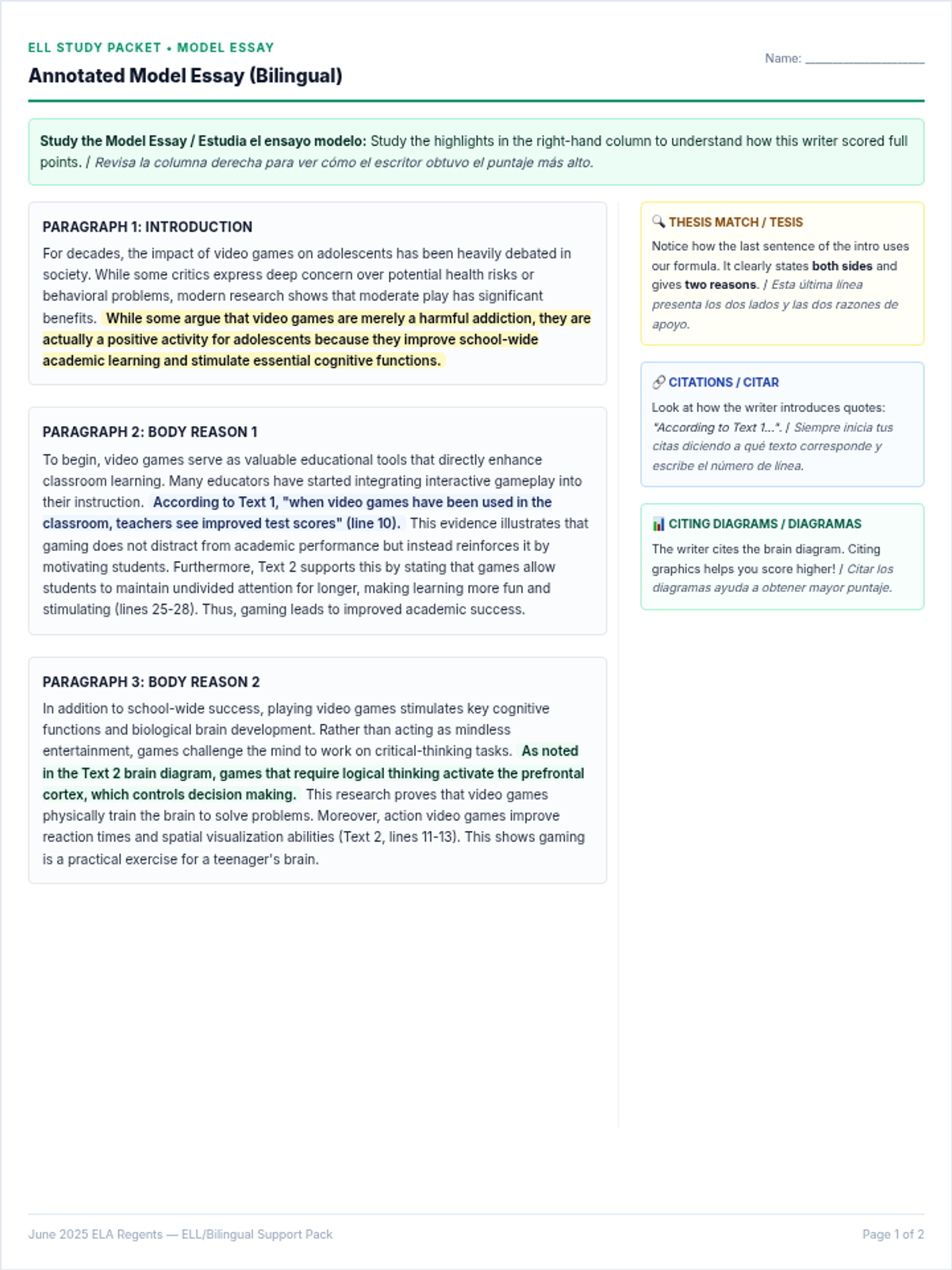
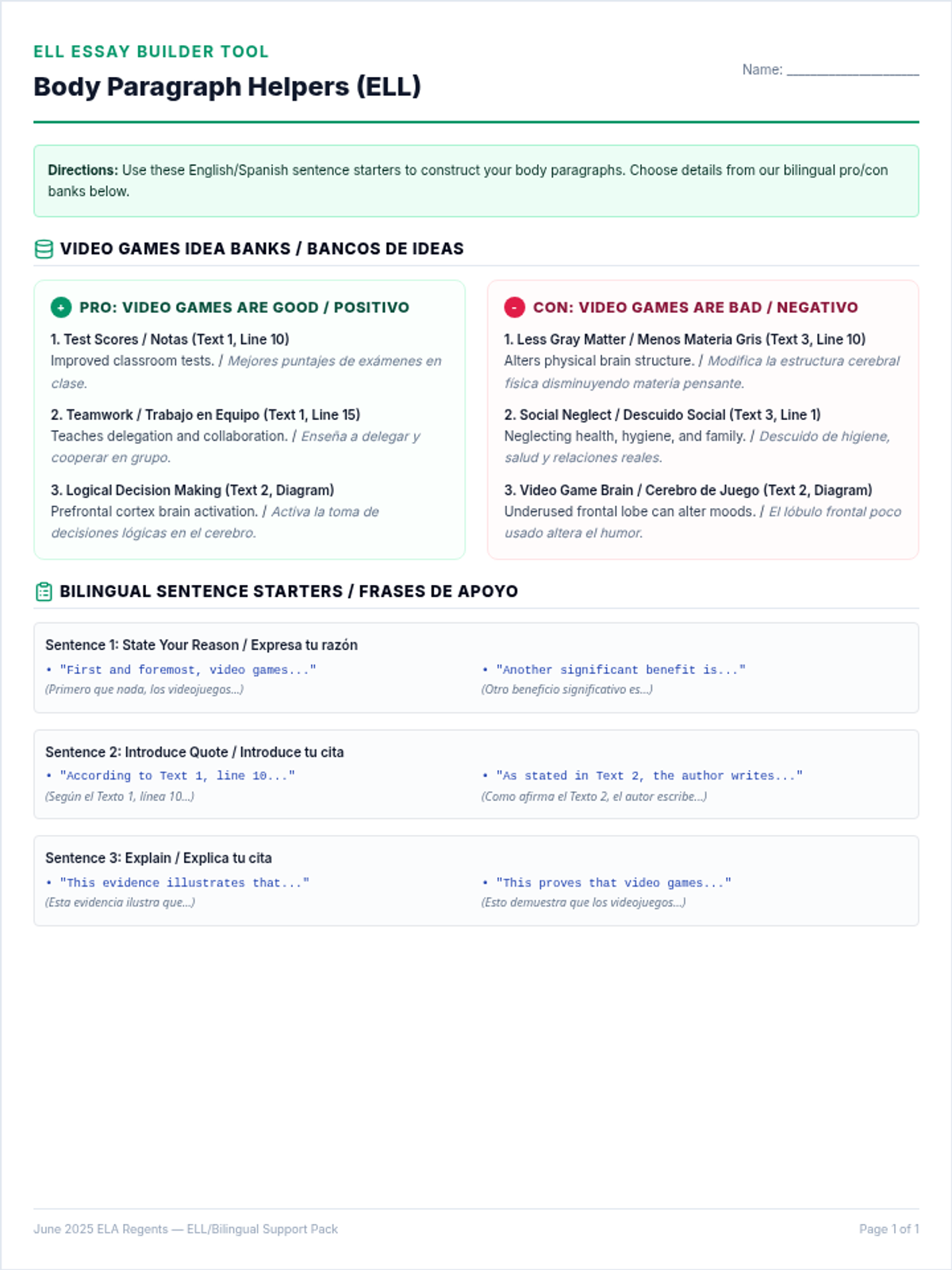
A hands-on simulation where students cross-reference specific claims from the text with external academic databases. They categorize findings as verified, disputed, or unsupported.
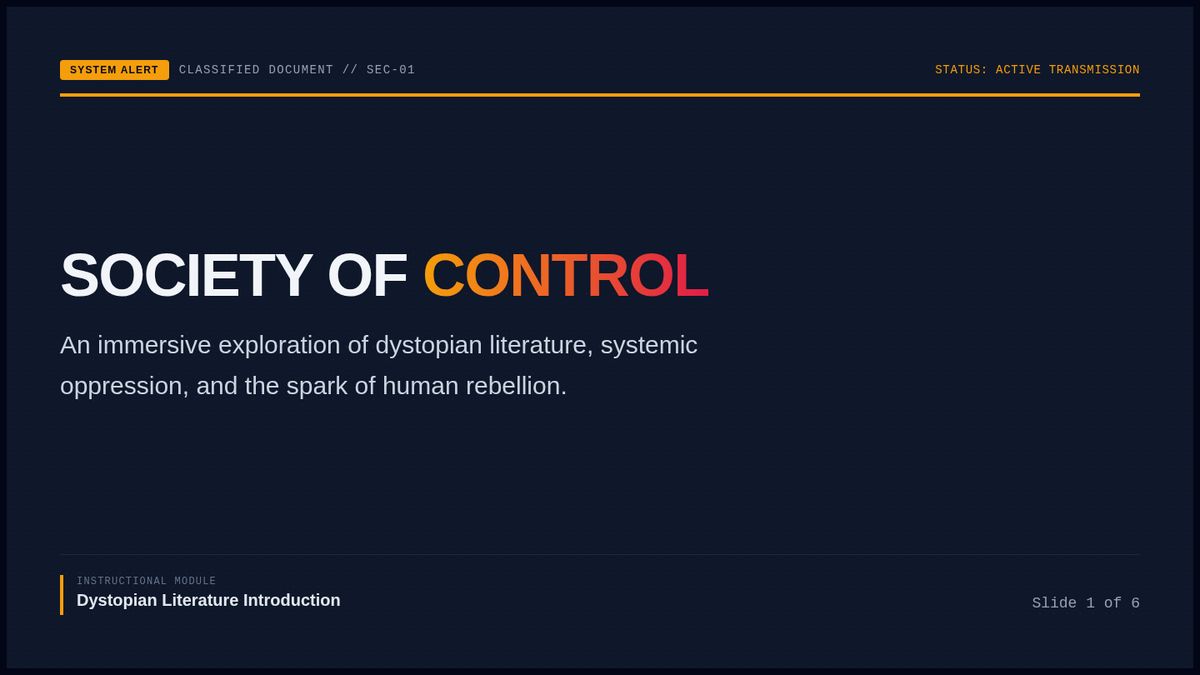
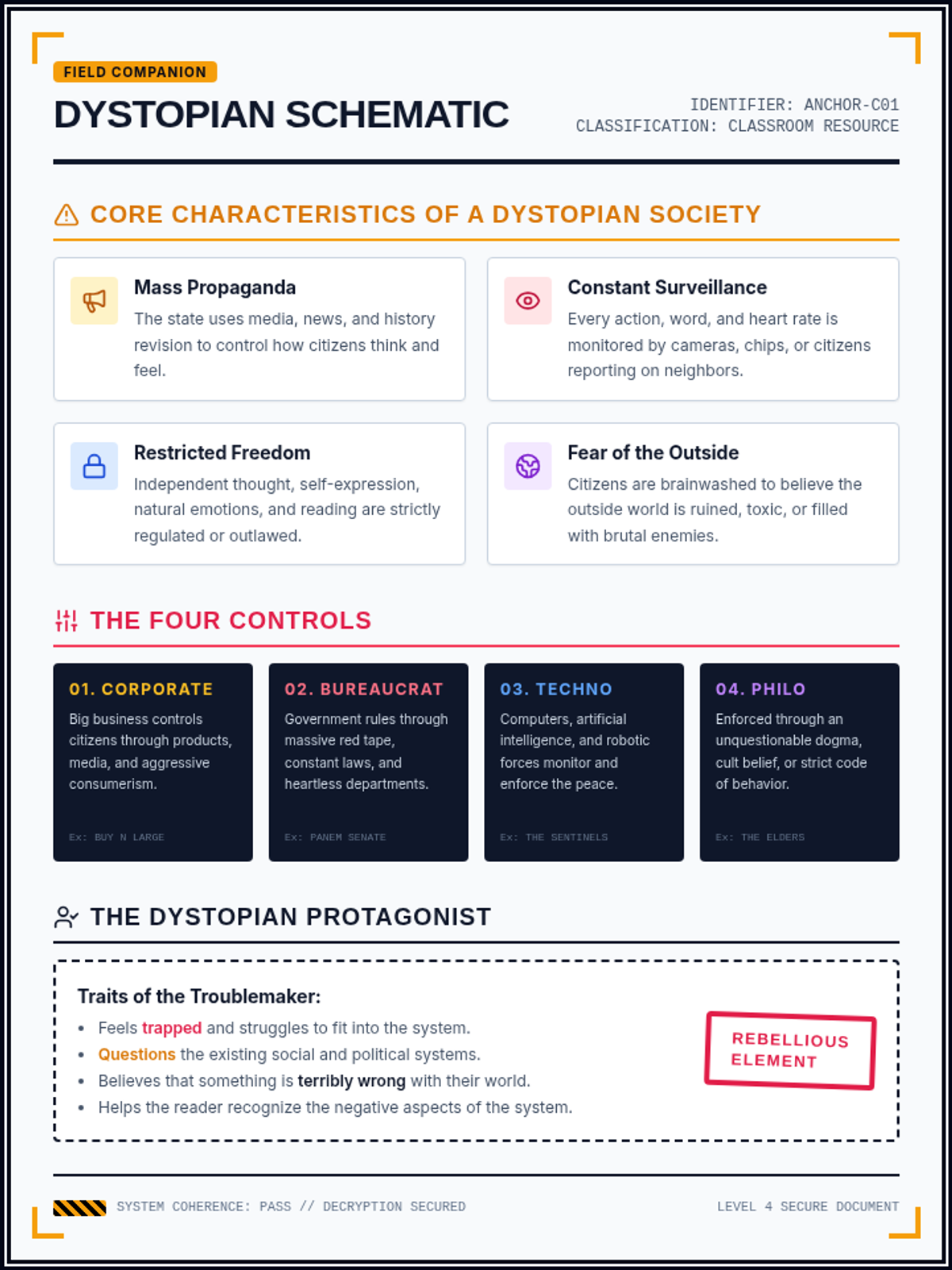
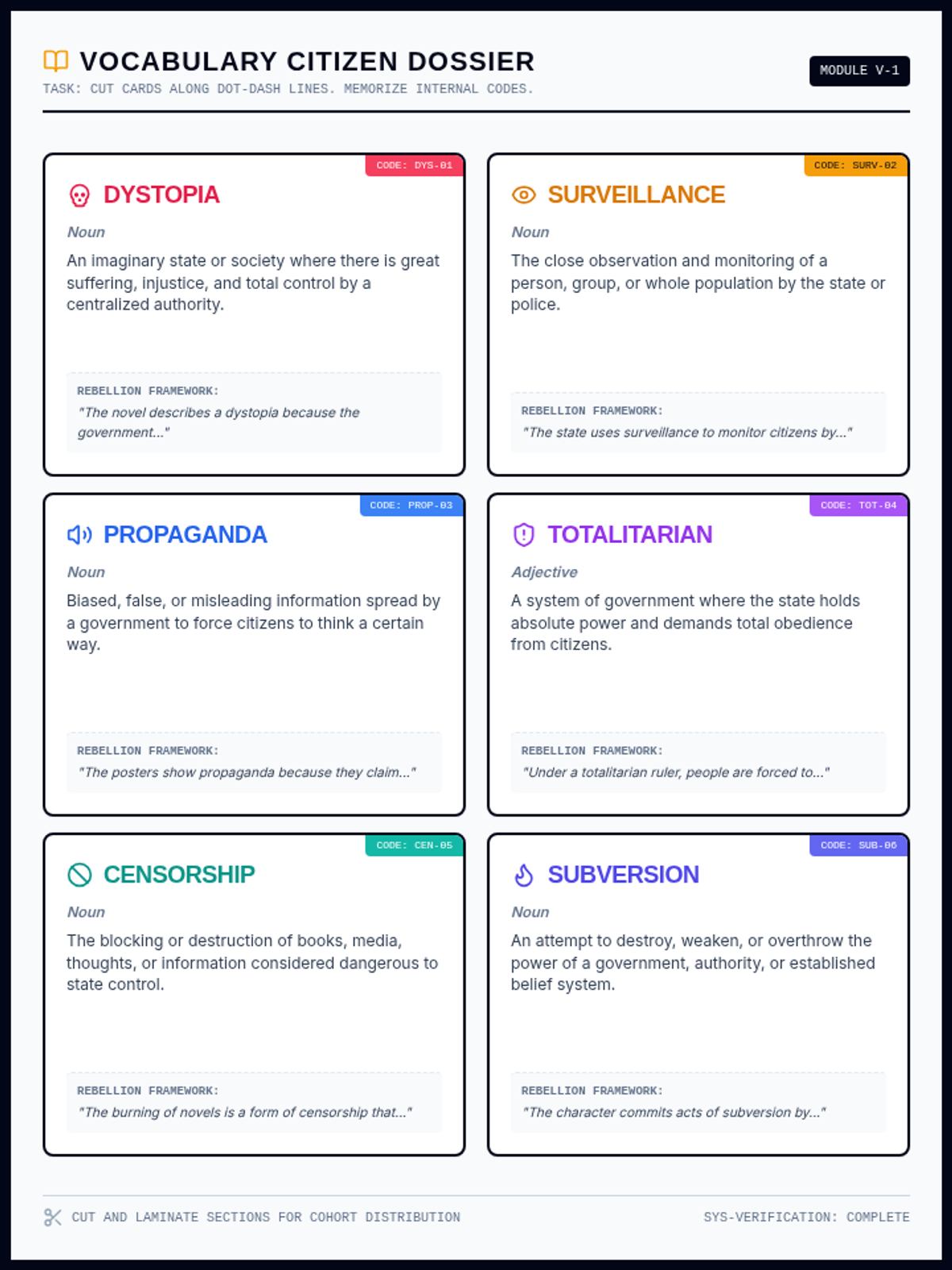
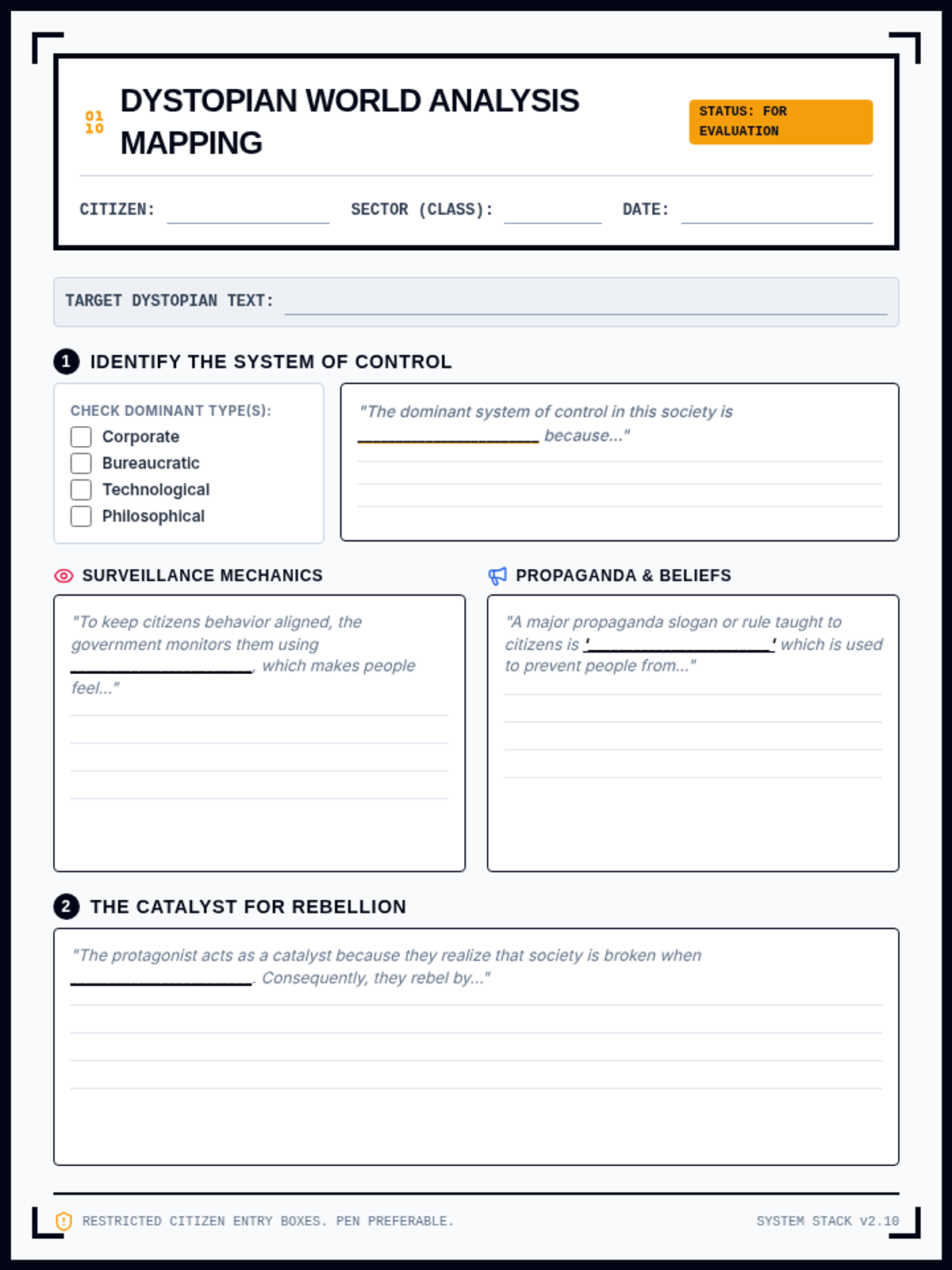
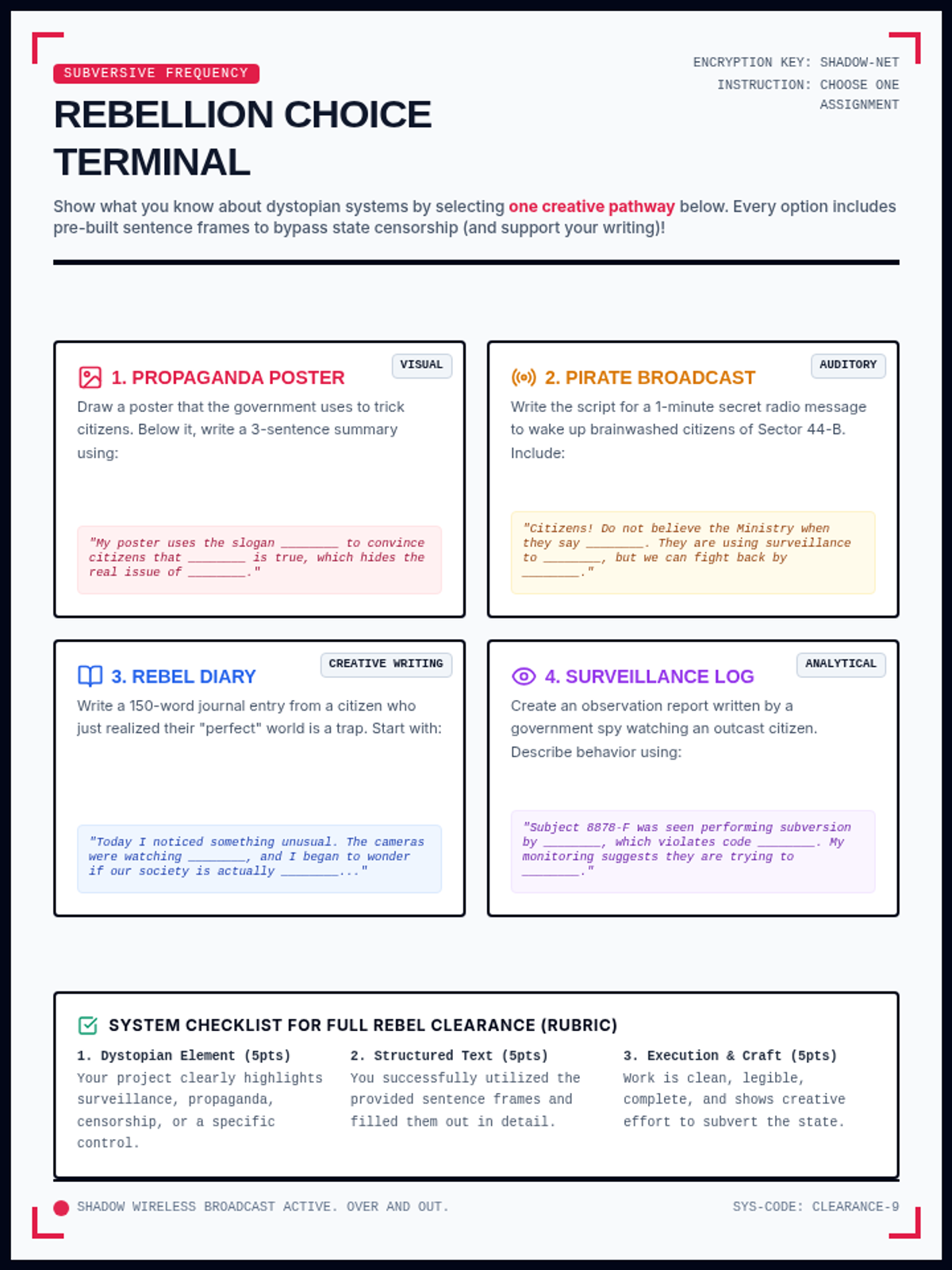
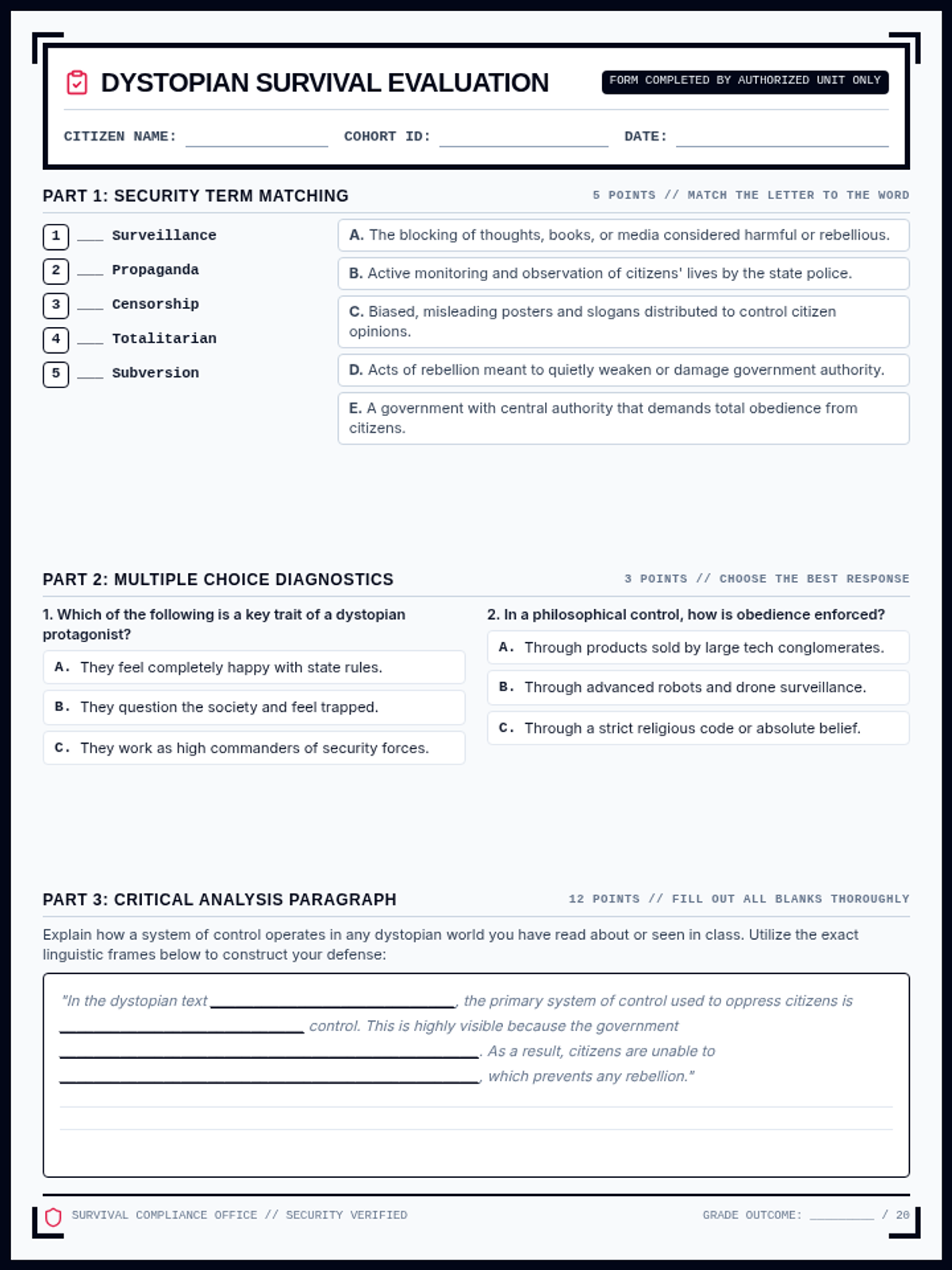
An immersive introductory lesson on dystopian literature. Students analyze systems of control, common tropes, and societal rebellion through visual slides, structured graphic organizers, and a creative choice board with heavy scaffolding and sentence starters.
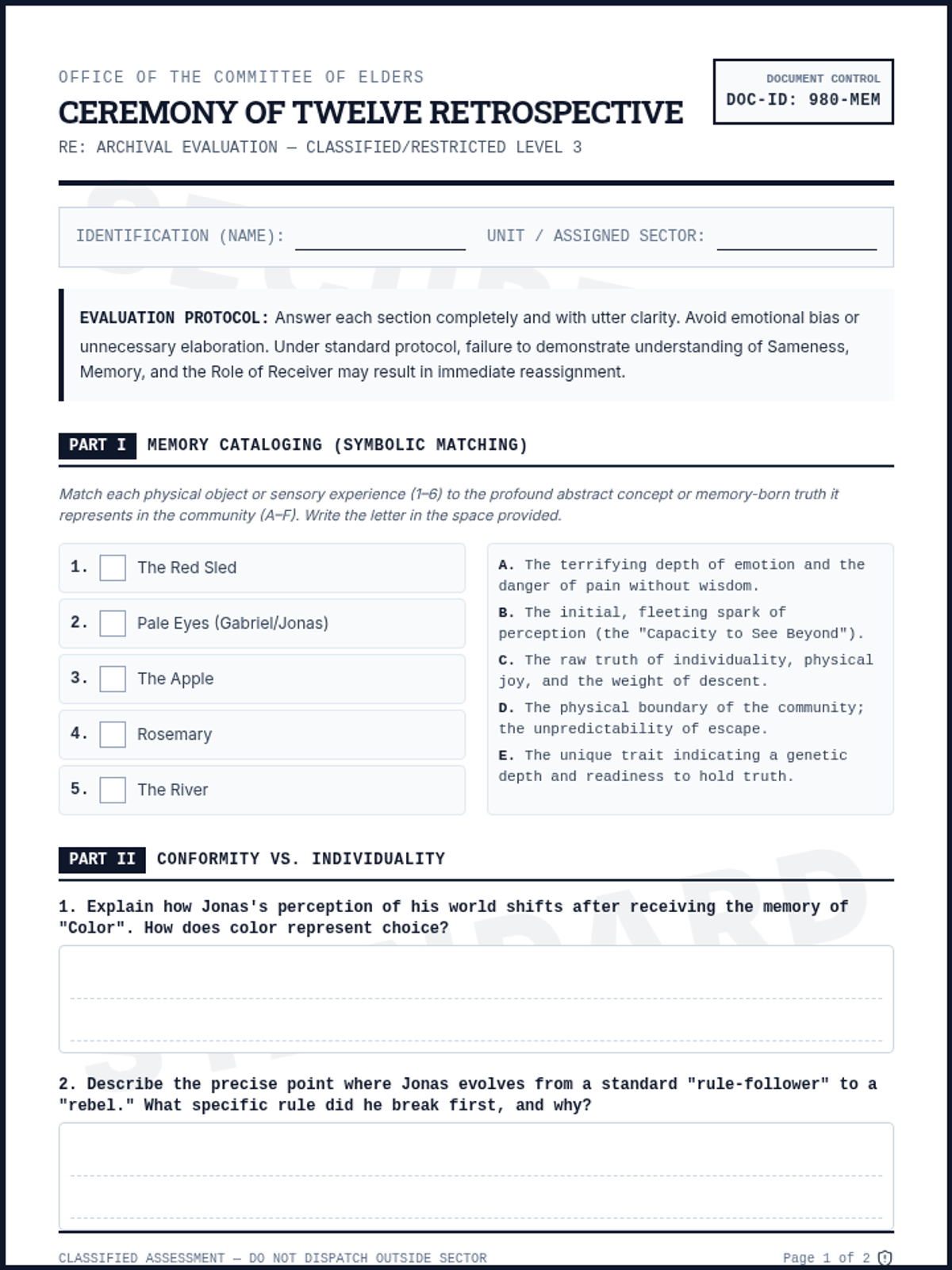
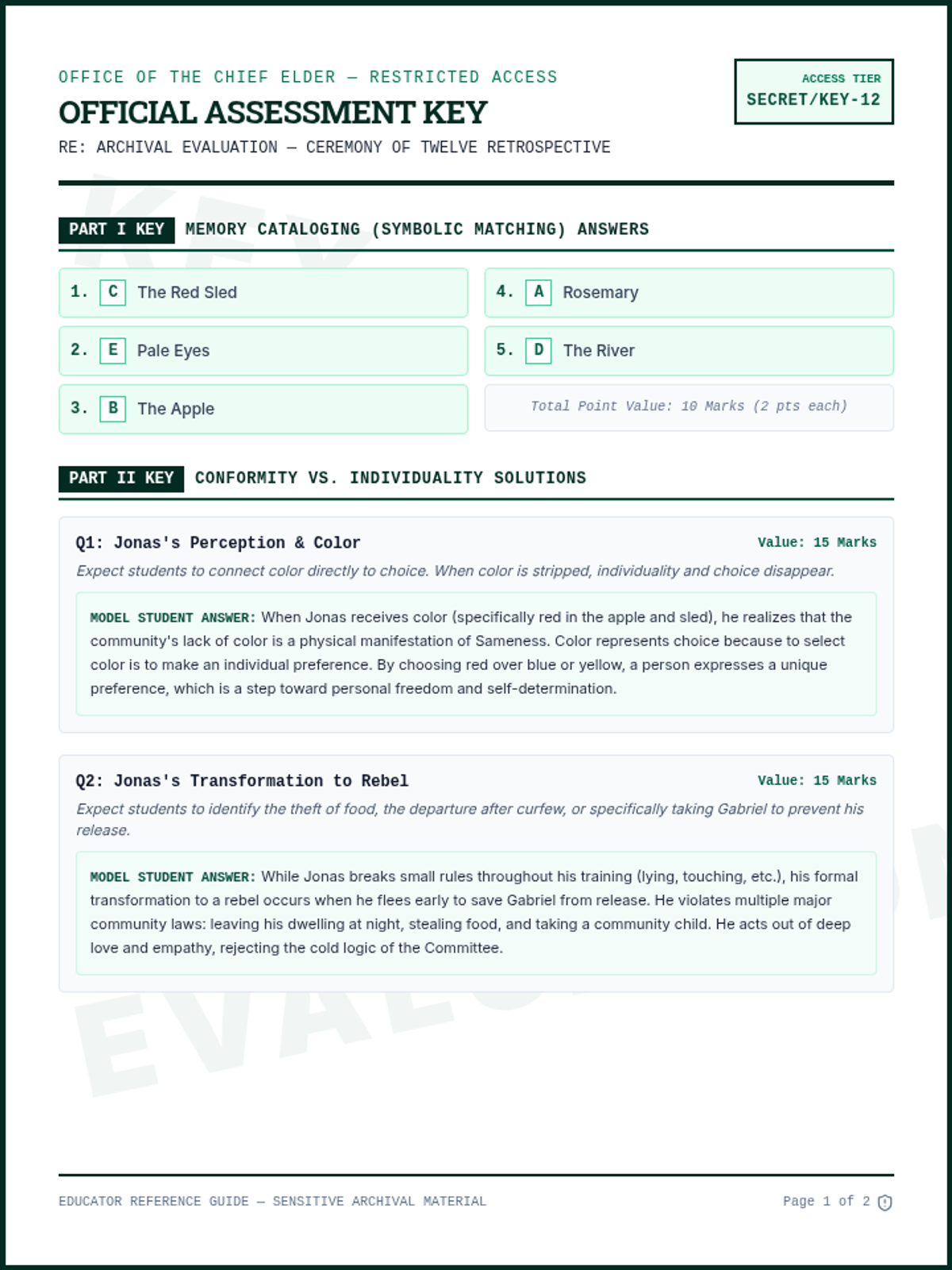
A comprehensive final exam lesson on Lois Lowry's 'The Giver', featuring a high-stakes, dystopian-themed student assessment and an educator's answer key and rubric focusing on memory, conformity, and character choice.
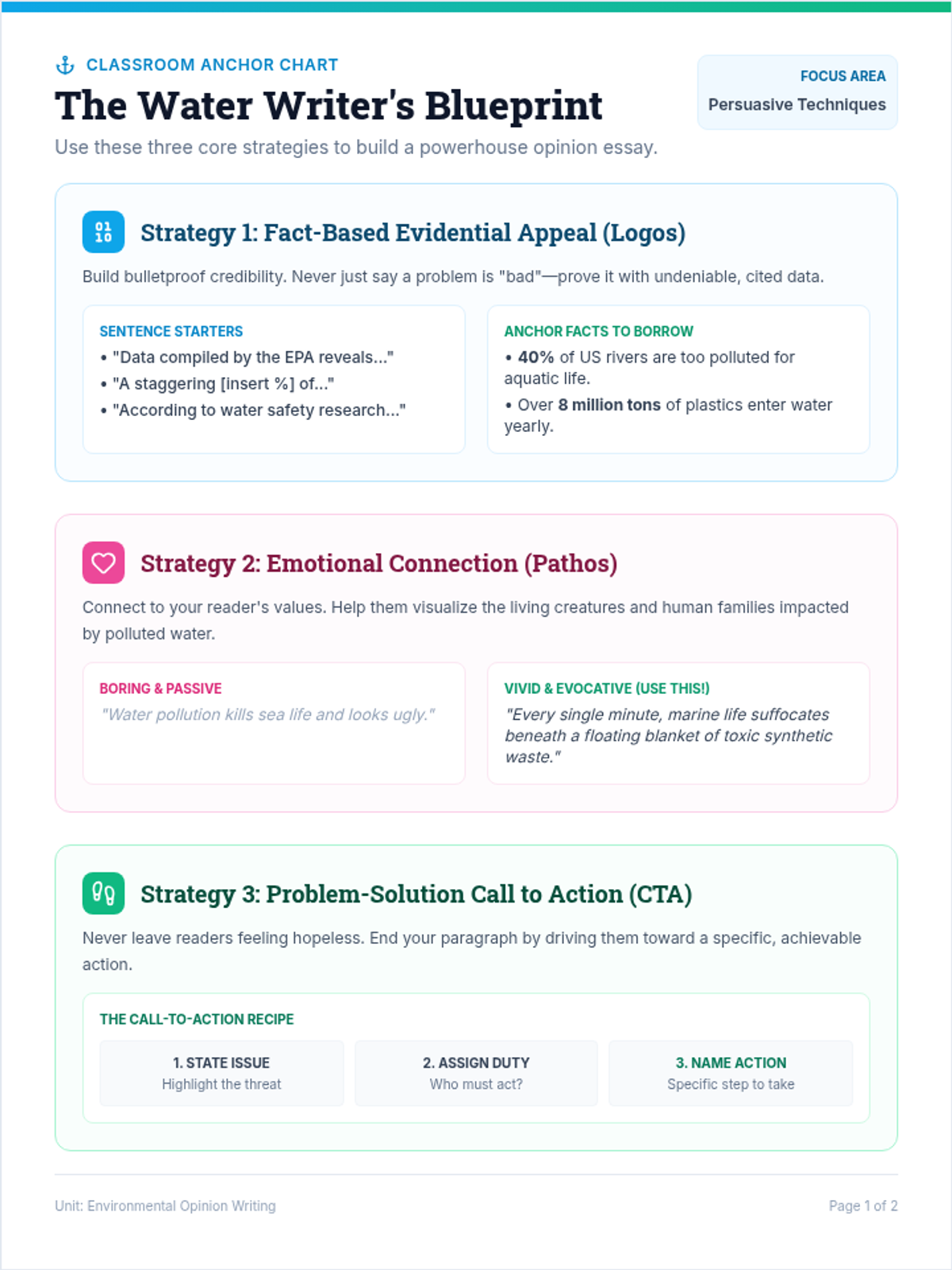
A targeted writing lesson that guides students through crafting high-impact opinion essays on water pollution and water demand. Students learn to combine fact-based evidential appeals, emotional connections, and structured problem-solution calls to action.
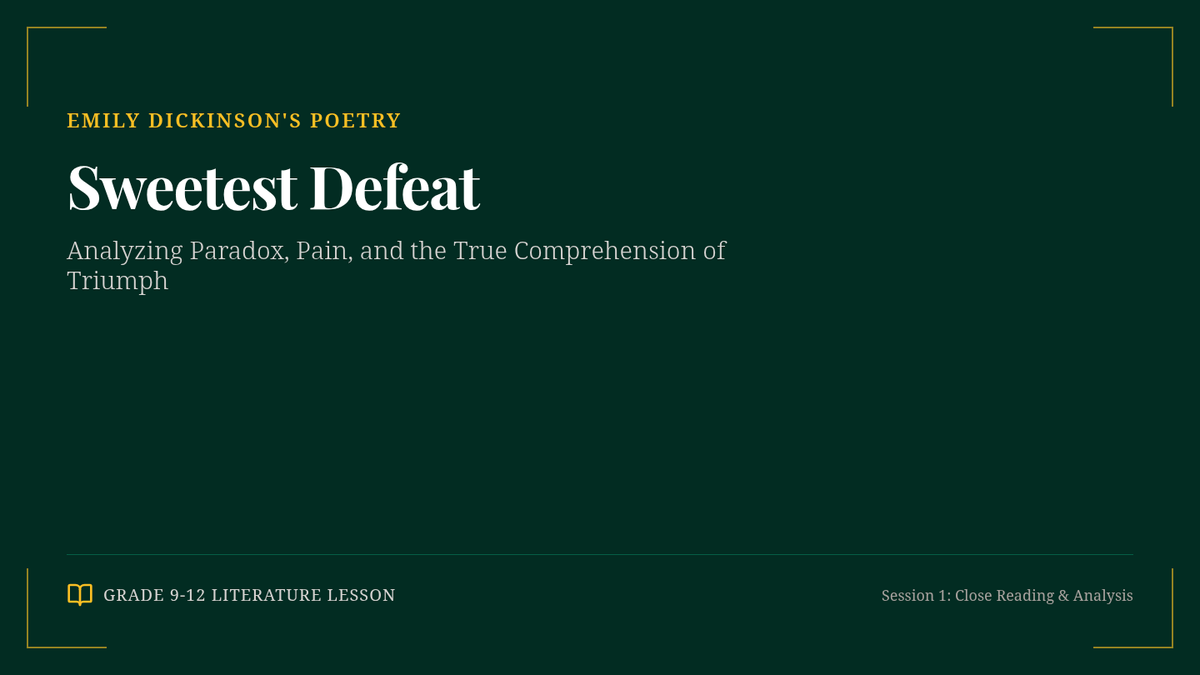
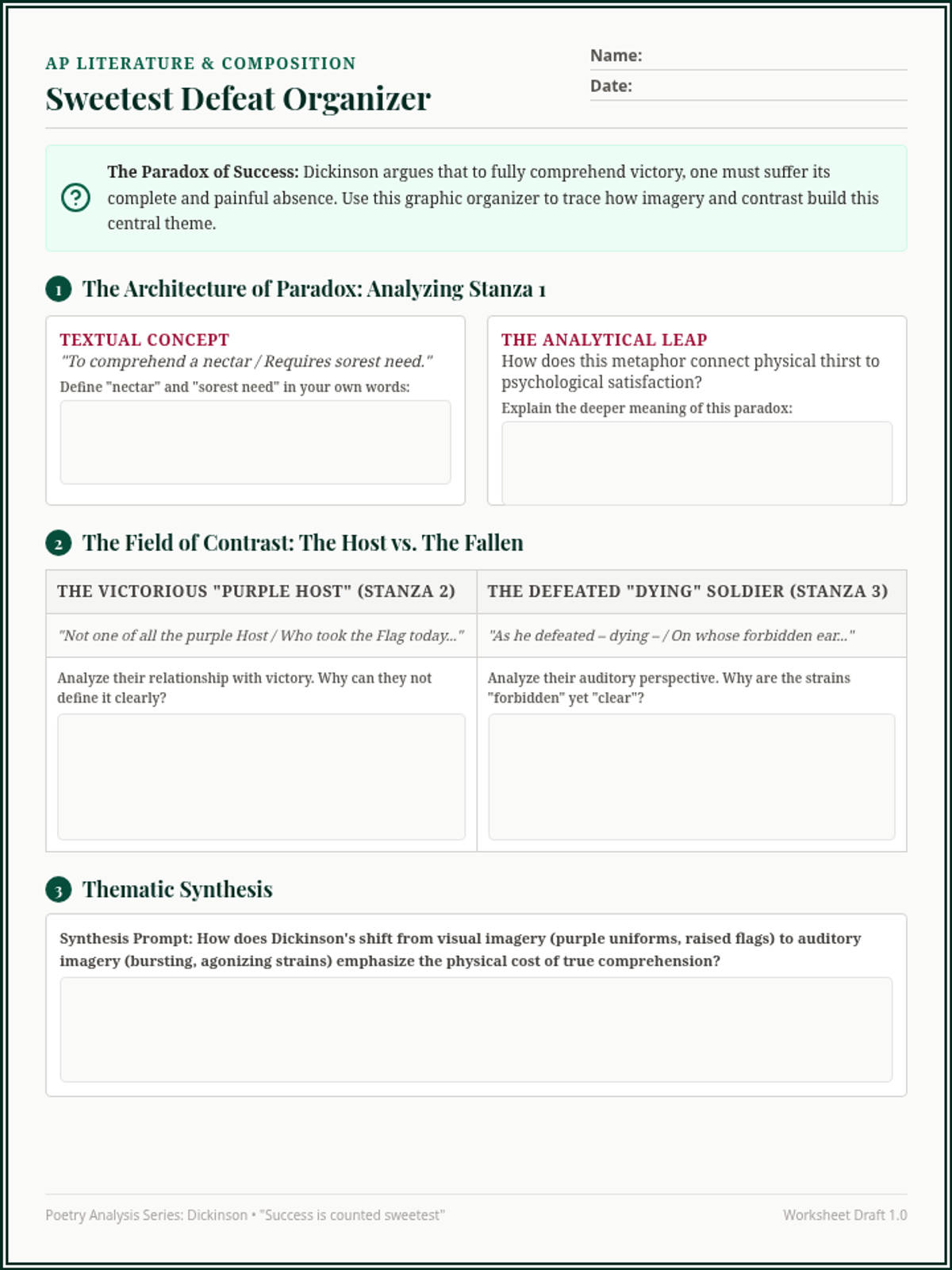
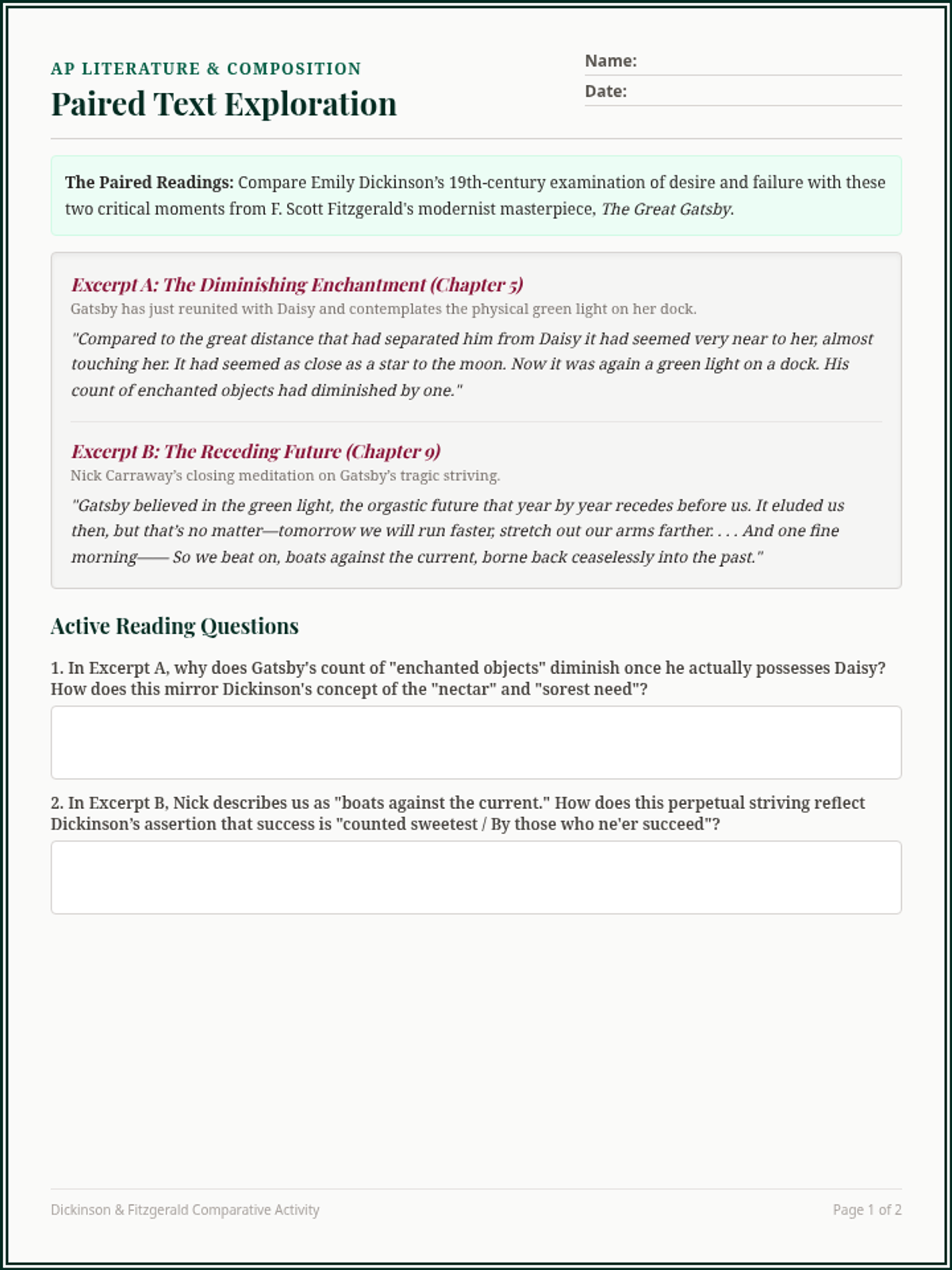
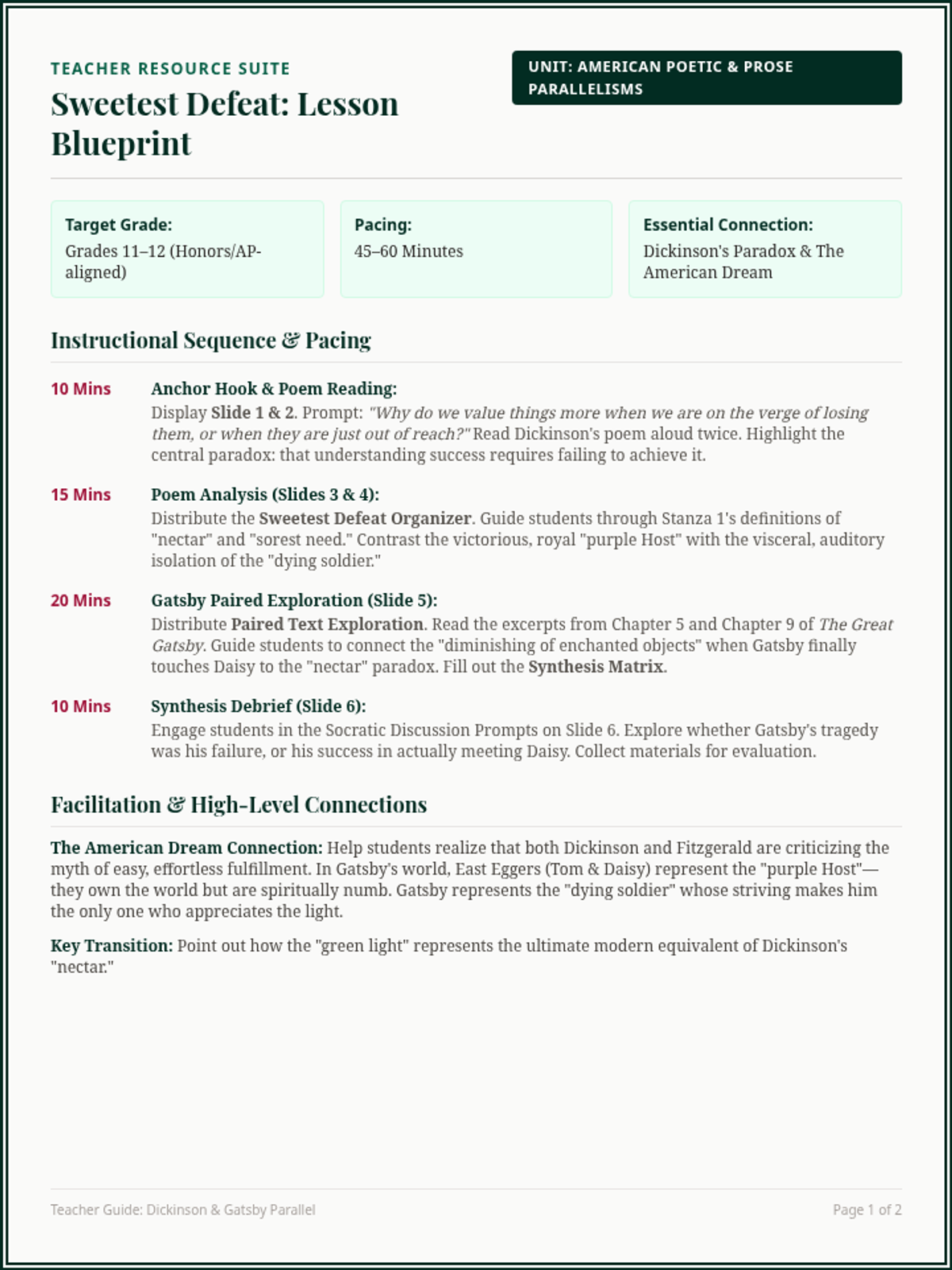
A deep-dive literature lesson exploring Emily Dickinson's 'Success is counted sweetest'. Students analyze how the central paradox—that defeat is necessary to truly comprehend victory—is built through imagery and contrast, and compare these themes to a modern text.
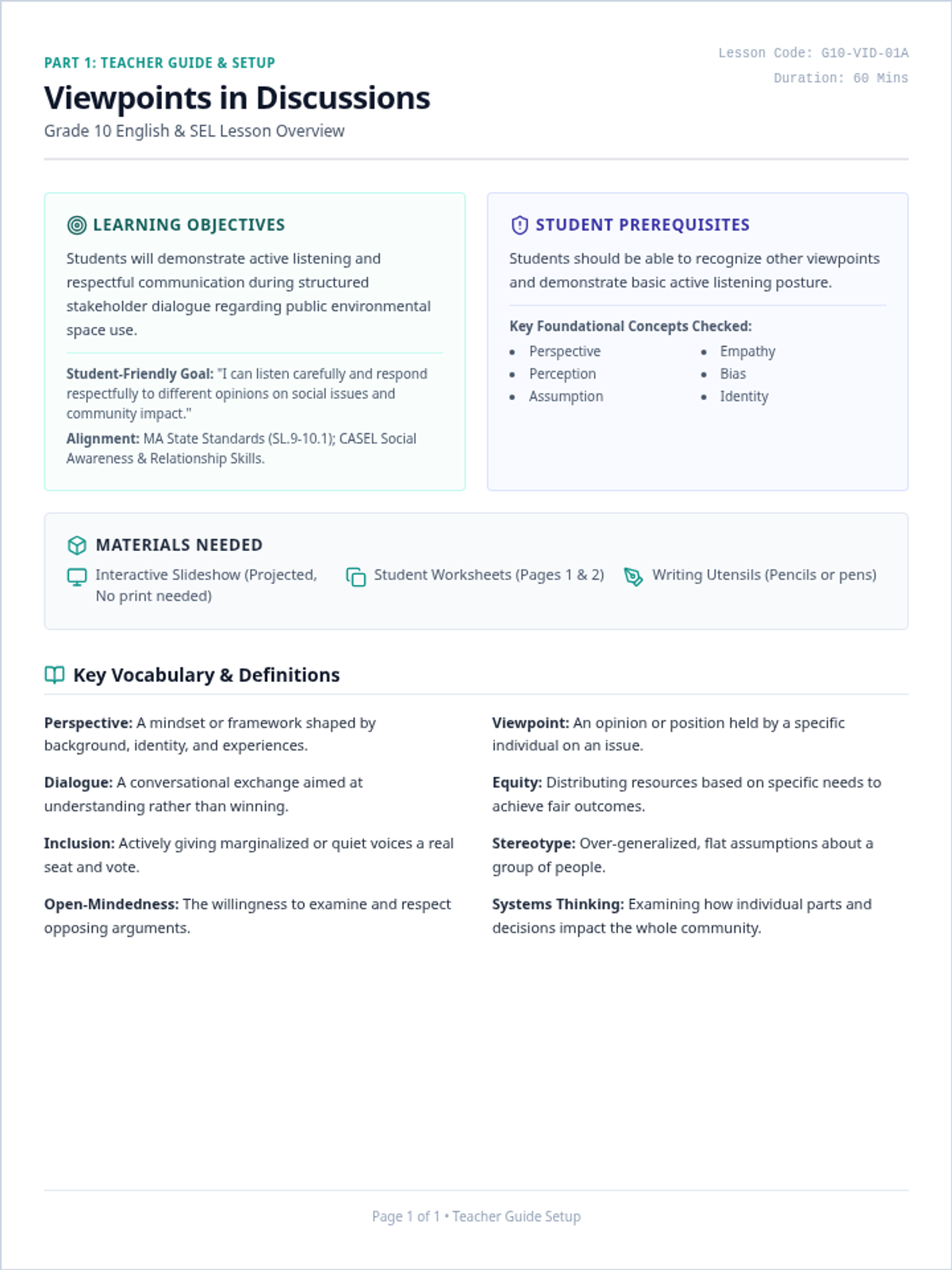
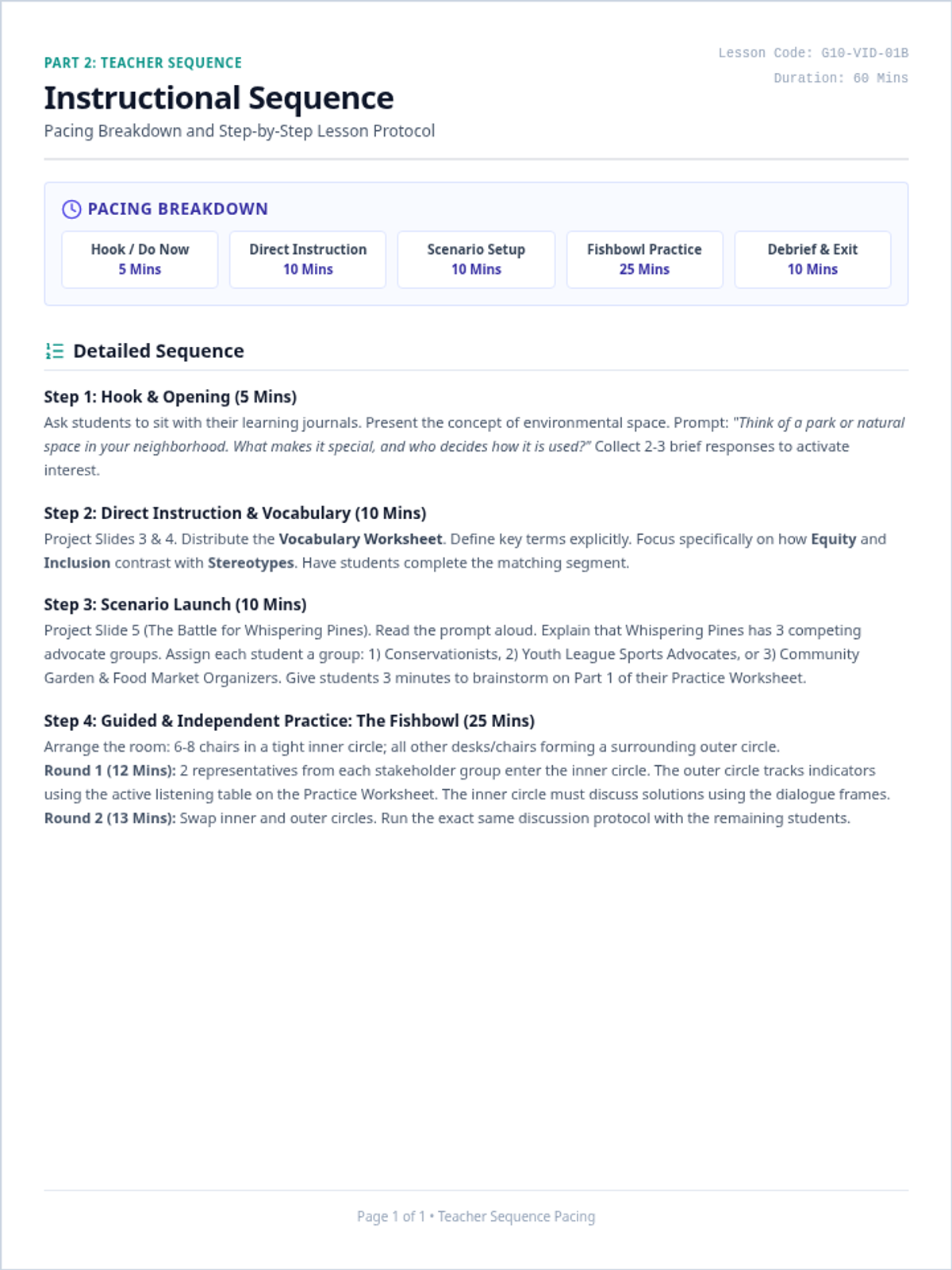
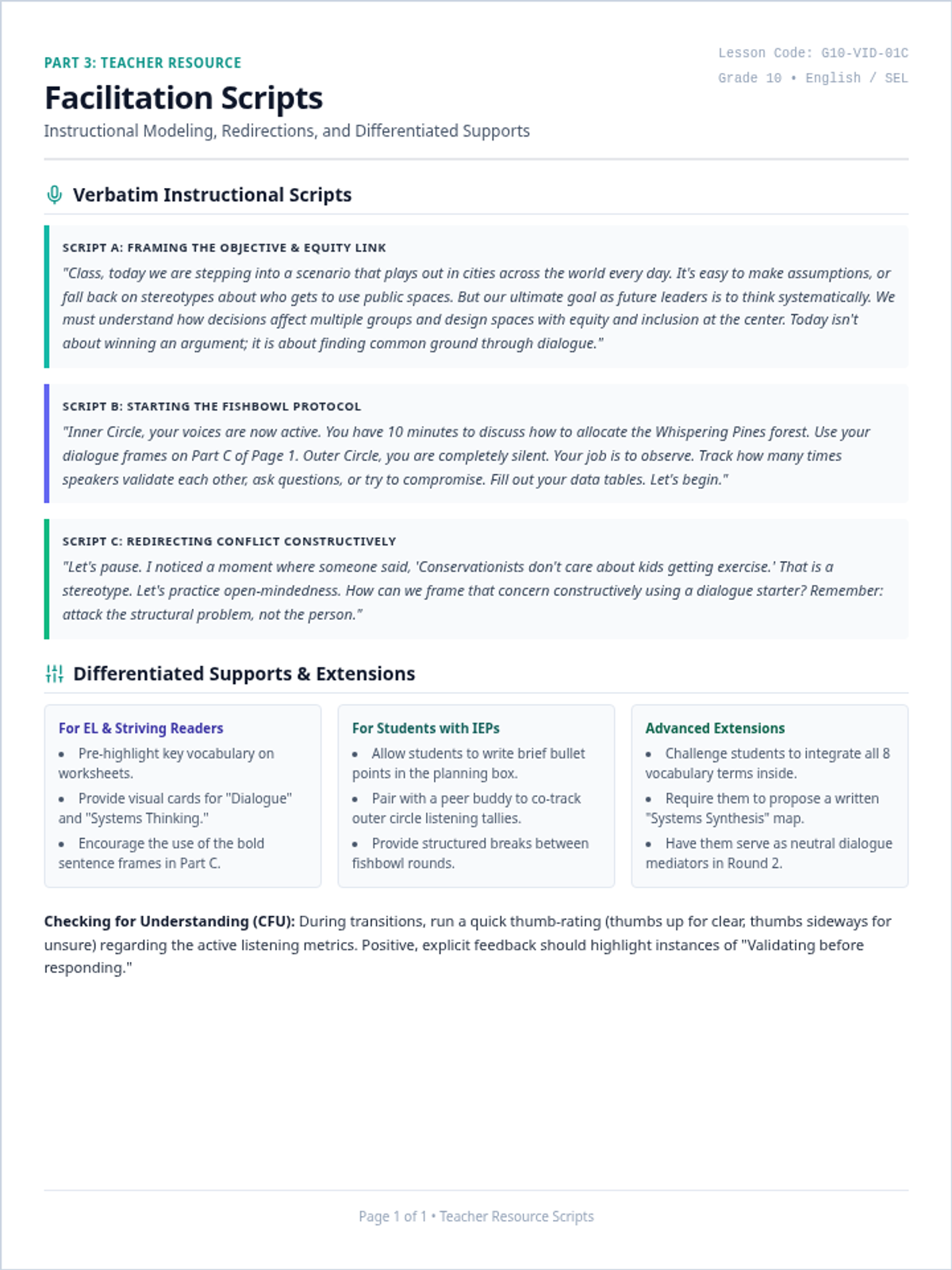
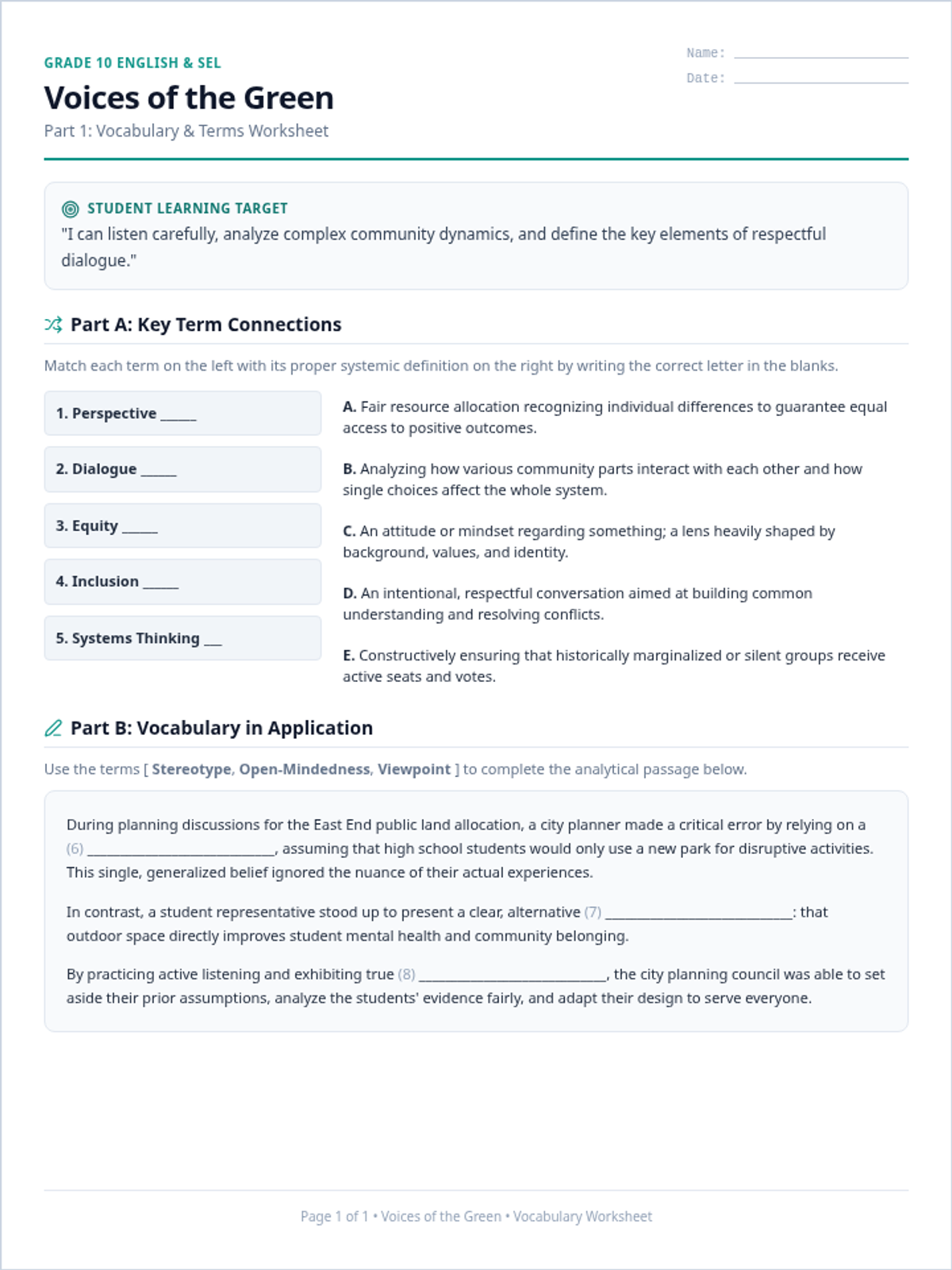
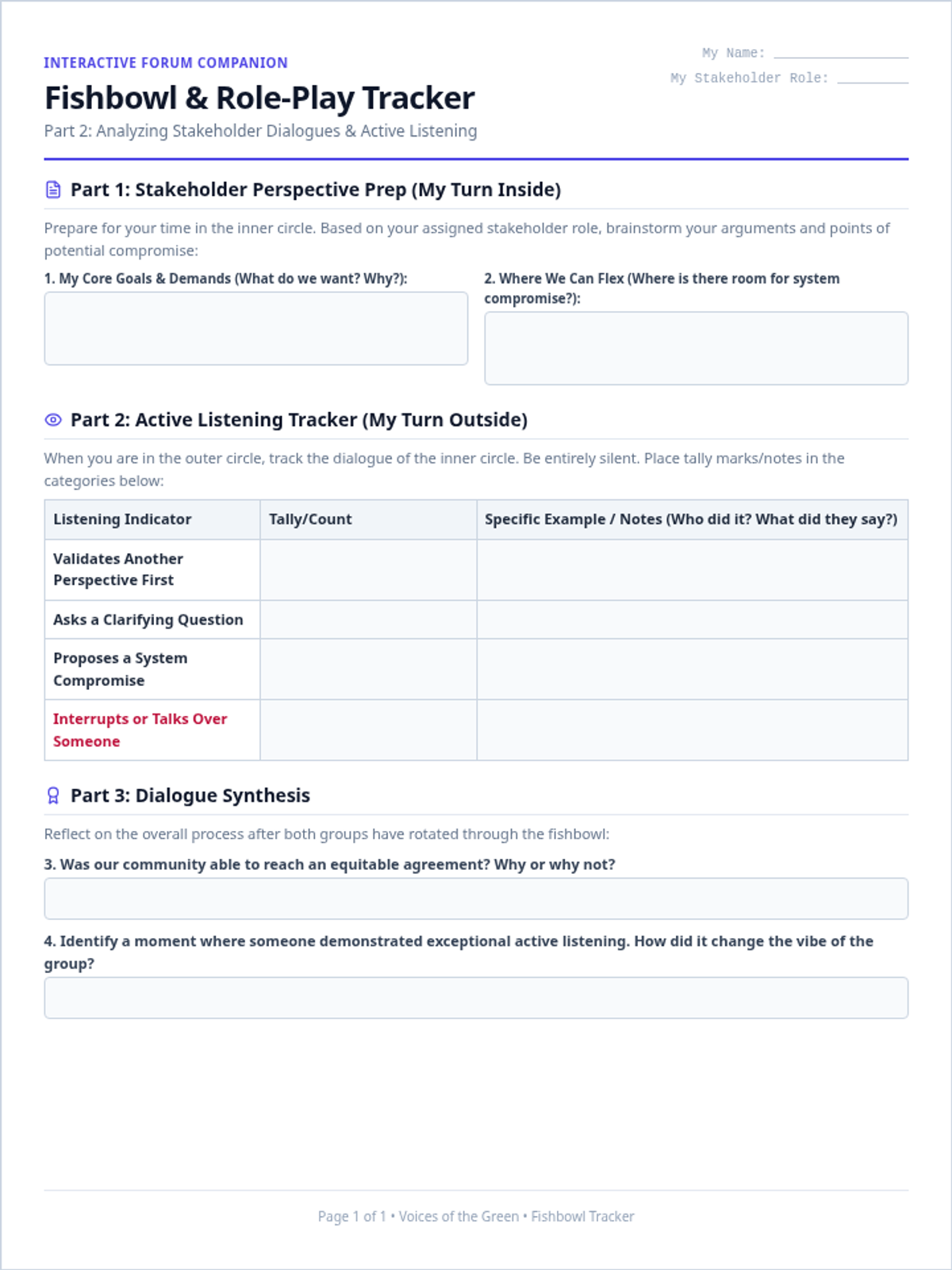
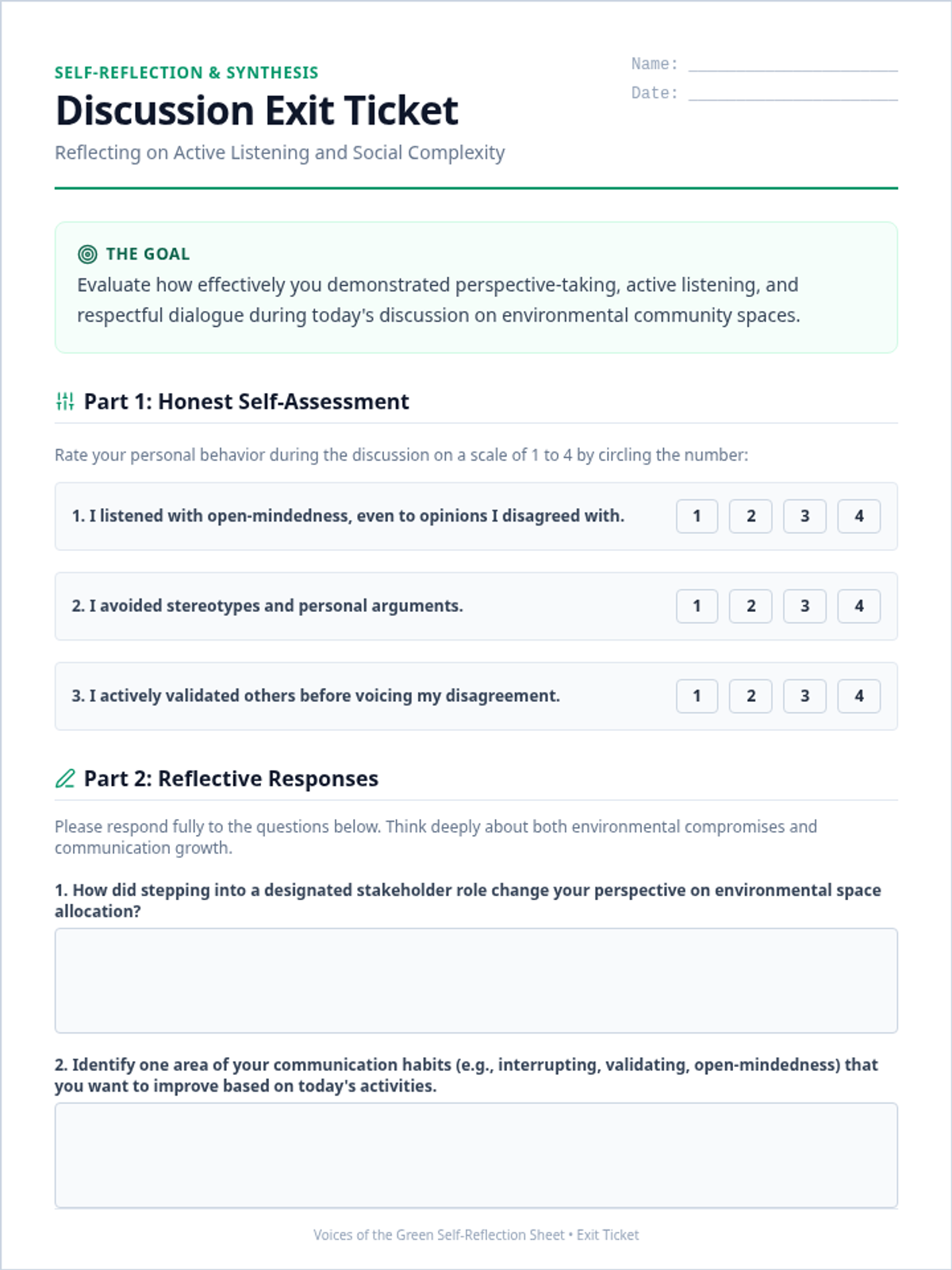
A Grade 10 English & SEL lesson focused on active listening and respectful communication during structured stakeholder dialogue about community environmental space use. Features a complete slide deck, a student worksheet, a teacher facilitation guide with scripts, and a self-reflective exit ticket.
A vocabulary and morphology lesson focusing on the academic and STEM suffix -cian, representing highly skilled occupational roles. Students explore word roots, spelling transformations, and professional definitions.
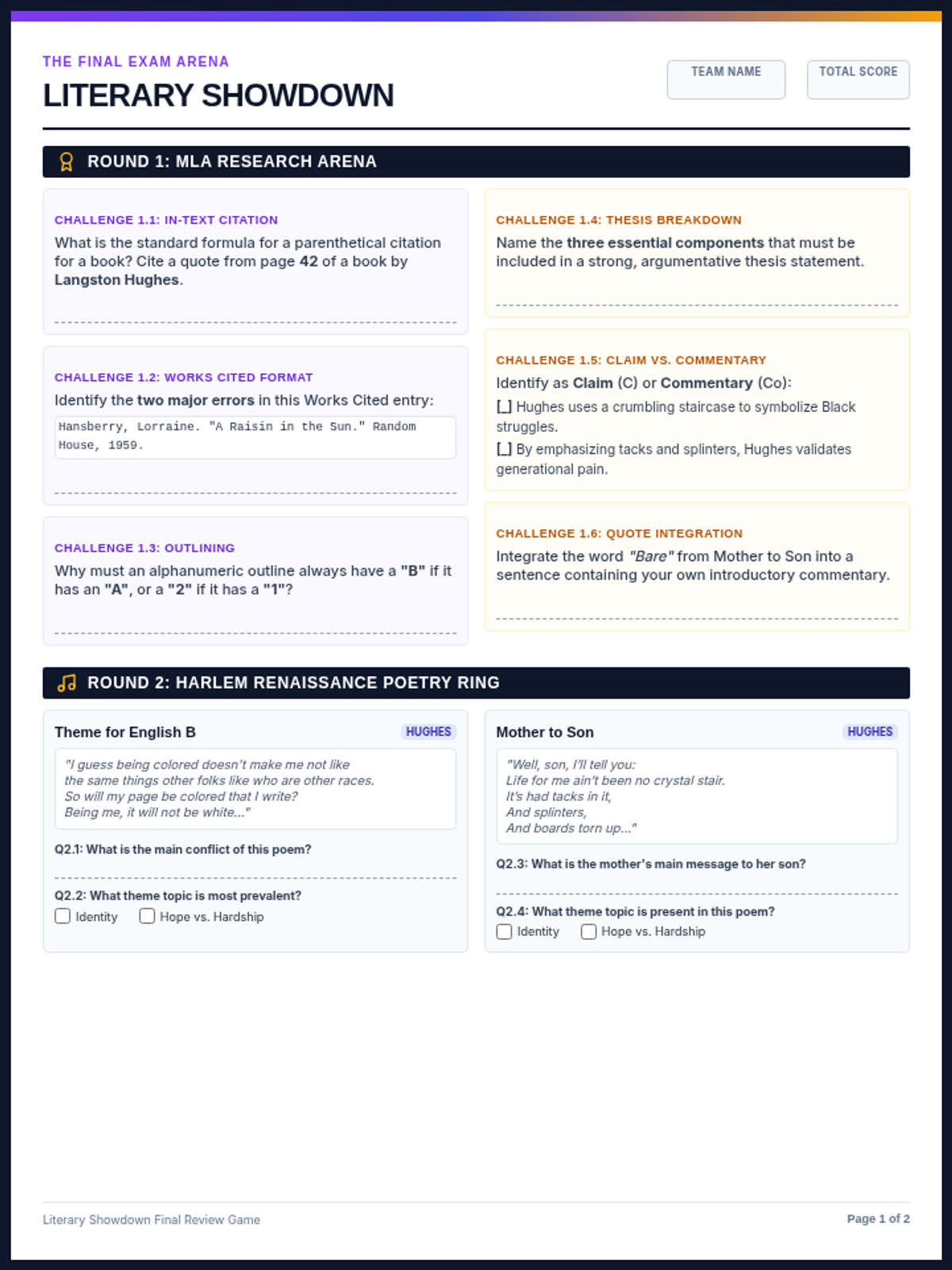
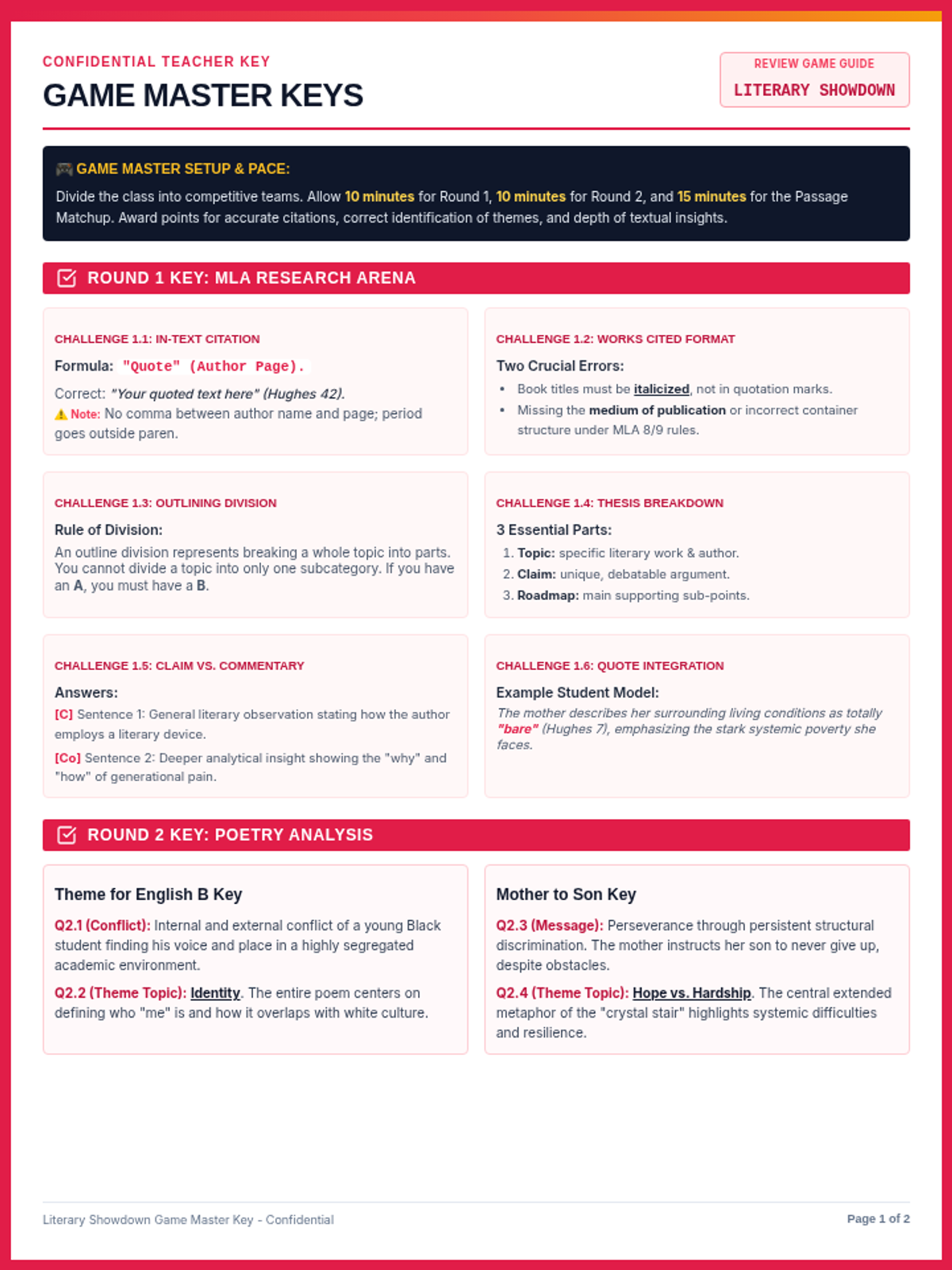
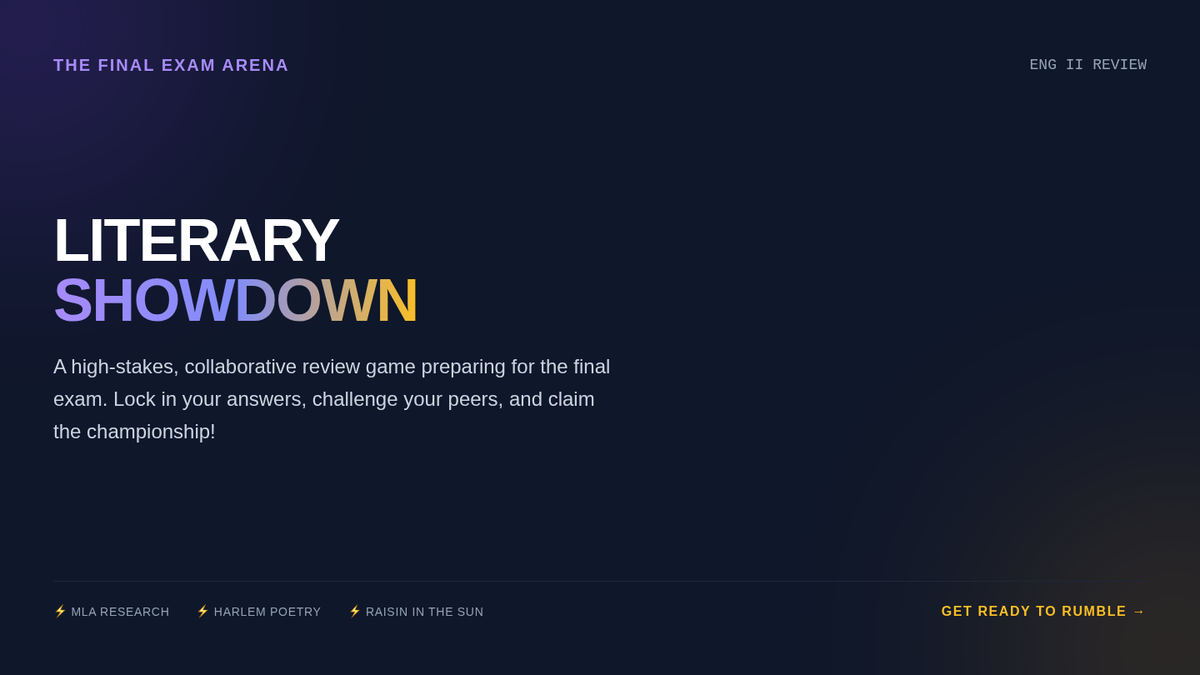
A comprehensive review lesson preparing students for the final exam covering MLA research, Harlem Renaissance poetry, and Acts II & III of A Raisin in the Sun.
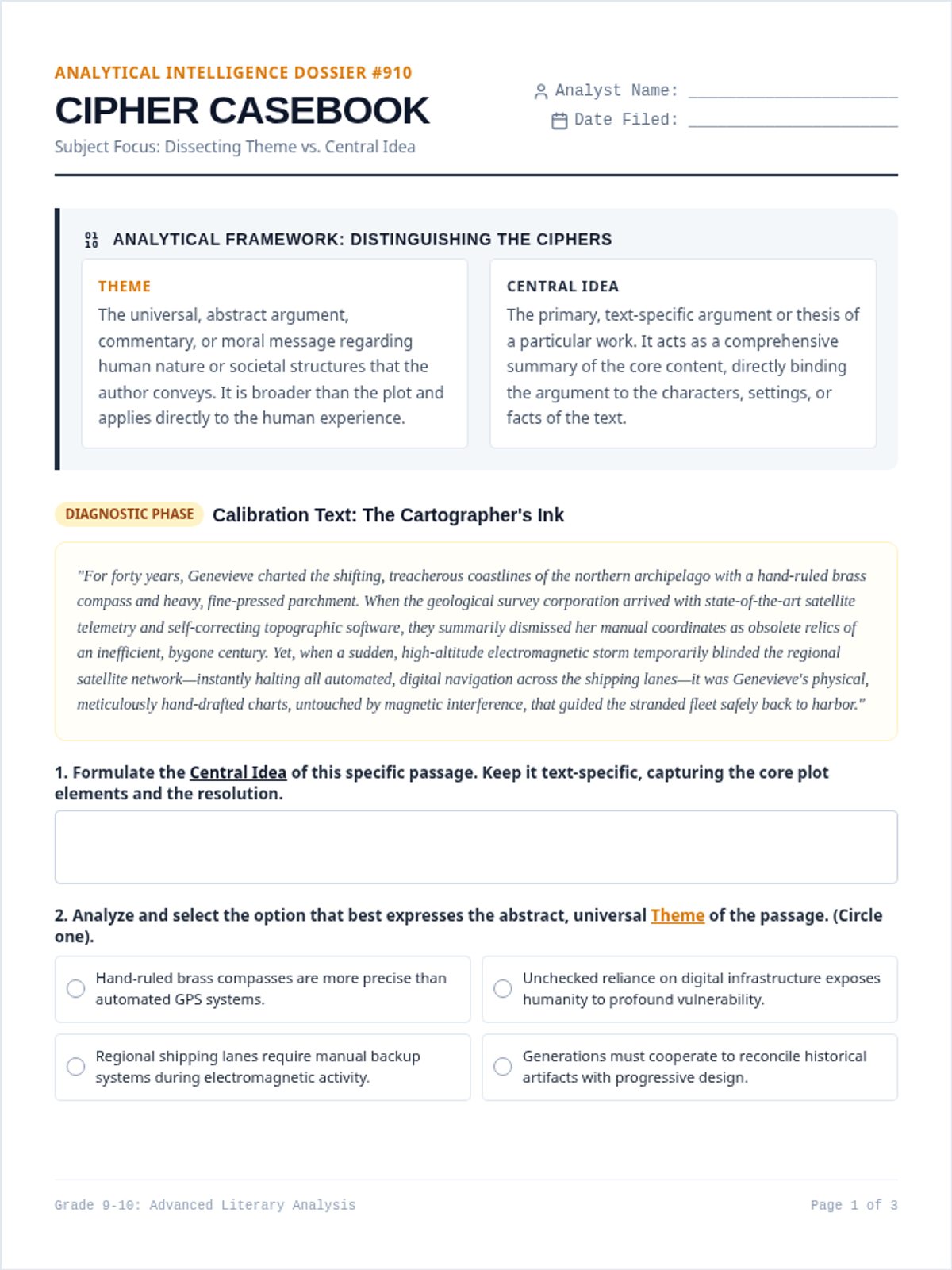
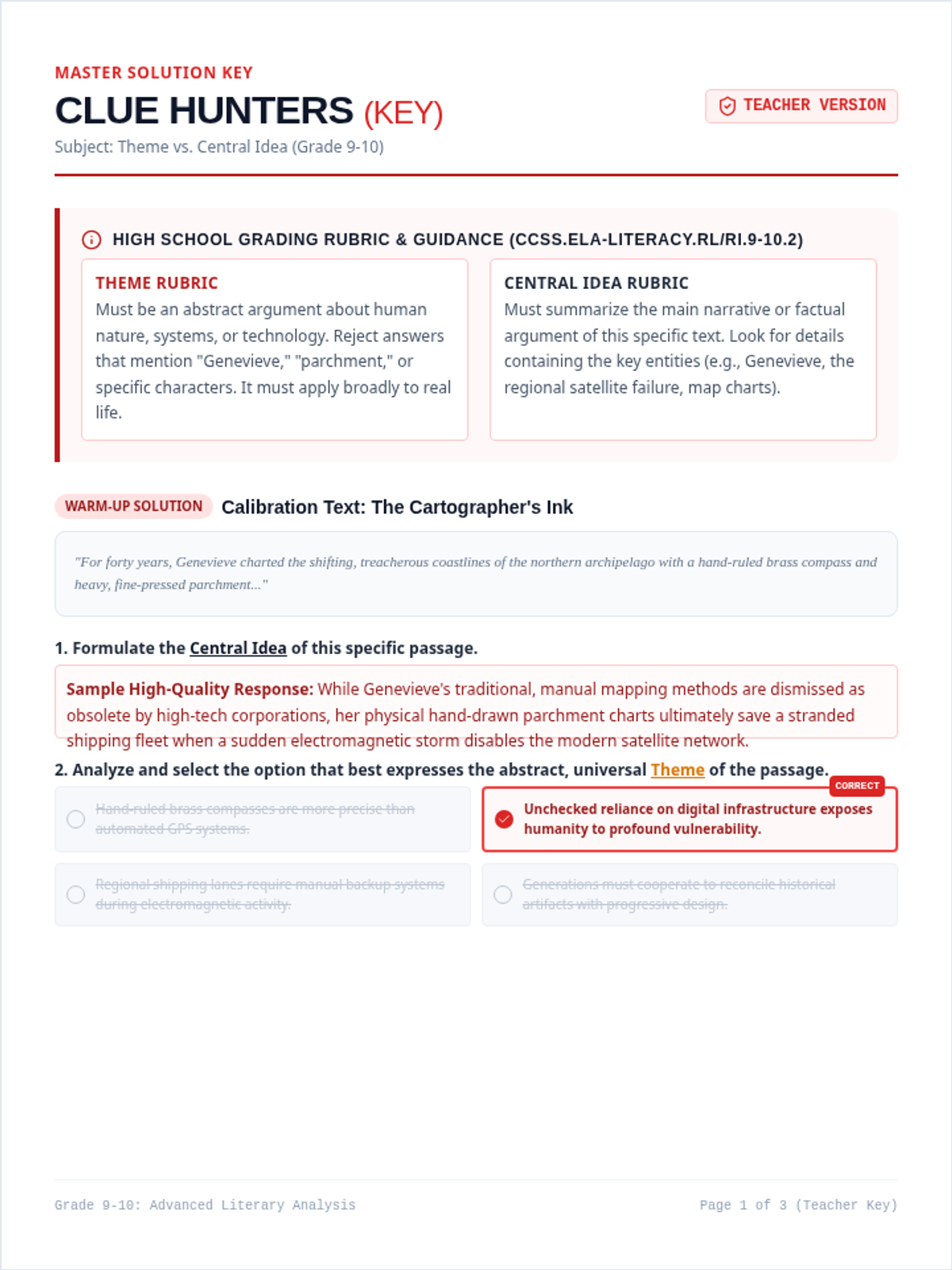
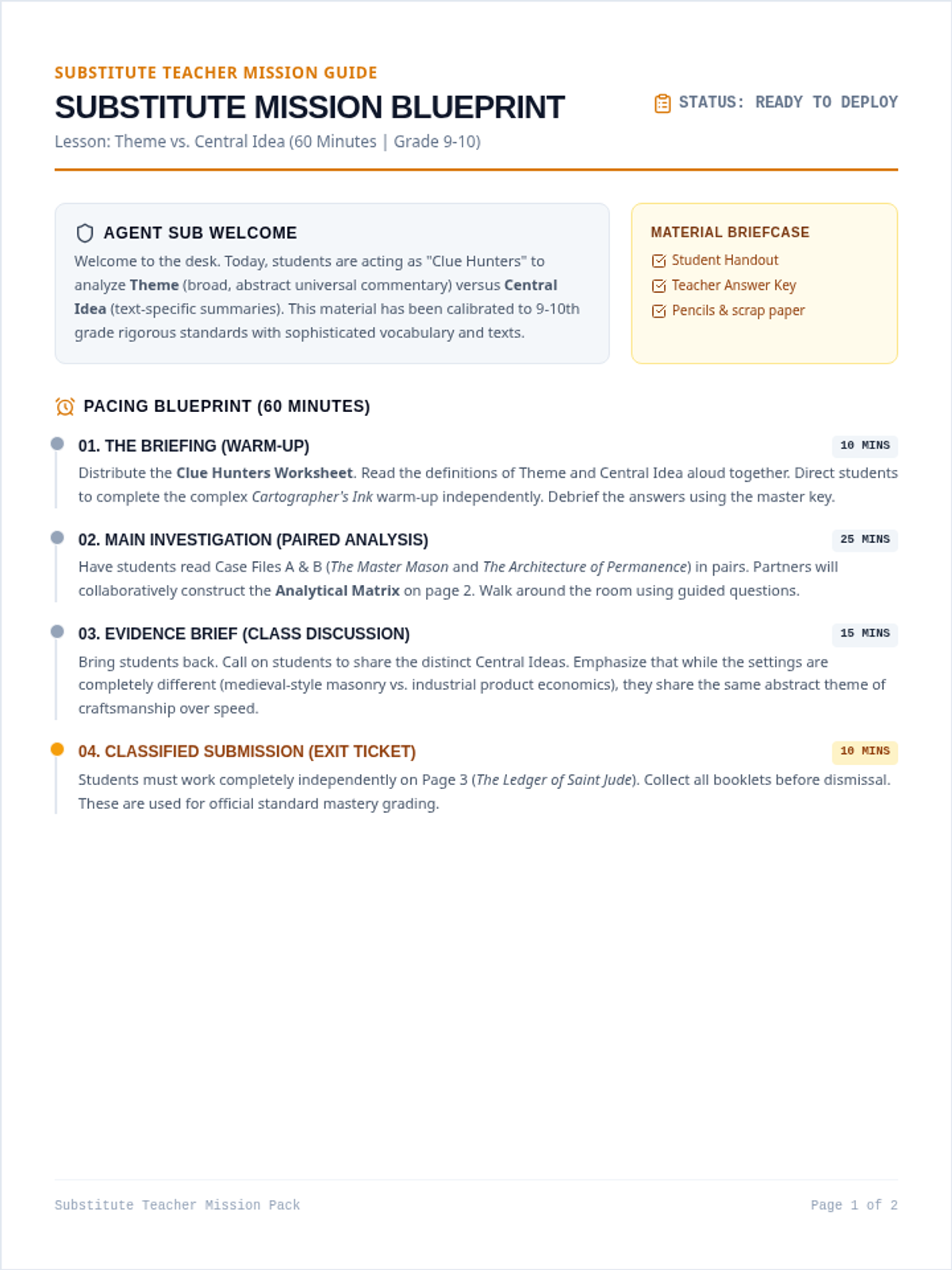
A comprehensive 60-minute lesson designed to help students distinguish theme from central idea using a codebreaker motif. Students analyze paired short texts, crack themes using graphic organizers, and demonstrate mastery through a structured exit ticket.
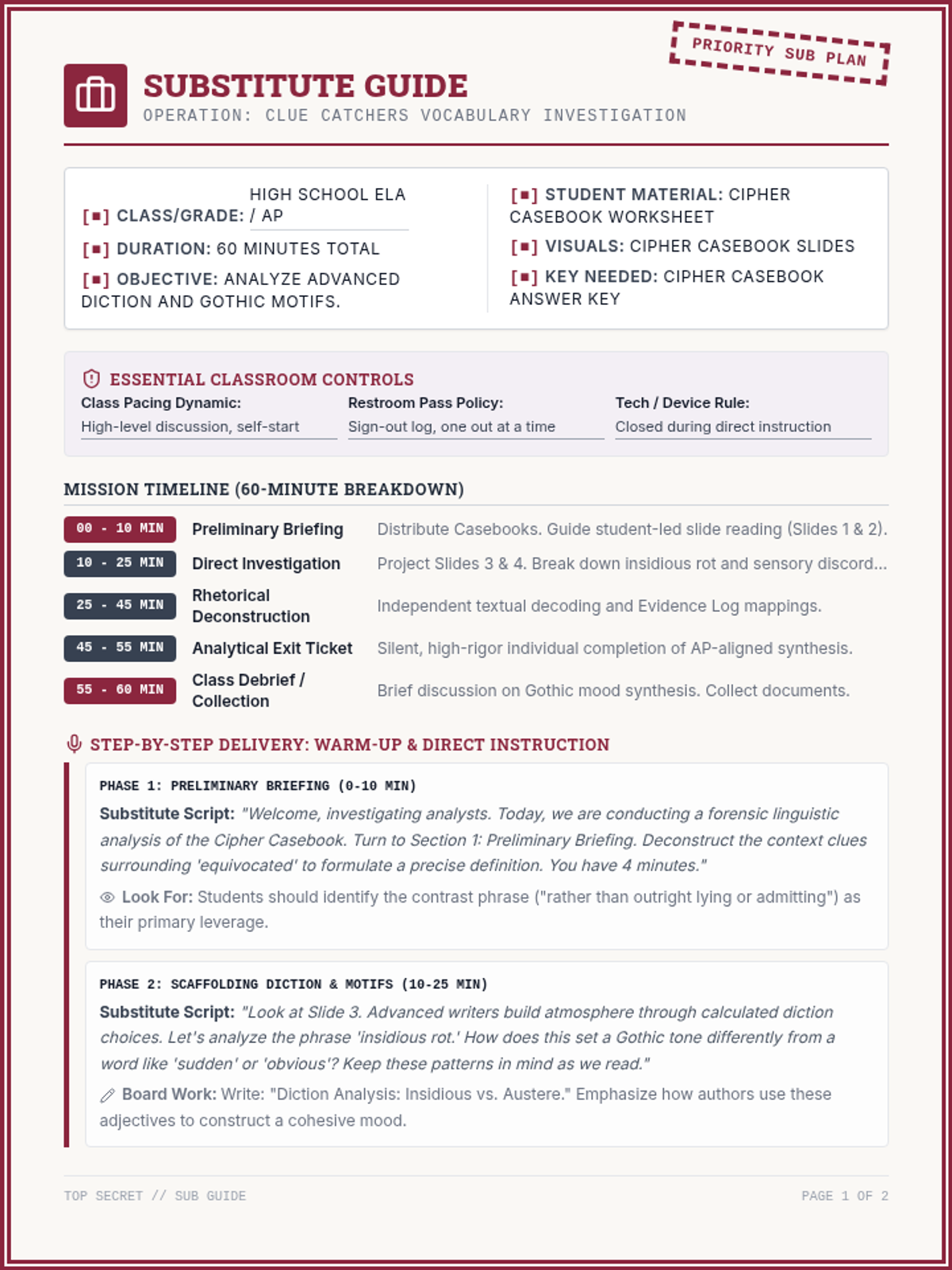
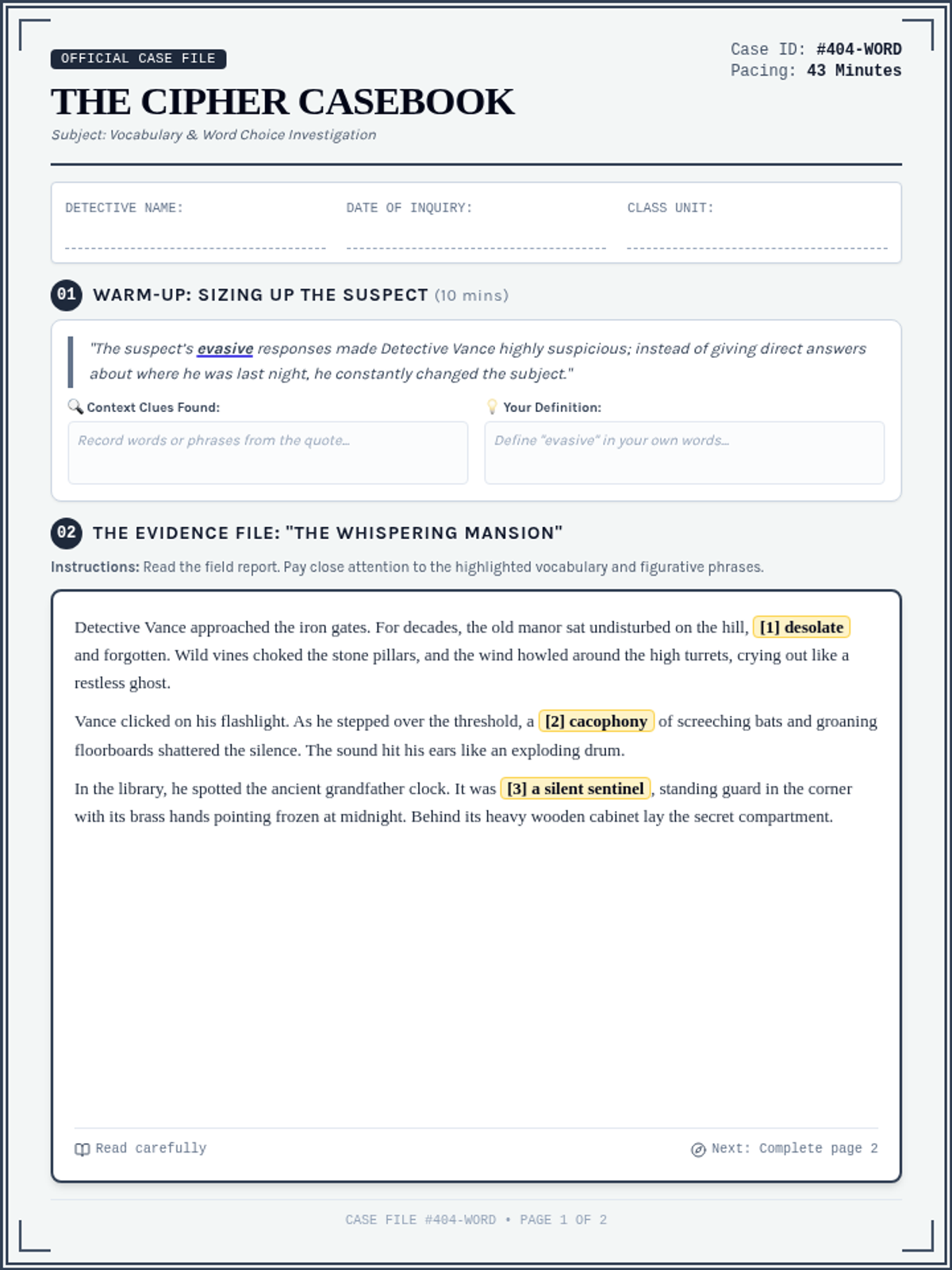
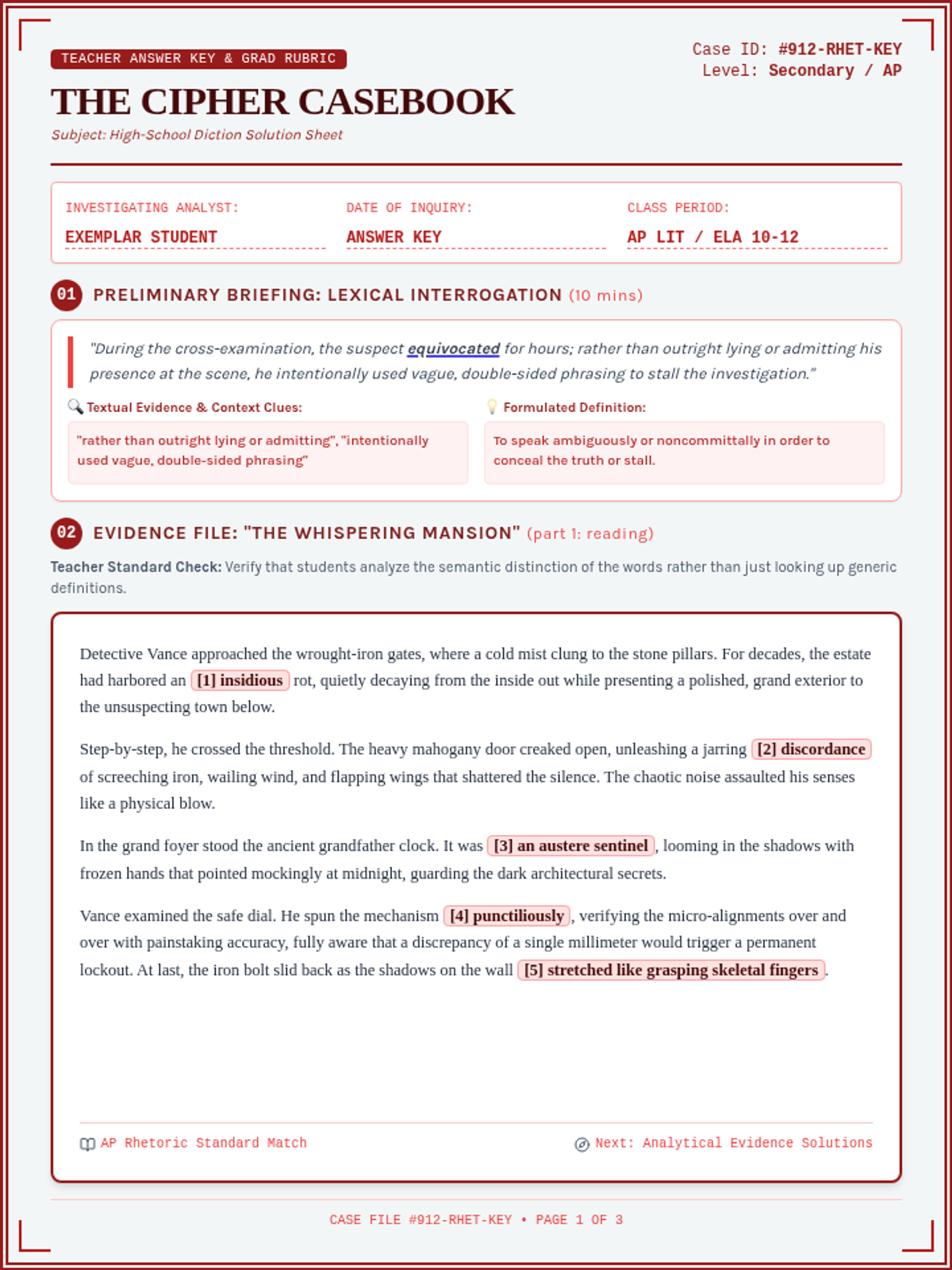
A 60-minute ELA lesson focused on decoding rich vocabulary and figurative language using context clues in a detective-themed investigation.
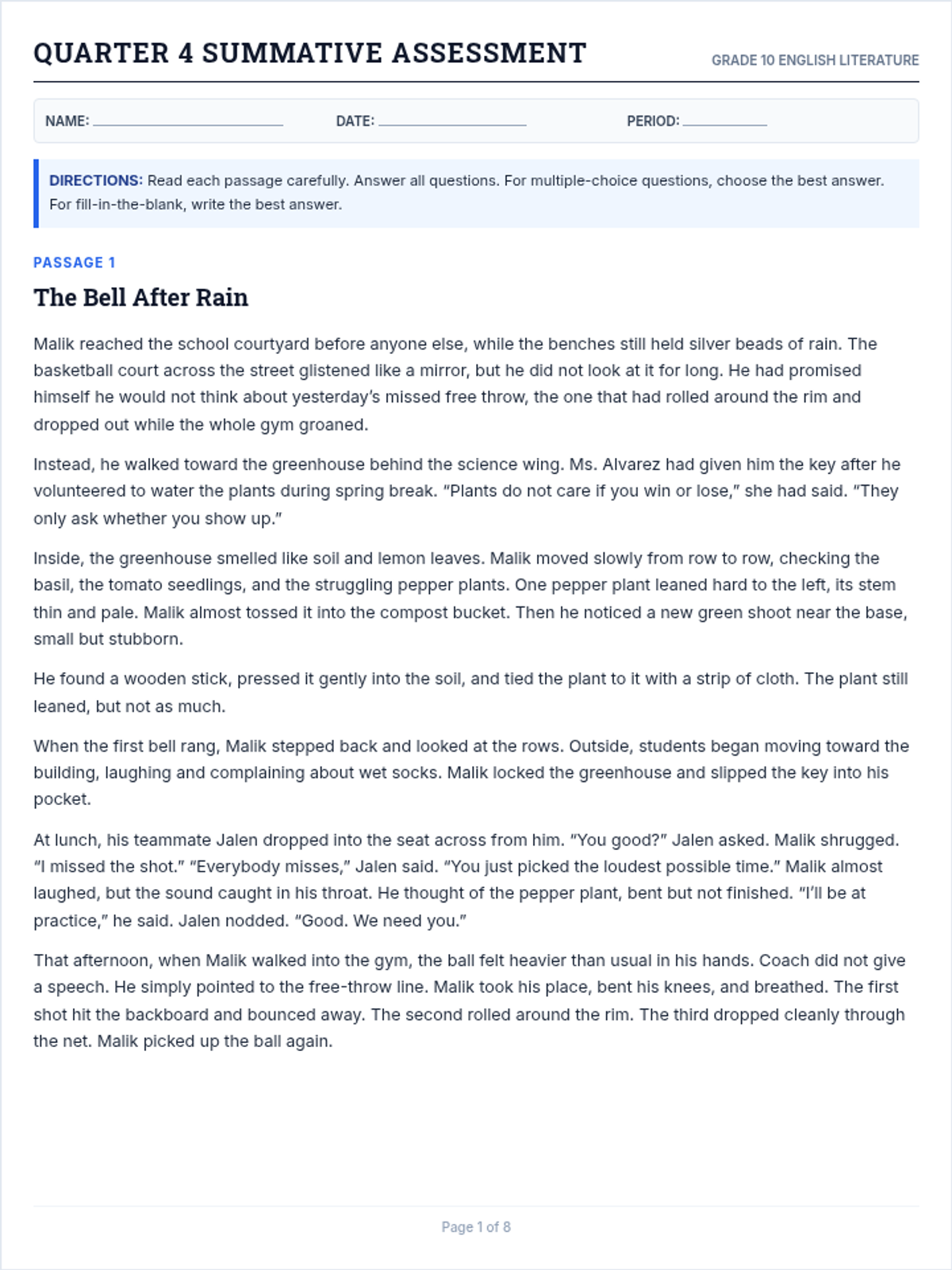
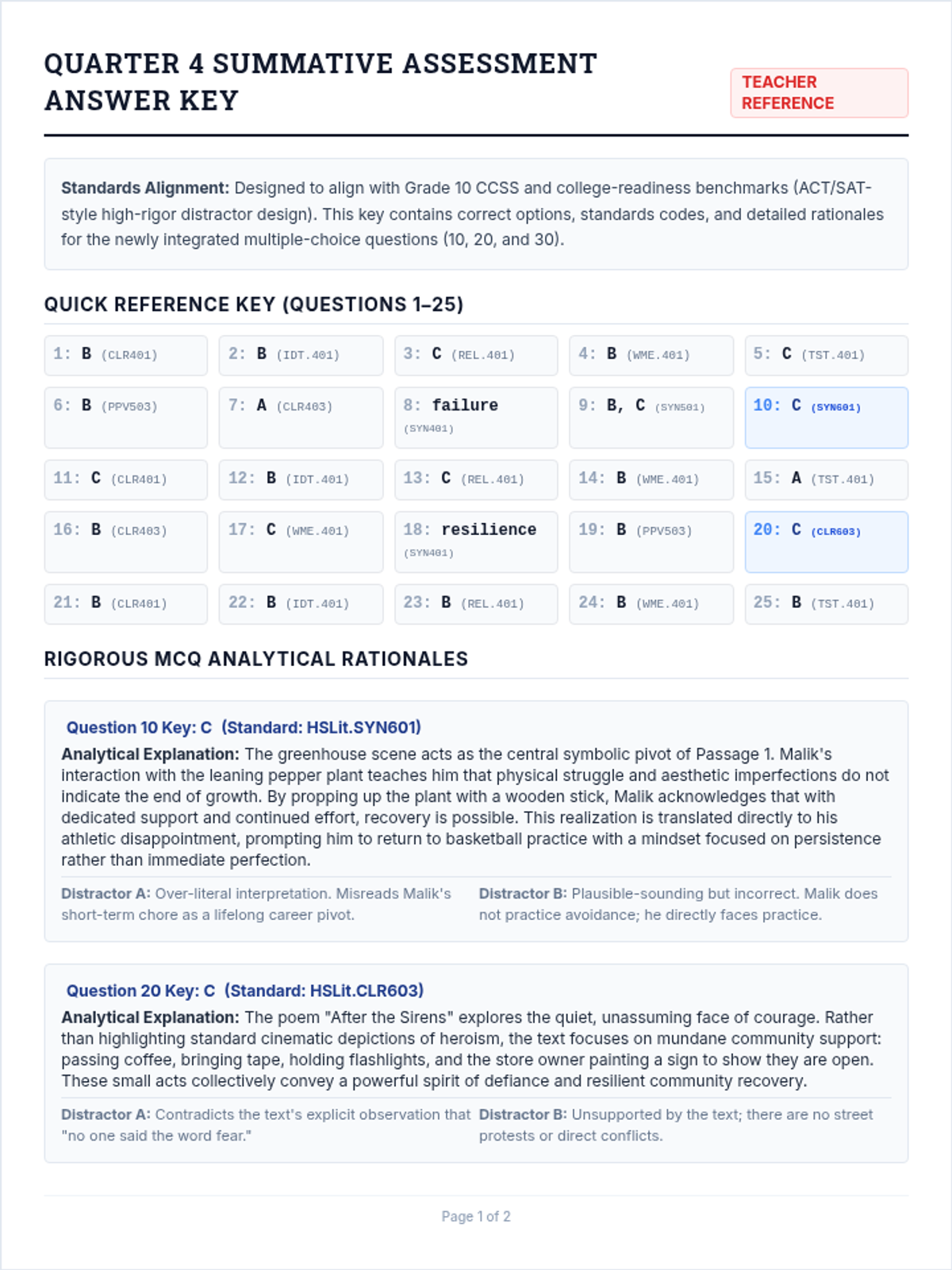
A comprehensive literature summative assessment evaluating comprehension of multiple prose and poetry passages, now updated with analytical multiple-choice items replacing selected short-response questions.
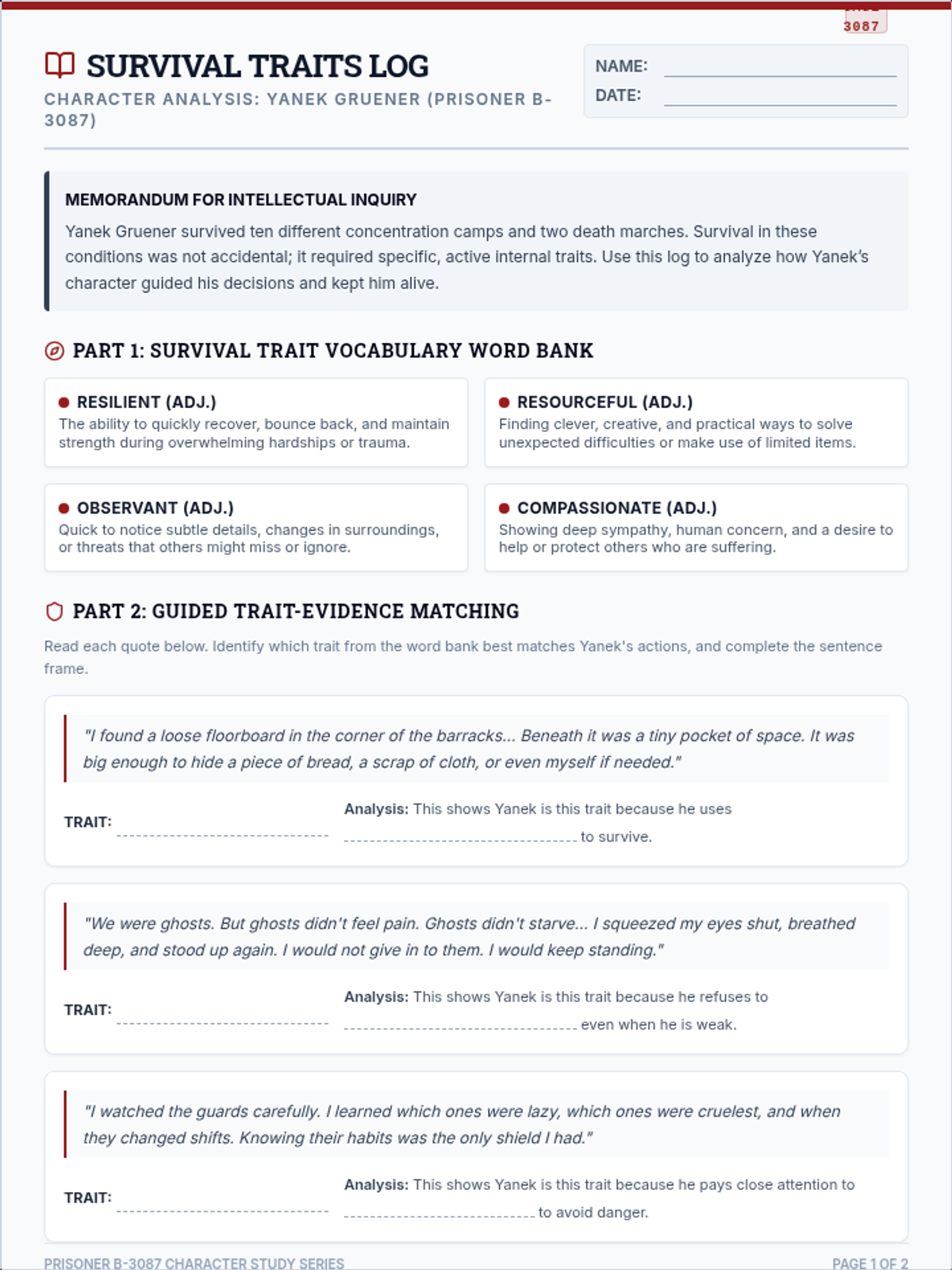
A character analysis lesson for the novel Prisoner B-3087. Students analyze Yanek Gruener's character traits using direct text evidence, graphic organizers, and structured reflection templates.
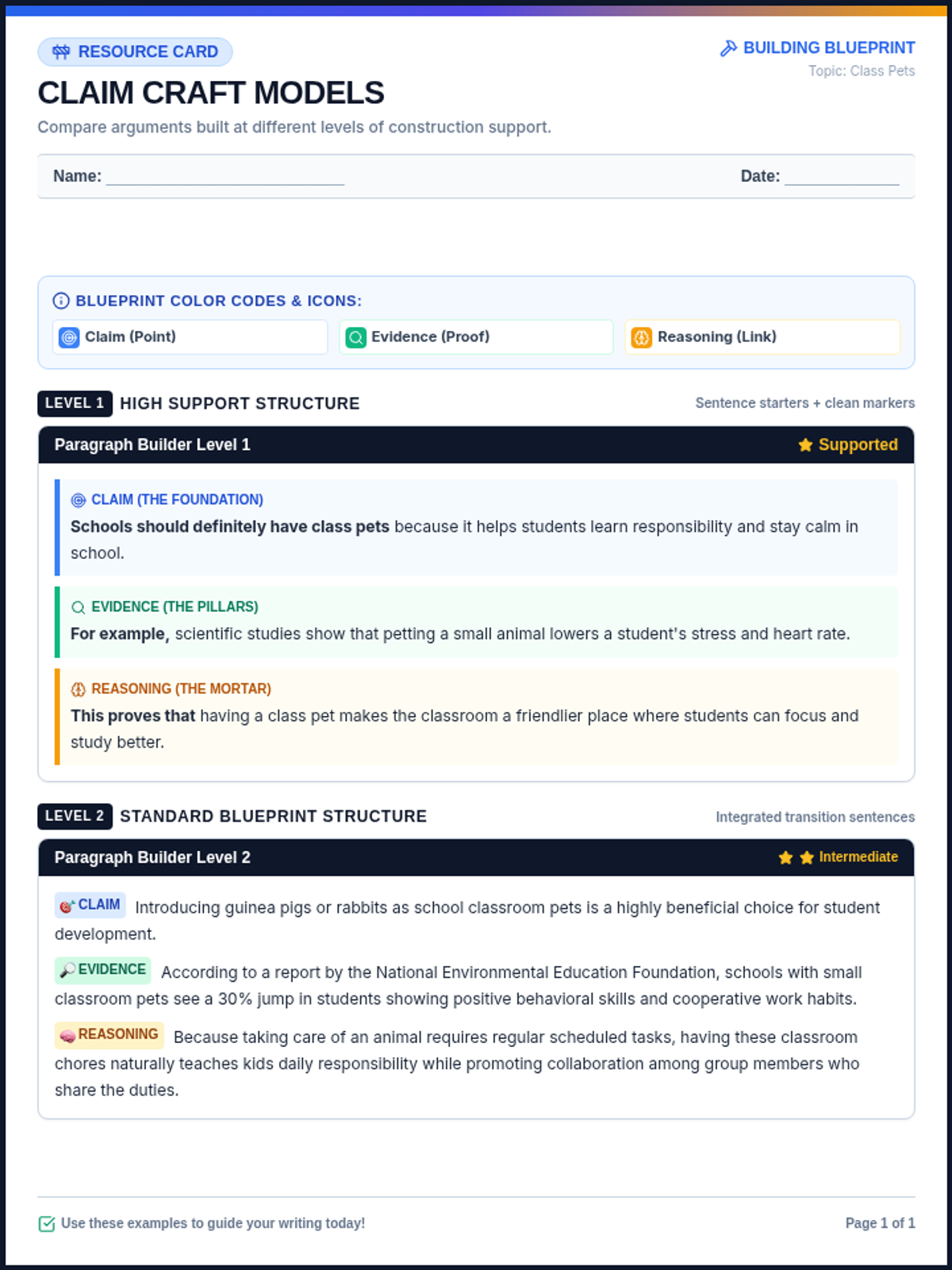
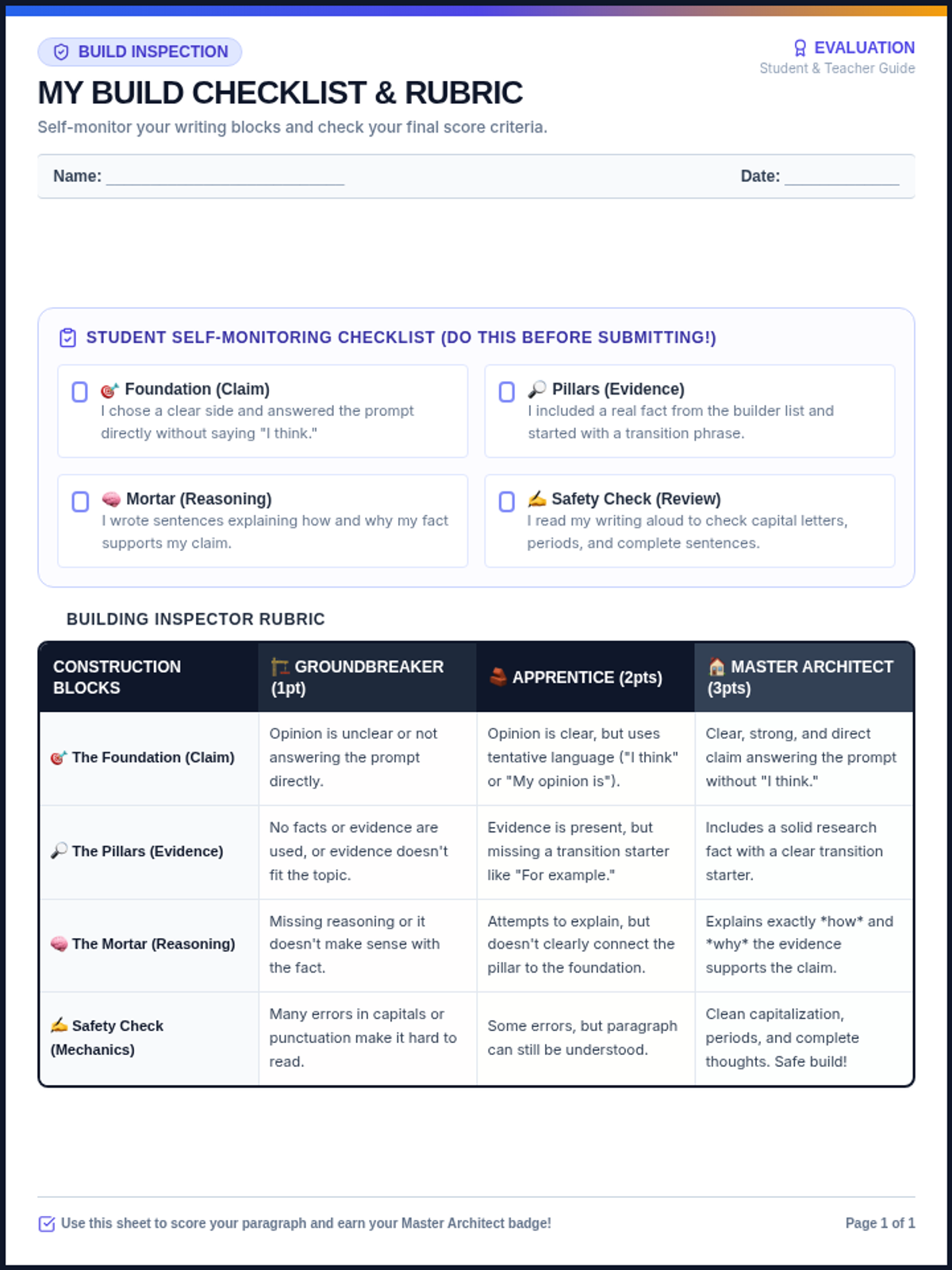
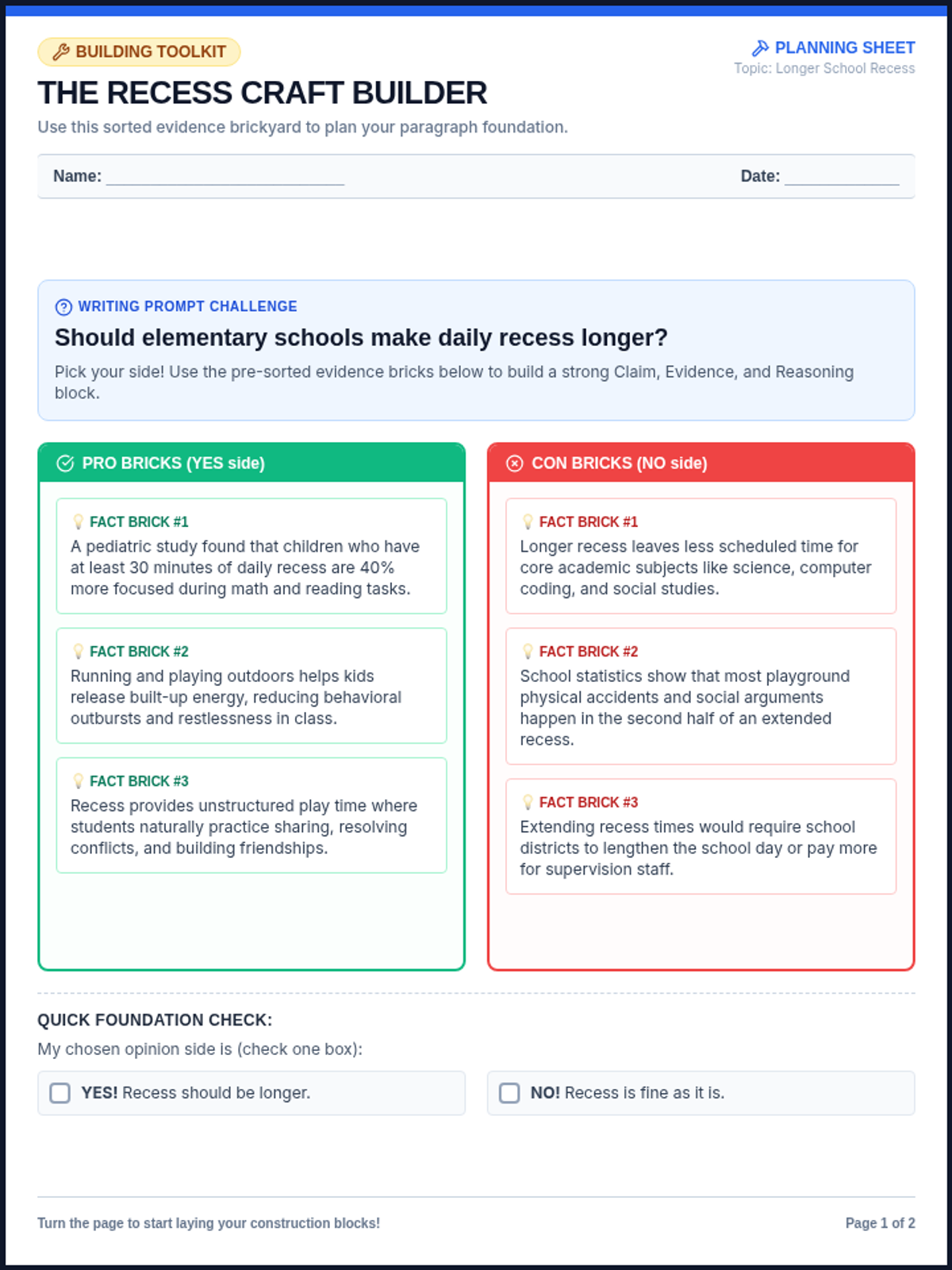
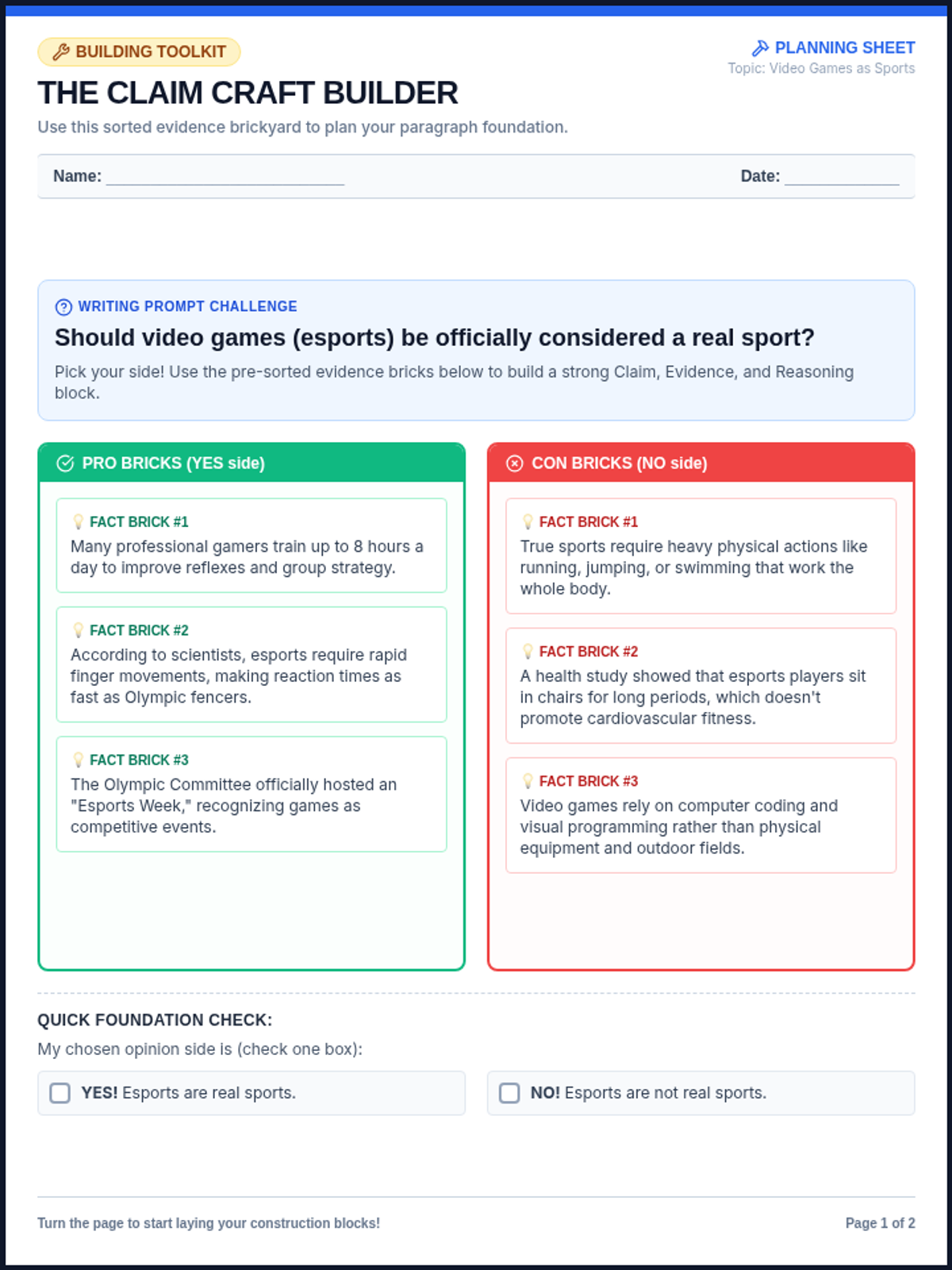
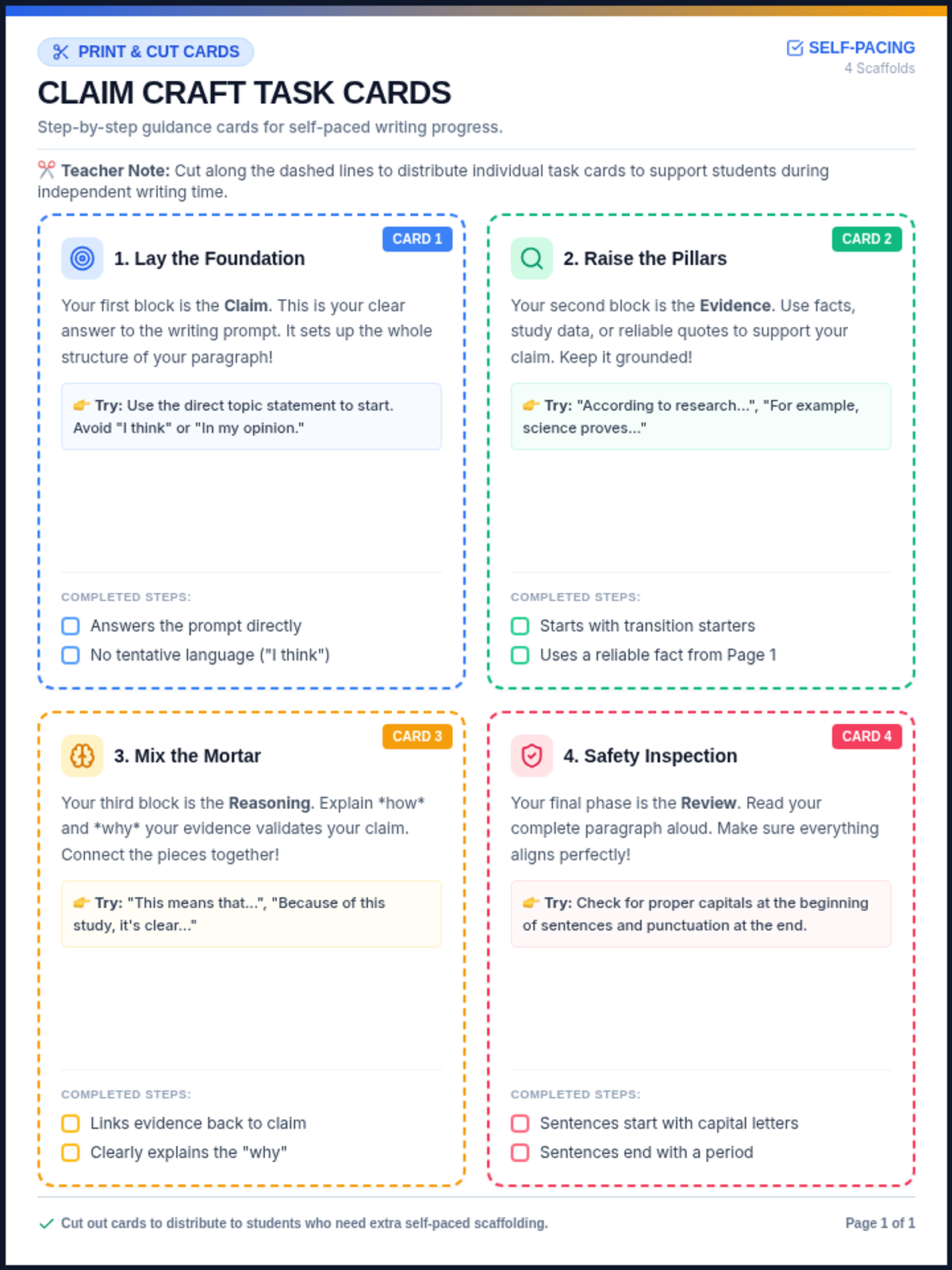
A differentiated argumentative writing lesson focused on scaffolding the Claim-Evidence-Reasoning (CER) framework using a hands-on crafting and construction theme. Perfect for diverse learners, providing high-support sentence frames, visual icons, and step-by-step task cards.
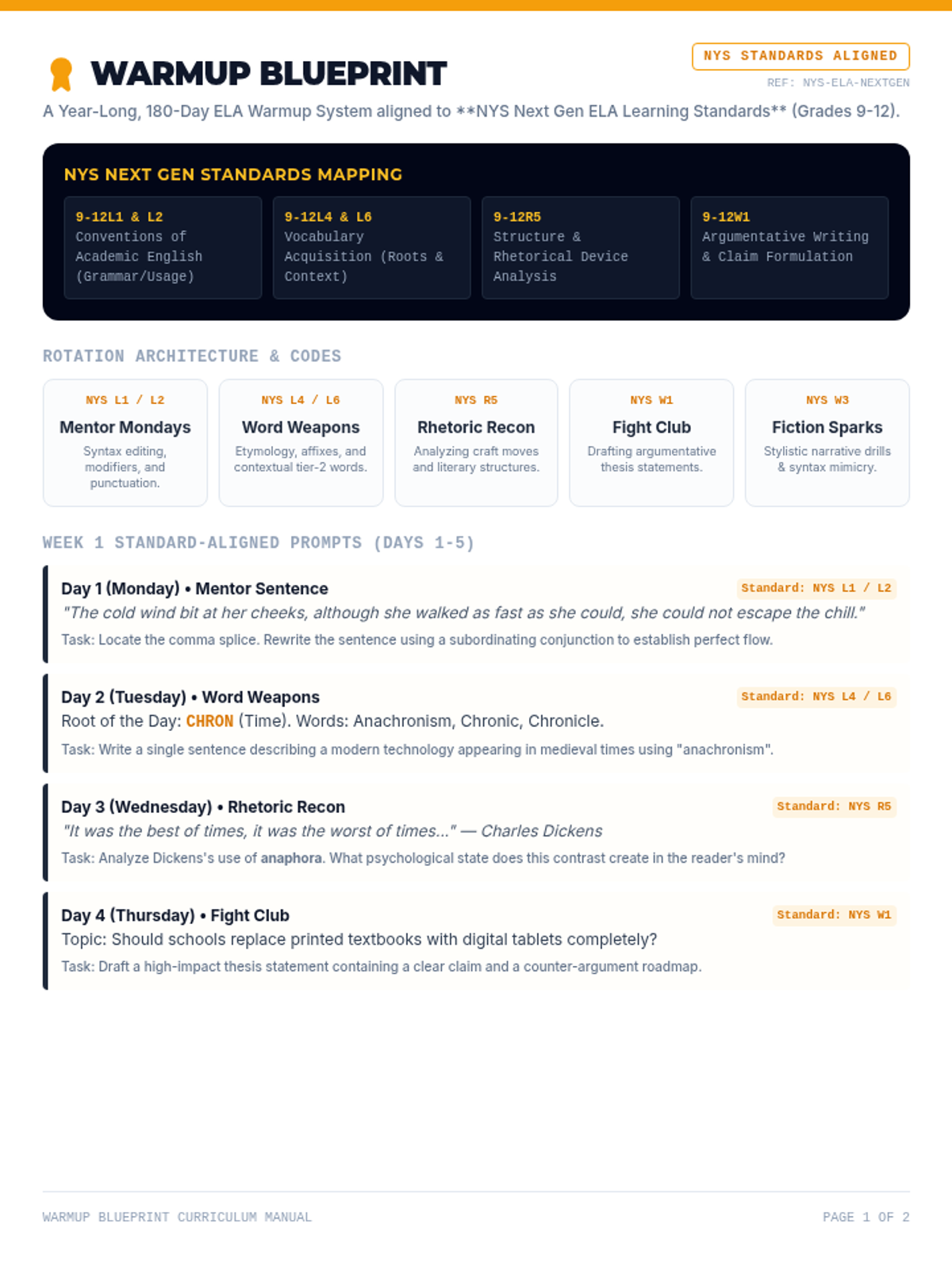
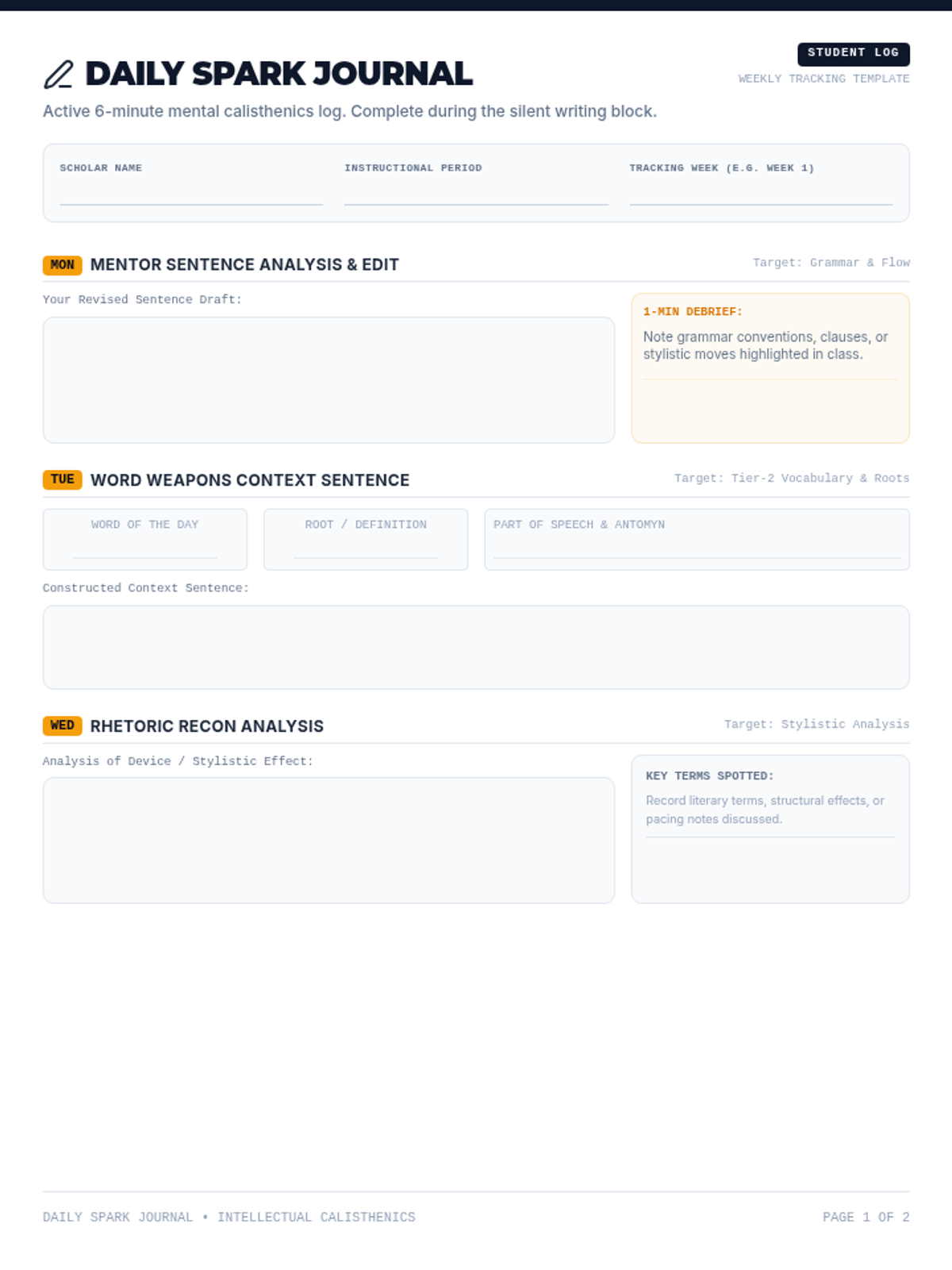
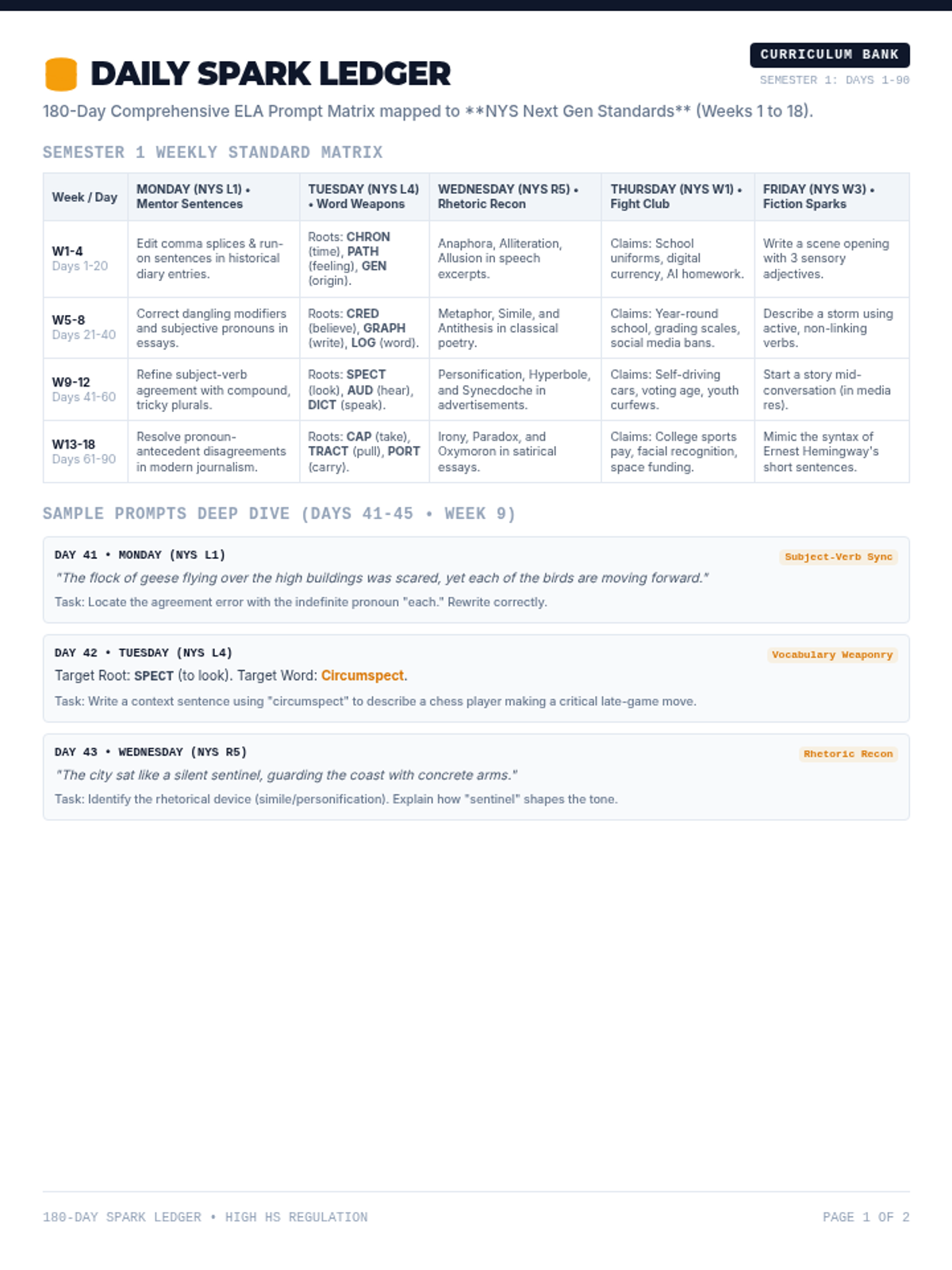
This core launch unit delivers the complete system for the 180-day 6-minute High School ELA daily warm-up program, containing the instructional curriculum guide, student logging journal, and the interactive display slide deck.
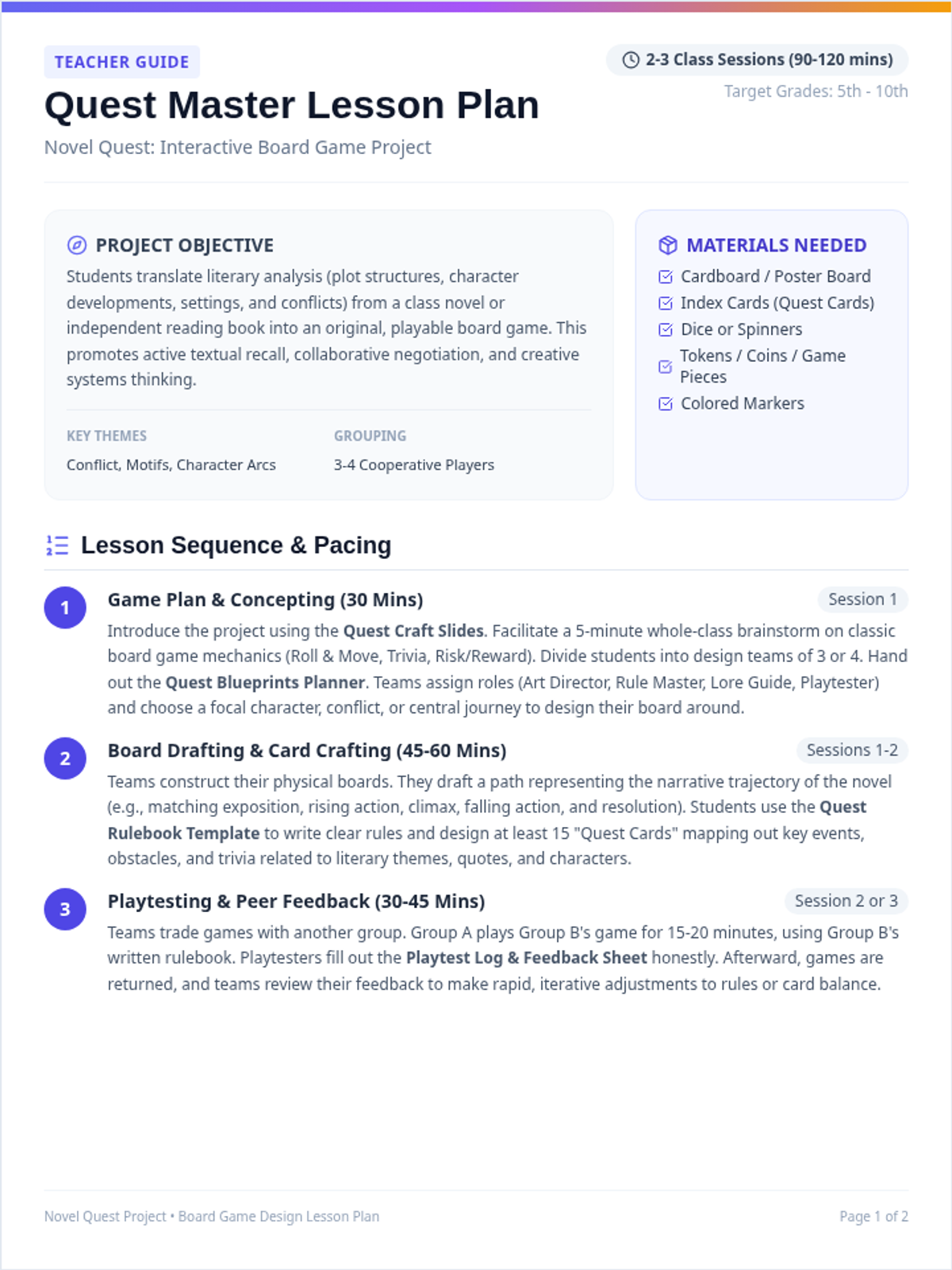
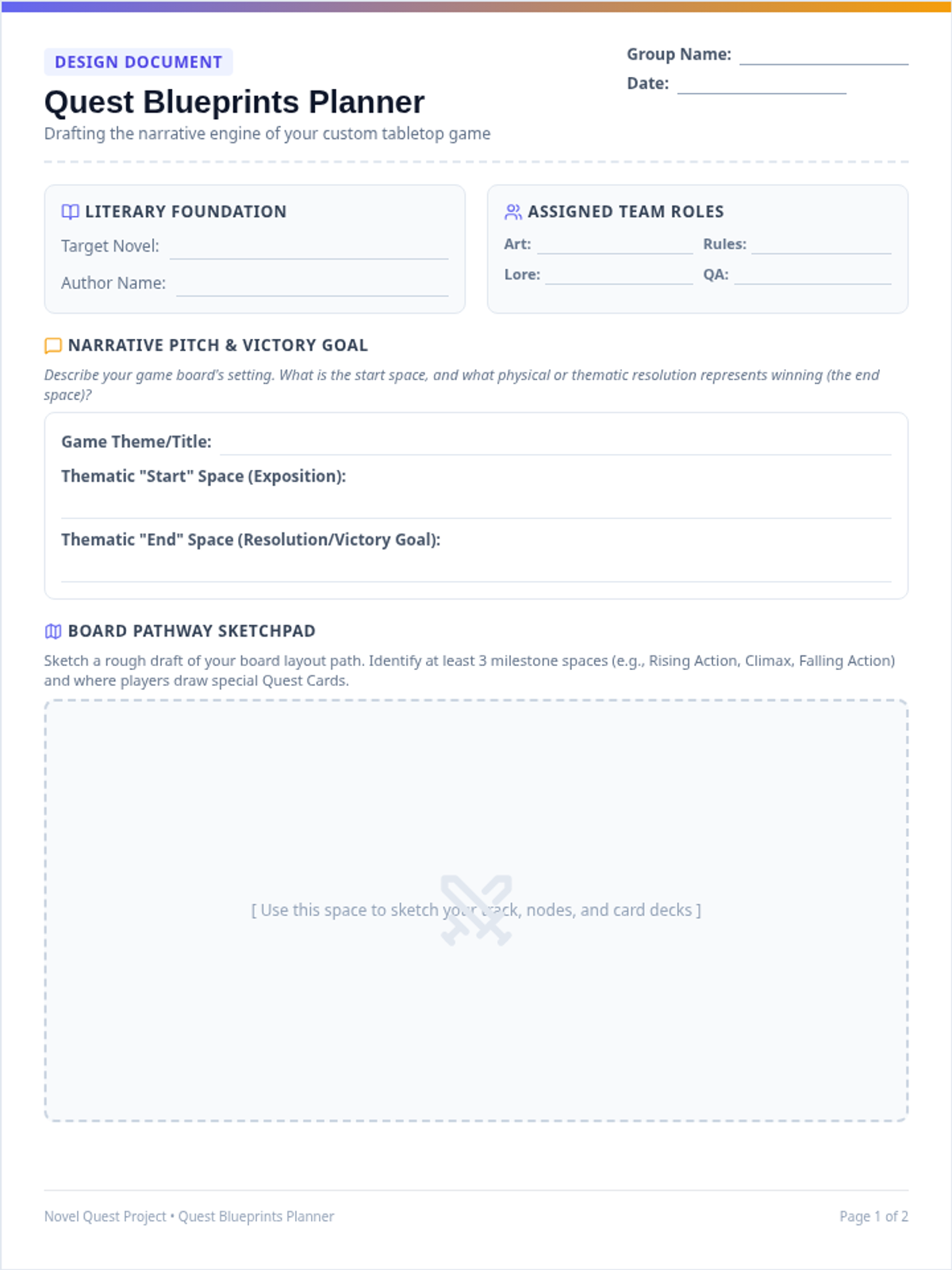
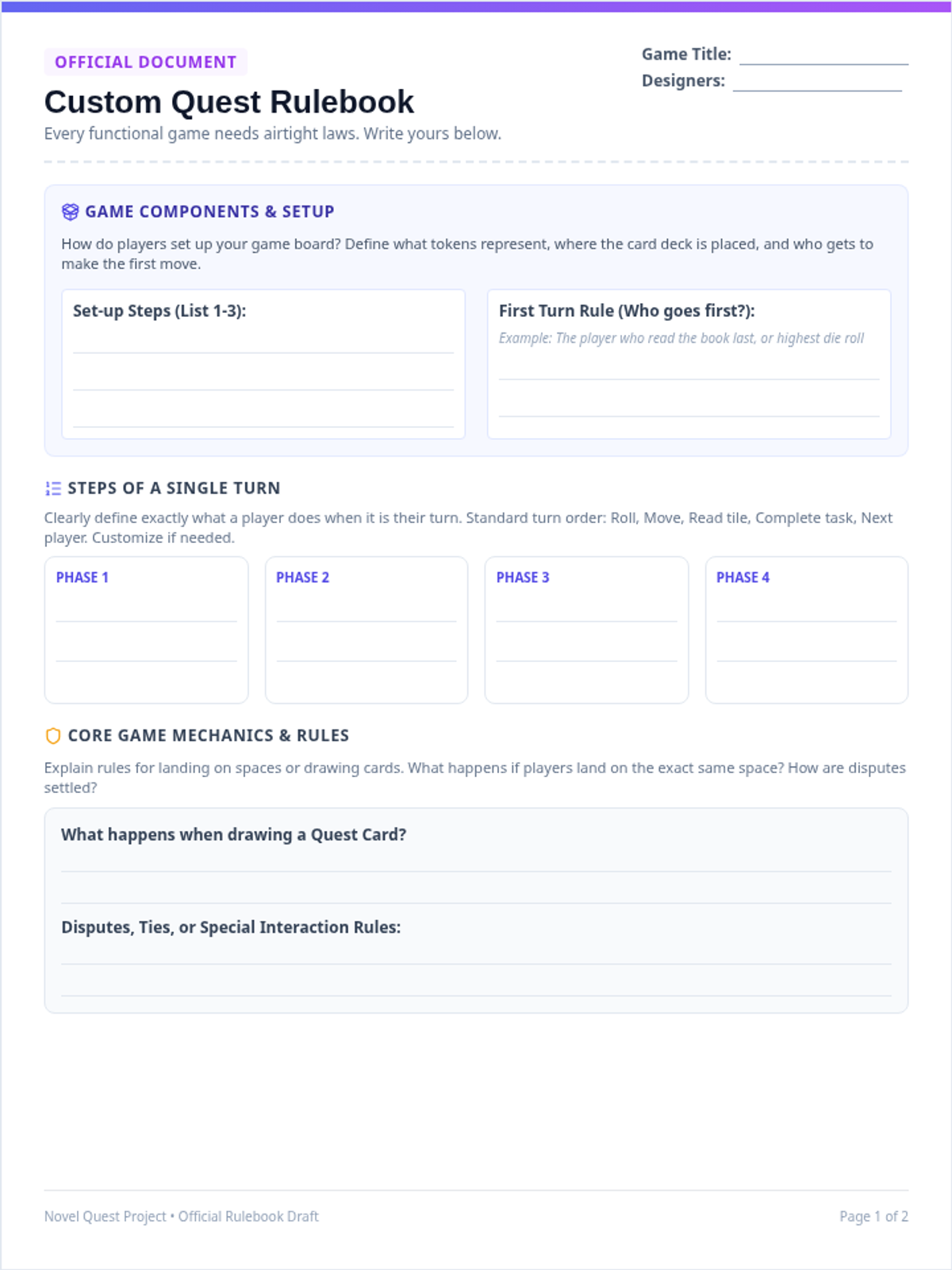
A hands-on cooperative project where students analyze a novel's plot, characters, and settings by transforming them into an original board game. Students design, draft, and playtest their games to show textual comprehension.
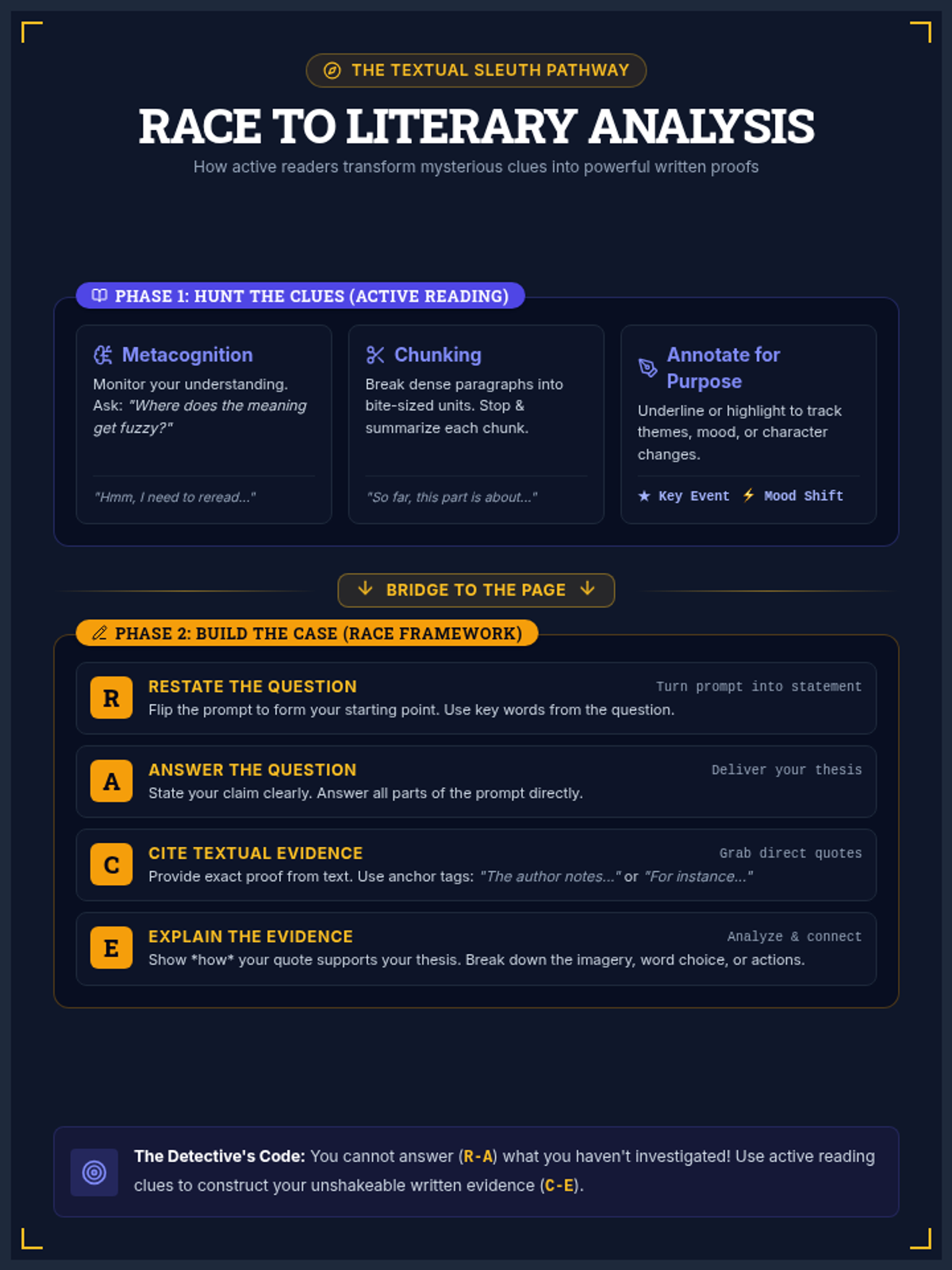
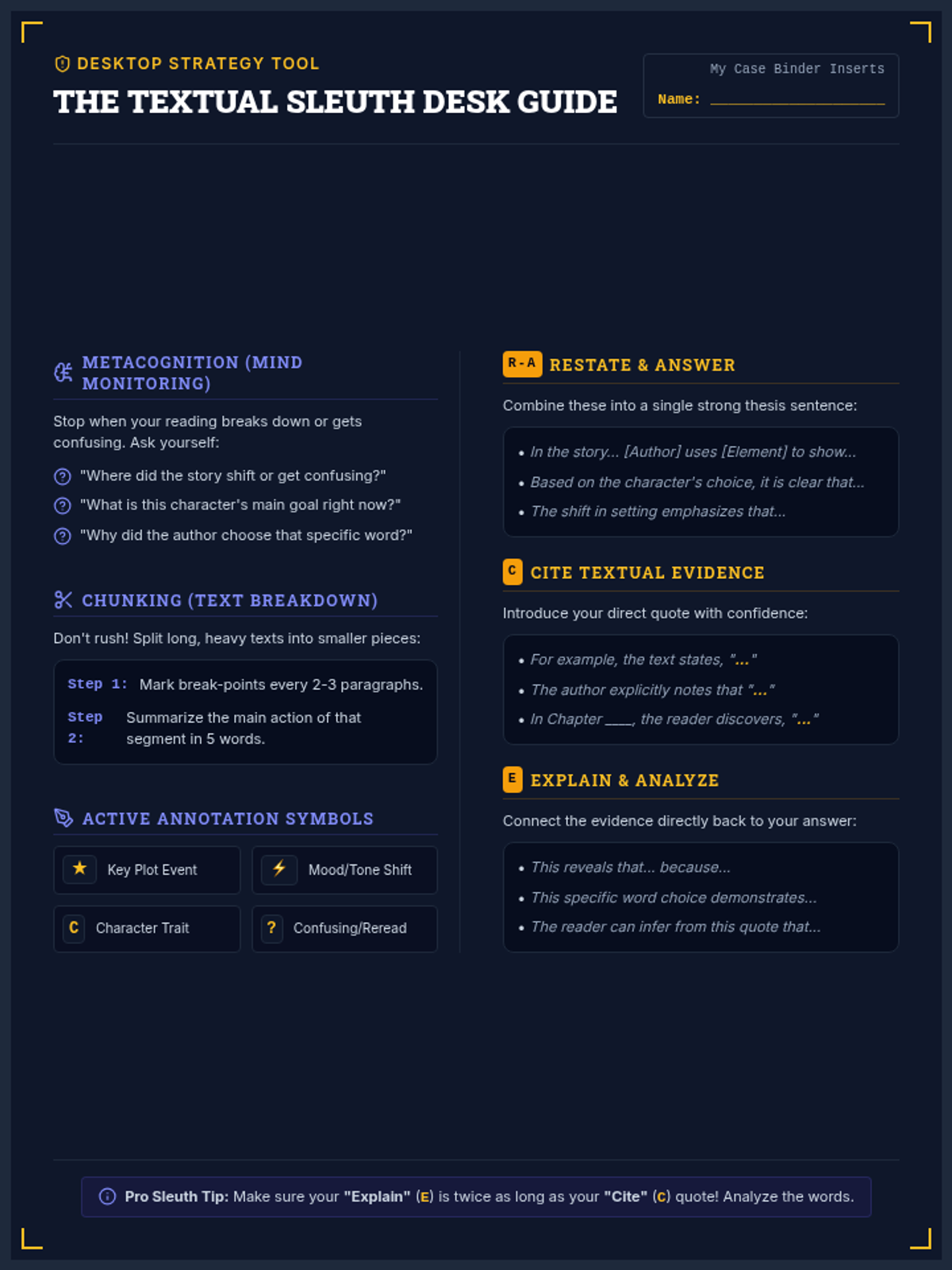
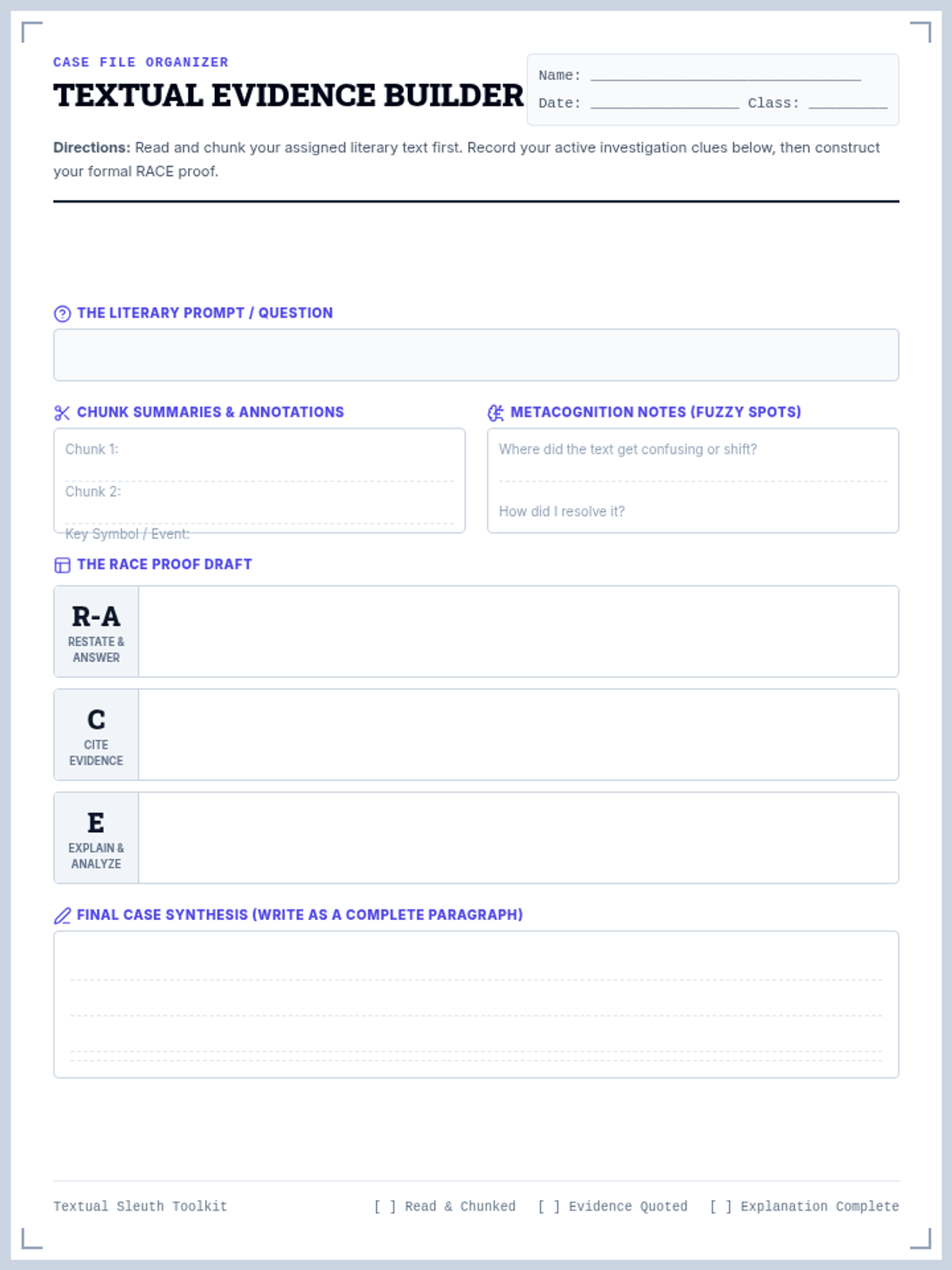
A comprehensive lesson designed to bridge active reading strategies (Metacognition, Chunking, and Annotating) directly into structured literary analysis writing using the RACE framework. Includes visual anchors, reference tools, presentation slides, and graphic organizers.
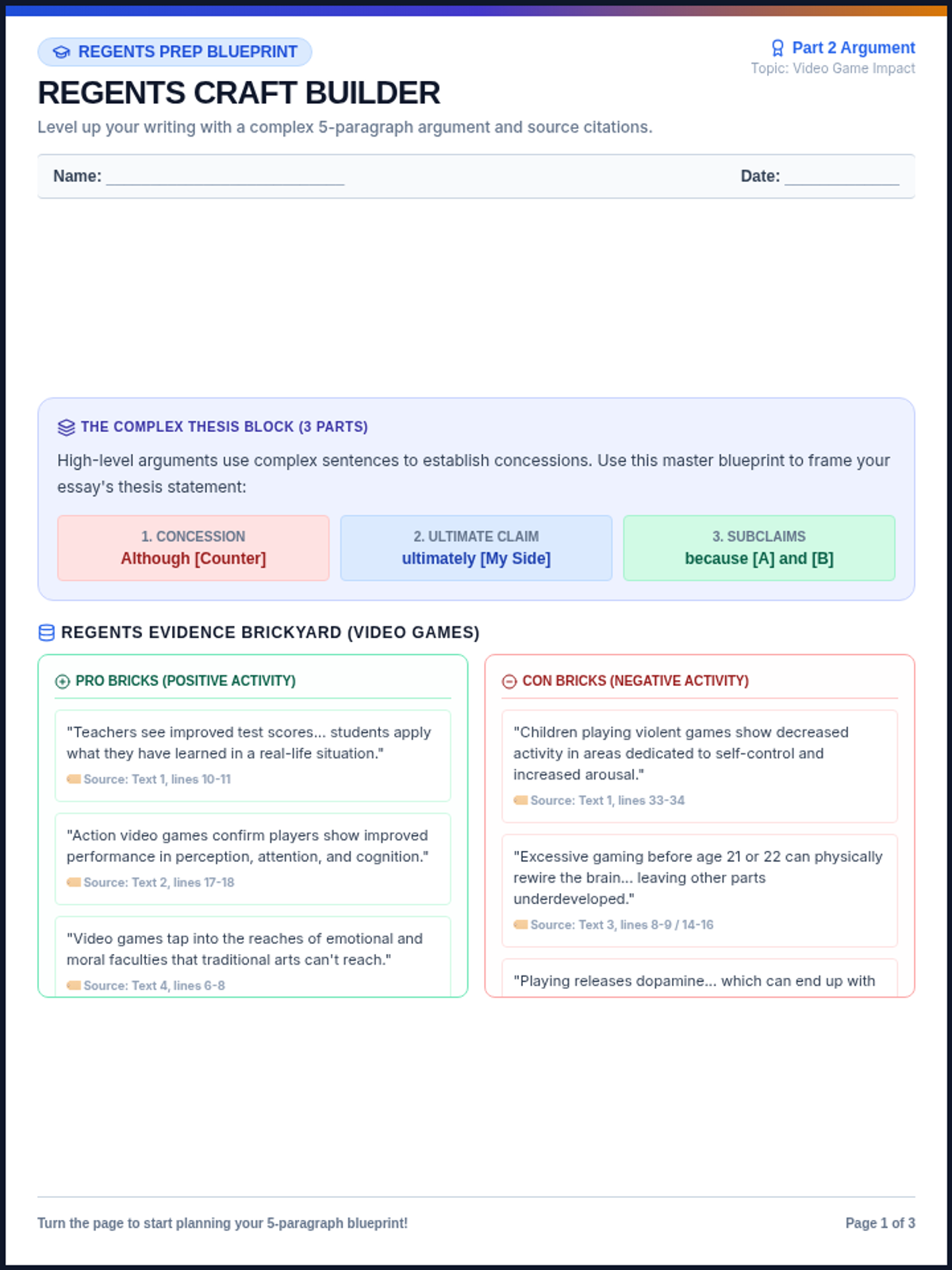
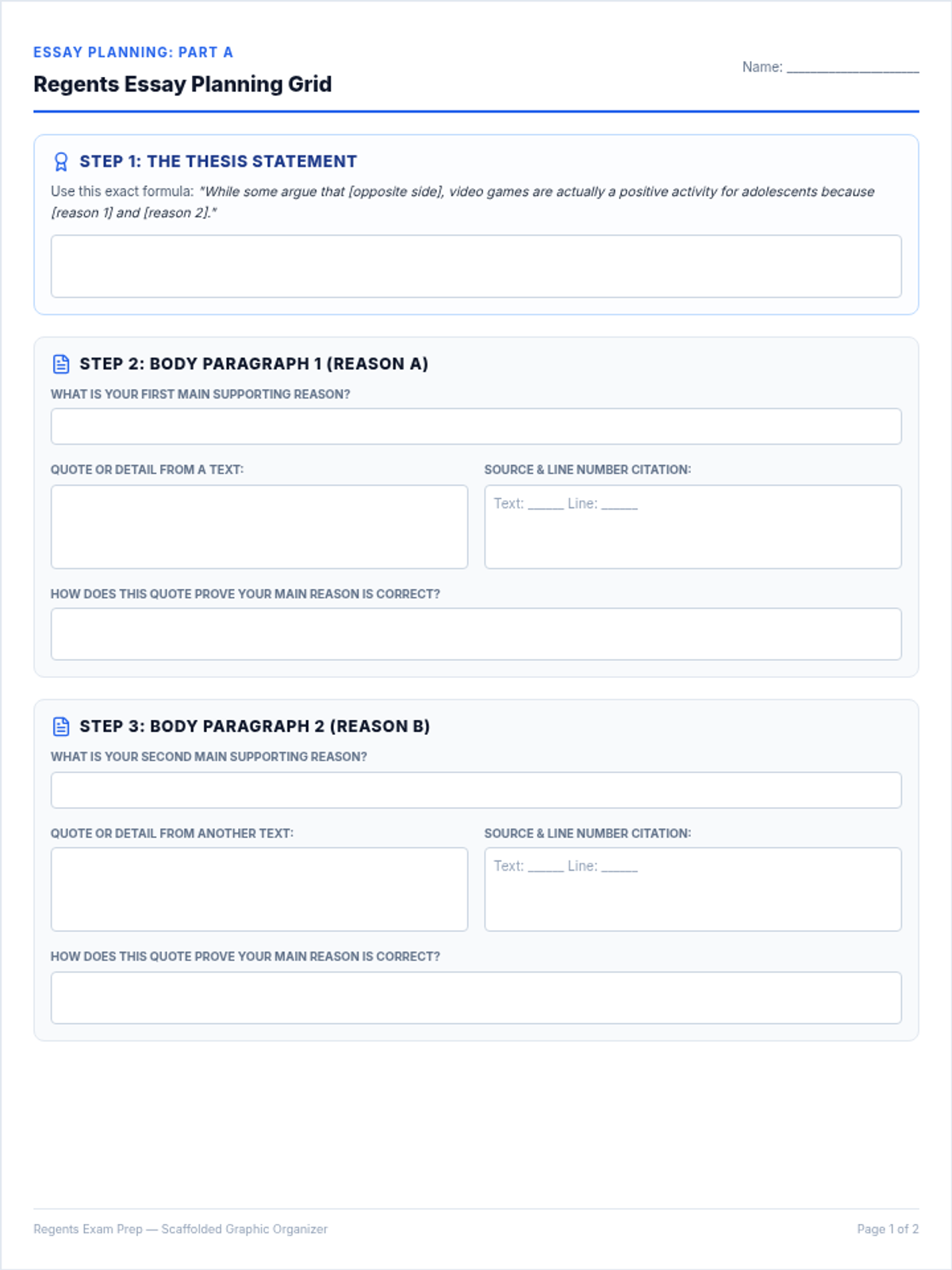
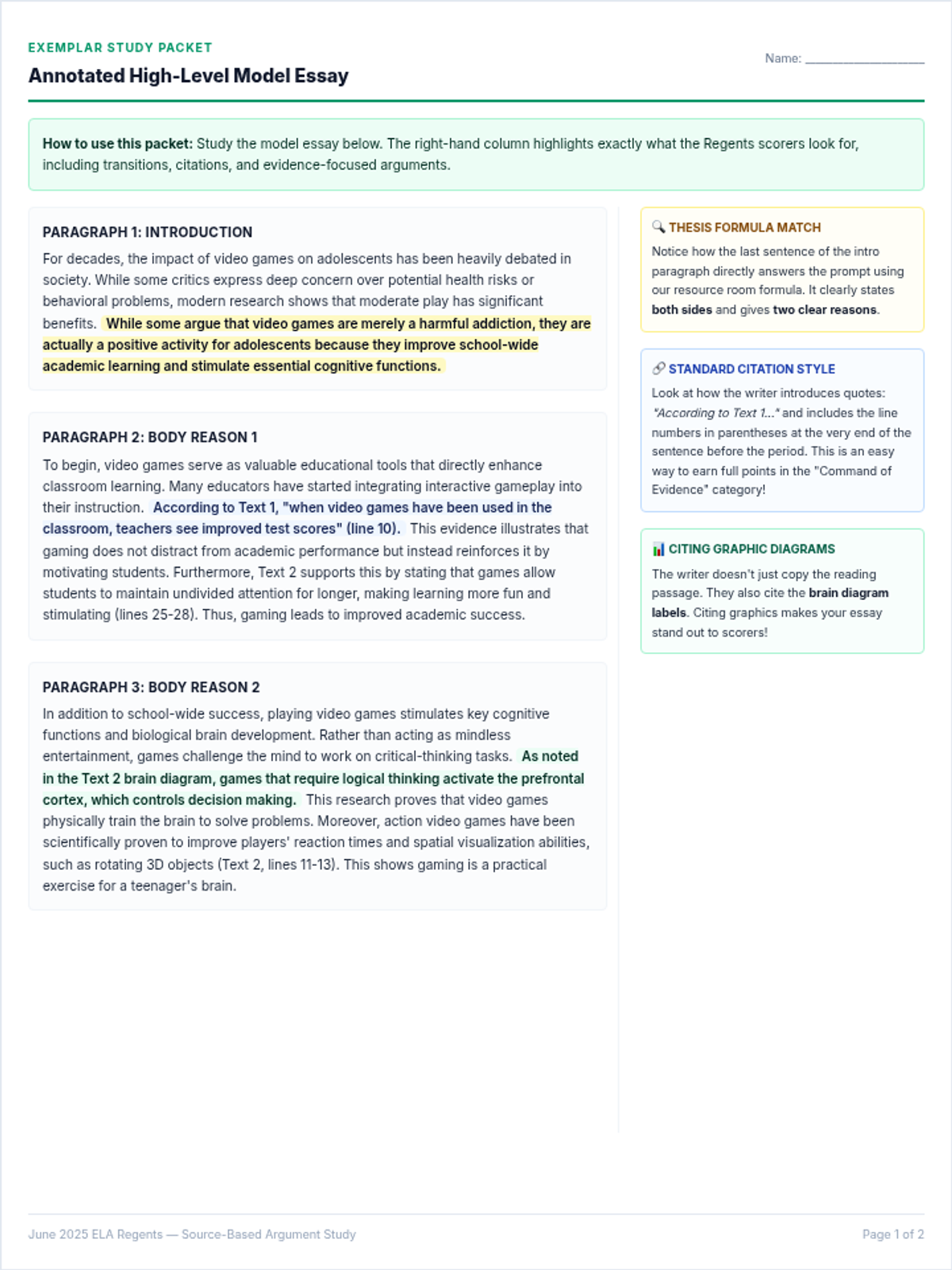
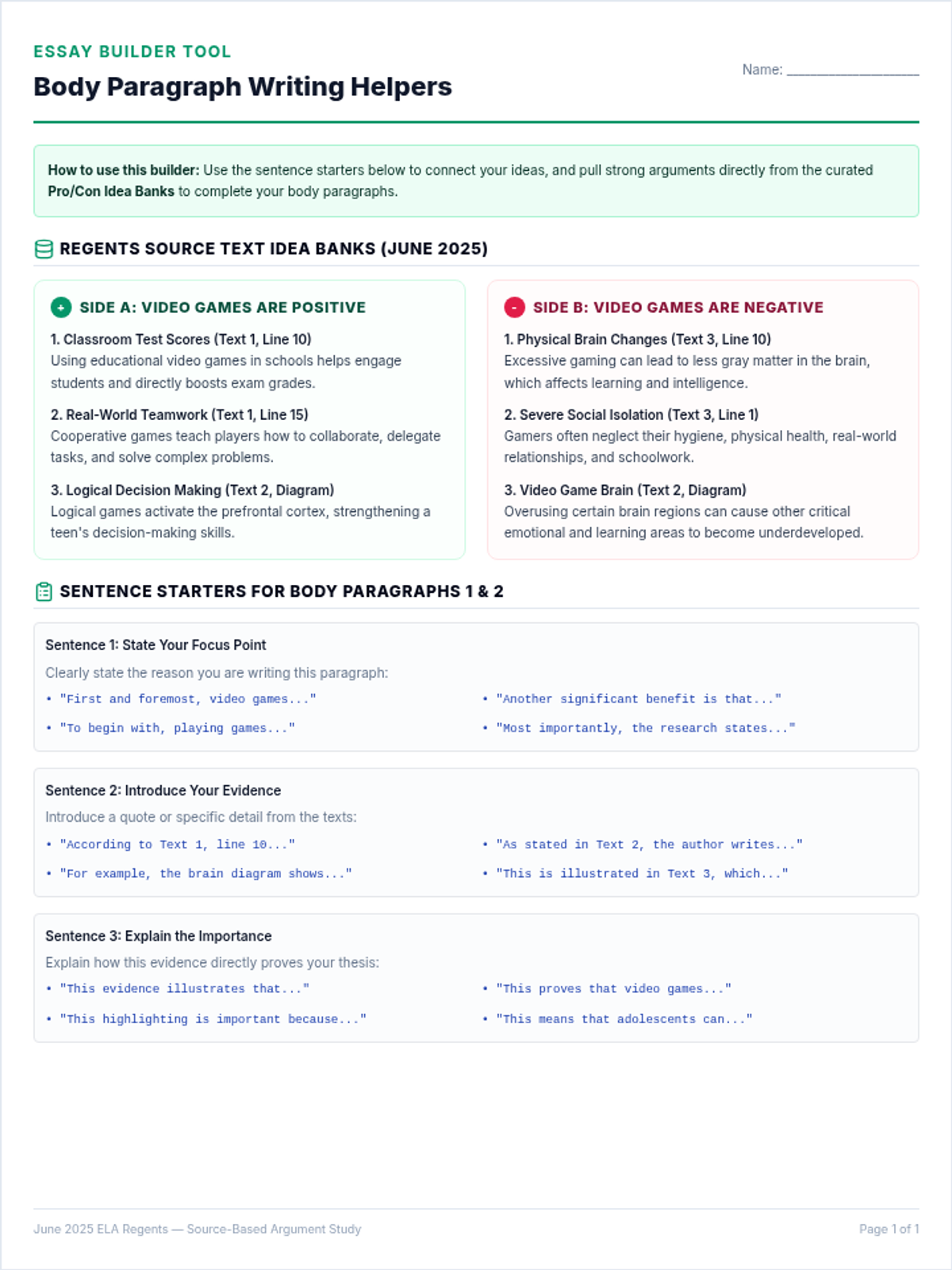
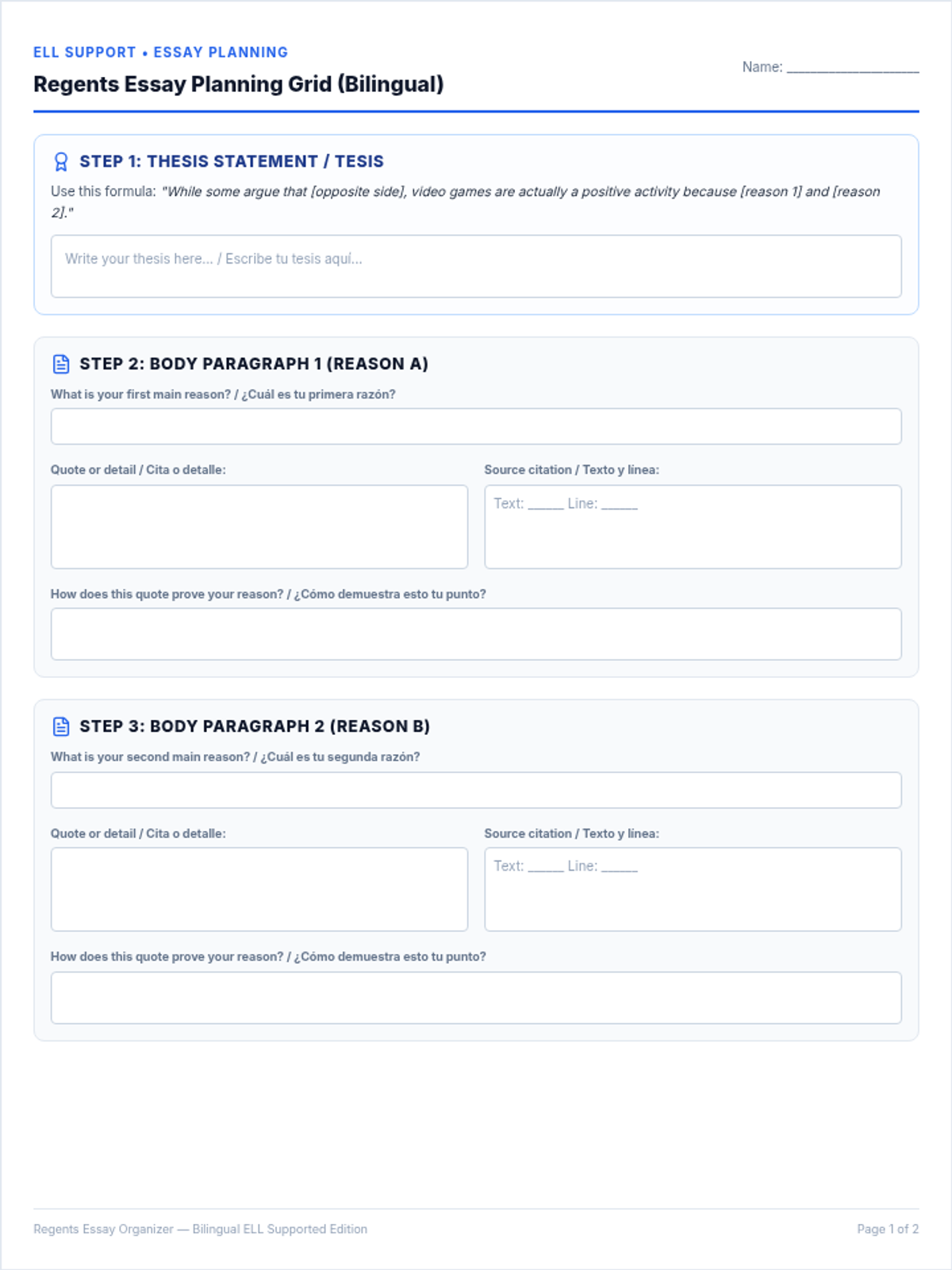
Students plan their argumentative essays using scaffolded graphic organizers and study a high-level annotated model exemplar essay to master citation and counter-argument requirements.