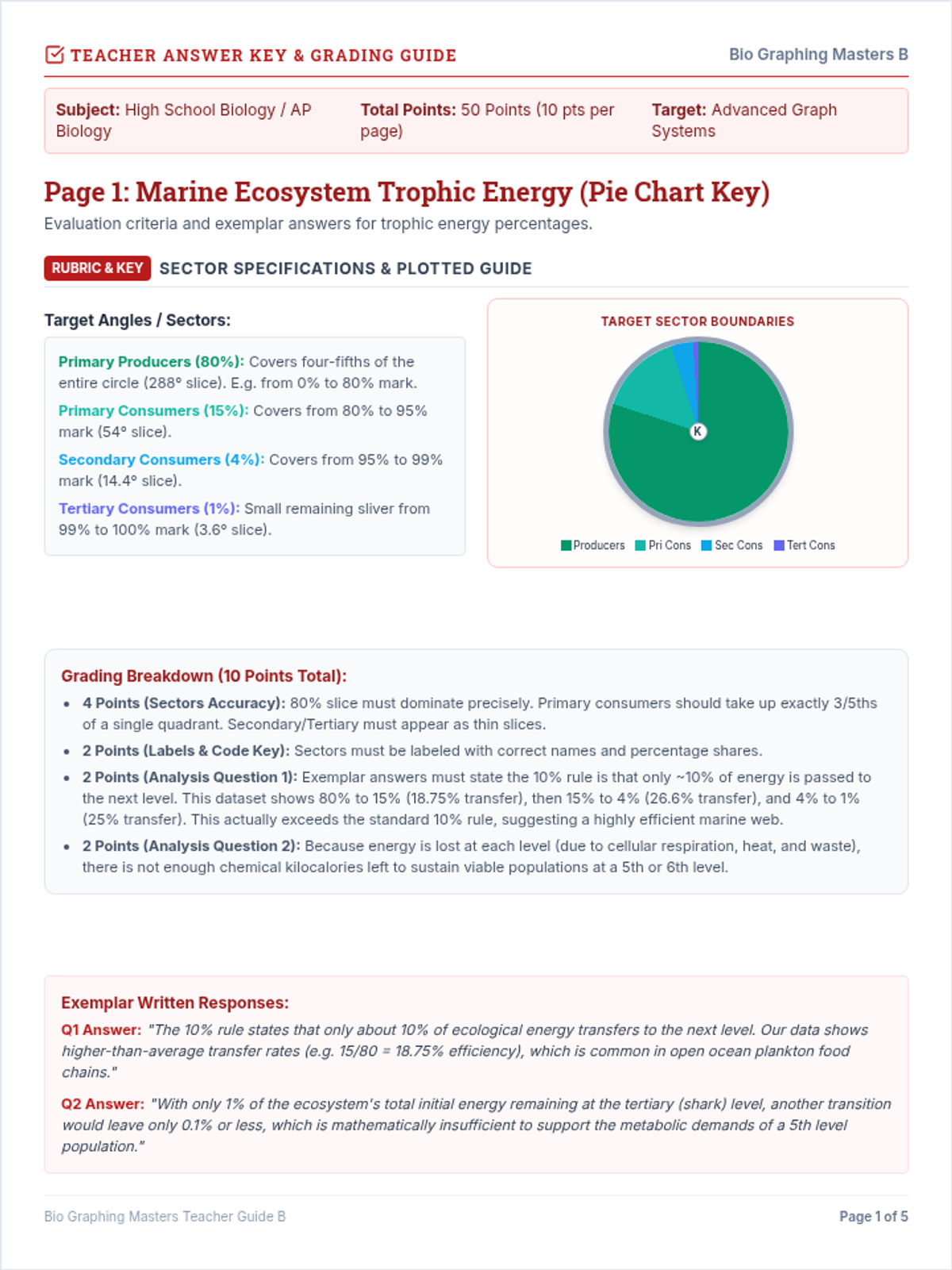
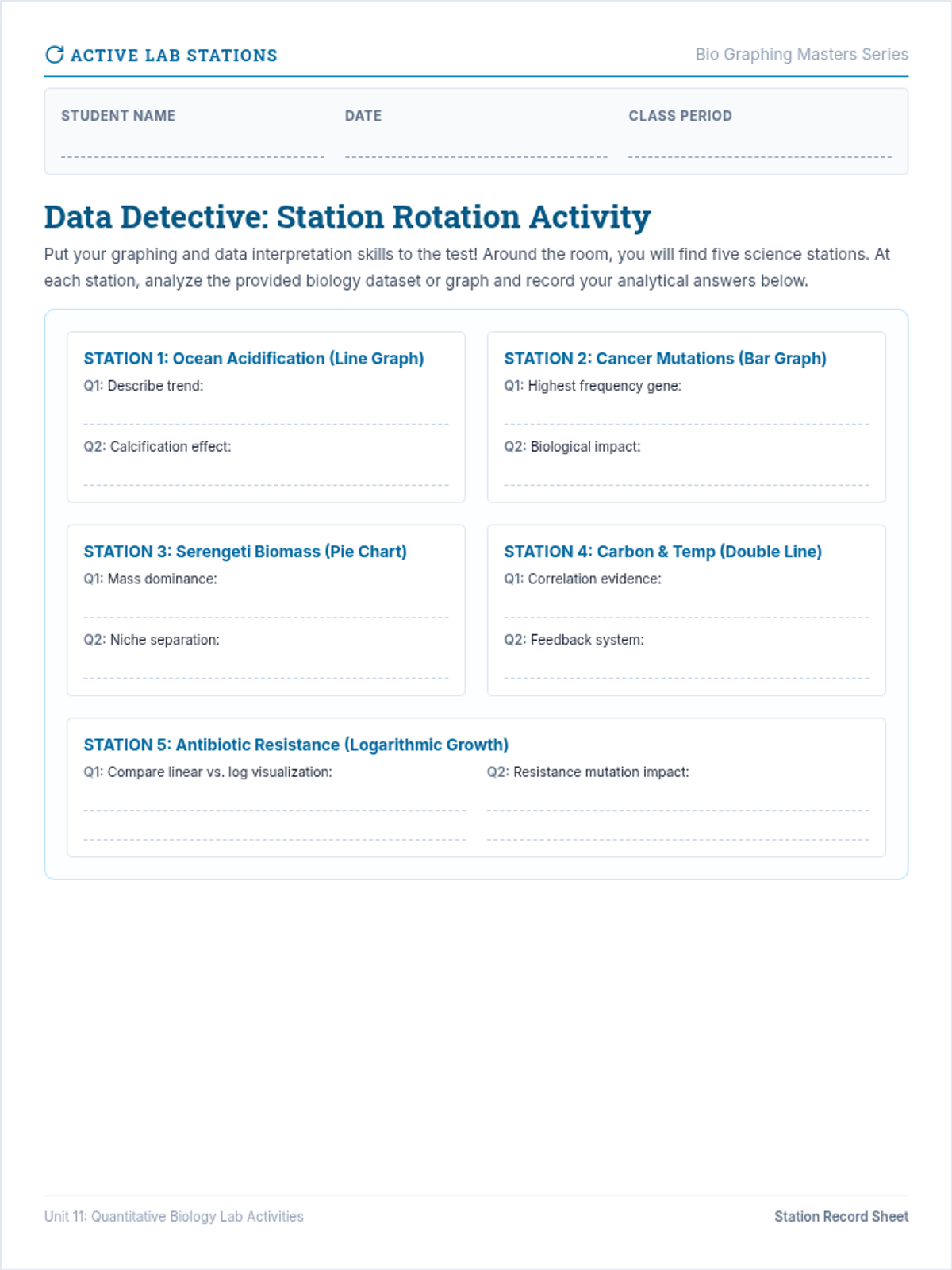
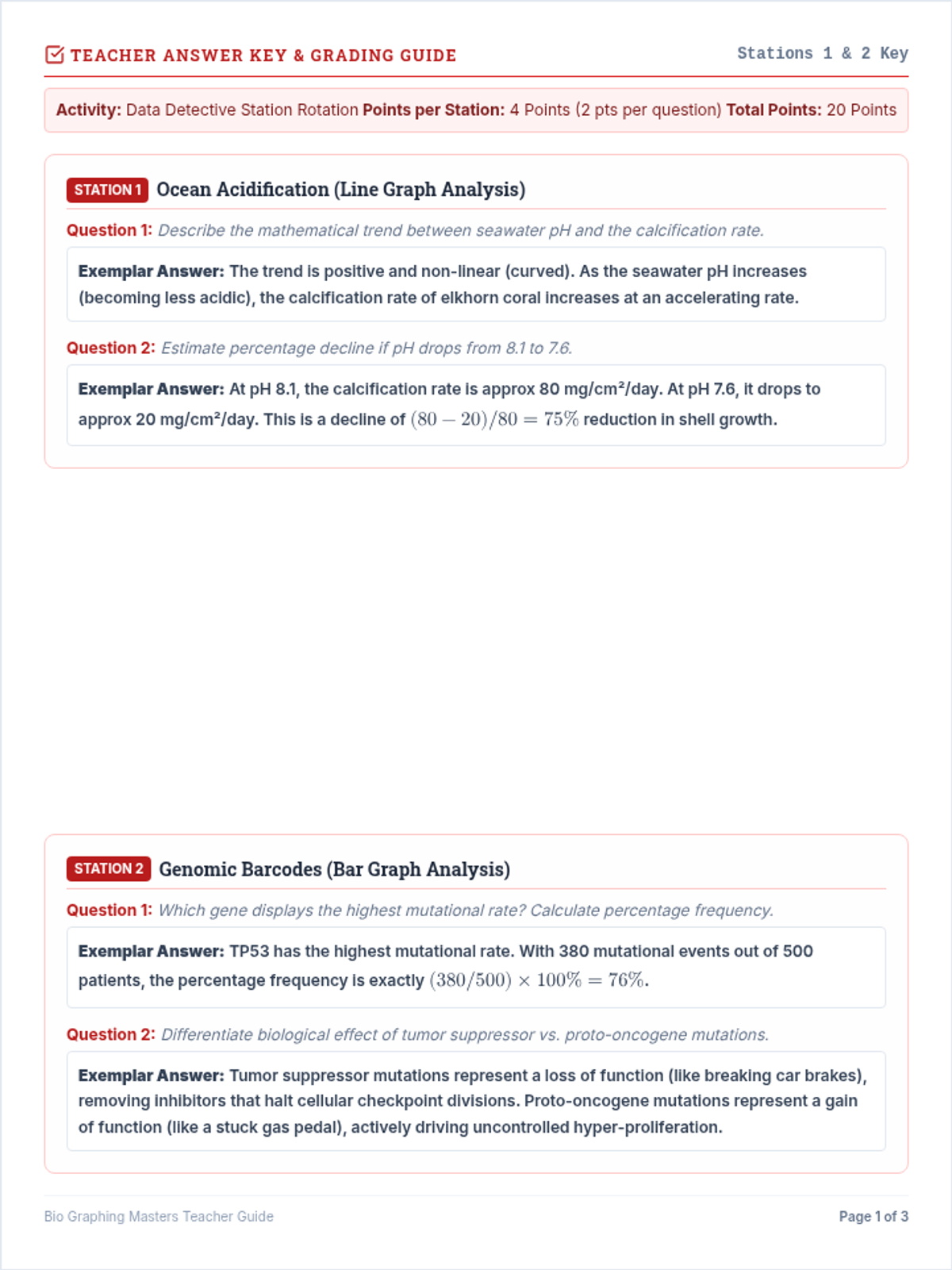
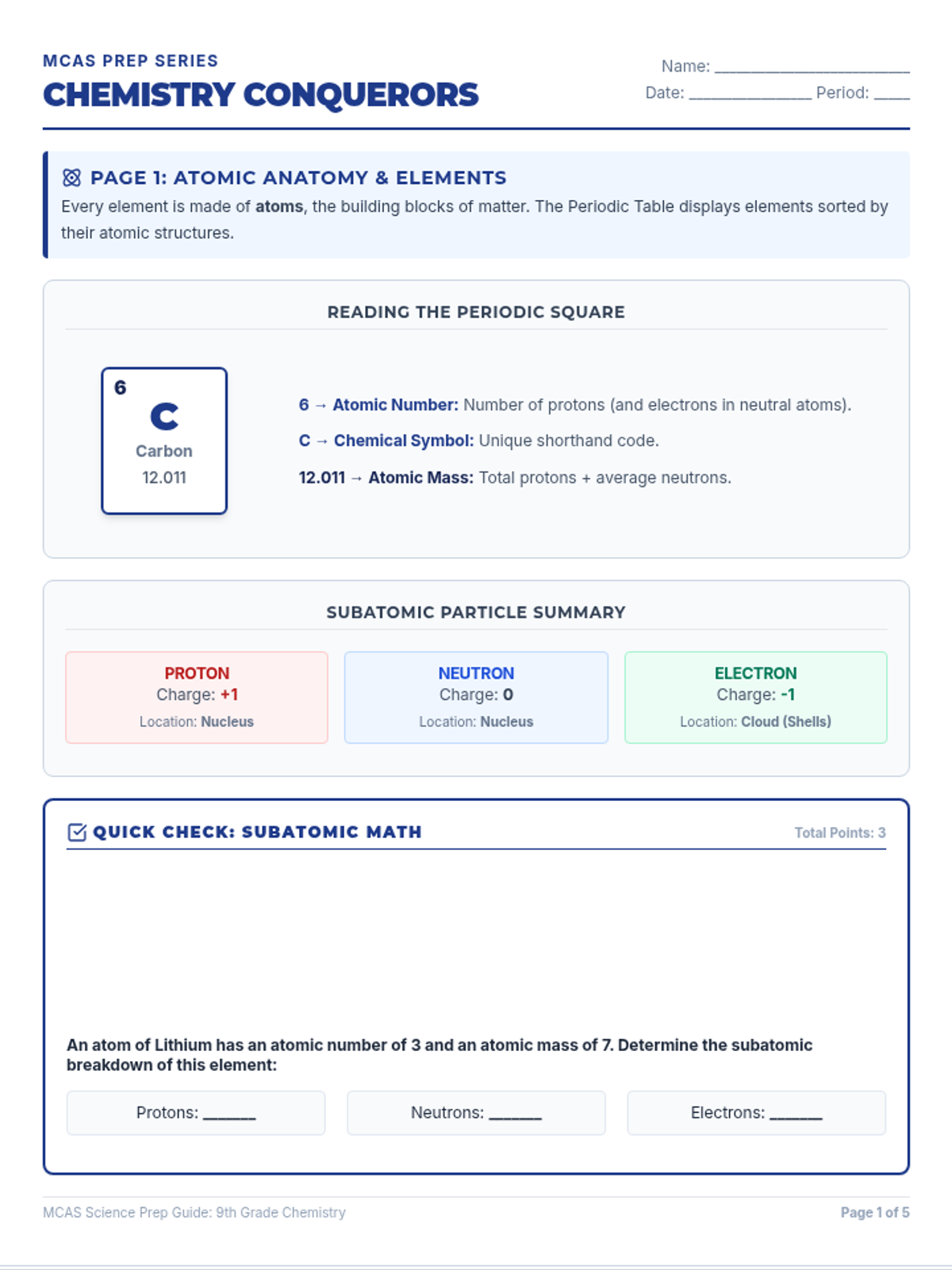
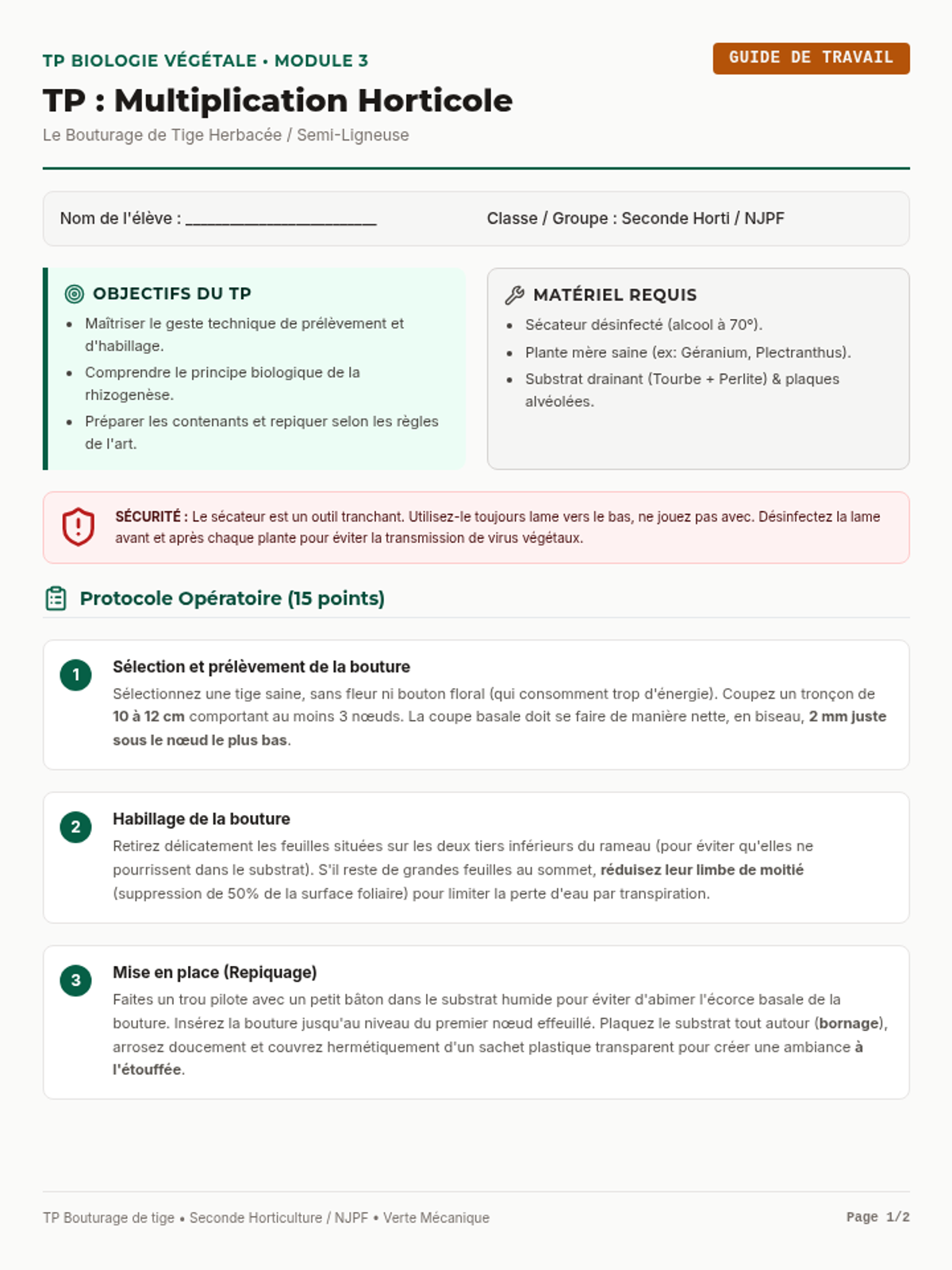
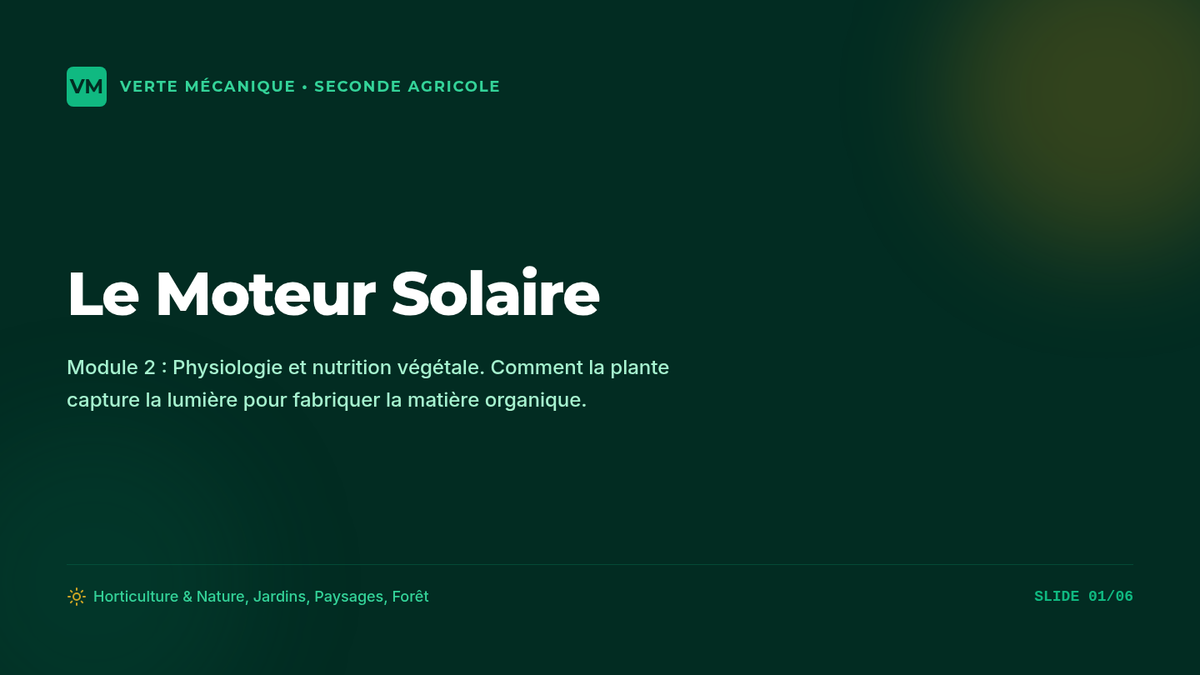
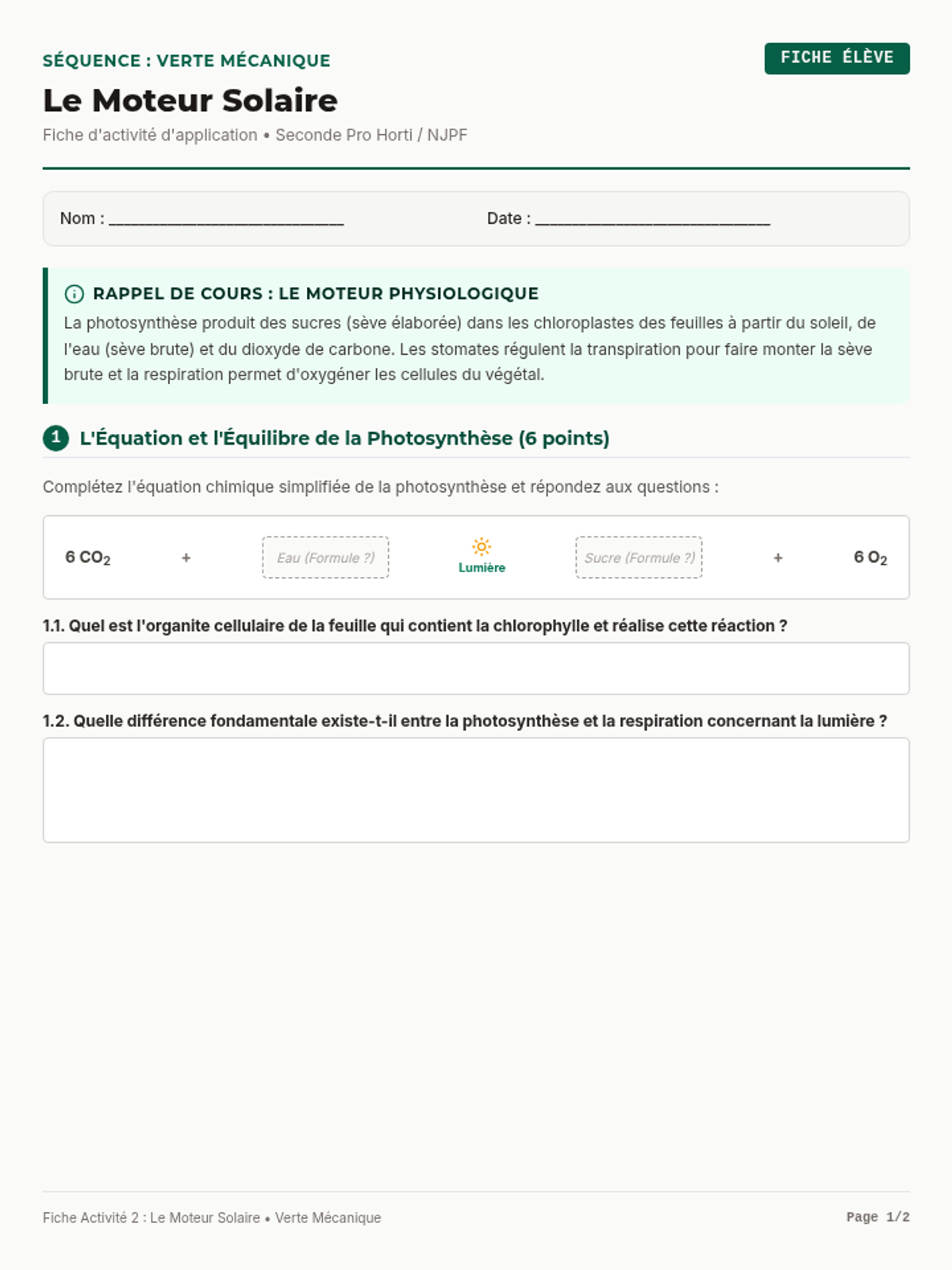
Exploring how cells break down glucose to produce ATP, covering glycolysis, the Krebs cycle, and the electron transport chain.
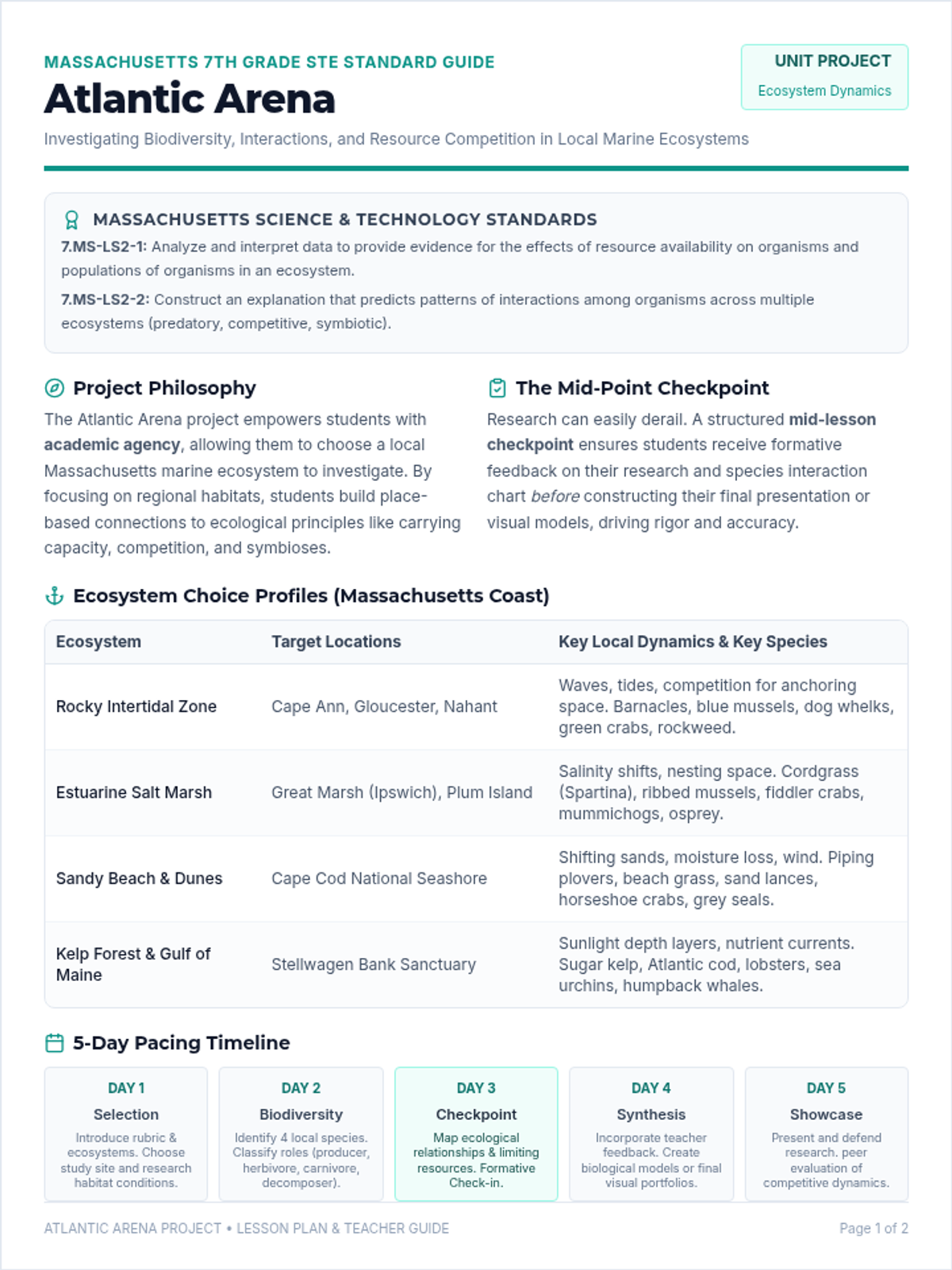
Students synthesize their knowledge to participate in a structured debate about the future of wildlife restoration.
Students analyze the differing viewpoints of ranchers, environmentalists, and local communities regarding predator reintroduction.
Students explore the scientific history of wolf reintroduction in Yellowstone and investigate the concept of trophic cascades and ecosystem engineering.
An exploration of the rock cycle's dynamic processes, from the fiery birth of igneous rocks to the transformative heat and pressure of metamorphism. Students will learn how Earth constantly recycles its crust through physical and chemical changes.
Explore how ecosystems respond to disturbances through primary and secondary succession, and analyze the relationship between biodiversity and ecosystem stability.
Students act as 'Marine Bio-Engineers' to design and build artificial reef structures that support a healthy ecosystem on Mystery Island's coast, focusing on biotic and abiotic interactions.
Students design and build 'Food Web Restoration' models to visualize and explain the flow of energy from producers to multiple consumers on Mystery Island.
Students design and build 'Weather Shields' to protect a model plant from extreme temperature and precipitation changes on Mystery Island, exploring how environmental factors affect organisms.
Students act as 'Botanical Engineers' to design and build seed models that can travel through the air to reach new parts of Mystery Island, focusing on seed dispersal methods.