A comprehensive lesson exploring the stages of the cell cycle, focusing on the distinction between Interphase (G1, S, G2) and M-Phase. Students use a video guide and creative modeling to understand cellular growth and division.
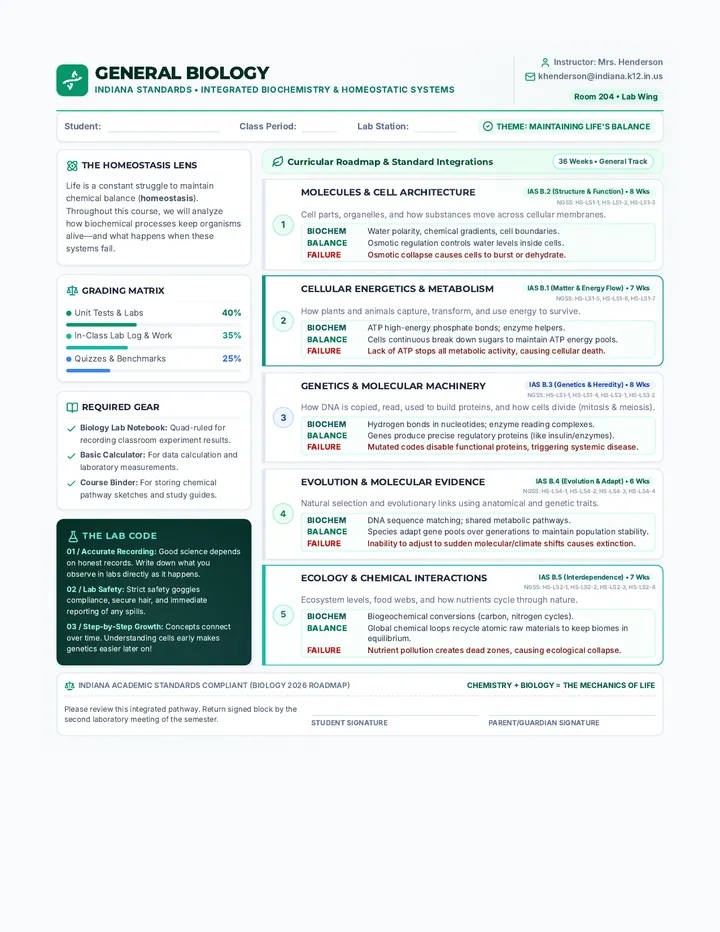
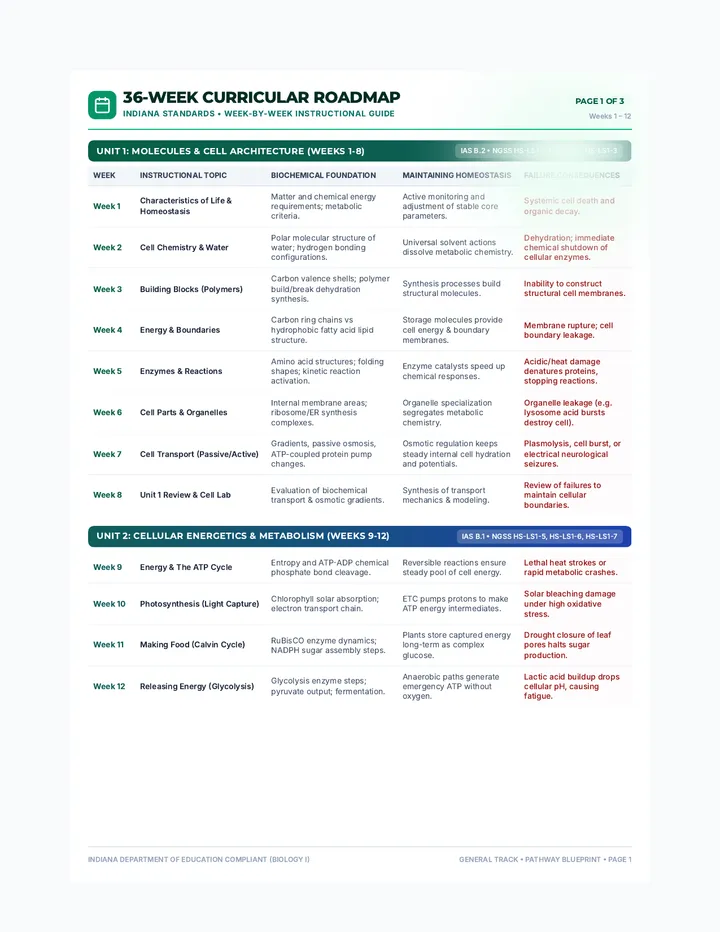
A comprehensive, 36-week General Biology curriculum aligned with Indiana Academic Standards, emphasizing the integration of biochemical foundations and metabolic homeostasis across all units.
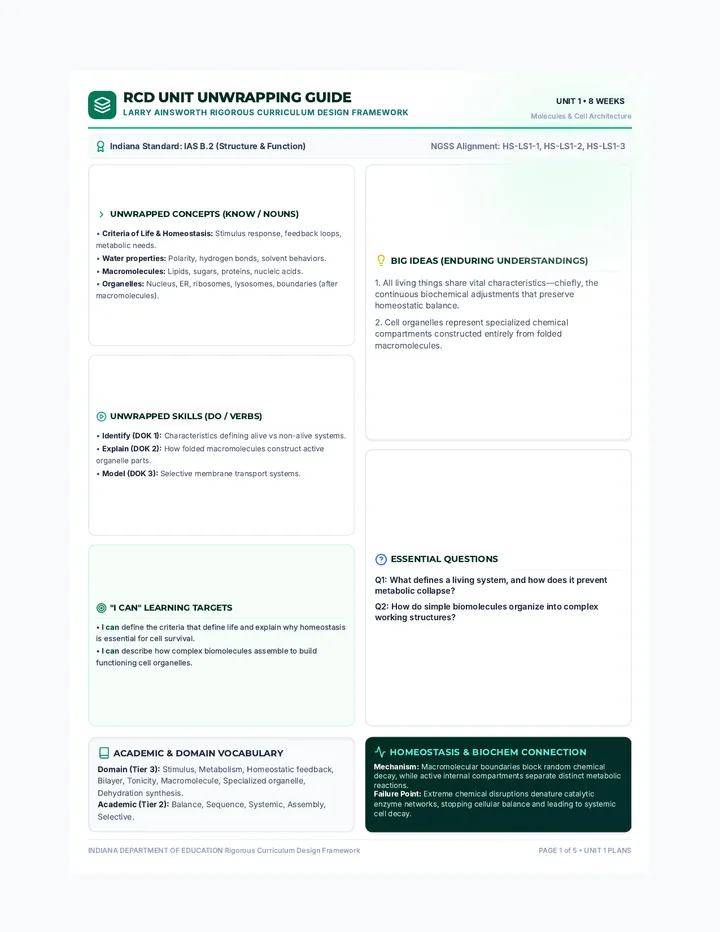
An exploration of the biochemical characteristics of life and the feedback mechanisms cells and organisms use to maintain homeostasis, featuring a deep dive into the consequences of metabolic failure.
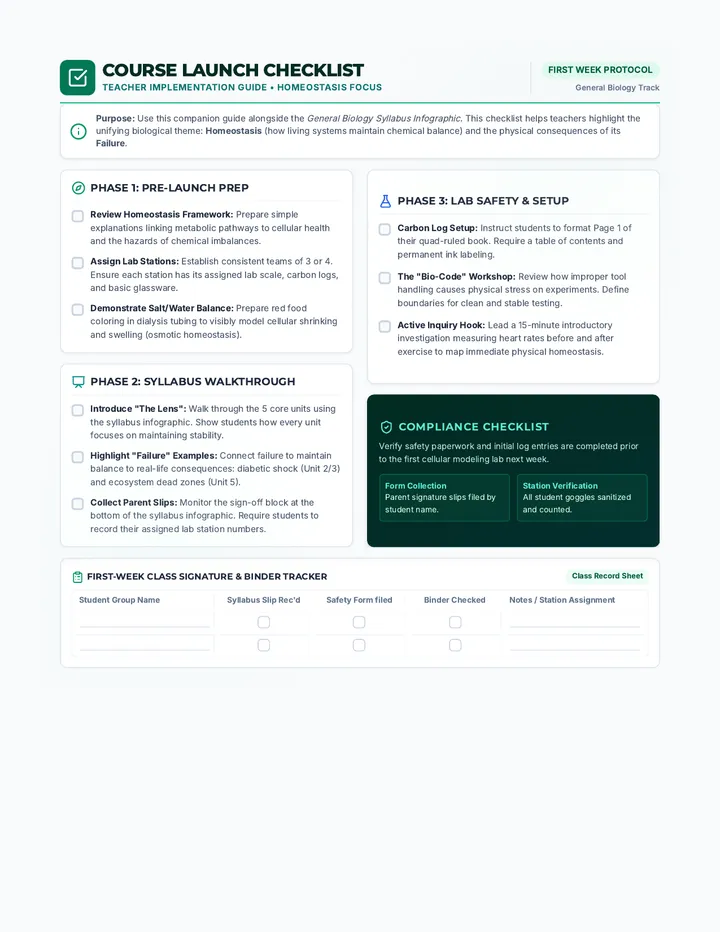
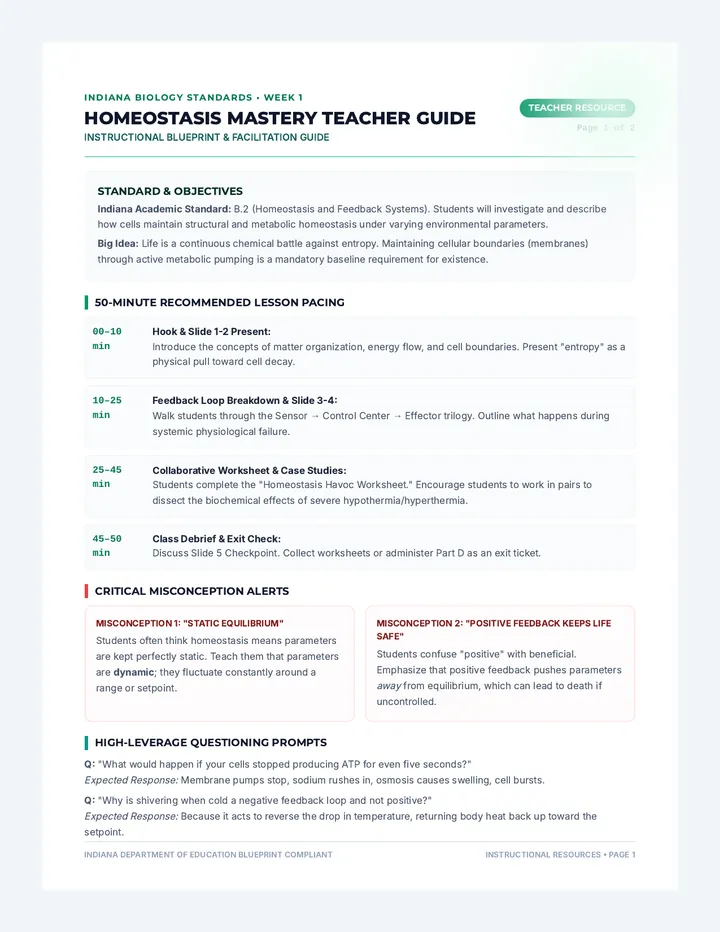
An instructional facilitation guide for Week 1, featuring lesson pacing, common student misconceptions, questioning scripts, and a complete answer key for the student worksheet.
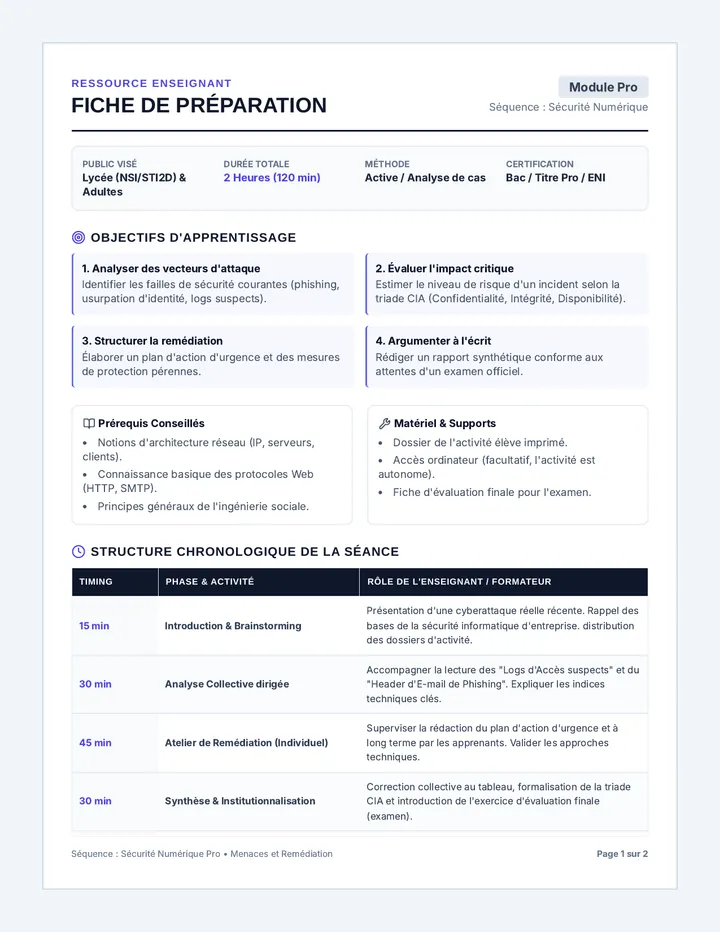
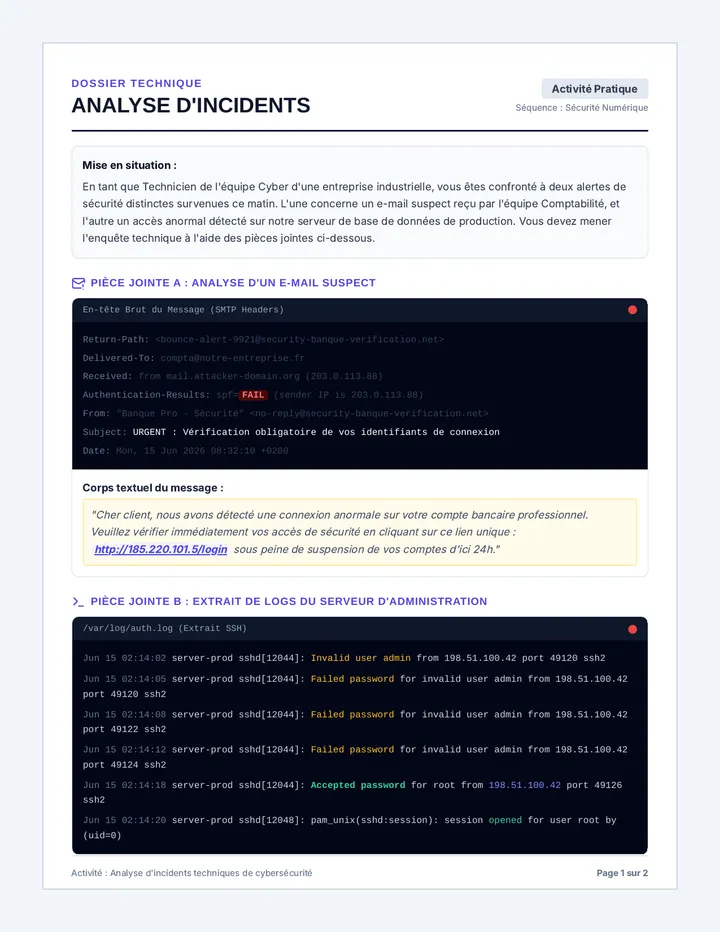
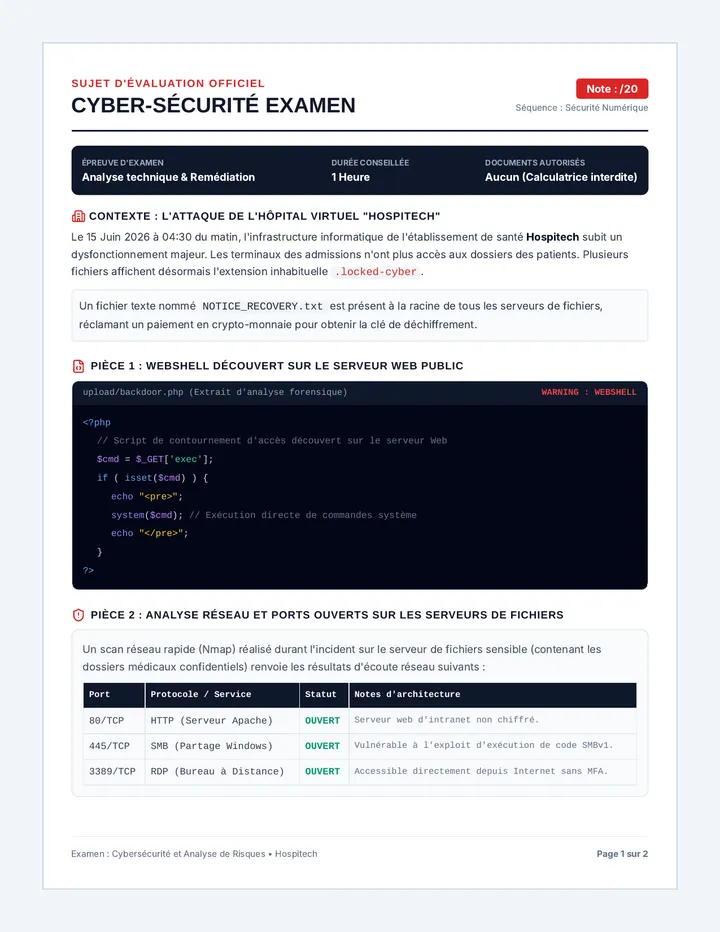
Séquence pédagogique complète sur la cybersécurité en entreprise, axée sur l'analyse technique des risques, la remédiation des failles de sécurité et la préparation aux épreuves d'examen ou de certification.
An introductory framework establishing course policies, Indiana state biology standards, and the integrated biochemistry roadmap for the academic year.
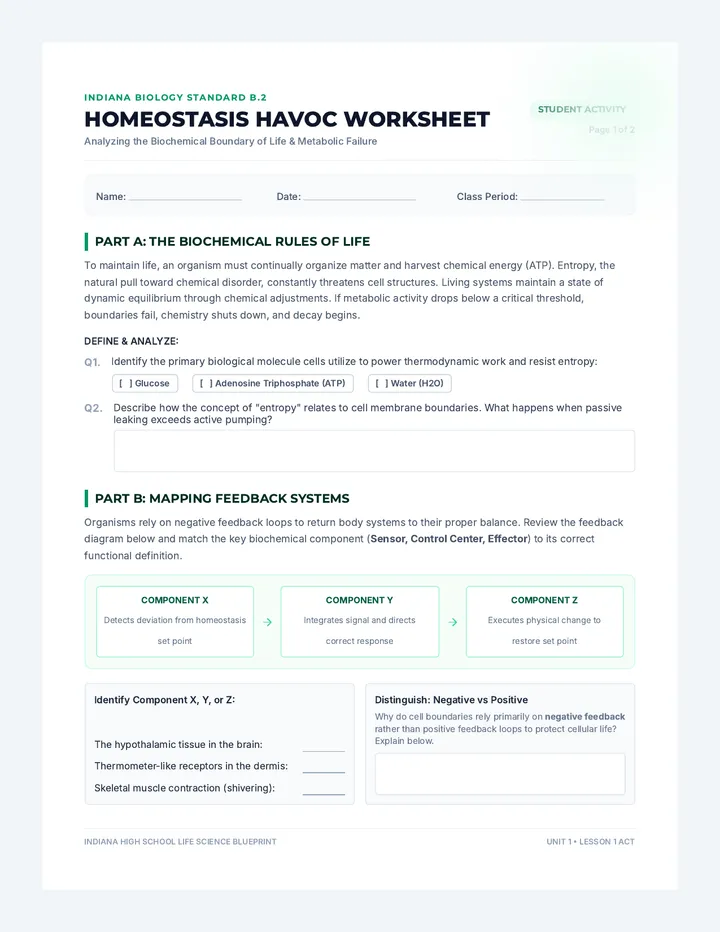
A printable student worksheet analyzing the biochemical criteria of life, mapping negative feedback loops, and diagnosing the chemical consequences of systemic metabolic failure.
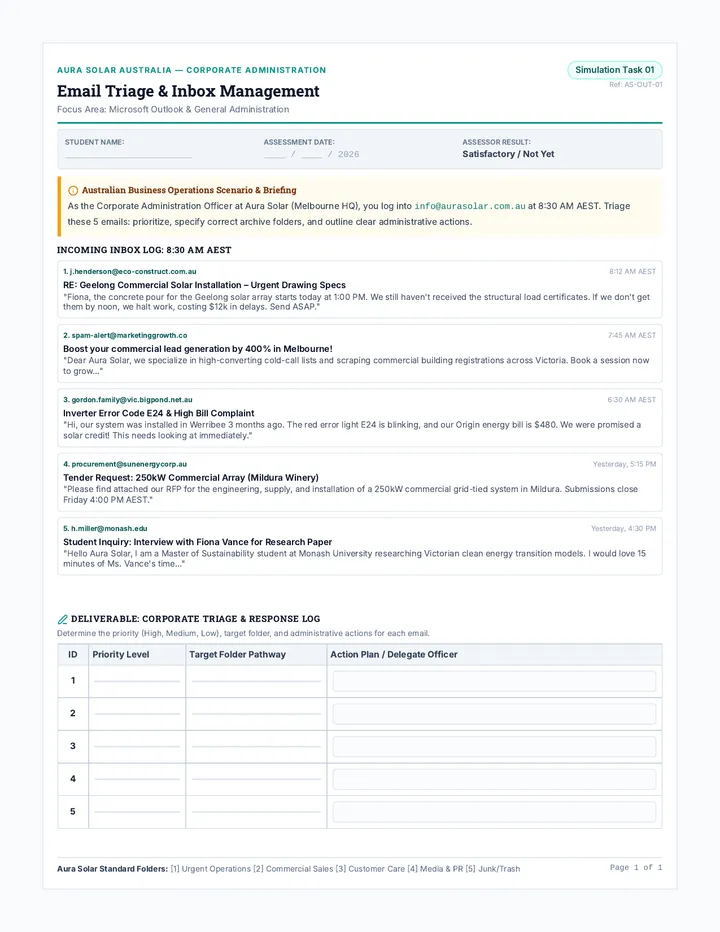
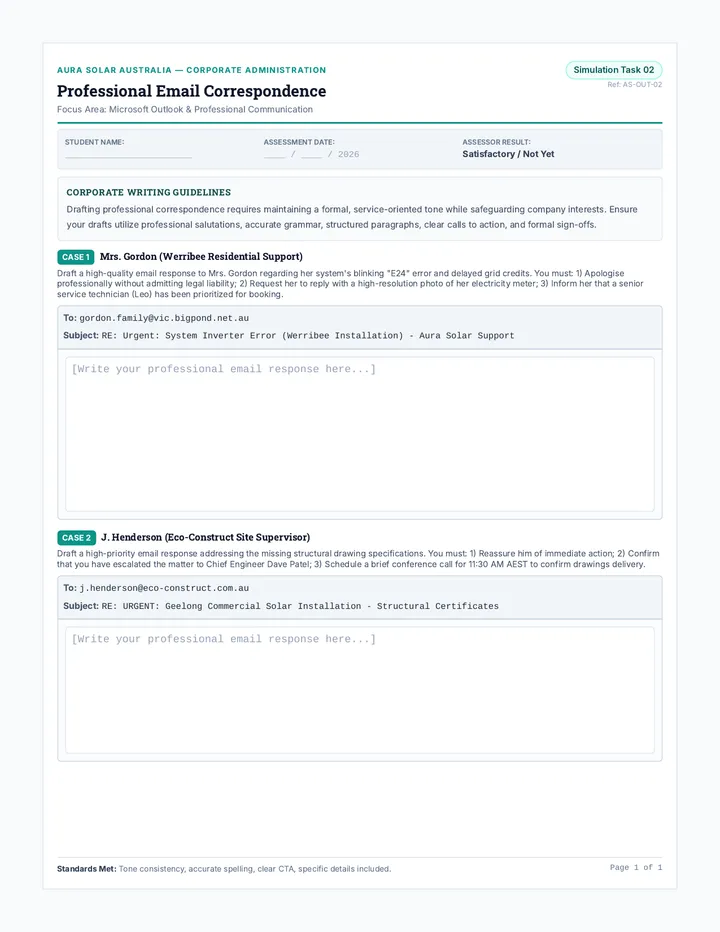
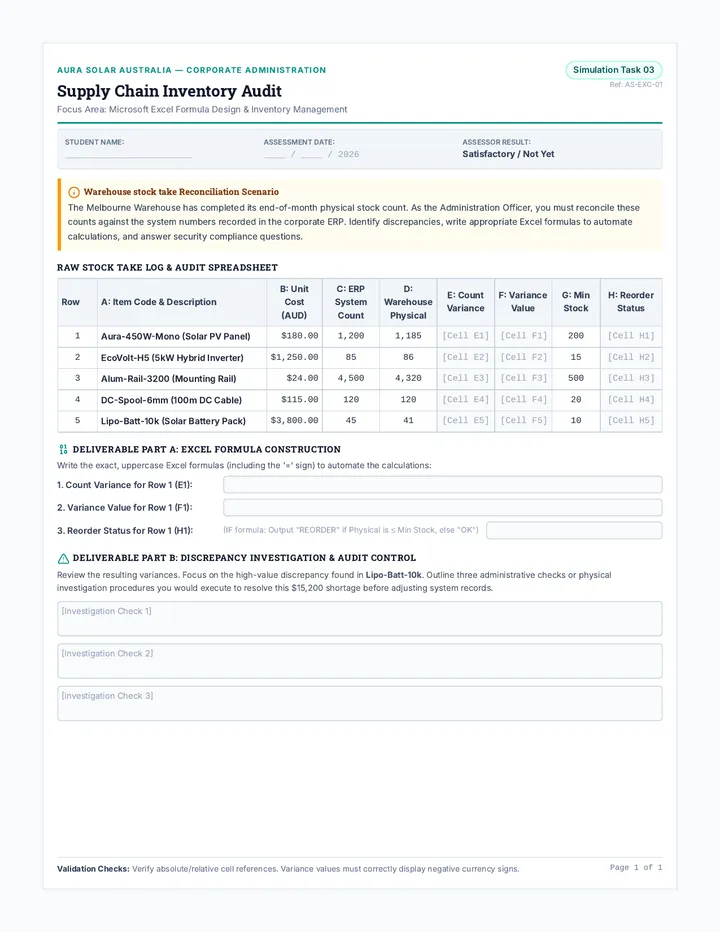
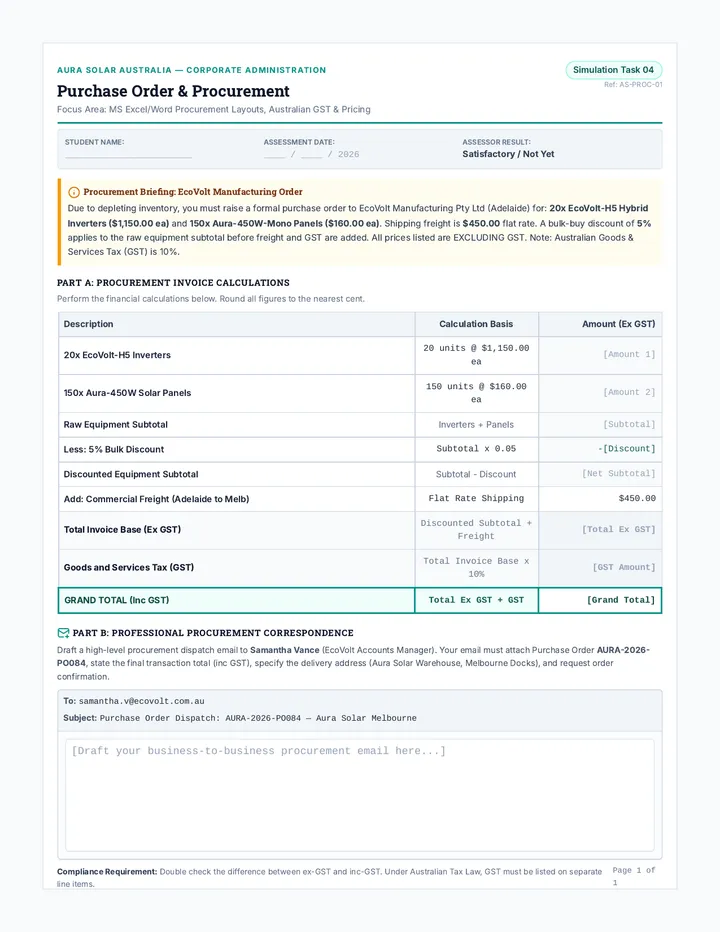
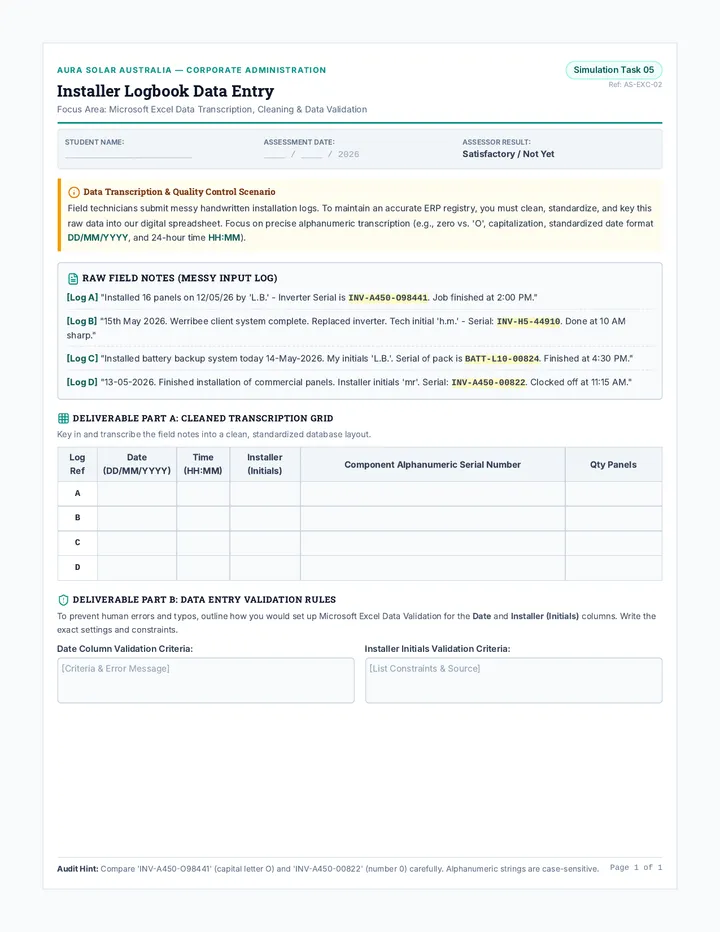
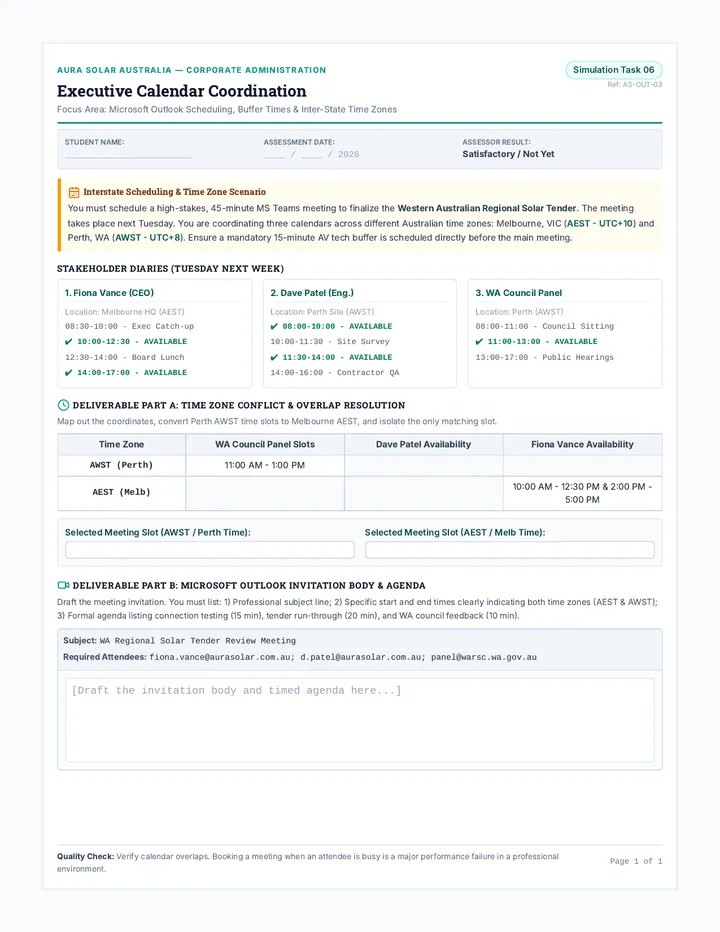
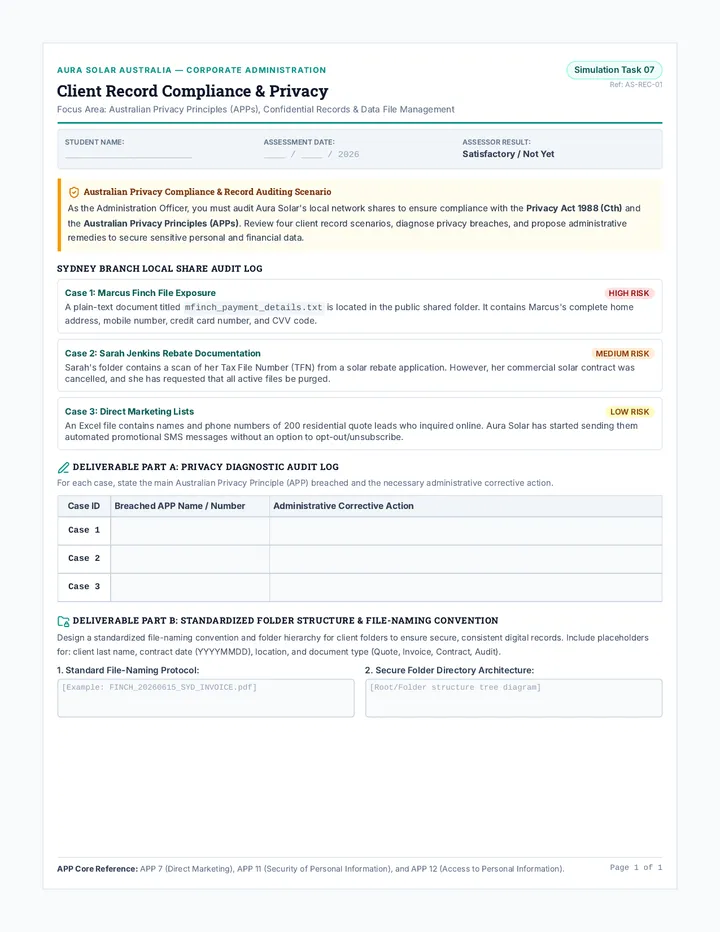
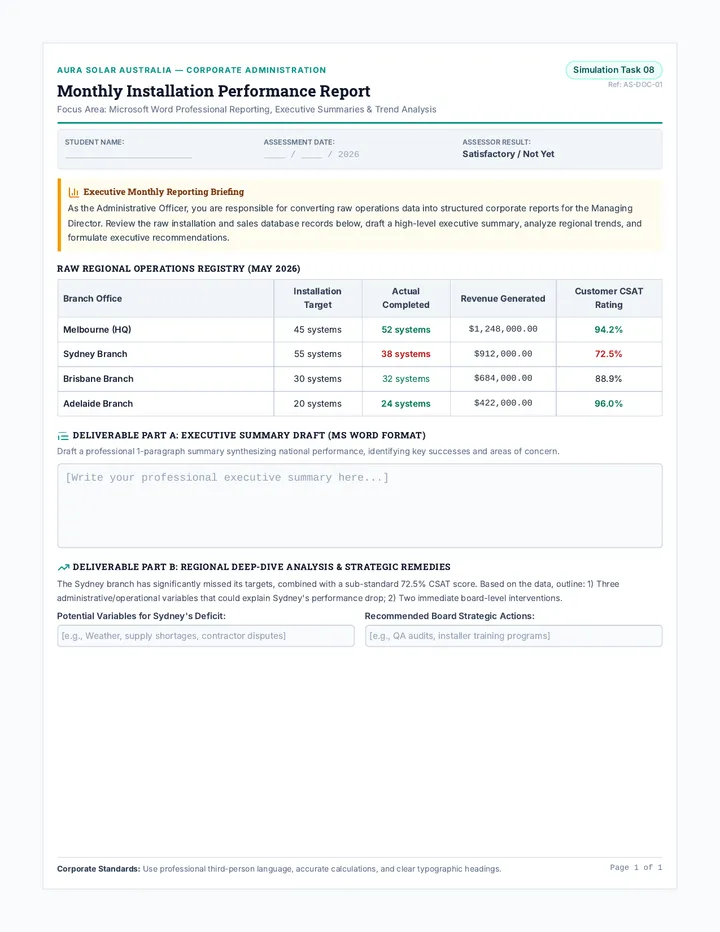
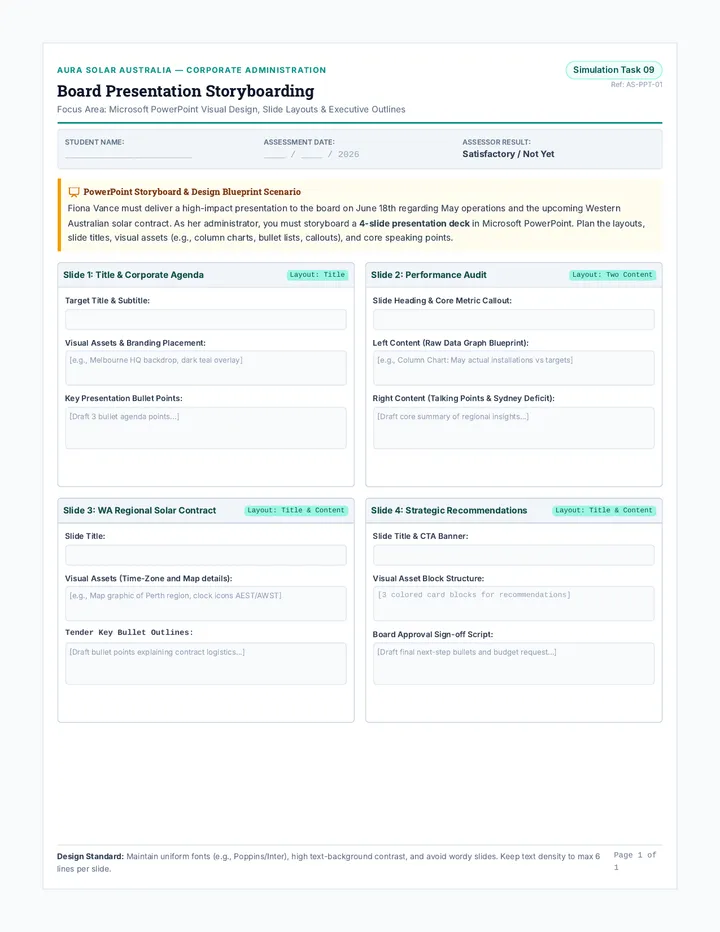
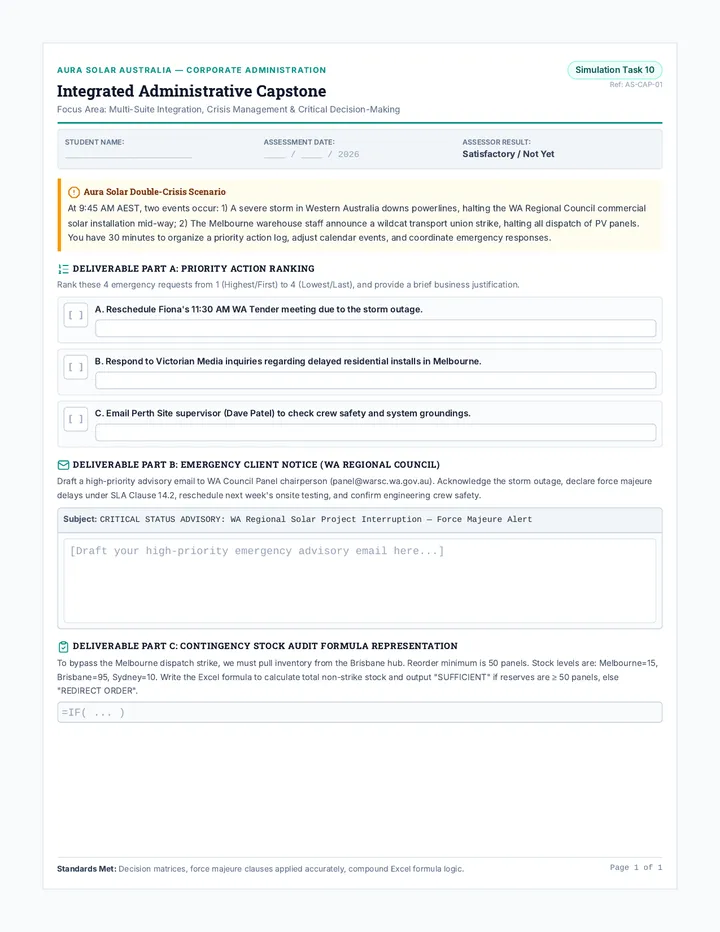
A comprehensive workplace simulation sequence following Aura Solar Australia, a major renewable energy provider based in Melbourne. Students act as Corporate Administration Officers, executing complex, realistic tasks across the Microsoft Office Suite that align with Australian business standards, GST calculations, time zones, and privacy regulations.
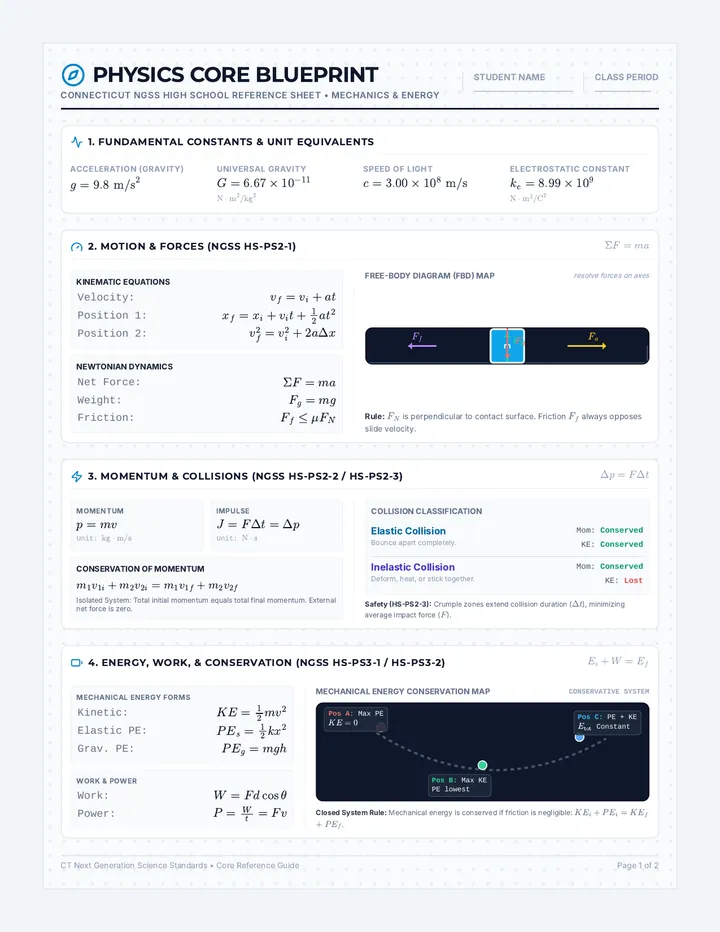
A comprehensive high school physics curriculum sequence aligned with the Connecticut Next Generation Science Standards (CT-NGSS), focusing on core concepts, quantitative problem-solving, and visual models.
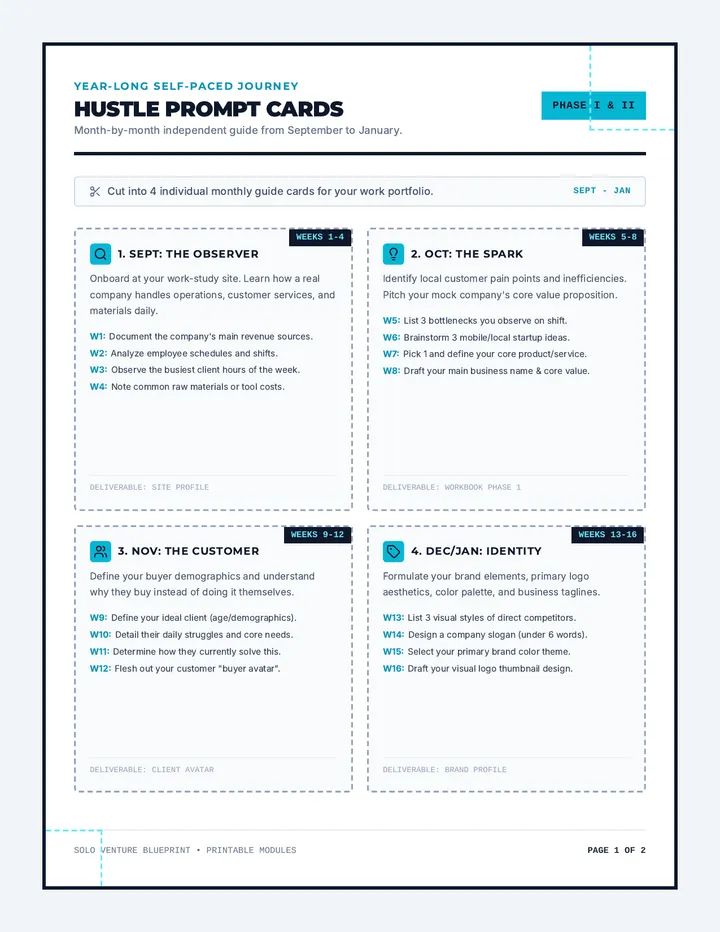
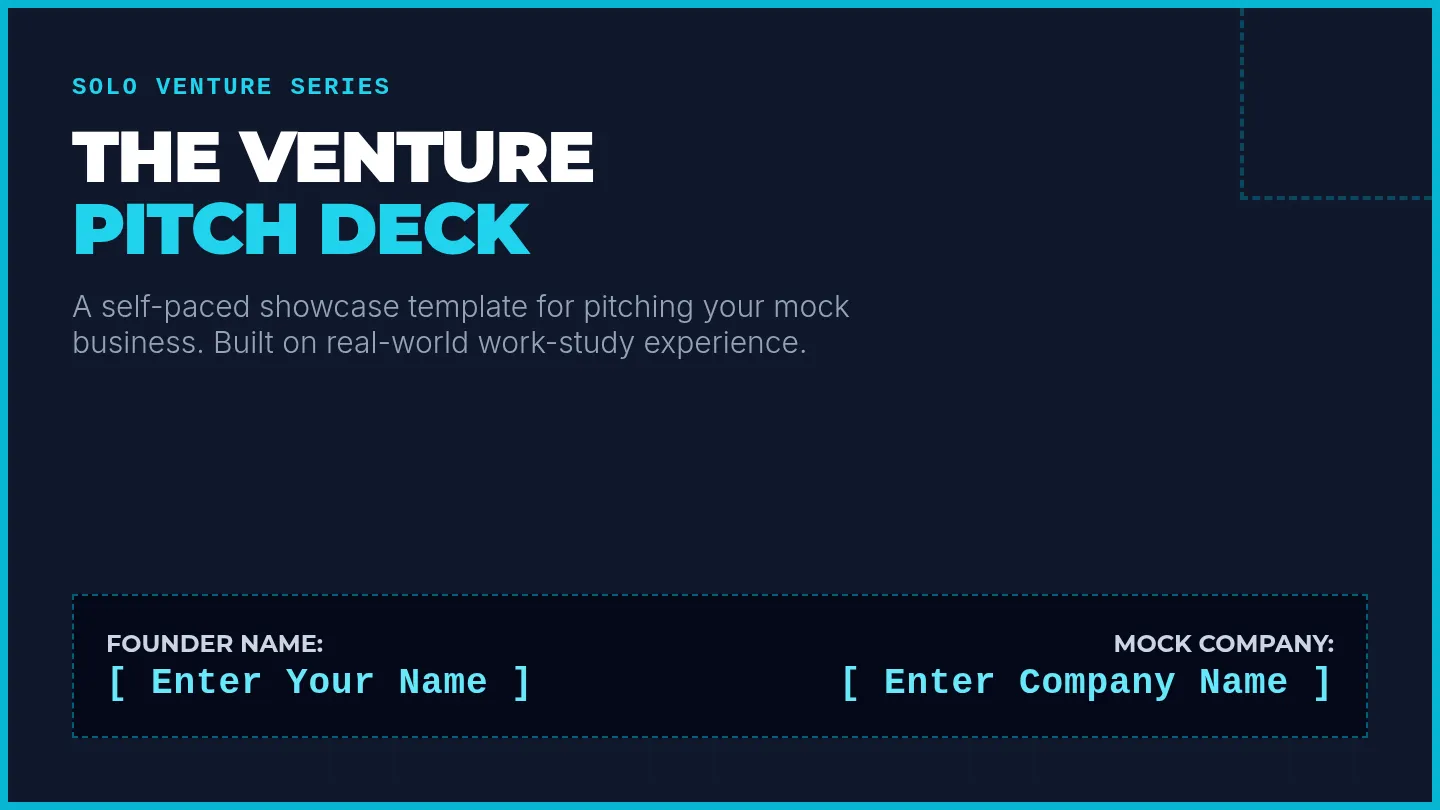
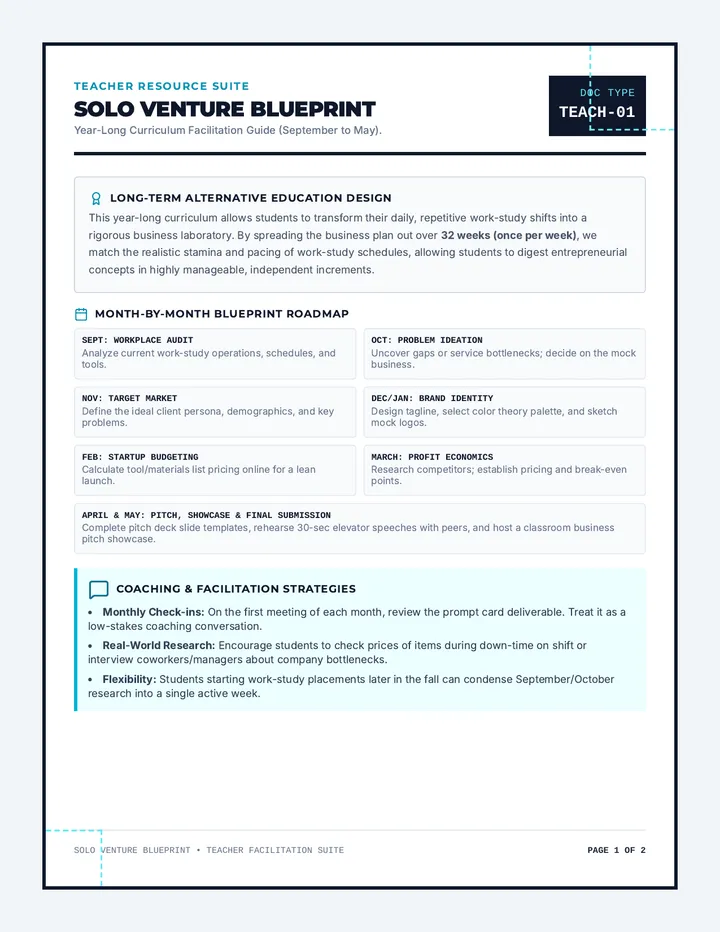
A year-long, self-paced entrepreneurship curriculum spanning September to May for alternative education students in work-study placements. Students transform real-world work experience into a modular business plan and slide presentation.
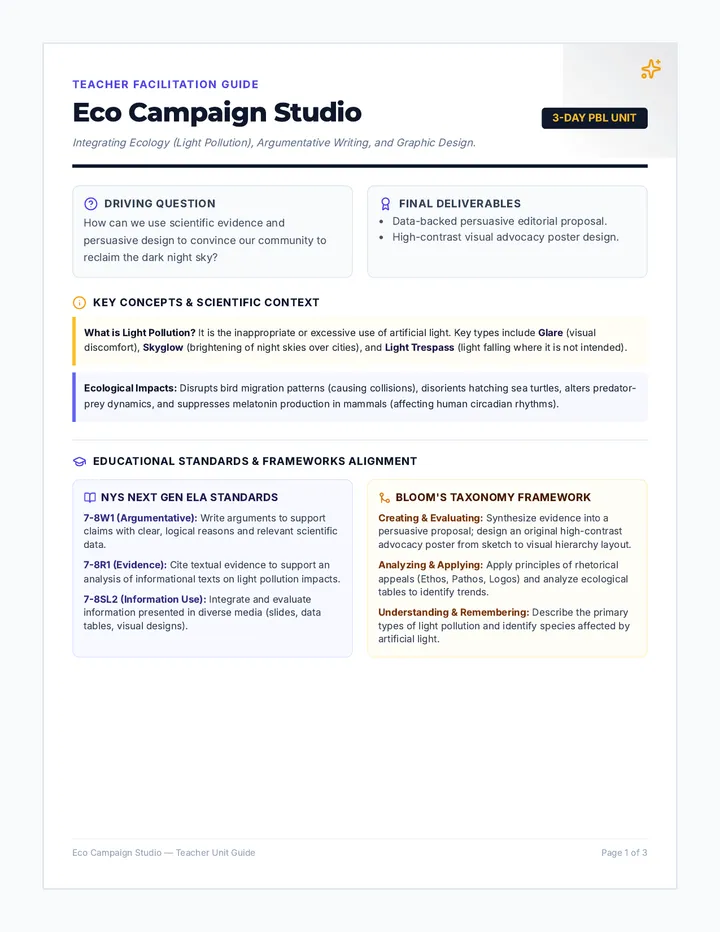
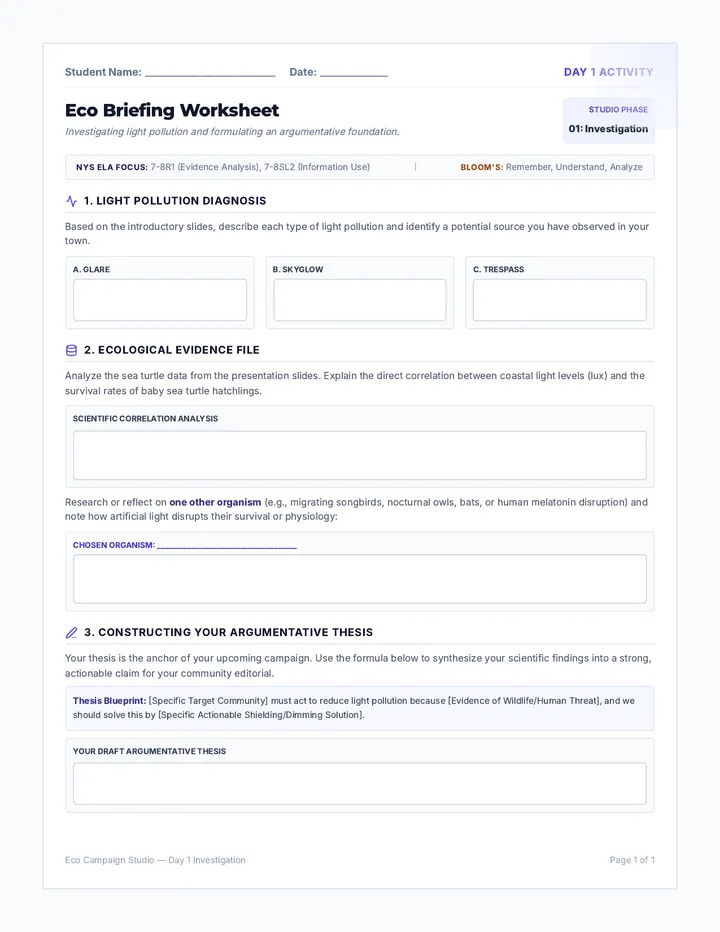
A cross-curricular, 3-day project-based unit combining science, argumentative writing, and graphic design. Students investigate the ecological impacts of light pollution, write a data-driven persuasive proposal, and design a community awareness campaign poster.