A math review focused on making 'ballpark' estimates by rounding numbers to the nearest ten before adding. Includes differentiated tiers for 2-digit and 3-digit addition with a fresh spring theme.
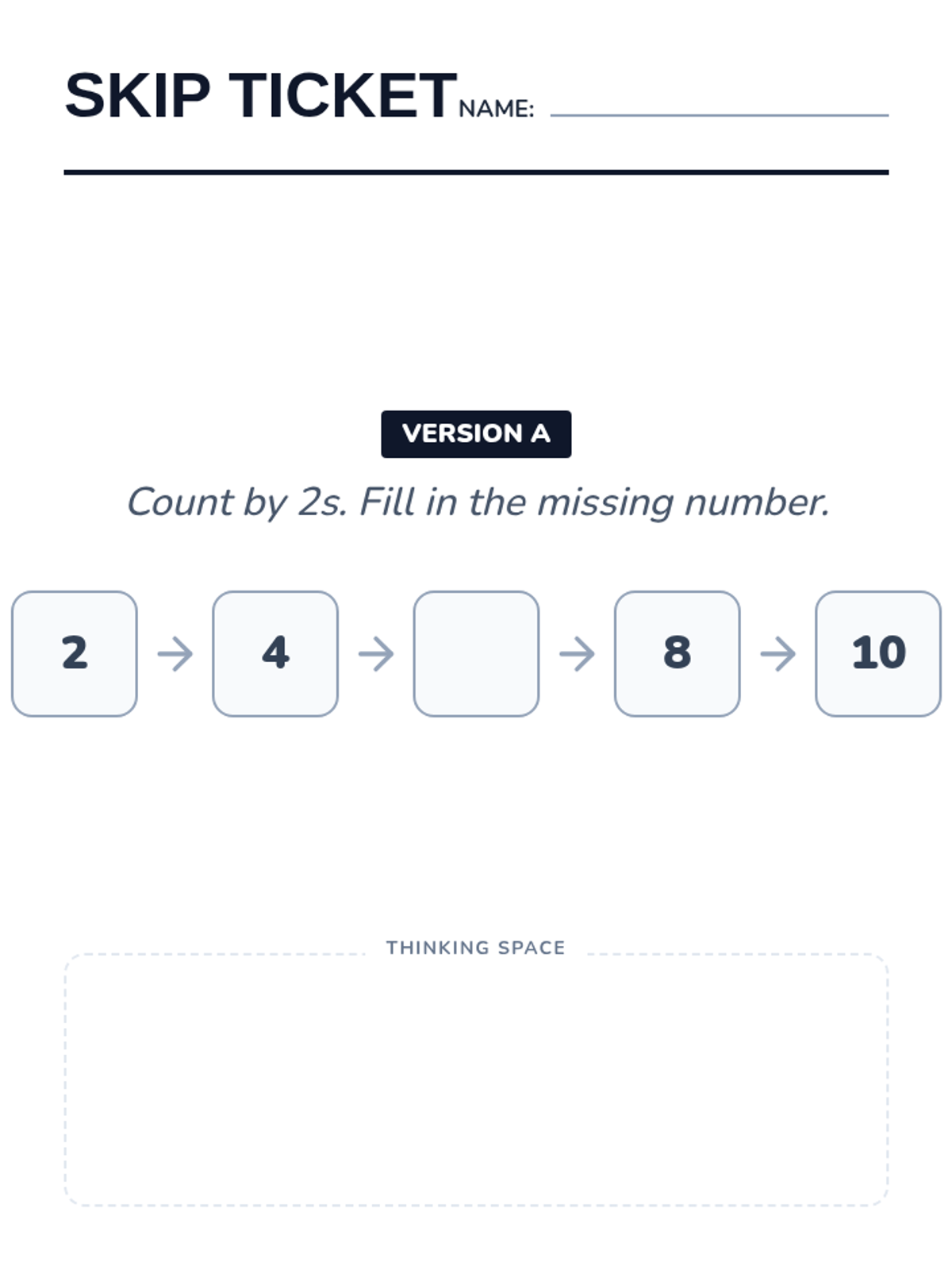
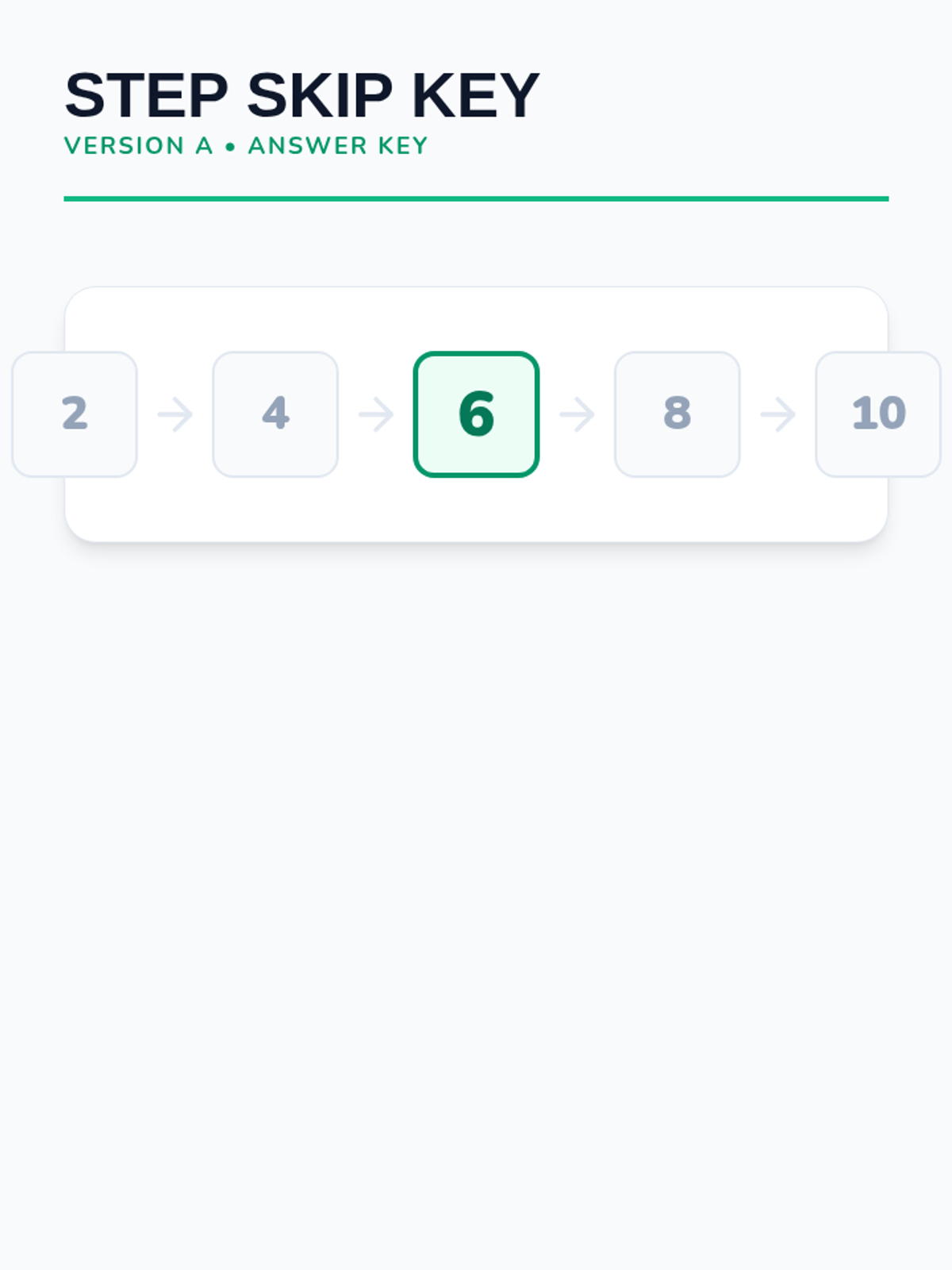
A focused assessment on skip counting by 2s within the range of 2-10. Students identify the missing number in a single sequence to demonstrate mastery of the pattern.
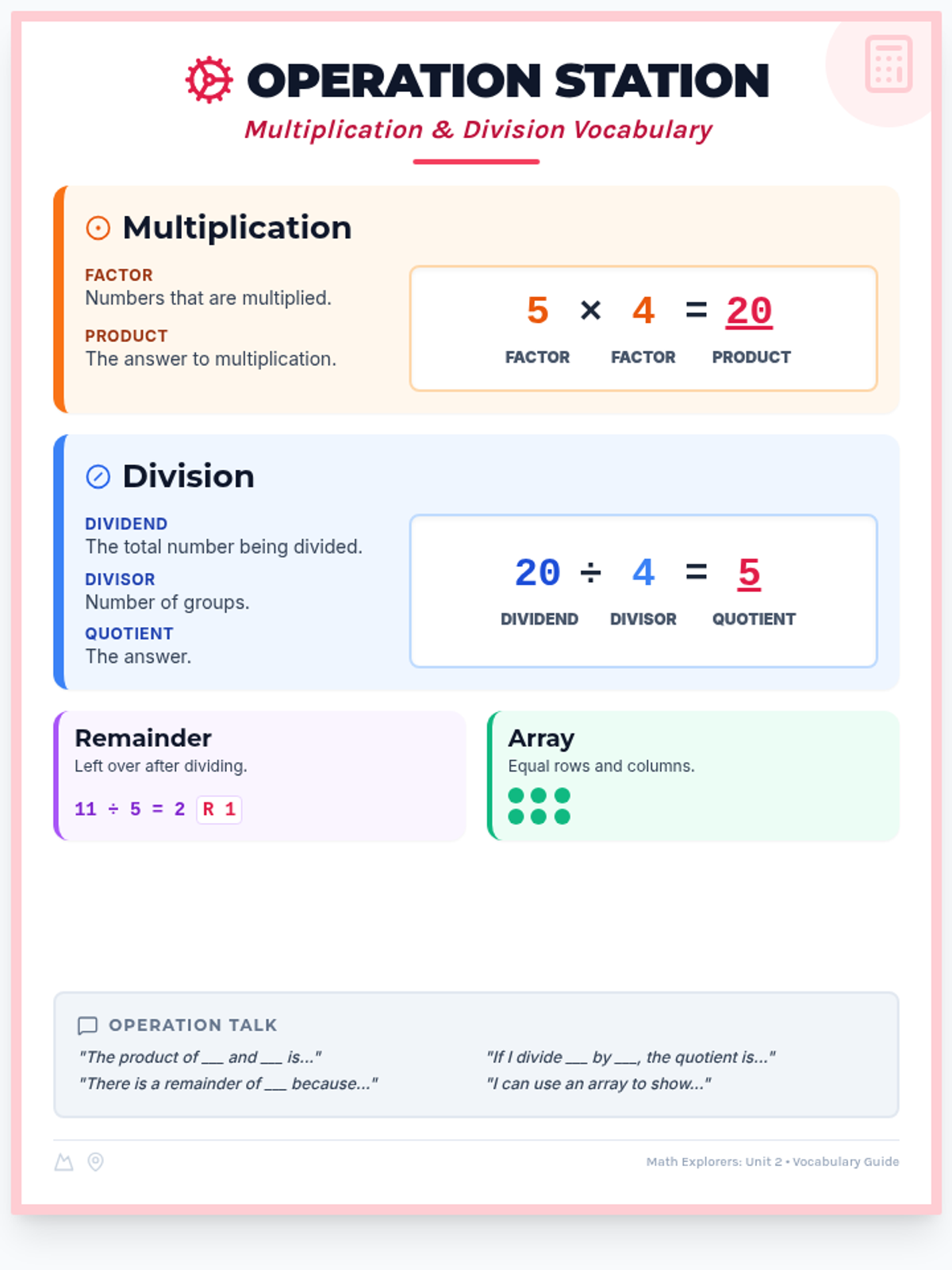
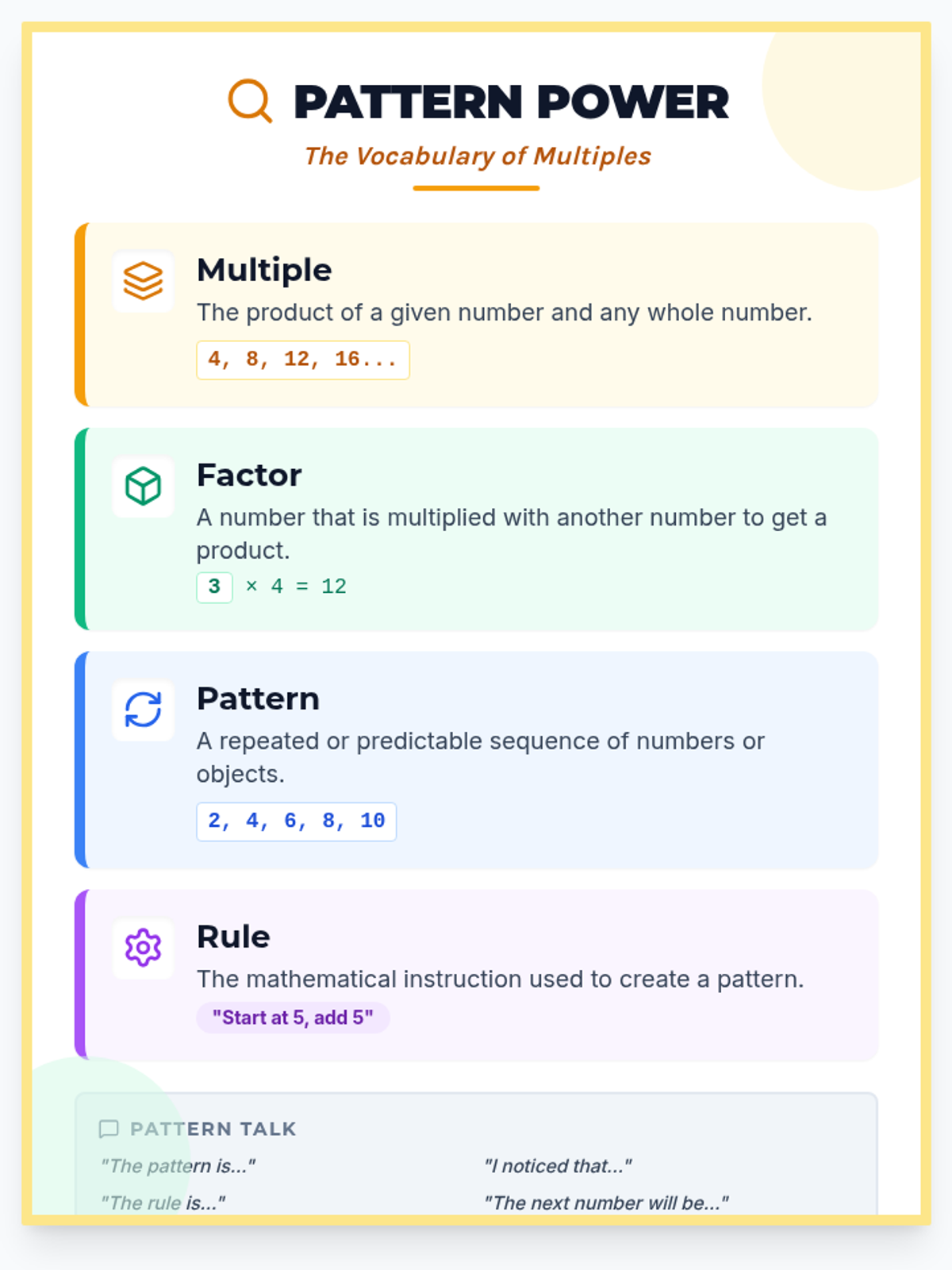
Foundational vocabulary and conceptual frameworks for multiplication and division in 4th Grade.
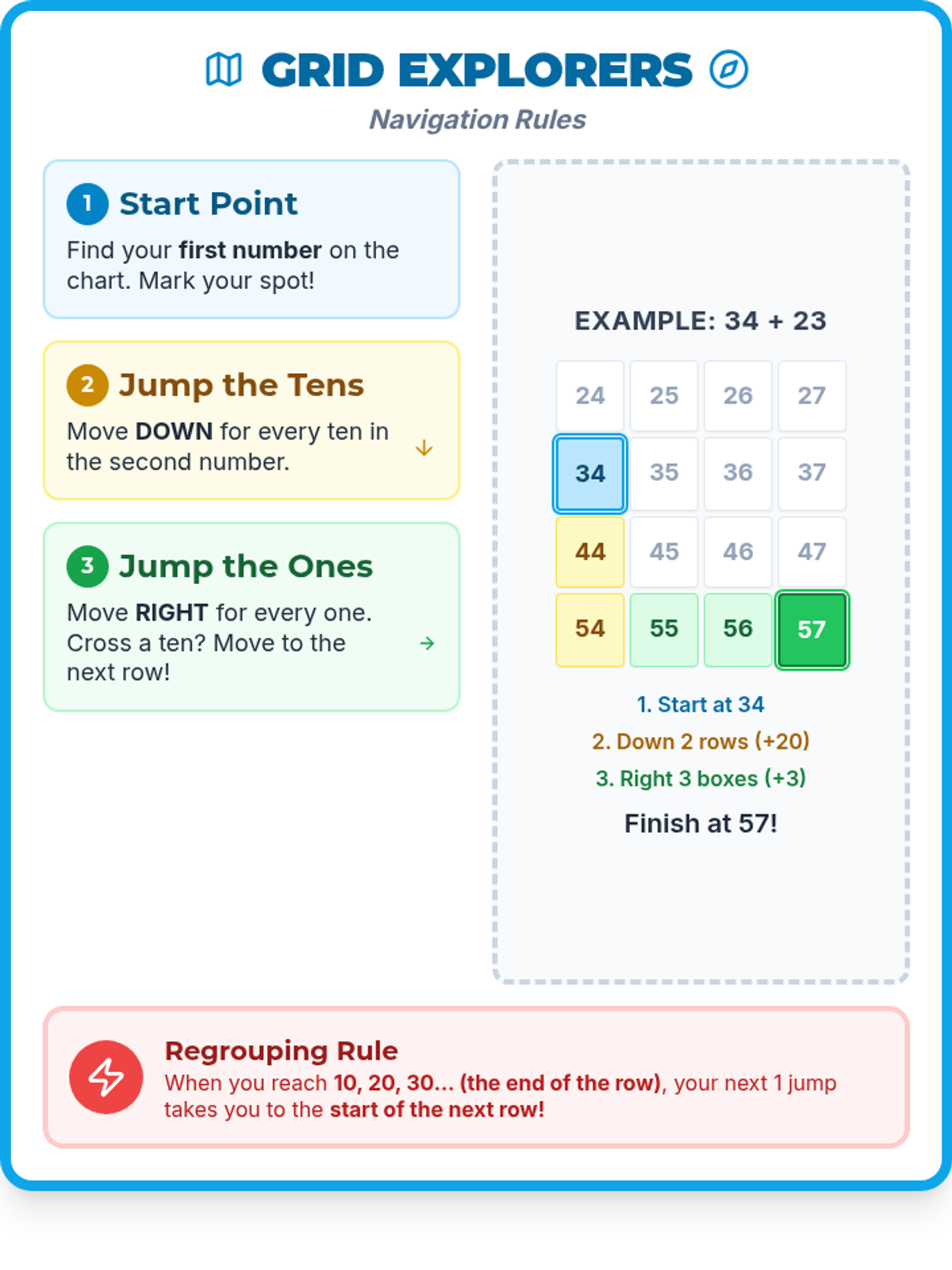
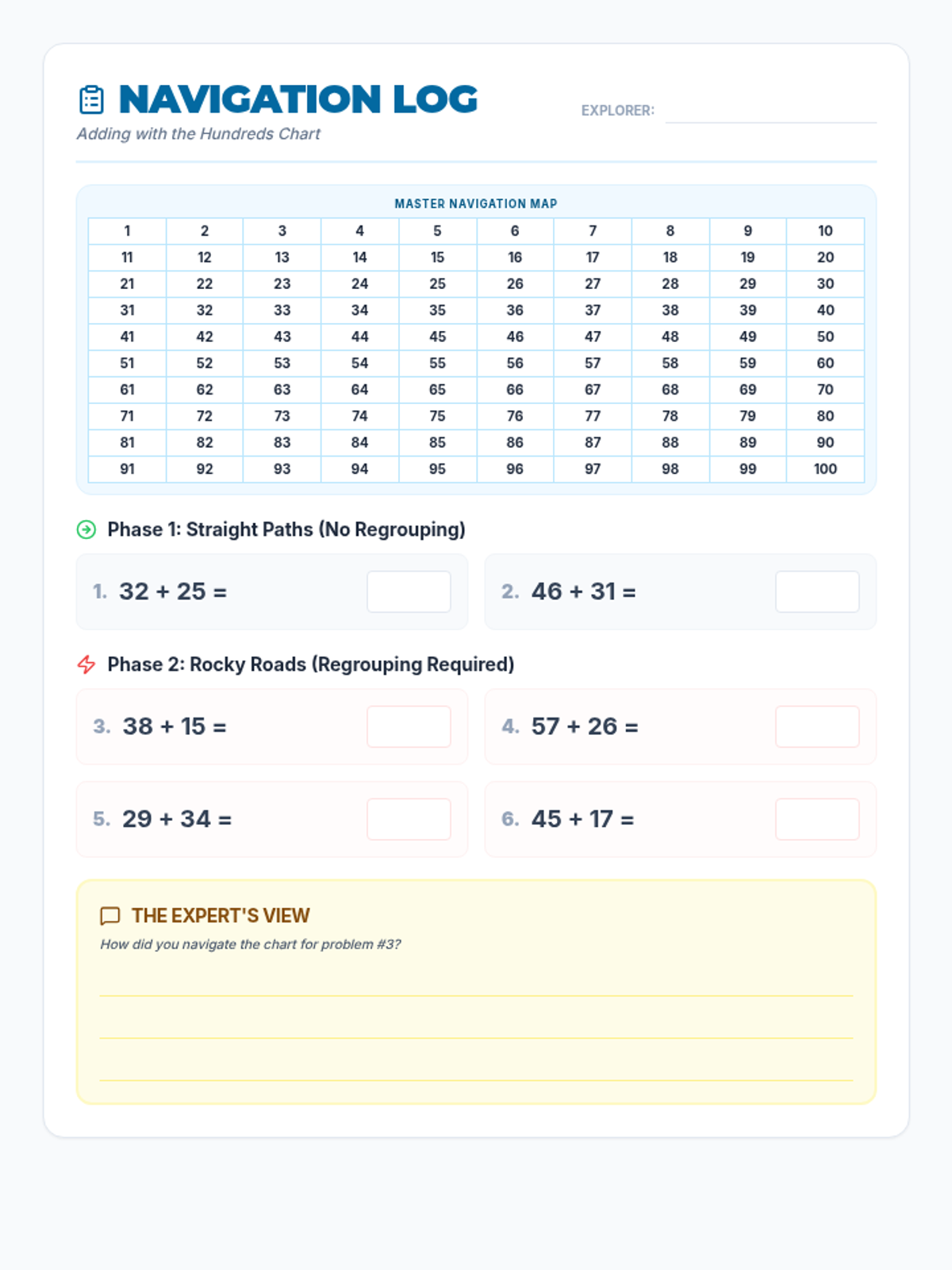
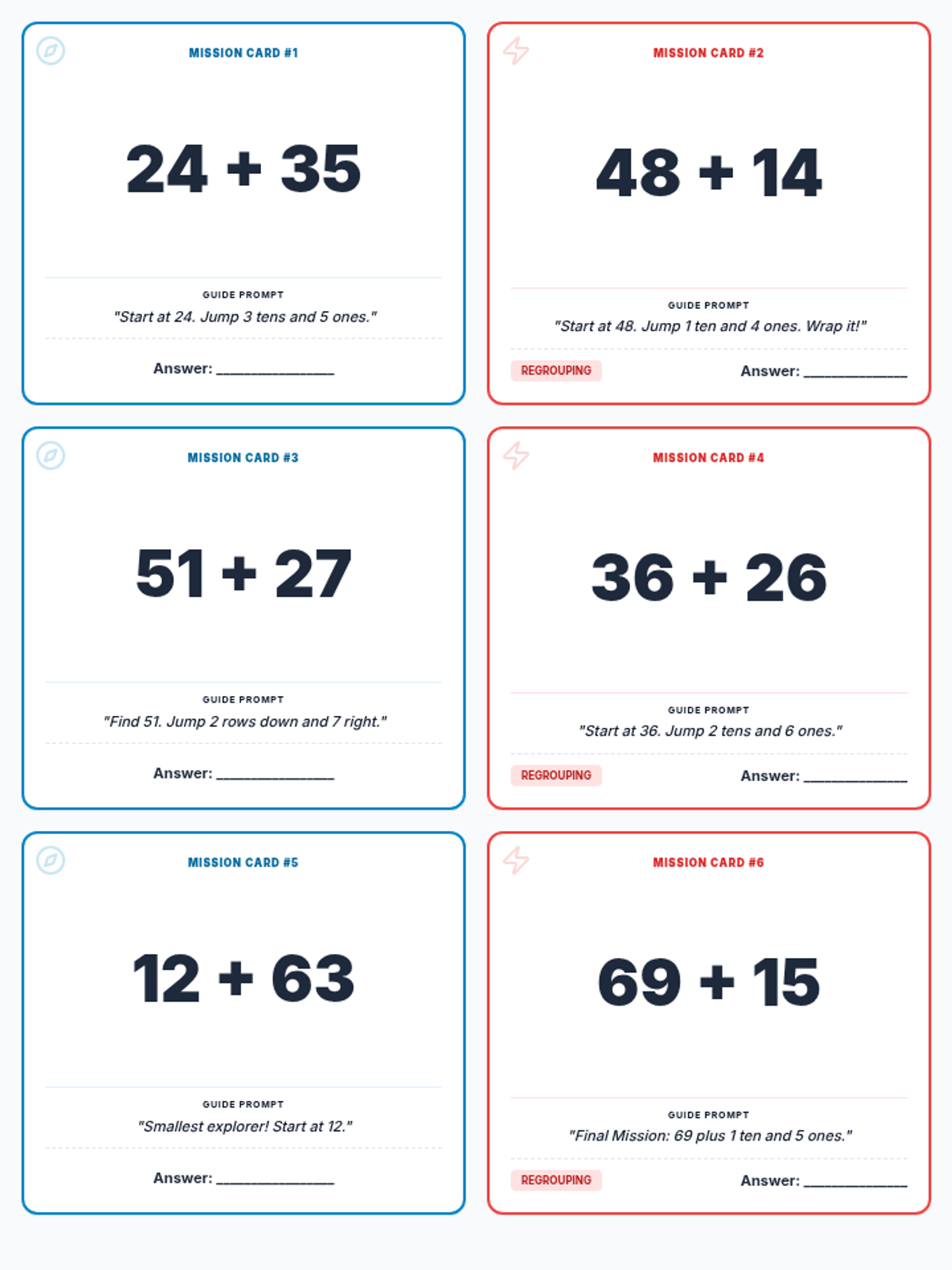
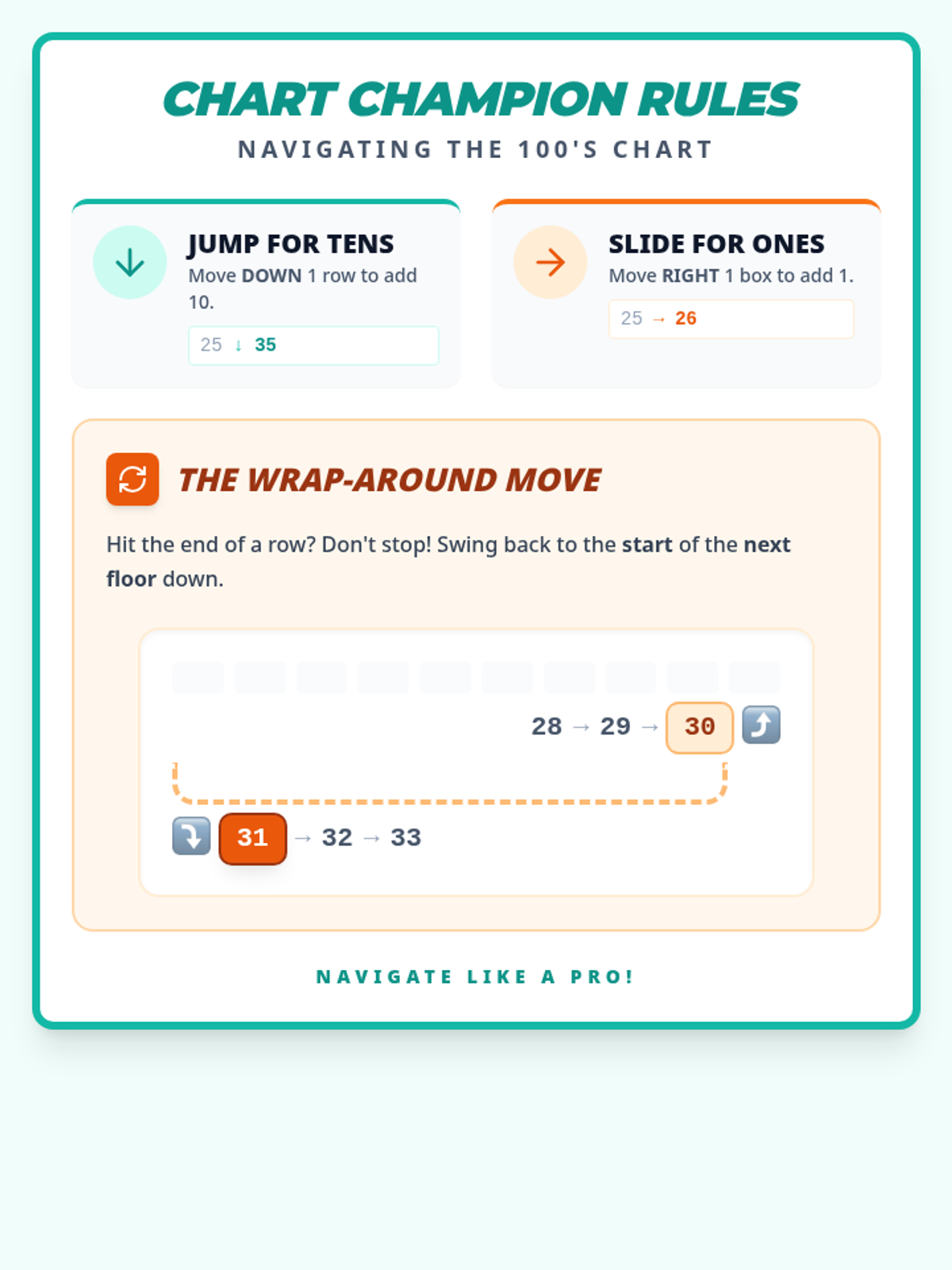
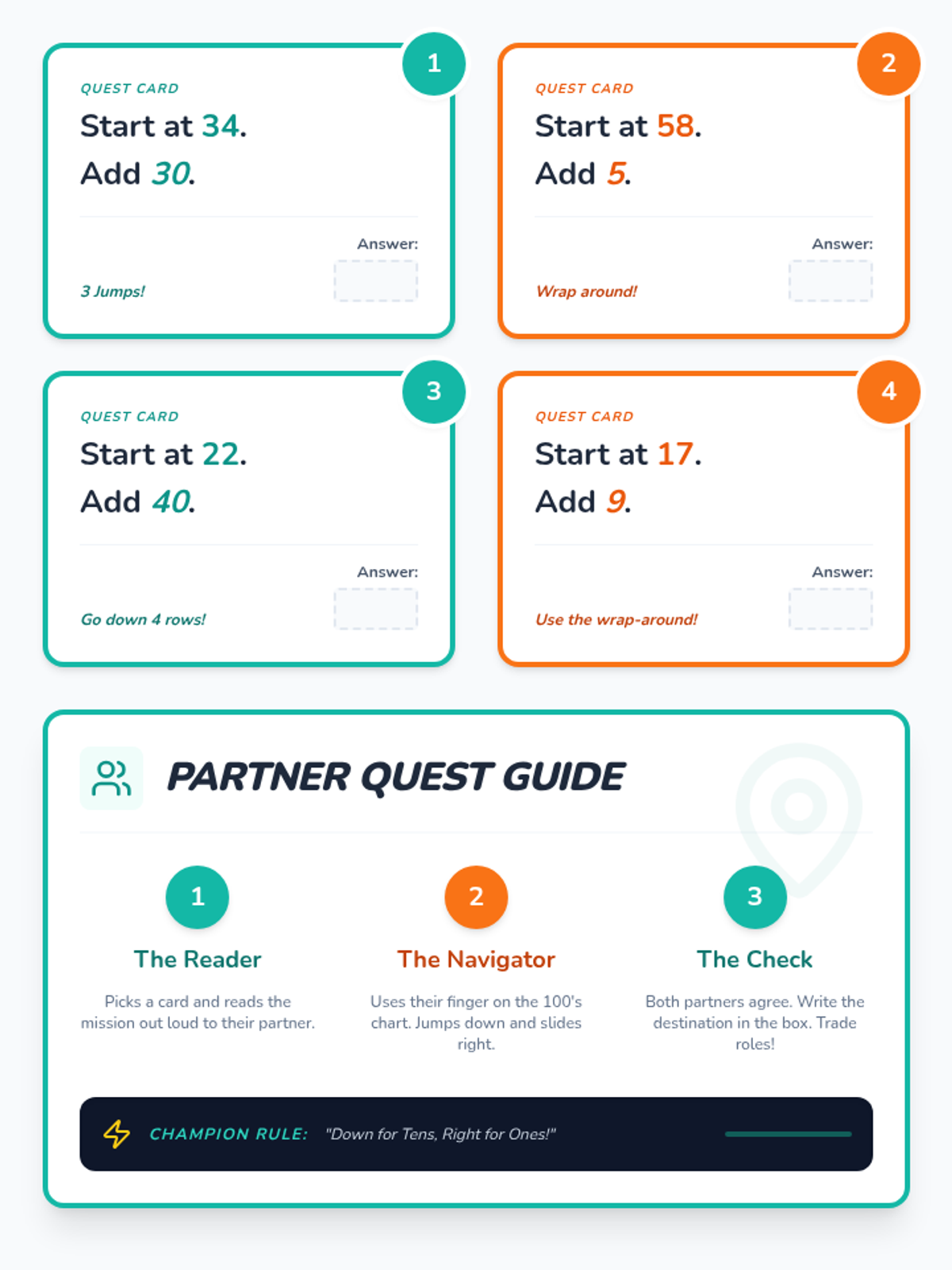
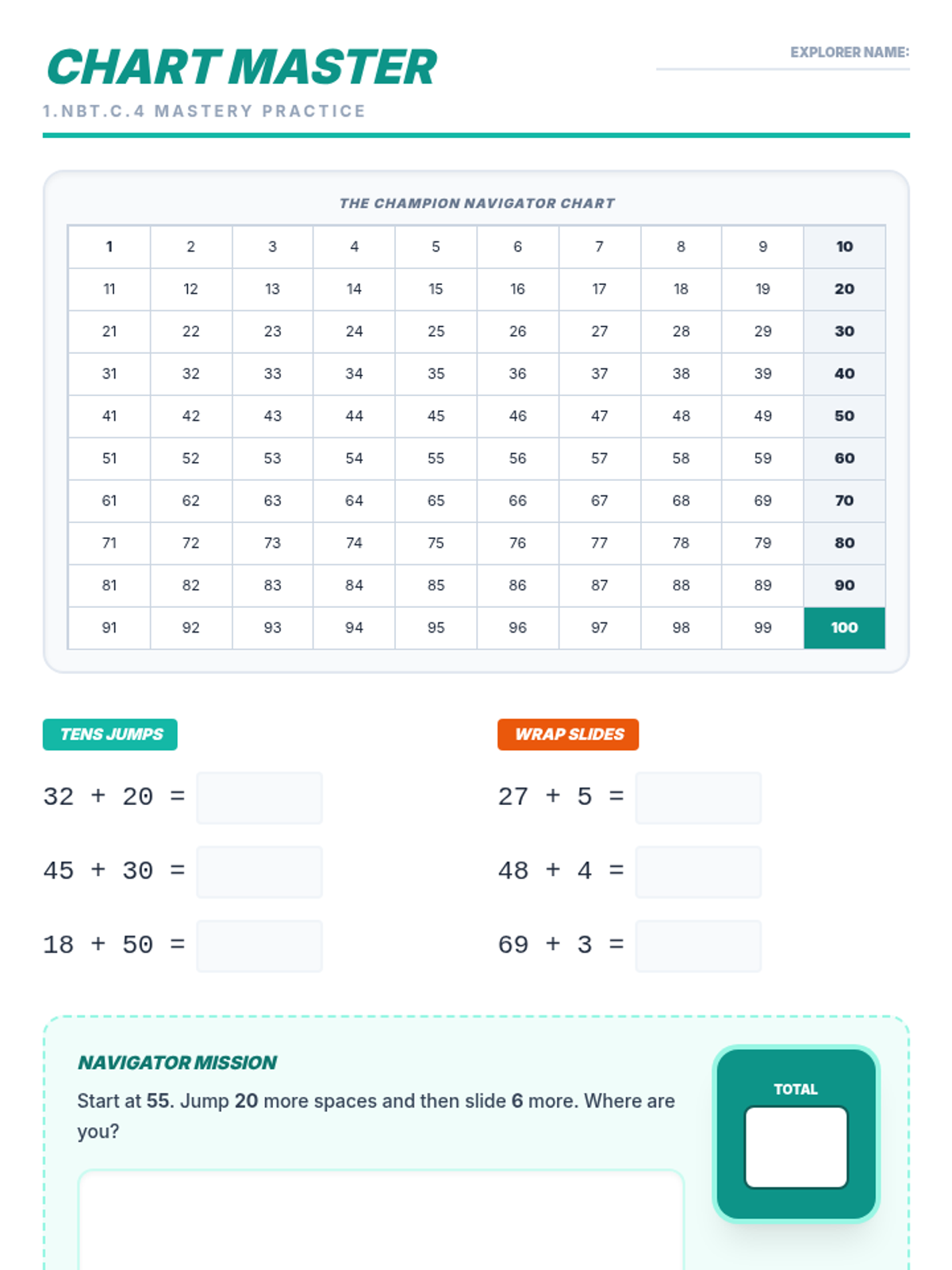
A primary math lesson focused on using a hundreds chart to solve two-digit addition problems, including those requiring regrouping by composing a ten. Students will learn to navigate the chart by jumping tens (moving down) and ones (moving right).
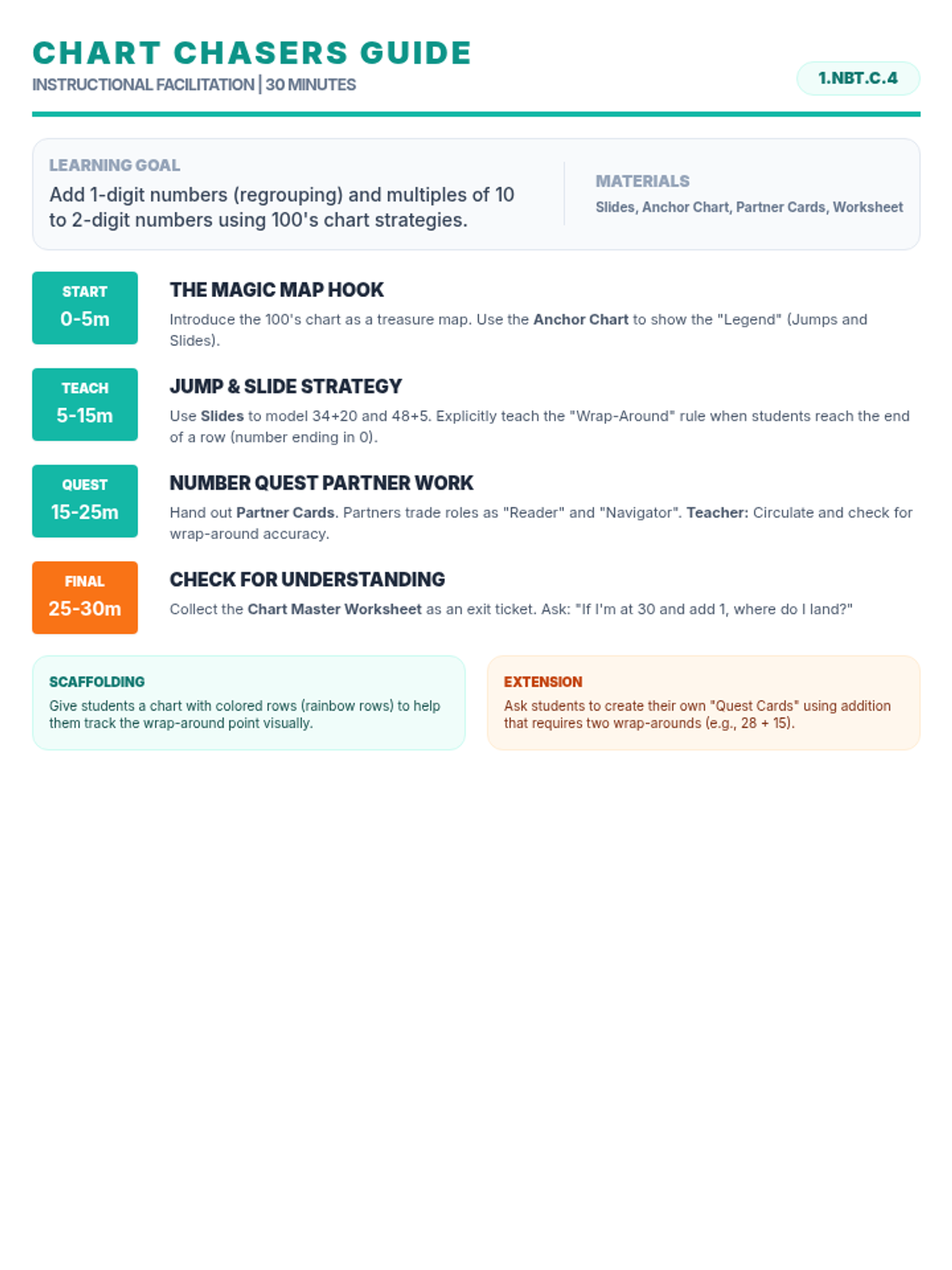
A 30-minute lesson teaching students how to use a 100's chart to add two-digit numbers, focusing on 2-digit + 1-digit with regrouping and 2-digit + multiples of 10. Students will learn the 'Jump and Slide' method for navigating the chart.
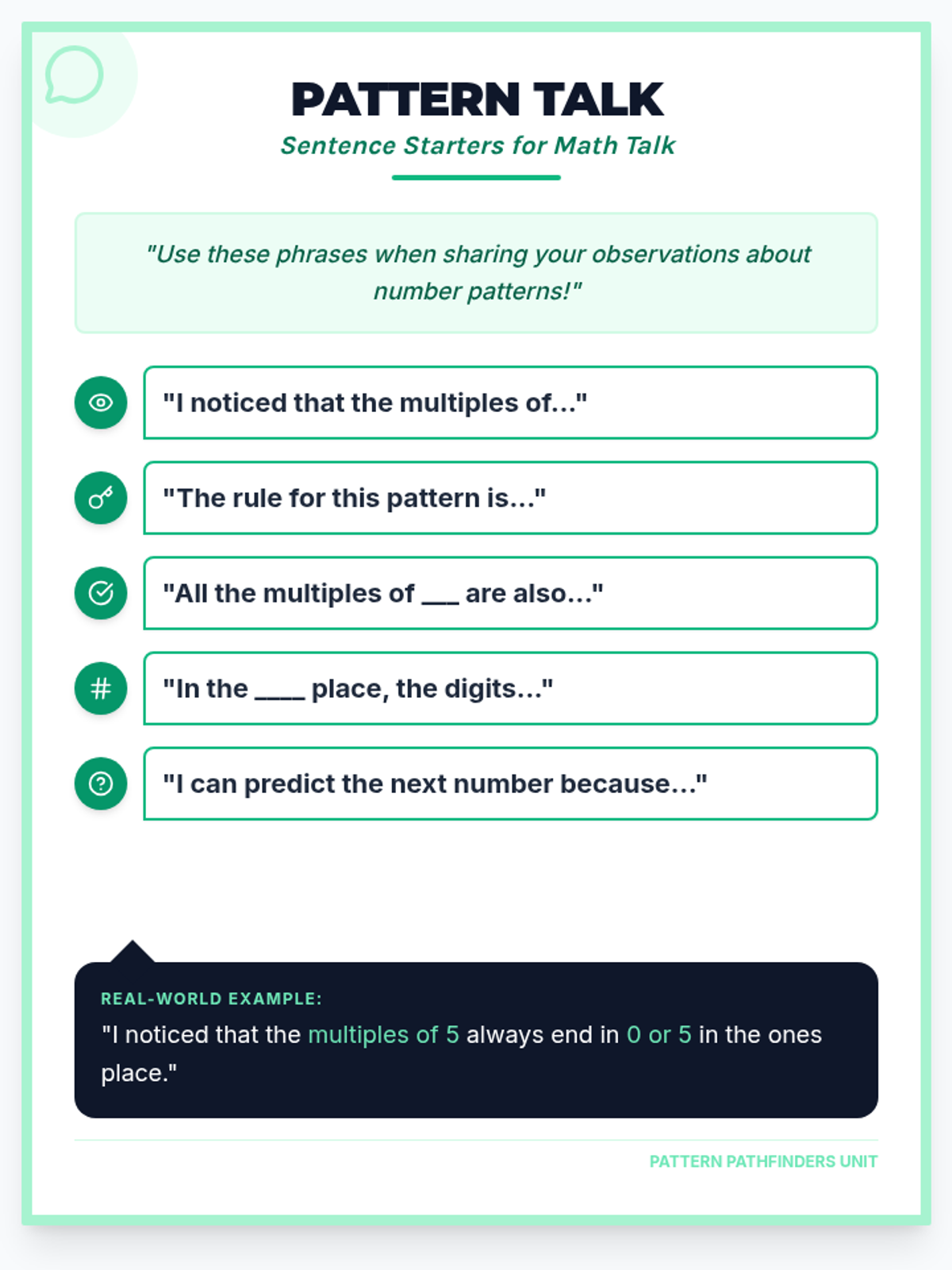
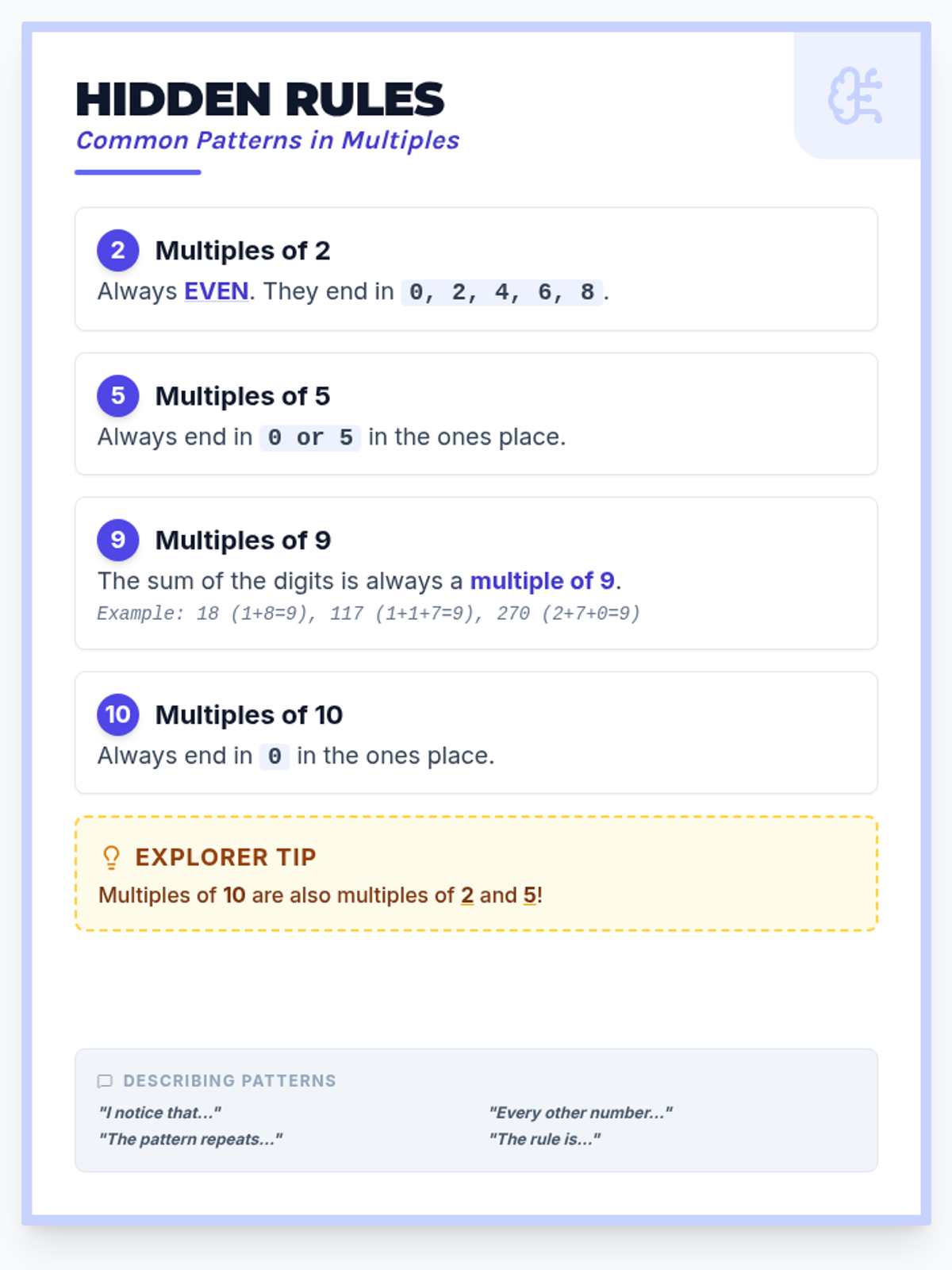
A set of anchor charts and reference materials for 4th Grade students to explore, identify, and describe mathematical patterns within multiples.
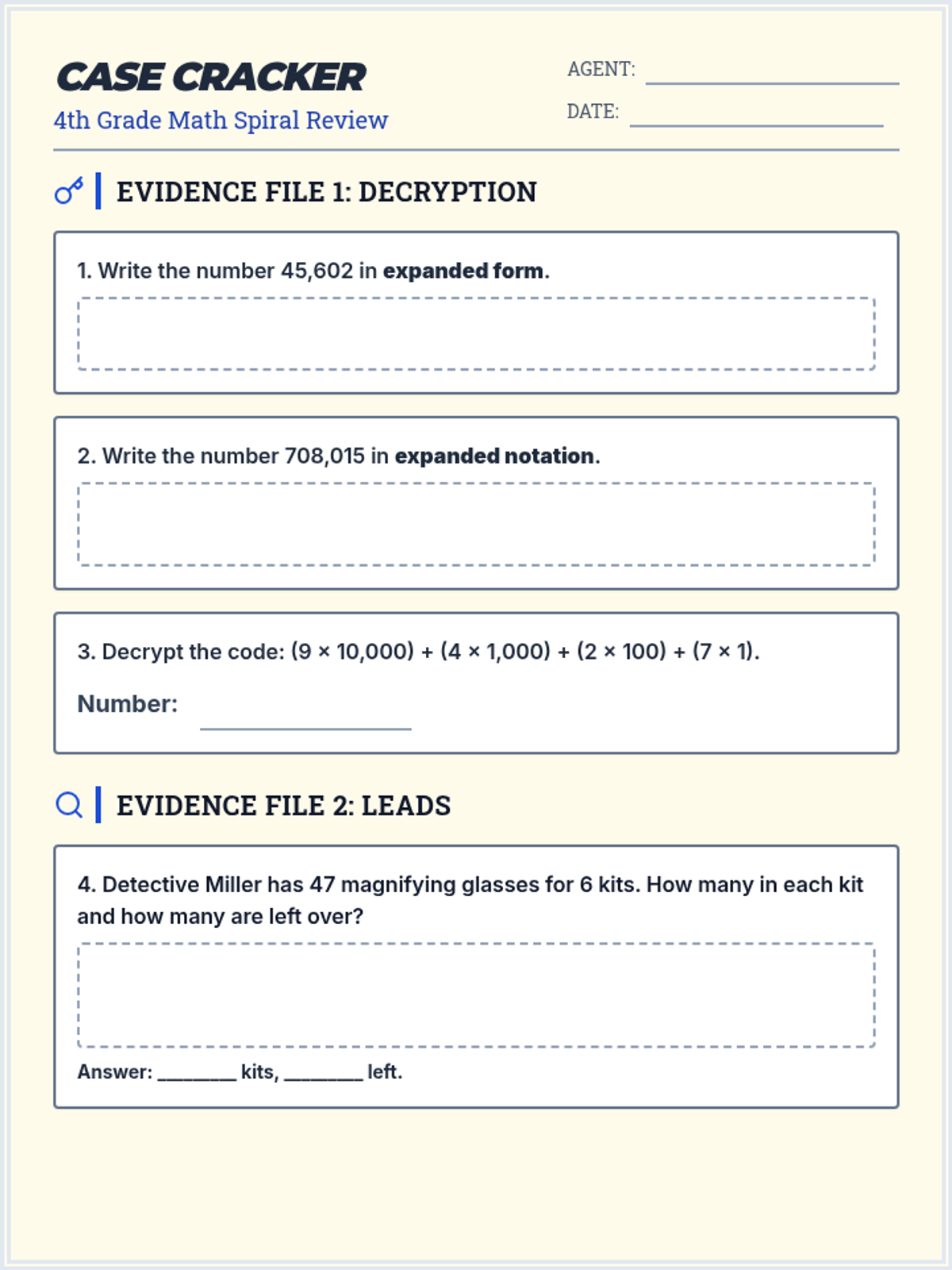
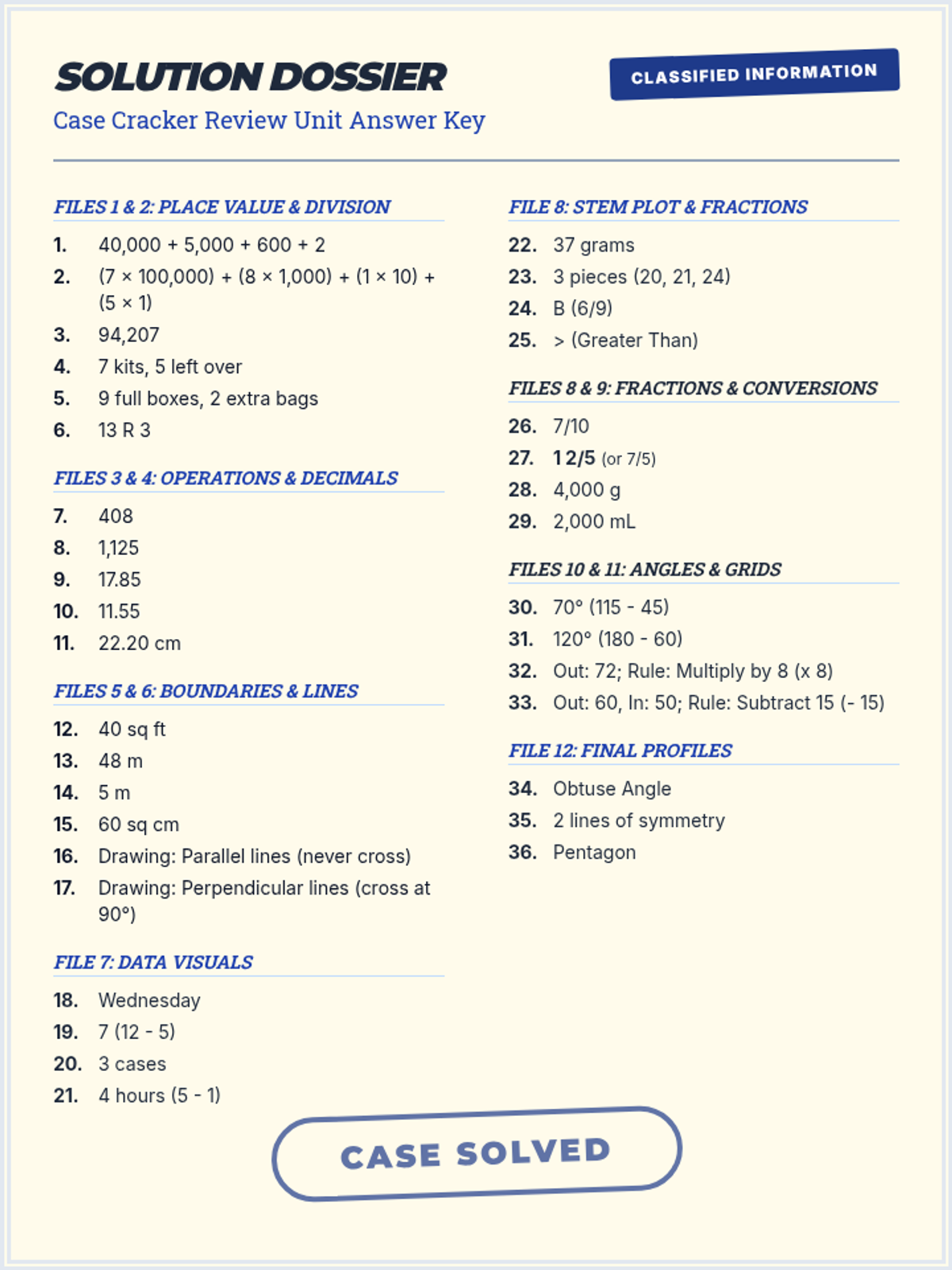
A comprehensive spiral review of 4th-grade math standards presented as a detective mystery. Students solve place value, operations, fractions, measurement, and geometry problems to crack the cases.
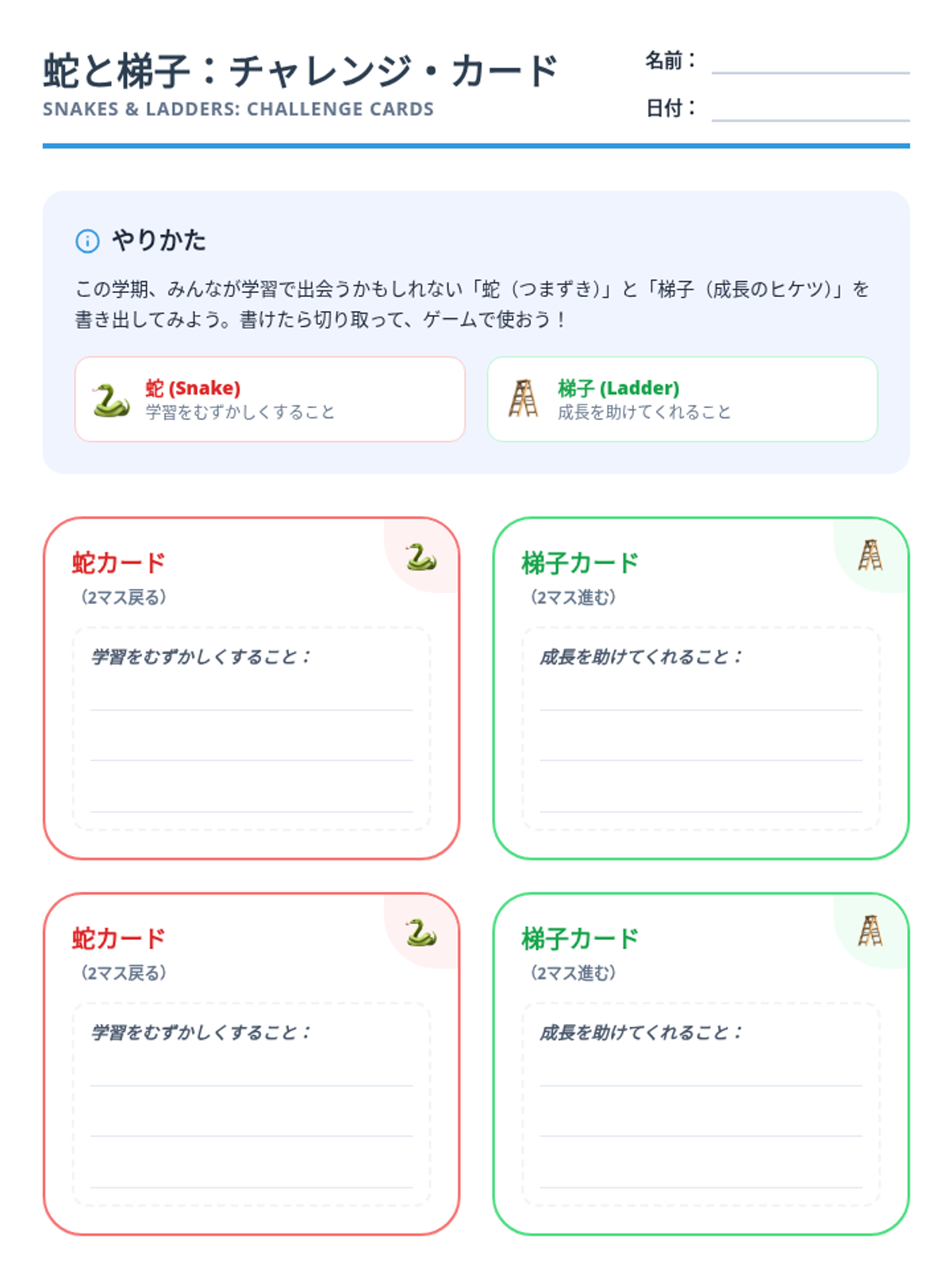
A Japanese social-emotional learning lesson using the 'Snakes and Ladders' game as a metaphor for classroom setbacks and growth mindset strategies.
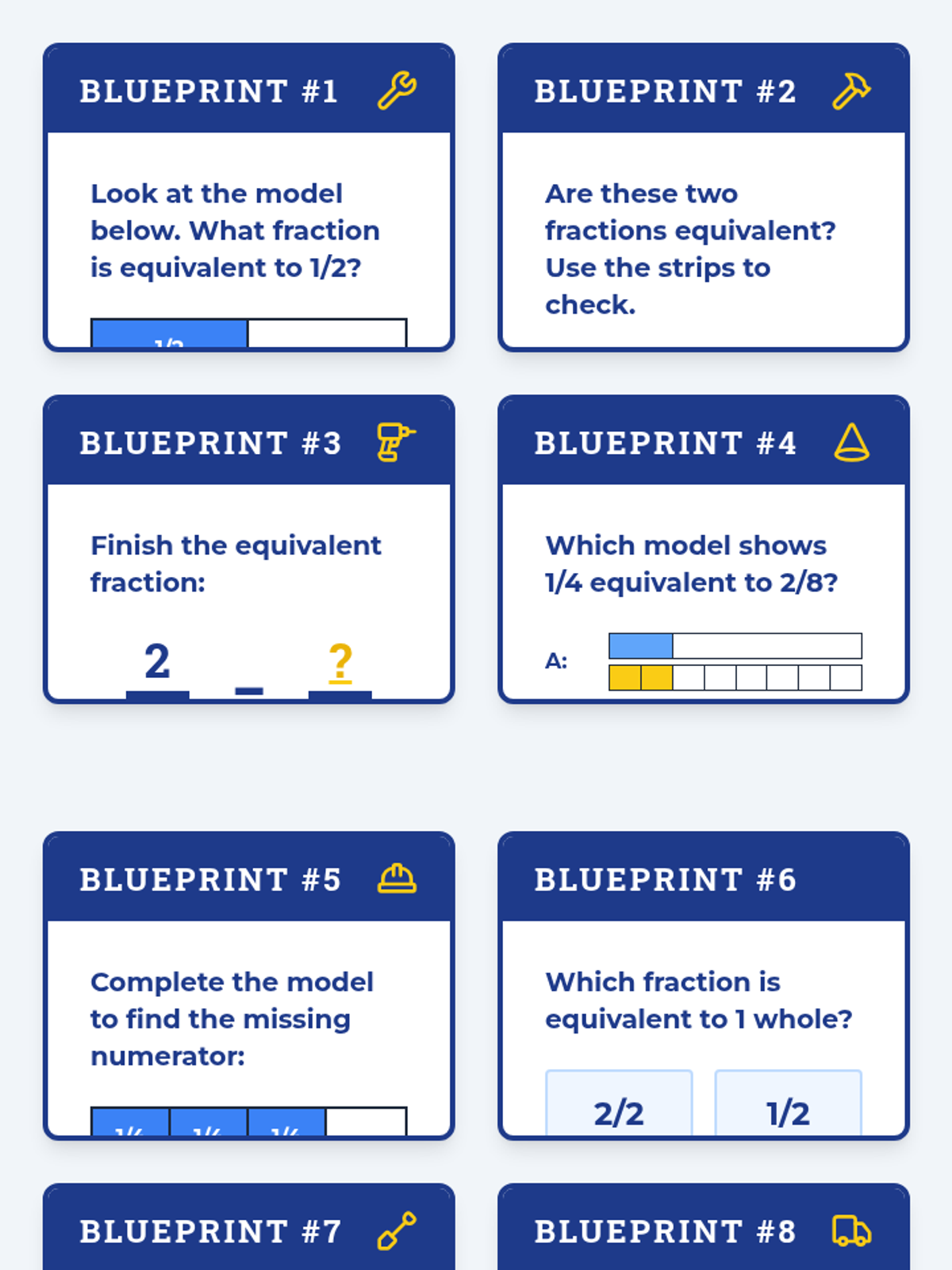
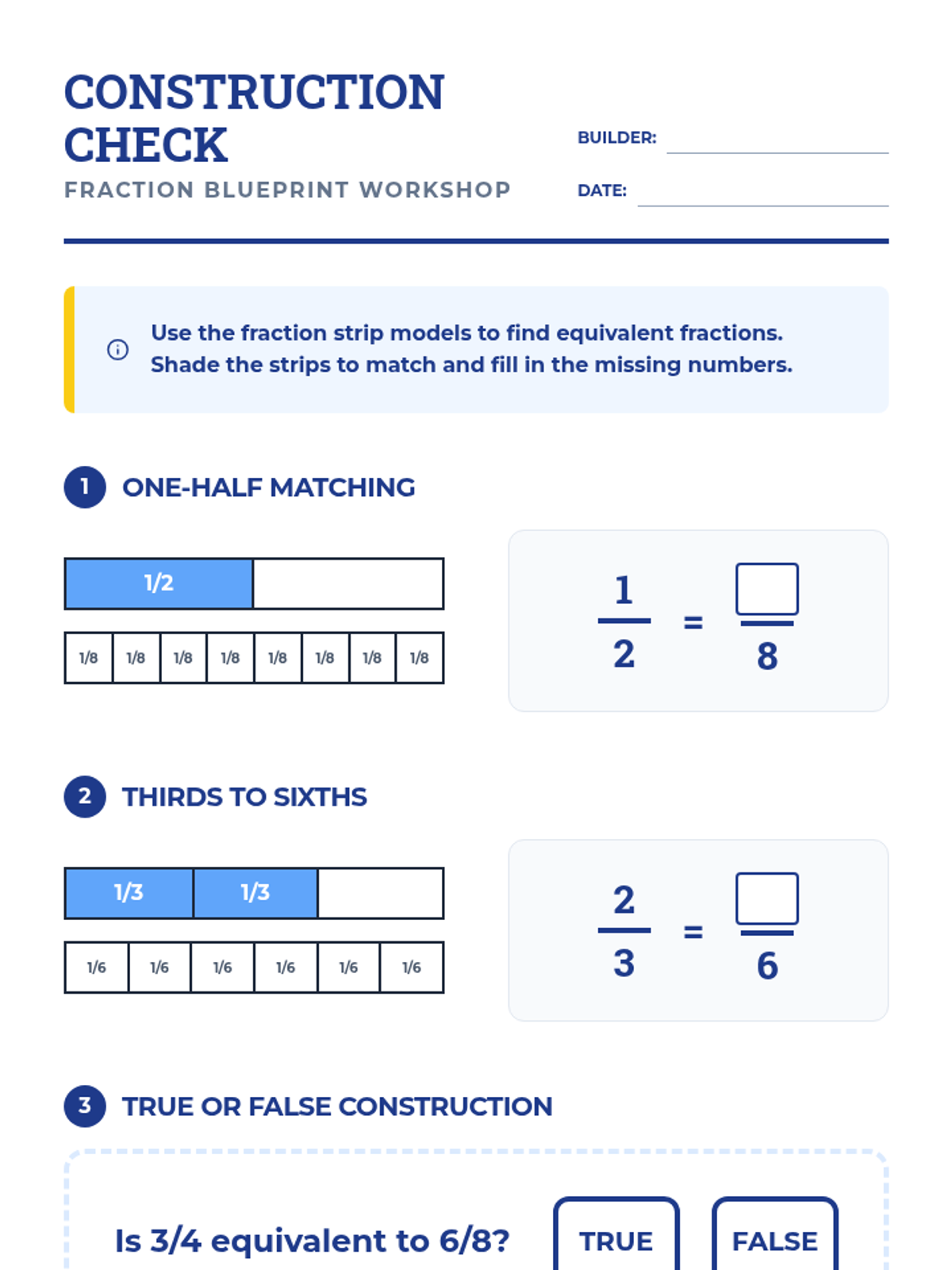
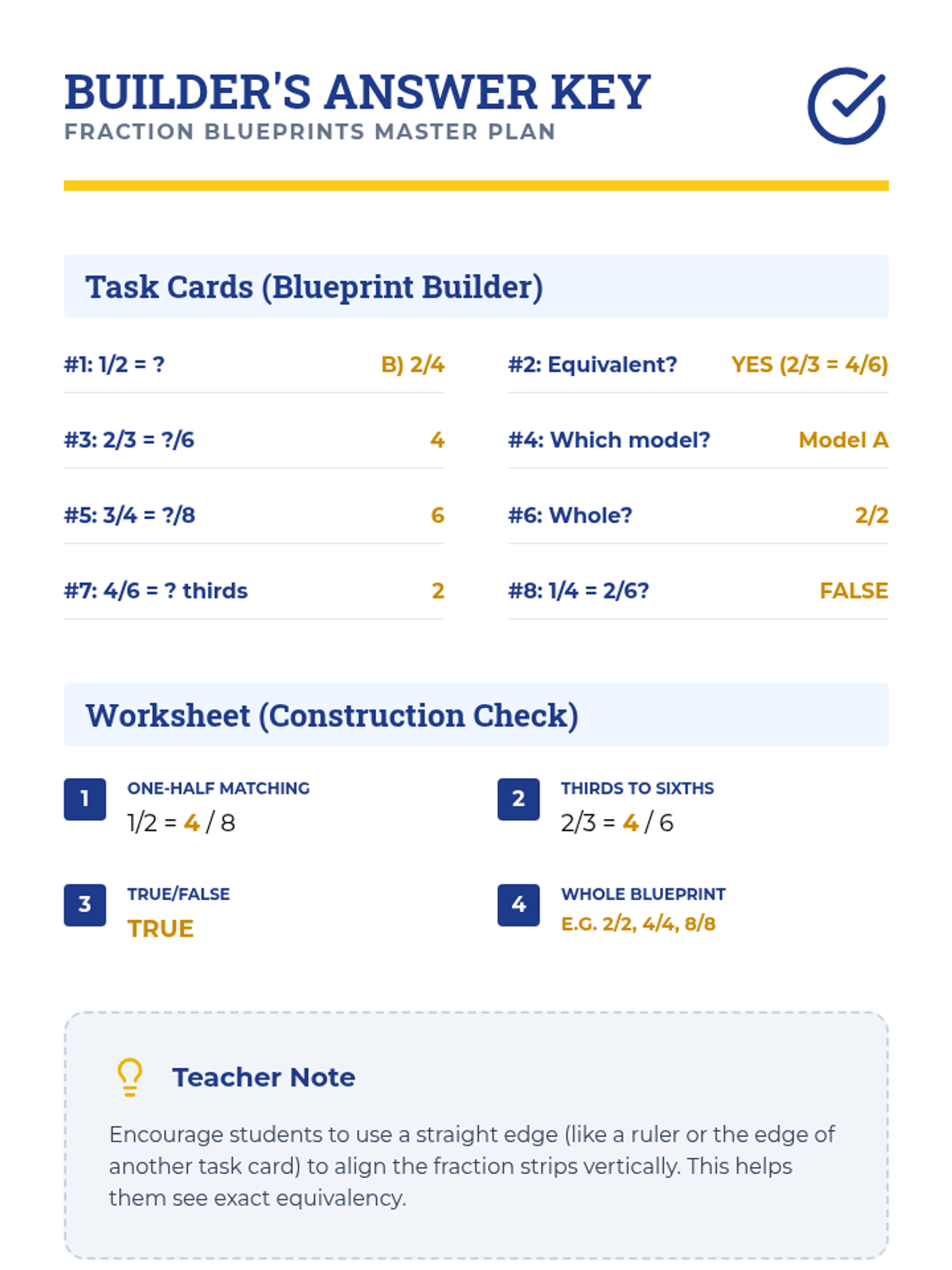
A lesson focusing on identifying and generating equivalent fractions using visual fraction strip models, styled with a fun blueprint and construction theme.

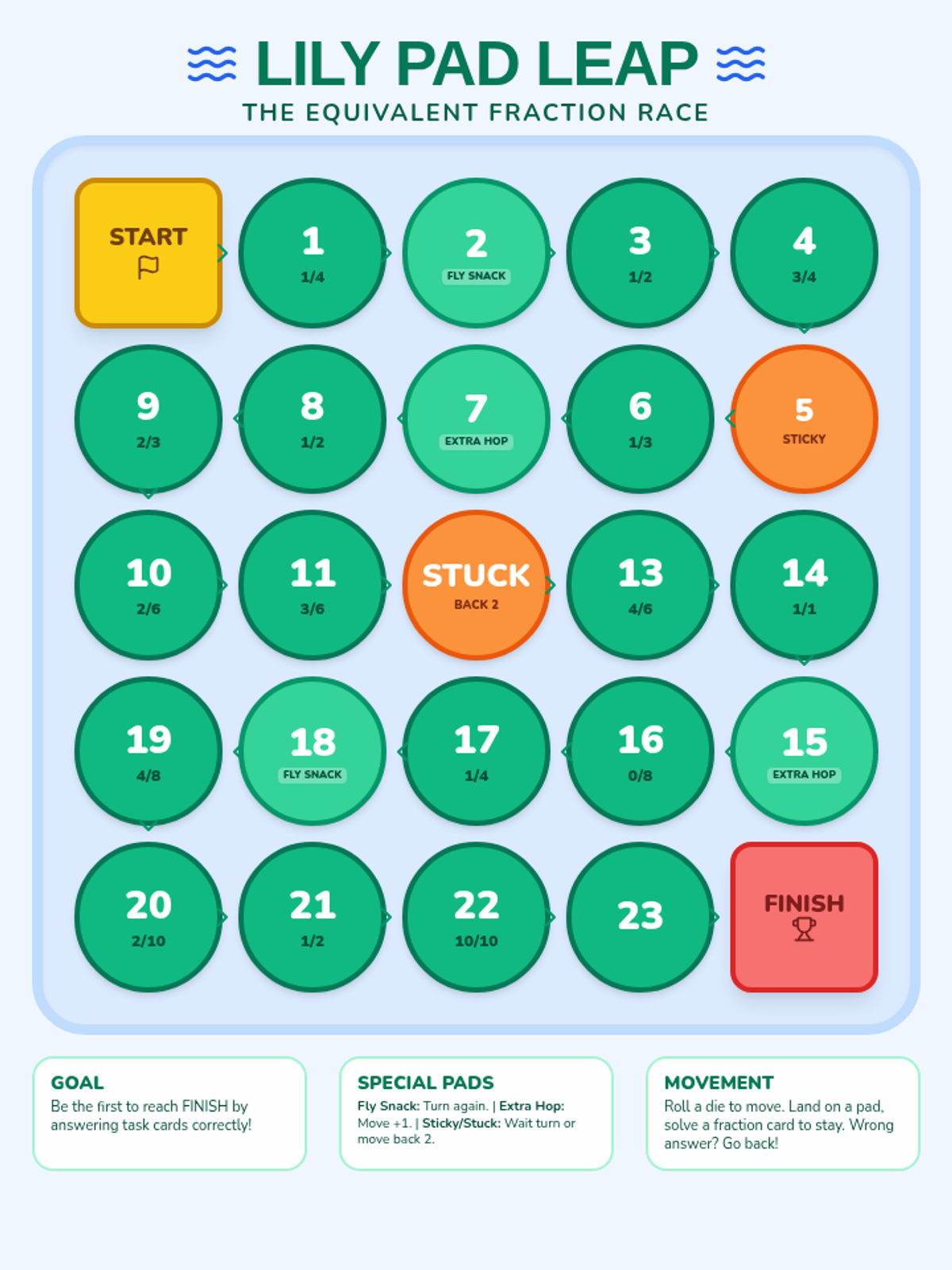
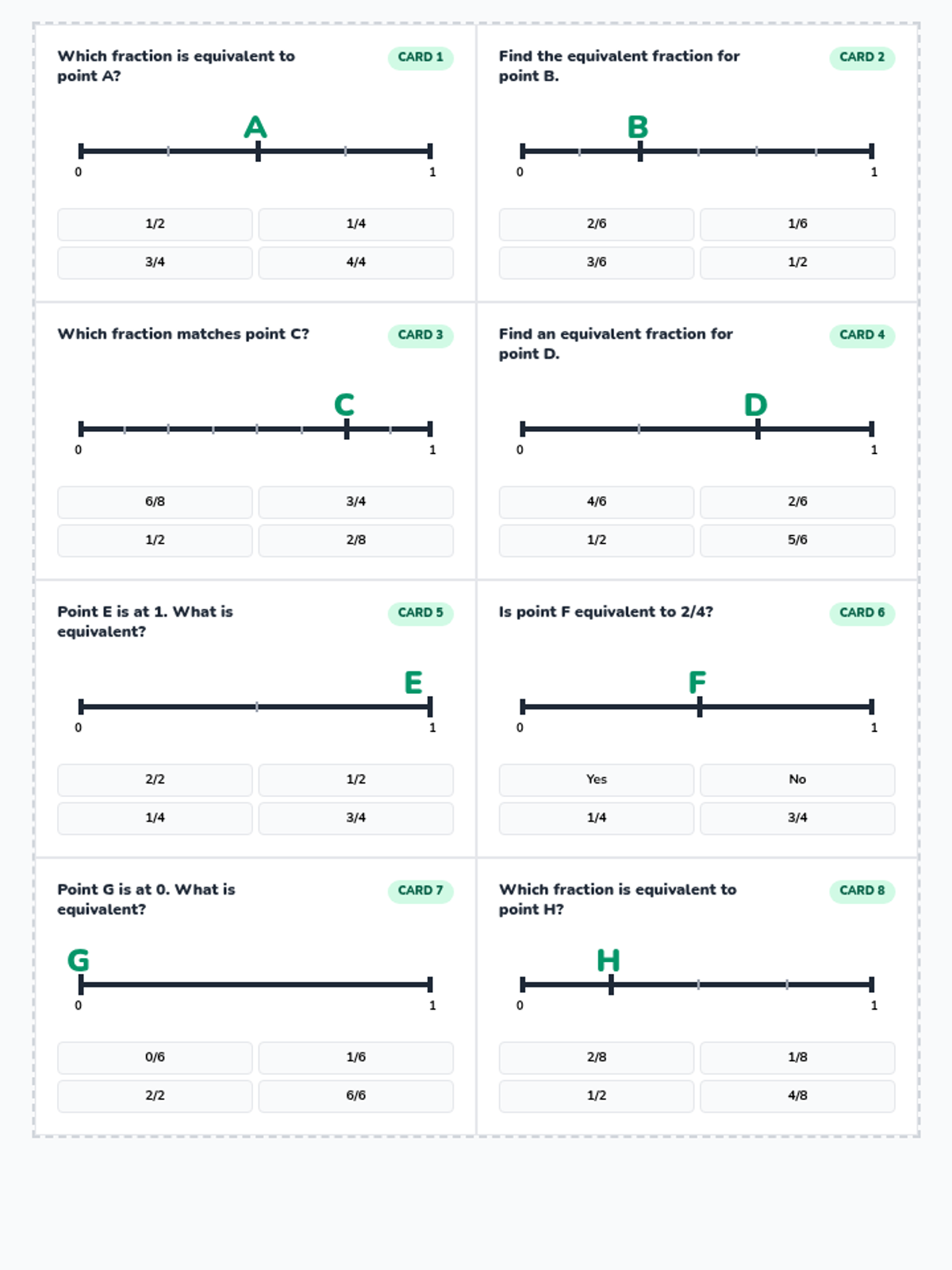
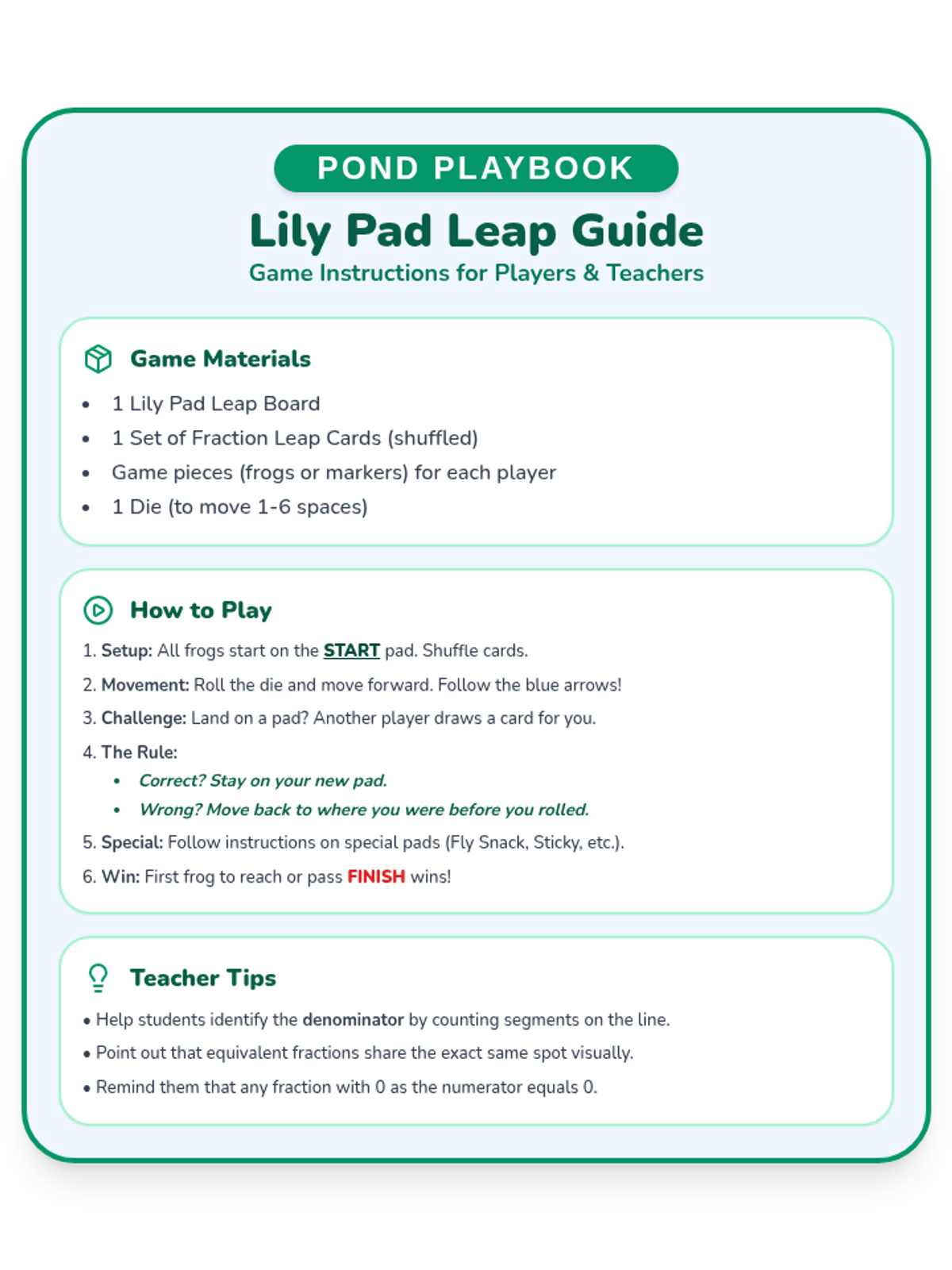
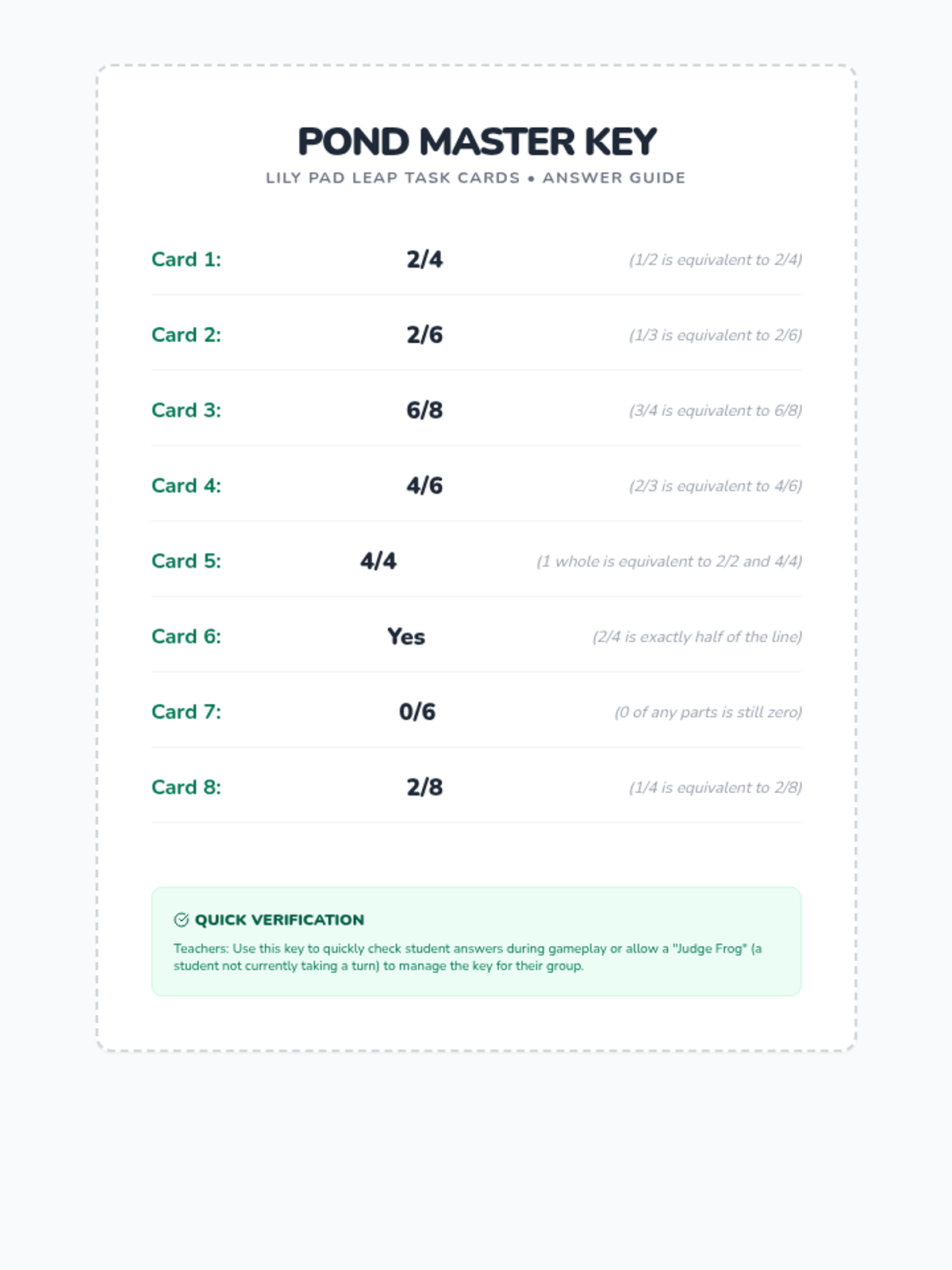
A fun, frog-themed board game and task card set designed to help third graders master equivalent fractions using number lines. Students navigate a pond-themed board by solving fraction challenges that require identifying and comparing points on number lines.
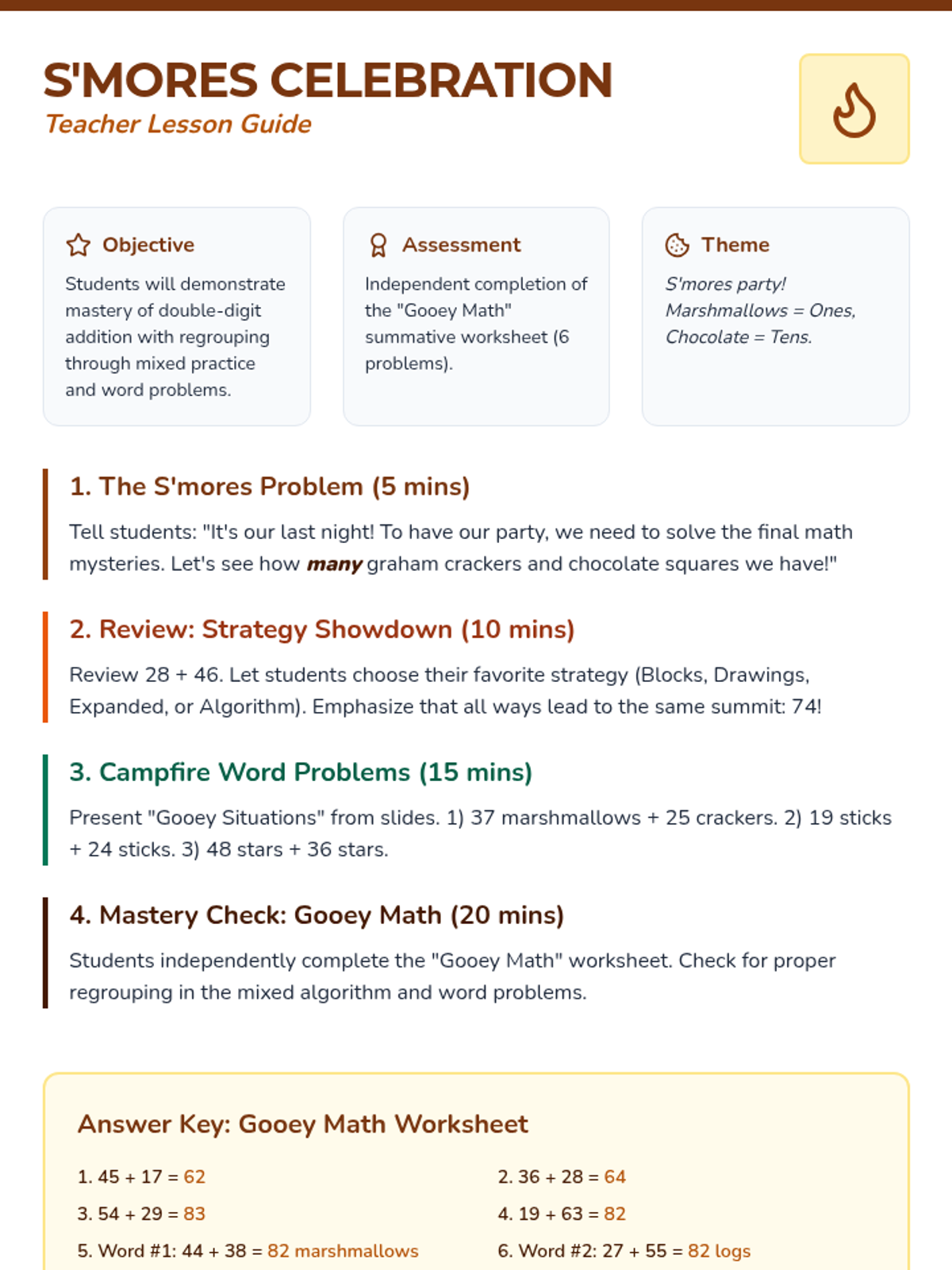
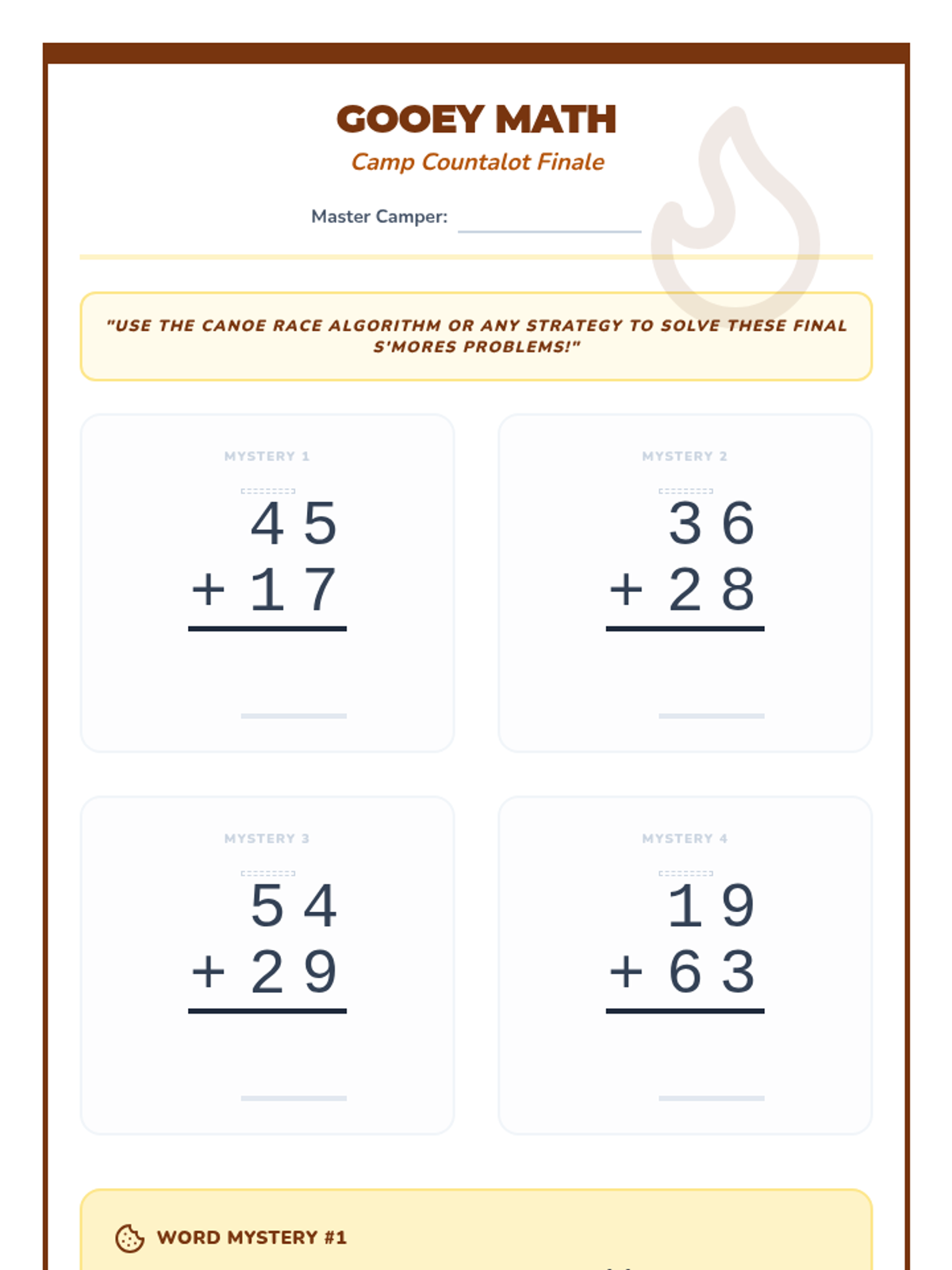
A culminating lesson where students apply their addition skills to solve summer camp word problems and mixed practice.
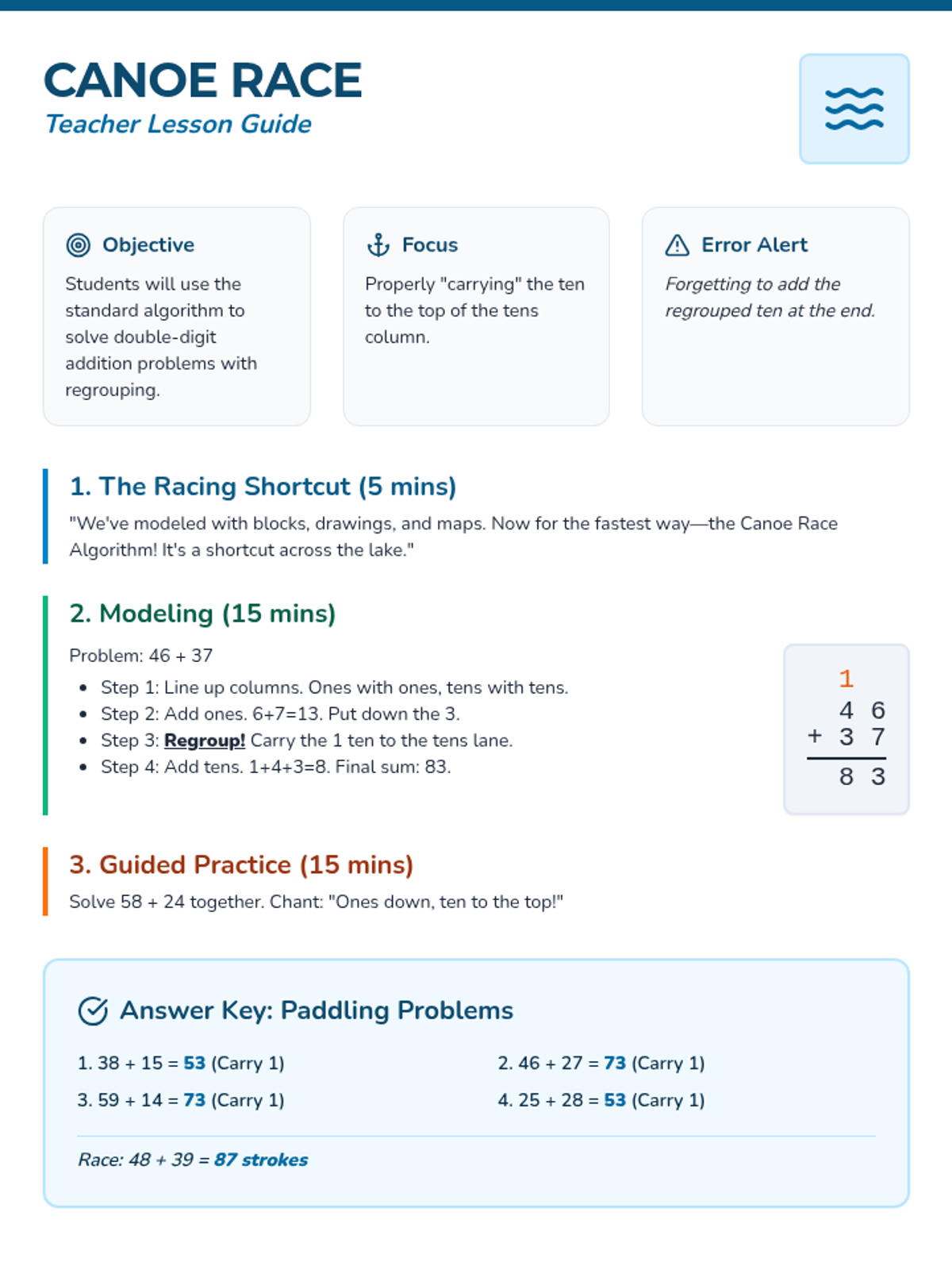
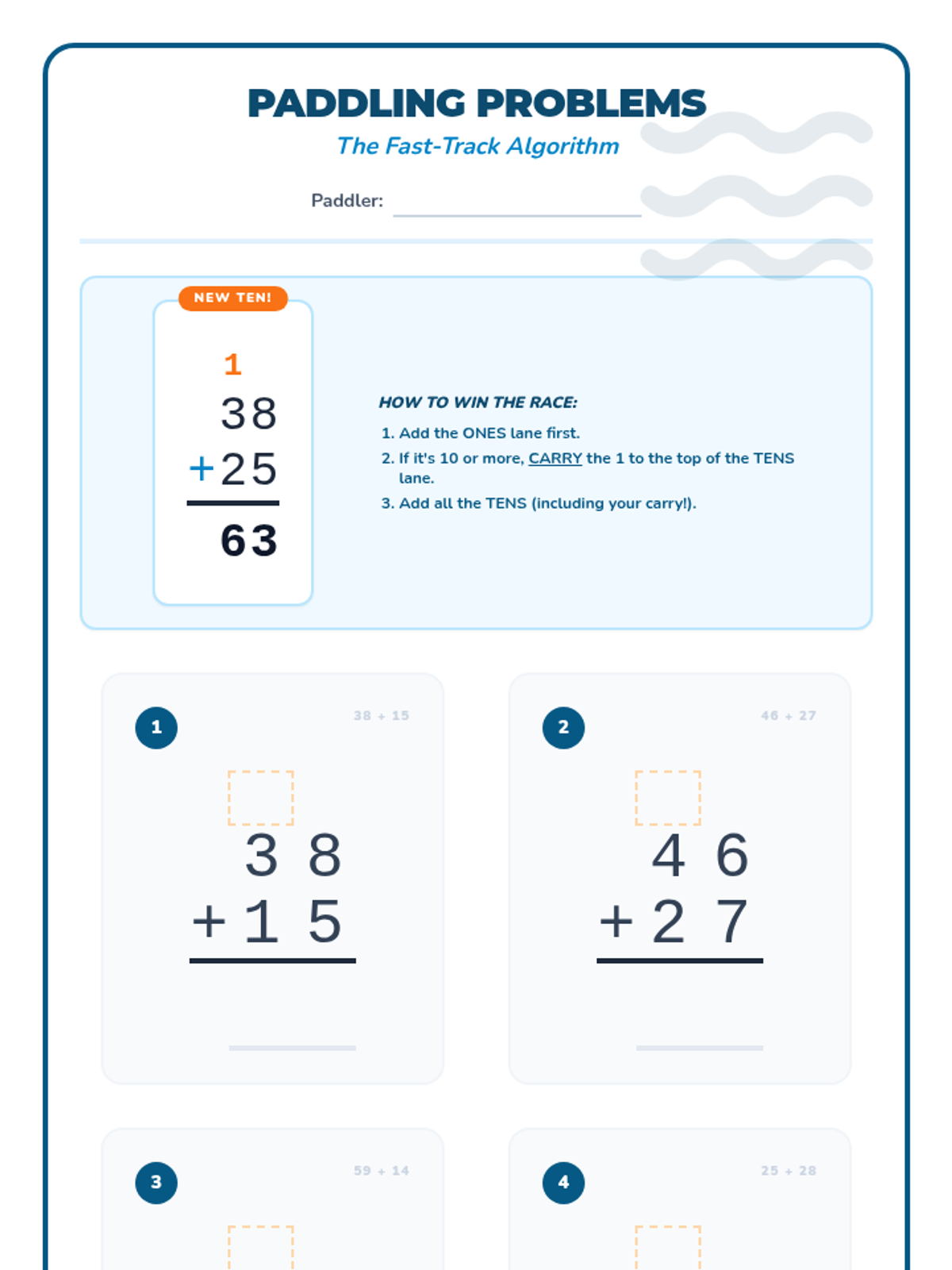
Students learn the standard algorithm for double-digit addition, focusing on correctly placing the 'carried' ten.
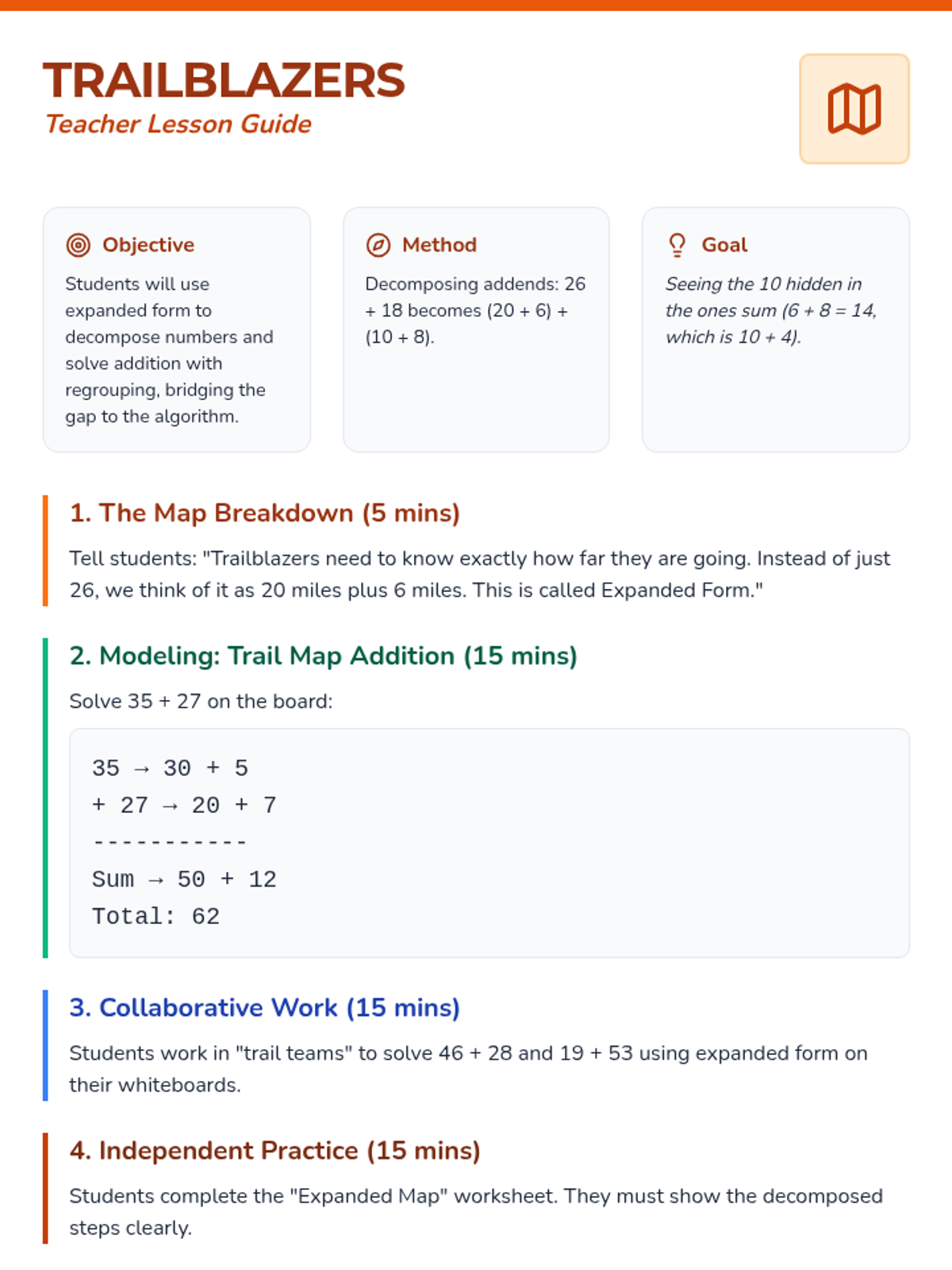
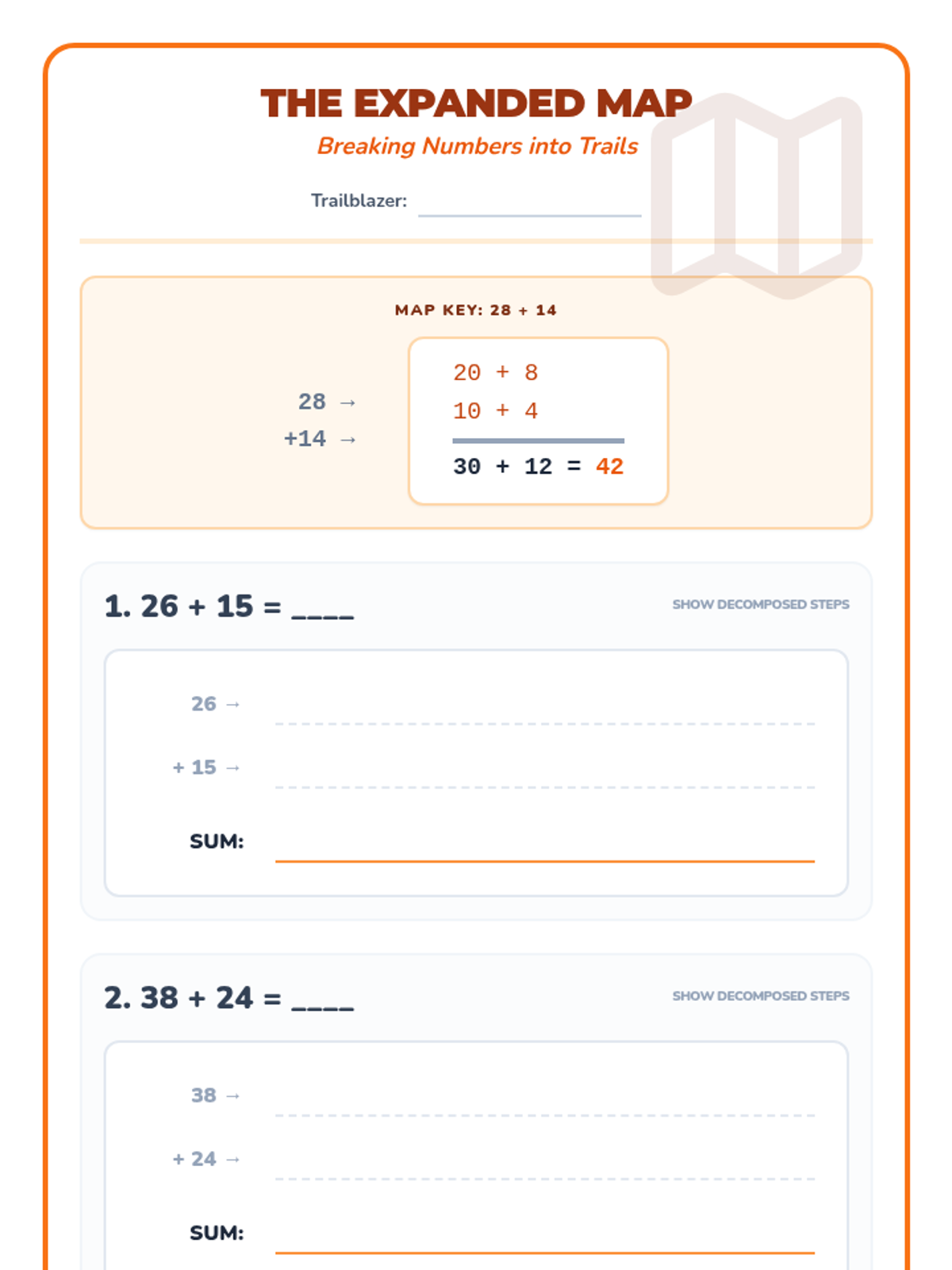
Students use expanded form to break down numbers and regroup sums, bridging the gap between drawings and the standard algorithm.
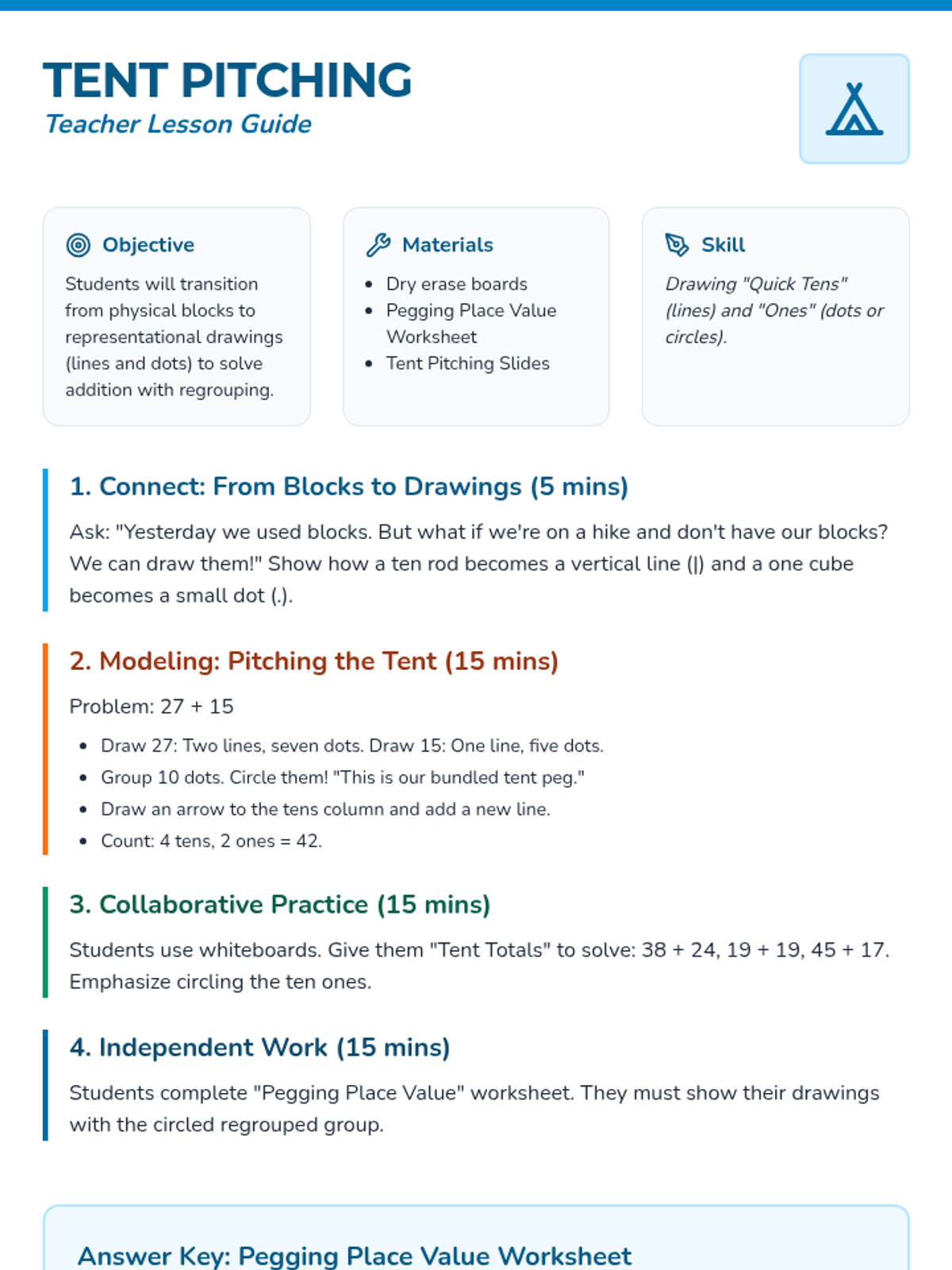
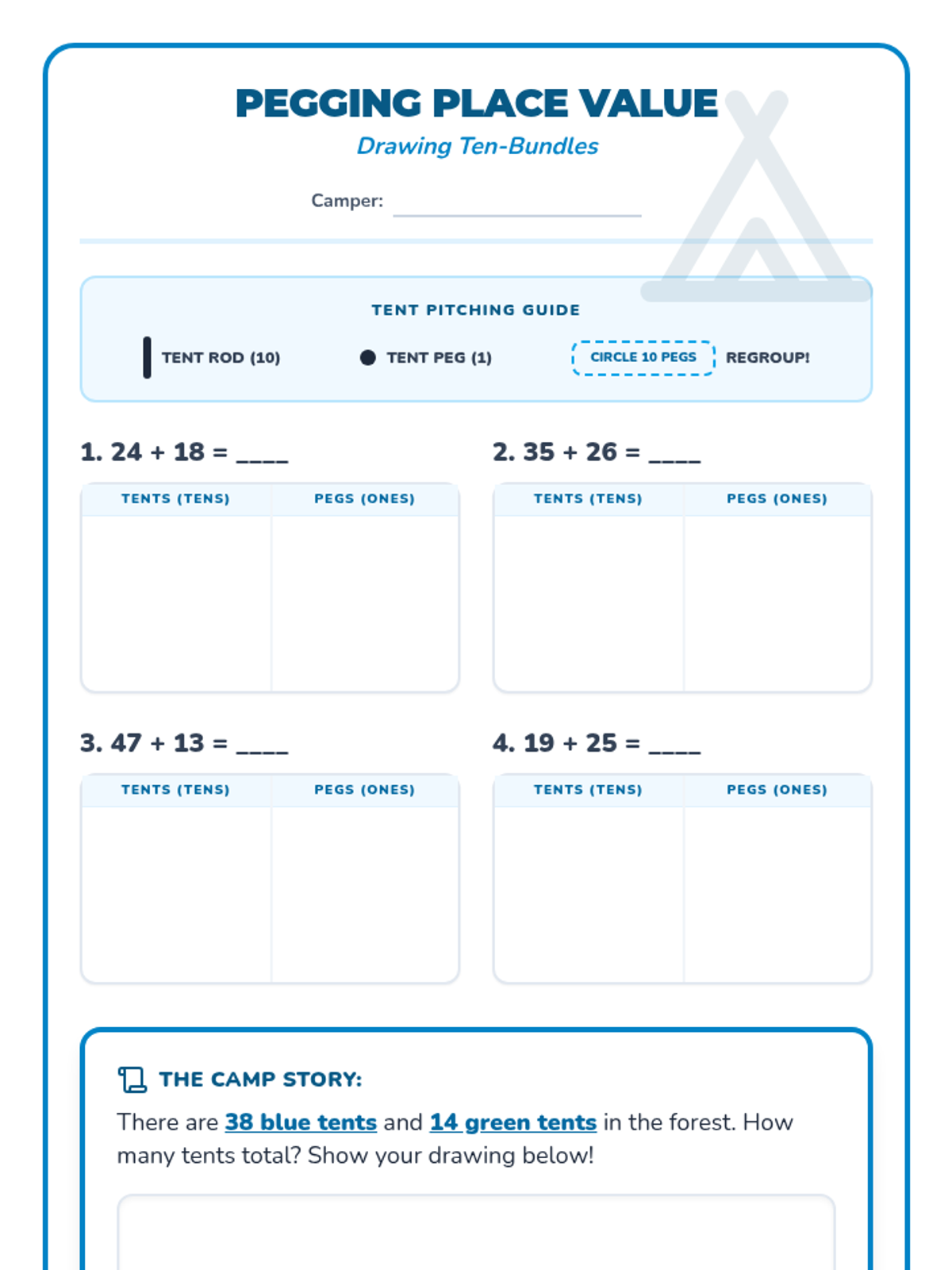
Students transition from physical blocks to drawing place value representations to solve addition problems with regrouping.
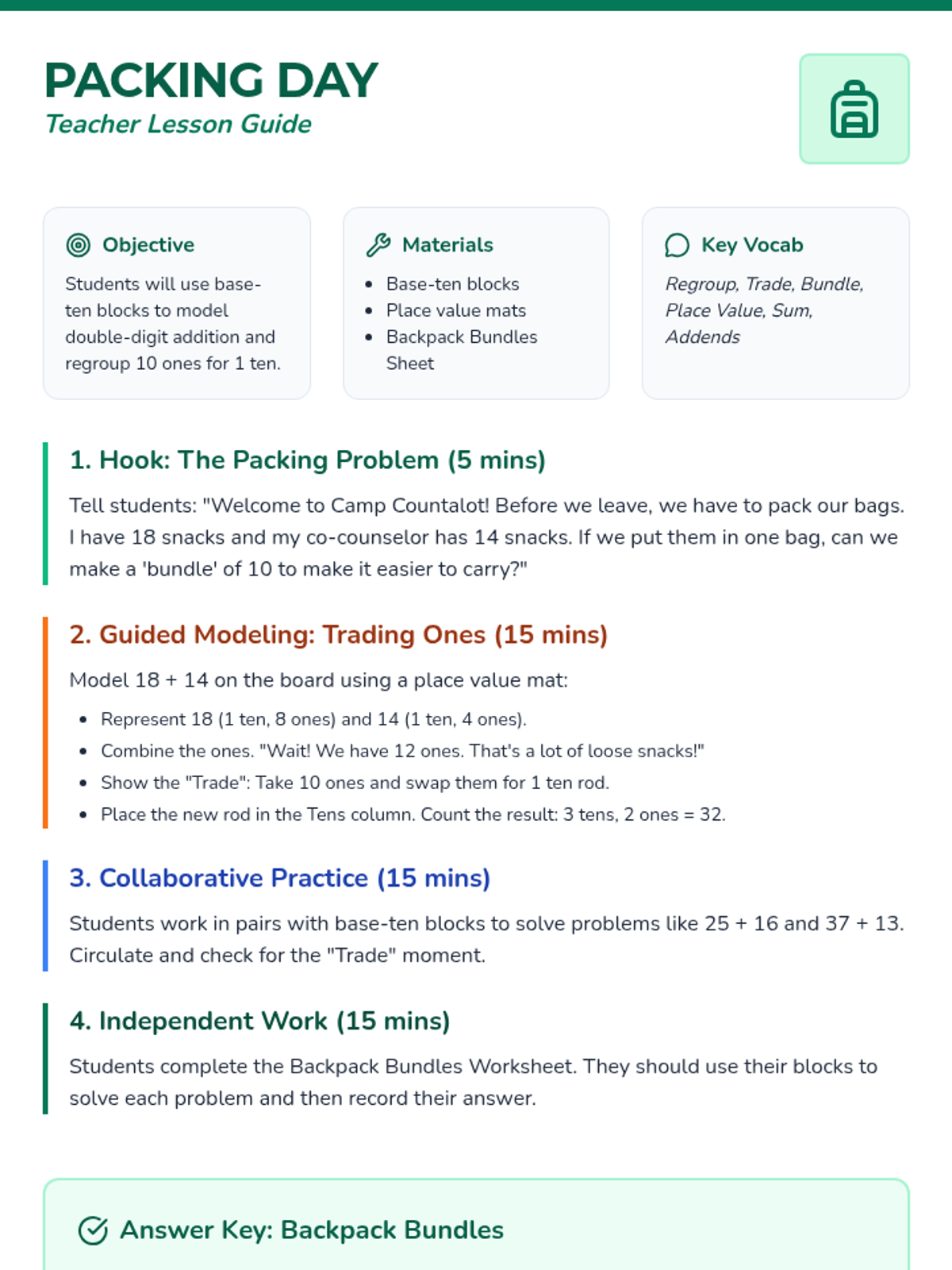
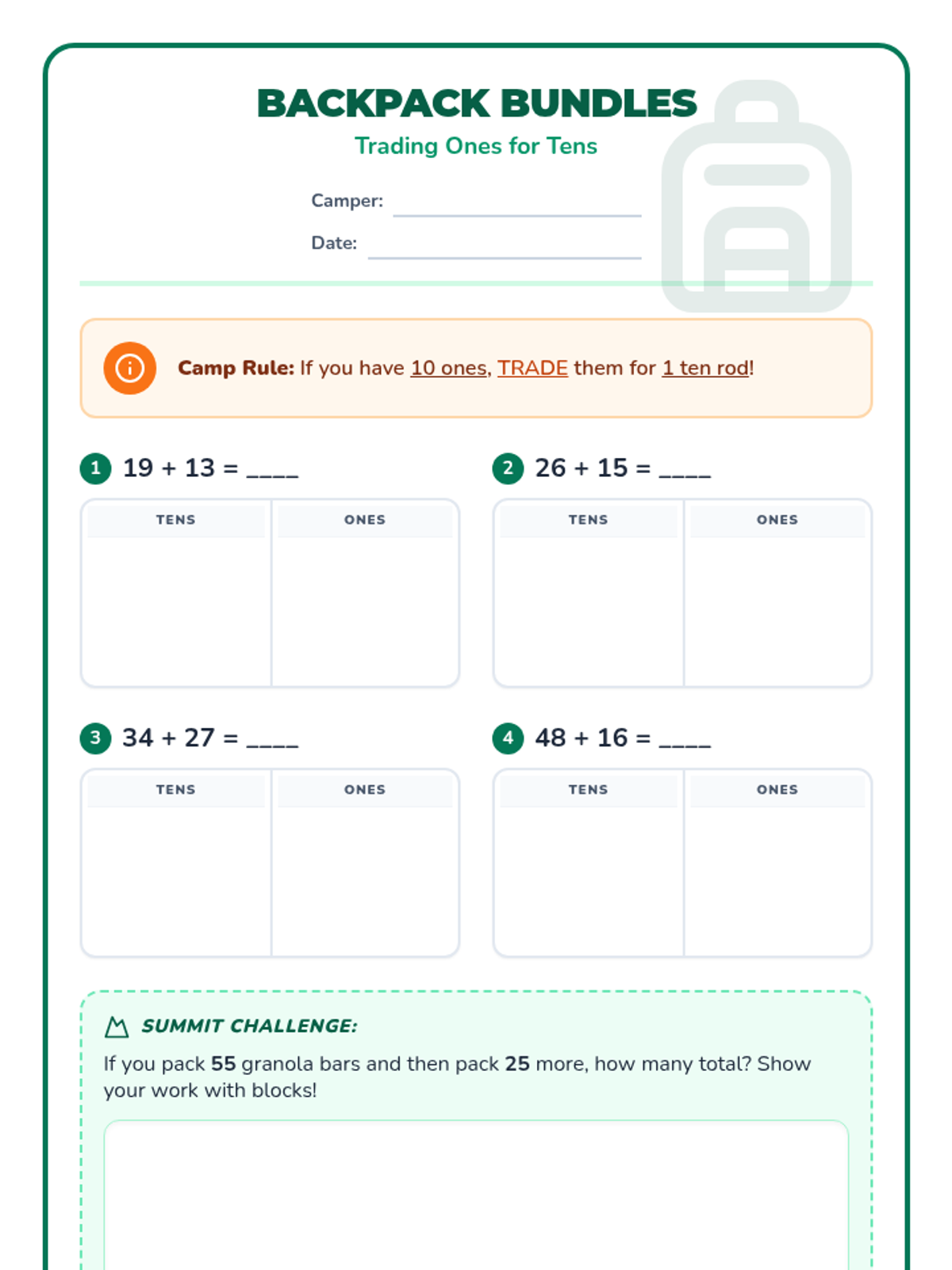
Students use base-ten blocks to model addition and practice 'trading' 10 ones for 1 ten to understand the foundation of regrouping.