Students investigate how authors identify their target audience and scaffold complex information to build a 'ladder of understanding'.
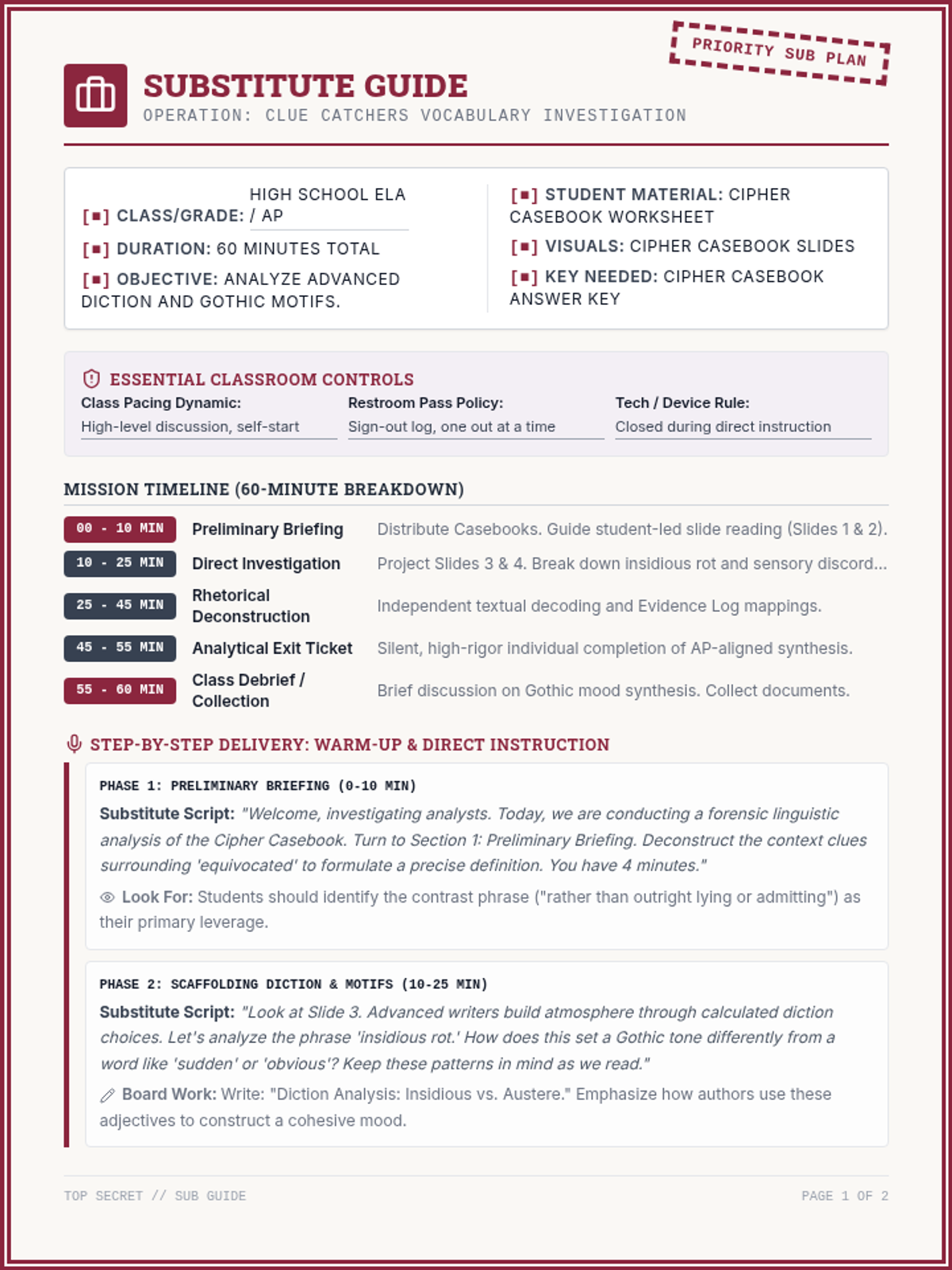
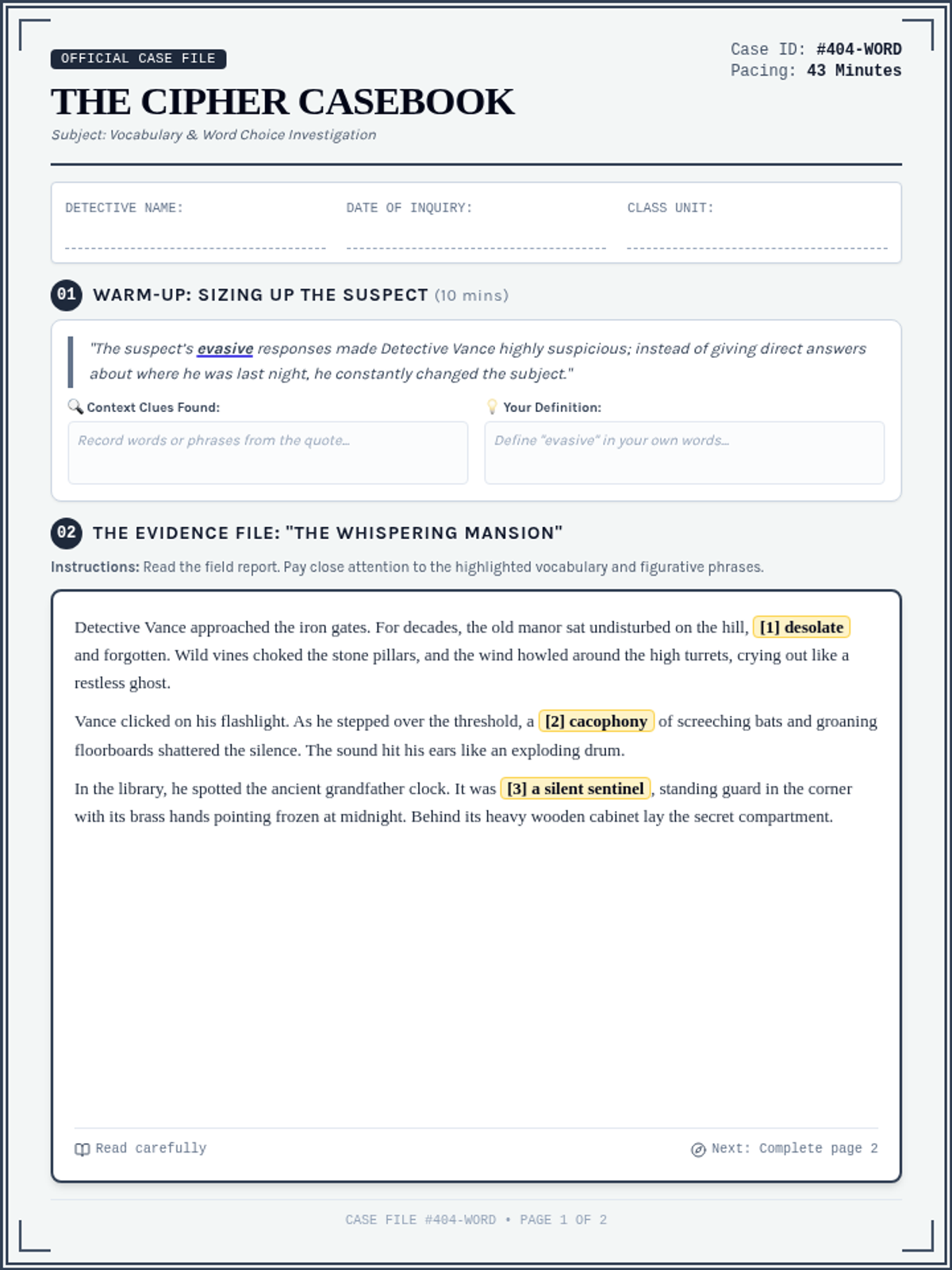
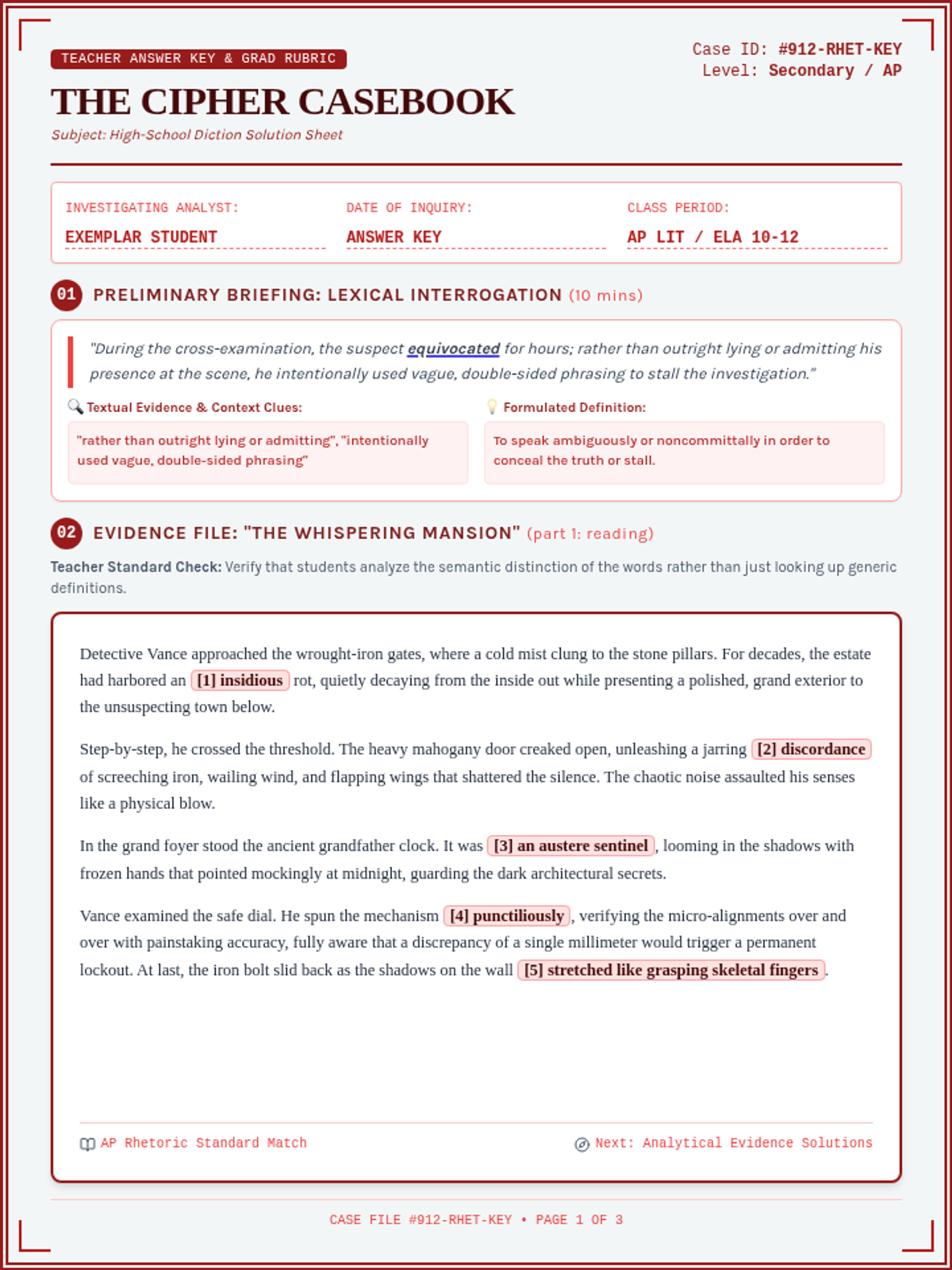
A 60-minute ELA lesson focused on decoding rich vocabulary and figurative language using context clues in a detective-themed investigation.
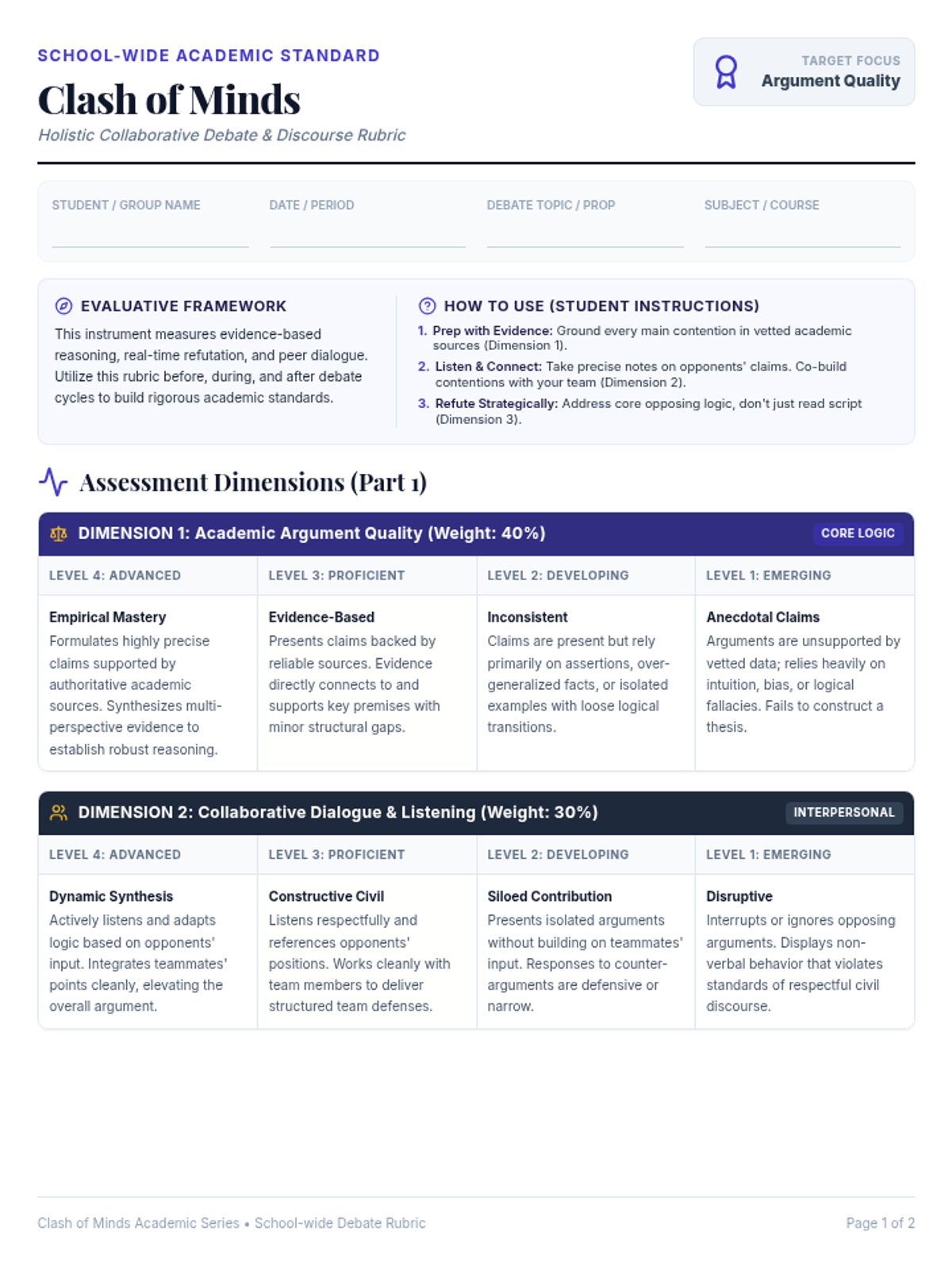
A foundational lesson containing frameworks and evaluative tools to support rigorous, evidence-based collaborative debate. It focuses on elevating academic argument quality, critical thinking, and respectful civil dialogue across different subjects and grade levels.
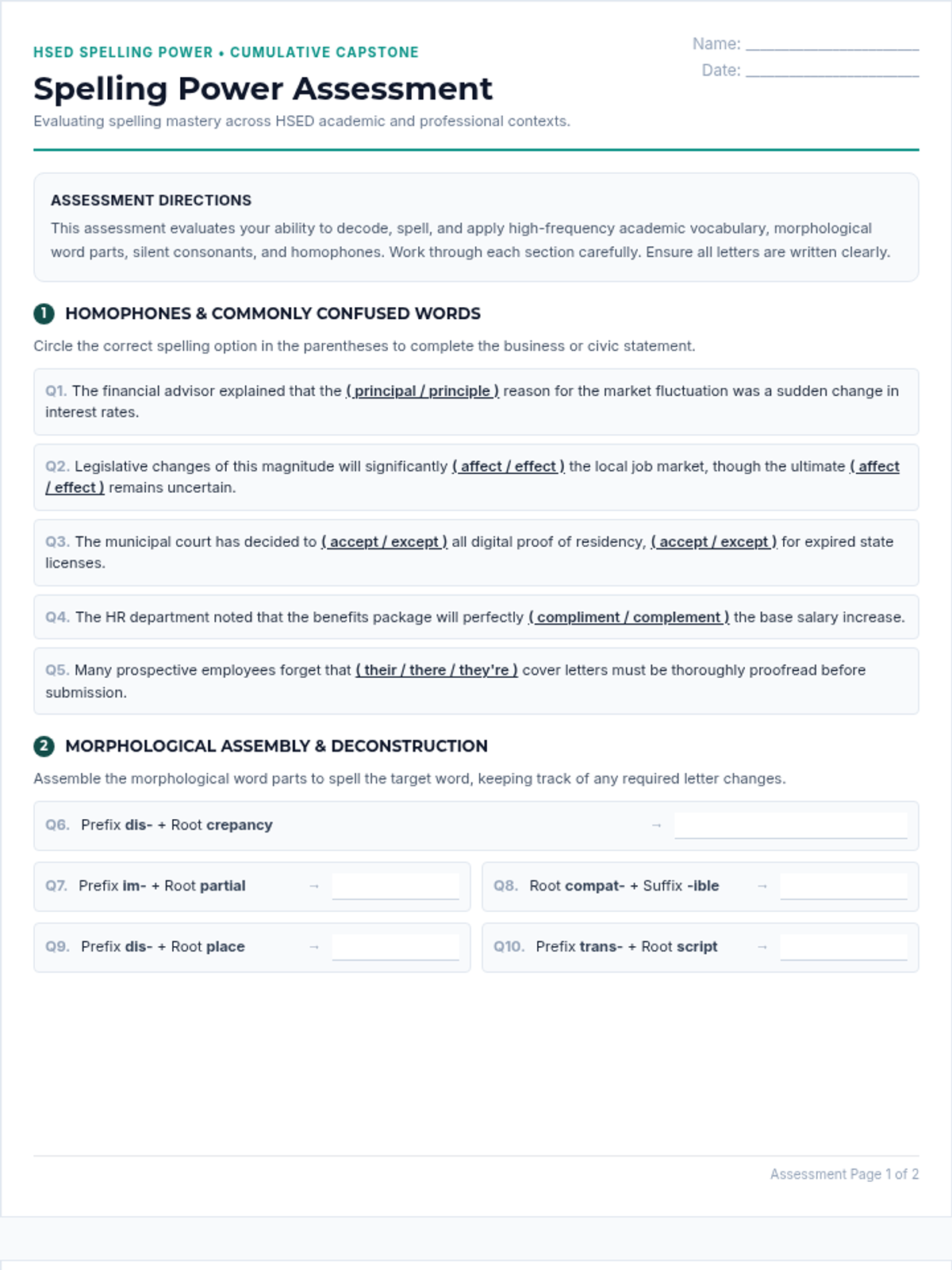
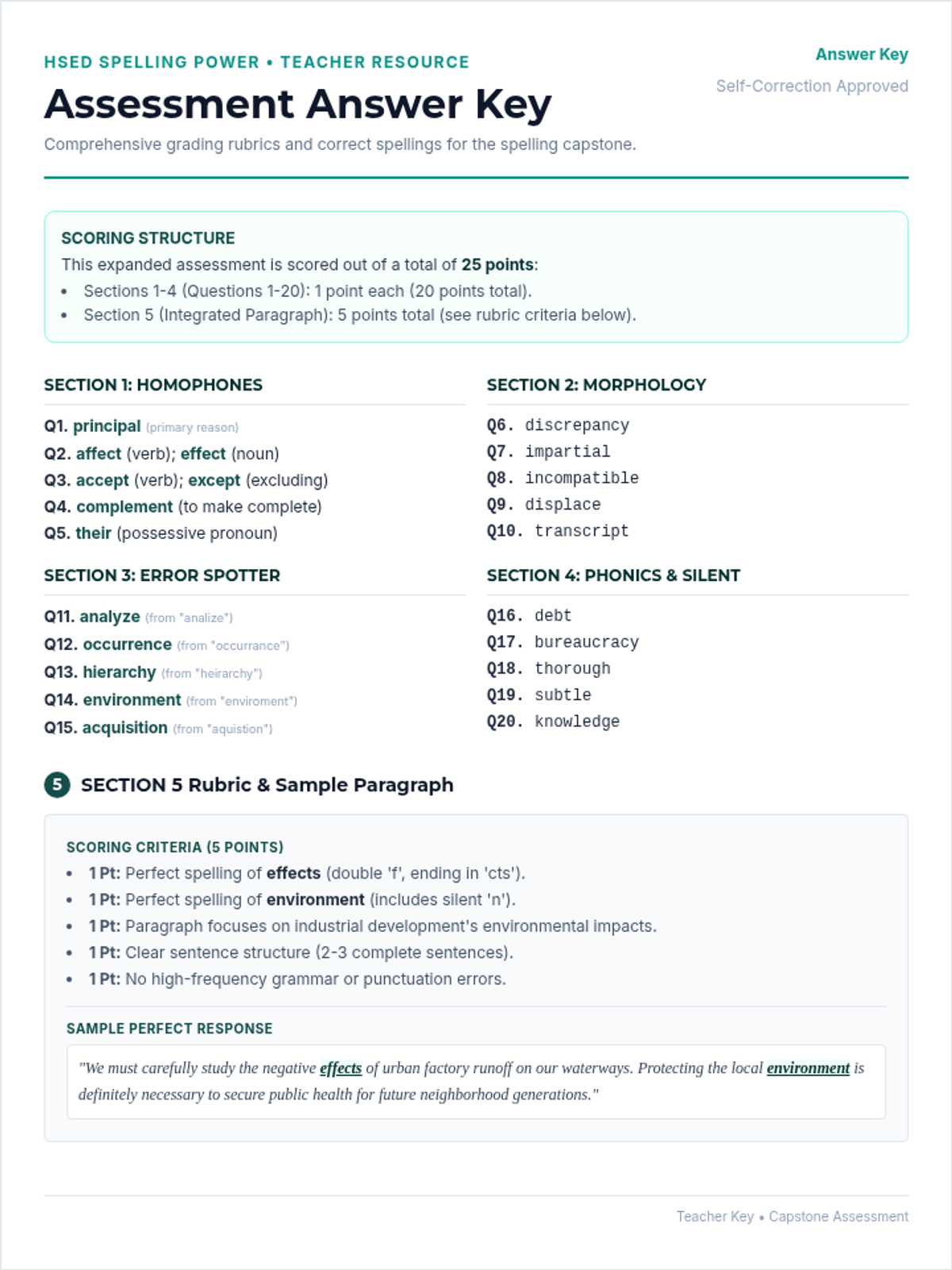
A cumulative final spelling assessment evaluating spelling proficiency across all four focus areas, designed to simulate high-stakes HSED language arts testing environments.
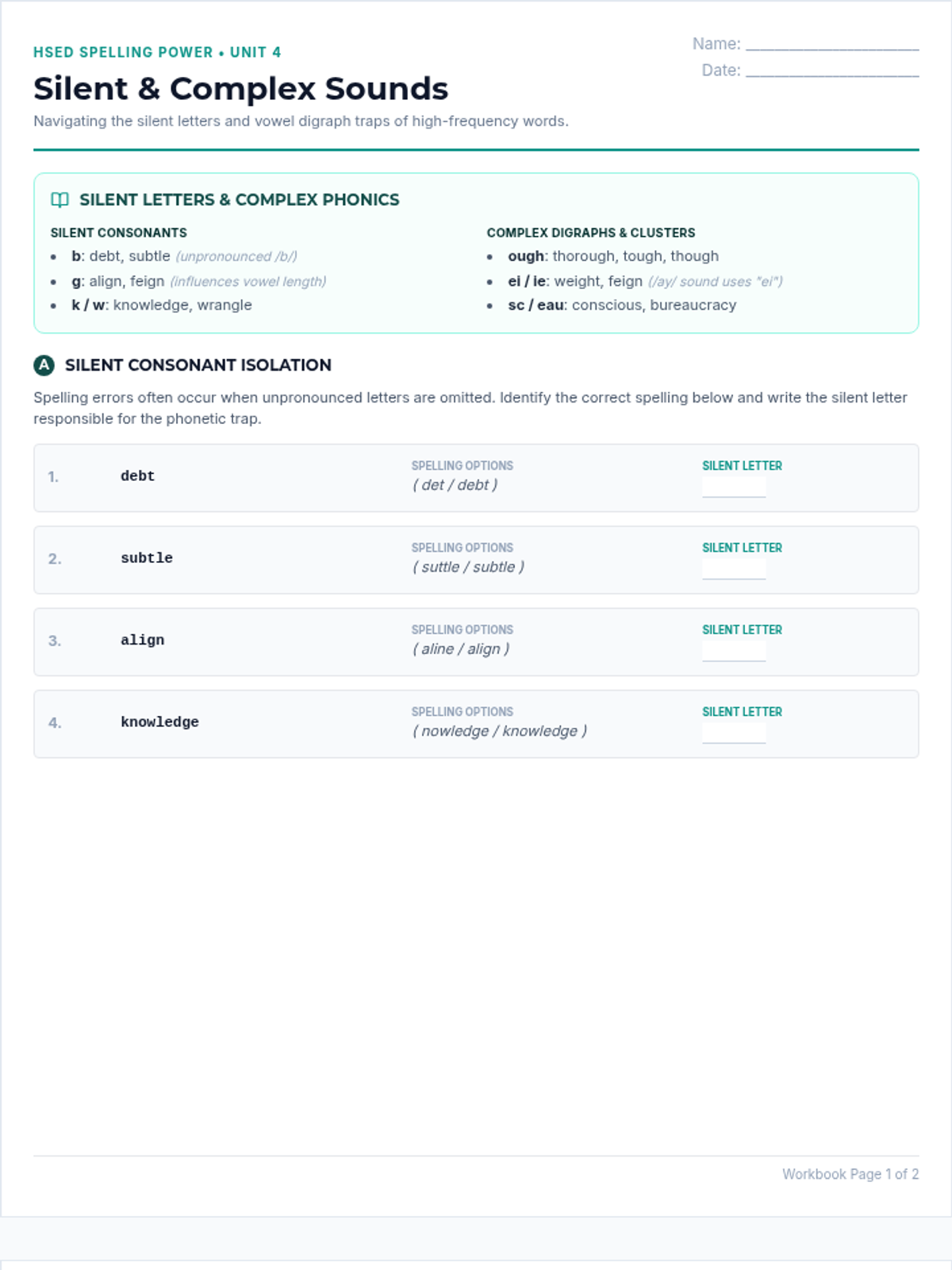
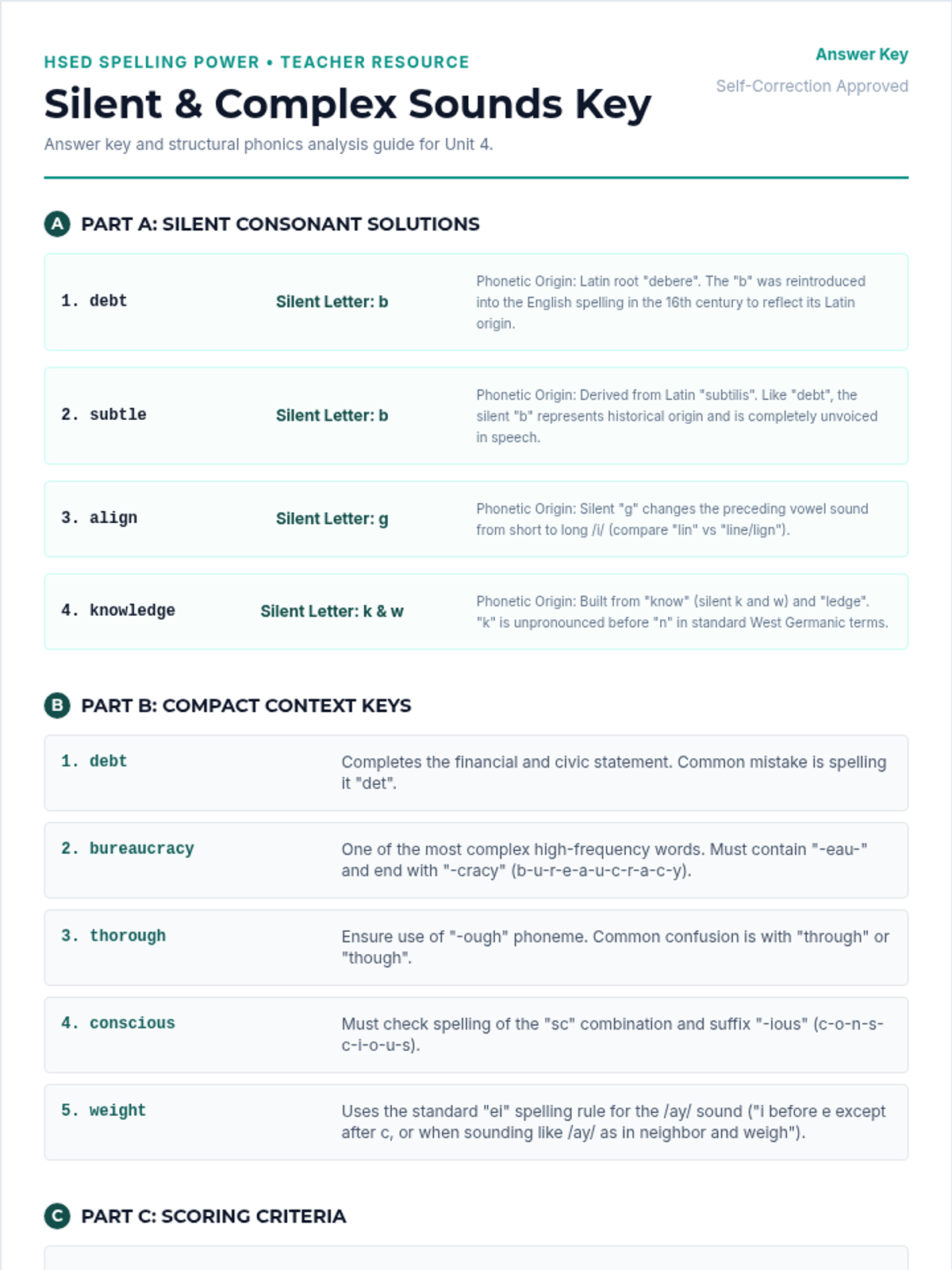
Unpacks silent letters (k, w, g, b) and complex vowel digraphs (ei, ie, ough) that present common spelling pitfalls on high-stakes secondary reading and writing assessments.
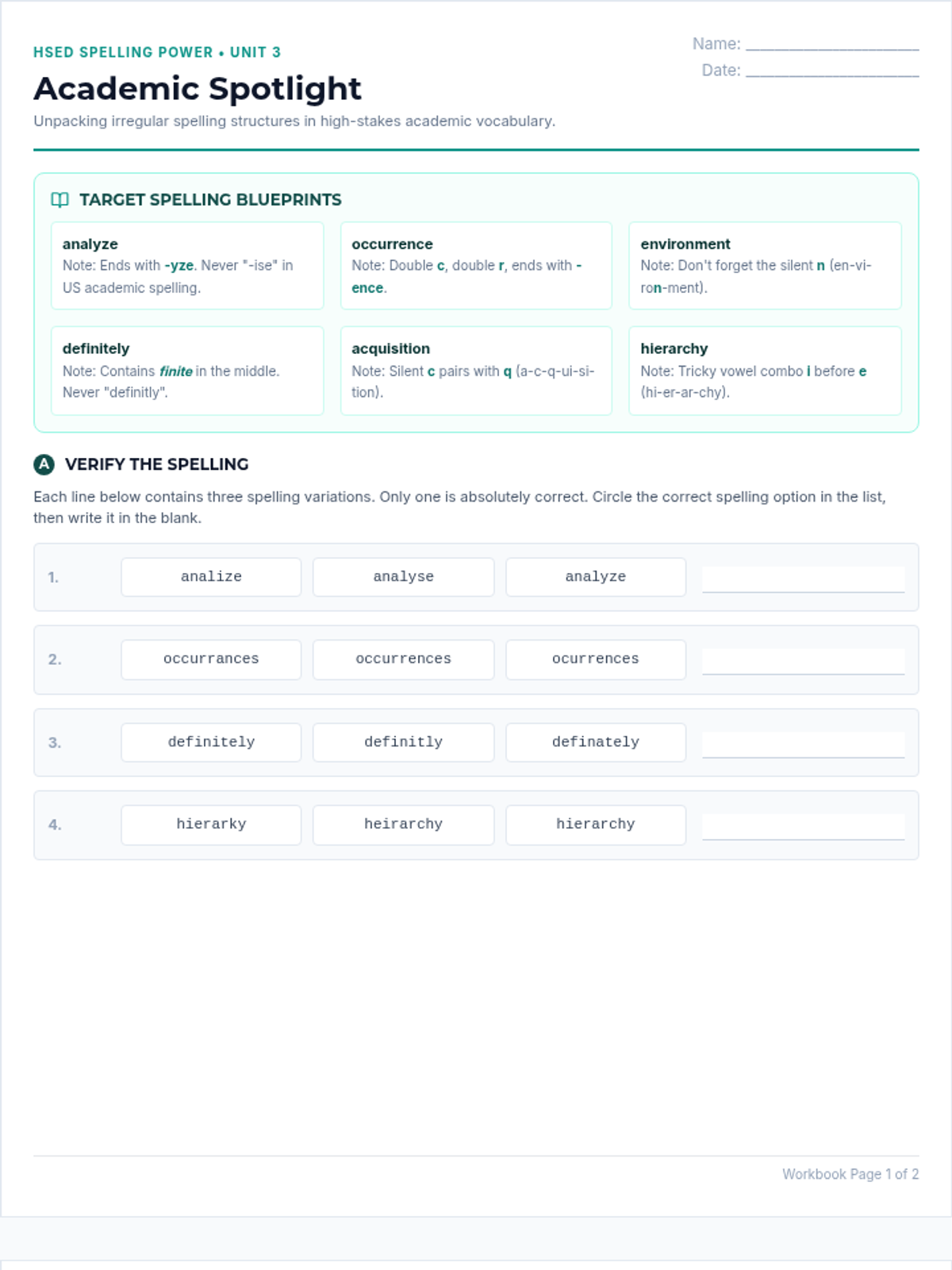
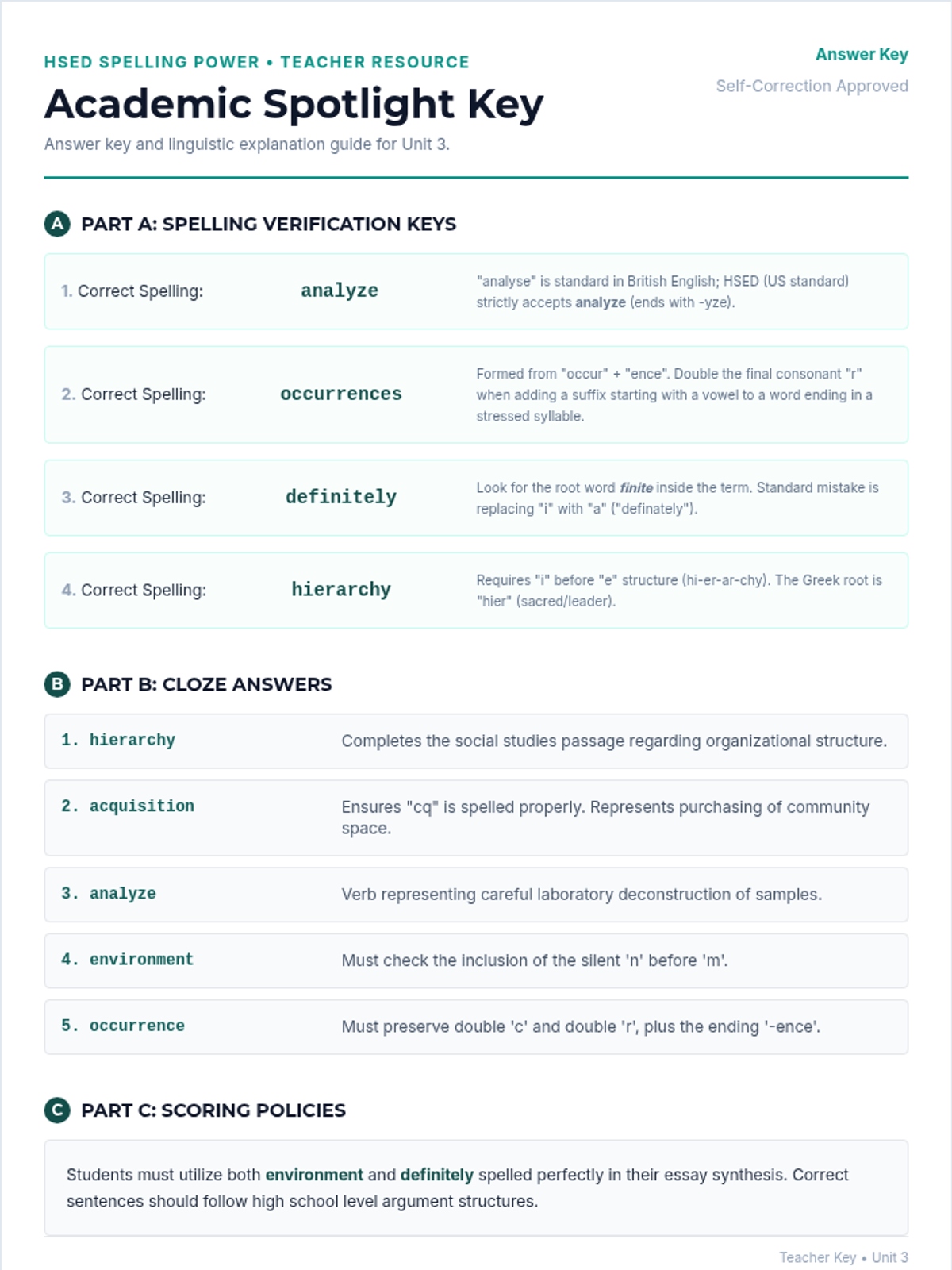
Targets tricky, high-frequency academic vocabulary words that frequently appear on HSED social studies, science, and language arts tests, emphasizing irregular spelling patterns.
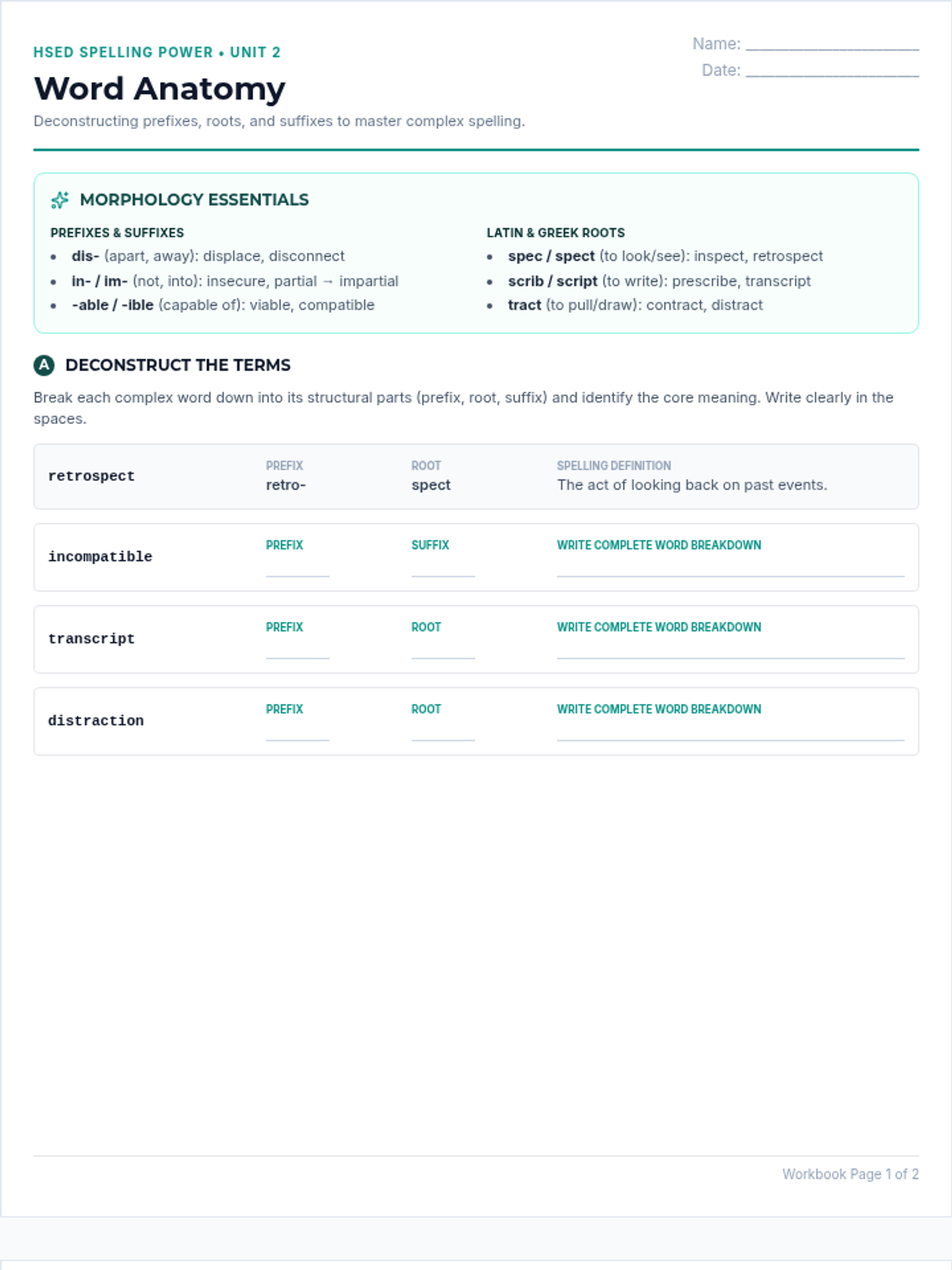
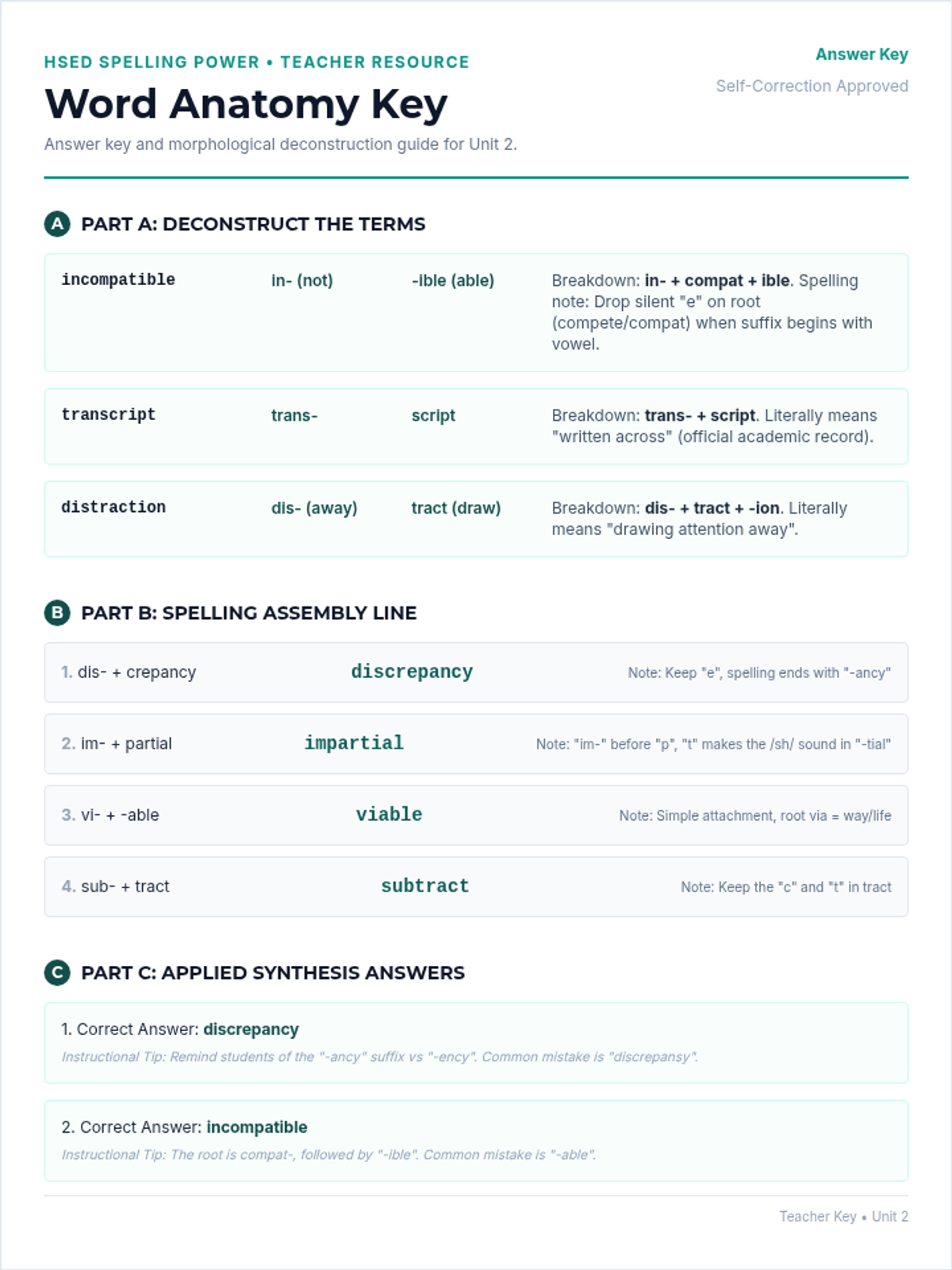
Deconstructs word parts (prefixes, suffixes, and Latin/Greek roots) to empower adult learners to decode, spell, and understand complex academic and professional terminology.
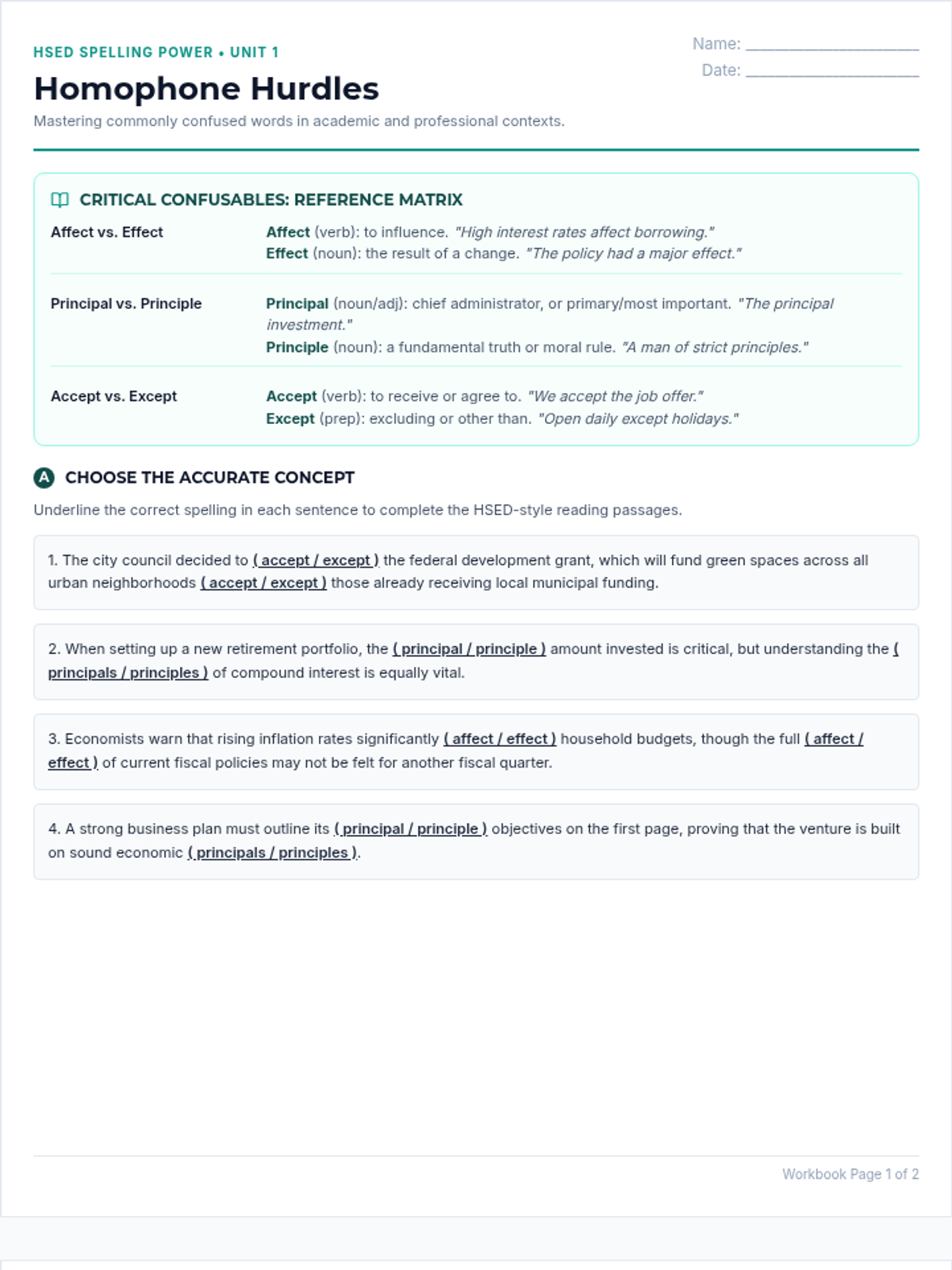
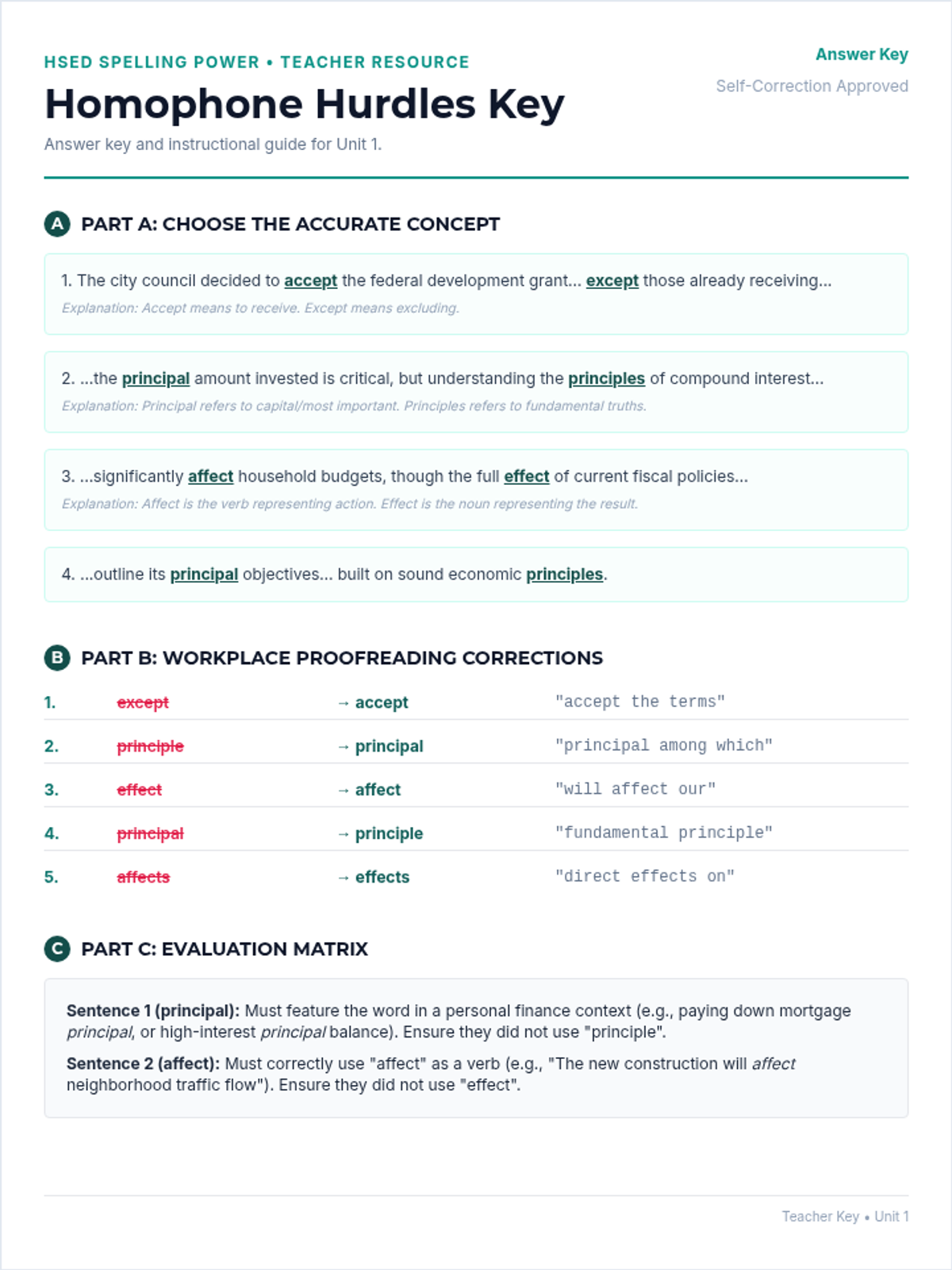
Focuses on mastering common homophones and frequently confused words in adult workplace, financial, and academic contexts (e.g., affect/effect, principal/principle, accept/except).
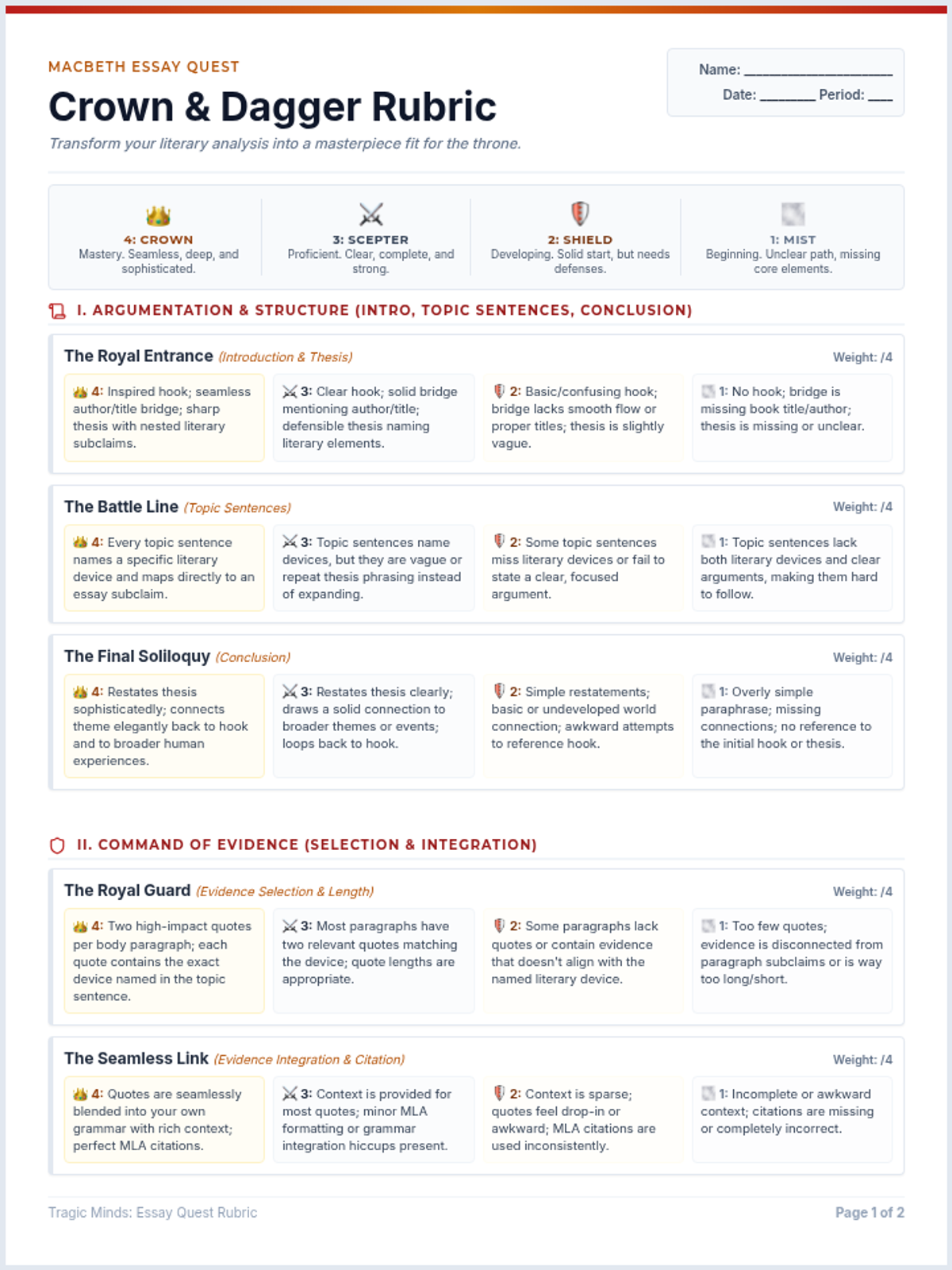
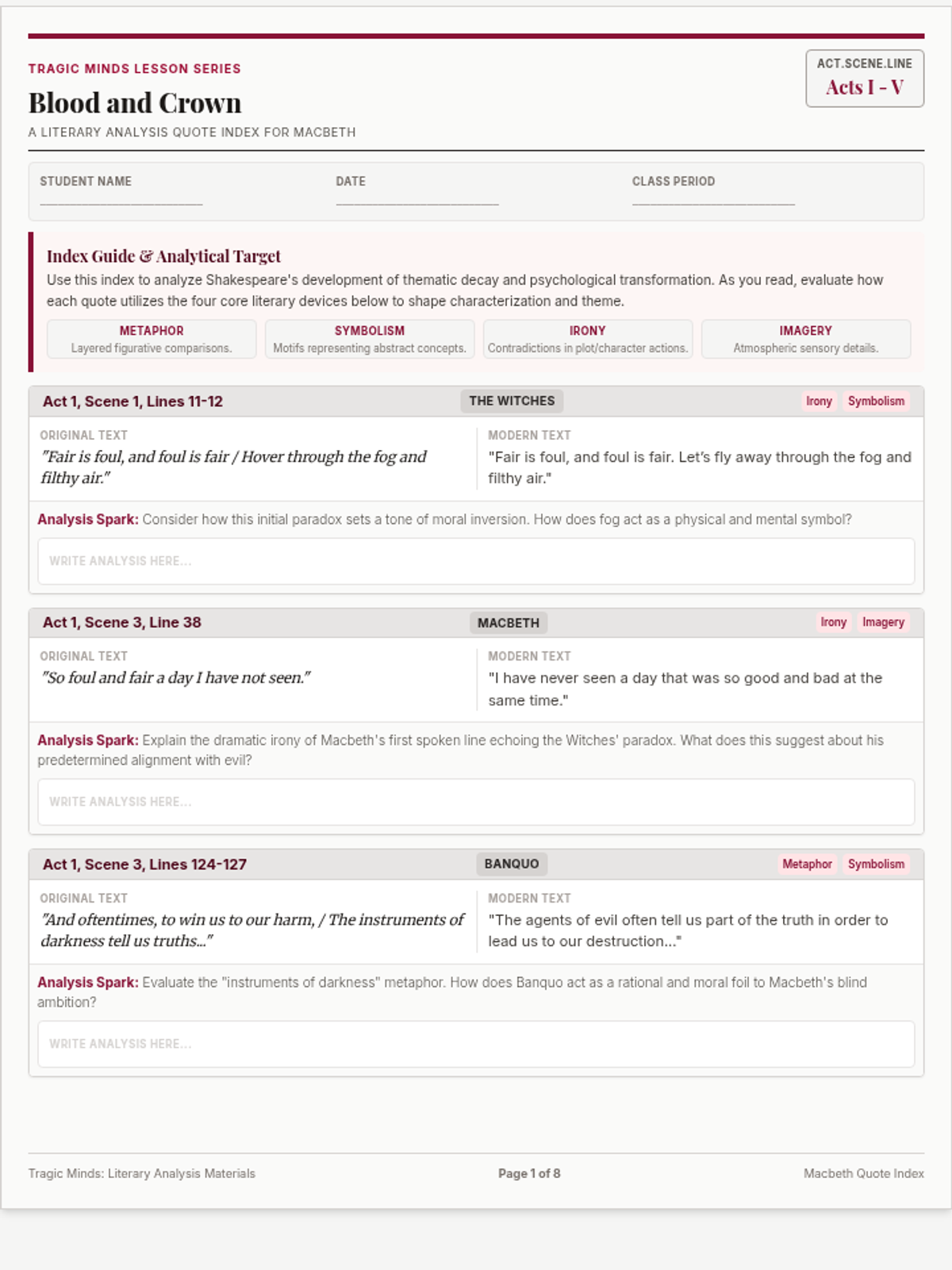
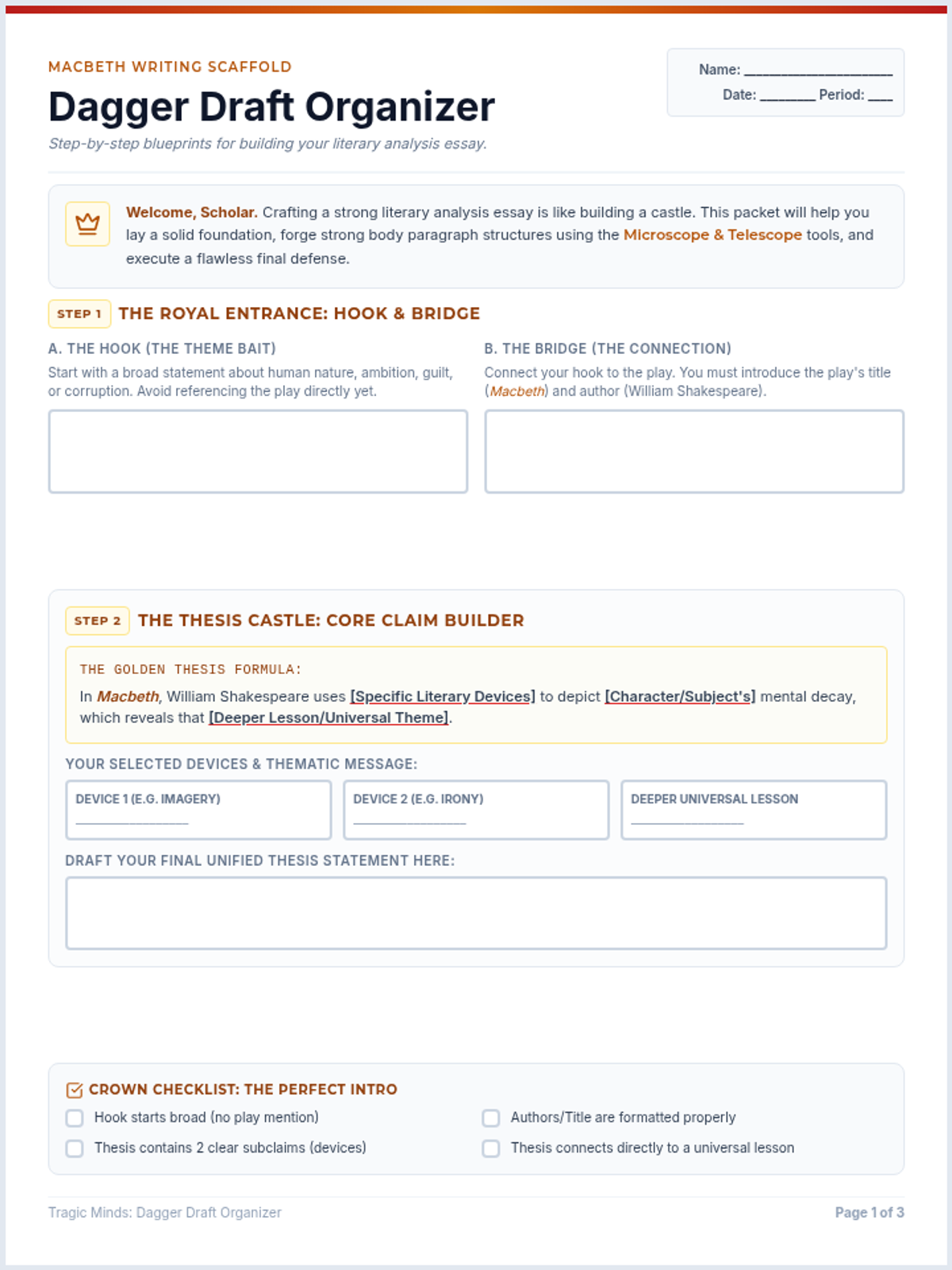
An intensive analytical lesson focusing on Shakespeare's Macbeth, exploring the psychological decay of characters and the thematic significance of motif transformations across all five acts.
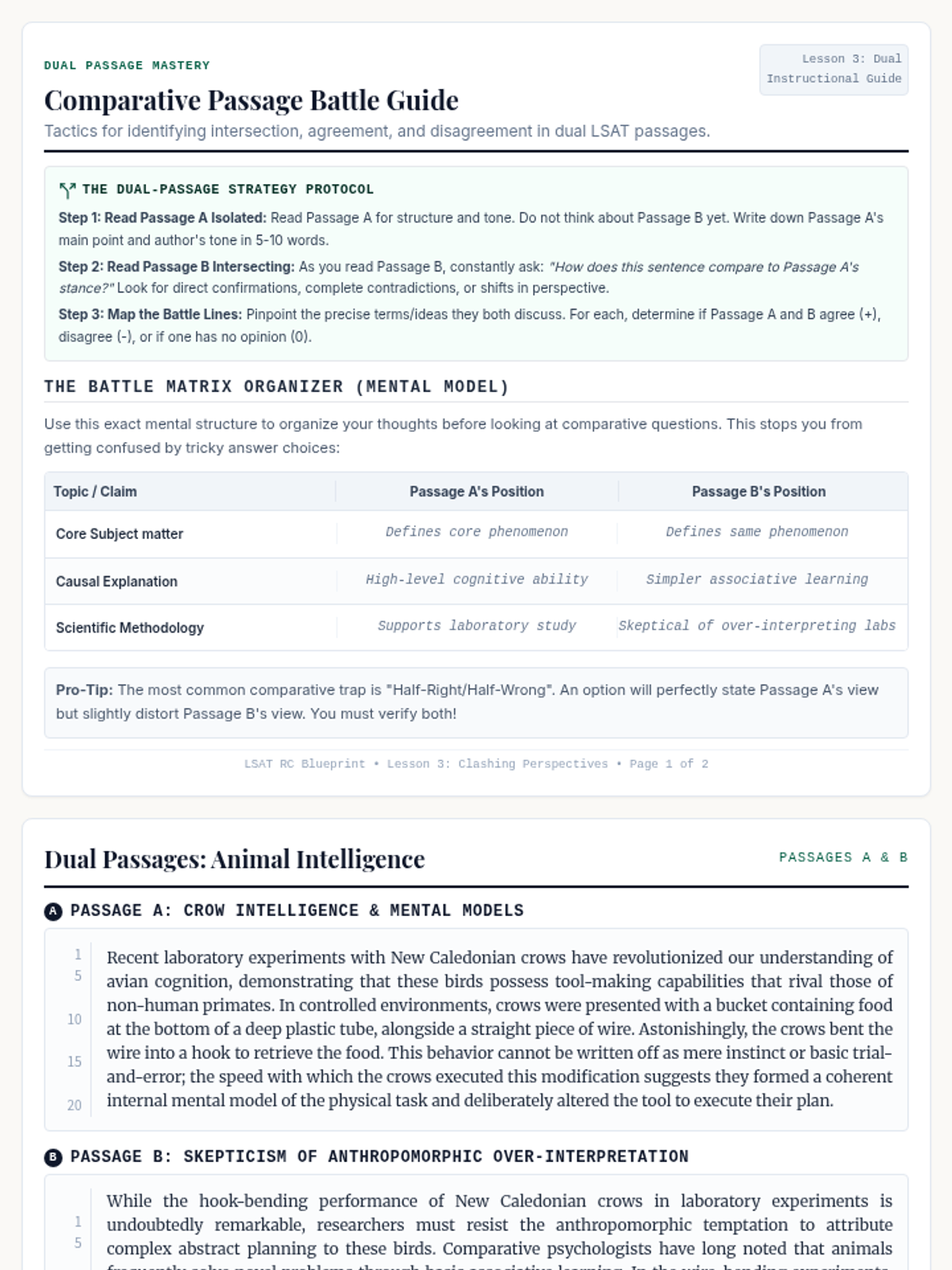
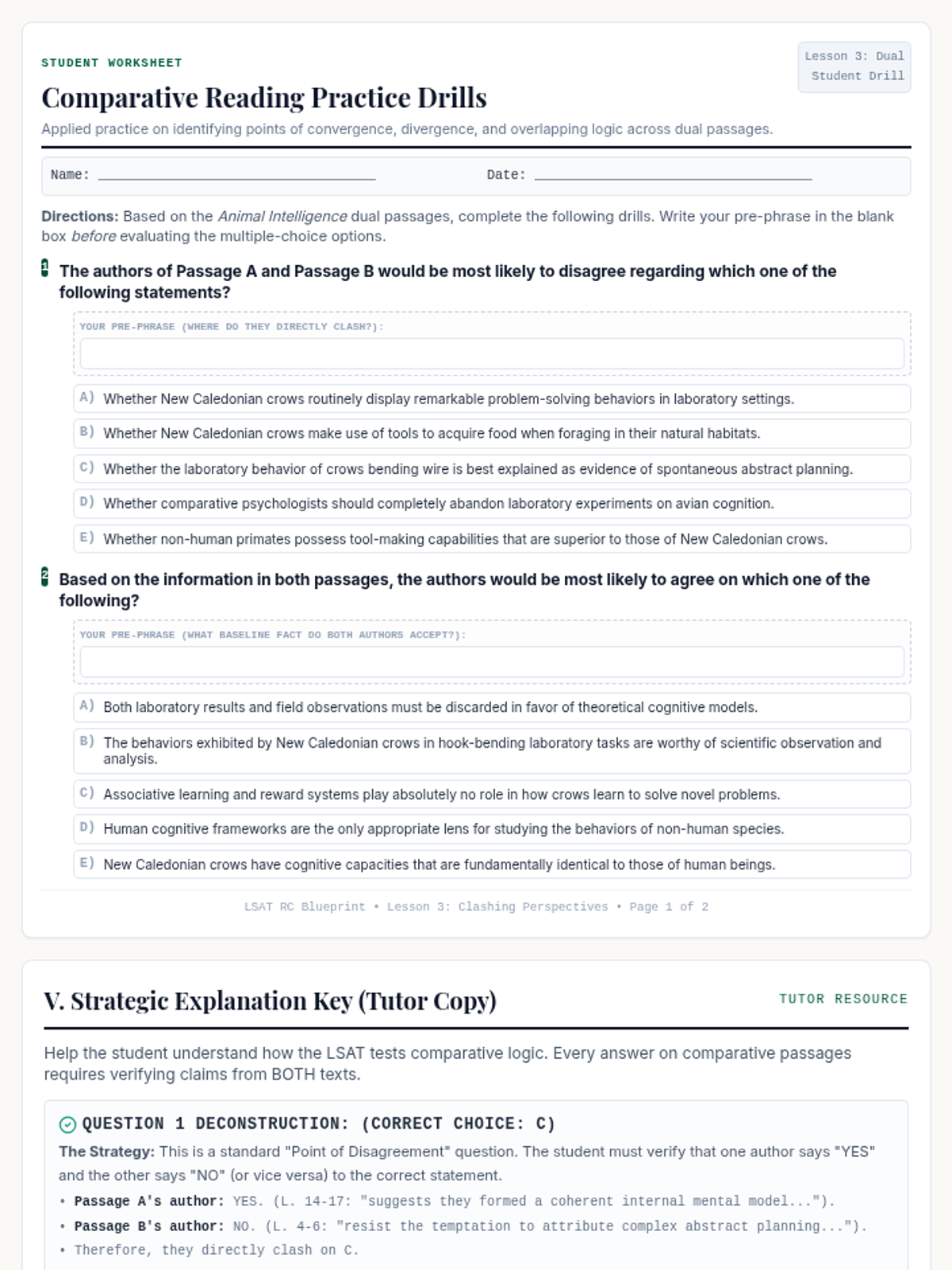
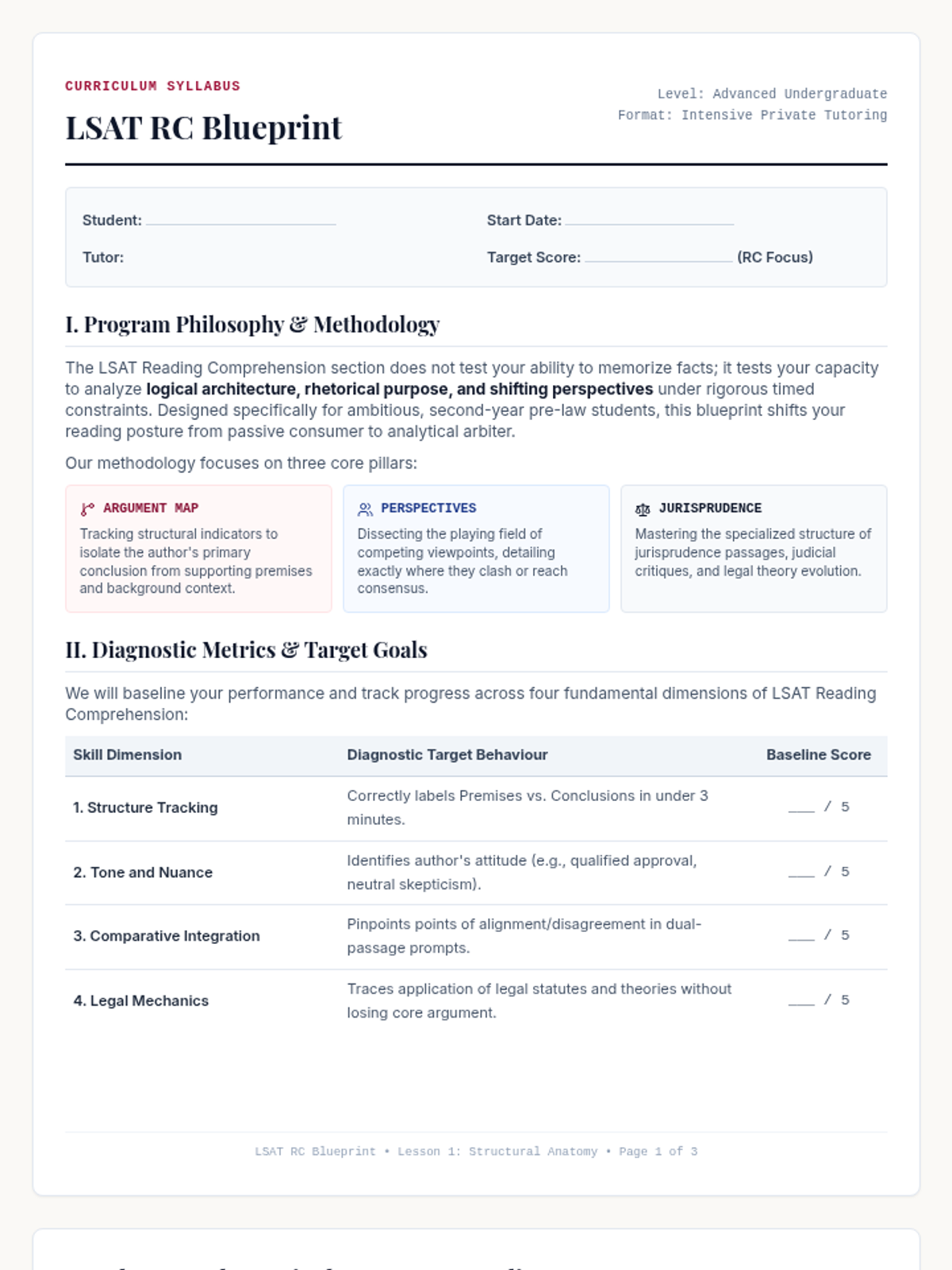
Tackles LSAT Comparative Reading (dual passages), systemizing how to identify points of intersection, agreement, disagreement, and overlapping logical frameworks.
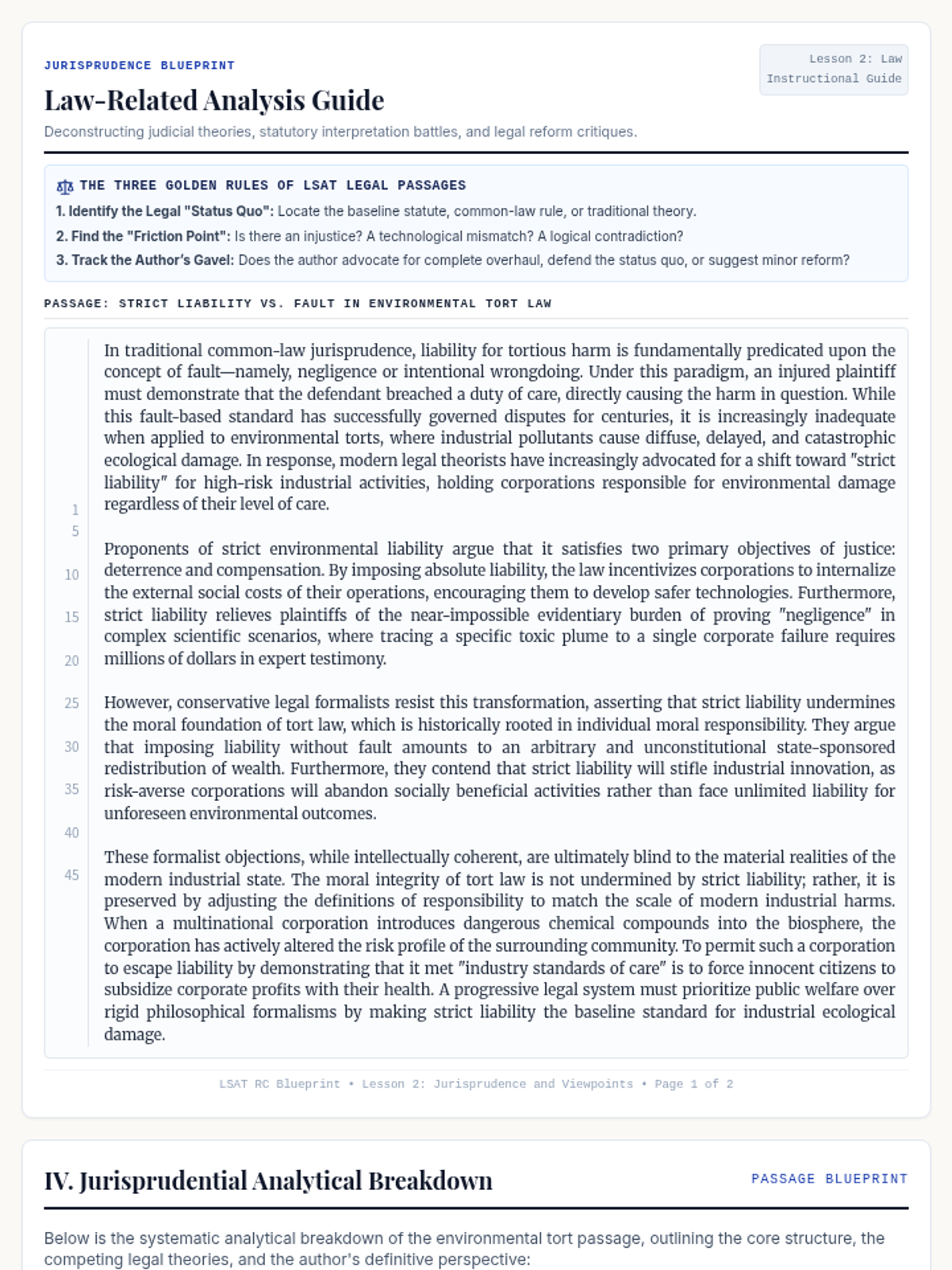
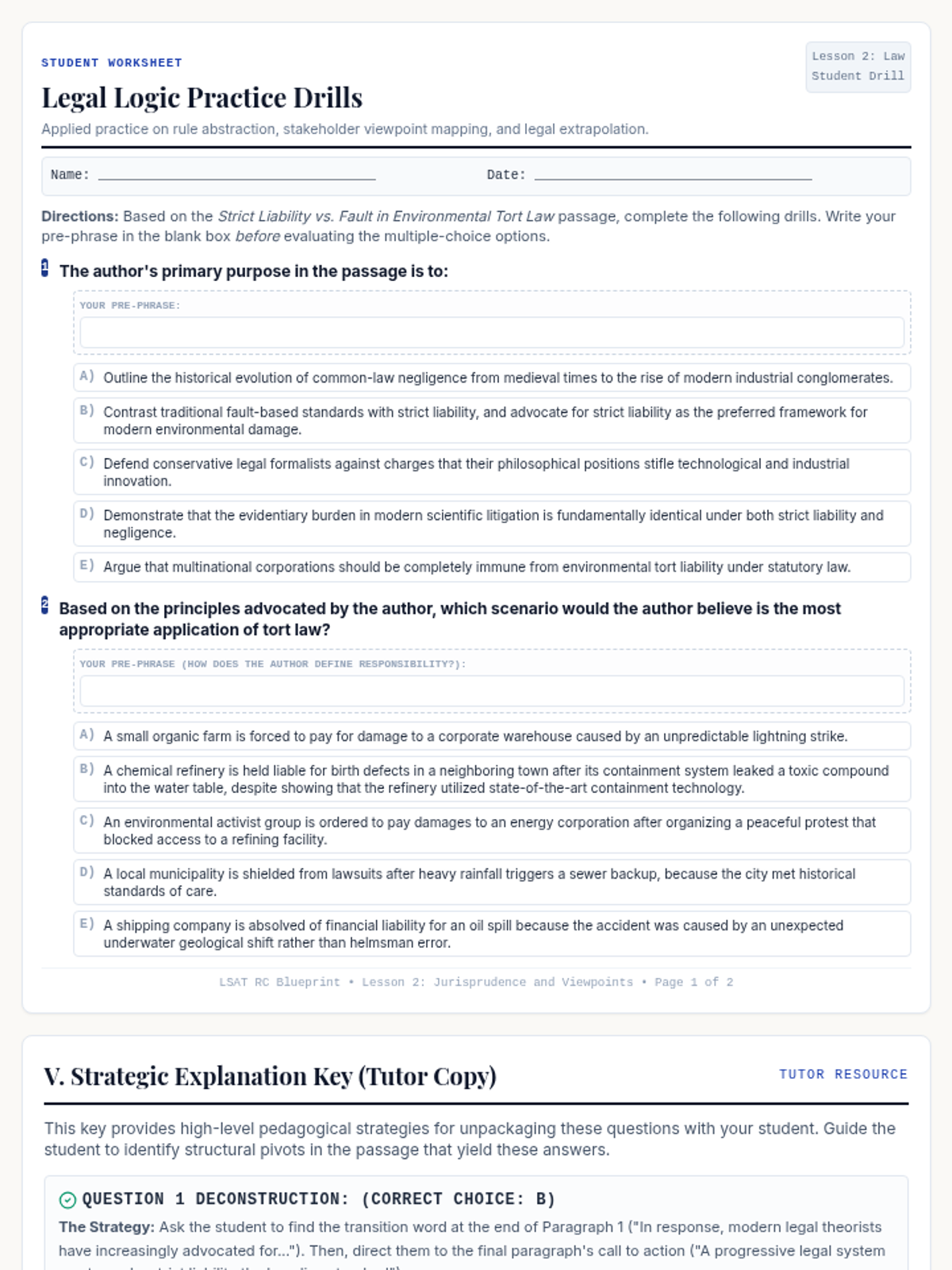
Examines law-related passages, teaching students how to track legal theory developments, multiple viewpoints, and complex judicial arguments without getting lost in legal jargon.
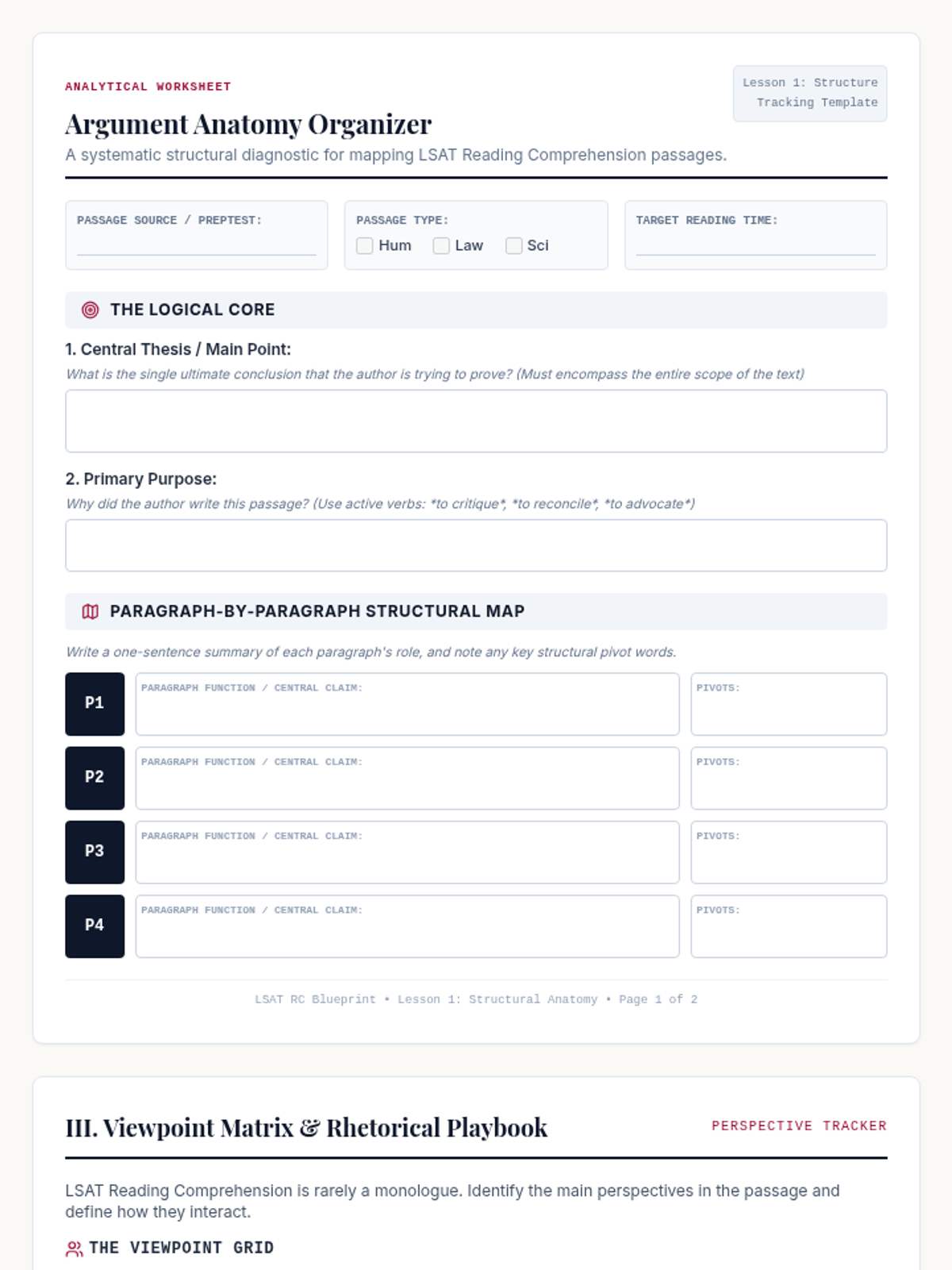
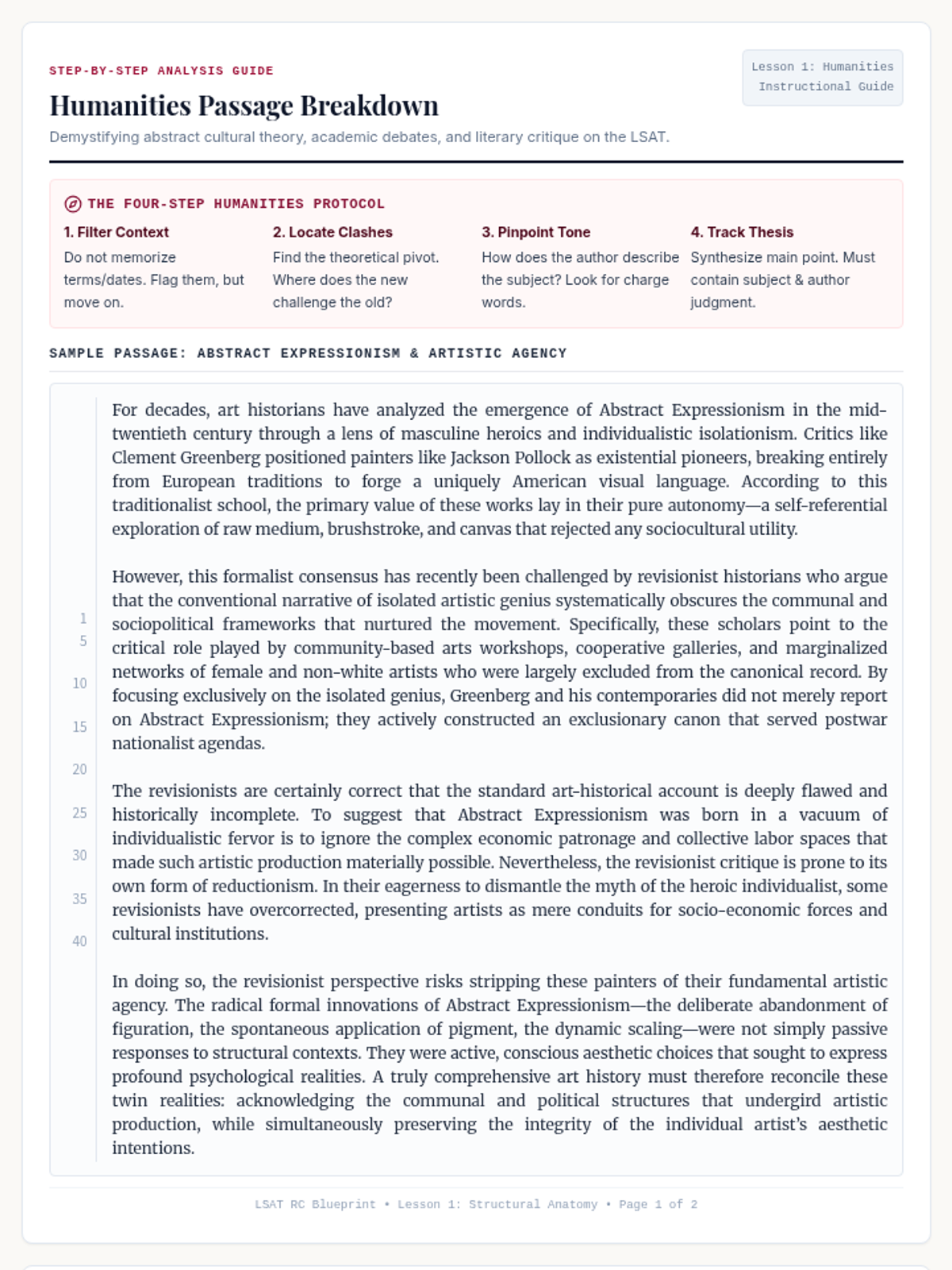
Focuses on identifying the main point, tracking author tone, and mapping argument structure in complex humanities passages. Students learn to distinguish between background, evidence, and conclusions.