An inquiry-based exploration of how cities interact with the natural environment. Students investigate man-made vs. natural features, waste management, green spaces, and urban pollution to design a sustainable city of the future.
A 3-day introductory science sequence for early learners (PreK-1st) exploring the fundamental needs of plants, animals, and humans. Students will discover commonalities in survival requirements through visuals, guided practice, and hands-on sorting.
A comprehensive 5-day phonics unit focused on the "bonus letters" (Floss Rule: f, l, s, z) including heart words 'your' and 'want'. Students explore the concept of doubling final consonants in one-syllable short vowel words through a factory-themed learning experience.
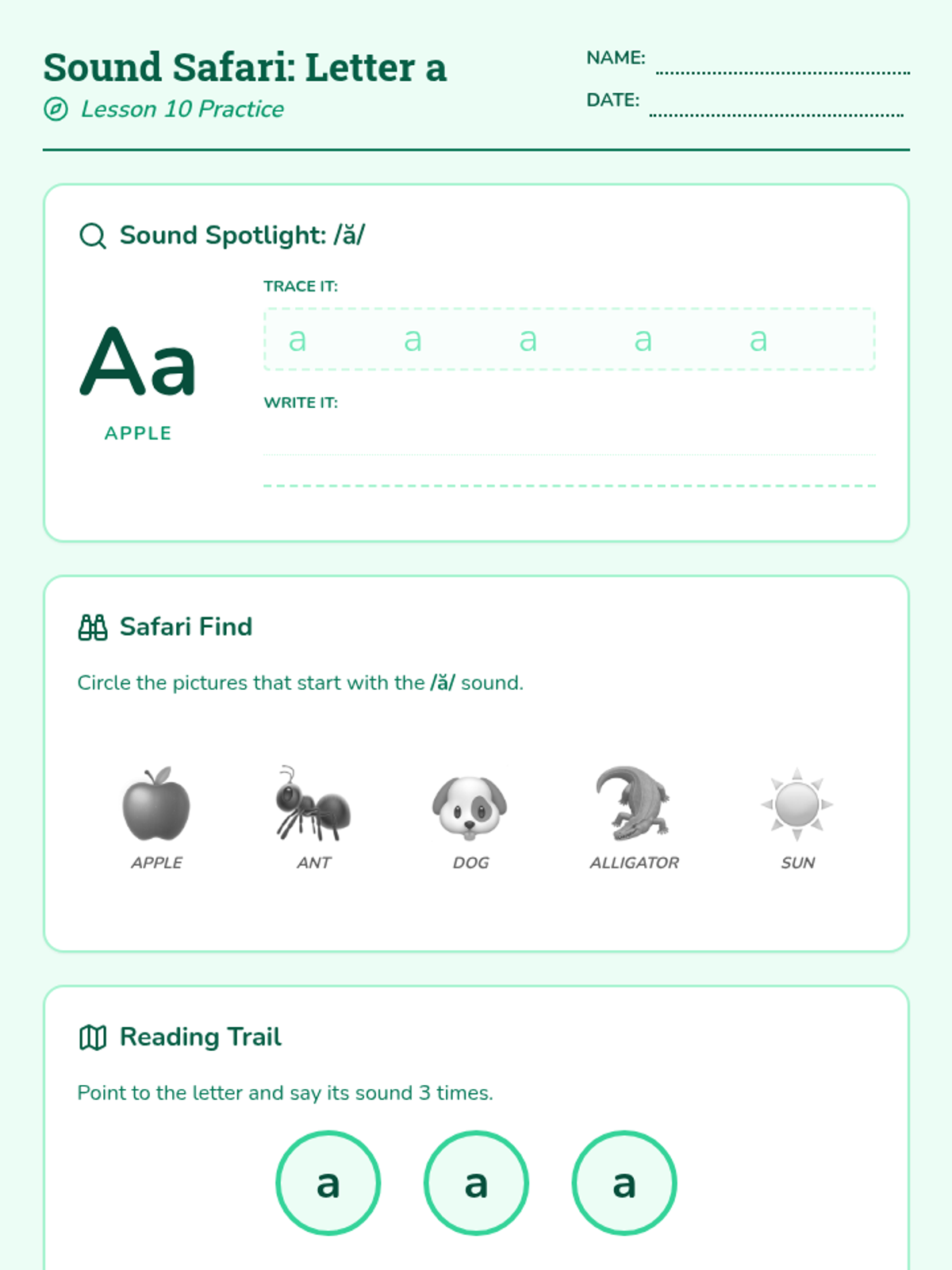
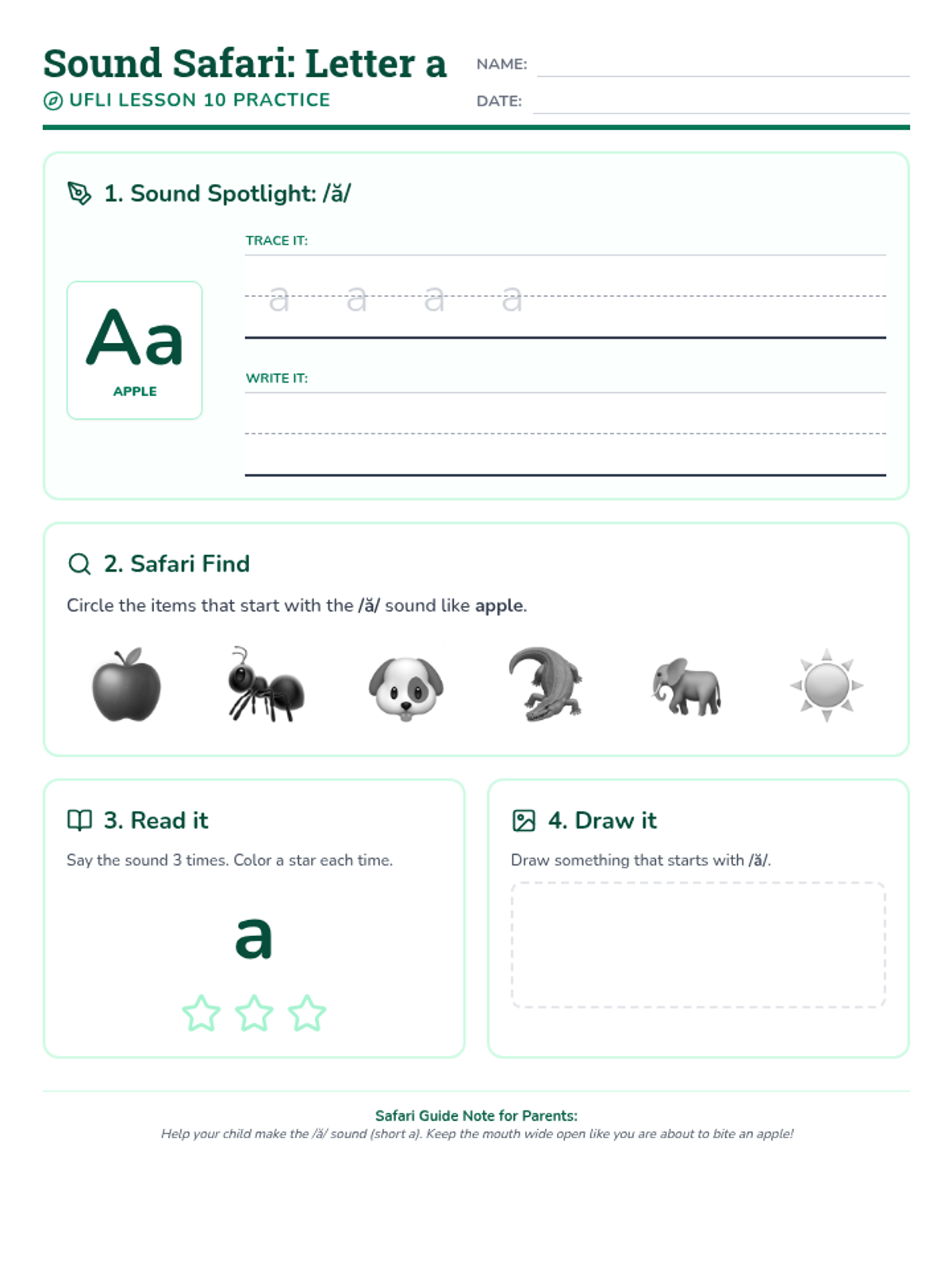
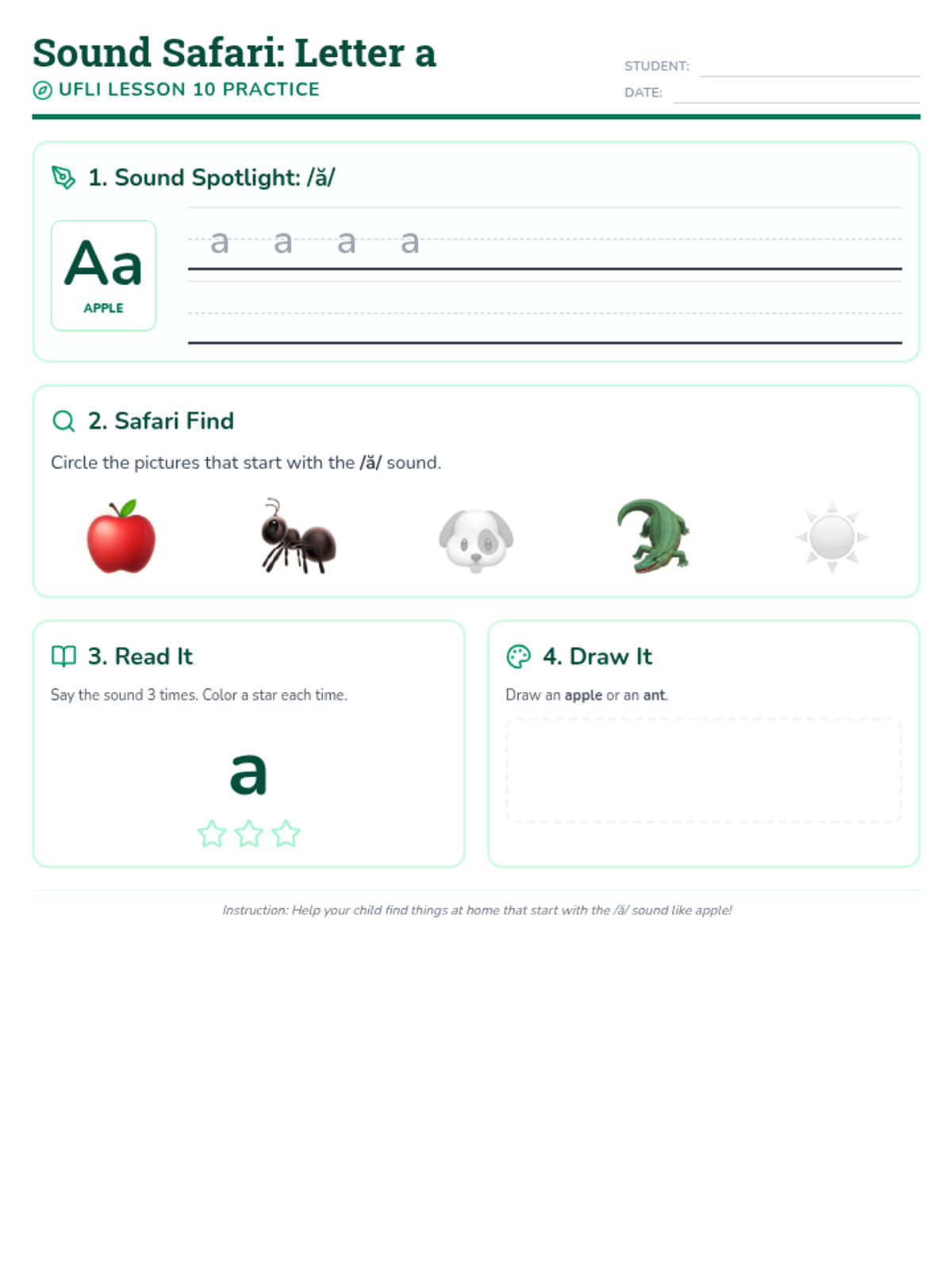
A 5-day intensive review of all short vowel sounds (a, e, i, o, u) using the 'Vowel Voyagers' theme. Includes daily phonemic awareness, word building, decodable reading, and heart word mastery.
A 4-day introduction to weather types and appropriate clothing choices for preschool and kindergarten students. Students explore hot, cold, rainy, and warm/sunny conditions through visual slides, hands-on sorting activities, and creative worksheets.
An introductory sequence for 3rd graders exploring how energy flows through food chains, starting with sun-powered producers and moving through various levels of consumers.
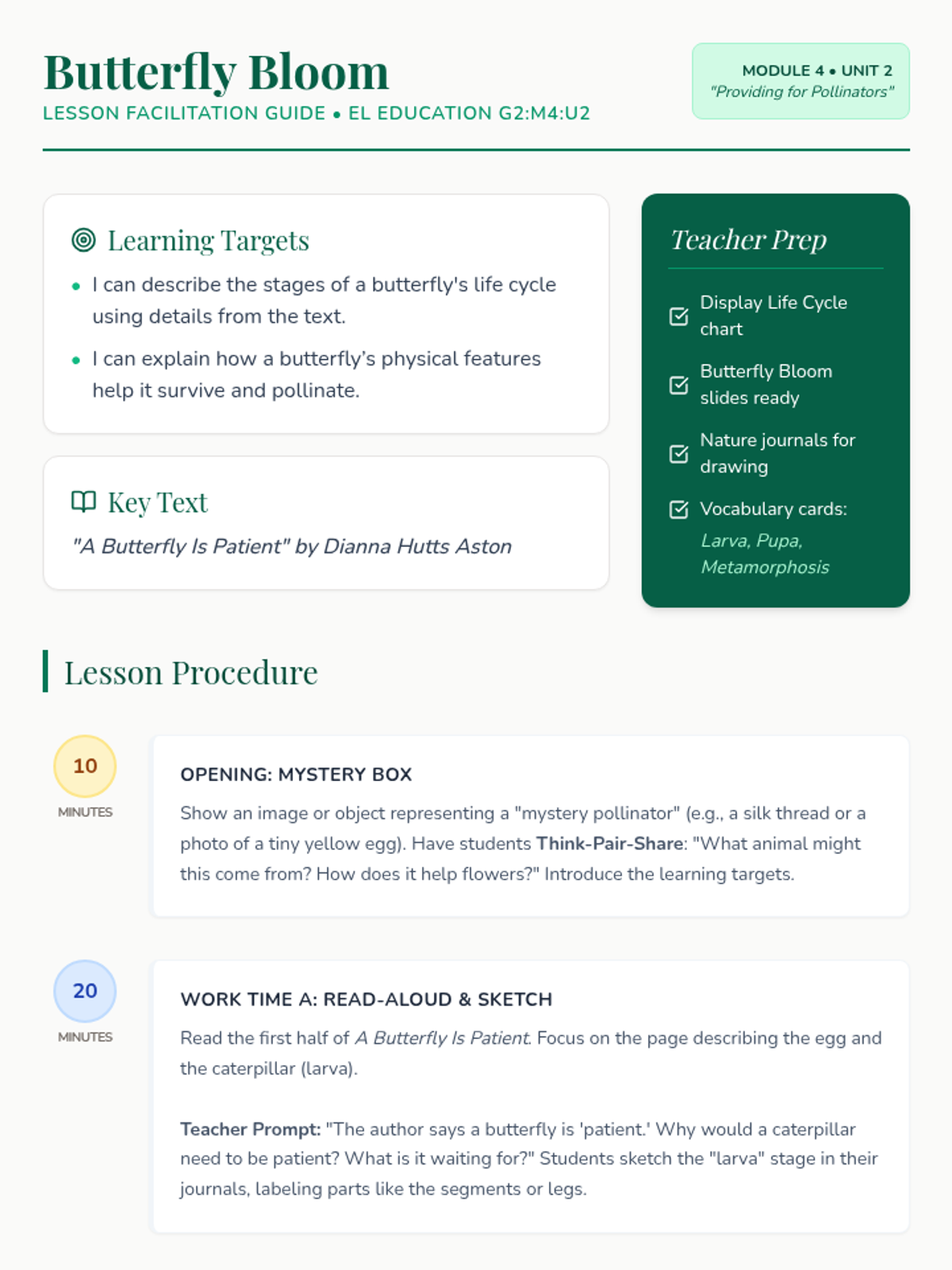
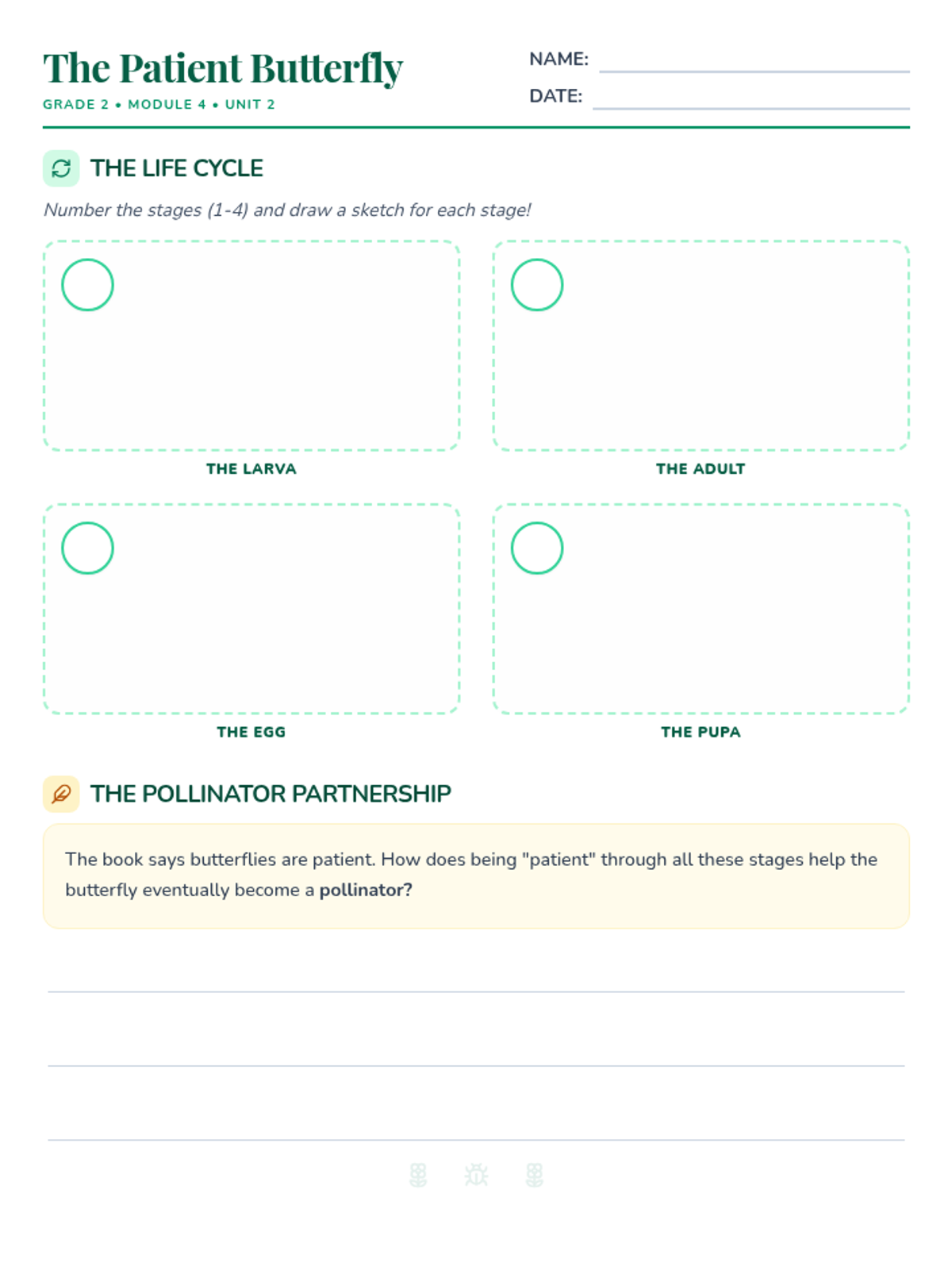
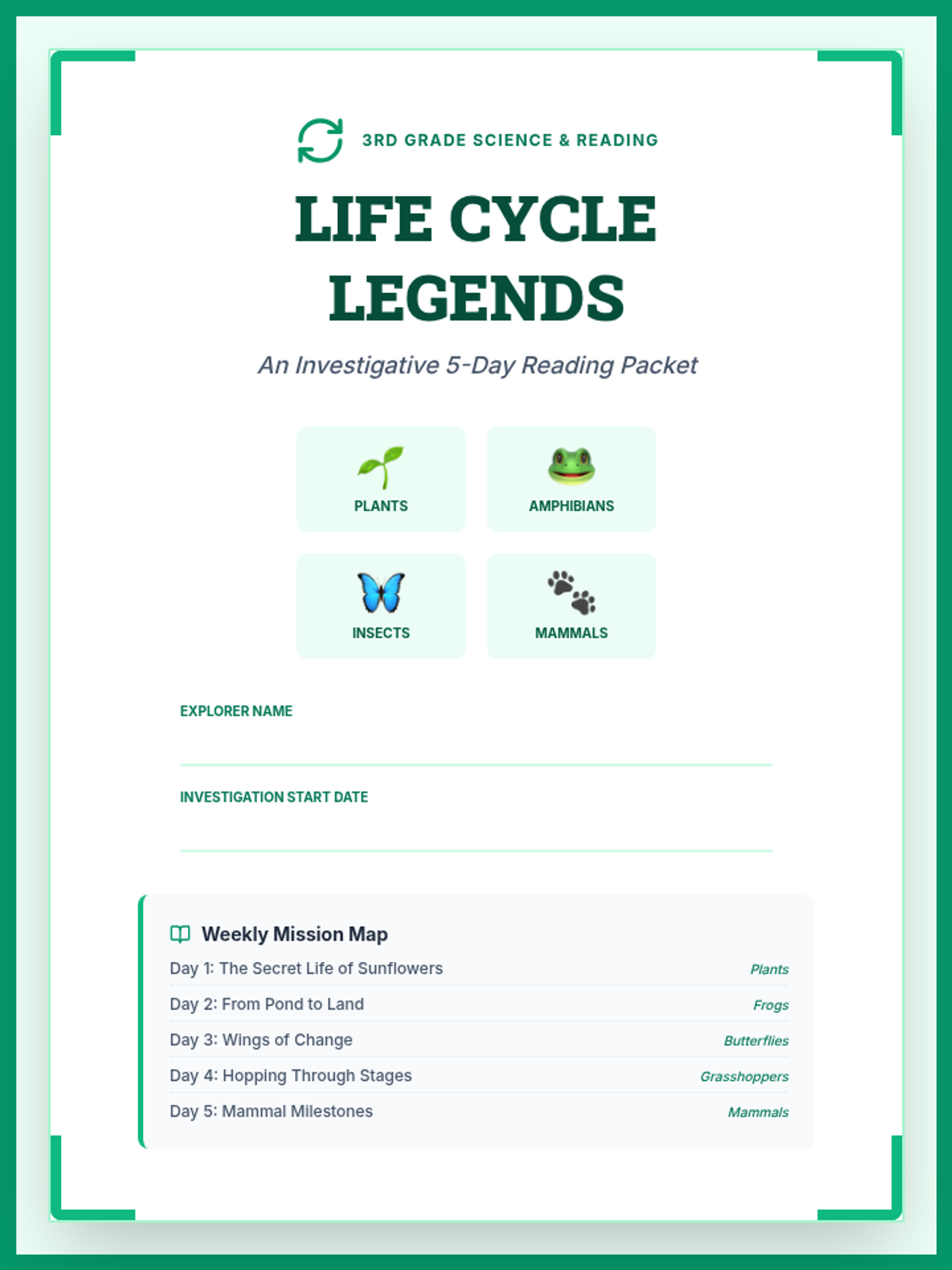
A multi-day exploration of the butterfly life cycle for 2nd graders, featuring interactive instruction, a directed drawing activity, and a summative assessment.
A collection of project-based STEM and social studies lessons designed to engage 3rd and 6th grade students in creative exploration and technical skill-building.
A hands-on science and art unit where 2nd grade students investigate biodiversity in their school courtyard, comparing grassy and wooded habitats while repurposing natural materials into creative sculptures.
A comprehensive unit for 2nd graders exploring the wonders of our solar system, including the phases of the moon and the daily lives of space explorers.
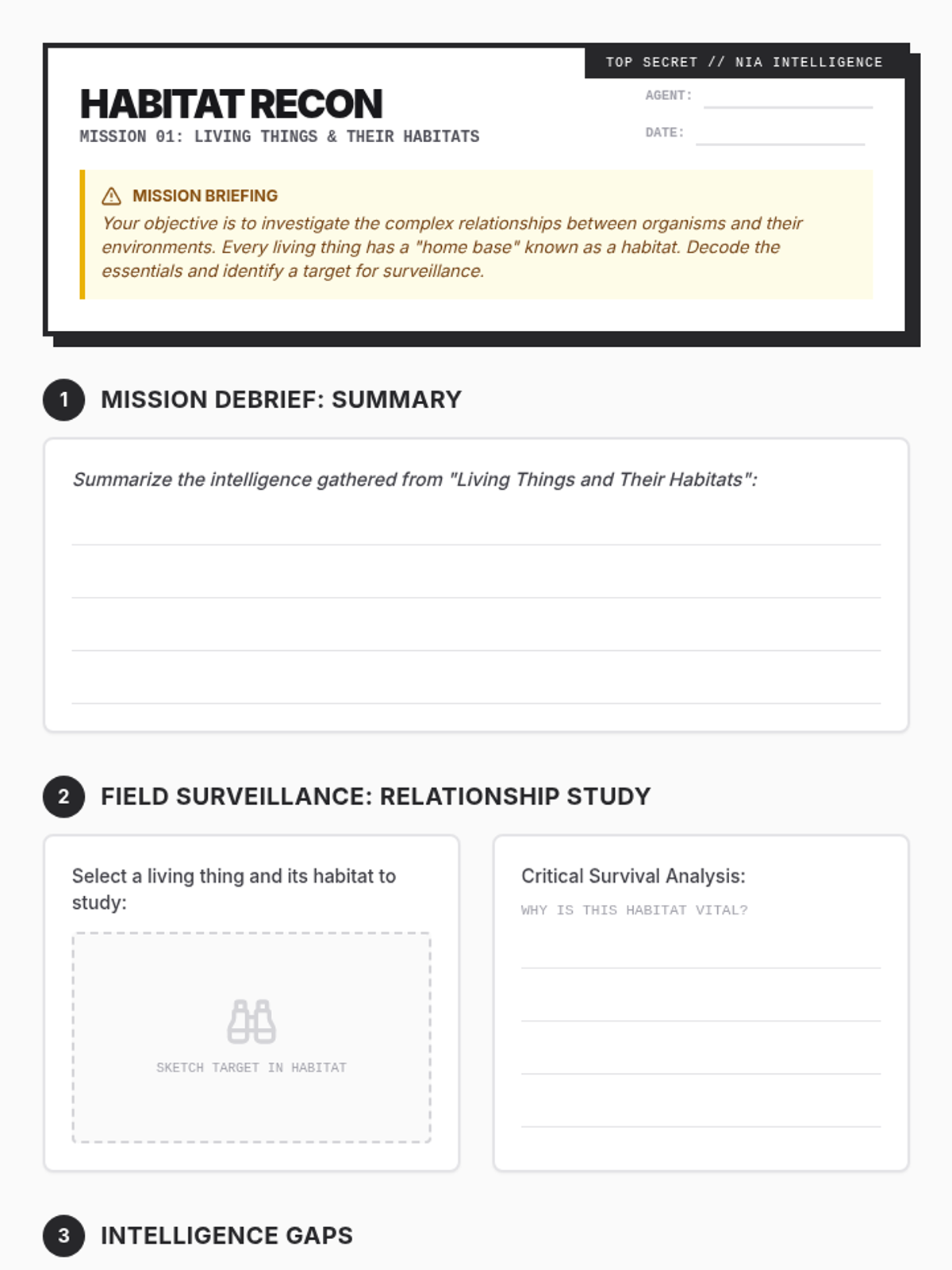
A comprehensive unit for 2nd graders to explore diverse animal habitats around the world through hands-on activities, research, and a creative diorama project. Students will learn about the unique characteristics of different environments and how animals are adapted to survive in them.
An inquiry-based science and literacy curriculum for grades 1-3 that combines foundational scientific concepts with high-frequency sight word mastery and precision handwriting practice.
A comprehensive K-12 AI literacy sequence covering the fundamentals of how AI works, machine learning, ethics, social impact, and creative application through age-appropriate lessons.
A full-day 3rd-grade beach-themed room transformation covering math word problems, reading comprehension, creative writing, and a sink-or-float science experiment. Students engage in 'Island Adventure' tasks to earn their way back to shore.
A primary science unit exploring how different animals are covered and why these coverings help them survive in their environments. Students identify, categorize, and write about feathers, fur, scales, shells, and skin.