A slide deck to guide the Vertex Voyagers lesson, including the warm-up, video embed, formula breakdown, coding requirements, and closure discussion. Updated with improved layouts and accessibility.
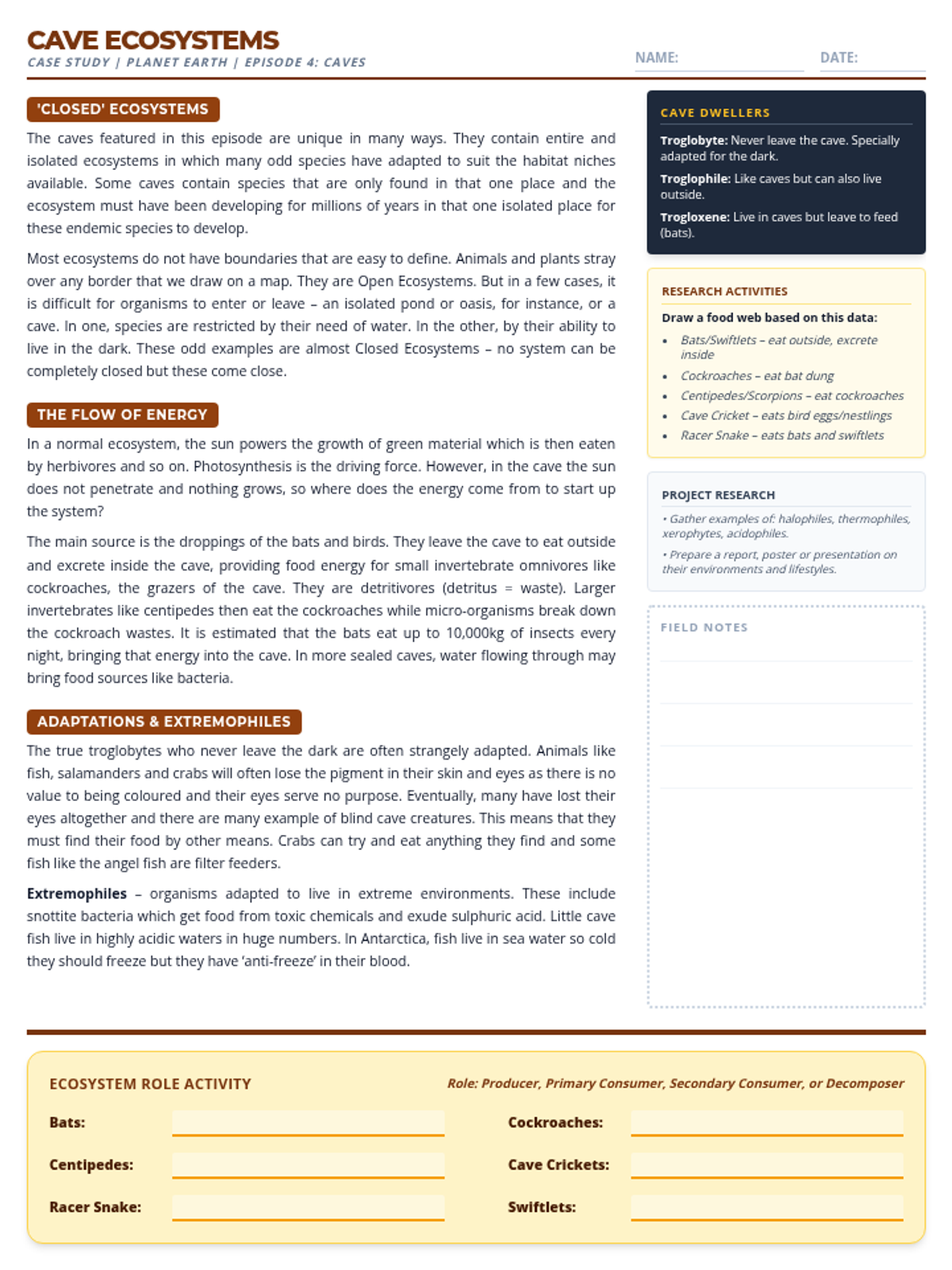
A comprehensive one-page student handout that includes all text from the cave ecosystem case study verbatim. It features the primary article text, the specific Research Activities data for food web construction, and a classification task for ecosystem roles.
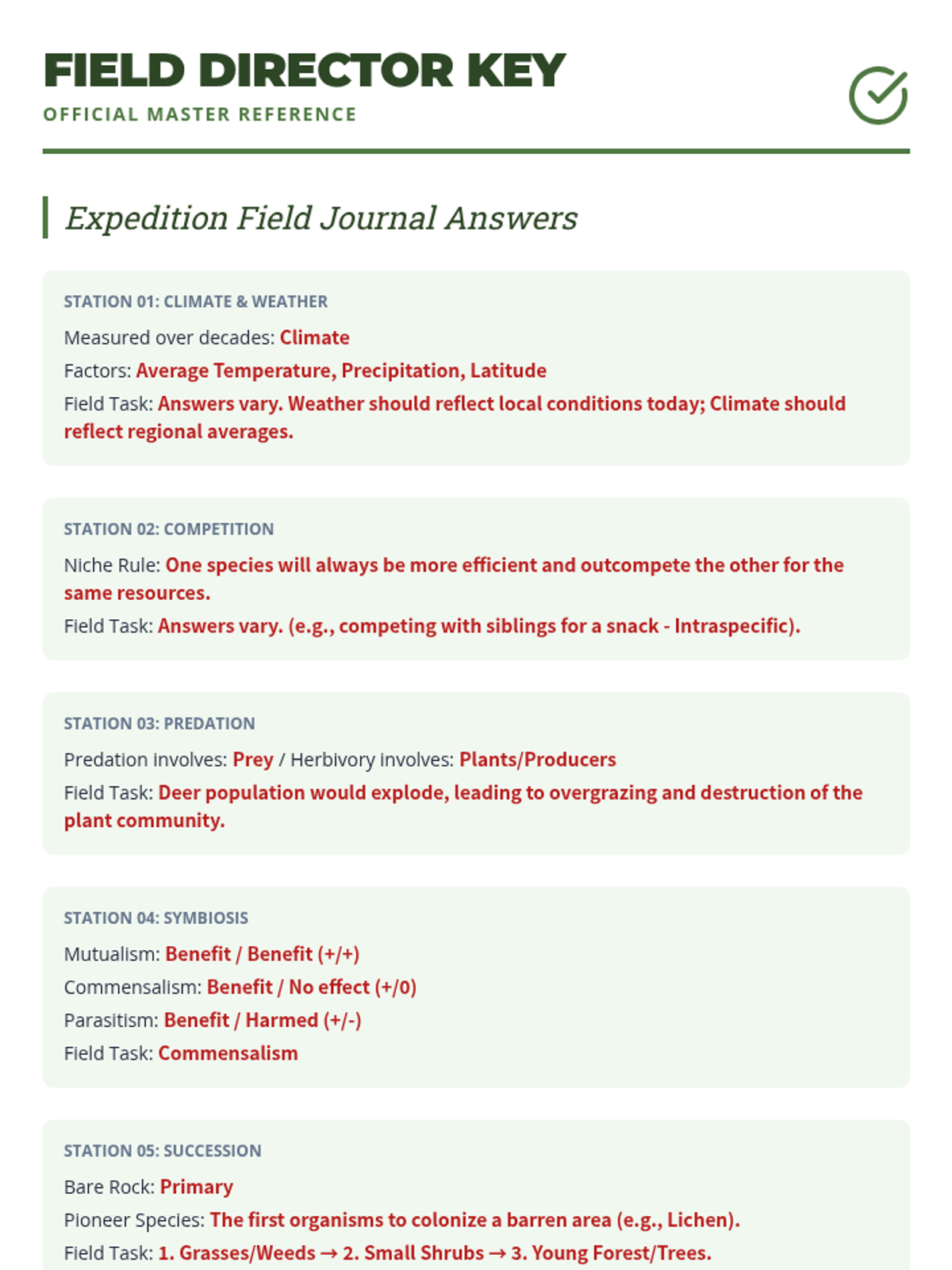
A comprehensive answer key for the 'Expedition Field Journal' and 'Relationship Rumble' activity cards.
A visual presentation for instruction and review, covering key concepts of climate, competition, predation, symbiosis, and succession with large text and clear diagrams.
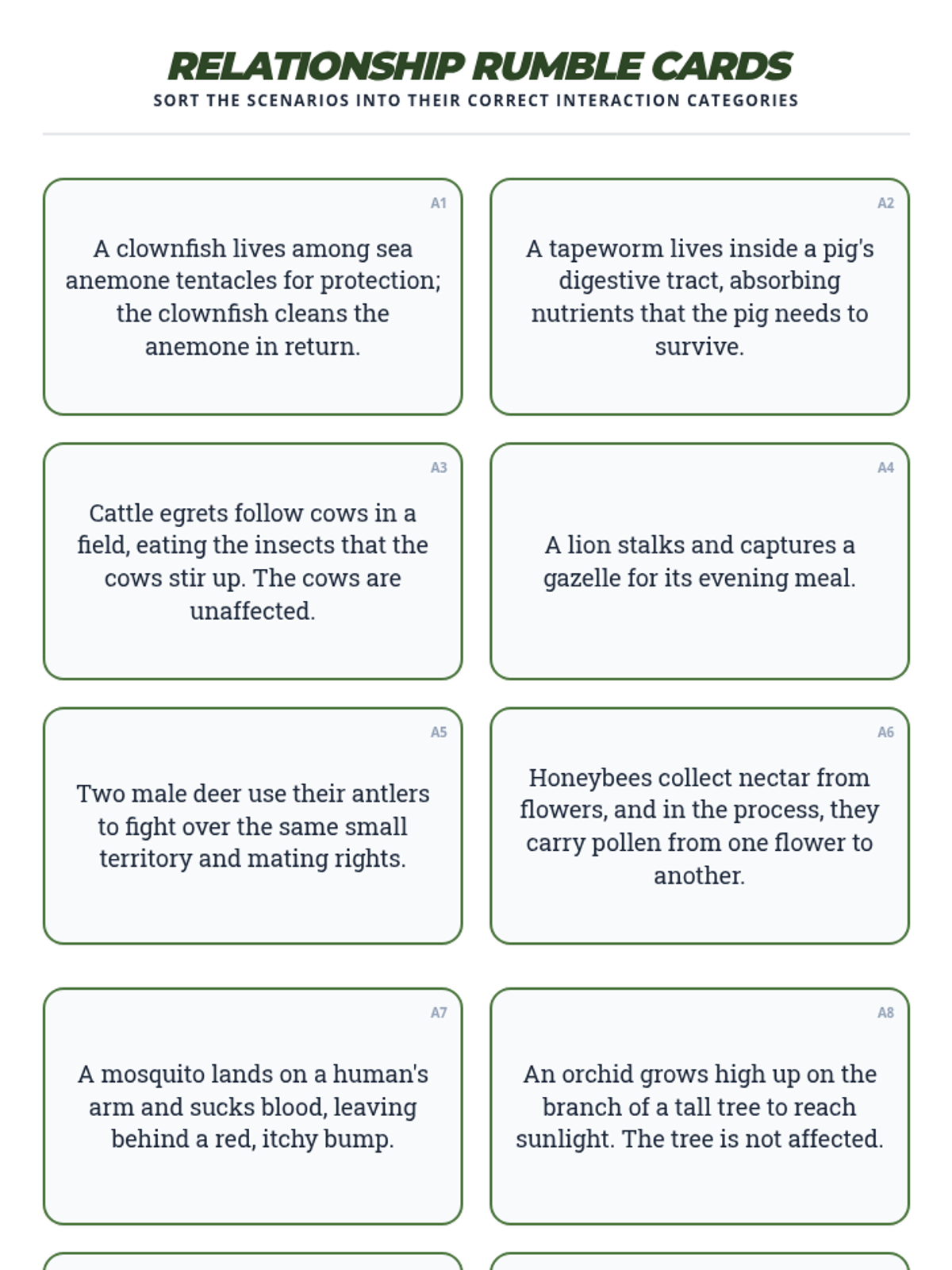
A set of 18 scenario cards for the 'Relationship Rumble' activity, featuring examples of biological interactions and ecological succession.
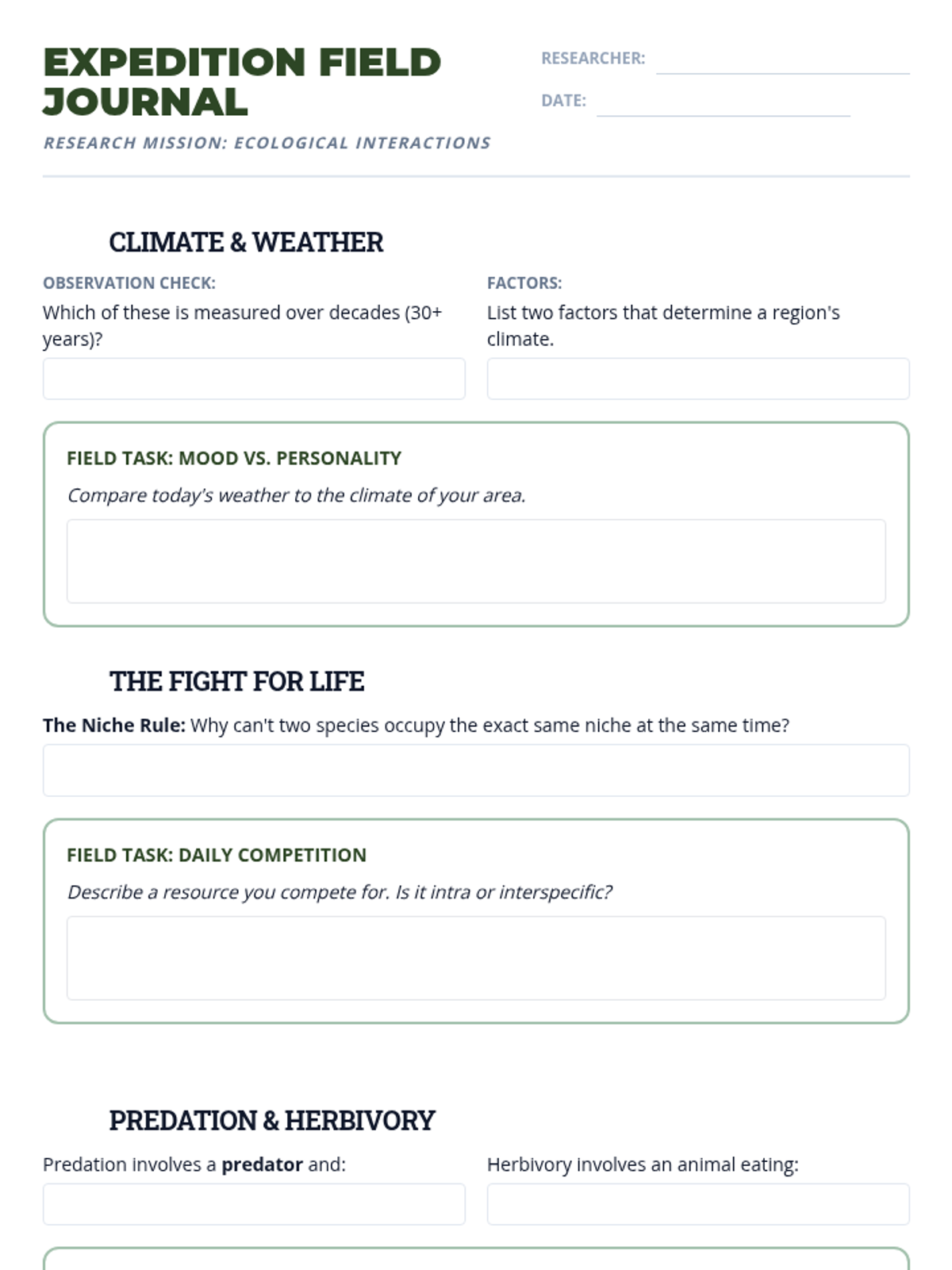
A structured recording sheet for students to use during the 'Ecosystem Expedition' Write the Room activity, with space for observations and field tasks.
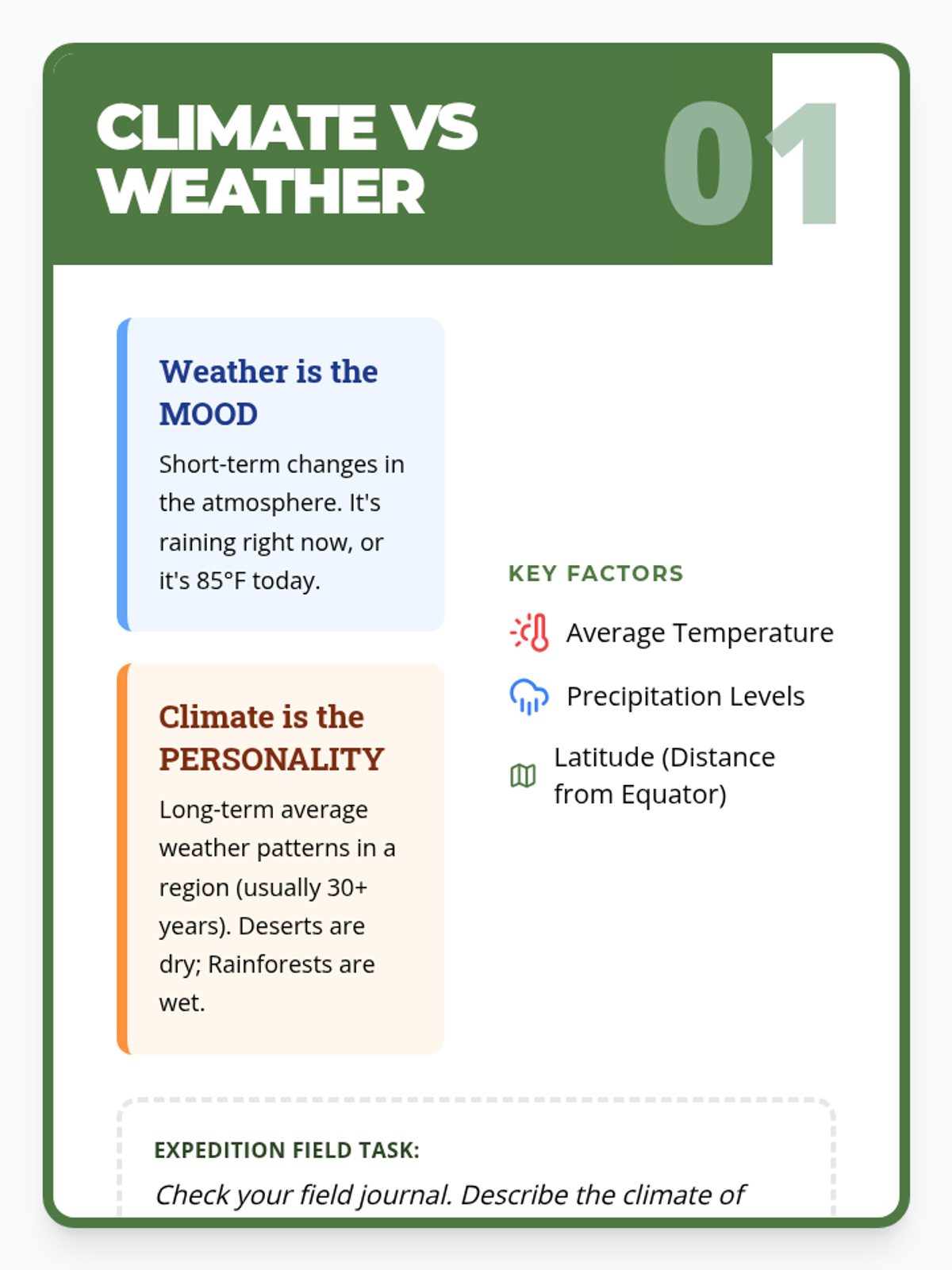
A set of 5 large information posters for a 'Write the Room' activity, covering climate, competition, predation, symbiosis, and succession.
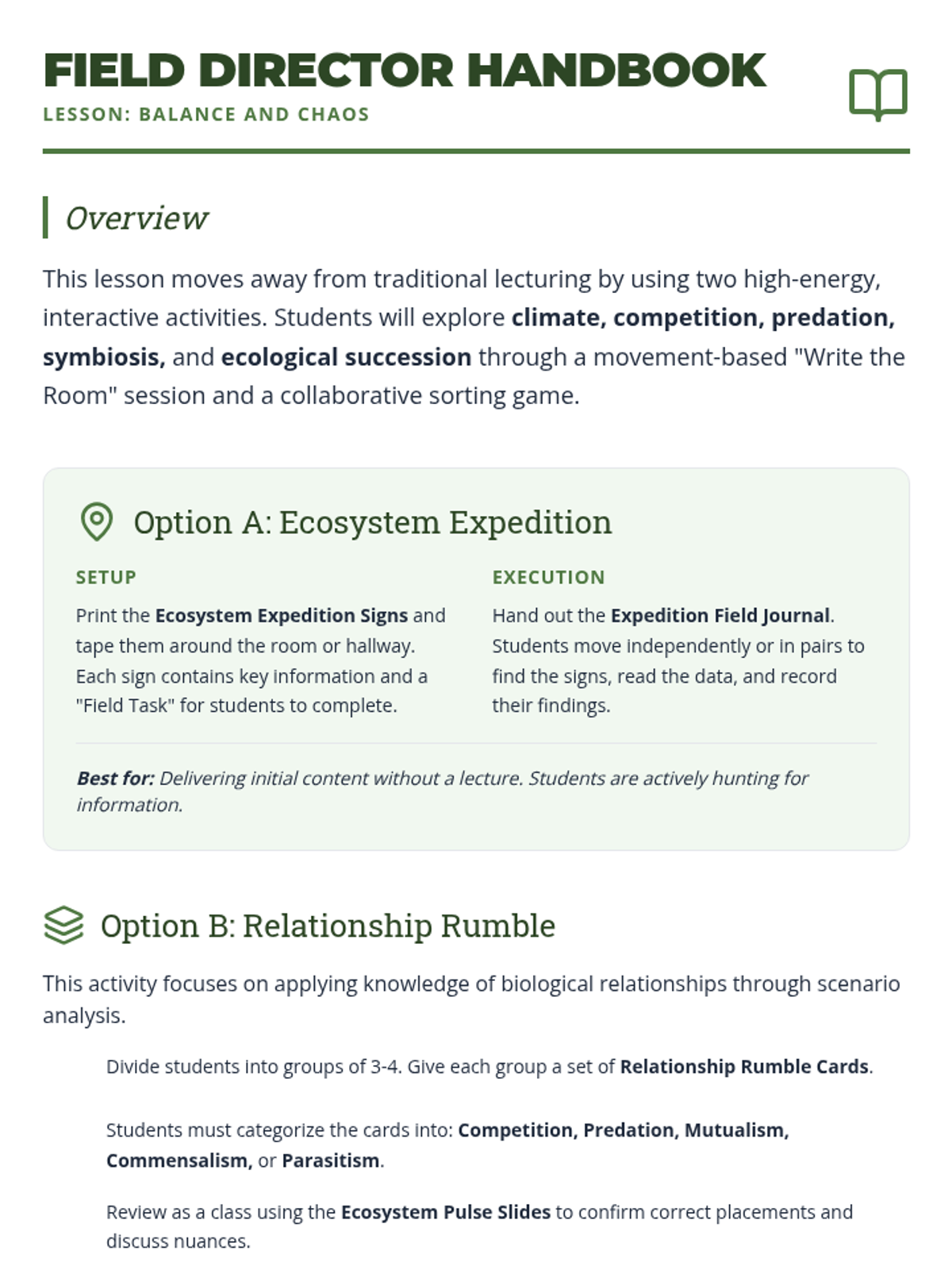
A comprehensive teacher guide for implementing the 'Ecosystem Expedition' (Write the Room) and 'Relationship Rumble' (Card Sort) activities, including setup instructions and discussion prompts.
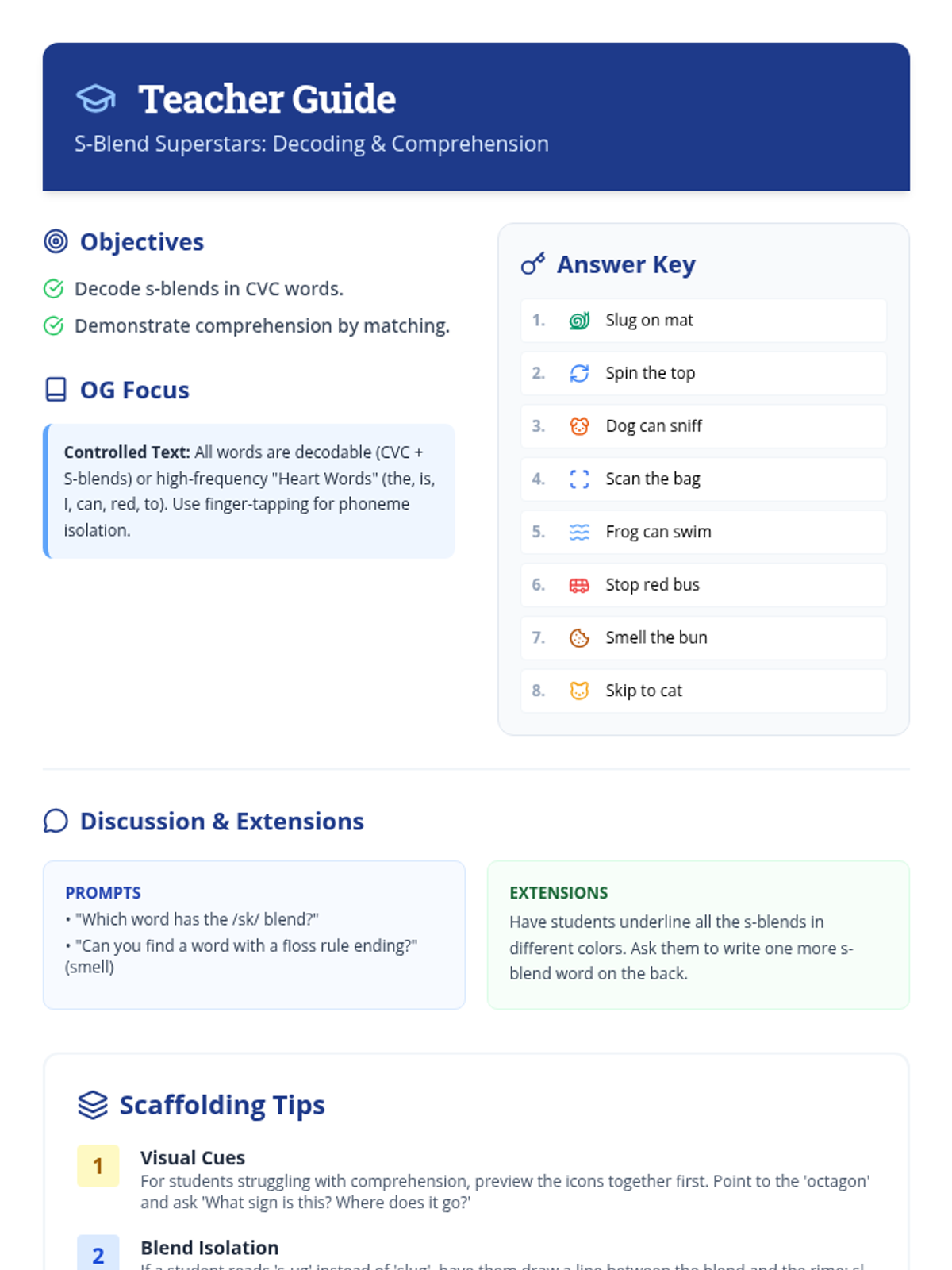
A teacher guide for the S-Blend Matcher lesson. Optimized to keep key sections together, uses standardized Lucide icons in the Answer Key, and includes a second page of scaffolding tips to help with differentiation.
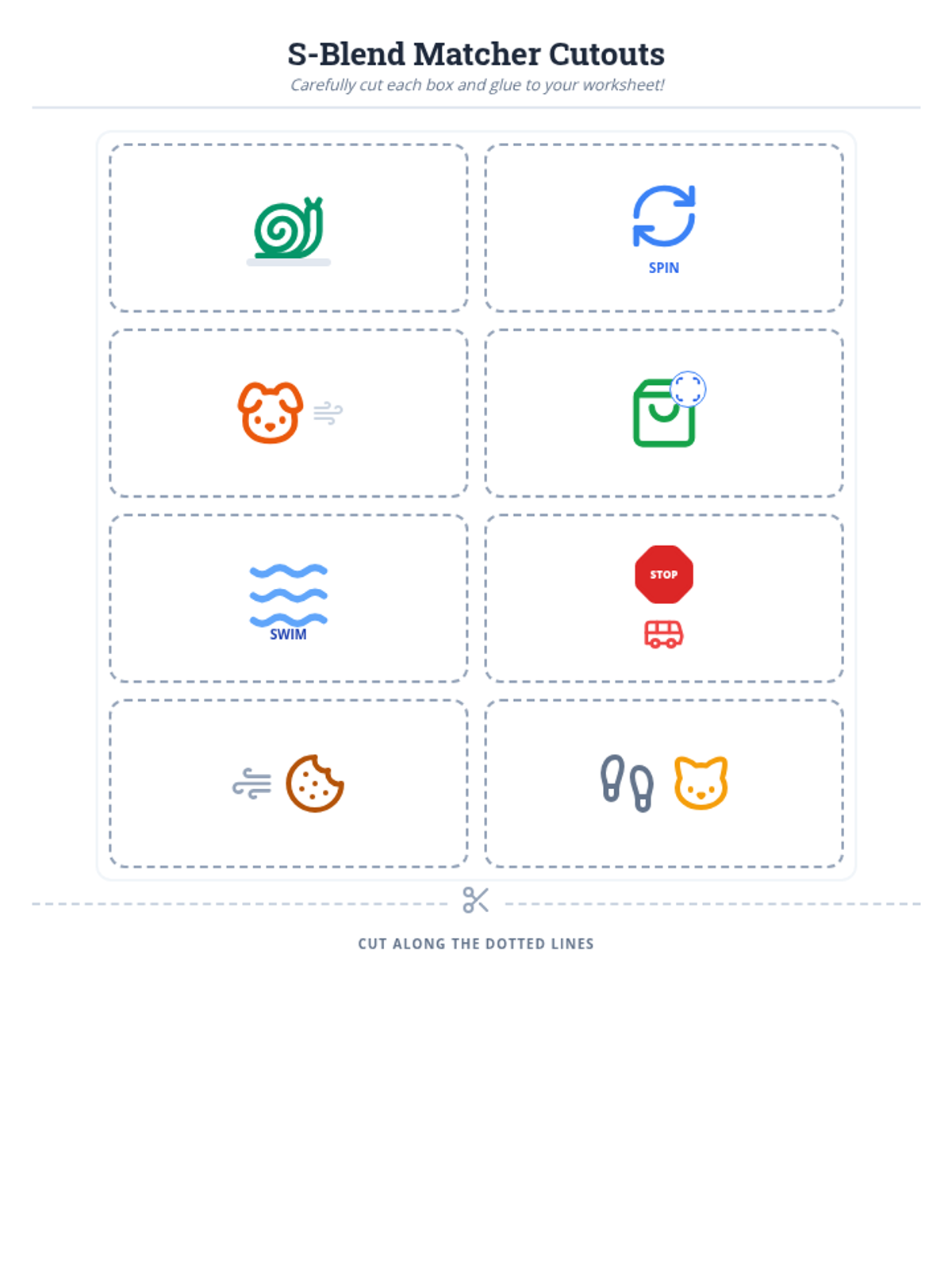
A single-page cut-out sheet with eight visual prompts. Standardized to use professional Lucide icons for a cohesive look and optimized layout to ensure everything fits on a single printed page. High-contrast labels added for accessibility.
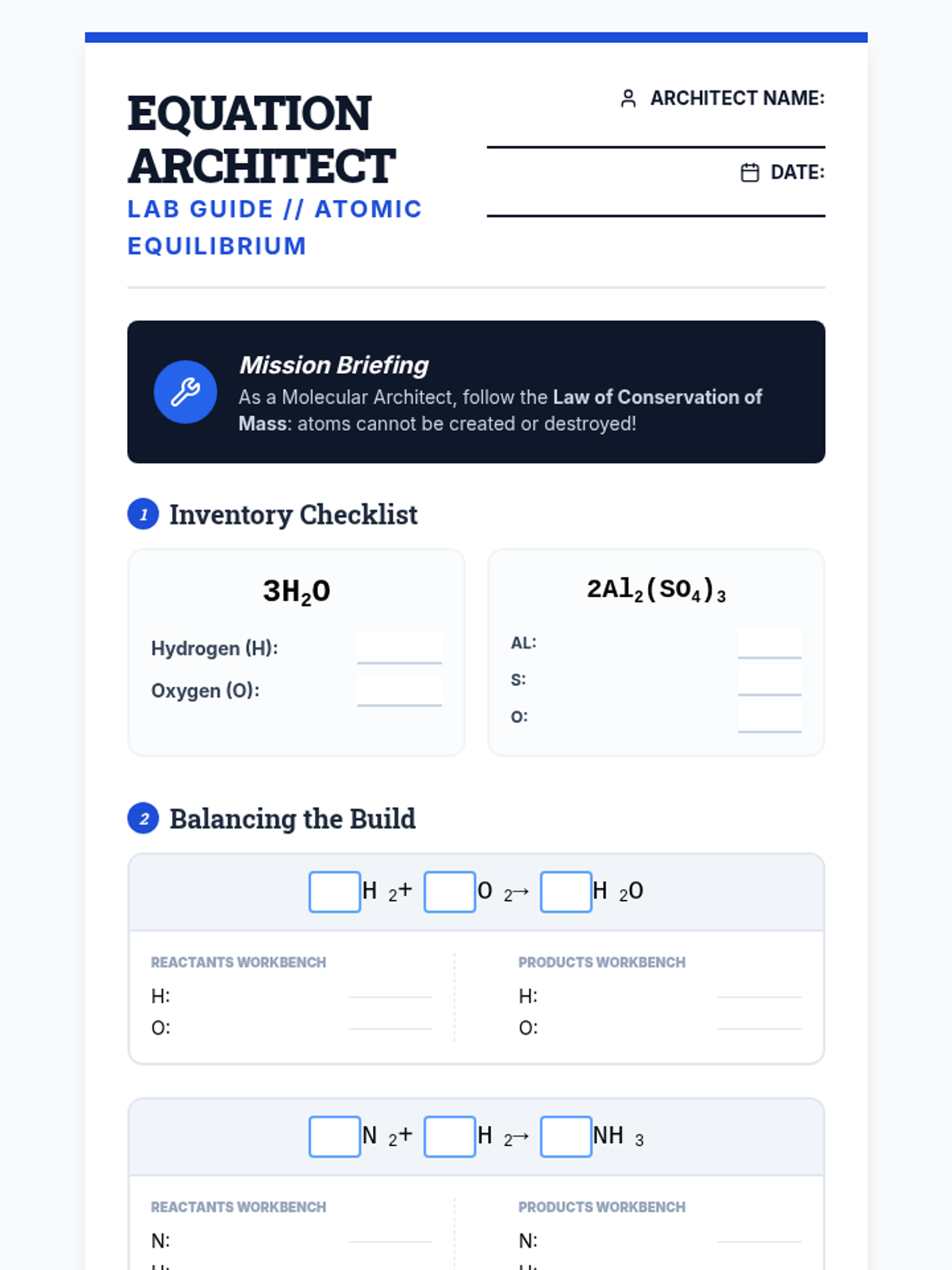
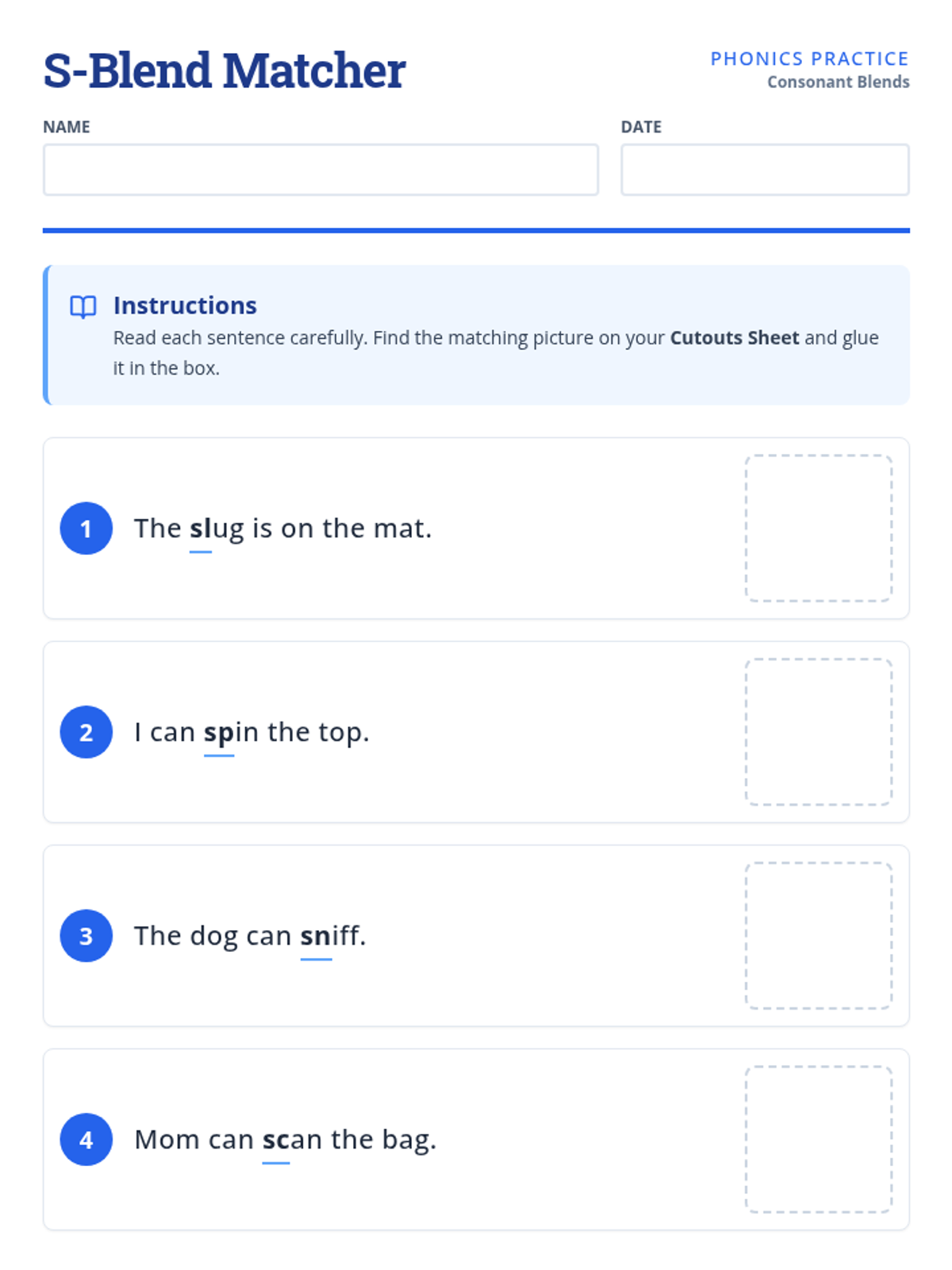
A student worksheet featuring eight decodable sentences with initial s-blends and dedicated areas for pasting matching pictures. Includes adjusted text decoration for better readability and a bonus drawing activity.
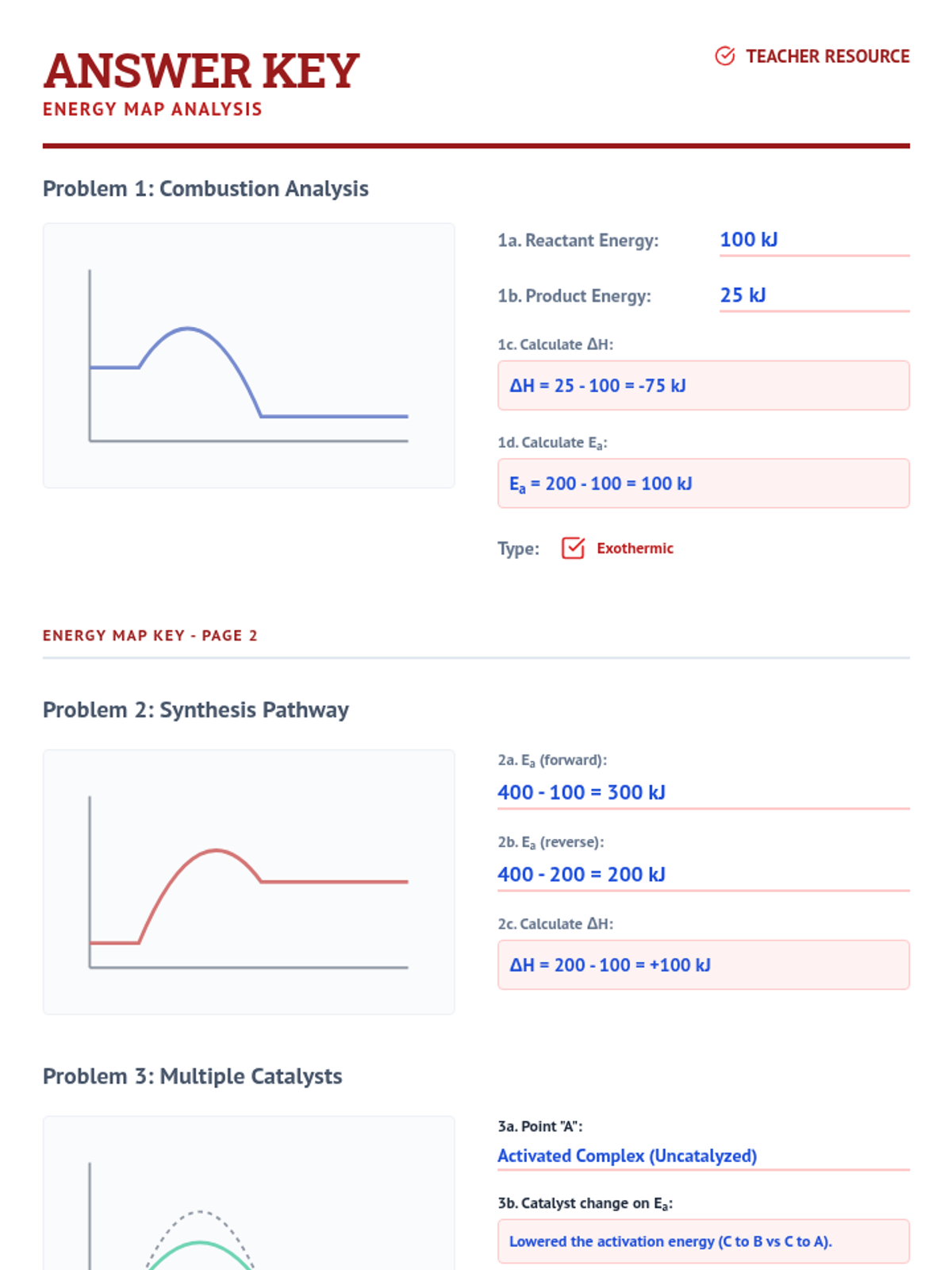
A detailed answer key for the Energy Map Worksheet, featuring solved diagrams and completed summary tables. Revised to match the worksheet layout and fixes.
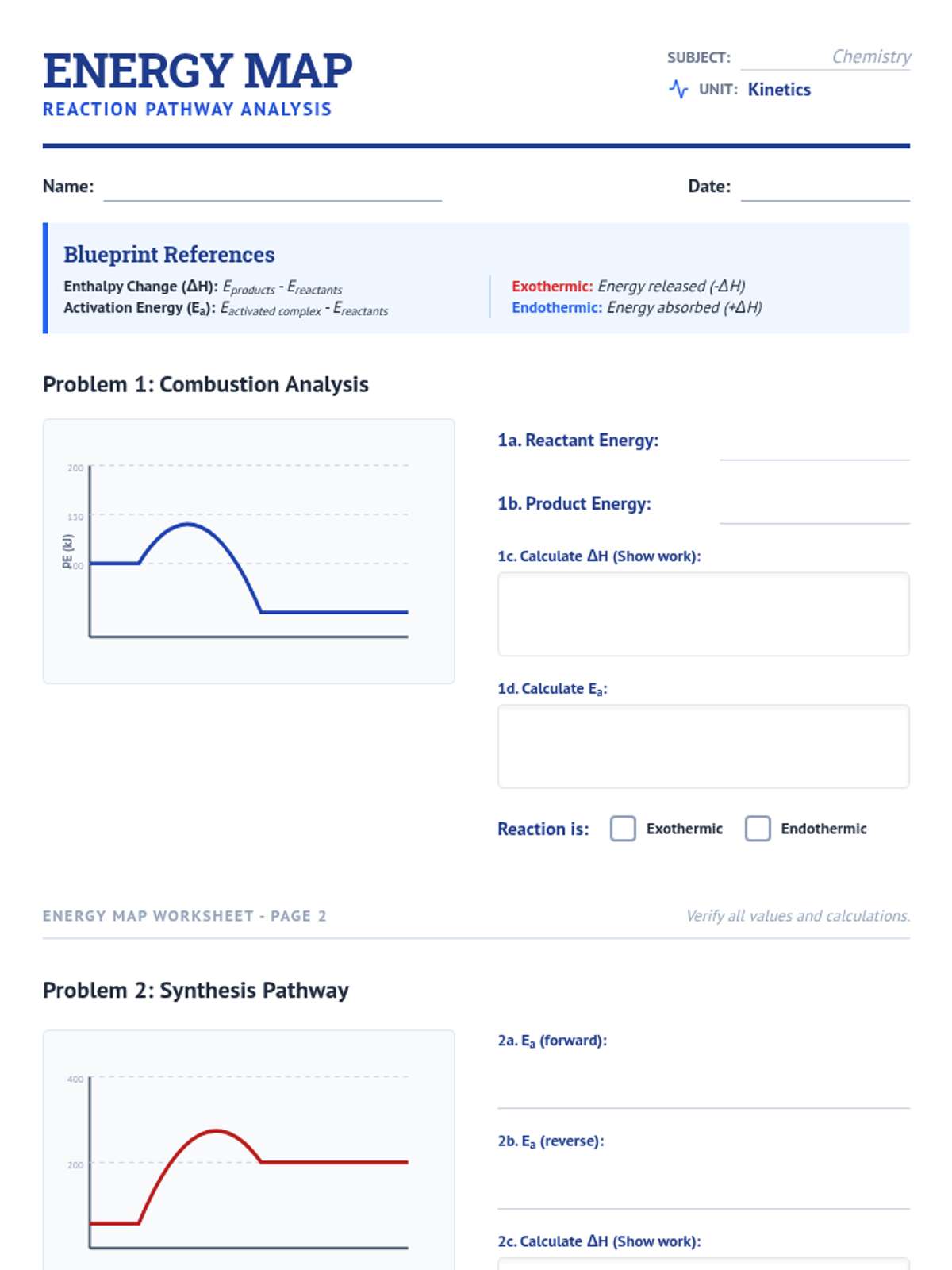
A 2-page worksheet for calculating activation energy and enthalpy from potential energy diagrams. Includes visual problems, catalyst analysis, and conceptual checks. Revised for better page breaks and larger work areas.
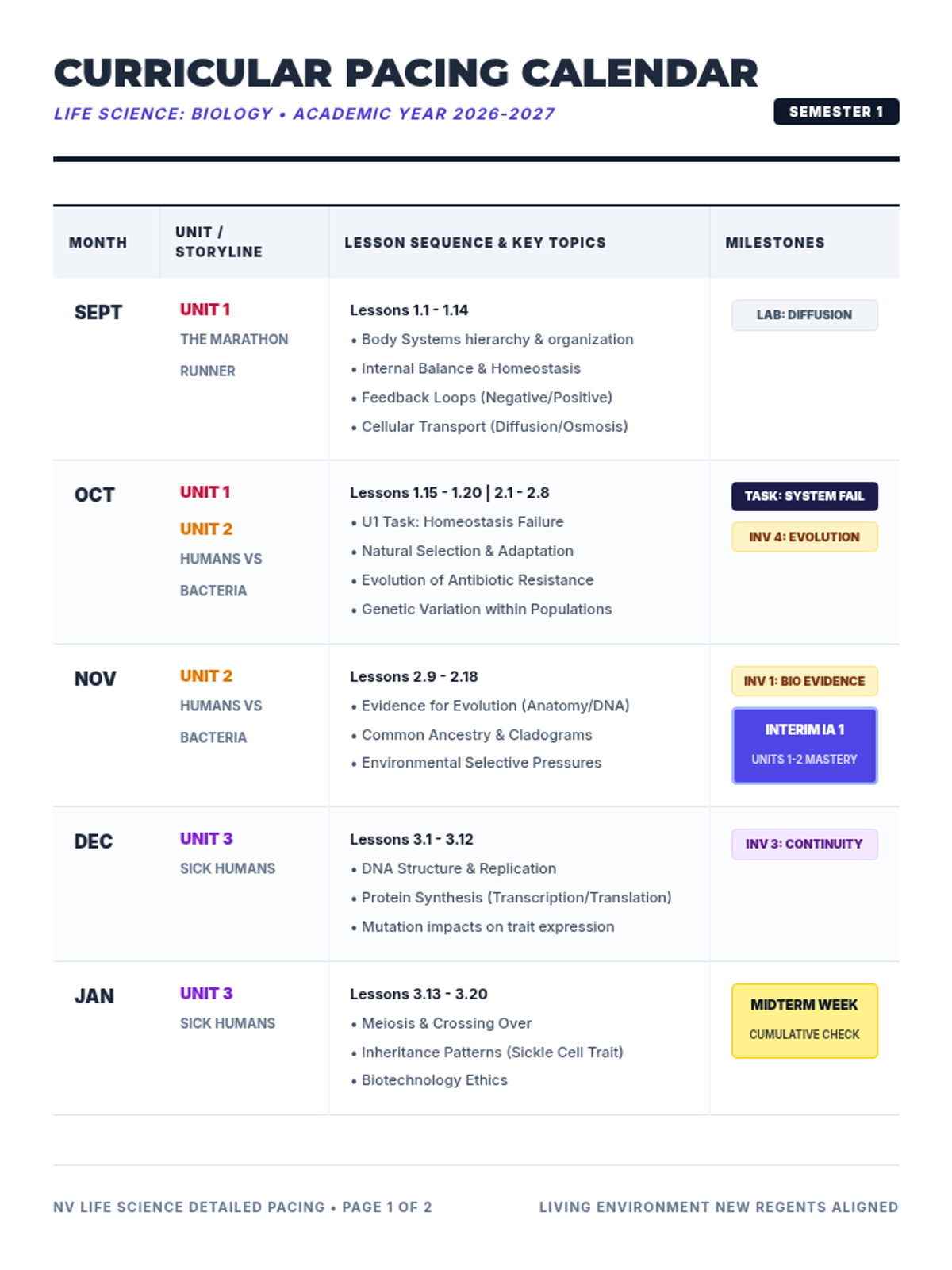
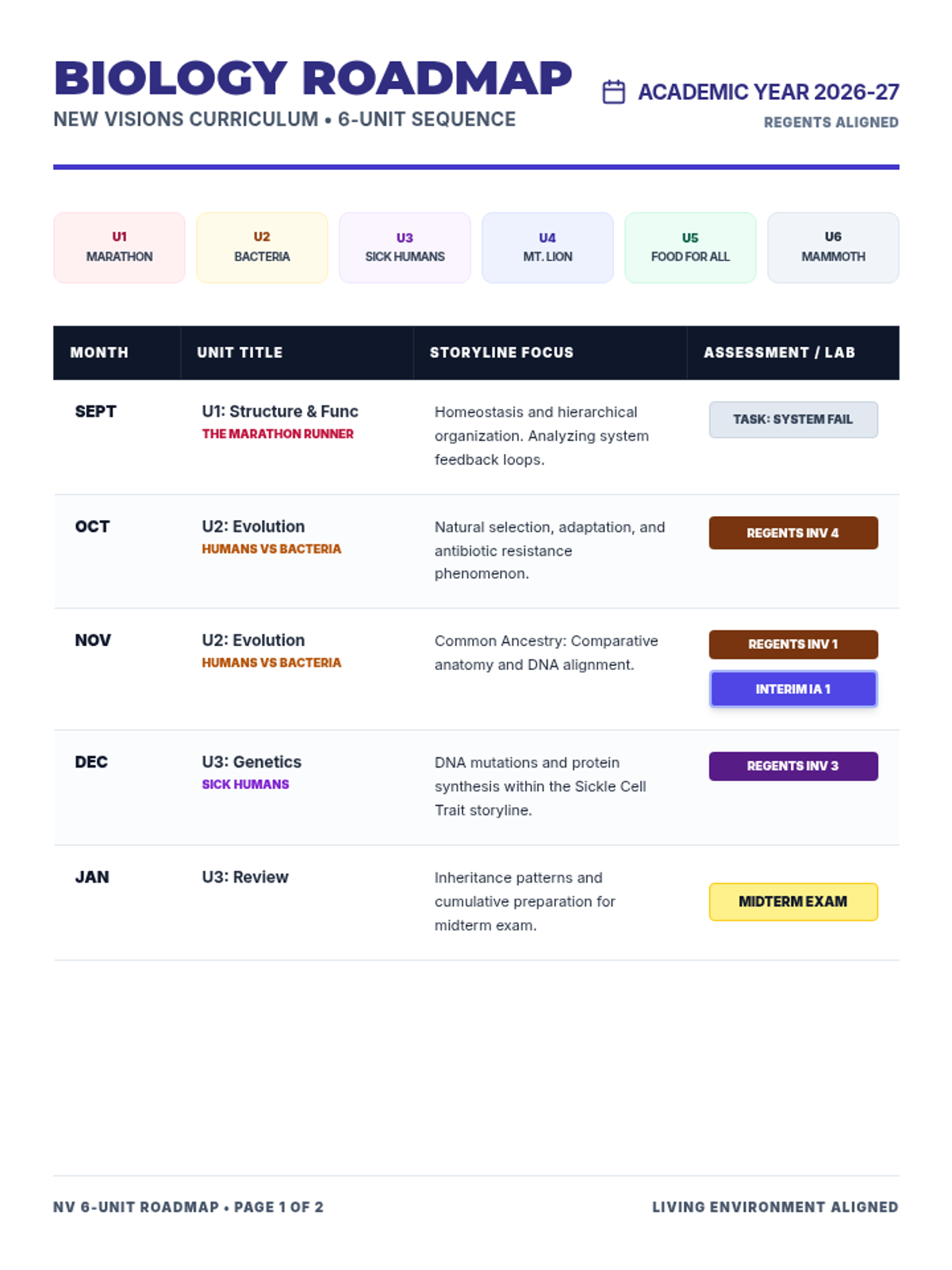
A comprehensive detailed pacing guide for the 26-27 school year, providing a month-by-month breakdown of unit coverage, lesson numbering, and specific milestones including labs, performance tasks, and the three Interim Assessments.
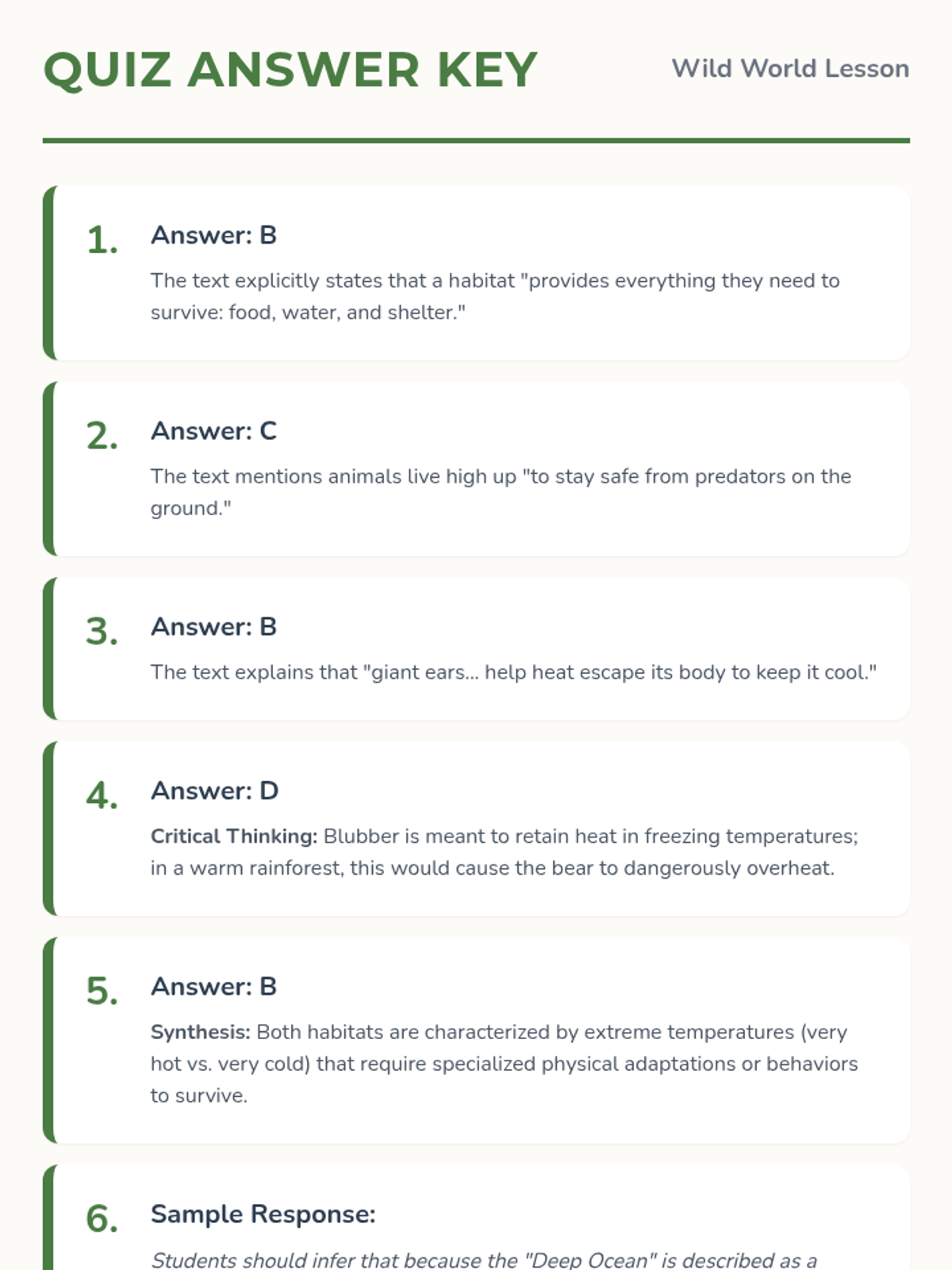
A comprehensive teacher's answer key for the Home Sweet Home Quiz, including explanations for critical thinking questions and discussion extension ideas.
A visual slide deck designed for classroom discussion about animal habitats, featuring the Rainforest, Desert, Arctic, and Ocean ecosystems with built-in discussion prompts and interactive quiz questions.
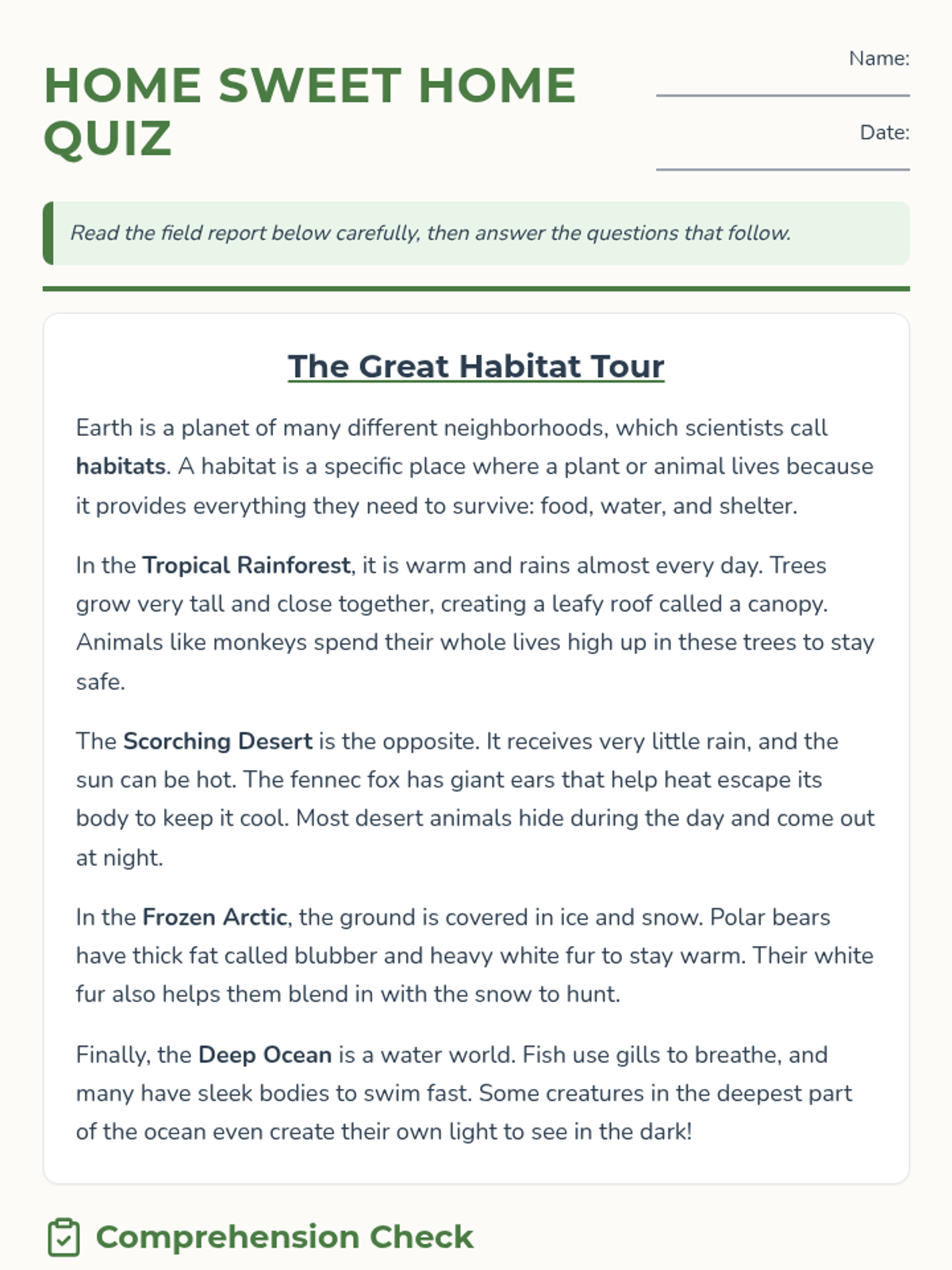
A comprehension quiz for 3rd grade students featuring a non-fiction passage about animal habitats (Rainforest, Desert, Arctic, Ocean) followed by multiple-choice and critical thinking questions.
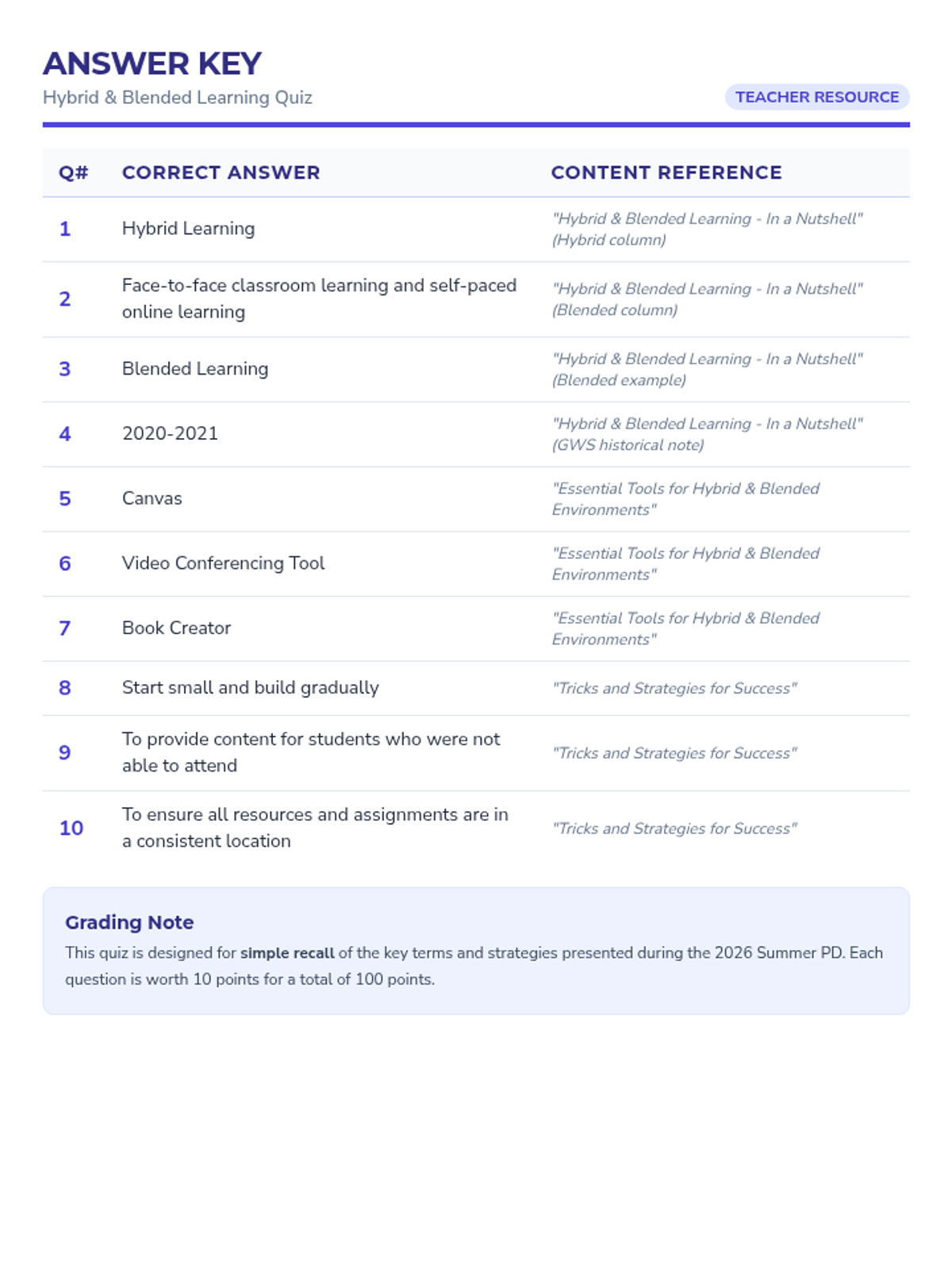
A teacher-facing answer key for the Hybrid Hub Quiz, including correct answers and specific references to the presentation material.
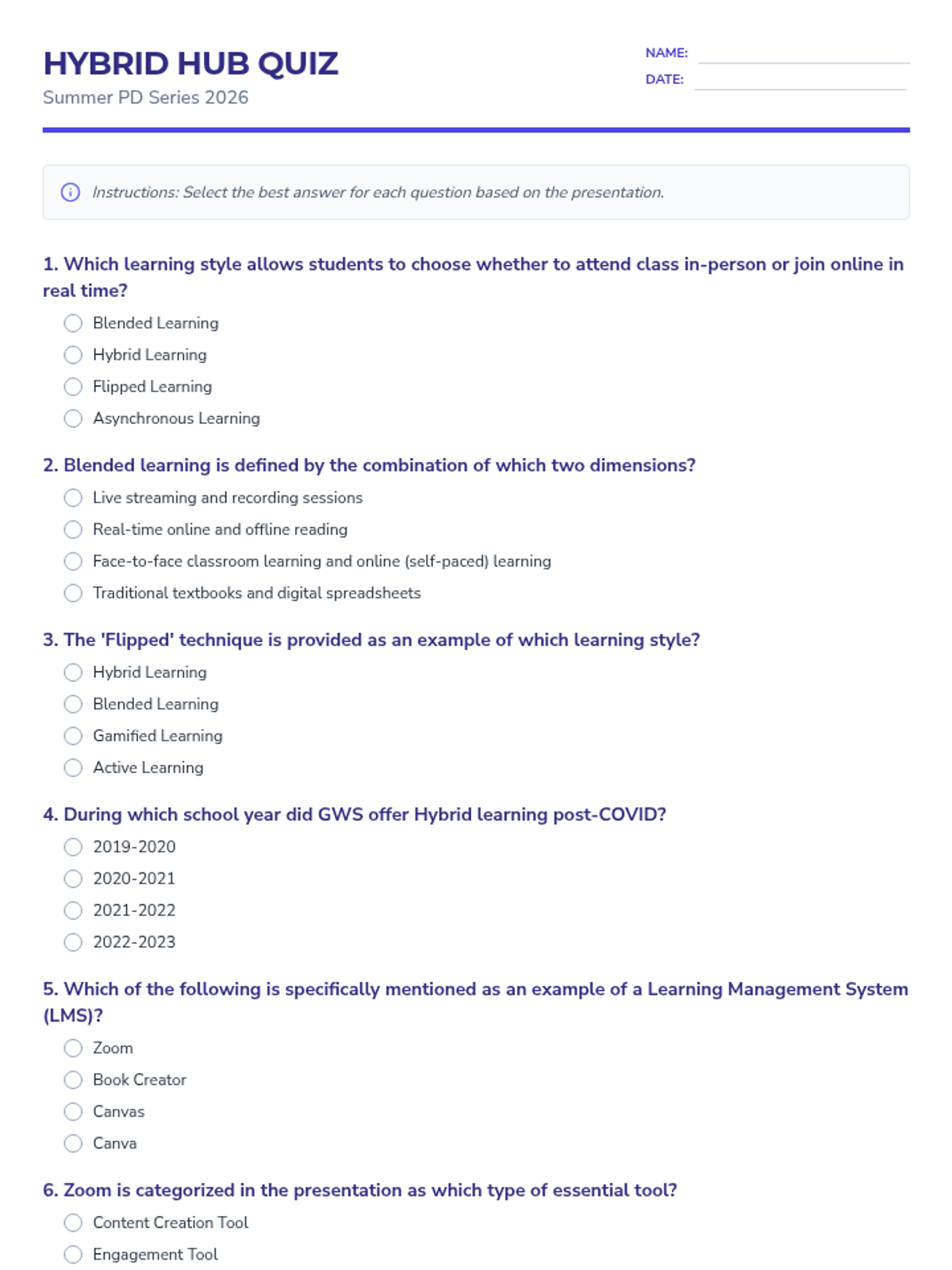
A 10-question multiple-choice quiz designed for simple recall of key concepts from the Hybrid and Blended Learning Summer PD. Organized with consistent 1-column layouts and optimized for space.
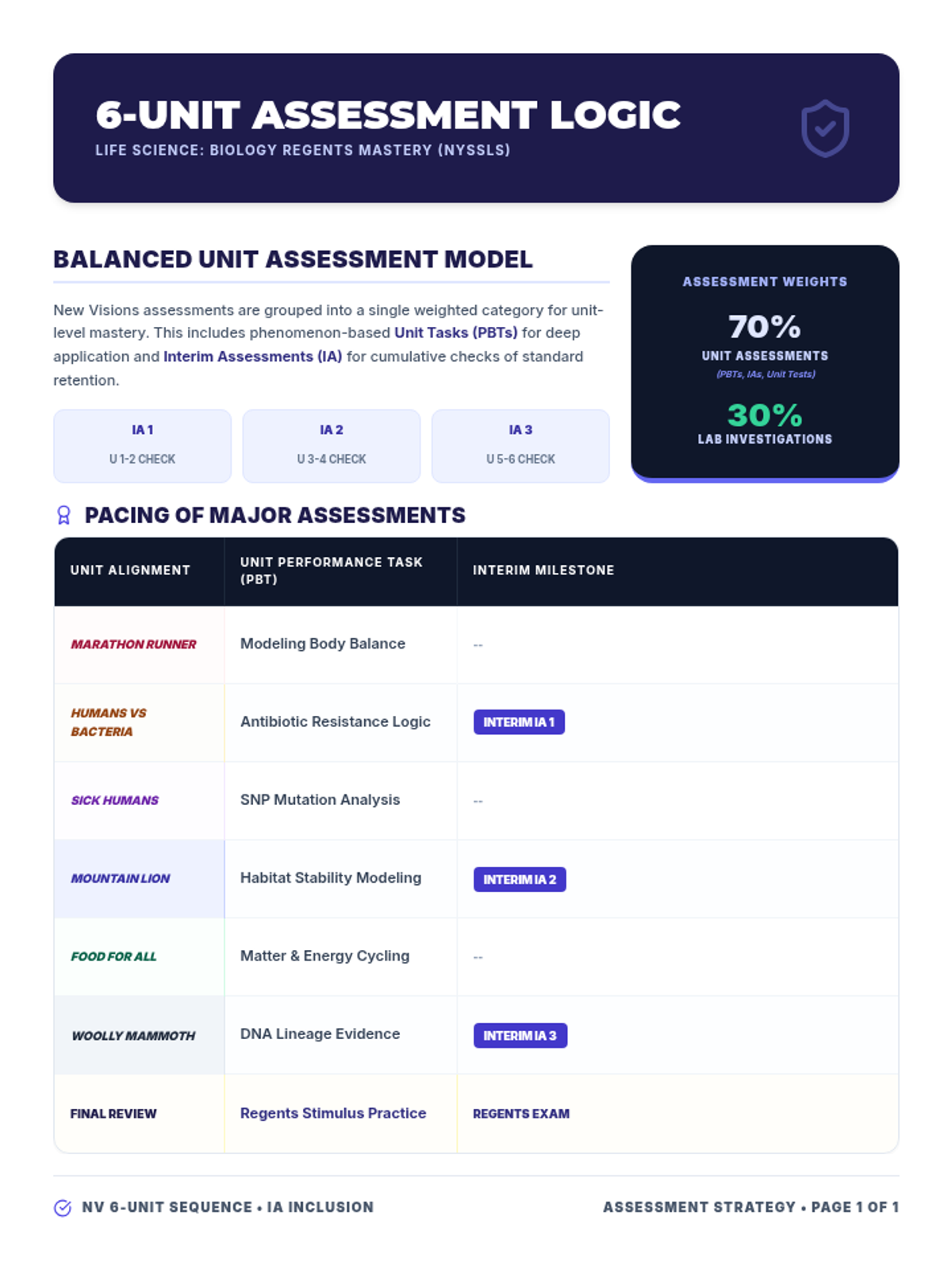
A condensed single-page guide to assessment strategy within the New Visions Life Science: Biology framework. Updated to move Interim Assessments into the general "Unit Assessments" weighting category (70% total with PBTs) and to reflect that IA 3 is a Units 5-6 check.
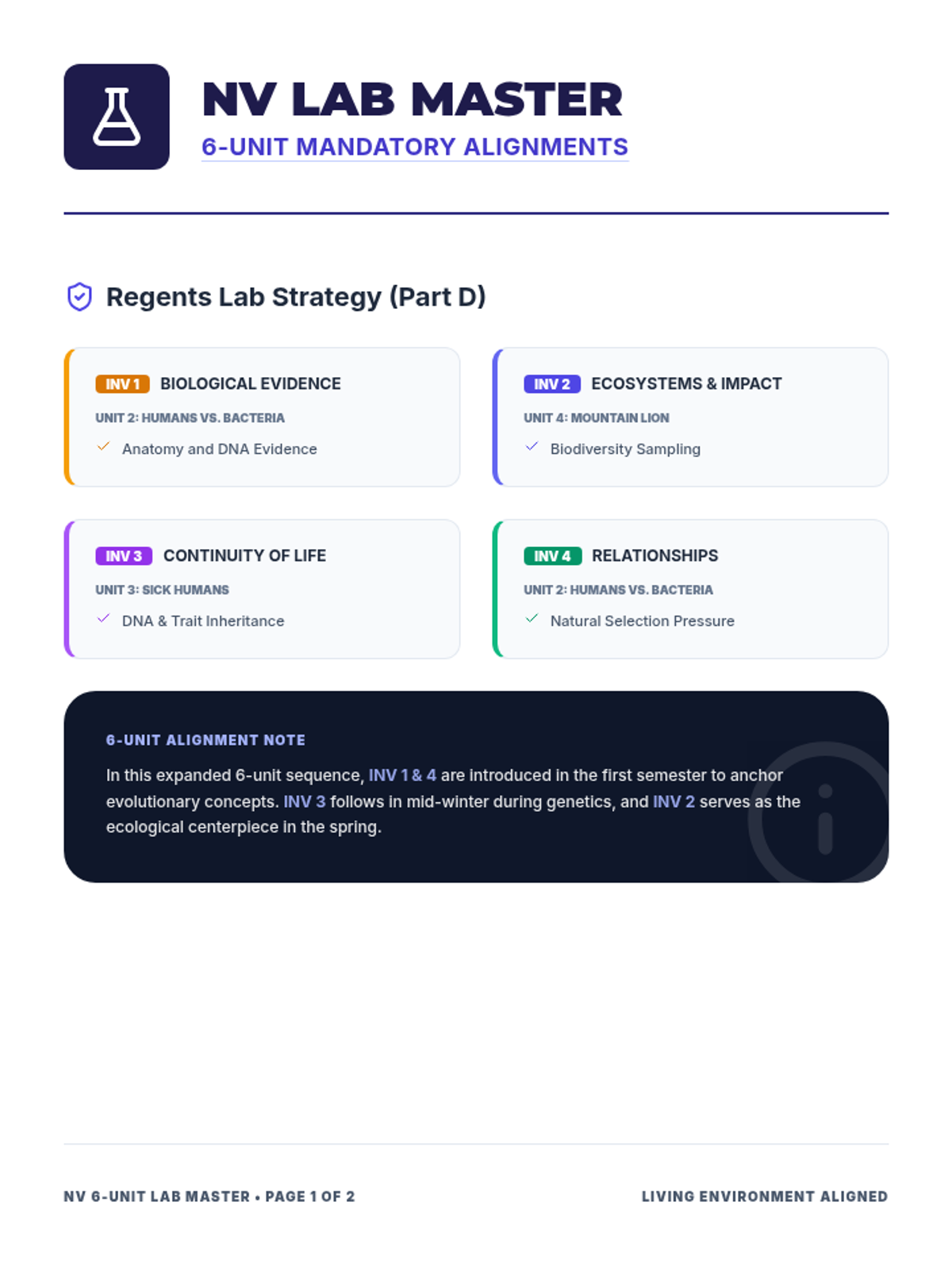
A logistics resource for managing New Visions Life Science: Biology labs. Updated to align the 4 Mandatory Investigations across the 6-unit sequence (Unit 1: Marathon, Unit 2: Bacteria/Inv 1&4, Unit 3: Sick Humans/Inv 3, Unit 4: Mountain Lion/Inv 2, Unit 5: Food for All, Unit 6: Mammoth).
A high-level pacing guide for a 6-unit year-long high school Life Science: Biology course. Revised to reflect that IA 3 is a check for Units 5-6 and to update terminology for interim assessment integration.
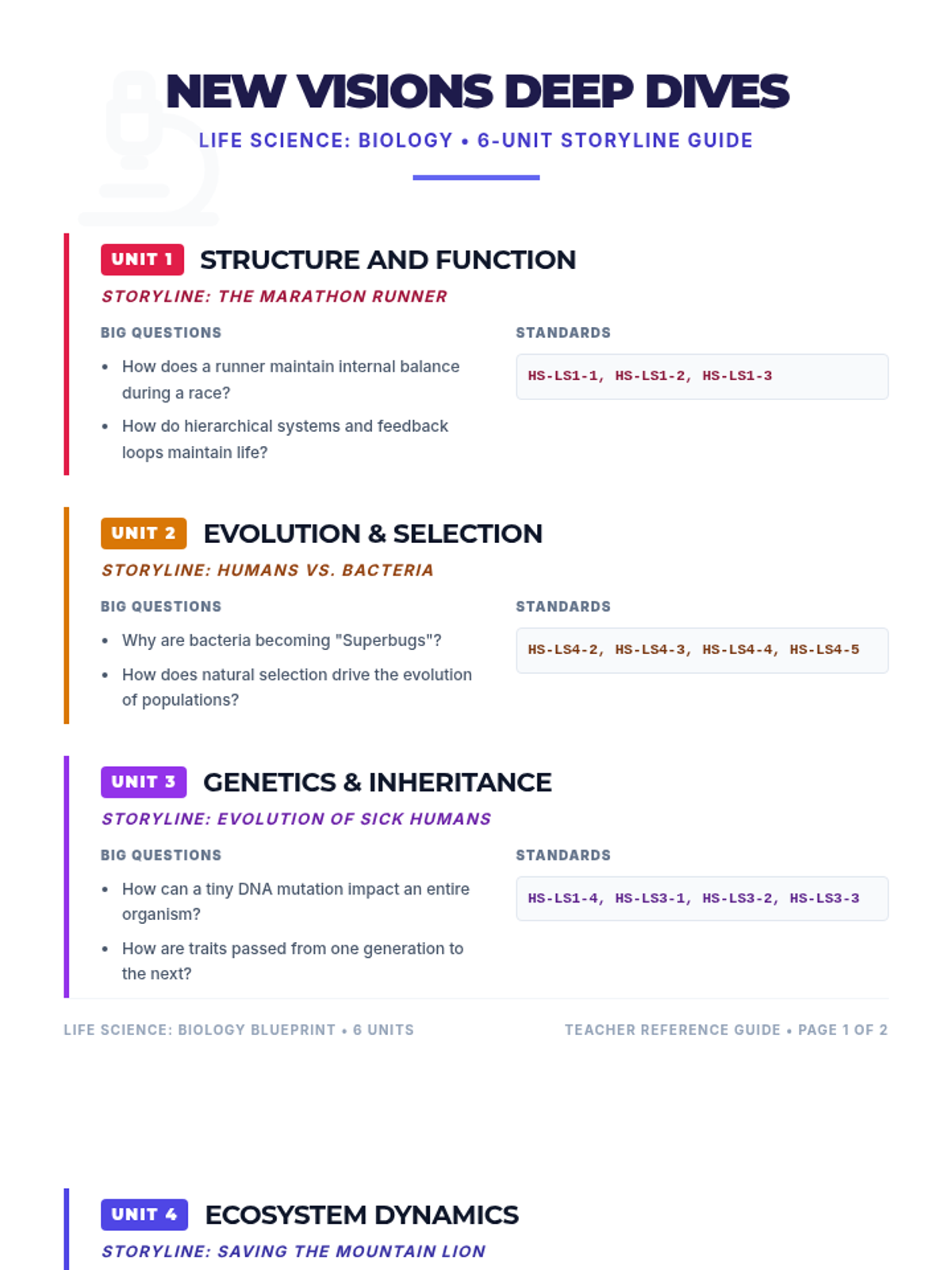
A revised teacher-facing guide providing deep-dive details for the 6-unit New Visions Life Science: Biology curriculum. Standardized font sizes, improved contrast, and balanced layout across two pages. Includes storylines: Marathon Runner, Humans vs. Bacteria, Evolution of Sick Humans, Saving the Mountain Lion, Food for All, and Woolly Mammoth.
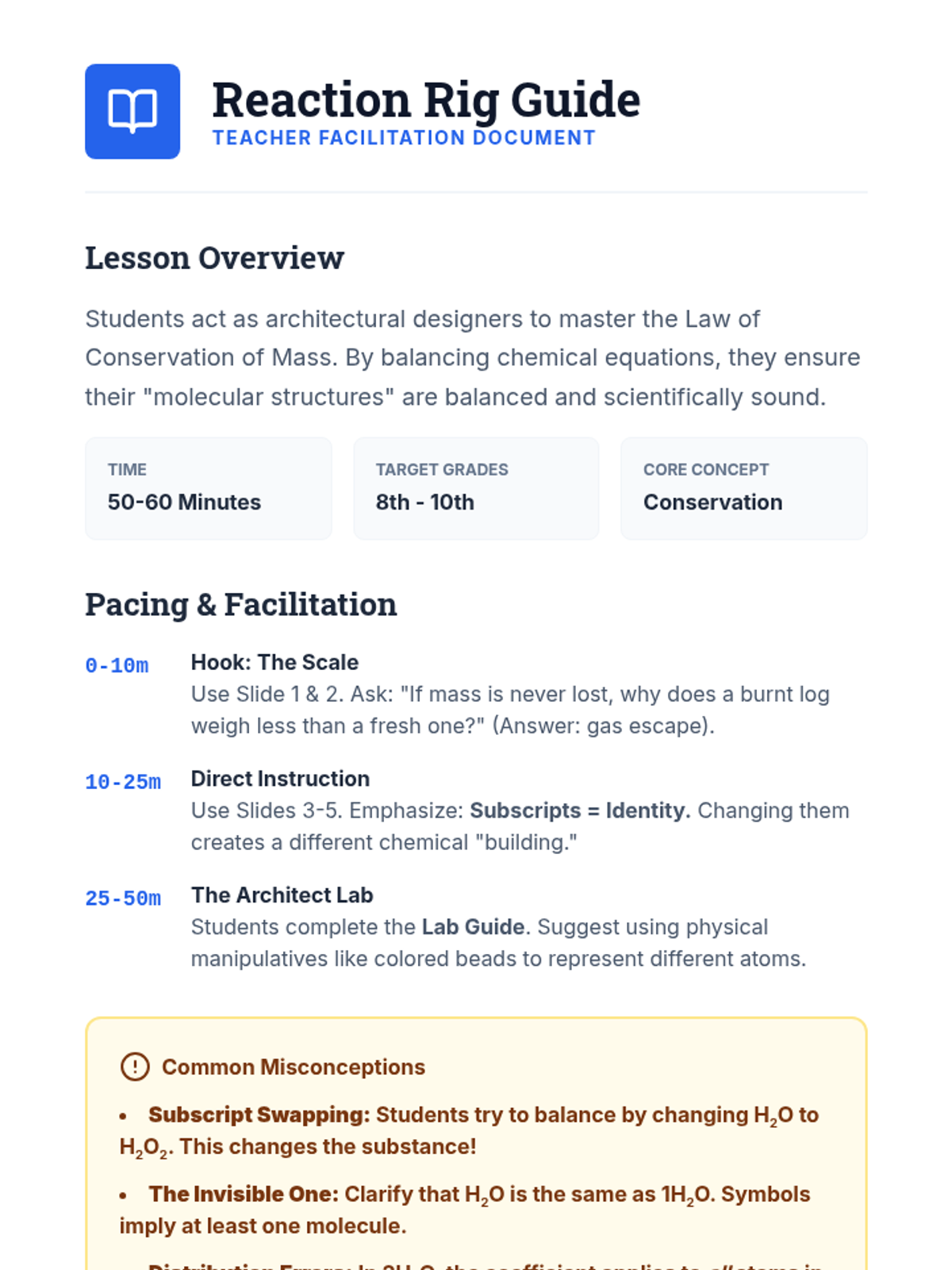
Instructional guide for teachers with pacing, common misconceptions, and discussion prompts to support the Atomic Equilibrium lesson.
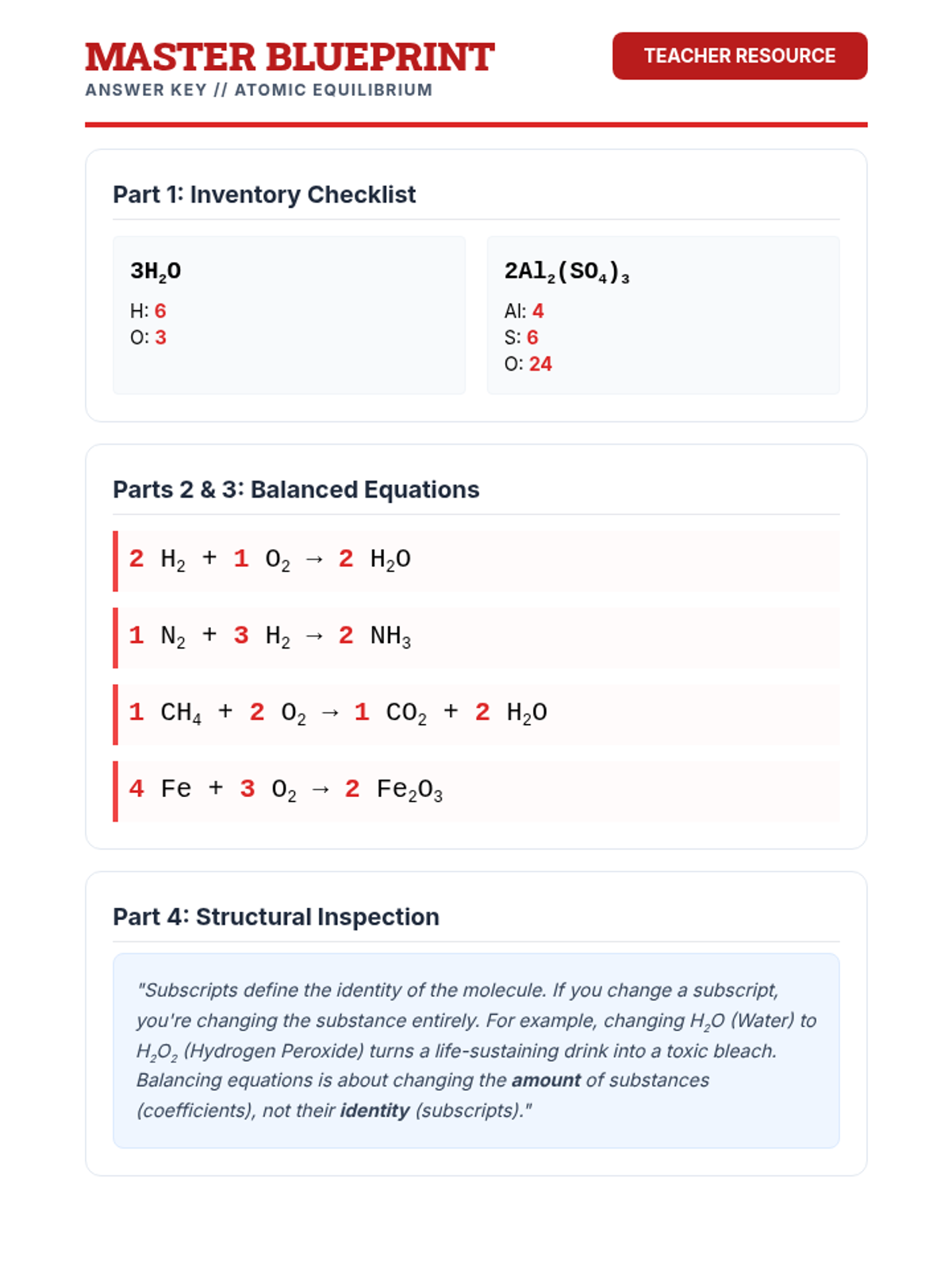
Complete answer key for the Equation Architect Lab Guide, featuring worked-out atom counts and balanced chemical equations for teacher use.
Student worksheet structured as an 'Architect's Lab' where students practice counting atoms and balancing equations through progressively difficult challenges.
Visual presentation for teaching the fundamentals of balancing chemical equations, featuring the Law of Conservation of Mass and a guided practice example.
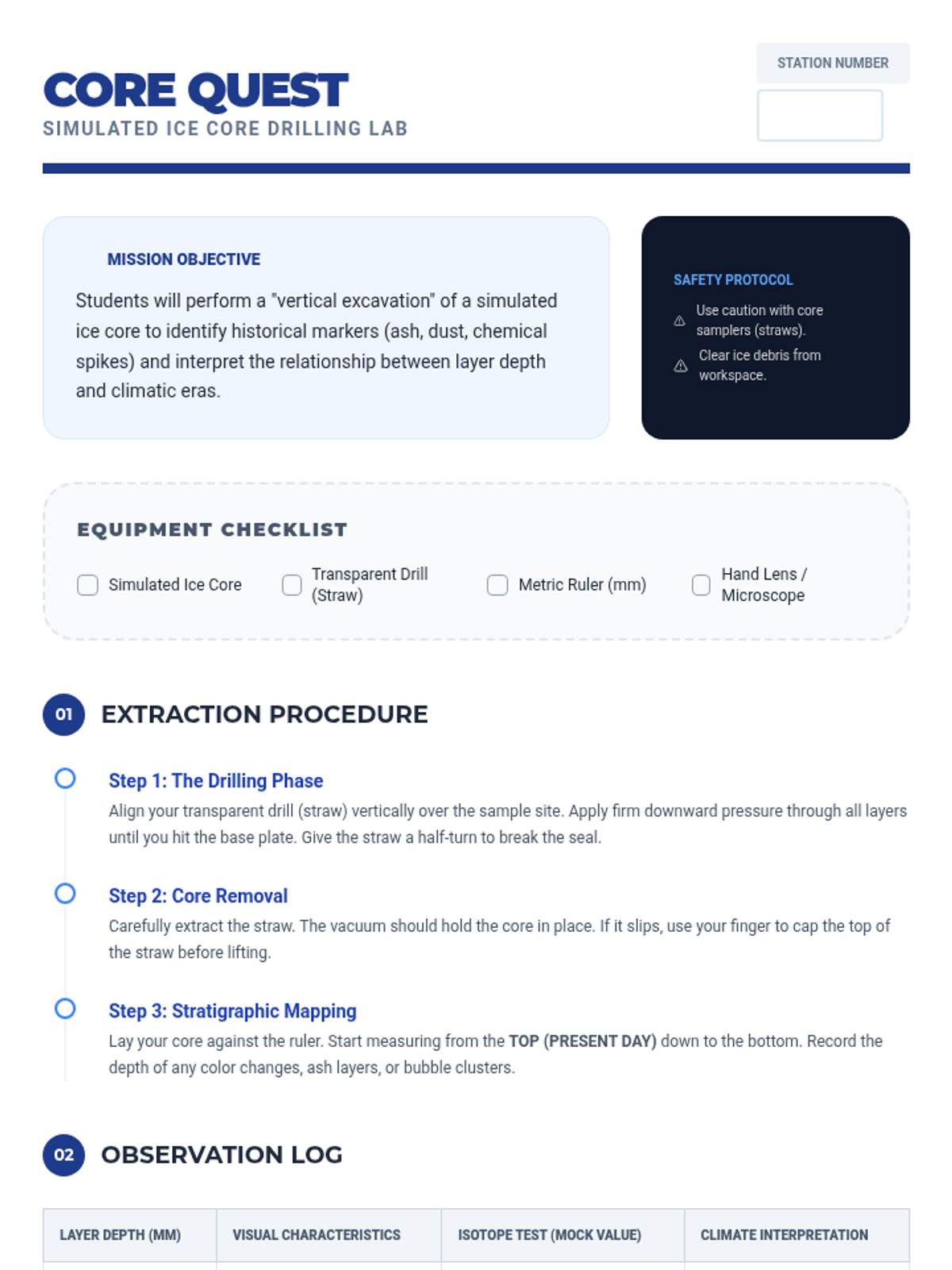
A step-by-step laboratory guide for students to conduct a simulated ice core drilling experiment, featuring stratigraphic mapping instructions, data collection tables, and synthesis questions.
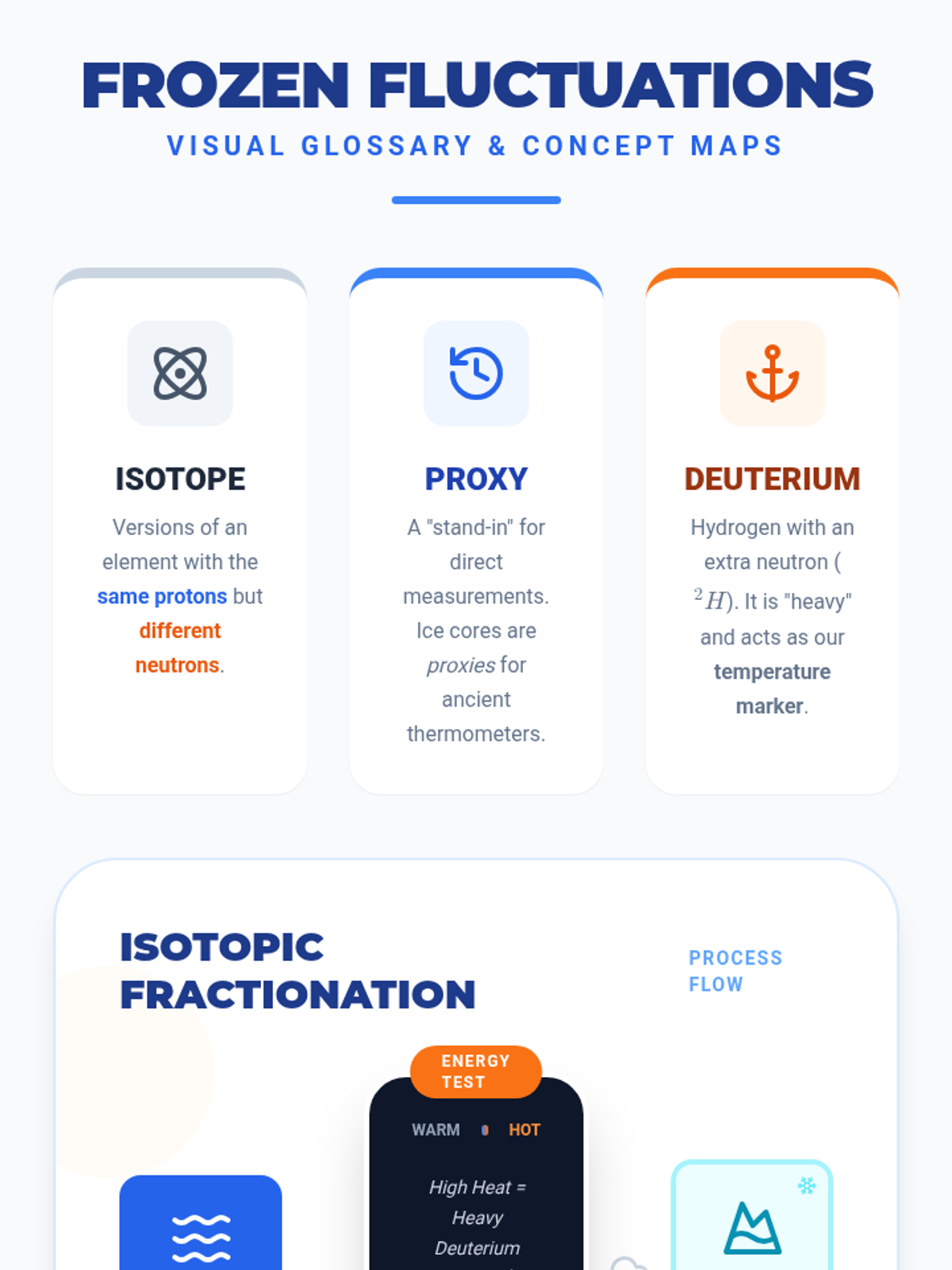
A high-contrast visual aid and reference sheet defining key vocabulary like 'isotope', 'proxy', and 'deuterium', accompanied by a detailed conceptual flowchart illustrating isotopic fractionation.
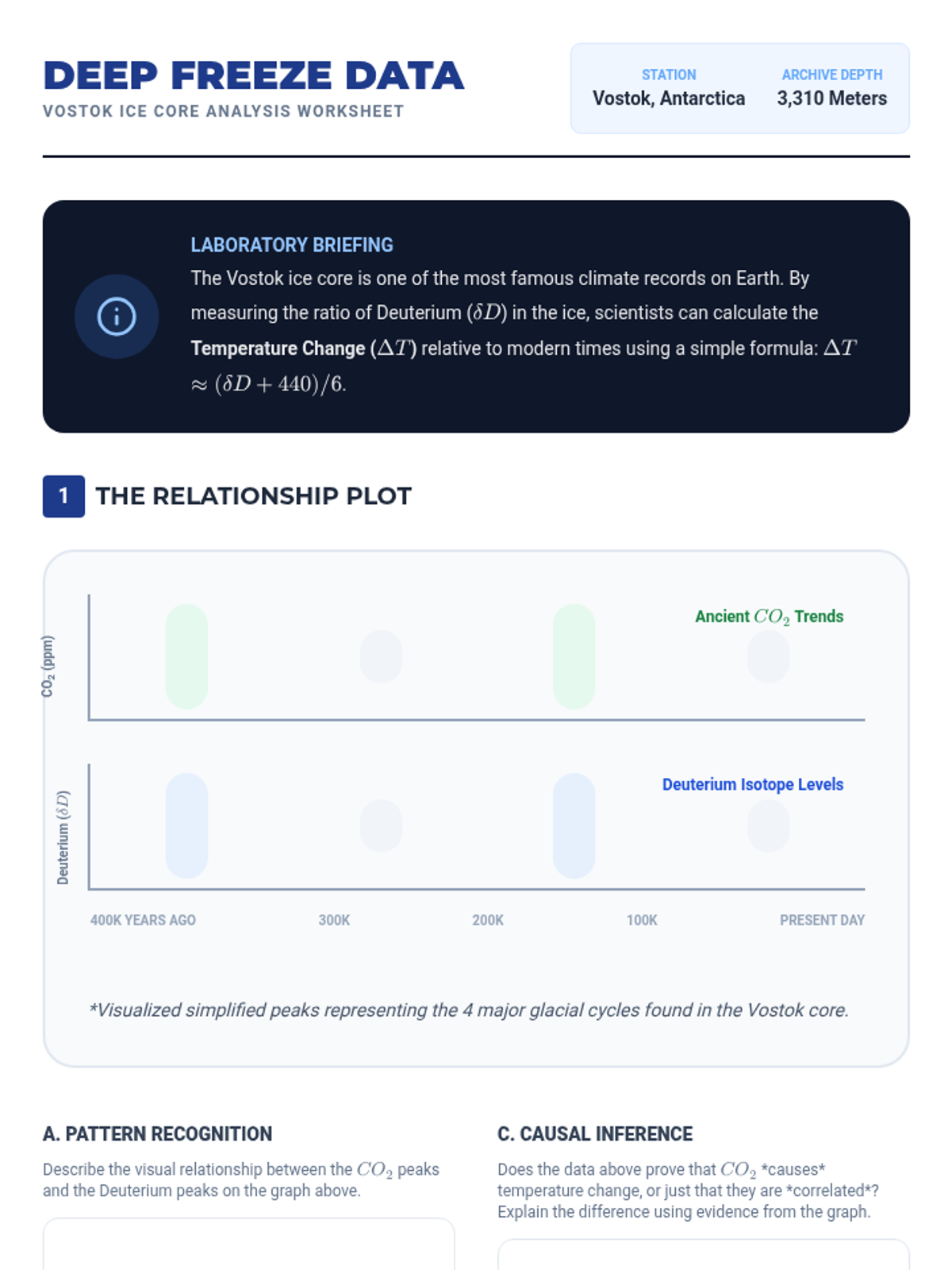
A data-heavy worksheet where students interpret simplified Vostok ice core plots, perform temperature calculations using isotopic formulas, and analyze the correlation between greenhouse gases and deuterium levels.
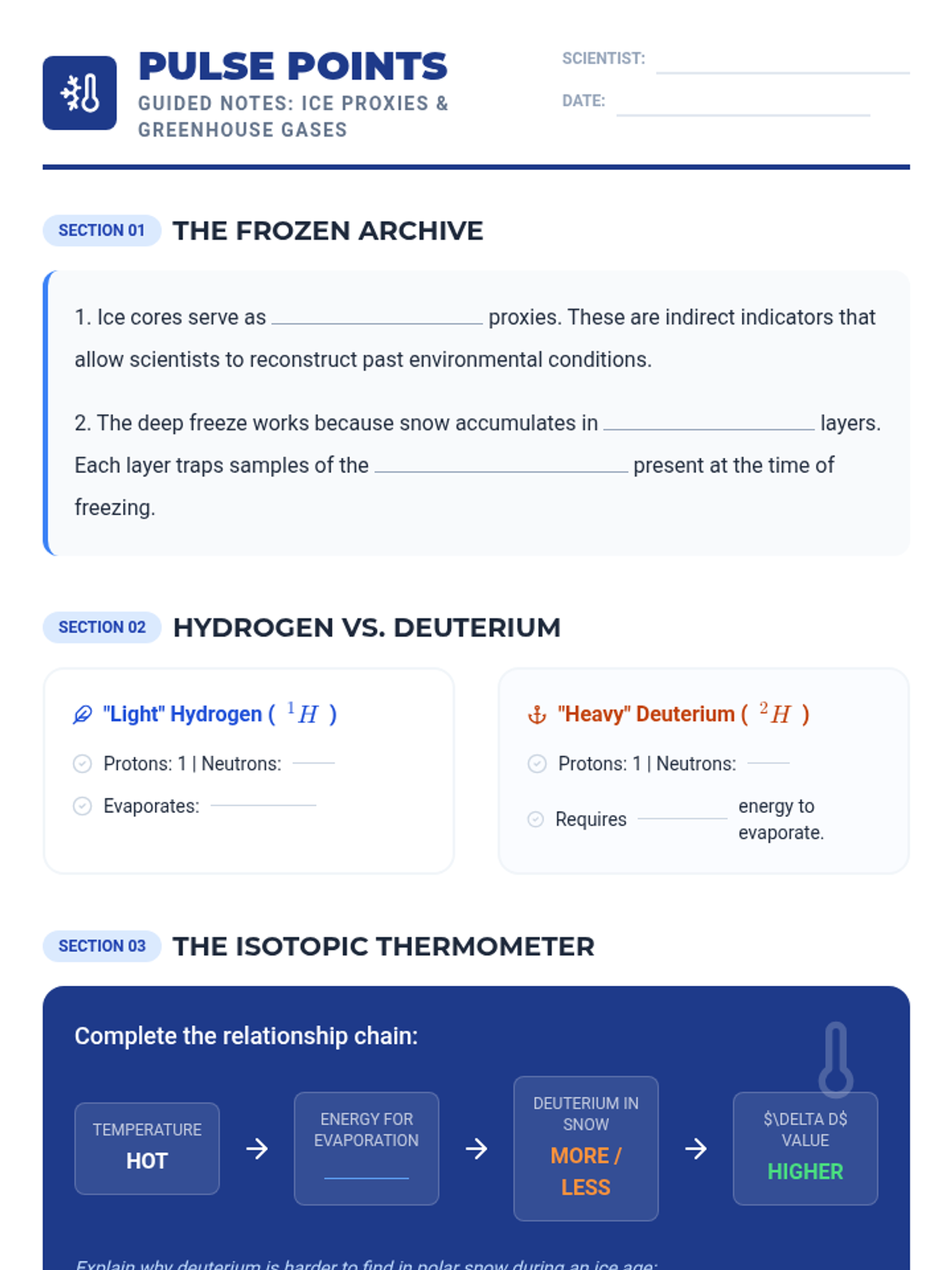
Guided notes designed for student use alongside the Ice Pulse presentation, featuring structured fill-in-the-blanks, logic chains, and sketch areas to reinforce isotope chemistry and greenhouse gas concepts.
A high-impact slide deck for high school students introducing ice core proxies, the chemical behavior of deuterium isotopes, and the historical correlation between temperature and greenhouse gases.
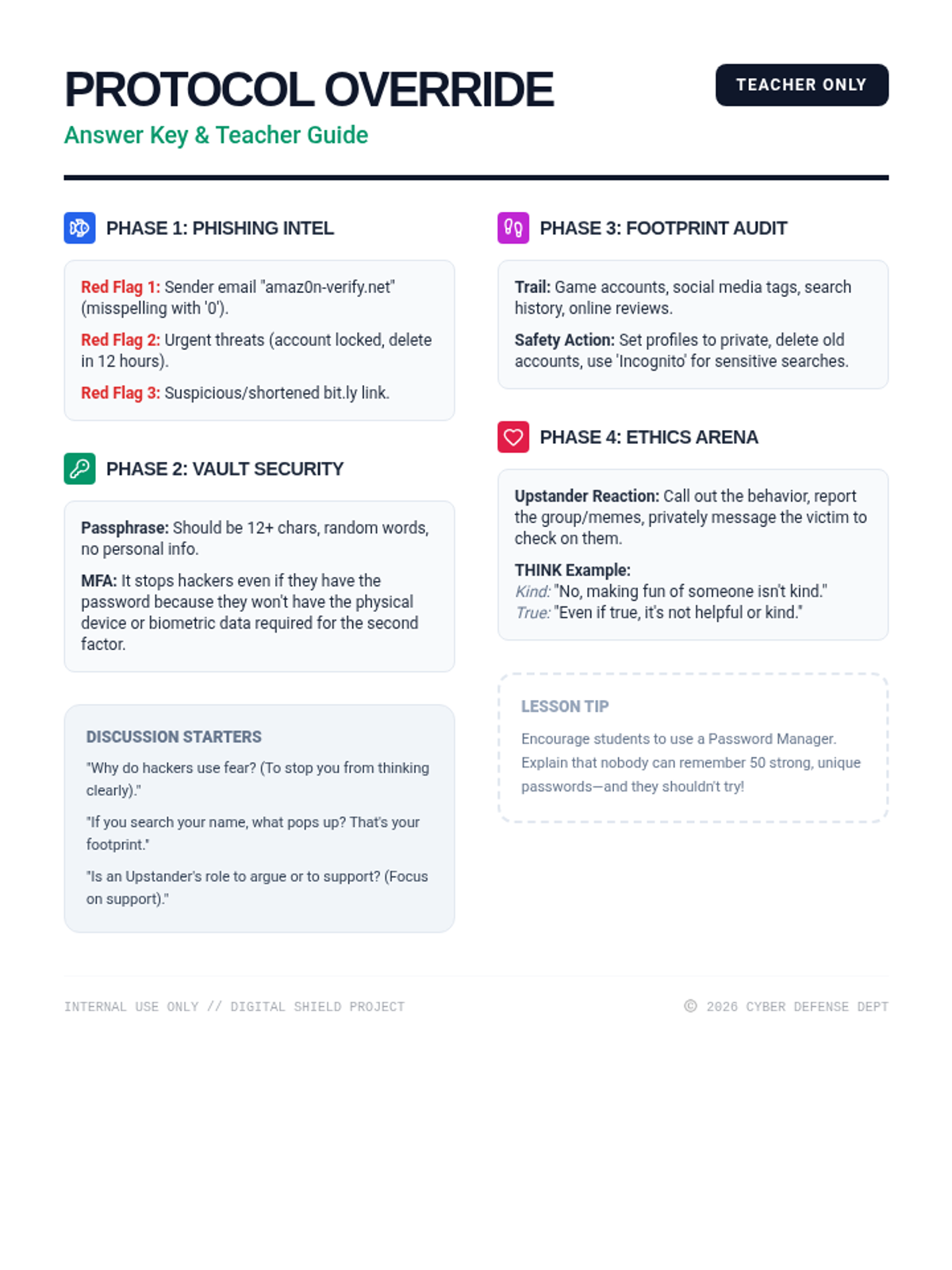
Teacher-facing answer key and facilitation guide for the Digital Shield lesson. Provides sample student responses, key points for discussion, and identified red flags for the phishing scenario.
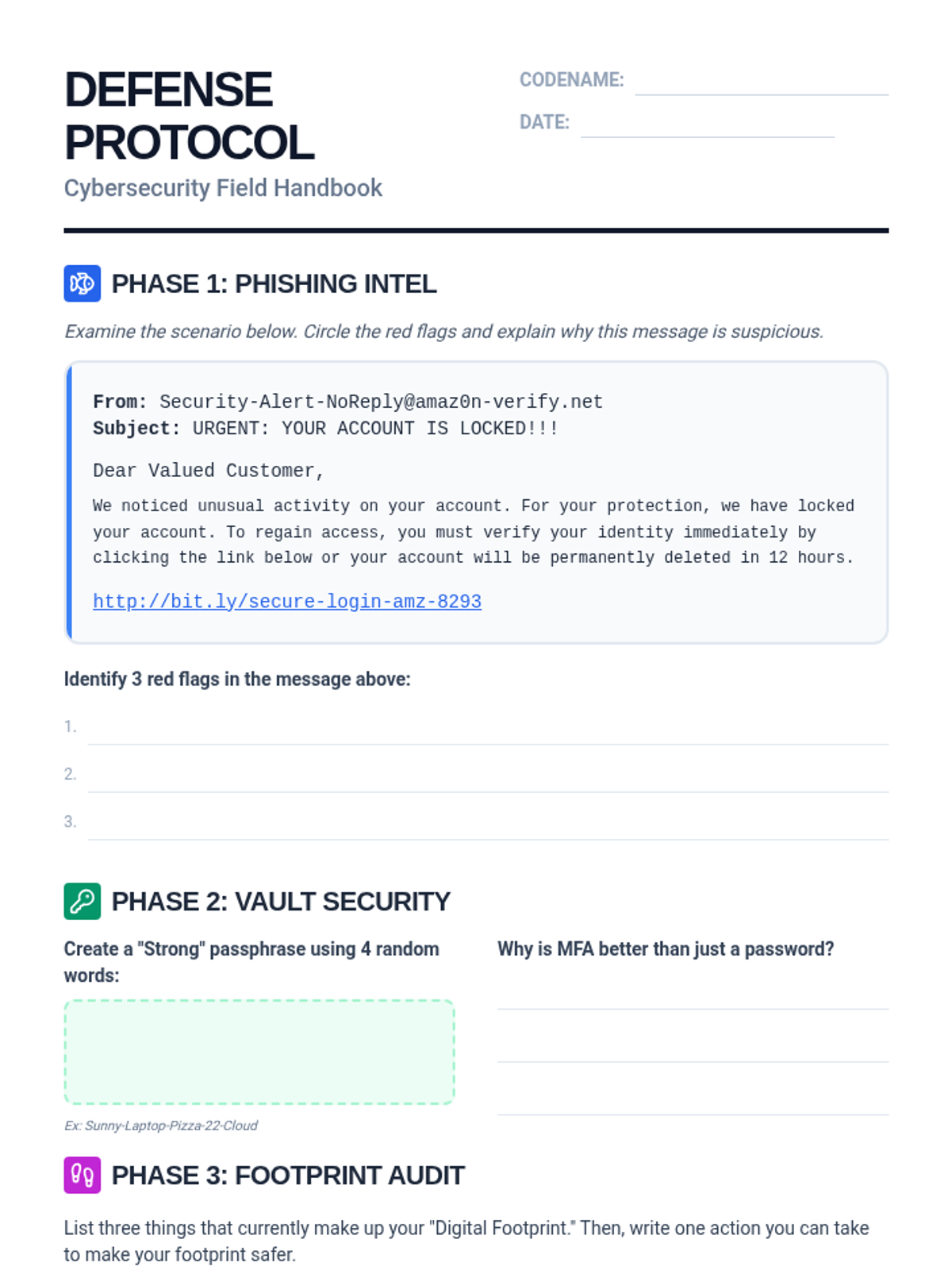
A companion worksheet for the Digital Shield lesson. It includes phishing scenario analysis, password creation practice, a digital footprint audit, and an ethics case study on cyberbullying.
A visual slide deck covering key cybersecurity concepts including phishing detection, password security, MFA, digital footprints, and online ethics. Designed for high school or middle school students with a modern, high-tech aesthetic.
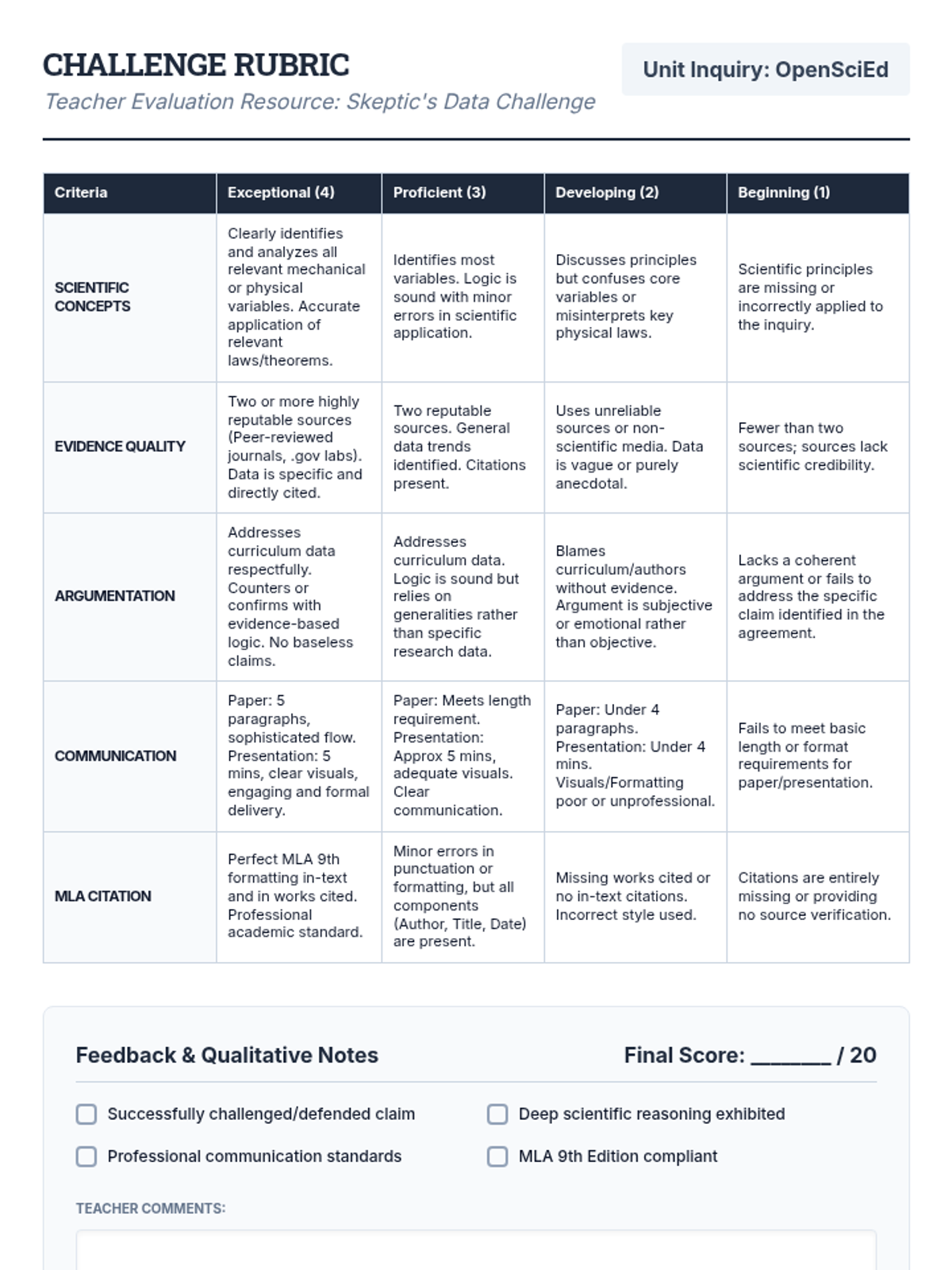
A grading rubric for teachers to evaluate the research project, focusing on physics accuracy, evidence quality, formal argumentation, and MLA 9th Edition citation compliance.
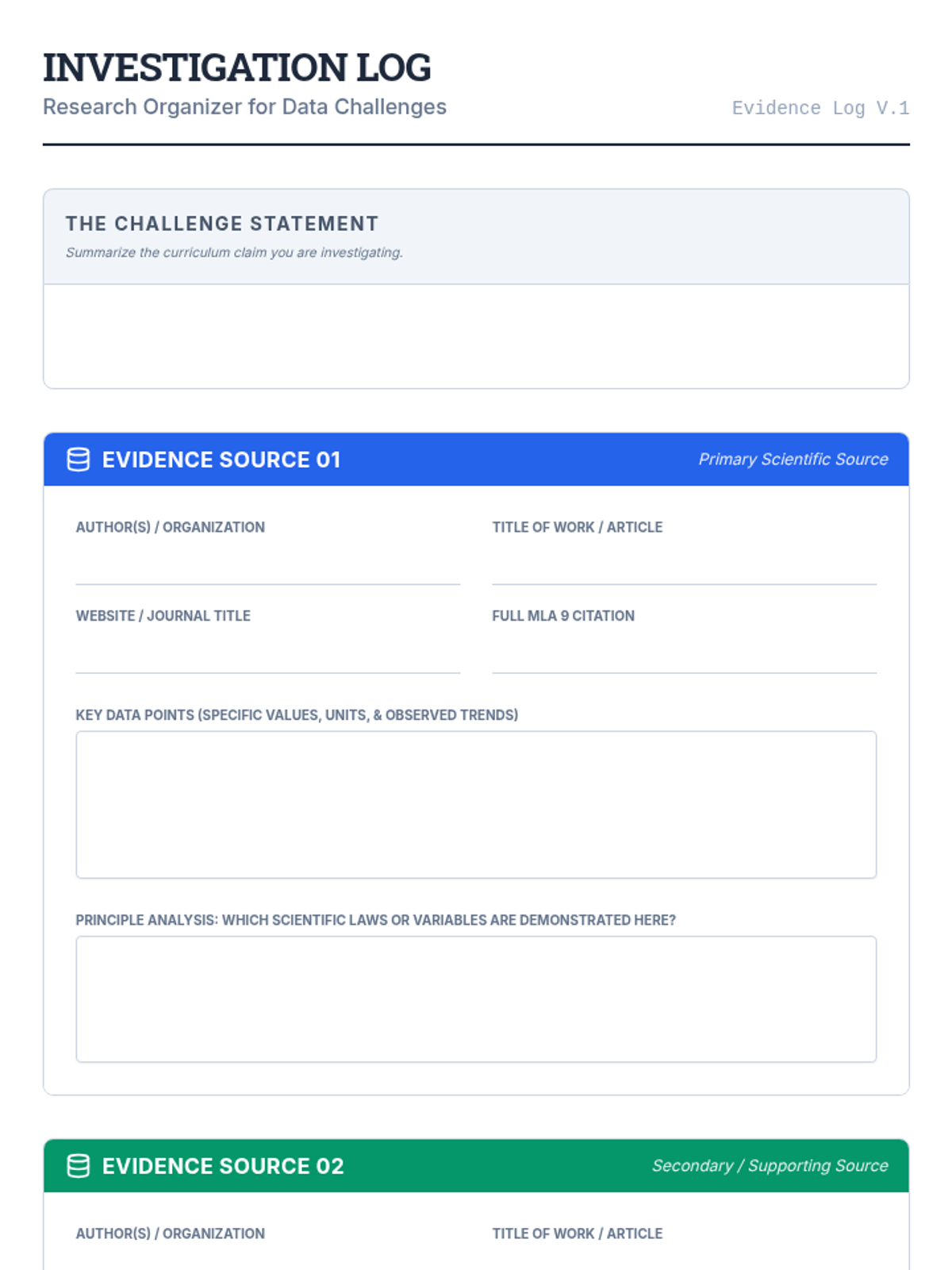
A research organizer for students to record and analyze data from two reputable sources, specifically focusing on the connection between their findings and the physics variables of braking and friction.
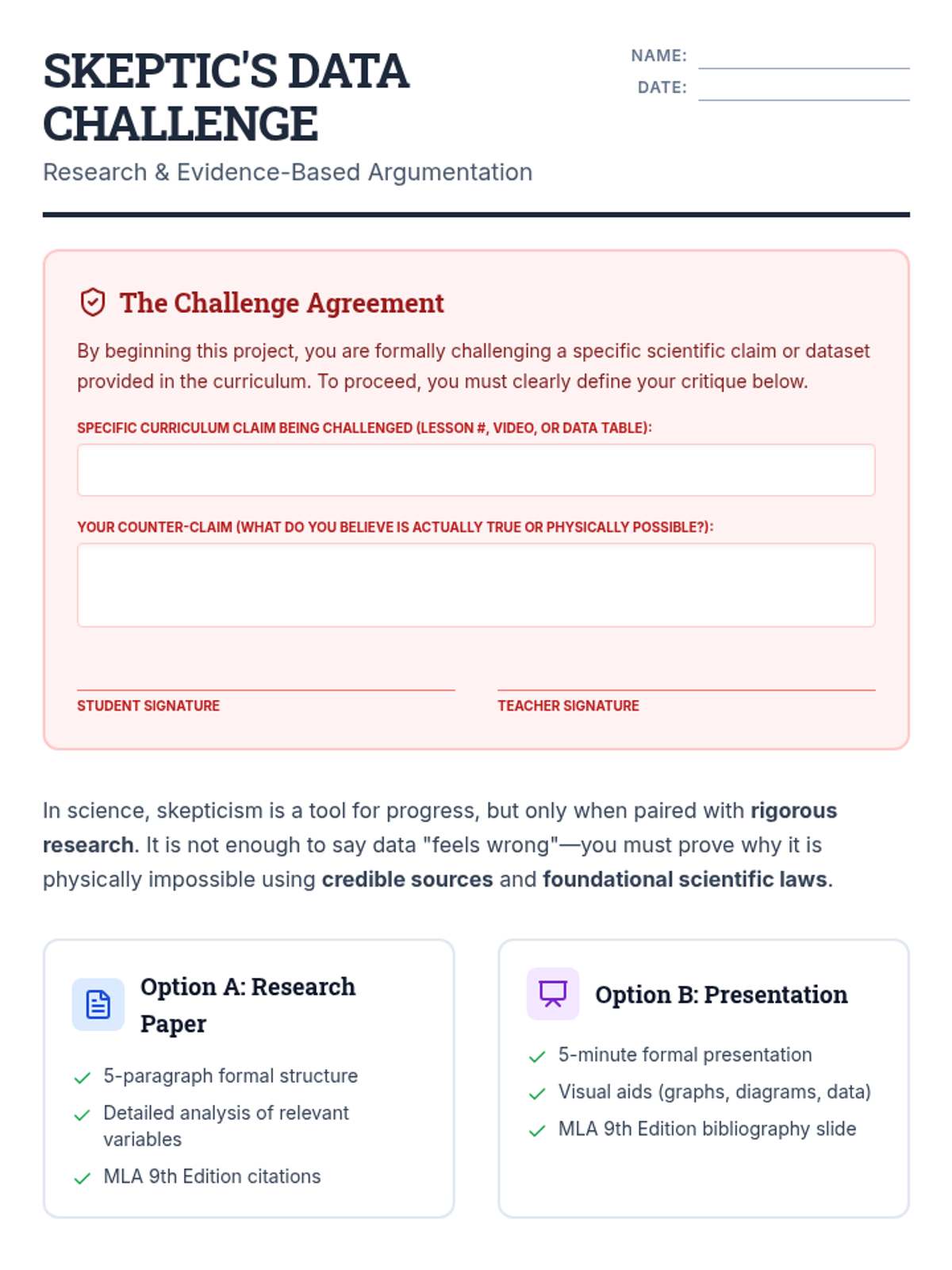
A generalized student project guide for the Data Validation Challenge, including a formal Validation Agreement to define the research scope, a guided checklist, and an MLA 9th Edition quick citation guide.
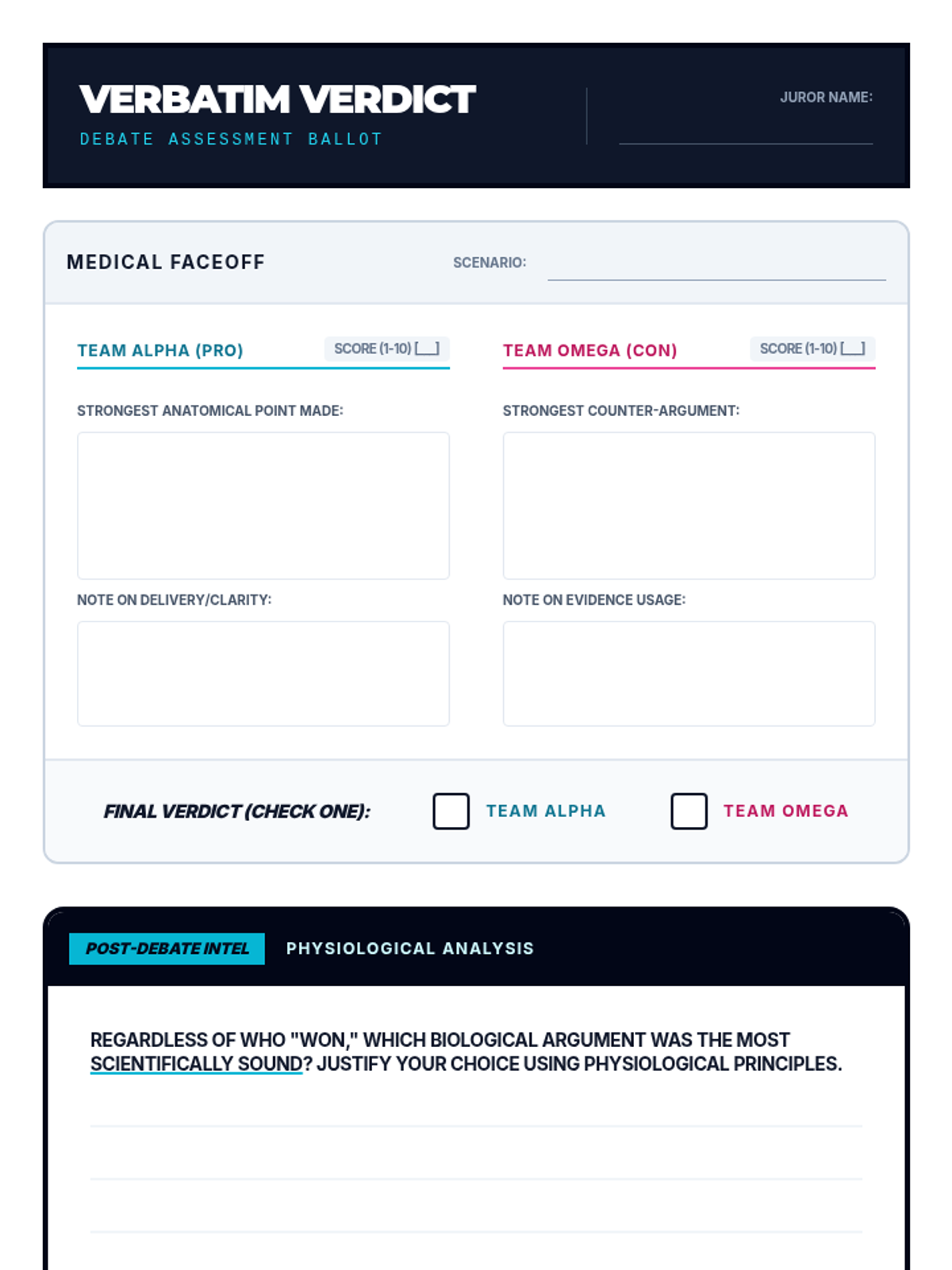
A peer-assessment ballot for students to use while observing debates, featuring structured scoring for anatomical accuracy, evidence usage, and delivery across two rounds.
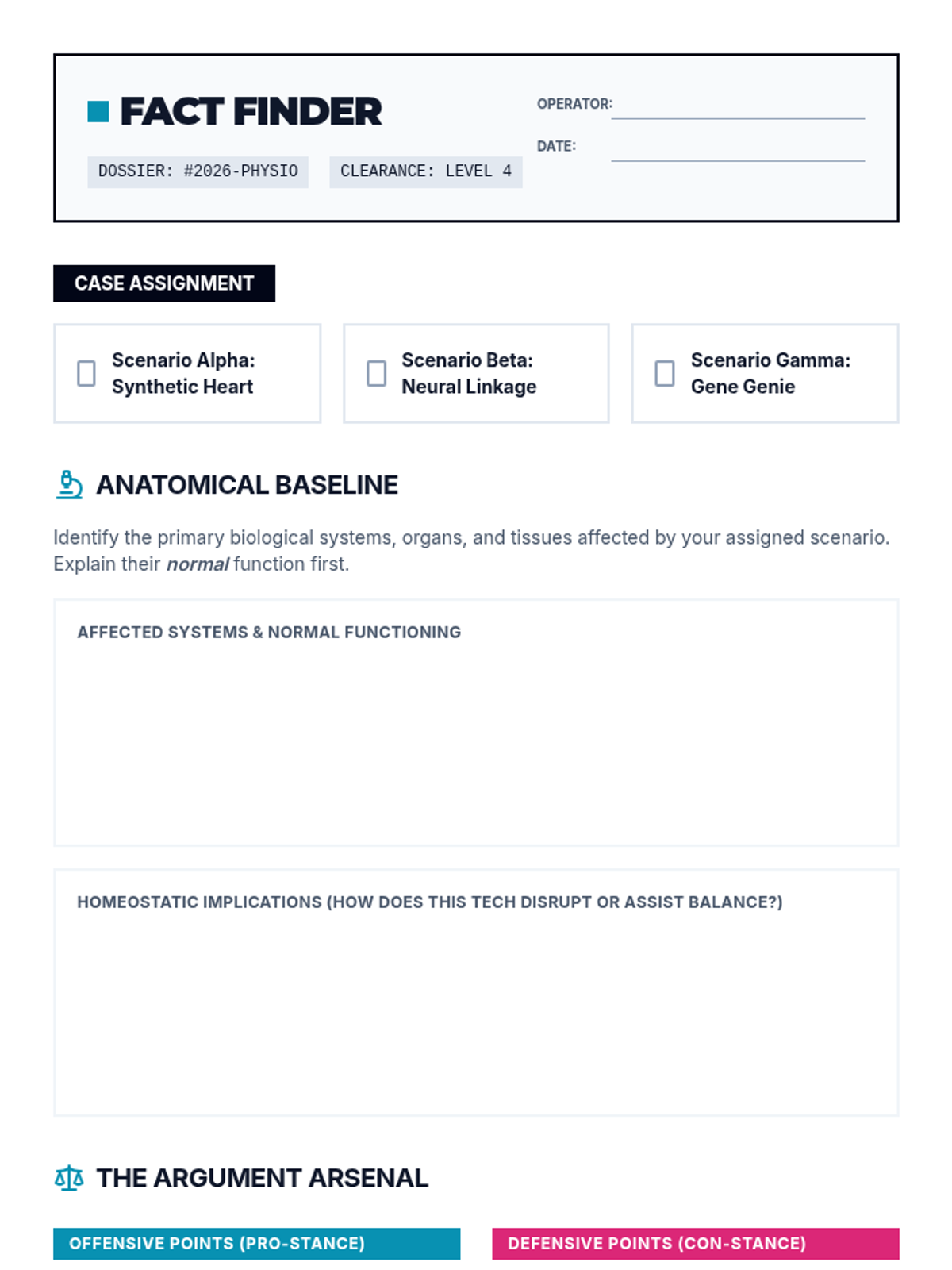
A student-facing research worksheet designed as a high-tech medical dossier, helping students organize anatomical facts and develop bio-ethical arguments for debate.
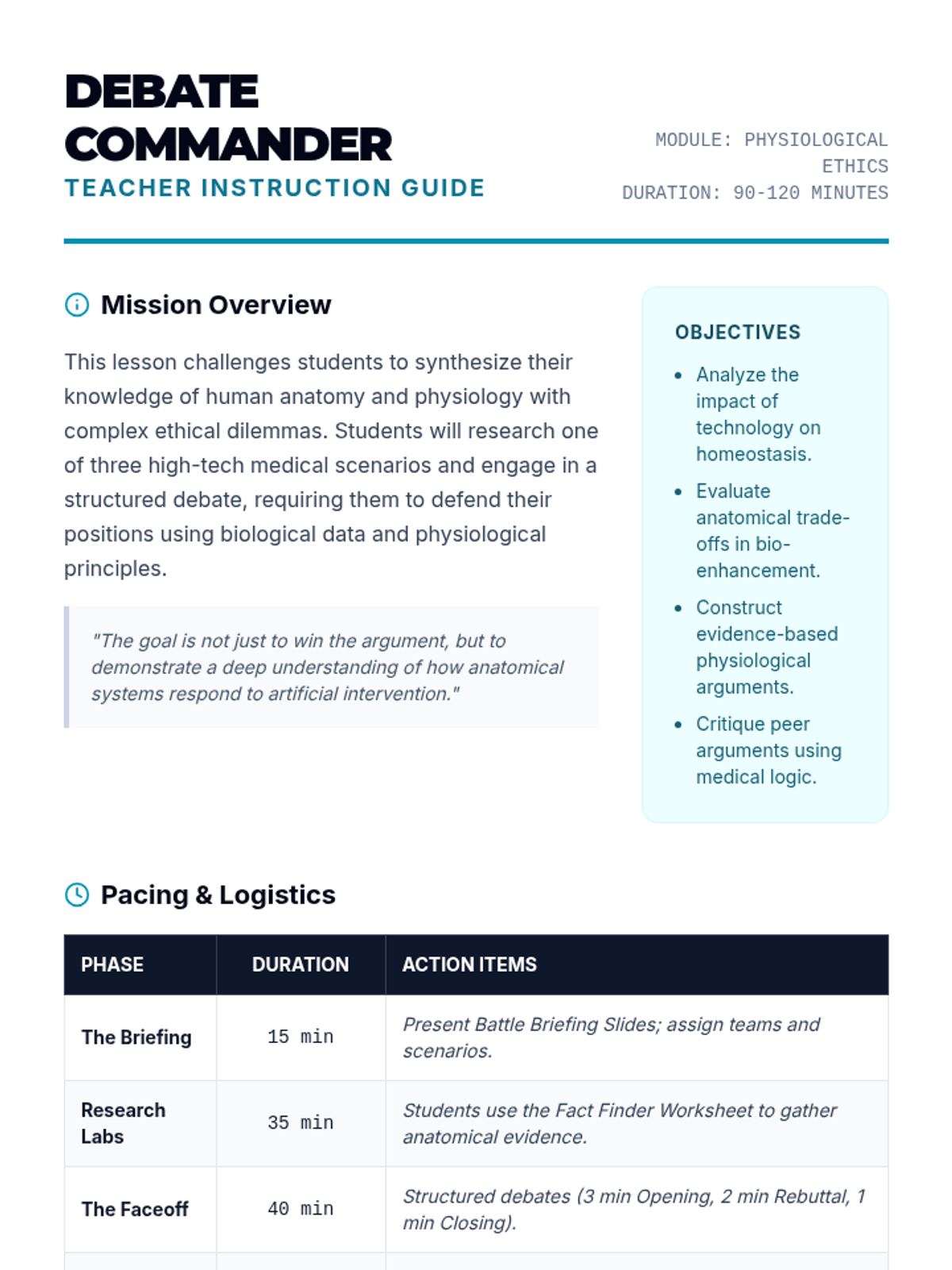
A comprehensive teacher guide for facilitating the Body Battles debate, including a detailed pacing guide, suggested debate formats, and a specialized scoring rubric.
A high-impact slide deck for introducing a bio-ethics and anatomy debate, featuring three distinct scenarios (Synthetic Hearts, Neural Linkage, and Gene Editing) with a futuristic medical aesthetic.
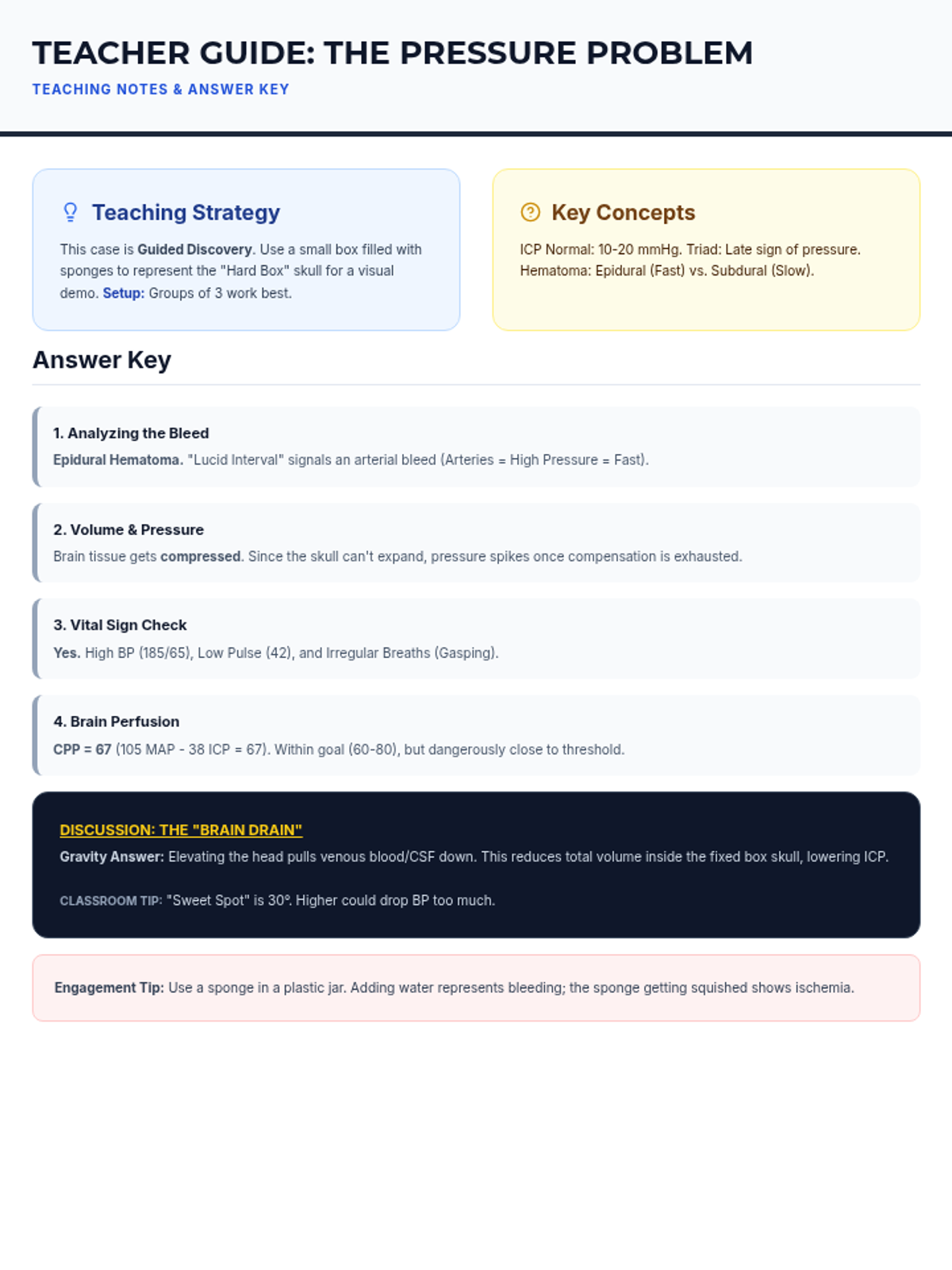
Simplified teacher guide tailored for pre-college instruction. Includes classroom engagement tips, simplified explanations, and a strategy for case-based discovery learning. Now fits answer key on one page.
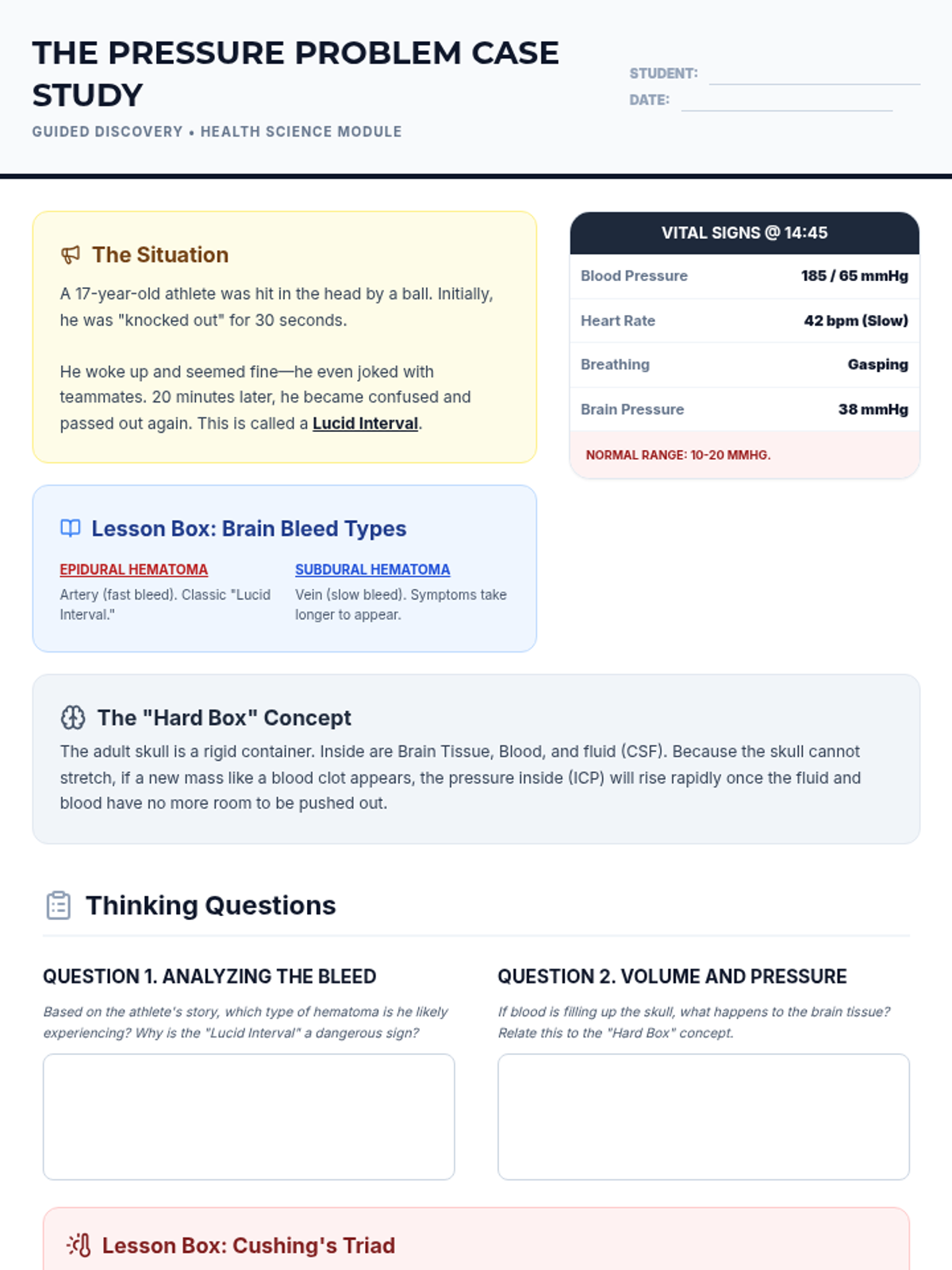
A self-contained, guided inquiry case study for pre-college students. Includes "Lesson Boxes" within the document so students can learn the concepts and immediately apply them to the clinical scenario. Now with optimized 2-page layout.
Engaging, high-impact slides designed for pre-college health science students. Explains ICP, Monro-Kellie doctrine, and hematoma differentiation using accessible language and clear visuals. Now includes a 2-part application scenario.
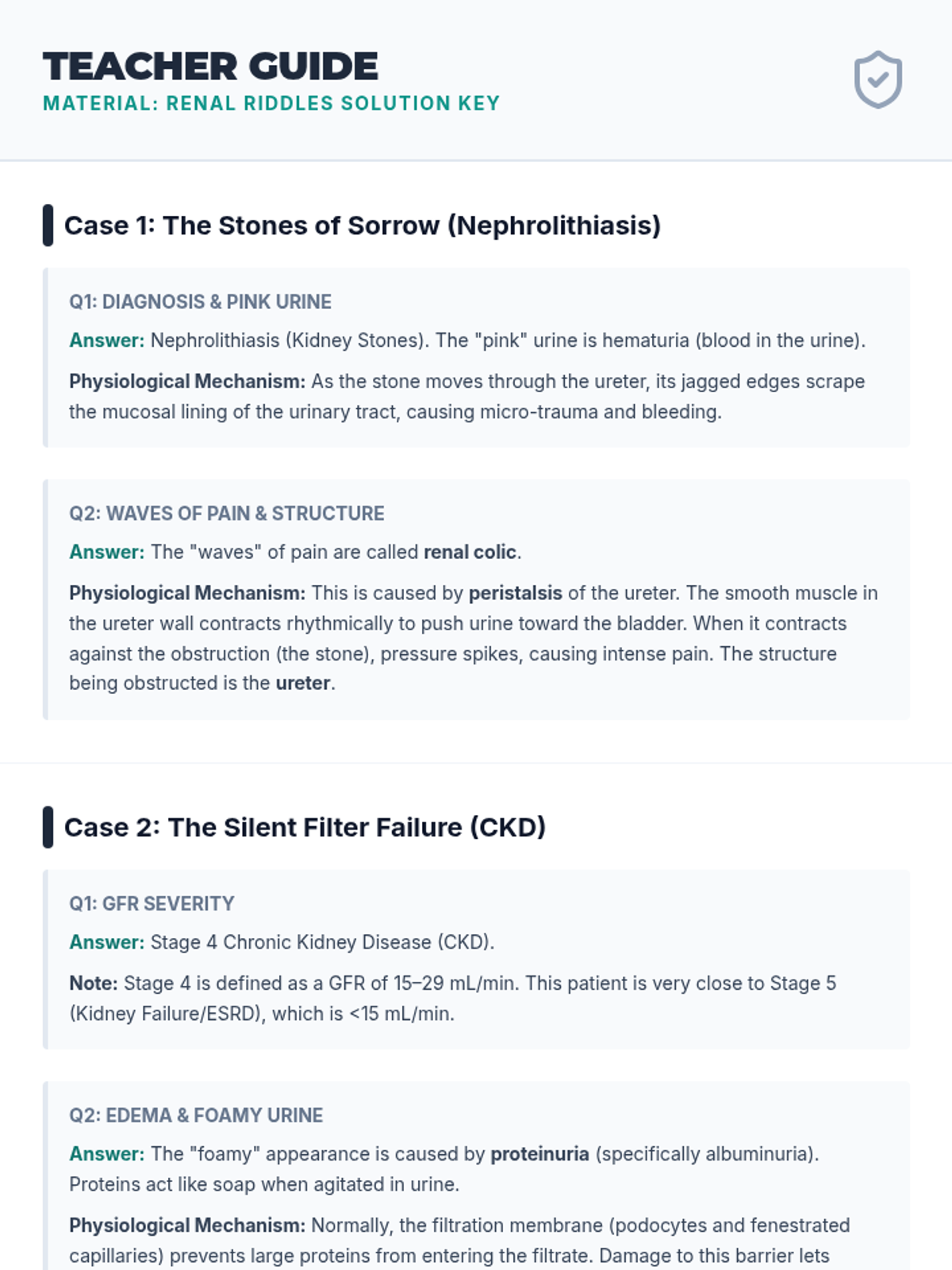
Comprehensive answer key and teaching notes for the Renal Riddles case studies, including detailed physiological explanations for the diagnosis and student pitfalls.
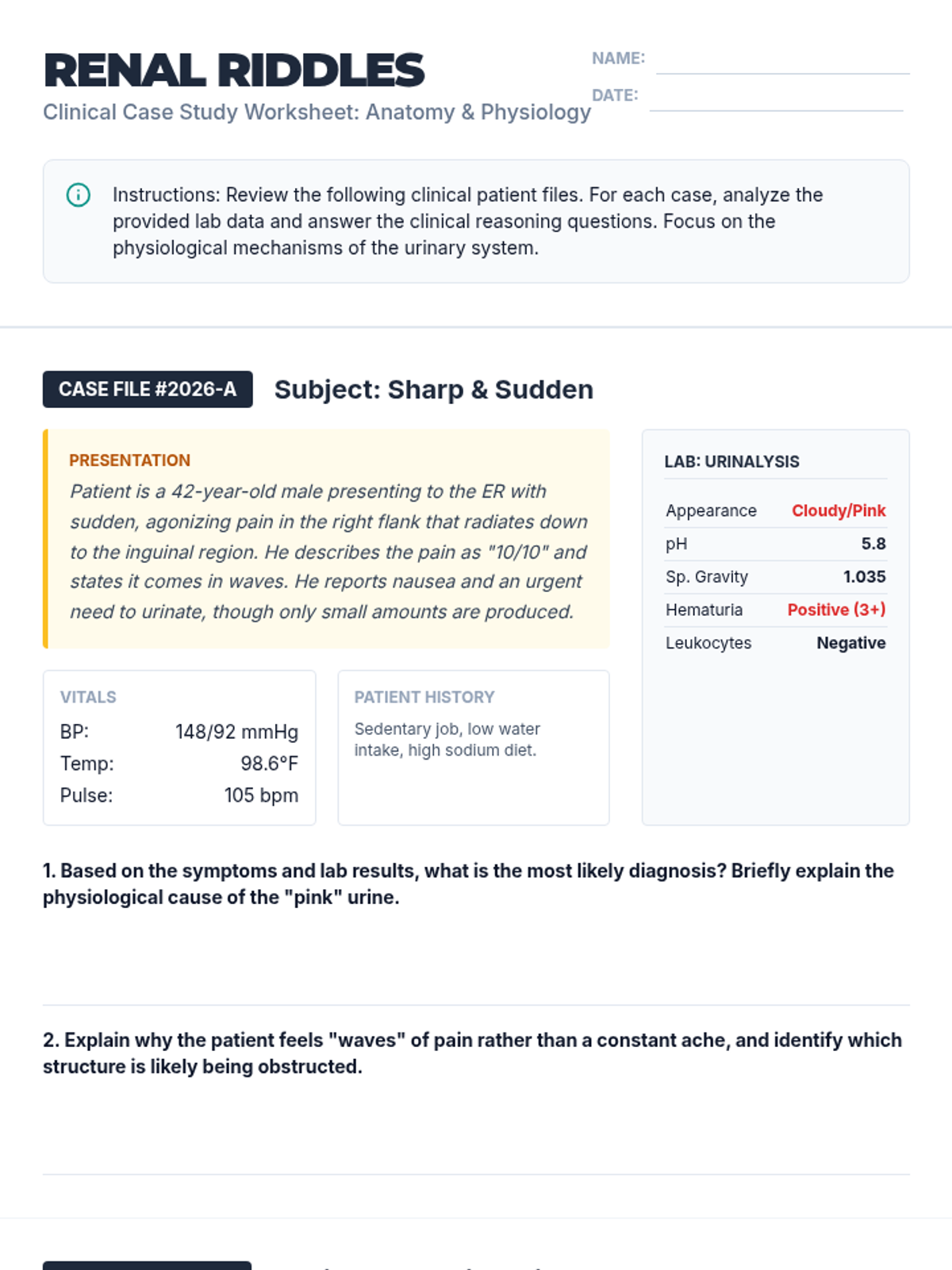
A worksheet containing clinical cases like kidney stones and Chronic Kidney Disease. Each case provides patient symptoms, diagnostic data, and questions for students to apply their knowledge of renal physiology.
A visual presentation to introduce the concepts of clinical reasoning, diagnostic tests (urinalysis, blood work like GFR/Creatinine), and a brief overview of the anatomy/physiology involved in the cases.