A 'Roll and Read' game board designed for third-grade MLLs to build fluency with Long A, E, and U vowel teams. The game features nature-themed vocabulary and is structured for repetitive reading practice in a fun, game-like format.
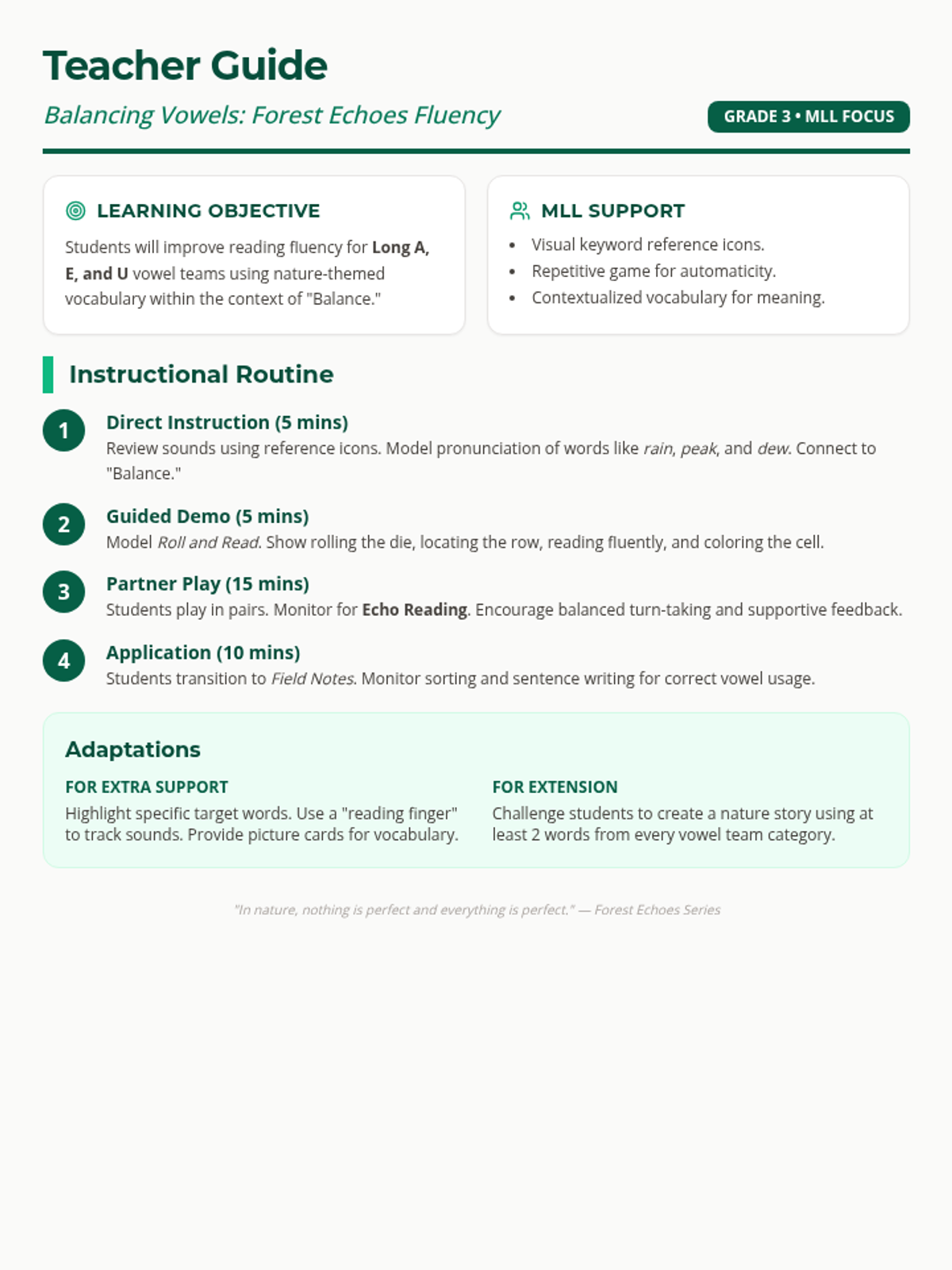
A teacher resource providing instructional steps, differentiation strategies for MLLs, and a clear routine for using the Roll and Read game and Field Notes worksheet.
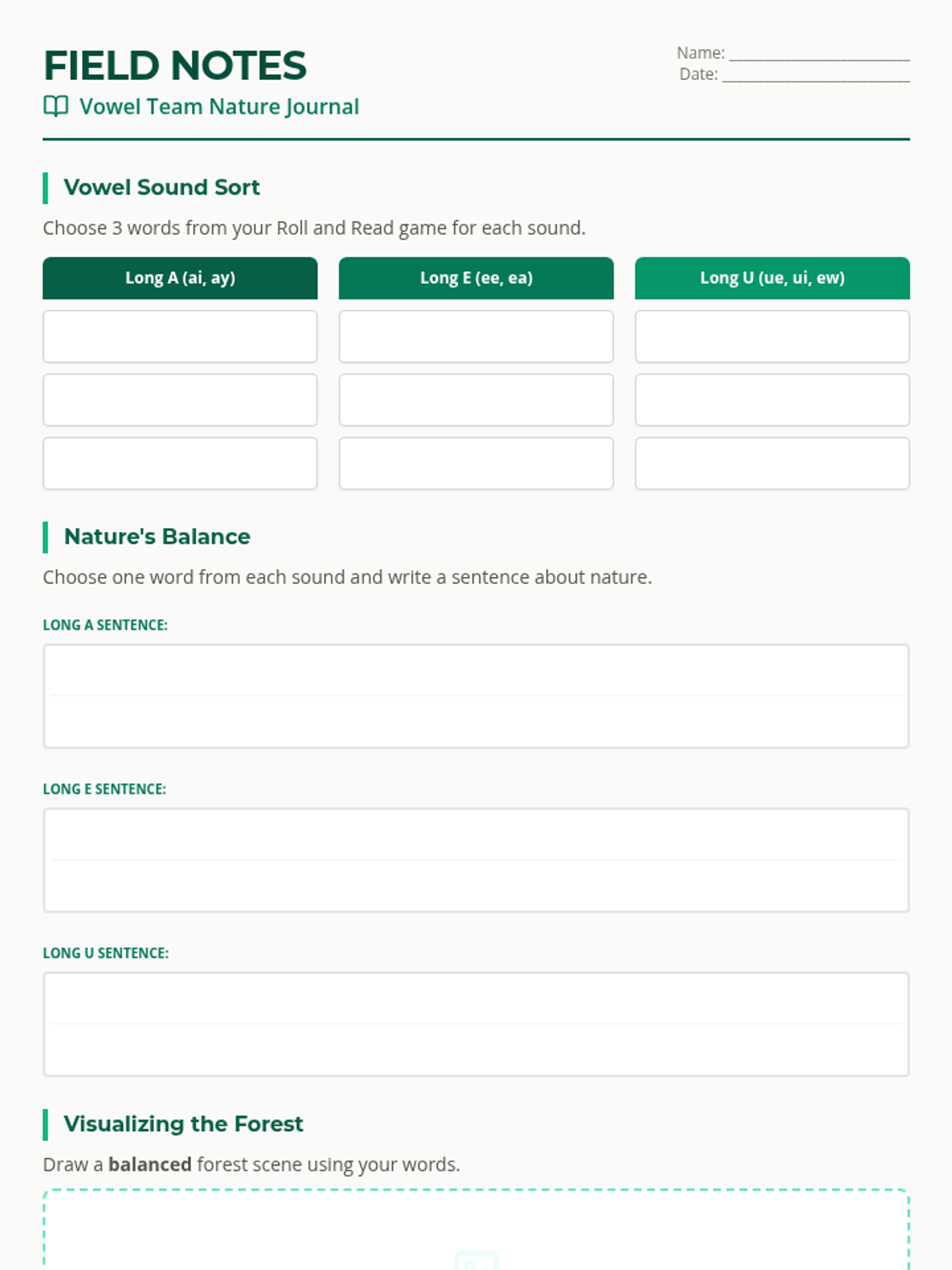
A follow-up recording sheet where students sort words by vowel sound and use them in sentences. This material reinforces the fluency practice from the game and connects phonics to the nature theme of 'Balance'.
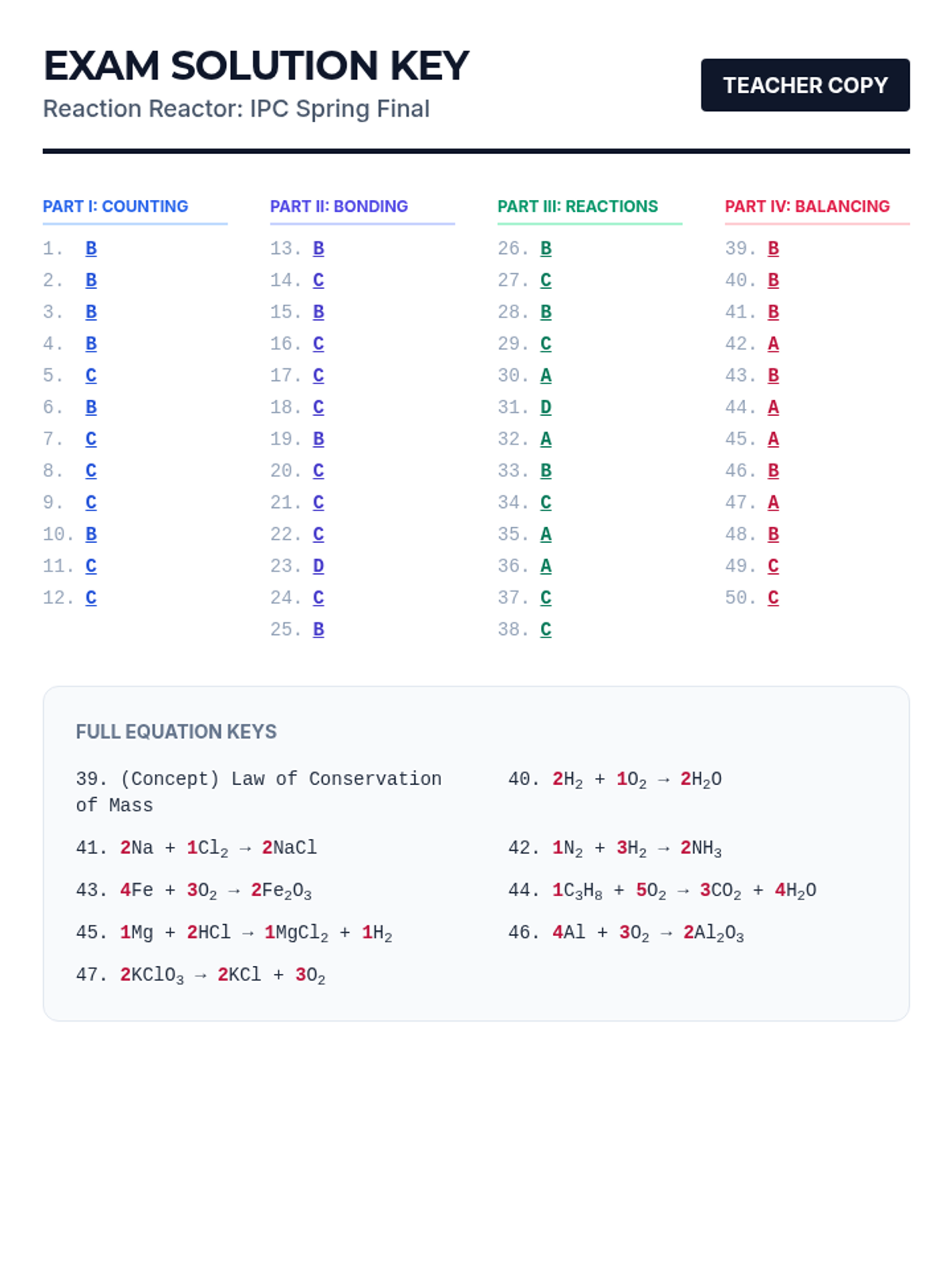
An answer key for teachers featuring a color-coded answer grid and full balancing equations for the Reaction Reactor Exam.
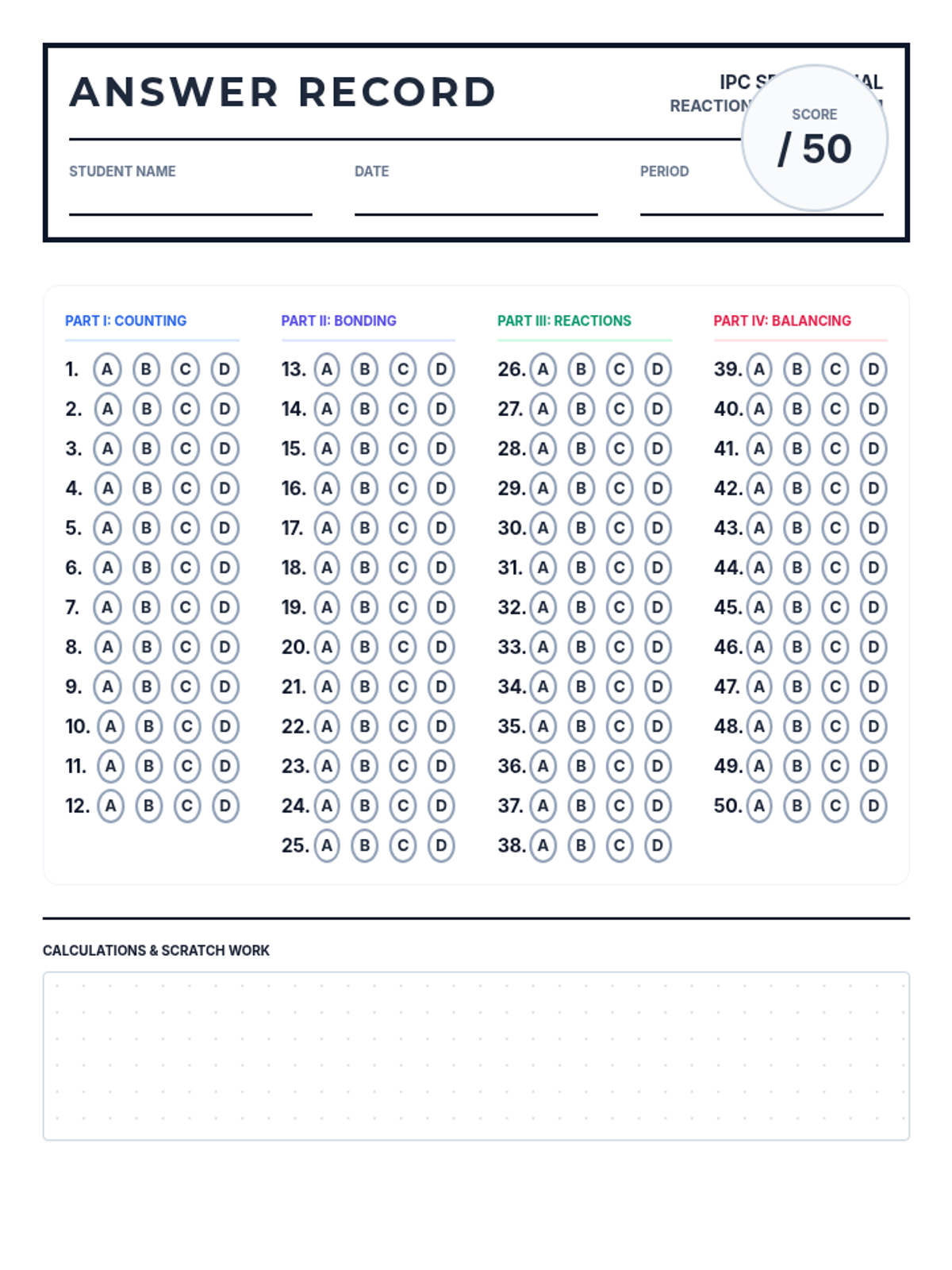
A professional 50-question student answer sheet designed for the Reaction Reactor exam, including numbered bubble sections and a dedicated workspace for calculations.
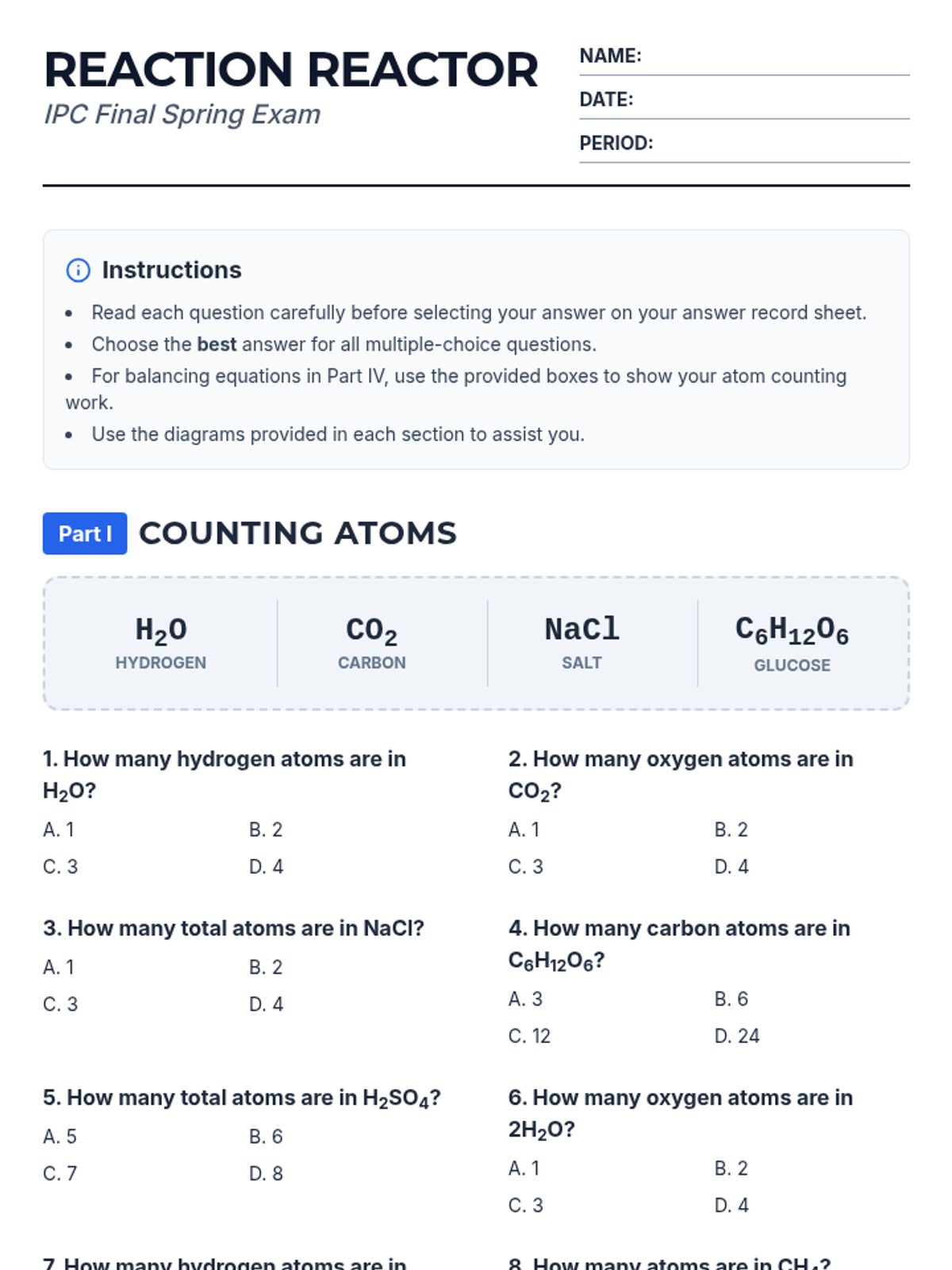
A 50-question high school IPC chemistry final exam covering atom counting, bonding, chemical reactions, and equation balancing, complete with visual diagrams and student work areas.
A presentation slide deck for teachers to introduce the five types of chemical reactions and provide strategies for balancing complex chemical equations in an 11th-grade chemistry setting.
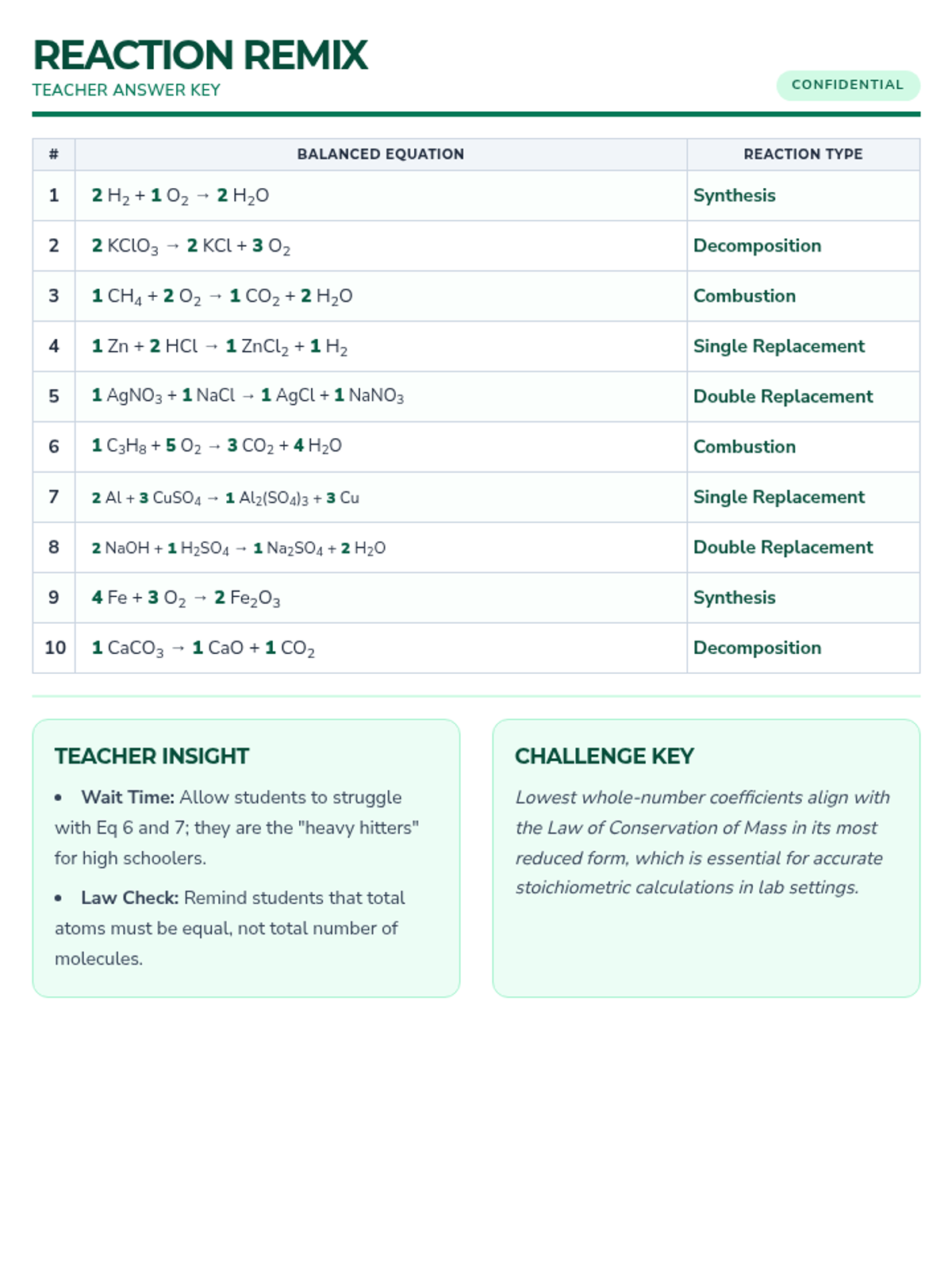
A comprehensive answer key and teacher guide for the Reaction Remix worksheet, including balanced equations, reaction classifications, and instructional tips for high school chemistry educators.
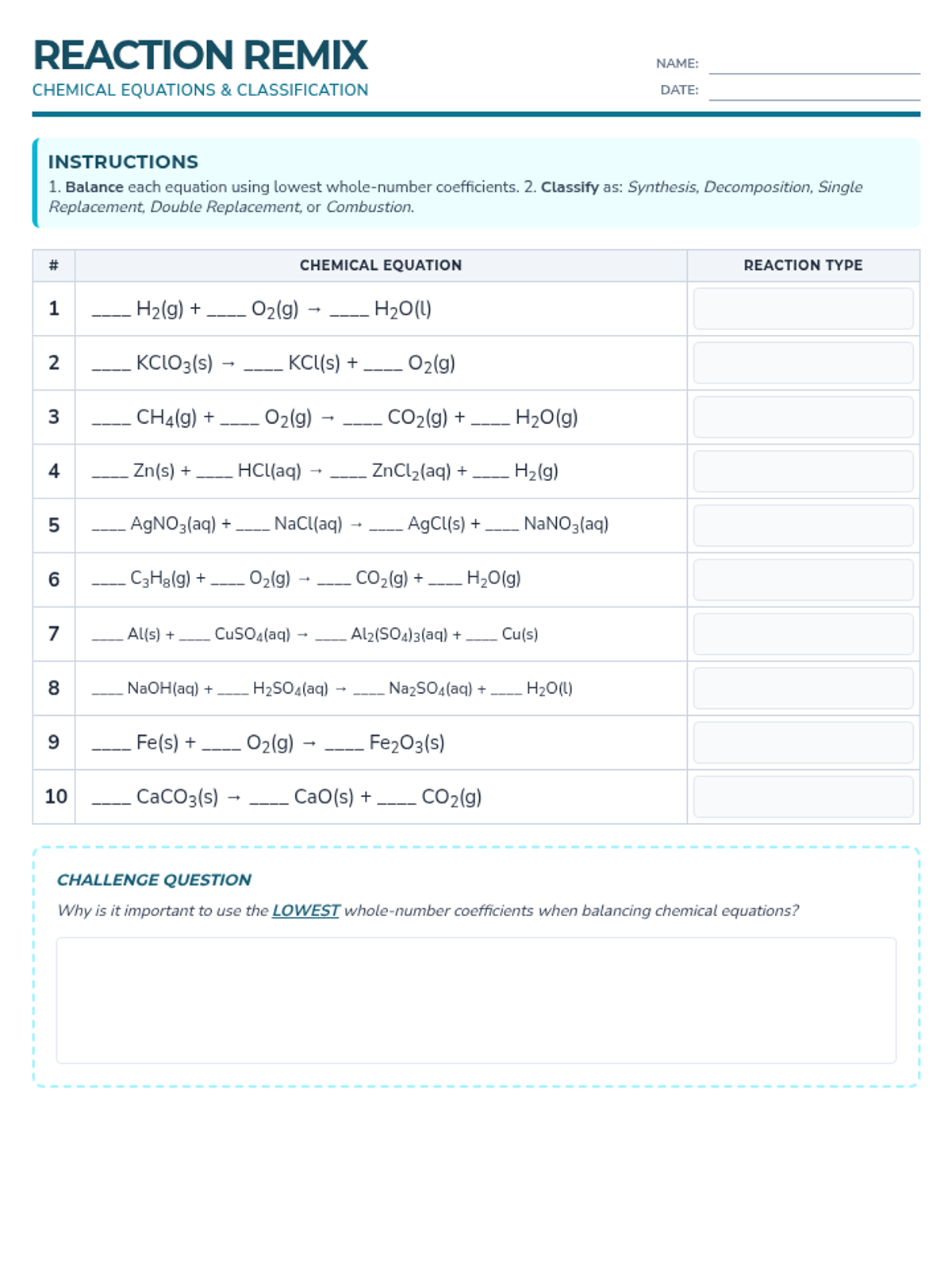
A student worksheet for 11th-grade chemistry students to practice balancing chemical equations and identifying five major types of reactions: synthesis, decomposition, combustion, single replacement, and double replacement.
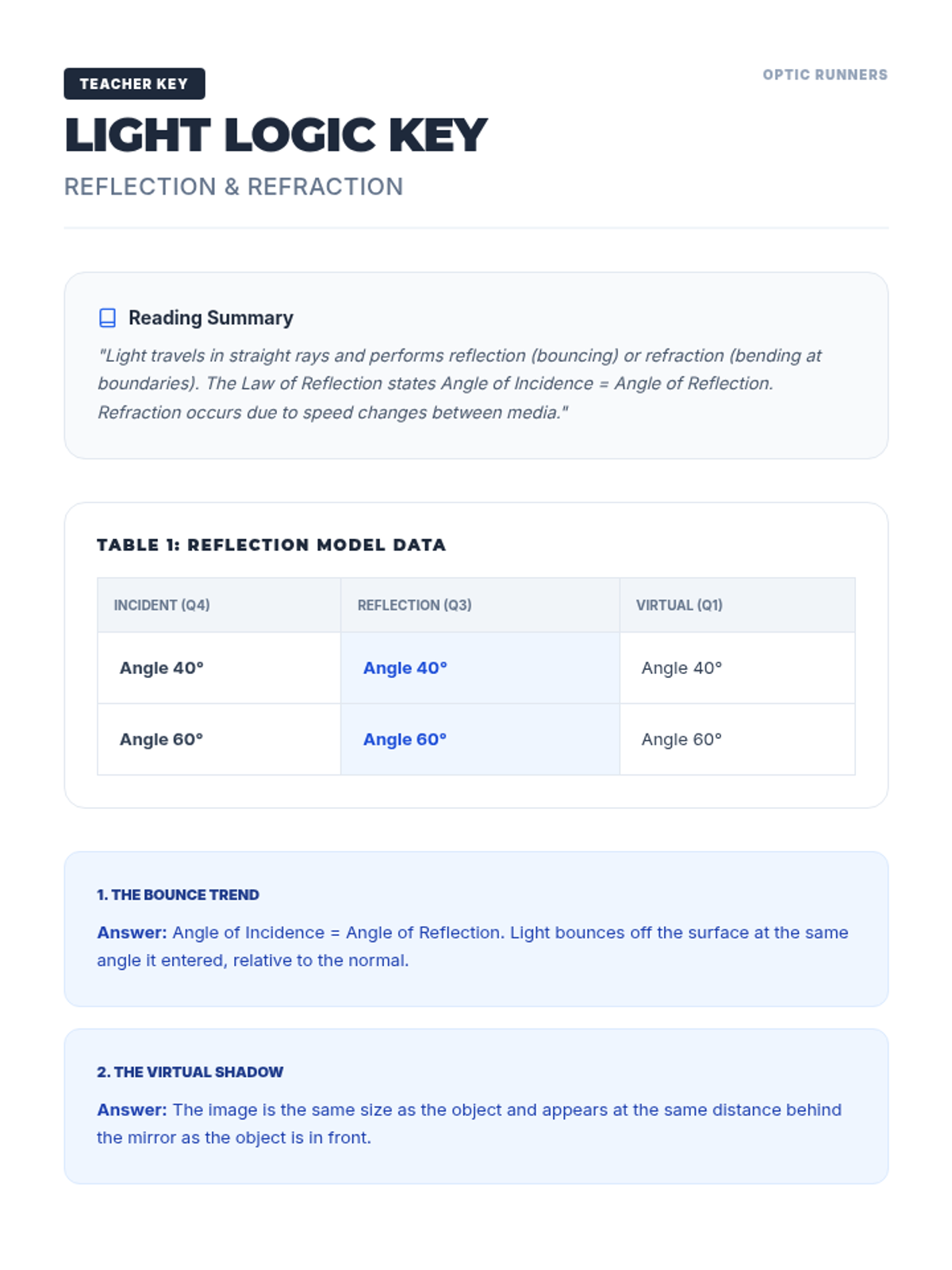
A comprehensive teacher answer key for the Light Logic Lab Manual. Includes model data for reflection and refraction, step-by-step explanations for the Law of Reflection and Snell's Law conceptual trends, and pedagogical tips for addressing student misconceptions. Revised for improved page flow and contrast.
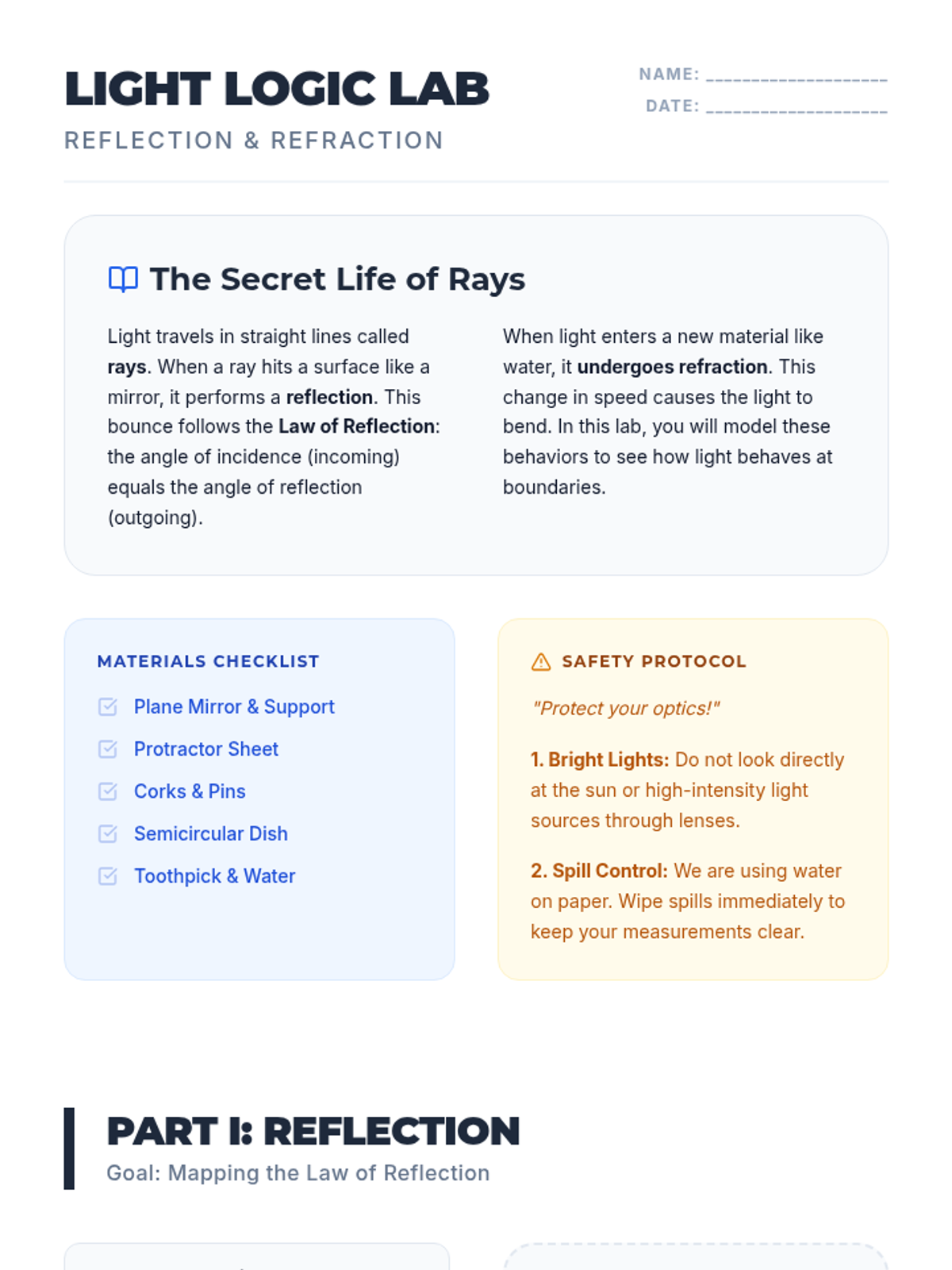
A comprehensive, student-friendly lab manual for exploring the principles of reflection and refraction. Includes a conceptual introduction reading passage, detailed procedures for mirror and water-dish investigations, organized data tables, and scaffolded analysis questions including the 'Archer Fish' and 'Classroom Mirror' challenges. Revised for improved page breaks, corrected grammar, and high-contrast SVG diagrams.
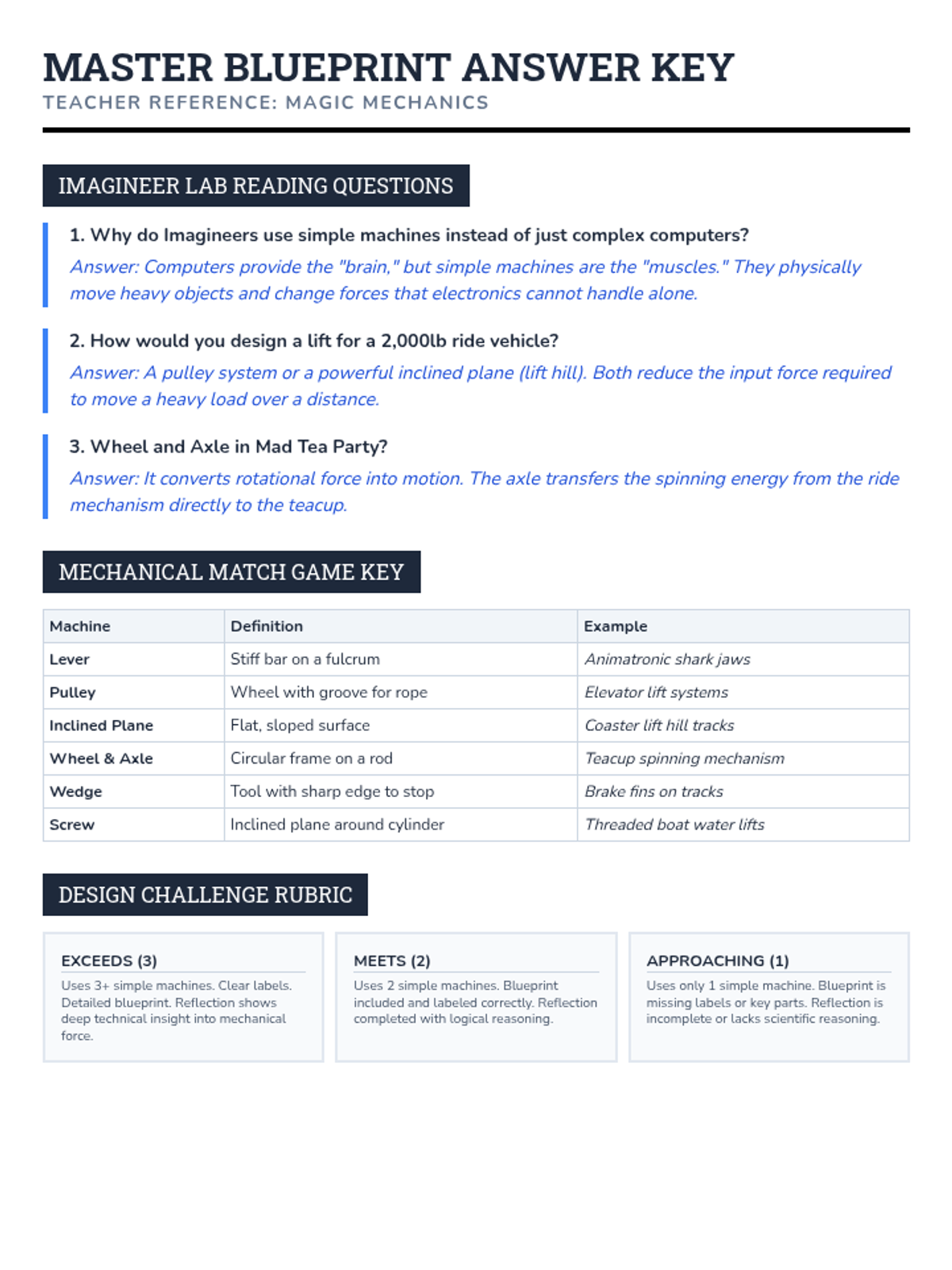
A teacher resource containing answer keys for the Imagineer Lab reading questions, the correct pairings for the Mechanical Match Cards, and a simplified grading rubric for the ride design challenge. Revised for a compact 1-page layout.
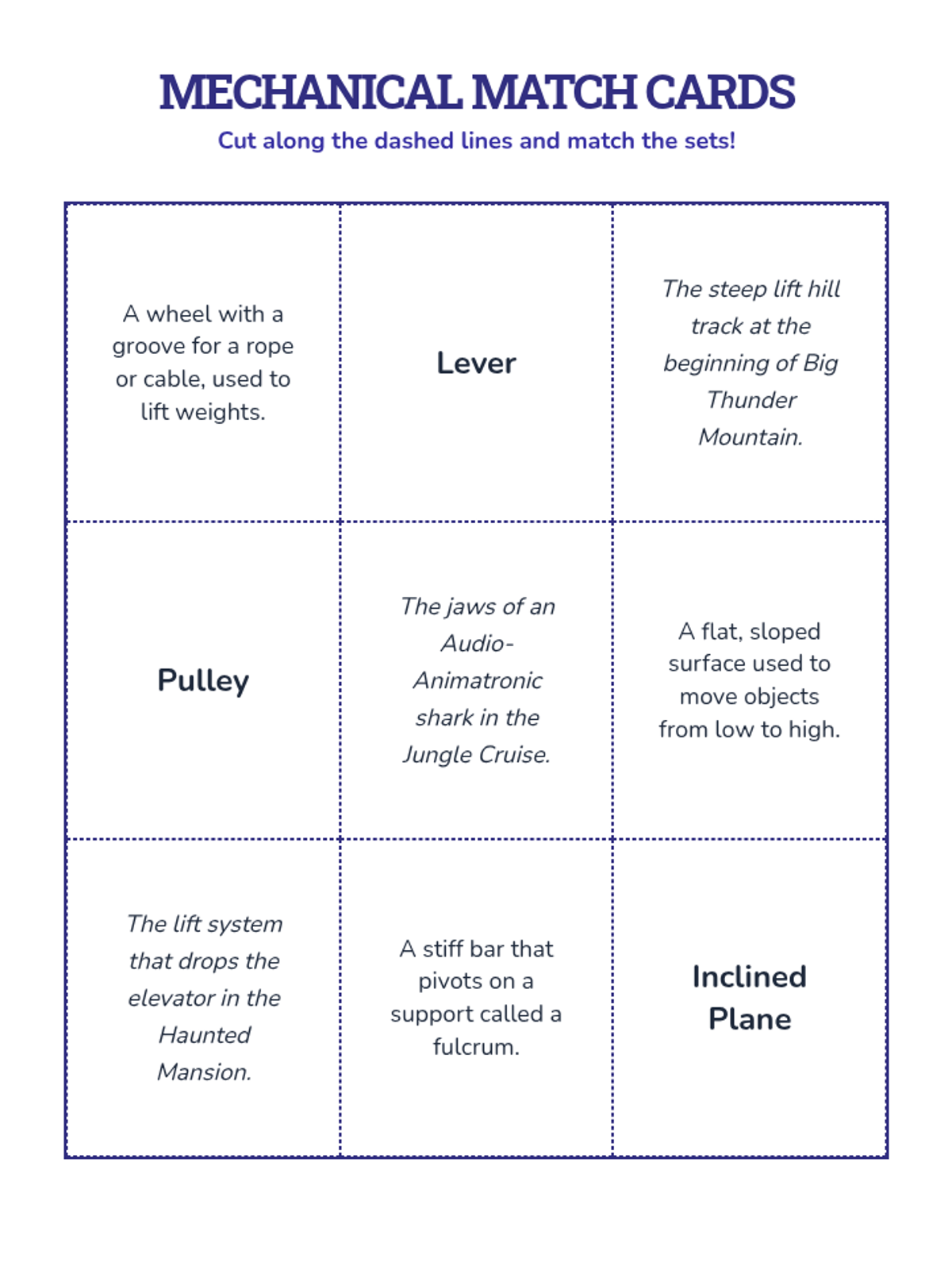
A vocabulary matching game featuring the six simple machines. Includes three sets of cards for students to match: the machine name, its scientific definition, and a specific real-world example from a theme park attraction. All cards have identical styling with small corner labels identifying them as Machine, Definition, or Example. Darkened labels for better print contrast.
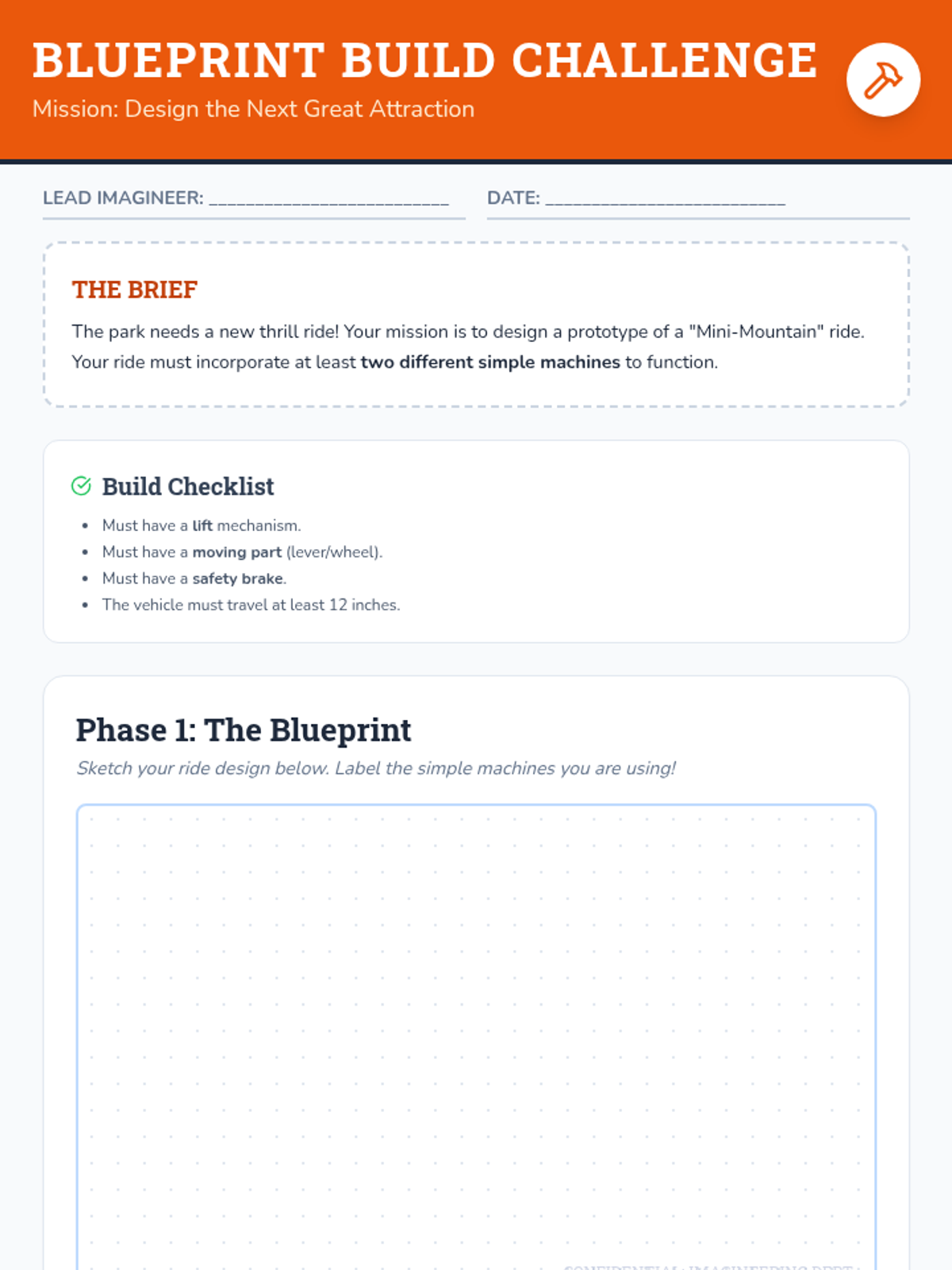
A simplified "Rapid Prototyping" engineering challenge where students build and test a single mechanical feature (lift, spinner, or launcher) using common classroom supplies. Includes a blueprint drawing area and reflection questions.
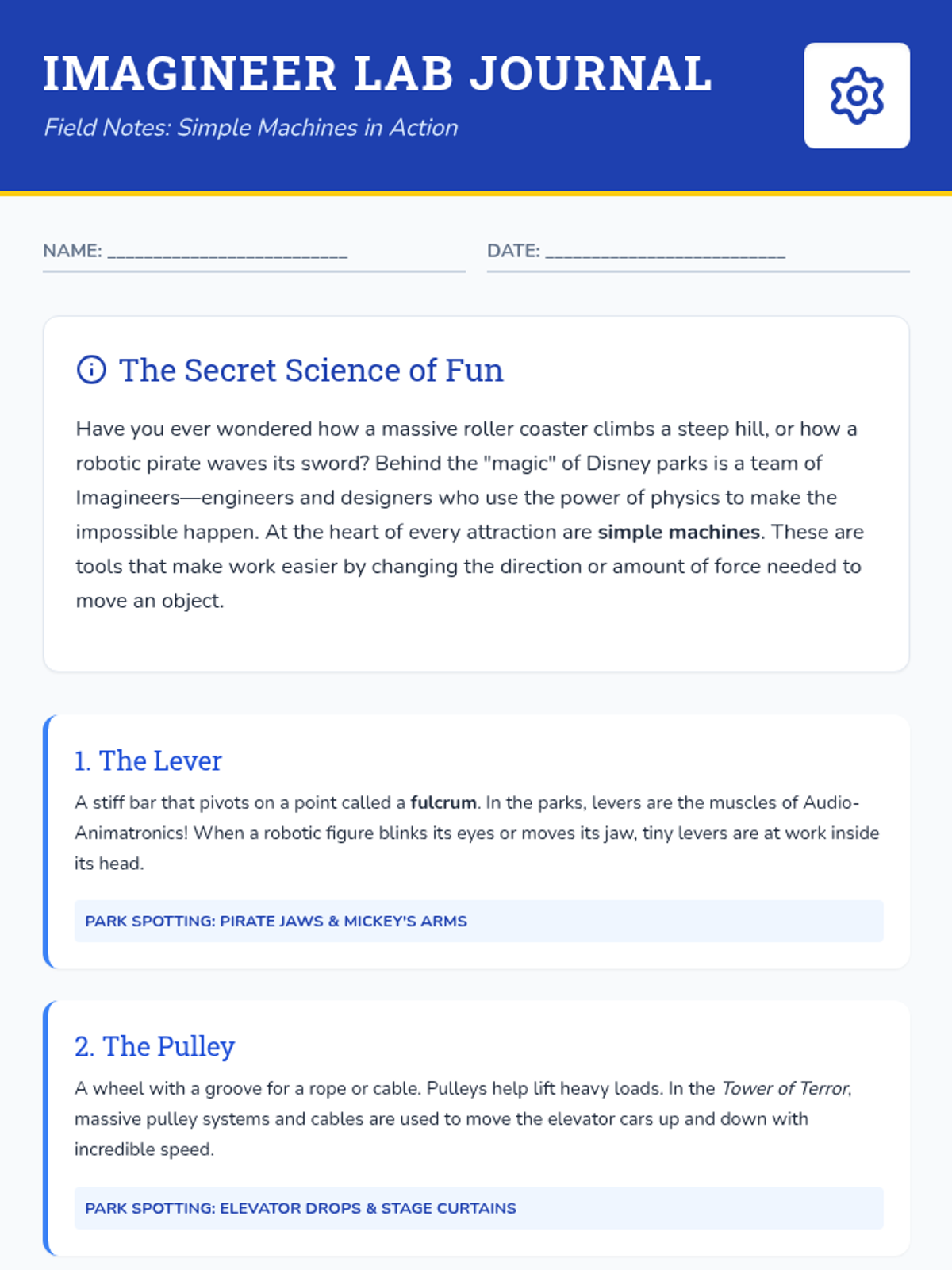
An informational text reading activity that explains the six types of simple machines through examples found in famous Disney theme park attractions, including comprehension questions and a sketching area. Revised to move the Lab Analysis to its own page (Page 3) and balance the machines across Pages 1 and 2.
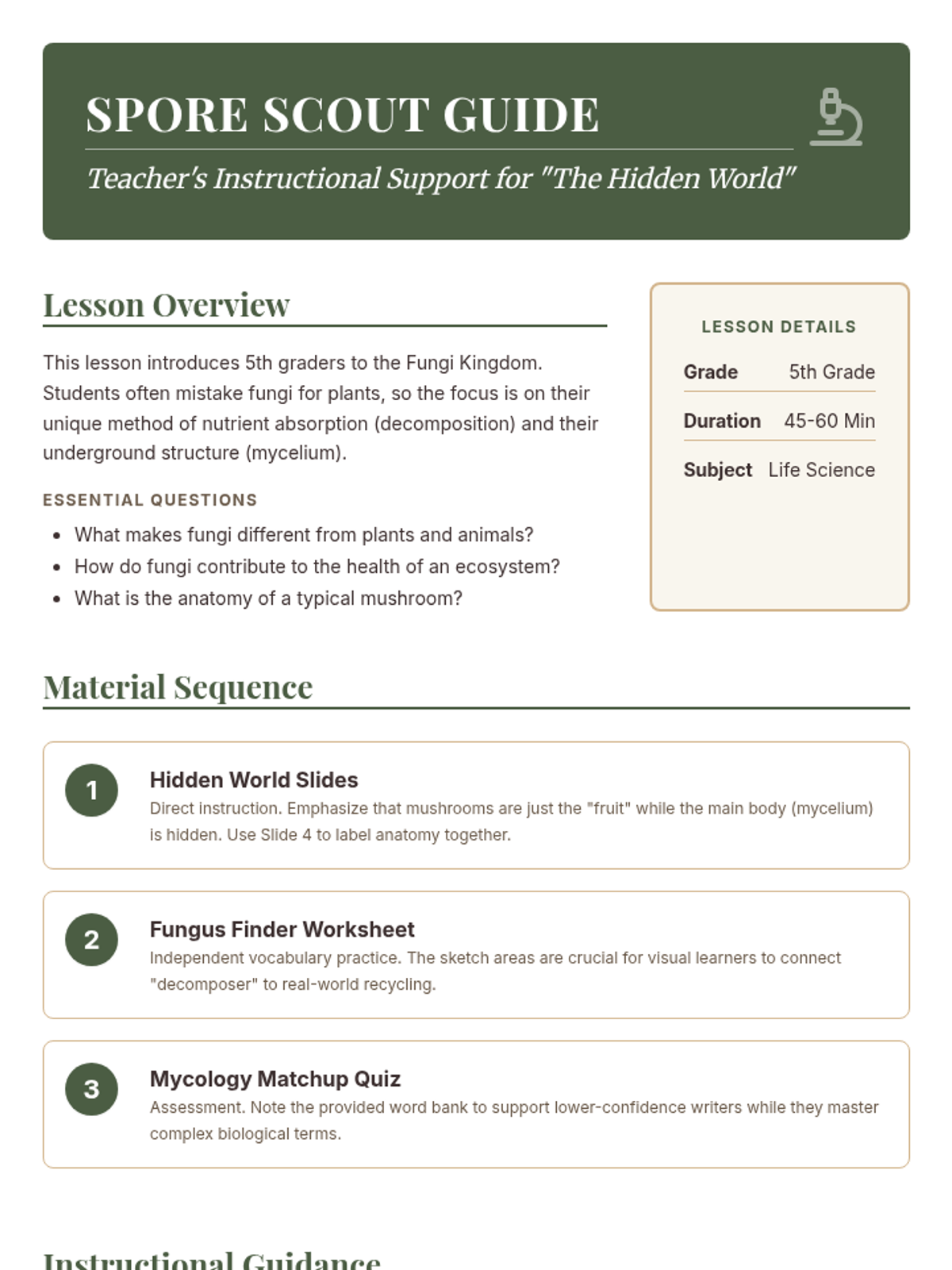
A teaching guide for the Fungi lesson, including instructional strategies, lesson sequence, common misconceptions, and an answer key for student materials.
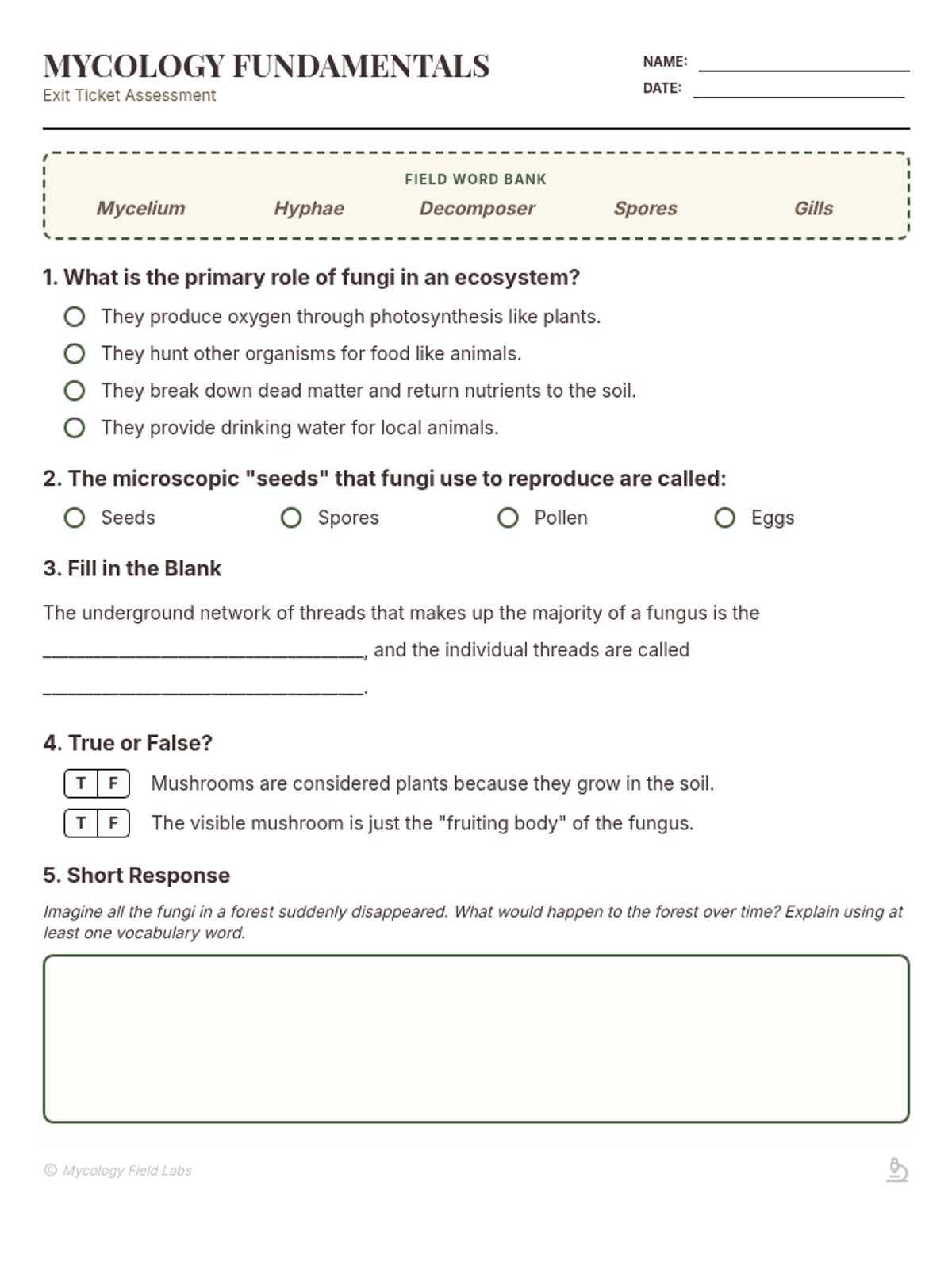
A short quiz to assess student understanding of fungi concepts, including their role as decomposers, reproduction via spores, and basic terminology.
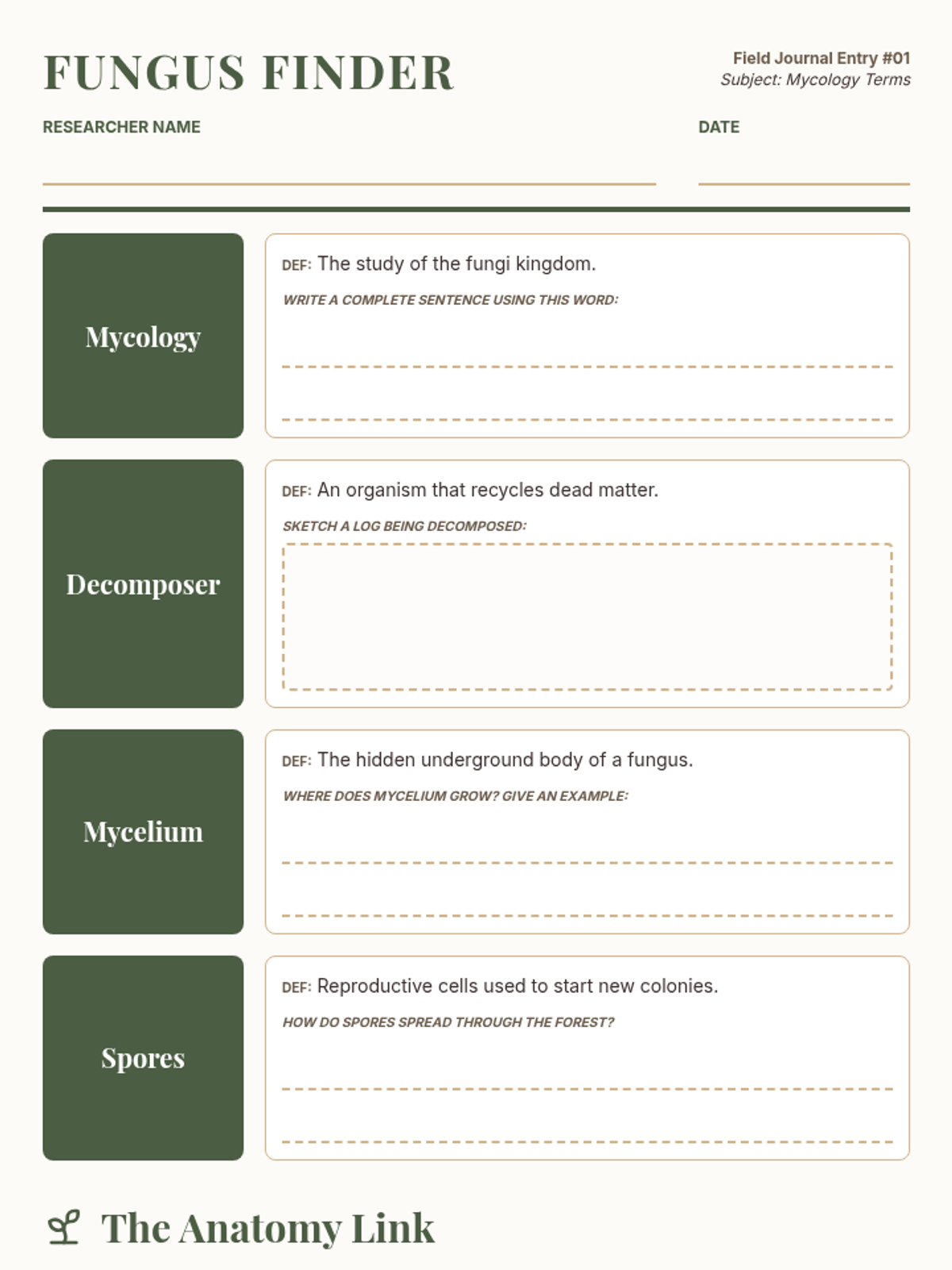
A vocabulary worksheet for students to define, use, and illustrate key fungi terms (mycology, decomposer, mycelium, spores) and match anatomy parts to their functions.
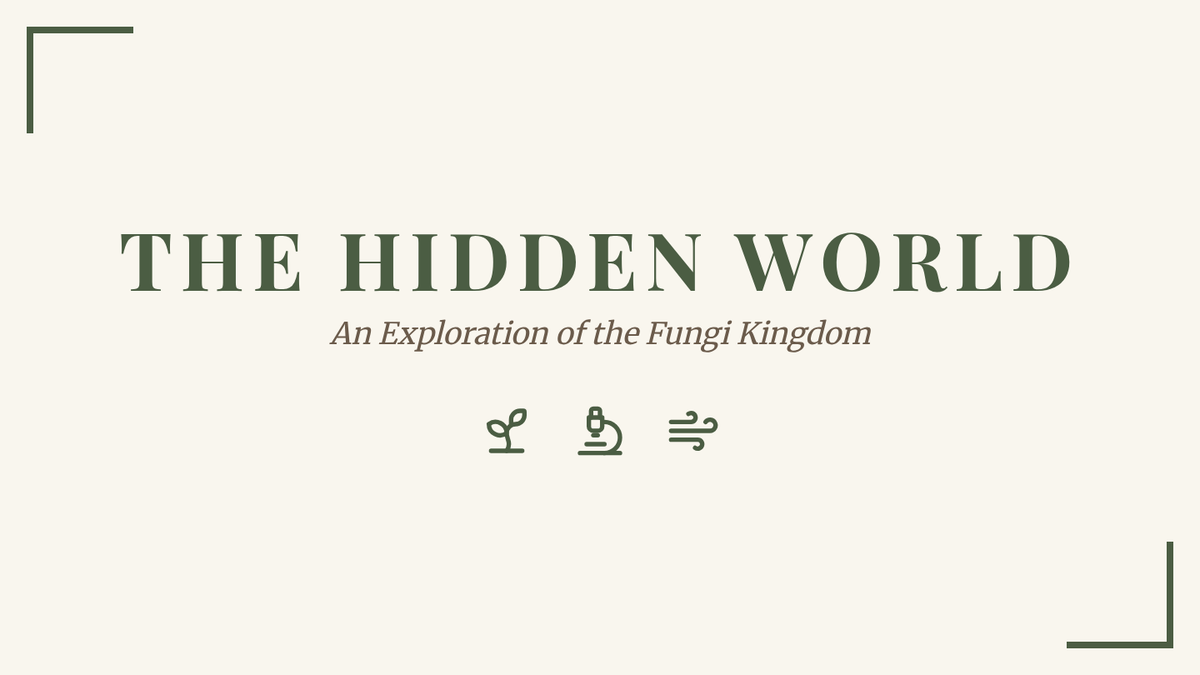
A visual introduction to fungi, covering their kingdom classification, key vocabulary (mycelium, hyphae, decomposer), and basic mushroom anatomy.
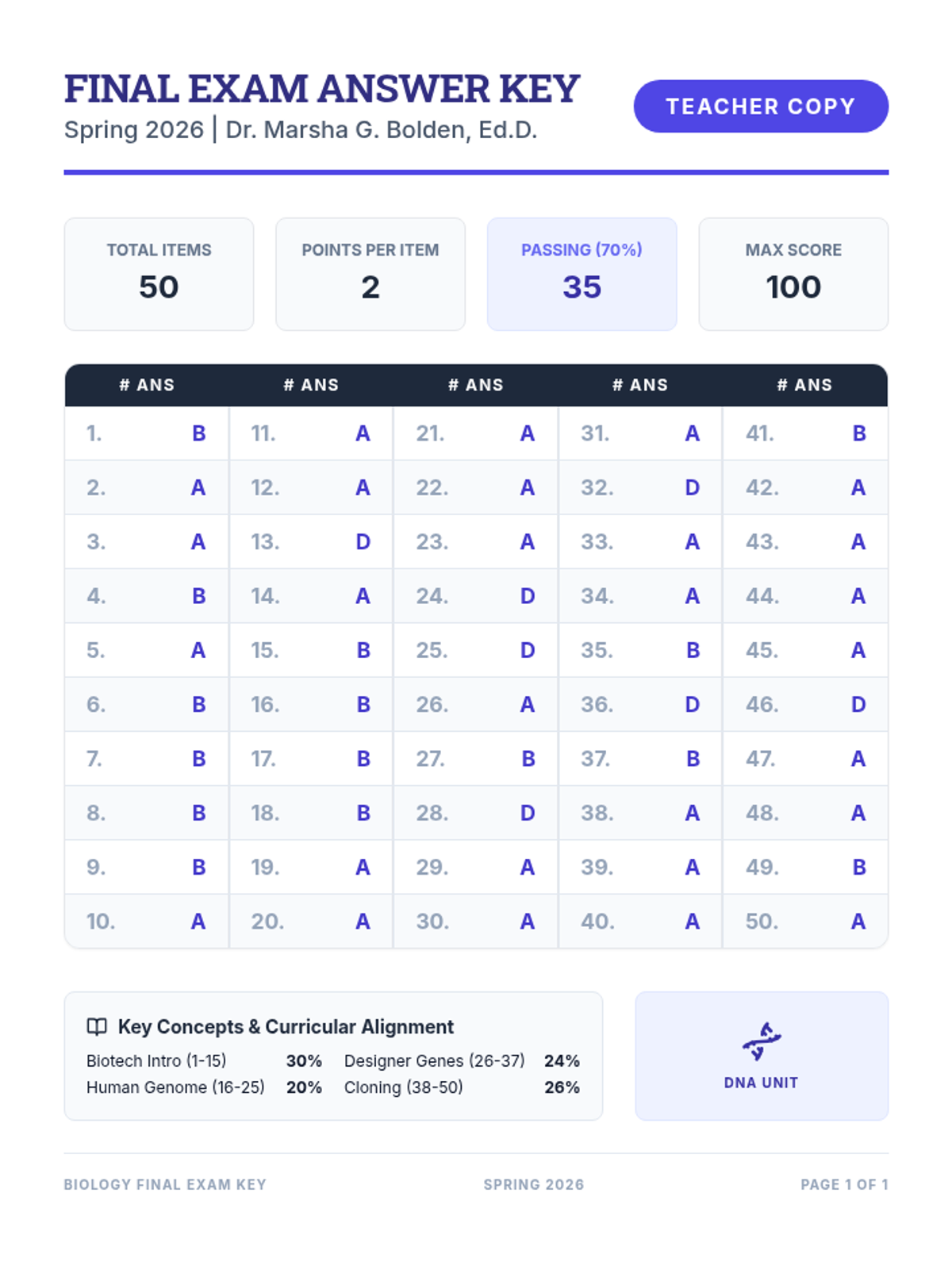
A structured answer key for the Biology Final Exam, providing correct responses for all 50 multiple-choice questions. Revised to fix footer spacing and numbering consistency.
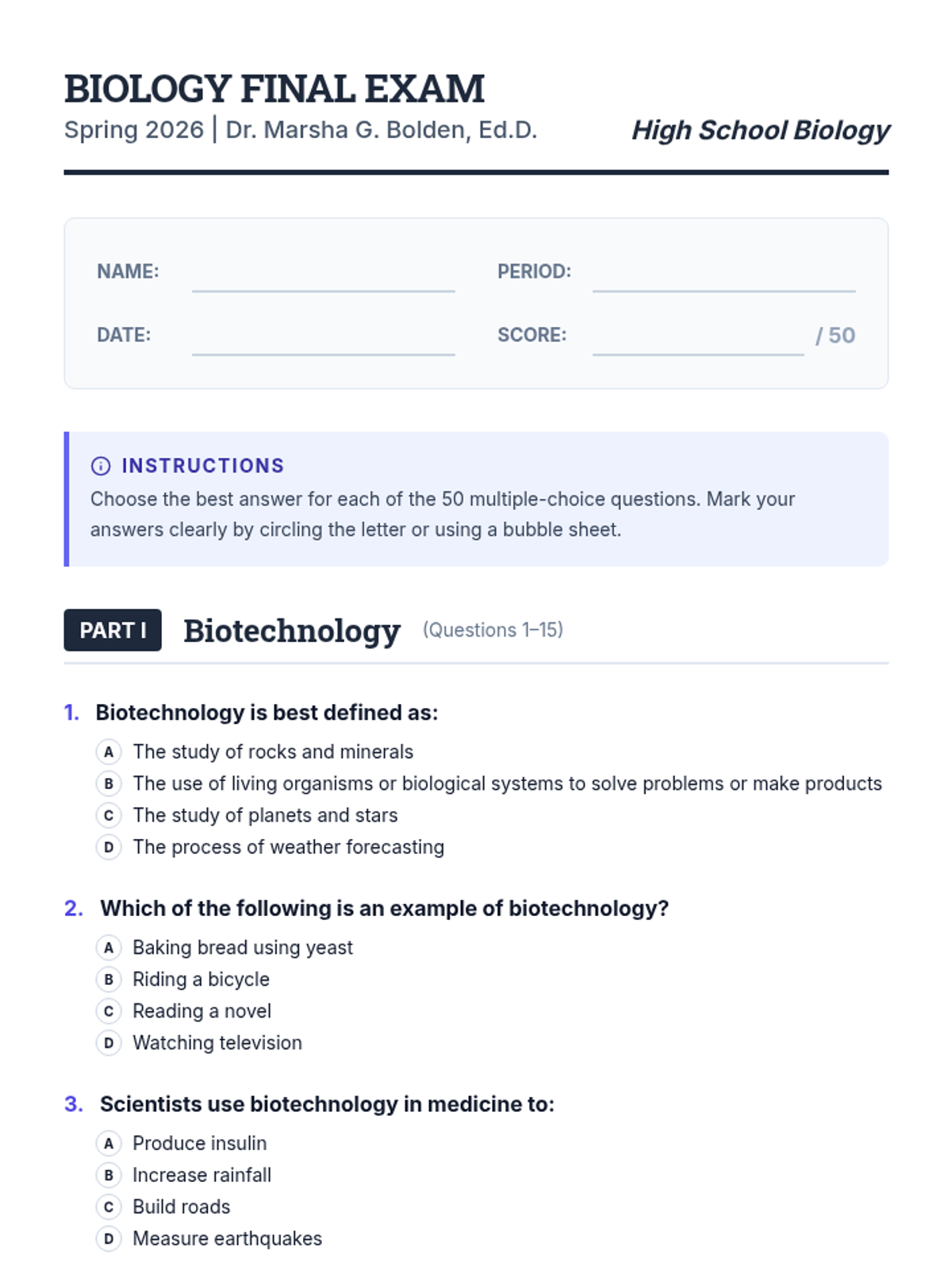
A comprehensive 50-question multiple choice final exam for High School Biology, covering biotechnology, the Human Genome Project, gene editing, and cloning. Includes diagrams for gel electrophoresis and CRISPR technology. Revised for better page breaks and consistent numbering.
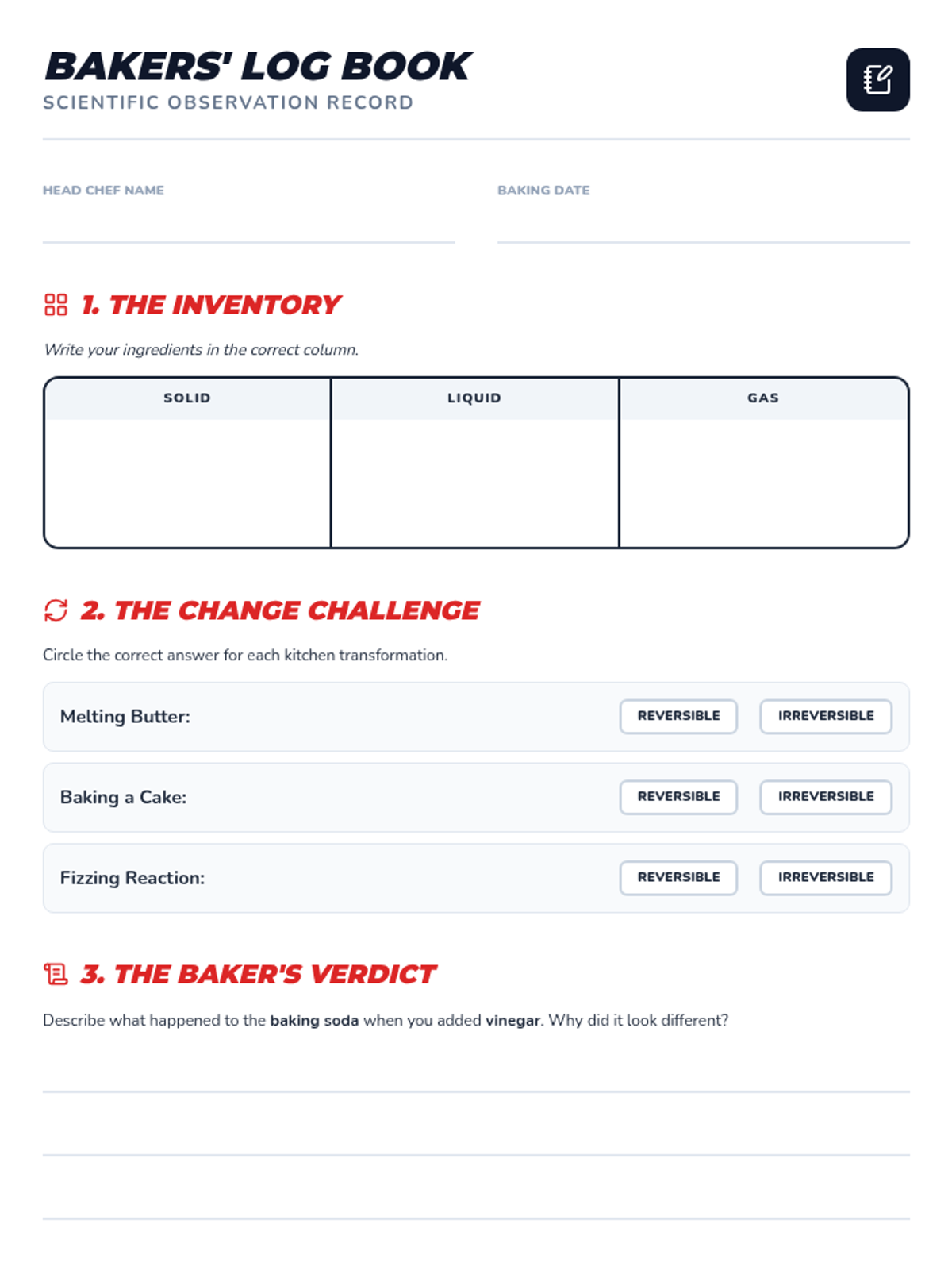
An assessment worksheet for students to record their observations during the lesson. It includes a classification table for states of matter, a matching exercise for reversible vs. irreversible changes, and a prompt for reflection.
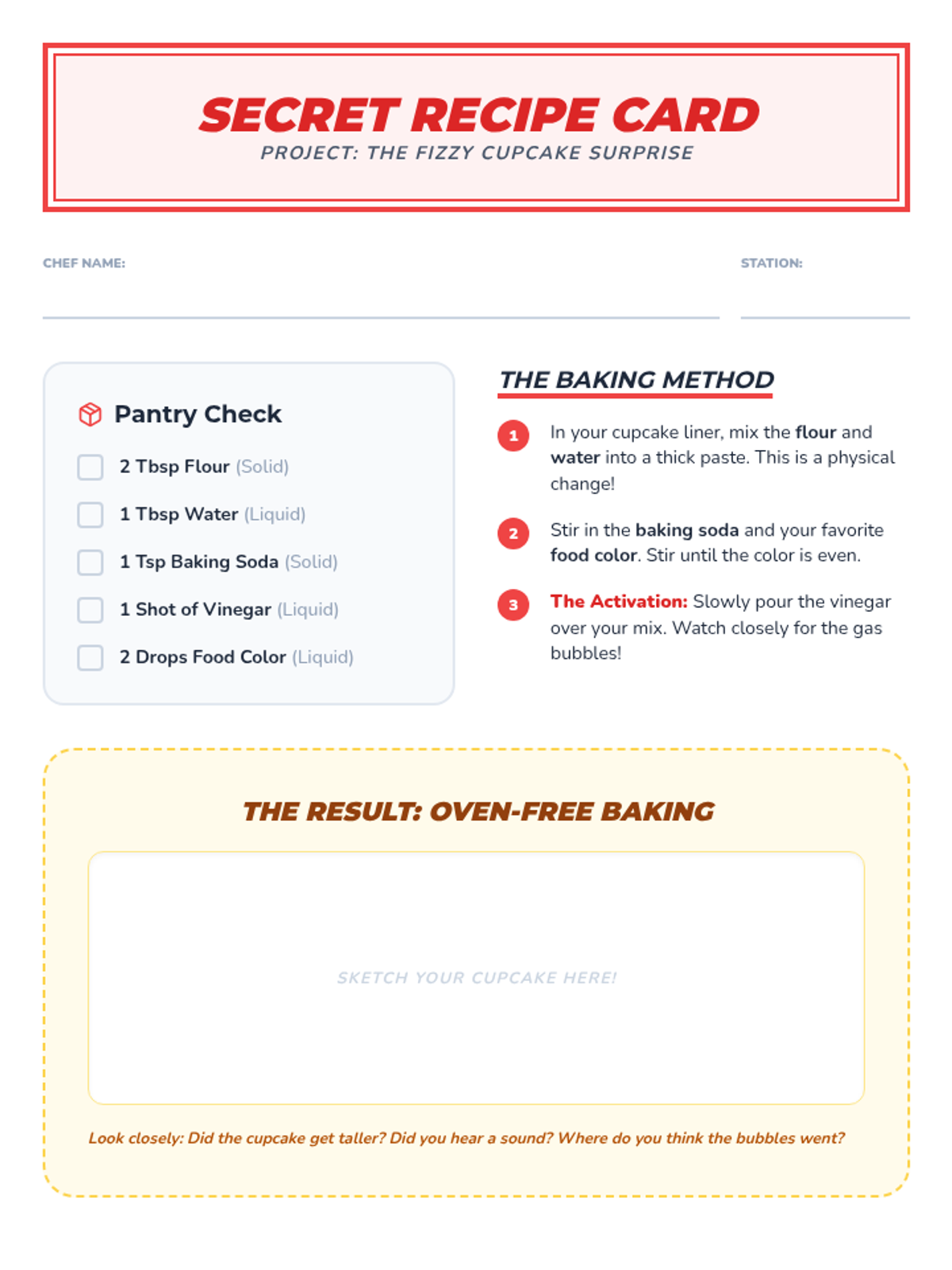
A student-facing hands-on guide for the 'Fizzy Cupcake' activity. It provides a structured 'recipe' for exploring chemical reactions and states of matter without heat, including space for sketching observations.
Engaging instructional slides for the Bronx Bake-Off lesson, defining states of matter, chemical reactions, and the difference between reversible and irreversible changes with vibrant, large-text visuals.
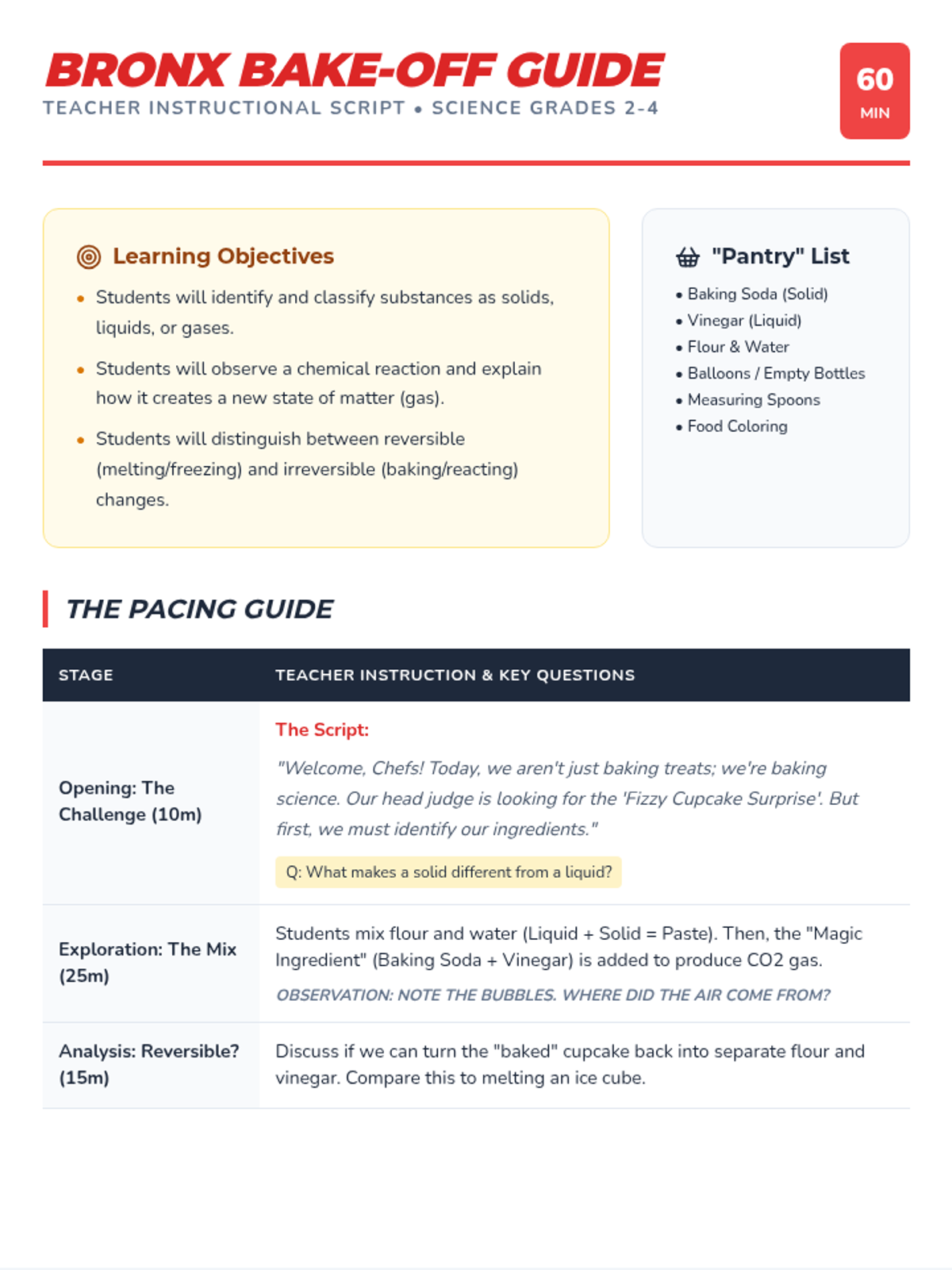
A comprehensive instructional guide for teachers to lead a hands-on kitchen science lesson. It includes learning objectives, a timed pacing guide, key questioning prompts, and safety protocols for grades 2-4.
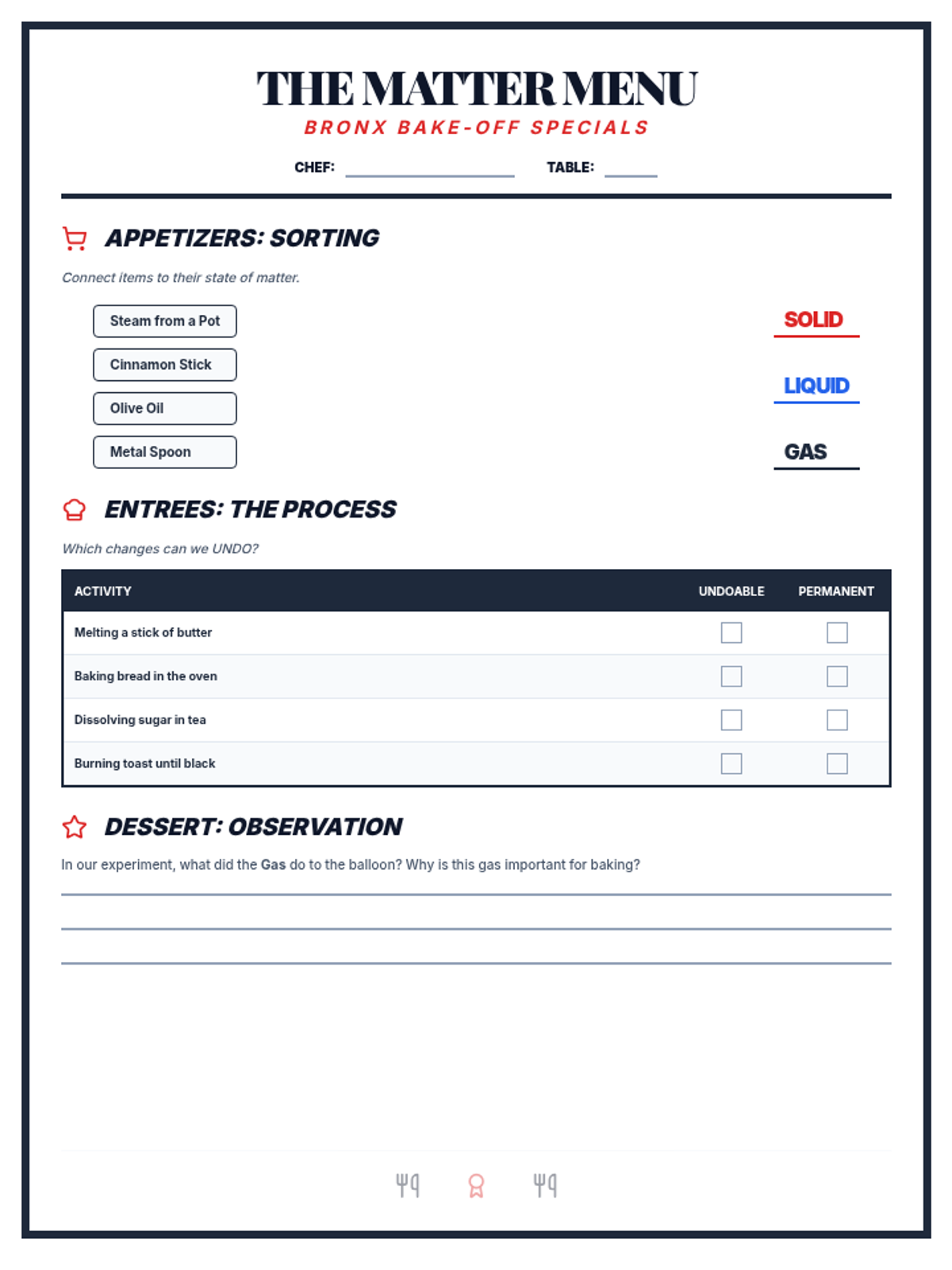
A 'Matter Menu' themed worksheet that assesses student understanding of states of matter and reversible/irreversible changes through sorting, matching, and short response questions.
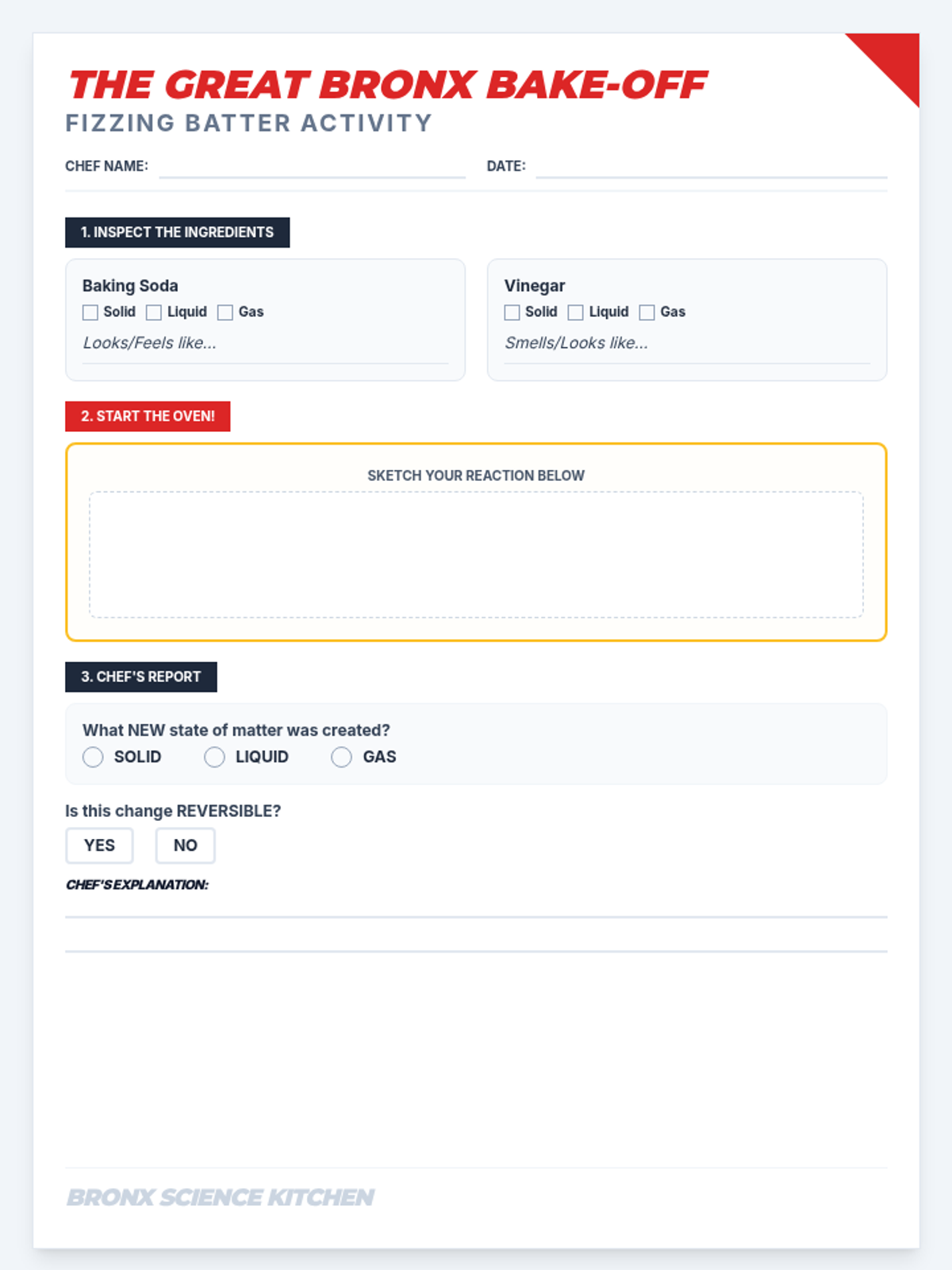
A student activity sheet for recording observations during the 'Fizzing Batter' experiment. It includes sections for ingredient properties, reaction sketching, and analysis of changes in states of matter.
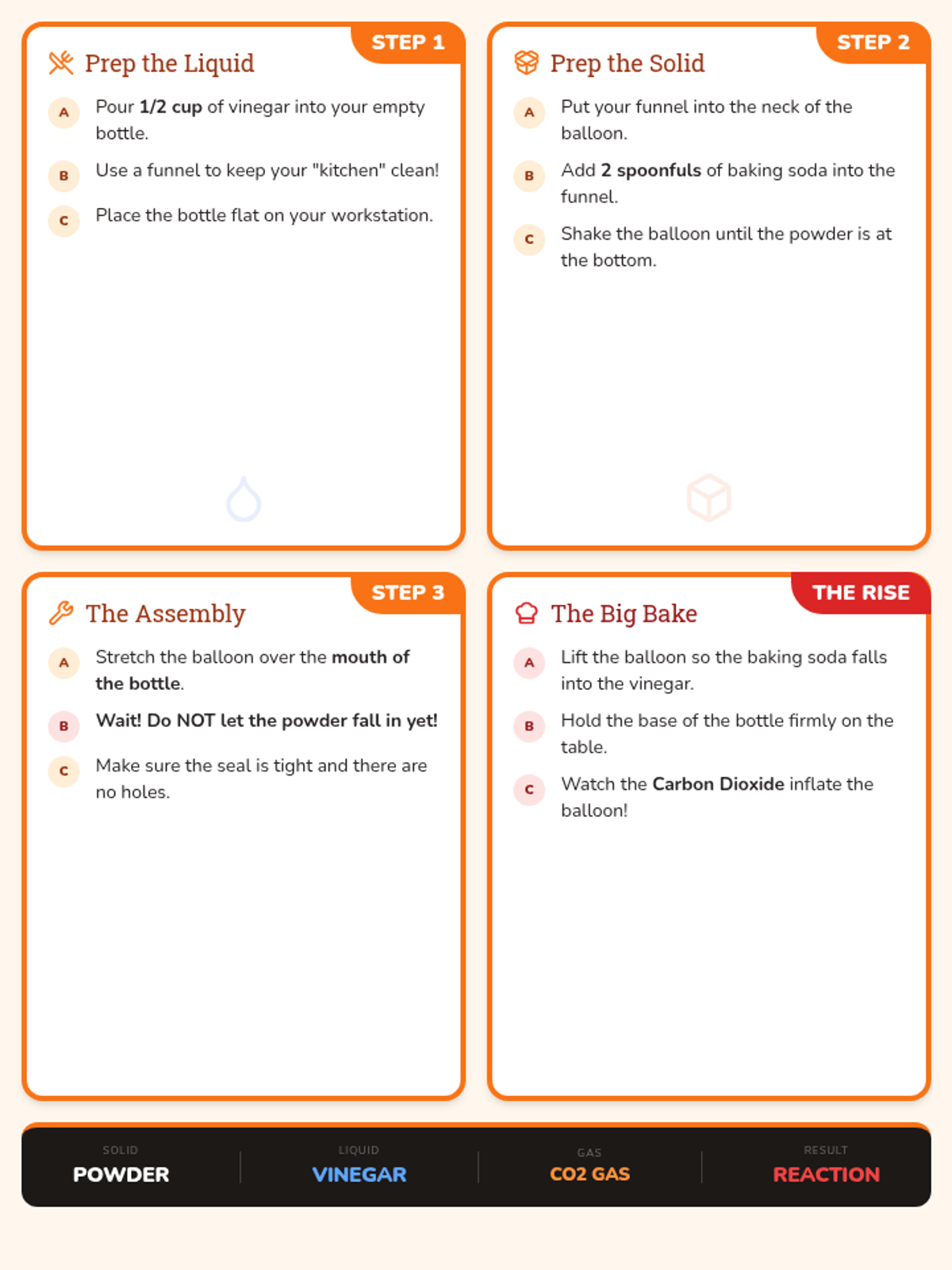
Step-by-step 'Recipe Challenge Cards' that guide students through the experiment process, formatted as a set of activity instruction cards.
A vibrant 5-slide presentation designed for elementary students, introducing the states of matter through the metaphor of baking and explaining chemical versus physical changes with engaging visuals.
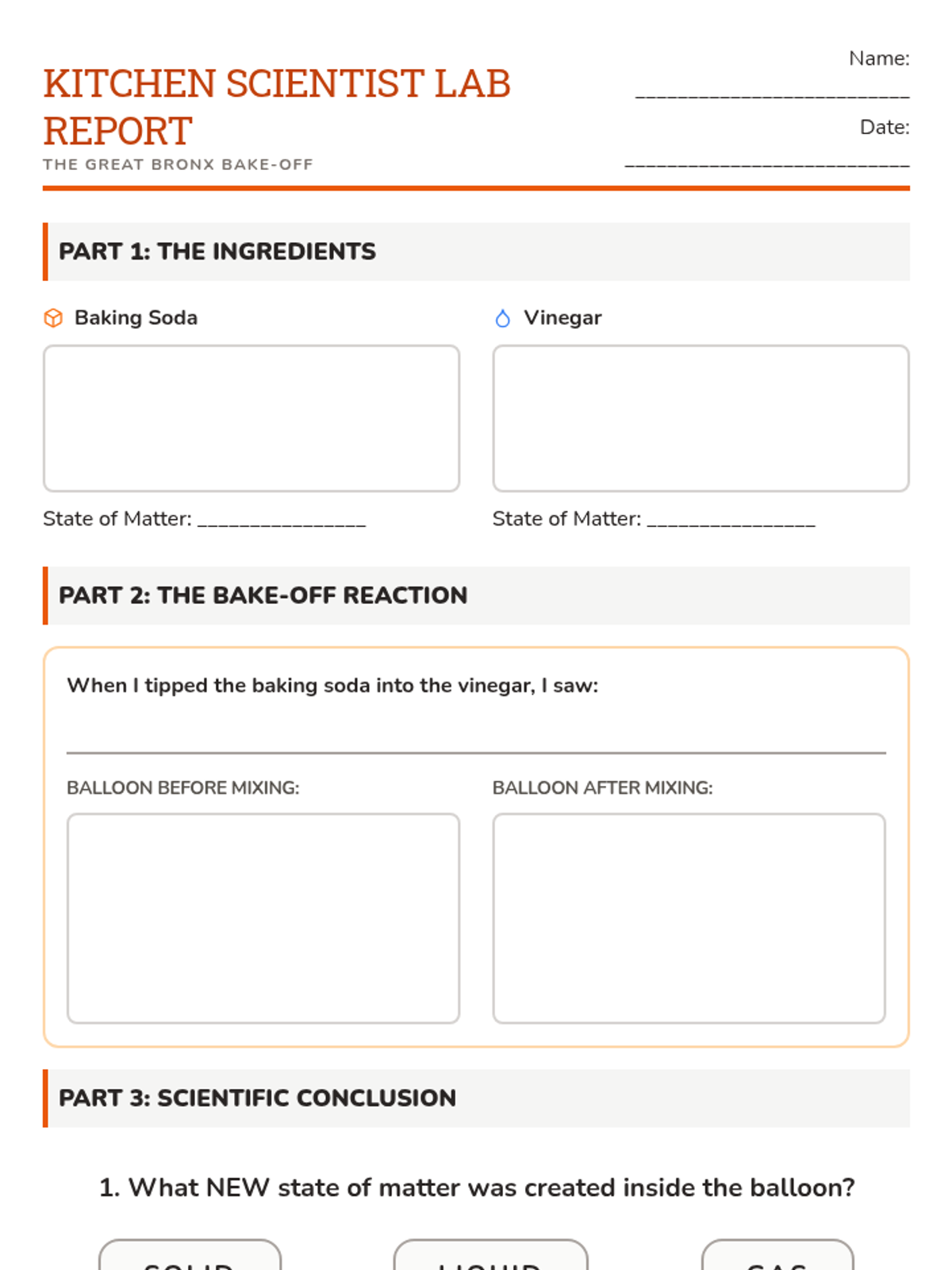
A lab report worksheet for students to document their observations of solids, liquids, and gases during 'The Great Bronx Bake-Off' experiment, including space for drawings and reflection.
A visually engaging 16:9 slide deck for 'The Great Bronx Bake-Off', introducing states of matter, the baking challenge, and safety procedures using a kitchen science theme.
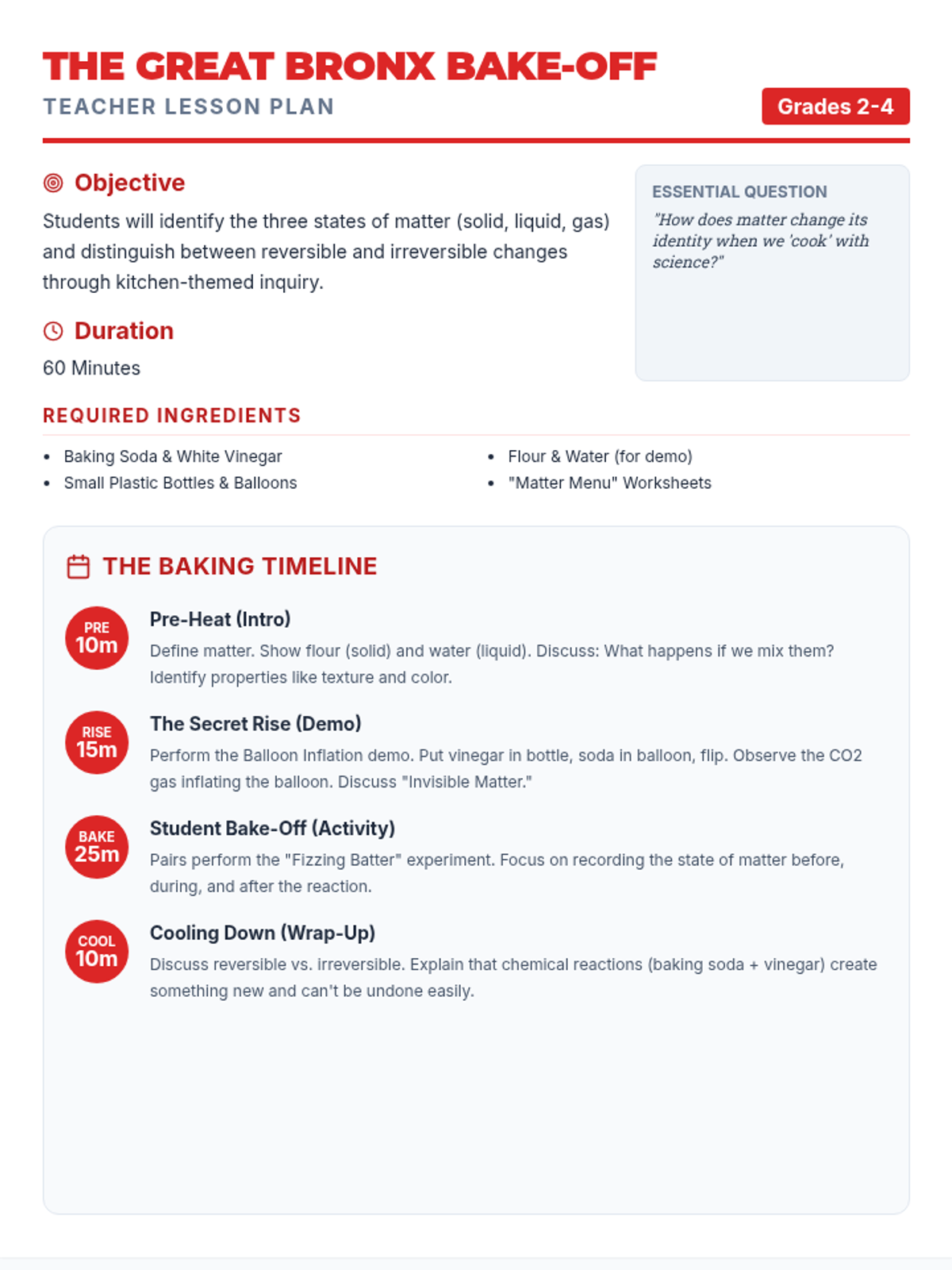
A comprehensive teacher's lesson plan for the Bronx Bake-Off unit, featuring learning objectives, material lists, a detailed pacing guide, and pedagogical notes on differentiation and misconceptions.
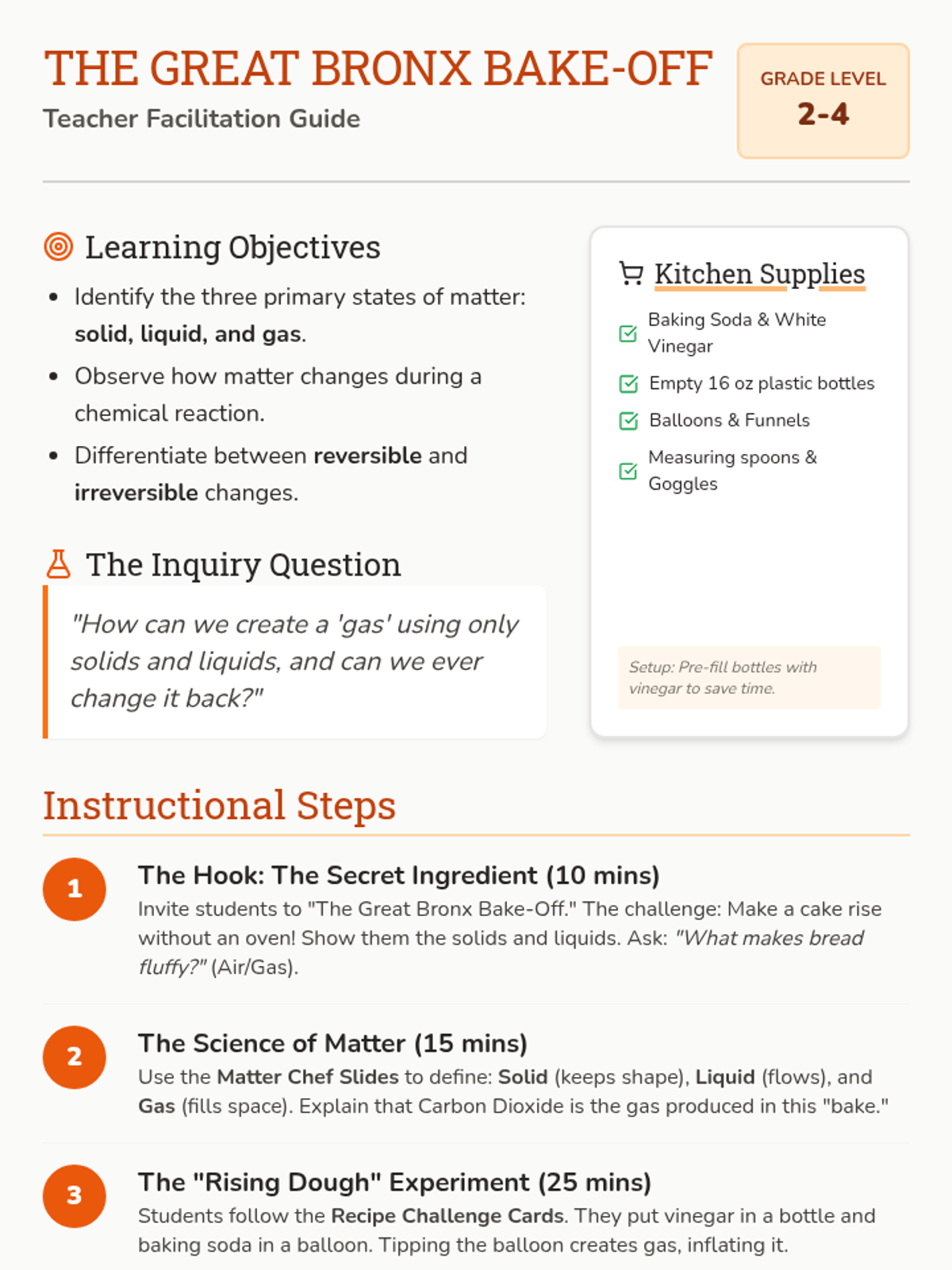
A comprehensive teacher facilitation guide for 'The Great Bronx Bake-Off' lesson, outlining objectives, materials, and a step-by-step instructional sequence for grades 2-4.
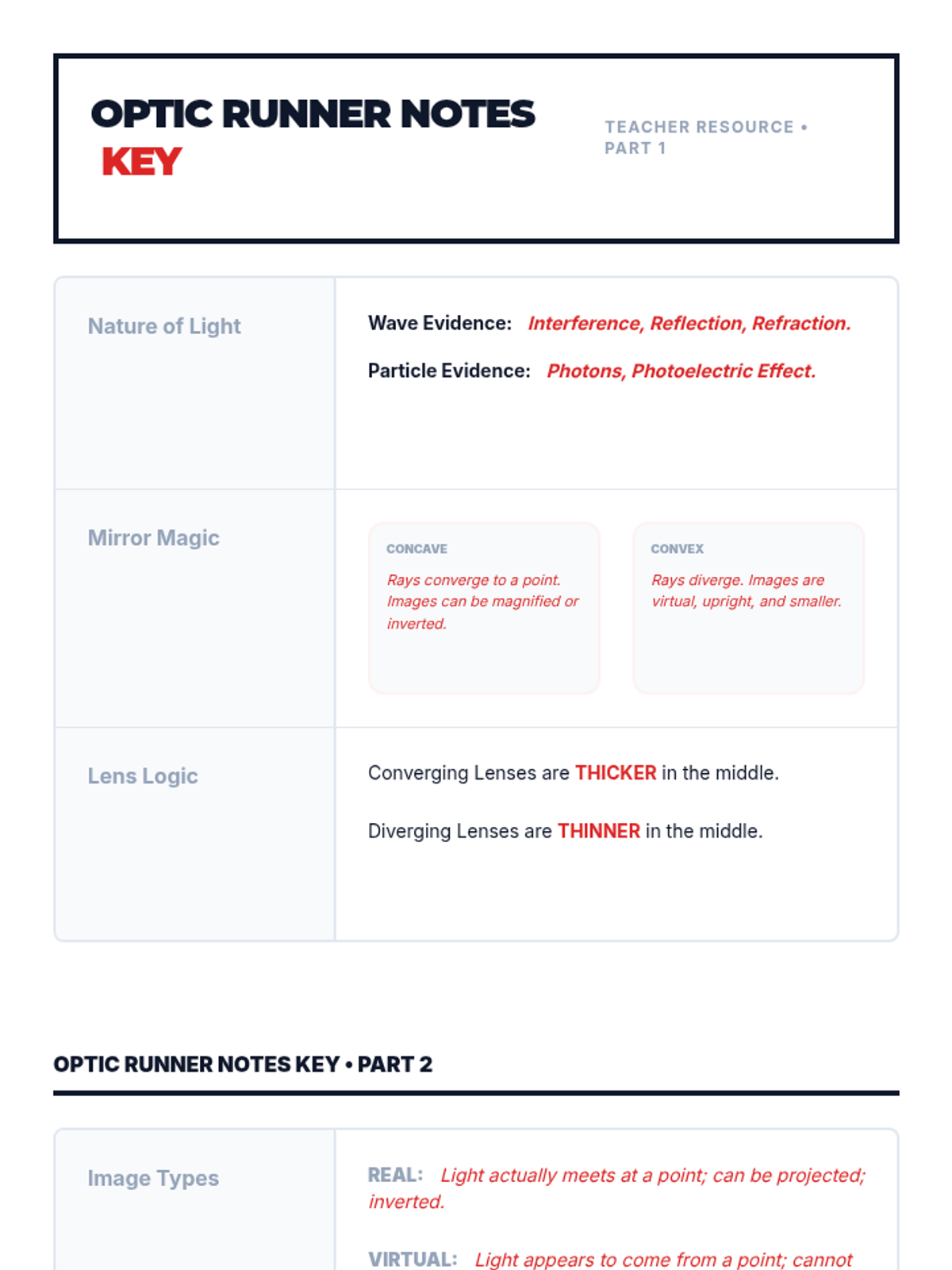
Teacher answer key for the Optic Runner Cornell Notes. Provides model definitions for wave-particle duality, mirror/lens comparisons, ray tracing rules, Snell's Law, and biological vision mechanics. Revised for 3-page layout alignment.
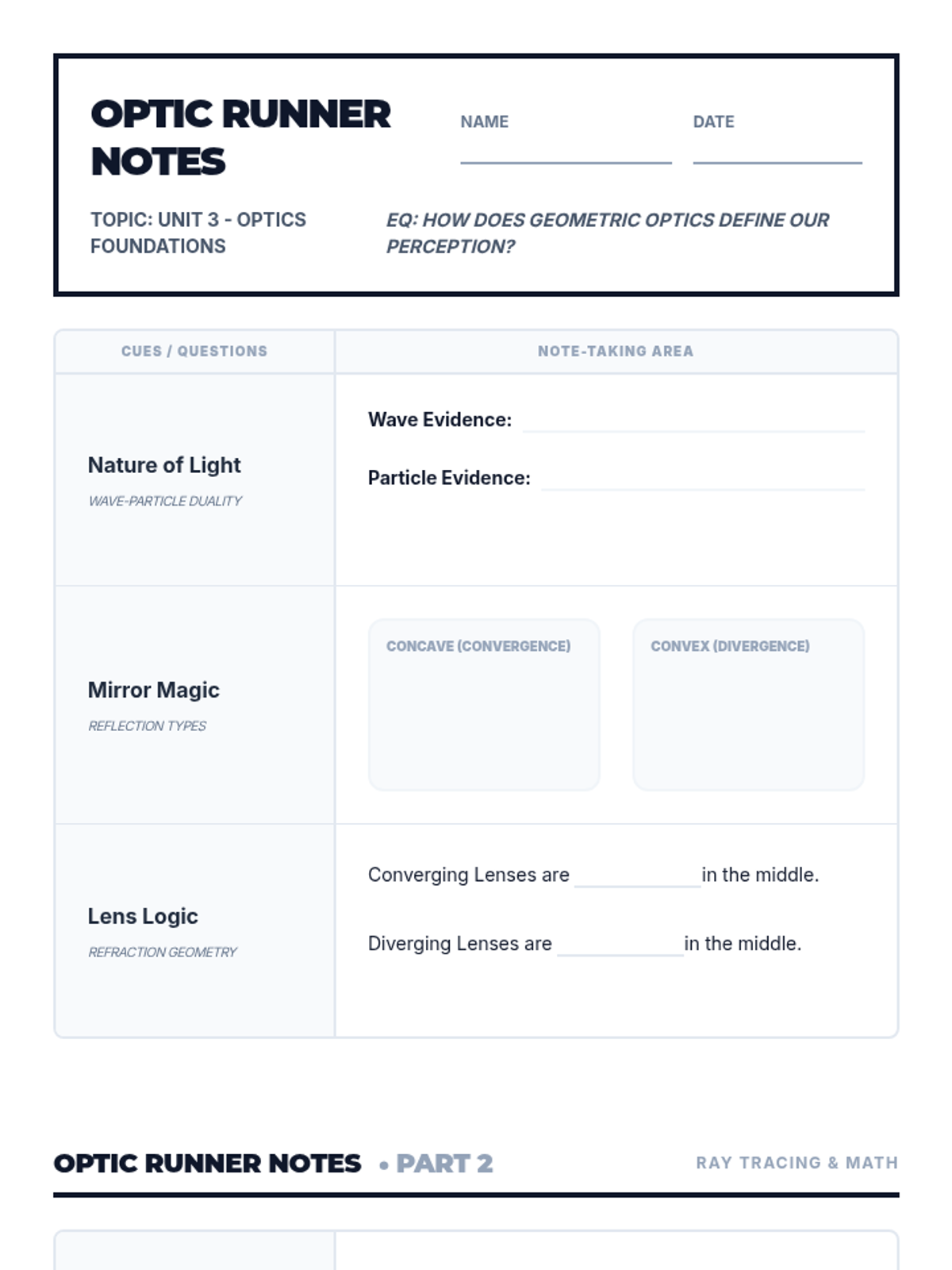
A structured Cornell note-taking template designed to accompany the Optic Runner slide deck. Includes pre-defined cue categories and scaffolded note areas covering the nature of light, lens and mirror geometry, Snell's Law, biological optics, and wave behavior. features a high-contrast technical aesthetic. Revised to include the updated Lexicon sections for mirrors, lenses, and image types.
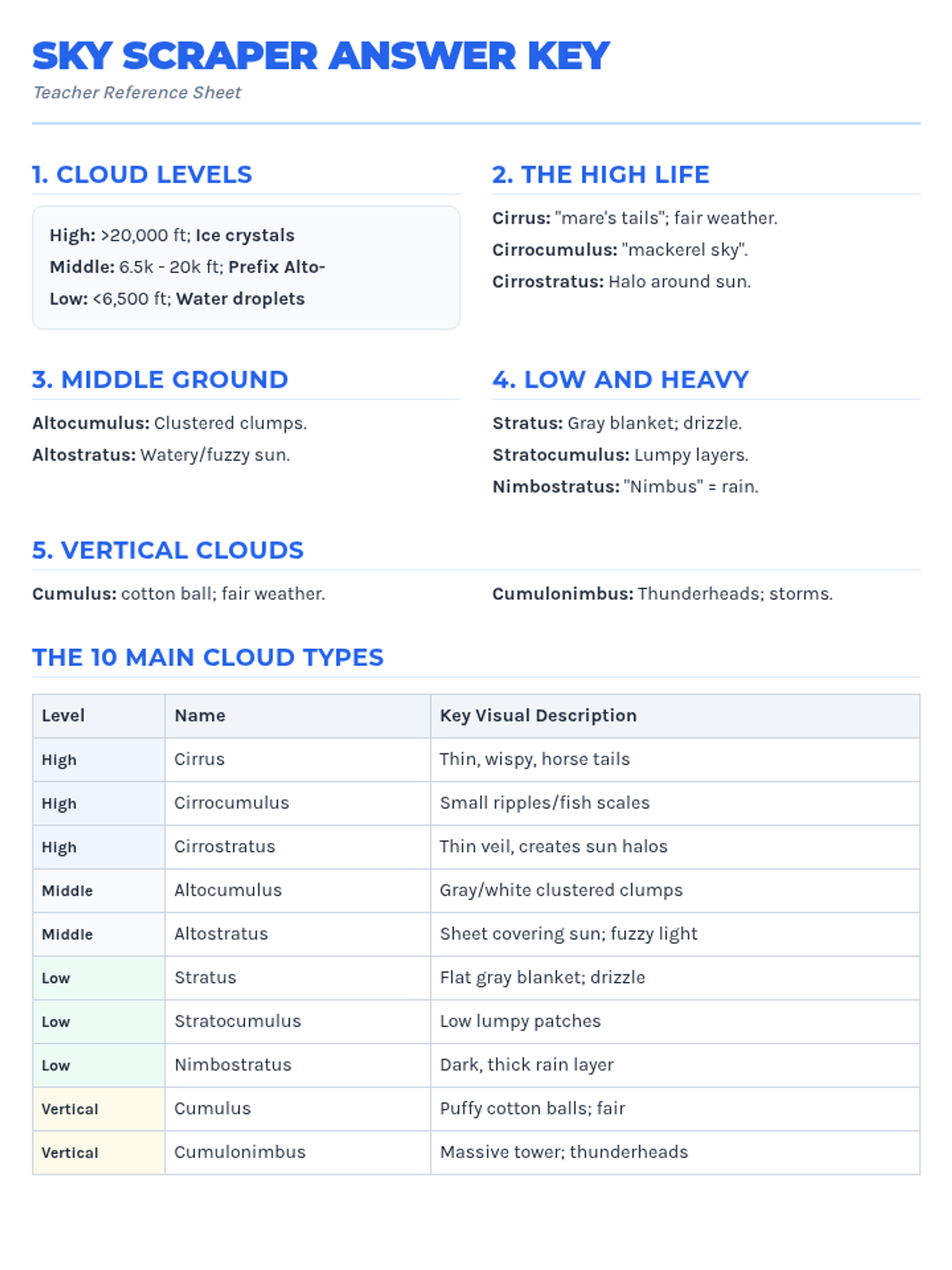
Completed version of the Sky Scraper Notes to serve as a reference for teachers. Revised to include all 10 standard cloud types and optimized layout for a single-page reference.
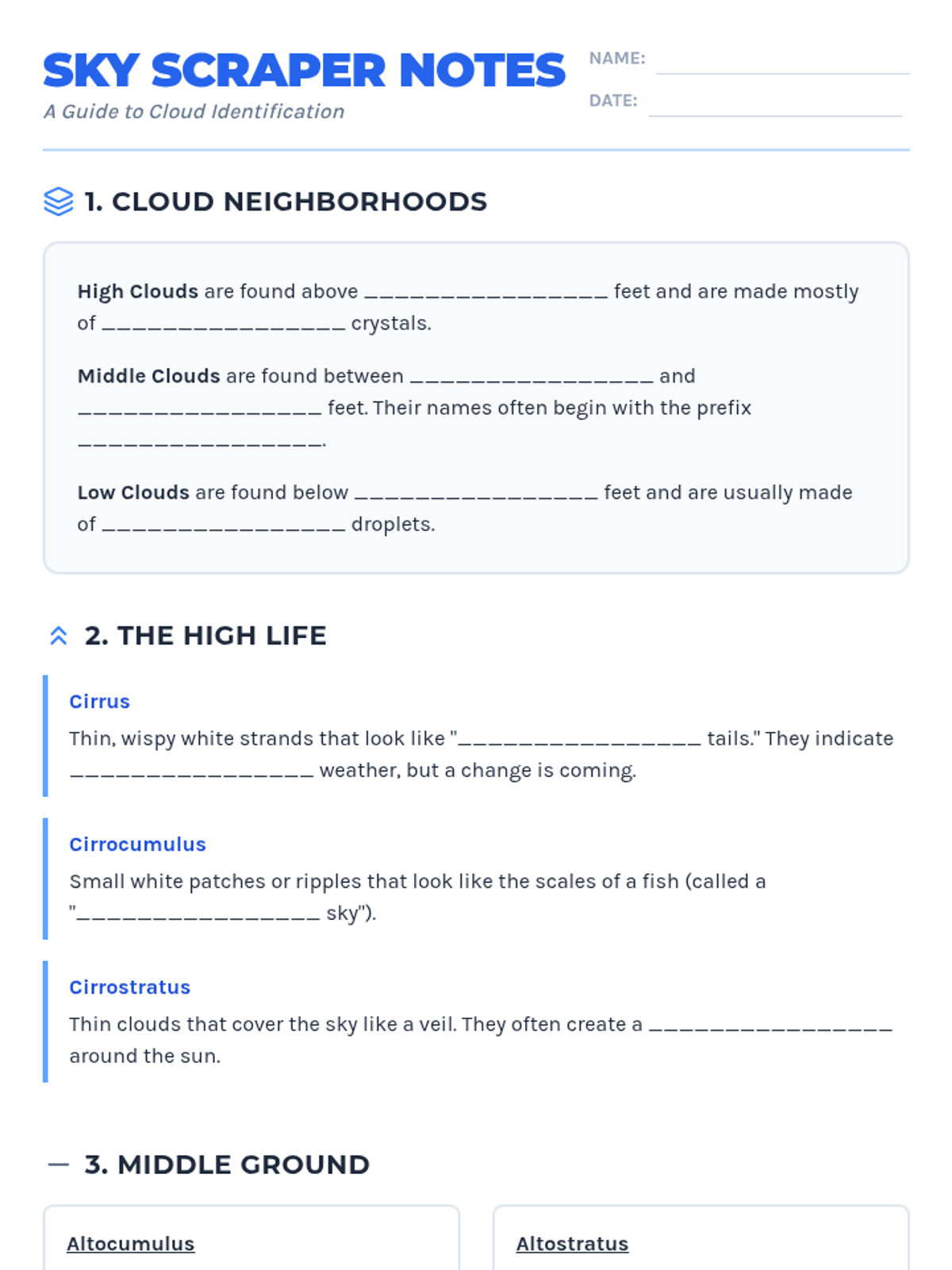
A fill-in-the-blank guided notes document designed to be completed alongside the Sky Scraper presentation. Revised for improved page breaks, student work area legibility, and layout consistency.
A visual presentation covering the 10 main cloud types, their altitudes, and characteristics, with special focus slides for Cirrus, Stratus, and Cumulus clouds. Revised for improved padding and alignment on Slide 6.
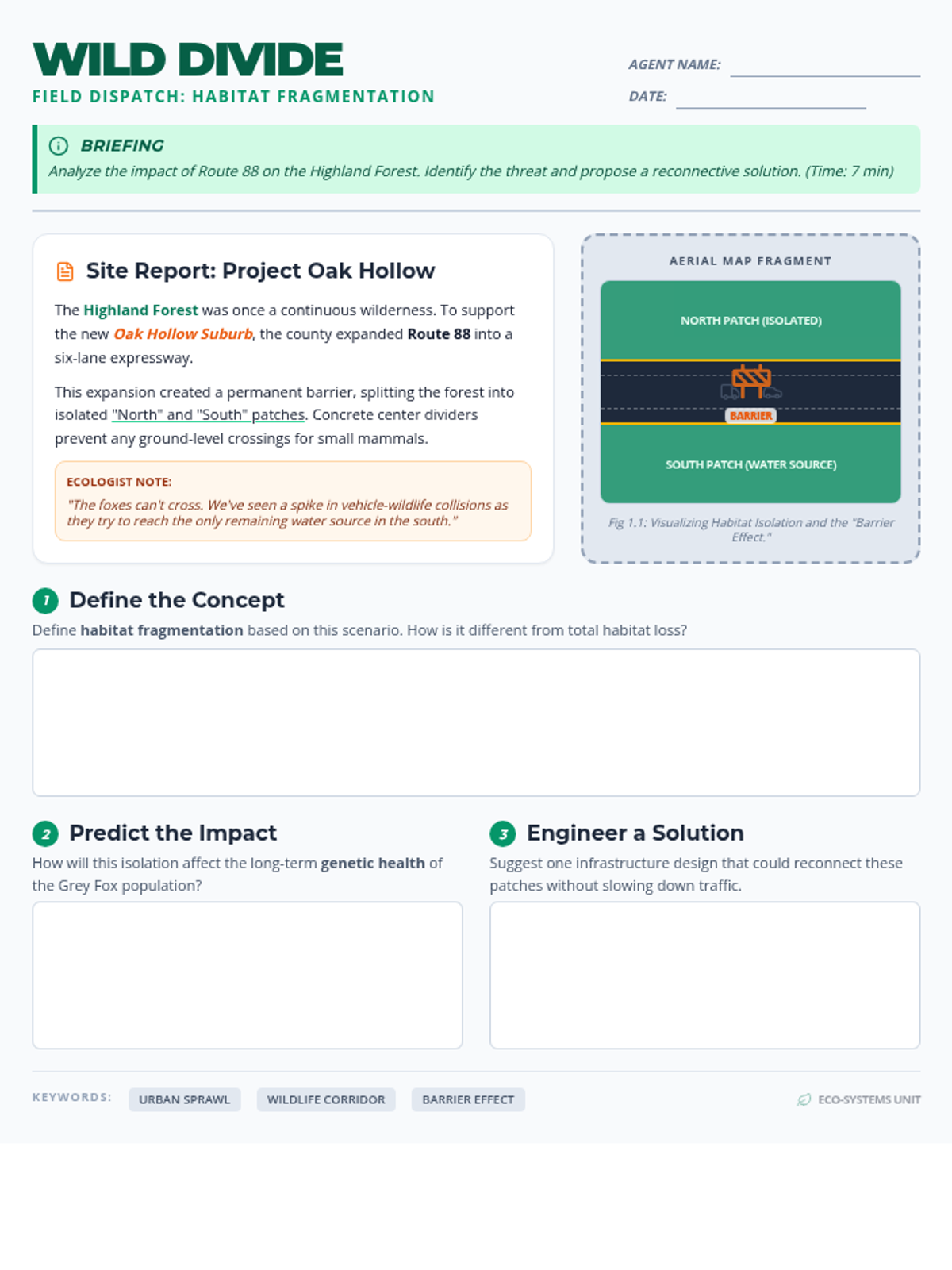
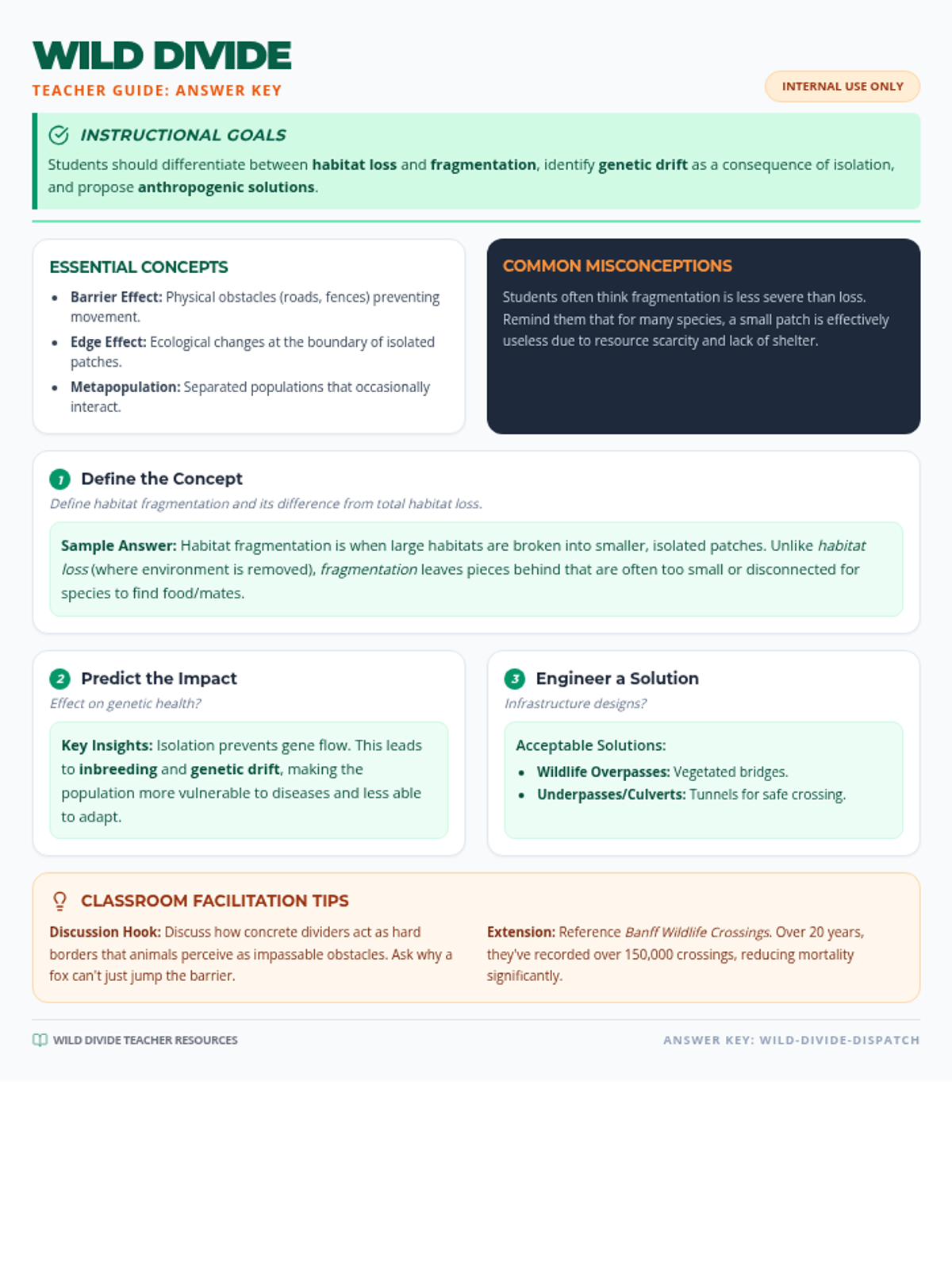
Teacher answer key and facilitation guide for the Wild Divide Dispatch Bell Ringer. Includes sample answers, common misconceptions, and discussion hooks for teaching habitat fragmentation.
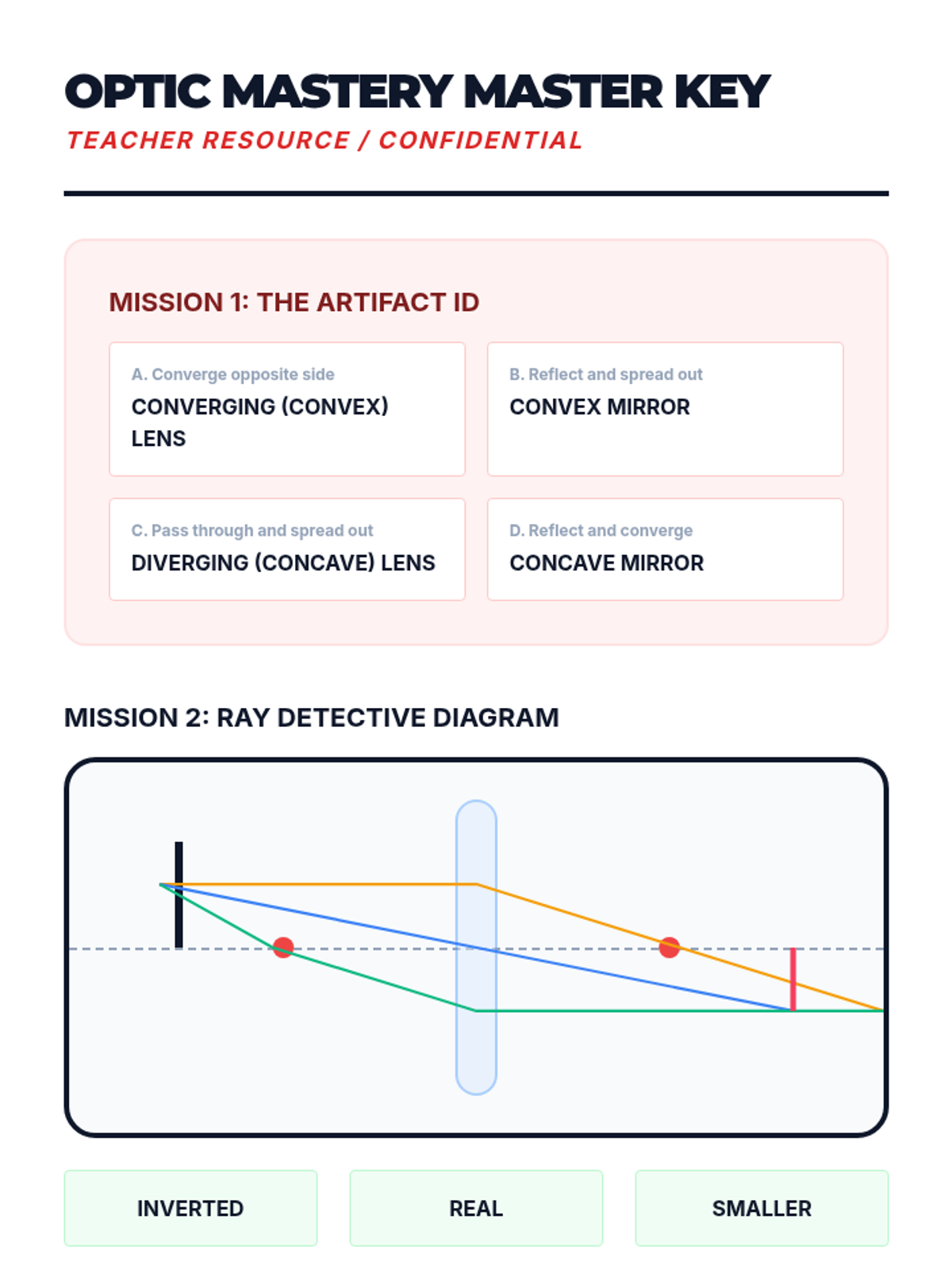
A comprehensive teacher answer key for the Optic Mastery Challenge. Includes step-by-step mathematical solutions for Snell's Law, completed ray diagrams with color-coded paths, and detailed biological explanations for vision correction. Designed for classroom grading and instructional review. Revised for improved page flow and symbol rendering.
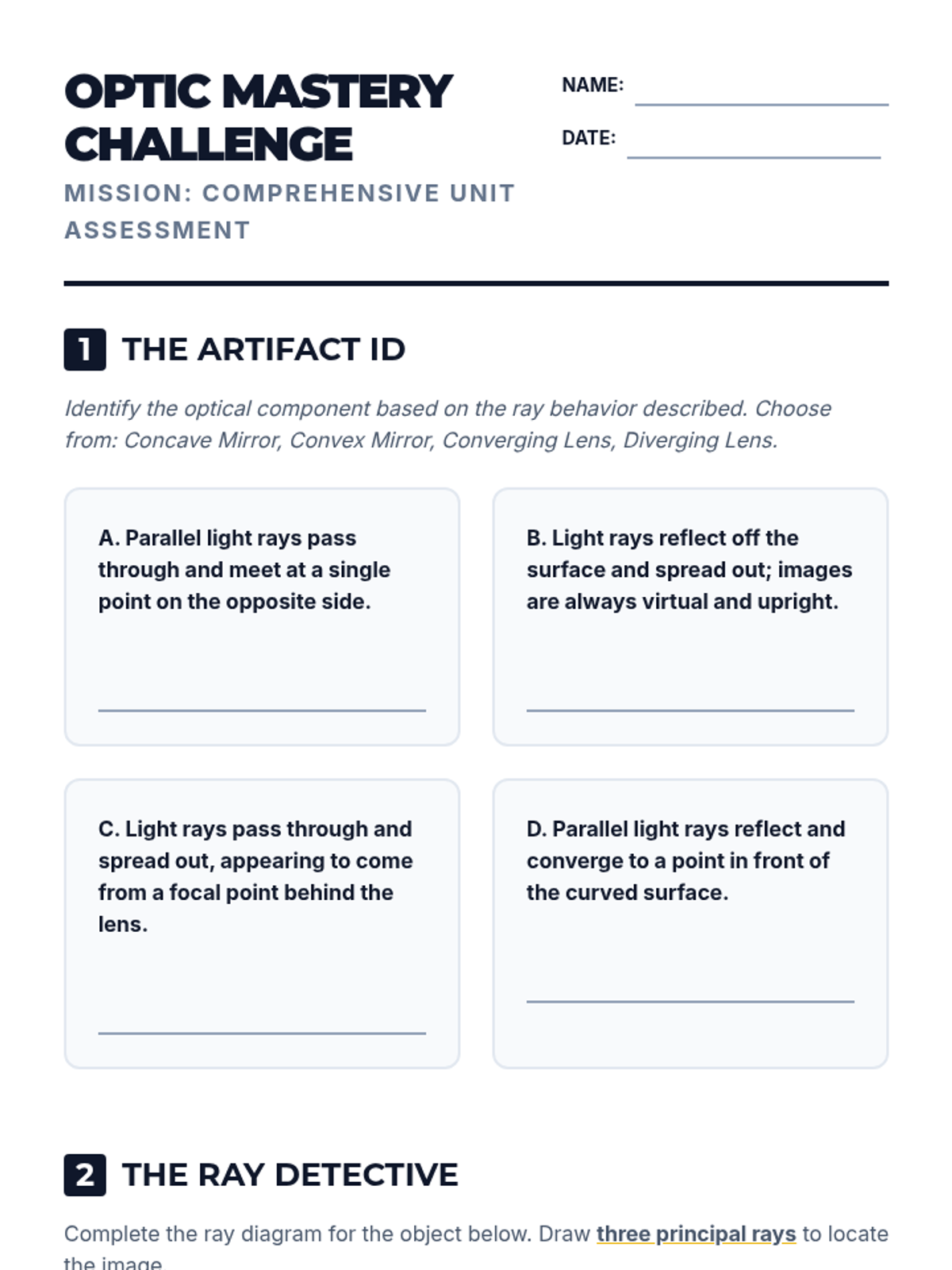
A comprehensive student worksheet designed to assess understanding of the Optic Runner slide deck. Includes identification tasks for optical artifacts, a ray-tracing detective challenge, Snell's Law calculations, and a deep-dive into the biological optics of the human eye. Revised to include a vocabulary matching section (Lexicon).
A bell ringer activity focusing on habitat fragmentation caused by roads and urban sprawl. It features a realistic case study scenario of a forest being split by a highway expansion, accompanied by a visual diagram and analytical questions for students to complete at the start of class.
A visual slide presentation guiding students through the setup of a forensic evidence board to solve the mystery of the missing fossils. Includes suspect introductions, layout templates, and success criteria.
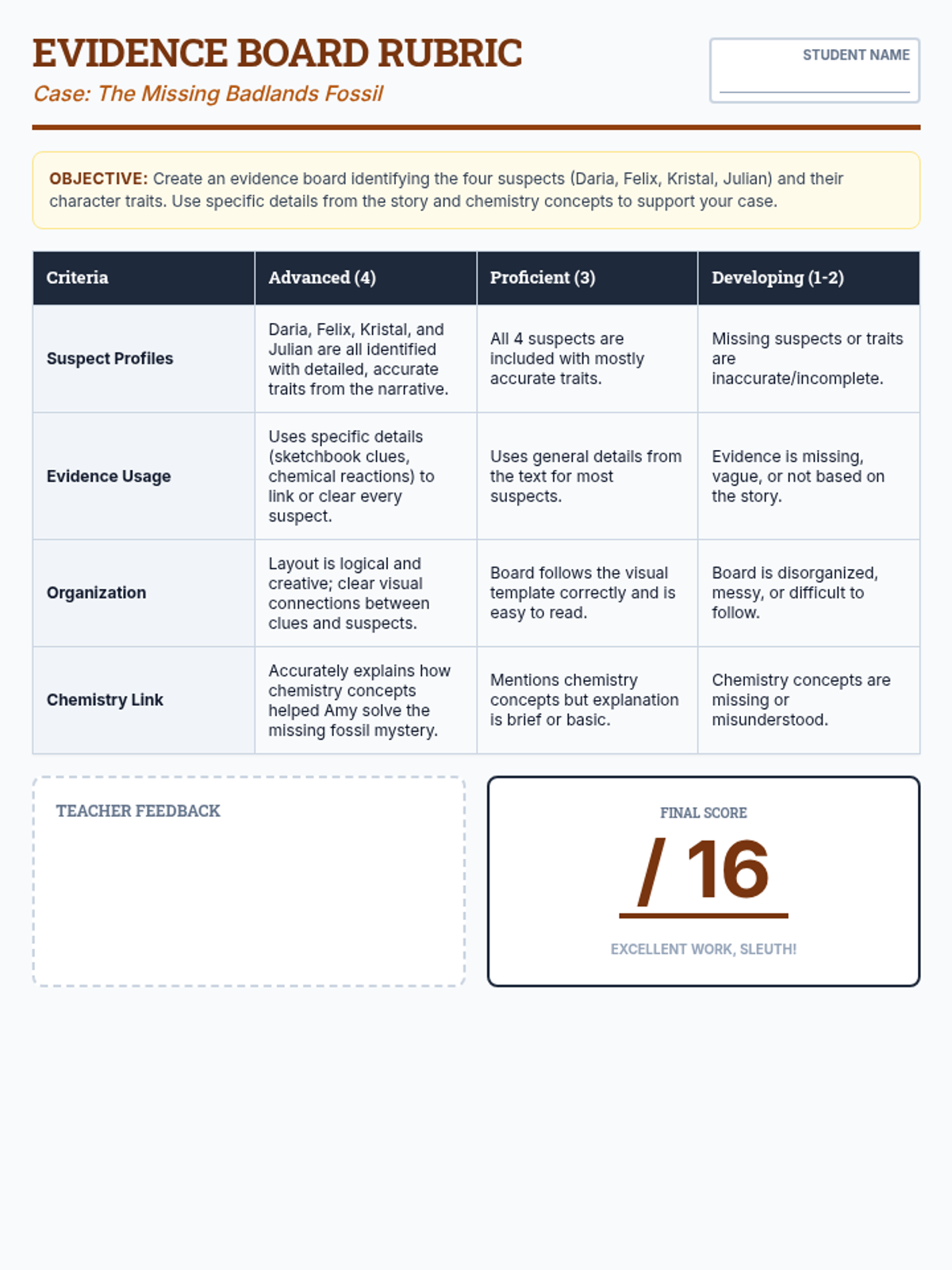
A comprehensive grading rubric for the Badlands Sleuth evidence board project, focusing on suspect profiling, evidence accuracy, chemistry integration, and organization.
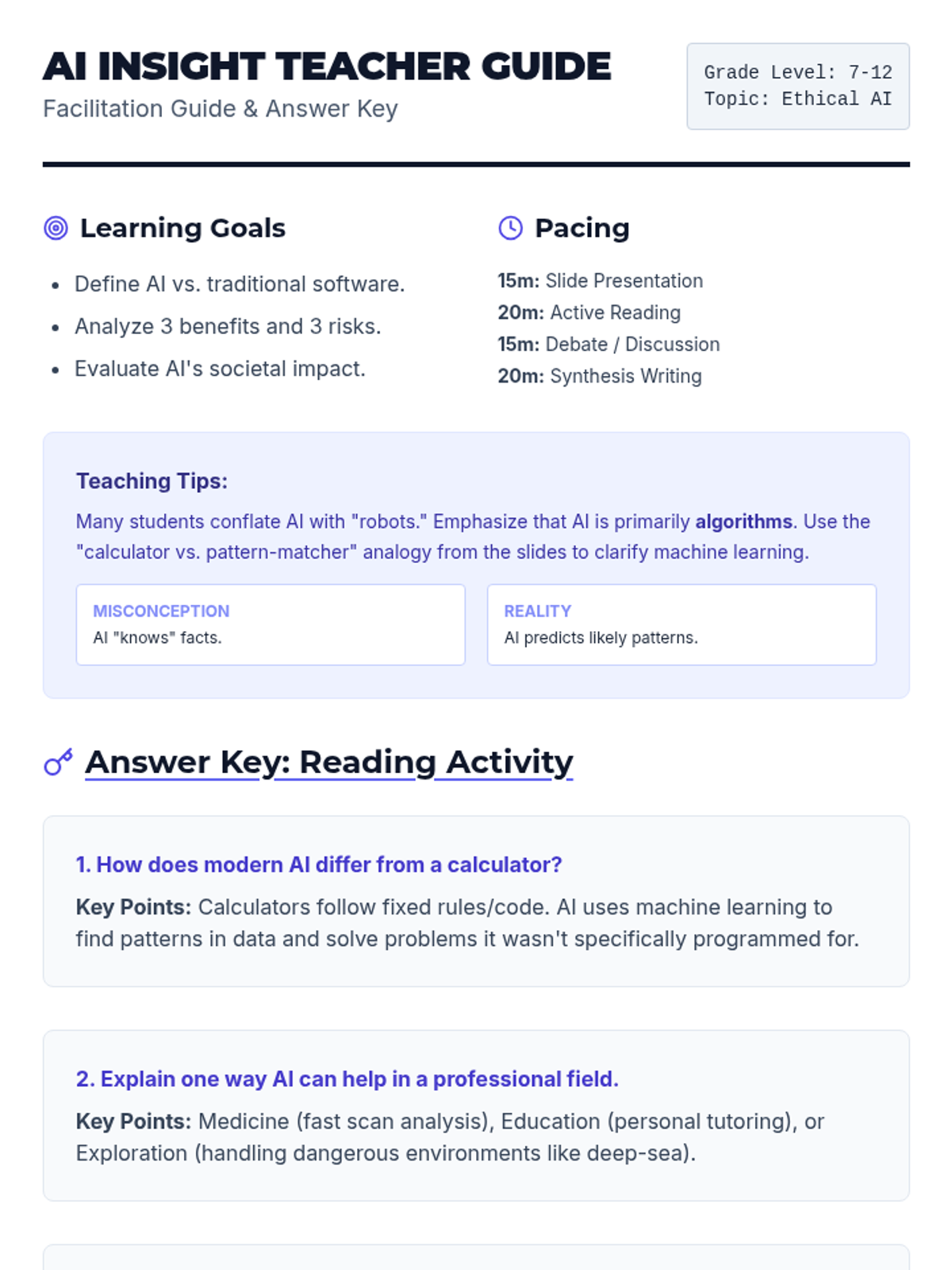
A facilitation guide for teachers including instructional objectives, a detailed pacing guide, an answer key for the reading activity, and a writing rubric for the synthesis paragraph.
A high-impact slide presentation that introduces the concepts of AI, explores its transformative benefits and significant risks, and provides a framework for ethical usage.
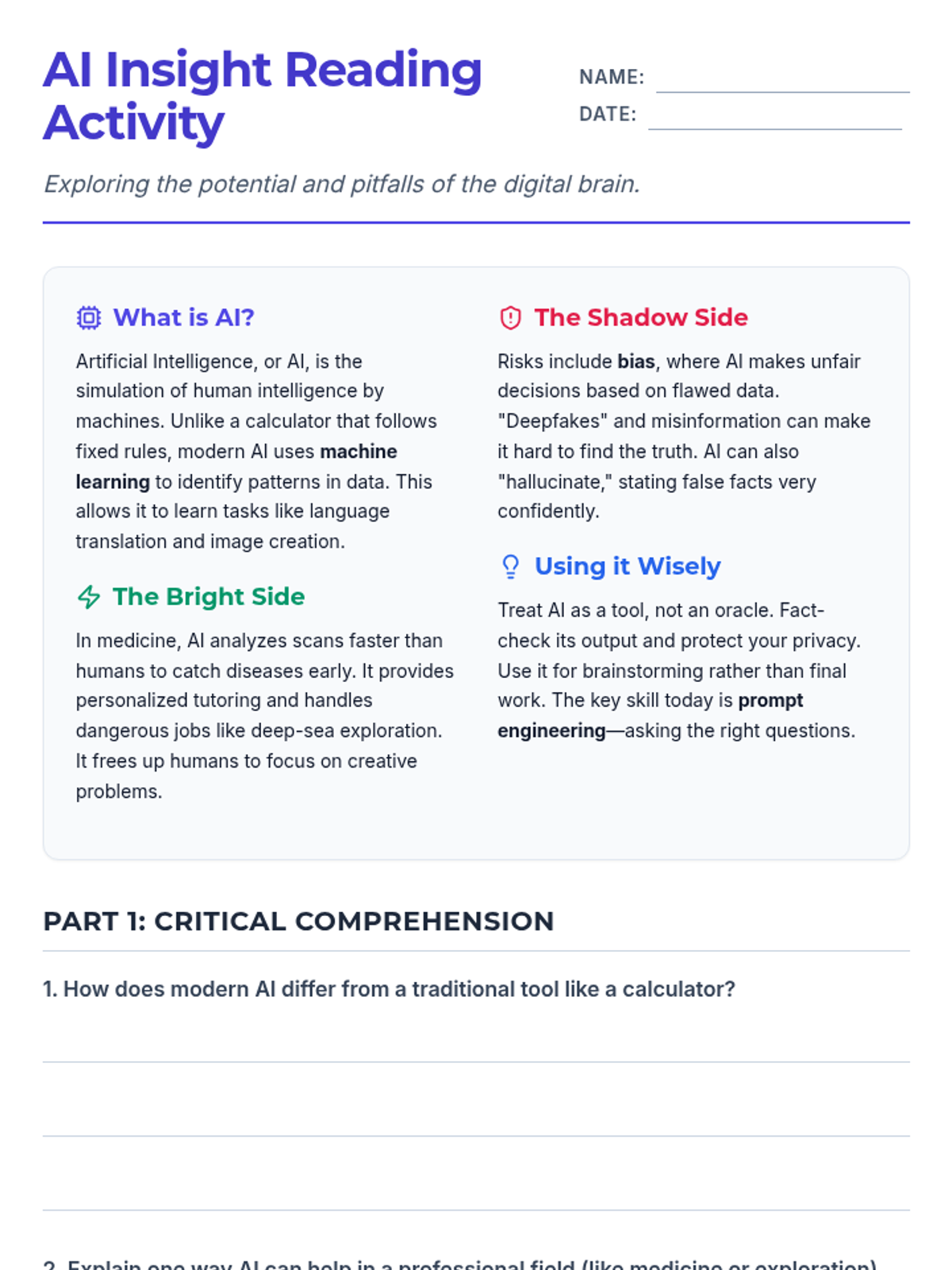
A student worksheet featuring a comprehensive reading passage on Artificial Intelligence, followed by critical thinking short-answer questions and a structured paragraph writing prompt.
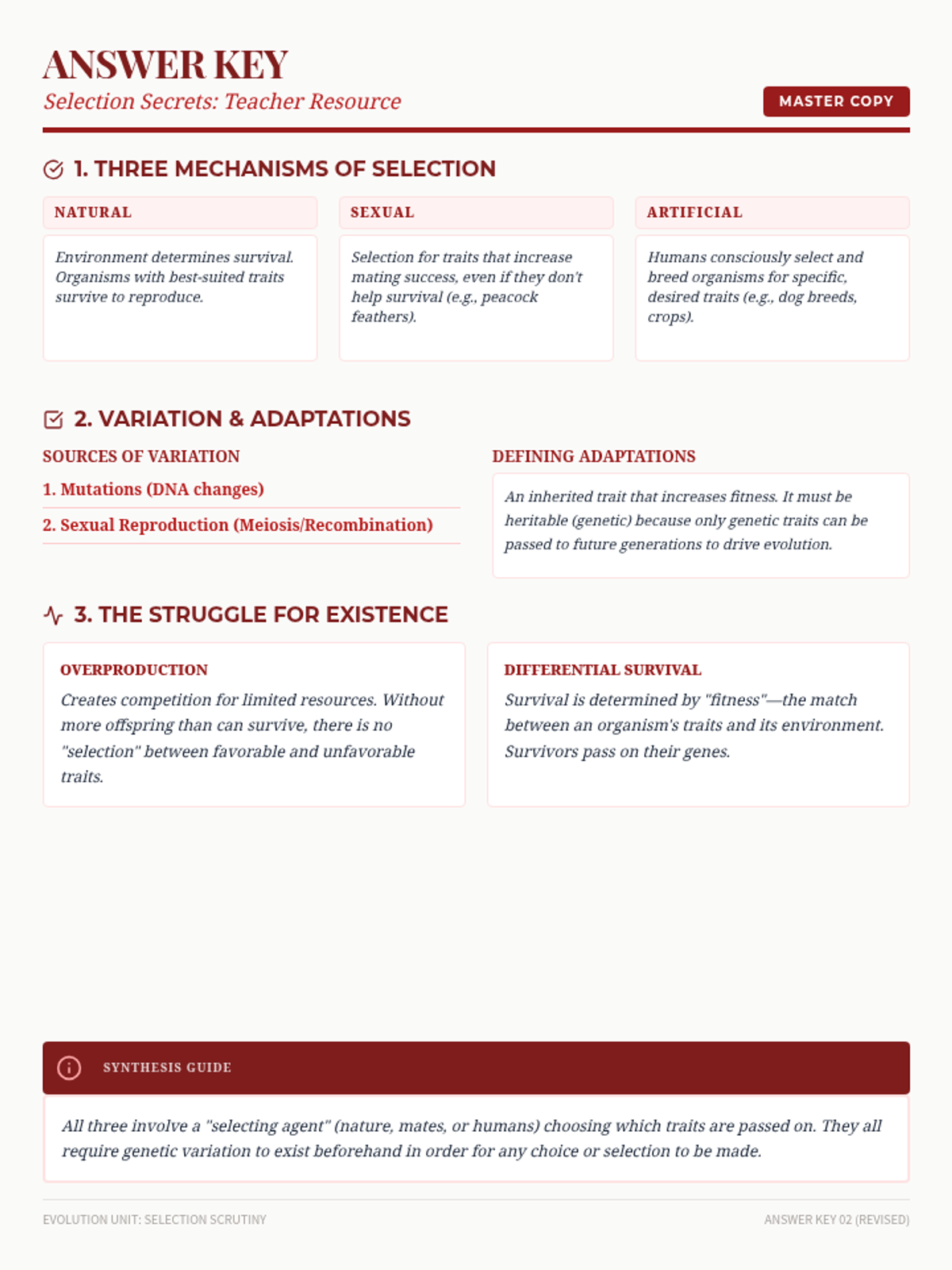
A revised answer key for the Selection Secrets Worksheet, providing explanations for natural, sexual, and artificial selection, as well as core evolutionary concepts.
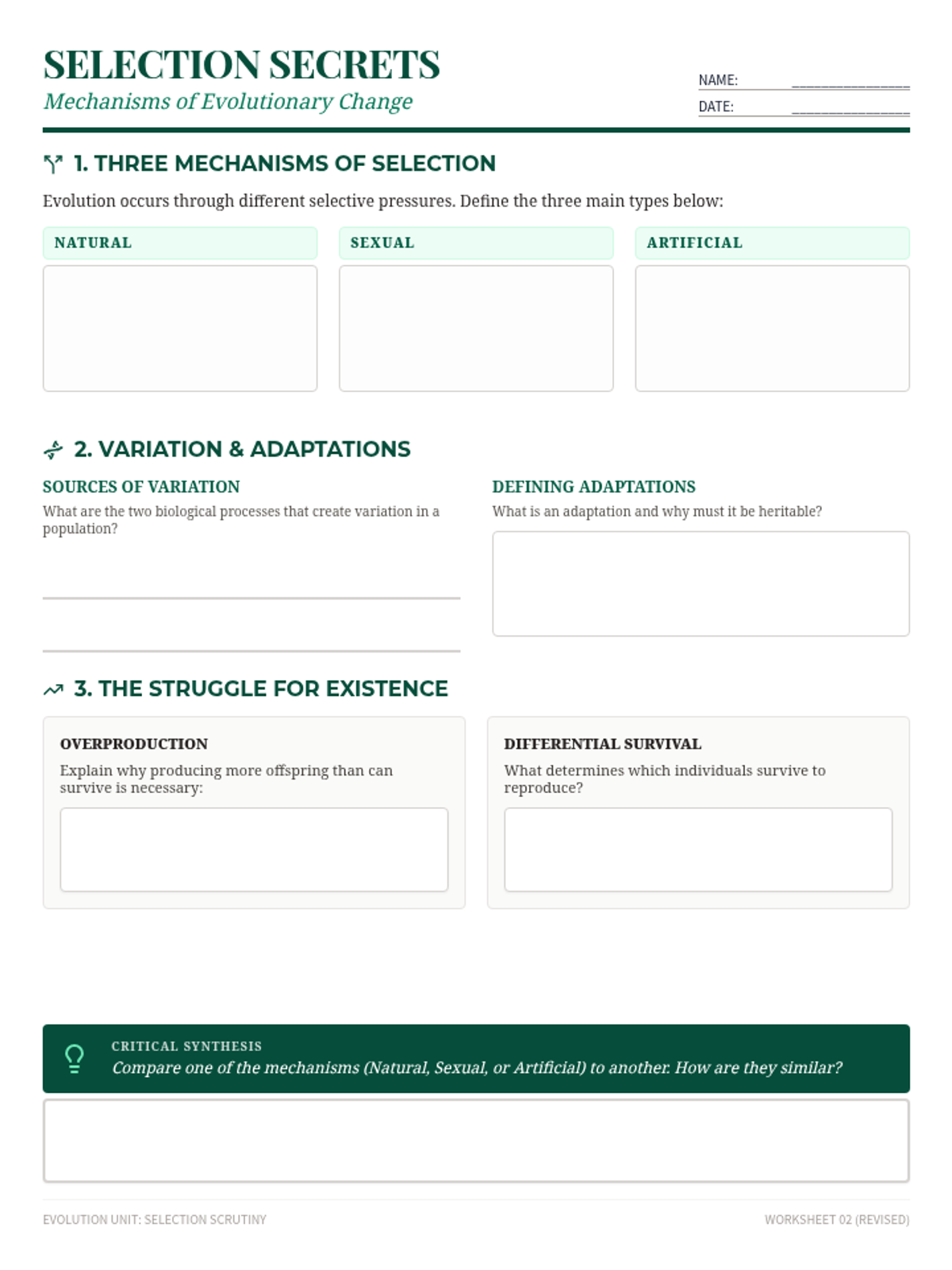
A revised worksheet exploring the mechanisms of evolution (natural, sexual, and artificial selection) alongside core concepts like variation, adaptations, and differential survival.
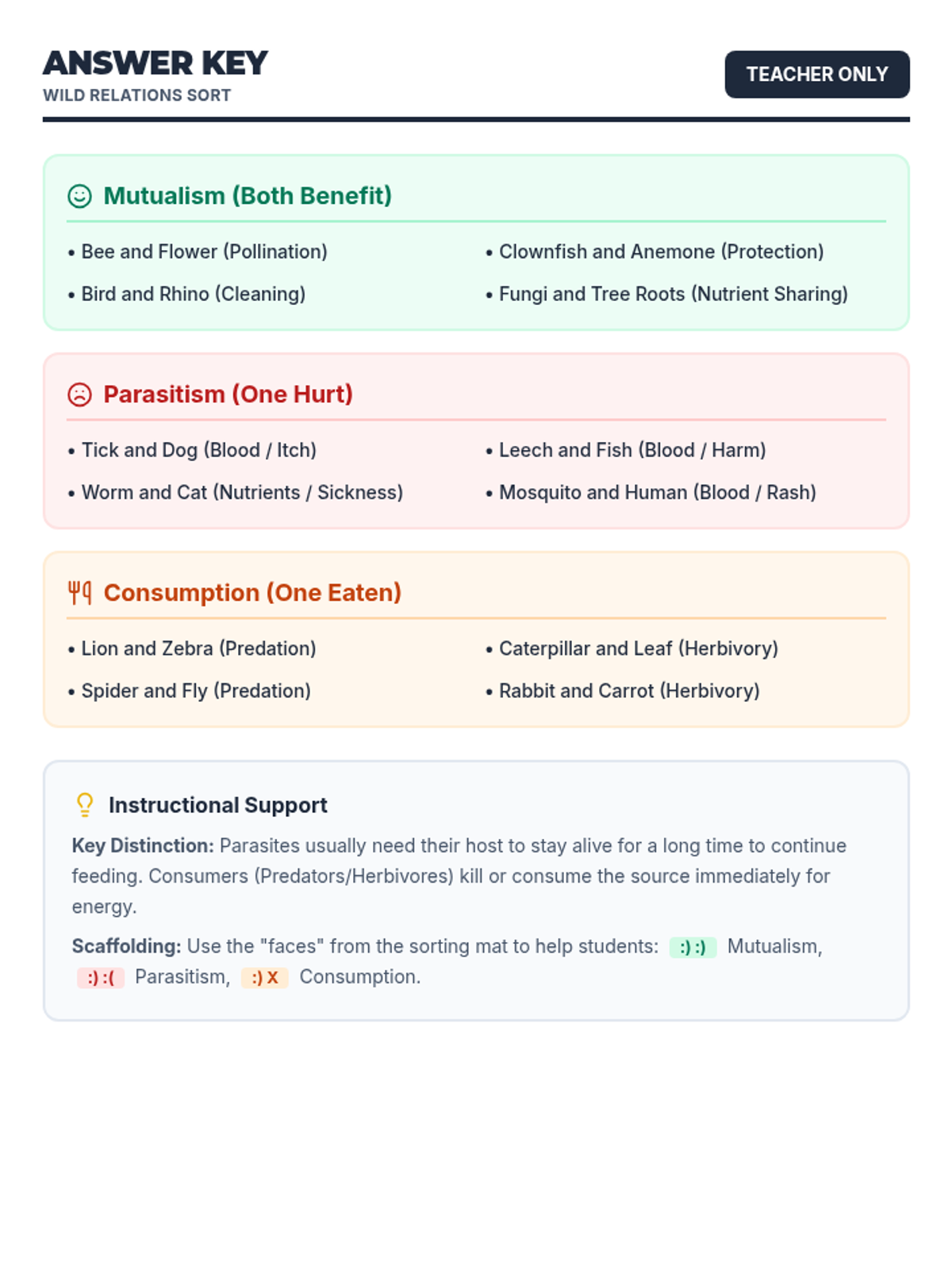
Teacher's answer key for the Wild Relations Sort with explanations for each ecological relationship.
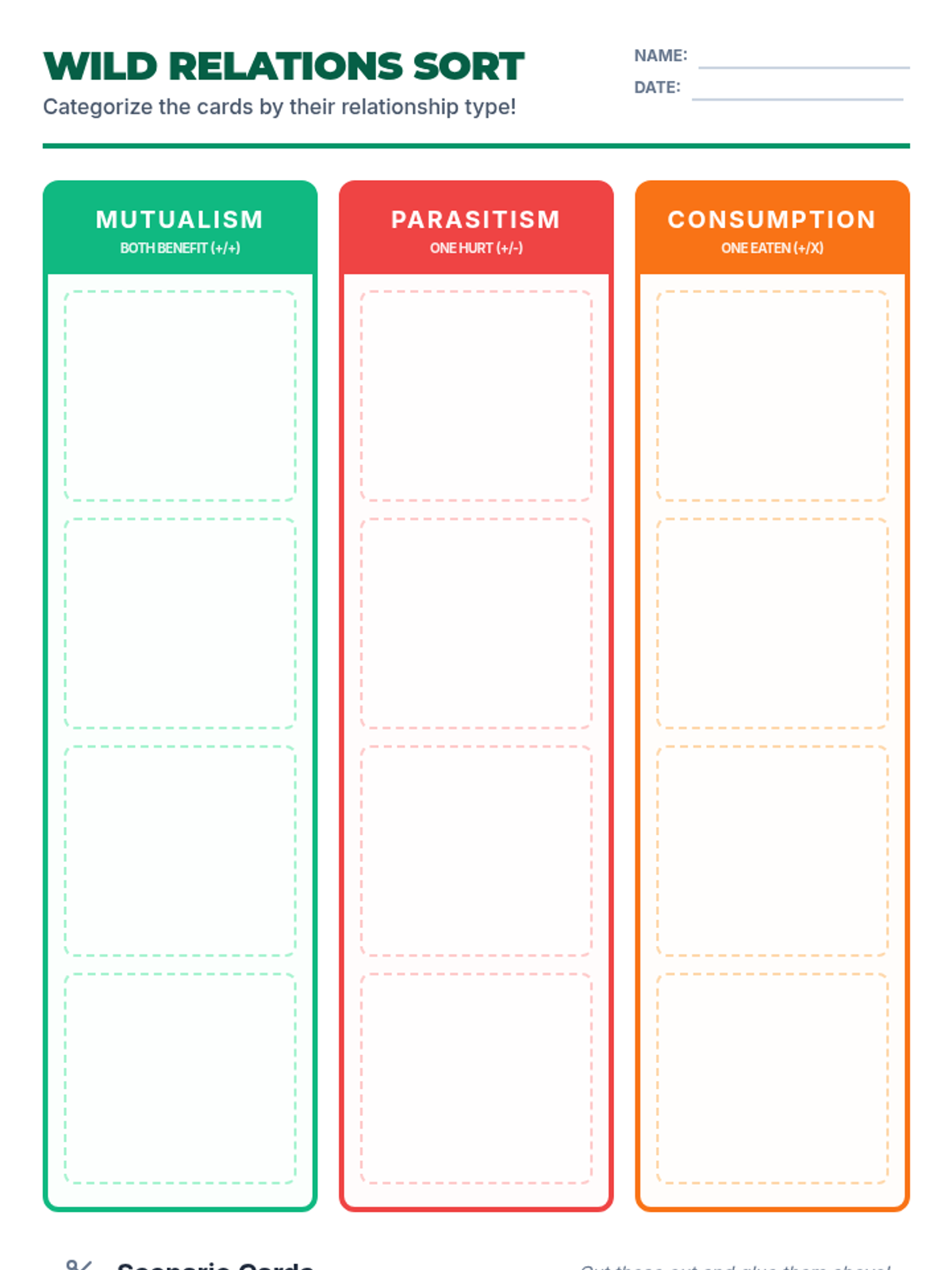
A hands-on cut-and-paste sorting activity where students categorize 12 nature scenarios into mutualism, parasitism, or consumption.