Cultural identity, community development, and public policy through the lens of creative practice. Addresses arts advocacy strategies and integrates interdisciplinary connections across social and professional sectors.
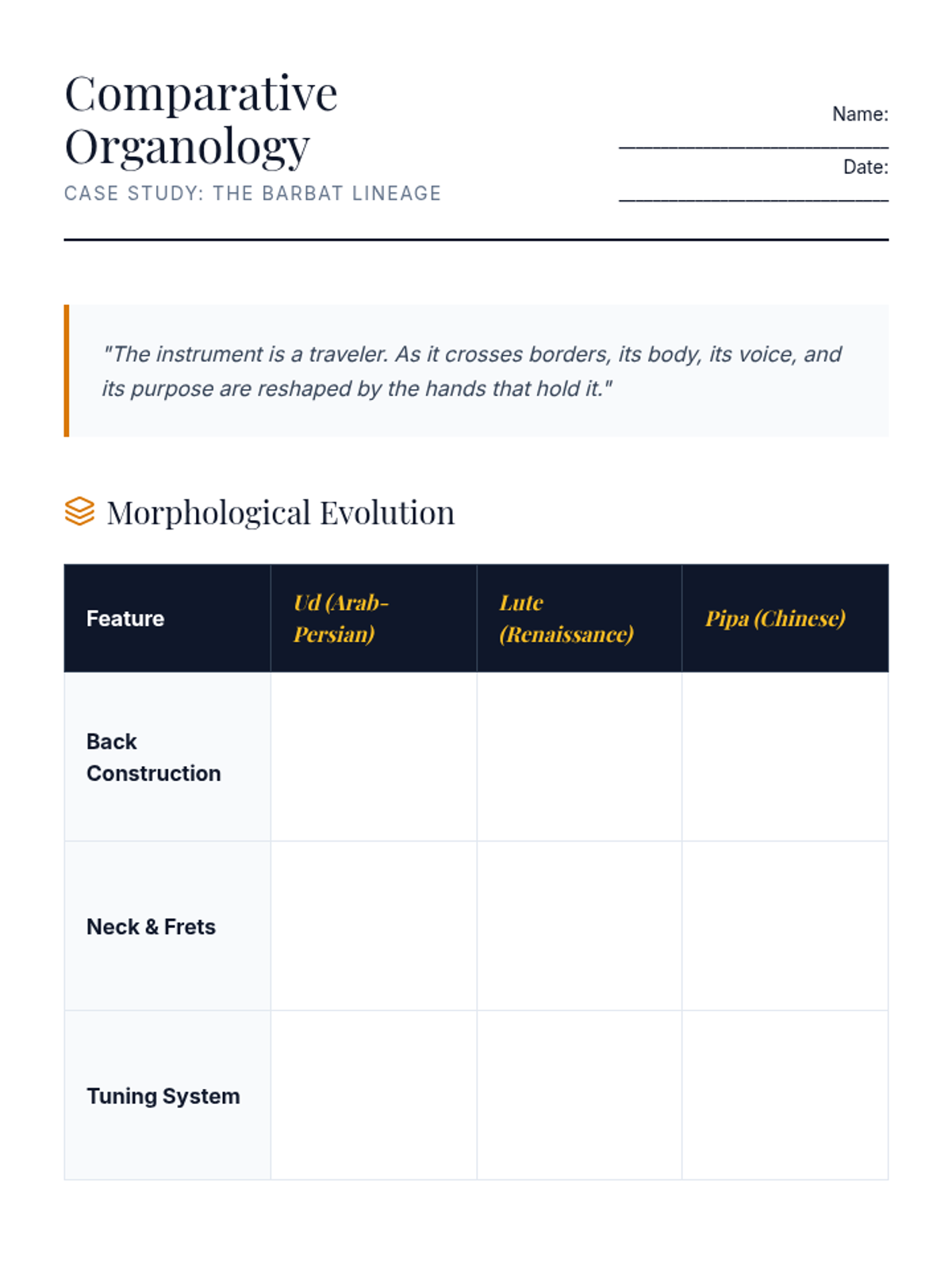
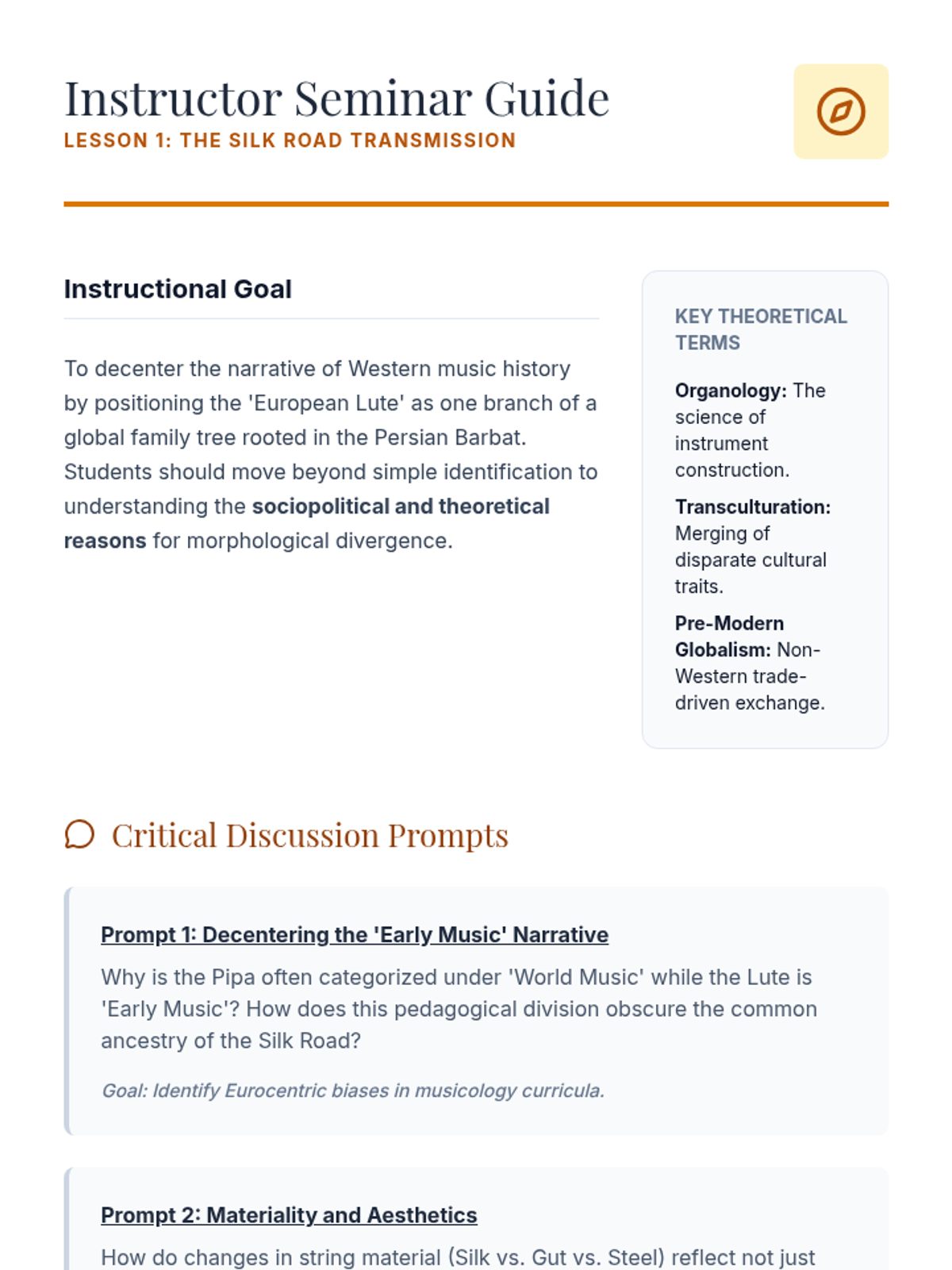
A graduate-level exploration of music history through the lenses of migration, diaspora, and cultural hybridity, moving beyond Western-centric narratives to examine how global movement shapes musical evolution.
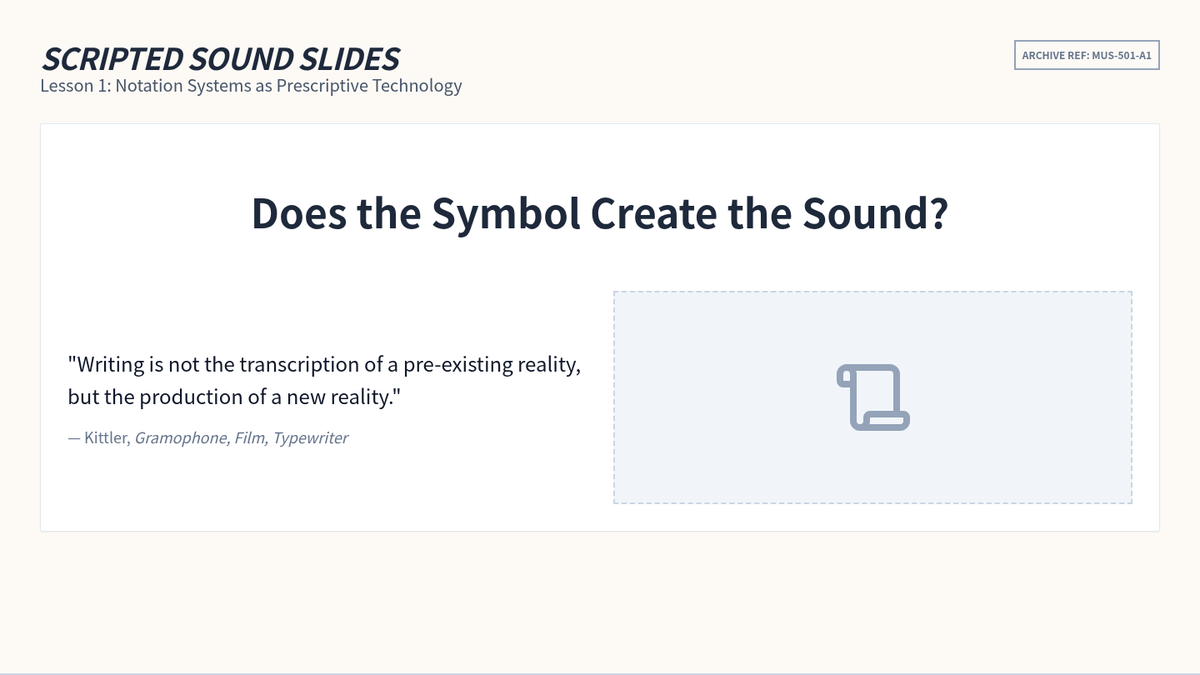
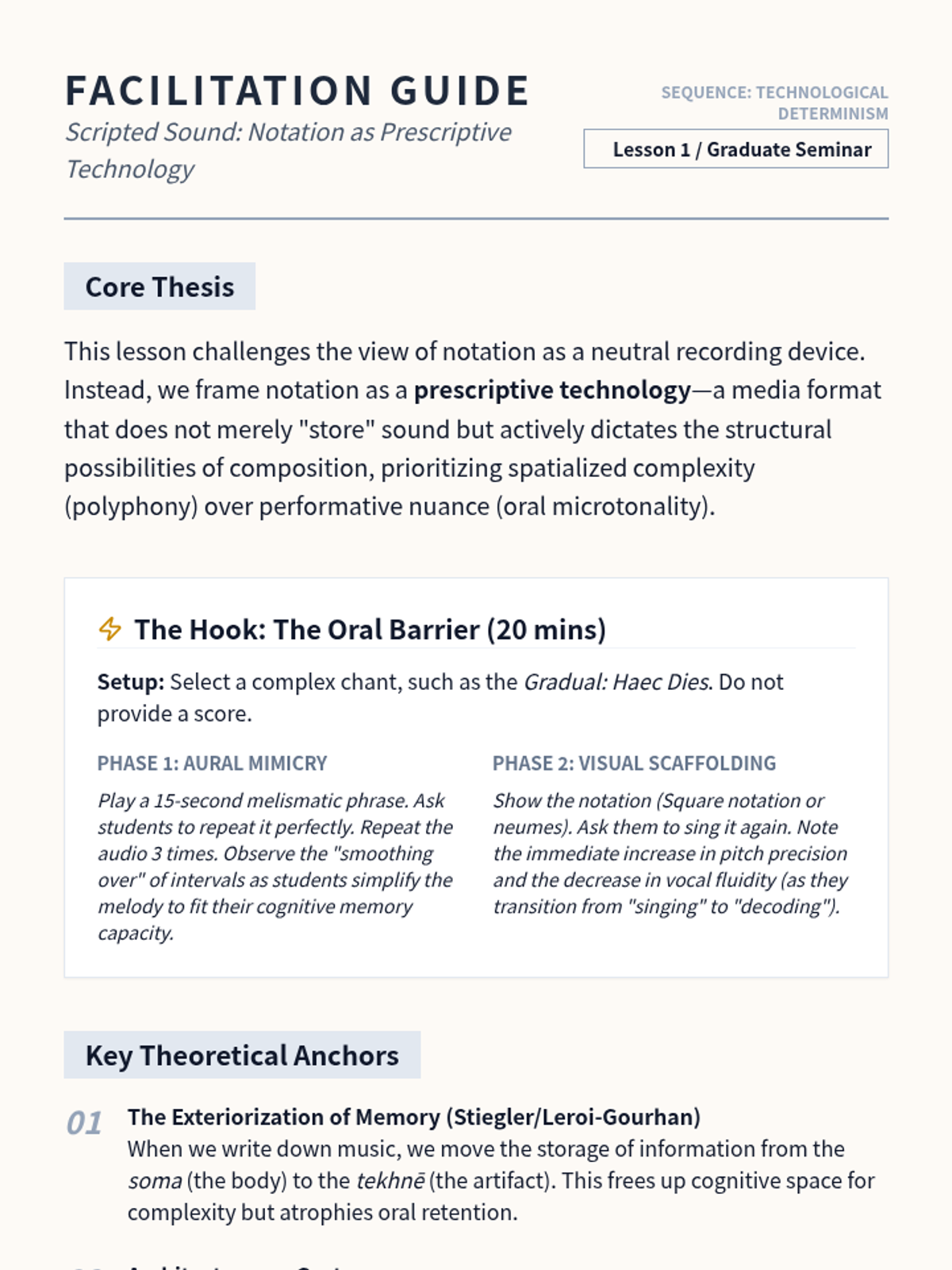
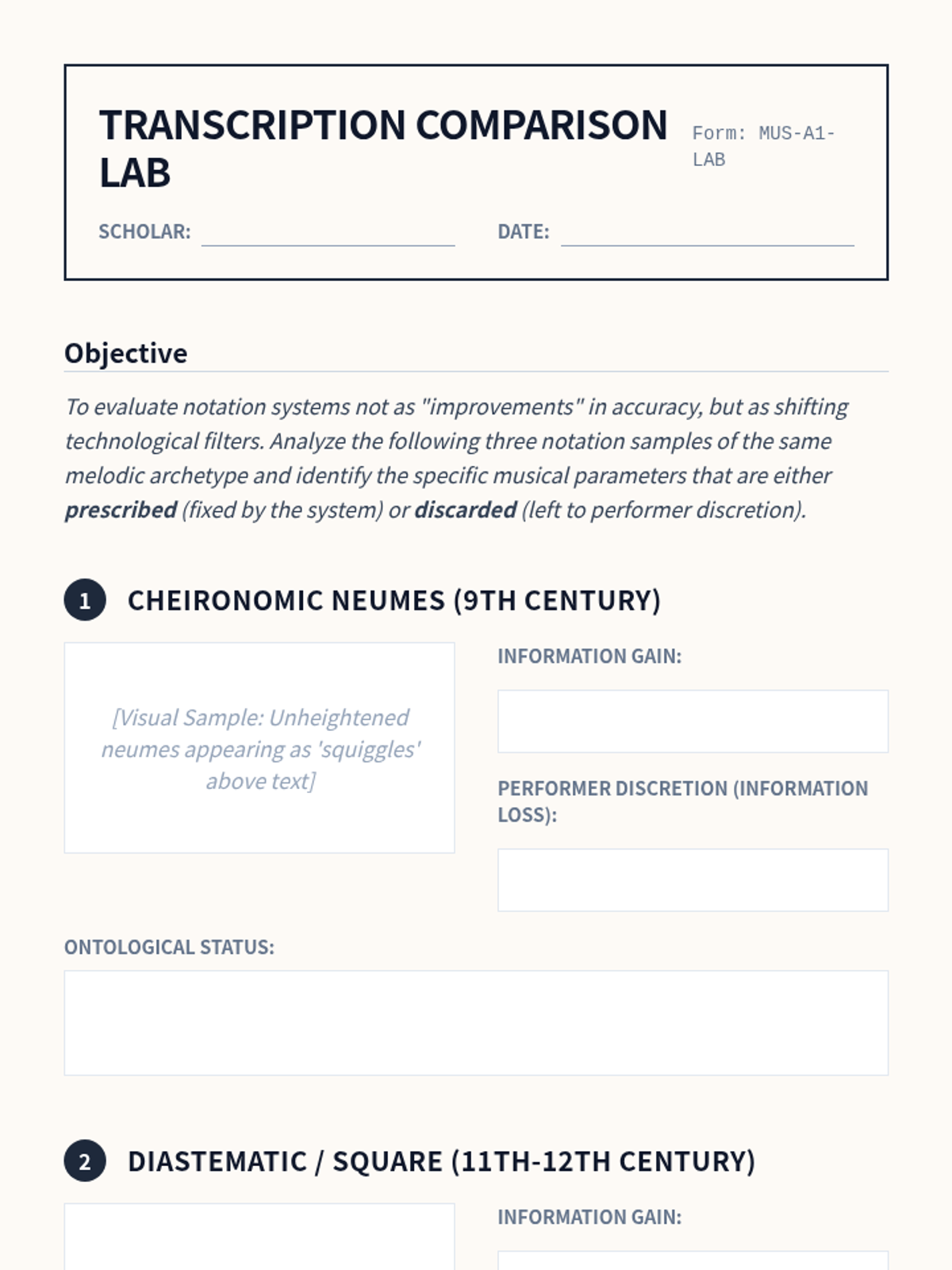
A graduate-level exploration of how technological advancement (from notation to algorithms) acts as a primary driver of musical aesthetics and evolution. Students analyze the reciprocal relationship between material culture and musical expression using media theory and organology.
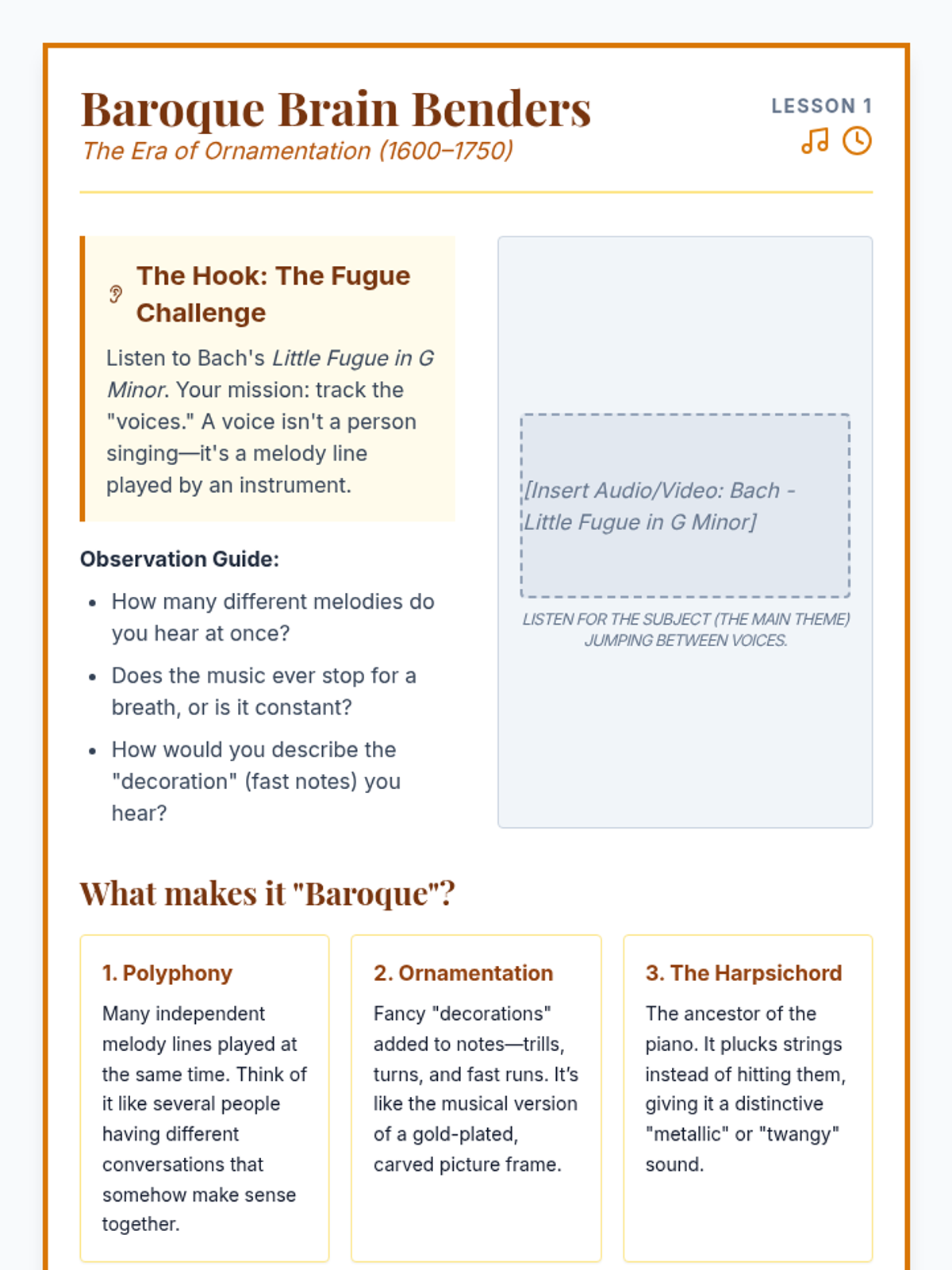
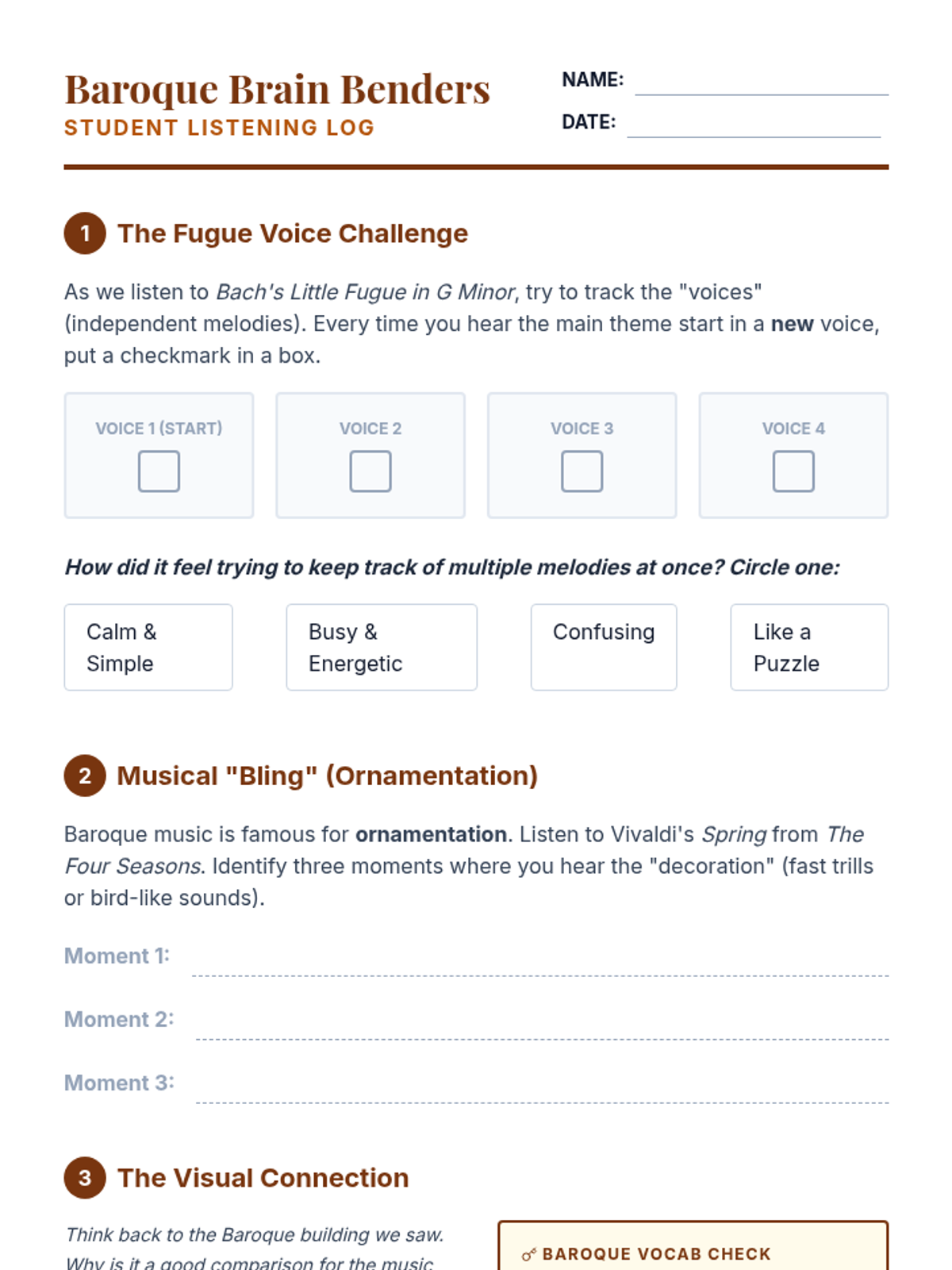
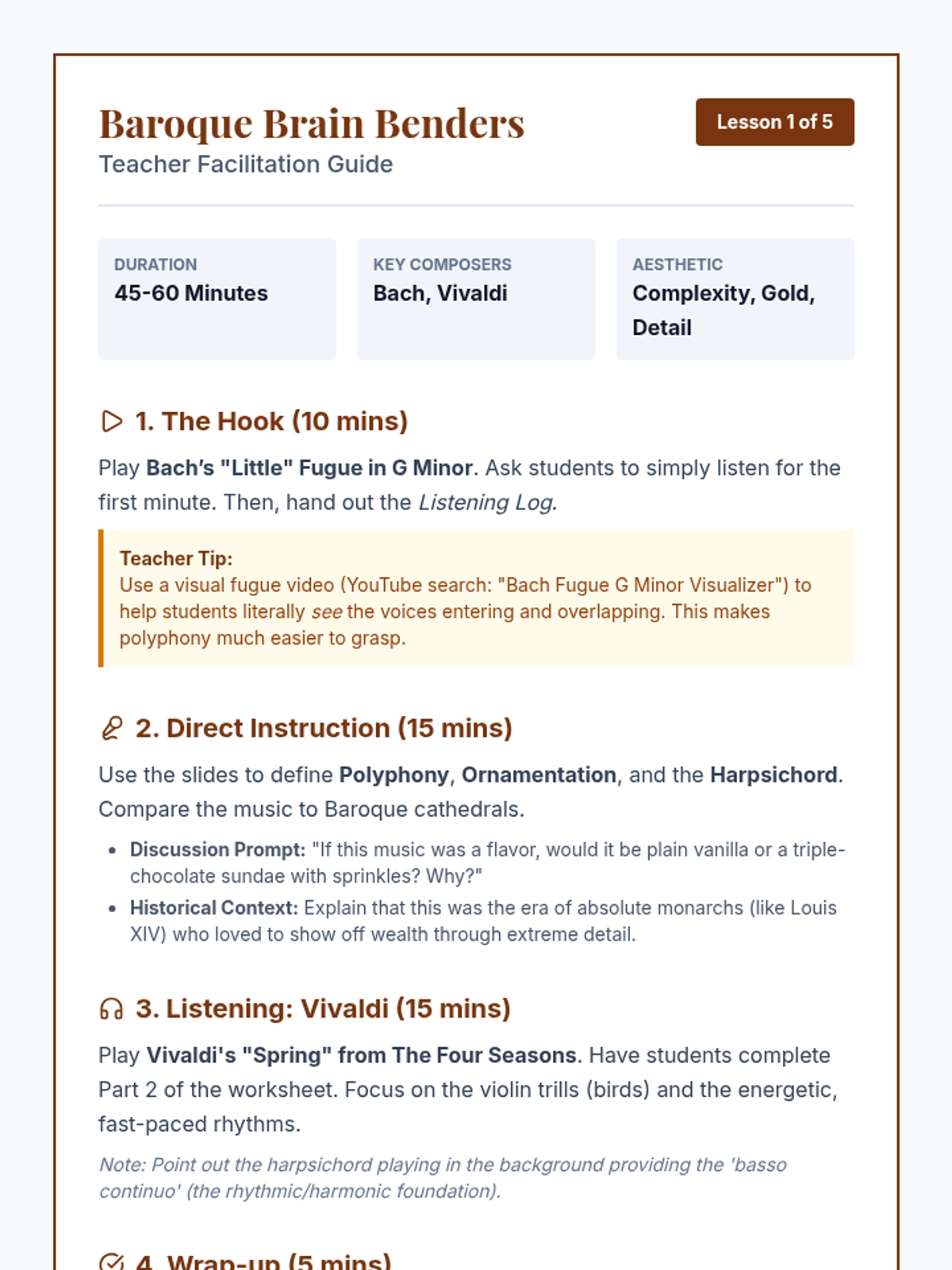
A chronological journey through the Baroque, Classical, Romantic, and Modern eras of Western Art Music, focusing on critical listening and historical context.
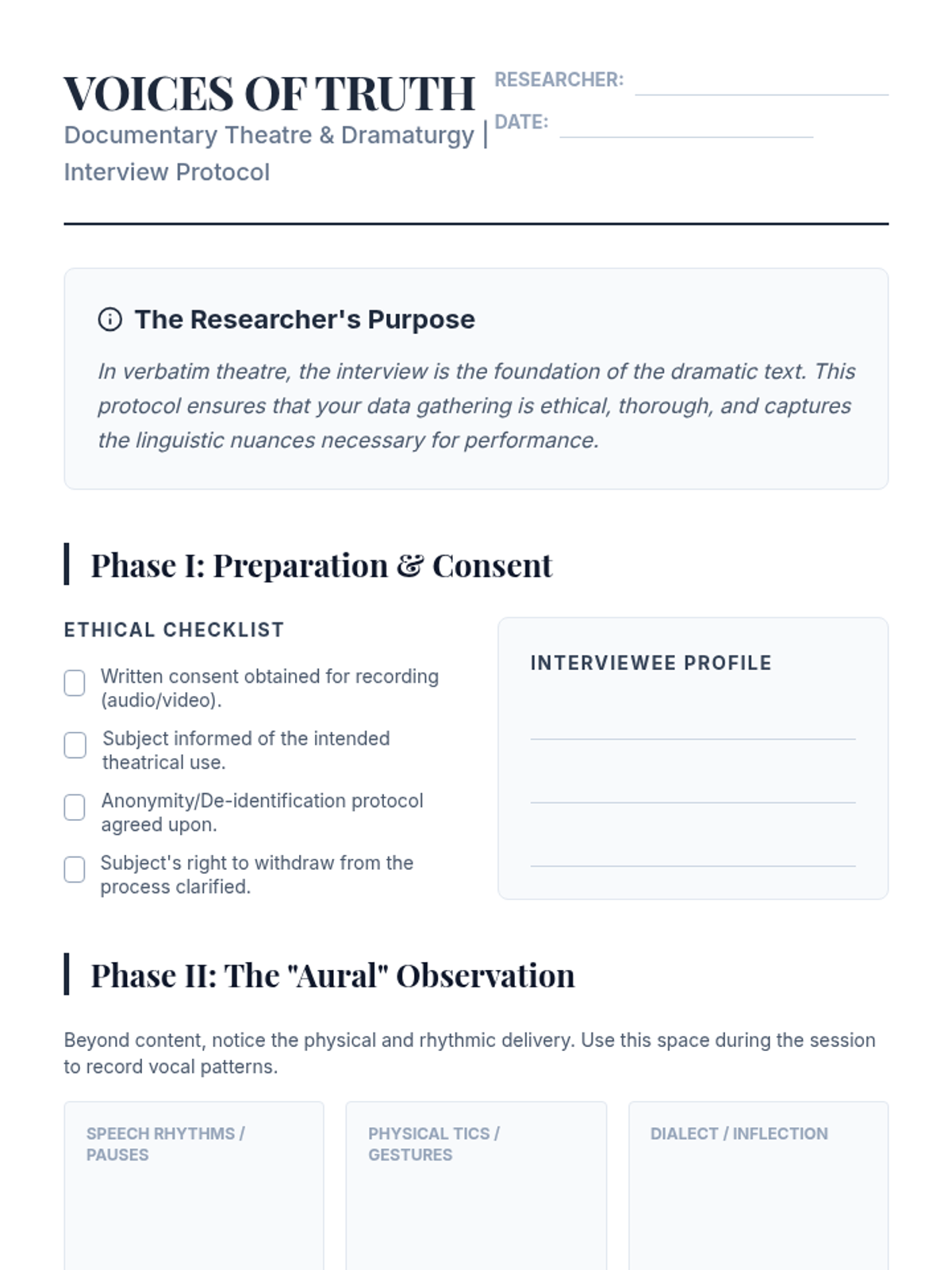
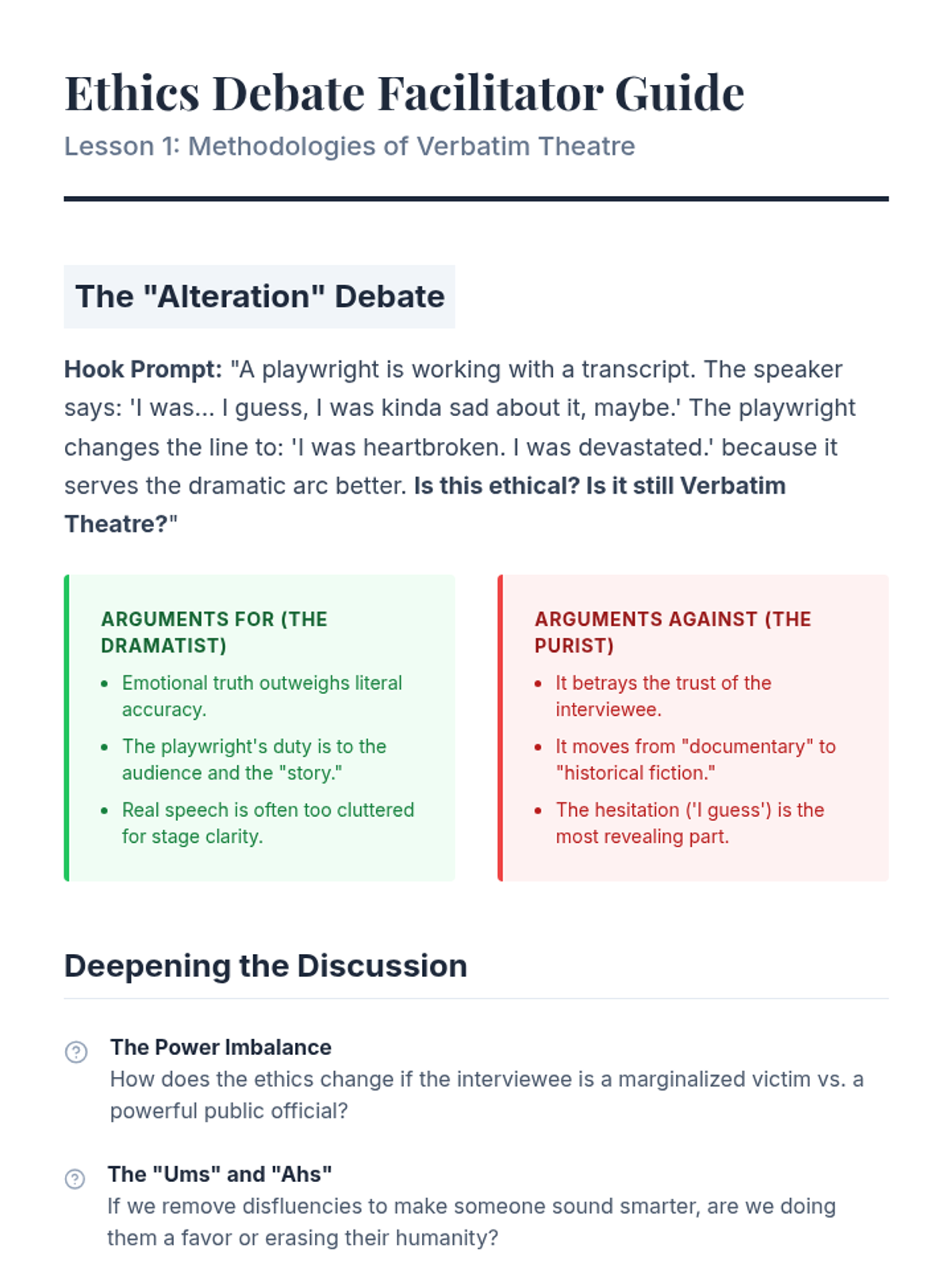
A comprehensive graduate-level exploration of Documentary and Verbatim Theatre, covering ethical research, archival mining, speech editing, character synthesis, and theatrical staging. Students transition from researchers to dramatists, producing original documentary works based on real-world testimony and historical records.
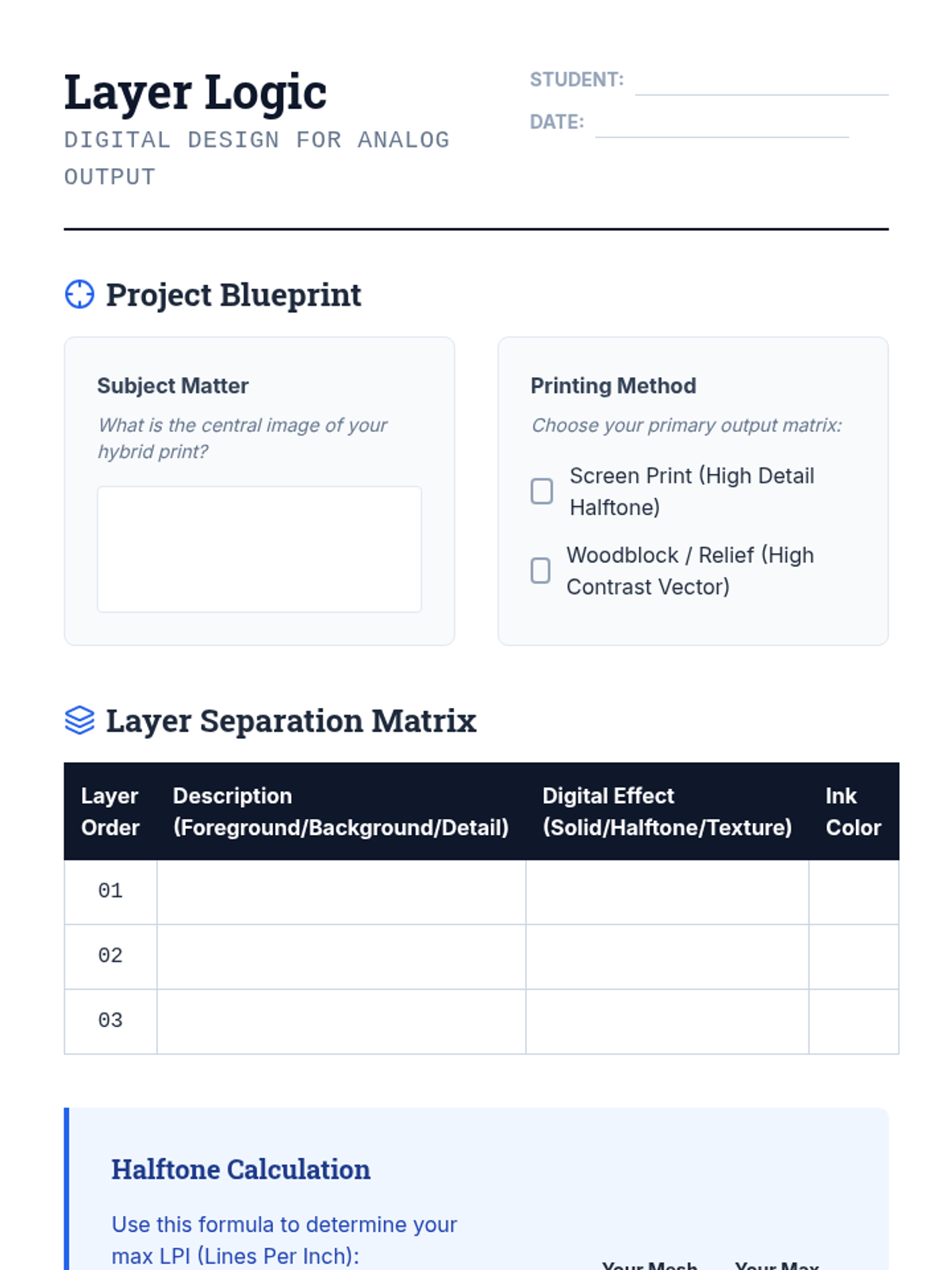
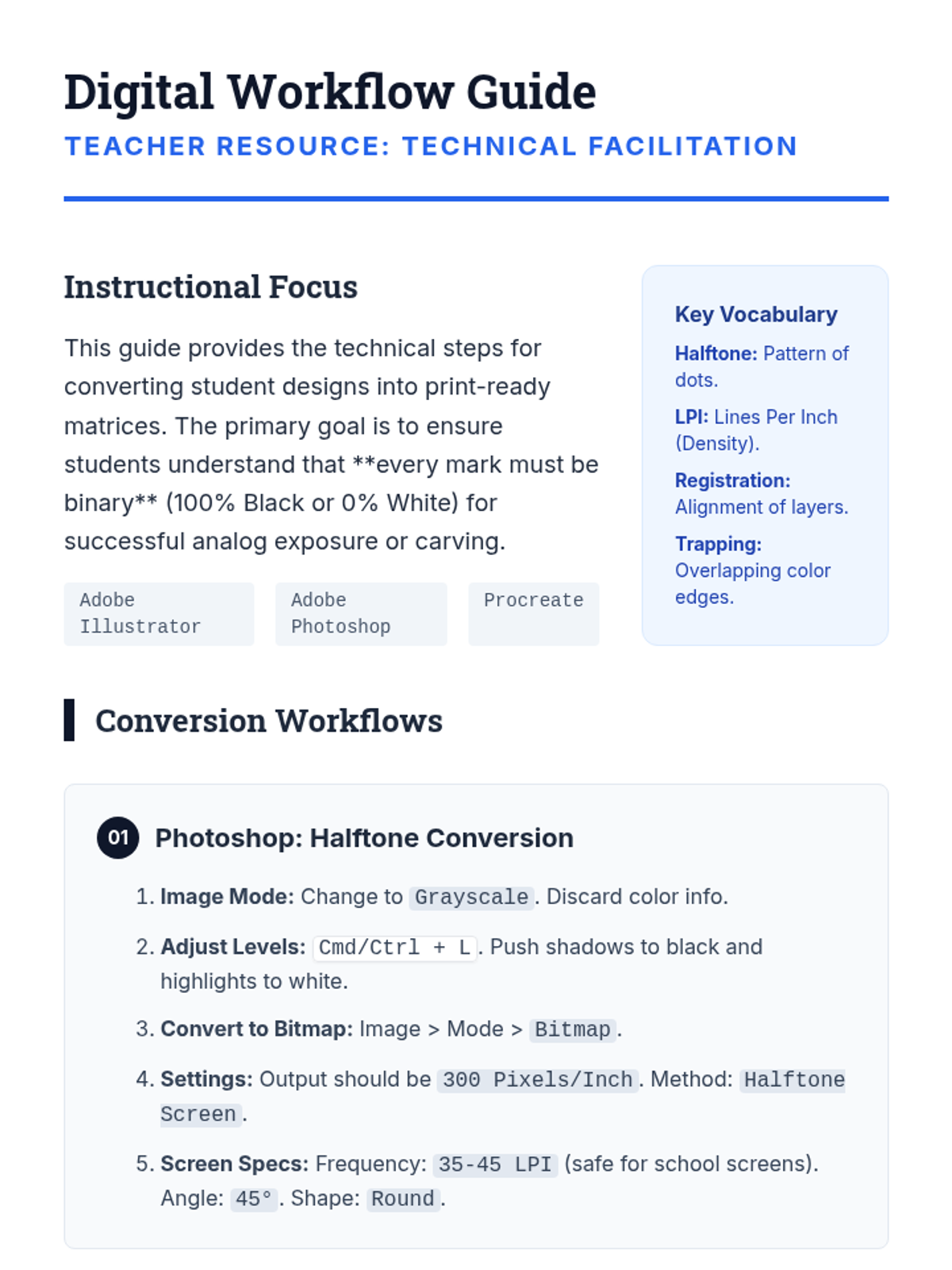
A high school sequence exploring the intersection of digital design and traditional printmaking. Students learn to bridge vector precision with analog texture through zine production and professional practice.
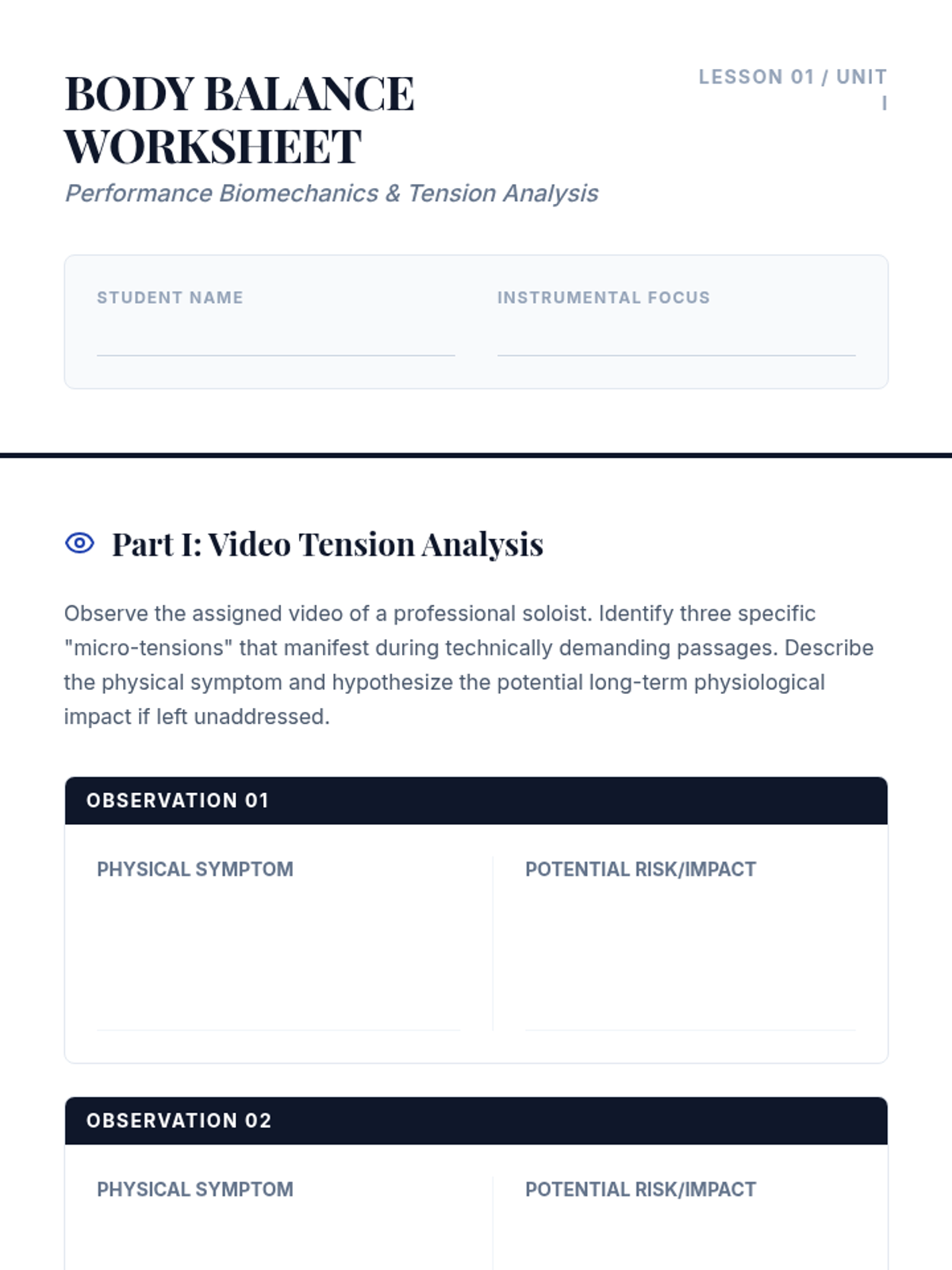
A comprehensive graduate-level sequence exploring the analytical, physiological, and philosophical foundations of instrumental music teaching, from biomechanics to professional masterclass facilitation.
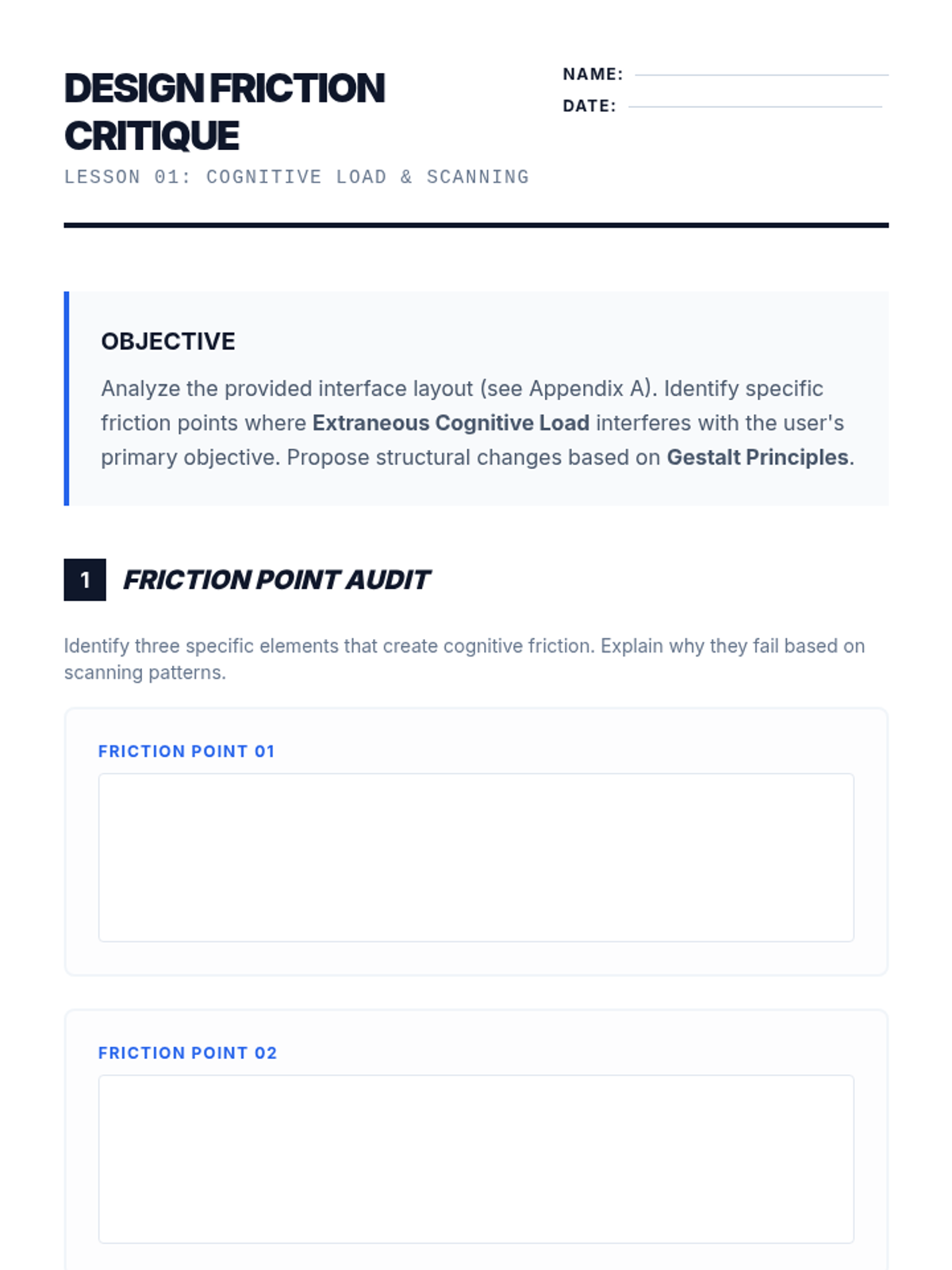
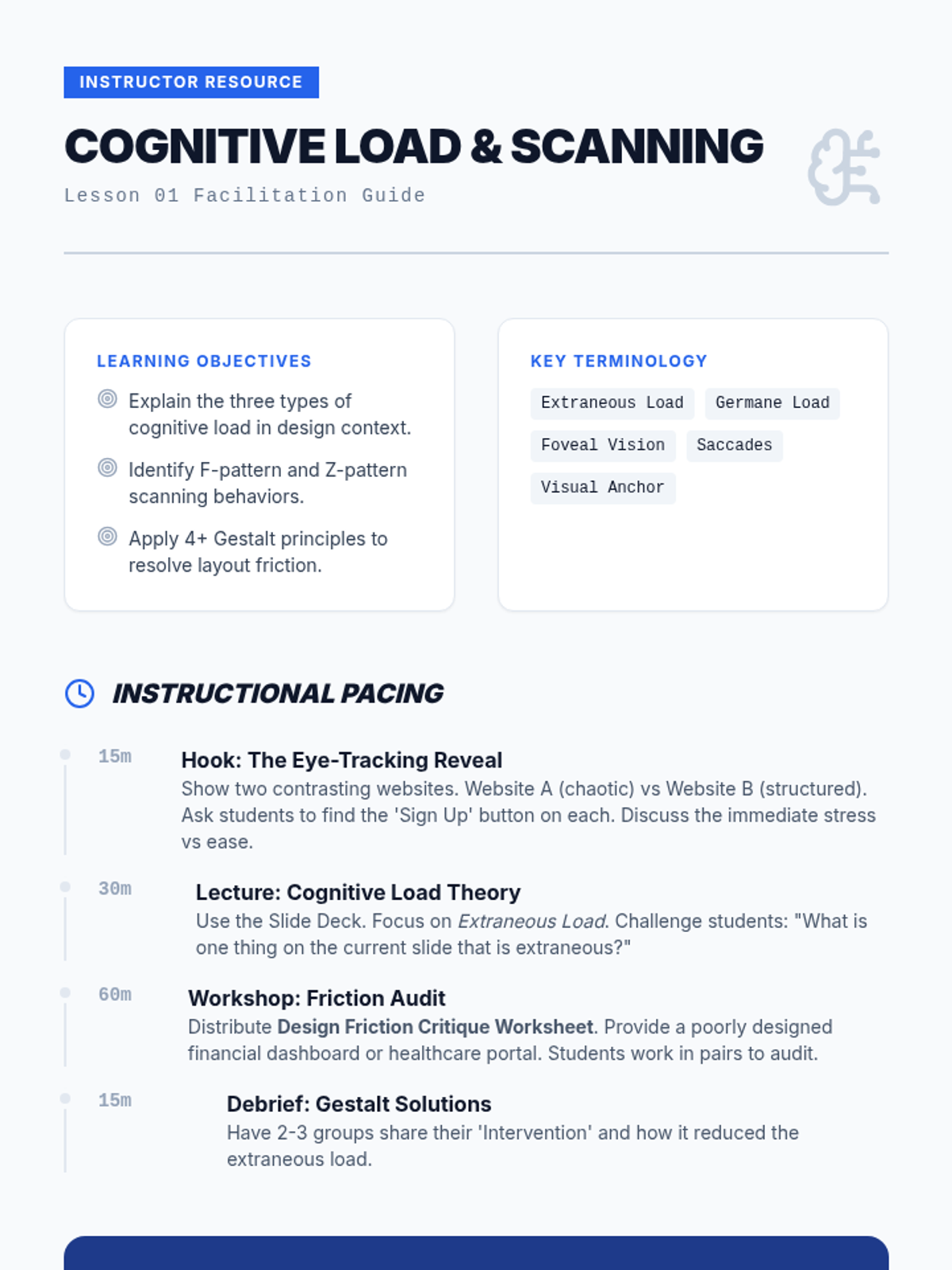
A graduate-level sequence exploring visual hierarchy, information design, and cognitive psychology. Students learn to reduce cognitive load through data visualization, accessibility standards, and wayfinding systems.
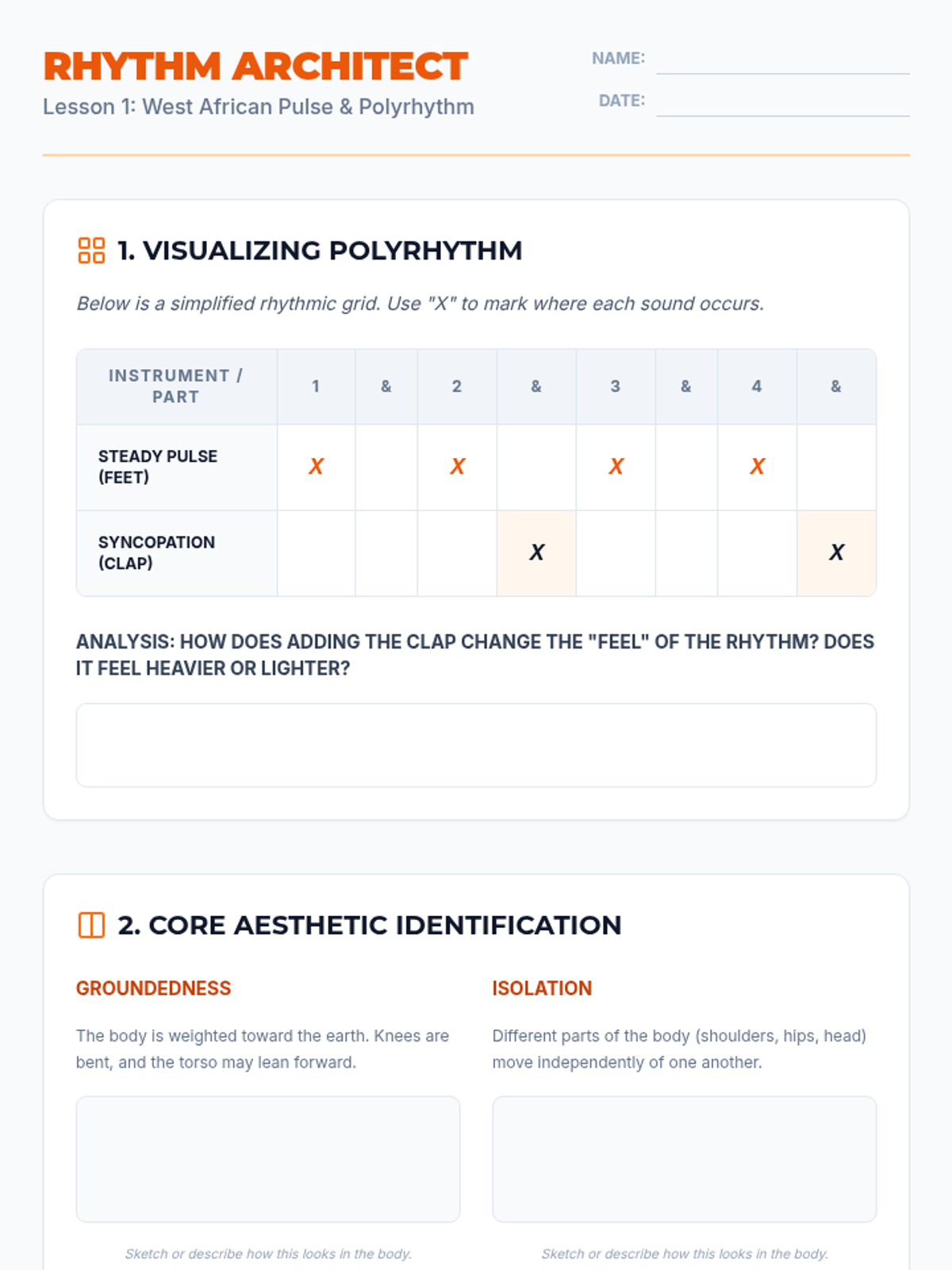
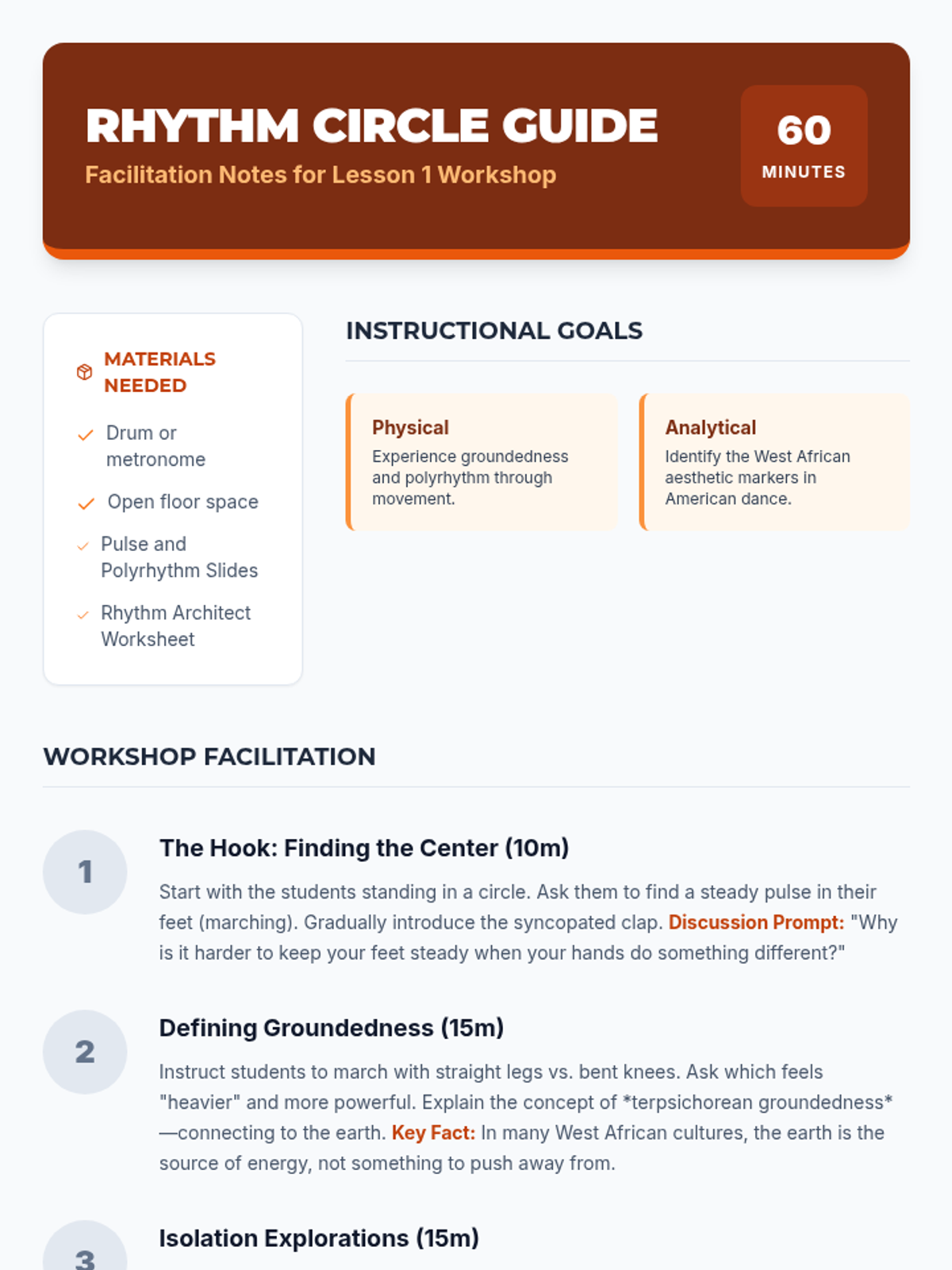
A comprehensive exploration of the African Diaspora's influence on global vernacular dance, tracing movement traditions from West Africa through the plantation era to the birth of Jazz, Tap, and Hip Hop. Students analyze how rhythmic innovation served as a tool for cultural preservation and resistance.
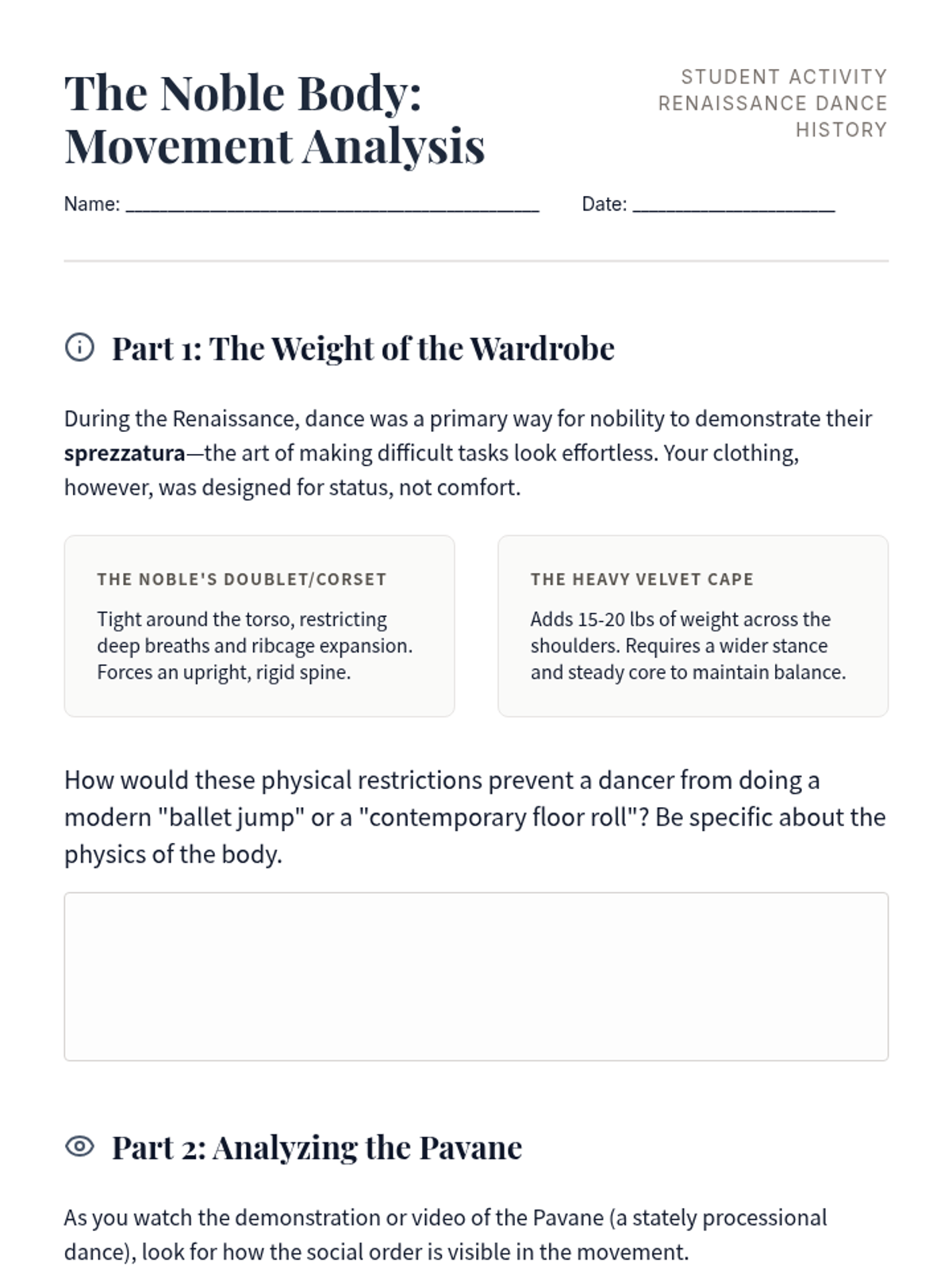
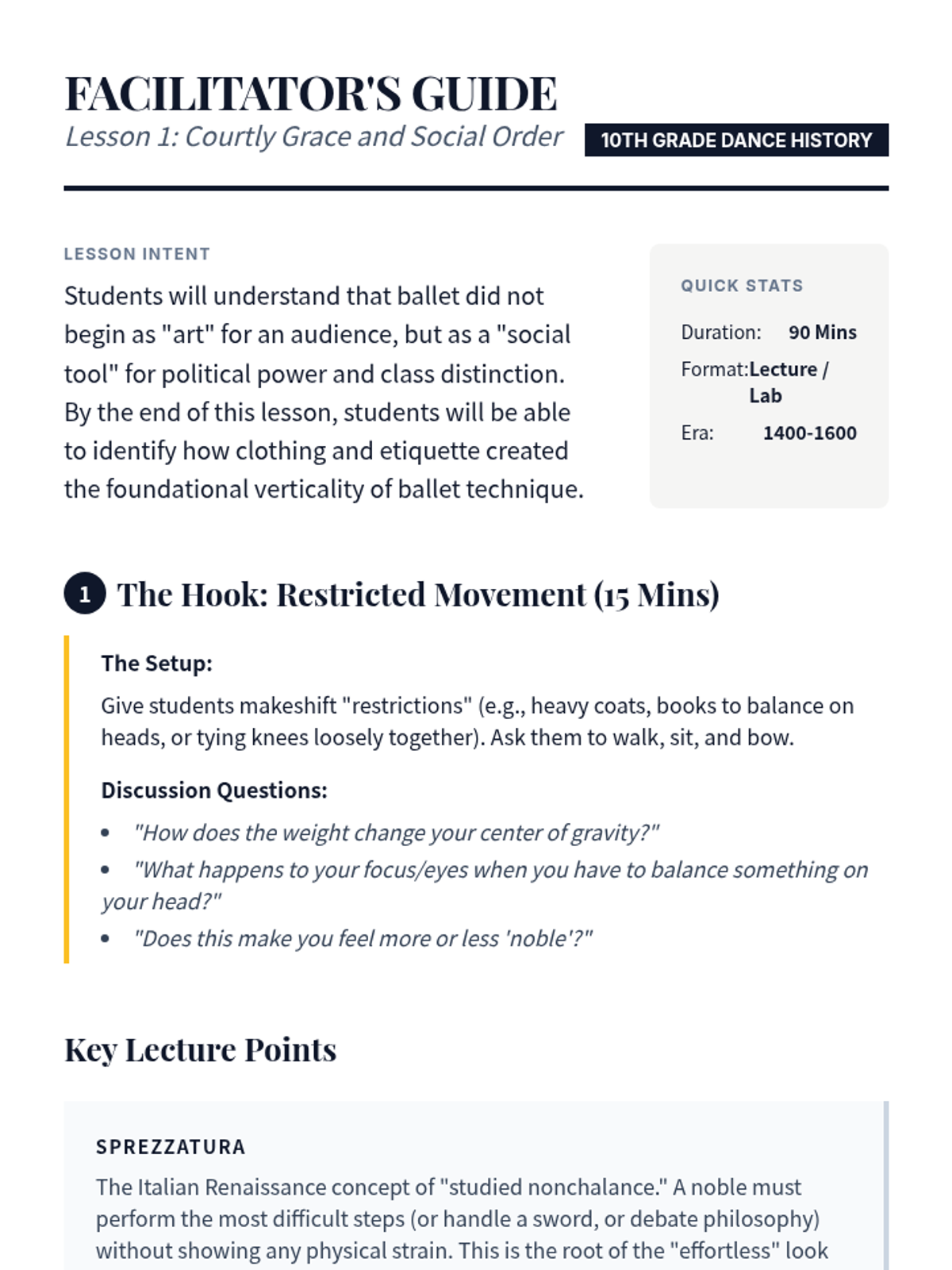
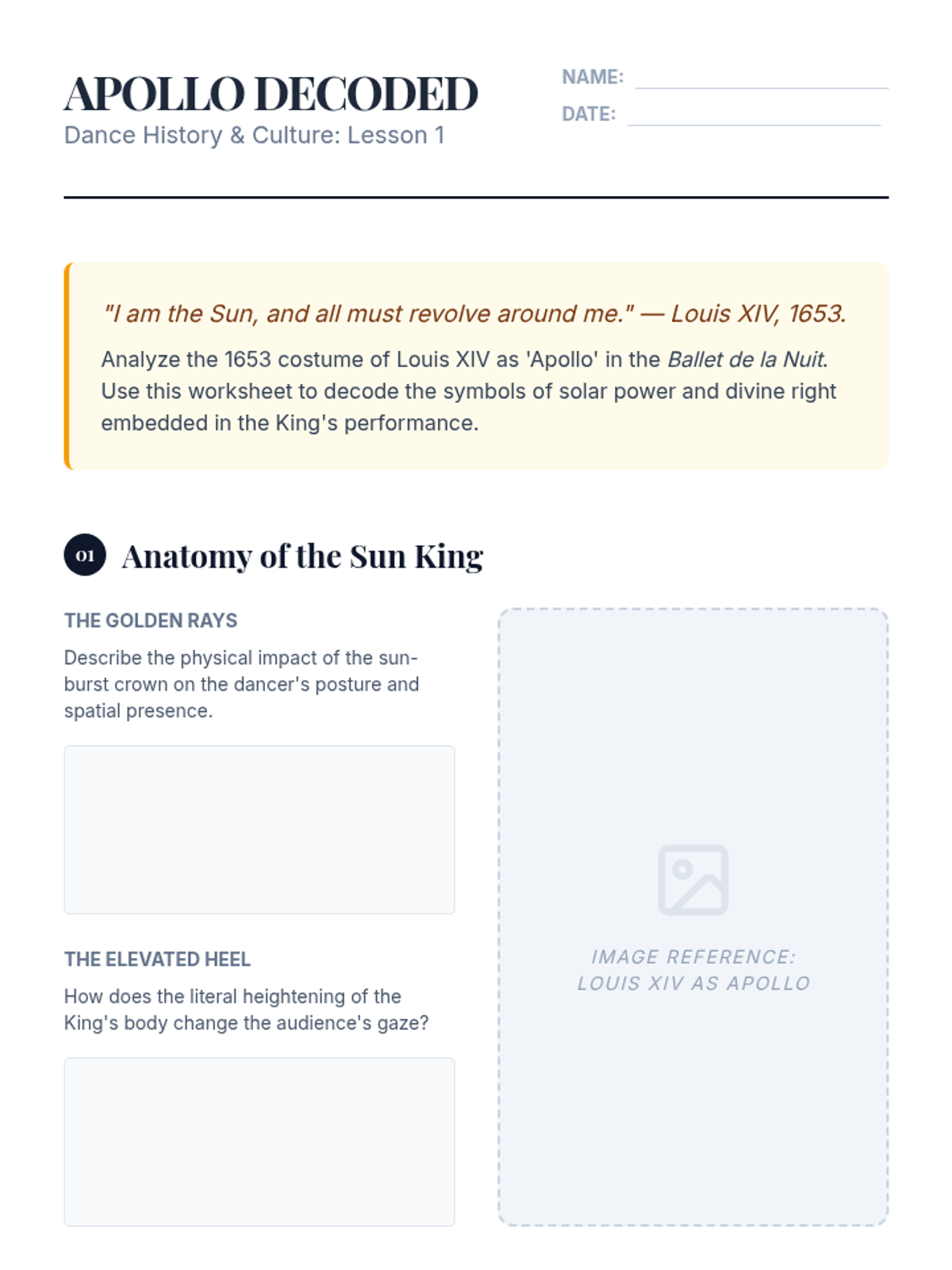
A comprehensive 10th-grade dance history unit tracing ballet from its origins in Renaissance courts to its 20th-century neoclassical evolution. Students analyze how political power, social structures, and technological innovations shaped technique and aesthetics.
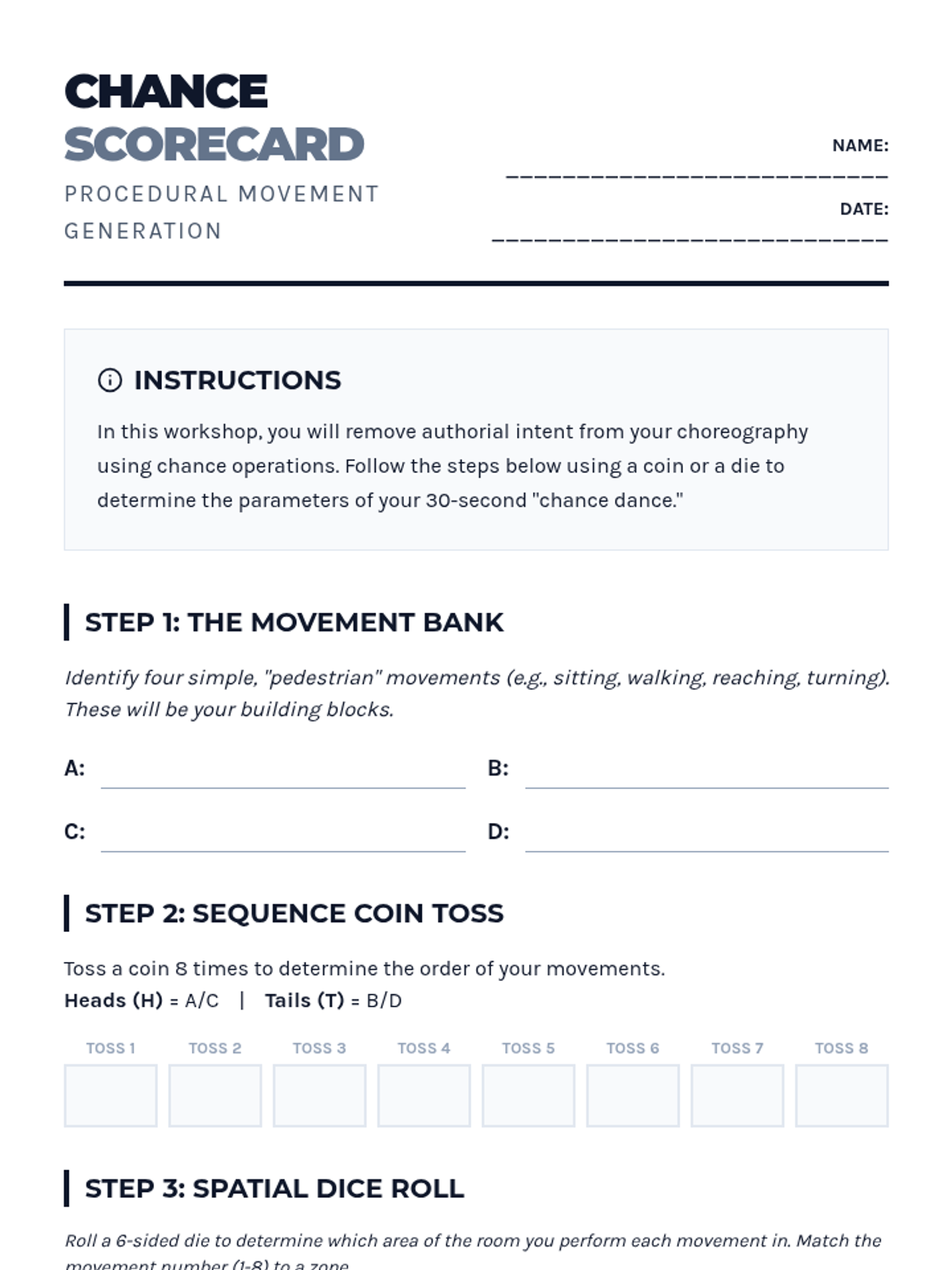
A deep dive into the 1960s-70s avant-garde dance movement, exploring how Merce Cunningham, the Judson Dance Theater, and Steve Paxton dismantled traditional virtuosity to redefine dance through chance, pedestrian movement, and physics.
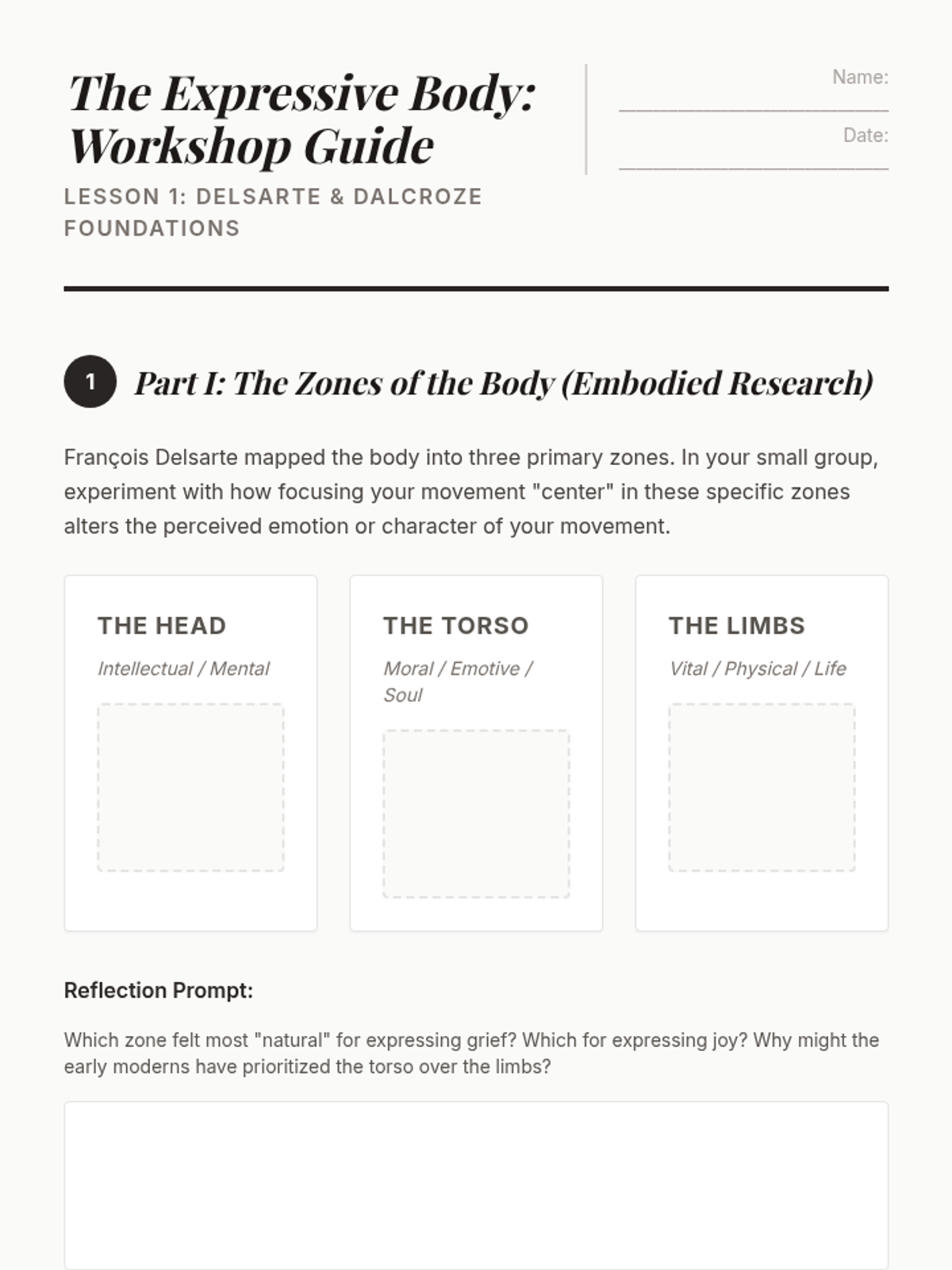
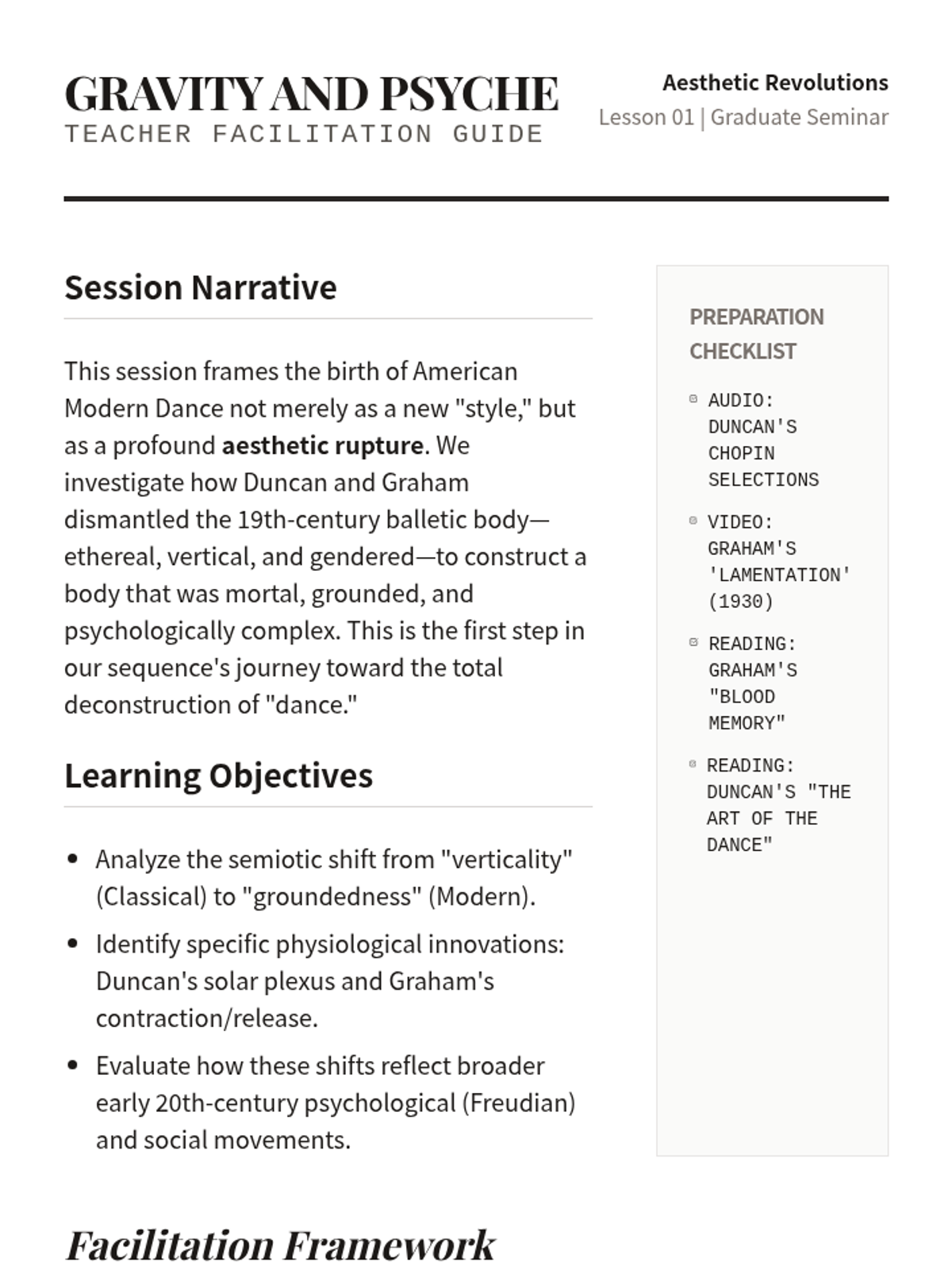
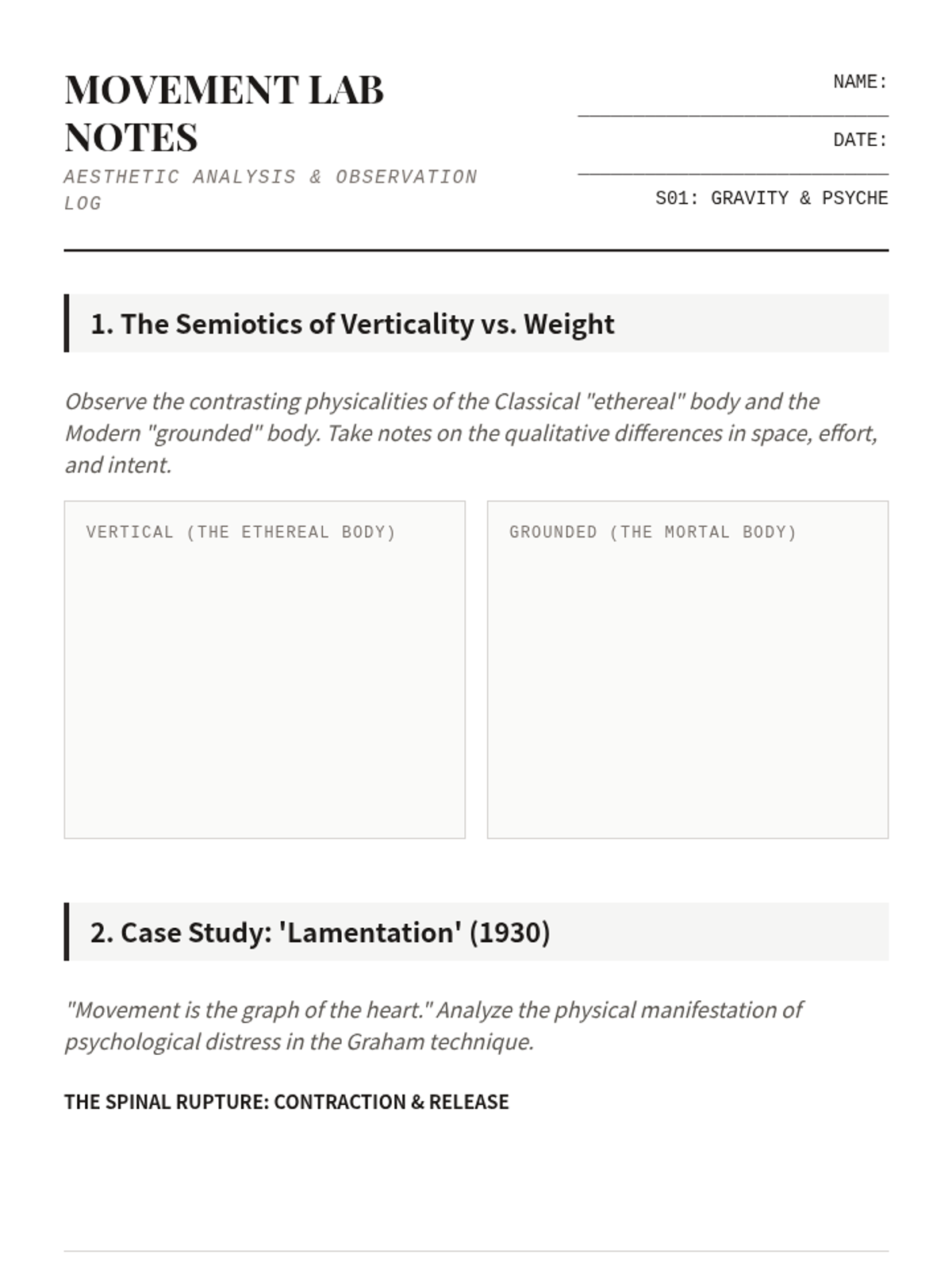
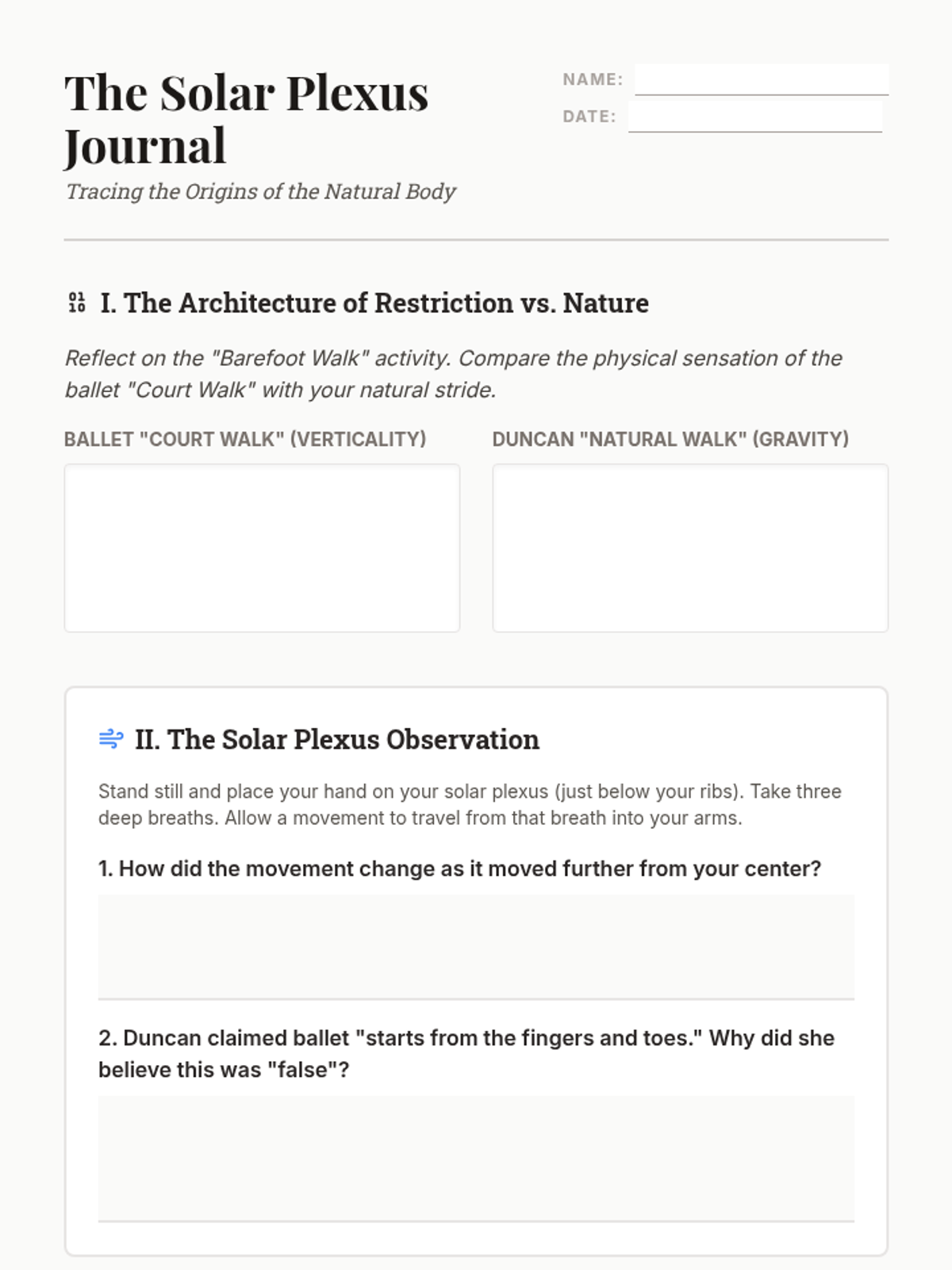
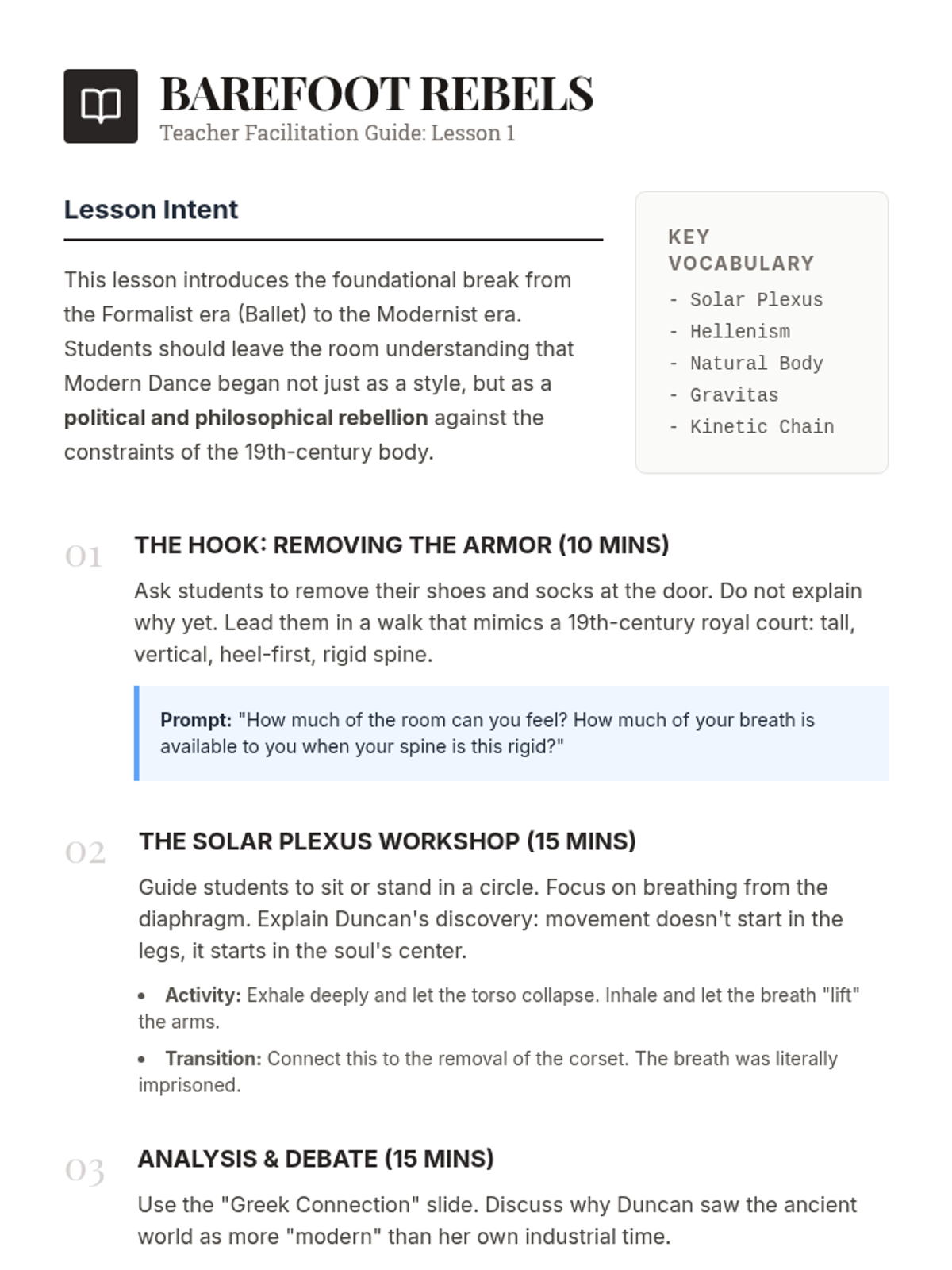
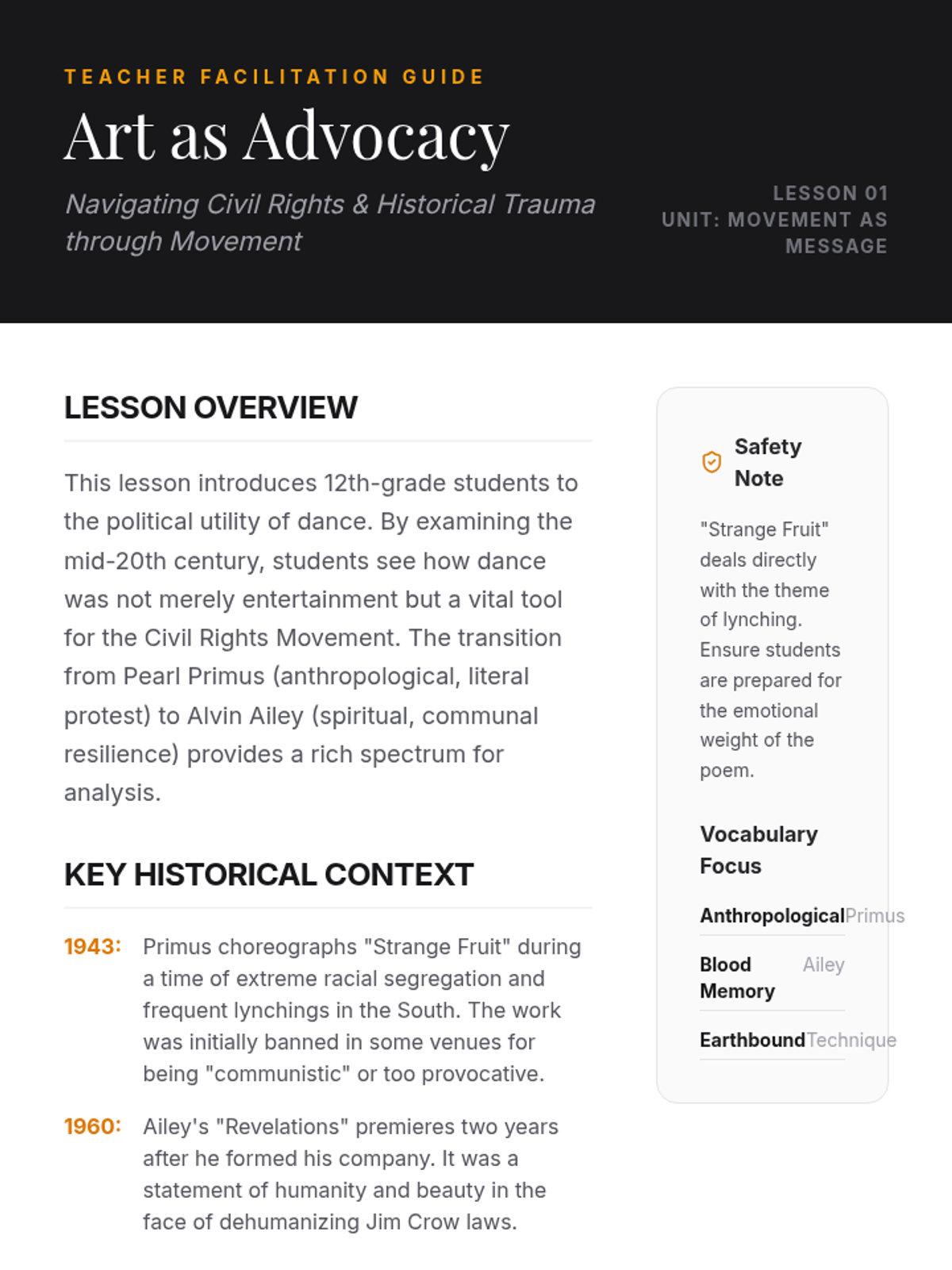
This sequence explores the radical shift from classical ballet to modern dance in the early 20th century. Students will analyze the philosophical, psychological, and sociopolitical drivers behind the movement theories of pioneers like Isadora Duncan, Martha Graham, and Doris Humphrey.
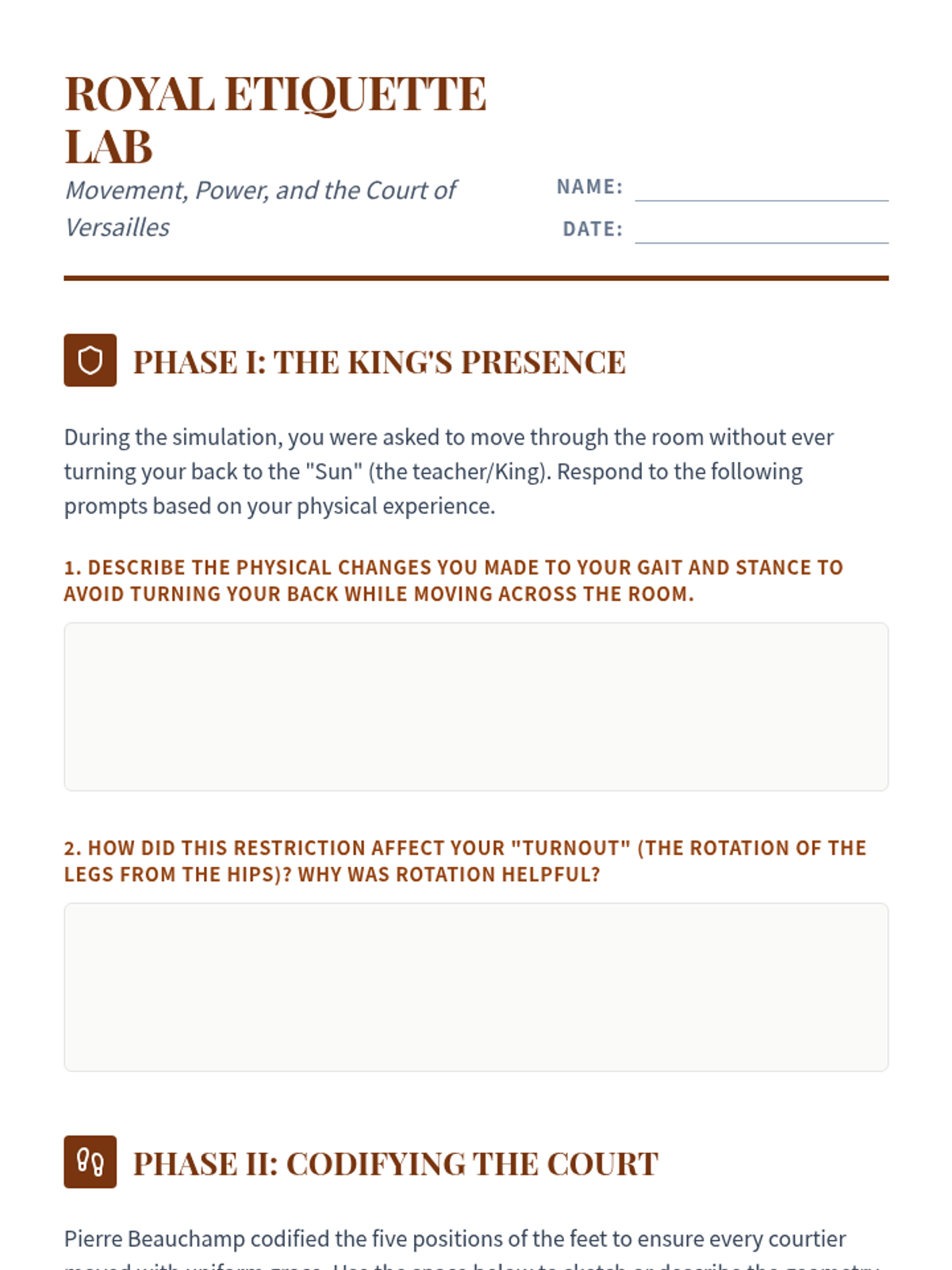
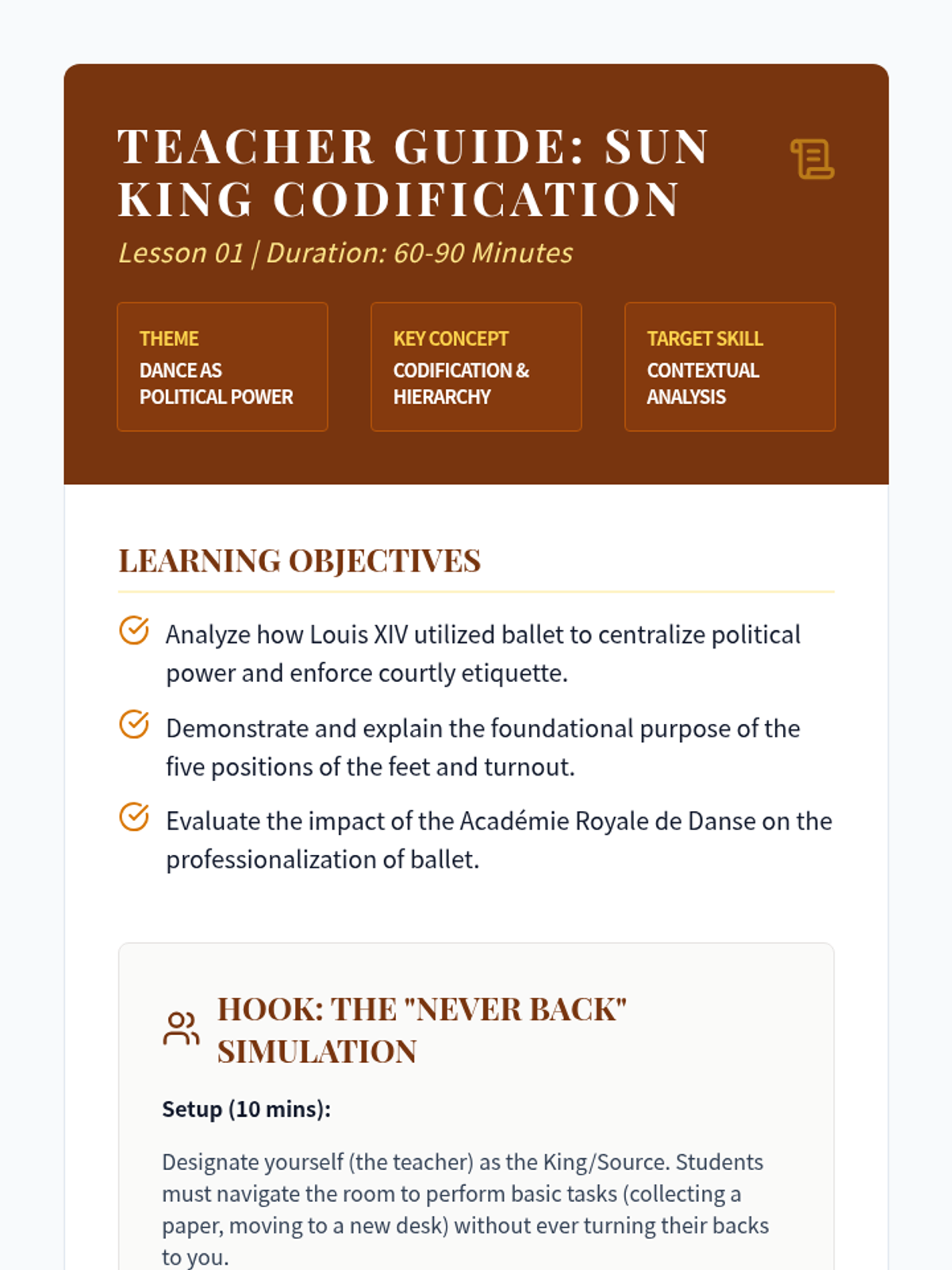
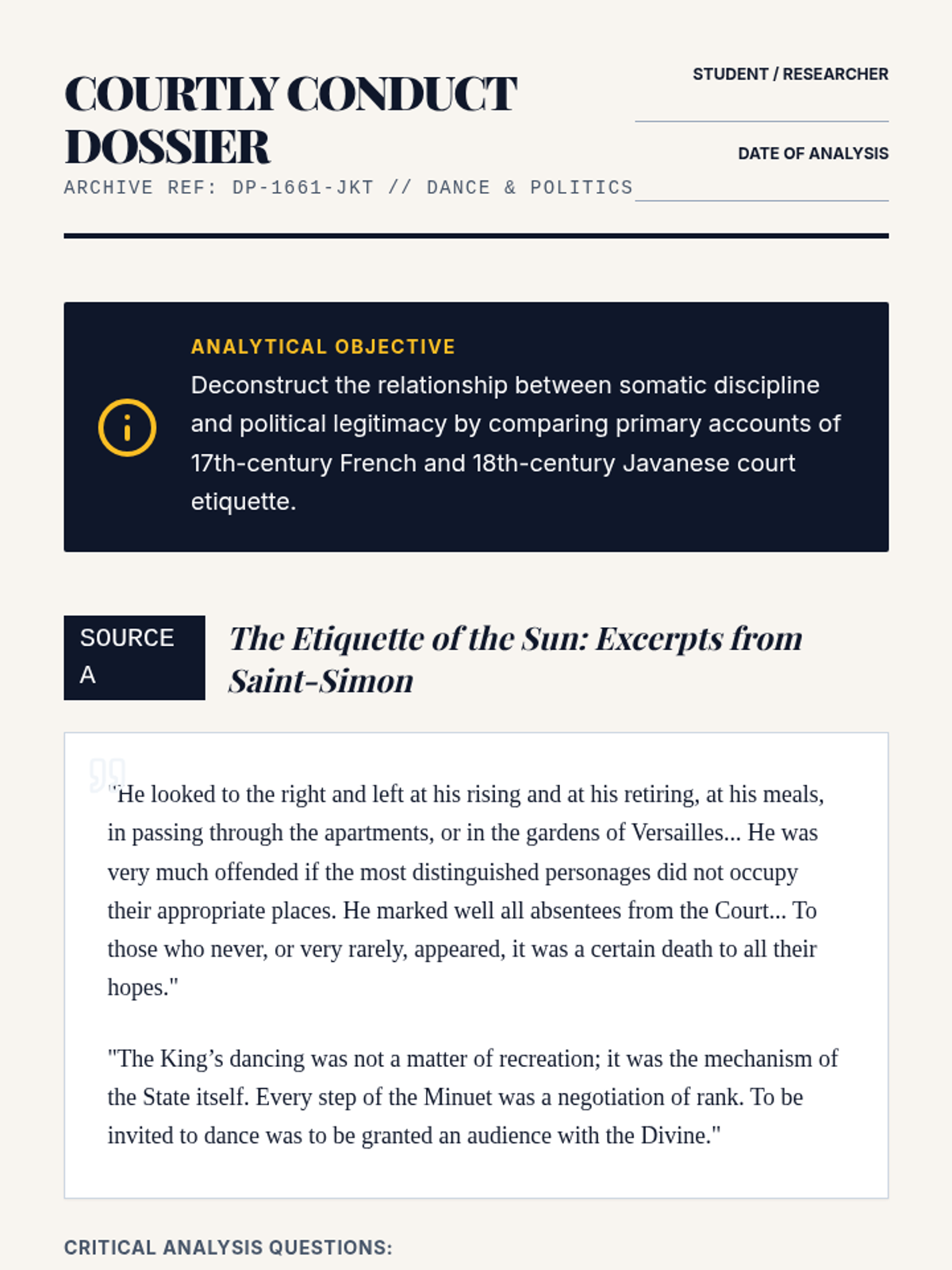
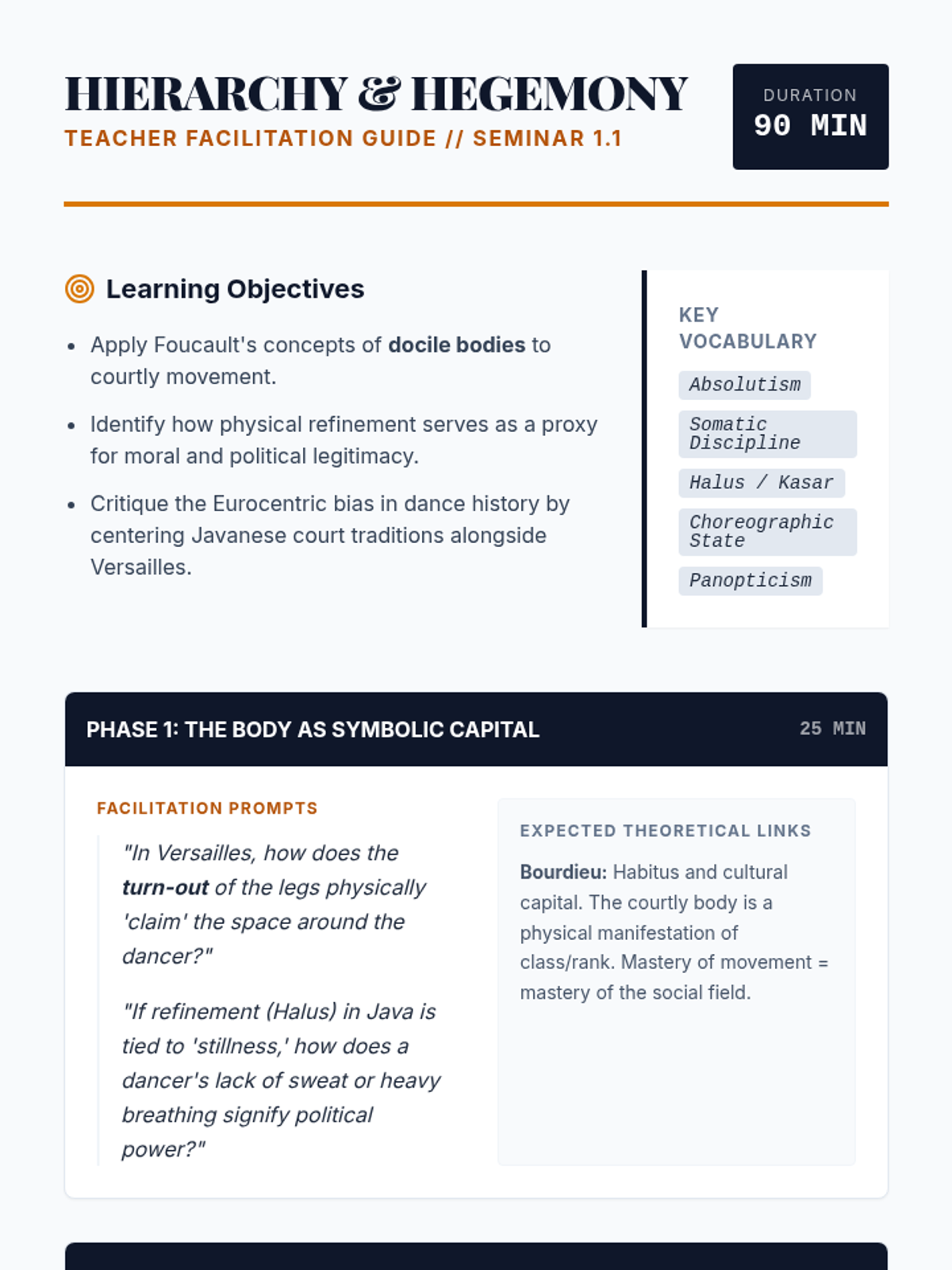
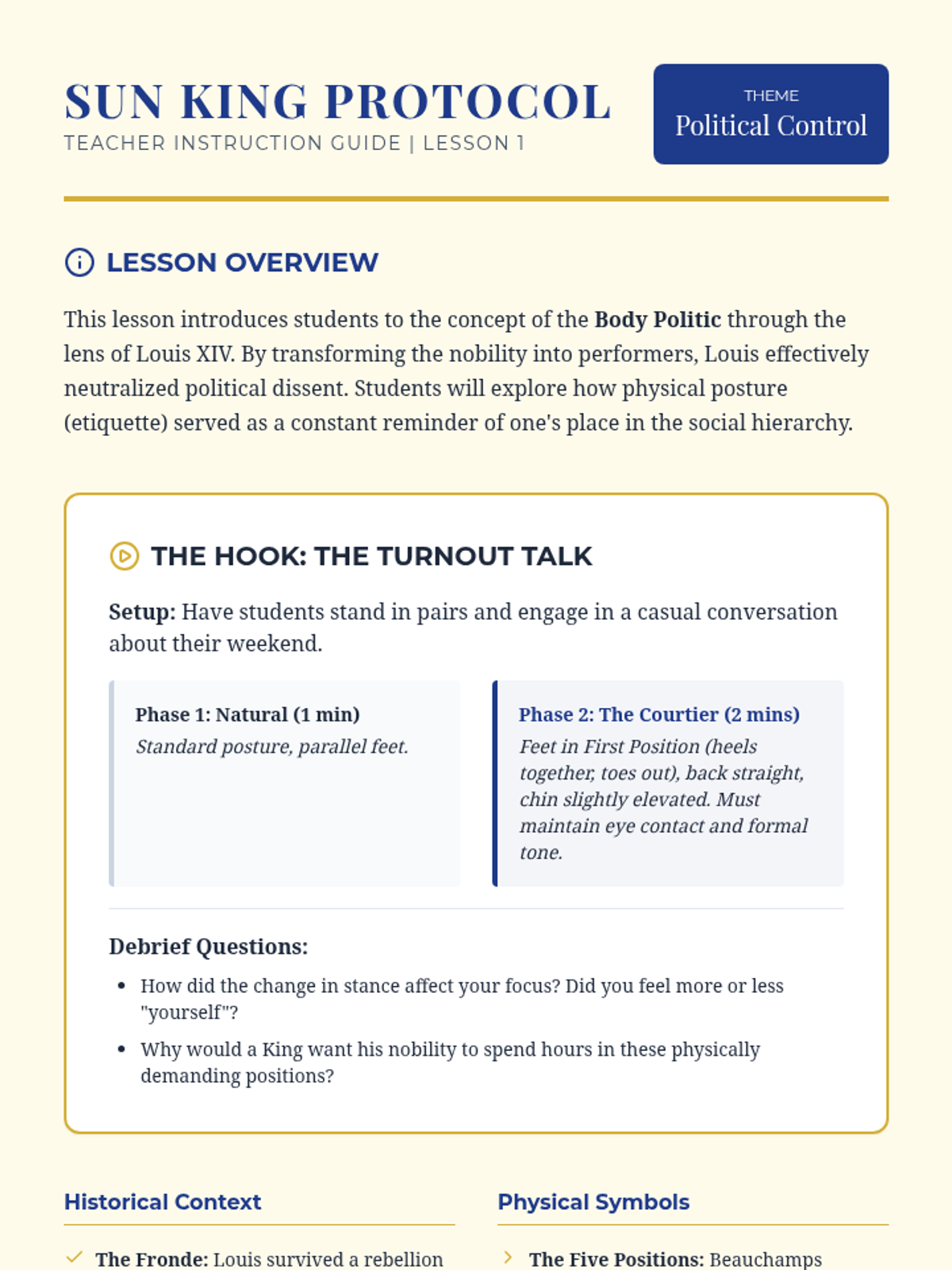
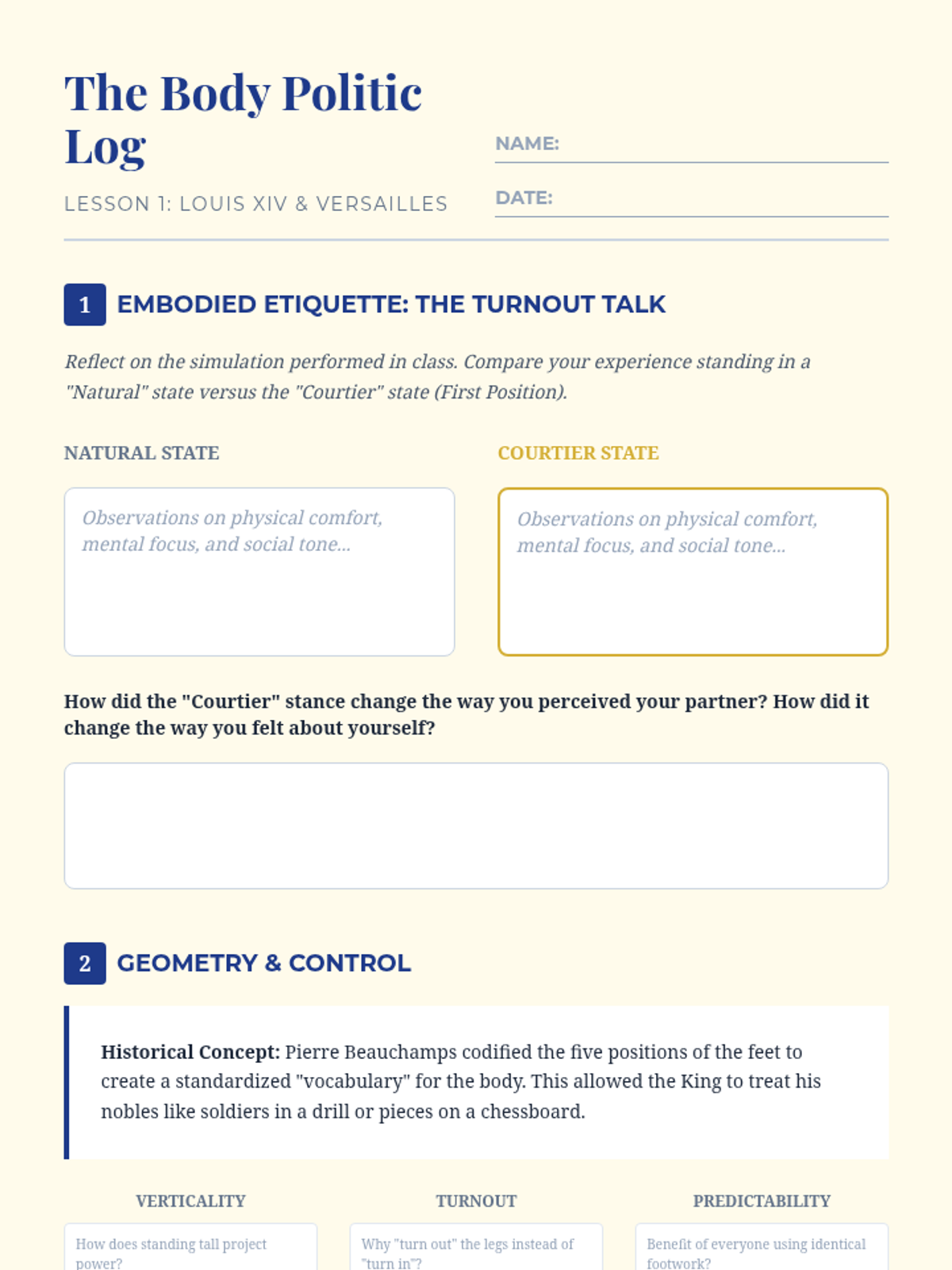
A comprehensive investigation into how political power and statecraft shaped the technique, hierarchy, and aesthetics of classical ballet from the French court to the Russian Imperial stage. Students analyze the evolution of the 'ideal body' as a reflection of political absolutism, gender dynamics, and modernist rupture.
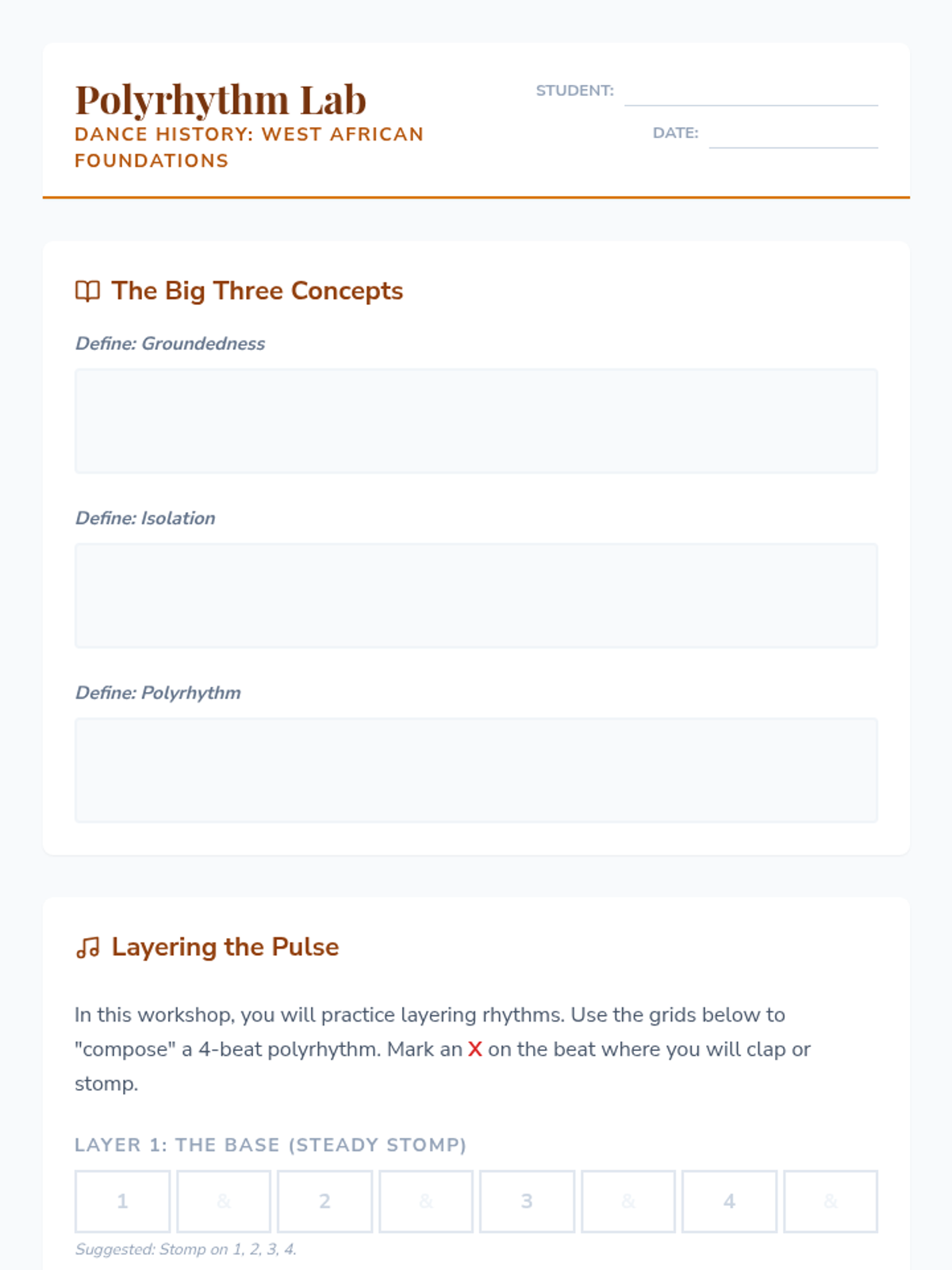
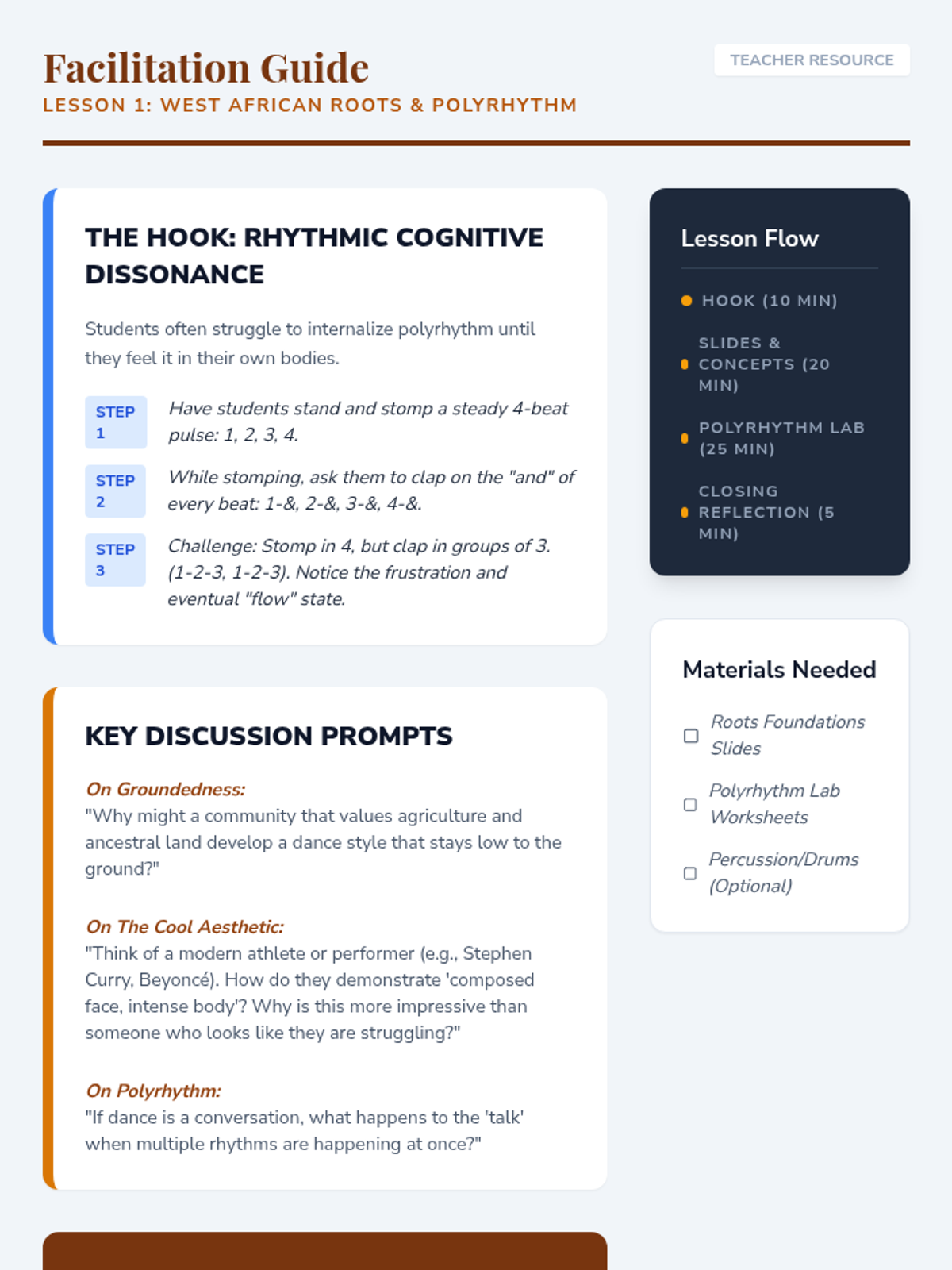
This sequence explores how the African Diaspora shaped American vernacular and theatrical dance, from West African polyrhythms to Jazz, Tap, and Hip Hop. Students analyze the impact of minstrelsy, the Harlem Renaissance, and the codification of jazz while tracing the lineage of modern pop culture moves back to their historical roots.
A comprehensive exploration of ballet's evolution from the 17th-century French court to 20th-century American neoclassicism, focusing on the intersection of political power, social values, and aesthetic form.
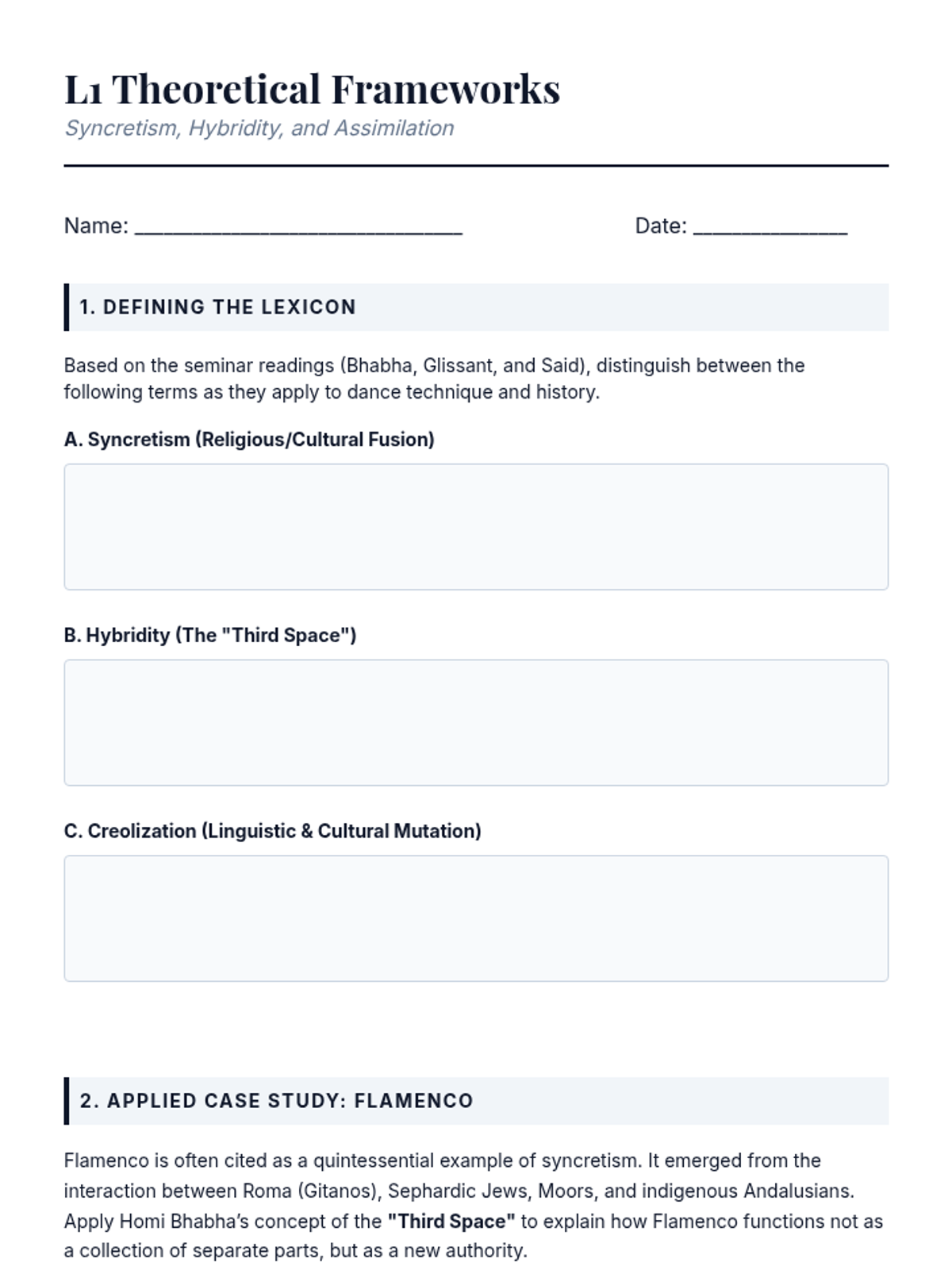
A graduate-level sequence exploring how migration, diaspora, and globalization reconfigure the somatic and semantic meanings of dance across geopolitical borders. Students analyze theories of syncretism, the Black Atlantic, Orientalism, transnational trauma in Butoh, and the ethics of digital globalization.
An intensive graduate-level exploration of major aesthetic ruptures in 20th and 21st-century Western dance, tracking the evolution from modern expressionism to contemporary conceptualism.
A graduate-level exploration of how dance serves as a tool for state power, national identity formation, and revolutionary resistance, spanning from absolutist courts to contemporary protest movements.
A high school sequence exploring the shift from traditional ballet to modern dance through five key movements: Duncan's naturalism, Graham's psychological depth, Cunningham's chance operations, Judson Dance Theater's pedestrianism, and Bausch's Tanztheater. Students engage in both physical workshops and intellectual analysis to understand art as a reaction to its time.
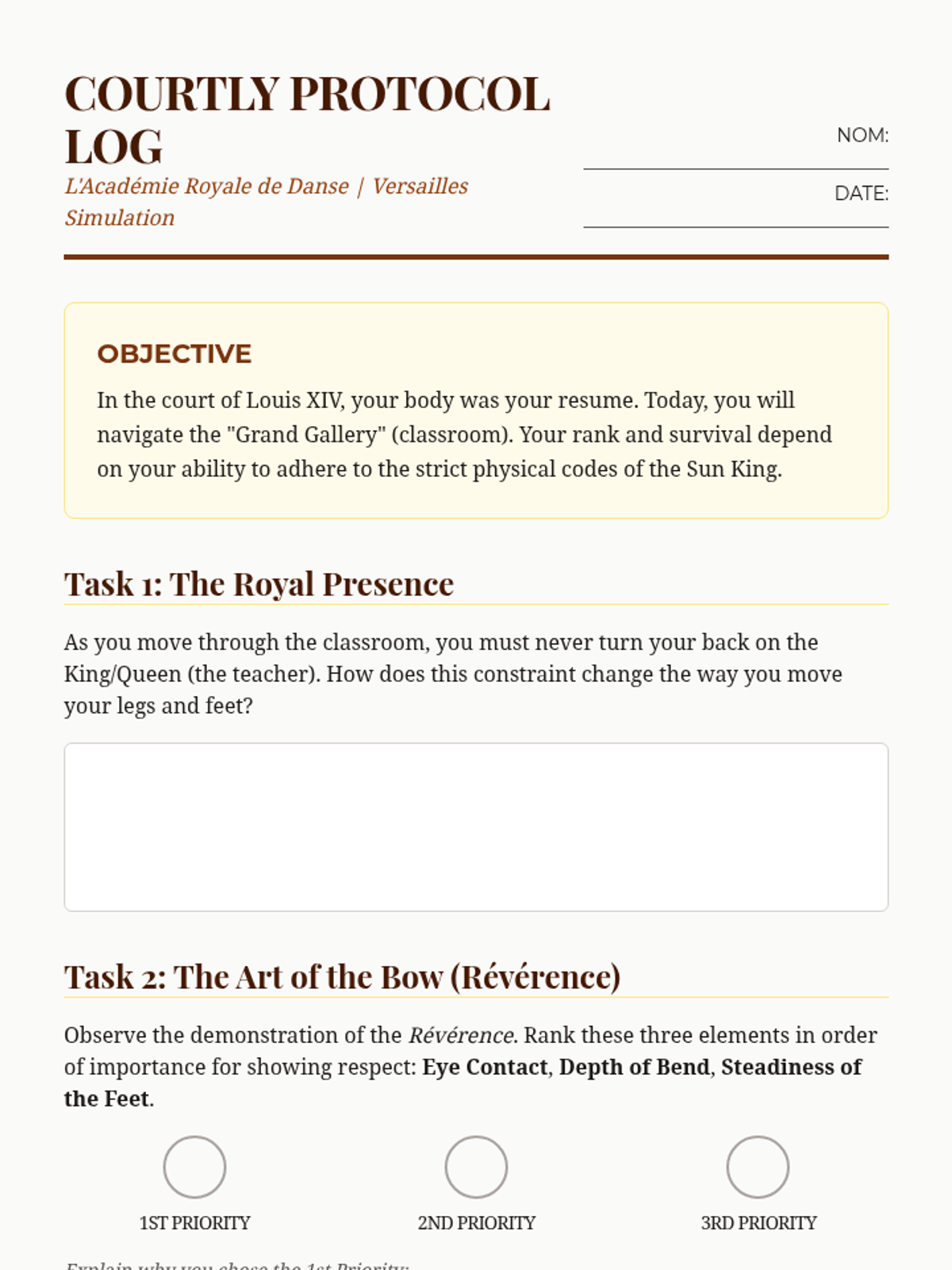
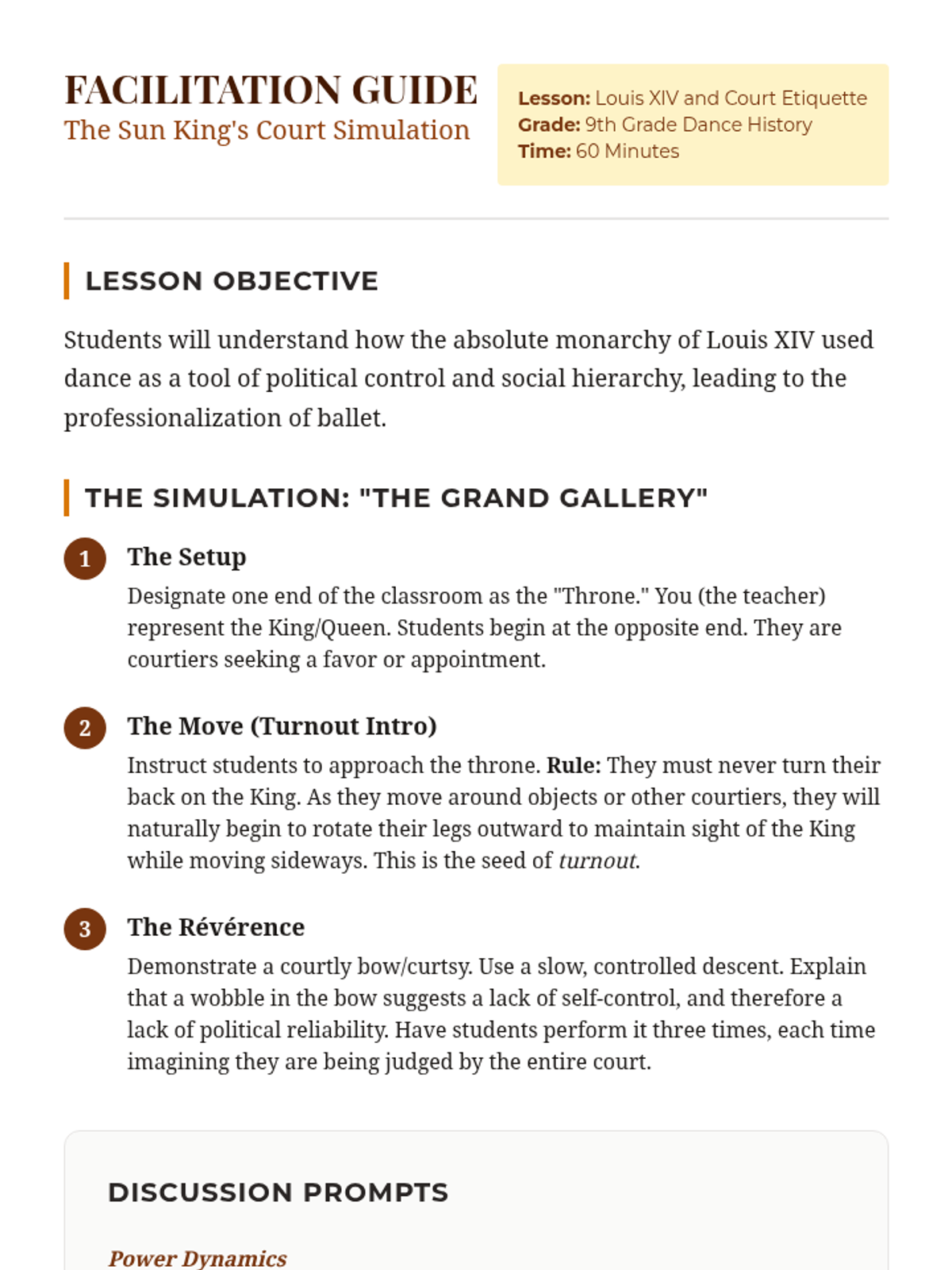
A deep dive into the intersection of dance and political authority, examining how court traditions from Baroque France to Imperial Russia and beyond have used the human body to enforce social hierarchy. Students analyze movement as a tool of statecraft, tracing the evolution of ballet and comparing it with global court dances.
Students trace the lineage of ballet from the royal courts of France to the grand stages of Russia and beyond, exploring how political power shaped dance technique.
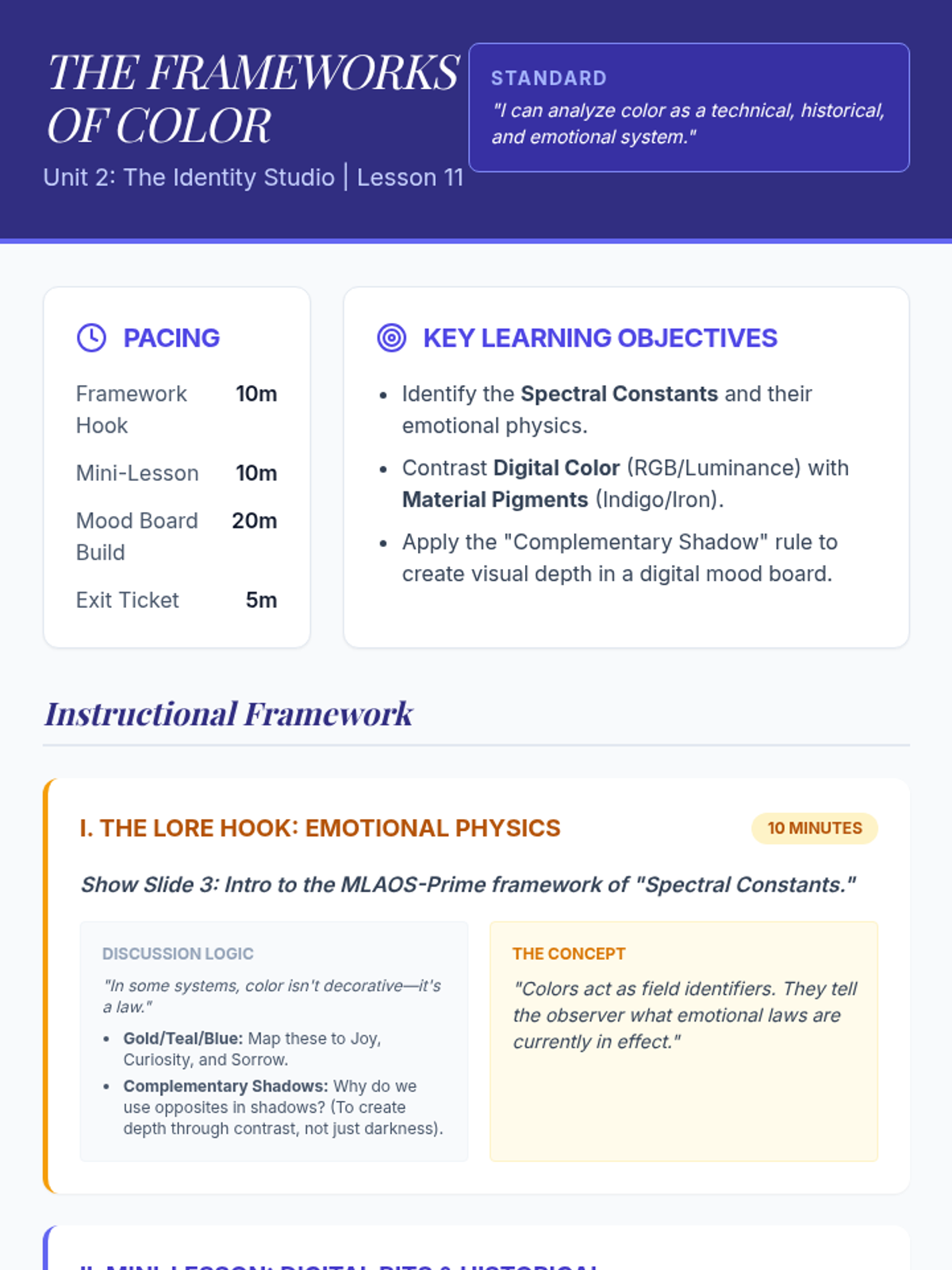
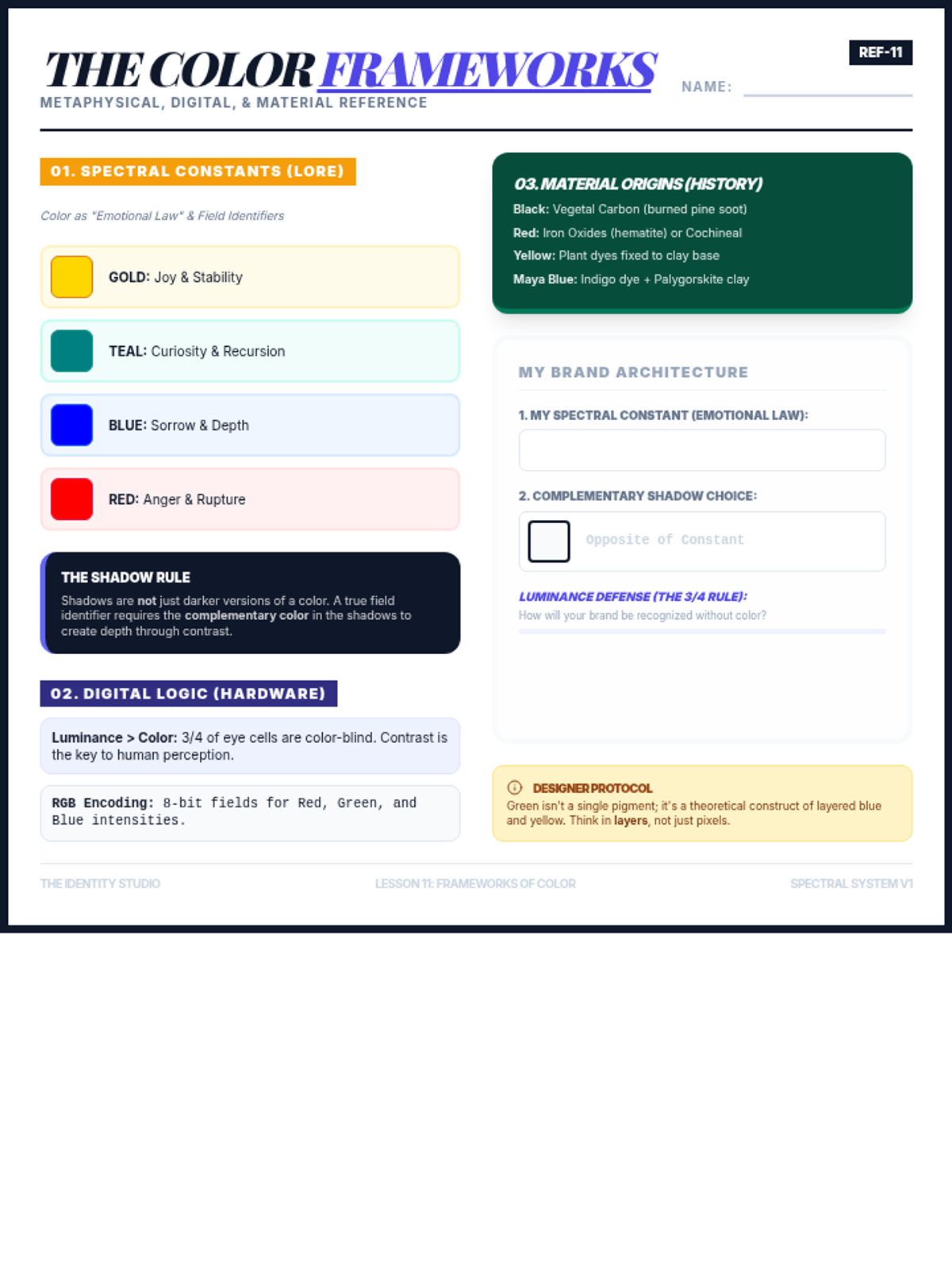
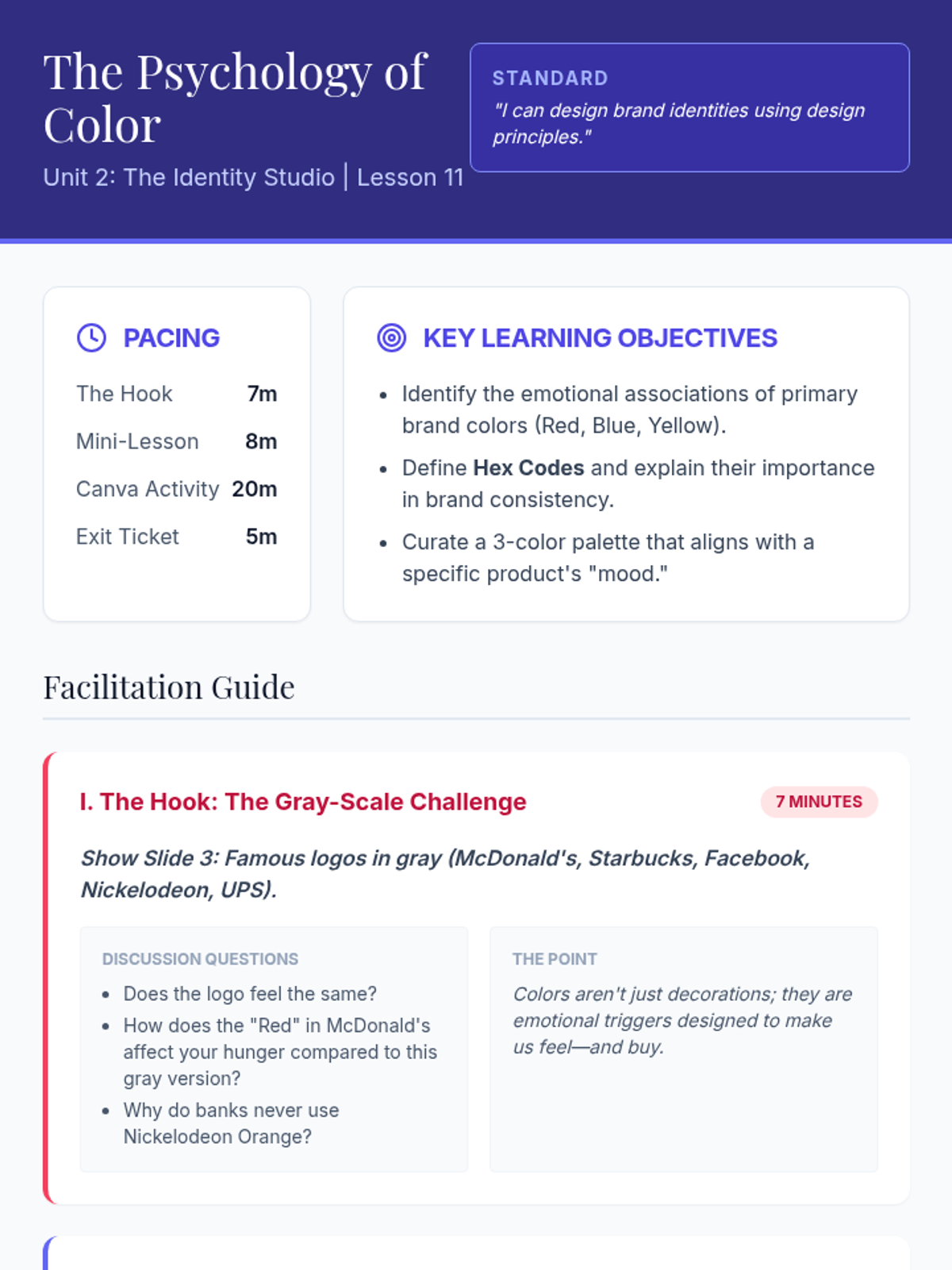
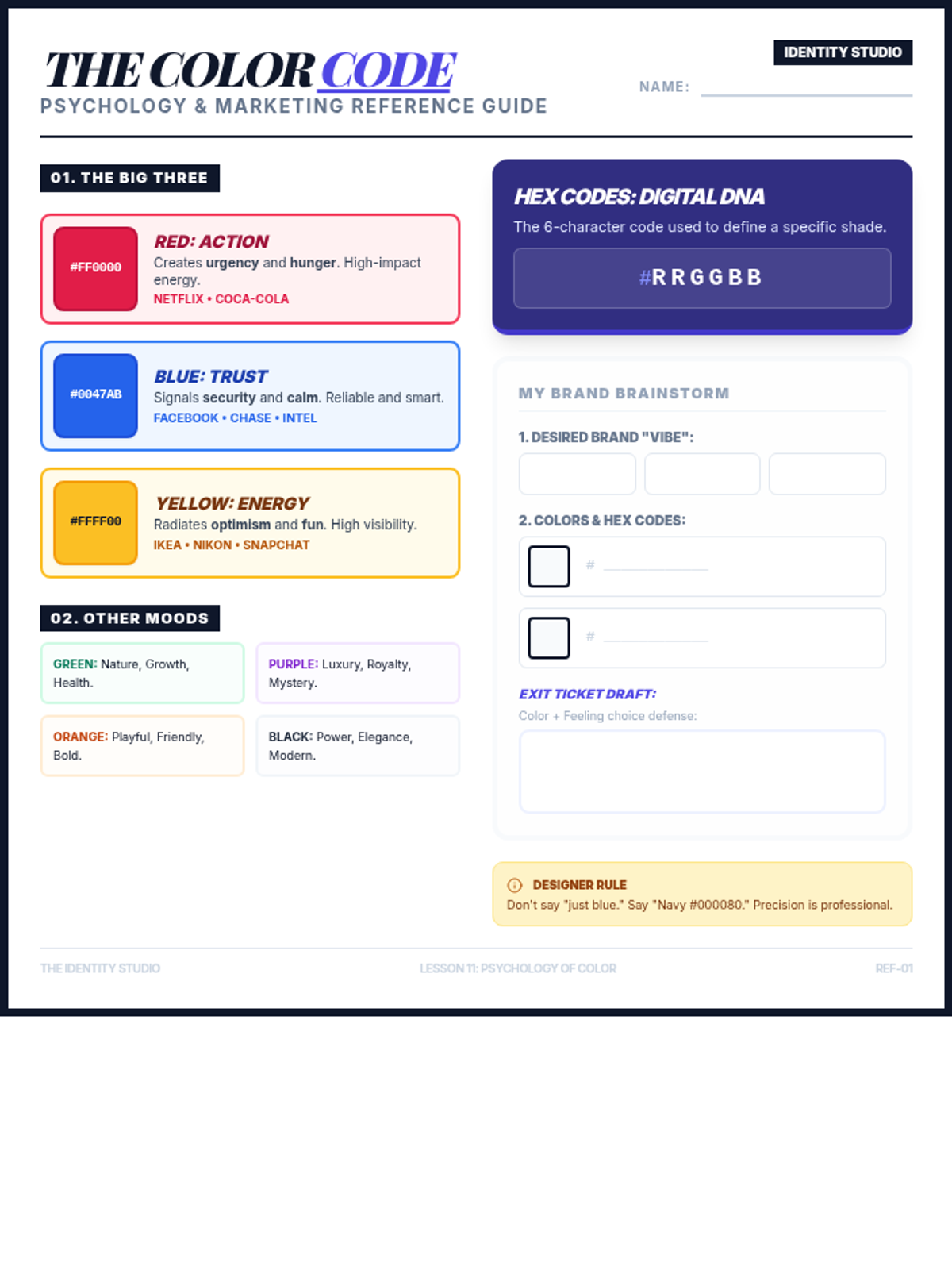
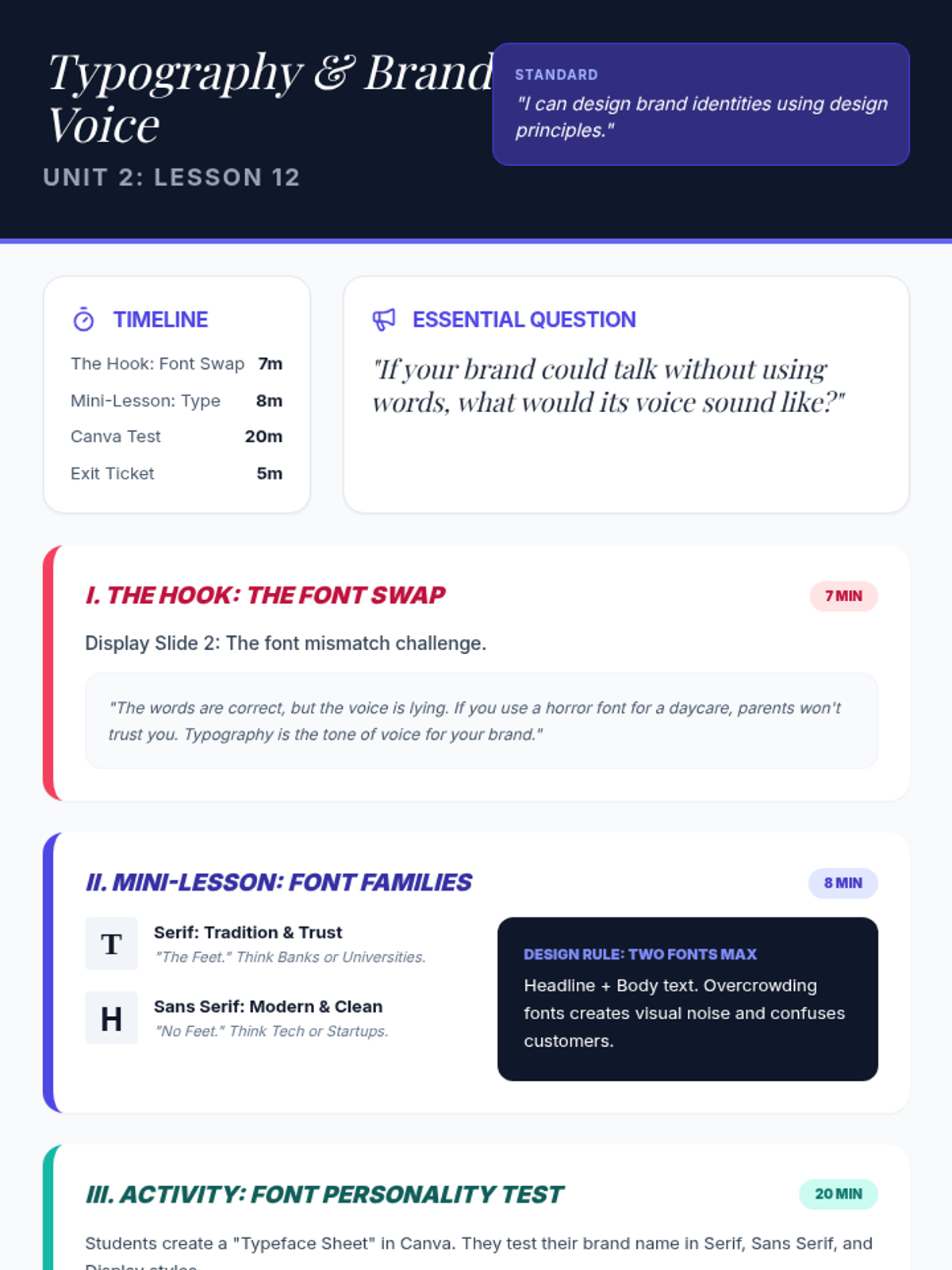
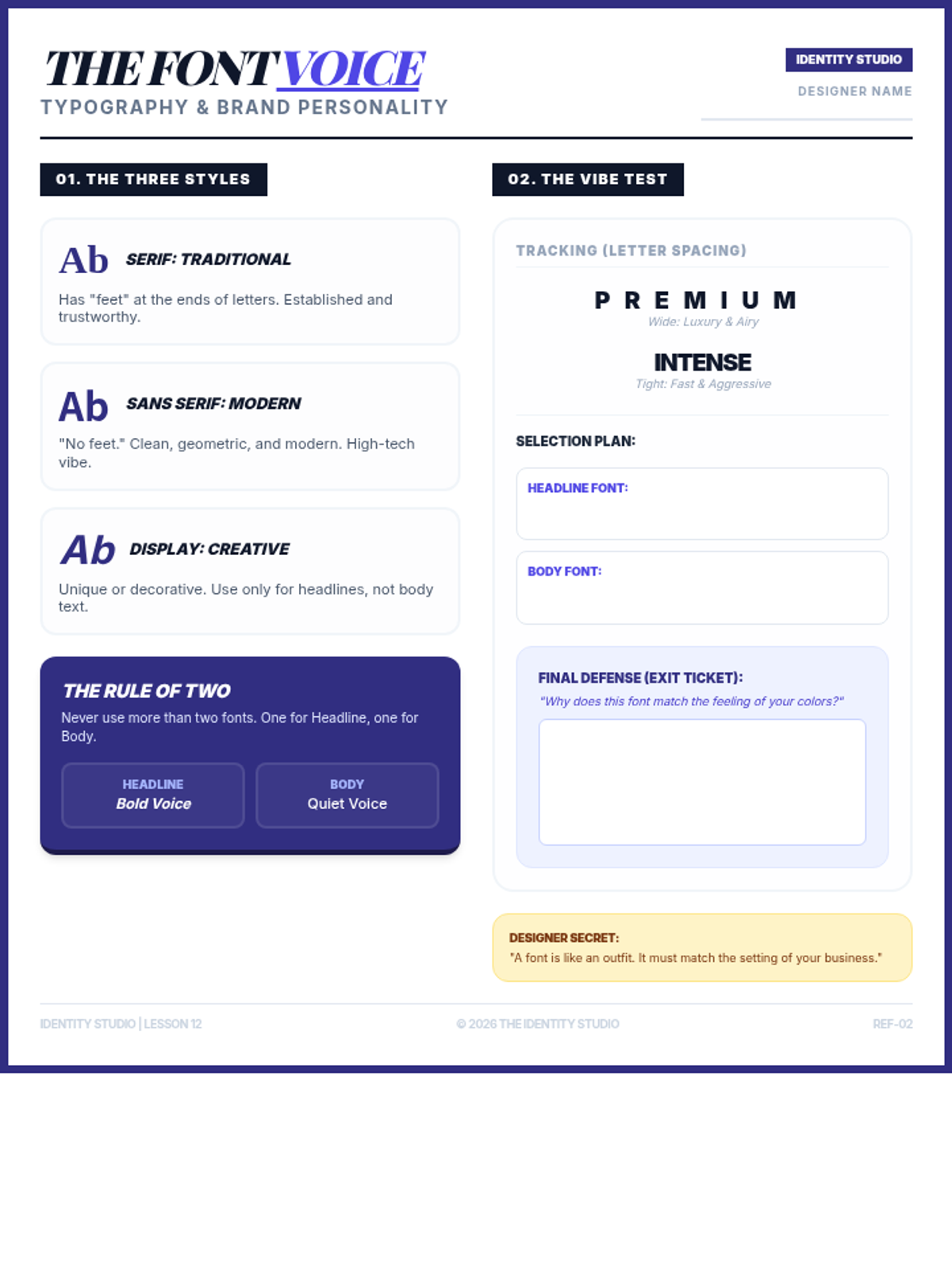
A unit focused on the visual principles of brand identity, moving from theory (color, type) to creation using vector-based tools like Google Drawing.
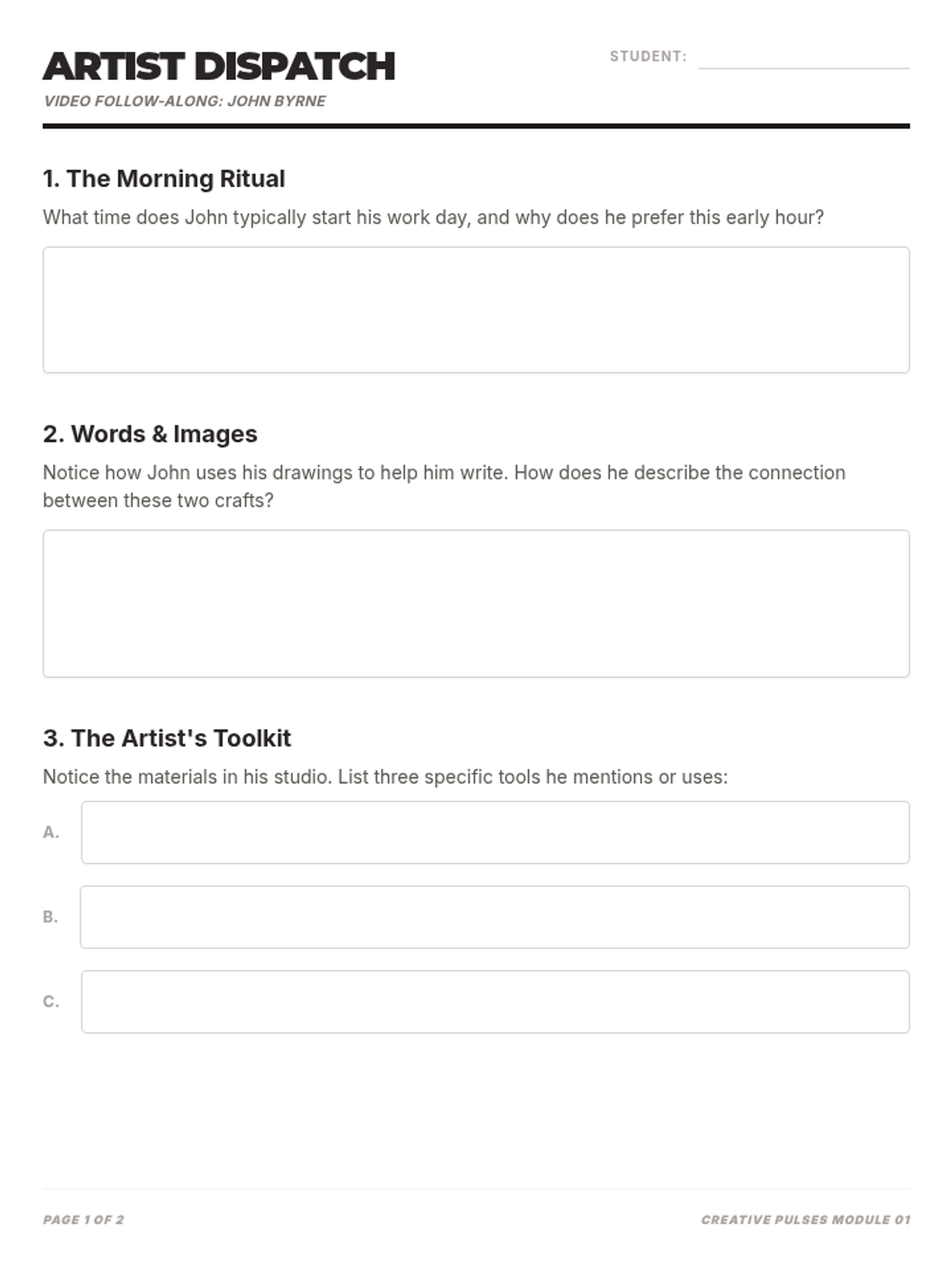
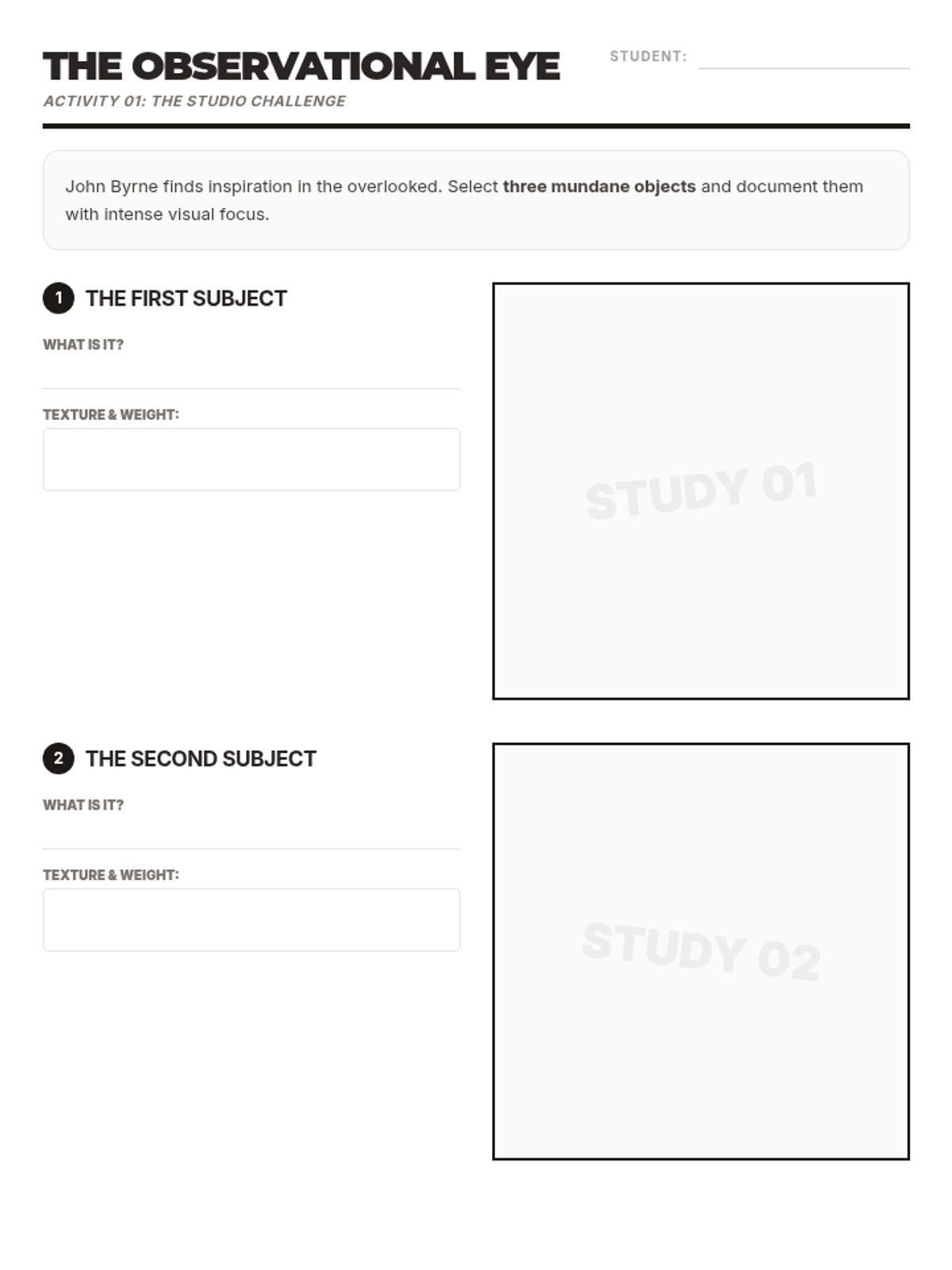
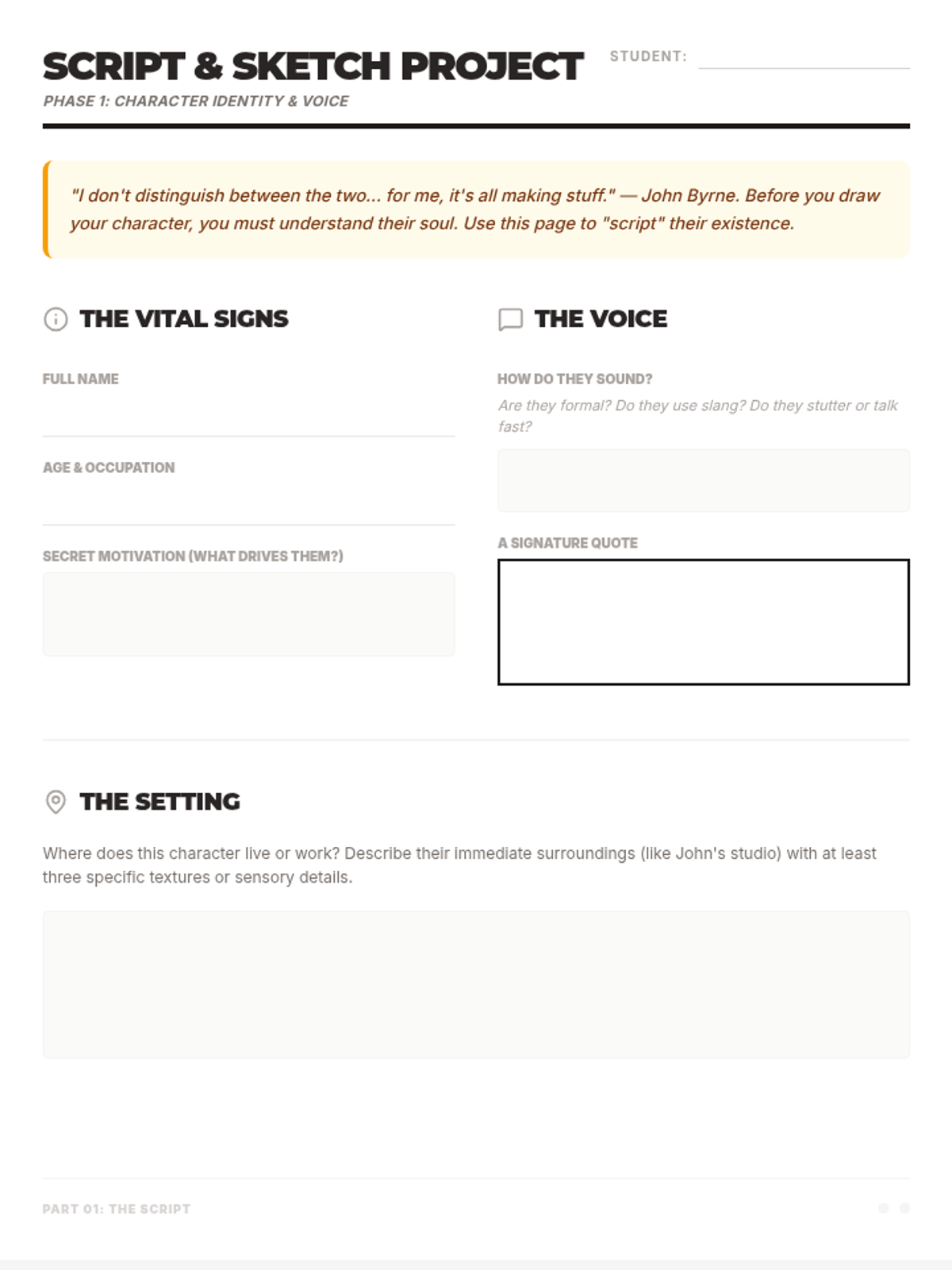
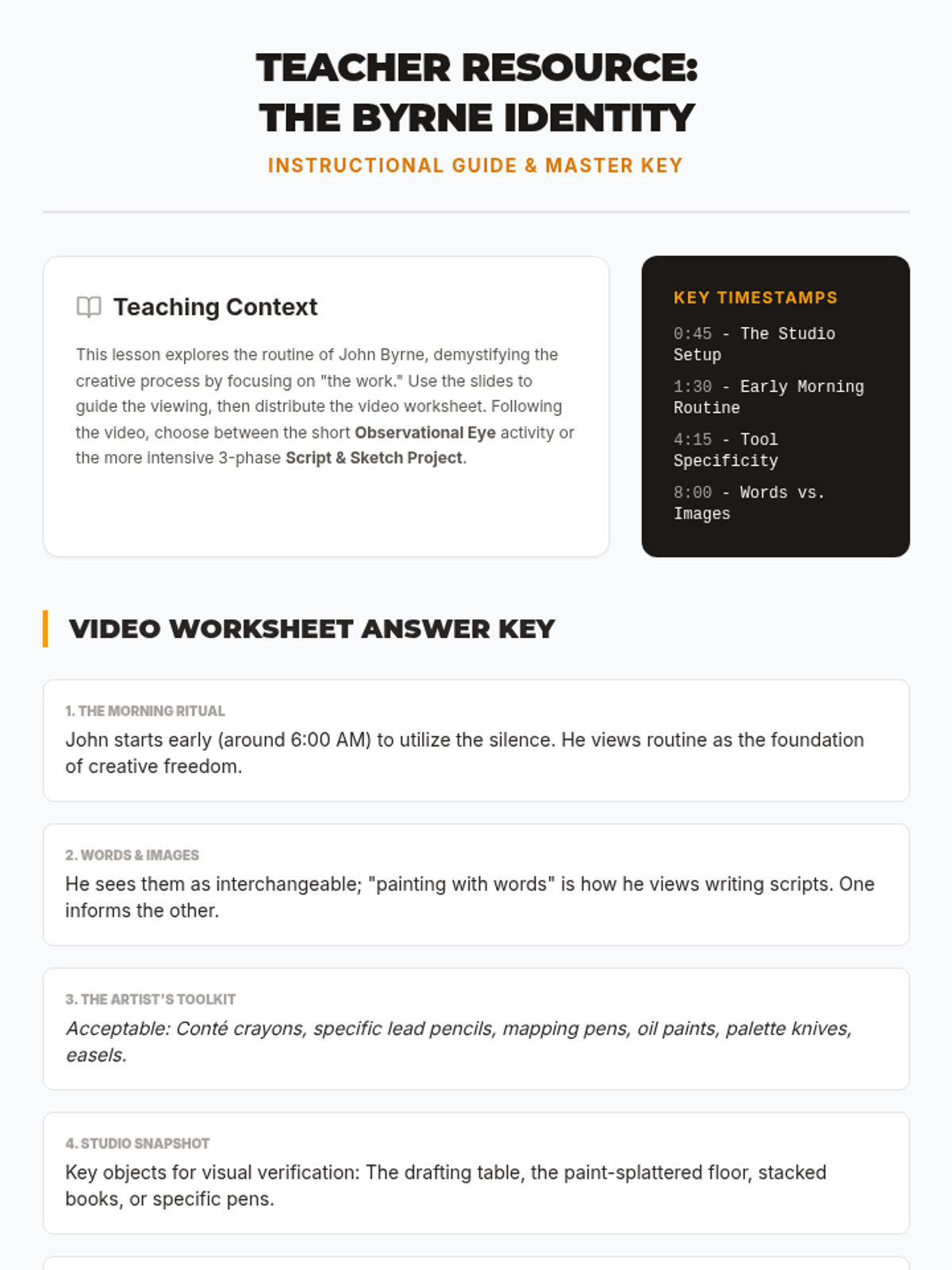
A sequence exploring the daily lives and creative processes of renowned artists, starting with John Byrne. Students observe artistic routines and apply those methods to their own creative practice.
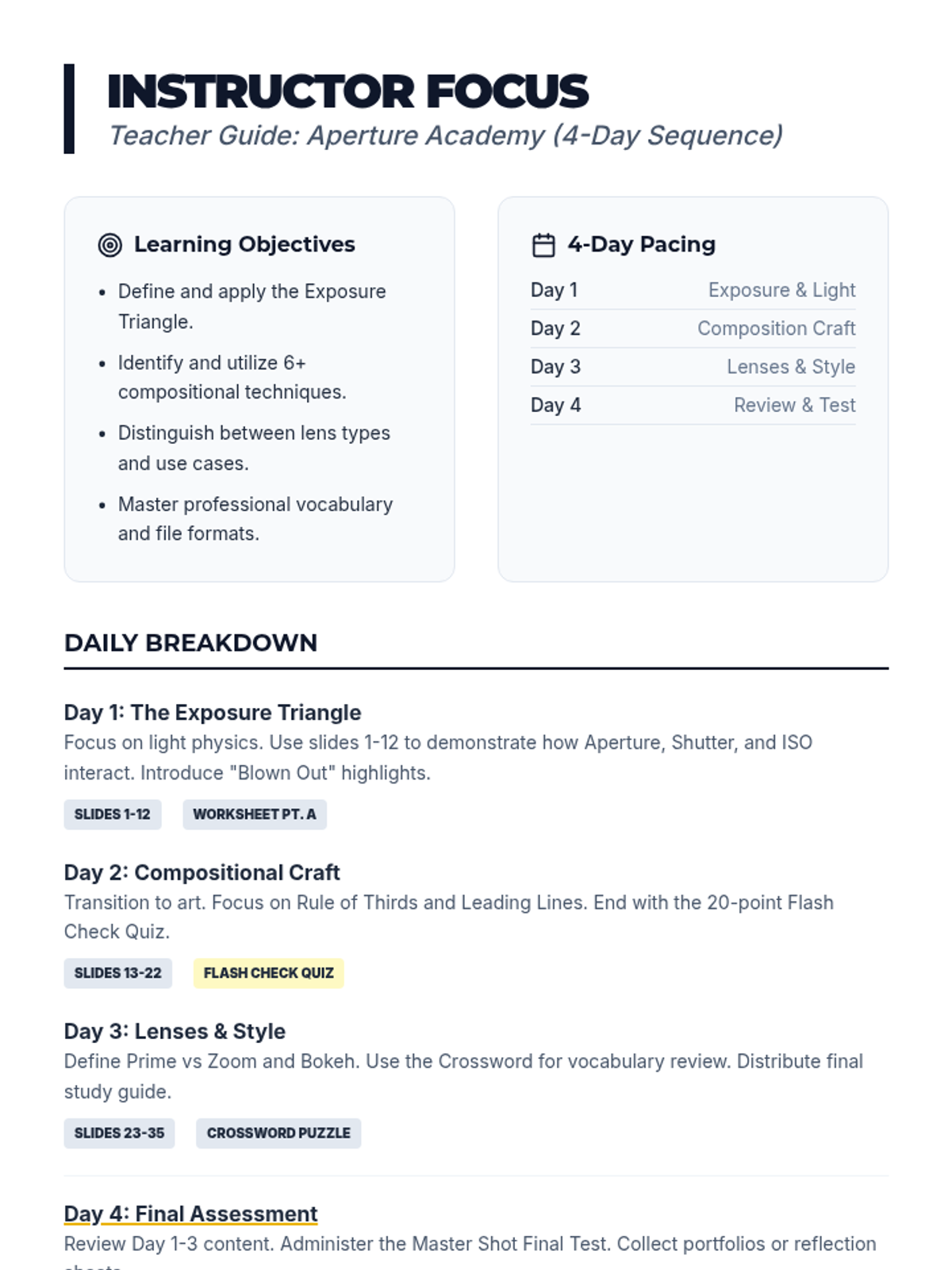
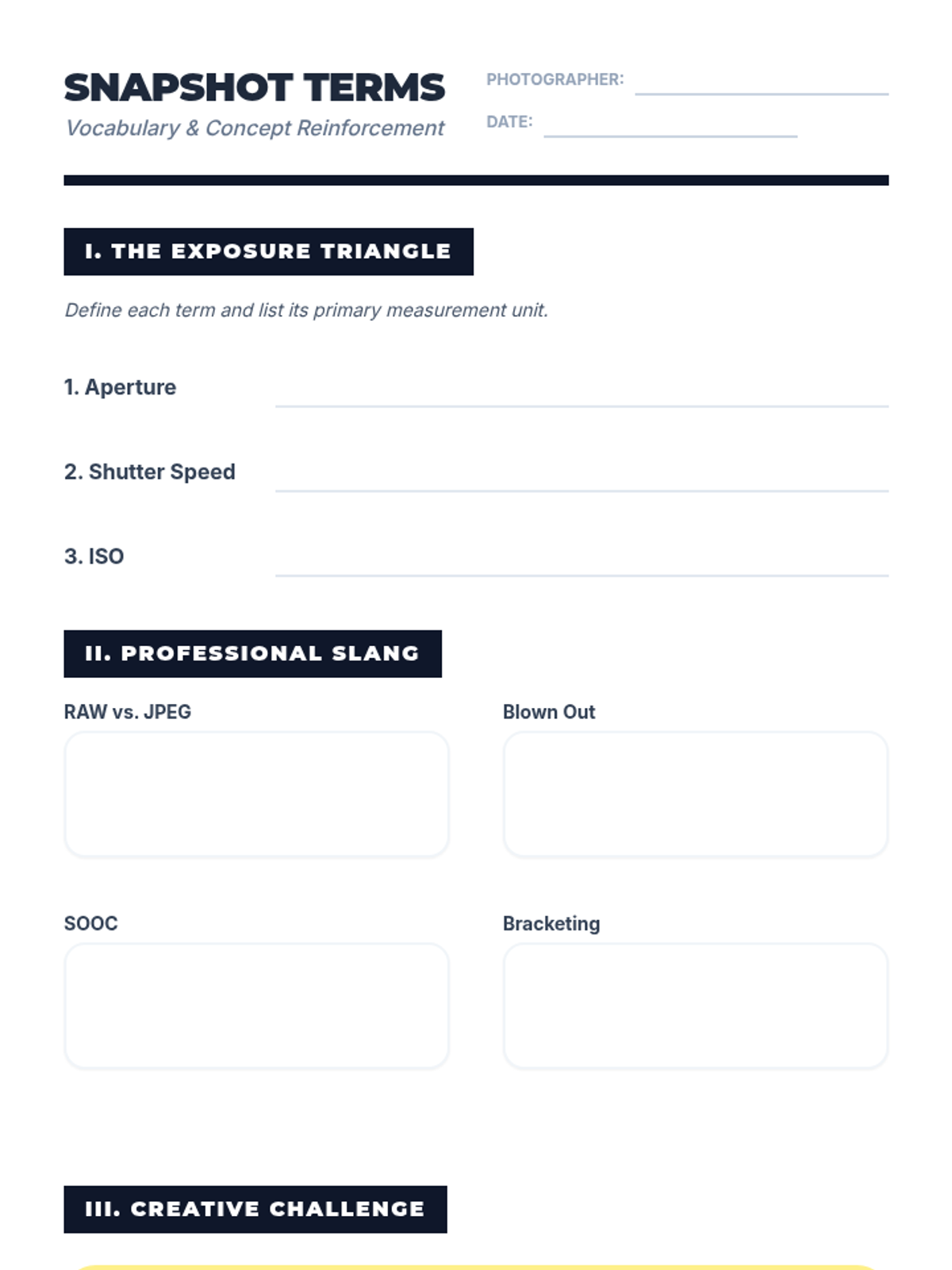
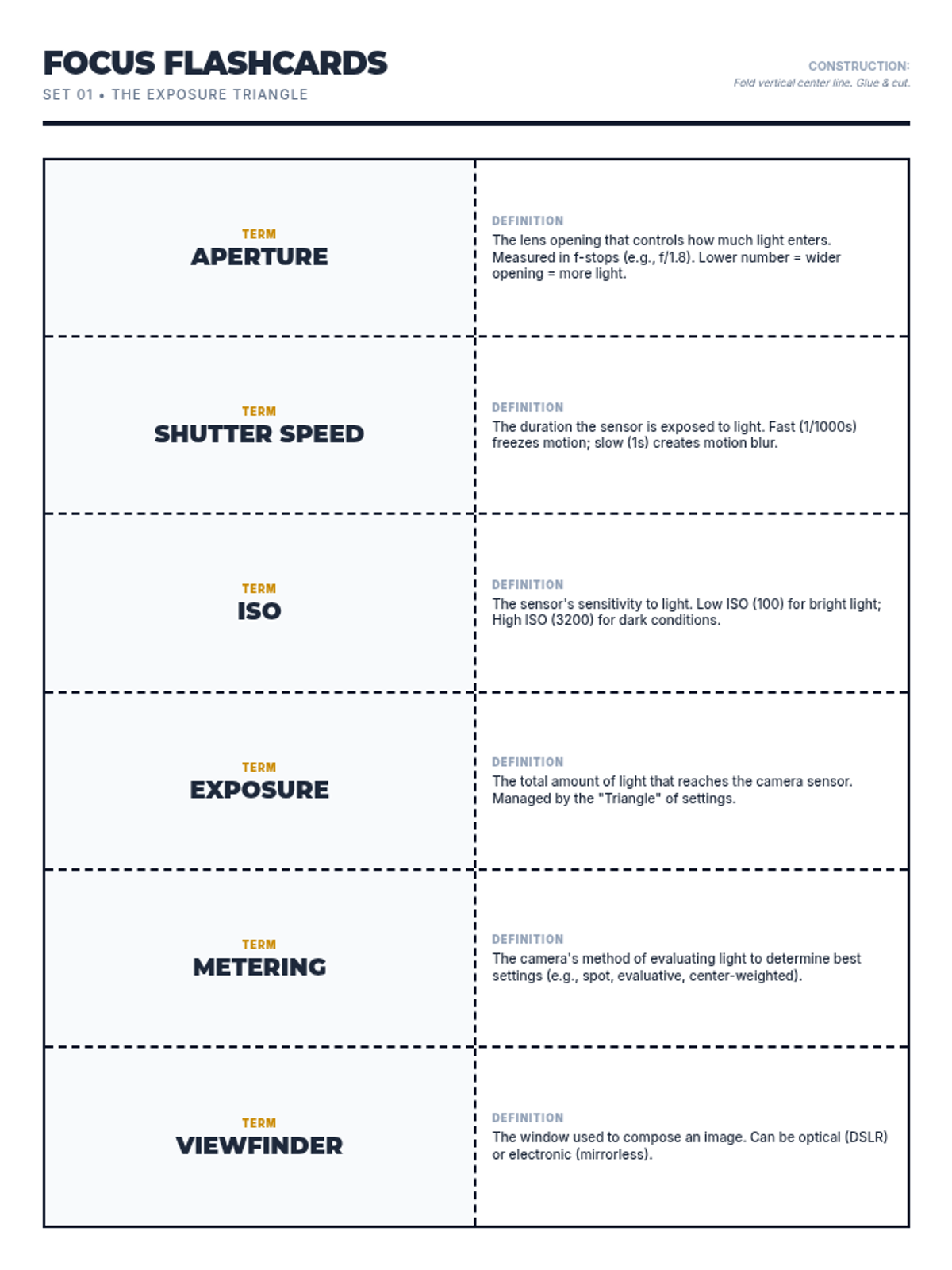
A comprehensive 4-day introduction to photography for beginners, covering the exposure triangle, composition techniques, lens types, and essential vocabulary. Students progress from understanding light to mastering artistic design and camera settings.
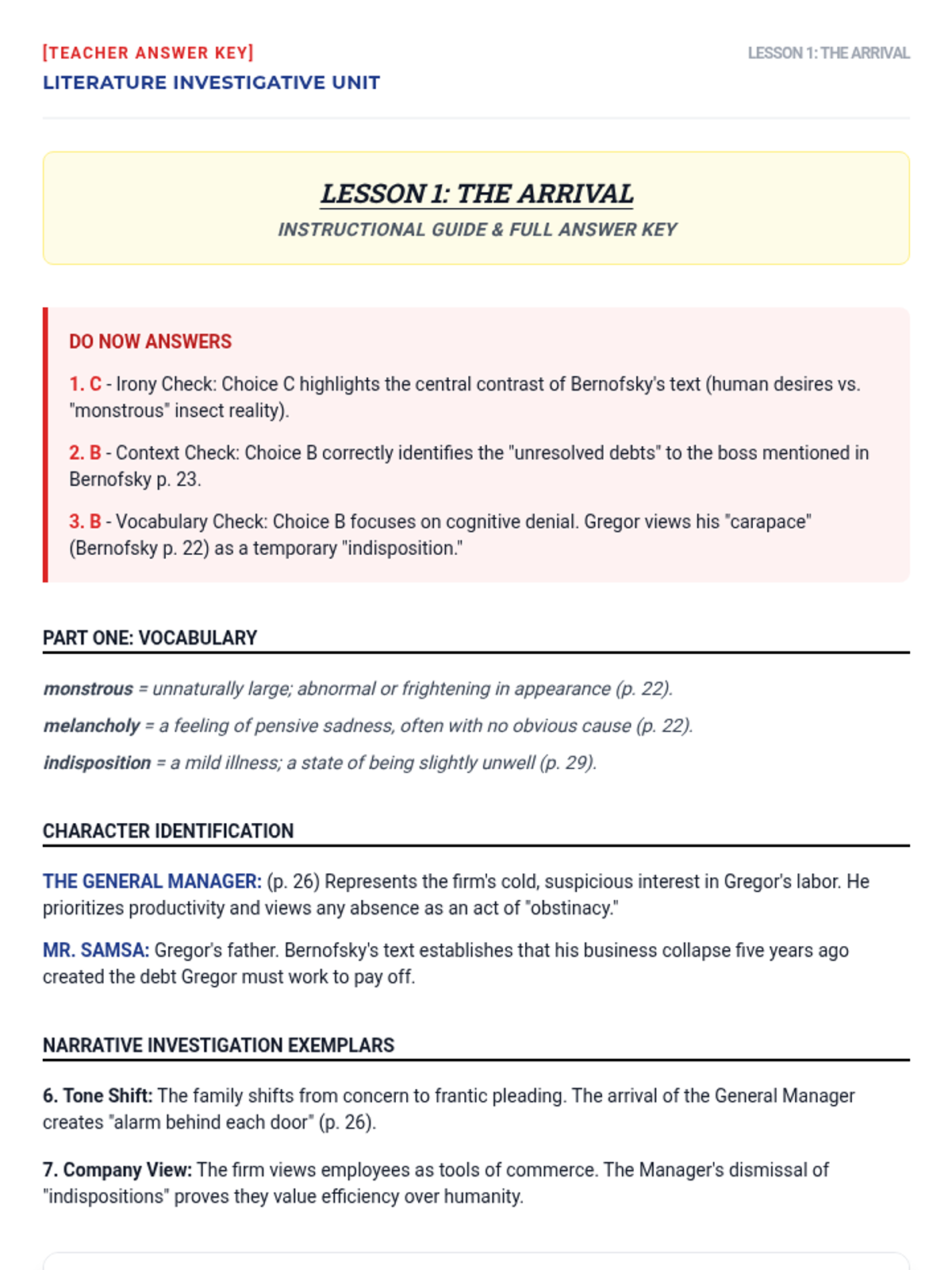
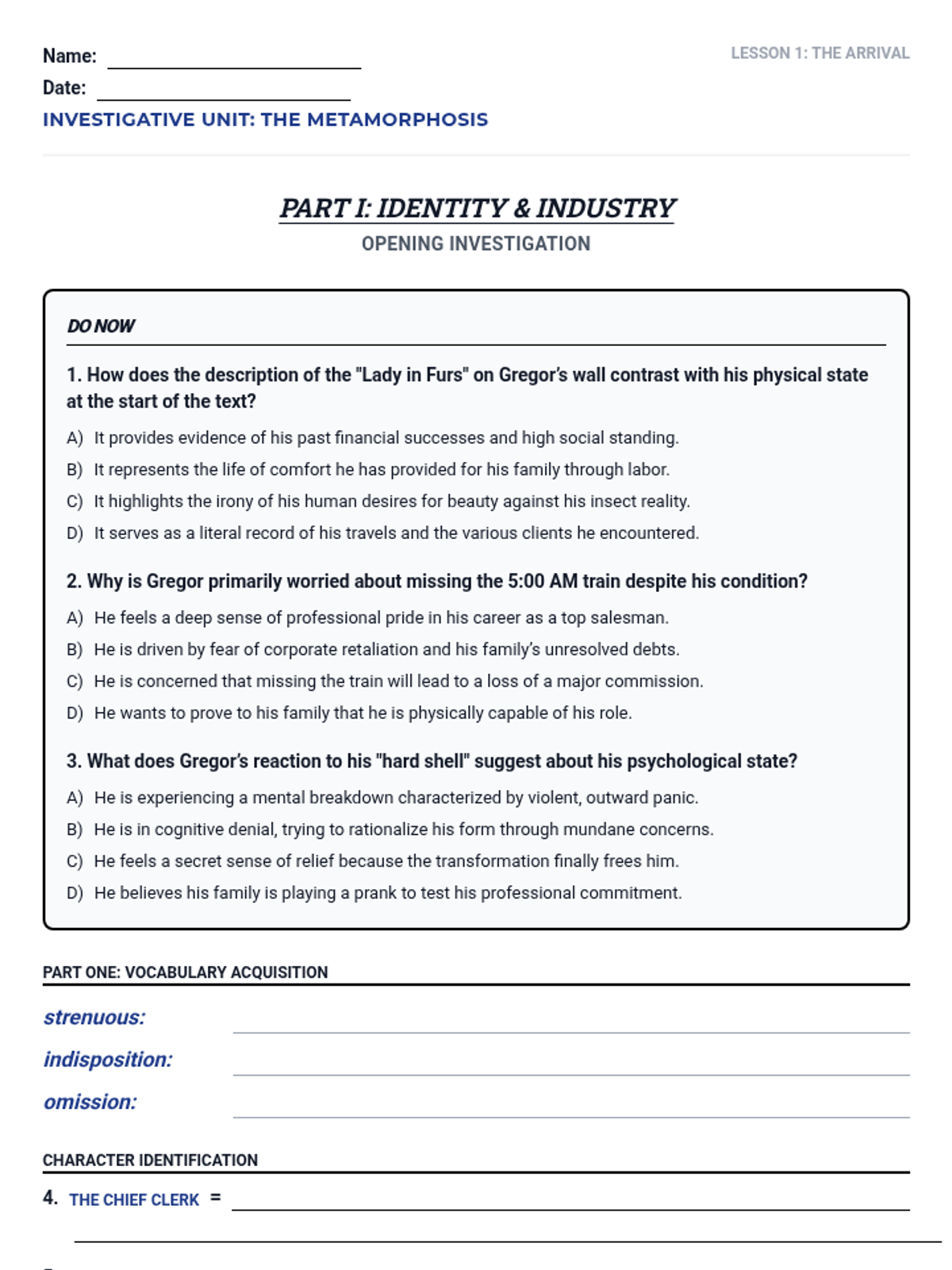
An intensive investigative unit on Franz Kafka's *The Metamorphosis* following the North Star/Uncommon Schools instructional model. The unit focuses on the thematic intersection of labor, identity, and dehumanization. Students analyze Gregor's alienation from his family and society through a structured rigorous framework including vocabulary acquisition, character identification, and thematic synthesis.
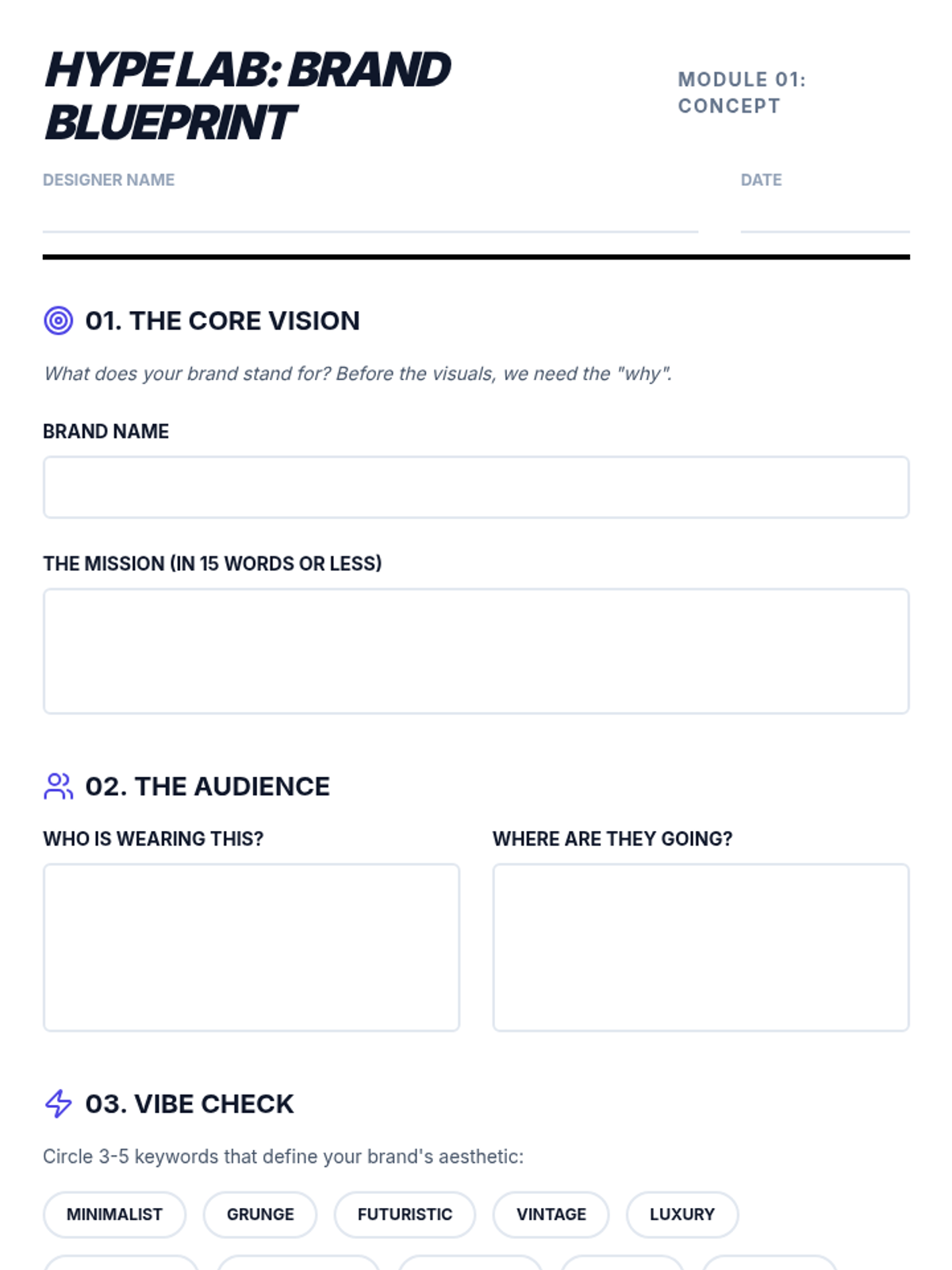
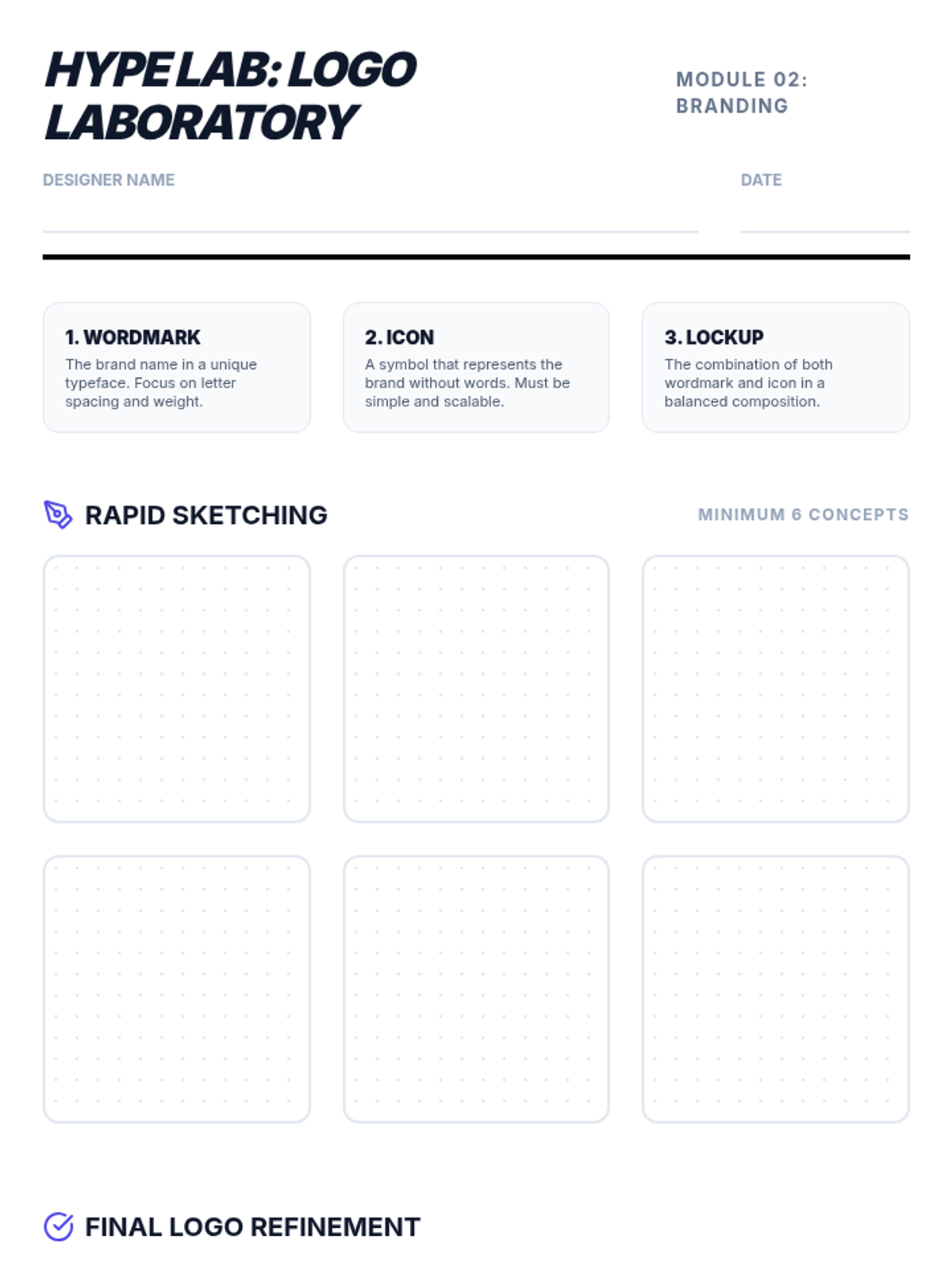
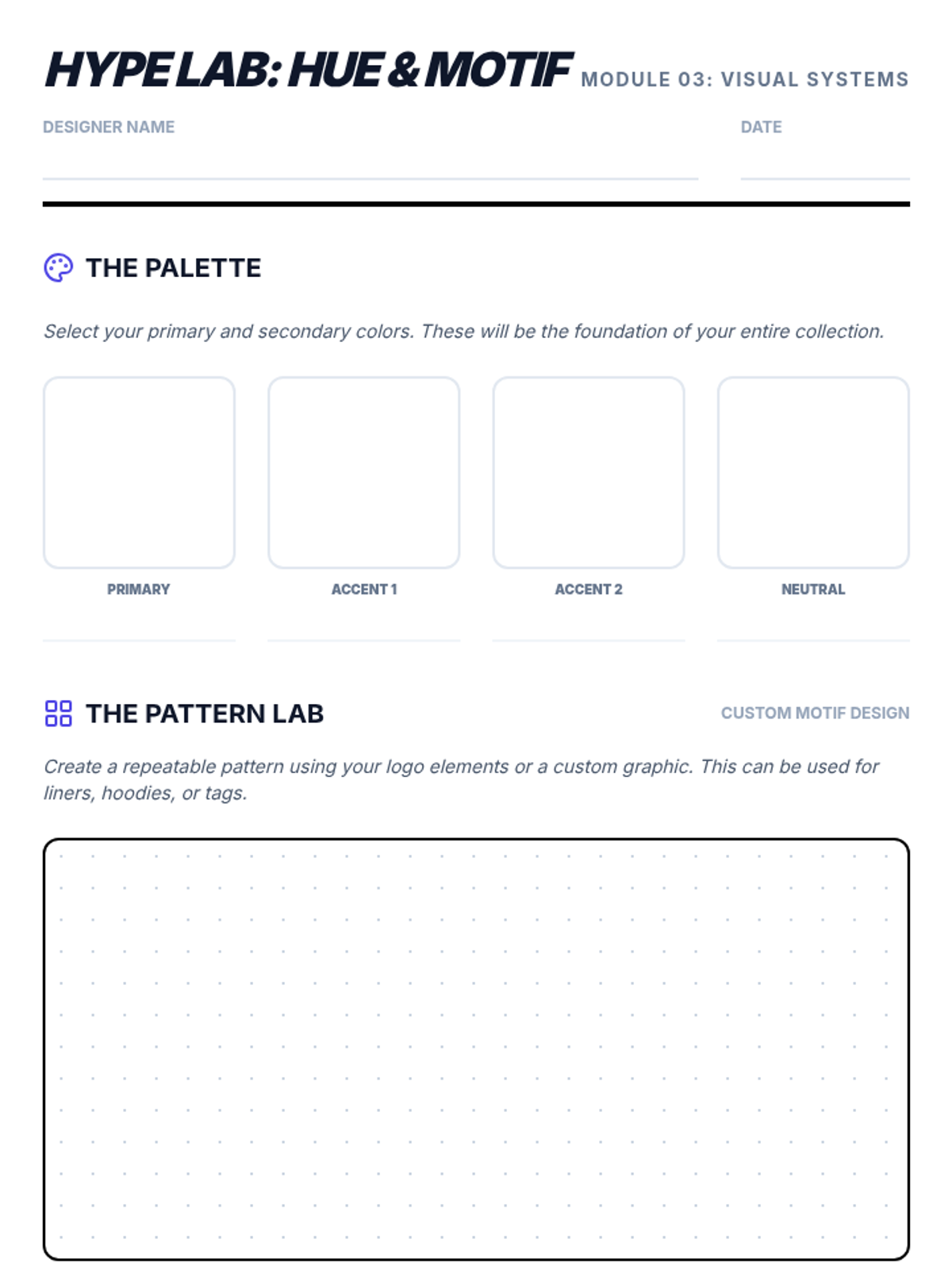
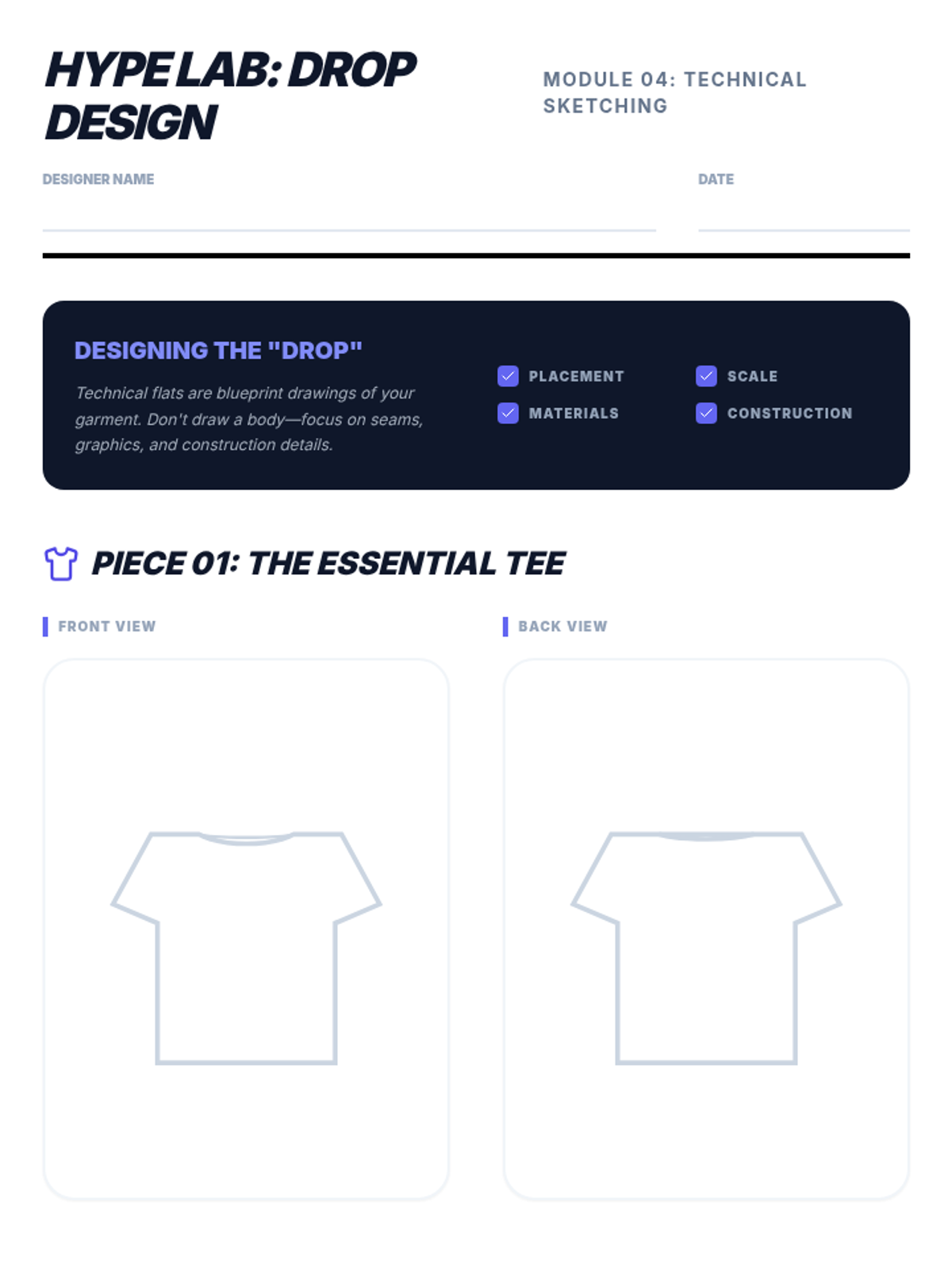
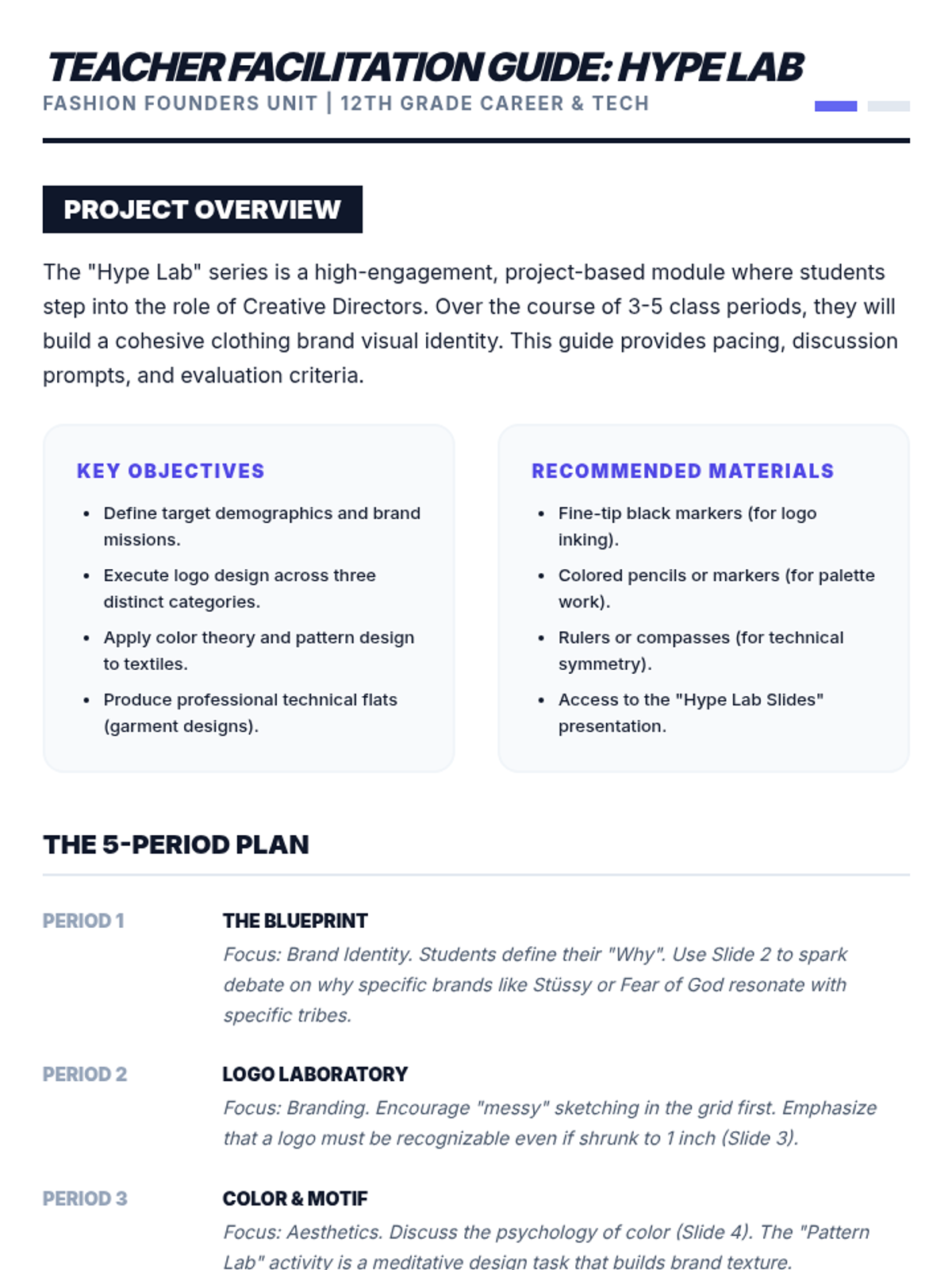
A comprehensive project-based unit where students develop a clothing brand from concept to technical design, focusing on visual identity, color theory, and garment construction.
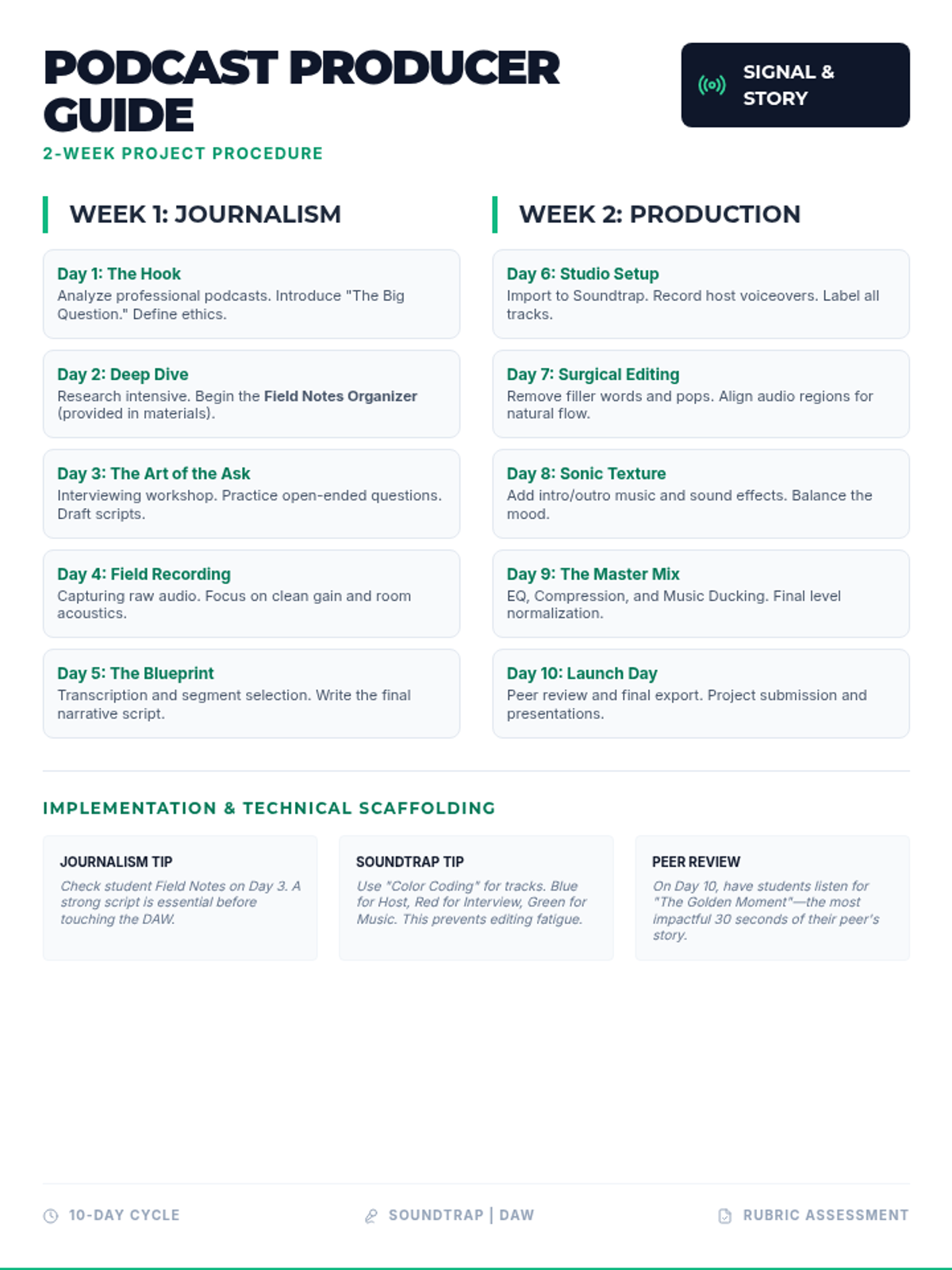
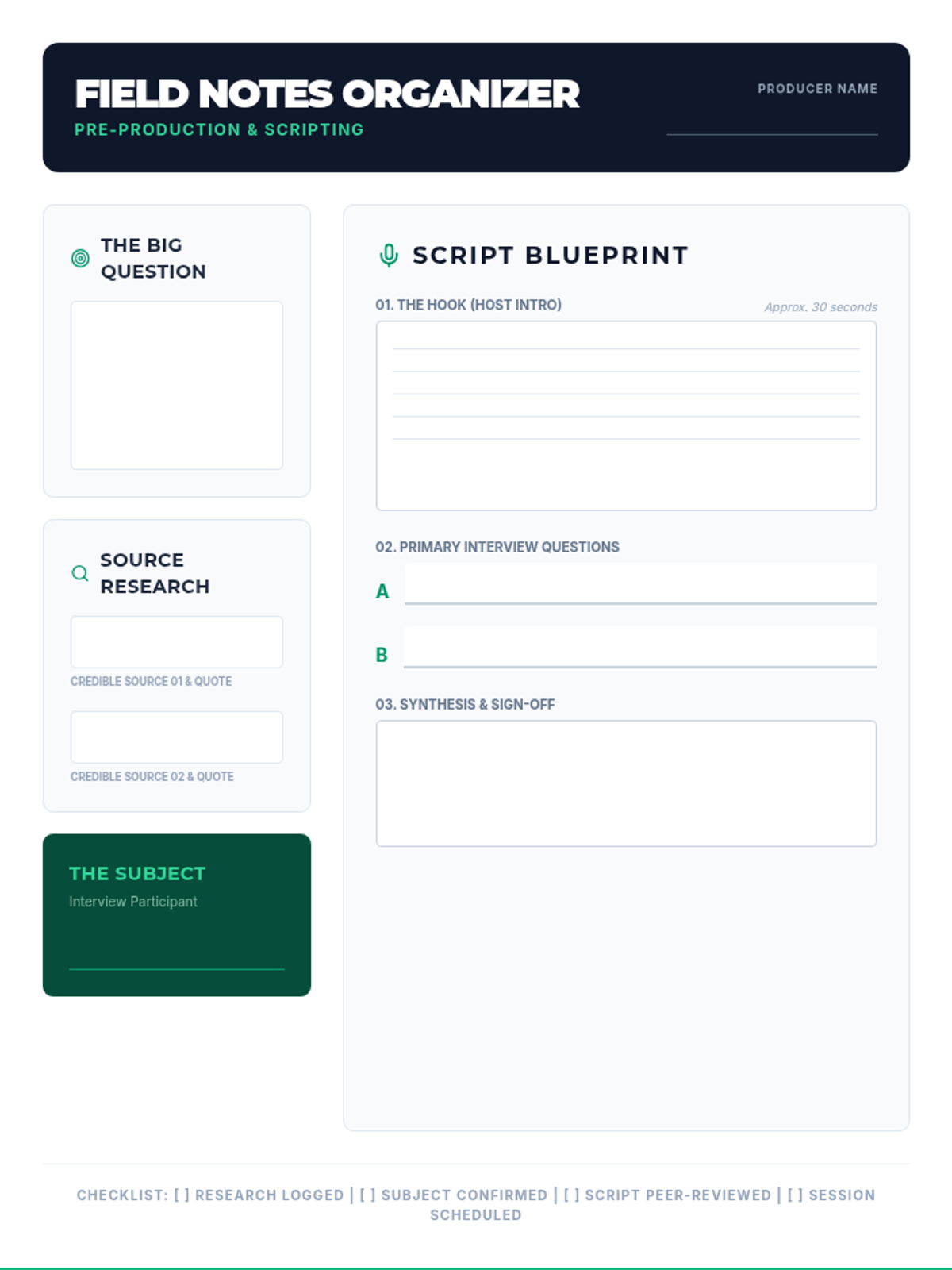
A 2-week comprehensive unit on podcast production, focusing on the intersection of journalistic research, interviewing, and technical audio mixing using Soundtrap. Students learn to craft compelling stories through sound while mastering professional digital audio workstation (DAW) workflows.
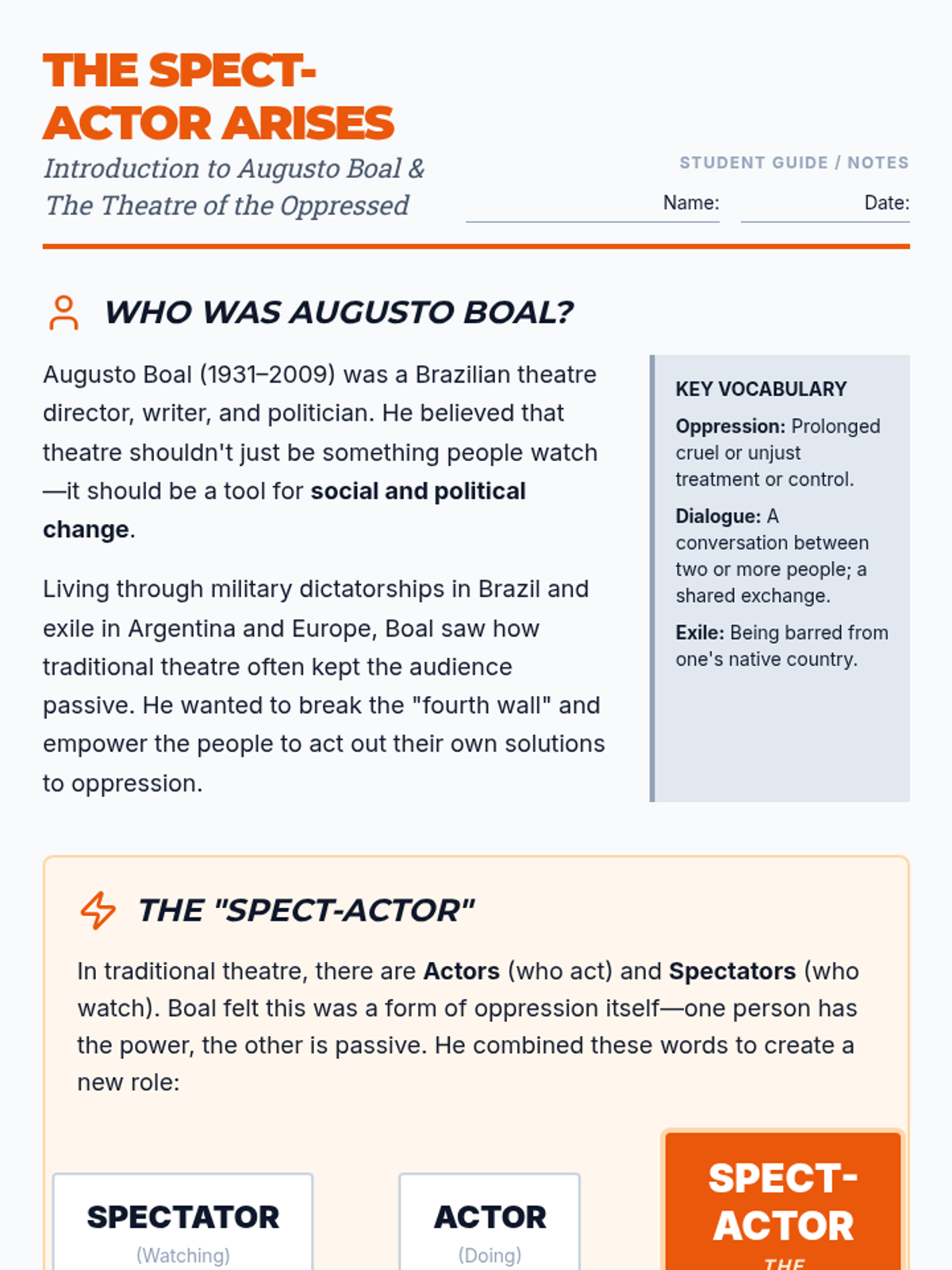
A multi-day unit exploring Augusto Boal's Theatre of the Oppressed, focusing on the transition from spectator to 'spect-actor' through Image and Forum Theatre to address contemporary social issues.
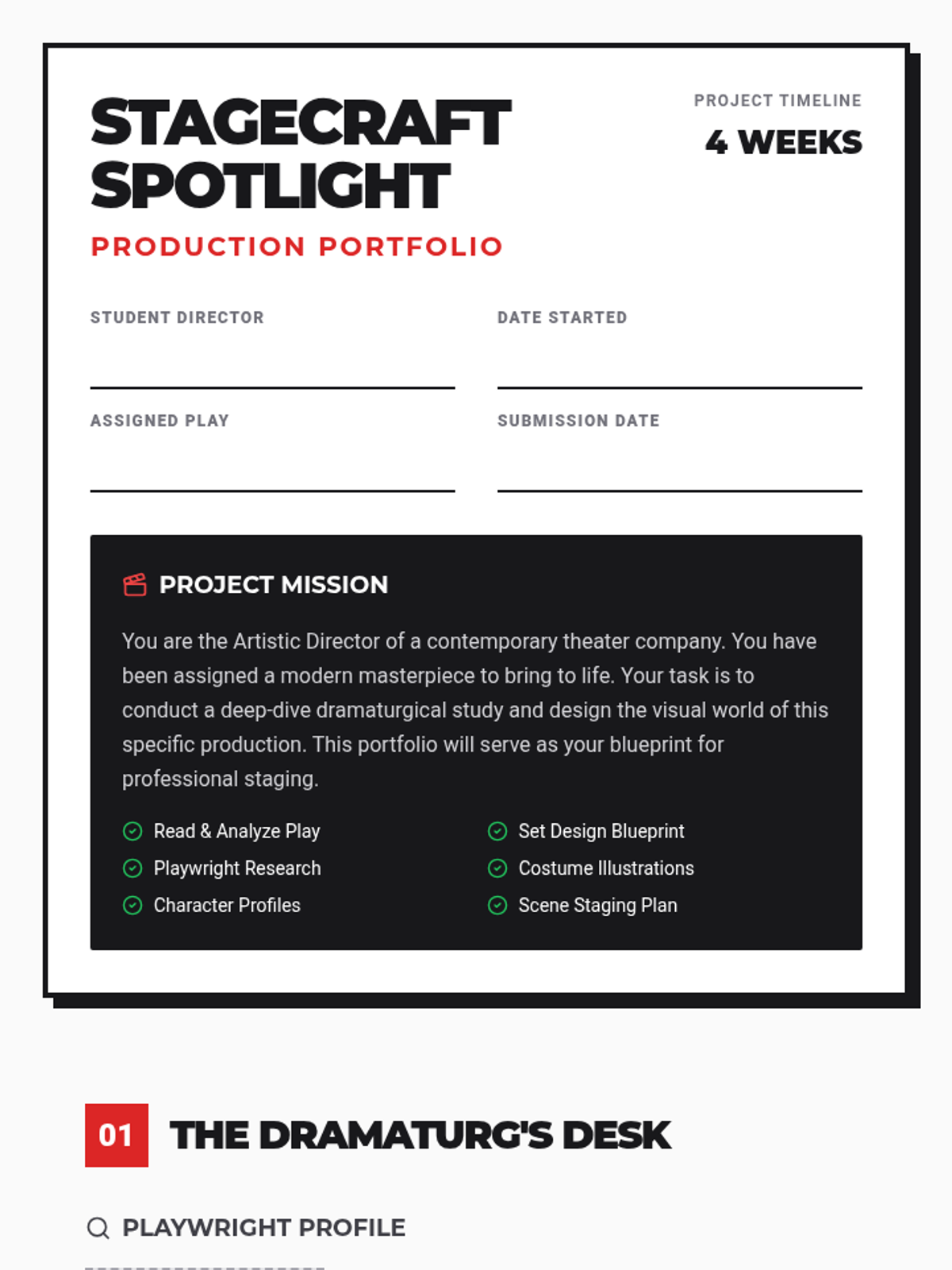
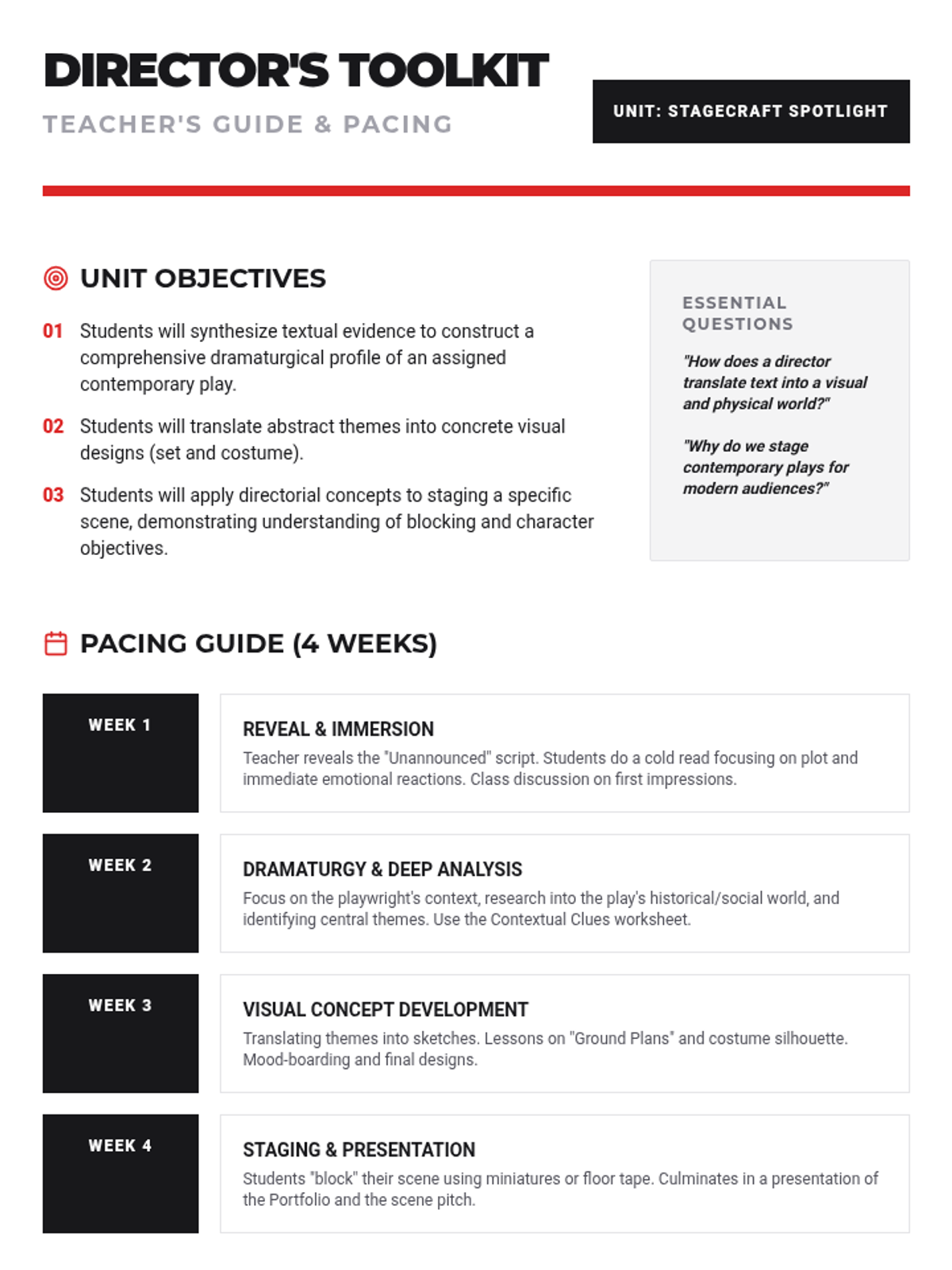
A comprehensive four-week unit and independent study guide for contemporary drama. Students analyze scripts, research playwrights, design technical elements, and stage scenes for a final production portfolio.
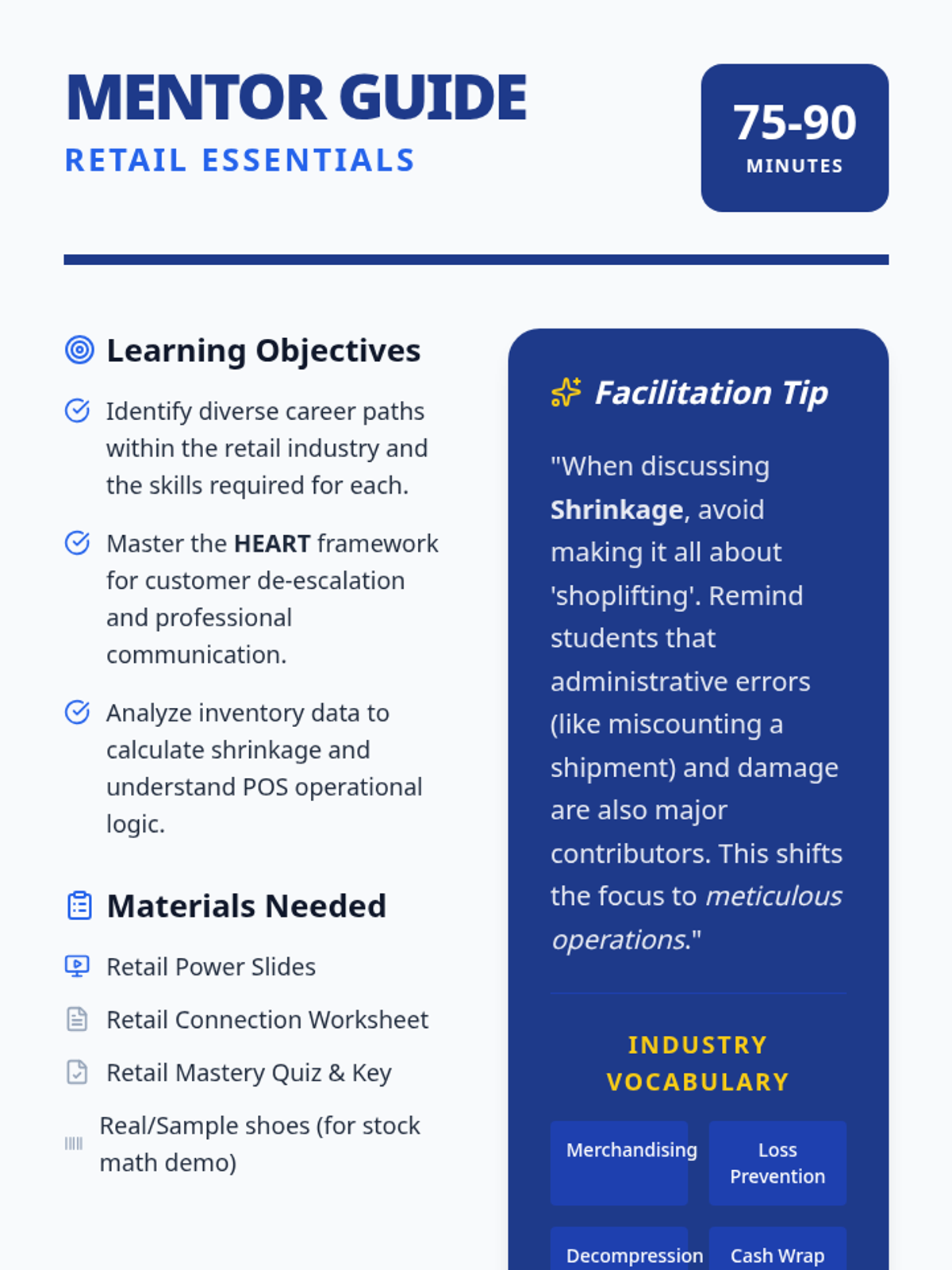
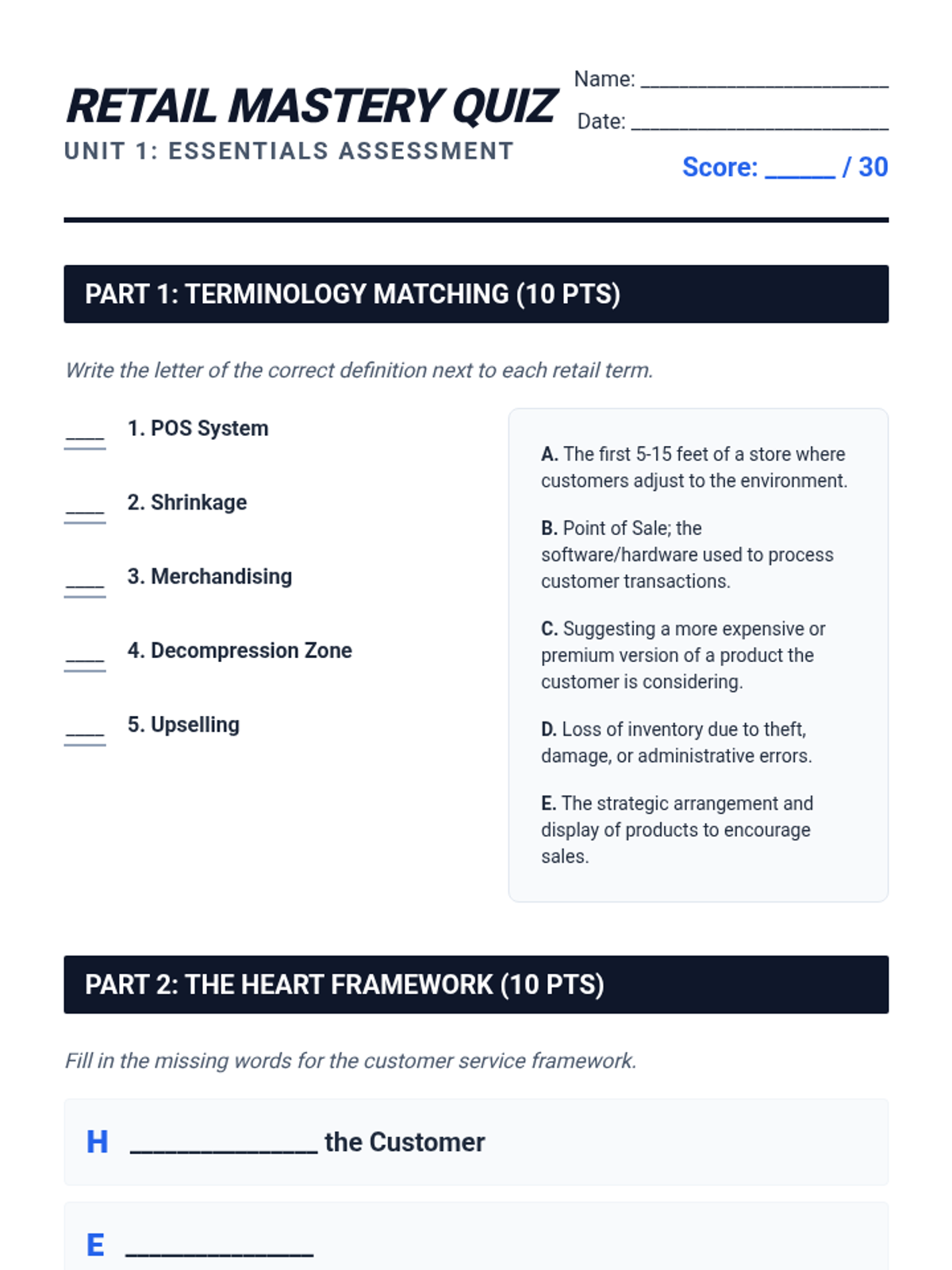
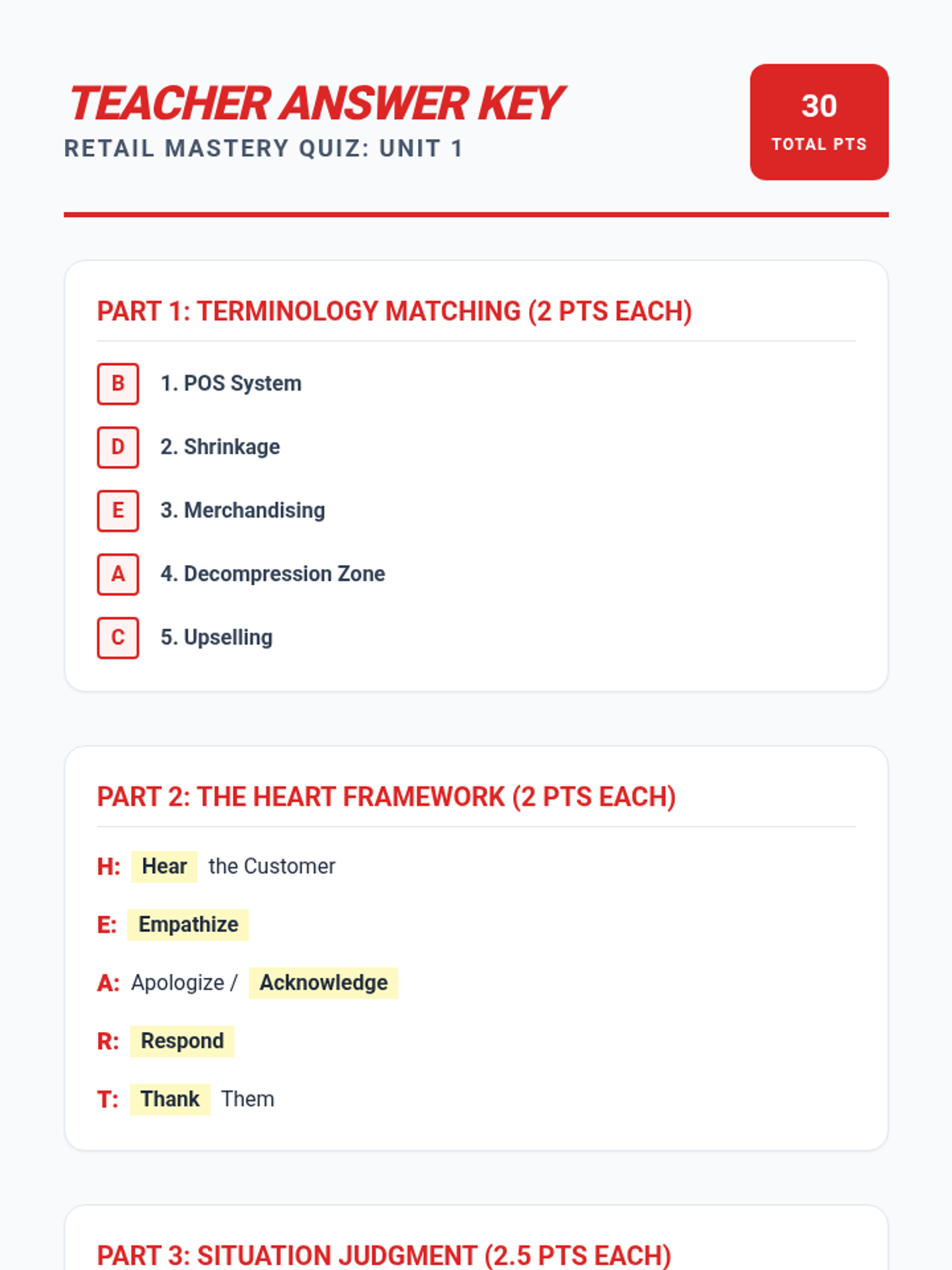
A hands-on career exploration unit focusing on the dynamic world of retail. Students will master customer service excellence, learn retail operations like inventory and POS systems, and design their own retail floor plan and brand strategy.
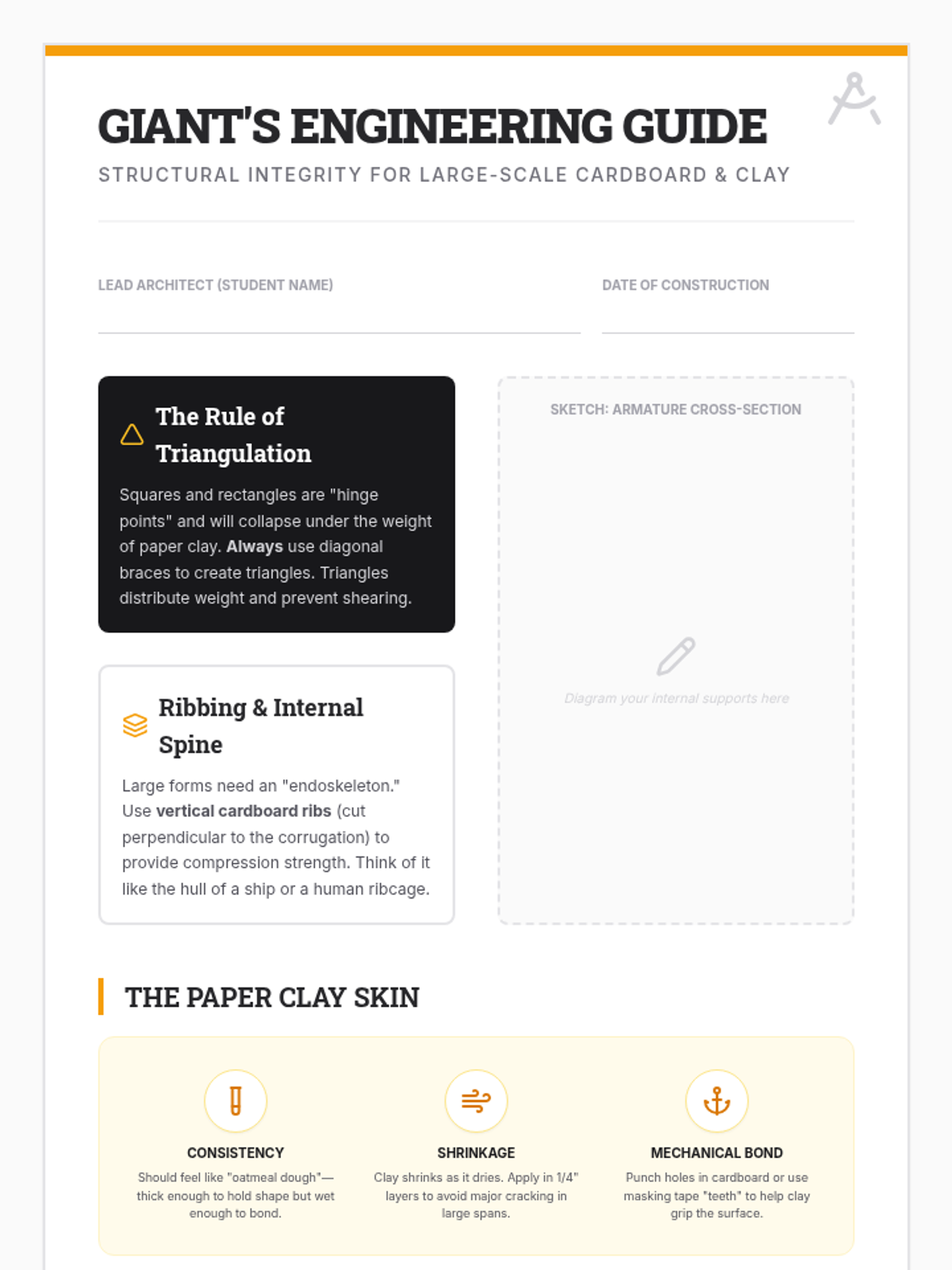
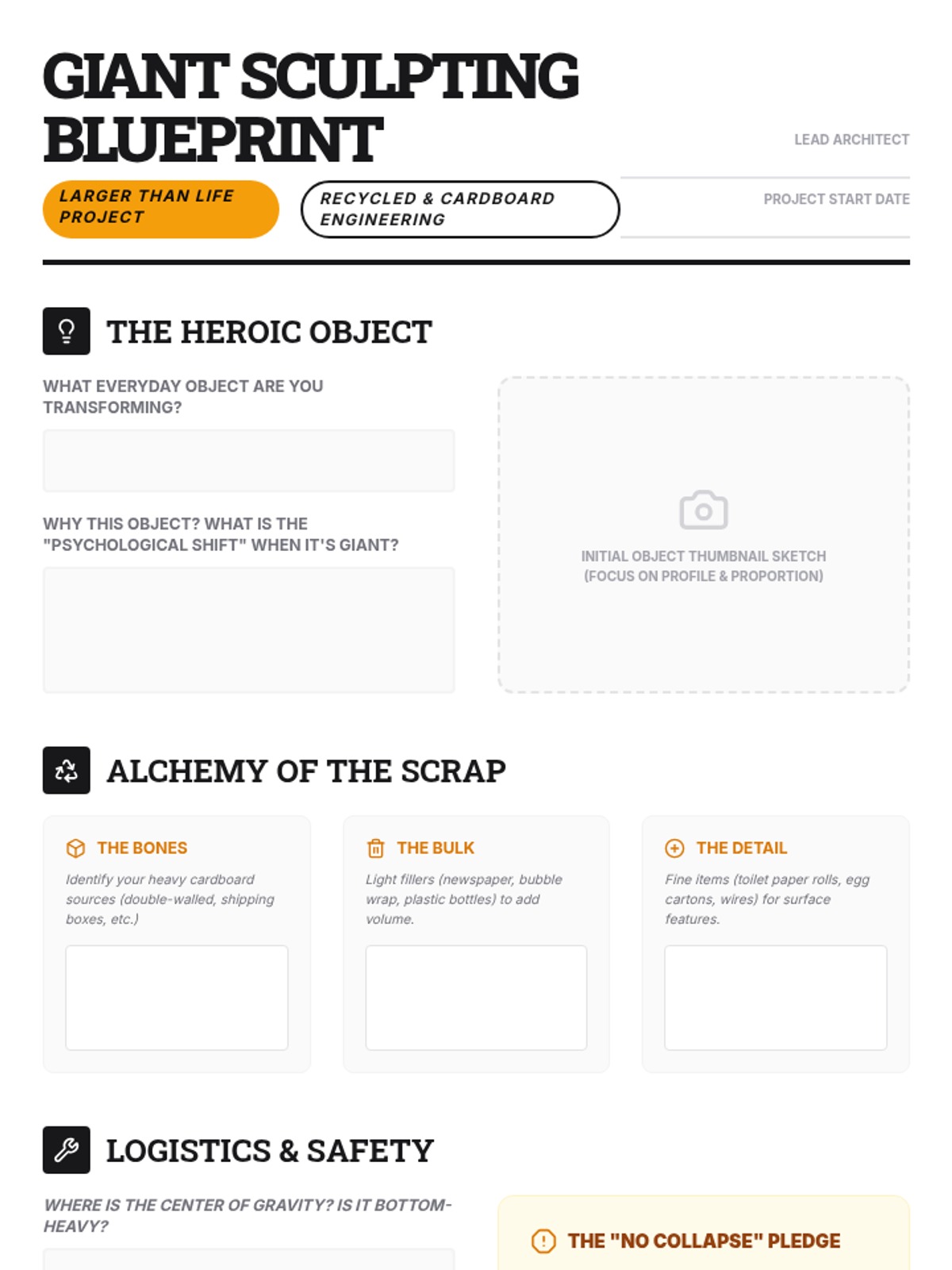
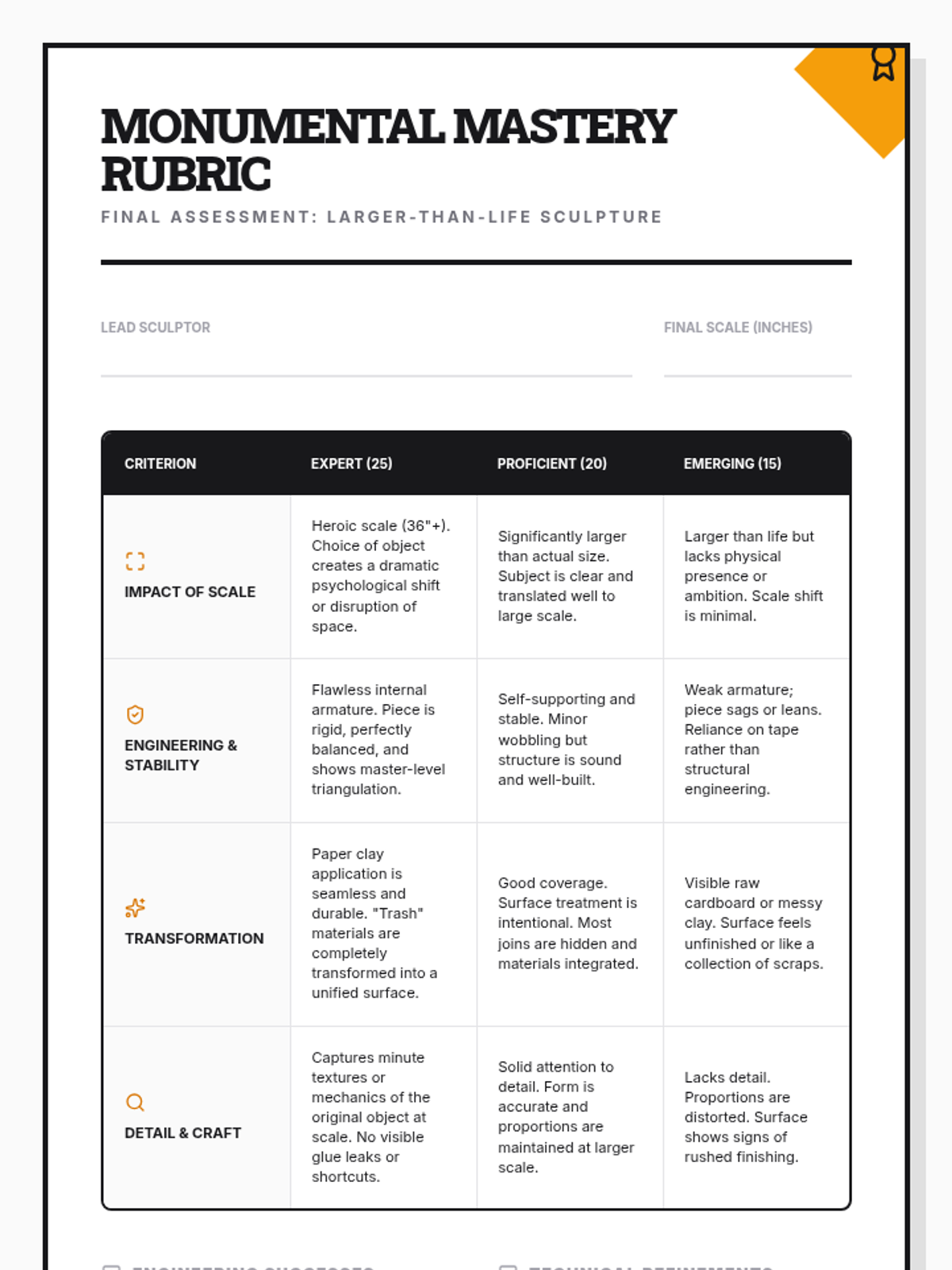
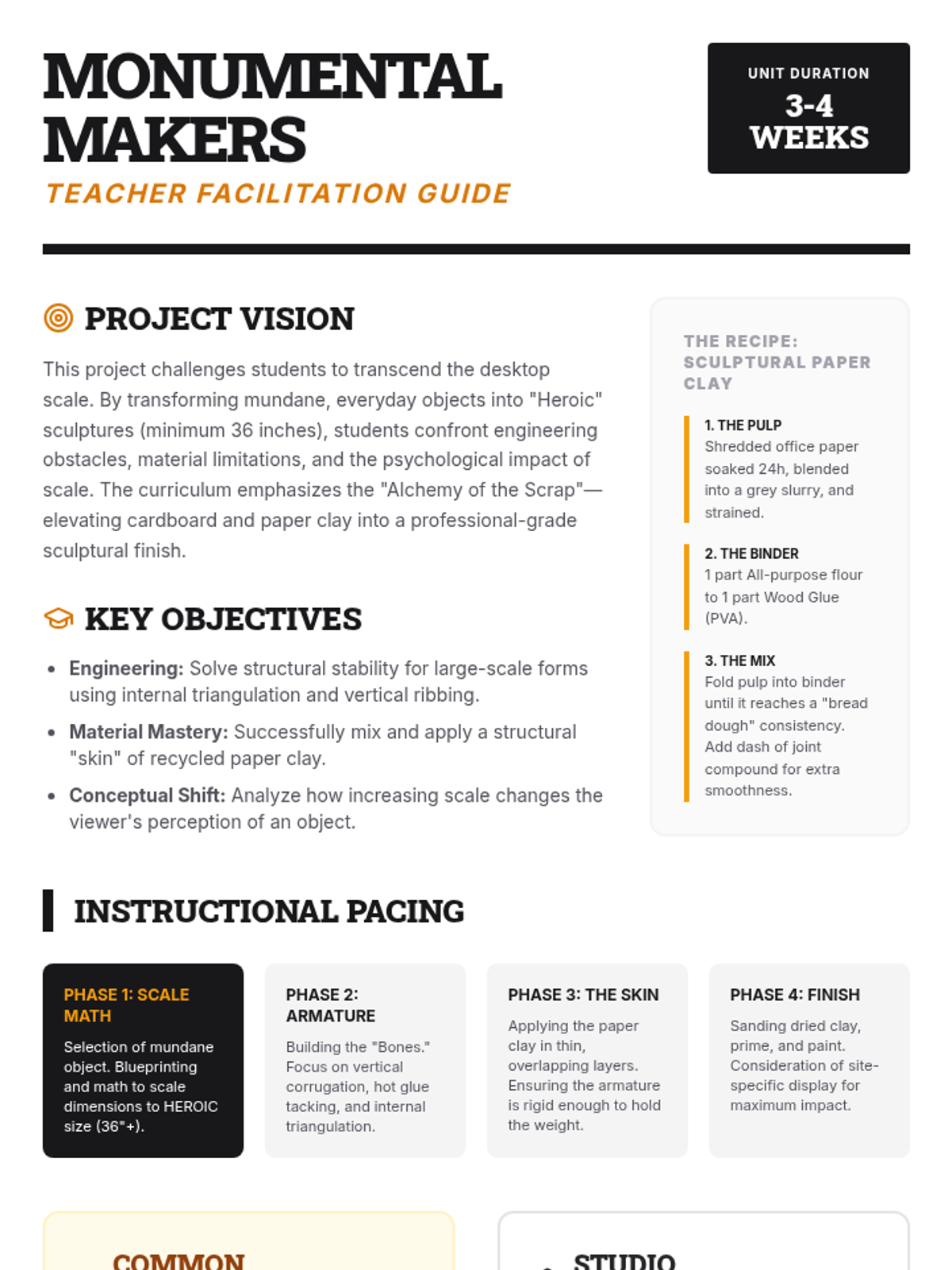
A comprehensive 3D art unit that guides students from transforming recycled materials to mastering monumental scale, combining fine arts history with engineering and technical skill.
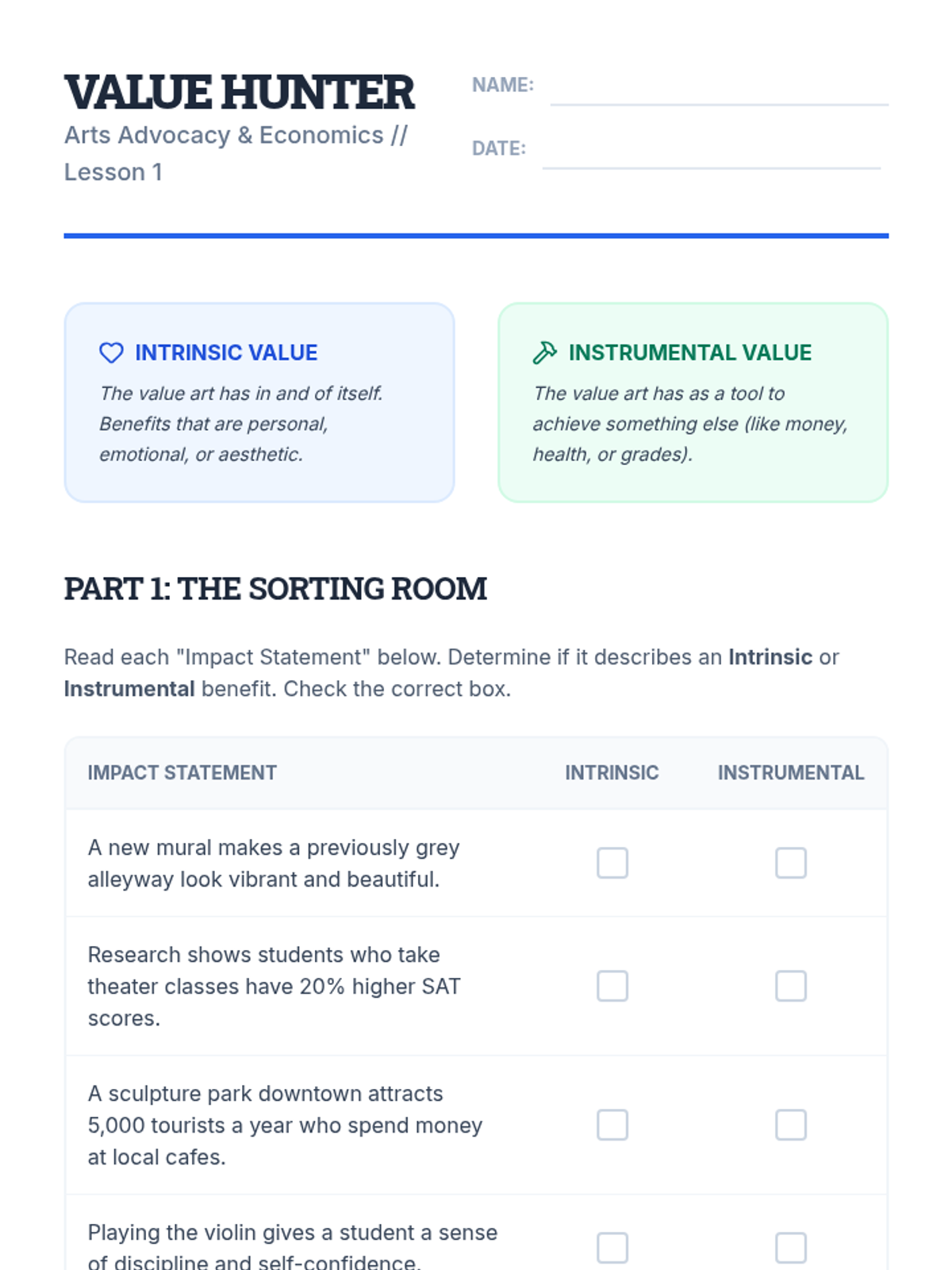
This sequence moves students beyond subjective appreciation of art to objective analysis of its economic and social value. Through inquiry and case studies, students investigate how arts districts revitalize neighborhoods, attract tourism, and improve academic outcomes.
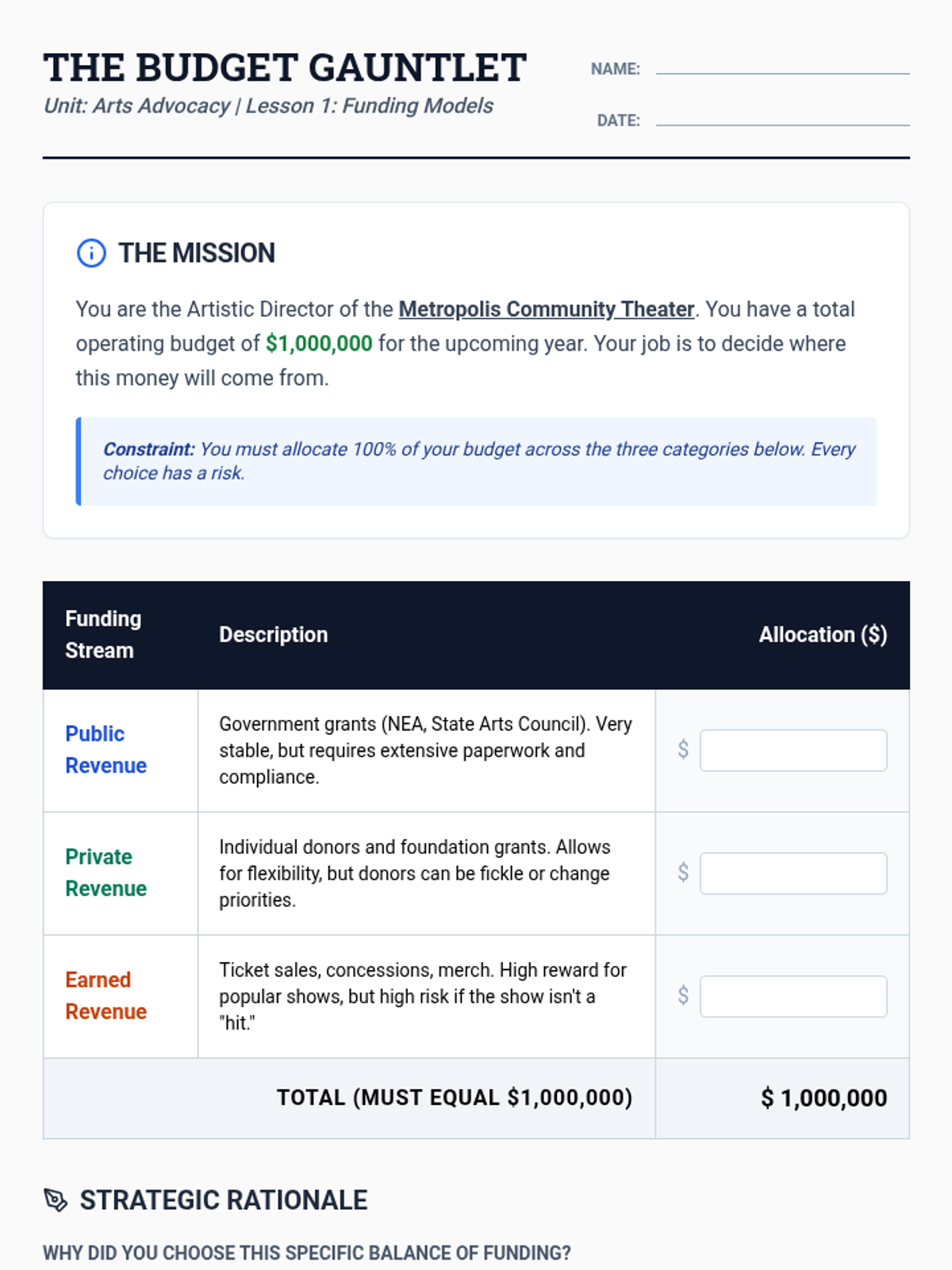
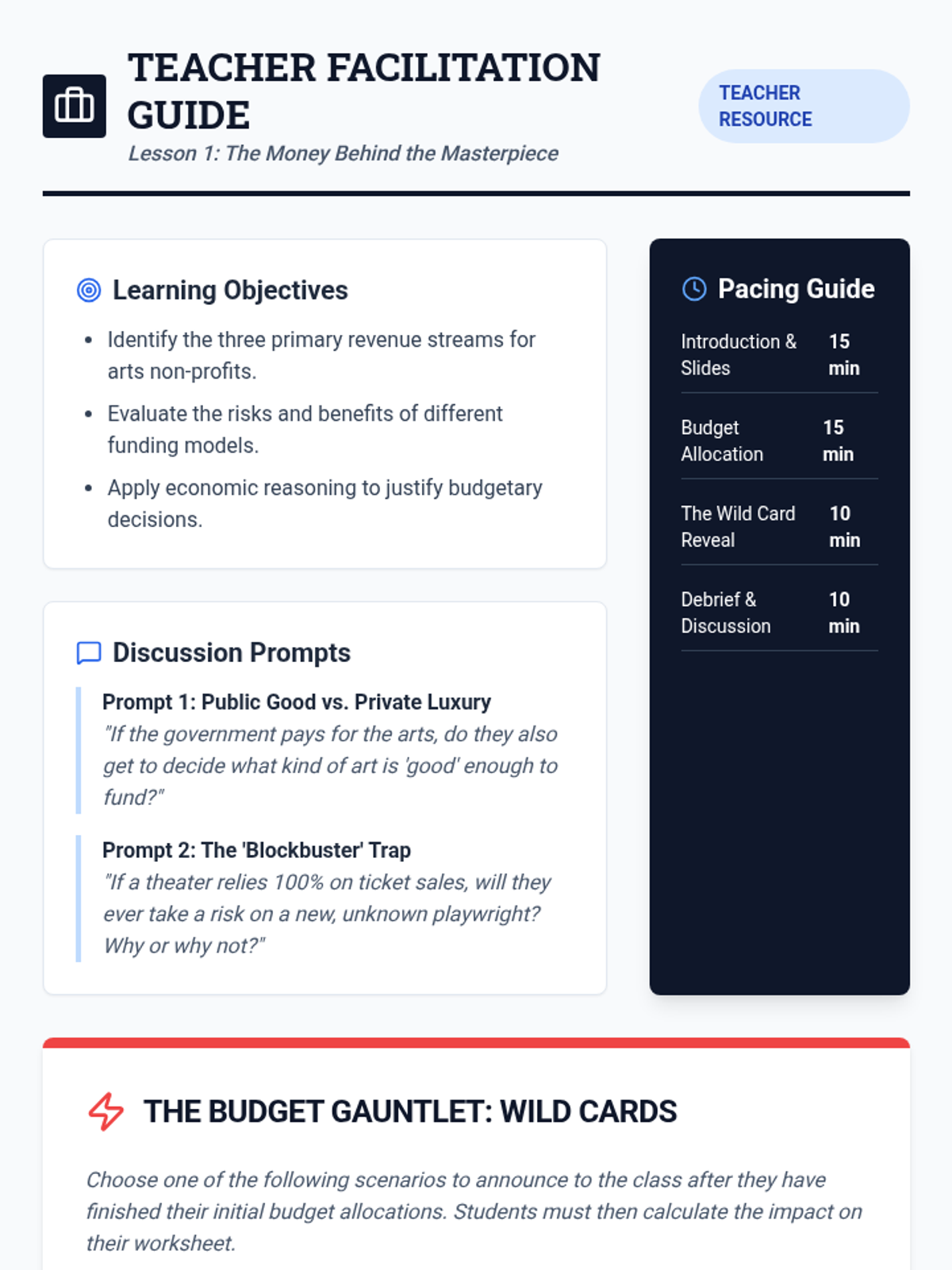
This 9th-grade sequence moves beyond art appreciation to explore the economic and policy frameworks of the arts sector. Students analyze funding models, historical controversies, grant writing, and urban policy, culminating in a mock legislative session on arts advocacy.
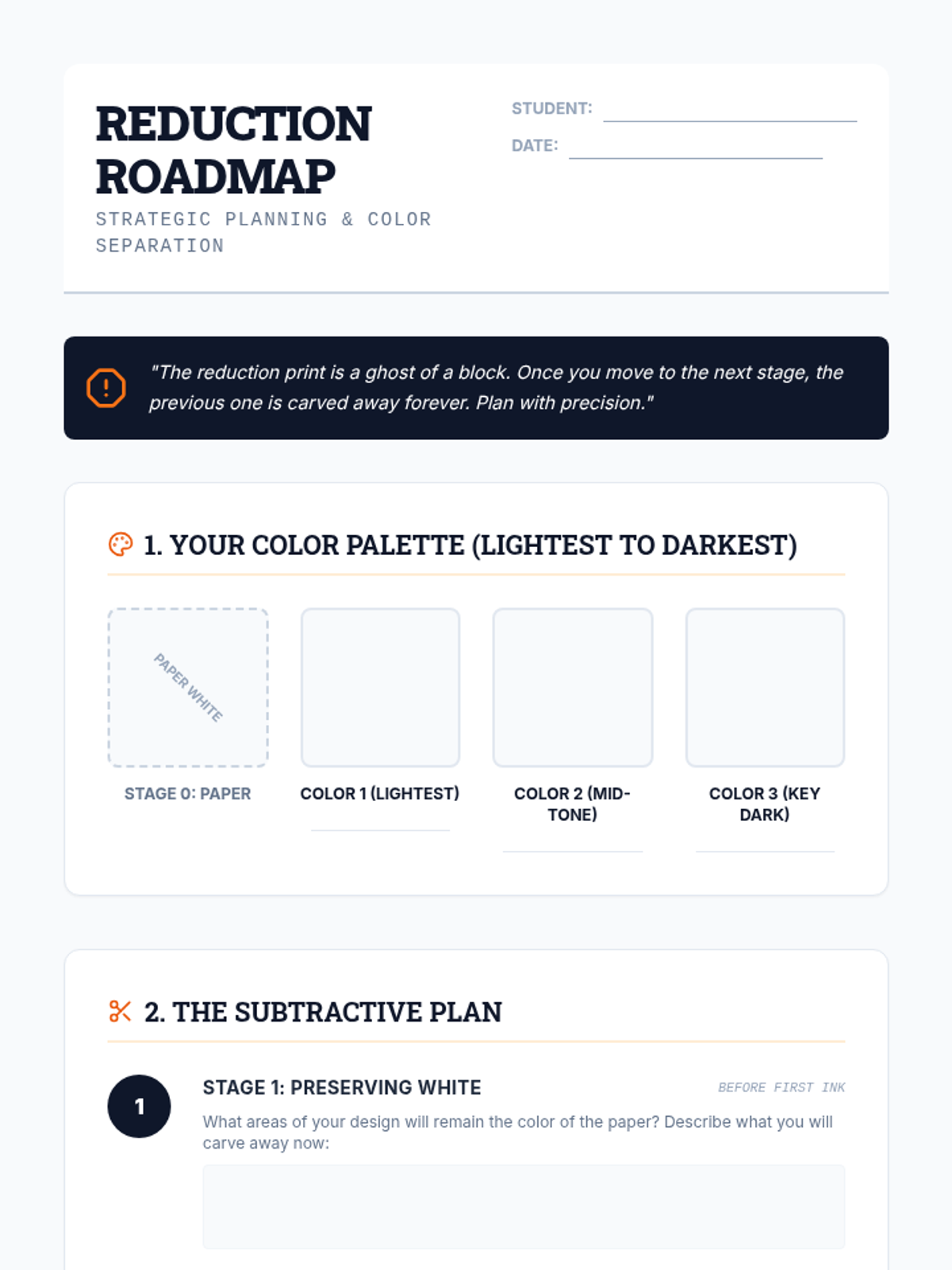
An advanced printmaking sequence focusing on the reduction lino-cut method. Students explore historical context, strategic planning, technical carving, and the precise mechanics of registration and editioning to create multi-colored prints from a single, evolving block.
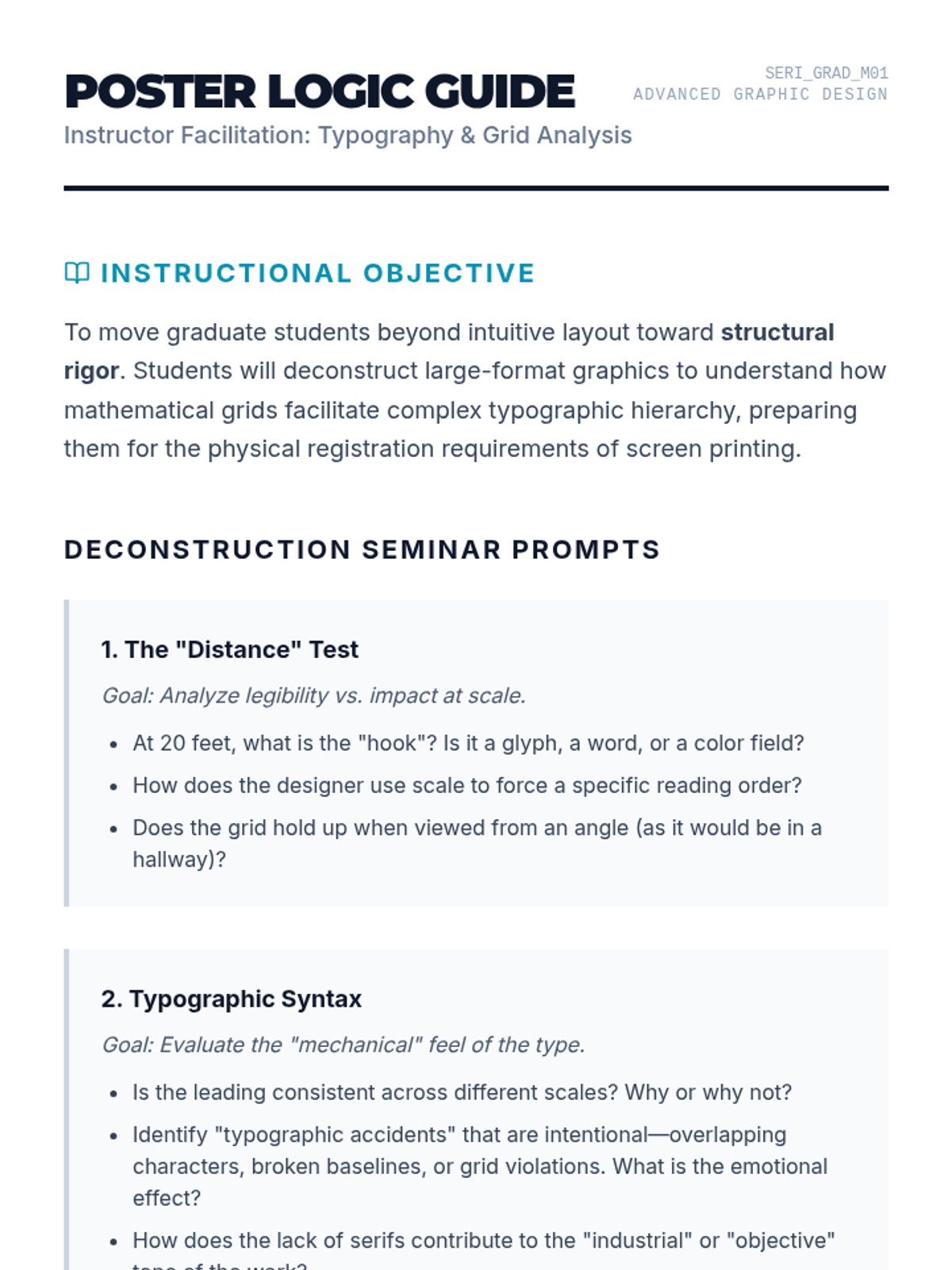
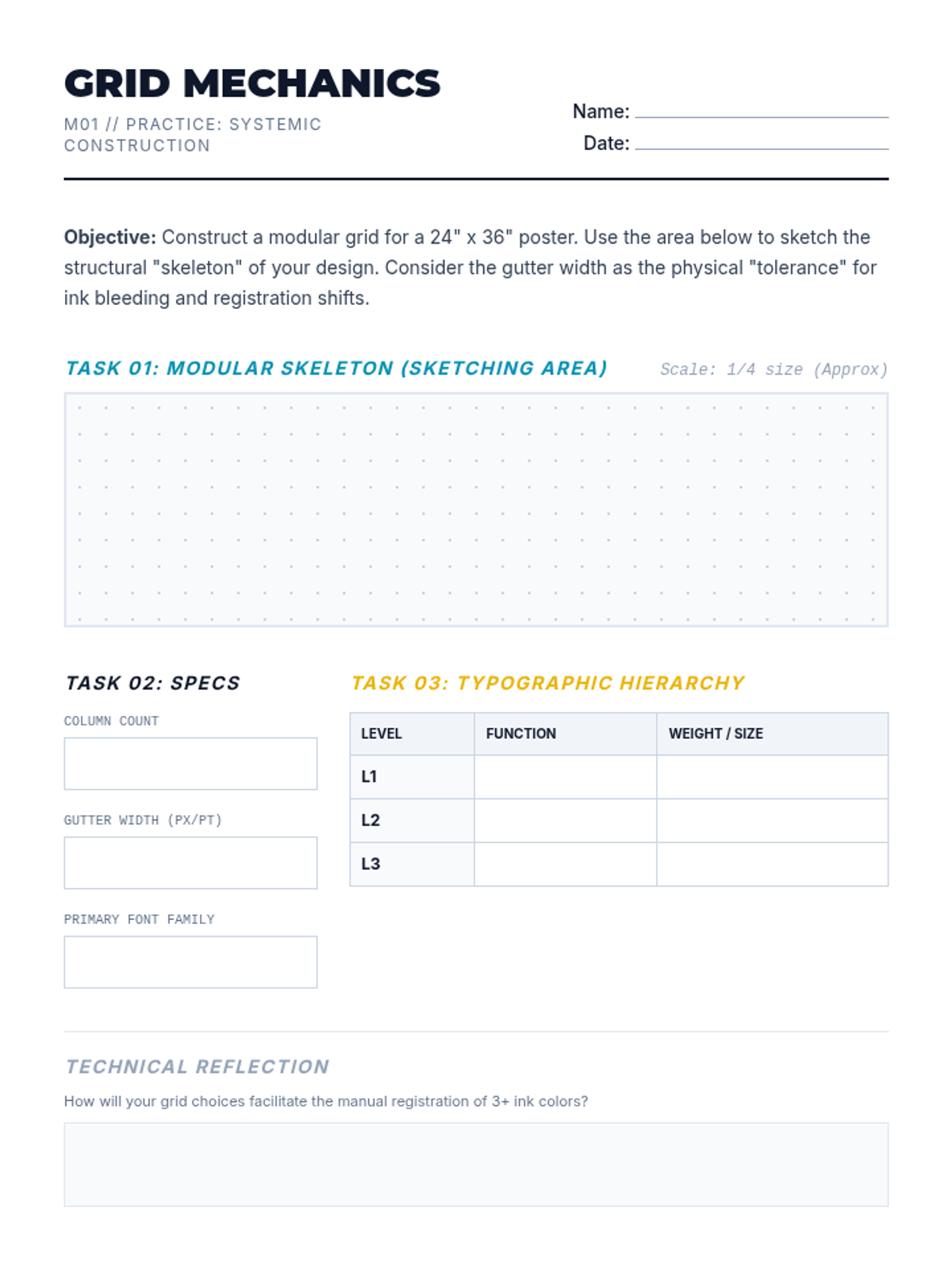
This advanced graduate-level sequence explores the intersection of typographic design and large-format screen printing. Students master complex grid systems, CMYK color separation, and high-precision technical execution to create impactful graphic narratives.
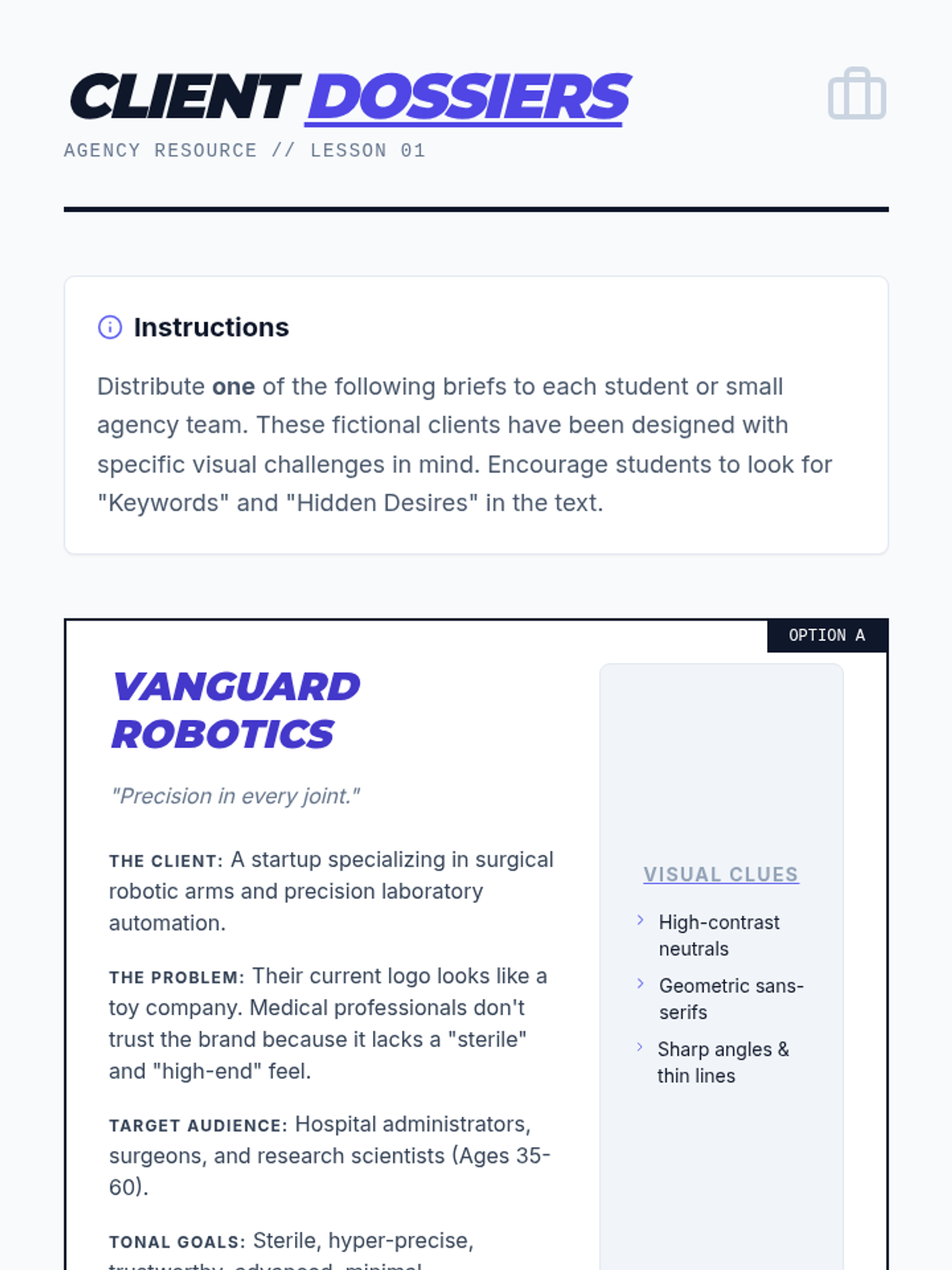
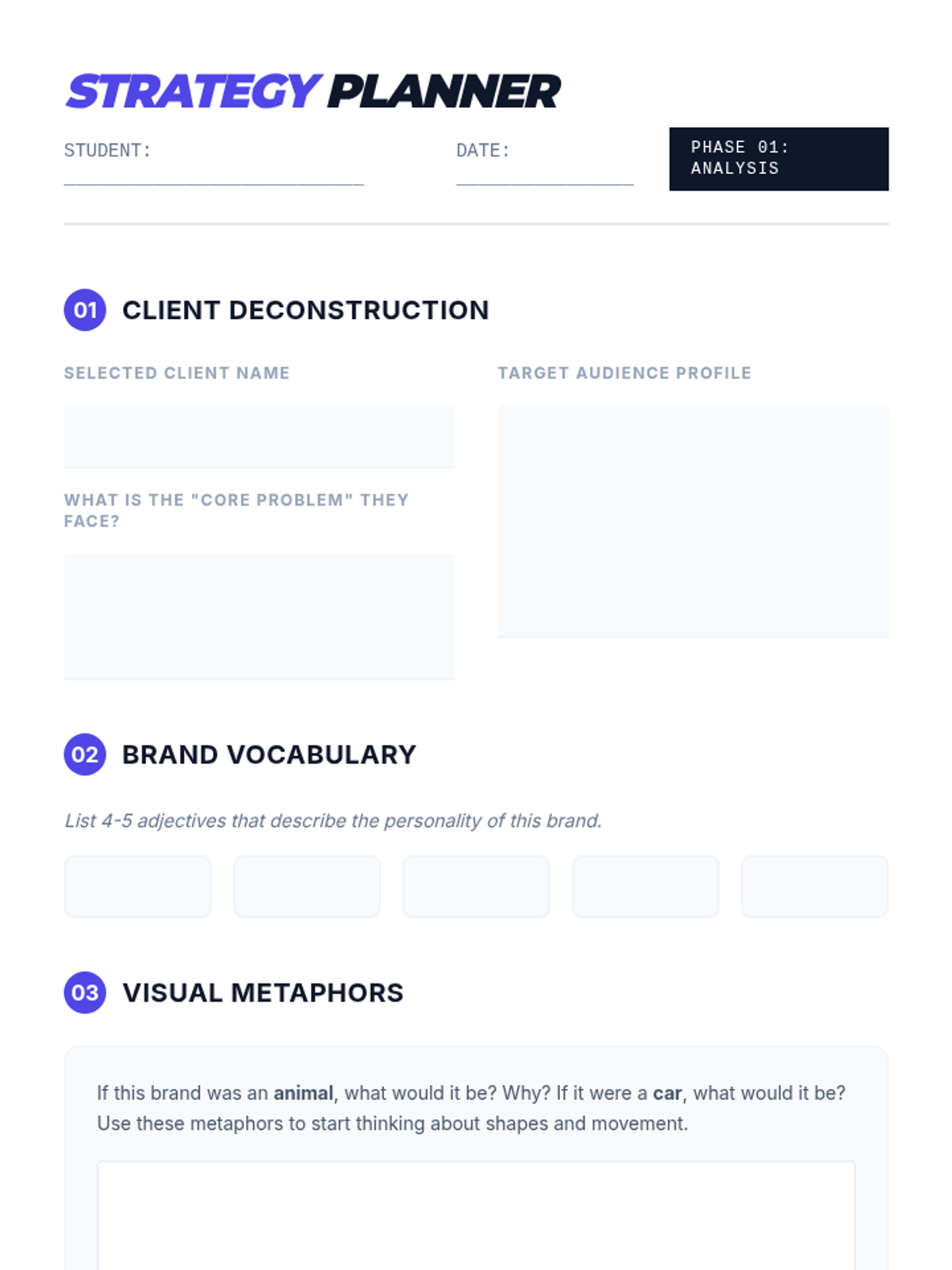
A comprehensive graphic design sequence where 11th-grade students simulate a professional branding agency environment, moving from strategic analysis to a full brand style guide.
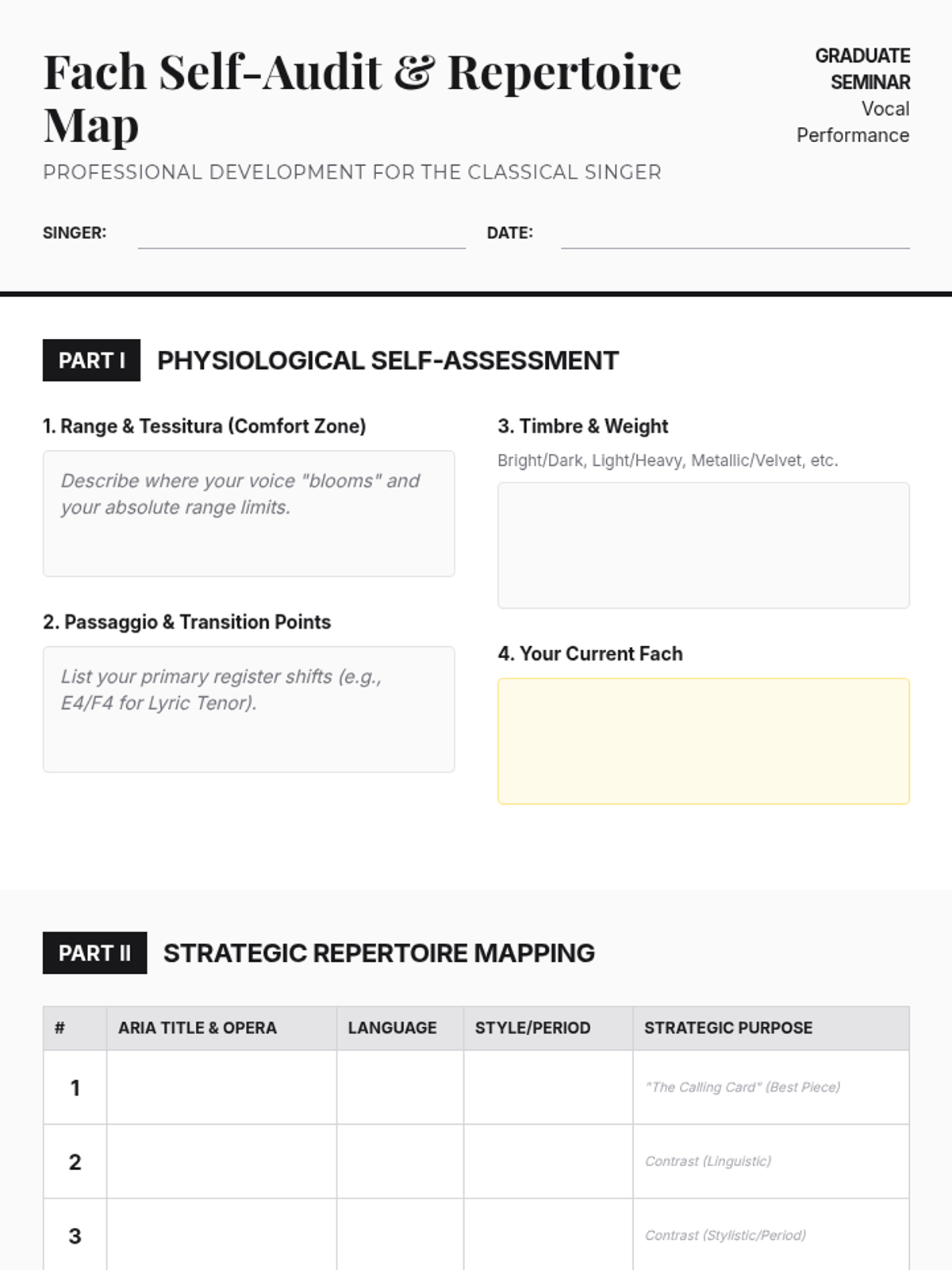
A comprehensive career-focused sequence for graduate-level singers, covering Fach analysis, audition repertoire, professional materials, performance psychology, and a final mock audition. This unit bridges the gap between conservatory training and the professional music industry.
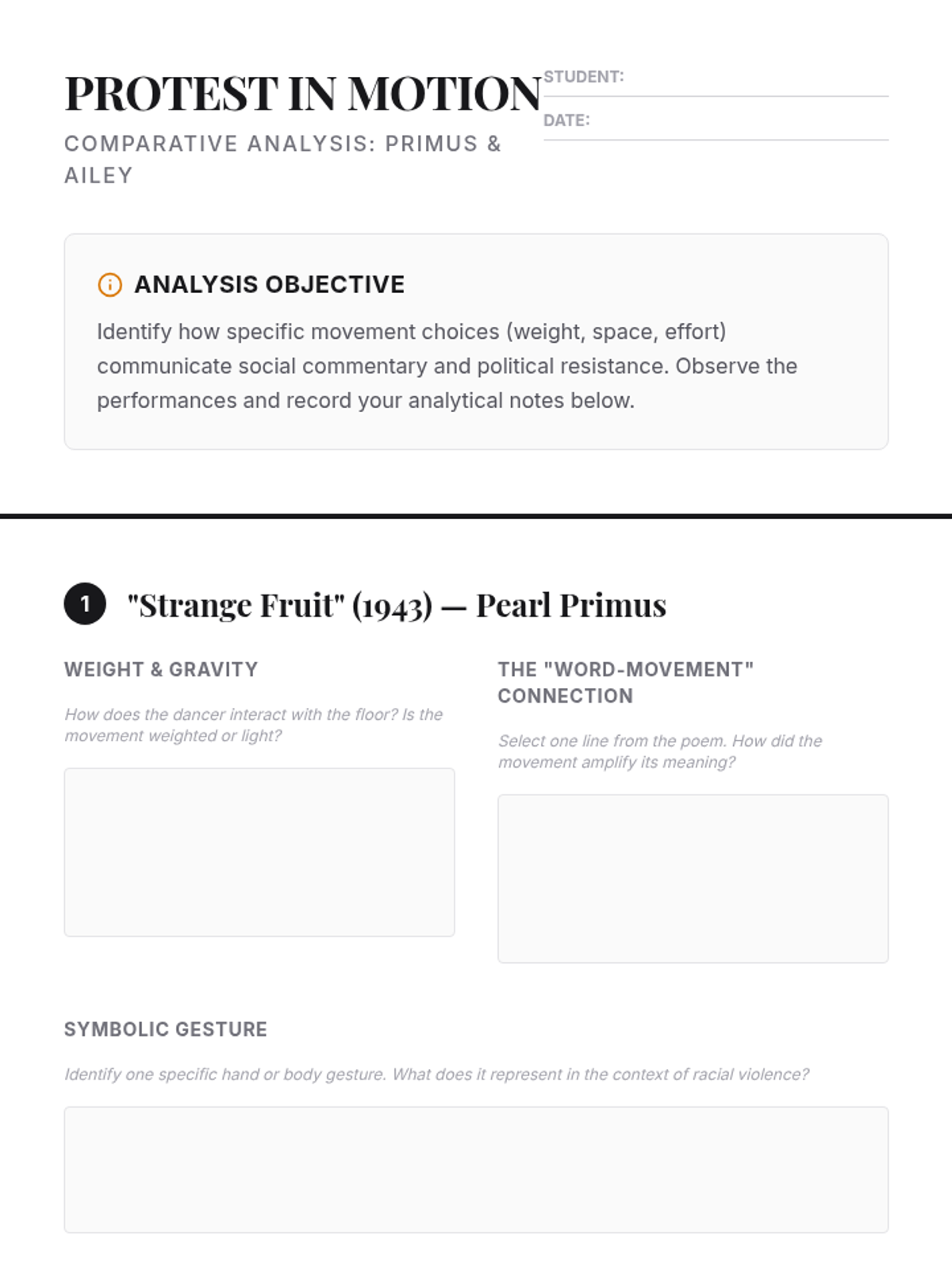
This sequence evaluates dance in the late 20th and 21st centuries as a vehicle for social justice, identity politics, and digital media interaction. Students explore historical protest dances, gender deconstruction in performance, the rise of screendance, and the impact of social media on choreography.
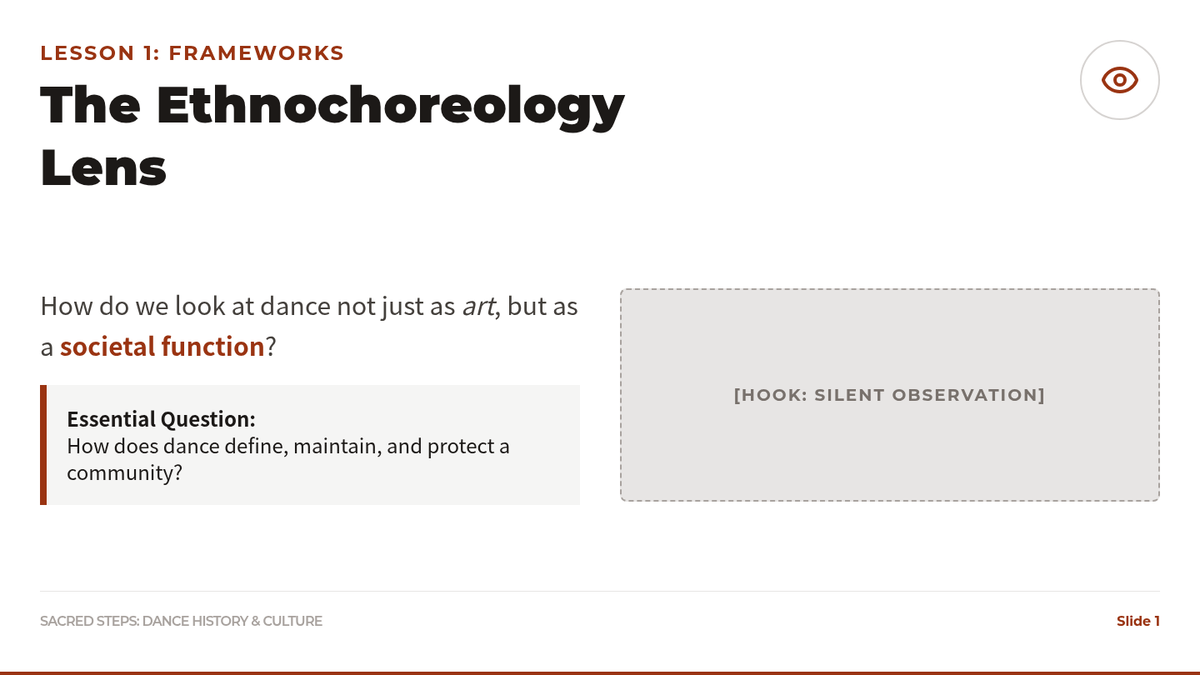
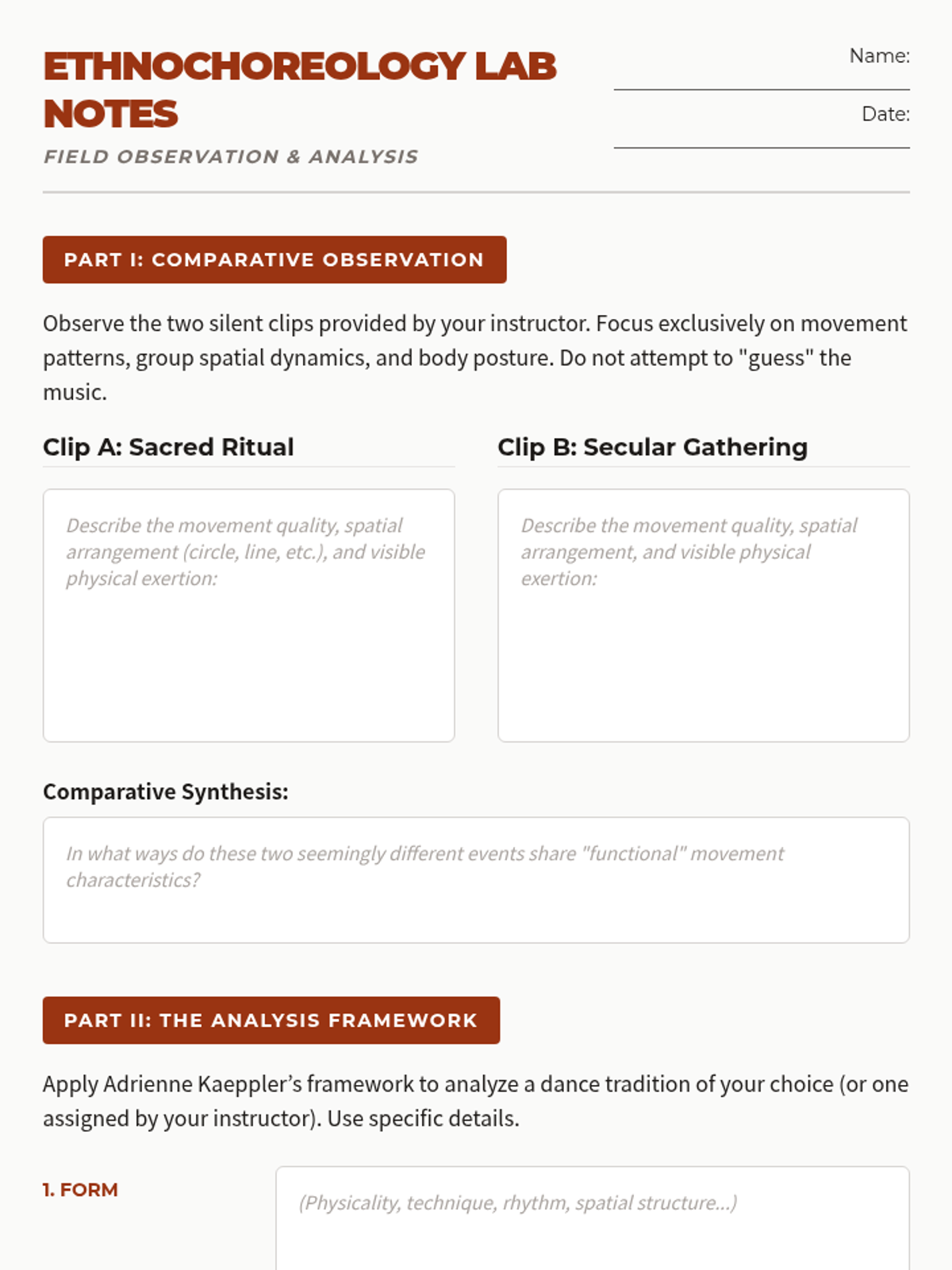
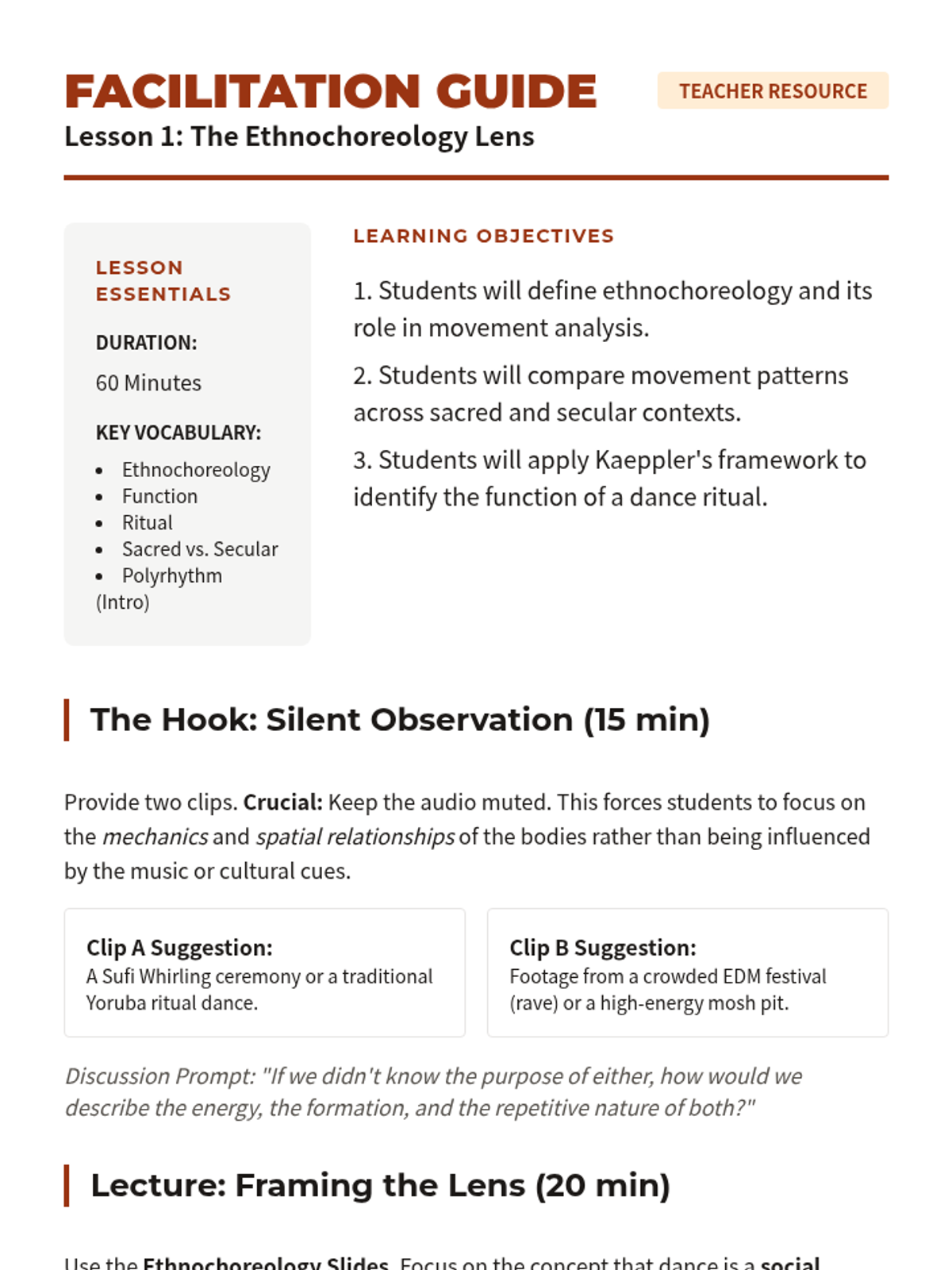
This 12th-grade sequence explores dance through an anthropological lens, analyzing the transition of movement from sacred ritual to secular performance. Students investigate global traditions, the impact of colonialism, and the ethics of cultural preservation in a globalized world.
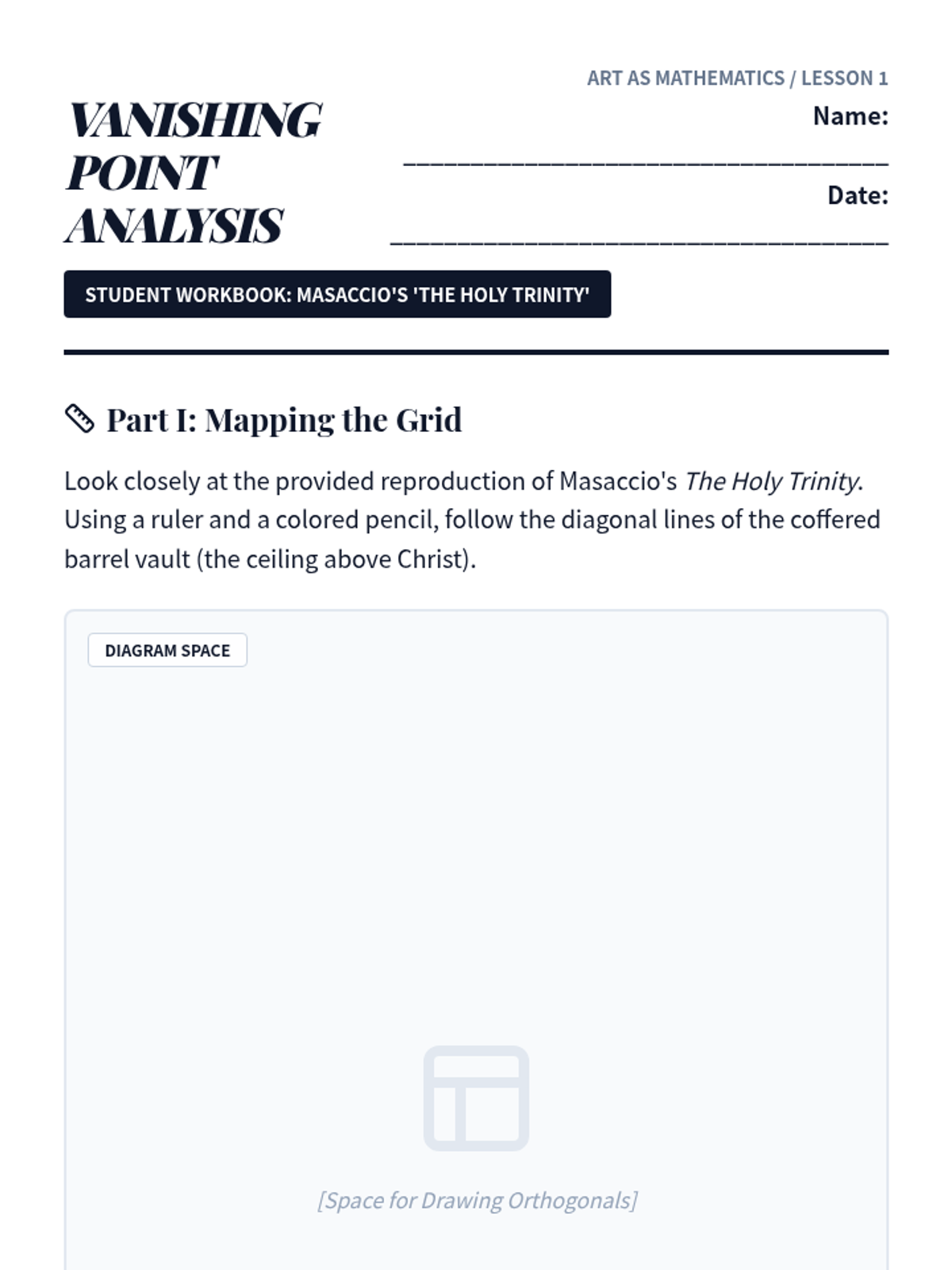
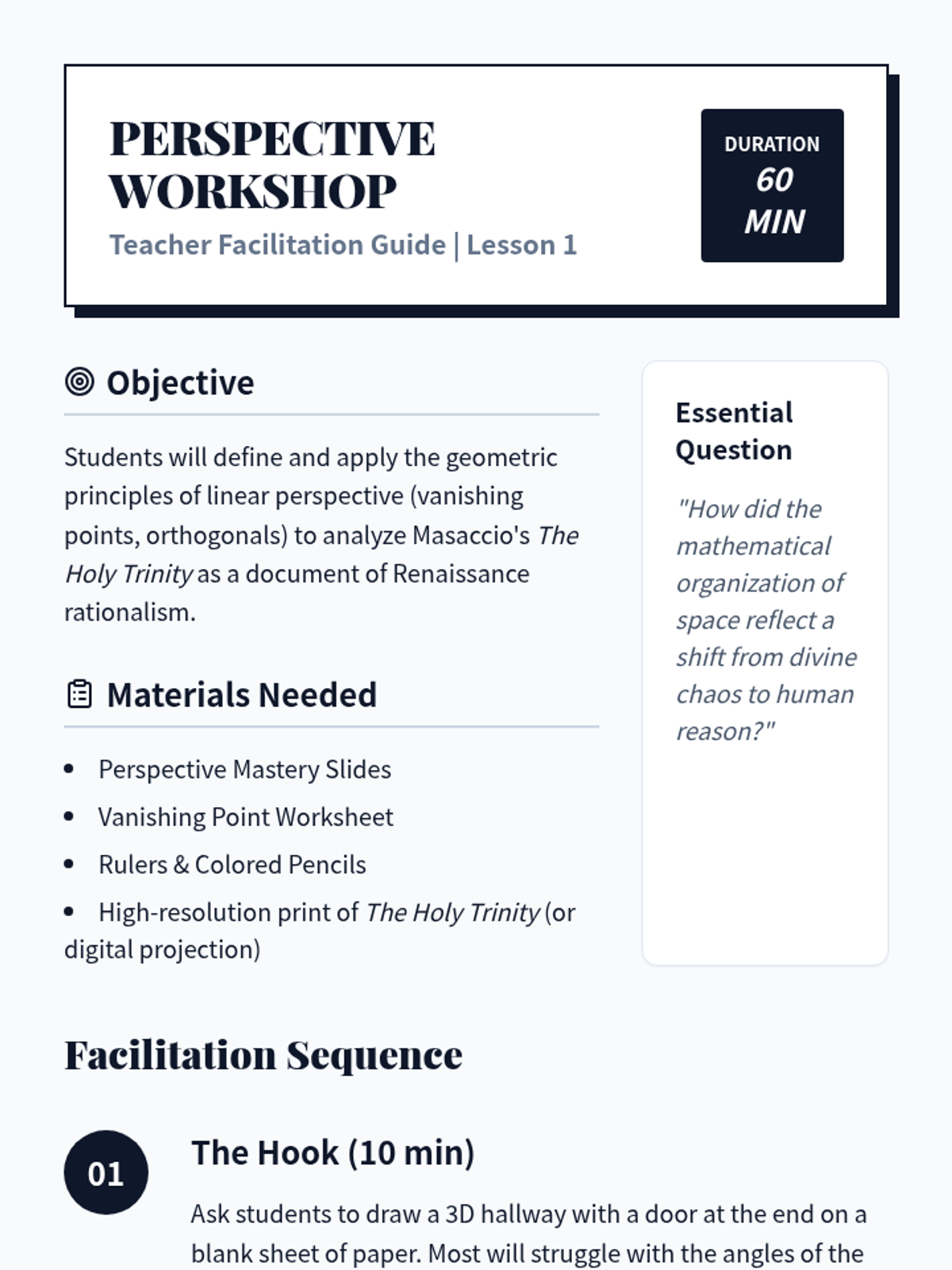
Students investigate how visual arts served as a vehicle for political power, religious messaging, and scientific observation during the Renaissance. This sequence moves beyond simple art appreciation to the analysis of 'visual rhetoric'—how perspective, anatomical realism, and classical allusions were used to convey meaning.
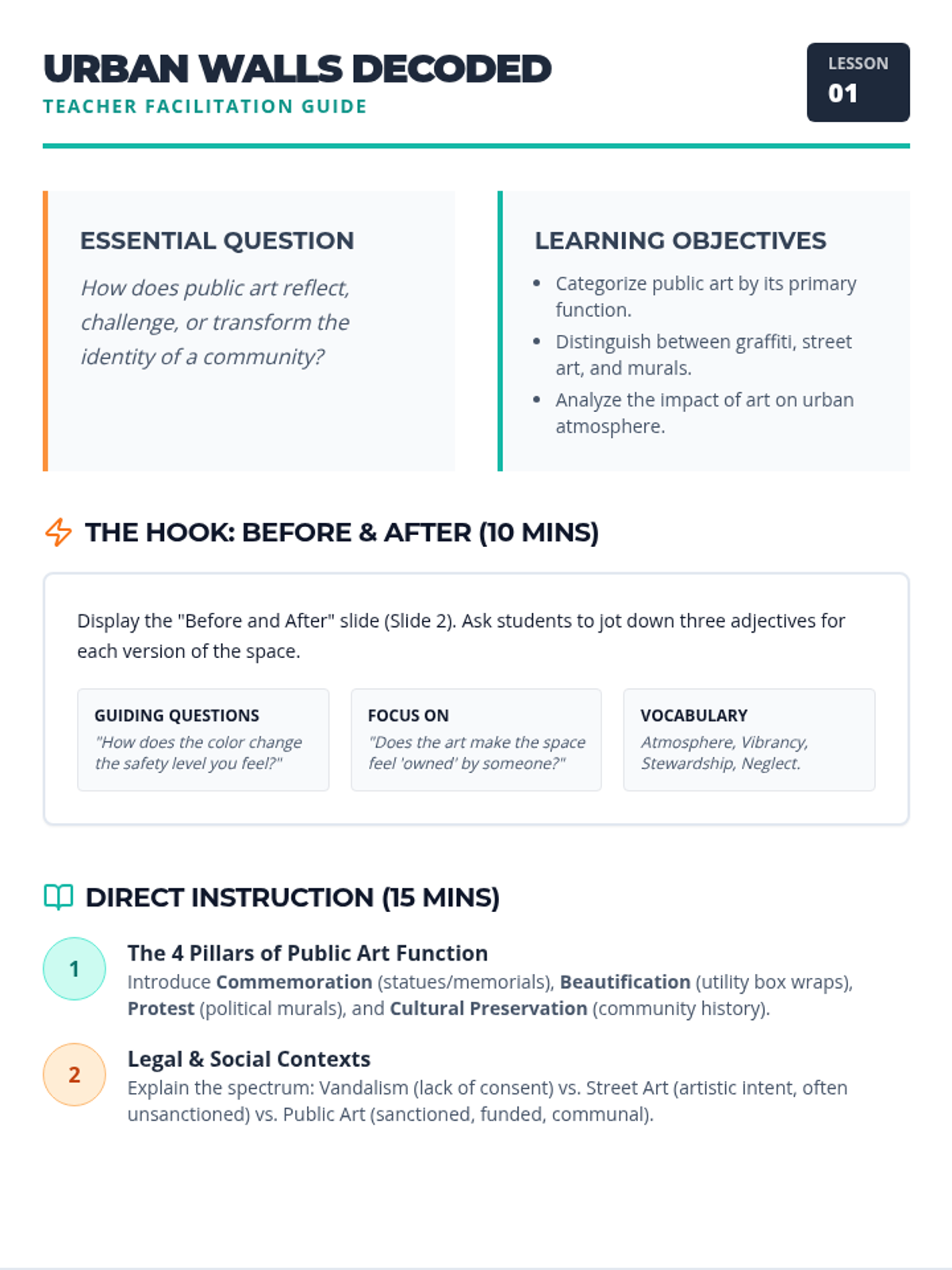
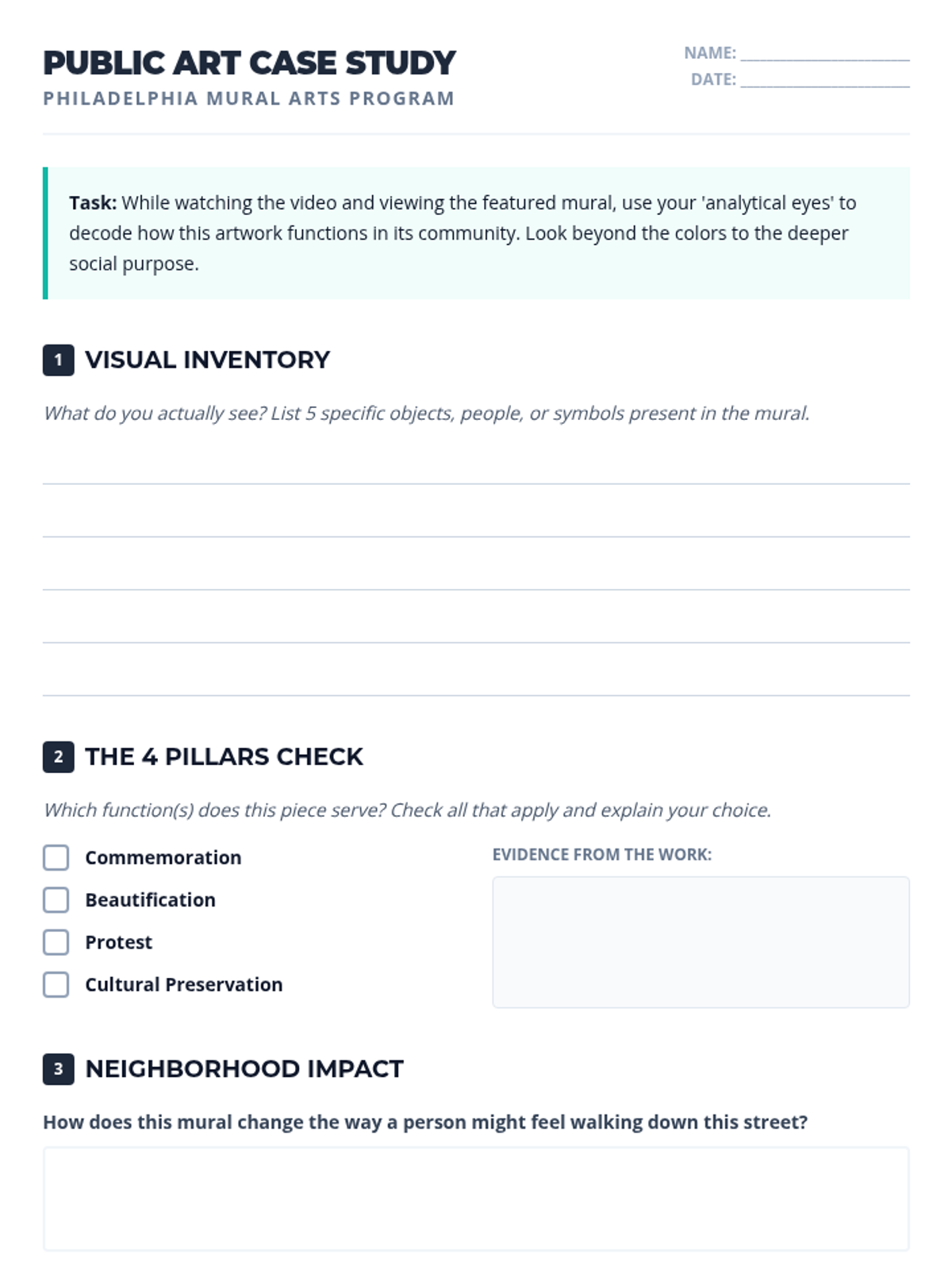
This sequence guides 8th-grade students through the world of public art, from analyzing its functions and cultural symbolism to designing their own scale mural proposals that address community social issues. Students will transition from art critics to civic-minded designers, learning how visual narratives can transform urban spaces.
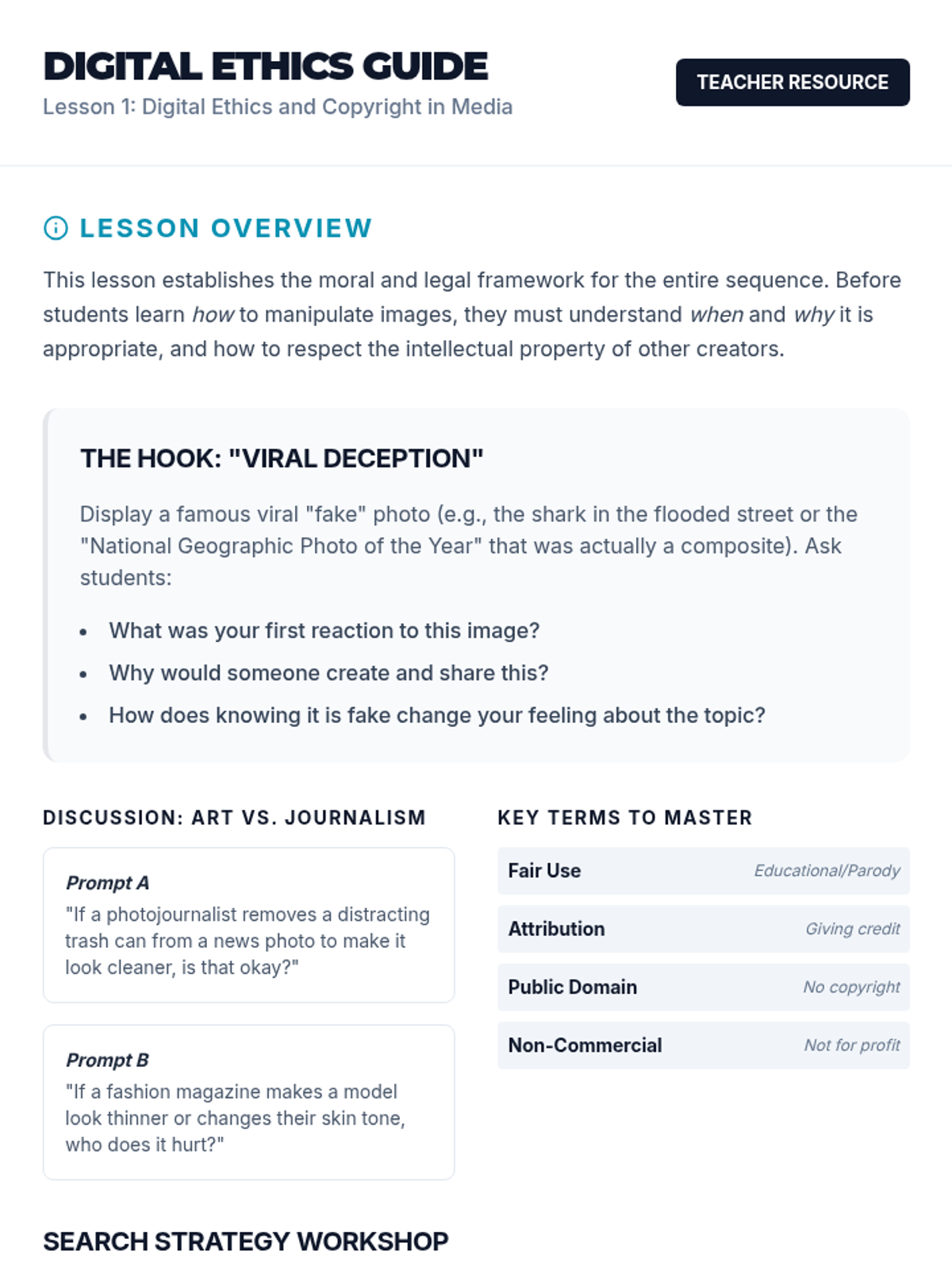
Students explore the ethical and creative possibilities of photo manipulation, learning professional workflows in raster editing to create a surrealist composite. The sequence covers digital citizenship, non-destructive editing, perspective matching, and color grading.