Fundamental notation, instrumental proficiency, and vocal techniques across various genres. Connects historical analysis with original composition and creative performance skills.
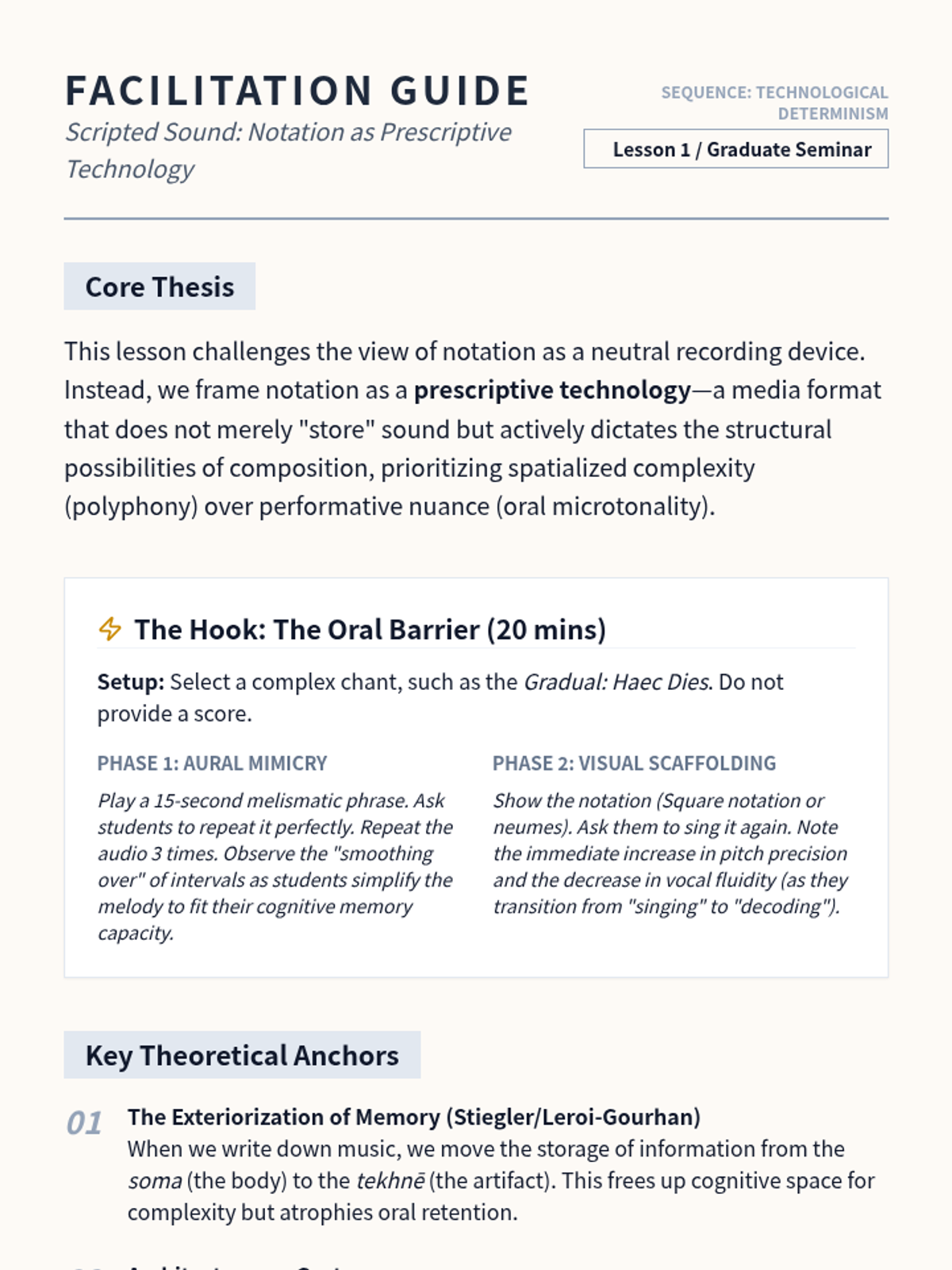
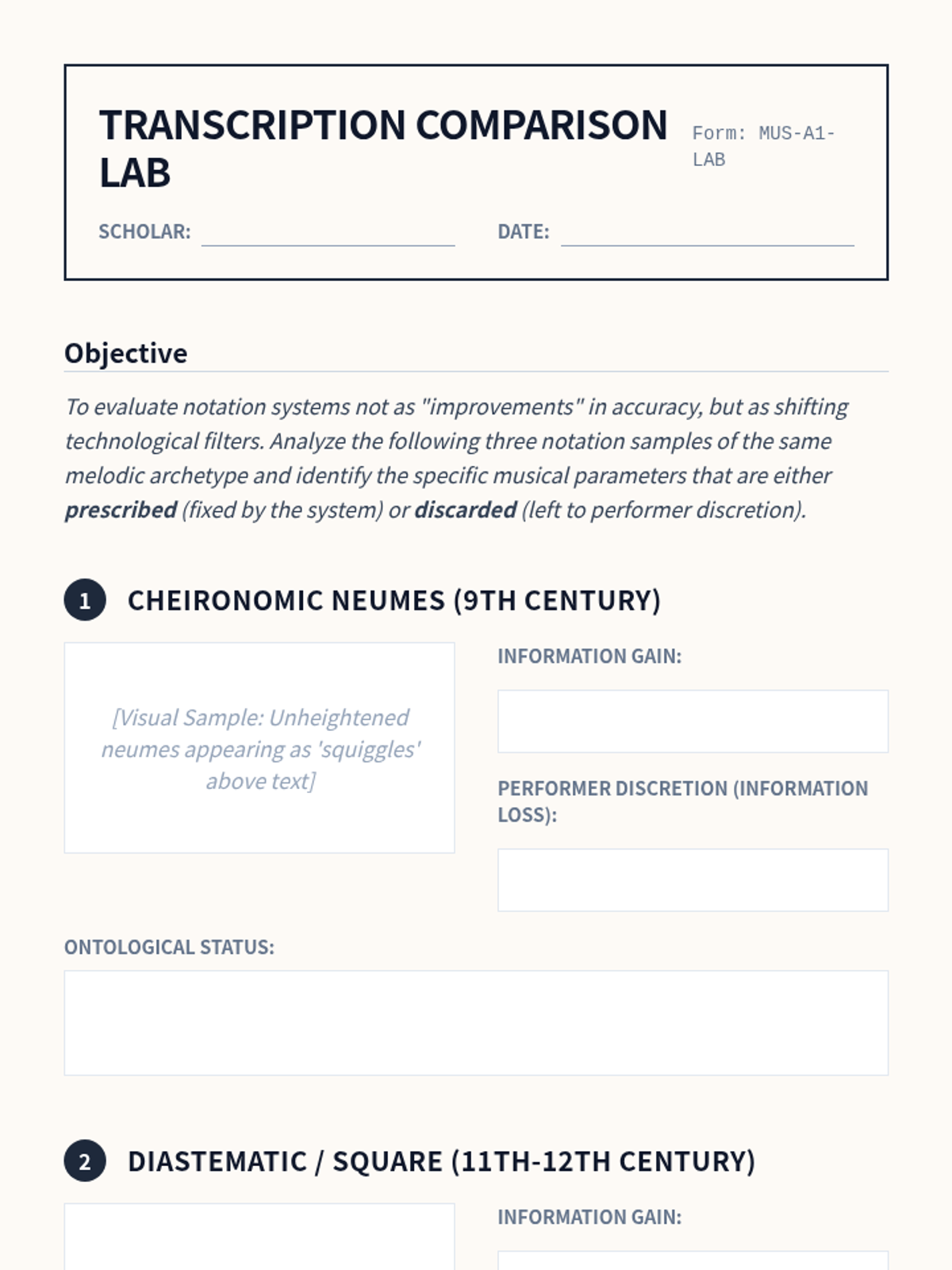
A graduate-level exploration of how technological advancement (from notation to algorithms) acts as a primary driver of musical aesthetics and evolution. Students analyze the reciprocal relationship between material culture and musical expression using media theory and organology.
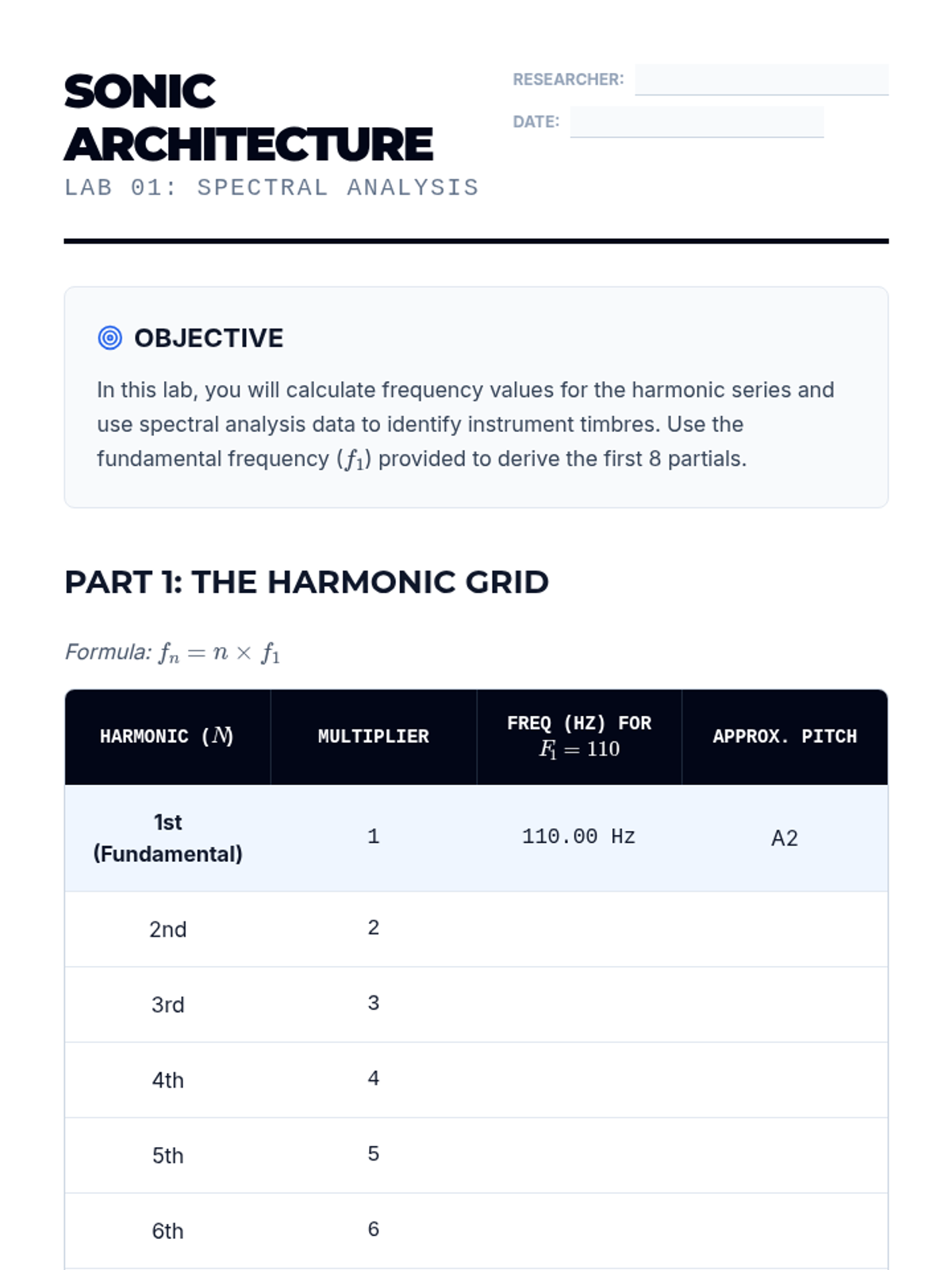
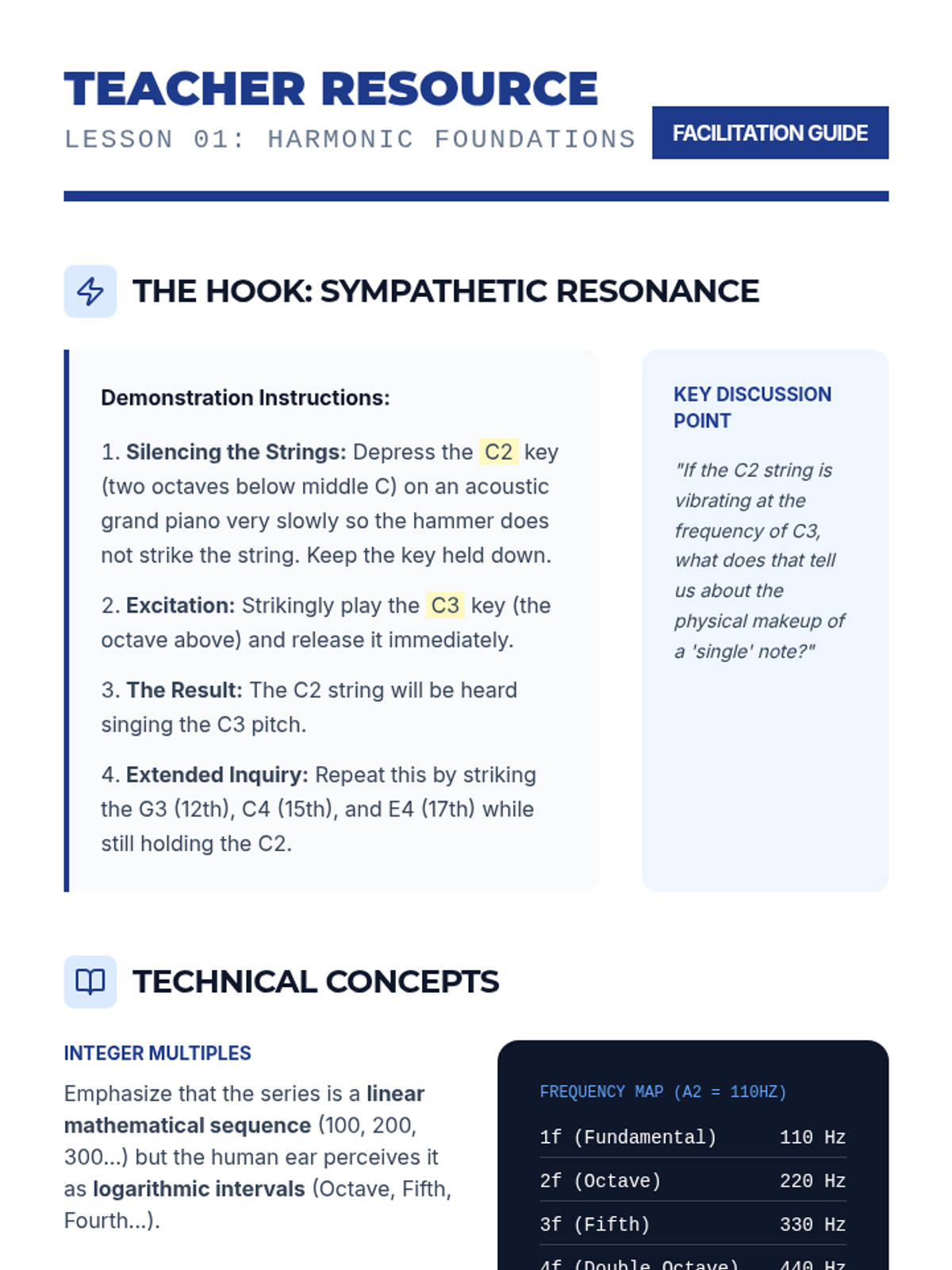
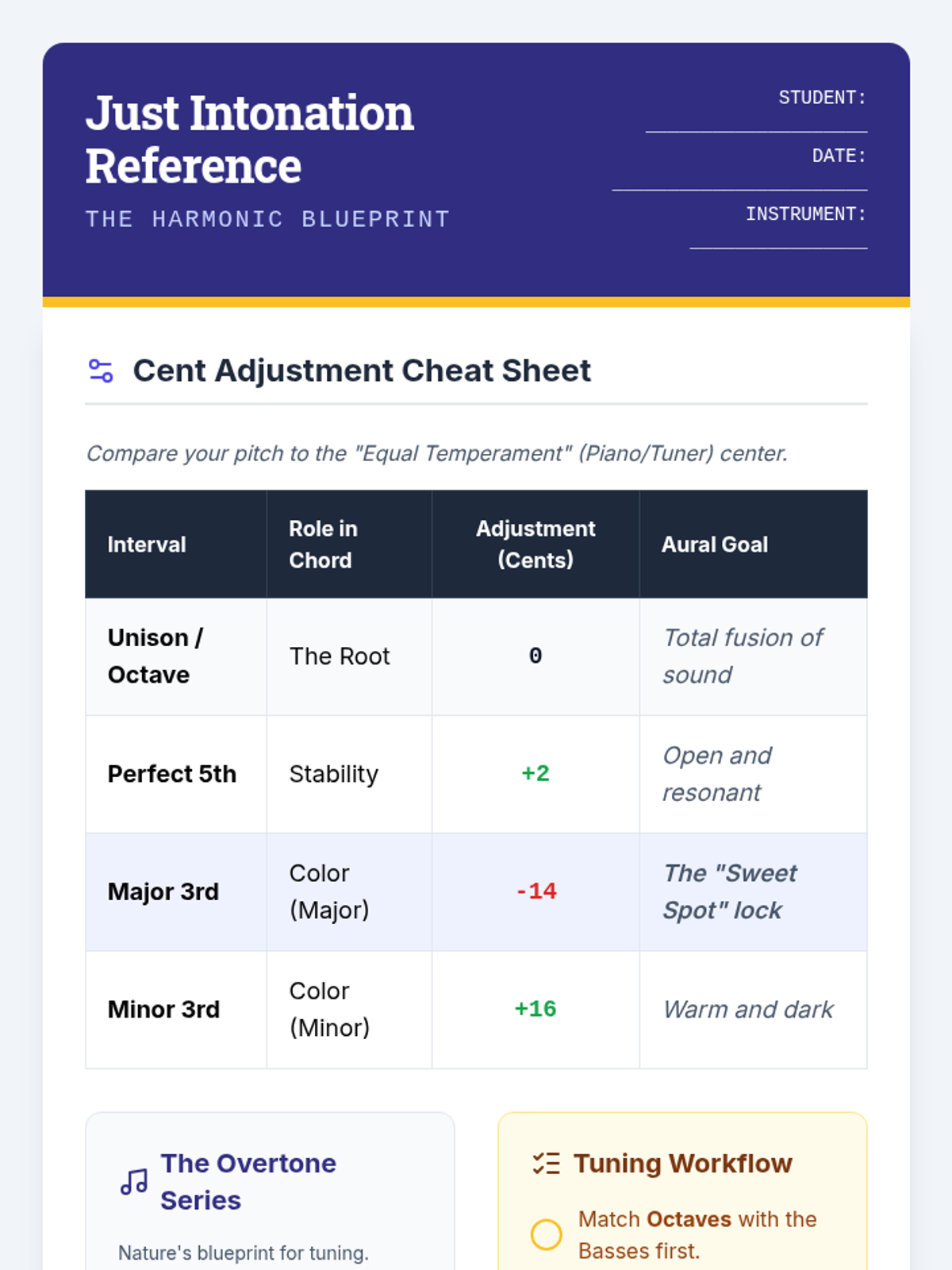
A graduate-level exploration of music fundamentals through the lens of acoustics, psychoacoustics, and tuning systems. Students investigate the physics of sound, frequency ratios, and the historical evolution of scales from Pythagorean to Equal Temperament.
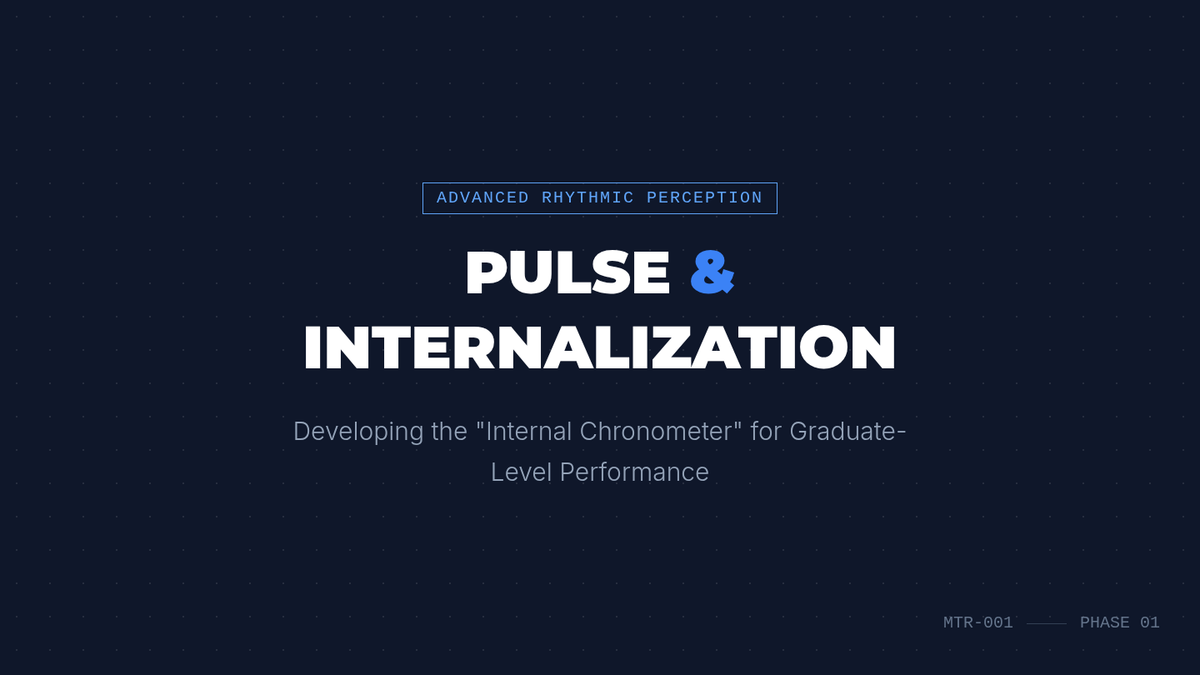
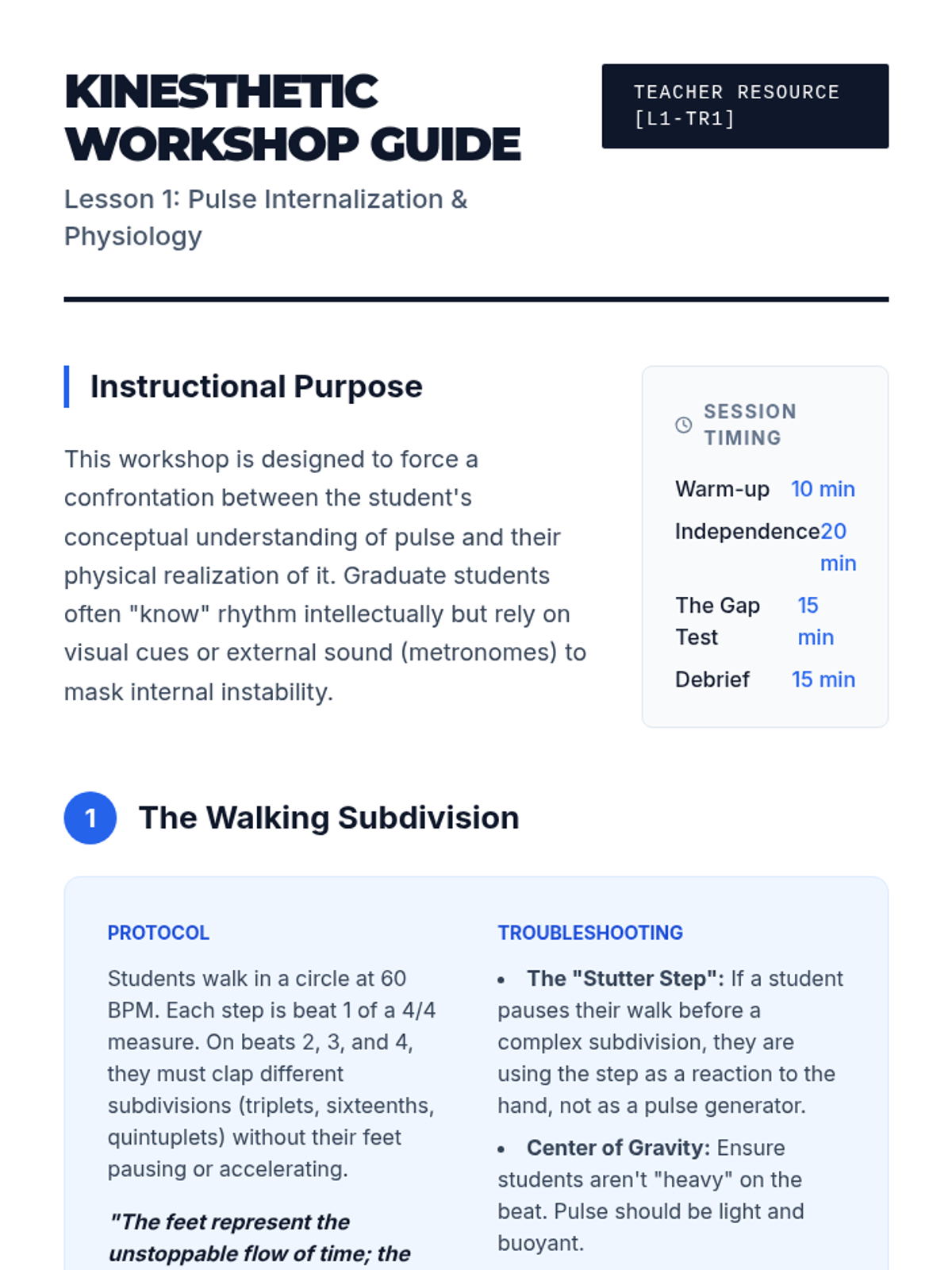
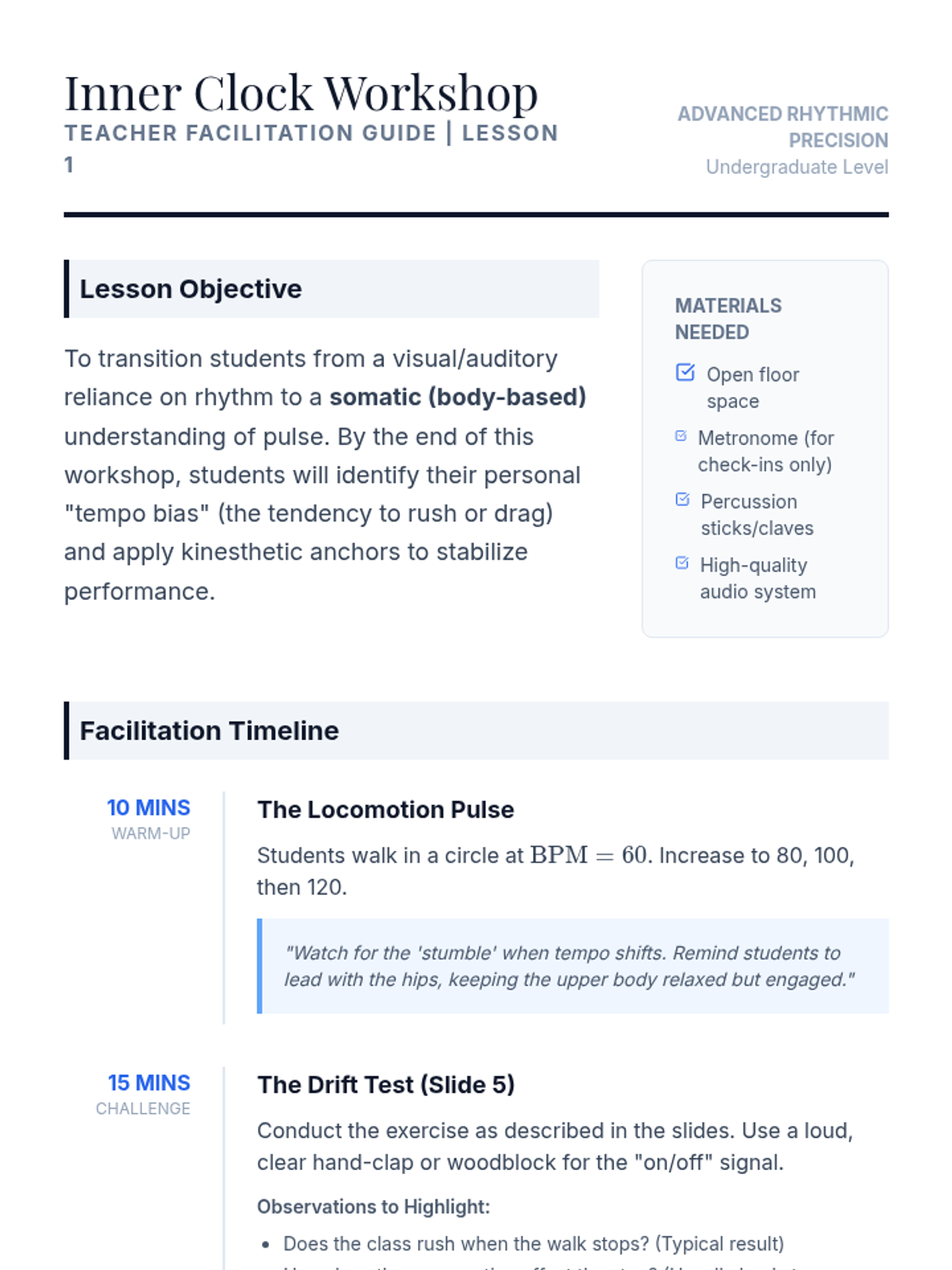
A rigorous workshop-based sequence for graduate music students exploring advanced rhythmic perception, meter architecture, asymmetrical rhythms, polyrhythms, and metric modulation. The course emphasizes both the mathematical calculation and the physical internalization of complex temporal structures.
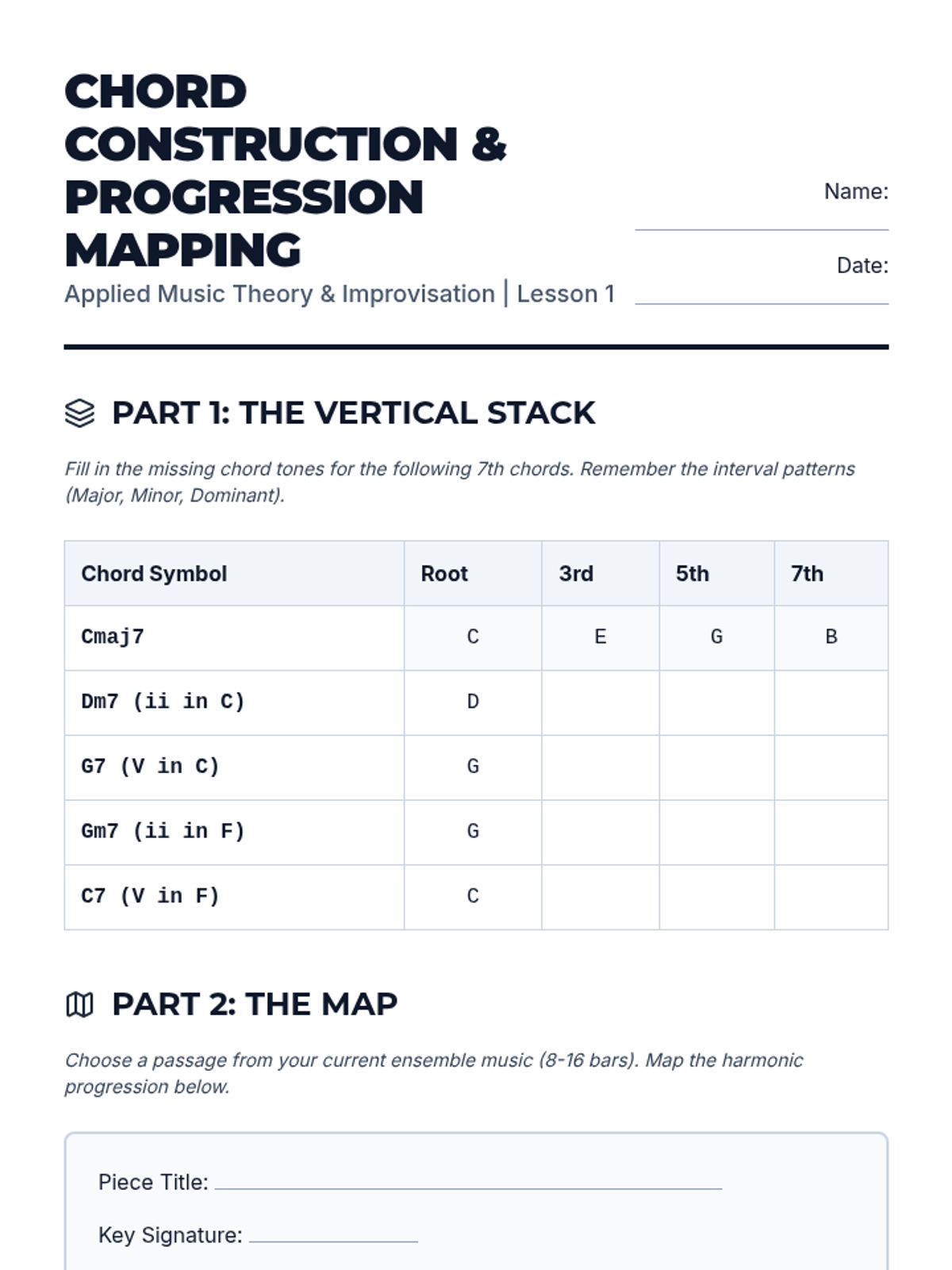
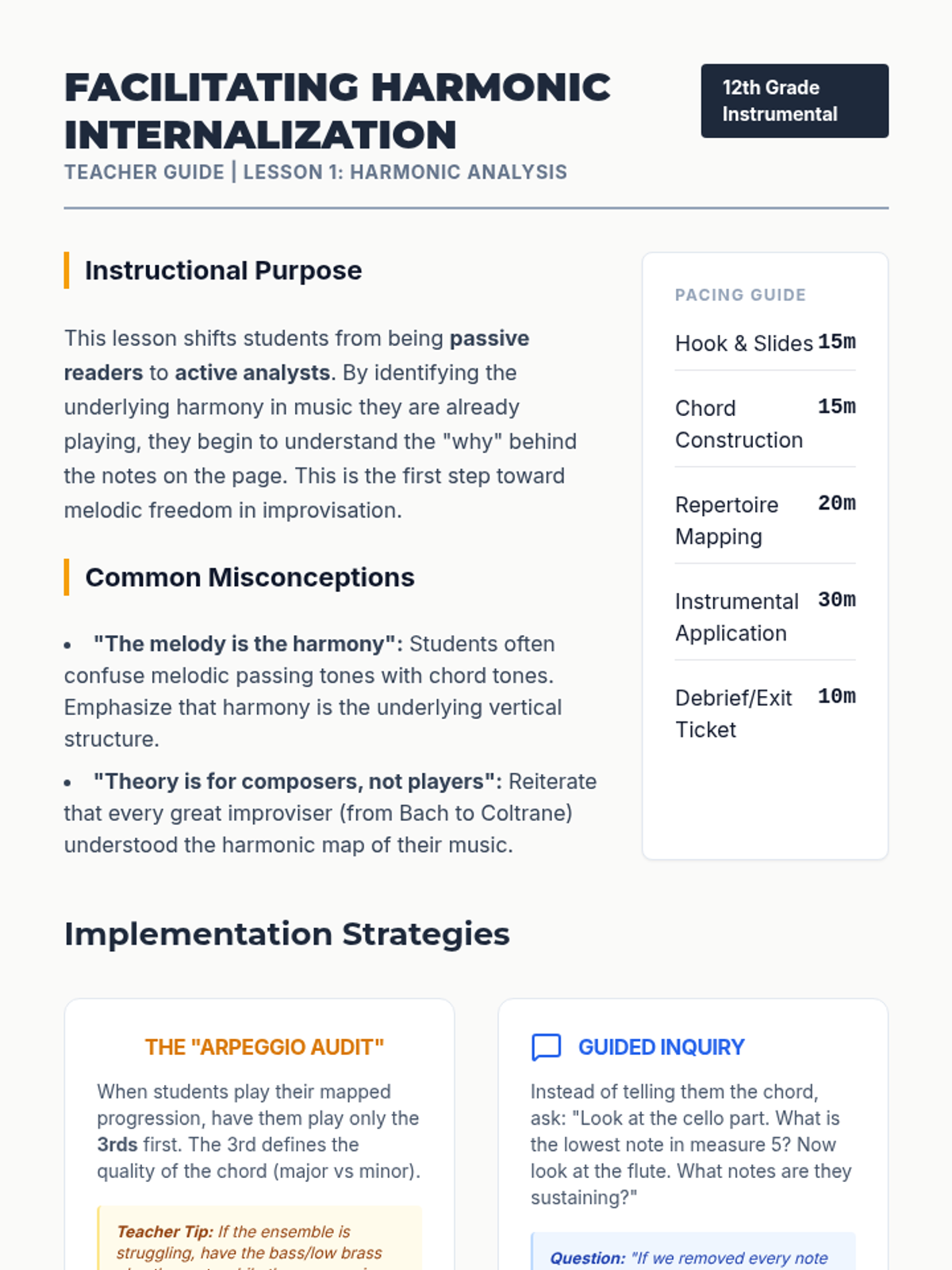
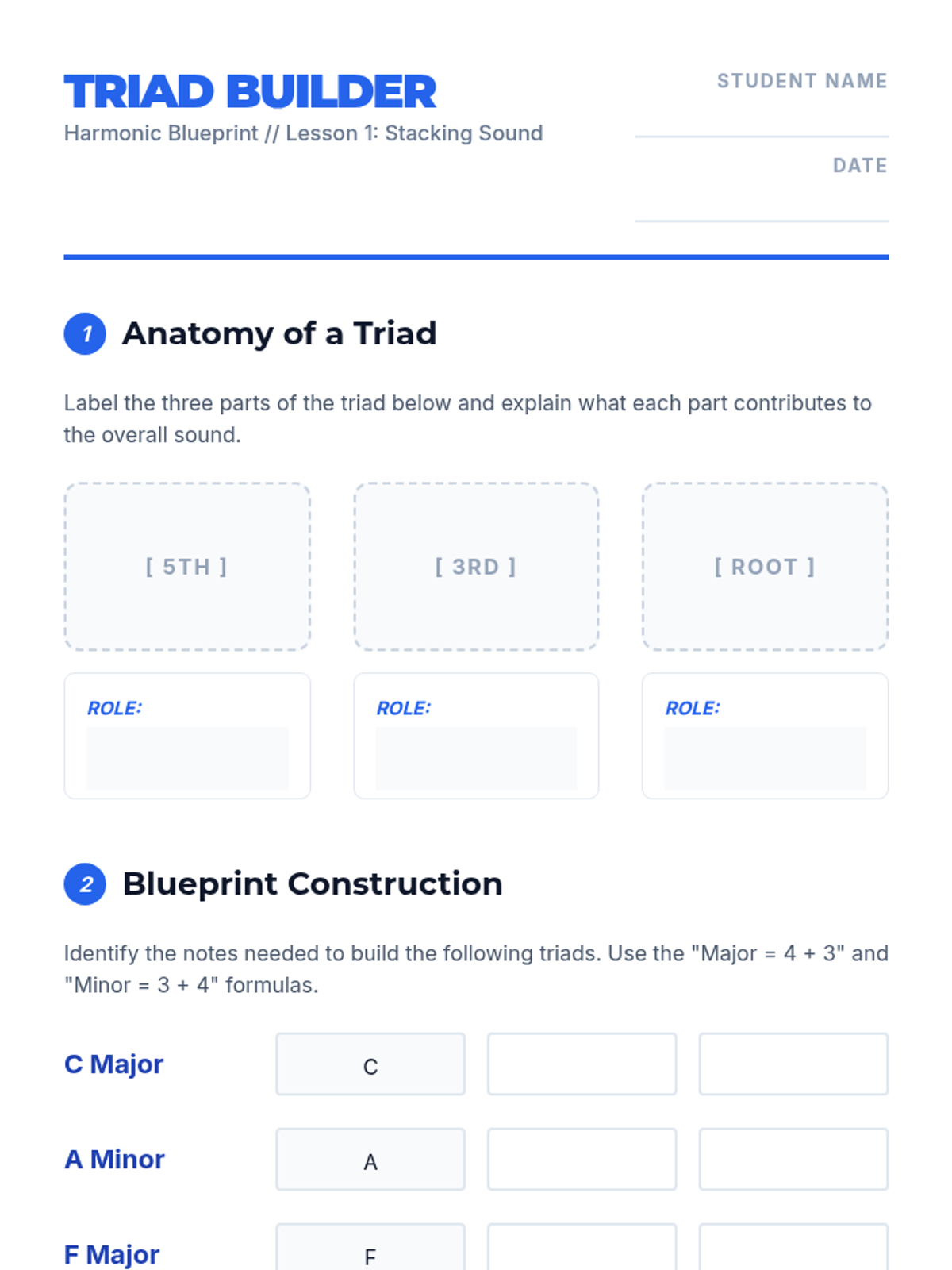
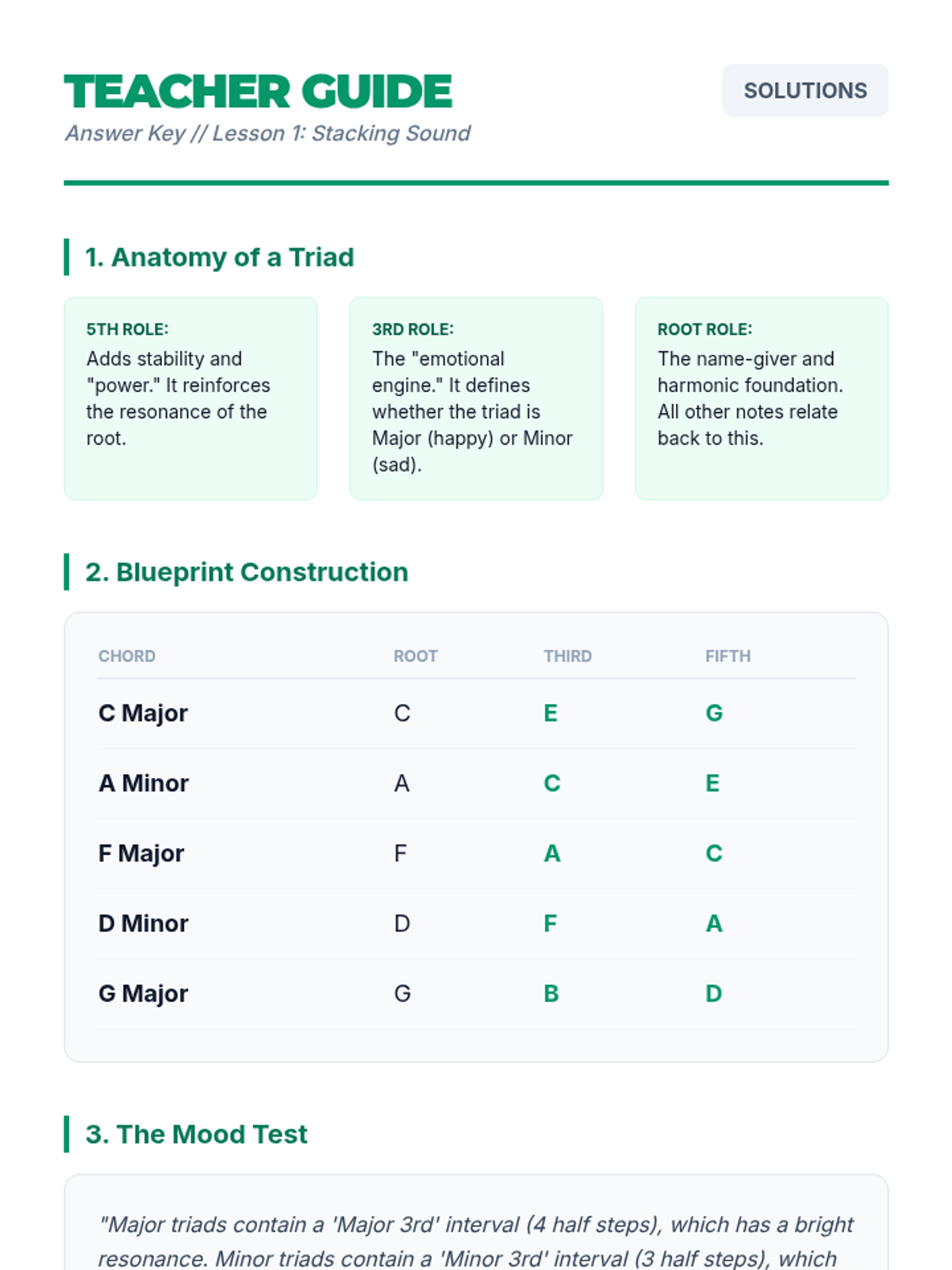
This sequence transitions students from linear melody to vertical harmony, exploring how chords are constructed and sequenced. Students analyze harmonic structures from basic intervals to full progressions in popular music.
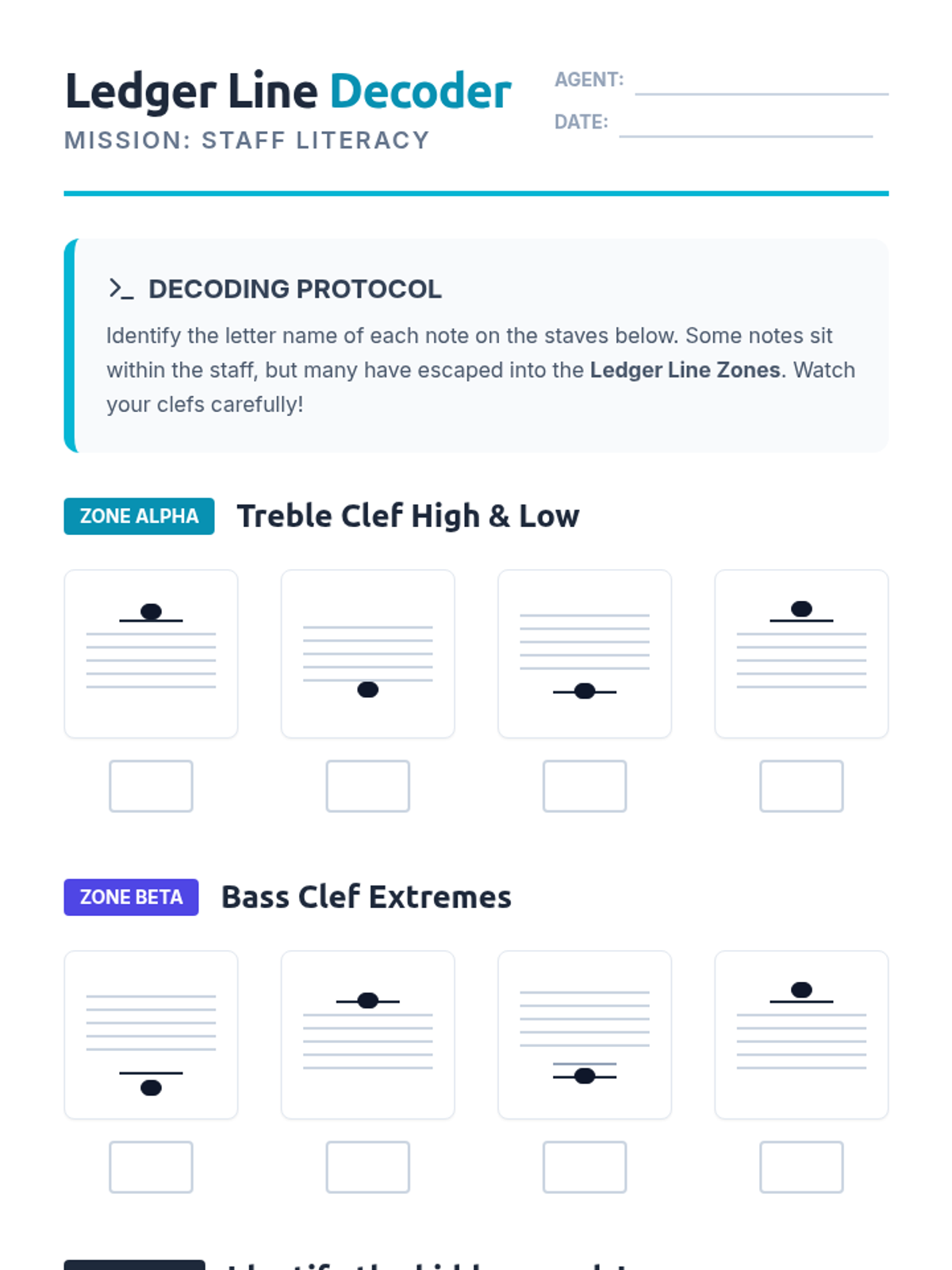
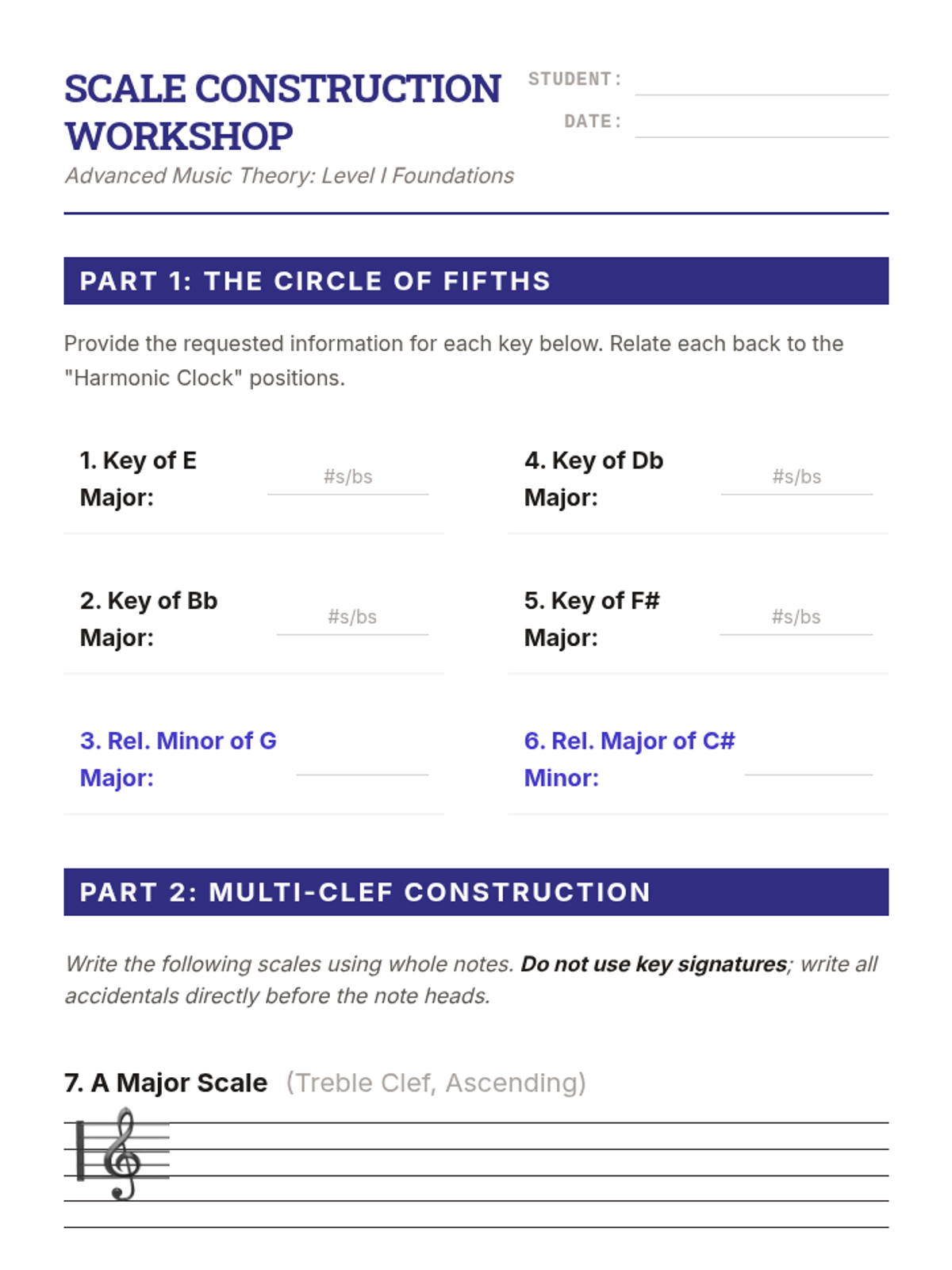
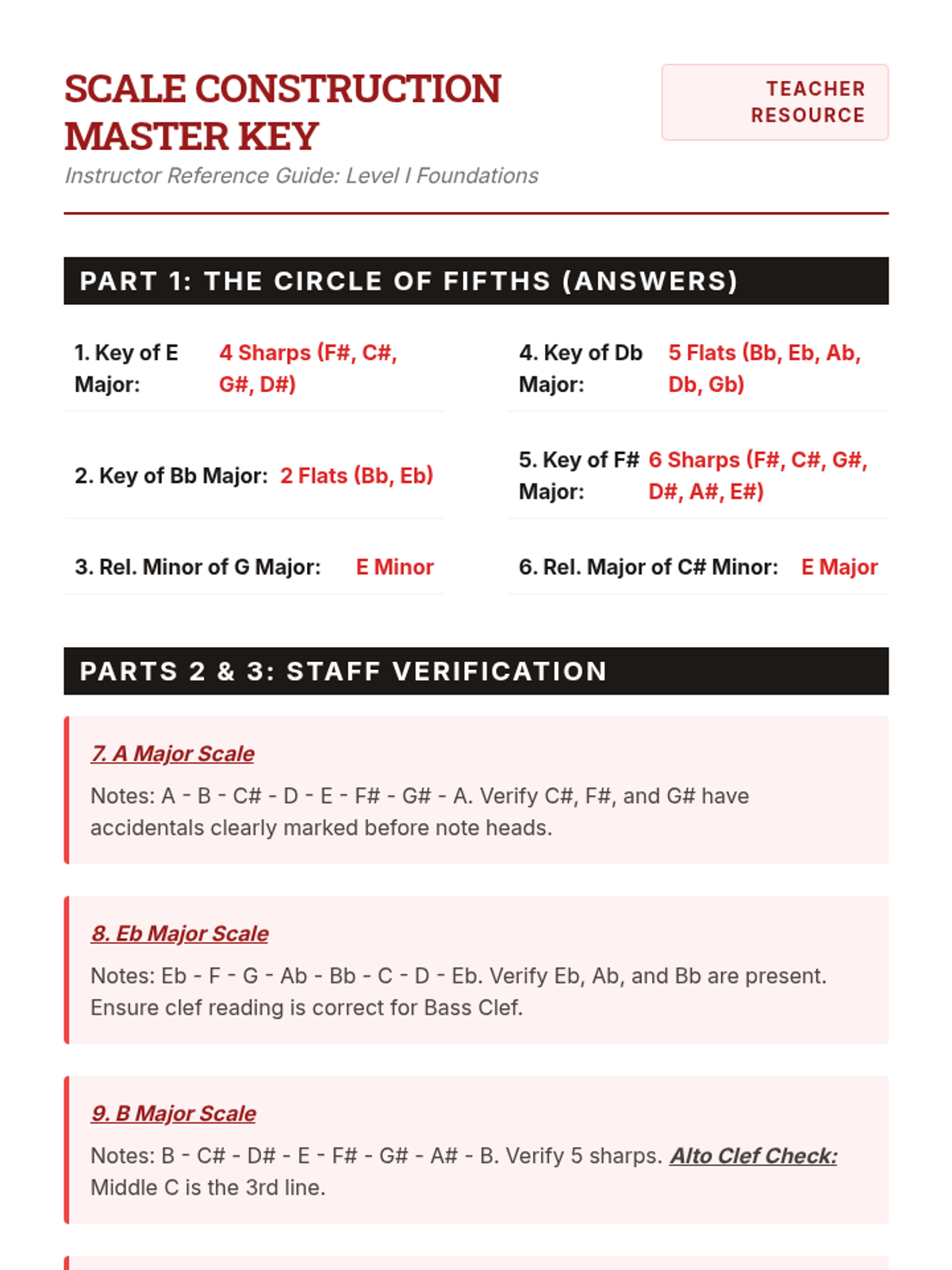
An inquiry-based journey into the logic of pitch organization, covering the Grand Staff, major scale construction, the Circle of Fifths, relative minors, and sight-singing applications. Students use a 'decoding' lens to master the patterns that govern tonal music.
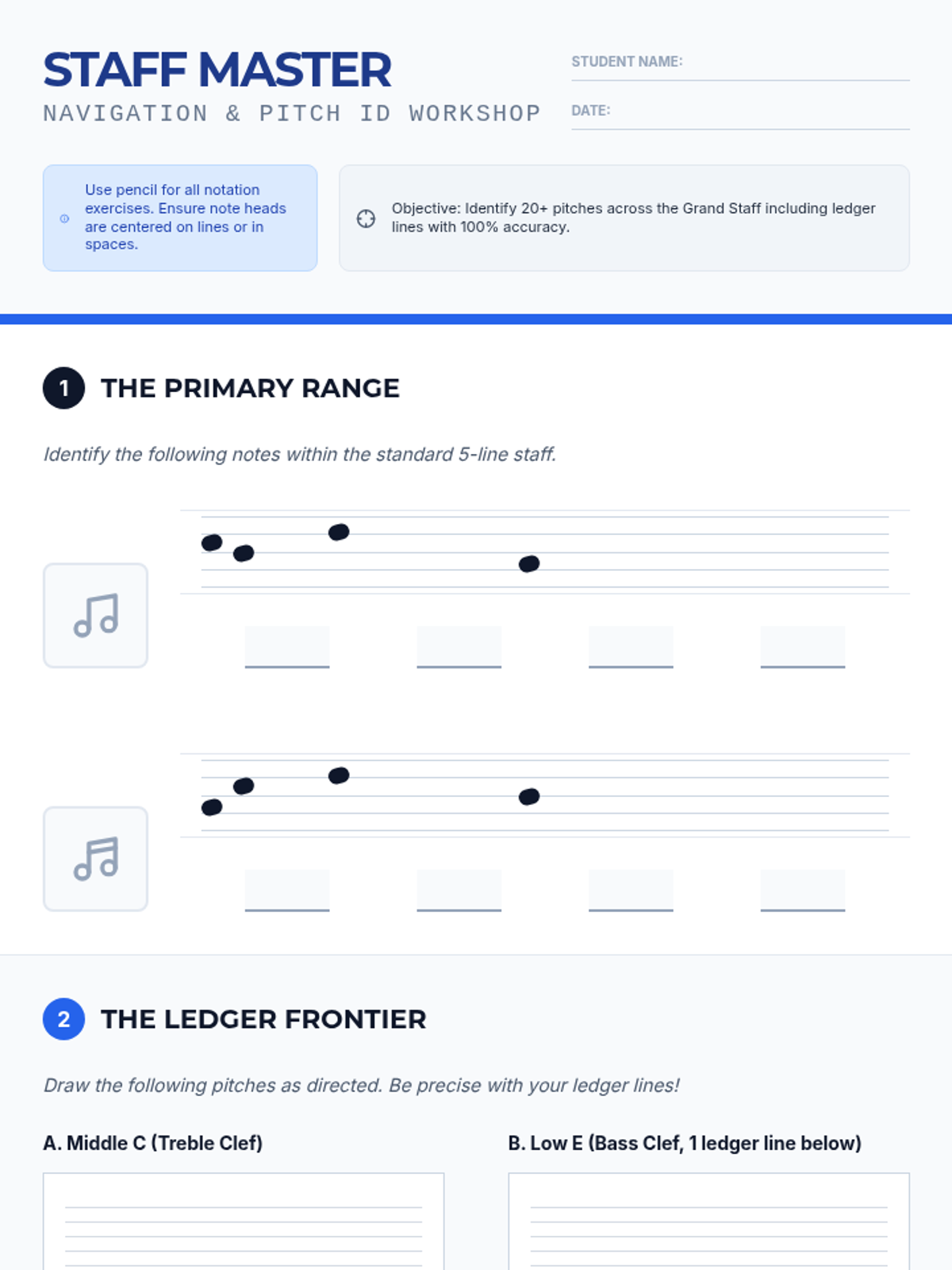
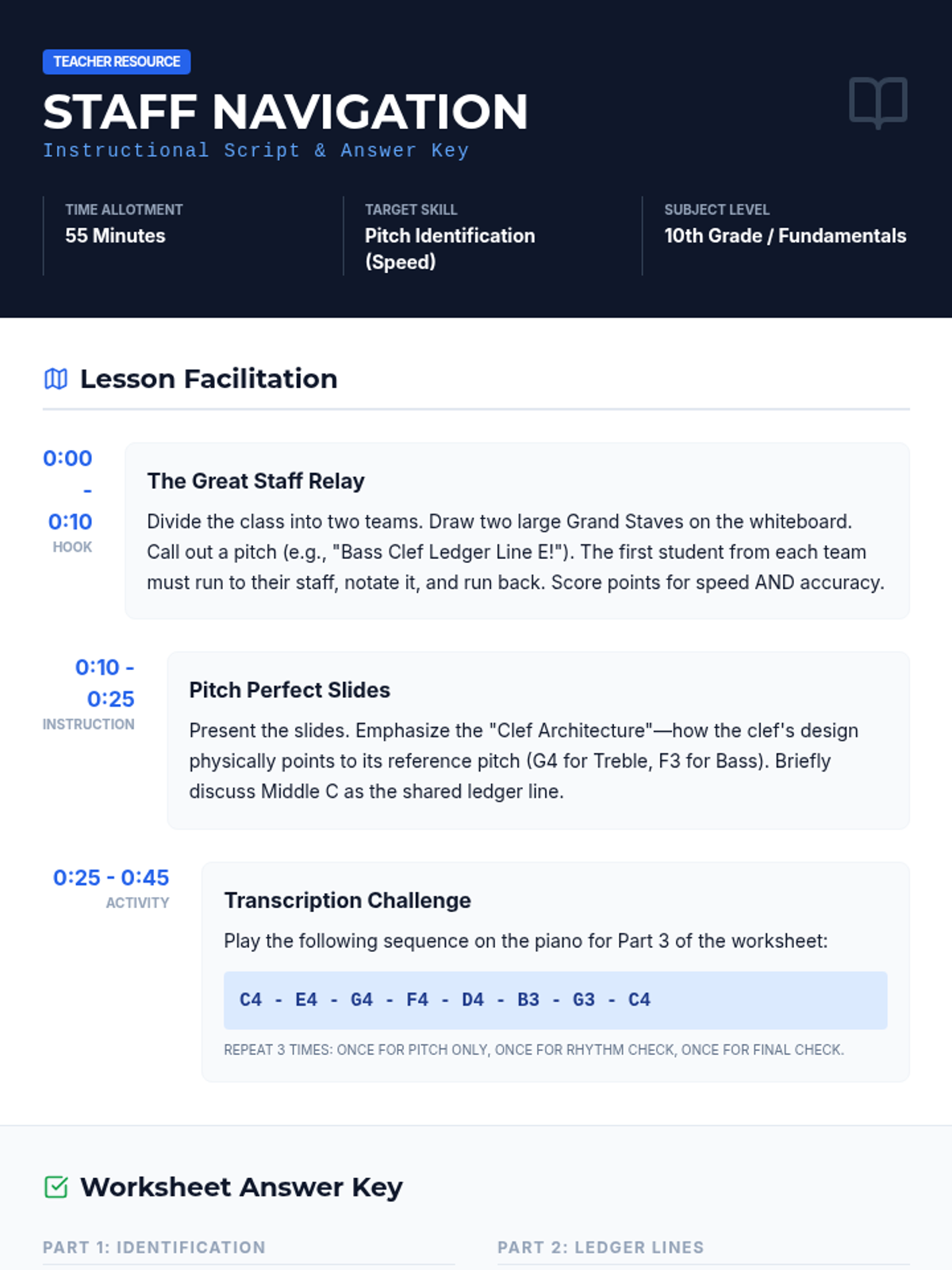
This sequence explores the organization of pitch into scales, intervals, and chords, treating music theory as a logical language. Students will progress from staff navigation to full Roman numeral analysis of diatonic progressions.
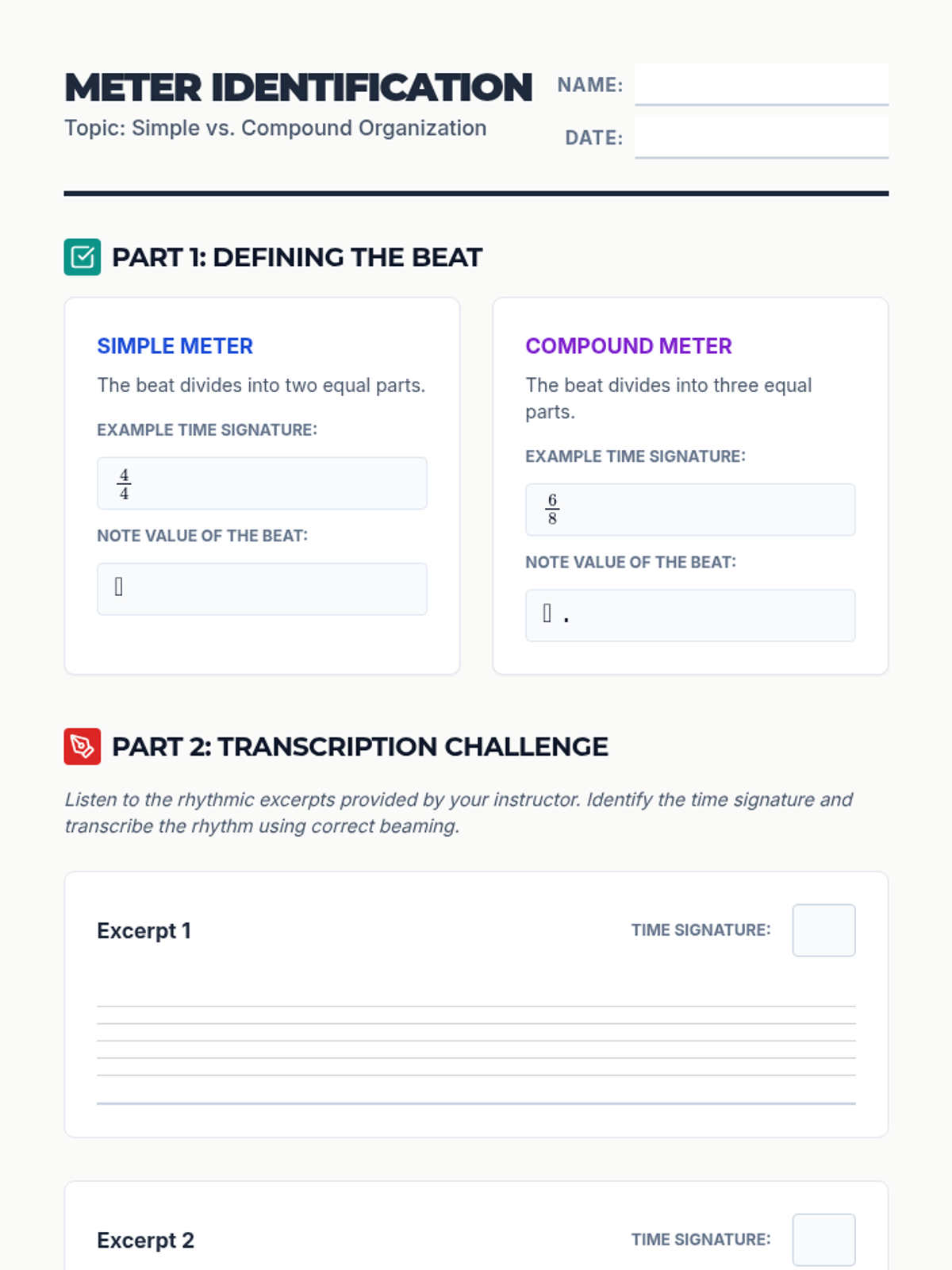
A comprehensive high school music theory sequence focused on advanced rhythmic notation, metric organization, and the transition from simple to complex time signatures. Students will analyze, transcribe, and compose music using syncopation, tuplets, and asymmetrical meters.
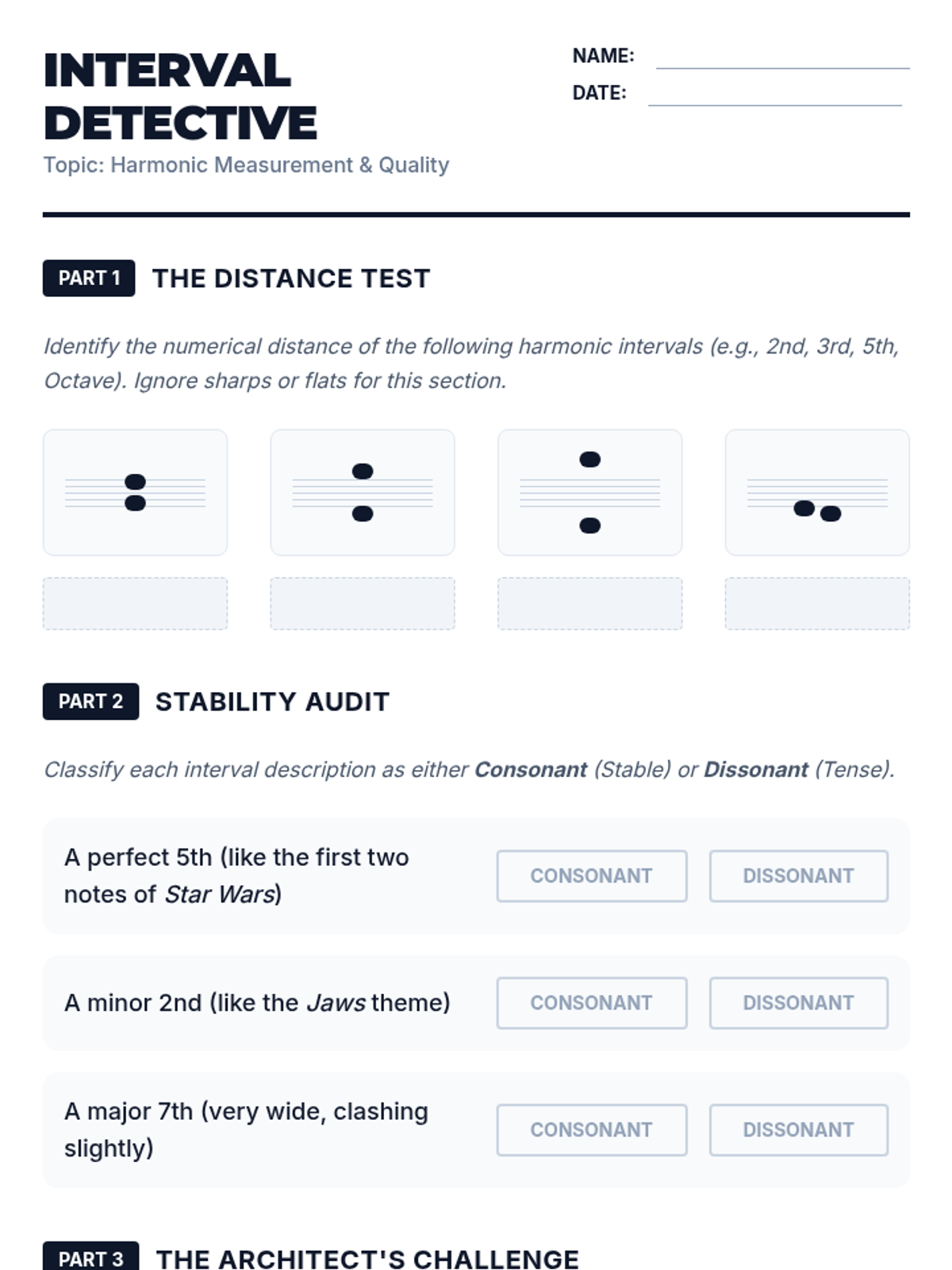
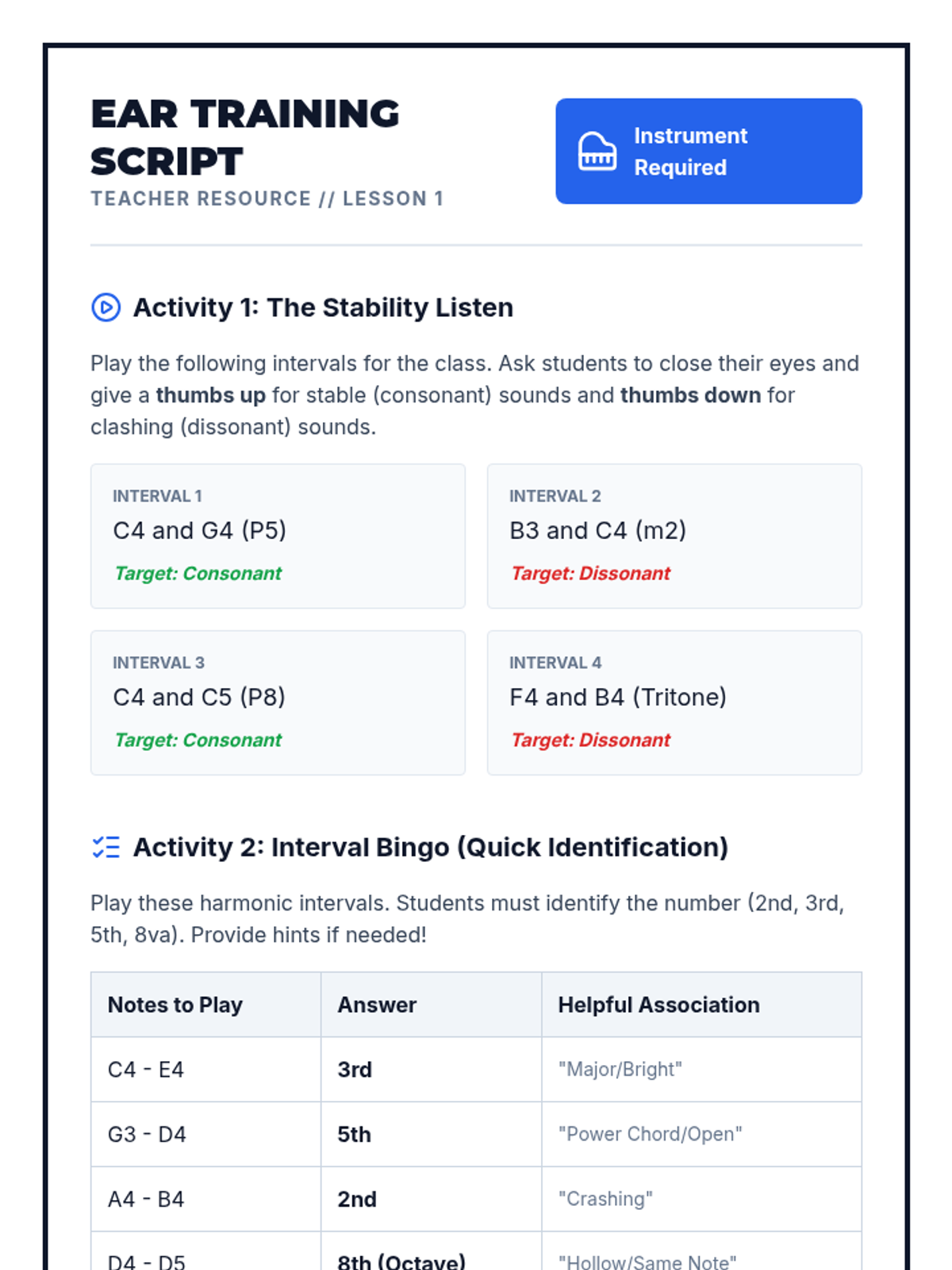
A rigorous sequence on music theory, covering intervals, triads, seventh chords, Roman numeral analysis, and four-part voice leading for 12th-grade students.
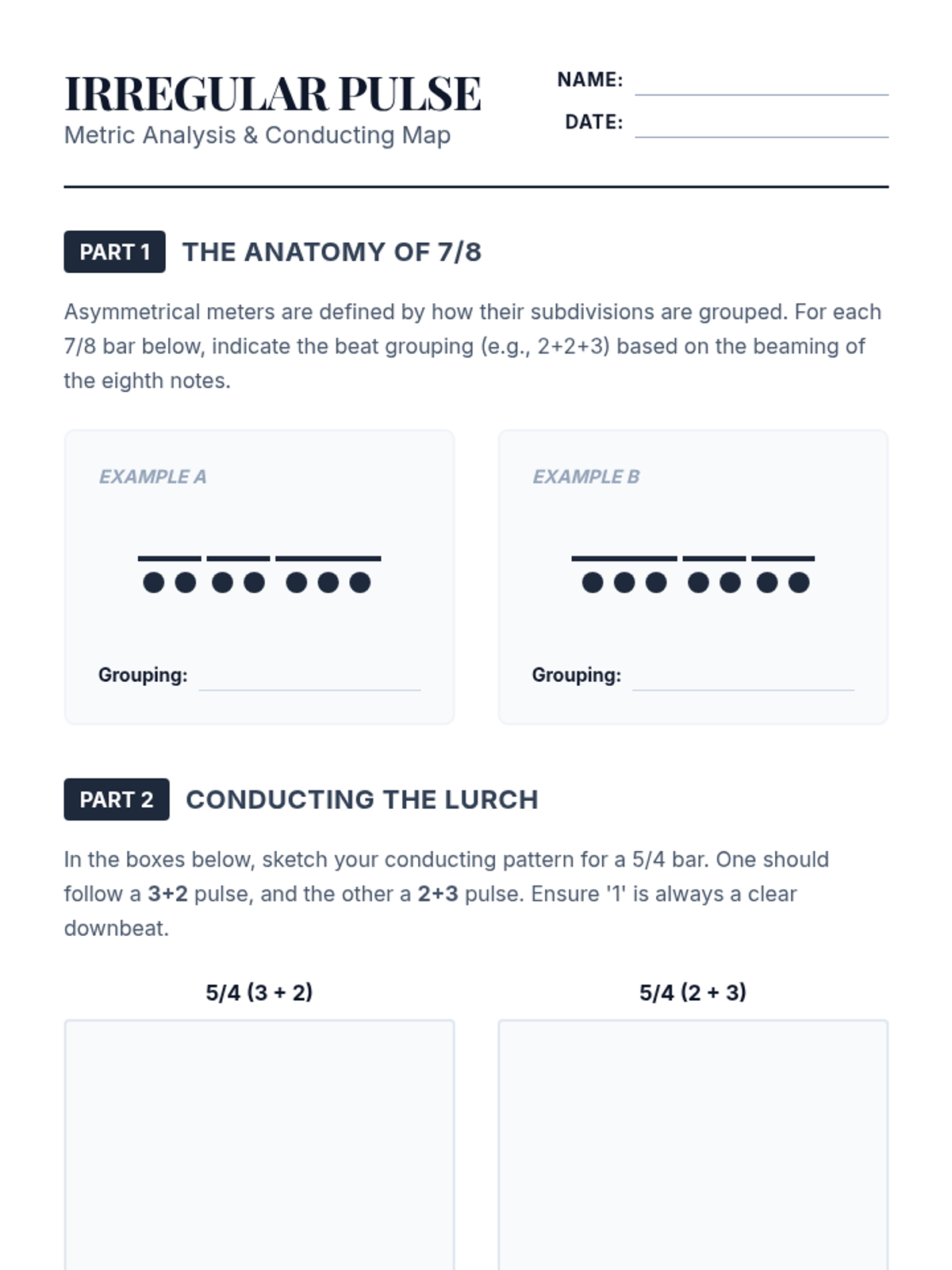
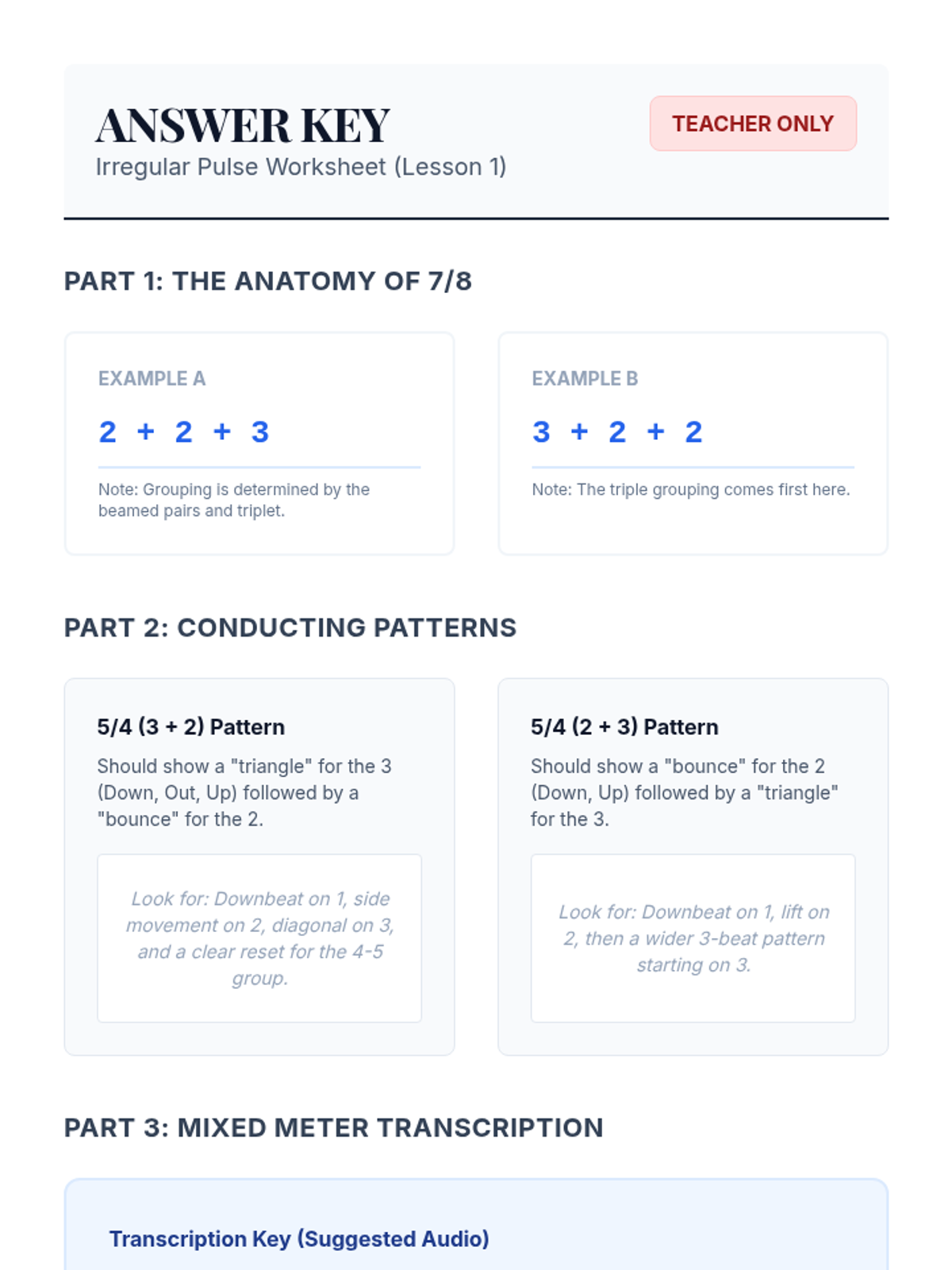
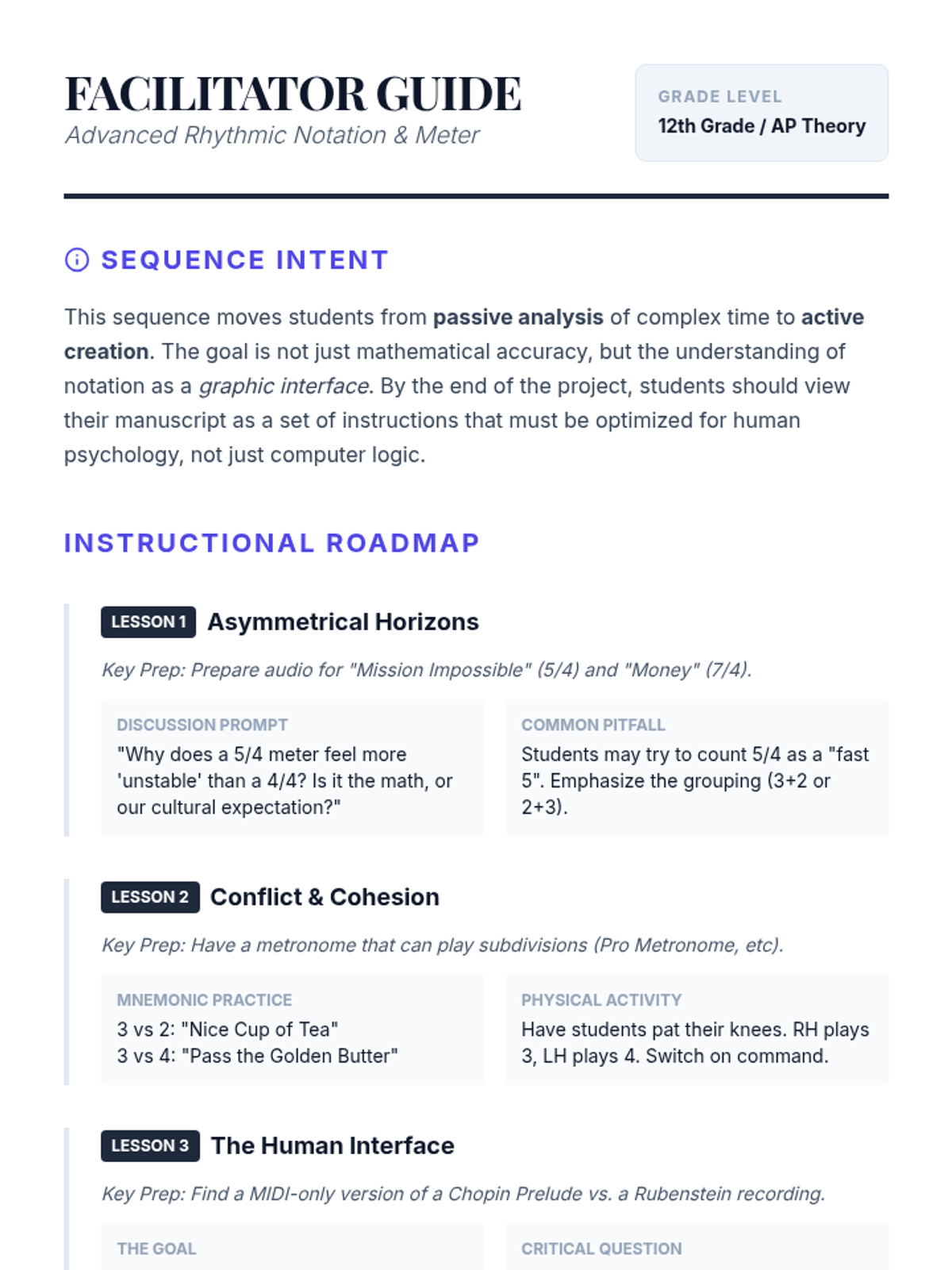
A high-level music theory sequence for 12th-grade students focusing on asymmetrical meters, complex subdivisions, and professional notation standards. Students move from analysis to composition, culminating in a peer-performed rhythmic etude.
A rigorous undergraduate music theory sequence covering the construction and analysis of scales, intervals, and triads, concluding with a synthesis of these elements in score analysis.
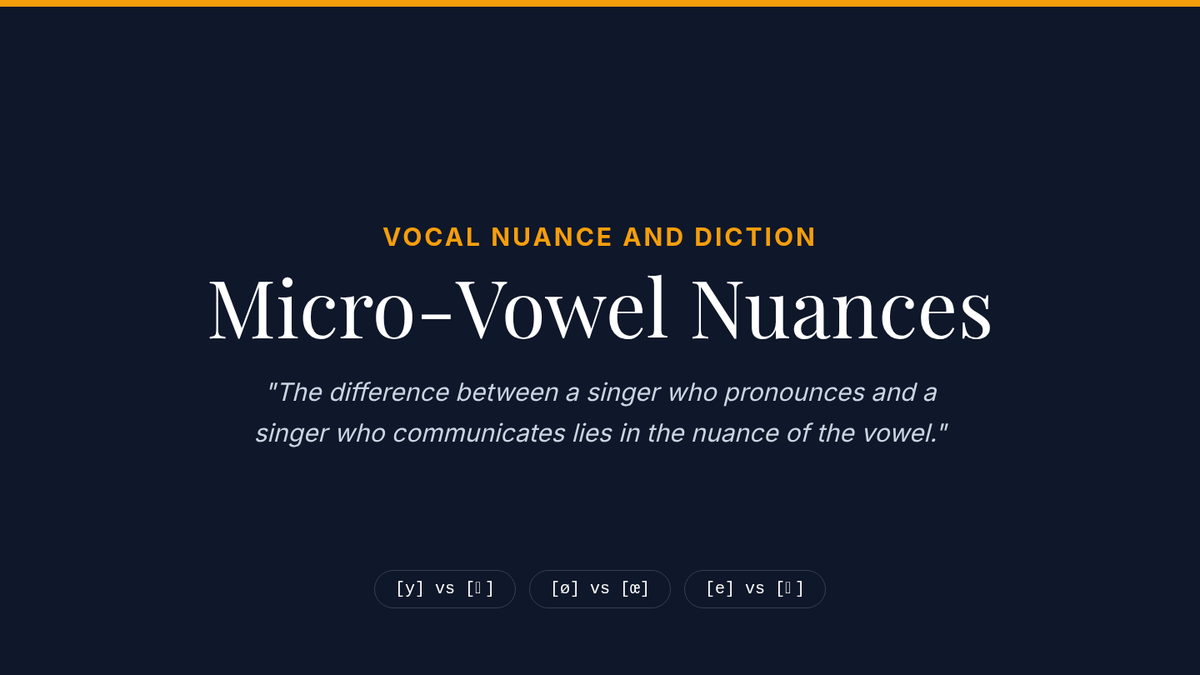
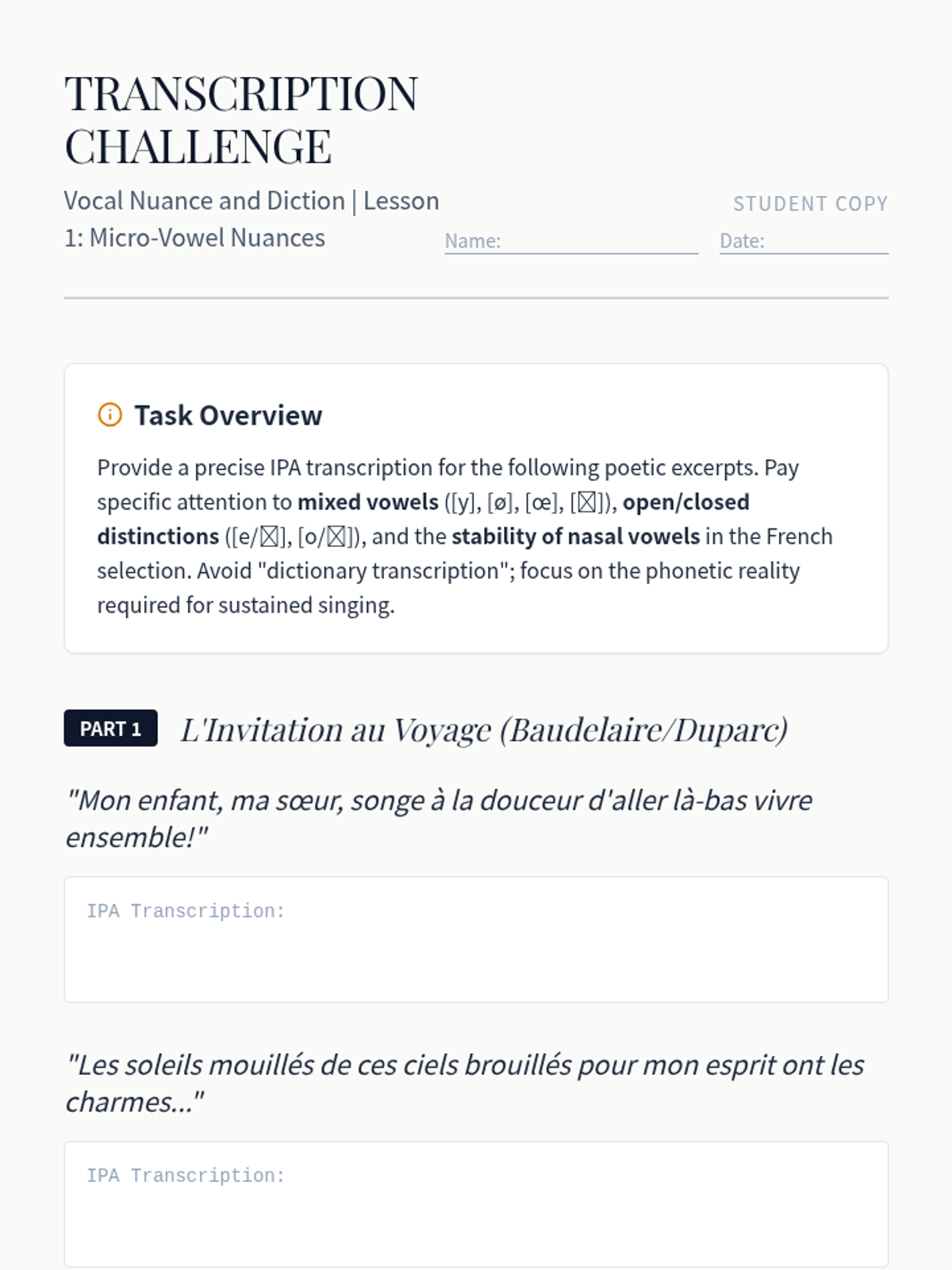
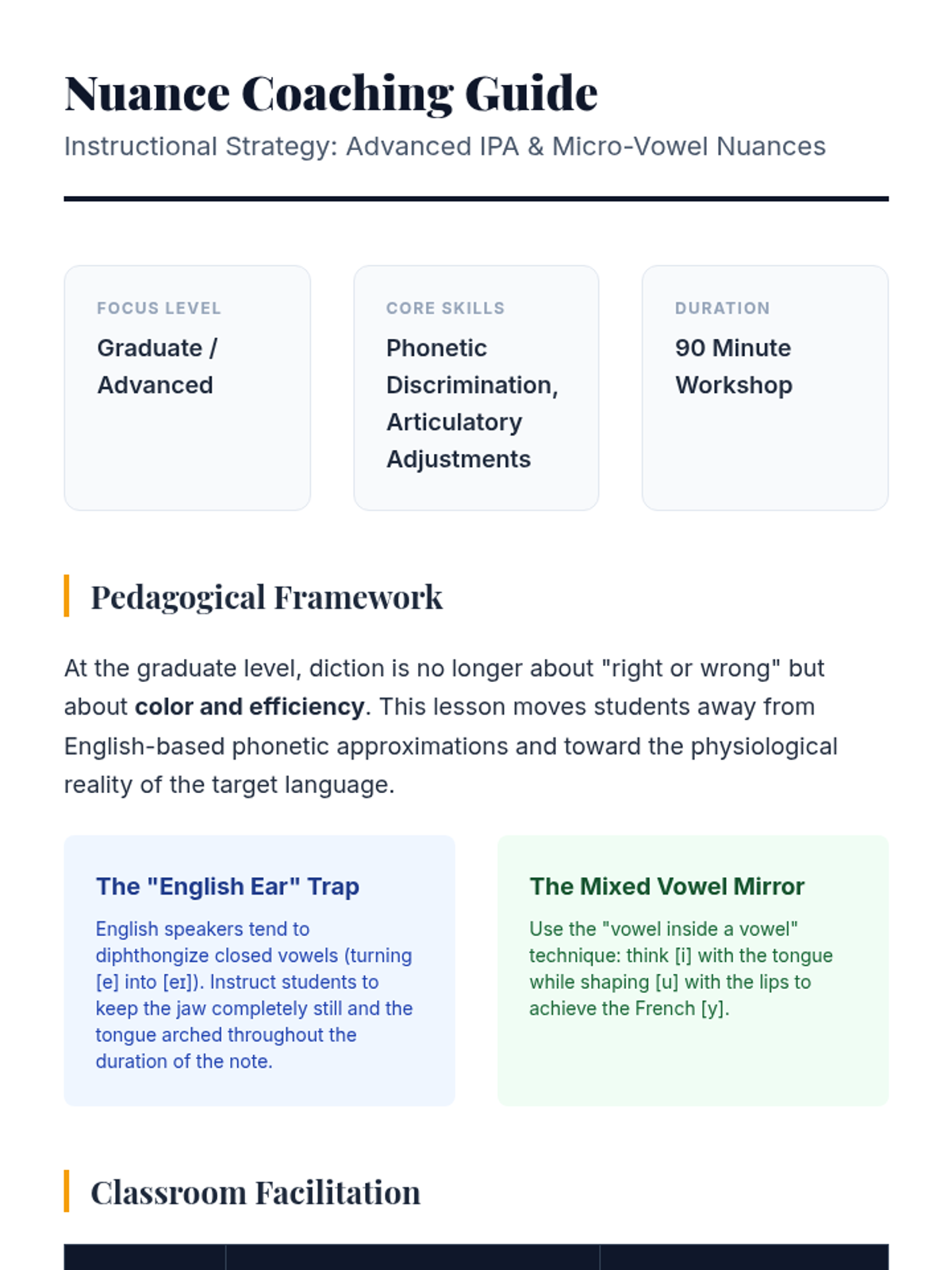
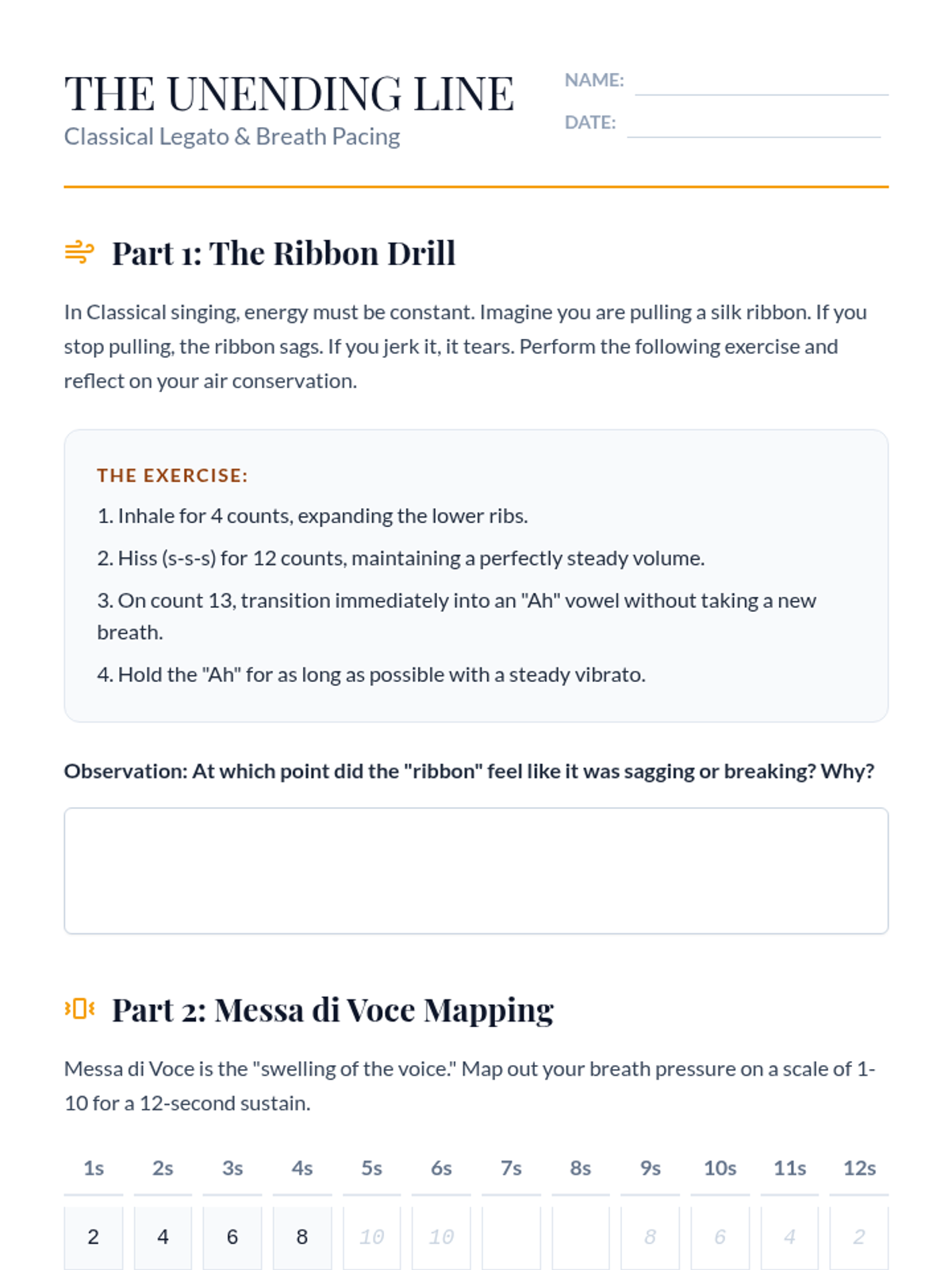
A graduate-level vocal pedagogy sequence focusing on the intersection of phonetics and expressive musicality across four languages. Students refine their technical diction through IPA analysis and apply these nuances to legato, recitative, and stylistic interpretation.
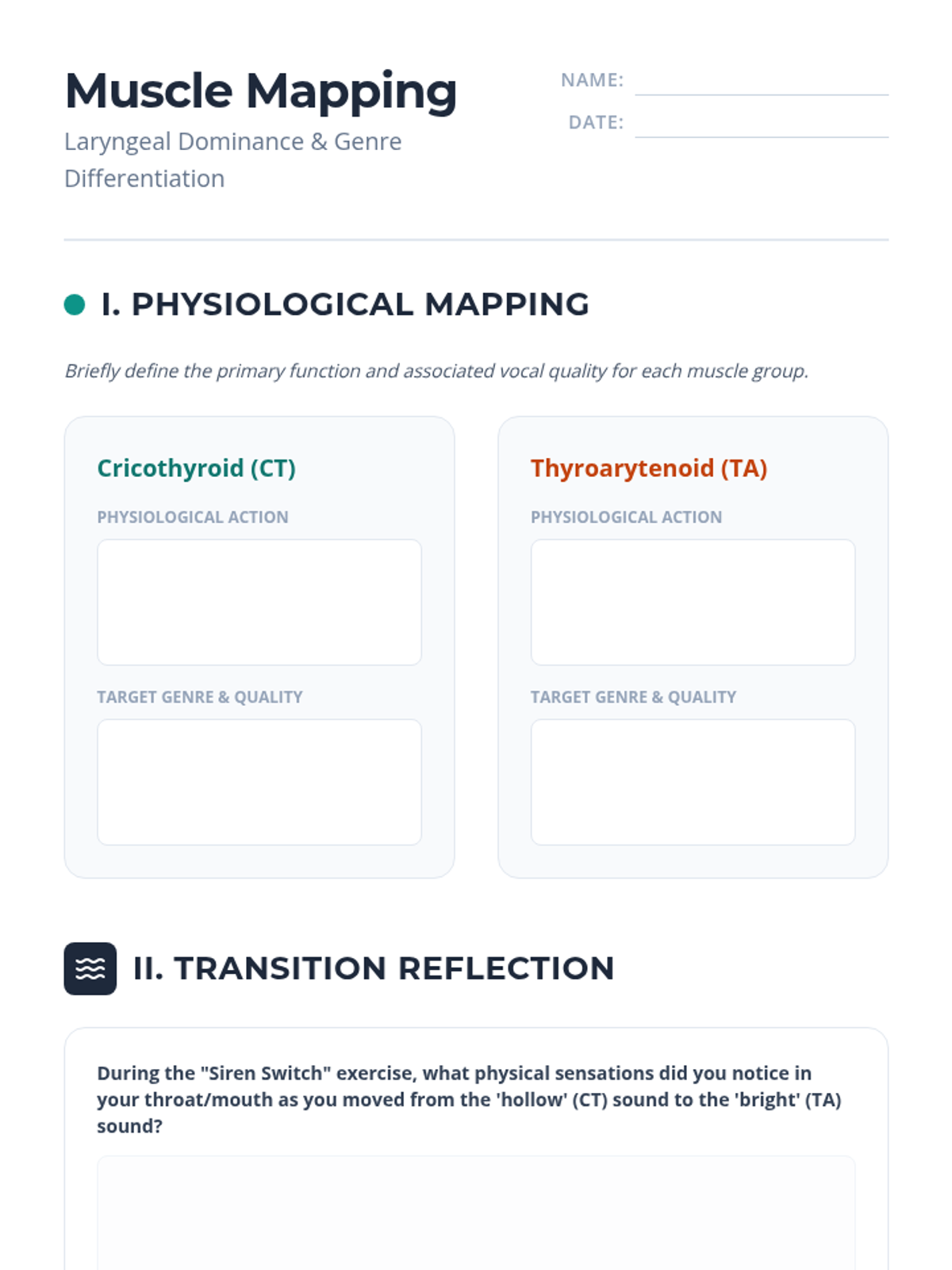
A comprehensive vocal performance sequence for undergraduate students focusing on the physiological and stylistic shifts required to excel in Classical, Musical Theatre, Jazz, and CCM genres. Students learn to cross-train their voices to achieve authentic stylistic markers while maintaining long-term vocal health.
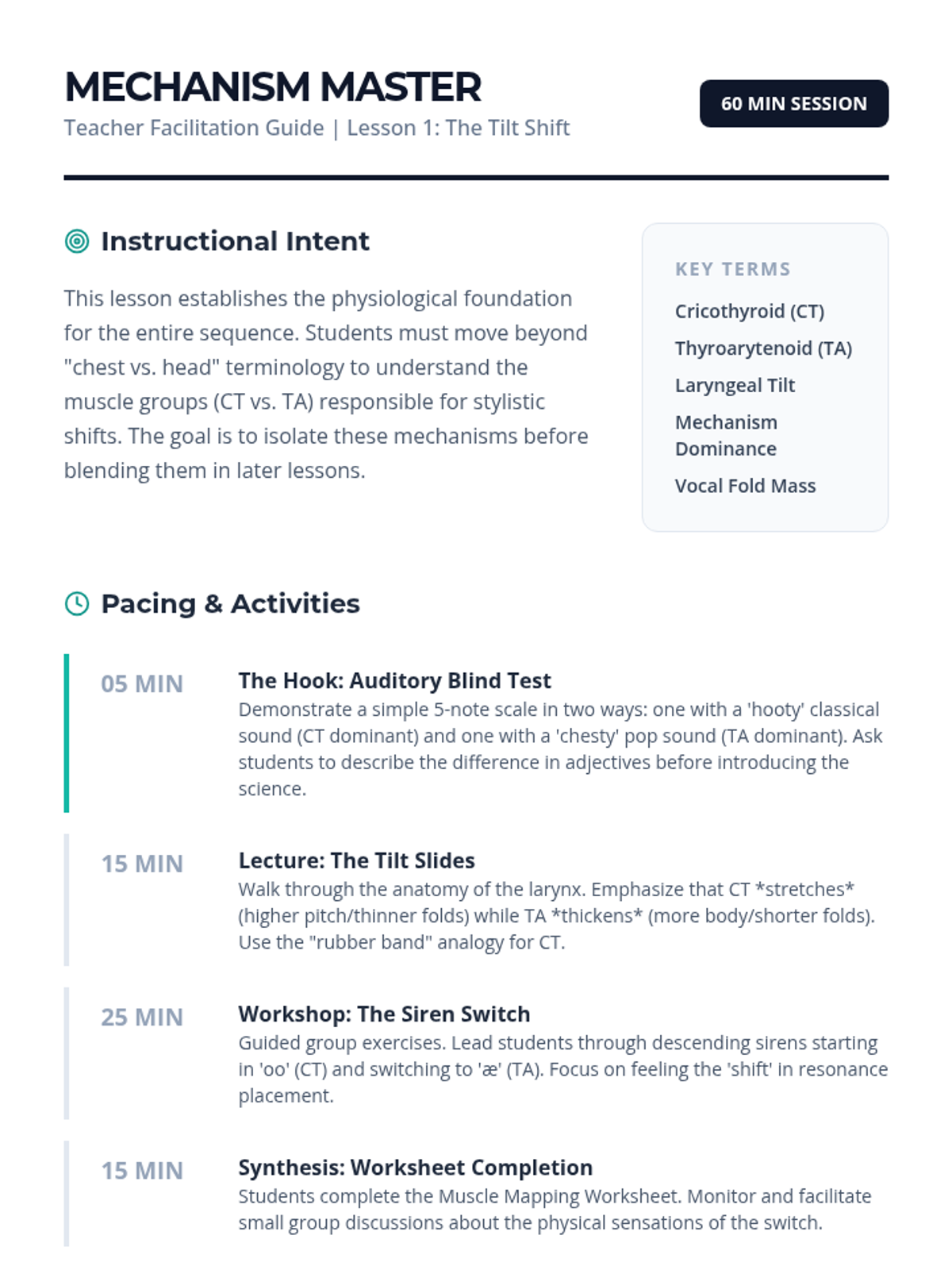
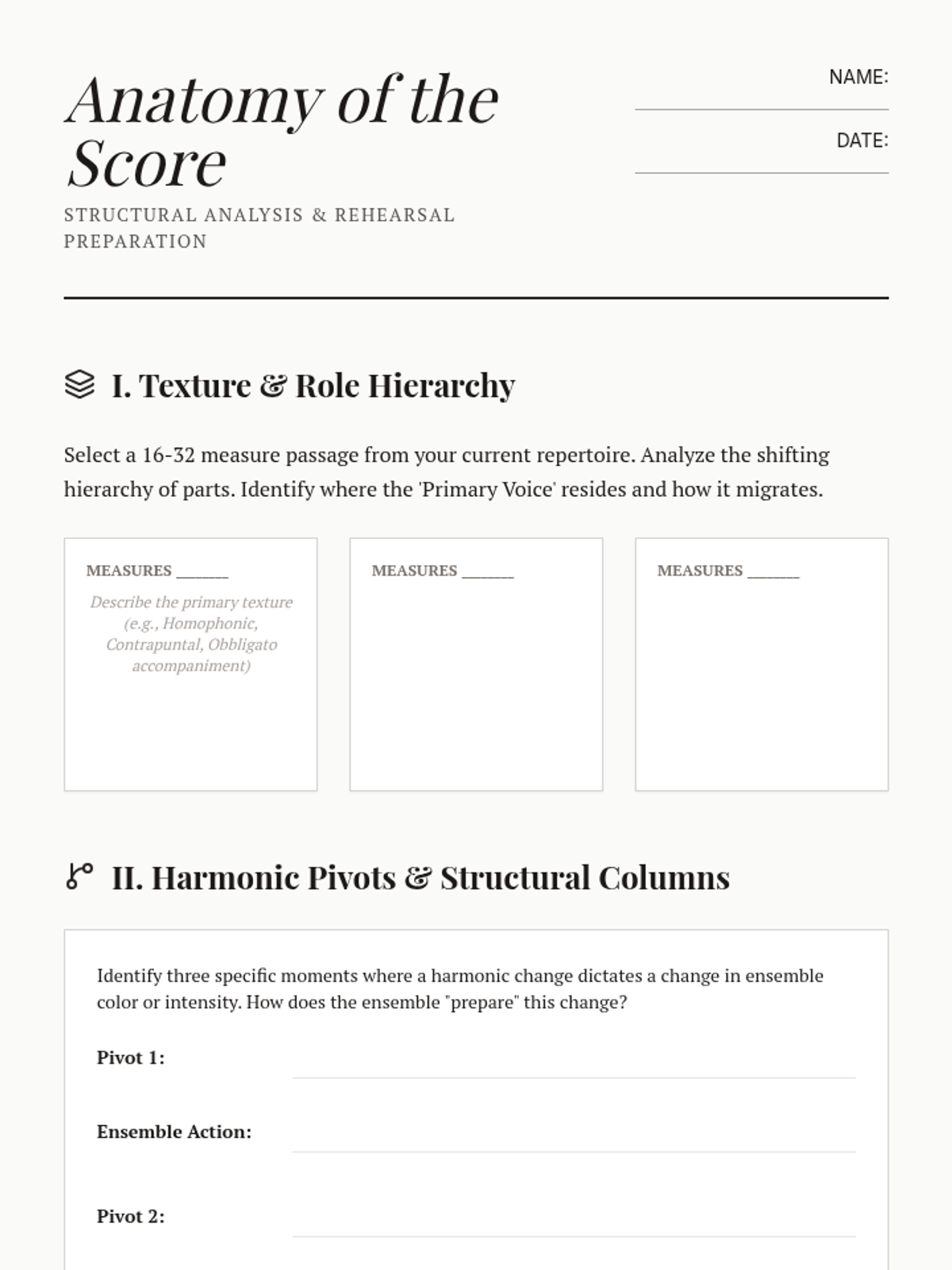
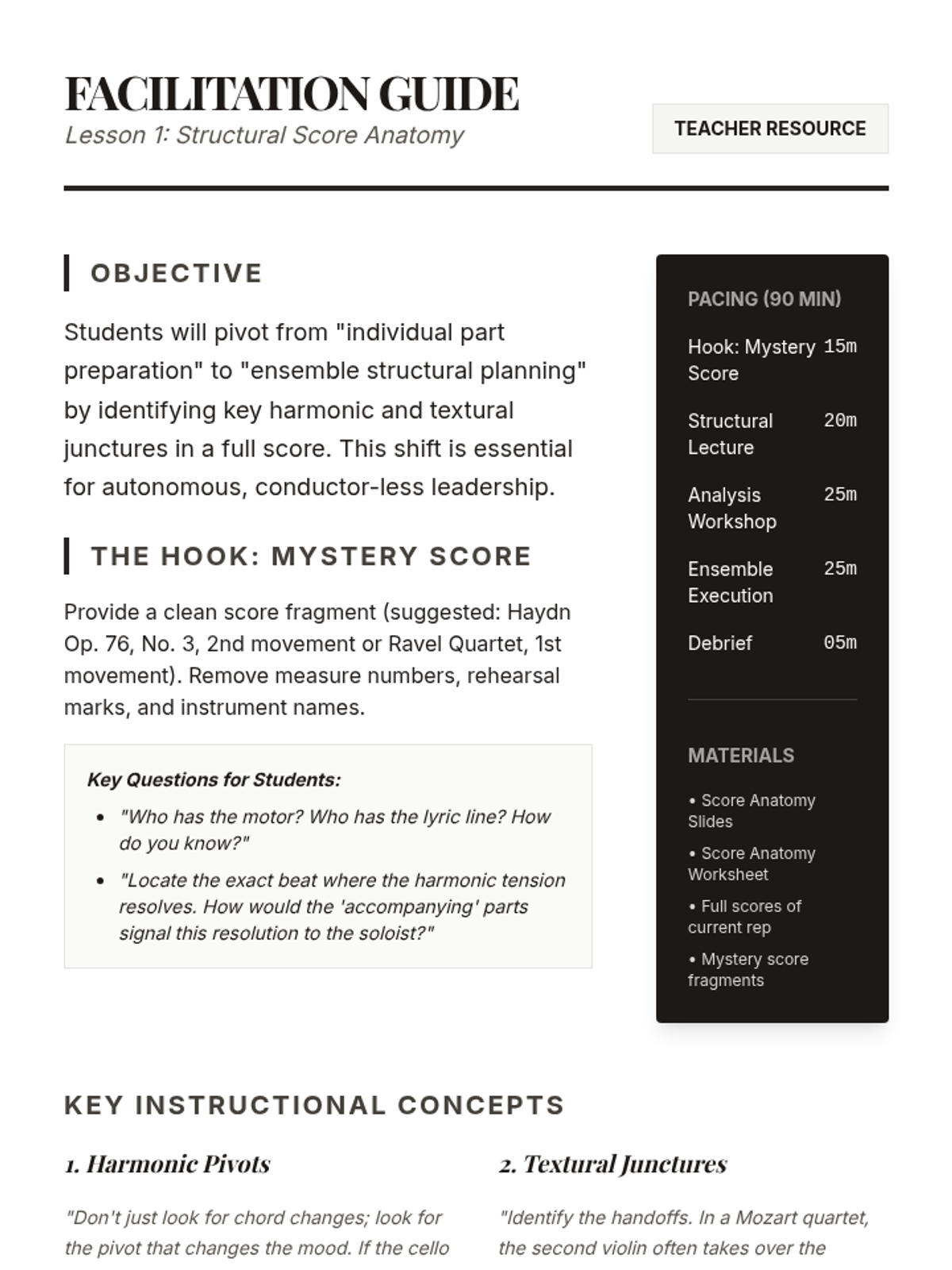
This advanced sequence for graduate music students explores the leadership, acoustics, and interpersonal dynamics of high-level chamber music. Students transition from individual practitioners to collaborative leaders through score analysis, pure tuning mastery, and non-verbal communication techniques.
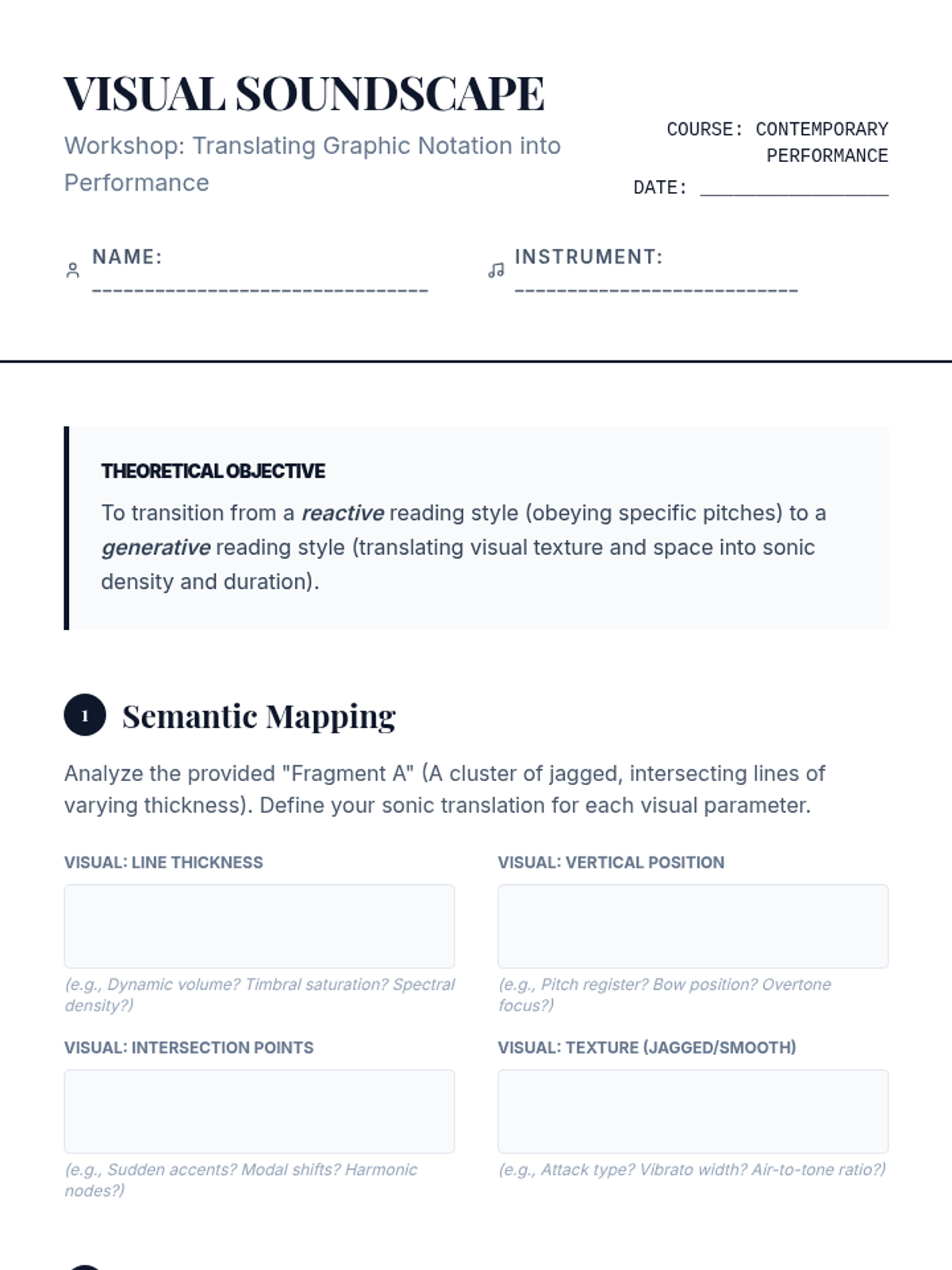
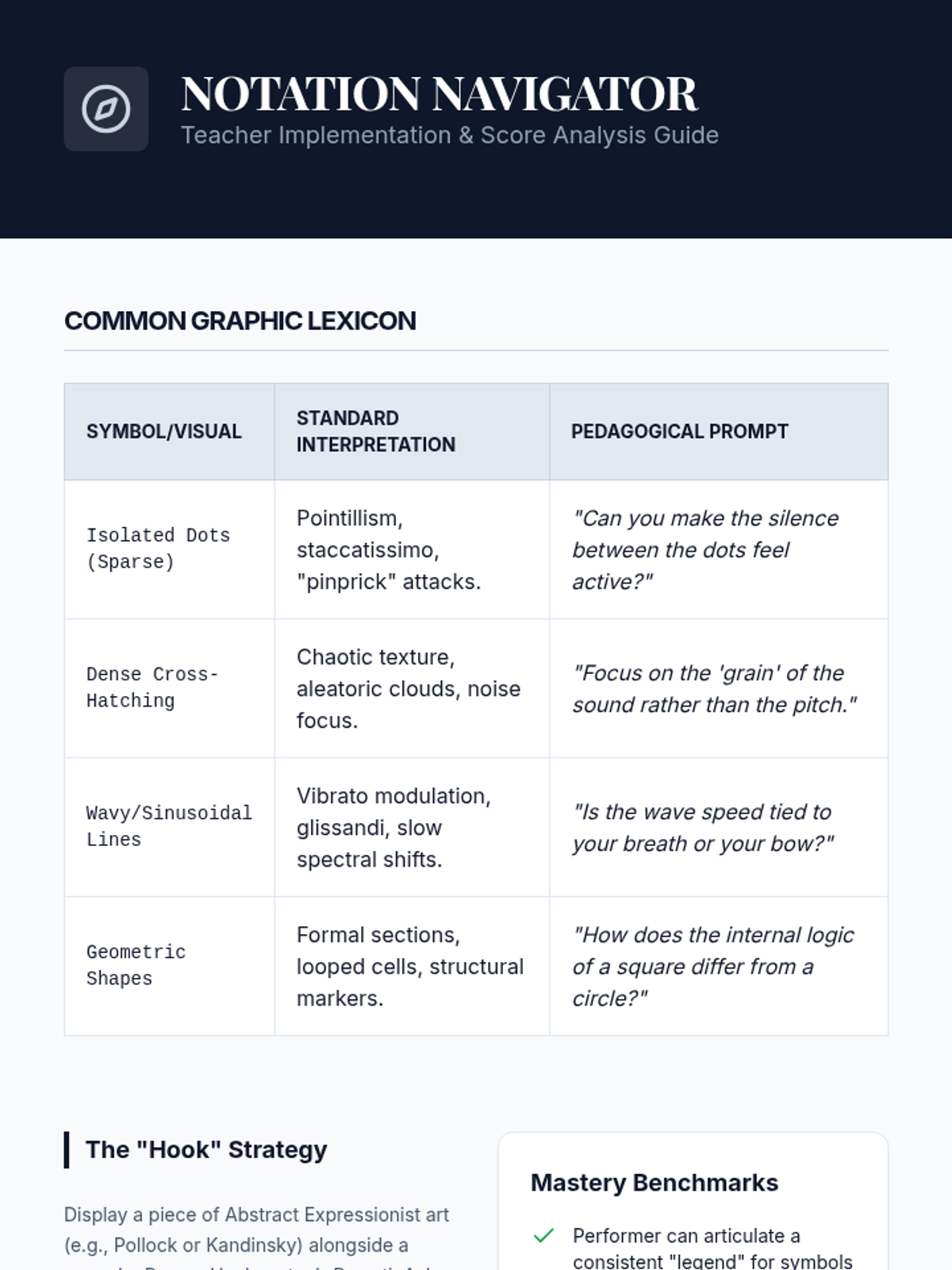
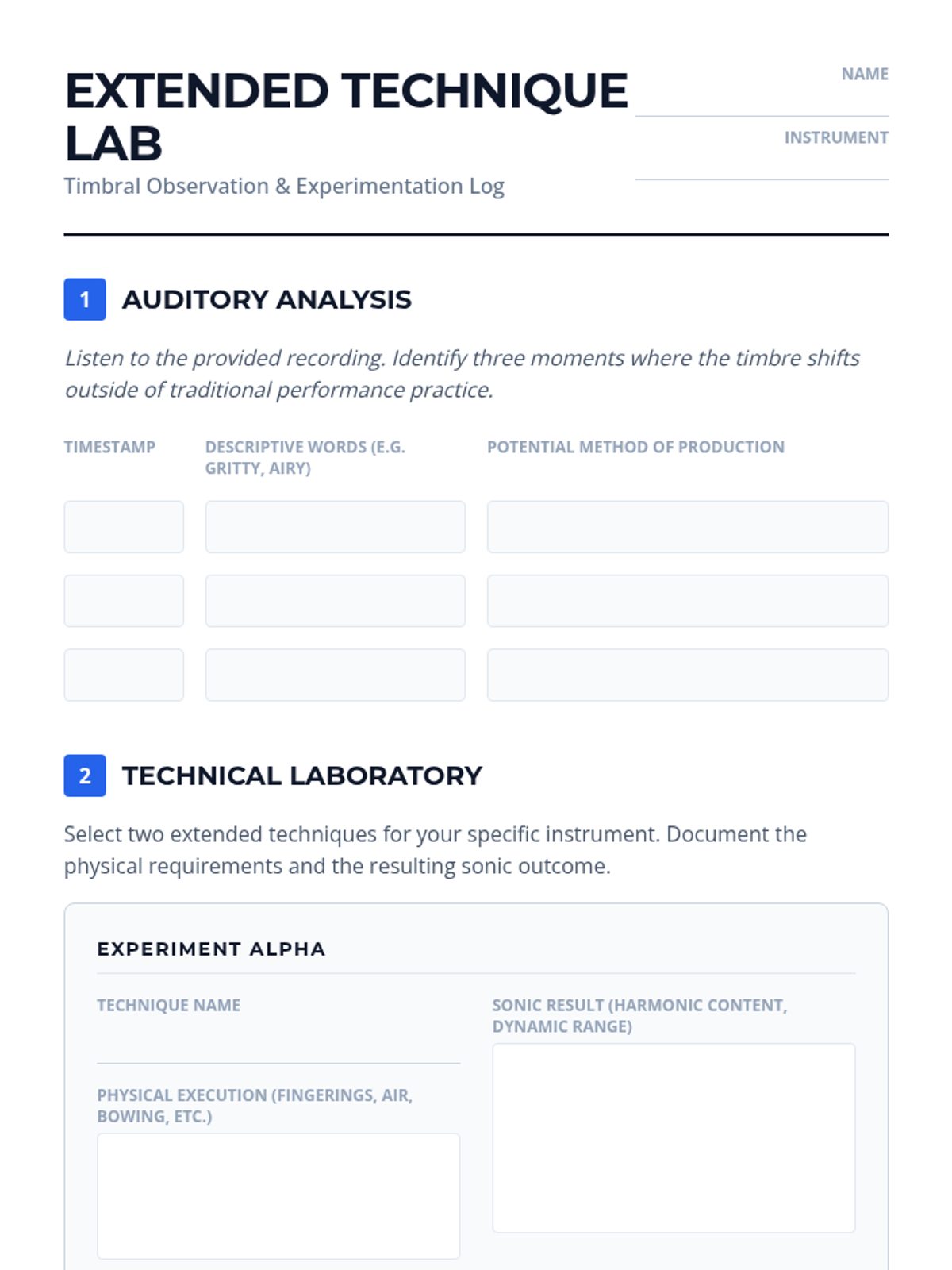
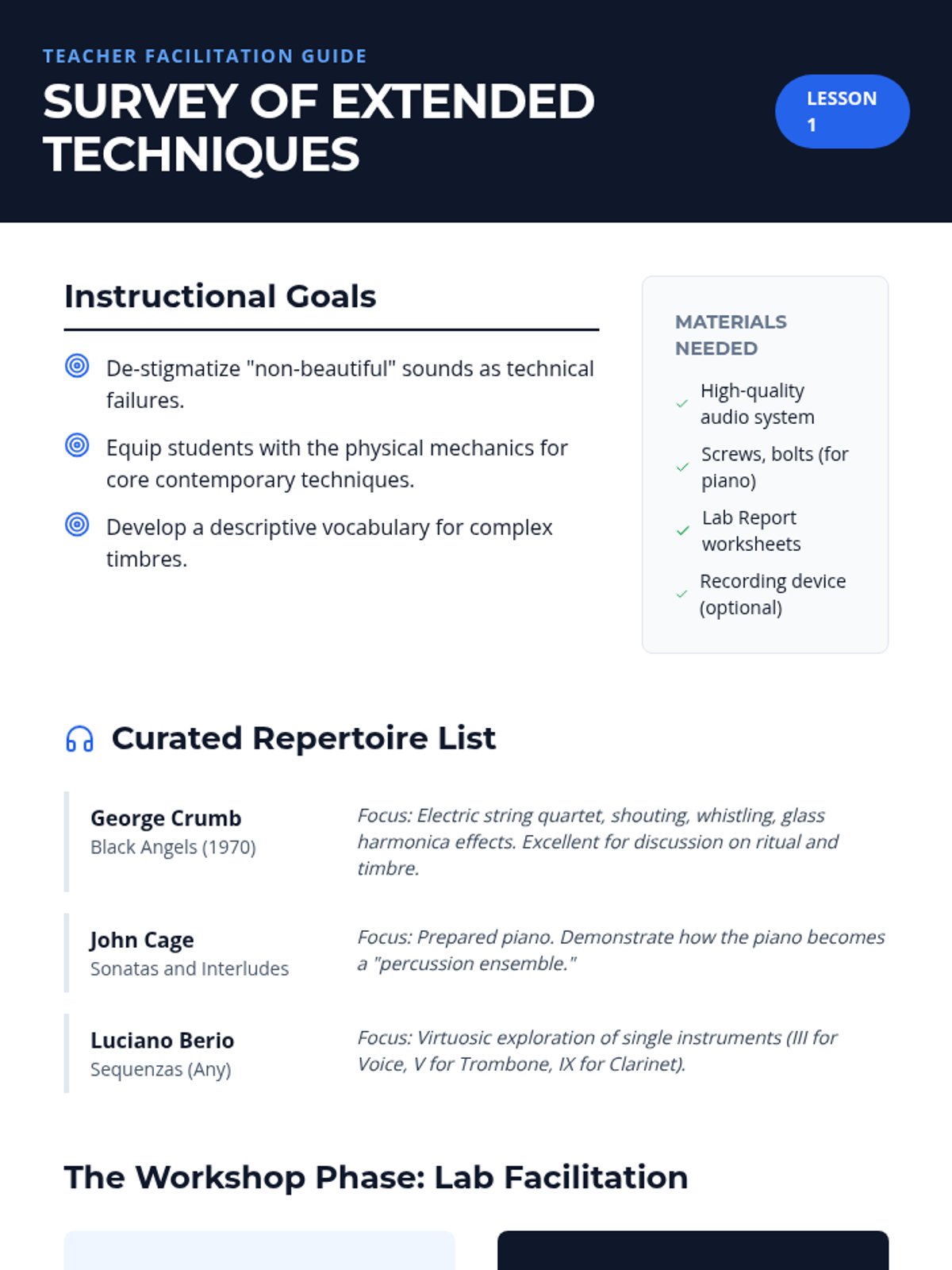
A graduate-level sequence focused on the technical and interpretive demands of 20th and 21st-century music, covering graphic notation, extended techniques, complex rhythms, and professional collaboration.
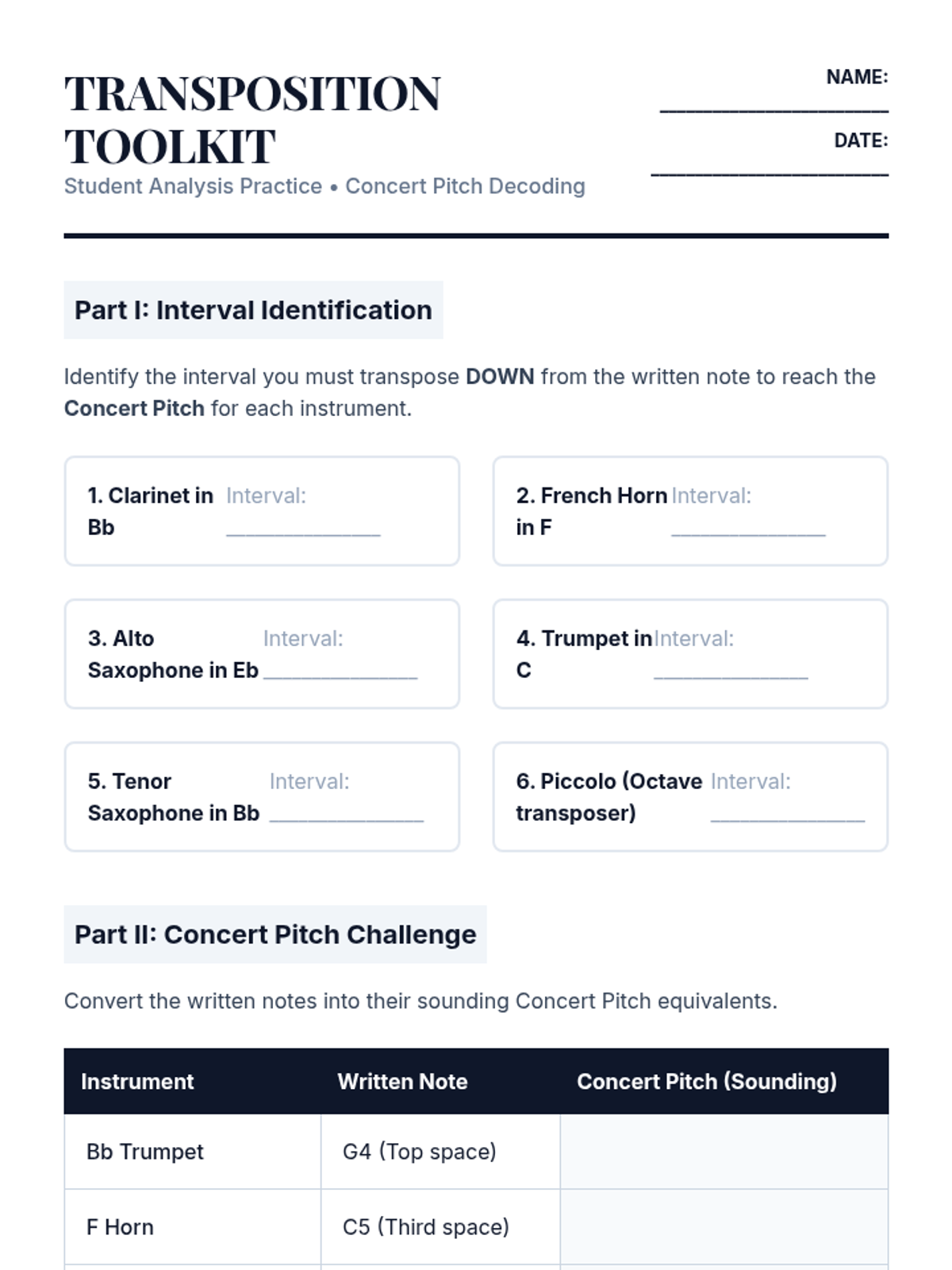
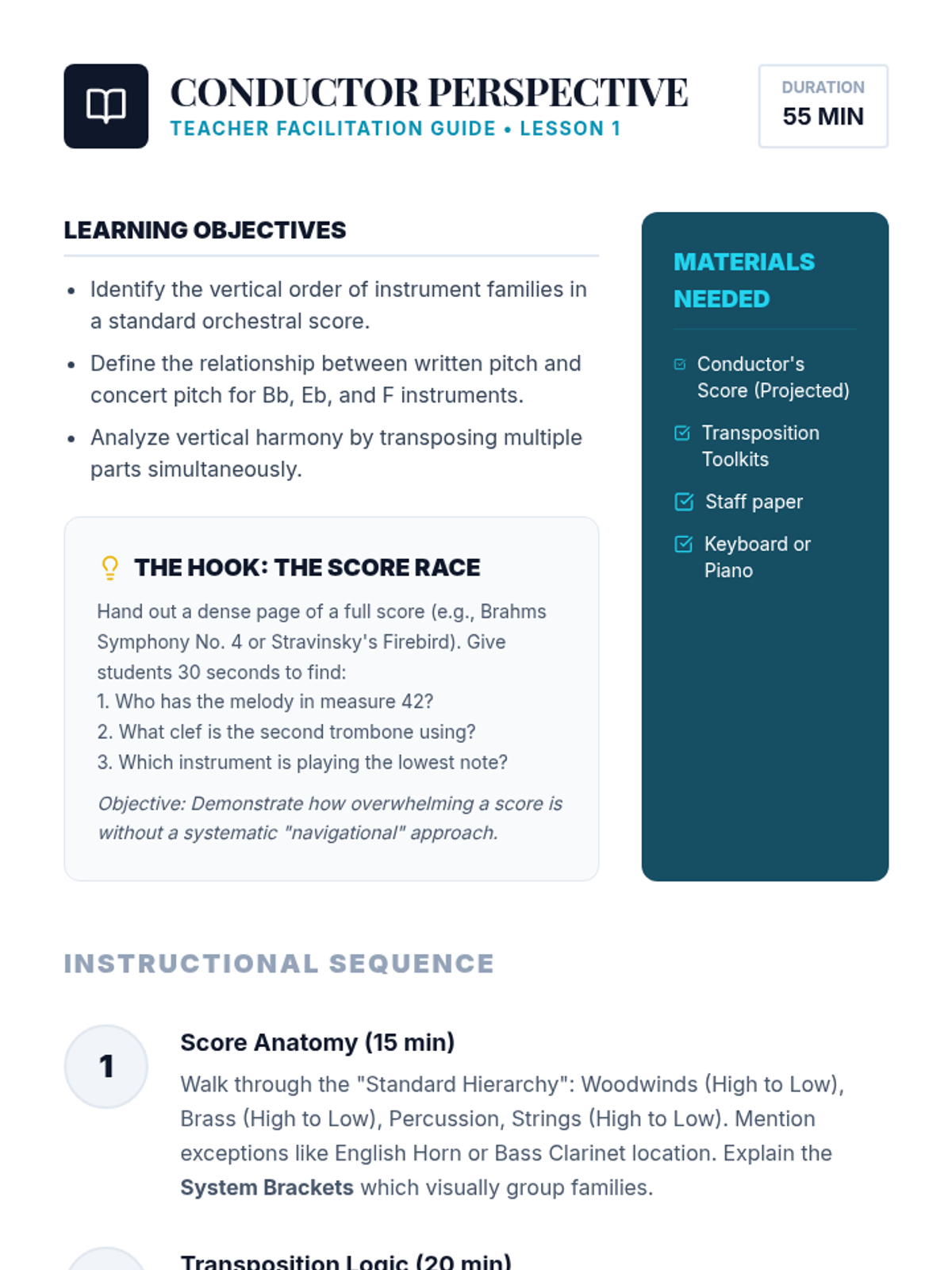
A comprehensive 11th-grade music sequence that teaches students how to analyze full conductor scores for structural, harmonic, and historical insights to improve their instrumental performance. Students move from technical transposition skills to artistic interpretation through detailed score annotation.
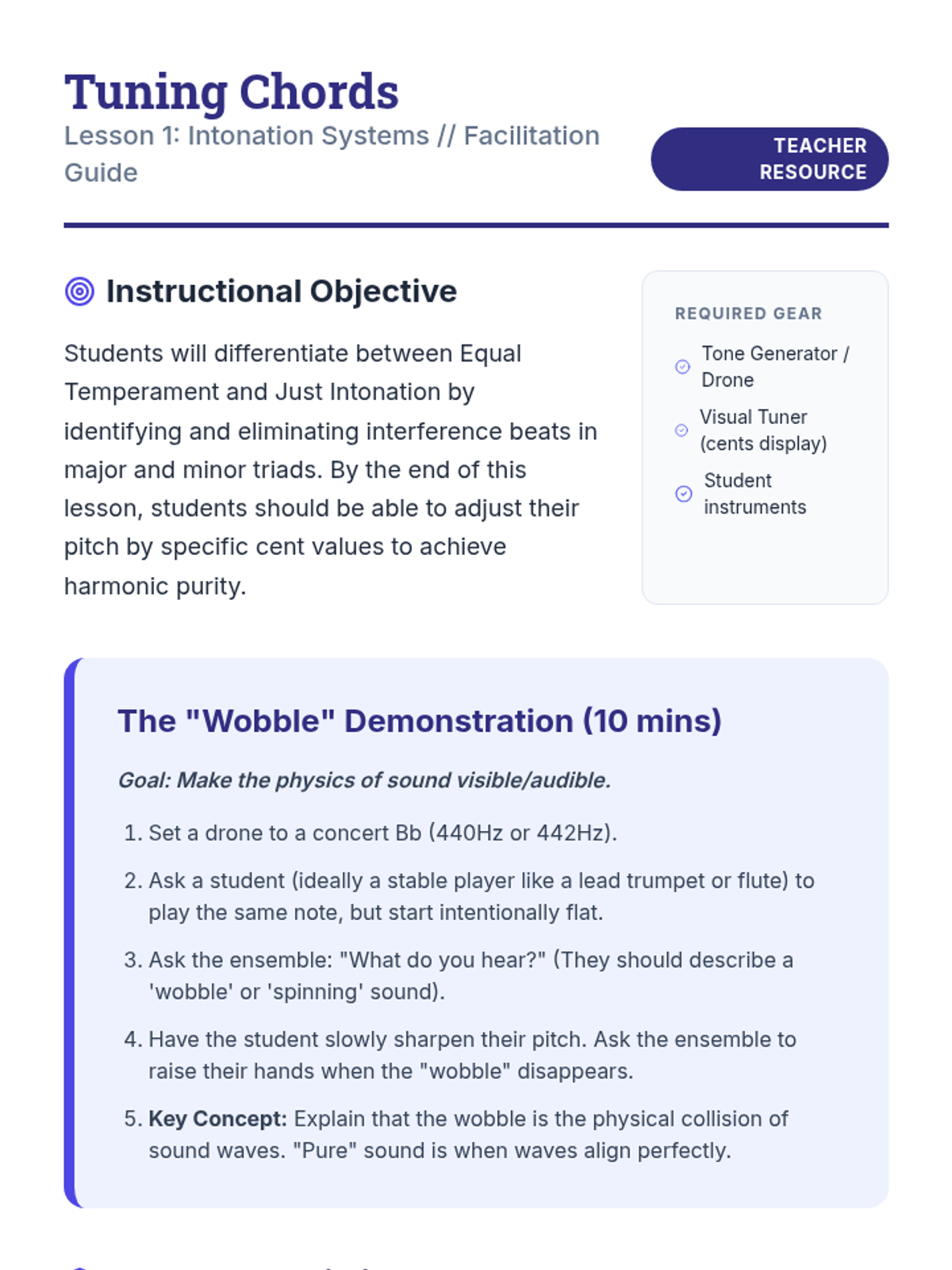
This sequence guides 11th-grade instrumentalists from individual technical proficiency to advanced ensemble cohesion. Students explore the physics of intonation, the mathematics of complex rhythms, and the artistry of non-verbal communication to create a unified 'professional' sound.
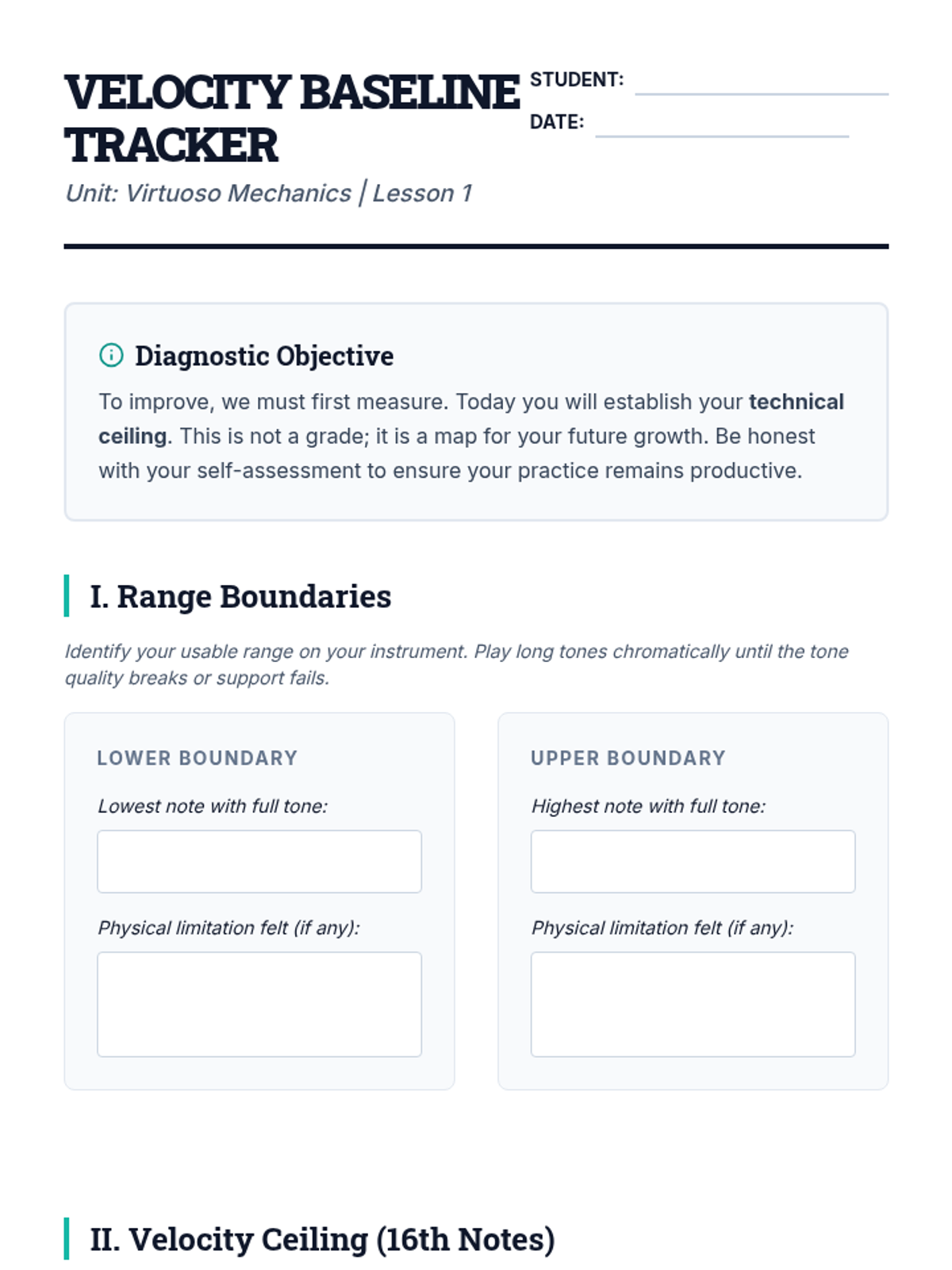
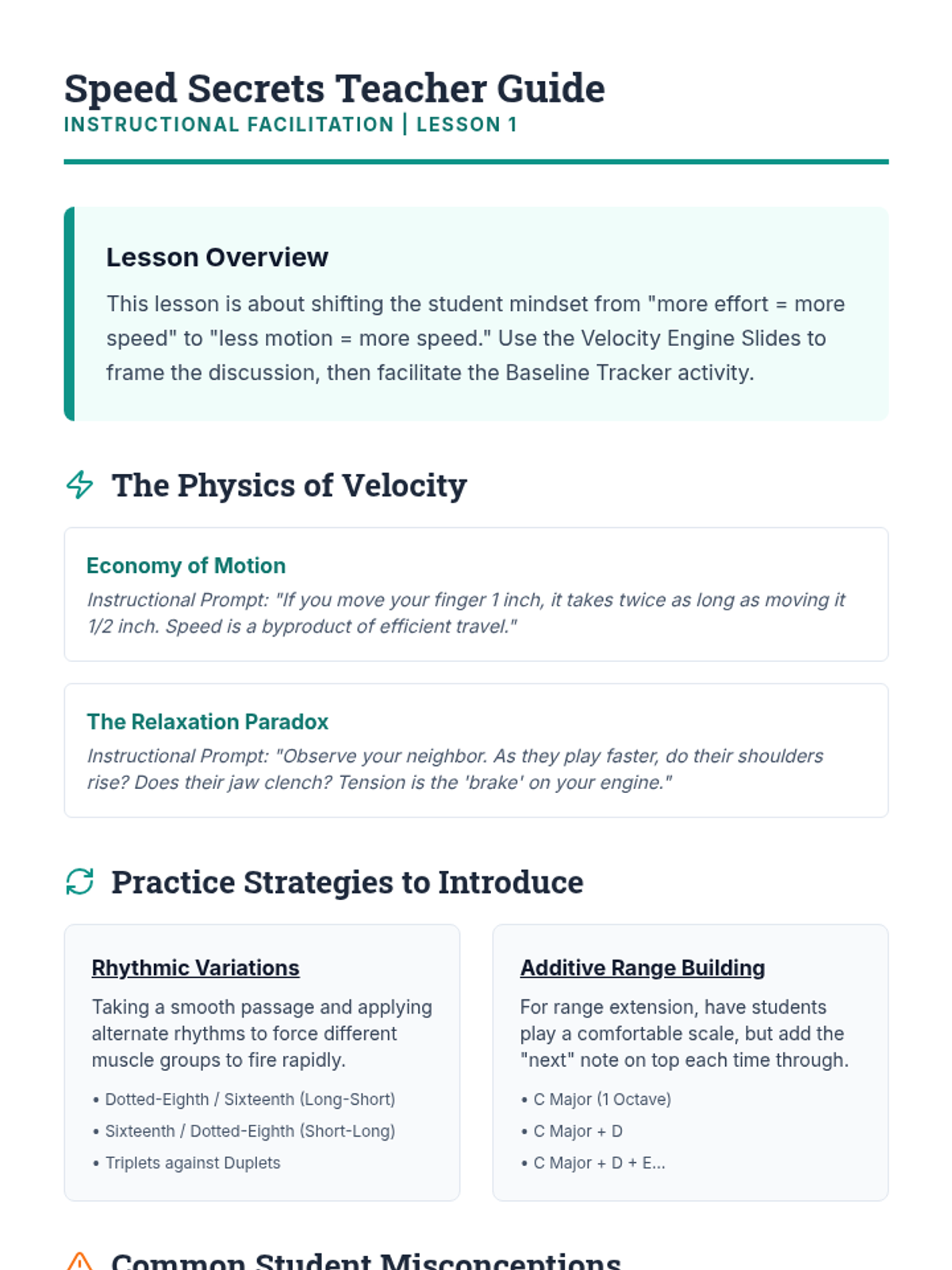
A comprehensive 11th-grade instrumental music unit focused on technical mastery. Students explore the mechanics of speed and articulation, progressing from baseline diagnostics to advanced instrument-specific techniques and culminating in a performance-based assessment of a technical etude.
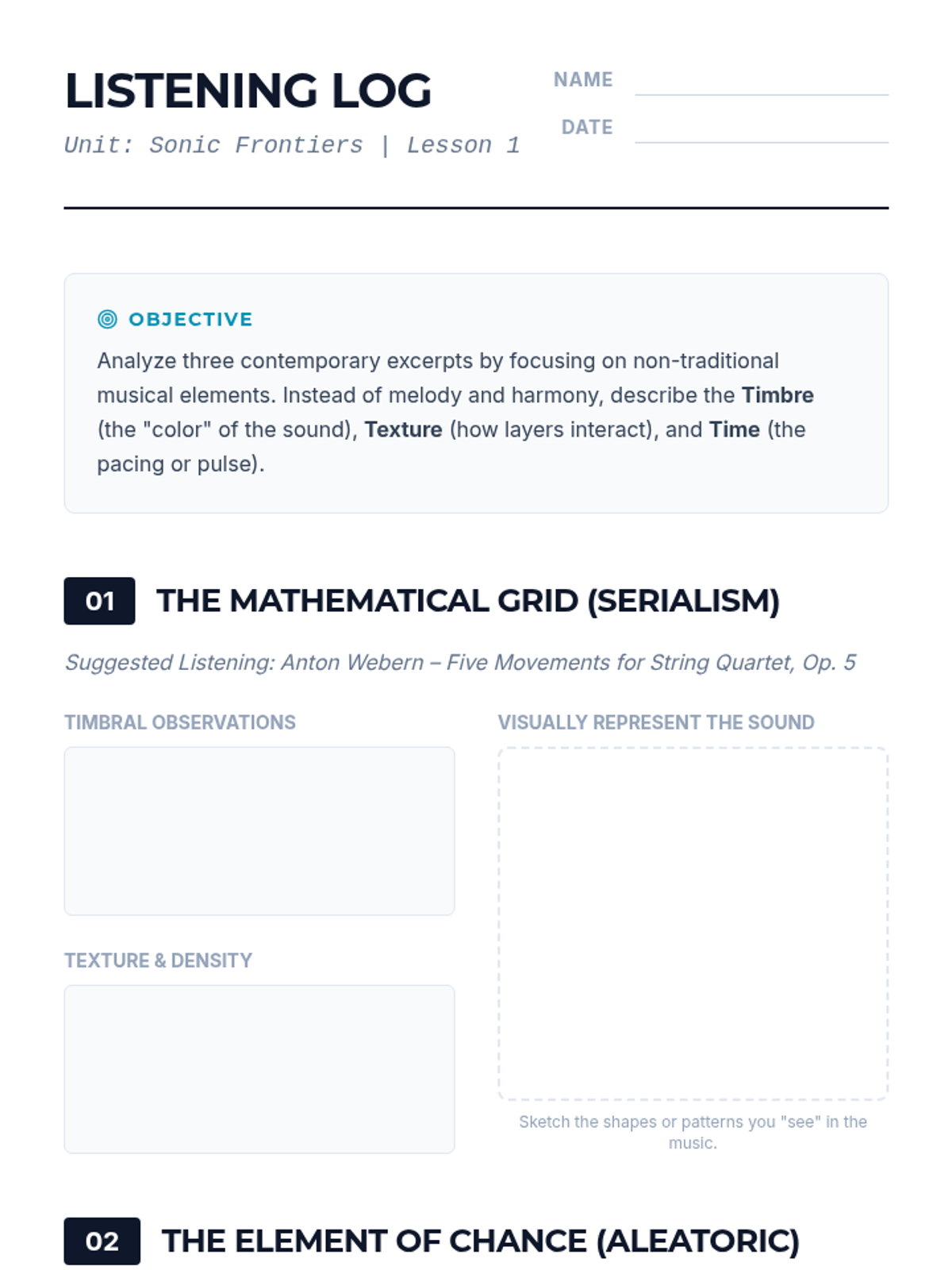
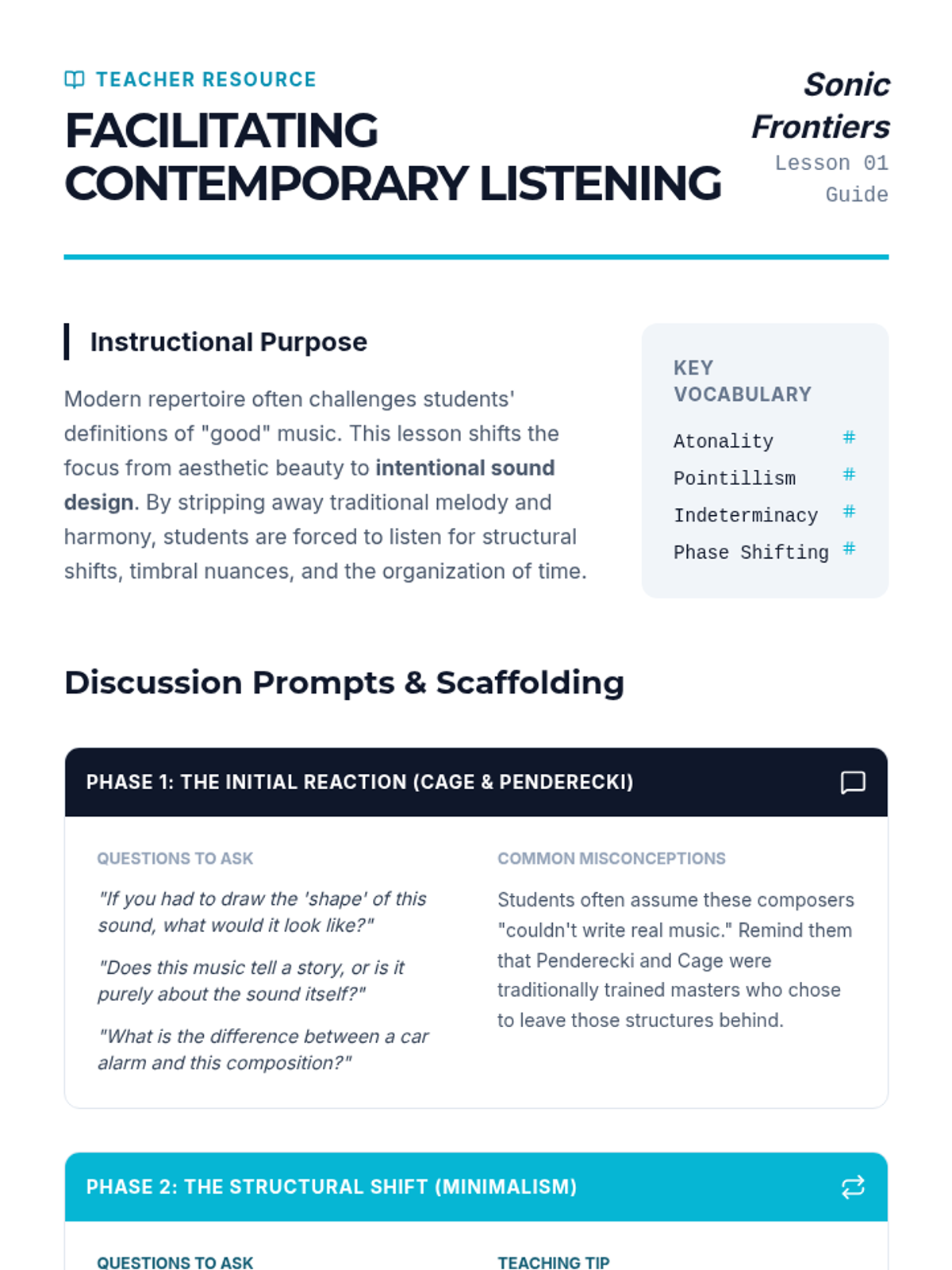
Students explore the evolution of instrumental music into the 20th and 21st centuries, focusing on non-traditional notation and extended techniques. The sequence covers major movements like serialism and minimalism, practical workshops on multiphonics and percussive effects, and project-based work with graphic scores.
A high school sequence that bridges music theory and instrumental performance through improvisation. Students move from analyzing harmonic structures to spontaneously creating melodic content using modes, guide tones, and stylistic embellishments.
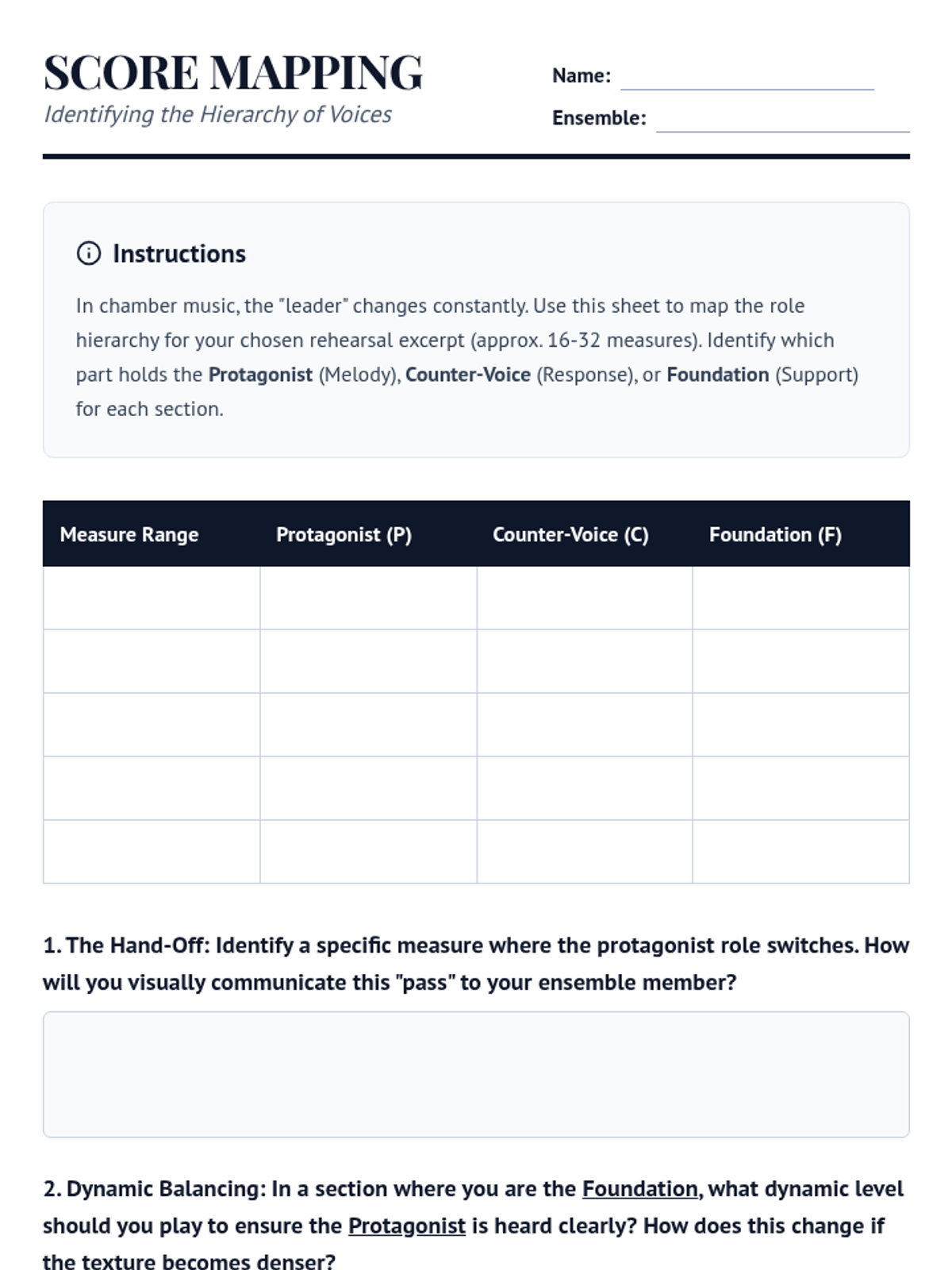
A comprehensive 12th-grade music sequence focusing on the collaborative dynamics of chamber music without a conductor. Students explore role hierarchy, non-verbal communication, acoustic tuning, and democratic interpretation to create unified ensemble performances.
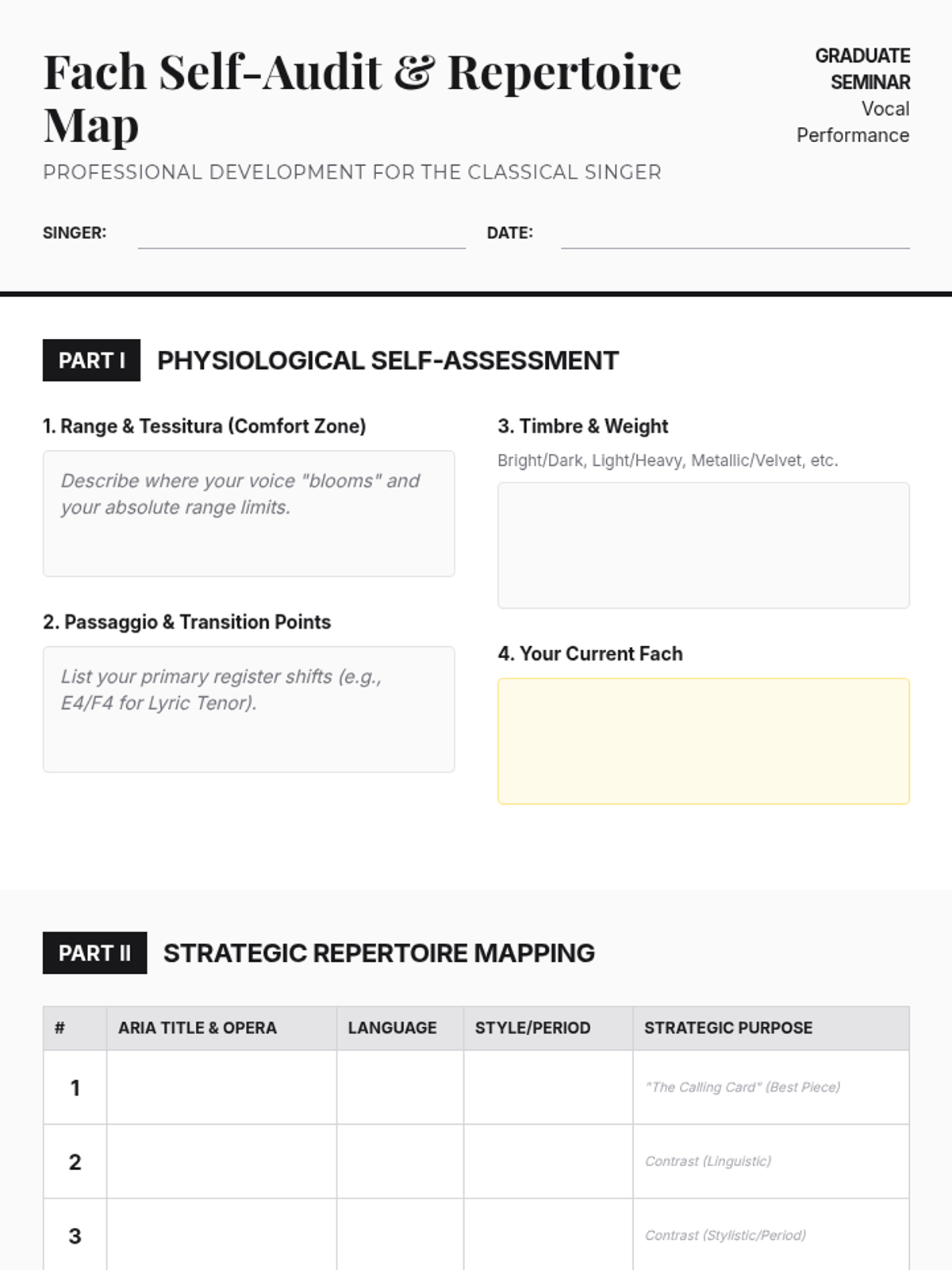
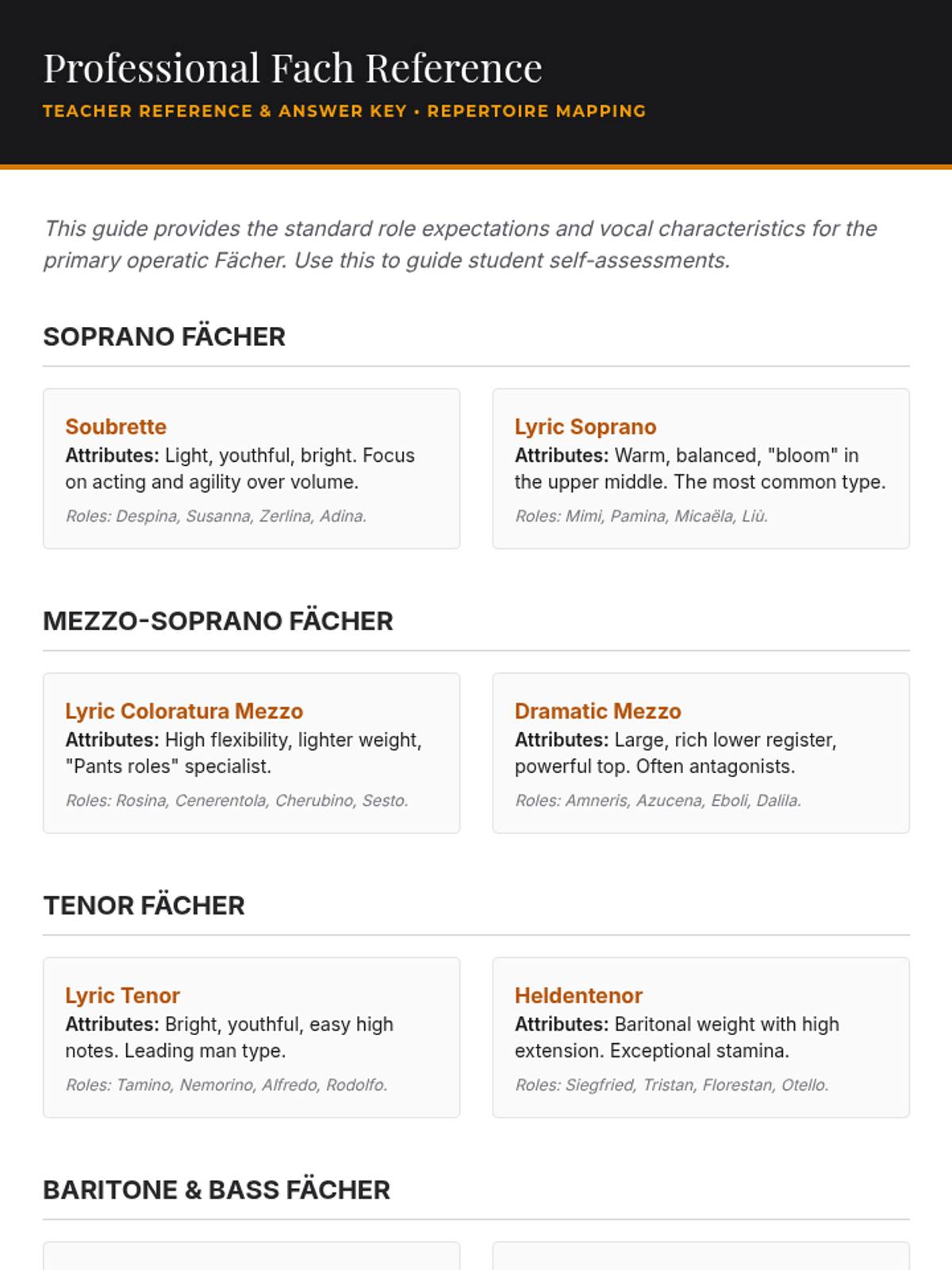
A comprehensive career-focused sequence for graduate-level singers, covering Fach analysis, audition repertoire, professional materials, performance psychology, and a final mock audition. This unit bridges the gap between conservatory training and the professional music industry.
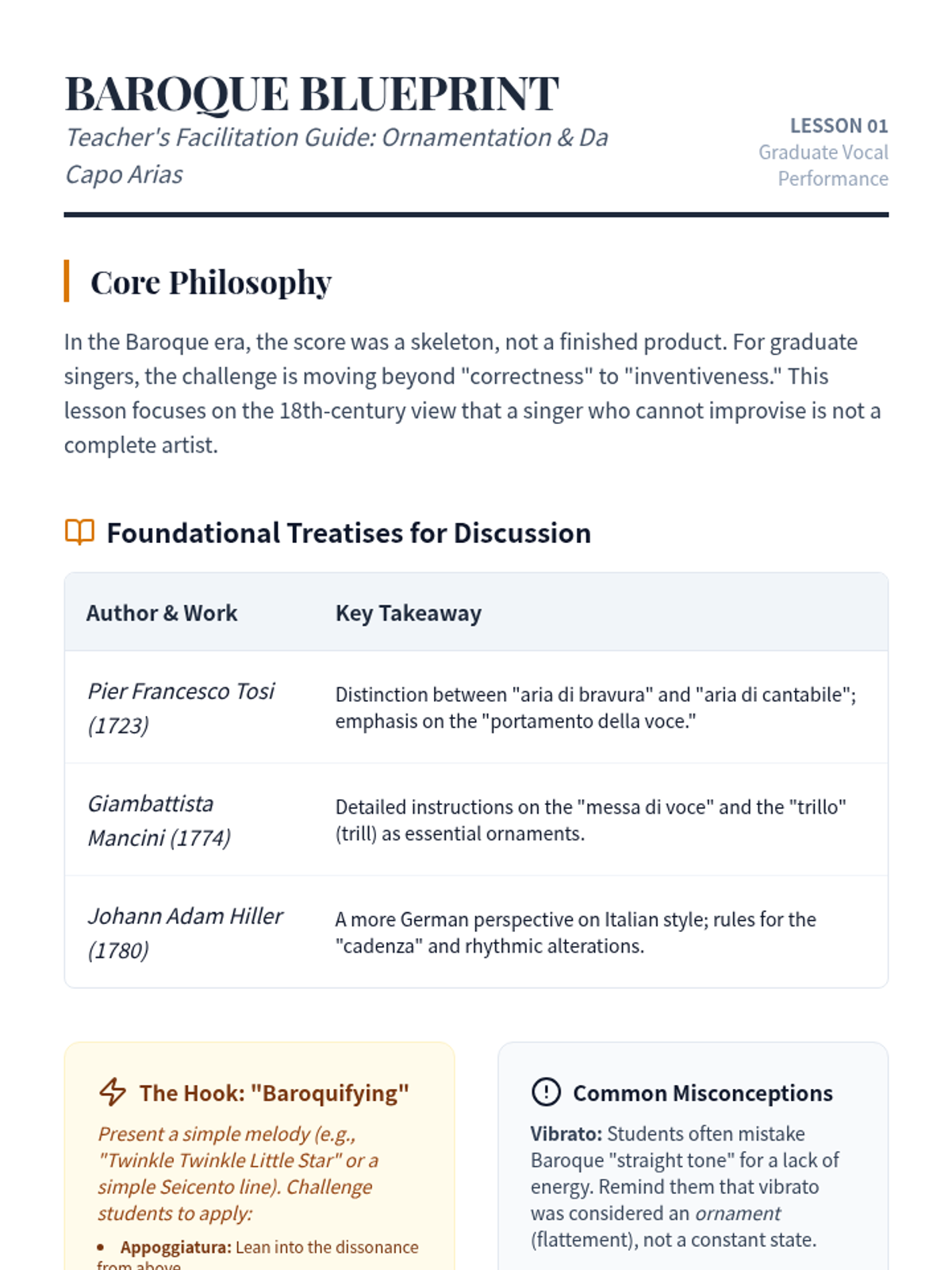
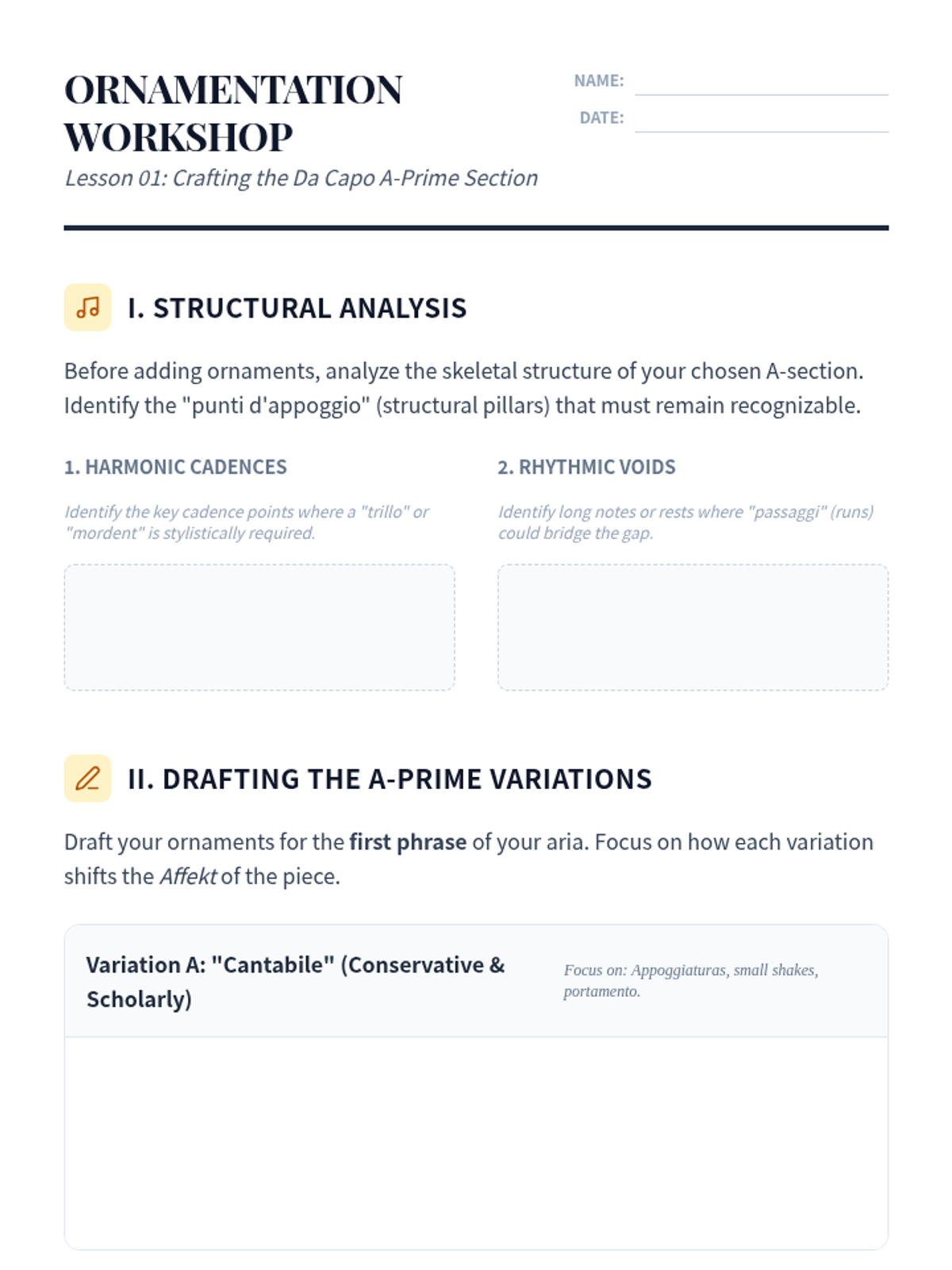
A graduate-level sequence exploring historical performance practice from the Baroque era to the 21st century, focusing on the tension between musicological evidence and personal artistic expression in vocal performance.
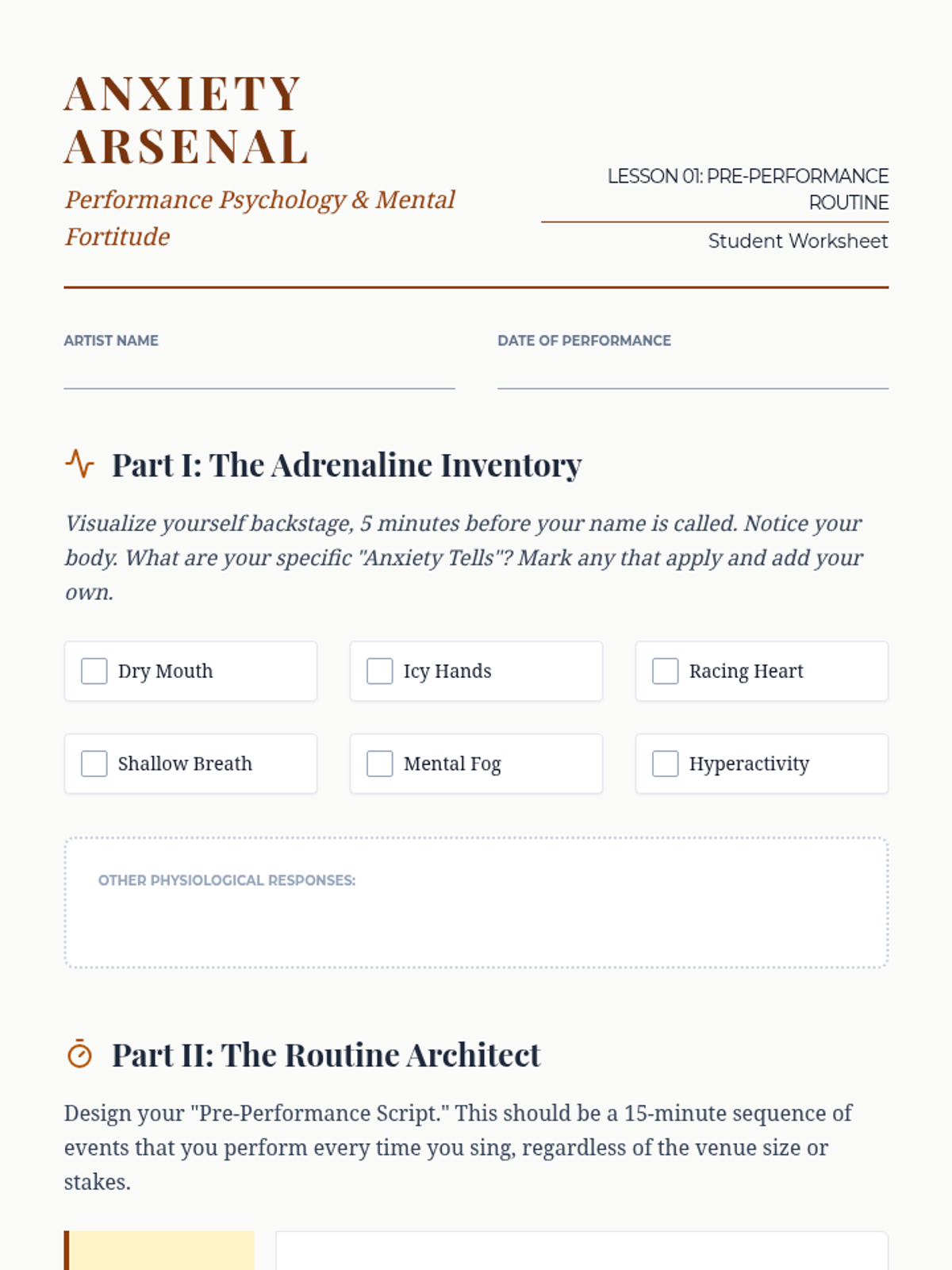
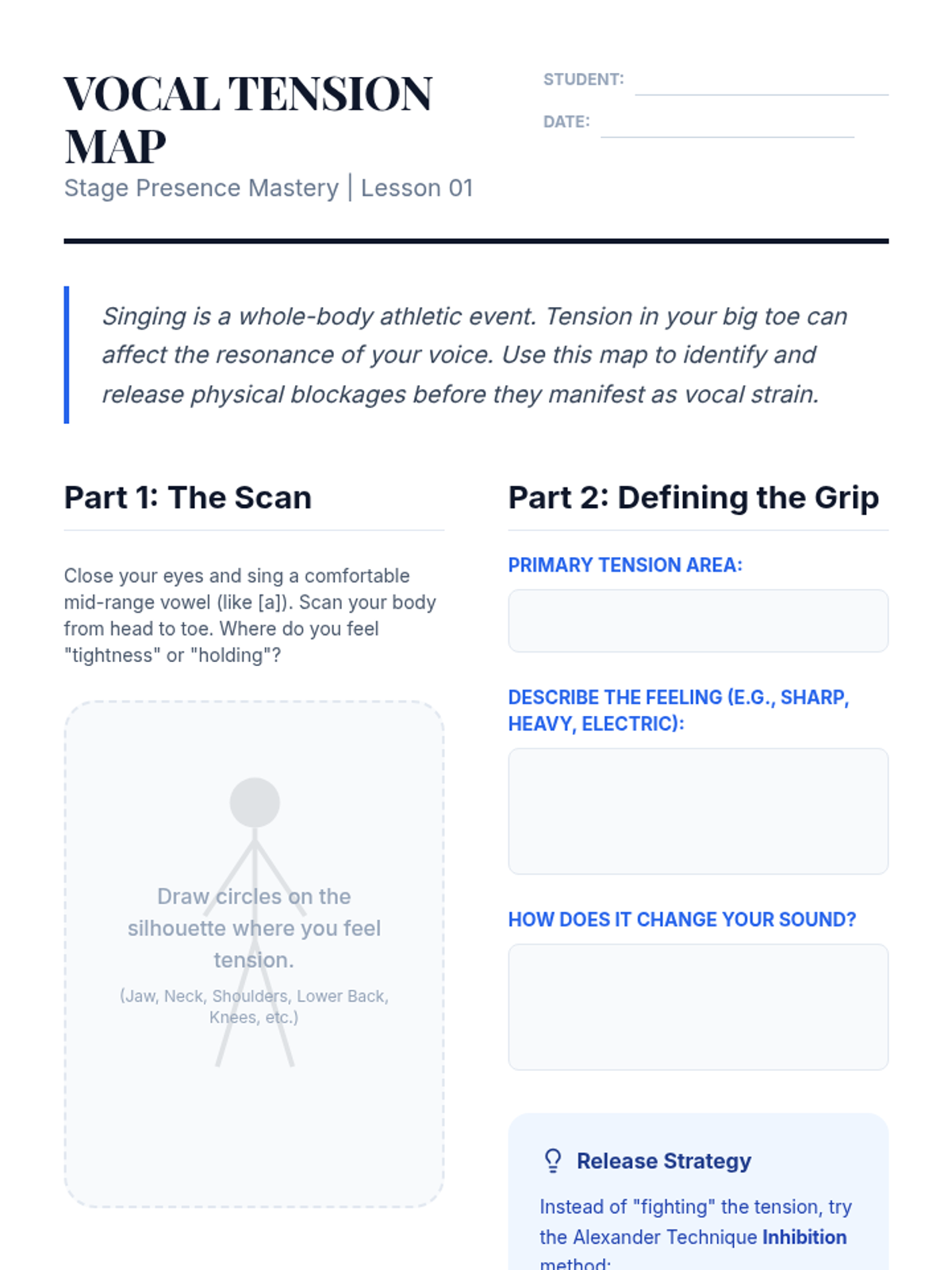
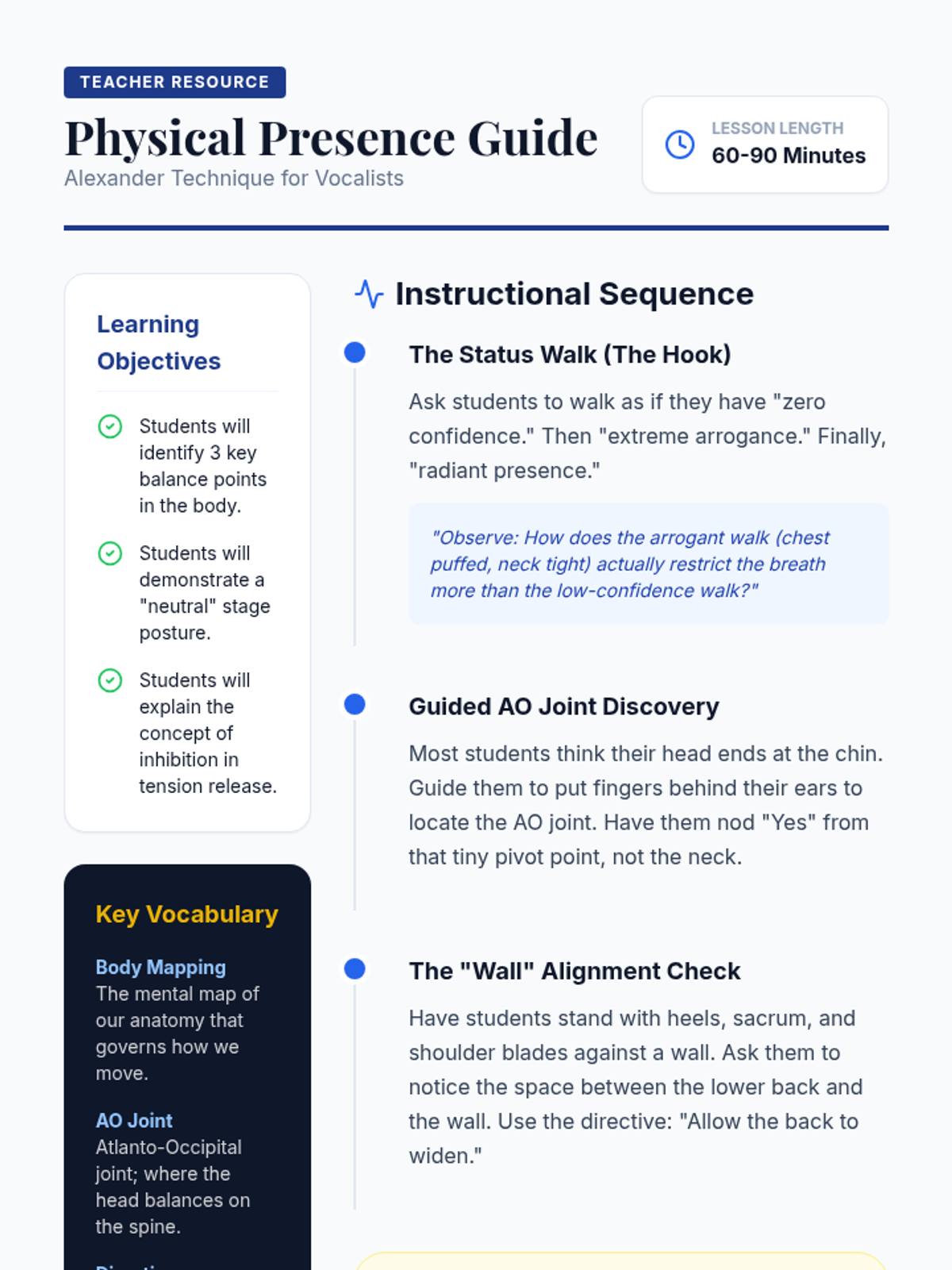
A comprehensive sequence for undergraduate vocalists focused on performance psychology, physical stage presence, audience engagement, and professional audition protocols. Students transition from managing internal anxiety to mastering the external logistics of the professional music industry.
A comprehensive undergraduate sequence bridging technical vocal proficiency with artistic interpretation through text analysis, phrasing, timbre, and historical context.
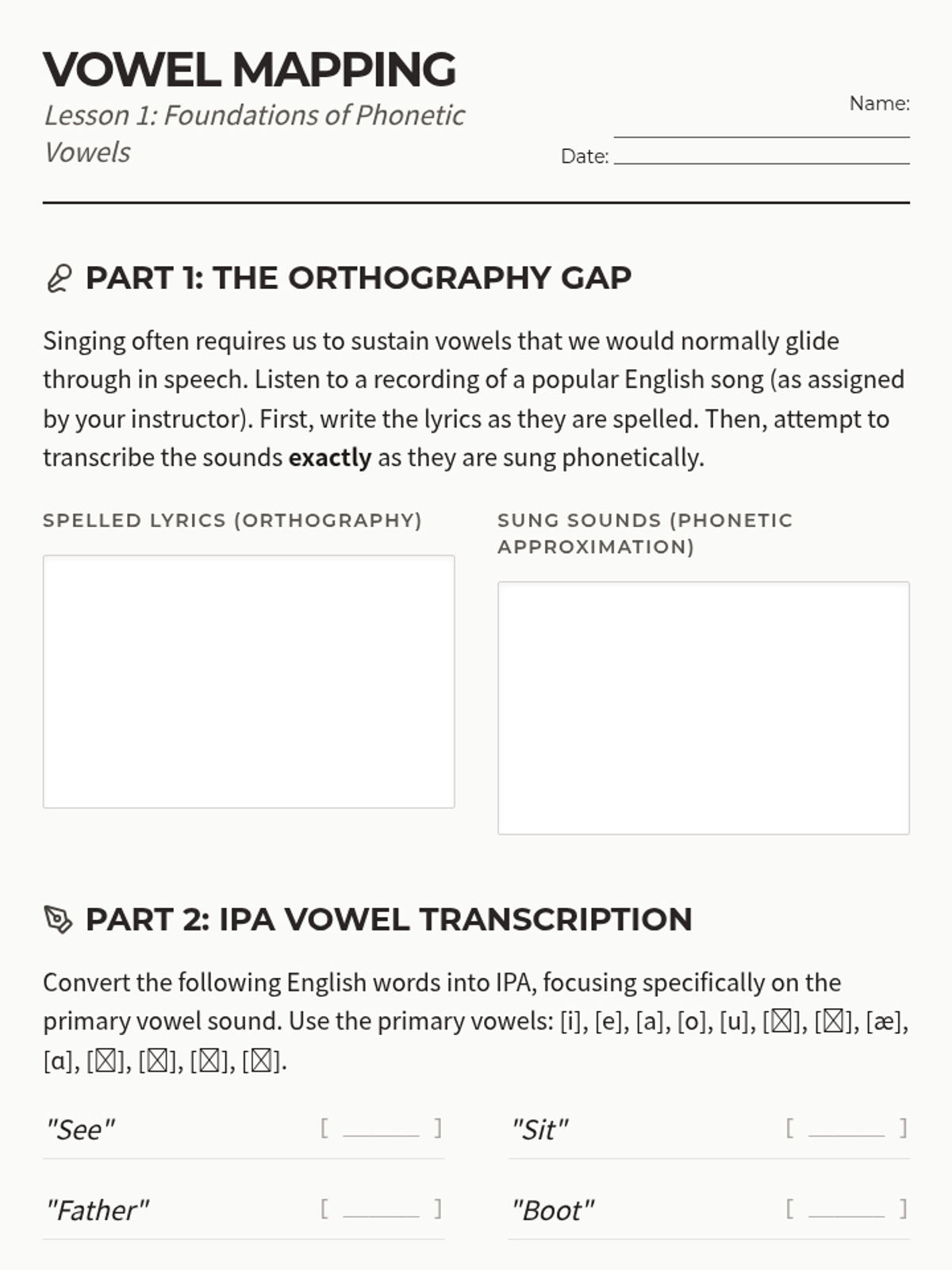
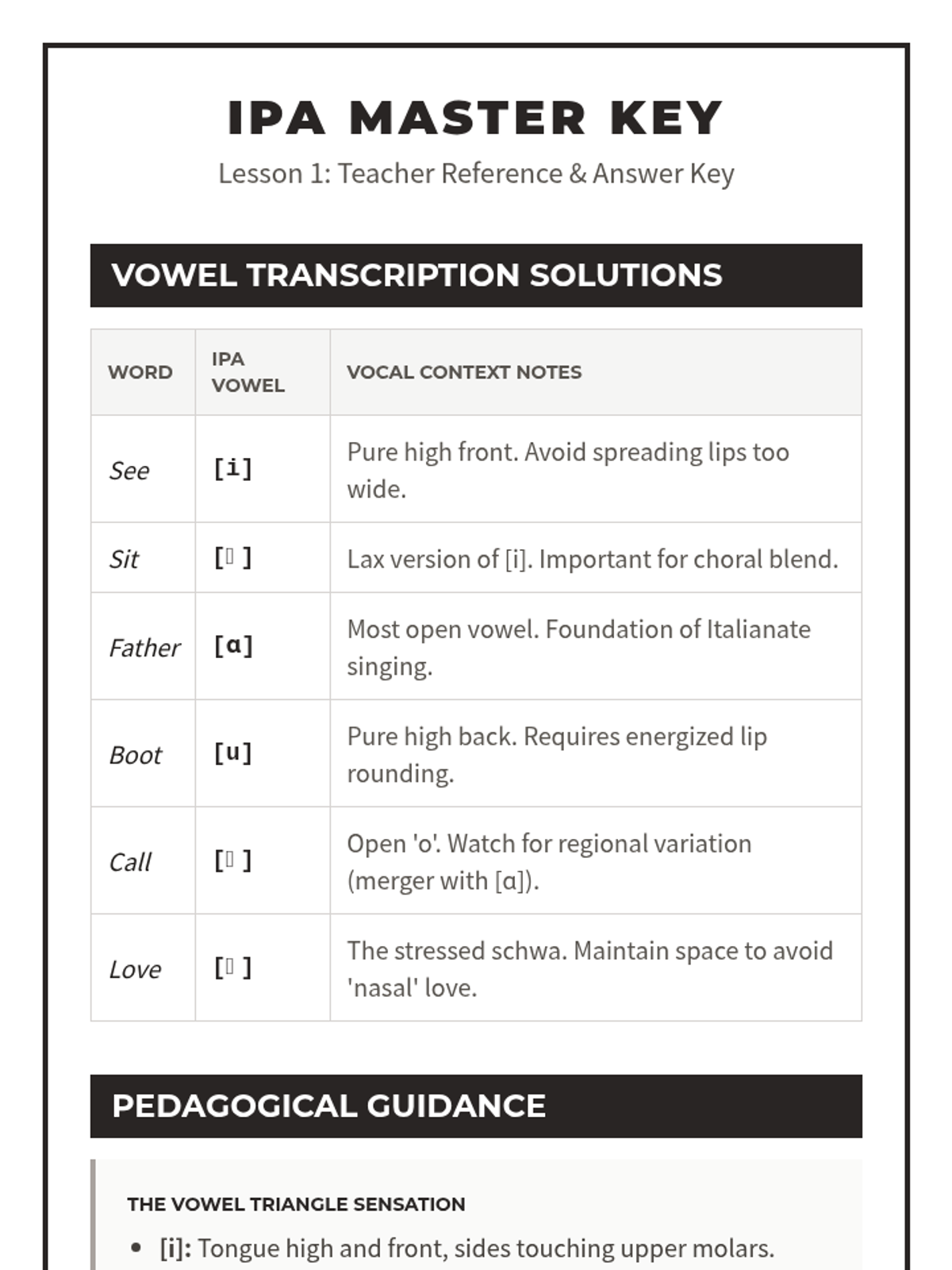
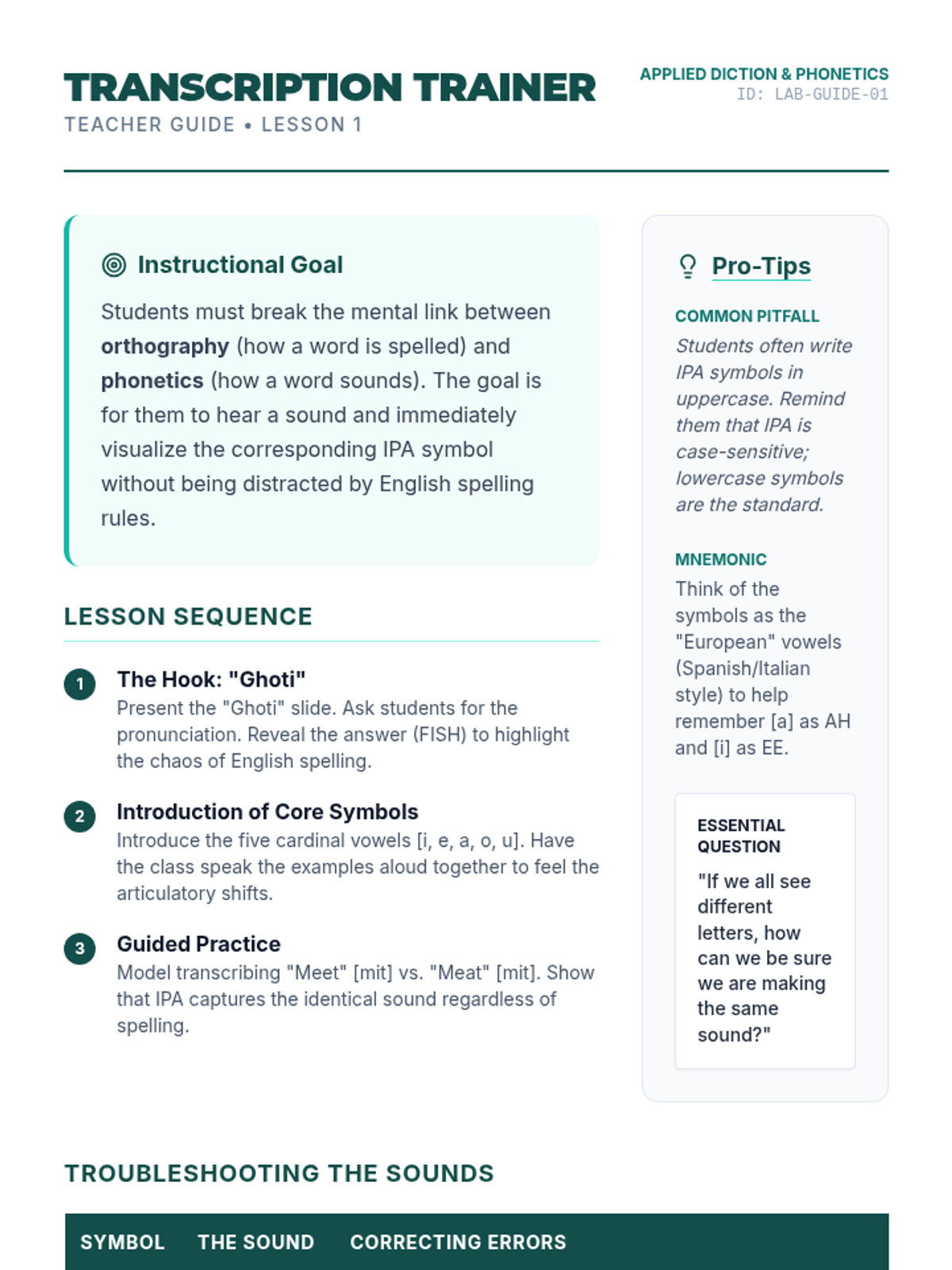
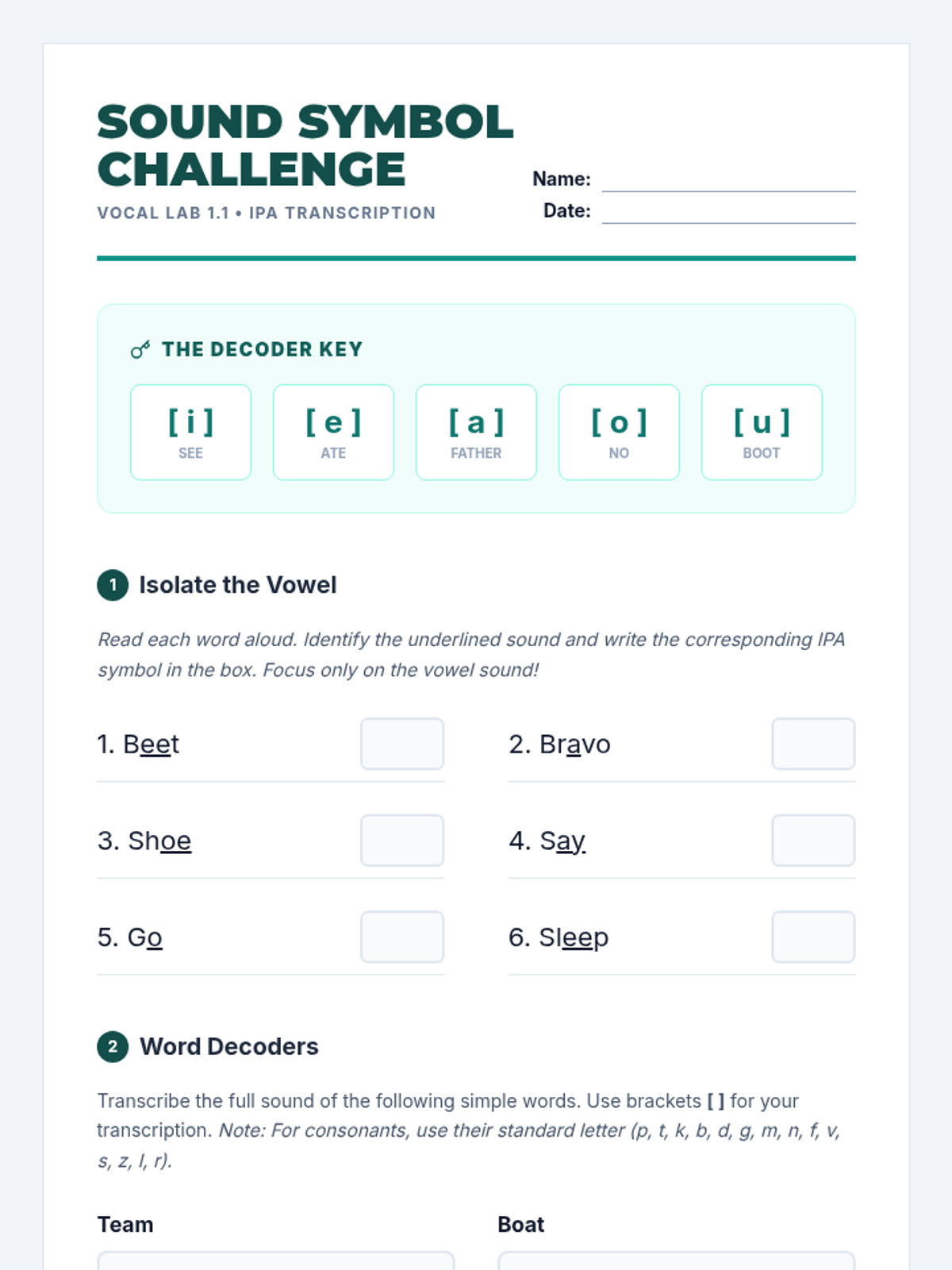
A comprehensive workshop-style sequence for undergraduate vocalists focusing on the International Phonetic Alphabet (IPA) and articulatory phonetics to achieve precision, vowel purity, and stylistic authenticity in singing across English, Italian, German, and French.
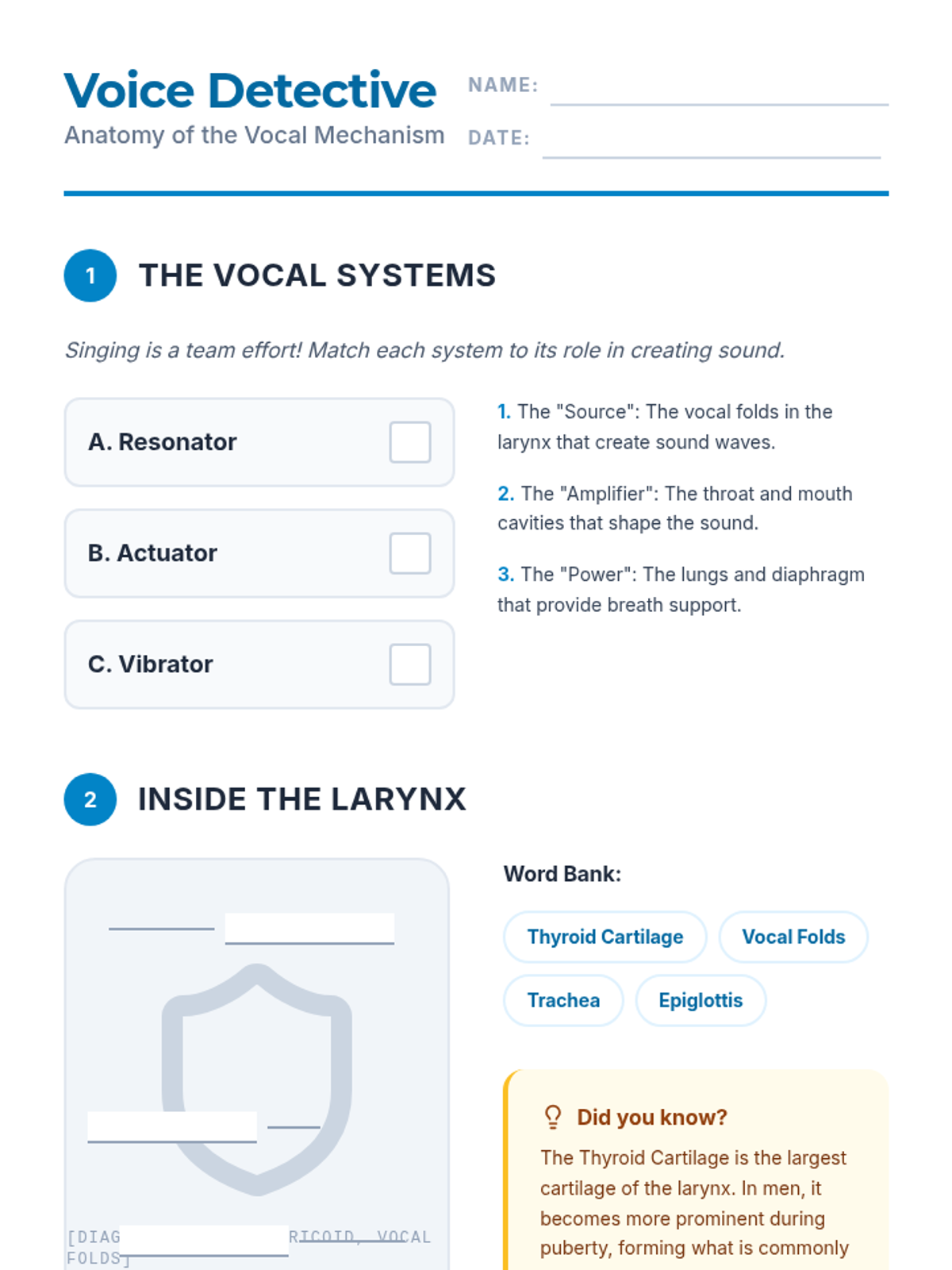
A comprehensive sequence for undergraduate vocal students that explores the physiological and acoustic principles of singing. From respiratory function to vocal health, students bridge the gap between science and artistry.
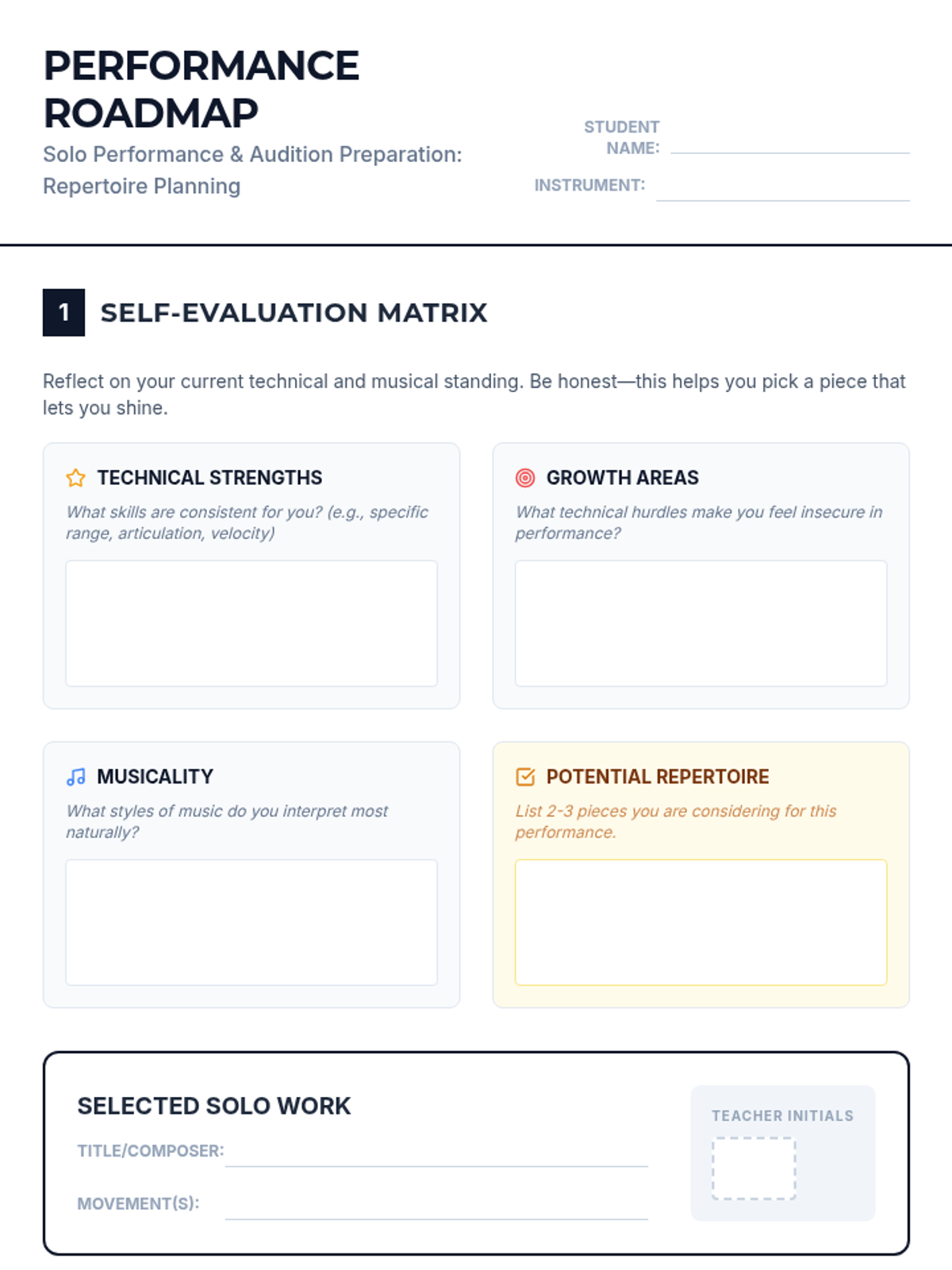
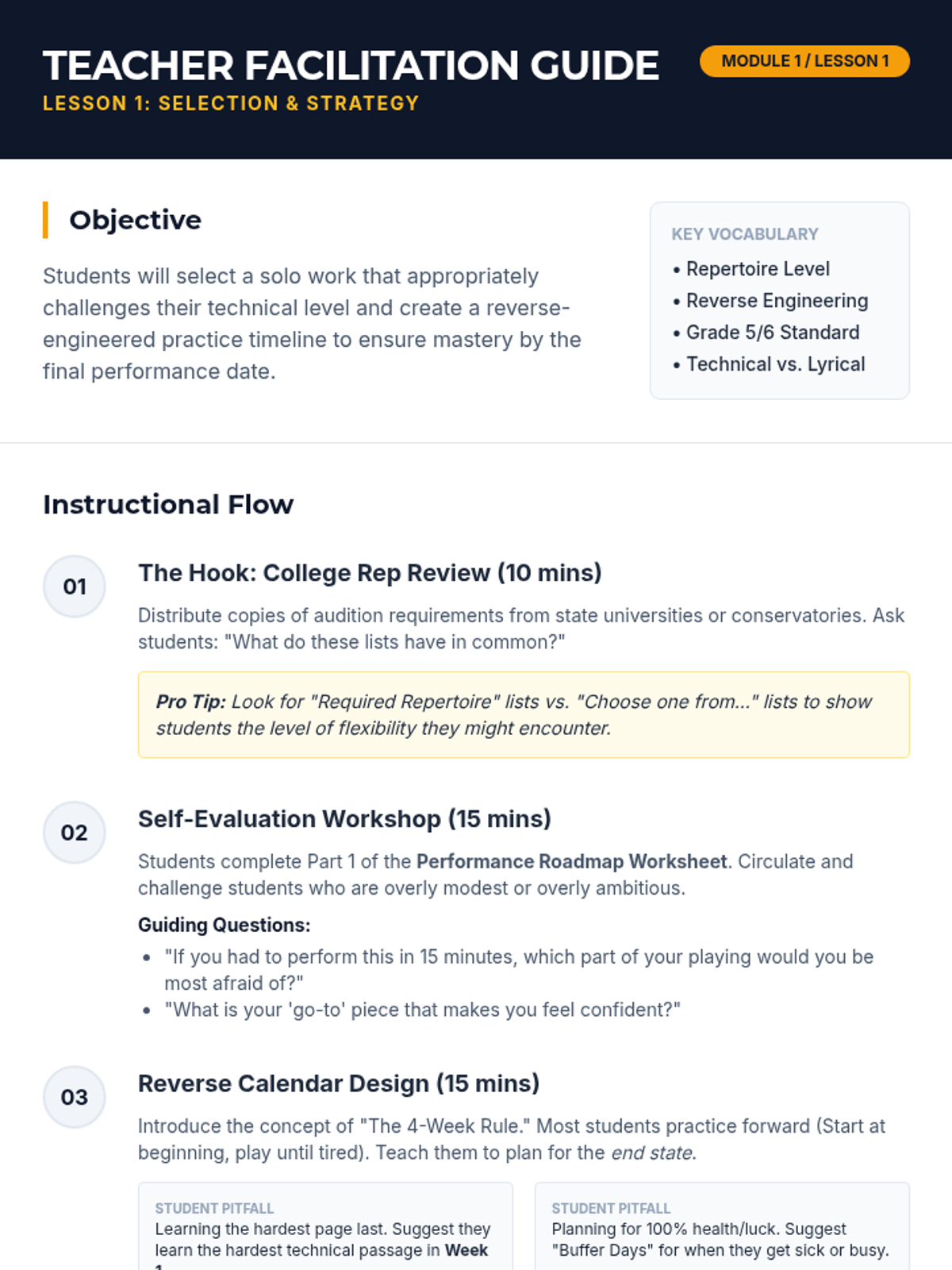
A comprehensive sequence for 11th-grade instrumentalists to master the technical, logistical, and psychological demands of solo performance and auditions. Students move from repertoire selection and deliberate practice planning to stage etiquette and peer-reviewed mock auditions, culminating in a polished final performance.
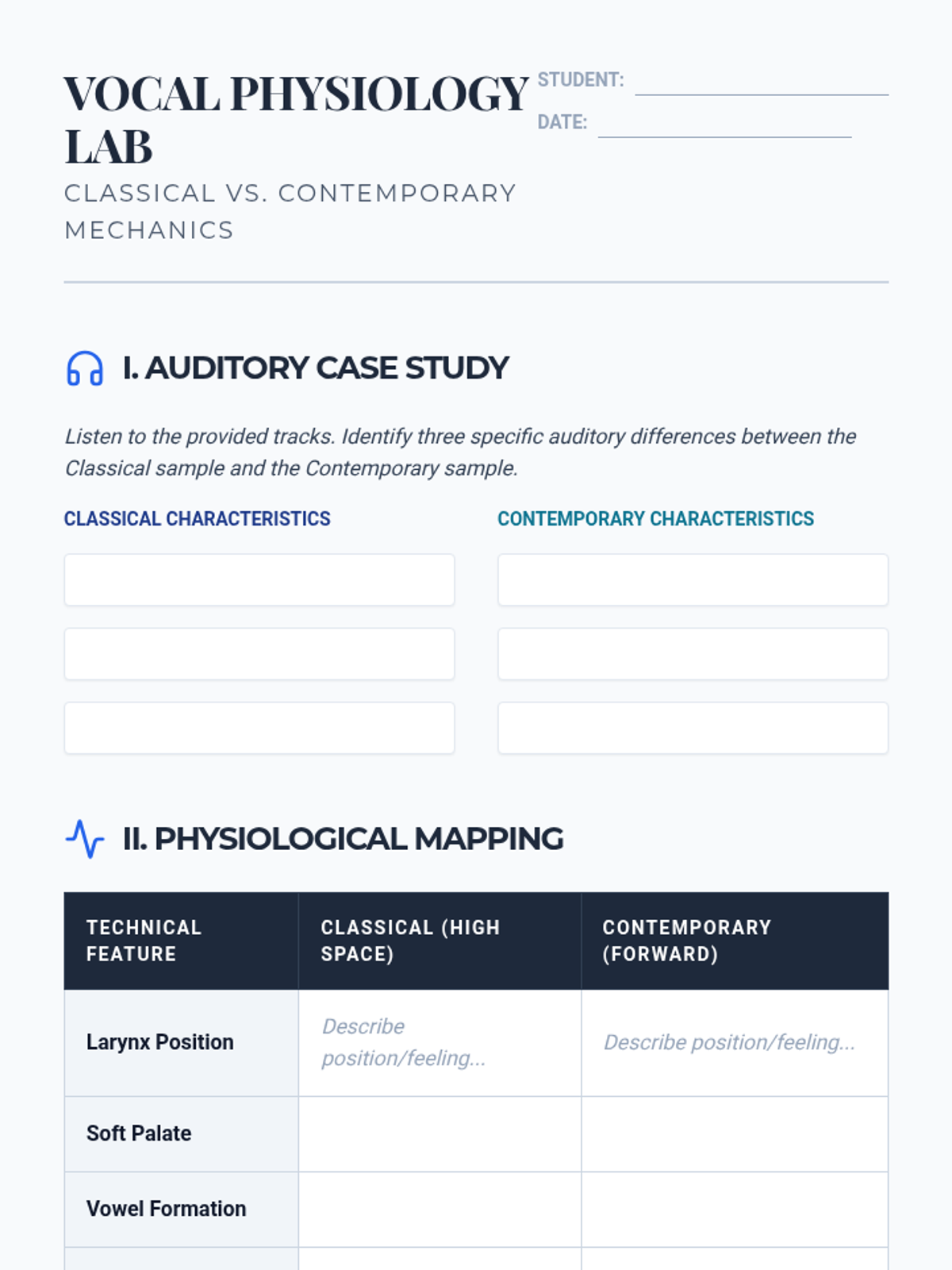
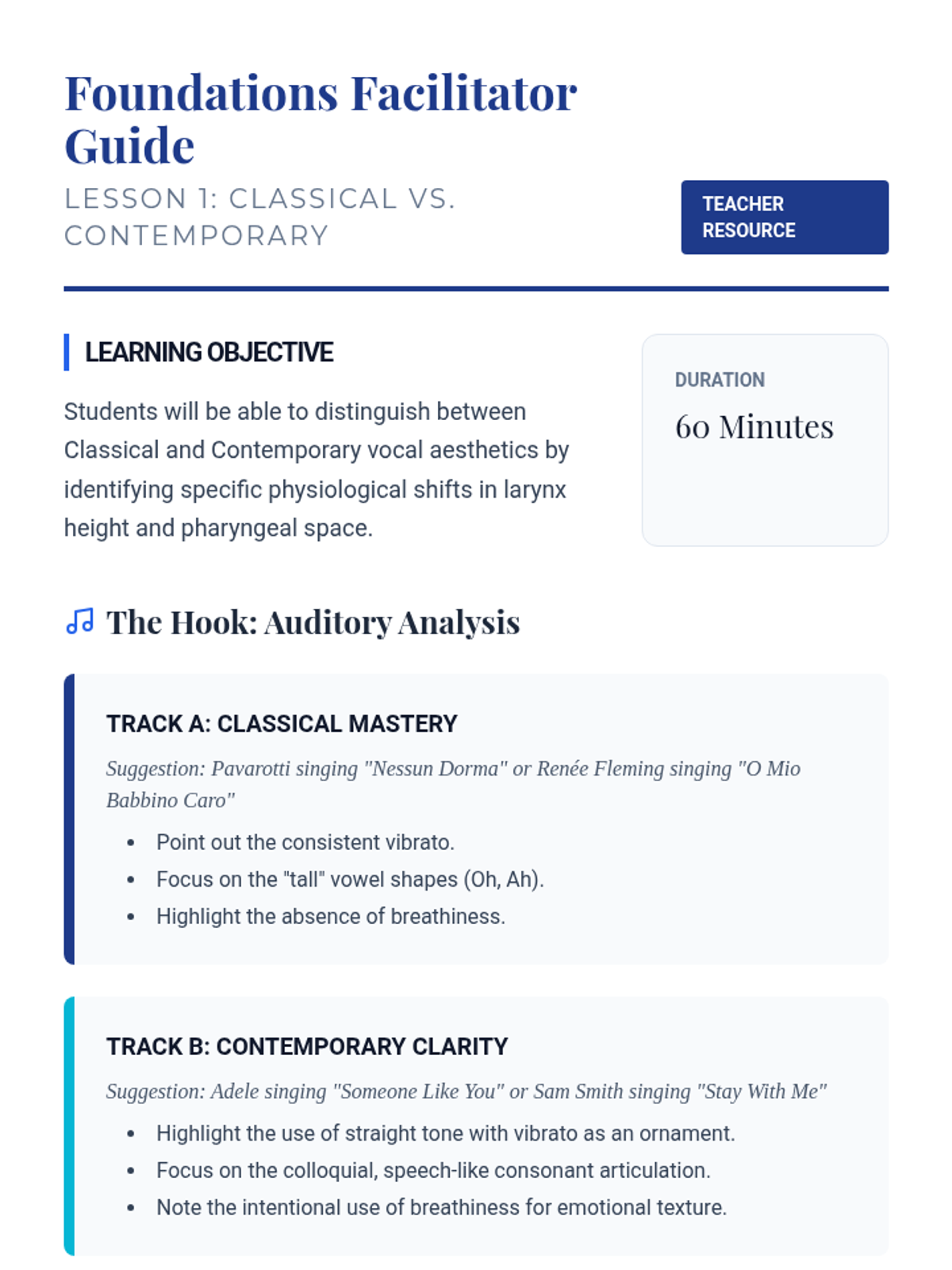
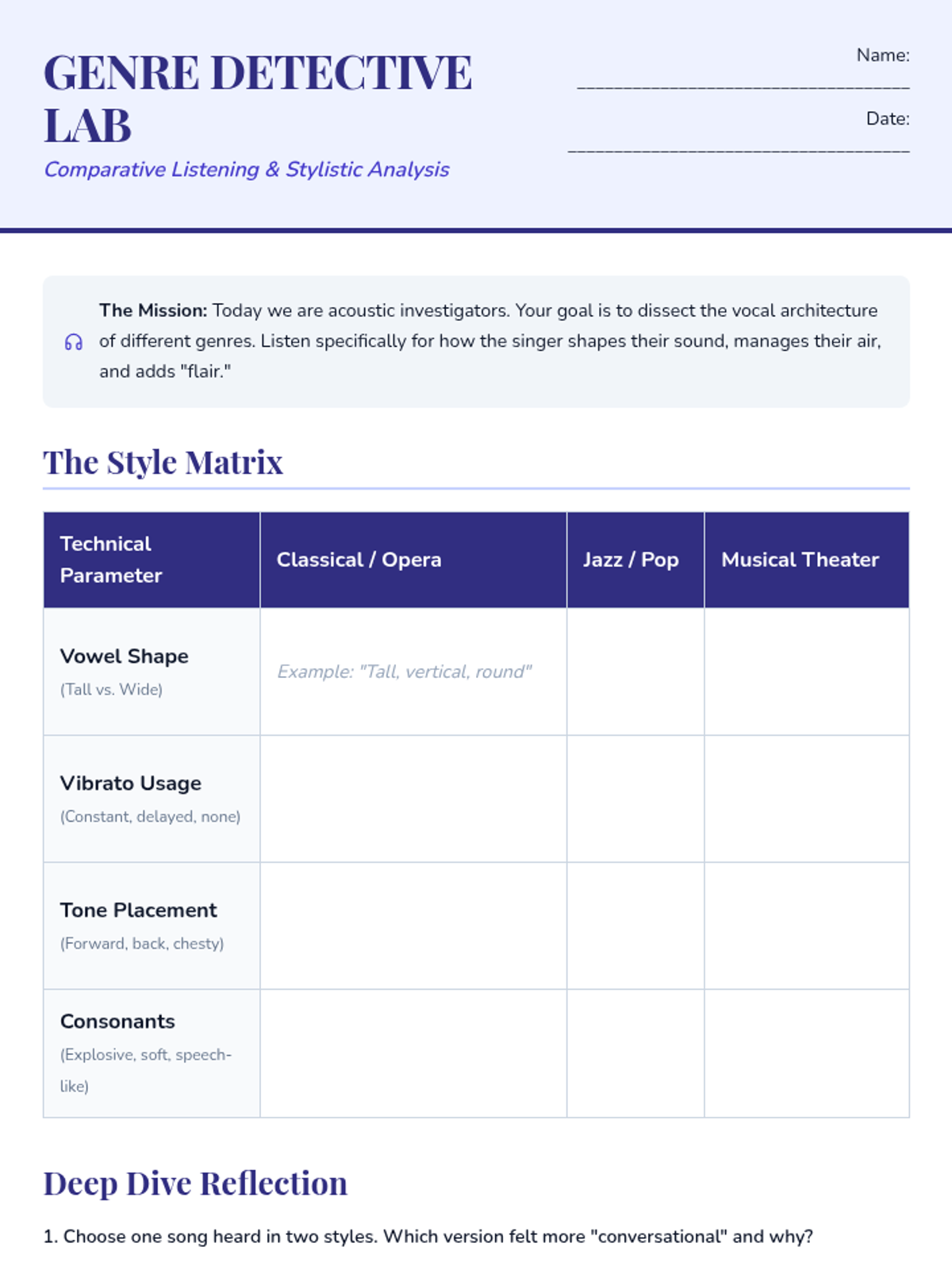
This sequence challenges 12th-grade vocalists to master stylistic versatility by exploring the technical and aesthetic differences between Classical, Jazz, Musical Theatre, and Pop/Rock genres. Students learn to safely manipulate vocal physiology to meet the demands of various performance styles, culminating in a creative 'genre-switch' performance.
A comprehensive sequence for high school seniors focused on the physical, technical, and psychological aspects of vocal performance, culminating in a professional-level showcase.
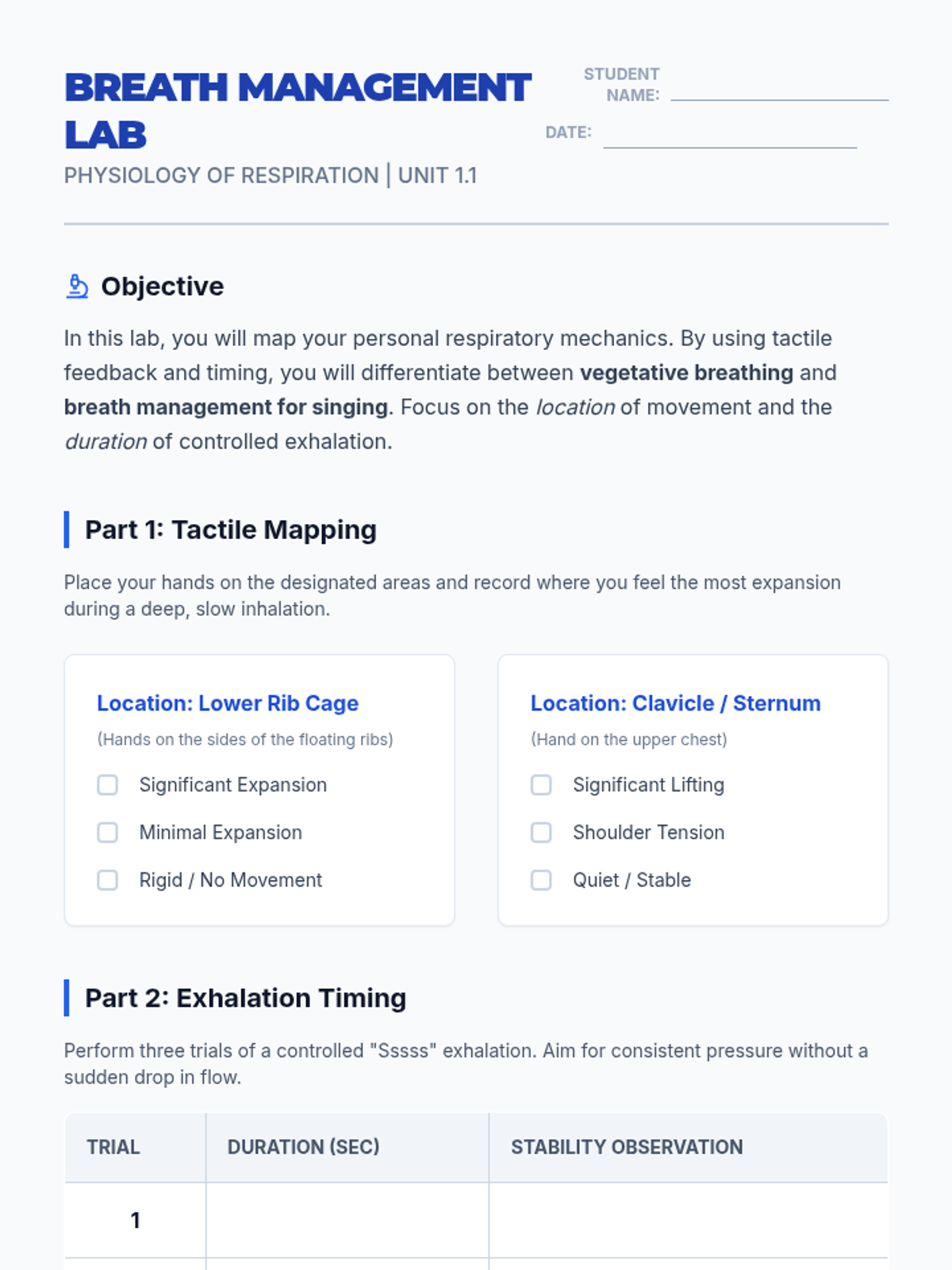
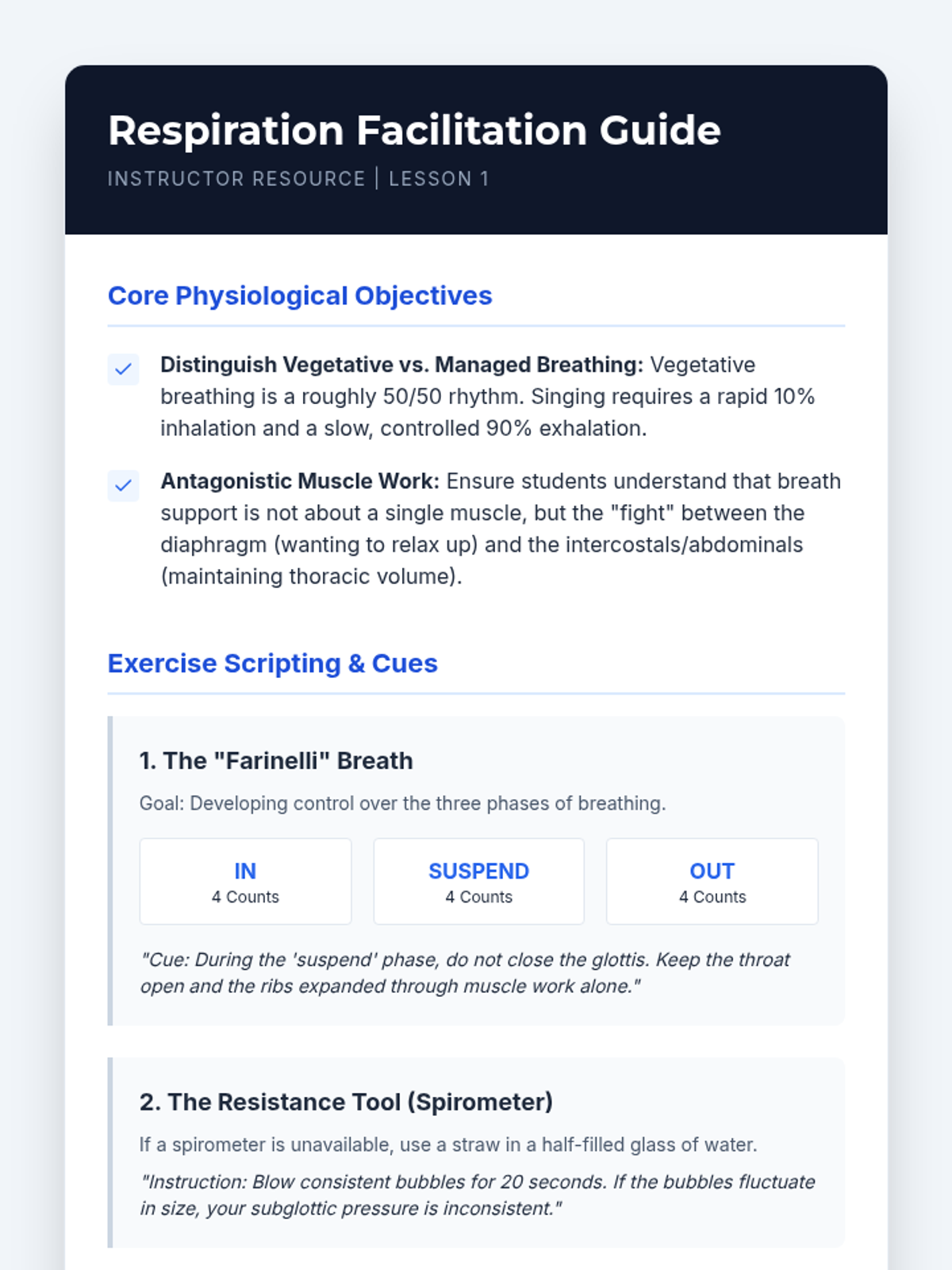
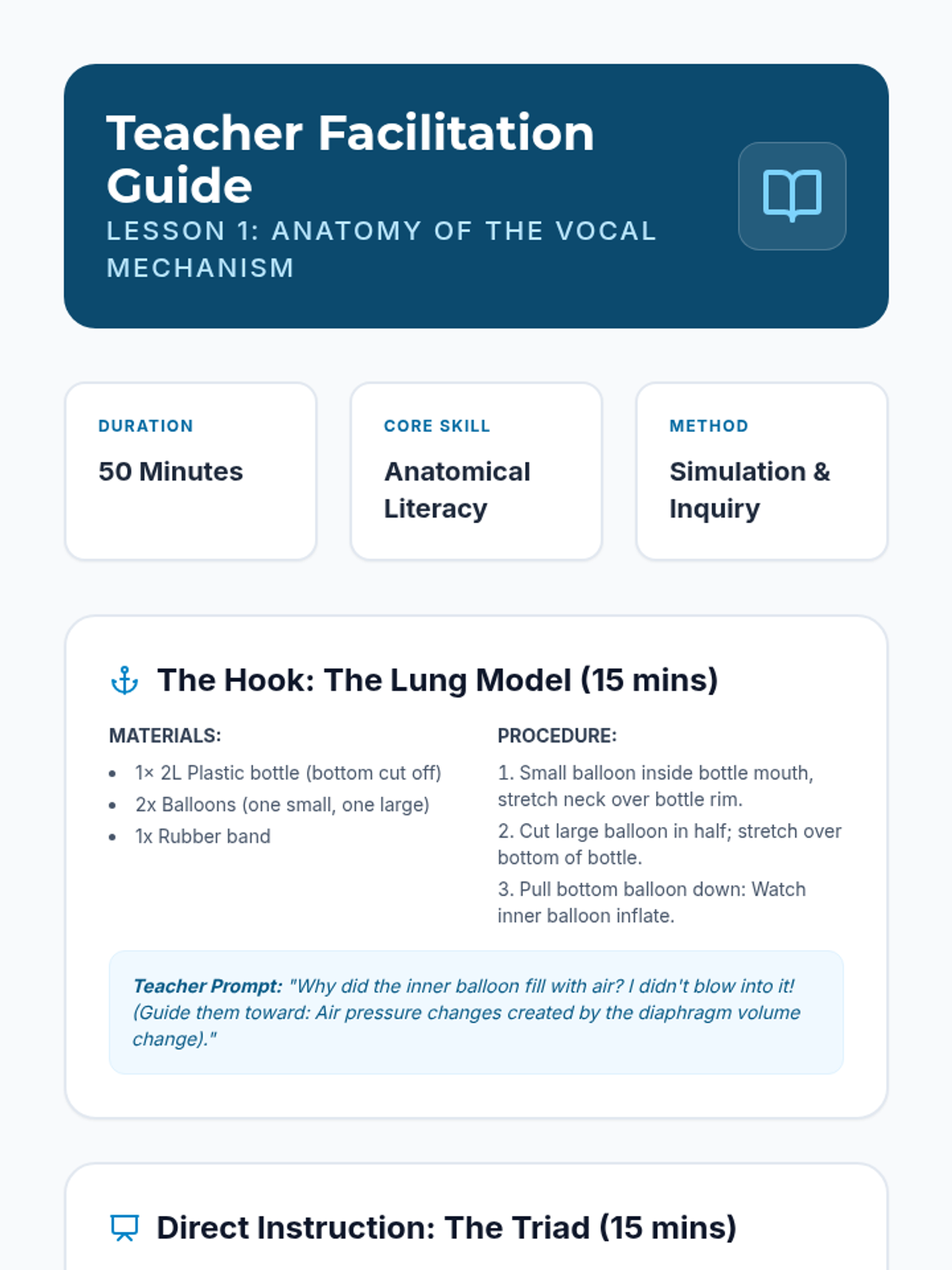
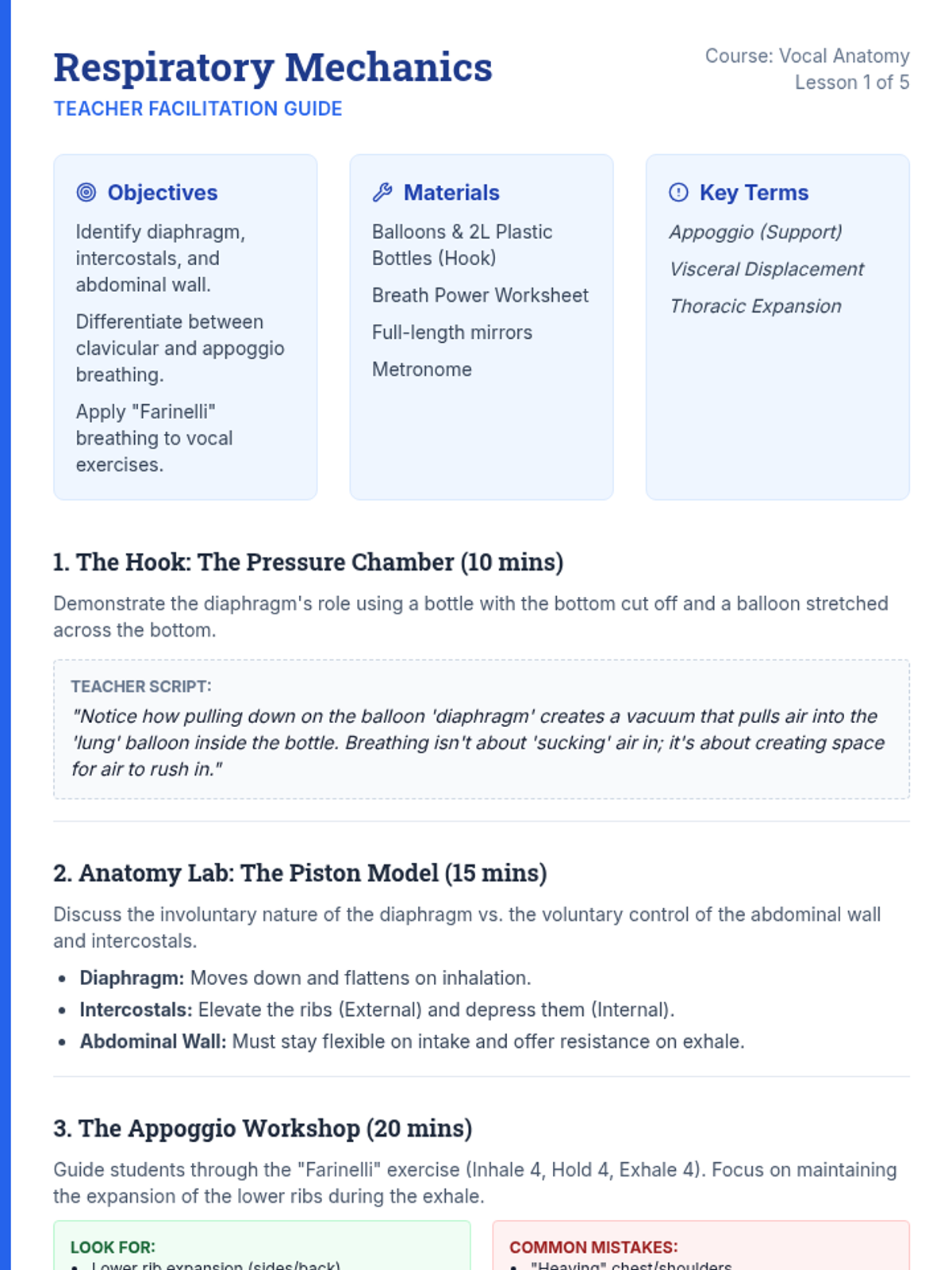
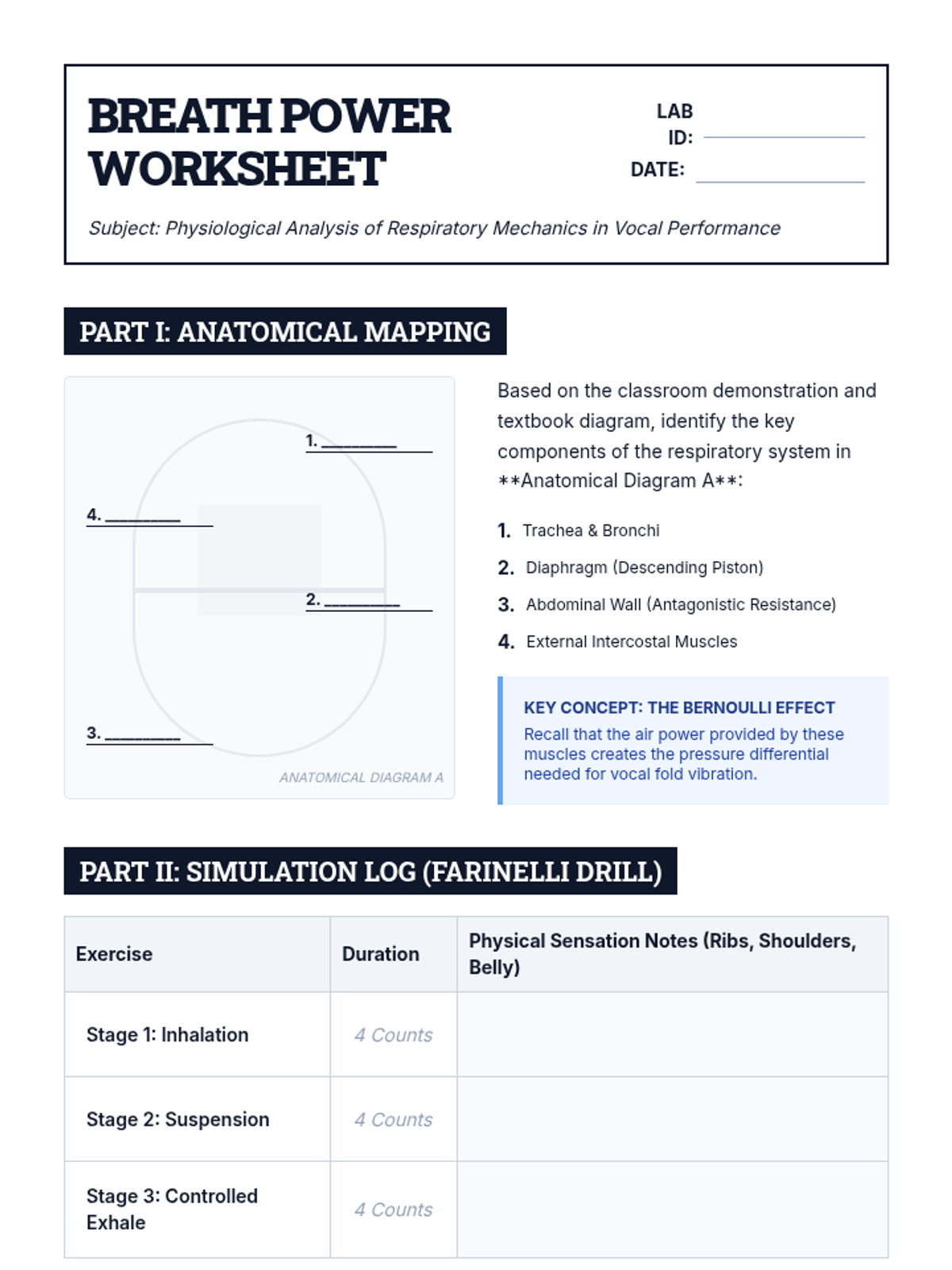
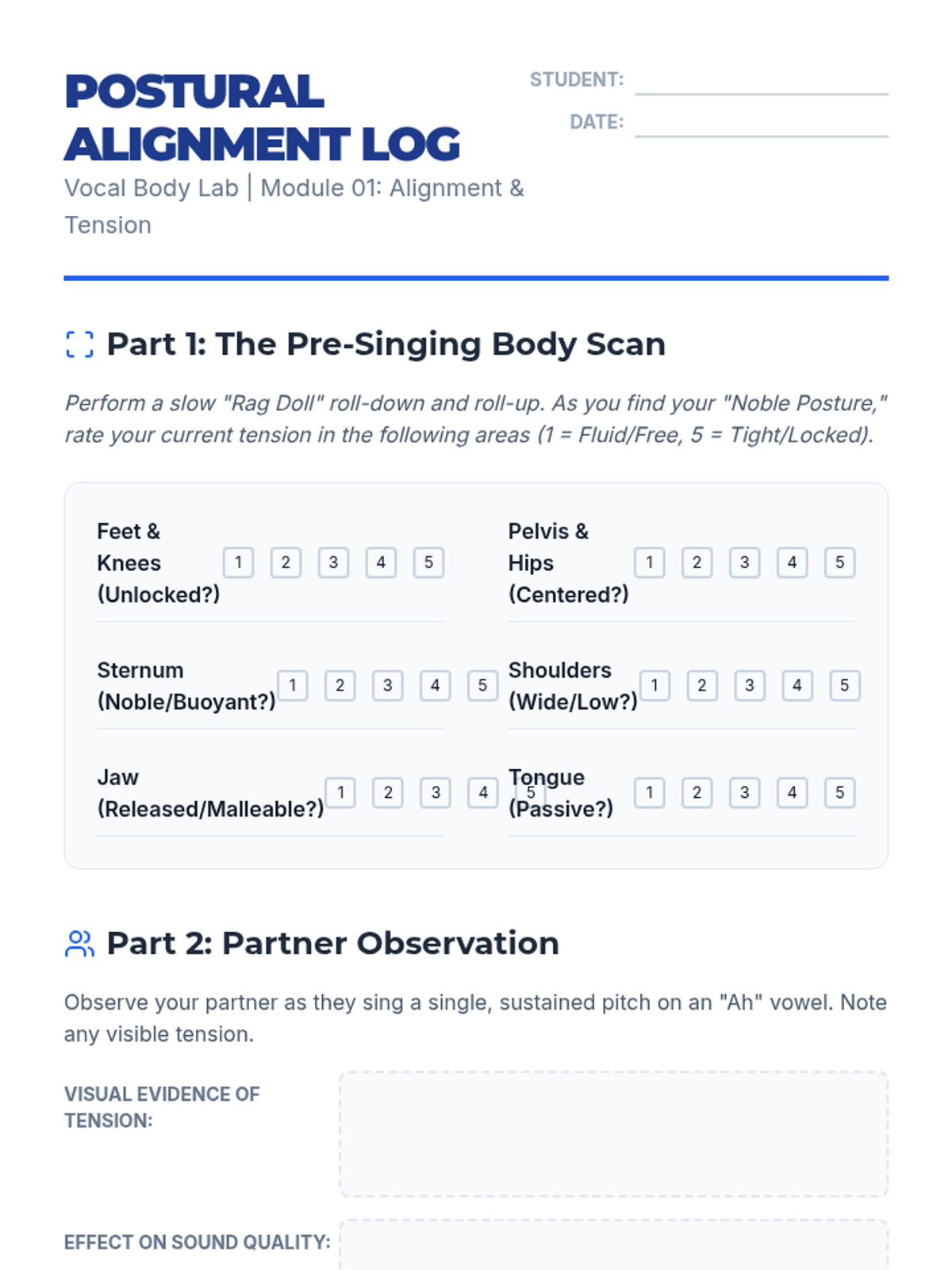
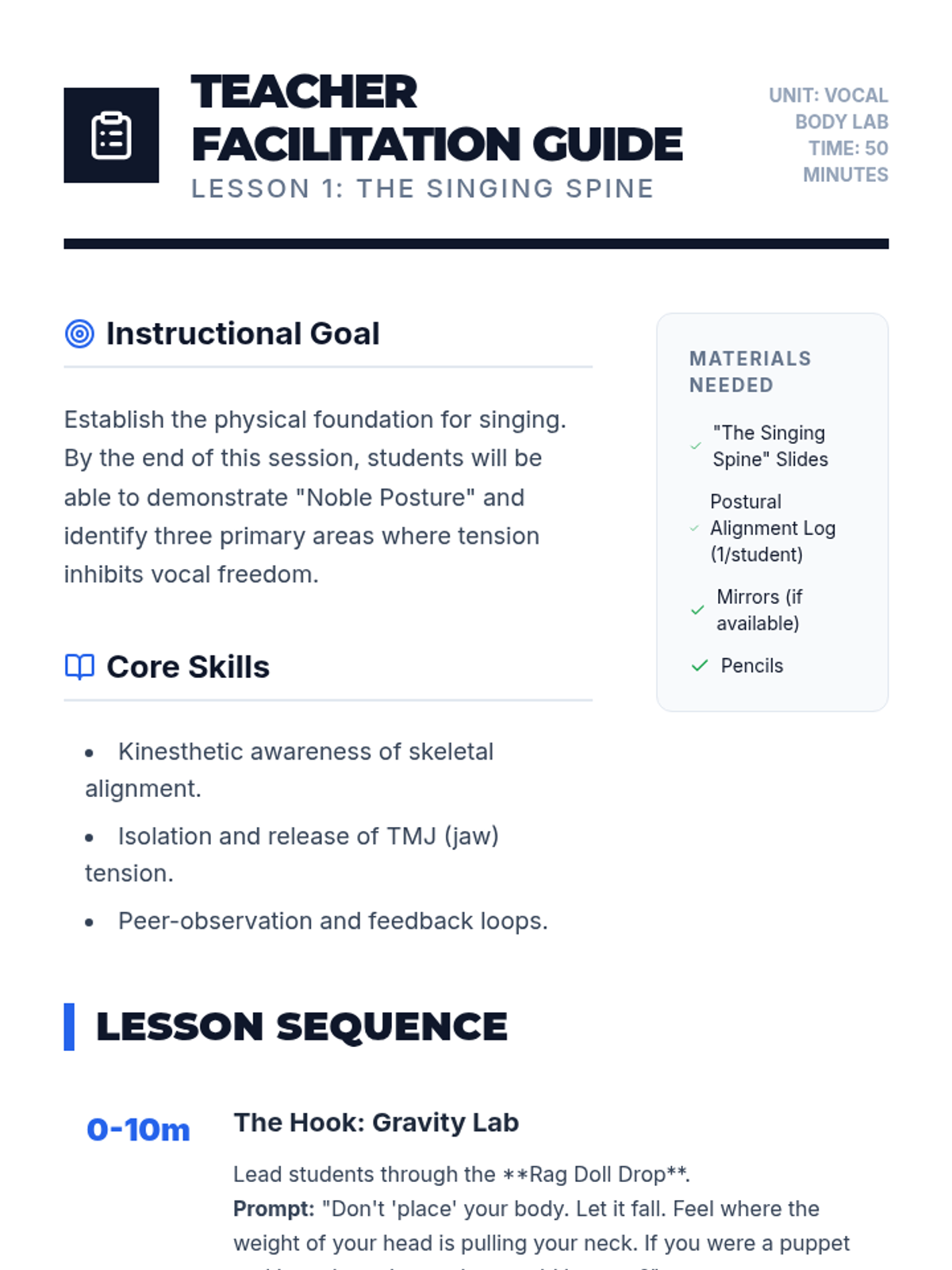
This sequence establishes the physiological foundation of singing by exploring the mechanics of the voice as an instrument. Students move from anatomical identification to practical application of posture and breath management, specifically addressing the needs of the changing adolescent voice.
A 10th-grade vocal performance unit focused on stylistic versatility. Students explore the technical adjustments needed to transition authentically between Classical, Jazz, Pop, and Musical Theater styles while maintaining vocal health.
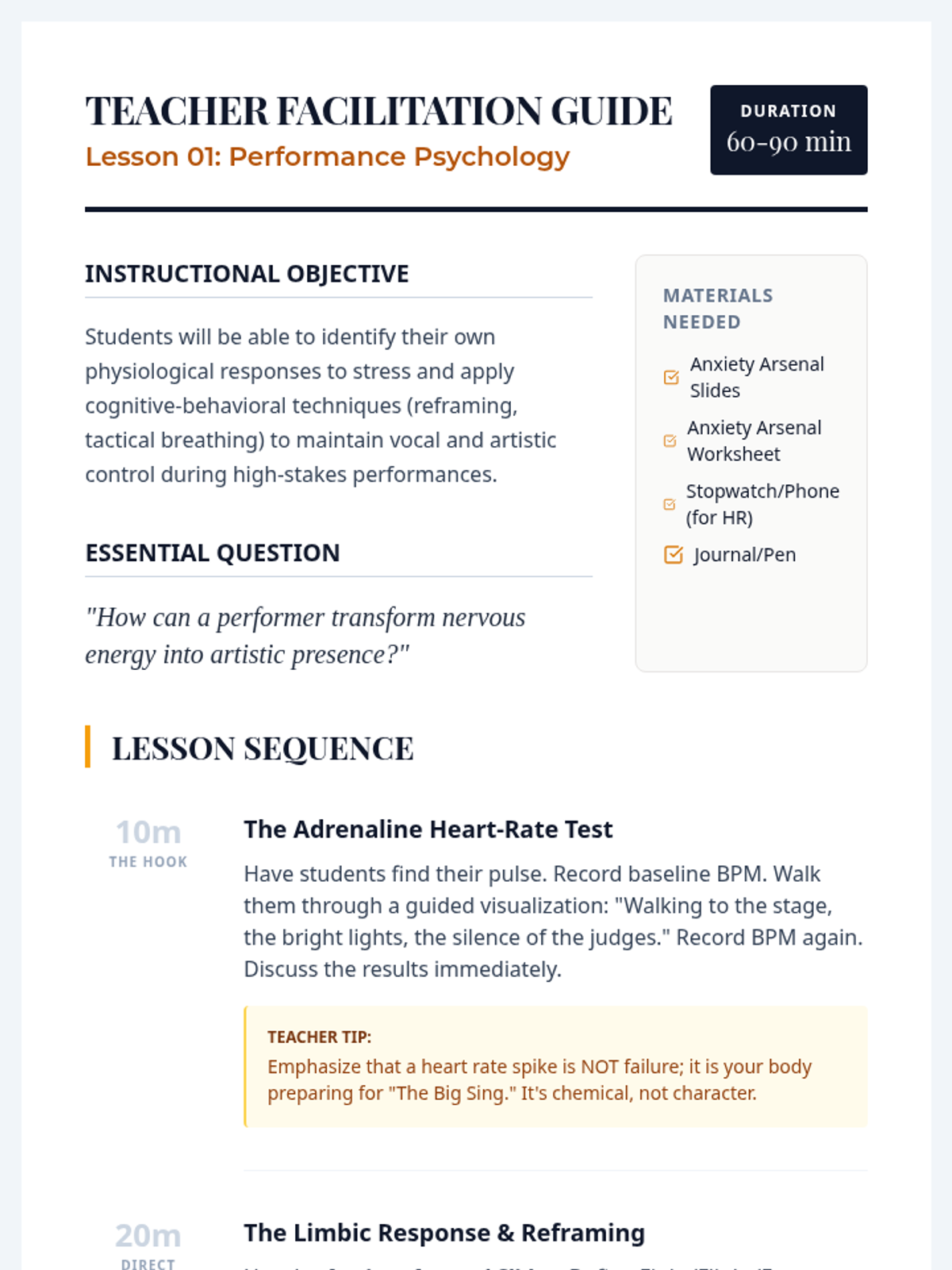
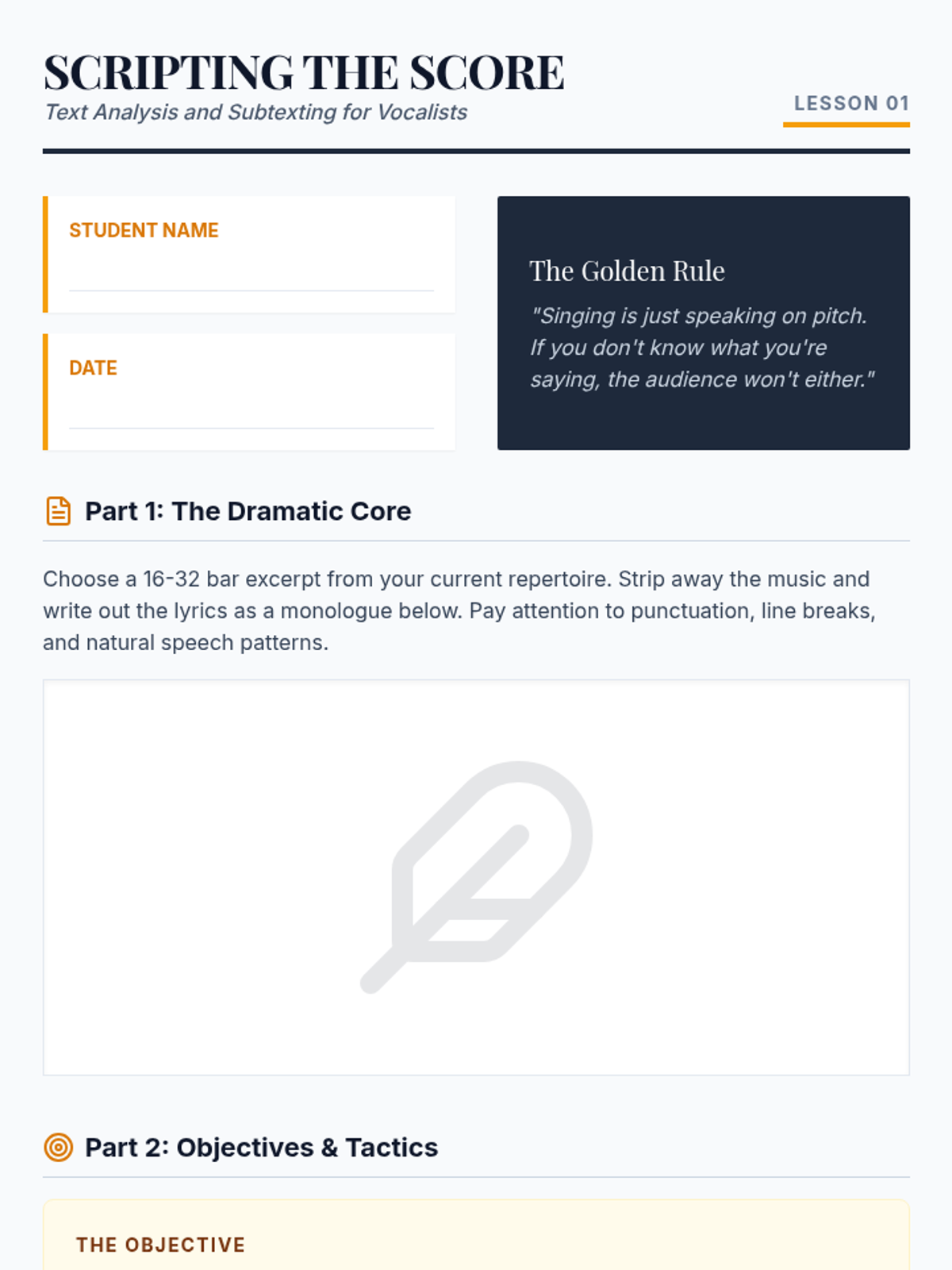
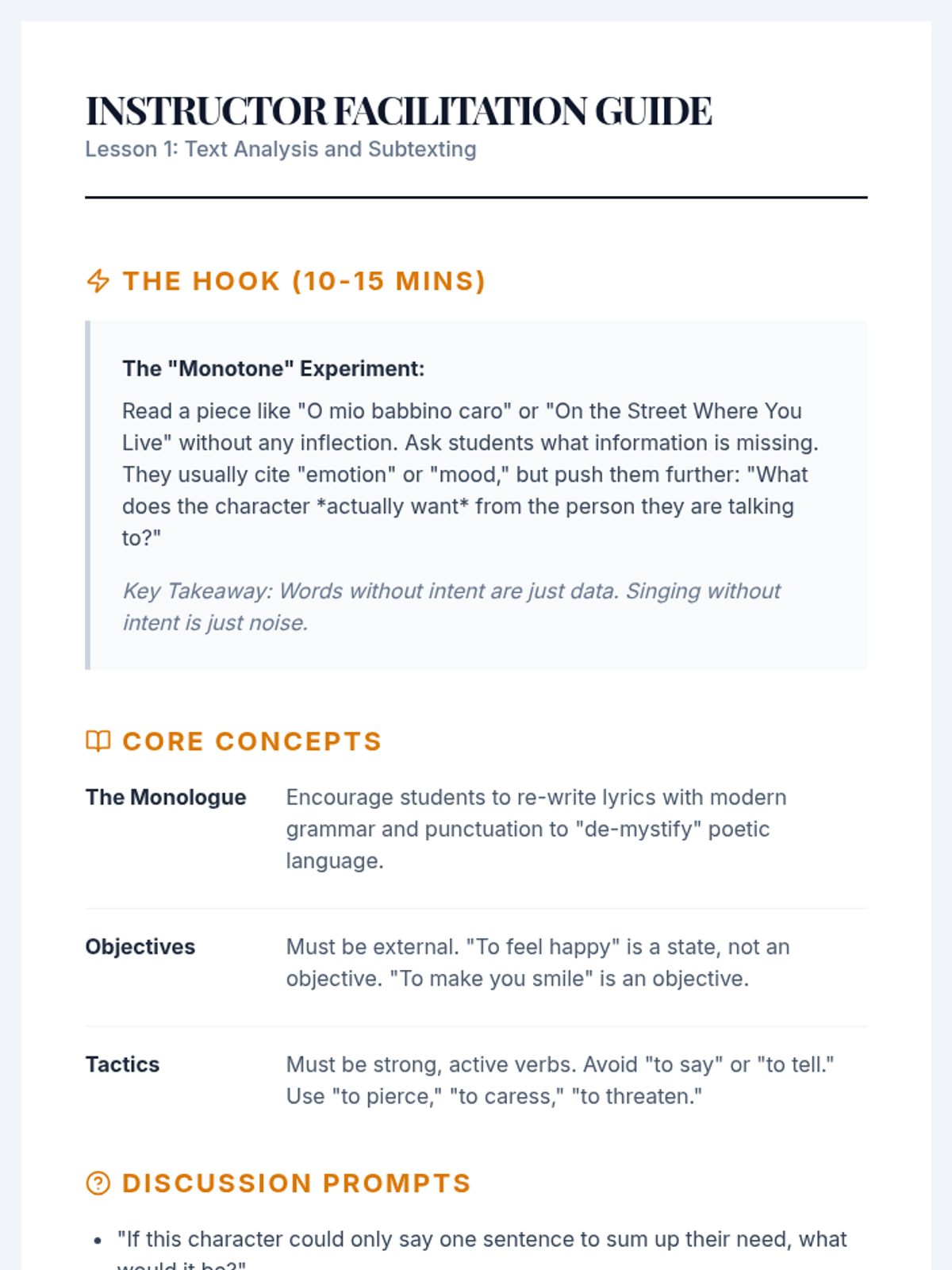
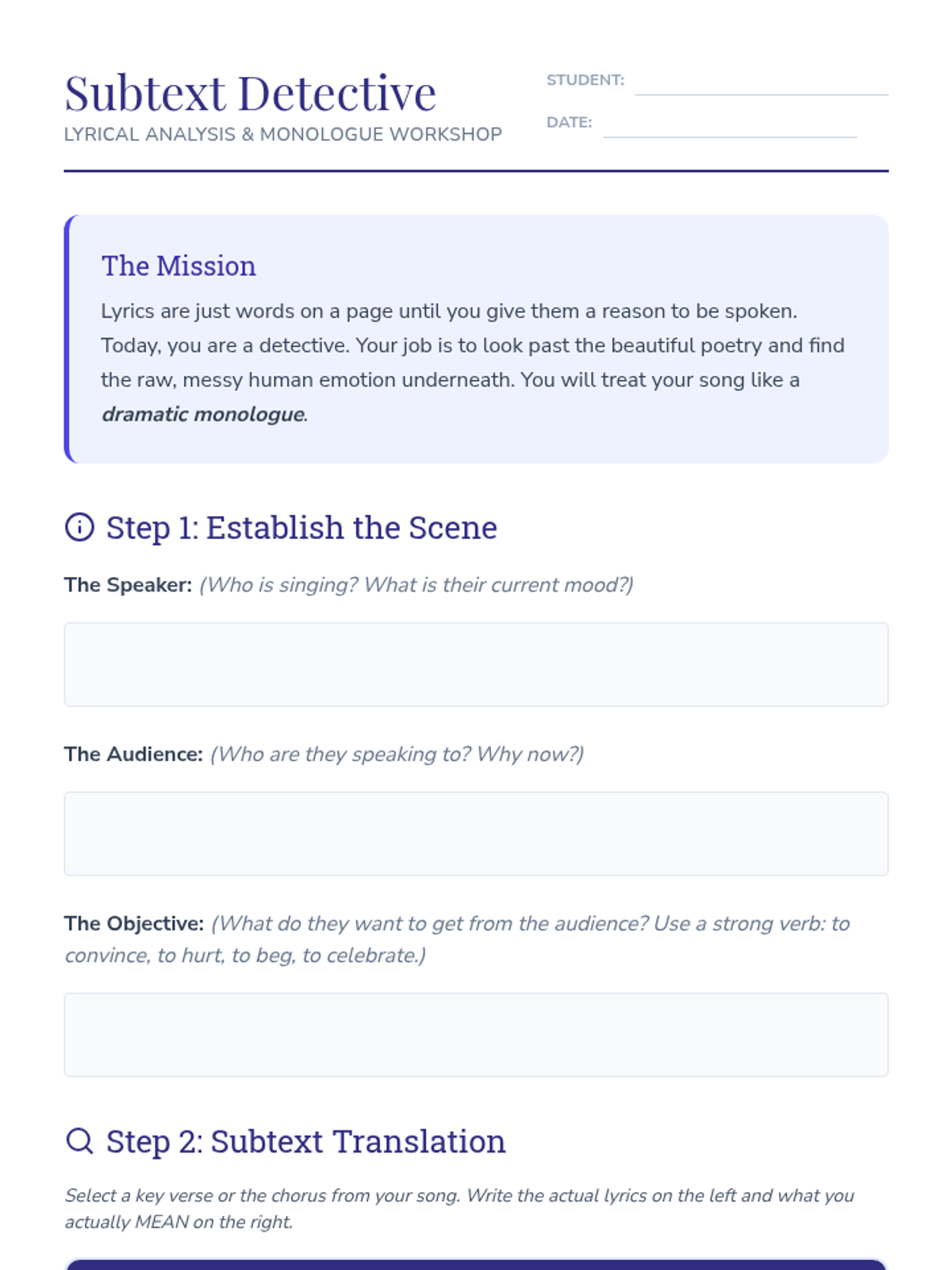
A comprehensive vocal performance sequence that teaches students to move beyond notes and rhythms to become vocal 'actors.' Students analyze subtext, master expressive diction, map musical phrasing, and explore tone color to deliver emotionally authentic performances.
This sequence explores how vocalists adapt phrasing, tone, and technique across Classical, Jazz, Musical Theater, and Pop/Rock genres to create authentic and compelling performances.
A comprehensive vocal diction sequence for high school singers, focusing on the International Phonetic Alphabet (IPA) to achieve clarity and stylistic authenticity across English, Italian, and contemporary musical genres.
A comprehensive 11th-grade music sequence that demystifies the biological mechanics of the human voice. Students progress from understanding respiratory power to phonation, resonance, and registration, culminating in a personalized vocal health and maintenance plan.
A comprehensive unit for high school singers focused on the physiological foundations of vocal performance, covering posture, breath support, phonation, resonance, and long-term vocal health.
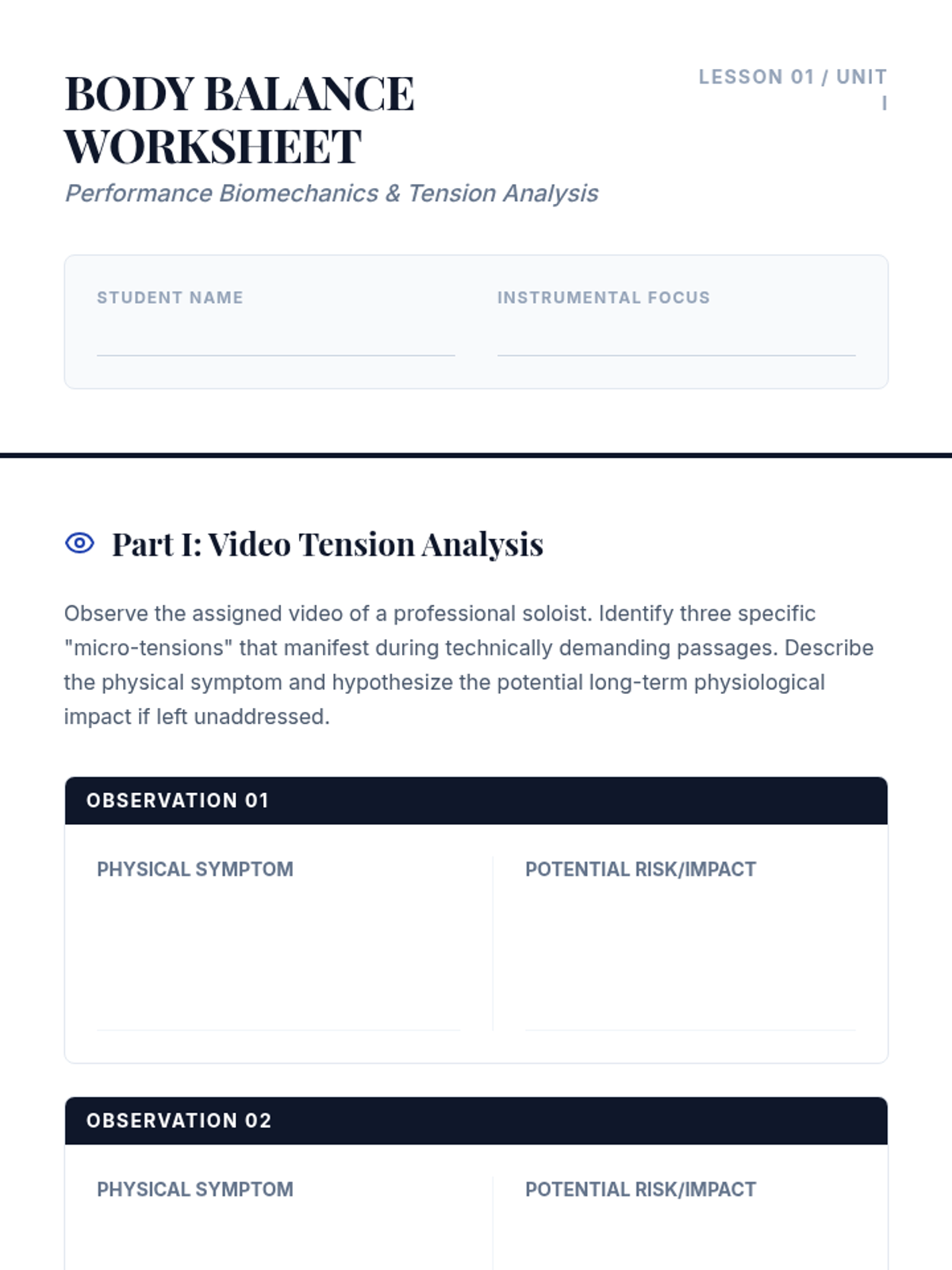
A comprehensive graduate-level sequence exploring the analytical, physiological, and philosophical foundations of instrumental music teaching, from biomechanics to professional masterclass facilitation.
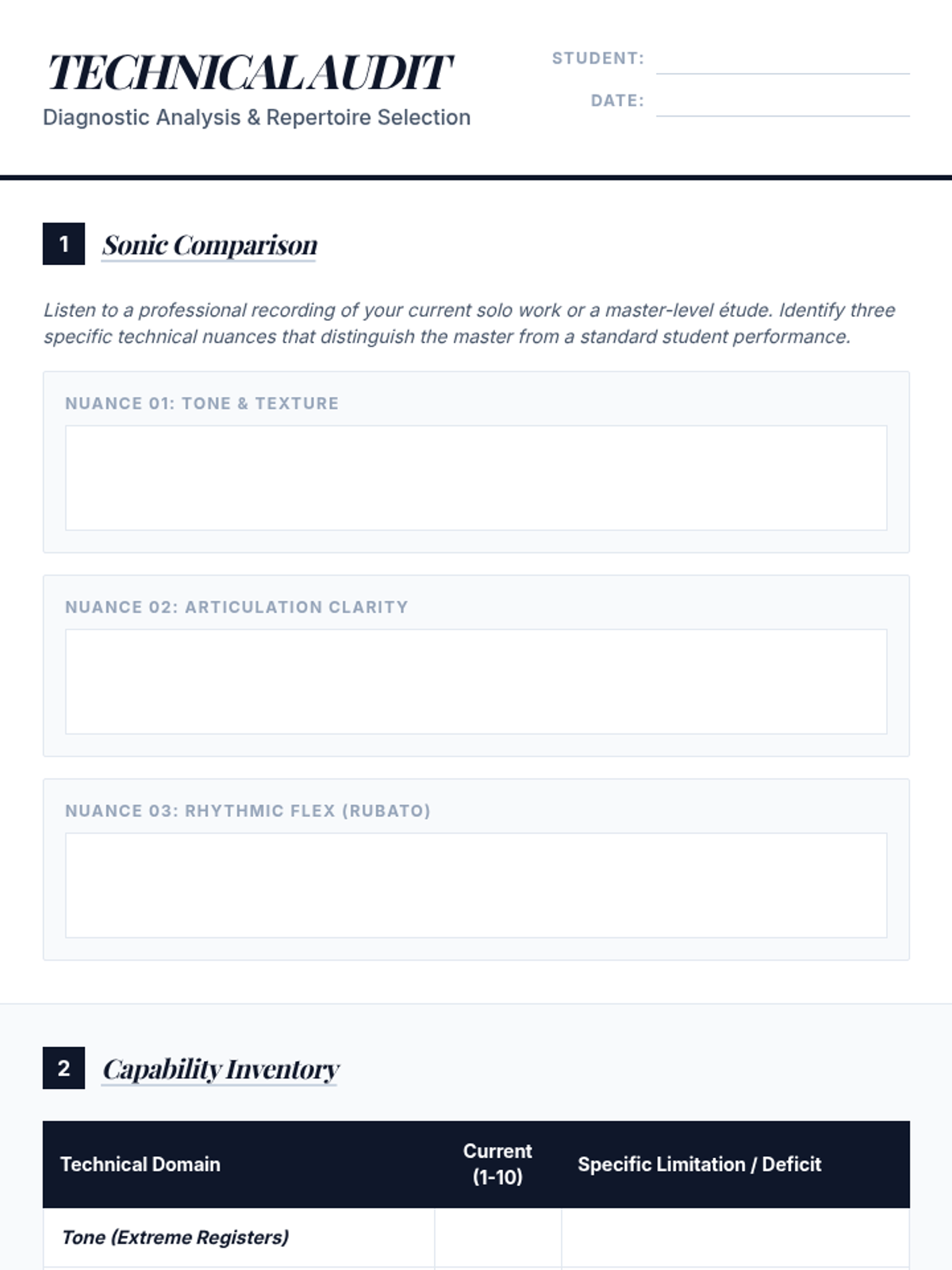
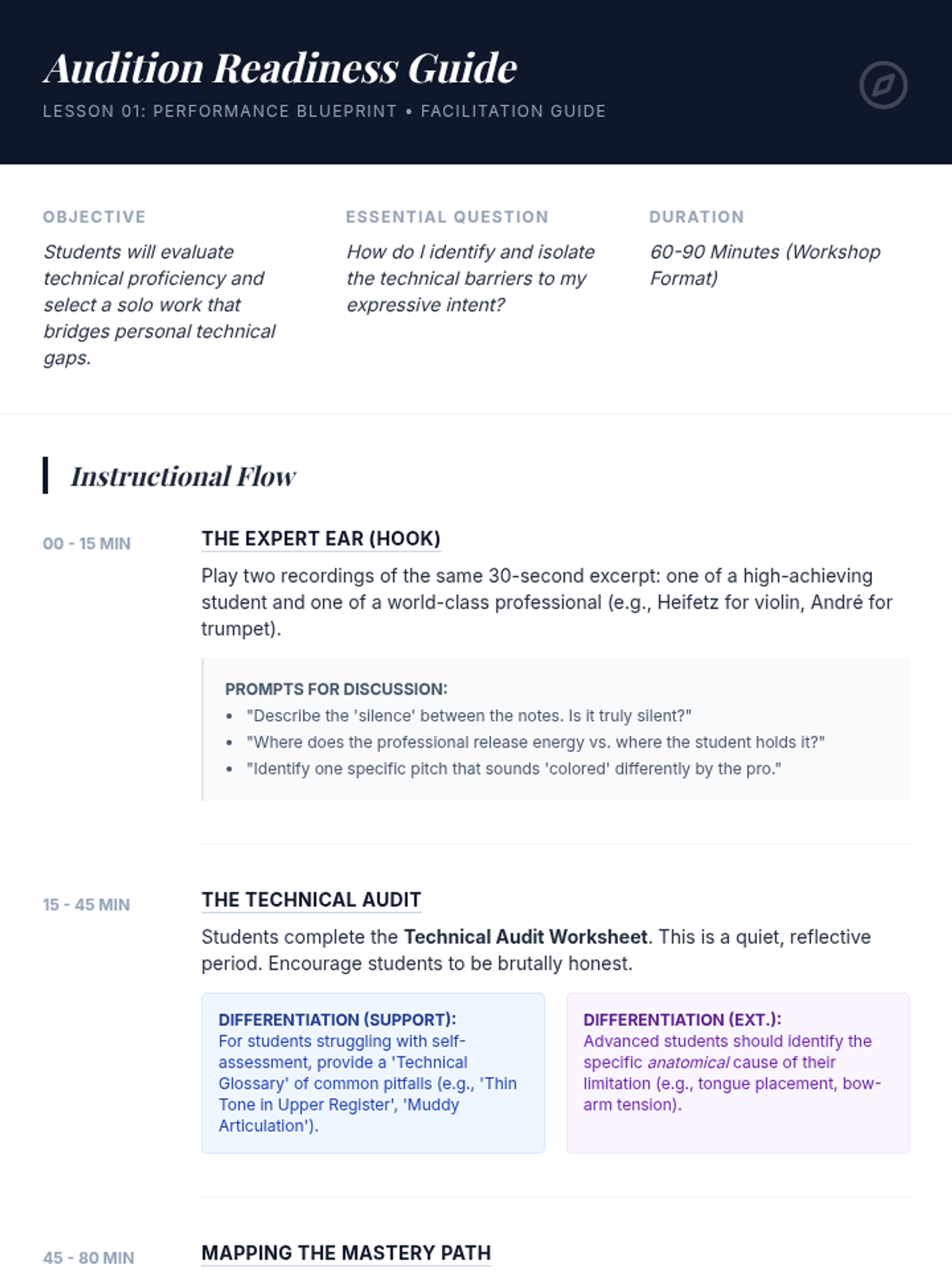
A comprehensive 5-lesson sequence designed for advanced high school musicians to bridge the gap between technical mechanics and expressive artistry. Students engage in self-diagnostic analysis, master technical strategies for tone and velocity, and conclude with a professional-style mock audition.
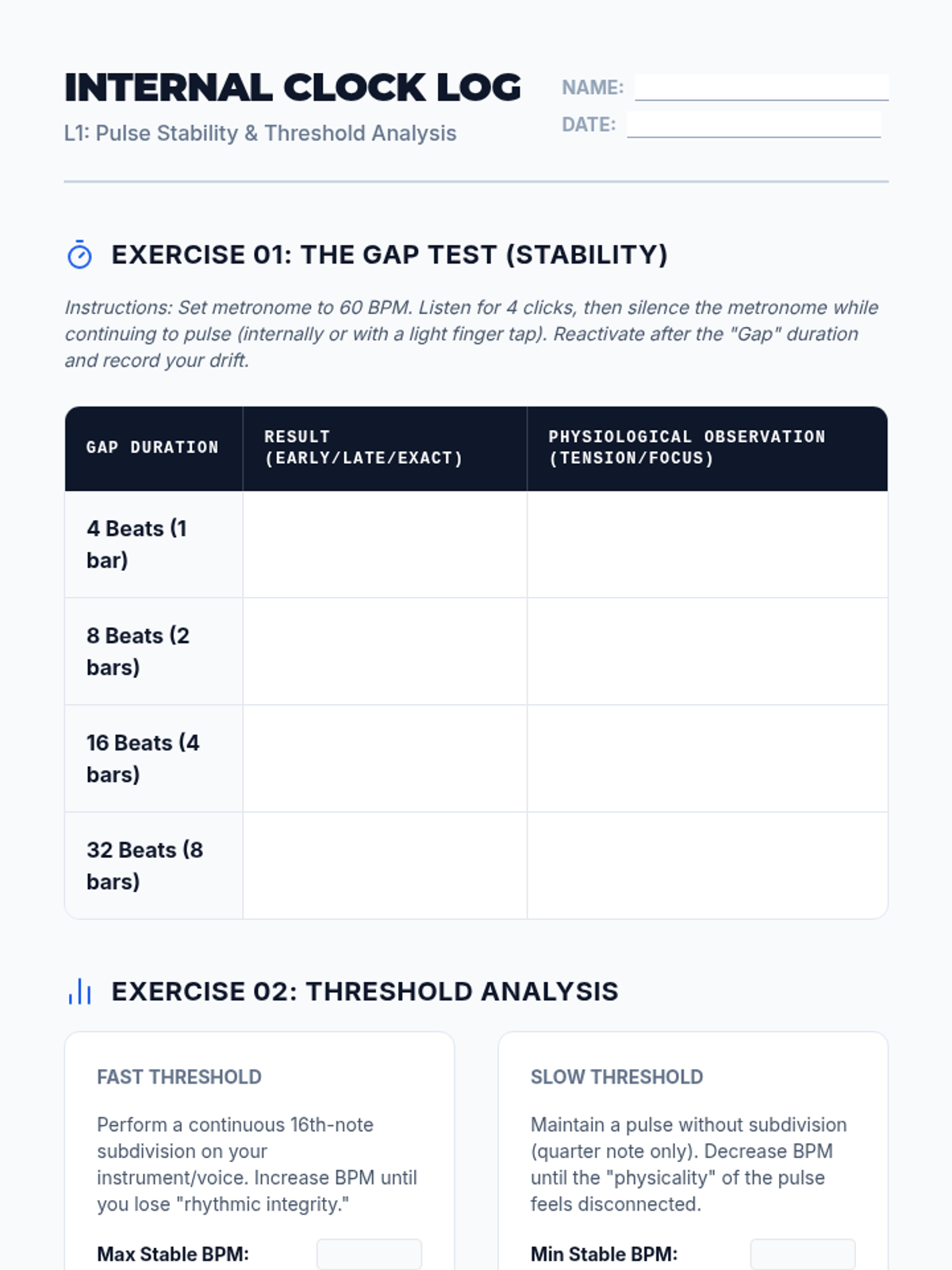
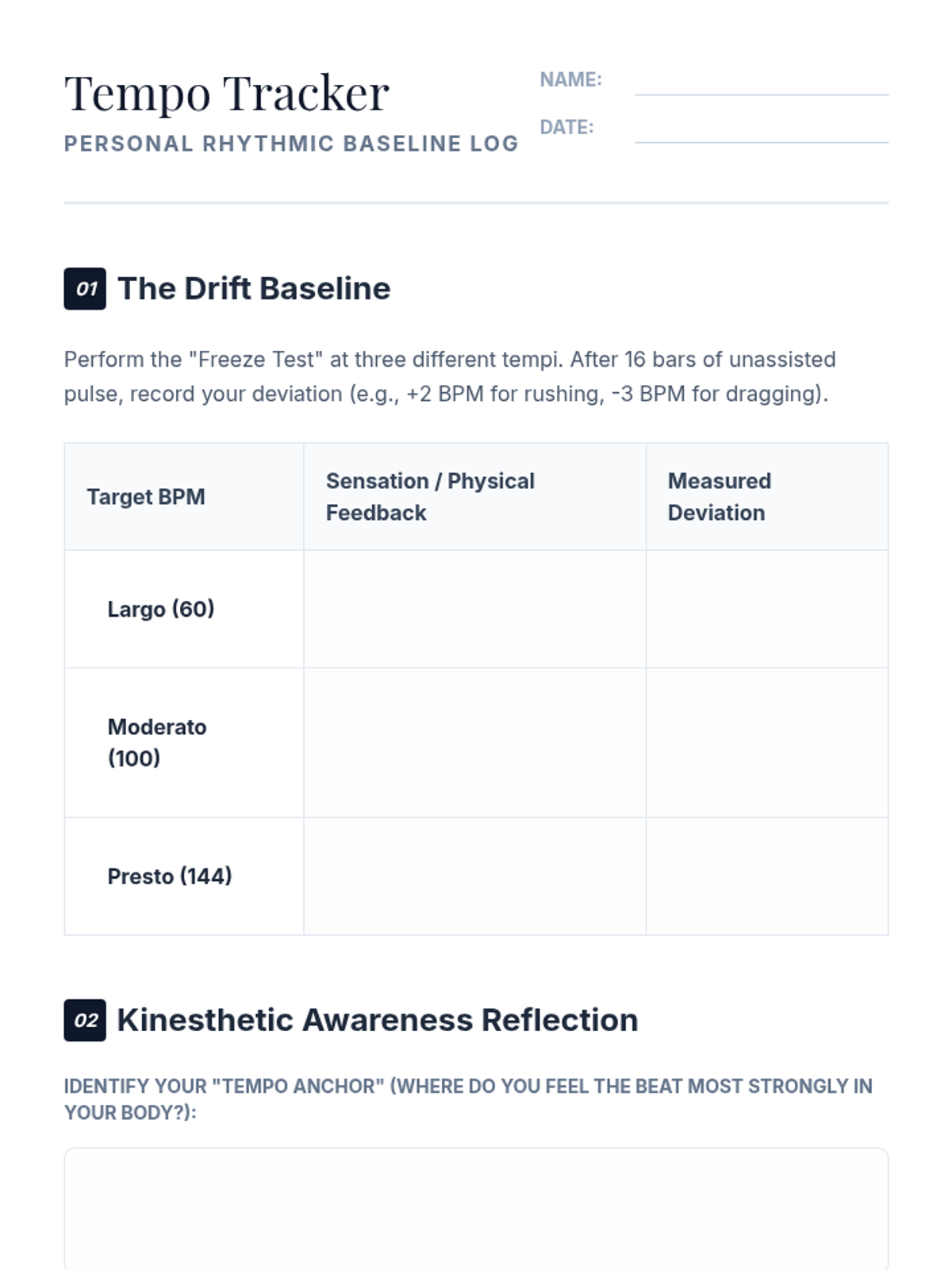
A comprehensive sequence designed for undergraduate musicians to master rhythmic architecture, internal pulse stability, and complex cross-rhythms through applied performance and theoretical analysis.
This sequence immerses students in the complexities of 20th and 21st-century music, expanding their technical palette through extended techniques and non-standard graphic notation. Students bridge historical practice with avant-garde experimentation, culminating in a contemporary performance workshop.
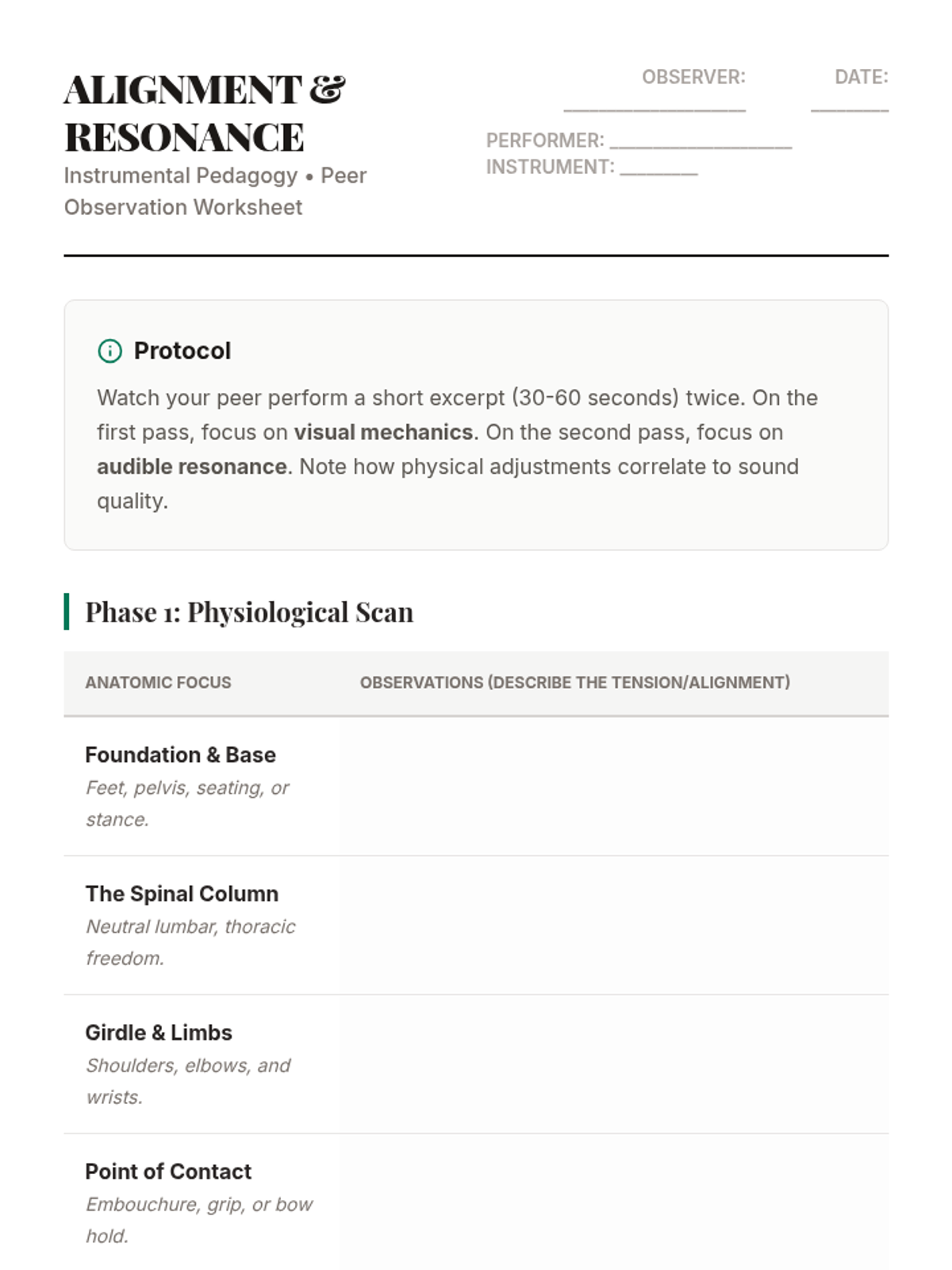
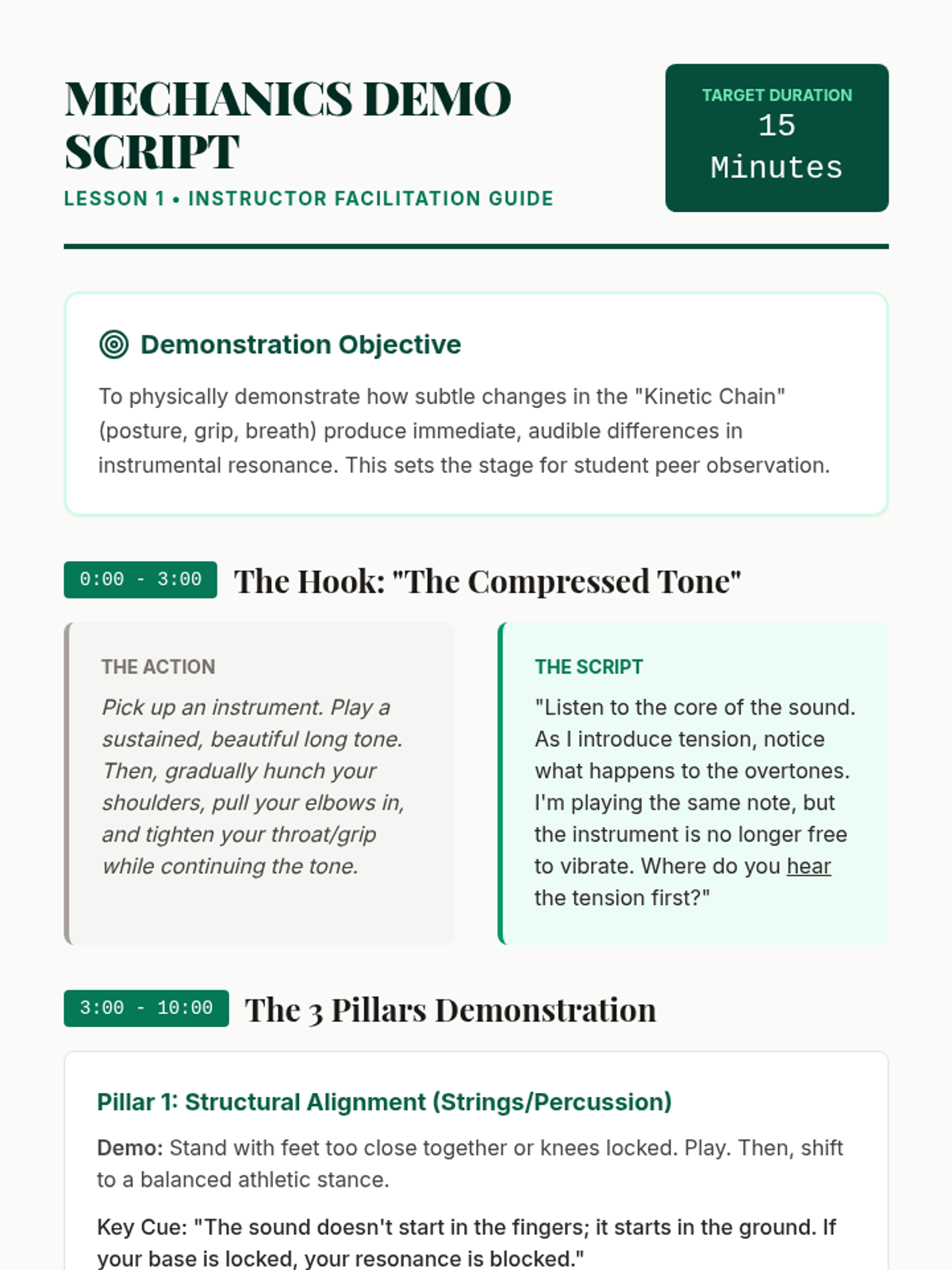
This sequence prepares undergraduate music students to become effective instrumental pedagogues by shifting their focus from performance to diagnosis. Students explore the physical mechanics of sound, identify technical faults, design corrective exercises, and refine their instructional communication, culminating in a live teaching demonstration.
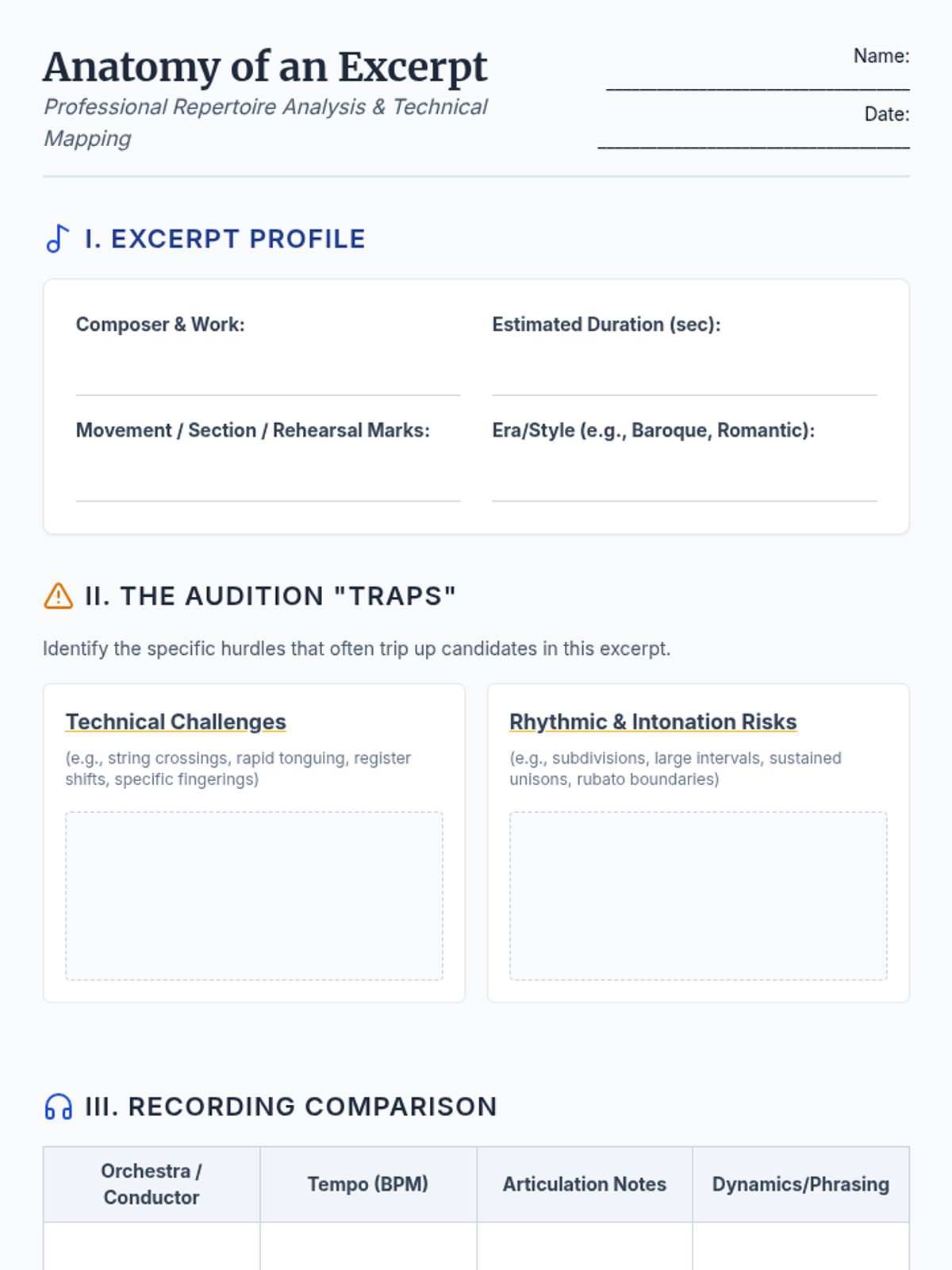
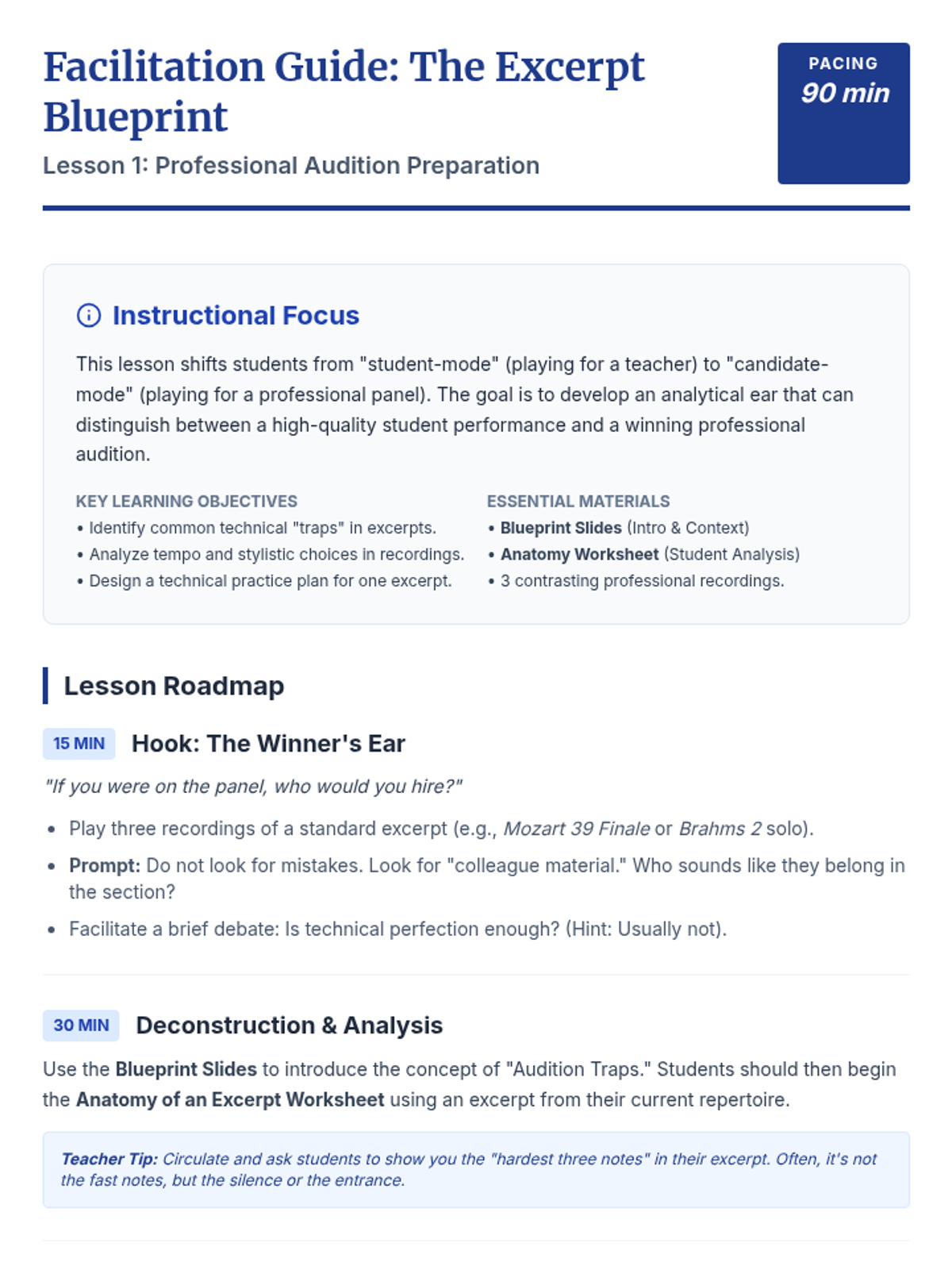
A comprehensive 5-lesson unit designed for undergraduate music majors preparing for professional orchestral auditions. Students will master excerpt analysis, sight-reading strategies, stylistic interpretation, performance psychology, and professional audition etiquette.
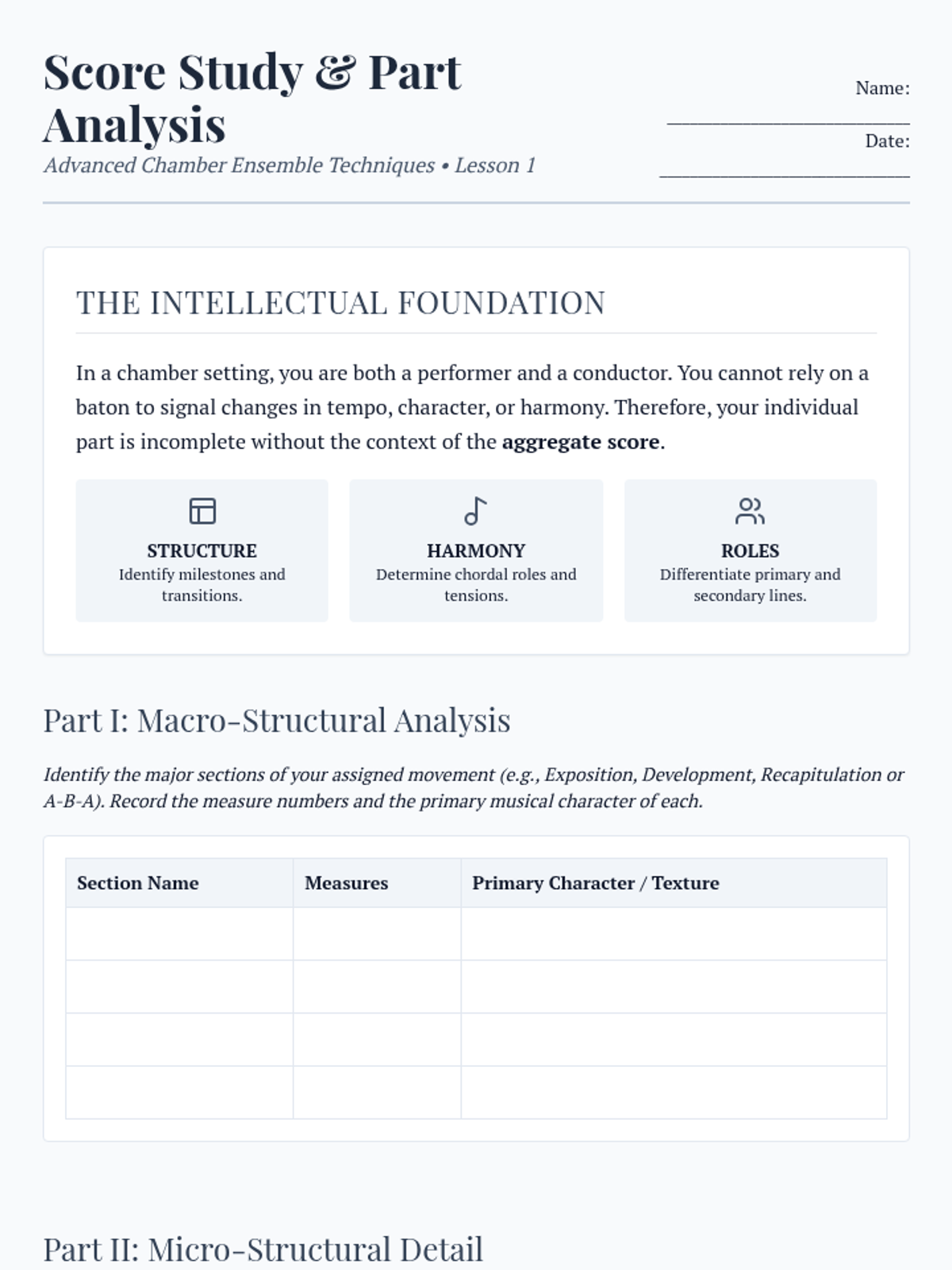
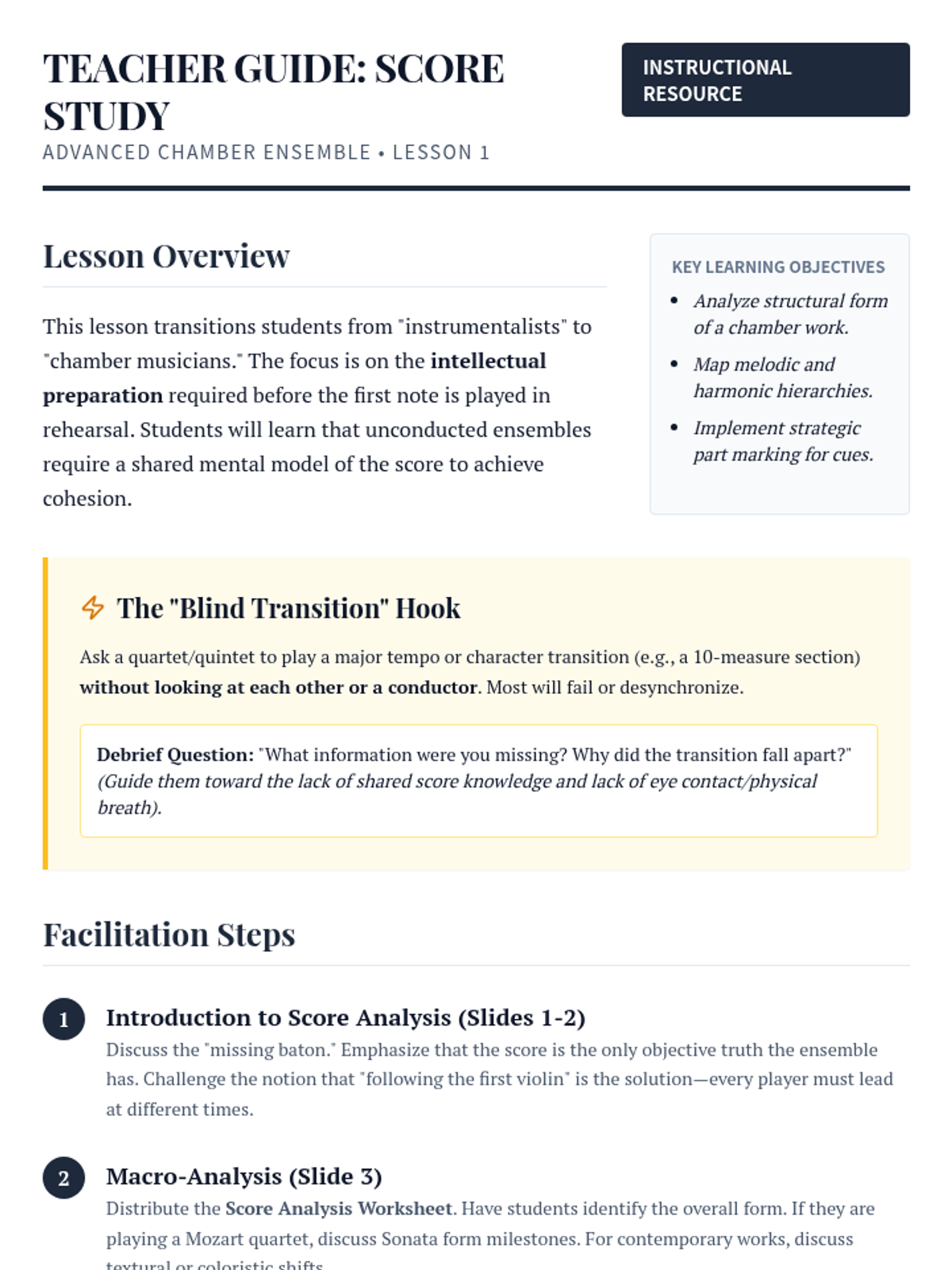
This sequence explores the intricate dynamics of performing in unconducted ensembles, focusing on score analysis, non-verbal communication, intonation, and rehearsal efficiency for undergraduate music students.
Students bridge the gap between technical accuracy and artistic performance by studying phrasing, dynamics, and historical style. This sequence empowers musicians to make independent artistic decisions and understand the 'why' behind musical notation.
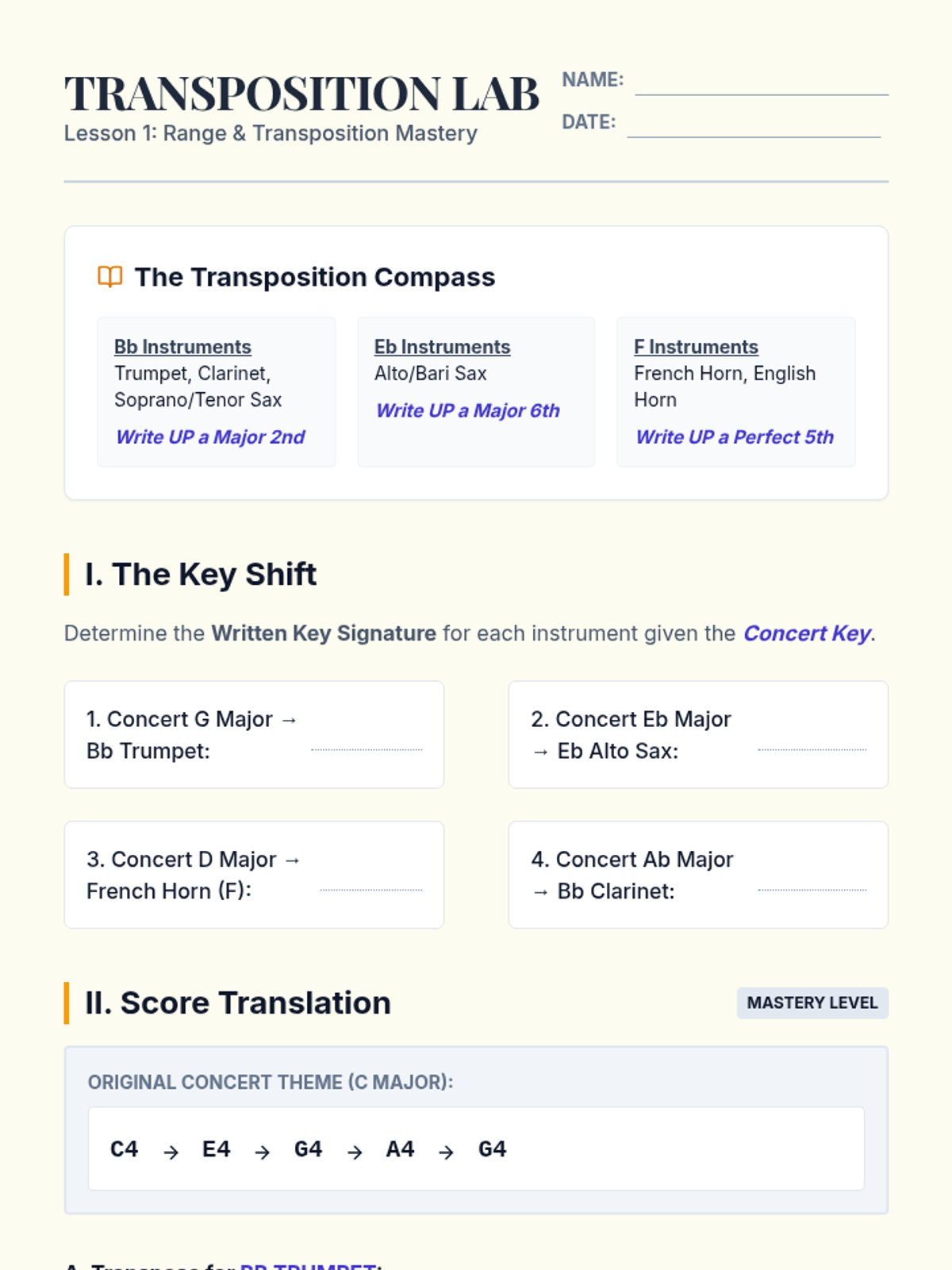
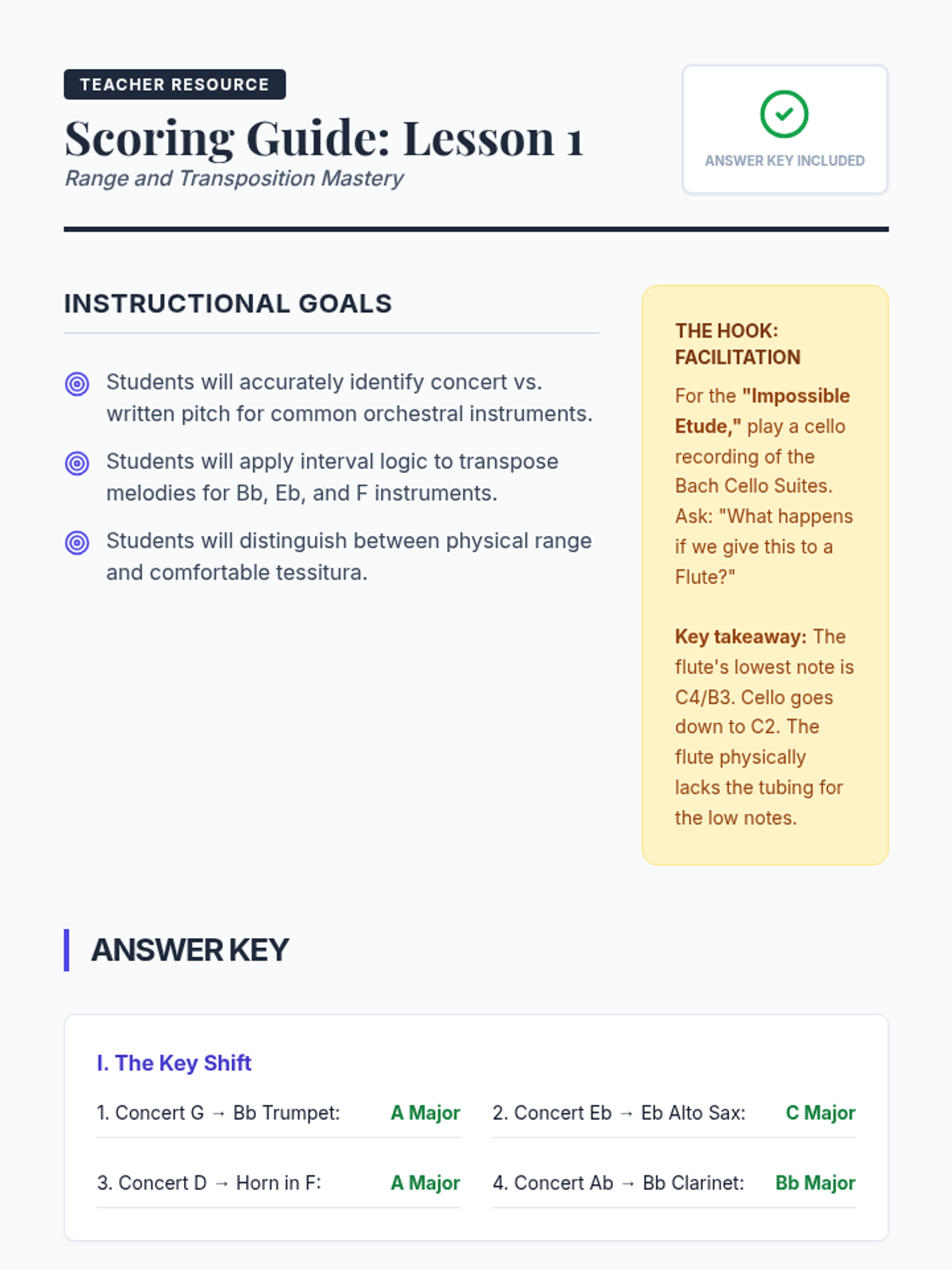
A comprehensive 12th-grade music composition sequence focusing on the art of arranging and orchestration. Students learn to adapt musical ideas for various ensembles, mastering instrument ranges, transpositions, and textural layering to redefine a work's genre and identity.
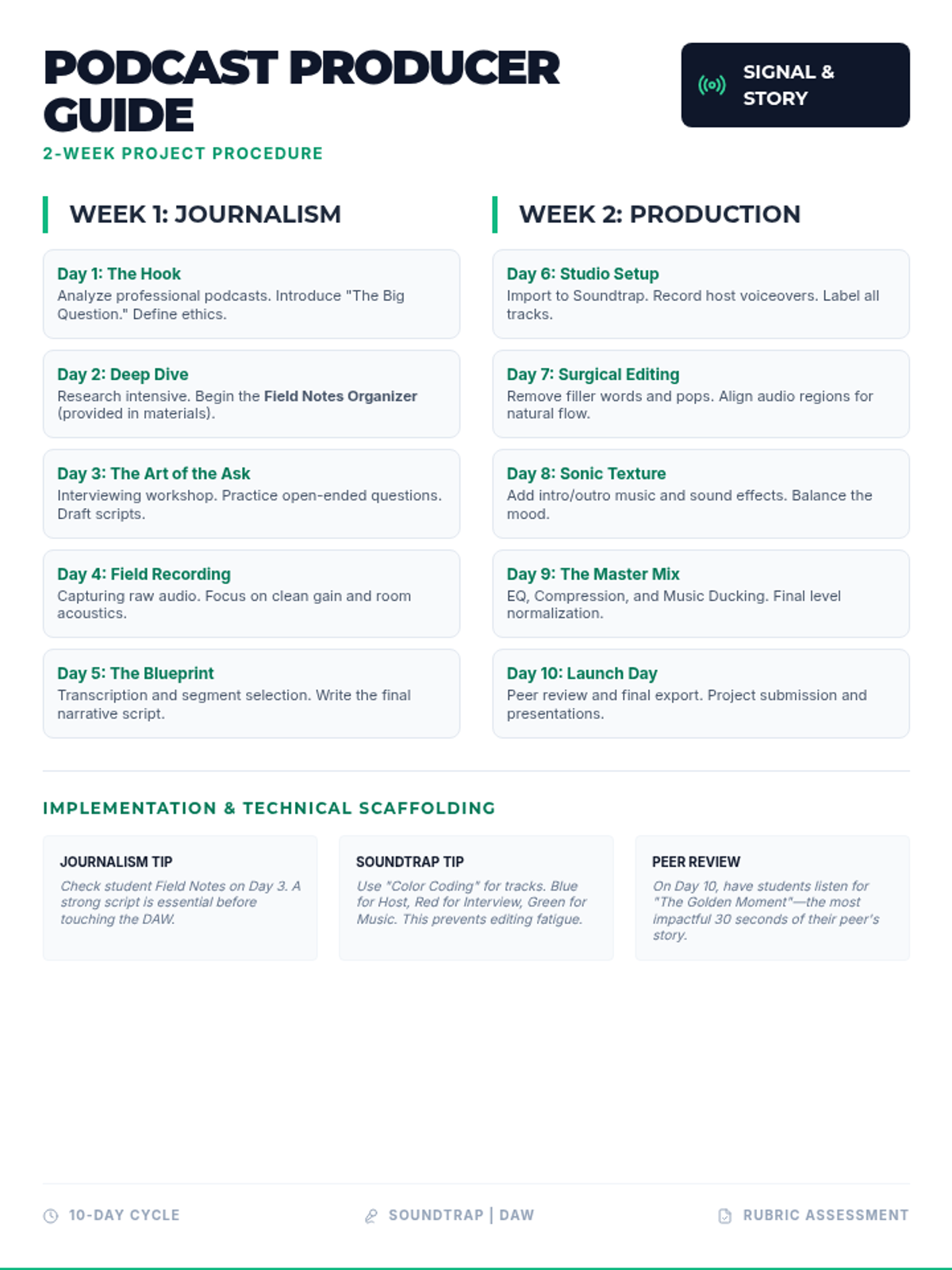
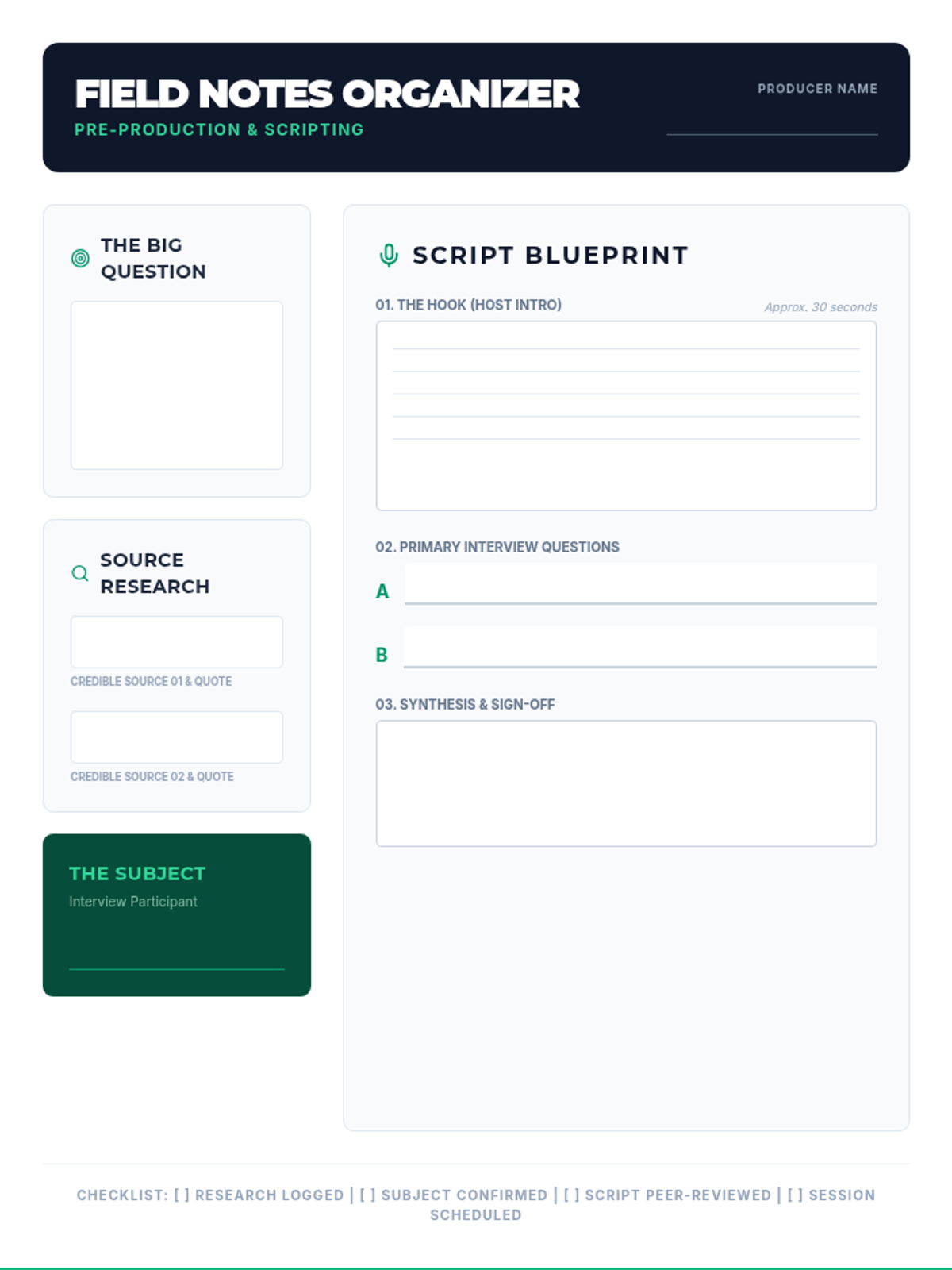
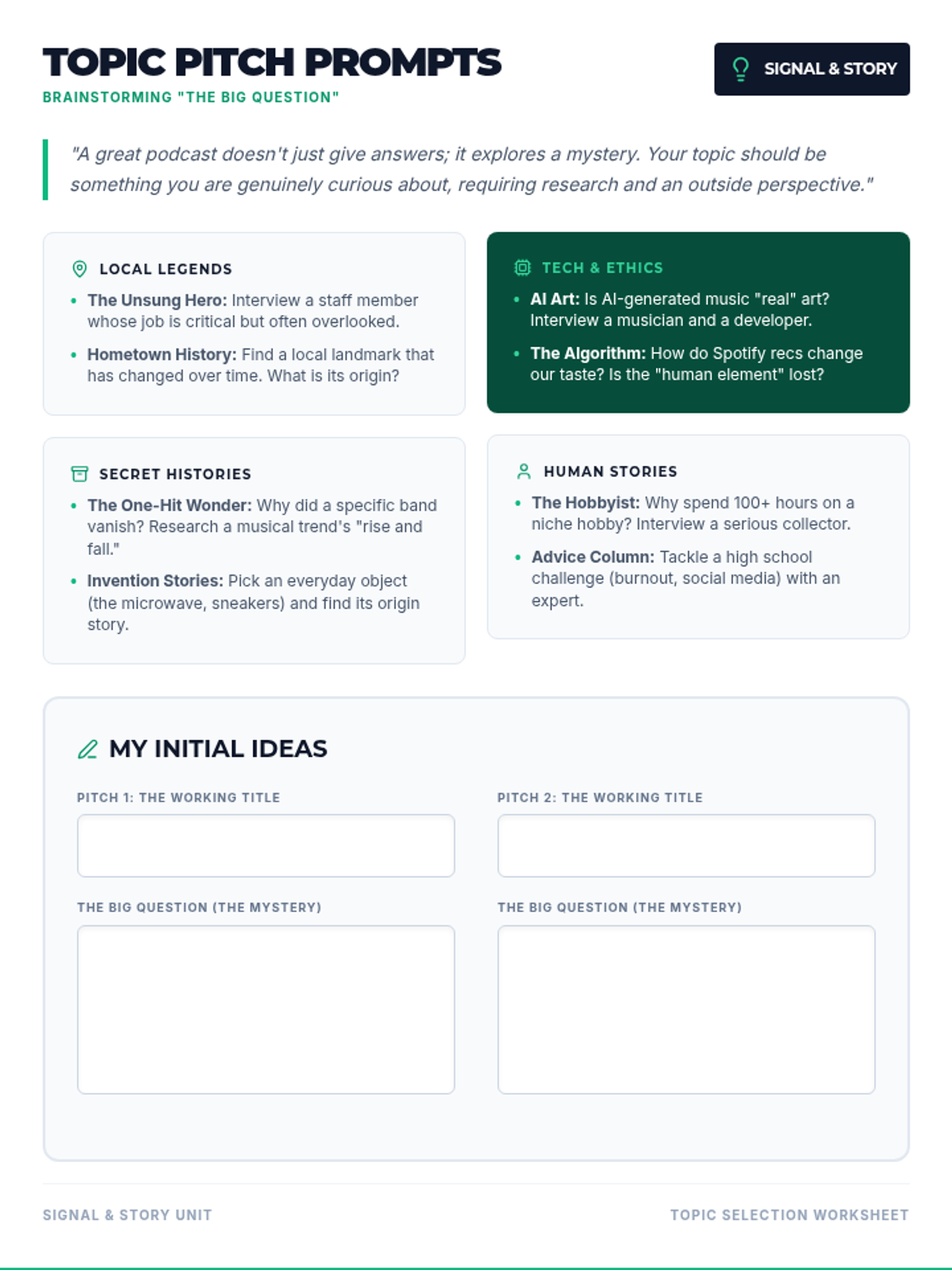
A 2-week comprehensive unit on podcast production, focusing on the intersection of journalistic research, interviewing, and technical audio mixing using Soundtrap. Students learn to craft compelling stories through sound while mastering professional digital audio workstation (DAW) workflows.
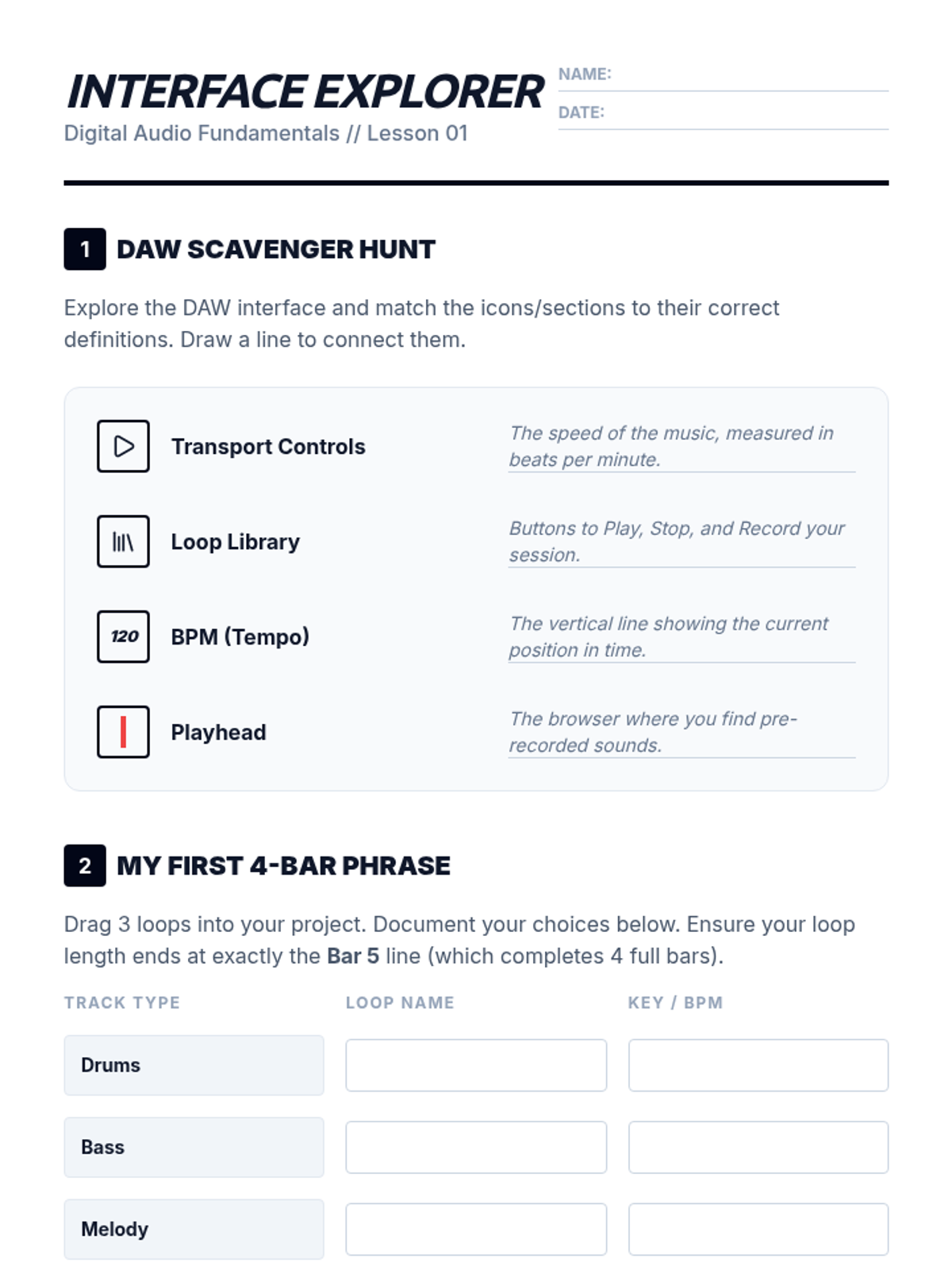
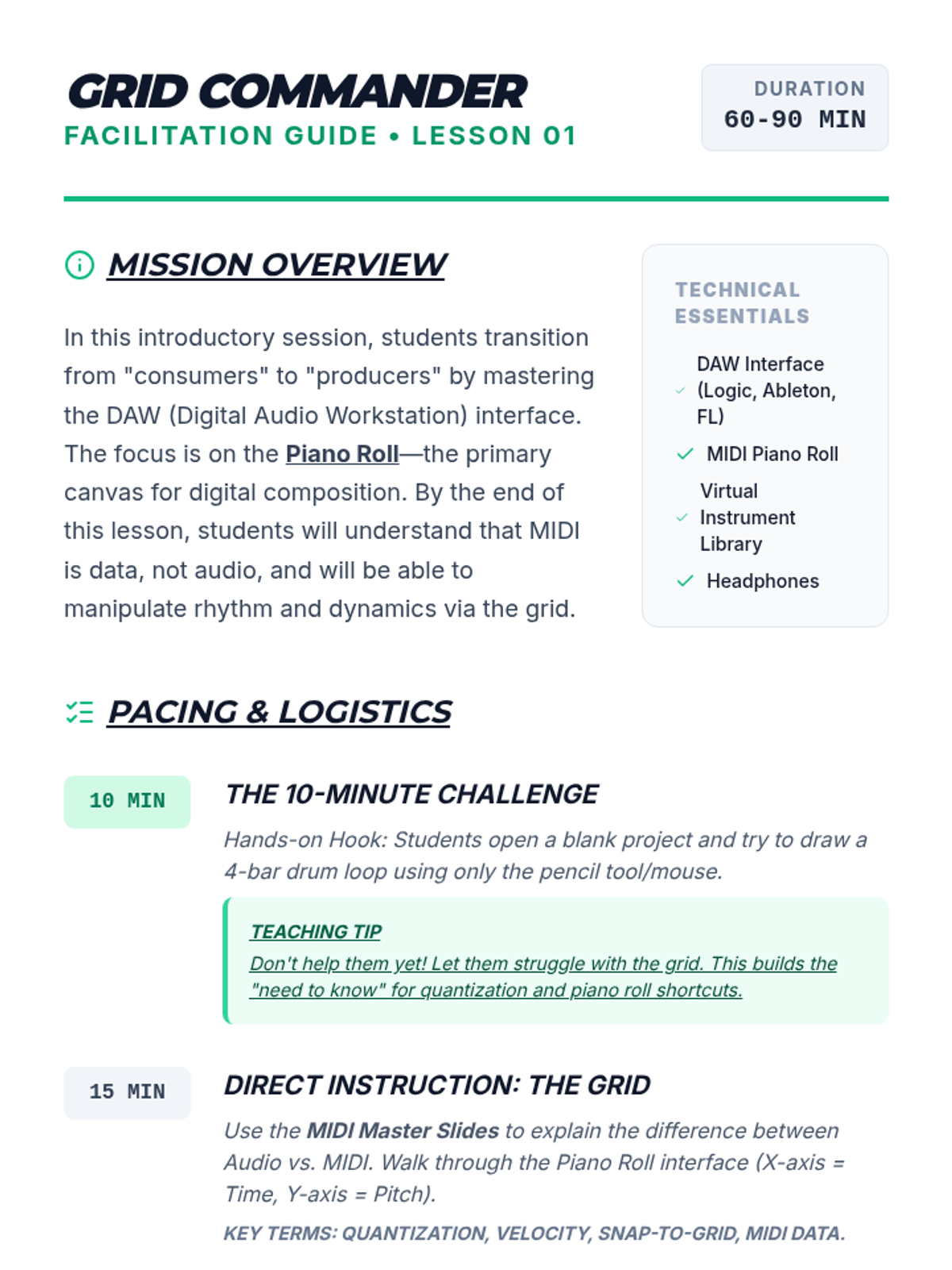
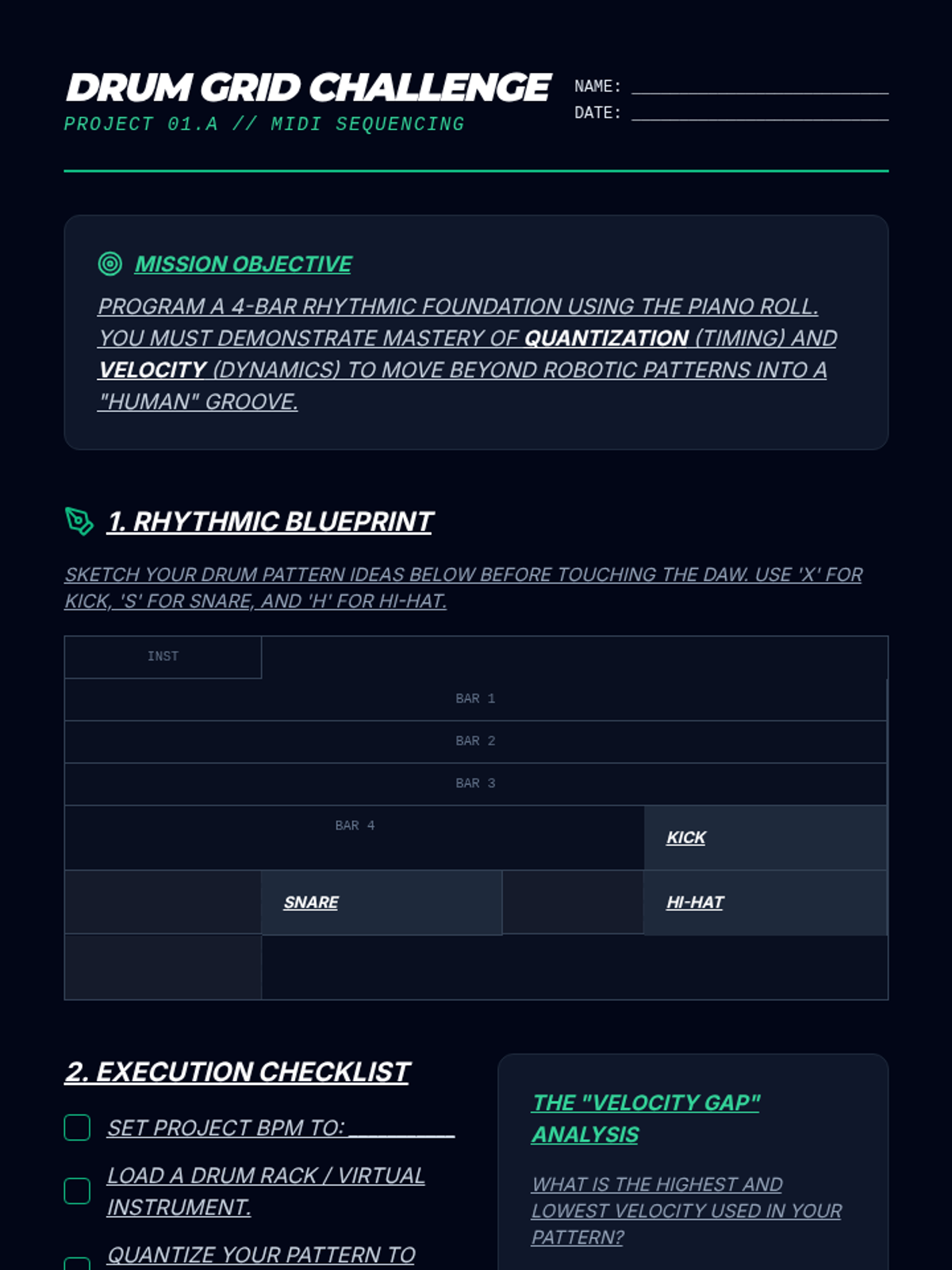
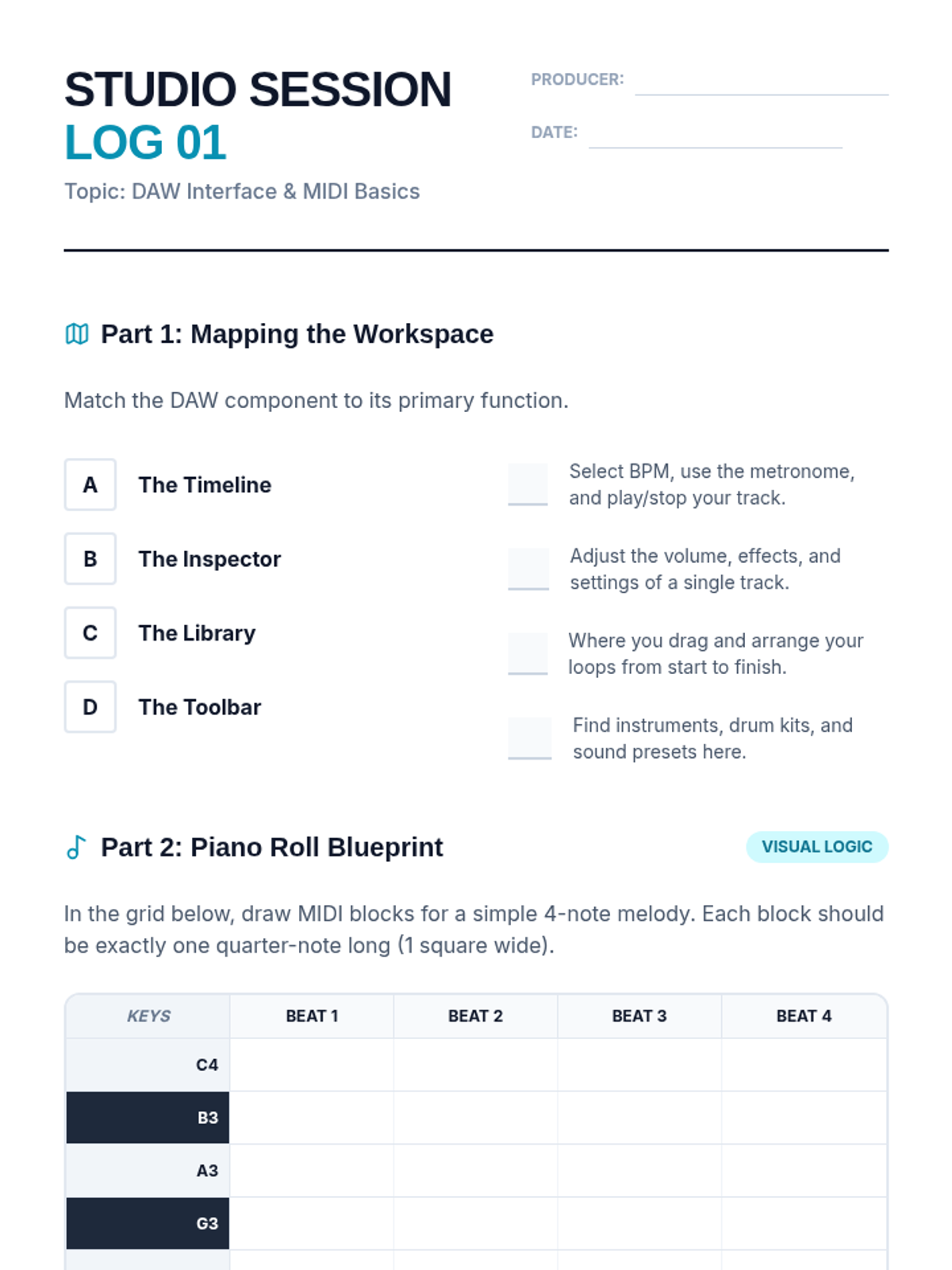
This sequence introduces students to digital music production, focusing on rhythmic construction within a Digital Audio Workstation (DAW). Students progress from basic interface navigation and loop sequencing to advanced techniques like syncopation, stereo panning, and arrangement, culminating in a polished multi-track drum composition.
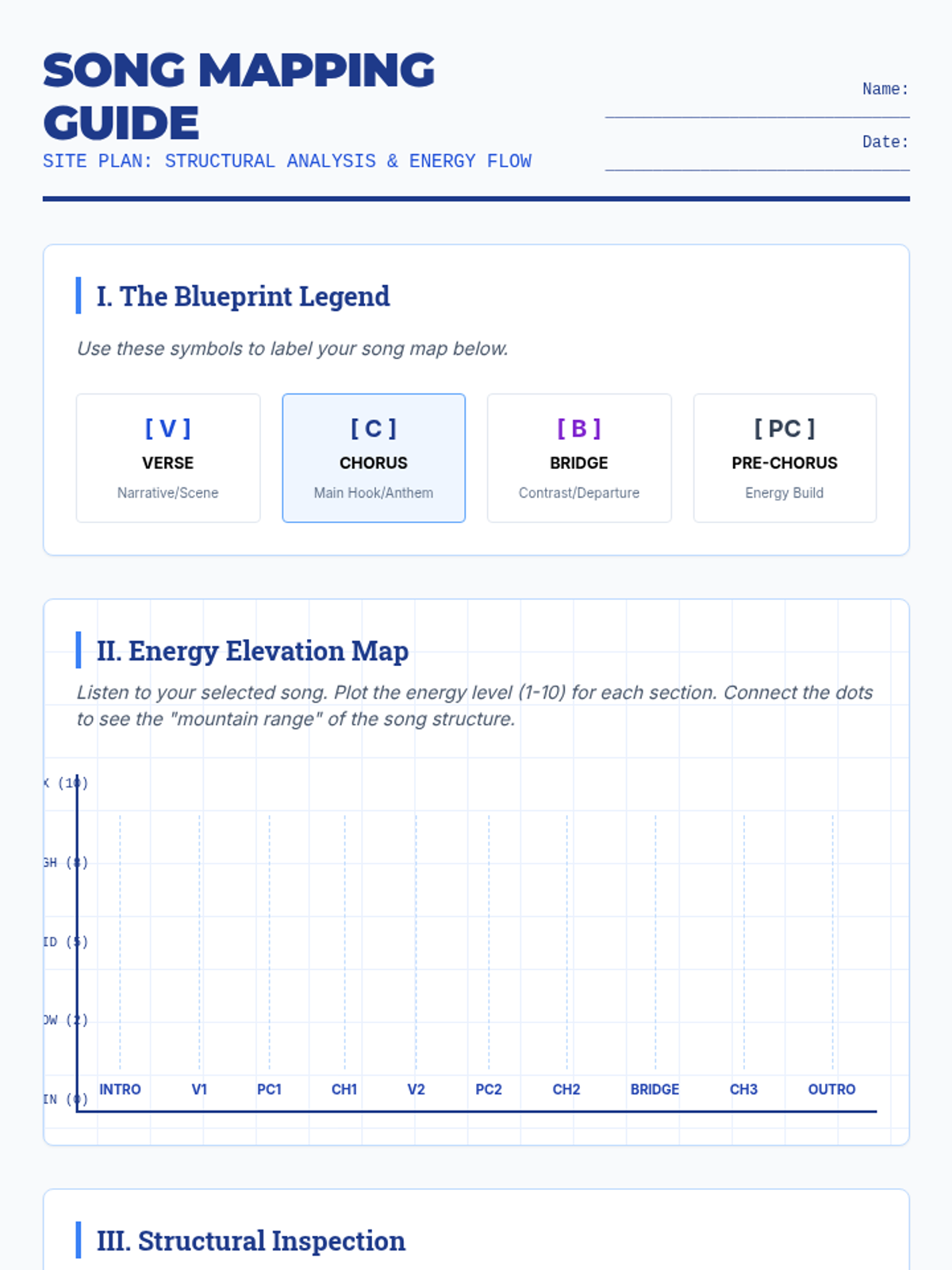
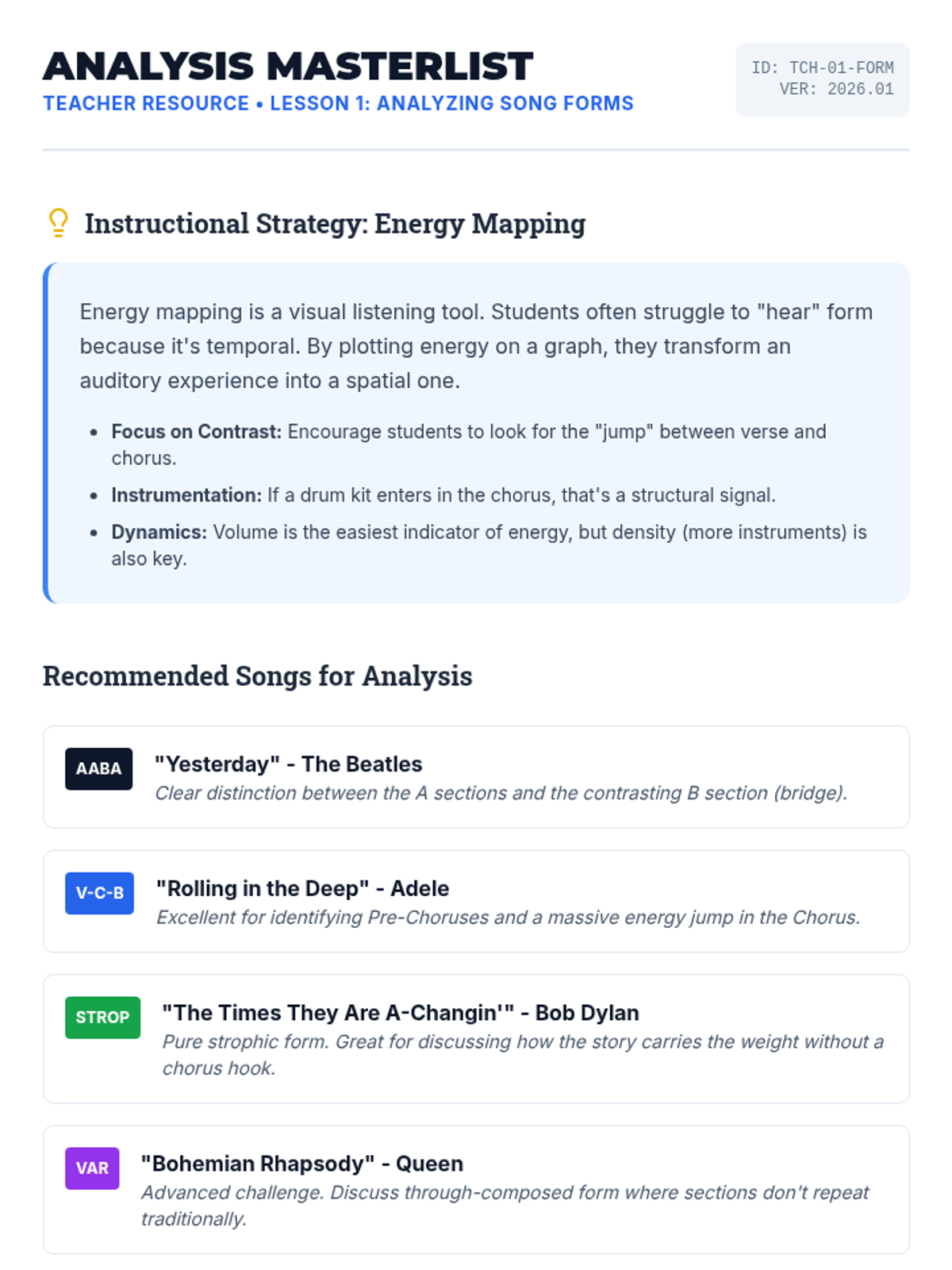
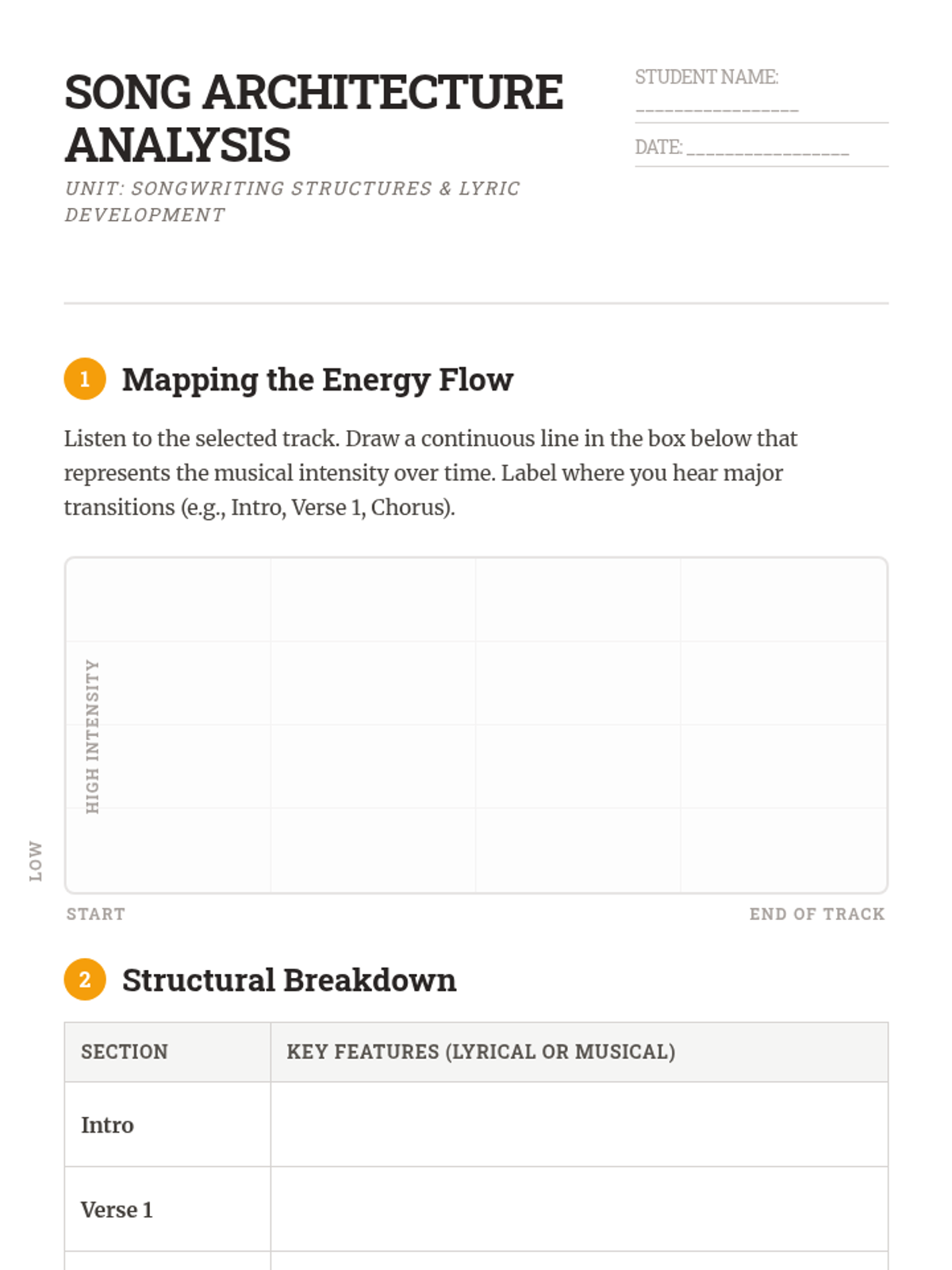
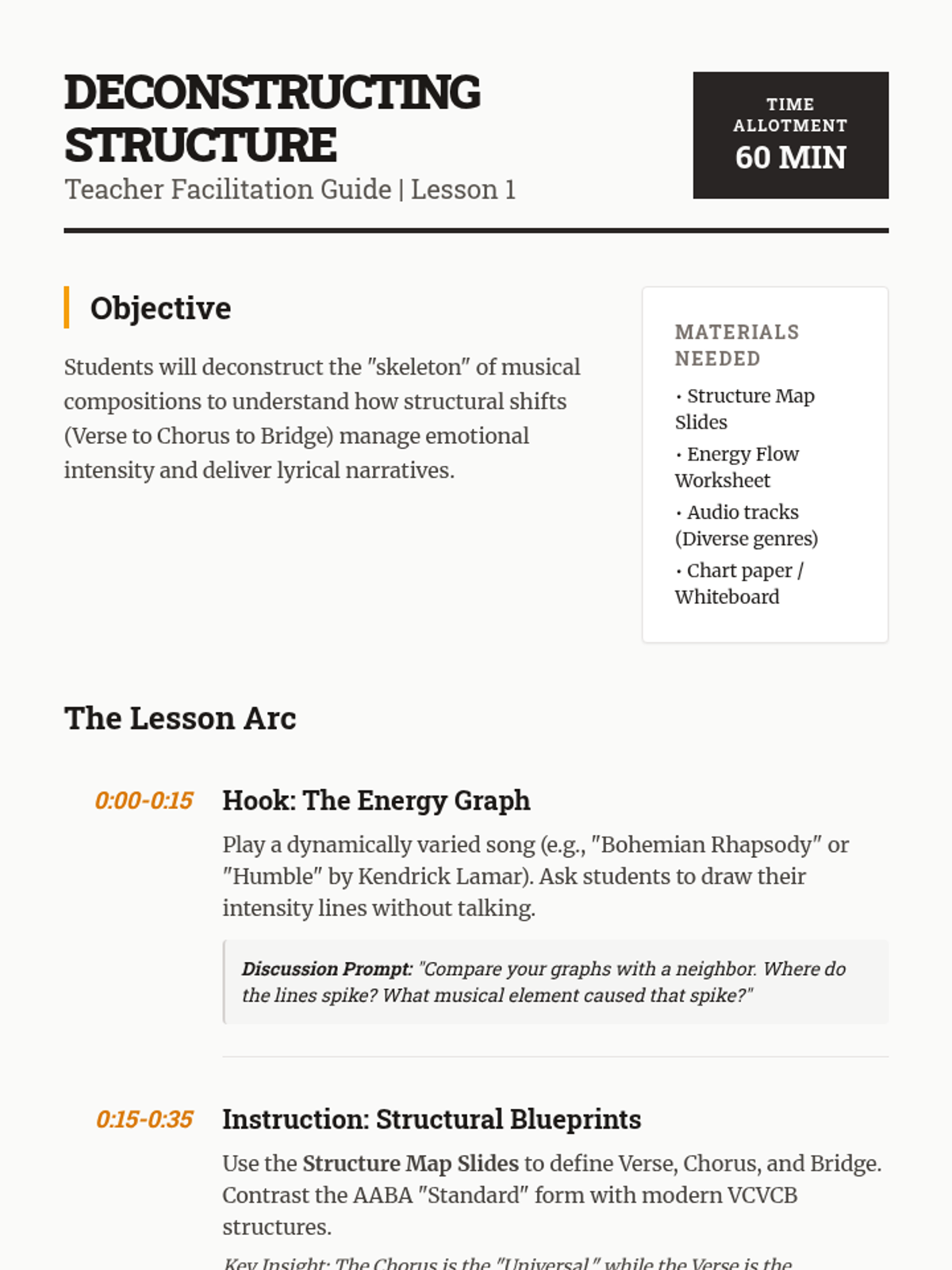
This sequence explores the architectural side of songwriting, focusing on how contemporary song structures (verse, chorus, bridge) and lyrical techniques work together to create emotional impact. Students will analyze existing blueprints, draft their own imagery-rich lyrics, and master the art of prosody to ensure their music and words flow perfectly together.
This sequence explores the mechanics of music theory, moving from building individual chords to understanding their functional relationships in pop and classical music. Students will analyze, identify, and eventually manipulate harmonic structures to change the emotional landscape of a melody.
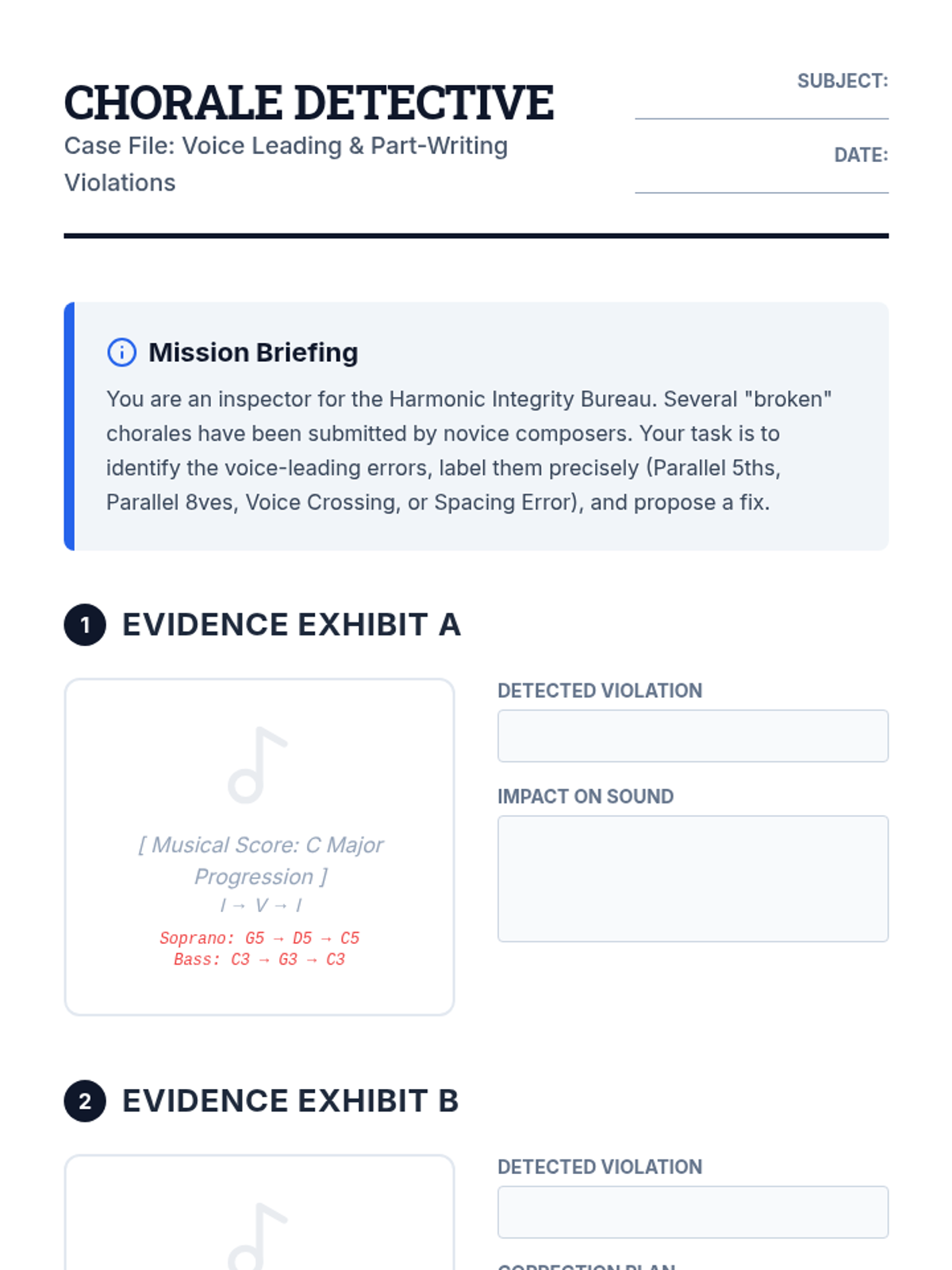
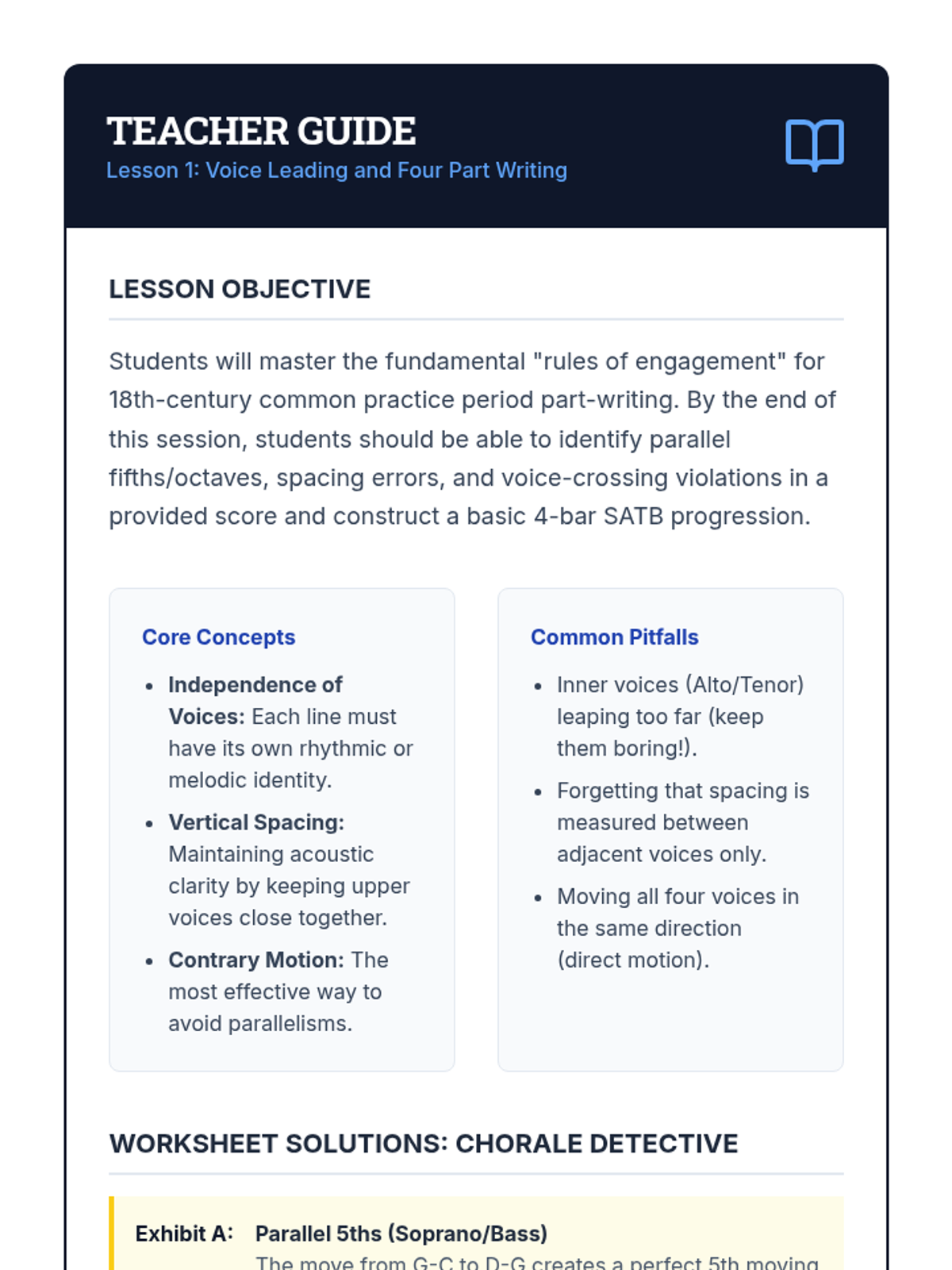
A high-level music theory sequence for 12th-grade students focusing on complex harmonic structures, voice leading, and functional chromaticism. Students progress from foundational SATB rules to advanced modulation and modal interchange, culminating in an original four-part composition.
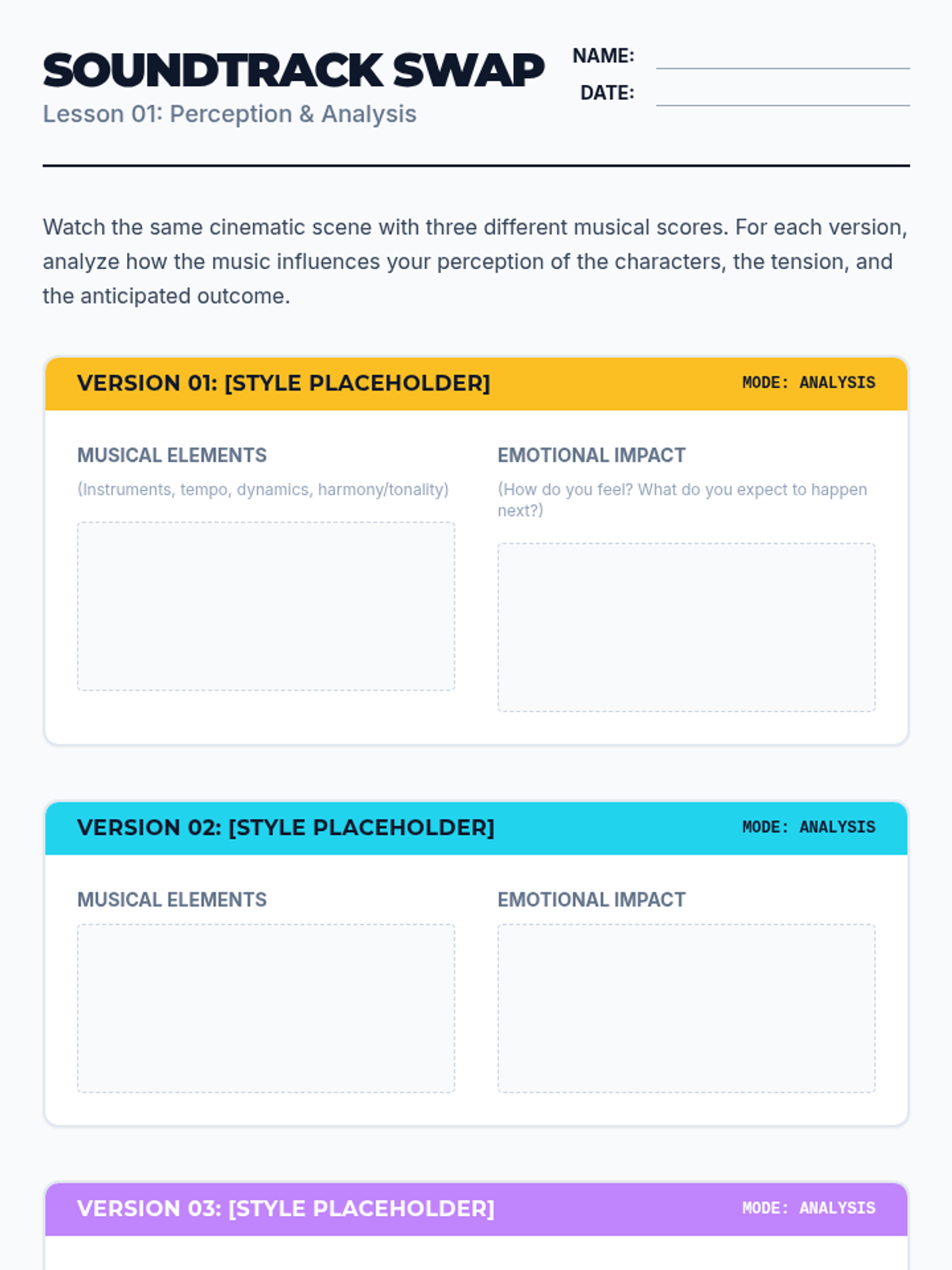
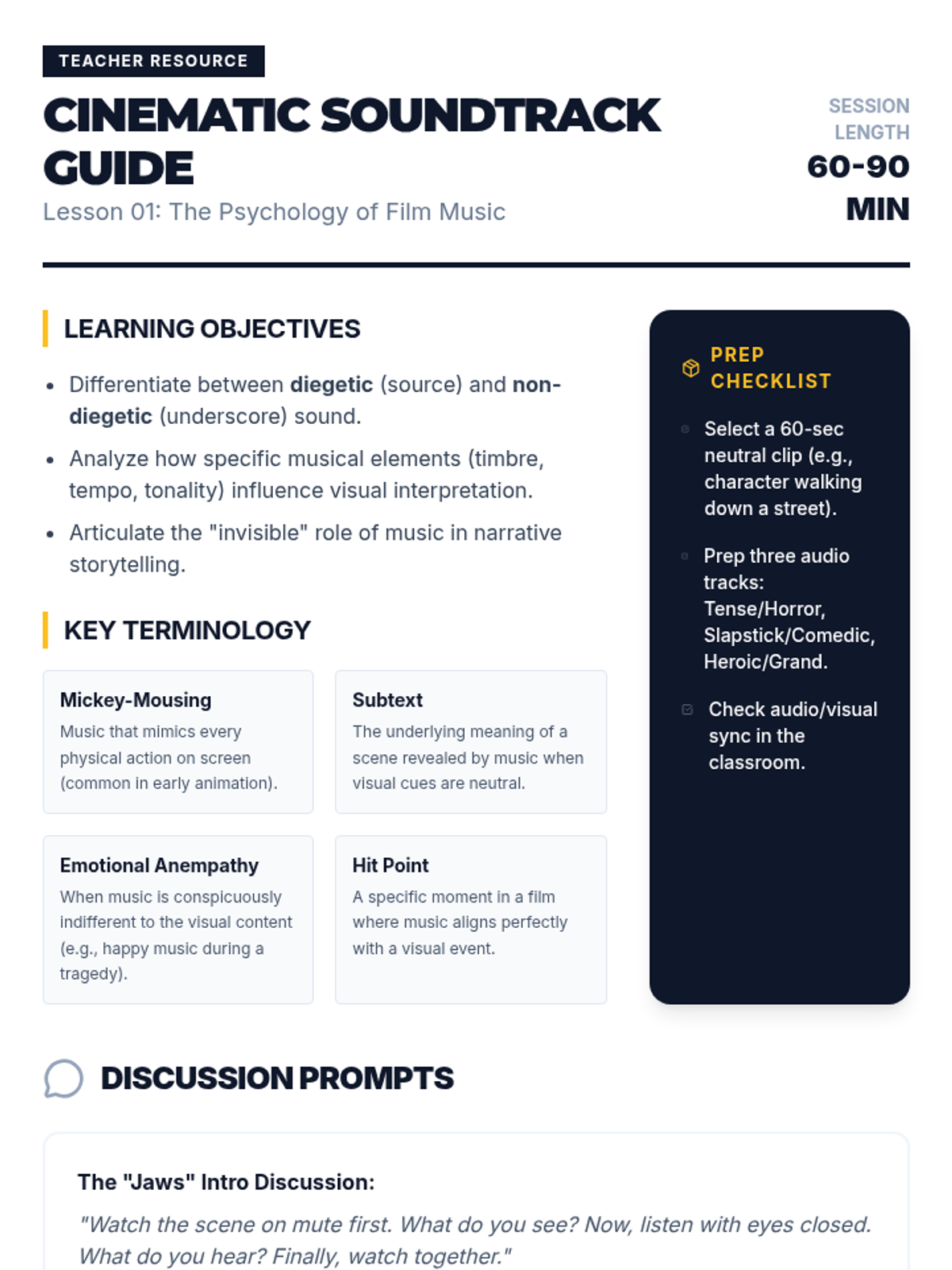
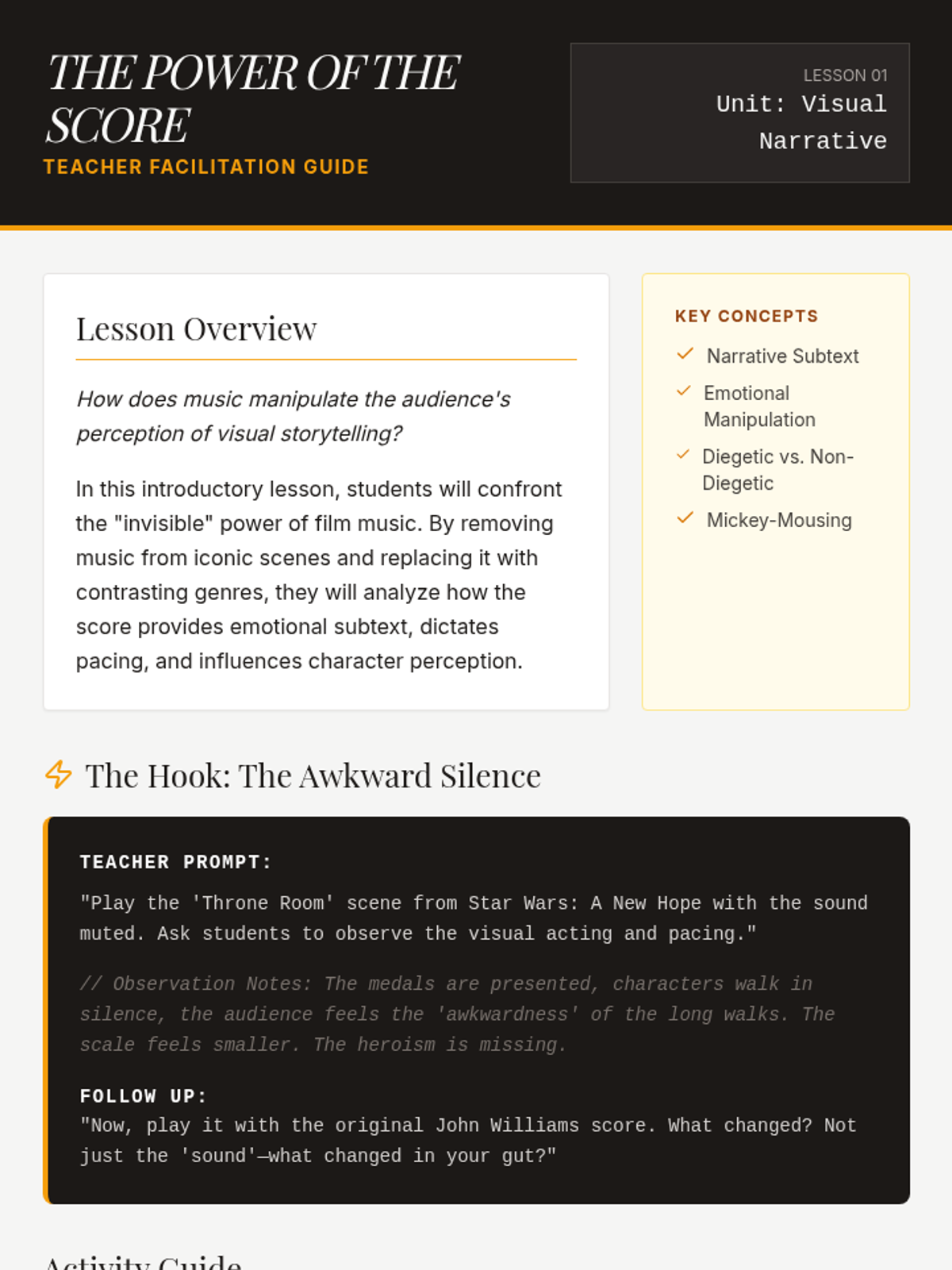
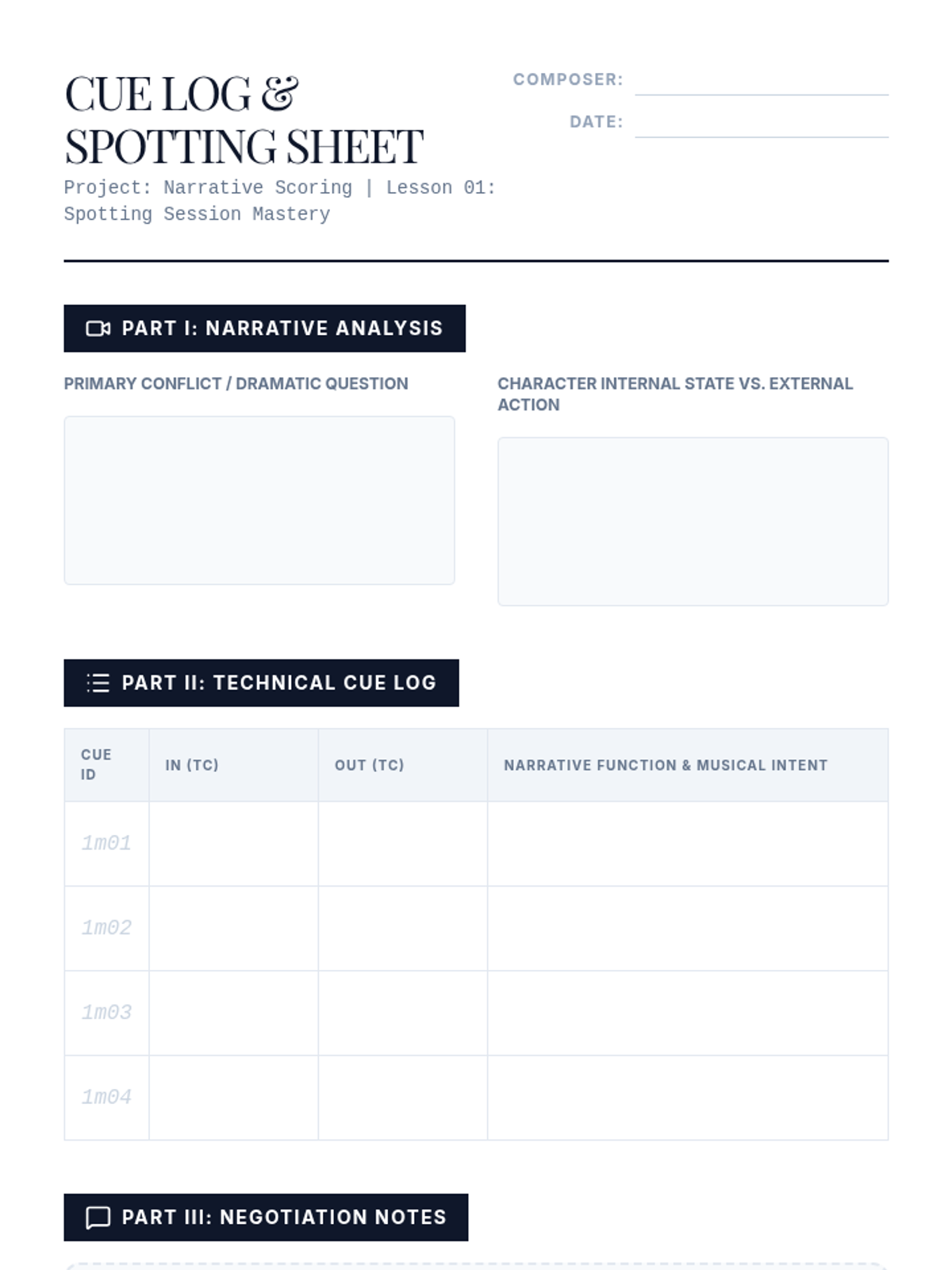
A comprehensive 12th-grade sequence exploring the art and technique of scoring music for visual media. Students learn about the psychology of soundtracks, leitmotif development, technical synchronization, and atmospheric sound design, culminating in a professional-style film scoring project.
A comprehensive 12th-grade songwriter's workshop focusing on the intersection of structure, lyricism, melody, and harmony. Students move from analytical deconstruction of popular forms to the creation and peer-review of original compositions.
A comprehensive high school sequence on digital music production, covering MIDI, synthesis, sampling, effects, and mixing within a DAW environment. Students progress from technical foundations to creative composition.
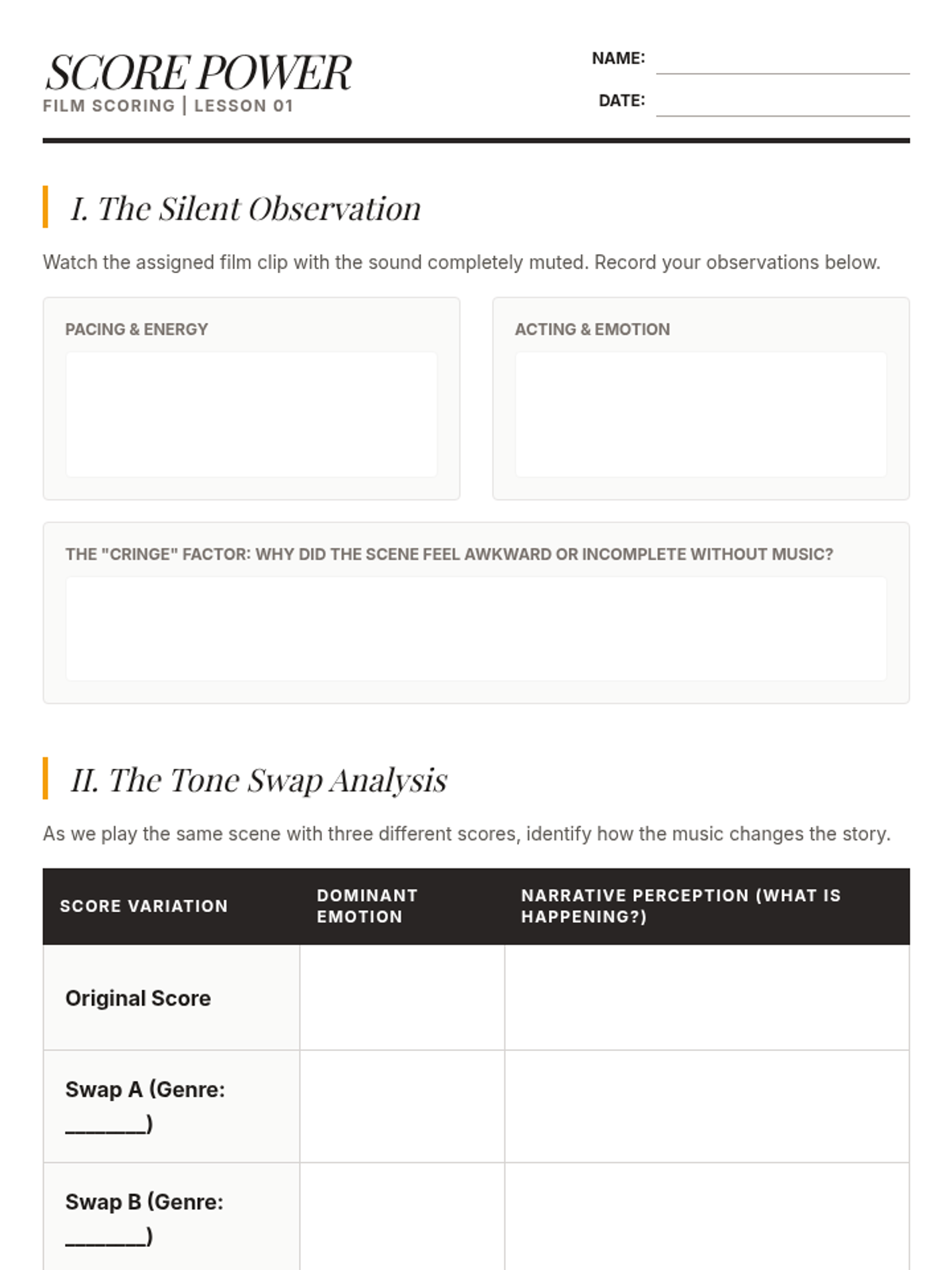
This sequence introduces students to the art of film scoring, focusing on how music influences emotional narrative. Students analyze case studies, create leitmotifs, explore orchestration, and practice synchronization before scoring their own short film clip.
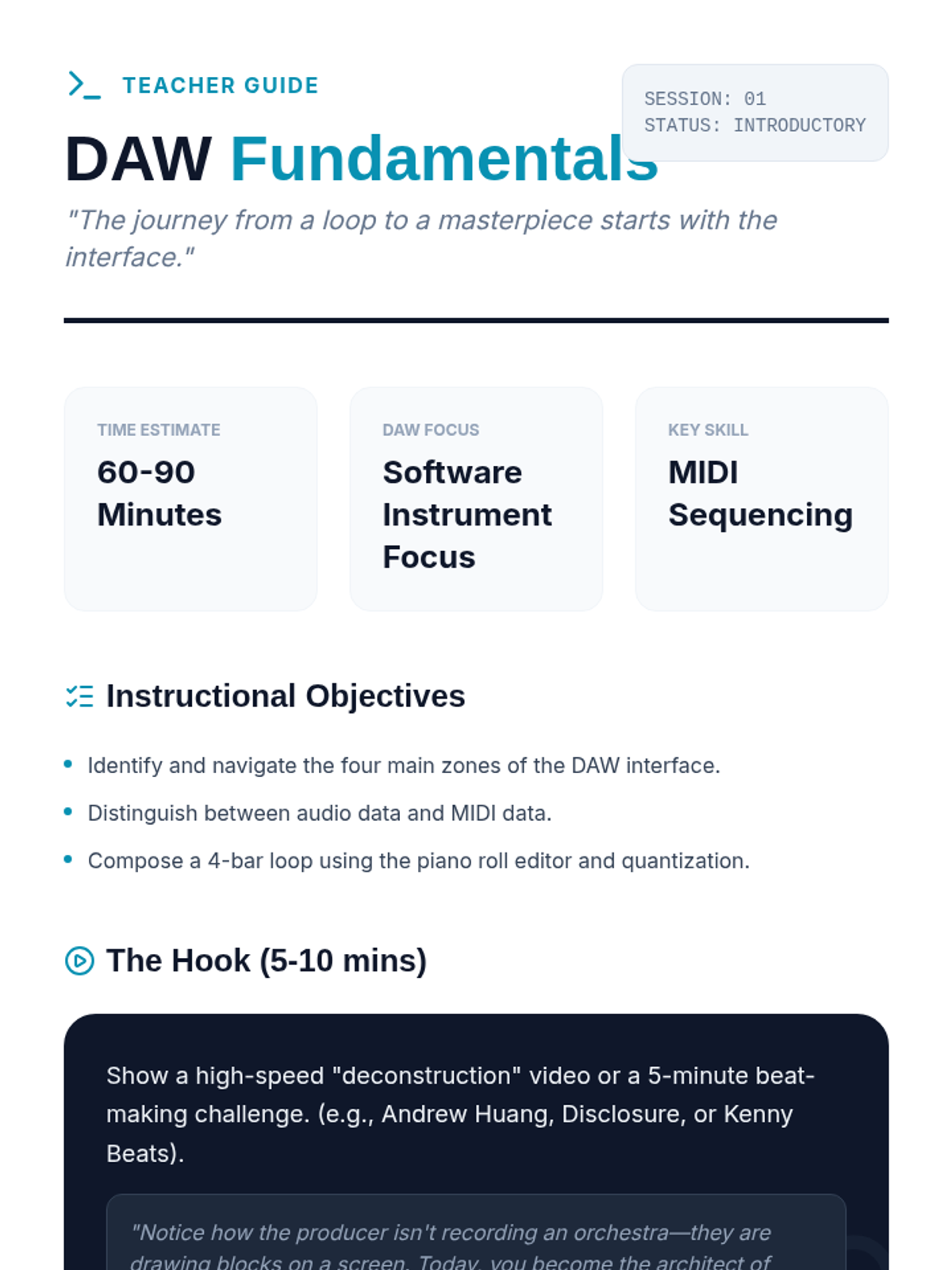
A comprehensive introduction to modern music production using Digital Audio Workstations (DAWs). Students progress from basic MIDI sequencing to advanced arrangement and sound design, culminating in a finished instrumental track.
A graduate-level exploration of narrative film scoring, focusing on dramatic analysis, thematic development, psychological subtext, and technical synchronization. Students move from the conceptual spotting session to a fully synchronized final rescore project.
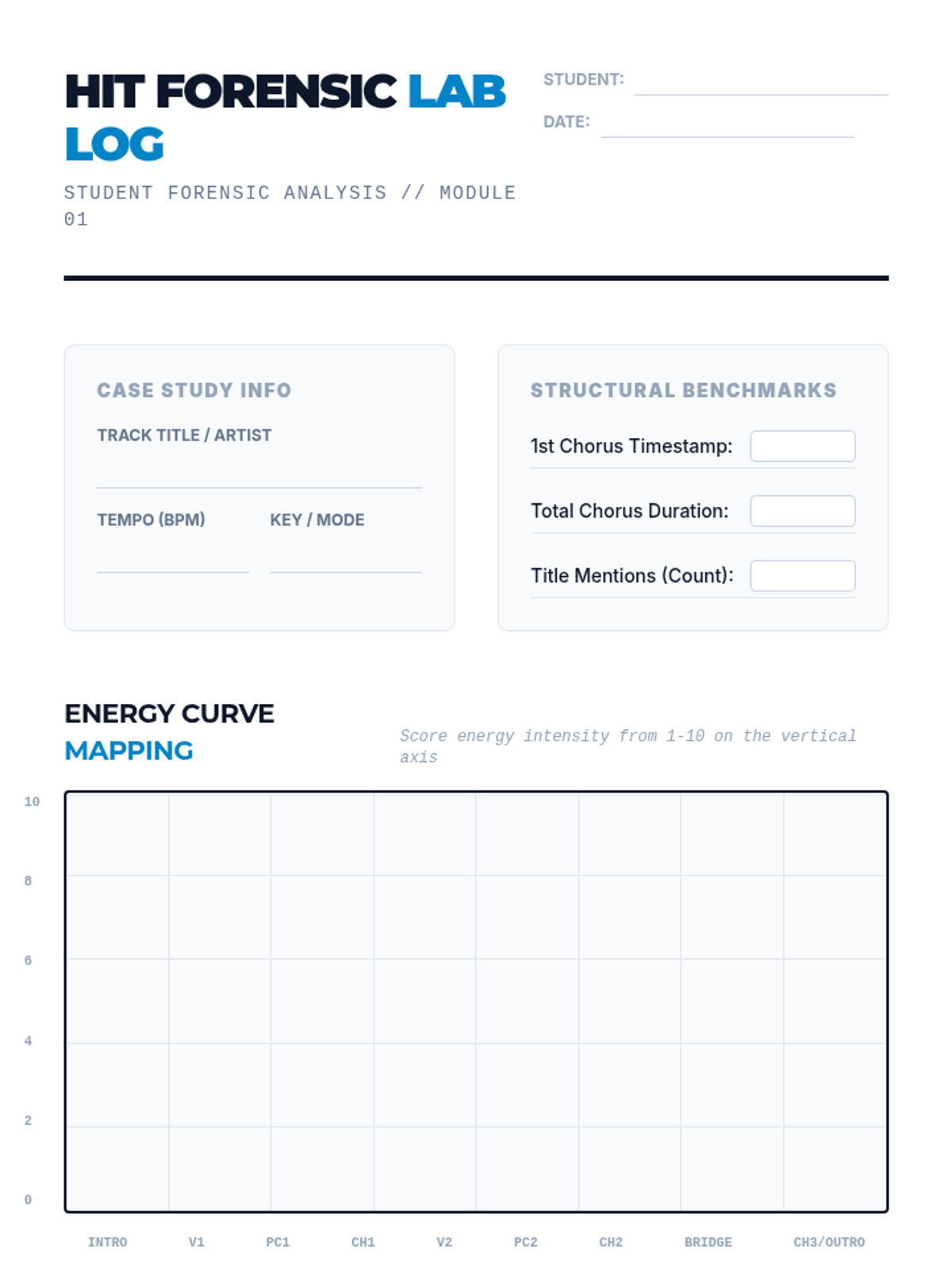
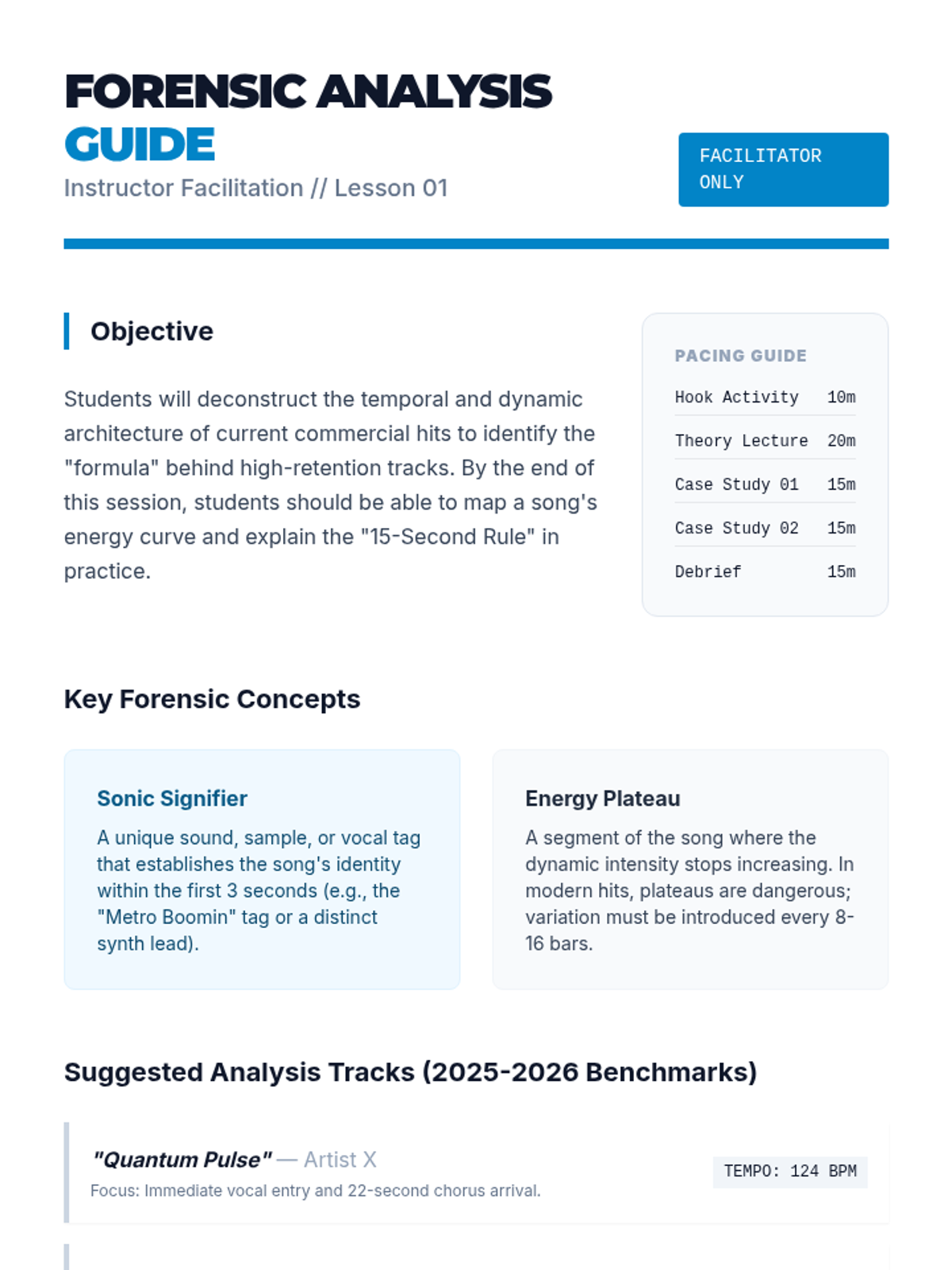
A high-level analysis of modern commercial music, focusing on melodic math, production-as-composition, and professional songwriting camp workflows for graduate students.
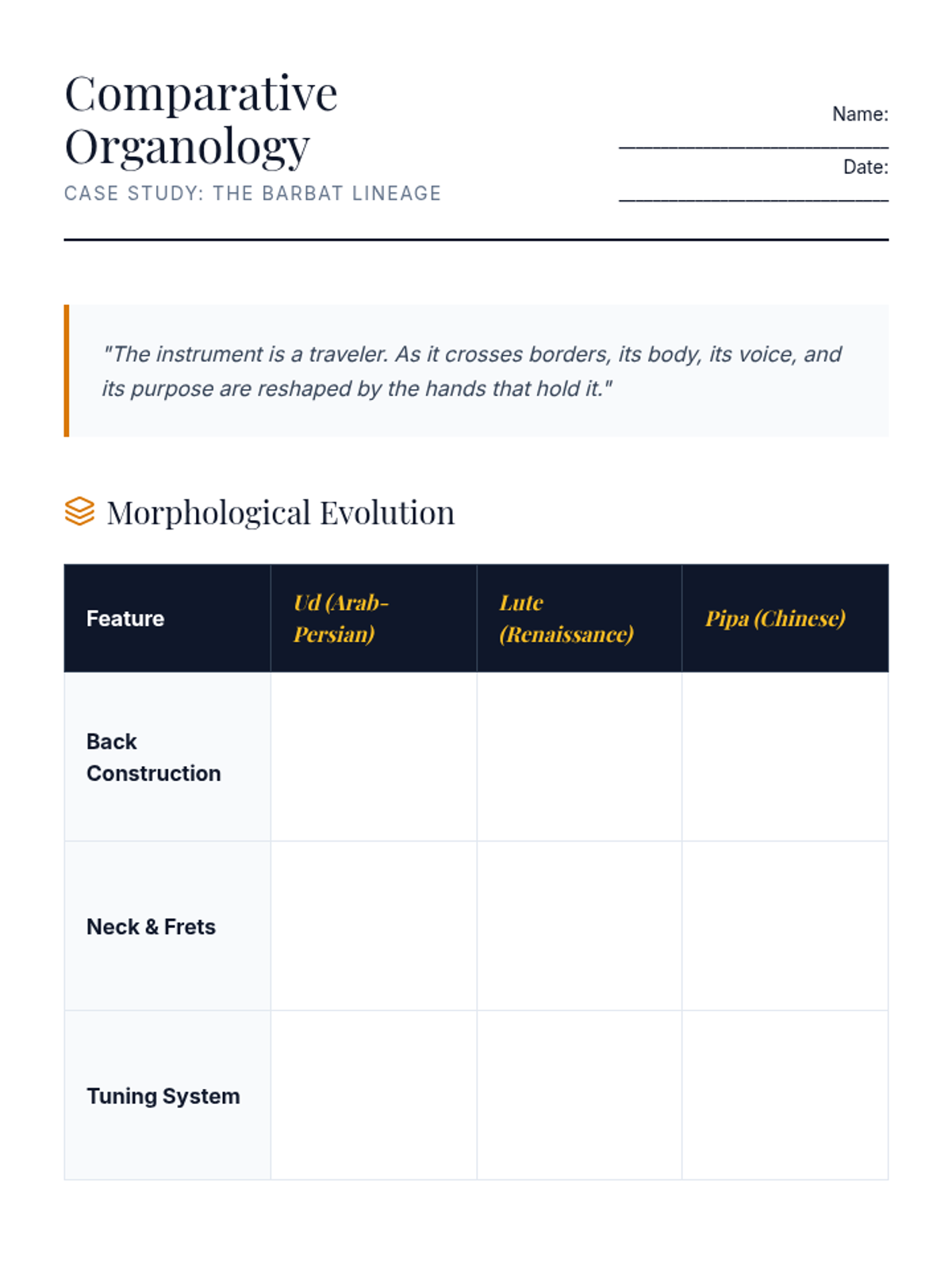
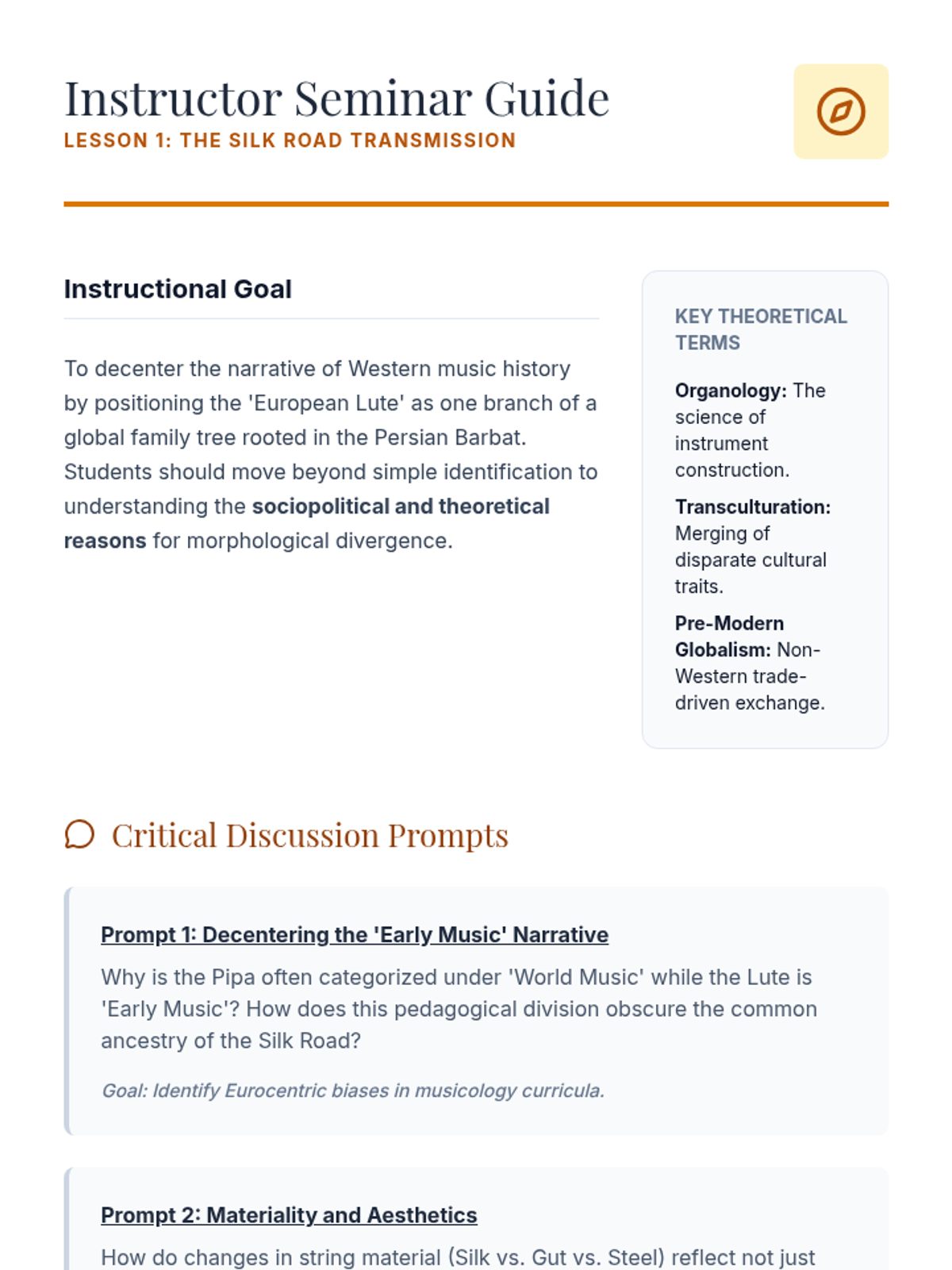
A graduate-level exploration of music history through the lenses of migration, diaspora, and cultural hybridity, moving beyond Western-centric narratives to examine how global movement shapes musical evolution.
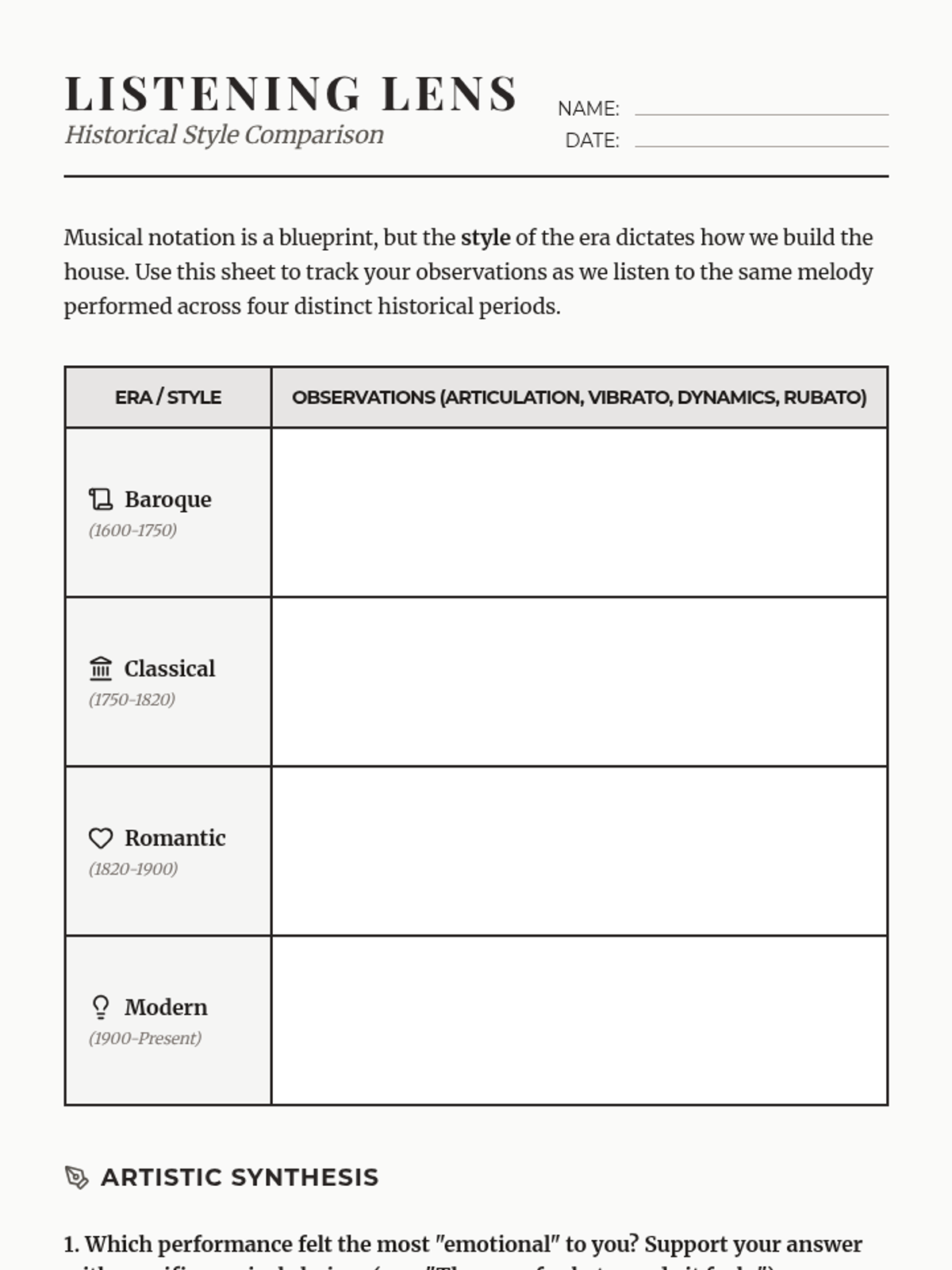
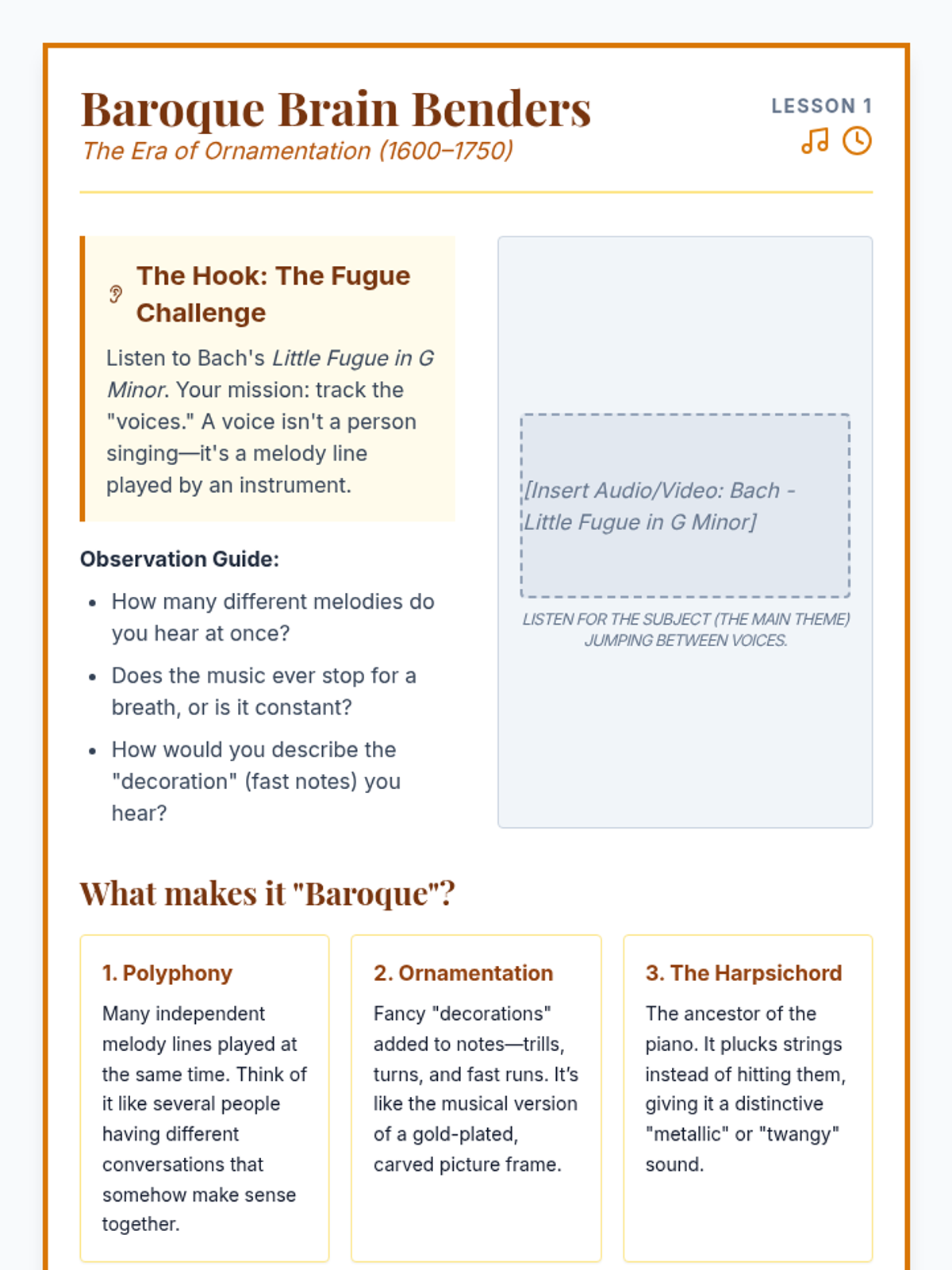
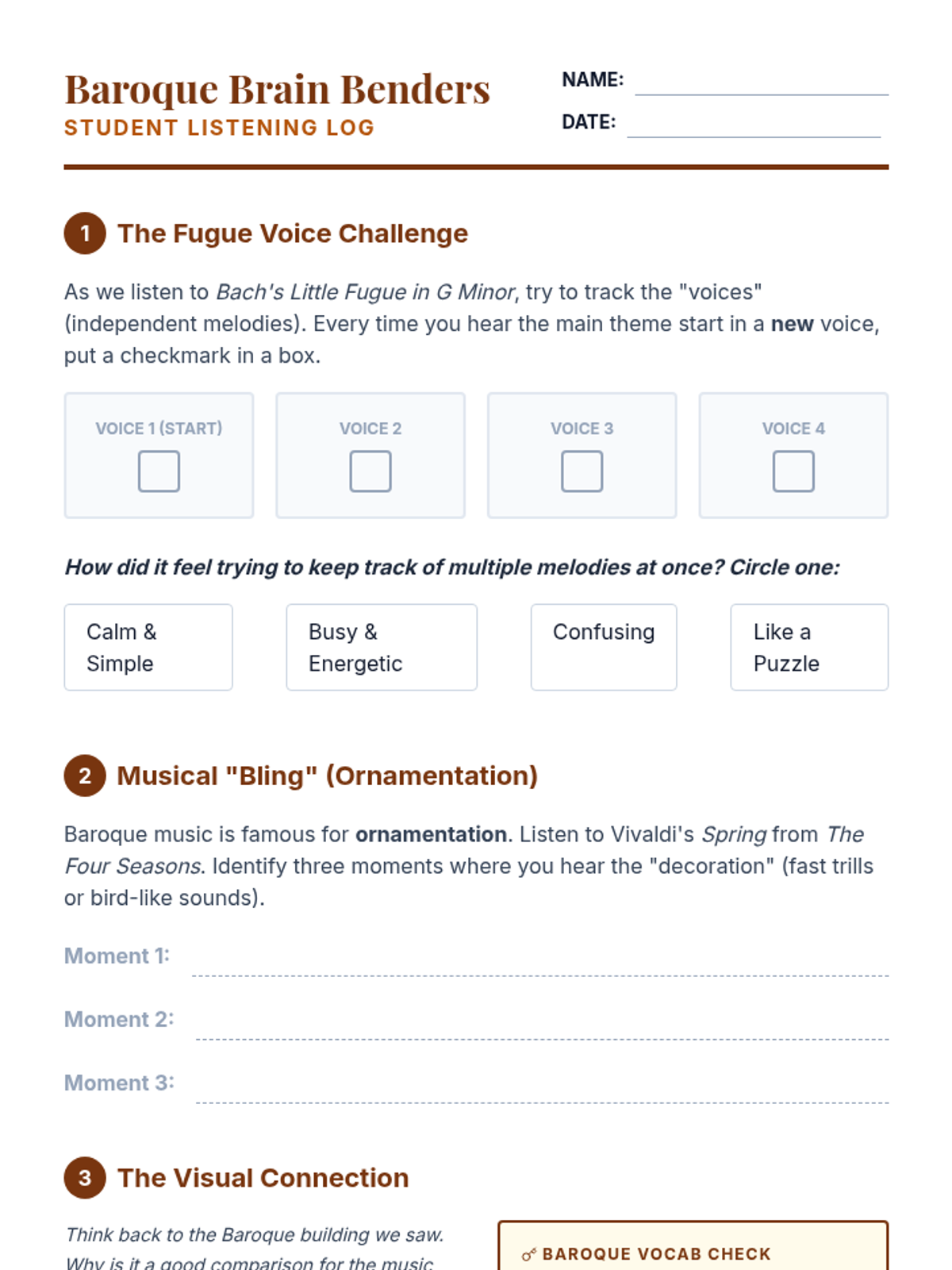
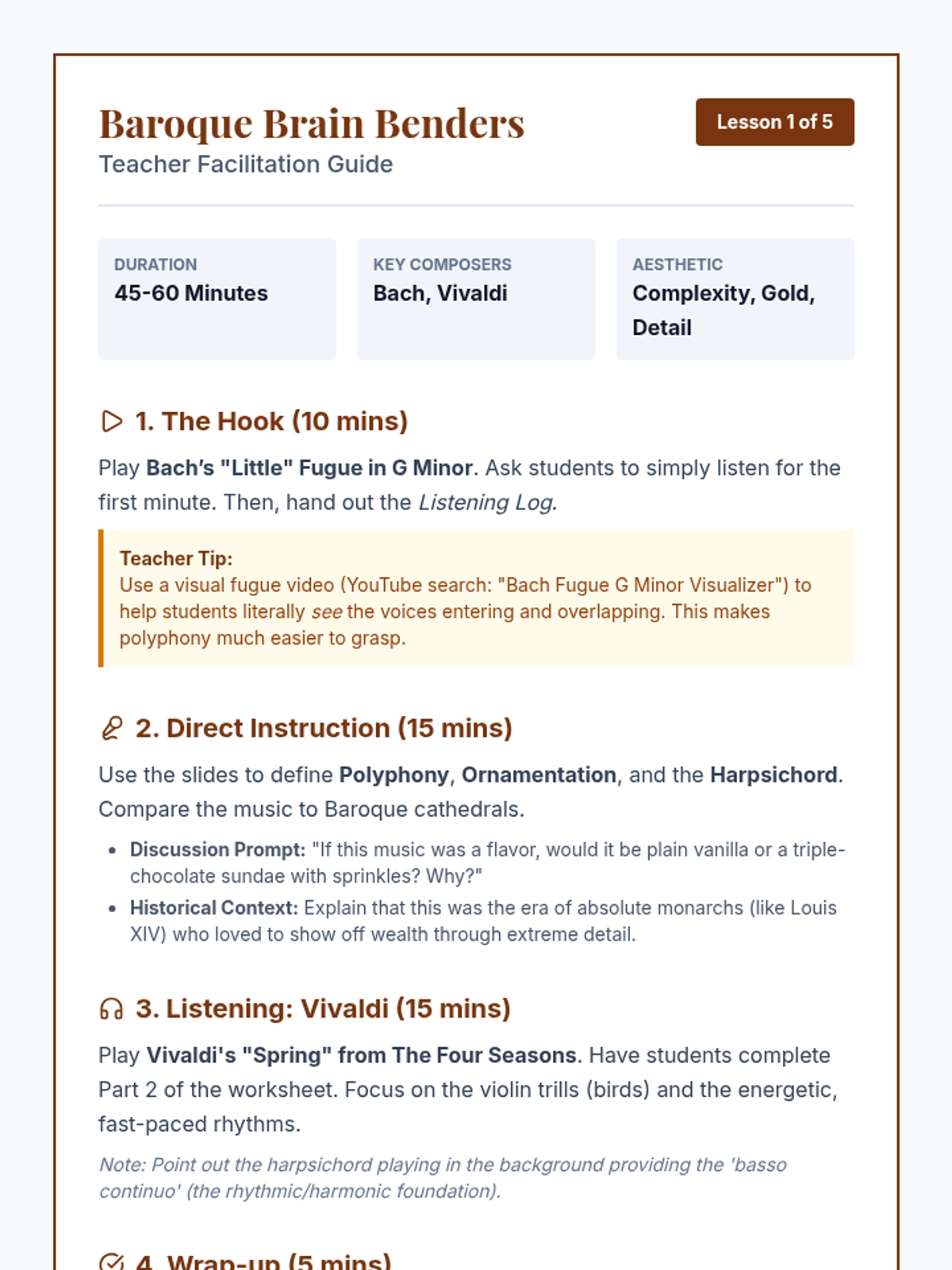
A chronological journey through the Baroque, Classical, Romantic, and Modern eras of Western Art Music, focusing on critical listening and historical context.