Historical evolution of performance, technical stagecraft, and core acting techniques. Develops playwriting skills and fosters imaginative expression through script development and production management.
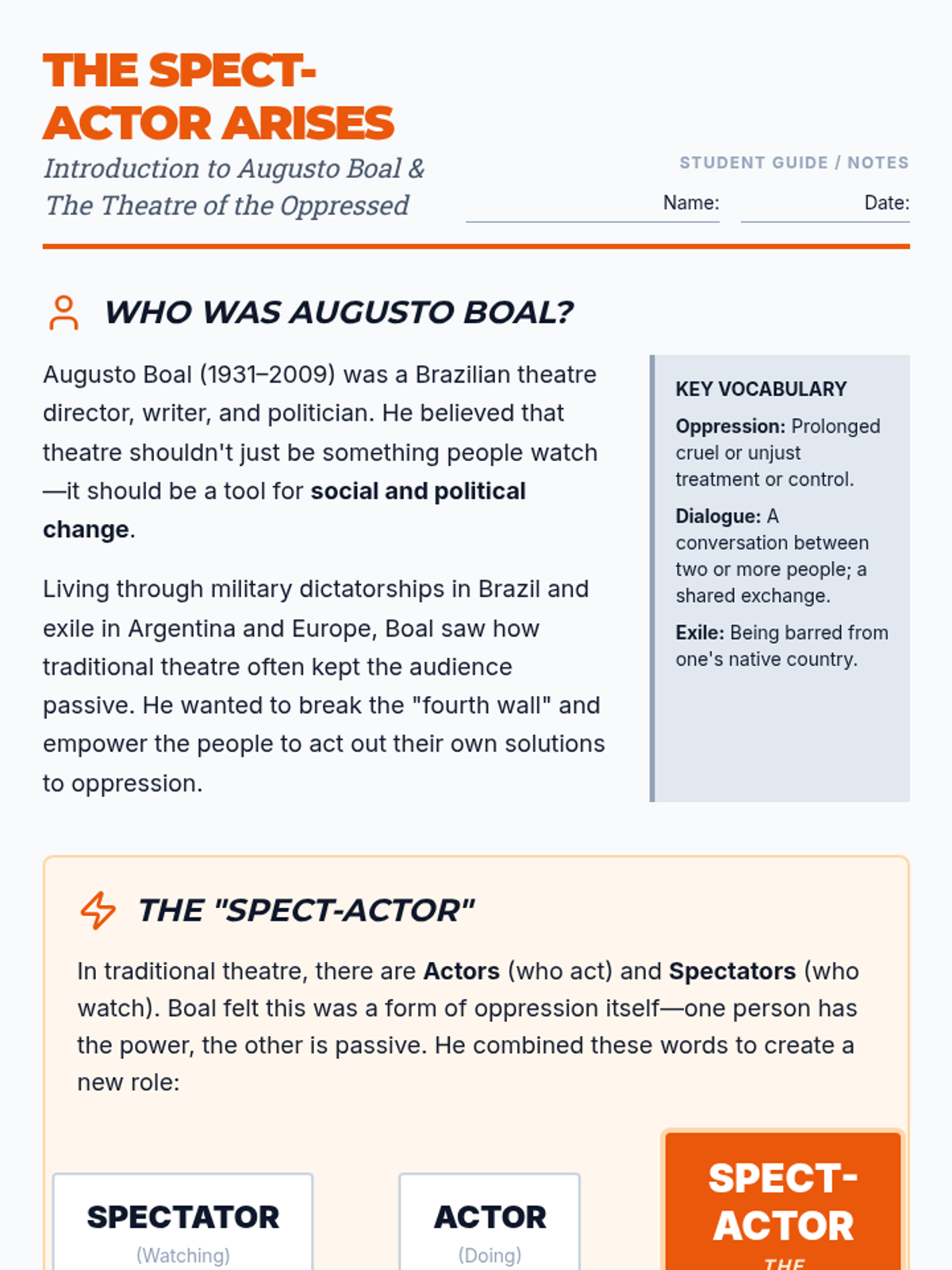
A multi-day unit exploring Augusto Boal's Theatre of the Oppressed, focusing on the transition from spectator to 'spect-actor' through Image and Forum Theatre to address contemporary social issues.
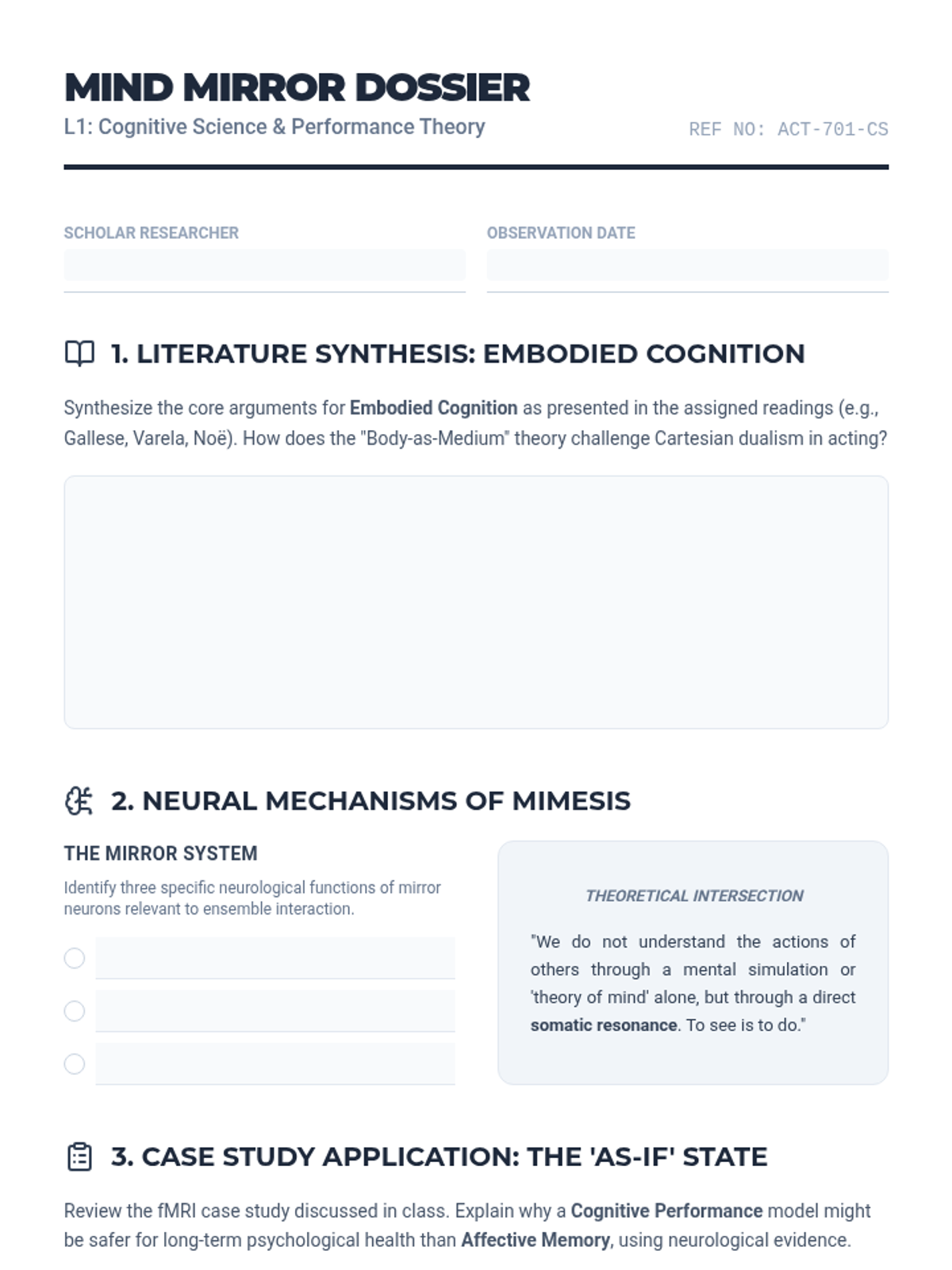
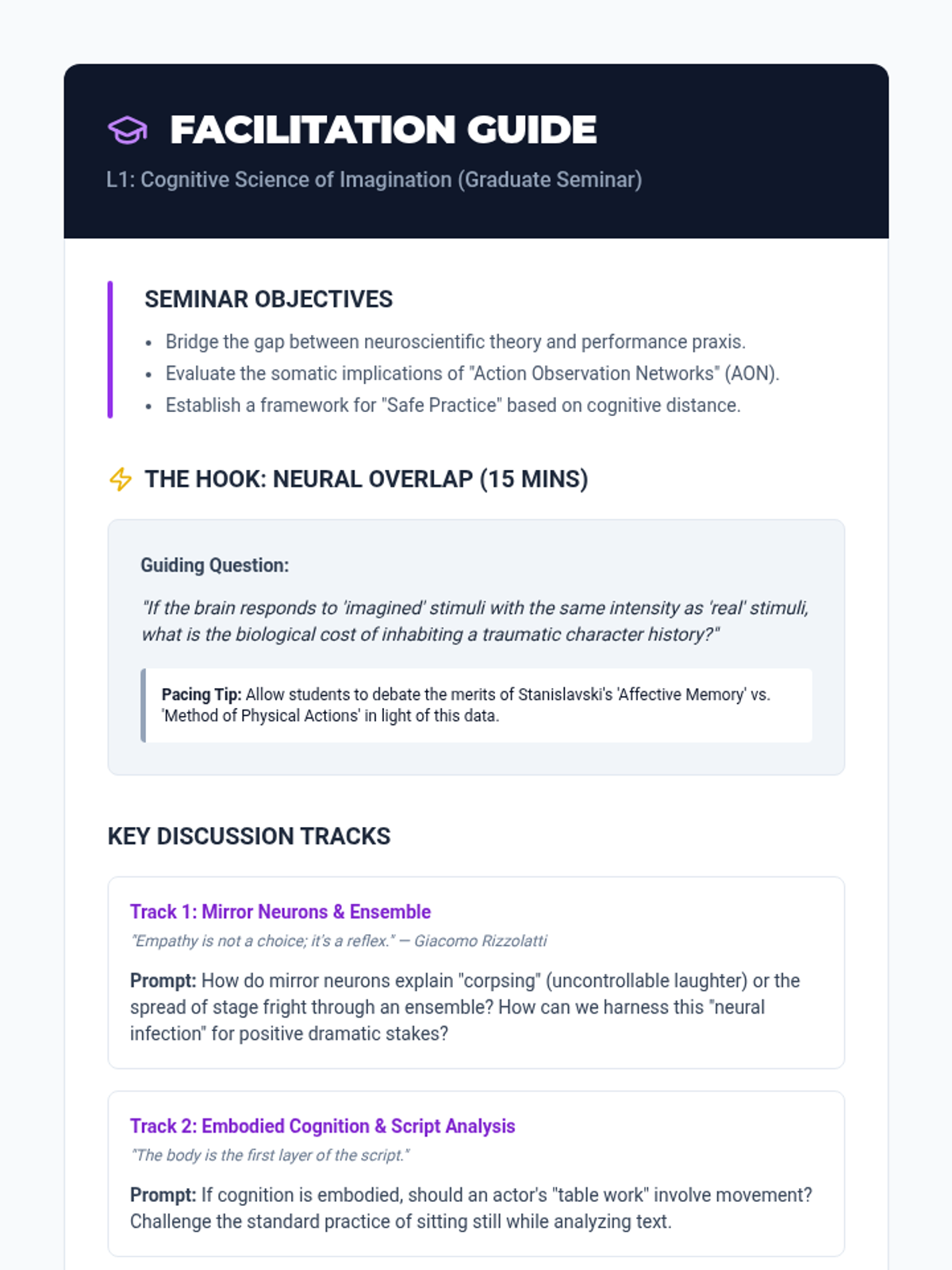
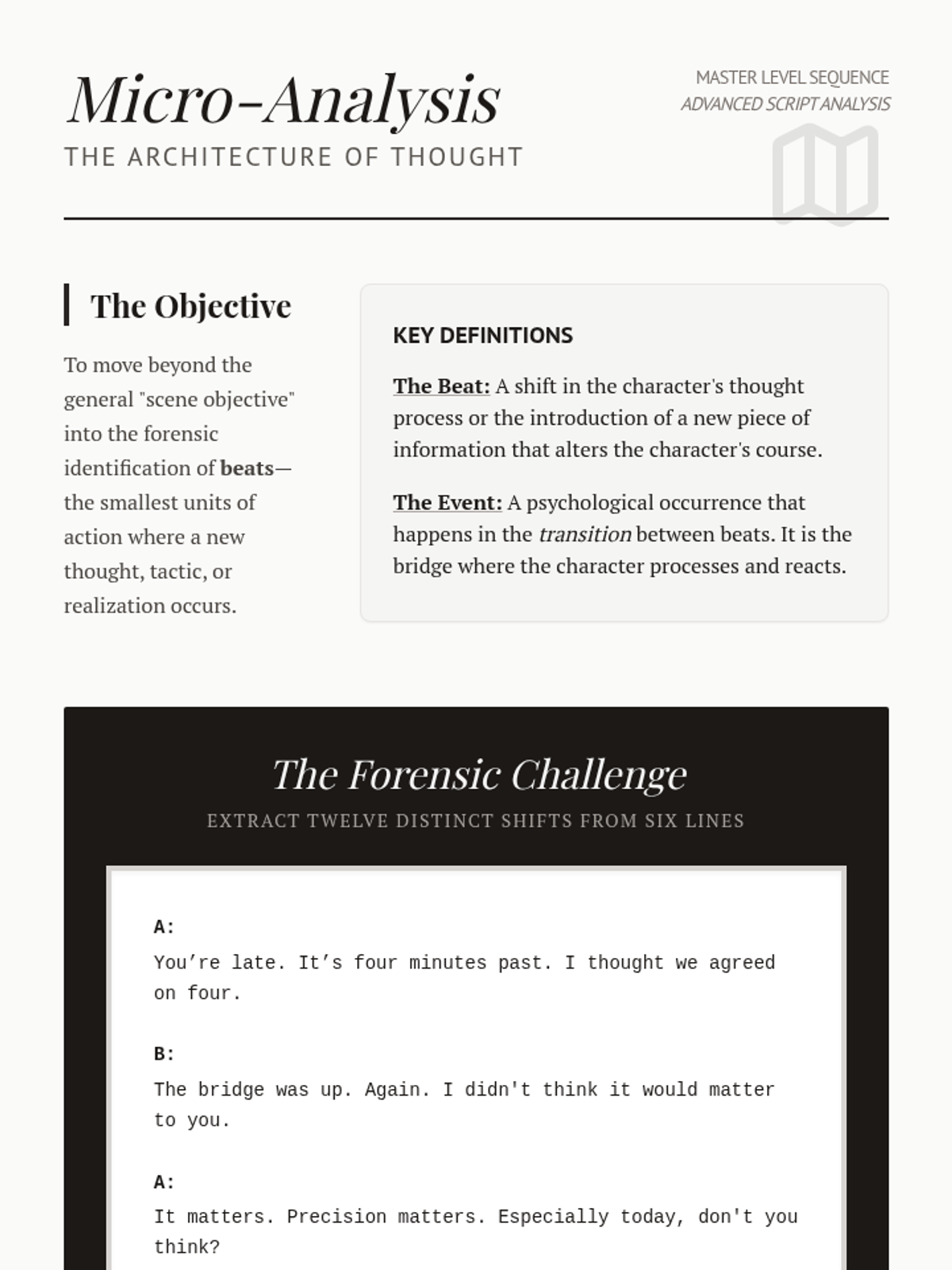
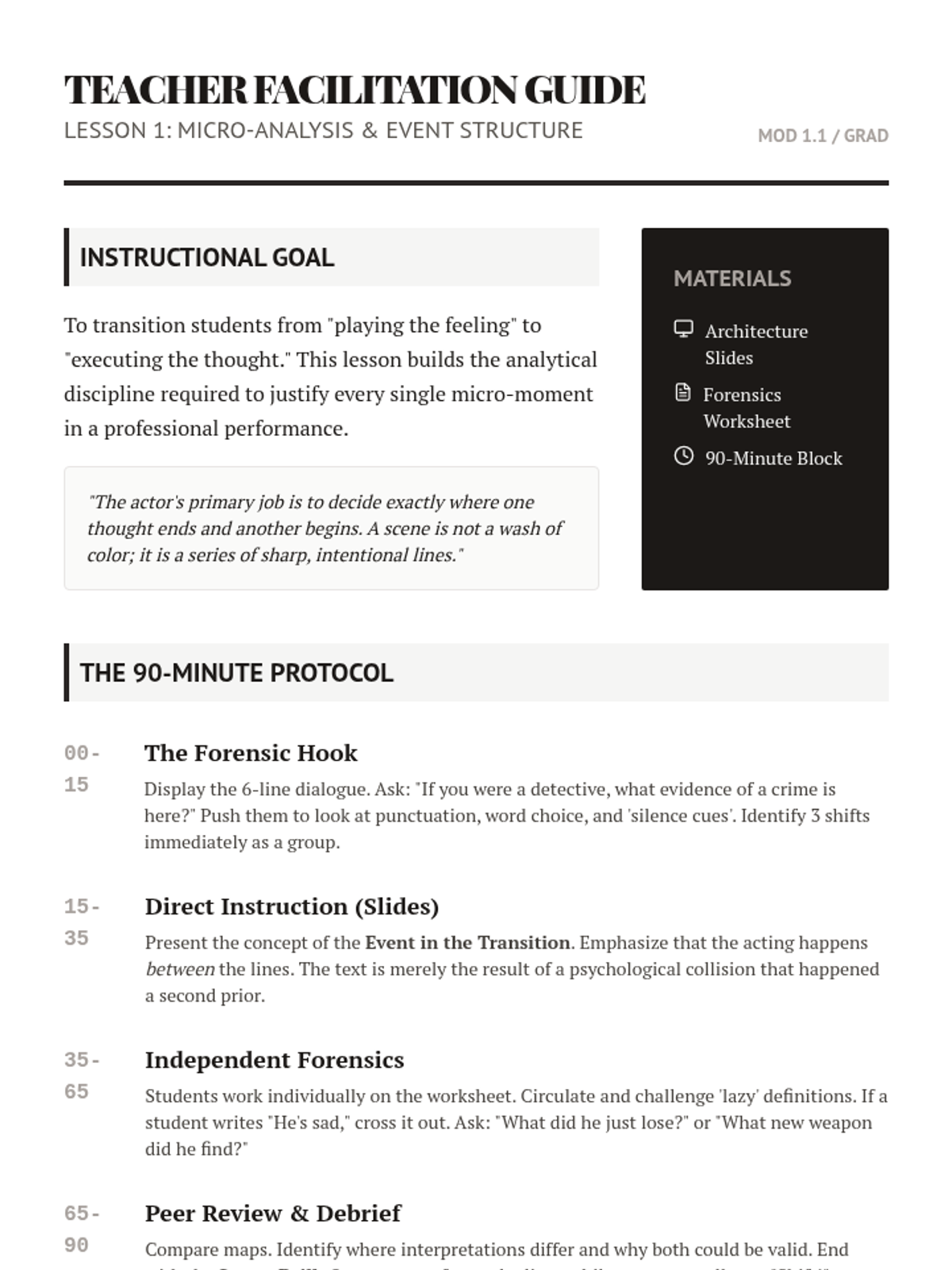
A graduate-level sequence exploring the intersection of cognitive neuroscience and performance theory, focusing on how actors use psychological mechanisms to build and sustain authentic characters.
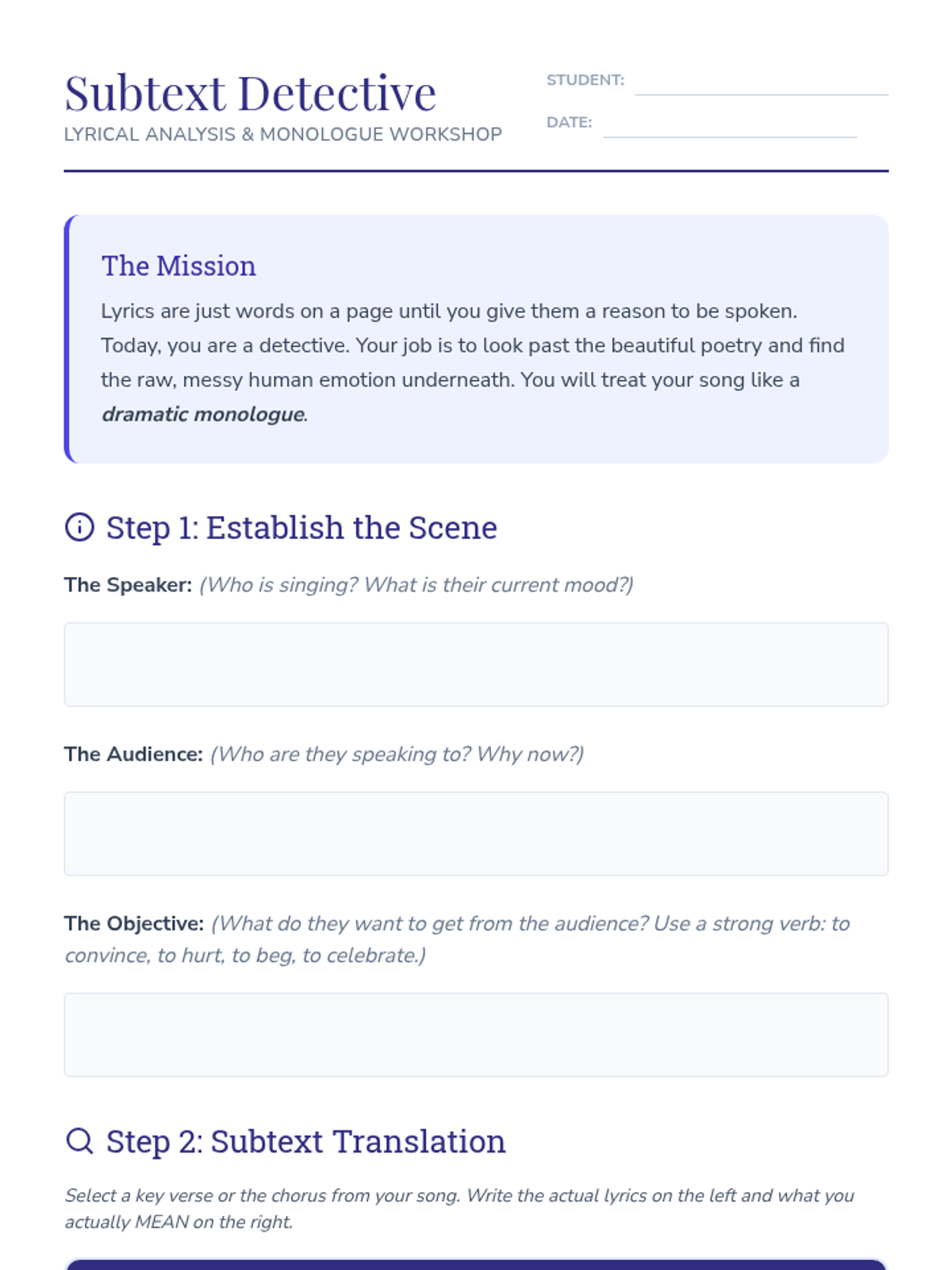
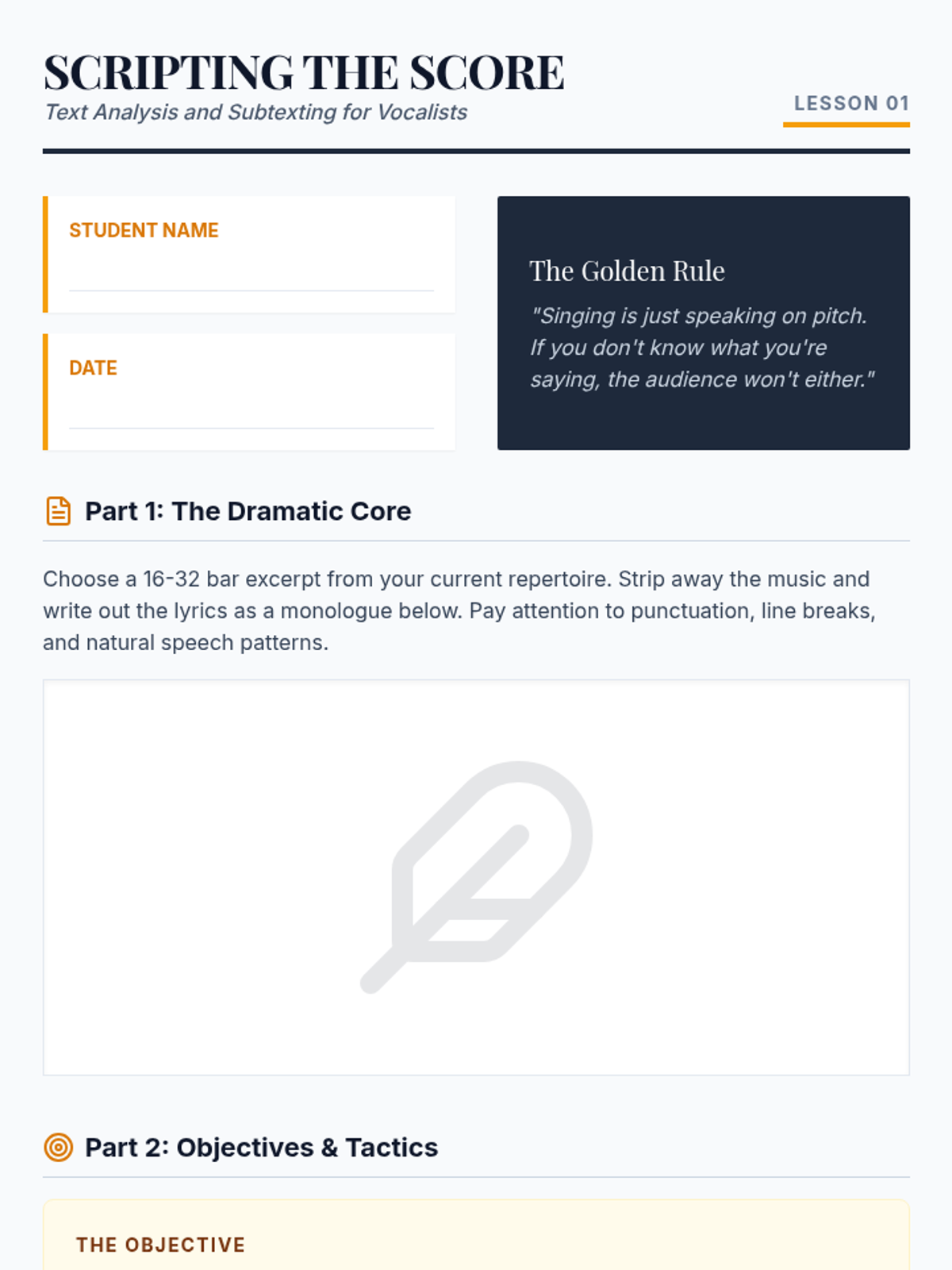
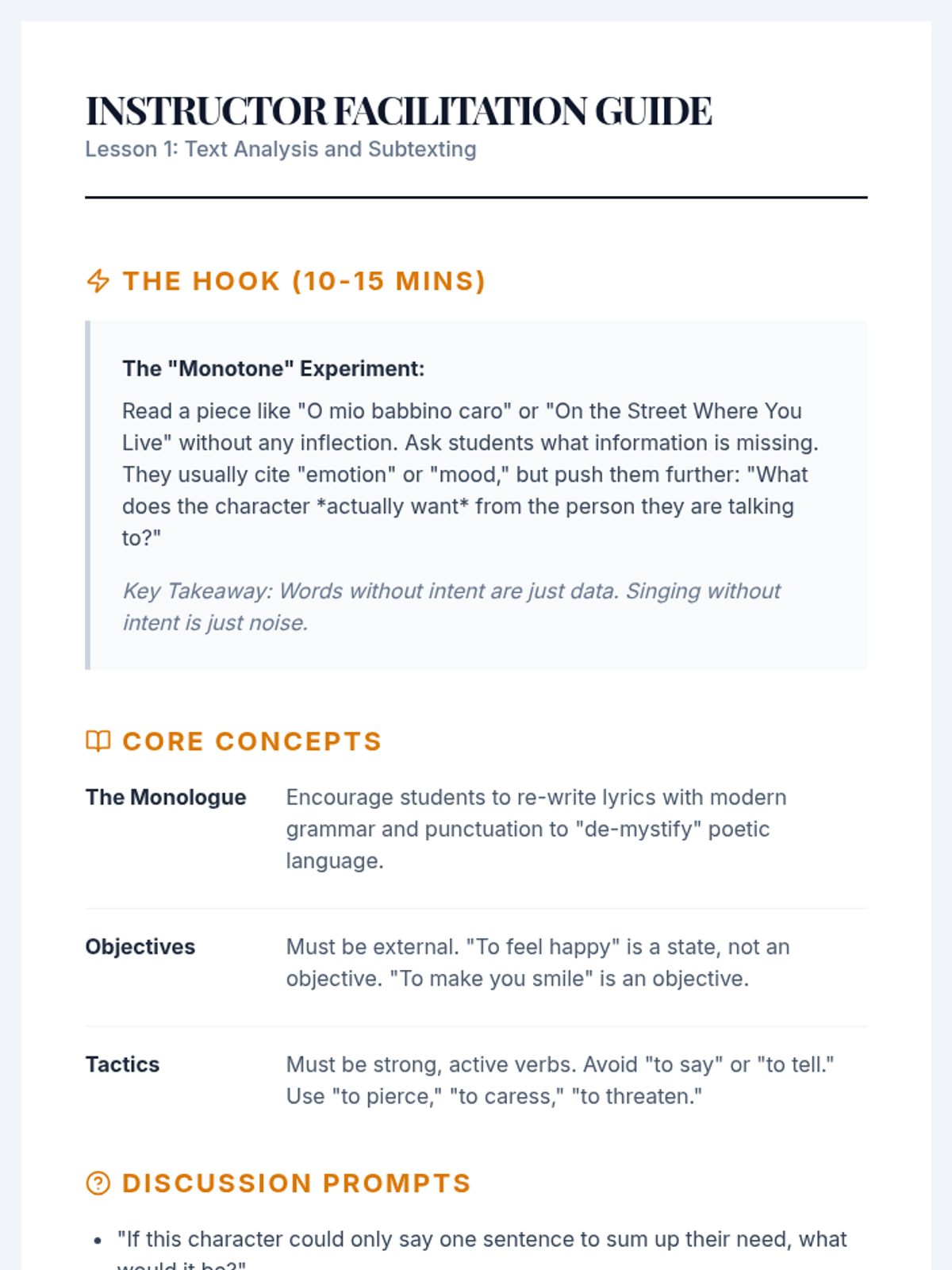
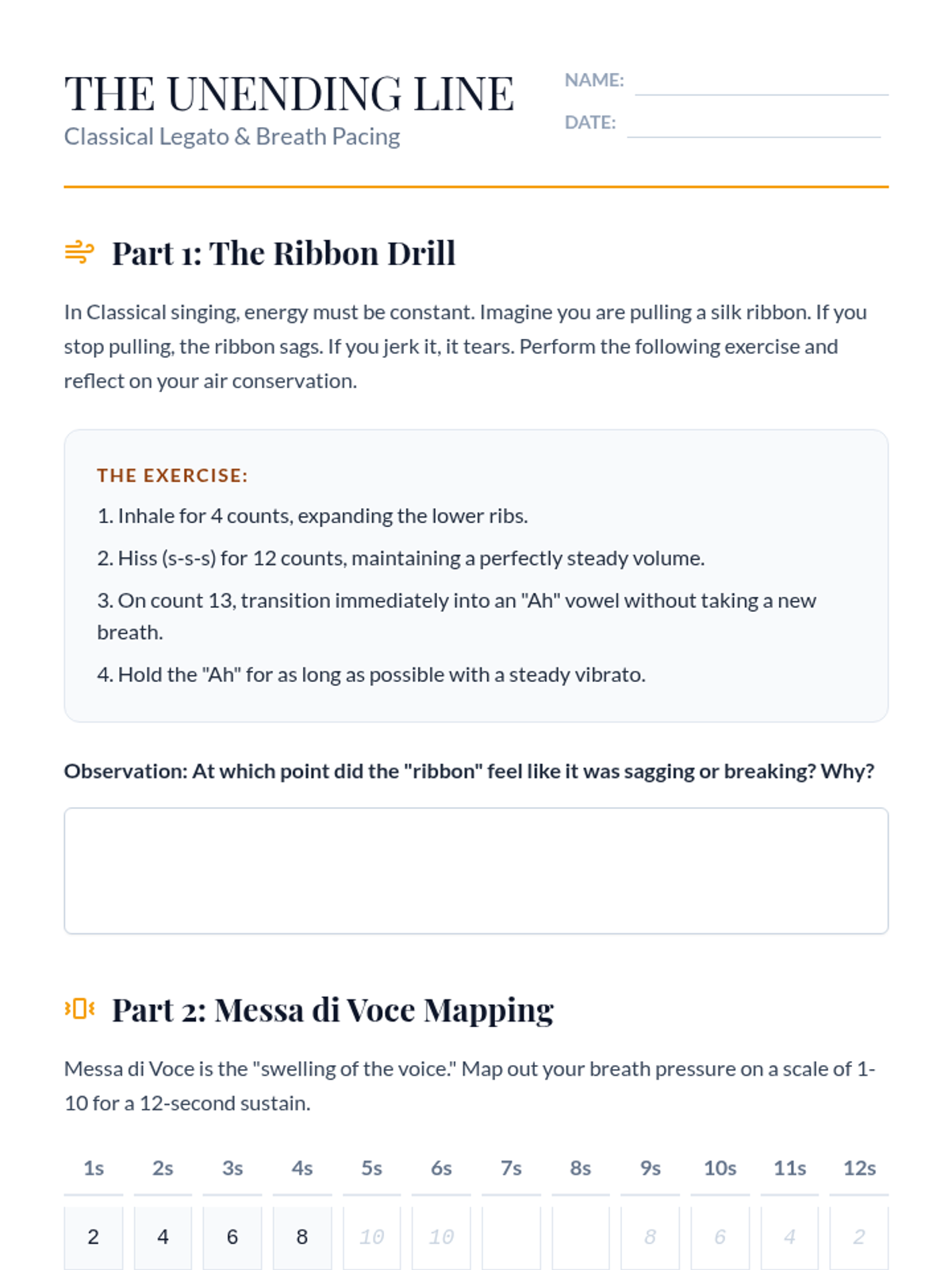
A comprehensive vocal performance sequence that teaches students to move beyond notes and rhythms to become vocal 'actors.' Students analyze subtext, master expressive diction, map musical phrasing, and explore tone color to deliver emotionally authentic performances.
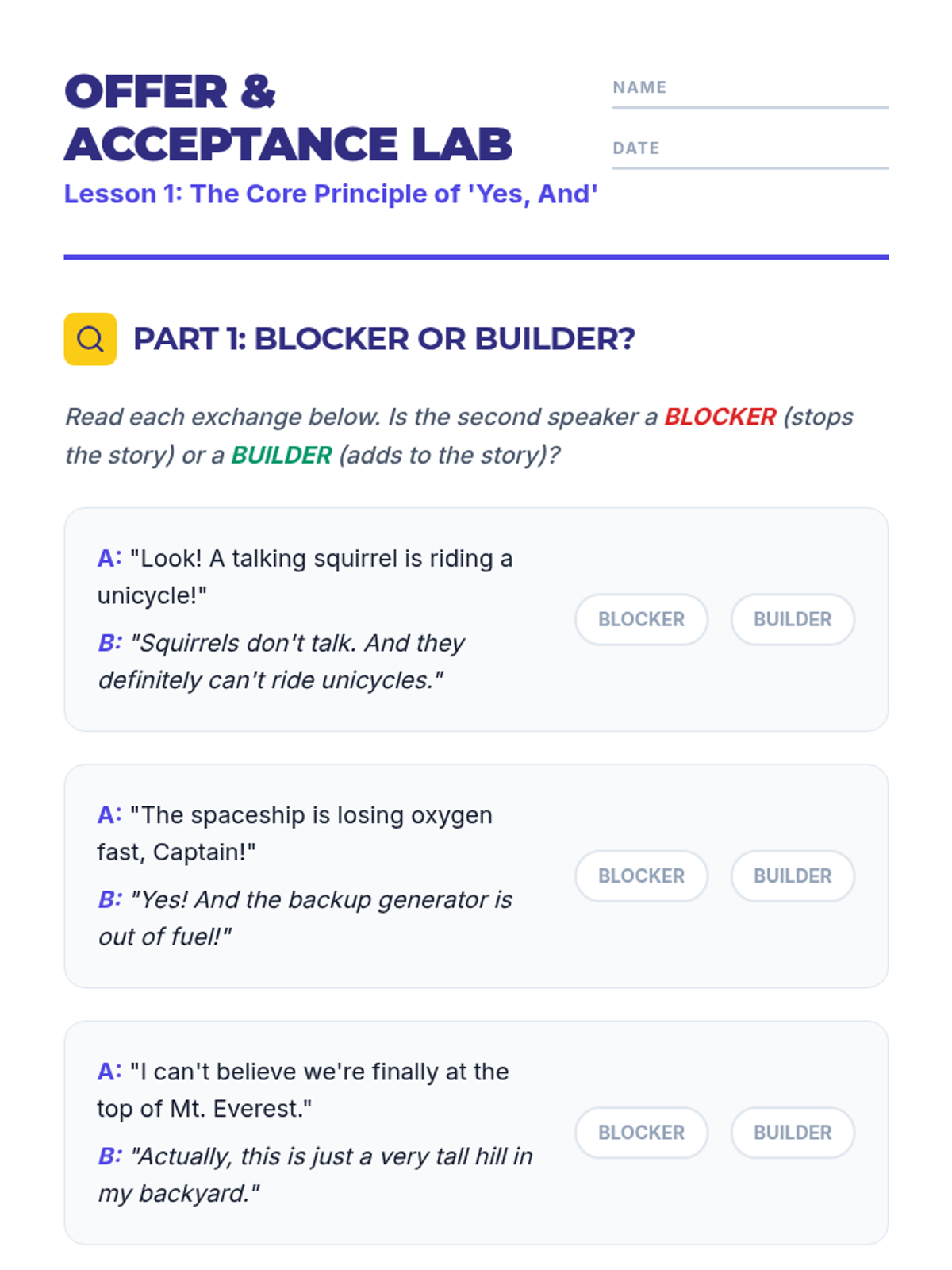
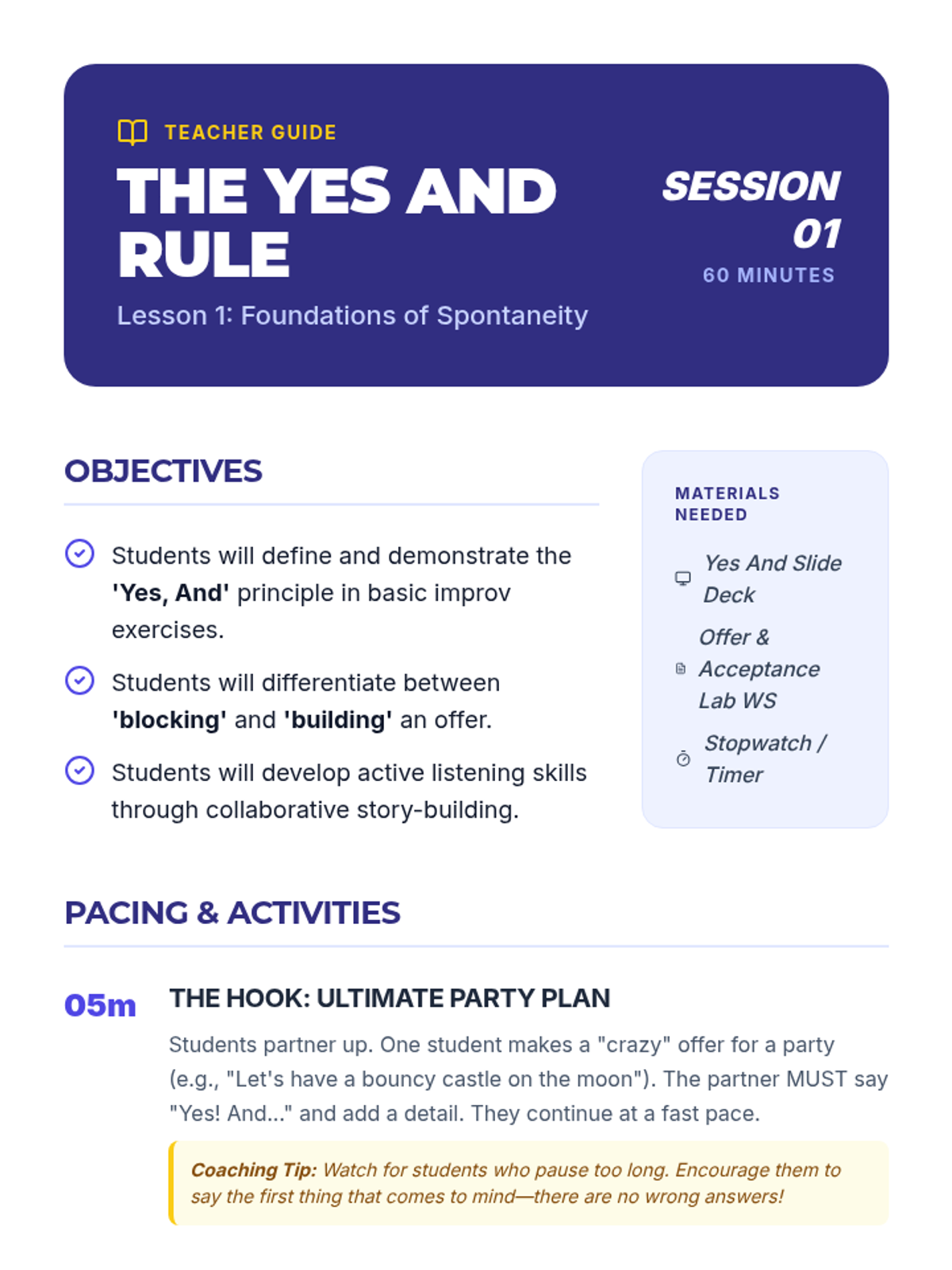
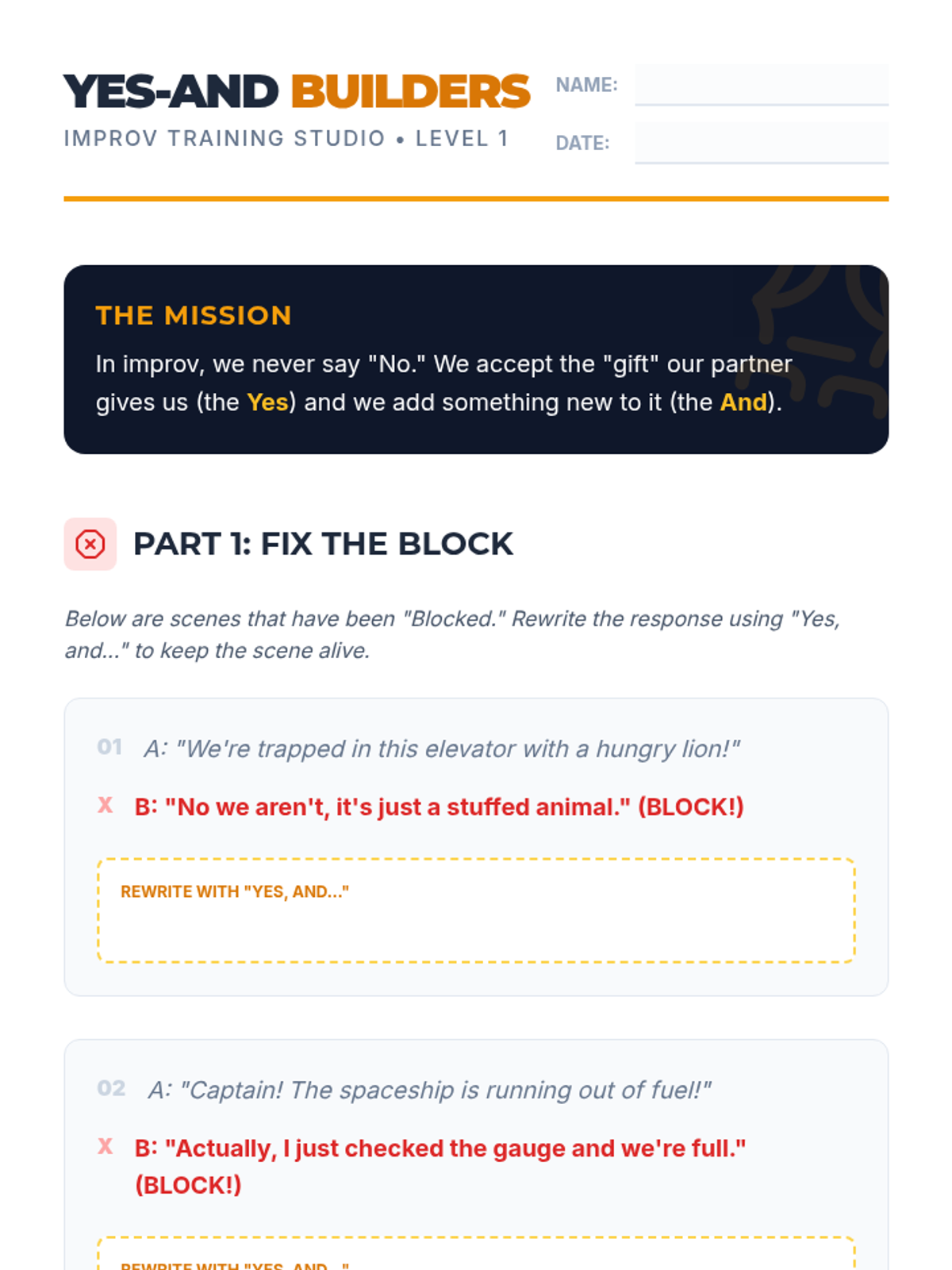
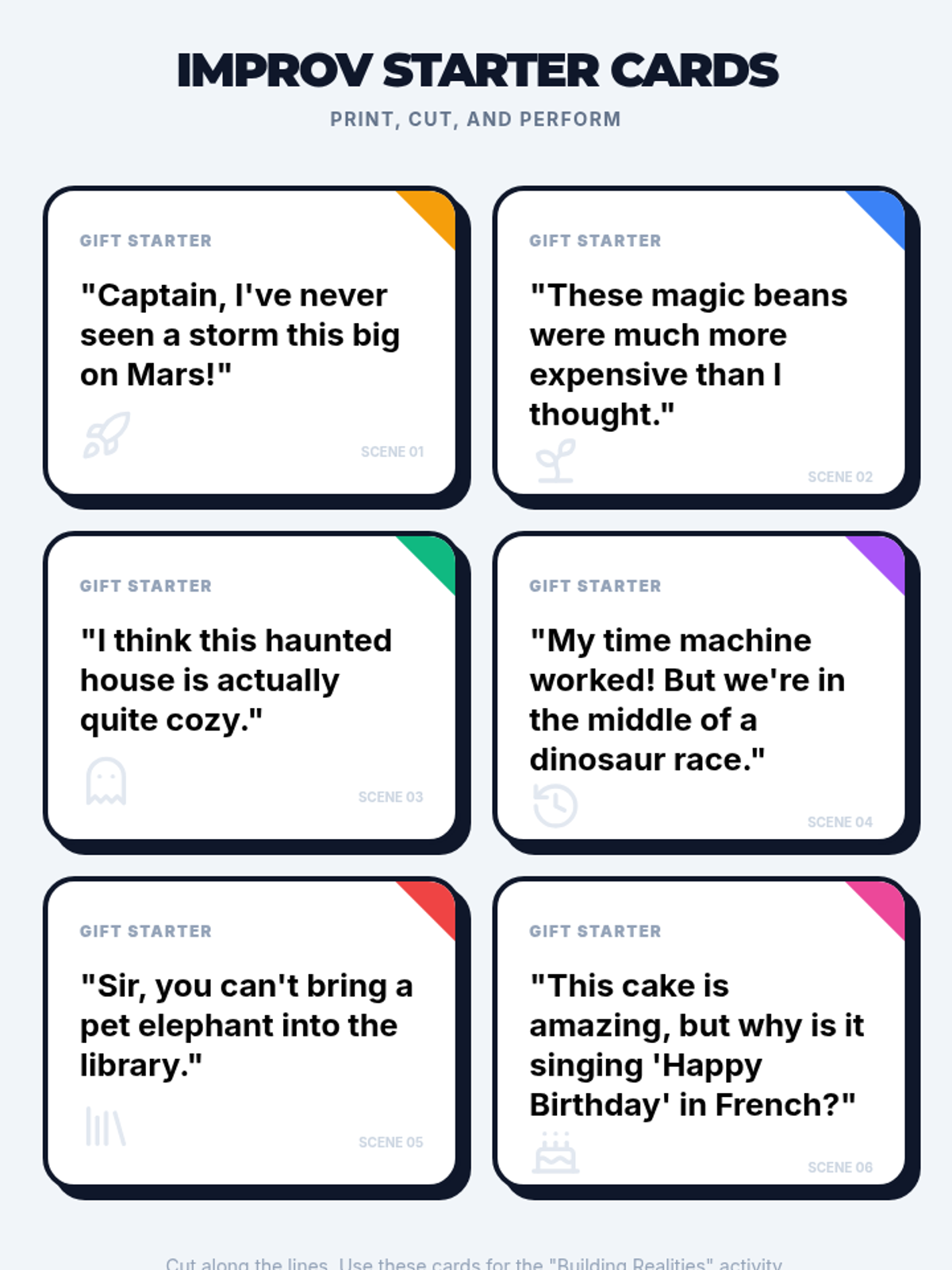
This sequence explores the foundational principles of theatrical improvisation, focusing on the 'Yes, And' rule, CROW (Character, Relationship, Objective, Where), object work, and status dynamics. Students will build ensemble trust and spontaneity through a variety of workshop games and simulations, culminating in a short-form improv performance.
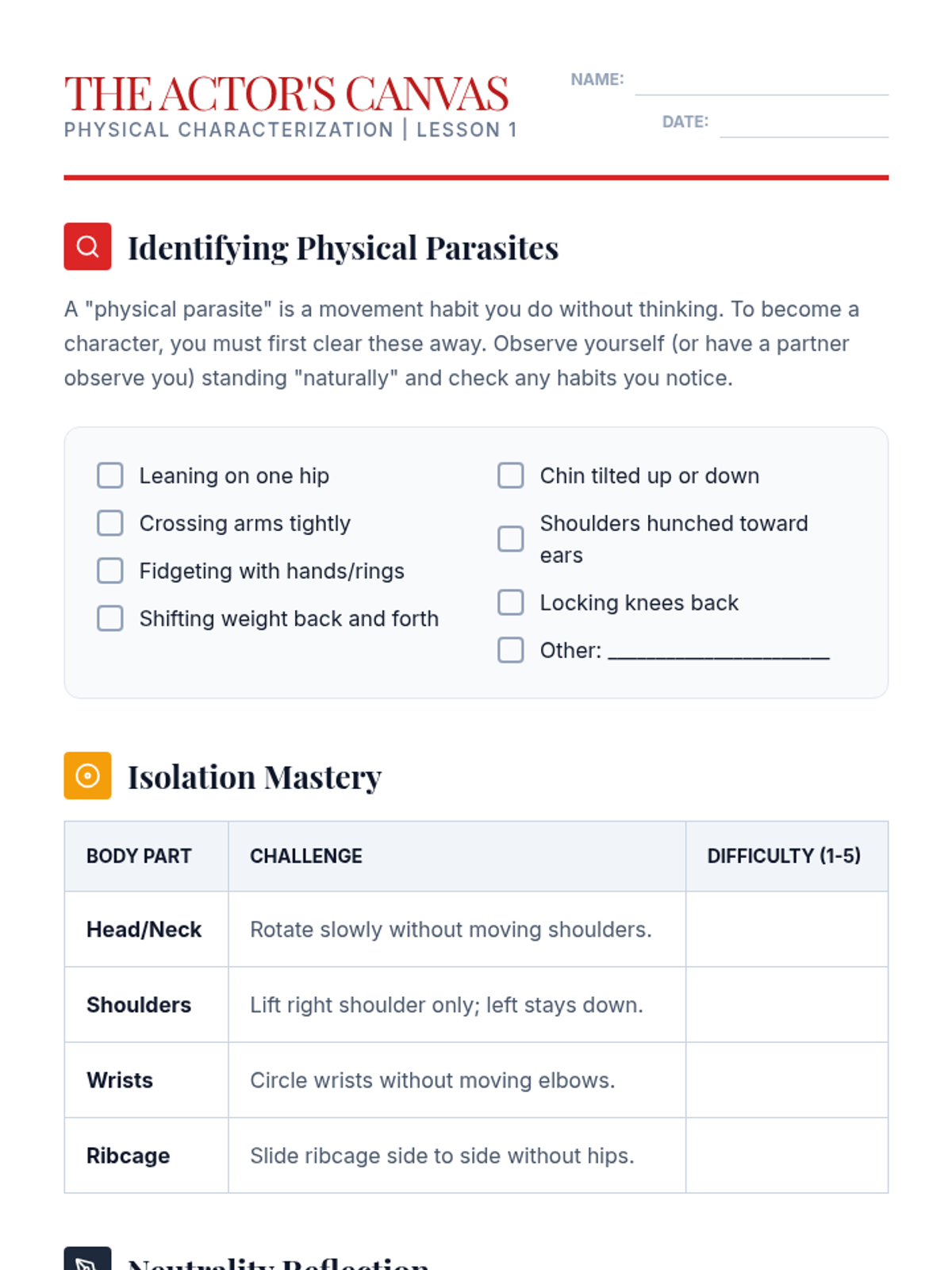
This sequence explores the actor's body as a storytelling tool through neutrality, physical centers, pantomime, and tableau. Students develop non-verbal communication skills culminating in a silent narrative performance.
This sequence focuses on improvisation and ensemble building, teaching students to think quickly and collaborate creatively. The arc moves from basic rule-setting (Yes, And) to active listening and reacting in the moment. Students learn to build scenes cooperatively without a script, focusing on maintaining character and narrative logic.
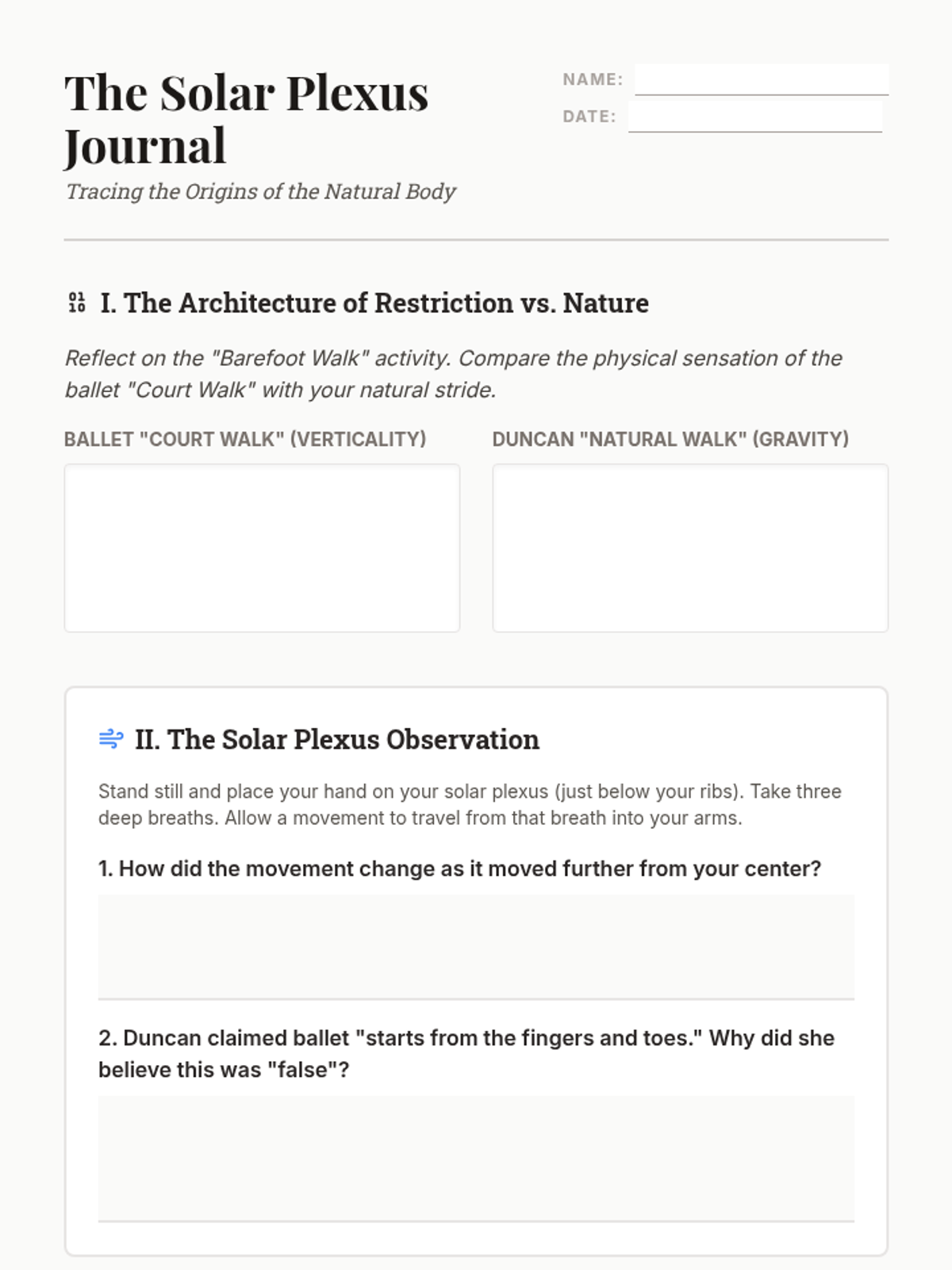
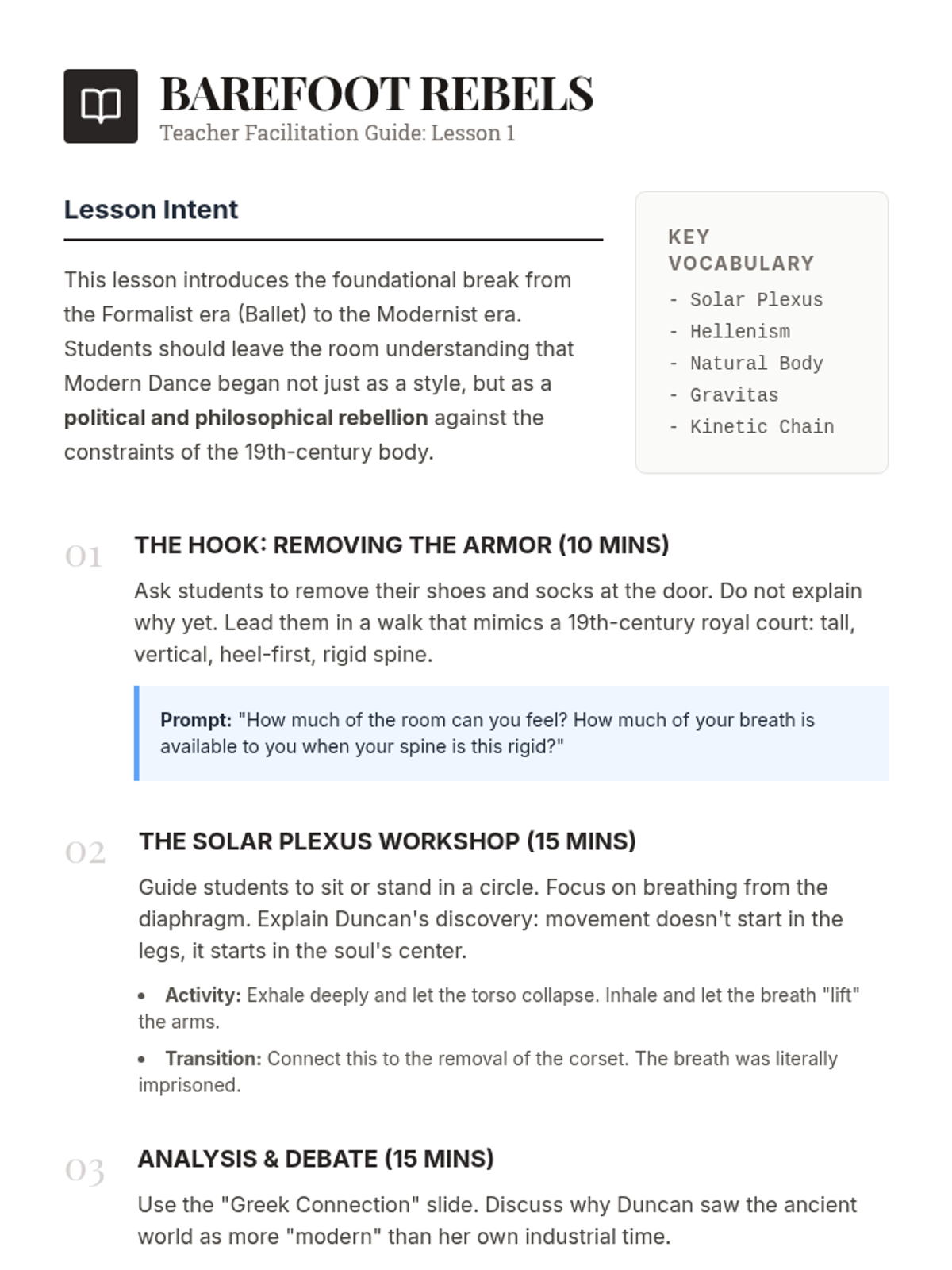
A high school sequence exploring the shift from traditional ballet to modern dance through five key movements: Duncan's naturalism, Graham's psychological depth, Cunningham's chance operations, Judson Dance Theater's pedestrianism, and Bausch's Tanztheater. Students engage in both physical workshops and intellectual analysis to understand art as a reaction to its time.
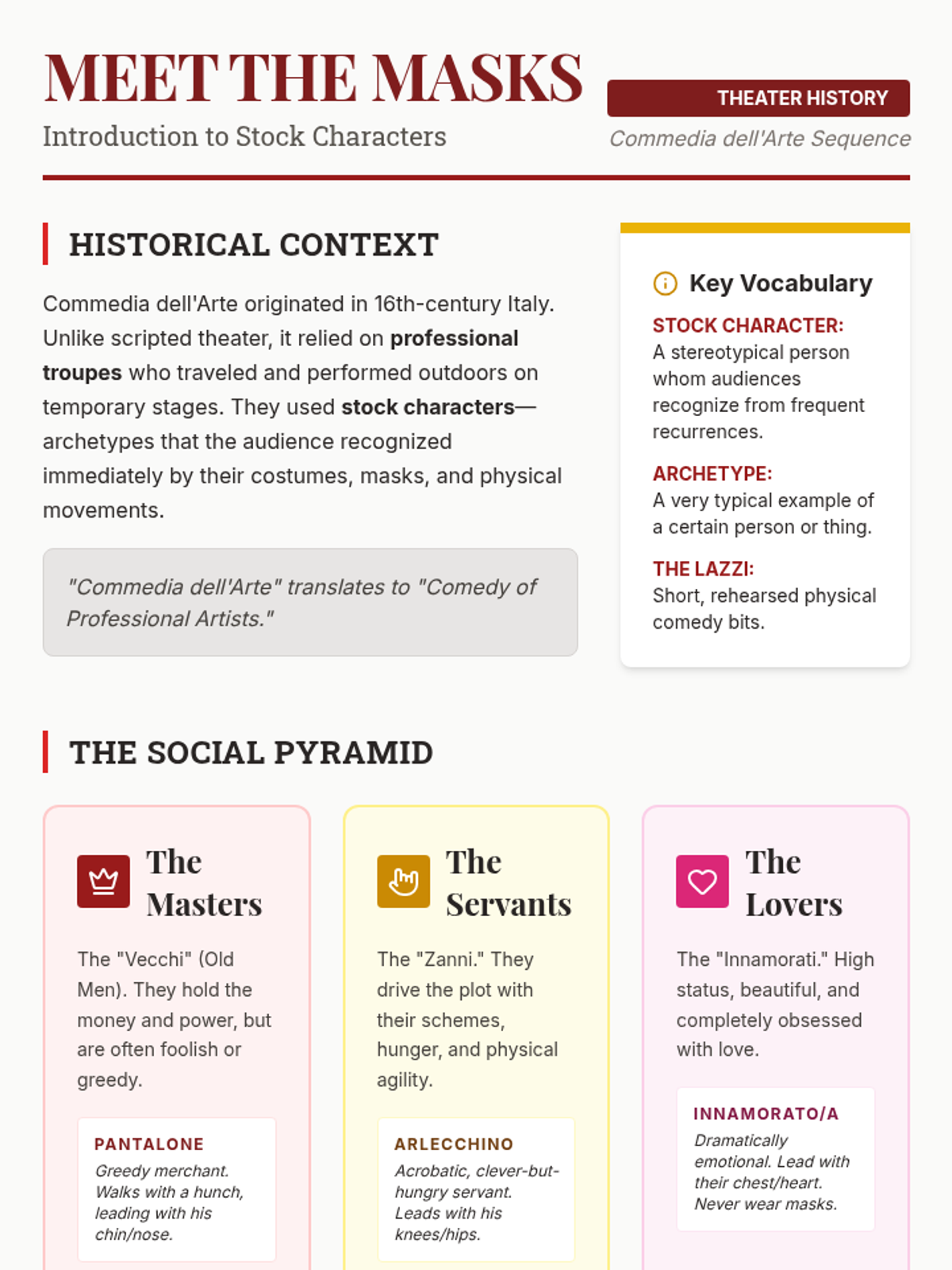
A 5-lesson unit exploring the physical comedy tradition of Commedia dell'Arte. Students learn about stock characters, status transactions, the 'lazzi' (comic bits), and the use of 'grammelot' (gibberish) to create improvised performances based on Renaissance archetypes.
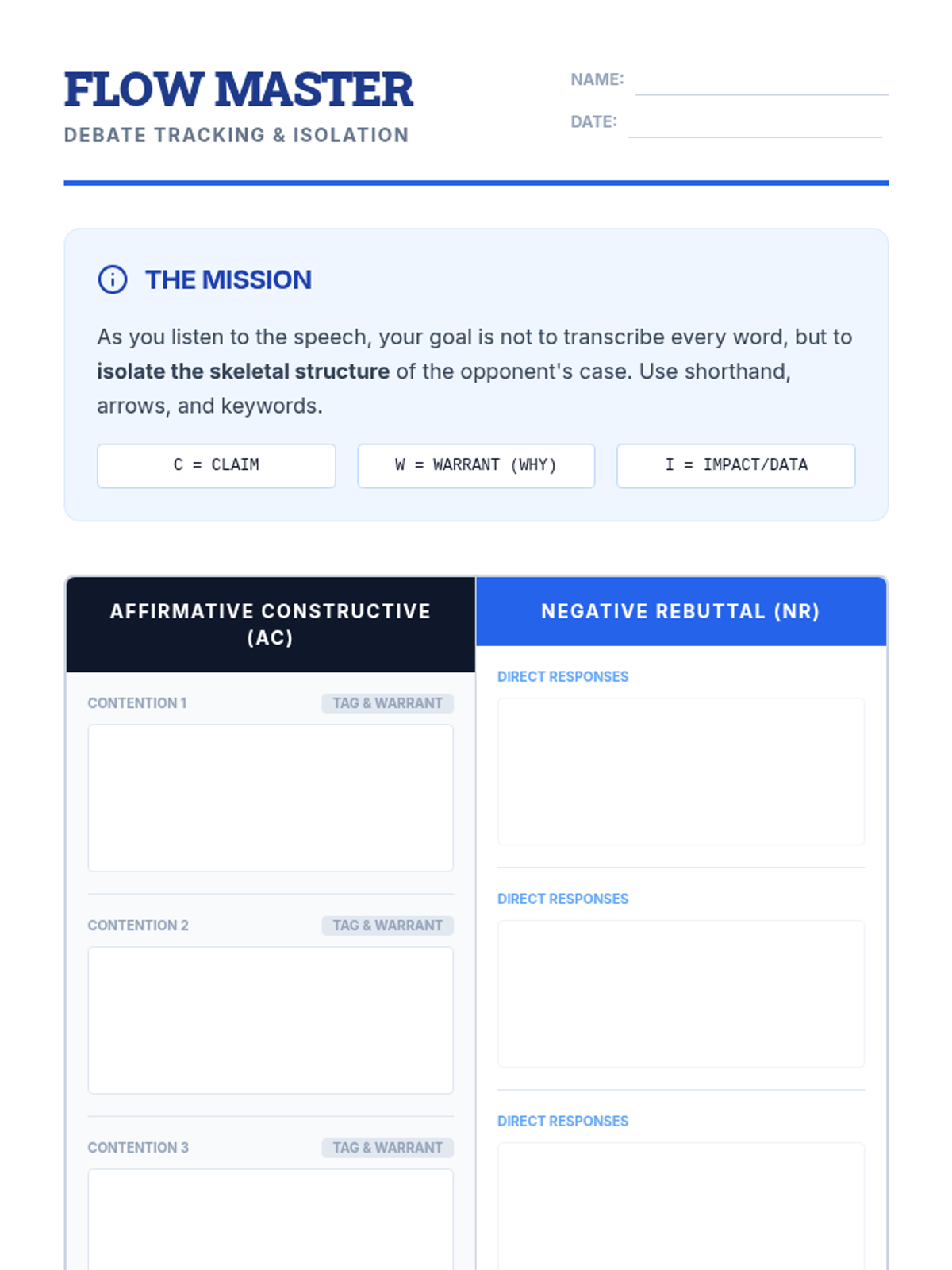
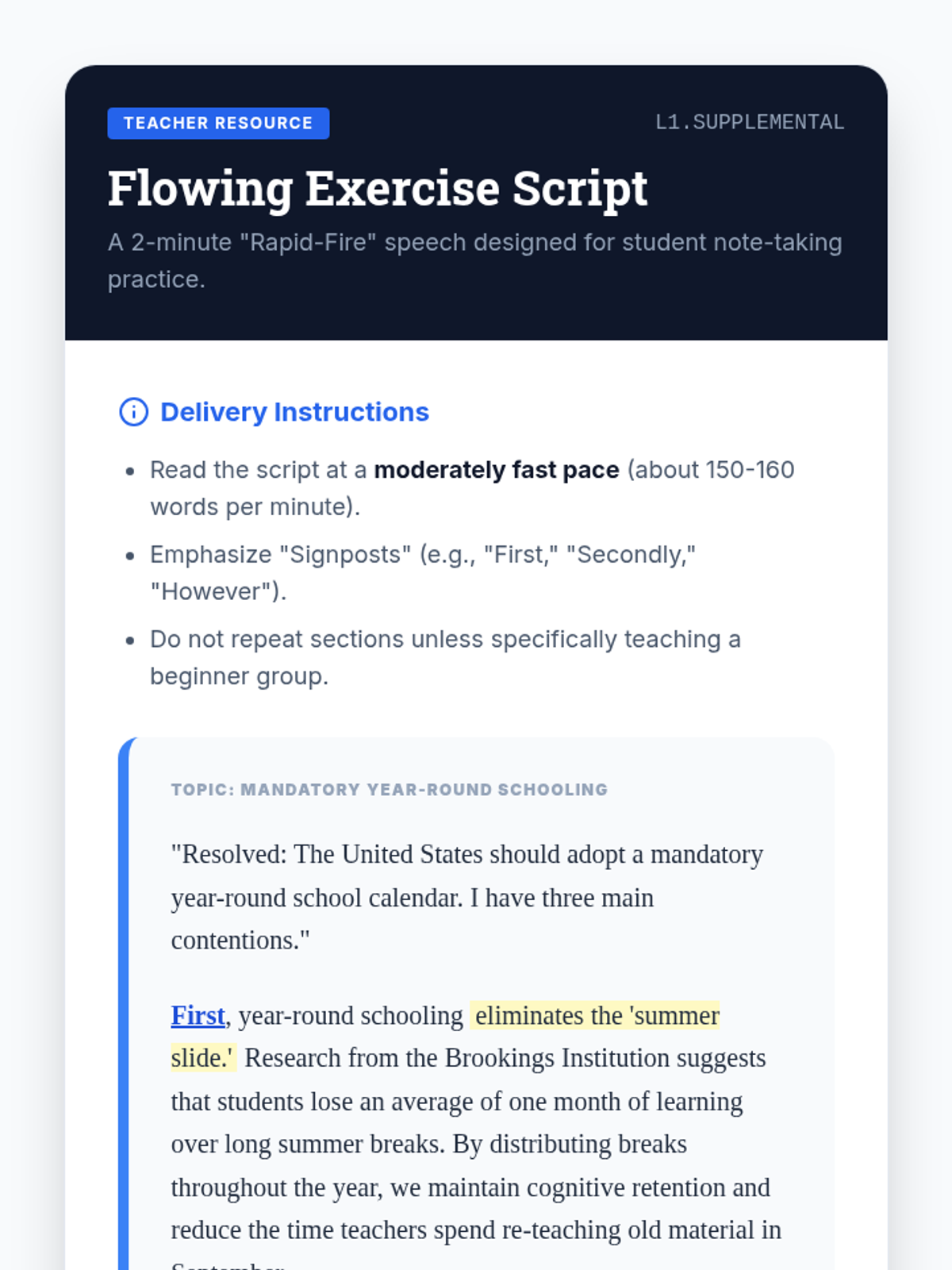
A comprehensive sequence for 12th-grade debate students focusing on the Four-Point Refutation model (Signal, State, Support, Summarize). Students progress from foundational flowing skills to delivering complex, high-impact rebuttal blocks in real-time competitive simulations.
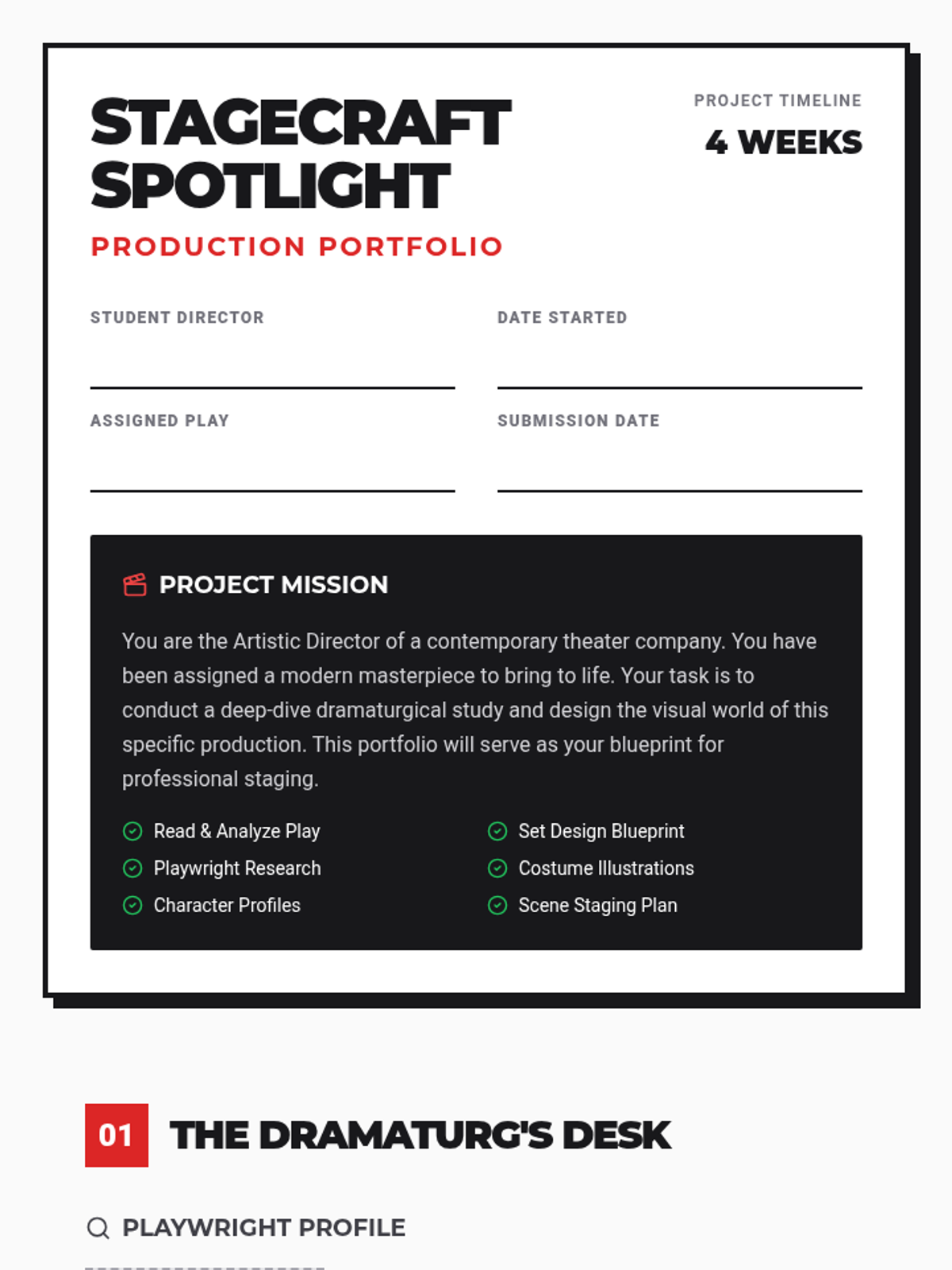
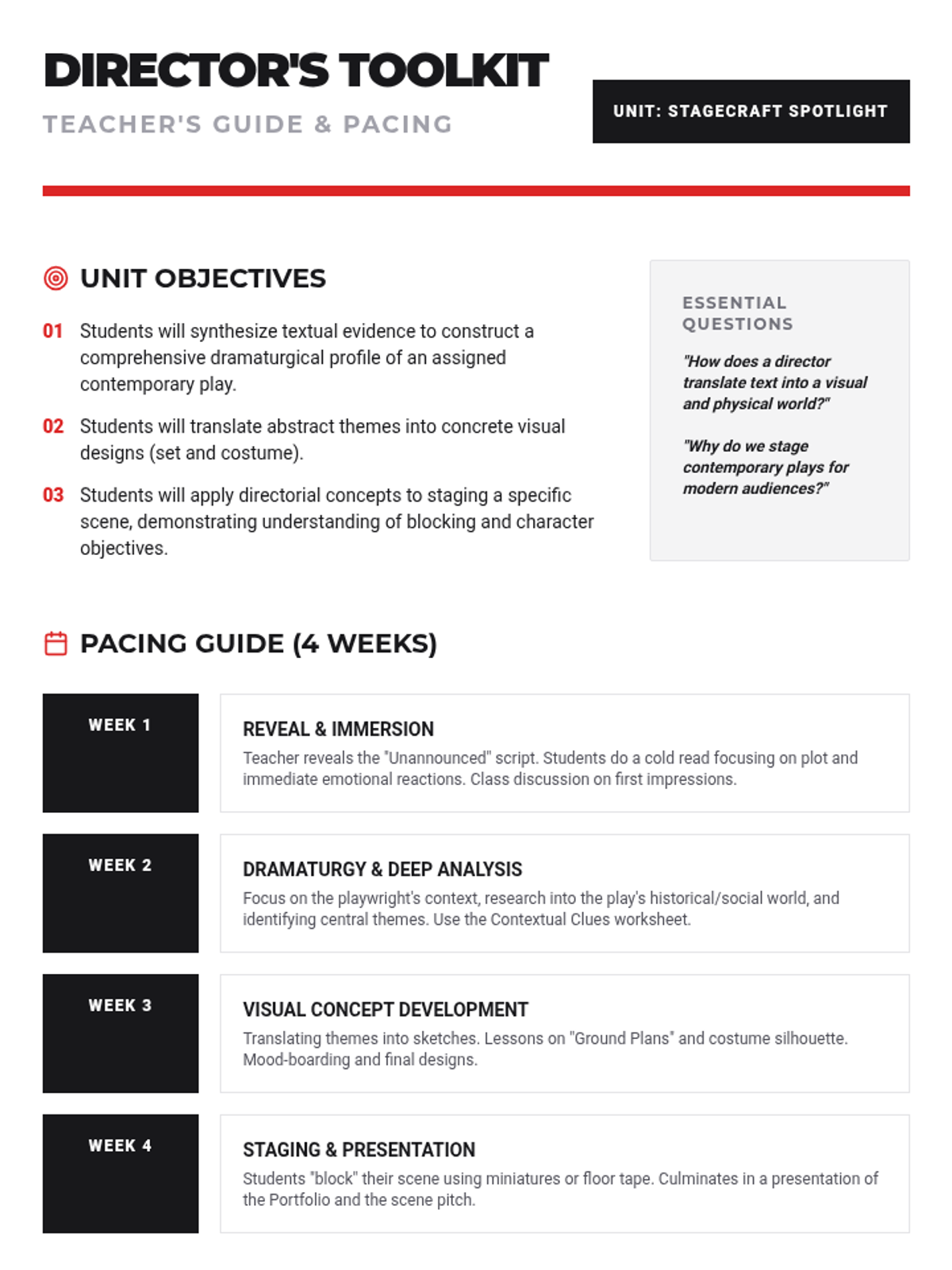
A comprehensive four-week unit and independent study guide for contemporary drama. Students analyze scripts, research playwrights, design technical elements, and stage scenes for a final production portfolio.
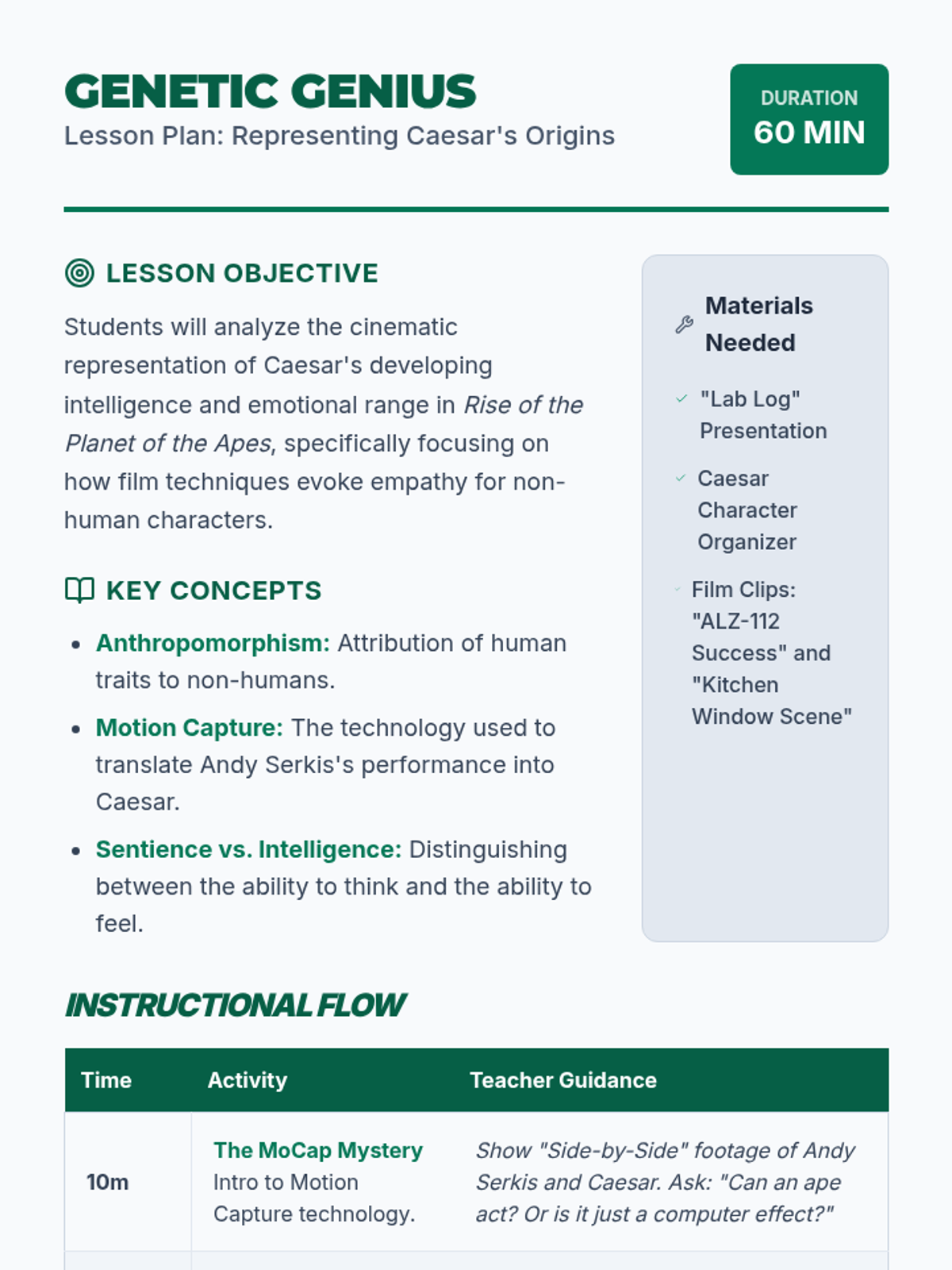
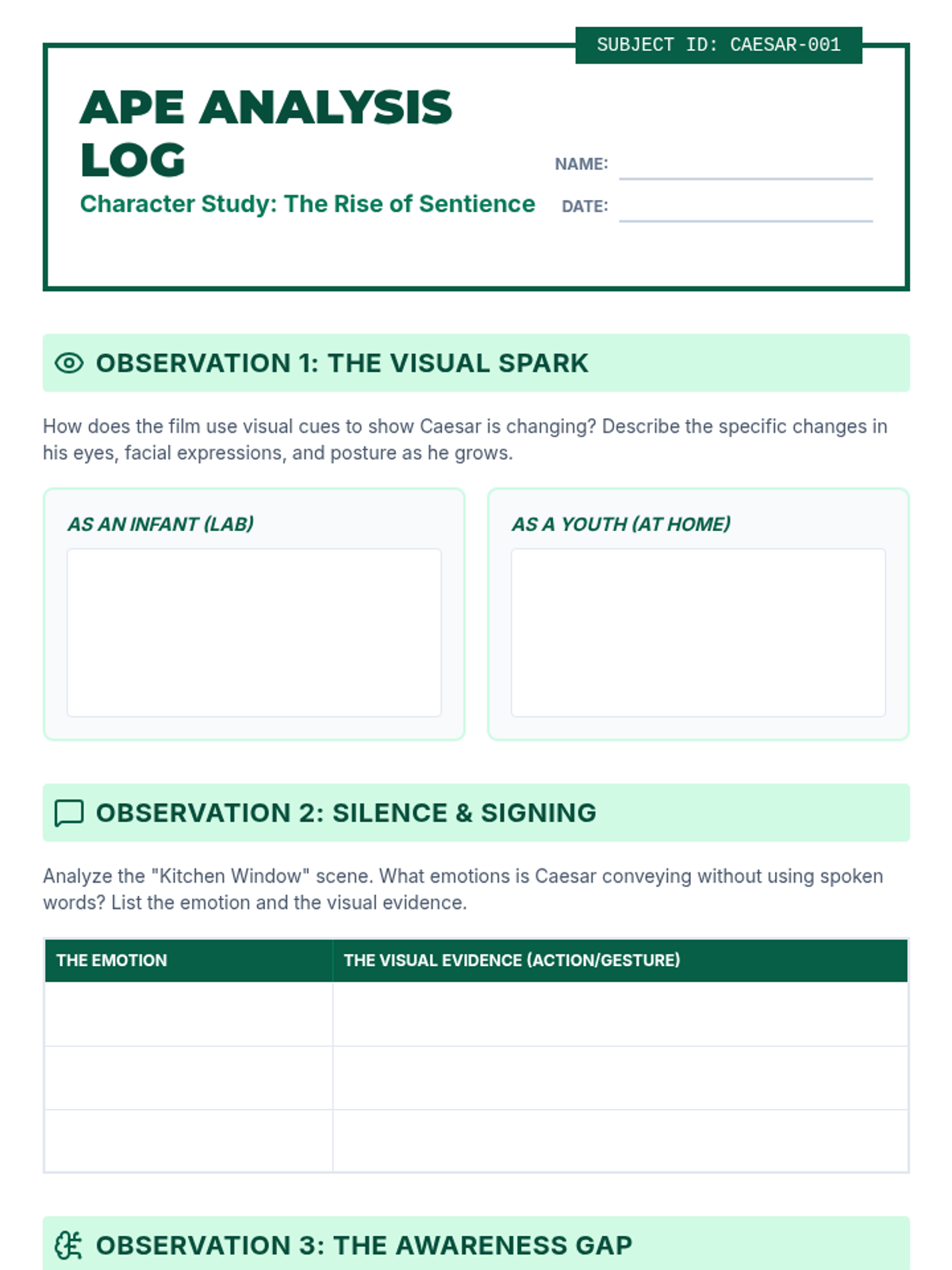
This sequence explores the representation of apes in the film 'Rise of the Planet of the Apes', focusing on the transition from scientific subjects to sentient leaders. Students analyze the use of motion-capture technology and narrative techniques used to humanize non-human characters.
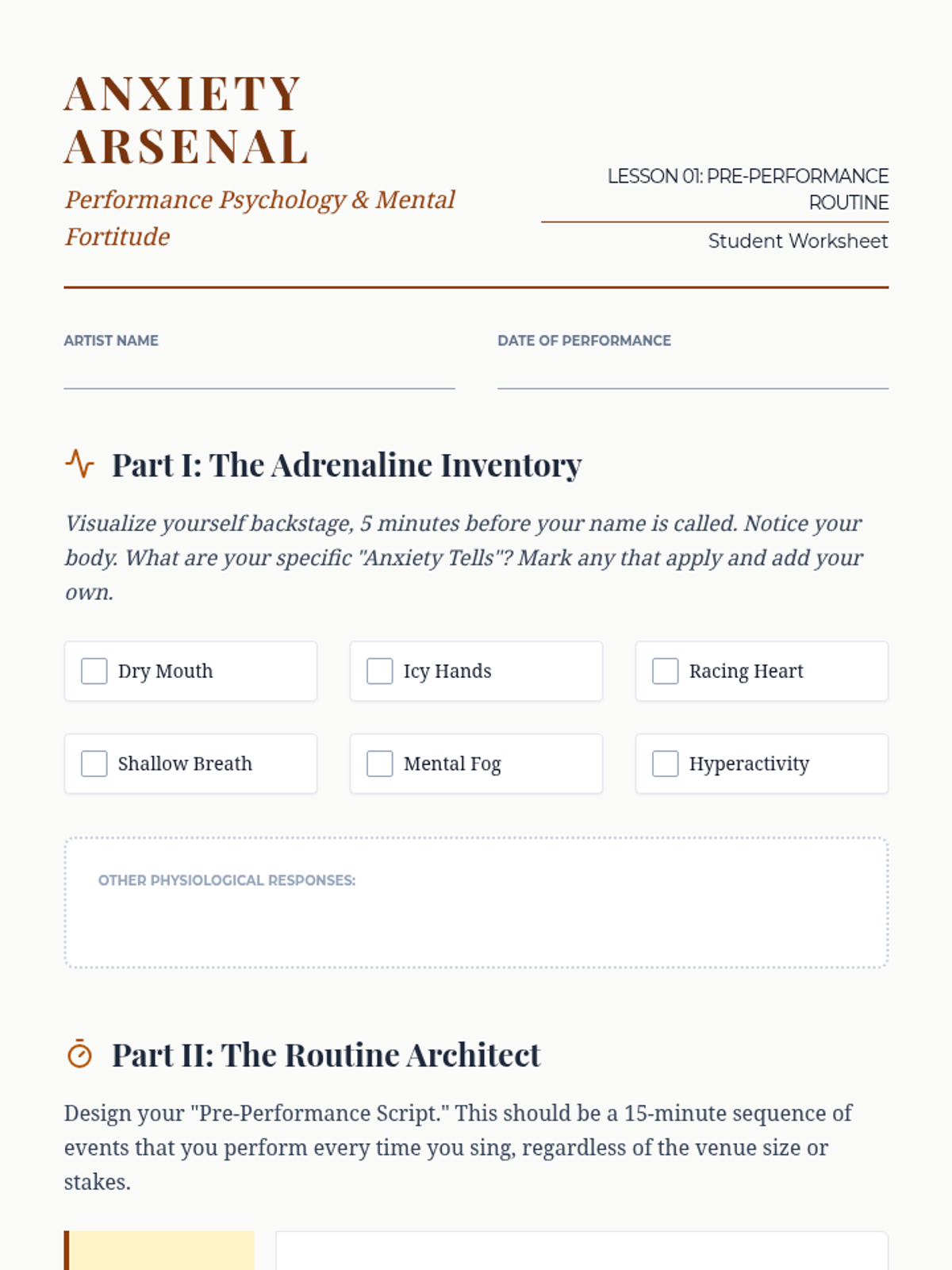
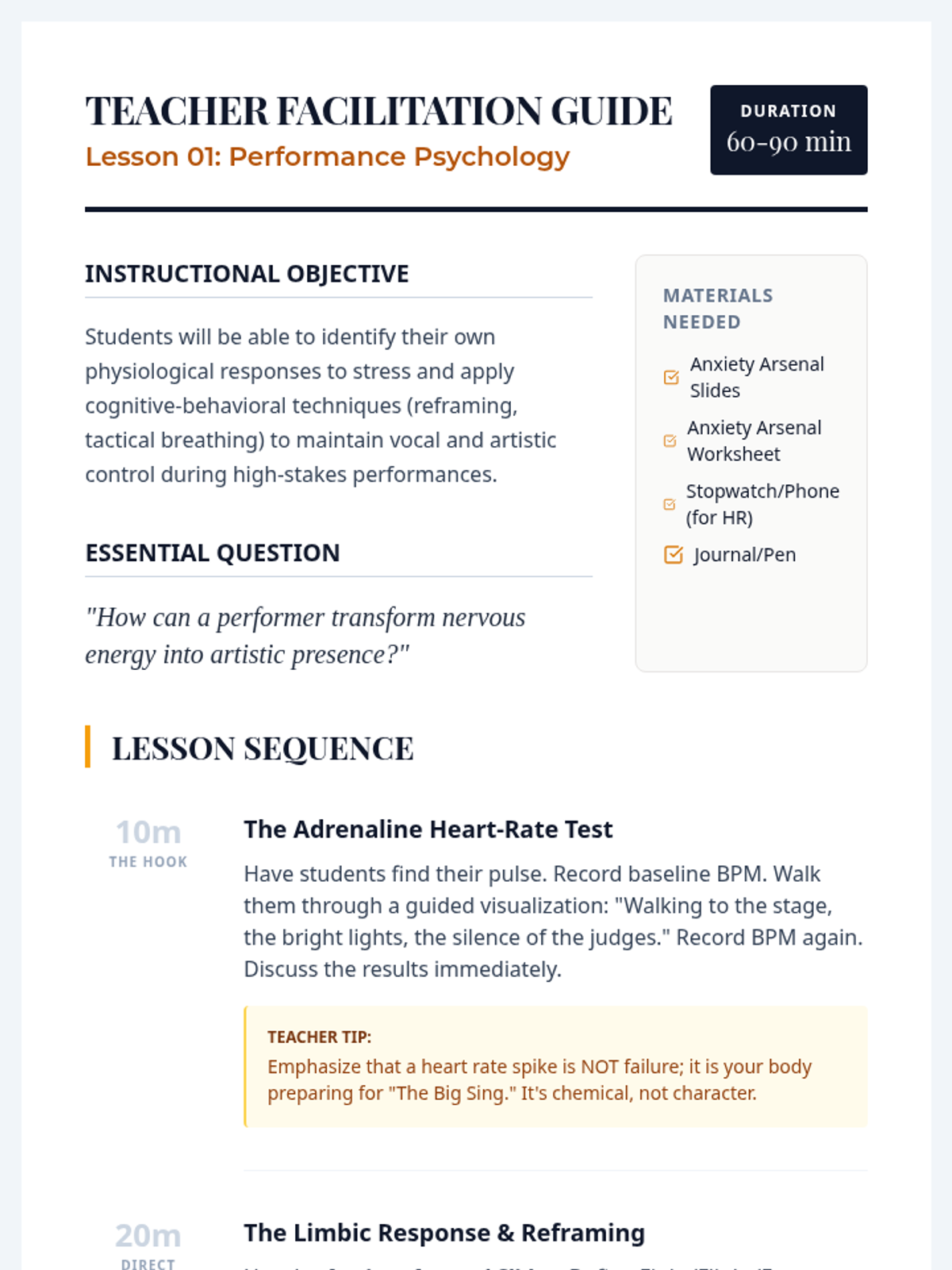
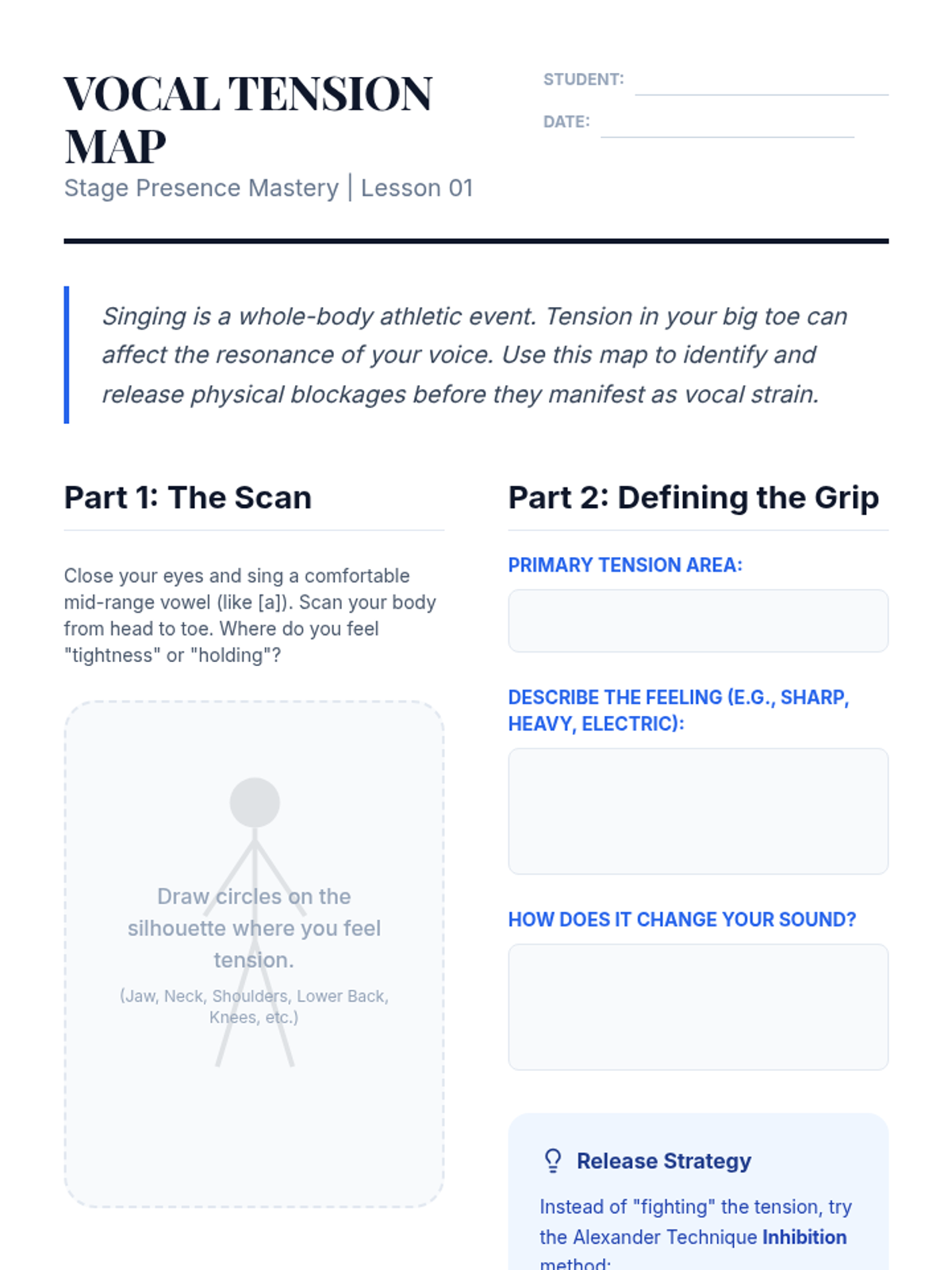
A comprehensive sequence for undergraduate vocalists focused on performance psychology, physical stage presence, audience engagement, and professional audition protocols. Students transition from managing internal anxiety to mastering the external logistics of the professional music industry.
A comprehensive undergraduate sequence bridging technical vocal proficiency with artistic interpretation through text analysis, phrasing, timbre, and historical context.
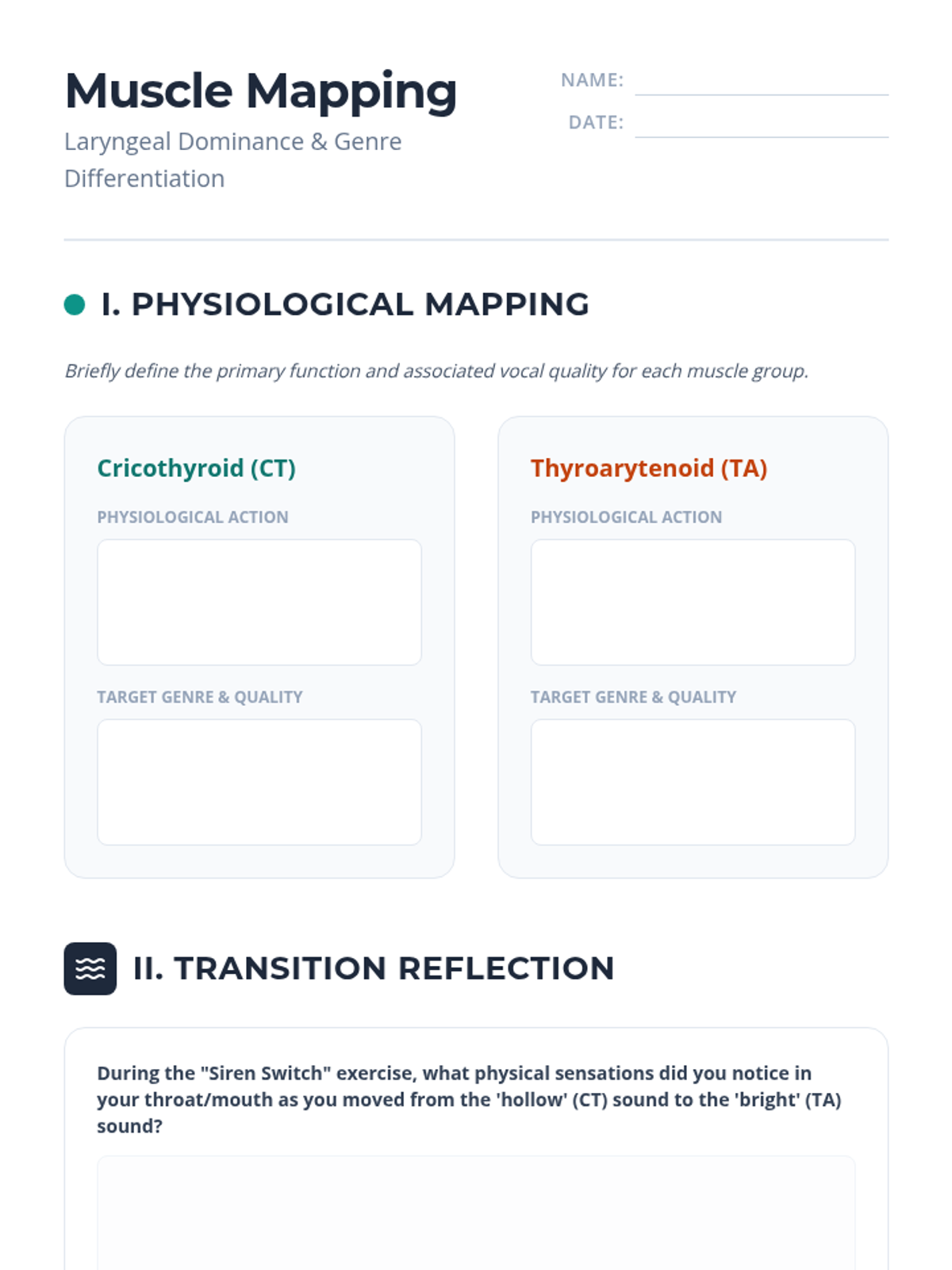
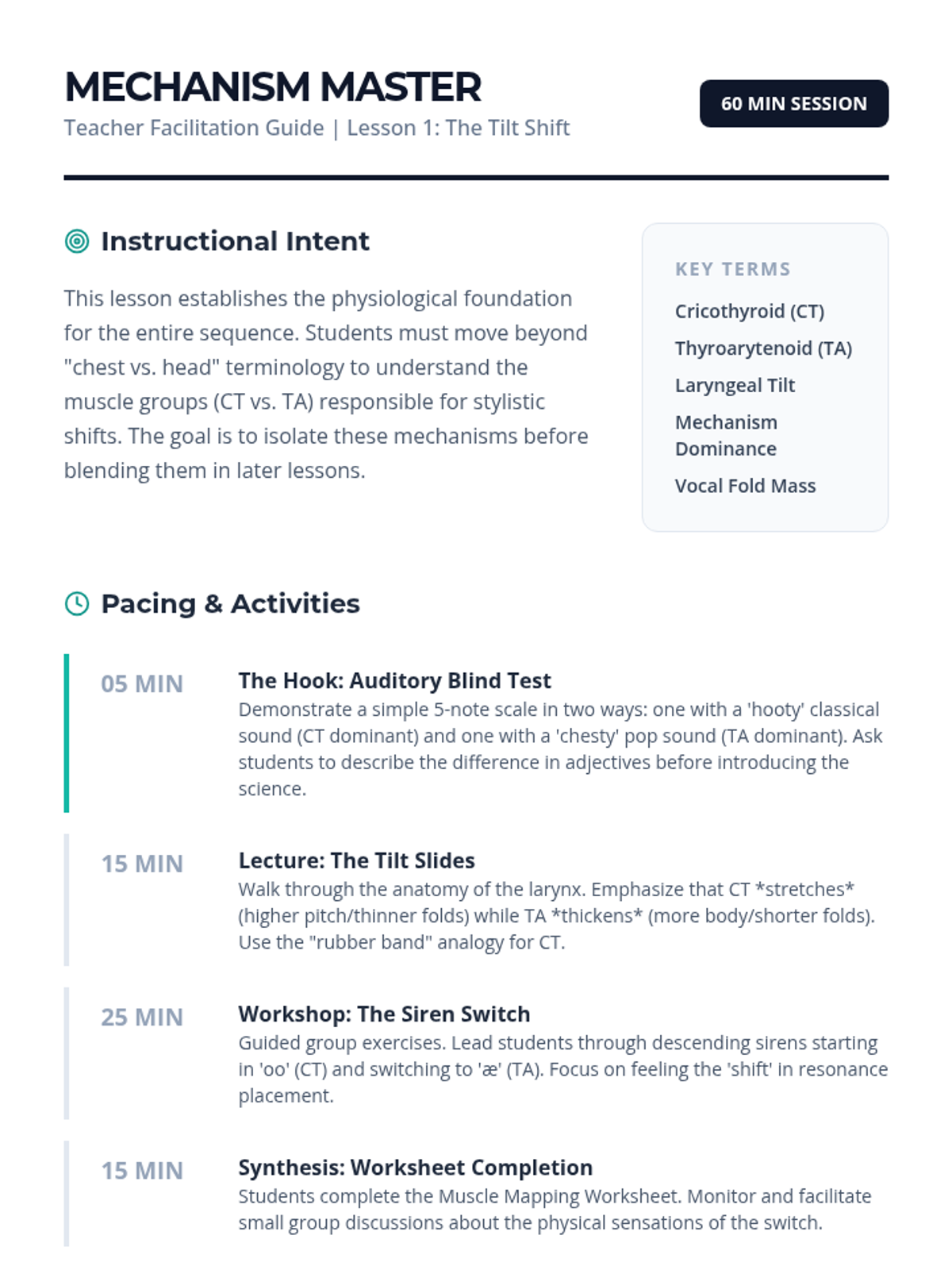
A comprehensive vocal performance sequence for undergraduate students focusing on the physiological and stylistic shifts required to excel in Classical, Musical Theatre, Jazz, and CCM genres. Students learn to cross-train their voices to achieve authentic stylistic markers while maintaining long-term vocal health.
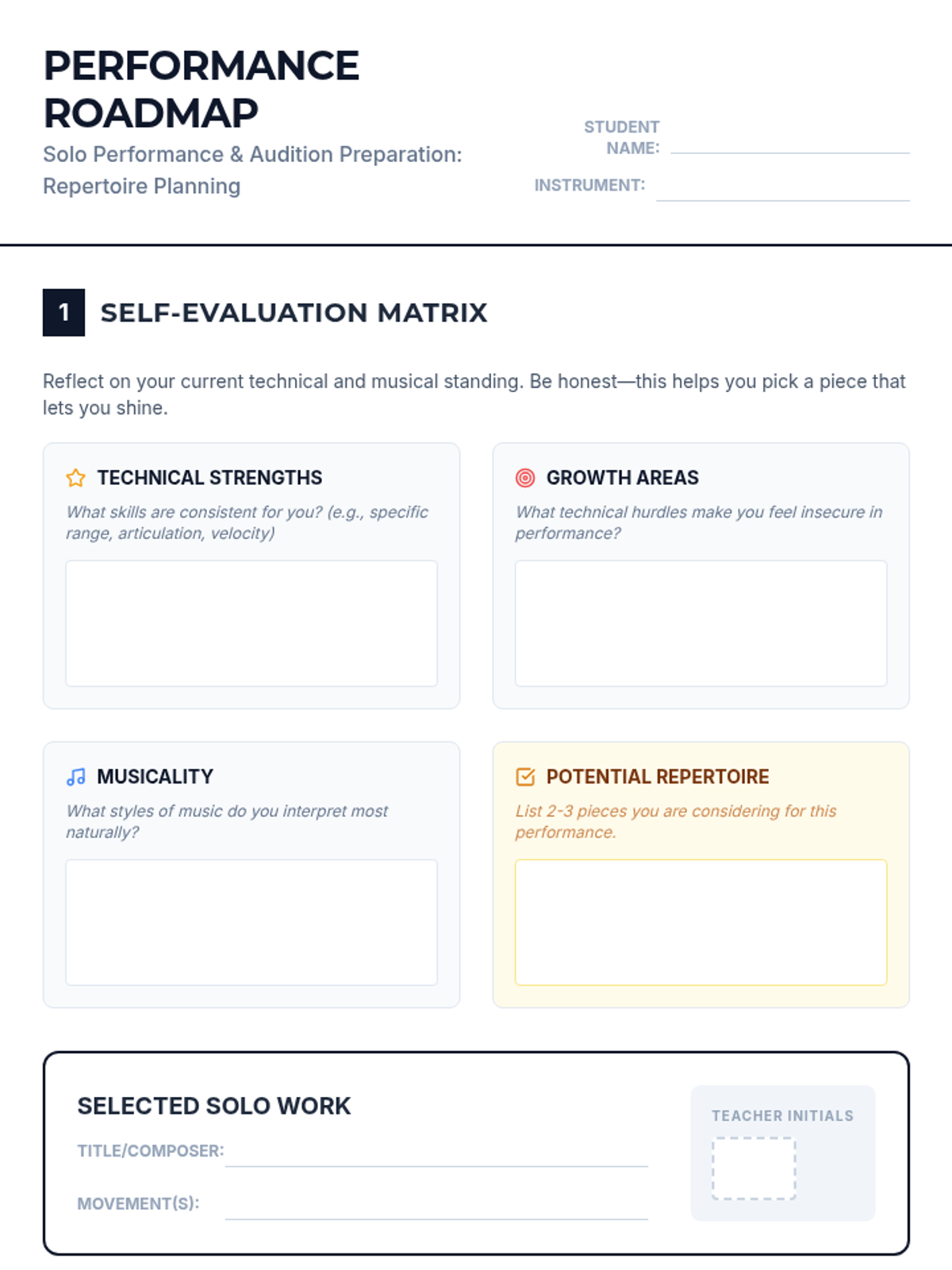
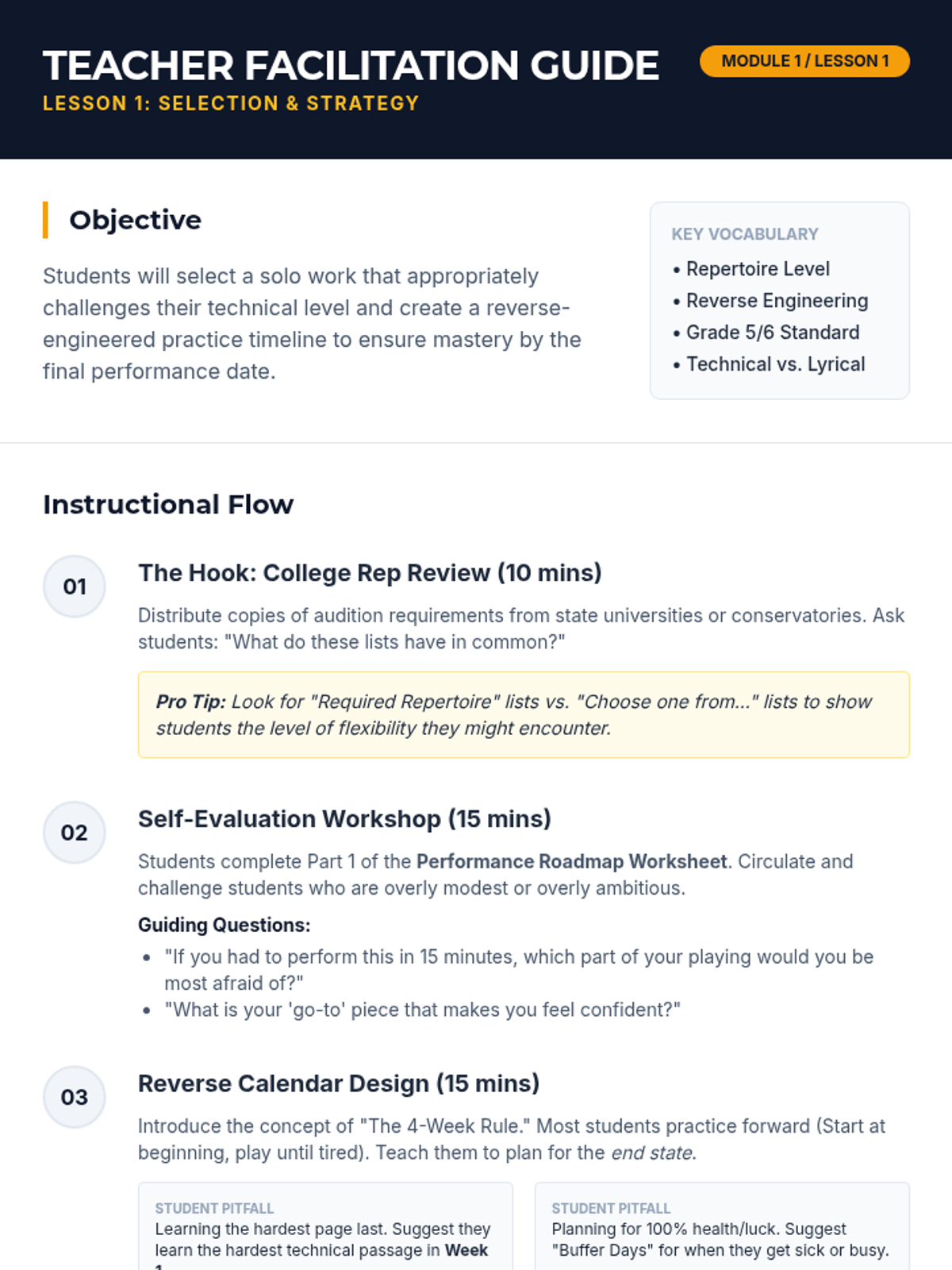
A comprehensive sequence for 11th-grade instrumentalists to master the technical, logistical, and psychological demands of solo performance and auditions. Students move from repertoire selection and deliberate practice planning to stage etiquette and peer-reviewed mock auditions, culminating in a polished final performance.
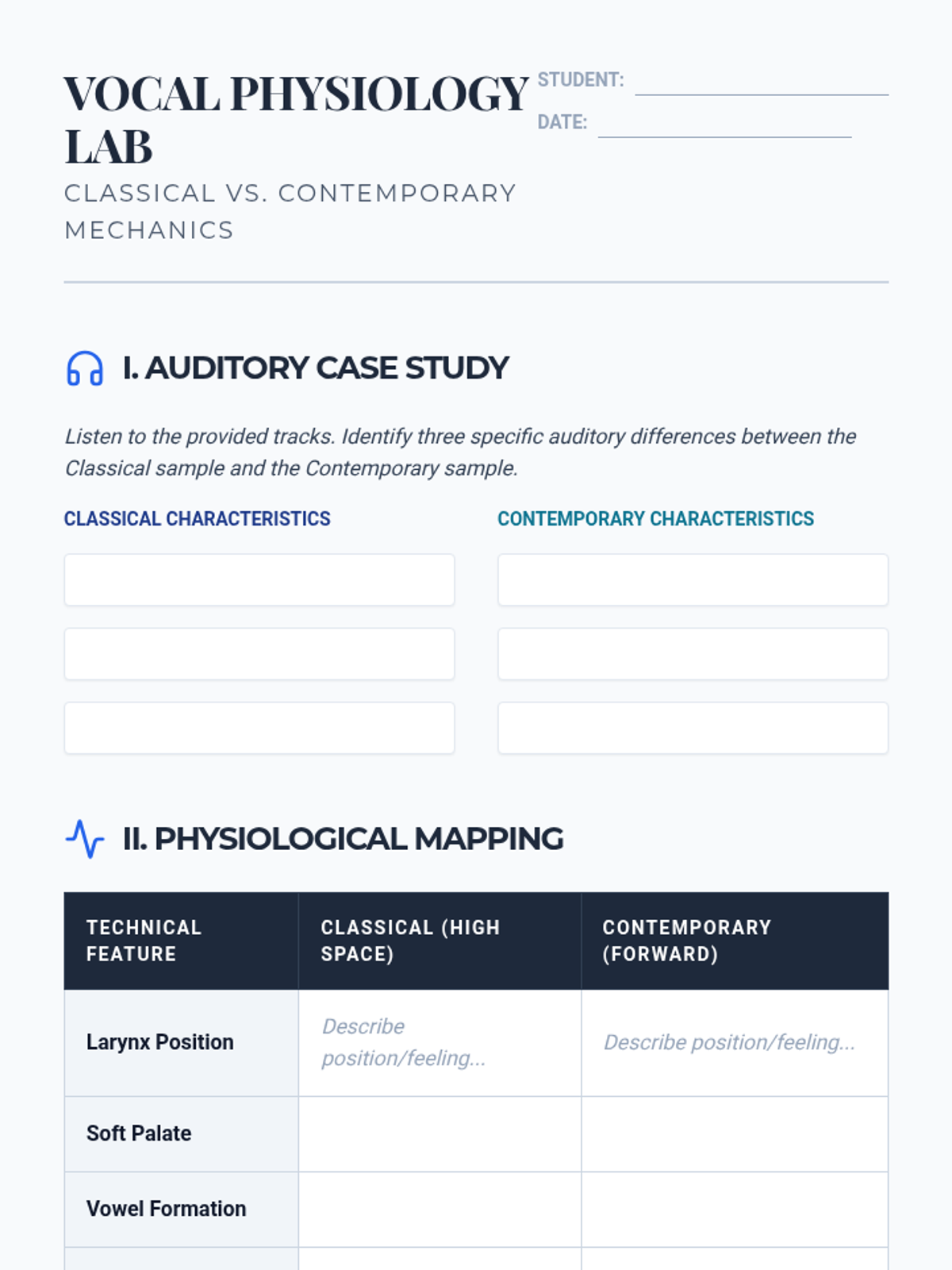
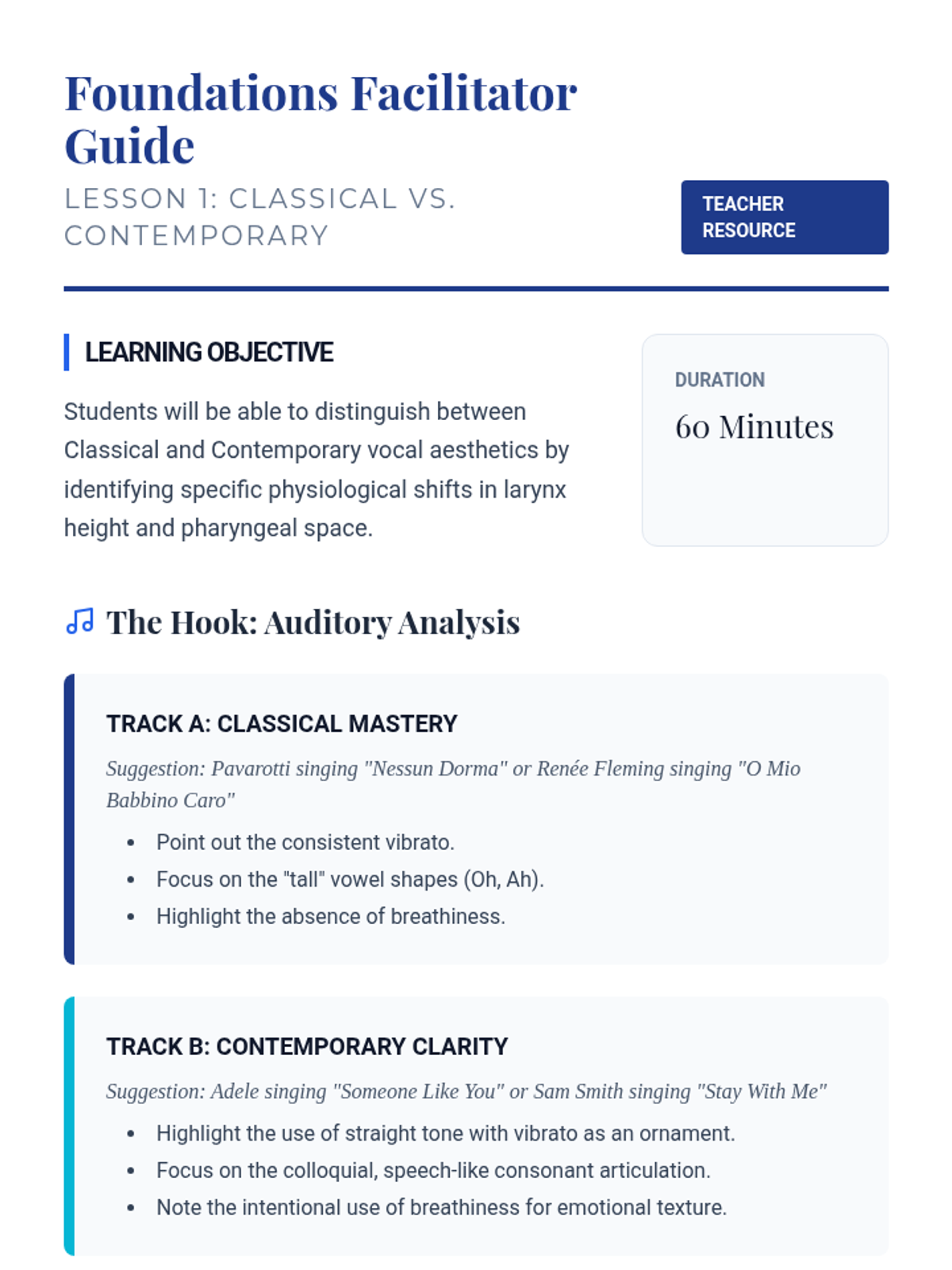
This sequence challenges 12th-grade vocalists to master stylistic versatility by exploring the technical and aesthetic differences between Classical, Jazz, Musical Theatre, and Pop/Rock genres. Students learn to safely manipulate vocal physiology to meet the demands of various performance styles, culminating in a creative 'genre-switch' performance.
A comprehensive sequence for high school seniors focused on the physical, technical, and psychological aspects of vocal performance, culminating in a professional-level showcase.
This sequence explores how vocalists adapt phrasing, tone, and technique across Classical, Jazz, Musical Theater, and Pop/Rock genres to create authentic and compelling performances.
A graduate-level sequence focused on the intellectual and psychological excavation of dramatic text, utilizing Actioning, Active Analysis, and Chekhovian techniques.
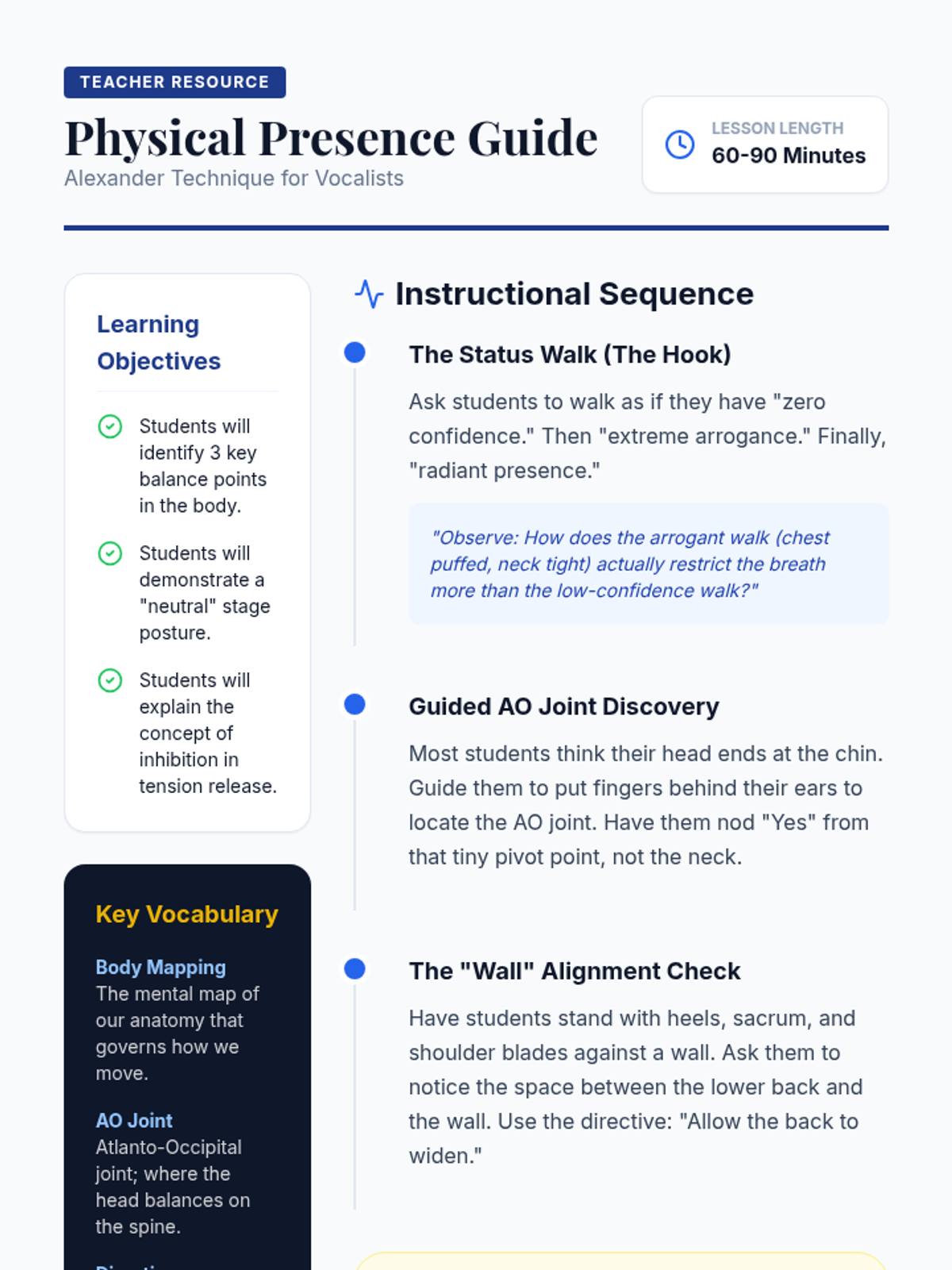
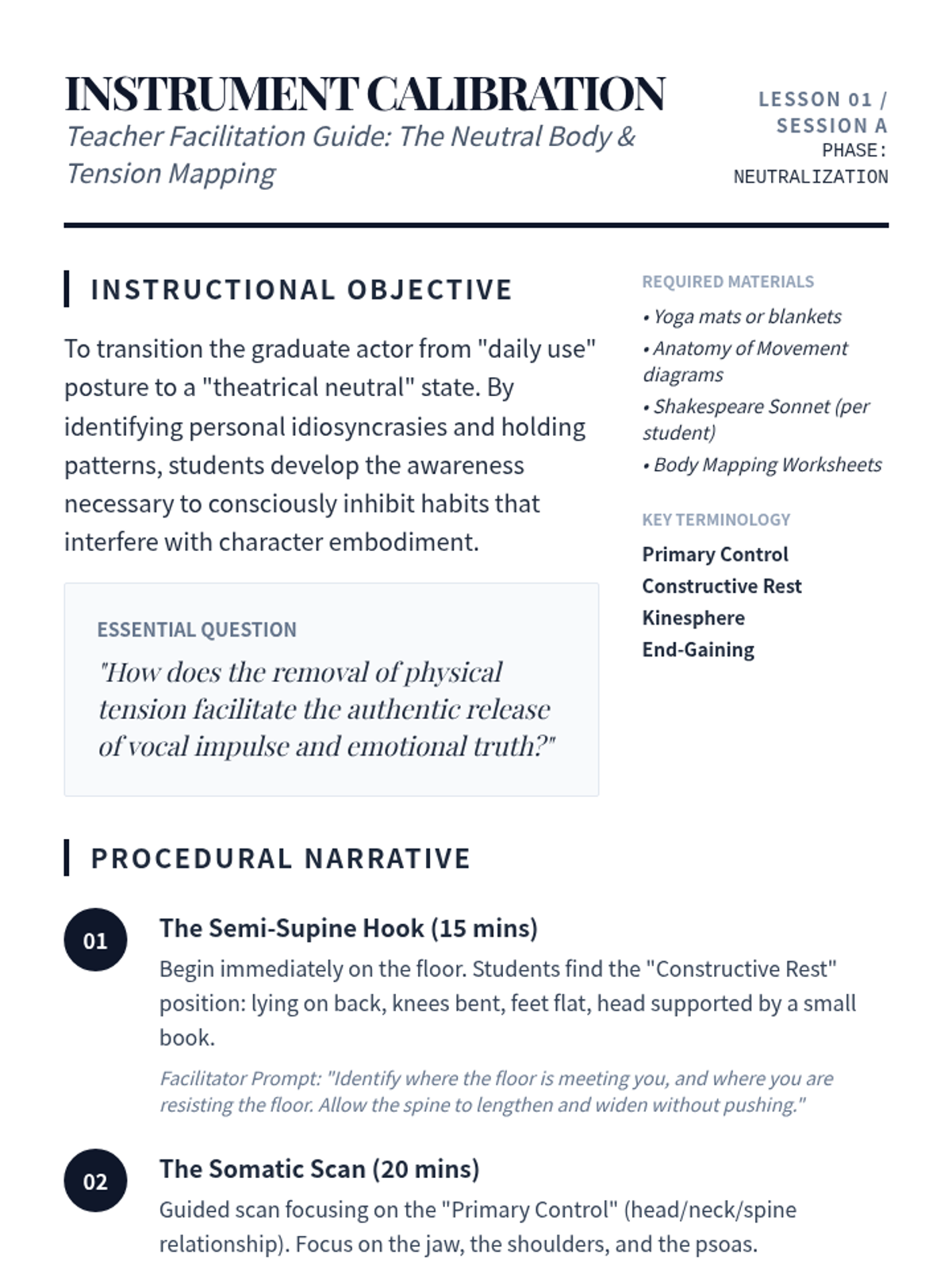
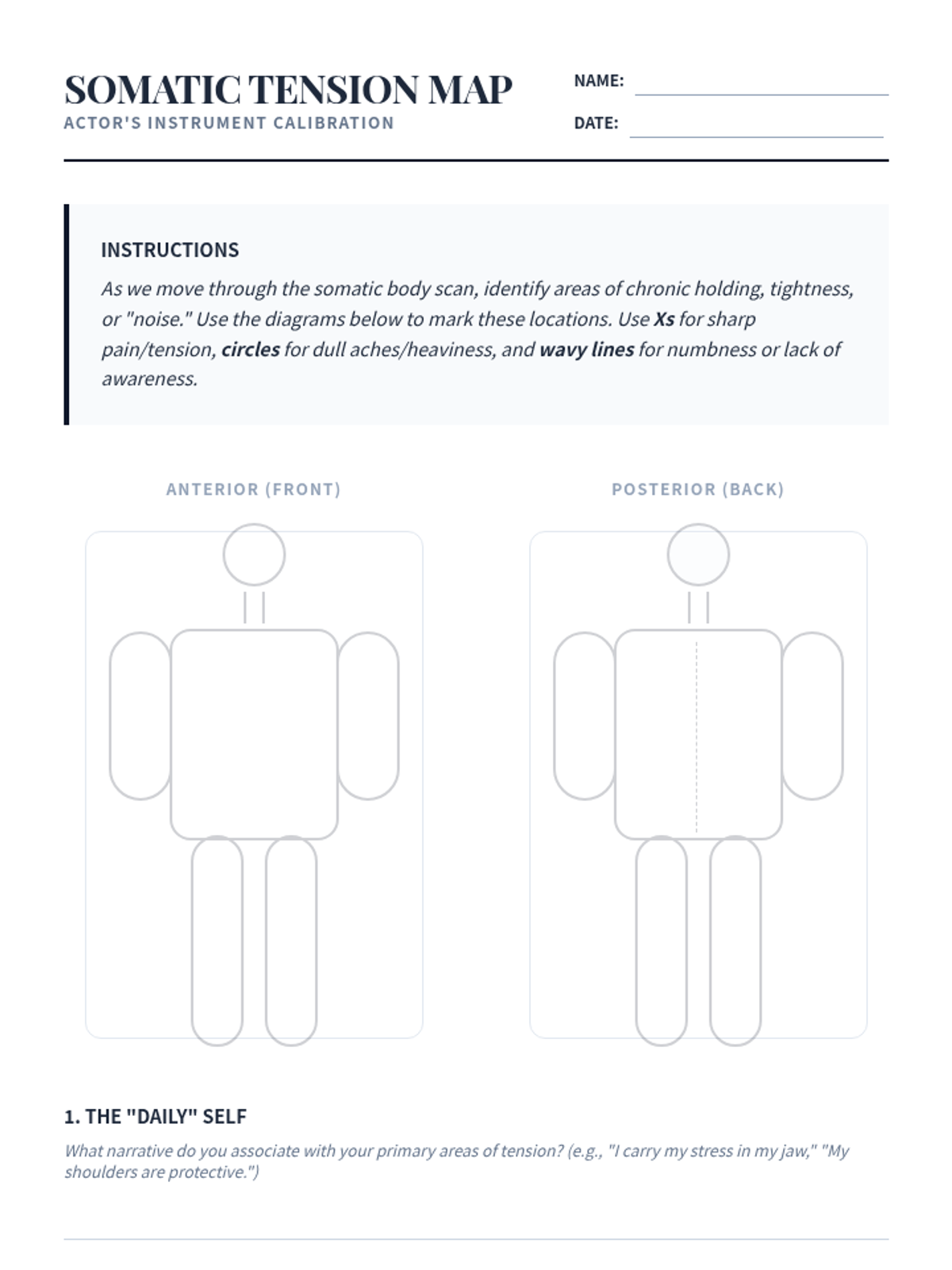
This advanced sequence for graduate theater students explores somatic practices to eliminate physical tension and unlock vocal power. By integrating Alexander Technique, Linklater Voice, Laban Movement Analysis, and Bogart's Viewpoints, students develop a responsive and resonant 'actor's instrument' capable of meeting the demands of professional performance.
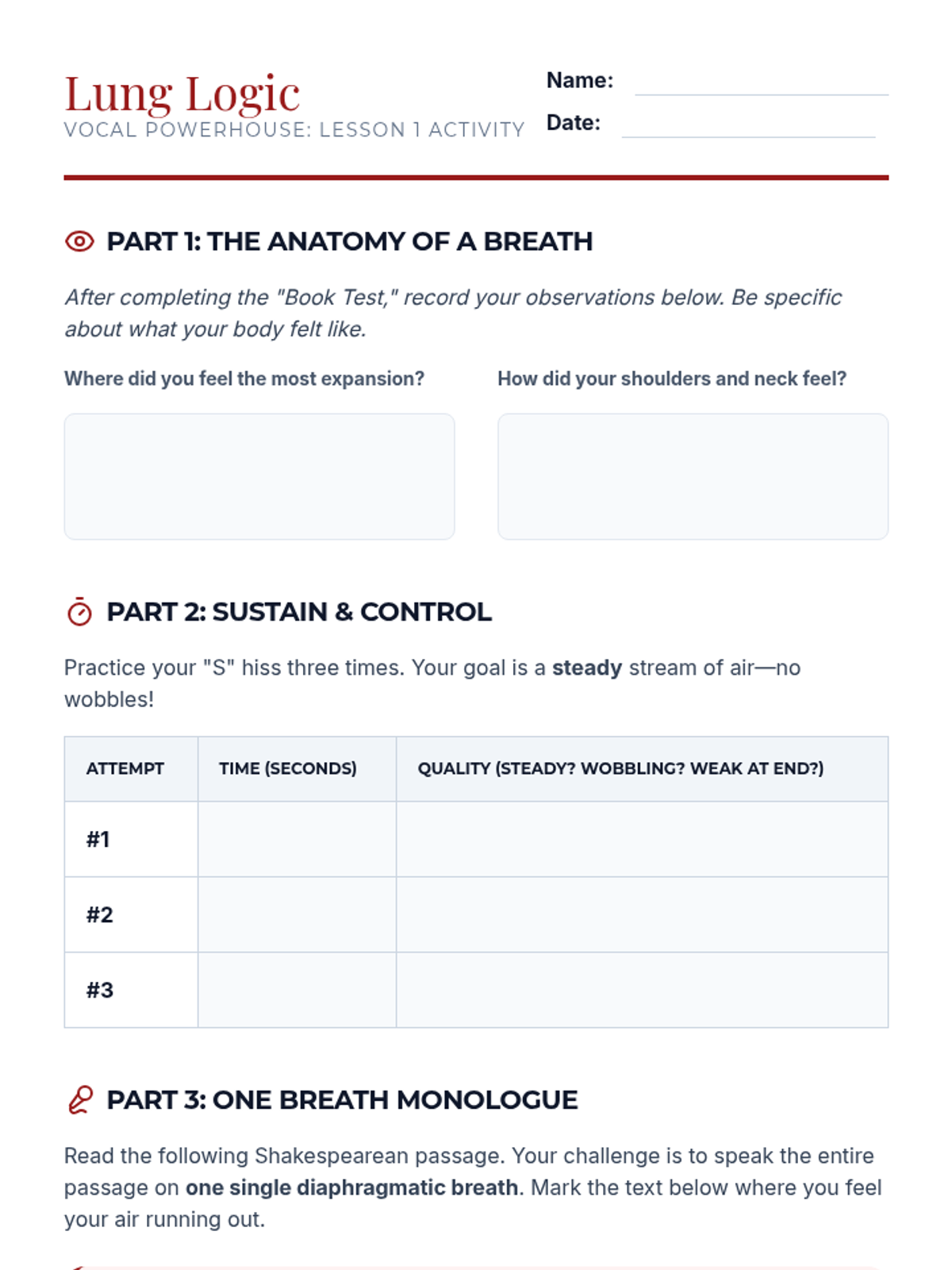
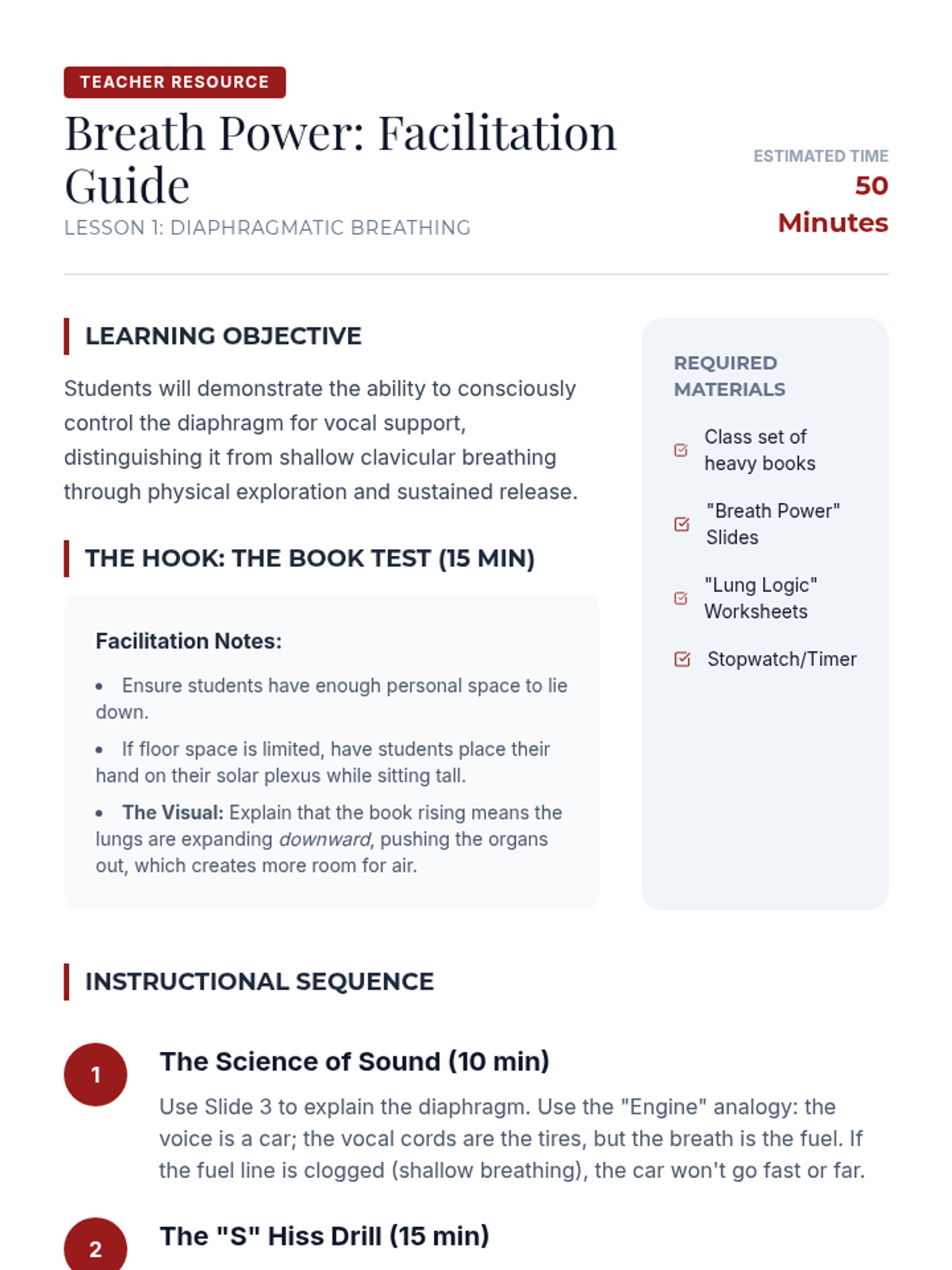
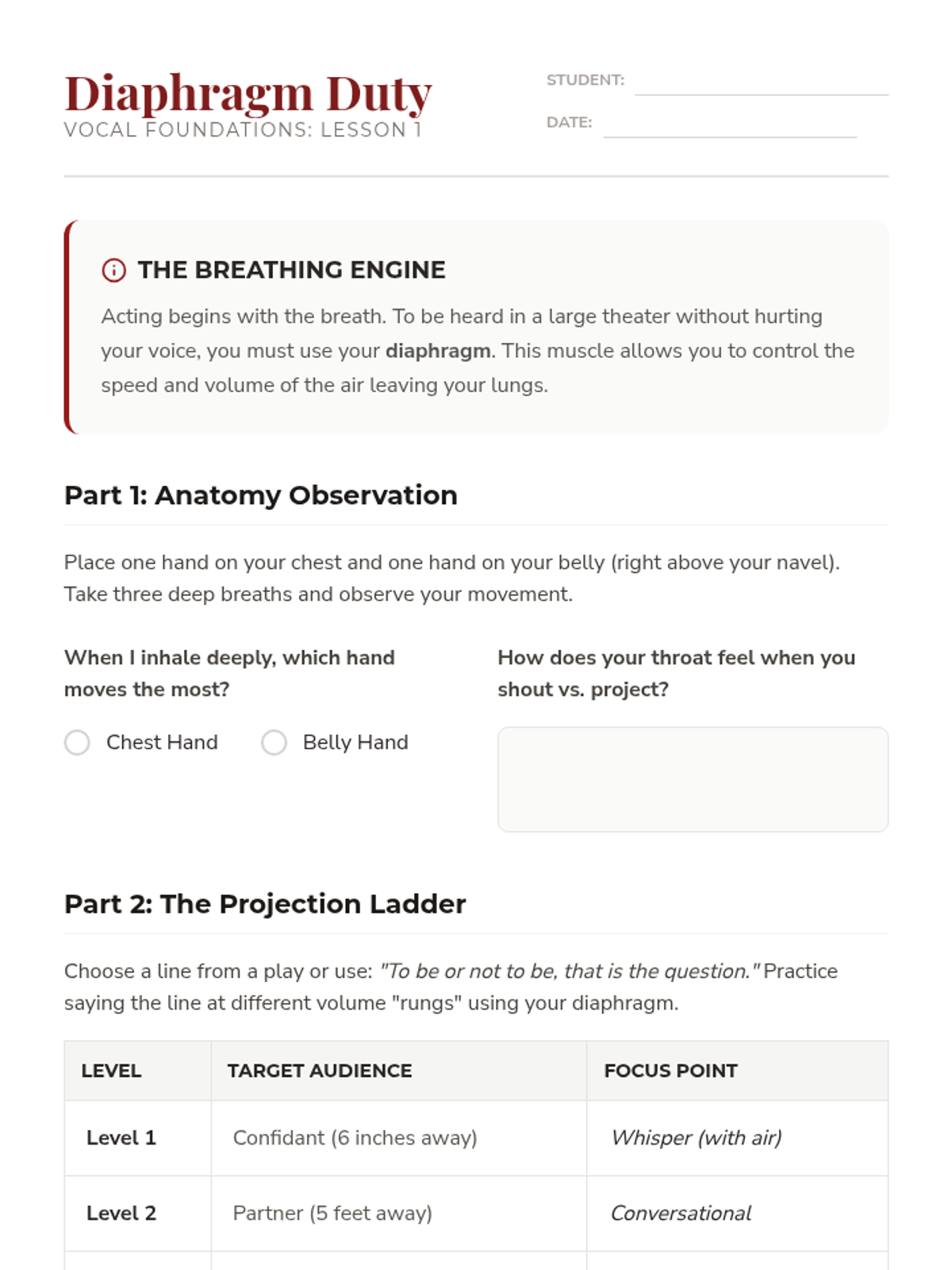
This sequence targets the vocal mechanics necessary for stage acting, emphasizing clarity, volume, and emotional resonance. Students move through a mastery-based progression of breathing techniques, articulation drills, and tonal variation exercises.
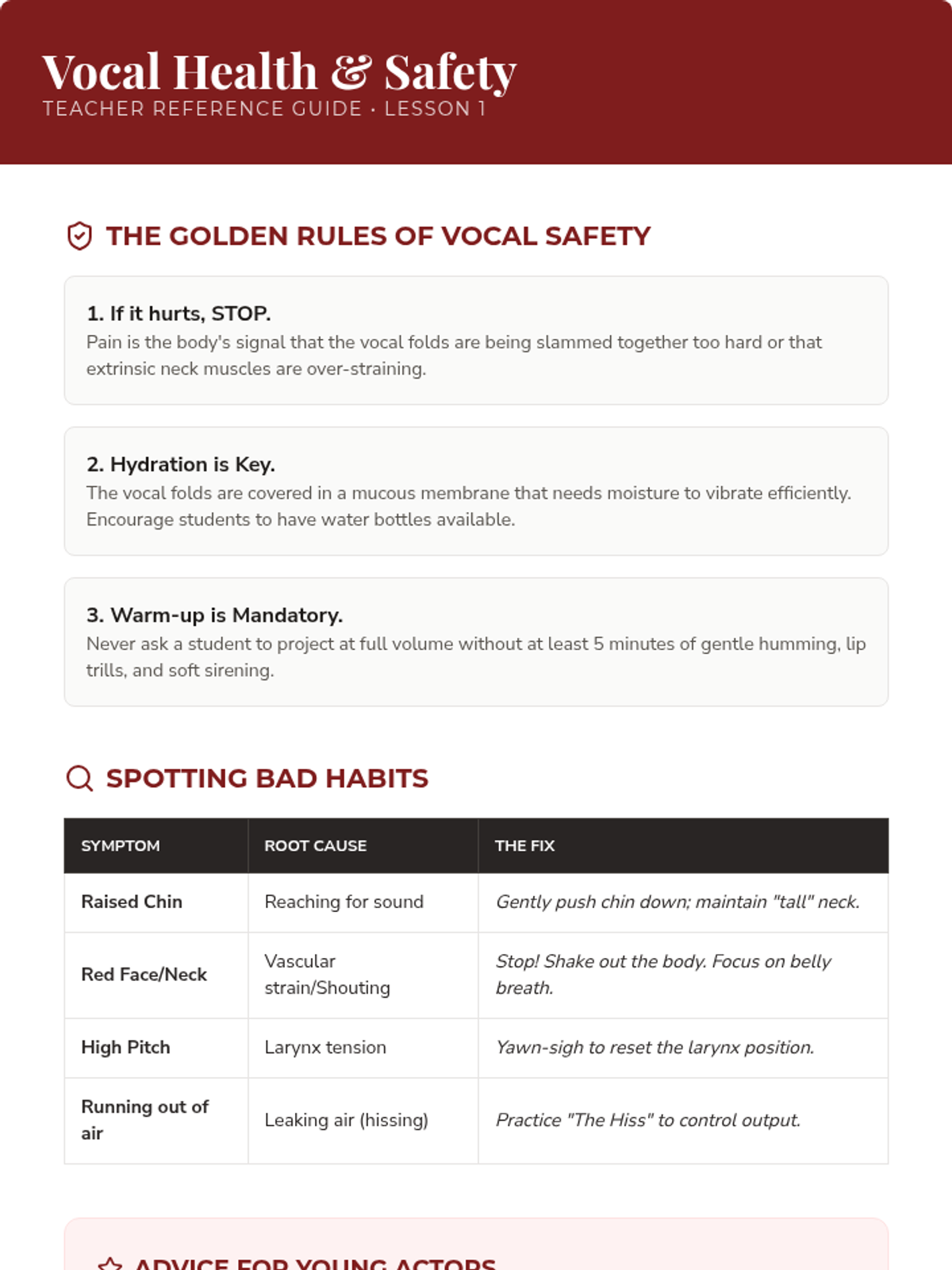
Students explore the mechanics and expressive potential of the human voice for stage performance, moving from technical foundations to interpretive skills, concluding with a radio drama performance.
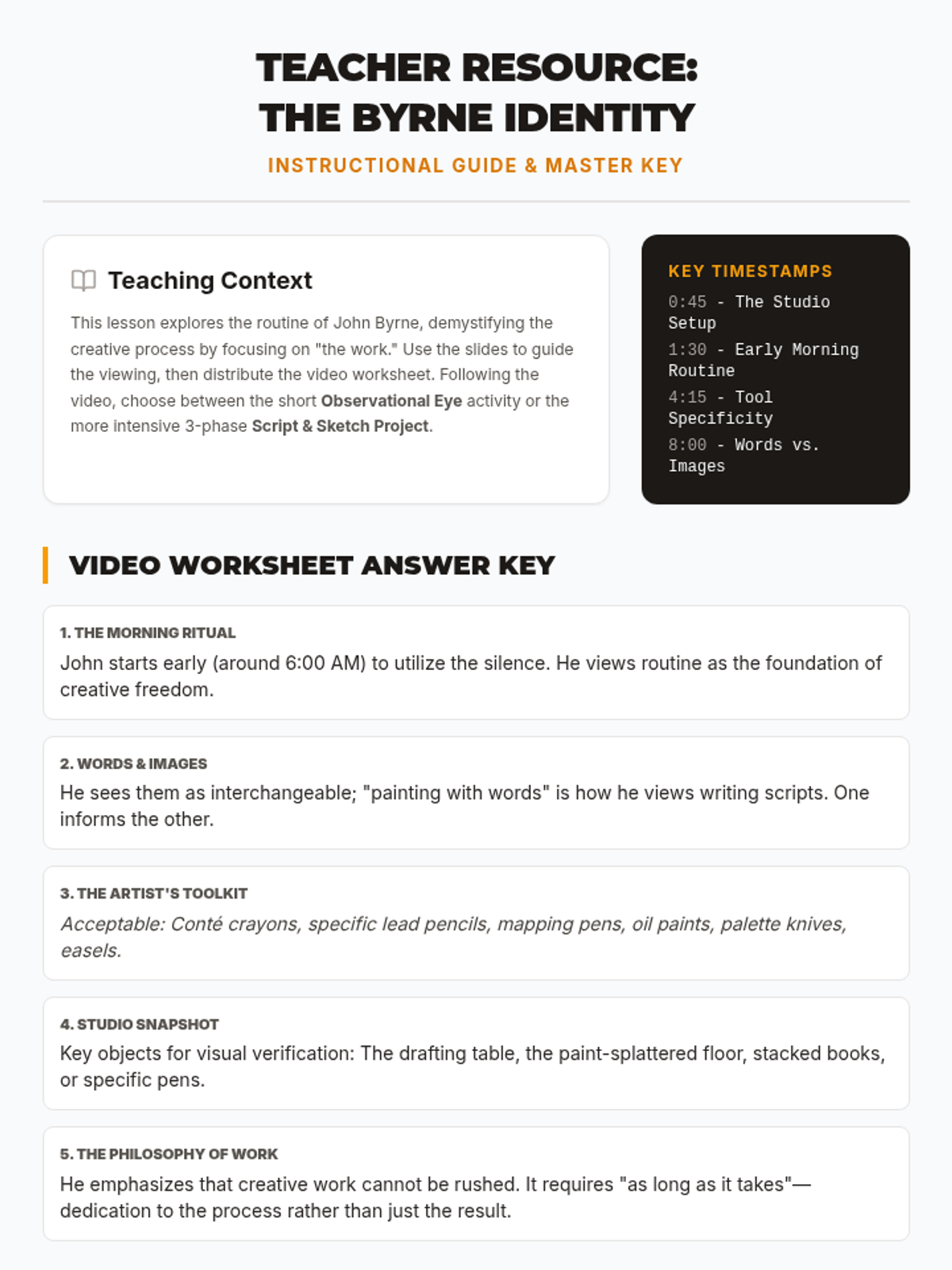
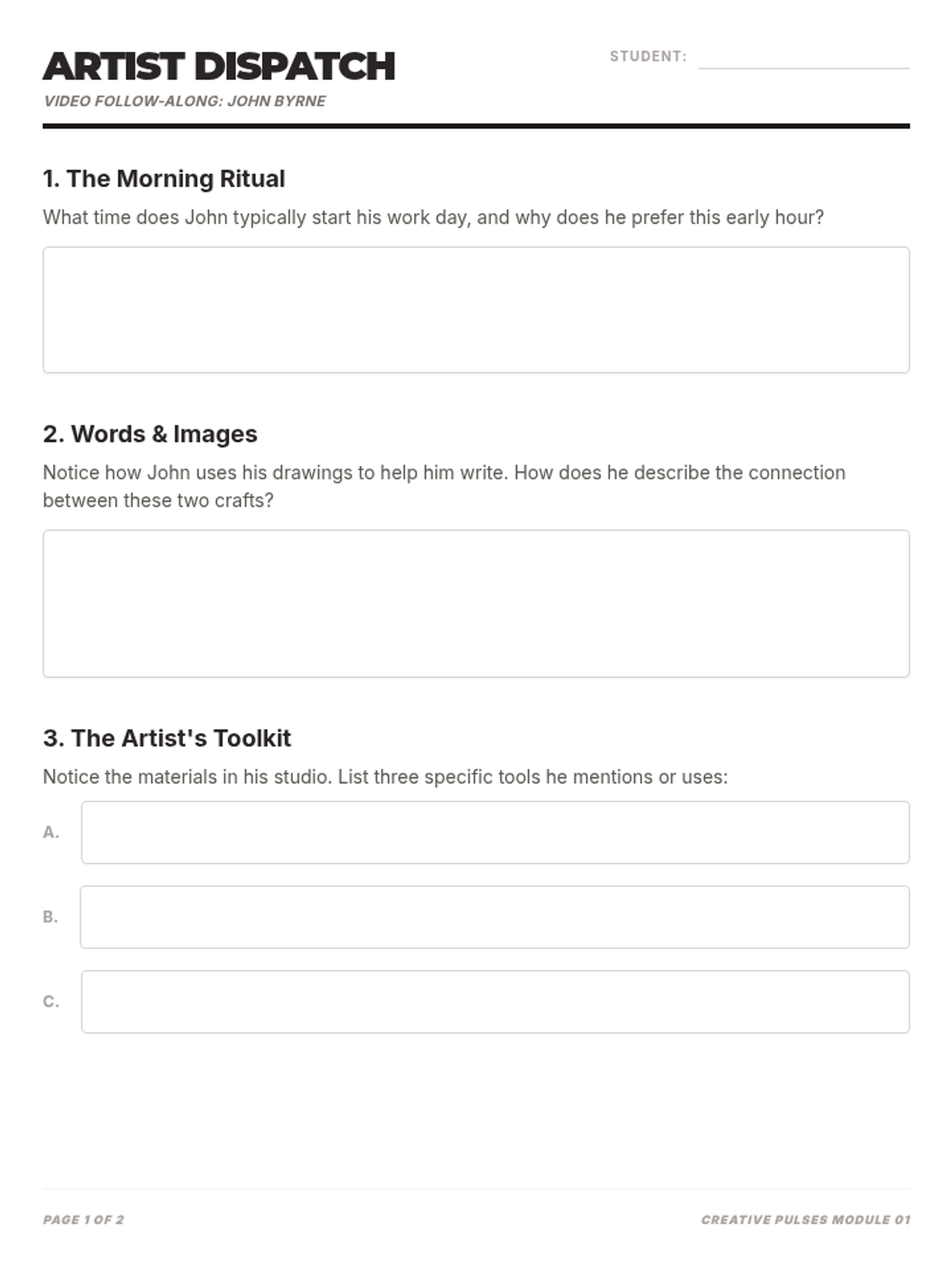
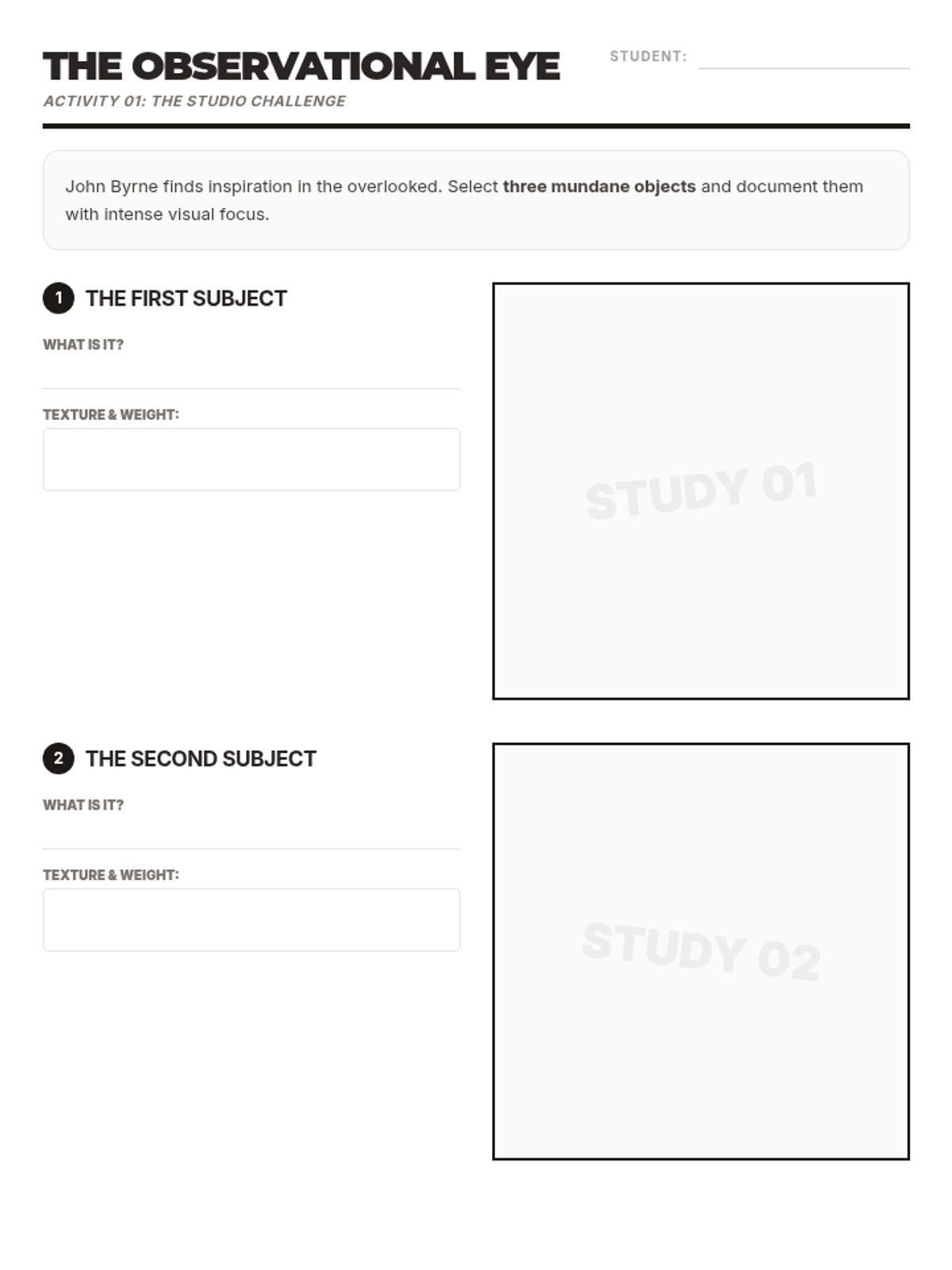
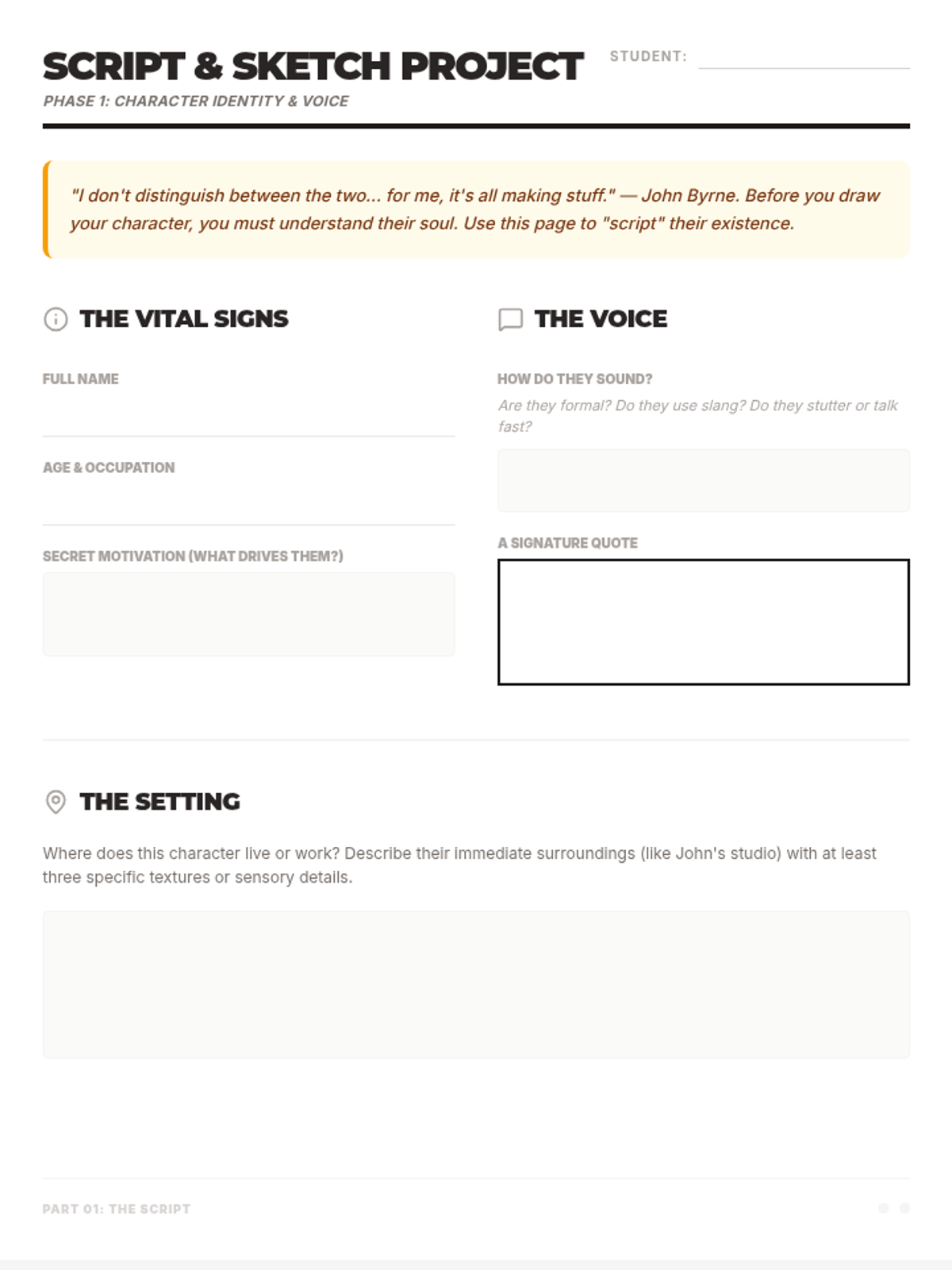
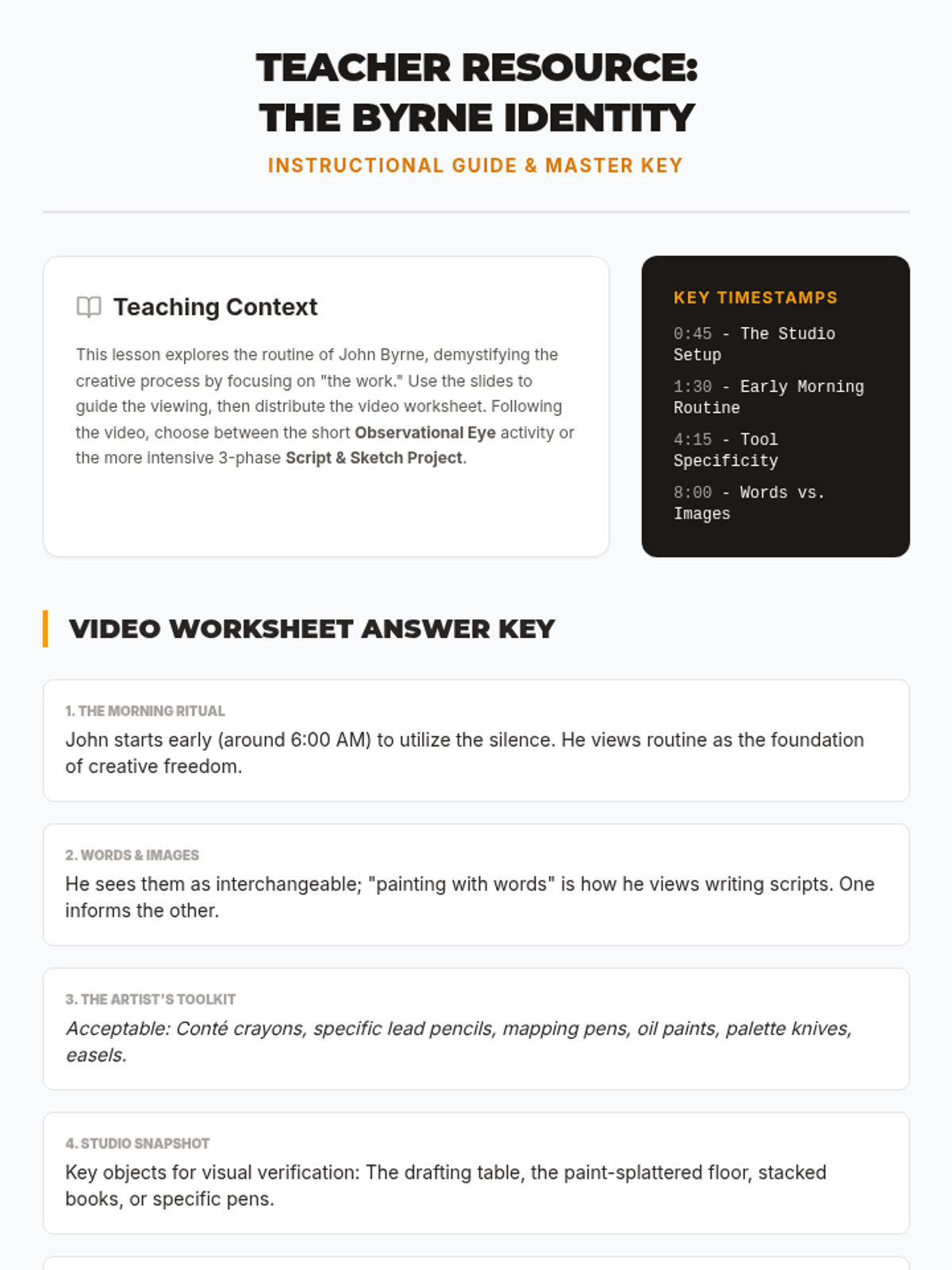
A sequence exploring the daily lives and creative processes of renowned artists, starting with John Byrne. Students observe artistic routines and apply those methods to their own creative practice.
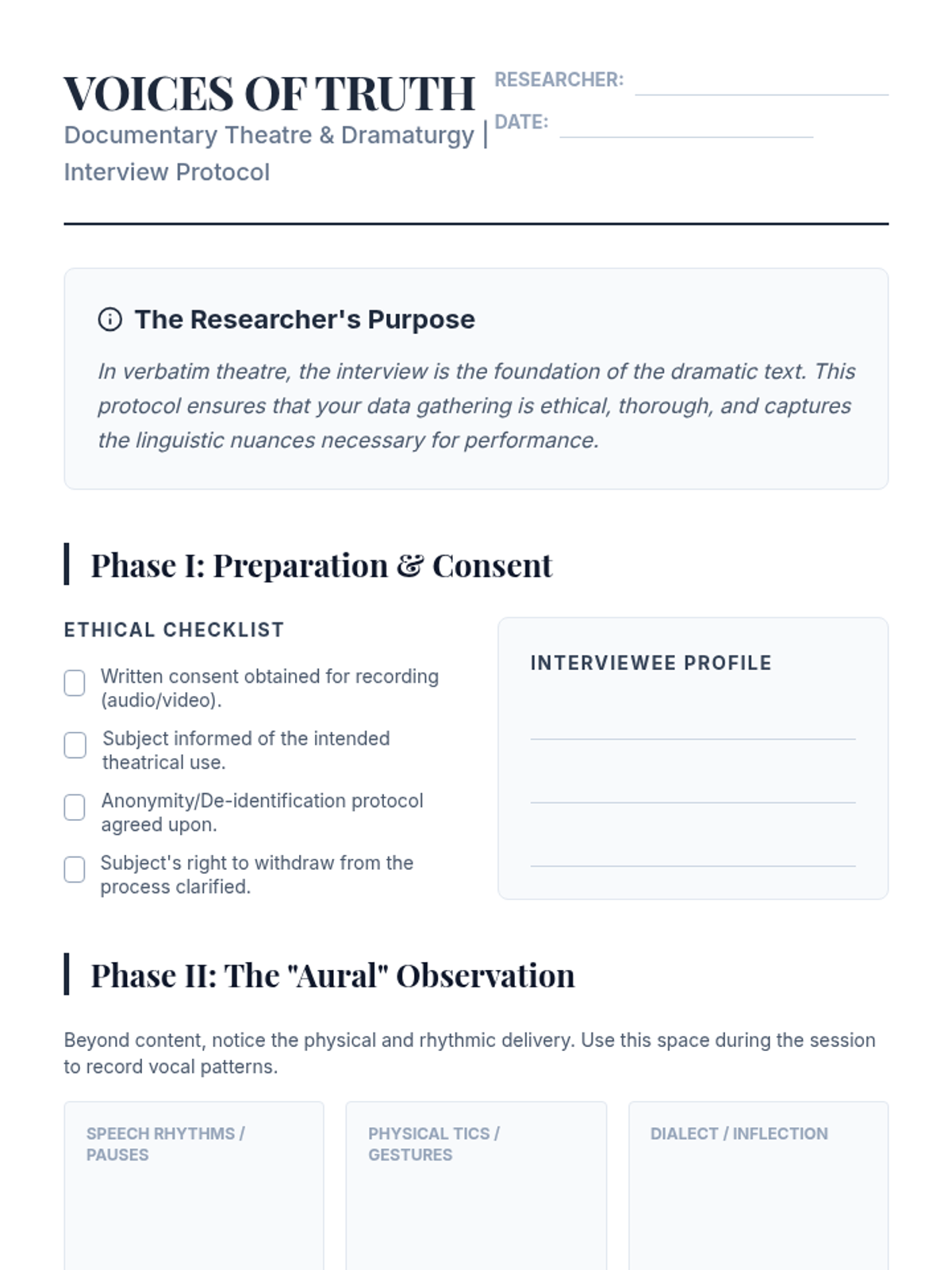
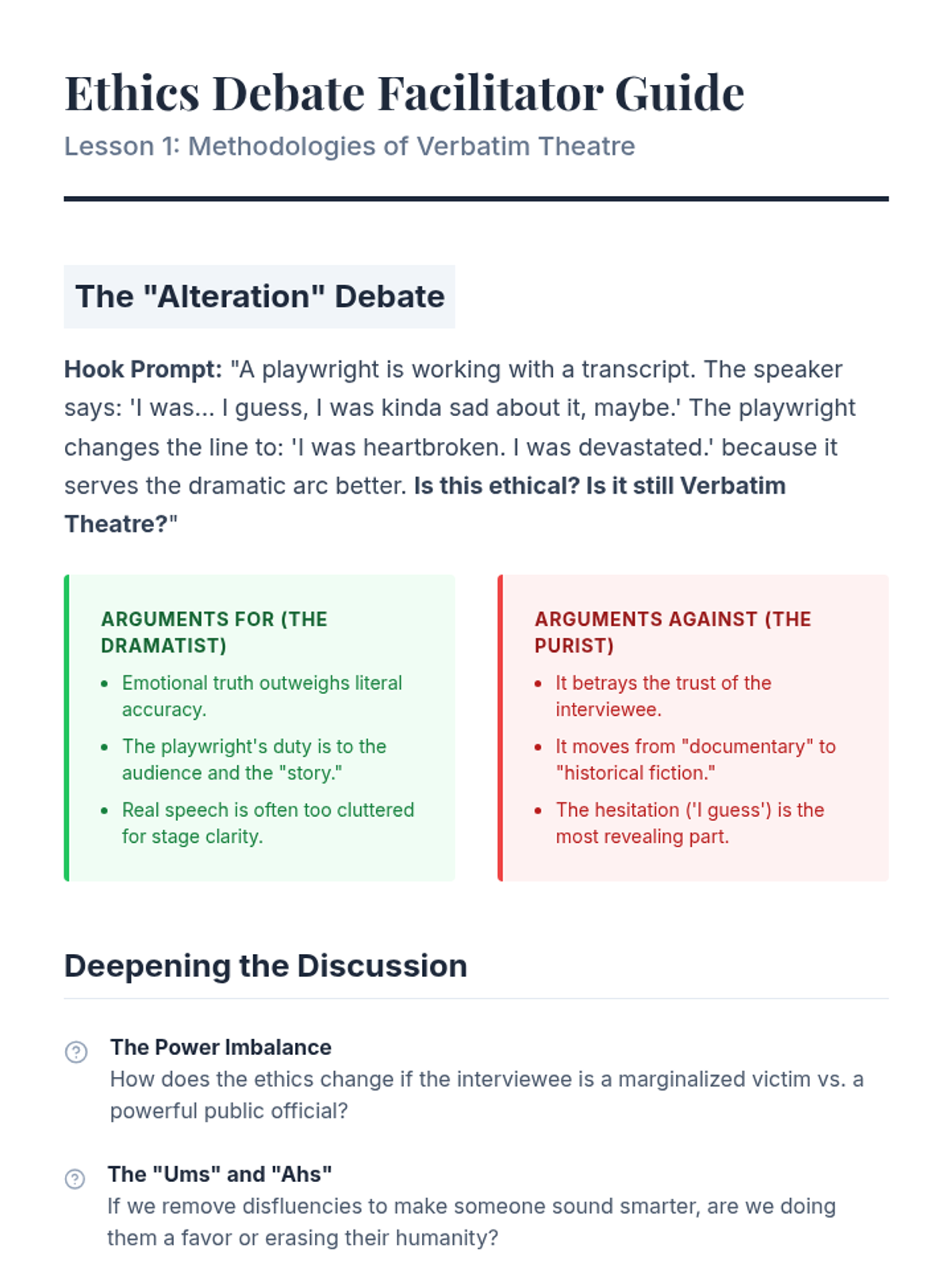
A comprehensive graduate-level exploration of Documentary and Verbatim Theatre, covering ethical research, archival mining, speech editing, character synthesis, and theatrical staging. Students transition from researchers to dramatists, producing original documentary works based on real-world testimony and historical records.
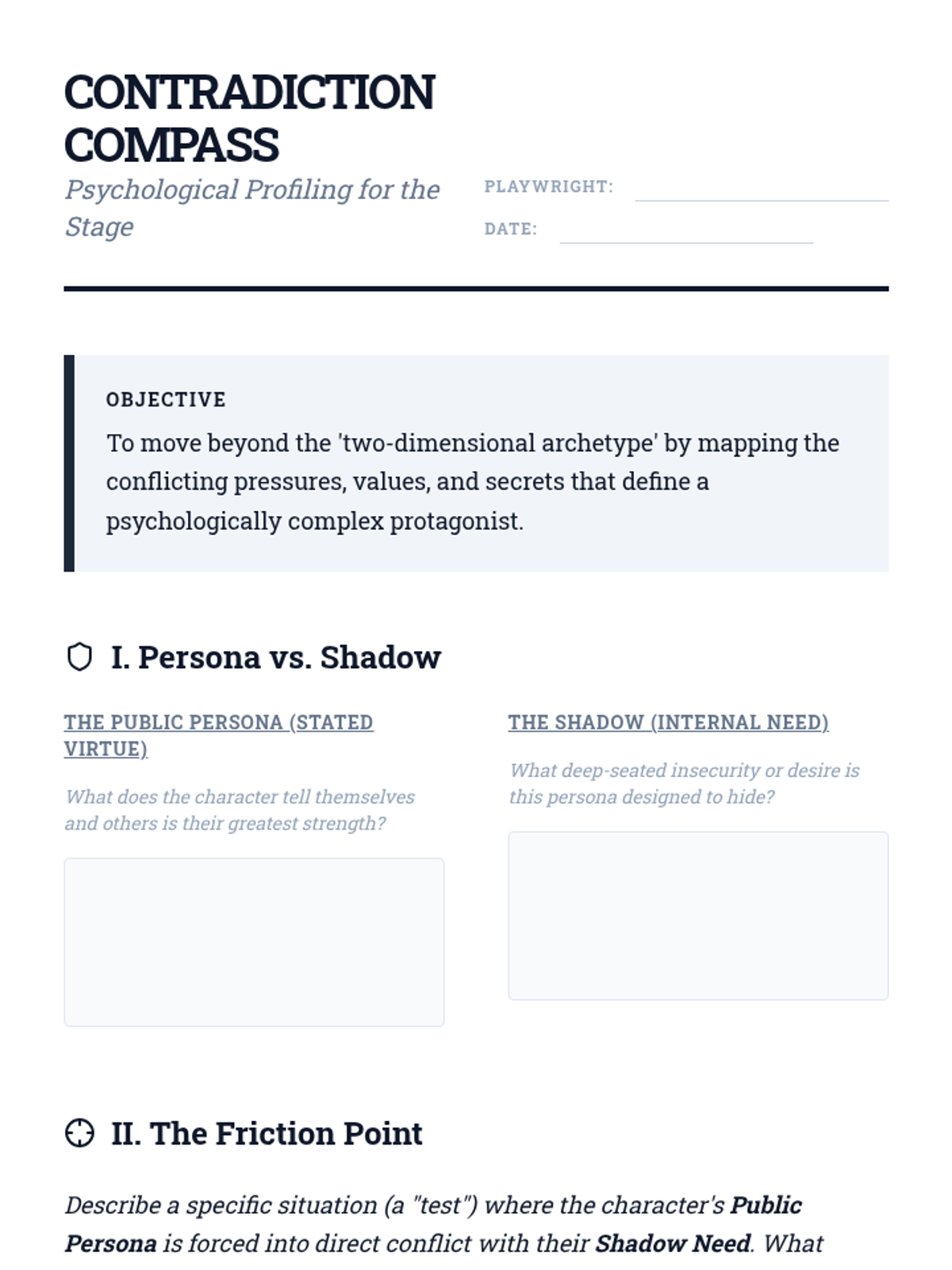
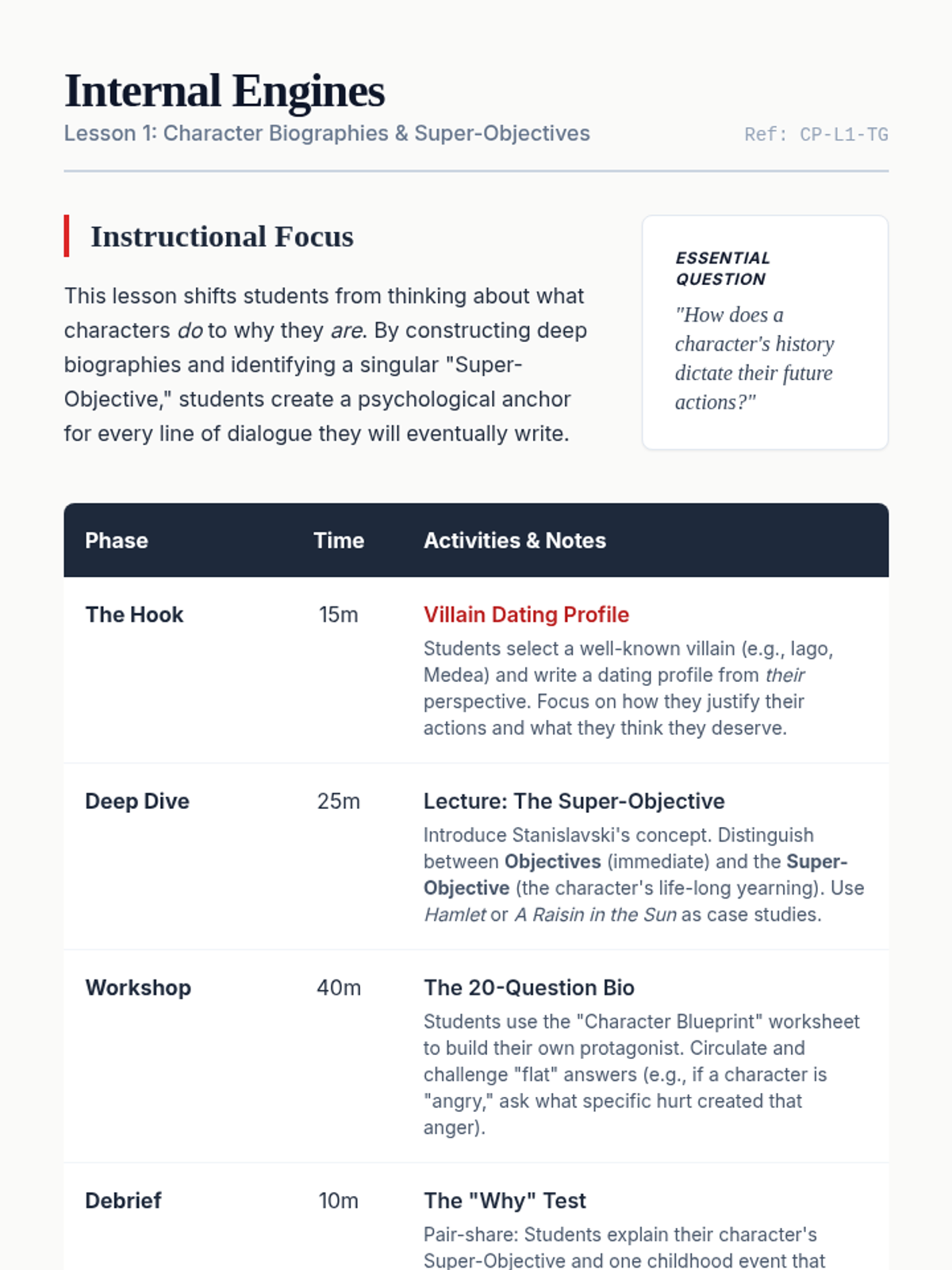
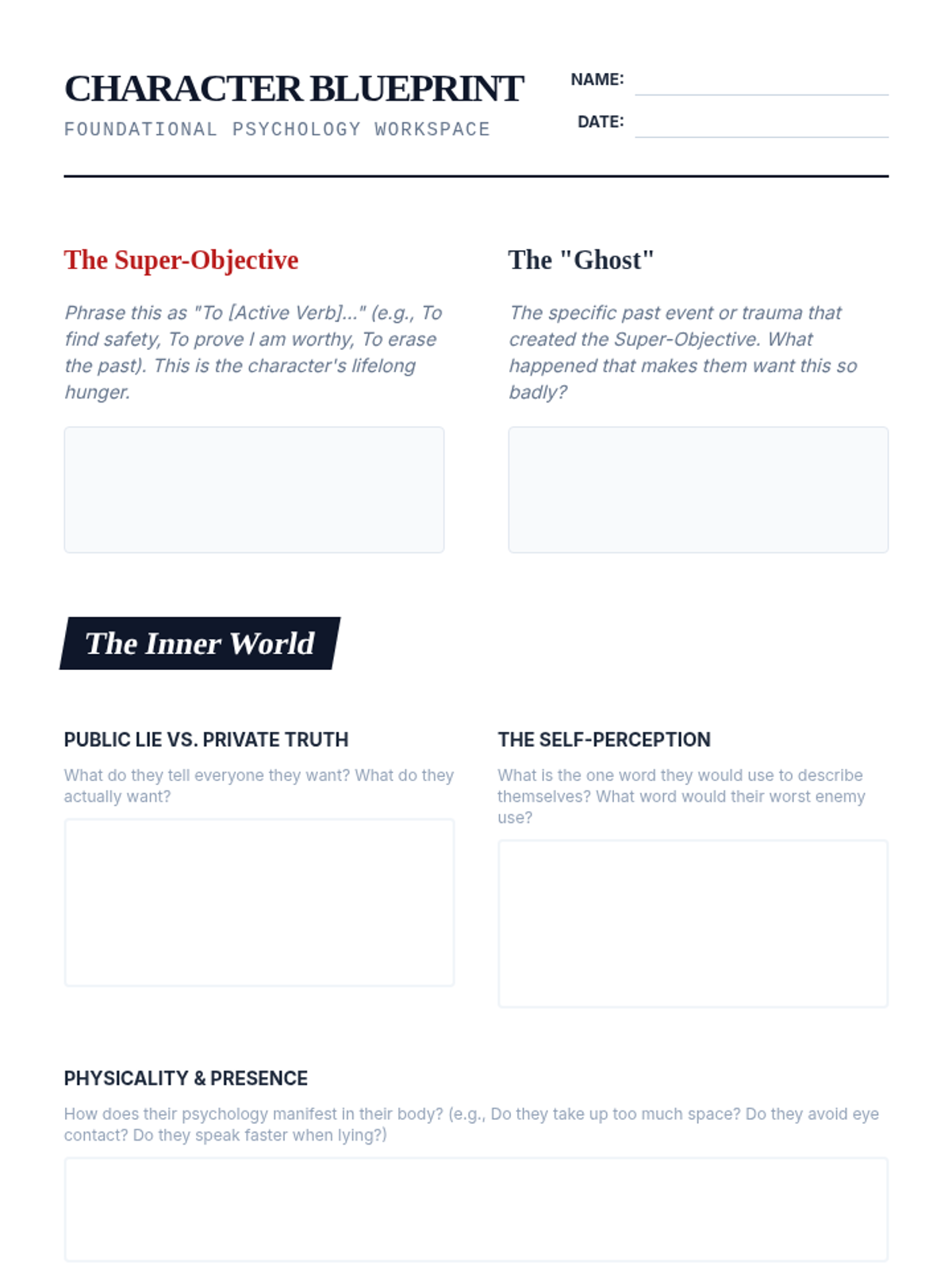
An advanced playwriting sequence for graduate students focusing on the psychological architecture of dramatic characters, subtextual dialogue, and character-driven narrative structures. Students progress from deconstructing archetypes to writing a one-act draft grounded in behavioral truth and internal contradiction.
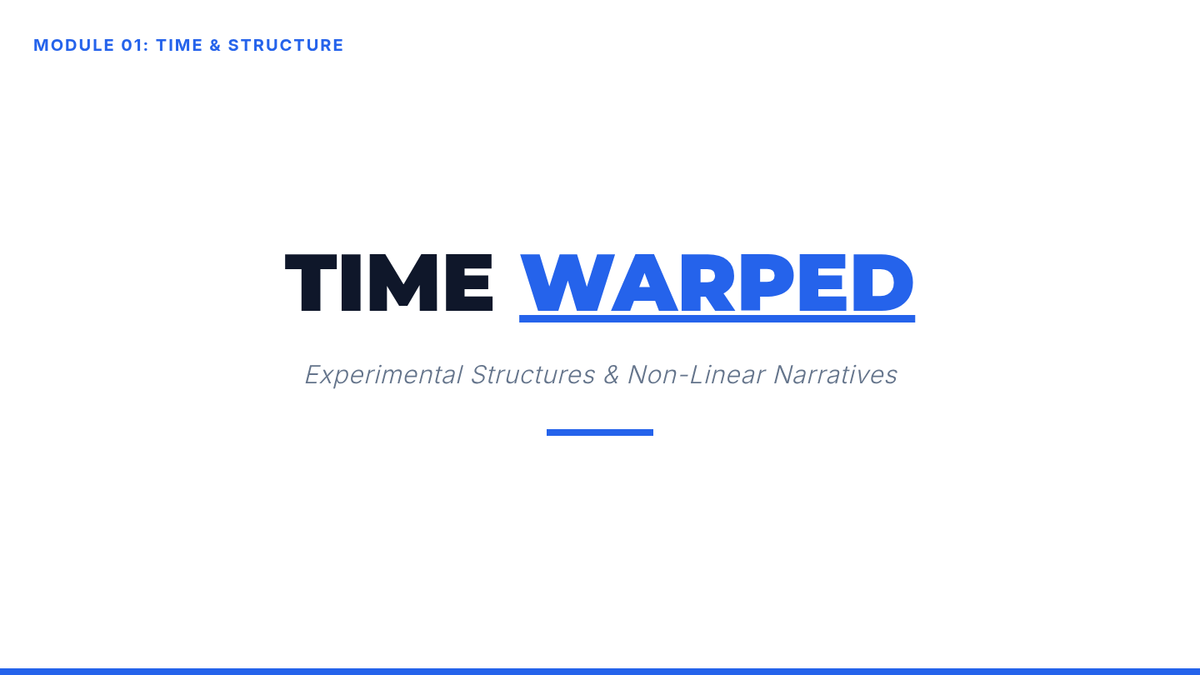
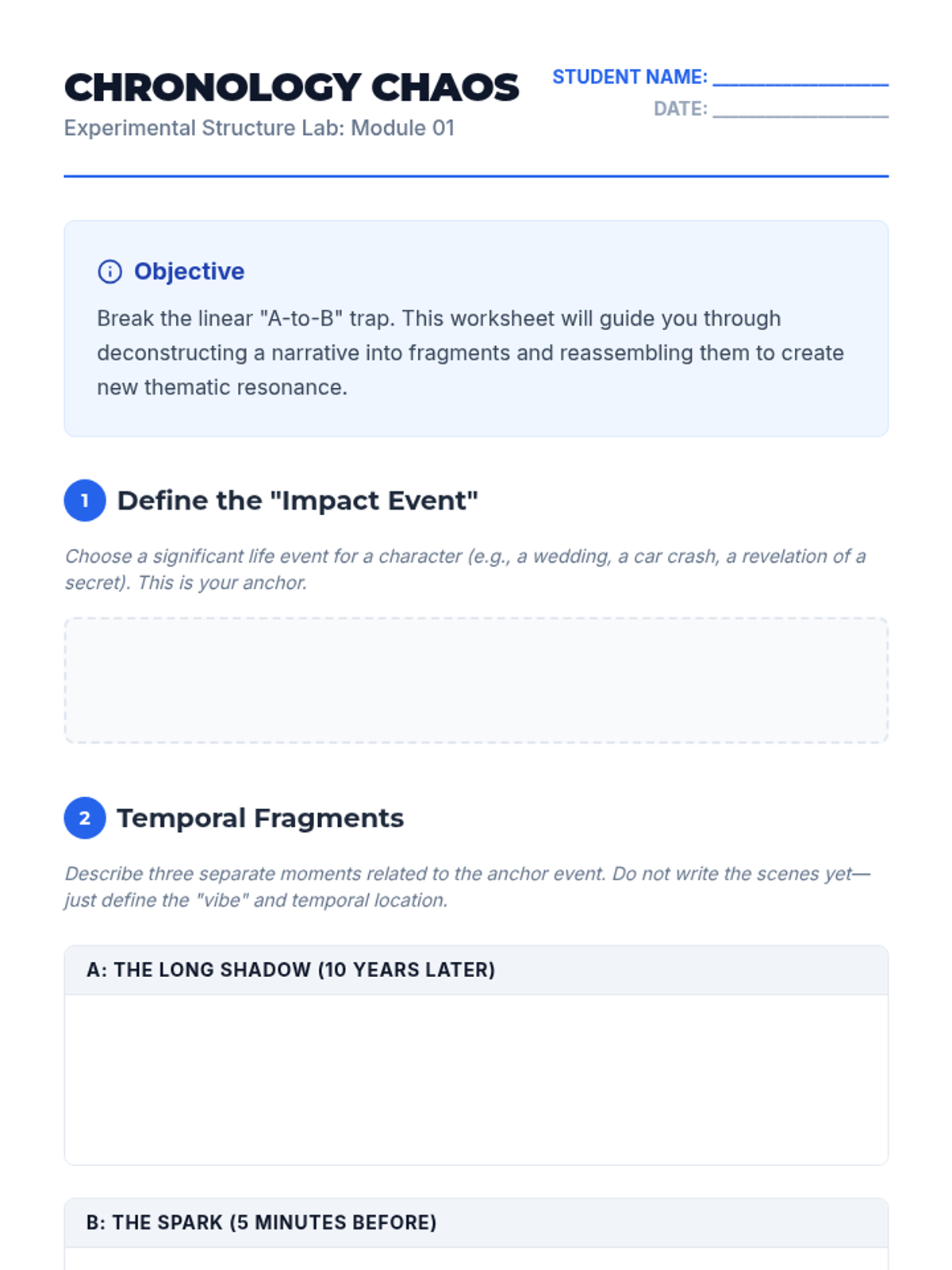
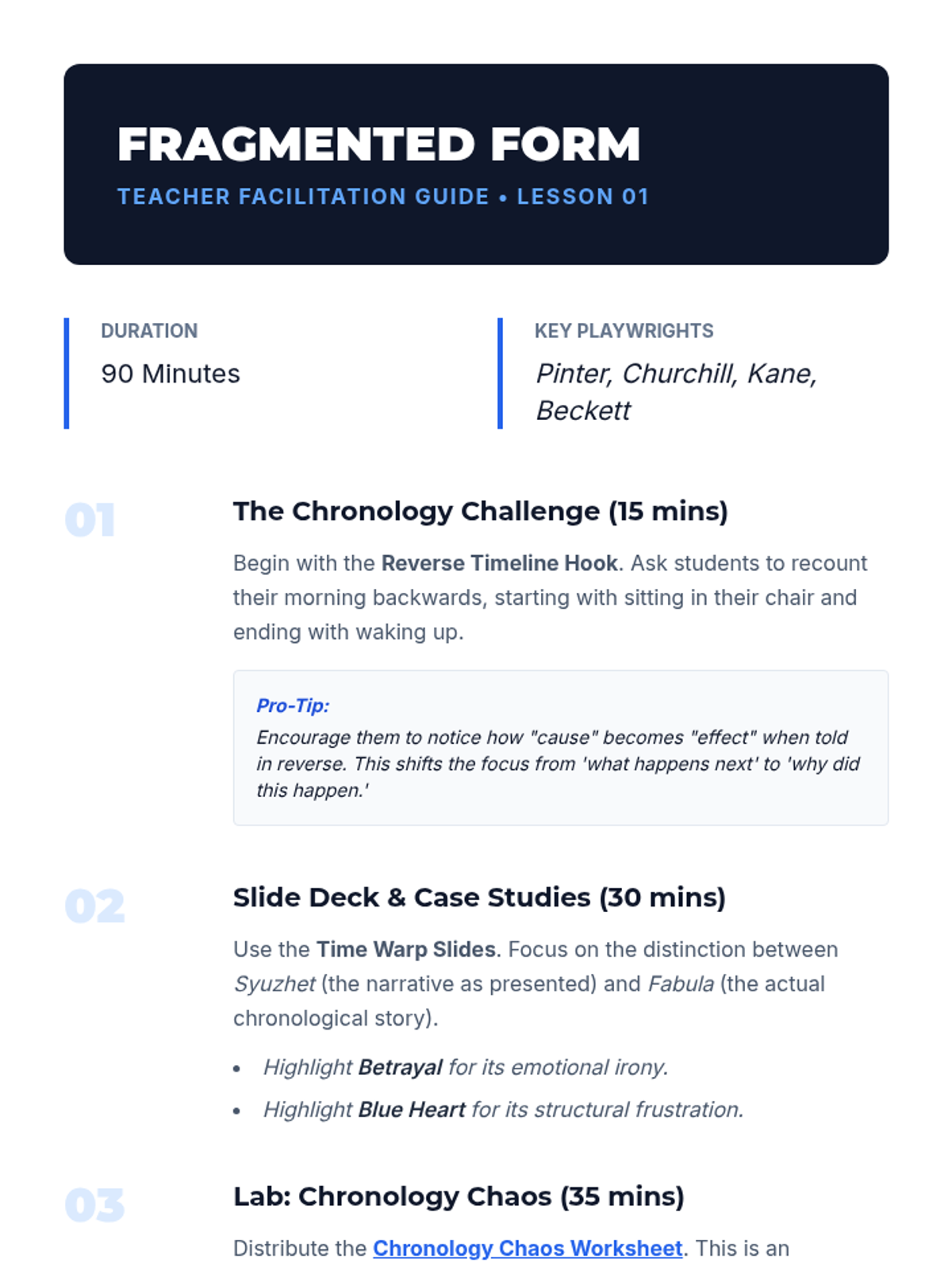
An advanced playwriting sequence for undergraduate students focusing on non-traditional structures, including non-linear time, verbatim theater, absurdism, meta-theatricality, and multimedia integration. Students will move from theoretical analysis of experimental playwrights to creating their own rule-breaking scripts.
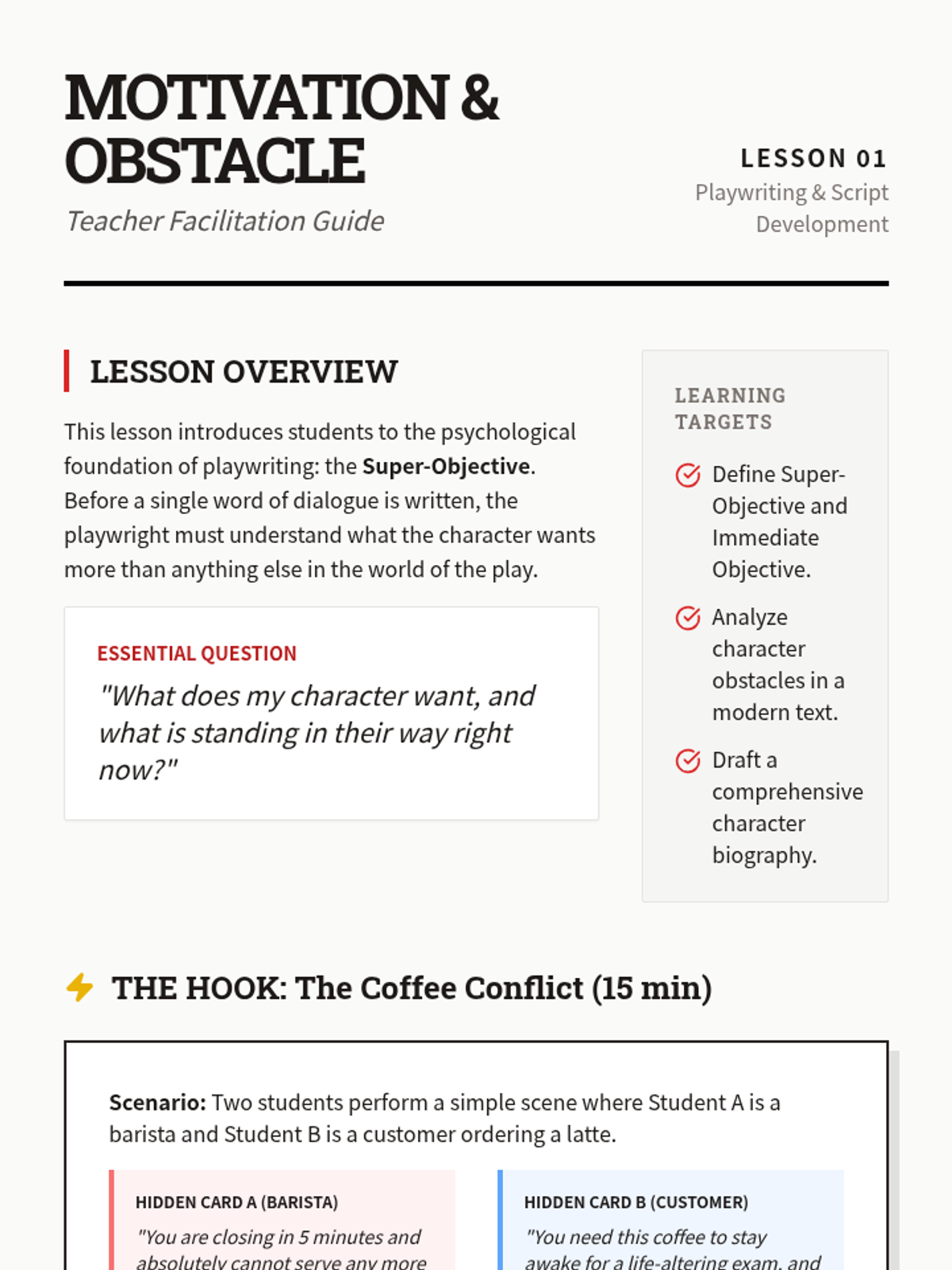
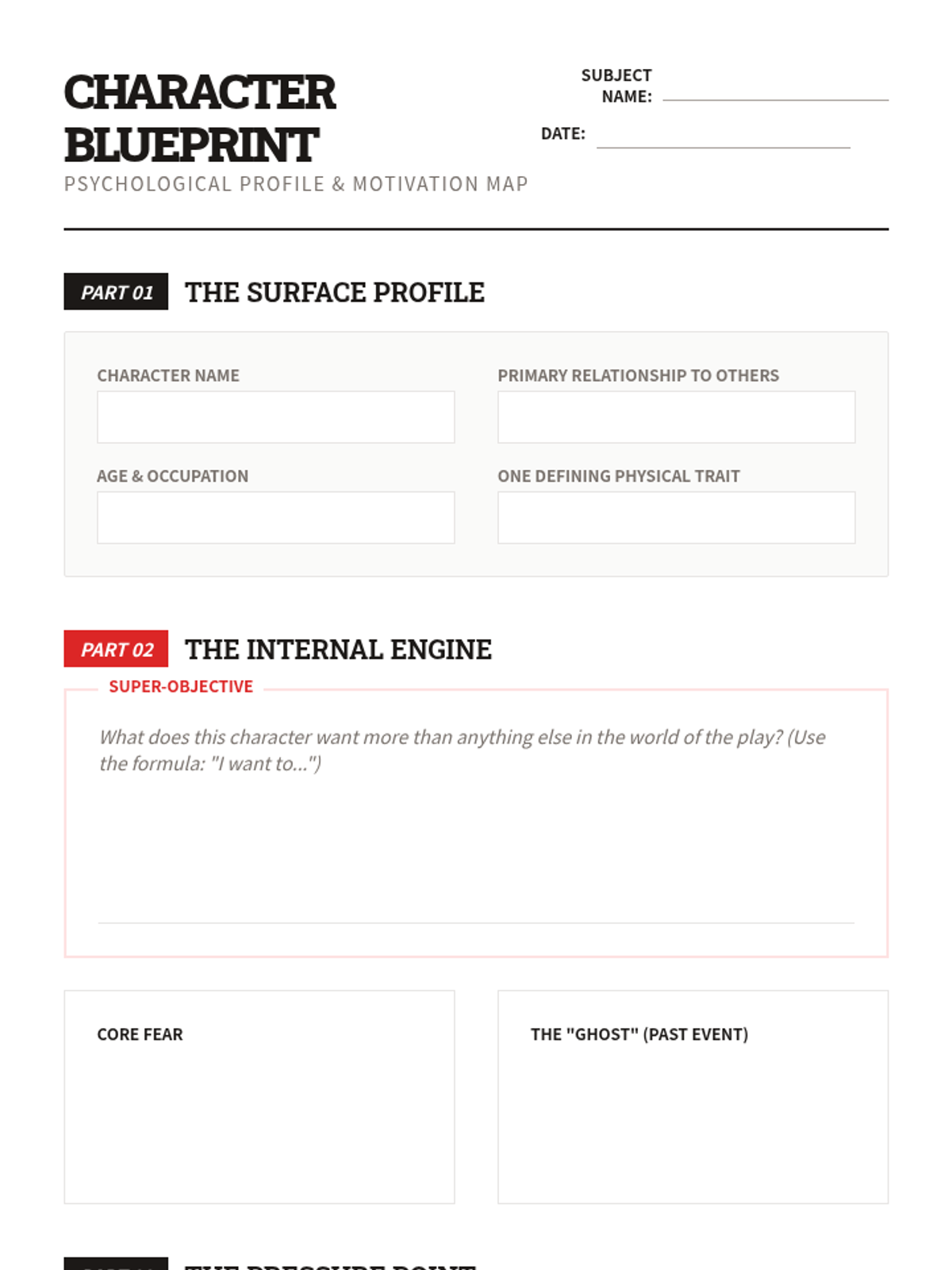
This sequence explores the depths of character development and dialogue for undergraduate playwrights, focusing on psychological realism, objectives, voice differentiation, and the masterly use of subtext. Students progress from building internal character foundations to crafting active, subtext-rich scenes and monologues.
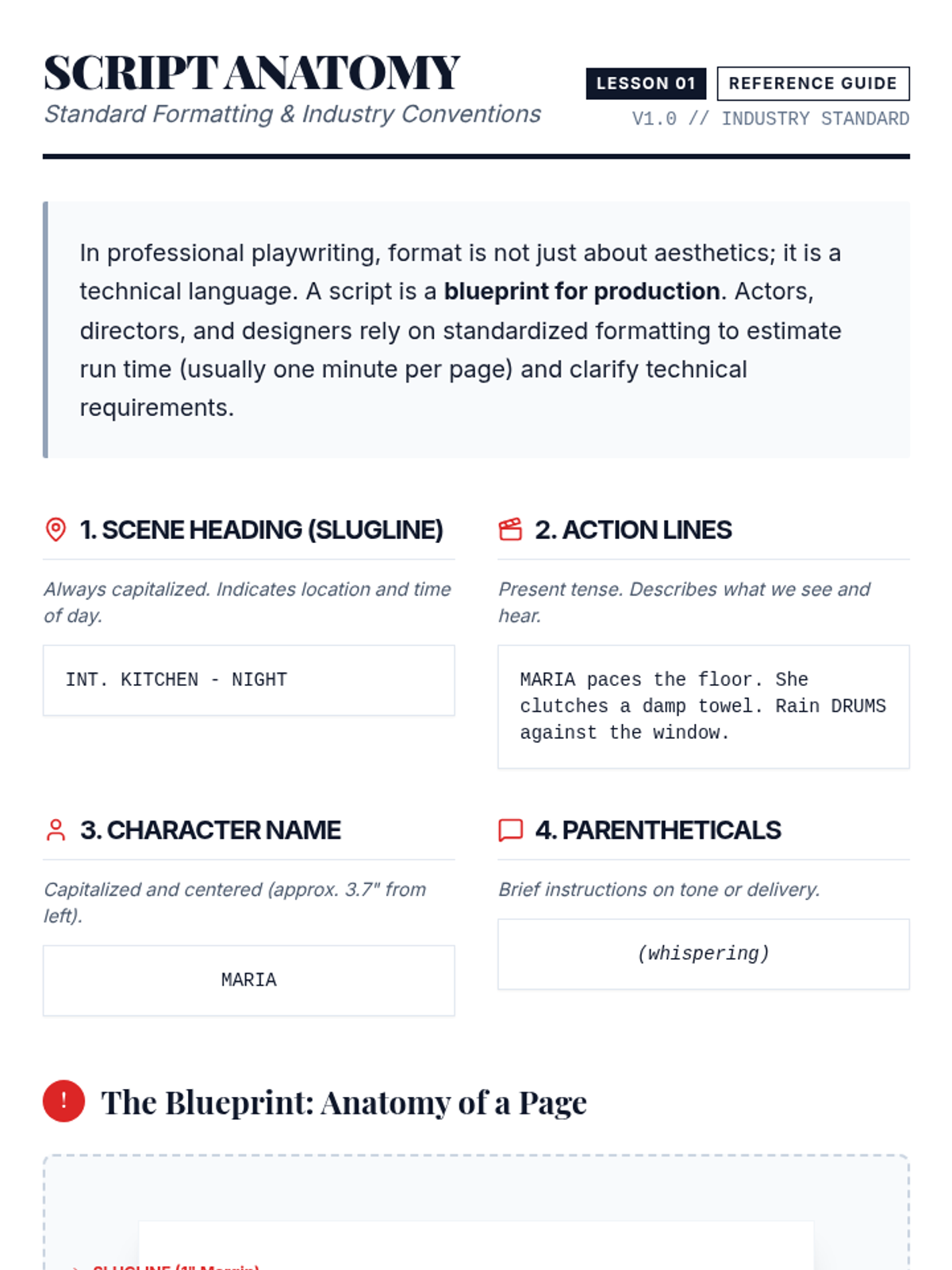
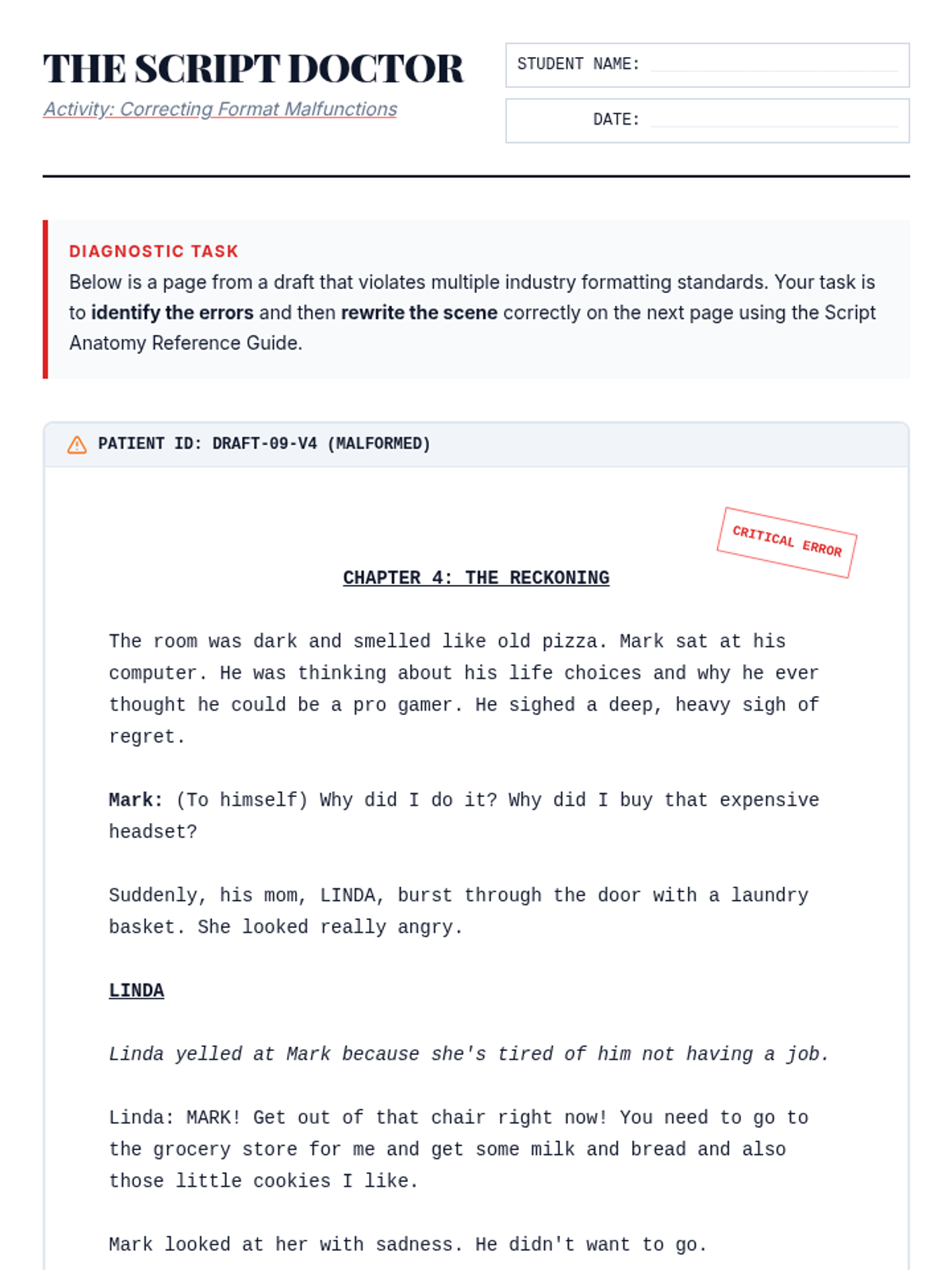
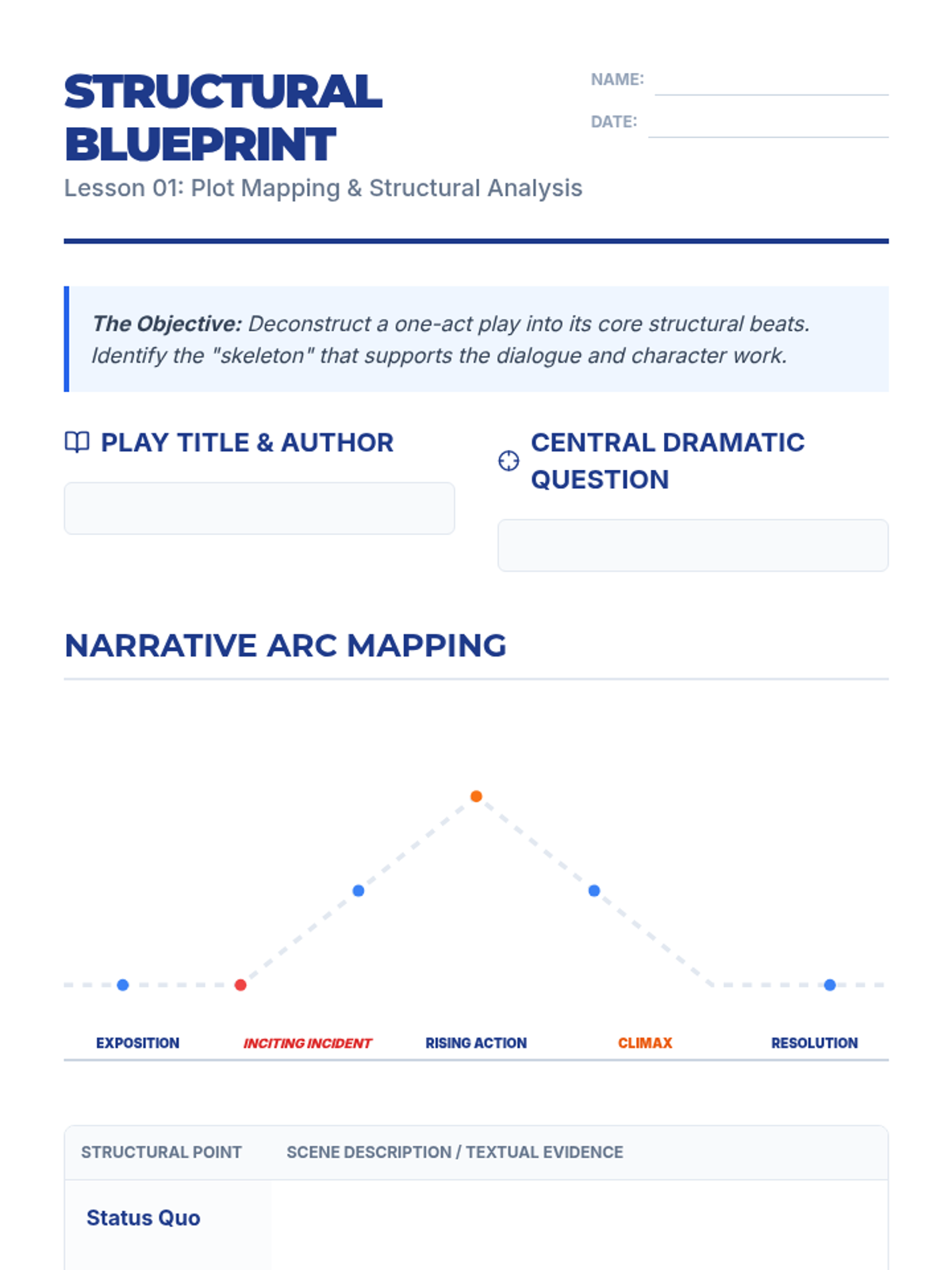
This sequence establishes the technical and structural foundations required for professional playwriting. Students master industry-standard formatting and deconstruct theatrical architecture using classic and contemporary models to understand how structure dictates pacing and dramatic tension.
A project-based sequence for 11th-grade students focusing on the macro-level engineering of a one-act play. Students transition from deconstructing dramatic structures to drafting a complete narrative treatment, emphasizing conflict, stakes, and structural integrity.
A technical foundation for playwriting, moving from critical analysis of dramatic structure and subtext to the mastery of professional industry formatting standards and scene composition.
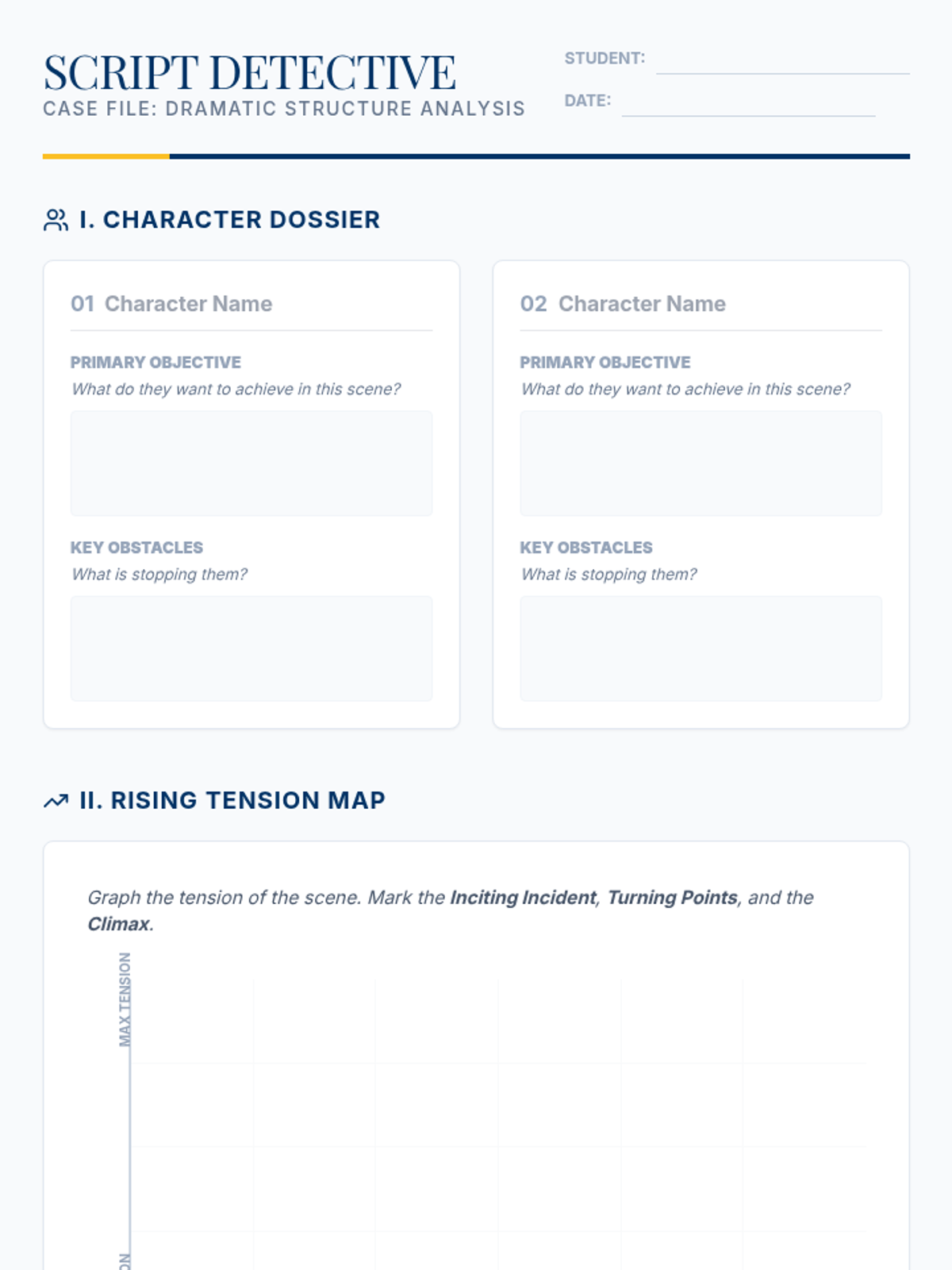
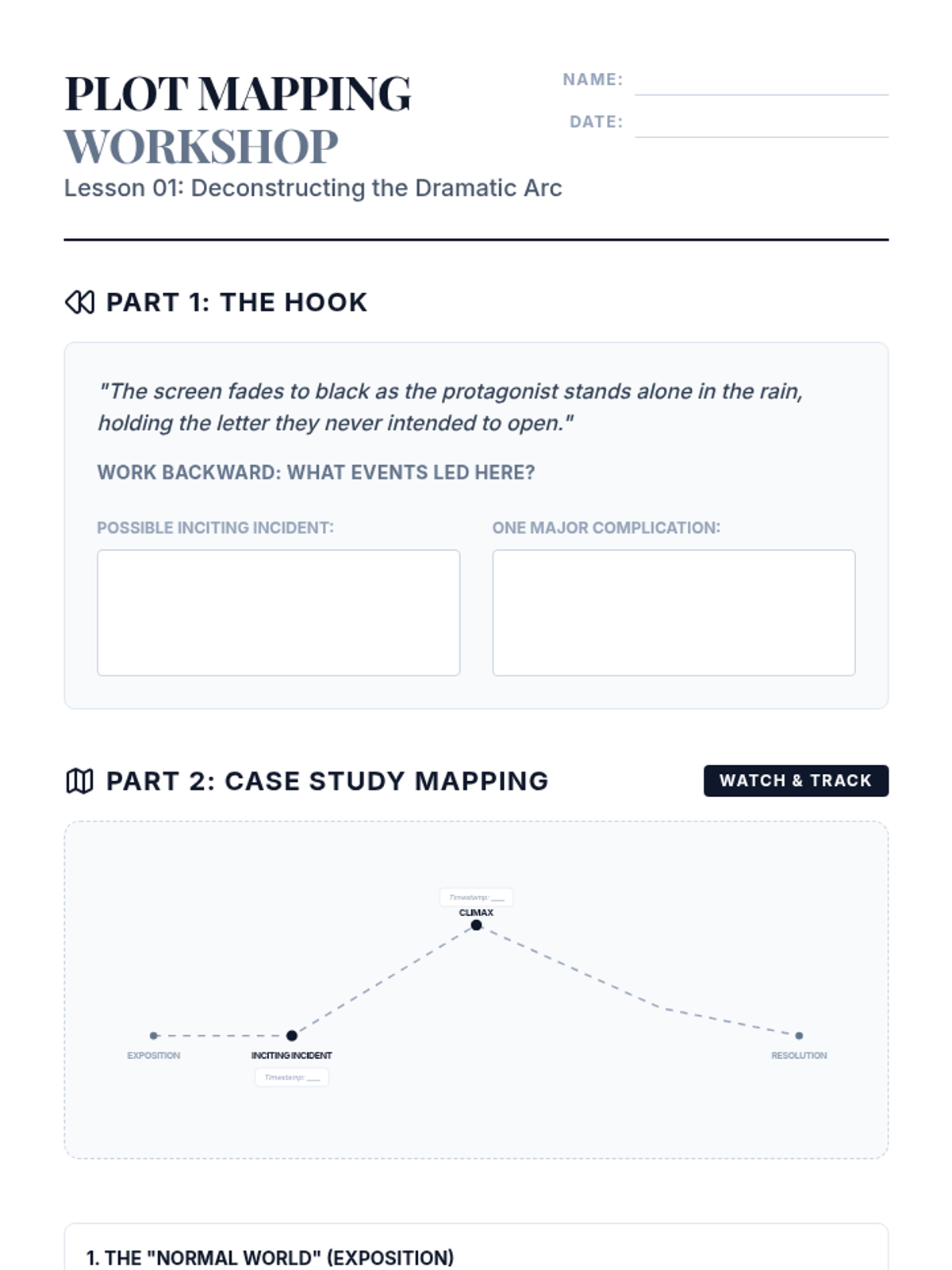
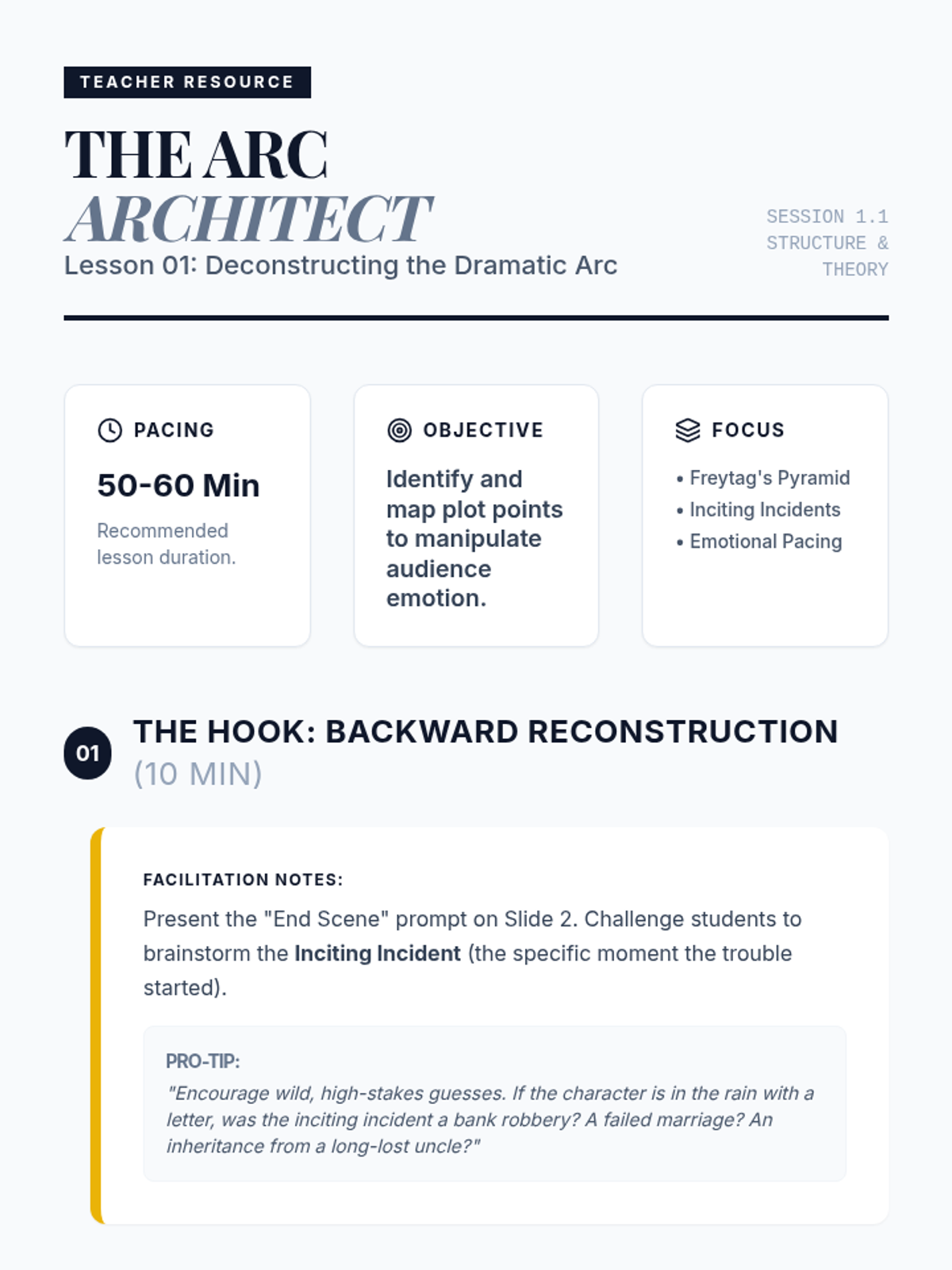
This project-based sequence guides students through the structural engineering of a narrative, moving from a raw premise to a developed one-act play. Students analyze the dramatic arc and apply these concepts to their own original scripts, focusing on pacing, high-stakes storytelling, and professional formatting.
A high-level playwriting sequence for 12th-grade students focused on building complex characters and writing dialogue that drives action through subtext and vocal distinctiveness.
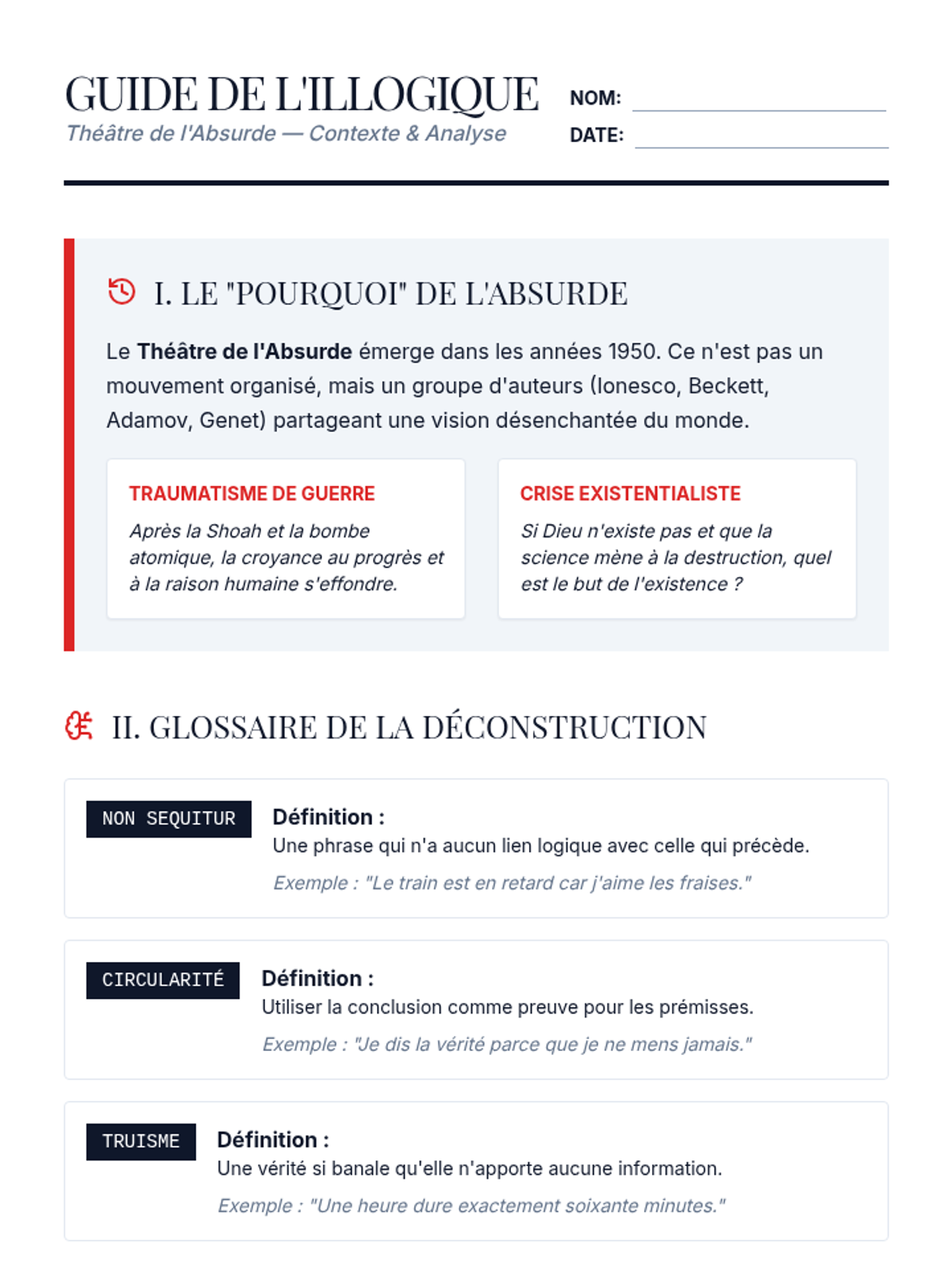
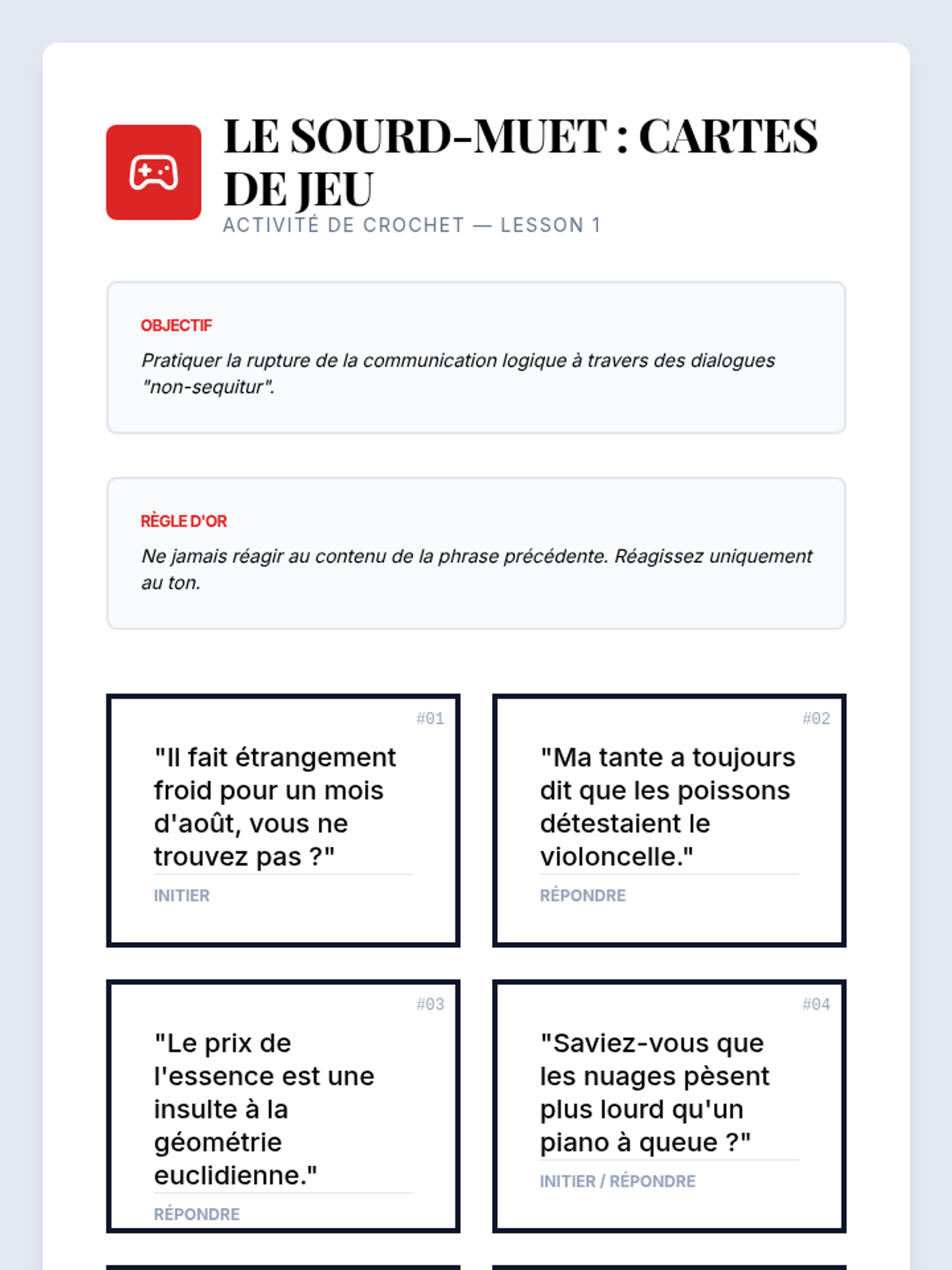
A deep dive into the avant-garde French 'Théâtre de l'Absurde', focusing on Ionesco and Beckett. Students explore themes of language breakdown, social conformity, and the power of silence through performance and textual analysis.
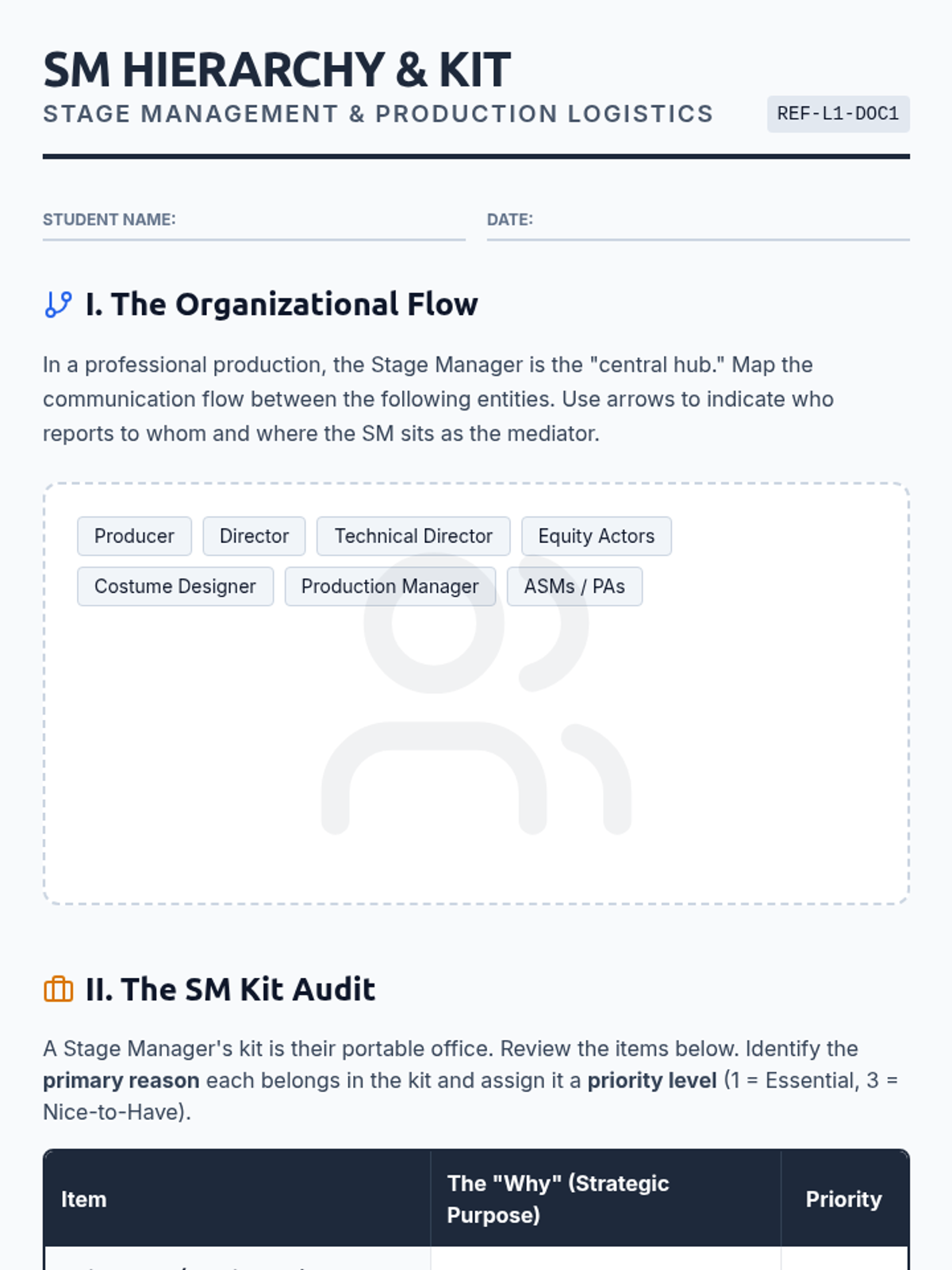
A comprehensive exploration of stage management for undergraduate students, covering organizational hierarchy, documentation, rehearsal management, and technical execution. Students transition from understanding the SM role to mastery of the prompt book and cue calling.
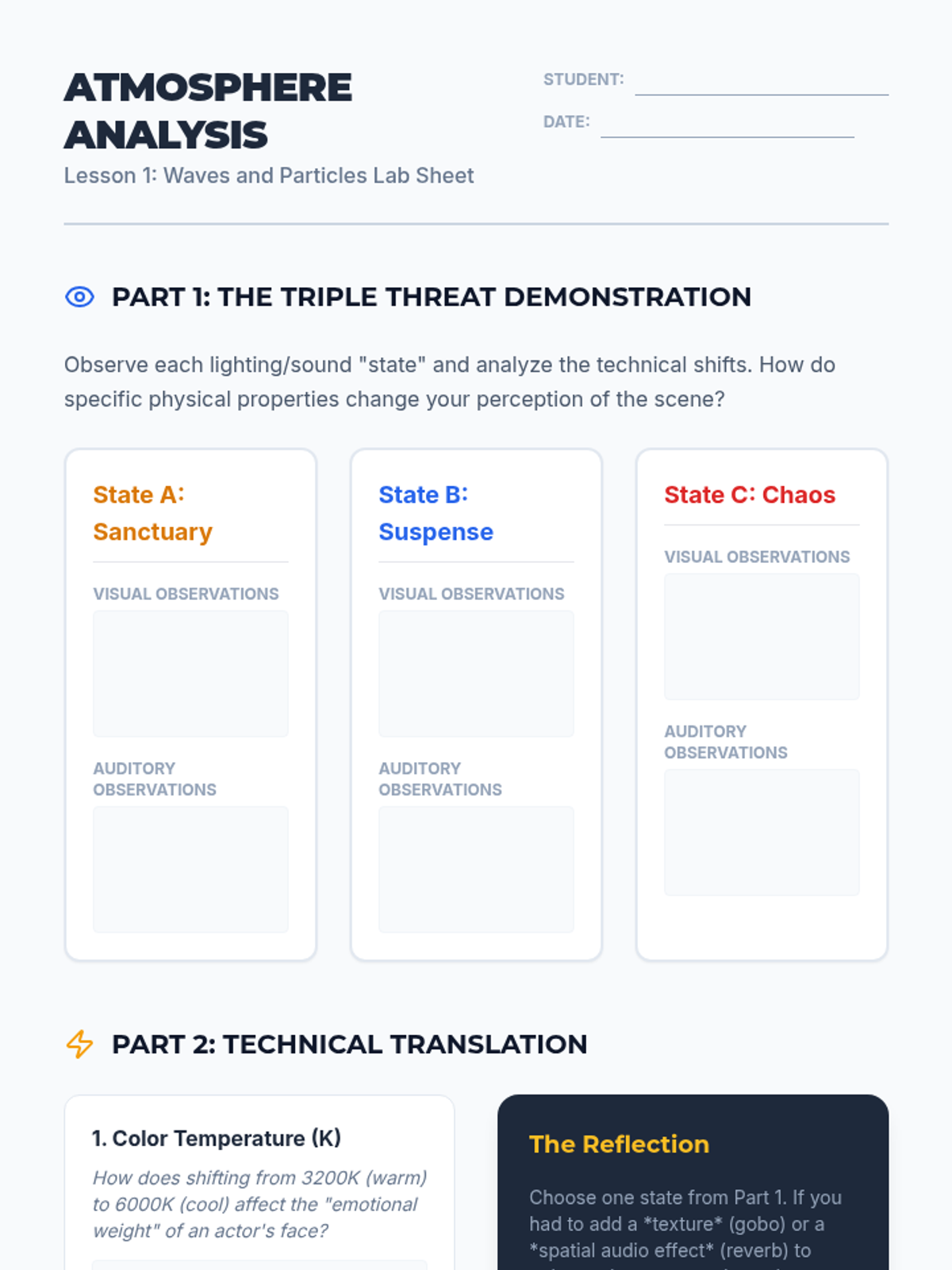
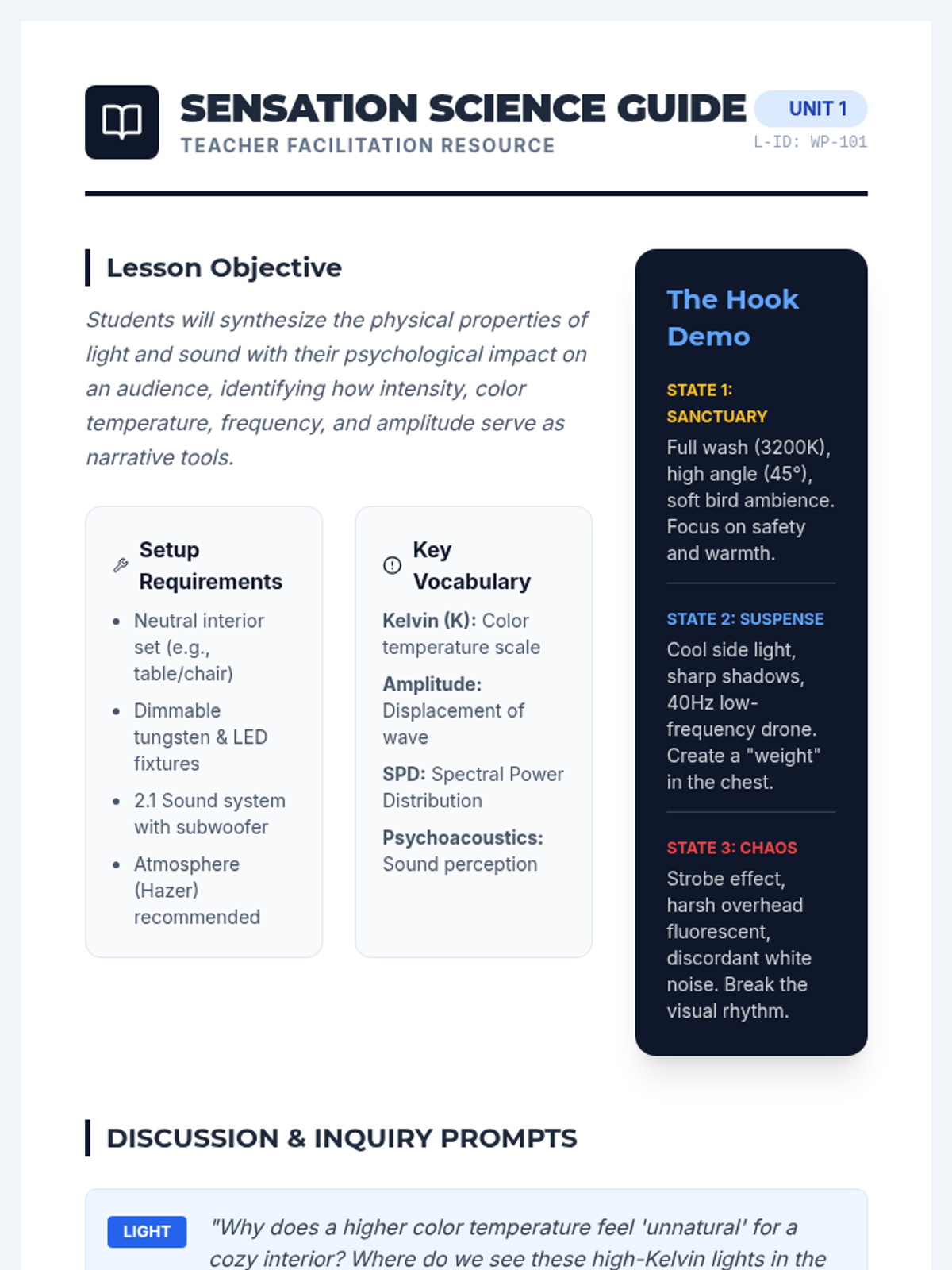
An undergraduate-level introduction to the technical systems of theater, focusing on the physics, hardware, and creative implementation of lighting and sound design. Students progress from fundamental science to professional drafting and real-time cue execution.
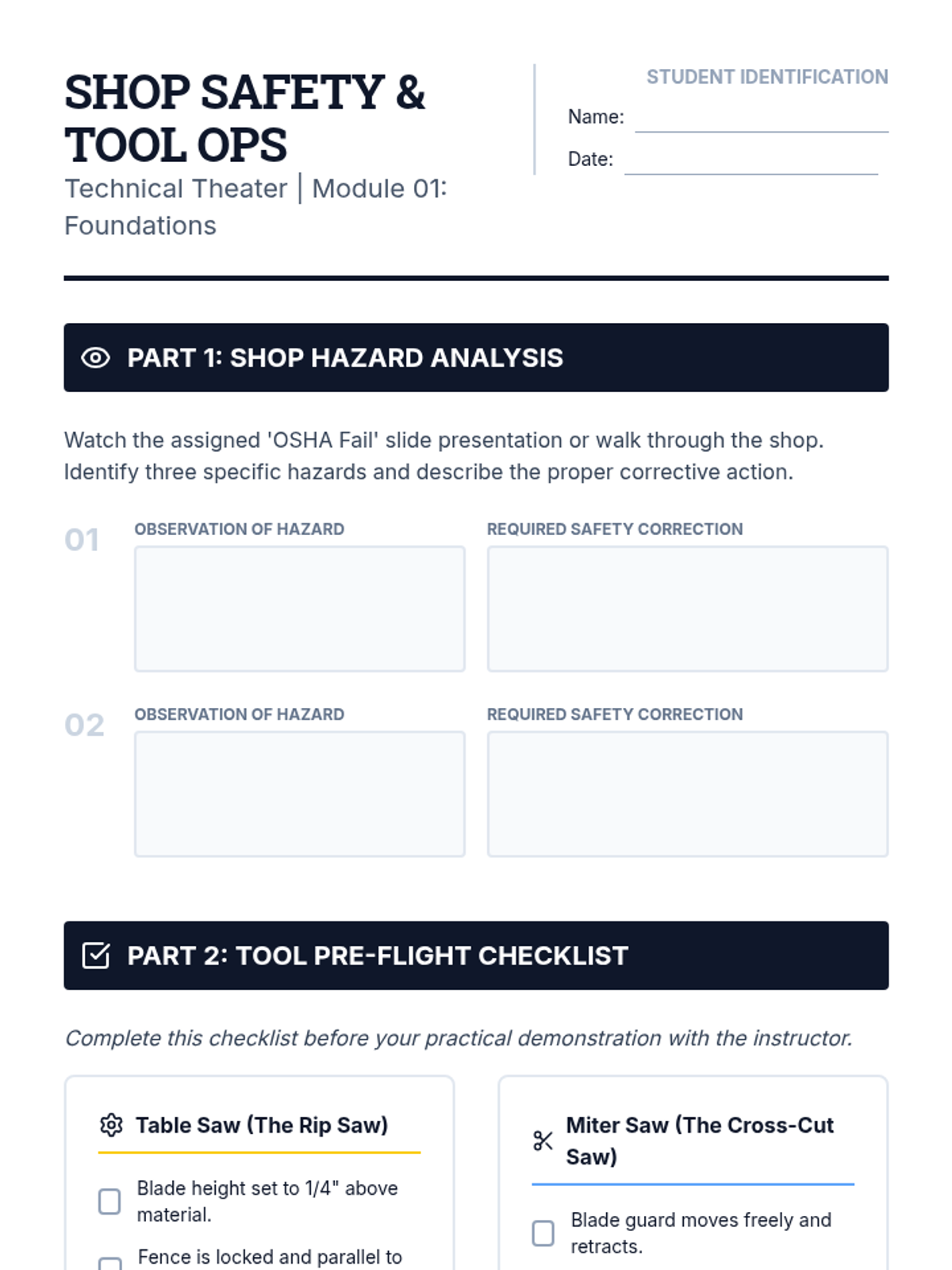
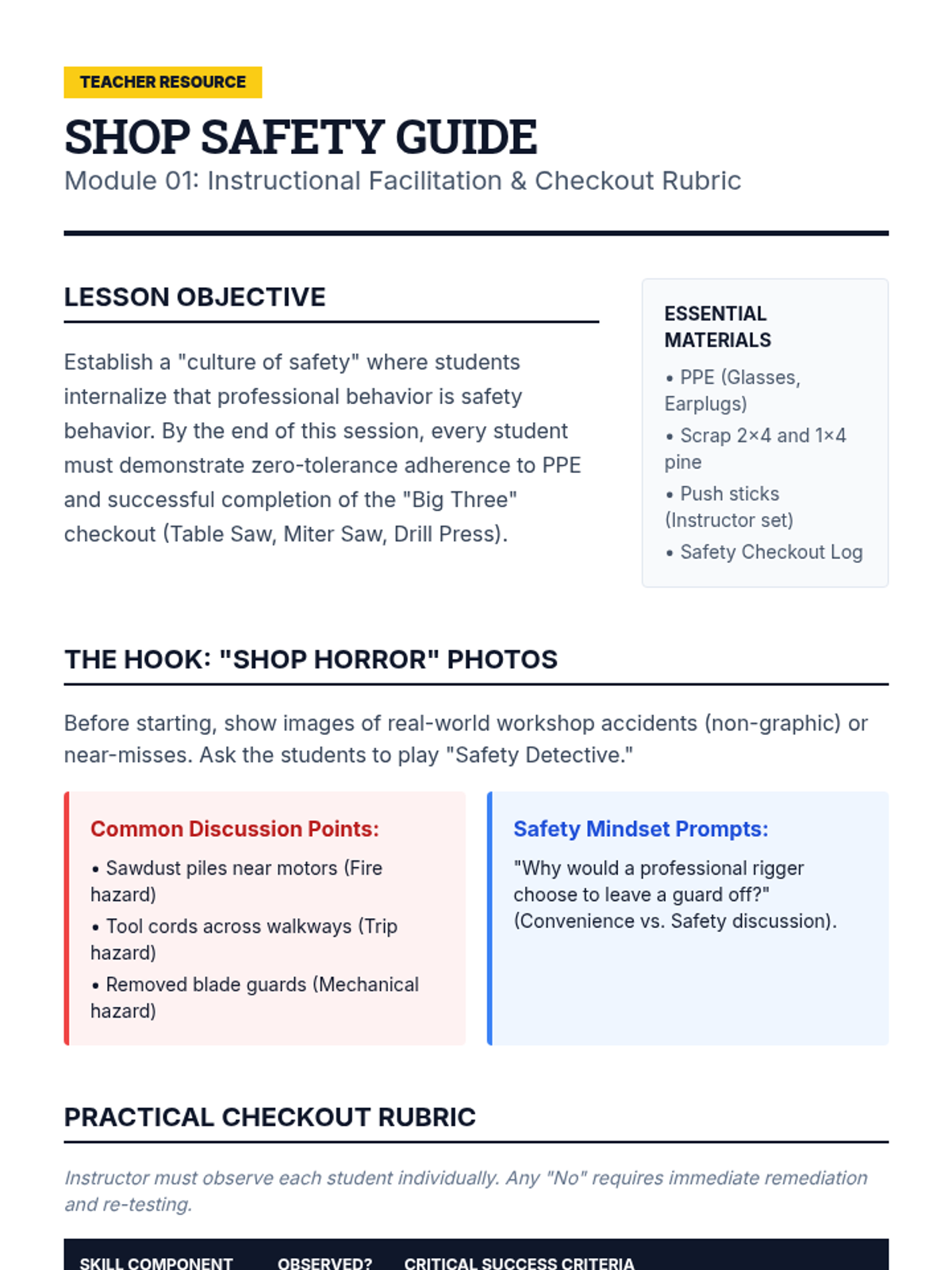
A comprehensive undergraduate-level sequence on the fundamentals of theatrical scenery construction and rigging. Students progress from safety certification to constructing flats and platforms, culminating in rigging mechanics and installation/strike protocols.
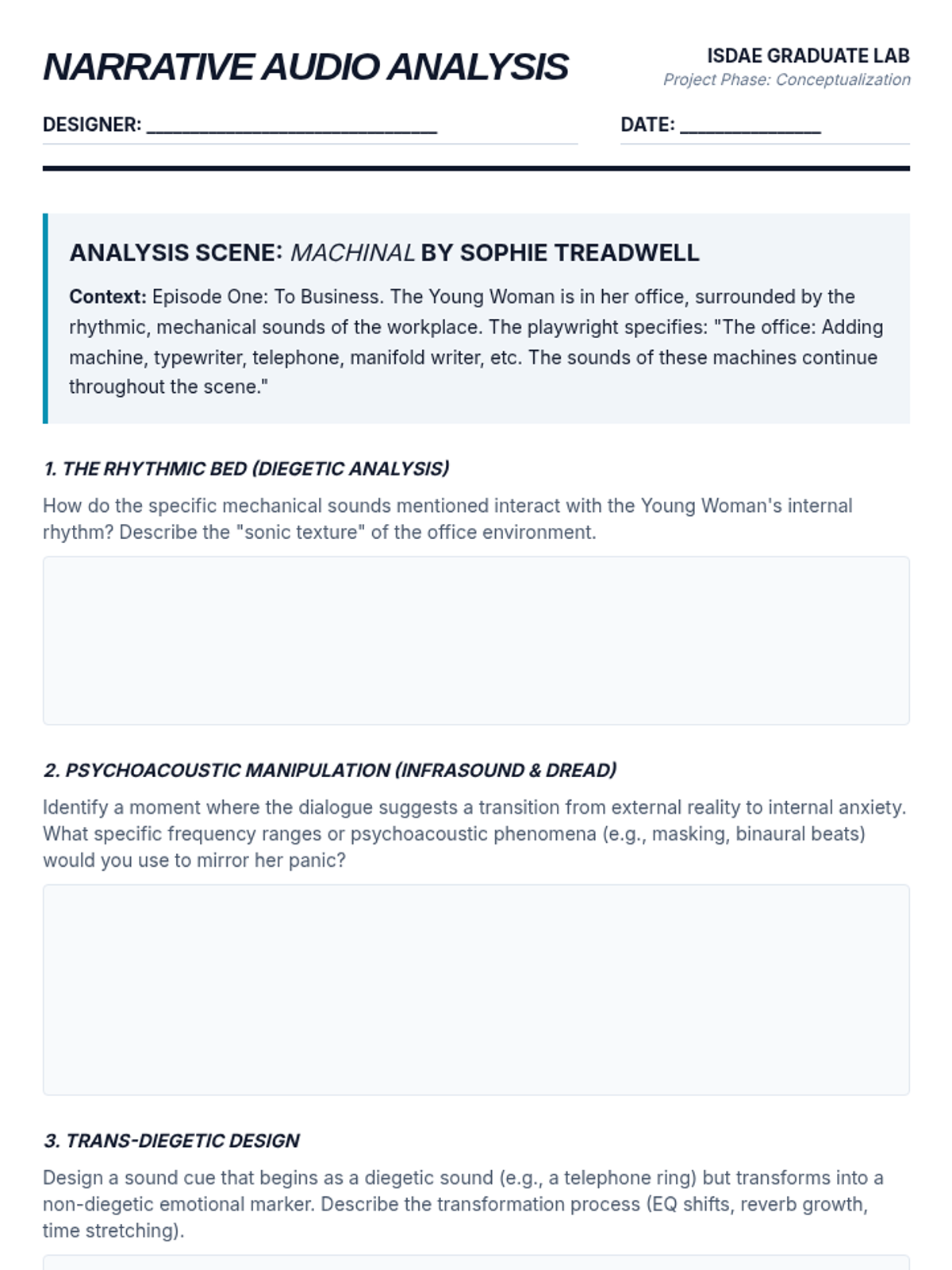
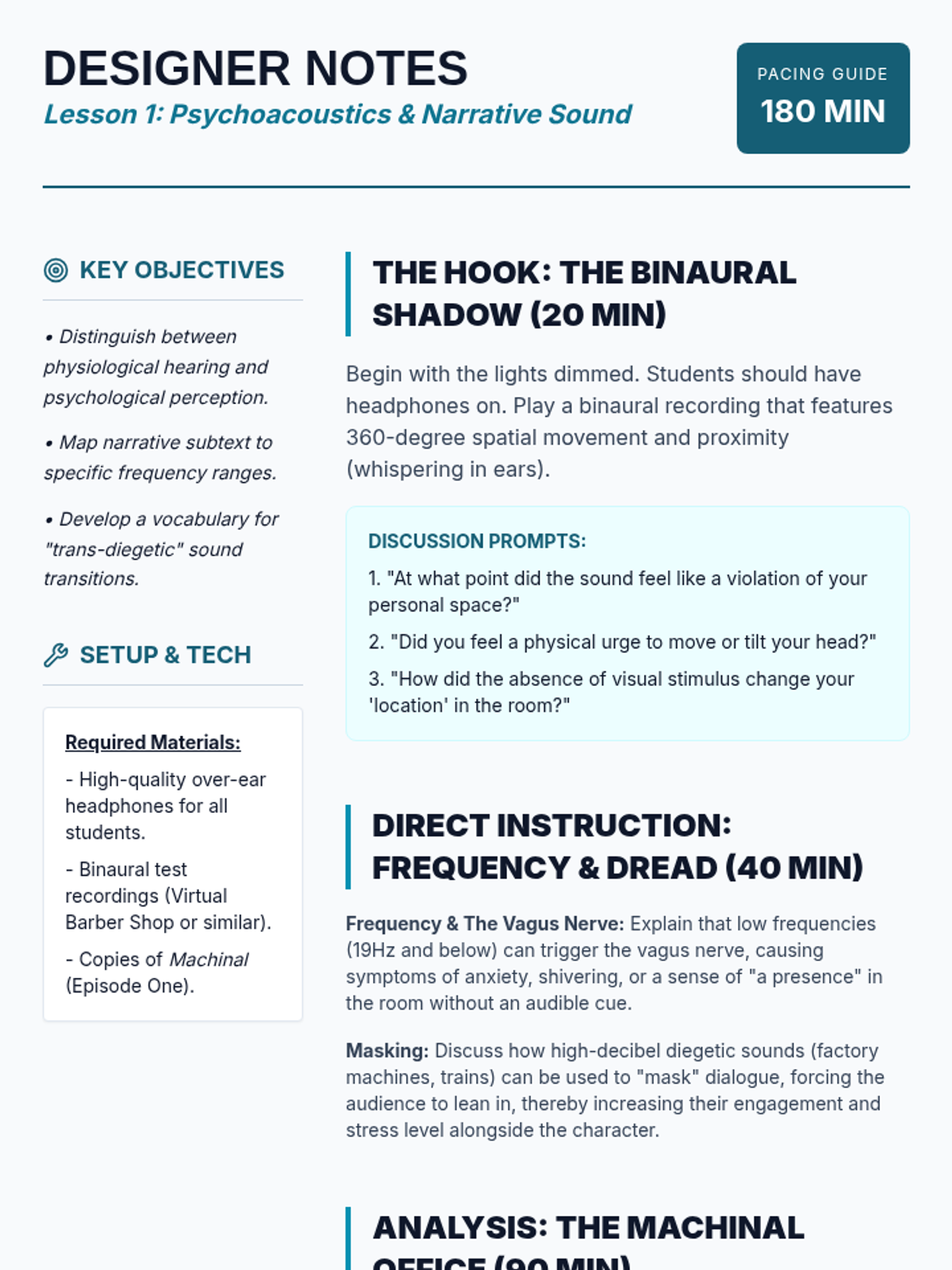
A graduate-level exploration of sound design as a primary narrative tool, covering psychoacoustics, technical system engineering, advanced show control with QLab, spatial audio mixing, and live reinforcement for musical theater.
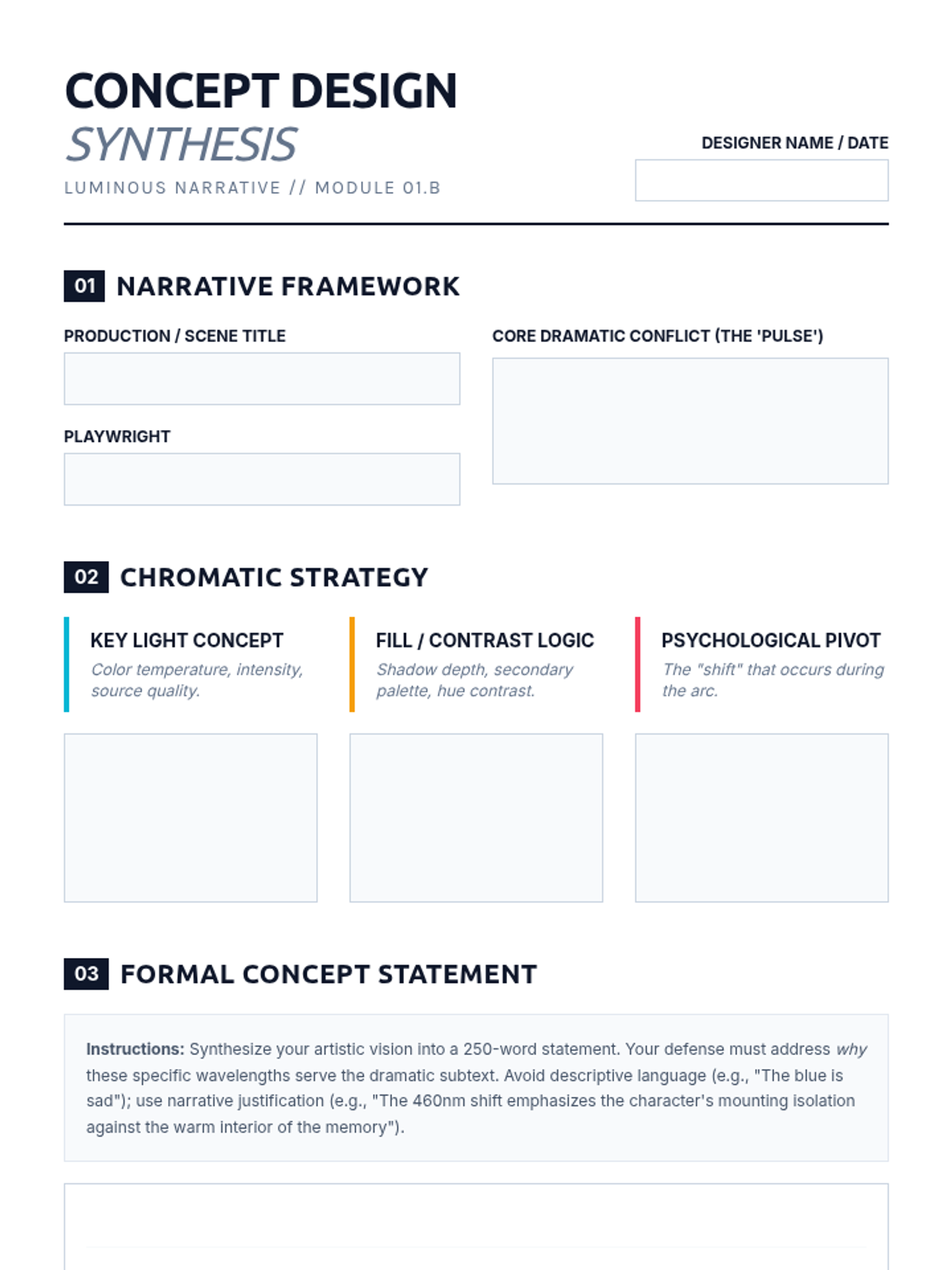
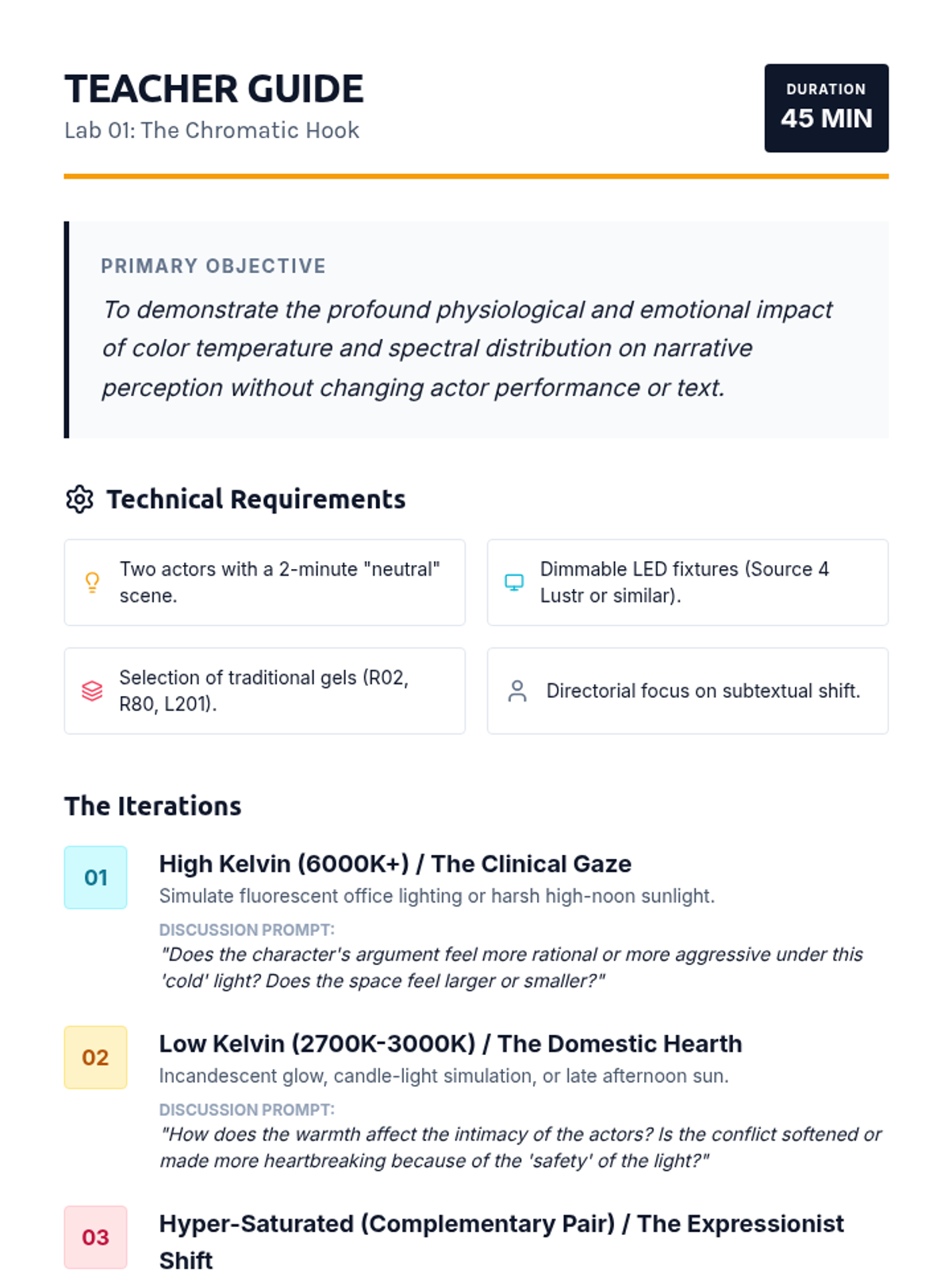
A graduate-level sequence exploring lighting design through color theory, photometrics, intelligent systems, and narrative cueing. Students synthesize technical mastery with artistic justification to create immersive visual environments.
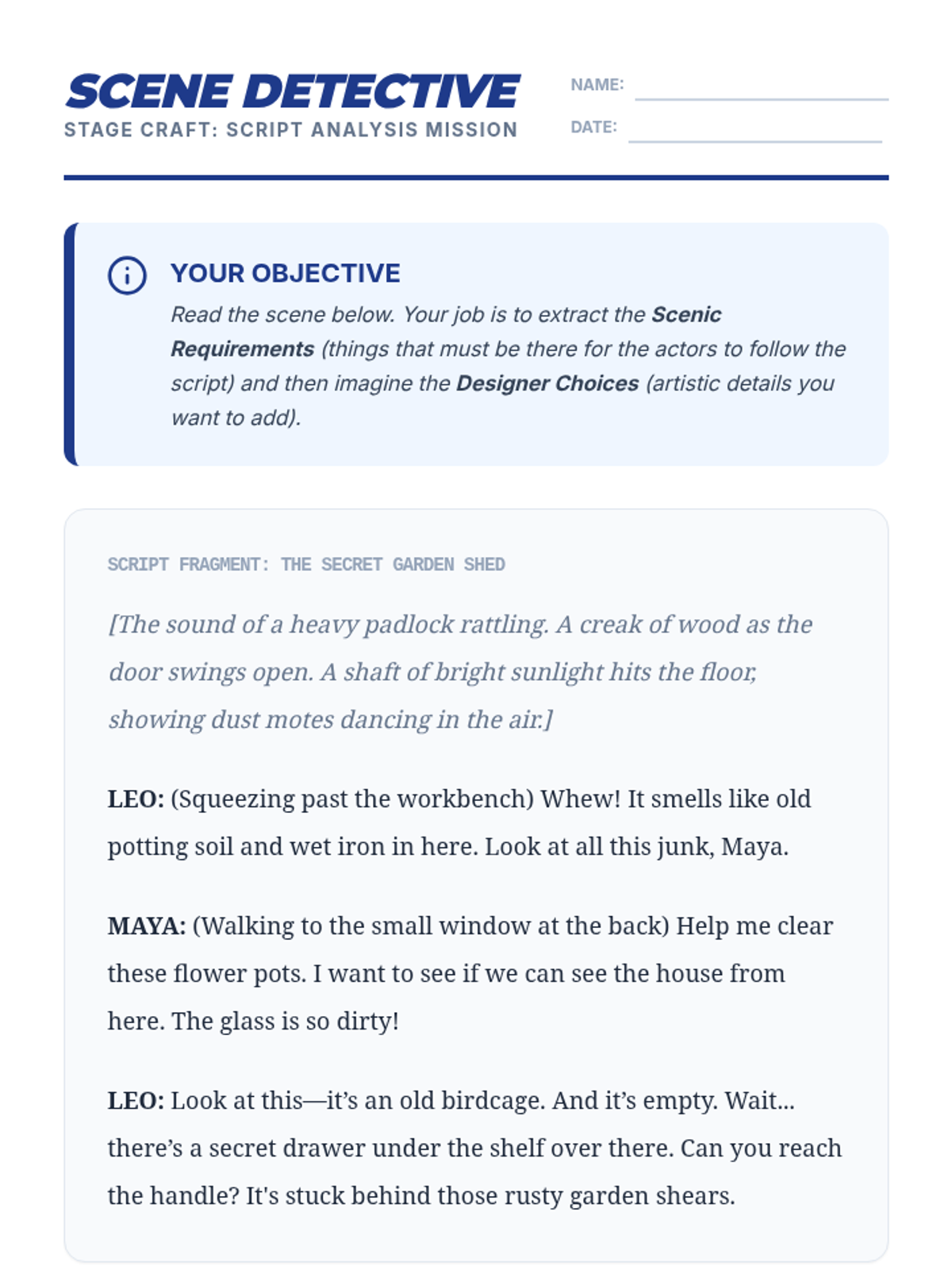
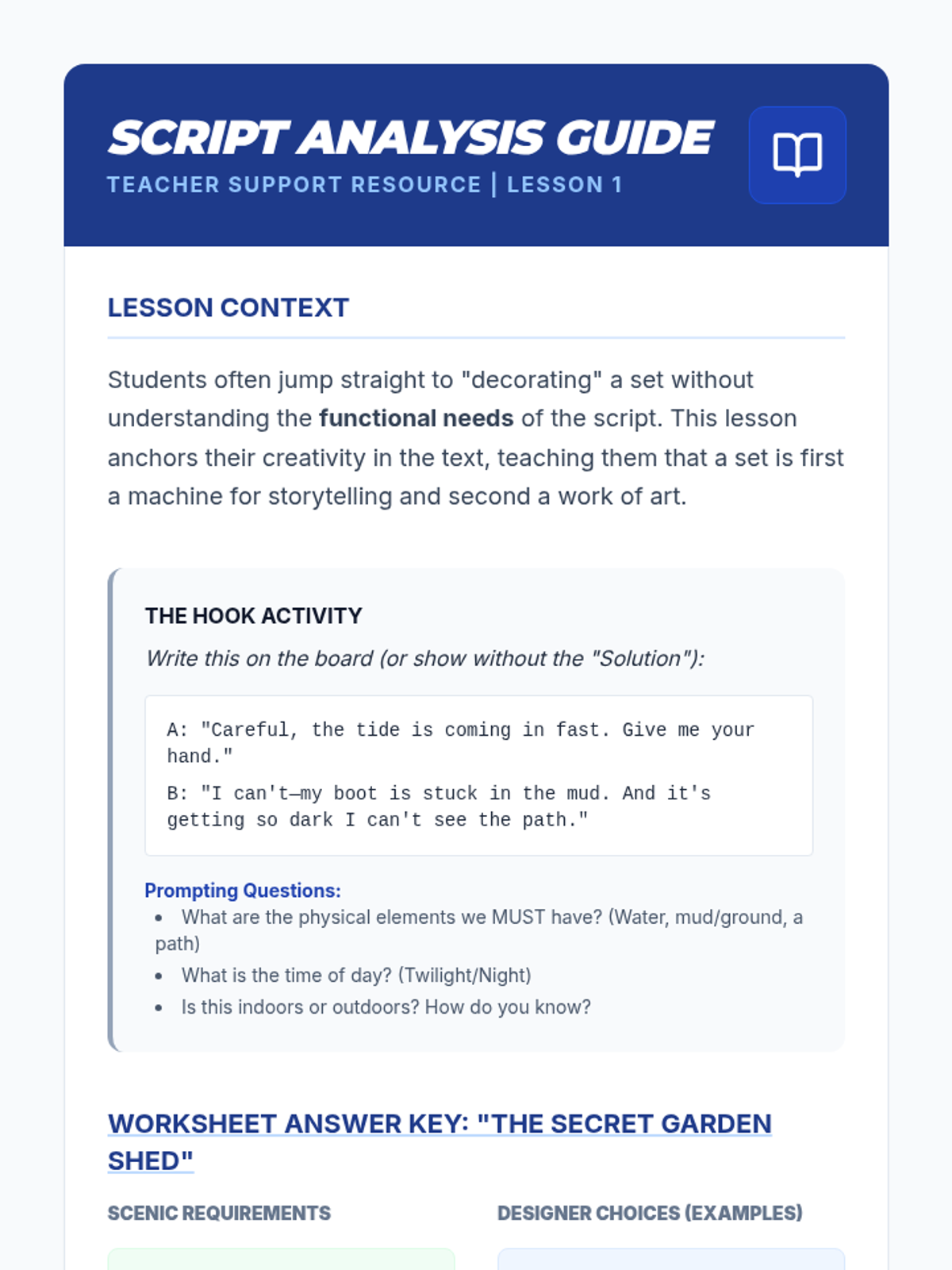
Students step into the shoes of a set designer to transform a written script into a physical world through script analysis, floor planning, mood boards, and 3D model construction. The sequence emphasizes how visual choices in color, texture, and space support the storytelling.
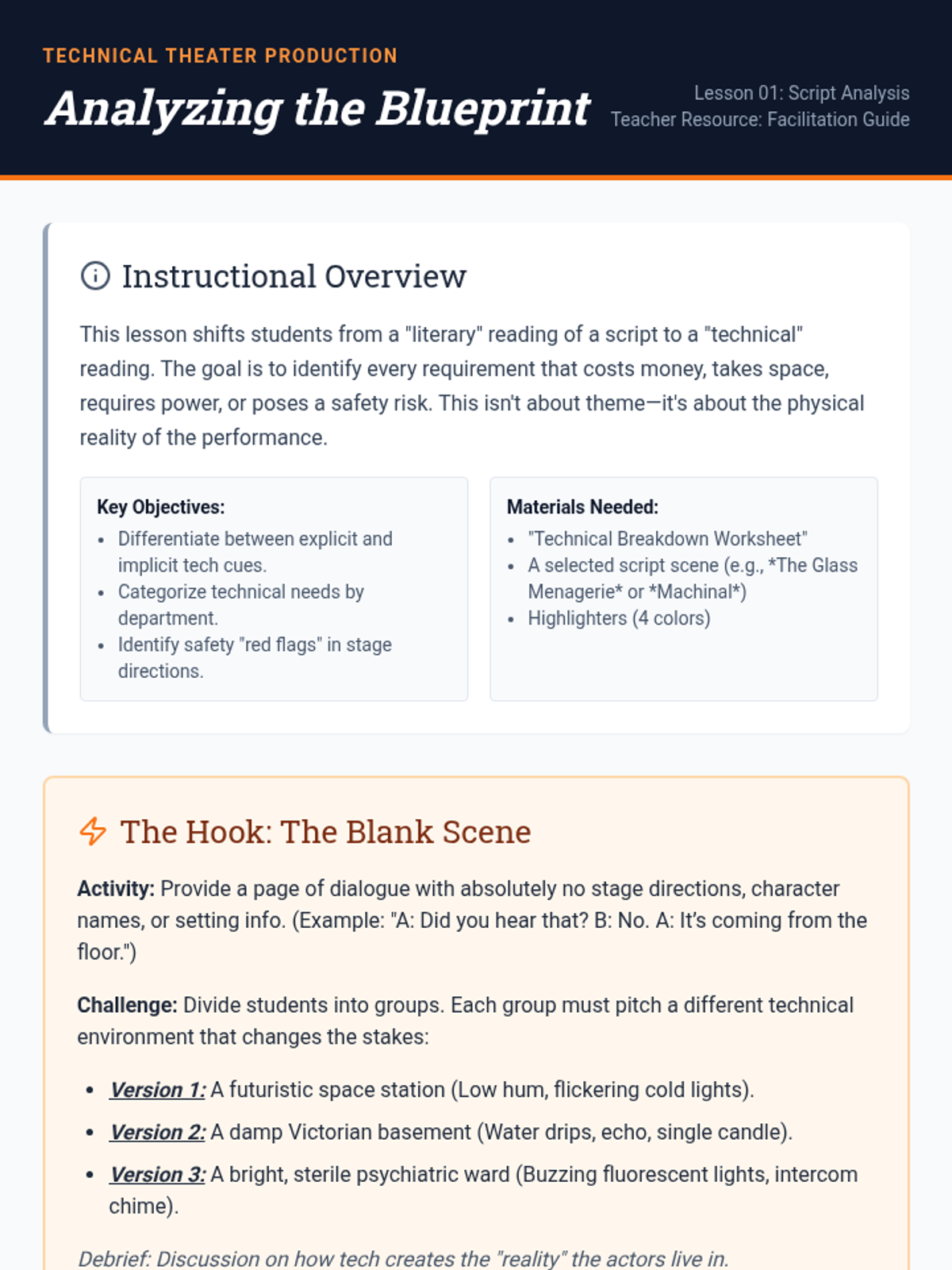
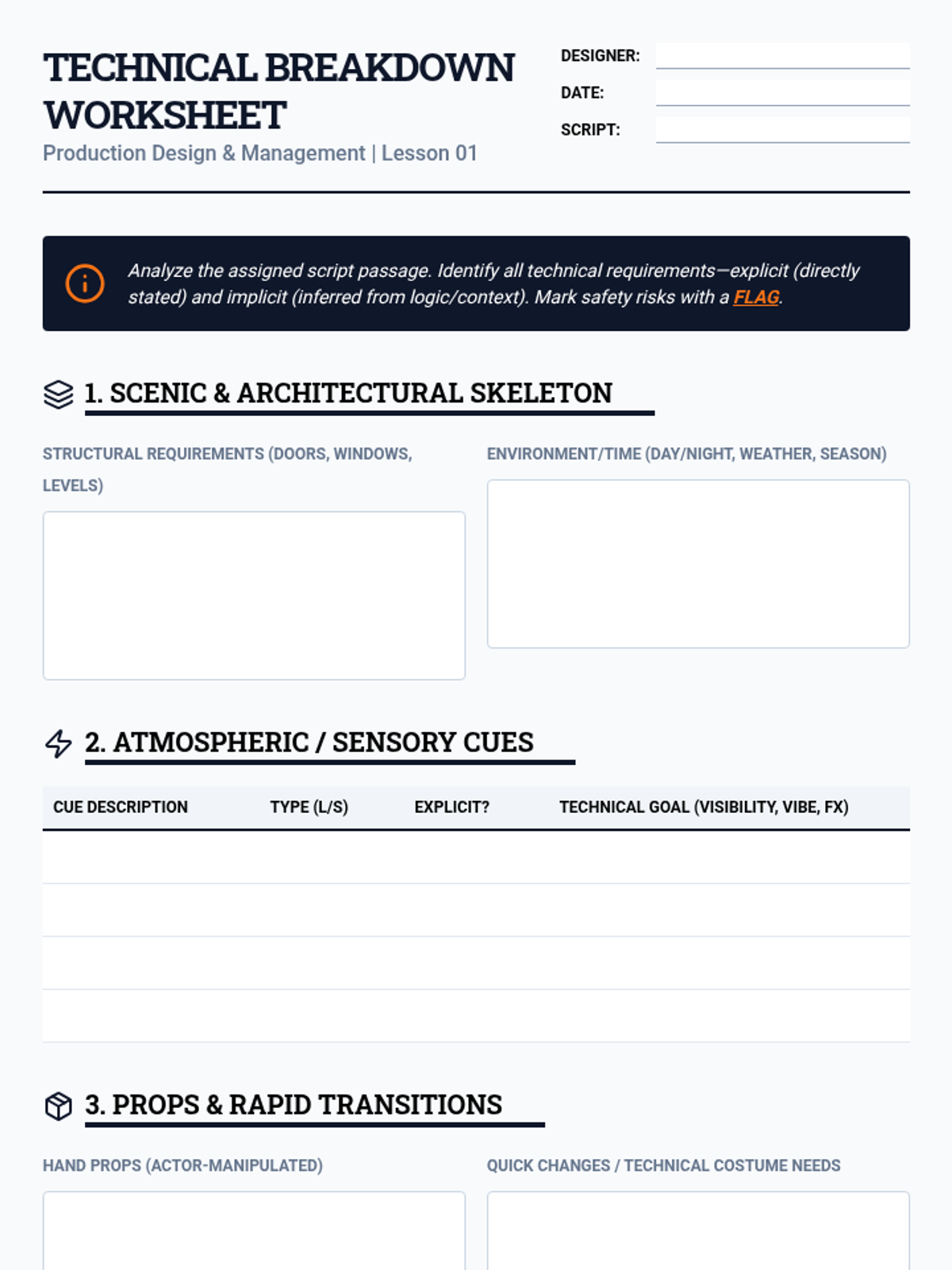
An advanced undergraduate sequence exploring the intersection of artistic vision and technical execution in theater. Students move from script analysis to technical design (lighting, sound, scenery) and professional stage management, culminating in a simulated 'paper tech' to test the feasibility and safety of their integrated production plans.
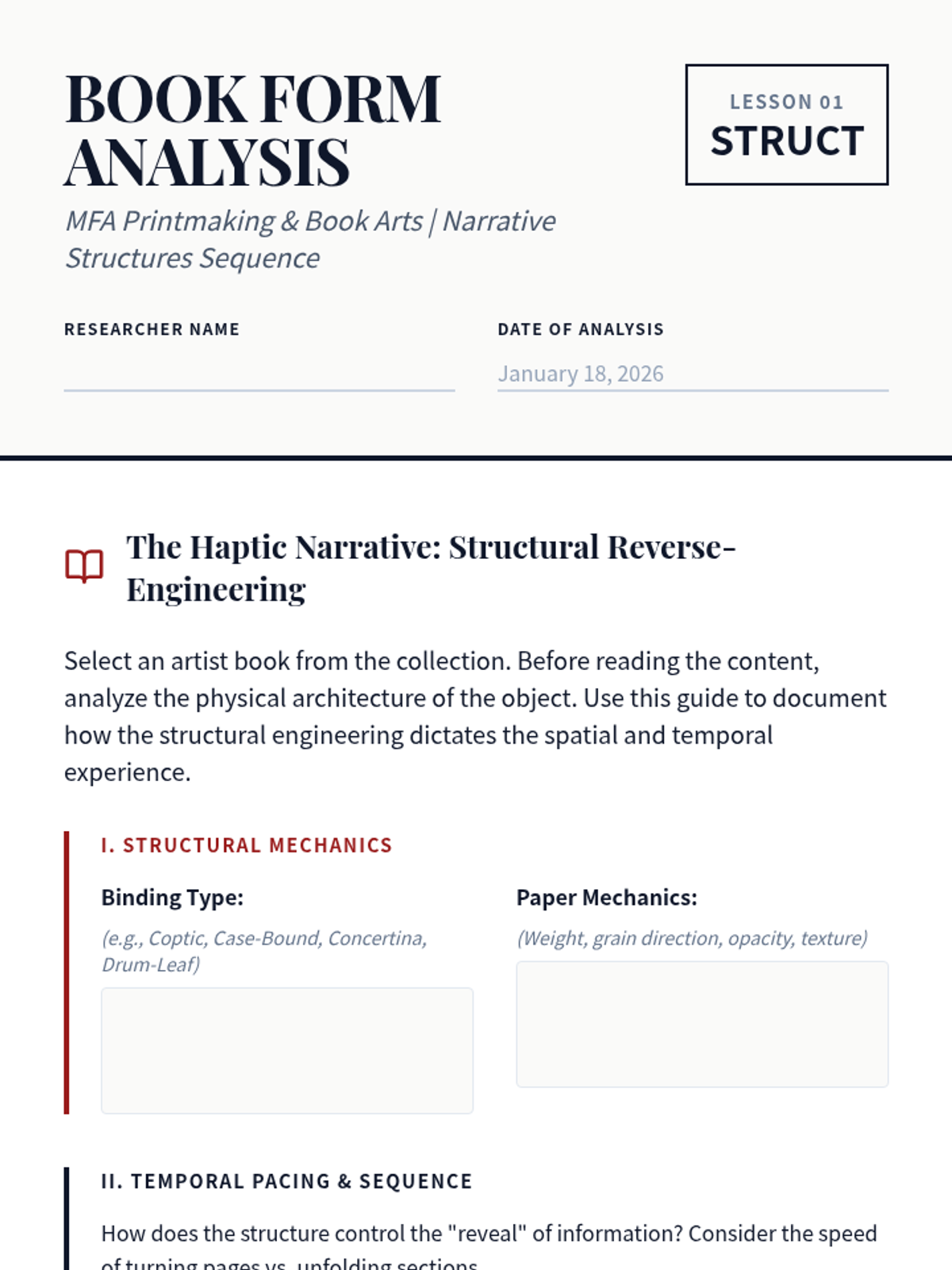
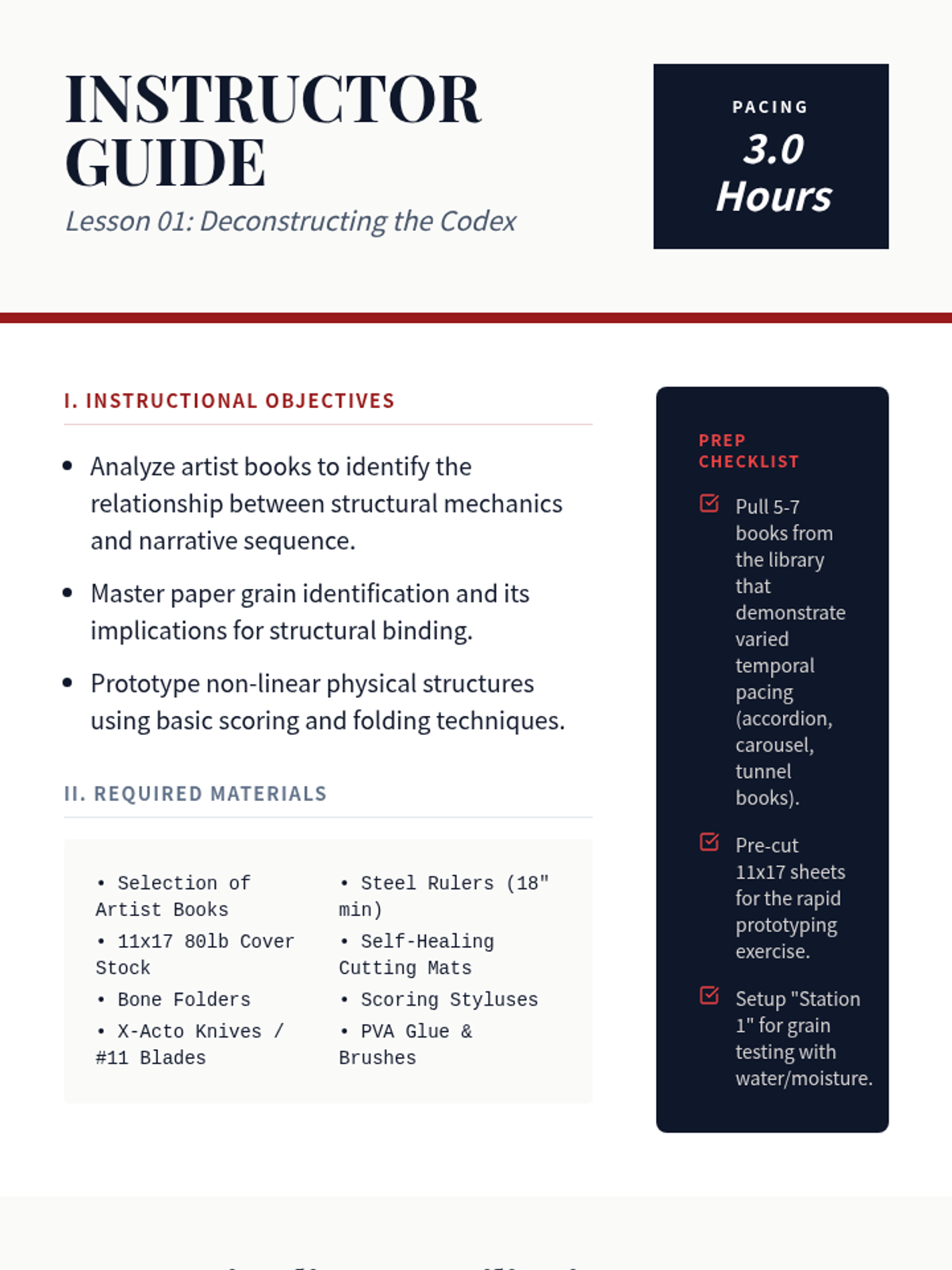
A graduate-level exploration of the artist book, integrating letterpress printing, relief graphics, and structural binding to investigate the relationship between physical form and narrative sequence.
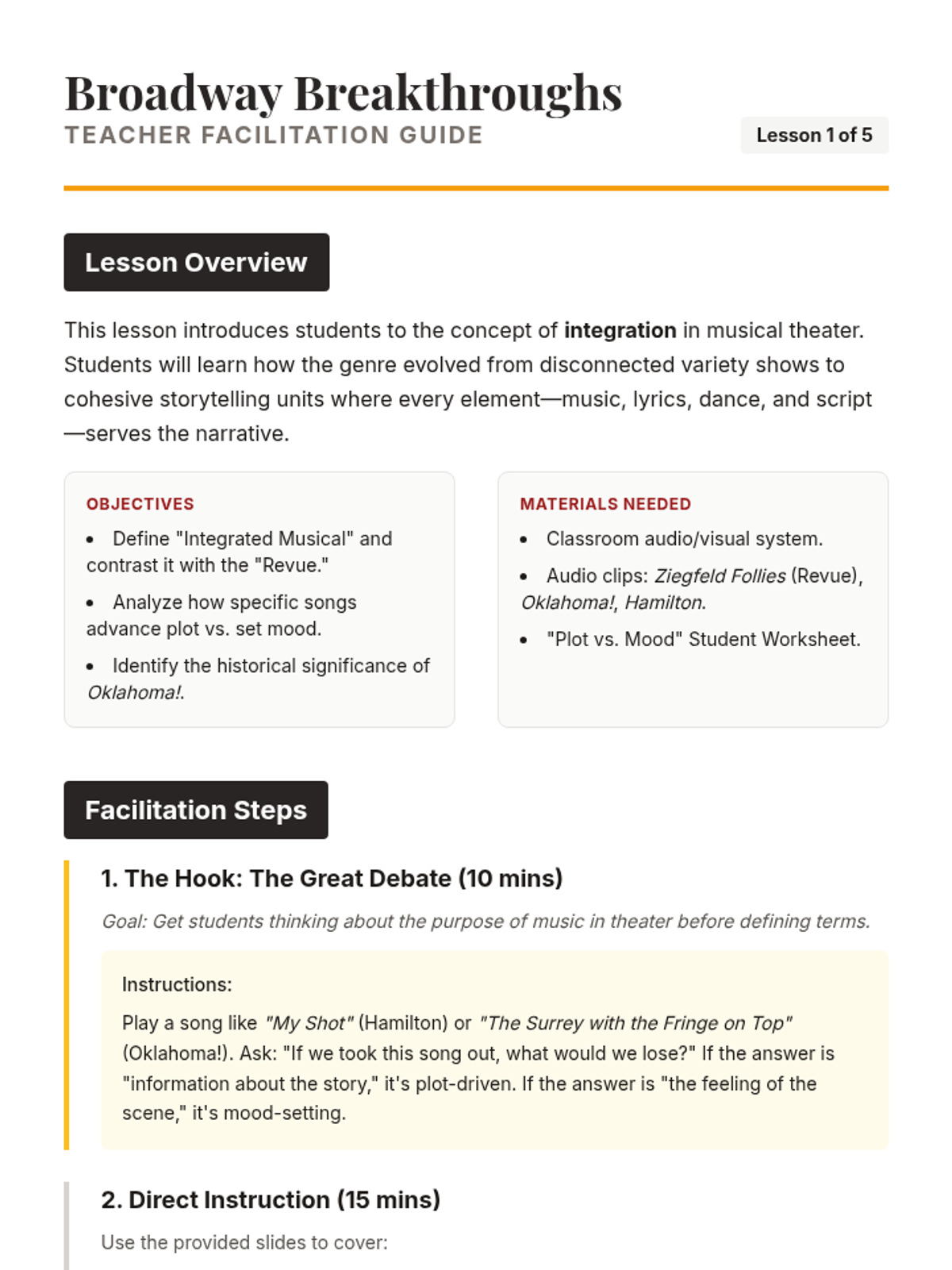
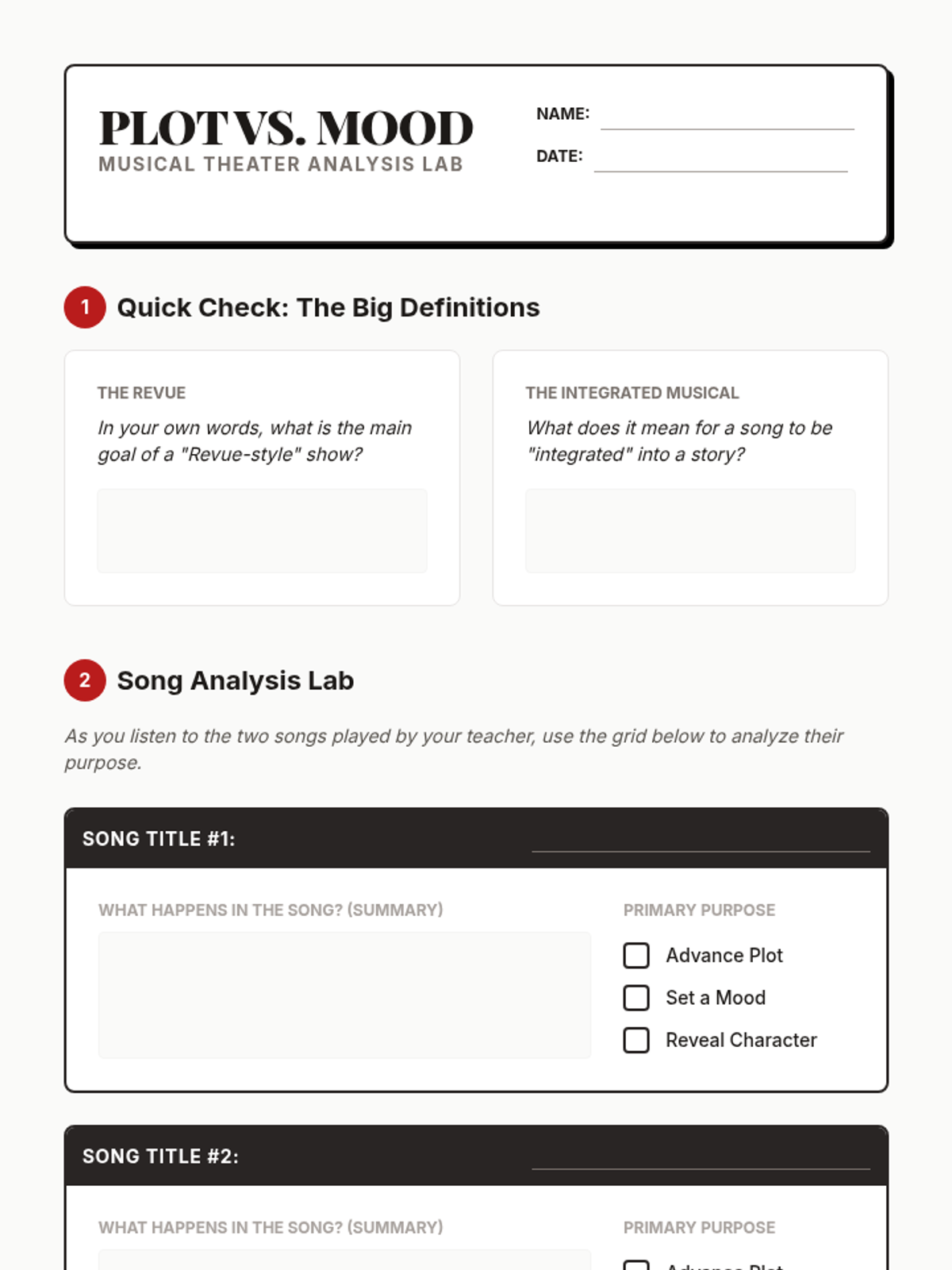
A comprehensive 5-lesson unit exploring the evolution of 20th and 21st-century theater. Students track the development of the 'integrated musical,' experiment with Brechtian alienation, investigate technical stagecraft revolutions, and design for the future of immersive and digital performance.
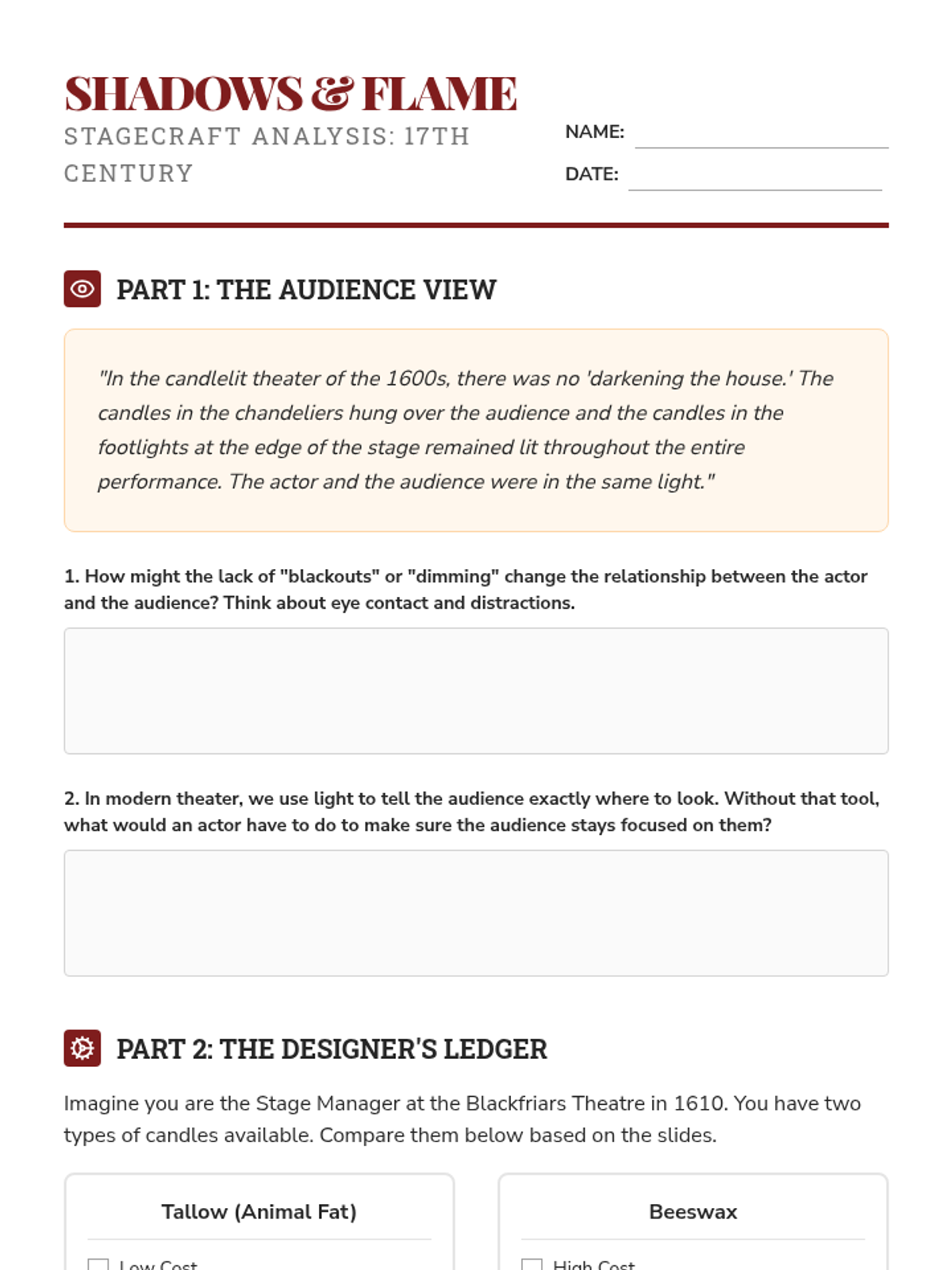
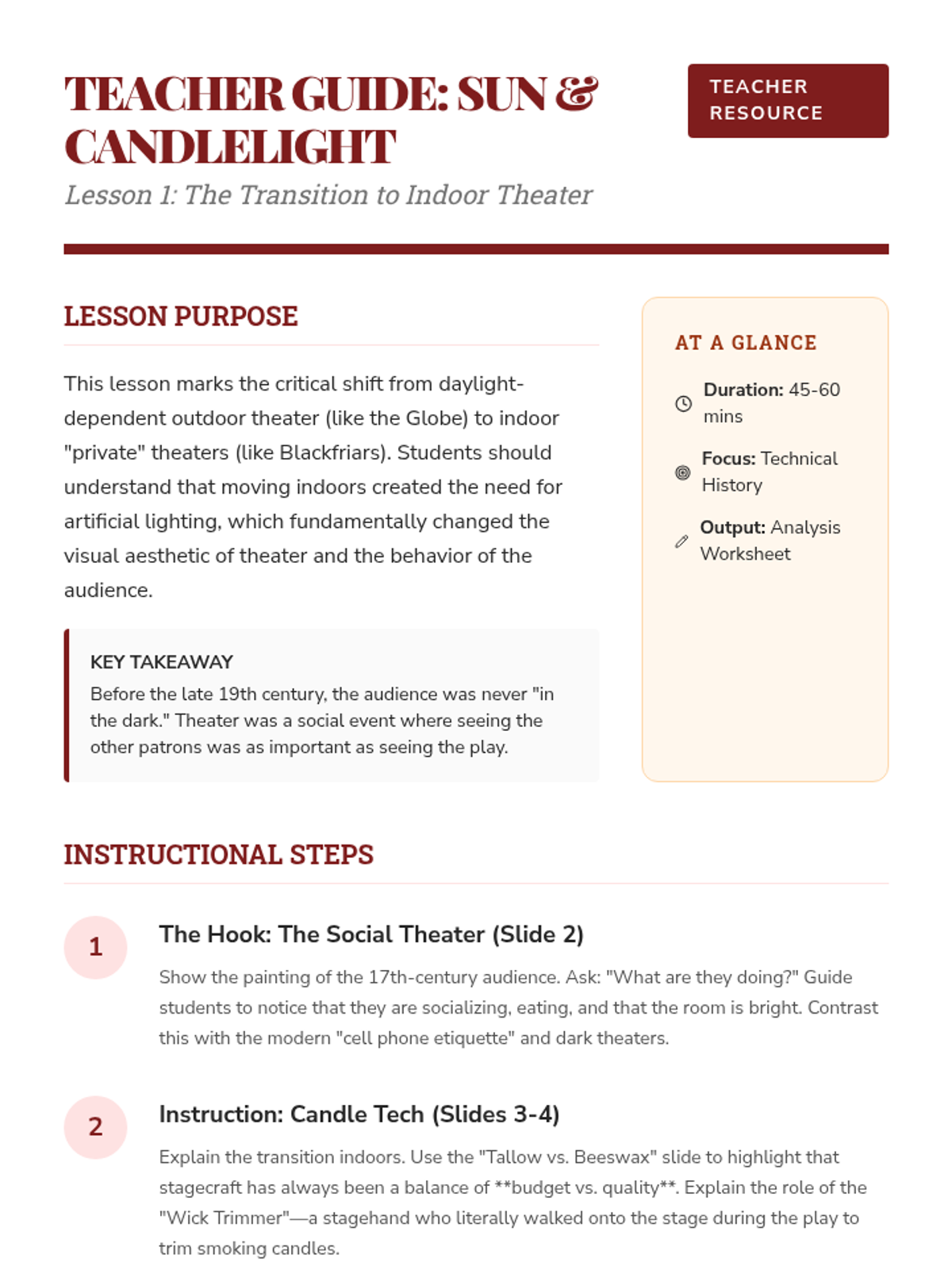
This sequence traces the technological evolution of theater from candlelight to the digital age, examining how design changes the storytelling experience. Students explore the shift from the proscenium arch and painted perspective sets to modern lighting and sound design, concluding with a design challenge.
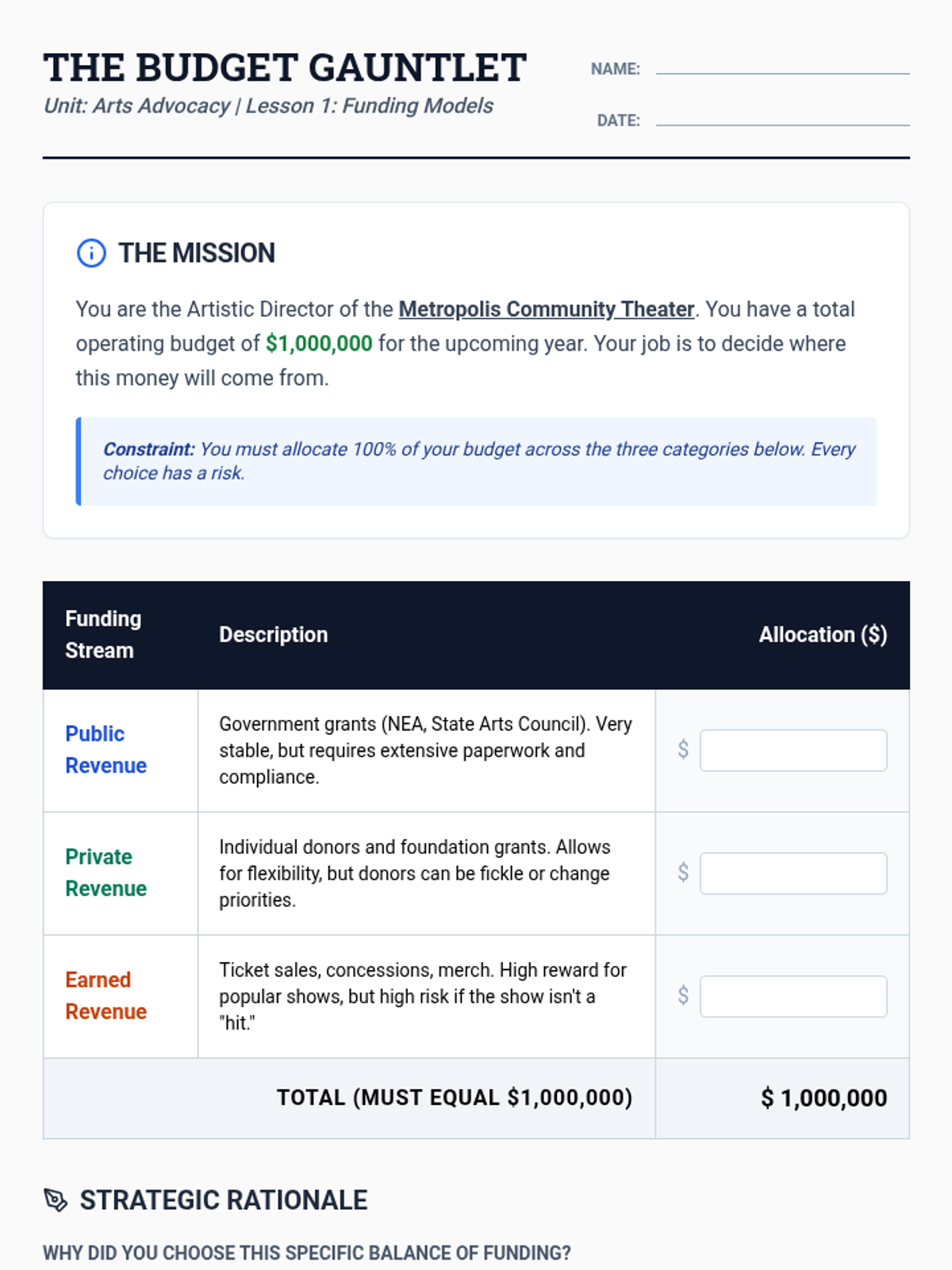
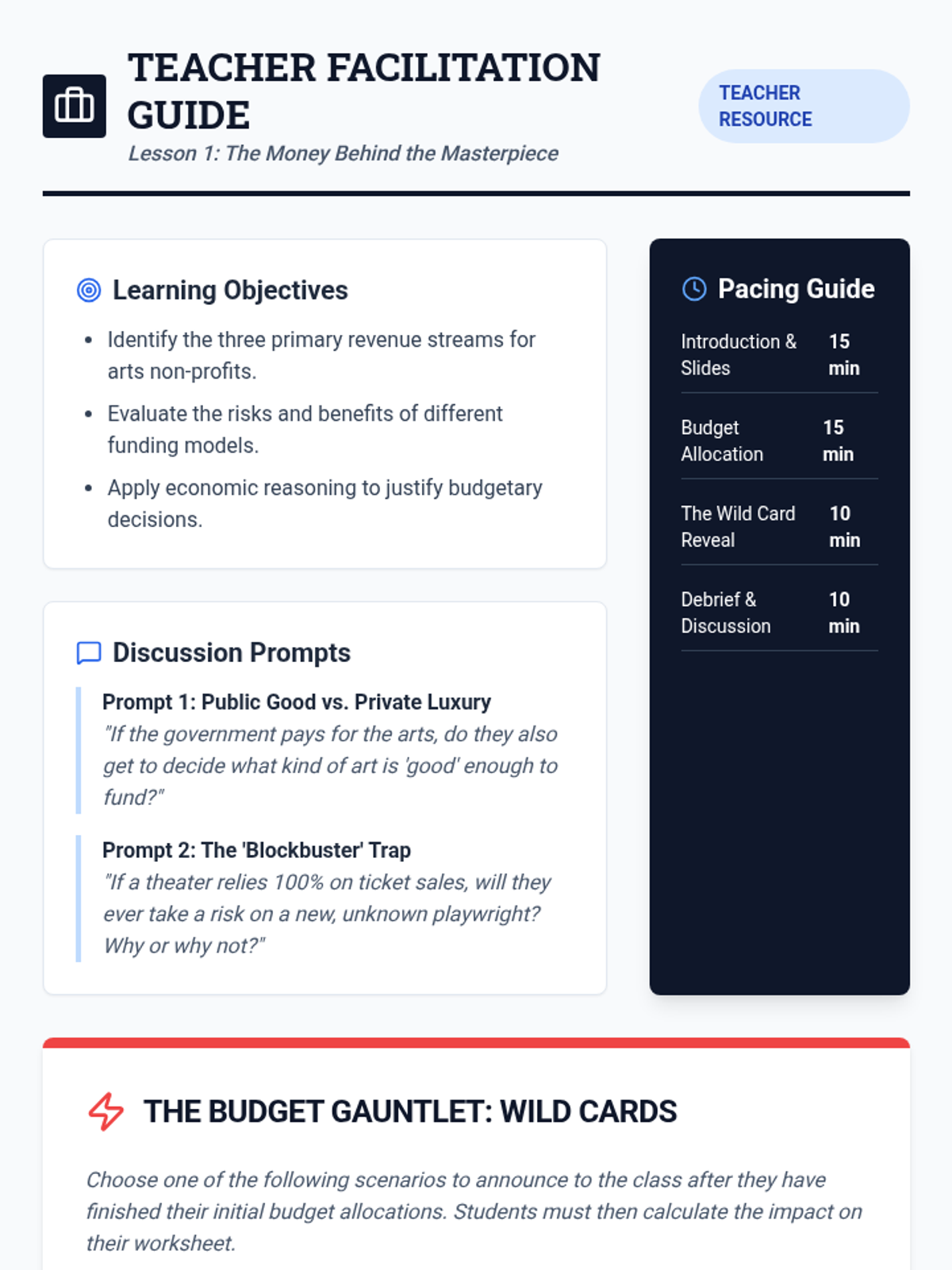
This 9th-grade sequence moves beyond art appreciation to explore the economic and policy frameworks of the arts sector. Students analyze funding models, historical controversies, grant writing, and urban policy, culminating in a mock legislative session on arts advocacy.
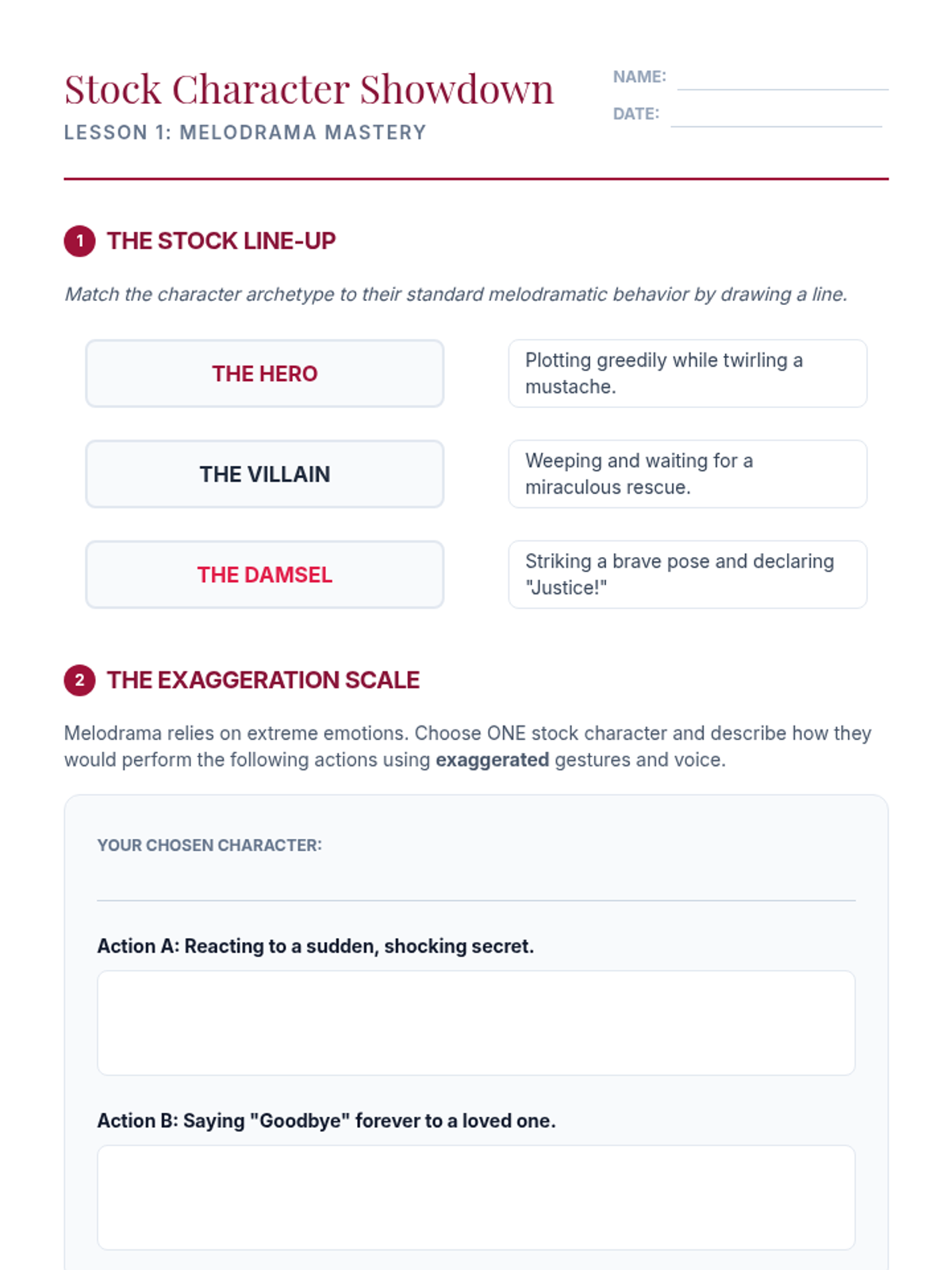
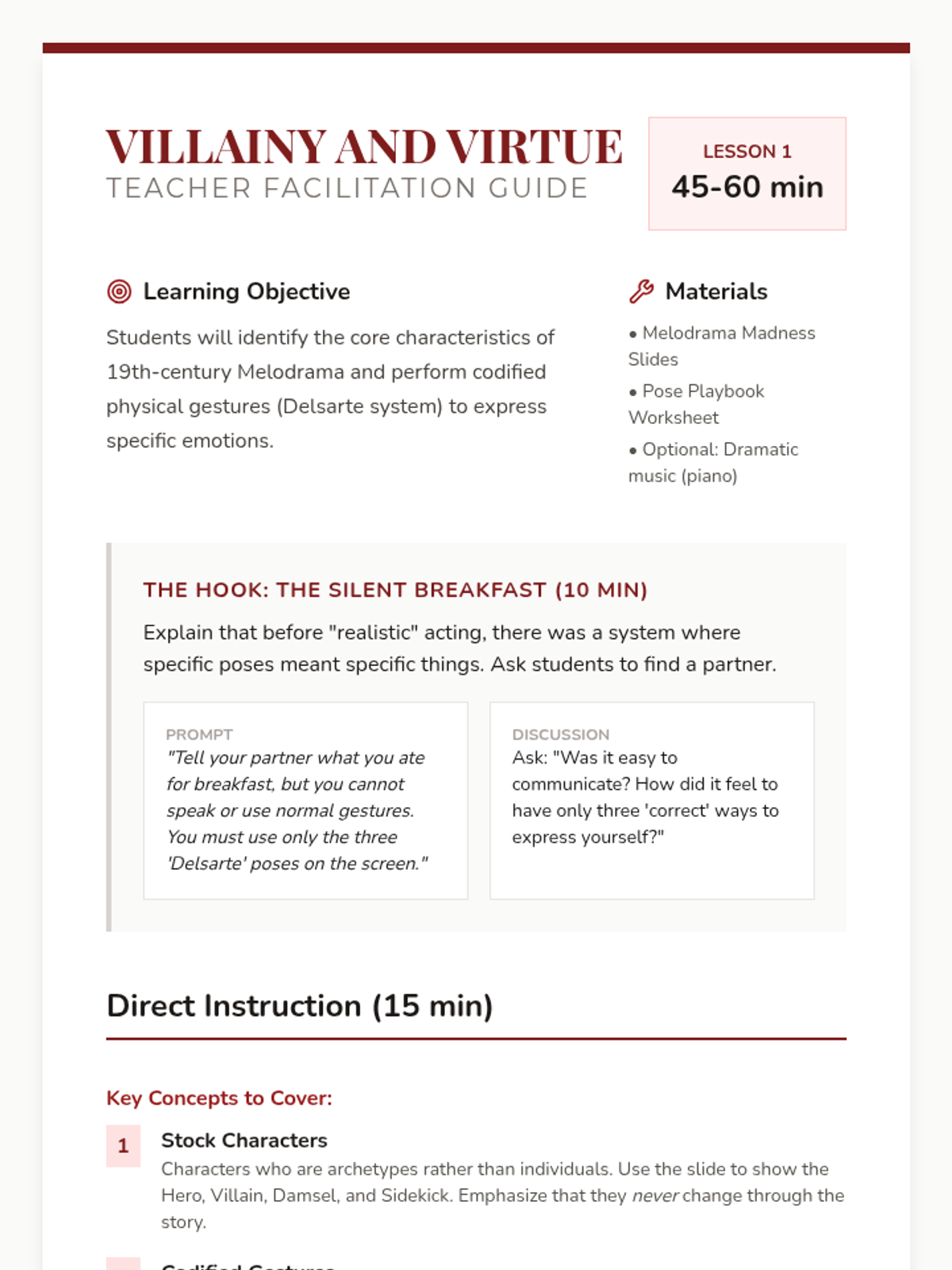
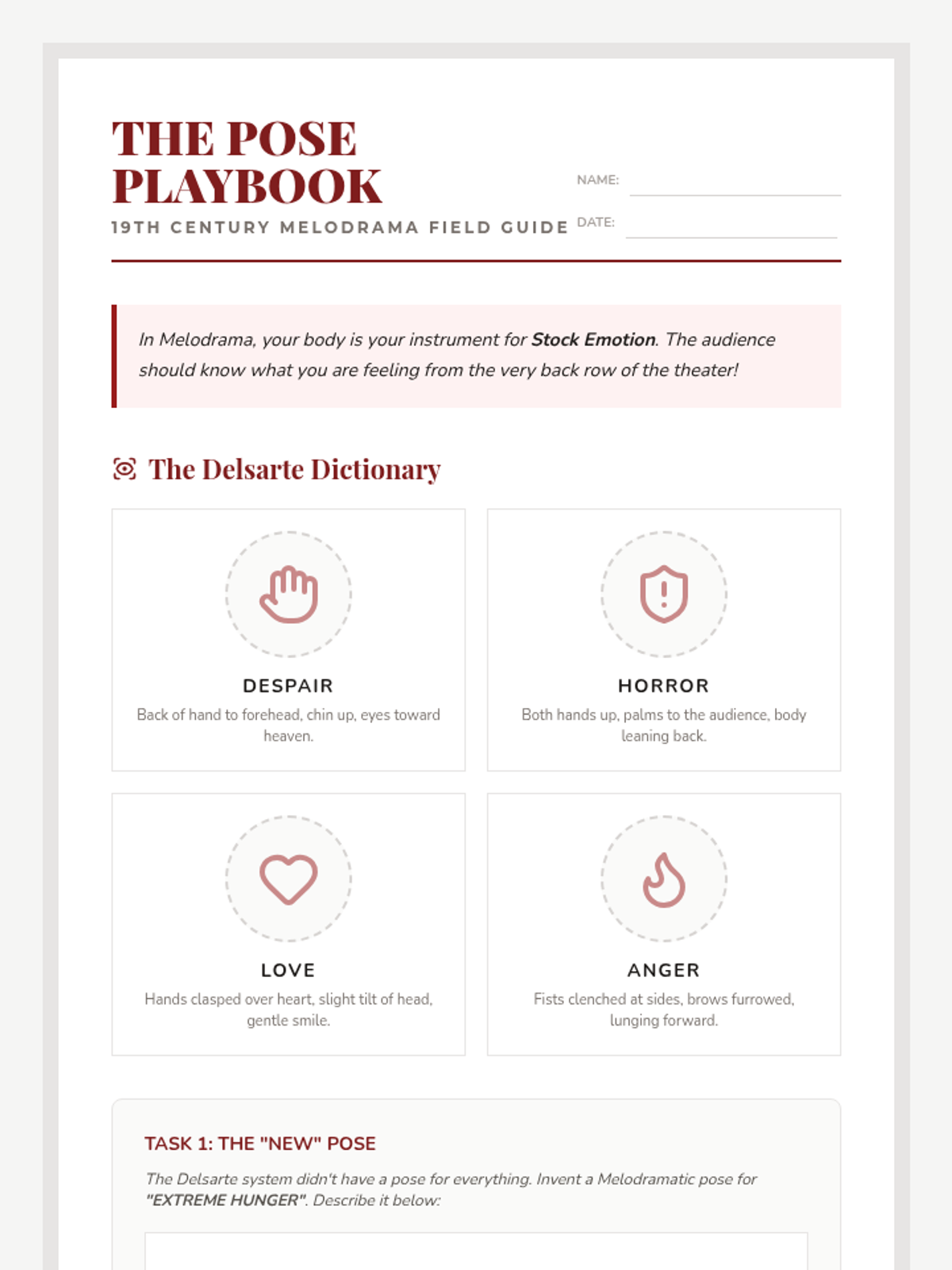
This sequence explores the transition from the exaggerated style of 19th-century Melodrama to the psychological depth of Realism and Naturalism. Students will investigate the 'Fourth Wall,' Stanislavski's acting system, subtext, and the cultural impact of 'Kitchen Sink' dramas in American theater.
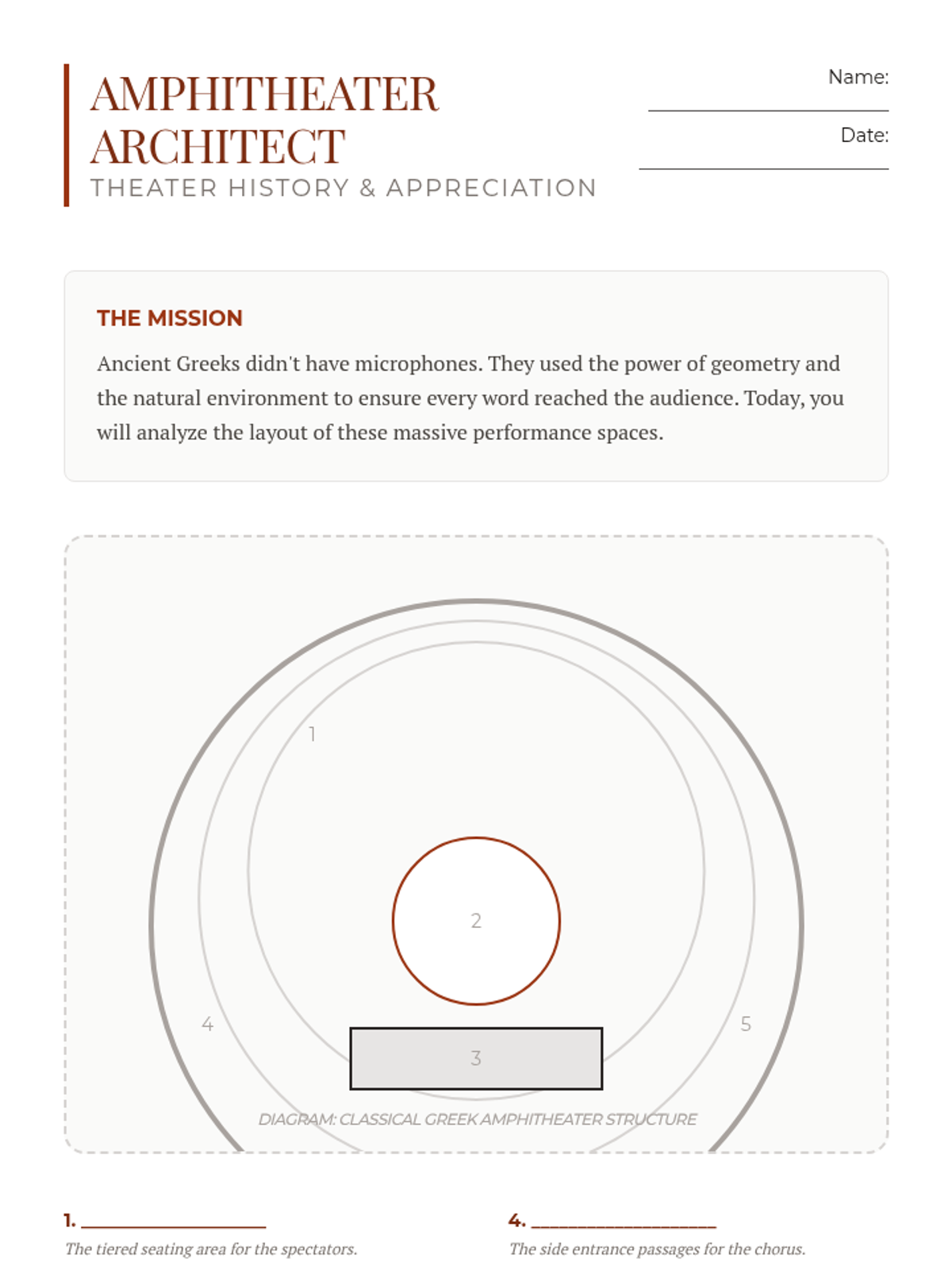
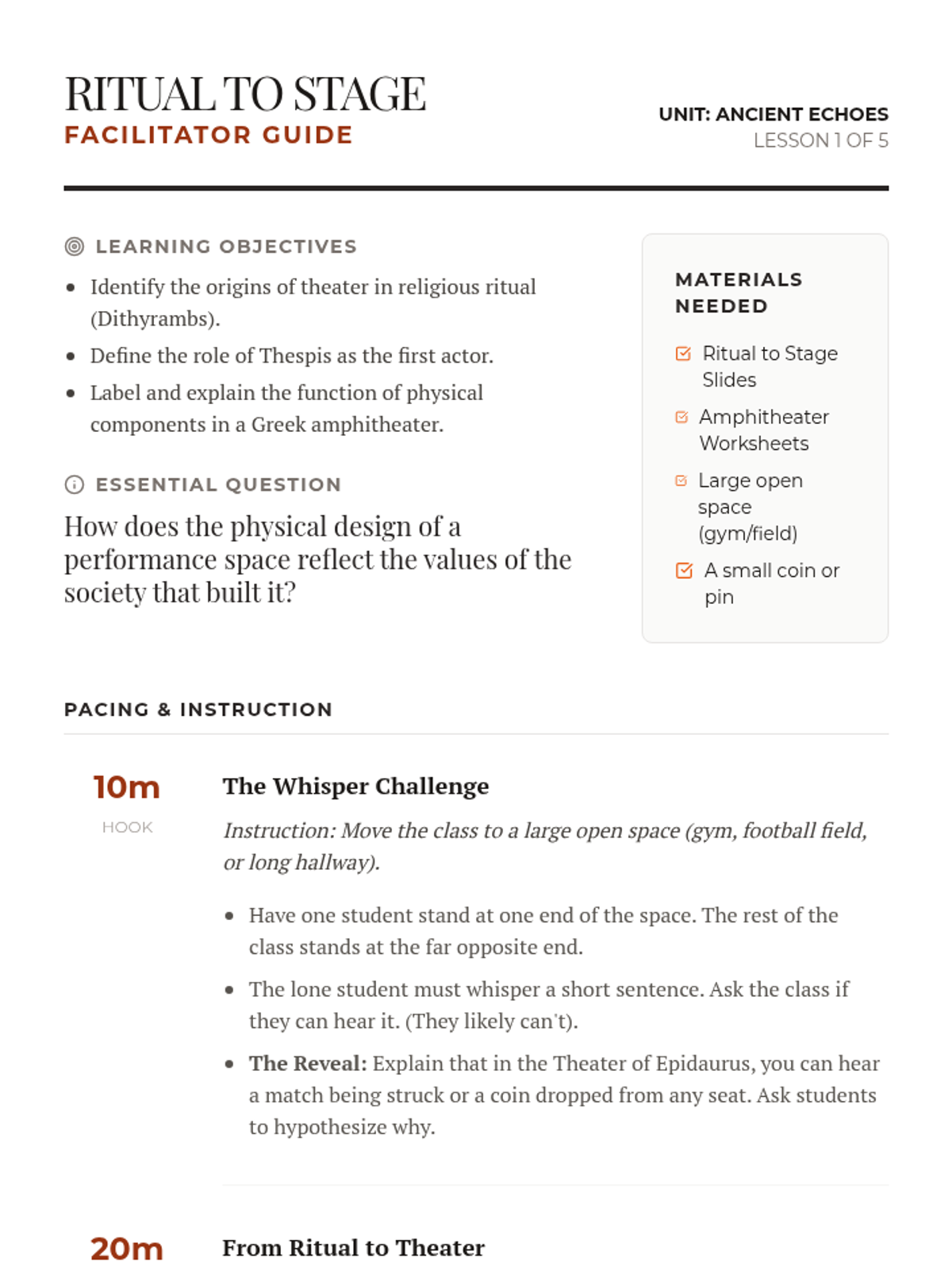
This sequence explores the transition from ancient religious rituals to formalized Greek and Roman theater. Students investigate theater architecture, the role of the chorus, the use of masks, and the structural elements of tragedy to understand how performance reflects societal values.
This sequence explores the evolution of acting styles from the exaggerated, codified gestures of 19th-century Melodrama to the internal, psychologically-driven Realism of Stanislavski. Students will learn about the 'Fourth Wall,' 'The Magic If,' and 'Objectives' through practical workshops and performance-based comparisons.
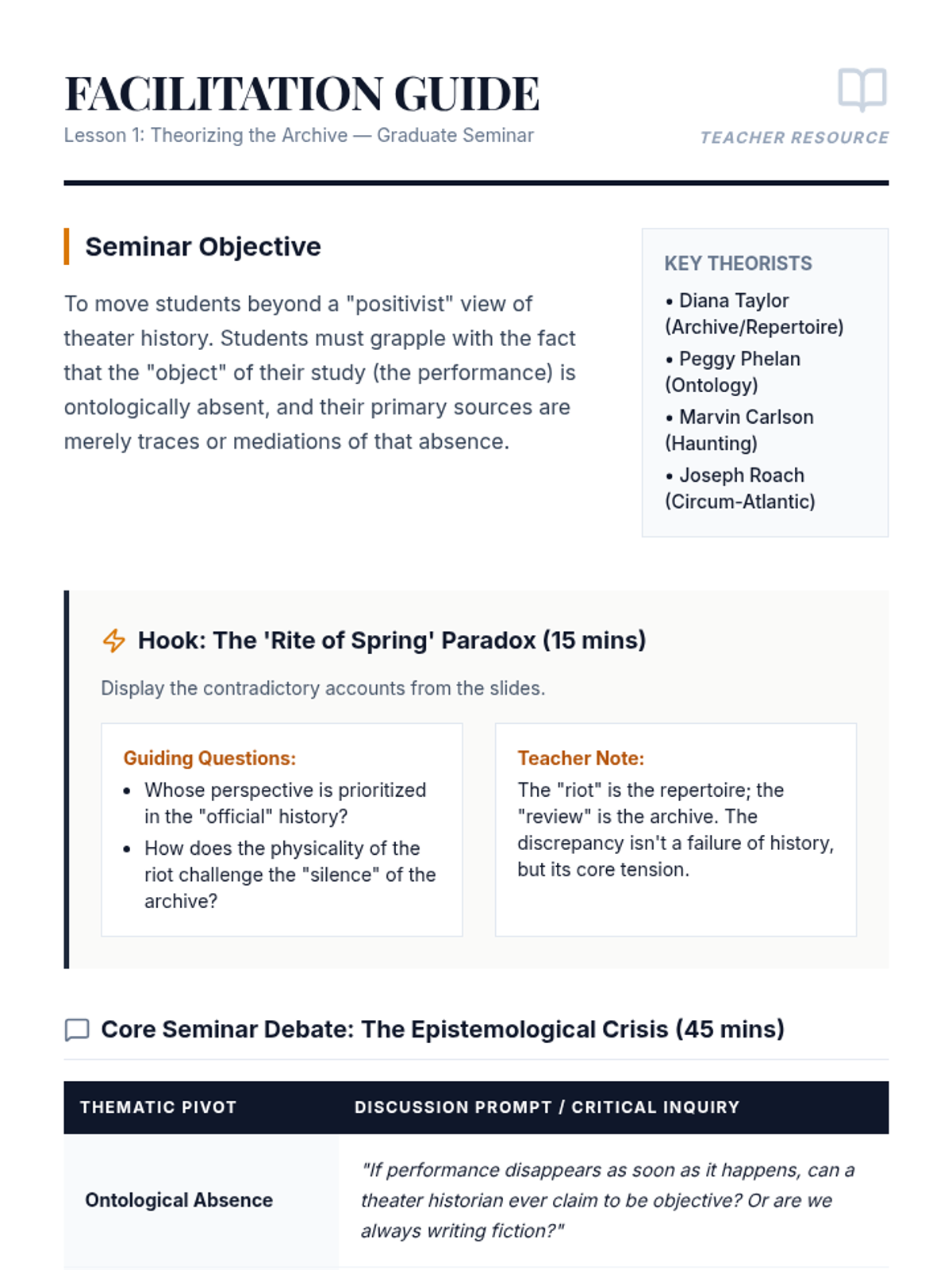
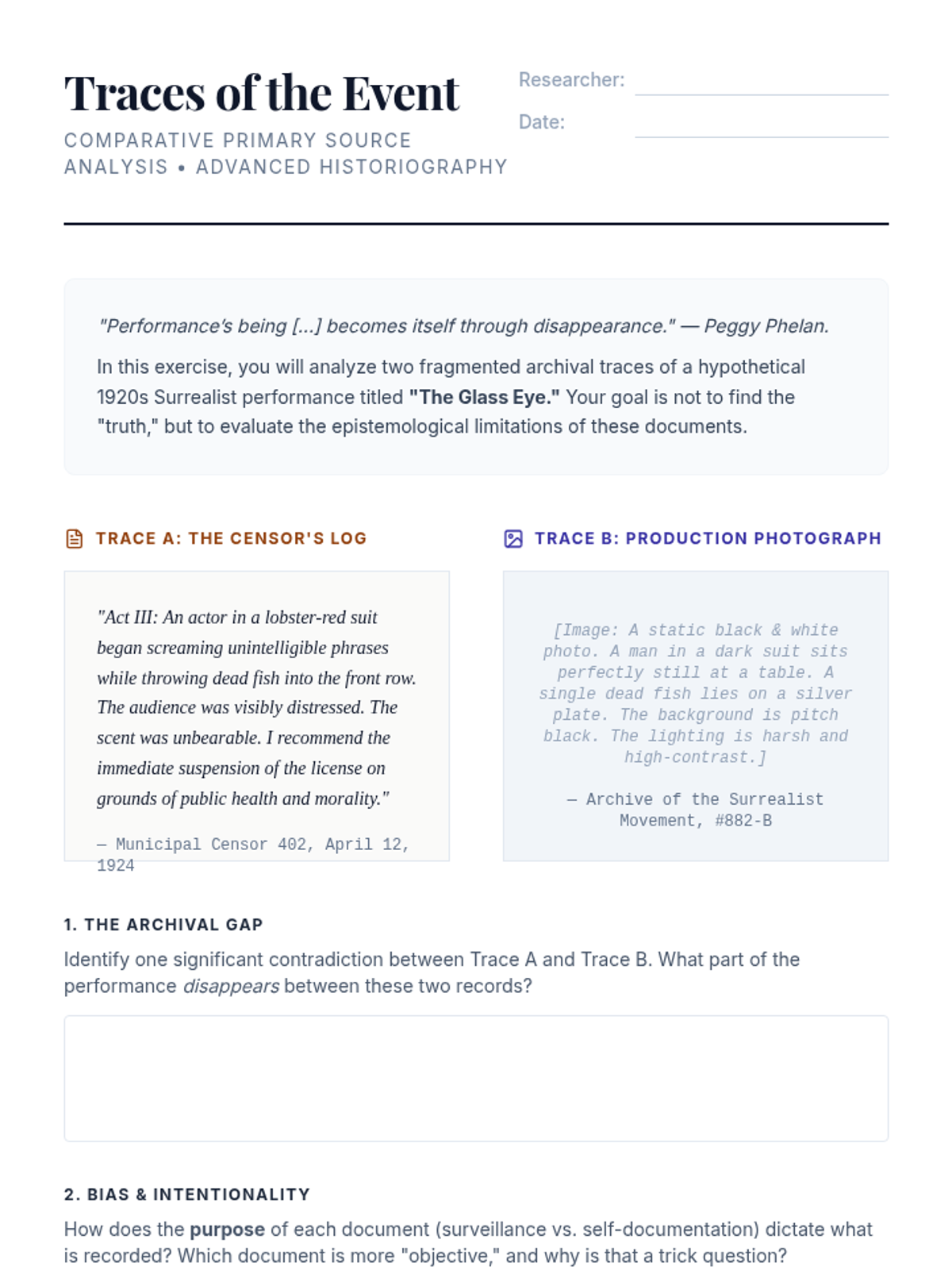
An advanced graduate seminar on the methodologies of theater historiography, focusing on the reconstruction of performance through archival evidence, material culture, and revisionist theoretical frameworks.