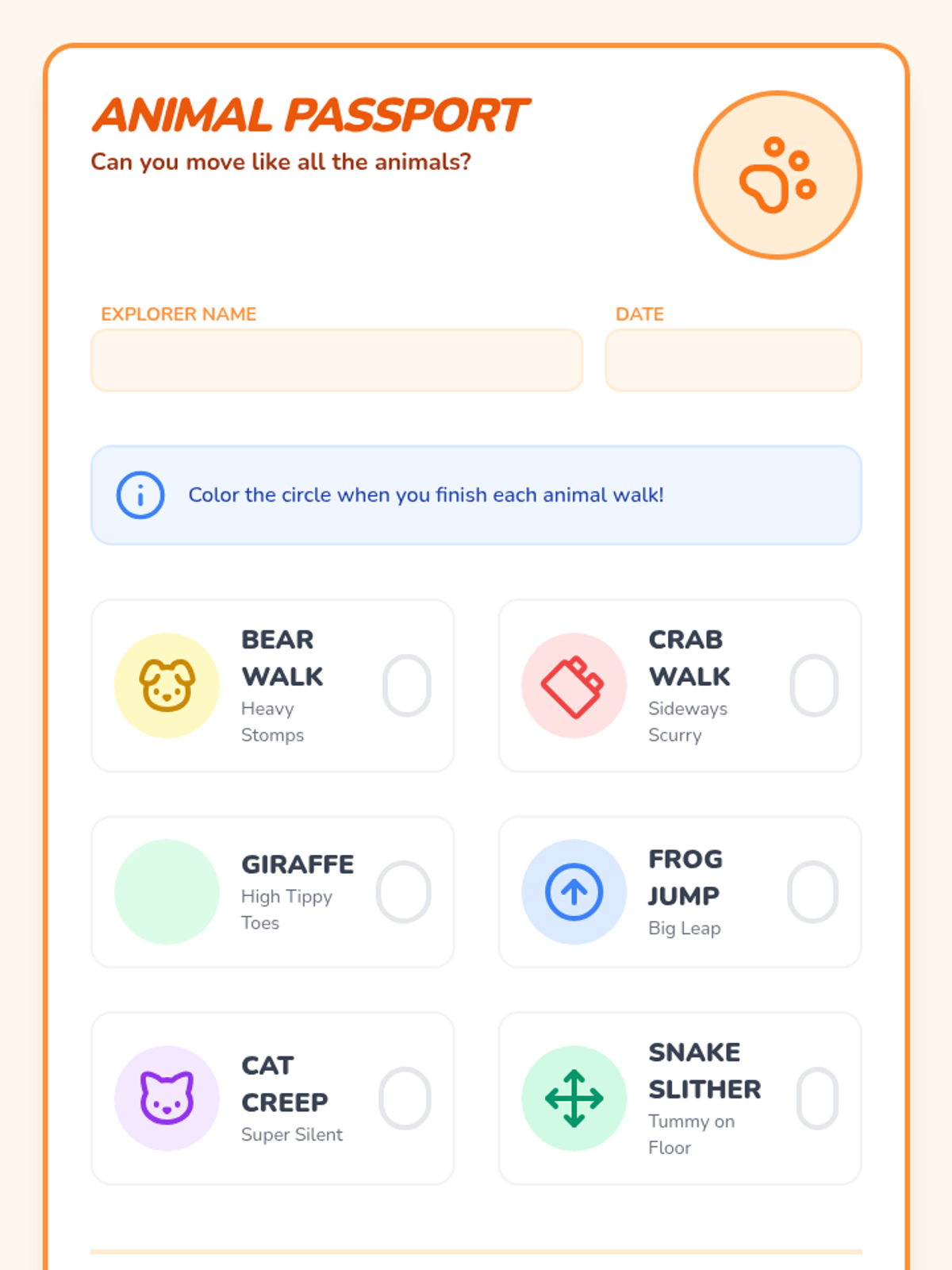
Fundamental movement patterns including locomotor actions, non-locomotor stability, and spatial awareness. Develops body control through fine motor precision and manipulative skills such as throwing and catching.
A weekly fitness and movement series designed for students of all abilities, focusing on social-emotional learning through physical activity and group coordination.
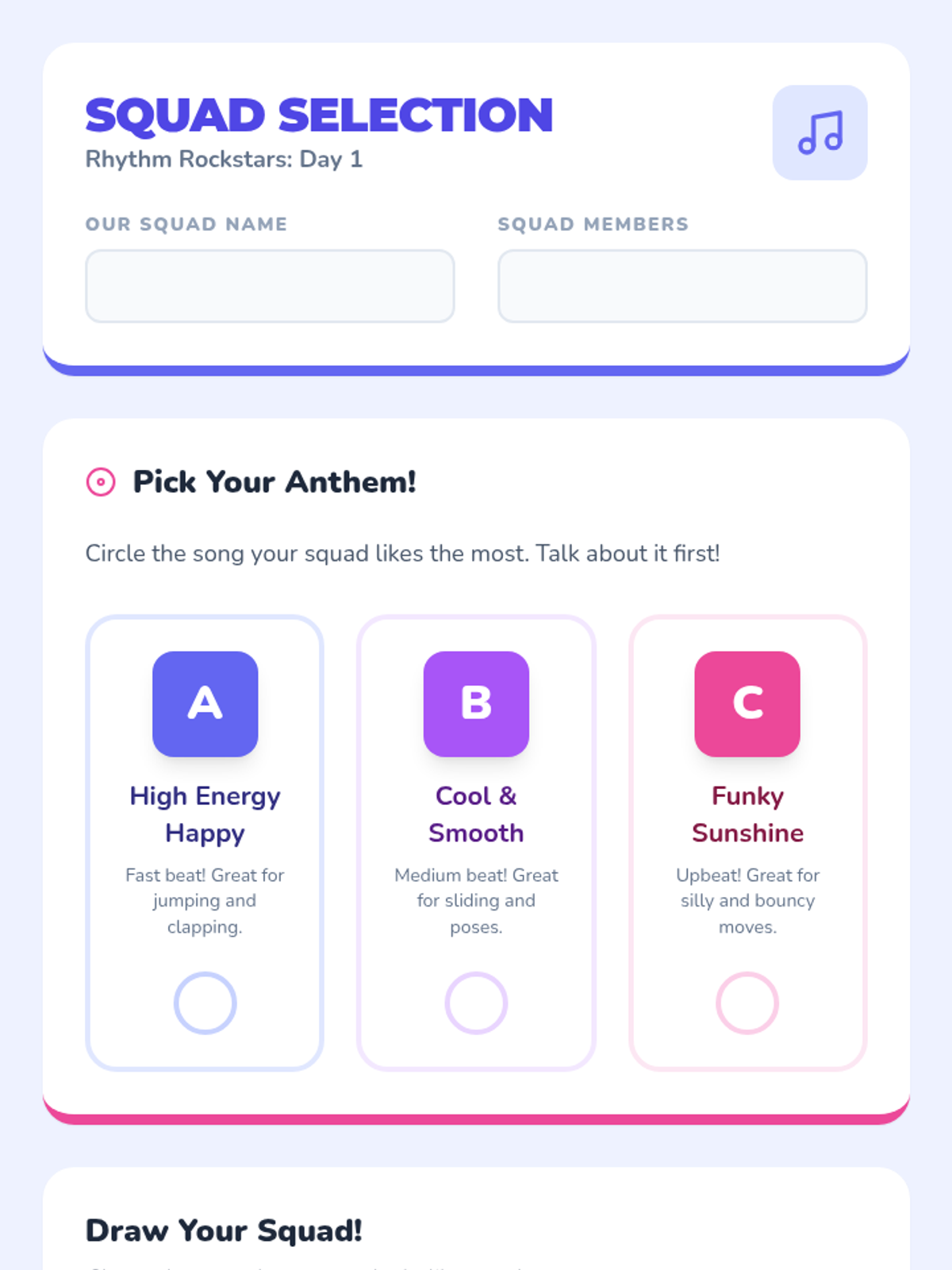
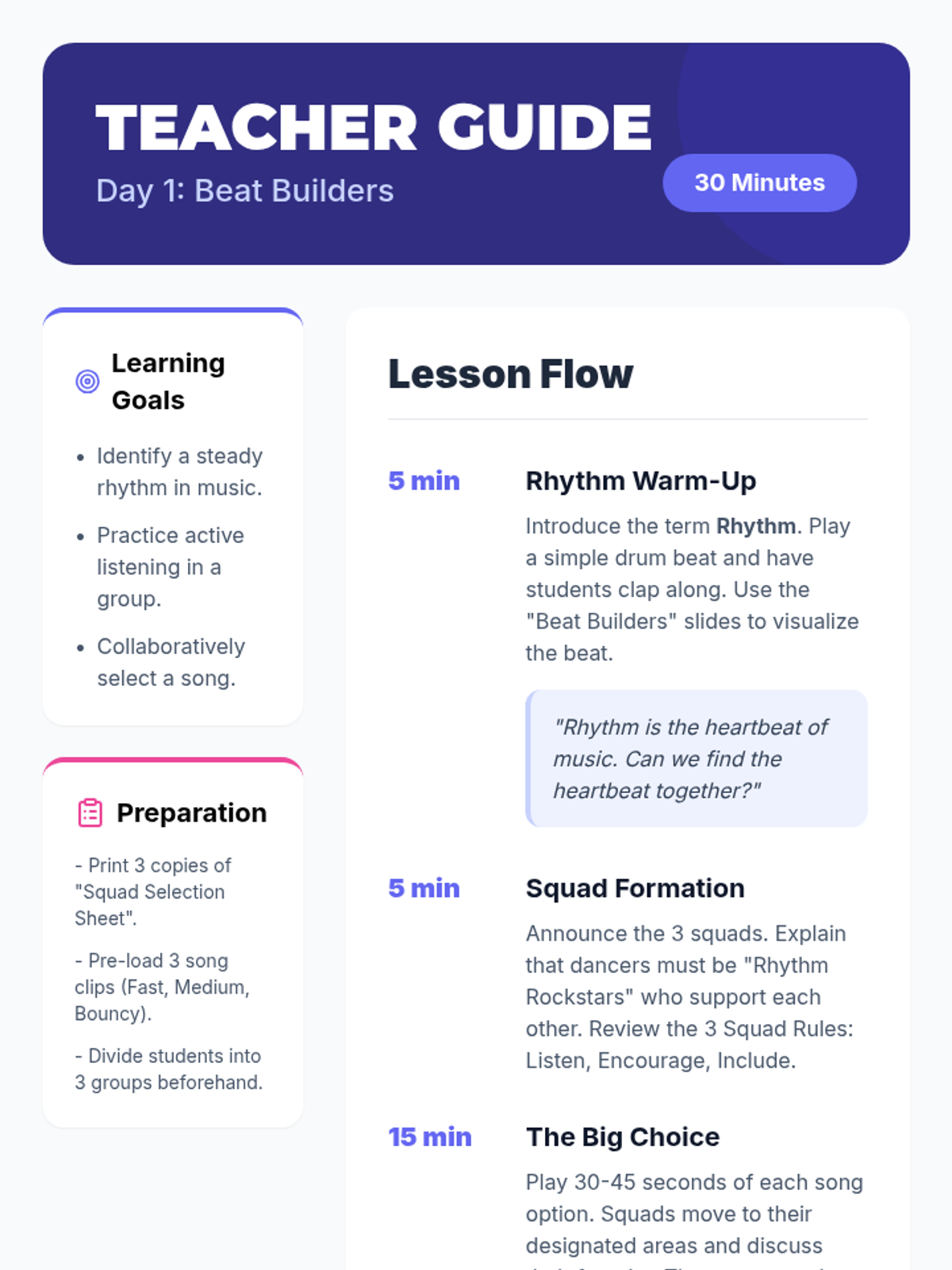
A four-day music and movement unit for K-3 students focused on collaboration, rhythm, and creative choreography. Groups work together to select songs and build original dance routines.
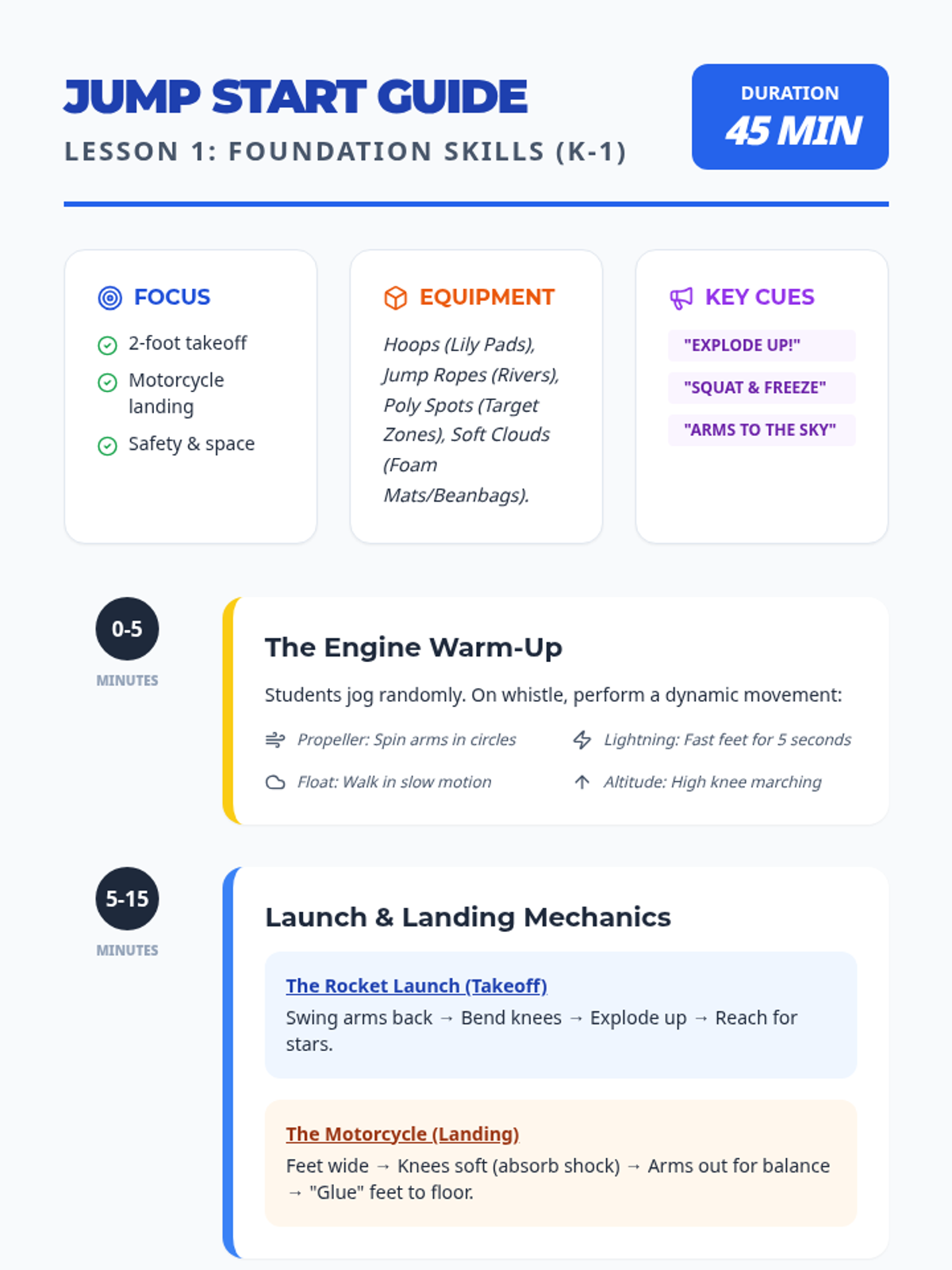
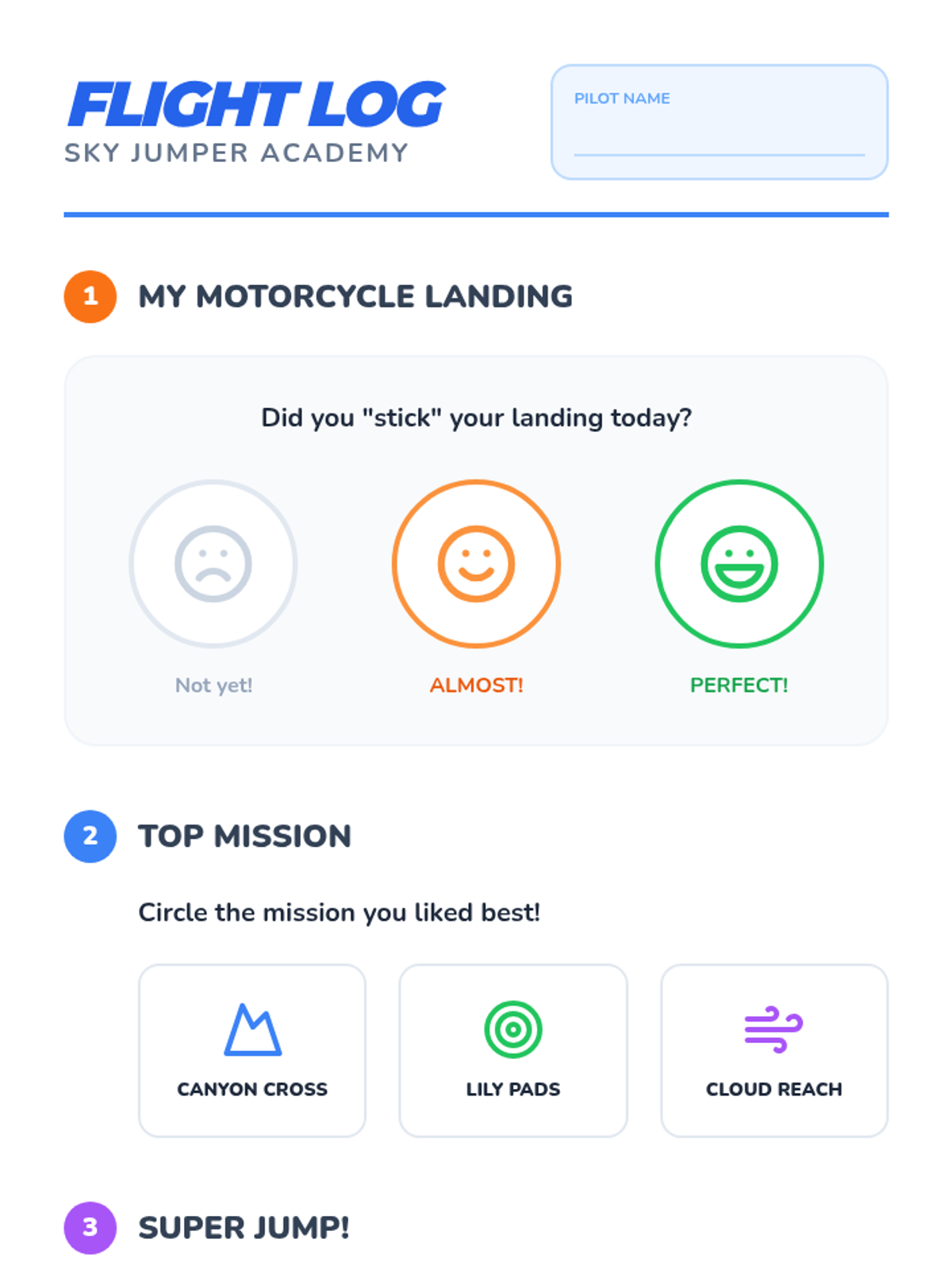
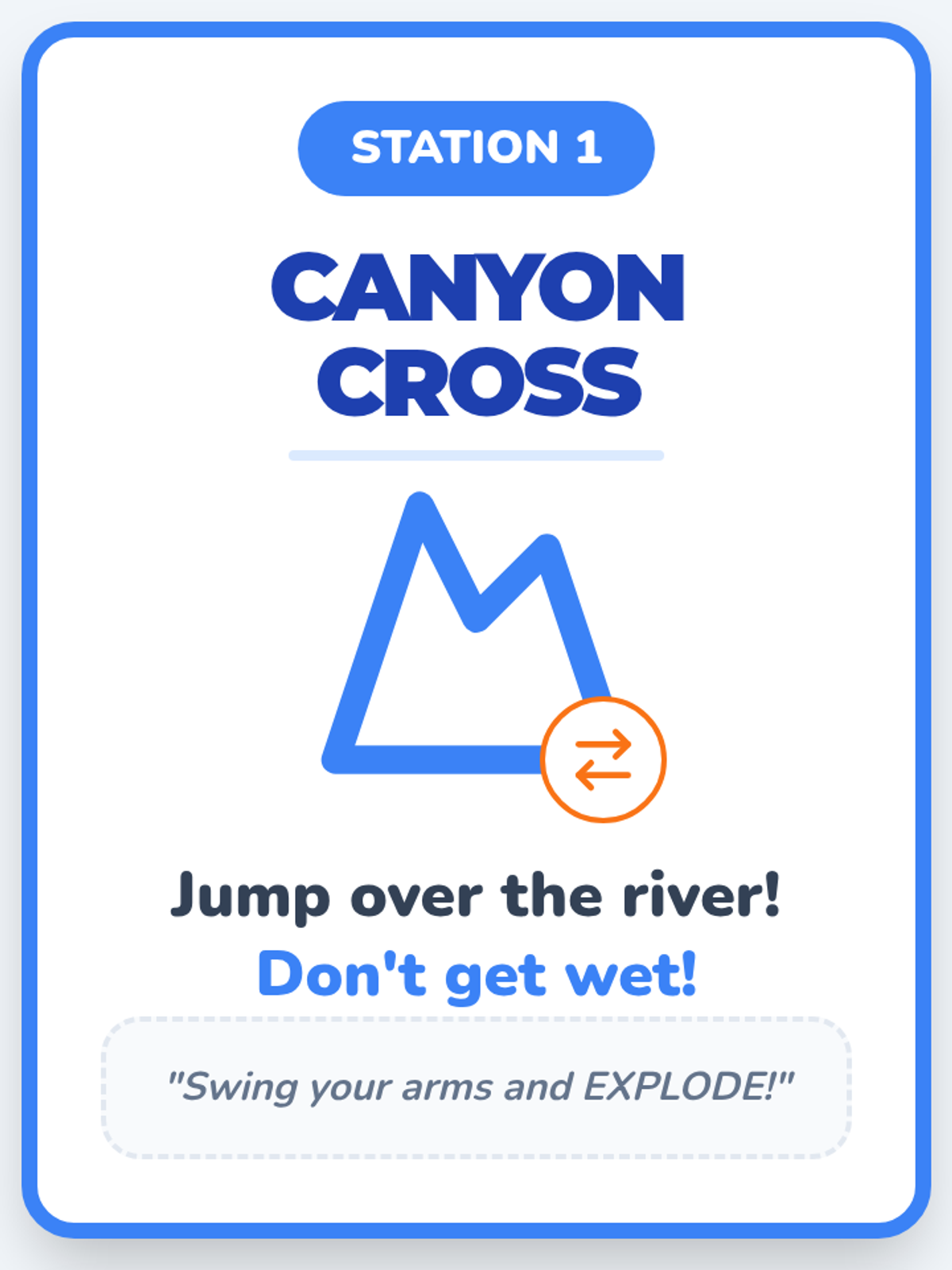
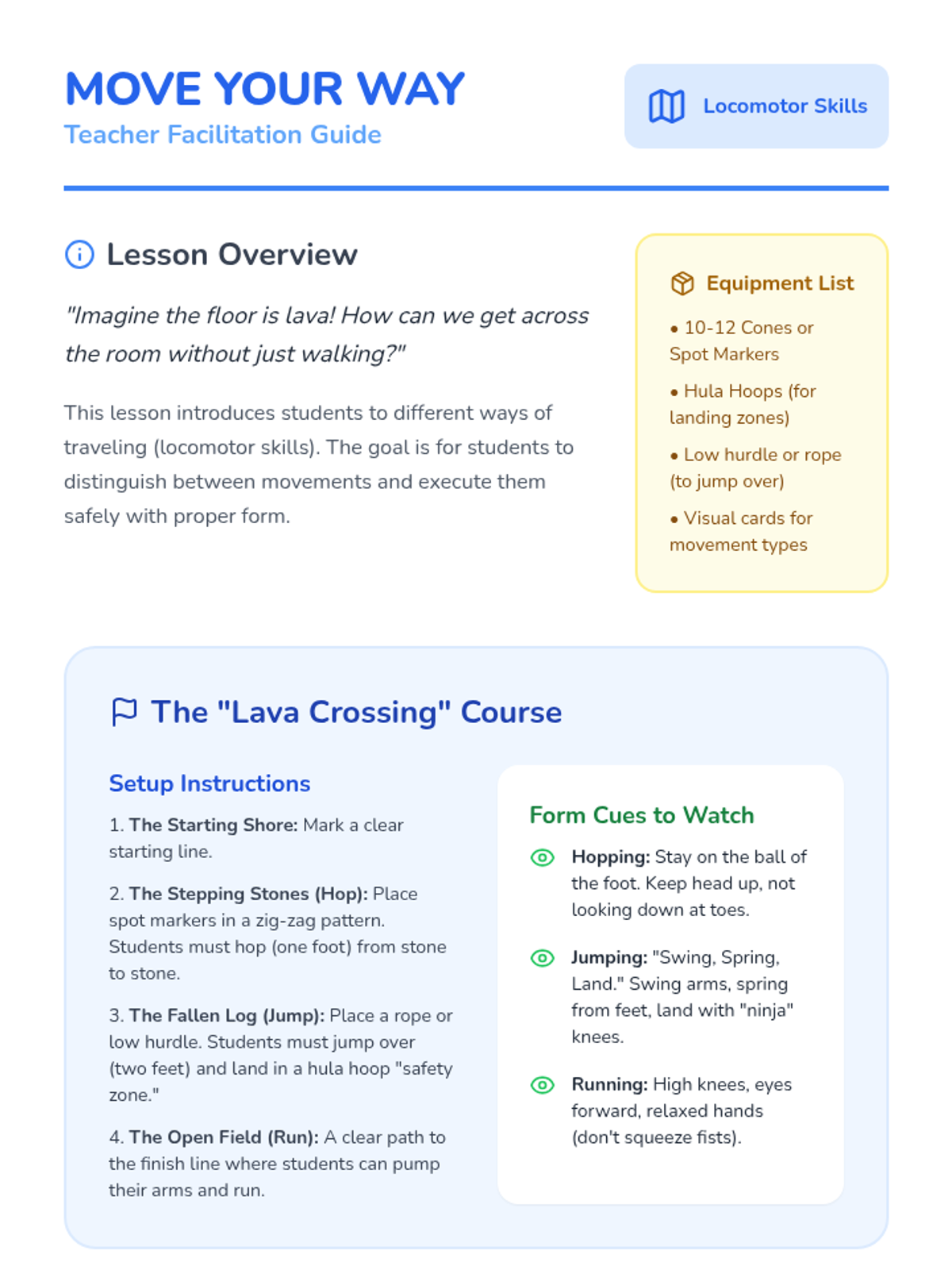
A foundational physical education series focusing on locomotor skills, starting with the mechanics of jumping and landing safely for early elementary students.
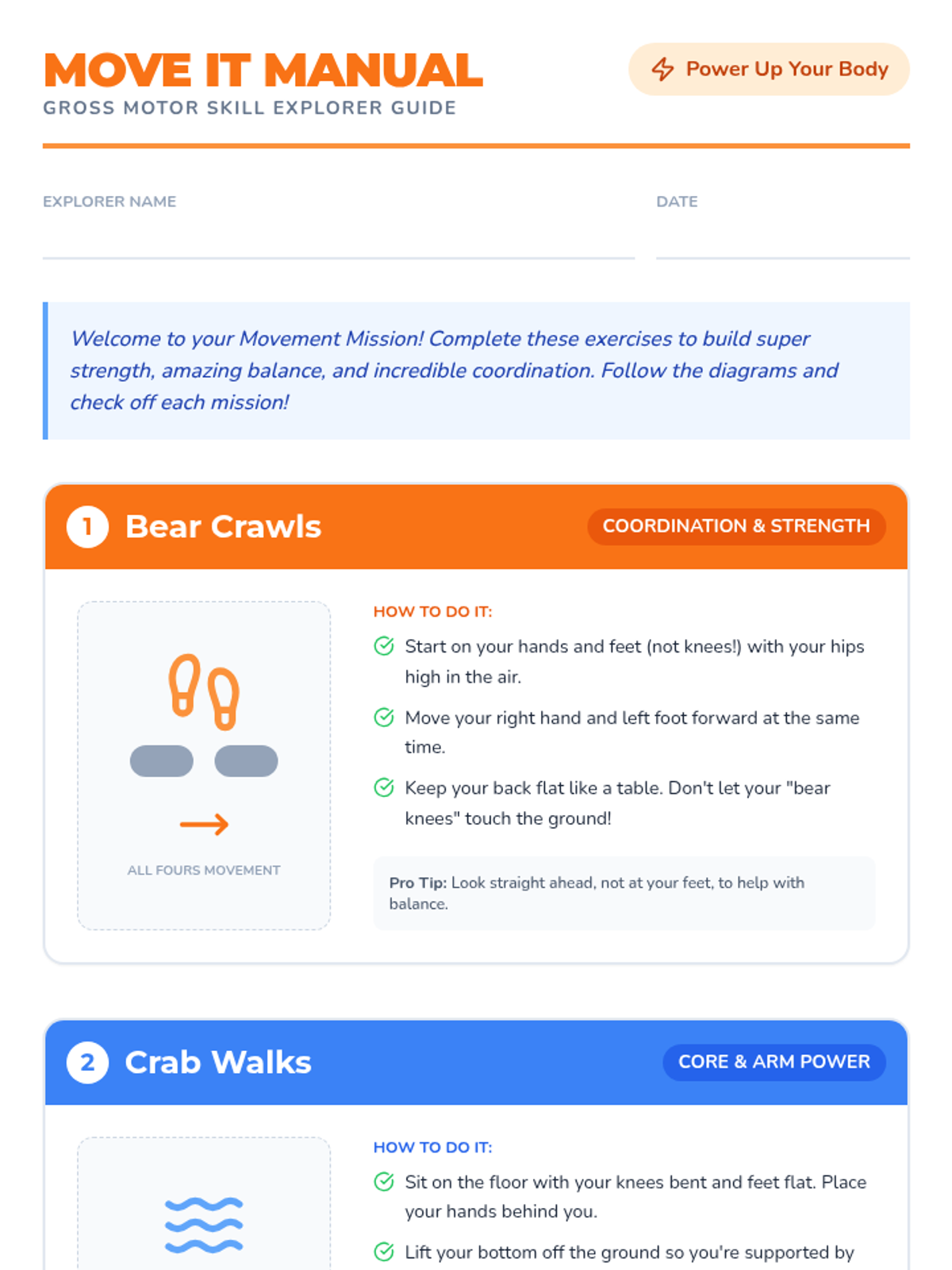
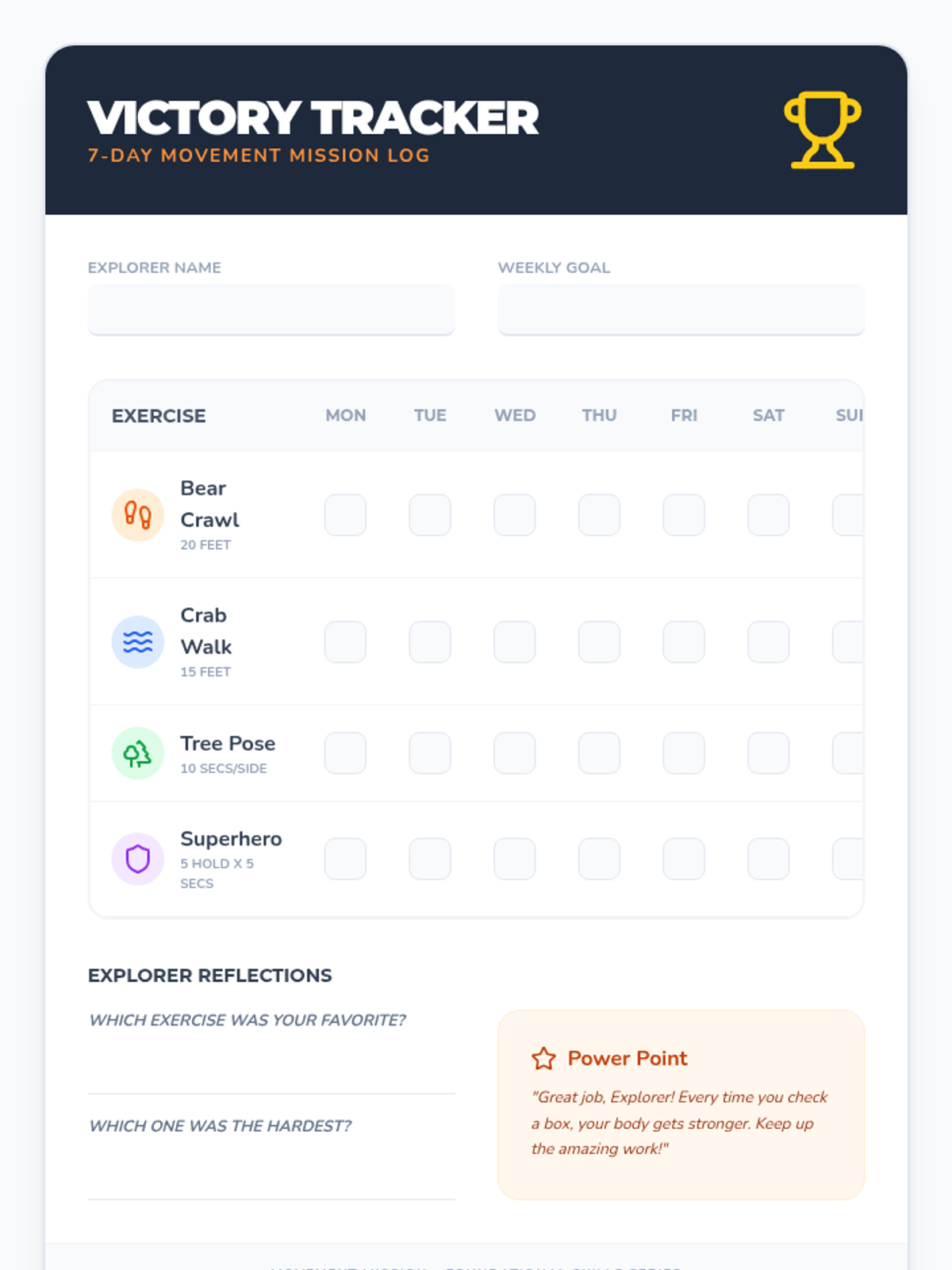
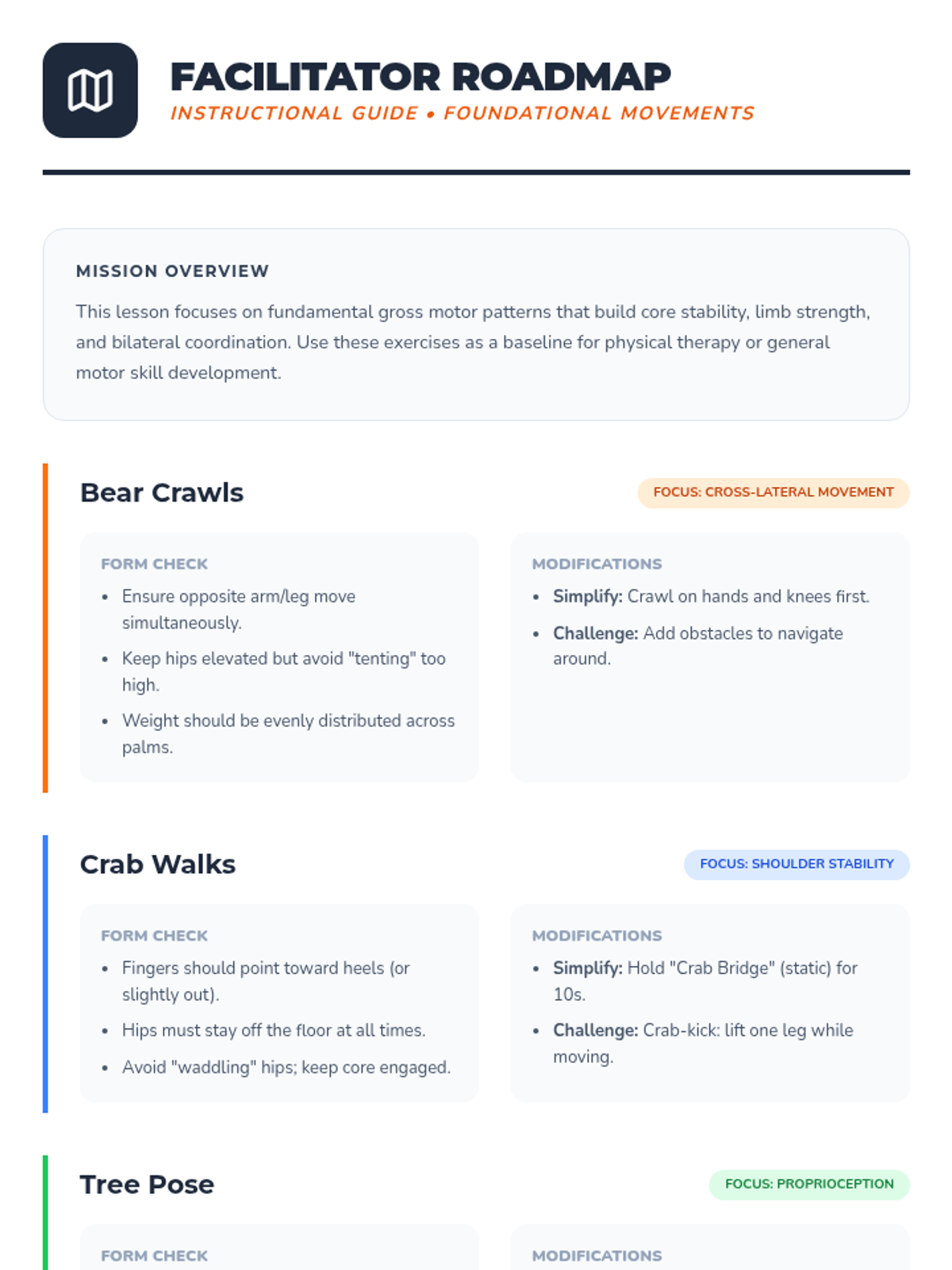
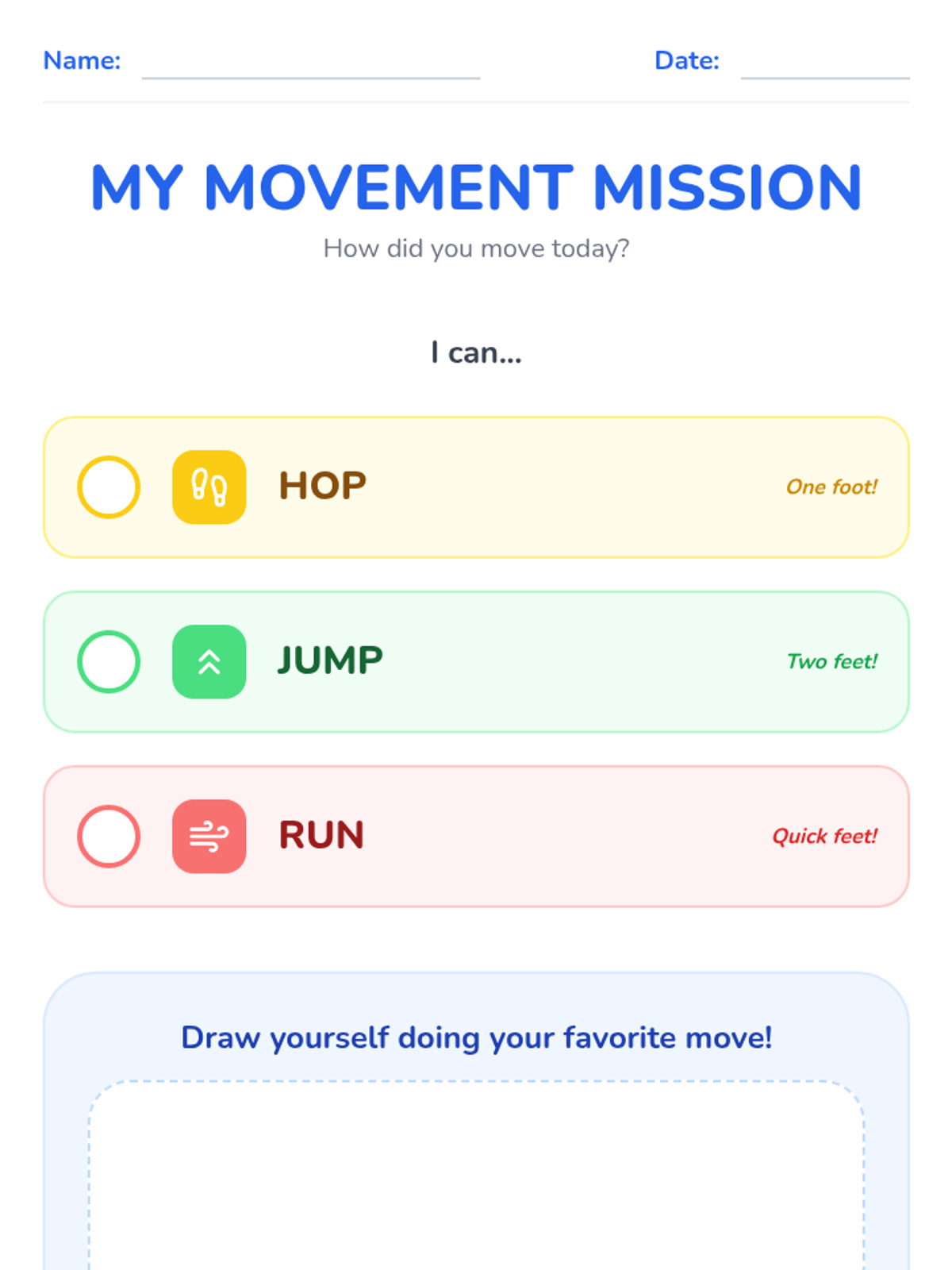
A comprehensive unit focused on developing fundamental gross motor skills through engaging, theme-based physical therapy exercises. Students will explore balance, coordination, and strength through a series of 'movement missions'.
A foundational sequence for Pre-K dancers focusing on spatial awareness, levels, and pathways to prepare them for choreography and safe group movement.
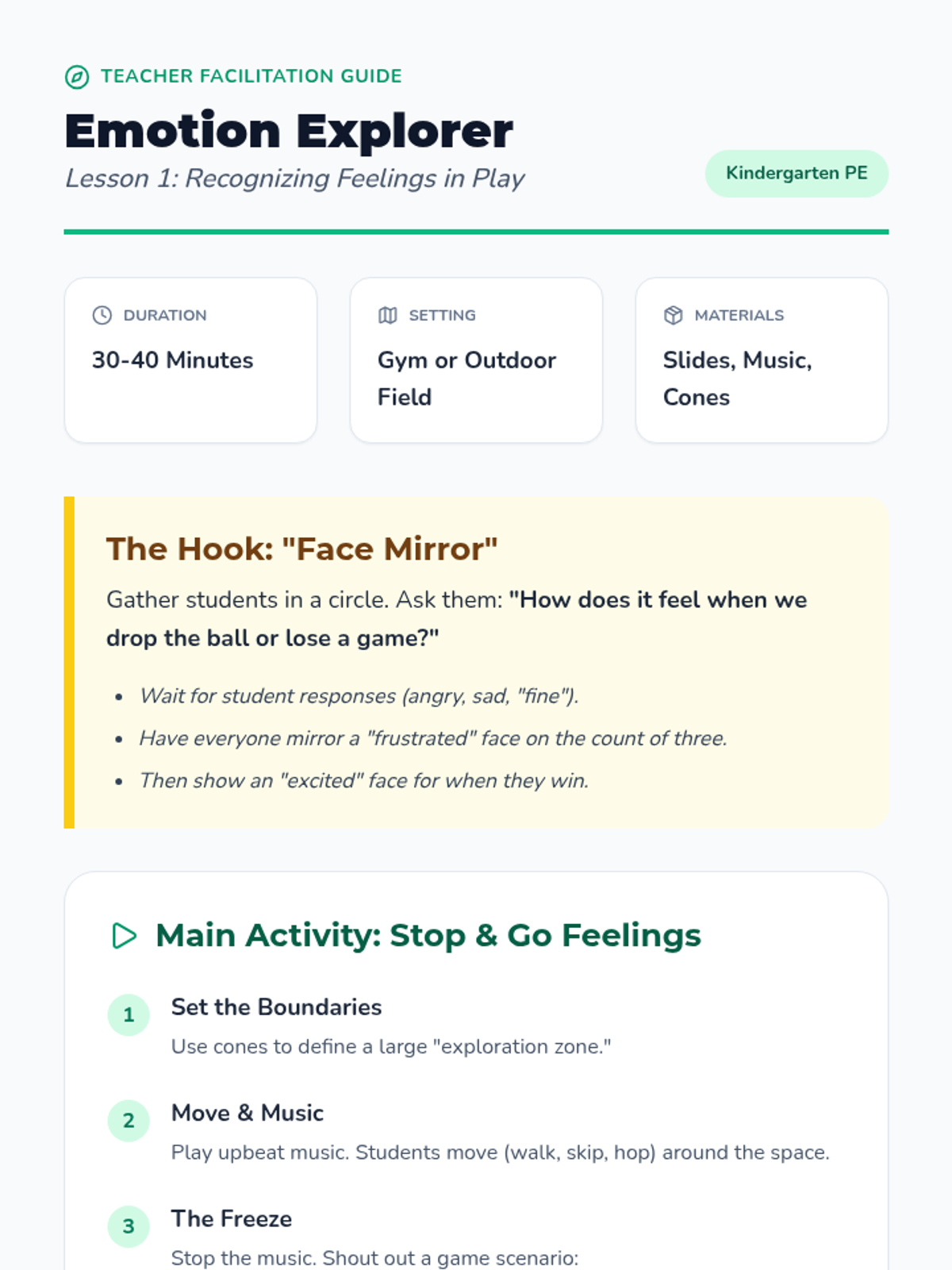
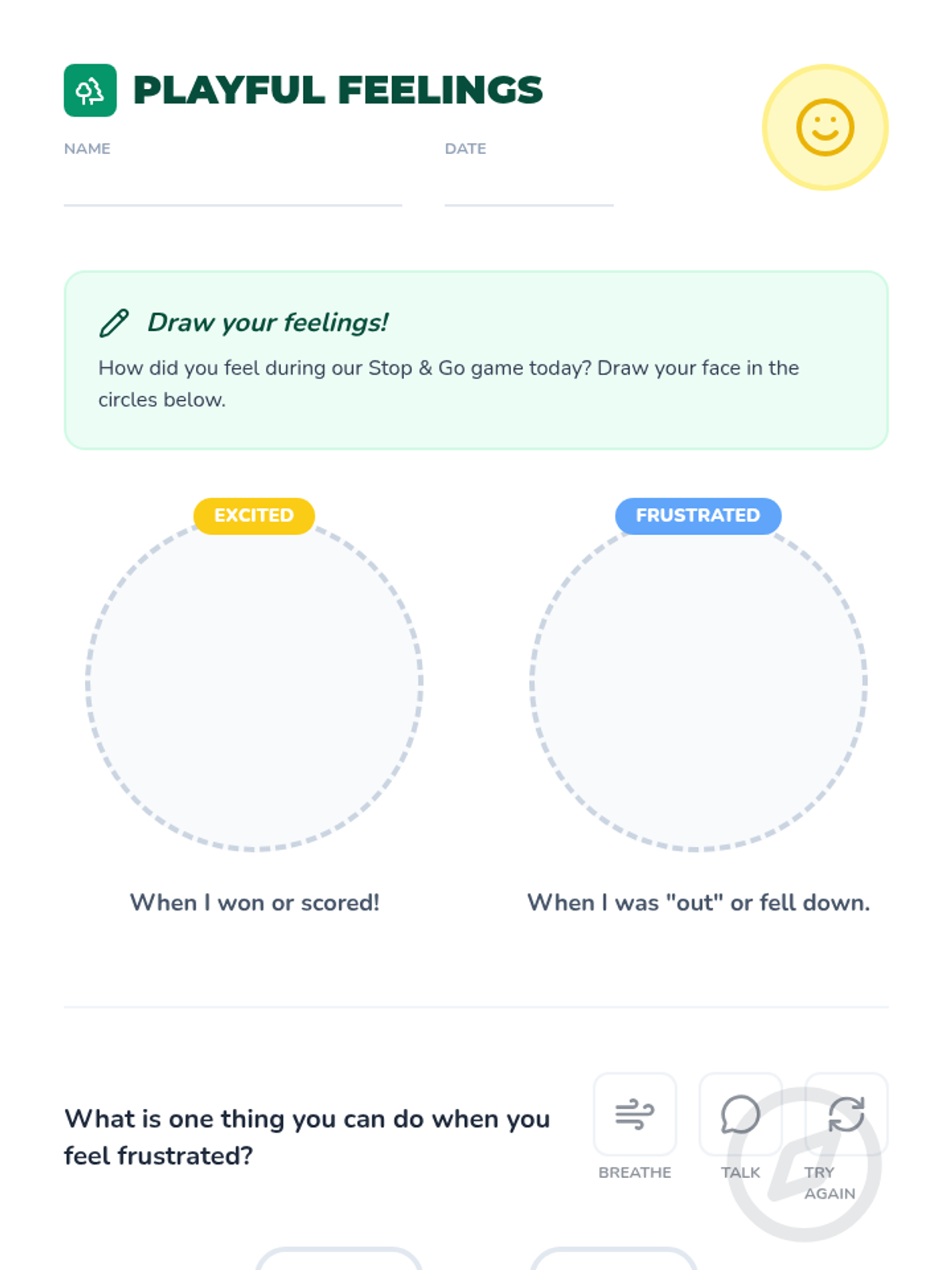
A Kindergarten Physical Education sequence focused on social-emotional skills through team building. Students learn to recognize emotions, offer encouragement, help peers in games, and celebrate together to build a supportive classroom culture.
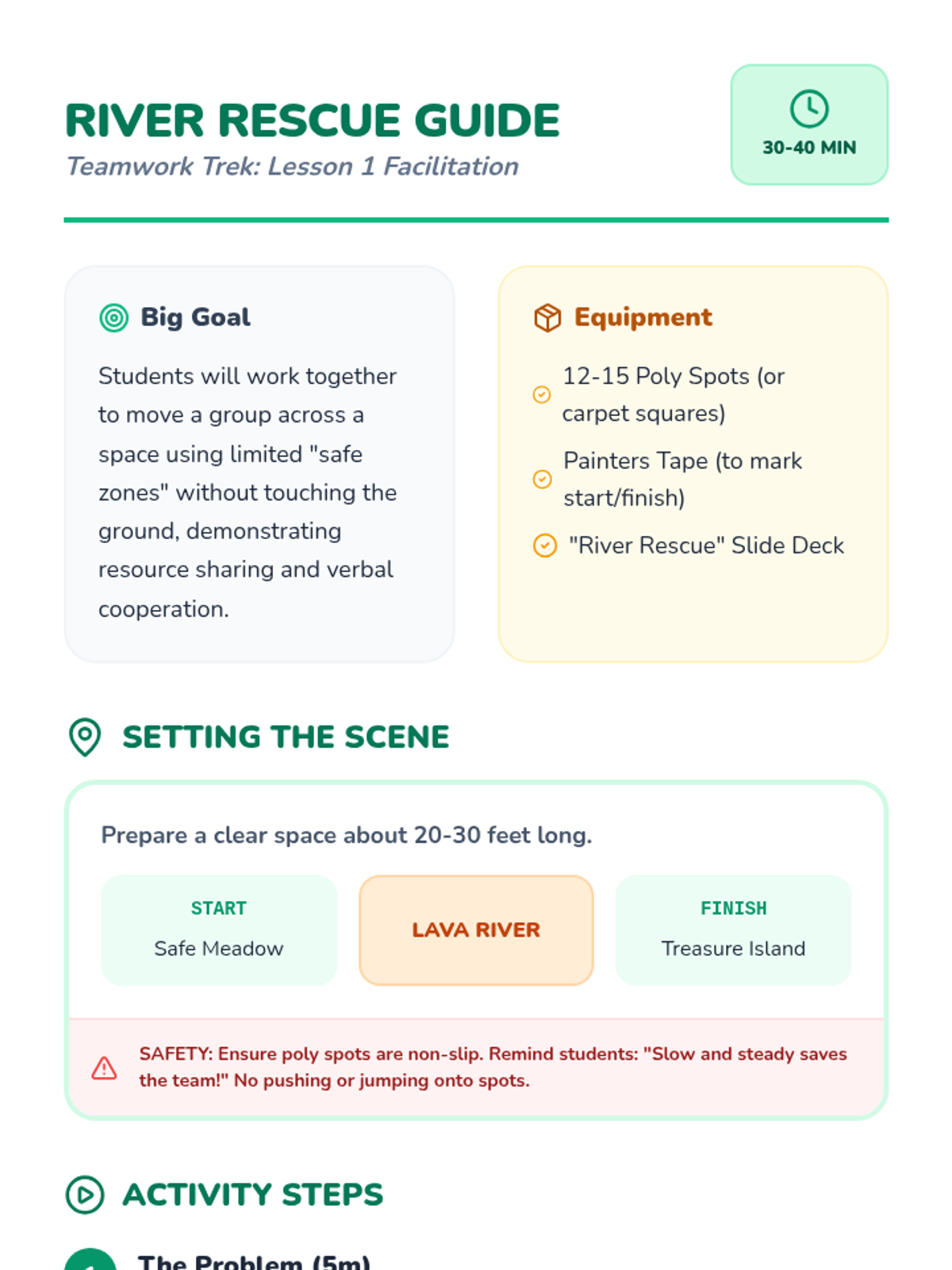
A Kindergarten sequence focused on physical education and team building. Students engage in imaginative adventure scenarios to develop problem-solving, communication, and cooperation skills through group challenges.
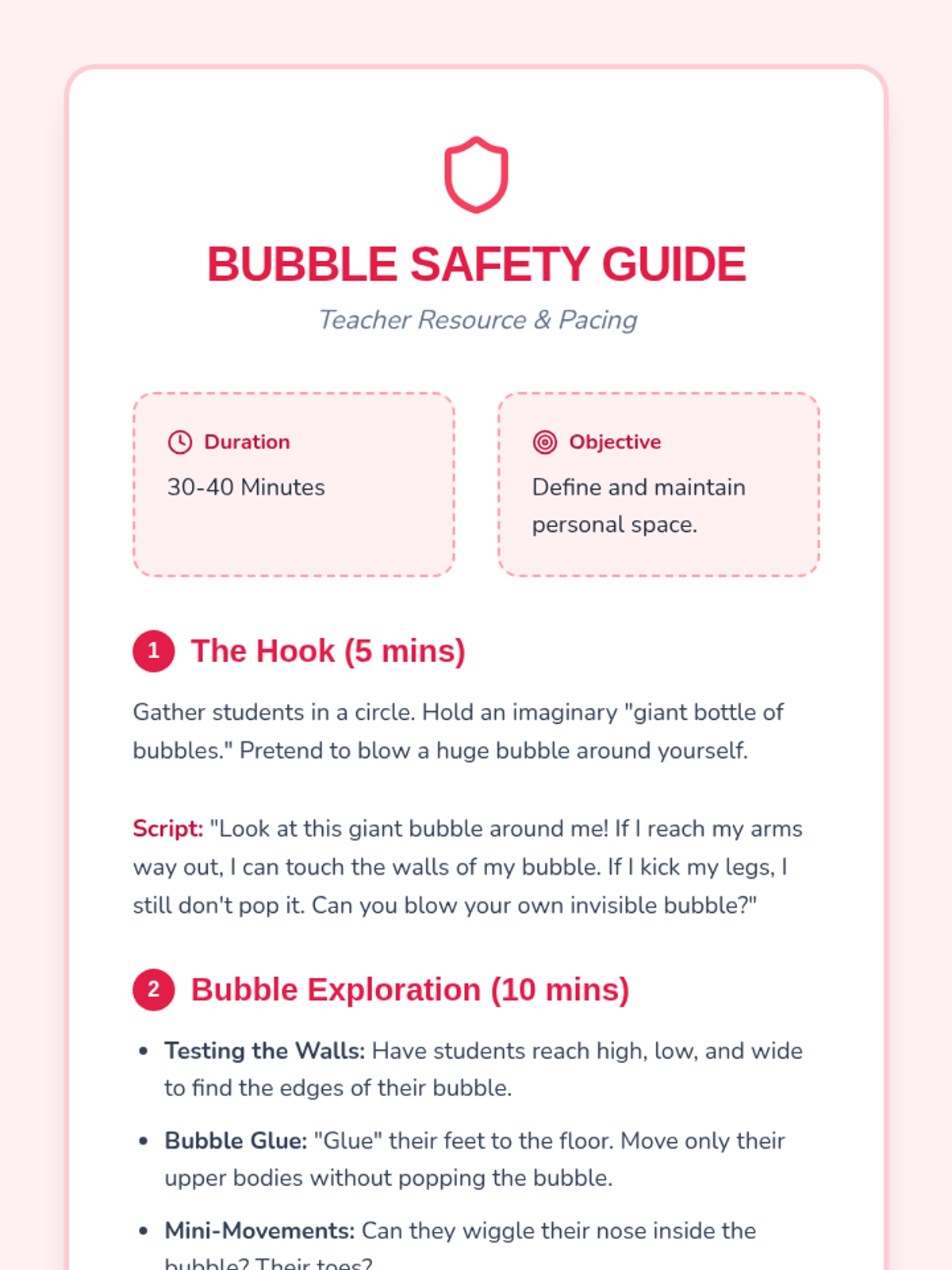
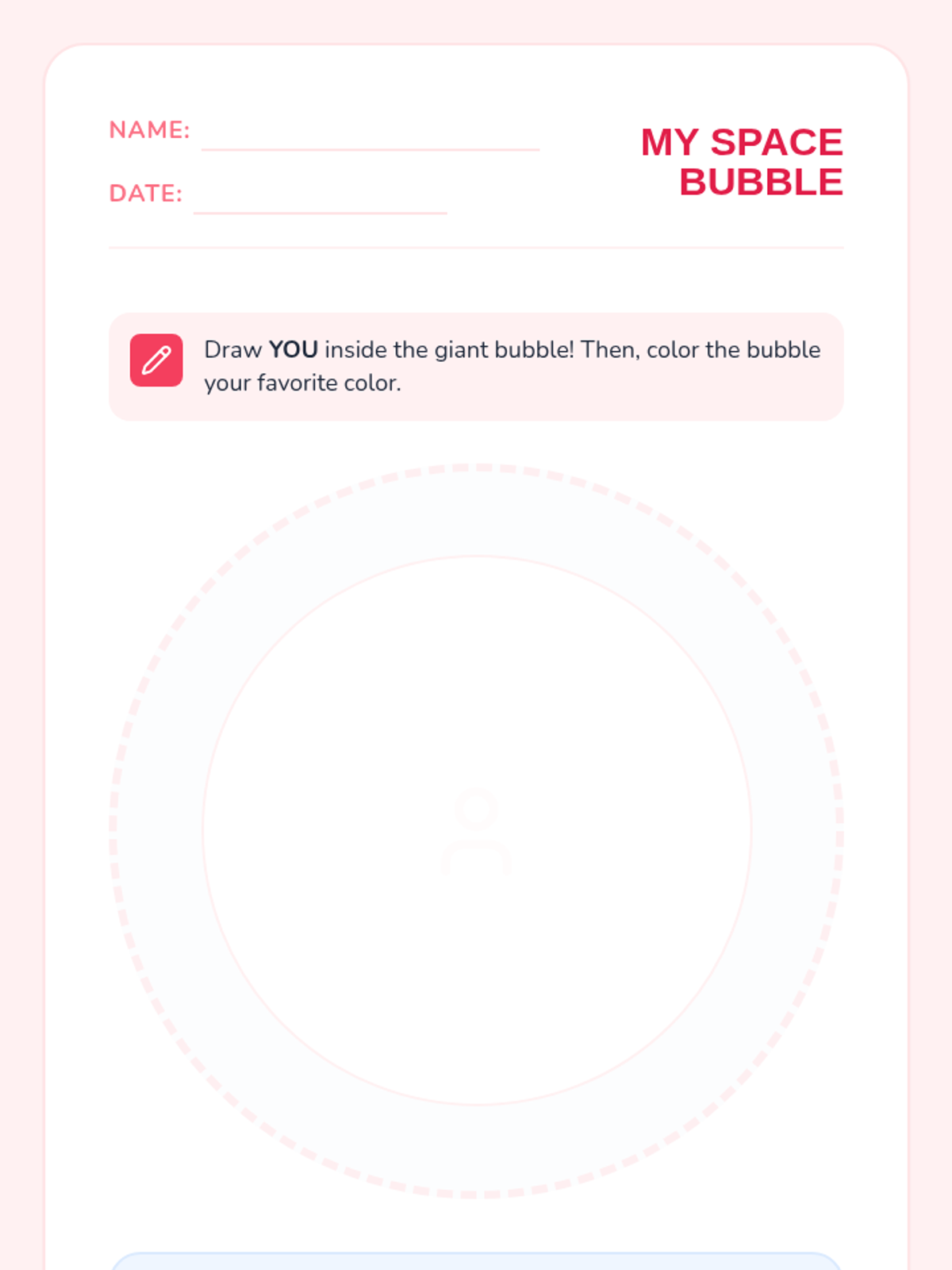
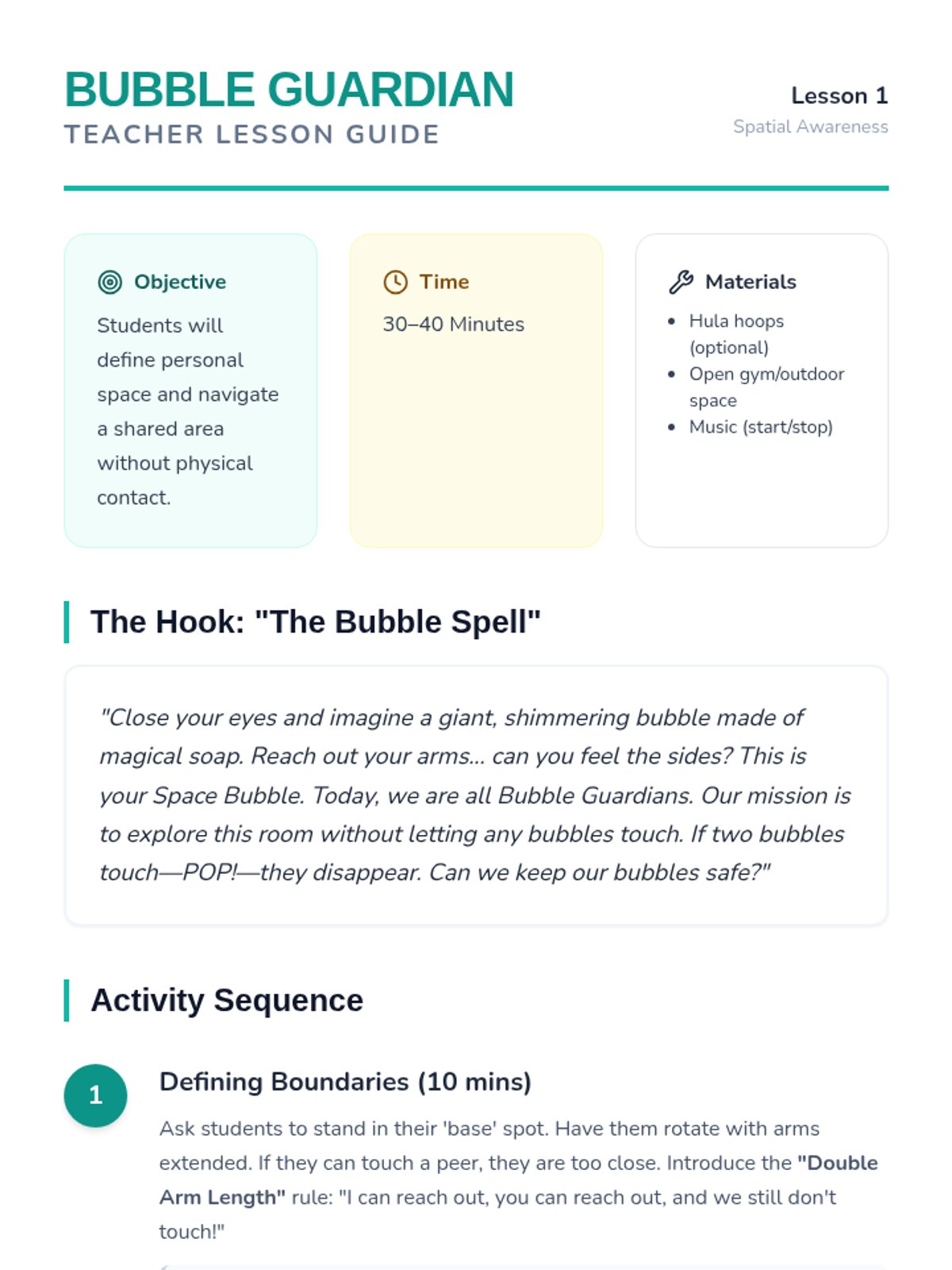
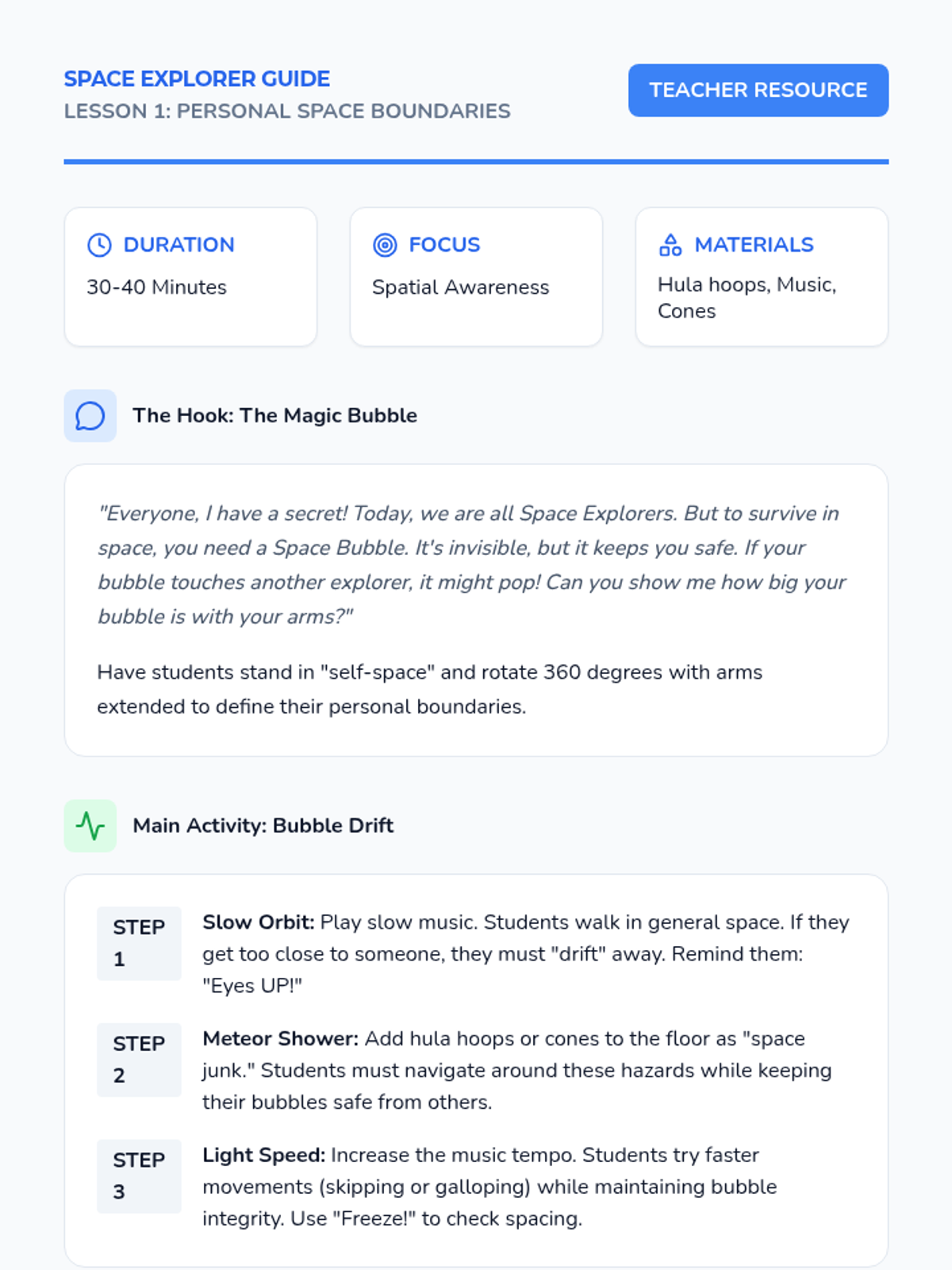
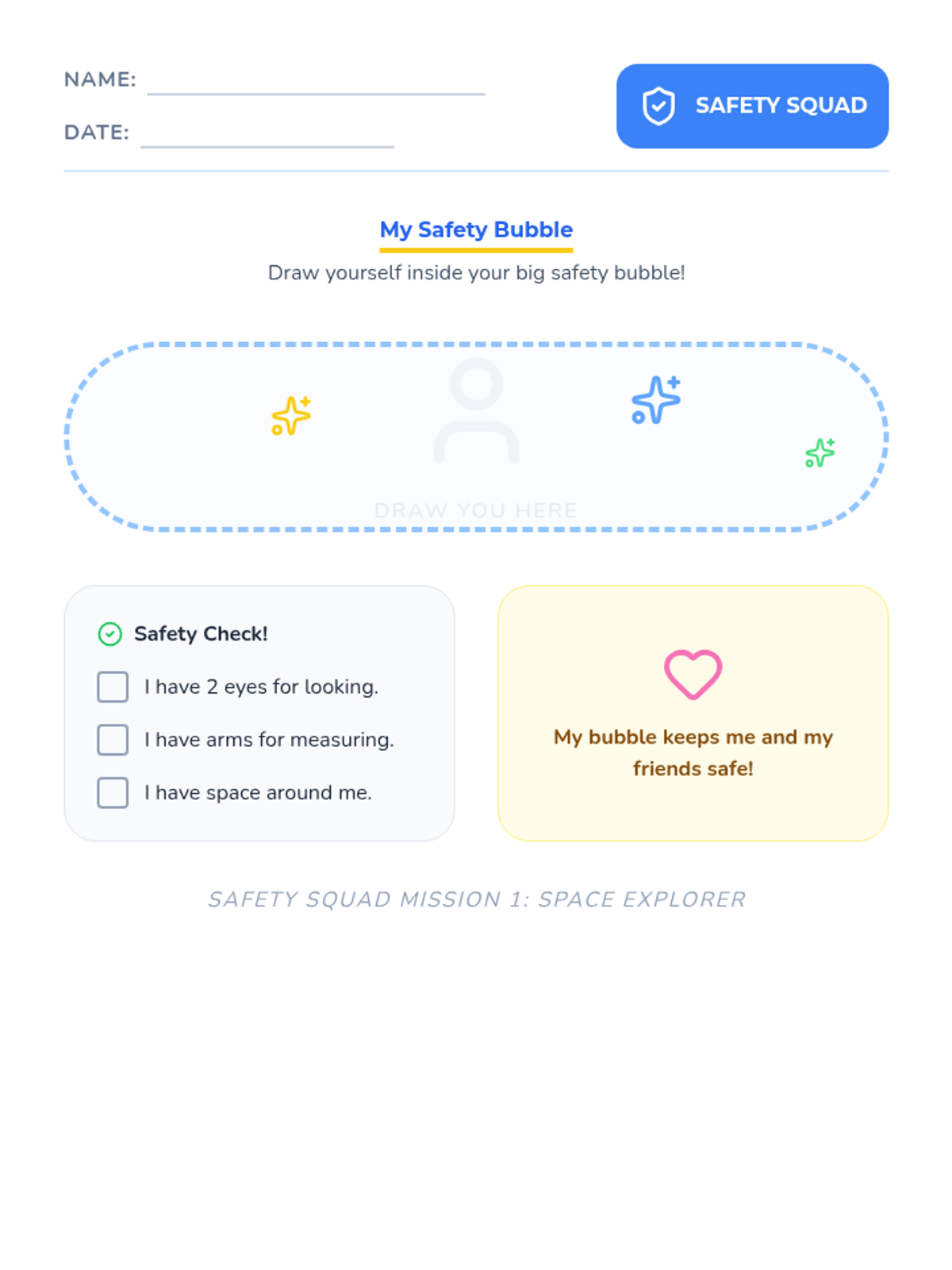
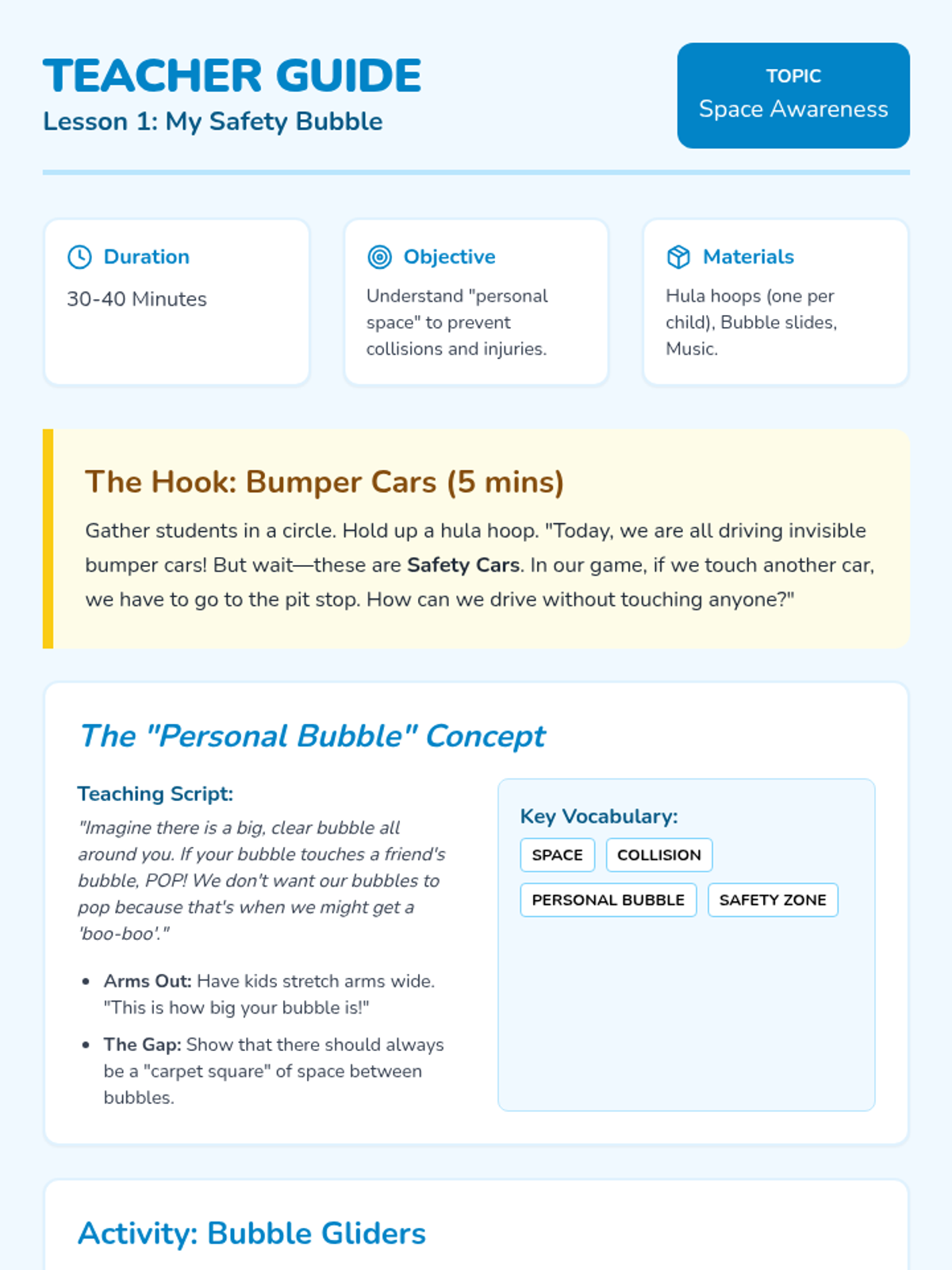
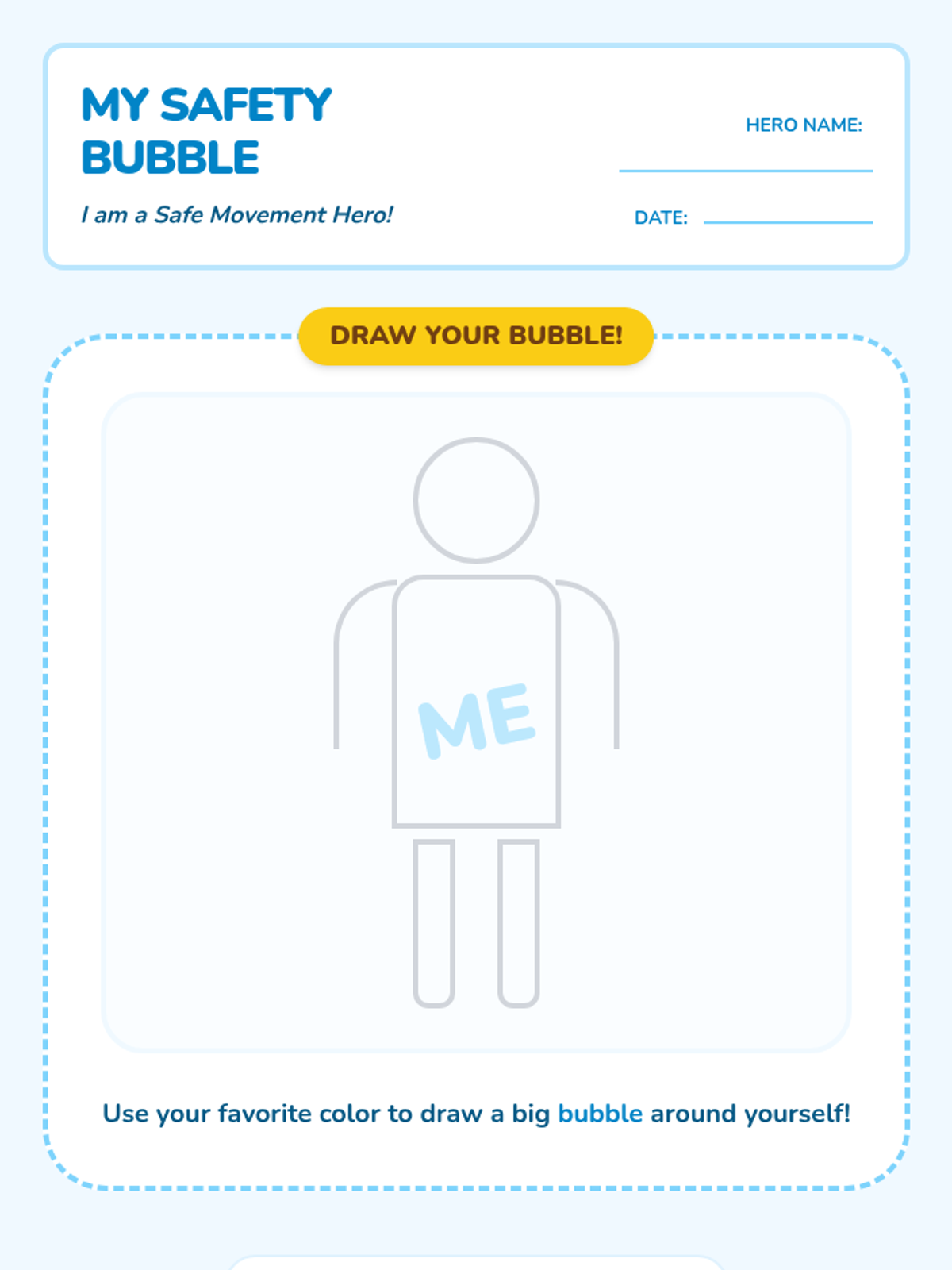
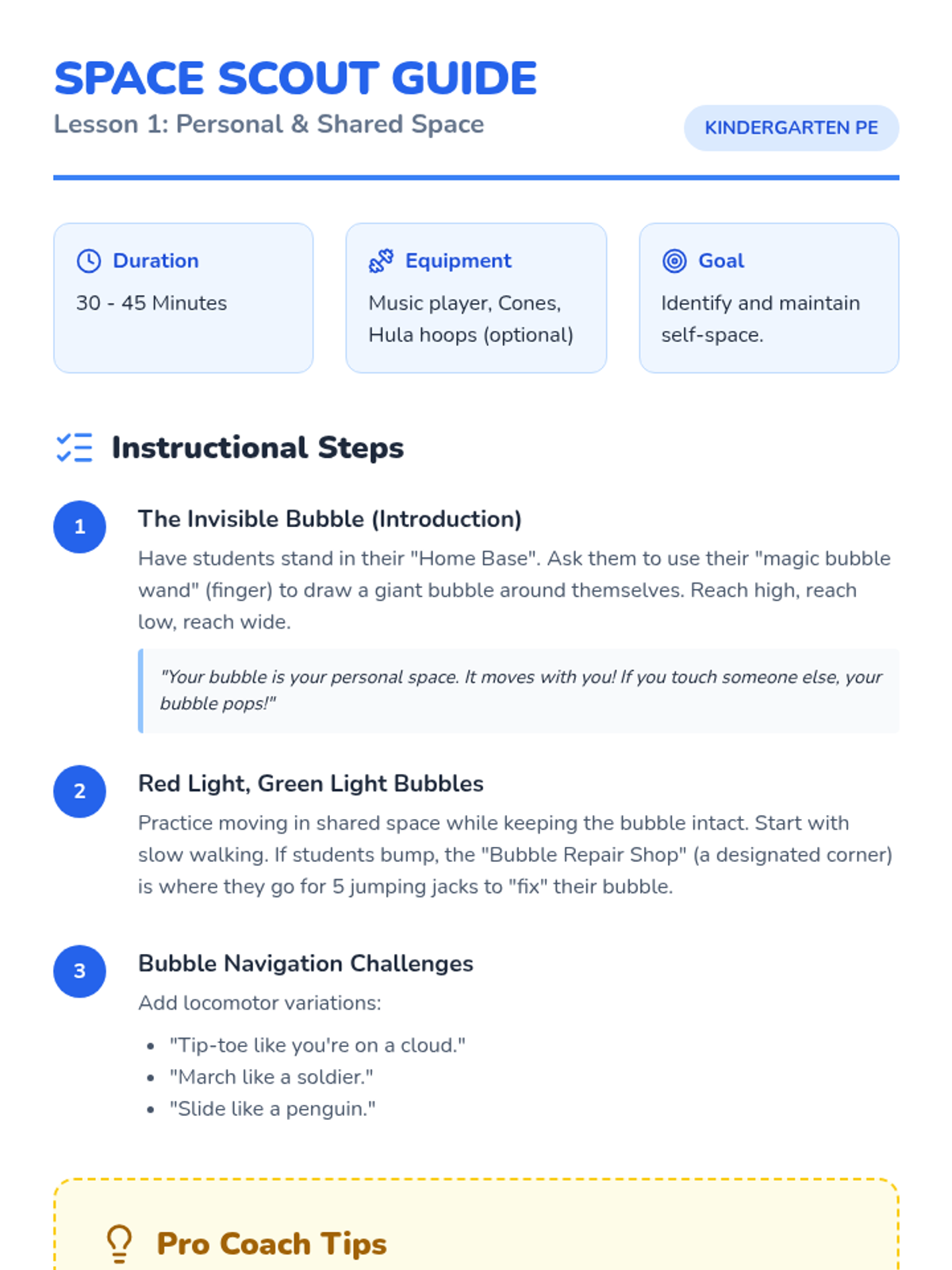
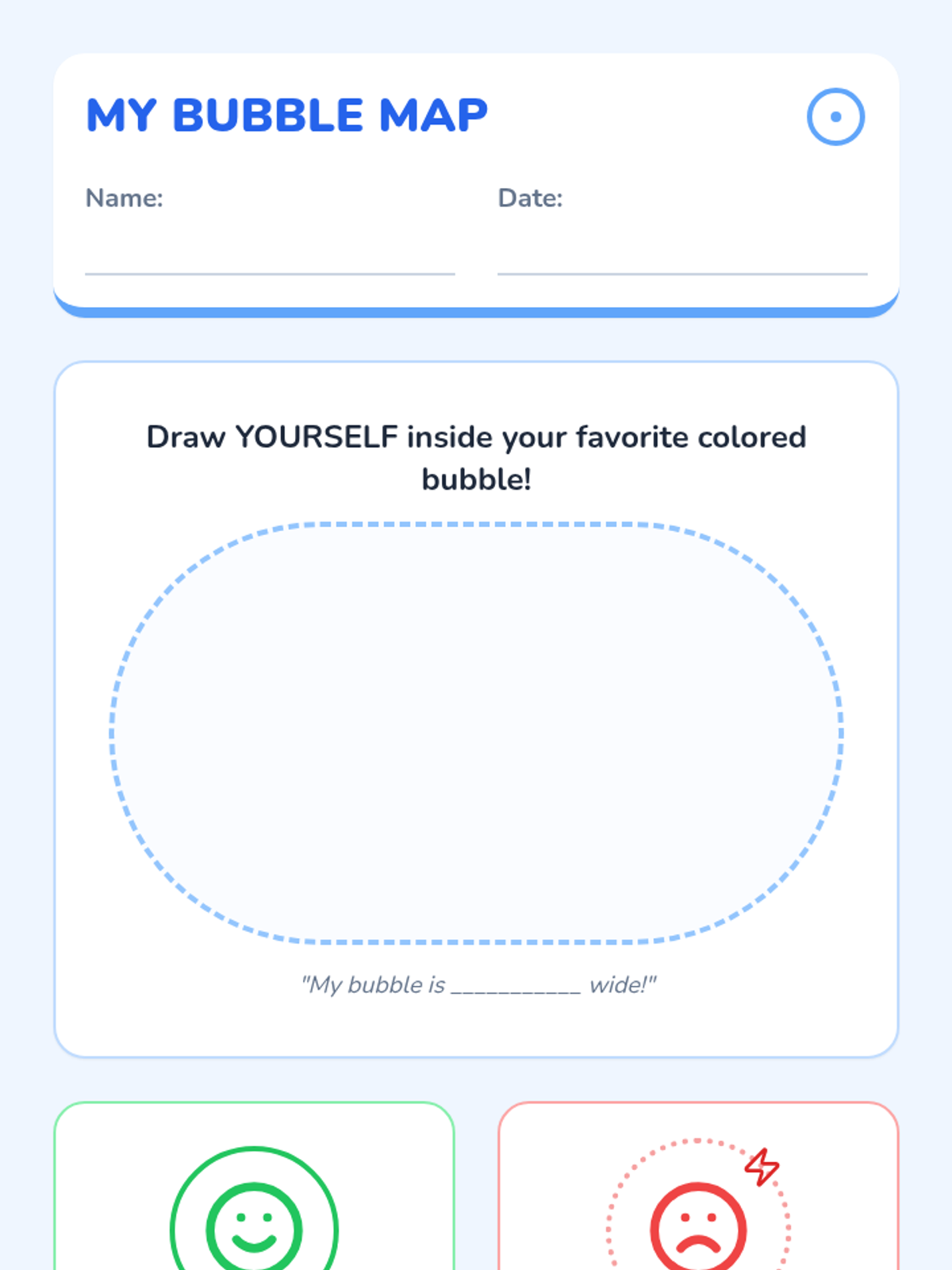
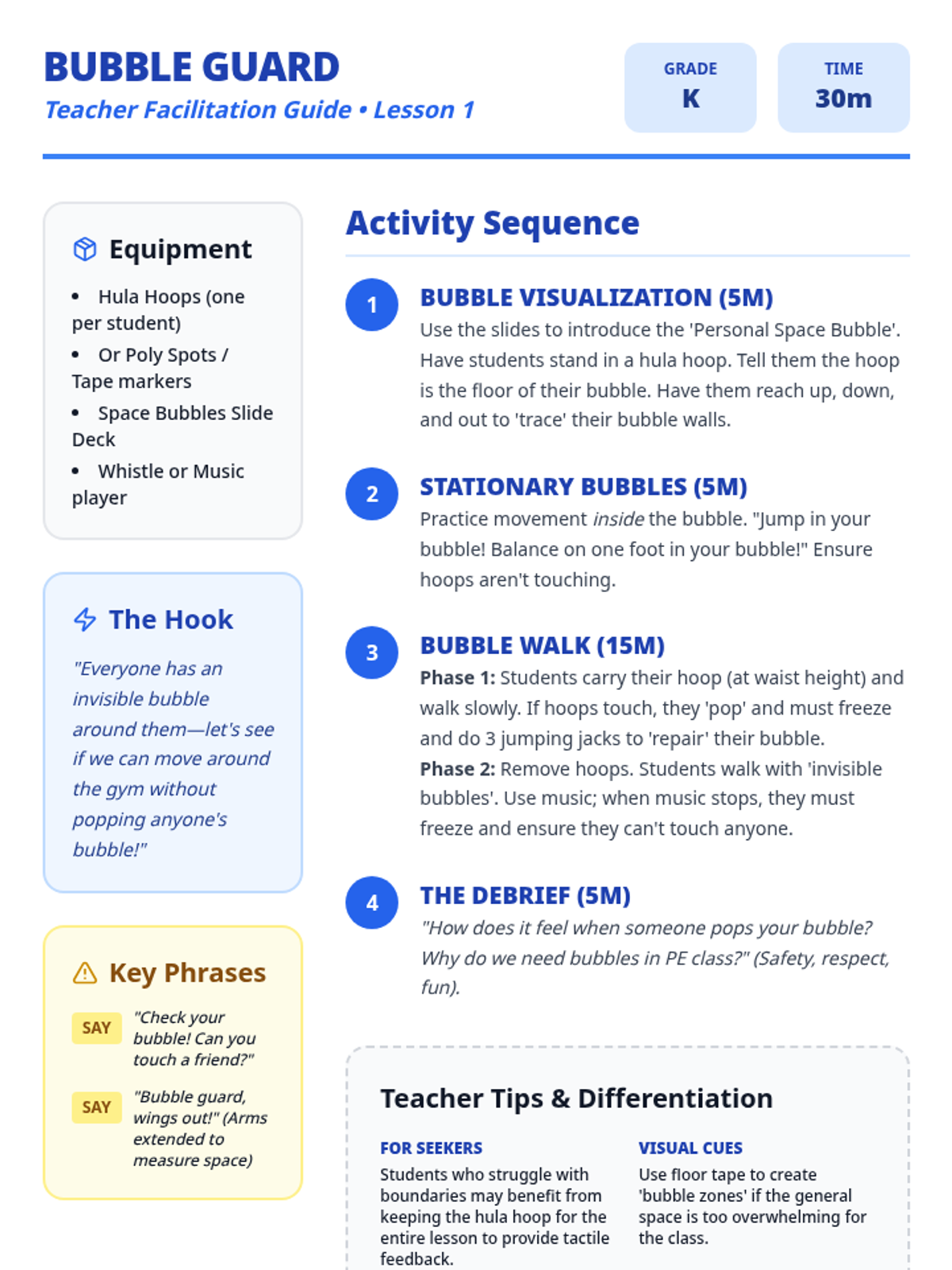
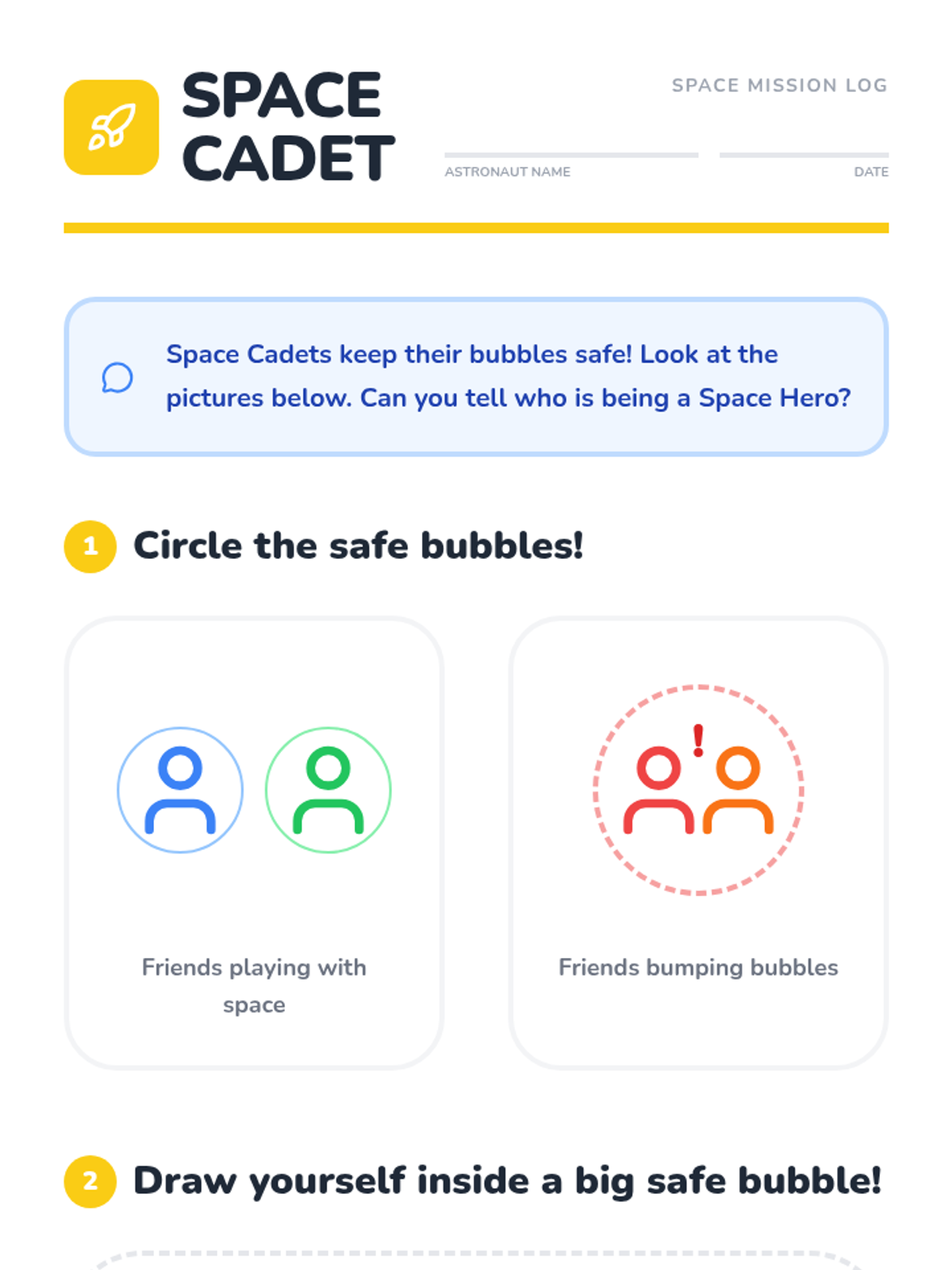
A Kindergarten sequence focused on developing spatial awareness through 'space bubbles' and progressing to complex group coordination activities like parachute play. Students learn to navigate their environment safely and move in harmony with peers.
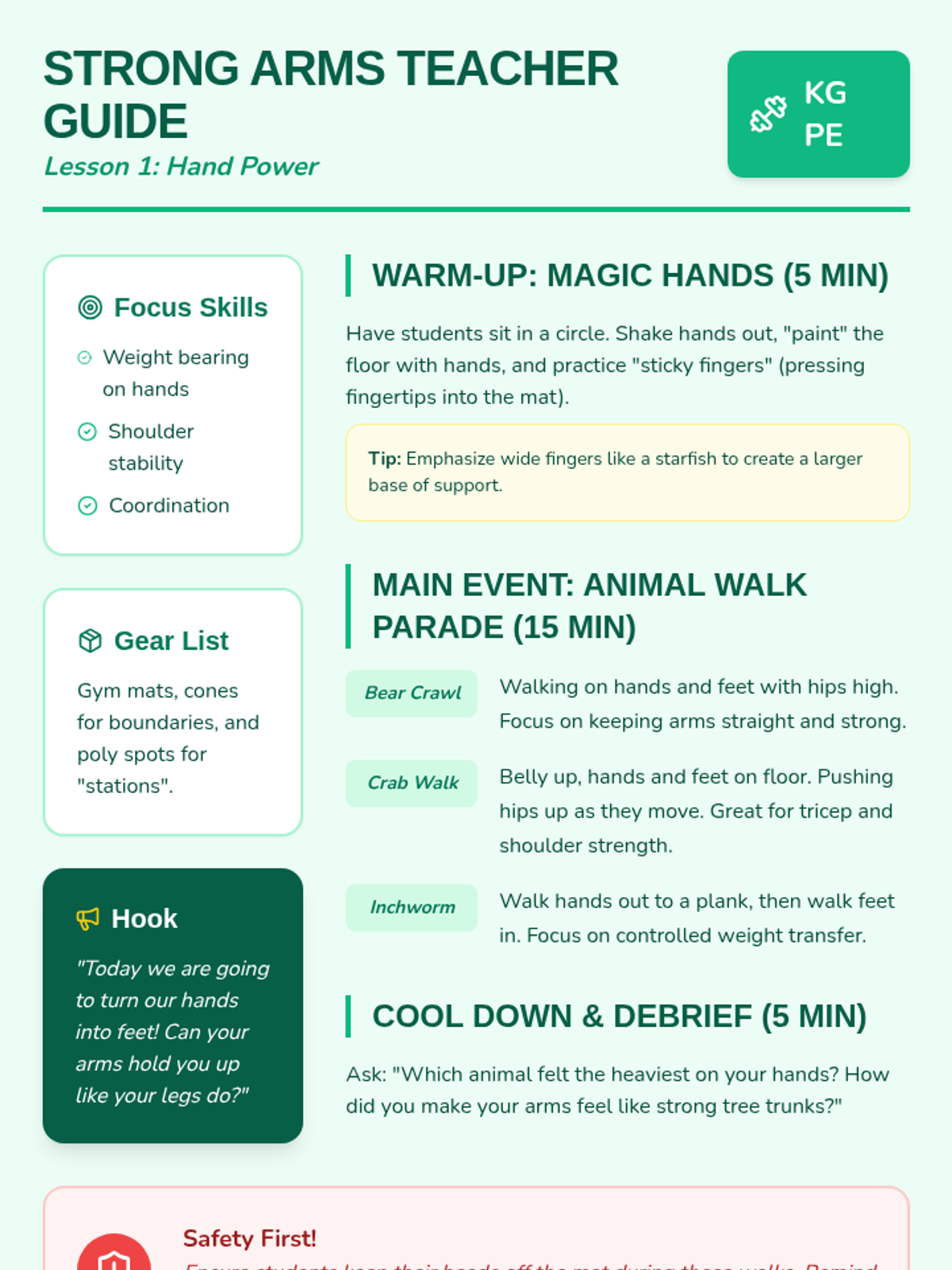
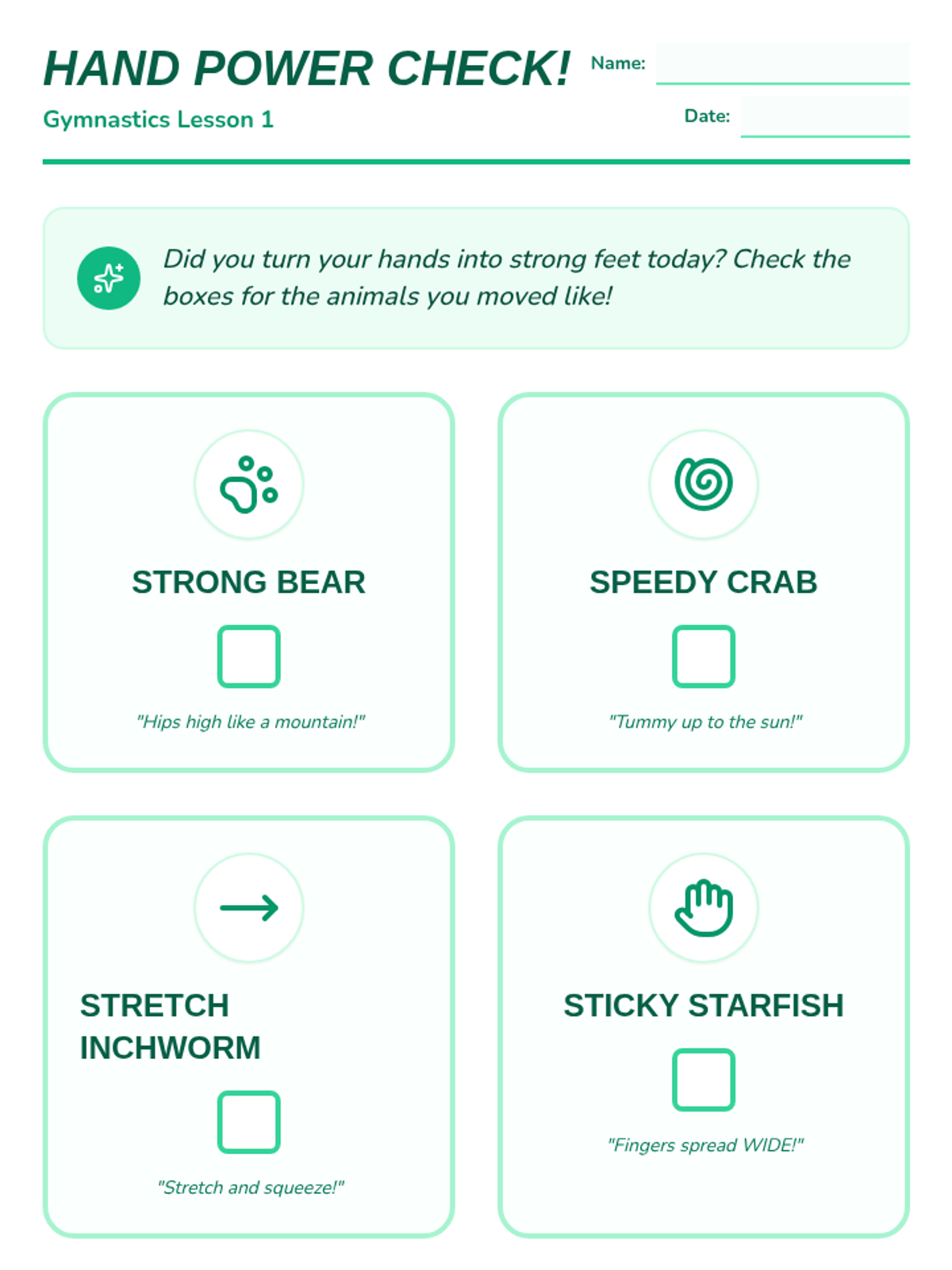
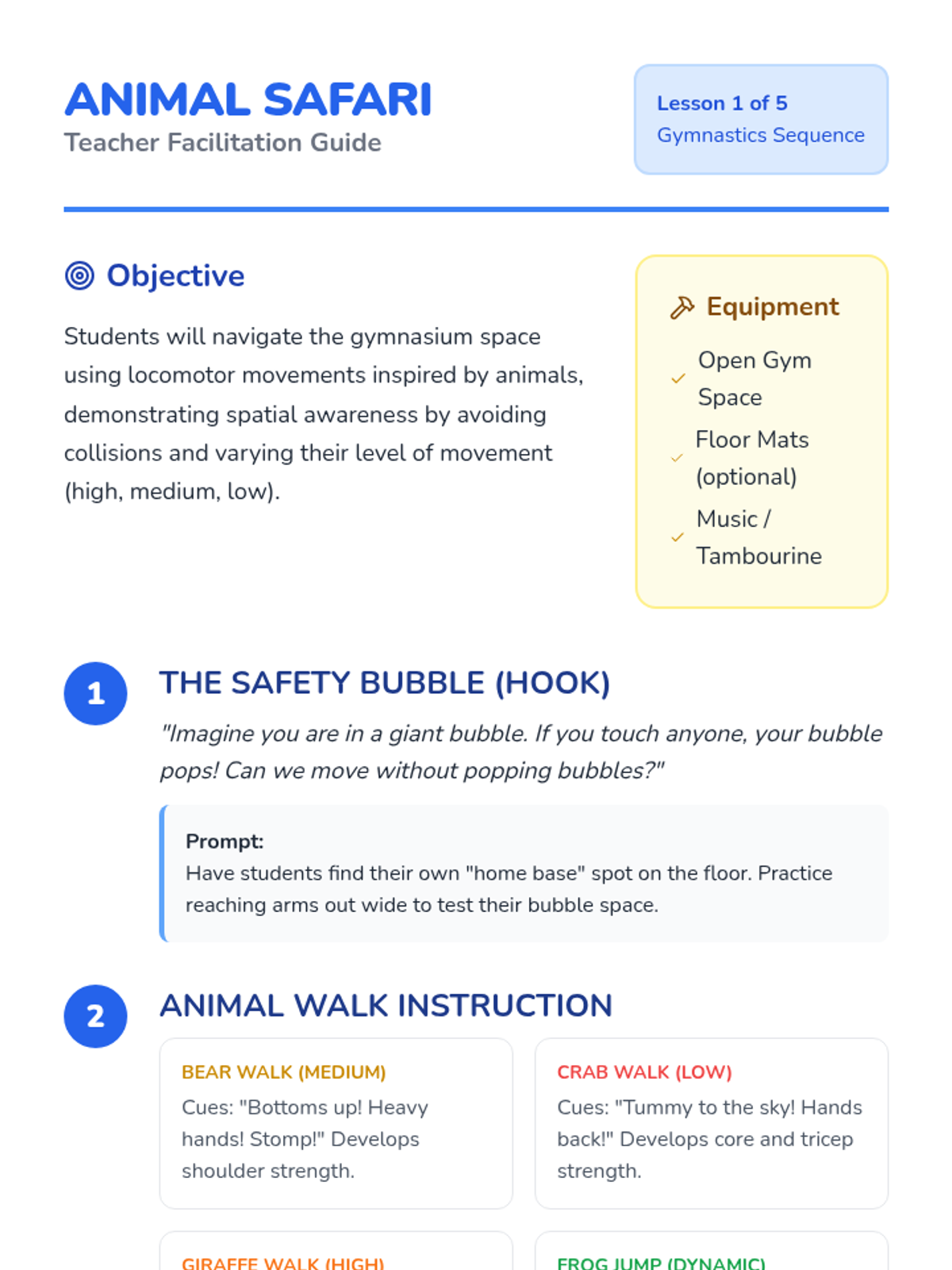
A foundational gymnastics sequence for Kindergarteners focusing on weight transfer from feet to hands. Students build upper body strength and confidence through animal-themed movements and basic inversions.
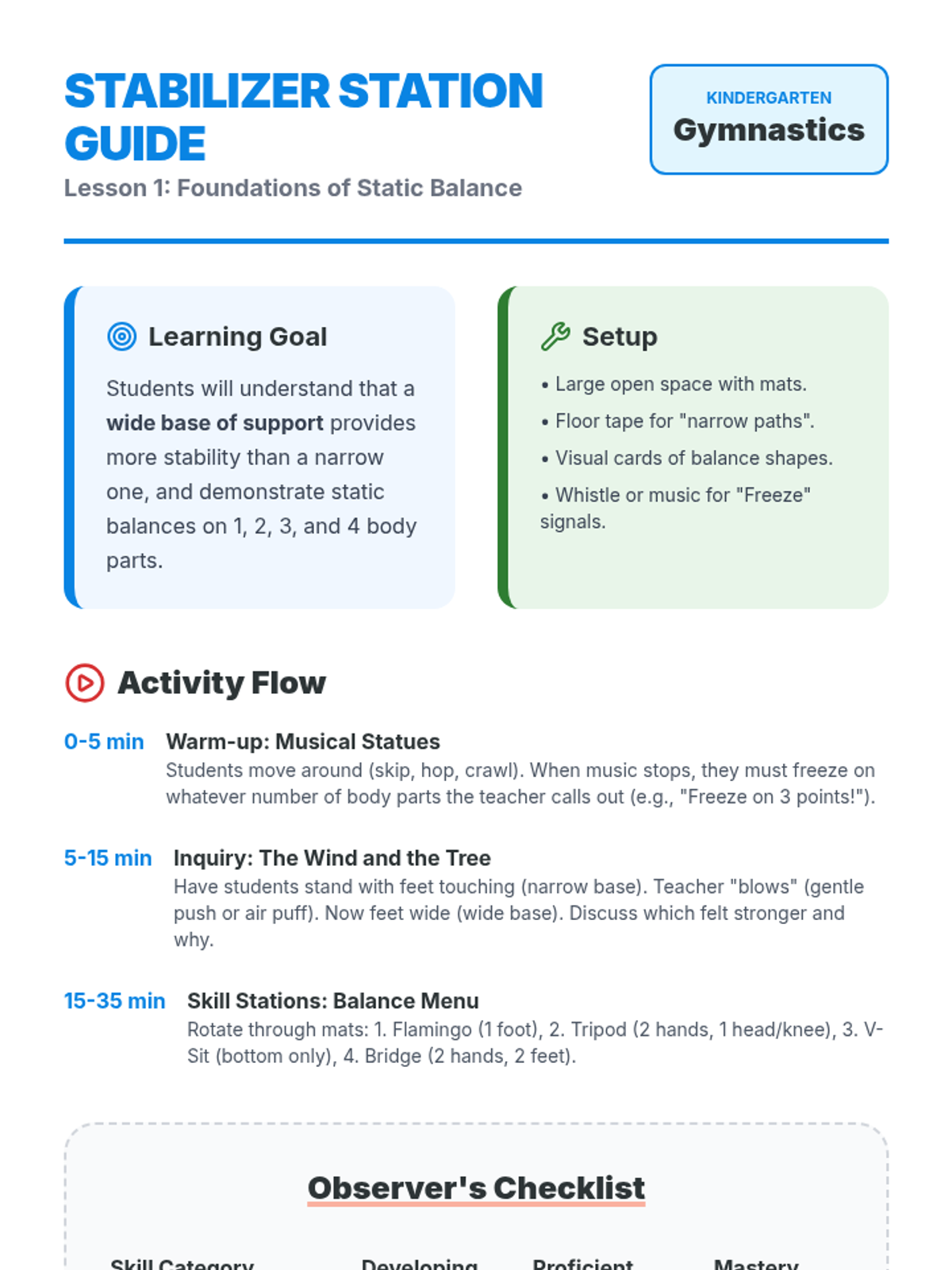
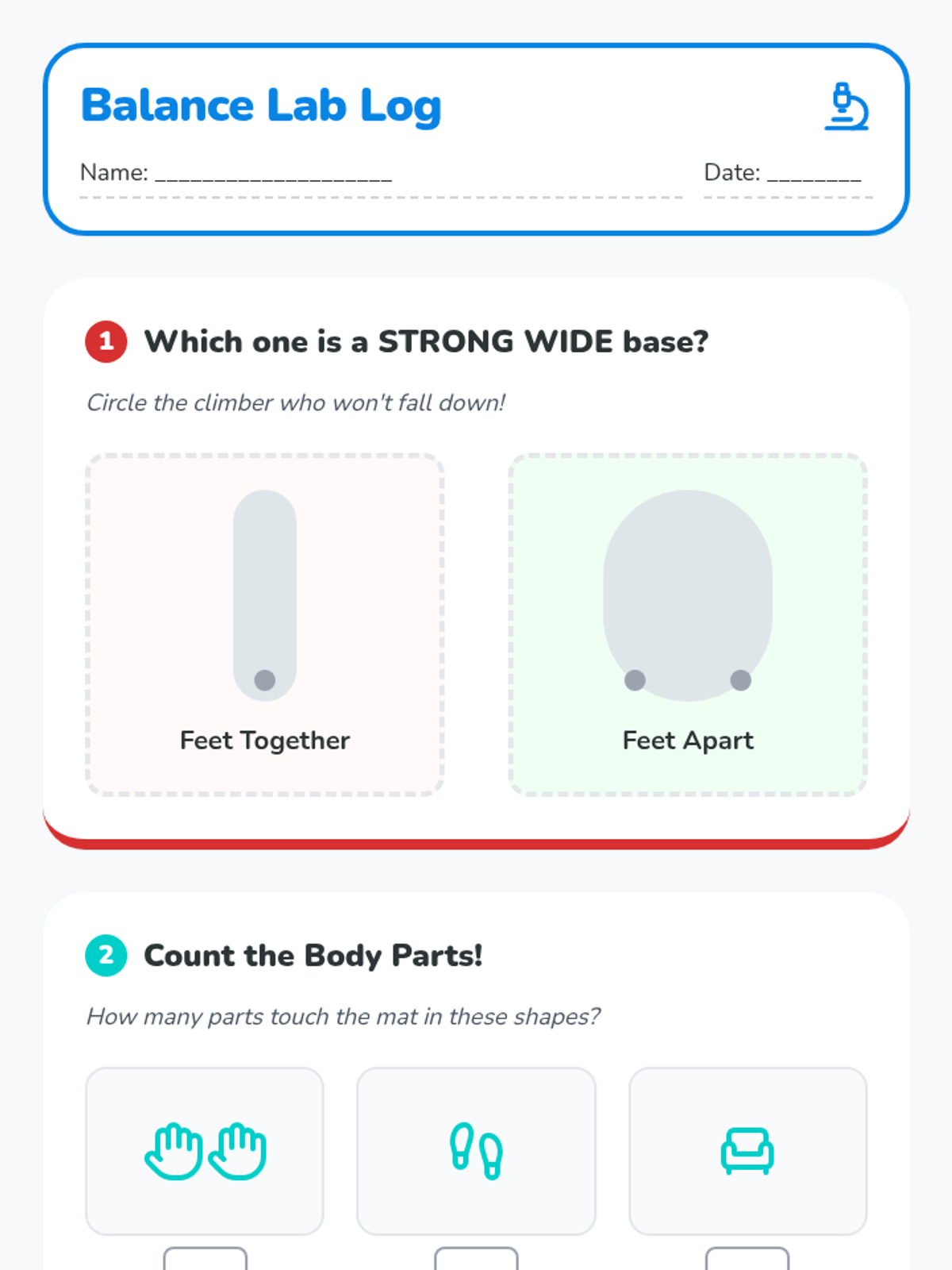
A Kindergarten gymnastics sequence focusing on the foundations of static balance, safe 'motorcycle' landings, and navigating narrow paths with control. Students learn to stabilize their bodies and protect their joints during movement.
A Kindergarten gymnastics unit focused on body awareness, fundamental shapes (tuck, pike, straddle), and basic rolling skills like log and forward rolls. Students develop gross motor coordination and spatial awareness through playful movement and skill-building activities.
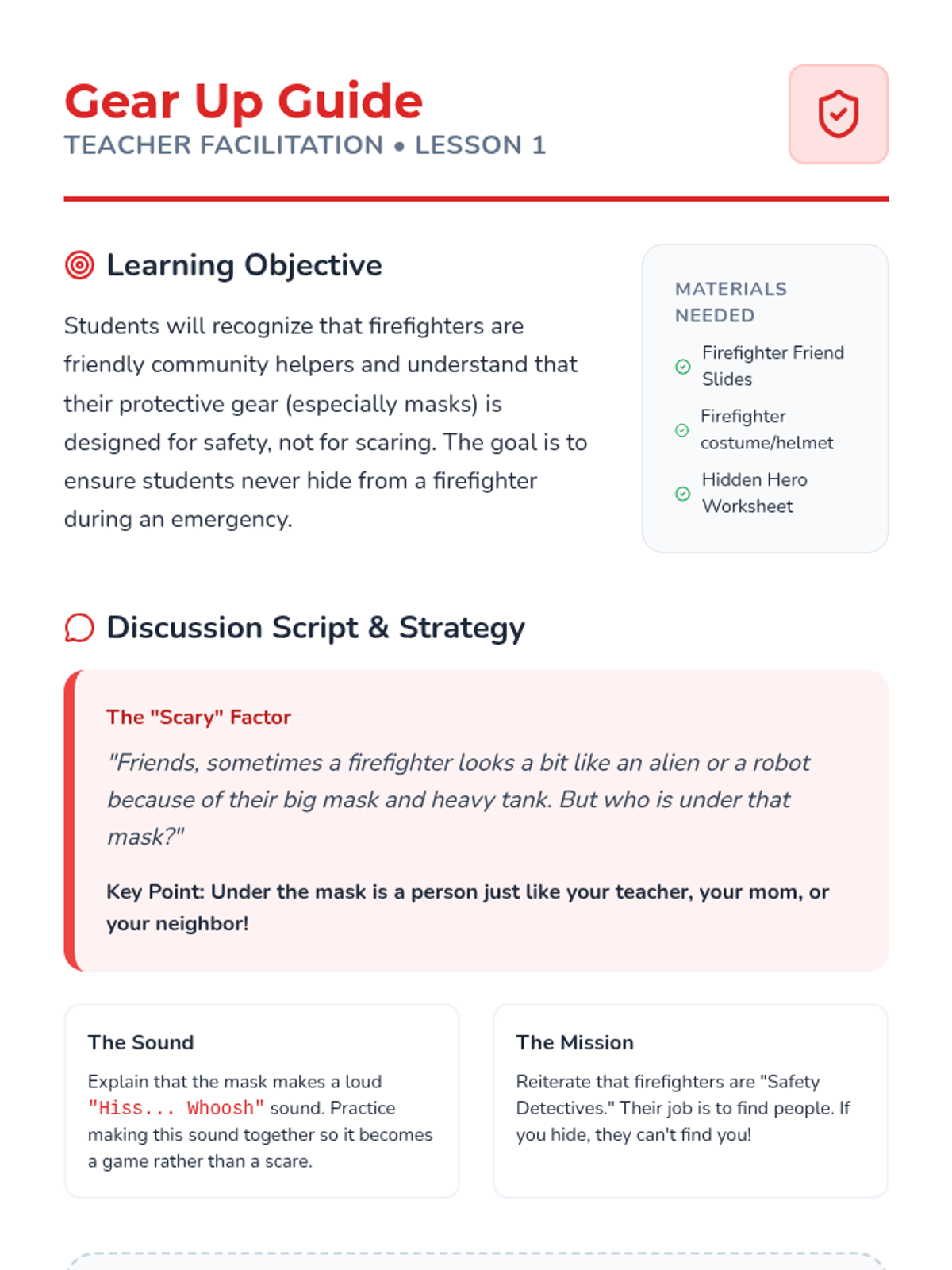
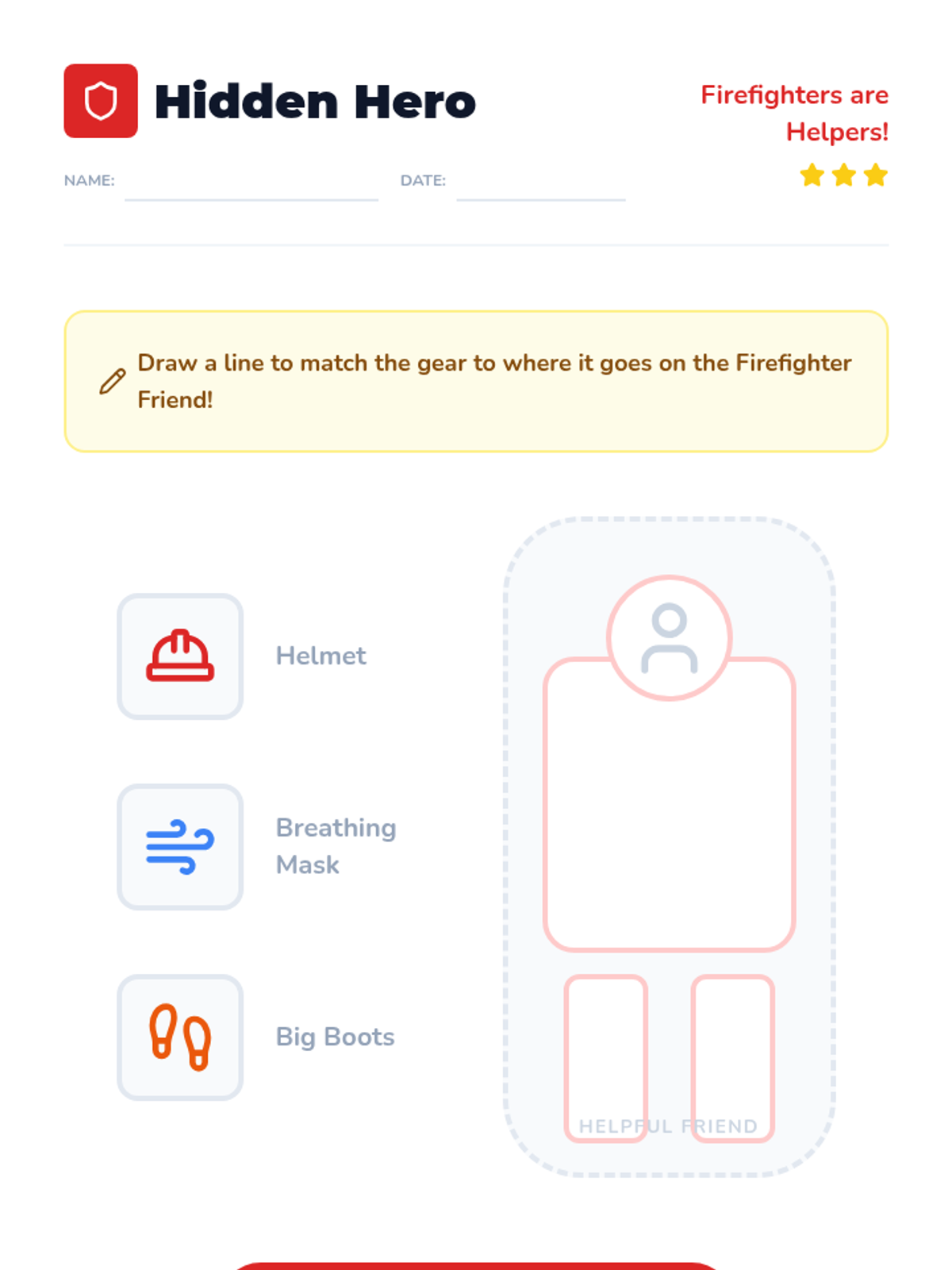
A comprehensive fire safety sequence for Pre-K students focusing on movement-based reactions, overcoming fear of emergency gear, and mastering evacuation procedures through play and simulation.
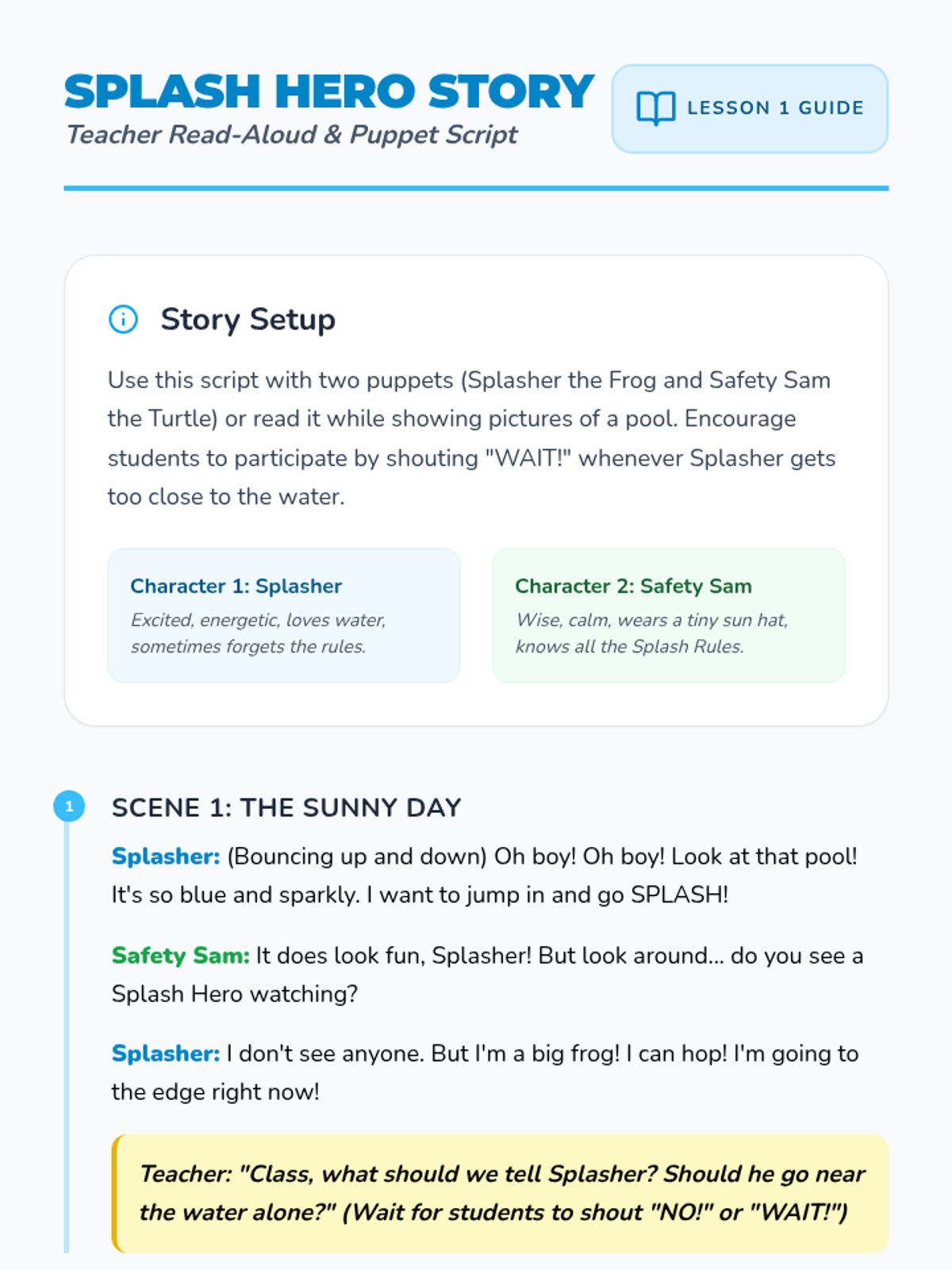
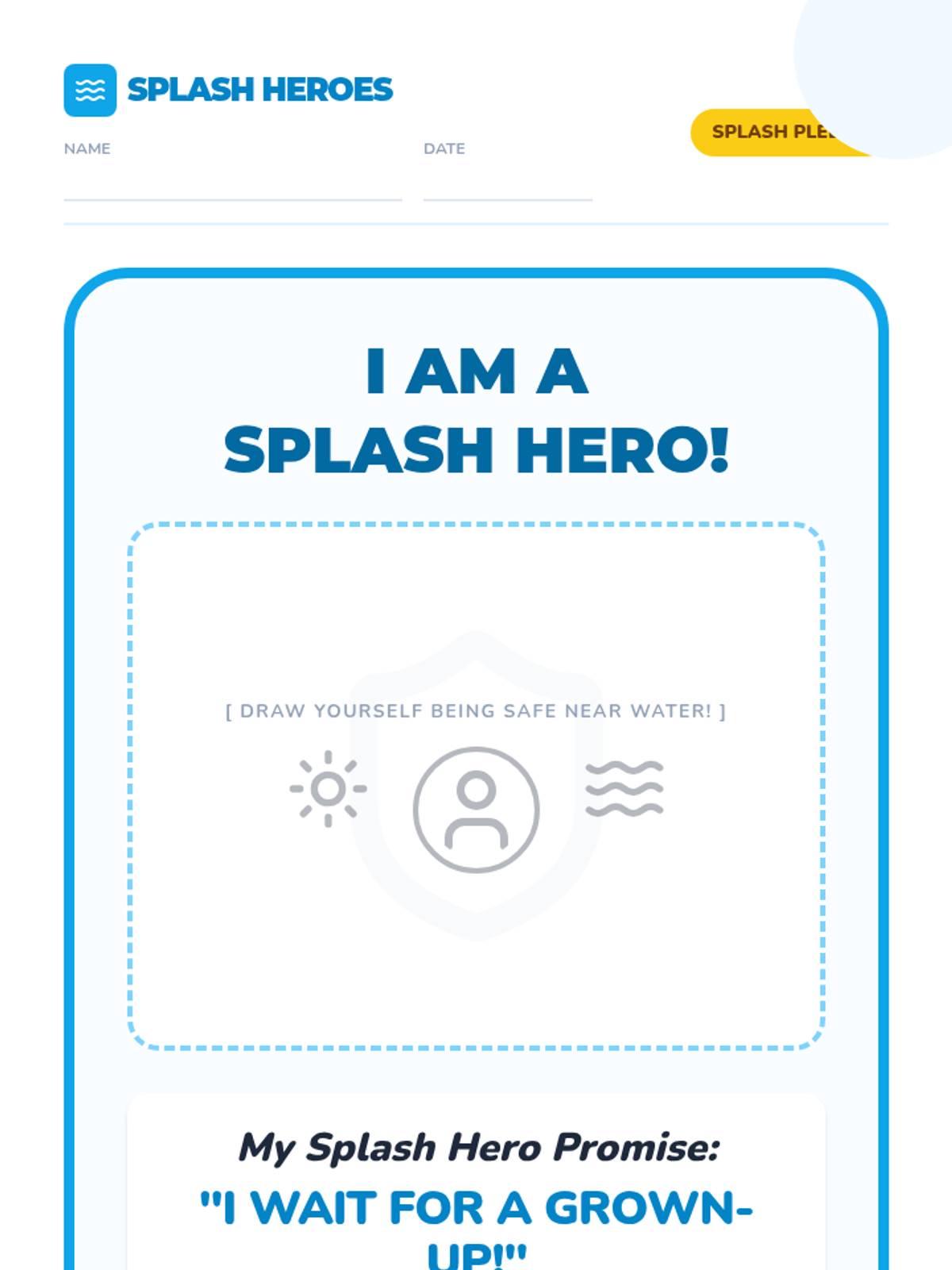
A comprehensive water safety sequence for Pre-K students focusing on supervision, safety gear, behavior, and emergency response through the 'Splash Heroes' theme.
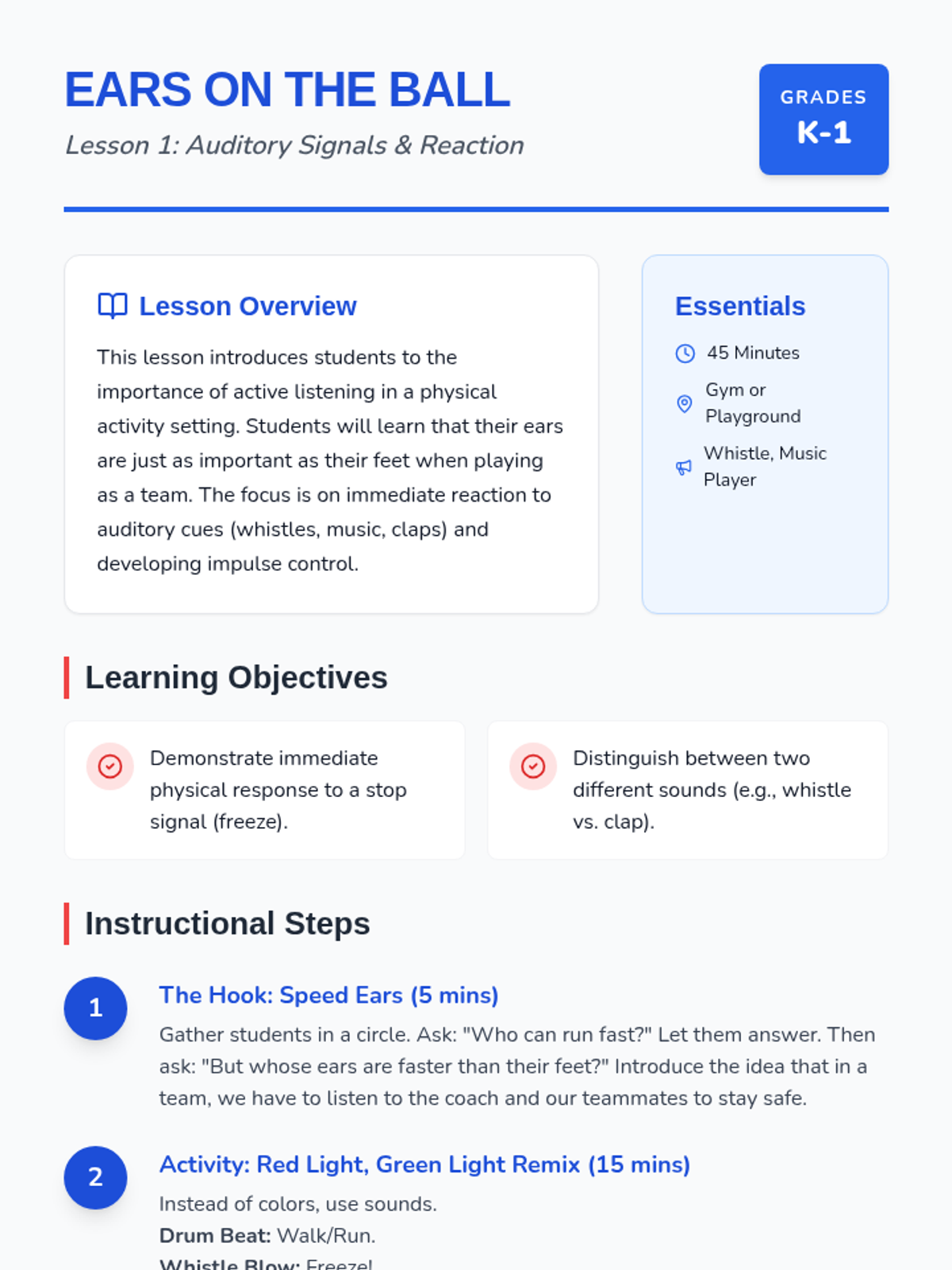
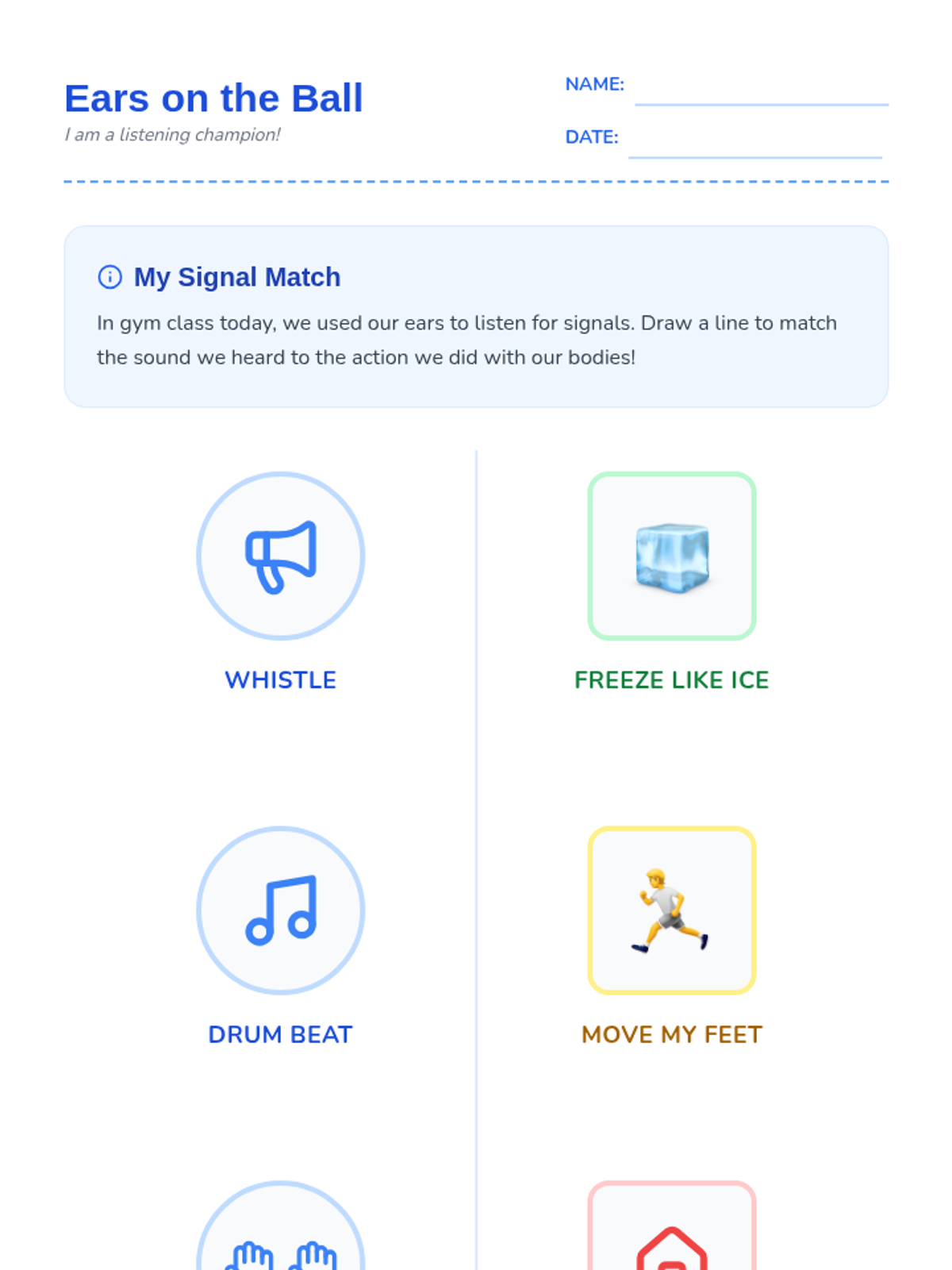
A Kindergarten sequence focused on the basics of team communication through auditory signals, visual cues, and non-verbal cooperation. Students learn to use their eyes and ears to play safely and effectively as a team.
A Pre-K sequence focused on parachute play to teach synchronized movement, cooperation, and basic motor skills through group-based physical activities.
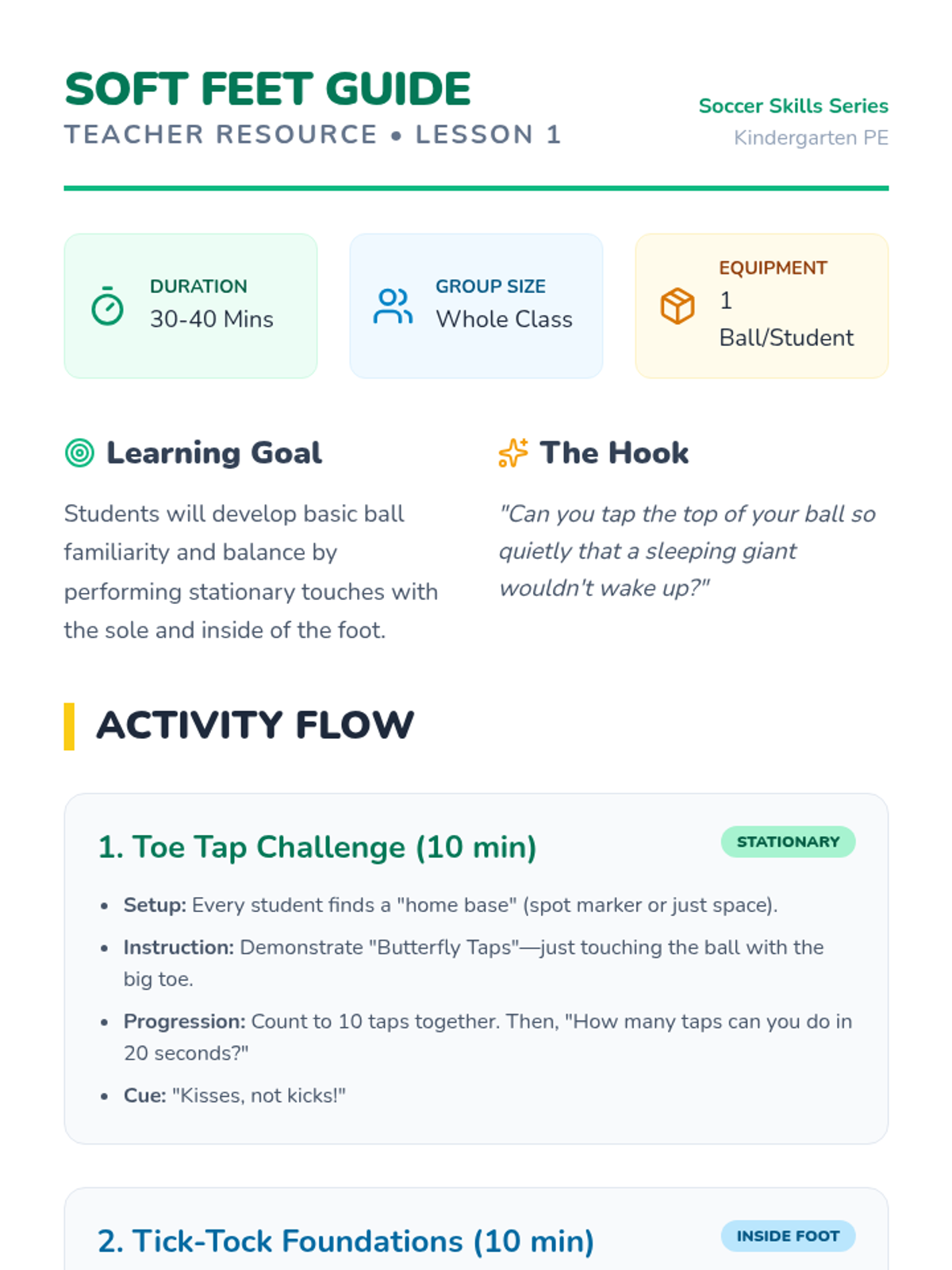
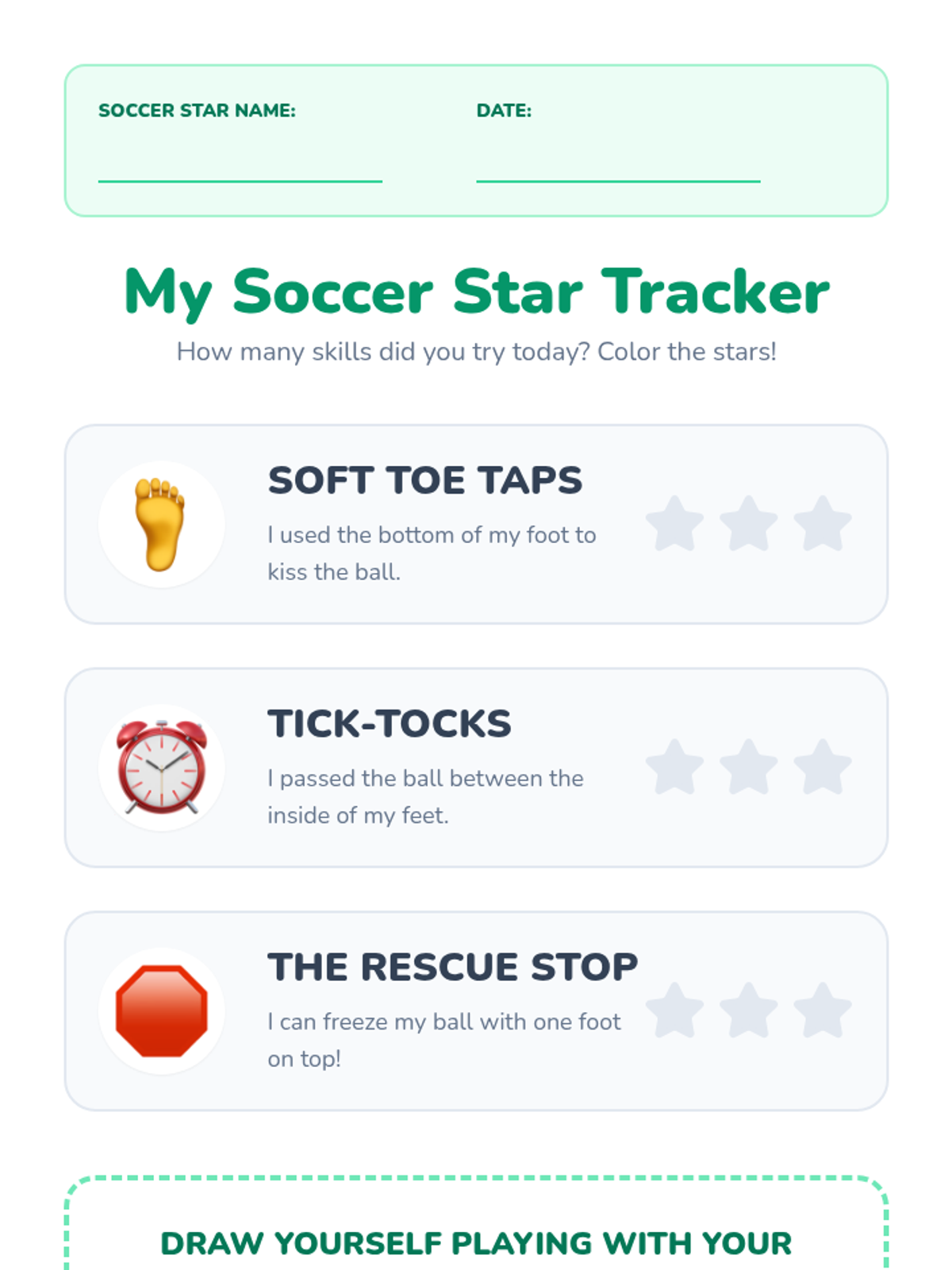
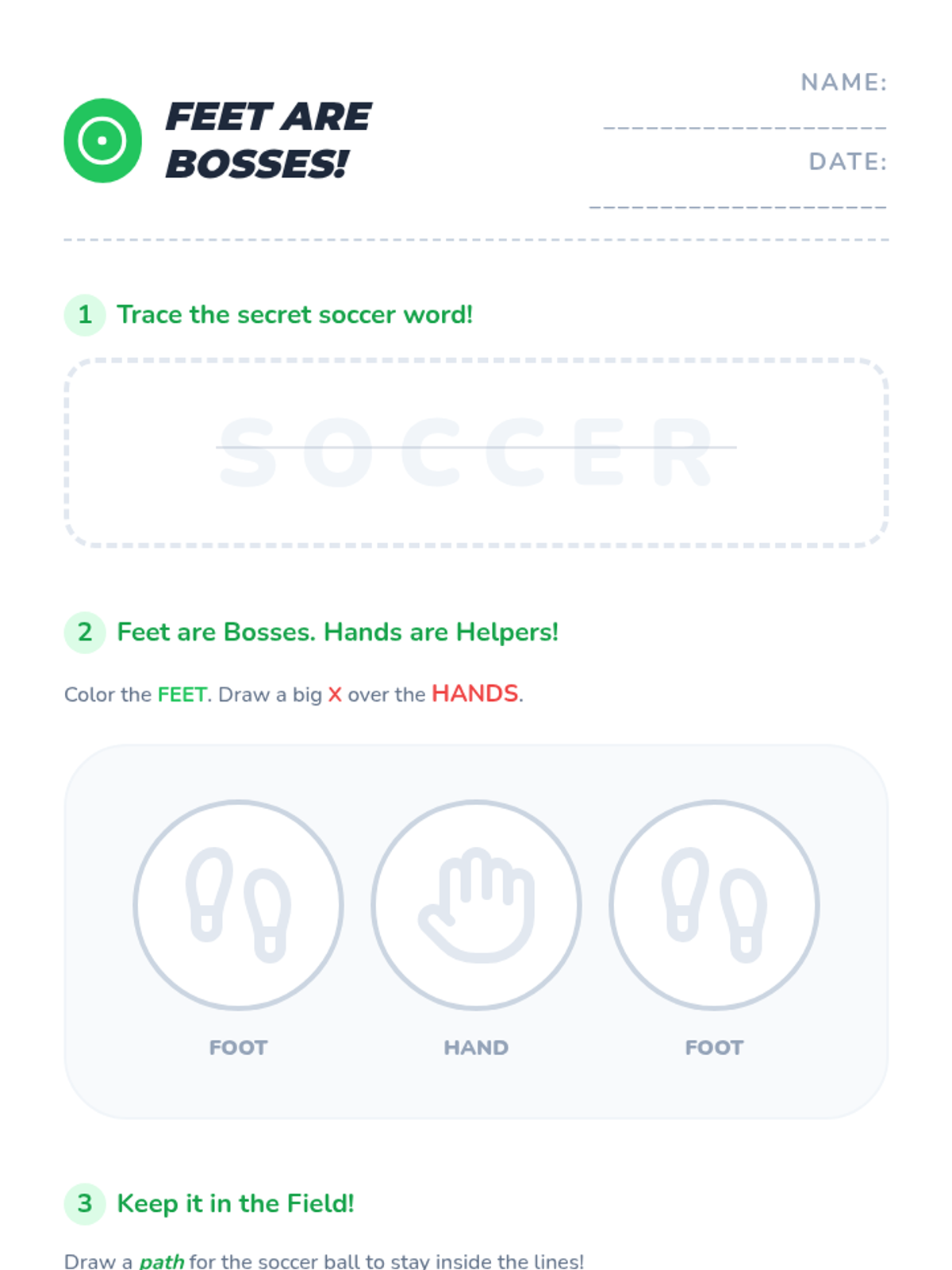
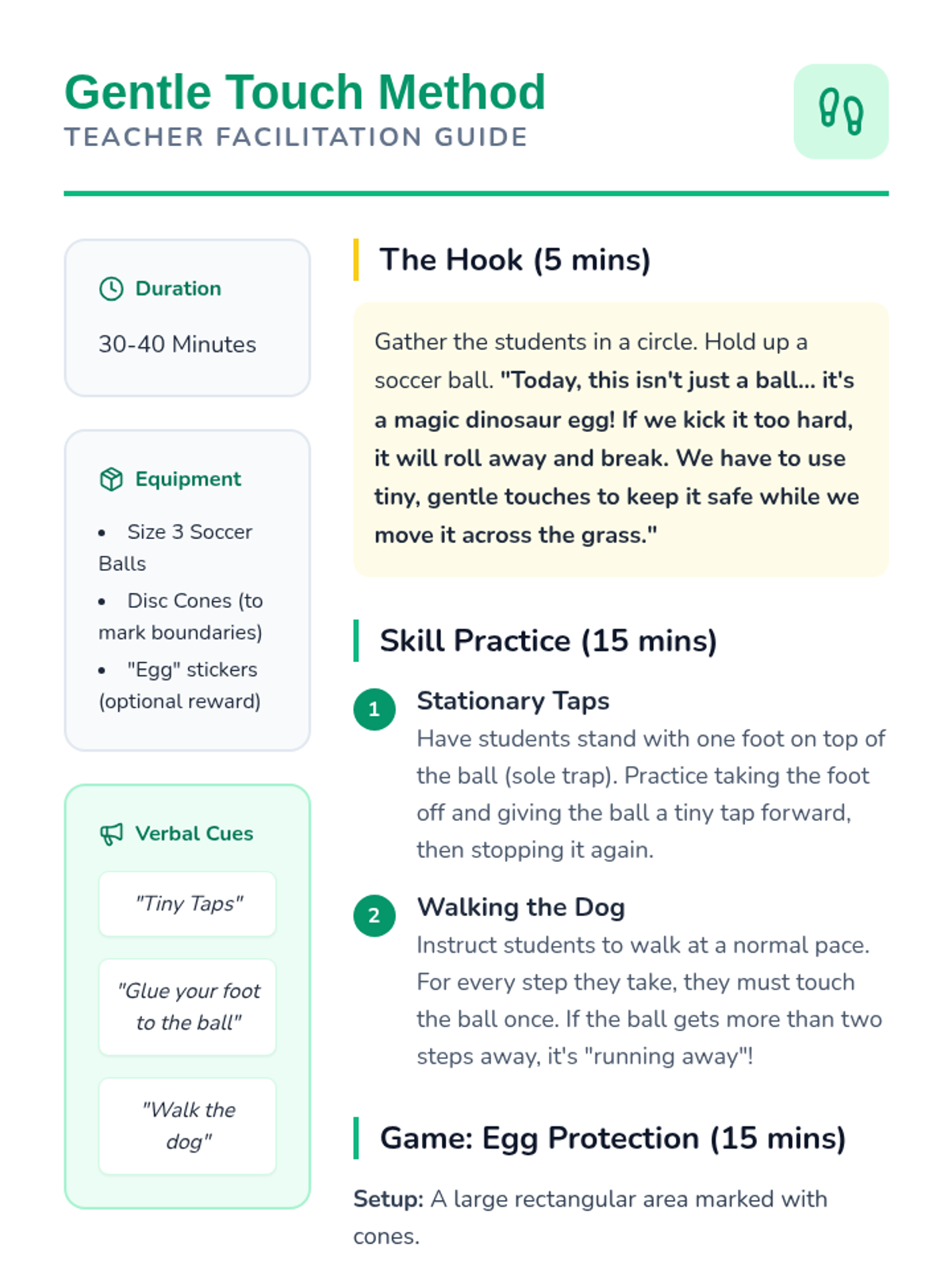
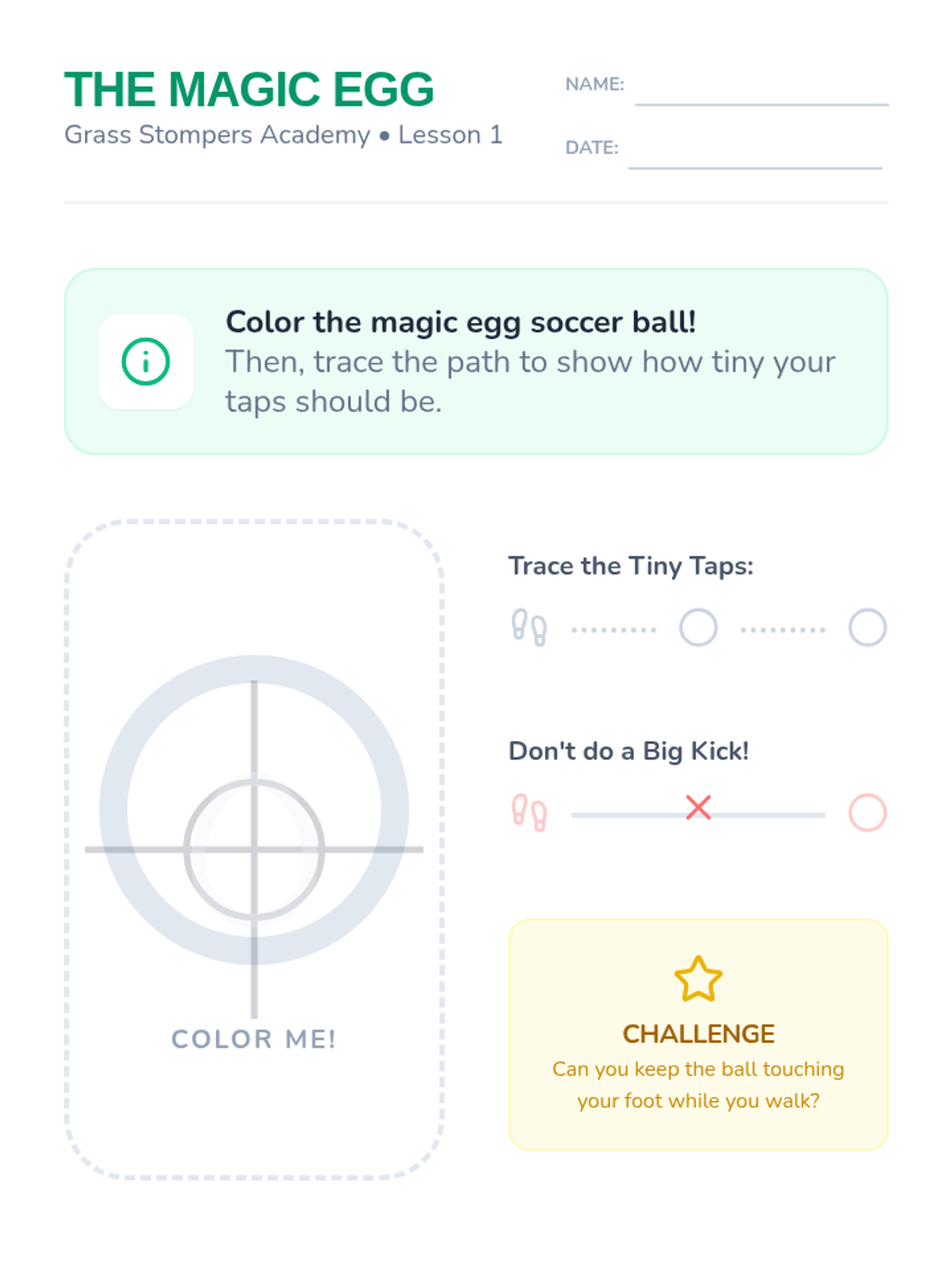
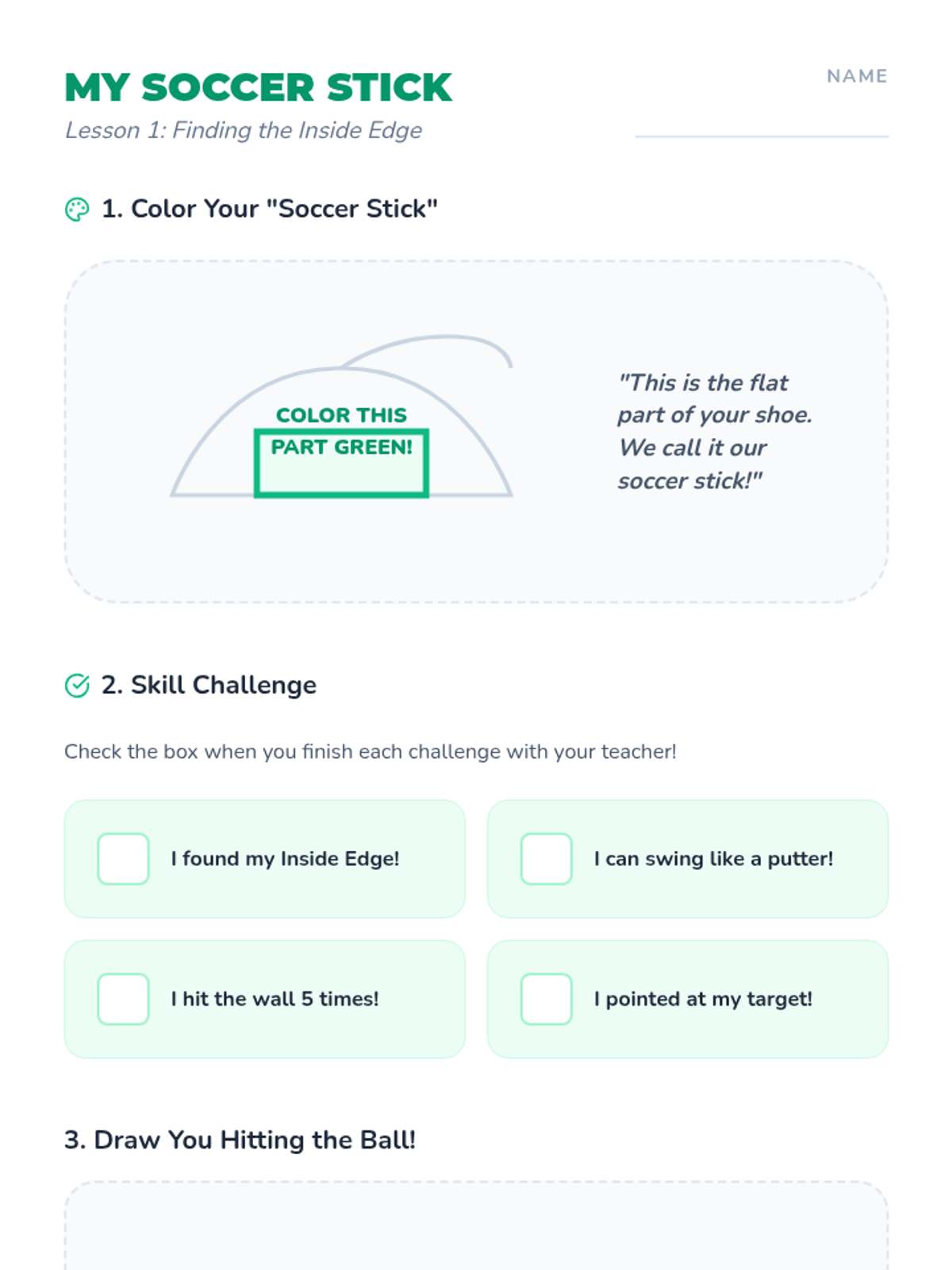
A Kindergarten physical education sequence introducing soccer dribbling and ball control through imaginative play, emphasizing soft touches, stopping, and directional changes.
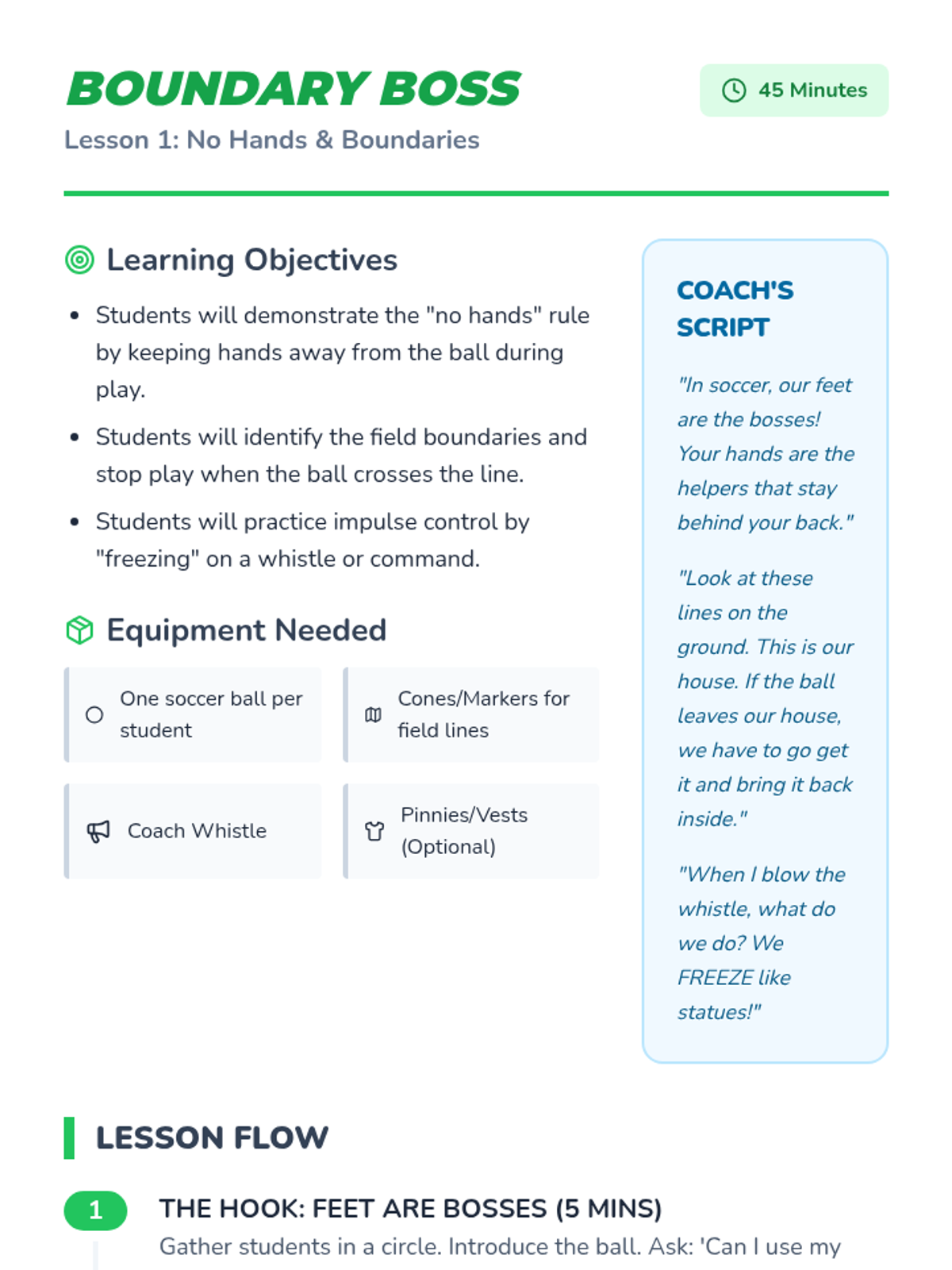
A comprehensive soccer skills sequence for Kindergarten focusing on rules, spatial awareness, and basic game mechanics. Students move from the 'beehive' mentality to understanding boundaries, 'no hands', and basic roles.
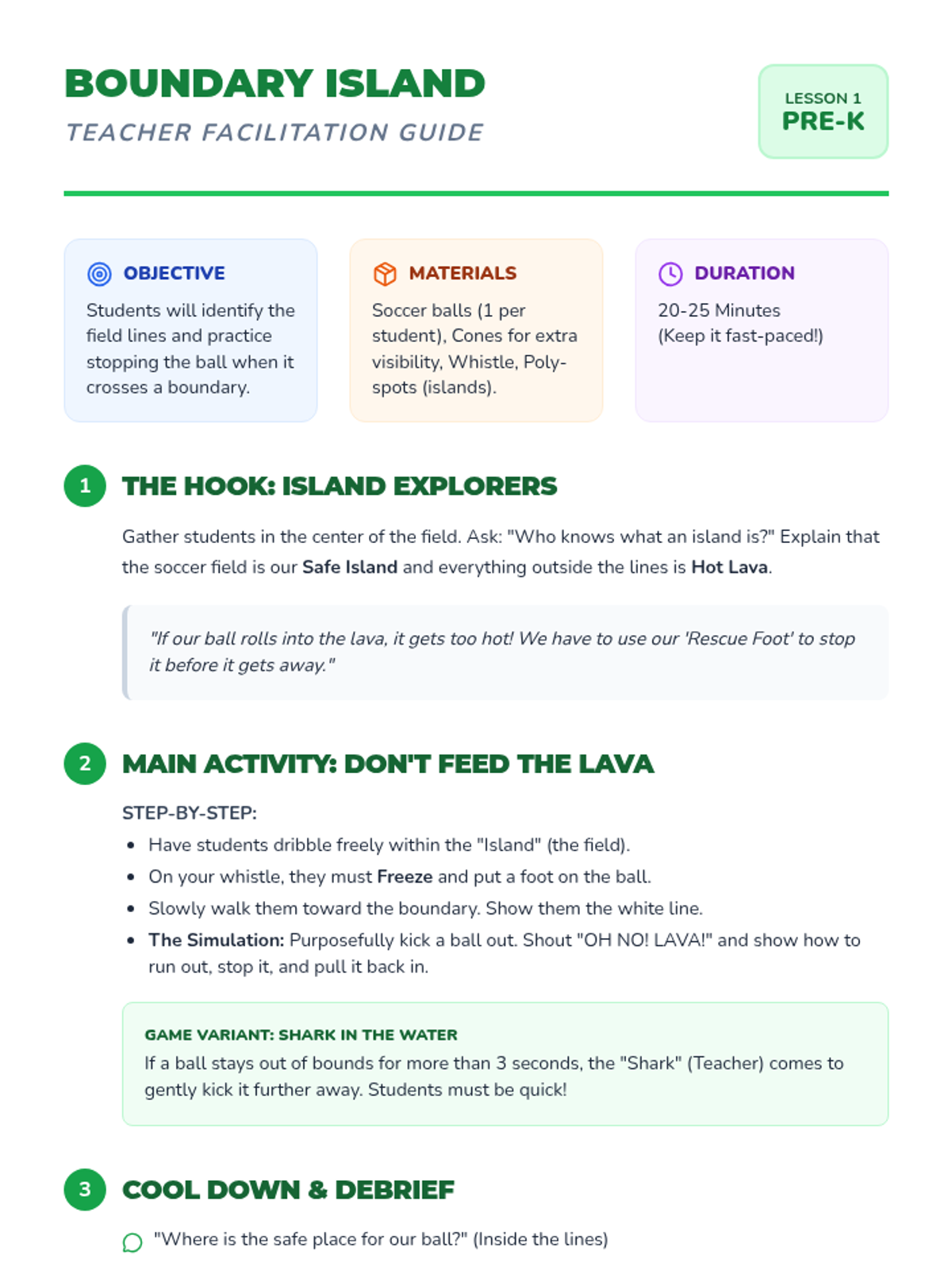
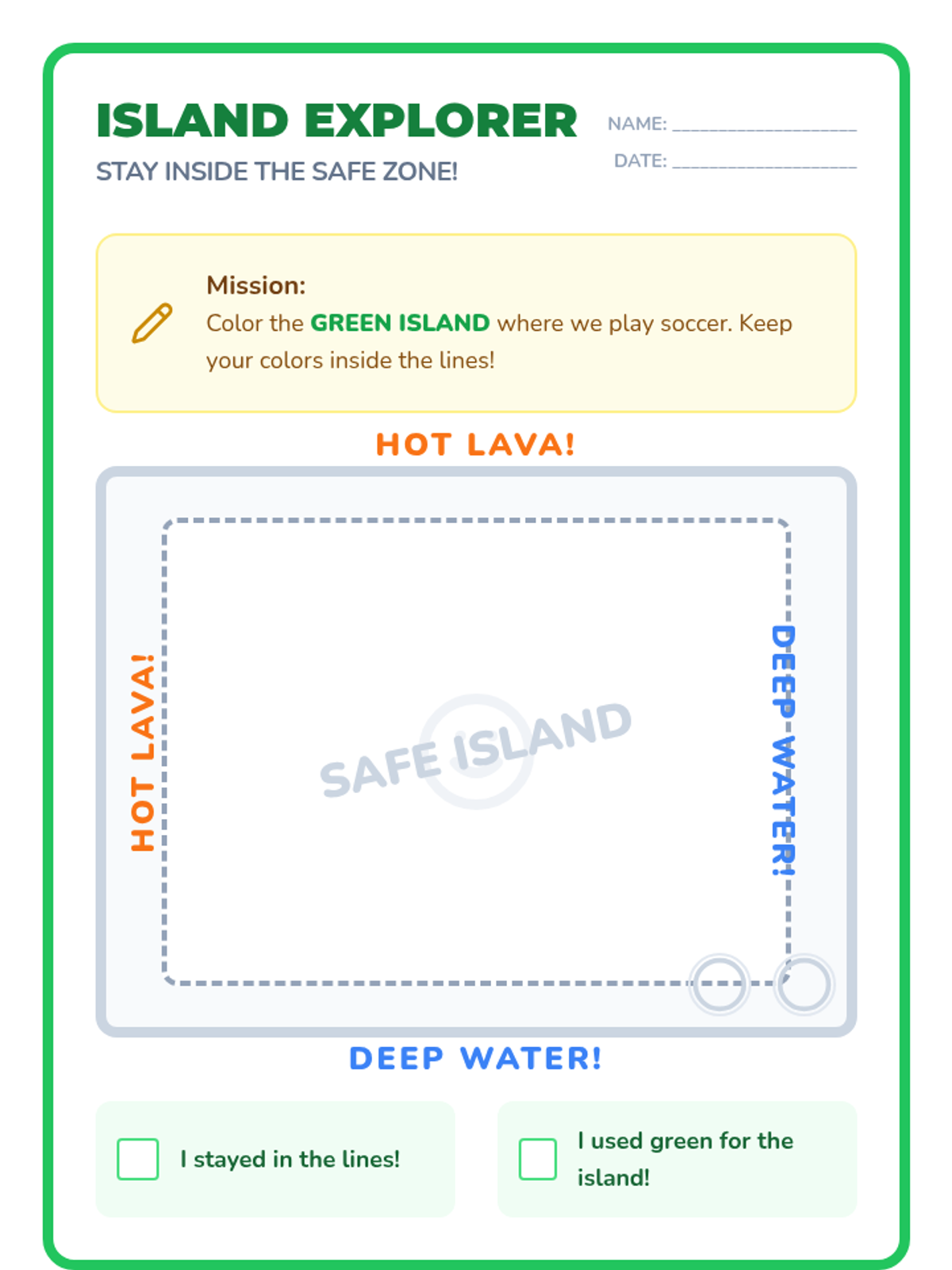
A foundational soccer sequence for Pre-K students focusing on basic gameplay, spatial awareness, and sportsmanship. Students learn about boundaries, directionality, defensive positioning, and the unique role of the goalkeeper through playful simulation and movement.
A soccer dribbling sequence for Pre-K students focusing on 'soft touches', using the inside of the foot, steering around obstacles, and controlling speed. Students move from stationary control to mobility through playful, game-based learning.
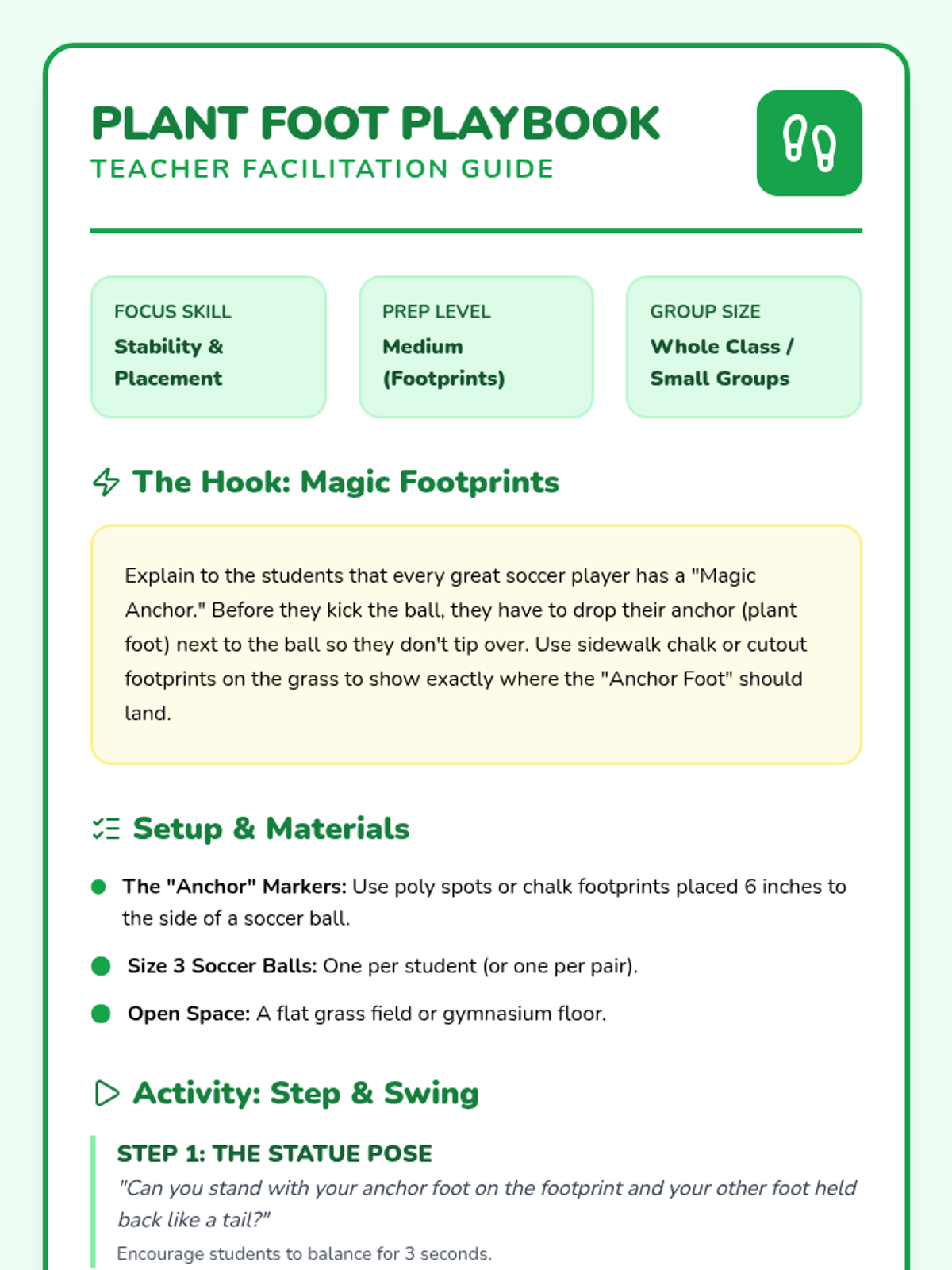
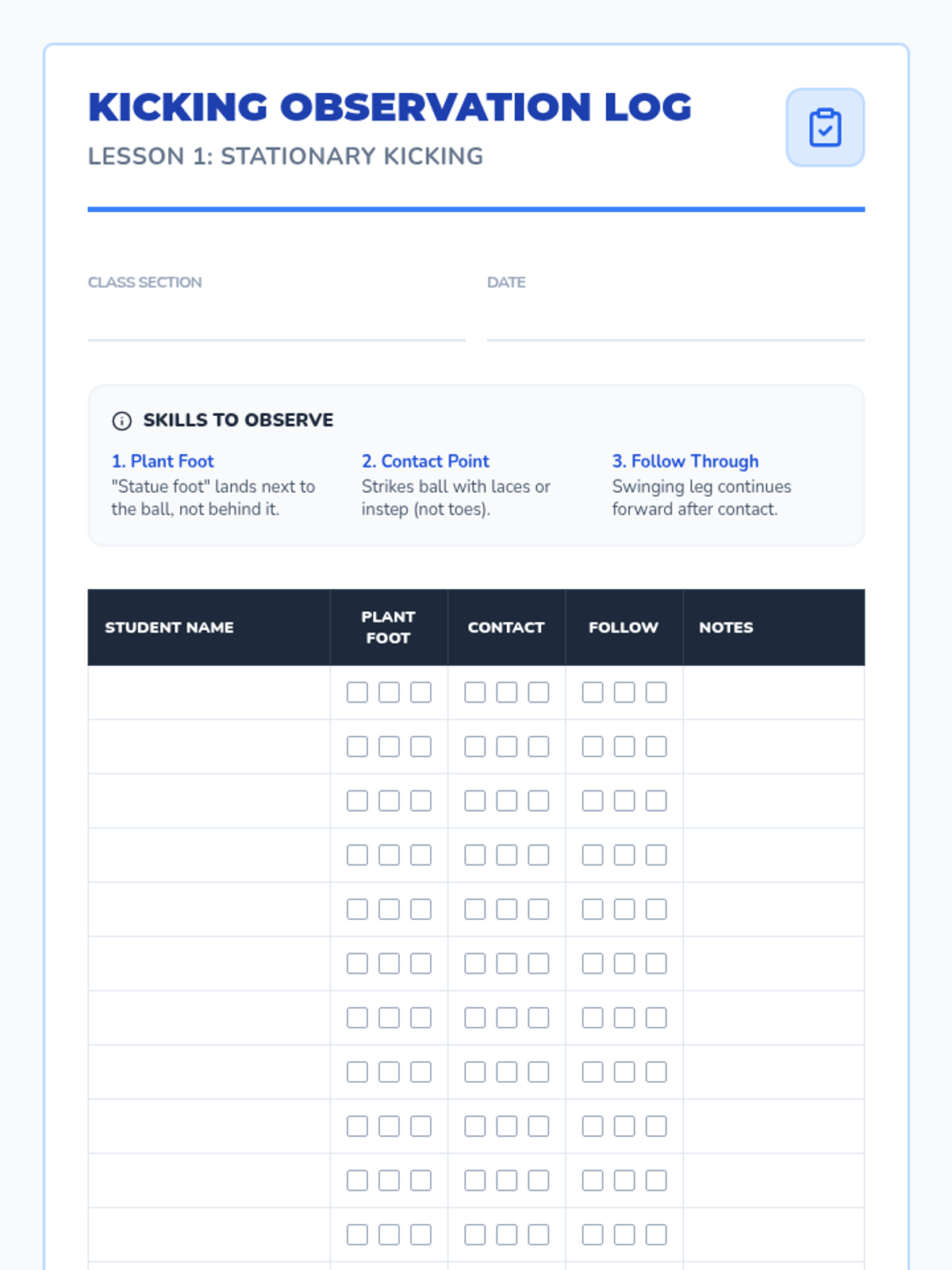
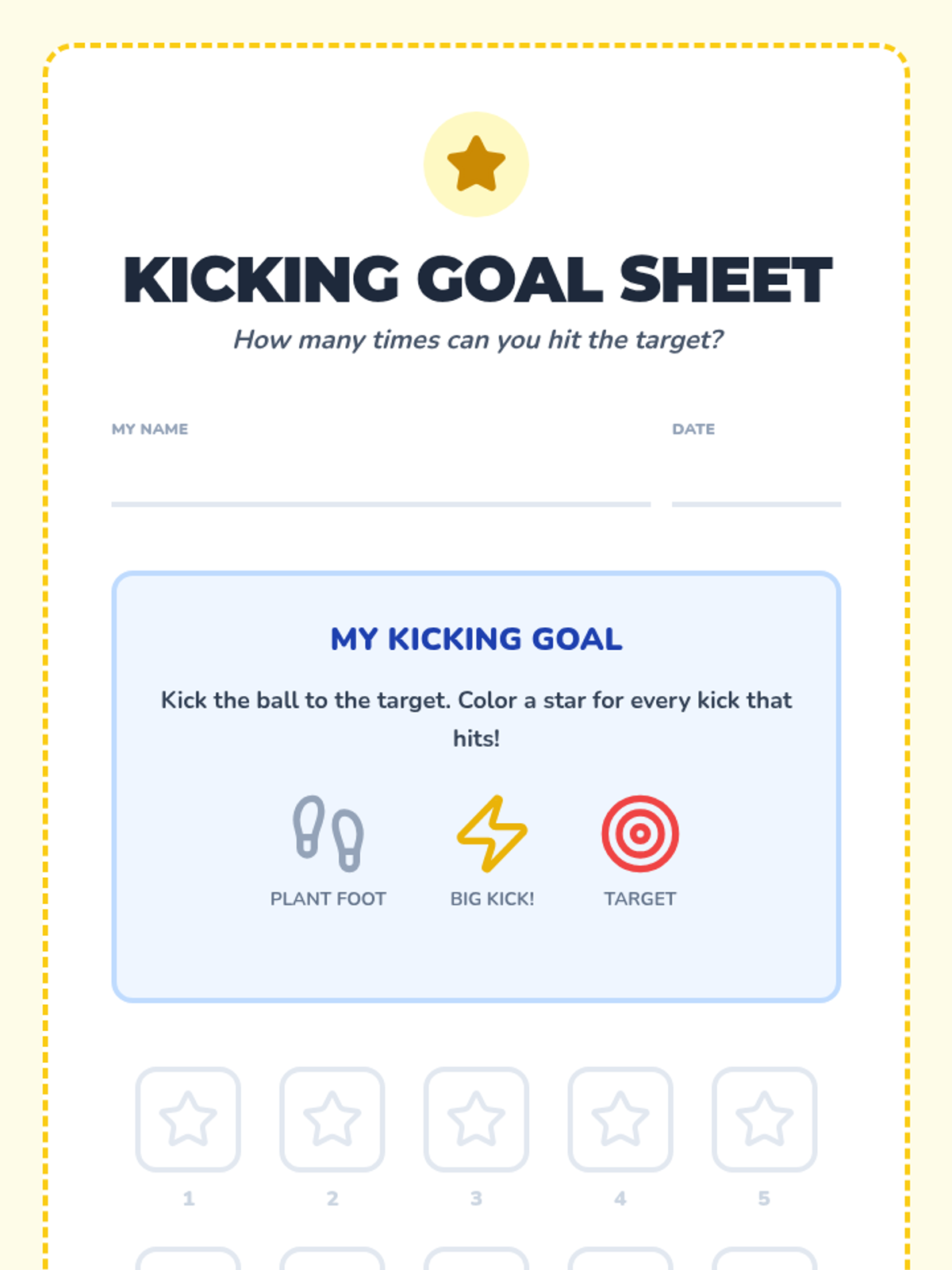
A fun, active sequence for Pre-K students focused on the fundamentals of kicking a soccer ball, from foot placement to target accuracy and sportsmanship.
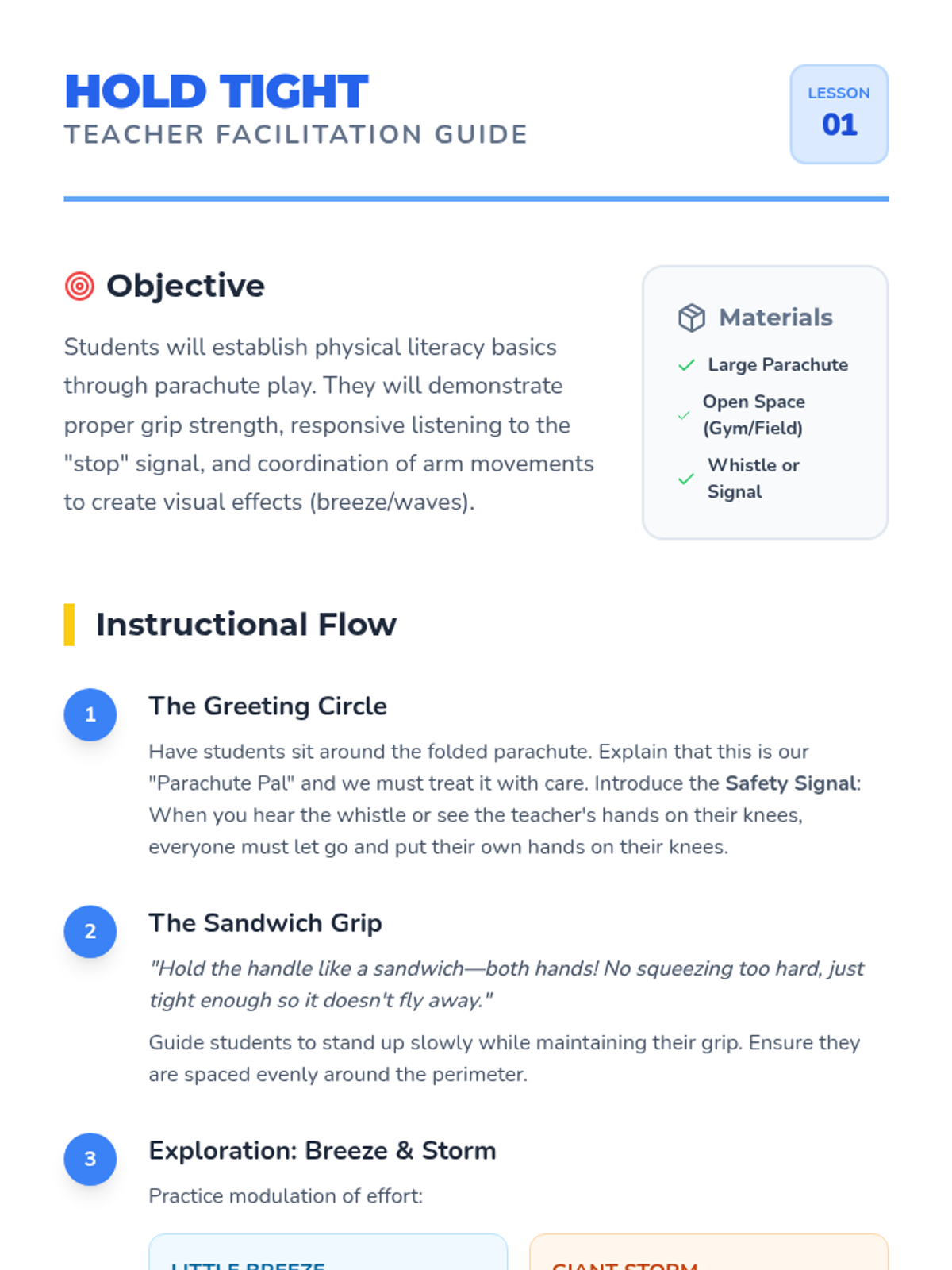
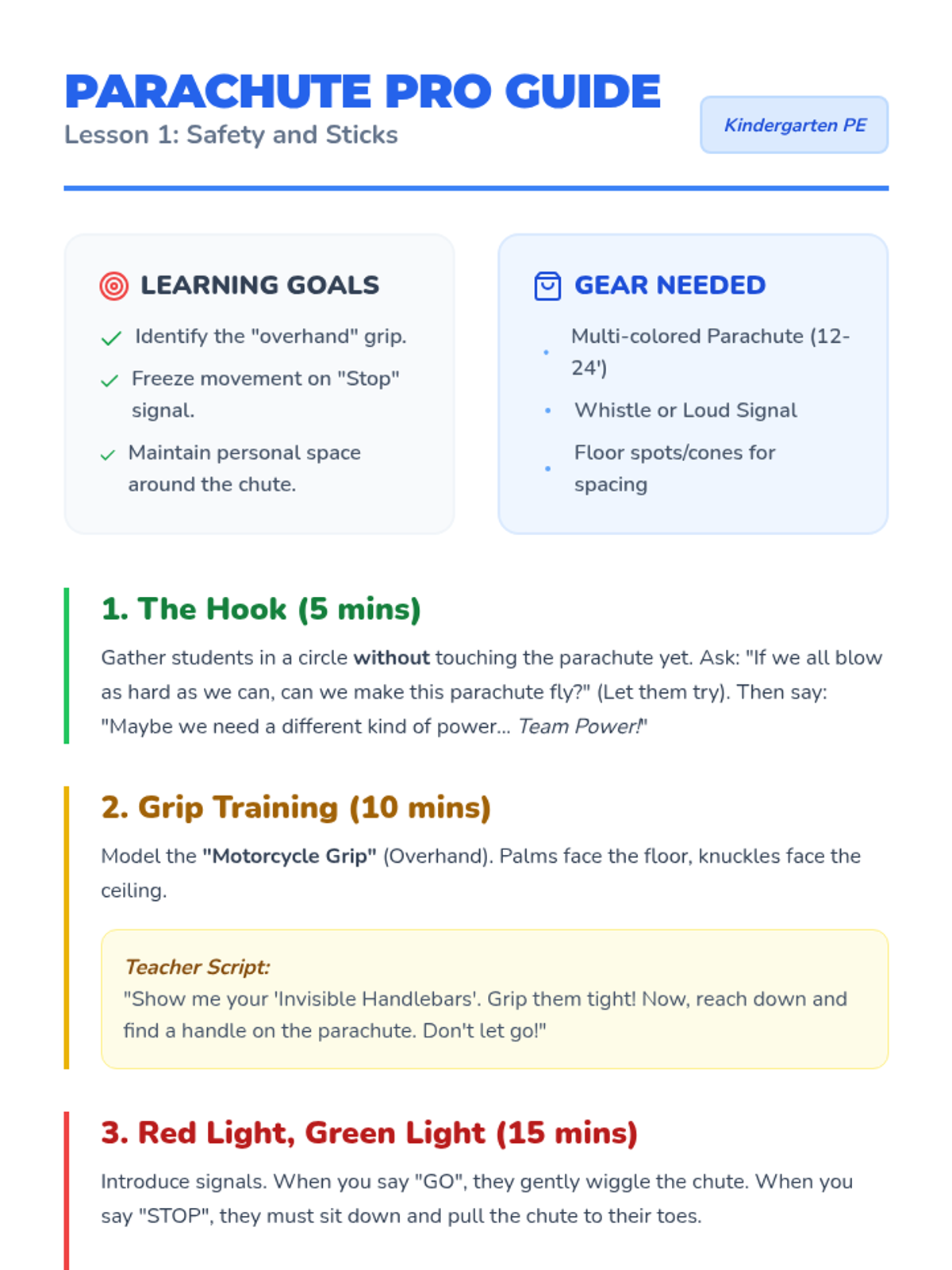
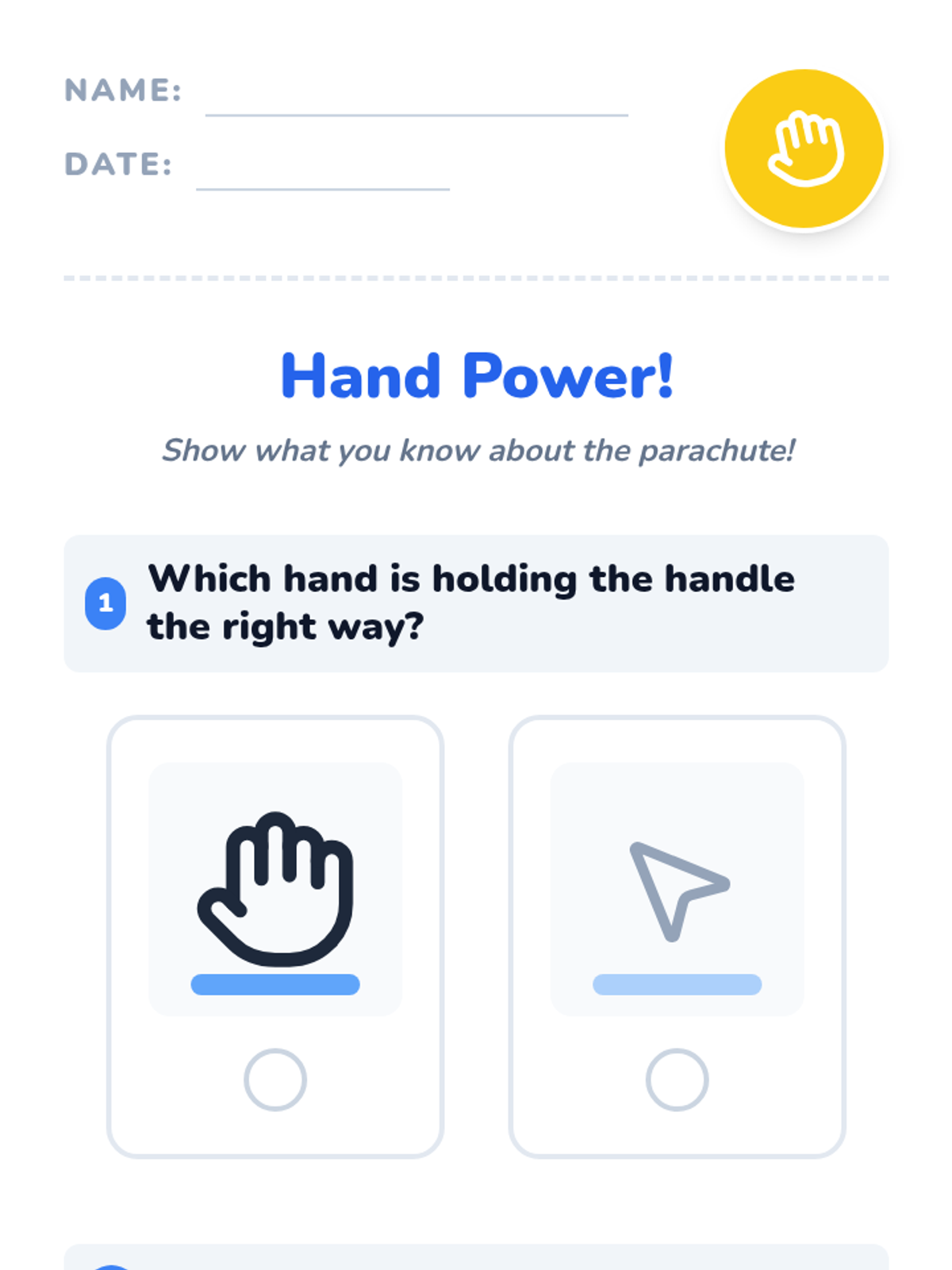
A Kindergarten physical education sequence focused on parachute play to develop group synchronization, listening skills, and cooperative movement. Students progress from basic safety and grips to complex group maneuvers like waves, domes, and object tracking.
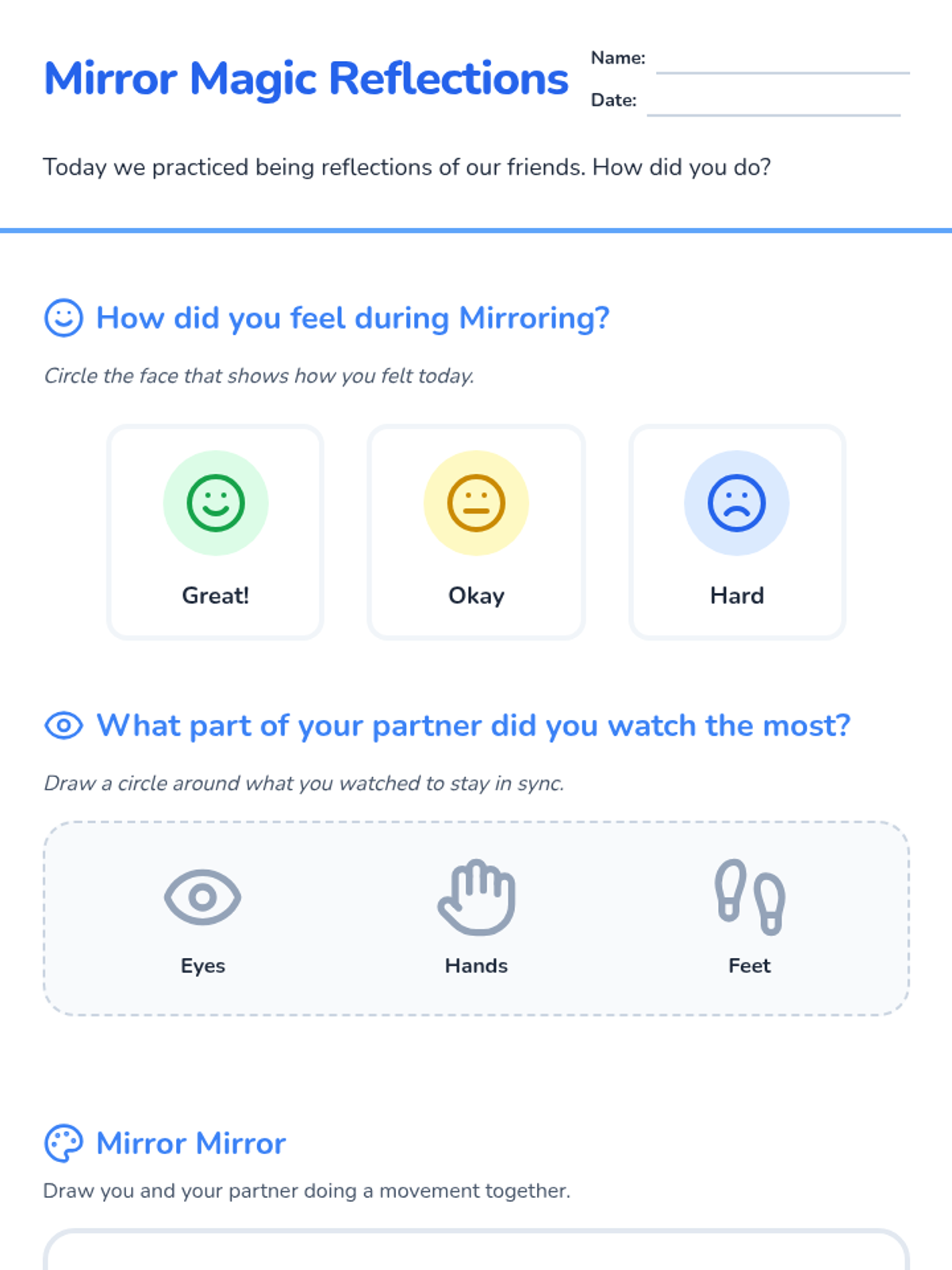
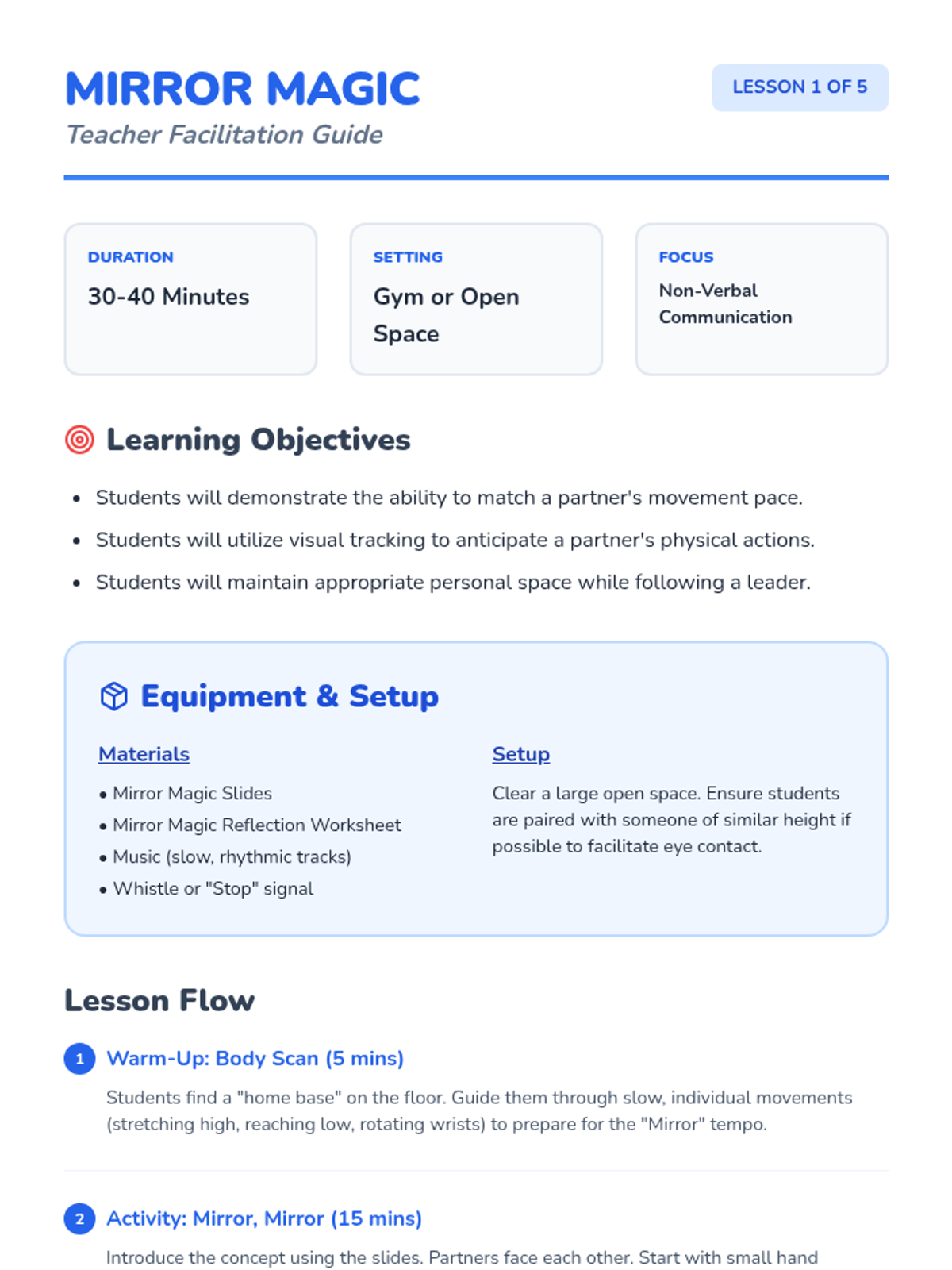
A sequence focused on cooperative physical education for Kindergarten, moving from individual mirroring to complex group problem-solving. Students develop communication, trust, and shared spatial awareness through a series of increasingly difficult physical challenges.
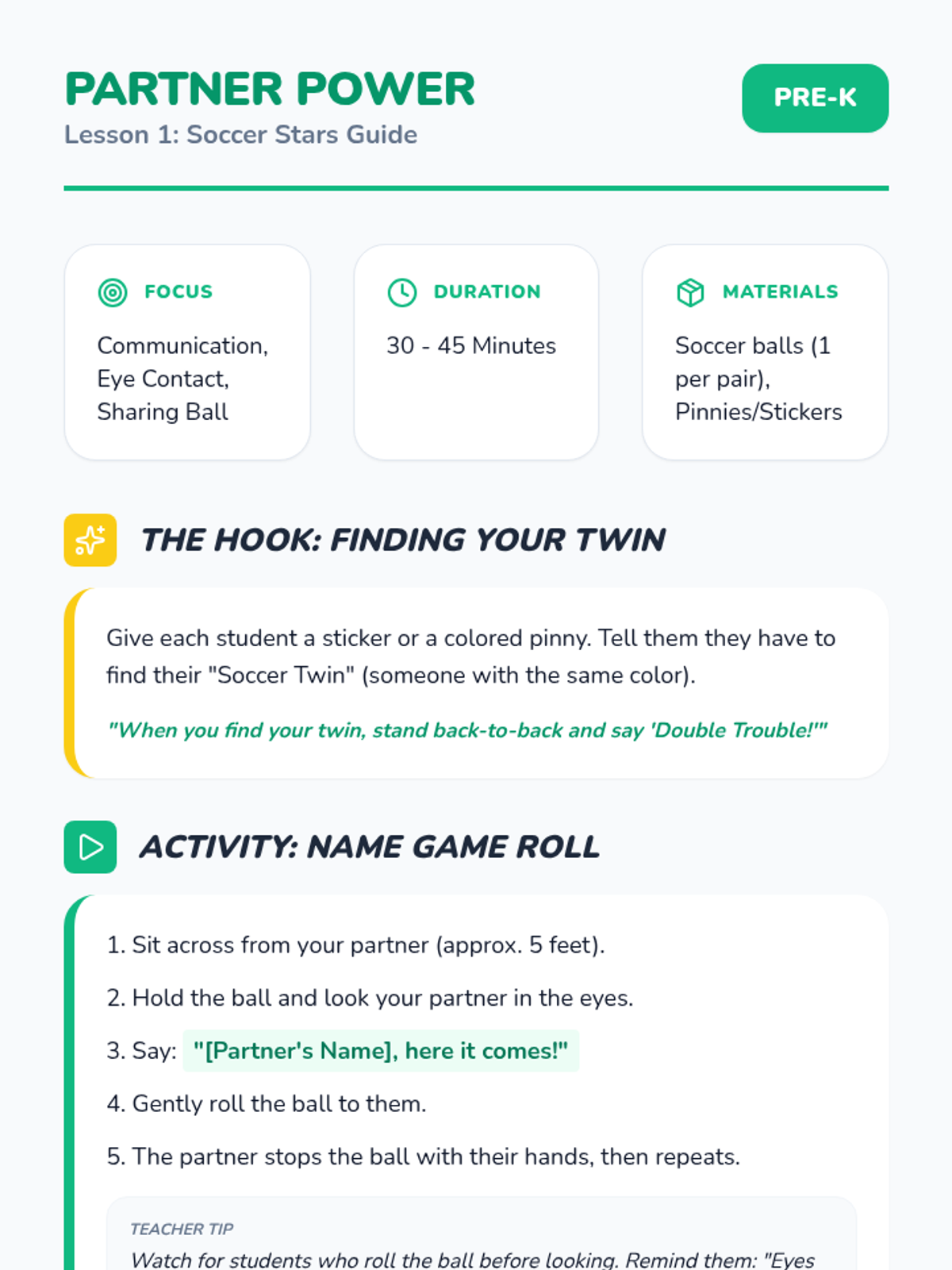
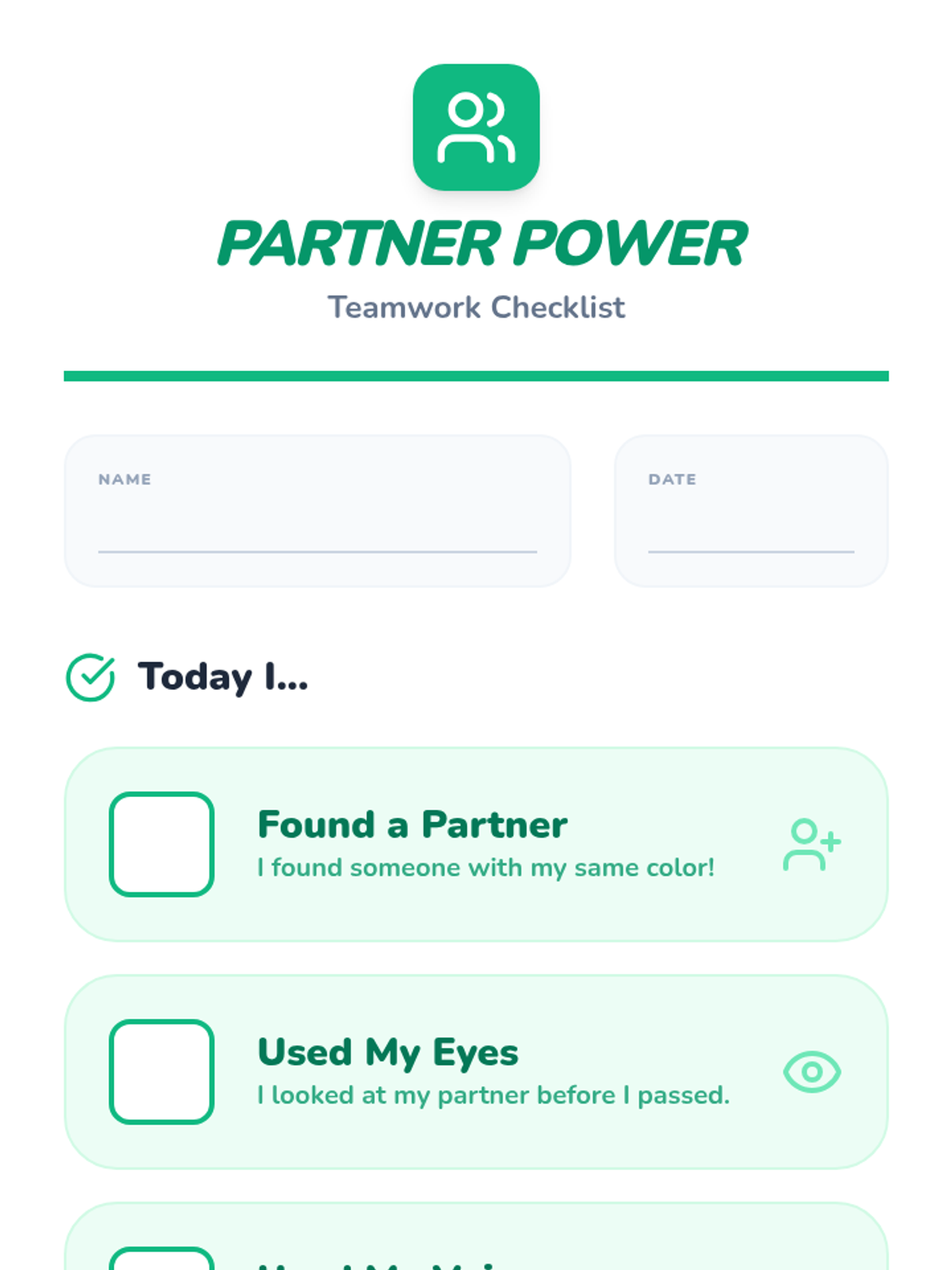
A Pre-K physical education sequence focused on soccer passing and teamwork. Students learn to communicate with partners, master the push-pass technique, and develop tactical awareness through cooperative games.
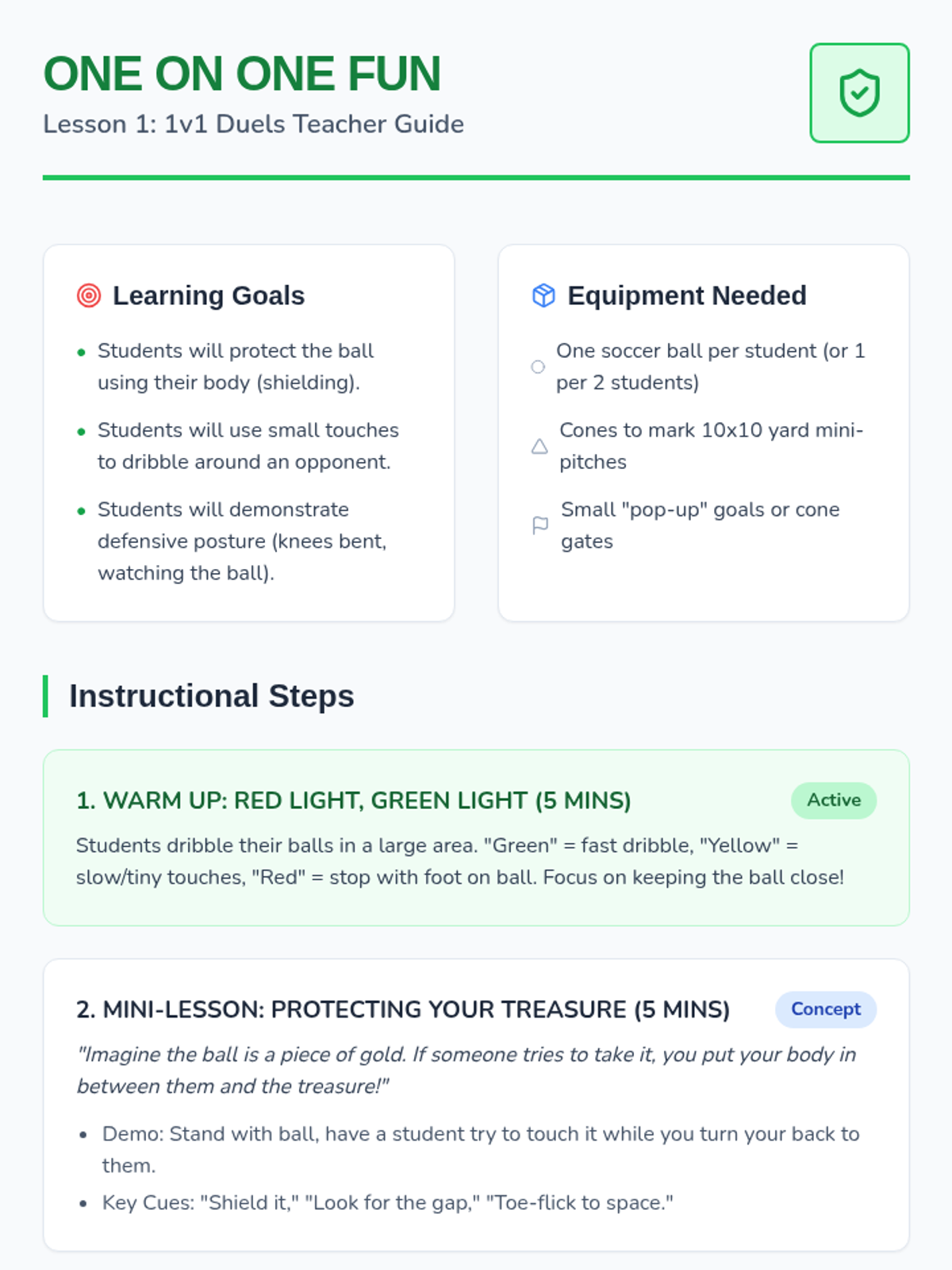
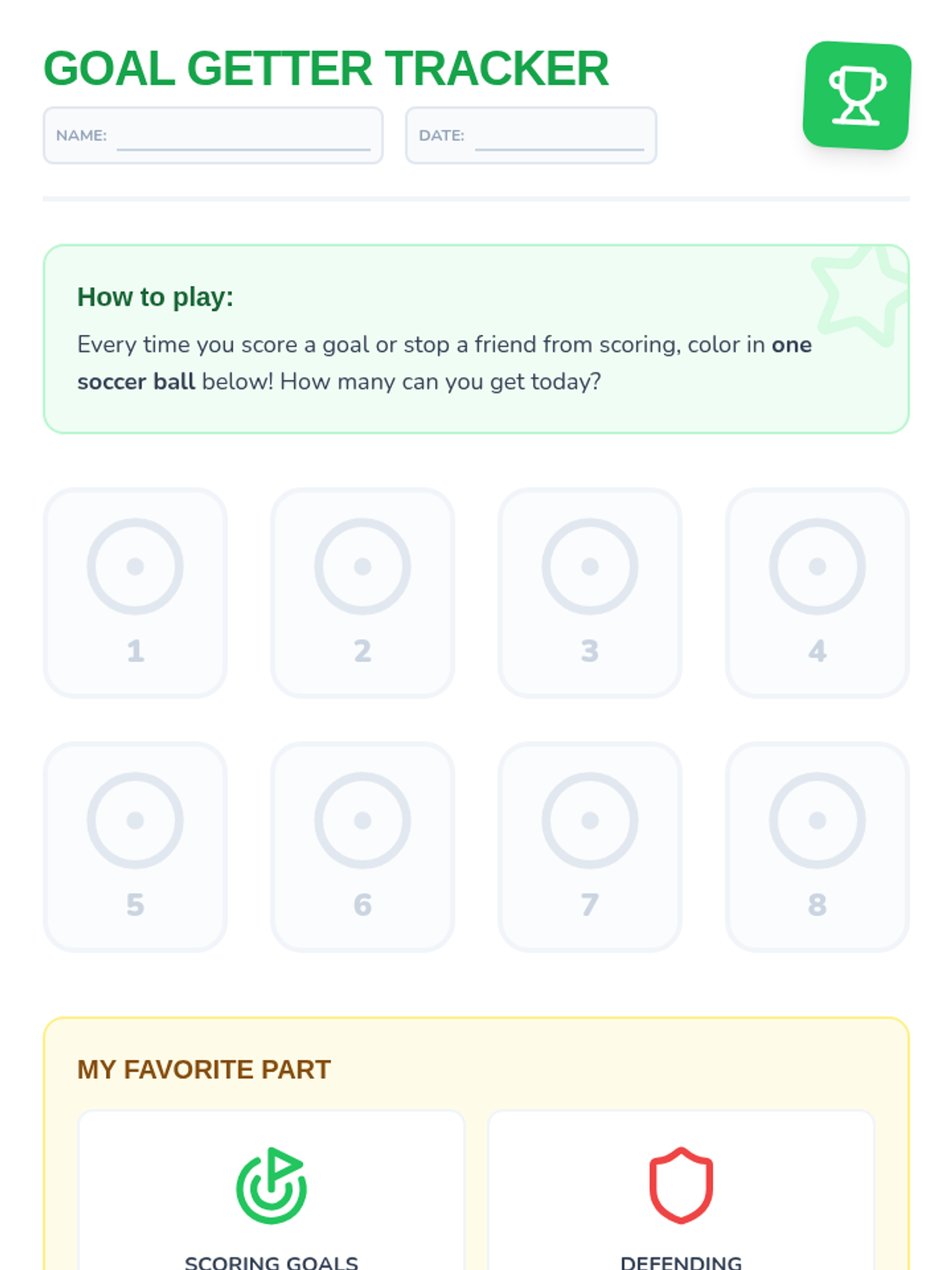
This kindergarten physical education sequence focuses on synthesizing soccer skills through small-sided games, moving from 1v1 duels to 3v3 scrimmages while emphasizing sportsmanship and decision-making.
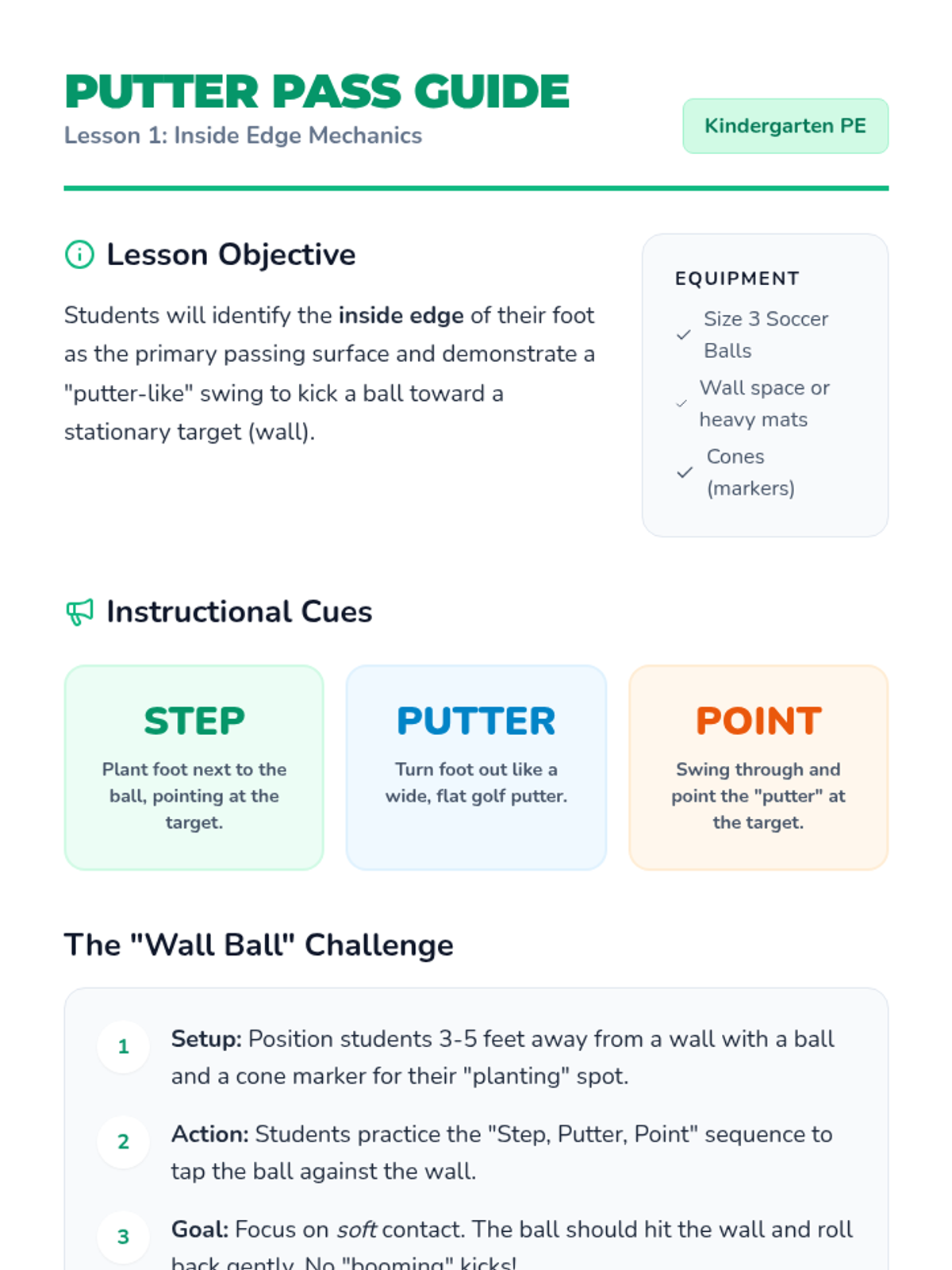
A Kindergarten physical education sequence focused on teaching the foundational motor skills of soccer passing, trapping, and partner cooperation through engaging, game-based activities.
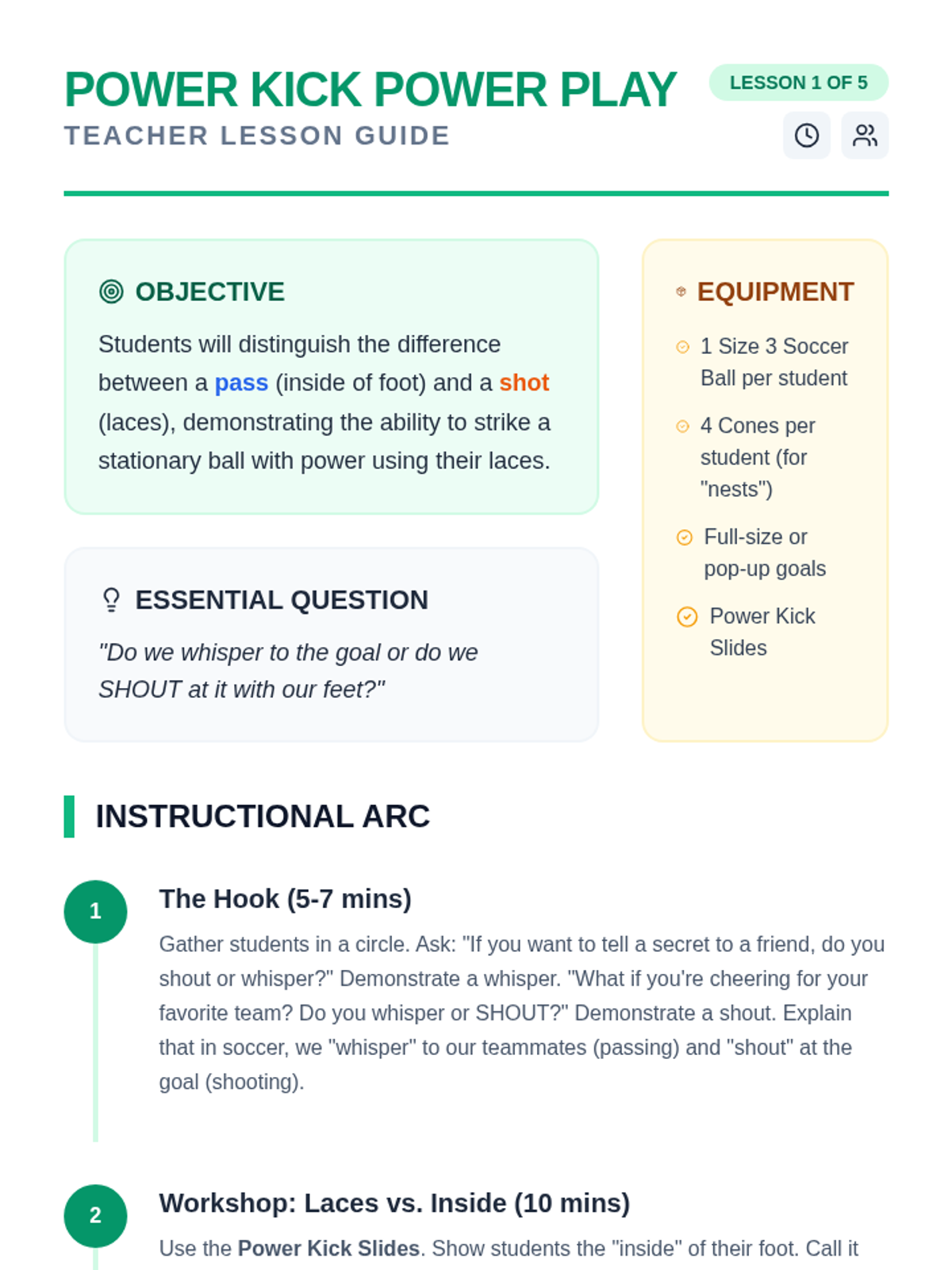
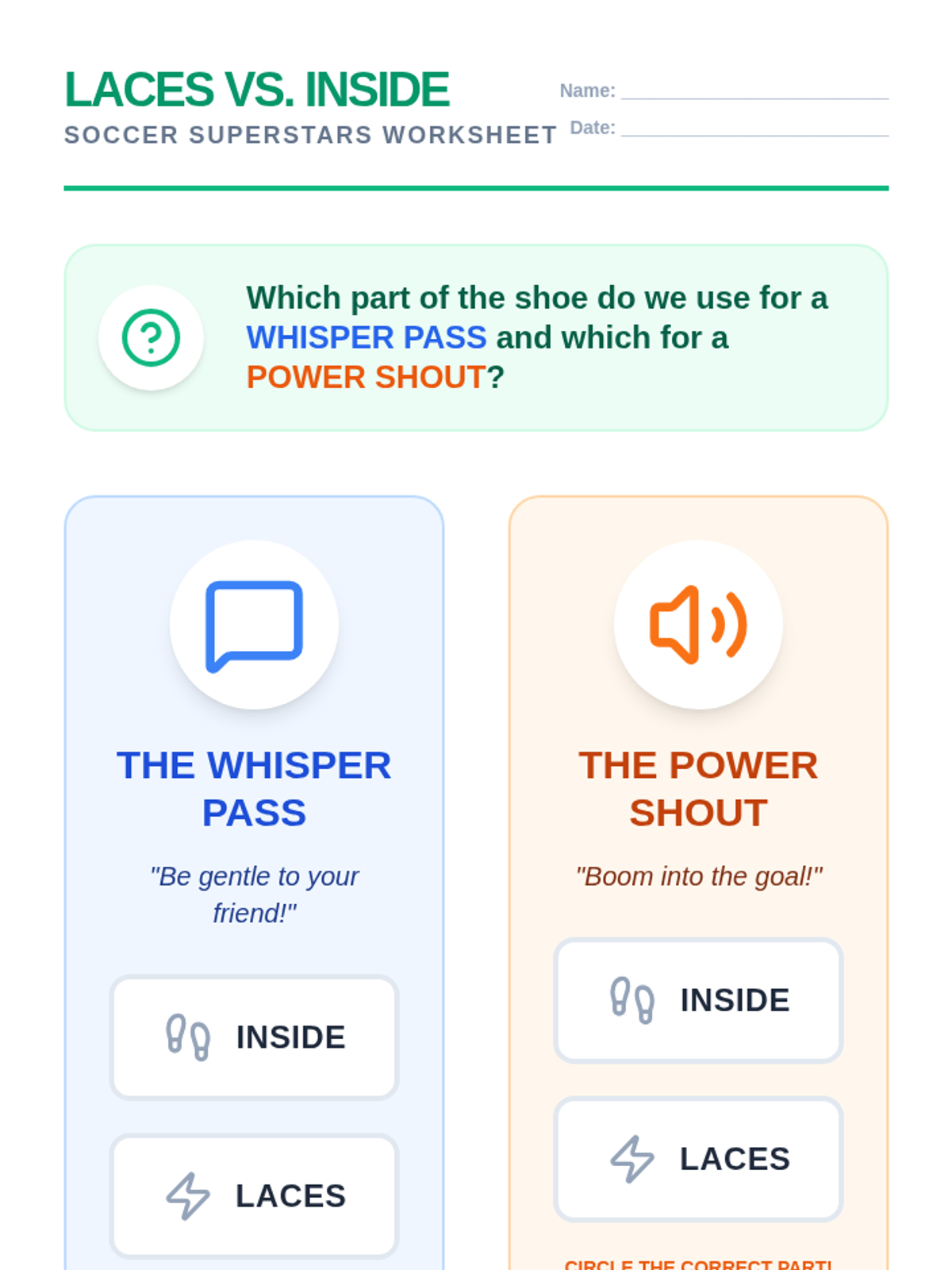
A 5-lesson sequence for Kindergarten students focusing on the mechanics and excitement of shooting in soccer, distinguishing it from passing through power, aim, and follow-through.
A comprehensive physical education sequence for Kindergarten students focusing on lower-body and implement manipulation. Students develop kicking, dribbling, and striking skills through play-based activities and structured skill-building drills.
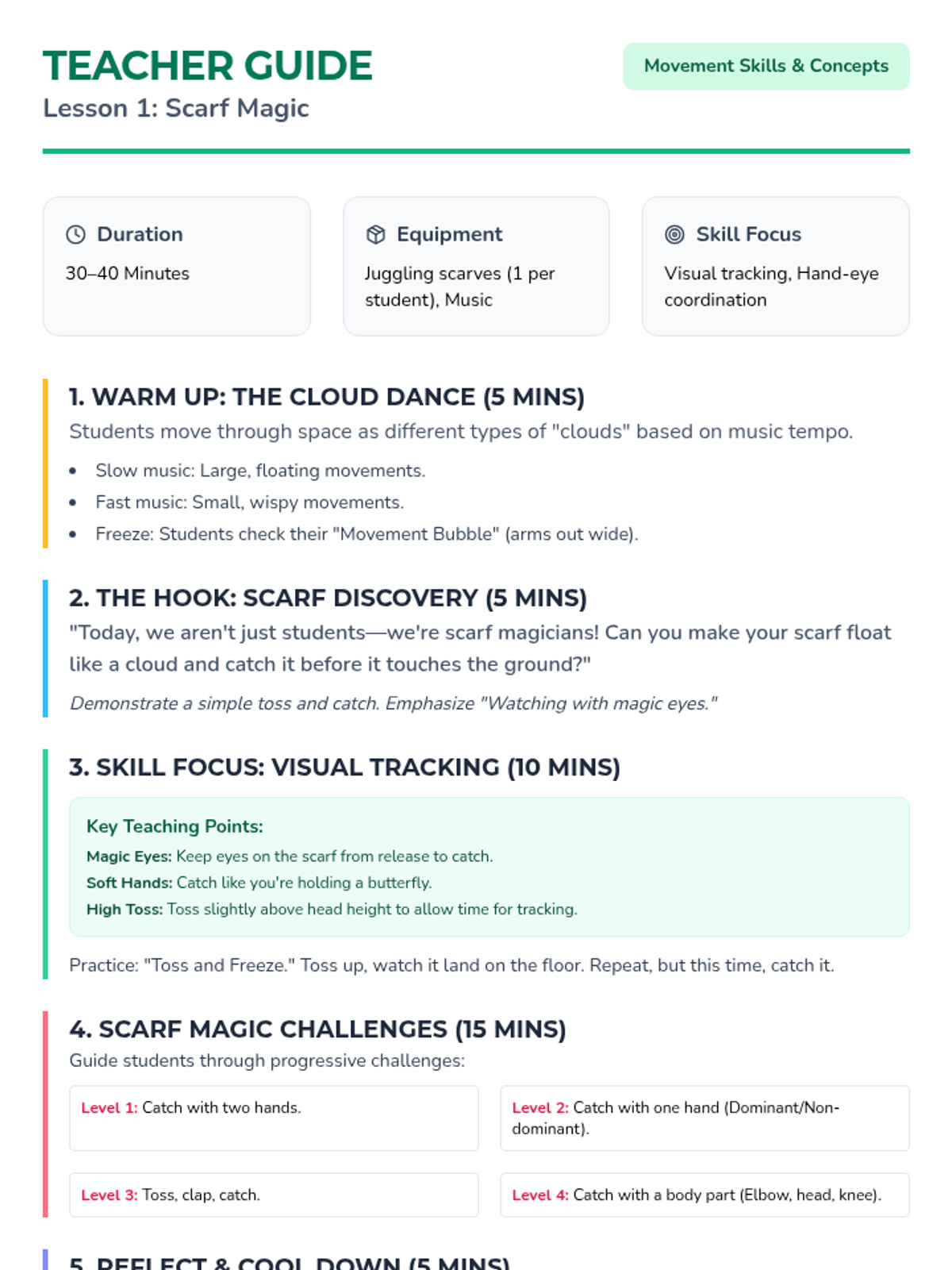
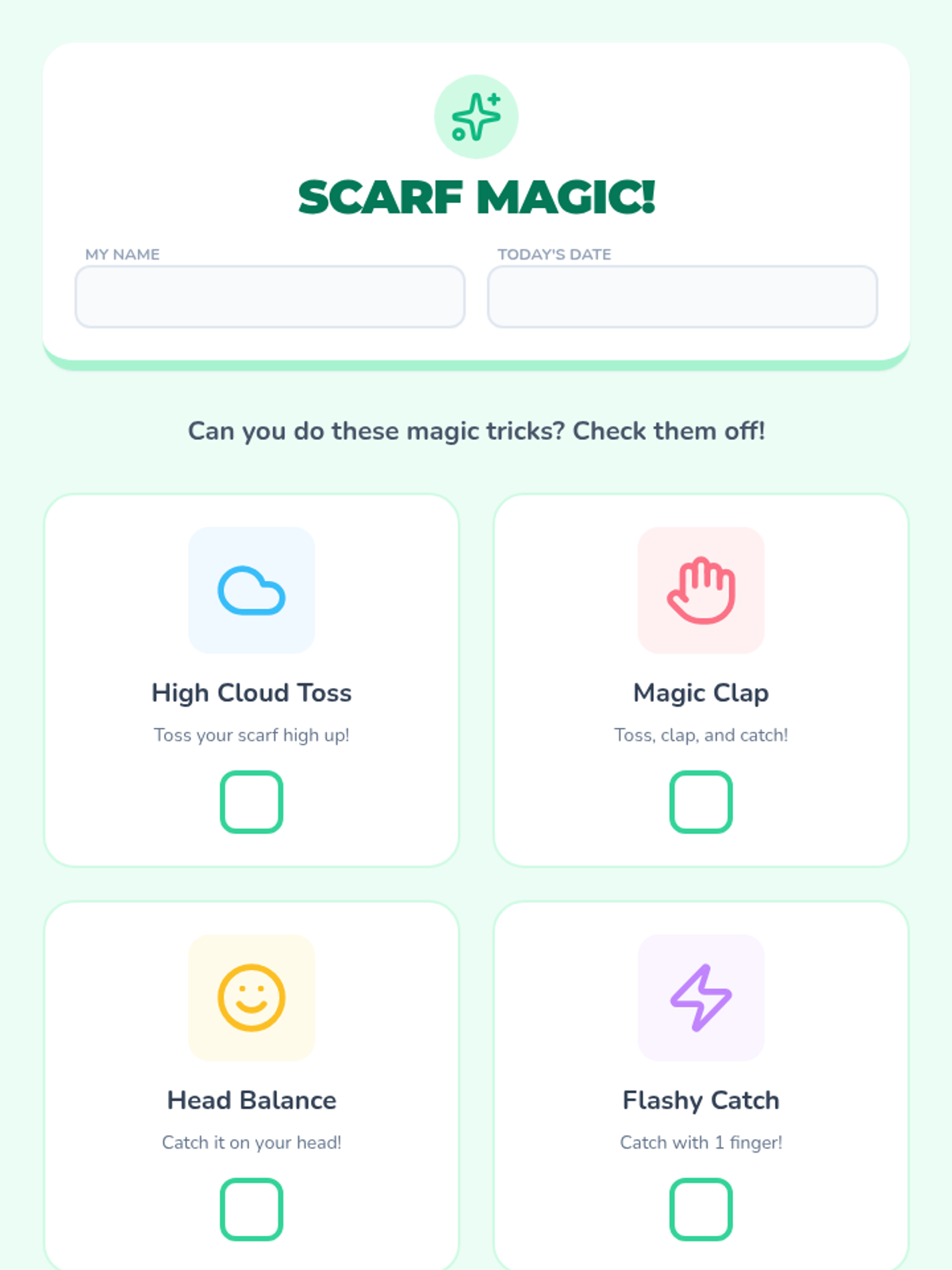
A 5-lesson sequence for Kindergarten students focusing on fundamental manipulative skills, specifically underhand throwing and catching. The sequence progresses from slow-moving visual tracking to complex partner exchanges using a game-based approach.
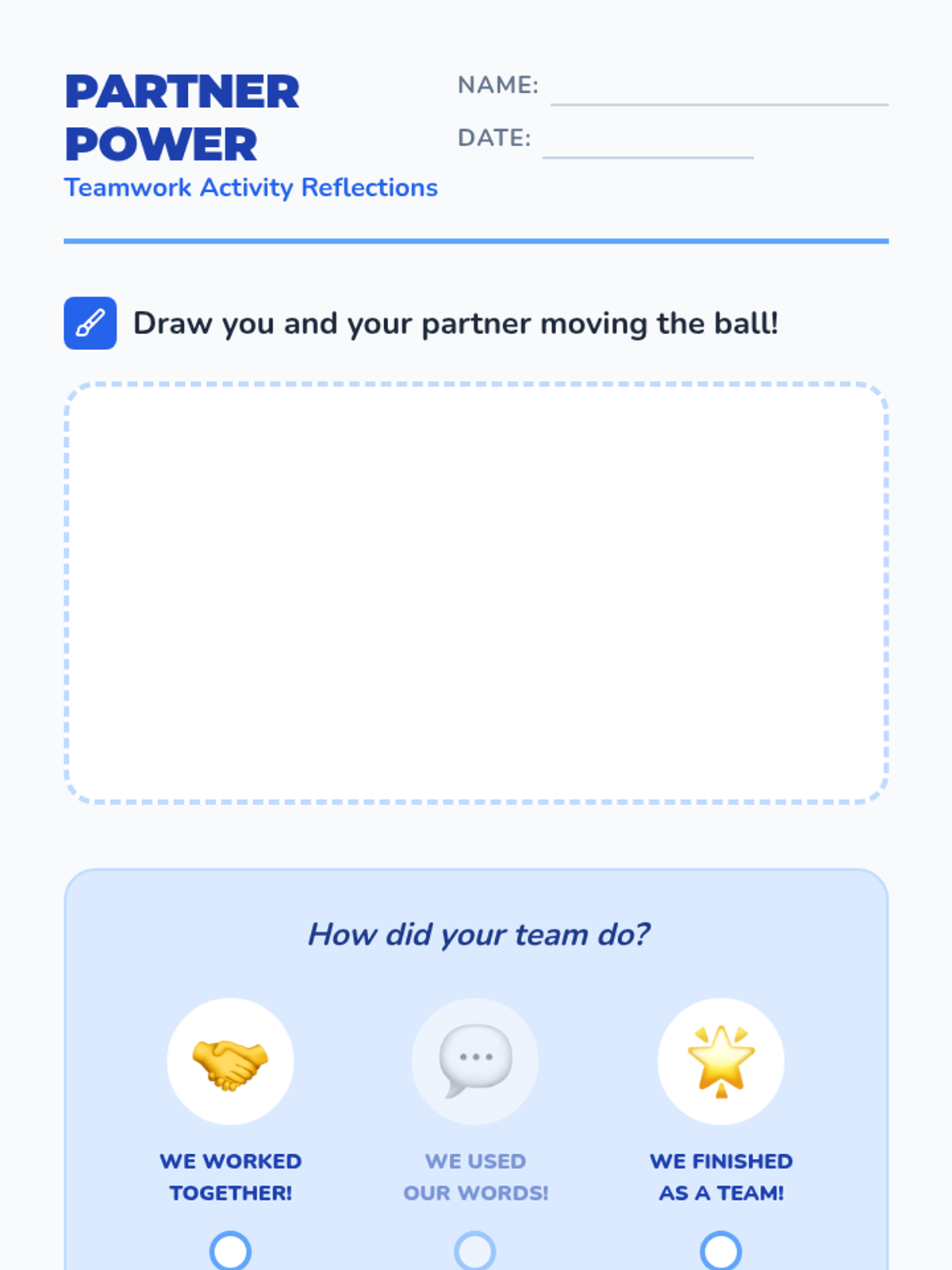
A Kindergarten sequence focused on shifting from individual performance to collaborative success through cooperative physical challenges. Students learn that teamwork involves listening, helping, and including everyone.
A Kindergarten physical education sequence focused on fundamental locomotor, rhythmic, and manipulative skills through play-based learning and creative movement. Students develop spatial awareness, coordination, and cooperative play skills to build a foundation for lifelong physical activity.
A Kindergarten sequence focused on injury prevention through spatial awareness, hazard identification, and safe movement techniques. Students learn to navigate physical activity safely by respecting personal space, recognizing environmental risks, and practicing safe body mechanics.
A Pre-K sequence introducing injury prevention through spatial awareness, equipment safety, body mechanics, and hazard identification using a 'Safety Hero' theme.
A foundational sequence for Kindergarten students focused on developing spatial awareness, partner coordination, and group synchronization through movement-based cooperative games. Students progress from individual spatial boundaries to complex group activities like parachute play and linked locomotor movements.
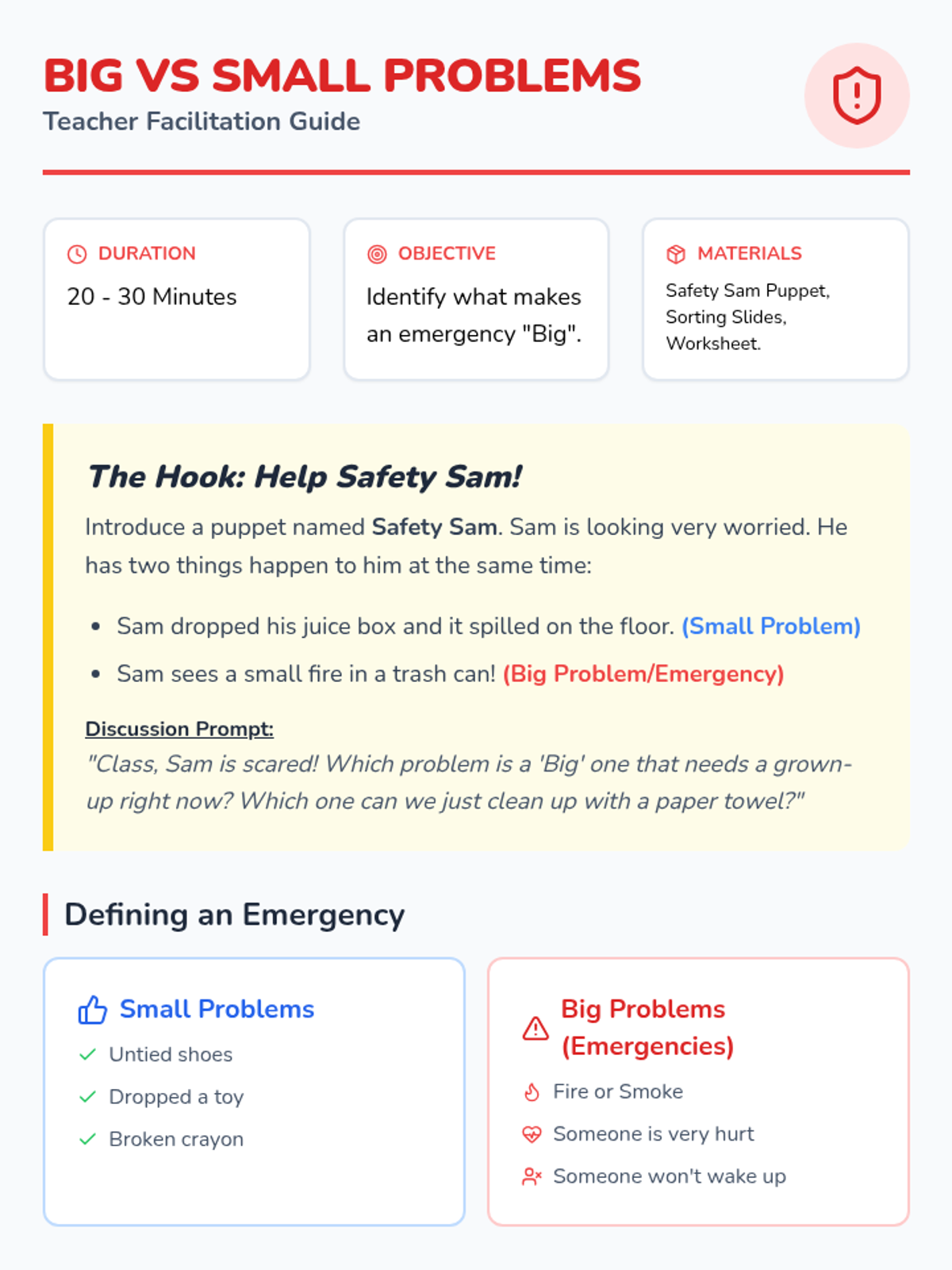
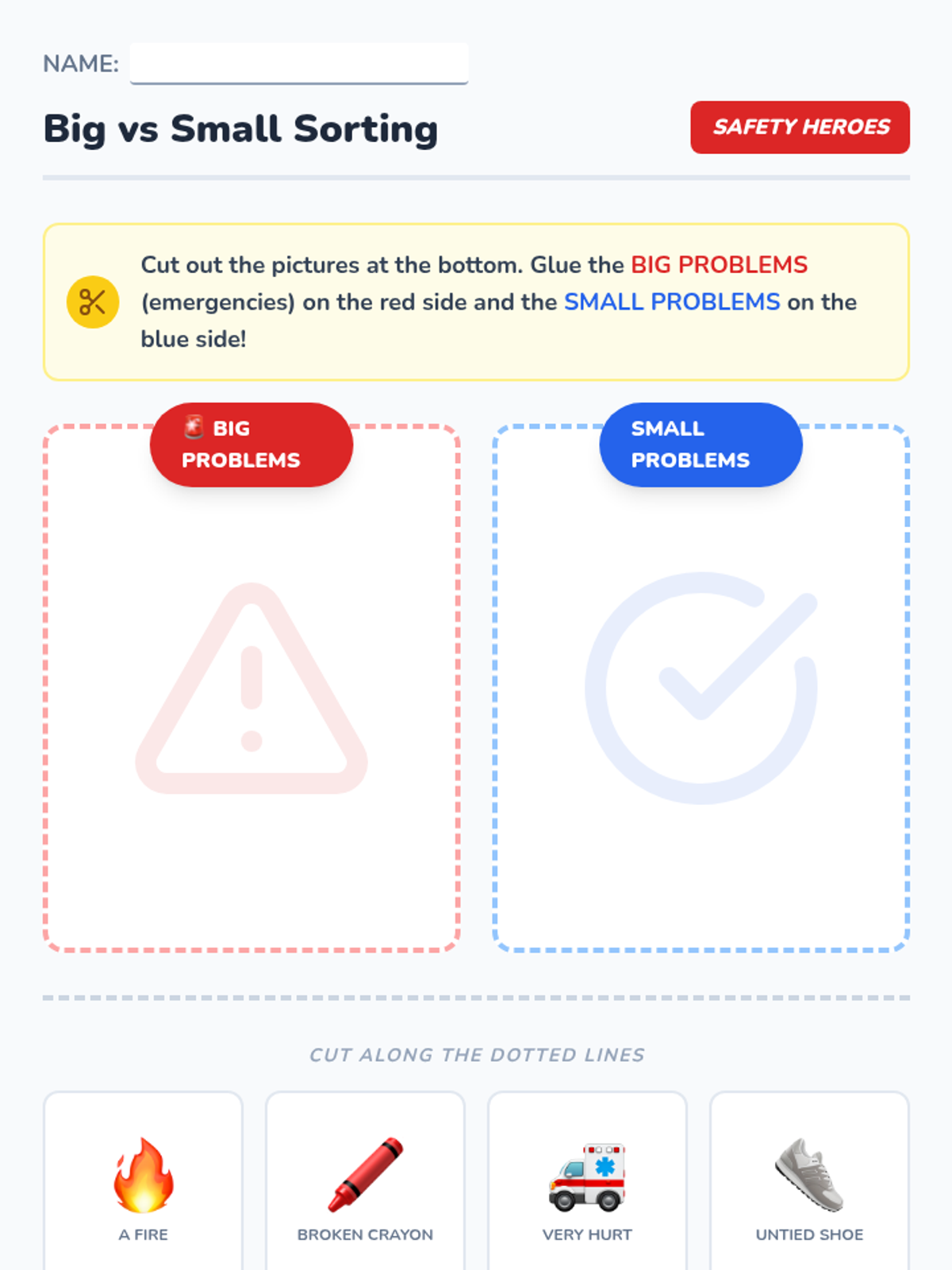
This sequence introduces Pre-K students to fundamental emergency response skills through age-appropriate recognition and role-play activities. Students learn to distinguish emergencies from small problems, identify community helpers, practice dialing 9-1-1, and master basic fire safety movements.
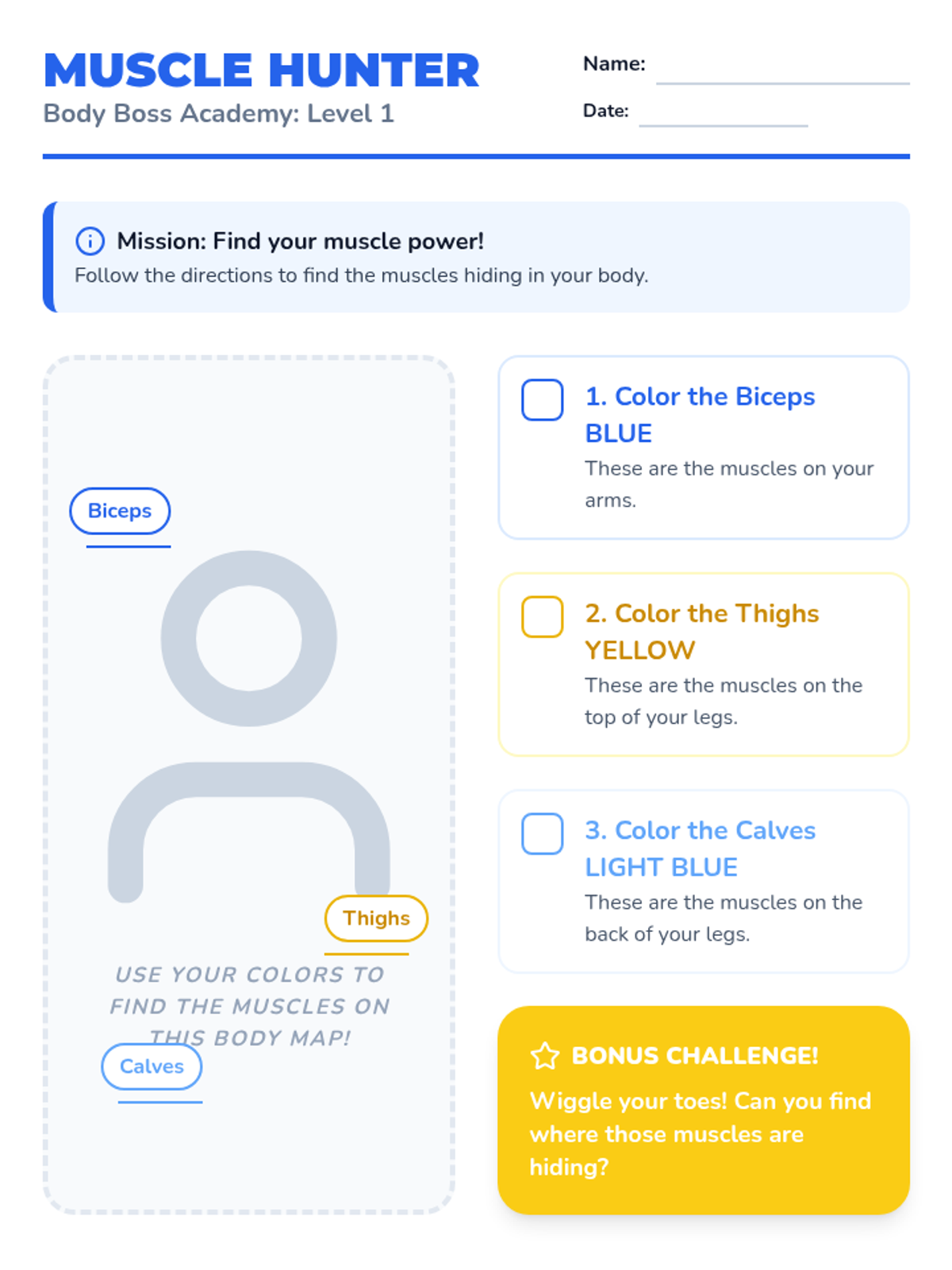
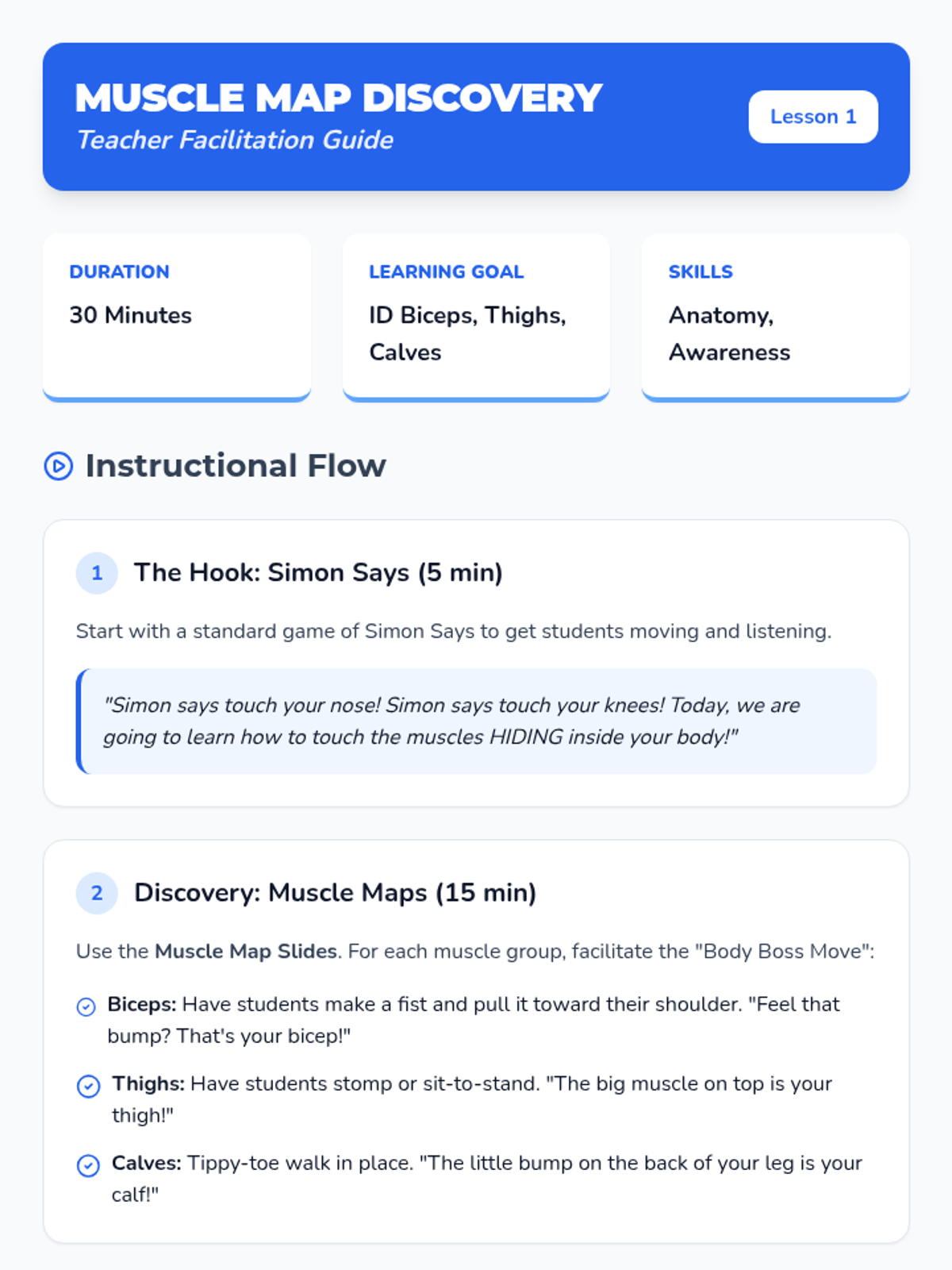
A mastery-based sequence for Kindergarteners to learn muscle isolation and progressive relaxation. Students move from basic anatomical identification to complex whole-body coordination of tension and release.
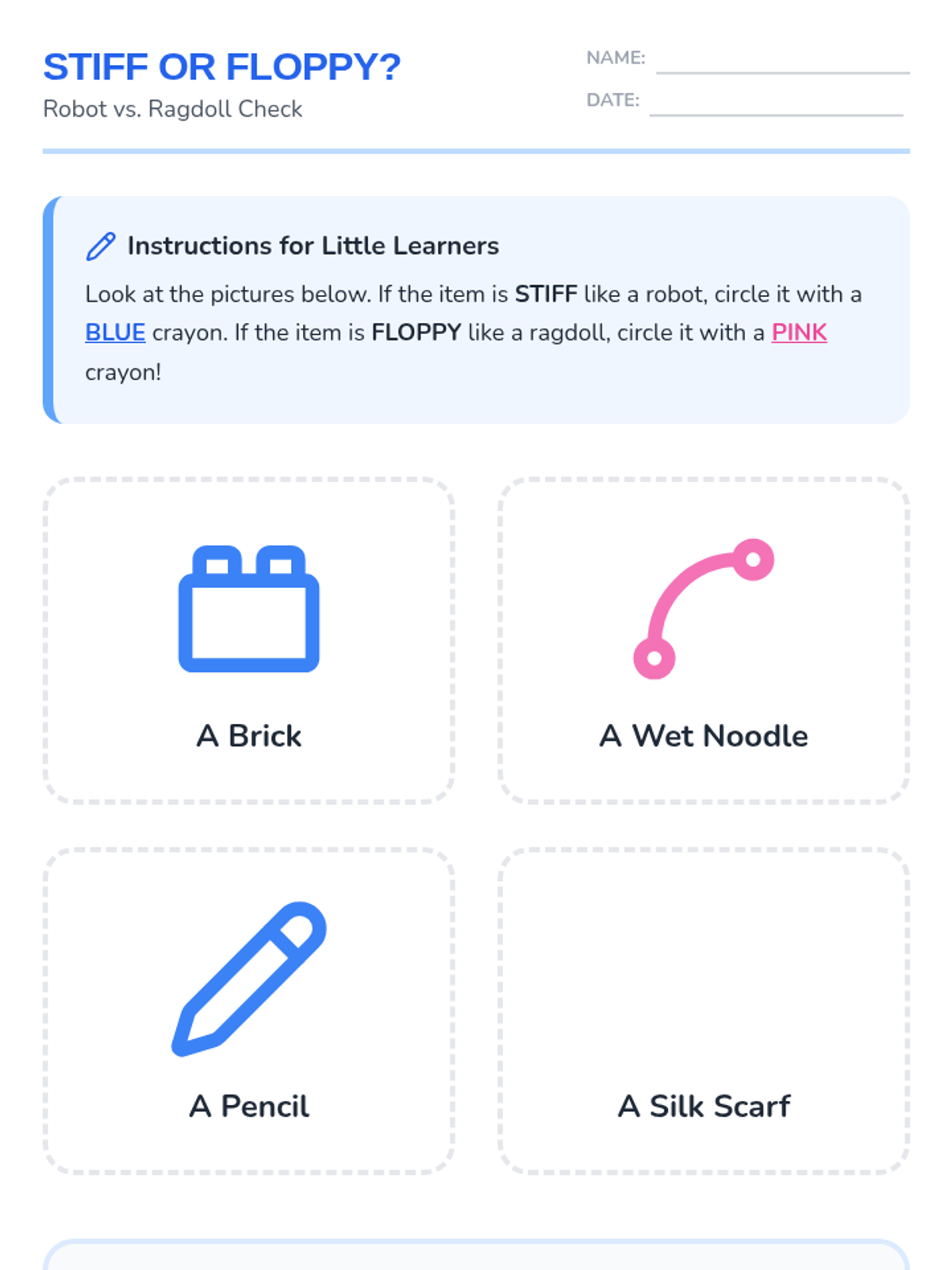
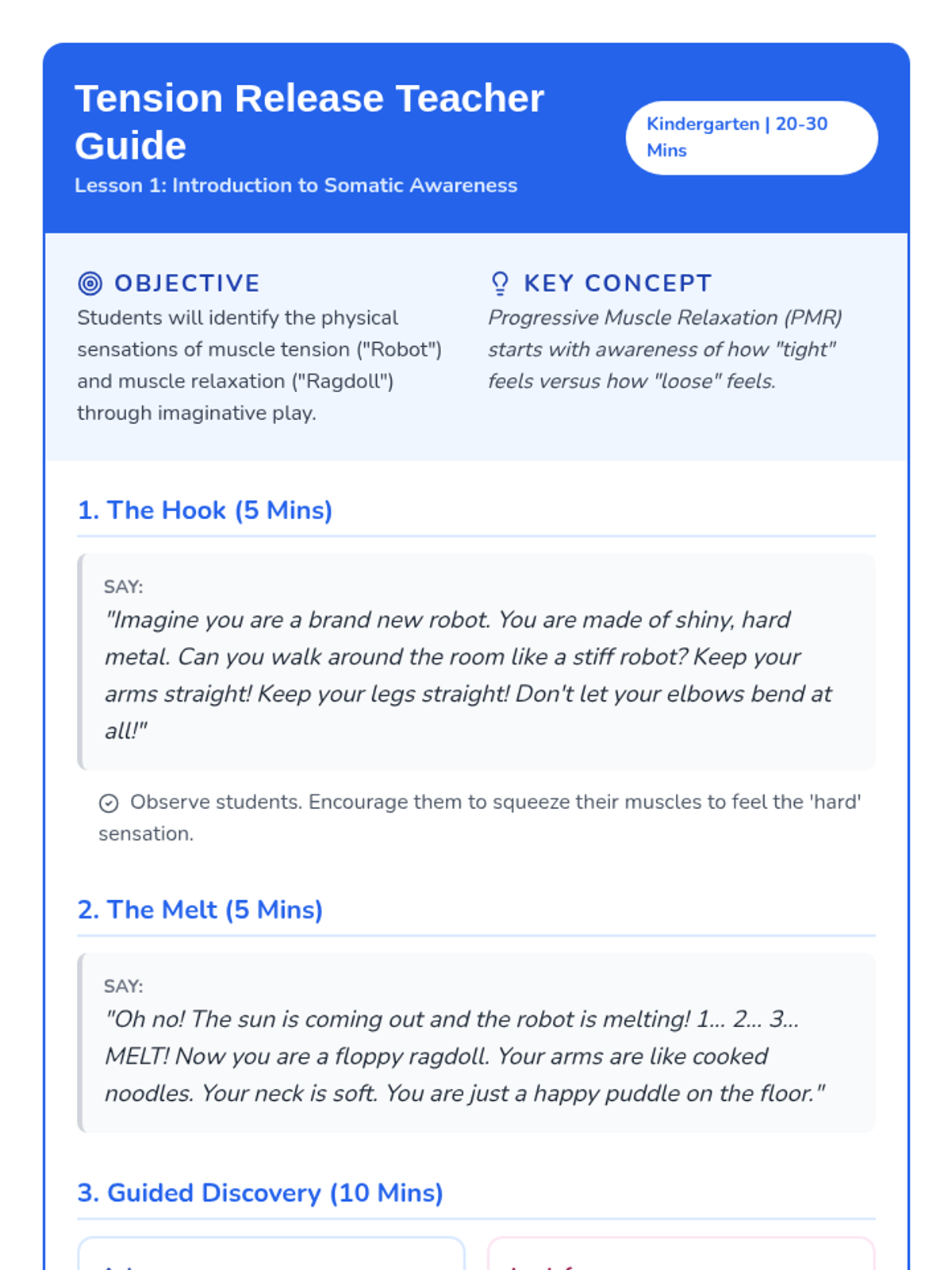
This Kindergarten sequence teaches Progressive Muscle Relaxation (PMR) through playful animal imagery. Students learn to identify and release muscle tension by mimicking robots, ragdolls, turtles, and other animals, culminating in a full-body relaxation routine.
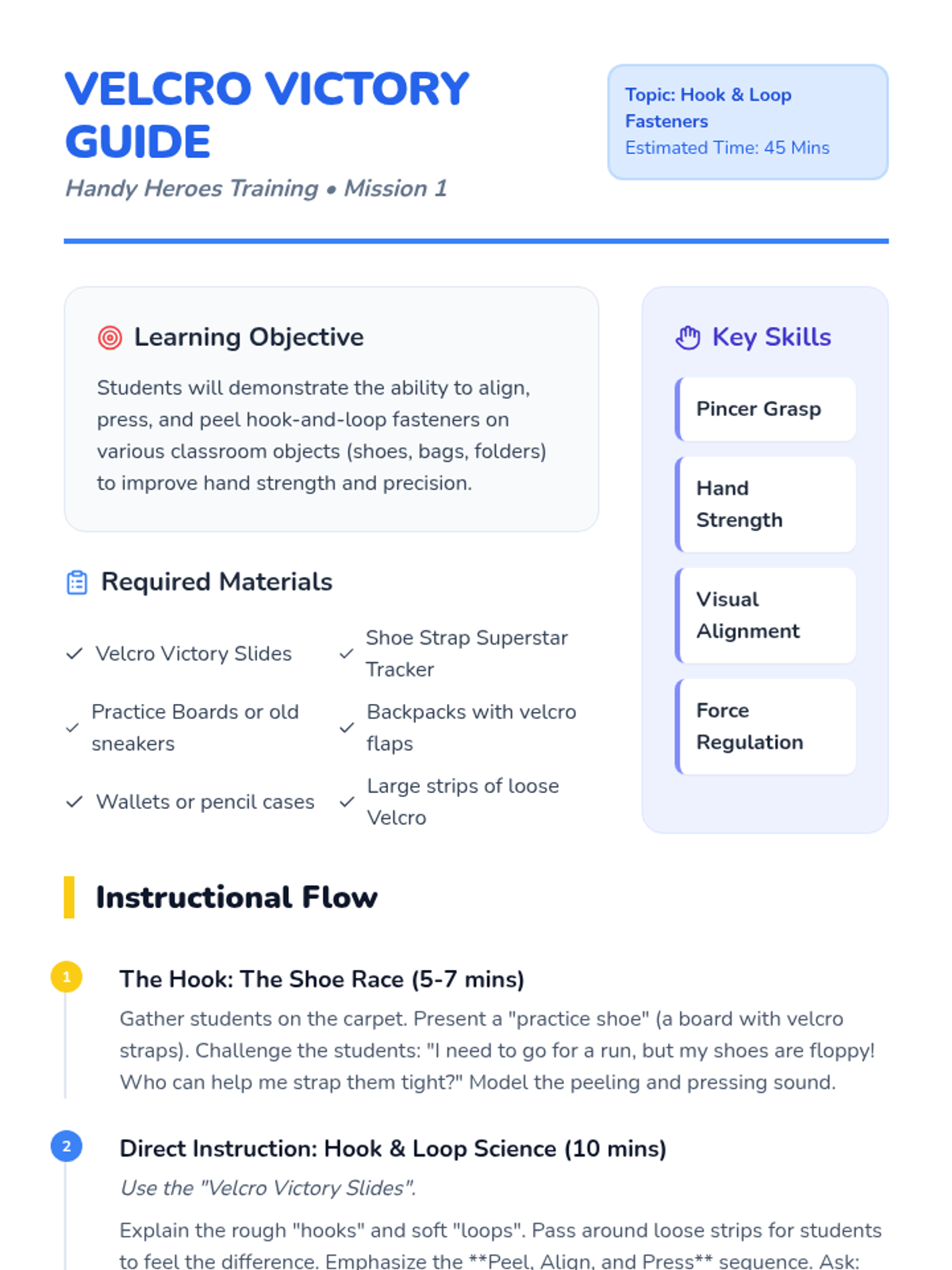
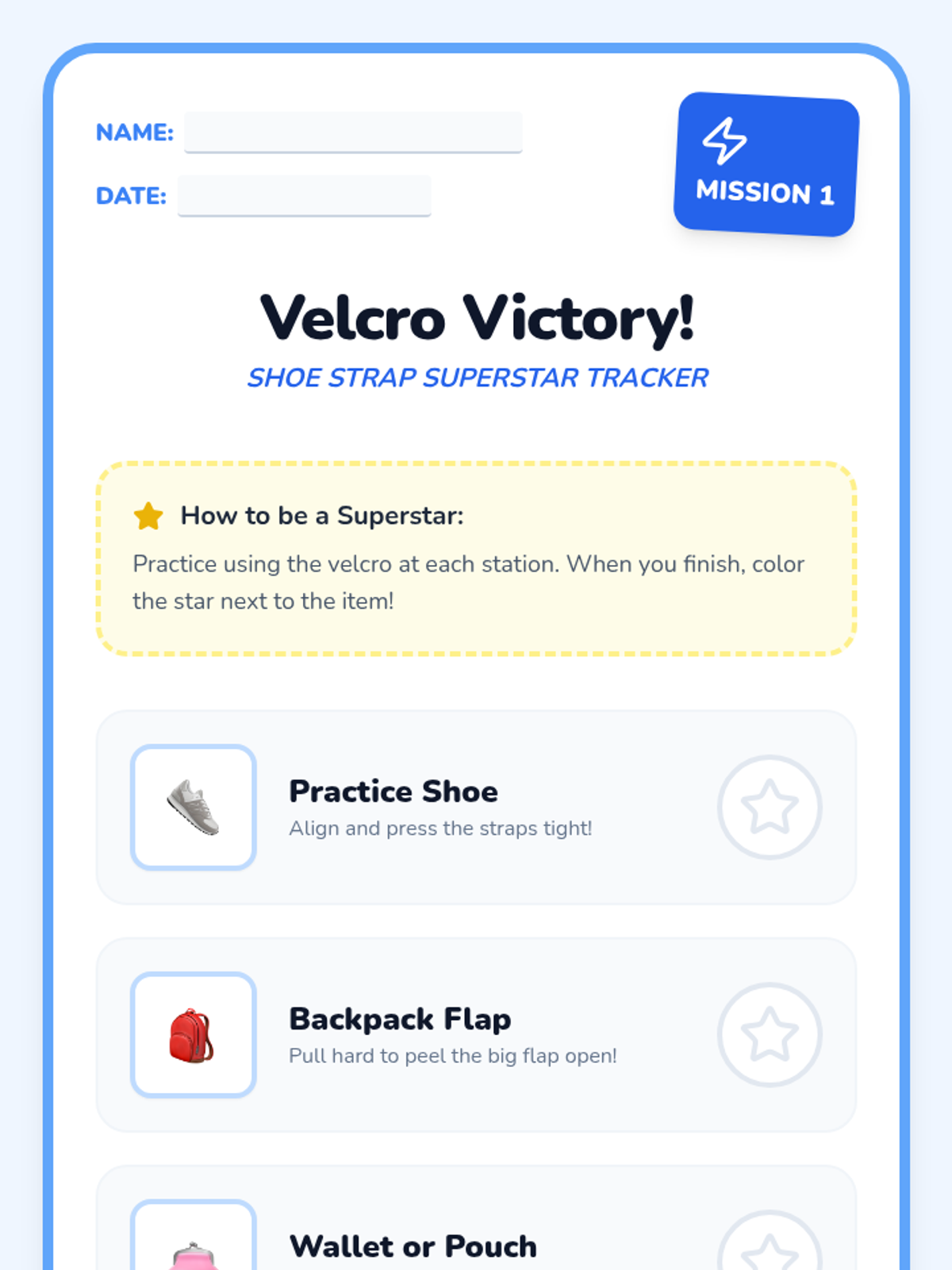
This sequence applies fine motor skills to real-world self-care tasks, fostering independence in the classroom through simulation stations focused on fasteners and containers.
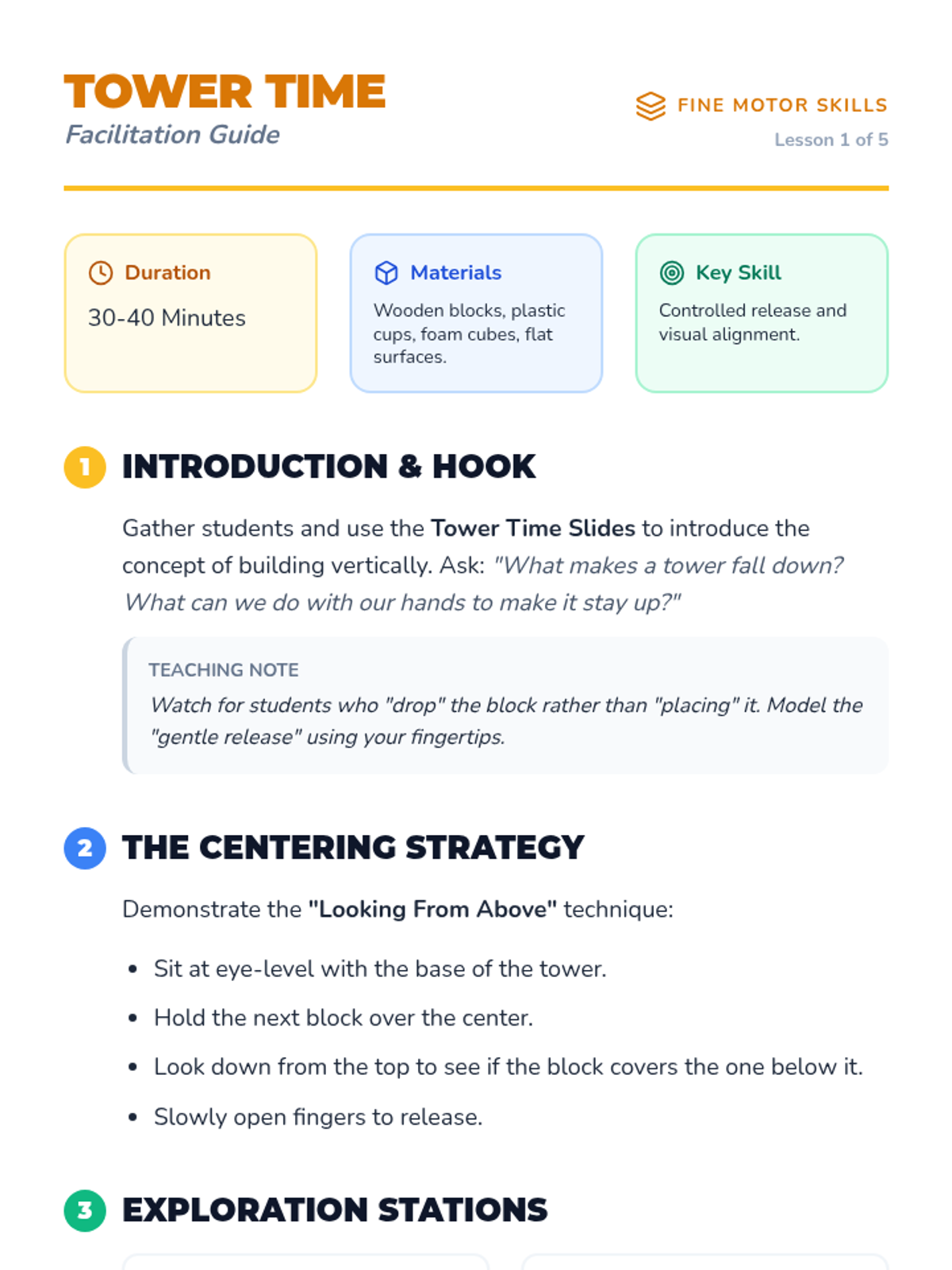
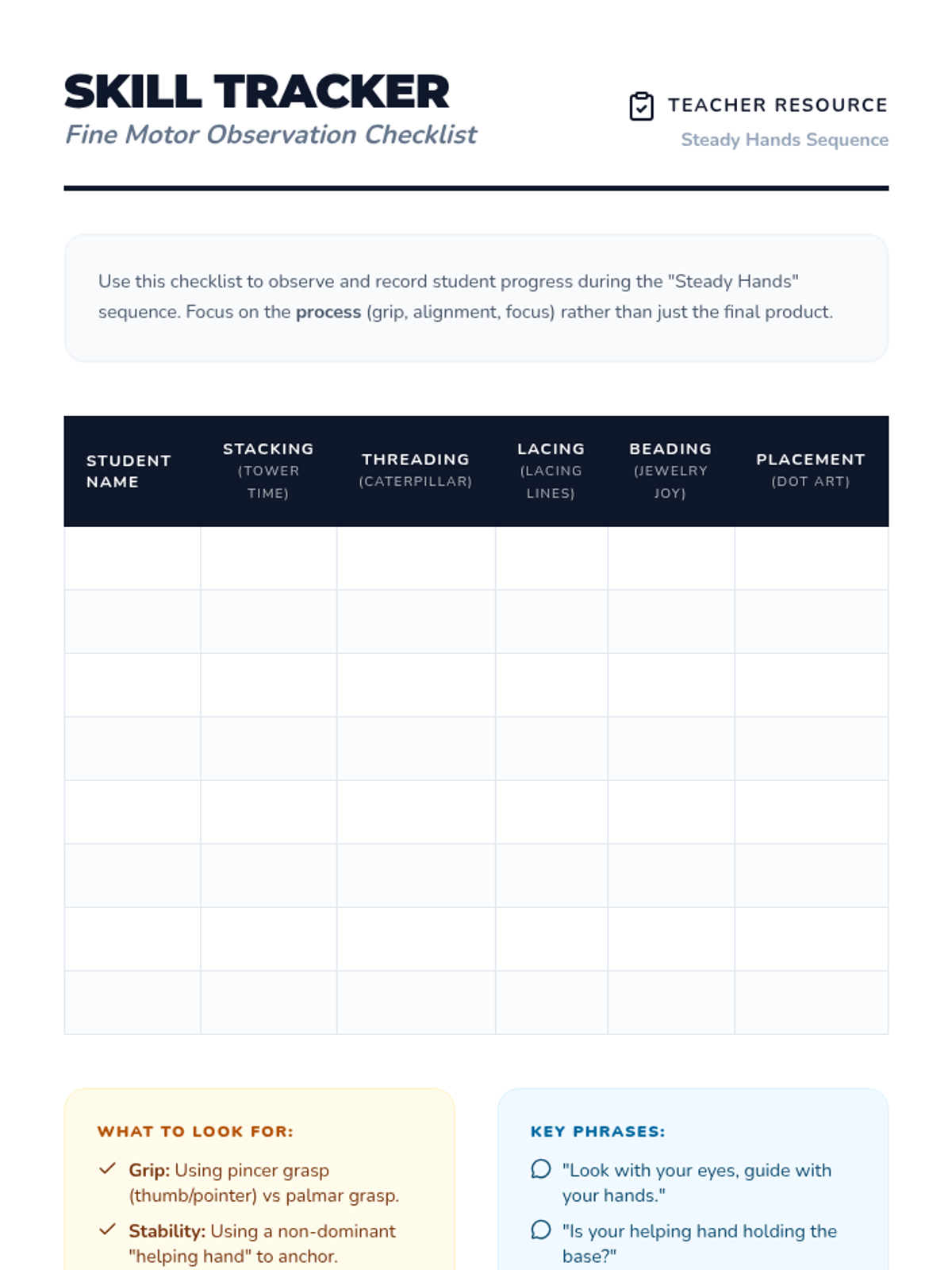
A Kindergarten sequence focused on developing eye-hand coordination and fine motor precision through stacking, threading, lacing, and precise placement activities. Students progress from large, rigid objects to flexible materials, building the foundation for daily life skills and handwriting.
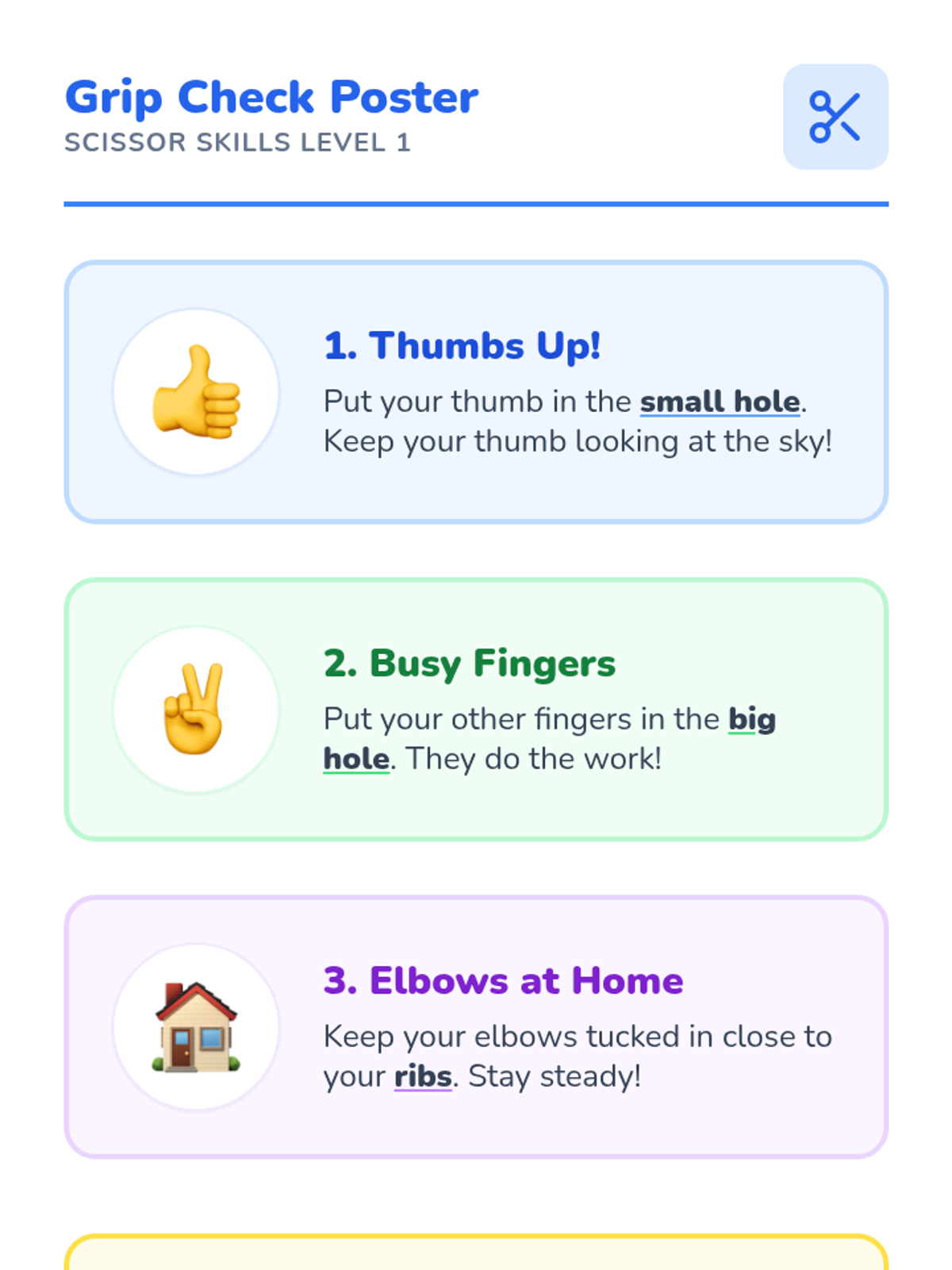
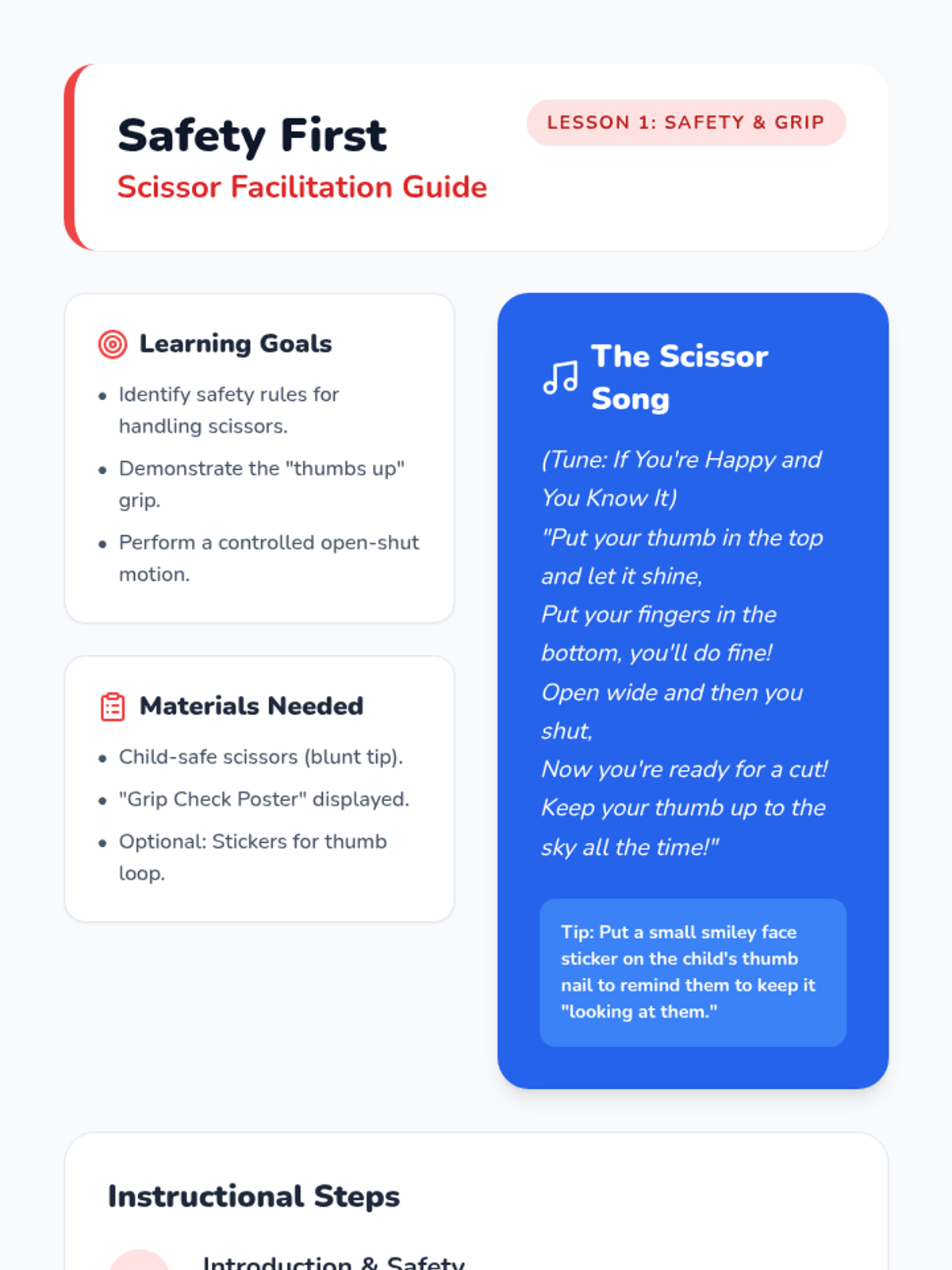
A comprehensive skill-building sequence for Pre-K students to develop scissor safety, proper grip, and progressive cutting skills. Students move from basic safety and snipping to controlled fringing, line tracking, and shape cutting for a final collage project.
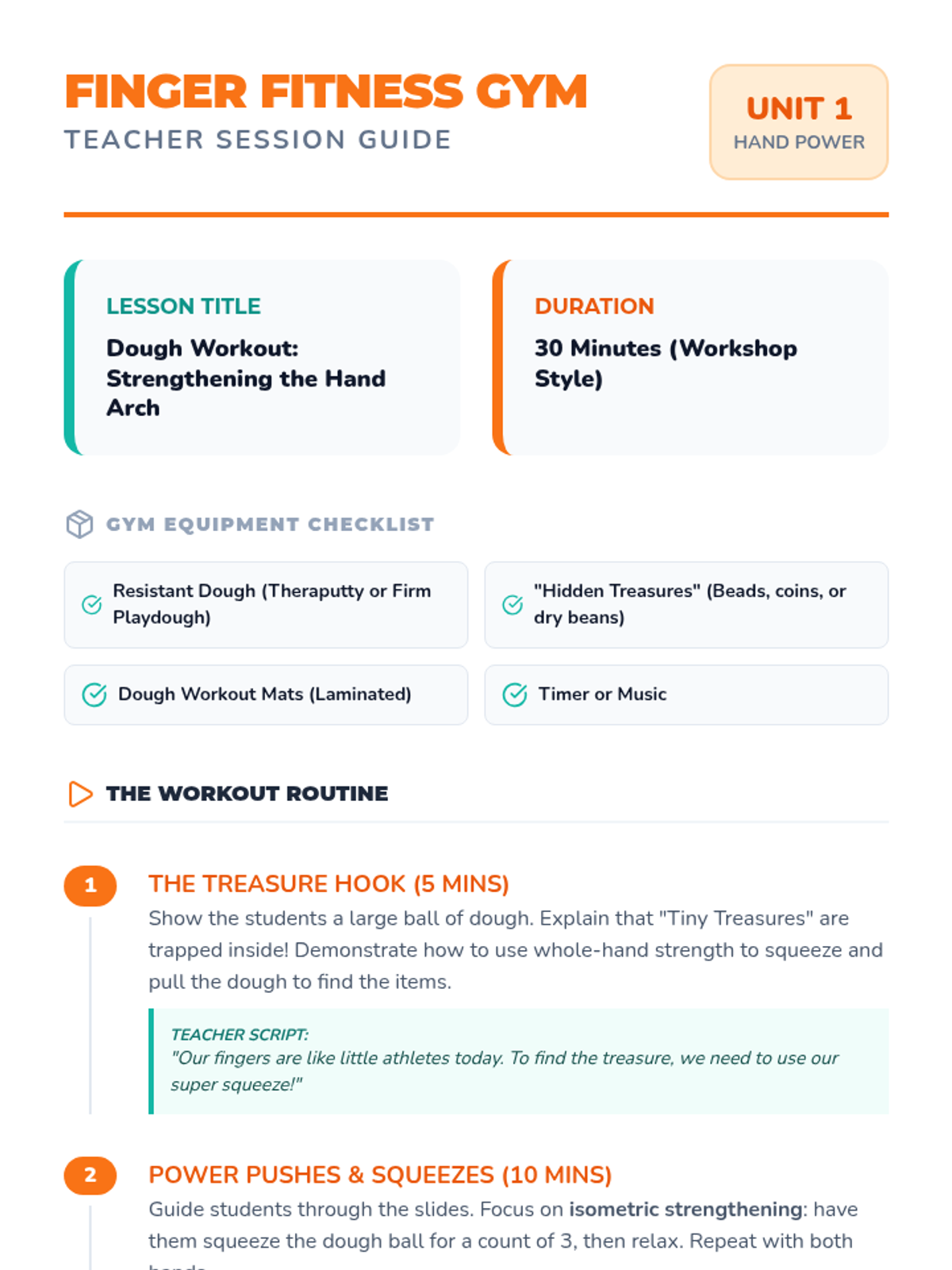
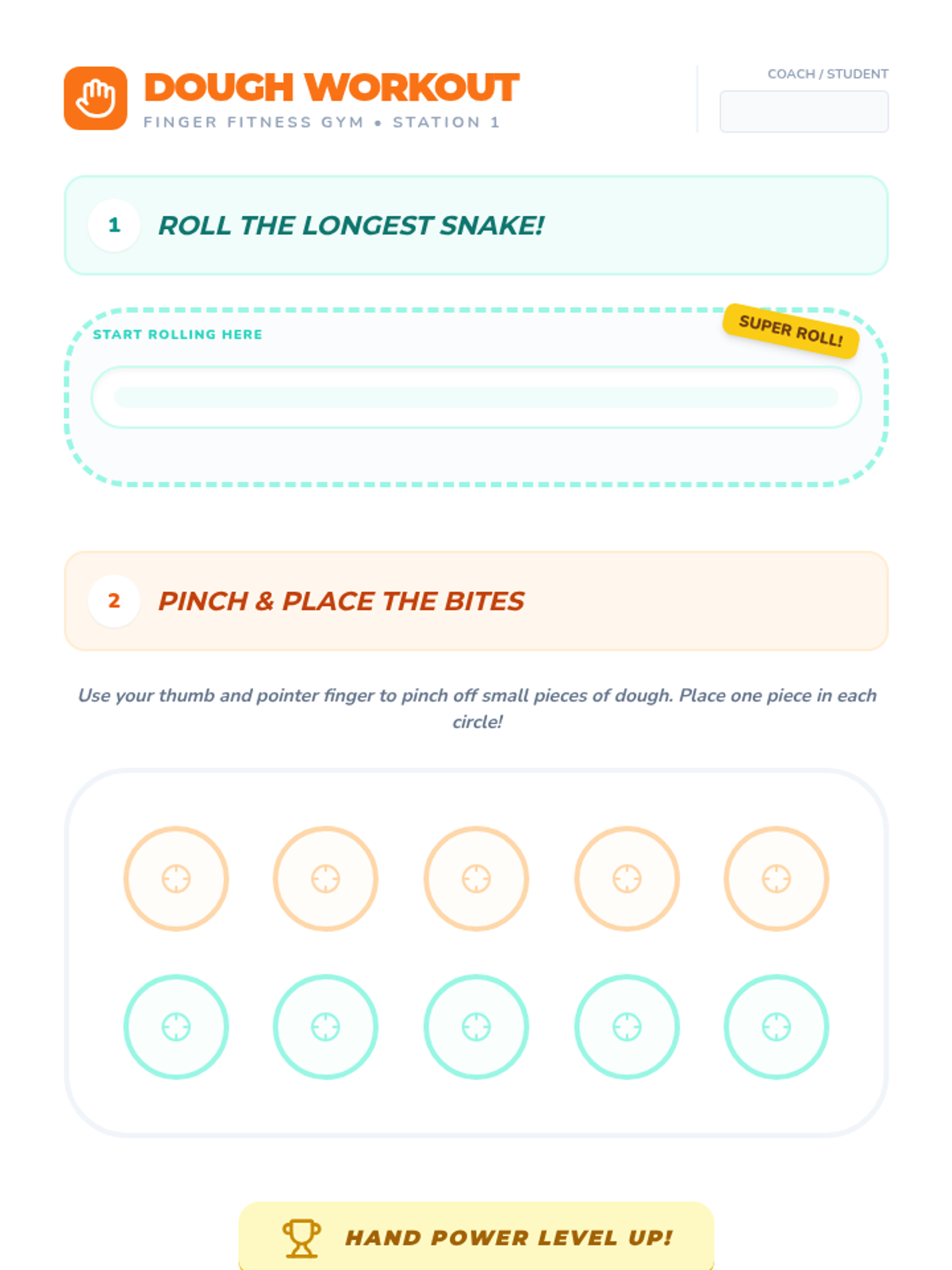
A foundational fine motor sequence for Pre-K students focusing on hand strength, pincer grasp, and tool manipulation through playful 'Finger Fitness' workshops. Students progress from gross hand strengthening with dough to precise tool usage with tweezers and clips.
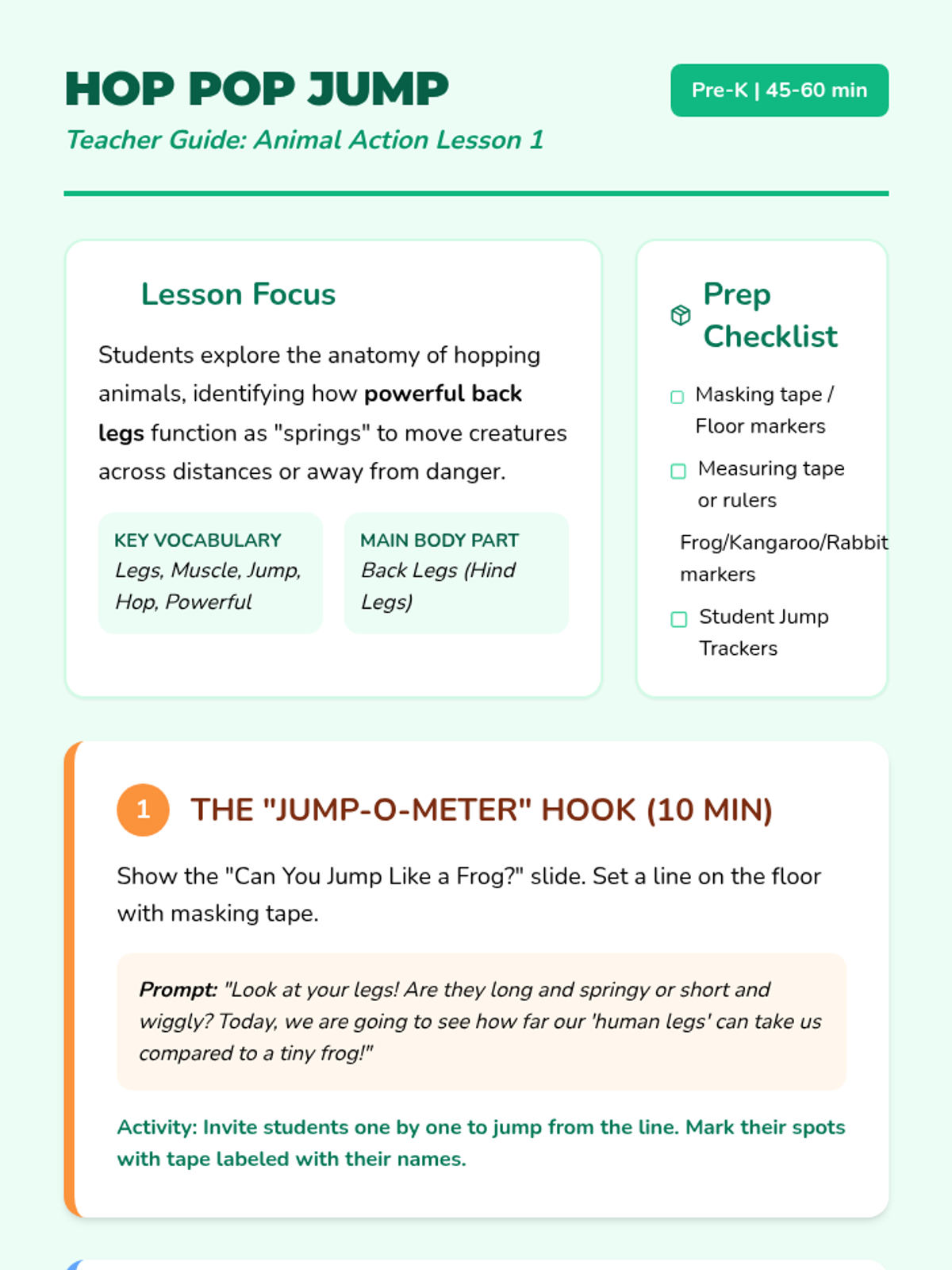
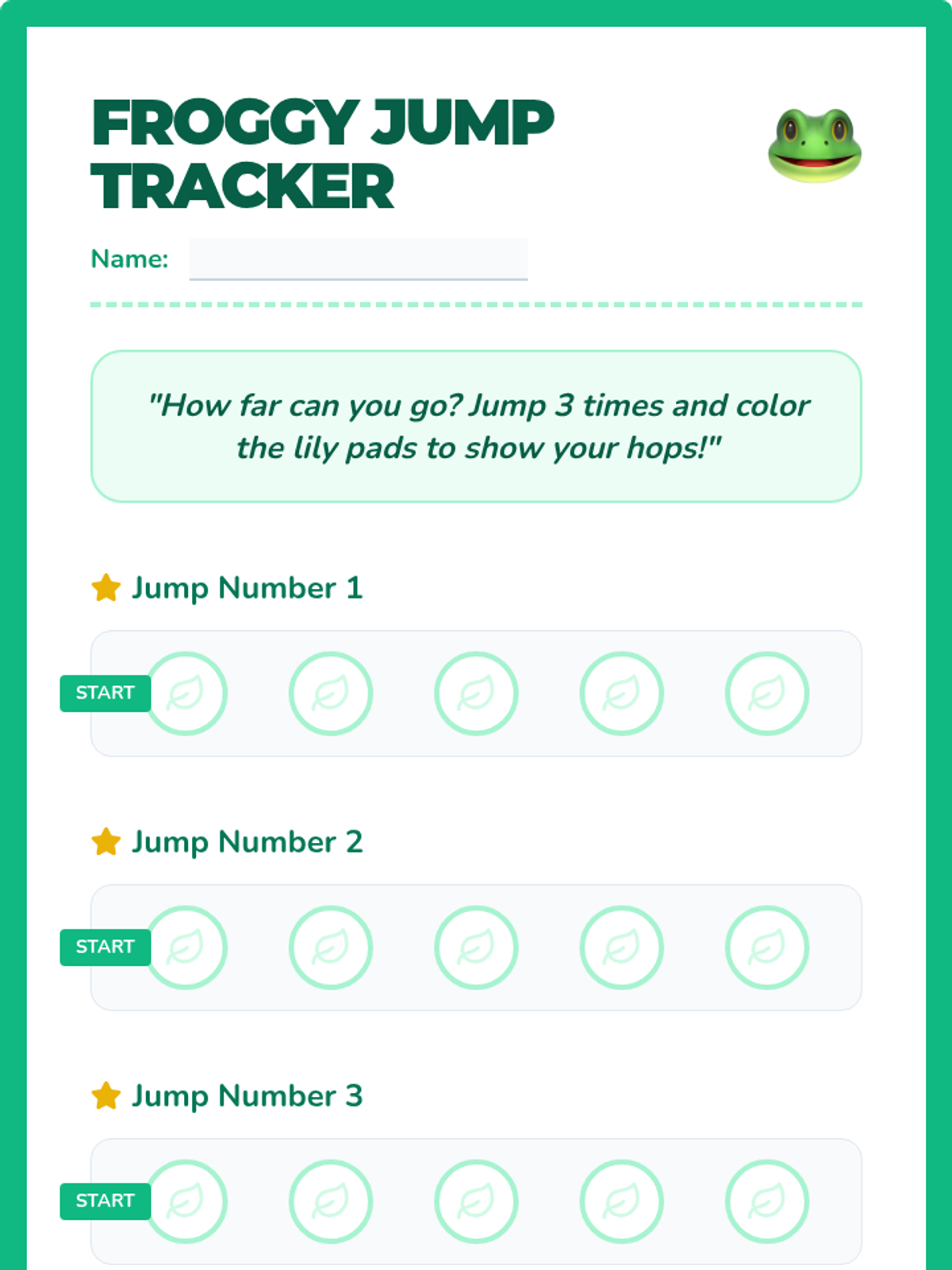
A movement-based exploration of animal anatomy for Pre-K students, focusing on how body parts like legs, wings, and fins enable different types of motion. Students will engage in role-play, sensory activities, and a final 'Olympics' to demonstrate their understanding of animal movements.
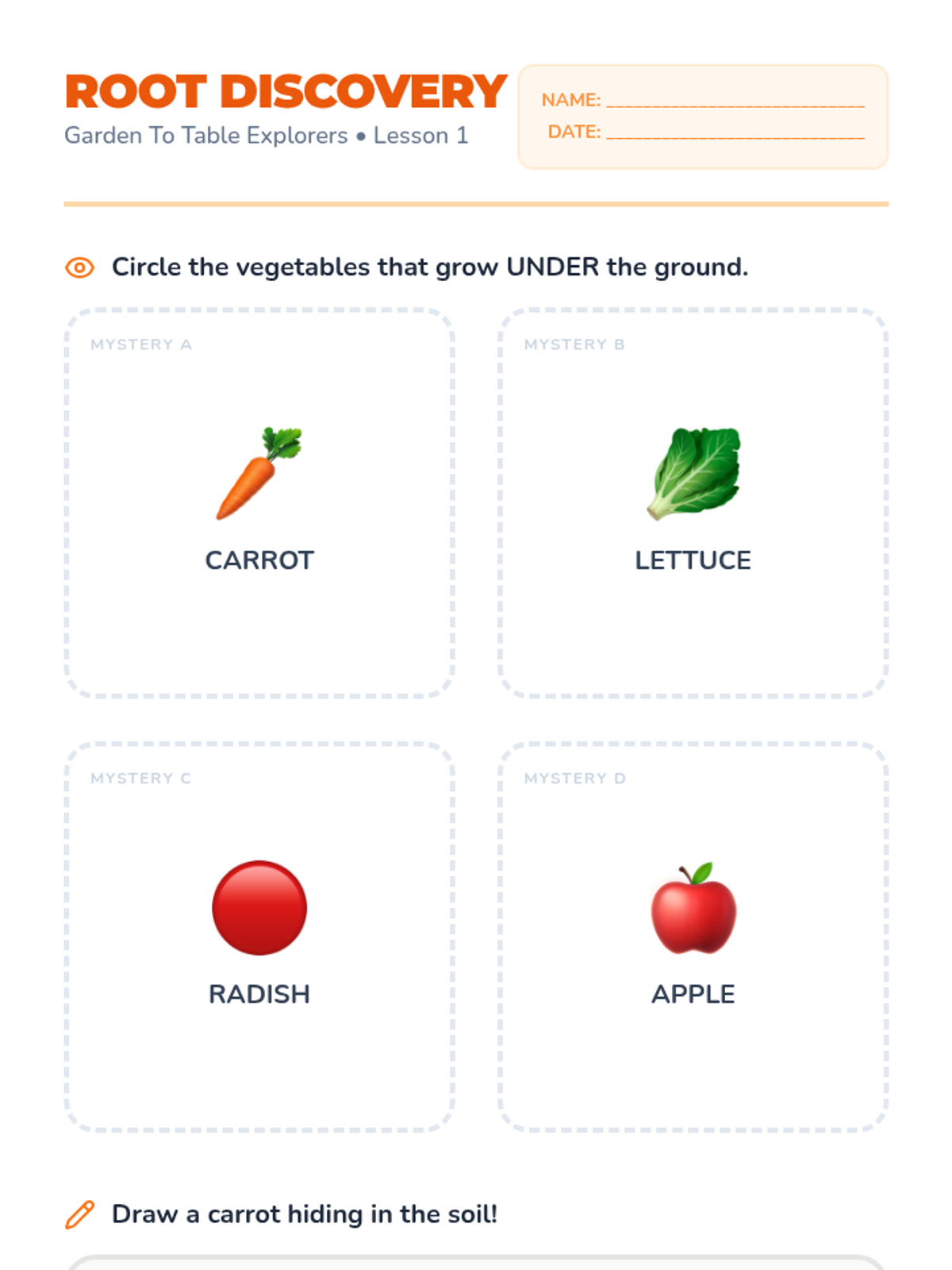
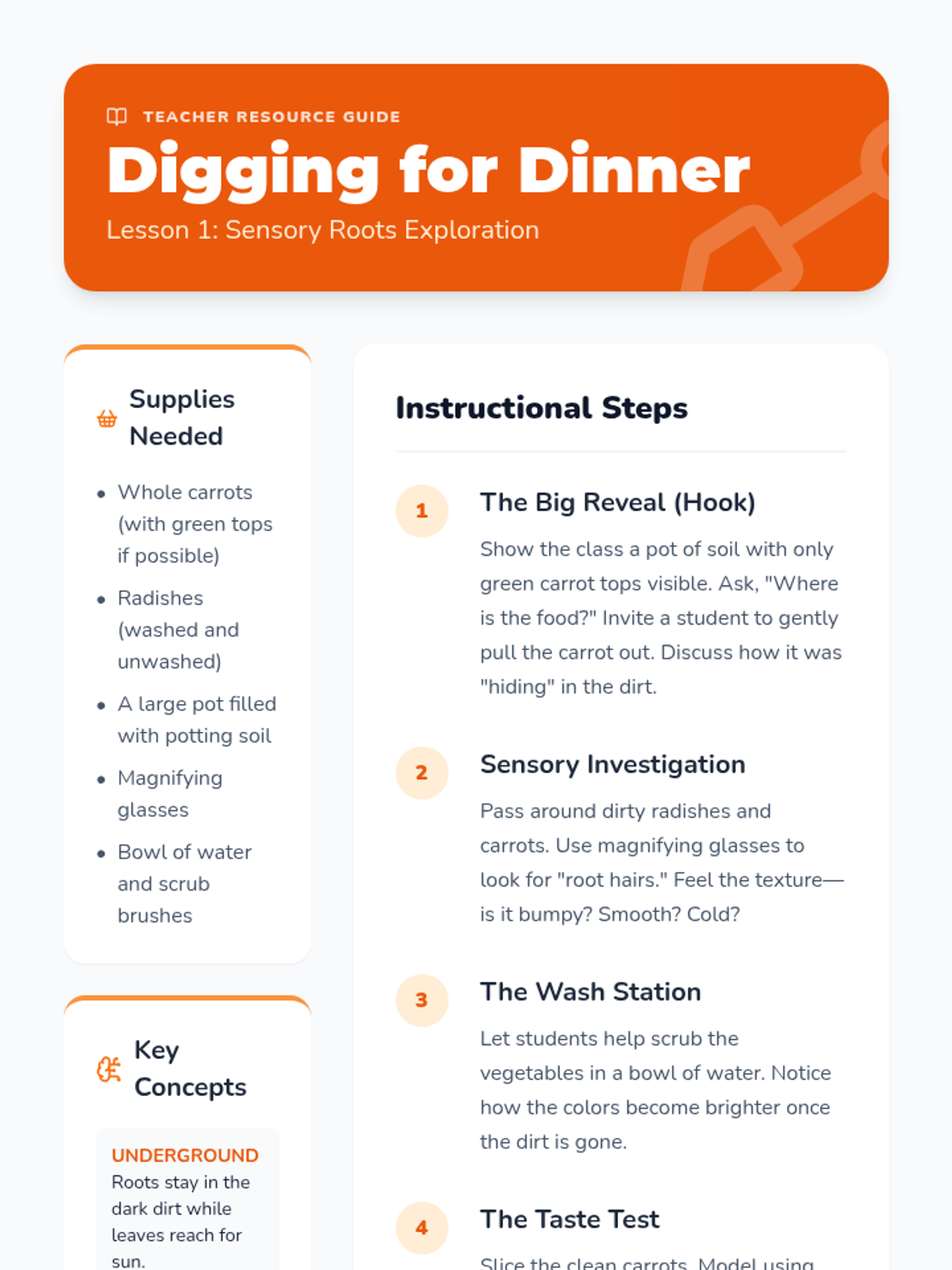
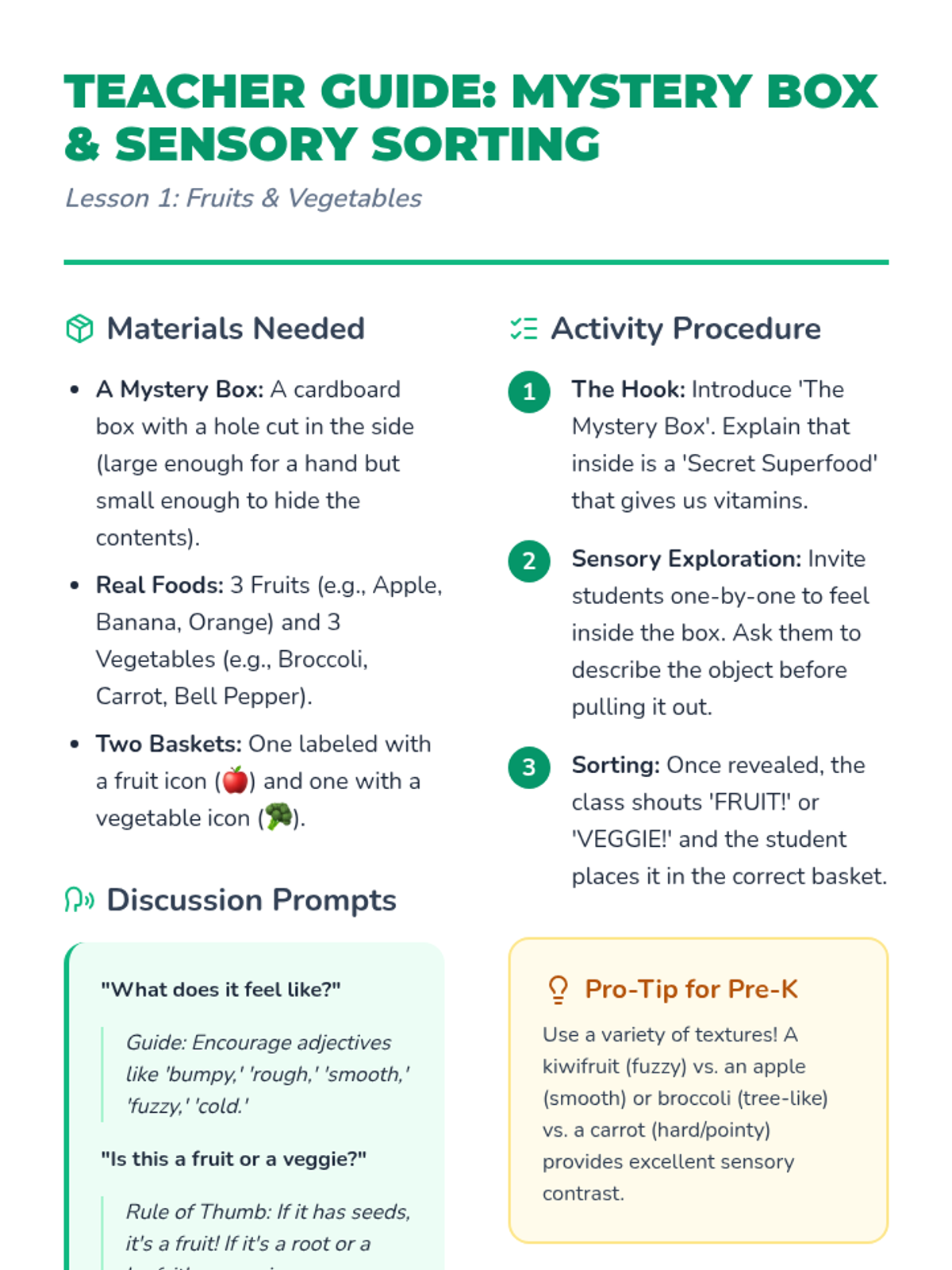
A sensory-focused sequence for Pre-K students exploring the edible parts of plants (roots, leaves, stems, flowers, and fruits). Students engage in hands-on discovery and tasting, culminating in a communal plant part salad.
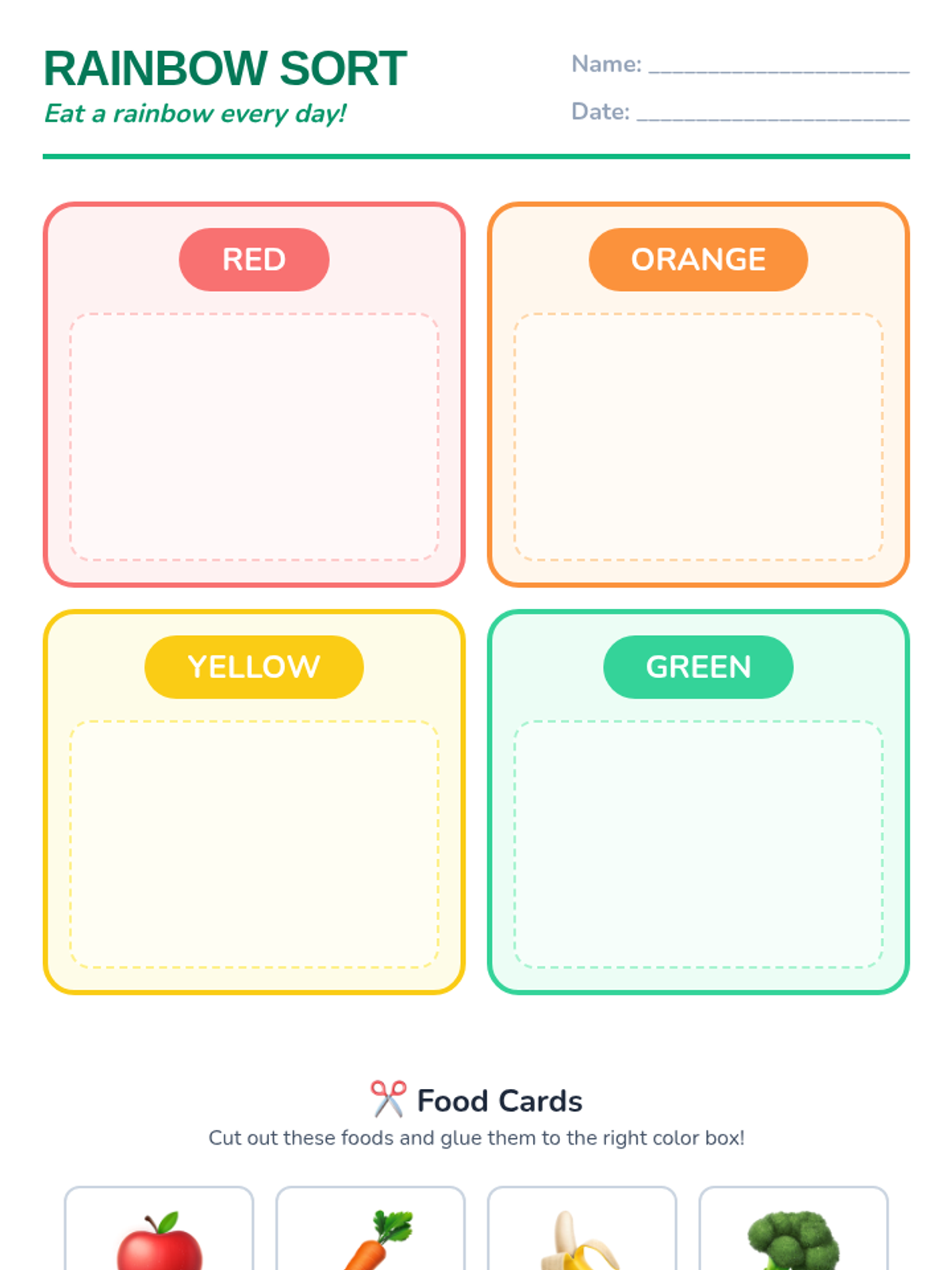
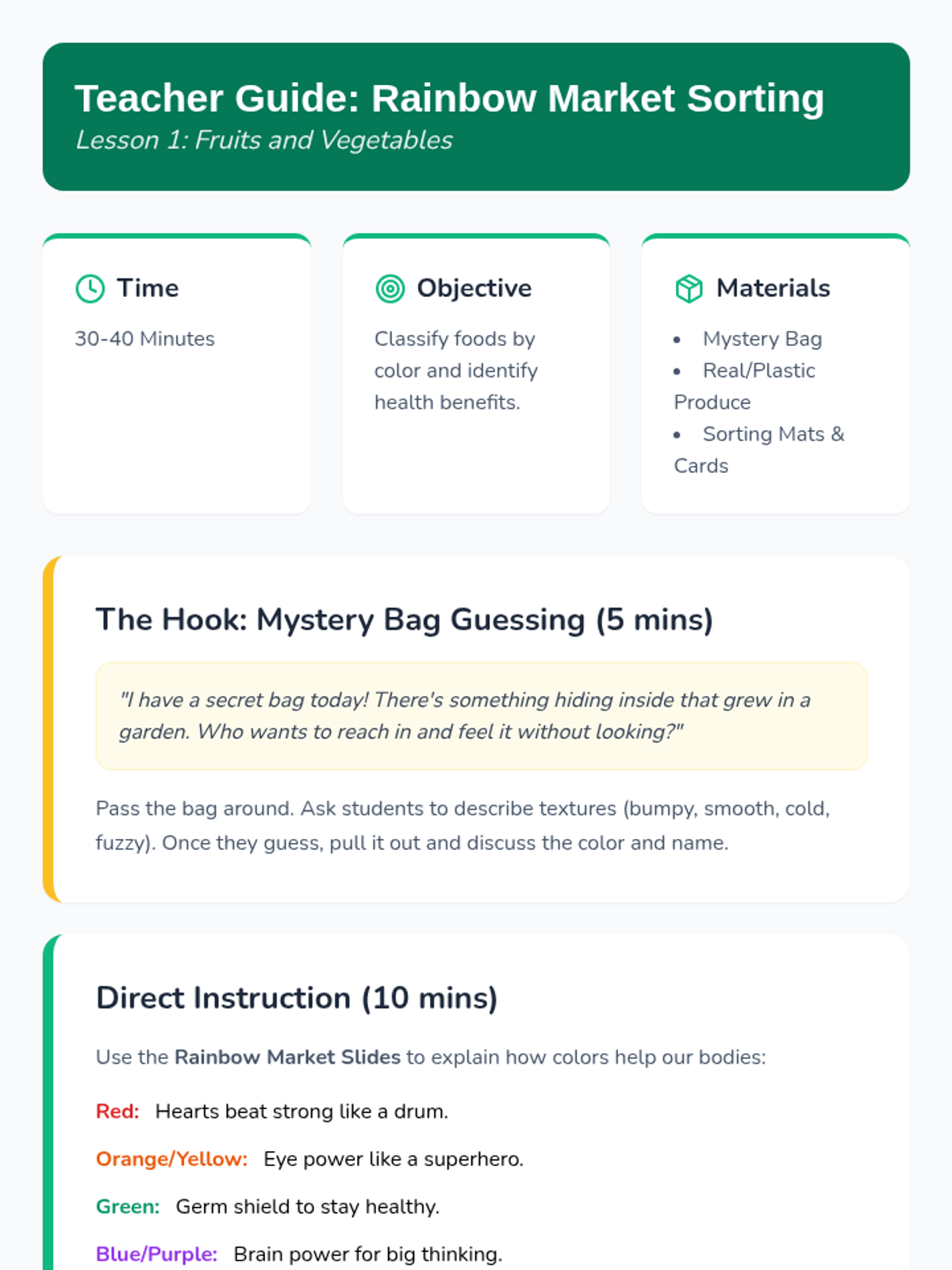
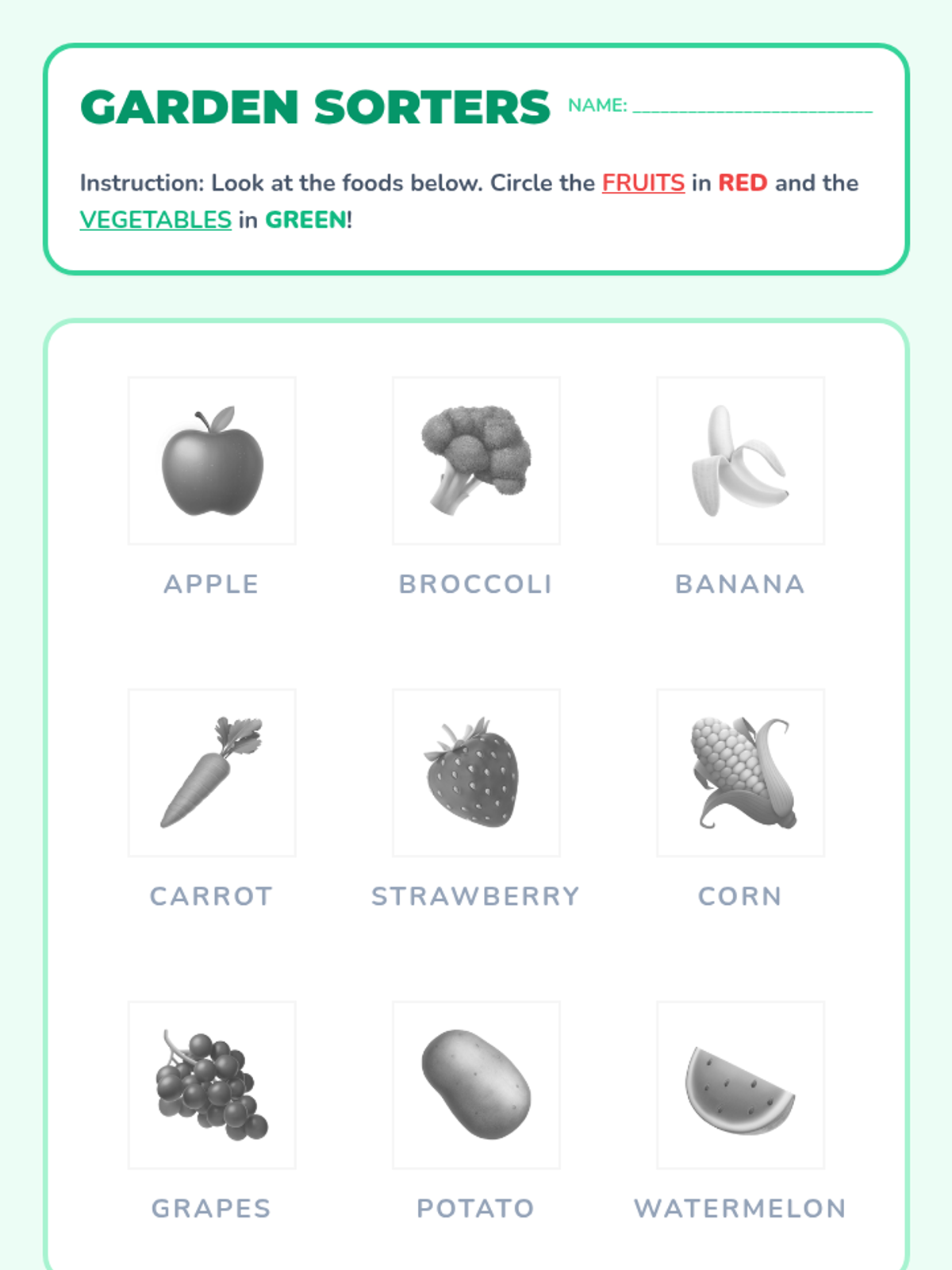
A Pre-K sequence introducing the five food groups through sensory play, color recognition, and movement. Students learn to associate specific foods with body functions like energy and growth, culminating in the creation of a balanced 'My Plate' meal.
This sequence introduces Pre-K students to the five major food groups through sensory play, movement, and creative arts. Students will explore how fruits, vegetables, grains, proteins, and dairy help their bodies grow strong, stay healthy, and have energy to play.
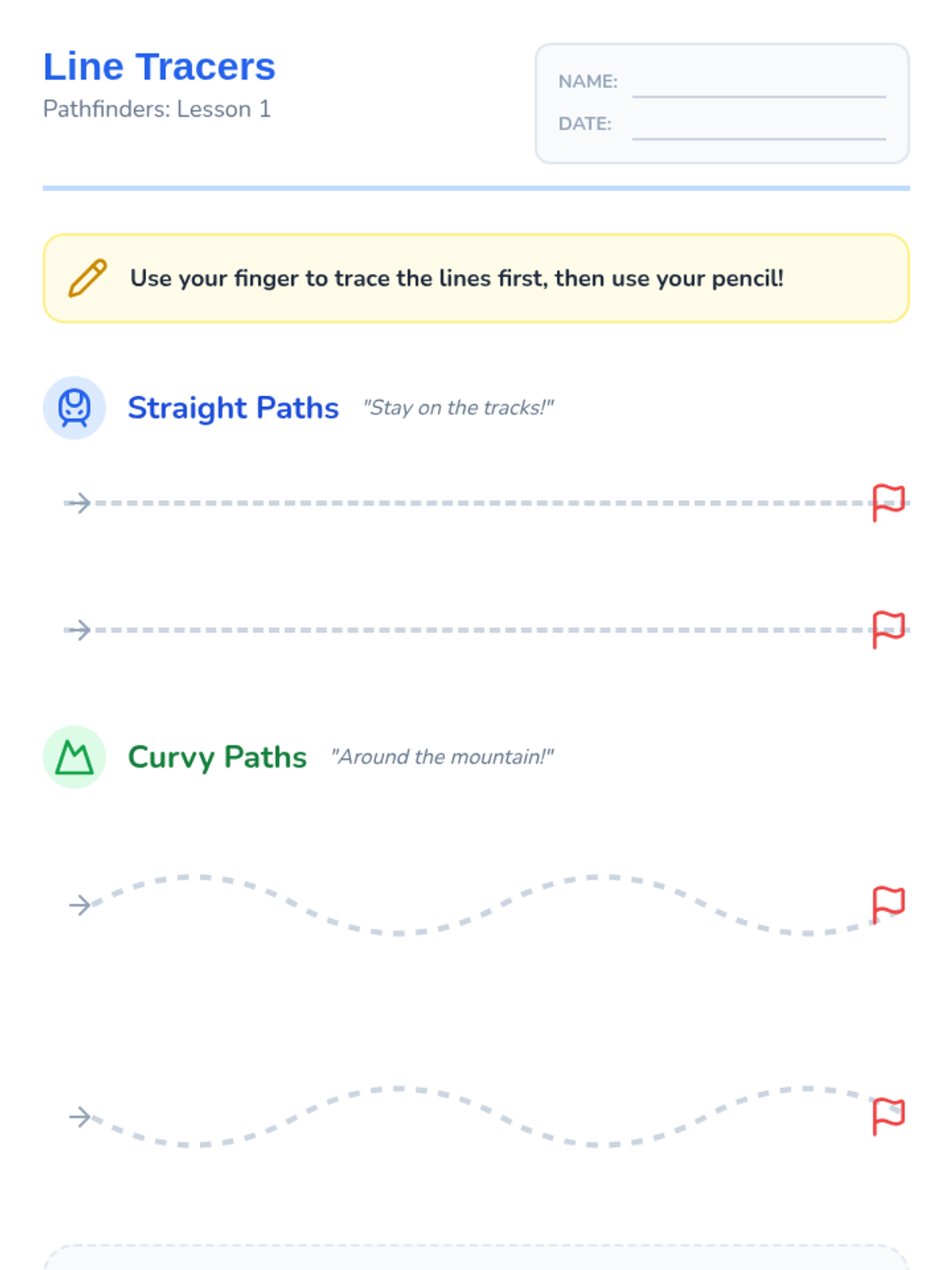
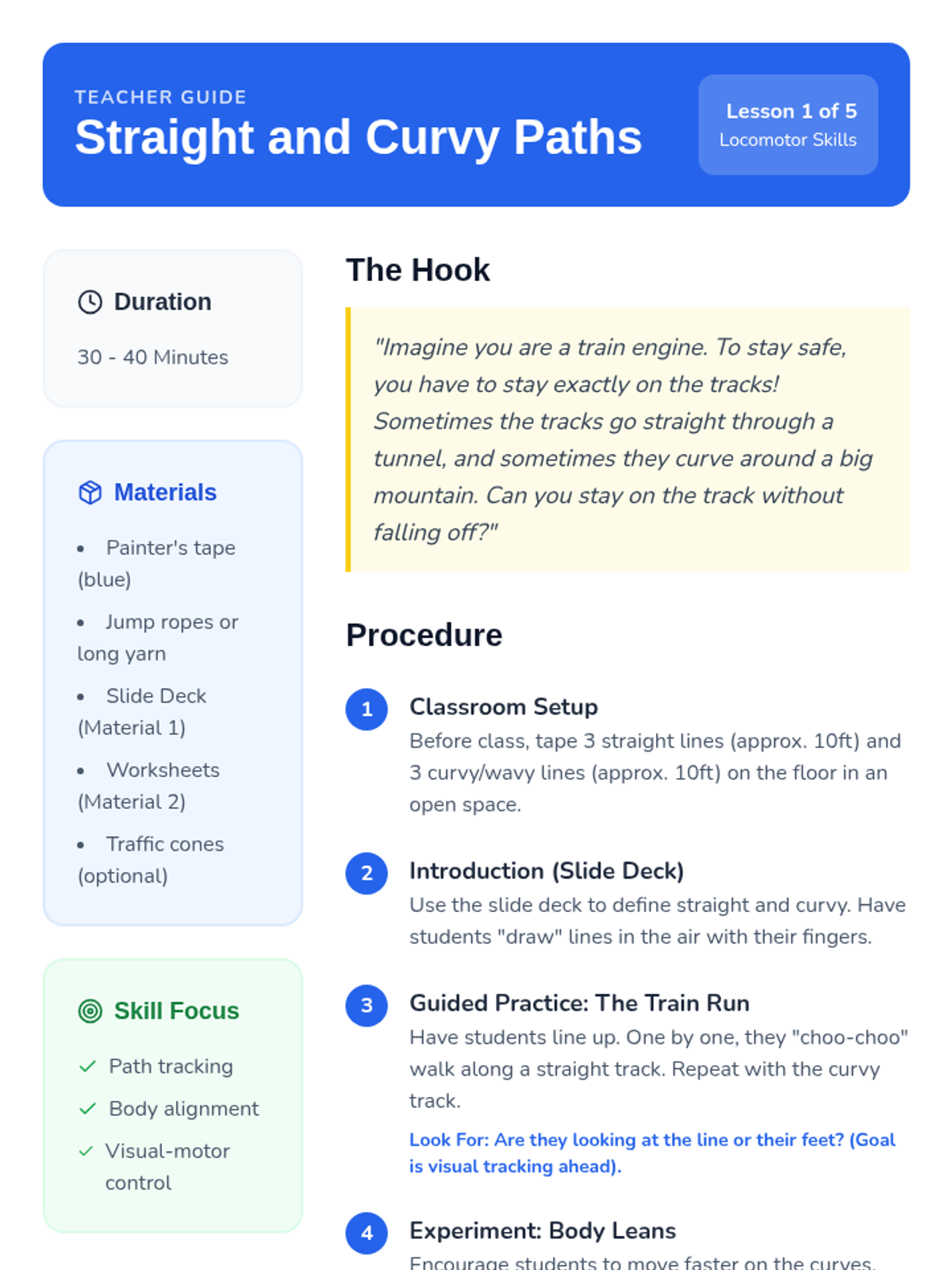
A Pre-K movement sequence focused on locomotor skills, exploring straight, curved, and zigzag pathways, as well as lateral and backward movement. Students develop spatial awareness and body control through imaginative play and guided physical activities.
A Kindergarten sequence focused on teaching spatial awareness, turn-taking, verbal conflict resolution, and fair play strategies in team sports and physical education settings.