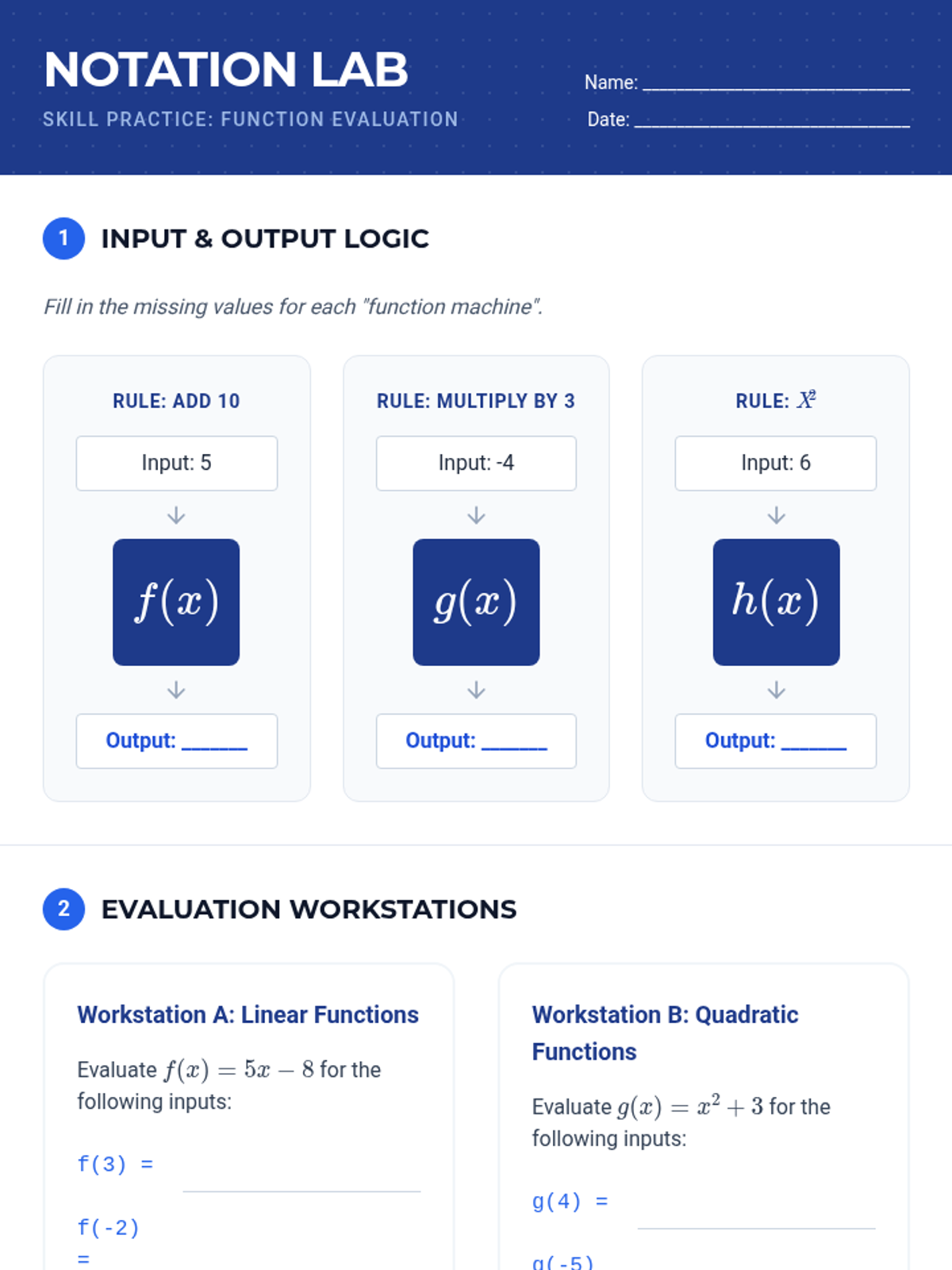
Mapping relationships through notation, algebraic representations, and growth rate comparisons. Equips learners to transform functions, model contextual data, and solve exponential equations.
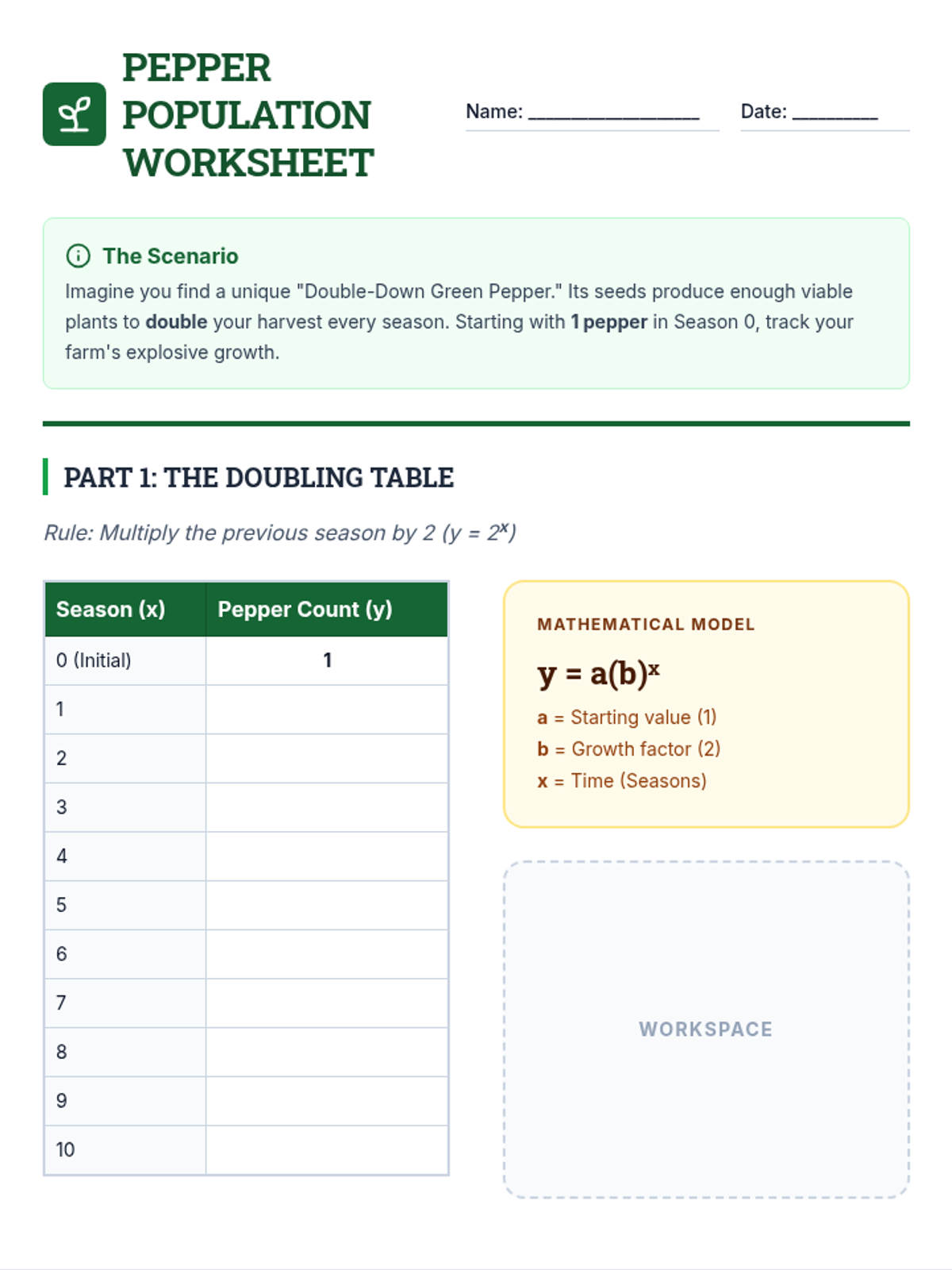
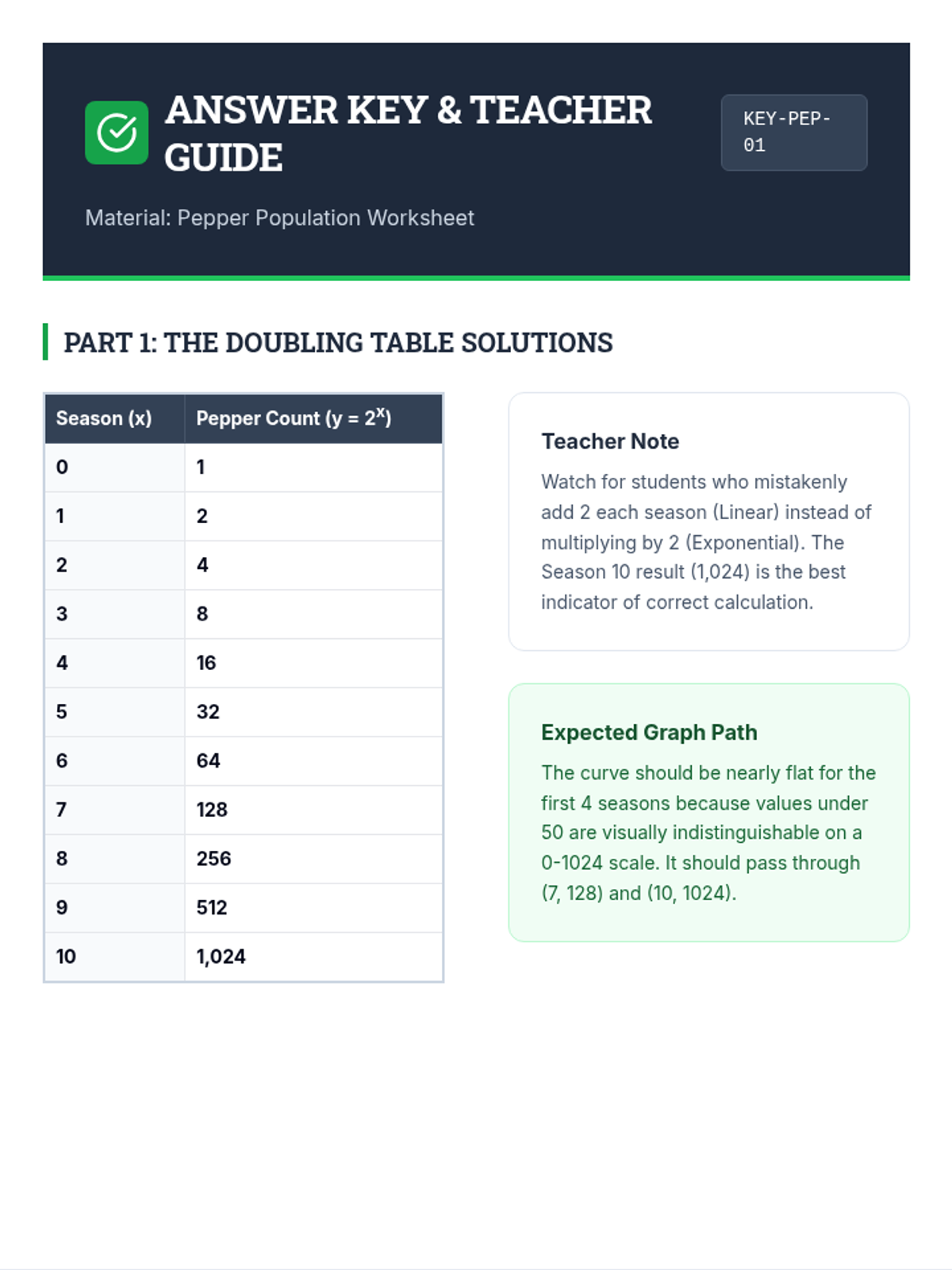
A sequence focused on exponential growth models through the lens of agricultural yields, specifically tracking the population growth of peppers from a single fruit.
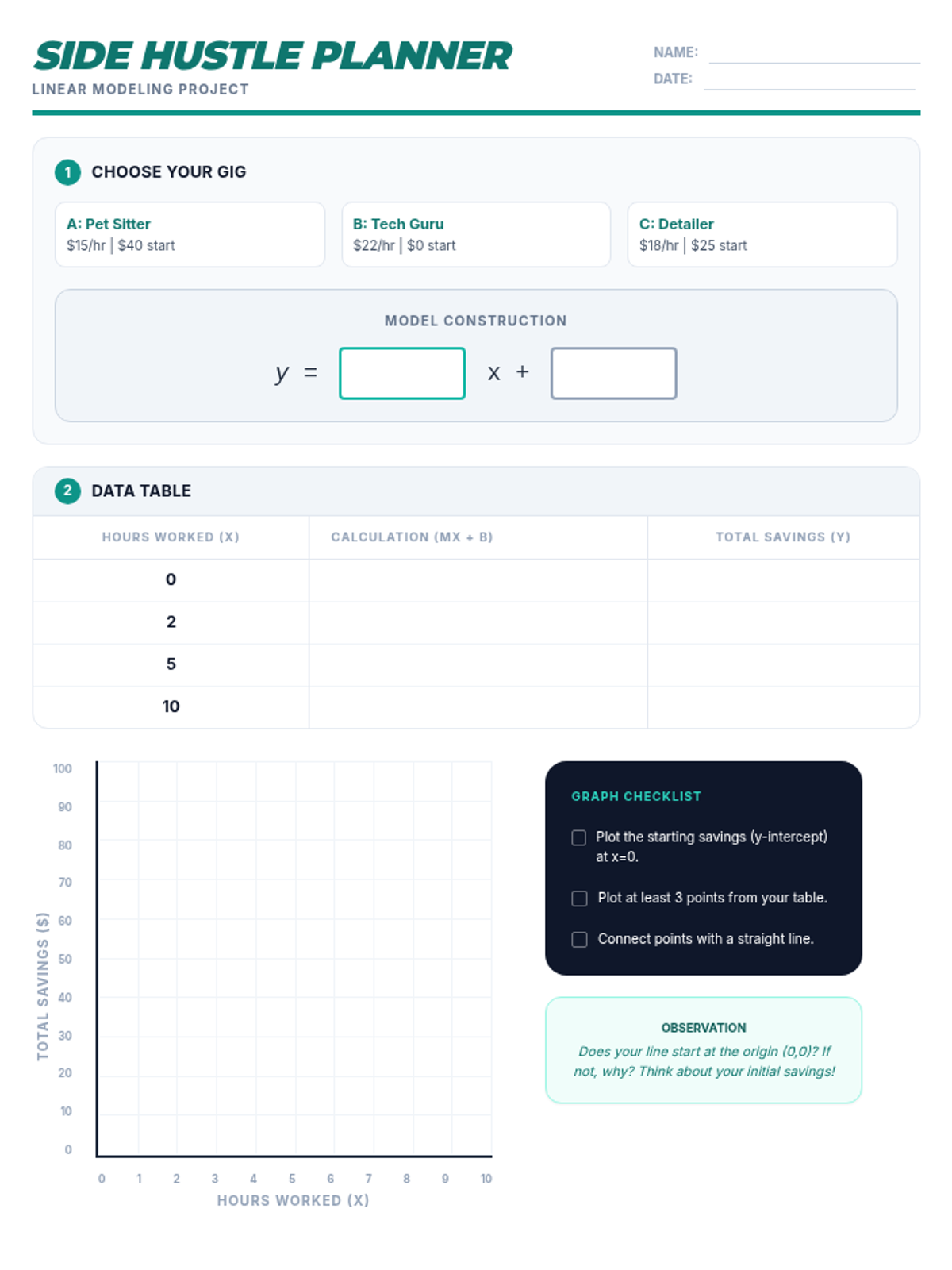
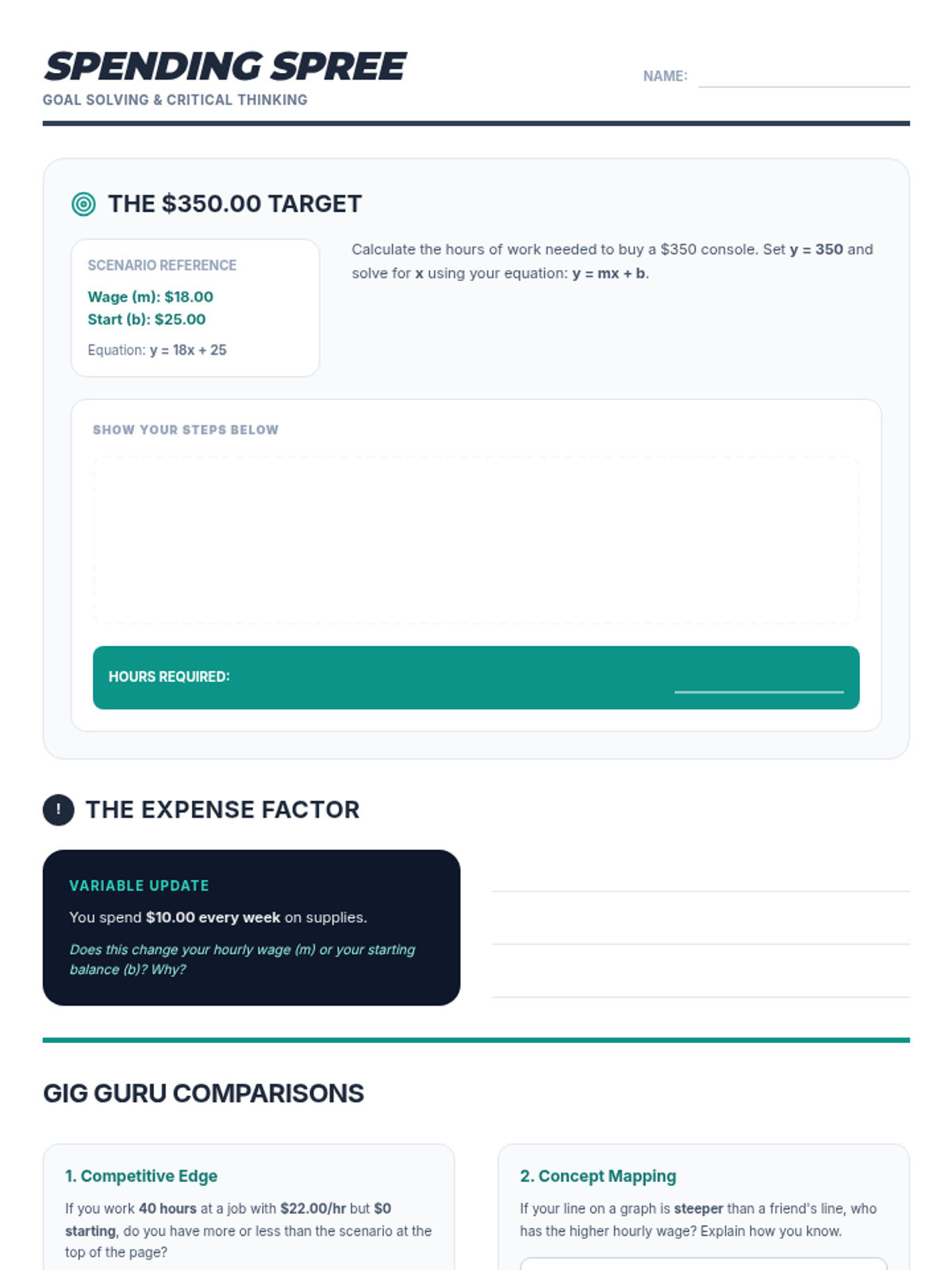
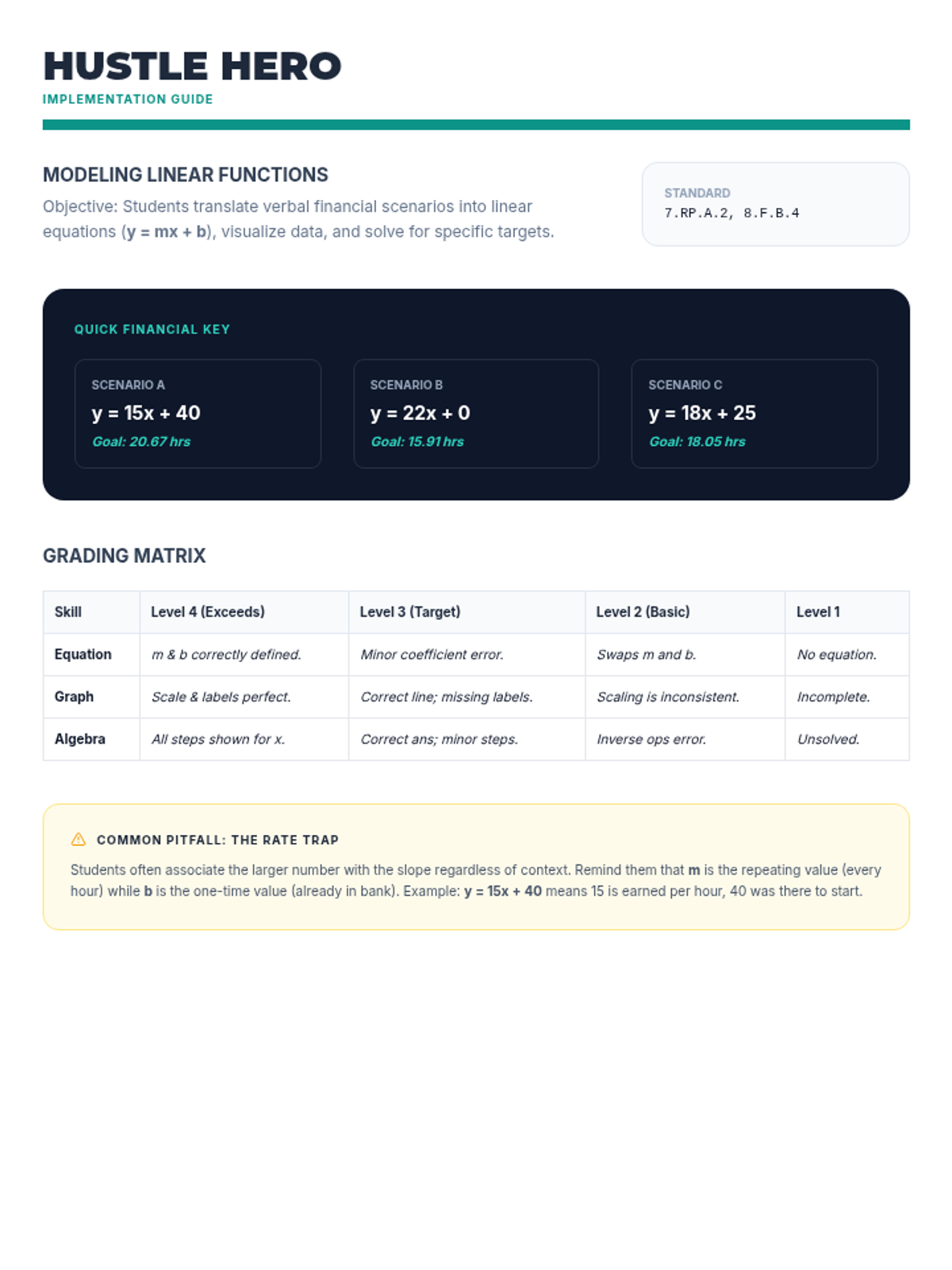
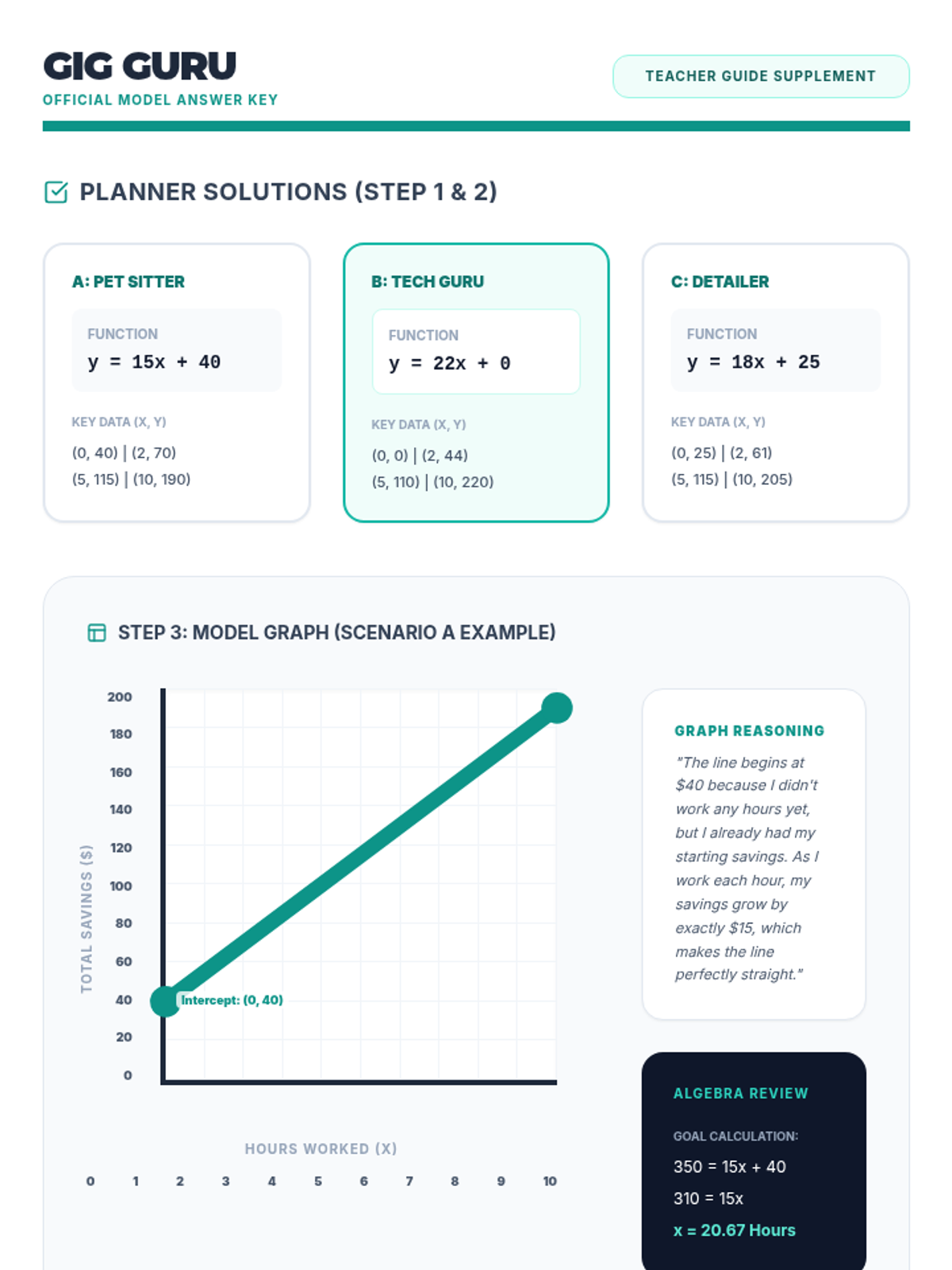
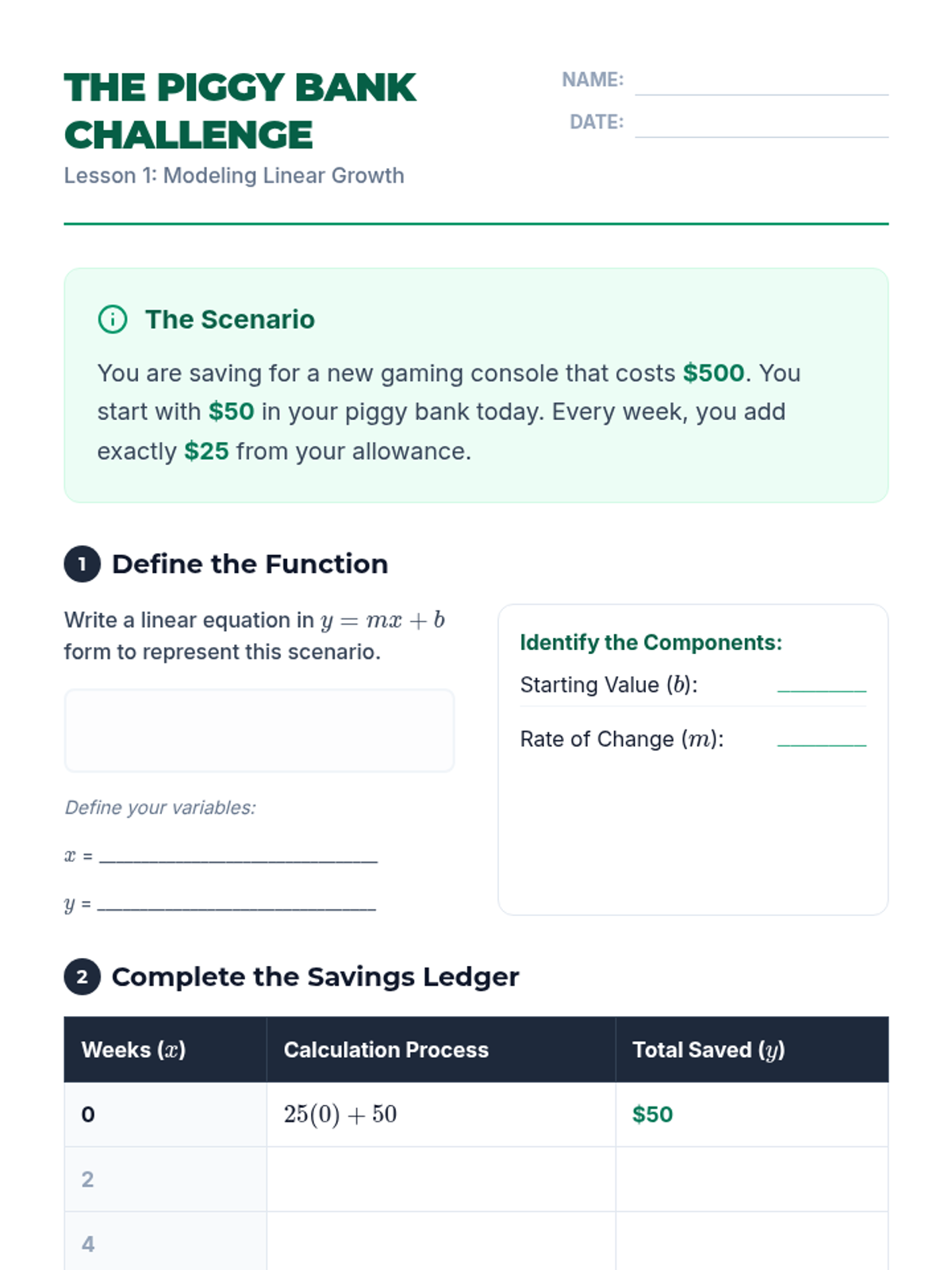
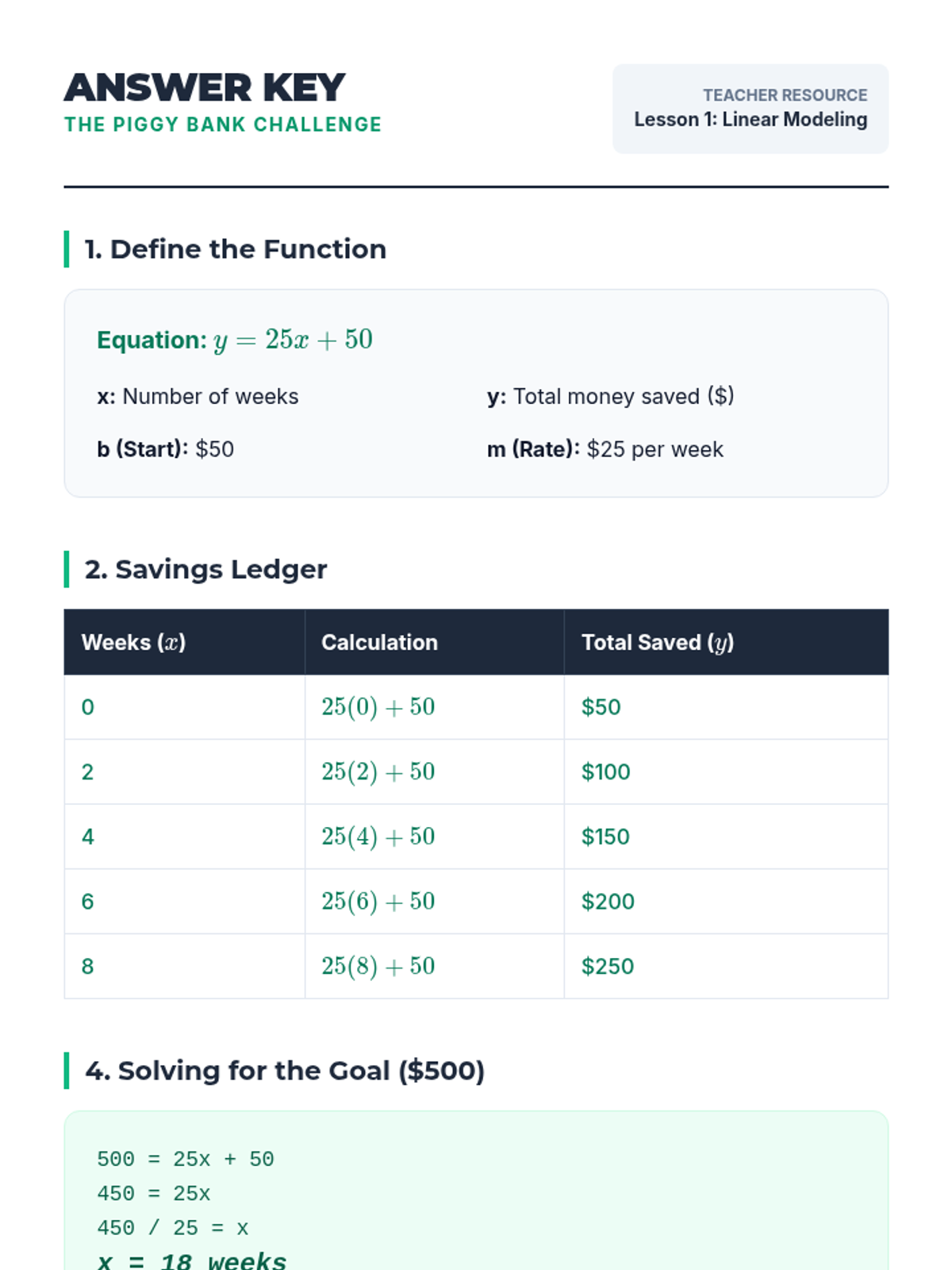
A real-world project where students use linear functions to model earnings from a summer job and manage a budget to reach a savings goal. Students will define variables, write equations, create tables, and graph their financial progress.
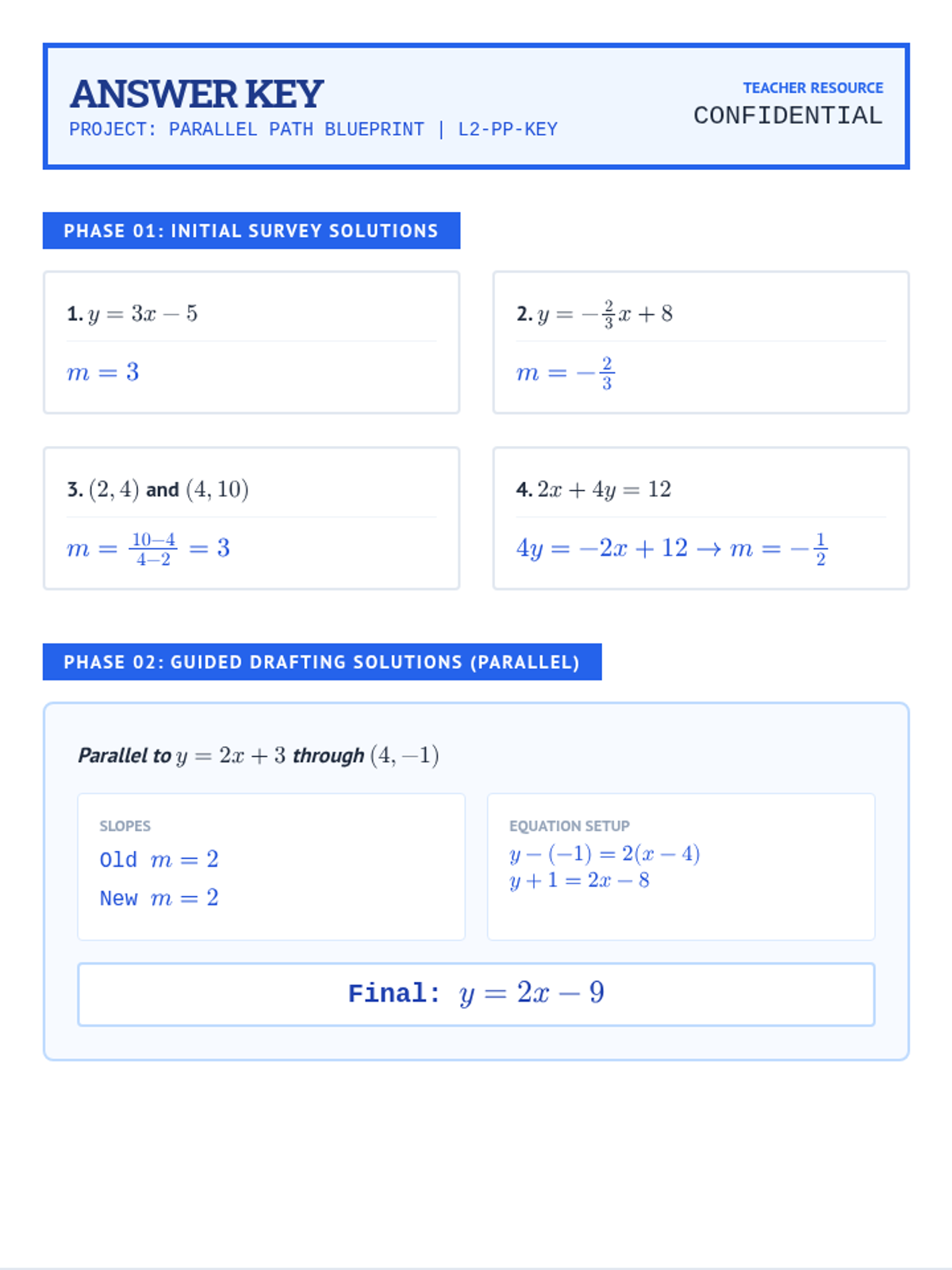
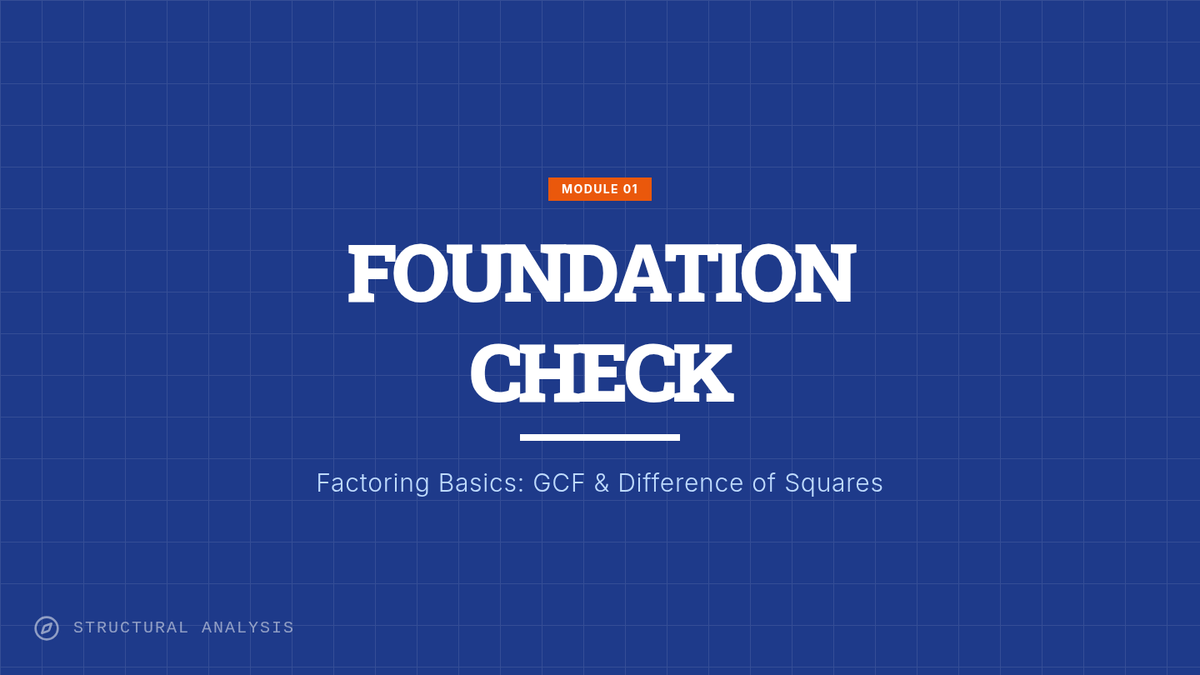
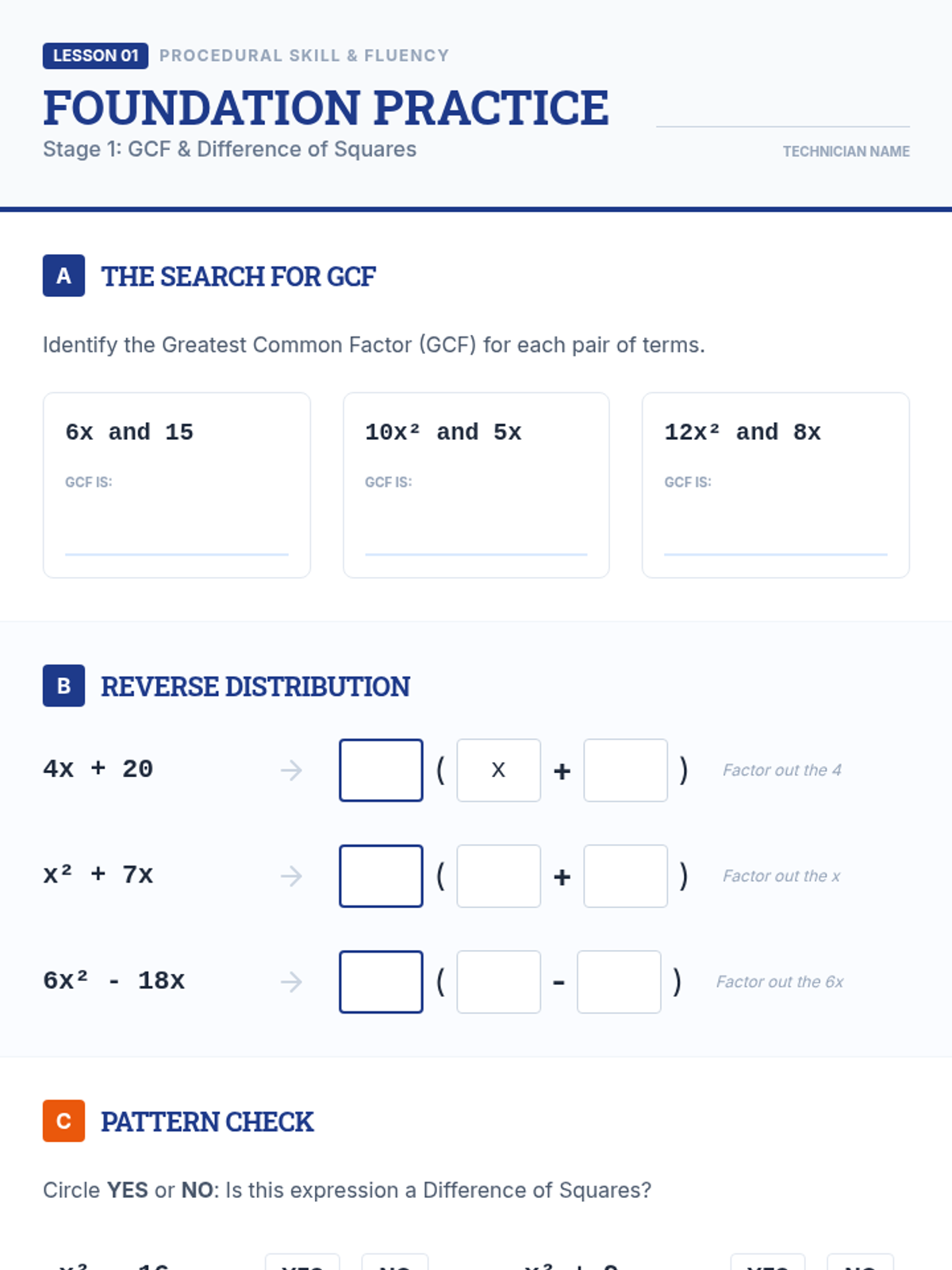
A series of algebra and geometry foundation lessons designed with a technical blueprint aesthetic, focusing on precision, organized computation, and visual clarity in mathematical steps.
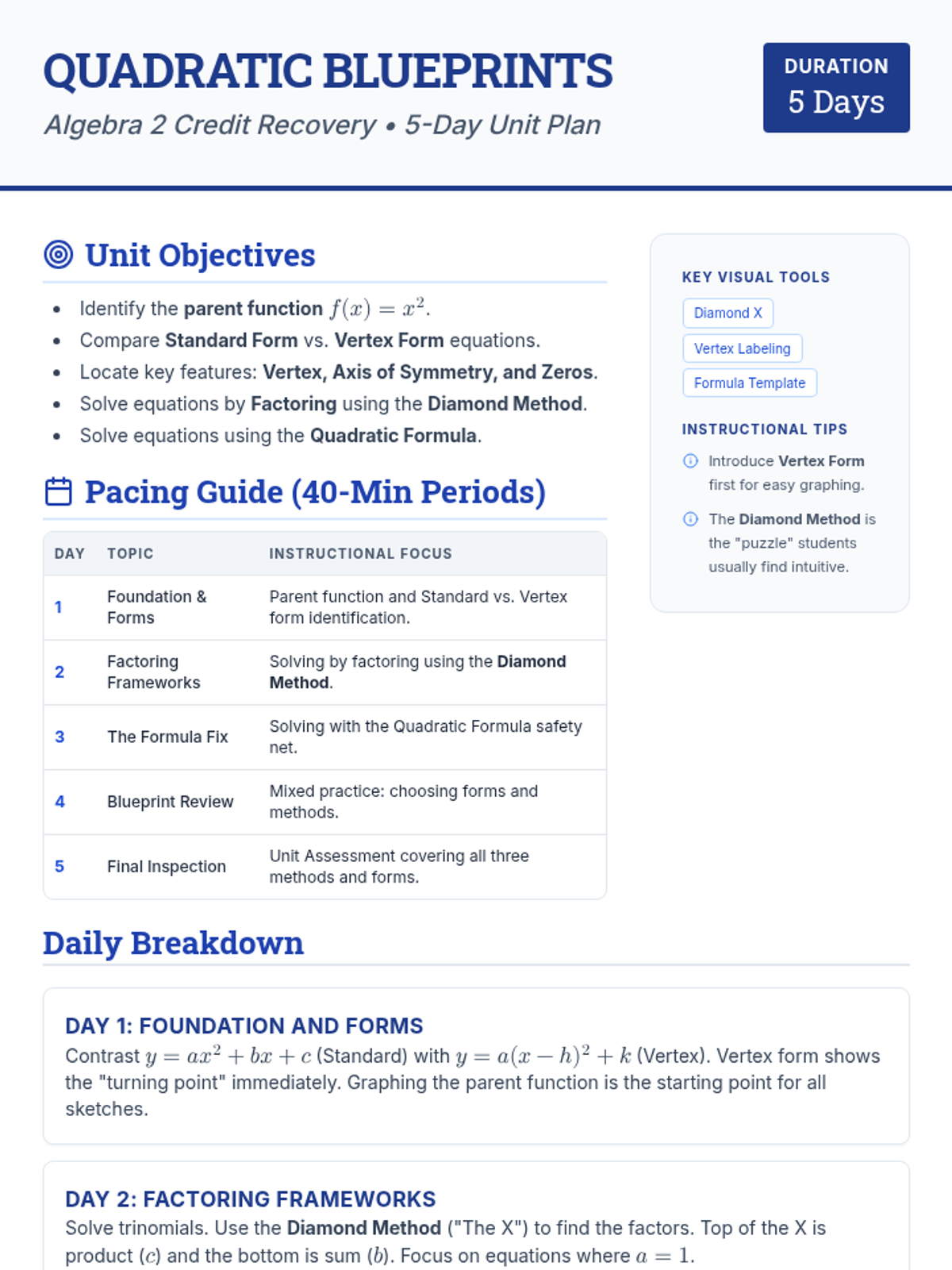
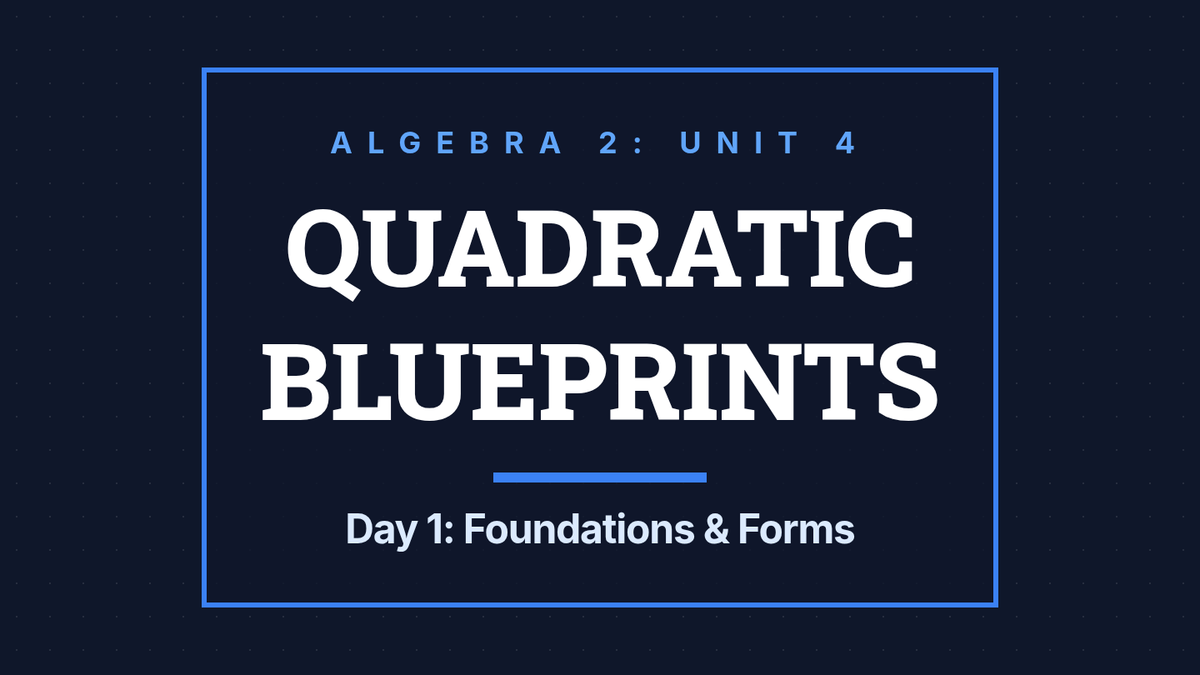
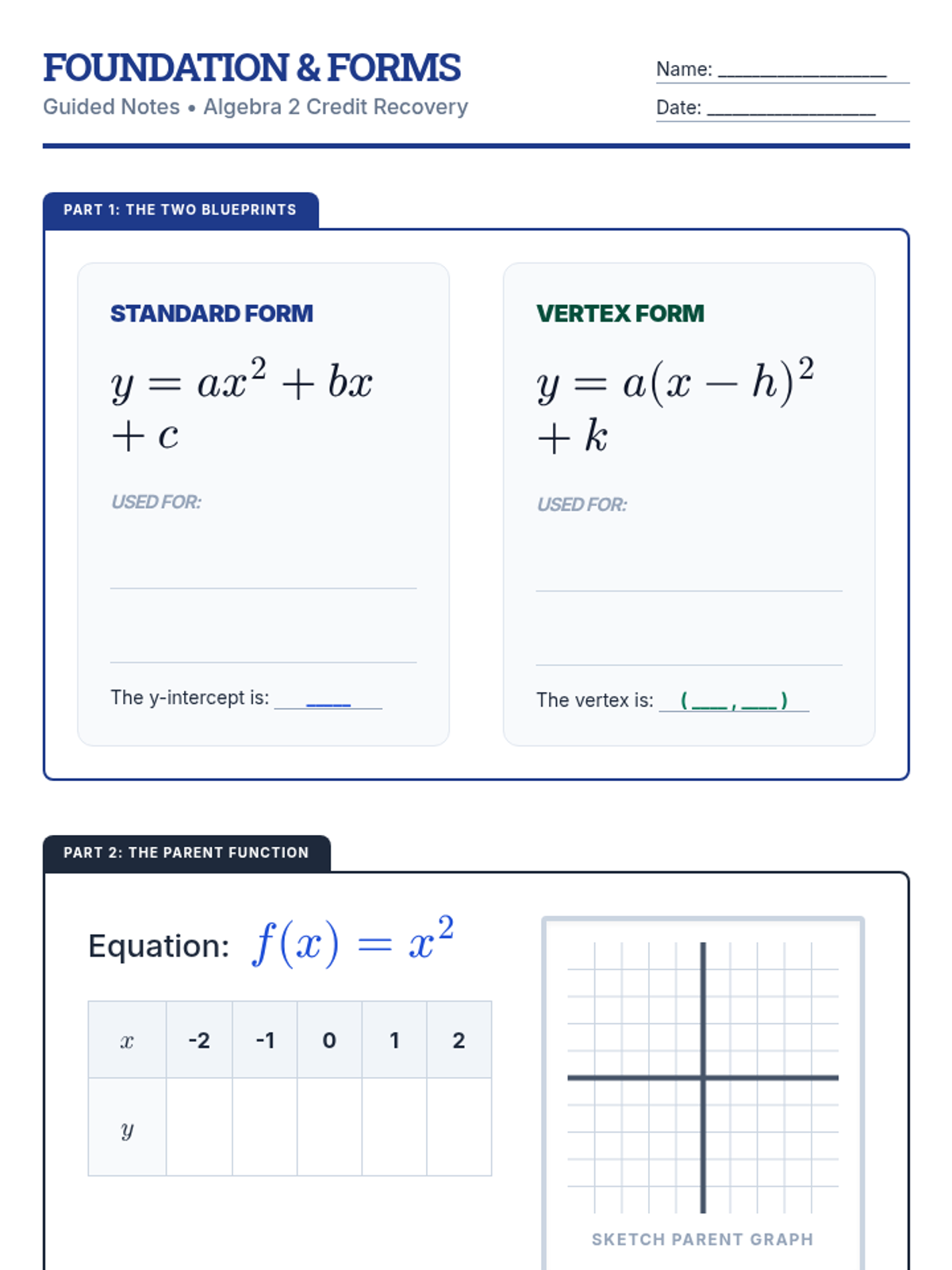
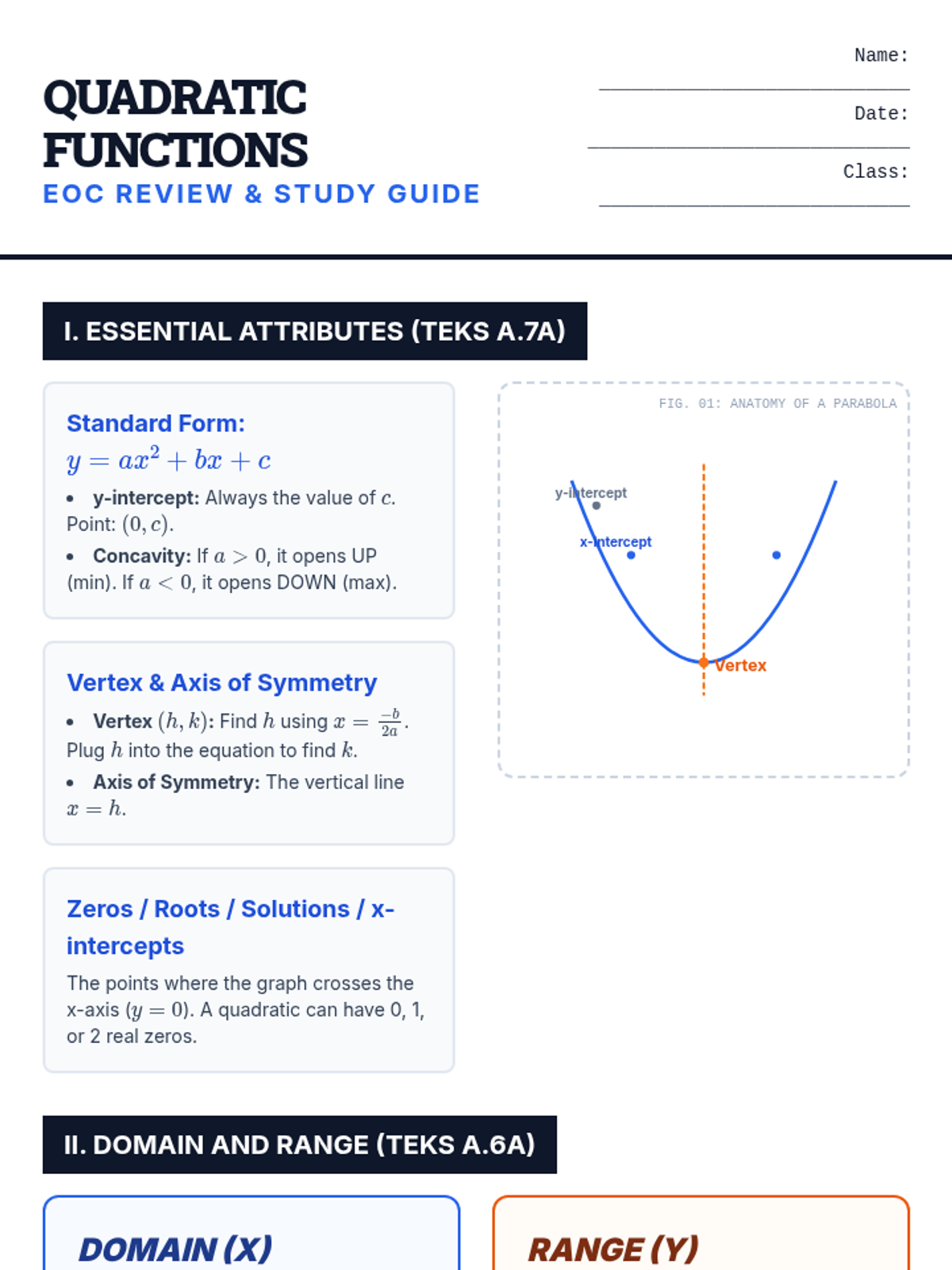
A 5-day Algebra 2 Credit Recovery unit focused on quadratic equations, covering parent functions, key features of graphs, factoring, and the quadratic formula. Designed for 40-minute class periods with a blueprint-inspired visual theme.
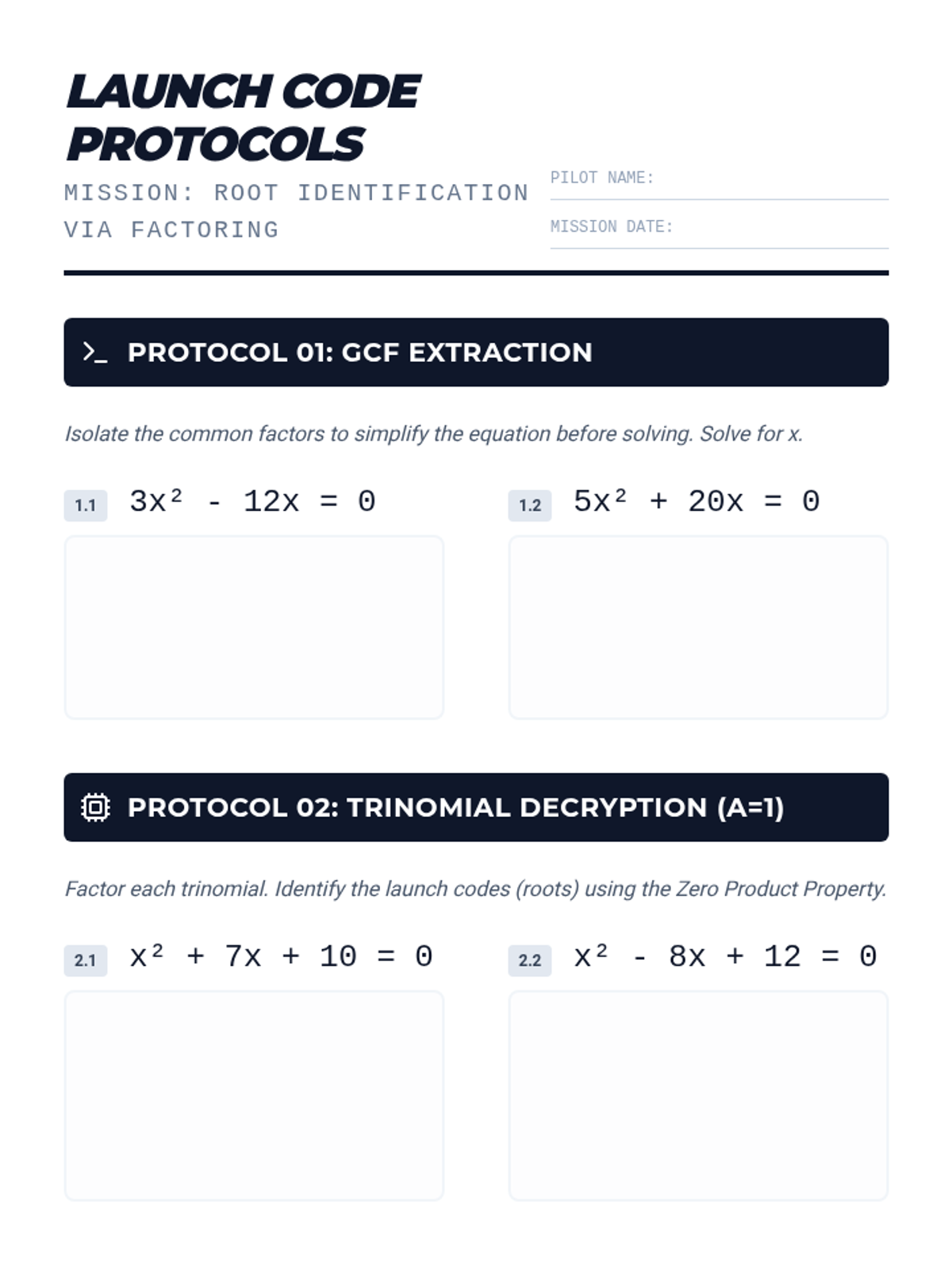
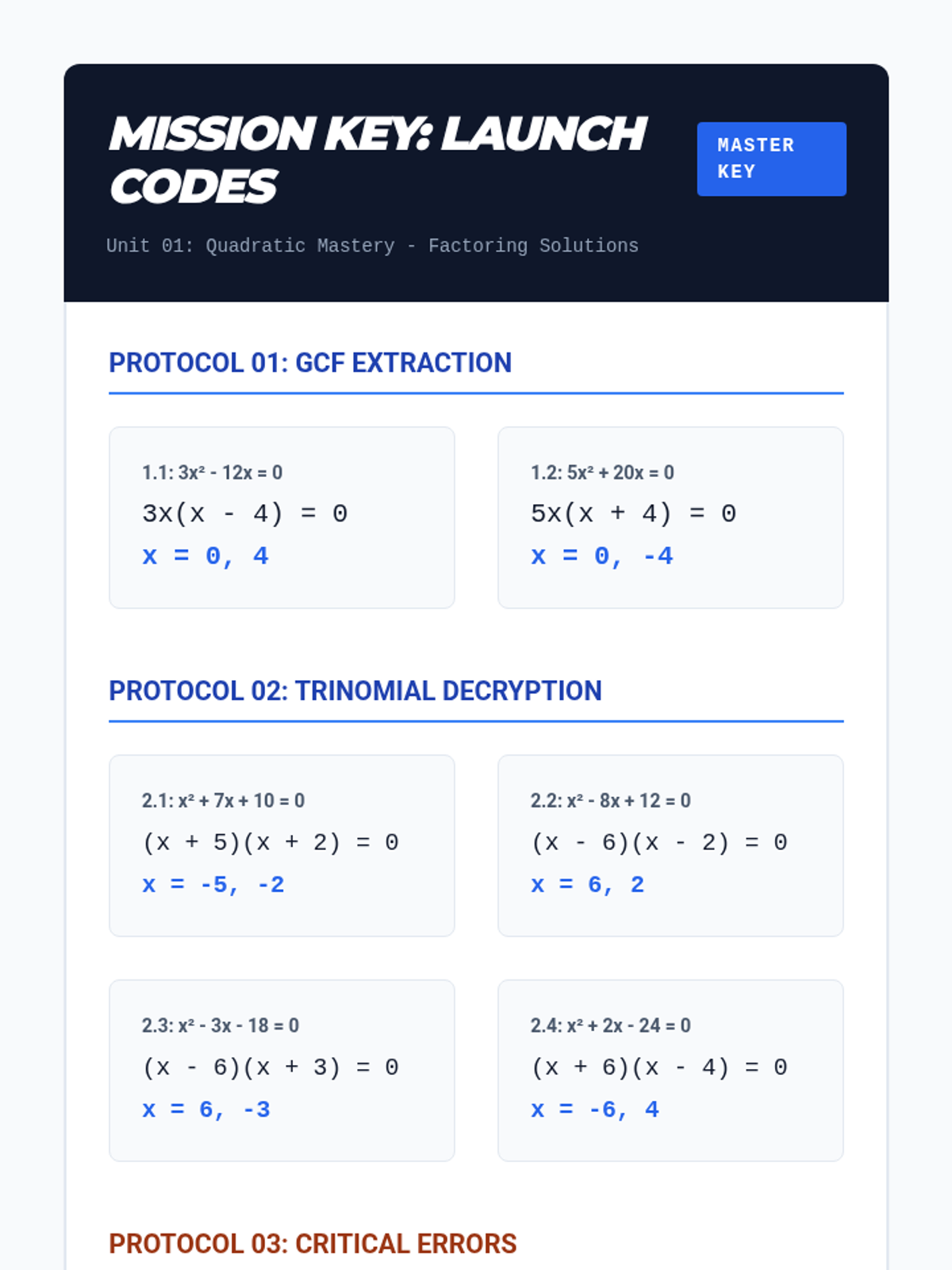
A comprehensive 3-week unit on quadratic equations themed around aerospace engineering and flight mechanics. Students learn to factor, graph, use the quadratic formula, and model projectile motion through the lens of mission control and rocket launches.
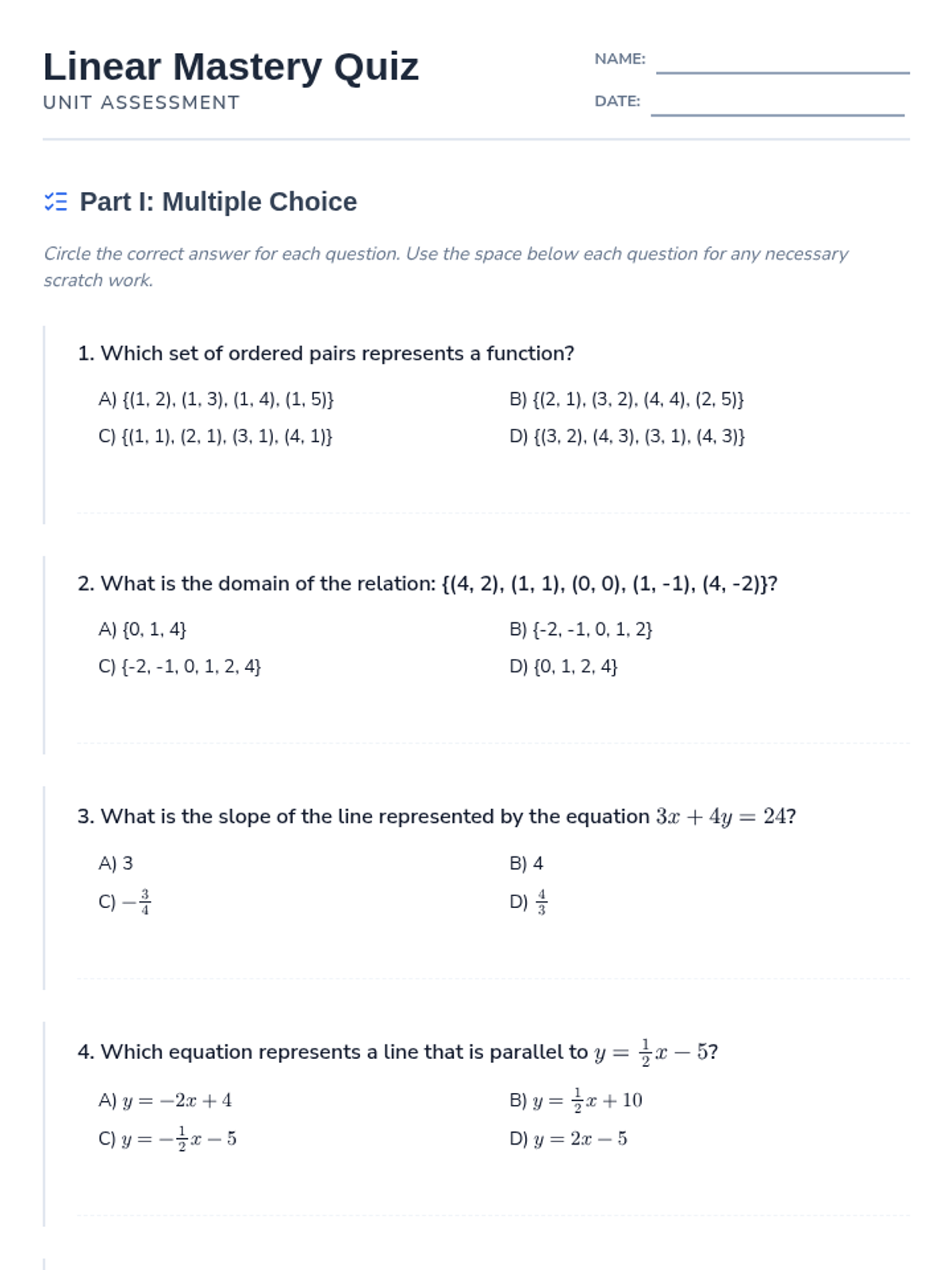
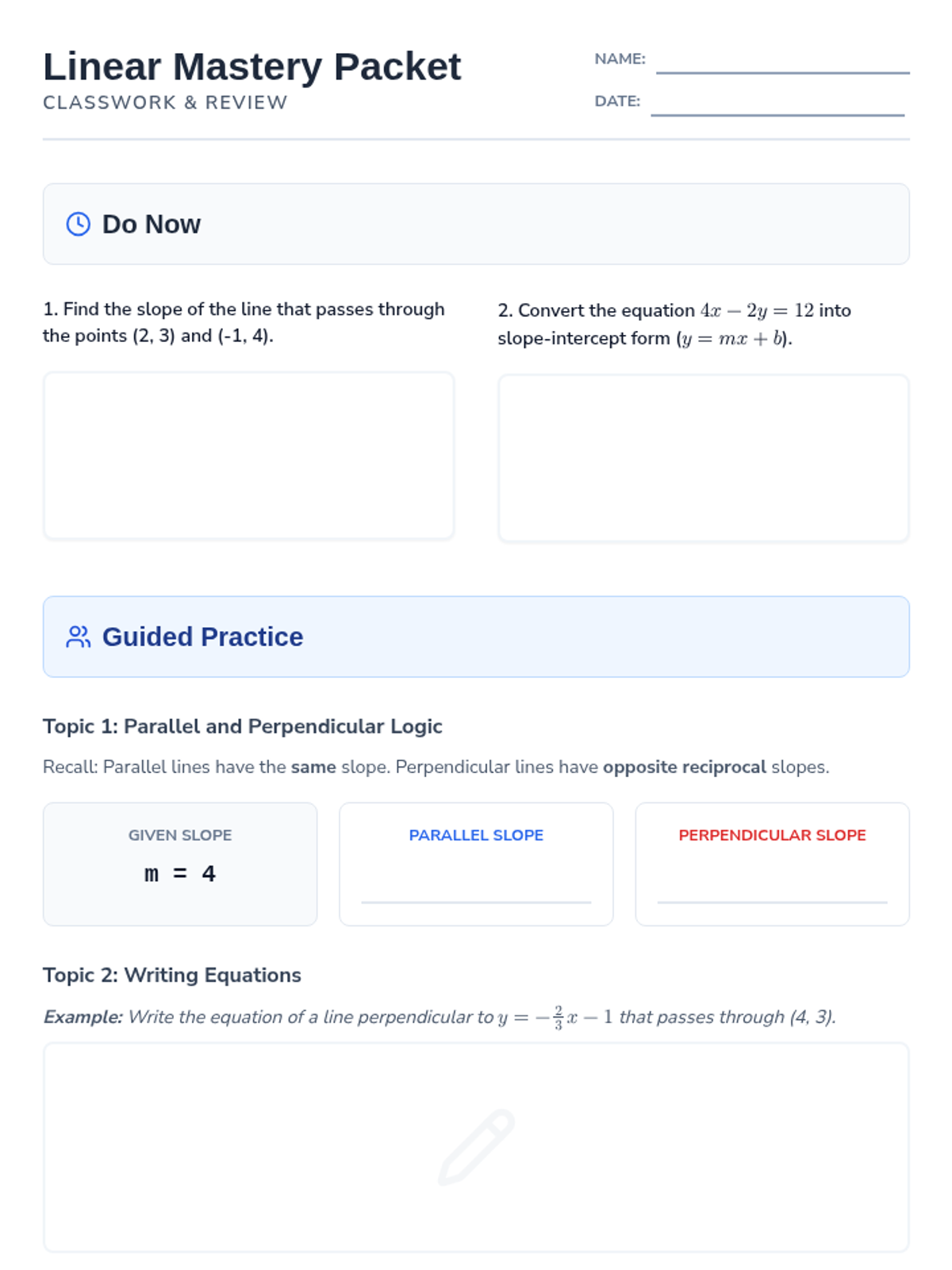
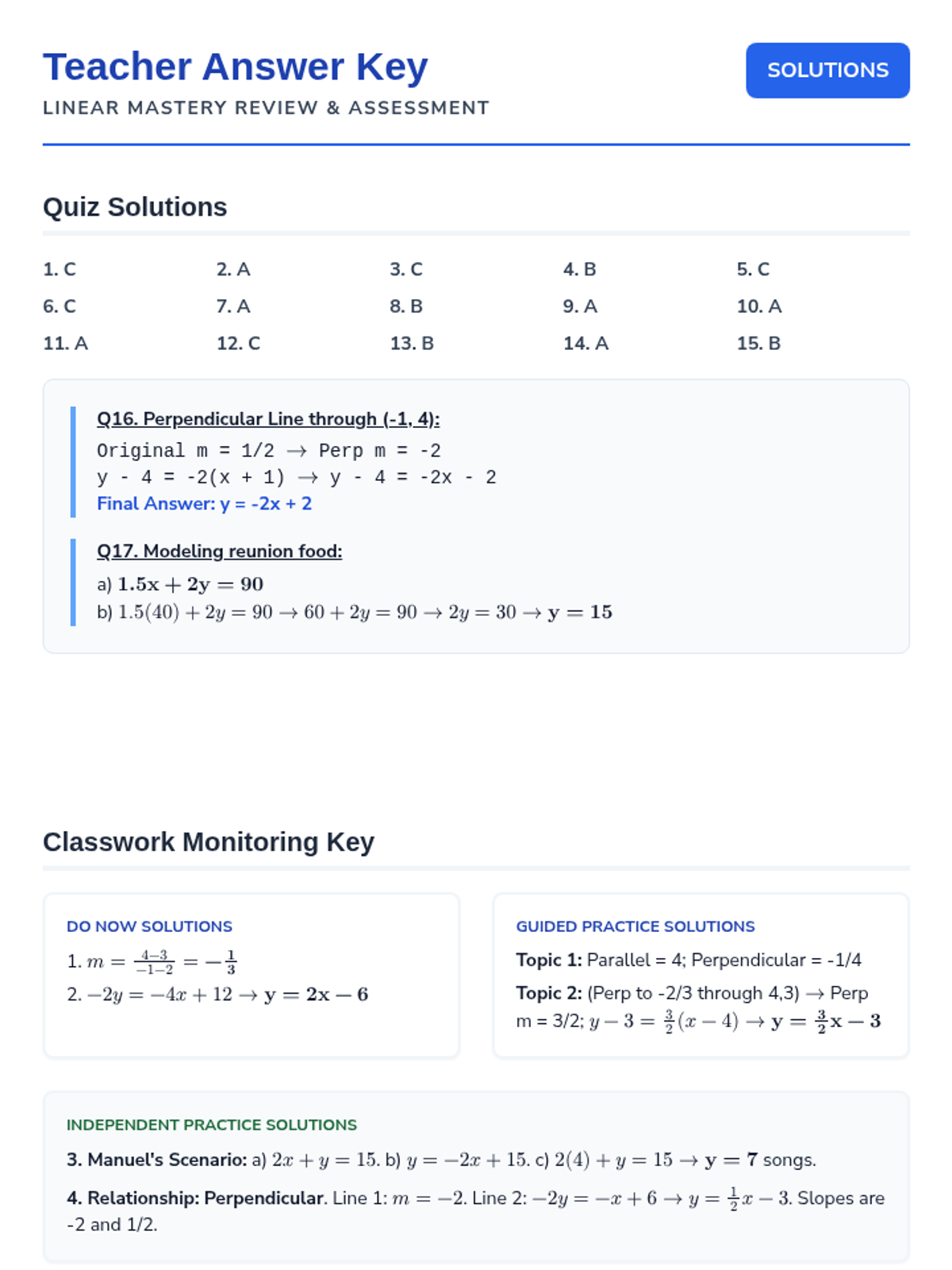
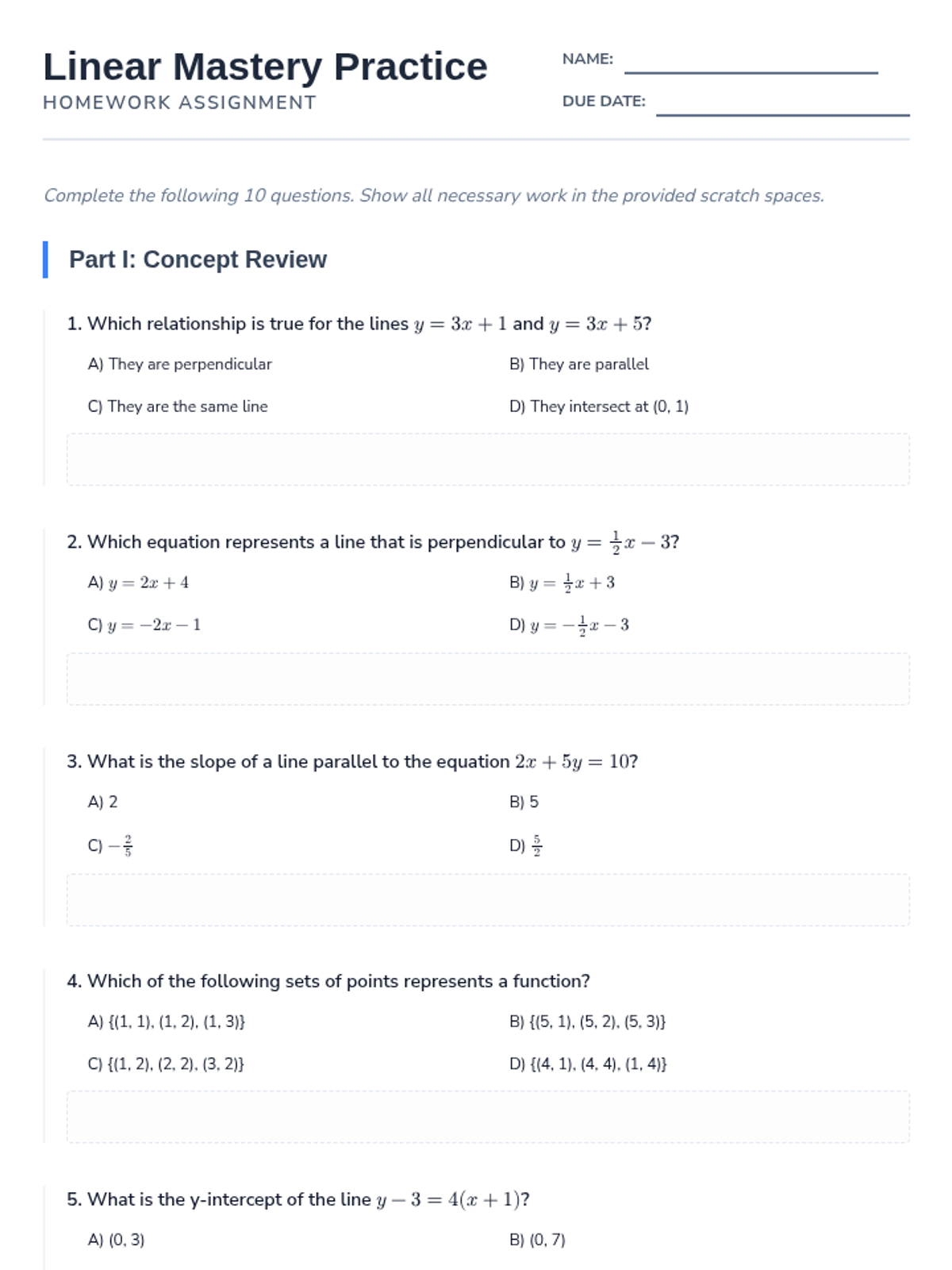
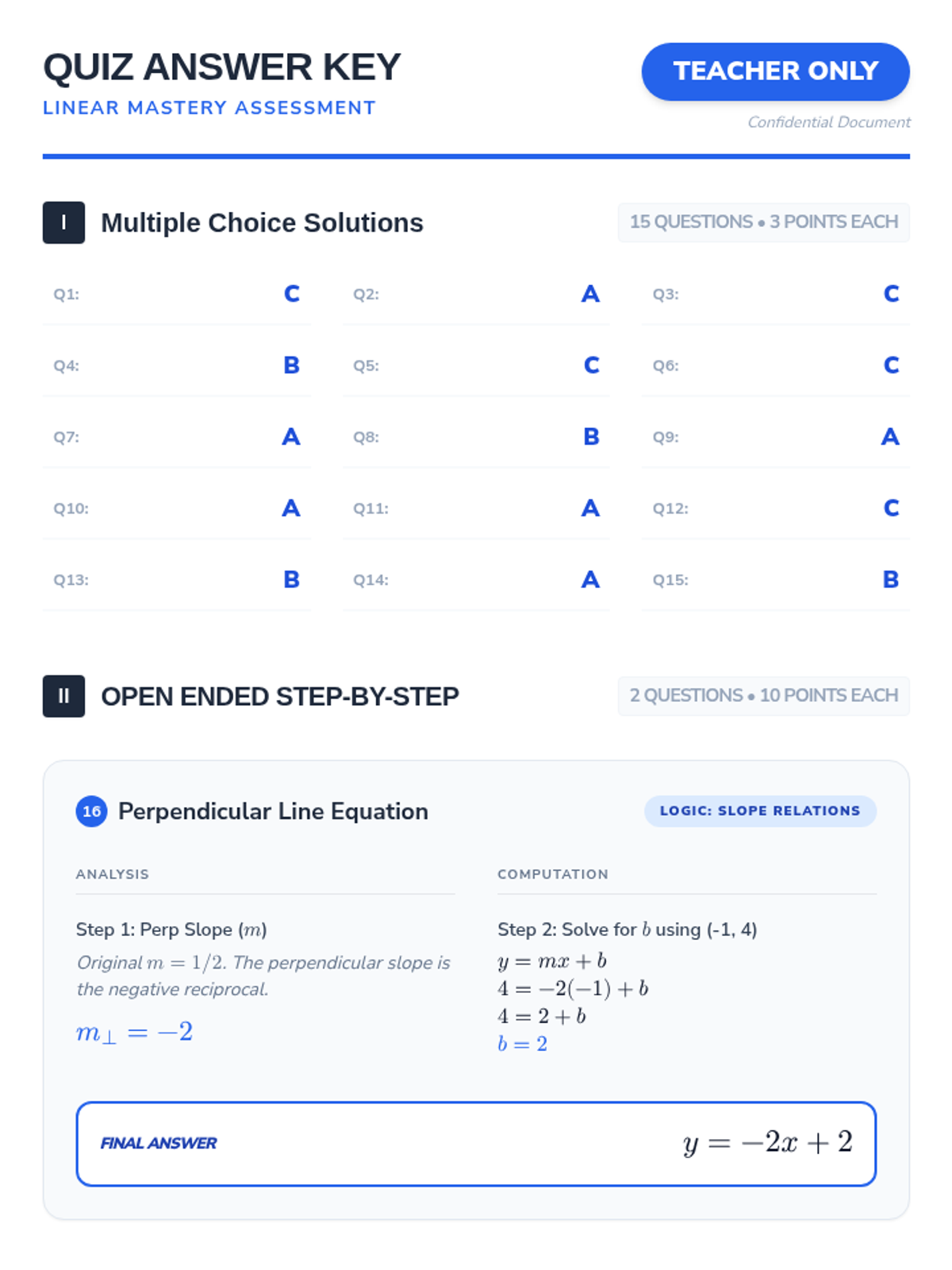
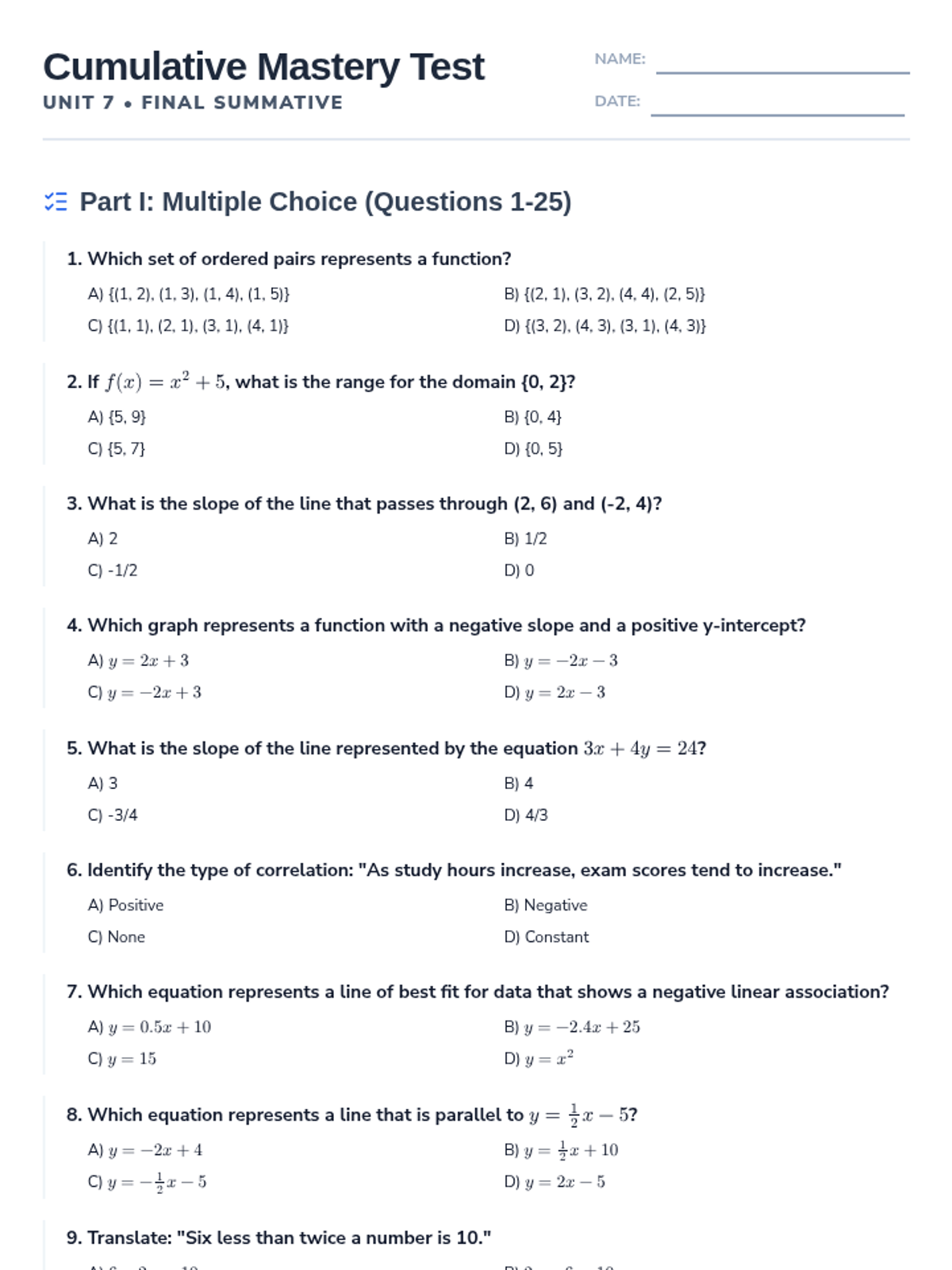
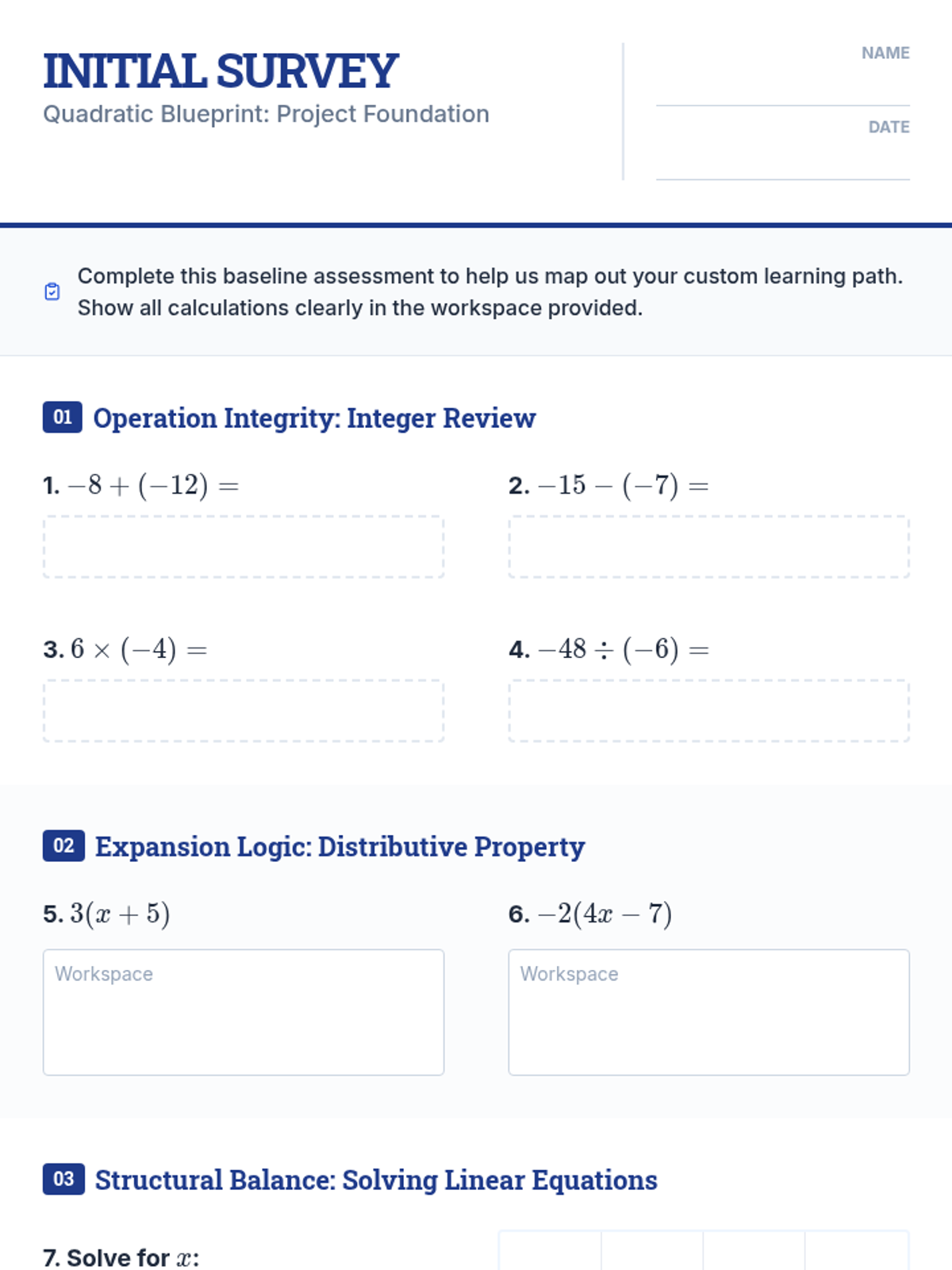
A comprehensive sequence covering the mastery of linear functions, equations, and inequalities. This progression takes students from identifying functions and solving basic equations to complex modeling with lines of best fit and inequality systems.
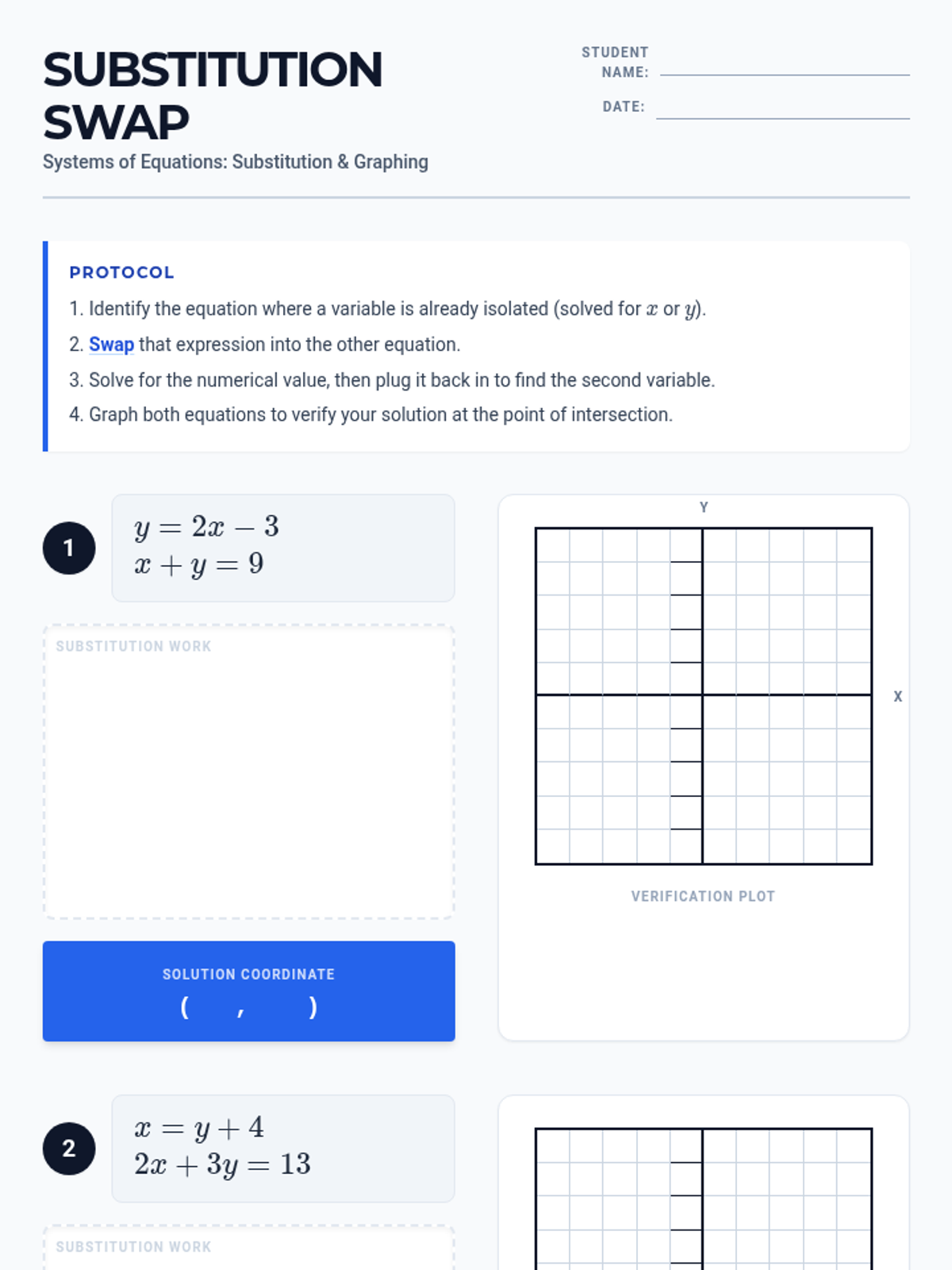
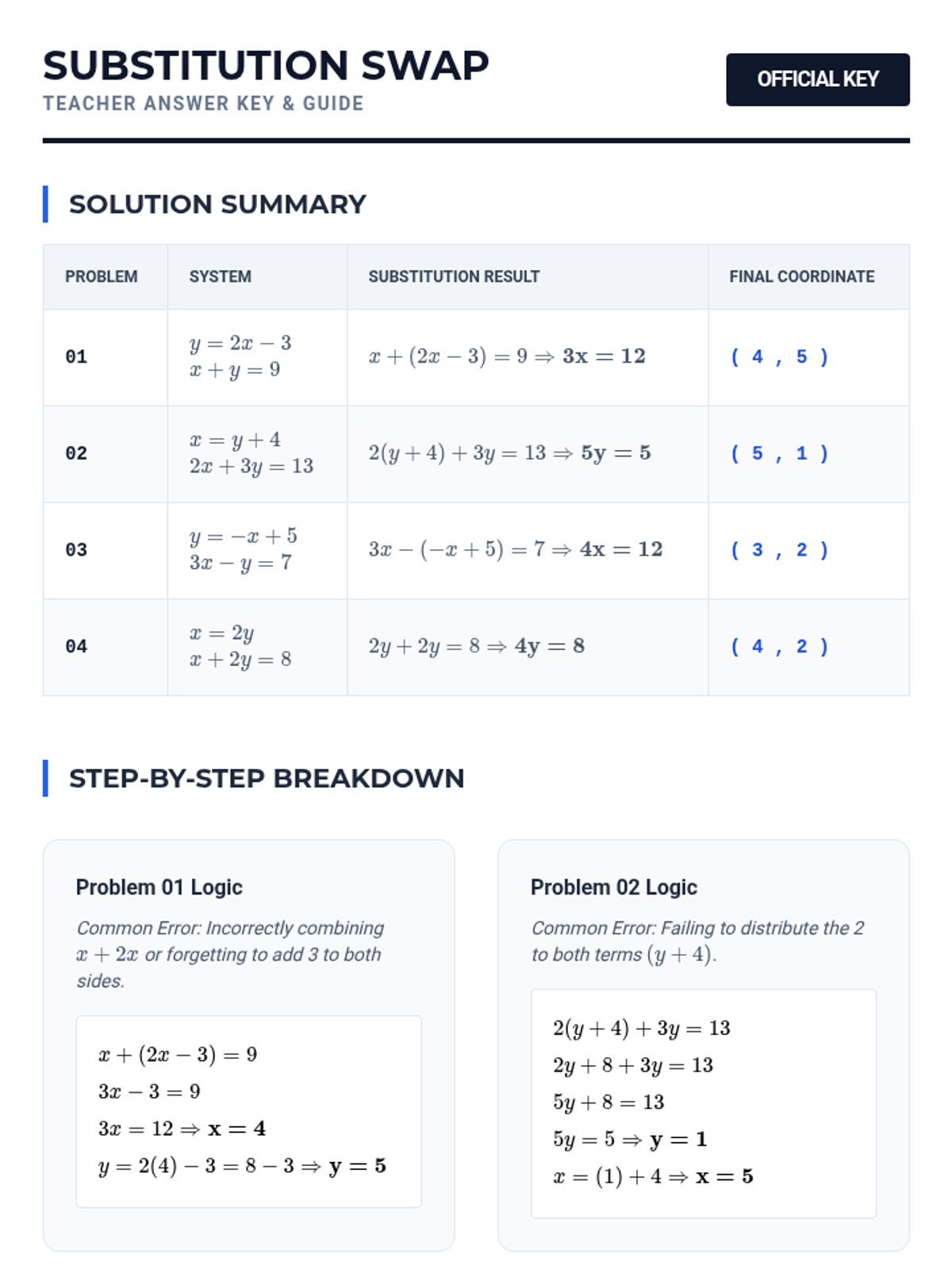
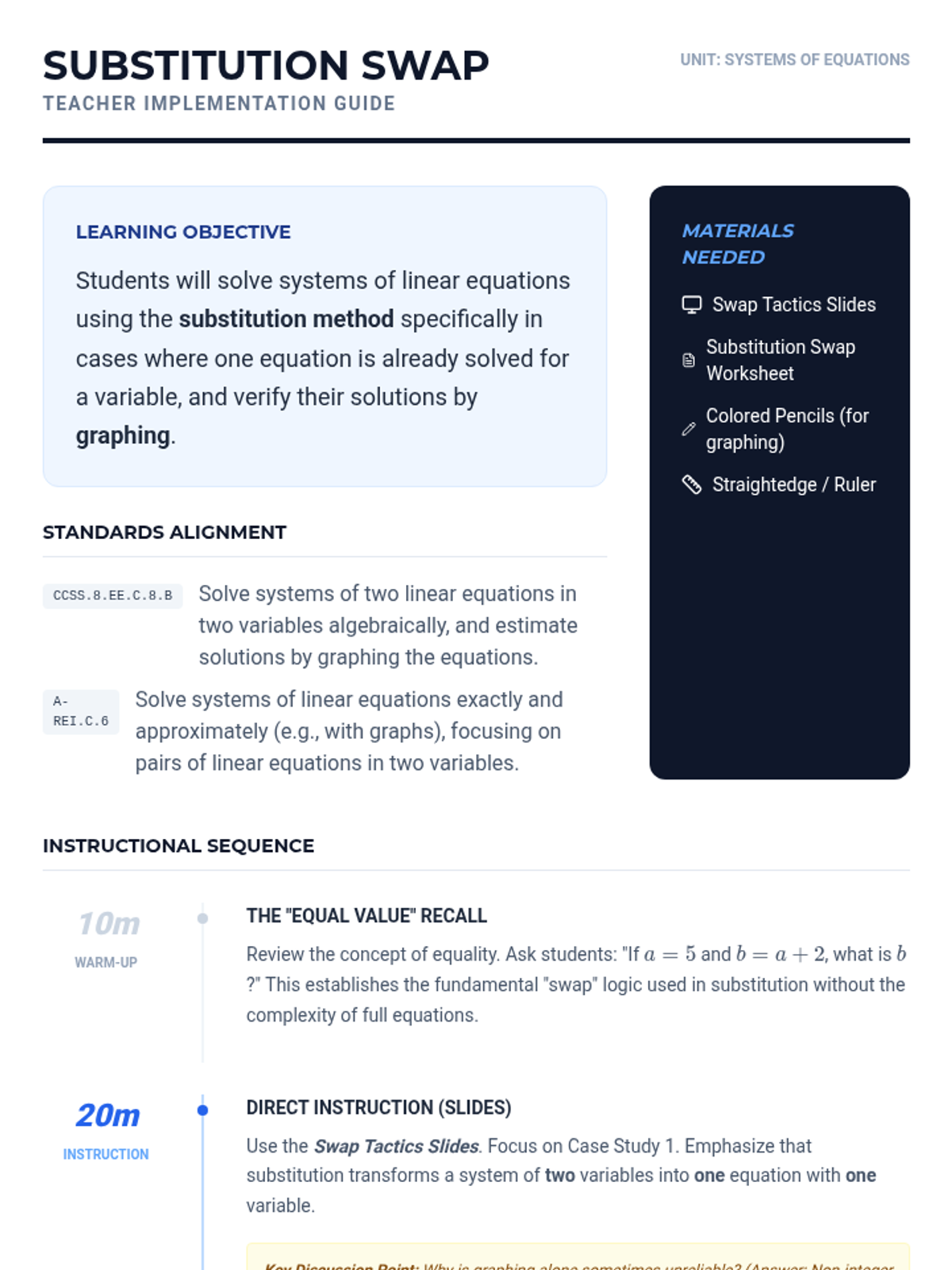
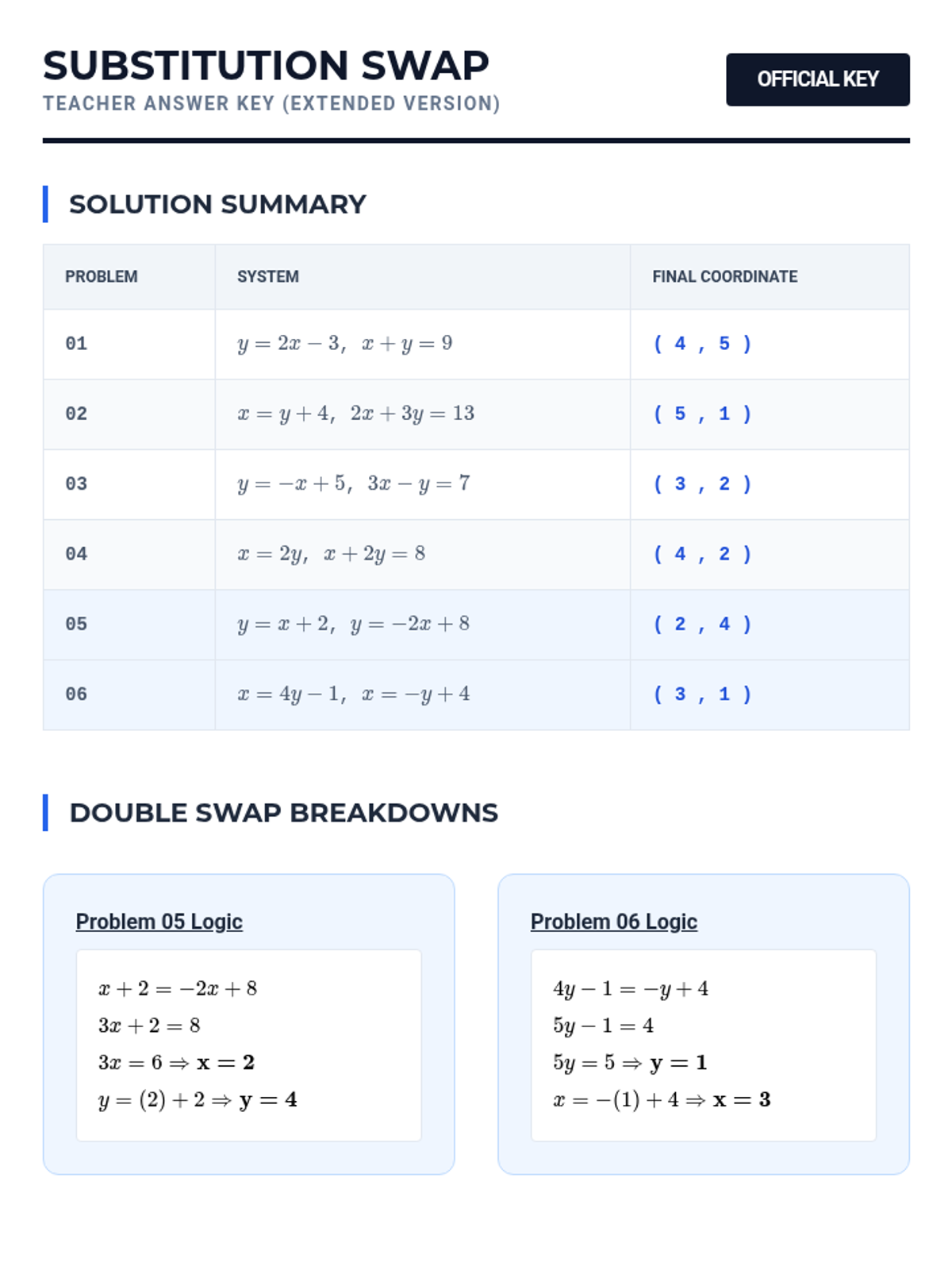
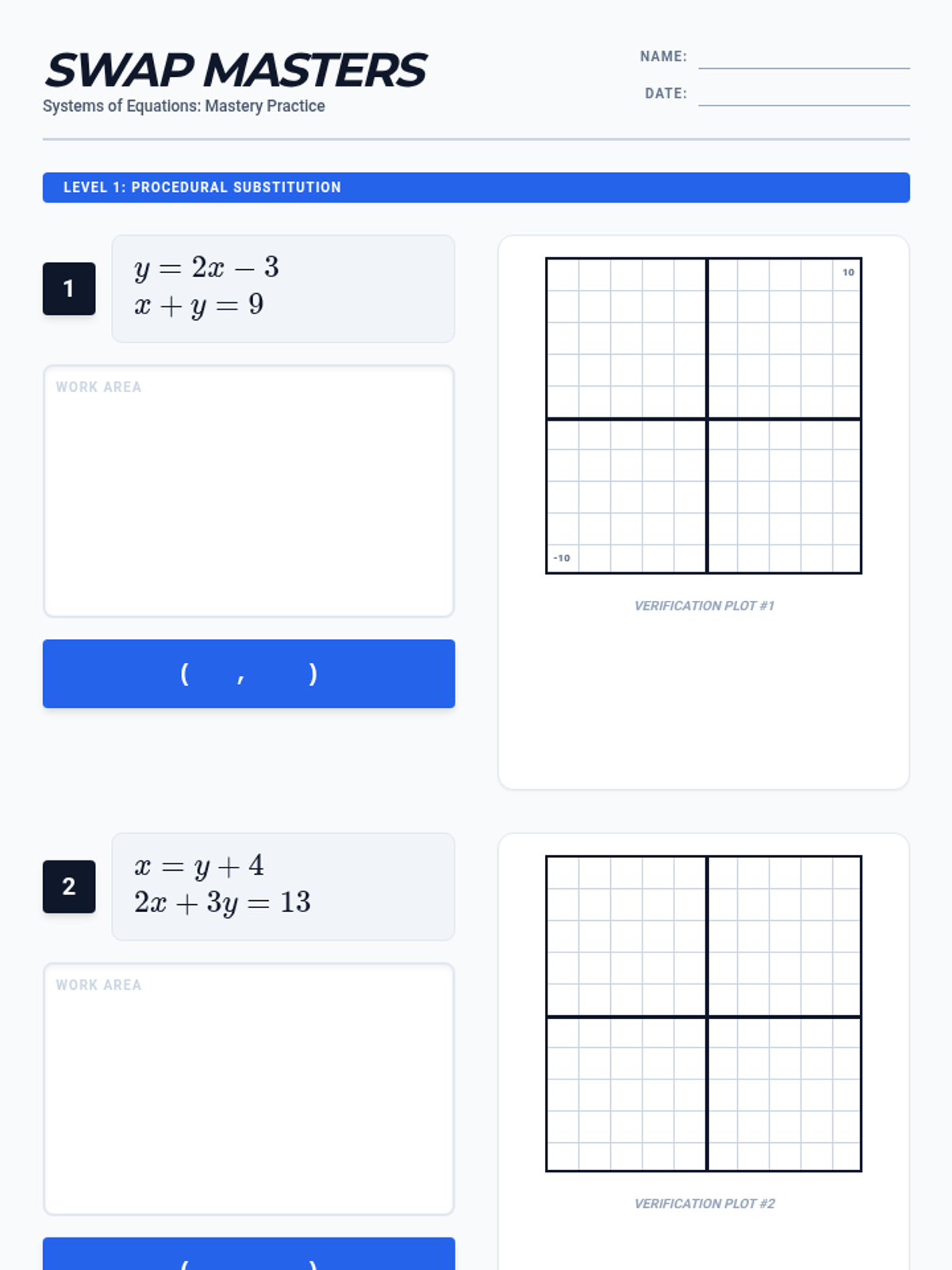
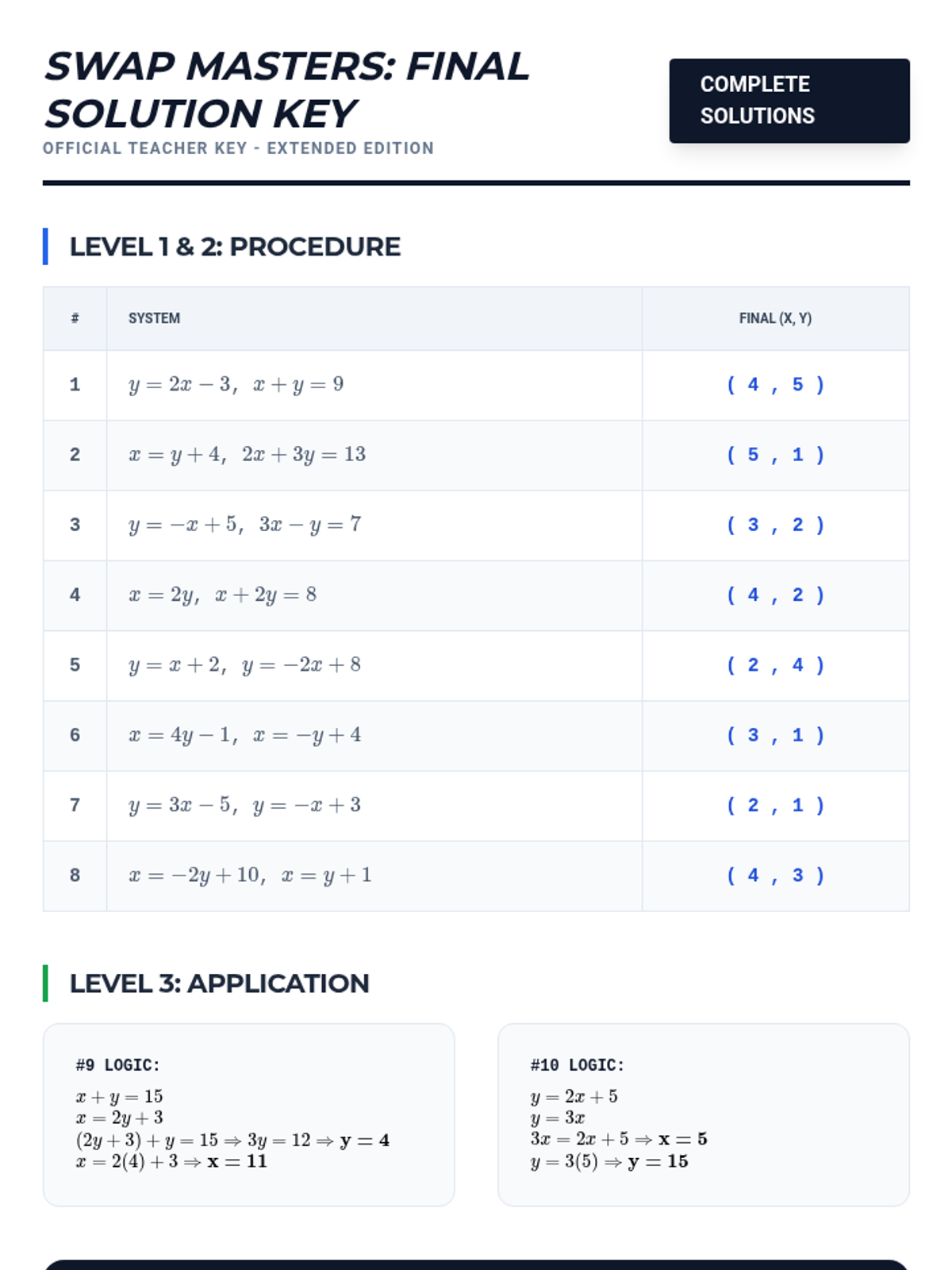
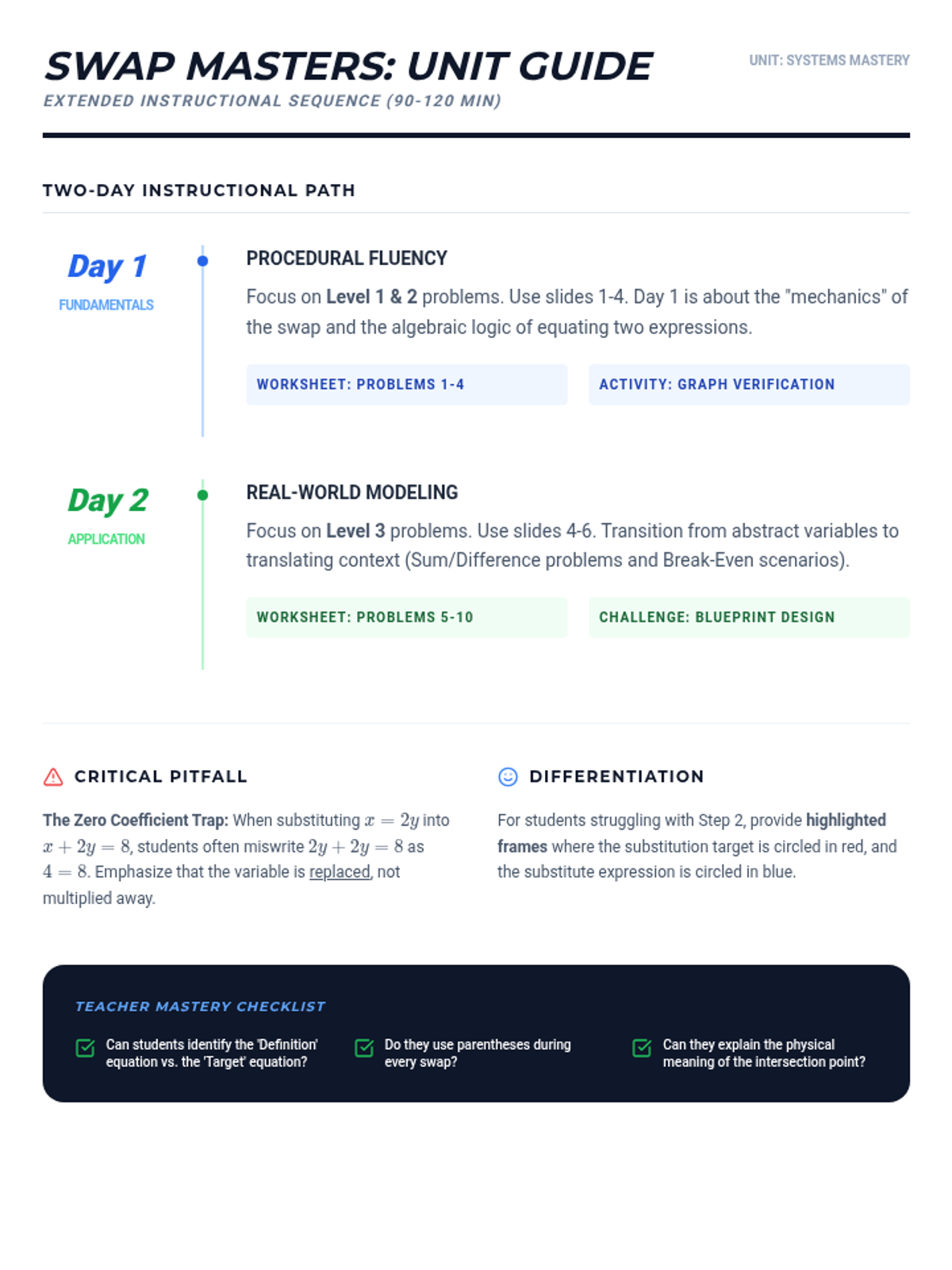
A comprehensive unit on solving systems of linear equations using the substitution method, covering procedural steps, graphical verification, and real-world modeling.
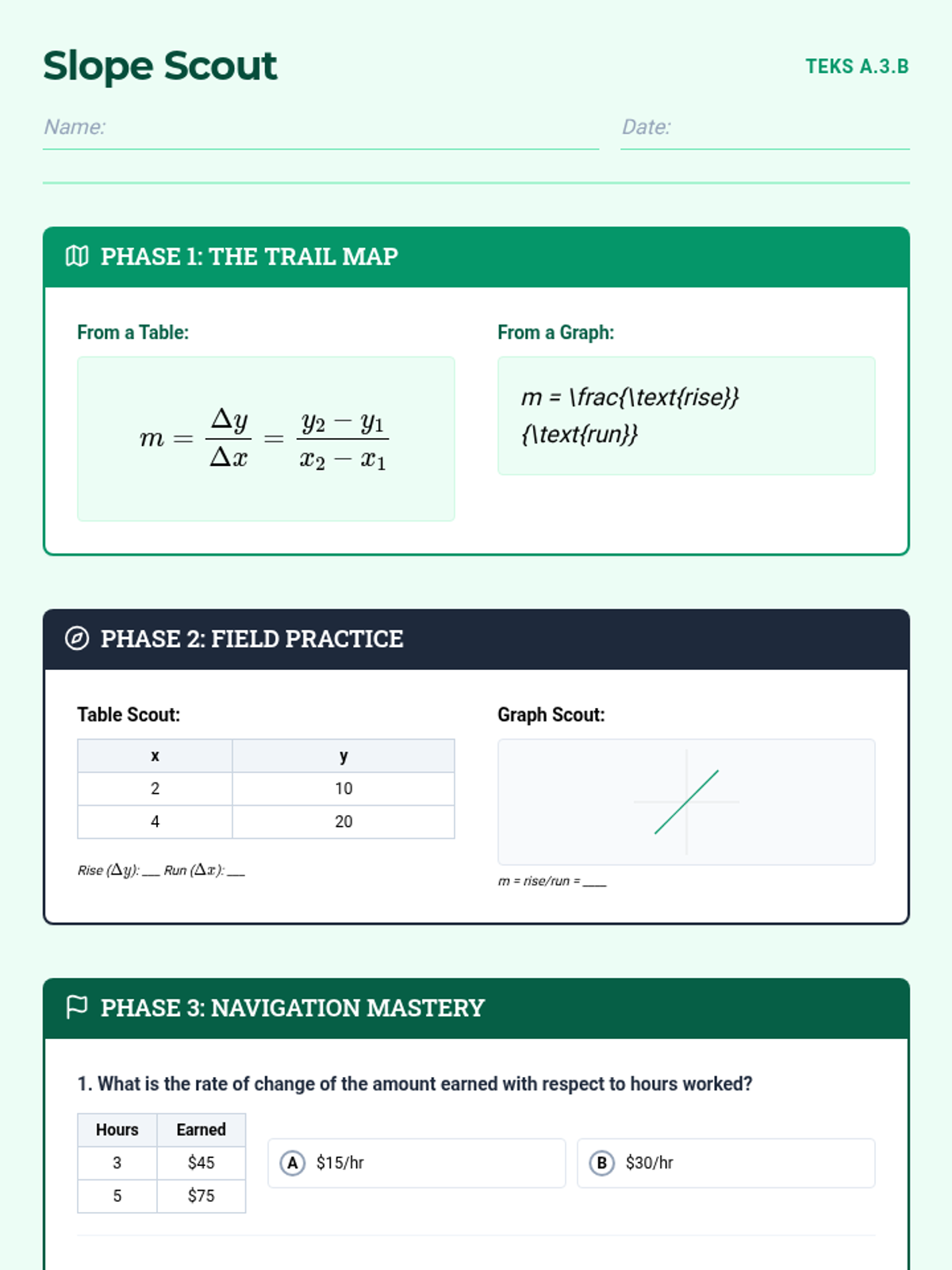
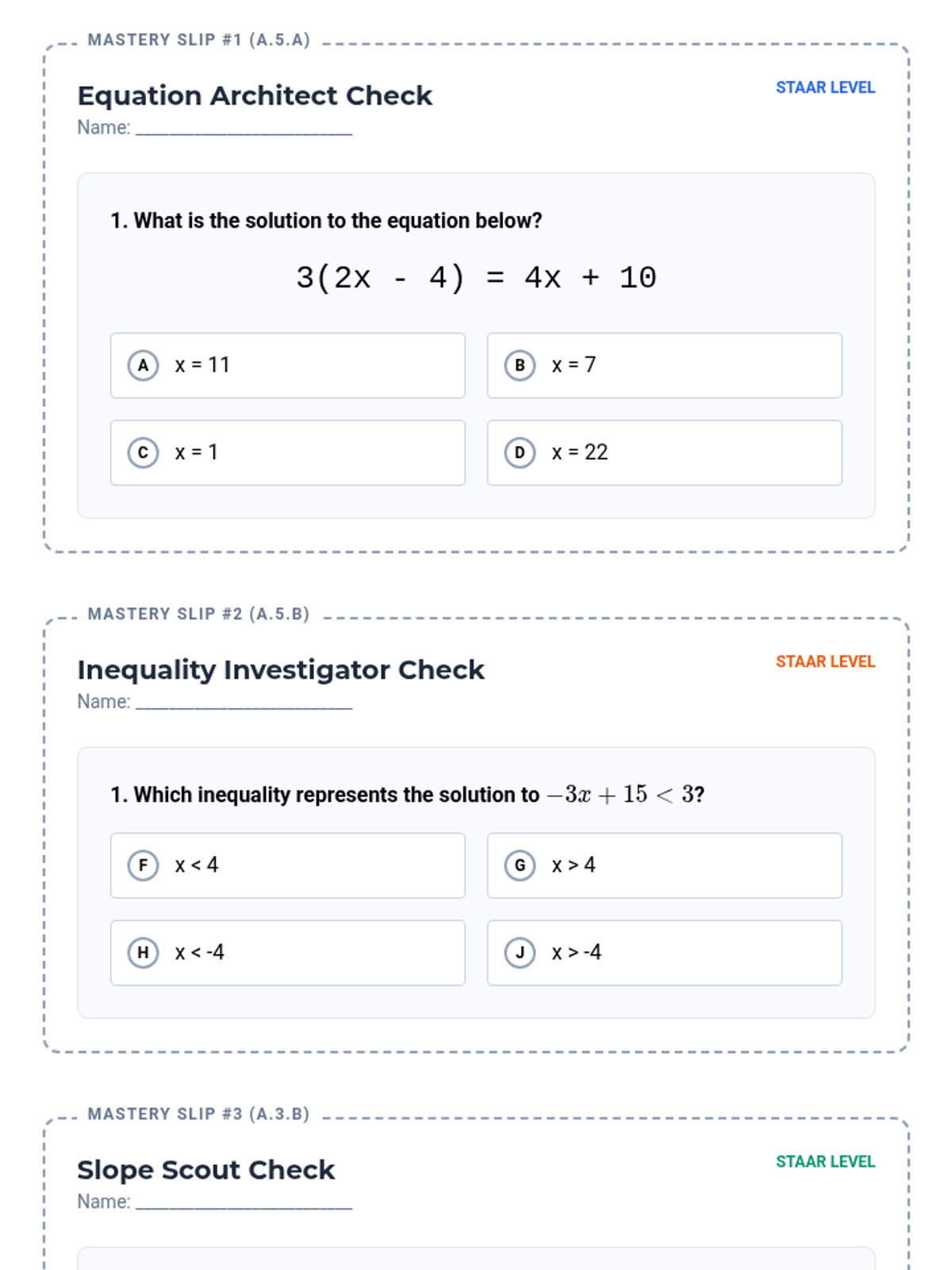
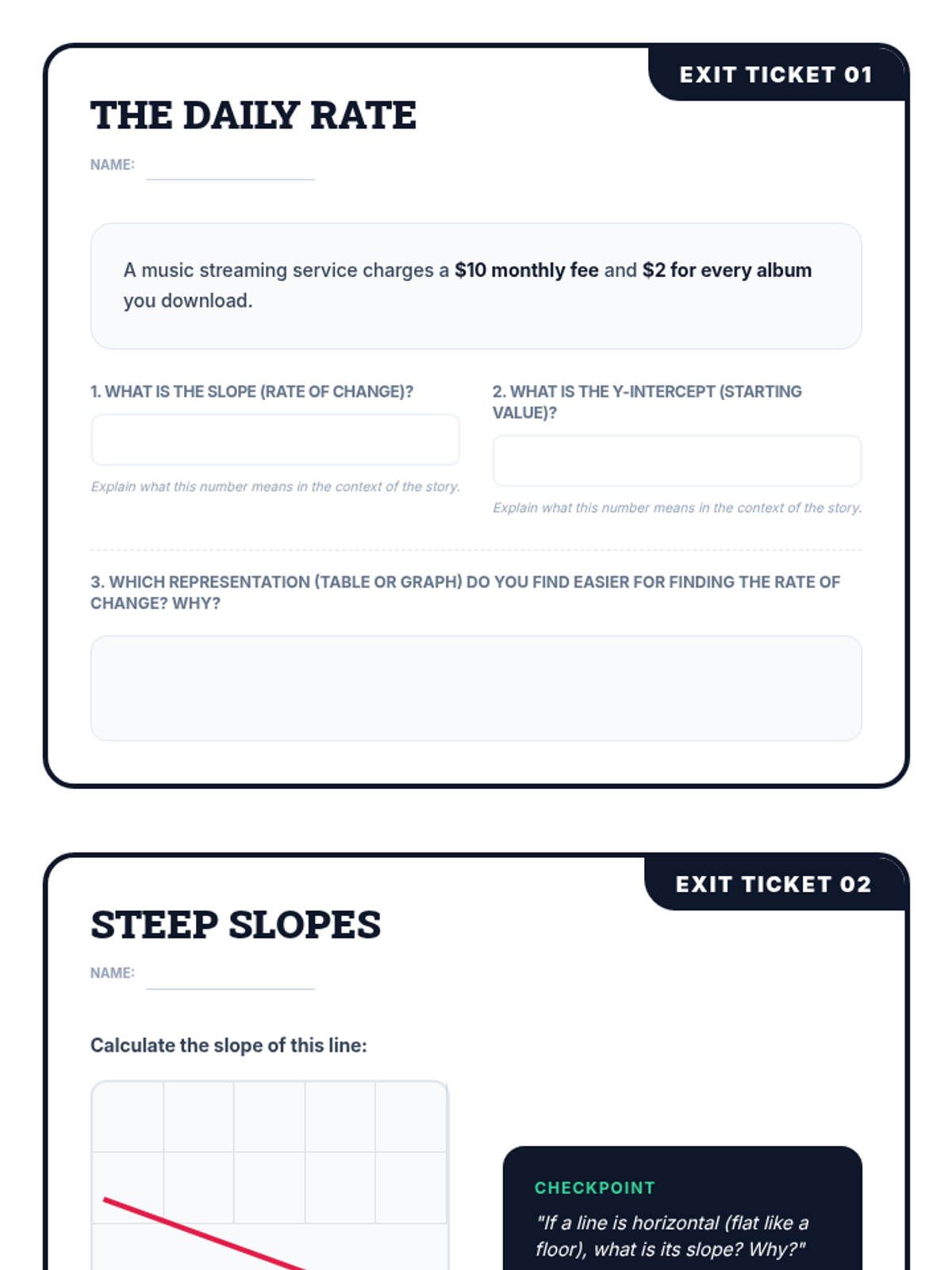
A series of targeted Algebra 1 lessons focusing on foundational linear skills: solving equations, inequalities, and calculating rate of change, all aligned to STAAR standards.
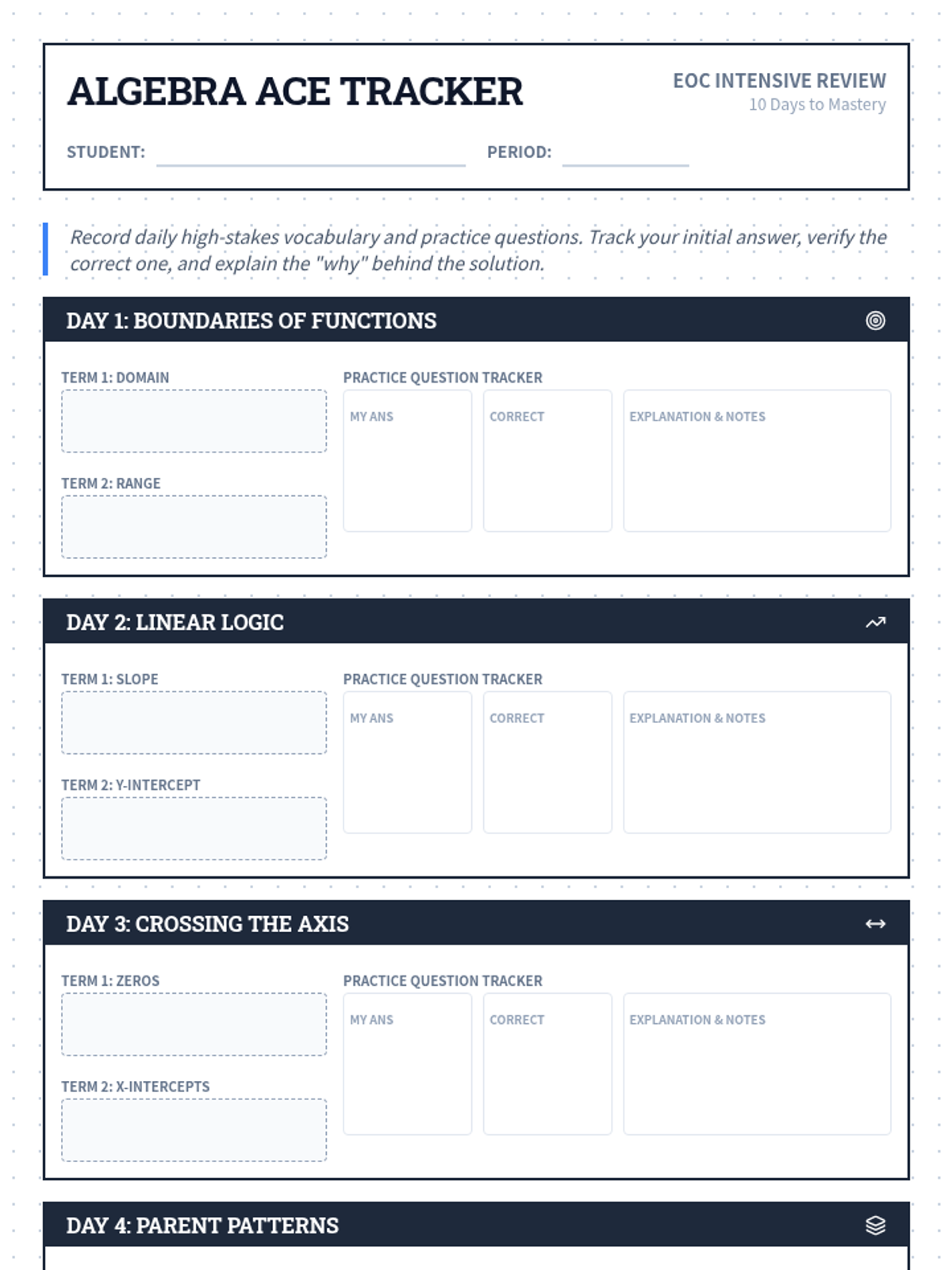
A 10-day intensive review sequence for the Texas Algebra I EOC exam, focusing on two high-stakes vocabulary terms each day with definitions, visual samples, and practice problems.
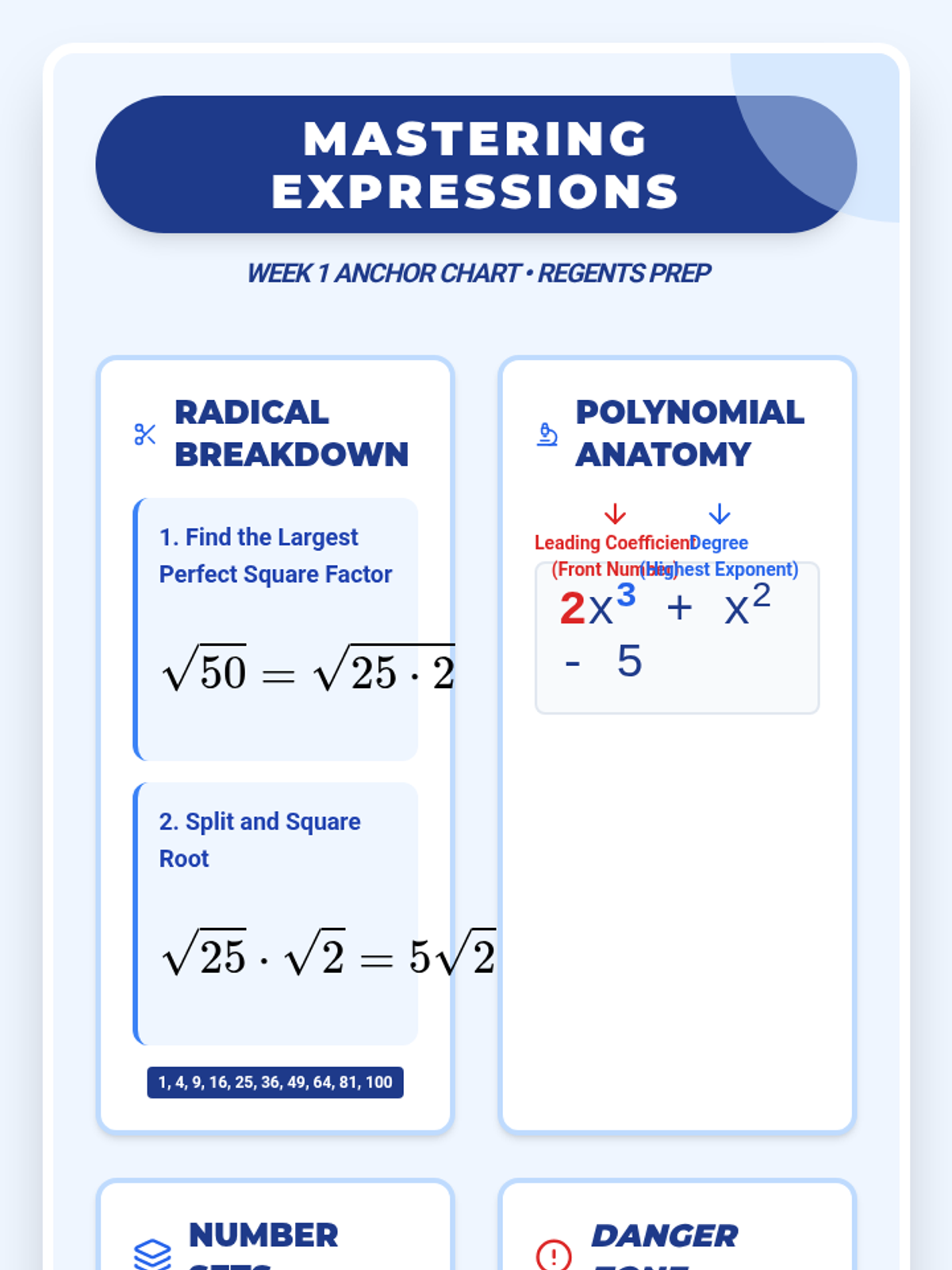
A comprehensive 10-week preparation sequence designed to get students ready for the Algebra I Regents exam by May 15th, featuring bi-weekly 30-minute practice sessions and visual anchor charts.
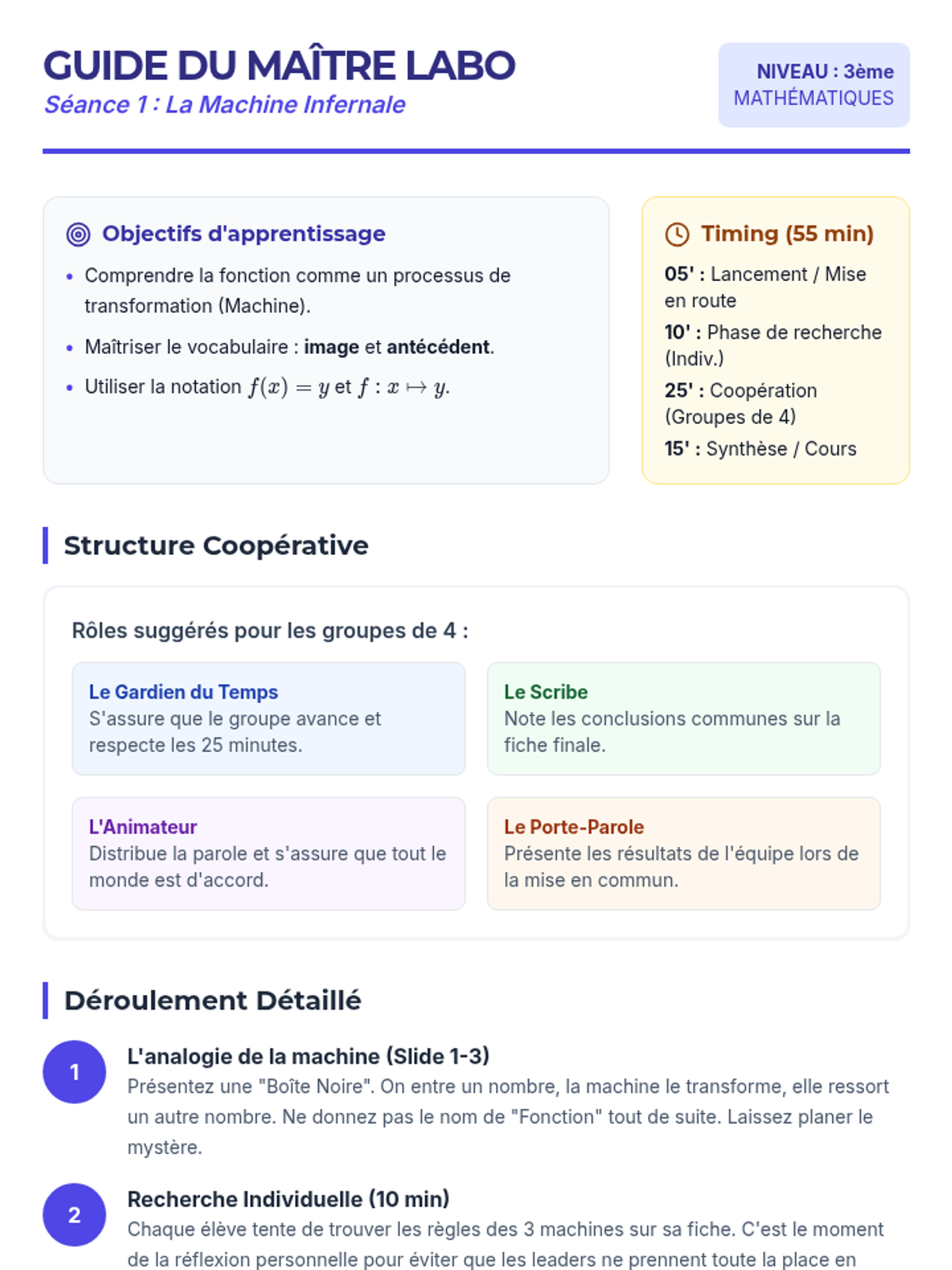
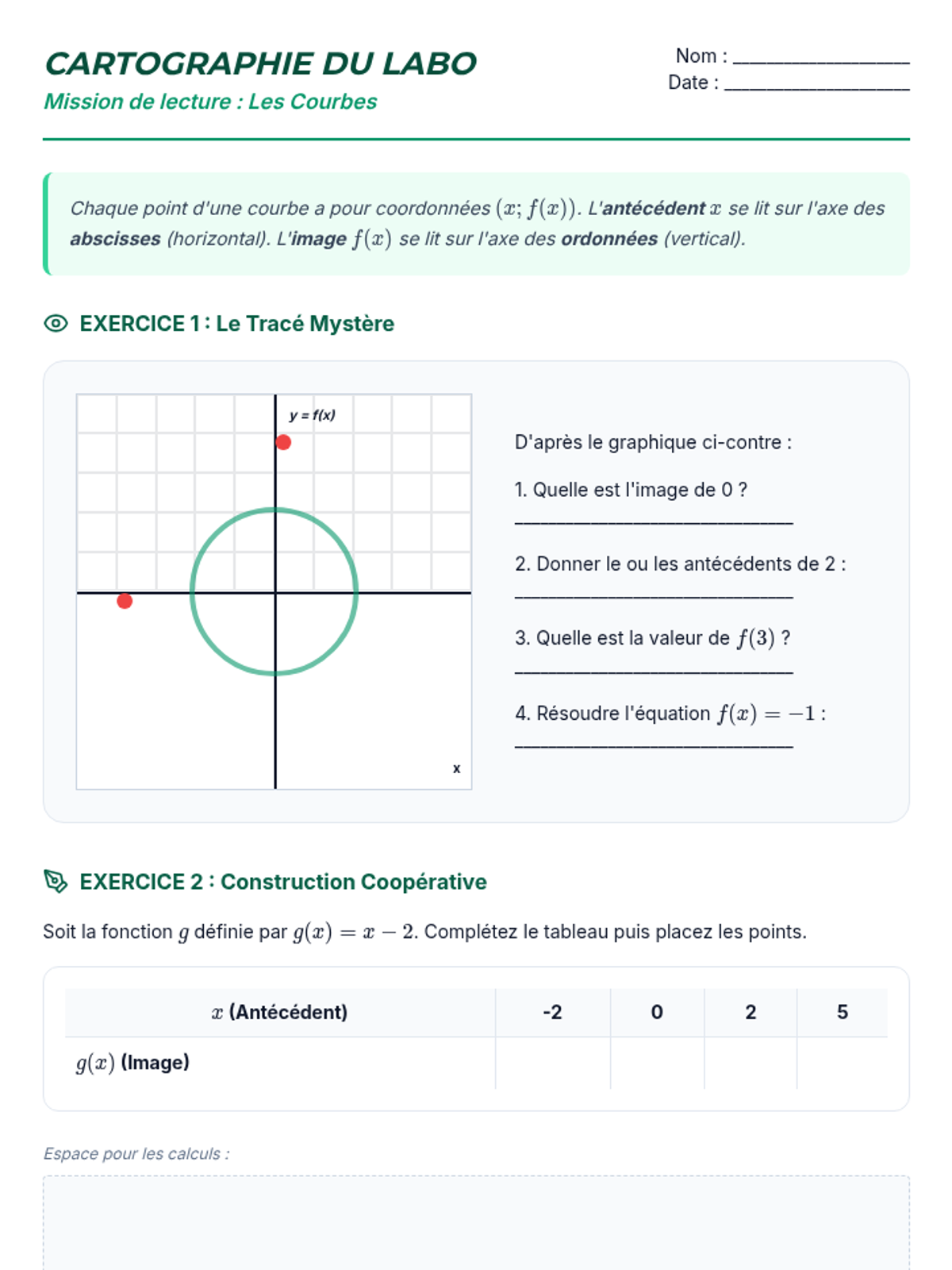
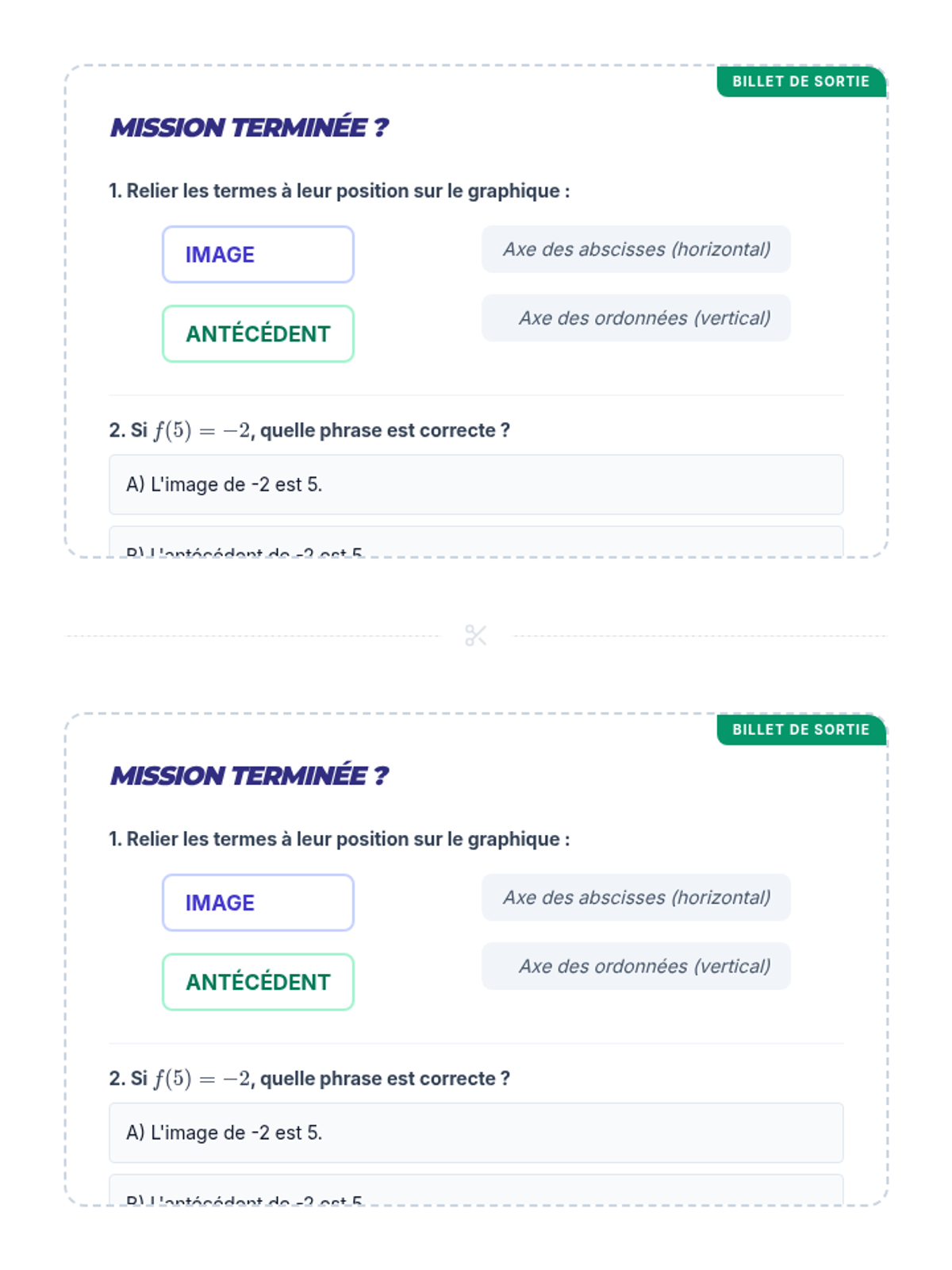
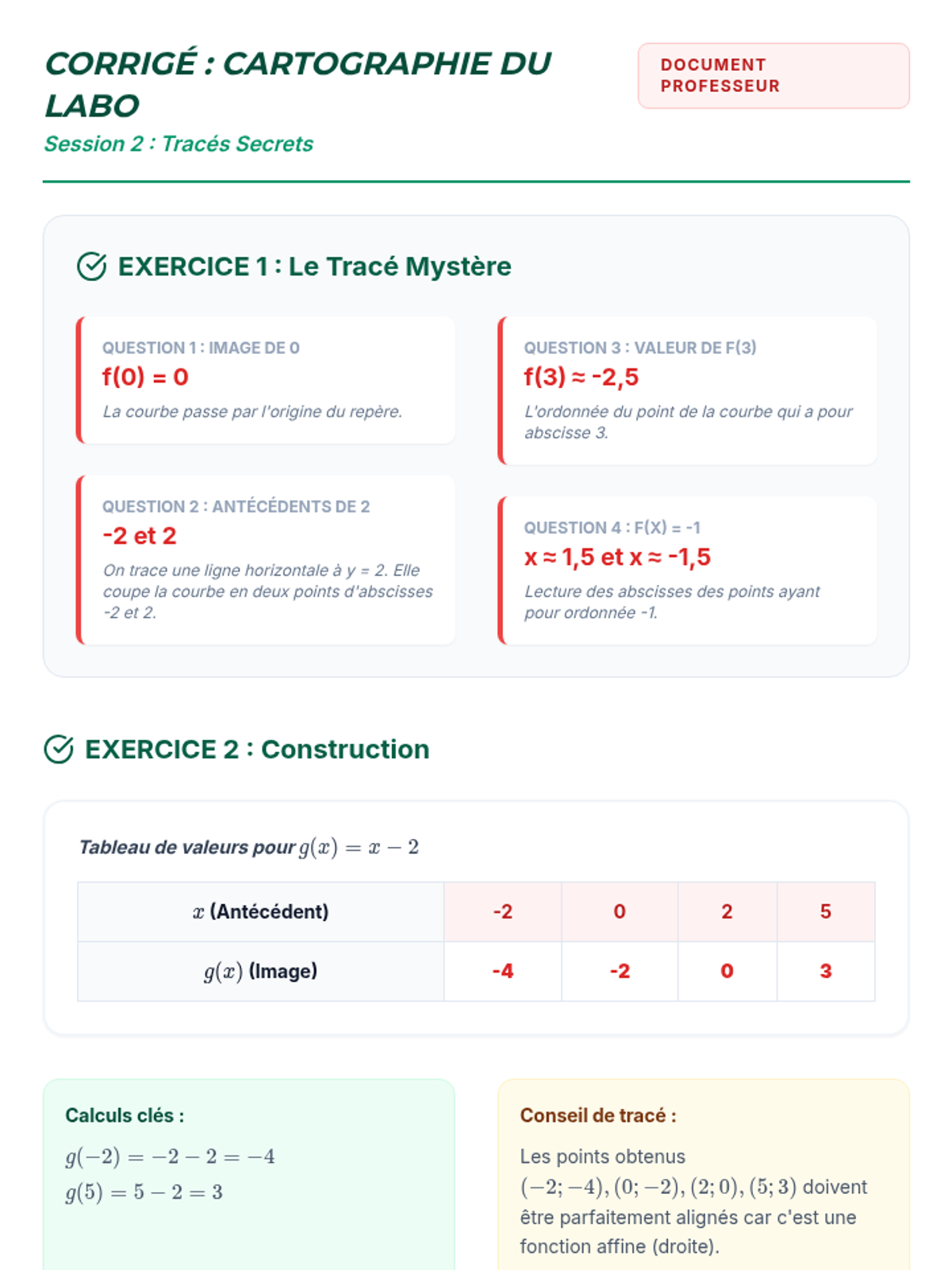
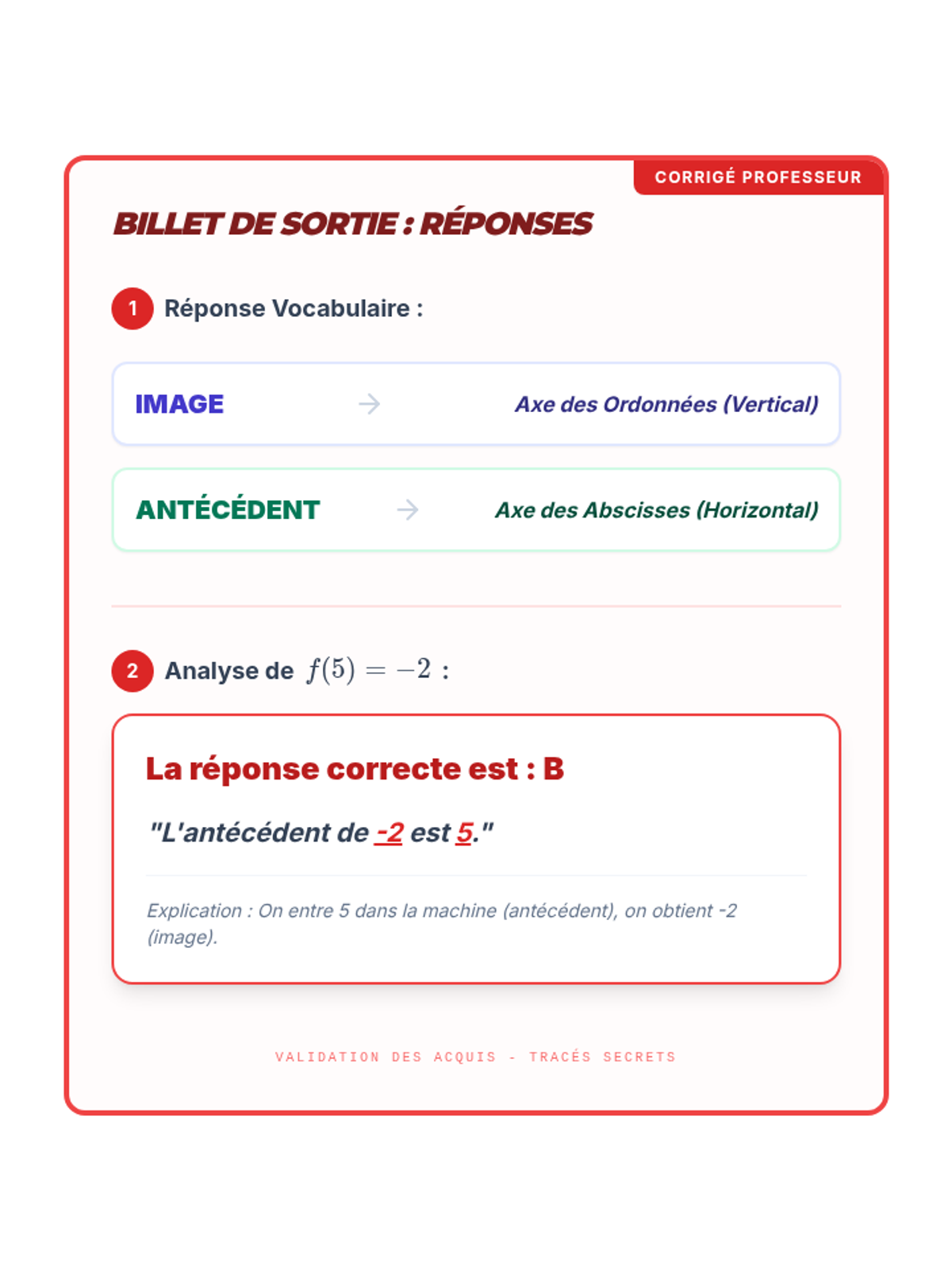
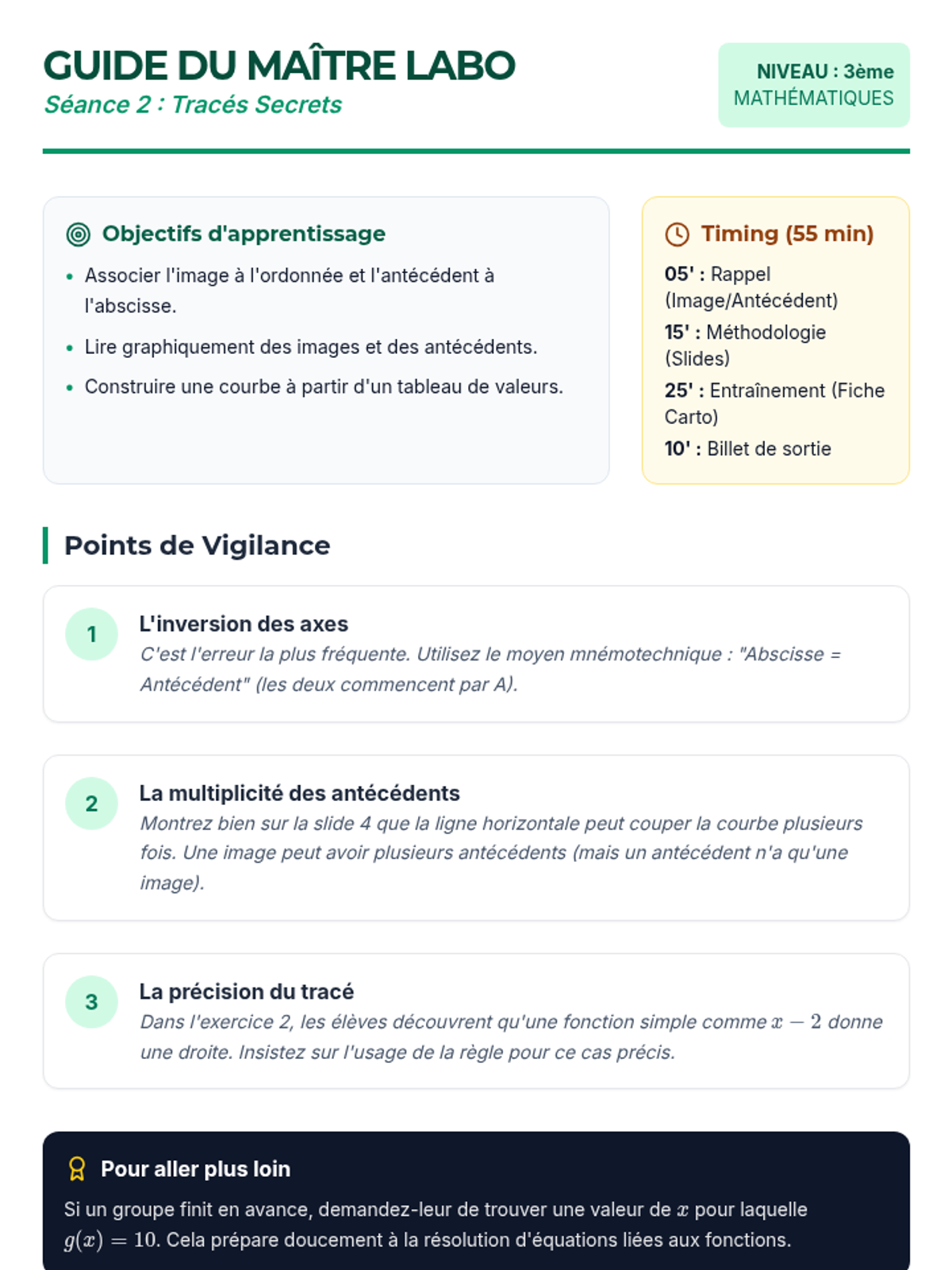
Une séquence de deux séances pour introduire les bases des fonctions en 3ème : vocabulaire (image, antécédent), notation f(x) et représentation graphique, en utilisant des méthodes de pédagogie coopérative.
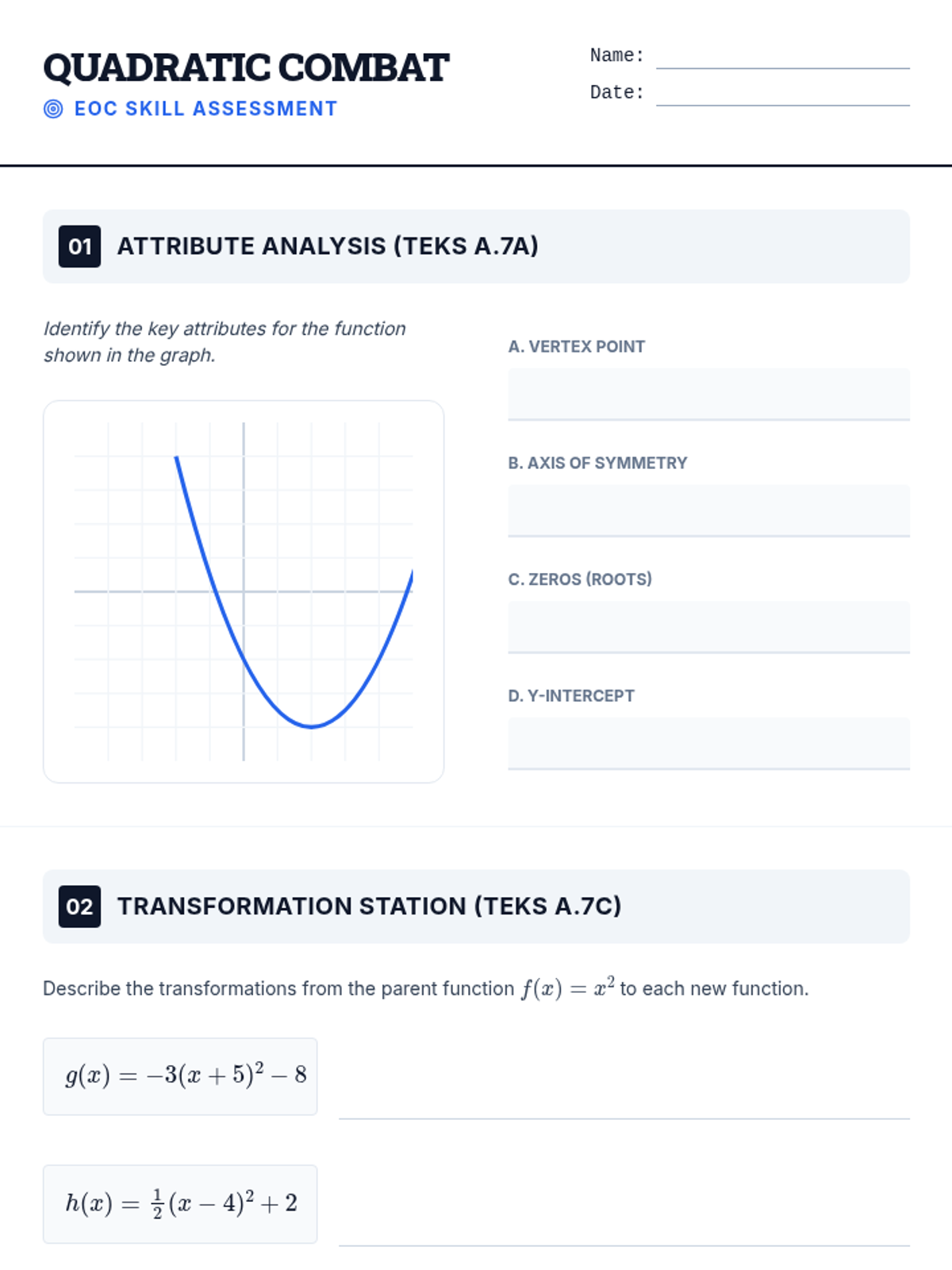
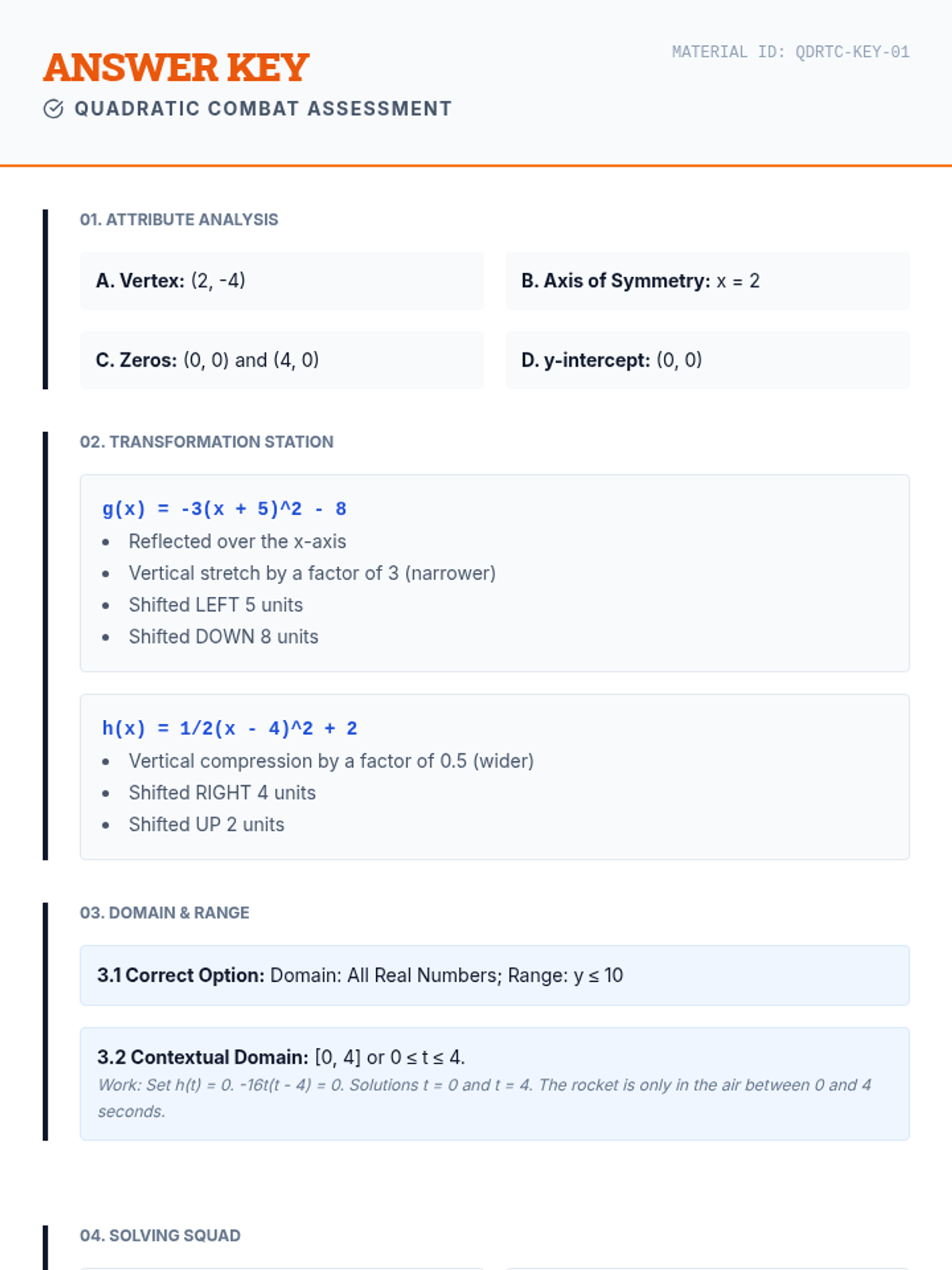
A series of targeted review lessons designed to prepare students for the Texas Algebra 1 End-of-Course (EOC) assessment, focusing on high-stakes TEKS.
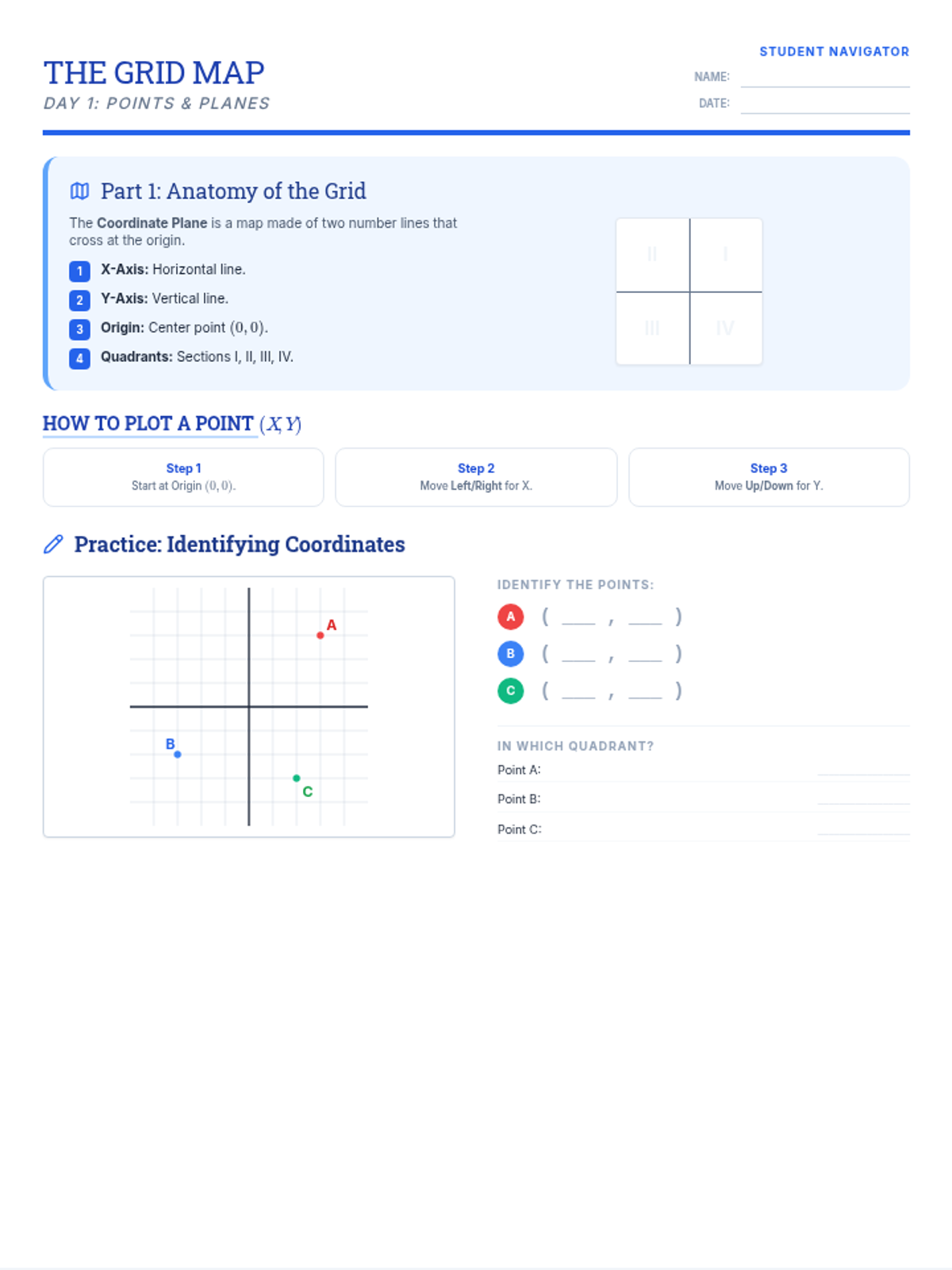
A comprehensive 5-day self-paced packet for remedial Algebra 1 students focusing on the fundamentals of graphing, from basic coordinate planes to finding slope.
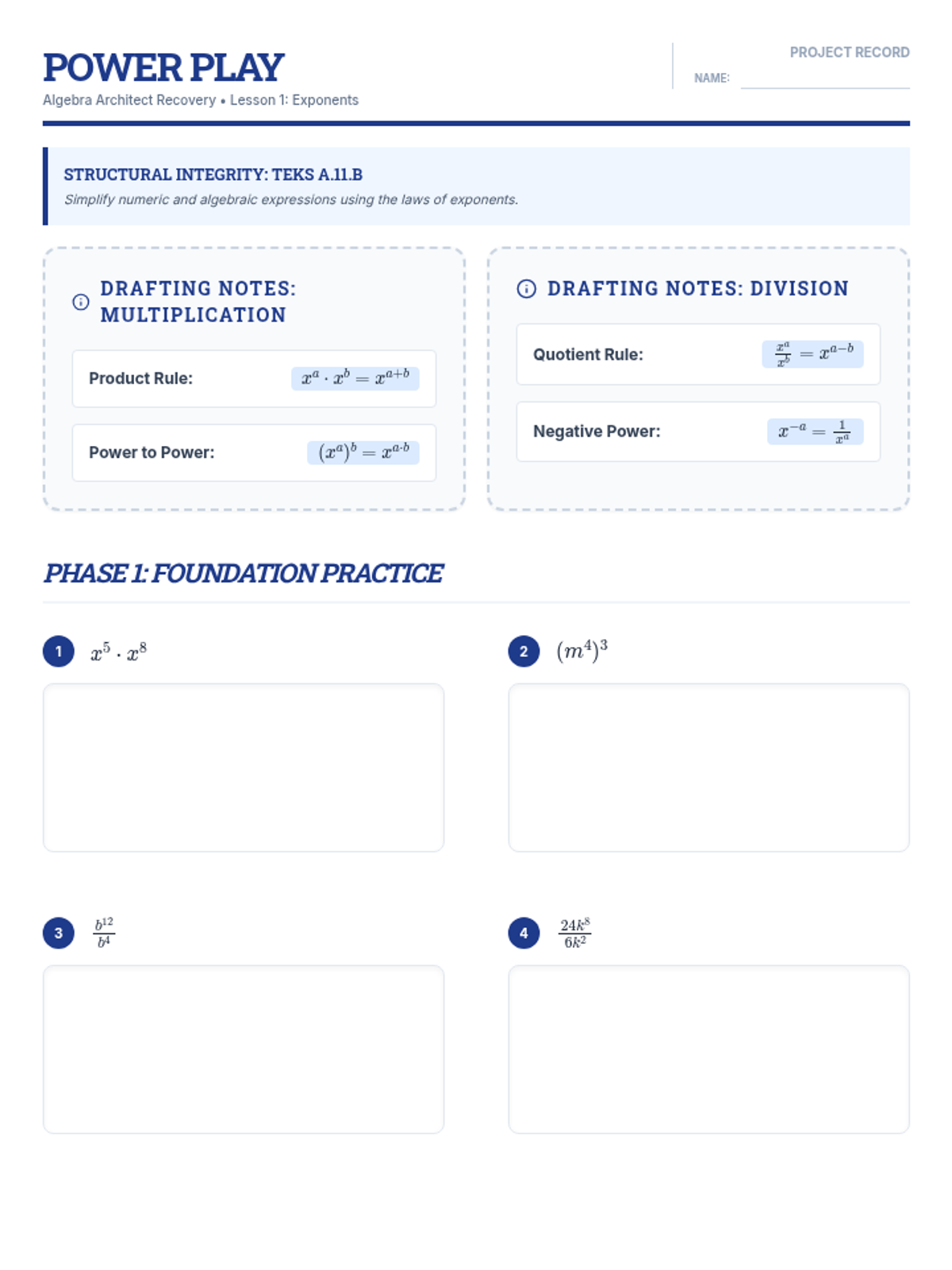
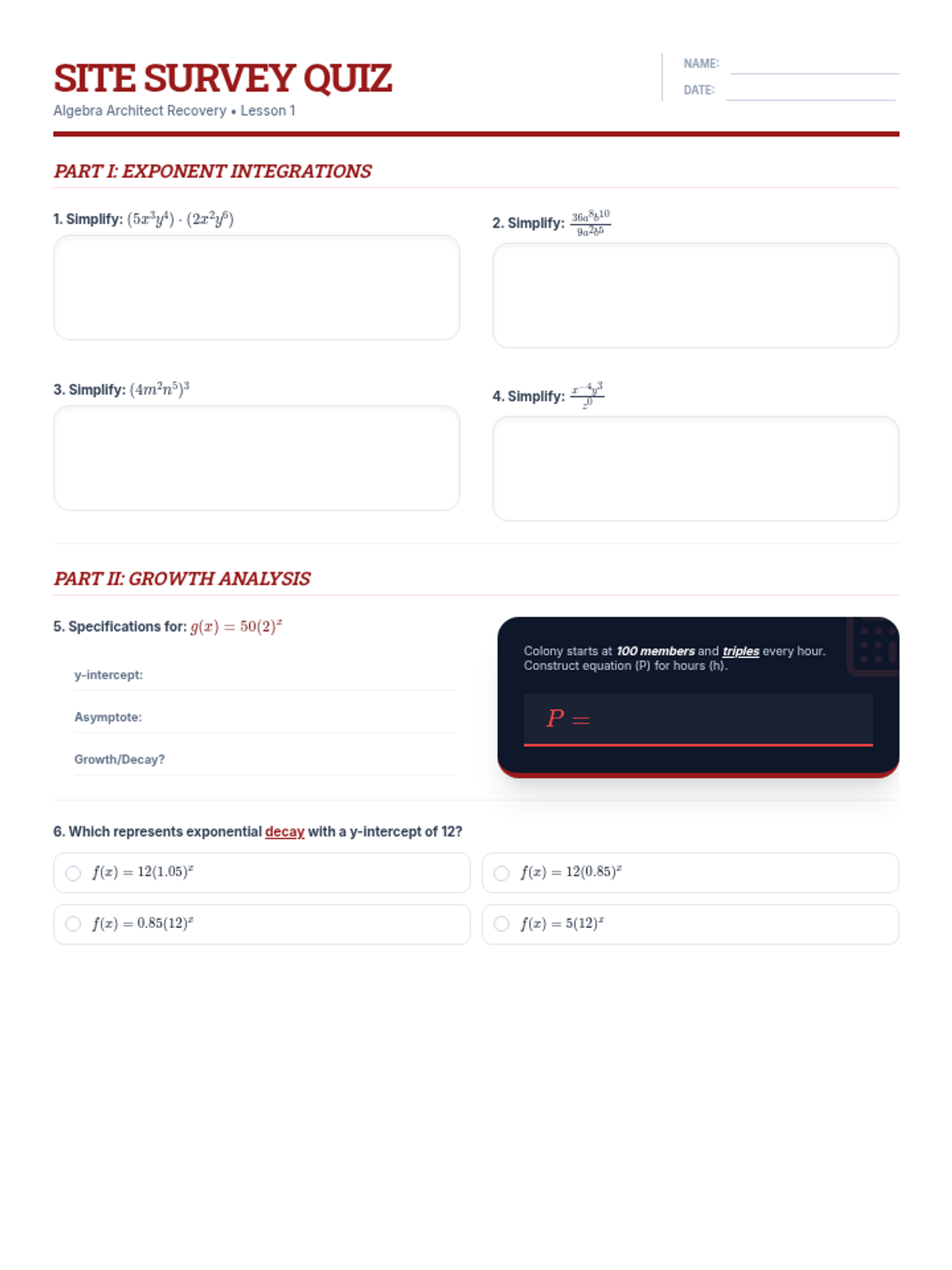
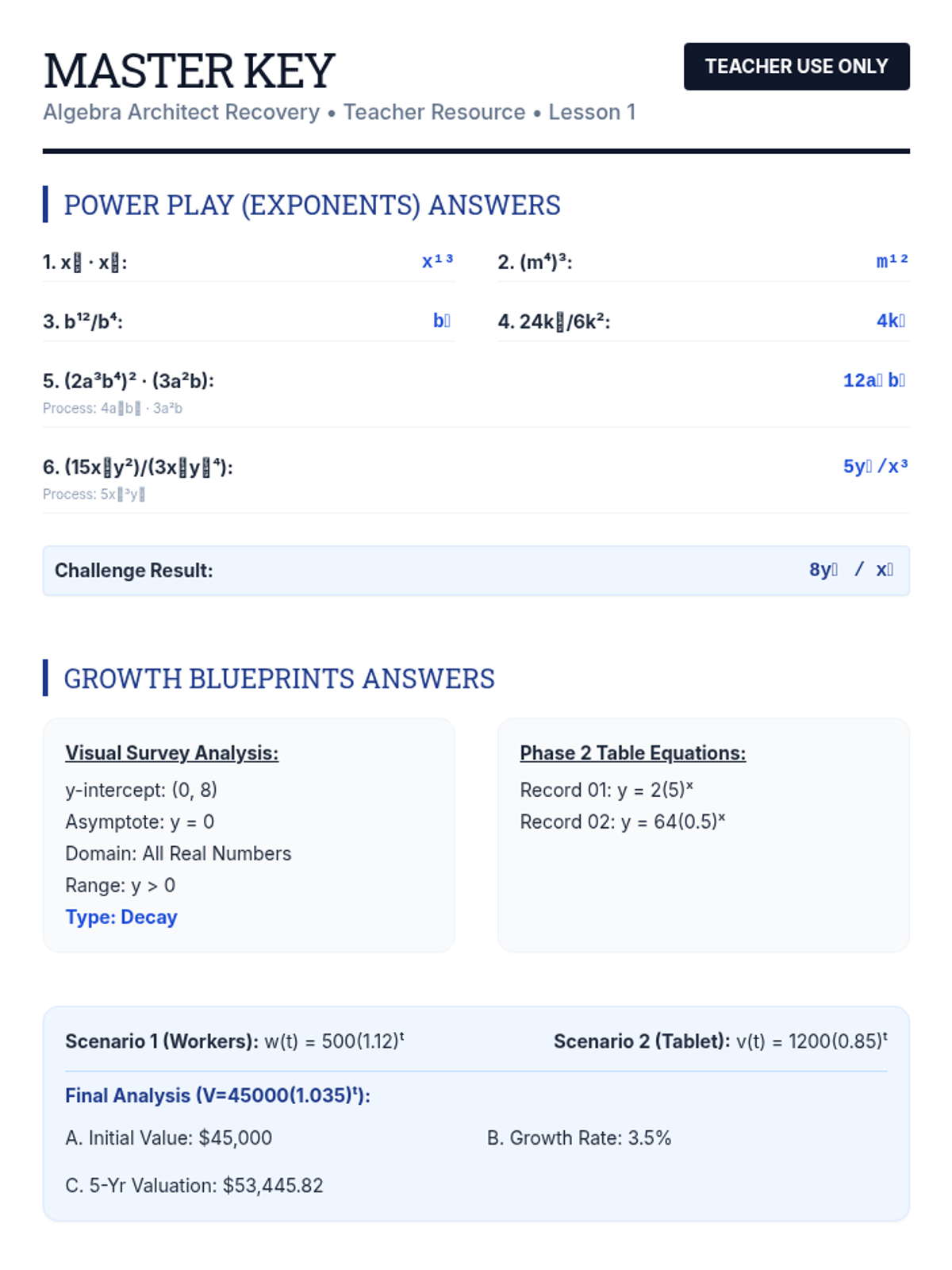
A comprehensive grade recovery packet for 9th Grade Algebra 1 students, covering exponent laws, exponential functions, polynomial operations, and factoring techniques.
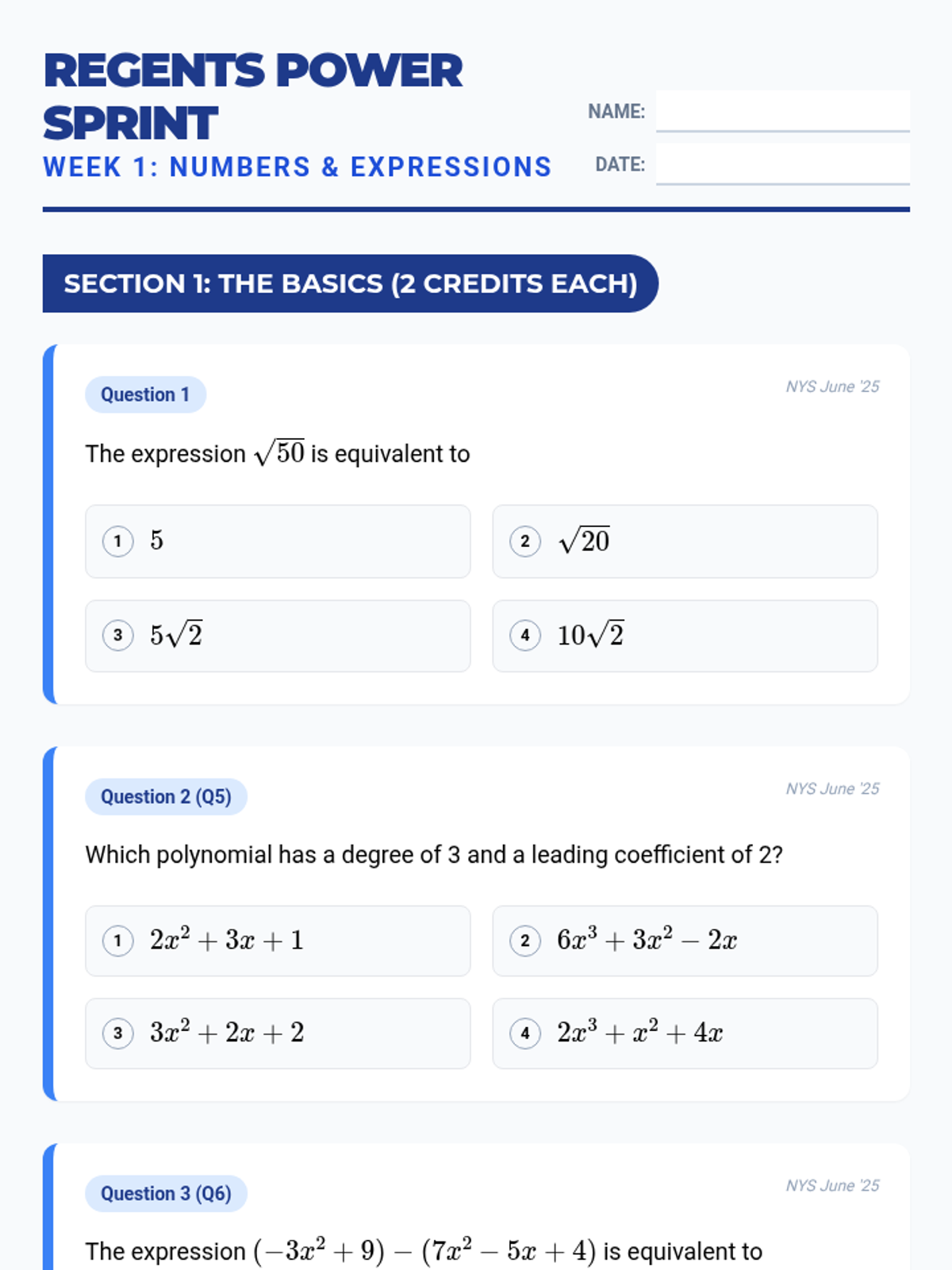
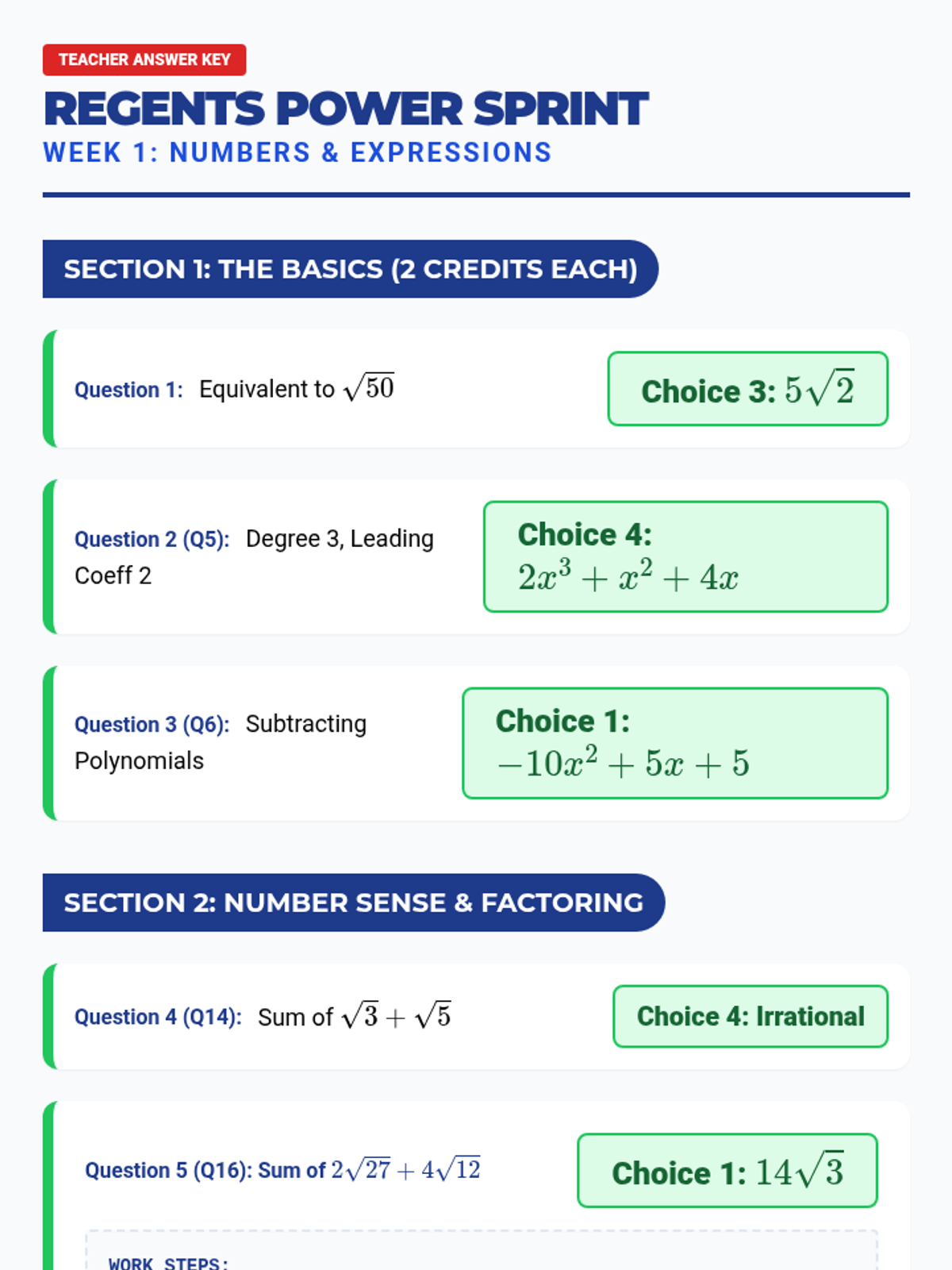
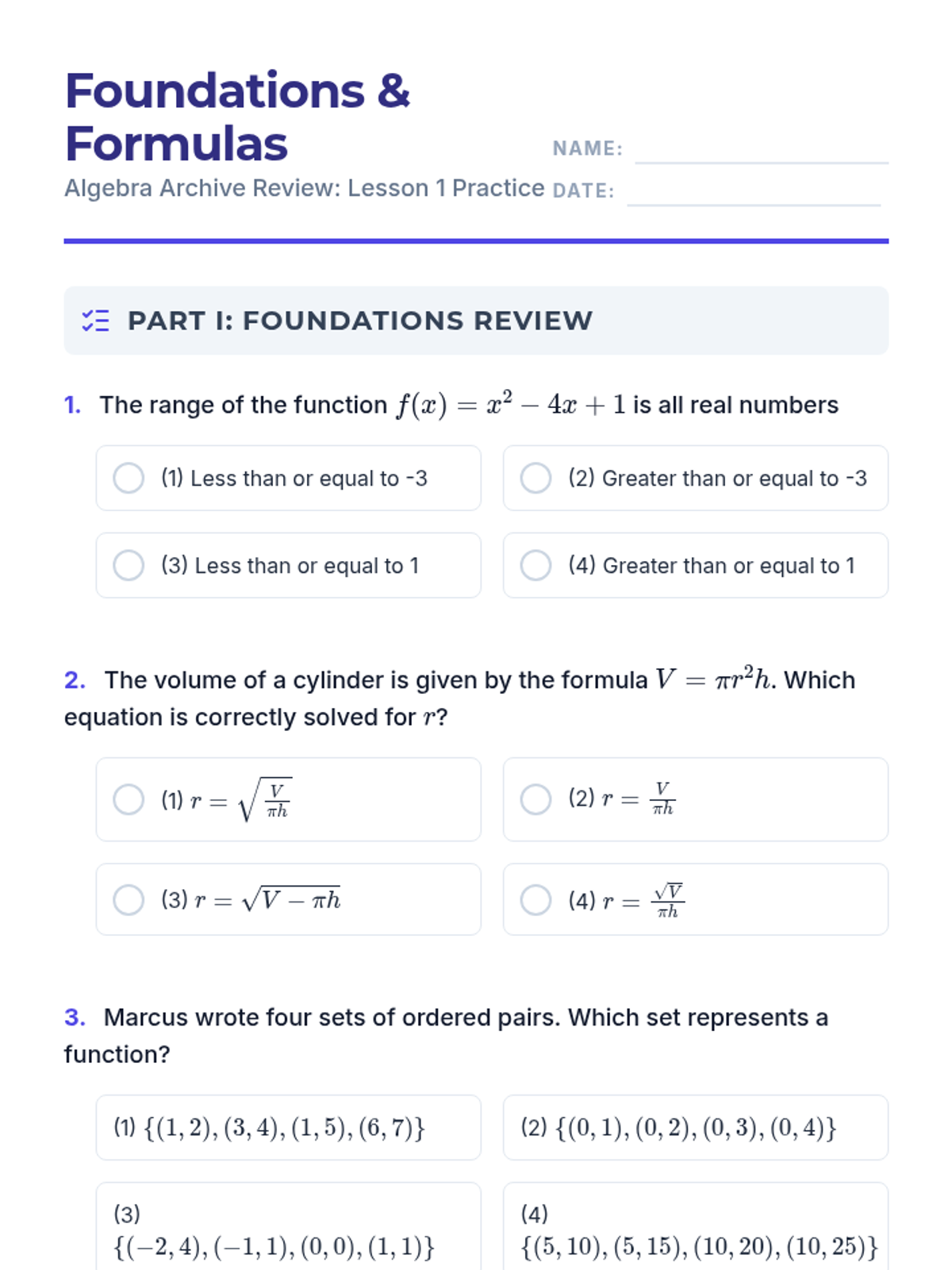
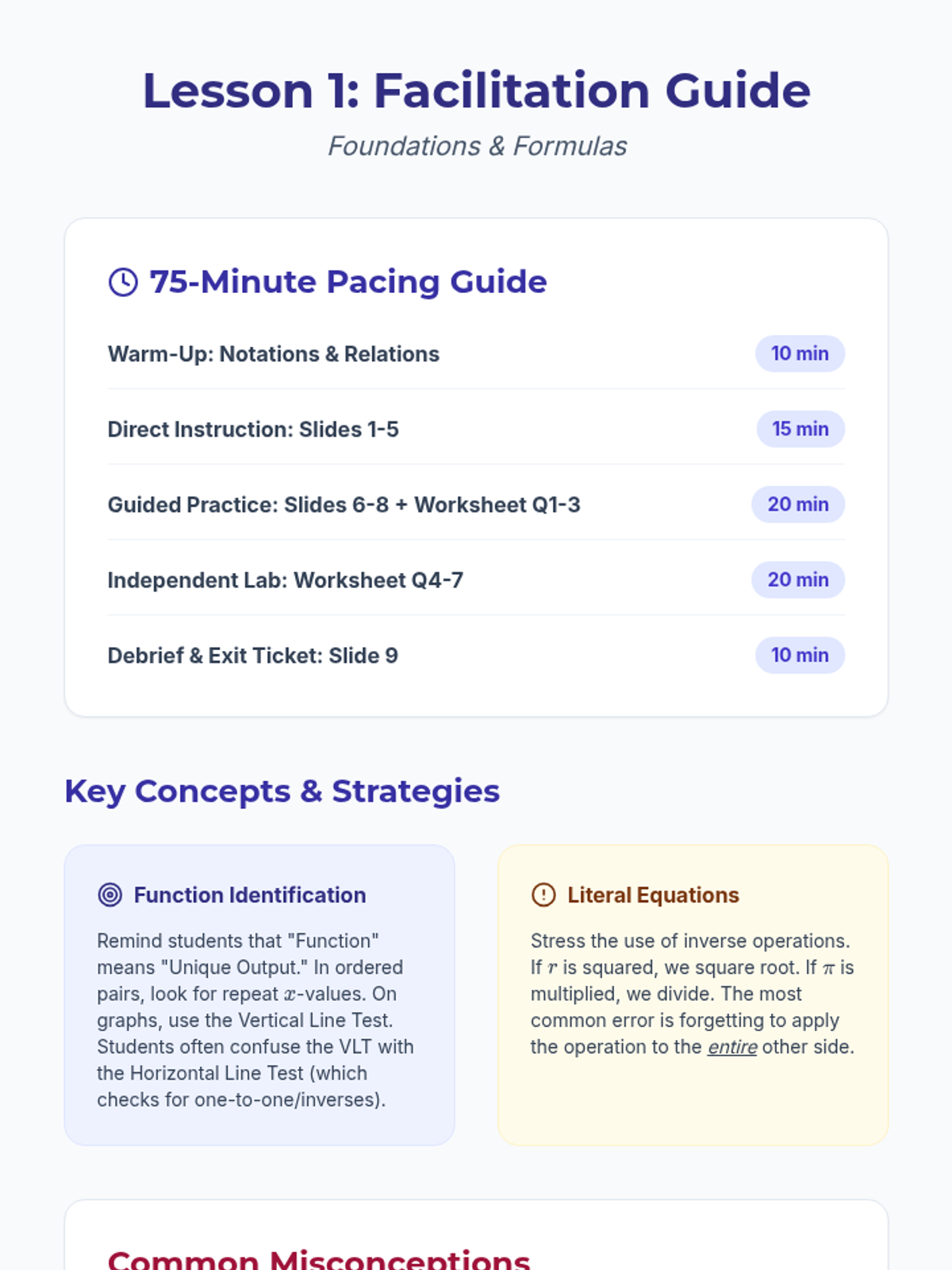
A comprehensive 3-day review sequence for the Algebra I Regents examination, focusing on foundations, systems, and polynomial operations. Each 75-minute lesson provides a balance of guided instruction and independent practice with problems modeled after the NYS Interim Assessment.
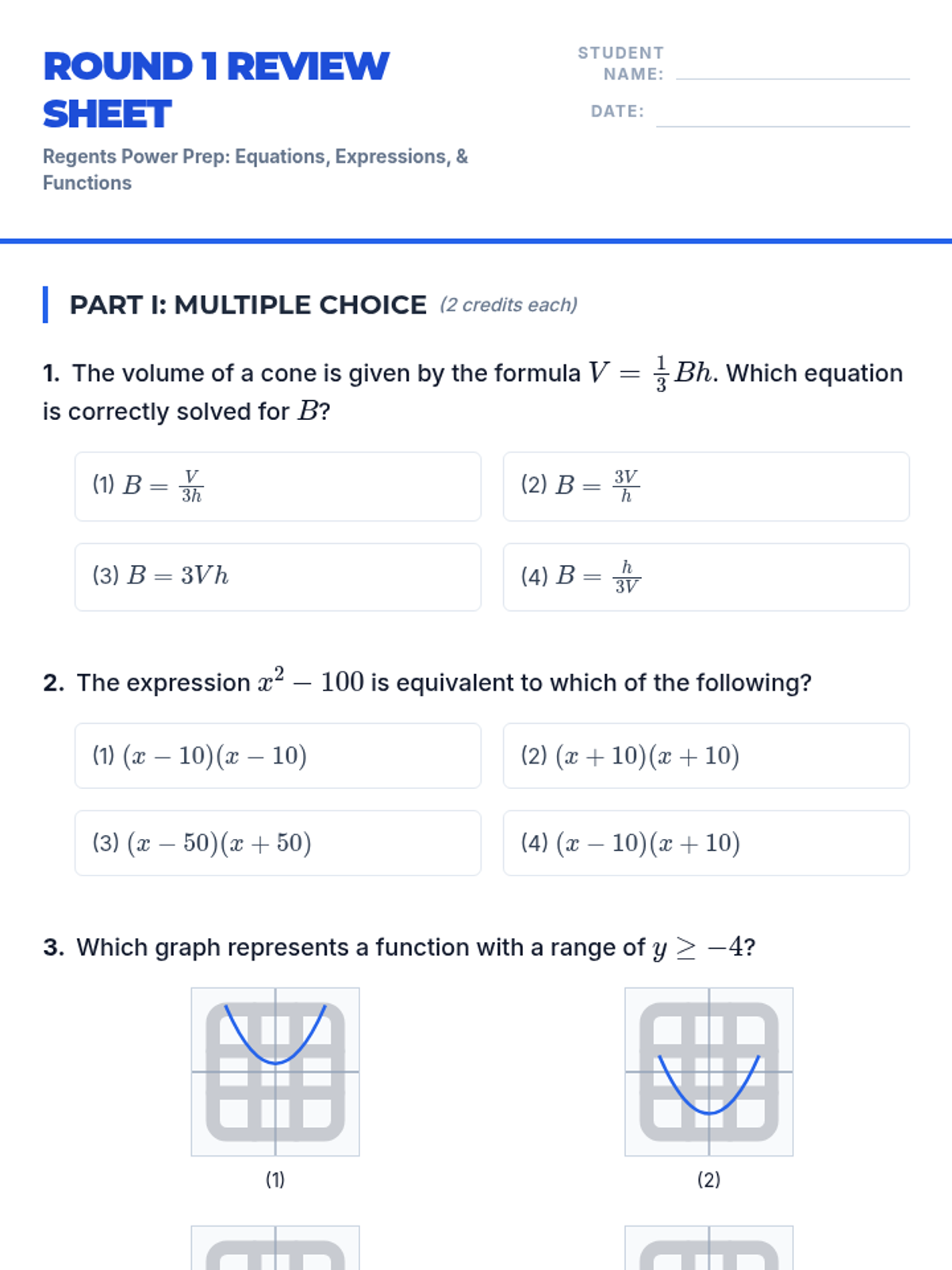
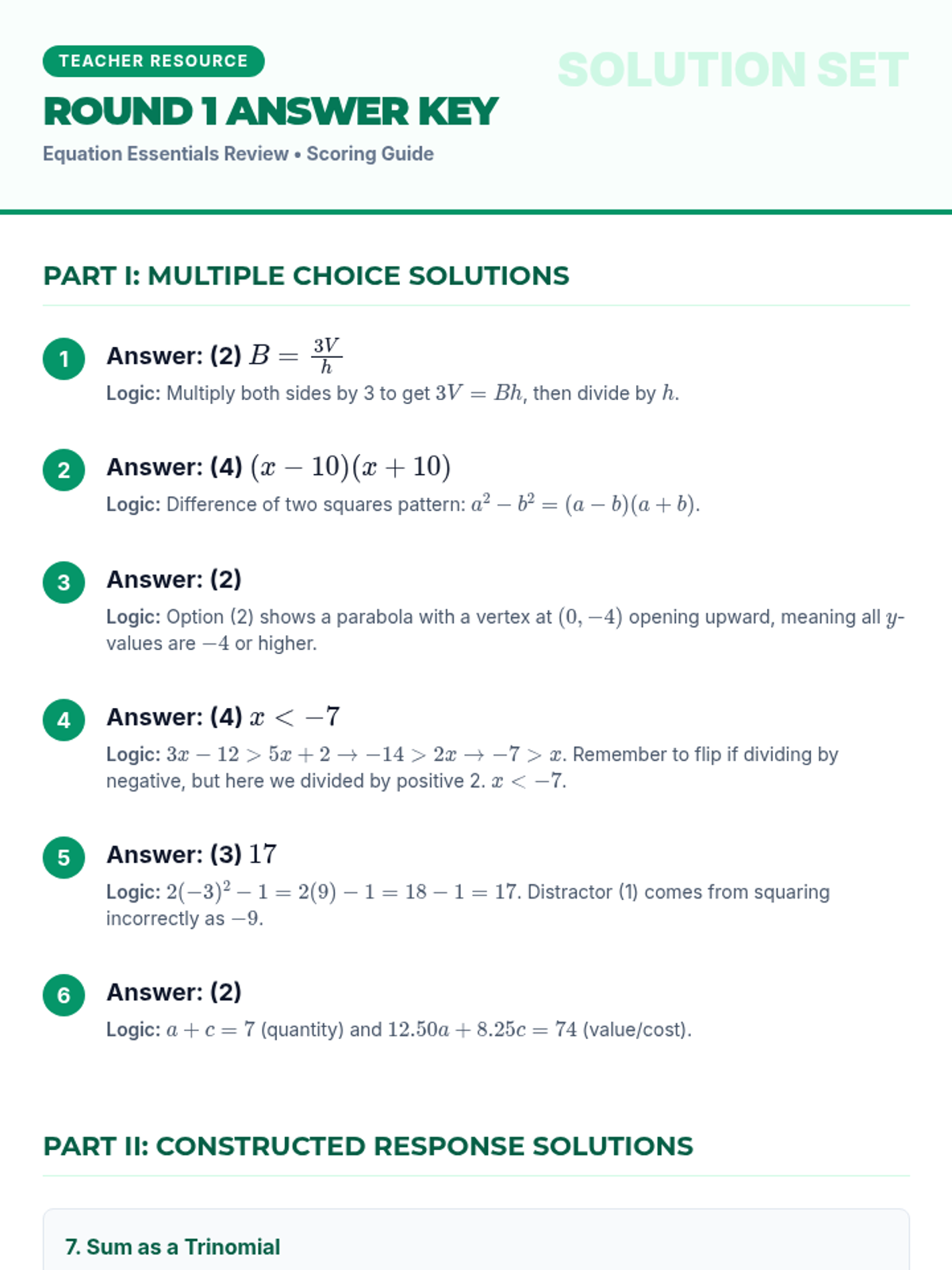
A series of five high-stakes review rounds designed to prepare students for the Algebra I NYS Regents exam, focusing on expressions, equations, inequalities, and functions.
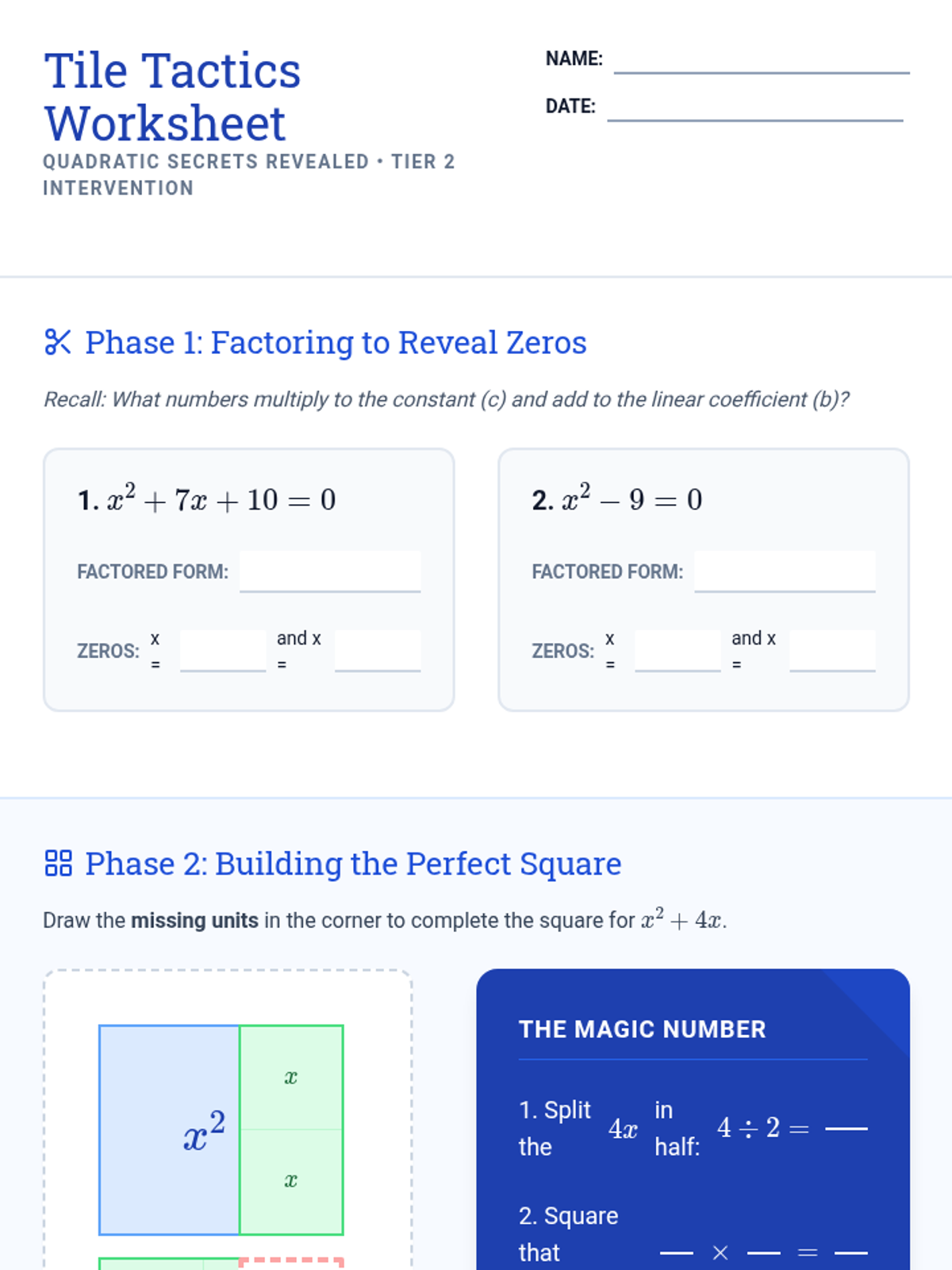
A targeted Tier 2 intervention sequence for high school students struggling with quadratic expressions and equations. This unit focuses on building procedural fluency through scaffolded instruction, visual models, and step-by-step factoring and solving techniques aligned with Colorado Standard 2.
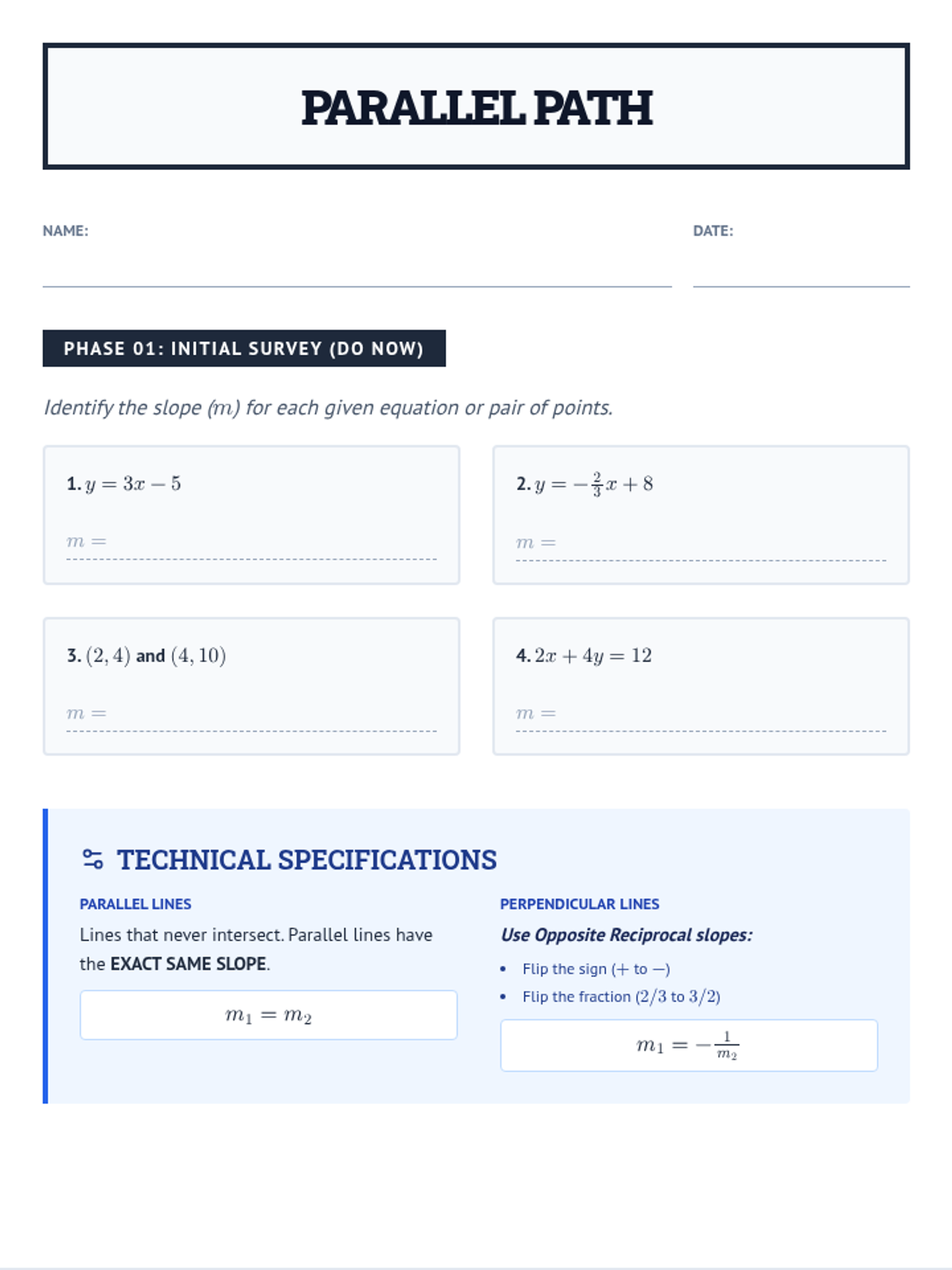
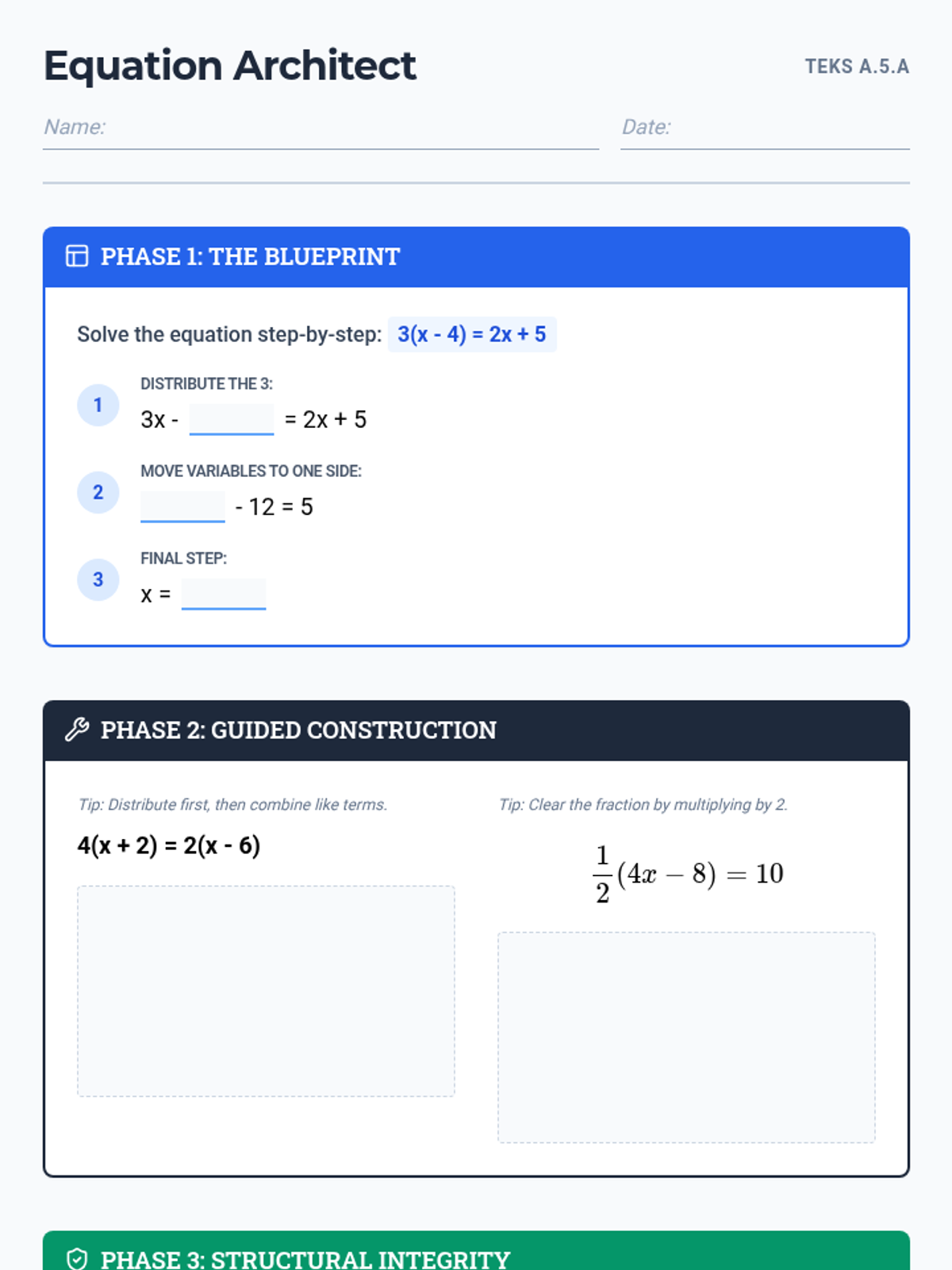
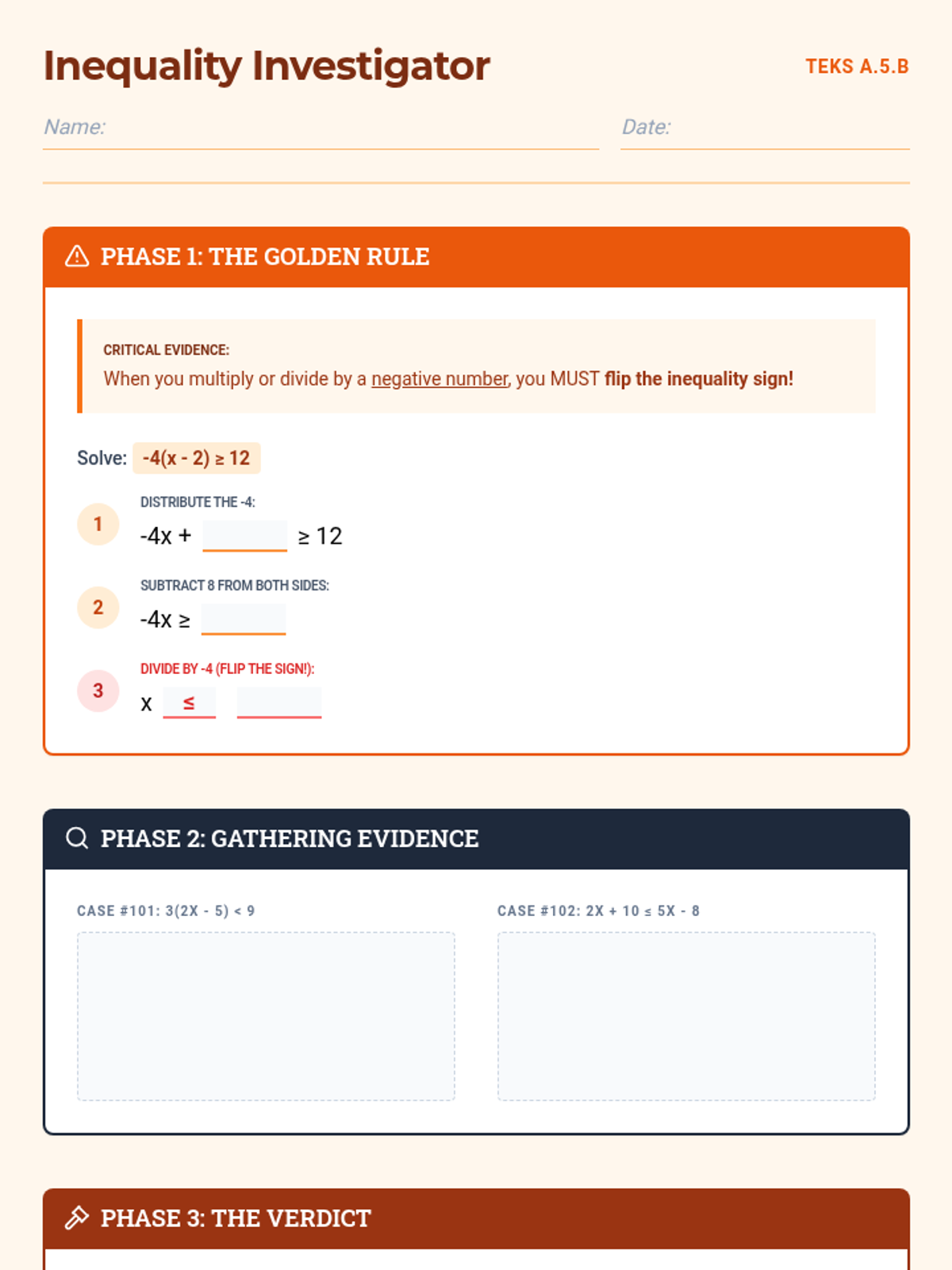
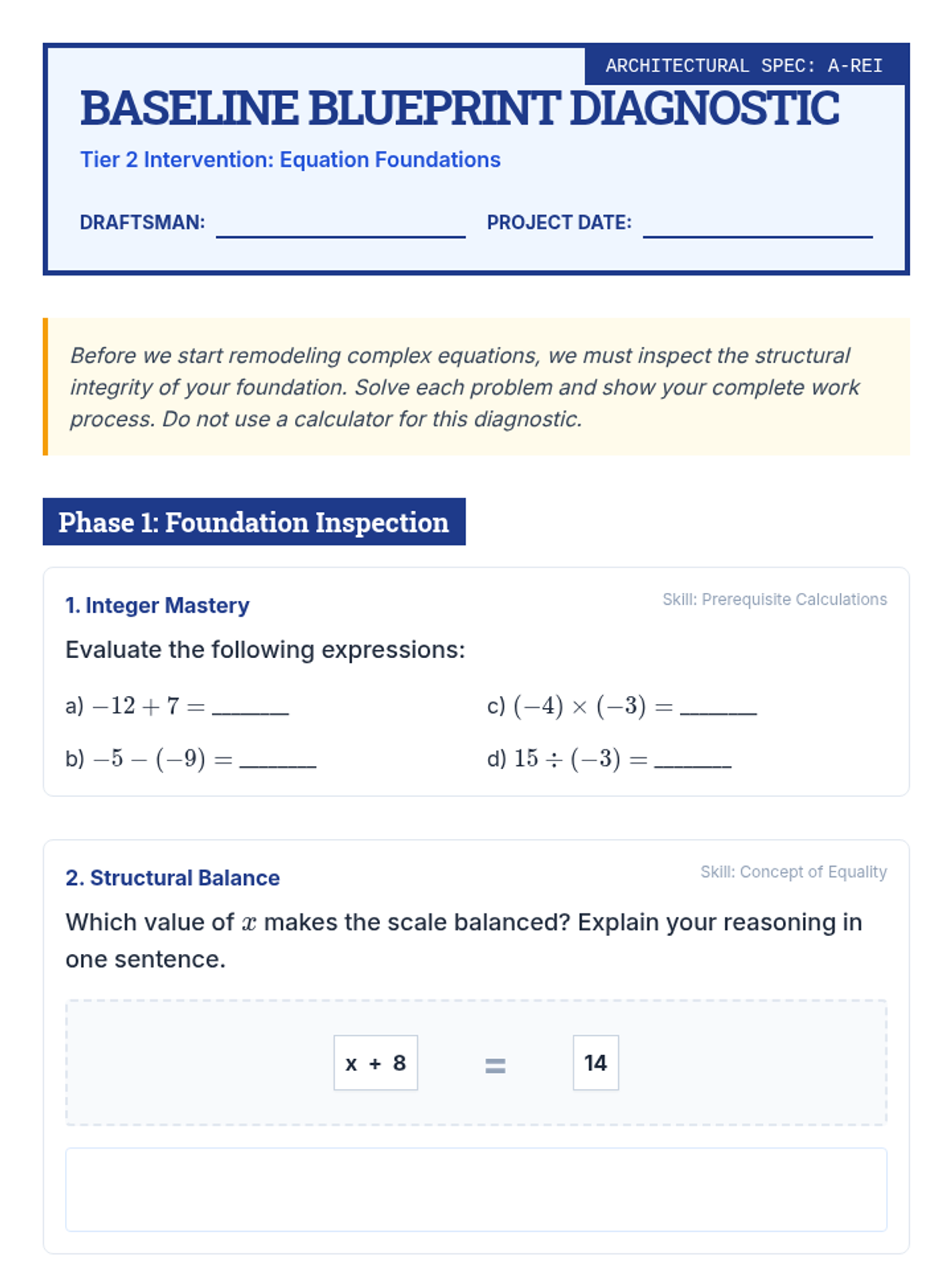
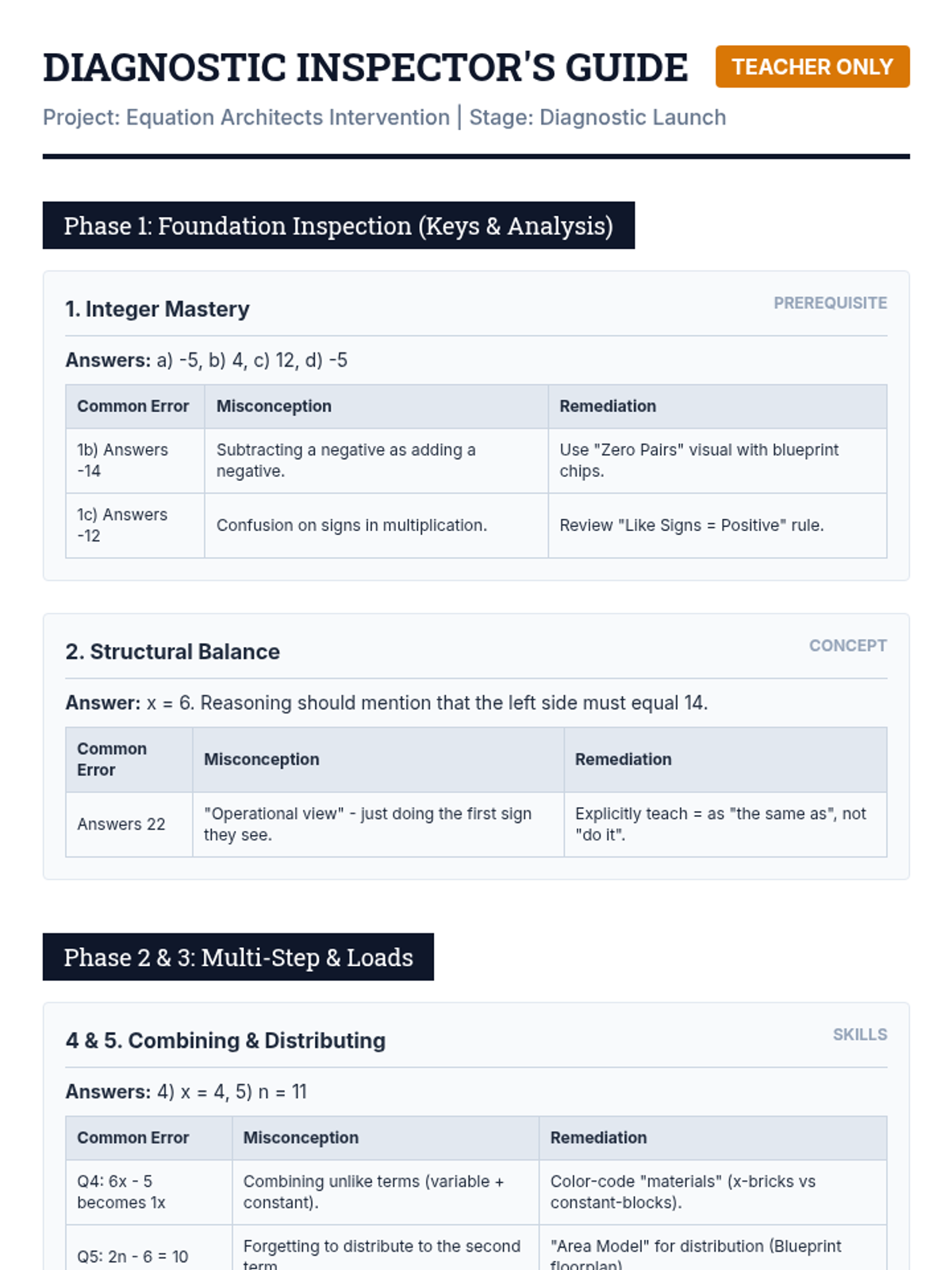
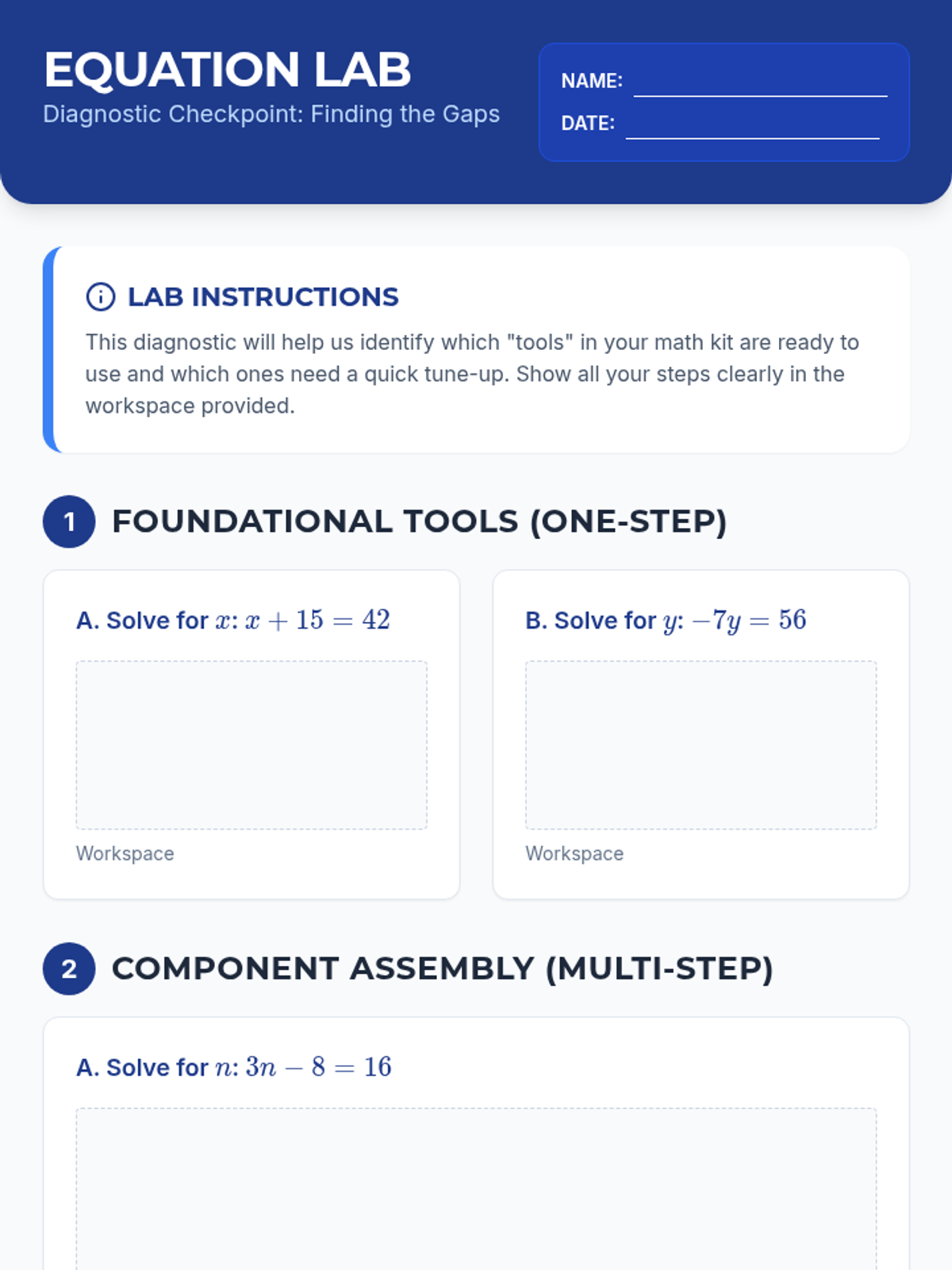
A comprehensive Tier 2 intervention sequence for high school Algebra students focused on solving and graphing linear equations and inequalities. This sequence uses an architectural 'blueprint' theme to help students build conceptual understanding and procedural fluency while addressing common misconceptions.
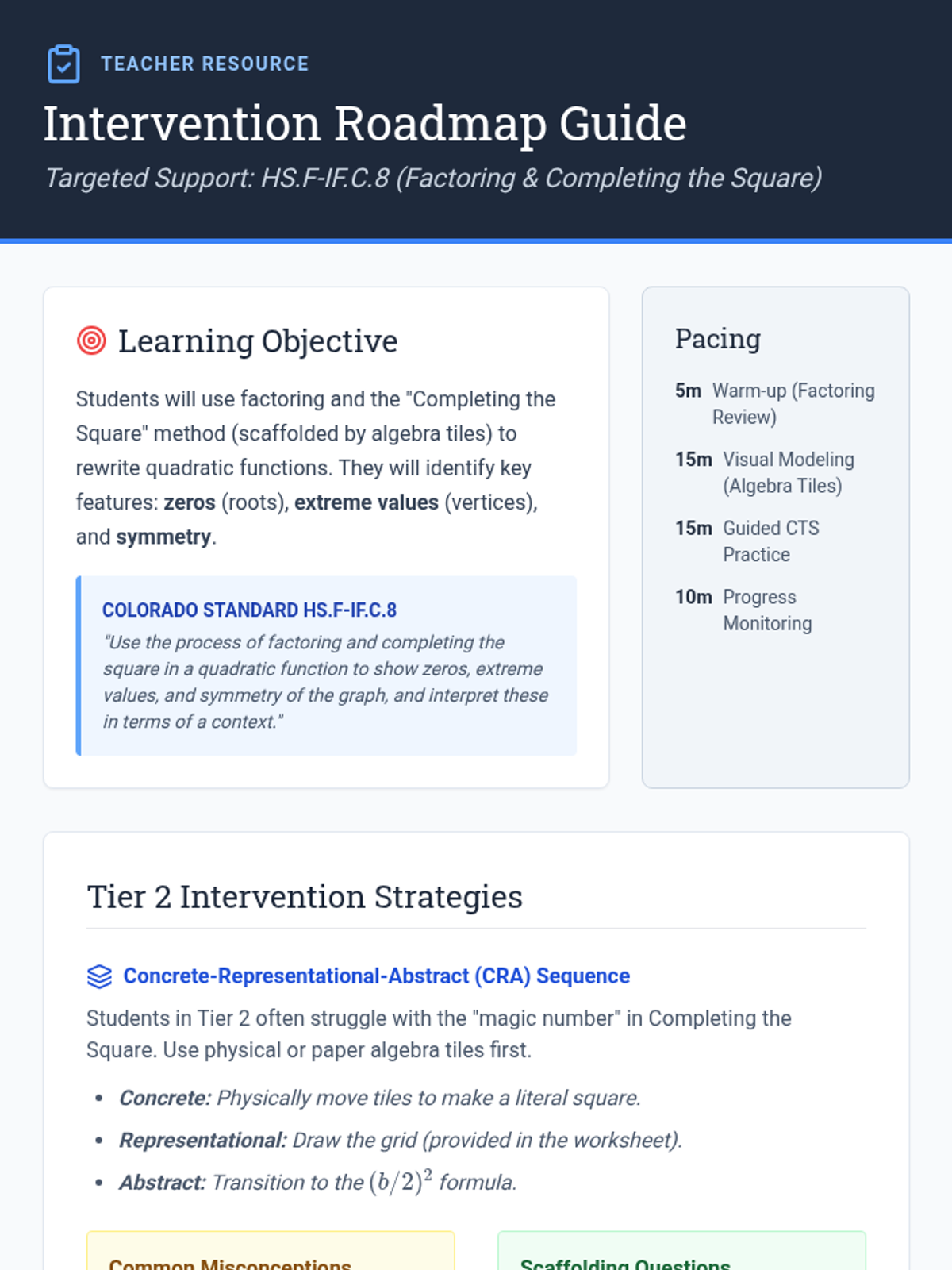
A targeted Tier 2 intervention sequence focused on helping high school students master quadratic transformations through factoring and completing the square using visual algebra tile models.
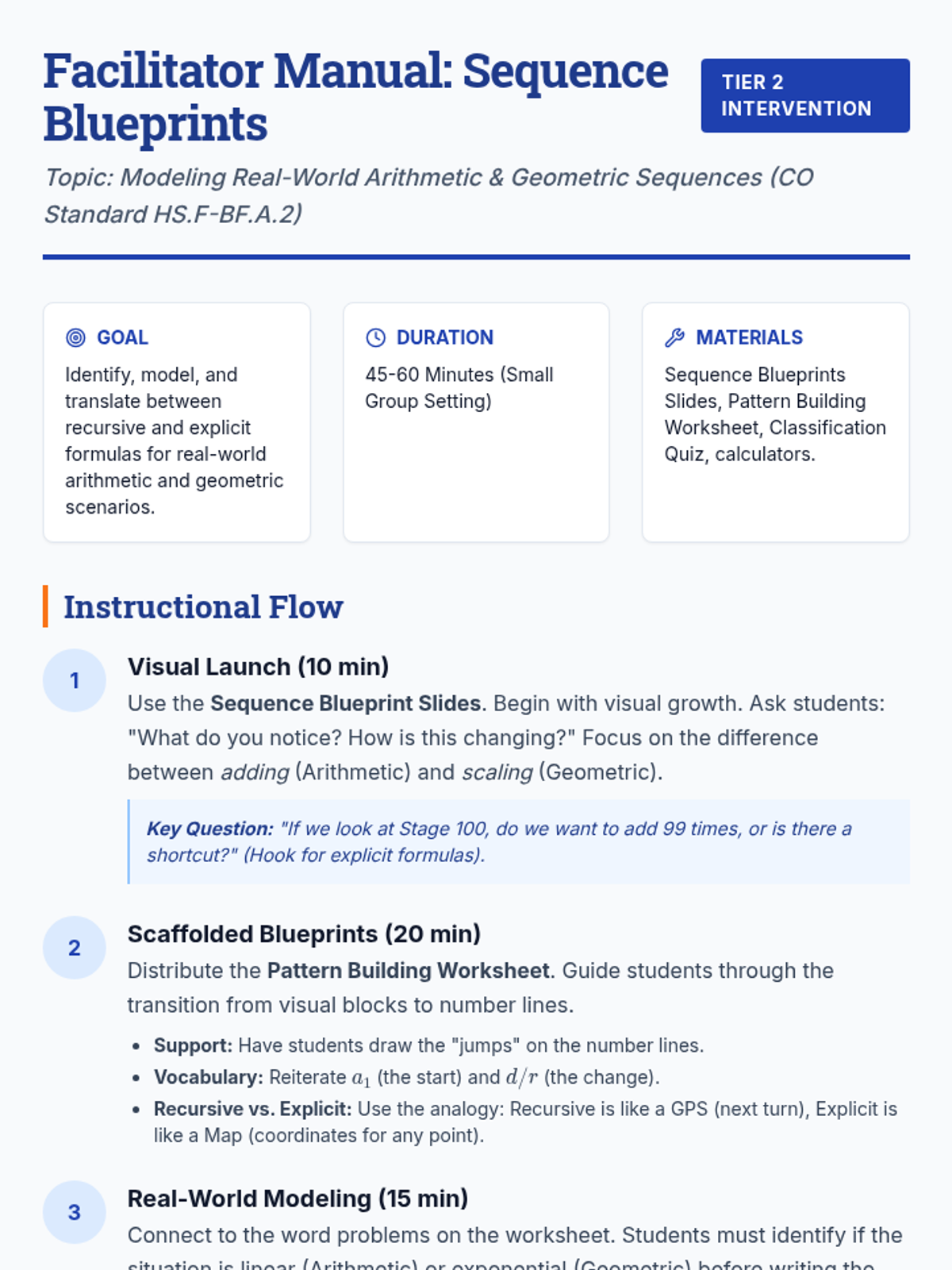
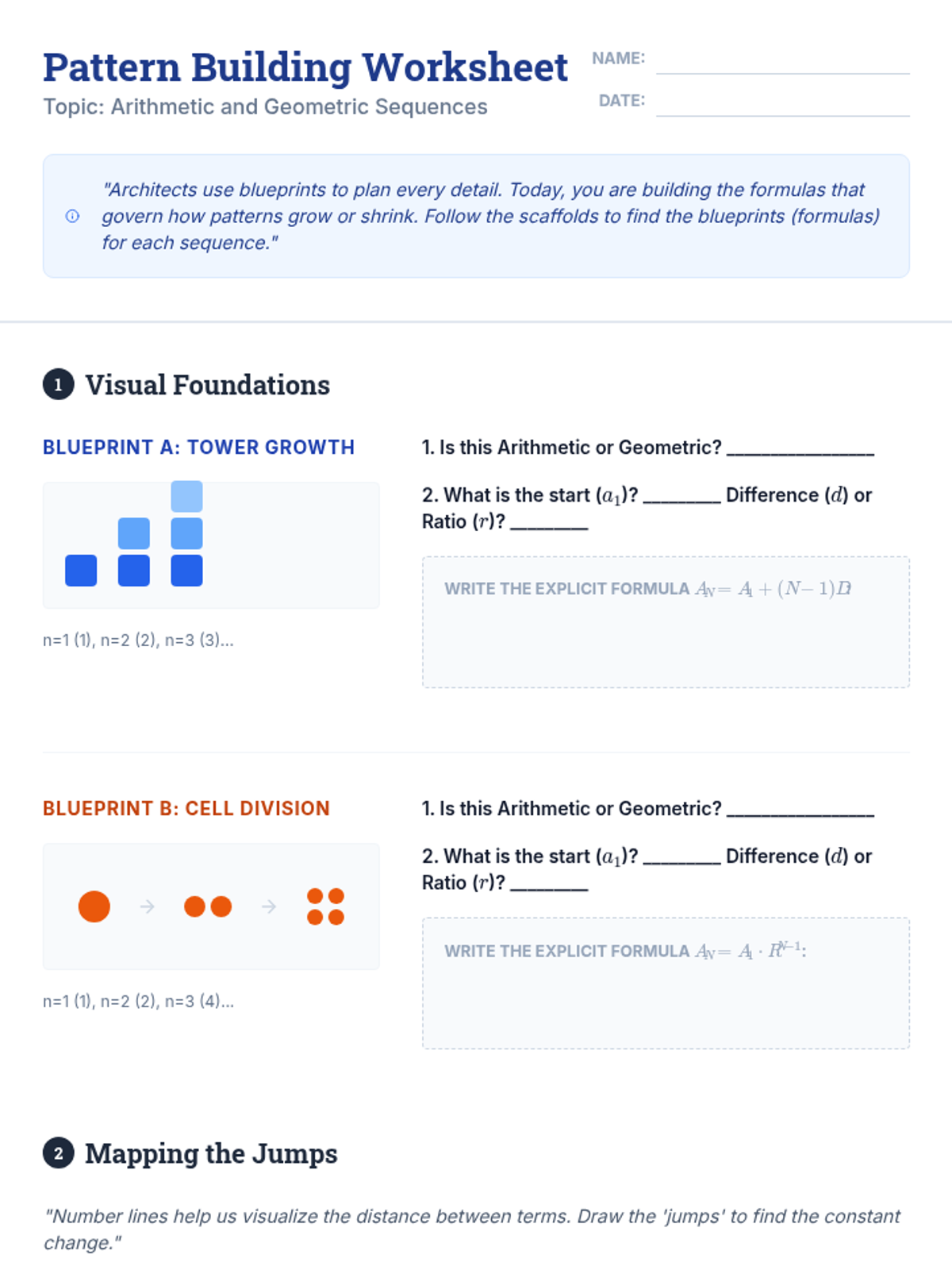
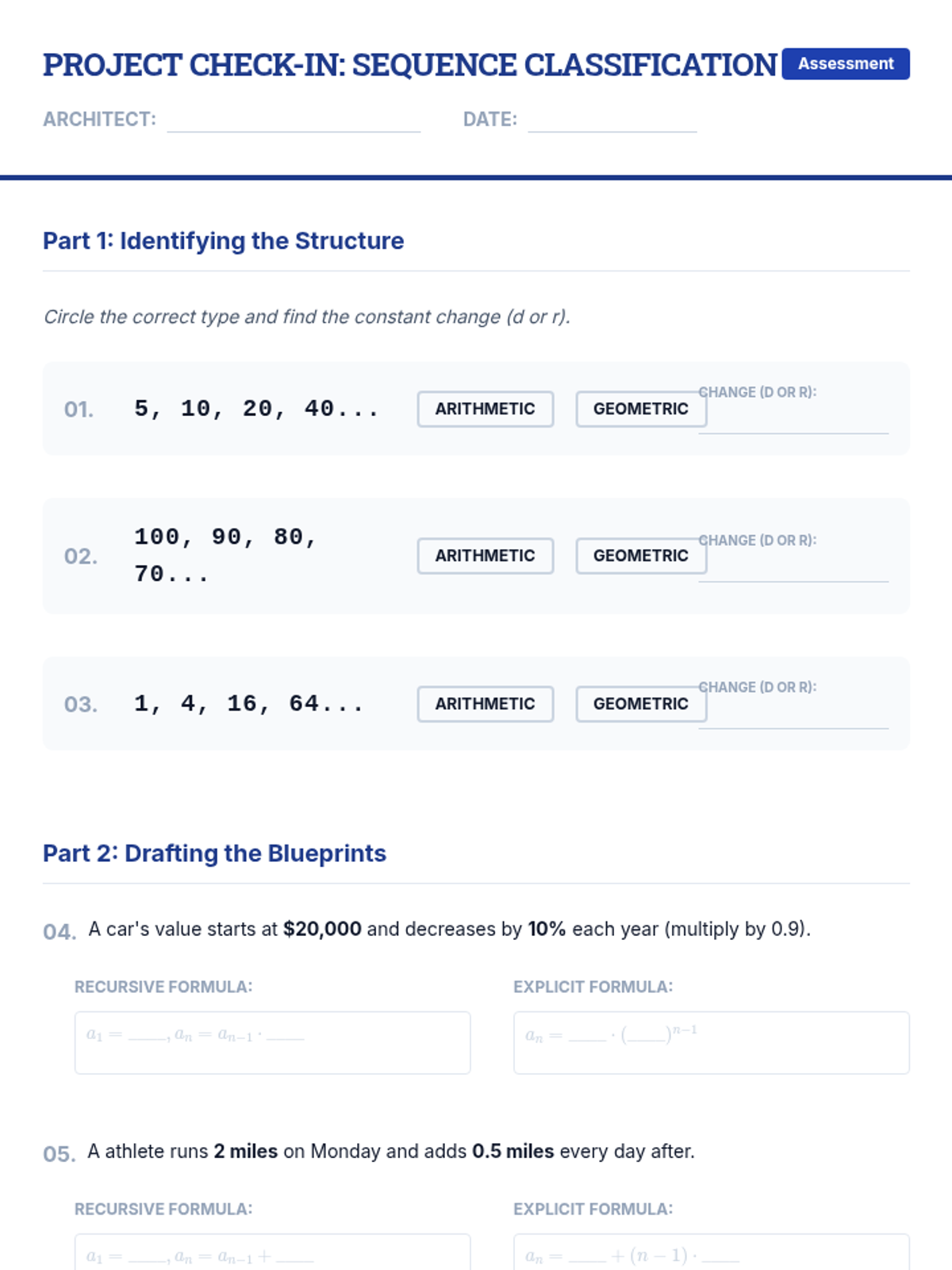
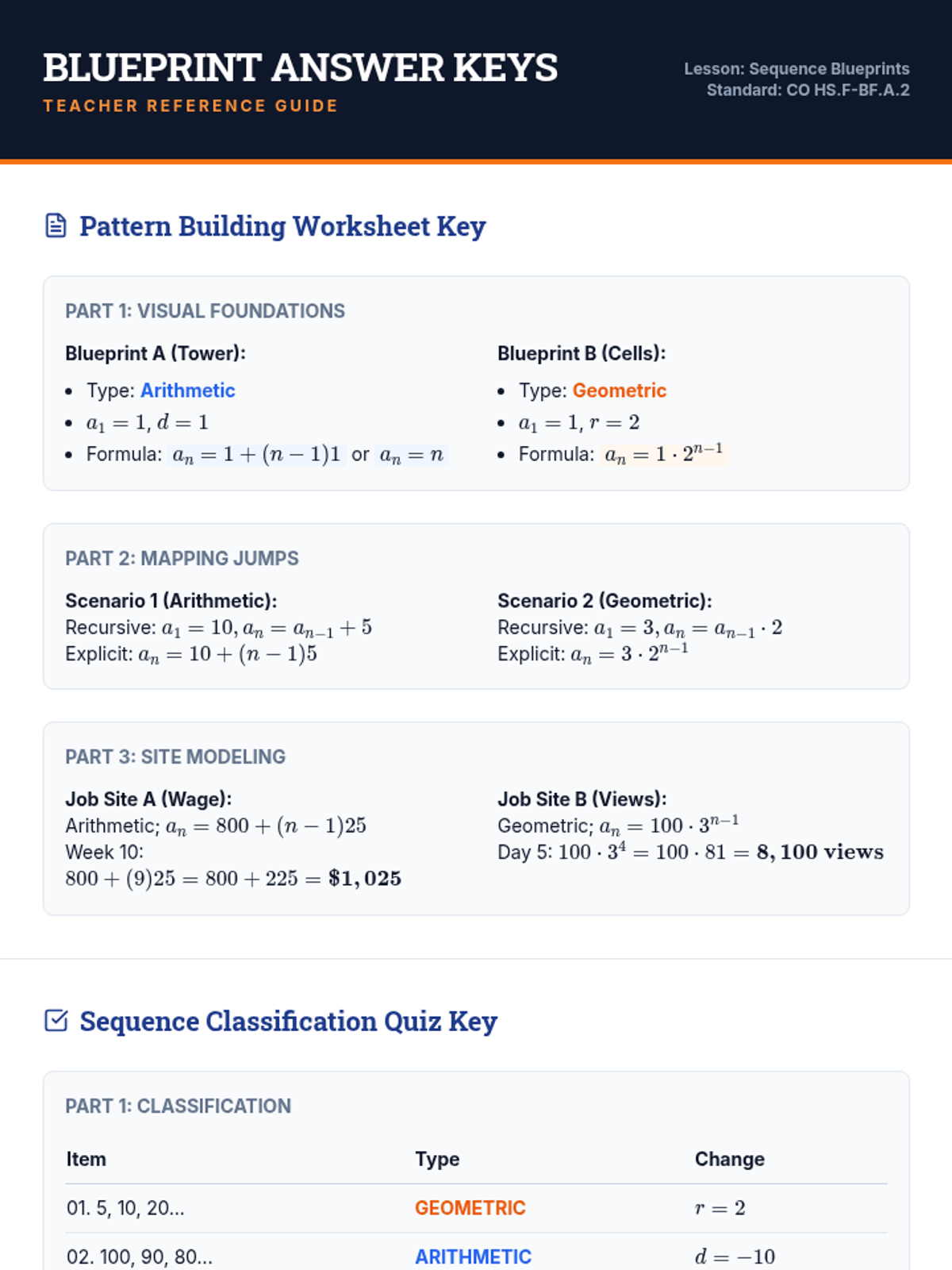
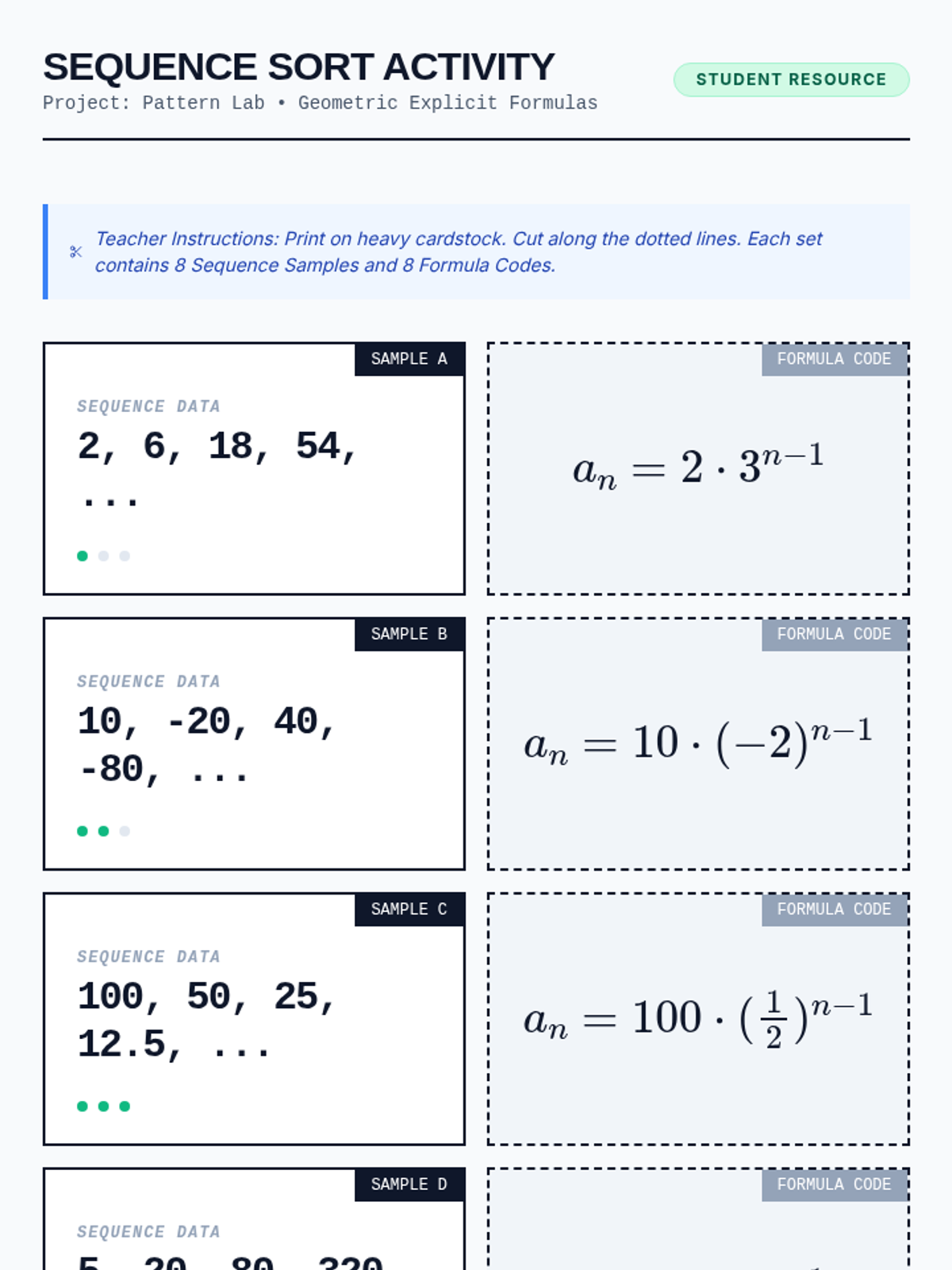
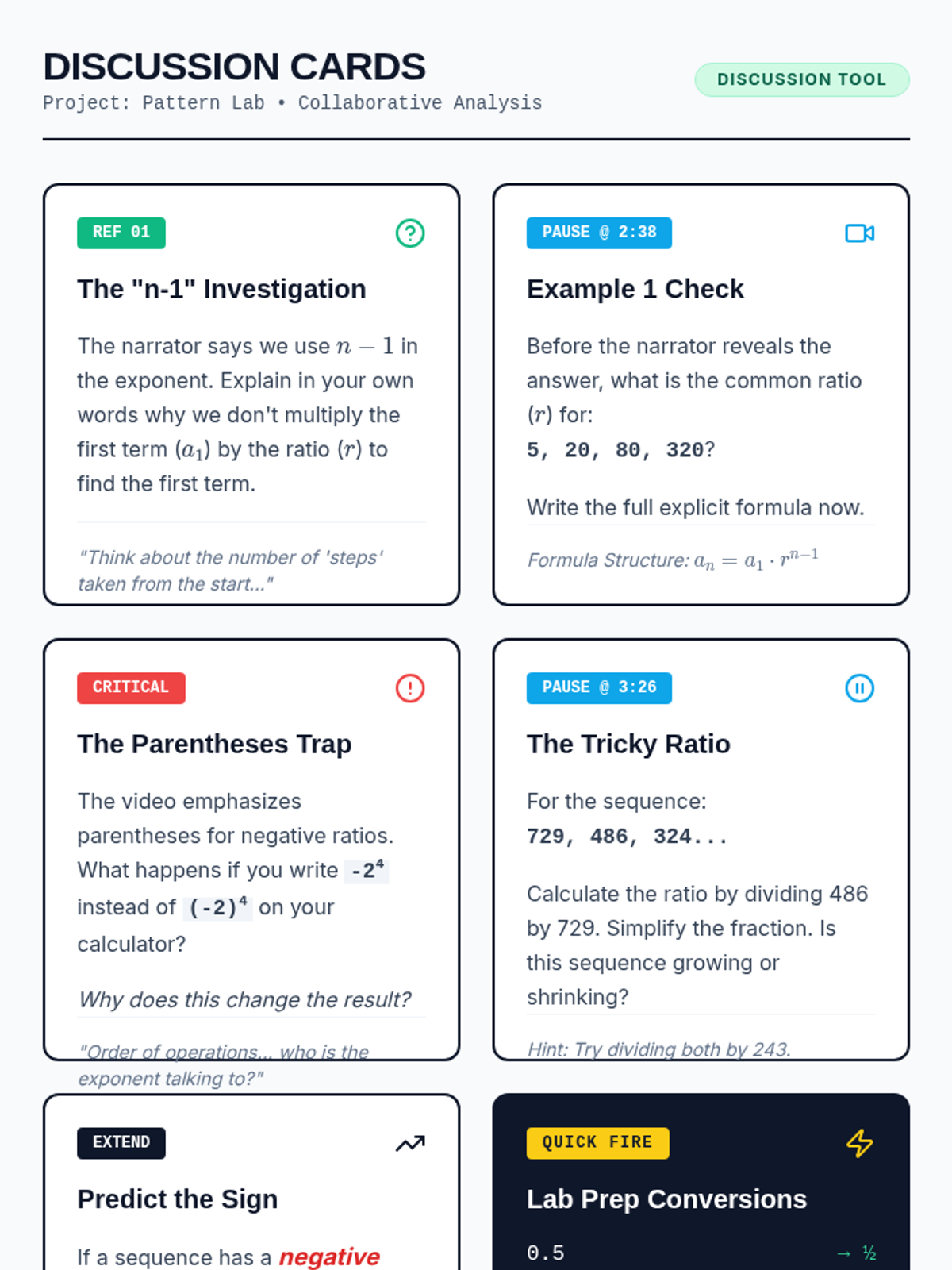
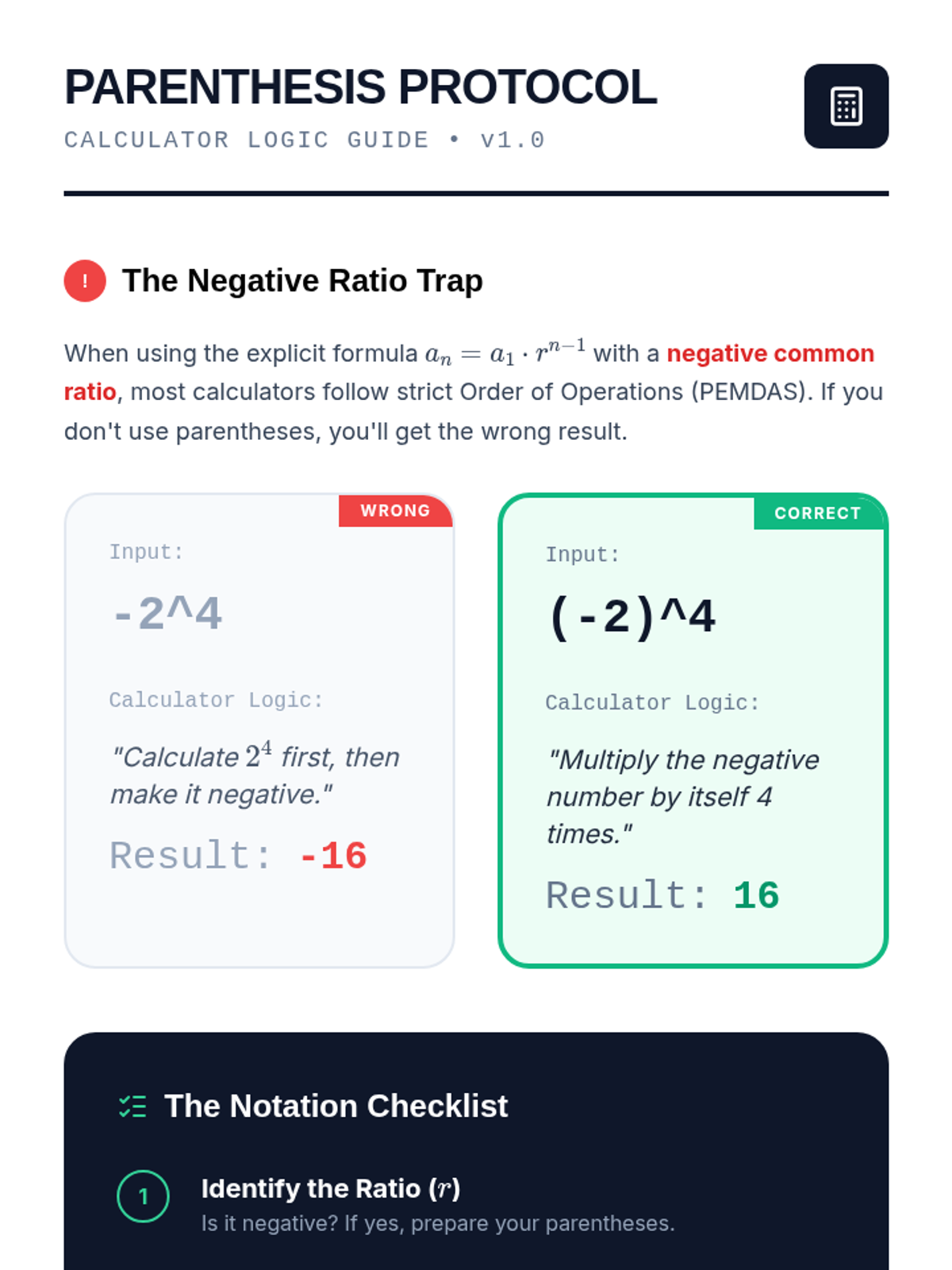
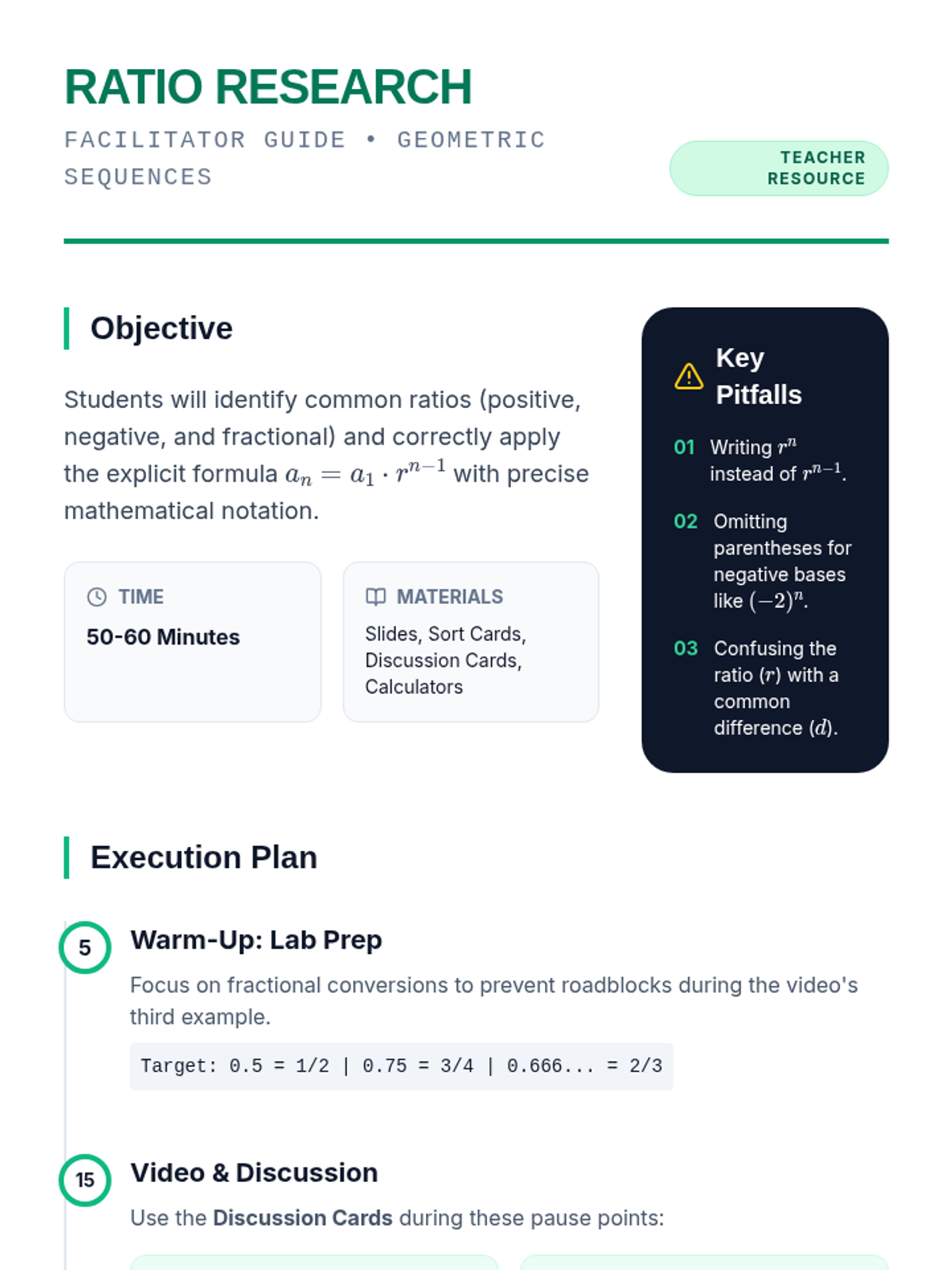
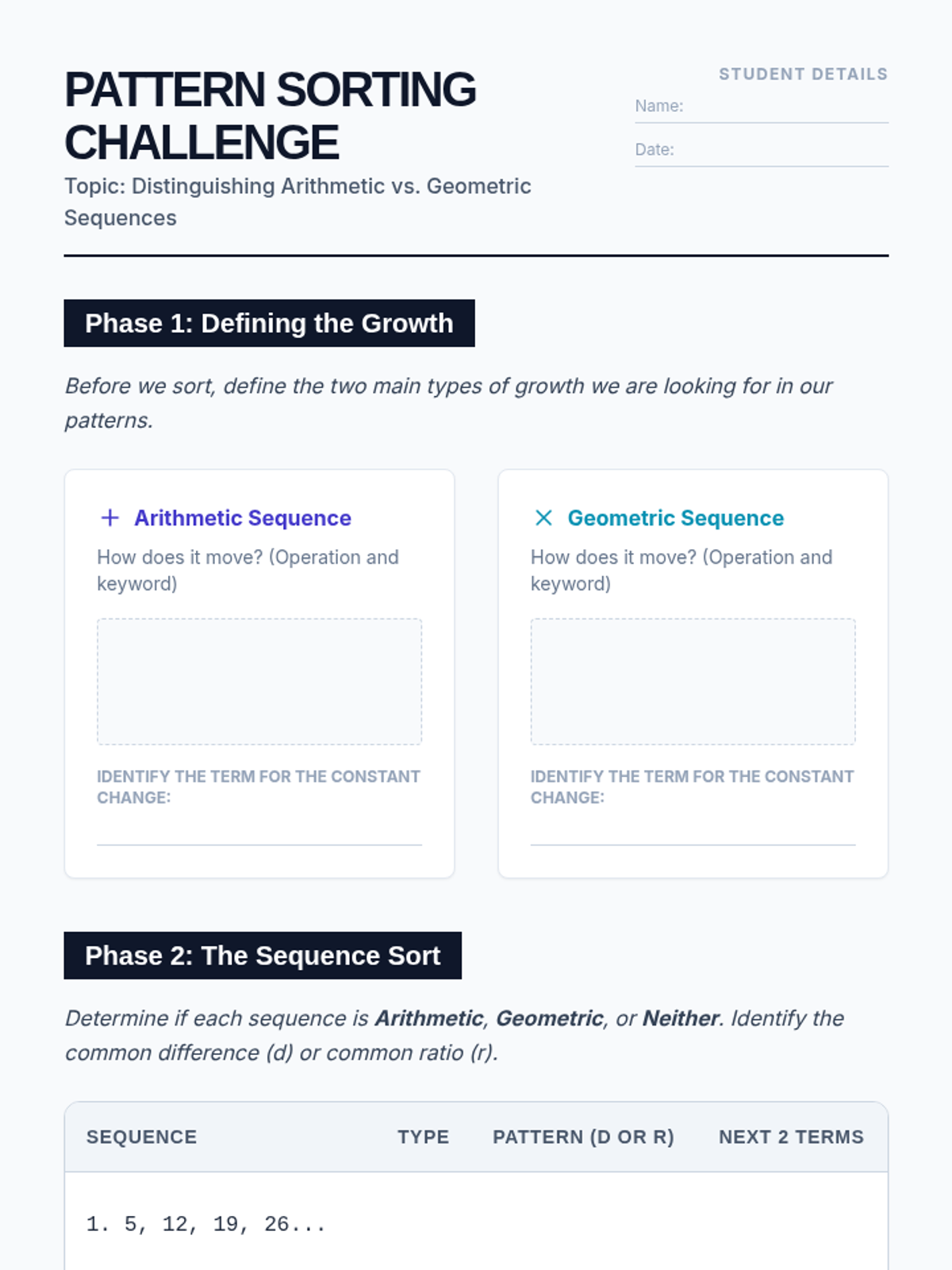
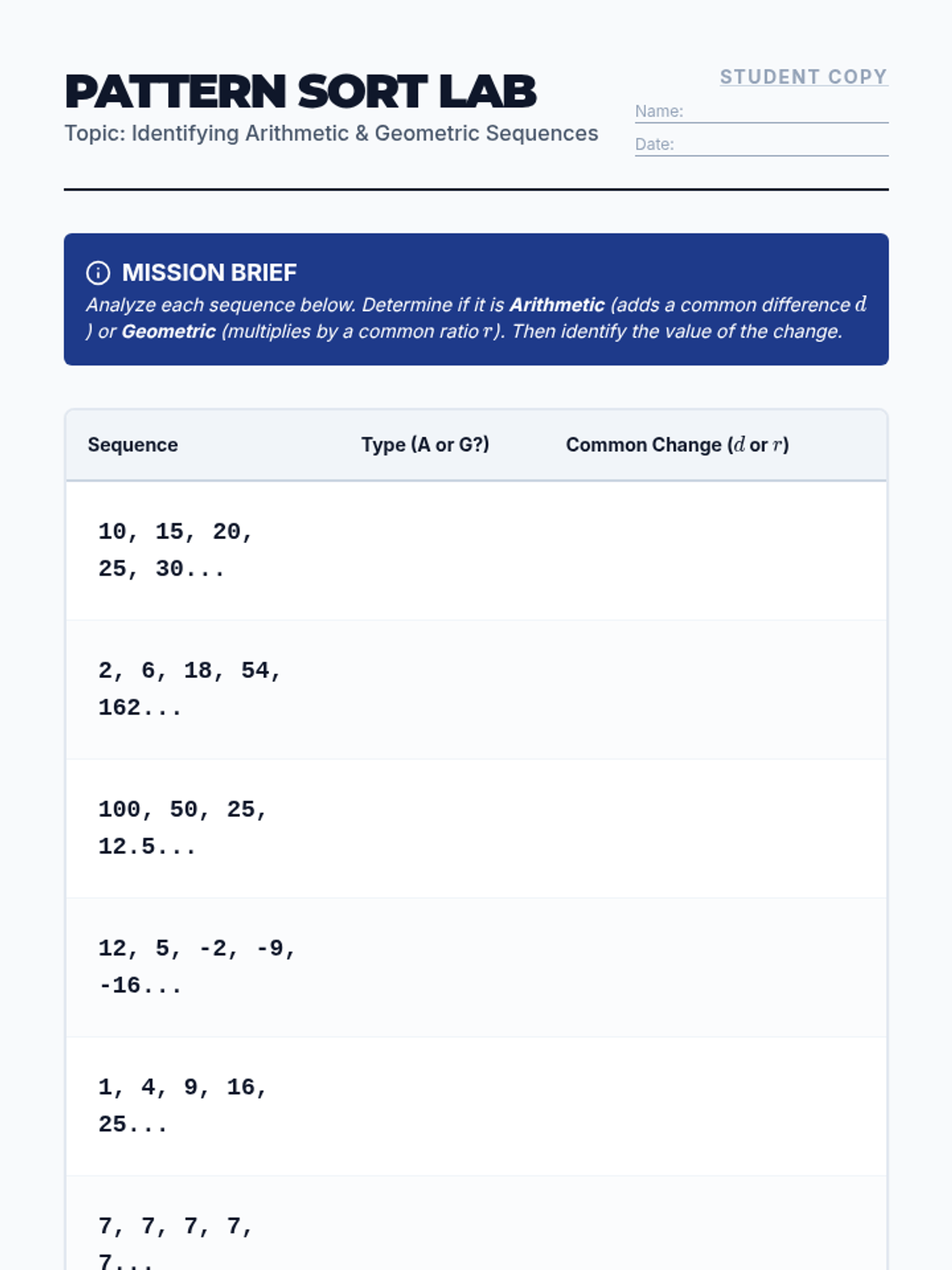
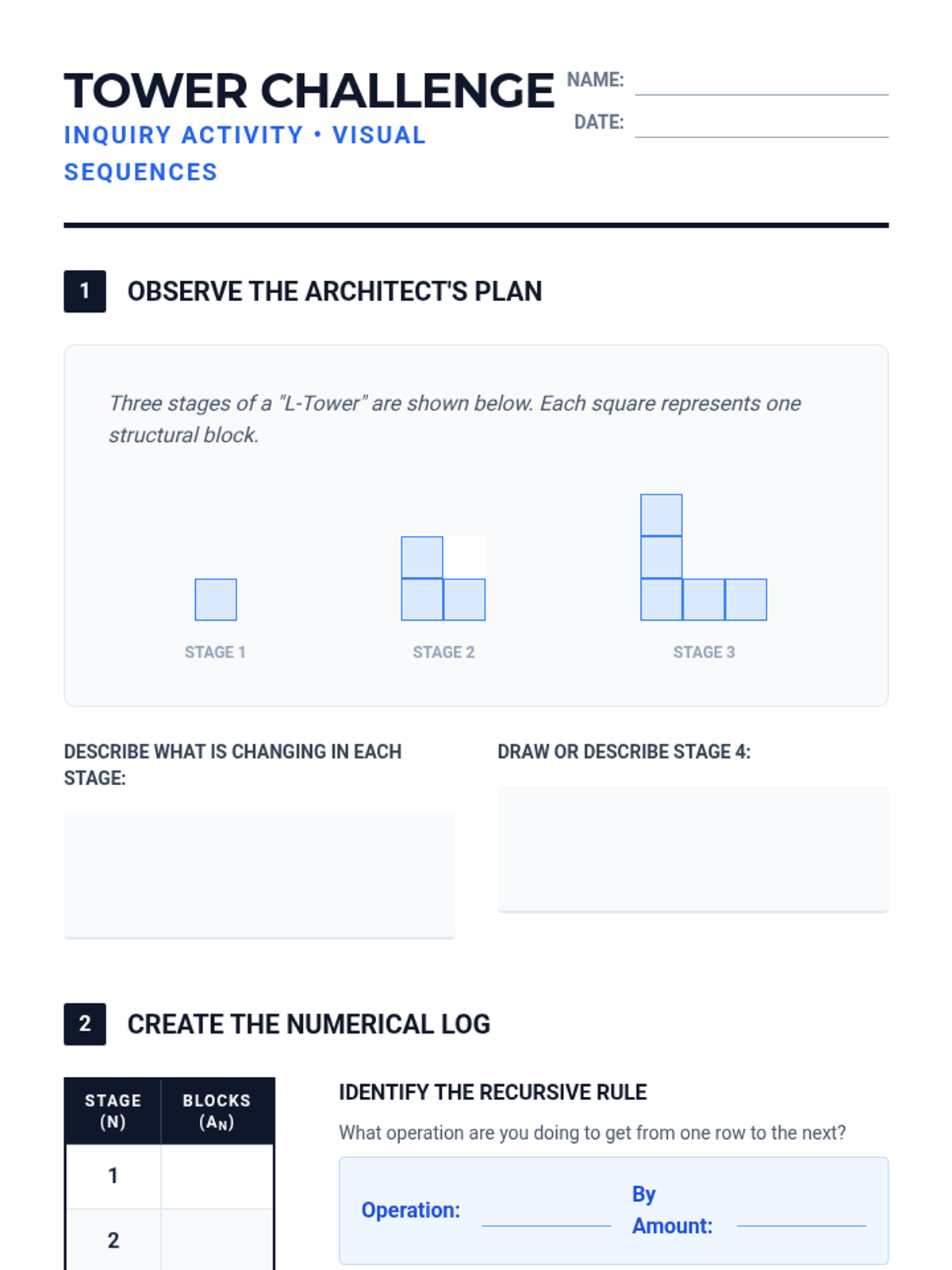
A targeted intervention sequence focused on helping high school students master arithmetic and geometric sequences through visual patterns, number lines, and real-world modeling. This sequence aligns with Colorado standard HS.F-BF.A.2.
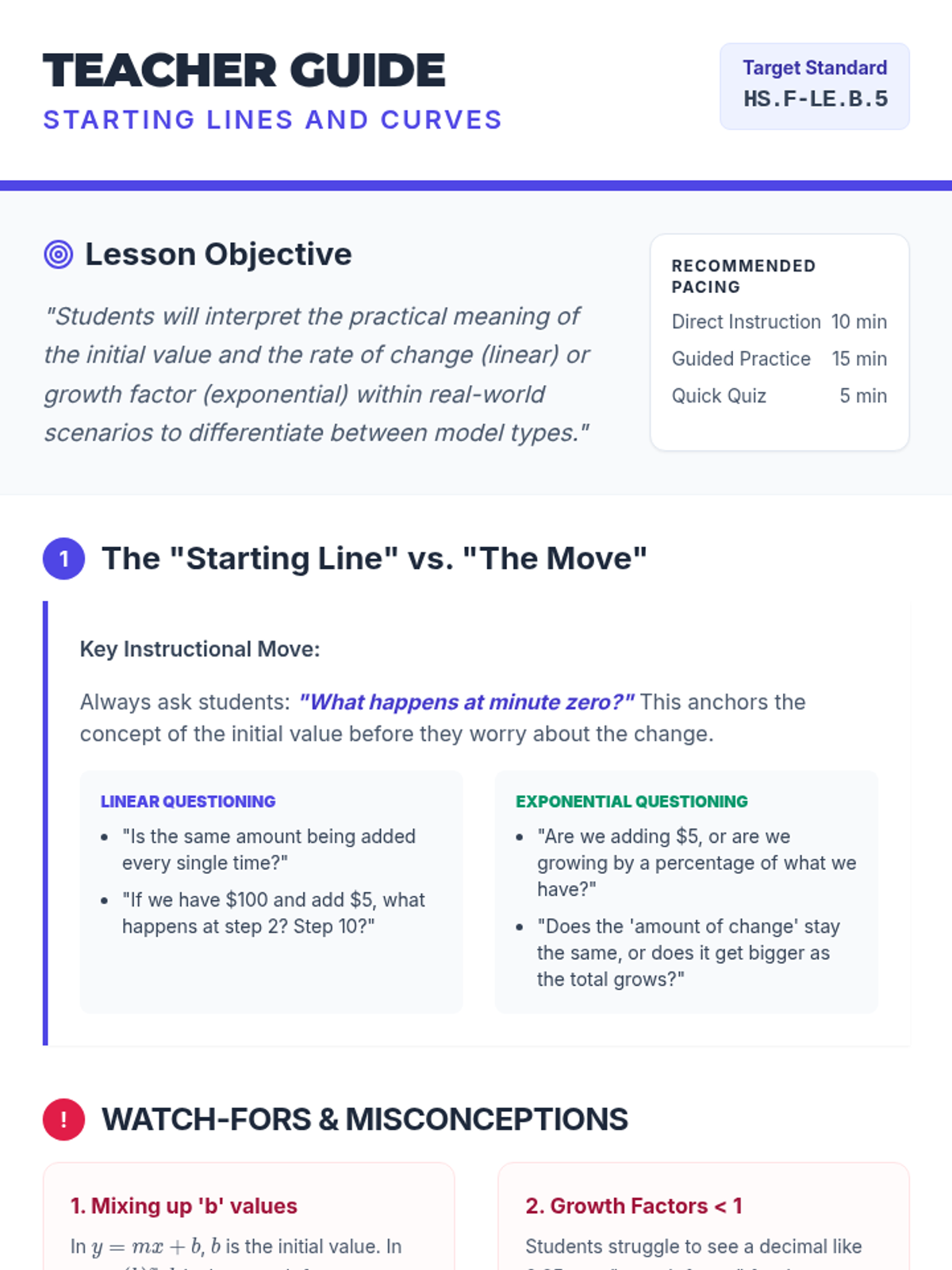
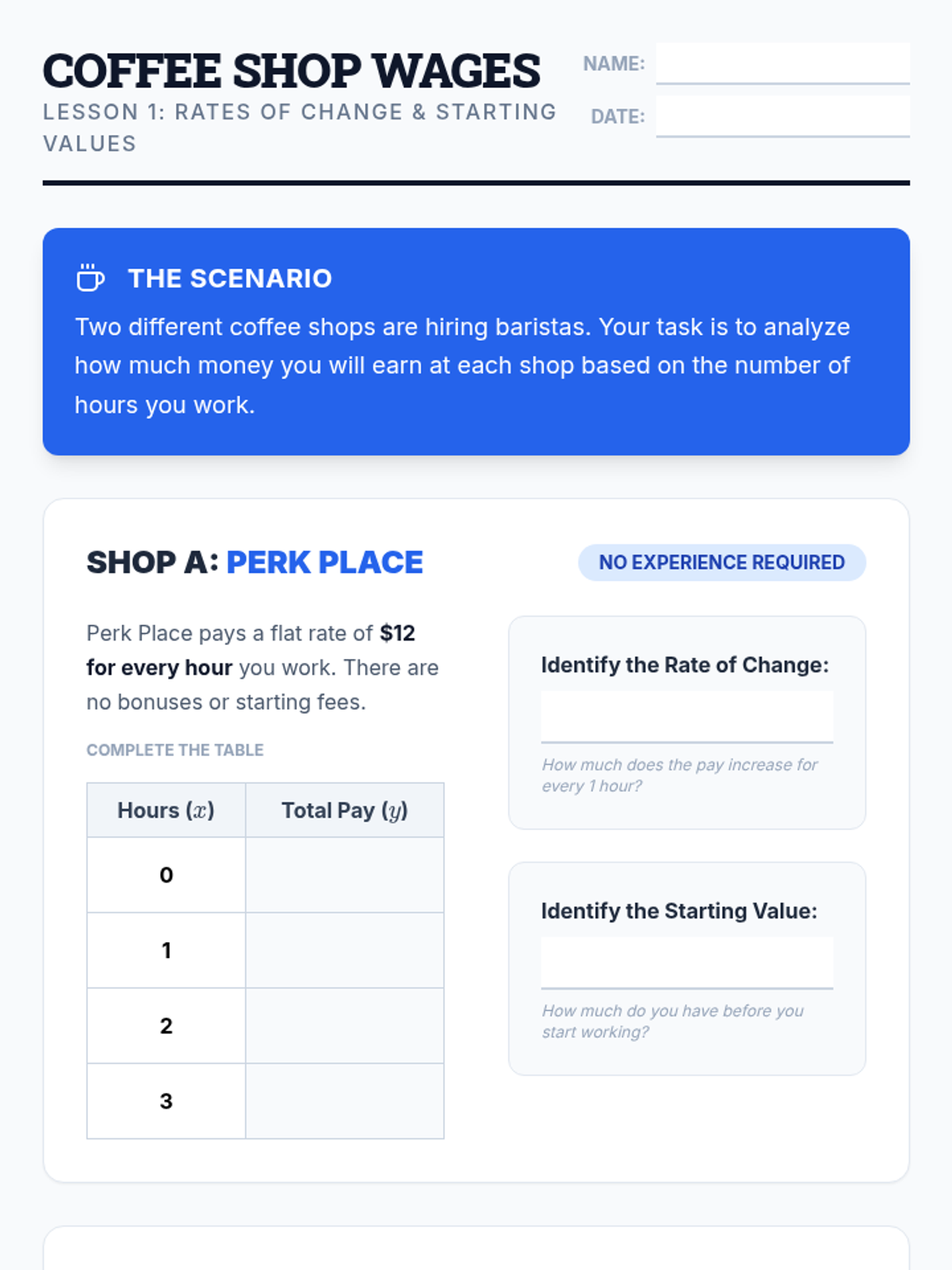
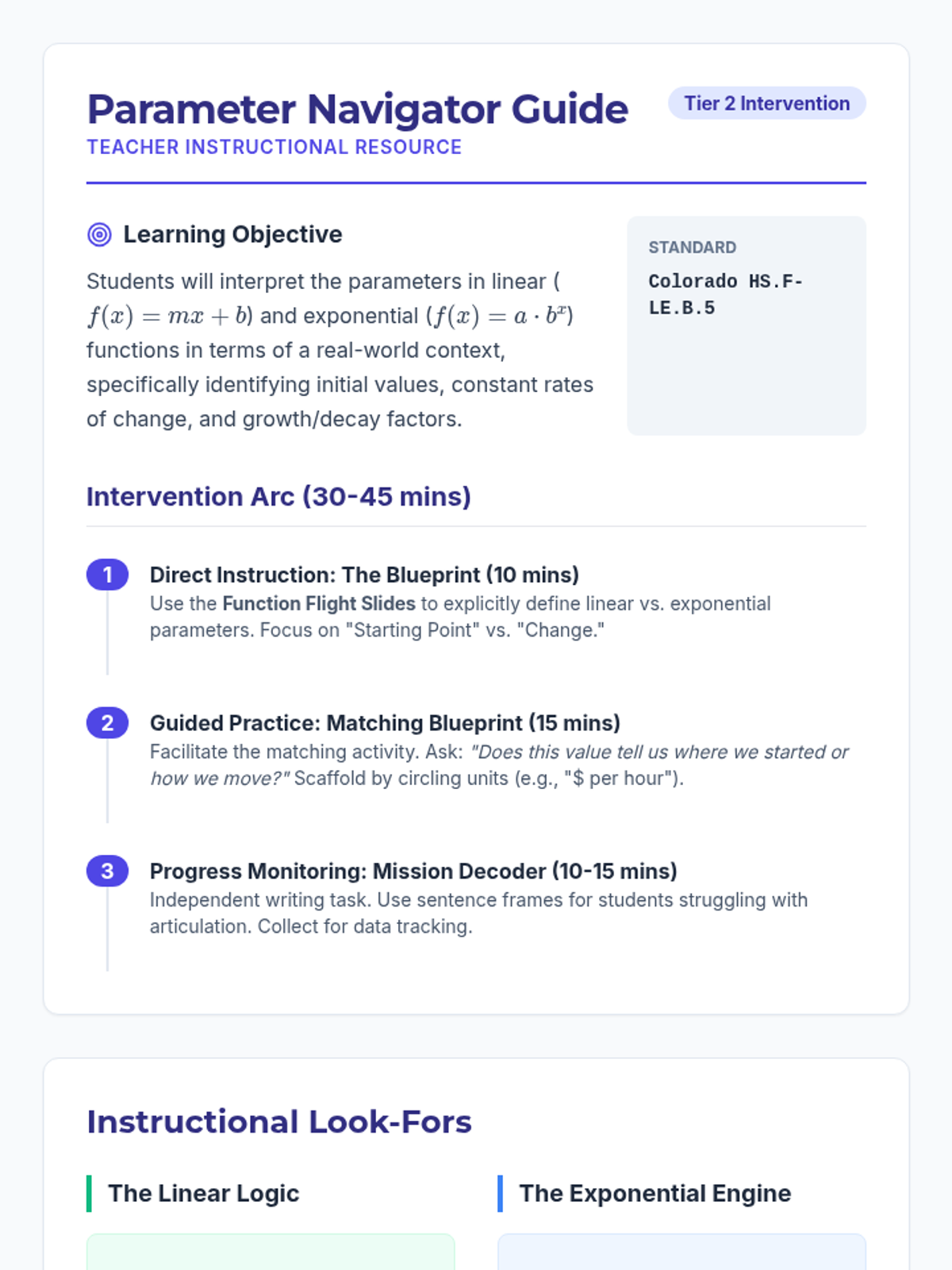
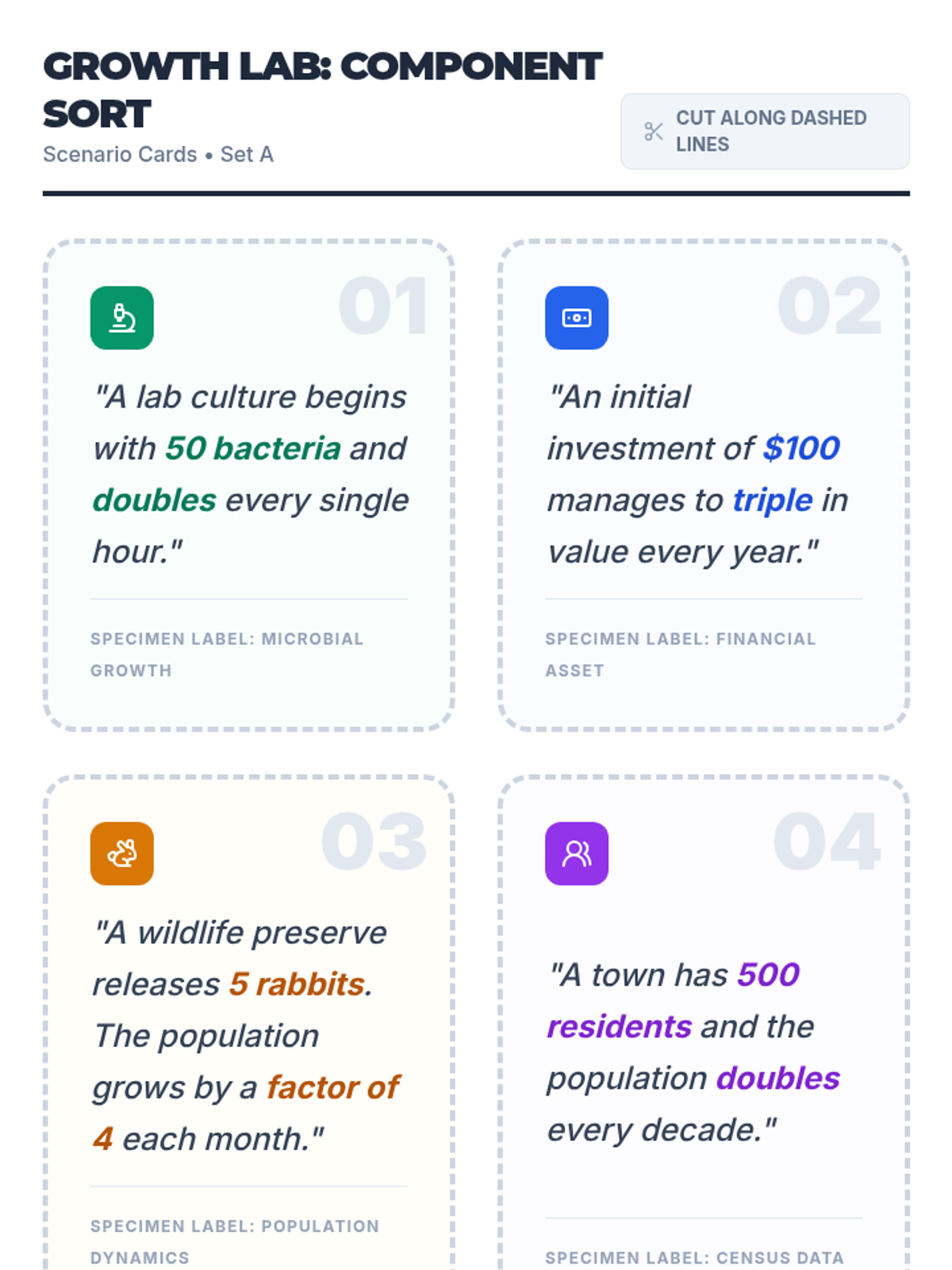
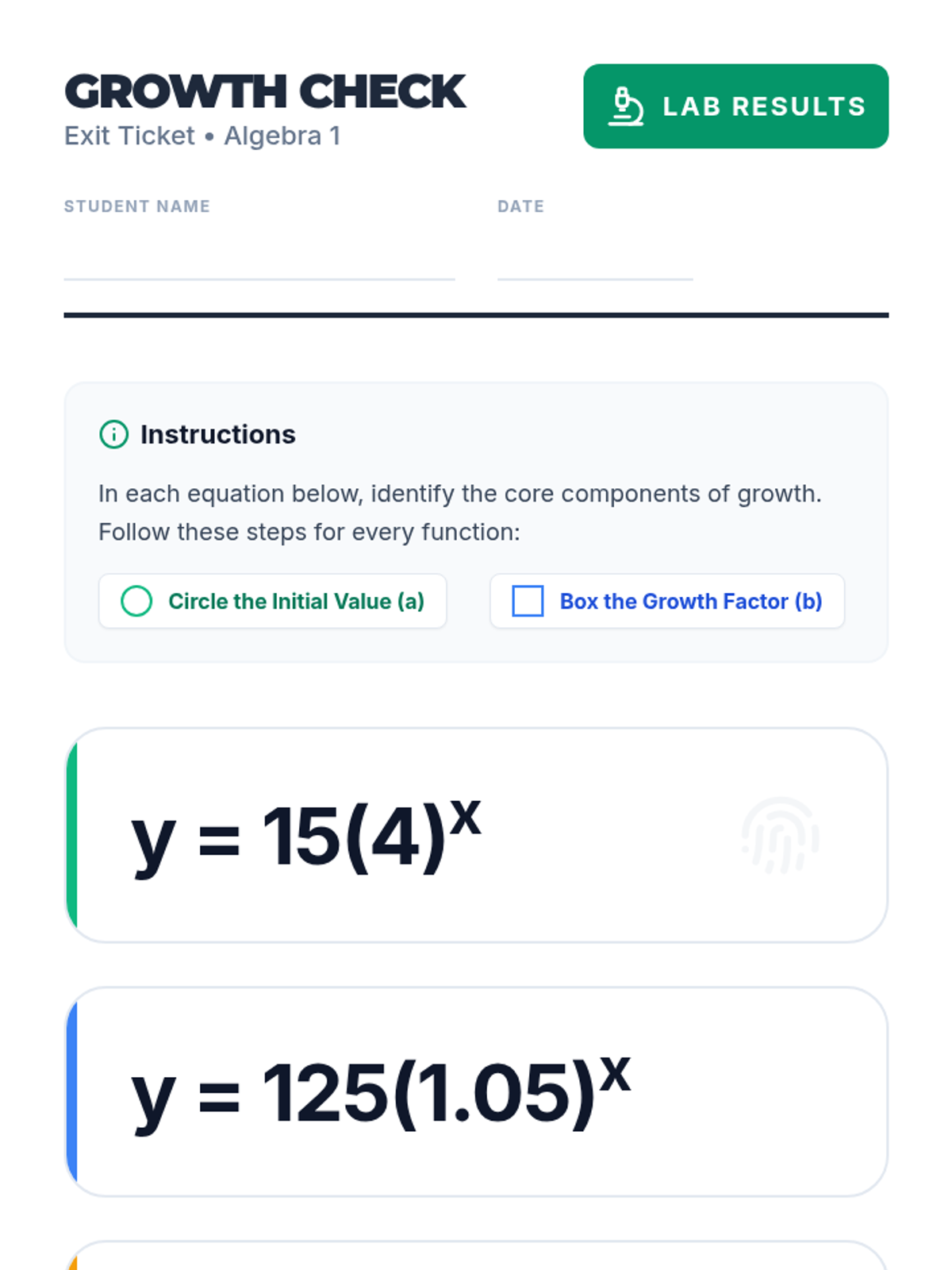
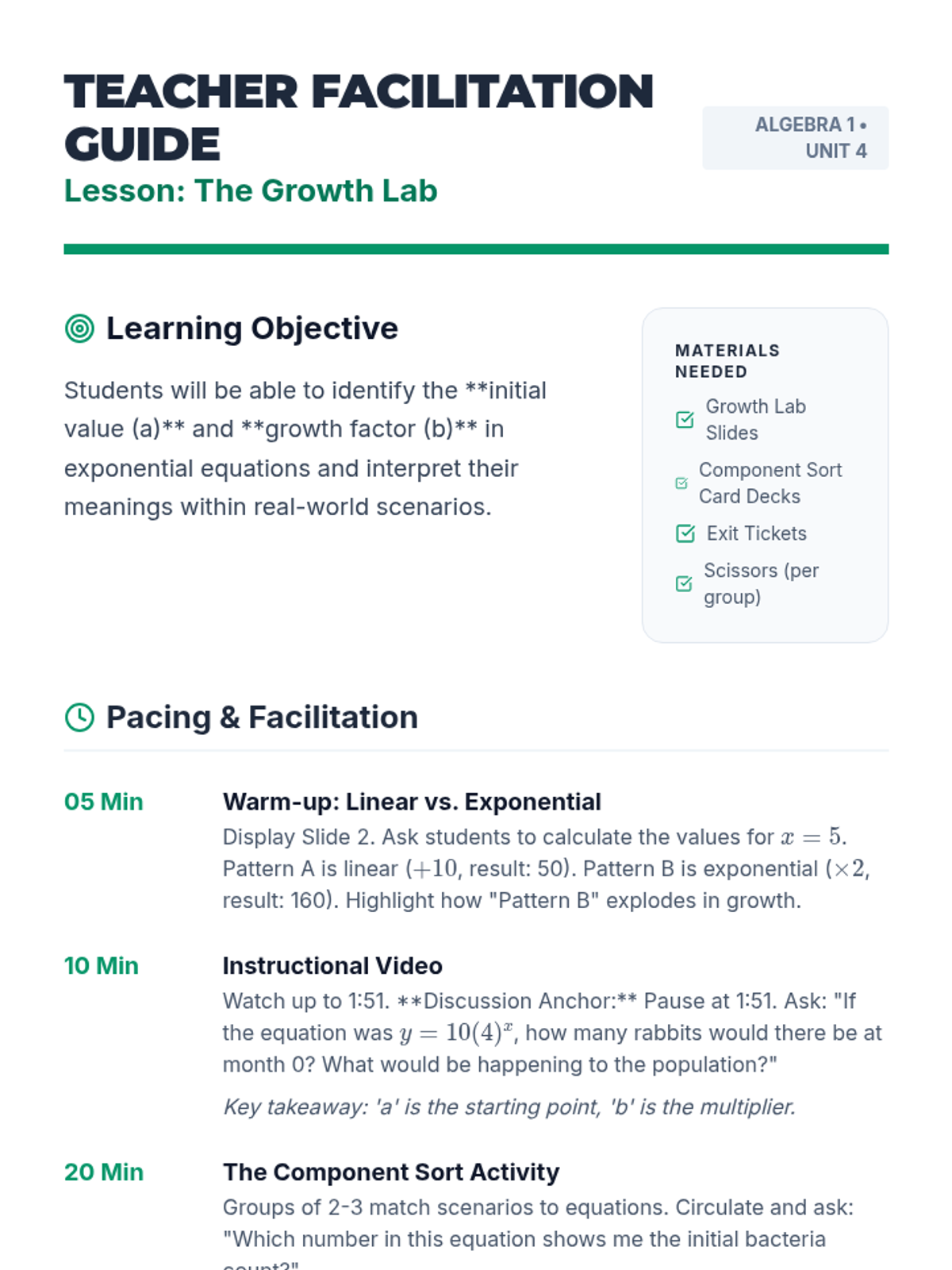
A targeted intervention sequence for High School students to master interpreting initial values and rates of change or growth factors in linear and exponential contexts, aligned with Colorado standard HS.F-LE.B.5.
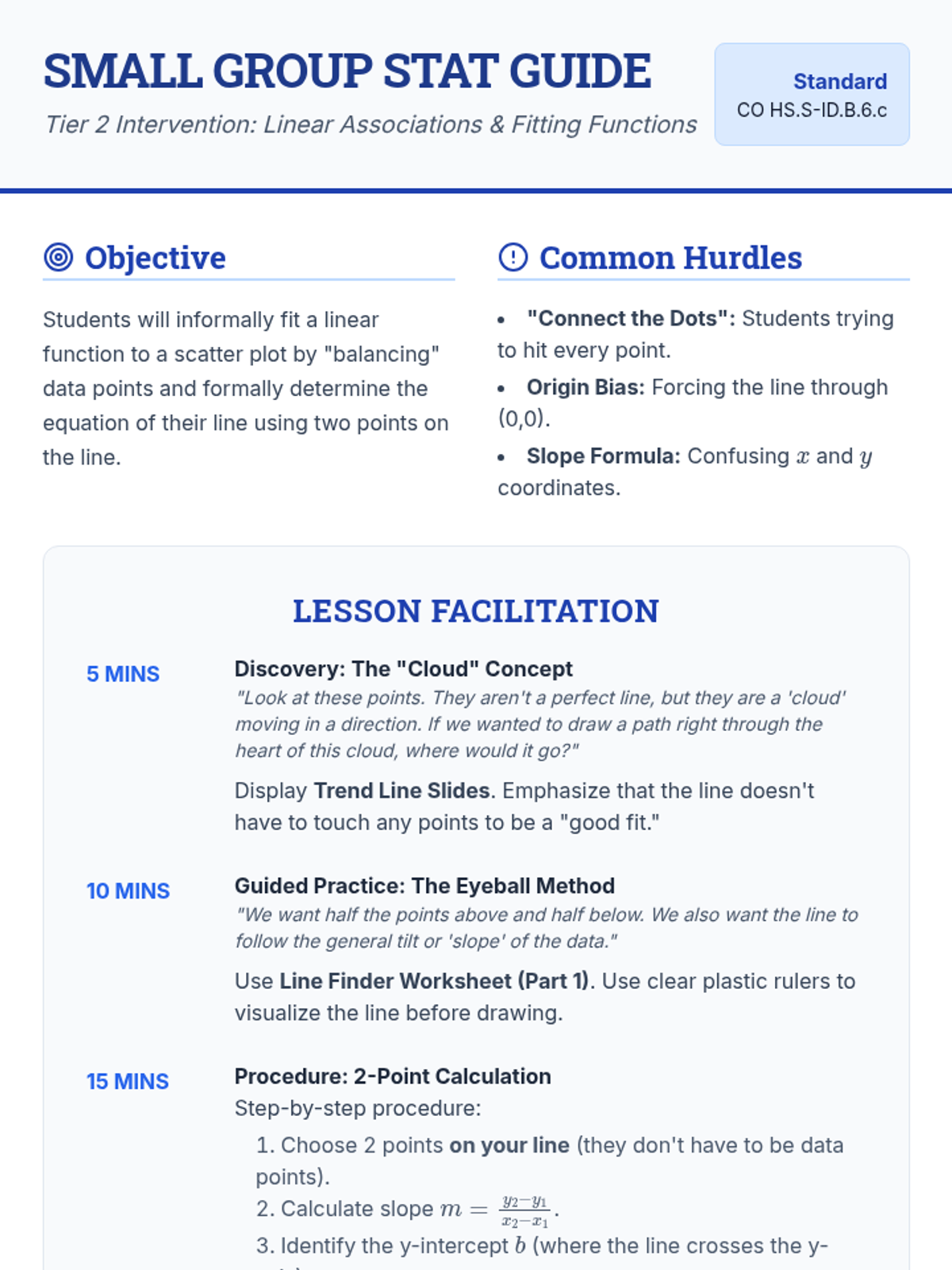
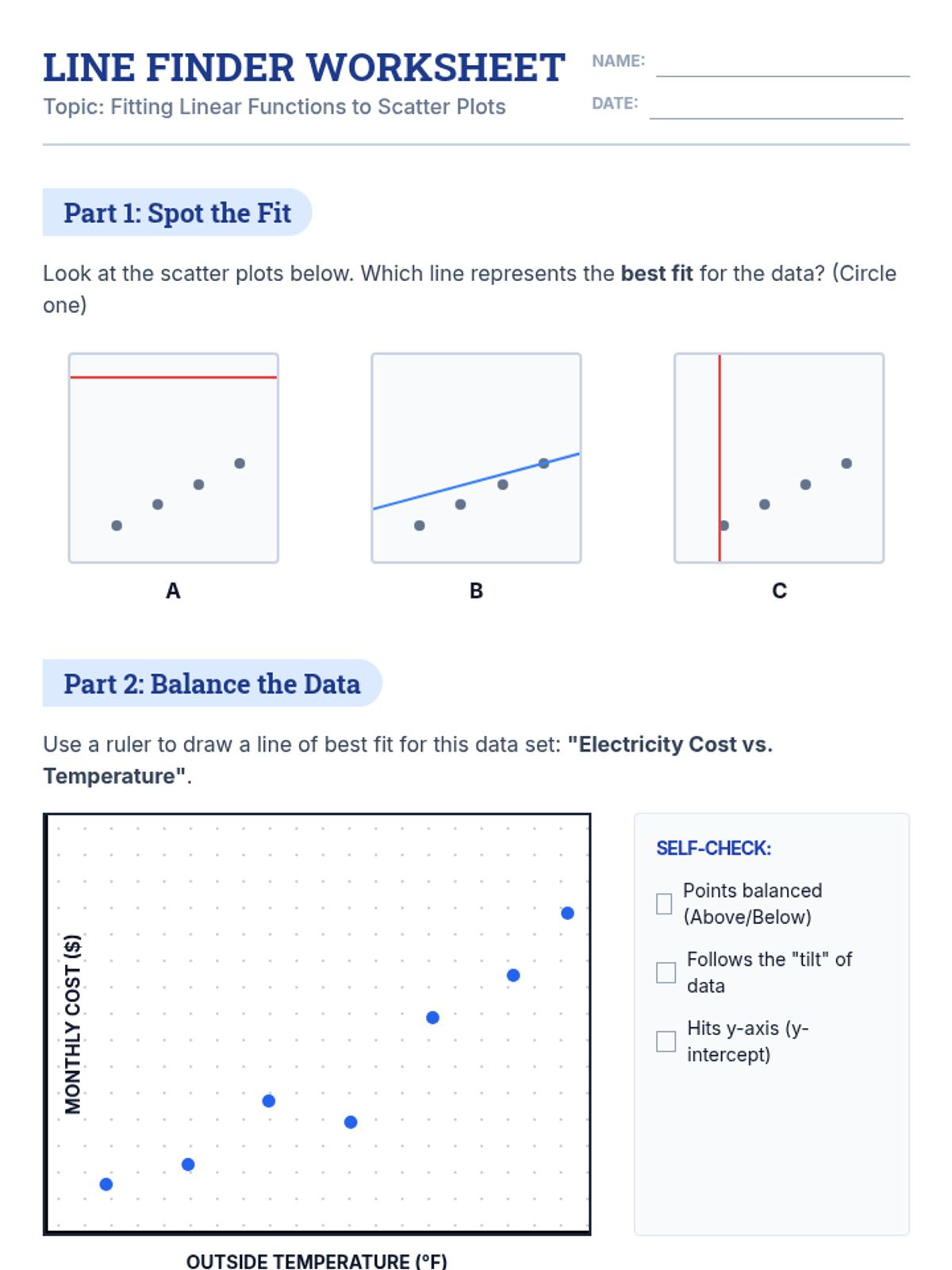
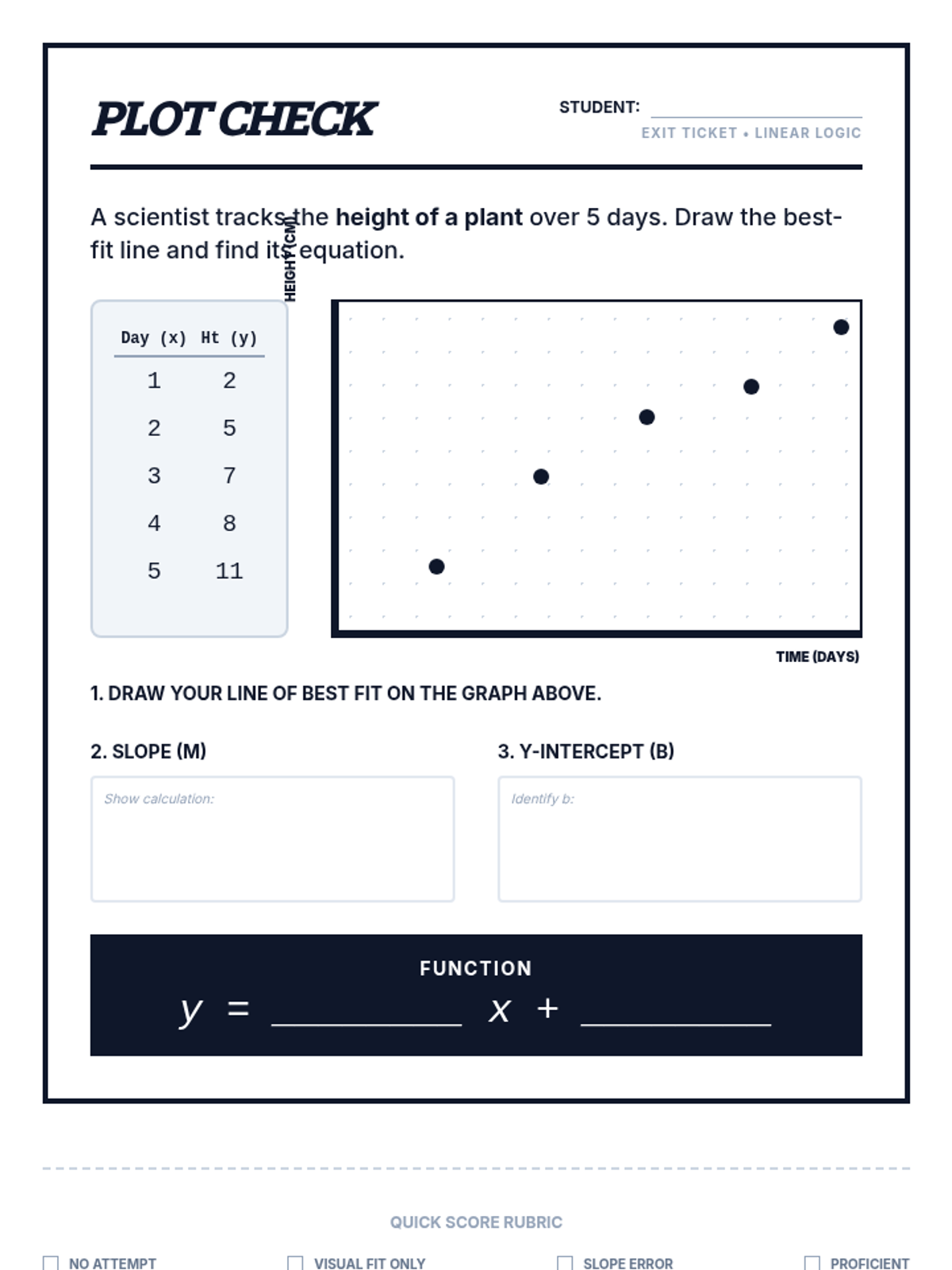
A targeted intervention sequence for high school statistics students focusing on fitting linear functions to scatter plots. It moves from conceptual understanding of 'balance' in data to the procedural steps of calculating lines of best fit.
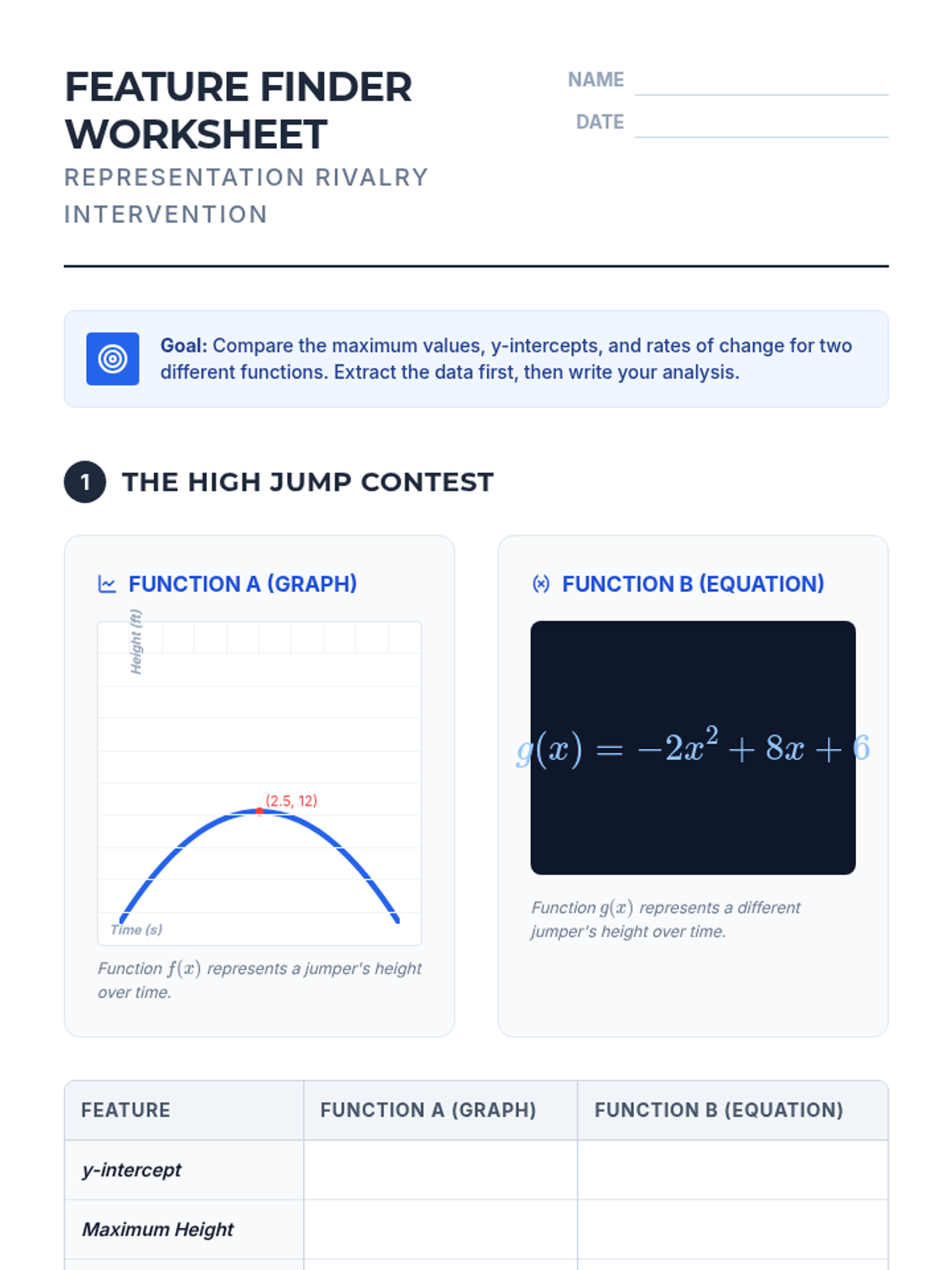
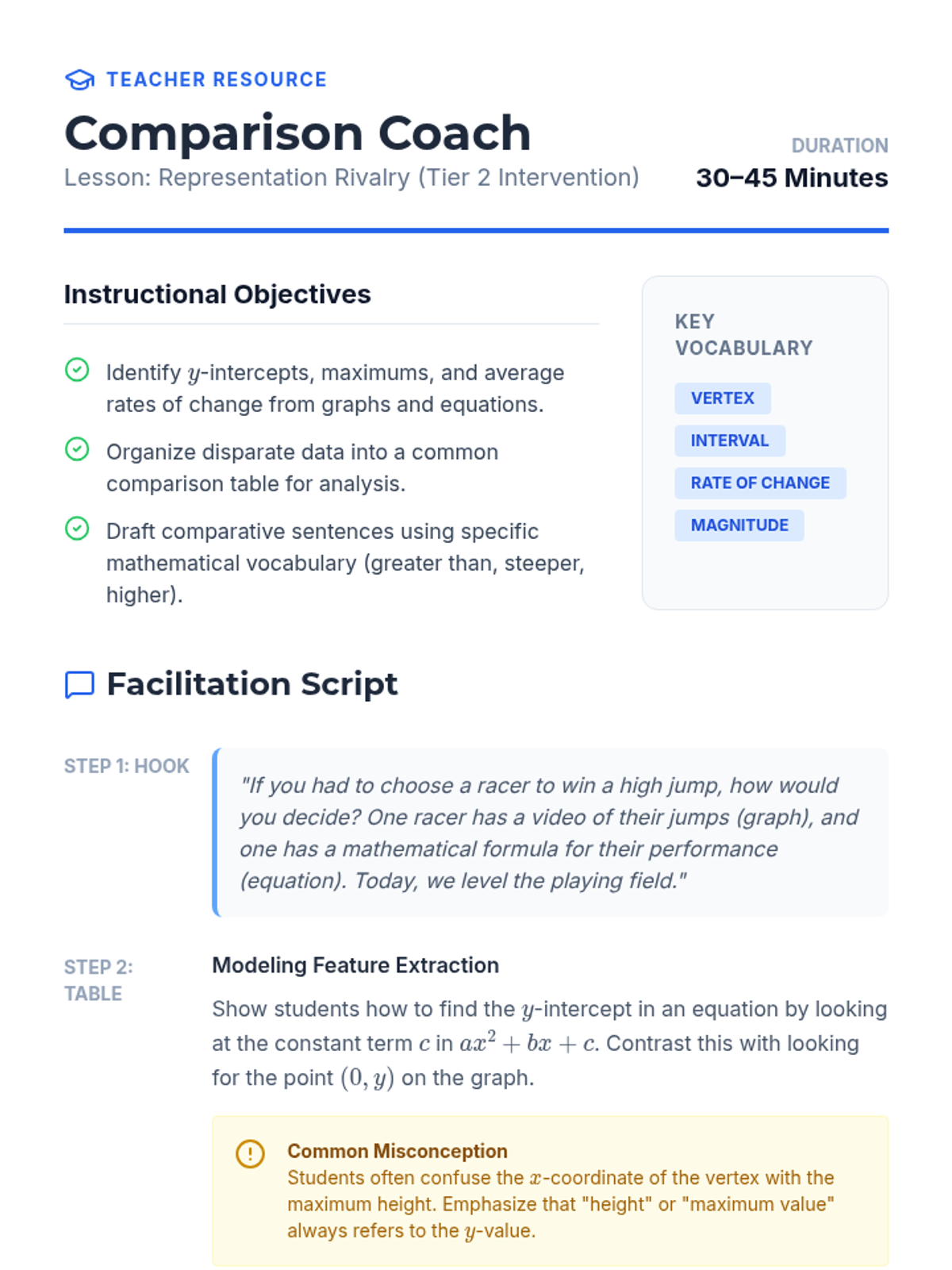
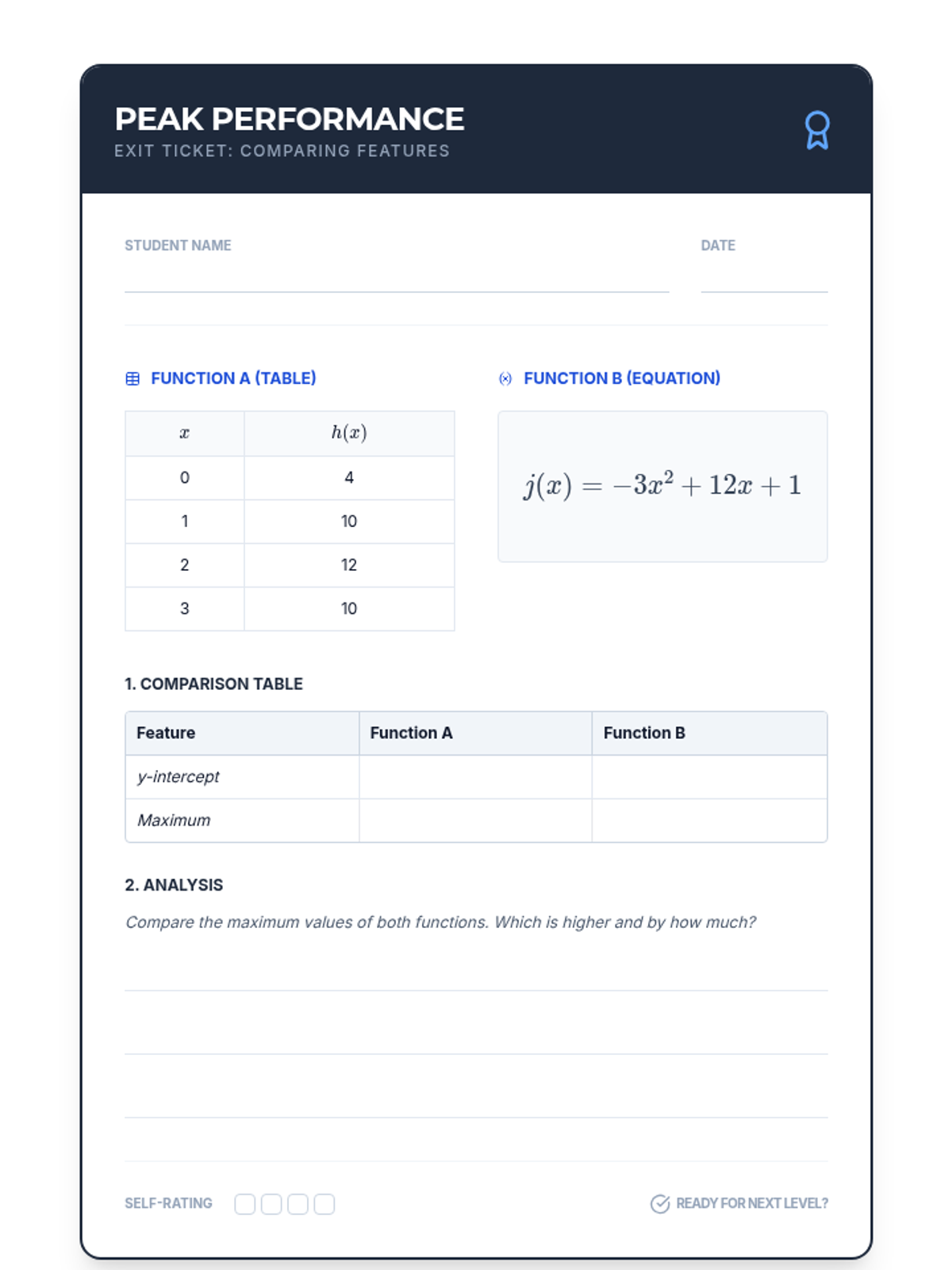
A targeted intervention series focused on helping students compare key features of functions across various representations including graphs, tables, and equations.
A comprehensive 5-lesson unit on linear relationships, focusing on conceptual understanding of slope as a rate of change through real-world scenarios, multiple representations, and error analysis.
A Tier 2 intervention program for high school Algebra students focusing on linear equations and inequalities, featuring high-scaffolding, error analysis, and real-world modeling.
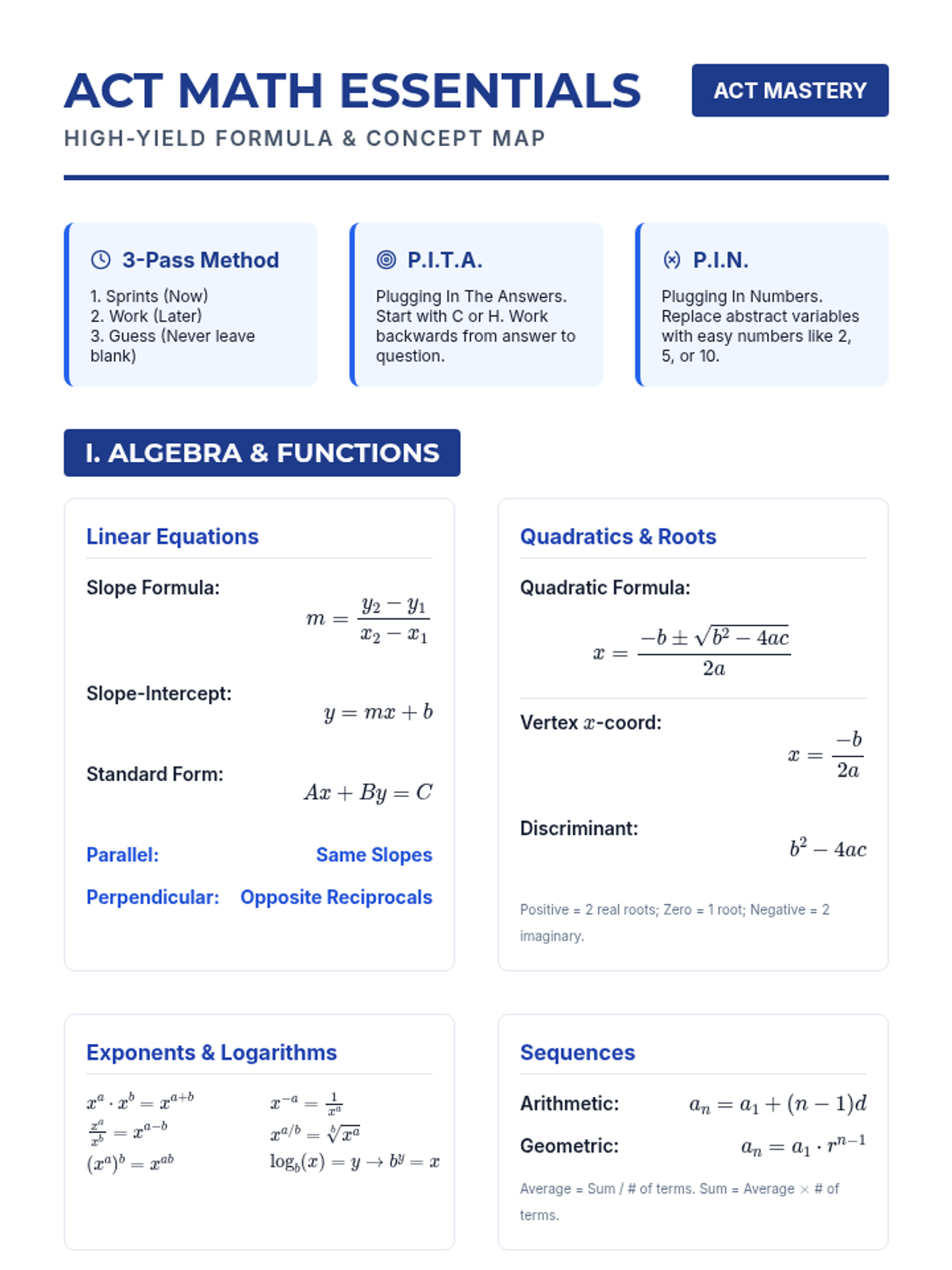
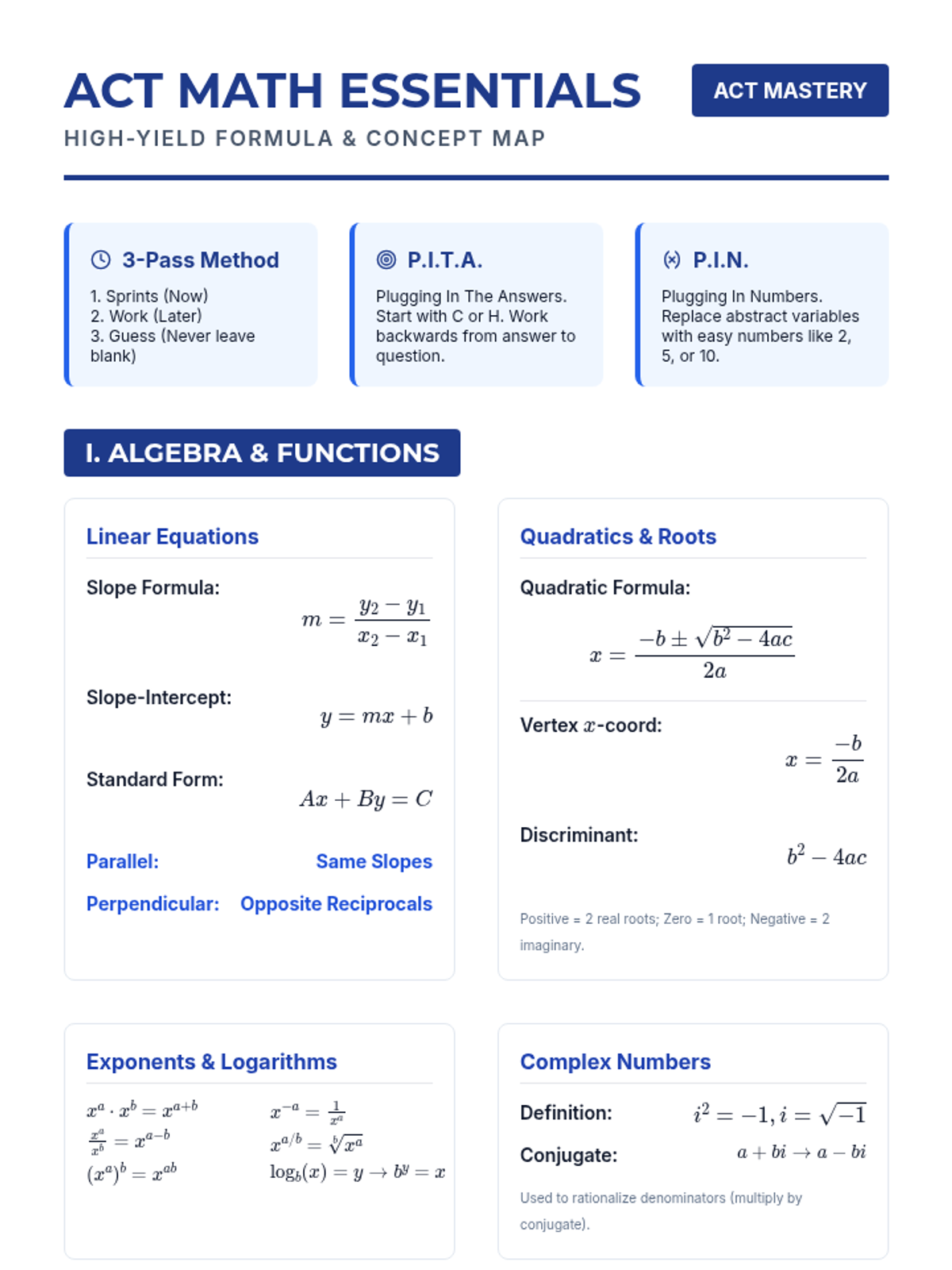
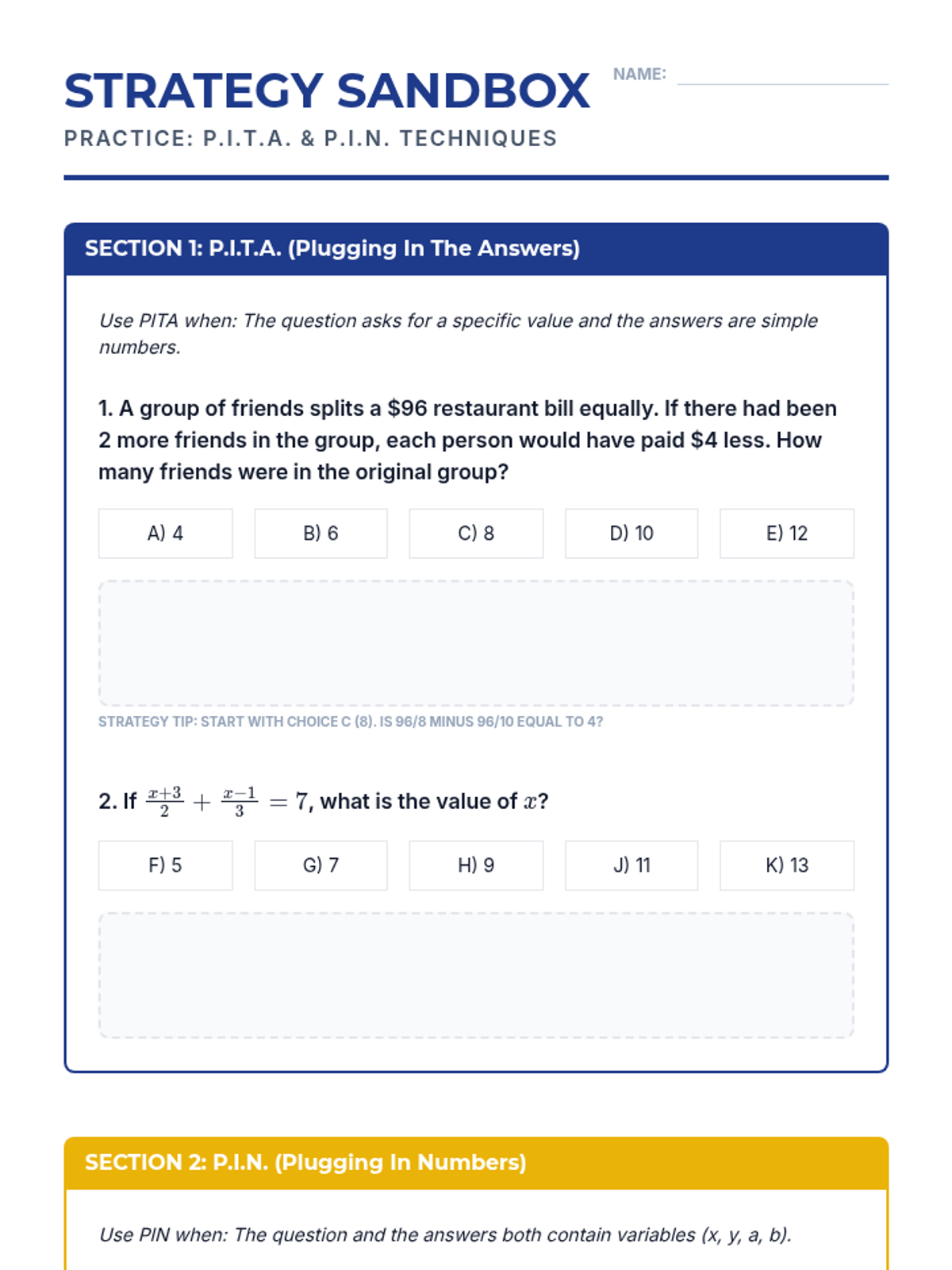
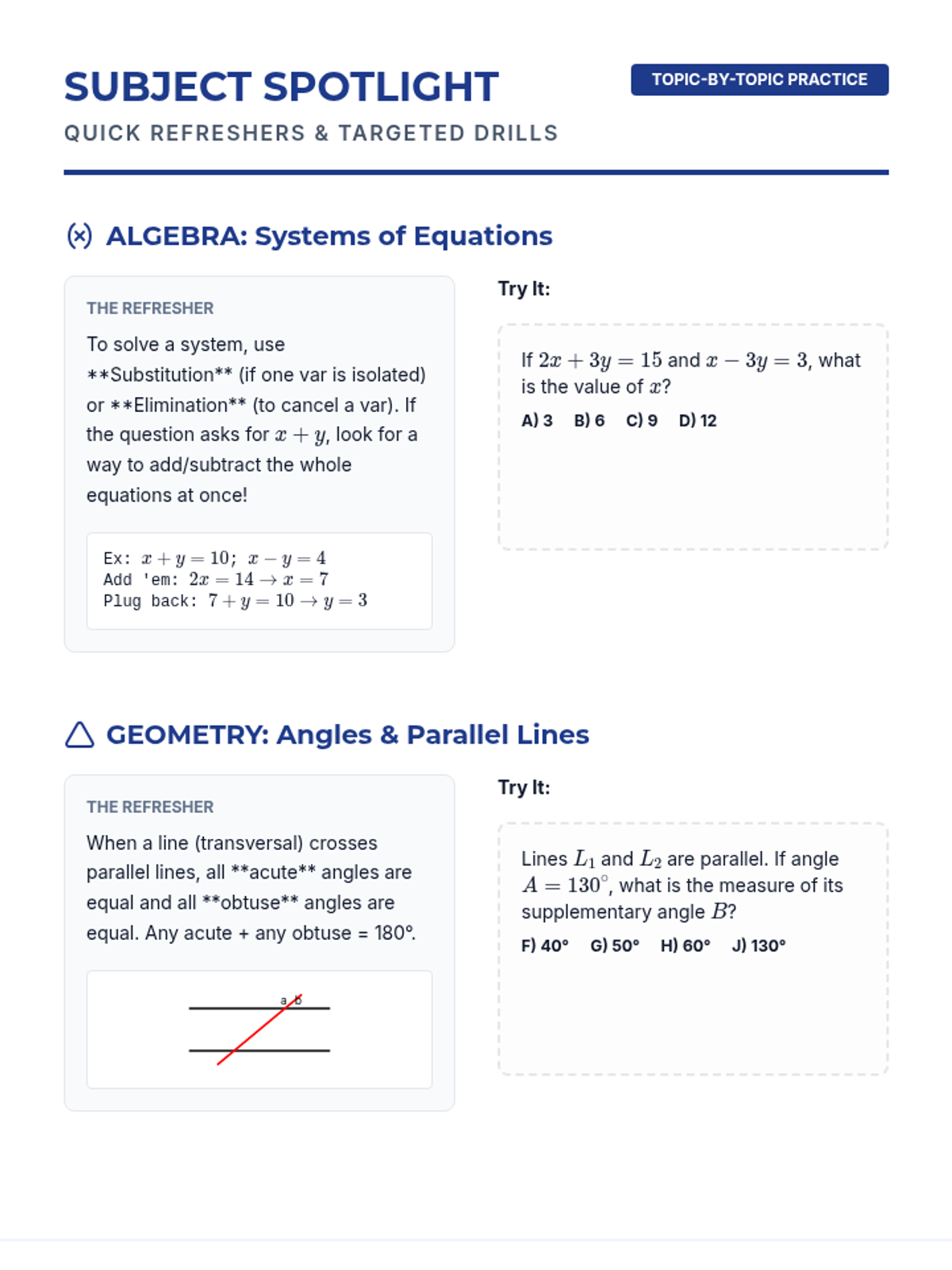
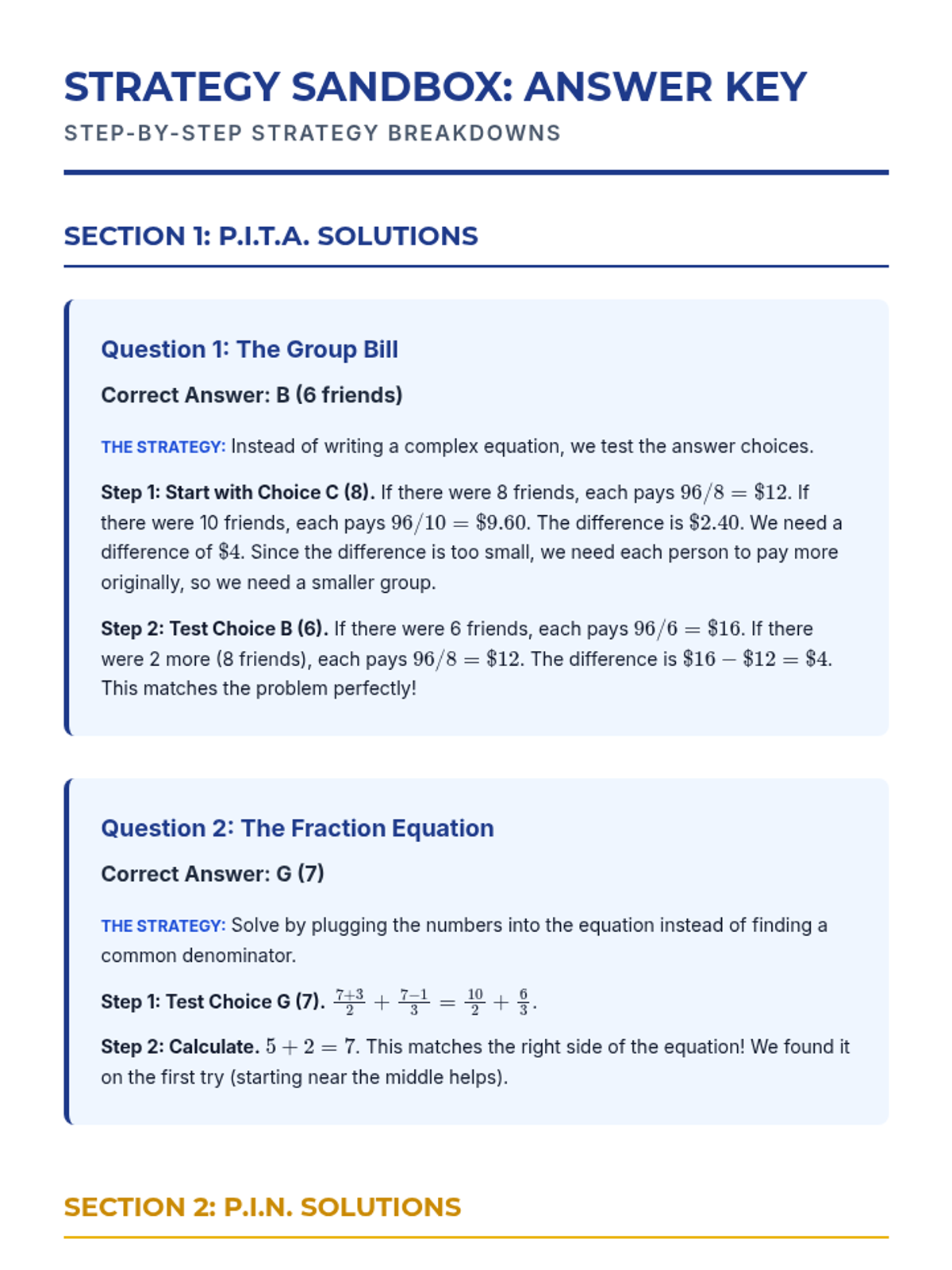
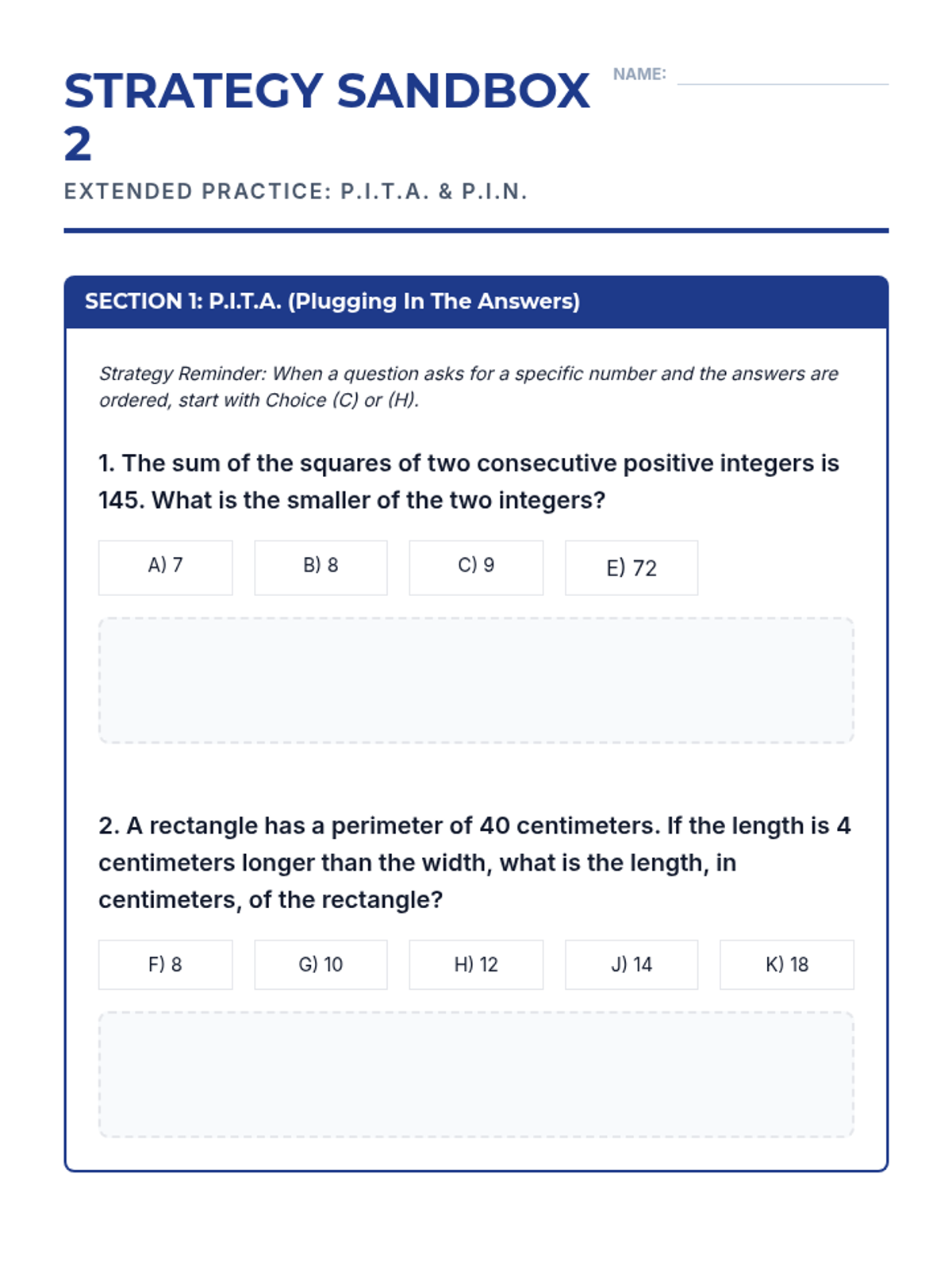
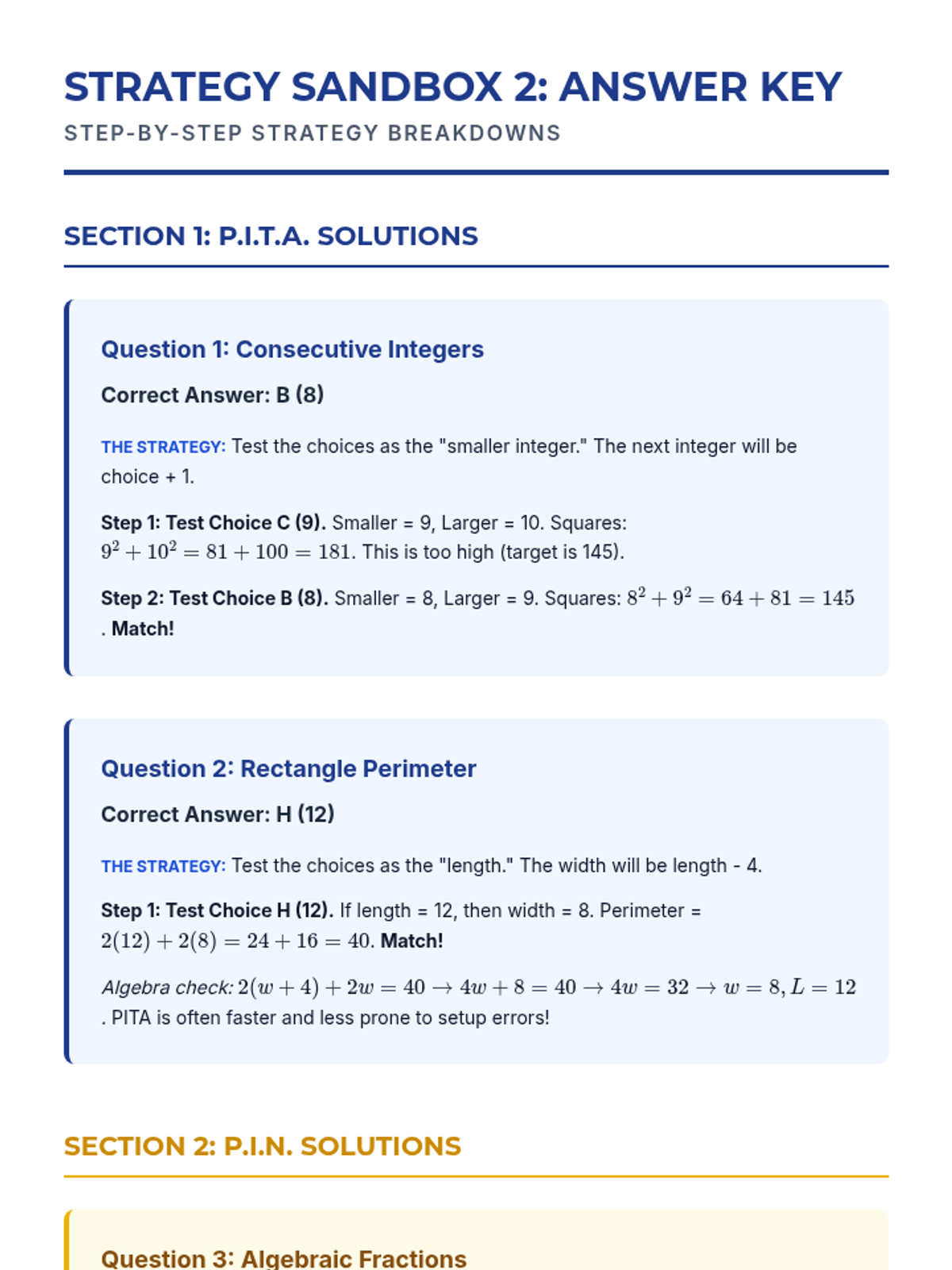
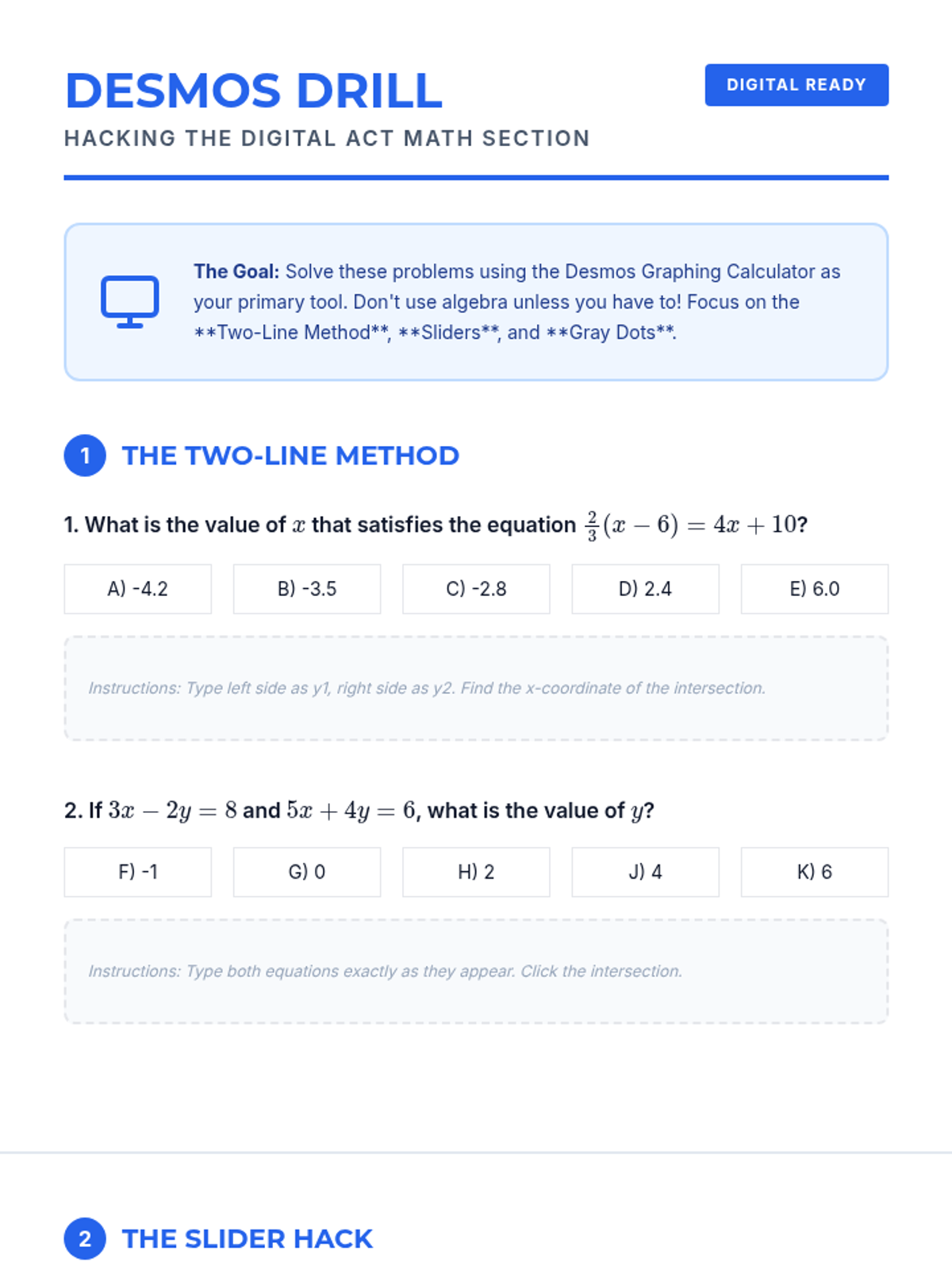
A comprehensive ACT Math preparation program focusing on essential strategies, high-yield Algebra and Geometry concepts, and realistic practice to boost scores.
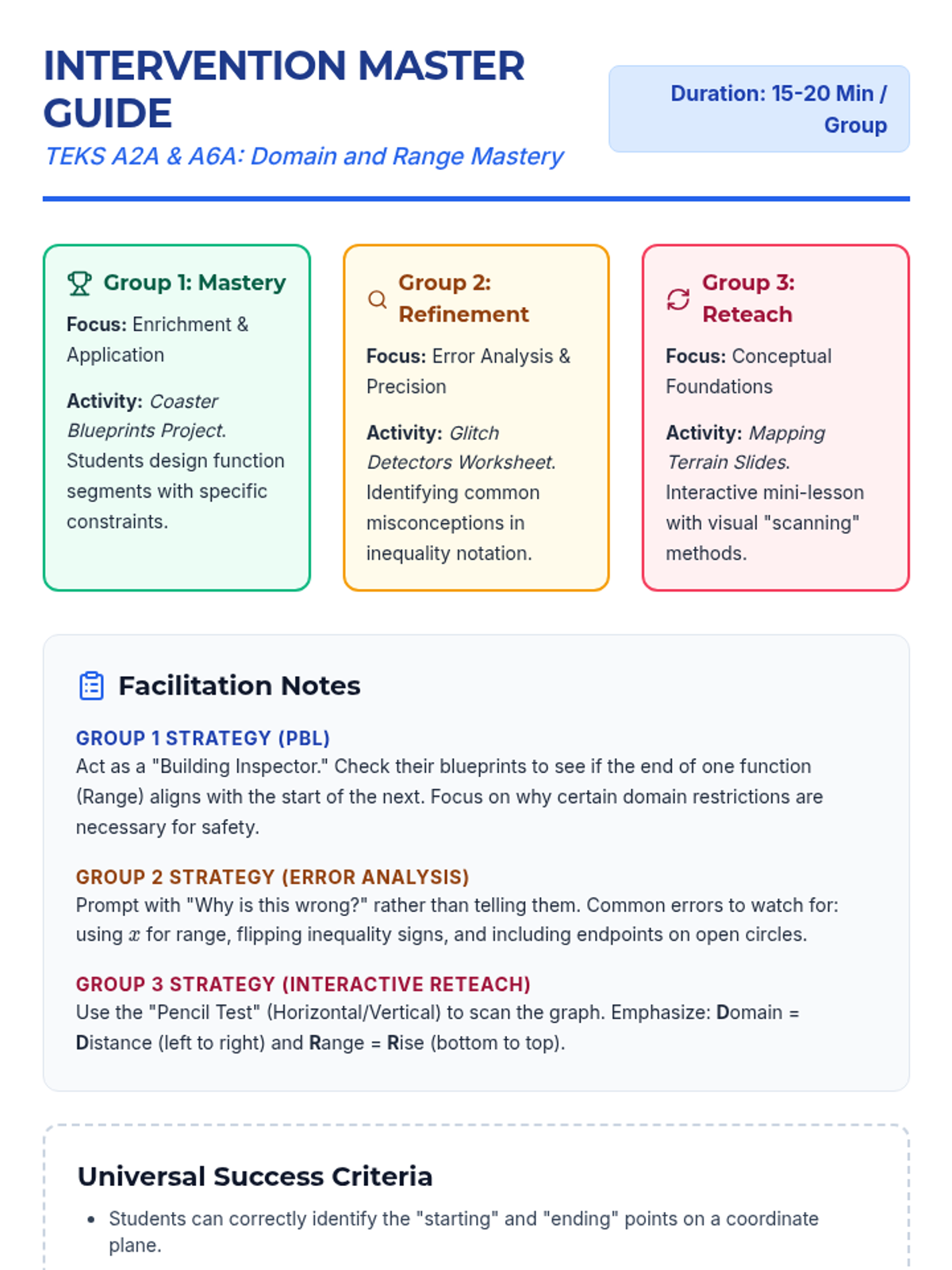
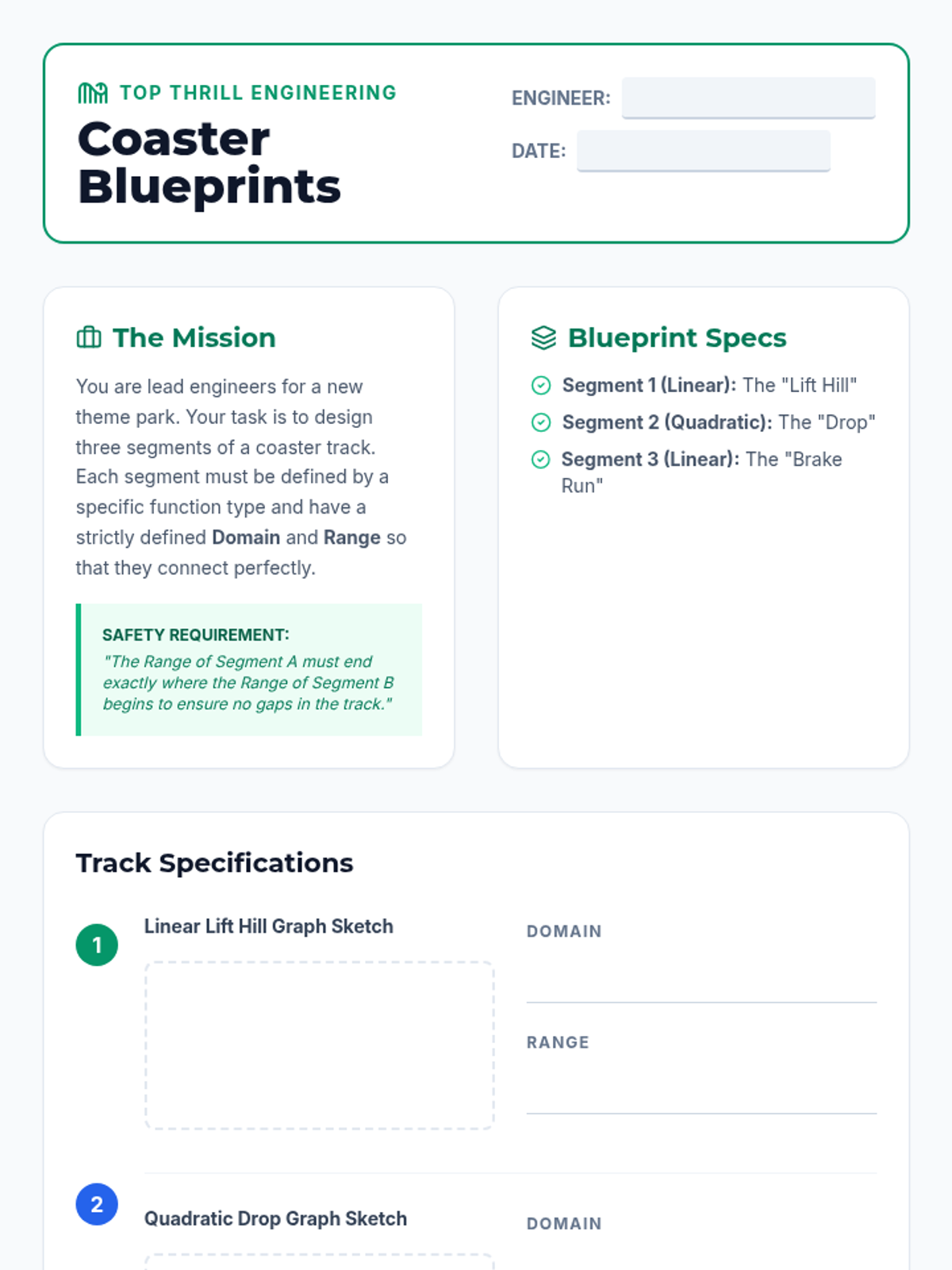
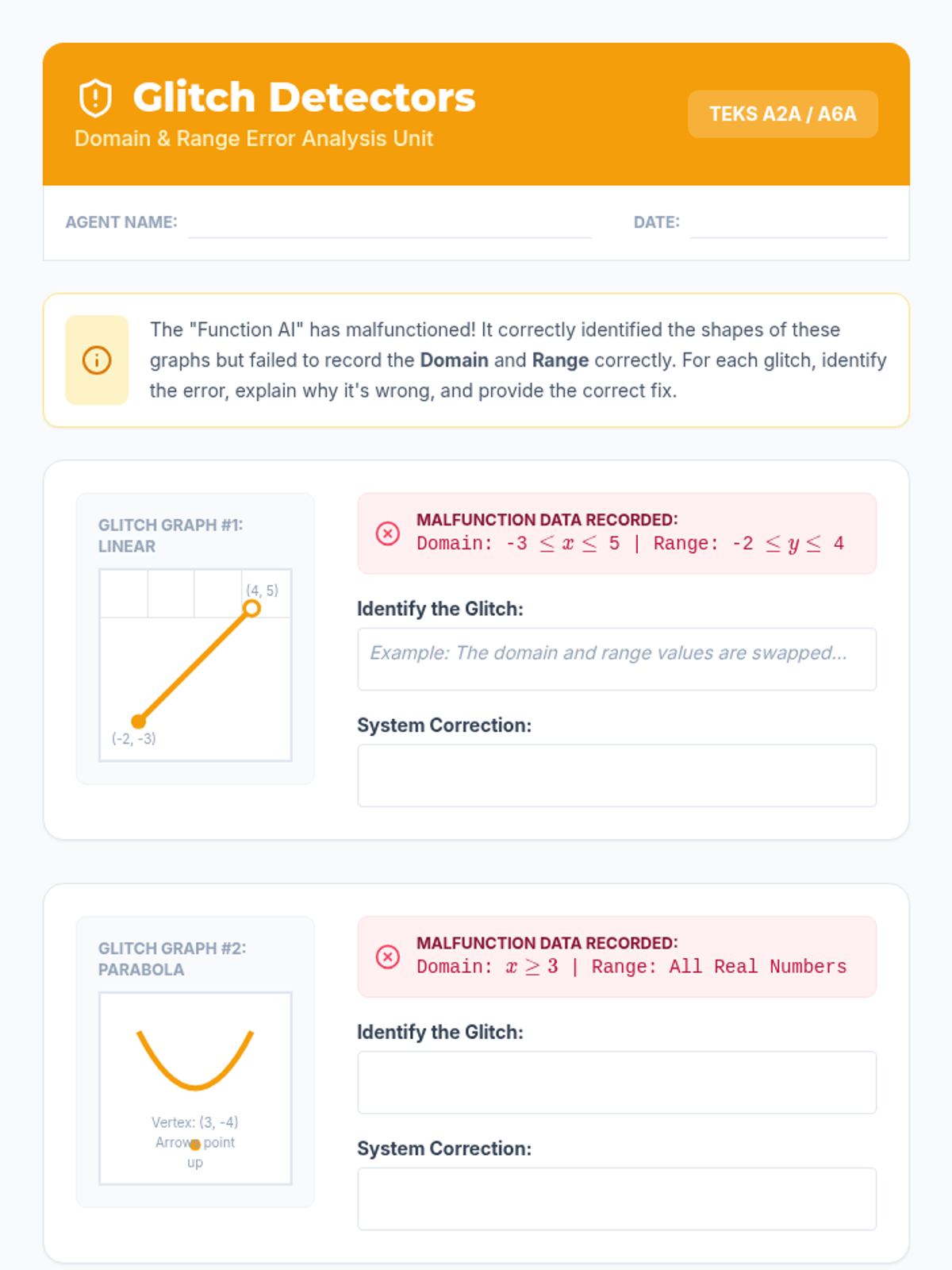
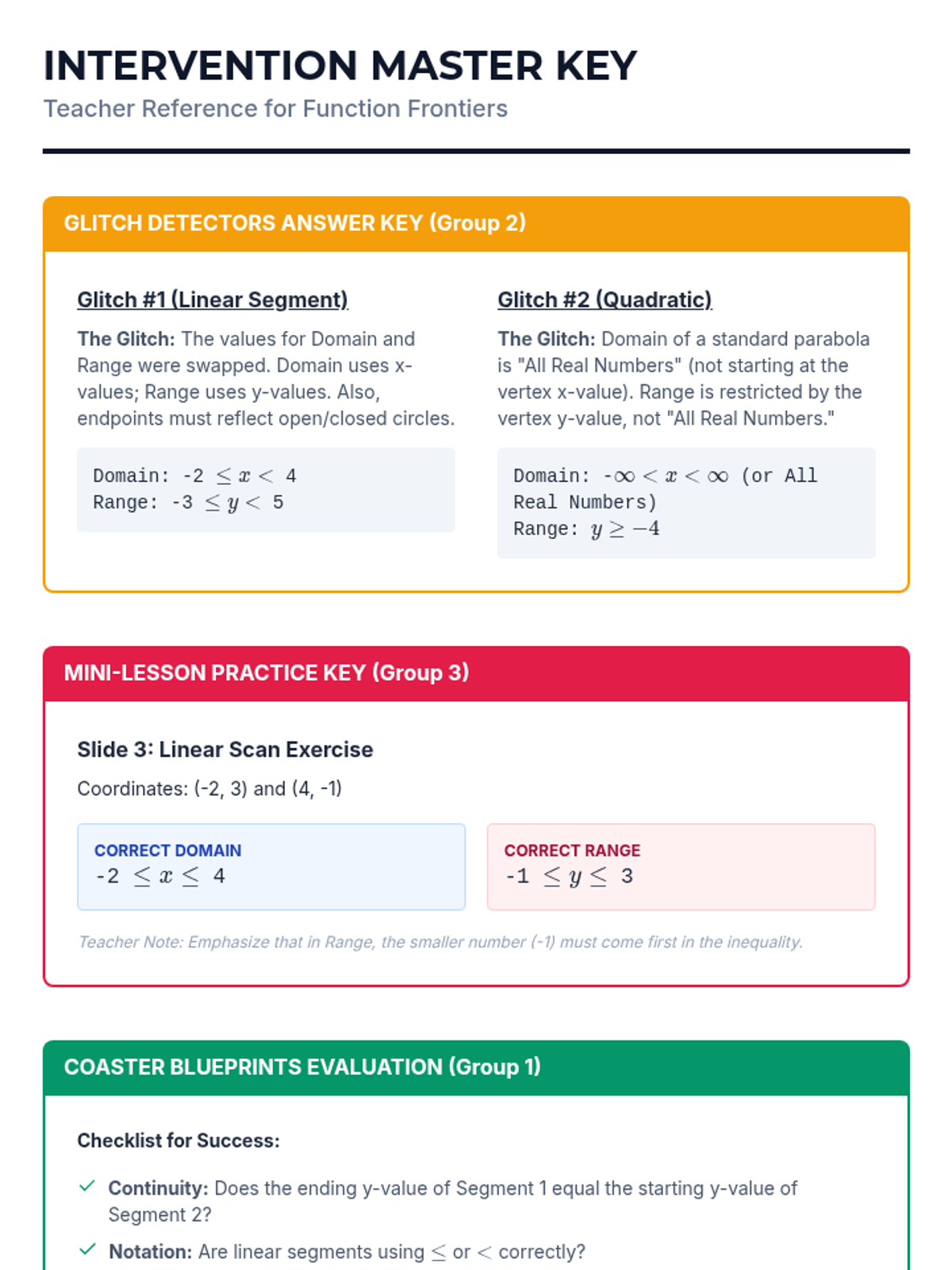
A specialized intervention sequence designed for Algebra I students to master TEKS A2A and A6A, focusing on the domain and range of linear and quadratic functions through tiered small-group instruction.
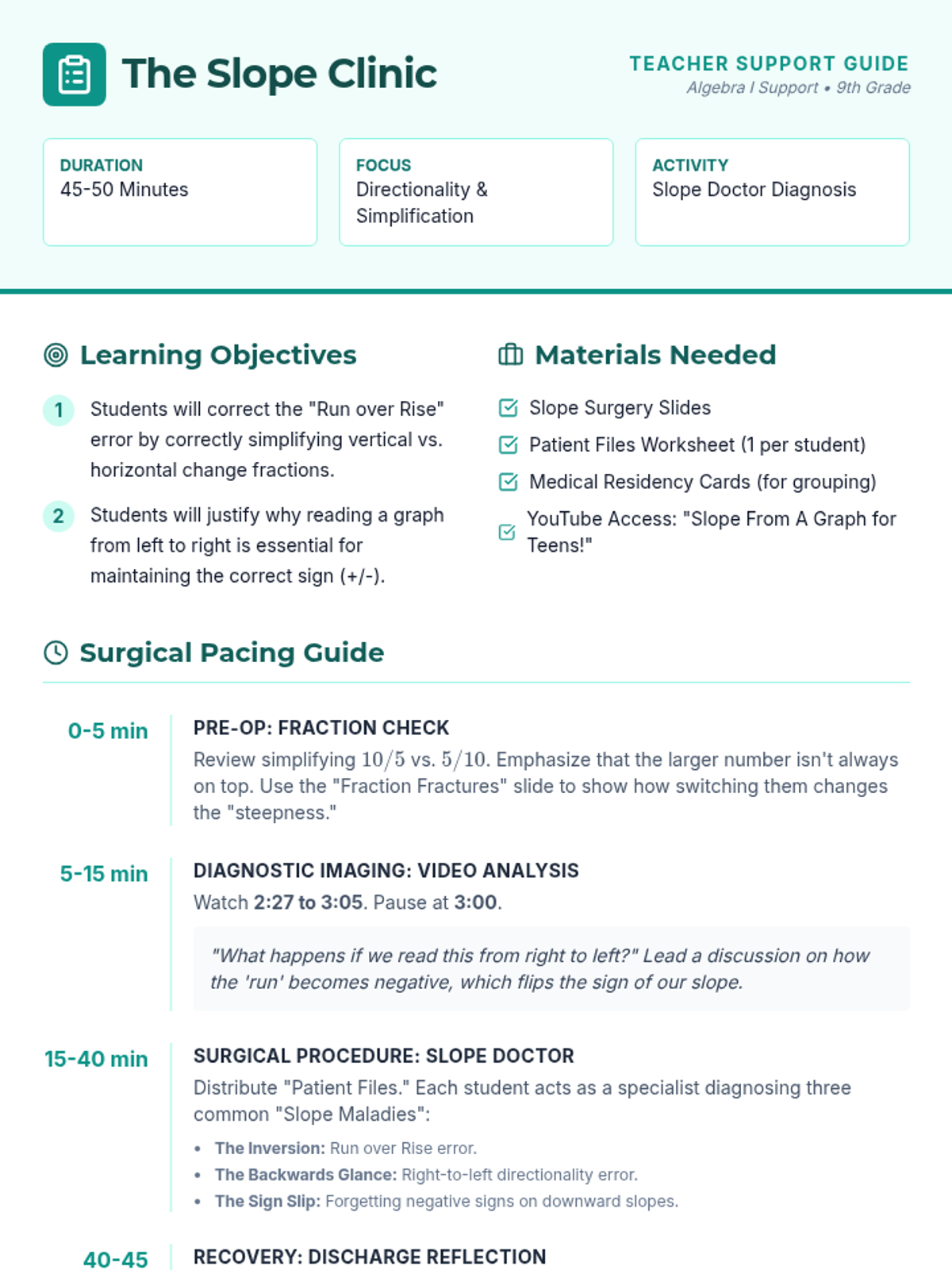
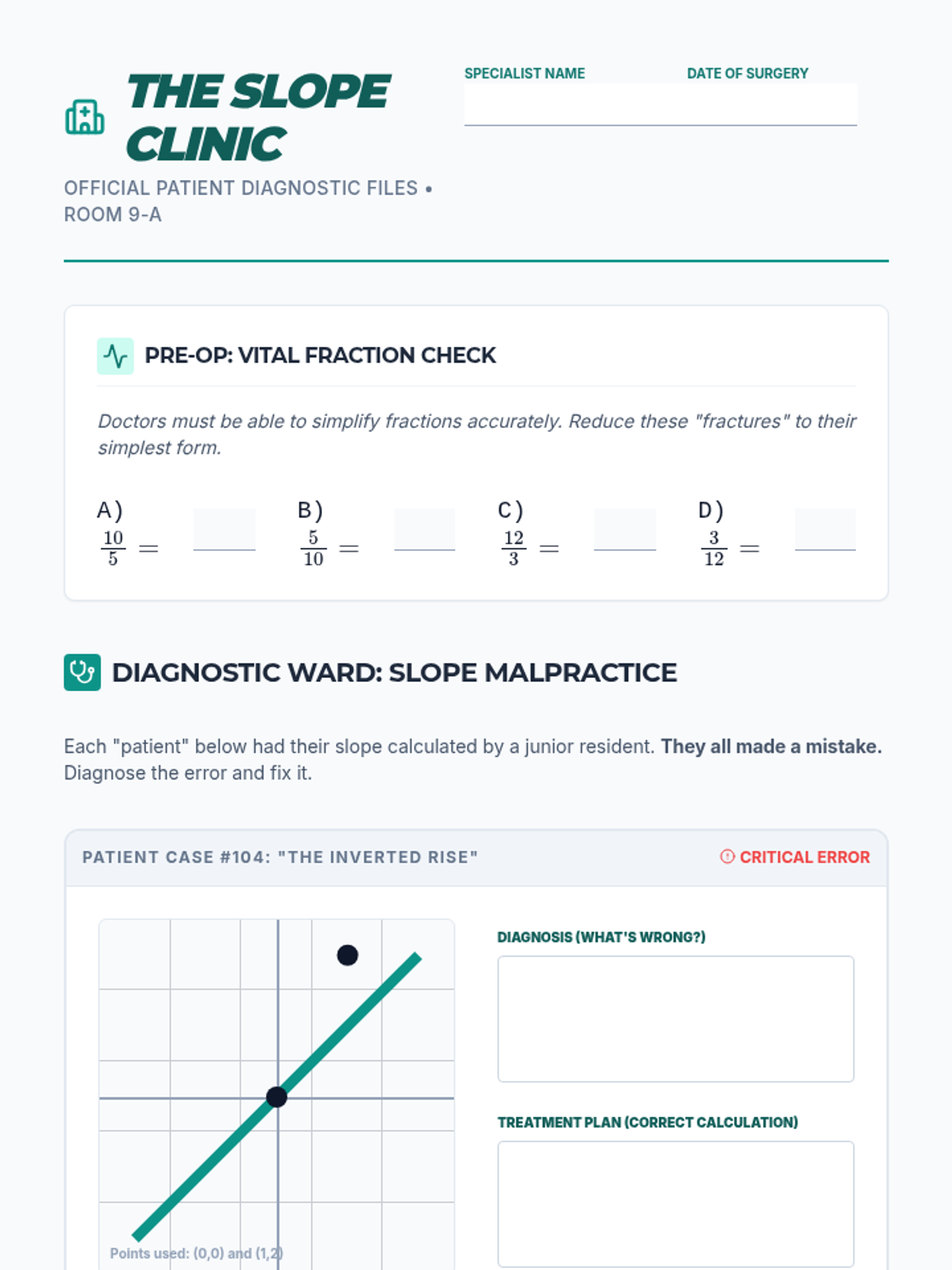
A series of Algebra I support lessons designed to address fundamental misconceptions in linear functions through interactive, theme-based activities.
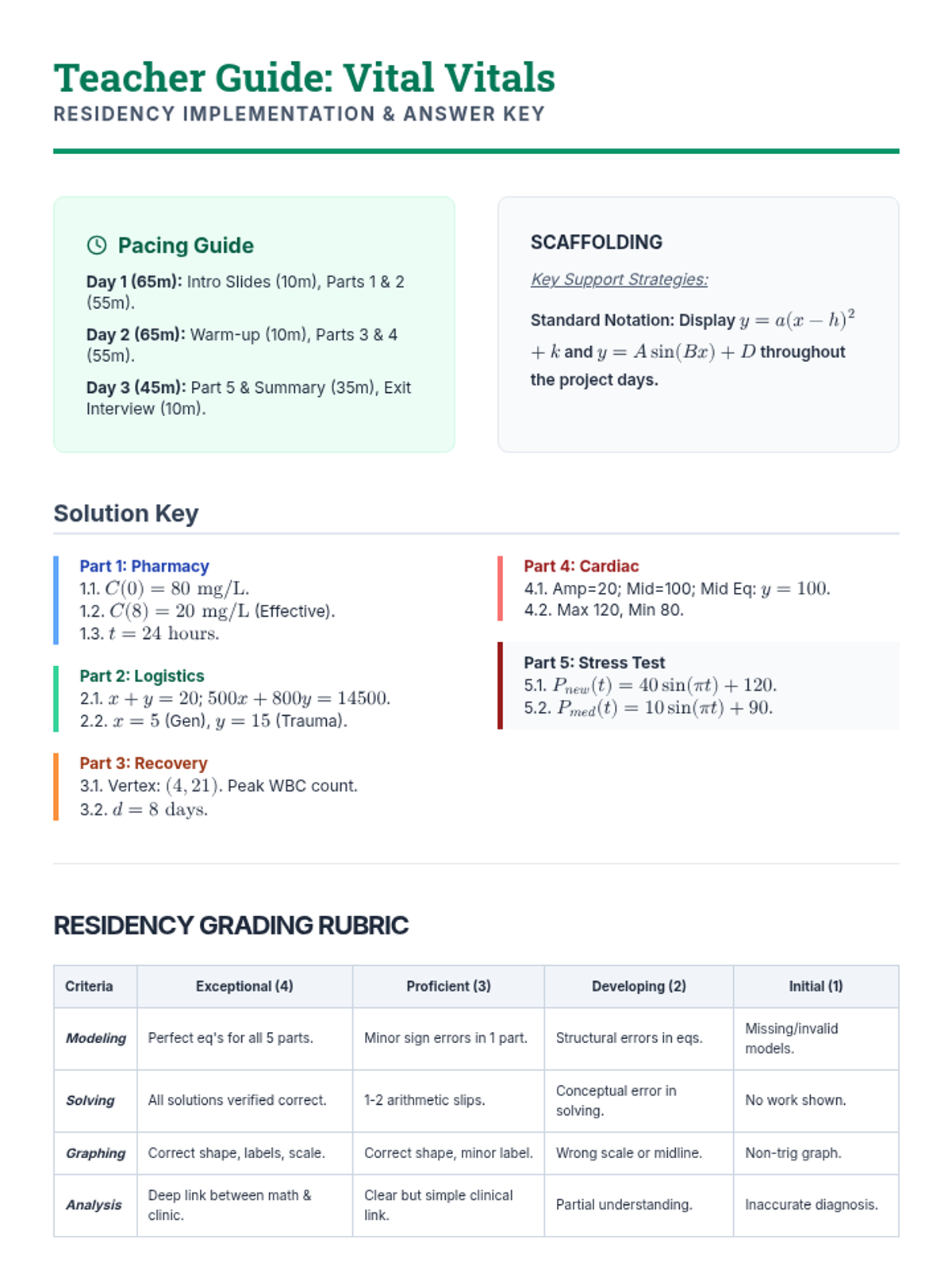
A 3-day healthcare-themed project for remedial precalculus students. It covers algebra 2 fundamentals, systems of equations, and introductory trigonometric transformations within clinical contexts.
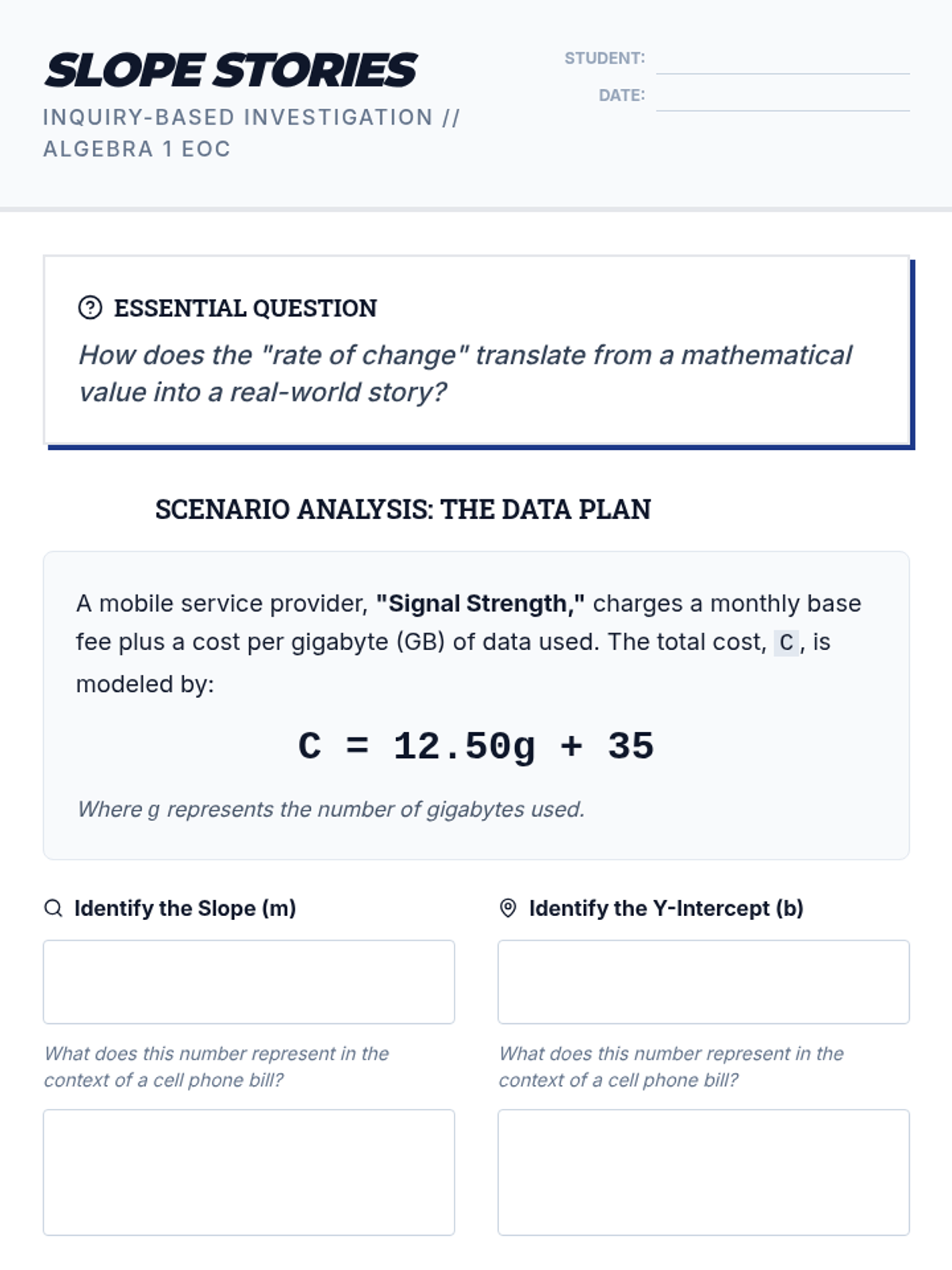
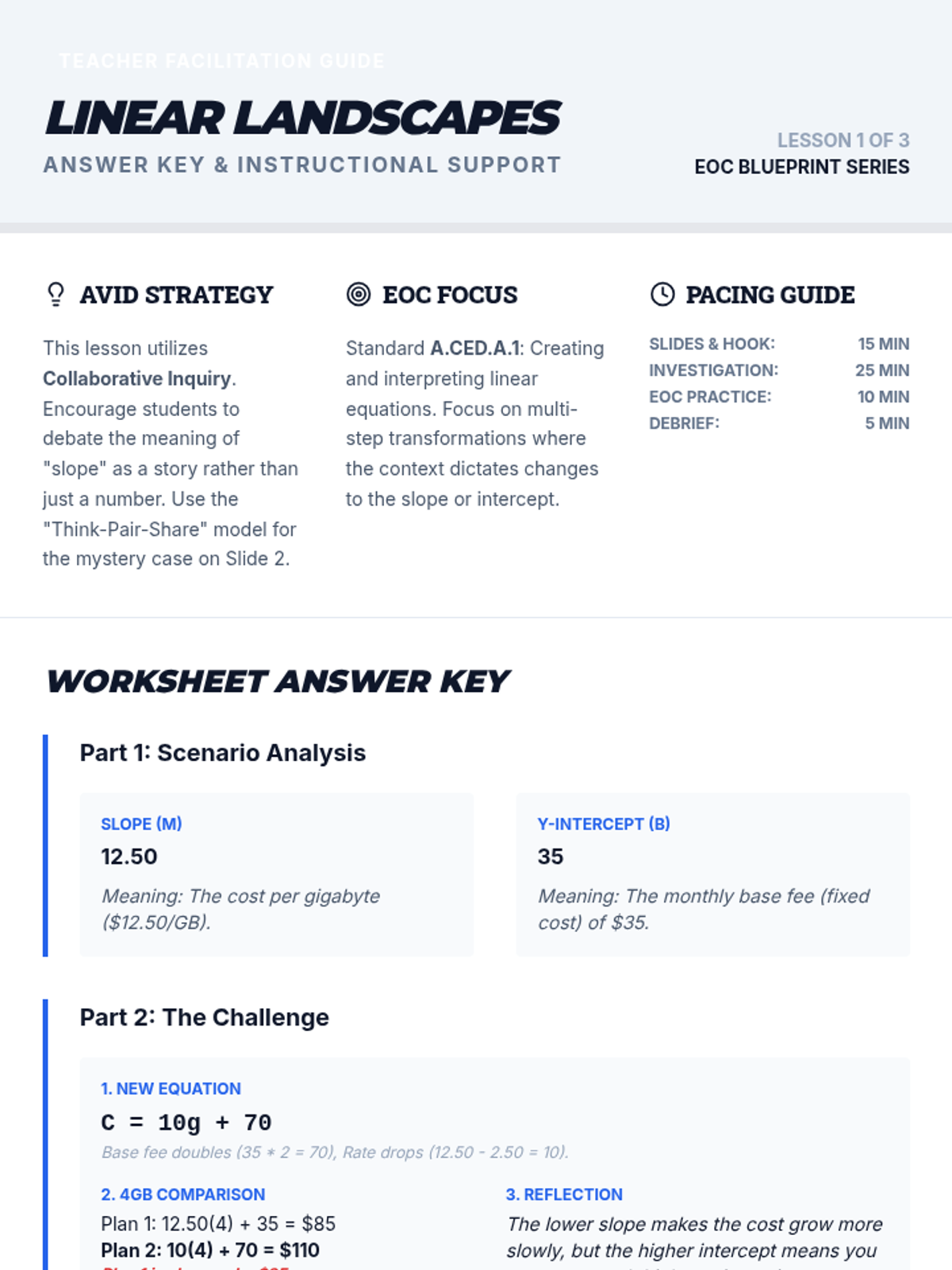
A comprehensive Algebra 1 EOC preparation series designed for AVID classrooms, focusing on inquiry-based learning and collaborative problem-solving across linear, quadratic, and exponential functions.
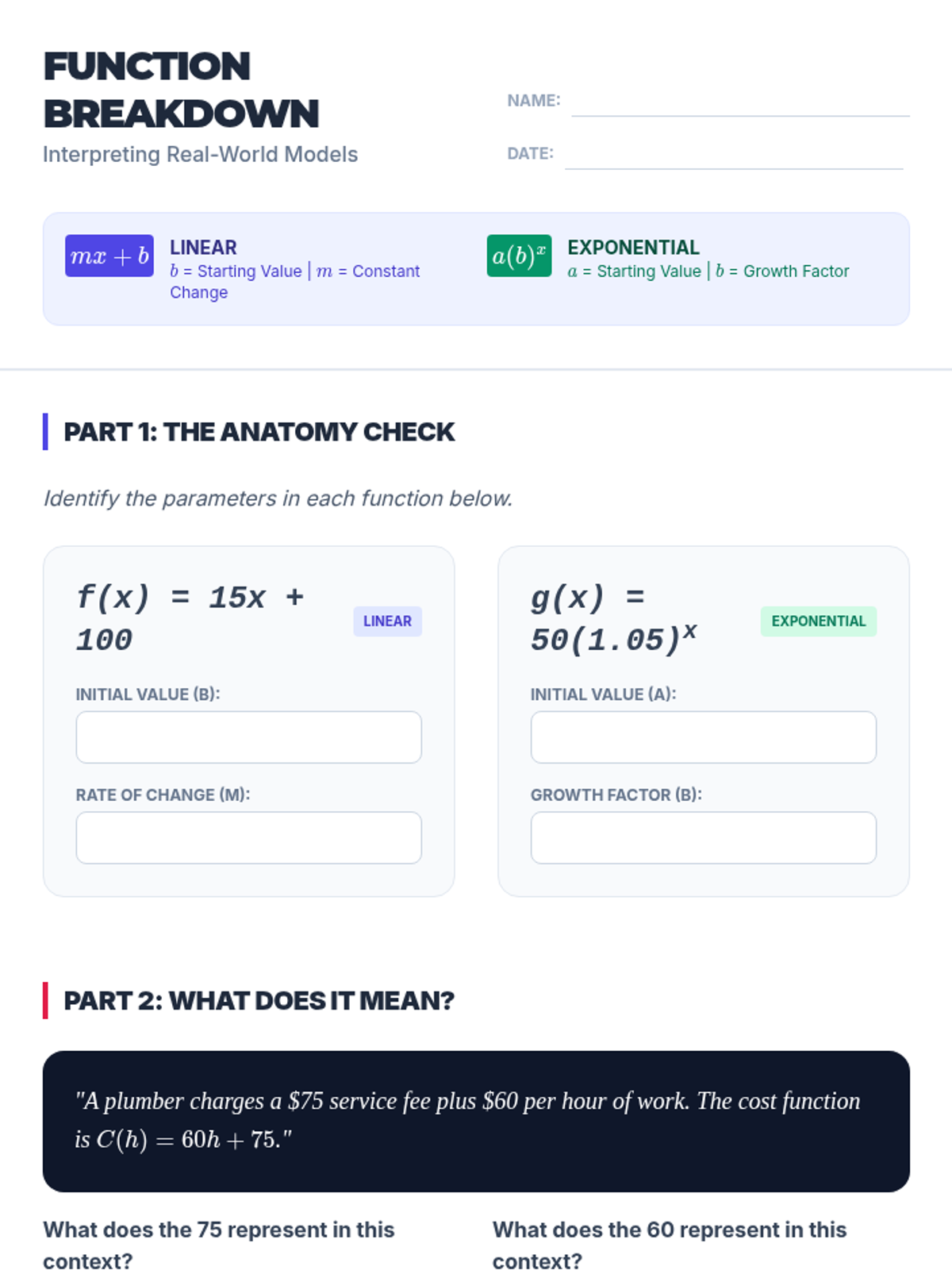
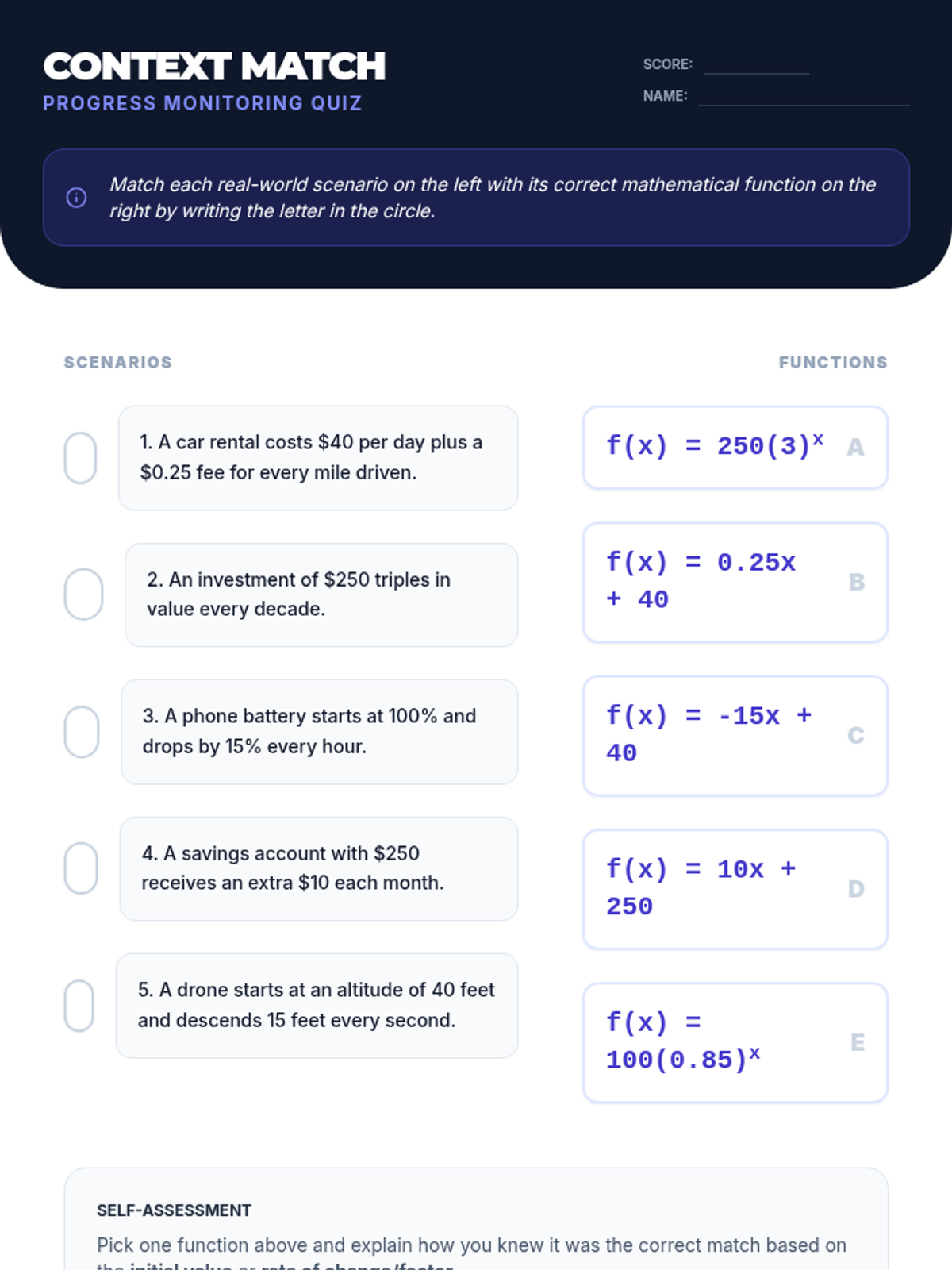
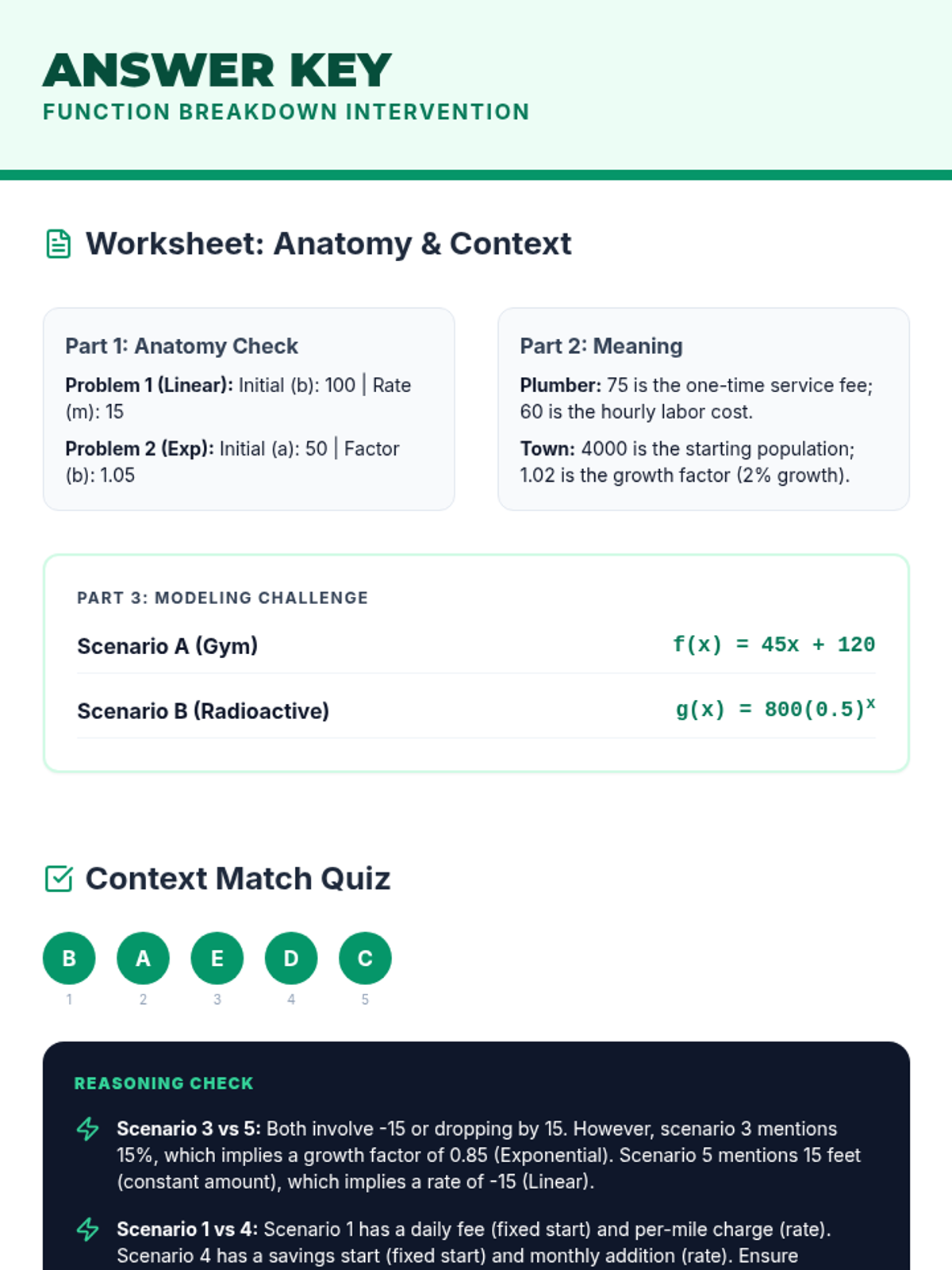
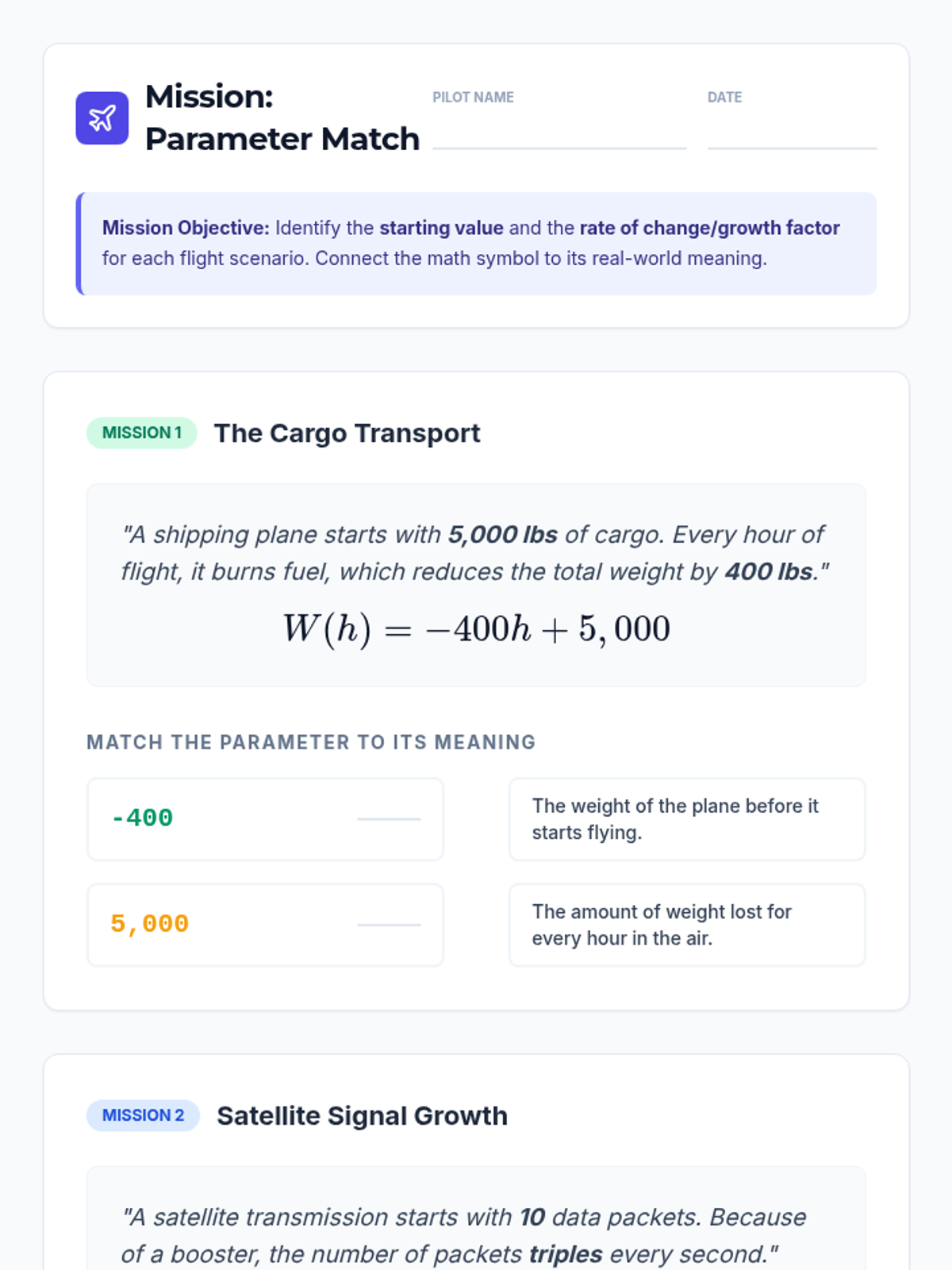
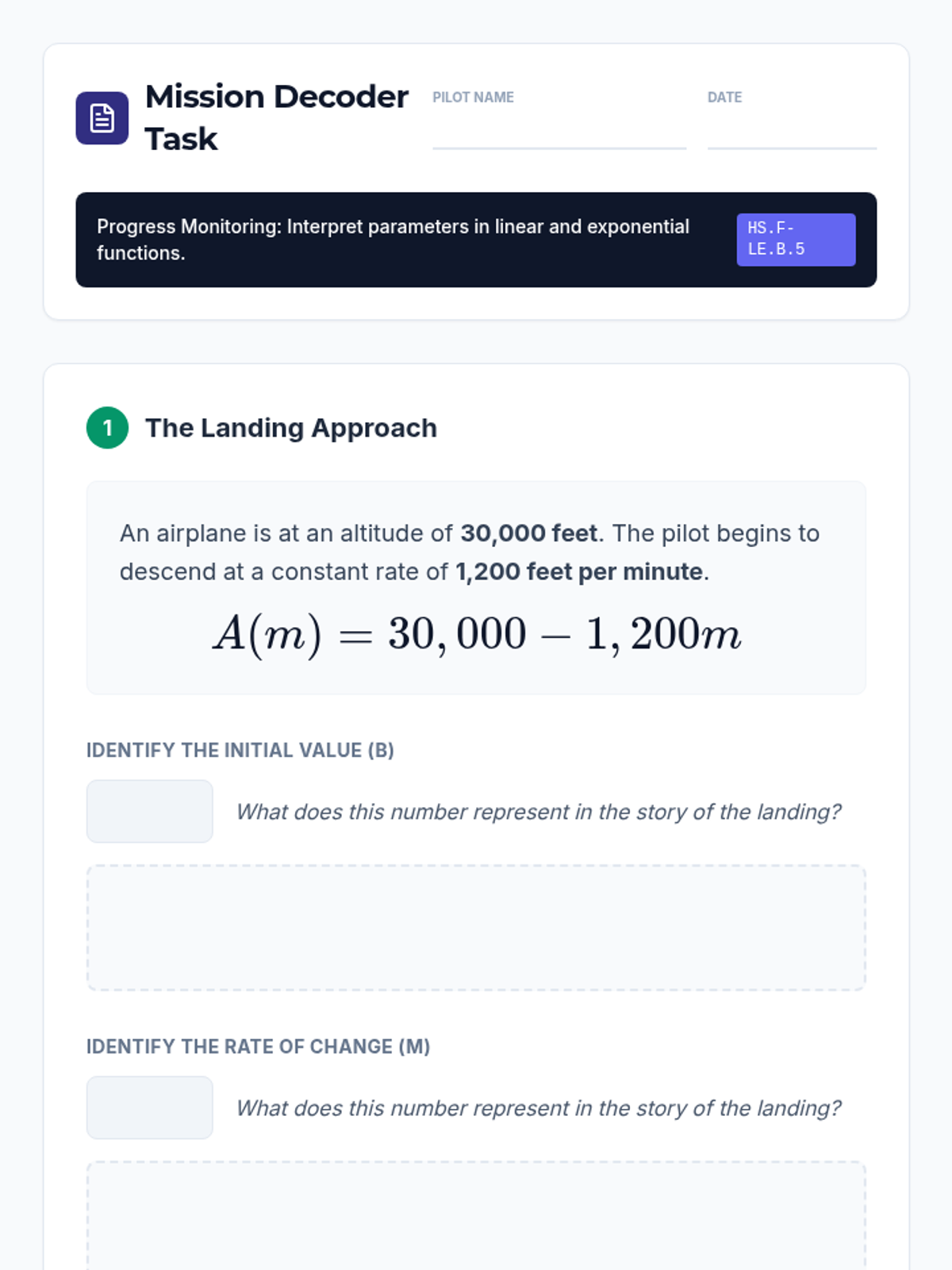
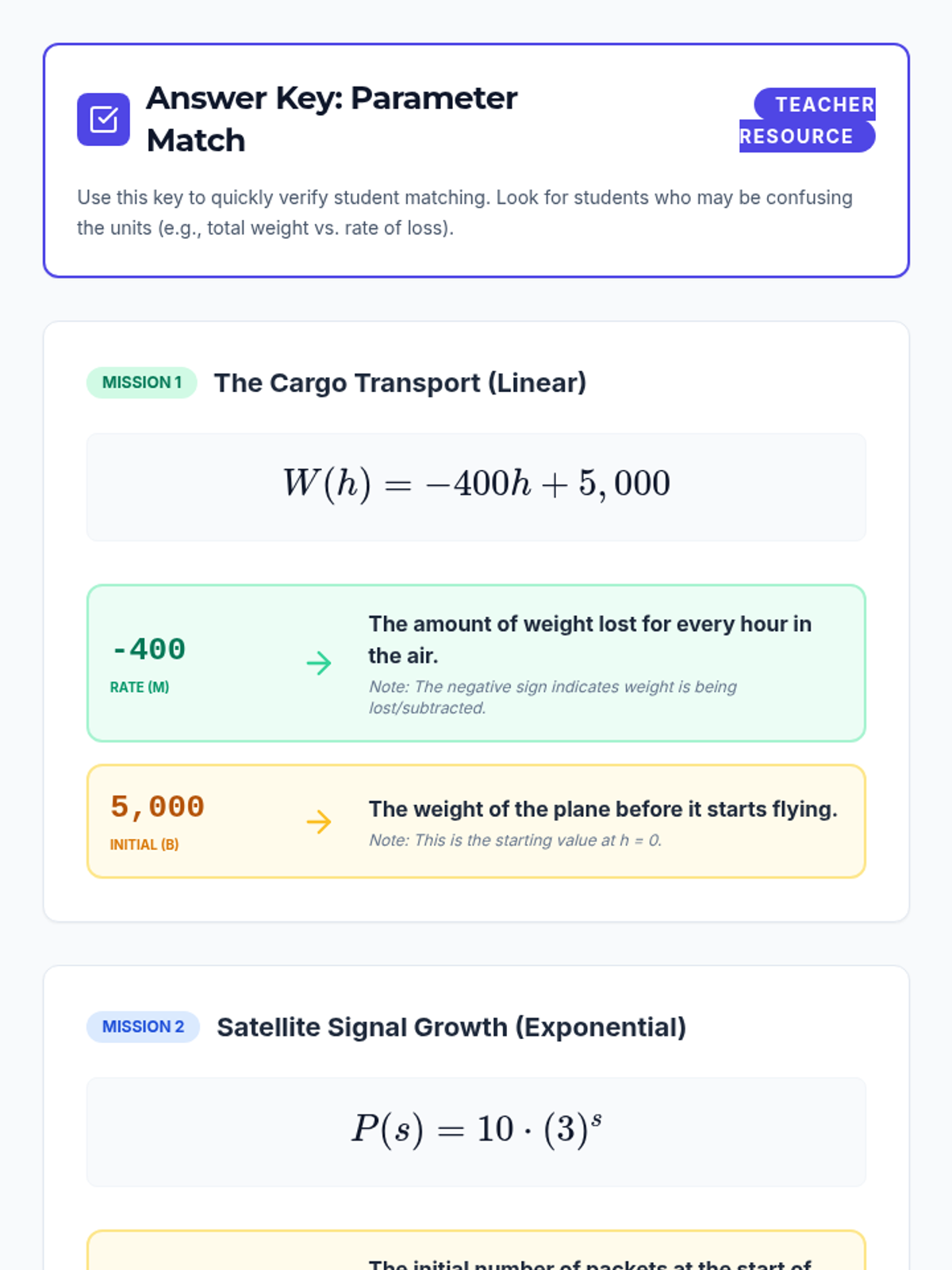
A targeted Tier 2 intervention sequence focused on interpreting linear and exponential parameters in contextual problems, aligned with Colorado standard HS.F-LE.B.5. Students learn to decode slope, initial value, and growth factors using a navigation-inspired theme.
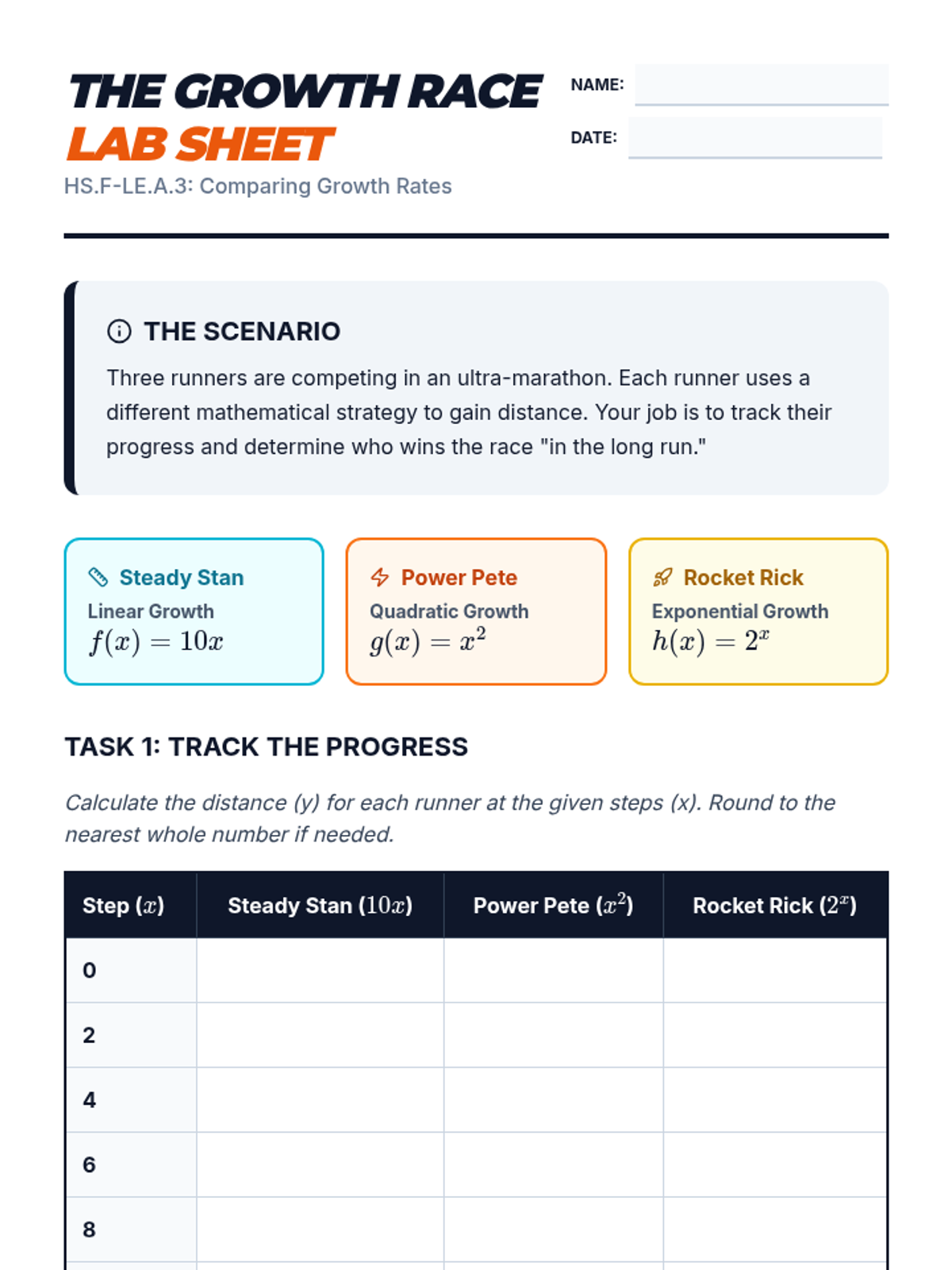
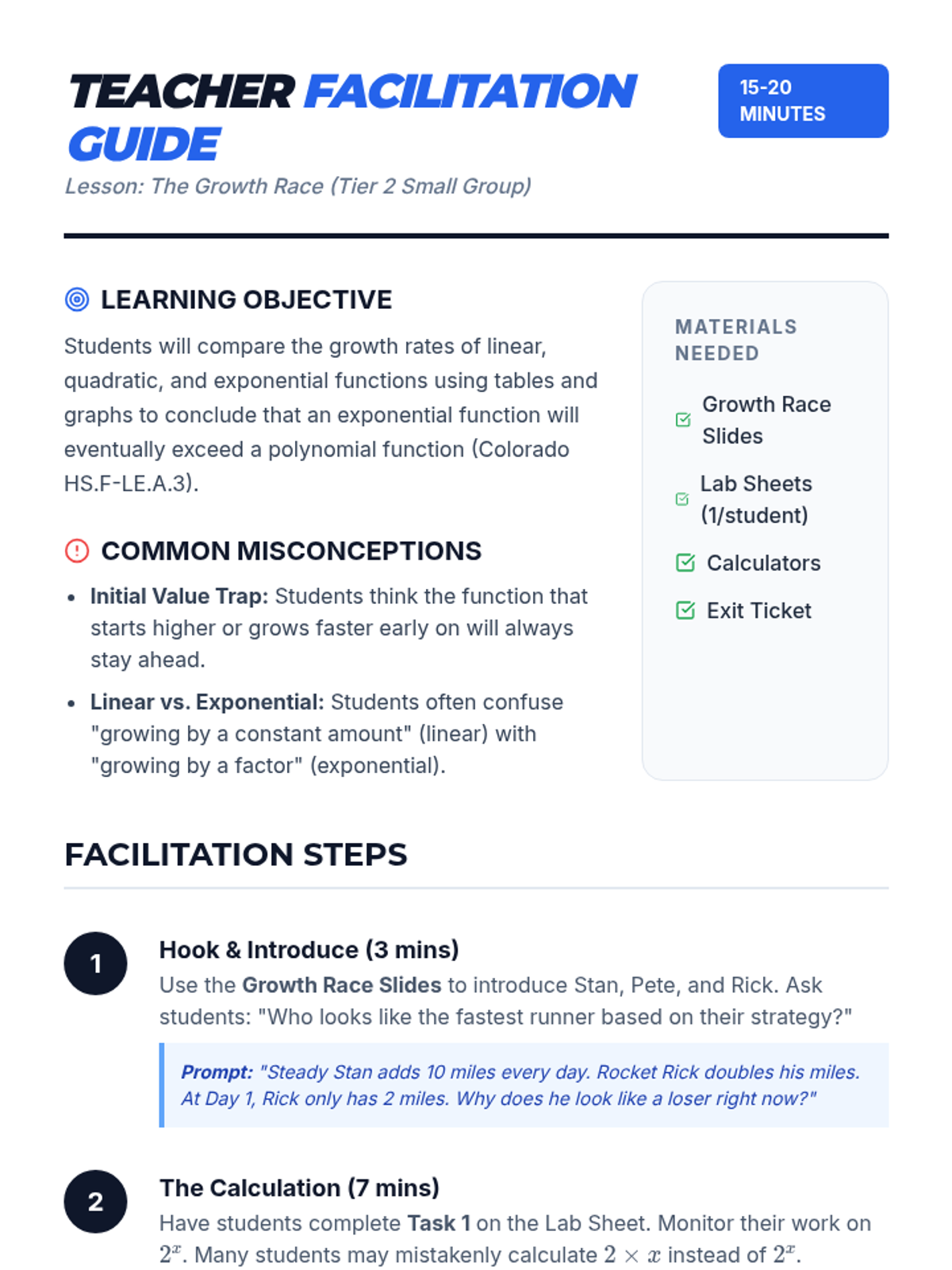
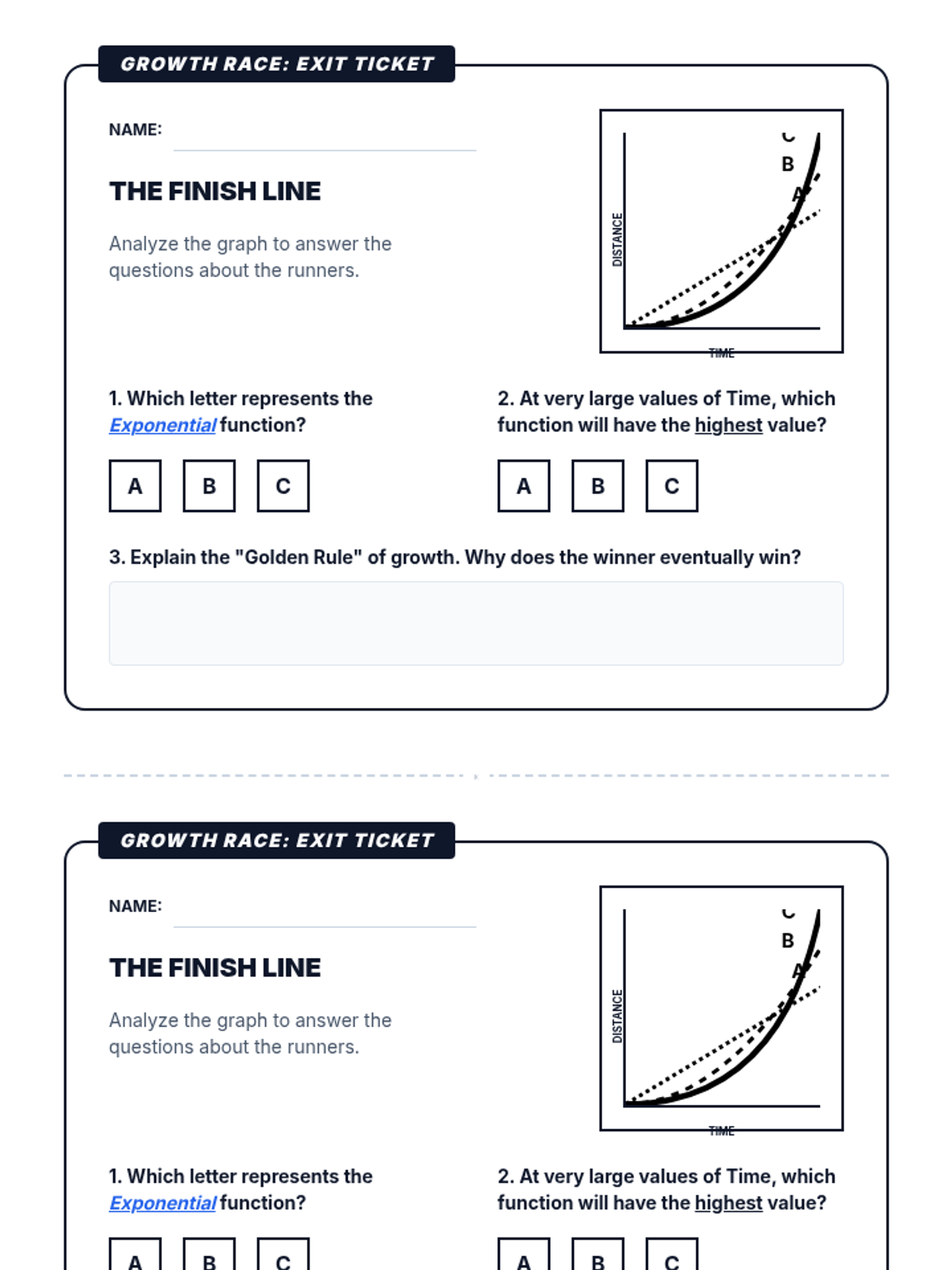
A high school Tier 2 intervention unit focused on comparing linear, quadratic, and exponential growth rates using tables and graphs to demonstrate the eventual dominance of exponential functions.
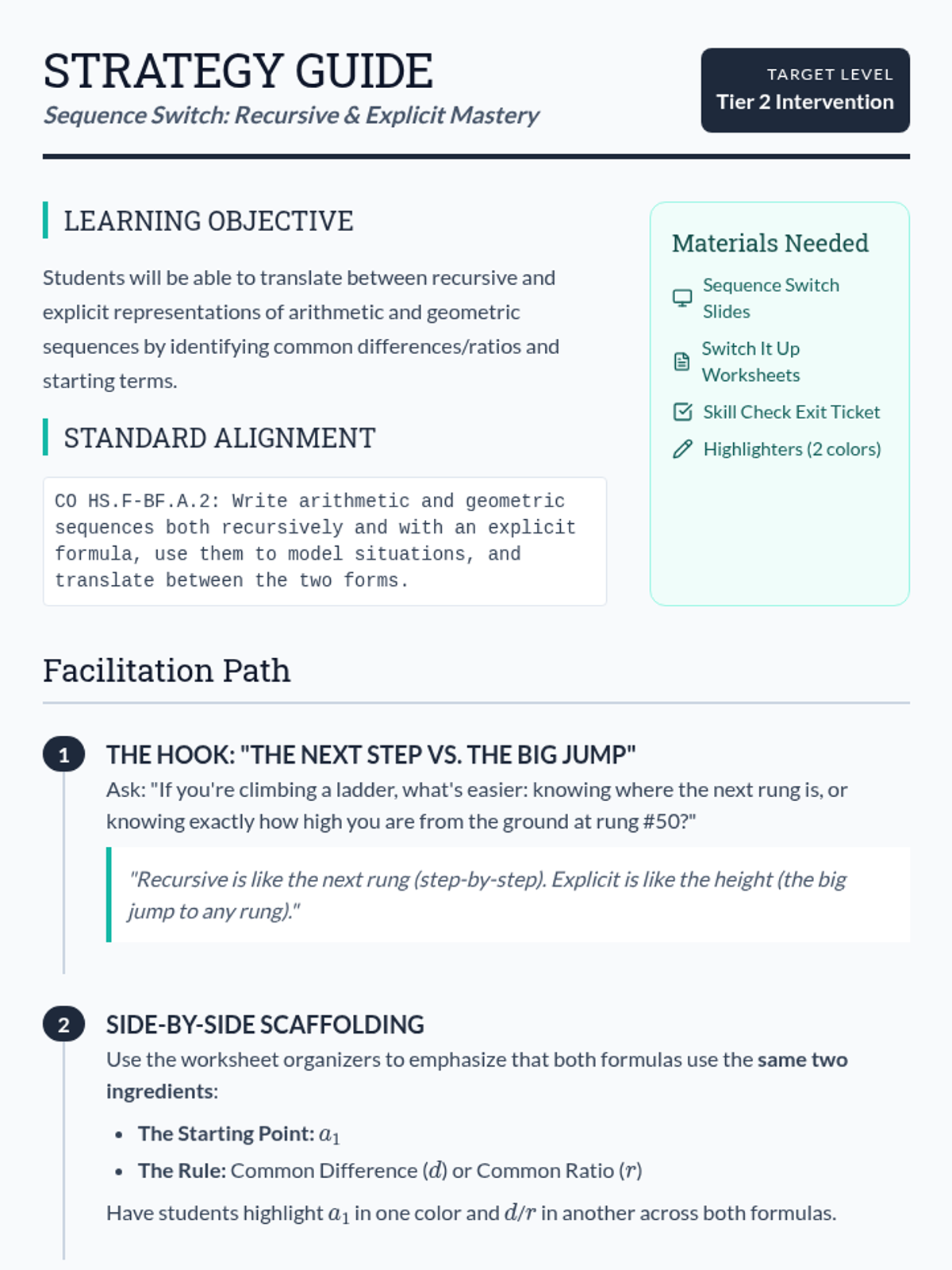
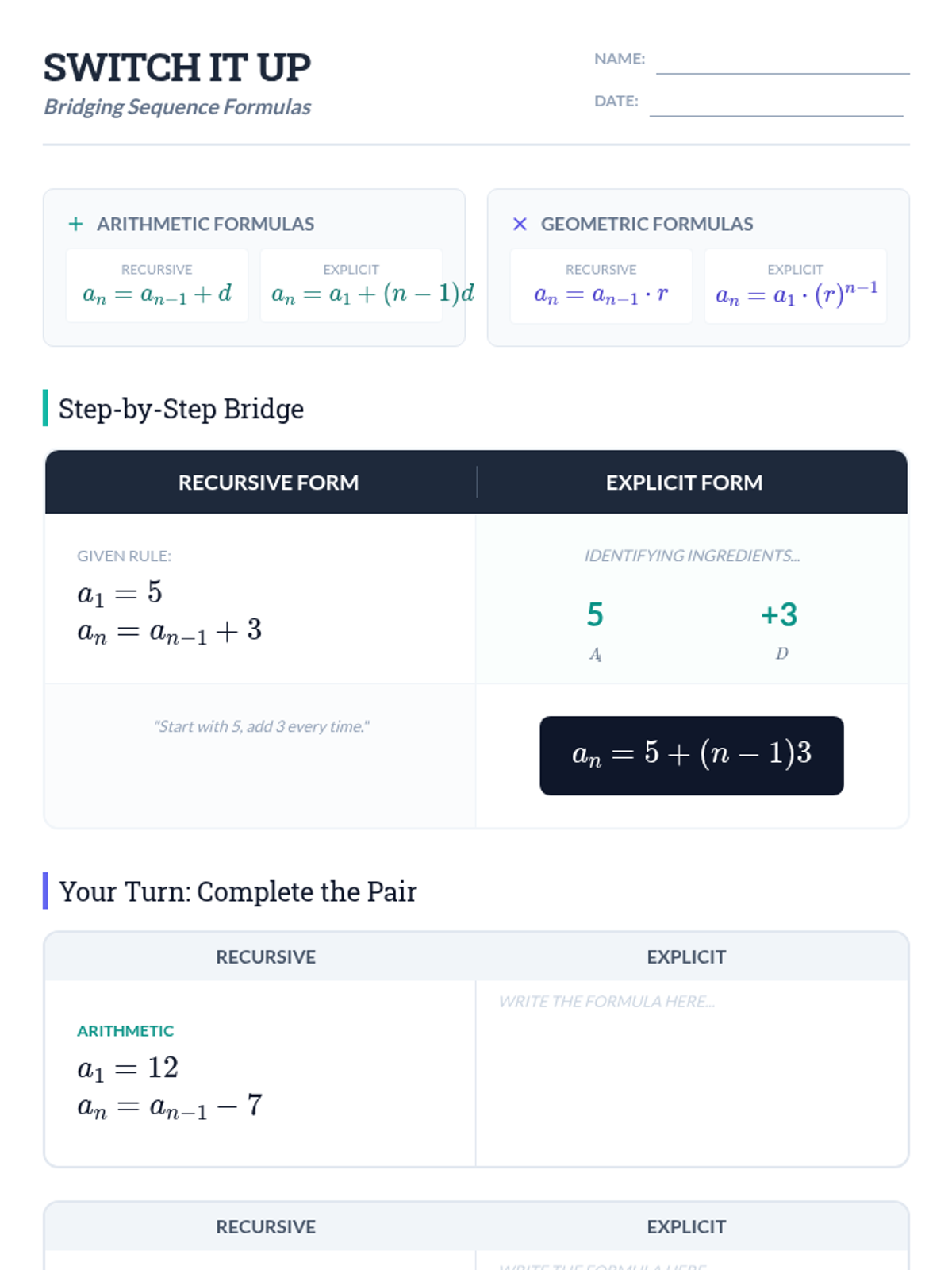
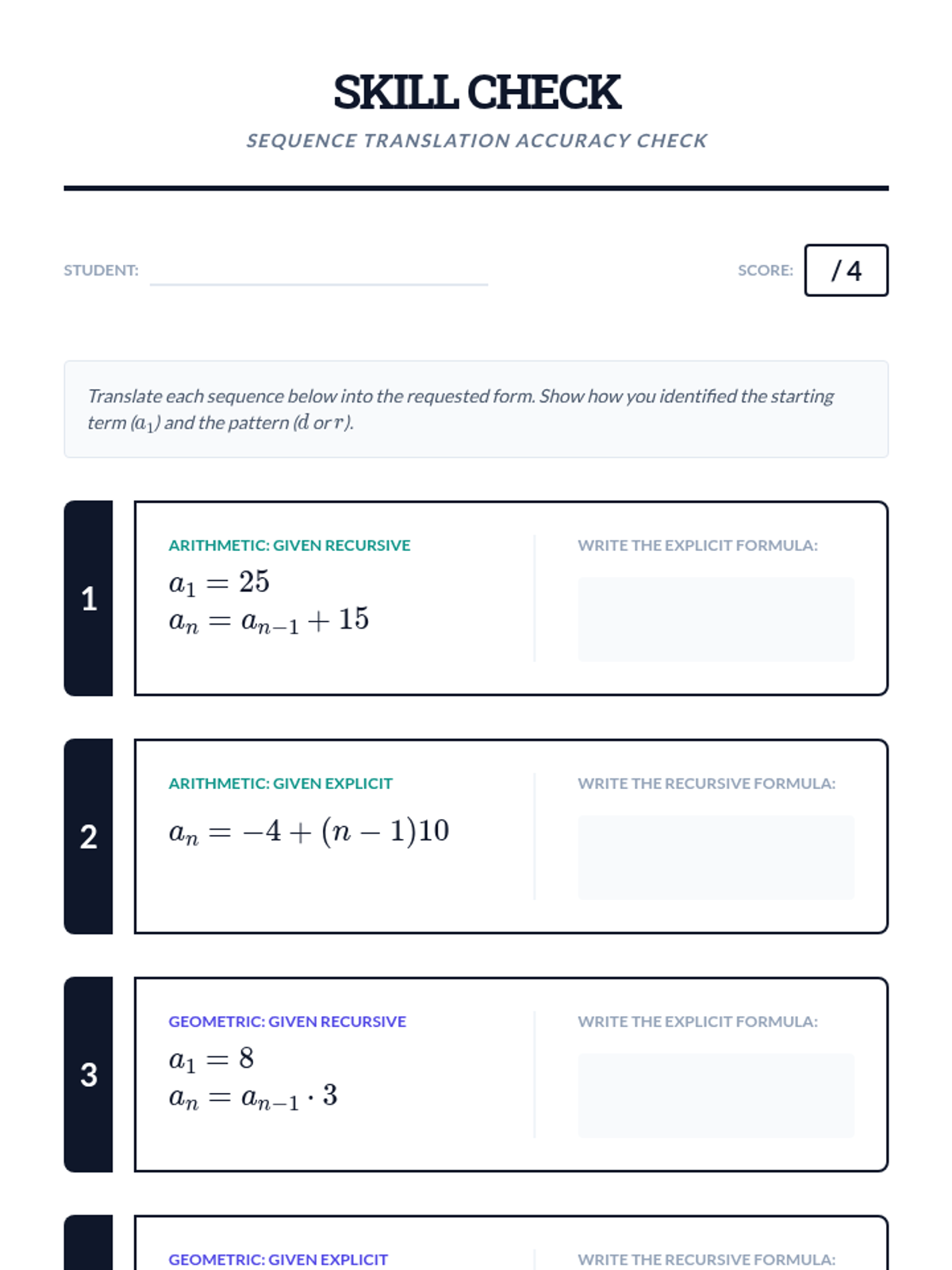
A Tier 2 intervention sequence focused on helping high school students master the conversion between recursive and explicit formulas for arithmetic and geometric sequences through scaffolded side-by-side organizers.
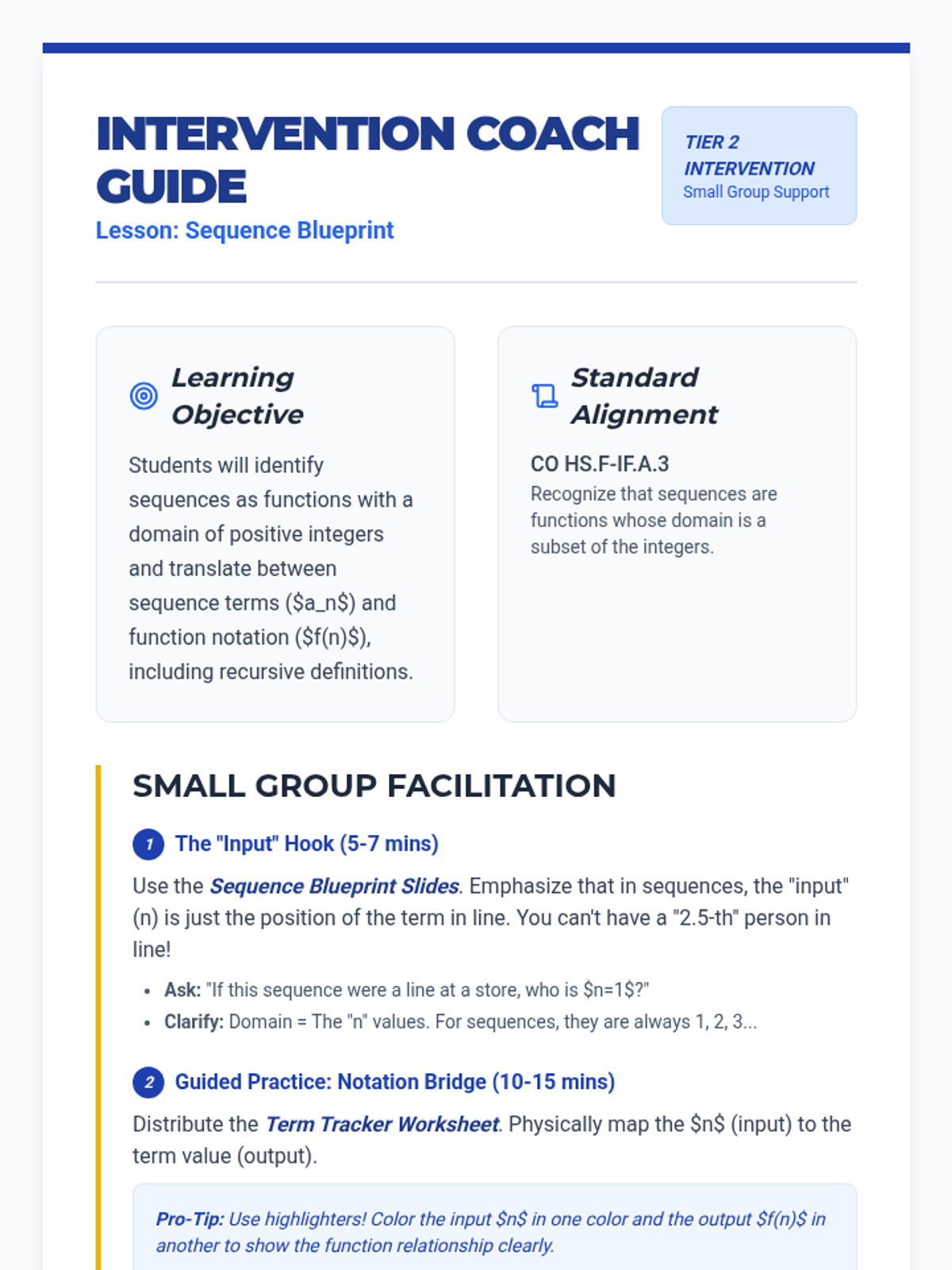
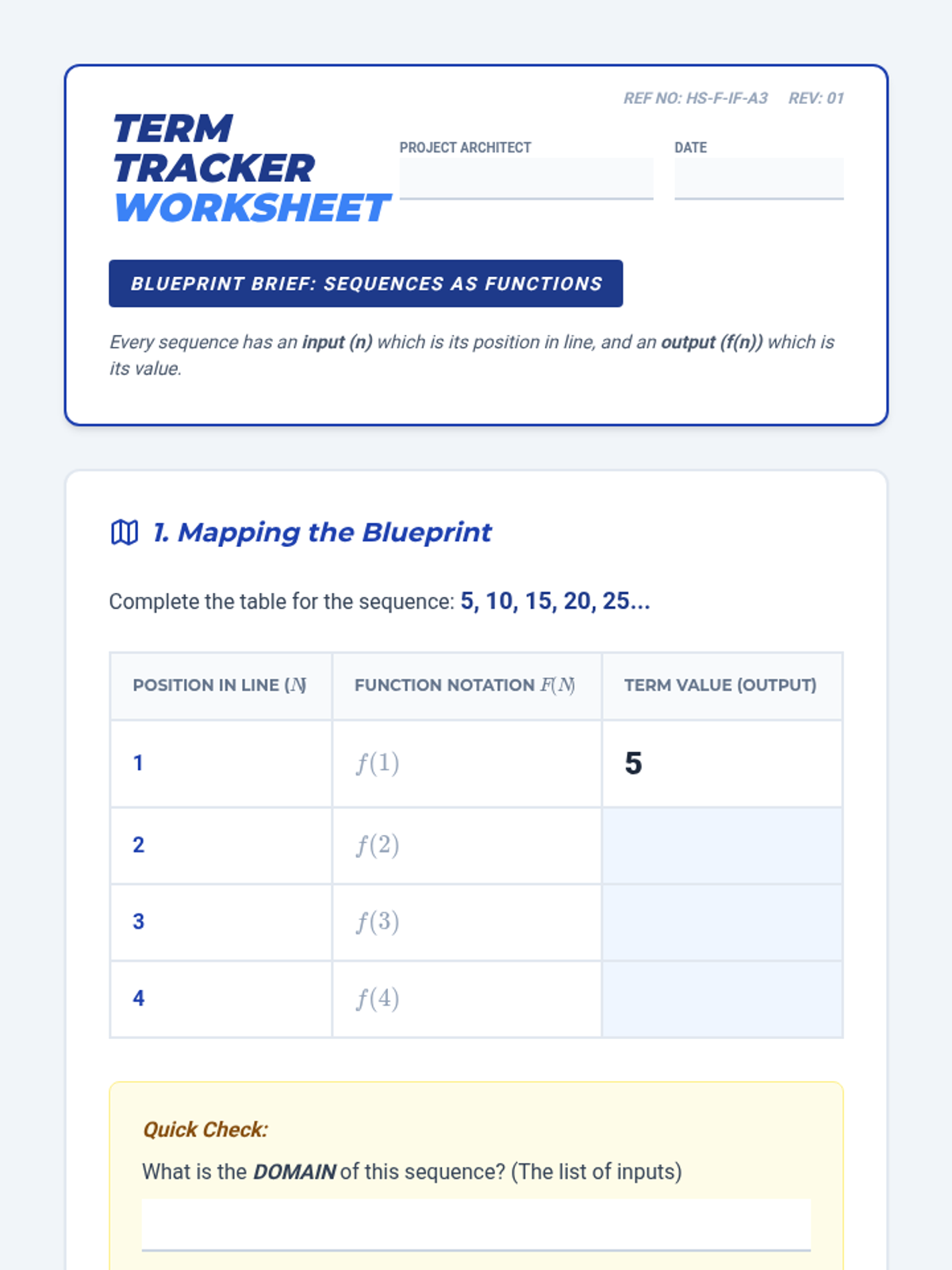
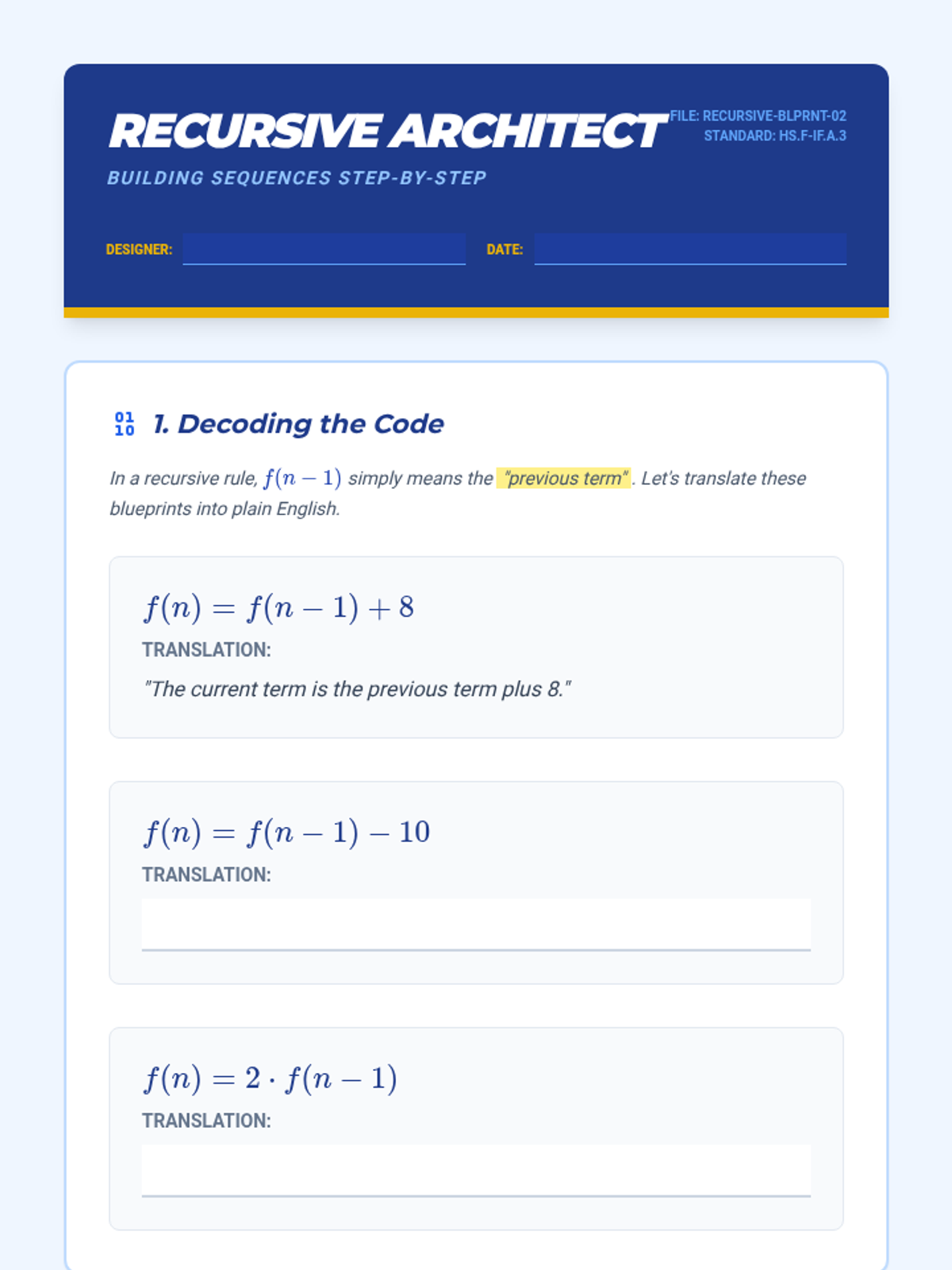
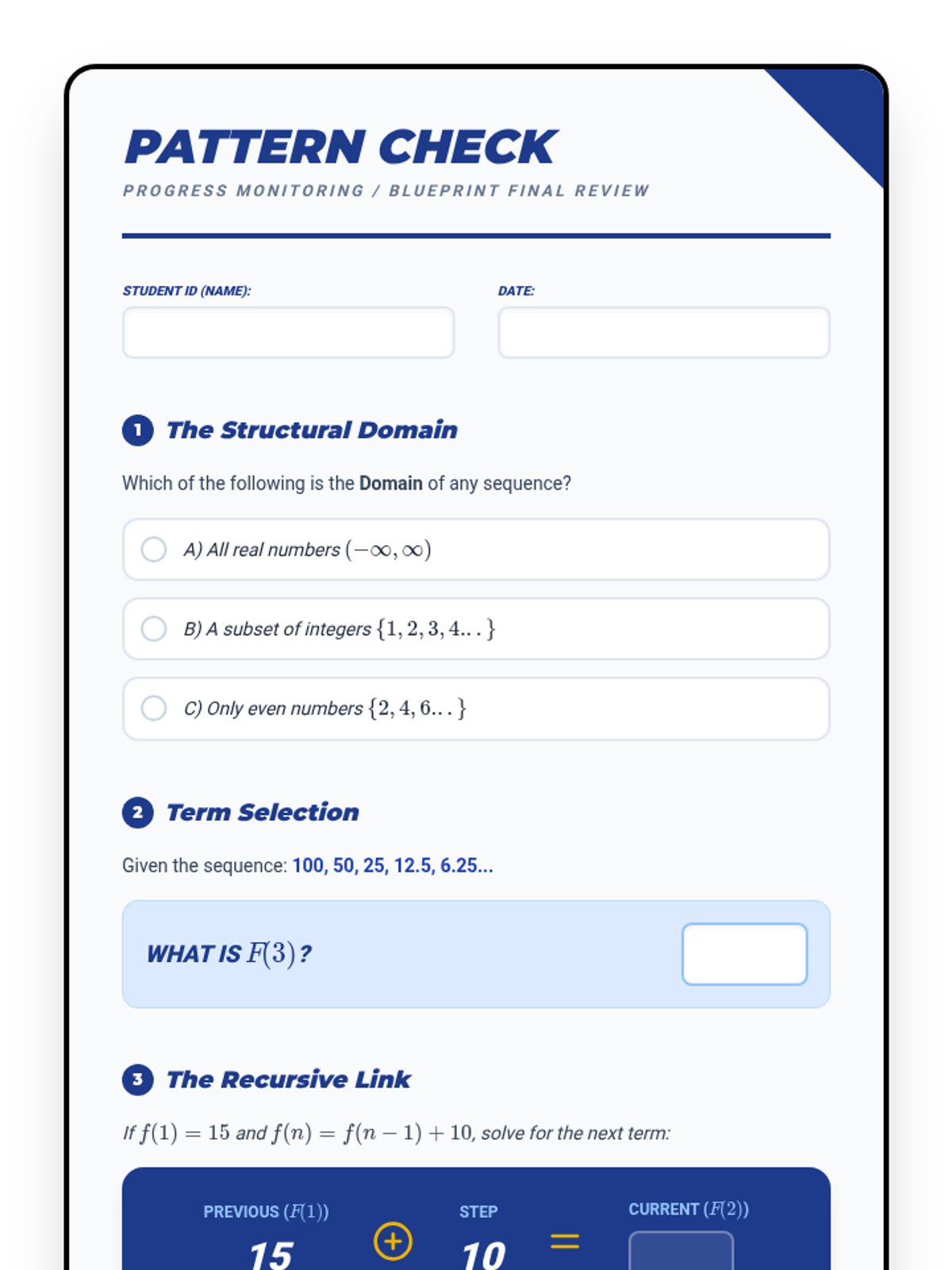
A targeted intervention sequence designed to help students bridge the gap between sequences and function notation, focusing on domain and recursive definitions.
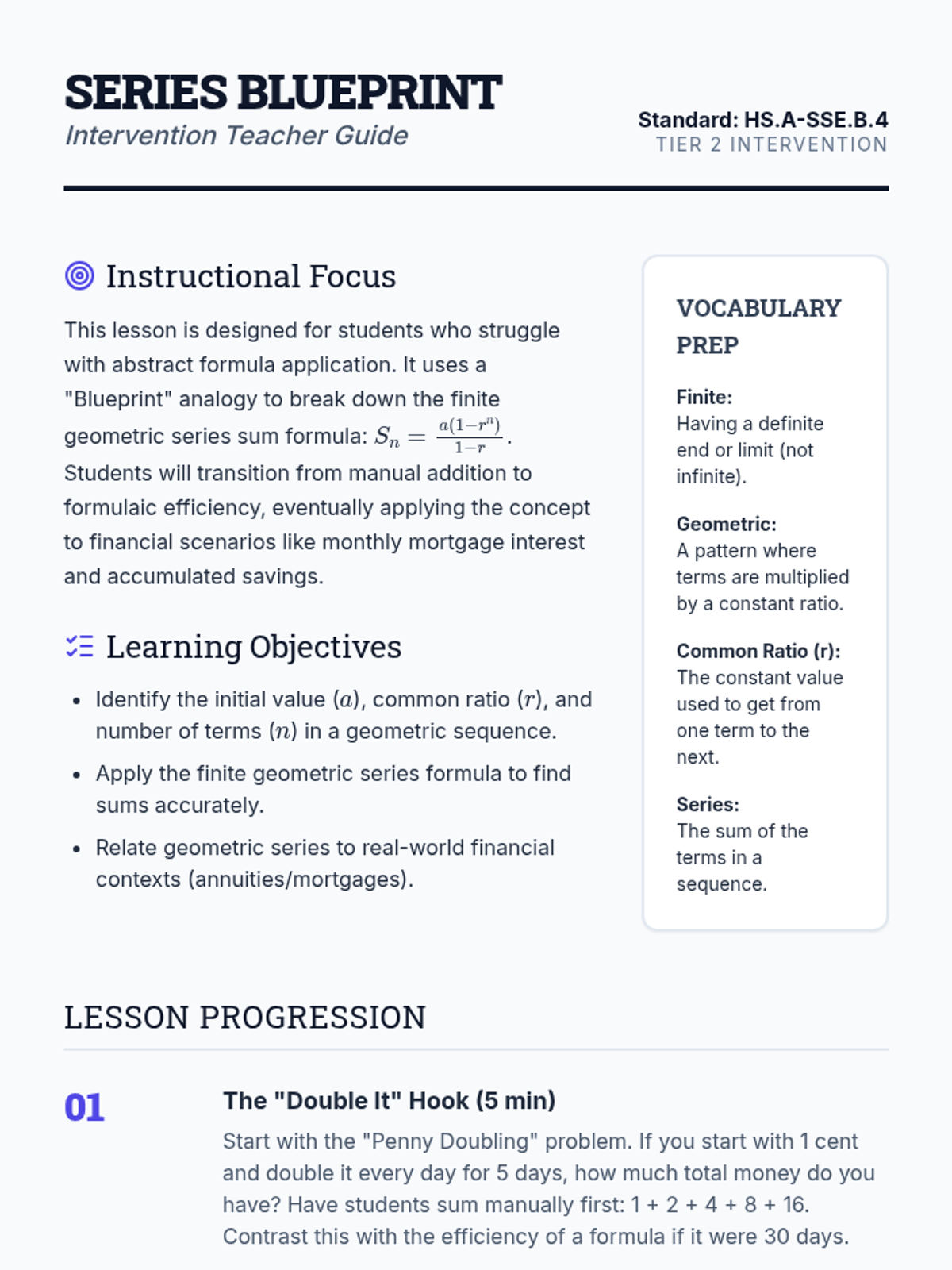
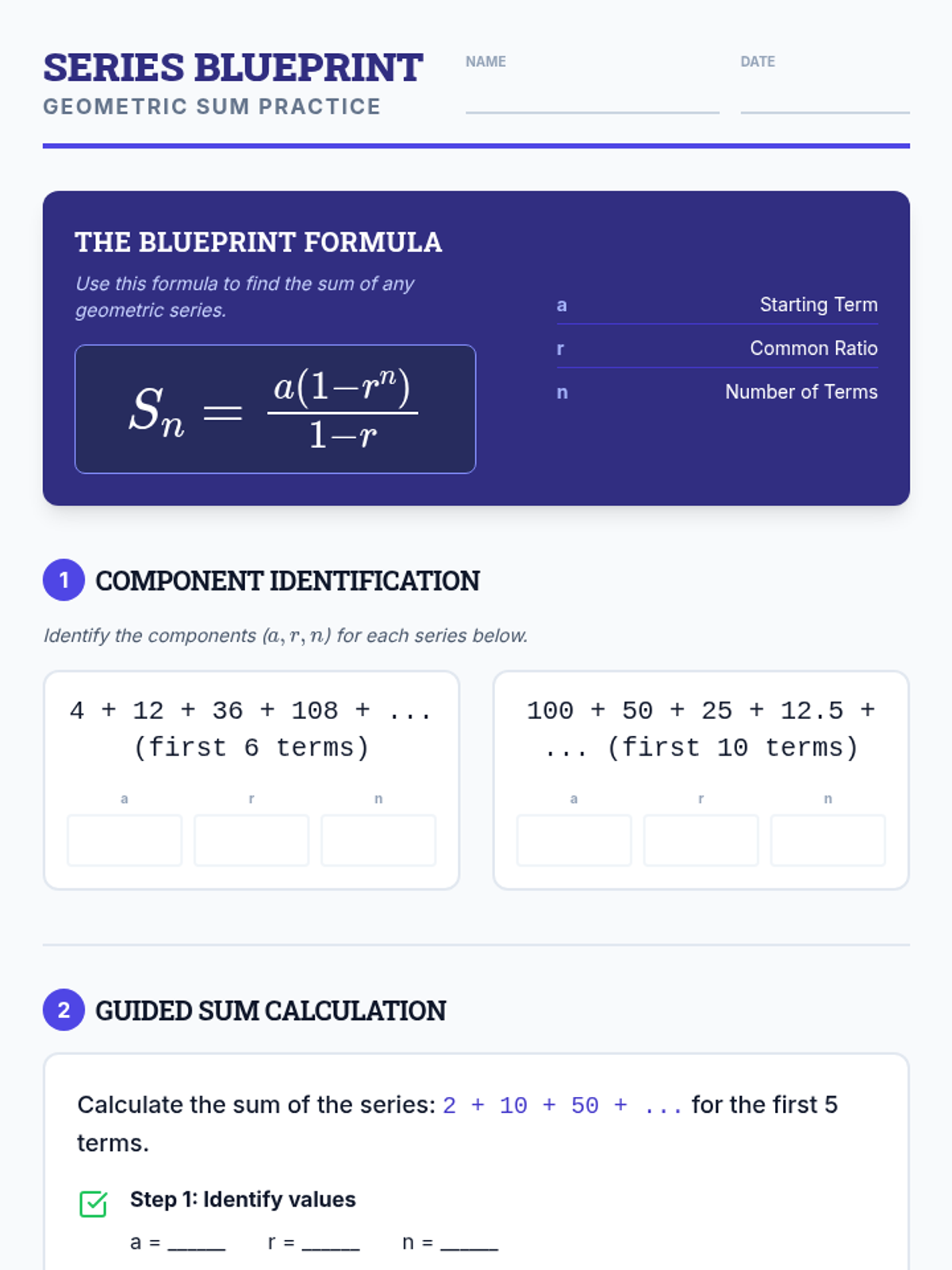
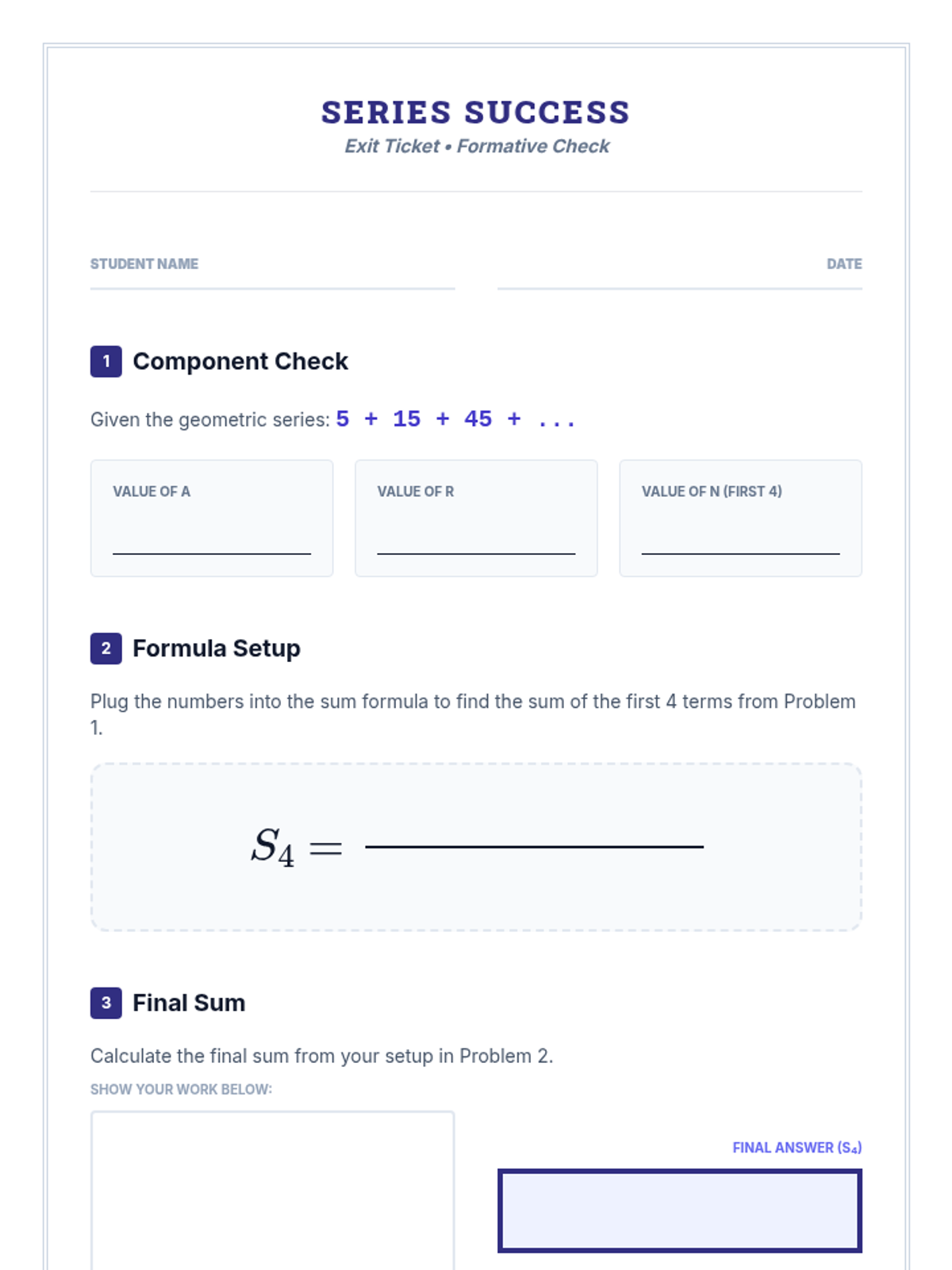
A targeted intervention sequence focusing on the derivation and application of the geometric series sum formula for high school algebra students requiring Tier 2 support.
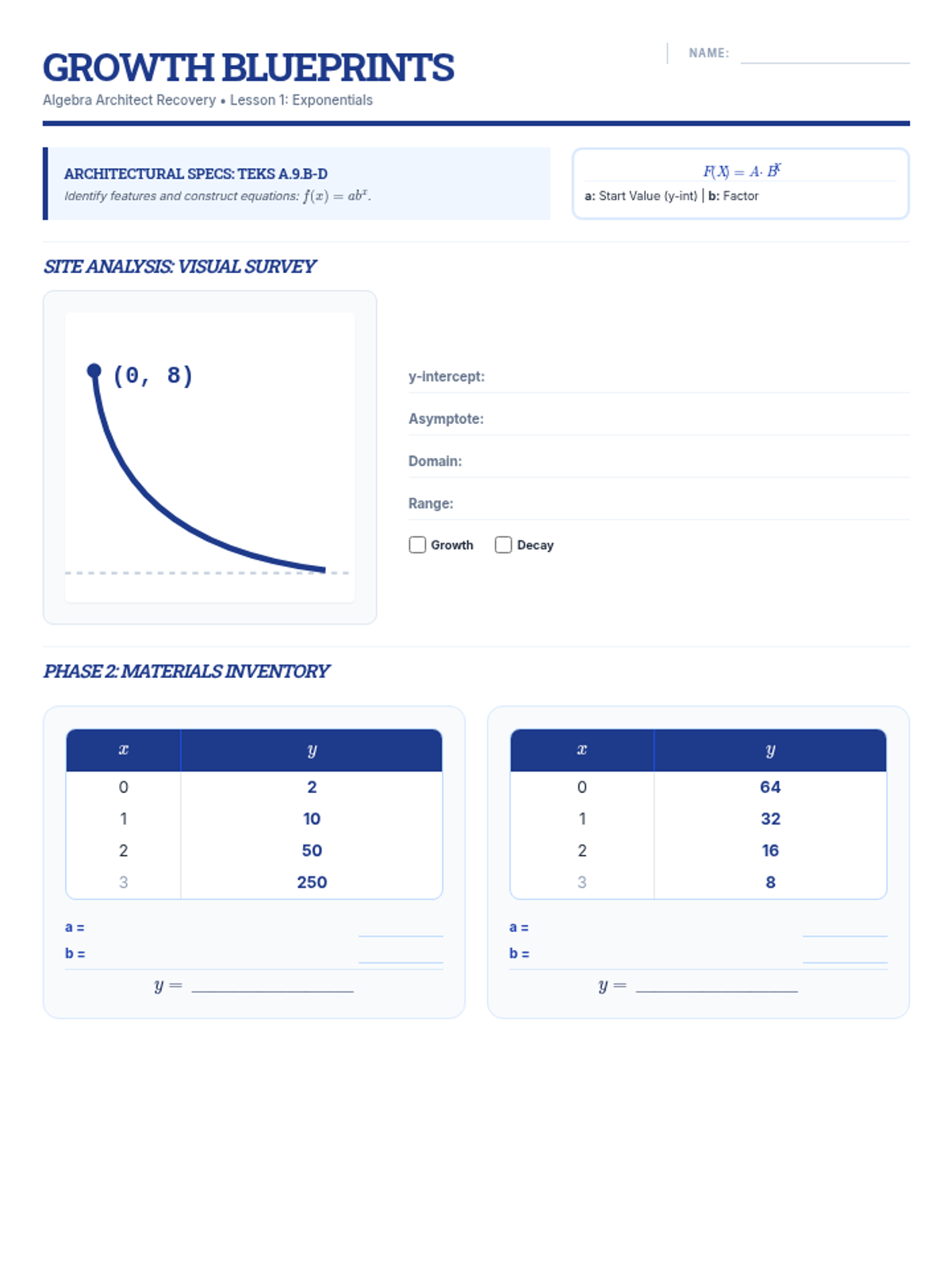
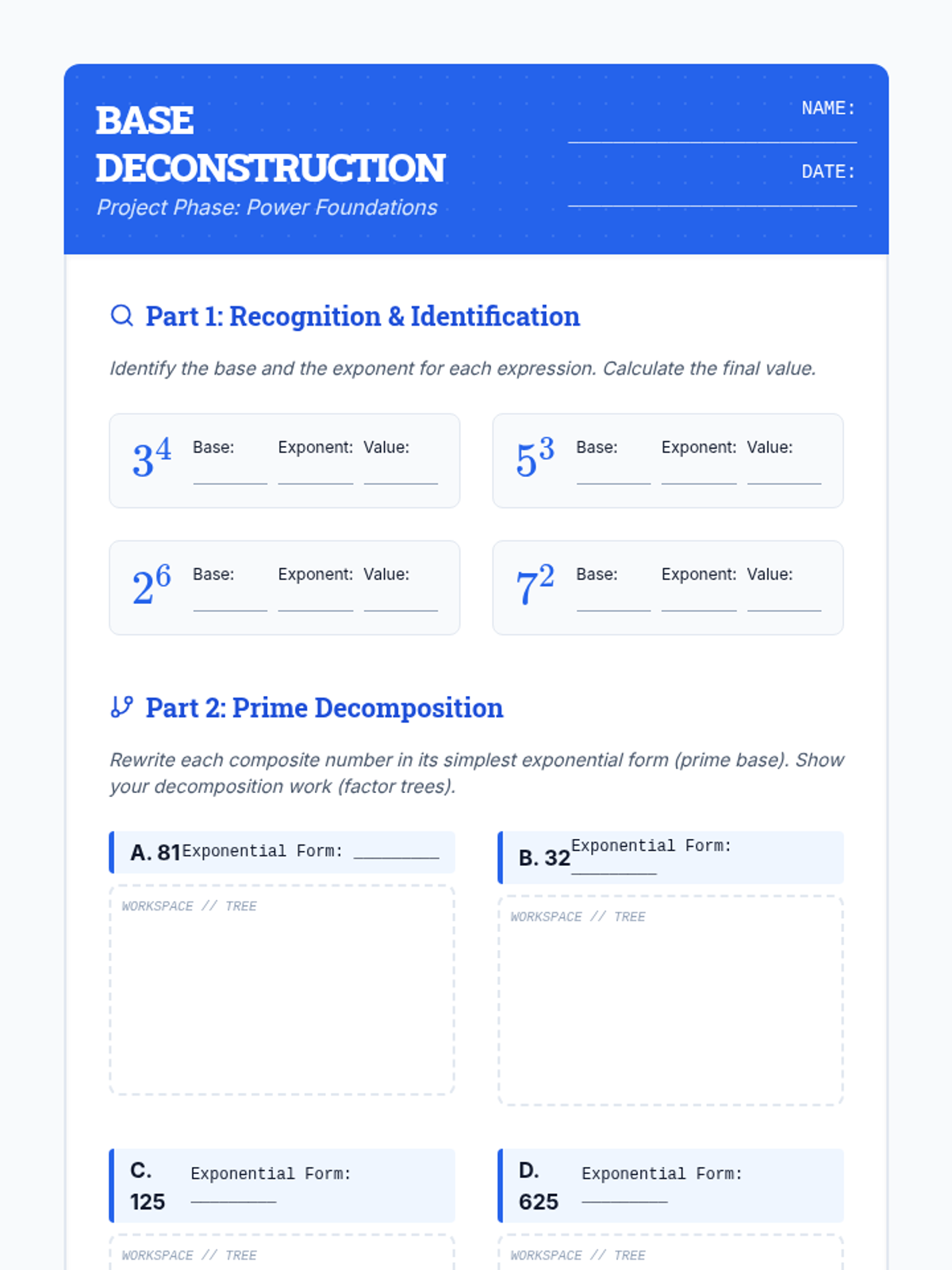
A series of lessons exploring exponential functions, their components, graphs, and real-world applications in Algebra 1.
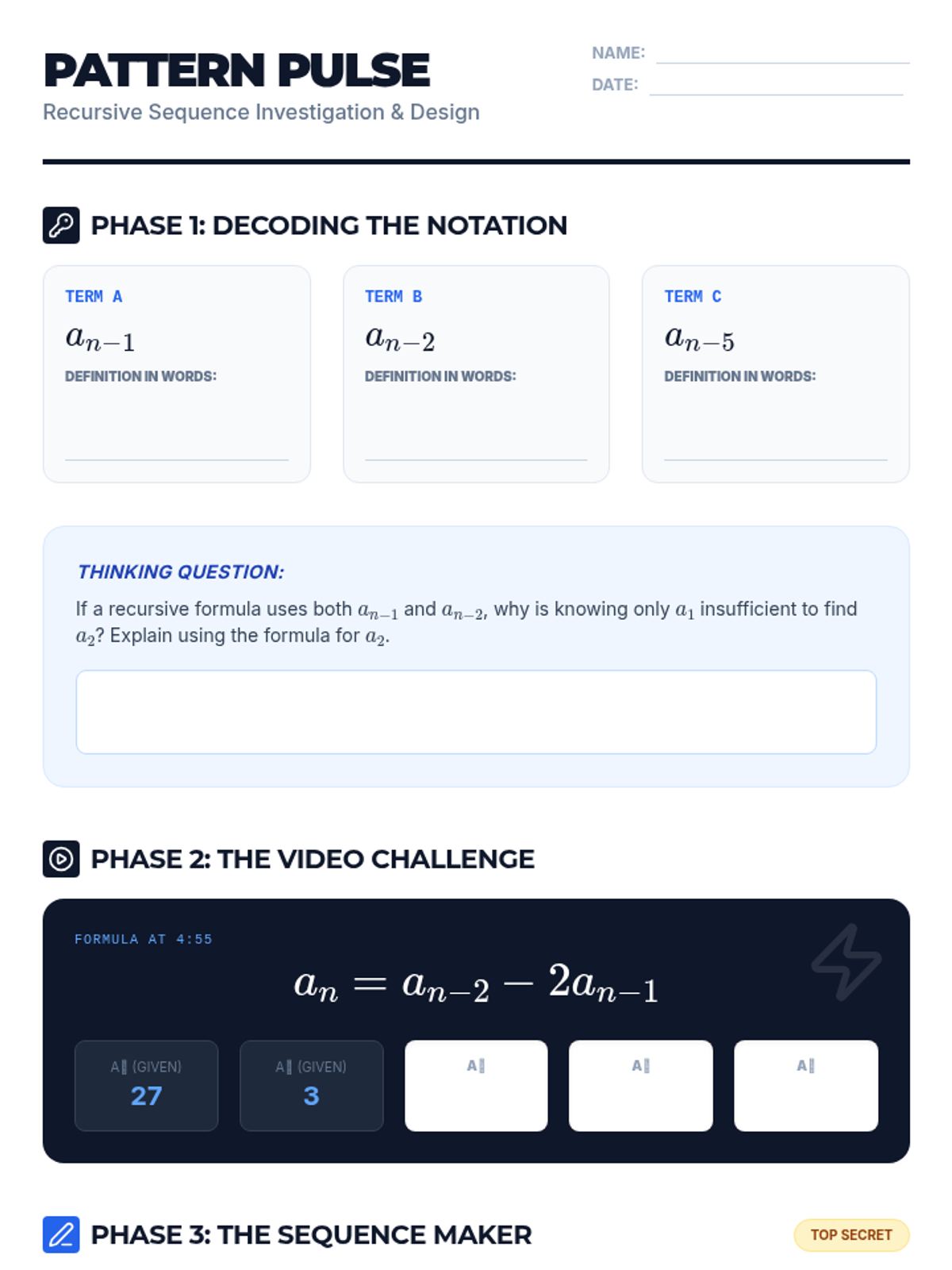
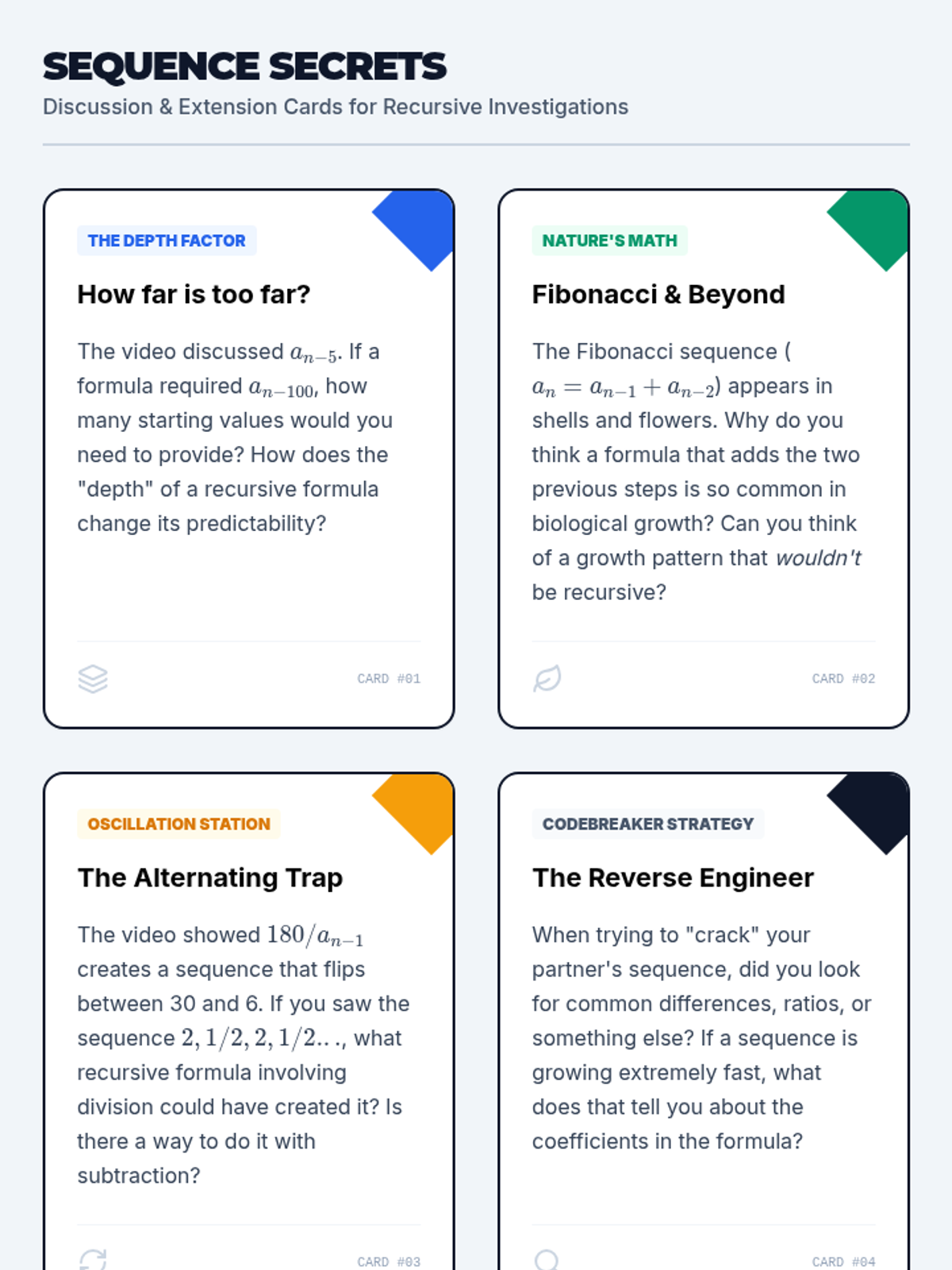
A high-level Honors Algebra lesson focused on complex recursive sequences where students analyze notation, explore the Fibonacci sequence, and engage in a 'Sequence Maker' activity to reverse-engineer formulas.
A comprehensive 9th-grade algebra unit exploring the patterns, formulas, and real-world applications of arithmetic and geometric sequences. Students progress from recursive logic to explicit modeling.
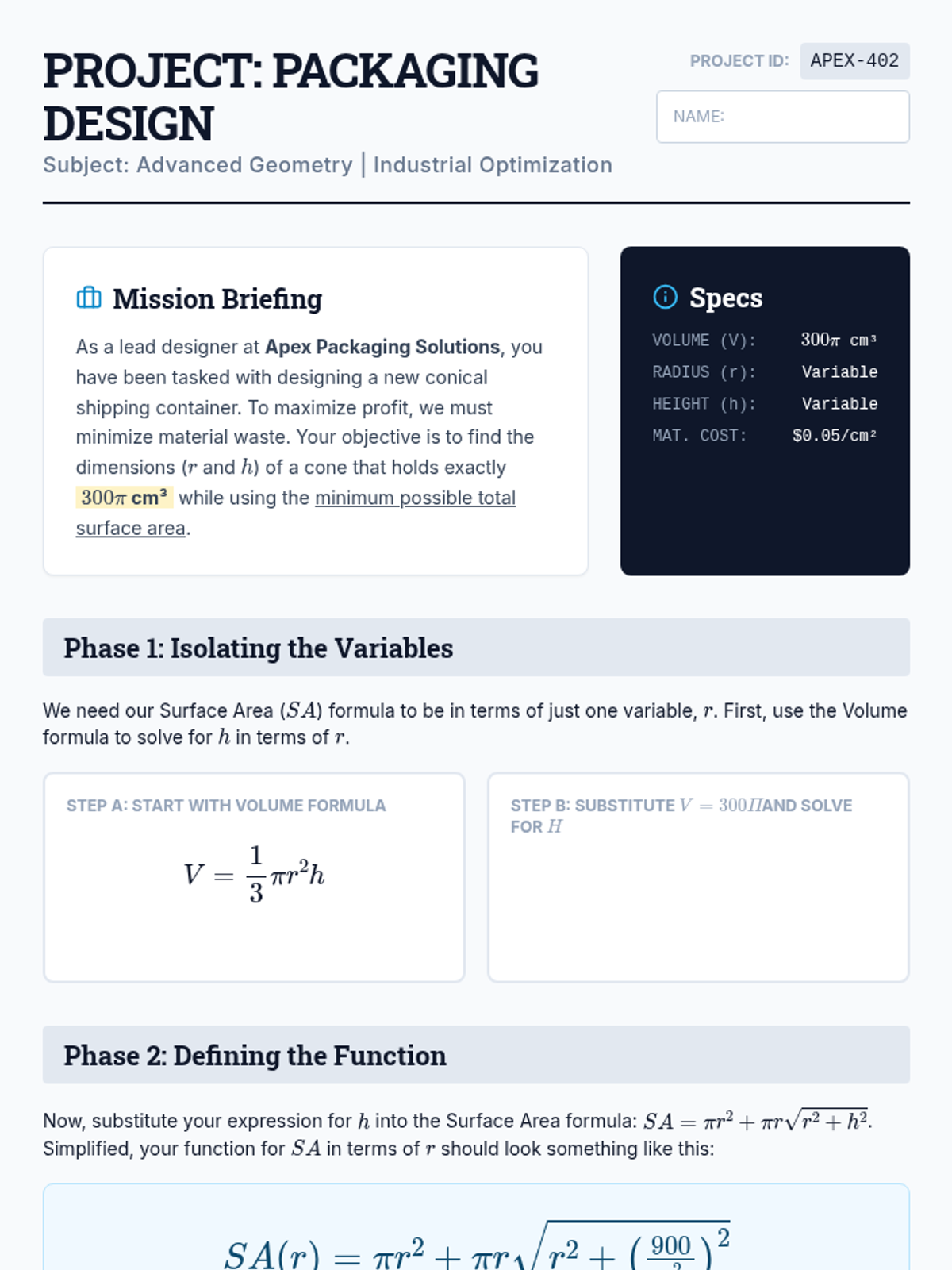
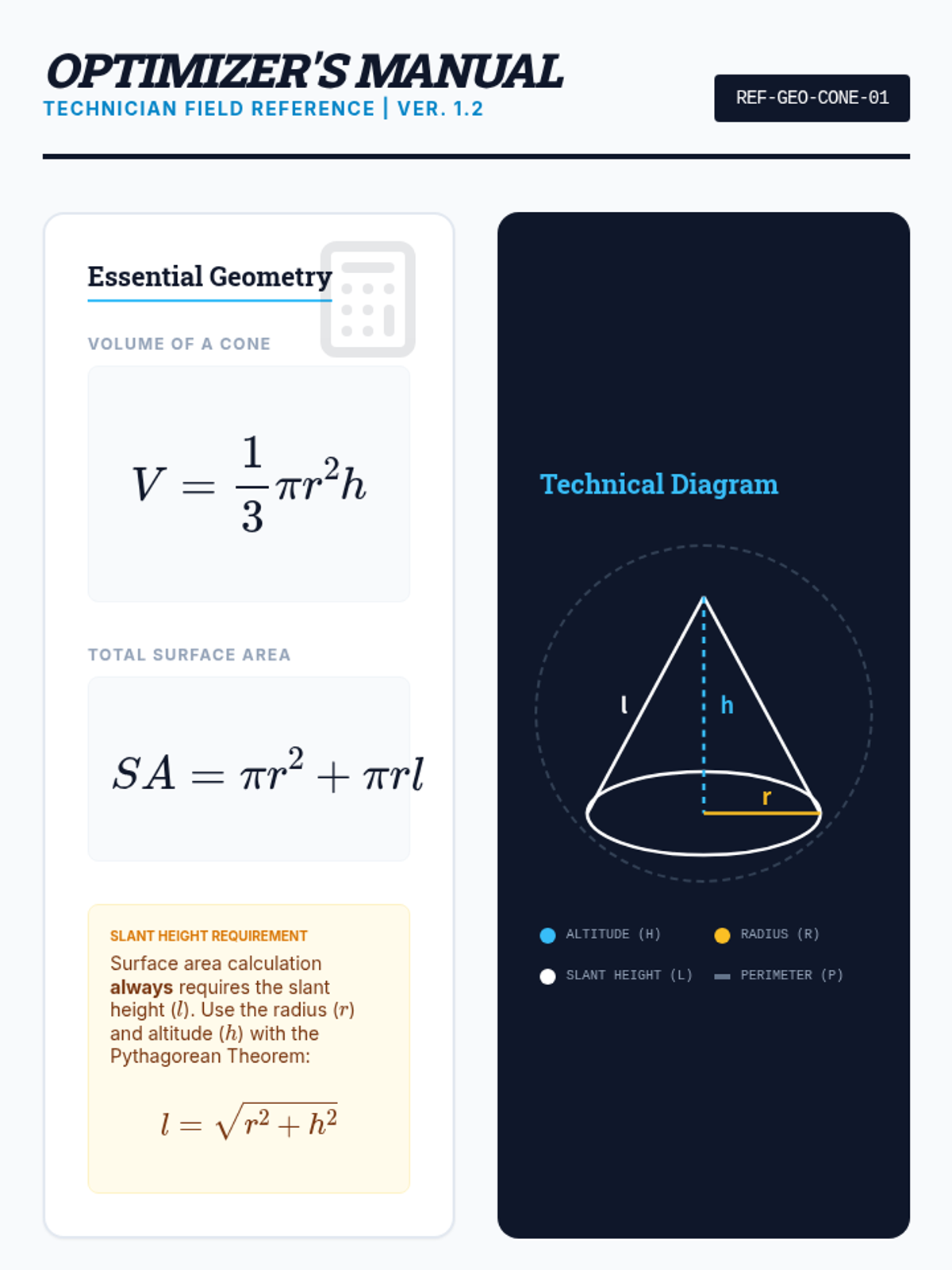
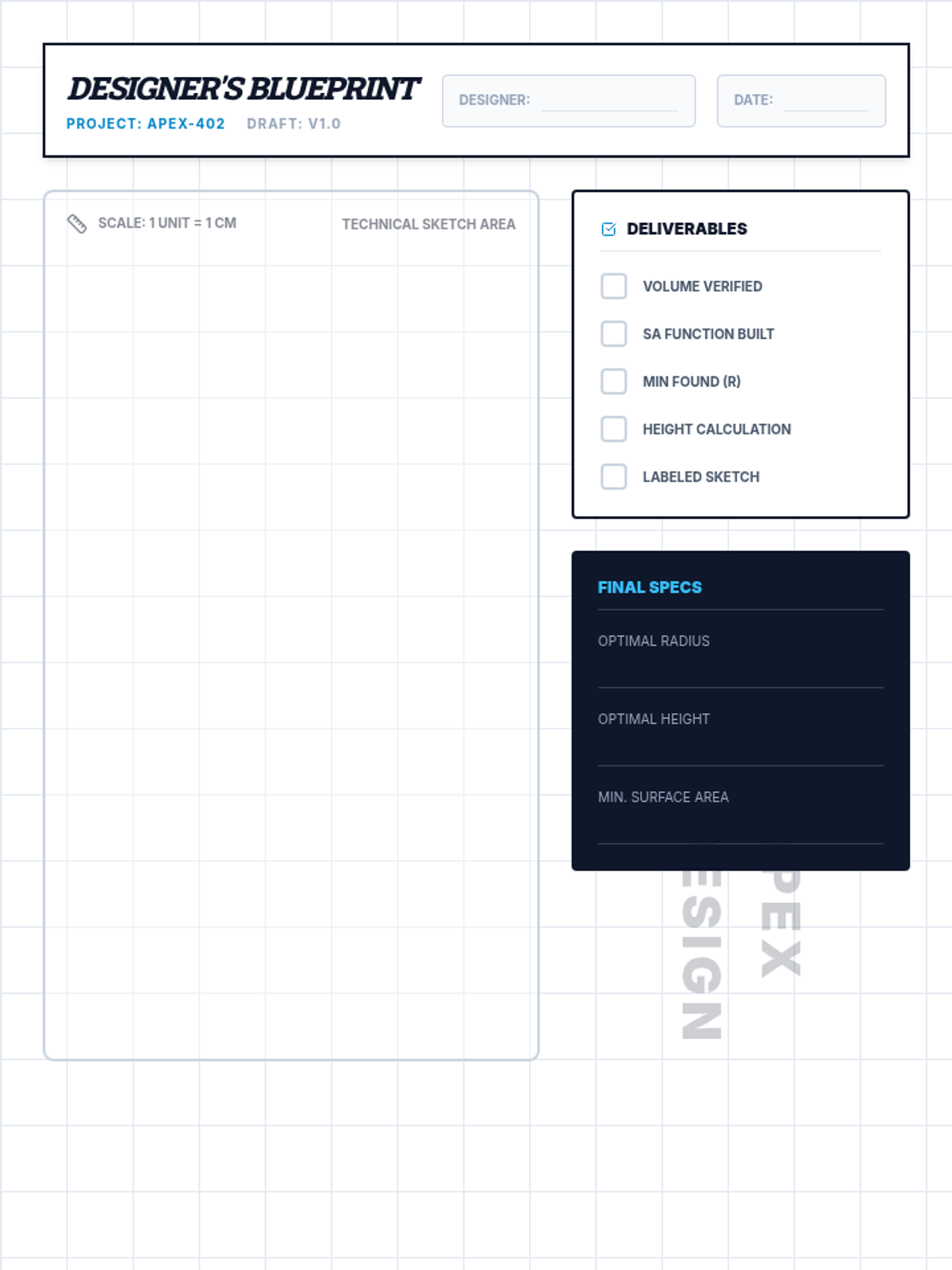
A high school geometry and algebra sequence focused on applying 3D geometry formulas to real-world optimization problems, specifically focusing on cones.
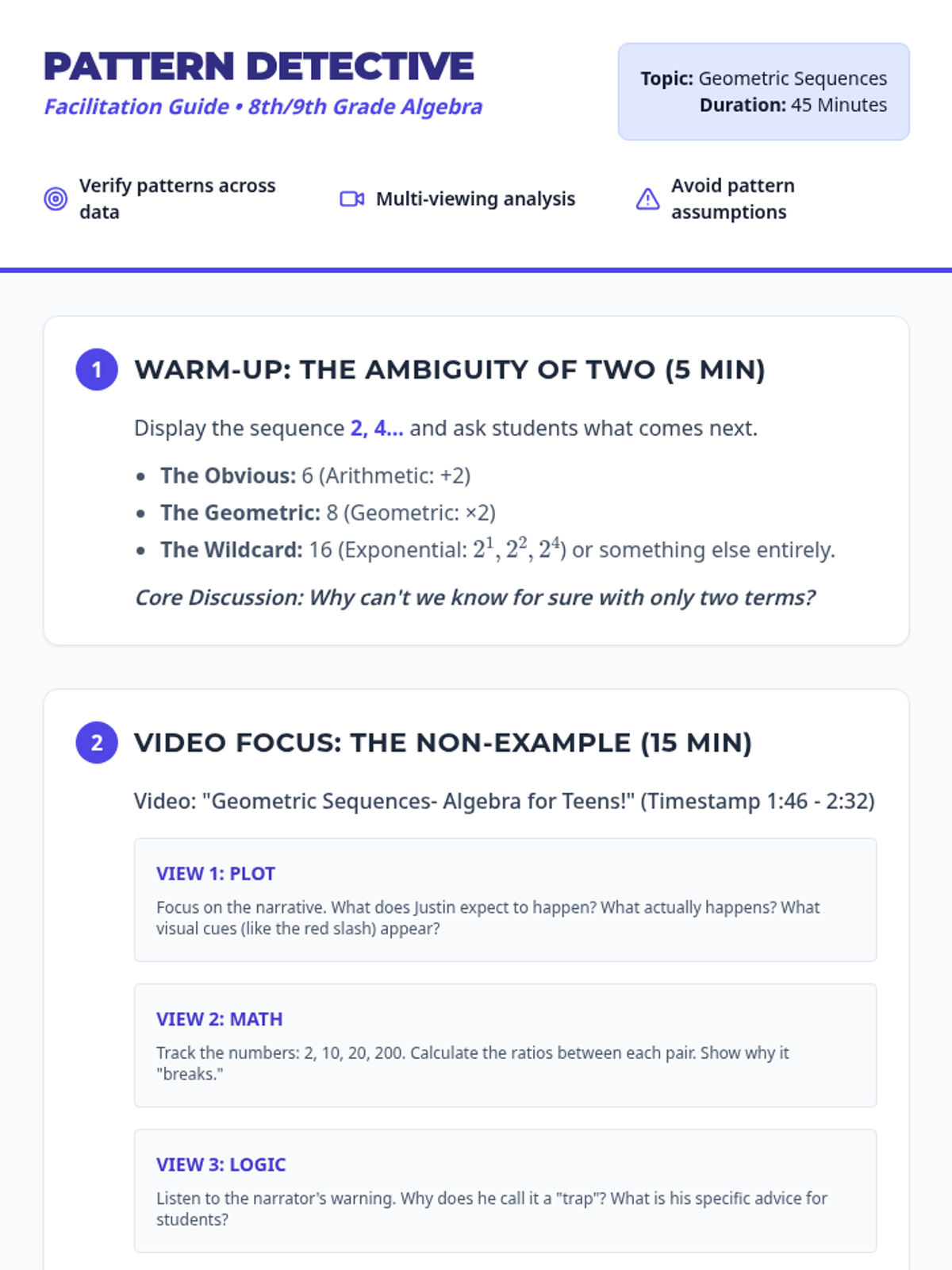
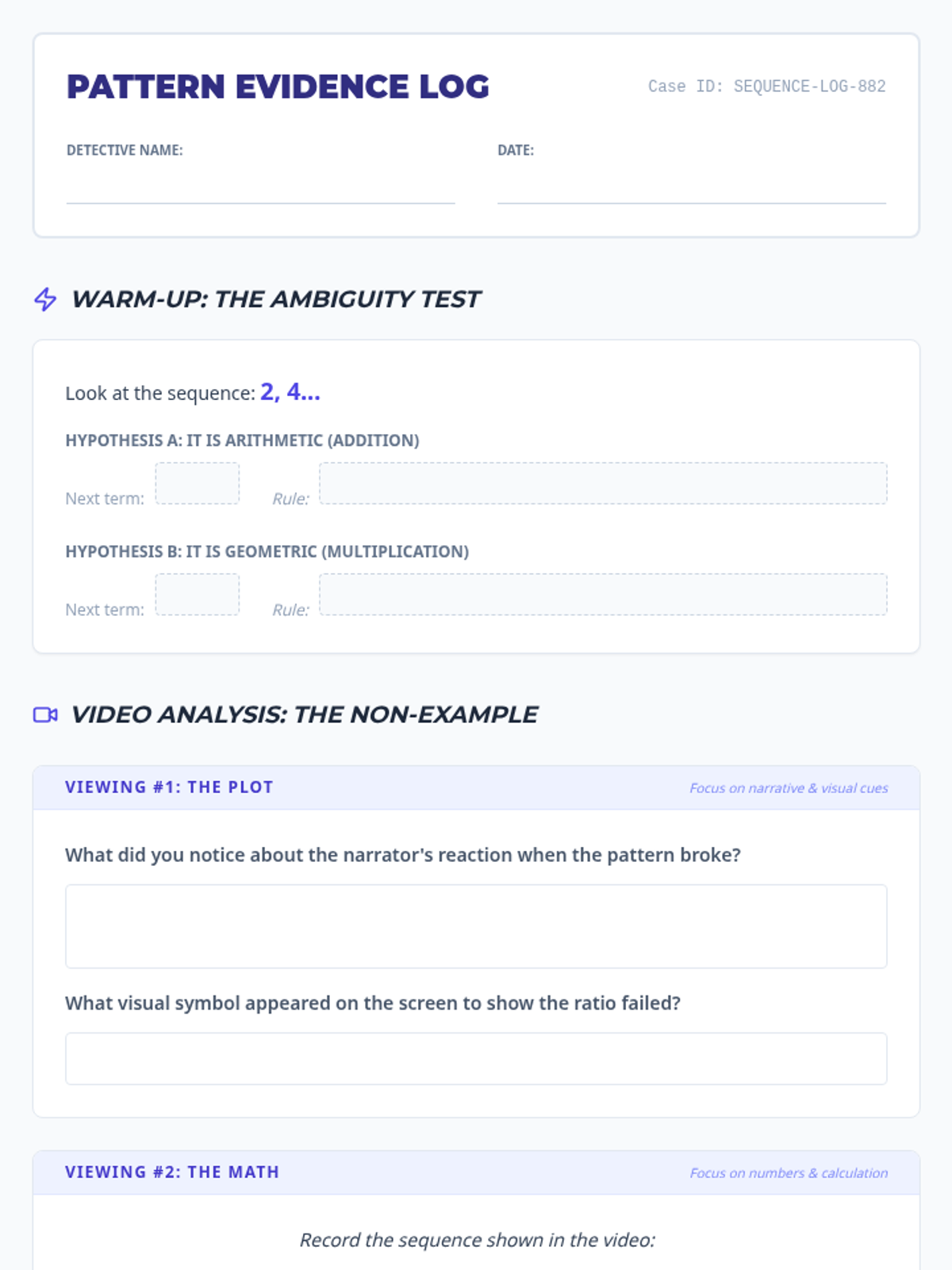
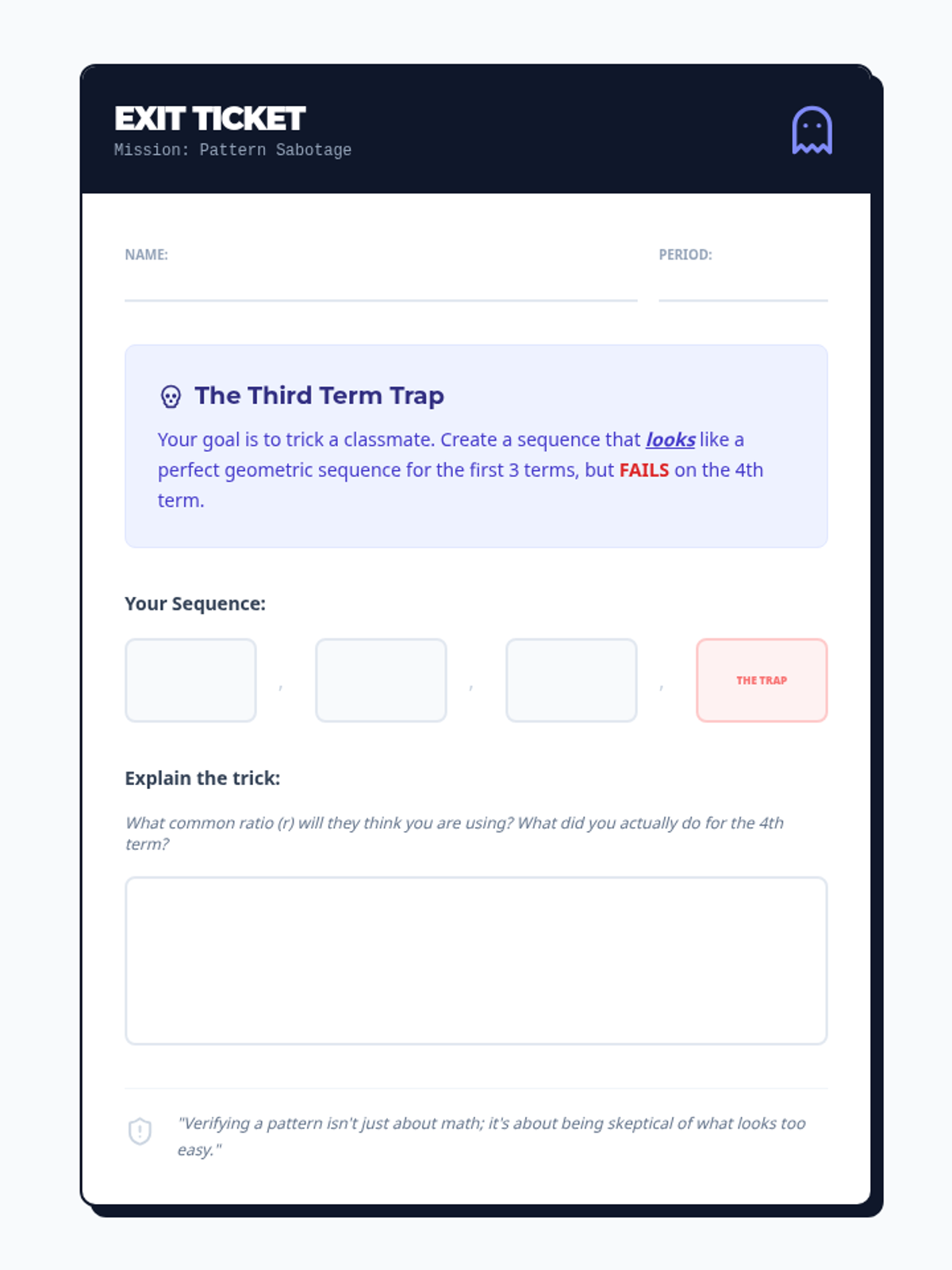
A lesson sequence focused on the critical thinking skills required to verify mathematical patterns, using geometric sequences as the primary vehicle for exploration. Students learn that initial data points can be deceptive and that rigorous verification is essential for mathematical proof and real-world predictions.
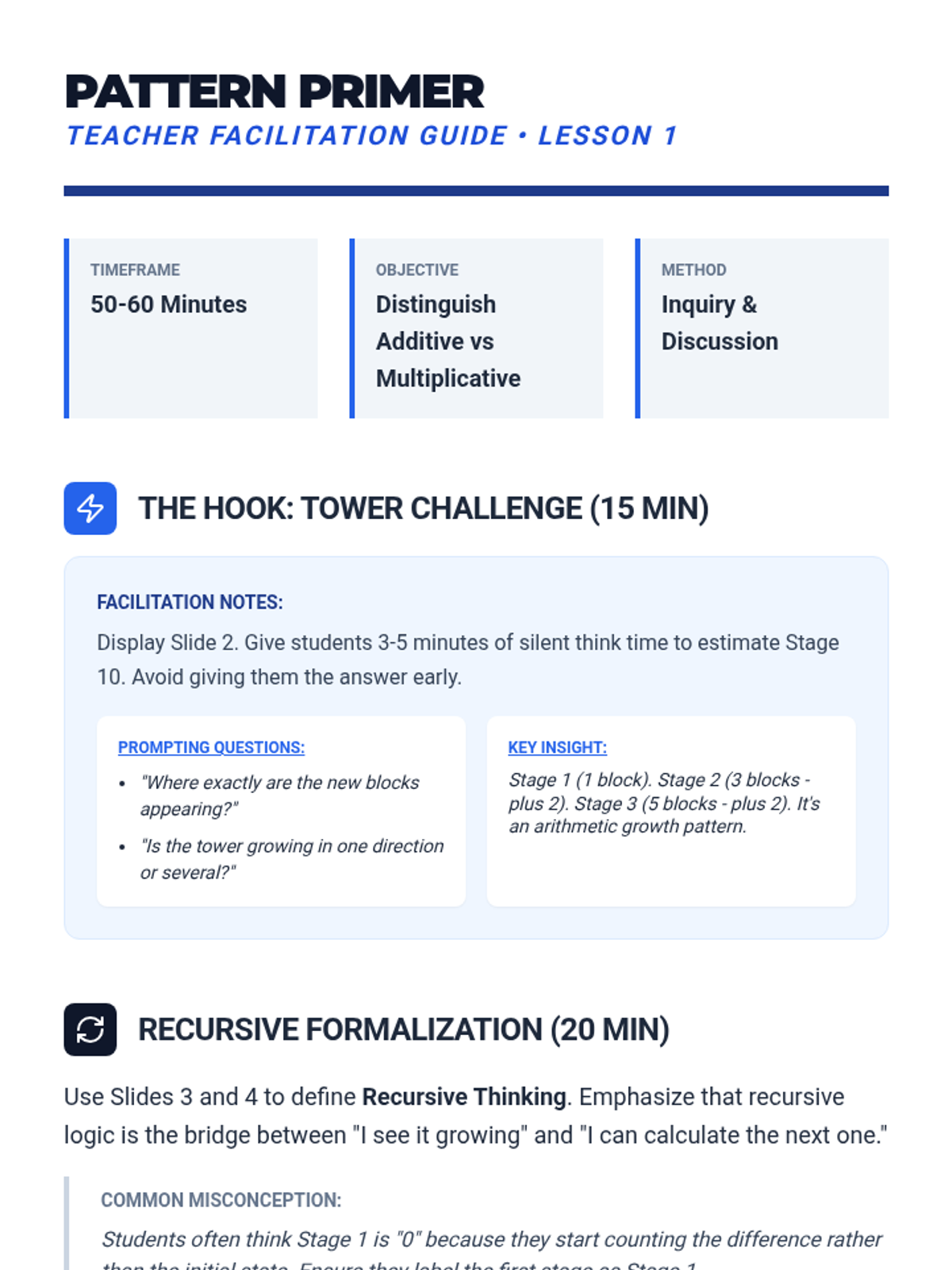
This sequence introduces students to arithmetic and geometric sequences, moving from visual patterns to formal algebraic formulas. Students explore the connections between sequences and linear or exponential functions, analyze complex non-standard patterns, and apply their knowledge in a culminating mastery assessment.
This sequence explores arithmetic and geometric sequences through inquiry, algebraic modeling, and real-world applications. Students transition from pattern recognition to formalizing recursive and explicit formulas to predict outcomes in linear and exponential systems.
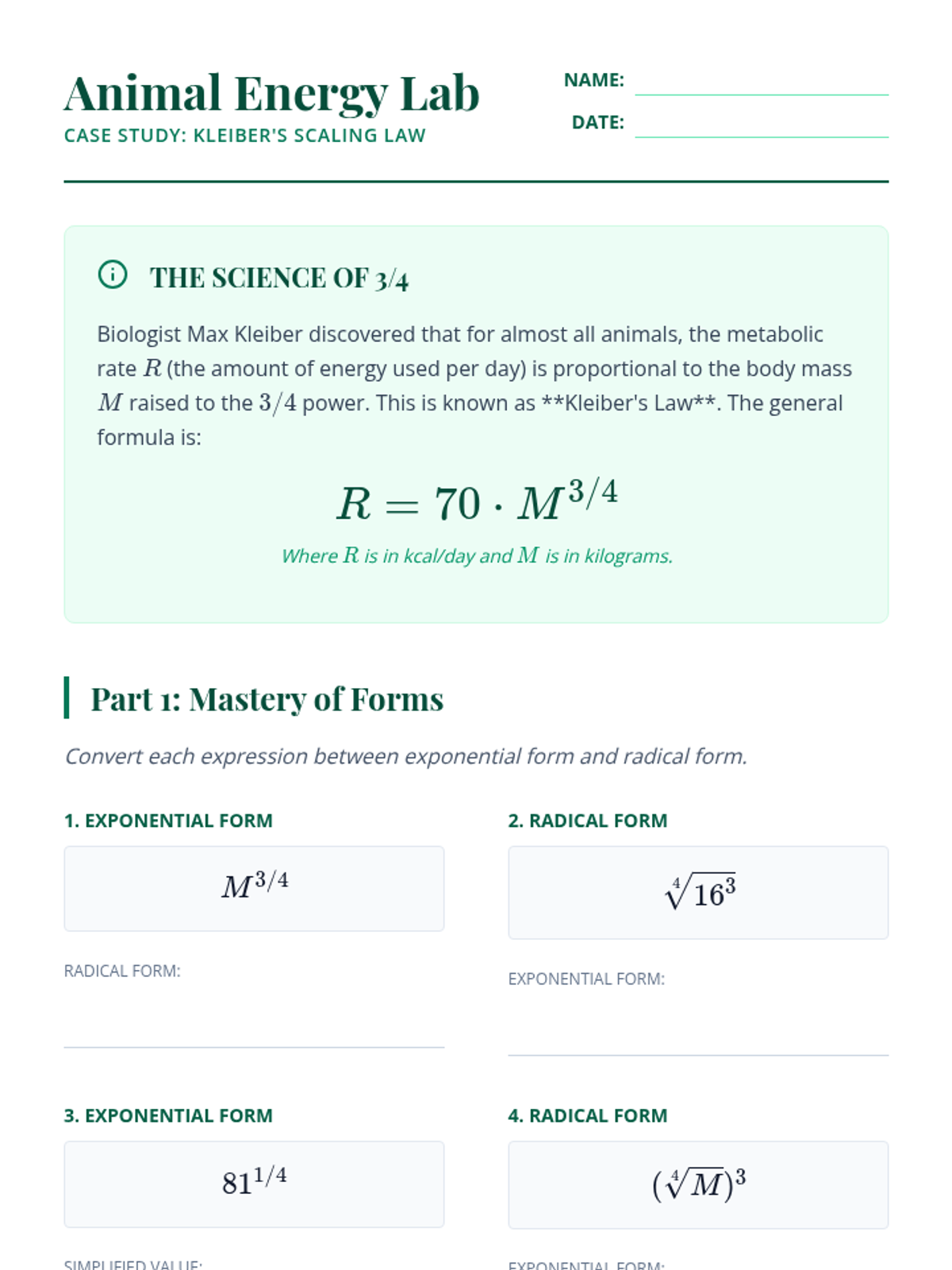
This sequence explores real-world applications of rational exponents across biology, astronomy, music, finance, and physics. Students transition from abstract algebraic manipulation to applying fractional powers to model complex natural and human-made systems.
This sequence investigates real-world applications of rational exponents in biology, finance, music, and physics. Students explore how fractional powers model growth, scaling, and harmonic relationships, culminating in a data-modeling project.
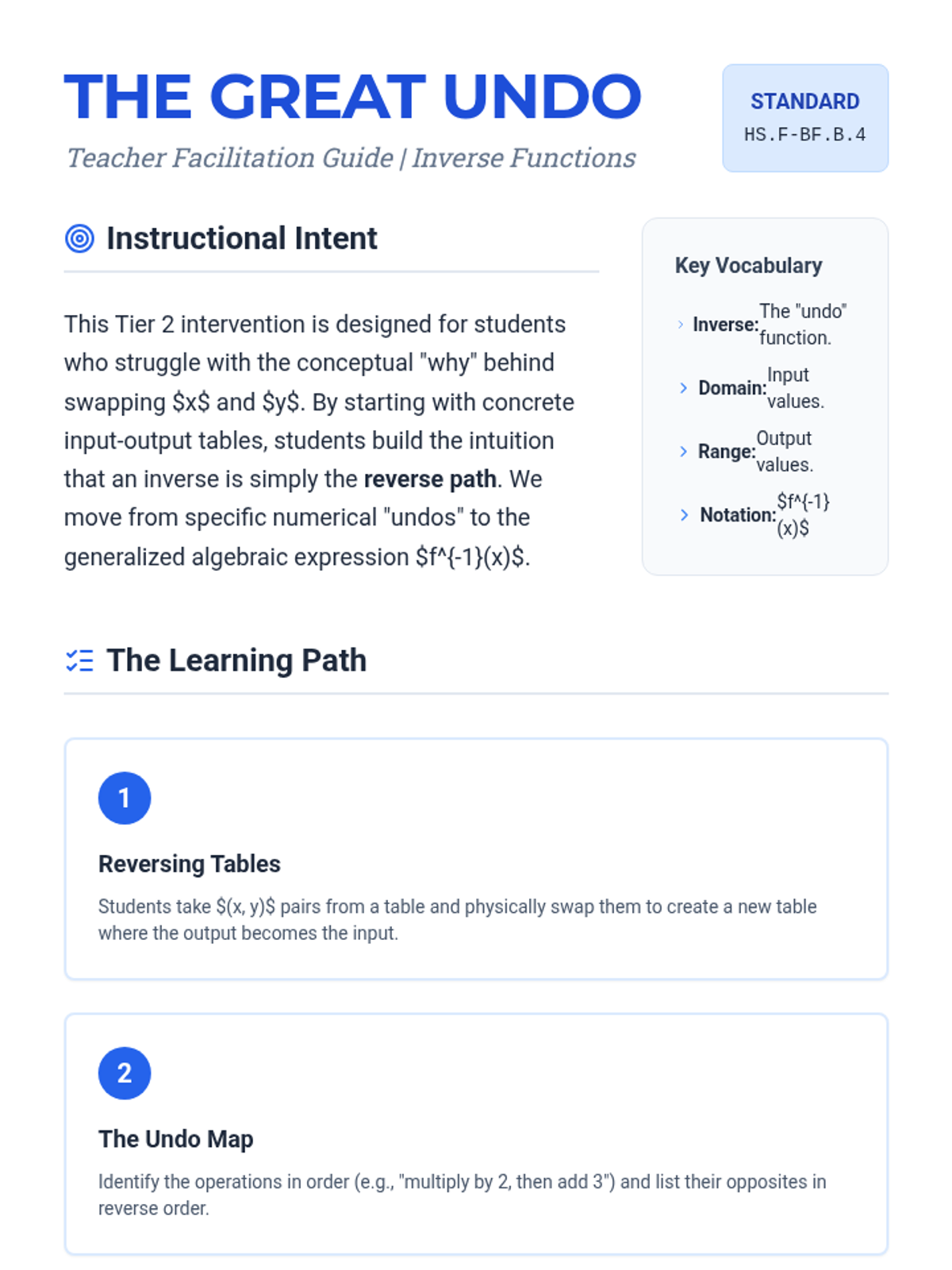
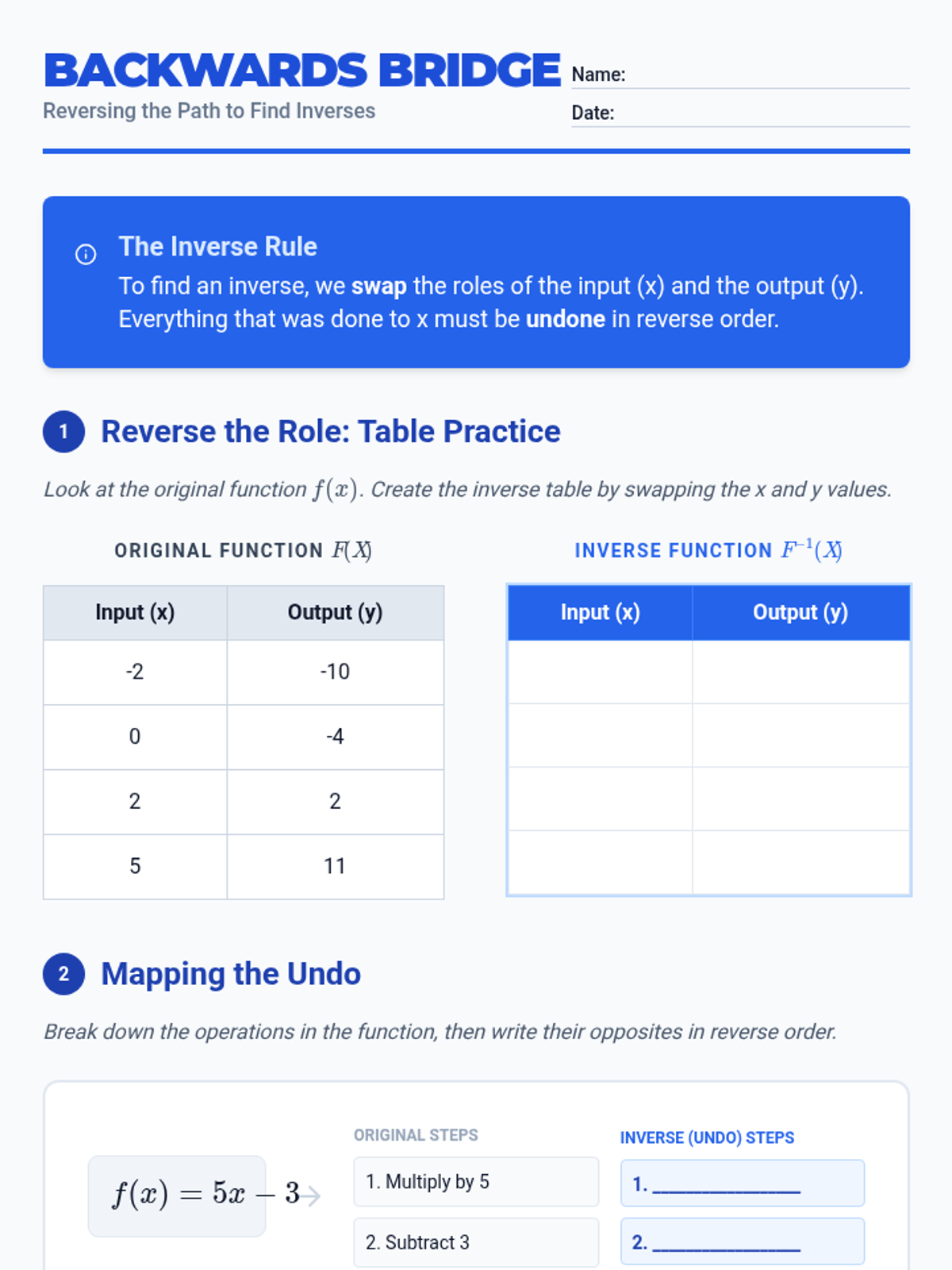
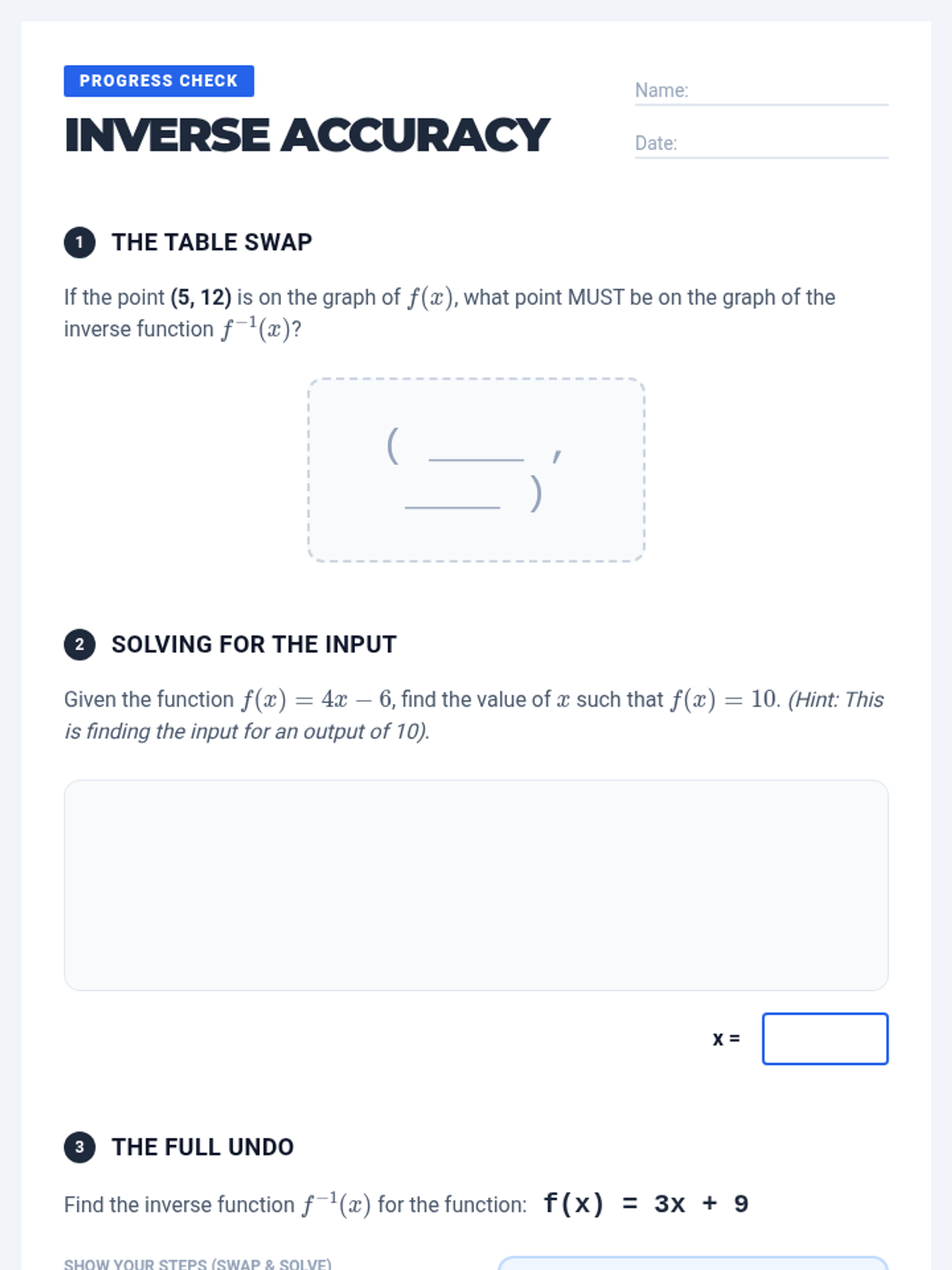
A Tier 2 intervention sequence focused on the conceptual and algebraic foundations of inverse functions. Students move from reversing input-output tables to solving algebraic equations to find inverse expressions.
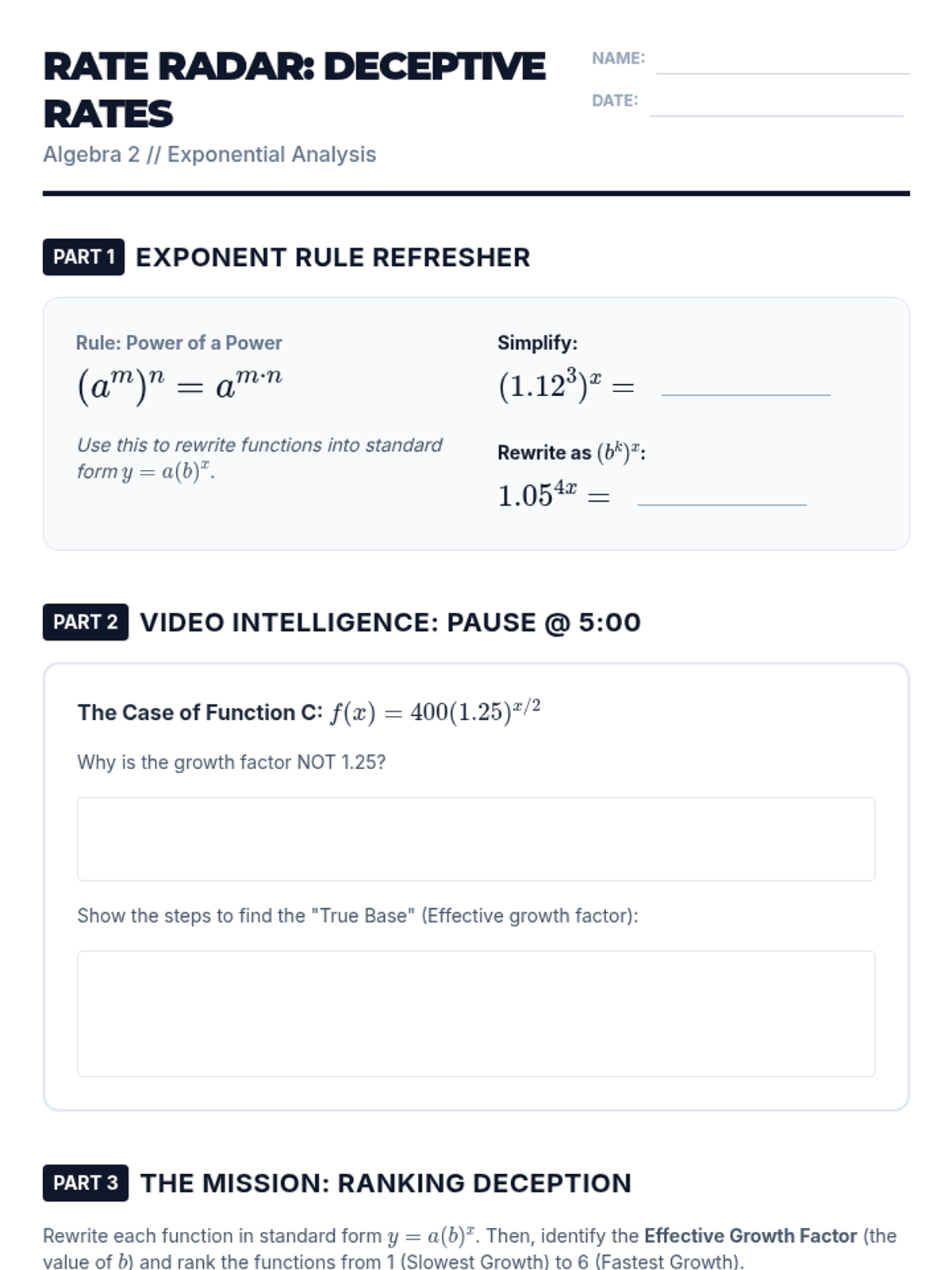
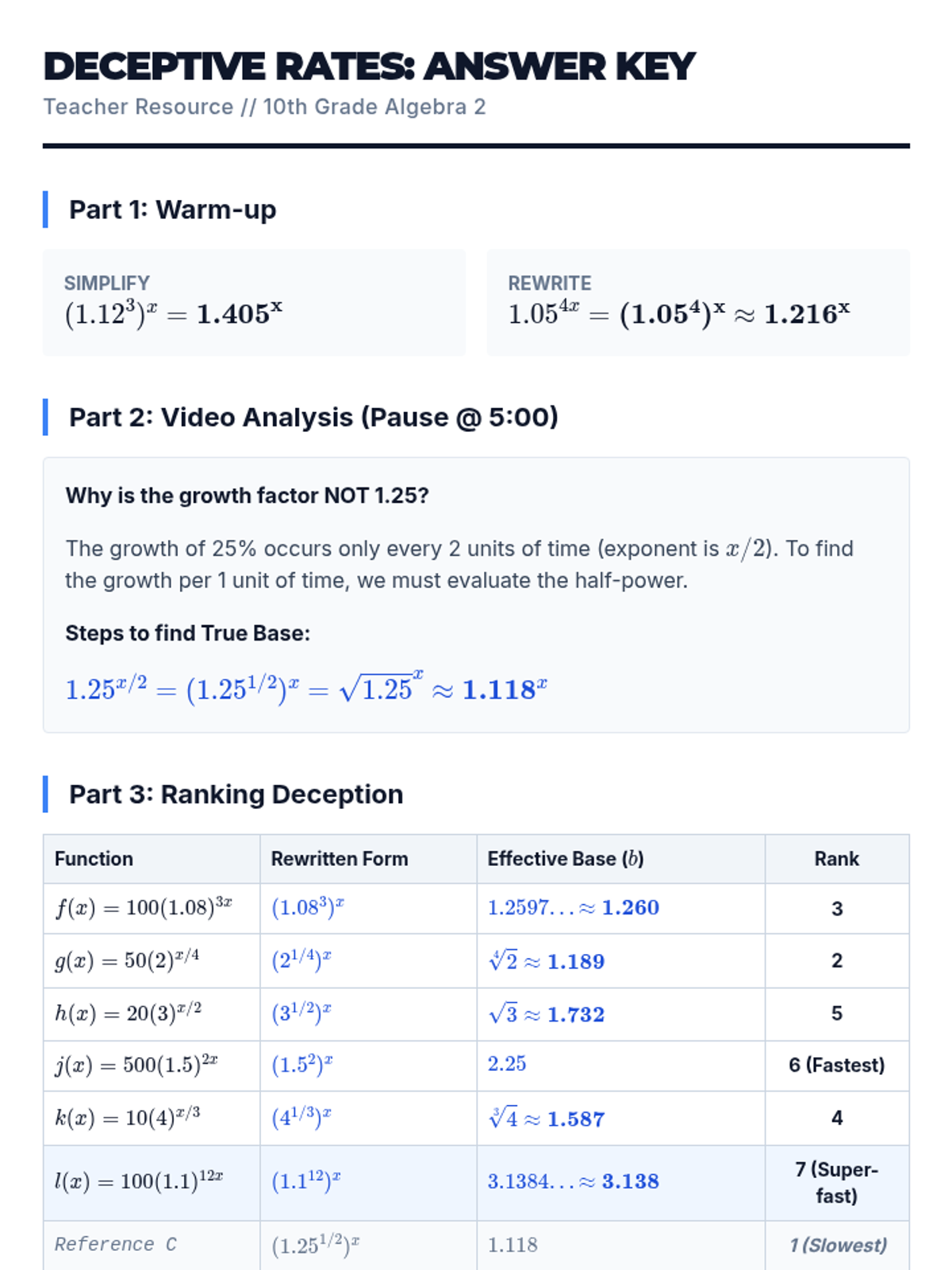
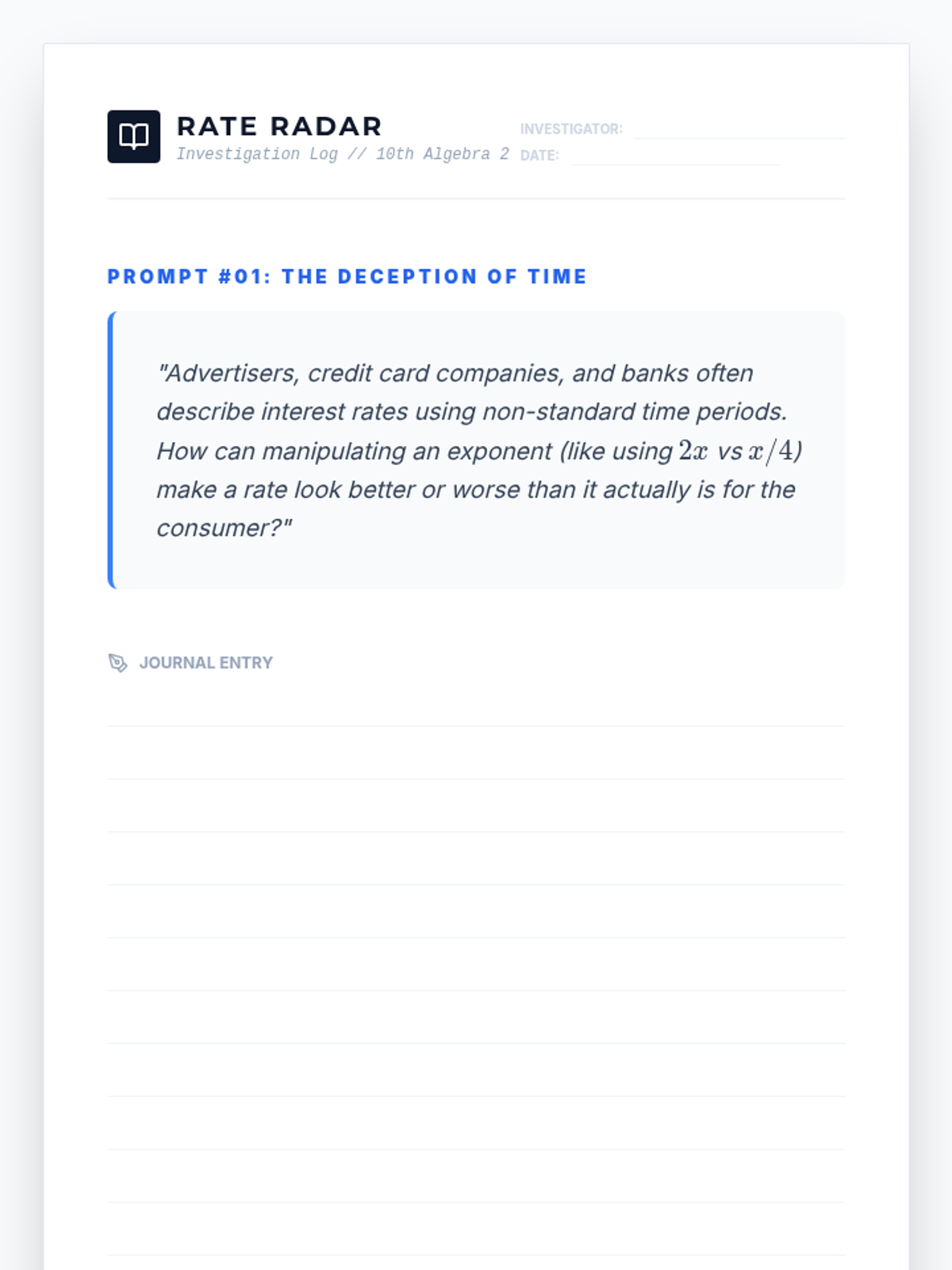
A lesson sequence focusing on analyzing and manipulating exponential functions to reveal true growth rates, using real-world financial contexts and exponent rules.
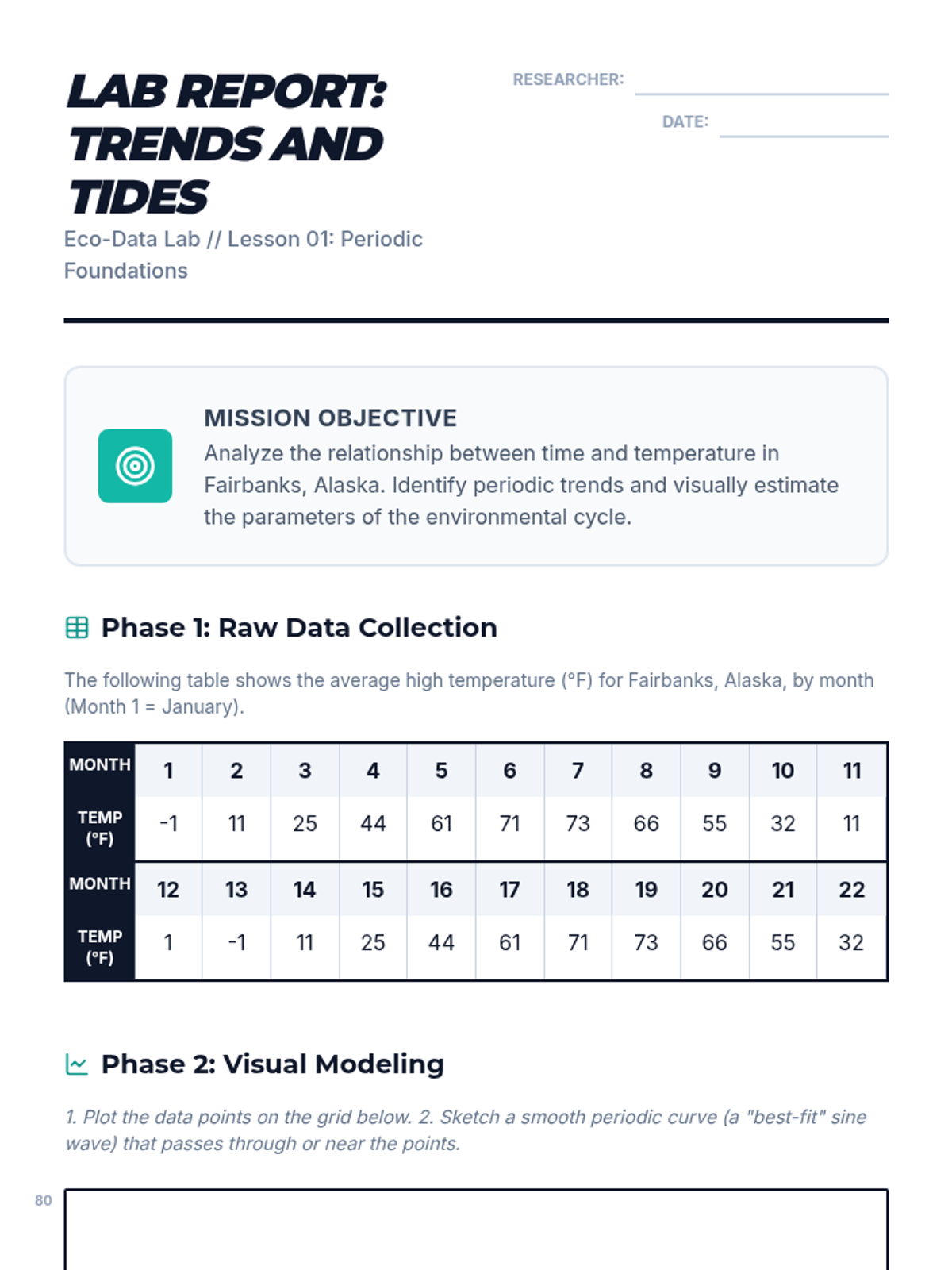
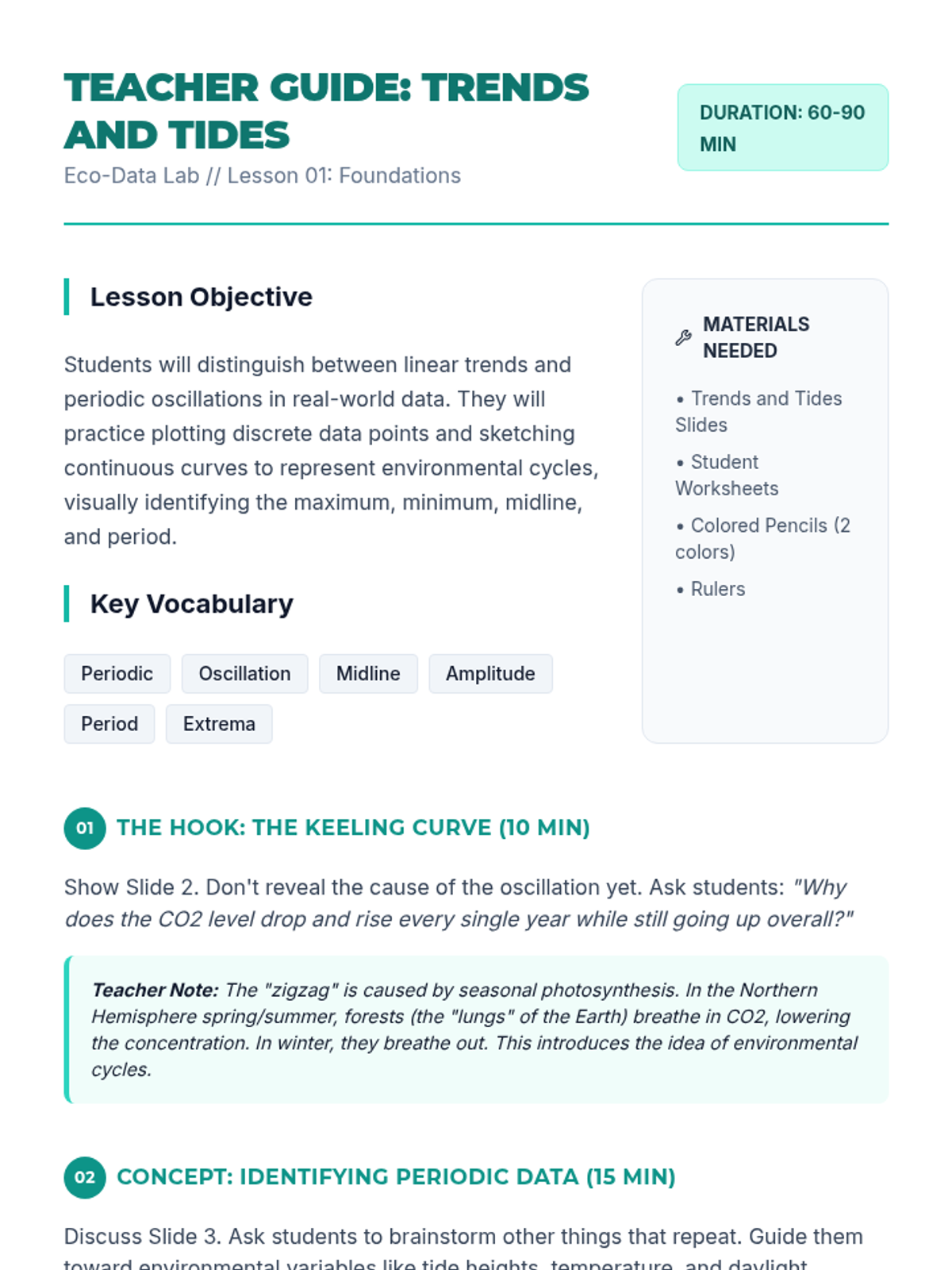
A comprehensive unit where students act as data scientists to model real-world environmental phenomena using trigonometric functions. They progress from visual estimation to precise algebraic modeling and technological regression to predict future environmental conditions.
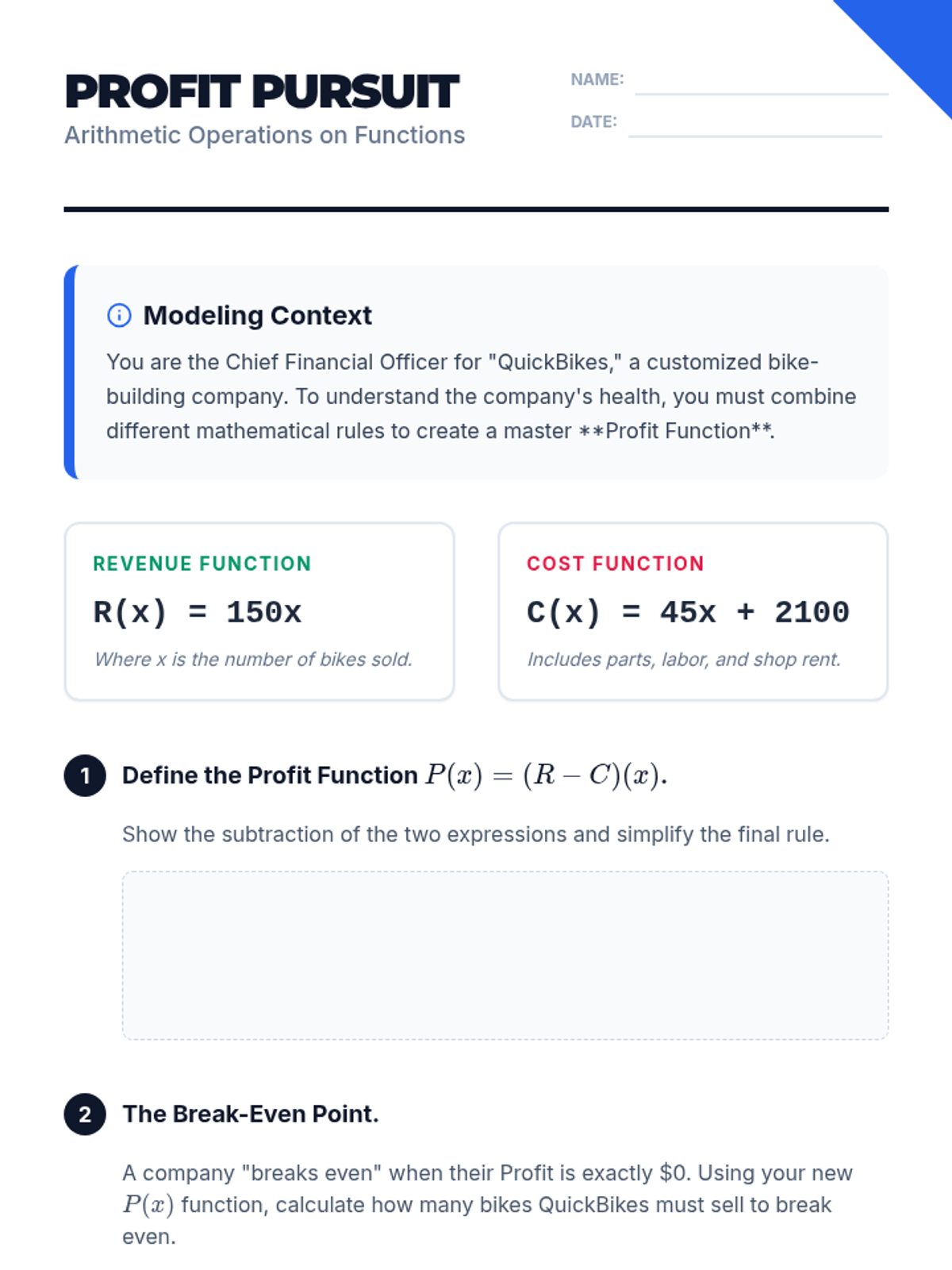
This sequence explores how functions can be treated as mathematical objects that can be added, subtracted, multiplied, and composed. Students move from basic arithmetic operations on business models to the abstract concept of function composition and decomposition, applying these skills to real-world scenarios like profit modeling and geometric expansion.
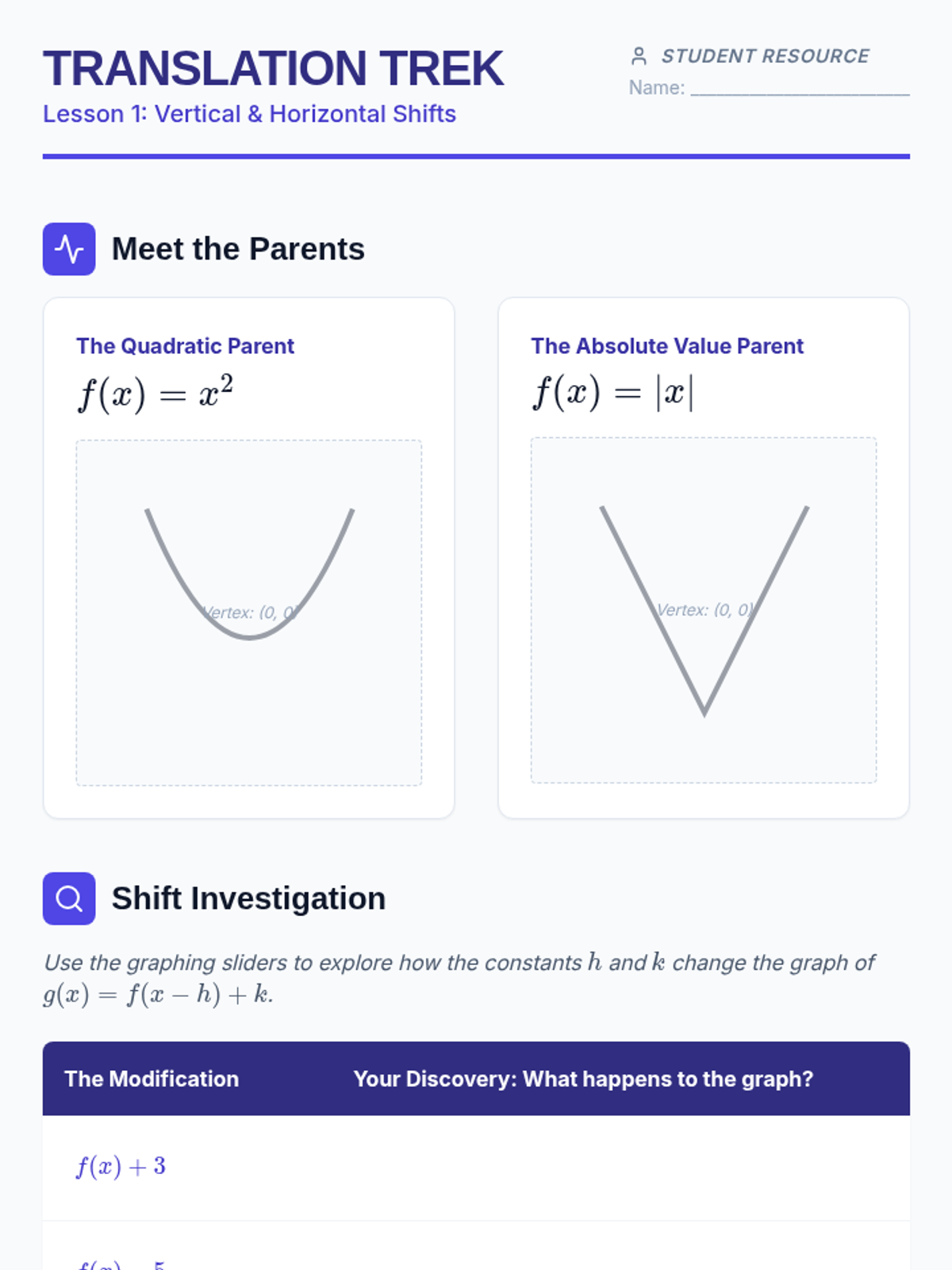
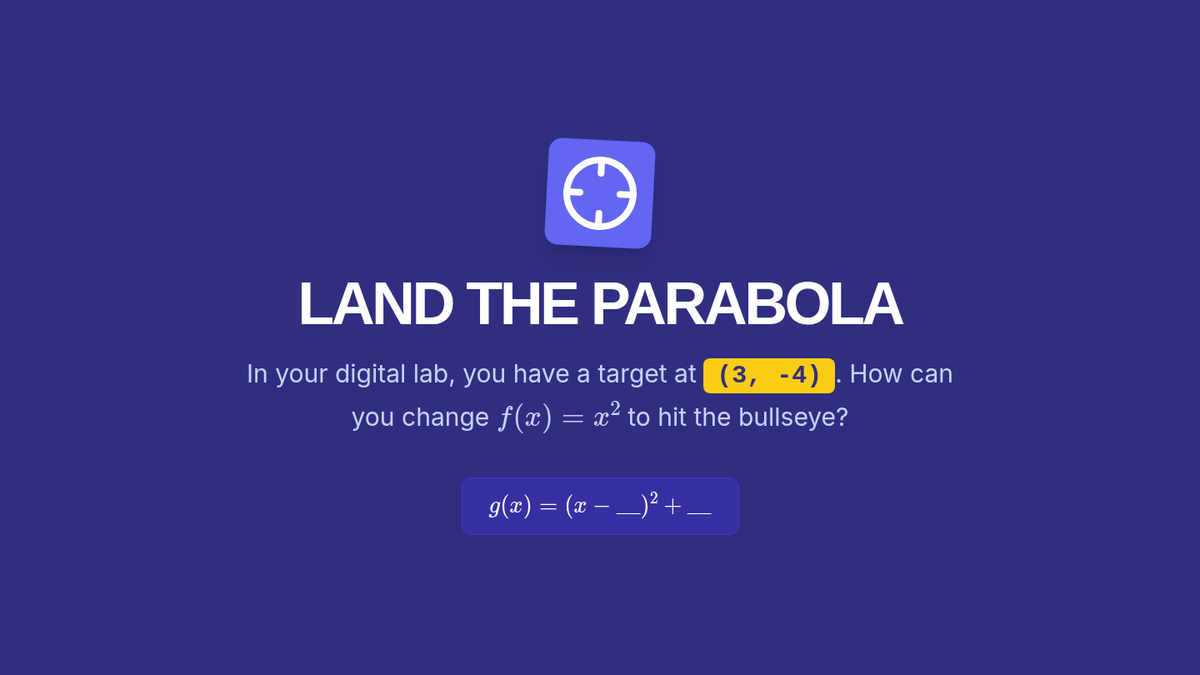
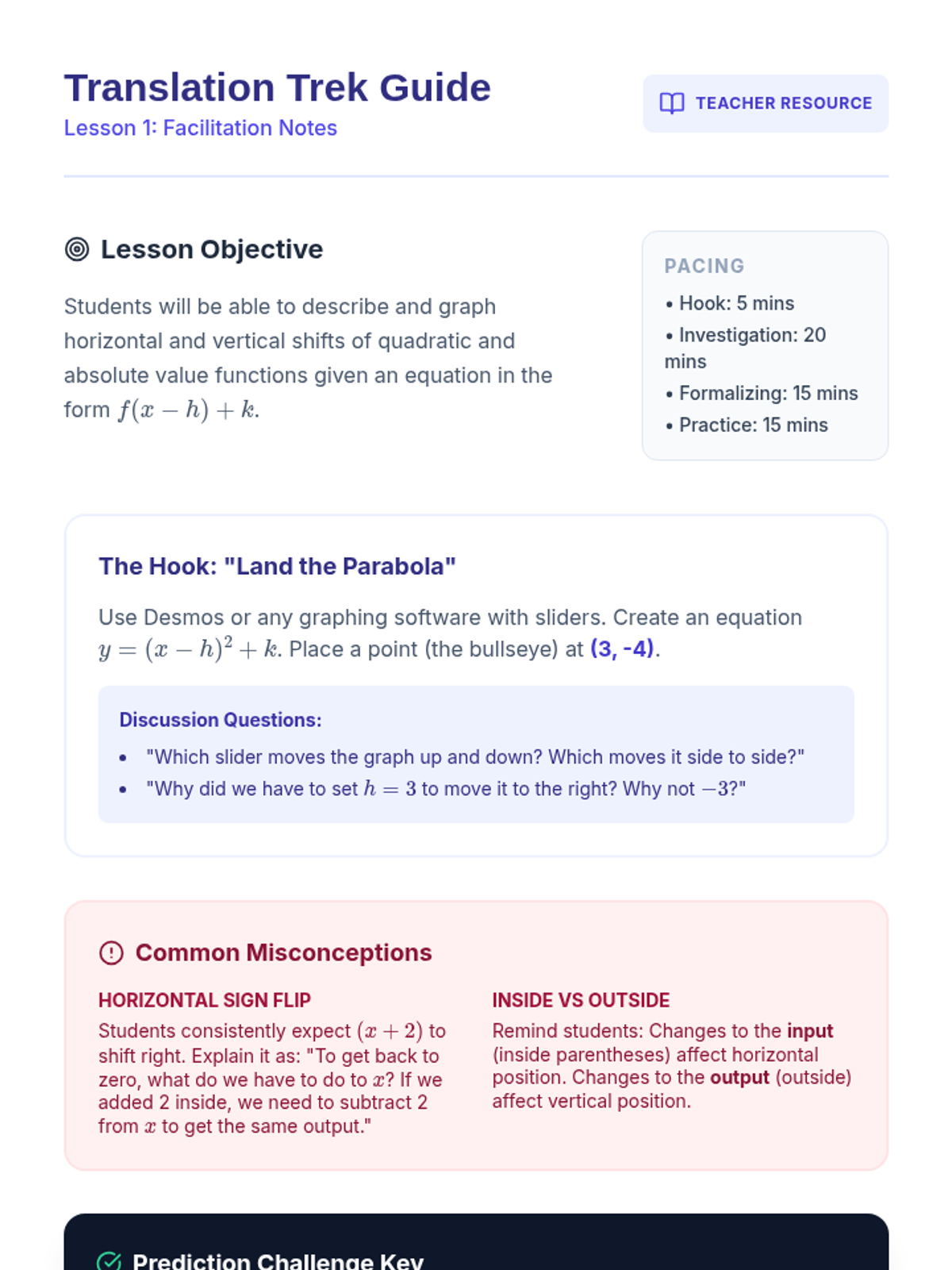
A comprehensive 9th-grade math sequence exploring the geometric transformations of parent functions. Students move from basic translations to complex dilations and reflections, culminating in a creative design project using transformed functions.
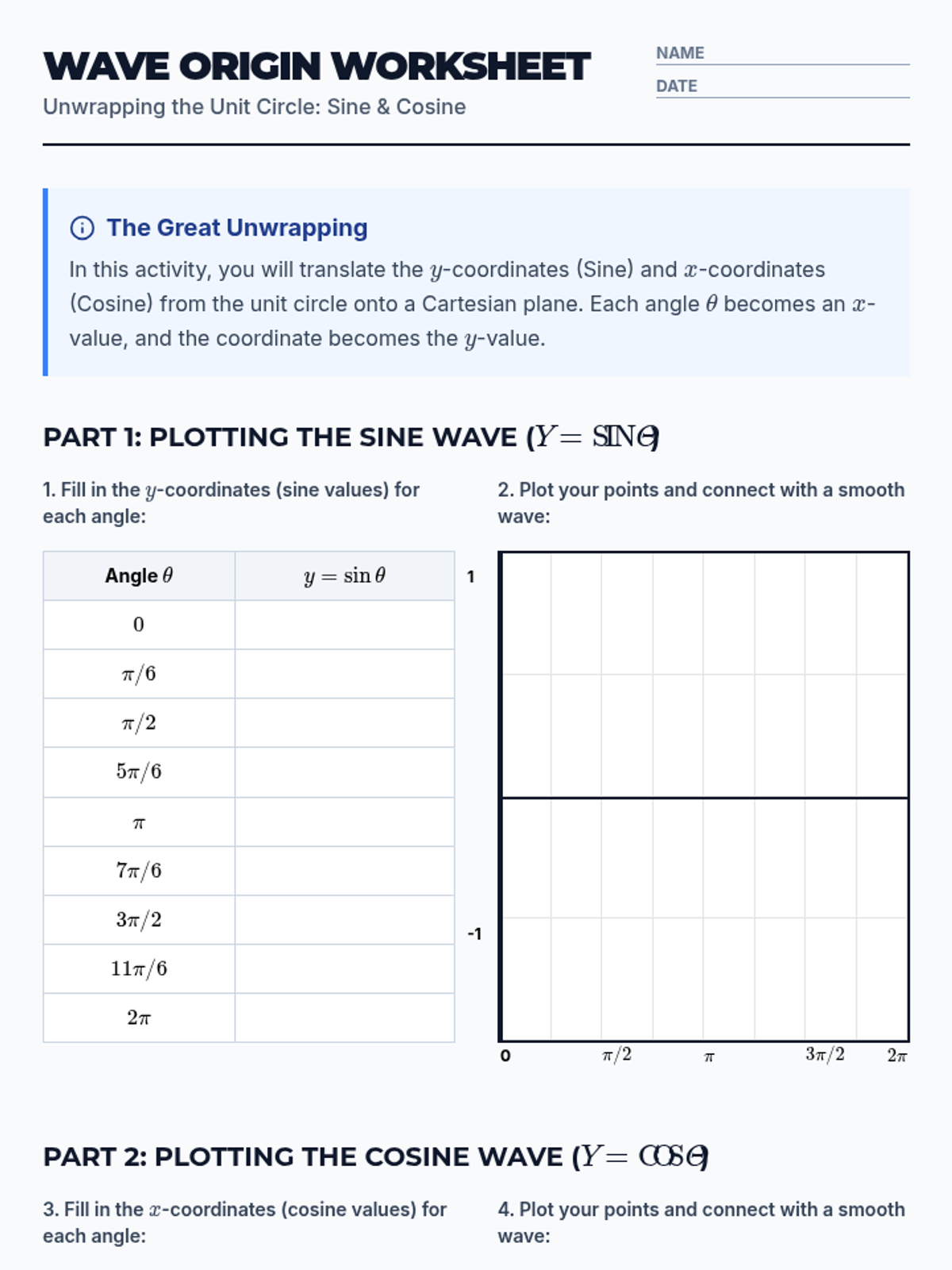
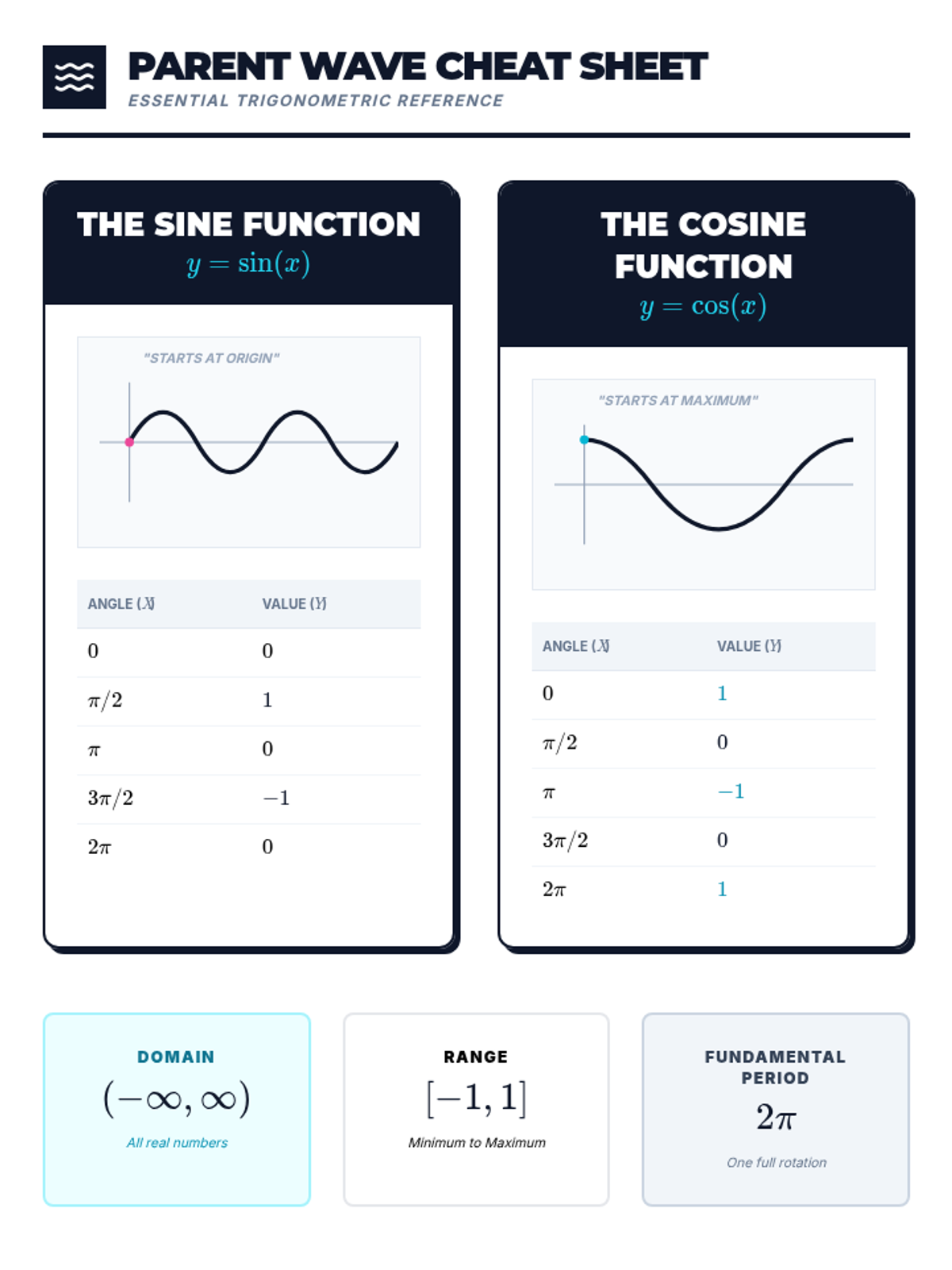
A comprehensive unit on graphing trigonometric functions, transitioning from the unit circle to complex transformations. Students explore amplitude, period, phase shifts, and vertical translations for sine, cosine, and tangent functions.
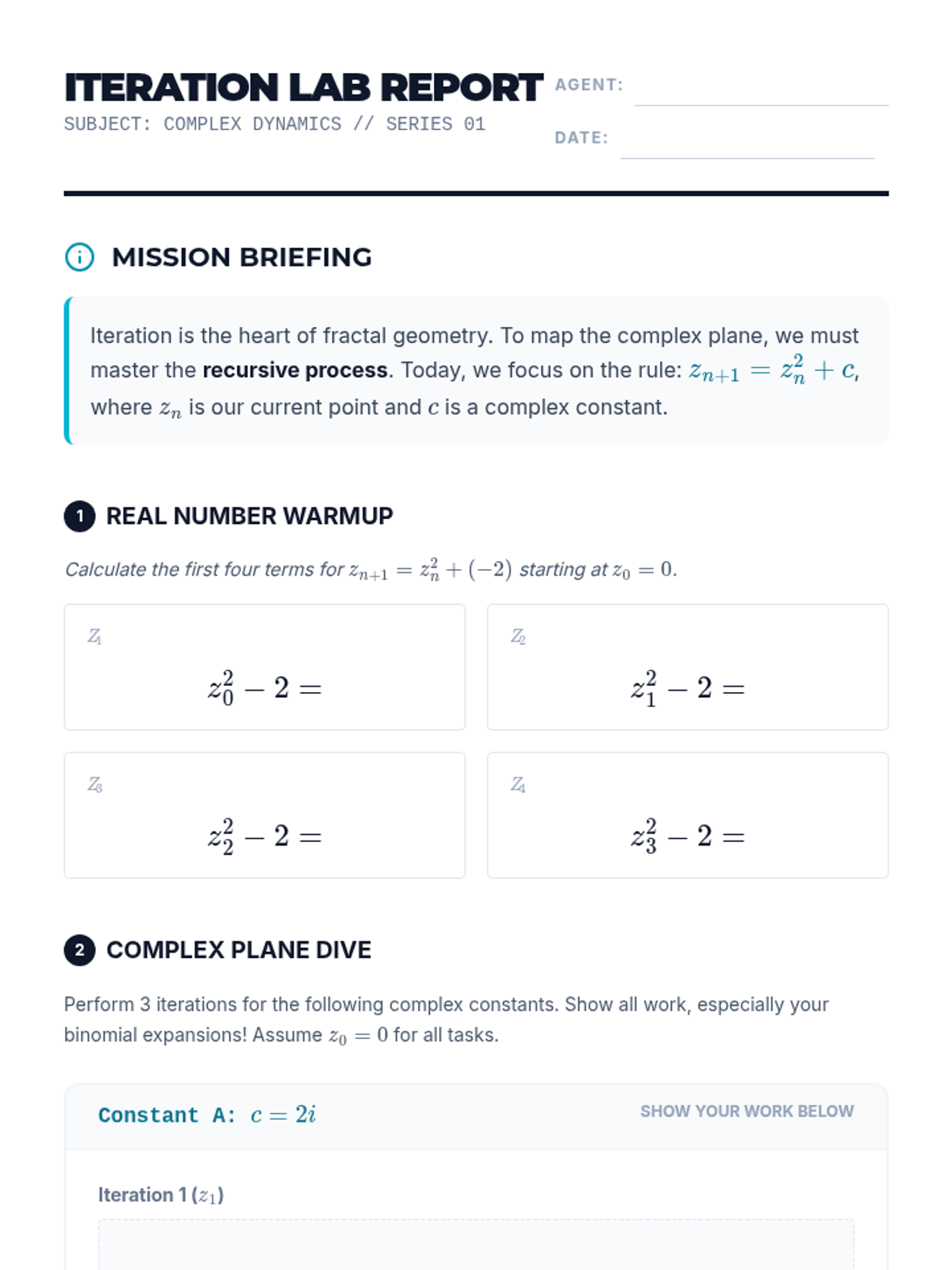
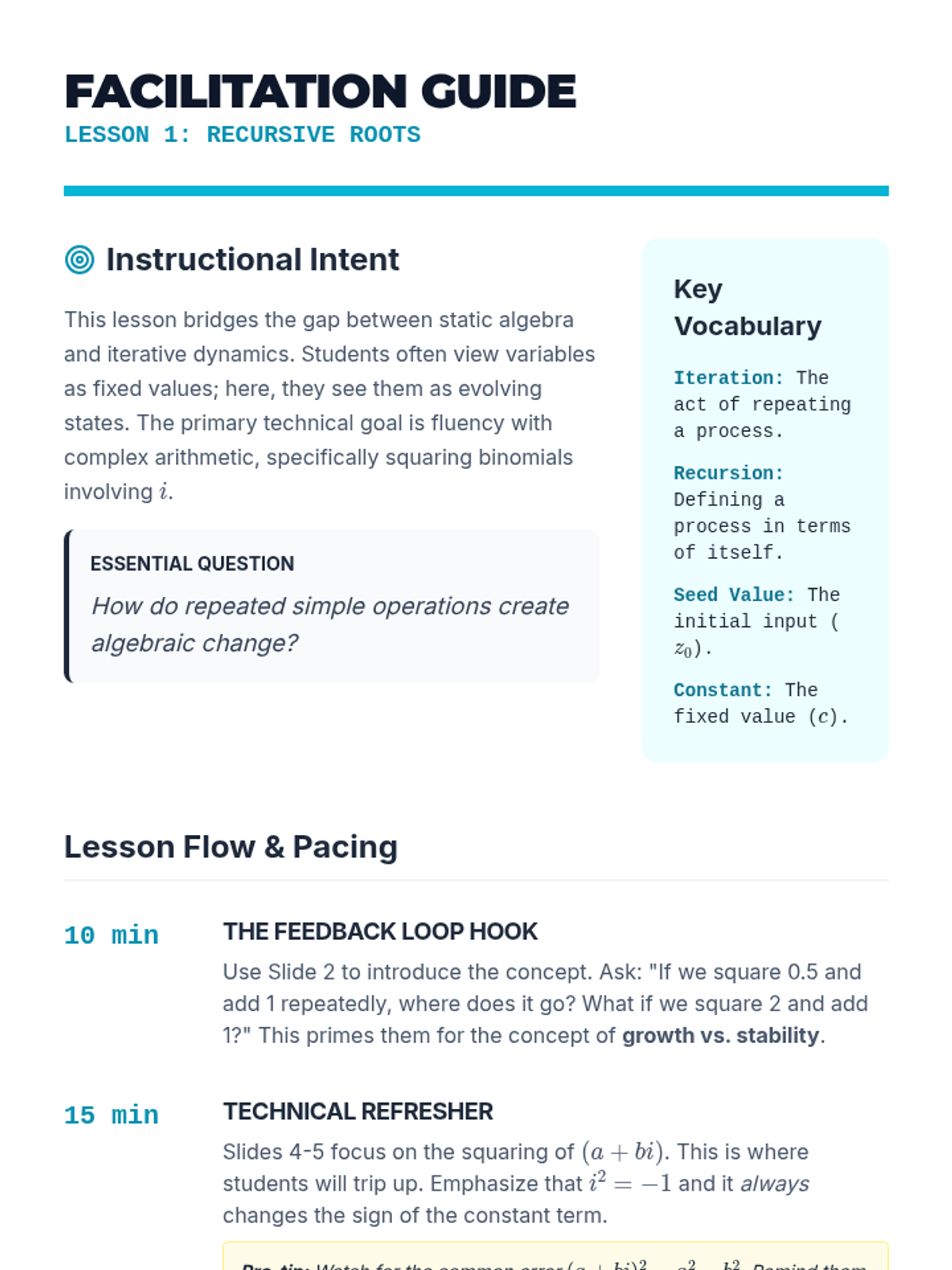
A project-based algebra sequence exploring complex number arithmetic through iterative processes and fractal geometry. Students transition from basic recursion to mapping orbits in the complex plane, culminating in a visual project exploring the Mandelbrot set.
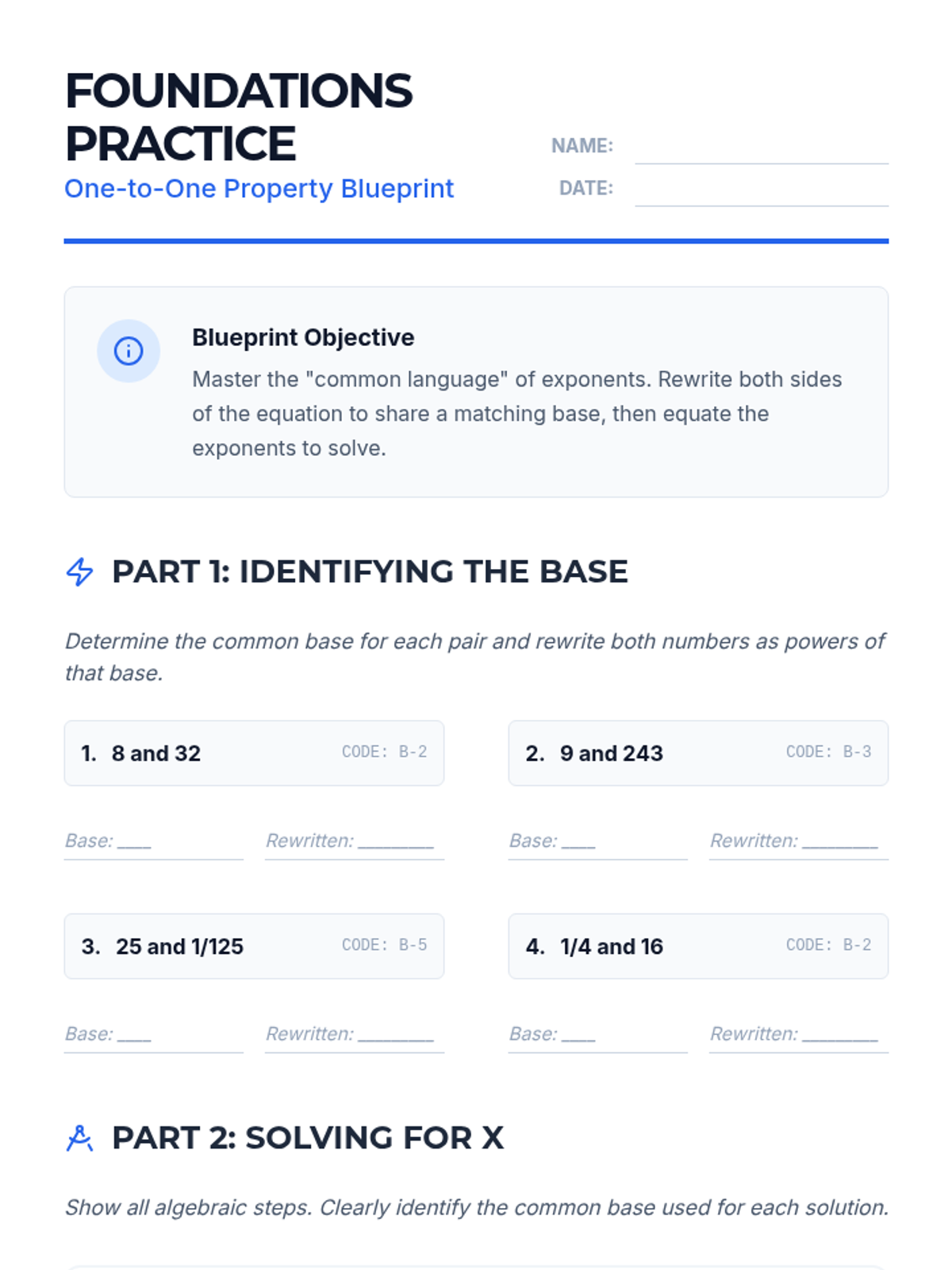
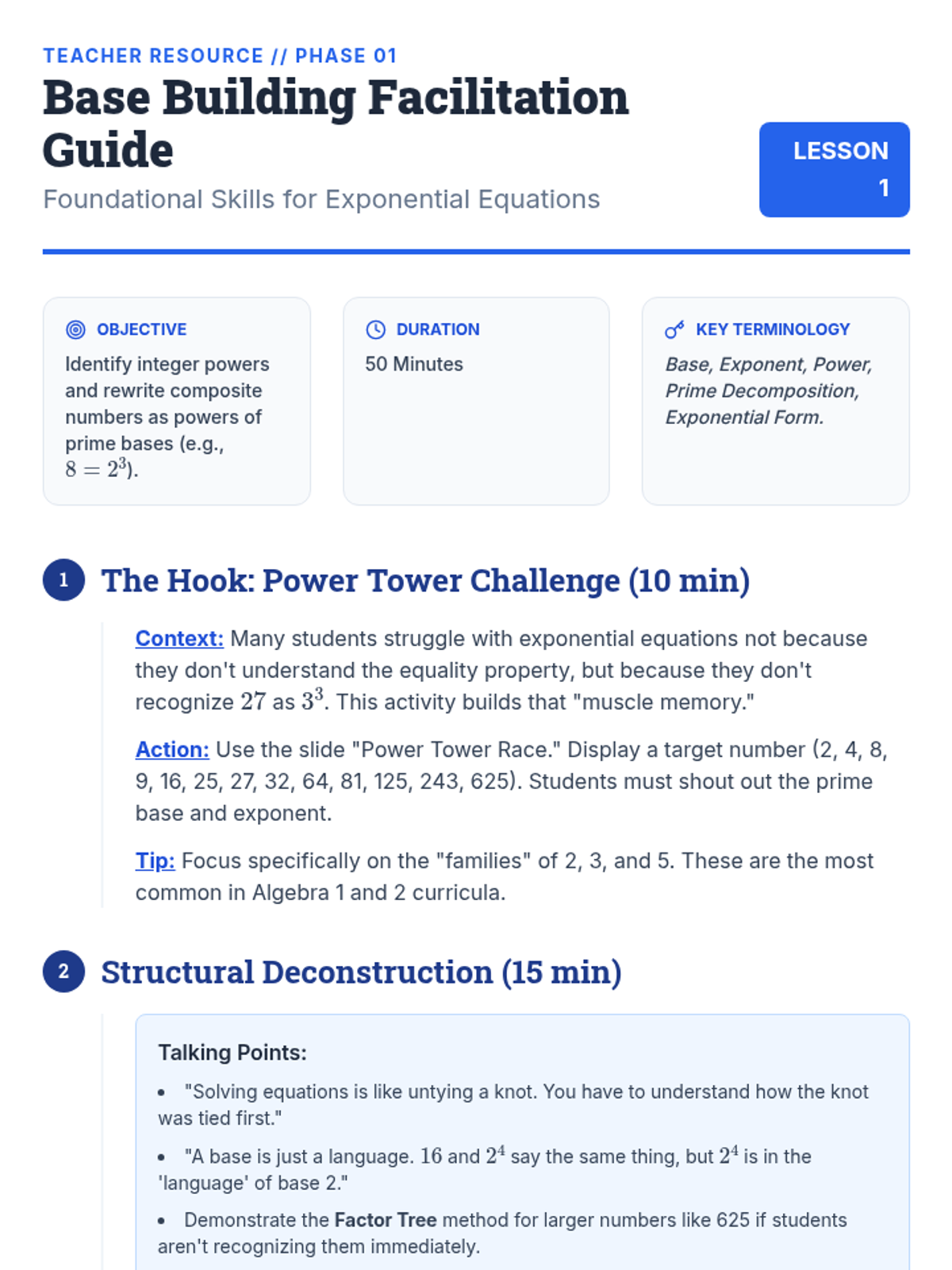
This sequence establishes foundational algebraic techniques for solving exponential equations, moving from common base matching to logarithmic inversion. It emphasizes the concept of inverse functions as the primary mechanism for variable isolation, preparing students for calculus and scientific applications.
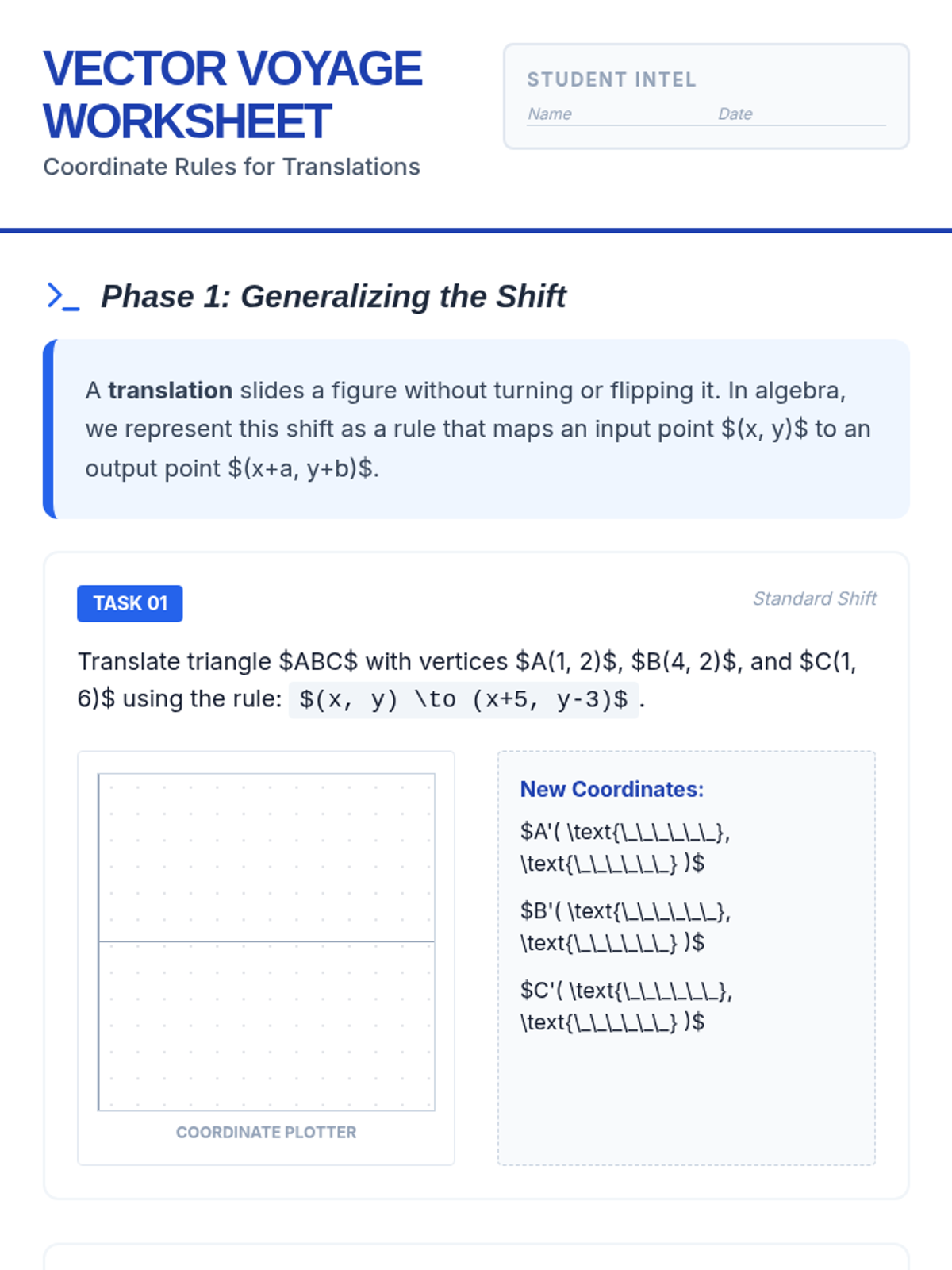
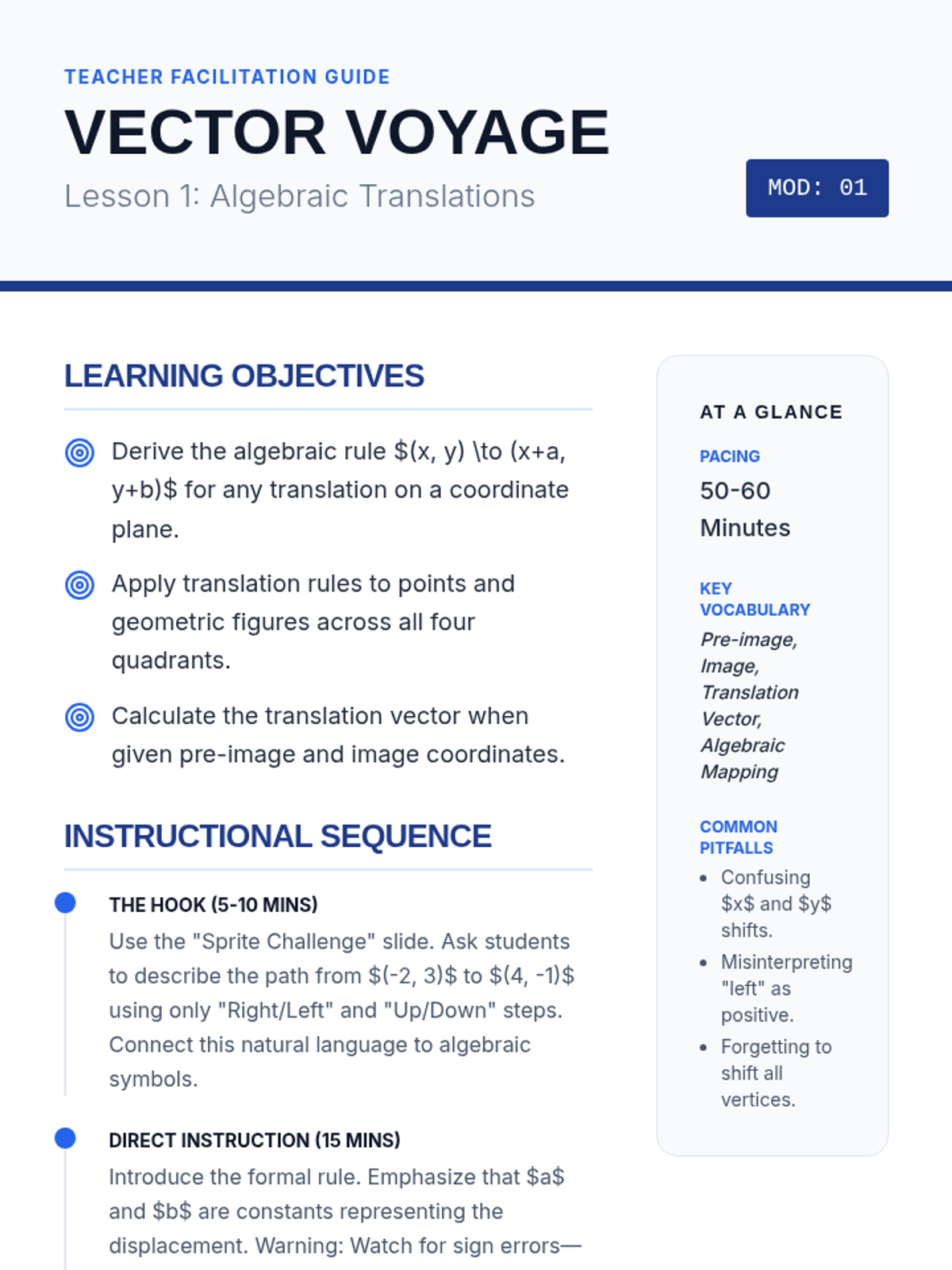
A comprehensive unit on using algebraic rules to represent rigid motions (translations, reflections, and rotations) on the coordinate plane. Students progress from basic rules to complex compositions and congruence verification.
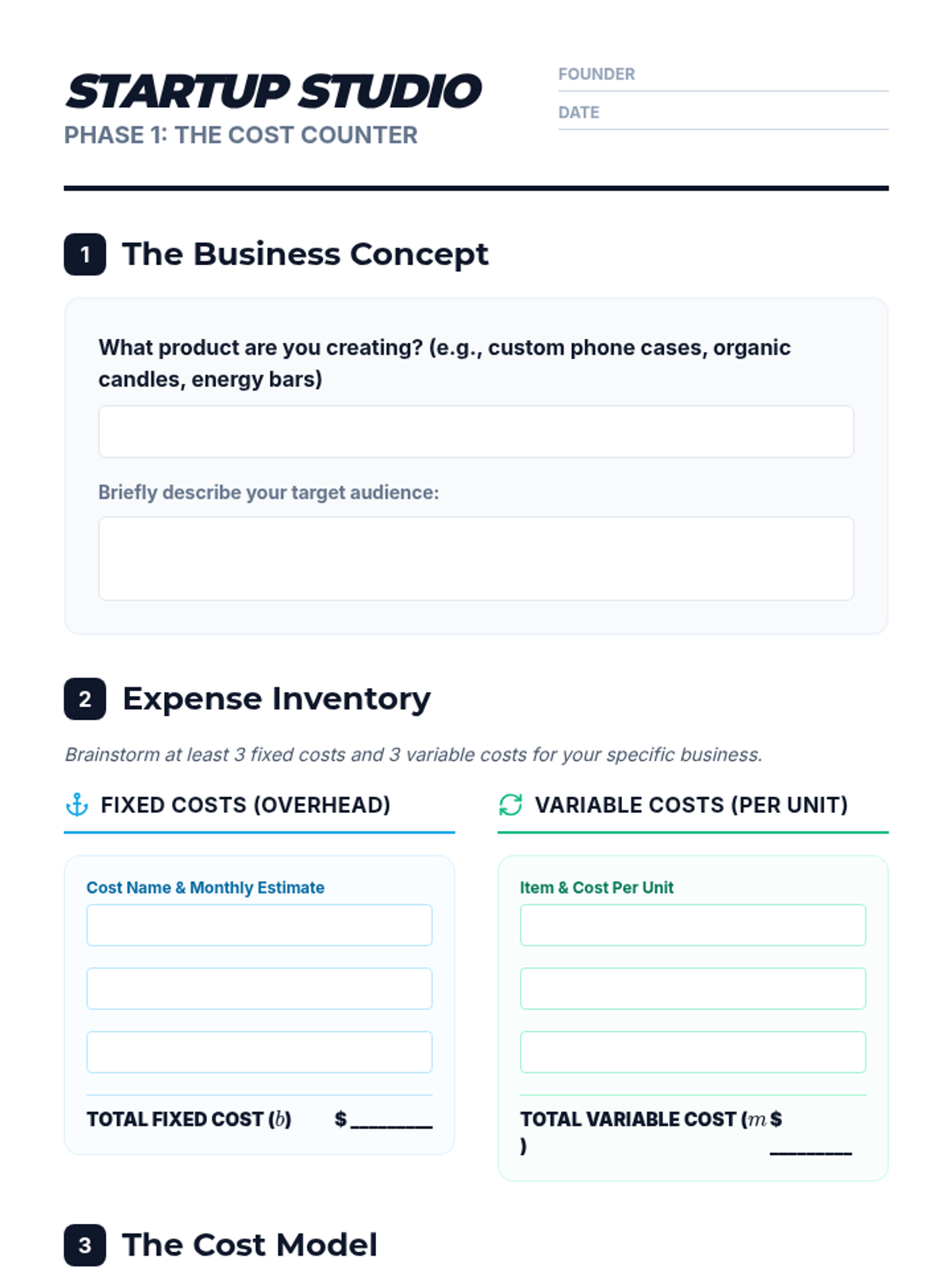
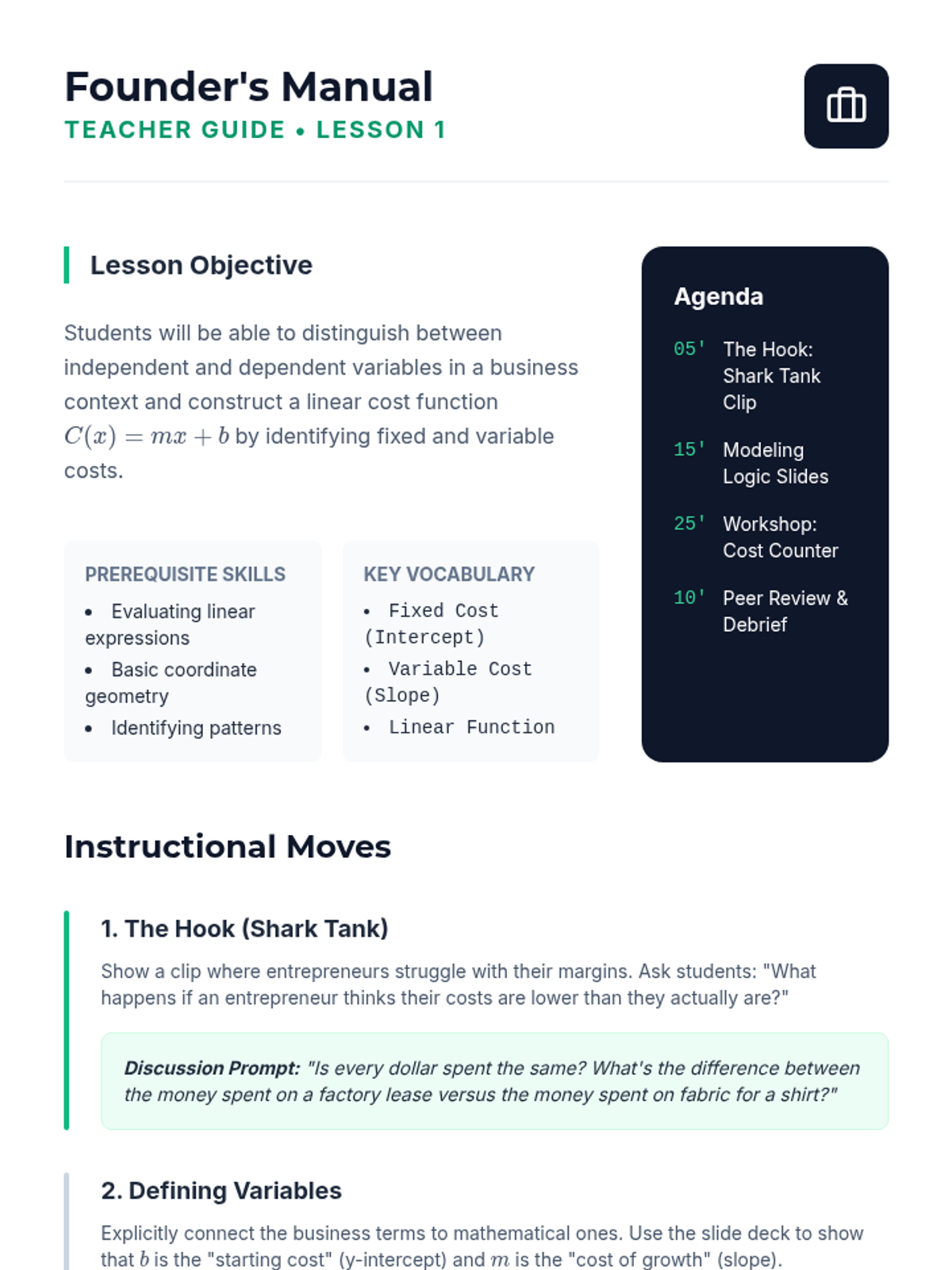
In this project-based sequence, 9th-grade students act as entrepreneurs to model the financial viability of a business startup using algebraic functions. They progress from linear cost models to revenue and profit functions, culminating in break-even analysis and strategic optimization.
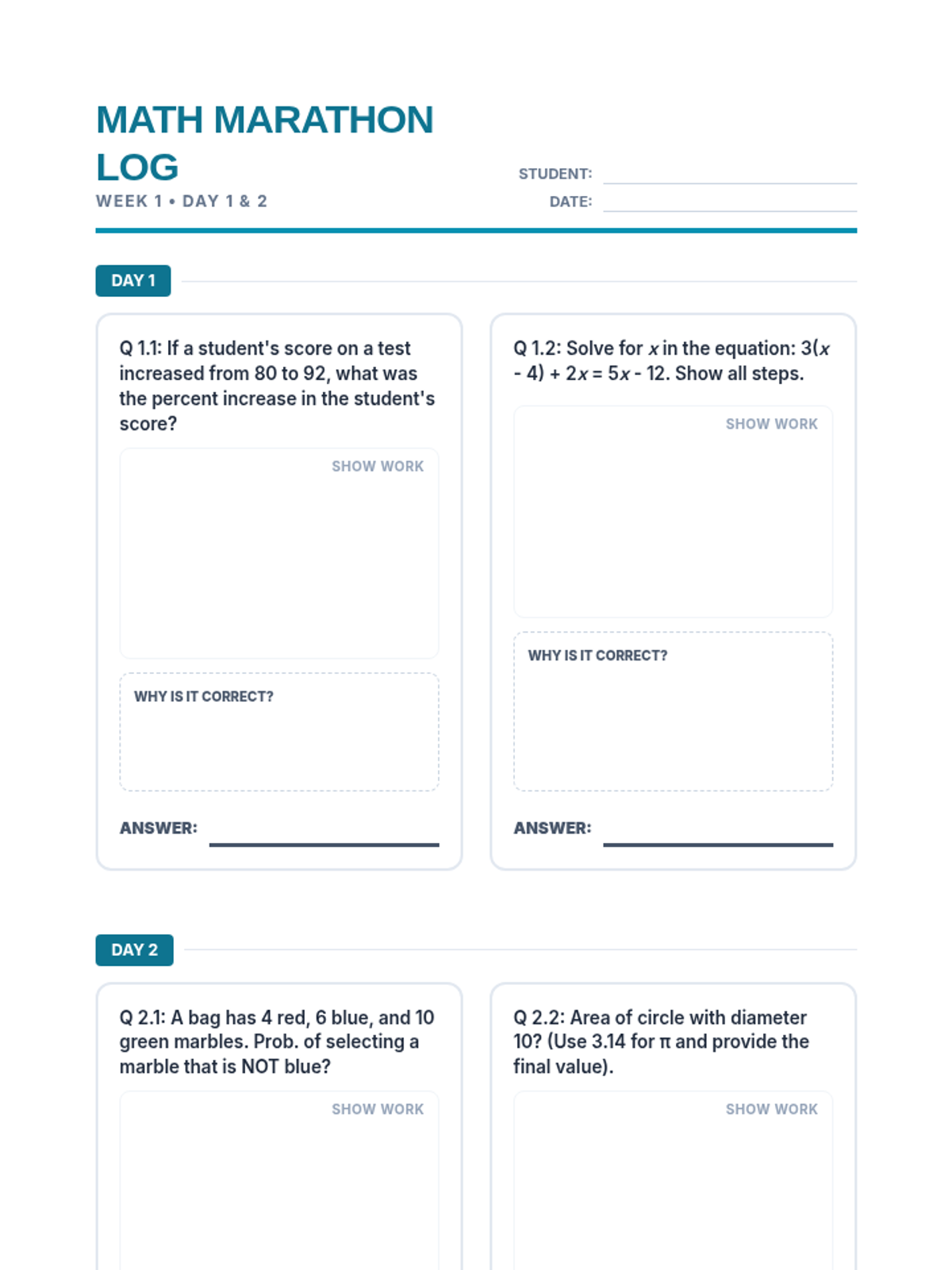
A comprehensive 15-day TSIA2 math review sequence featuring daily warm-up questions and weekly progress logs for students. The program covers all four TSIA2 domains through a "Math Marathon" theme.
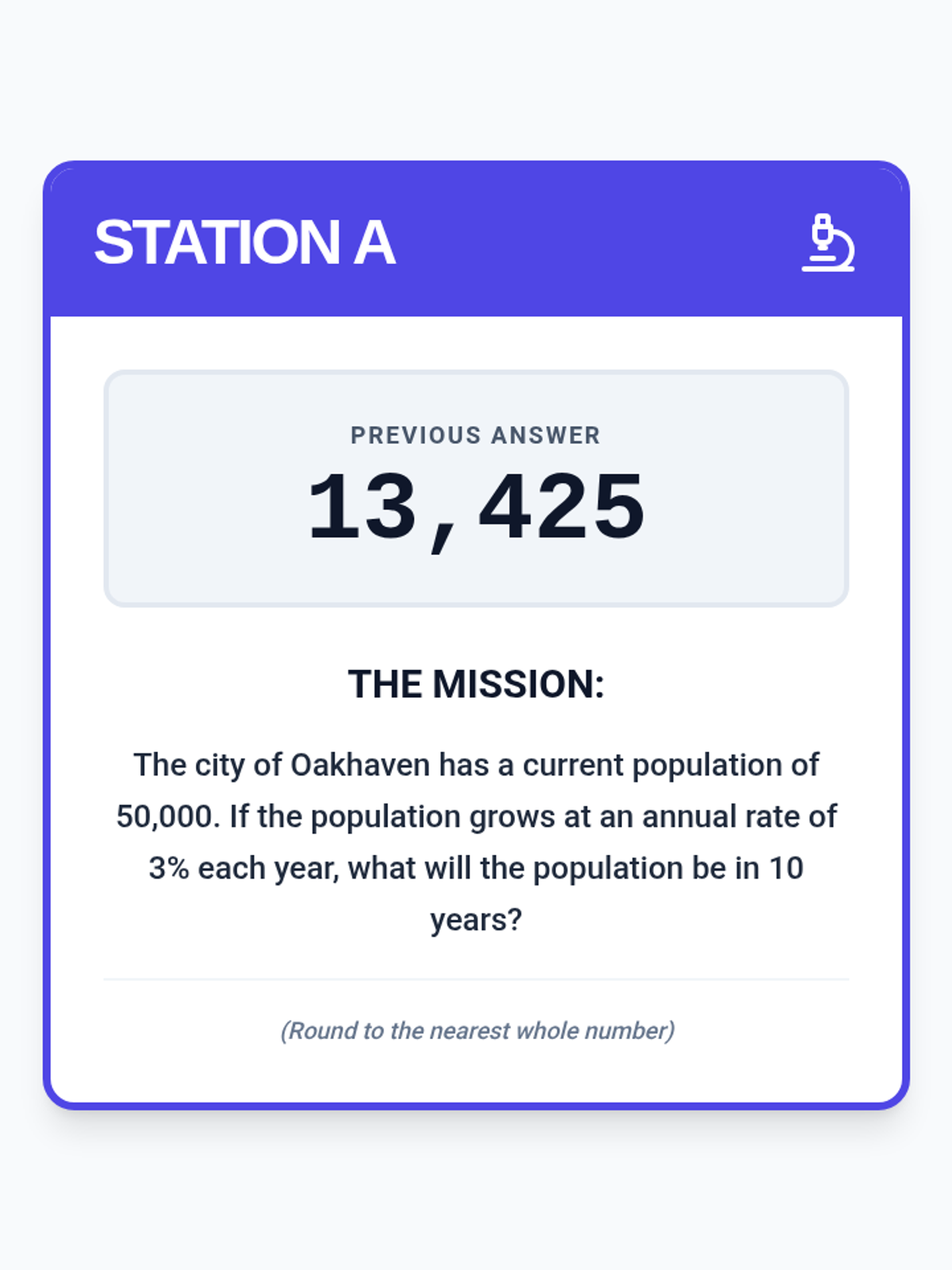
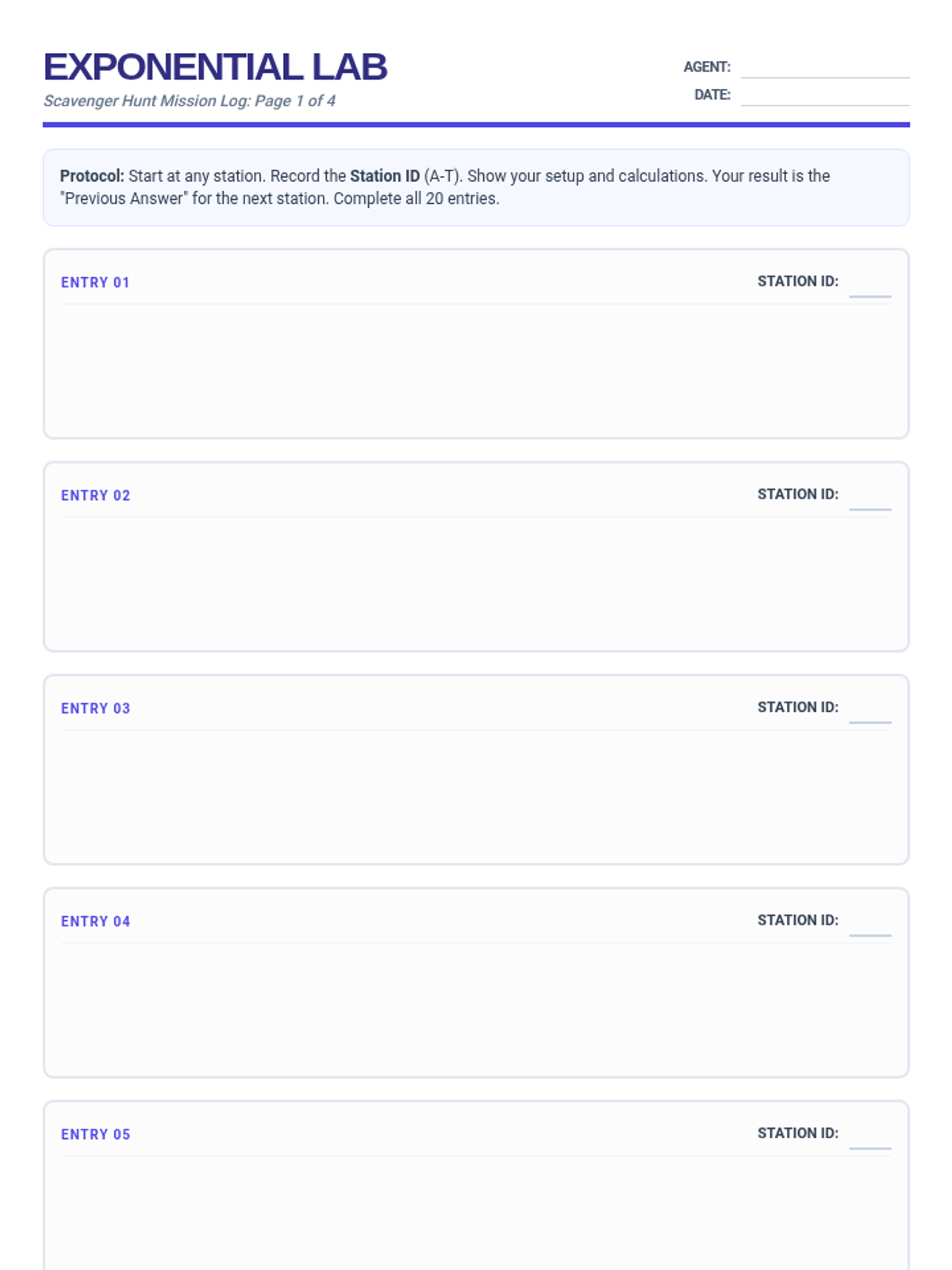
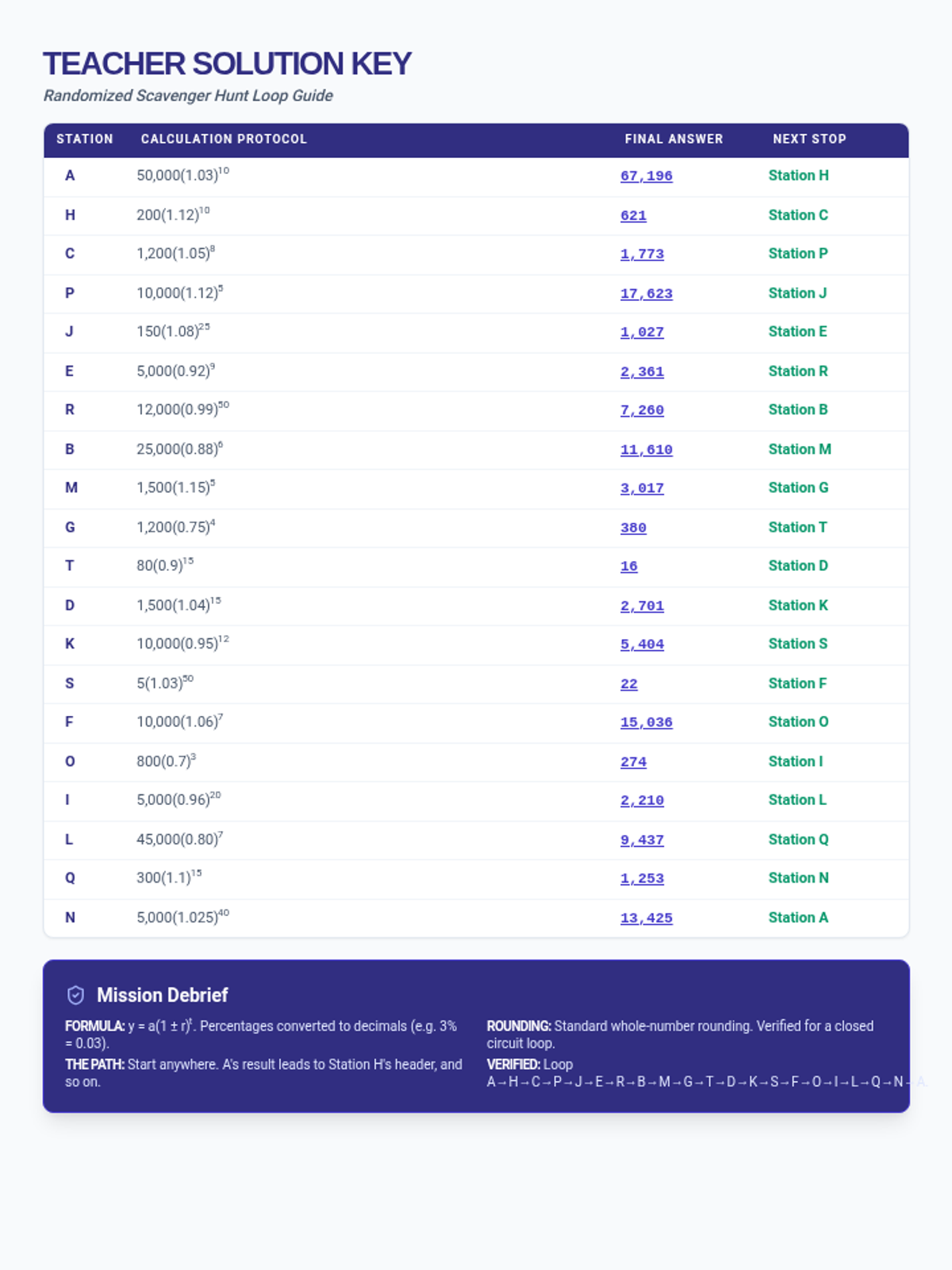
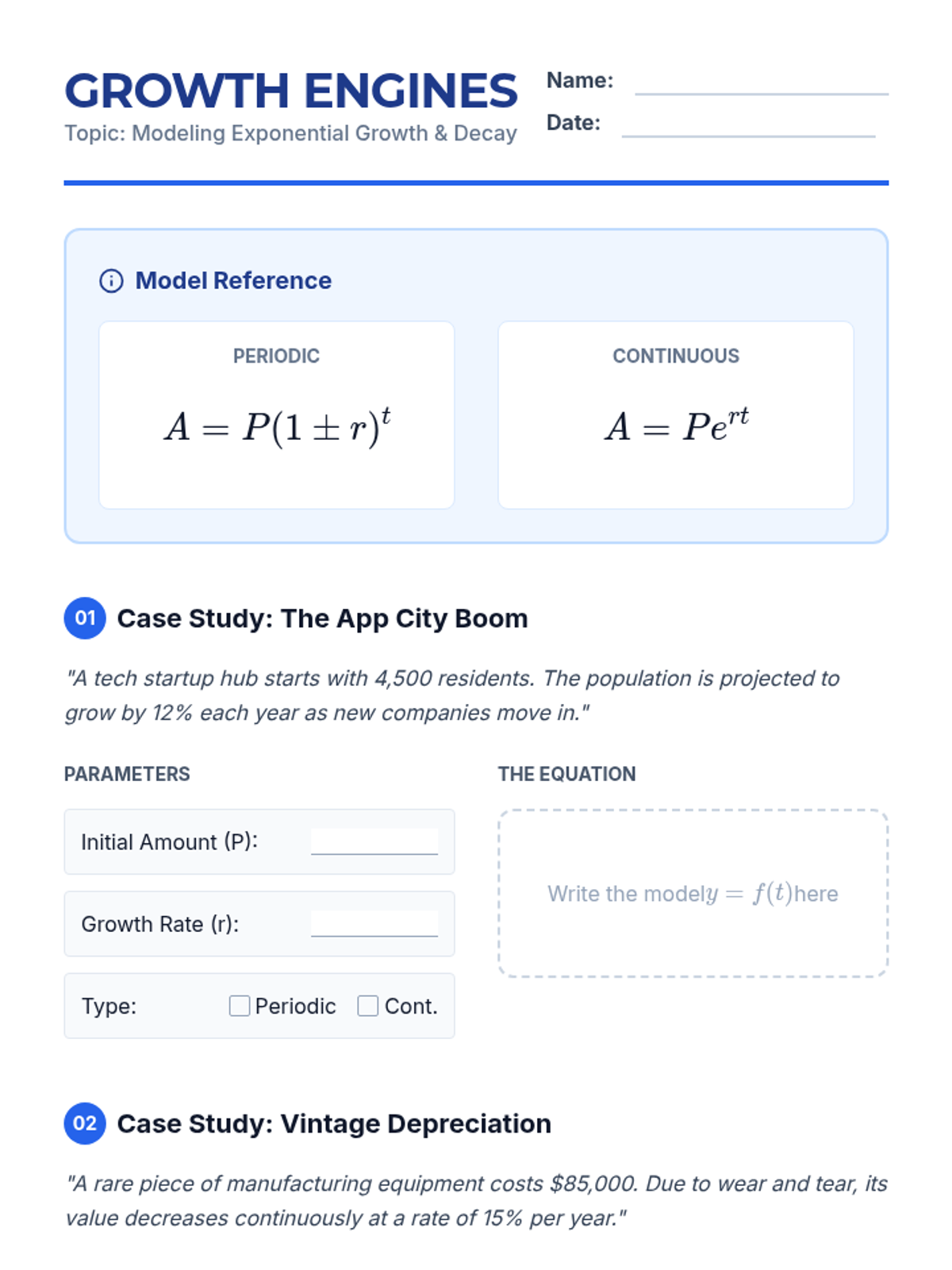
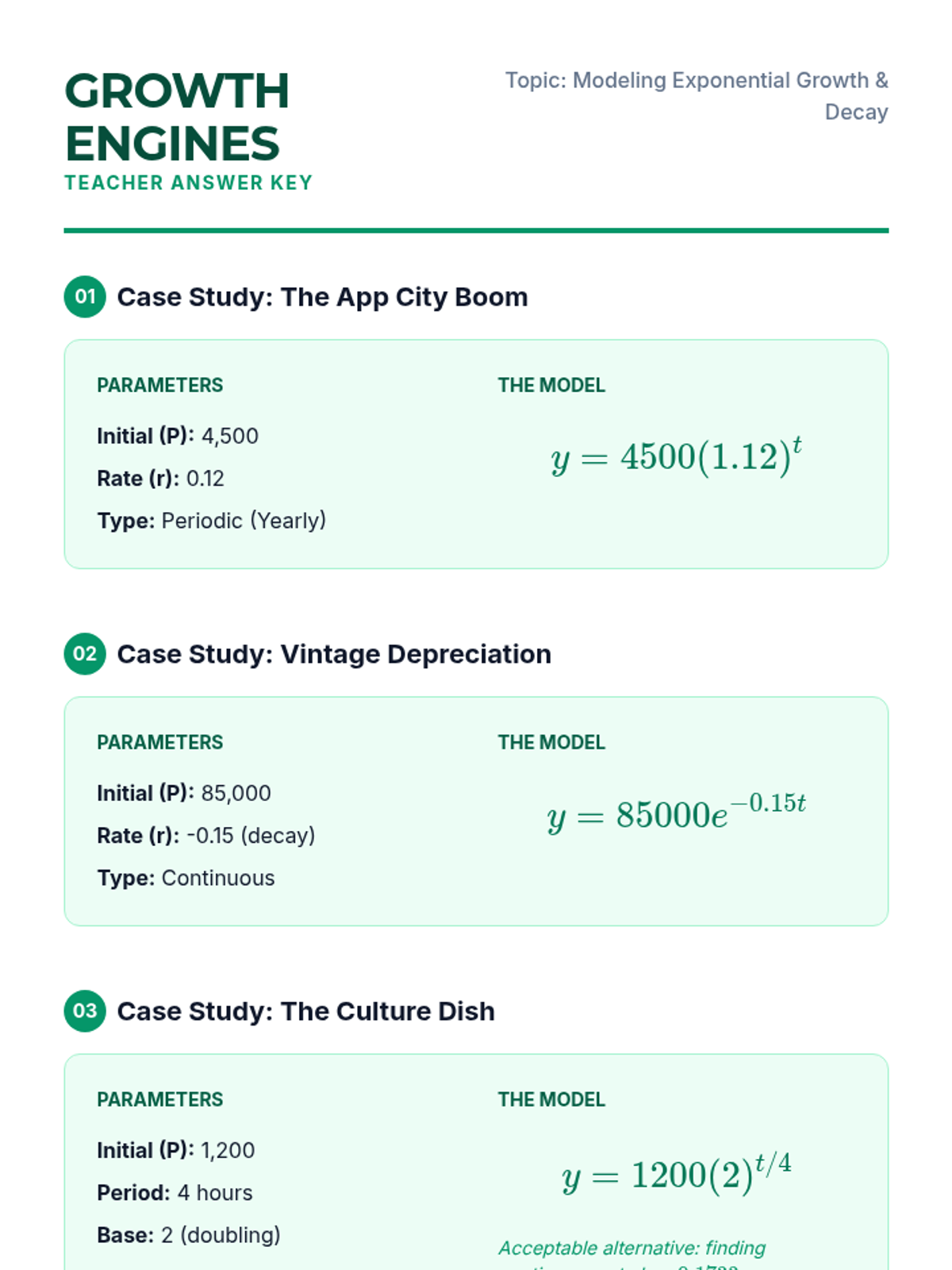
A high-energy, real-world application of exponential growth and decay through an interactive scavenger hunt. Students solve 20 distinct word problems to navigate a loop of stations.
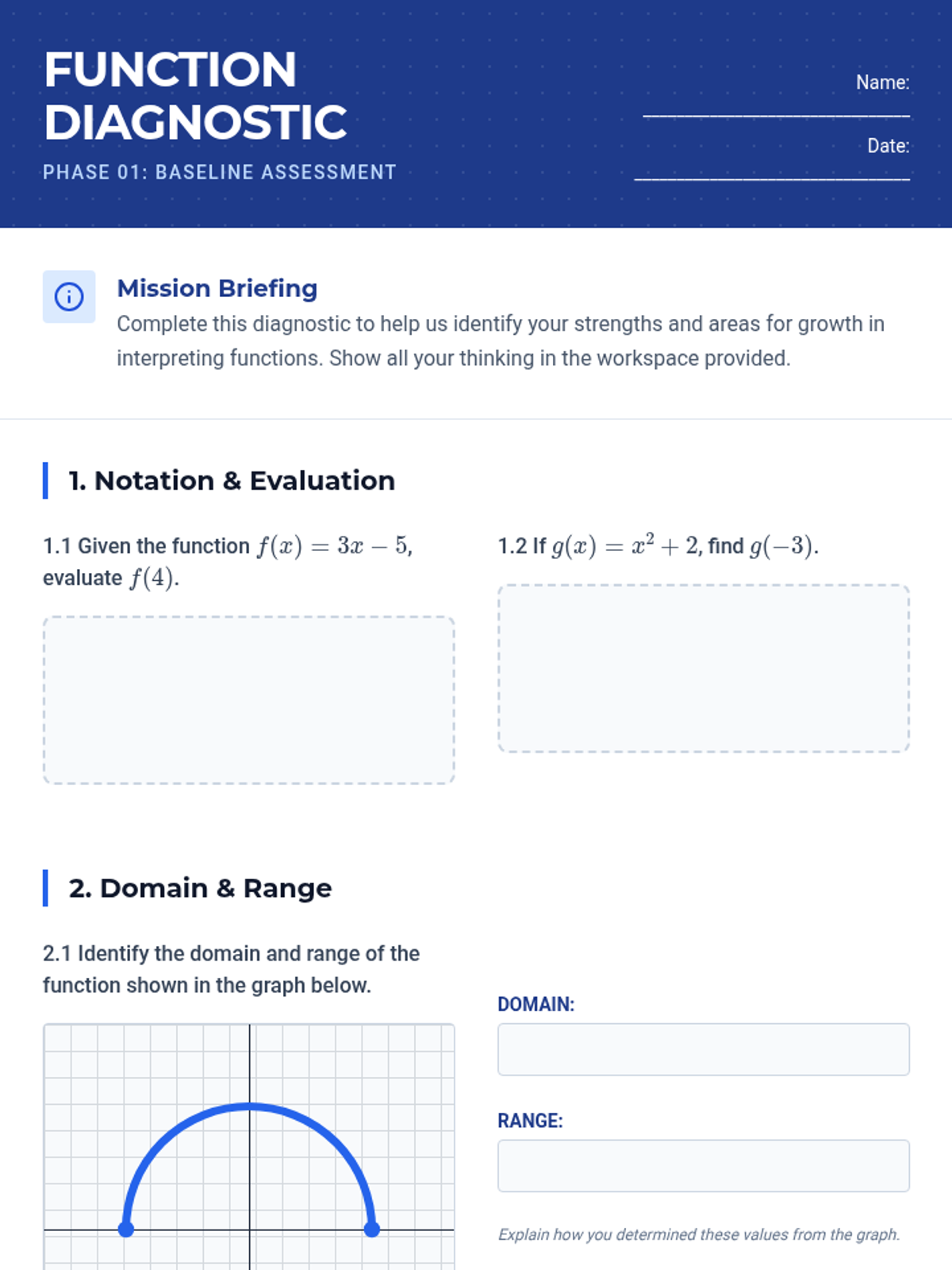
A comprehensive Tier 2 intervention sequence designed for high school students to master interpreting functions, including domain, range, key features, and real-world applications. The sequence uses a 'Blueprint' aesthetic to provide high-clarity, professional visuals that support conceptual understanding through scaffolded tasks.
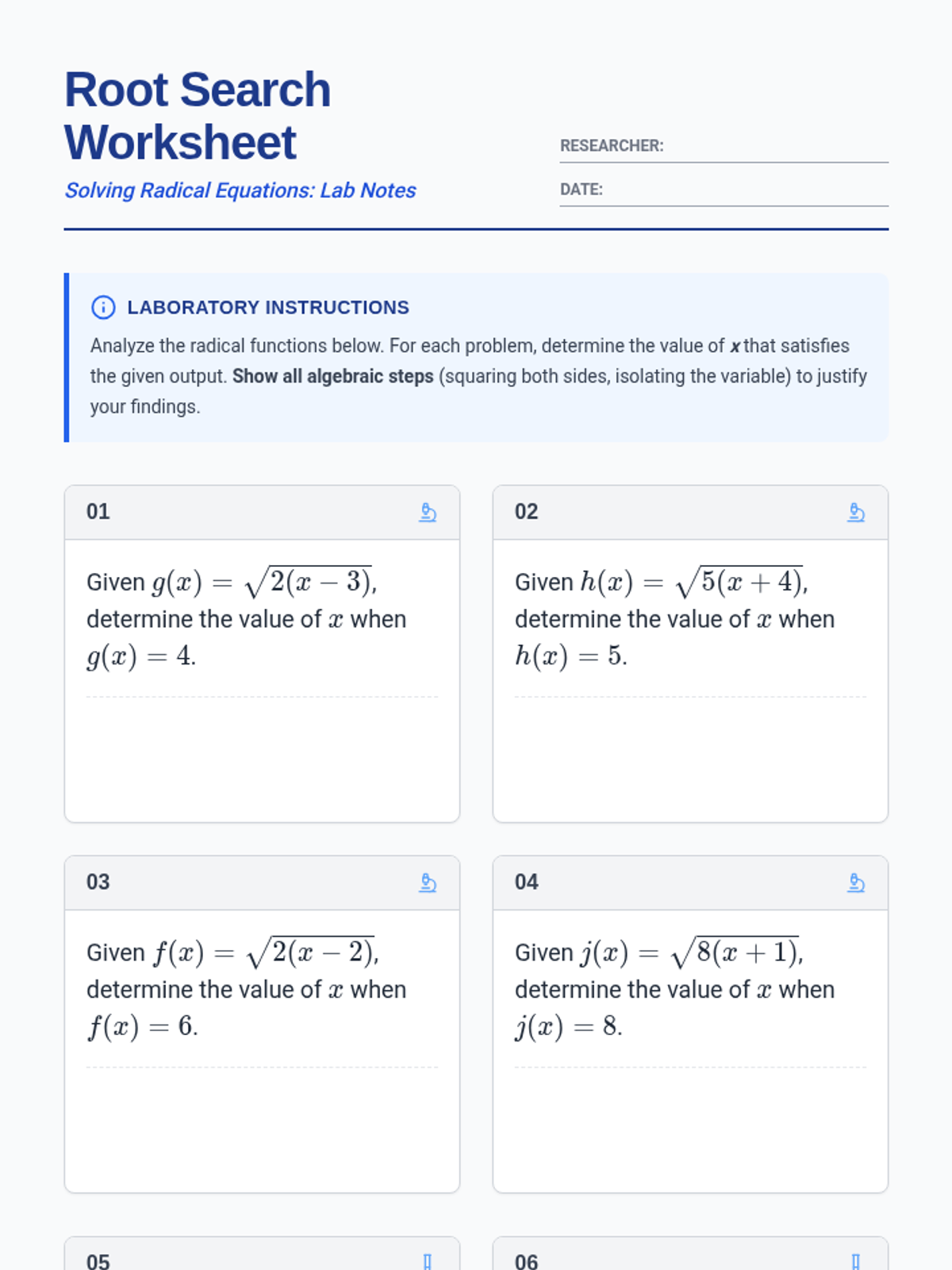
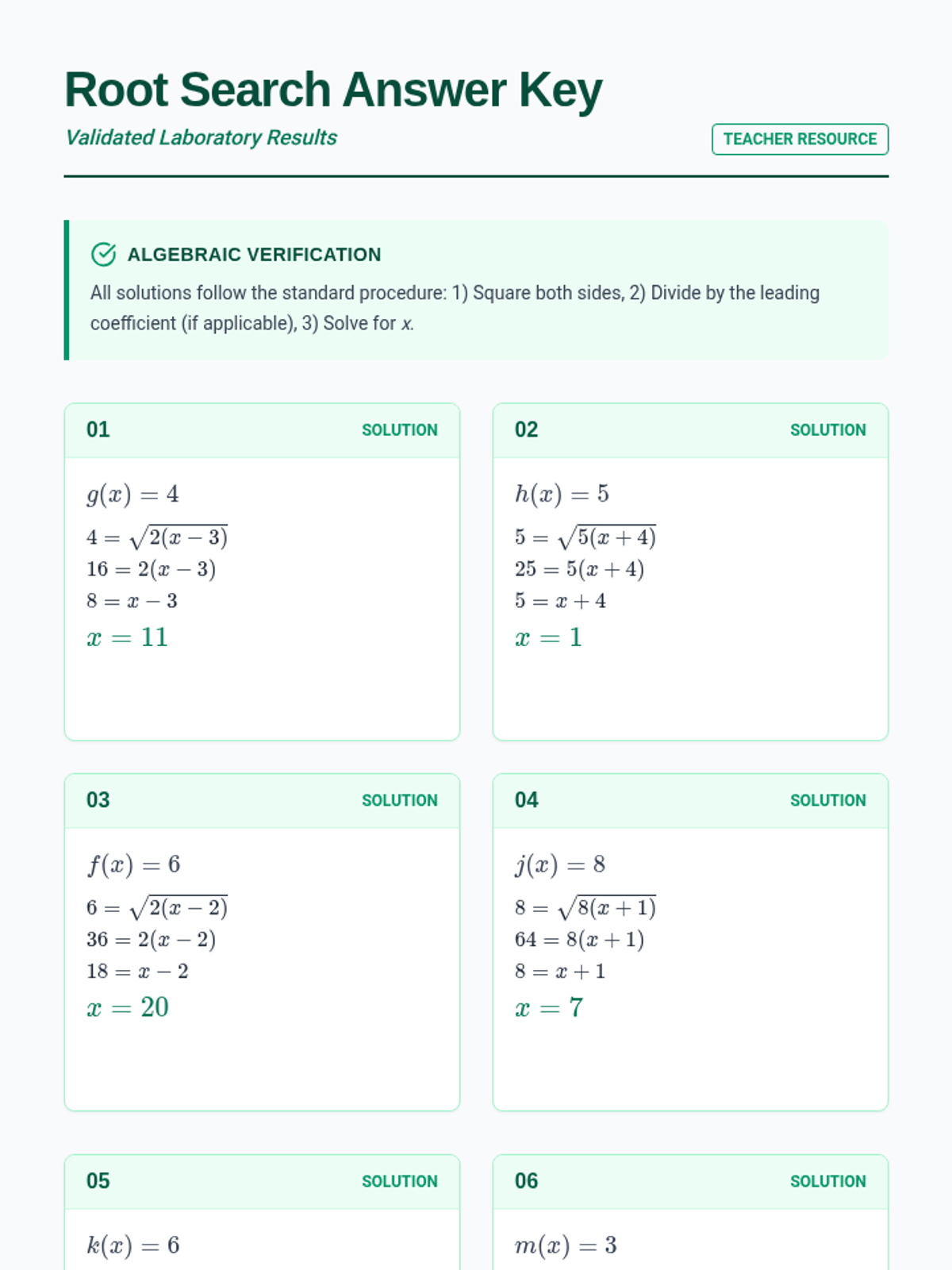
A sequence exploring radical functions, focusing on solving radical equations through algebraic manipulation and function notation.
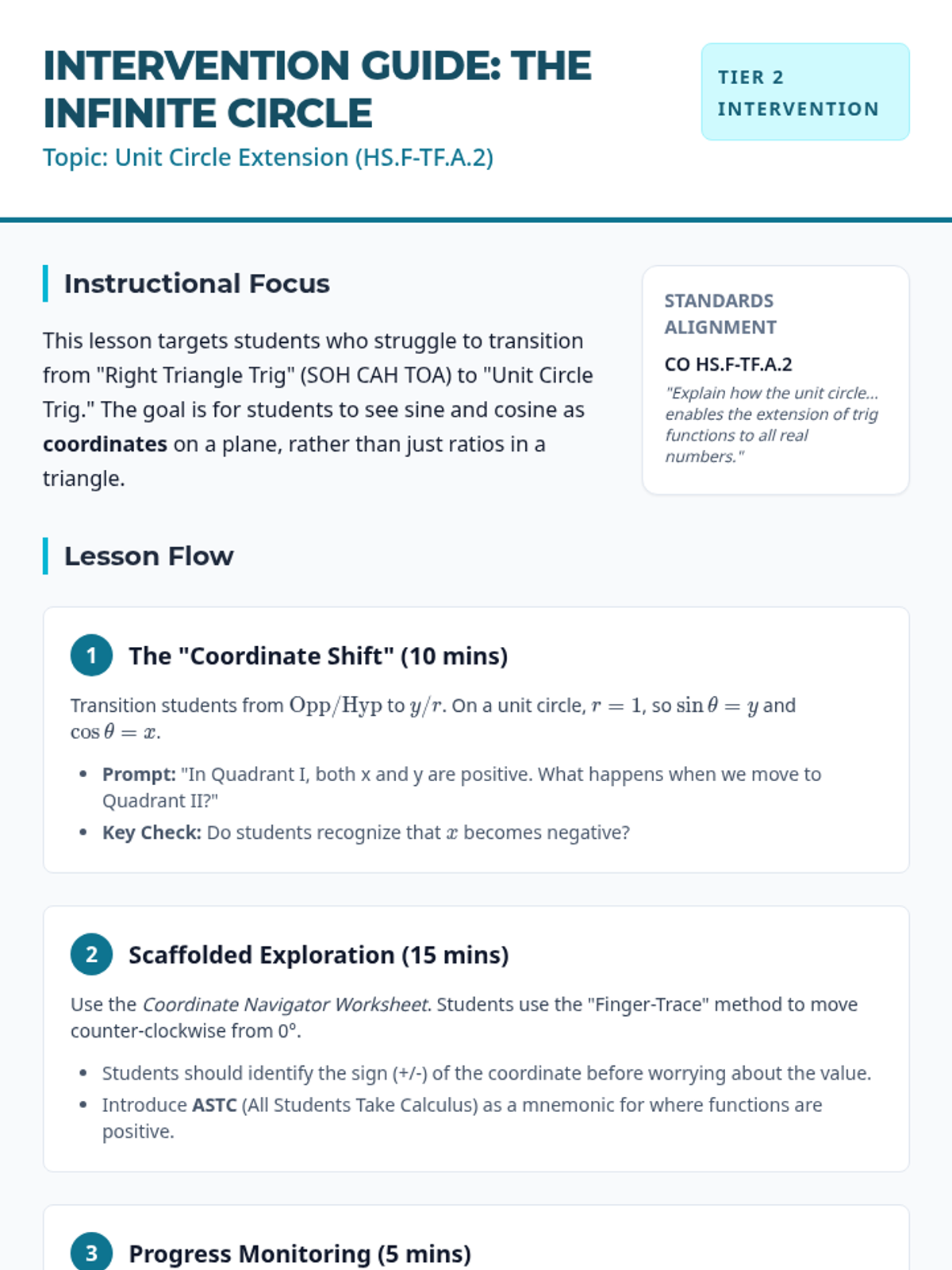
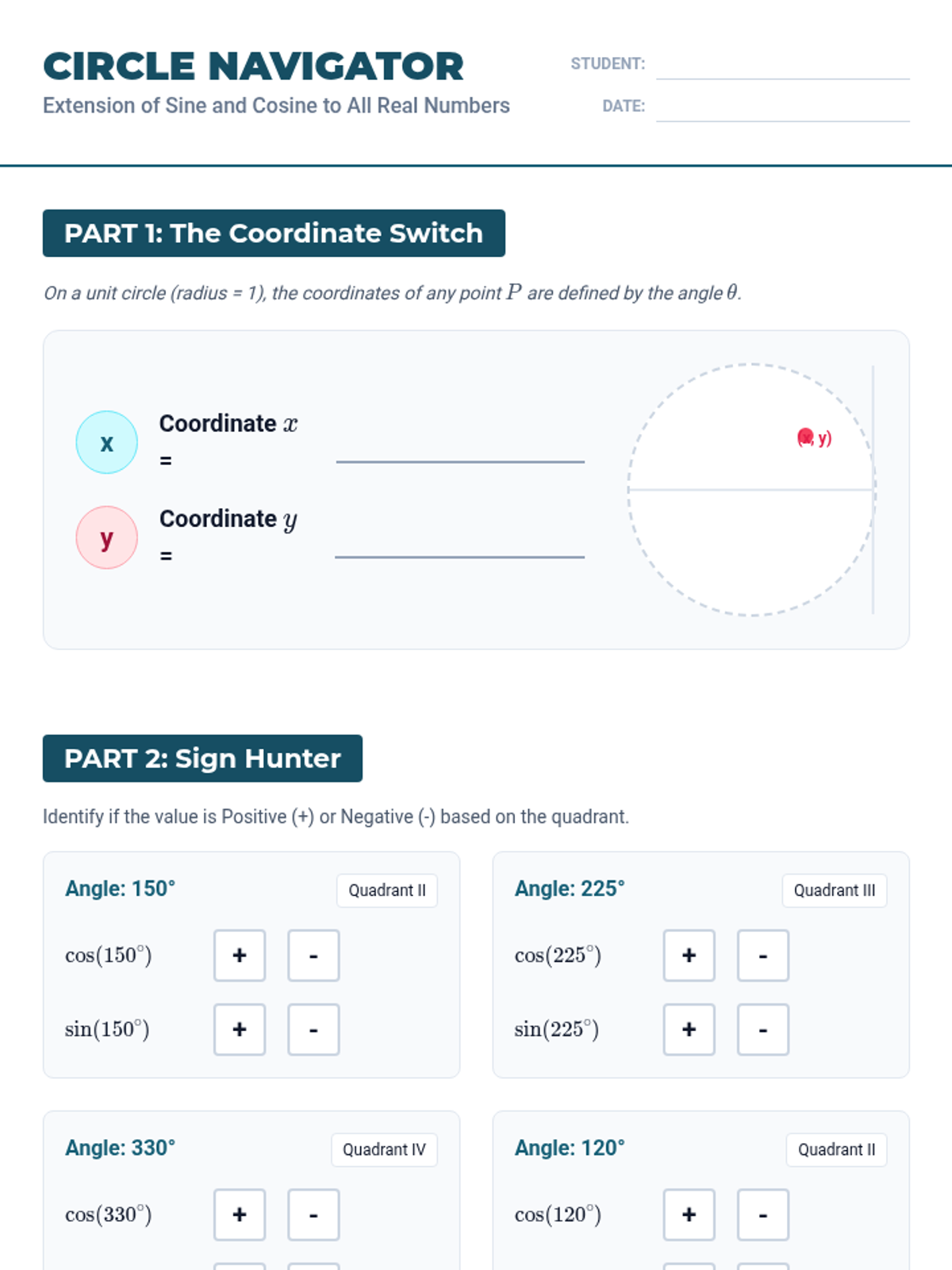
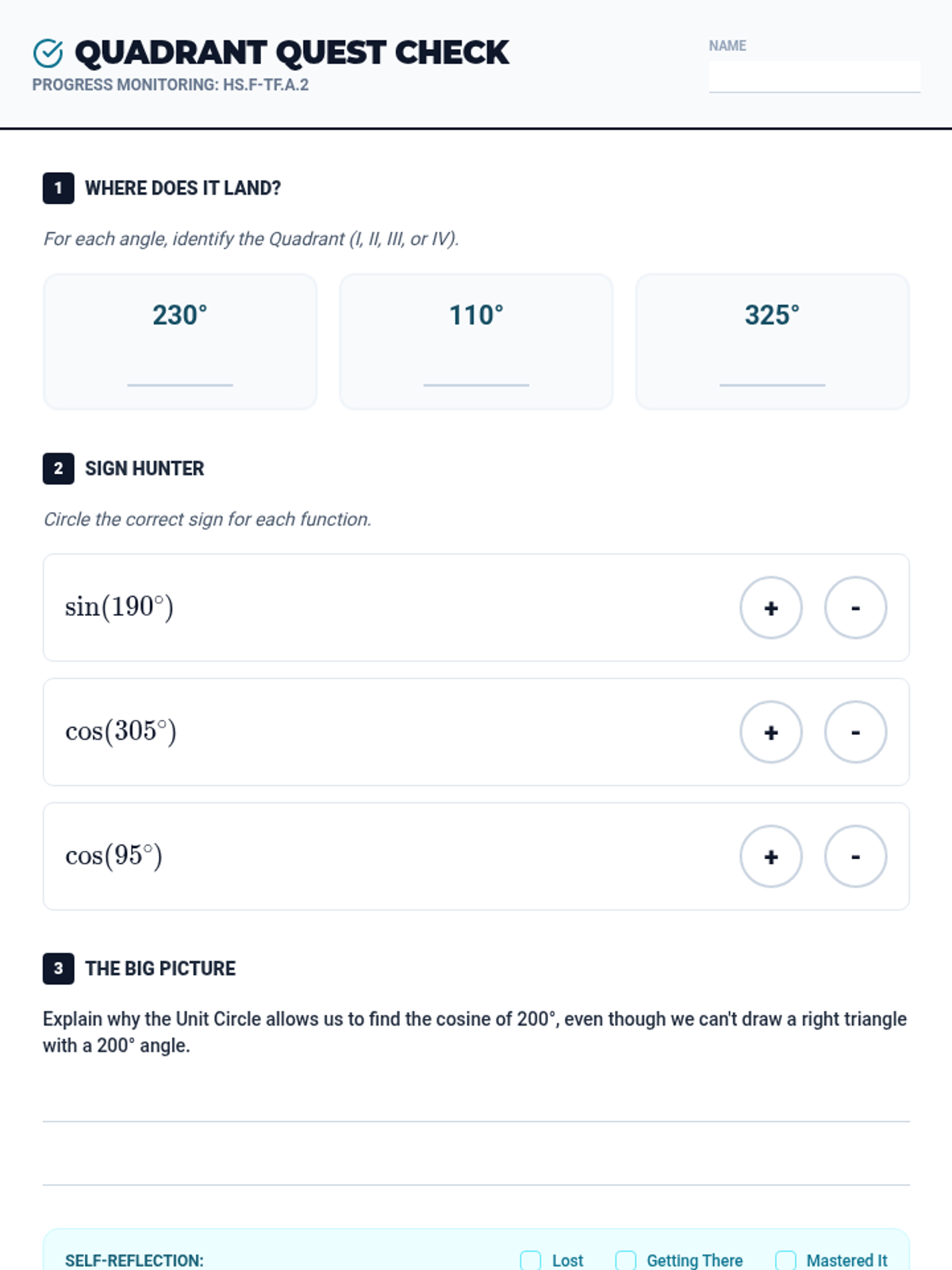
A targeted intervention sequence focused on extending trigonometric functions beyond right triangles using the unit circle. This sequence bridges the gap between basic trigonometry and periodic functions for students needing additional support.
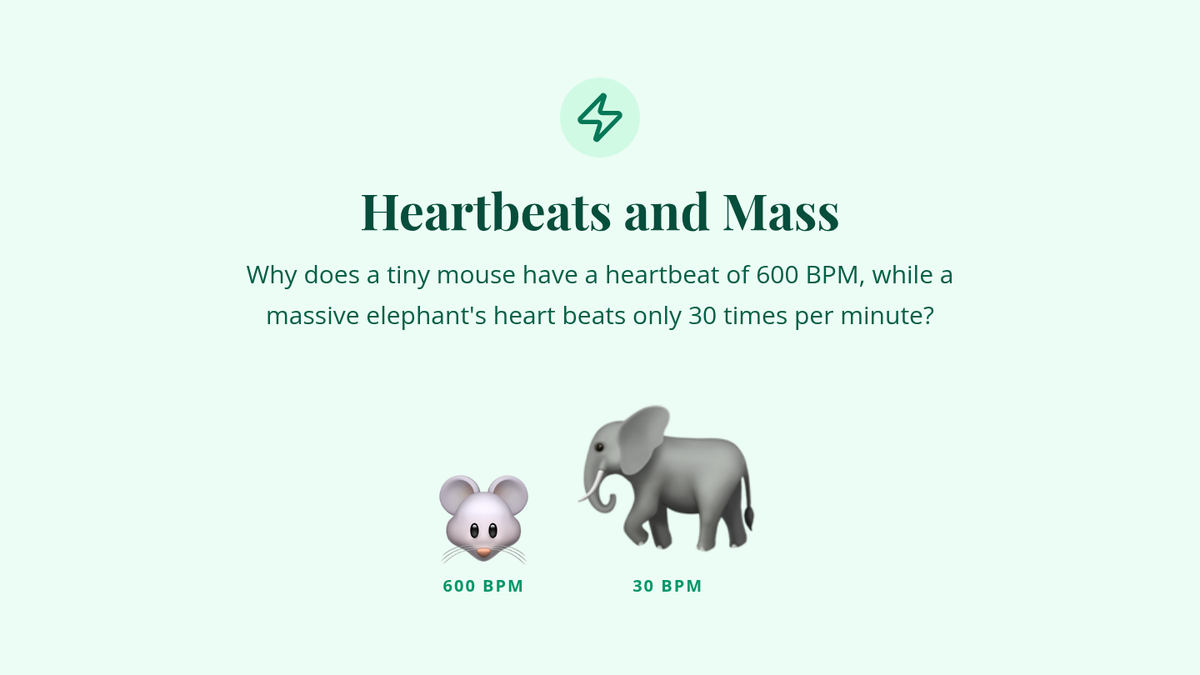
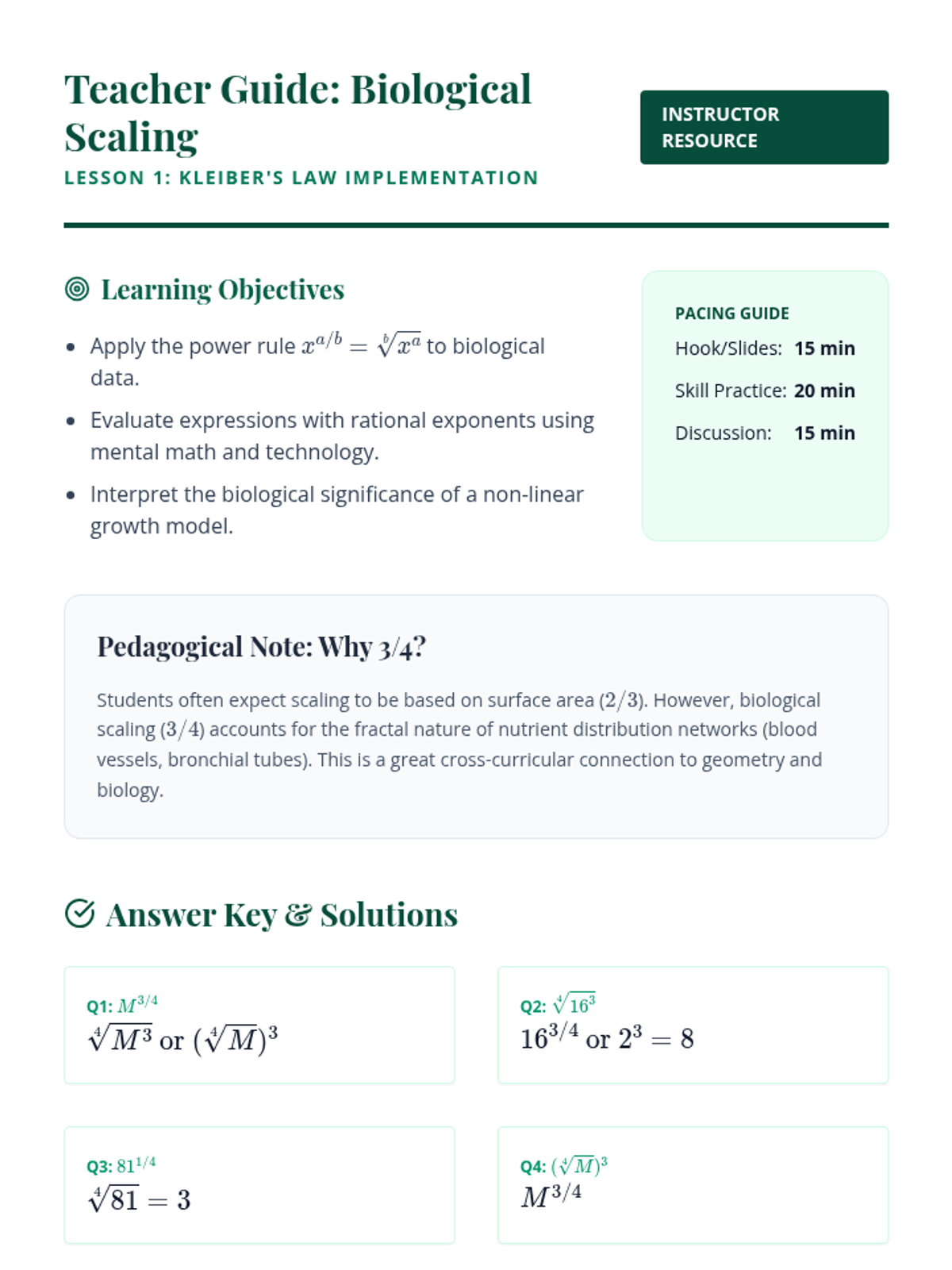
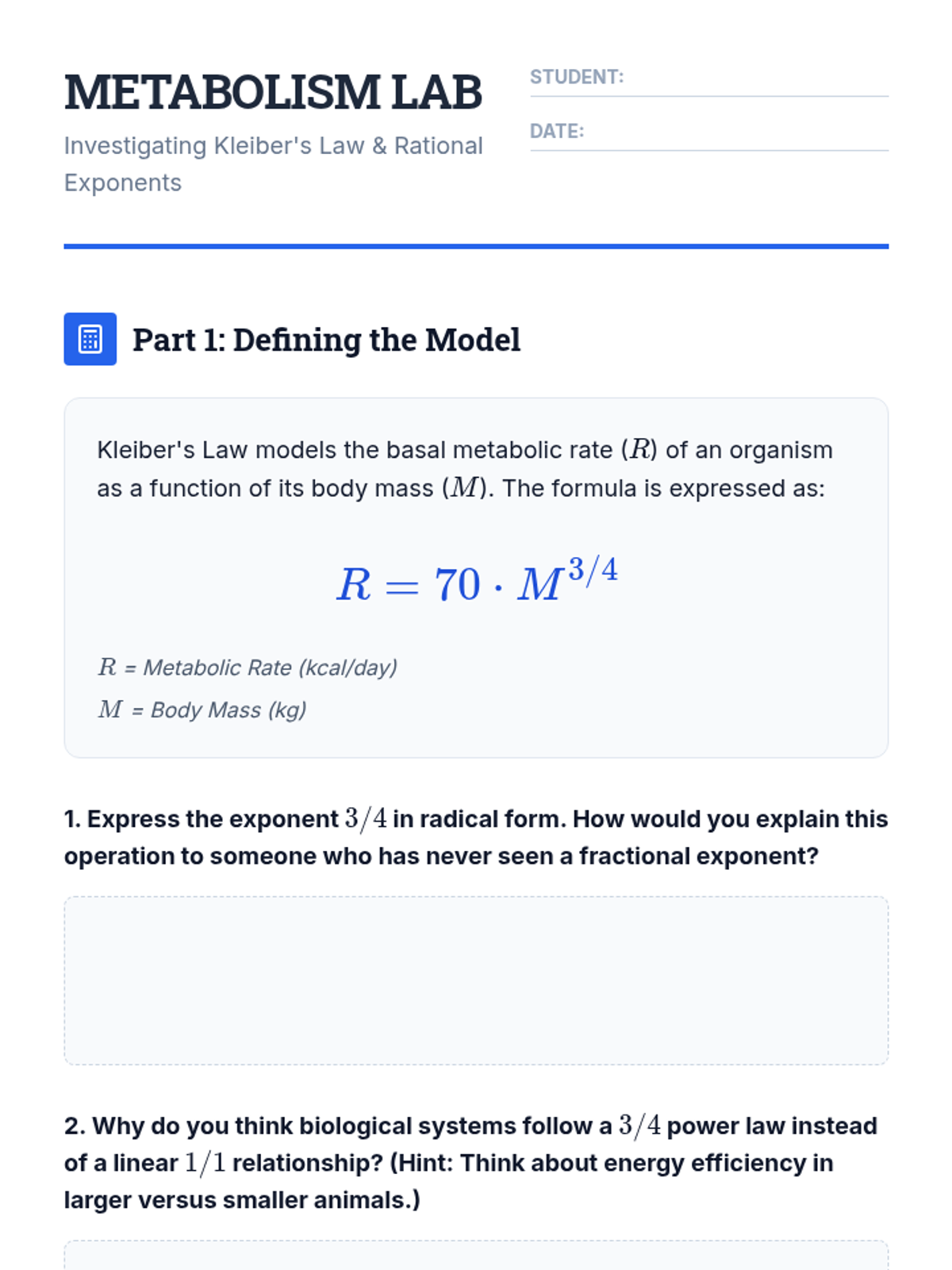
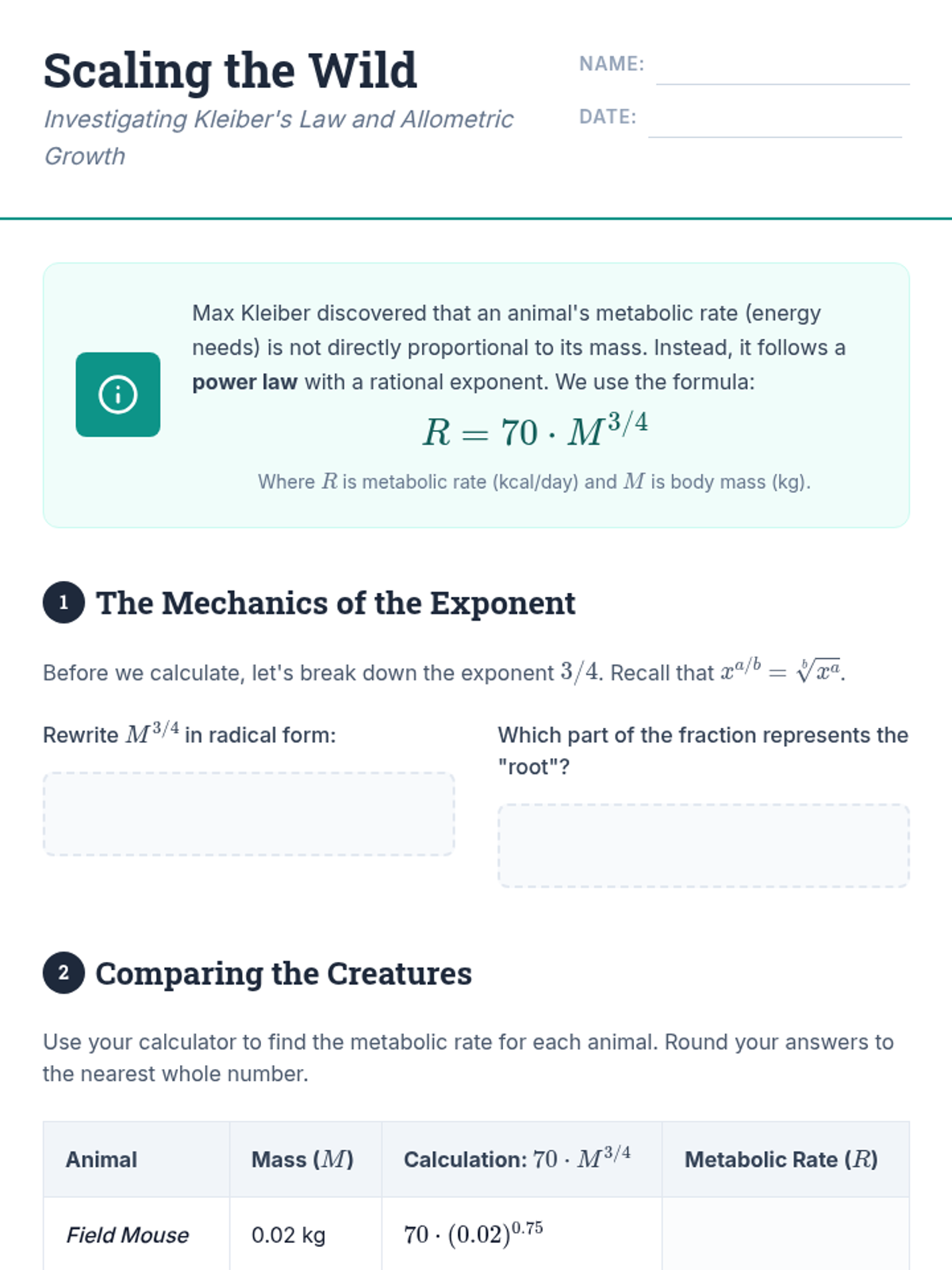
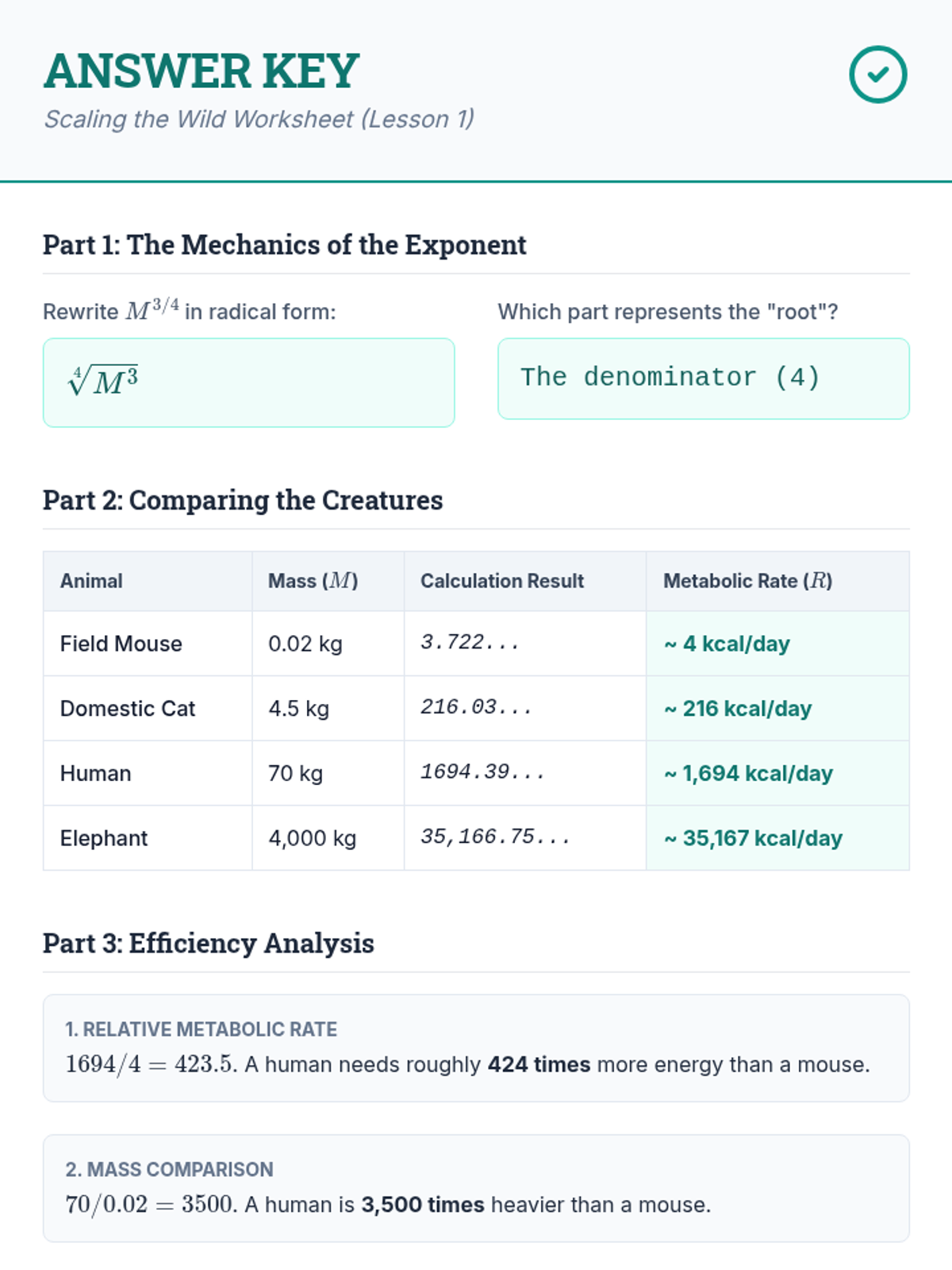
A 9th-grade algebra project-based sequence exploring rational exponents through real-world biological scaling (allometry) and physical laws. Students transition from evaluating fractional powers in Kleiber's Law to creating and presenting their own mathematical models.
This financial literacy-themed sequence teaches 8th-grade students to compare linear and exponential growth rates. Students act as financial consultants, analyzing investment, debt, and depreciation scenarios to understand function dominance and long-term behavior.
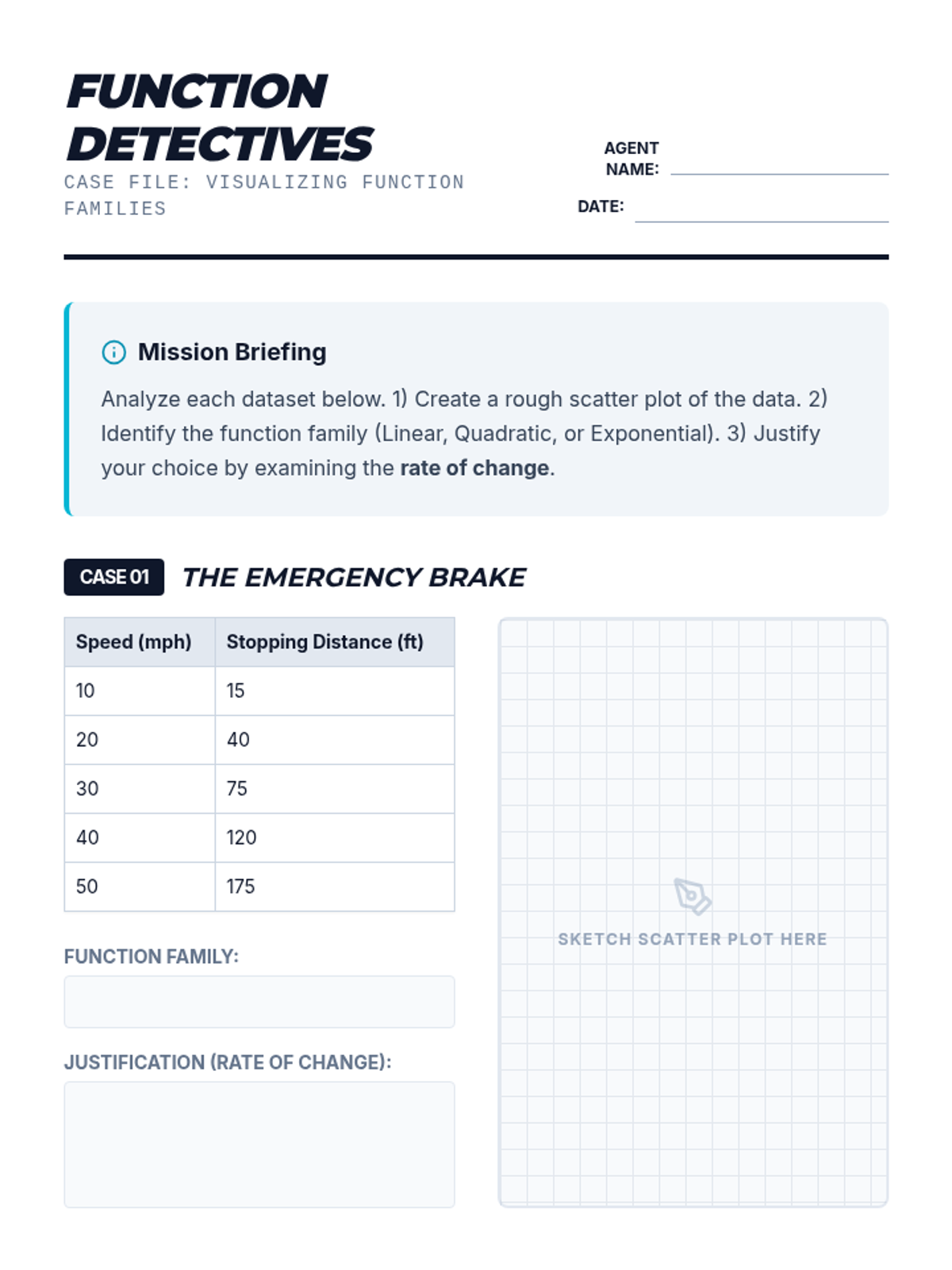
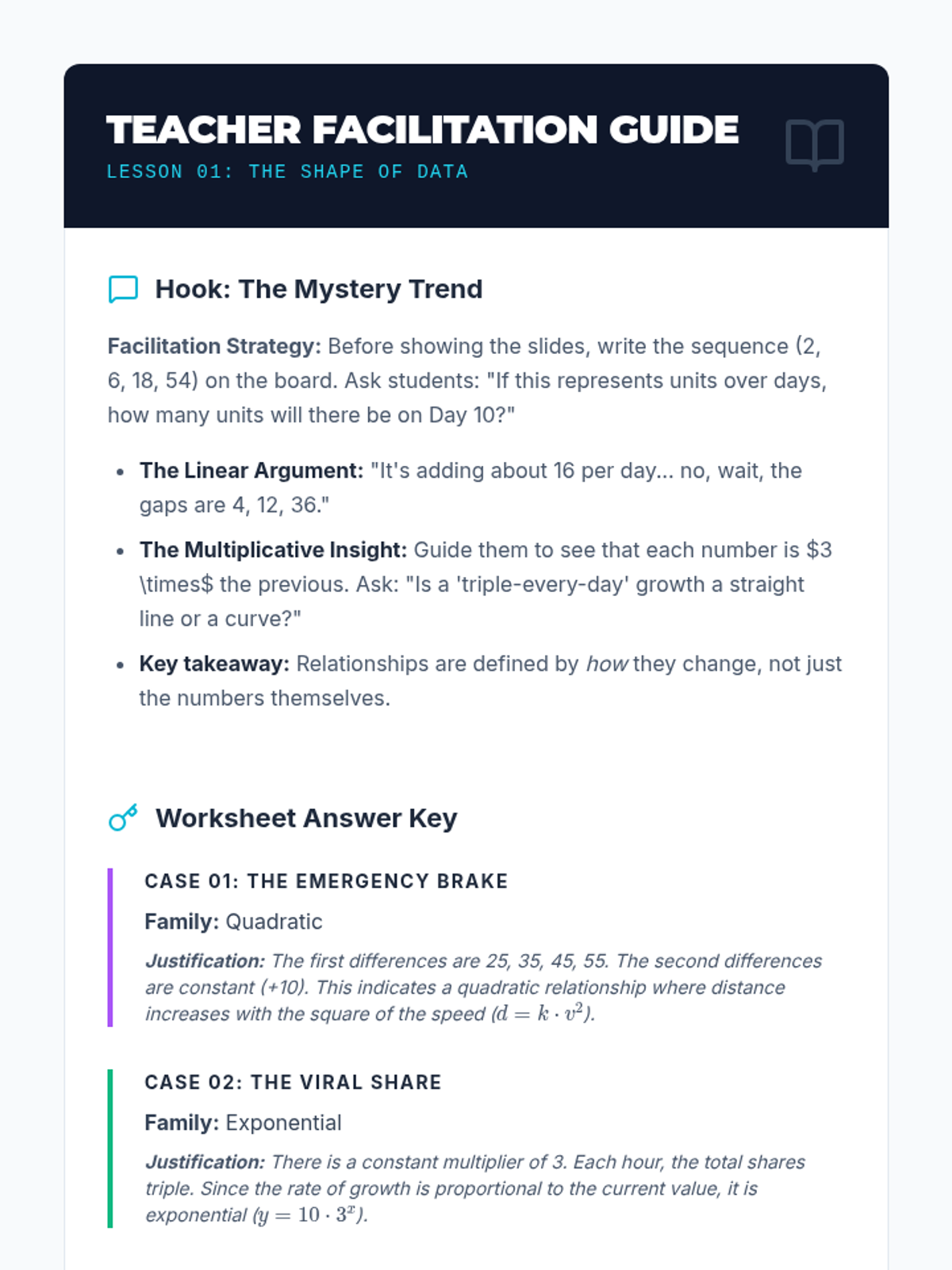
An inquiry-based exploration of growth rates, comparing linear, quadratic, and exponential patterns through real-world simulations, table analysis, and graphing. Students discover how constant addition, area growth, and constant multiplication create vastly different outcomes over time.
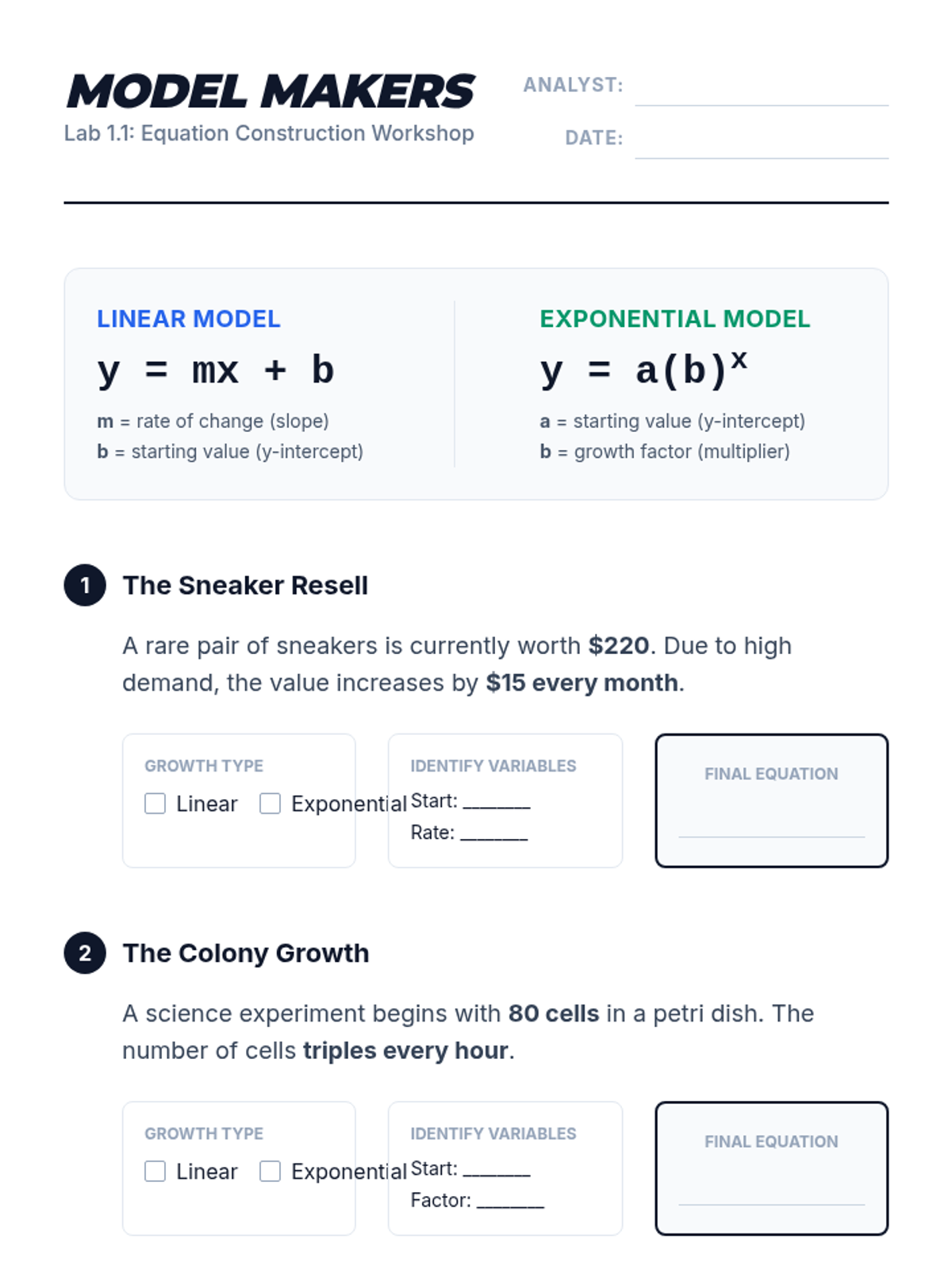
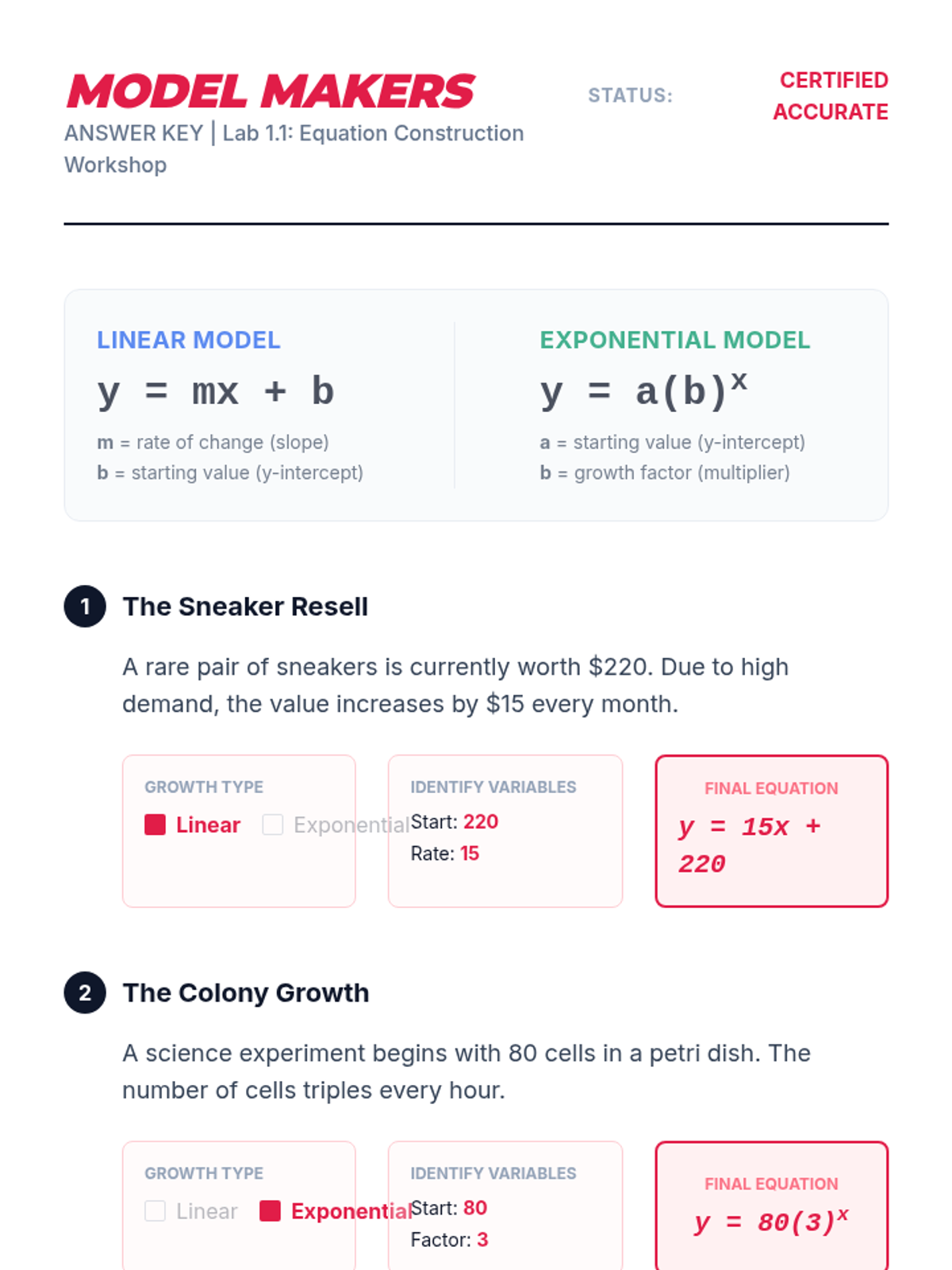
This workshop-style sequence focuses on the technical skills required to construct and compare function representations explicitly. Students move from conceptual understanding to algebraic rigor, learning to write equations for different growth models and comparing their rates of change directly.
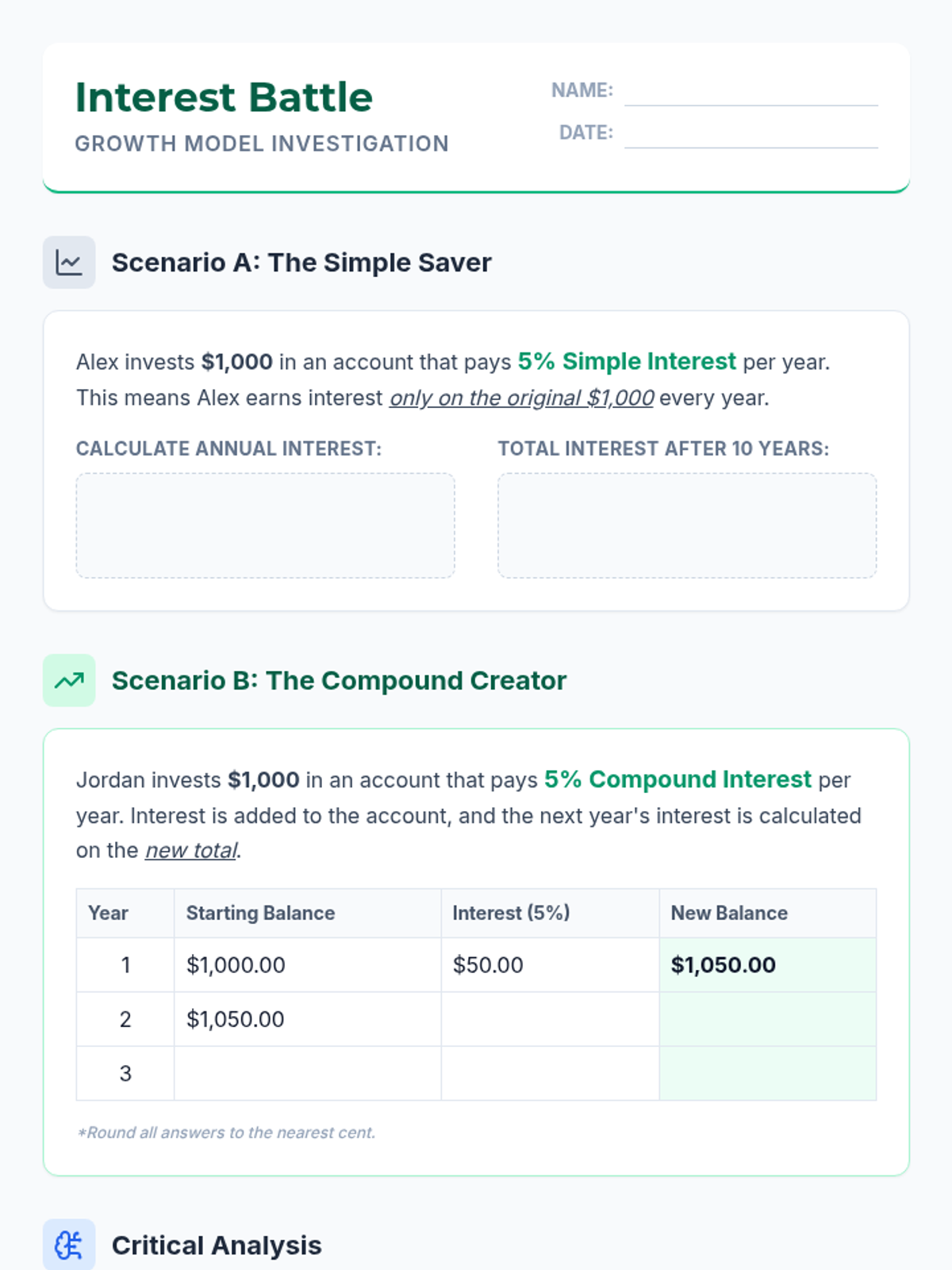
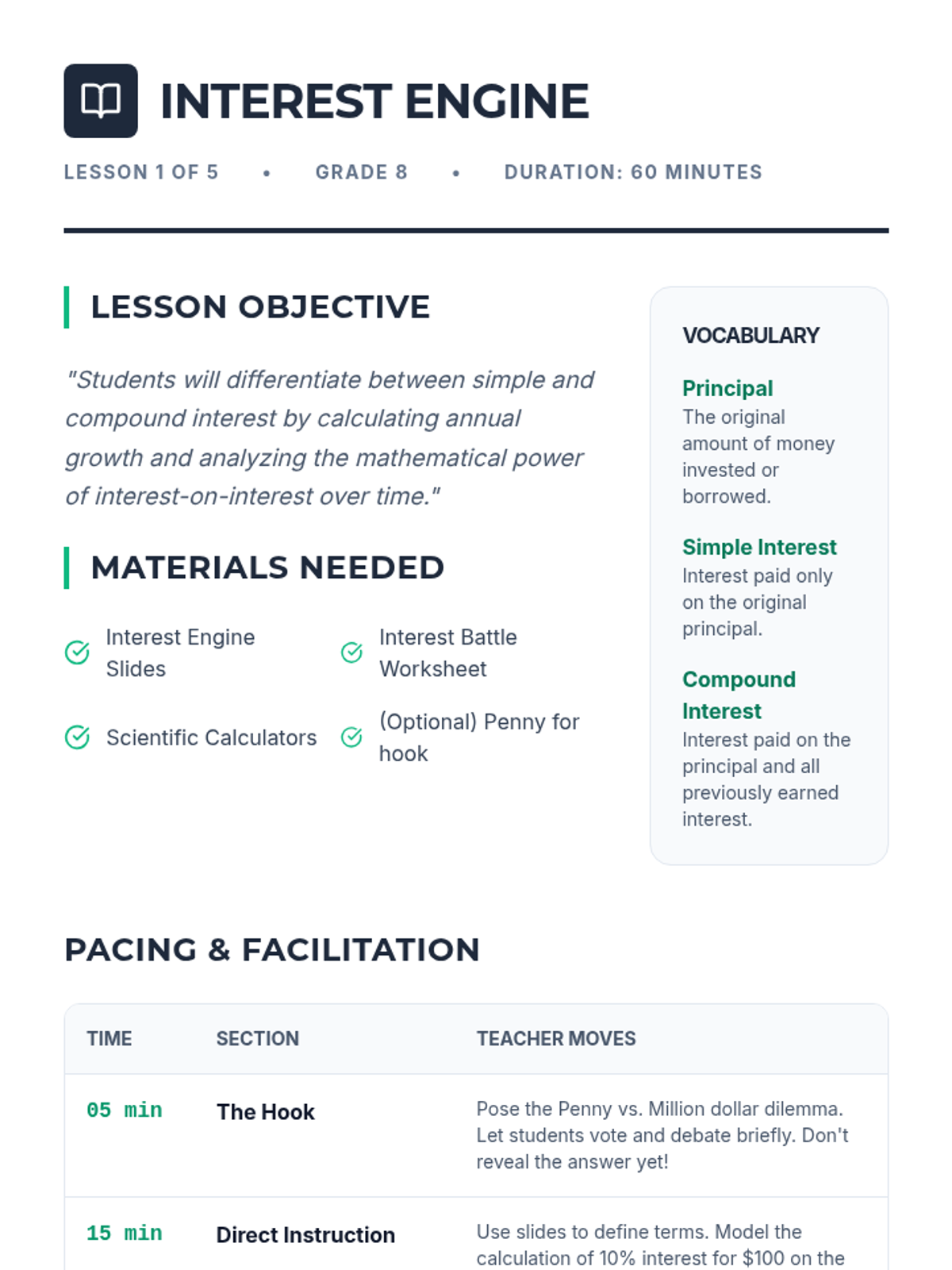
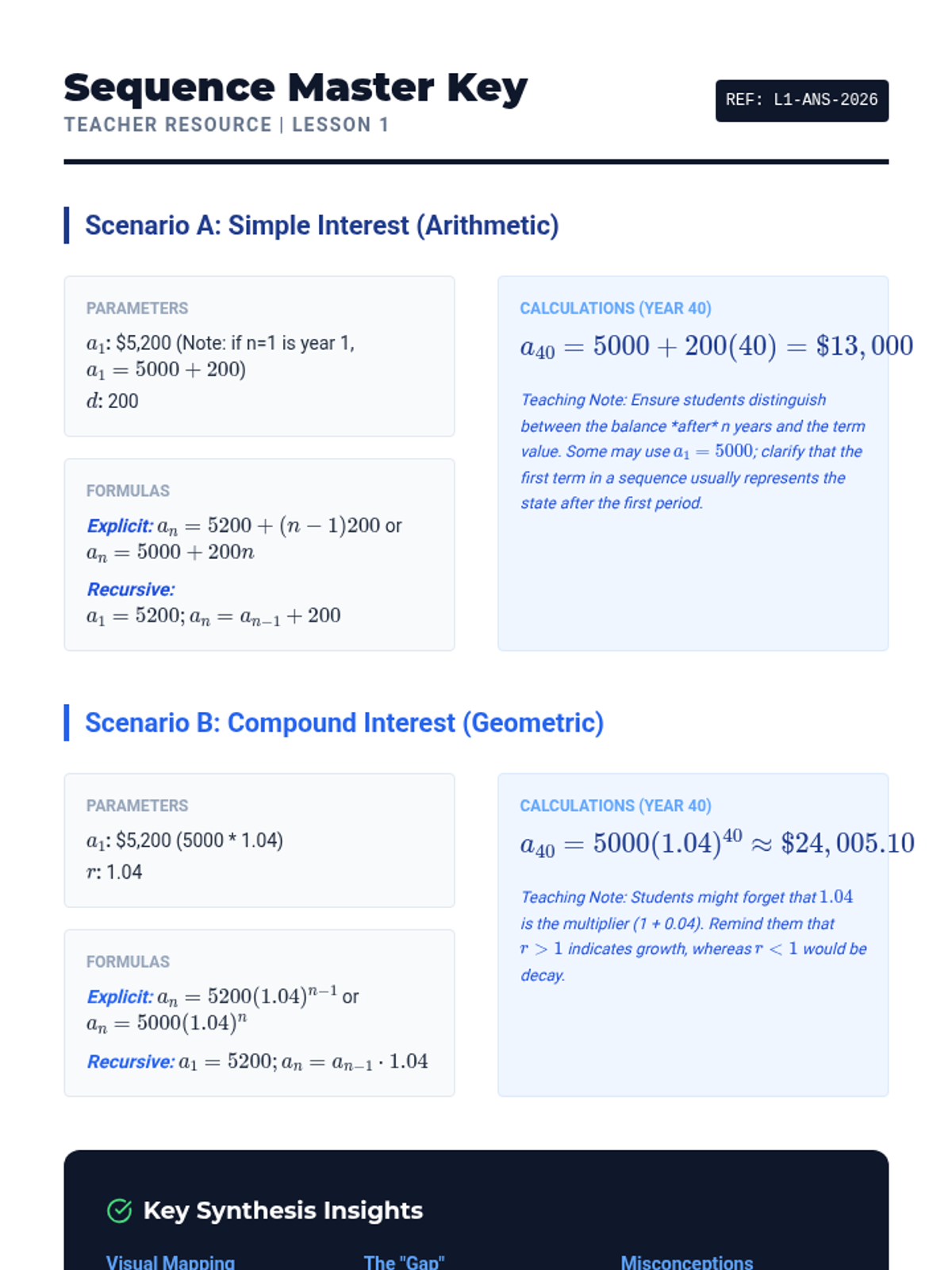
Students explore linear and exponential growth through personal finance, comparing simple and compound interest to make informed decisions about saving and debt.
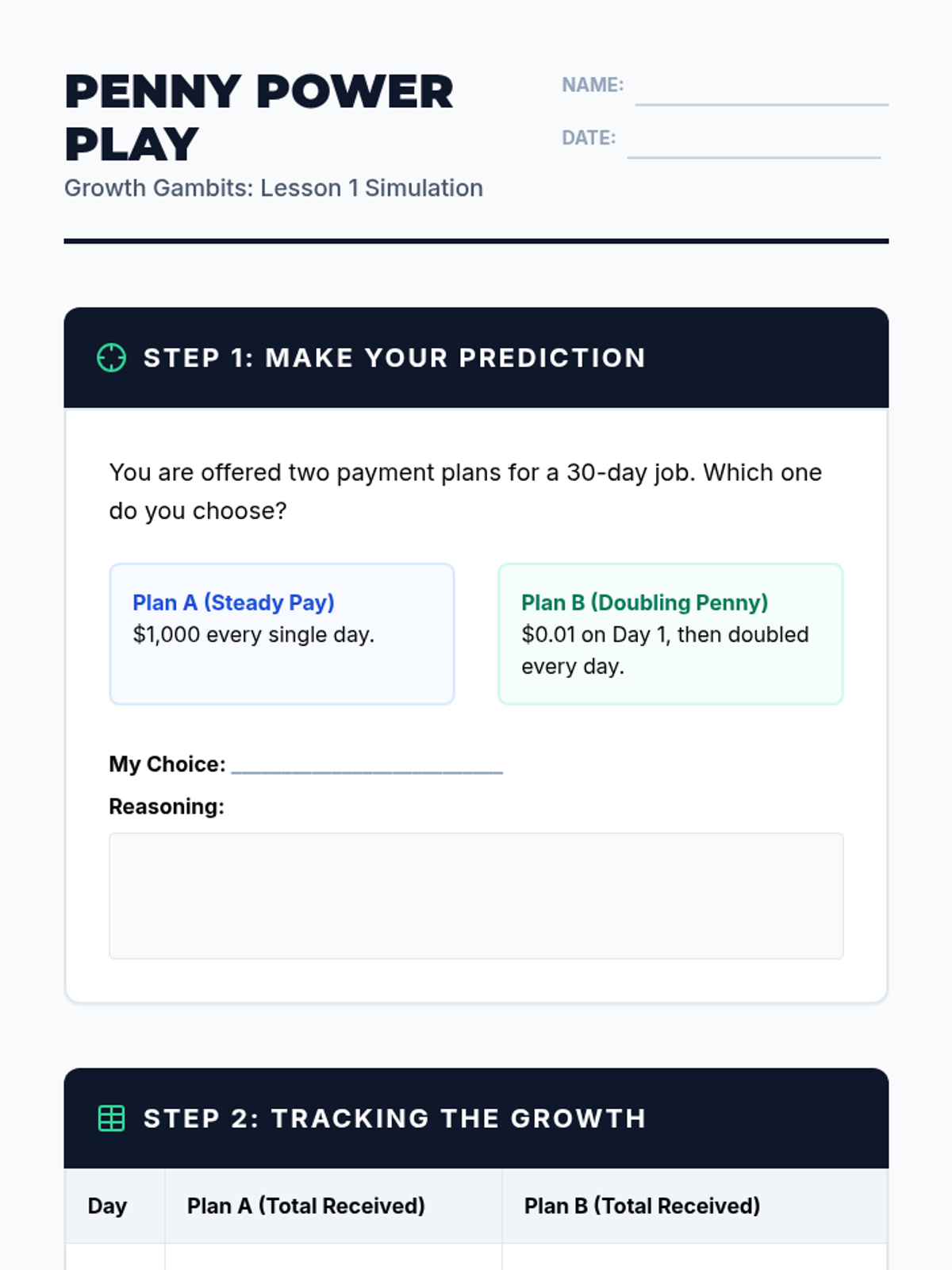
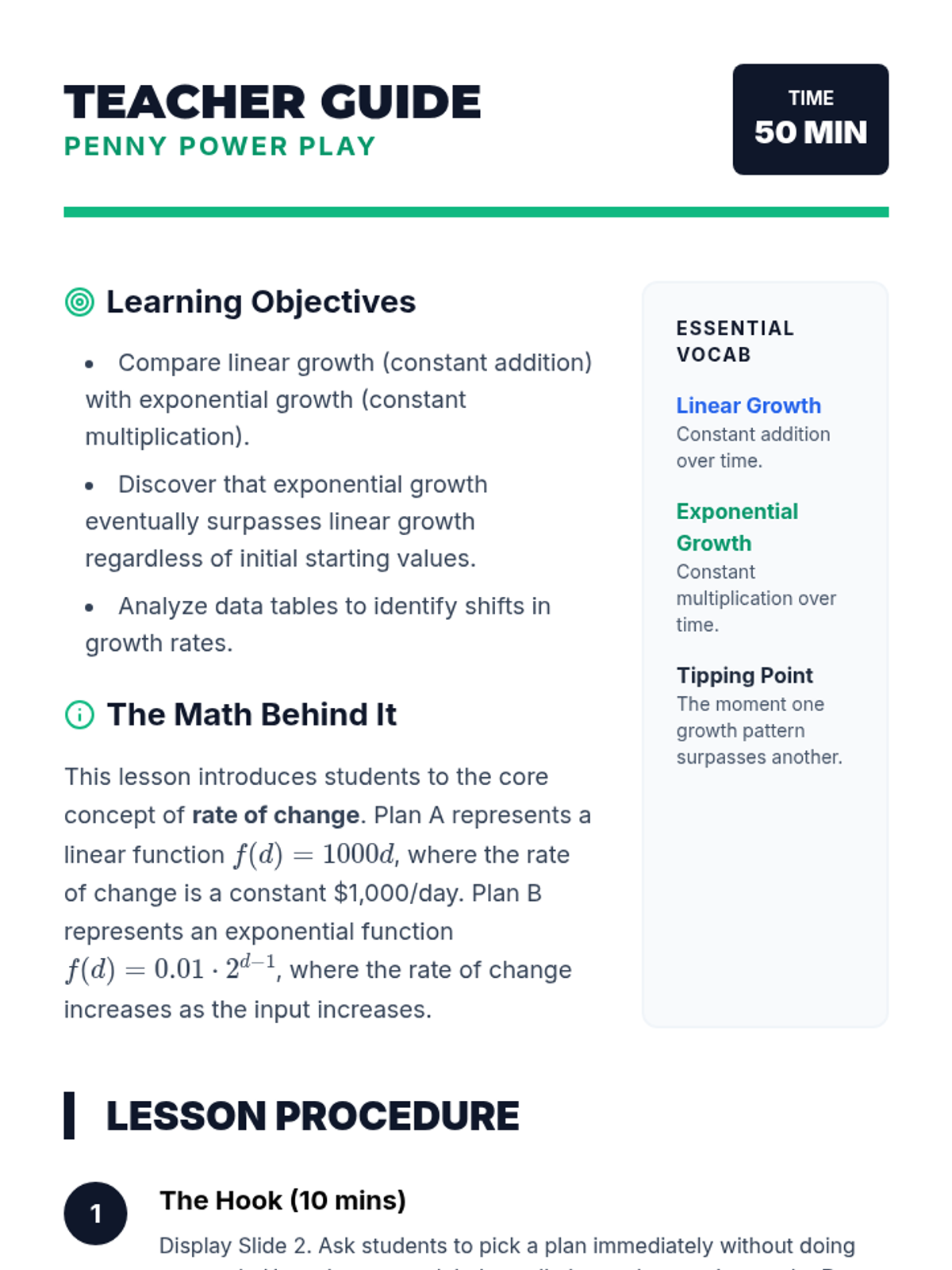
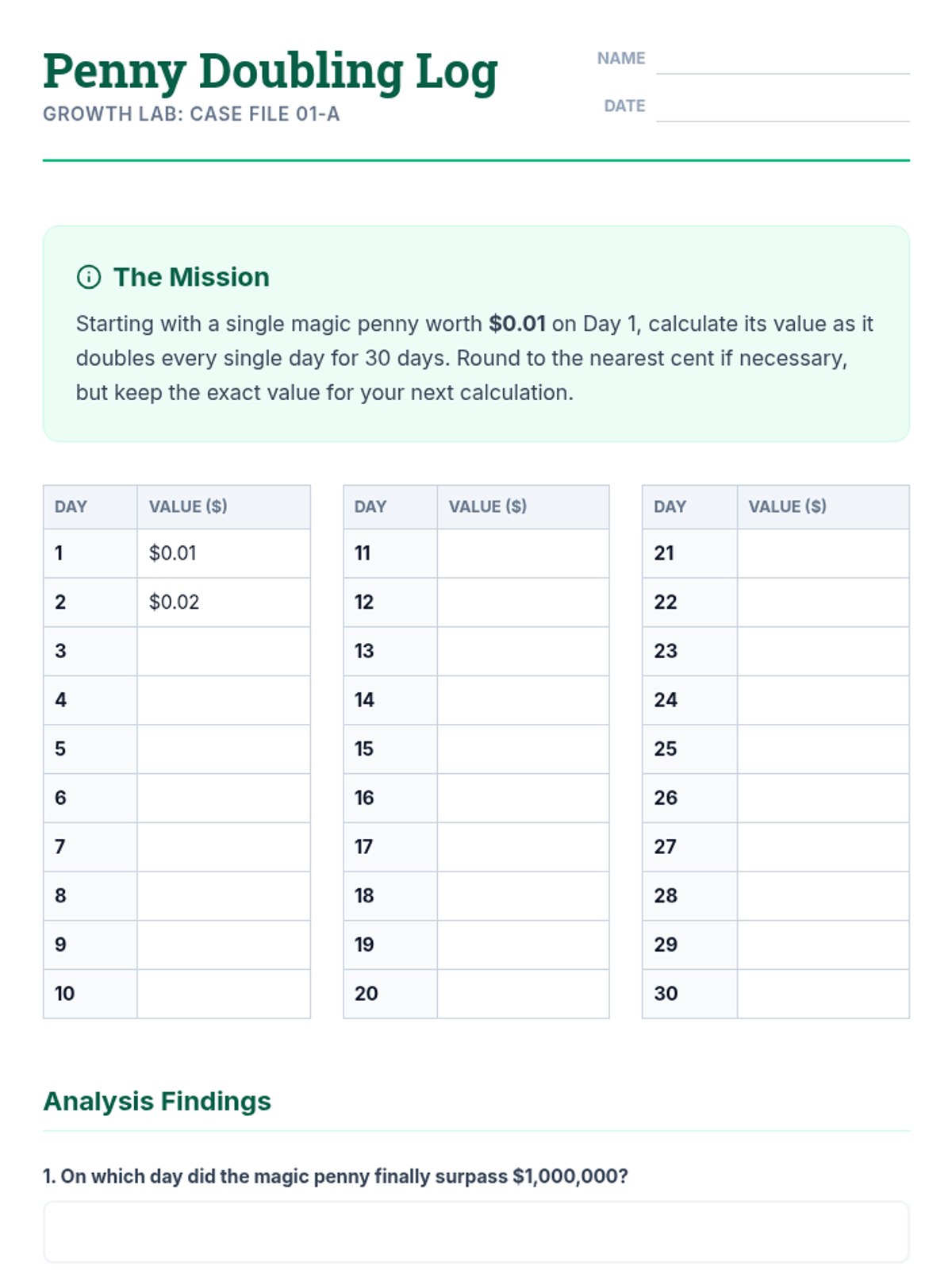
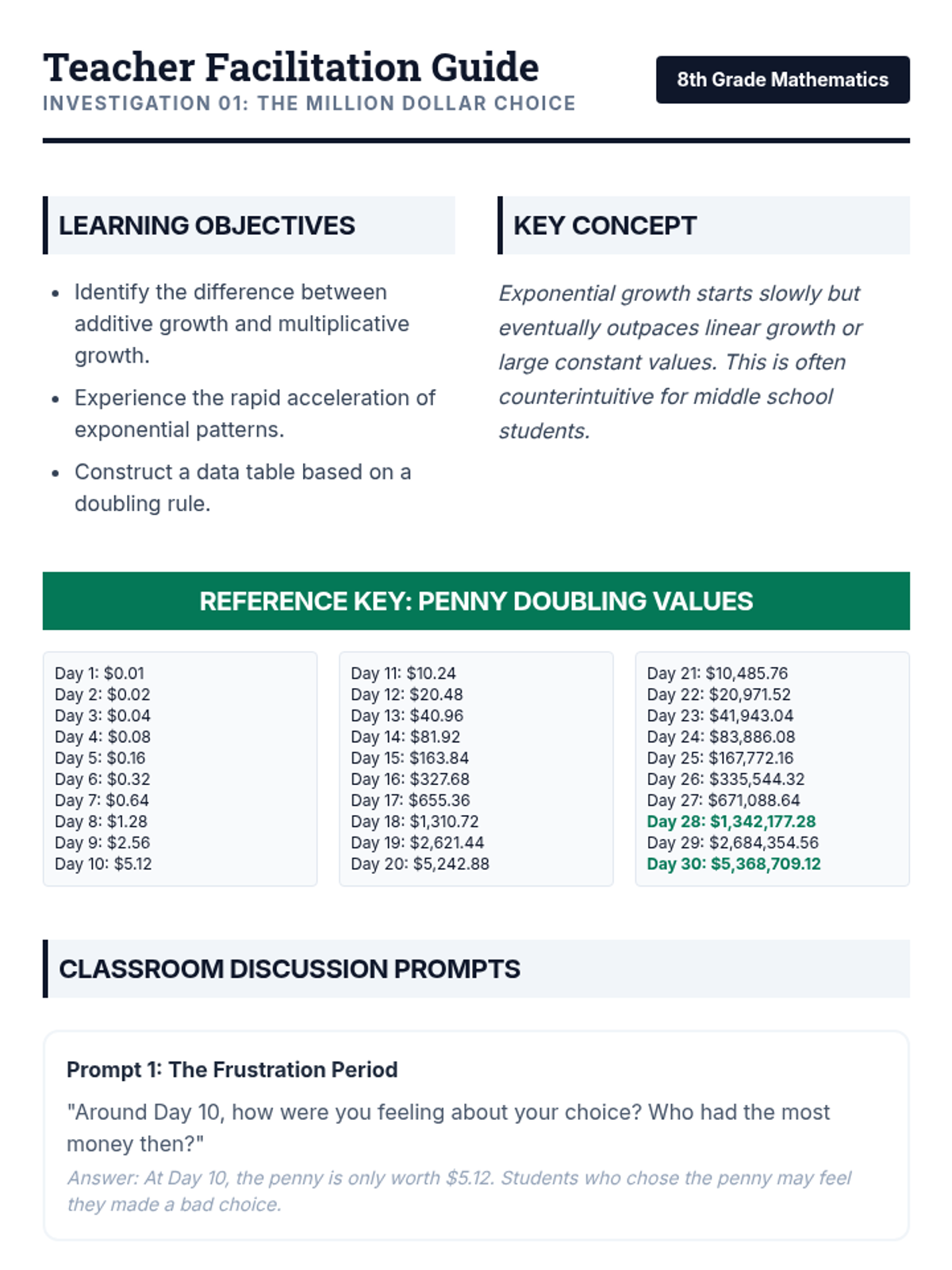
An inquiry-based exploration of additive vs. multiplicative growth, moving from a classic penny-doubling dilemma to formal identification of linear and exponential functions using tables and graphs.
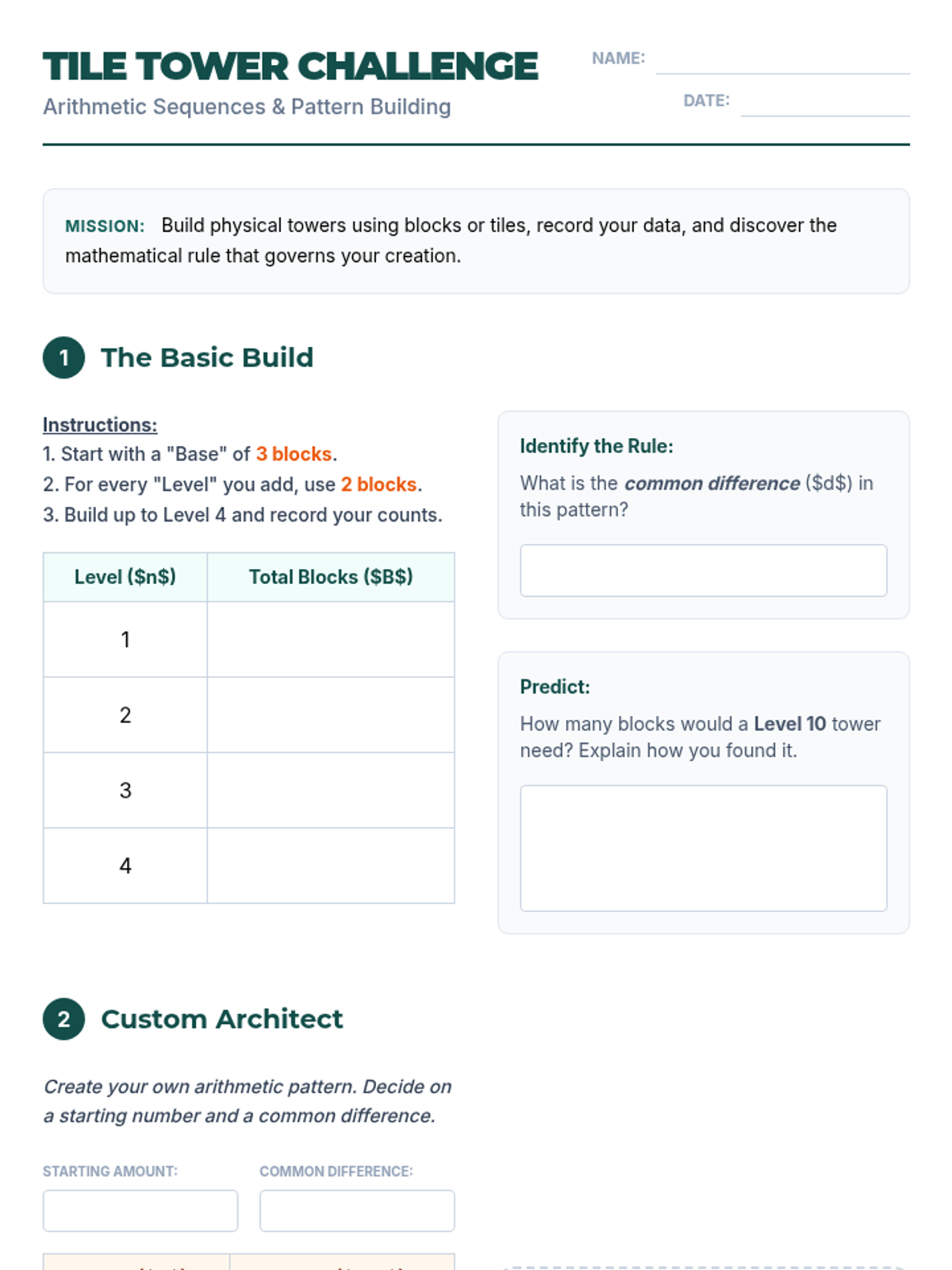
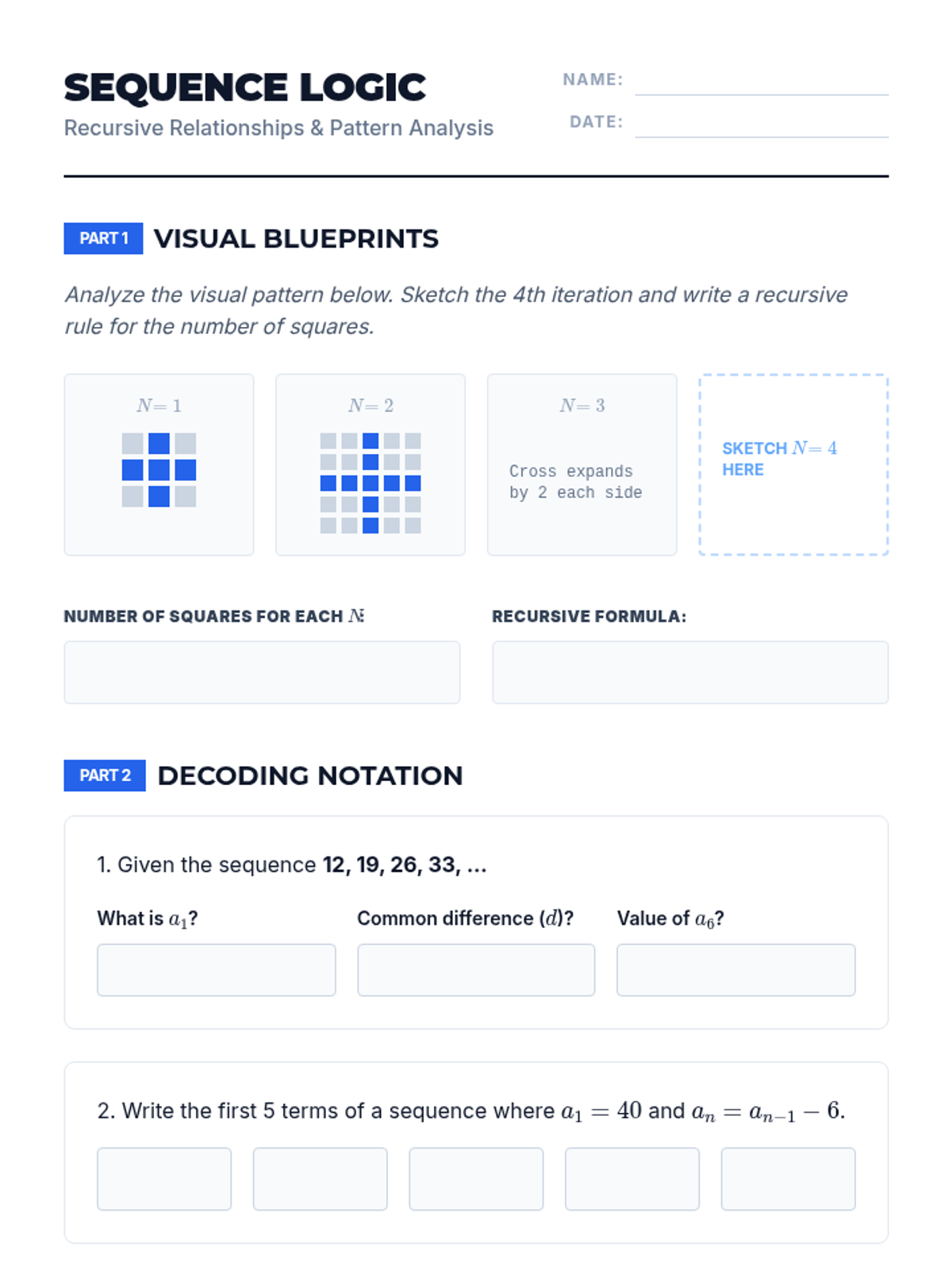
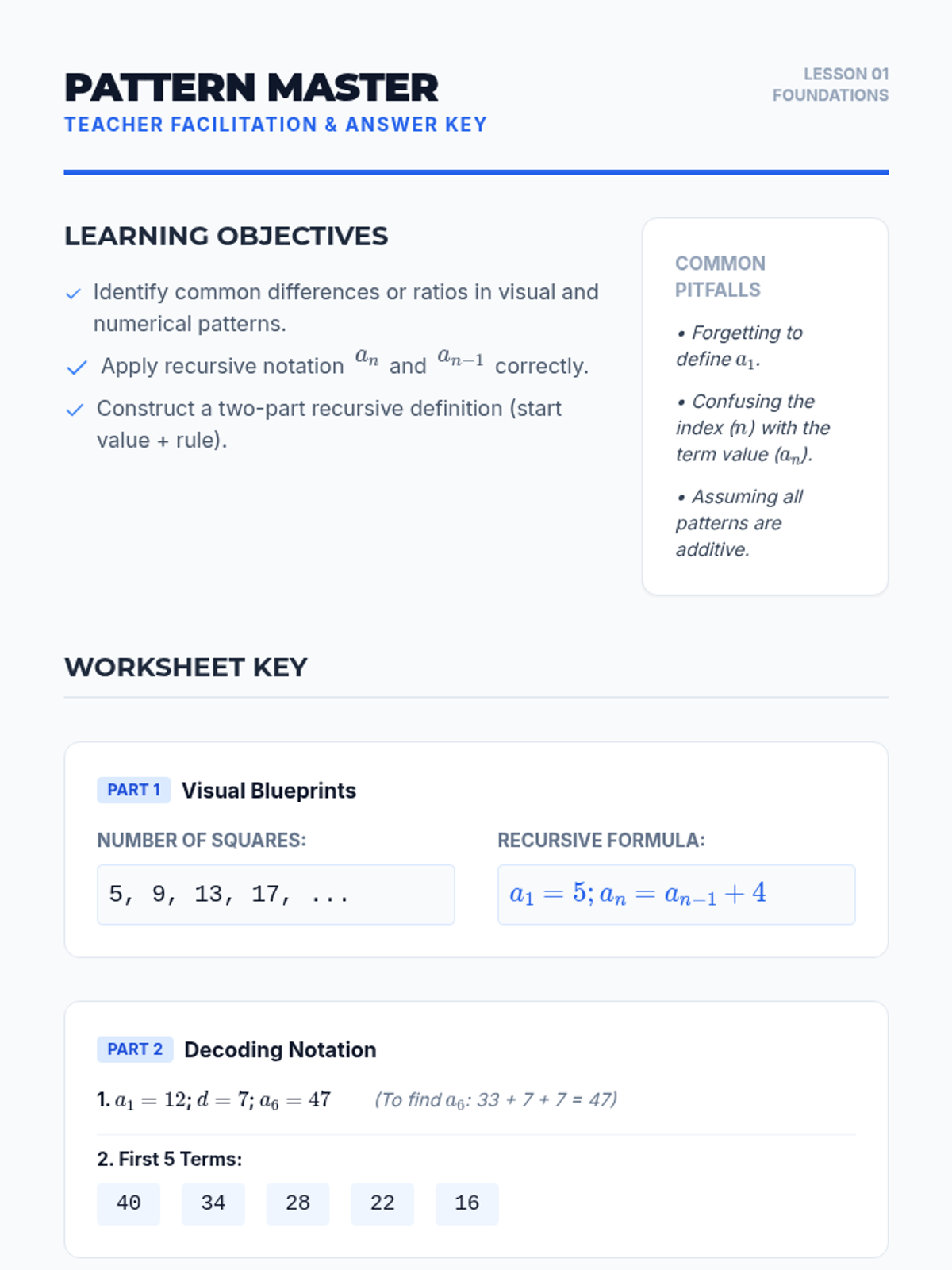
Students move from concrete visual patterns to abstract formulas, exploring arithmetic and geometric growth. They learn to translate sequences into recursive and explicit function rules.
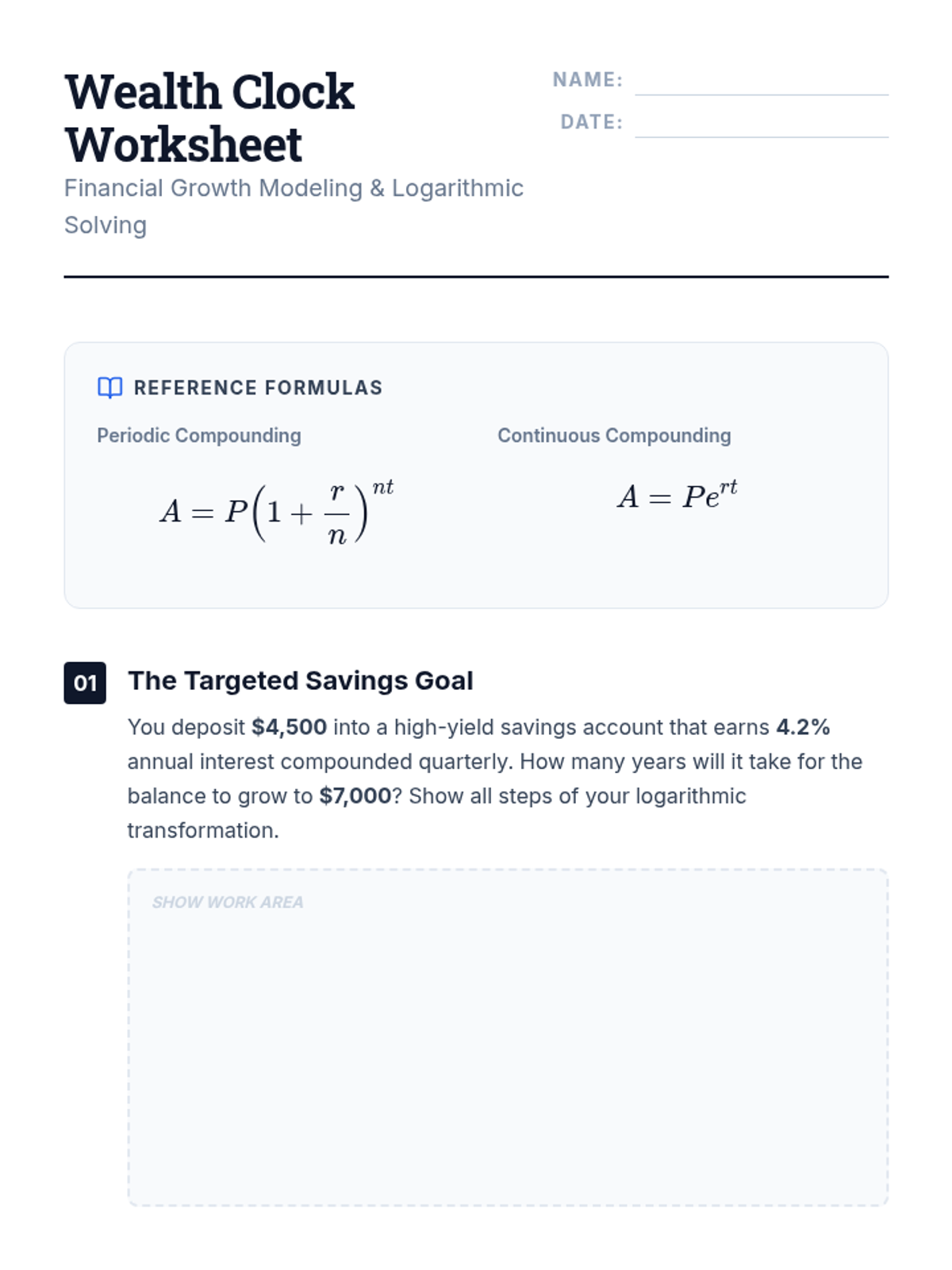
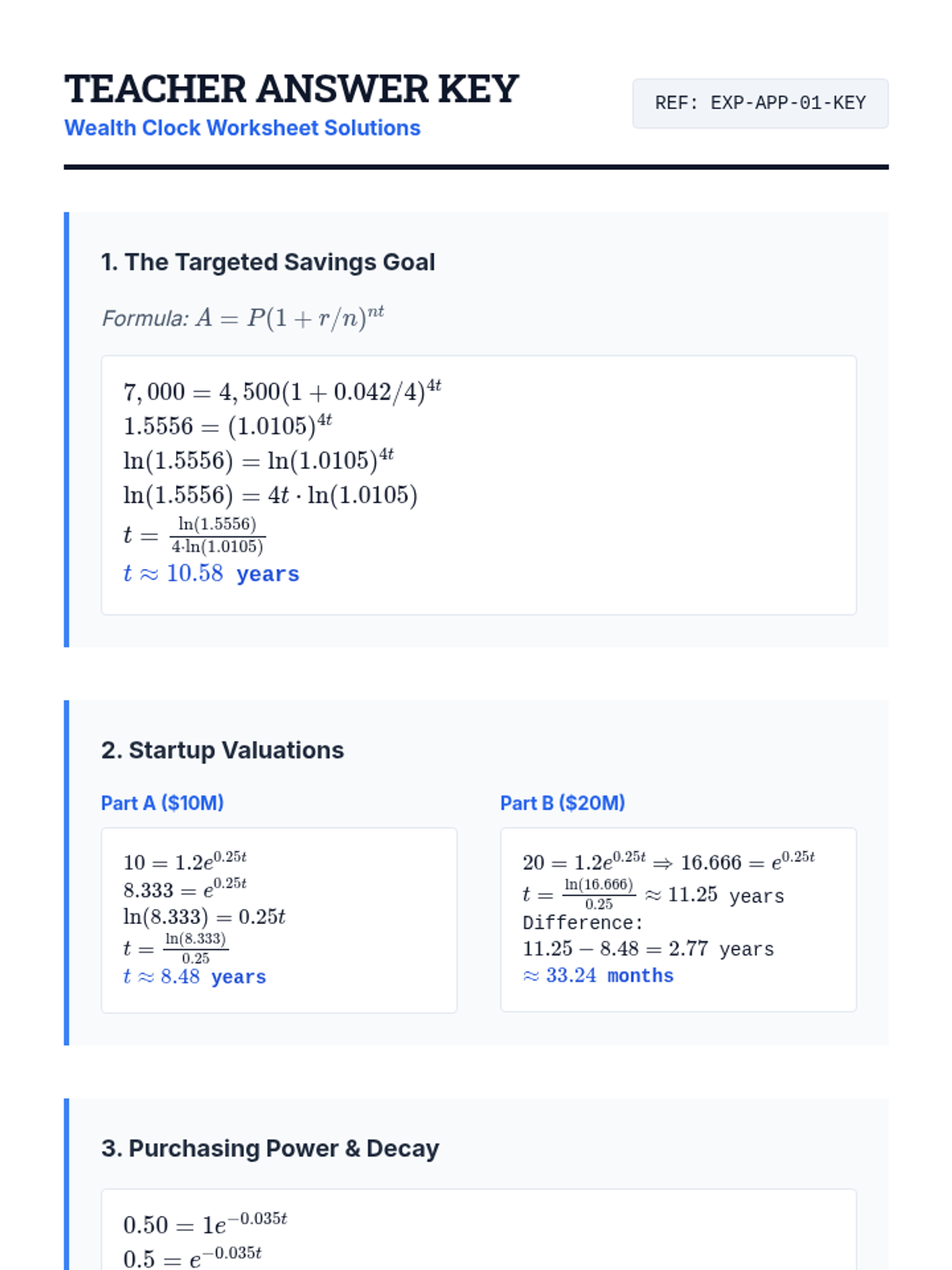
A 9th-grade algebra sequence focused on modeling and solving exponential equations in real-world contexts like finance, biology, and archaeology. Students learn to construct models and solve for time using algebraic and graphical methods.
A comprehensive deep dive into the mathematical mechanics of money. Students move from basic interest calculations to understanding the exponential power of compound interest, the impact of inflation, and the massive advantage of starting early.
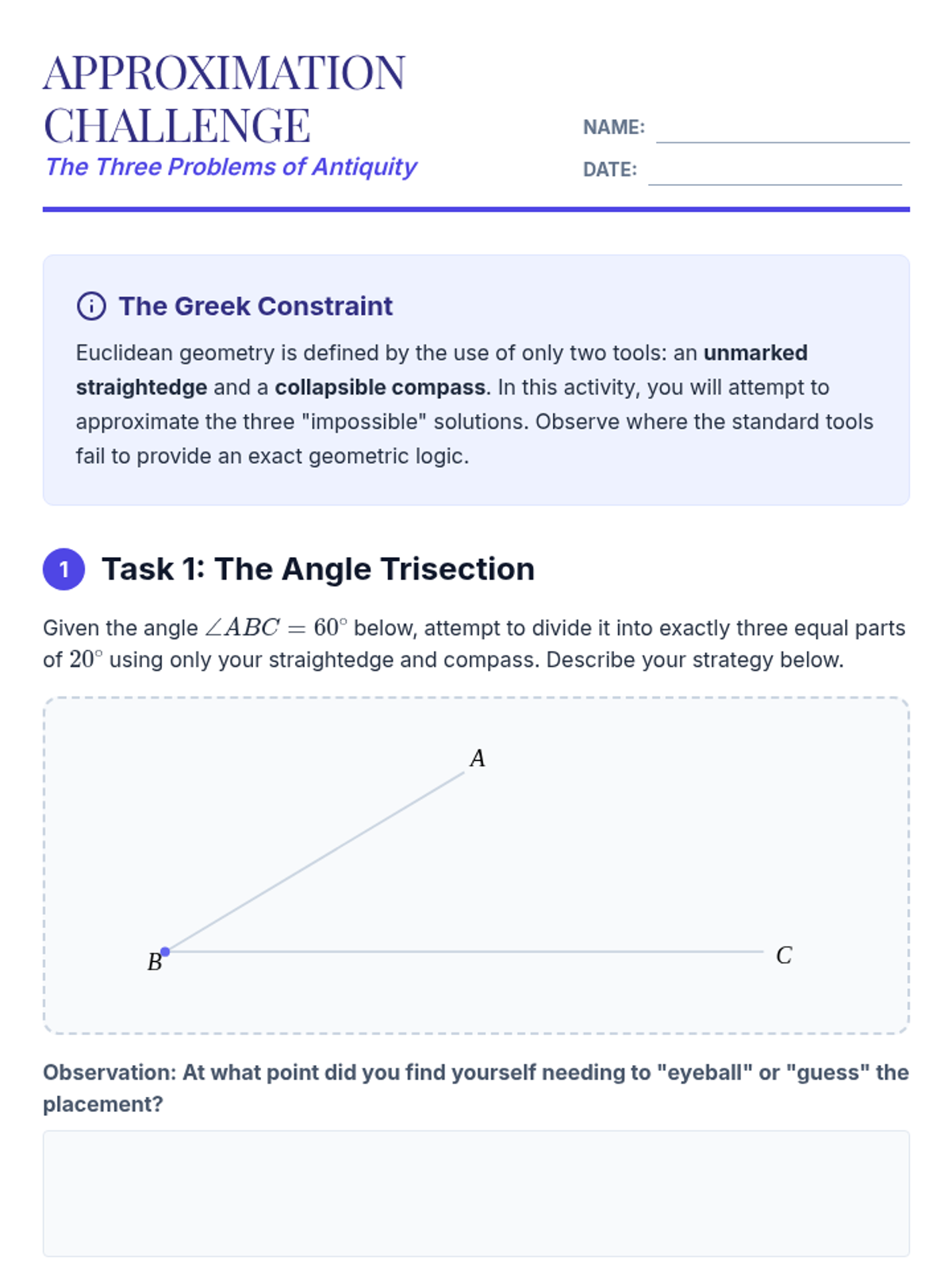
This sequence explores the three famous problems of antiquity (squaring the circle, doubling the cube, trisecting the angle) and the alternative construction methods that solve them. Students analyze why standard tools fail and experiment with 'Neusis' constructions, Origami (paper folding) axioms, and conic sections. It highlights how changing the axioms changes the solvable universe.
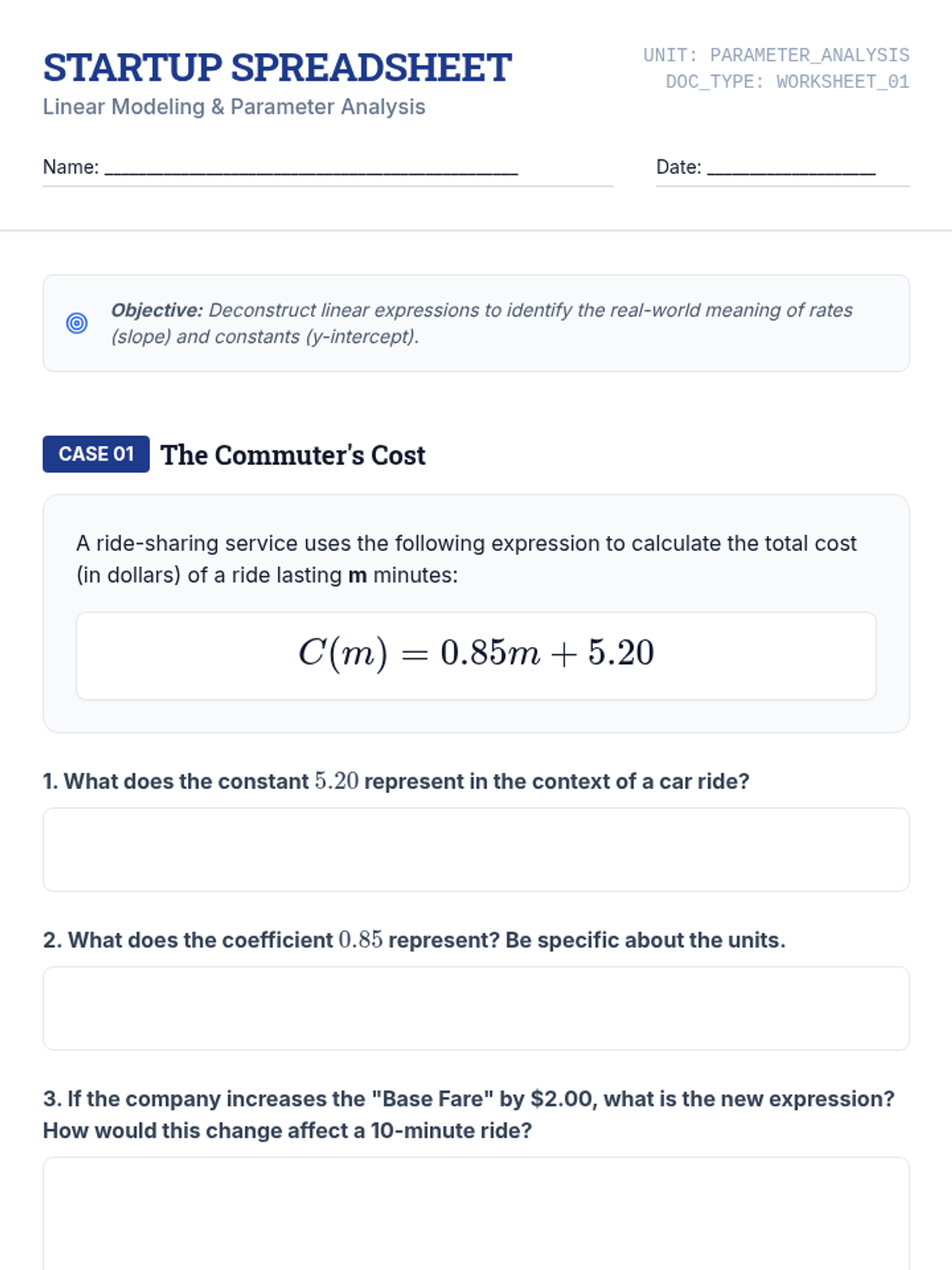
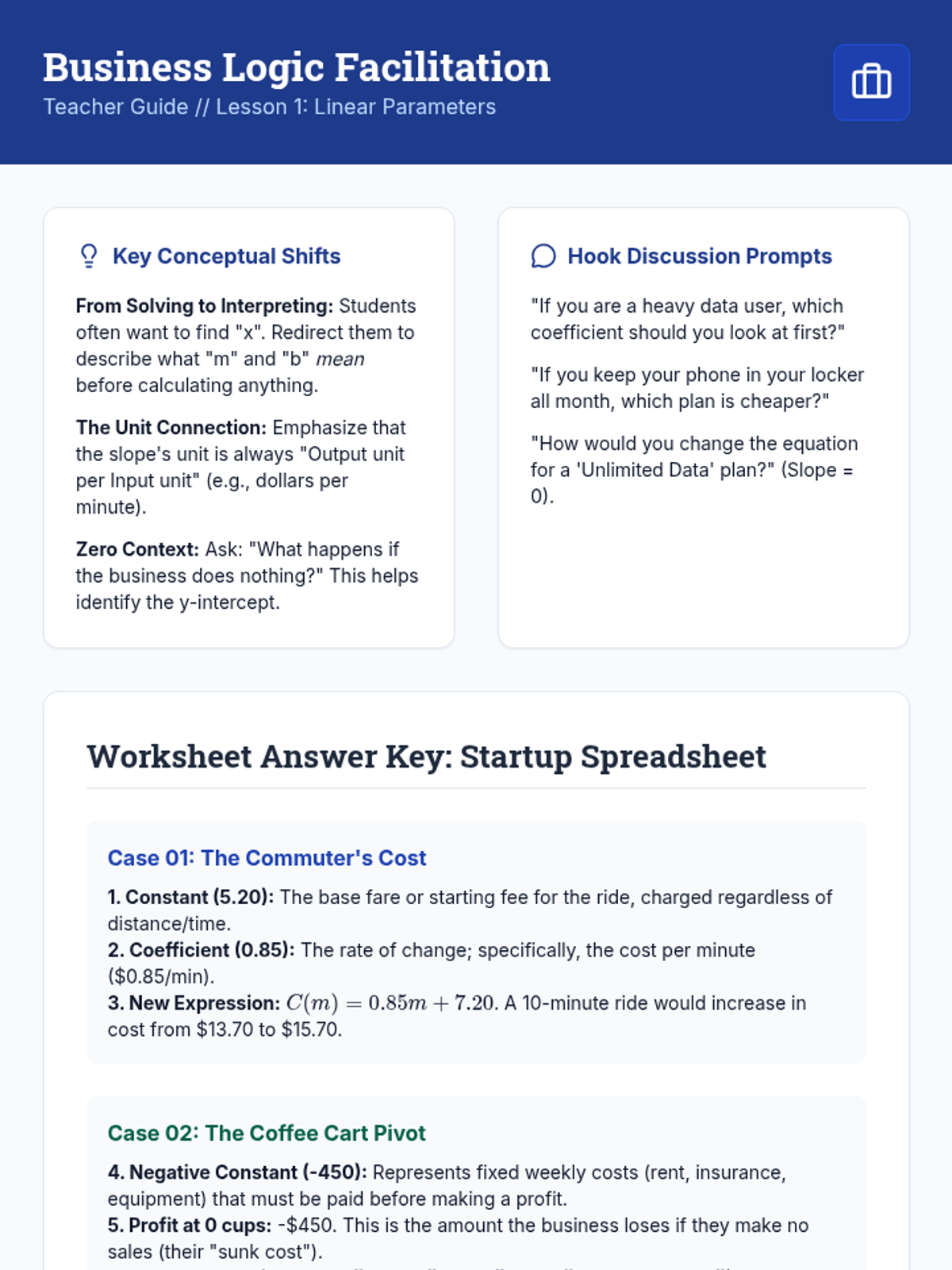
A high school math unit focused on interpreting the parameters of linear, exponential, and quadratic functions in real-world contexts like economics, physics, and finance. Students learn to connect algebraic components to physical and financial realities.
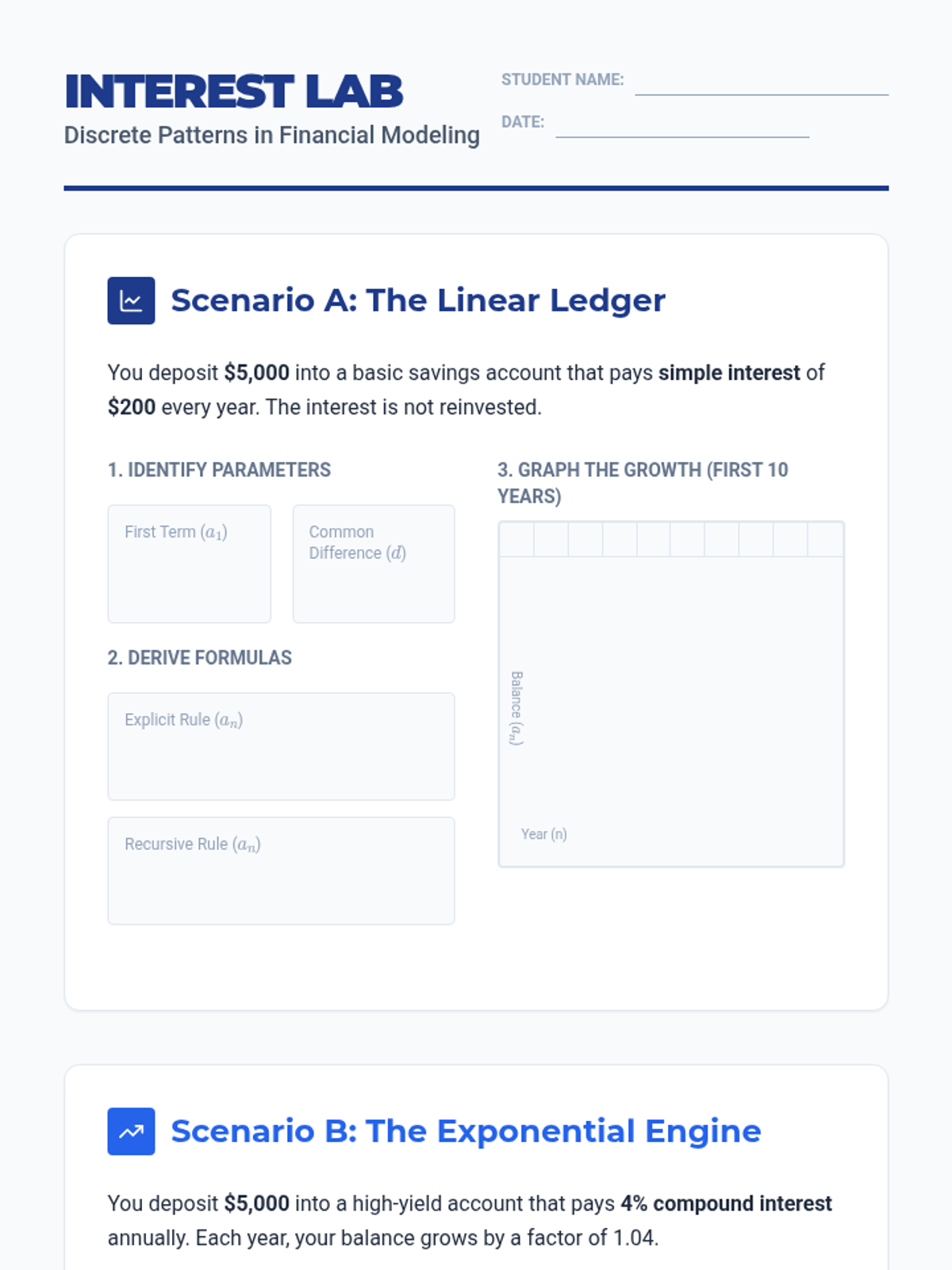
Students bridge algebraic functions and discrete mathematics by modeling financial scenarios like simple and compound interest, annuities, and loan amortization using arithmetic and geometric sequences.
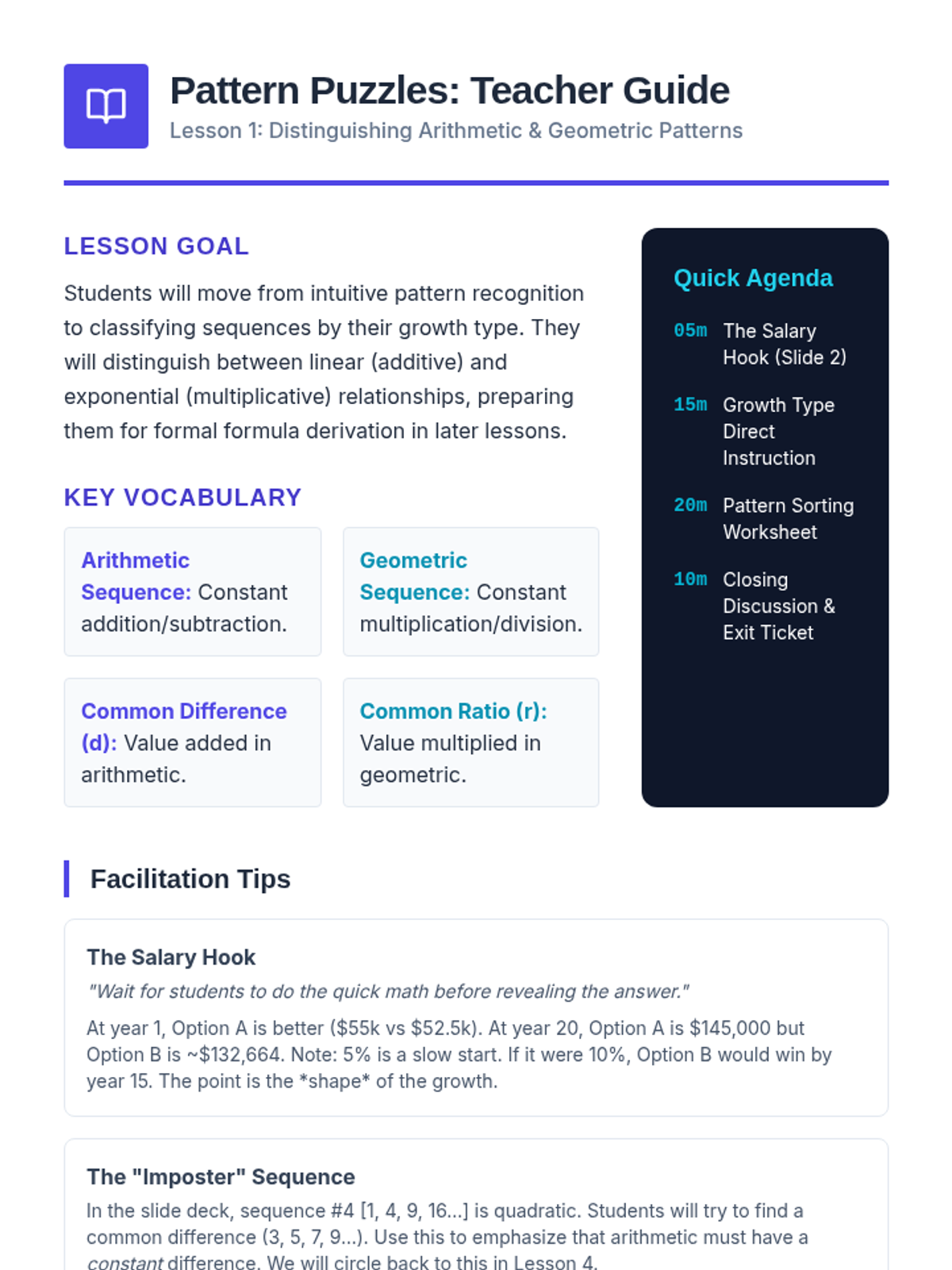
This sequence transitions students from intuitive pattern recognition to the formal algebraic modeling of arithmetic and geometric sequences. Students will derive recursive and explicit formulas and apply them to real-world scenarios like finance.
A comprehensive 9th-grade sequence on arithmetic and geometric sequences, moving from visual patterns to explicit formulas, graphing, and real-world predictive modeling. Students connect sequence growth to linear and exponential functions.
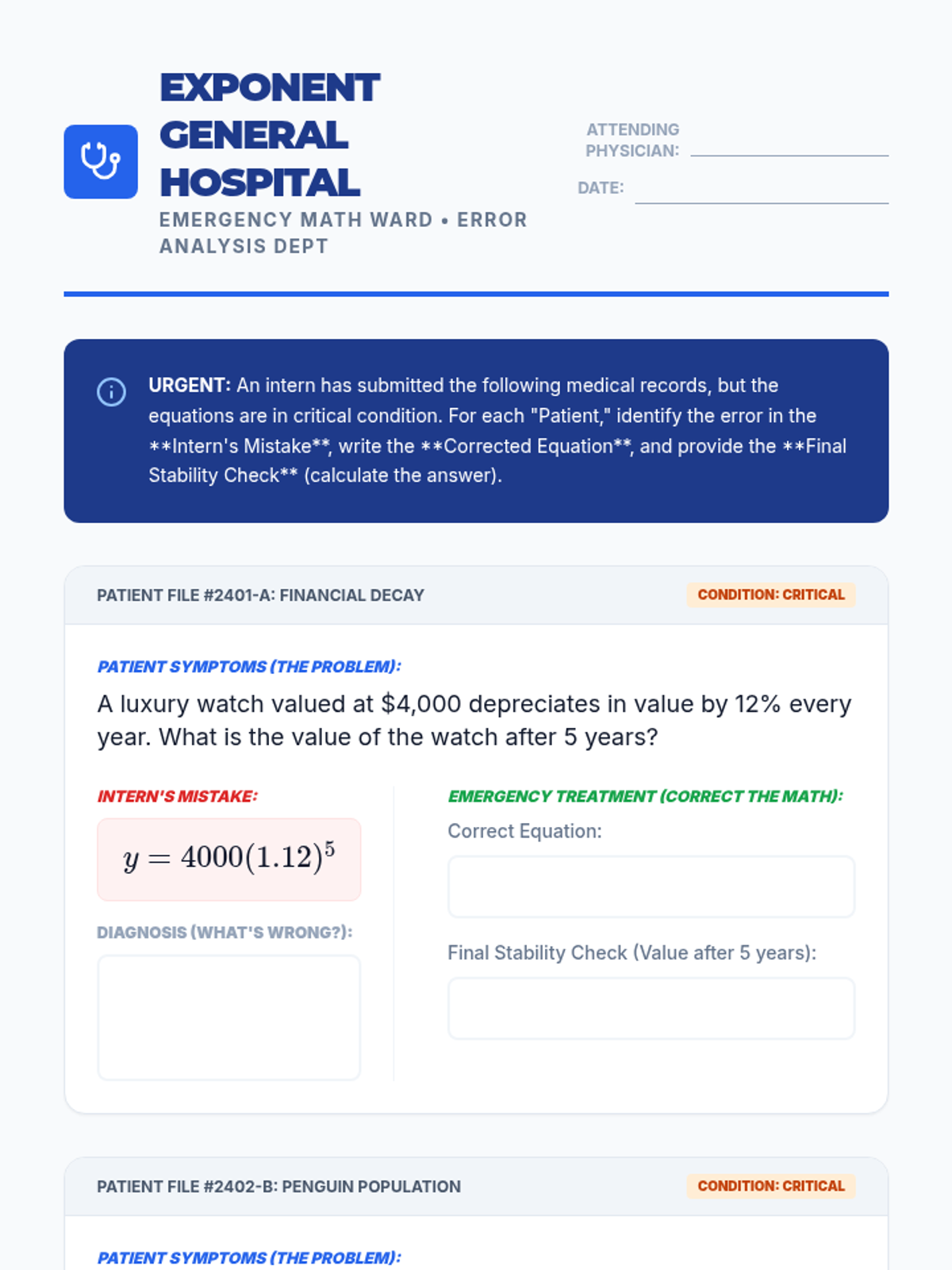
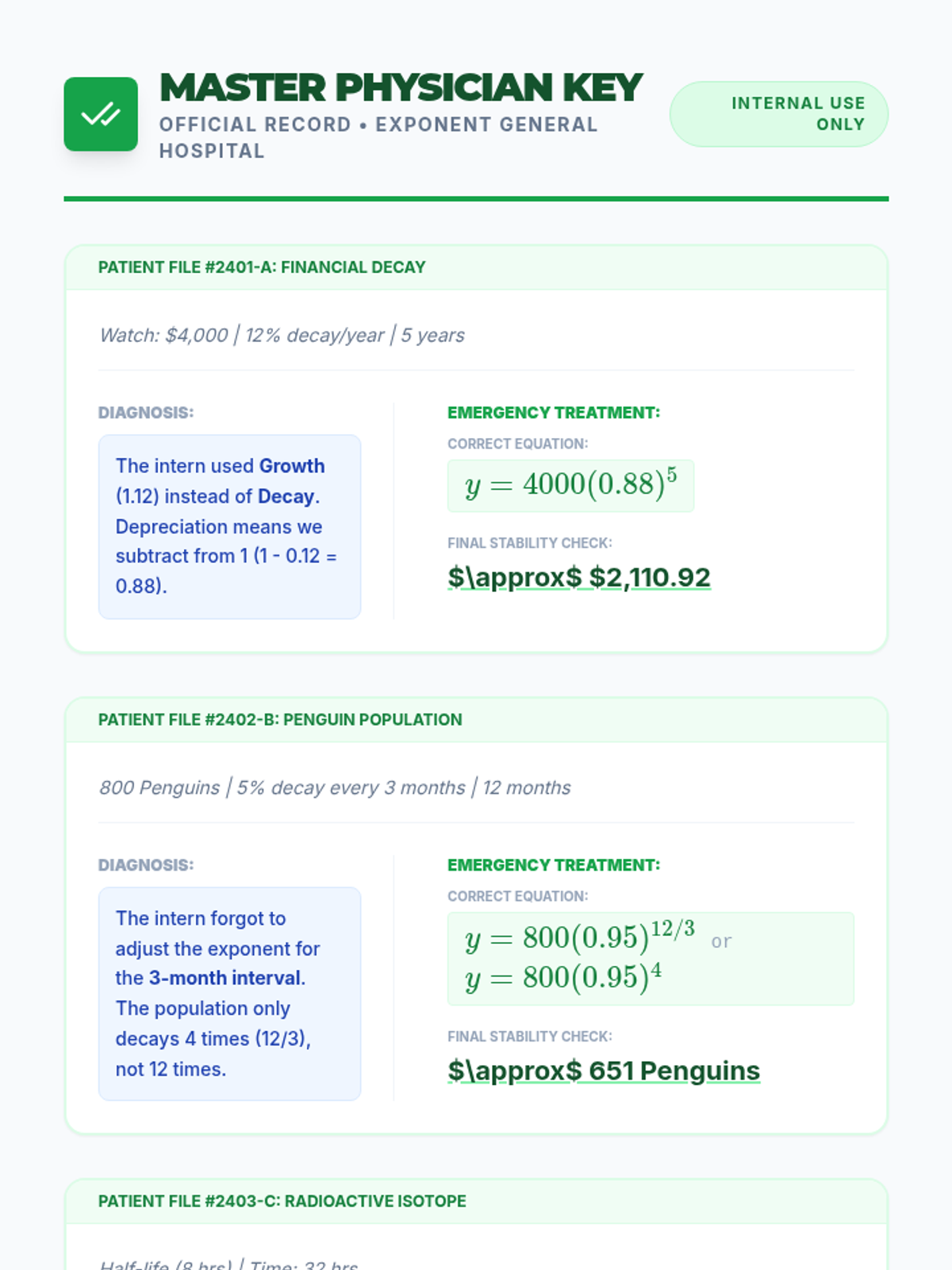
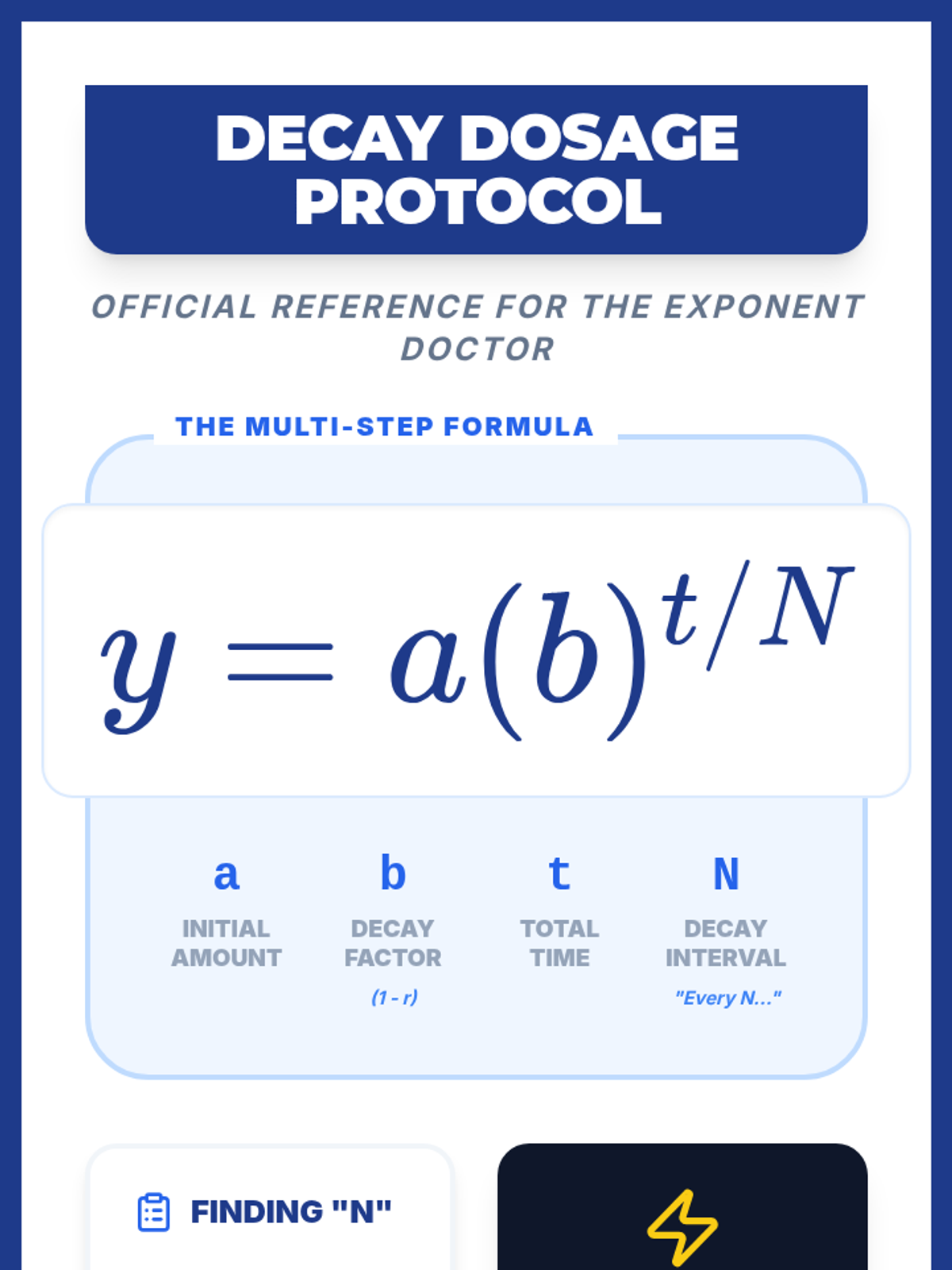
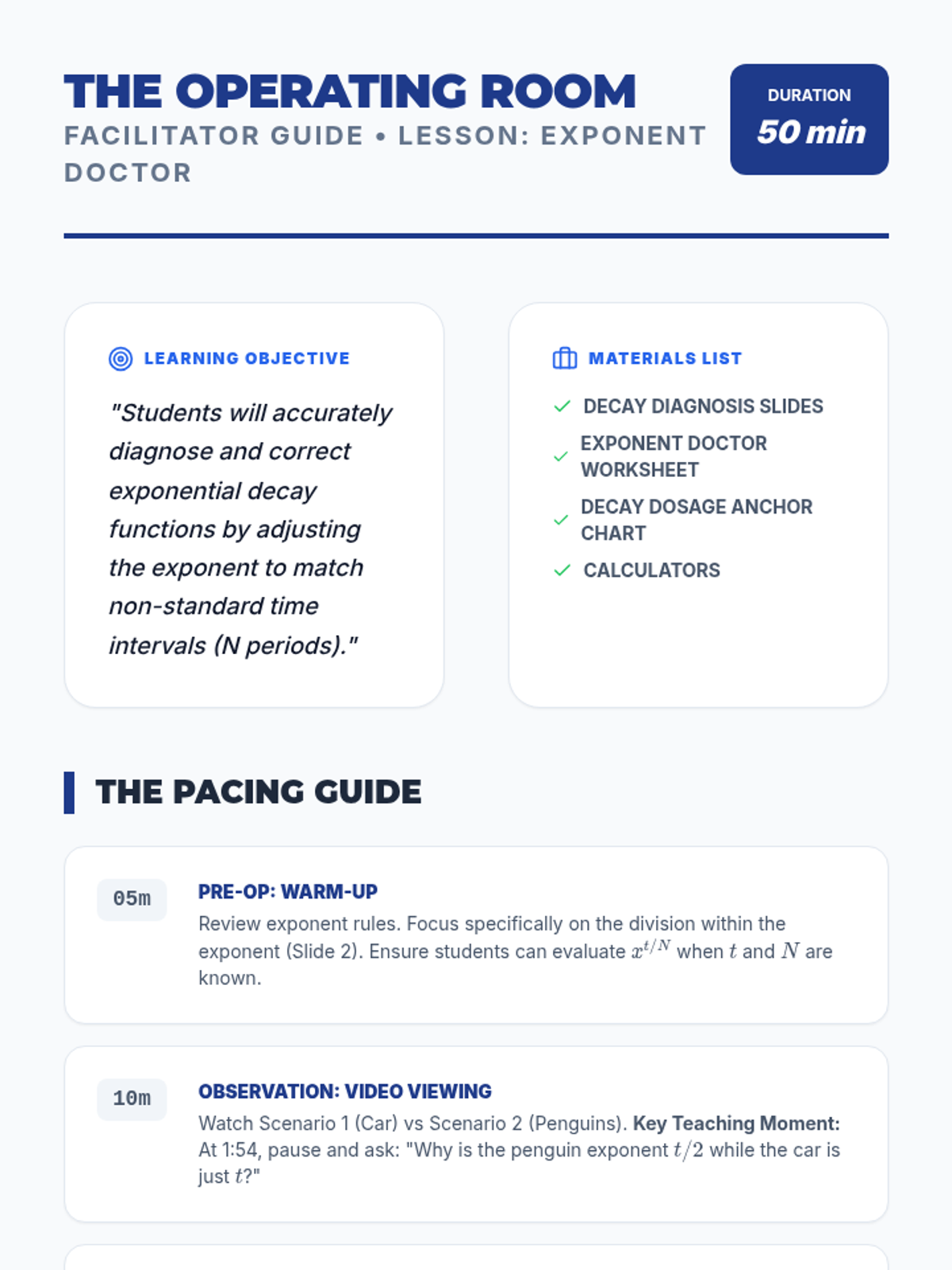
A lesson sequence focusing on the nuances of exponential decay, specifically distinguishing between annual rates and those occurring over non-standard time intervals like months or half-lives.
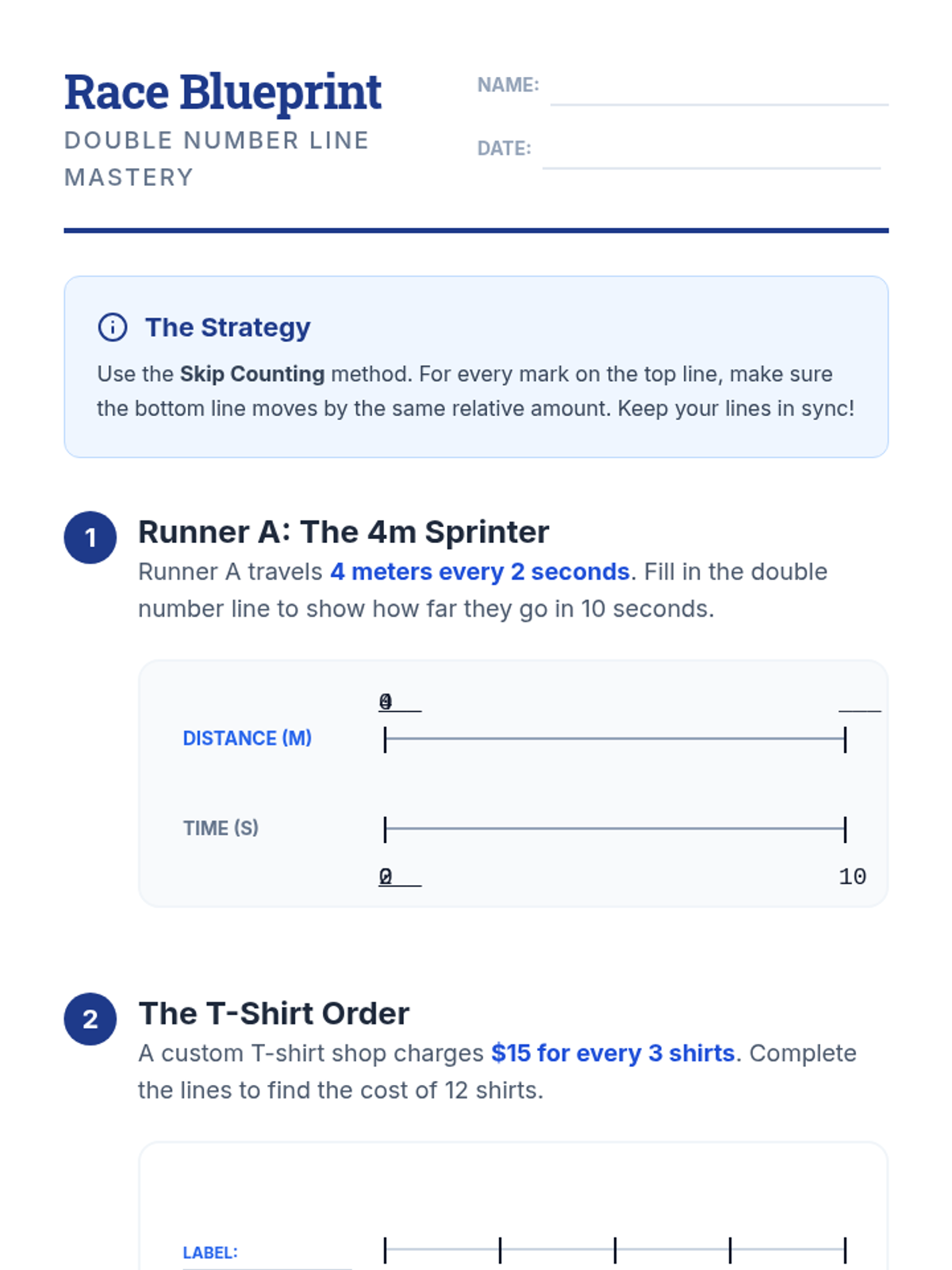
A 9th-grade math sequence focusing on visual strategies for understanding proportions, slope, systems of equations, and inequalities. This unit supports students in academic support settings by moving from concrete double number lines to abstract coordinate graphing and region shading.
A comprehensive exploration of exponential modeling across finance, biology, and physics, focusing on the algebraic techniques required to solve for time and rate variables in real-world growth and decay scenarios.
This sequence guides students through the algebraic methods for solving exponential equations, from the foundational skill of base rewriting to the introduction and application of logarithms. Students build structural recognition to handle both matchable and non-matchable bases.
This sequence explores exponential equations through real-world modeling, moving from identifying growth/decay parameters to solving for time using logarithms in financial, biological, and forensic contexts.
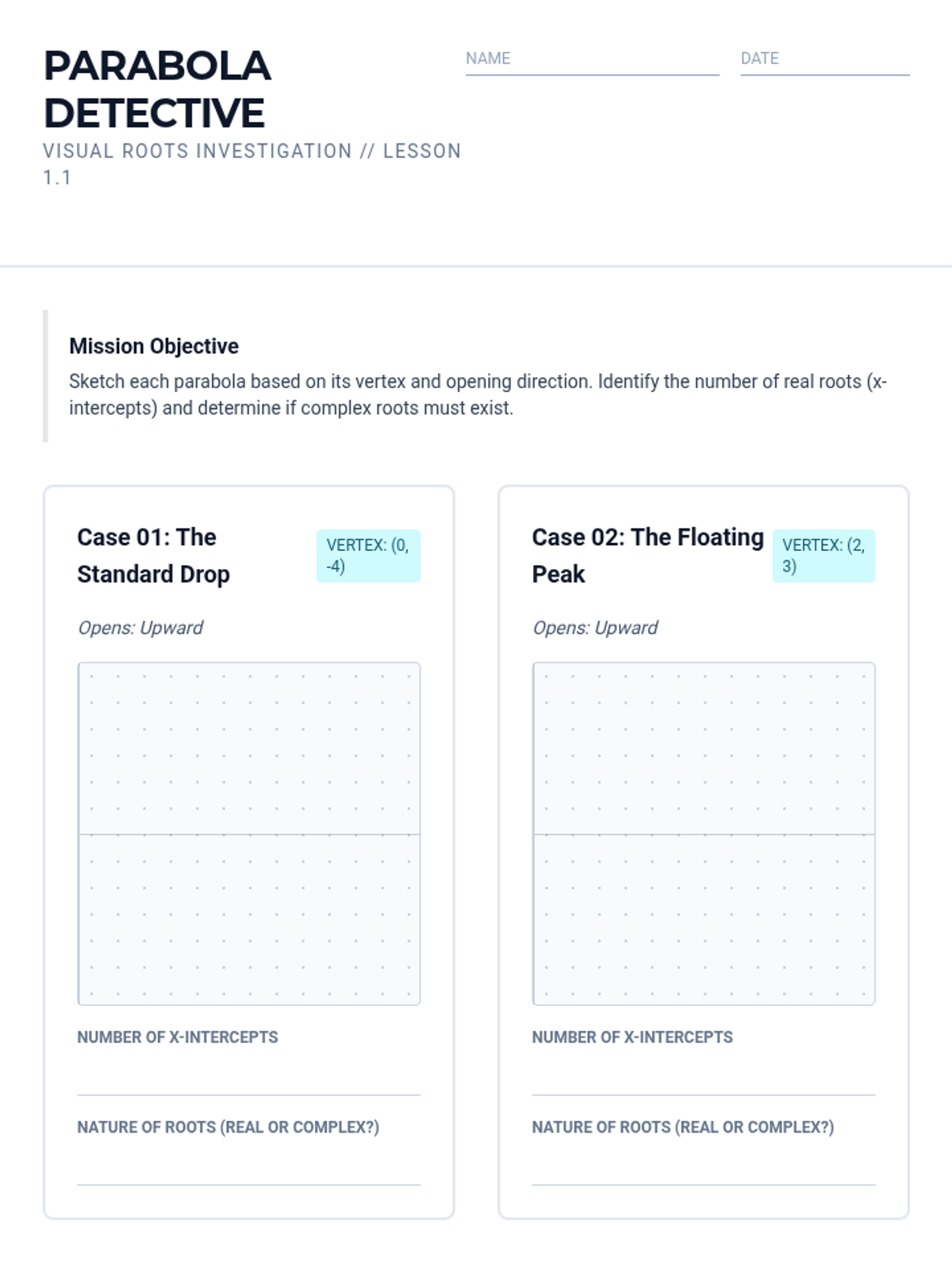
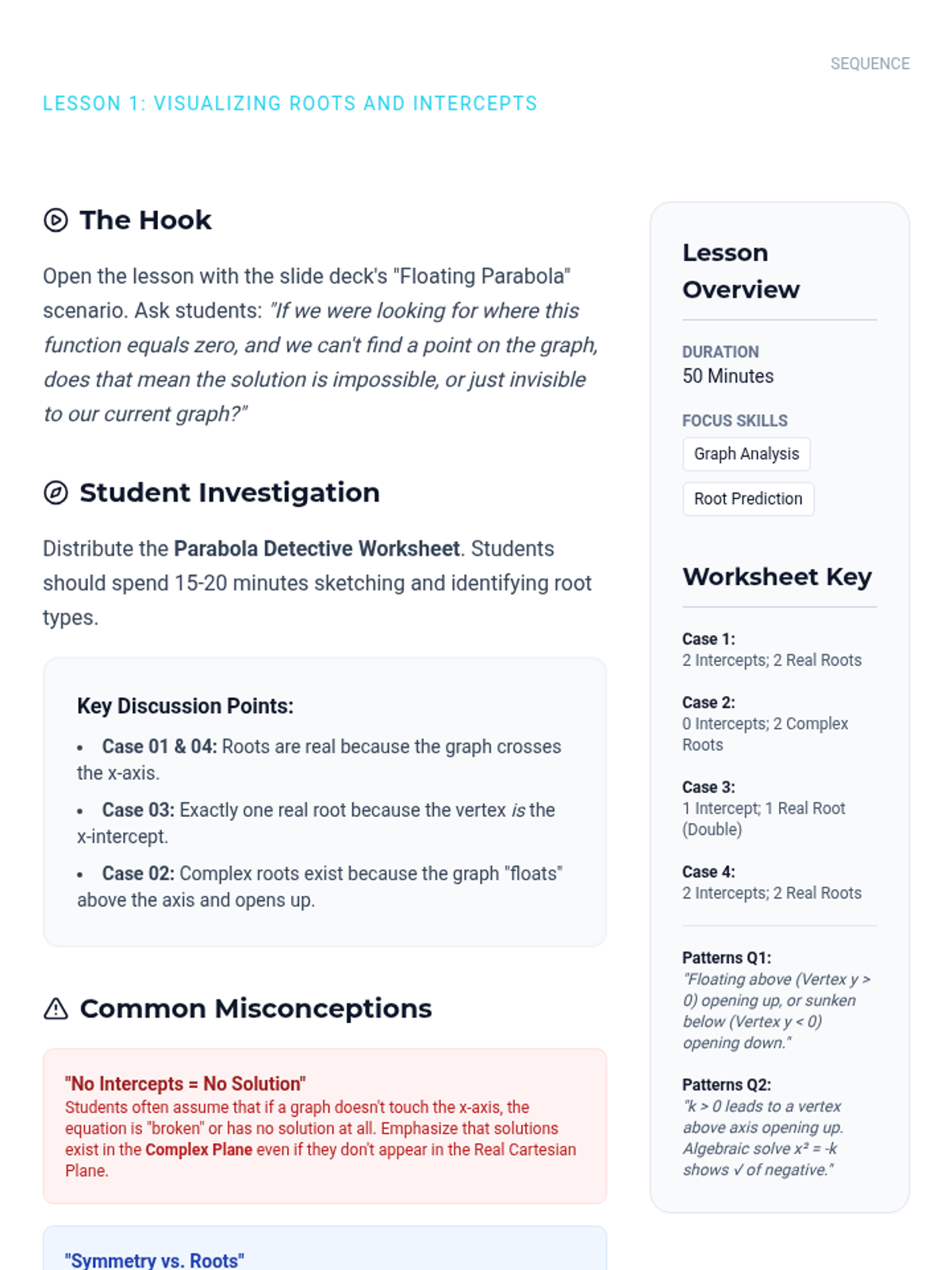
This sequence explores the relationship between quadratic functions, their graphs, and complex roots. Students progress from visual identification of roots to algebraic calculation and verification of complex solutions.
Students assume the role of data analysts to interpret complex real-world datasets related to economics, population dynamics, and environmental science. They identify function families, construct algebraic models using regression, evaluate 'goodness of fit' via residuals, and apply their models for predictions while critically analyzing domain limitations.