Vector properties, magnitudes, and algebraic operations including addition and scalar multiplication. Introduces matrix representations, arithmetic, and computational techniques for solving linear systems.
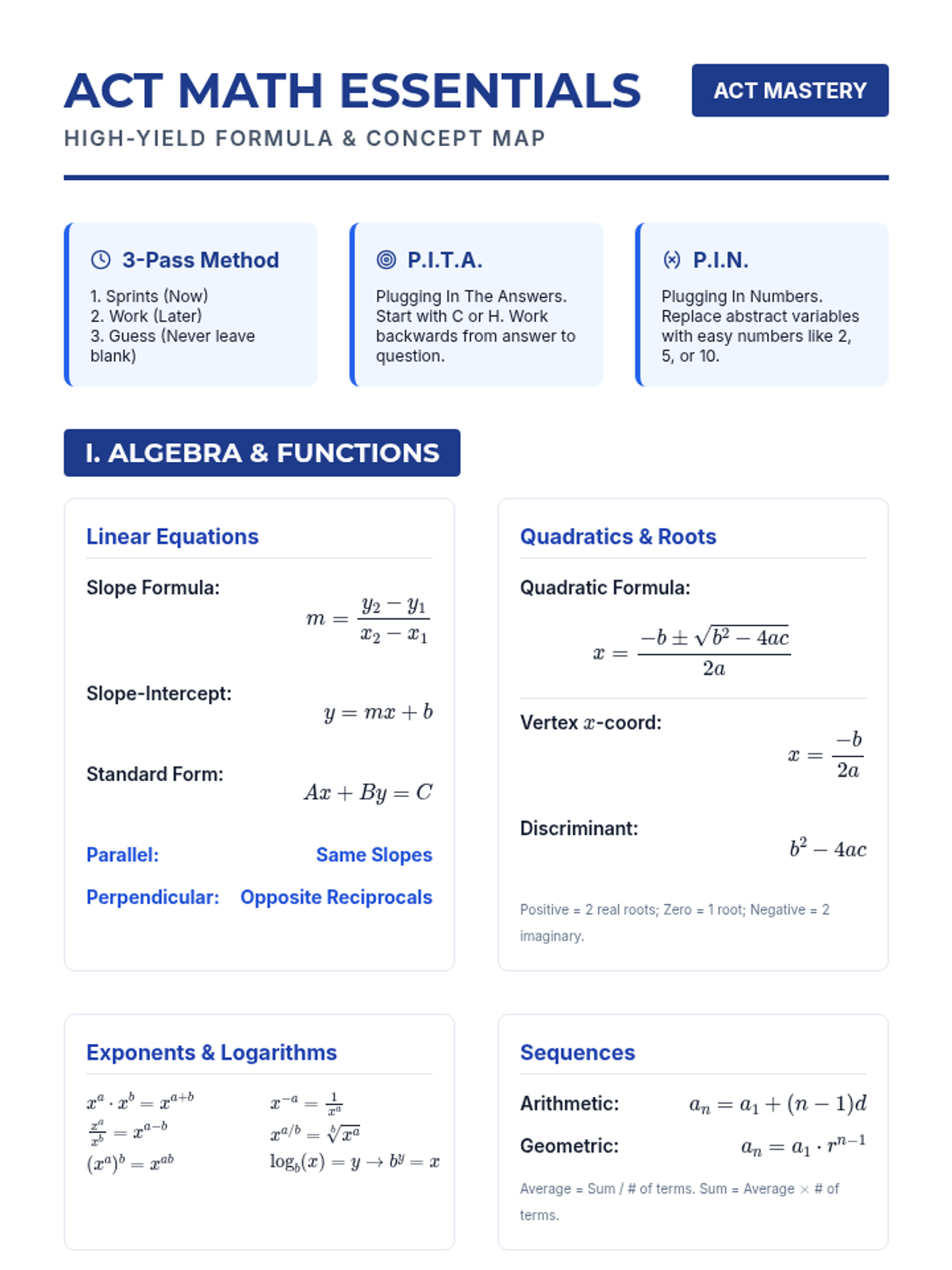
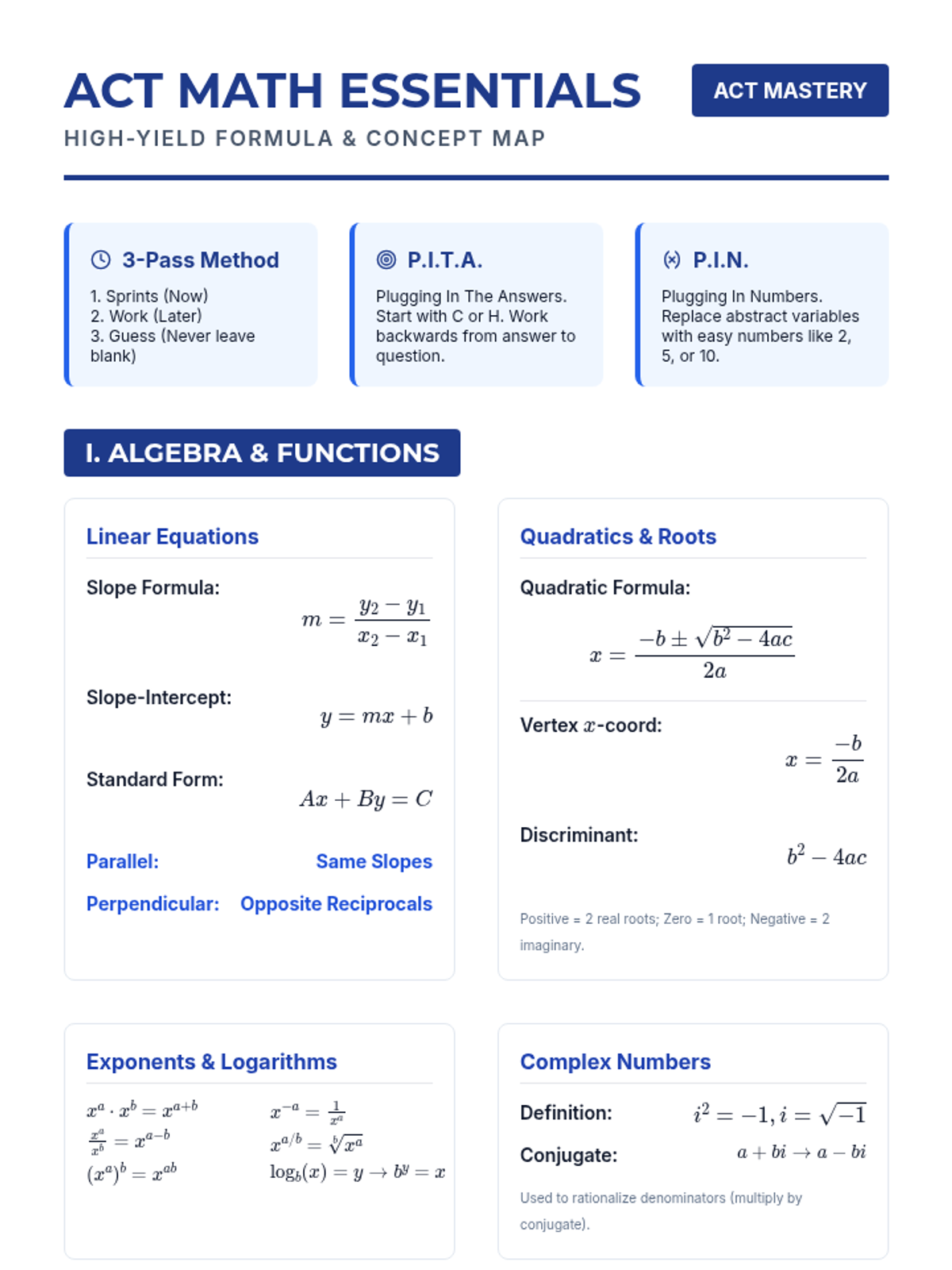
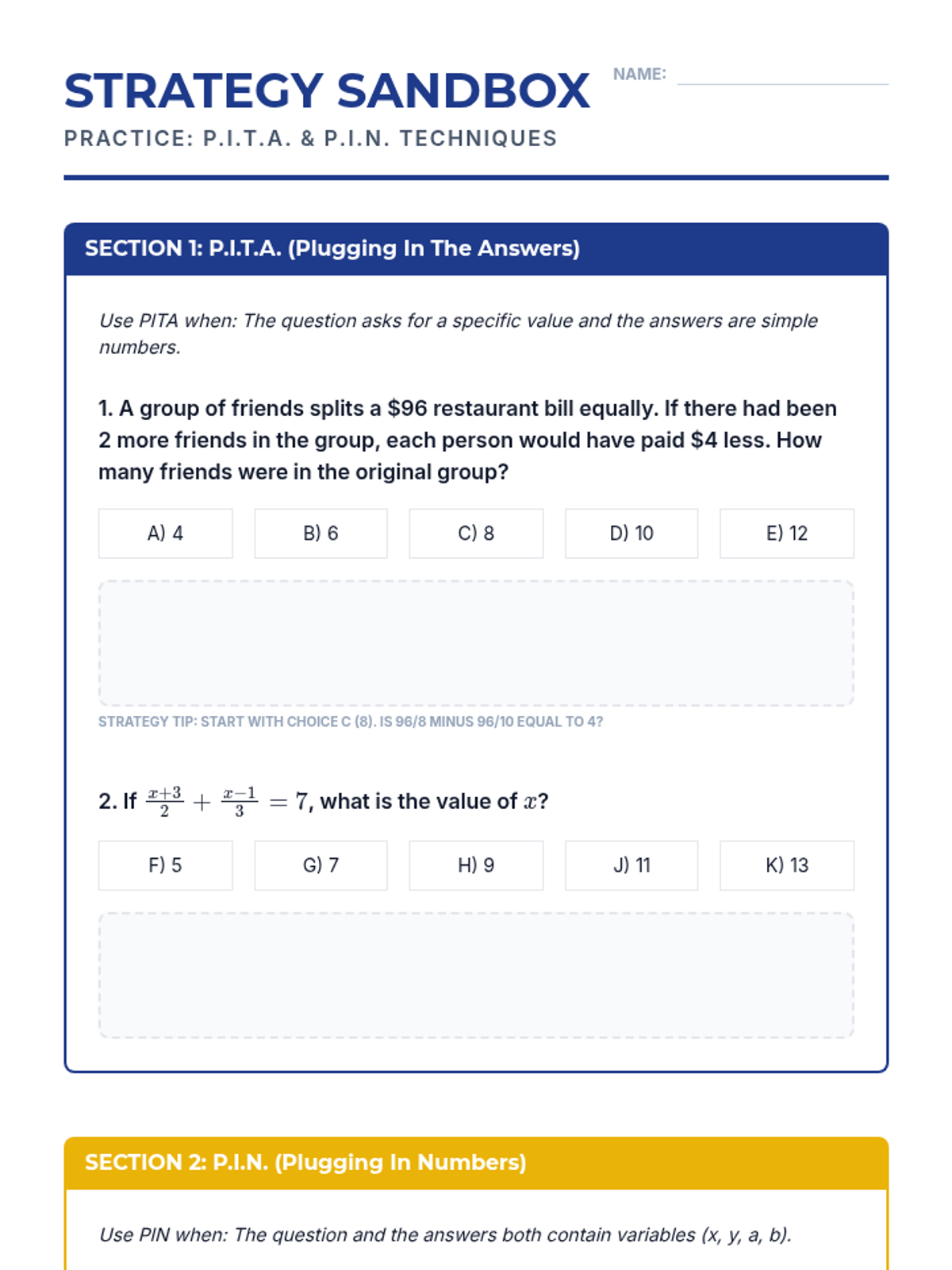
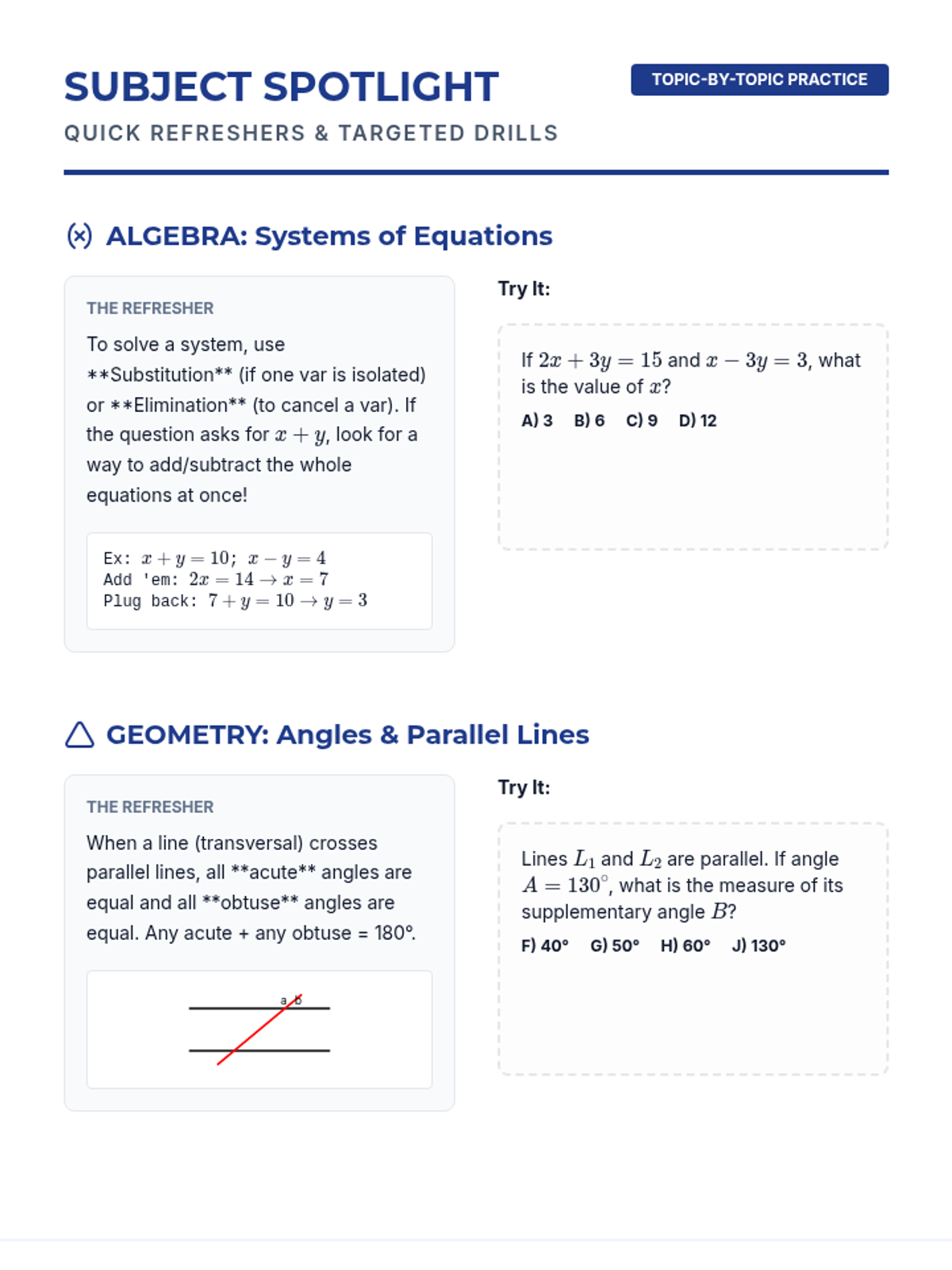
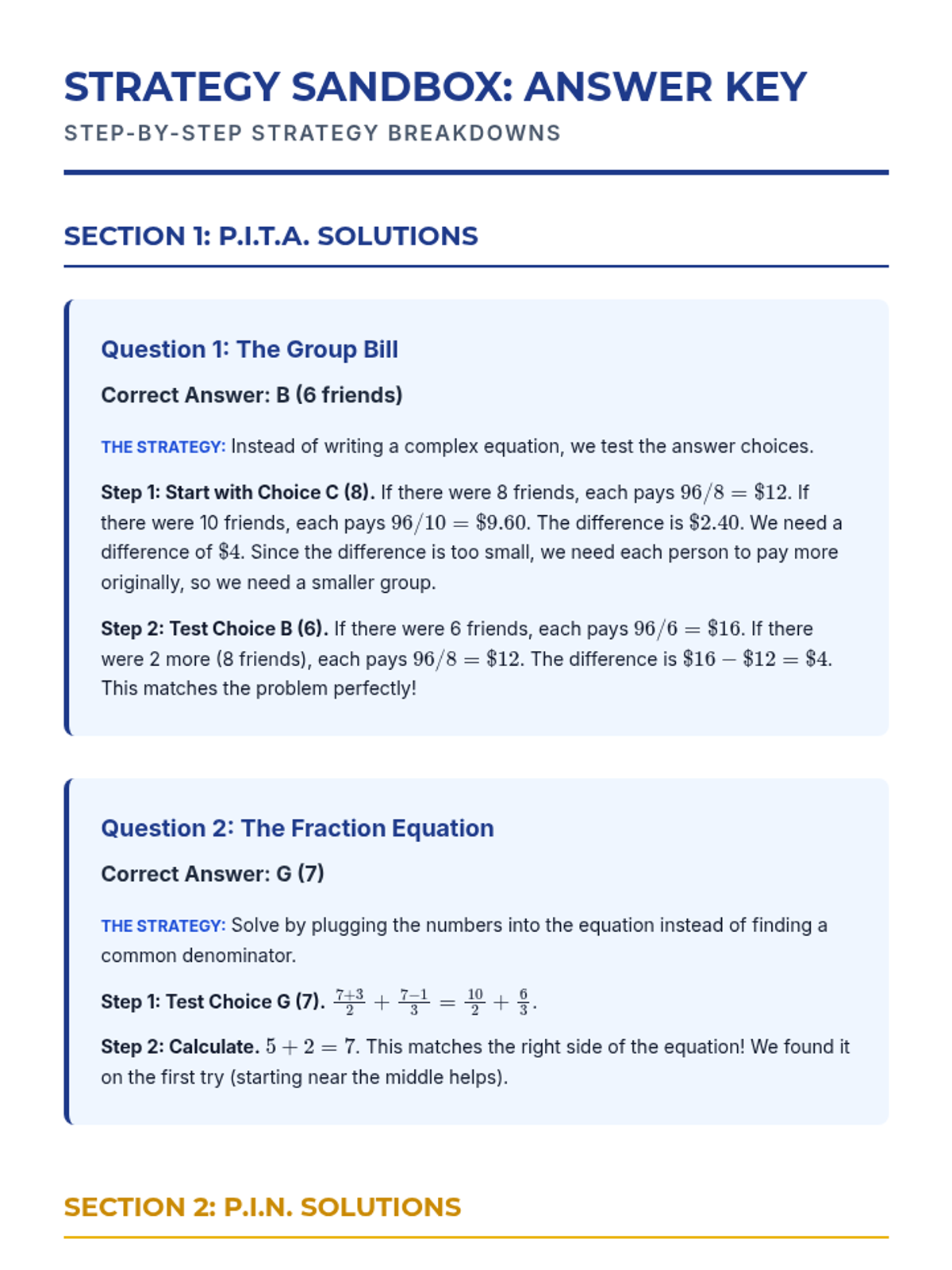
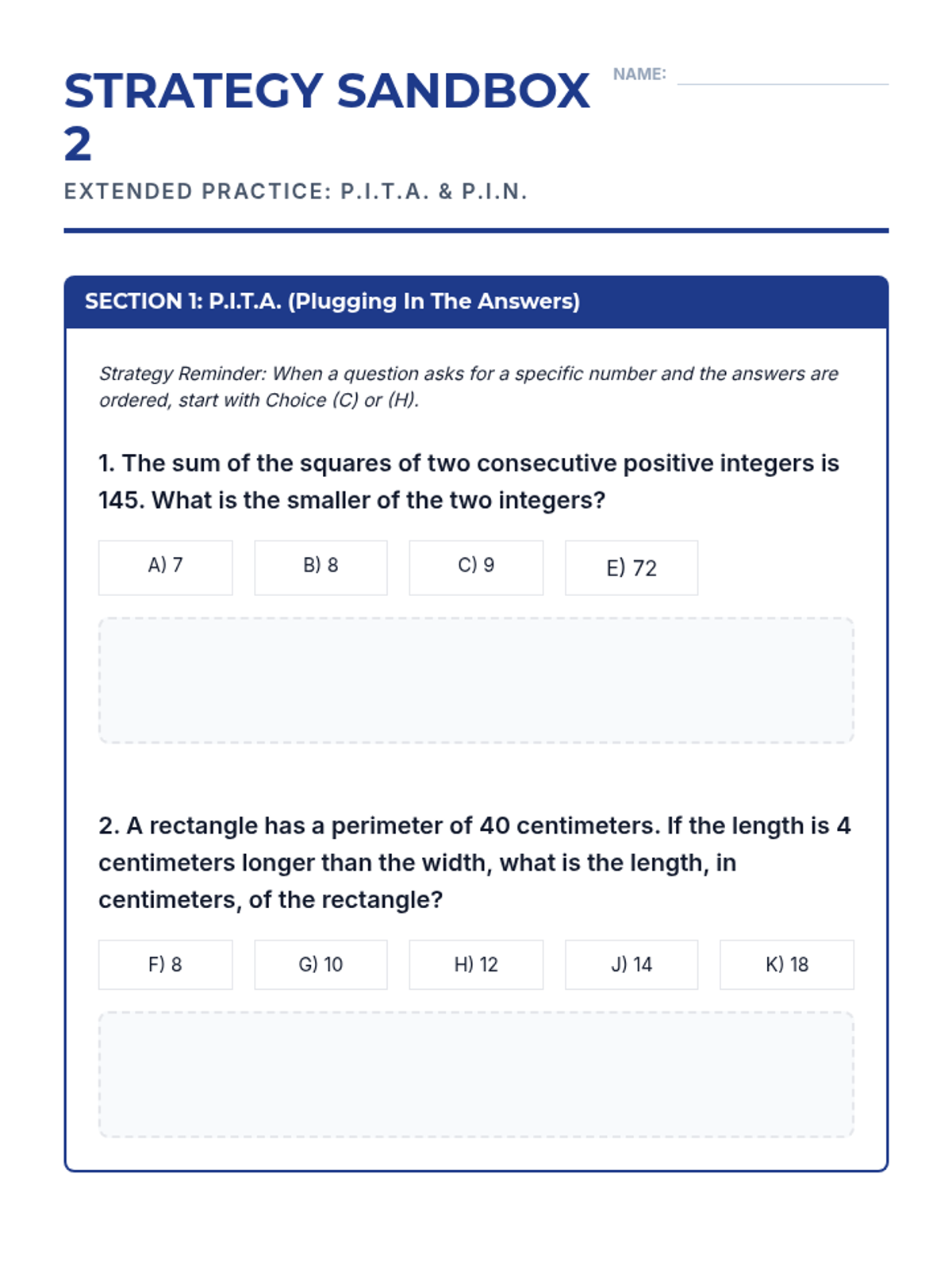
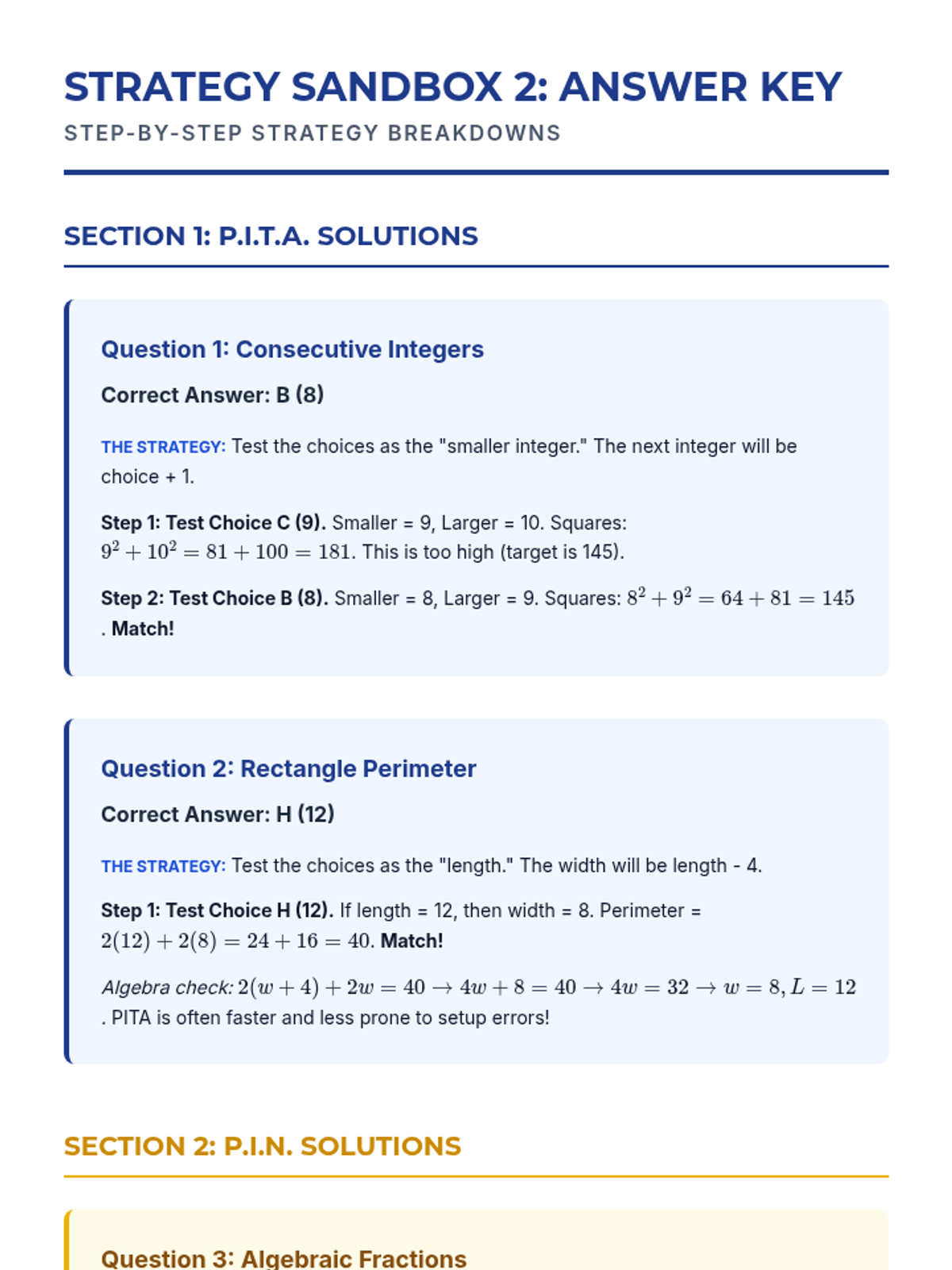
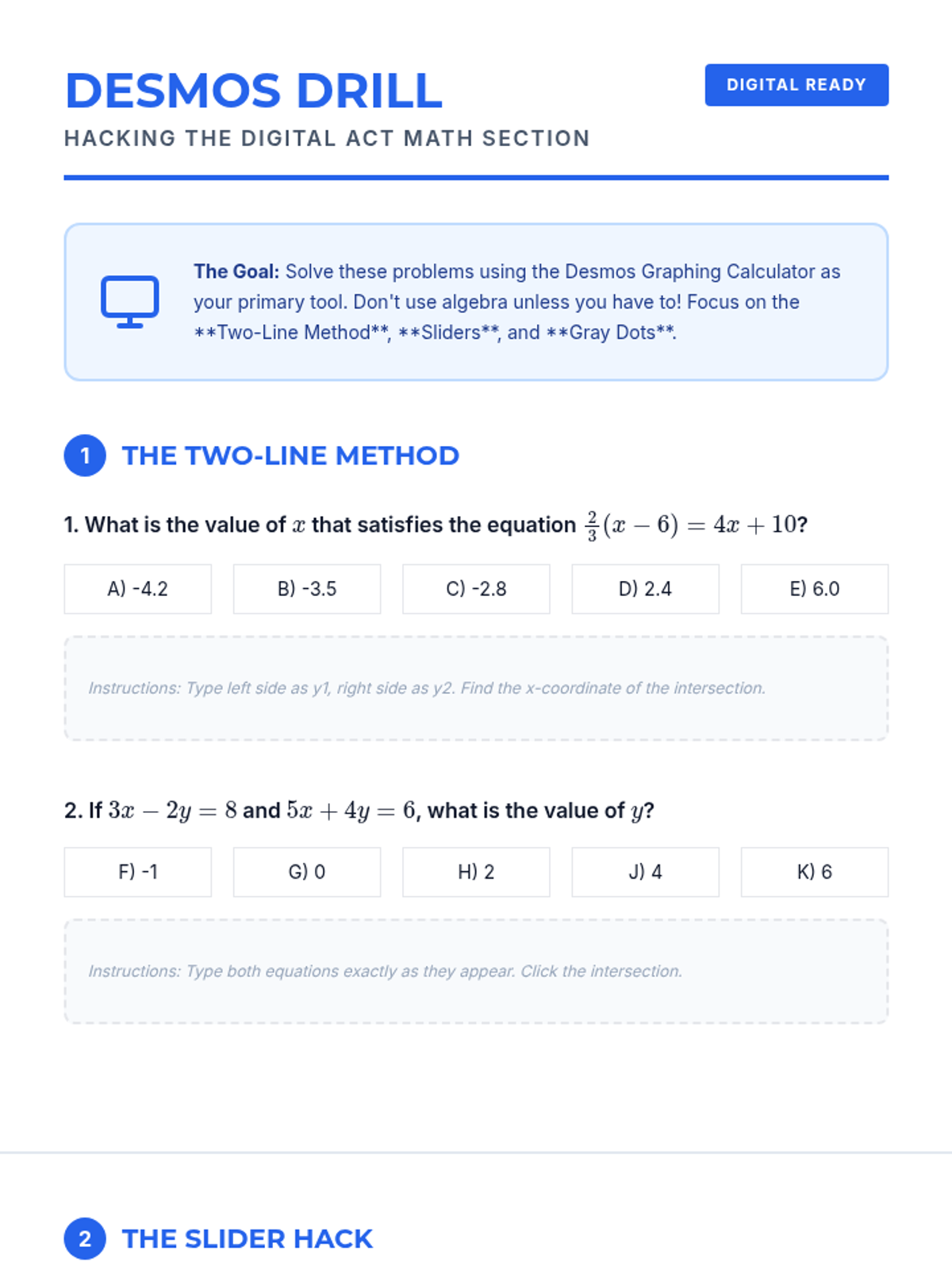
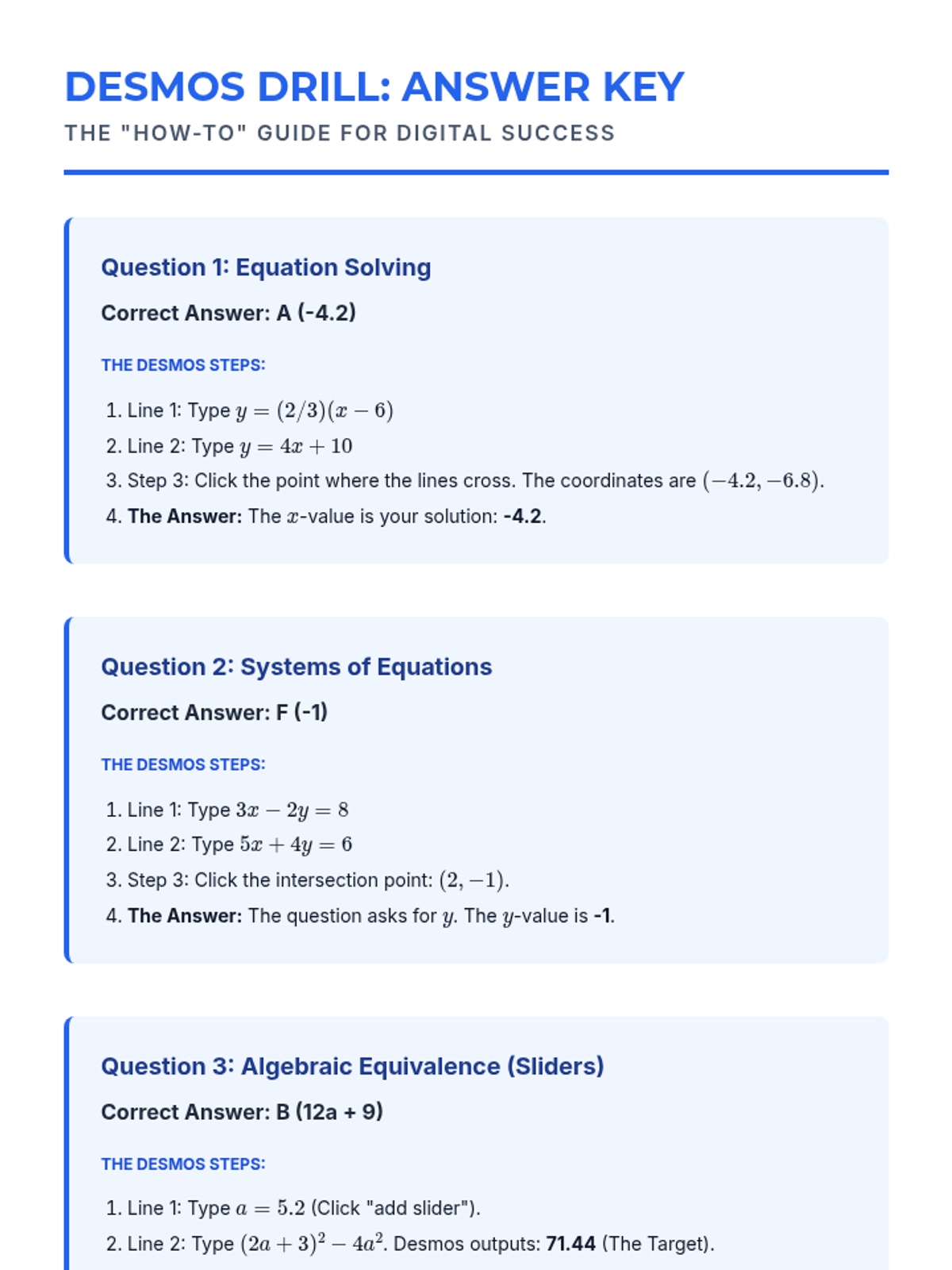
A comprehensive ACT Math preparation program focusing on essential strategies, high-yield Algebra and Geometry concepts, and realistic practice to boost scores.
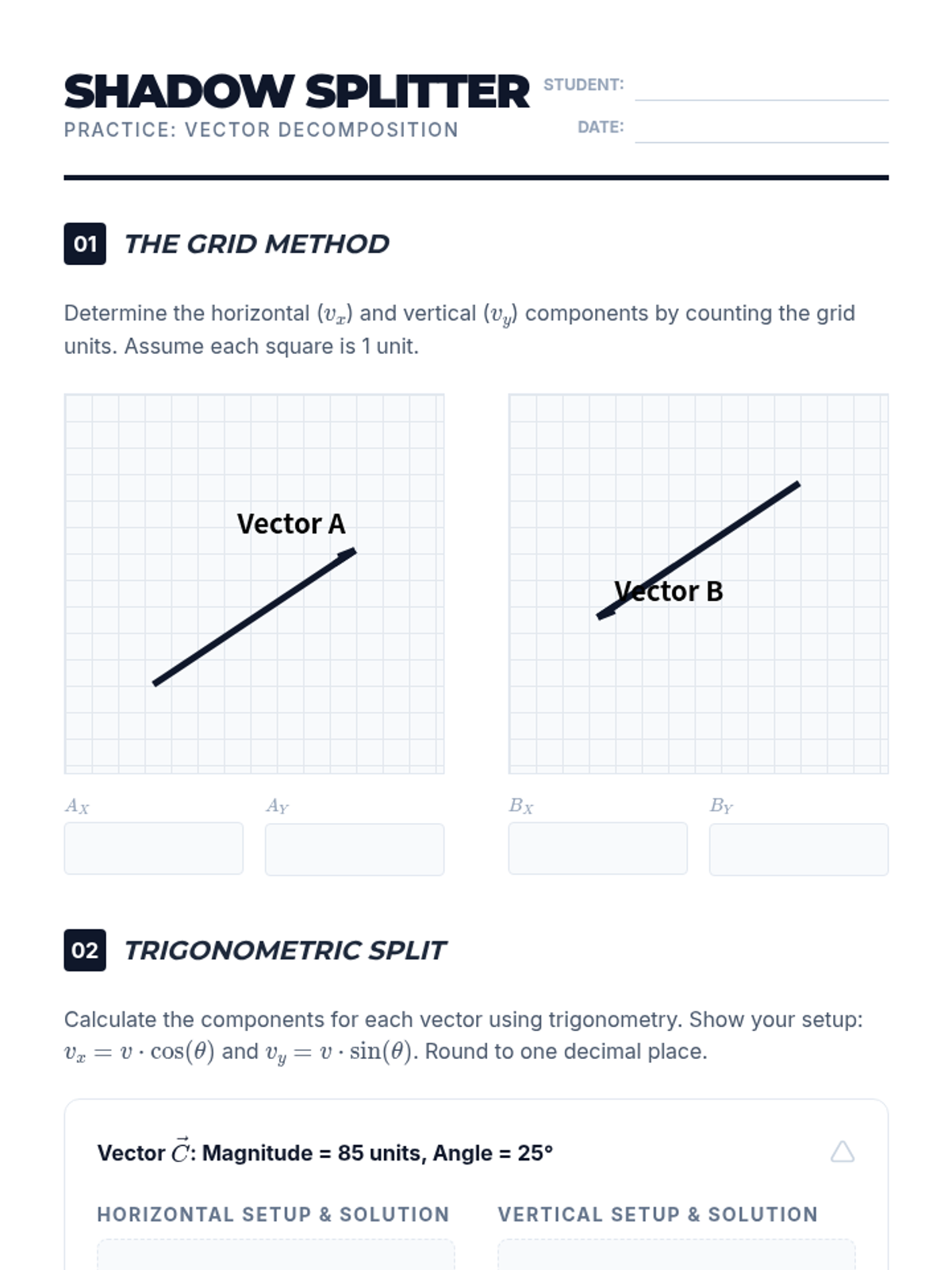
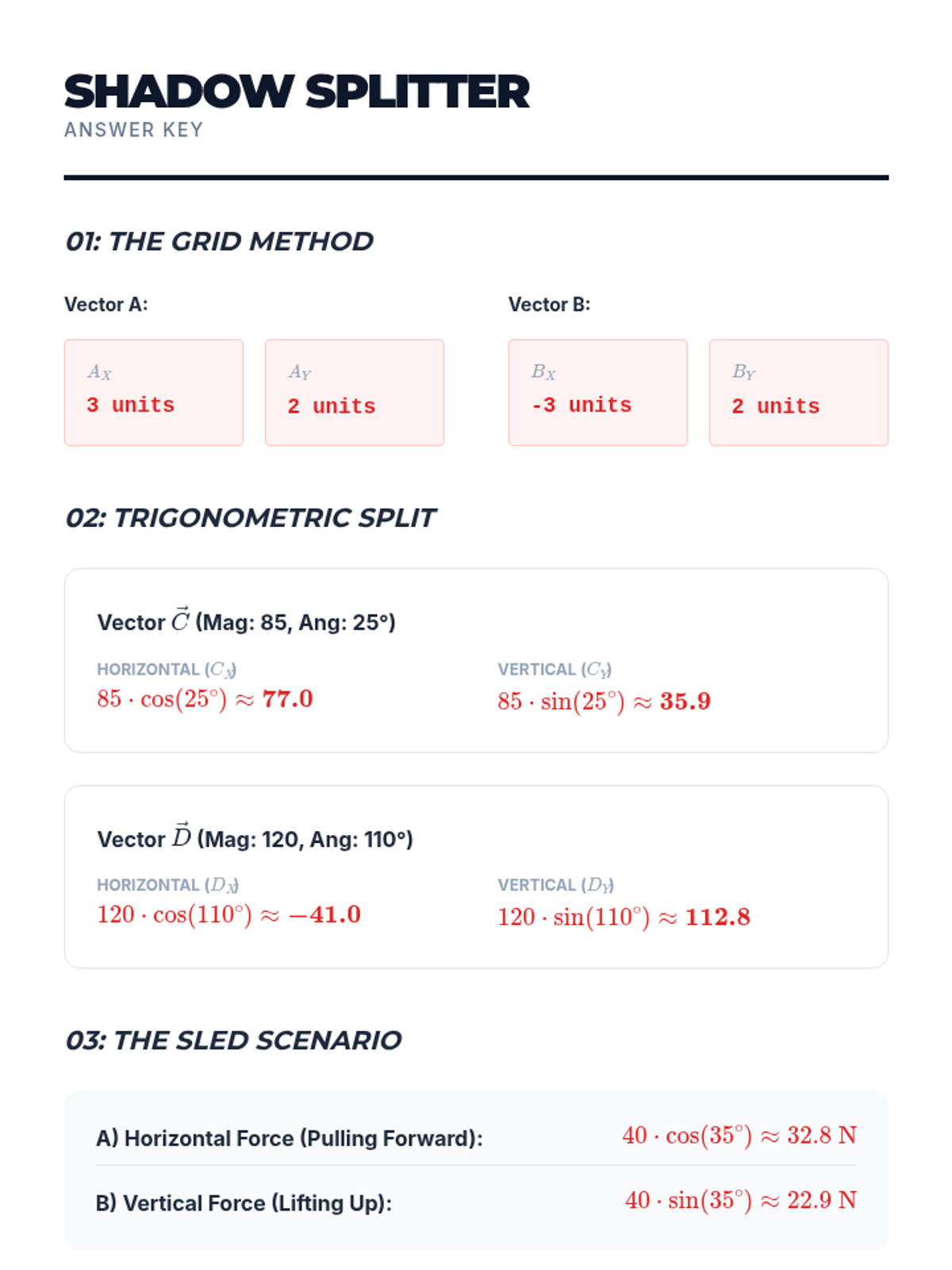
This sequence guides 9th-grade students through the algebraic representation of vectors. Moving from geometric drawings to coordinate components, students use trigonometry and the Pythagorean theorem to decompose, reconstruct, and add vectors with precision.
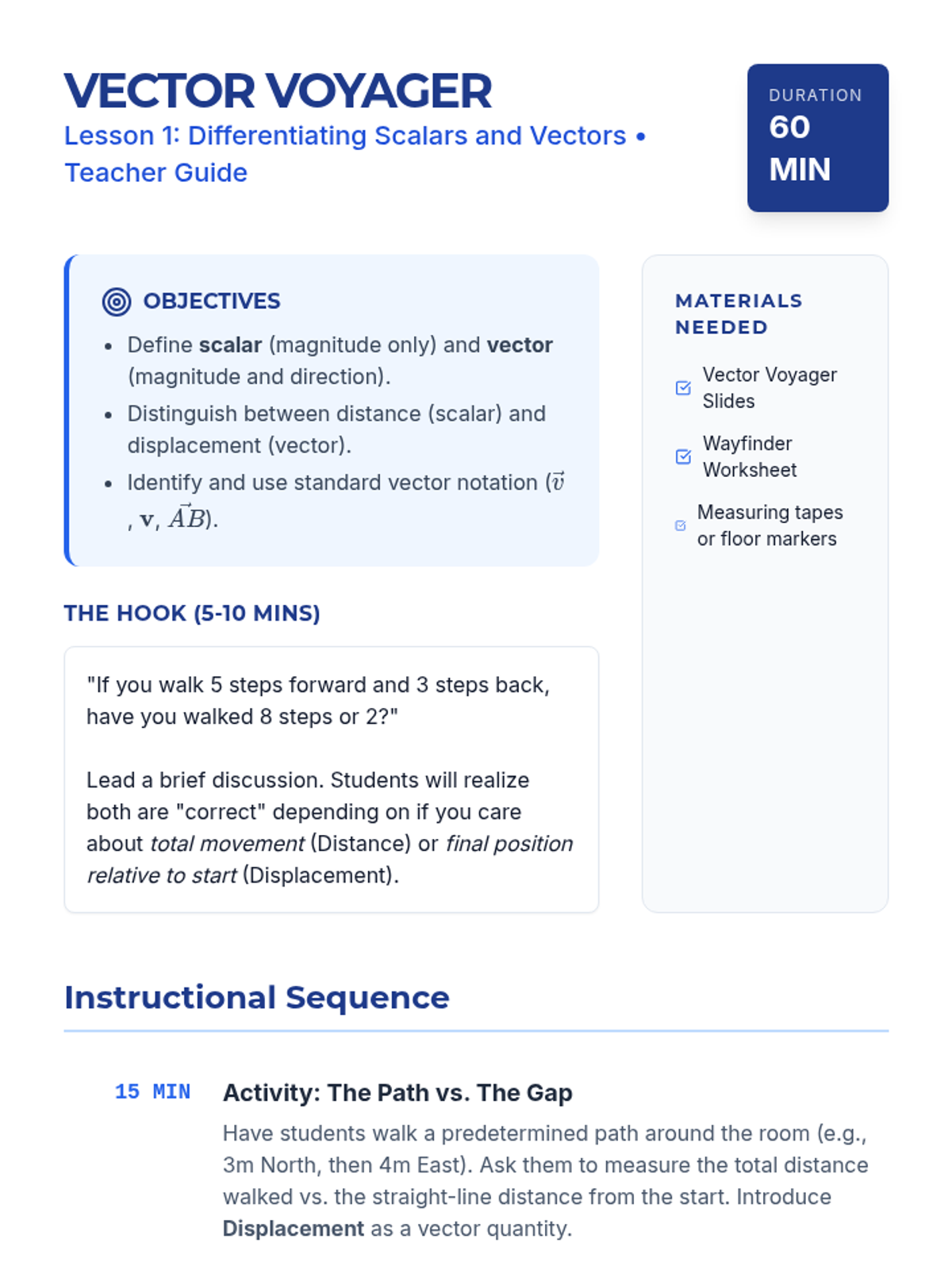
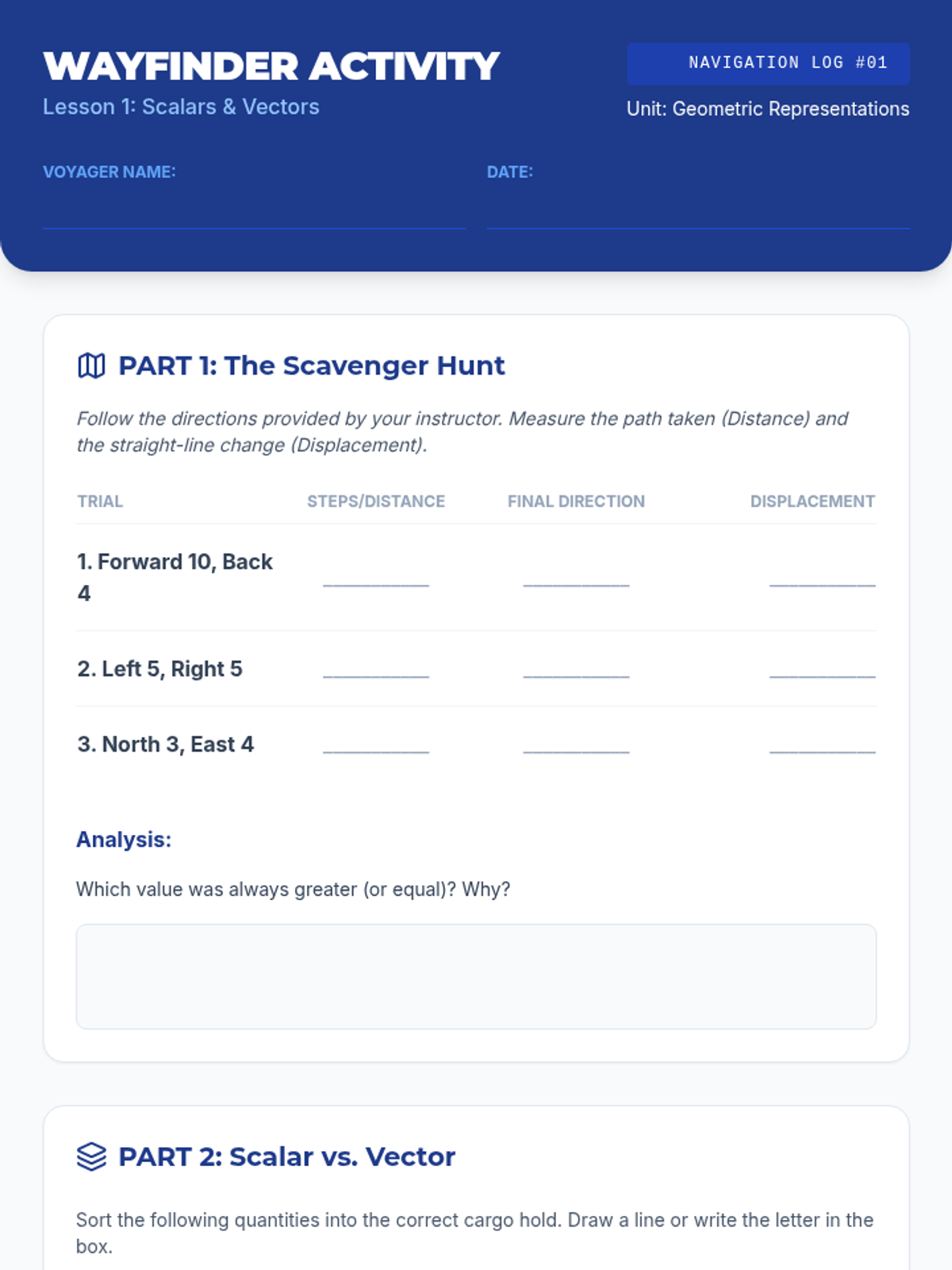
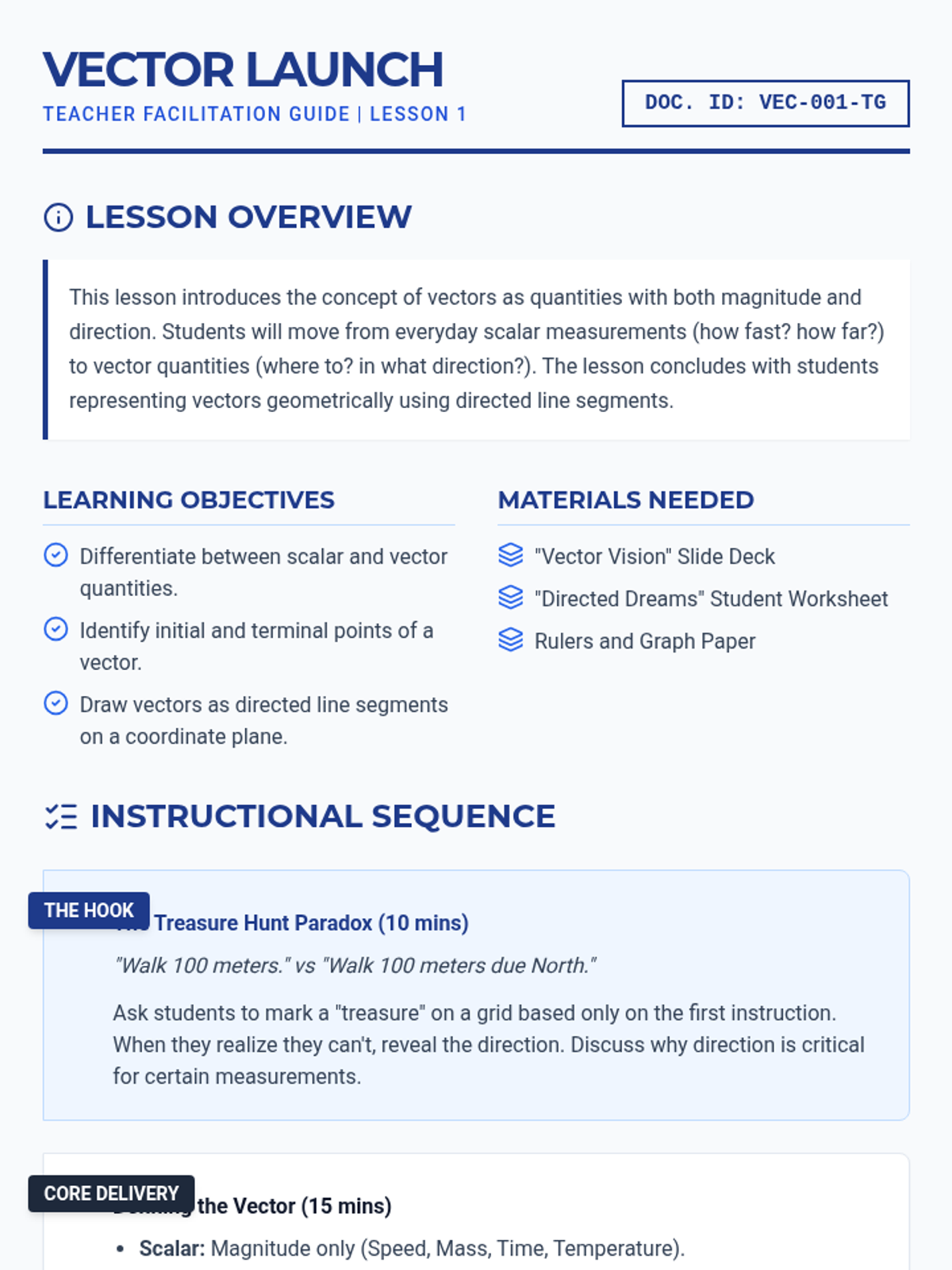
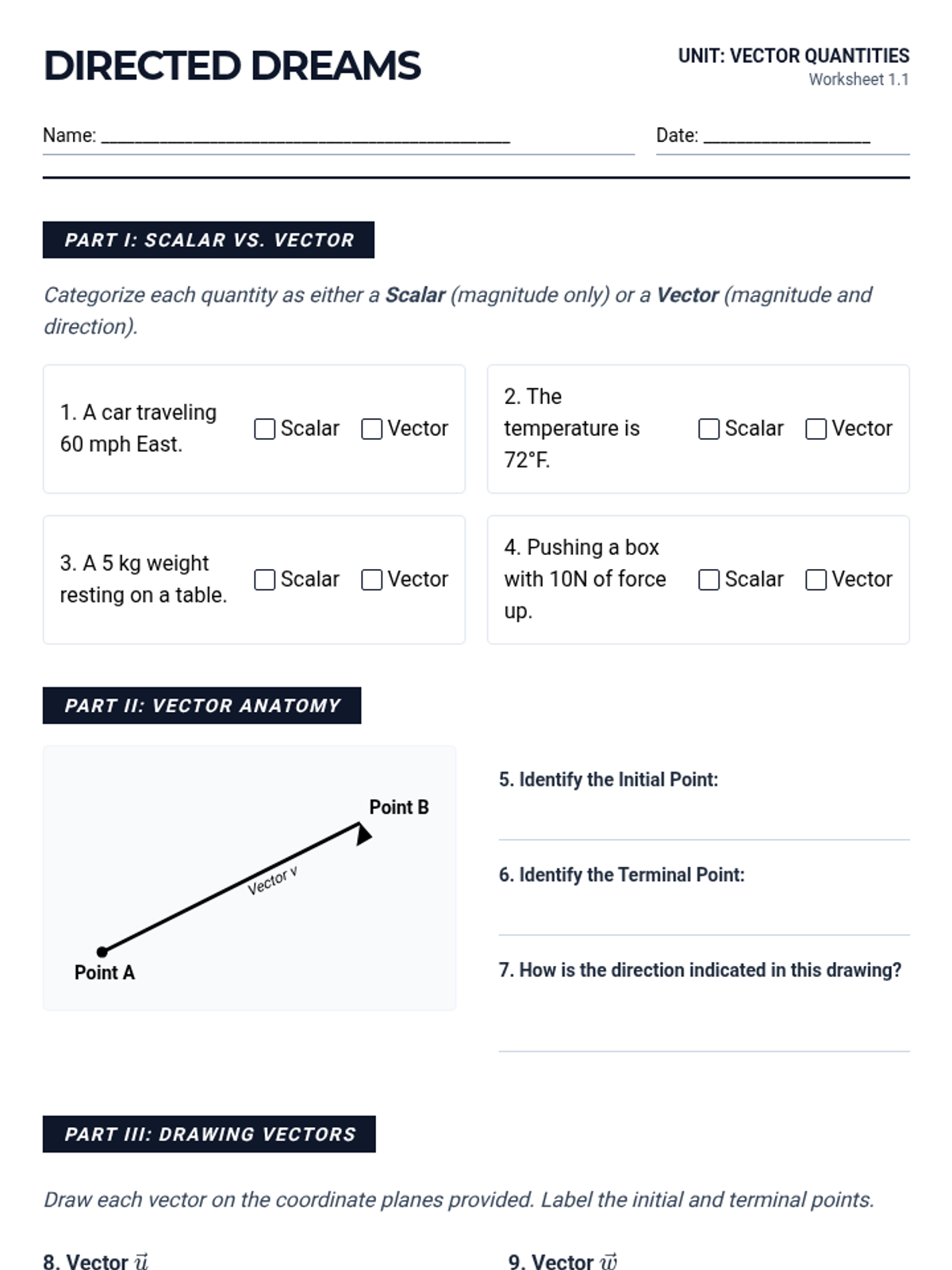
This sequence introduces 9th-grade students to vectors as mathematical entities distinct from scalars. Students explore magnitude, direction, and geometric operations like addition and subtraction through inquiry-based activities and visual representations.
A comprehensive introduction to vectors through geometric representation, focusing on the distinction between scalars and vectors, visual addition/subtraction, scalar multiplication, and the transition to component form and magnitude calculation.
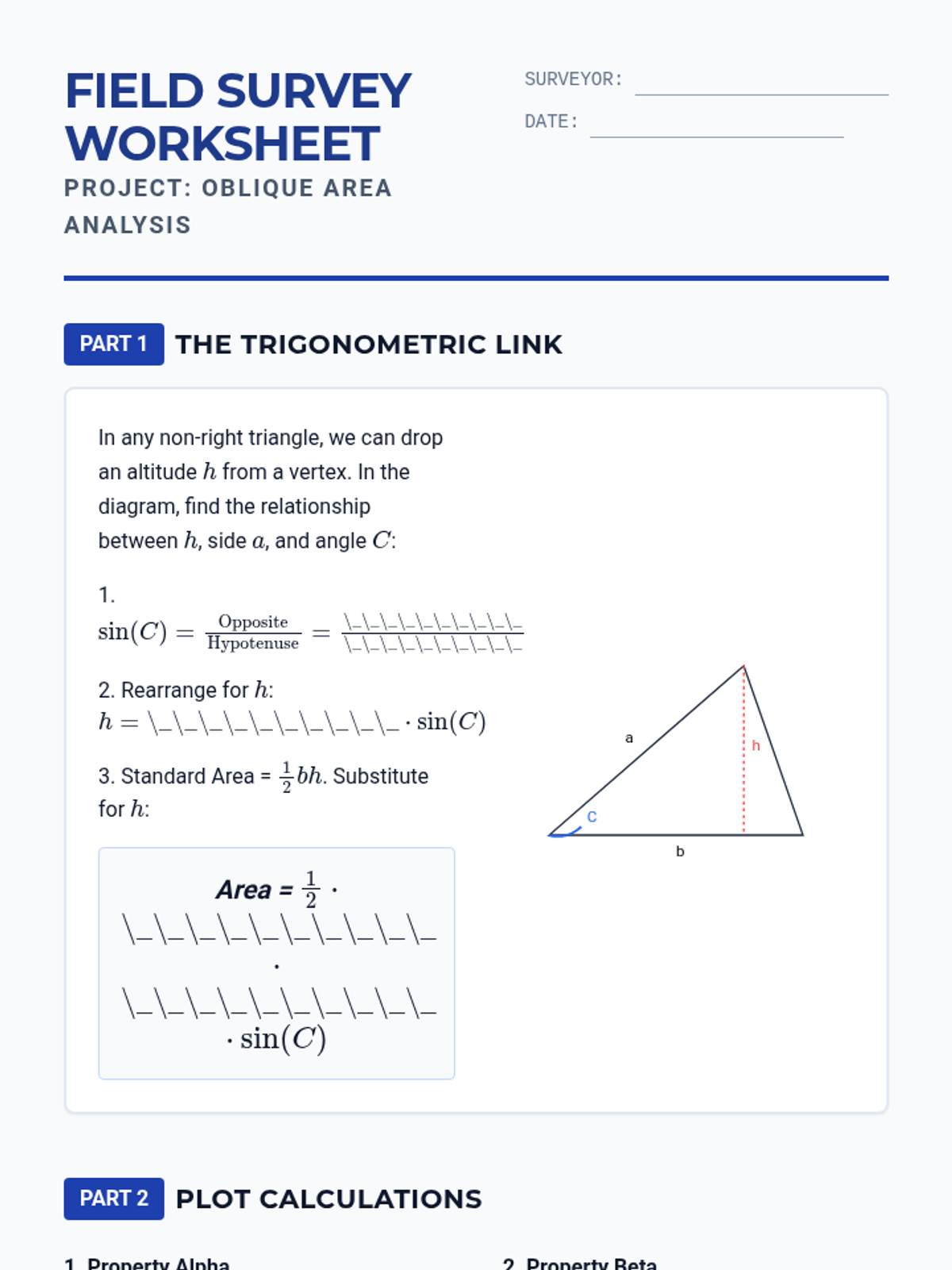
This sequence explores the measurement of area and the analysis of forces using general triangles. Students move beyond the basic 1/2 bh formula to discover how sine and perimeter can define area in oblique scenarios, specifically using Heron's Formula and vector analysis.
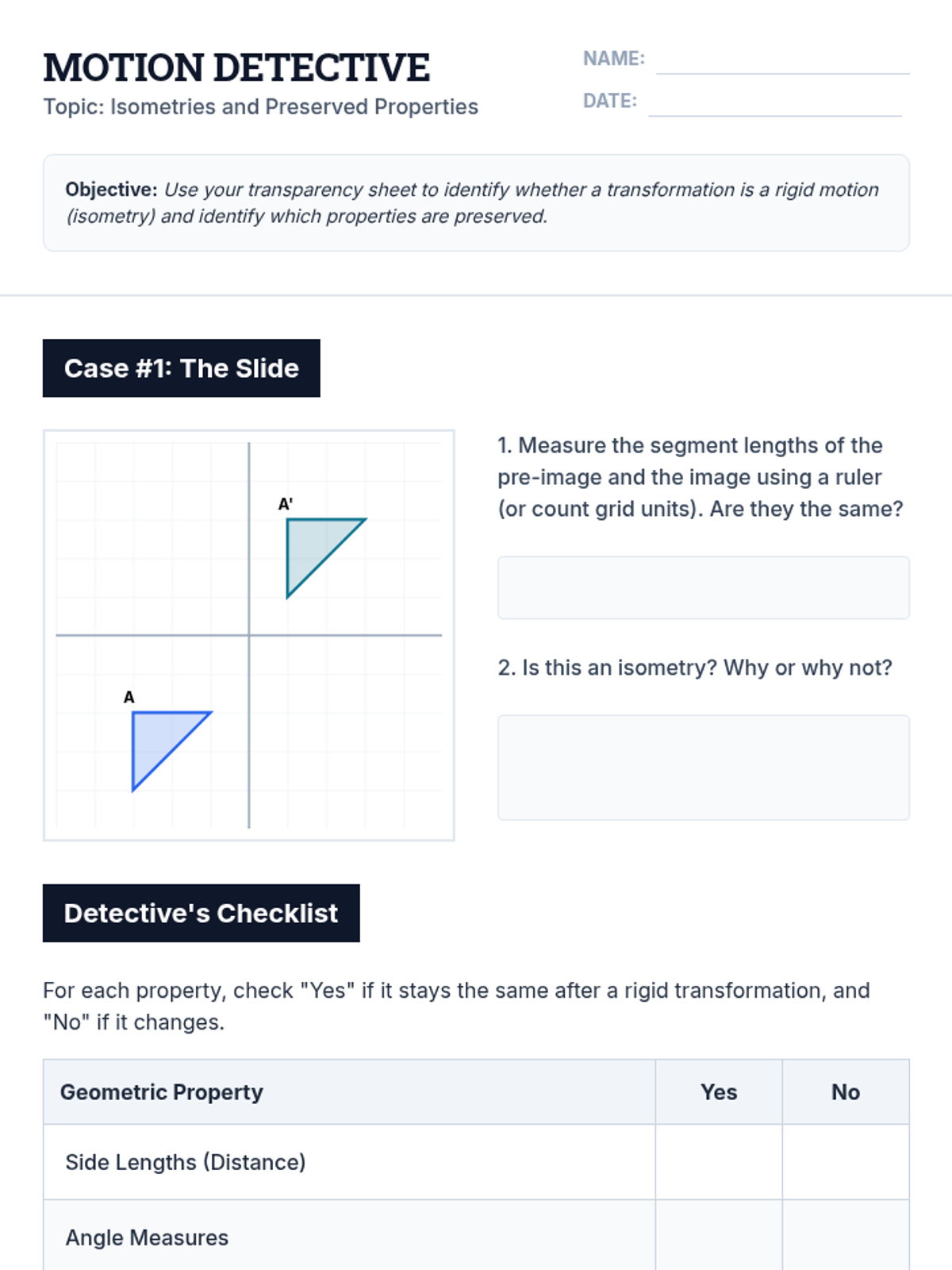
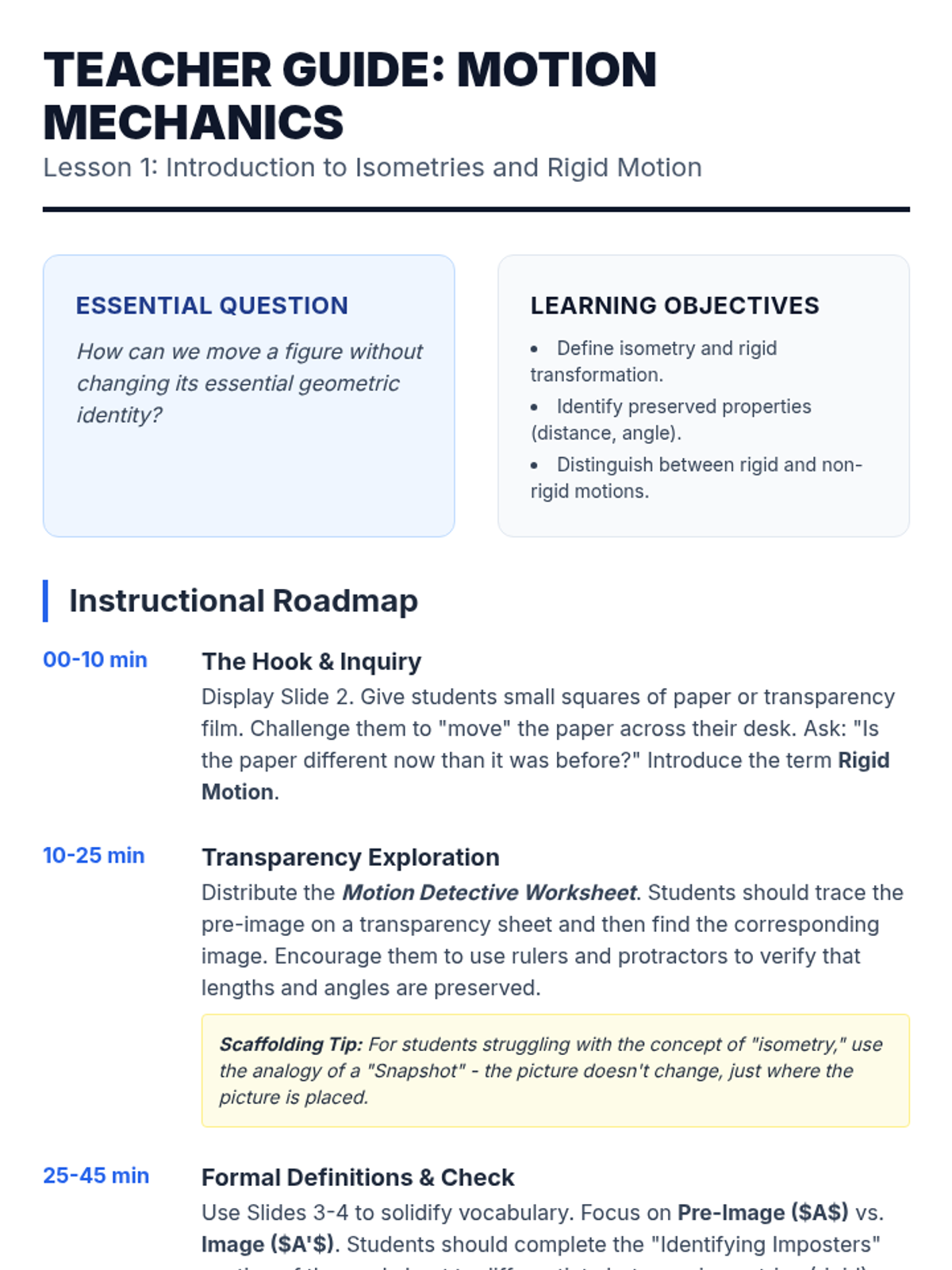
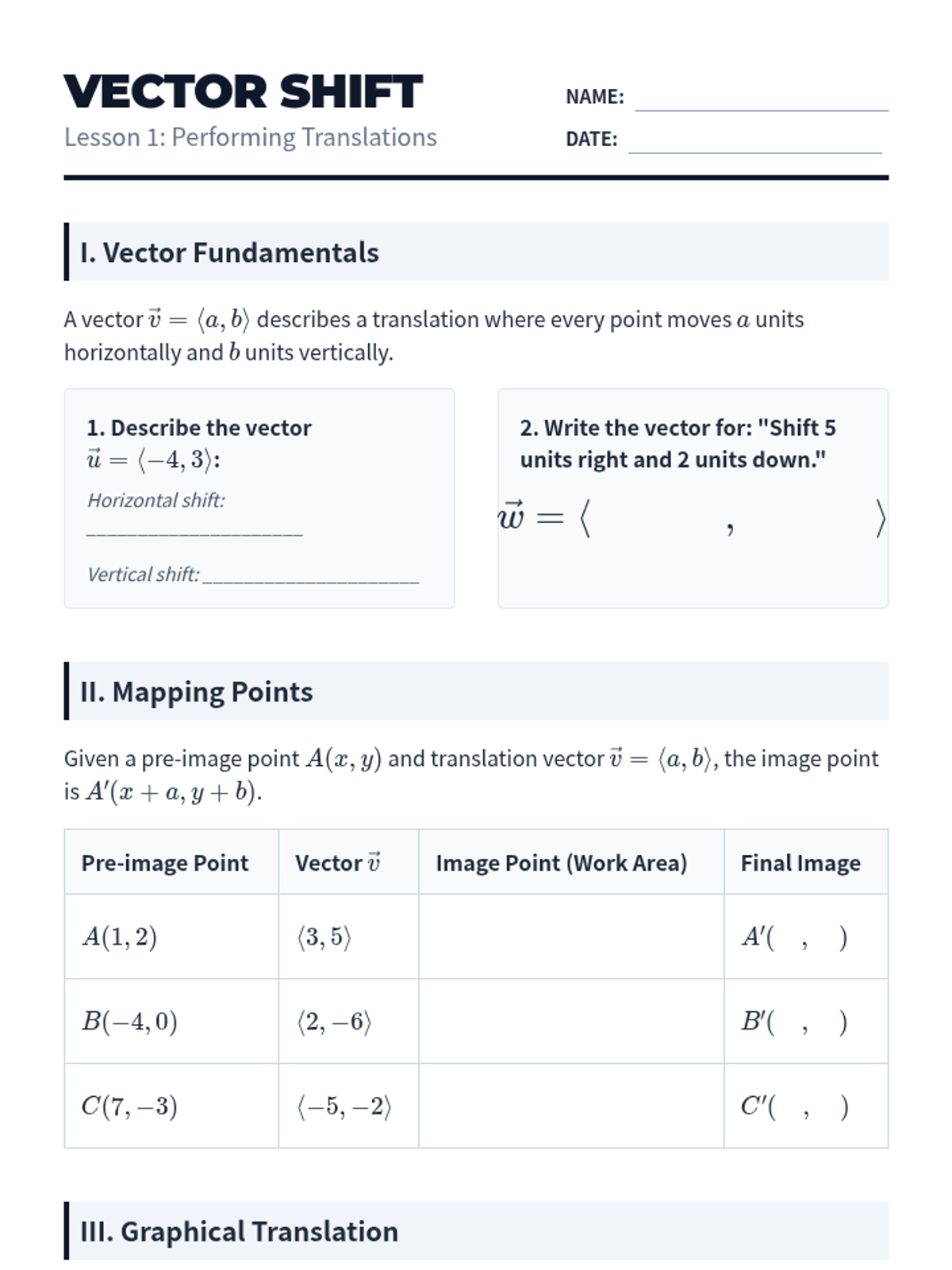
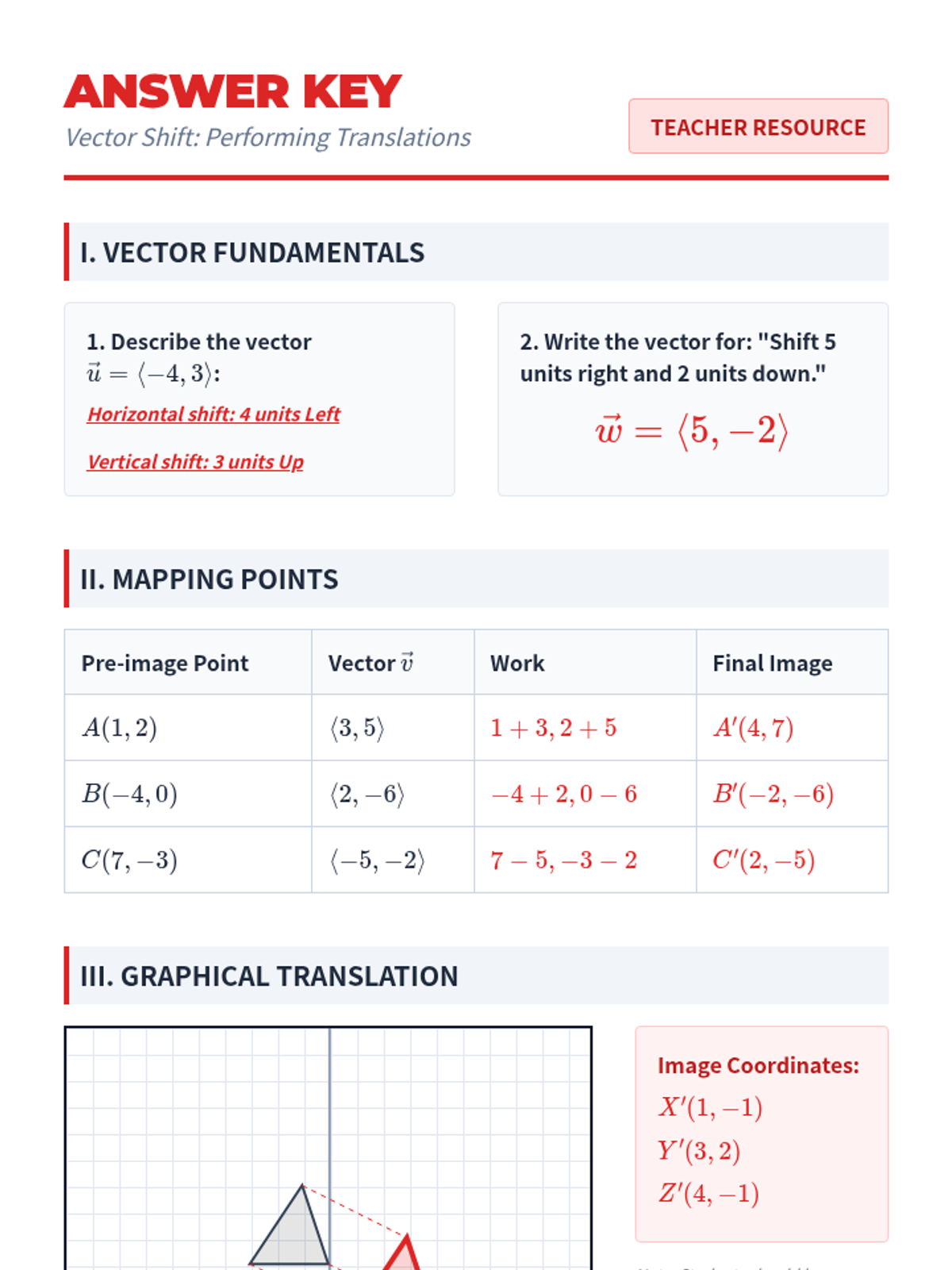
A comprehensive unit for 9th-grade geometry covering rigid transformations (isometries) in the coordinate plane. Students explore translations, reflections, and rotations, transitioning from physical manipulation to formal algebraic rules.
A comprehensive unit on the three primary rigid transformations: translations, reflections, and rotations. Students move from physical manipulation to precise geometric descriptions using vectors, lines of reflection, and centers of rotation to prepare for the study of congruence.
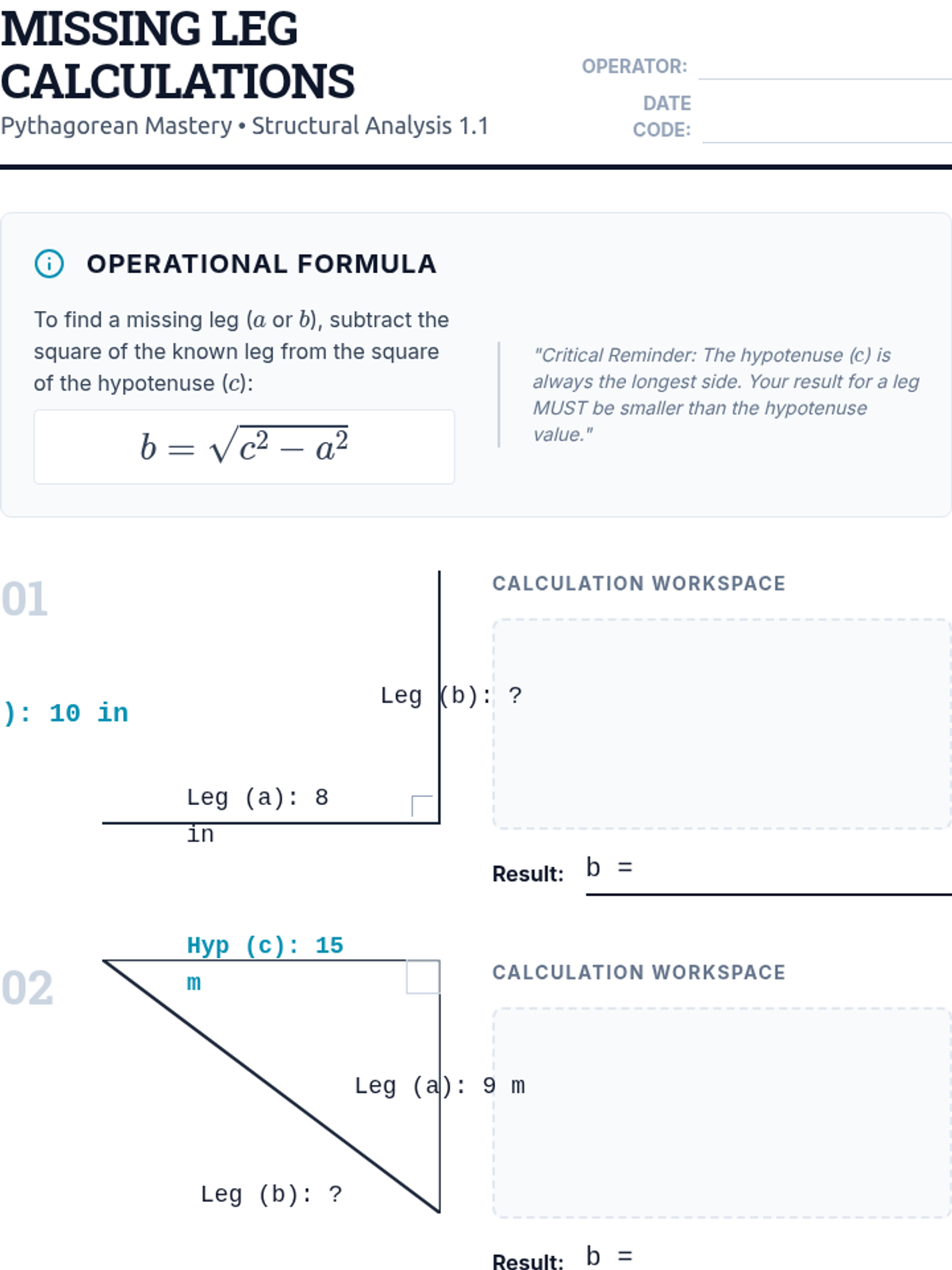
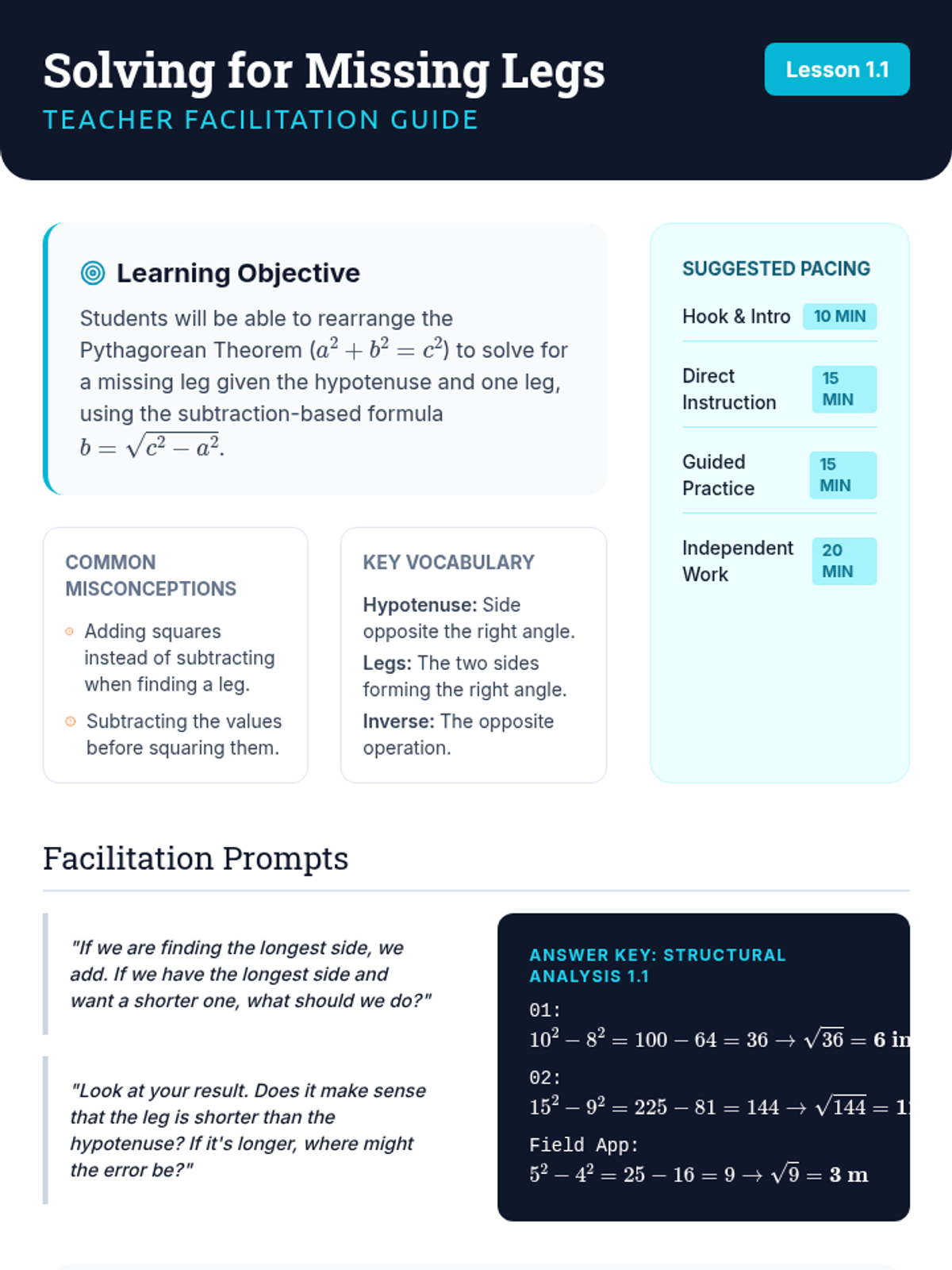
An advanced geometry sequence focusing on solving for missing legs, identifying triples, and applying the Pythagorean Theorem to coordinate geometry and real-world navigation.
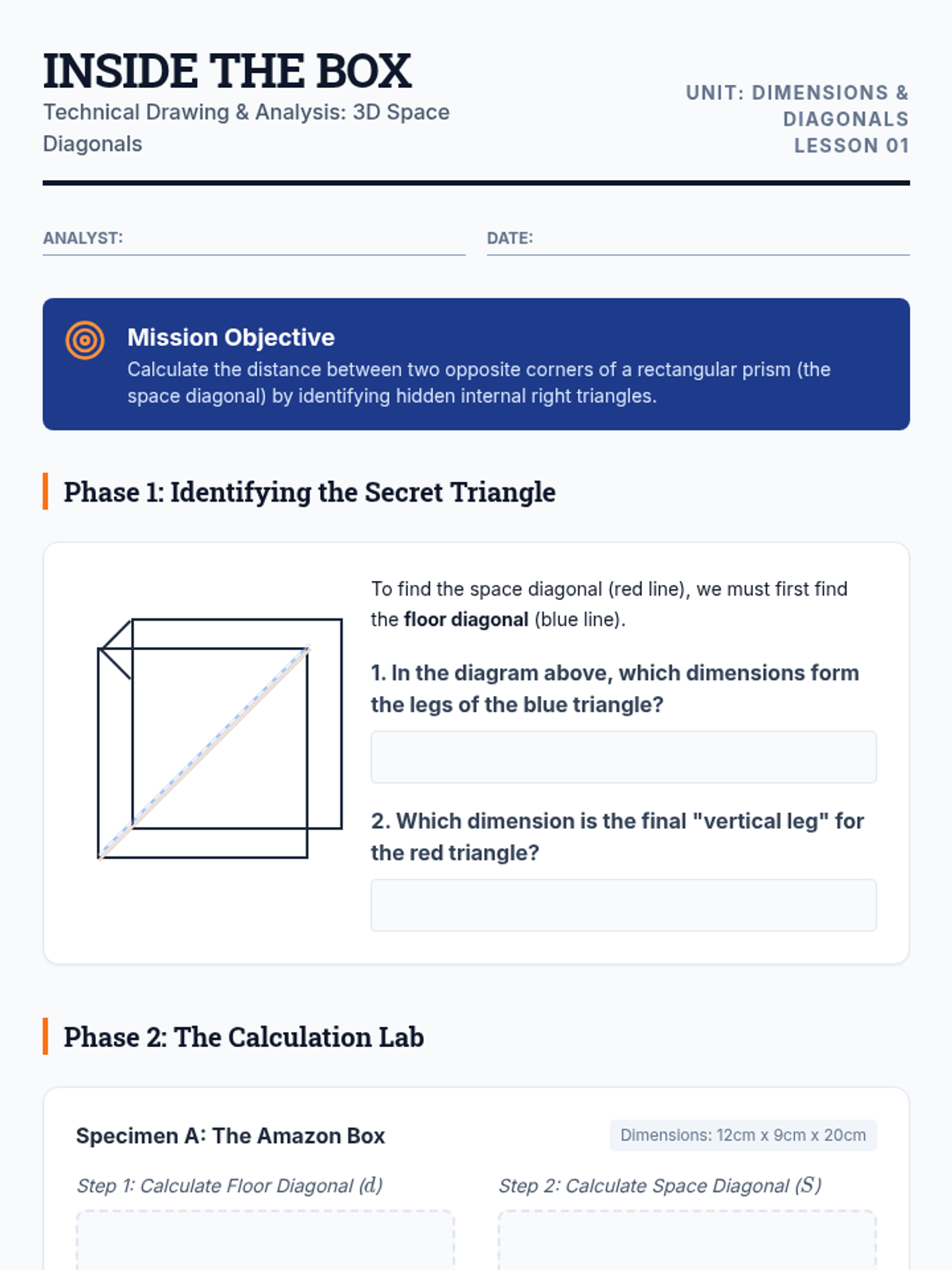
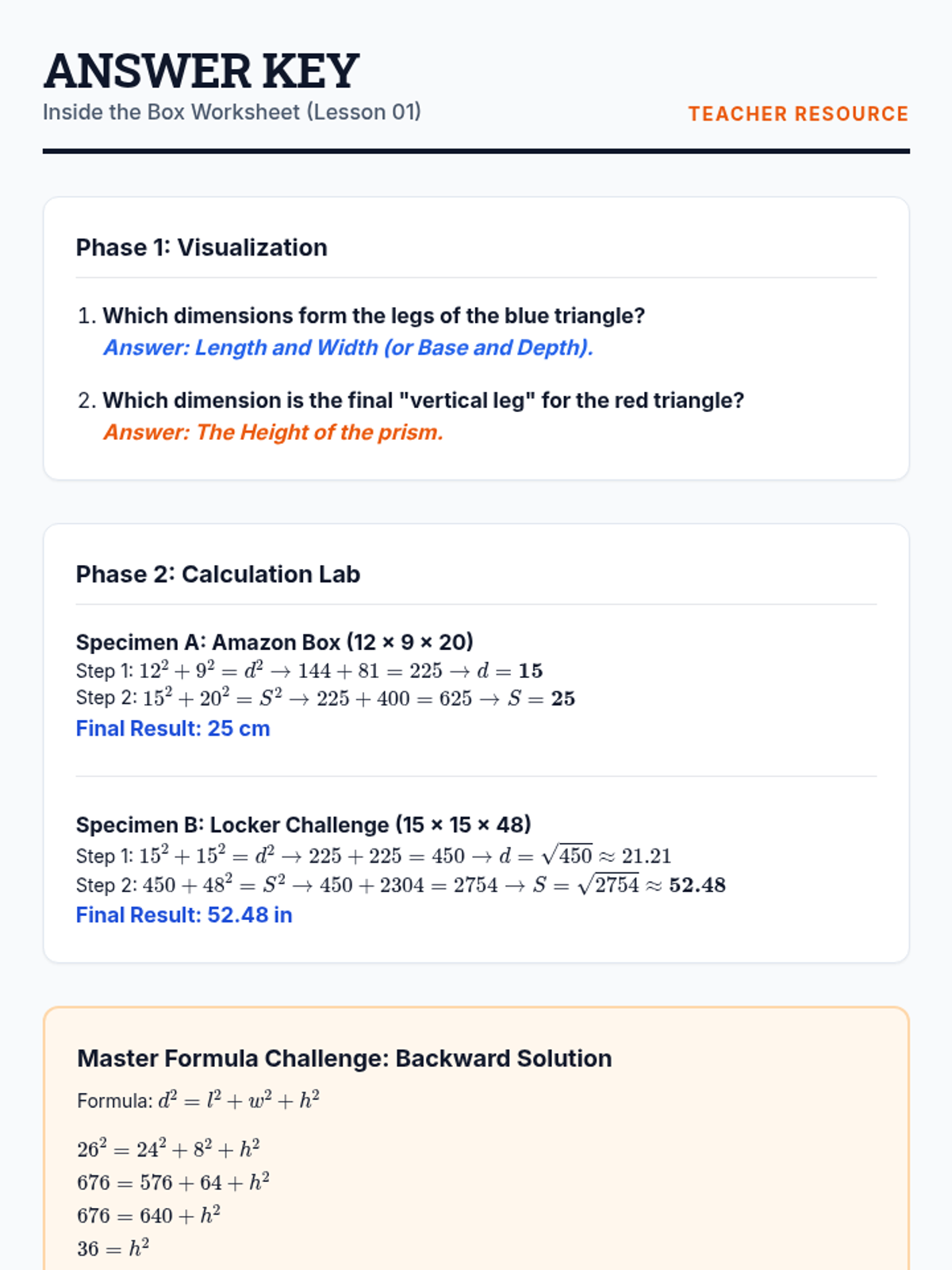
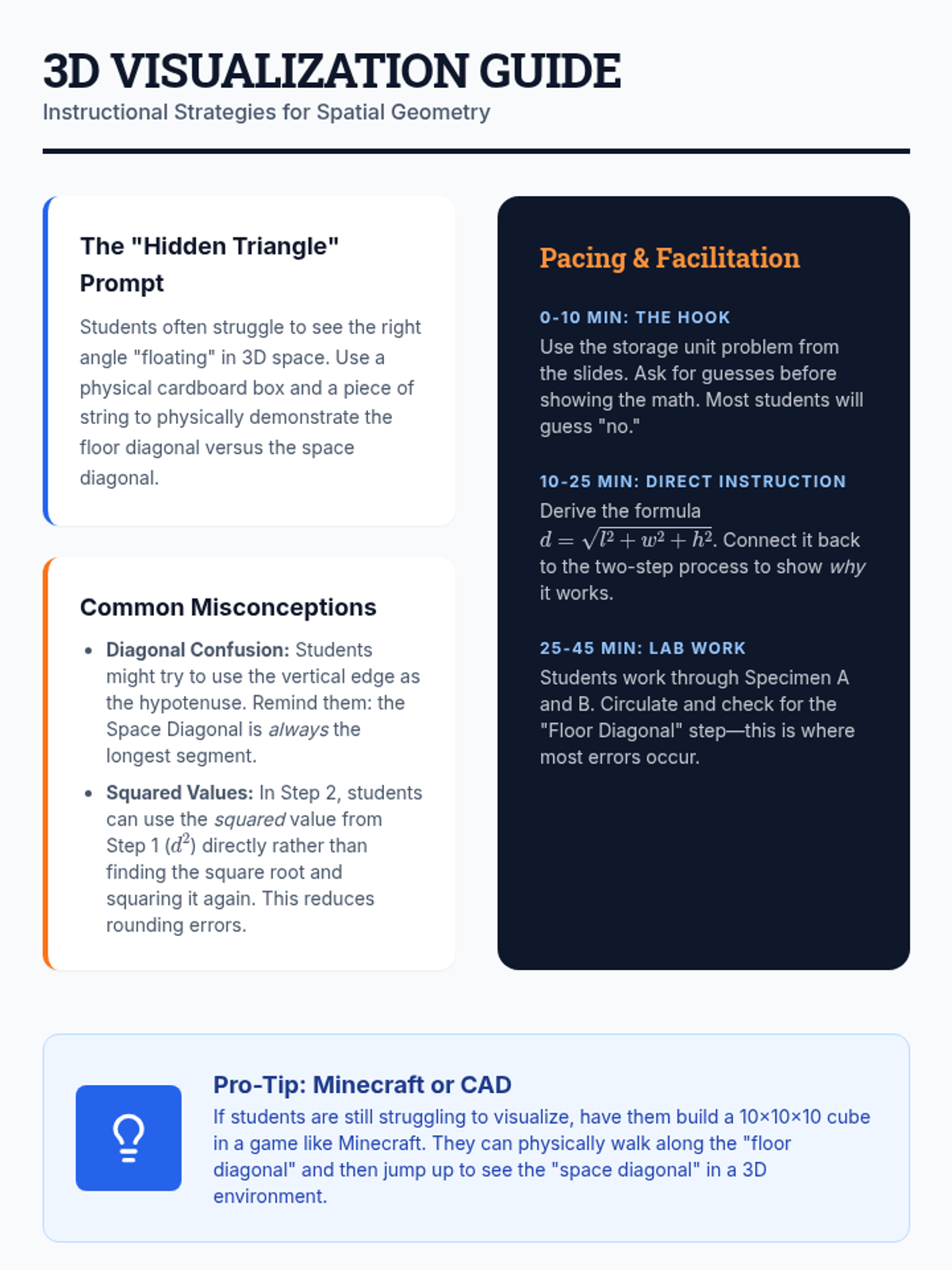
This advanced geometry sequence explores the Pythagorean Theorem in three dimensions and complex modeling scenarios. Students move from calculating space diagonals in prisms to optimizing paths on surfaces and designing ADA-compliant structures.