Develops proficiency in estimating and measuring length, area, volume, and mass using standard units and unit conversions. Integrates time, money, angle measurement, and data classification through counting and arithmetic applications.
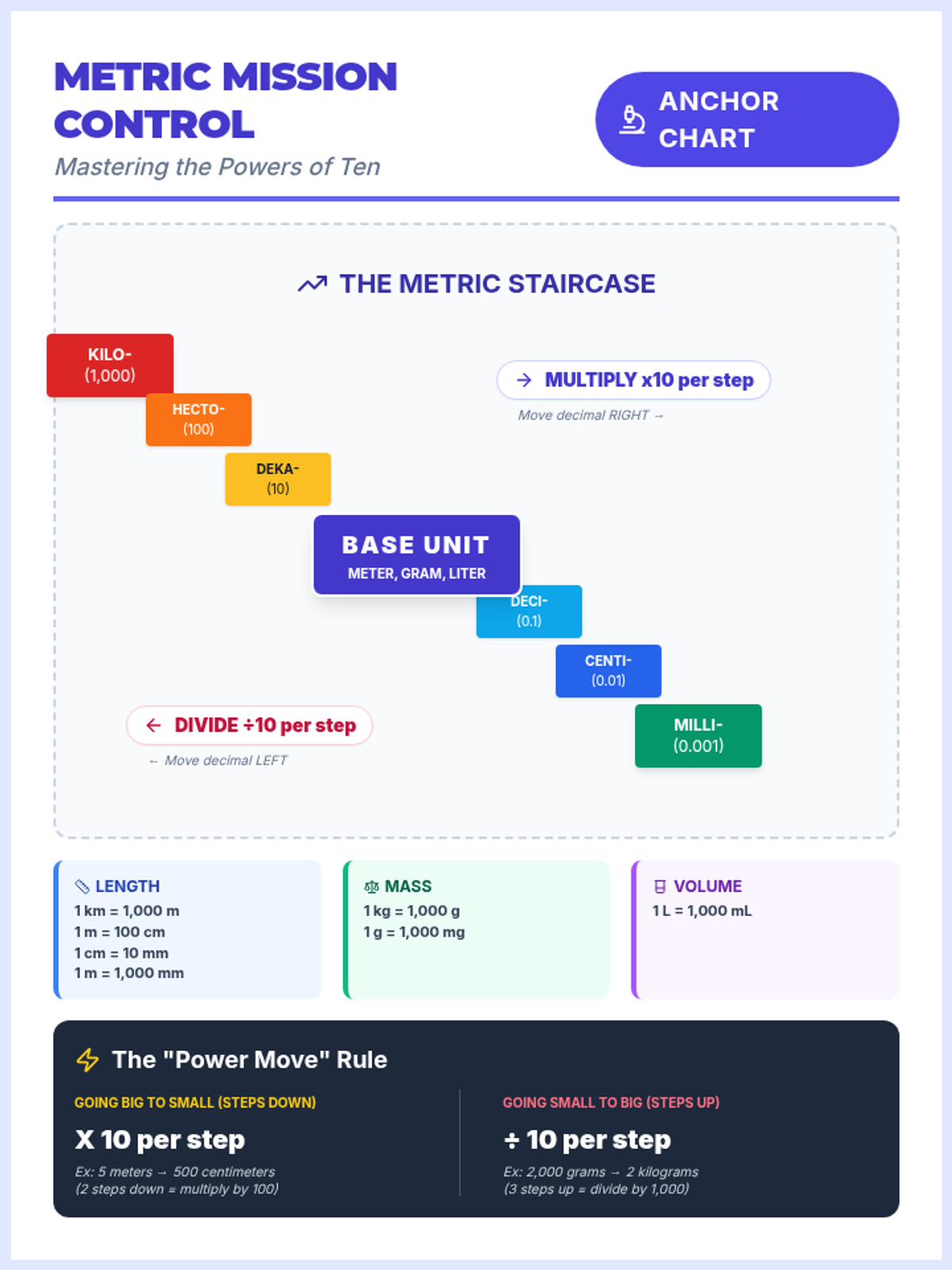
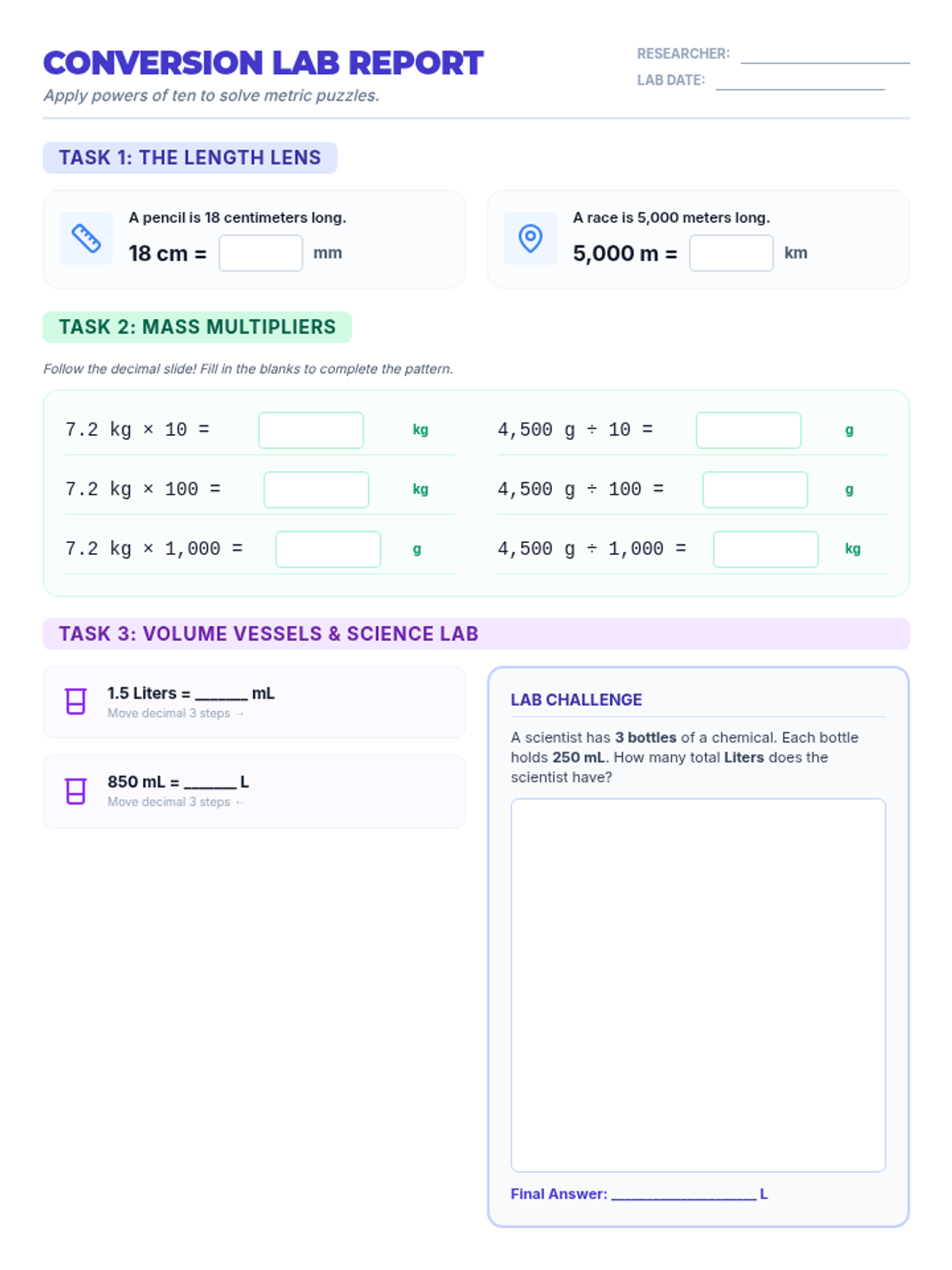
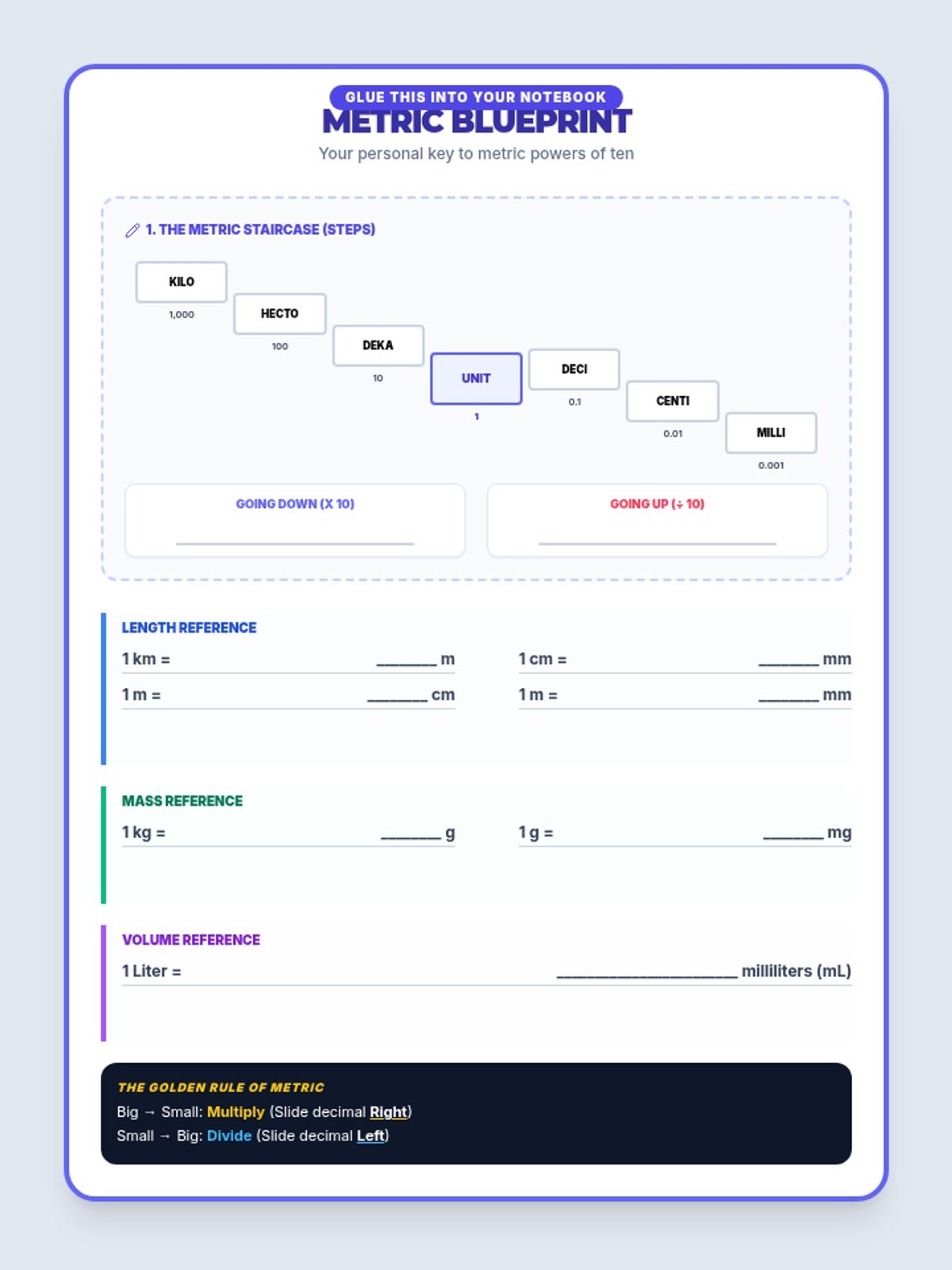
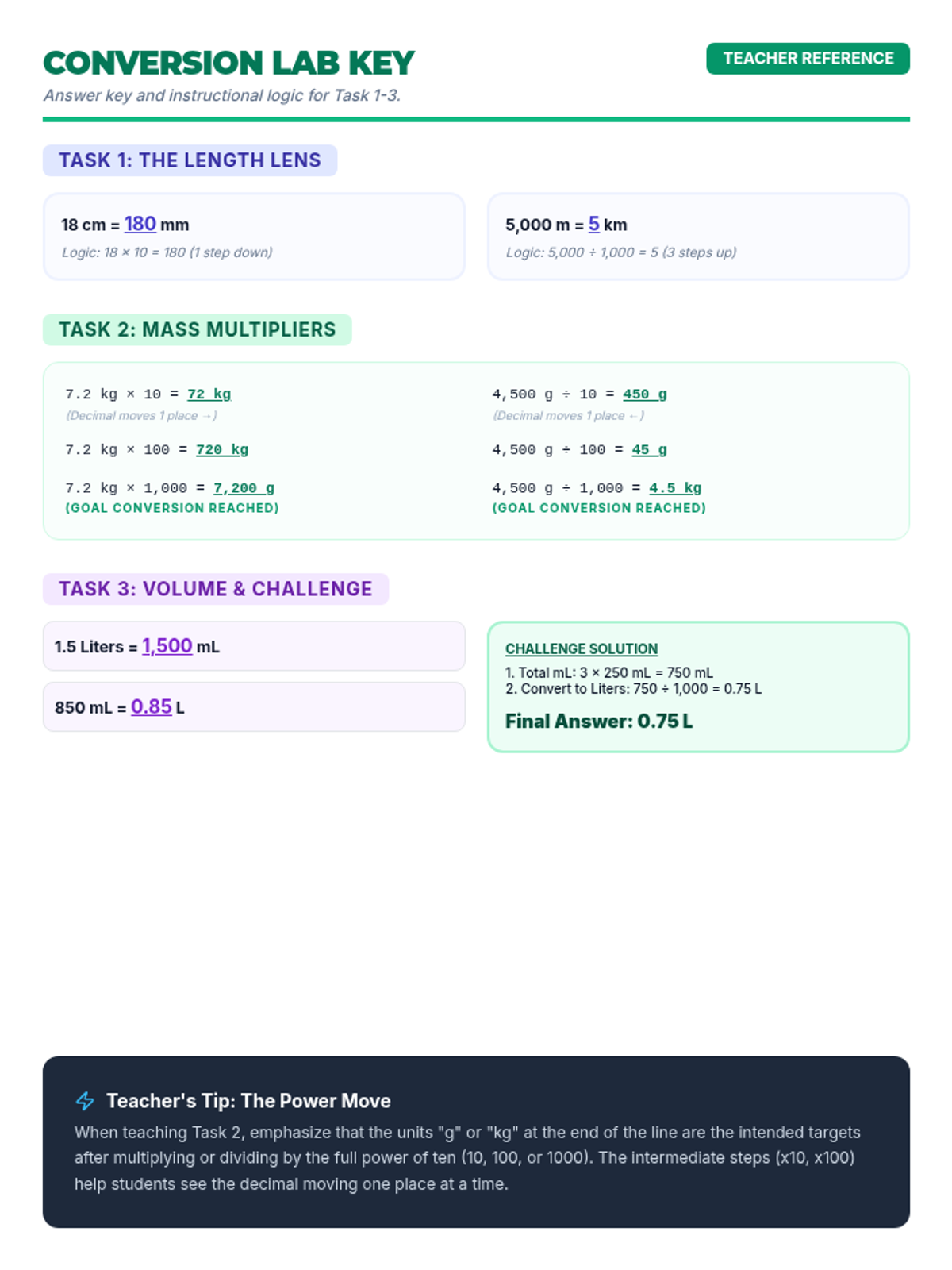
A comprehensive guide to understanding metric conversions and powers of ten through visual models and laboratory-themed activities. Students learn to navigate length, mass, and volume using the decimal nature of the metric system.
A 4-day intensive reteach sequence designed to master 5th-grade decimal and fraction operations. The materials use a 'STEM Expedition' theme to engage students in rigorous STAAR-aligned discovery.
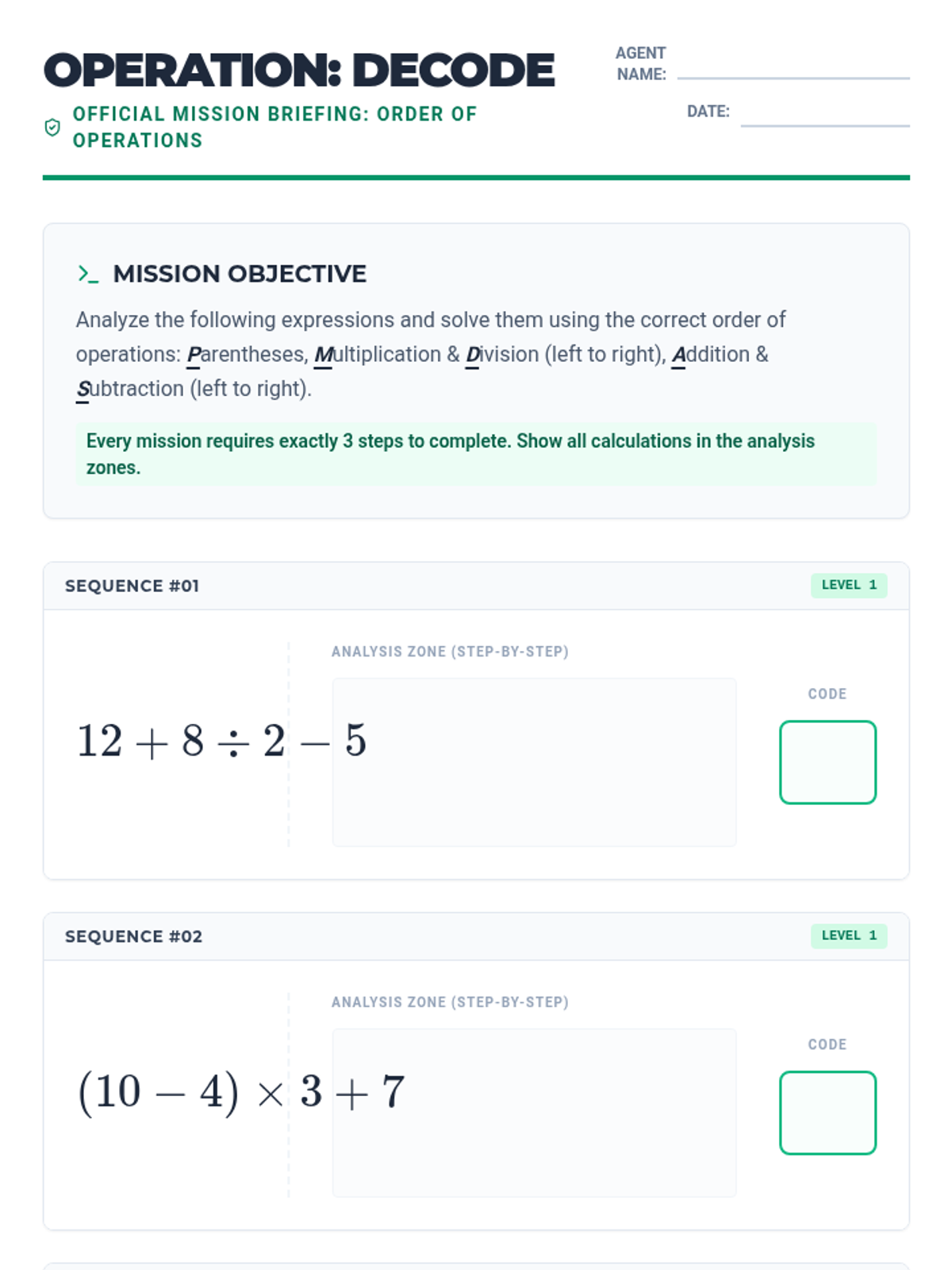
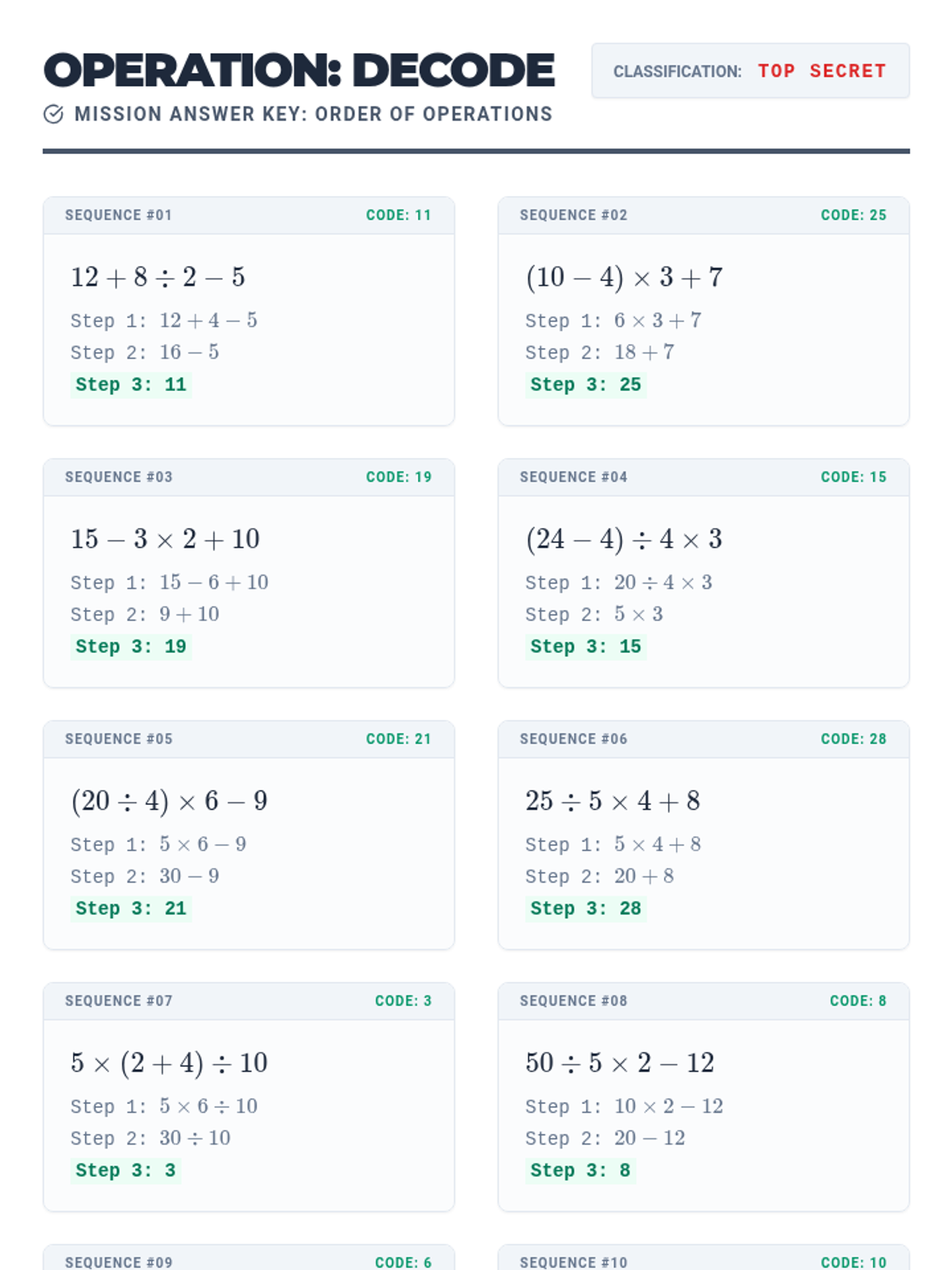
A 4-day intensive reteach unit for 5th-grade math standards, styled as a high-stakes secret agent mission. Students solve task cards to crack codes and 'escape' daily challenges covering decimals, expressions, geometry, and measurement.
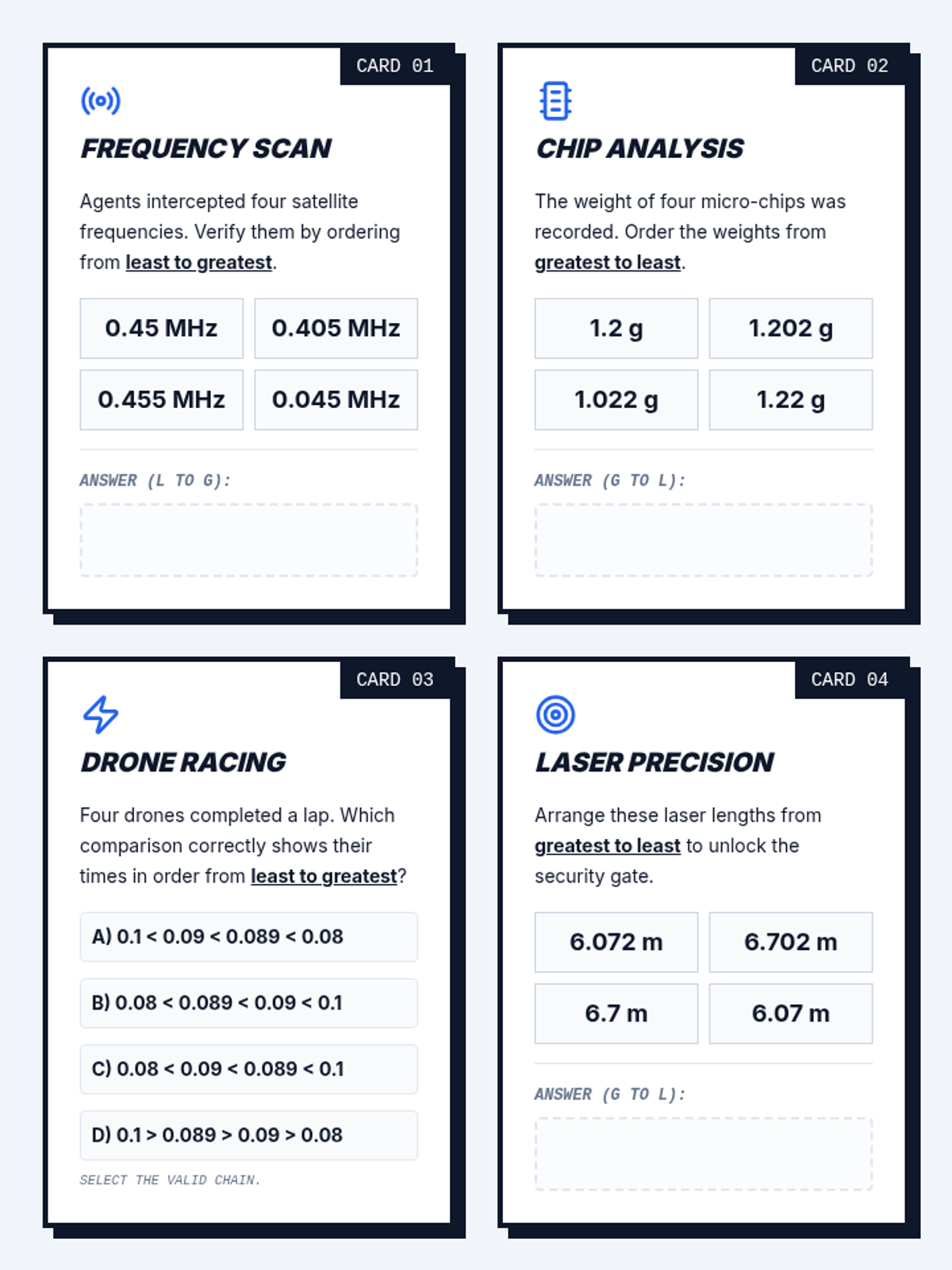
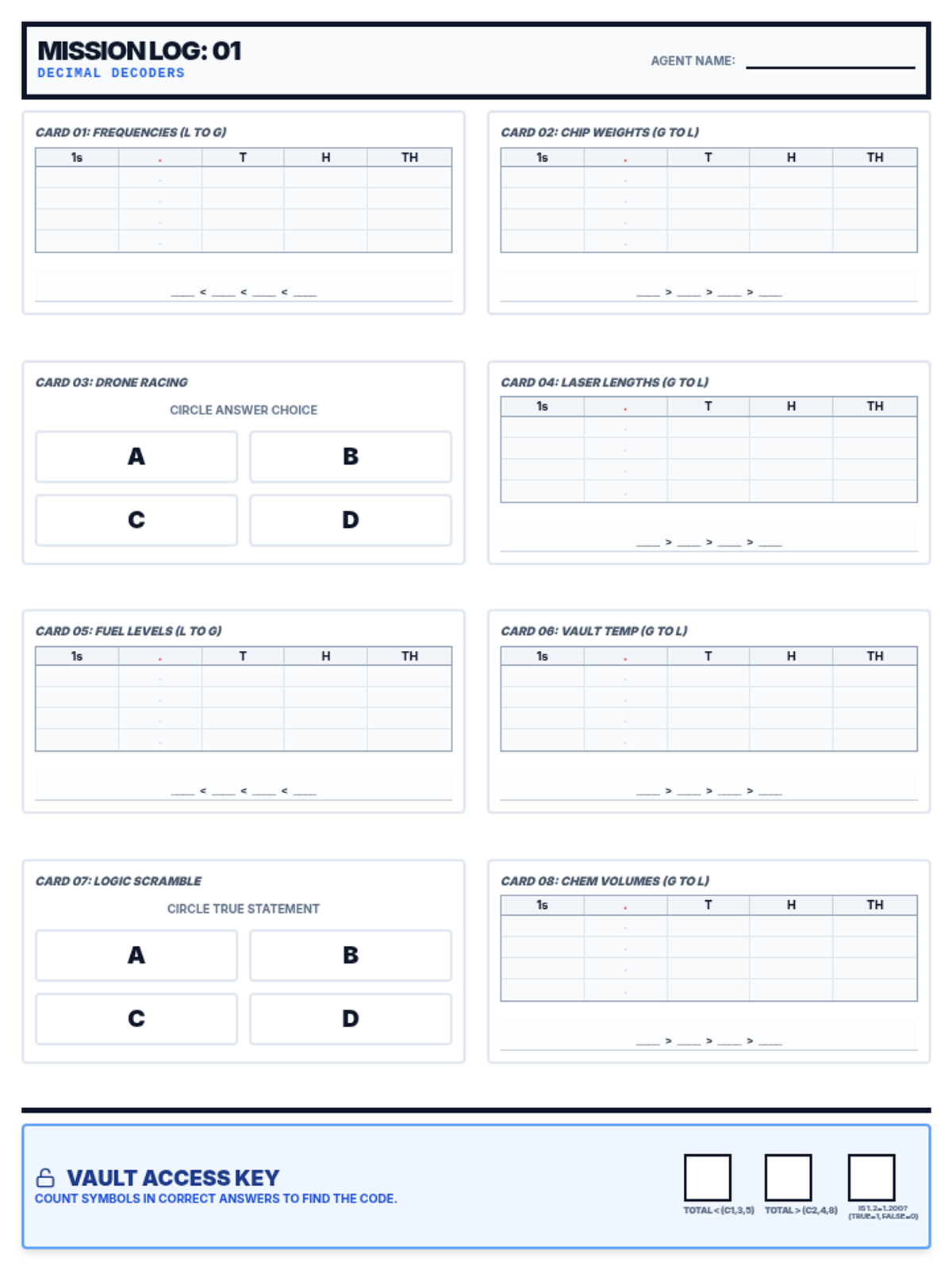
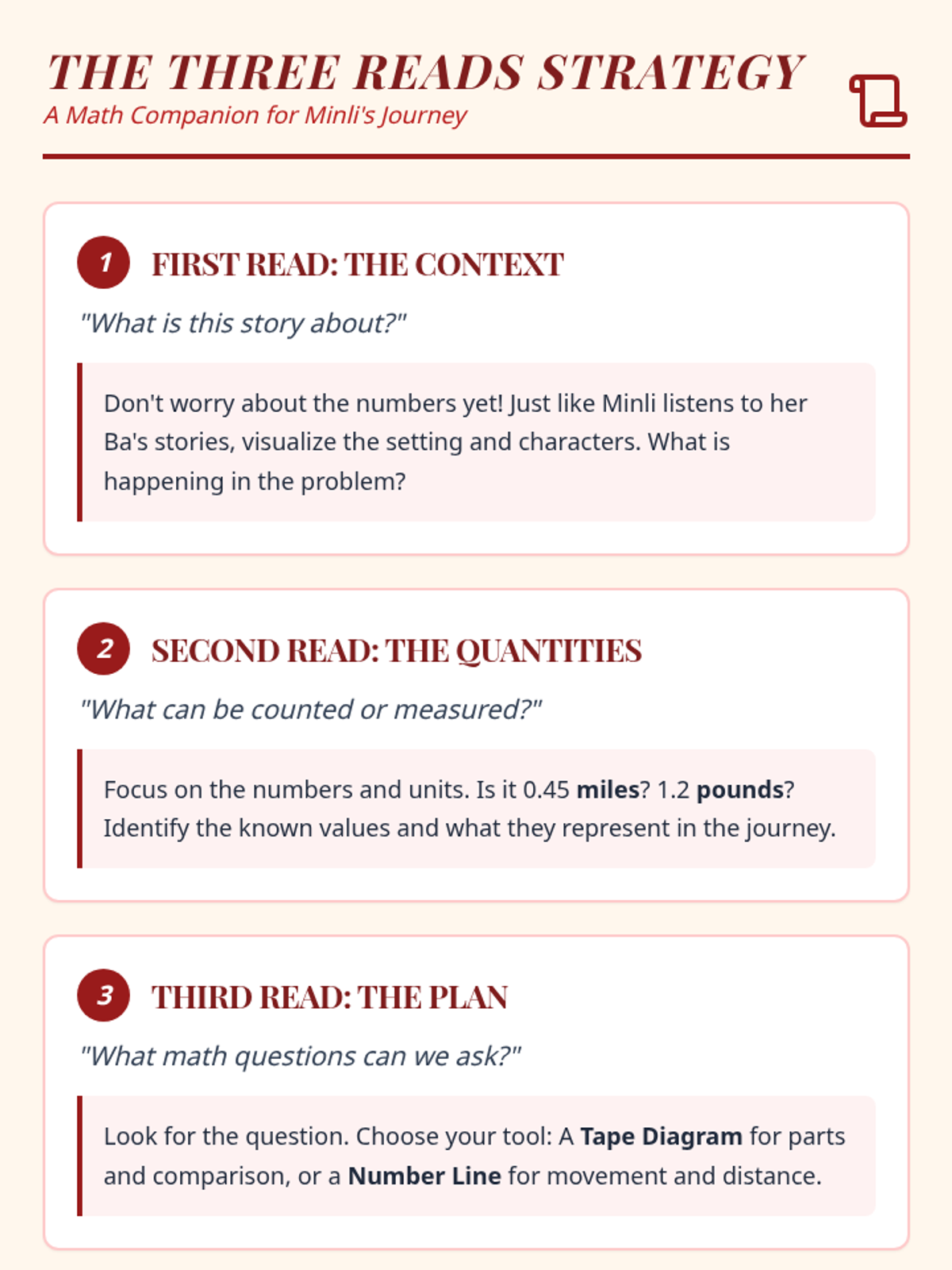
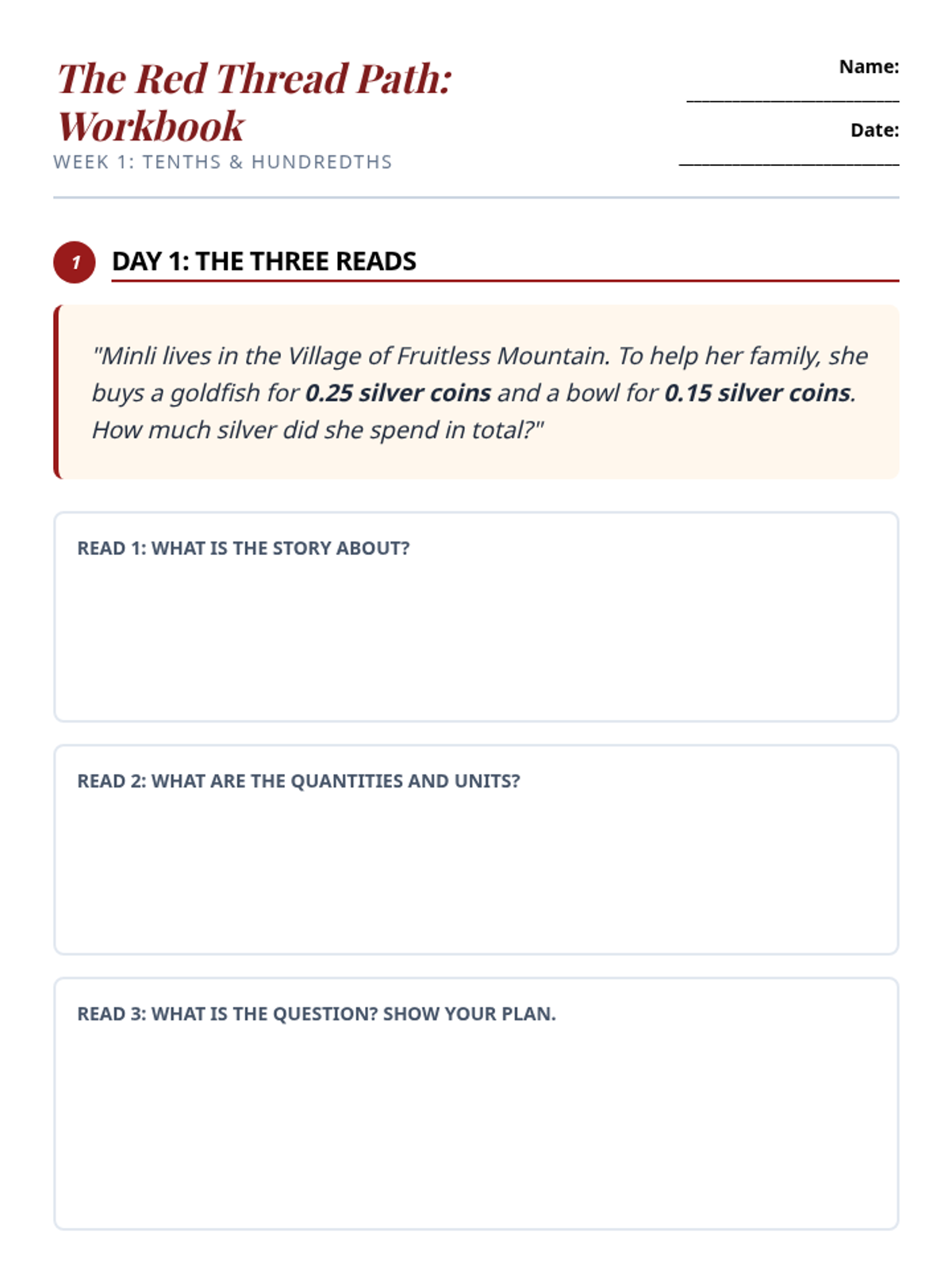
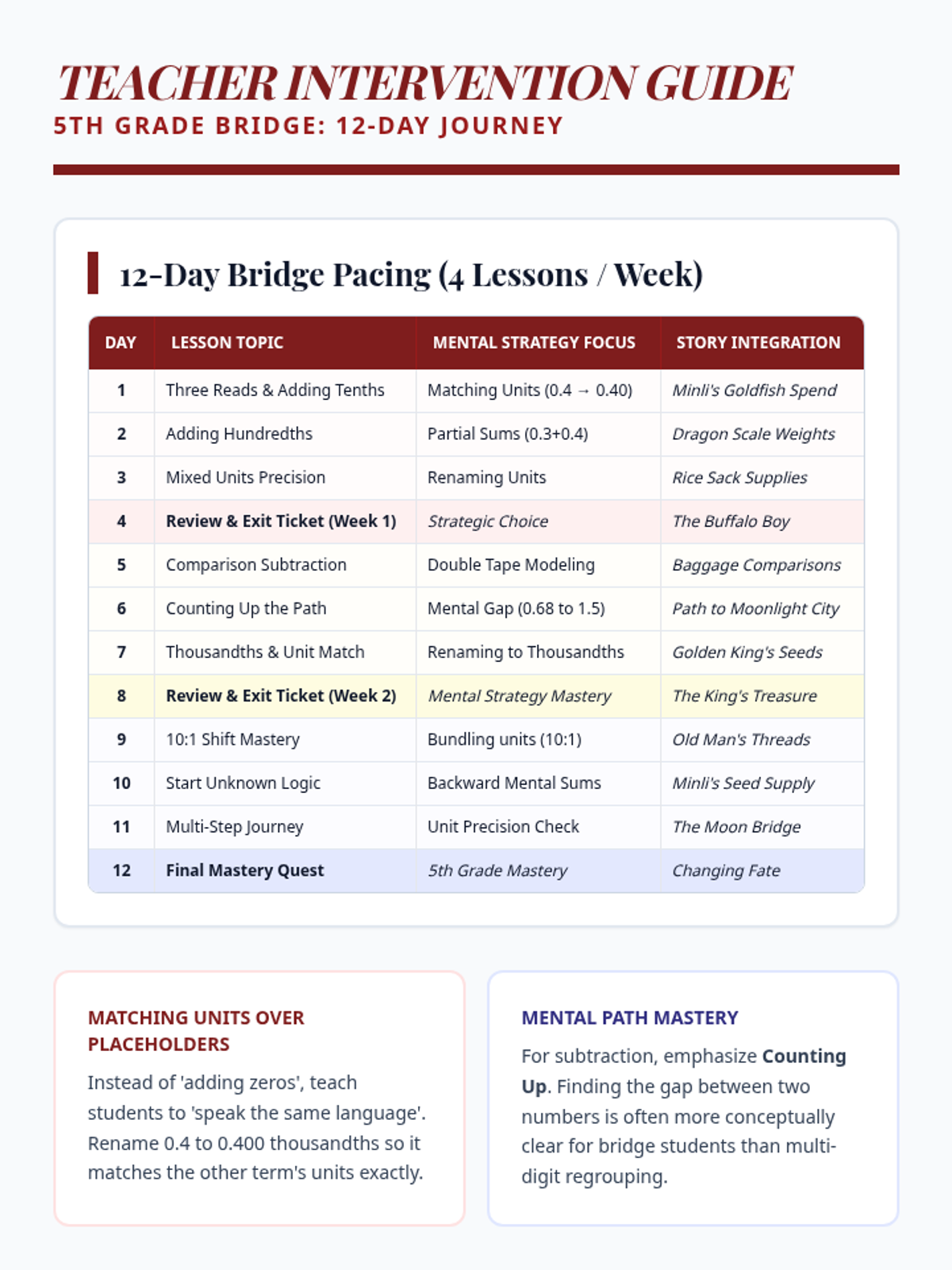
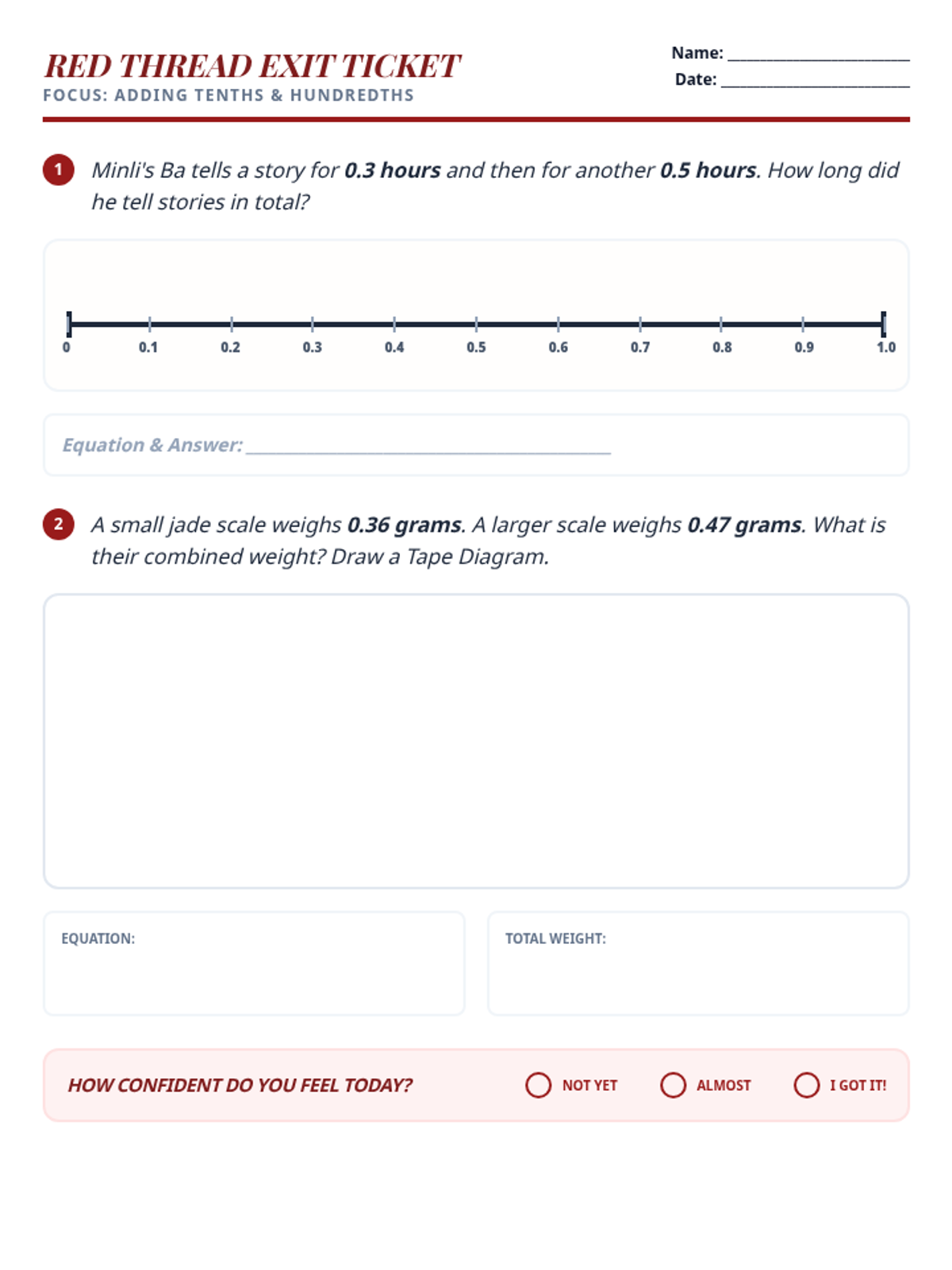
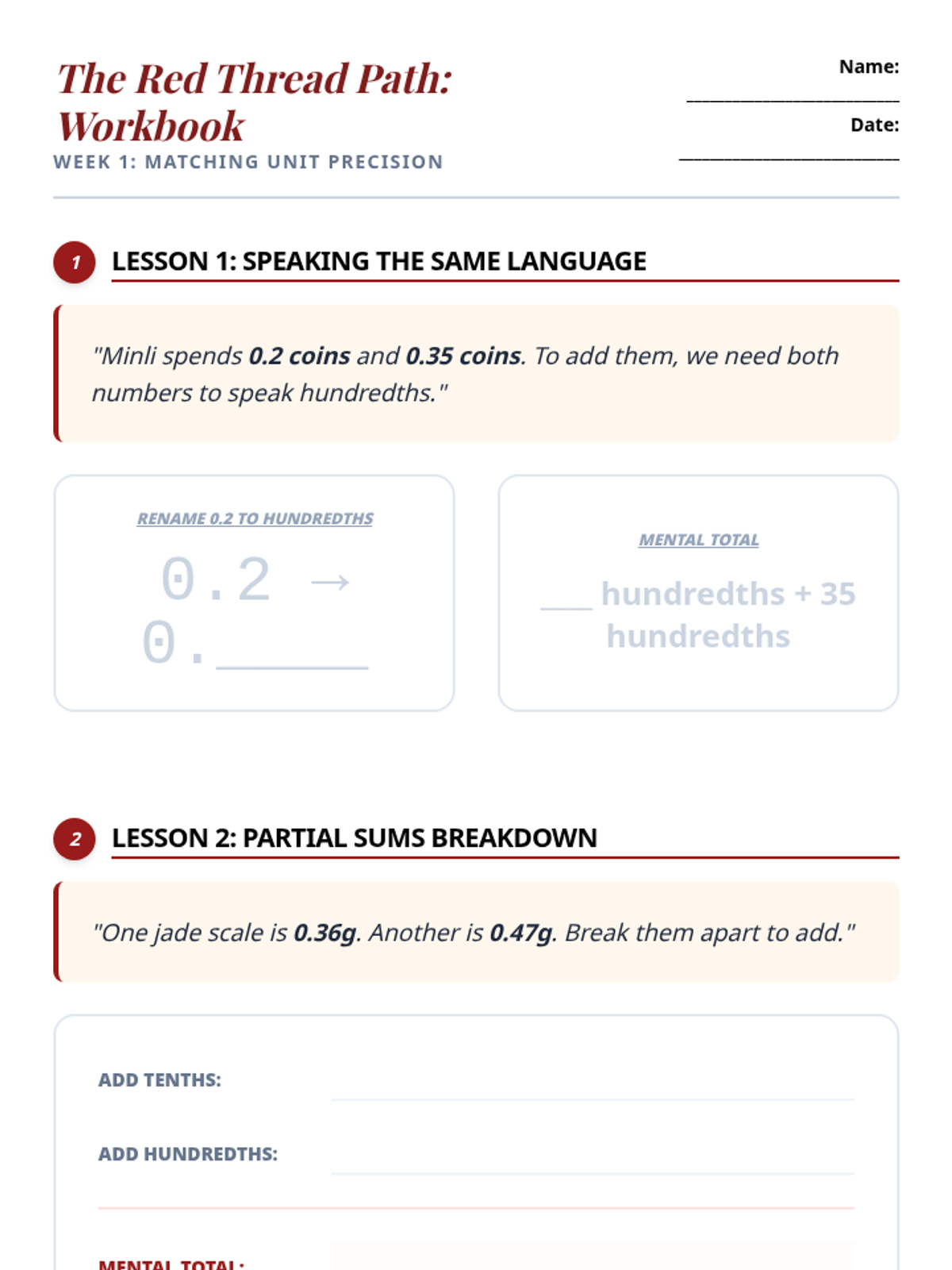
A 4-lesson intensive math intervention for 5th graders designed to bridge 4th-grade decimal foundations to 5th-grade mastery. Features the Three Reads strategy and mental math logic (Counting Up, Matching Units) themed around 'Where the Mountain Meets the Moon'.
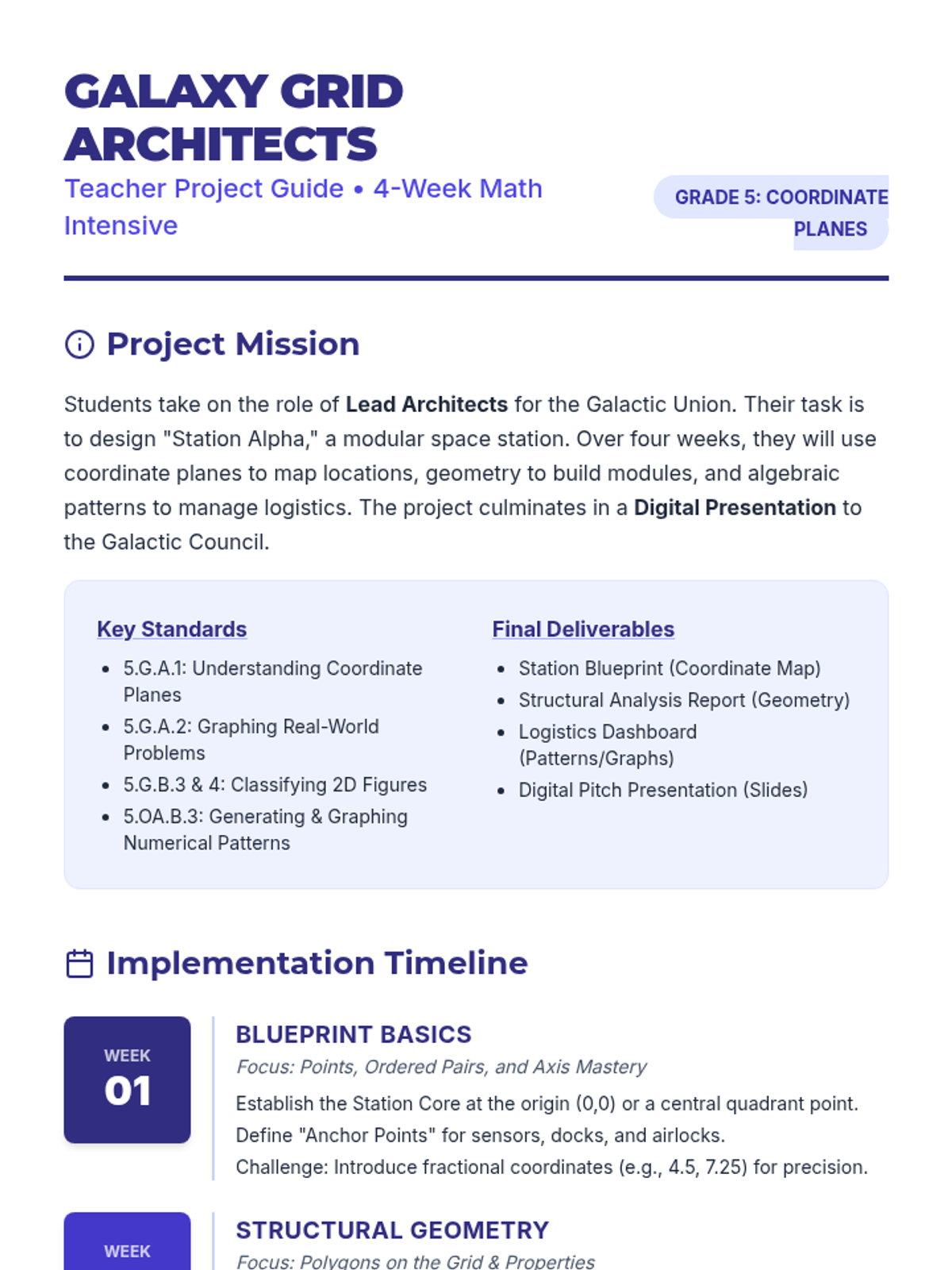
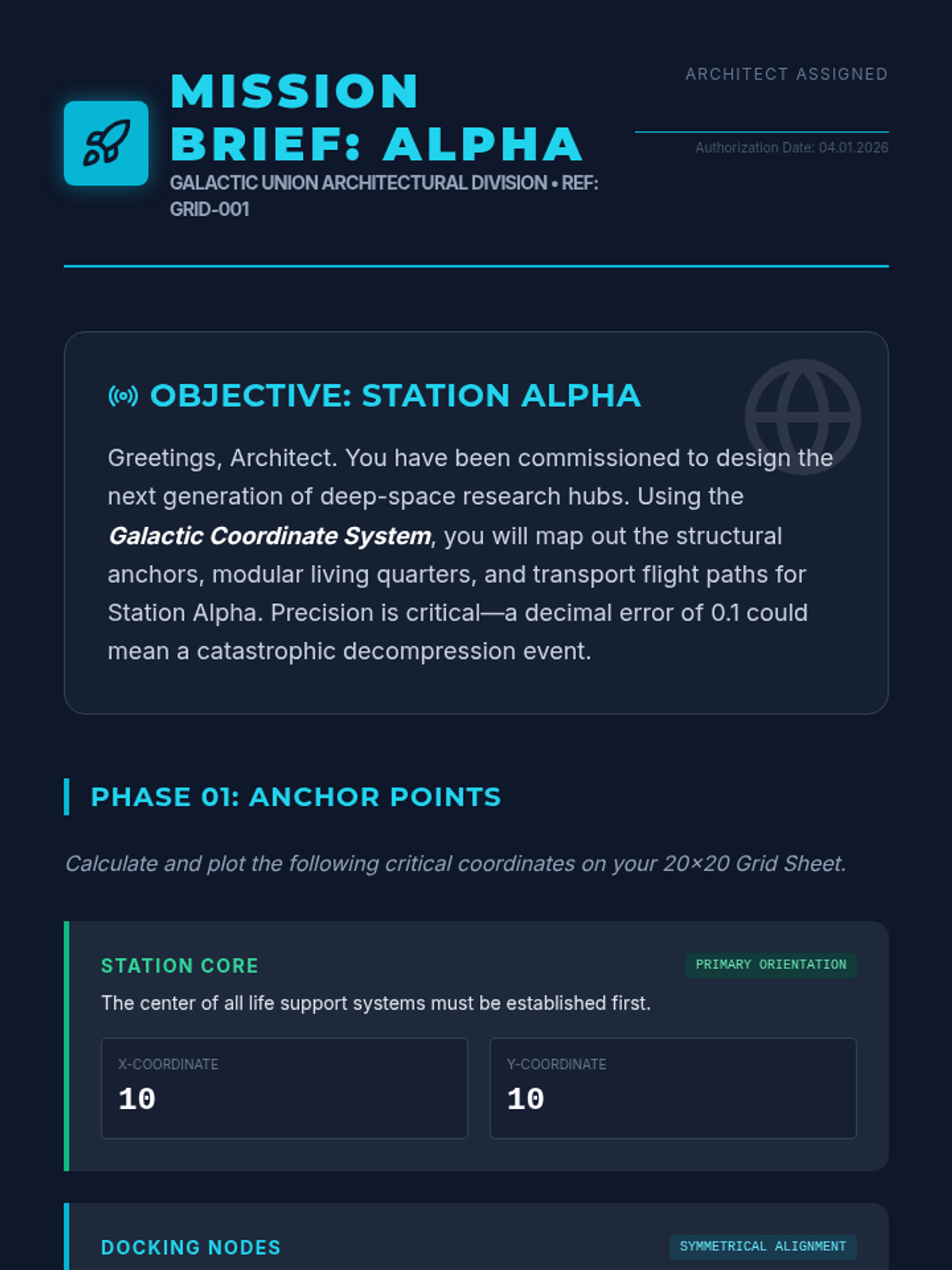
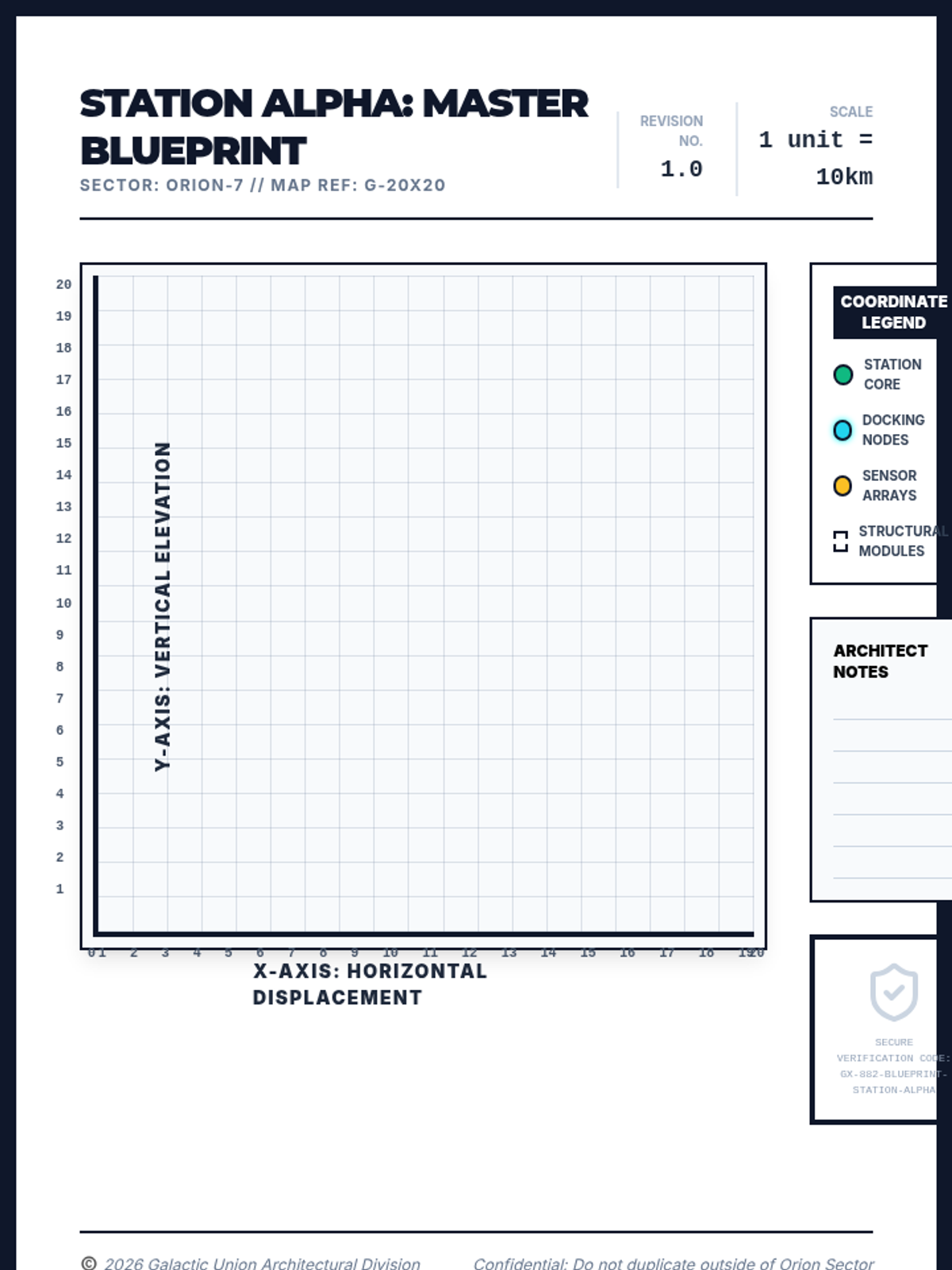
A 4-week project where students act as Space Architects, using coordinate planes, geometry, and numerical patterns to design a futuristic space station and present their plans.
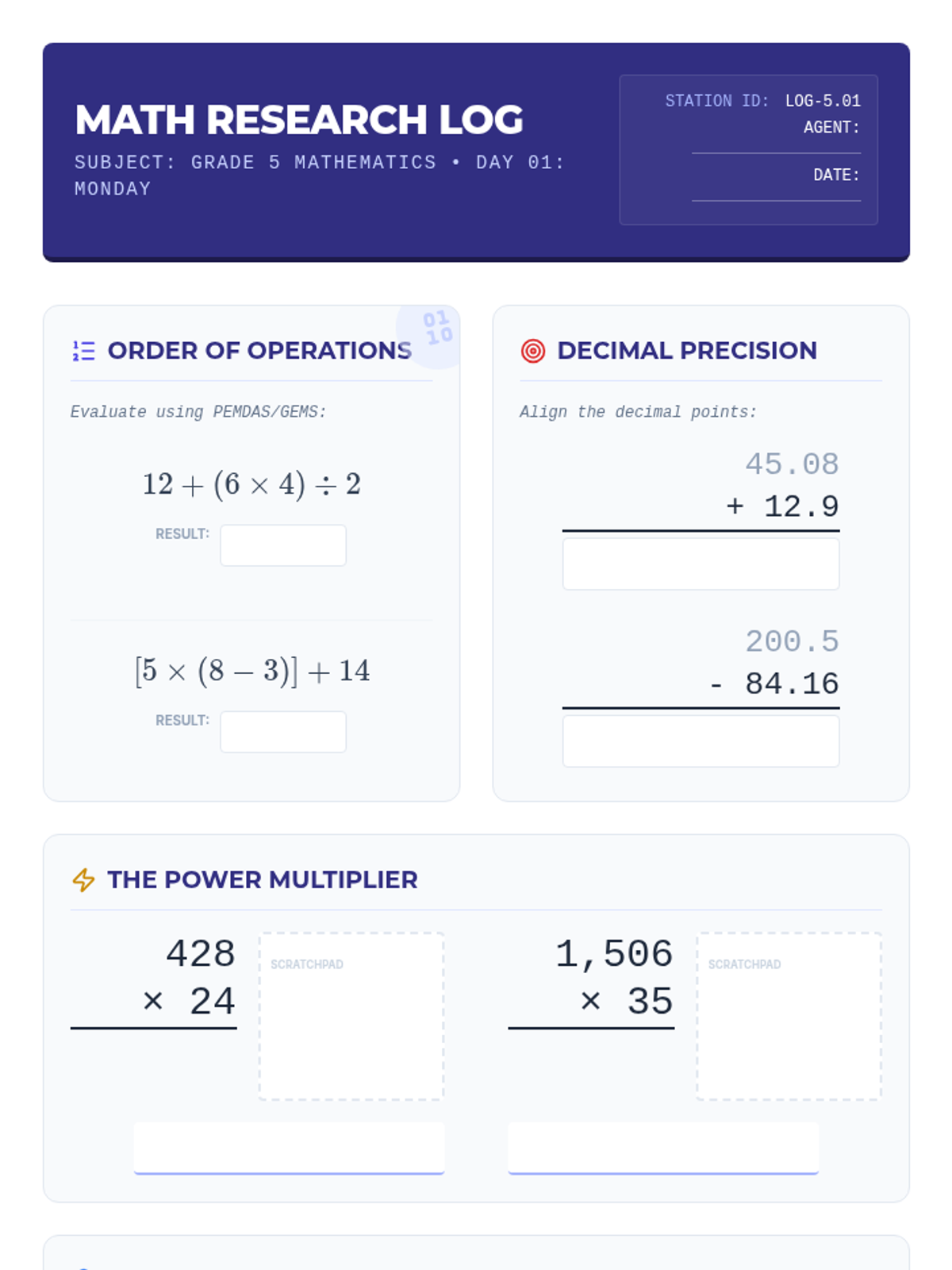
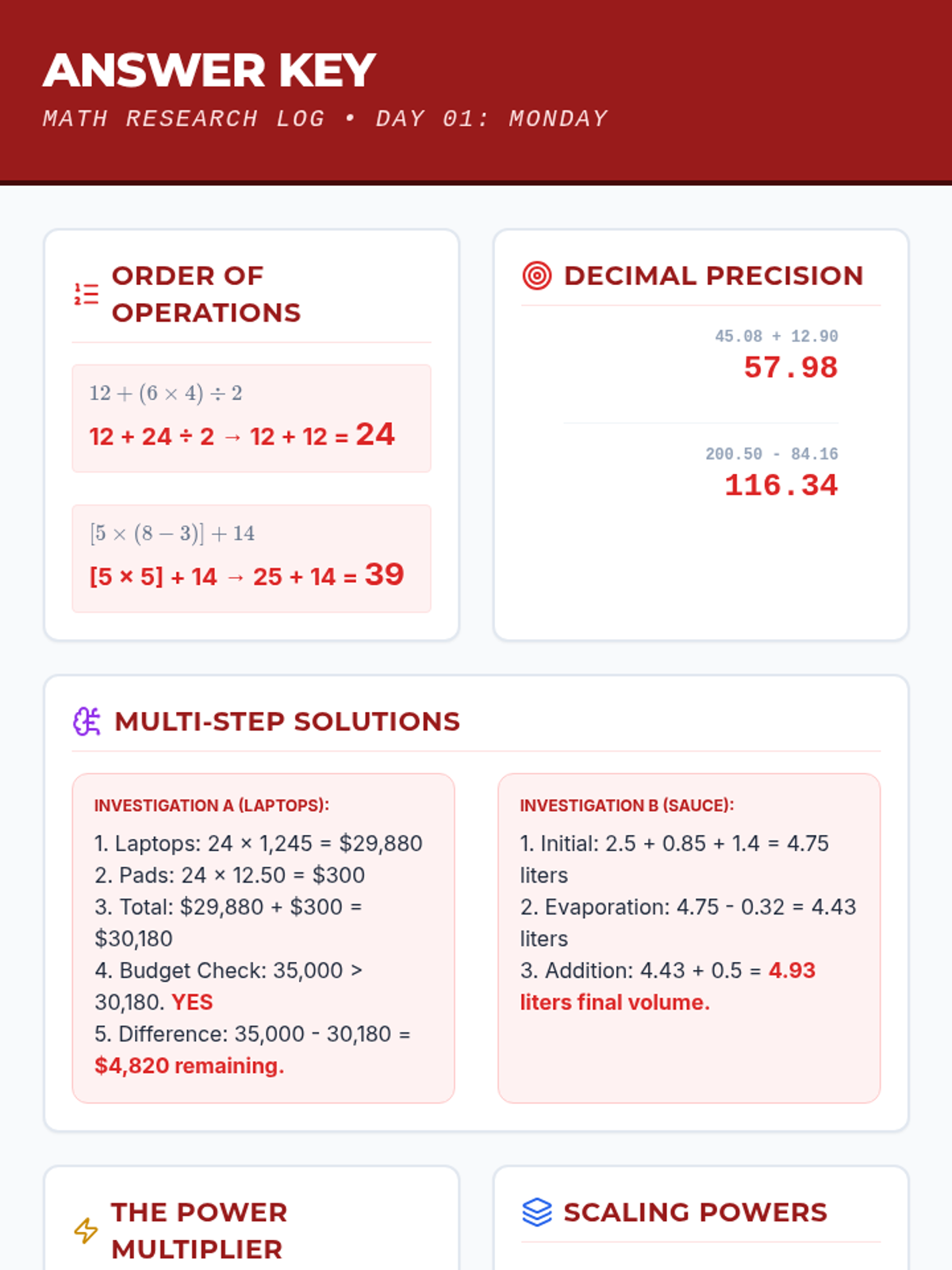
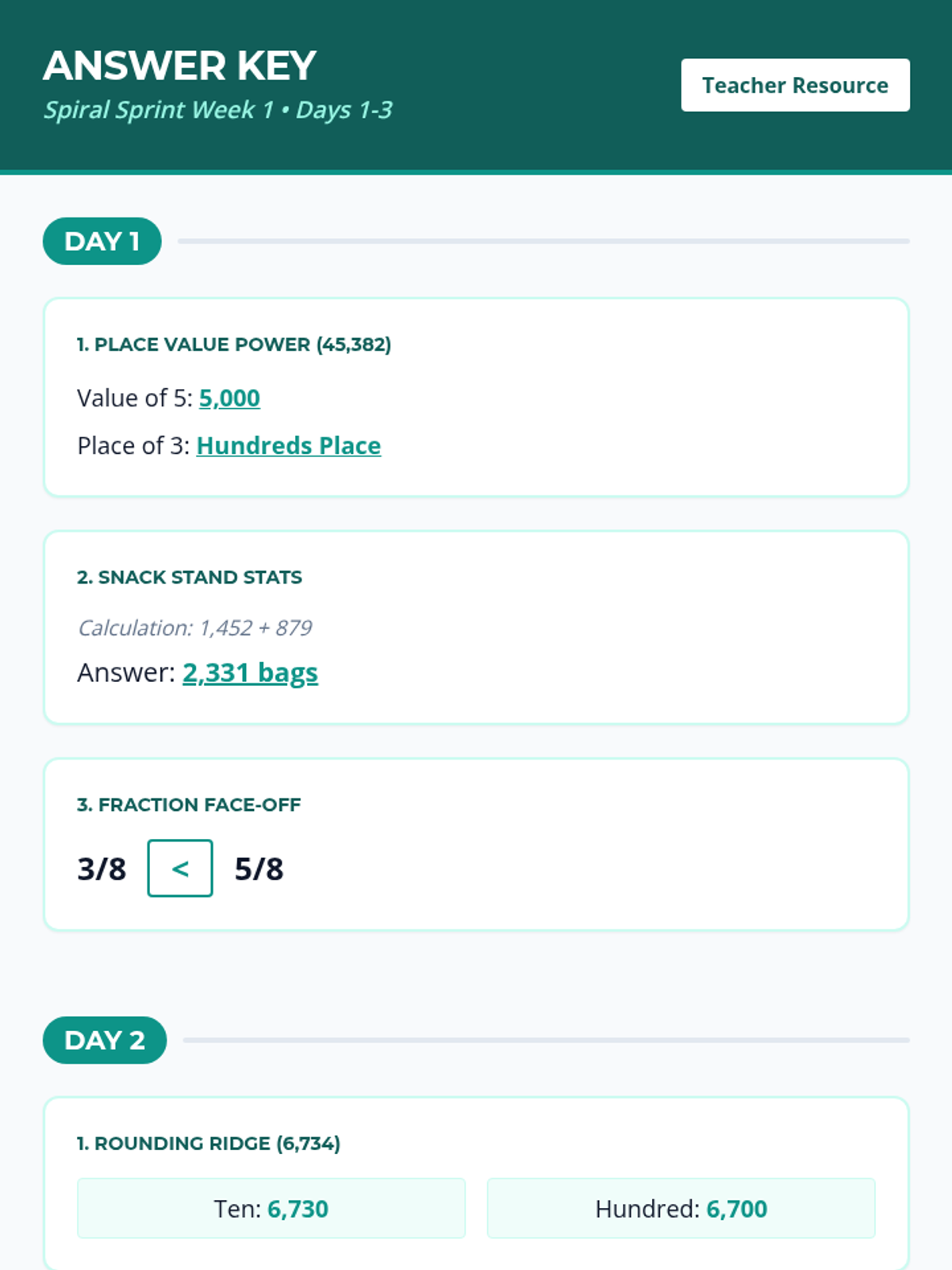
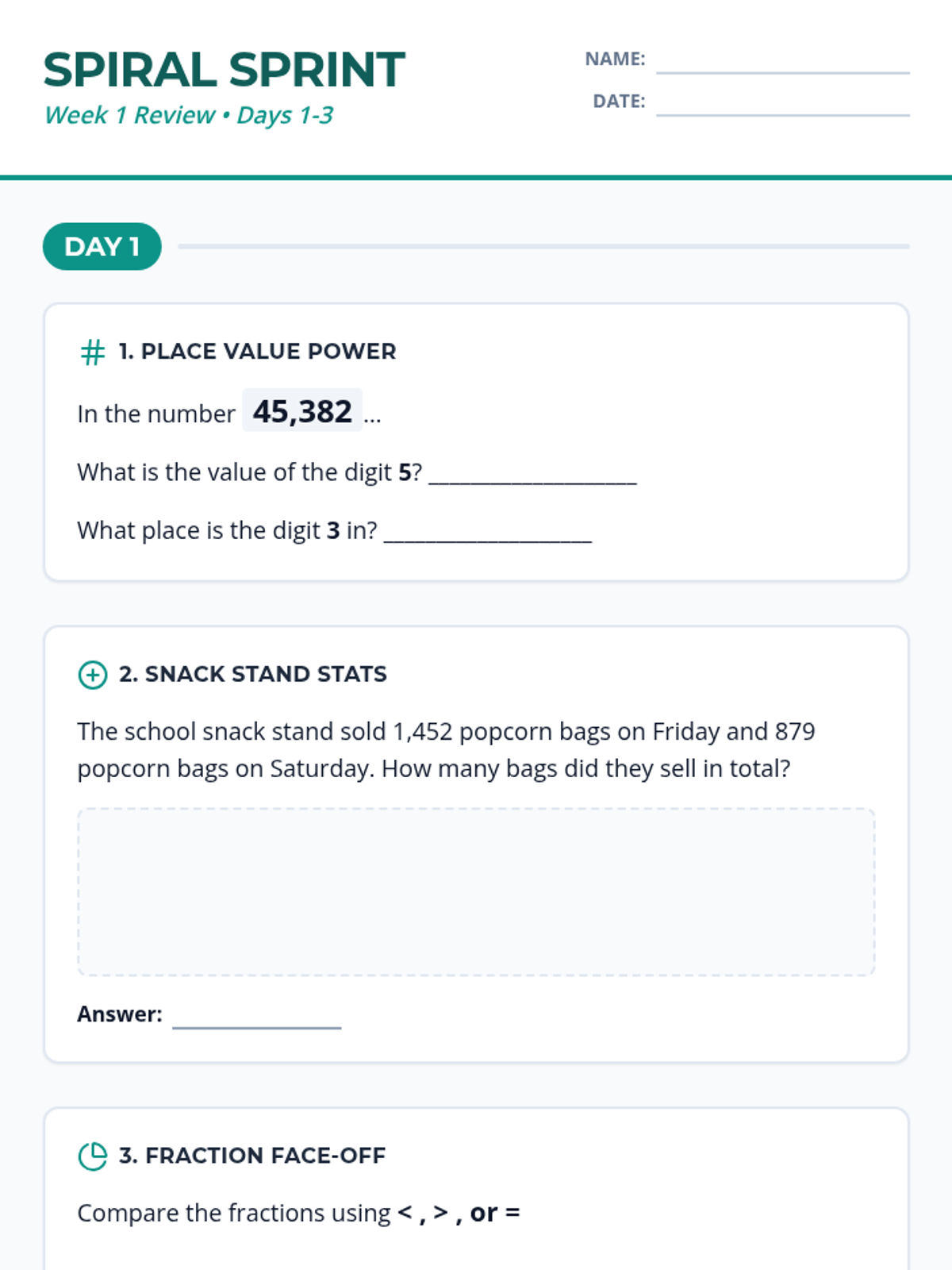
A rigorous week of spiral math review for 5th-grade students. Each day features a 2-page worksheet covering mixed standards—including decimal operations, fraction arithmetic, multi-digit division, and volume—along with complex multi-step word problems and detailed answer keys.
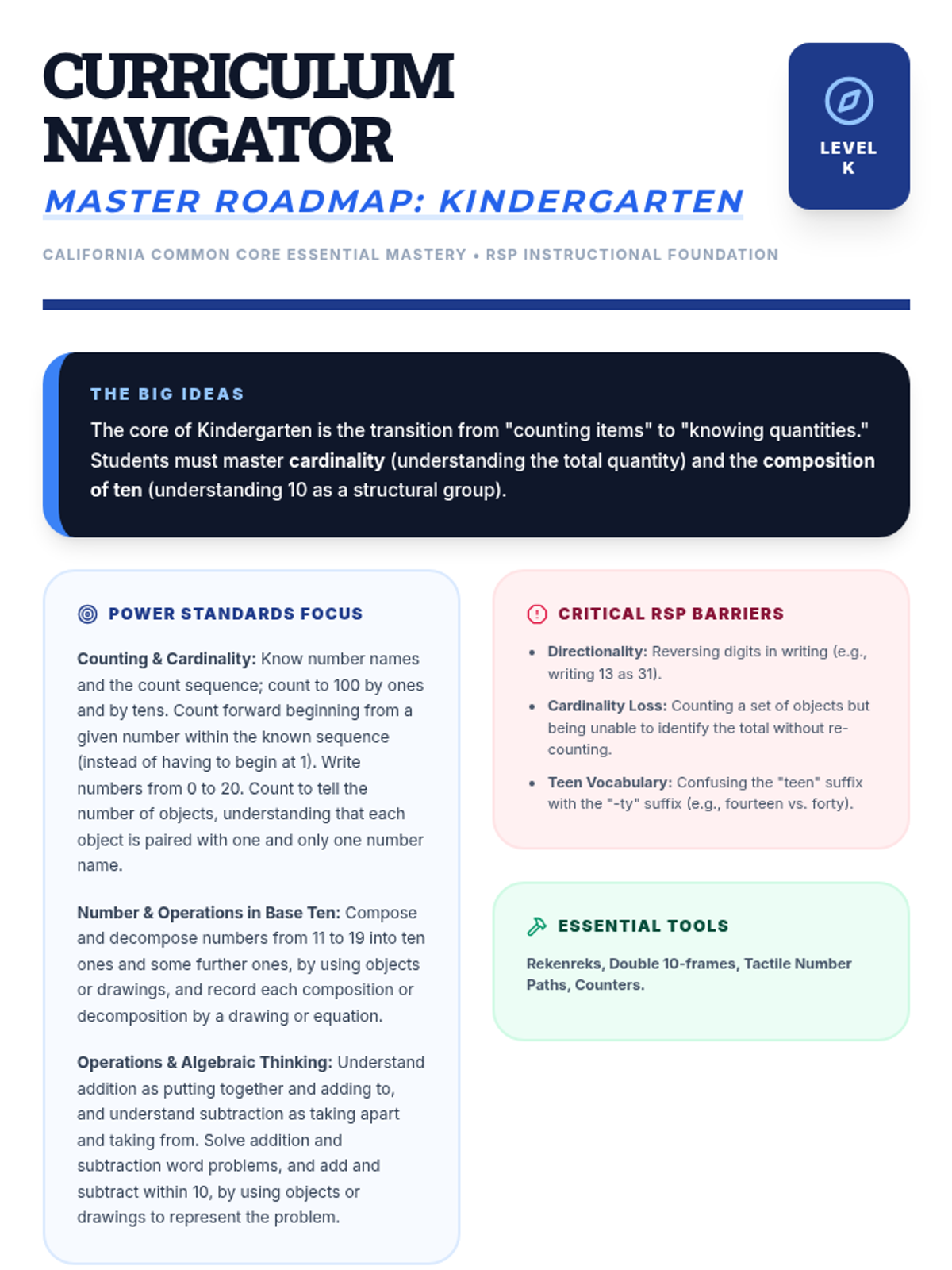
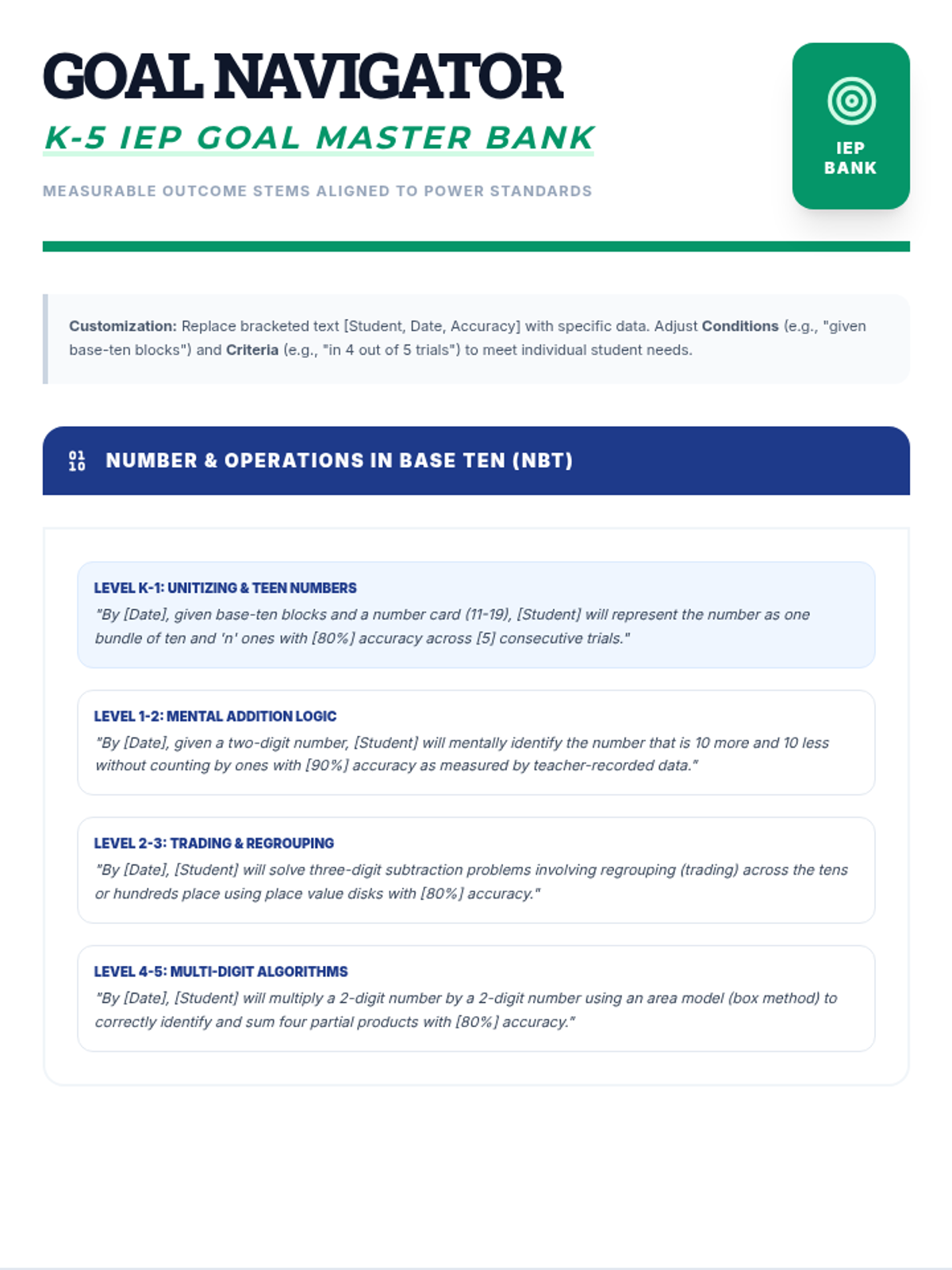
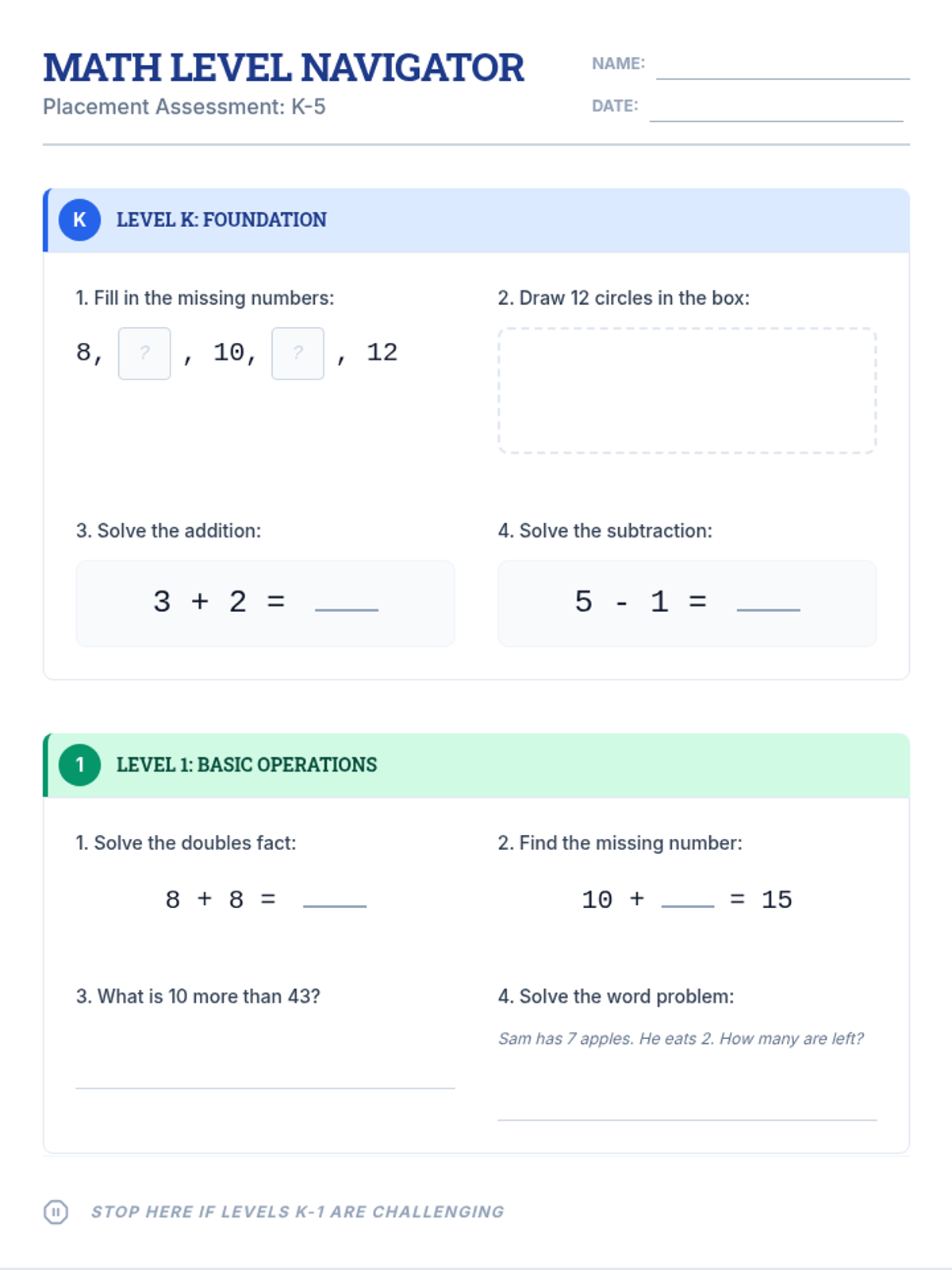
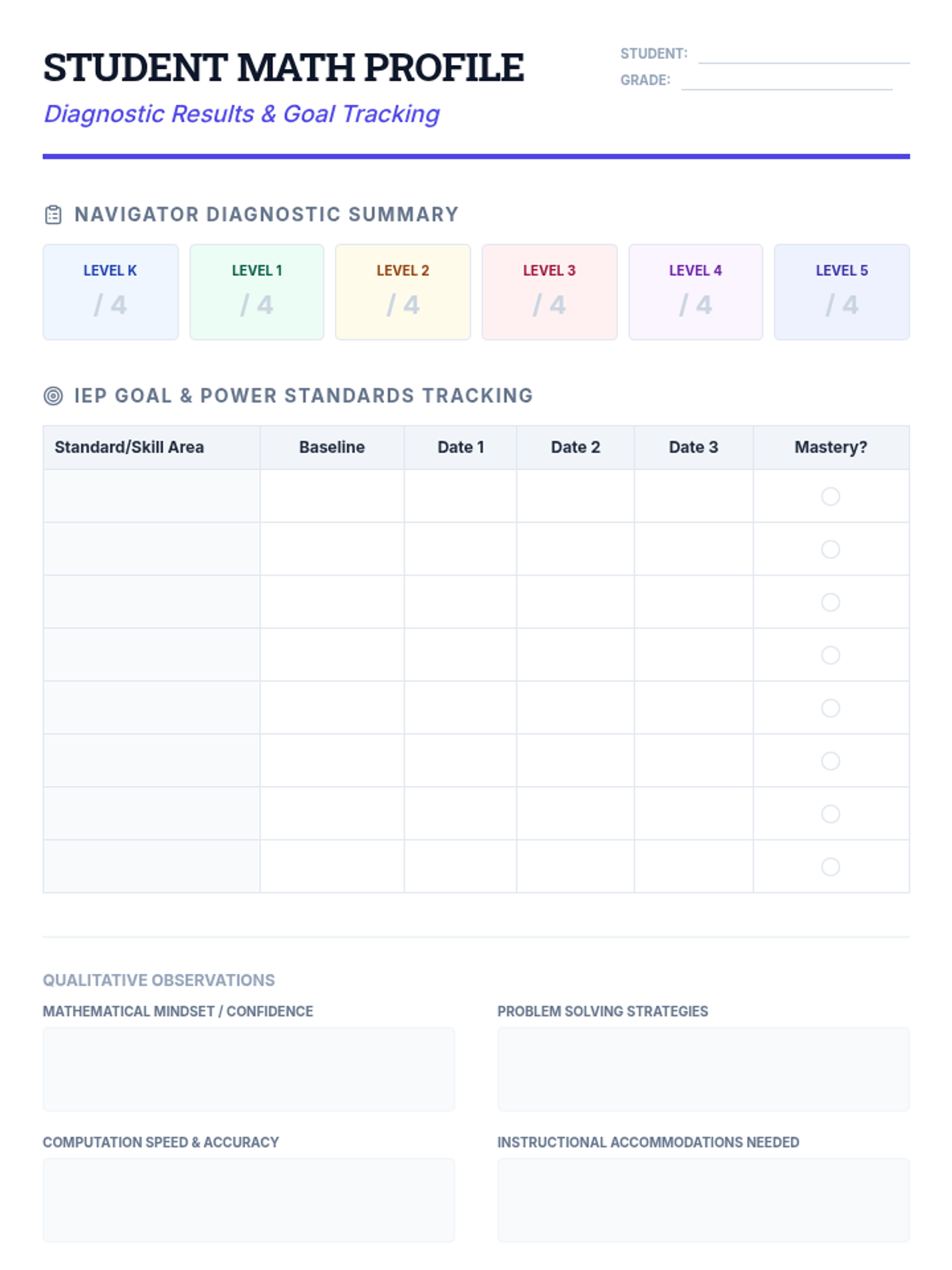
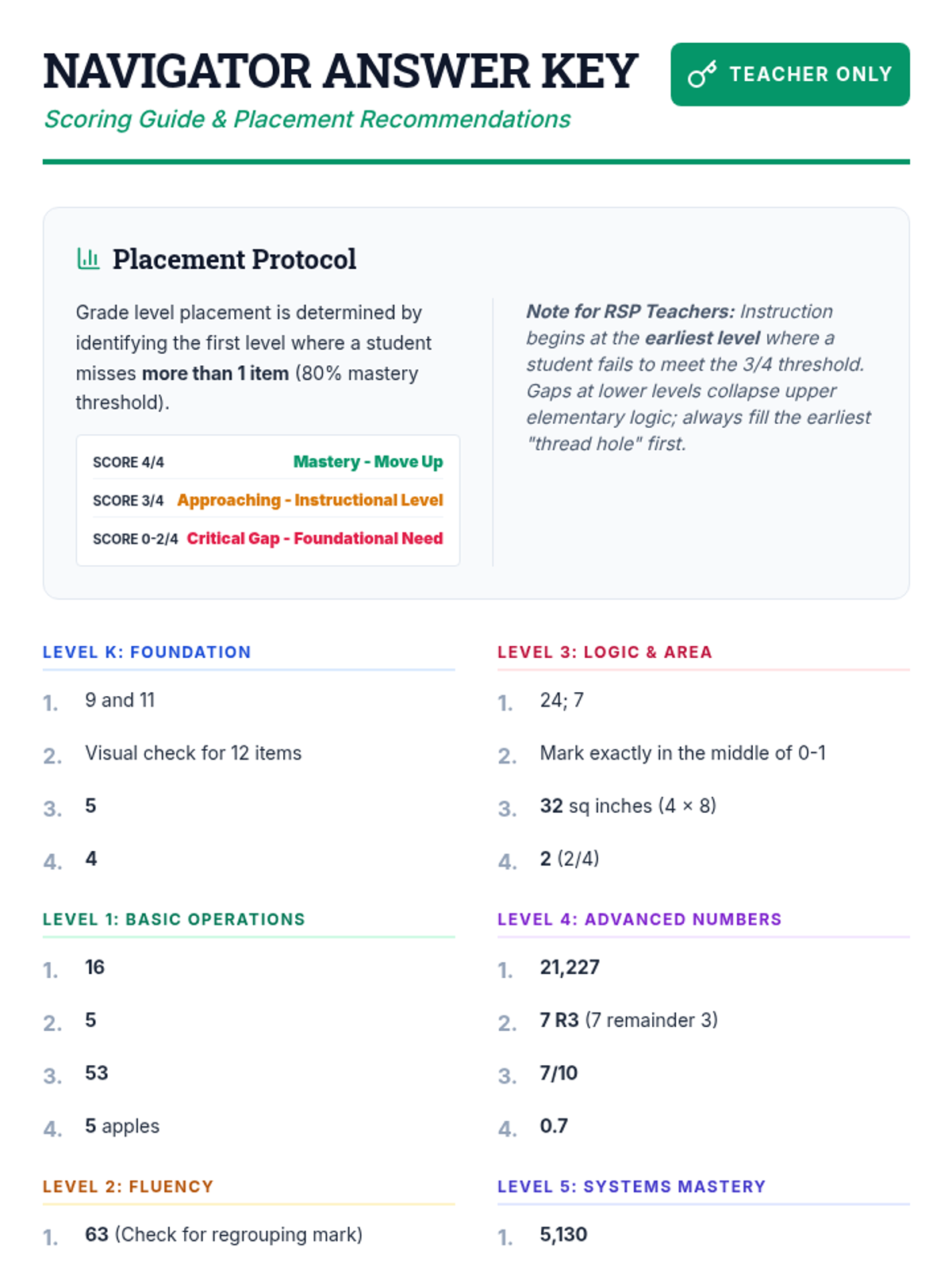
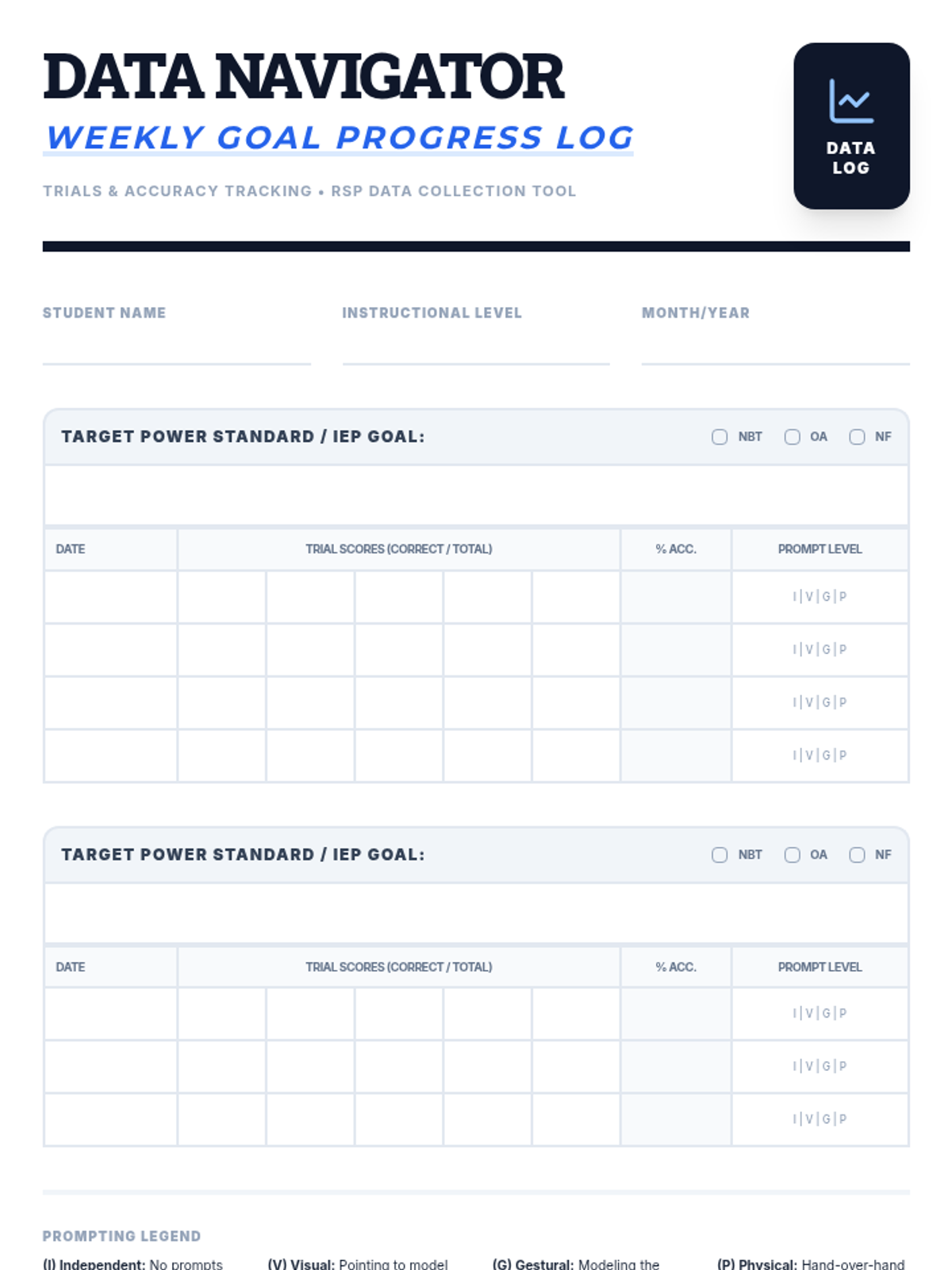
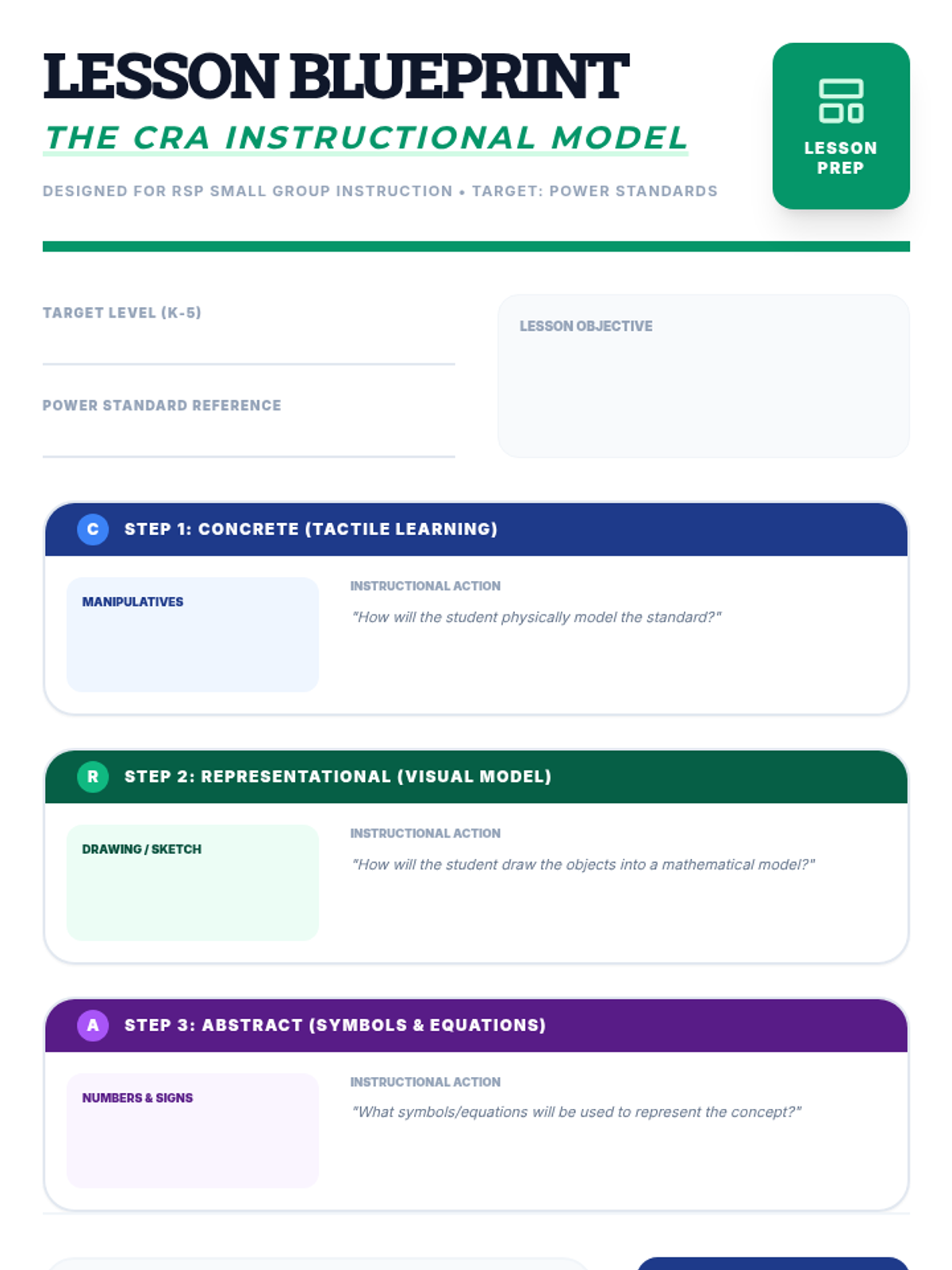
A comprehensive framework for K-5 RSP math instruction, including a California Common Core aligned scope and sequence of power standards and a leveled placement diagnostic.
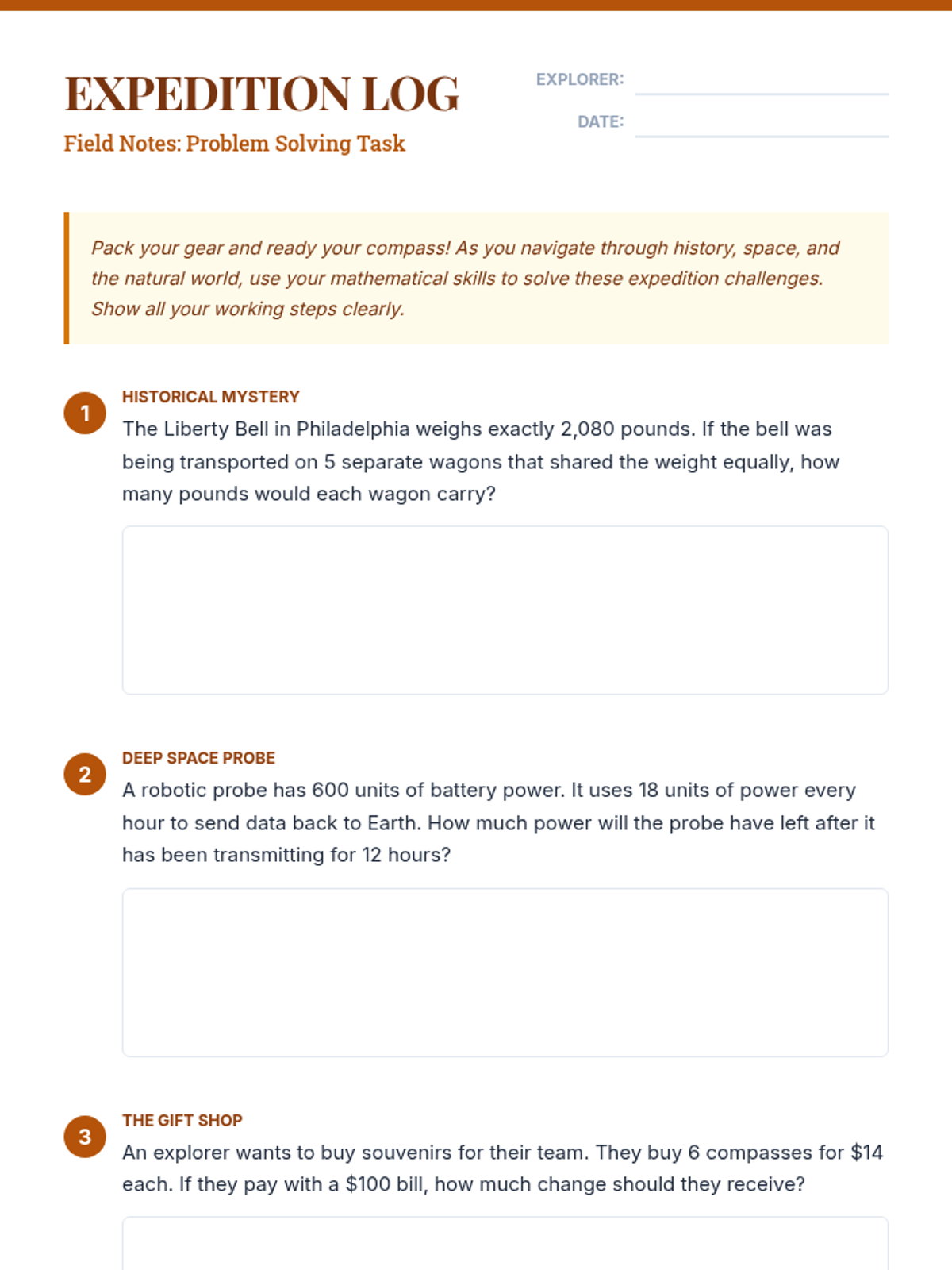
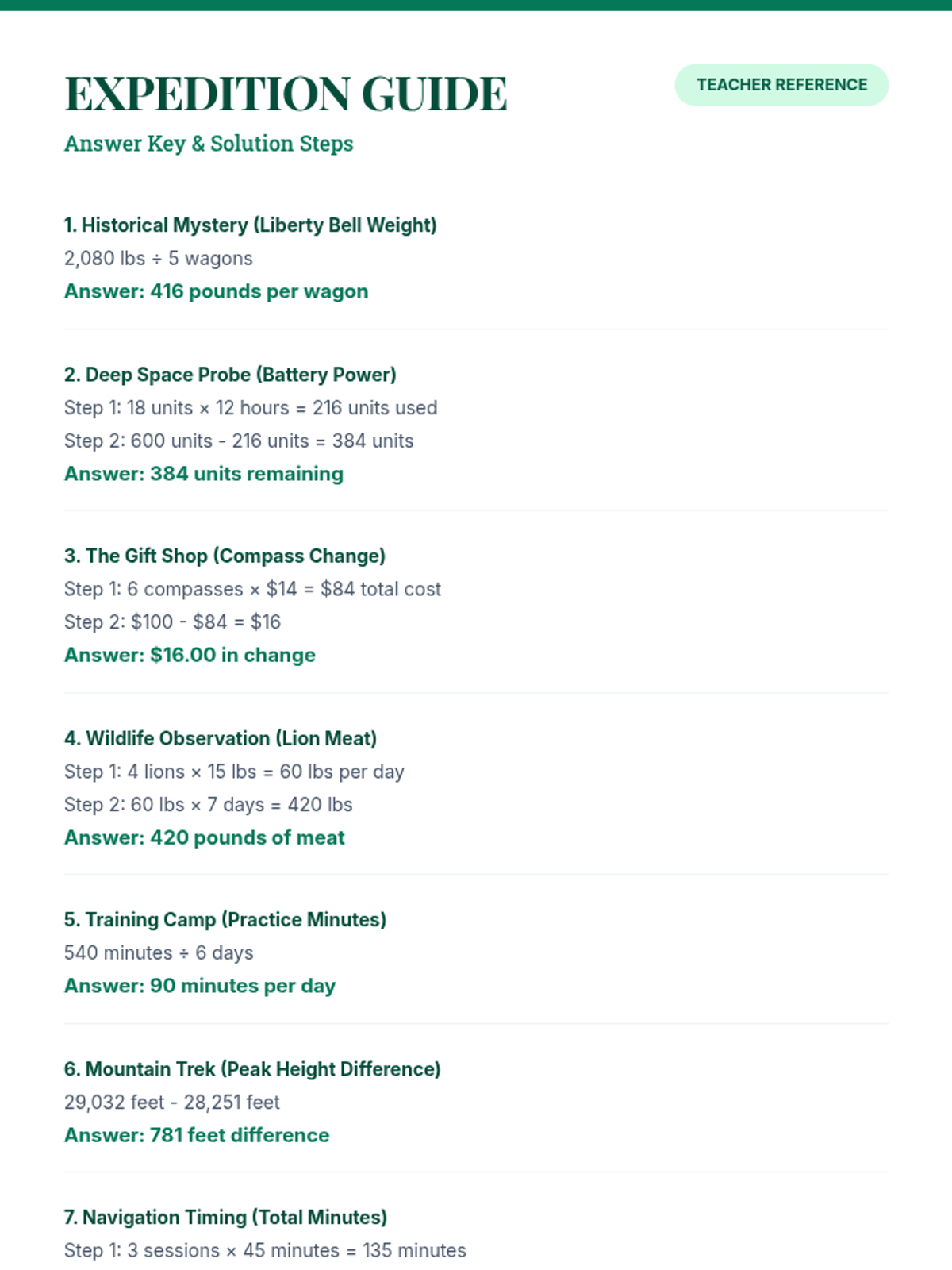
A week-long series of math challenges that transport students through history, science, and across the globe while reinforcing multi-step problem solving with the four operations.
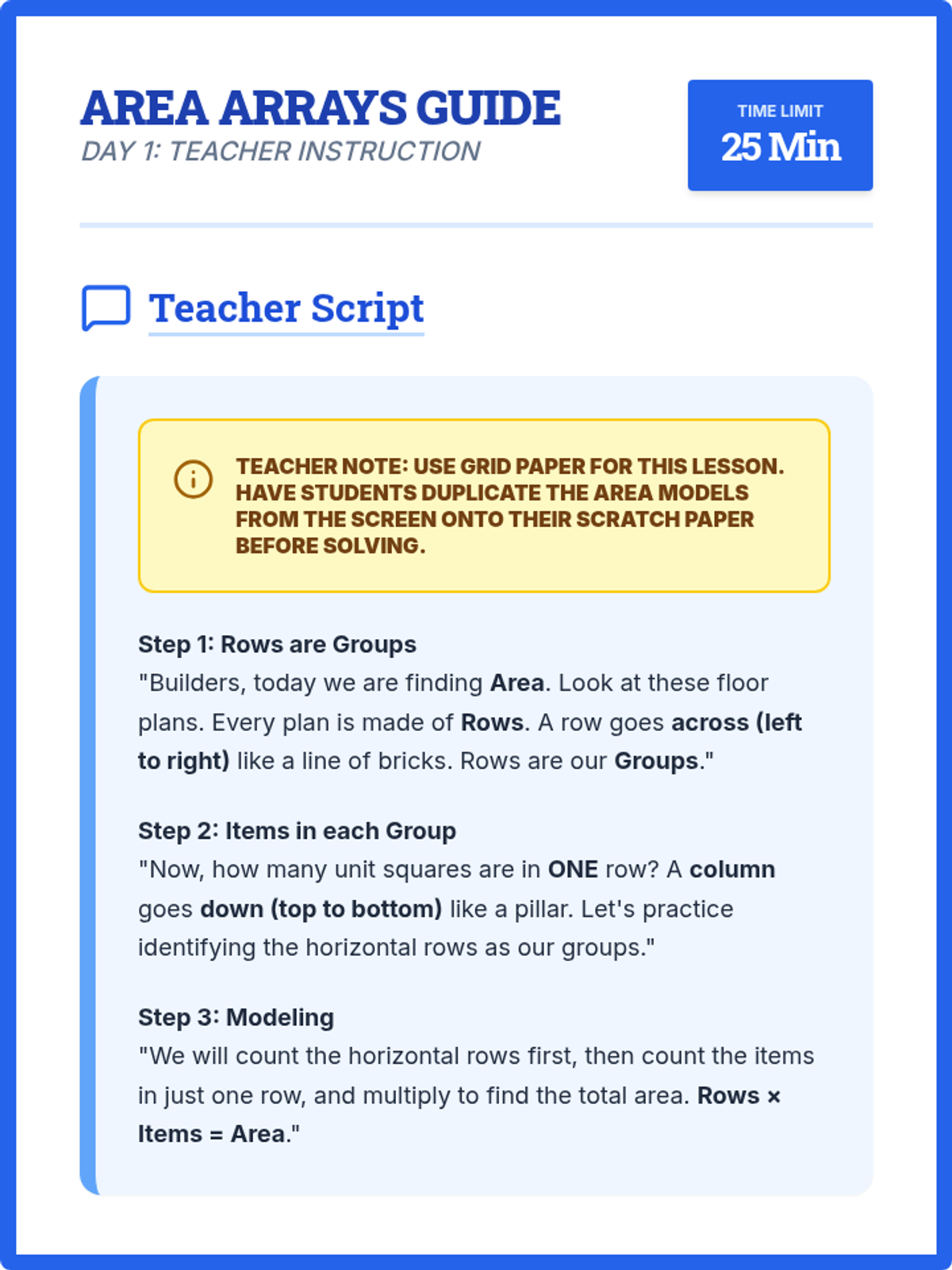
A 5-day intensive intervention sequence focused on determining area using multiplication (3.6C) and calculating perimeter including missing side lengths (3.7B). The unit uses a 'Boundary Builders' construction theme to make geometric concepts concrete and engaging for small group instruction.
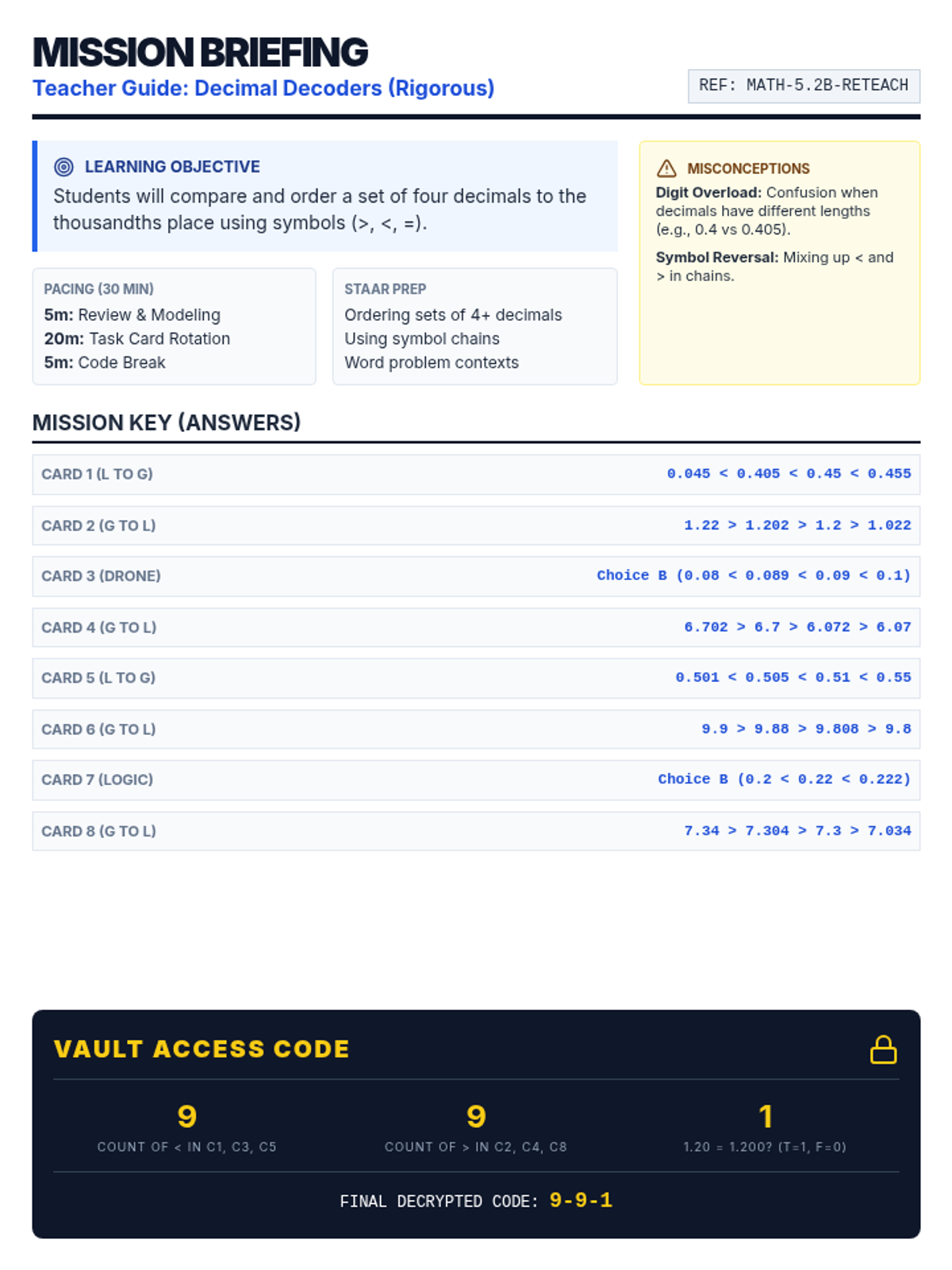
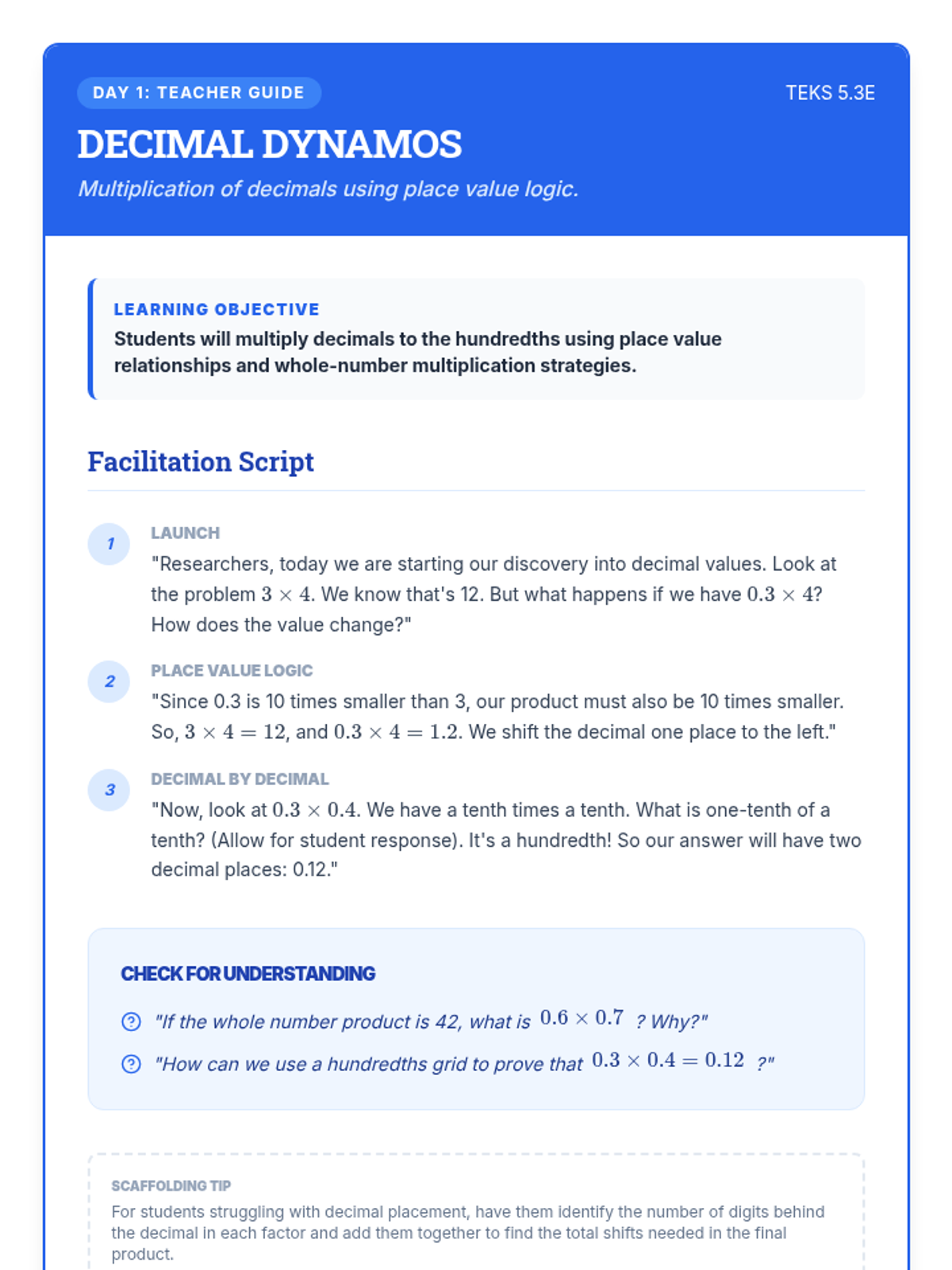
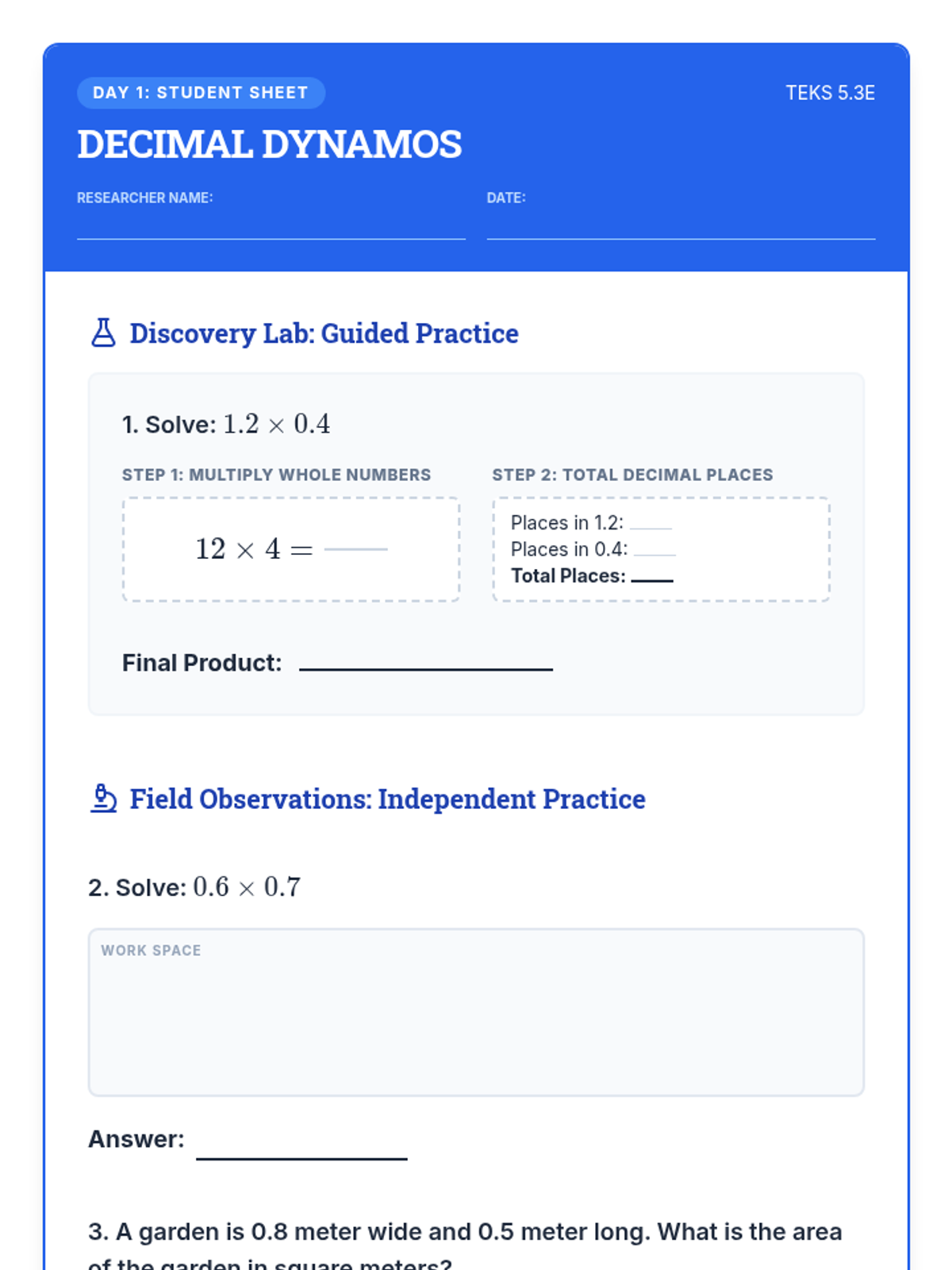
A 4-day small group reteach sequence for 5th-grade students focusing on decimal multiplication and division. The sequence uses hands-on strategies, place value relationships, and pictorial models to solve real-world mathematical discoveries.
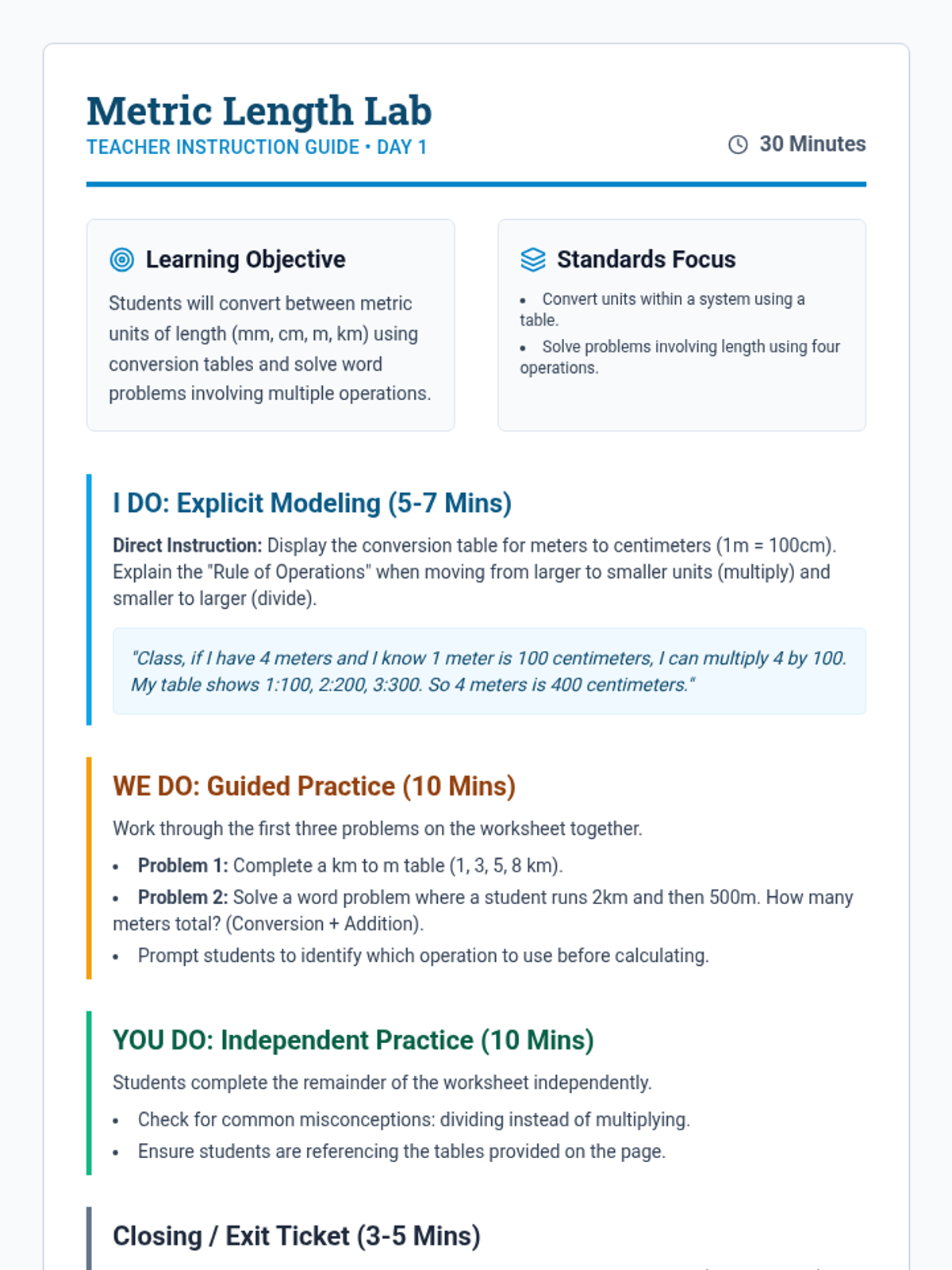
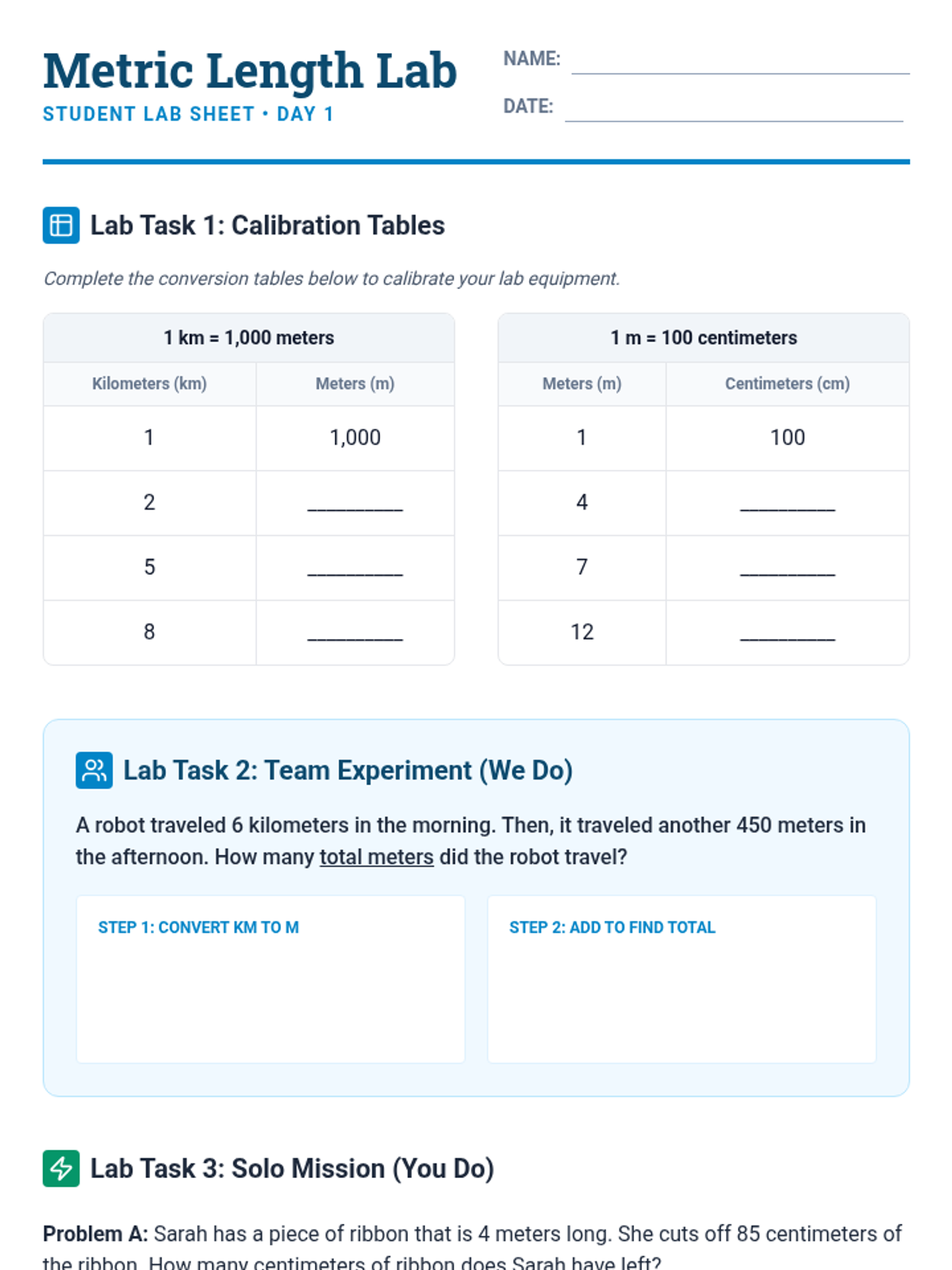
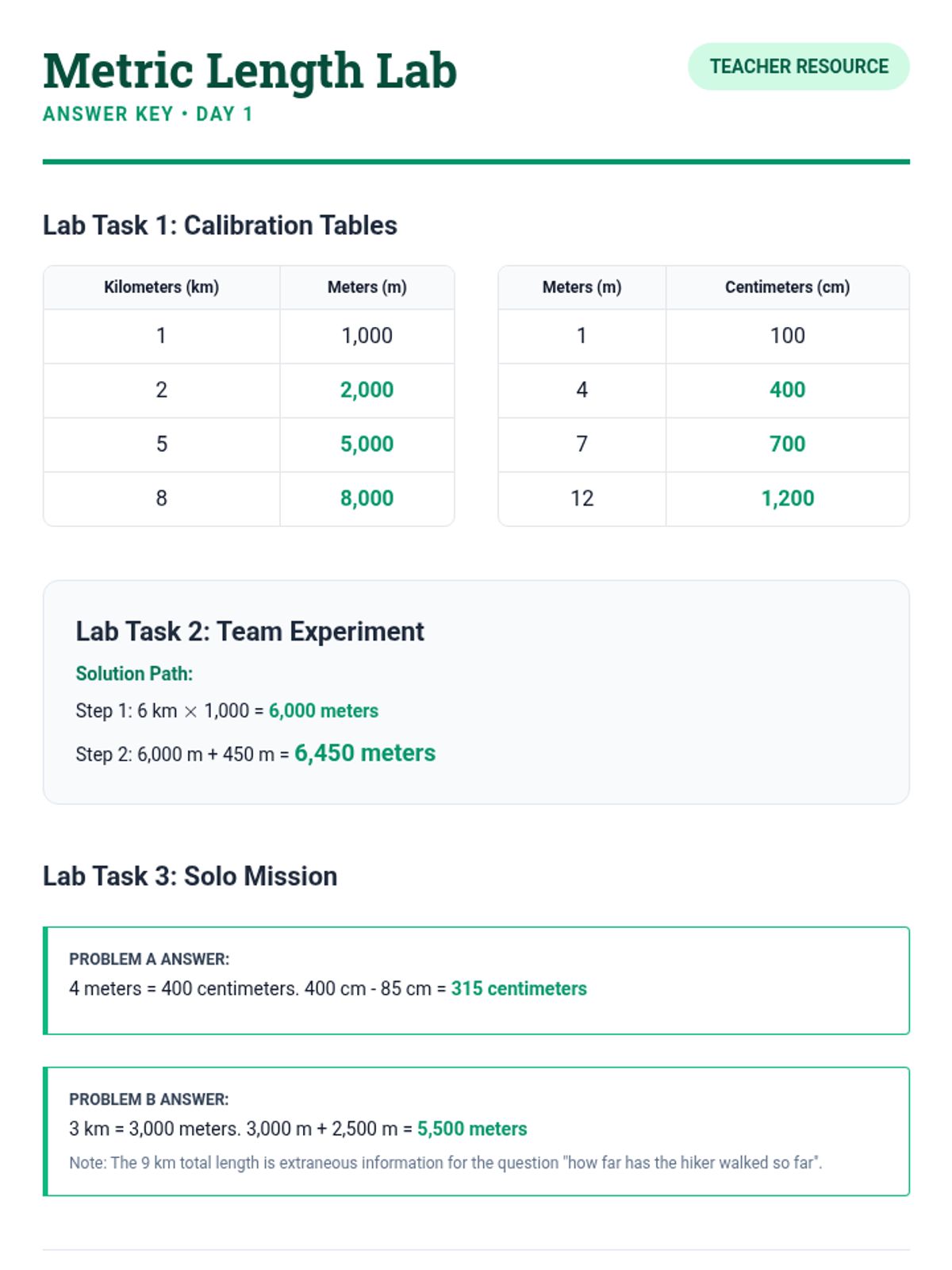
A 5-day intensive reteach sequence focused on converting measurements within metric and customary systems and solving real-world measurement word problems using the four operations.
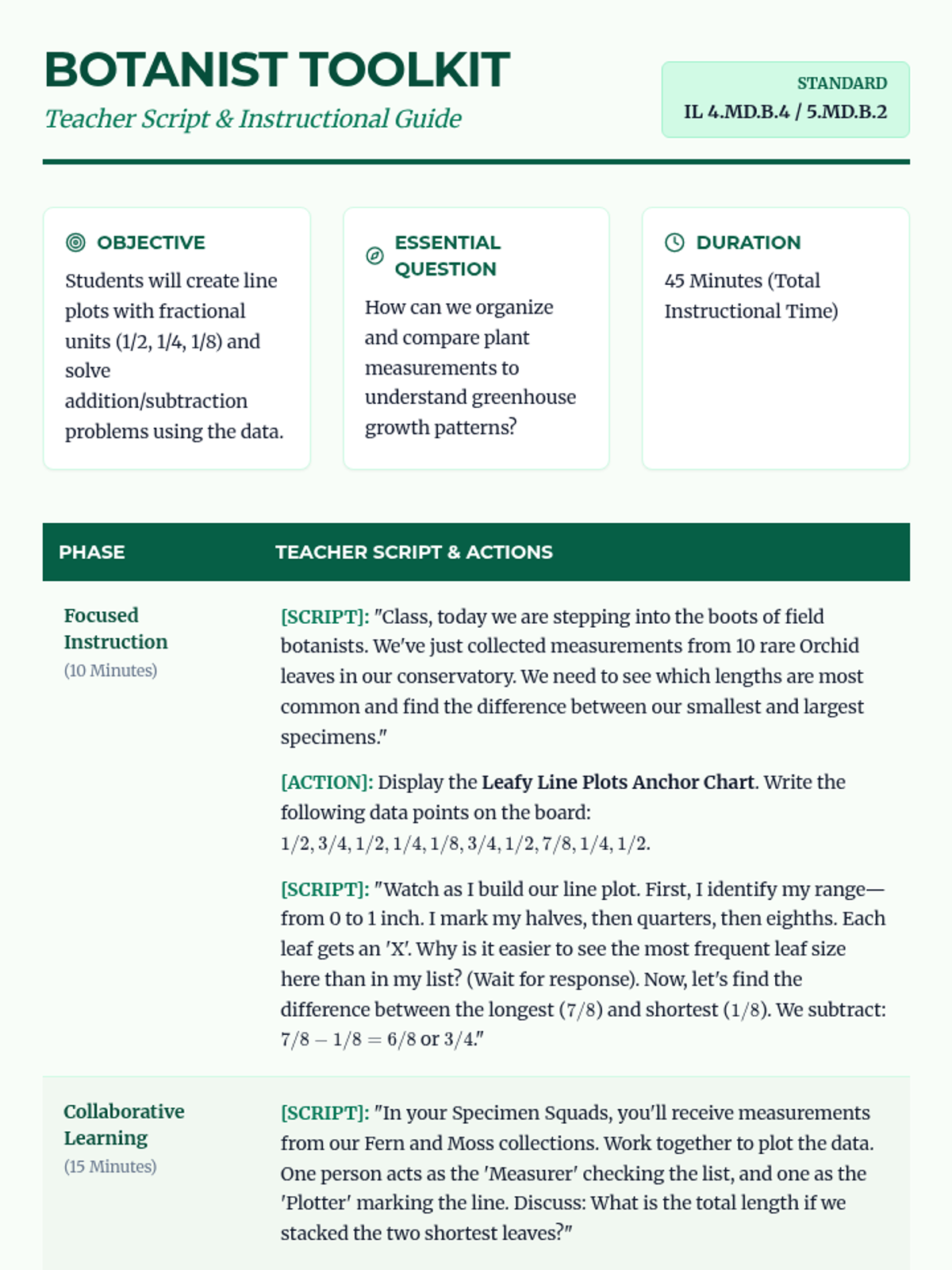
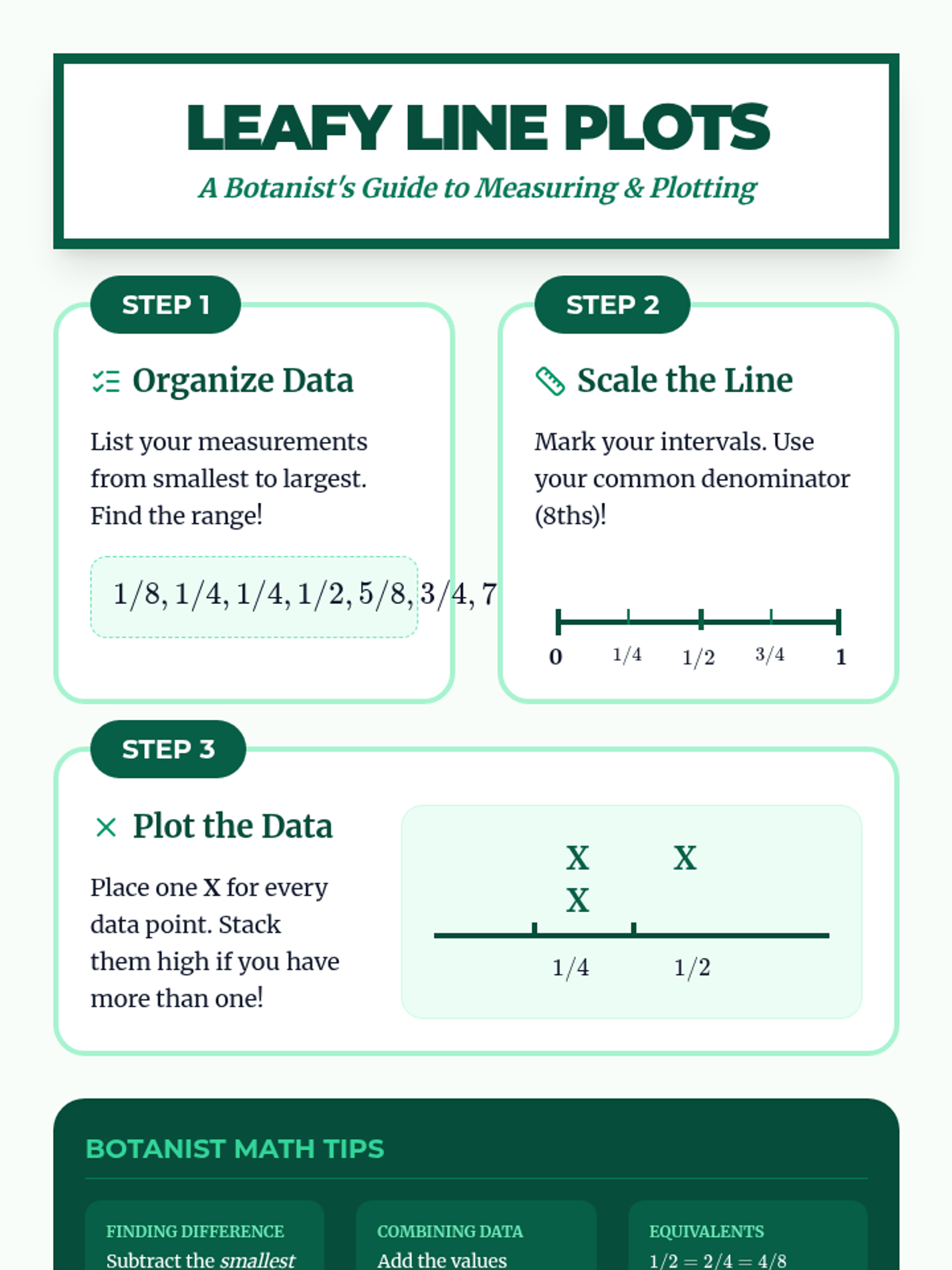
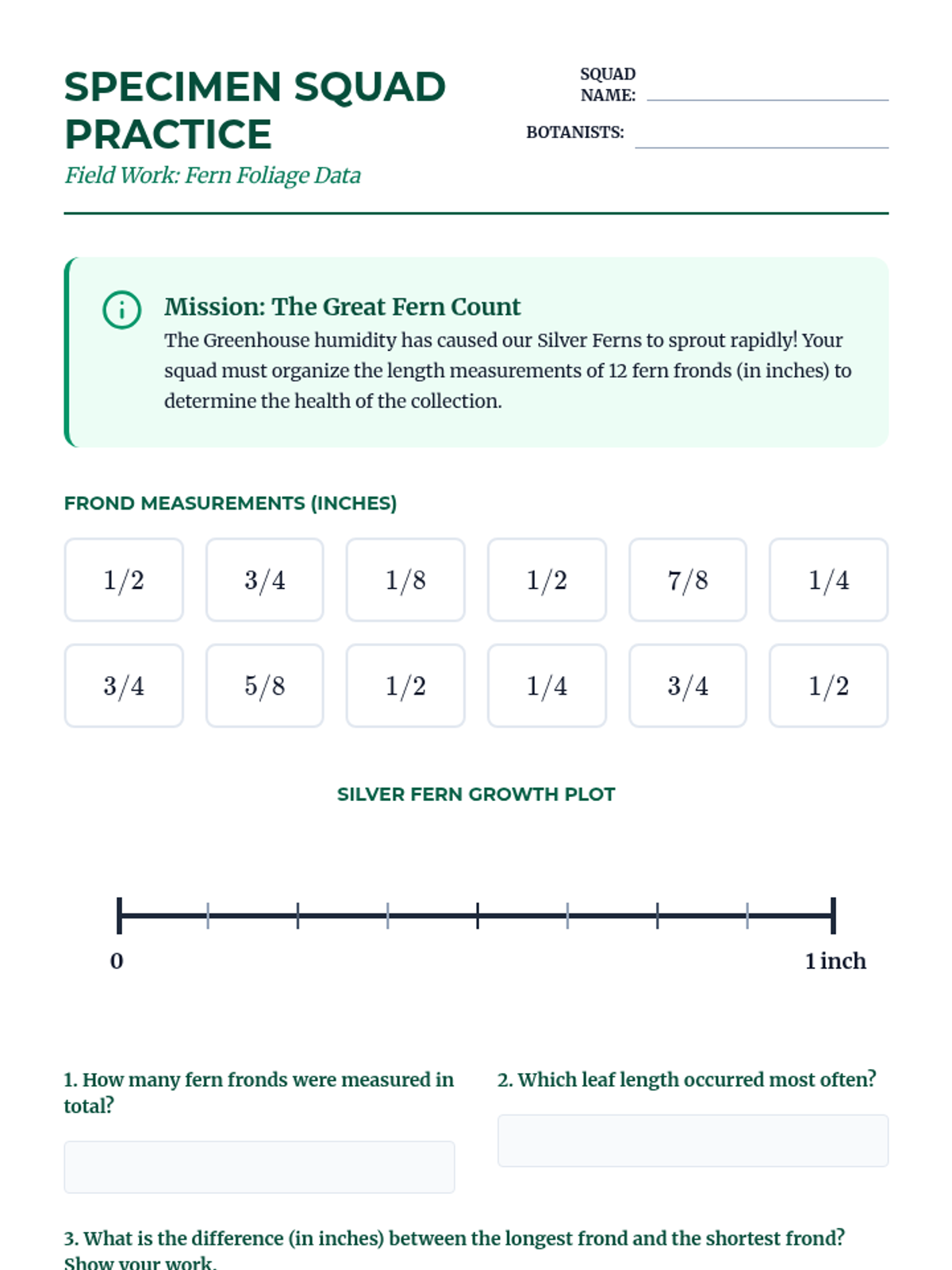
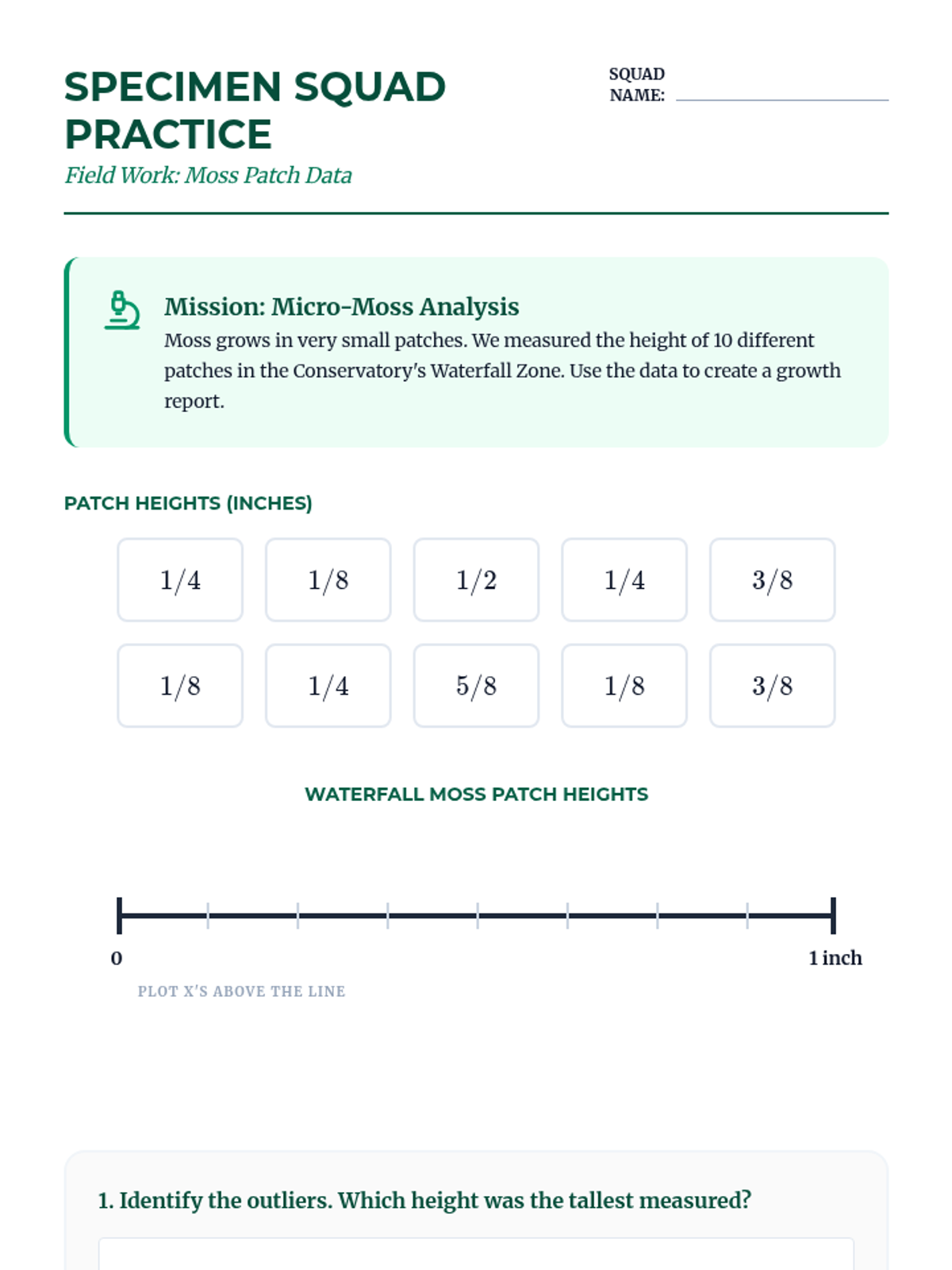
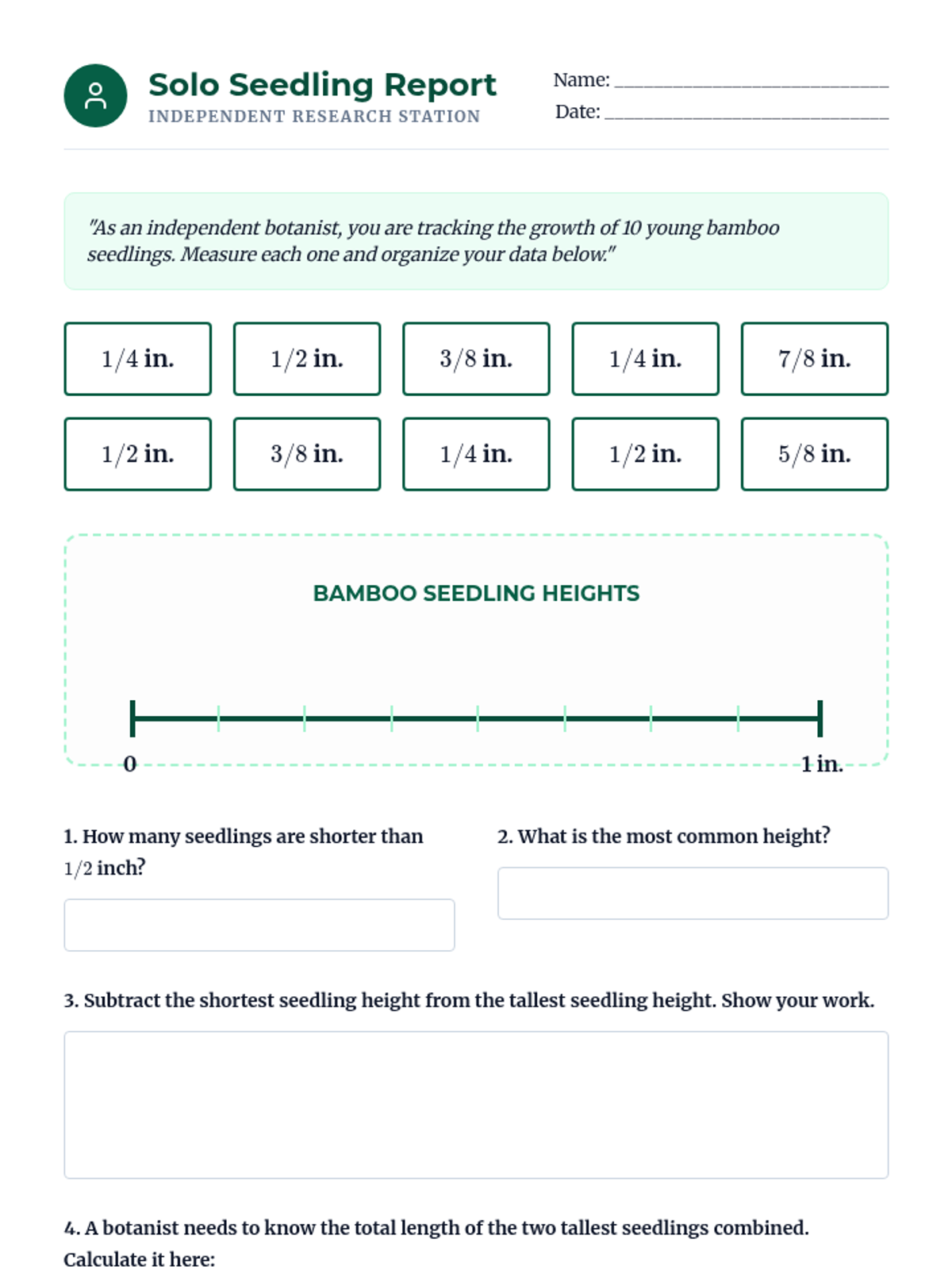
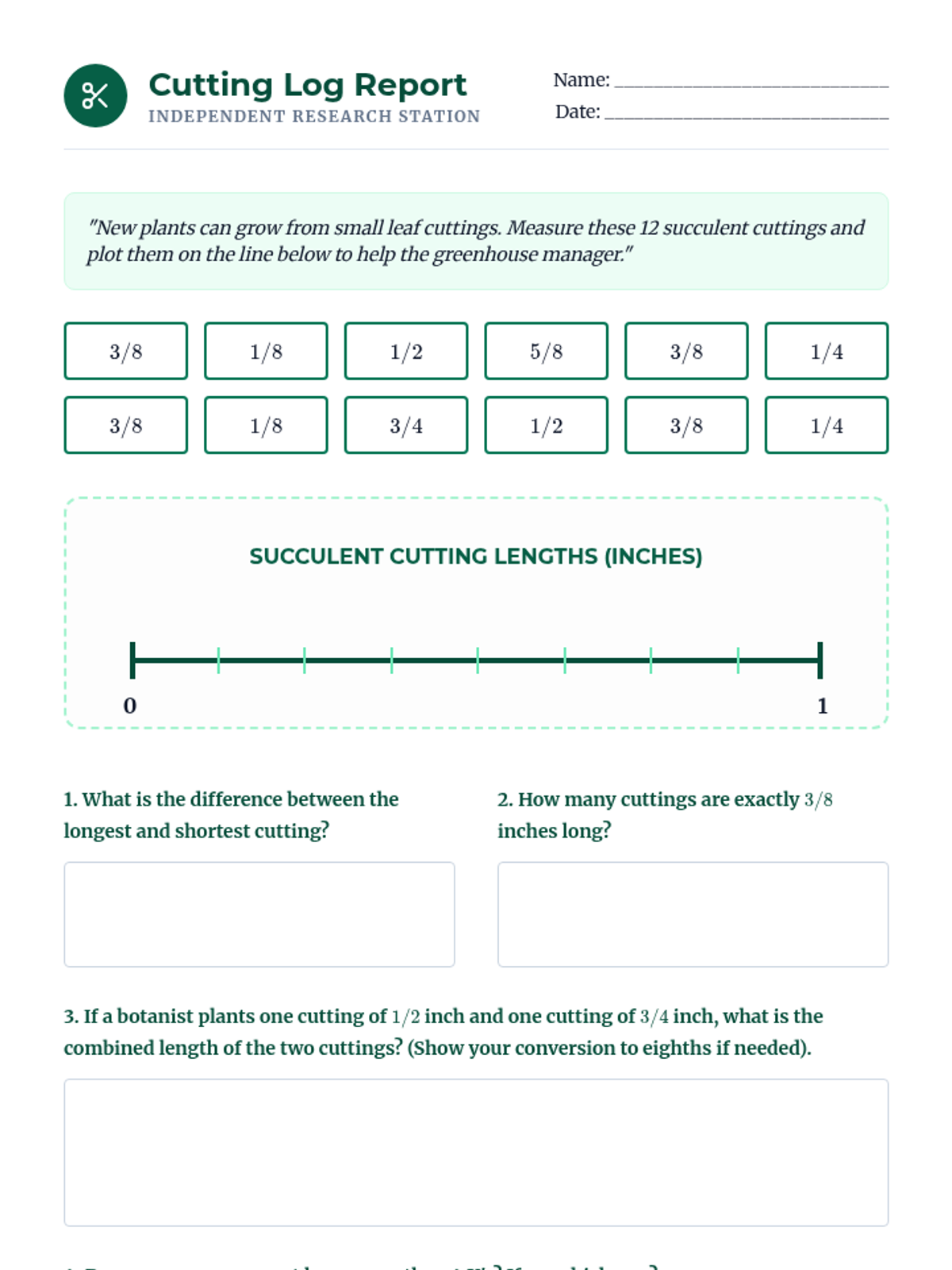
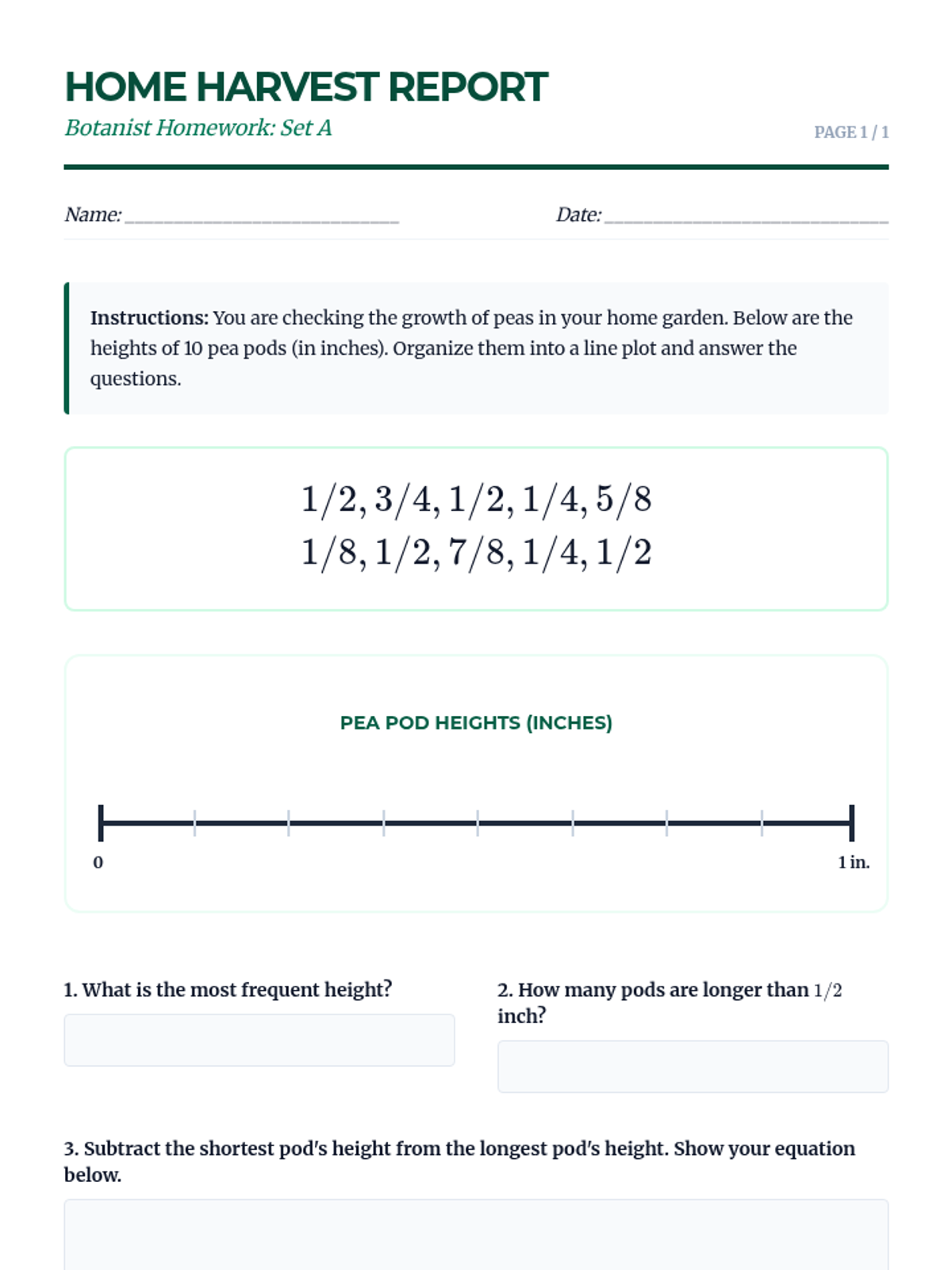
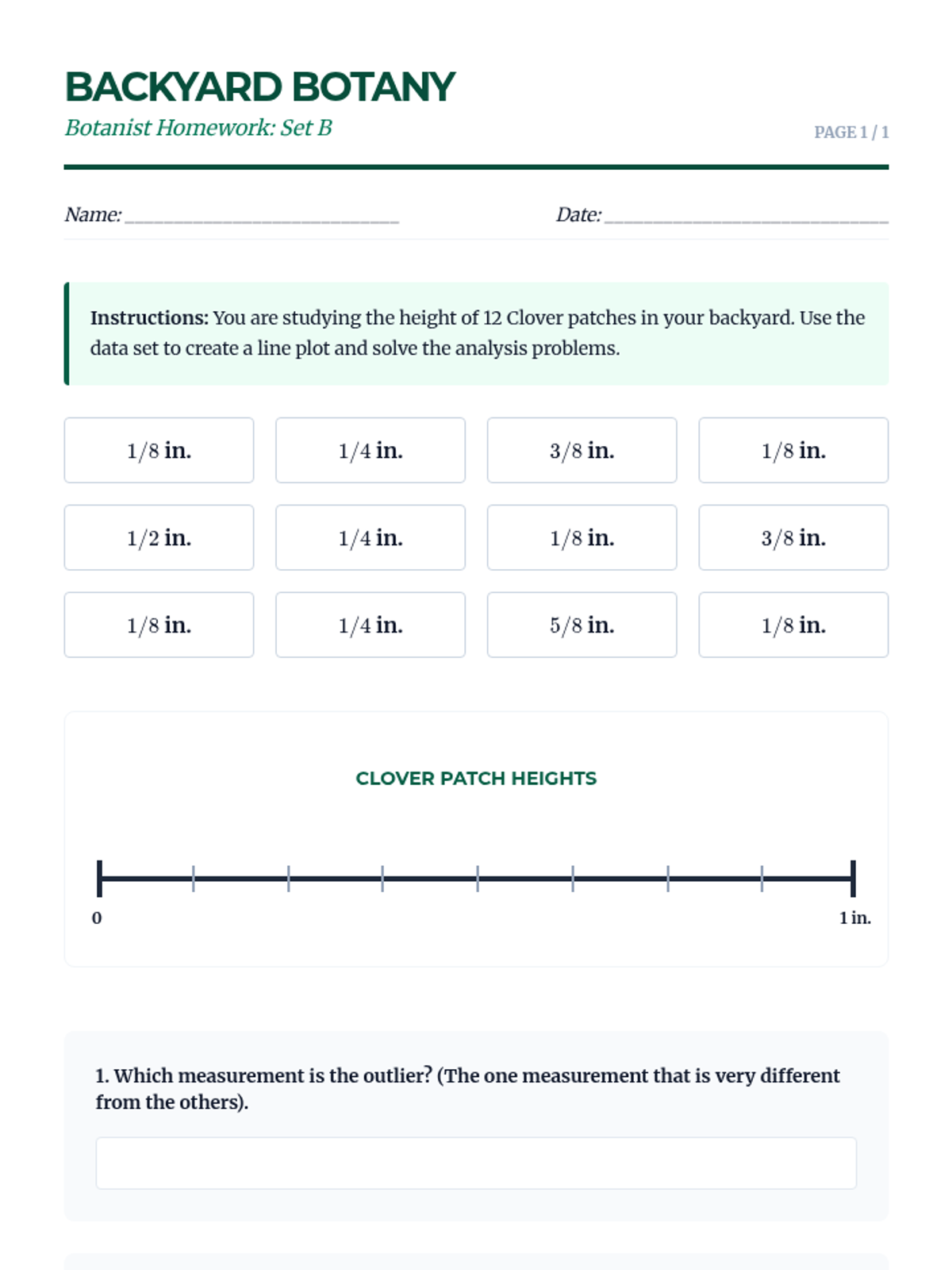
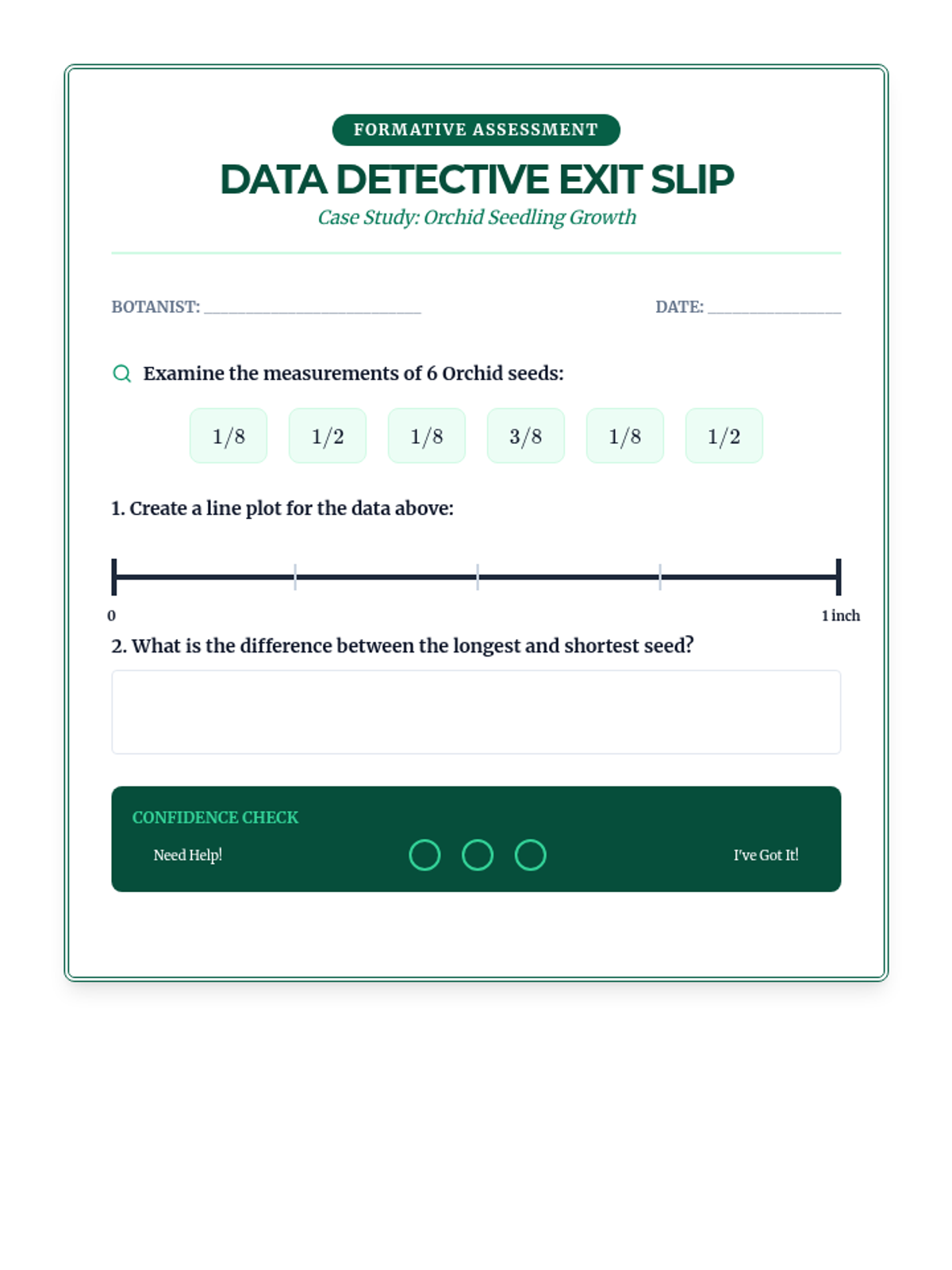
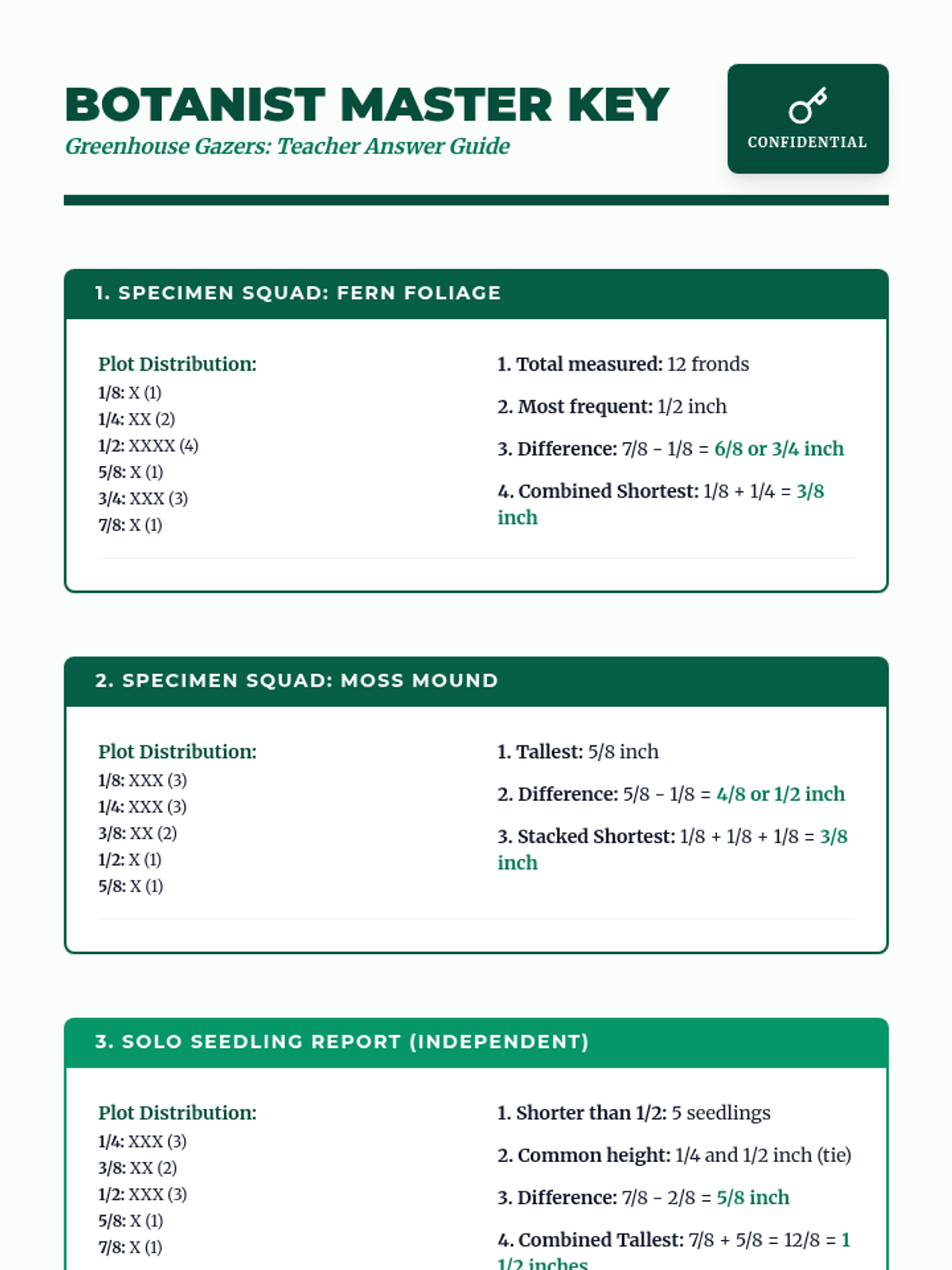
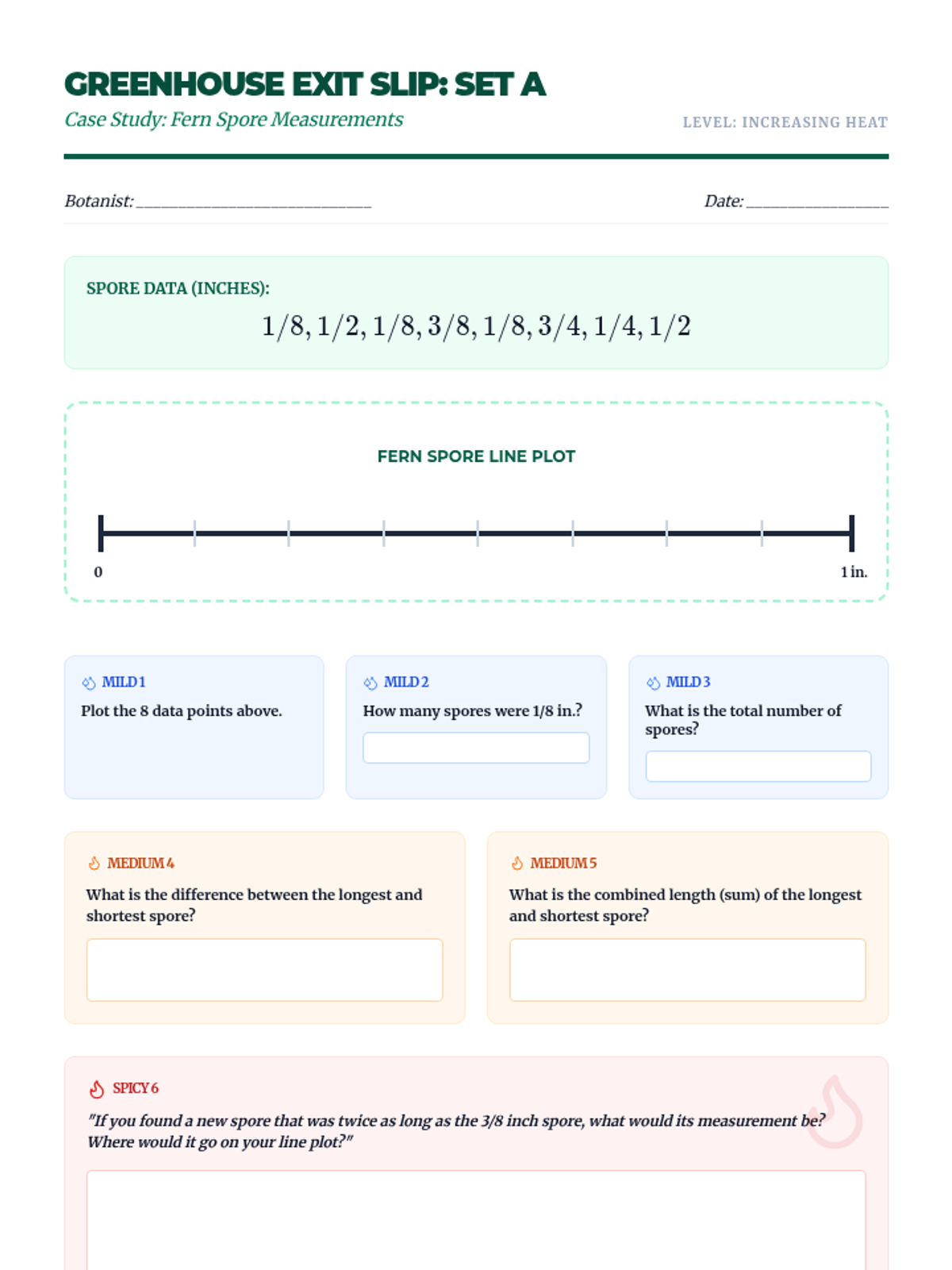
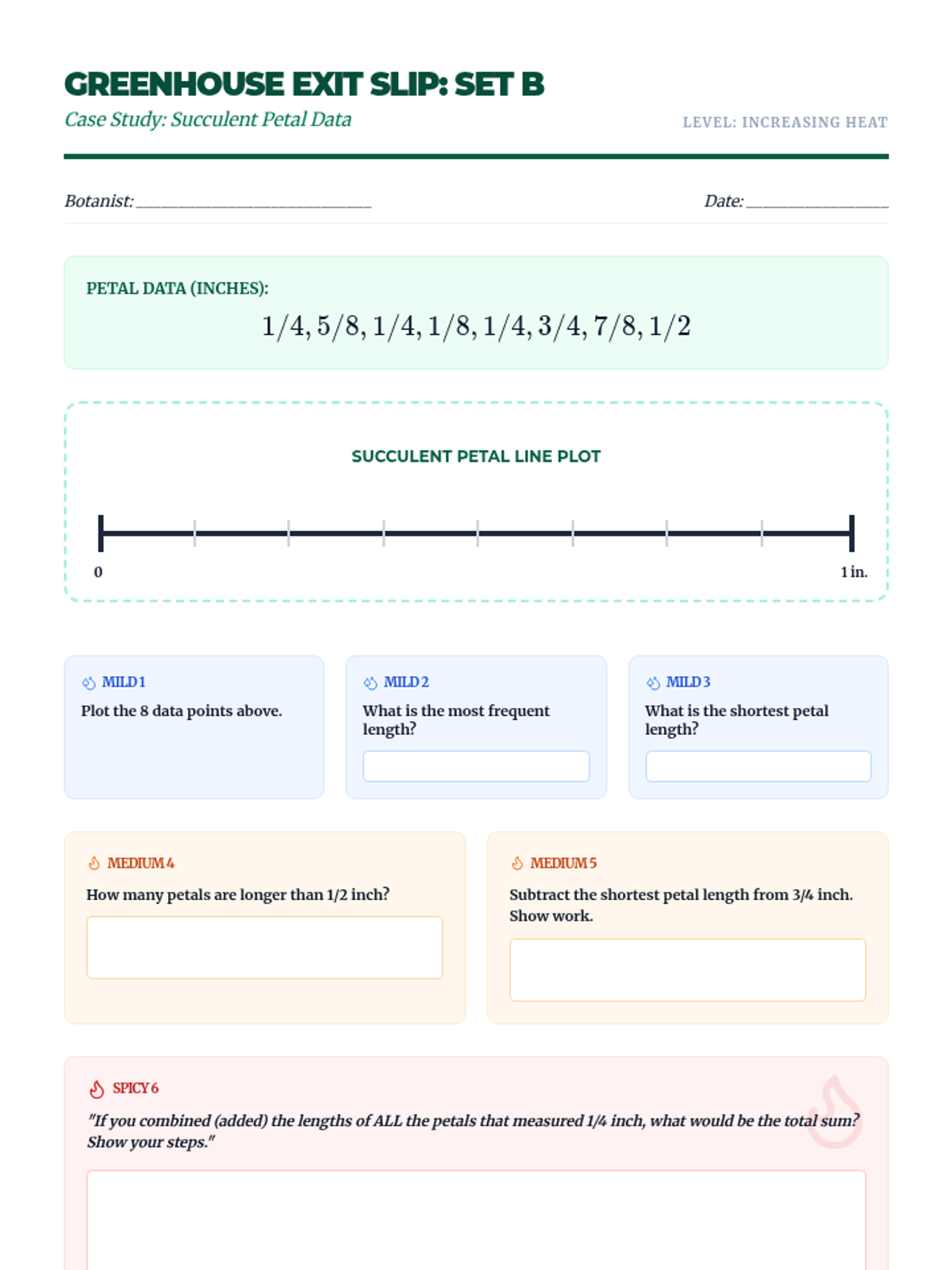
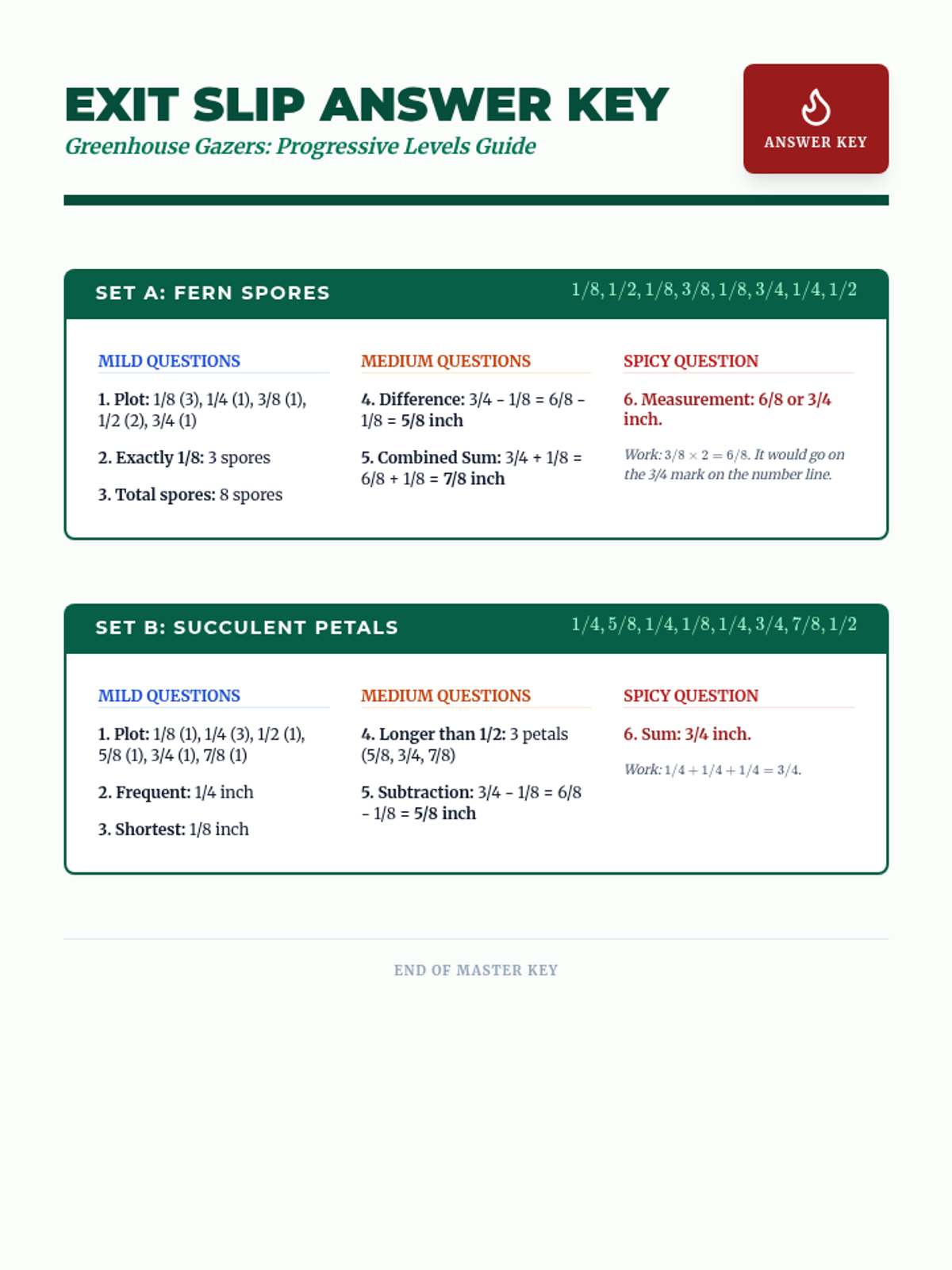
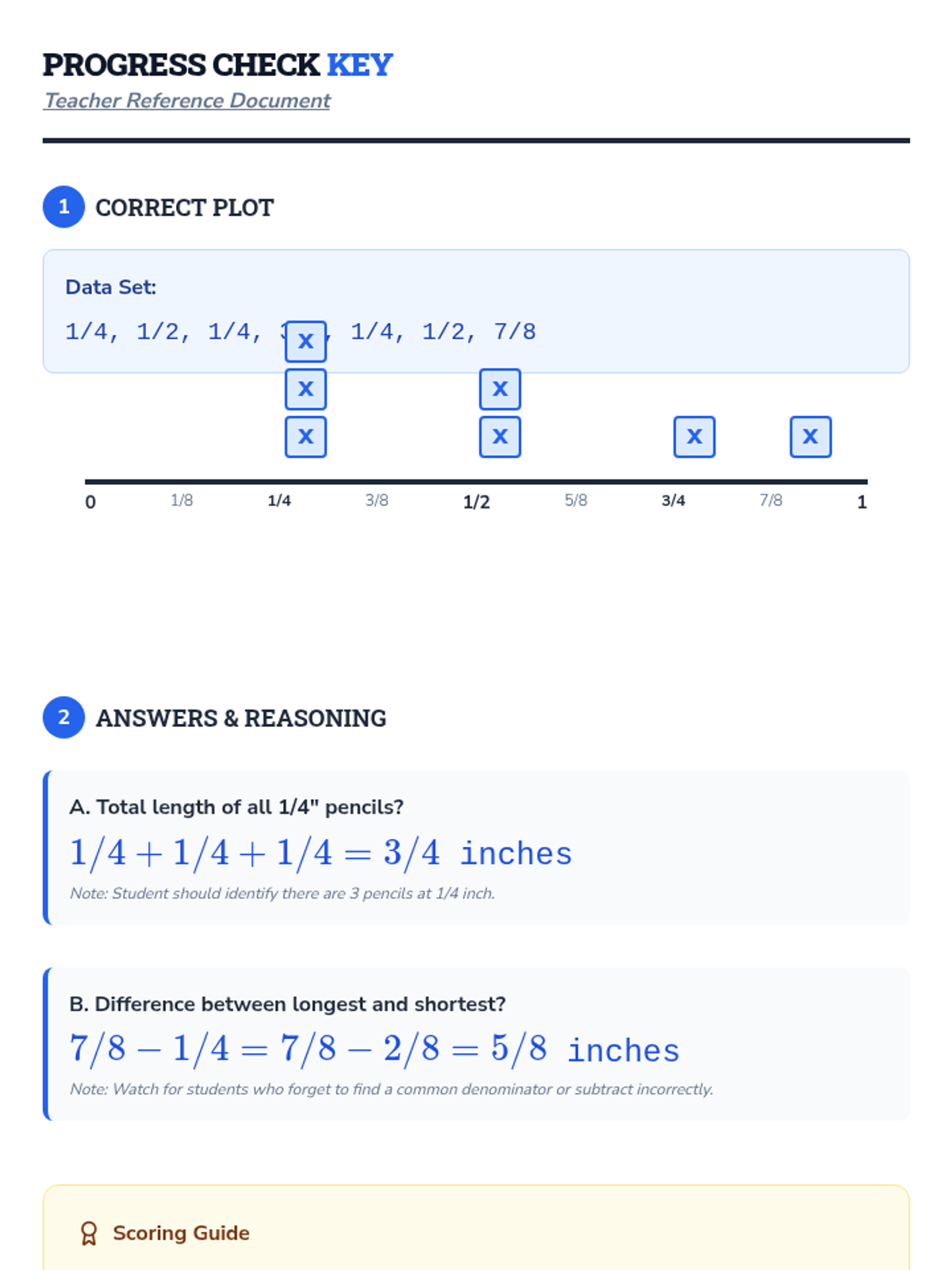
A mathematical exploration of data representation where students act as botanists, measuring plant specimens and using line plots with fractions (1/2, 1/4, 1/8) to analyze growth patterns and solve problems.
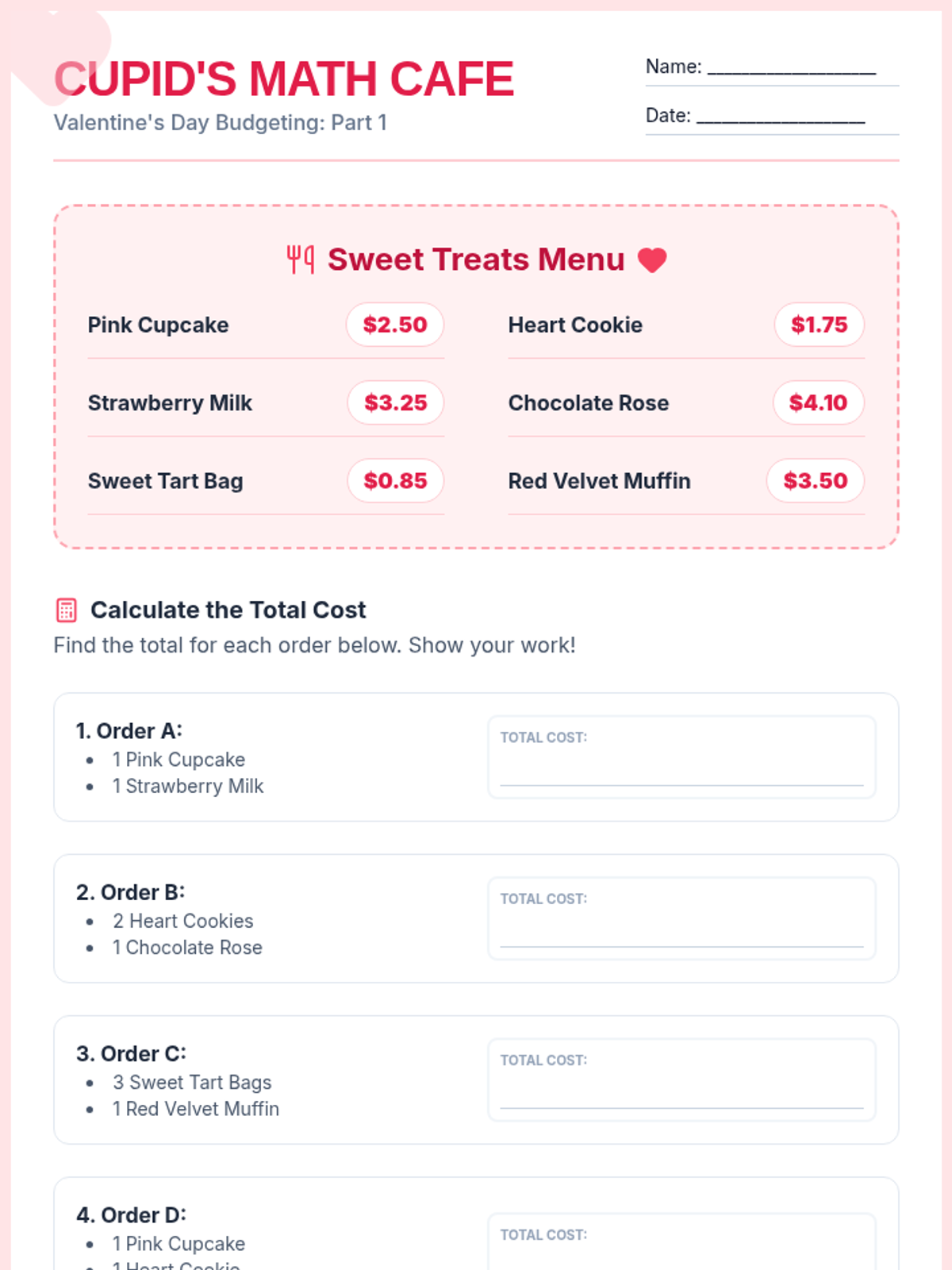
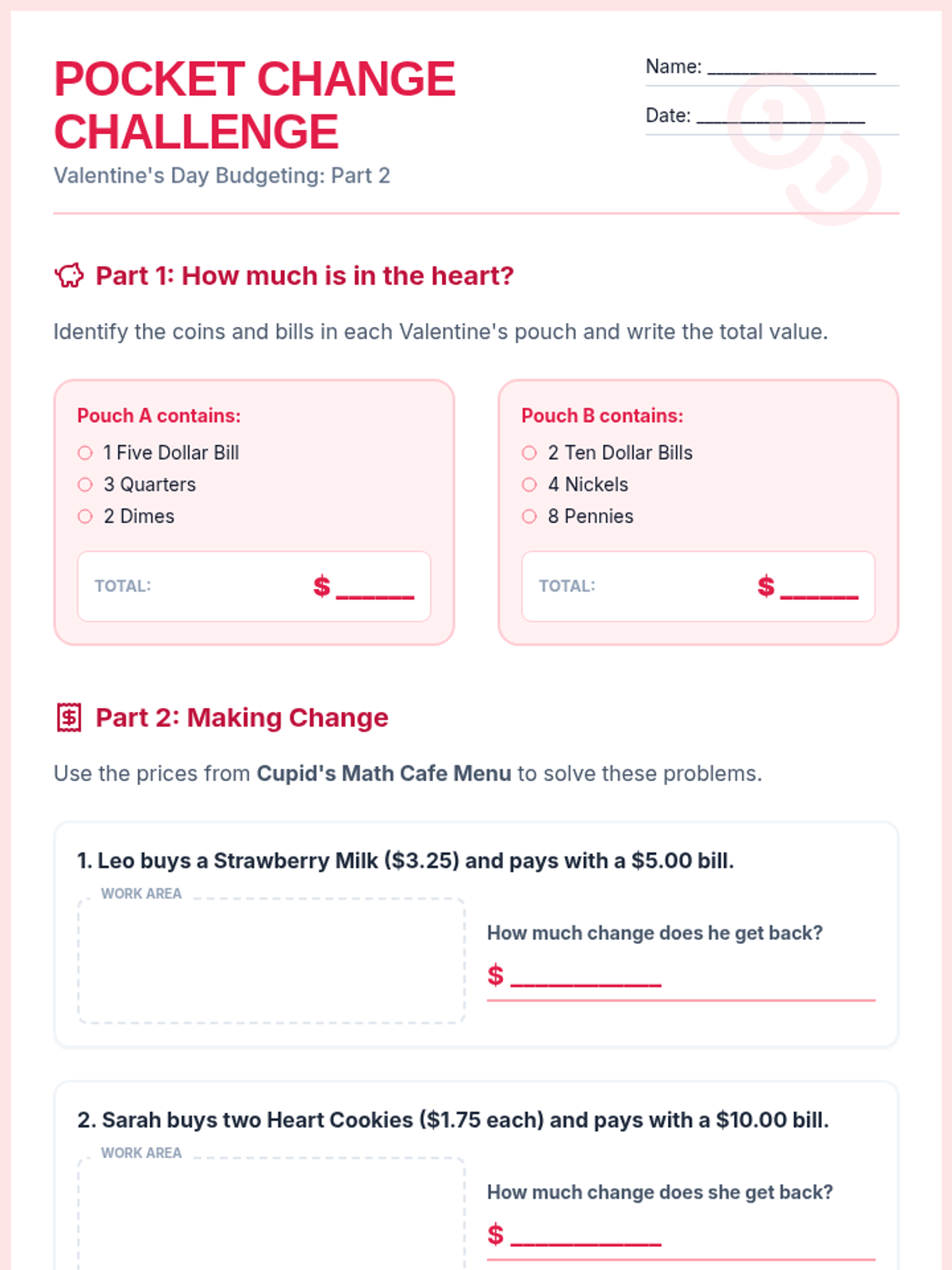
A collection of Valentine's Day math packets at two different levels (Level 1 and Quest), covering budgeting, graphing, measurement, time, and word problems.
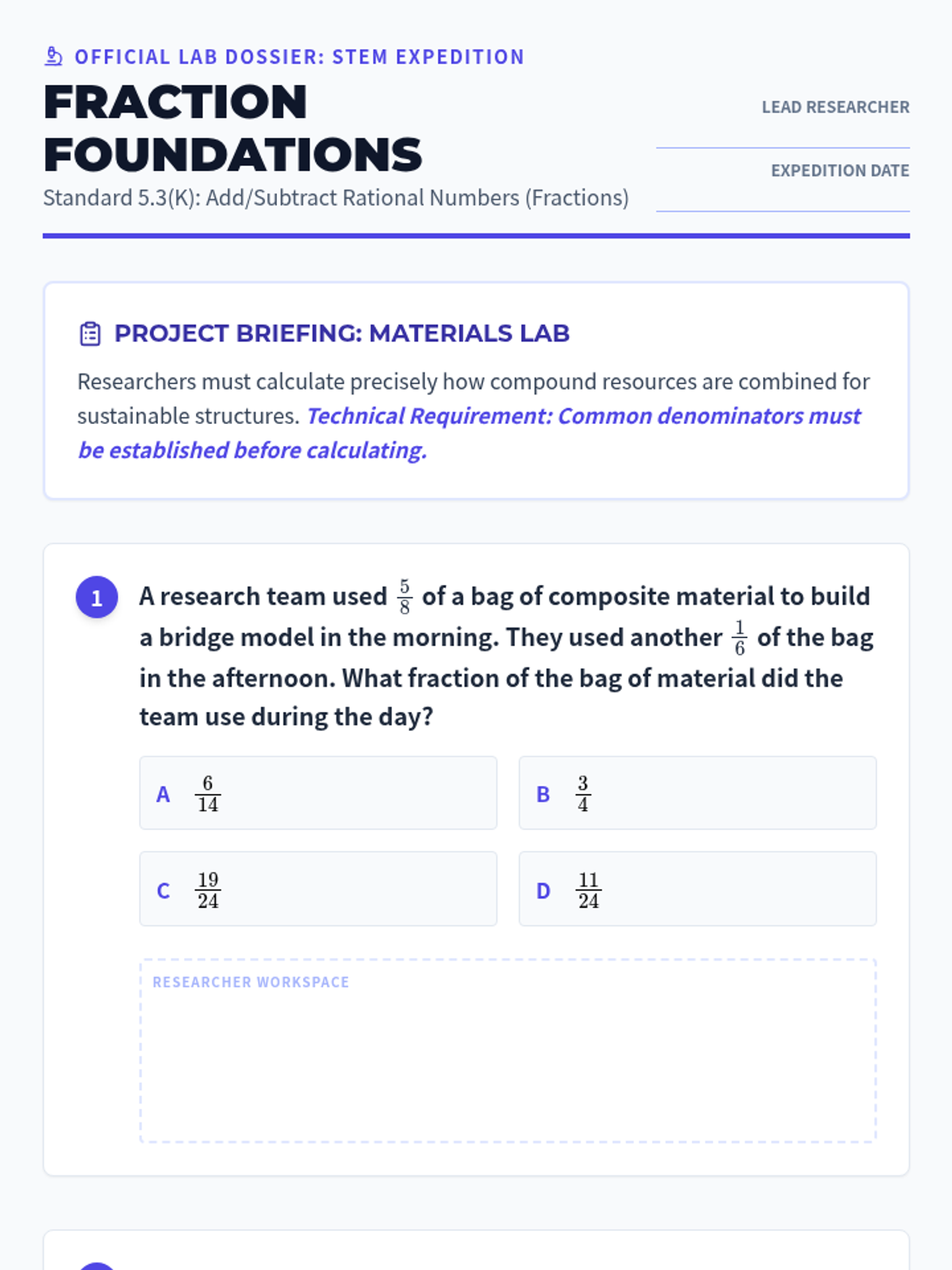
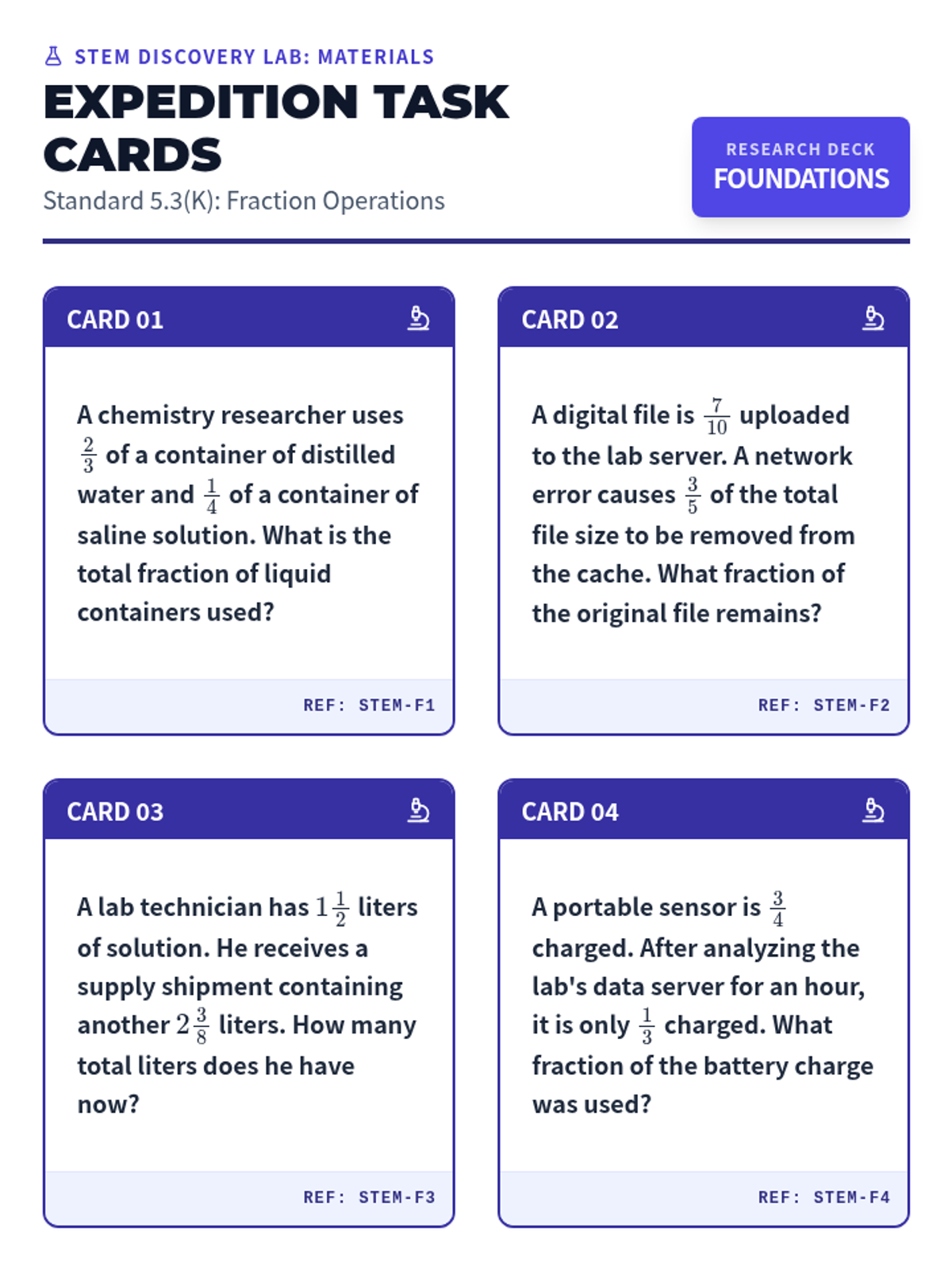
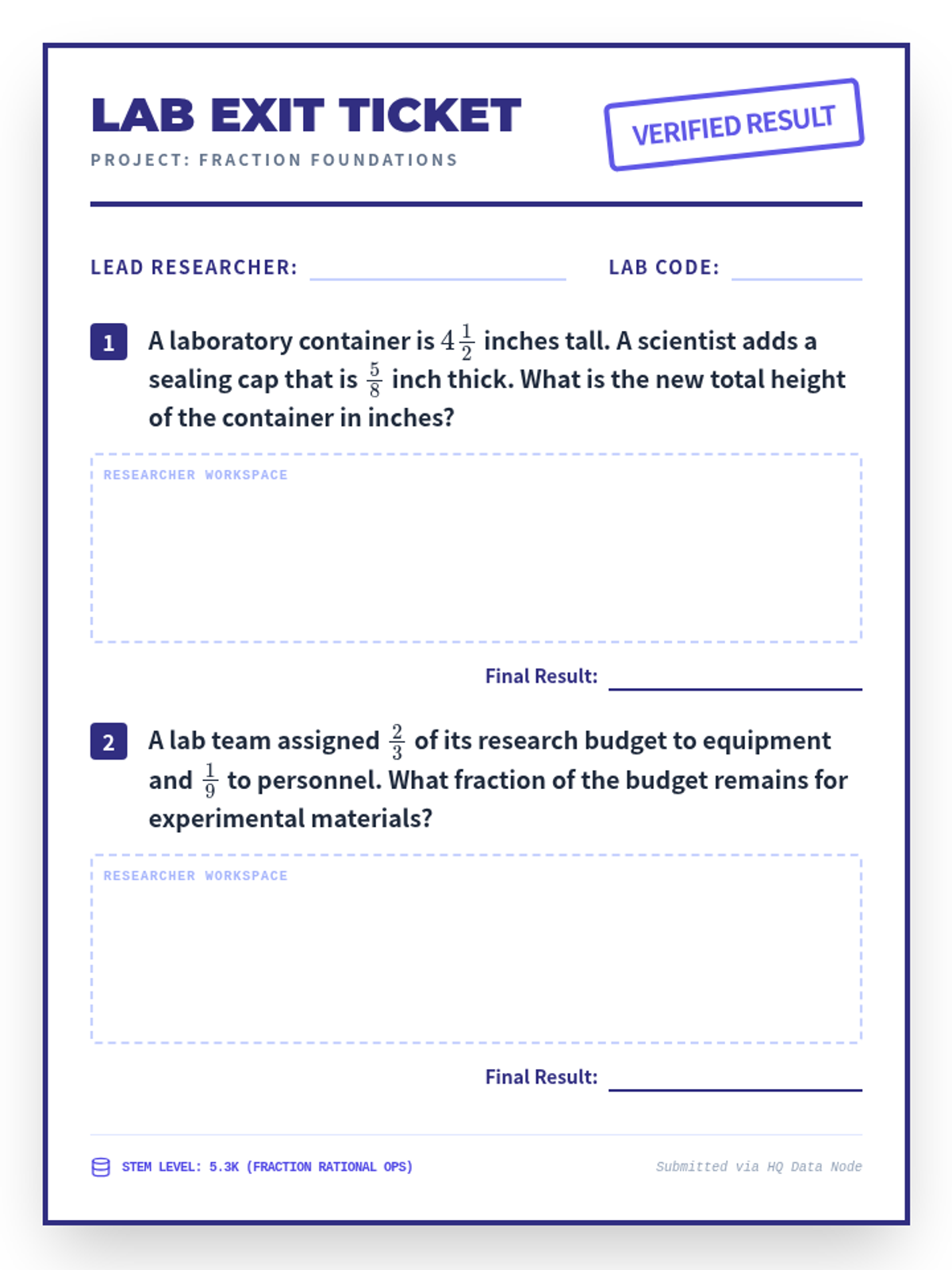
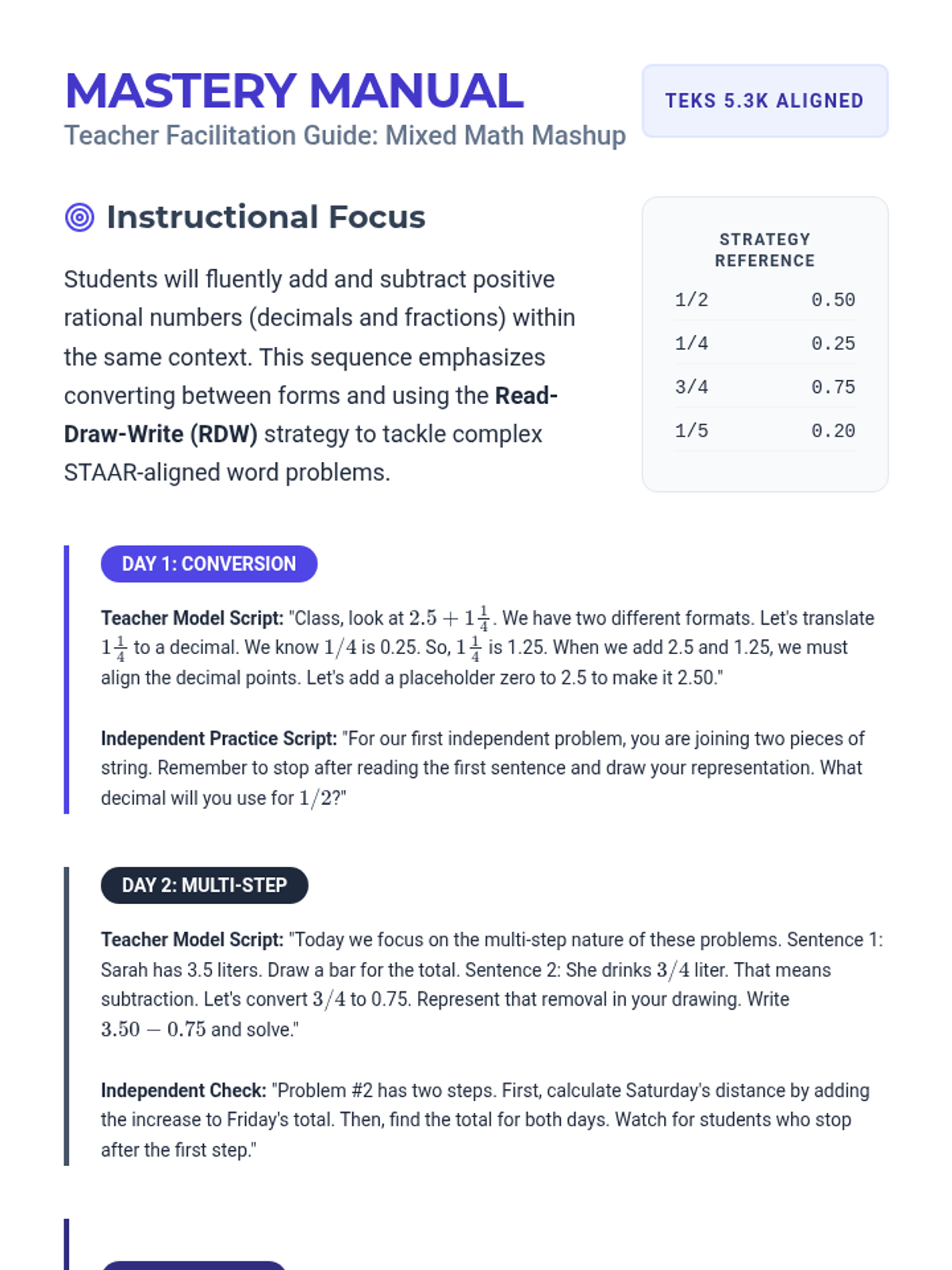
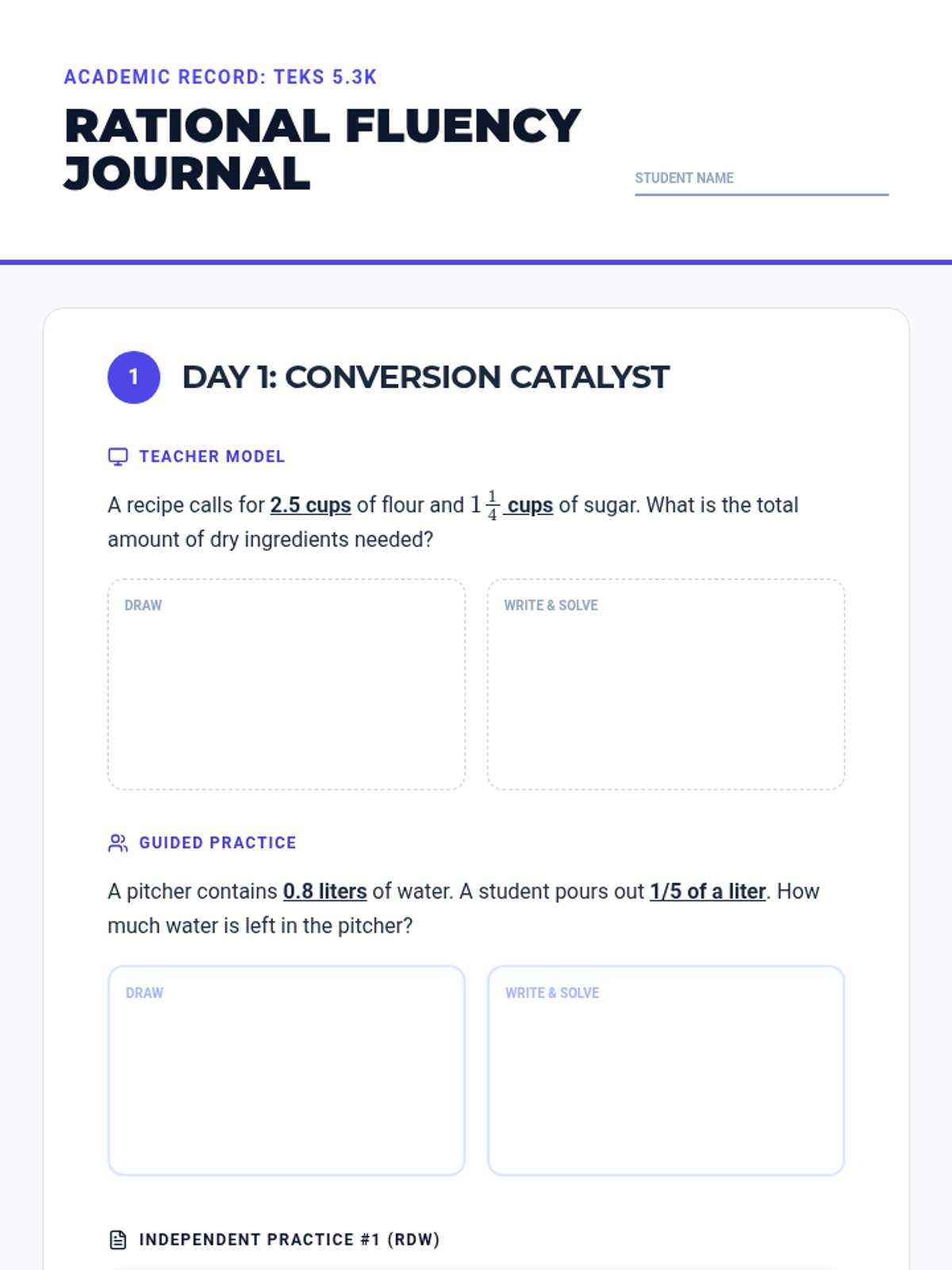
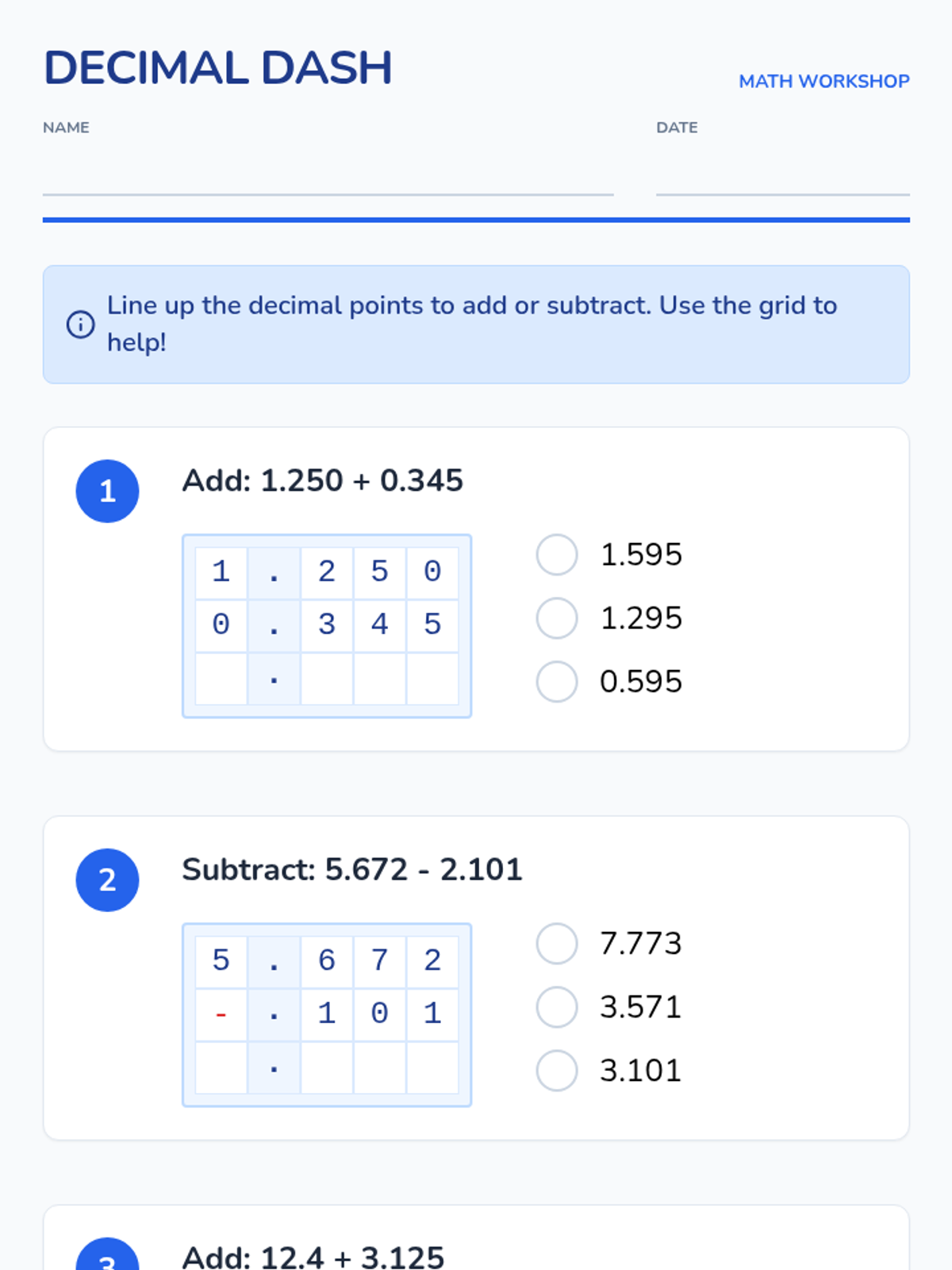
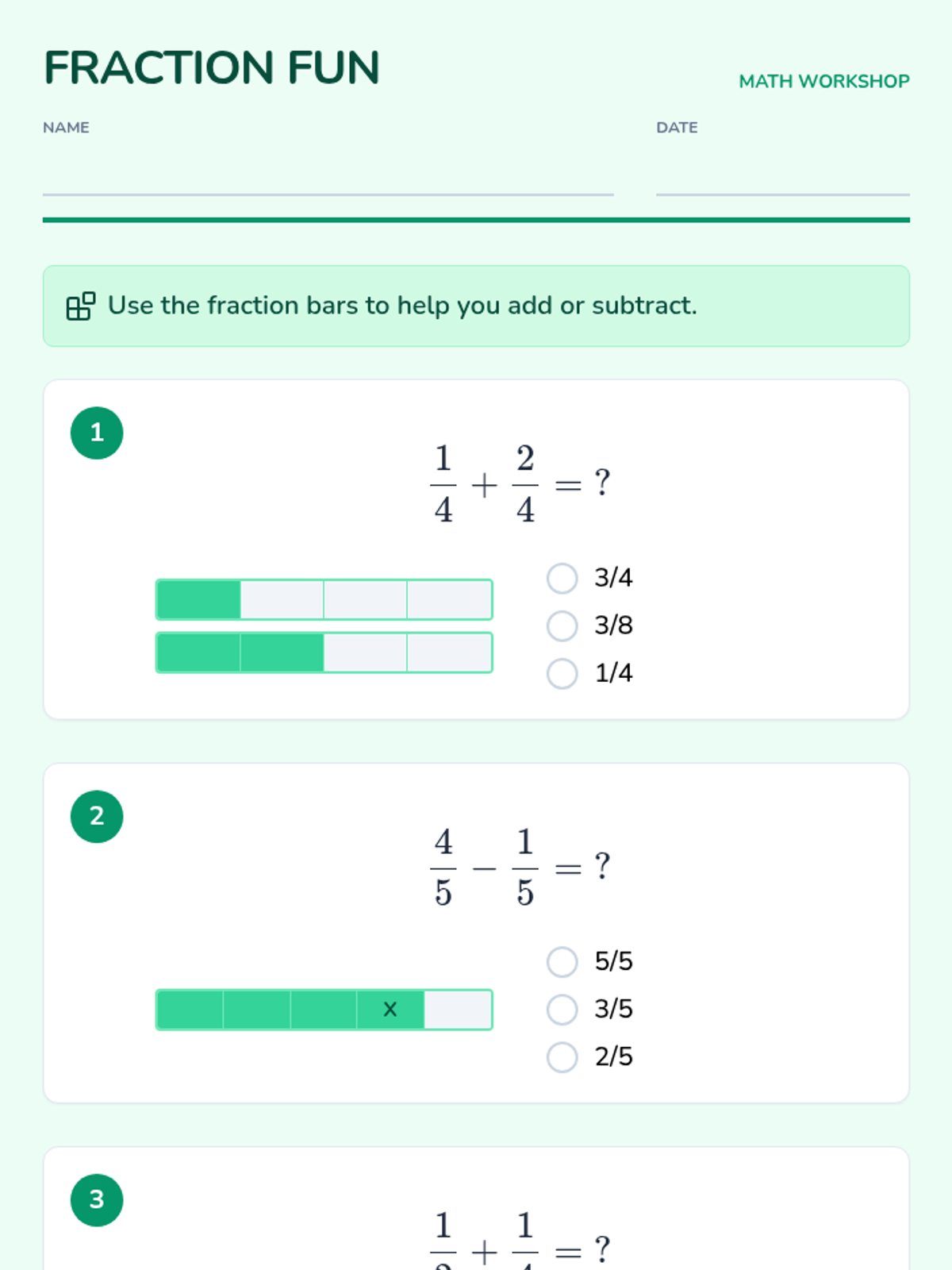
A 3-day small group math sequence for 5th grade focused on TEKS 5.3K. Students learn to fluently add and subtract positive rational numbers by converting between fractions and decimals and using the Read-Draw-Write strategy for STAAR-aligned word problems.
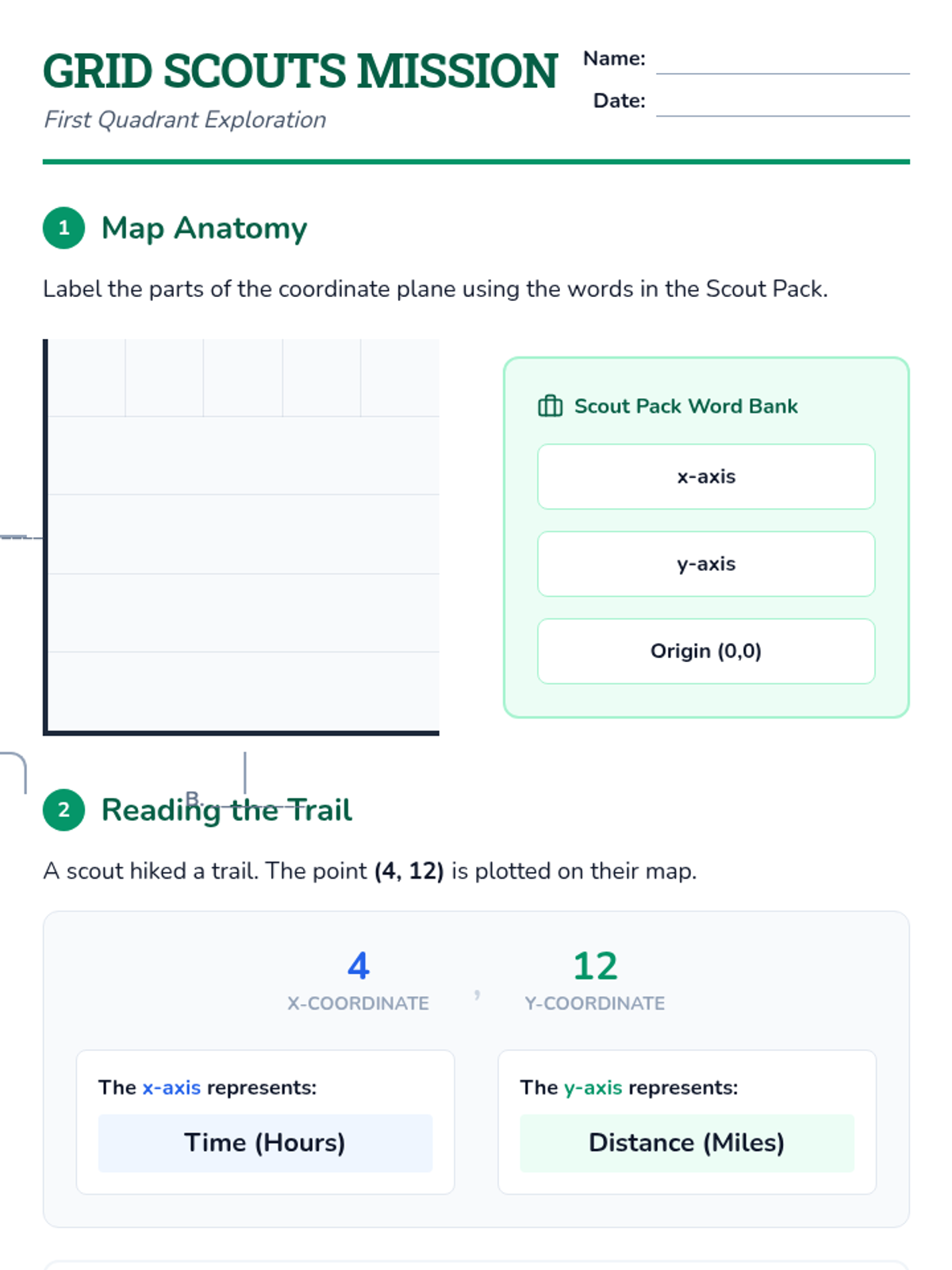
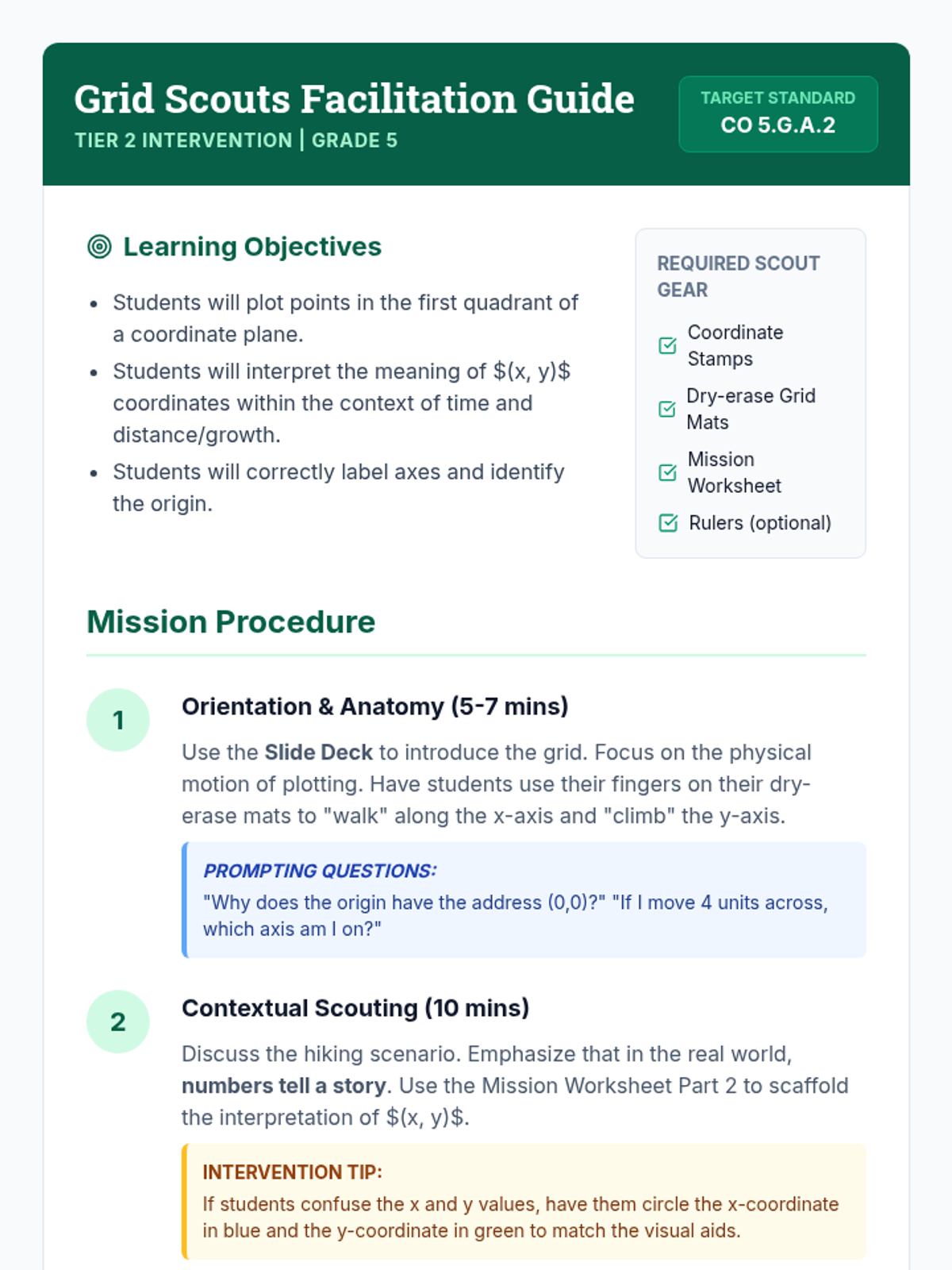
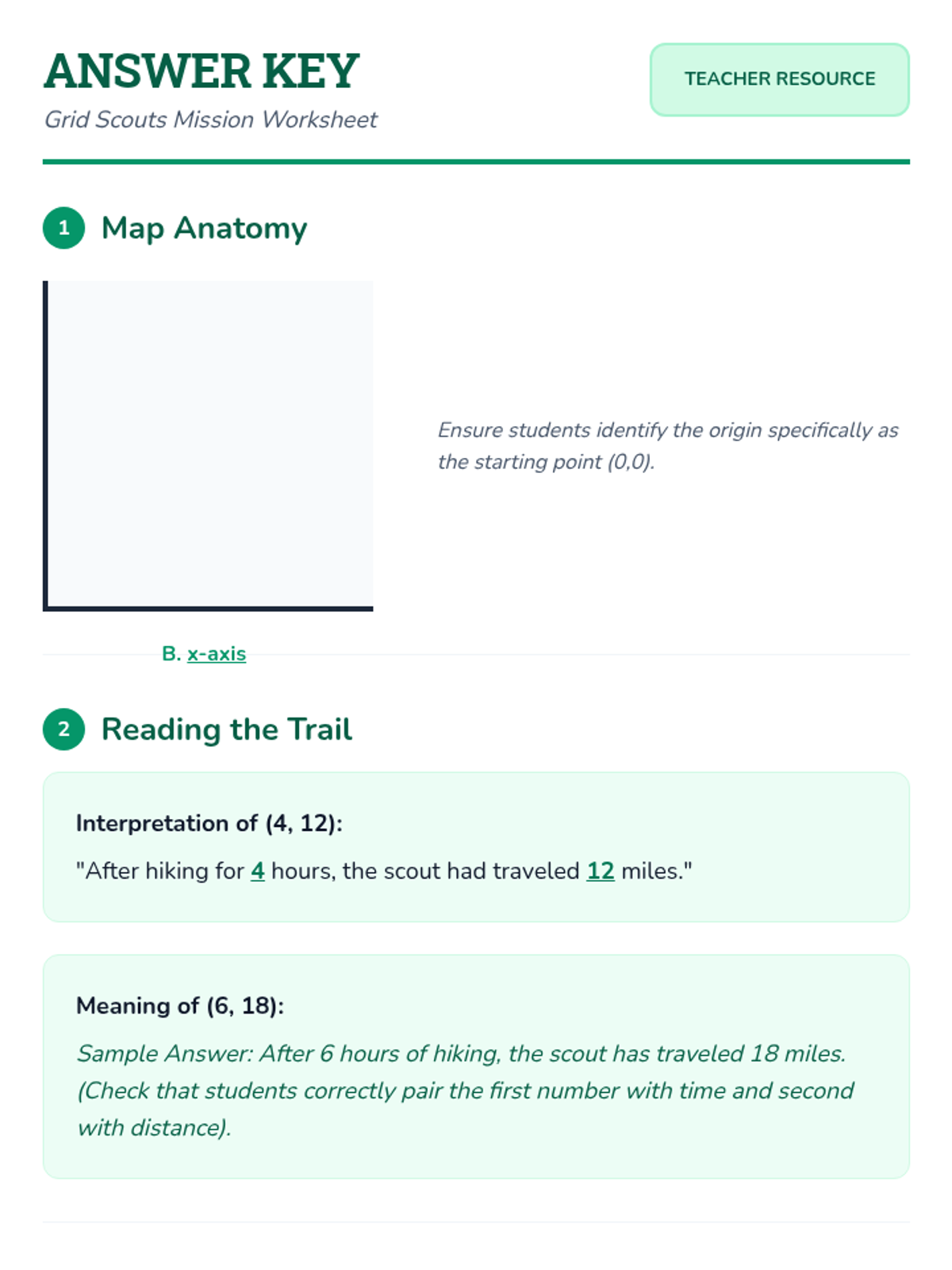
A Grade 5 intervention sequence focused on mastering the first quadrant of the coordinate plane through real-world contexts like hiking and plant growth. Students learn to plot points and interpret their meaning in specific mathematical and physical situations.
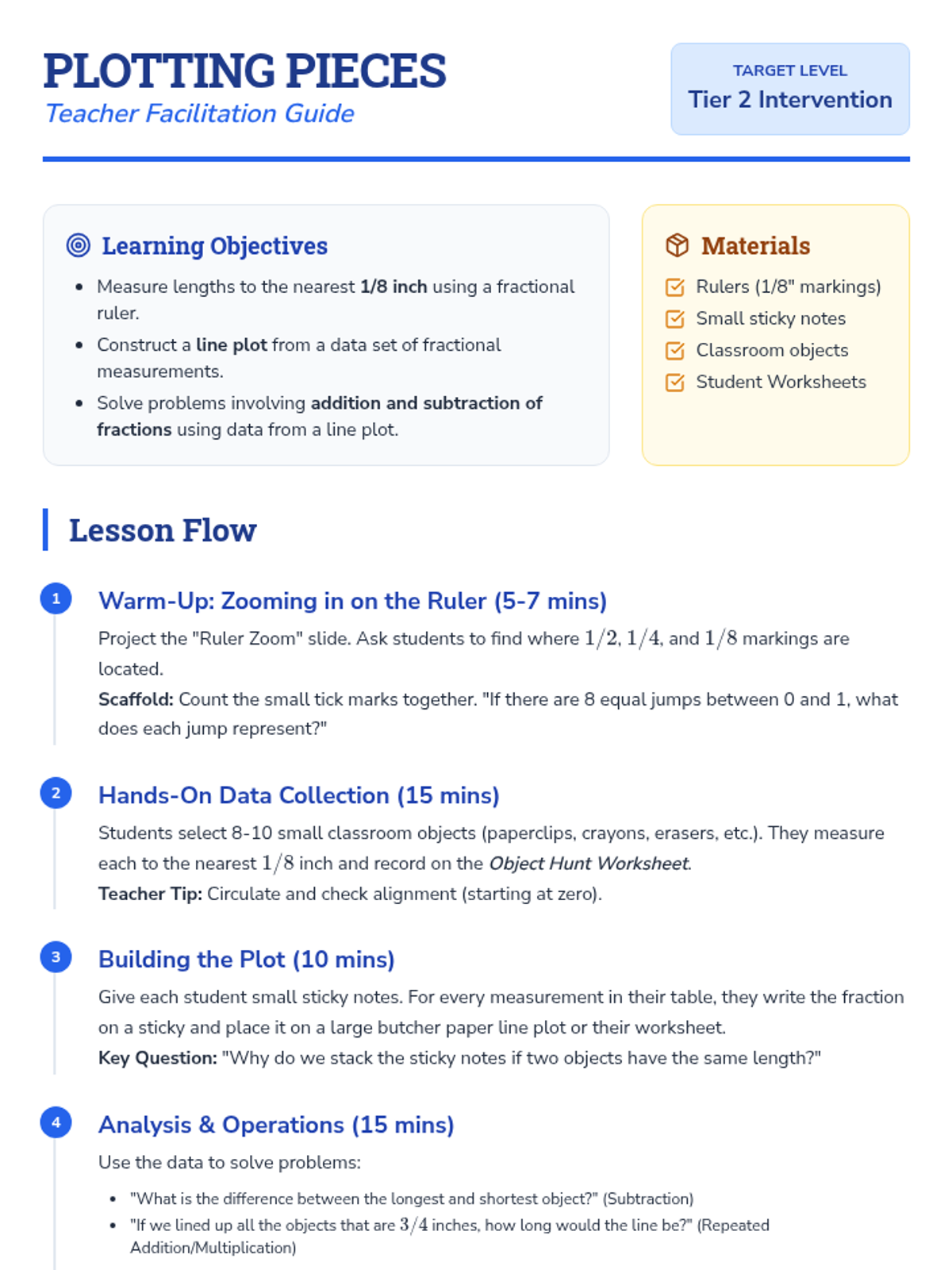
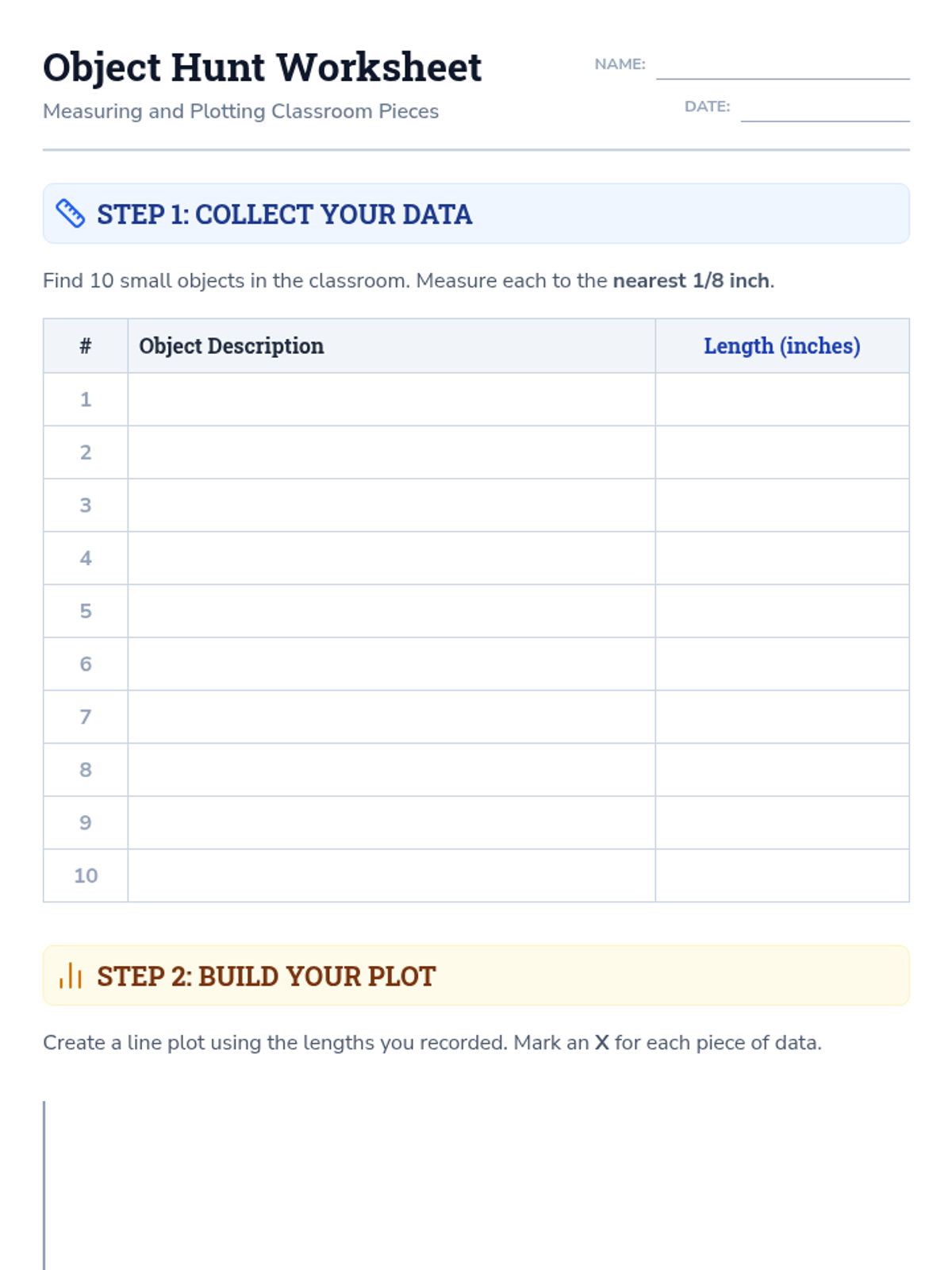
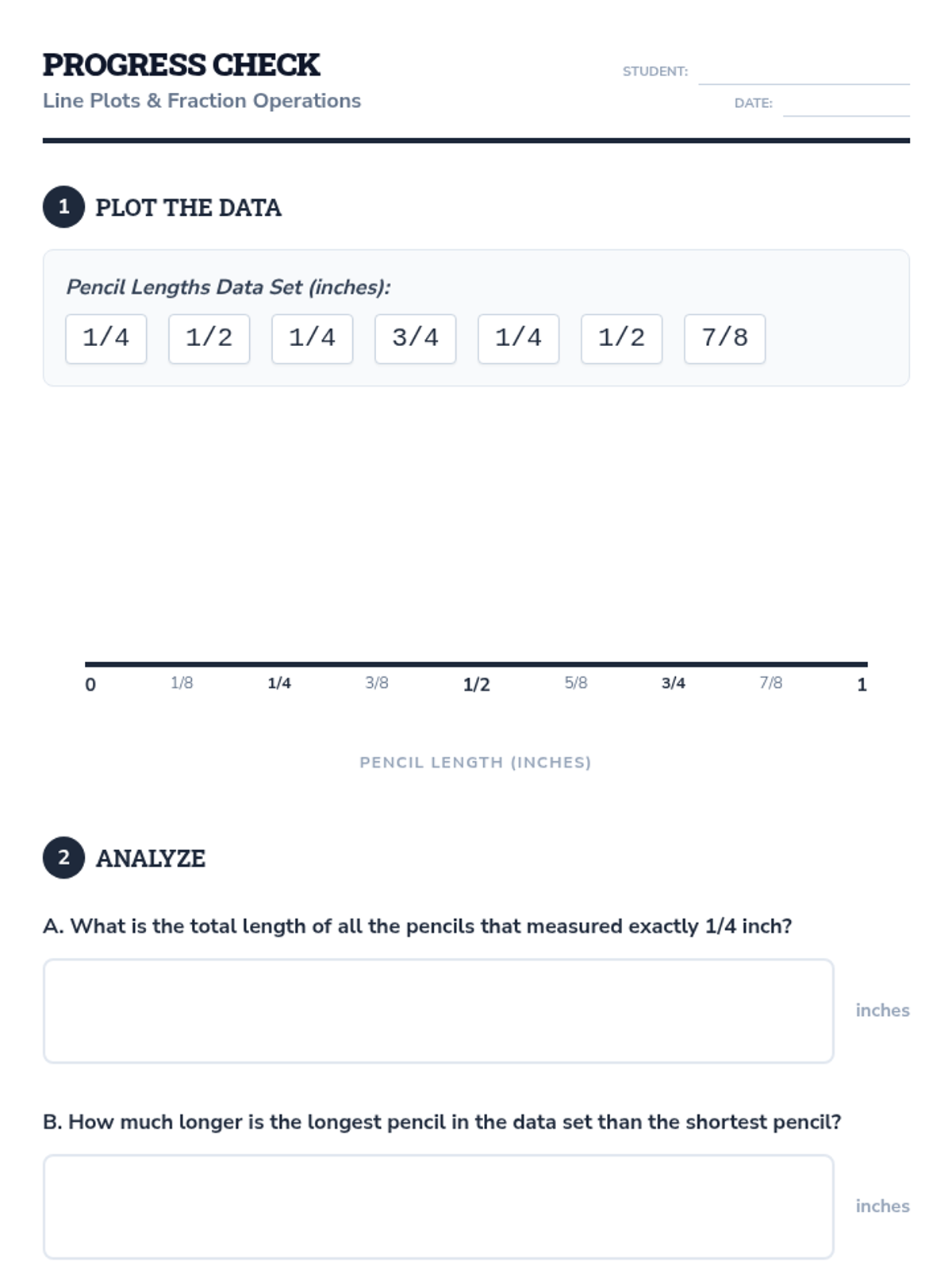
A specialized intervention sequence focused on Grade 5 measurement and data, specifically creating and interpreting line plots with fractional measurements (\(1/2\), \(1/4\), \(1/8\)) and using fraction operations to solve problems.
A comprehensive math review sequence for 5th grade students, specifically targeting standards from the NY Interim Assessment 3. This unit covers decimals, whole number and decimal operations, fractions, and volume through direct instruction and differentiated practice.
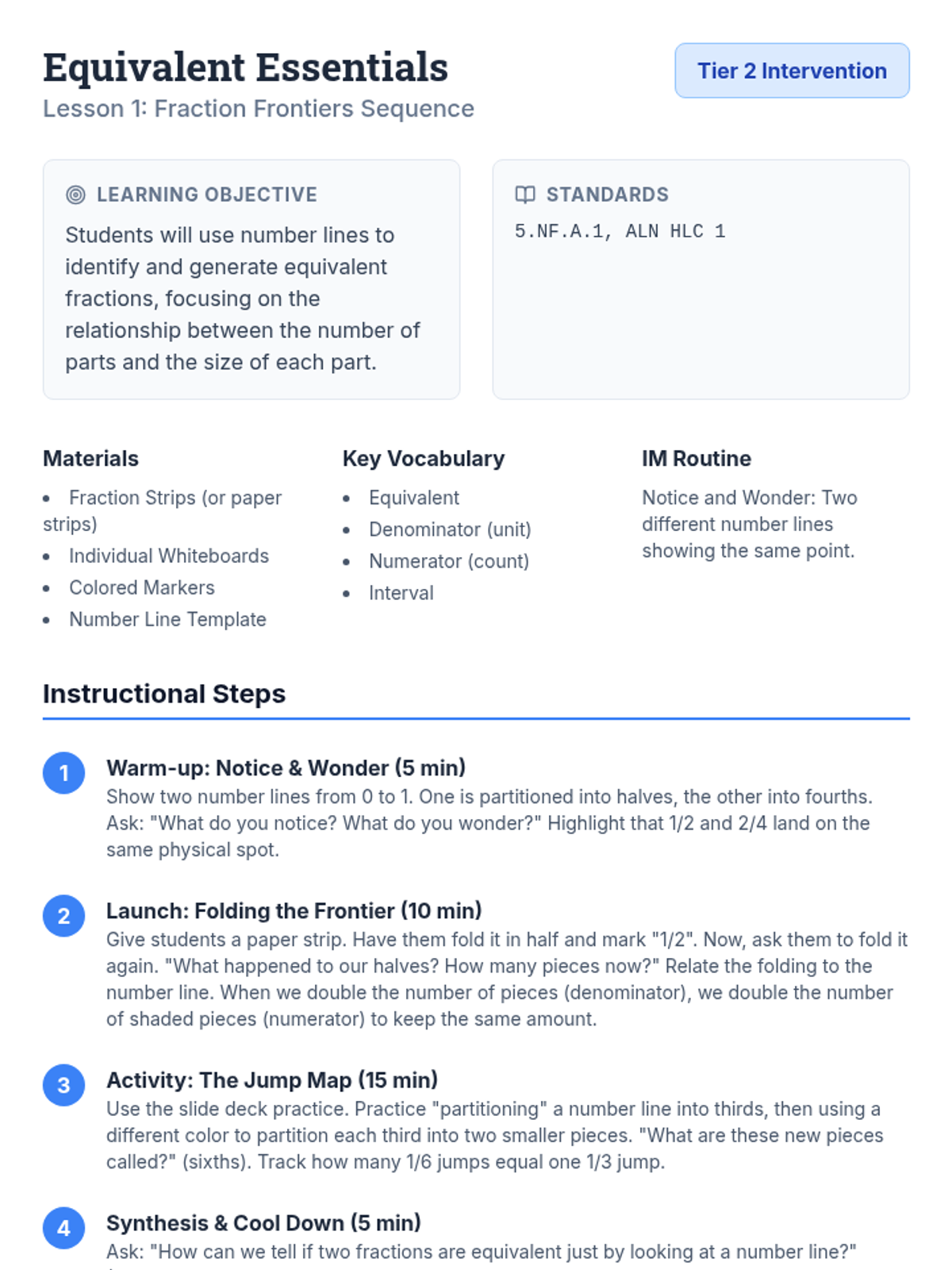
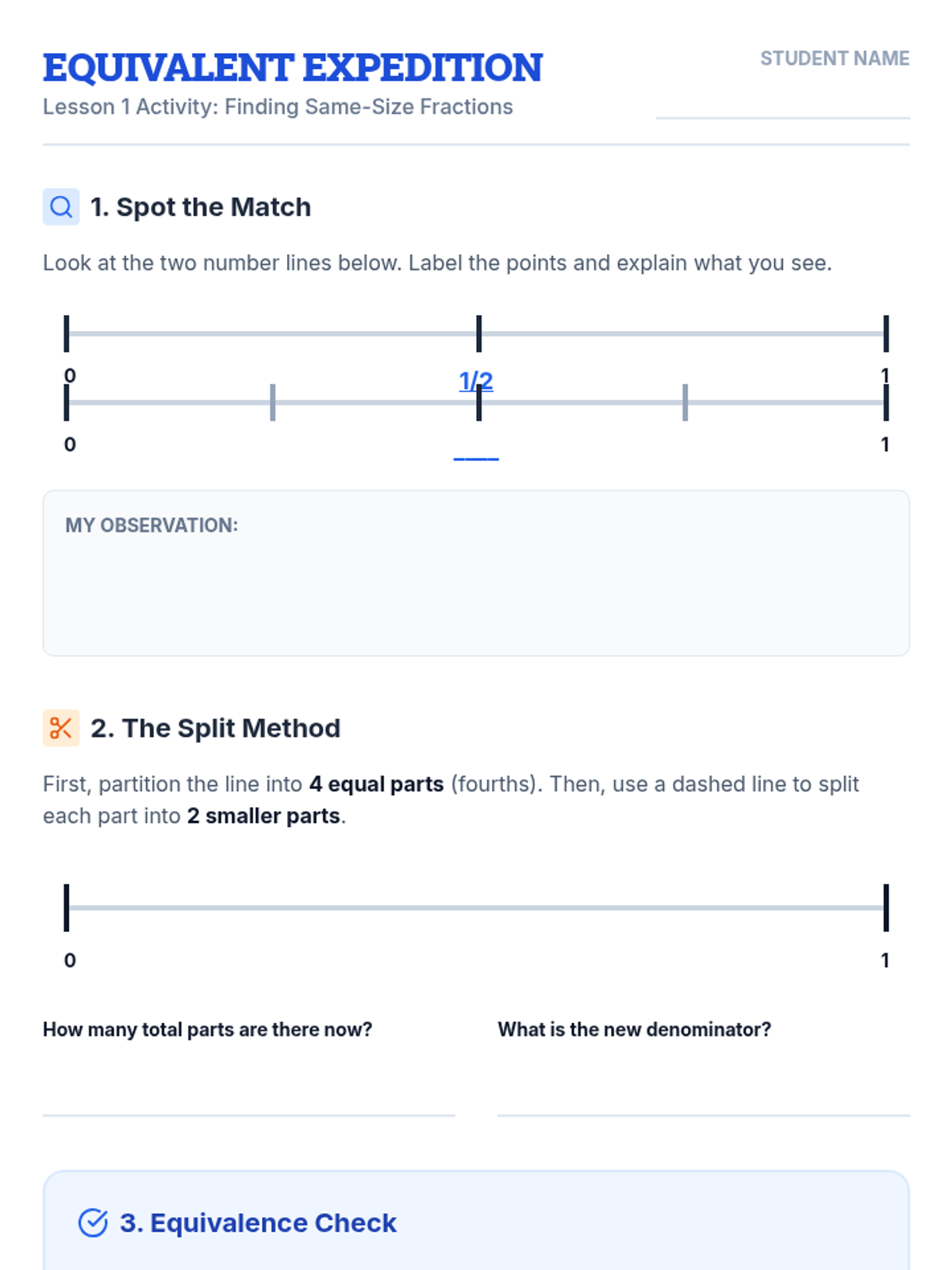
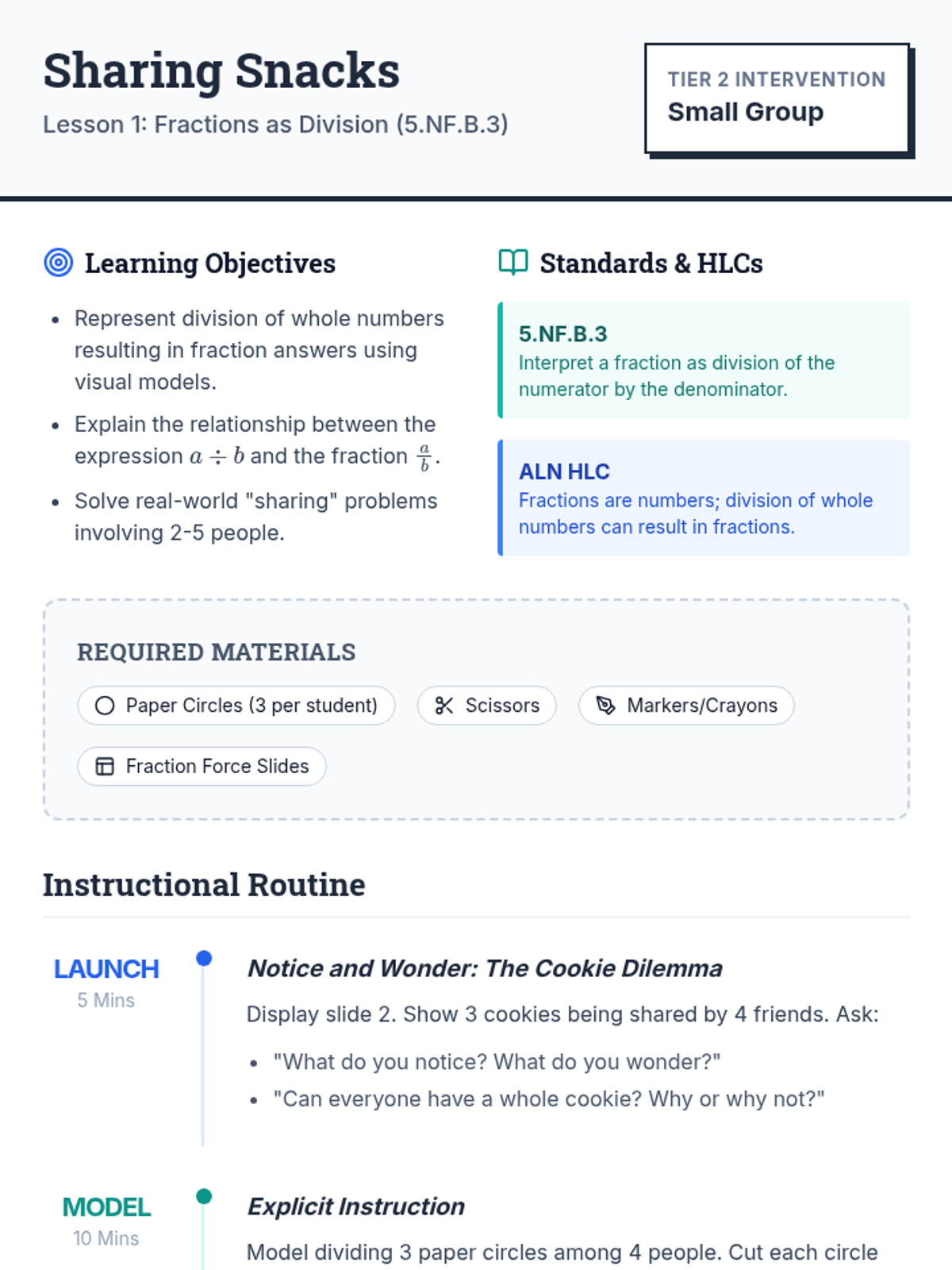
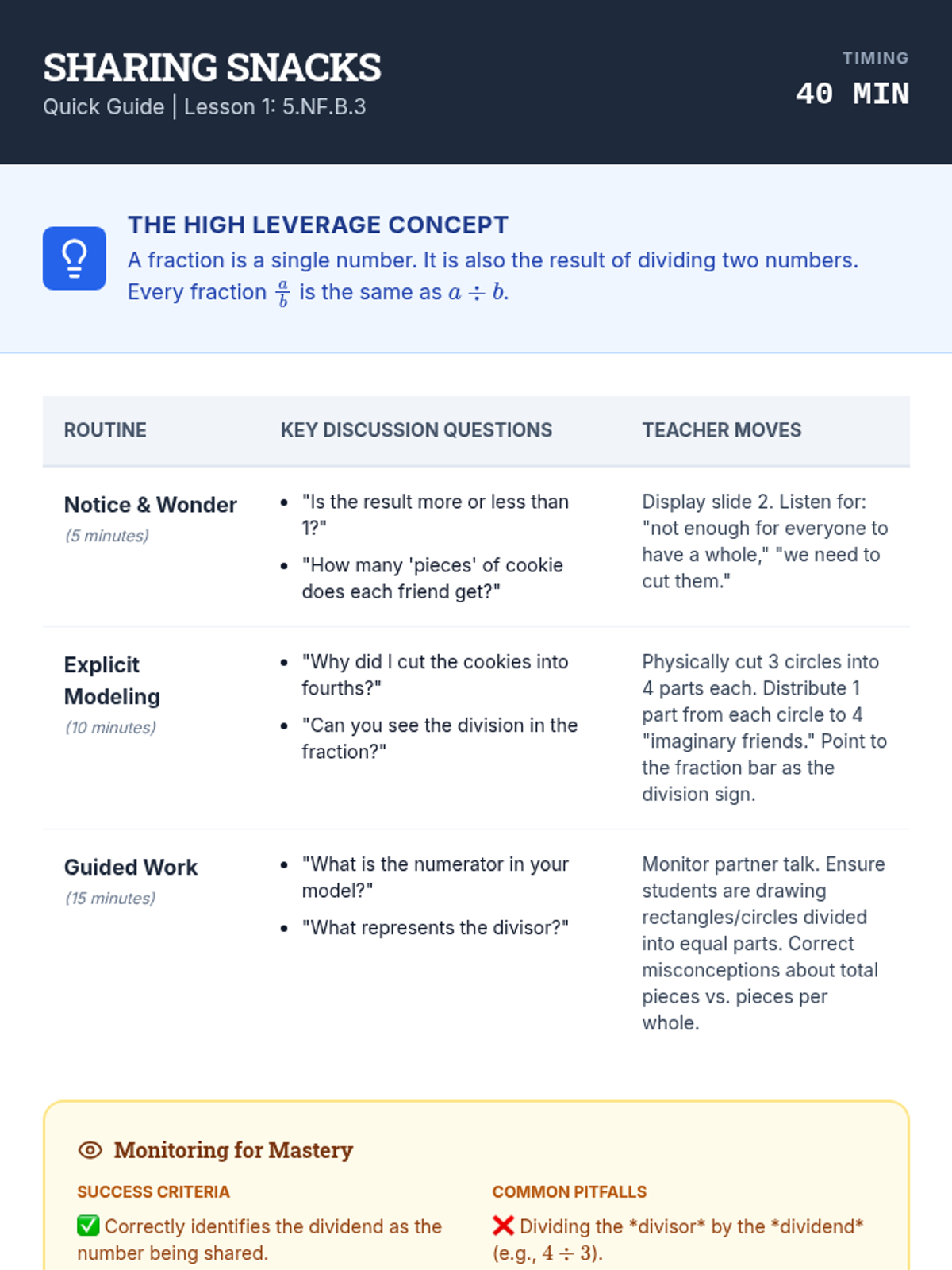
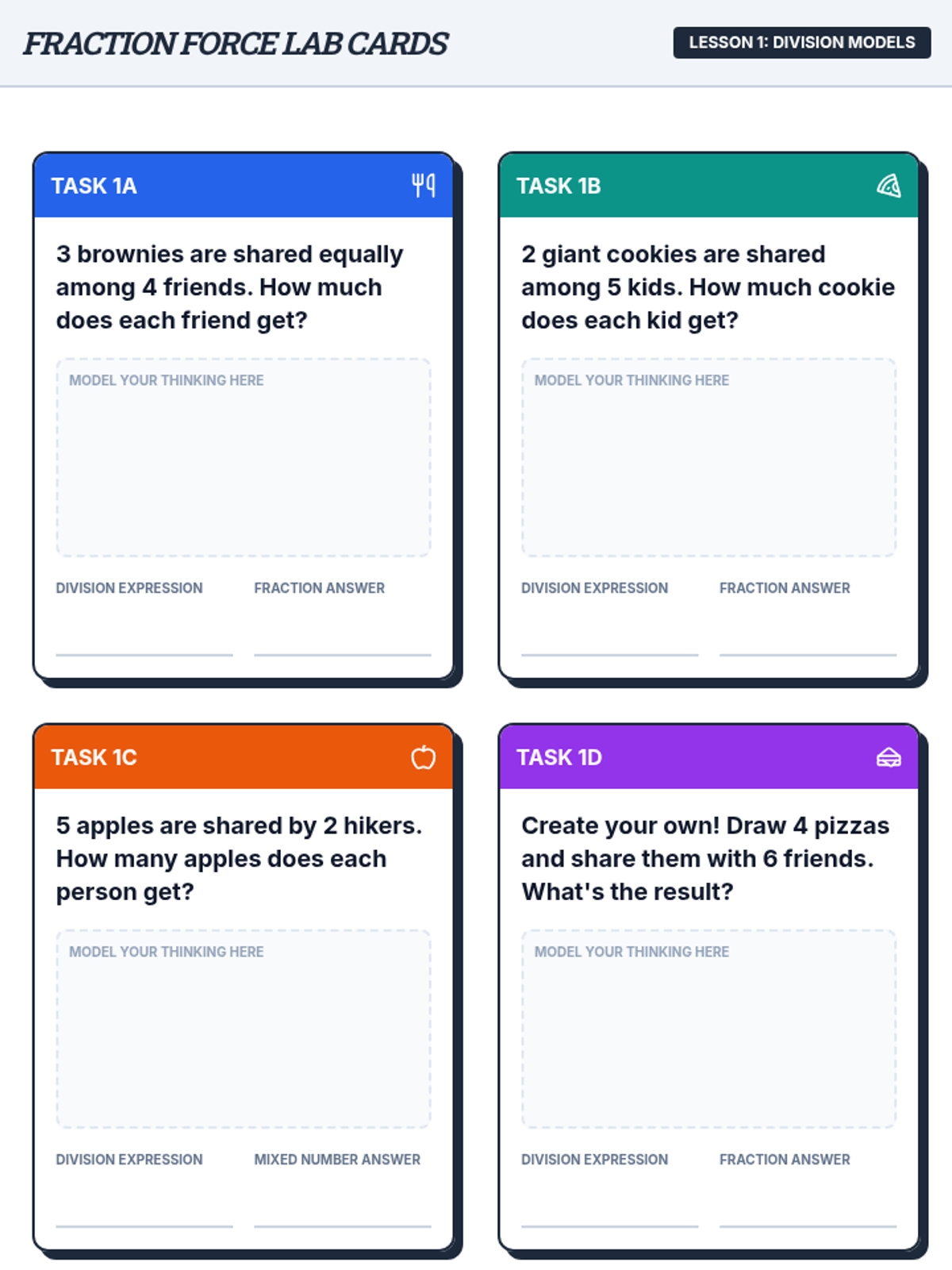
A comprehensive 12-lesson Tier 2 intervention sequence for 5th-grade fractions. Following ALN High Leverage Concepts and IM methods, this unit covers equivalent fractions, addition, subtraction, multiplication, and division of fractions using visual models and conceptual strategies.
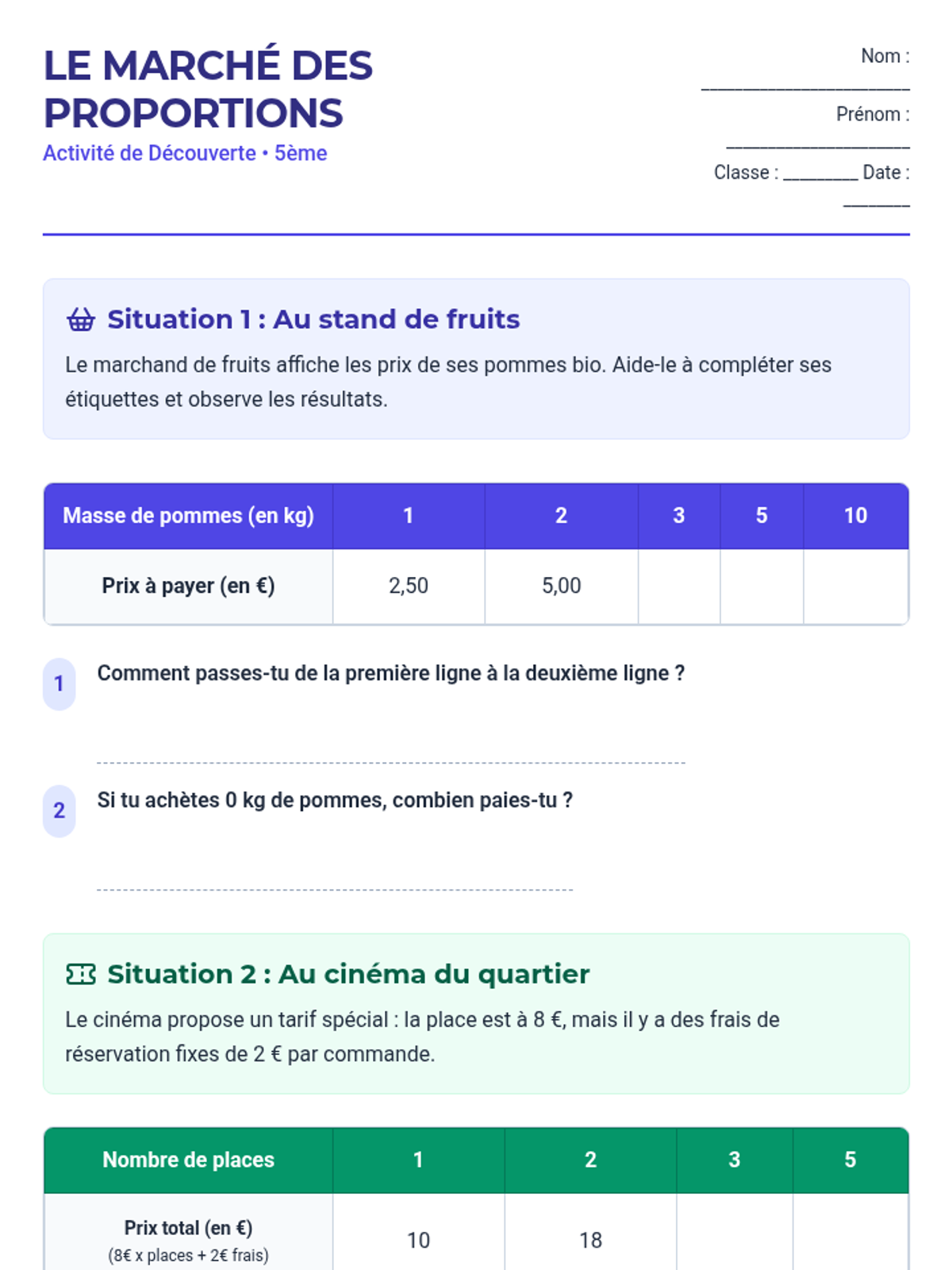
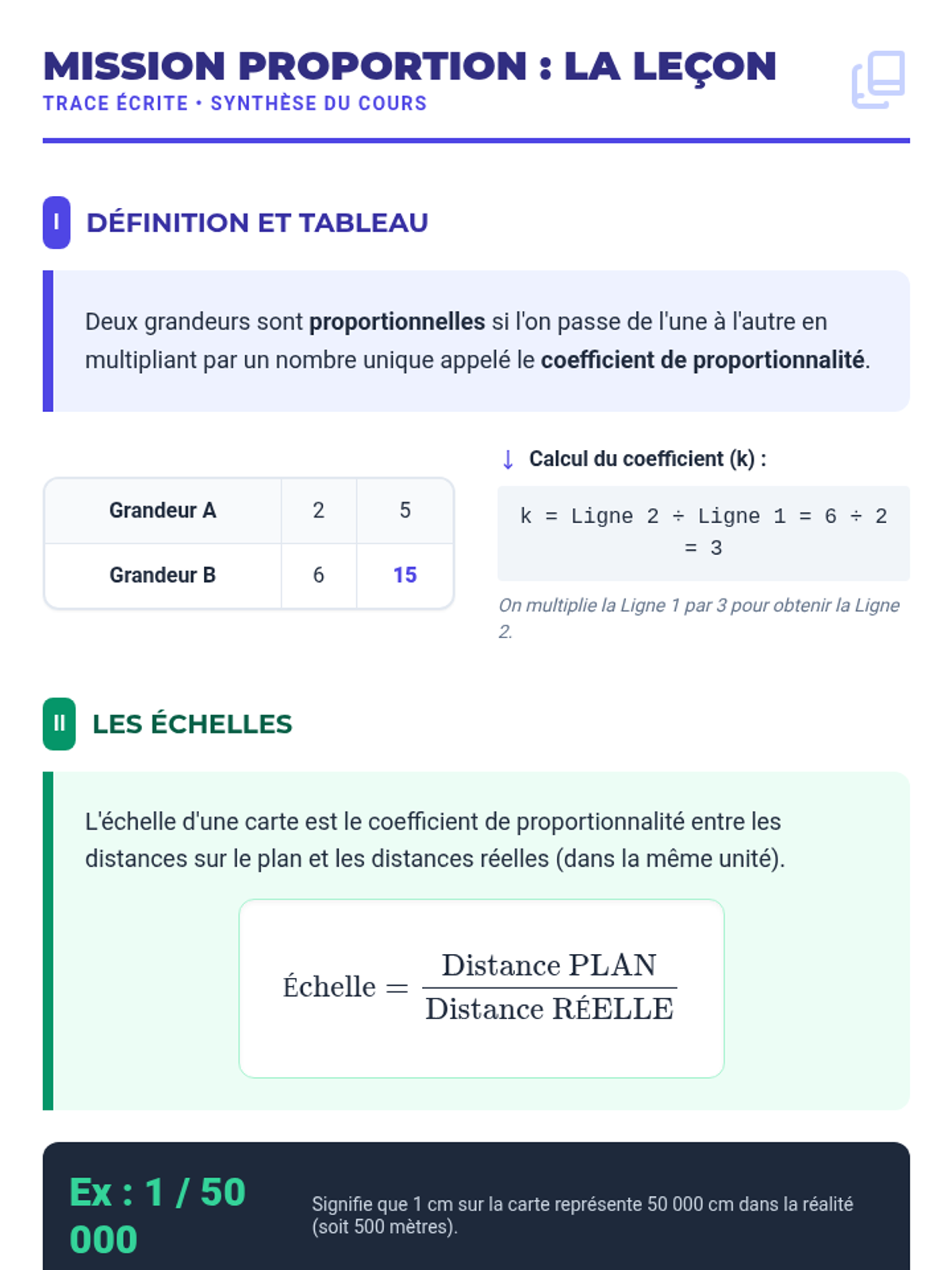
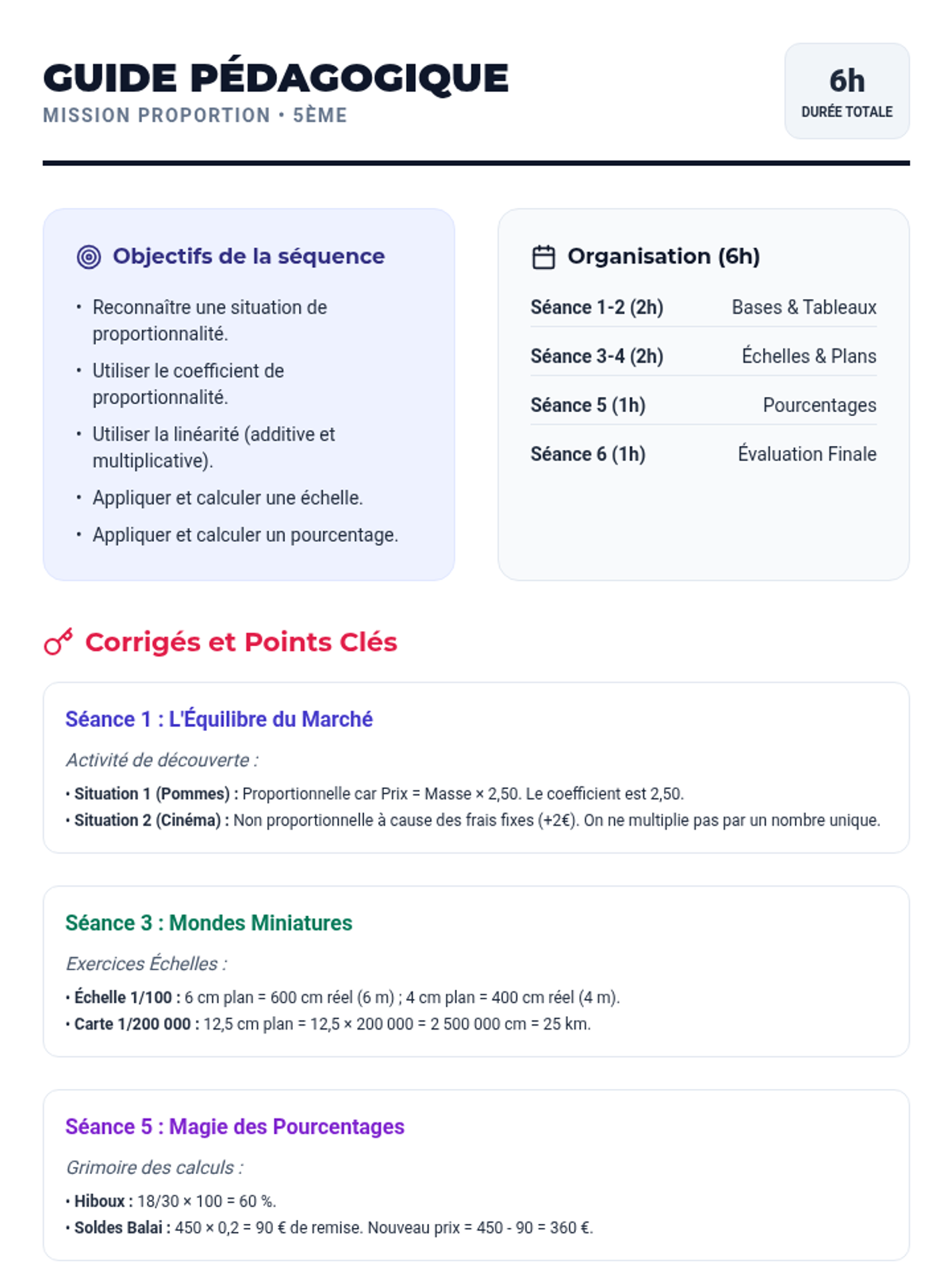
Une séquence complète de 6 heures sur la proportionnalité pour les élèves de 5ème, couvrant la reconnaissance des situations, les tableaux, le coefficient, les échelles et les pourcentages.
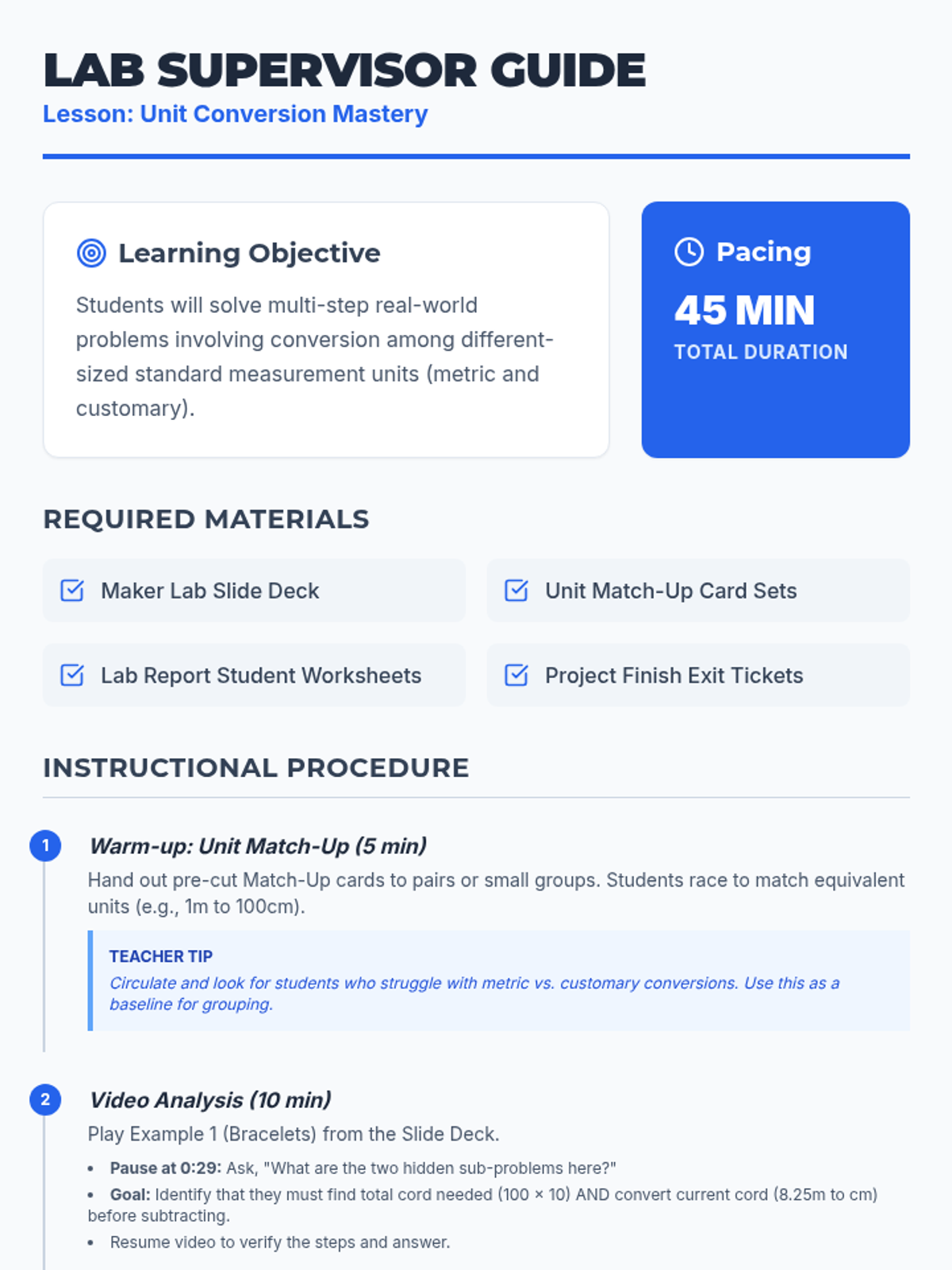
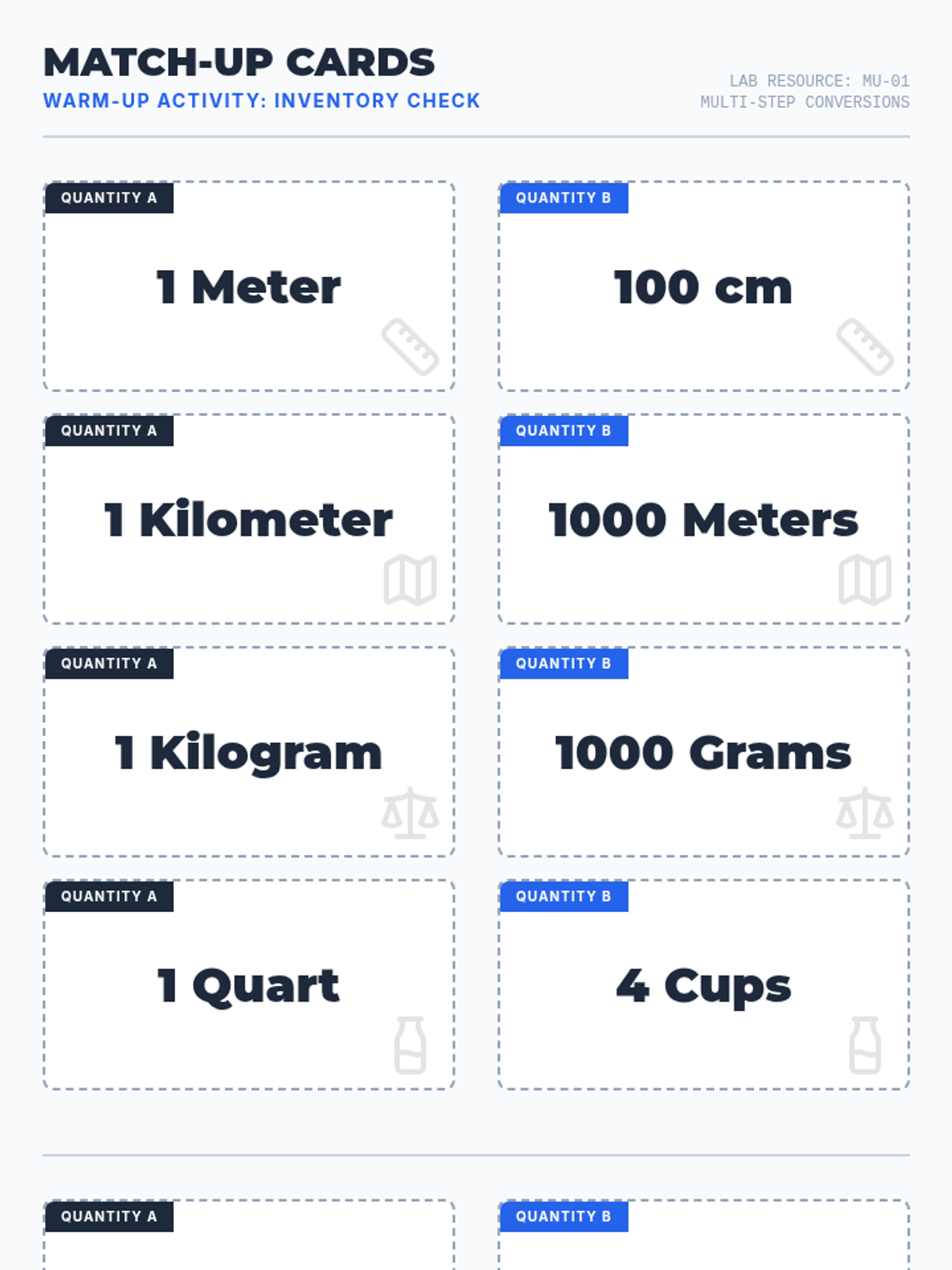
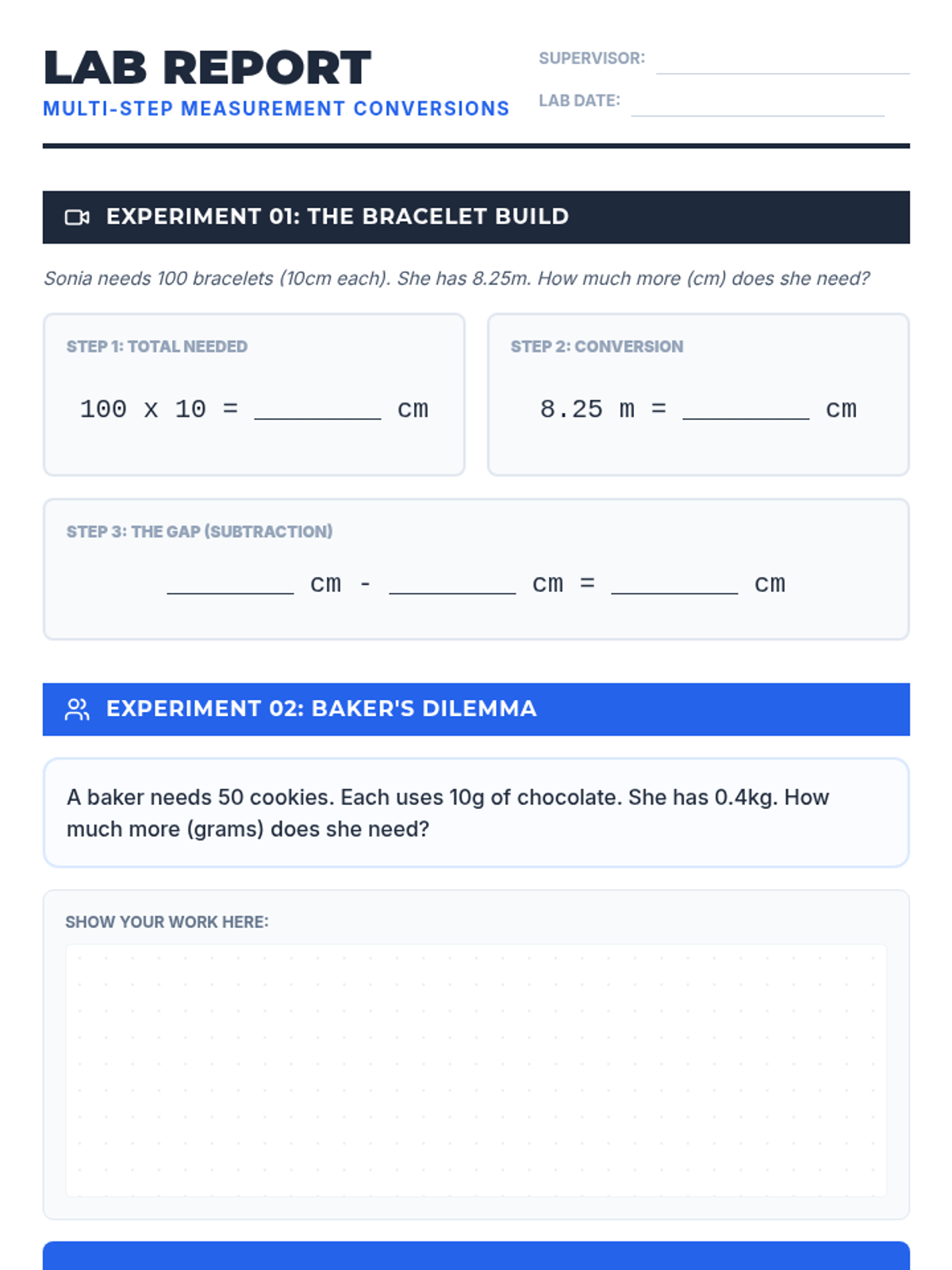
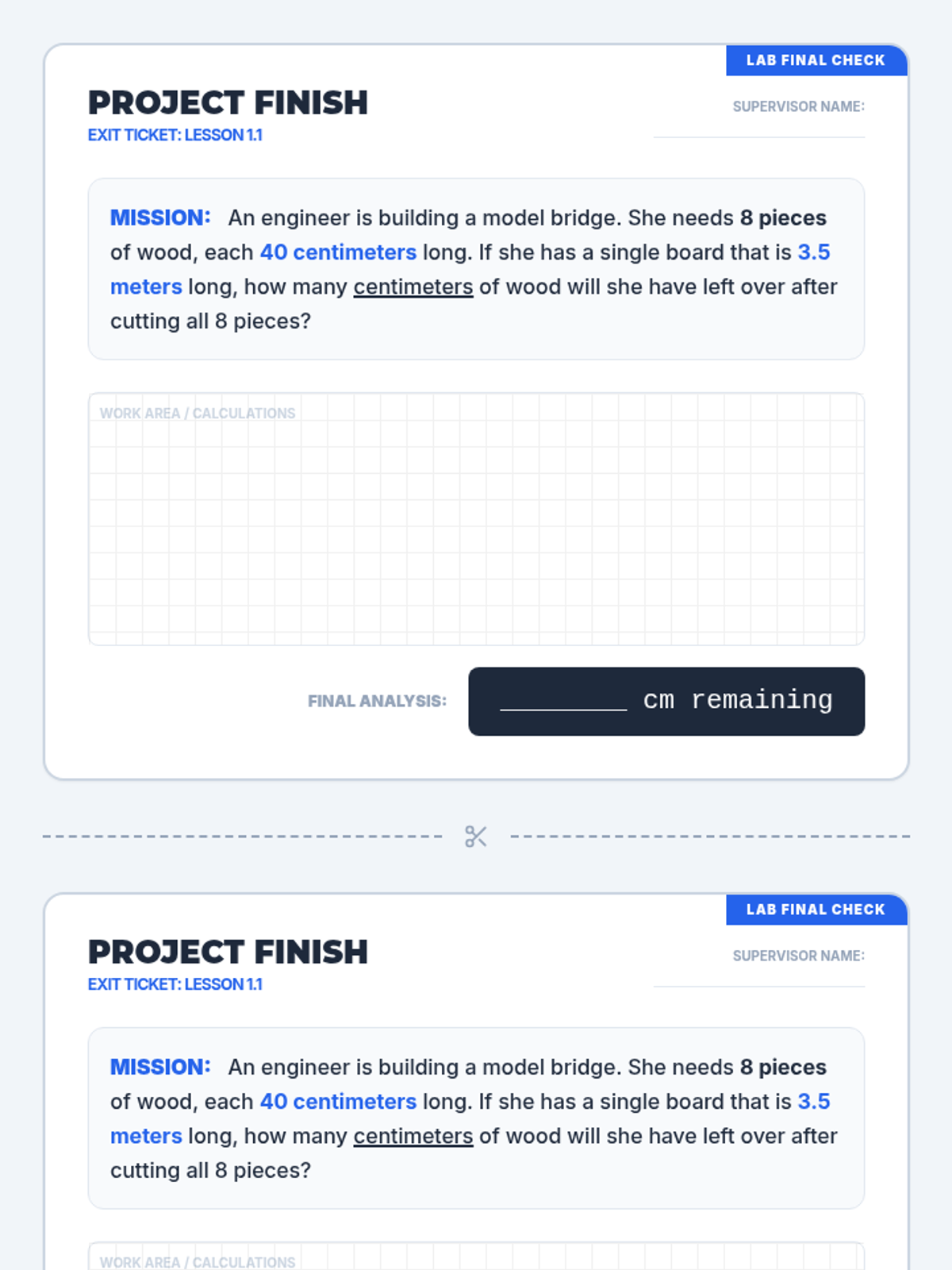
A comprehensive math lesson focused on solving multi-step real-world problems involving standard measurement unit conversions using a 'Maker Lab' theme.
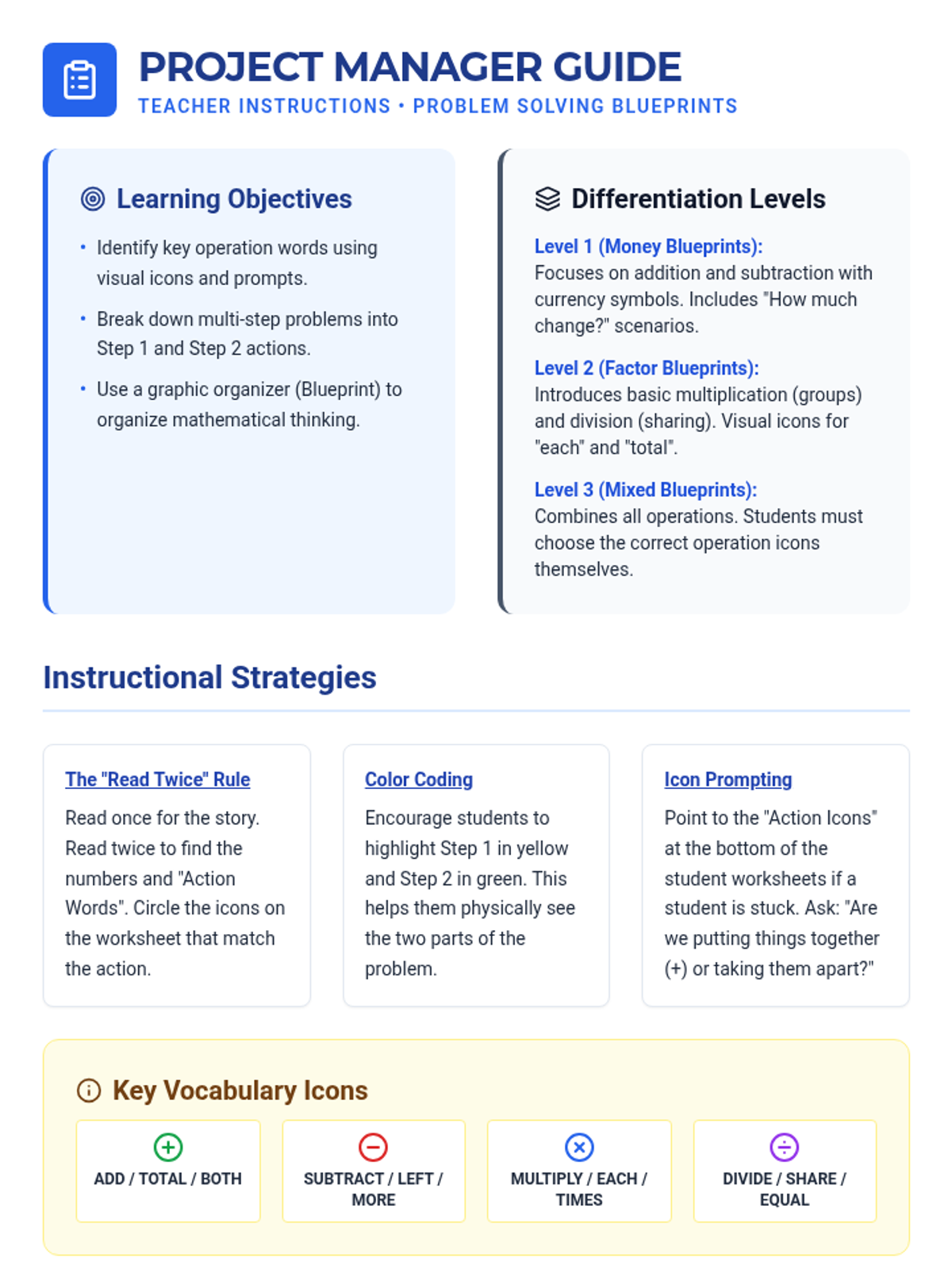
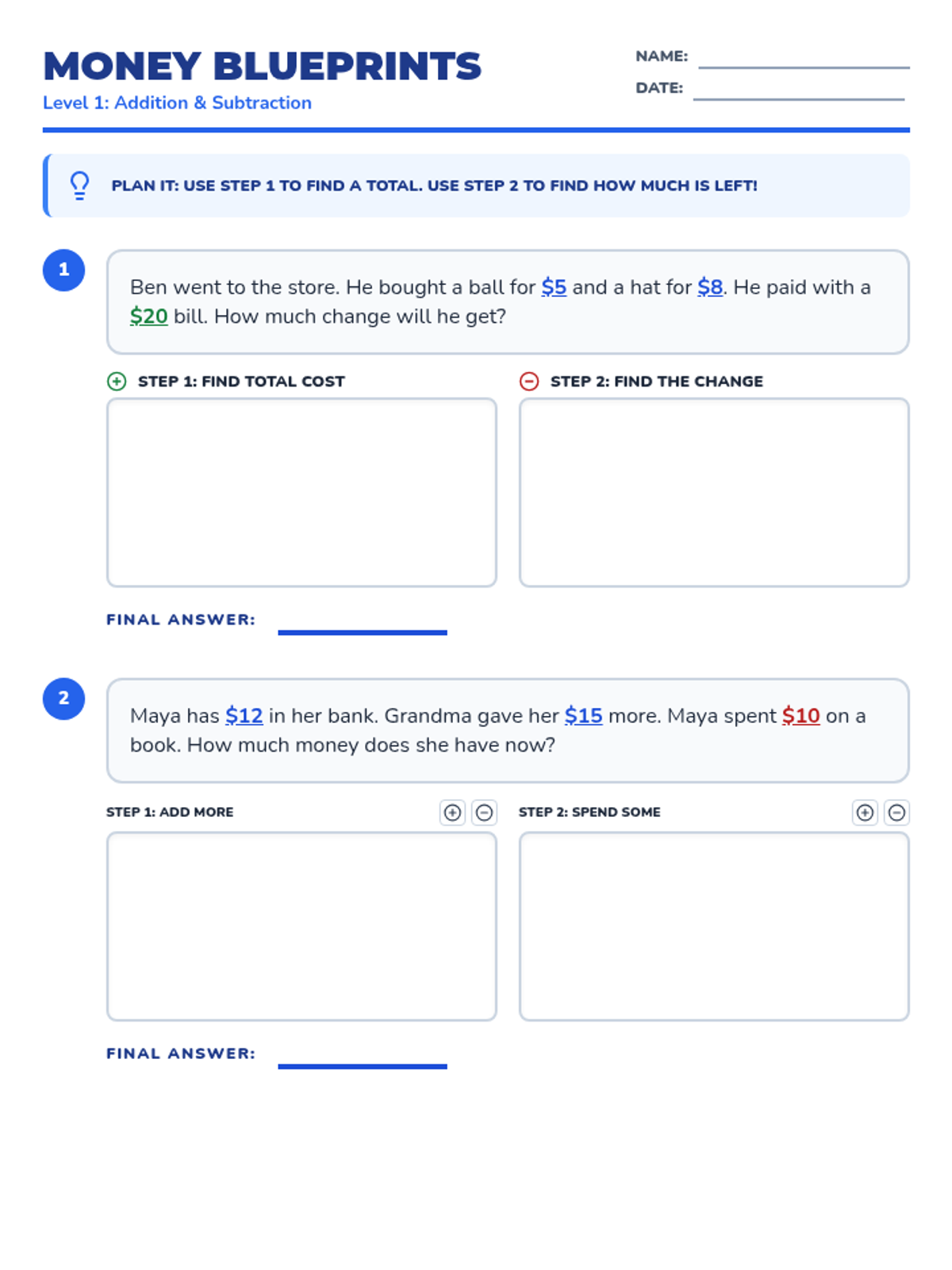
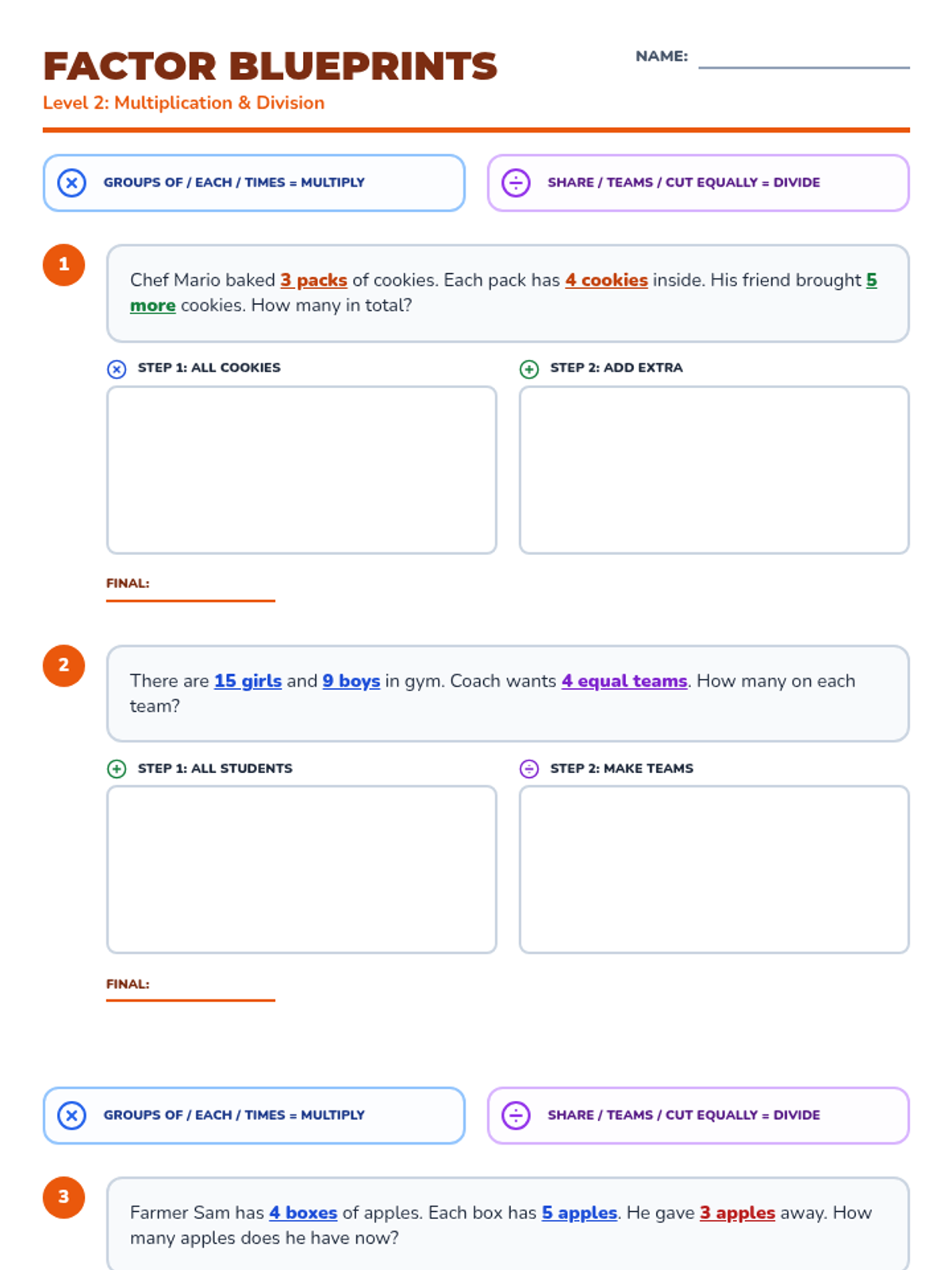
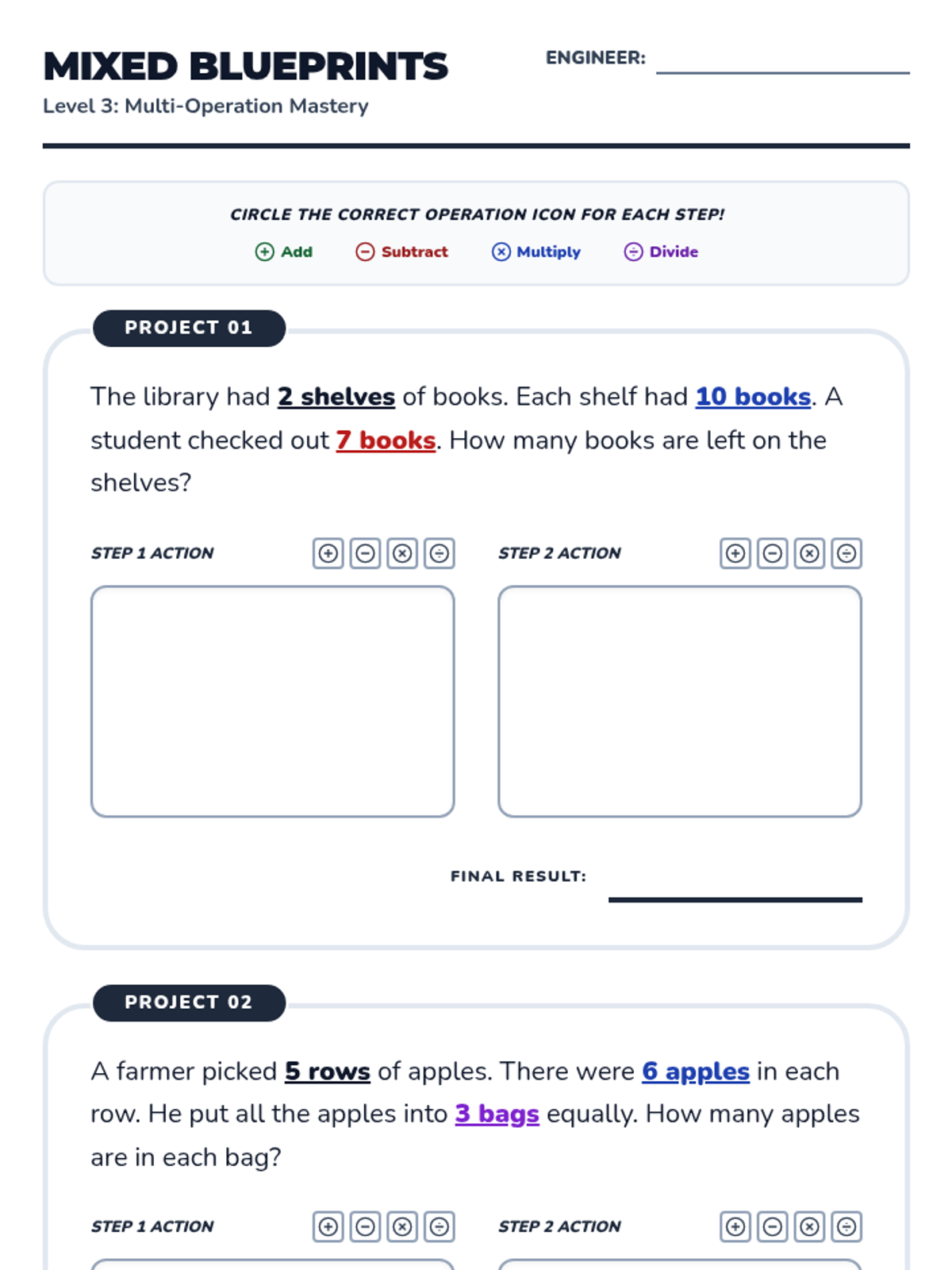
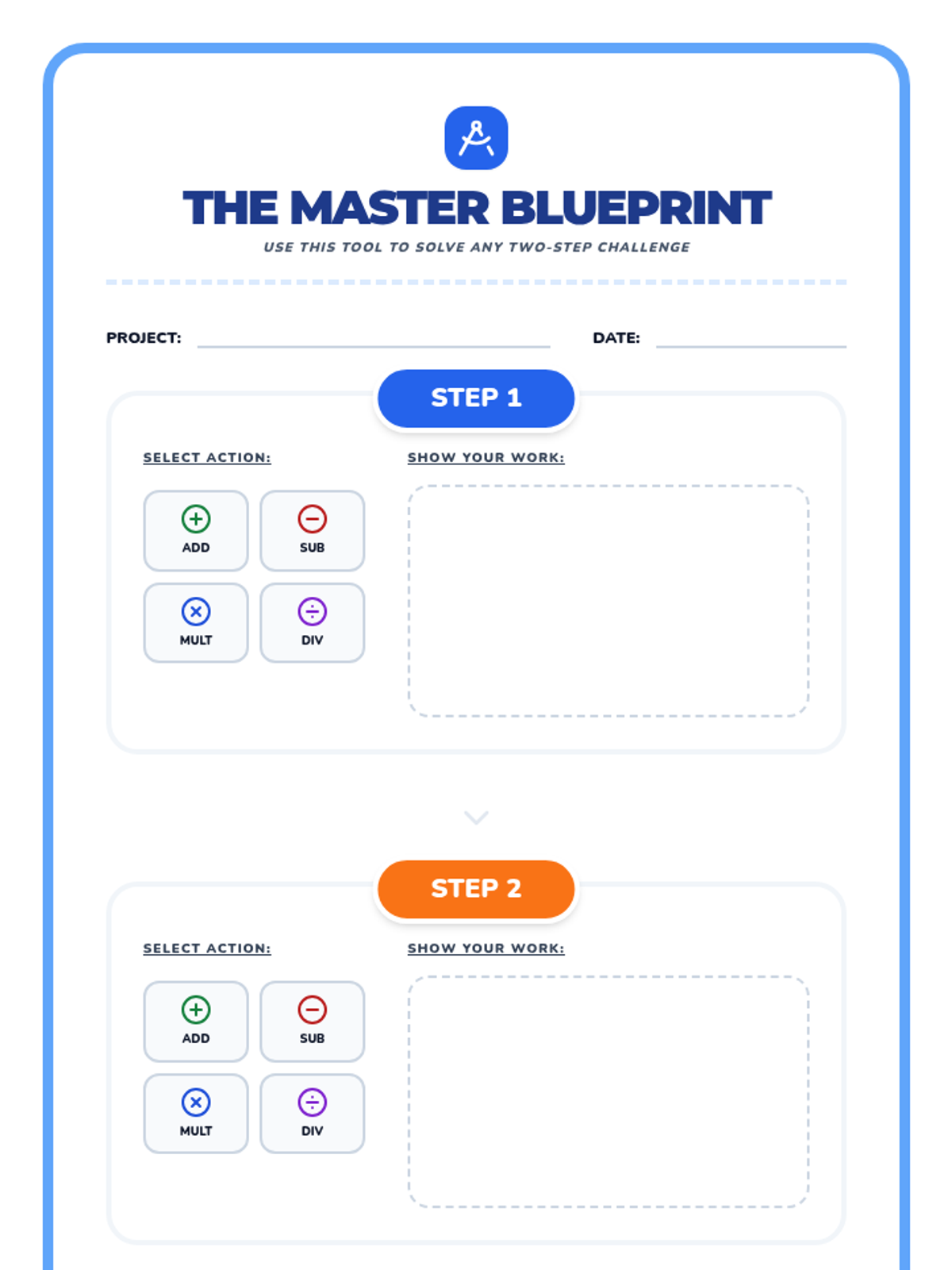
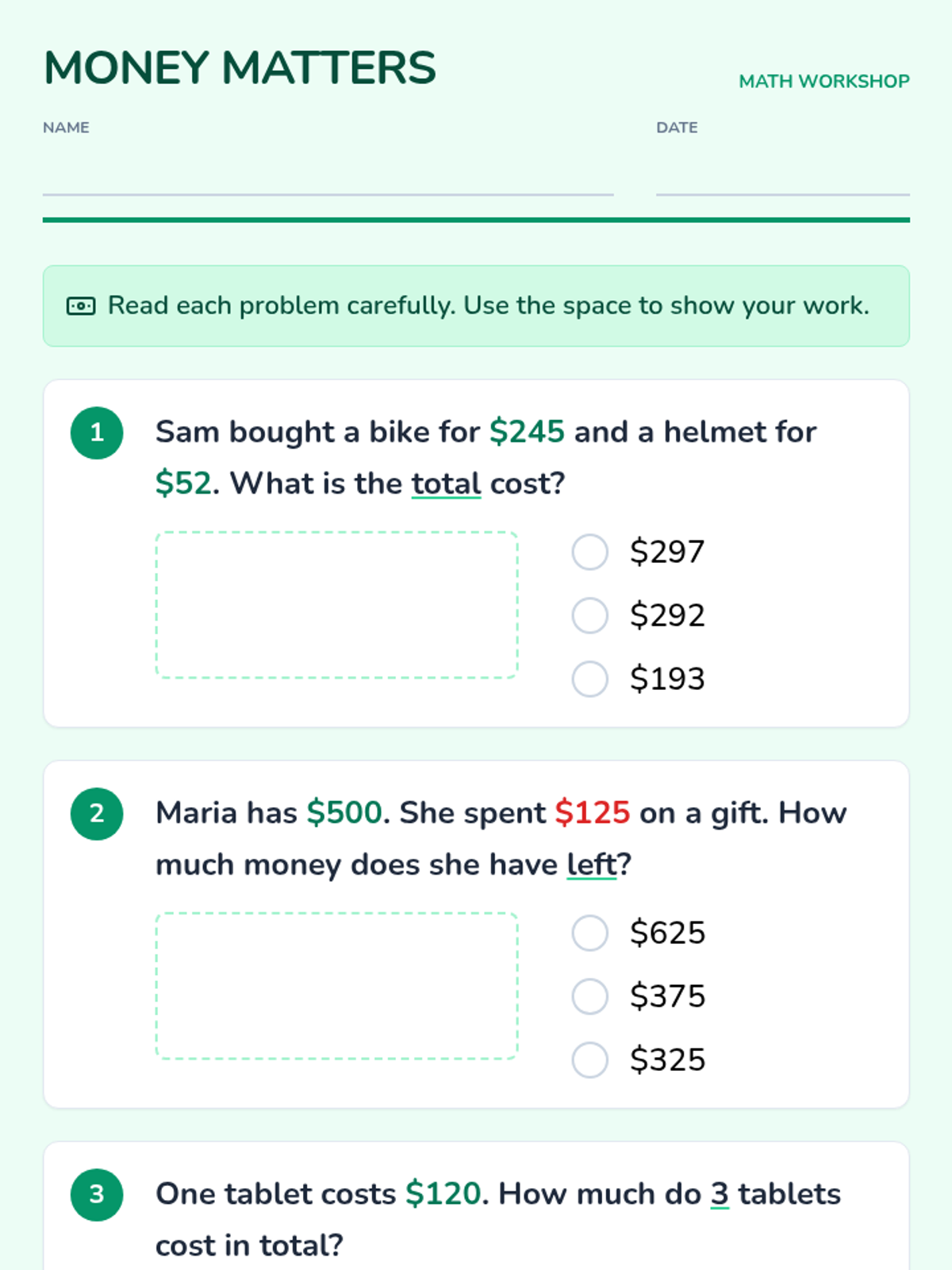
A comprehensive math sequence designed for students with IEPs, focusing on breaking down multi-step word problems into manageable visual blueprints. It covers mixed operations with money, basic multiplication and division, and foundational addition and subtraction.
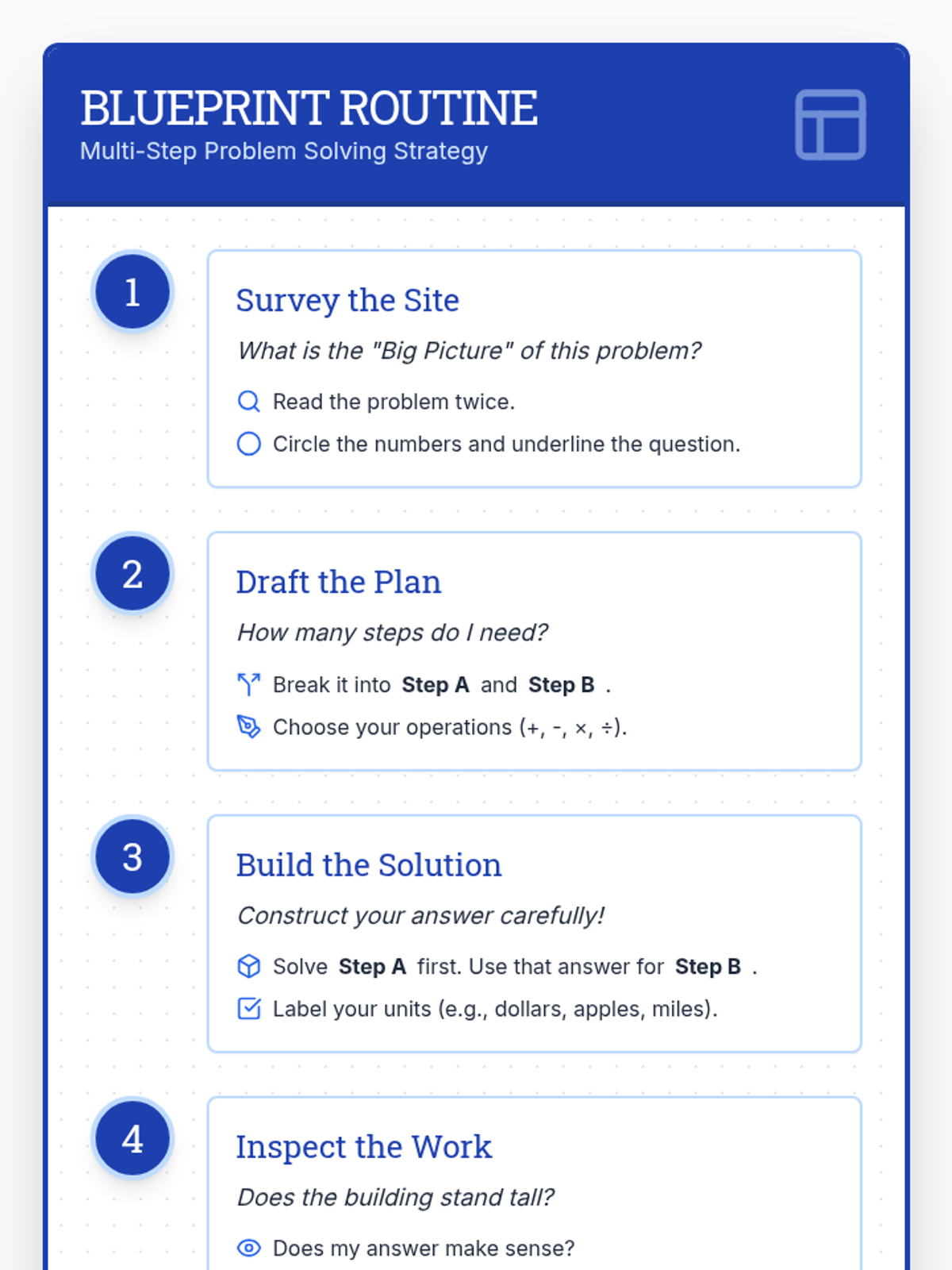
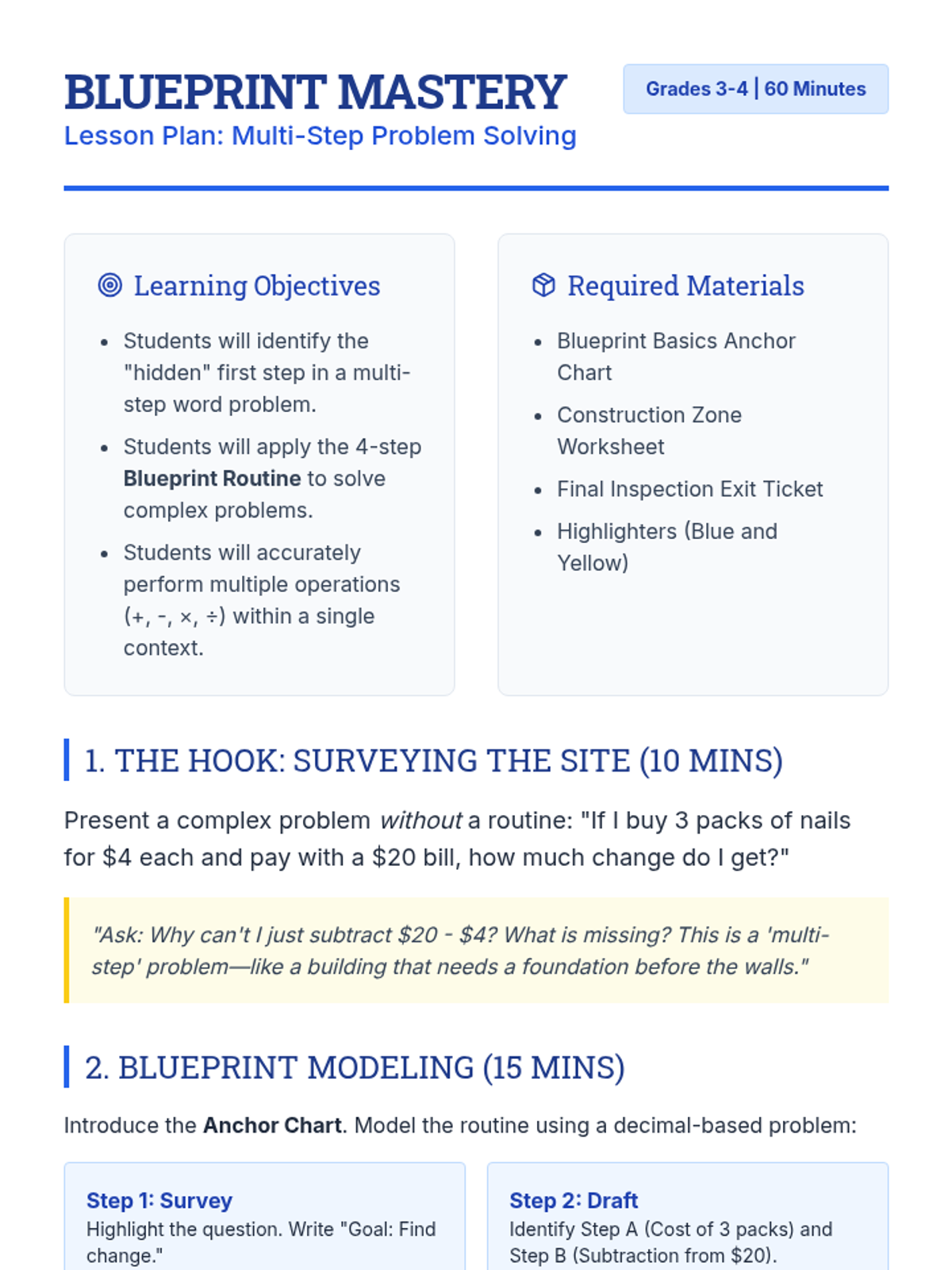
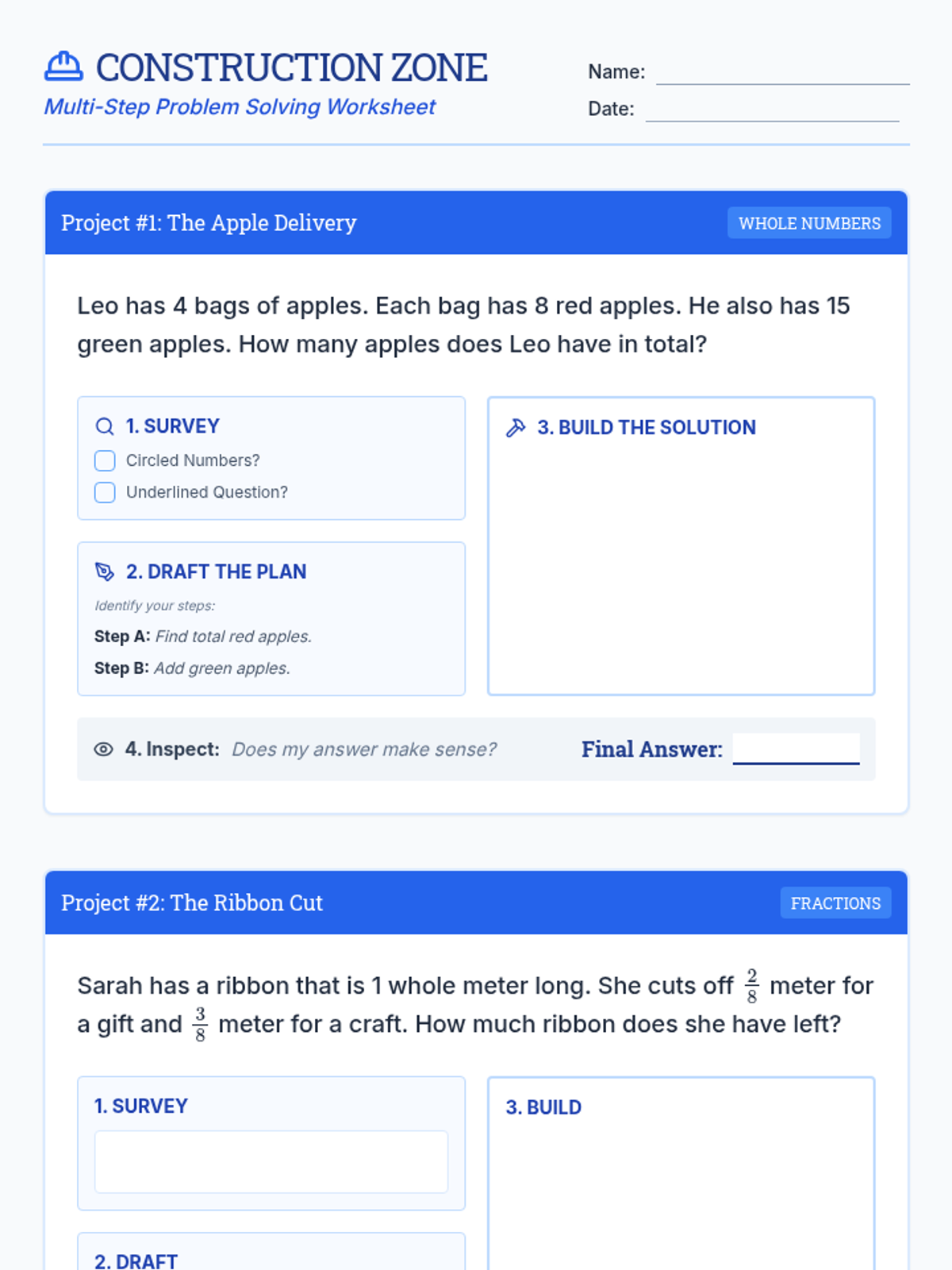
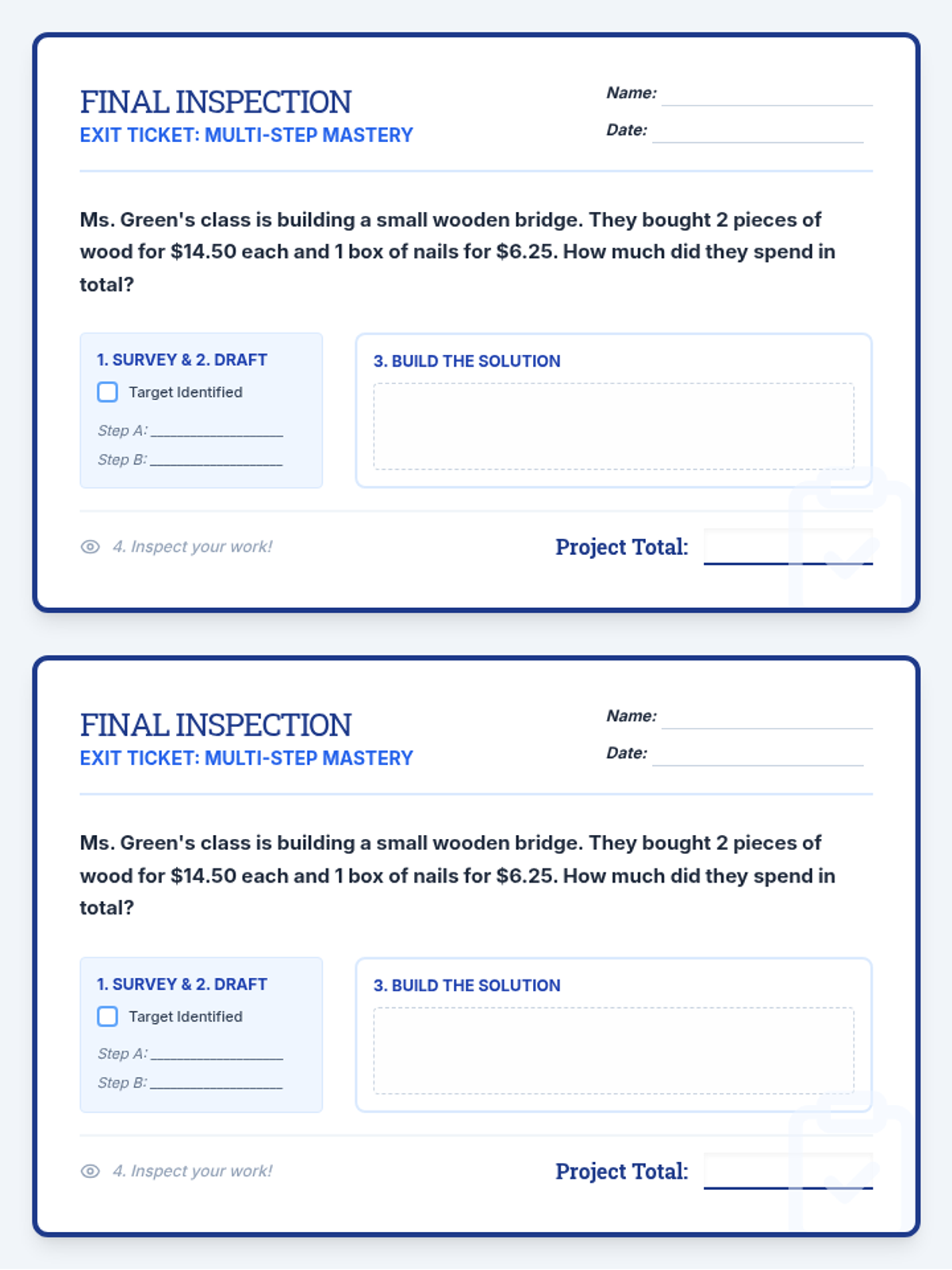
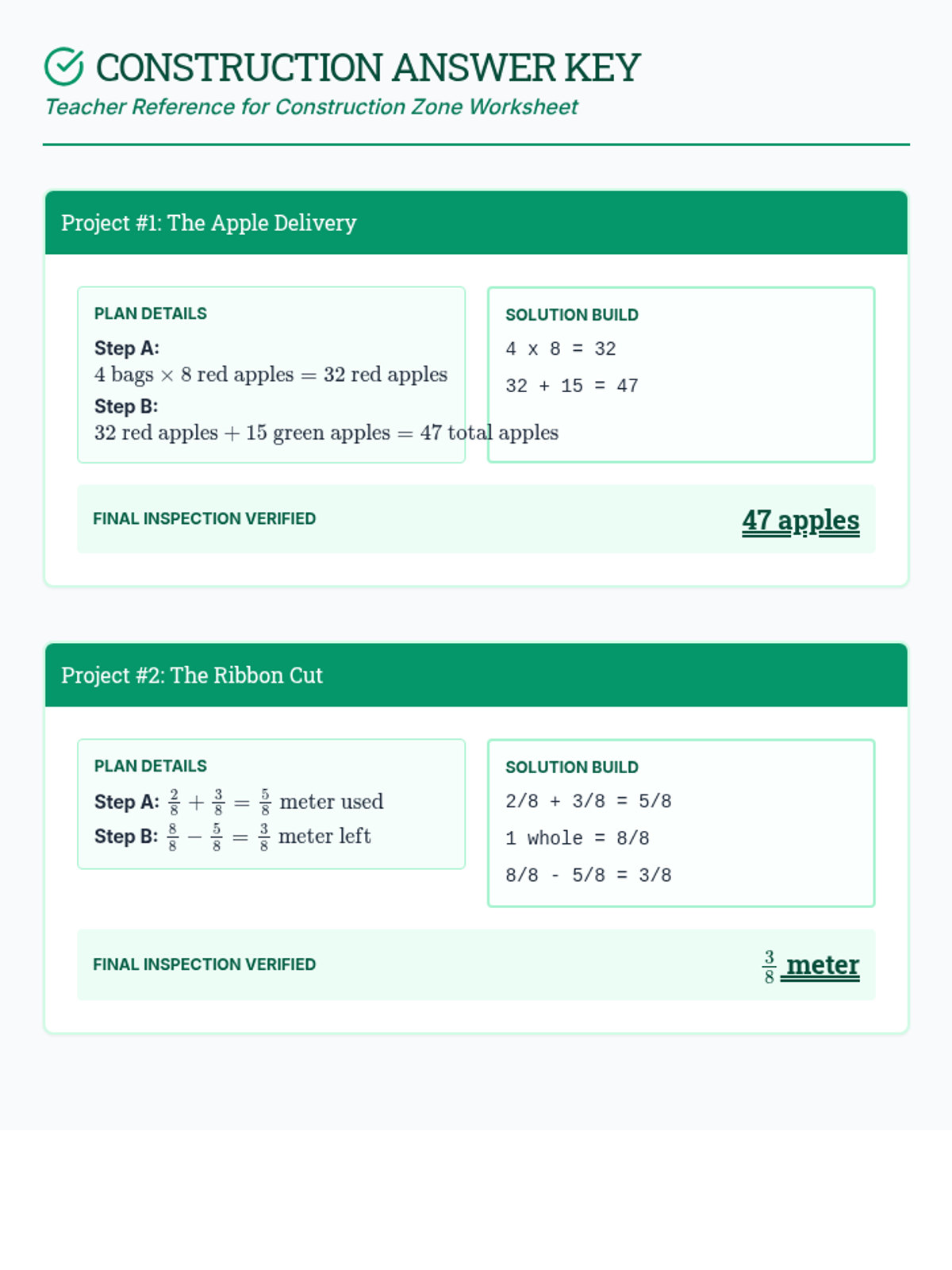
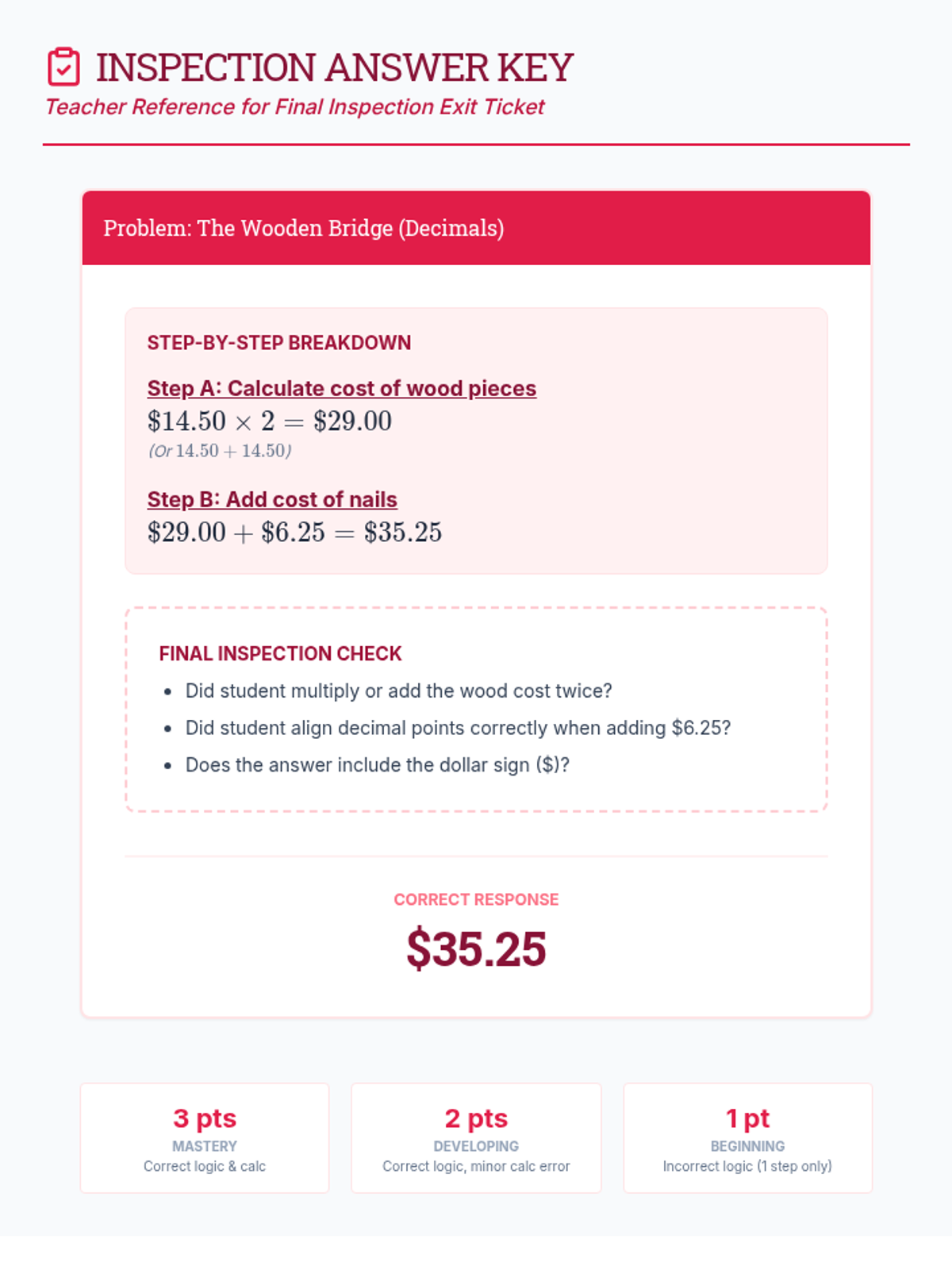
A comprehensive unit focusing on mastering multi-step word problems using a structured problem-solving routine. Students learn to break down complex problems involving whole numbers, fractions, and decimals using 'blueprint' thinking.
A two-week intensive spiral review of 4th-grade math standards designed for 5th-grade RSP students to bridge foundational gaps through short, focused daily practice.
A collection of math worksheets focusing on decimals, fractions, and money operations with built-in visual supports and simplified language.
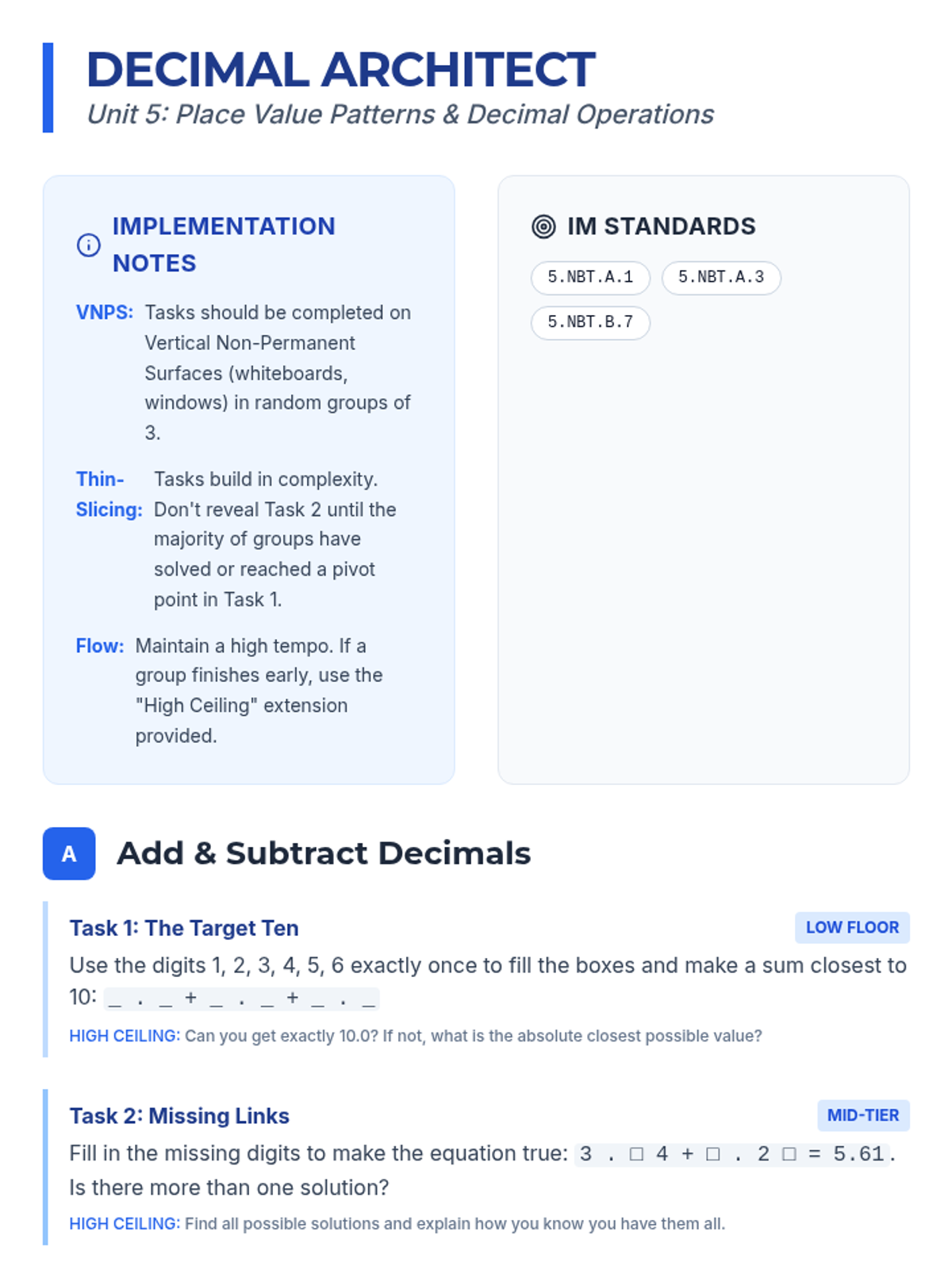
A comprehensive collection of "thin-sliced" math thinking tasks for 5th Grade Illustrative Mathematics Units 5-8, designed using the "Building Thinking Classrooms" framework to promote deep mathematical reasoning and engagement.
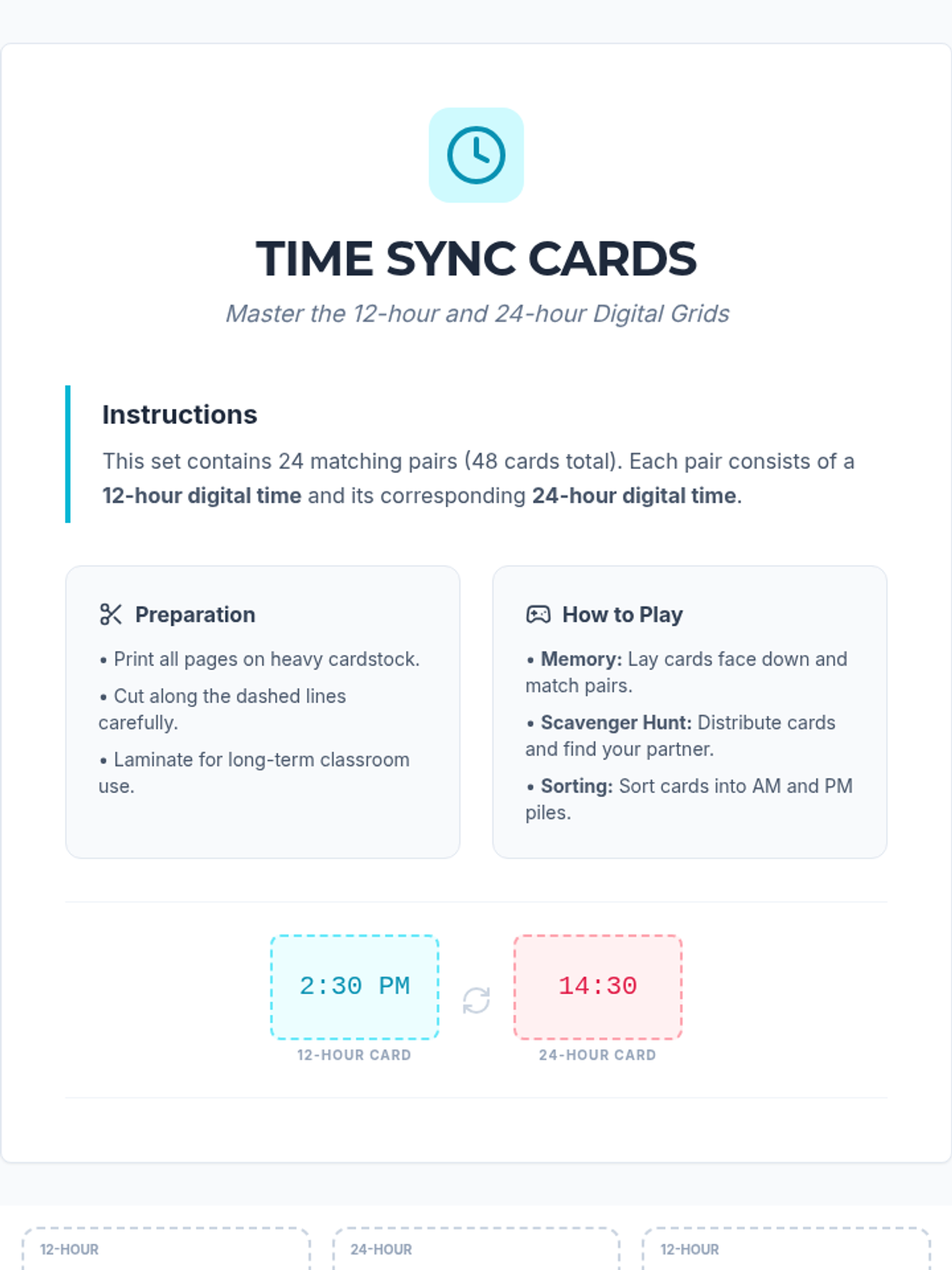
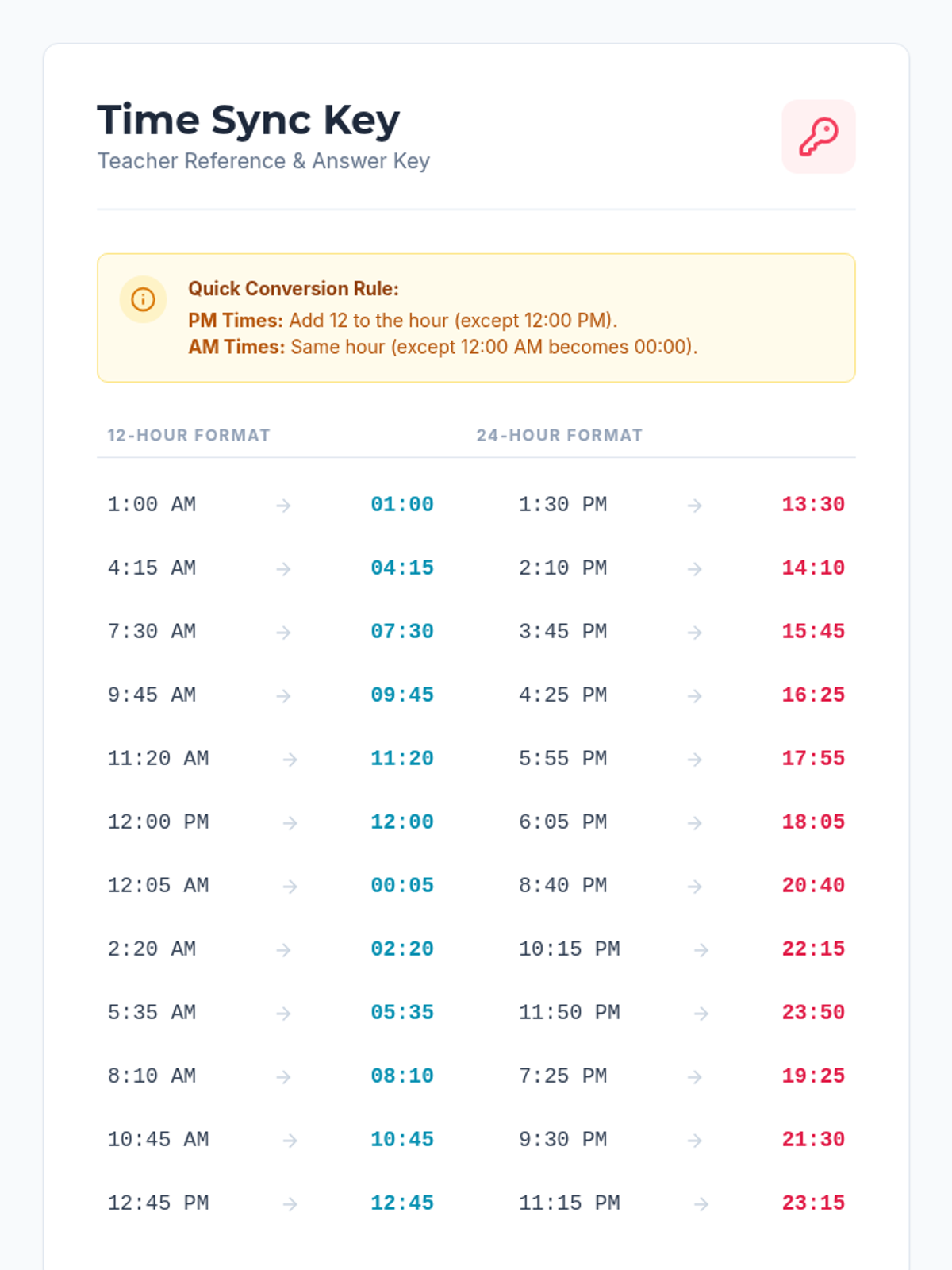
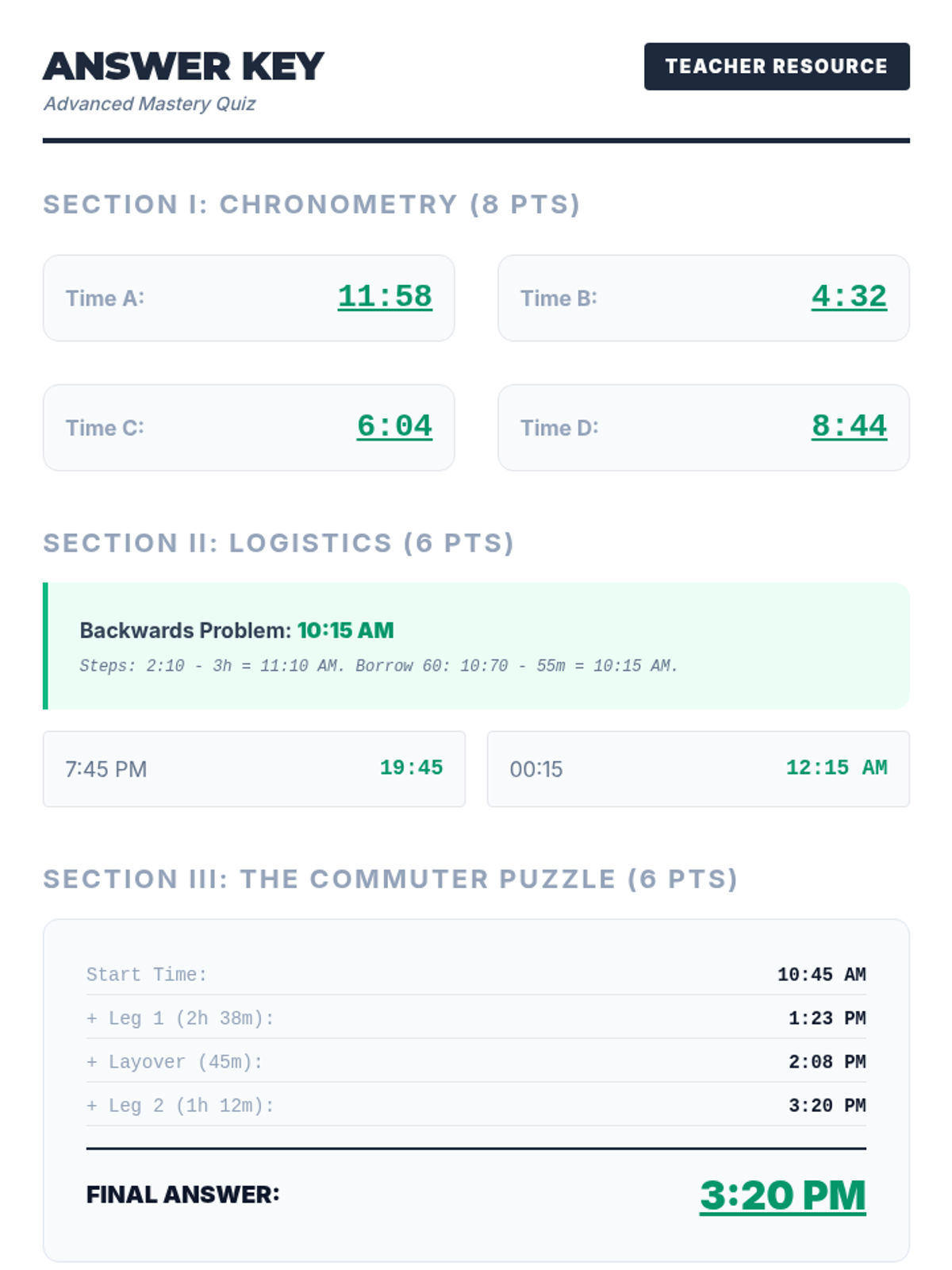
A unit focused on mastering digital time formats, including 12-hour and 24-hour clock synchronization and conversion.
A comprehensive 4-lesson unit designed to empower 4th and 5th grade girls with the skills and confidence to master the ILEARN assessment through mindset, strategy, and subject-specific practice.
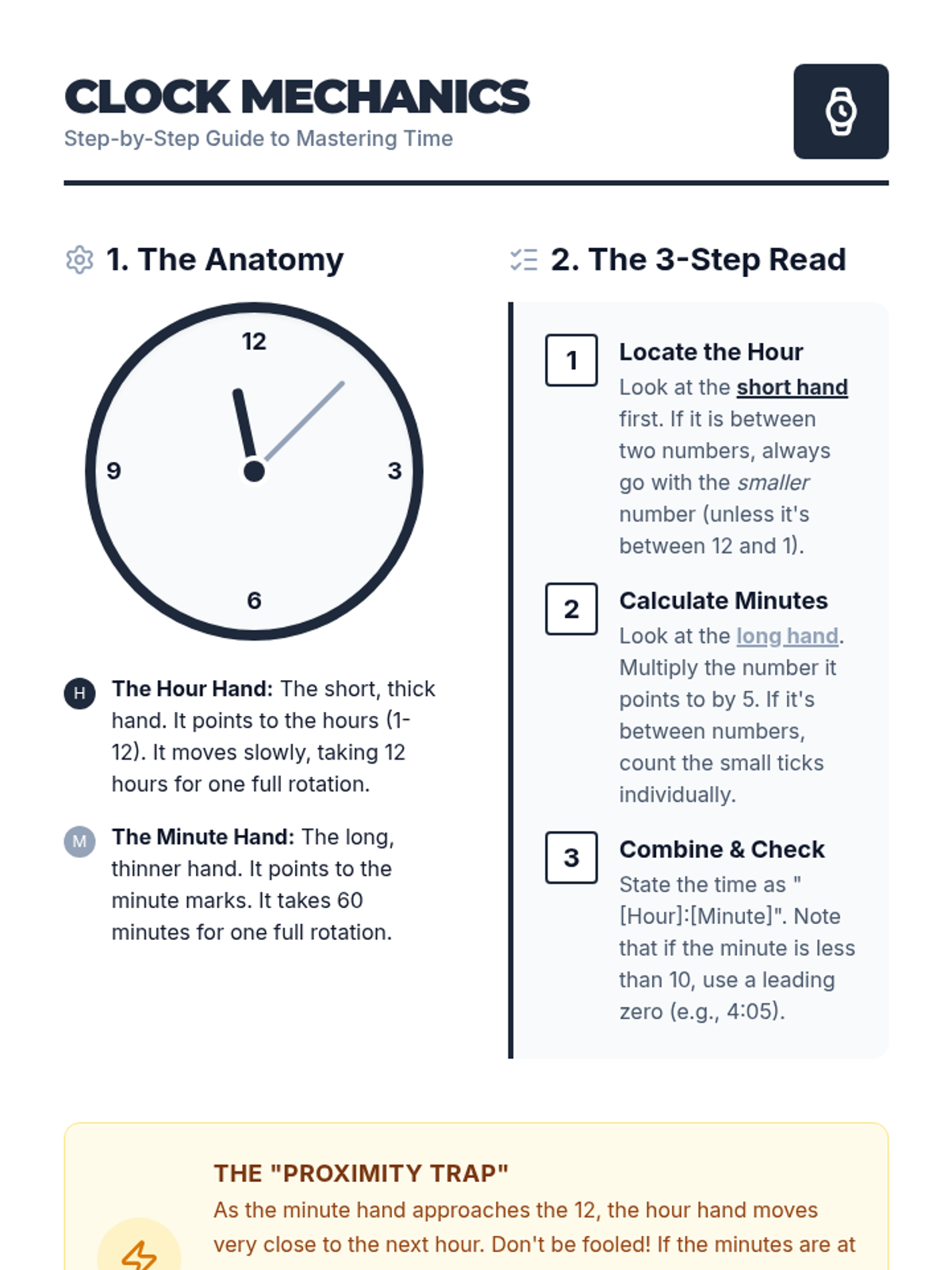
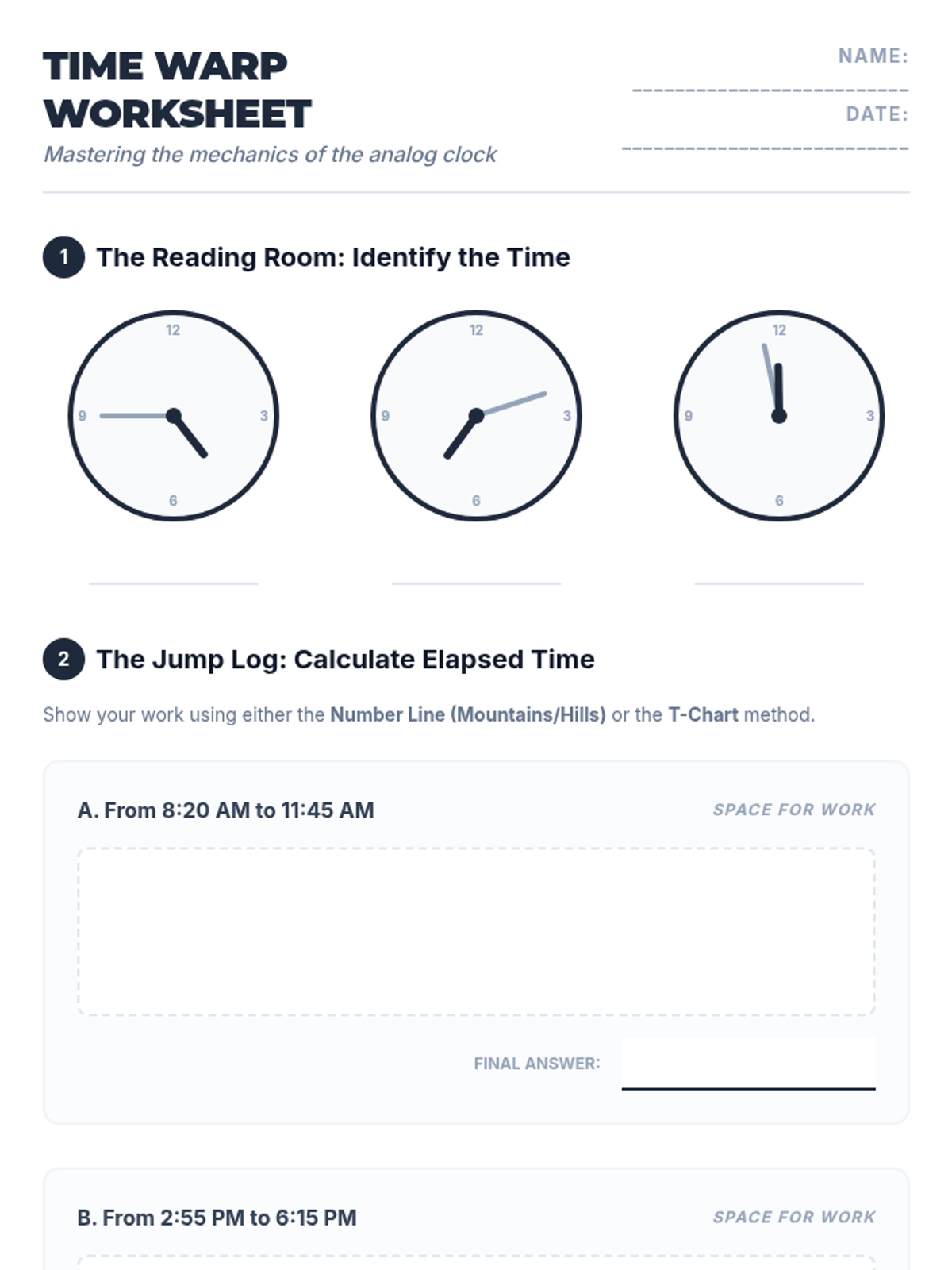
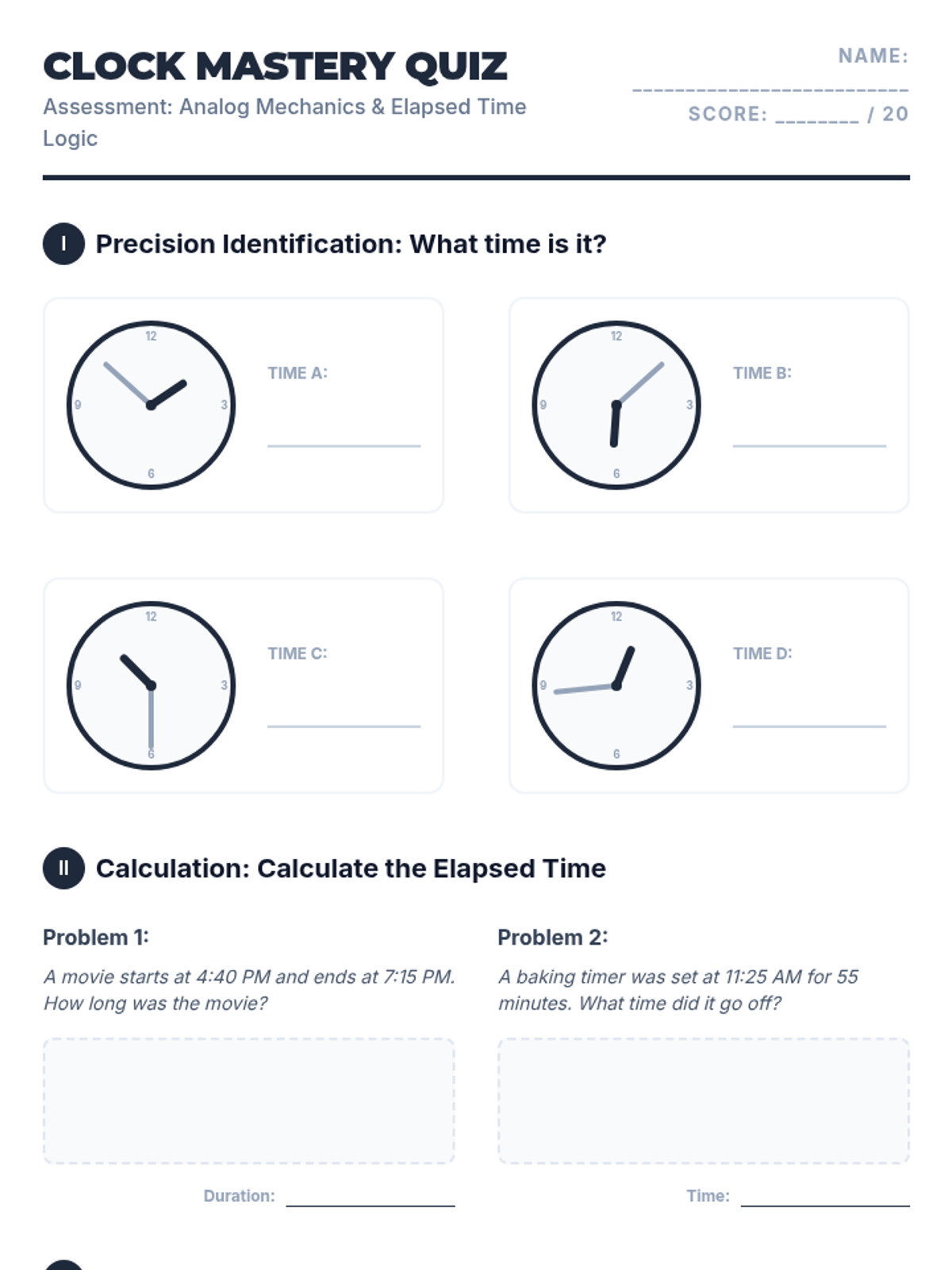
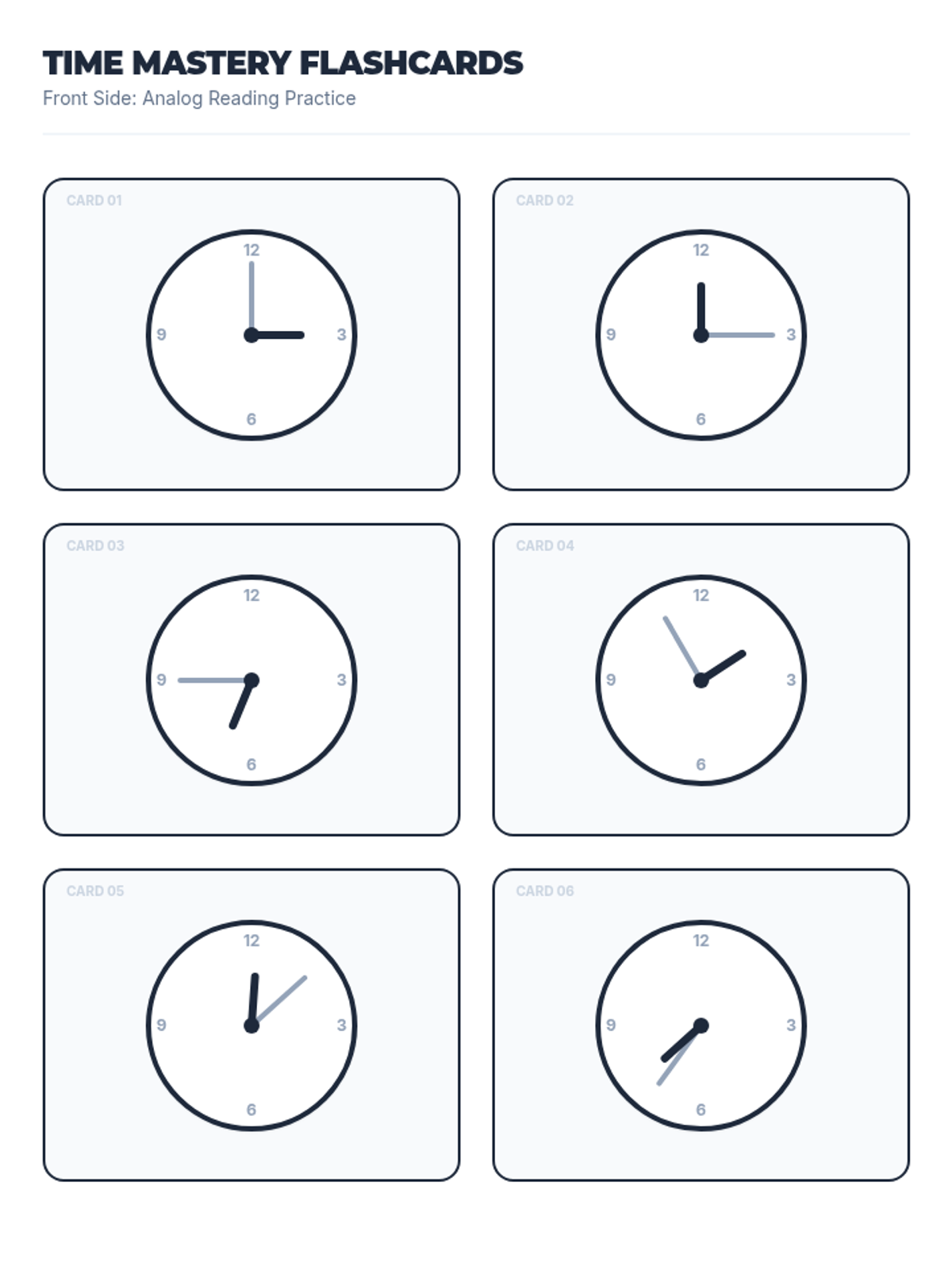
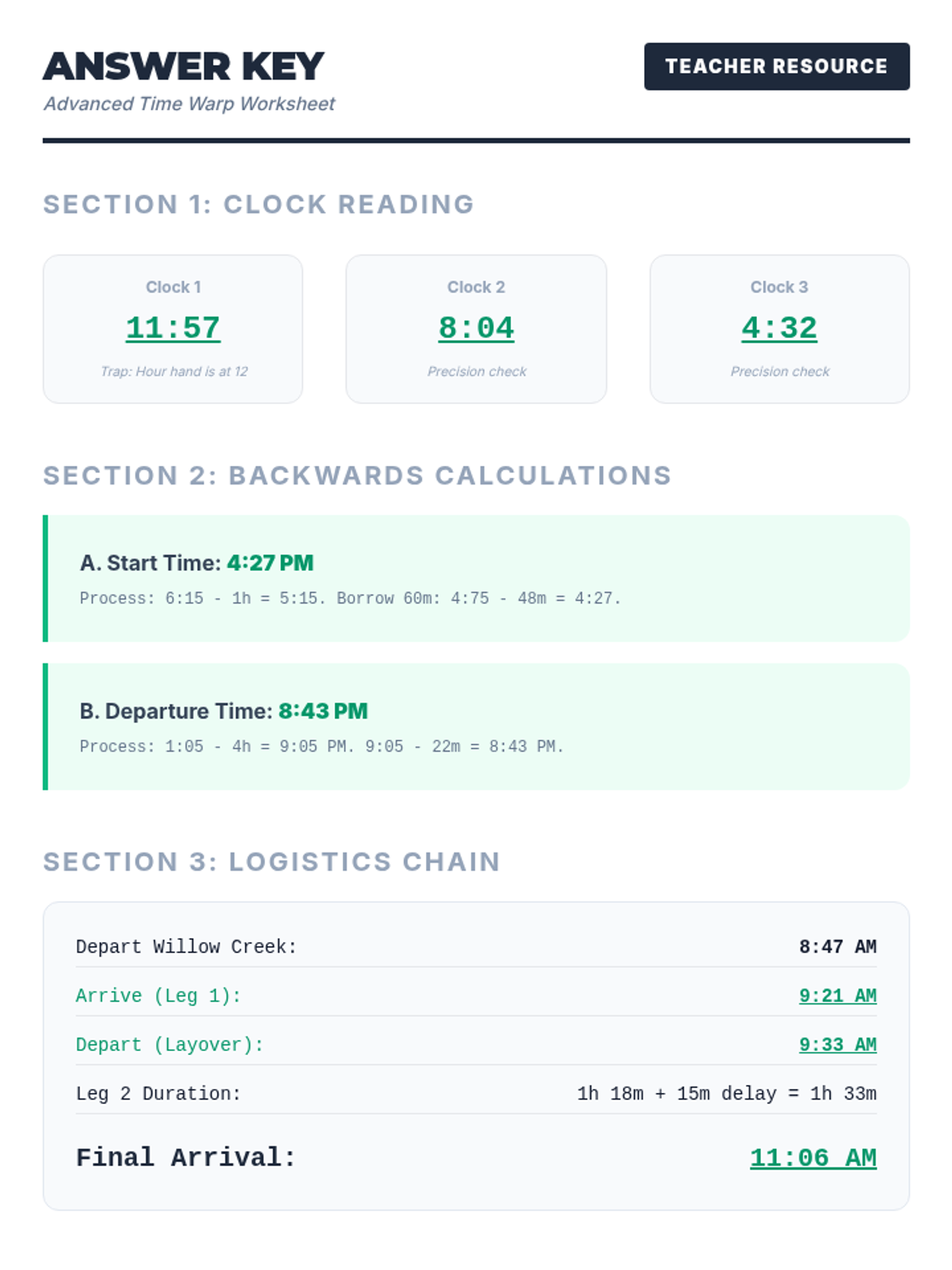
A series of lessons focused on time management and measurement, starting with the mechanics of analog clocks and moving into complex elapsed time scenarios.
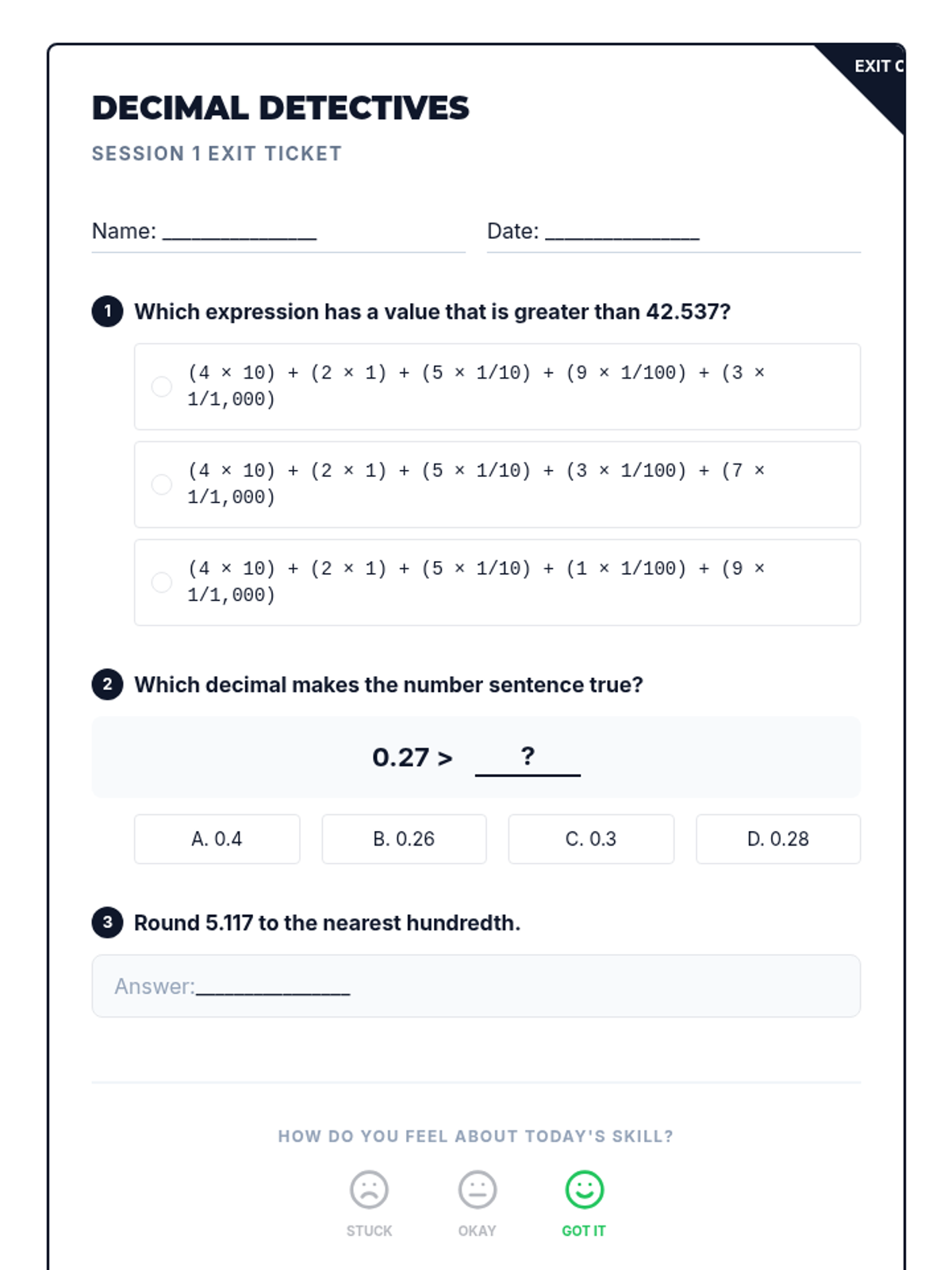
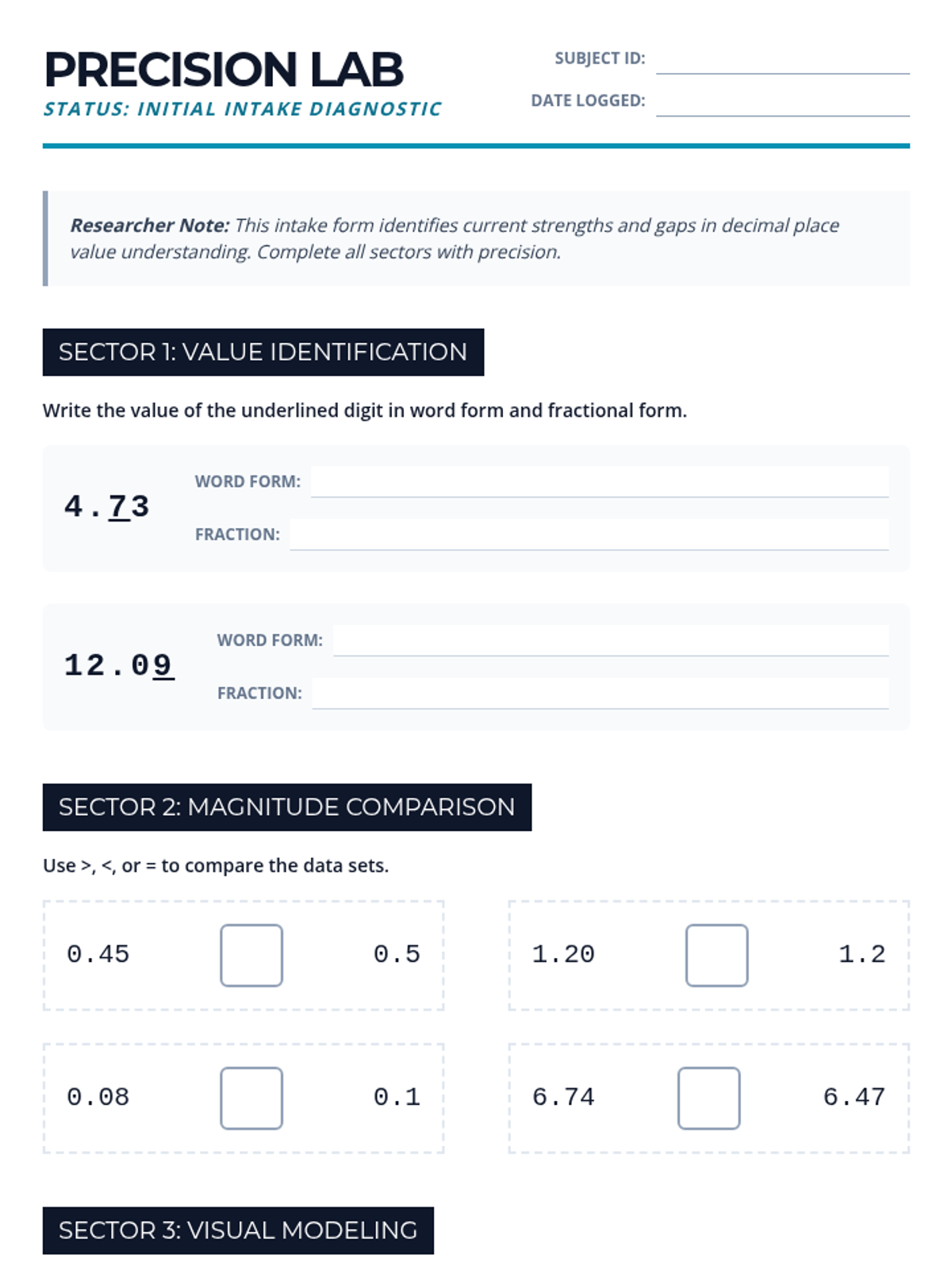
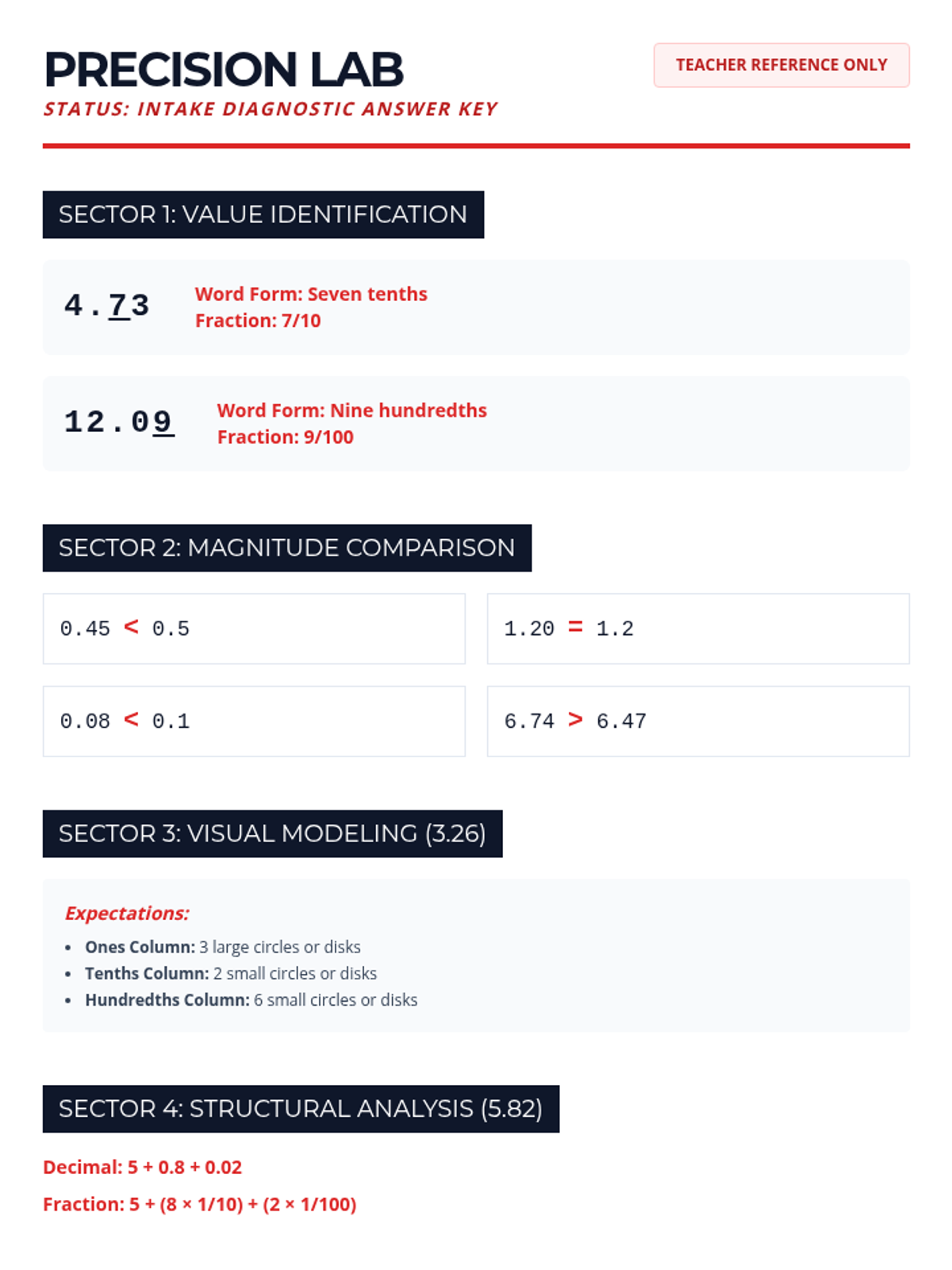
A Tier 2 intervention sequence focused on mastering decimal operations to the hundredths place using place value models, estimation, and real-world contexts. Designed for 5th-grade students needing targeted support with Colorado Standard 5.NBT.B.7.
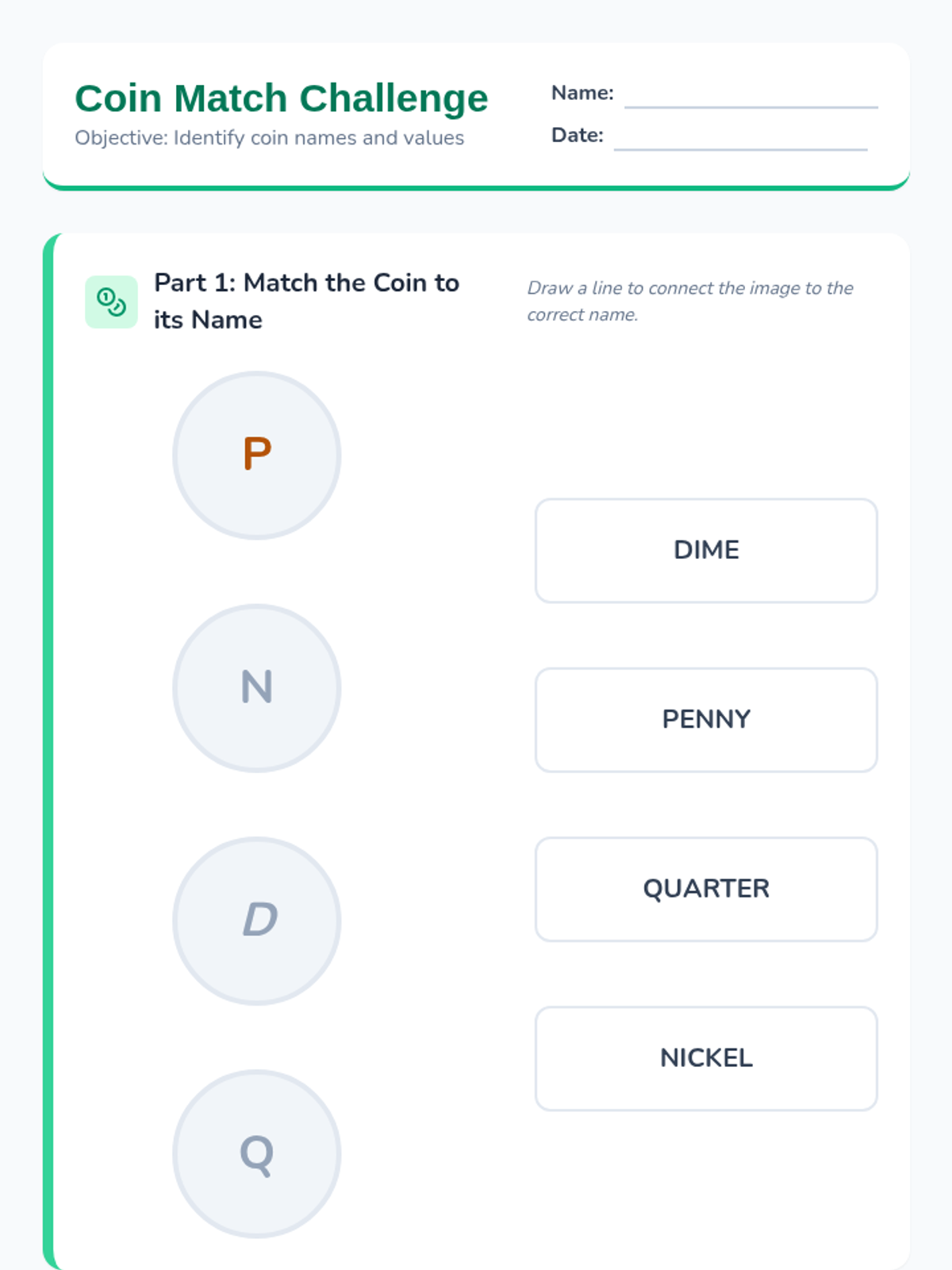
A comprehensive week-long math unit focused on identifying coin values and performing addition and subtraction of money up to $20 using a calculator in real-world contexts.
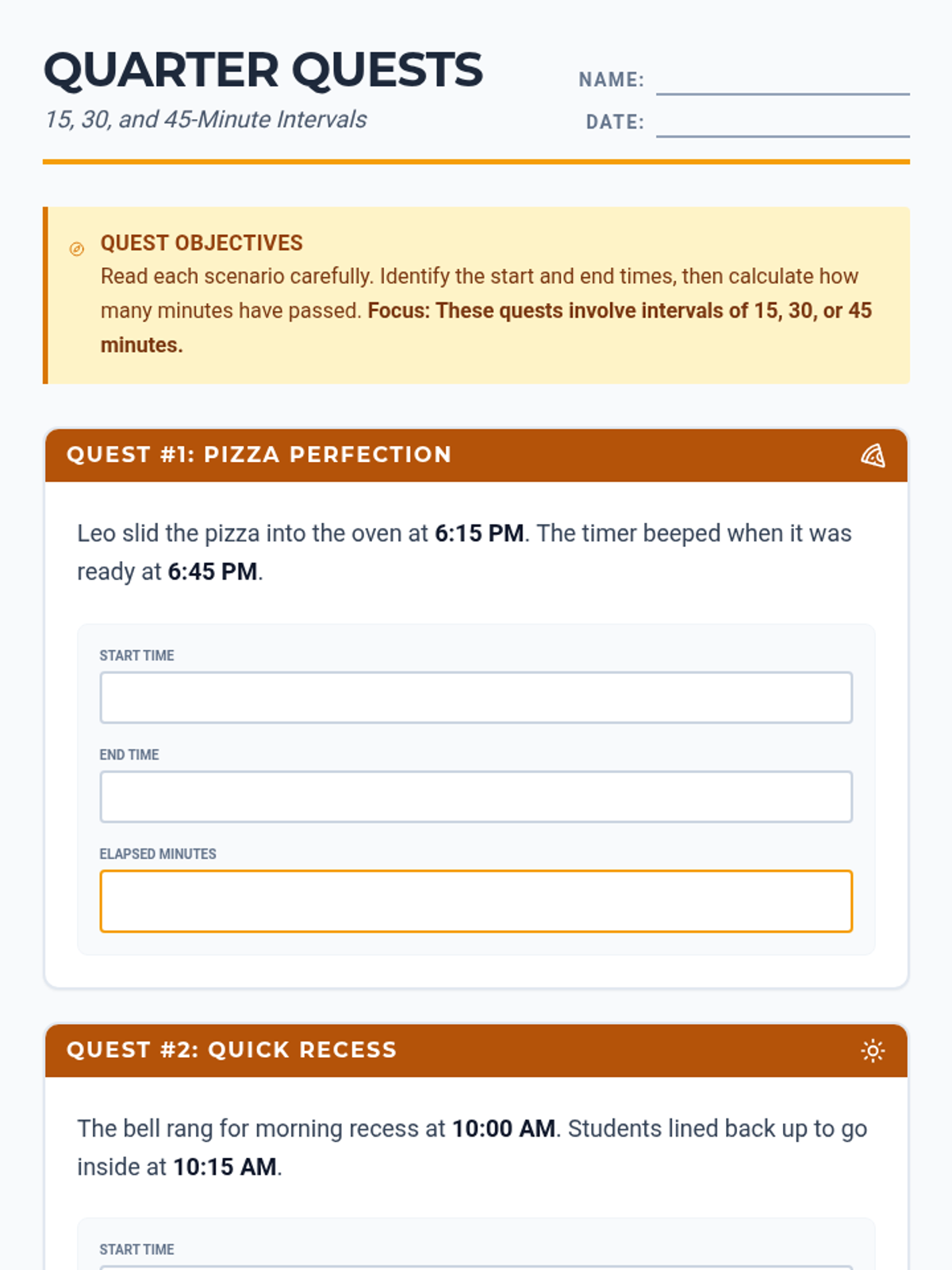
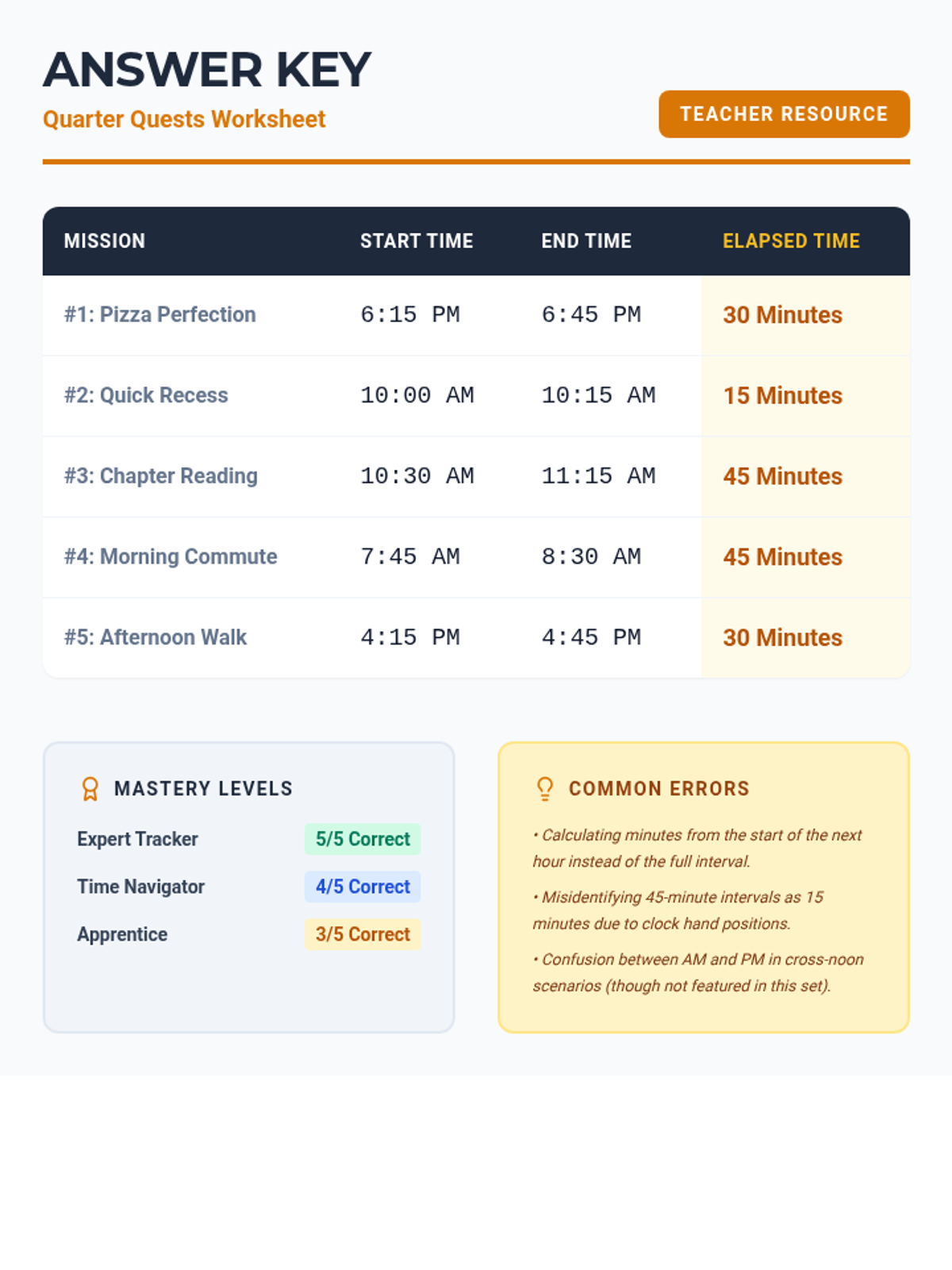
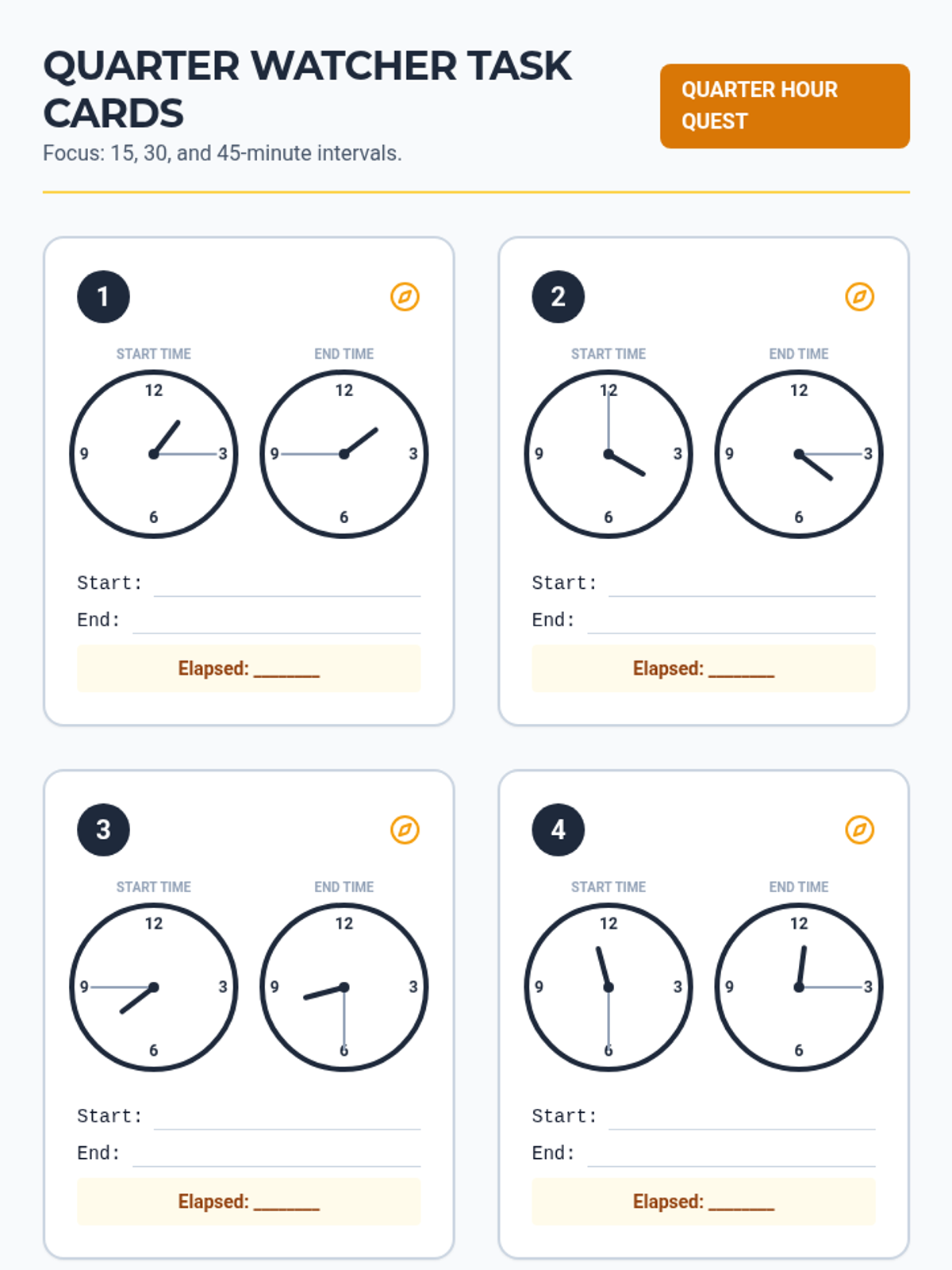
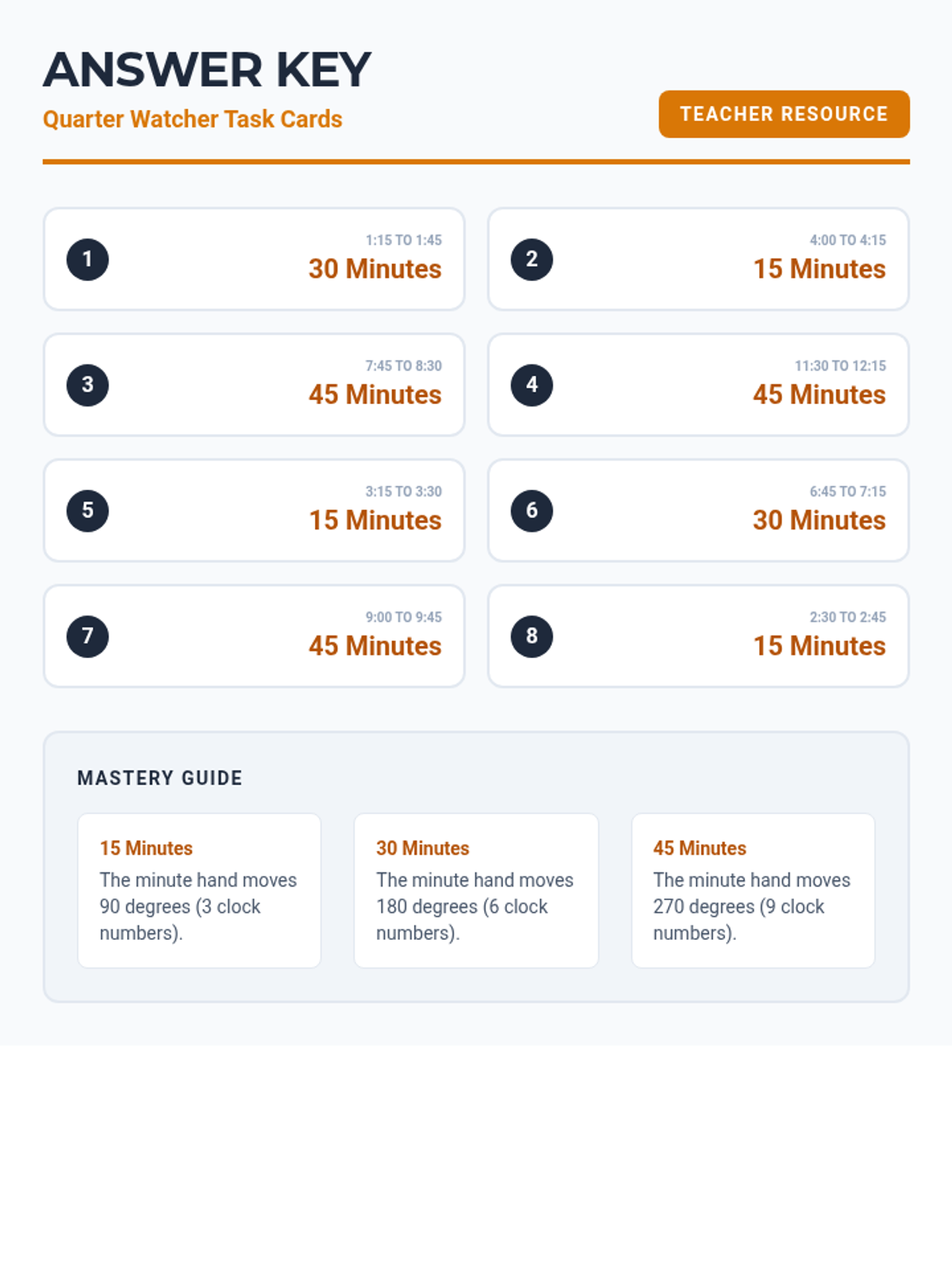
A comprehensive unit on calculating elapsed time, progressing from simple one-hour intervals to quarter-hour and five-minute increments using scenarios and analog clocks.
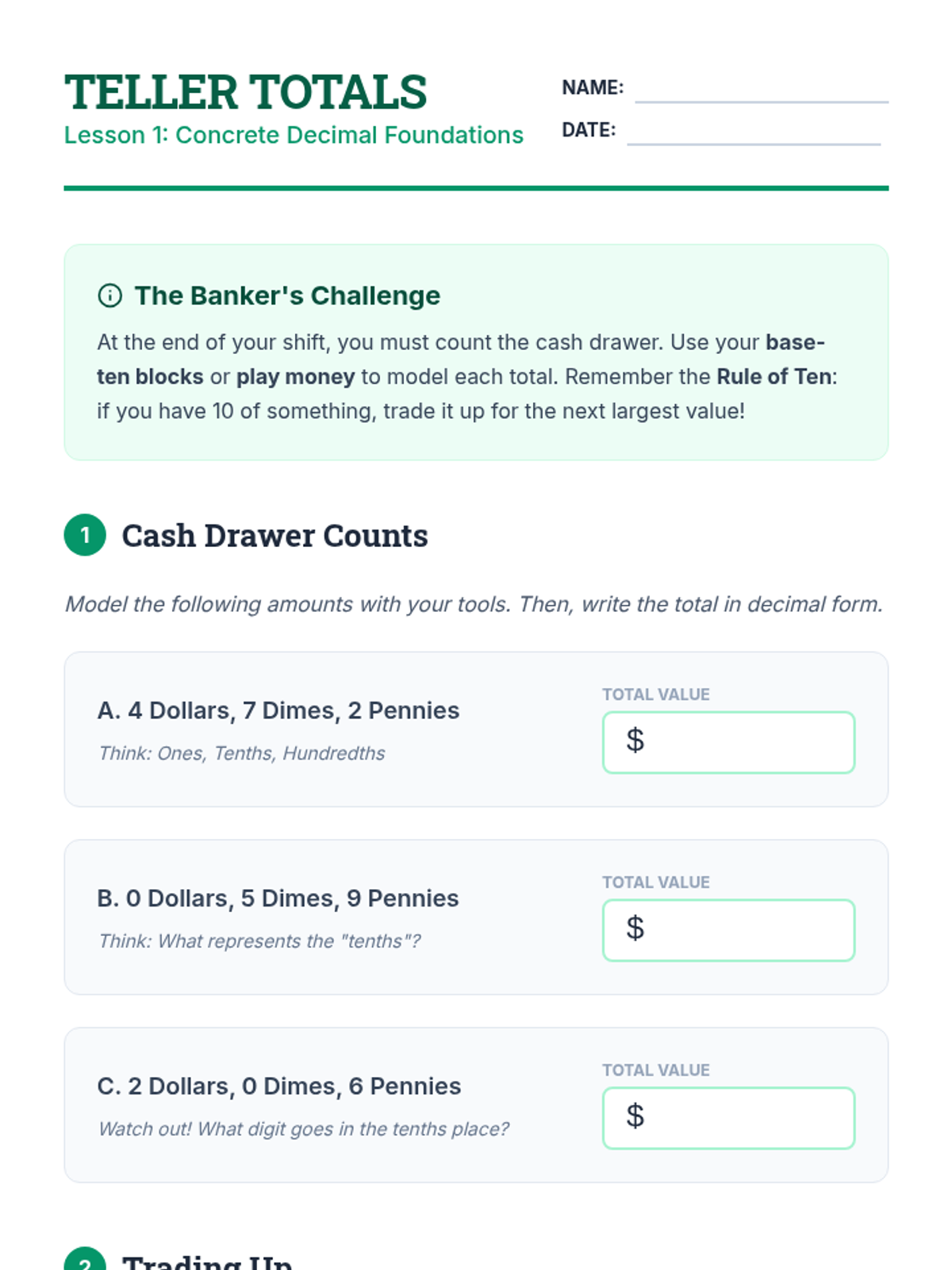
This sequence uses the Concrete-Representational-Abstract (CRA) framework to teach decimal place value through the lens of financial literacy. Students move from manipulating physical currency to drawing models and finally using standard algorithms to manage budgets.
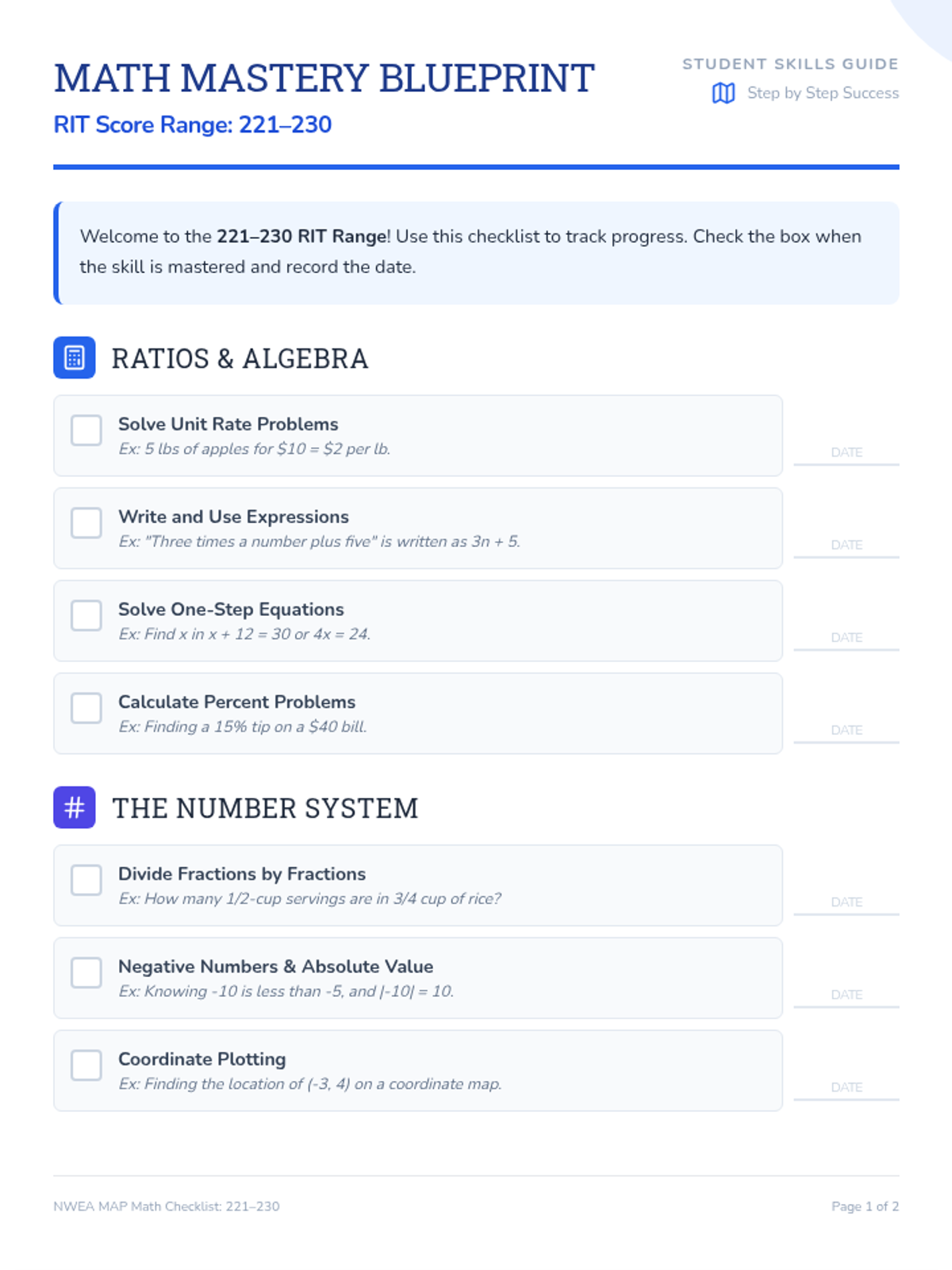
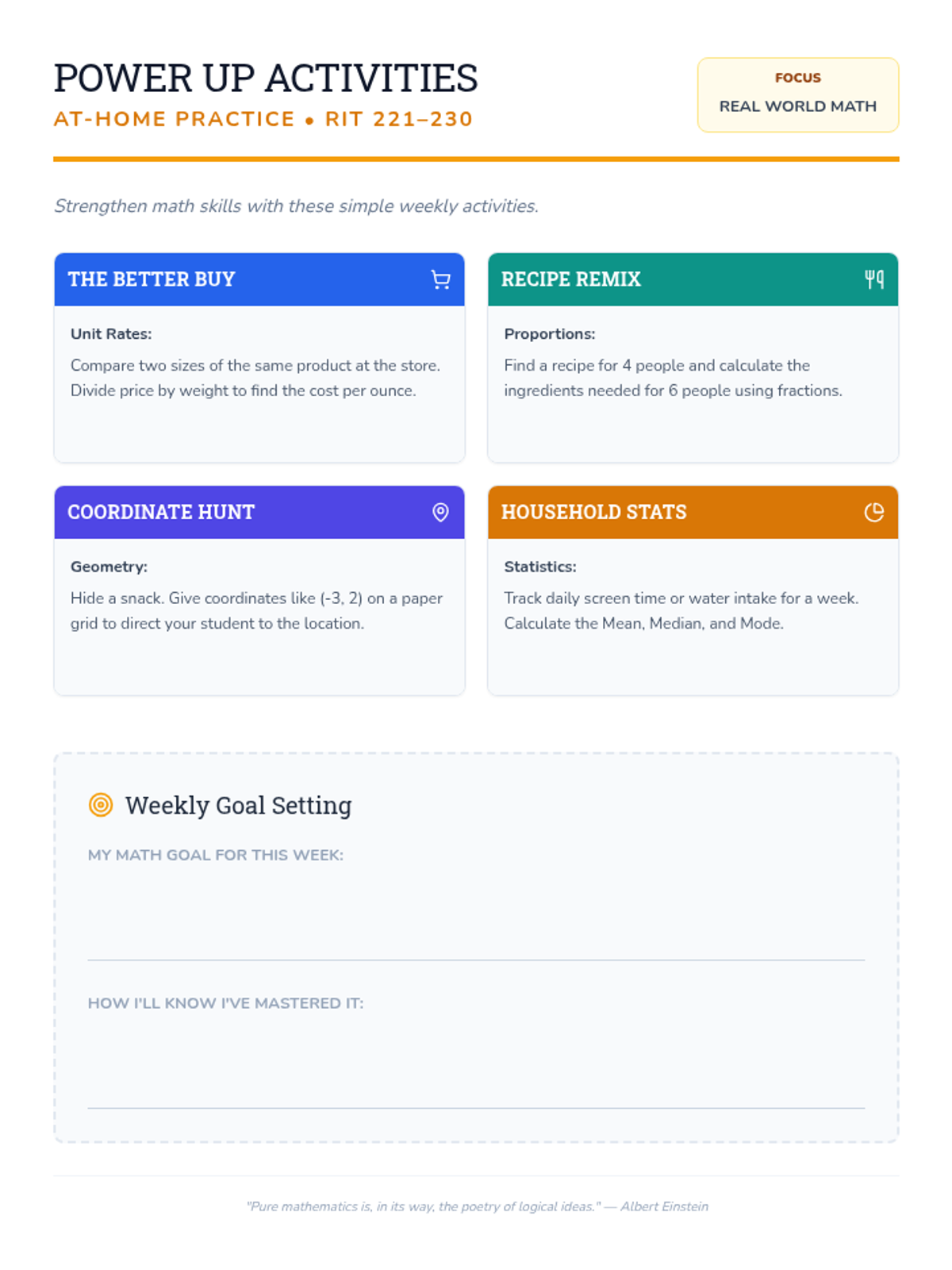
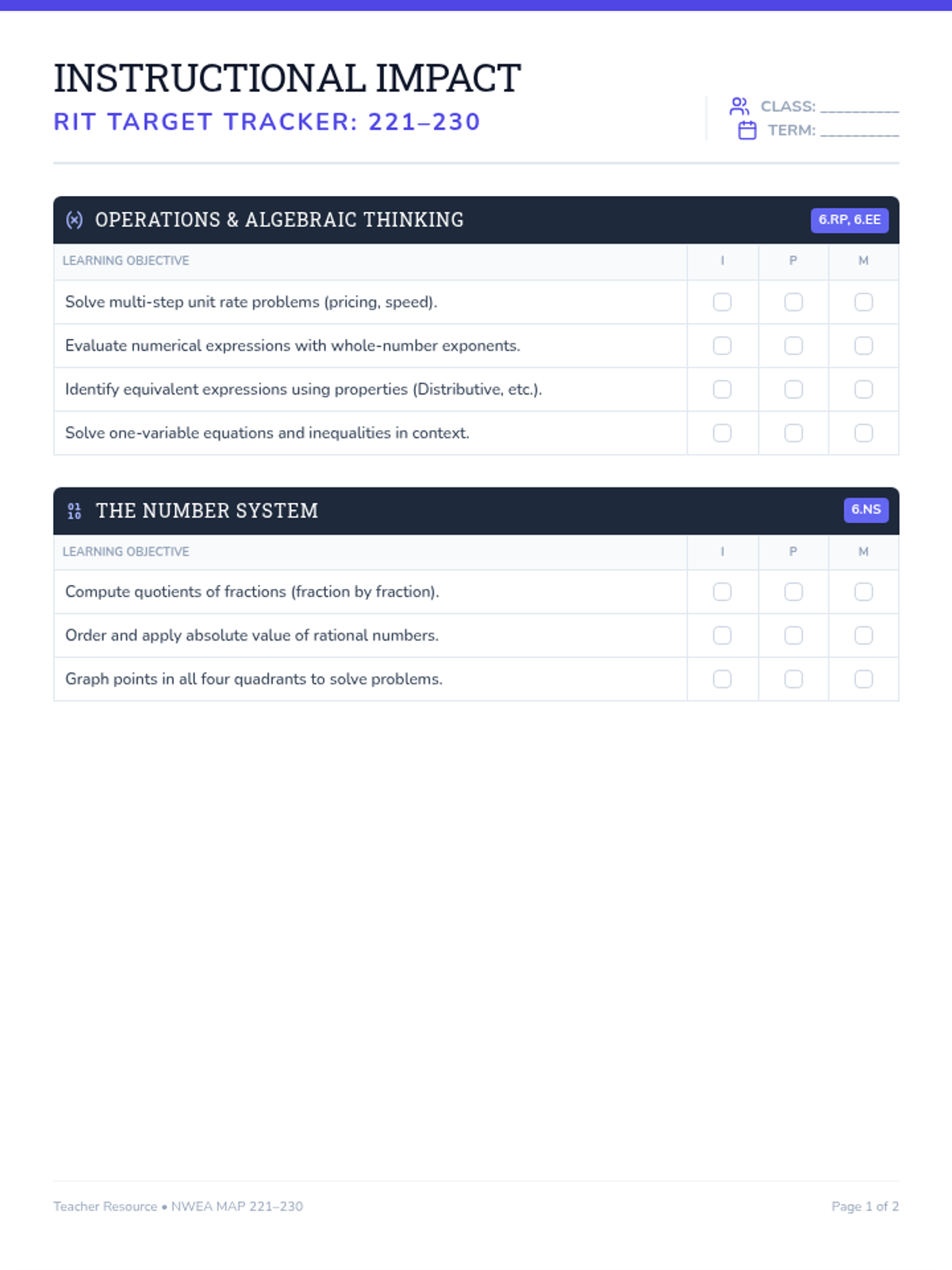
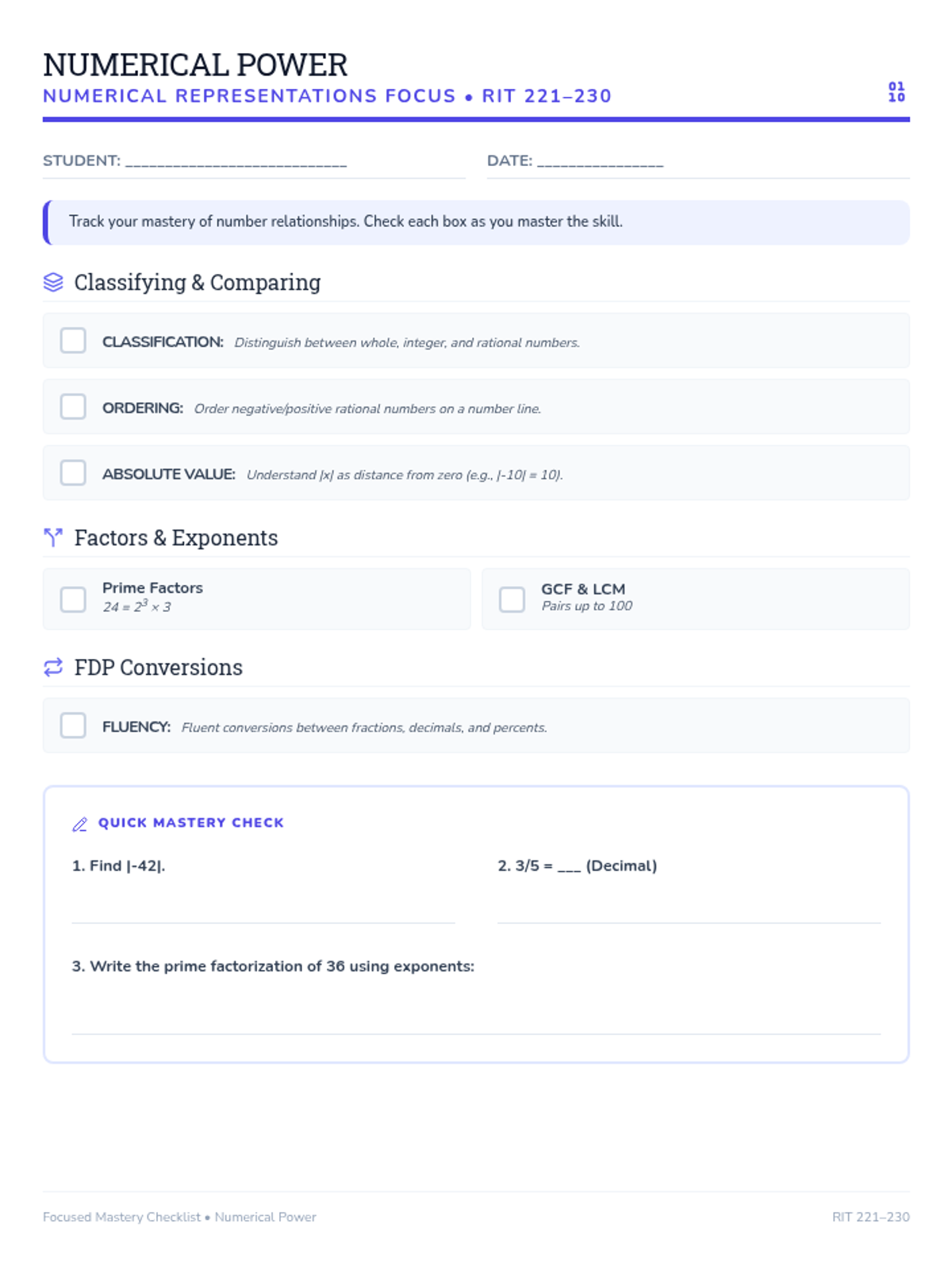
A comprehensive collection of RIT-aligned math mastery resources for student and teacher tracking across key mathematical development ranges.
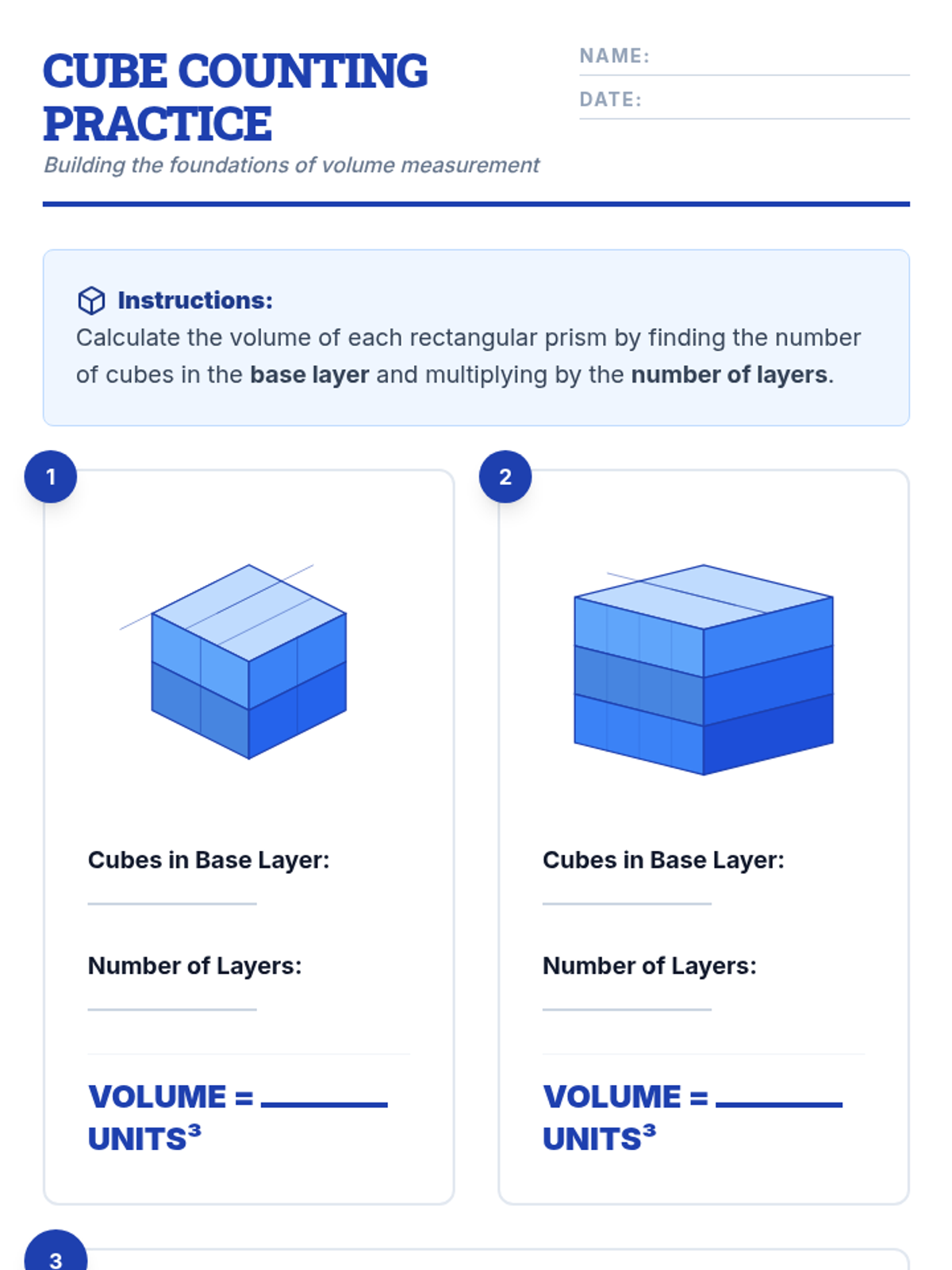
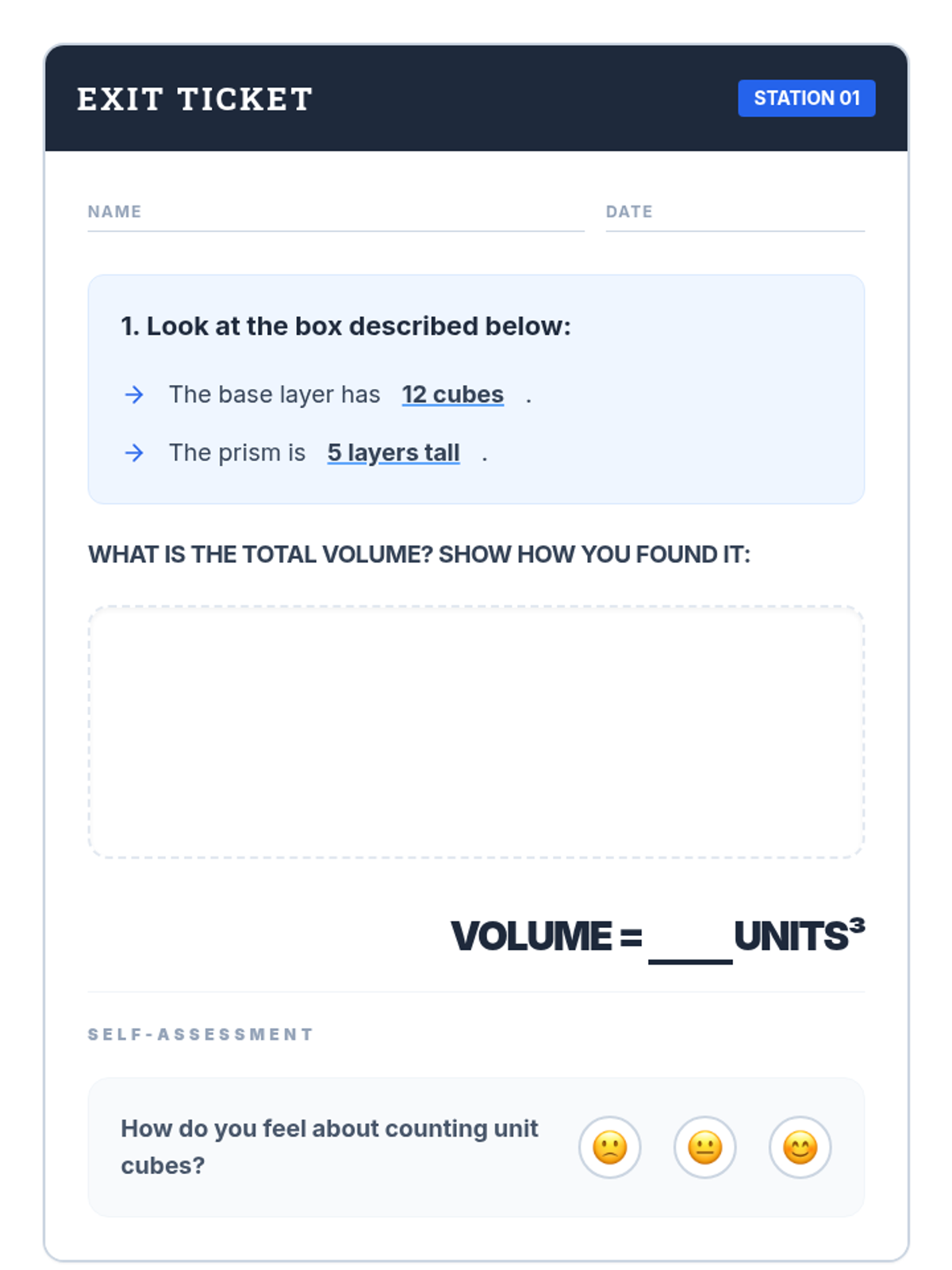
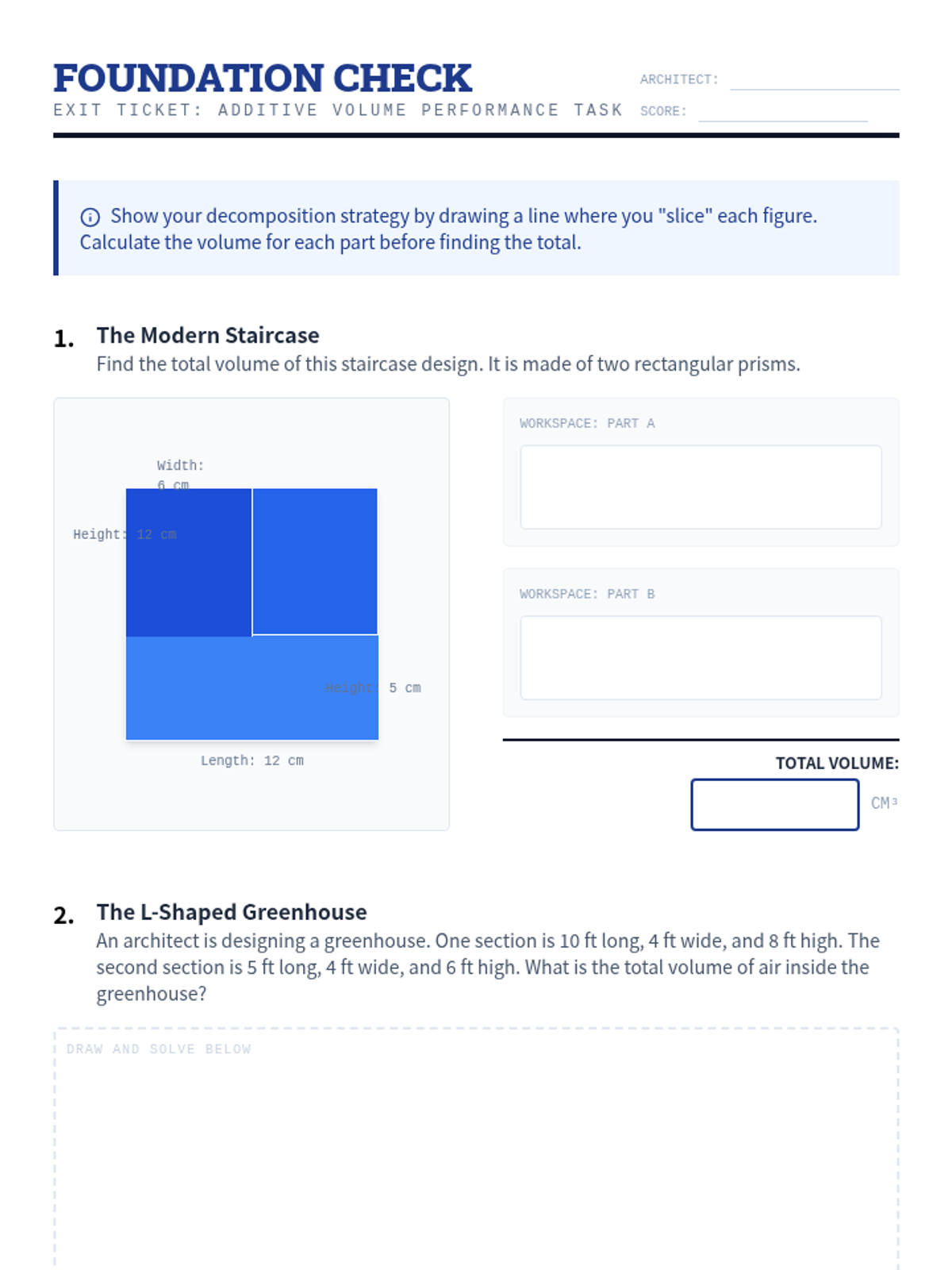
A comprehensive unit on 5th-grade volume standards, covering unit cubes, rectangular prism formulas, and additive volume of composite figures. Students move from concrete counting to abstract calculations and real-world problem-solving.
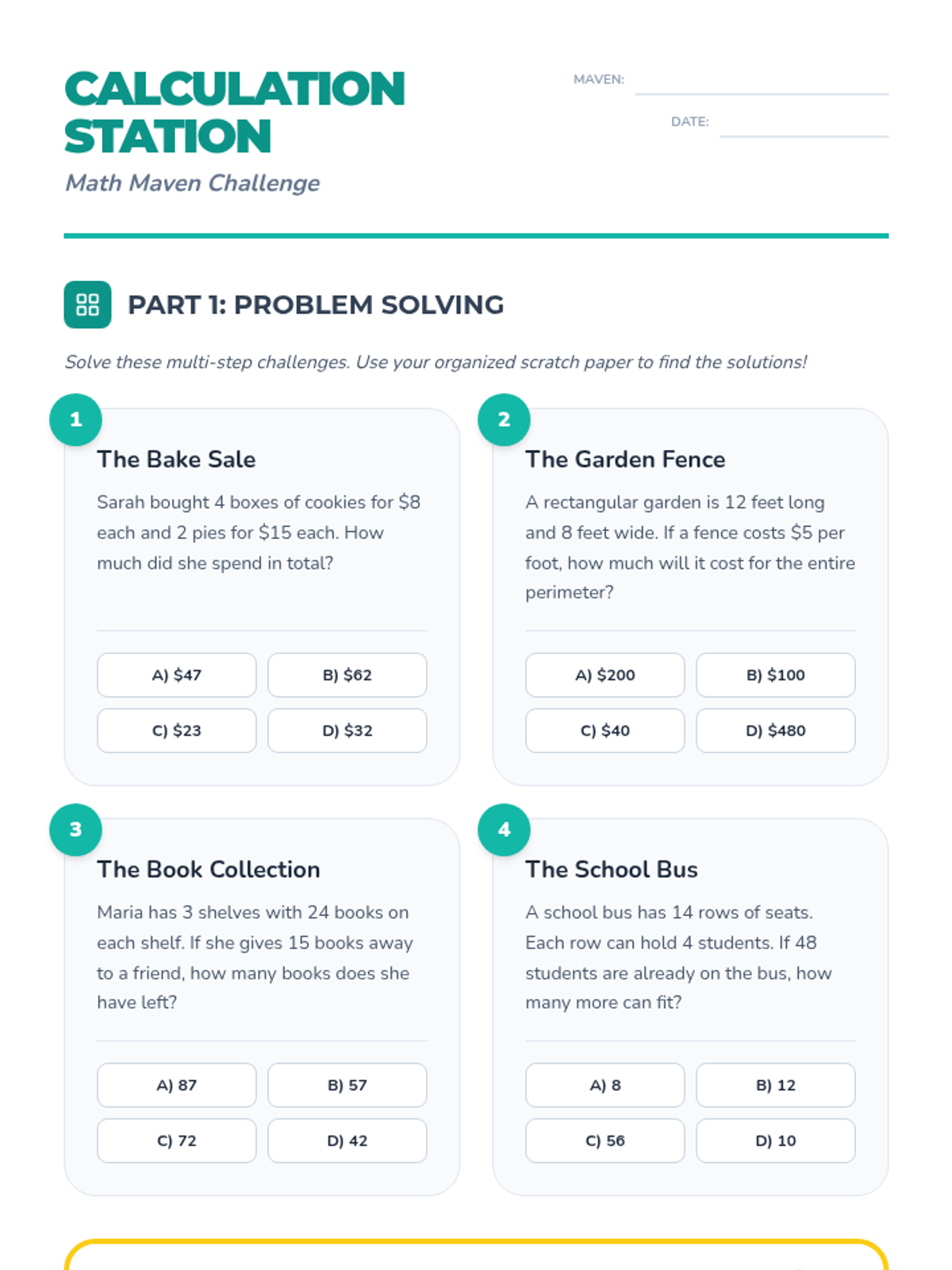
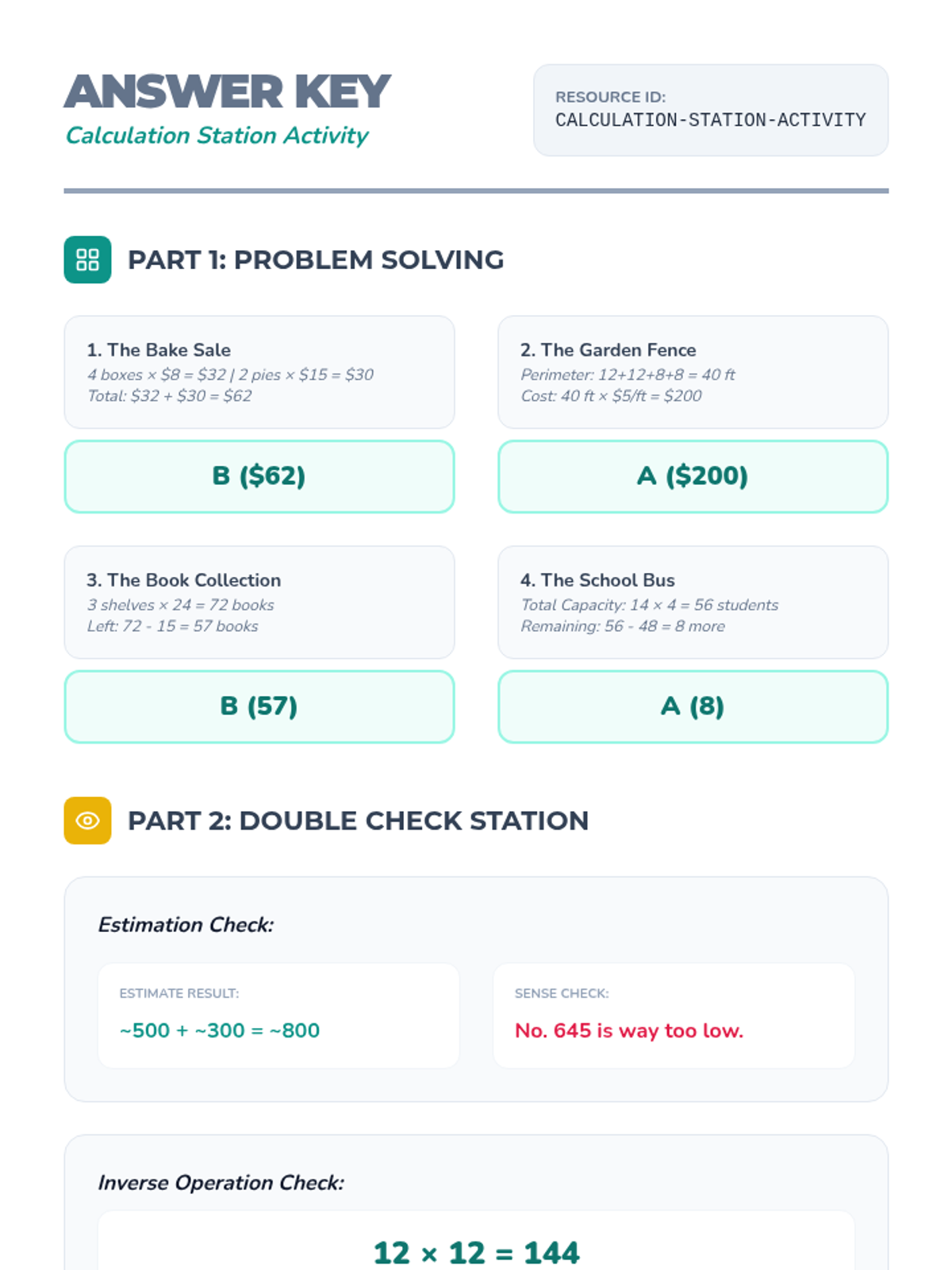
A collection of math challenges focused on operational fluency and geometric measurement.
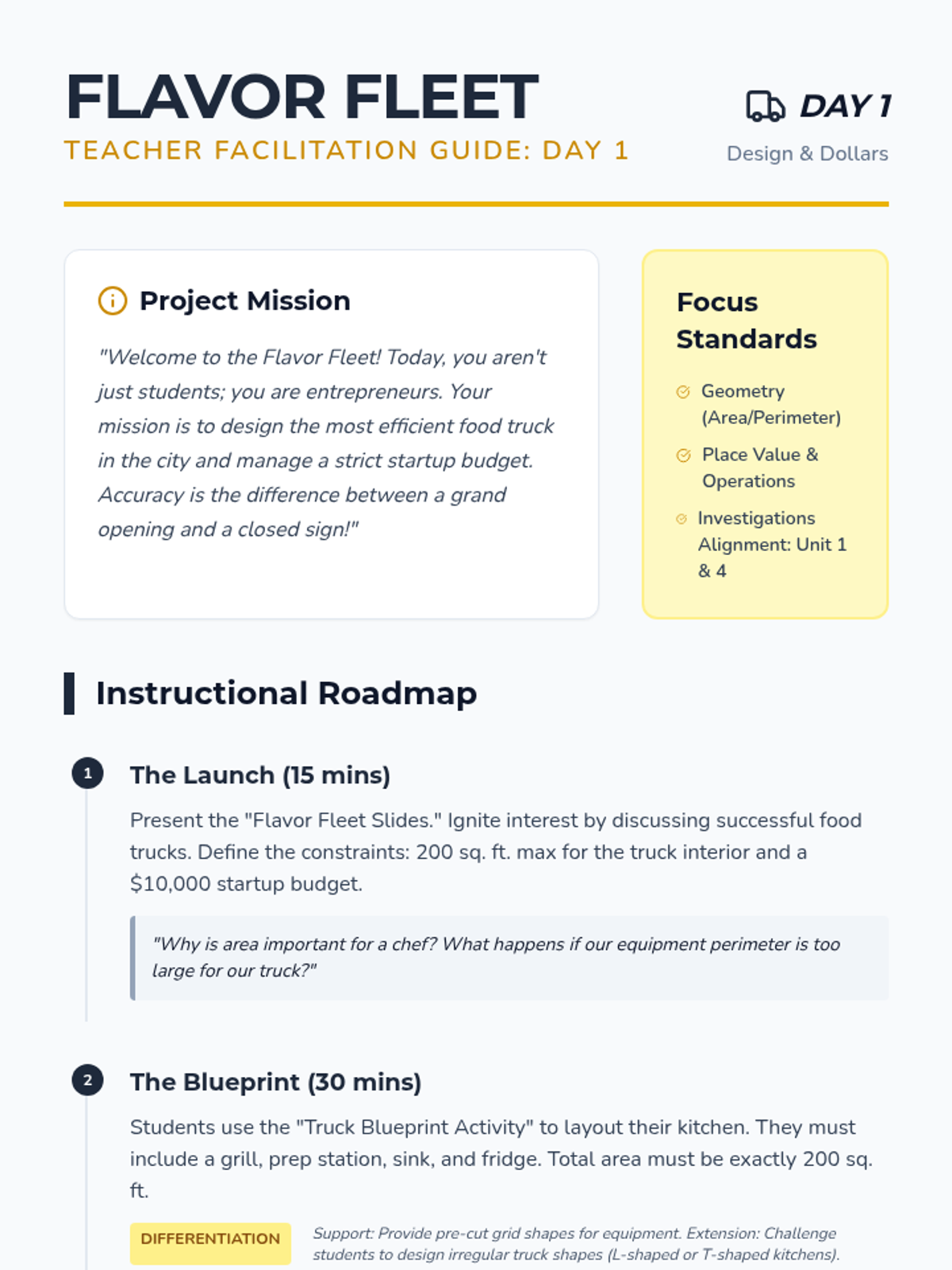
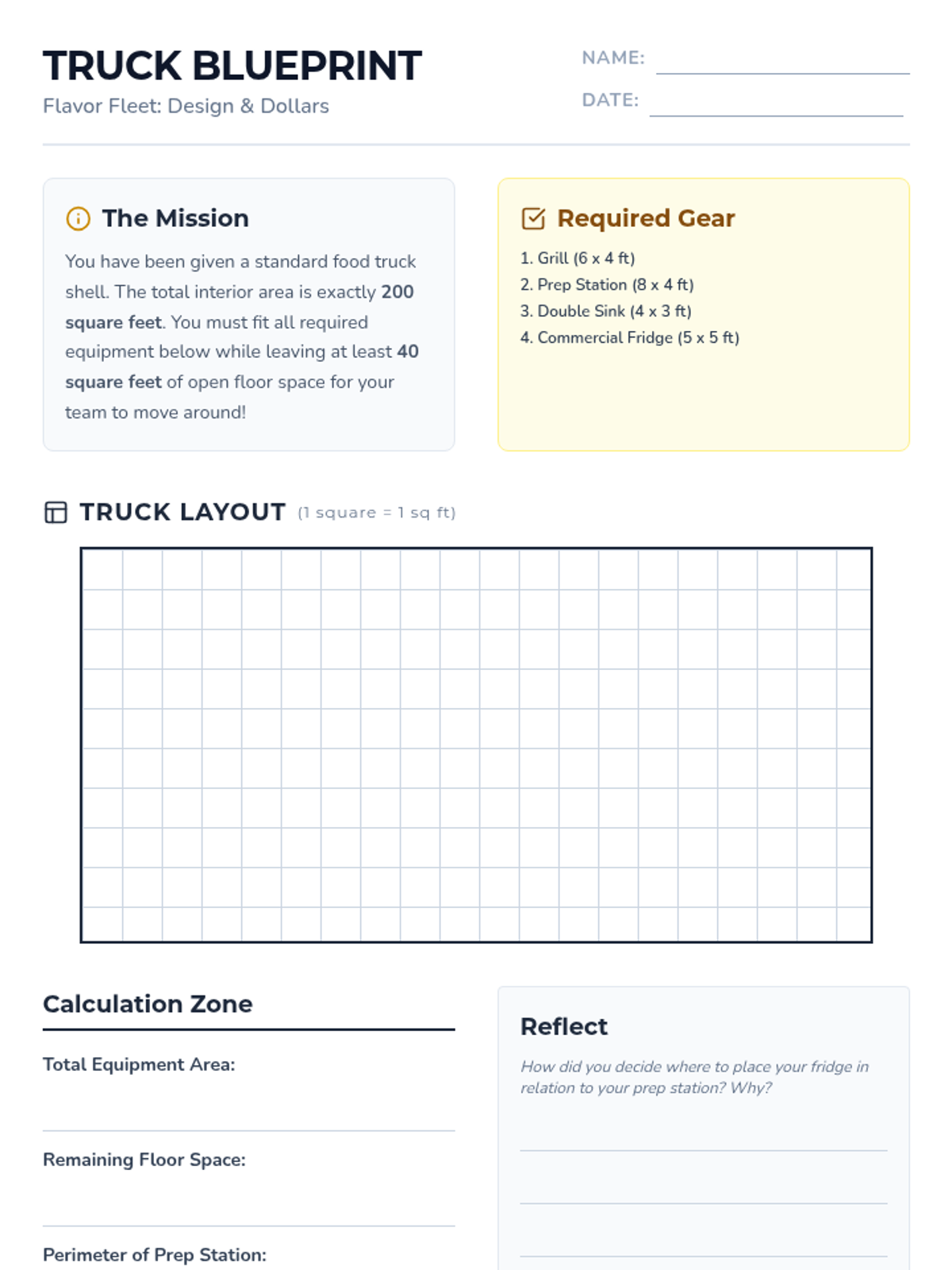
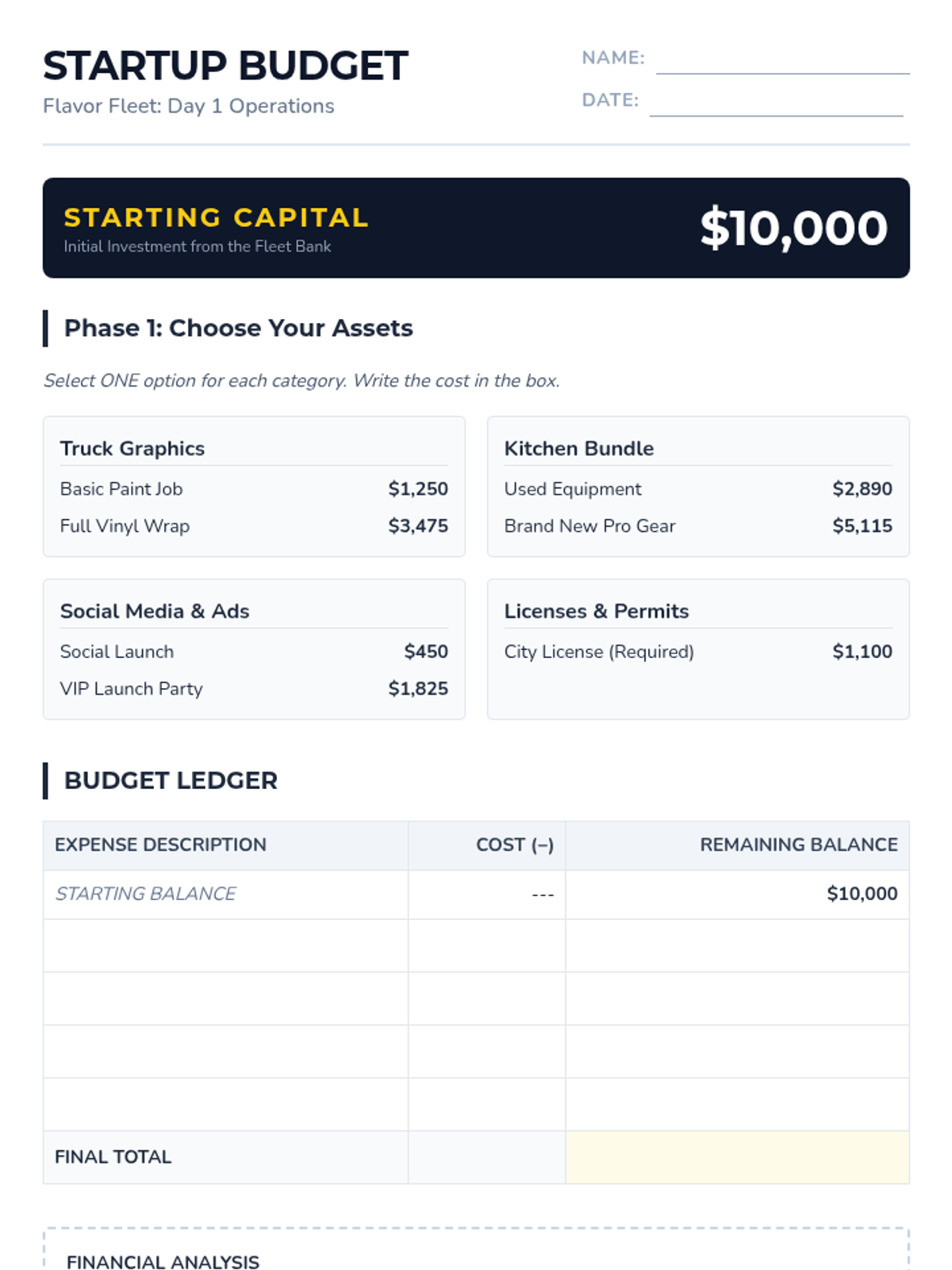
A 3-day project-based learning experience where students design, budget, and run their own food truck business, integrating fractions, geometry, operations, and data analysis.
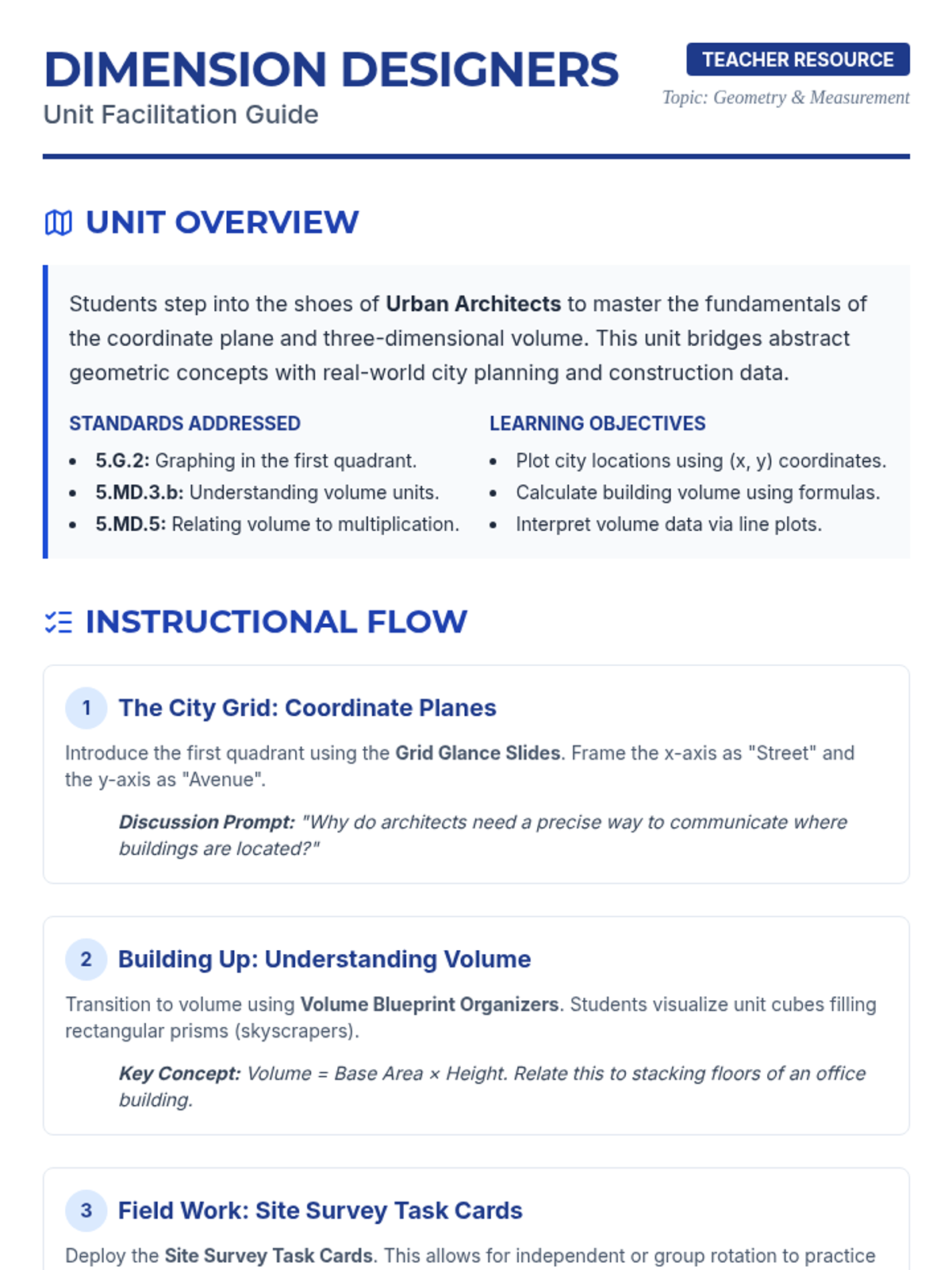
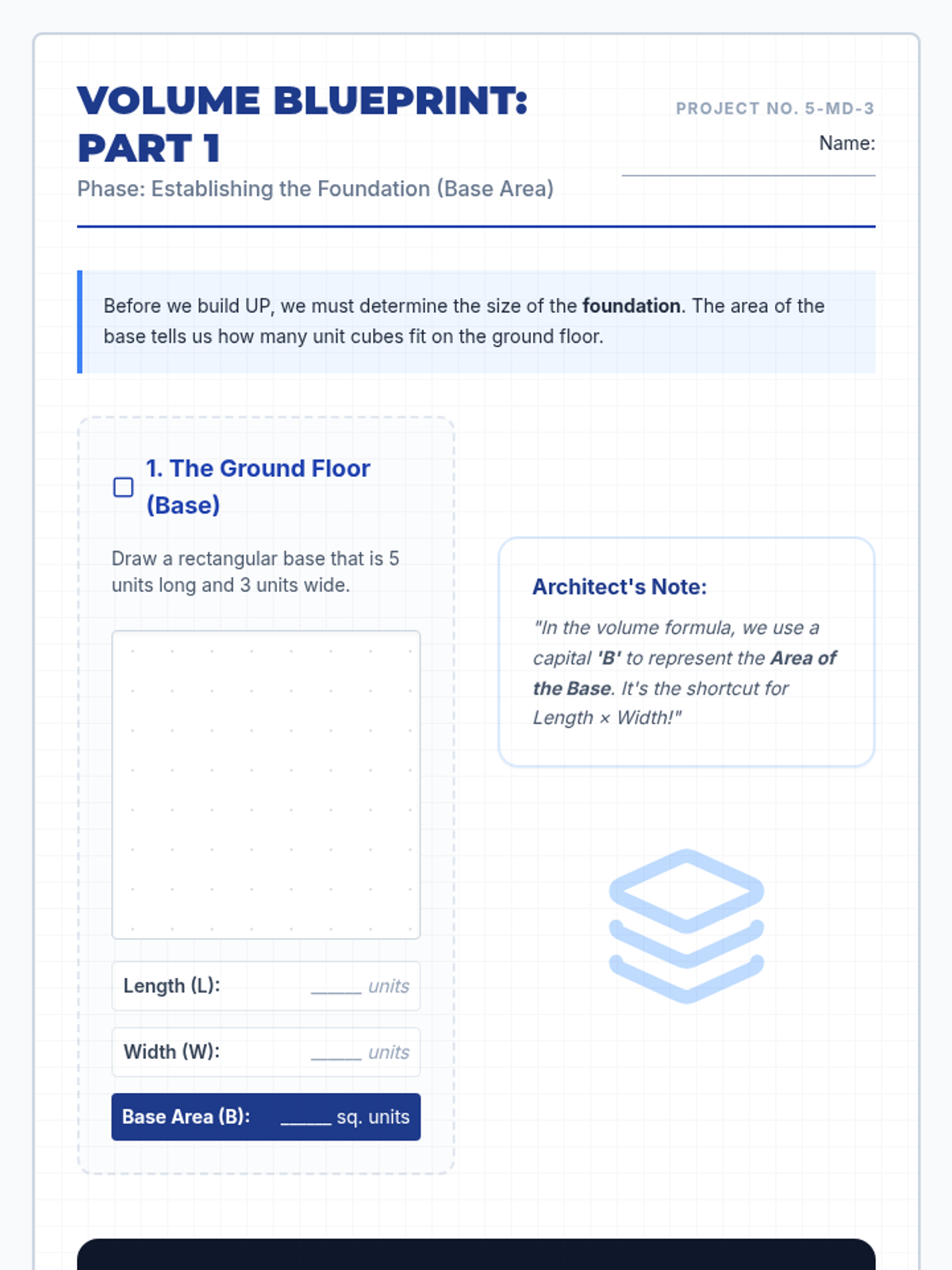
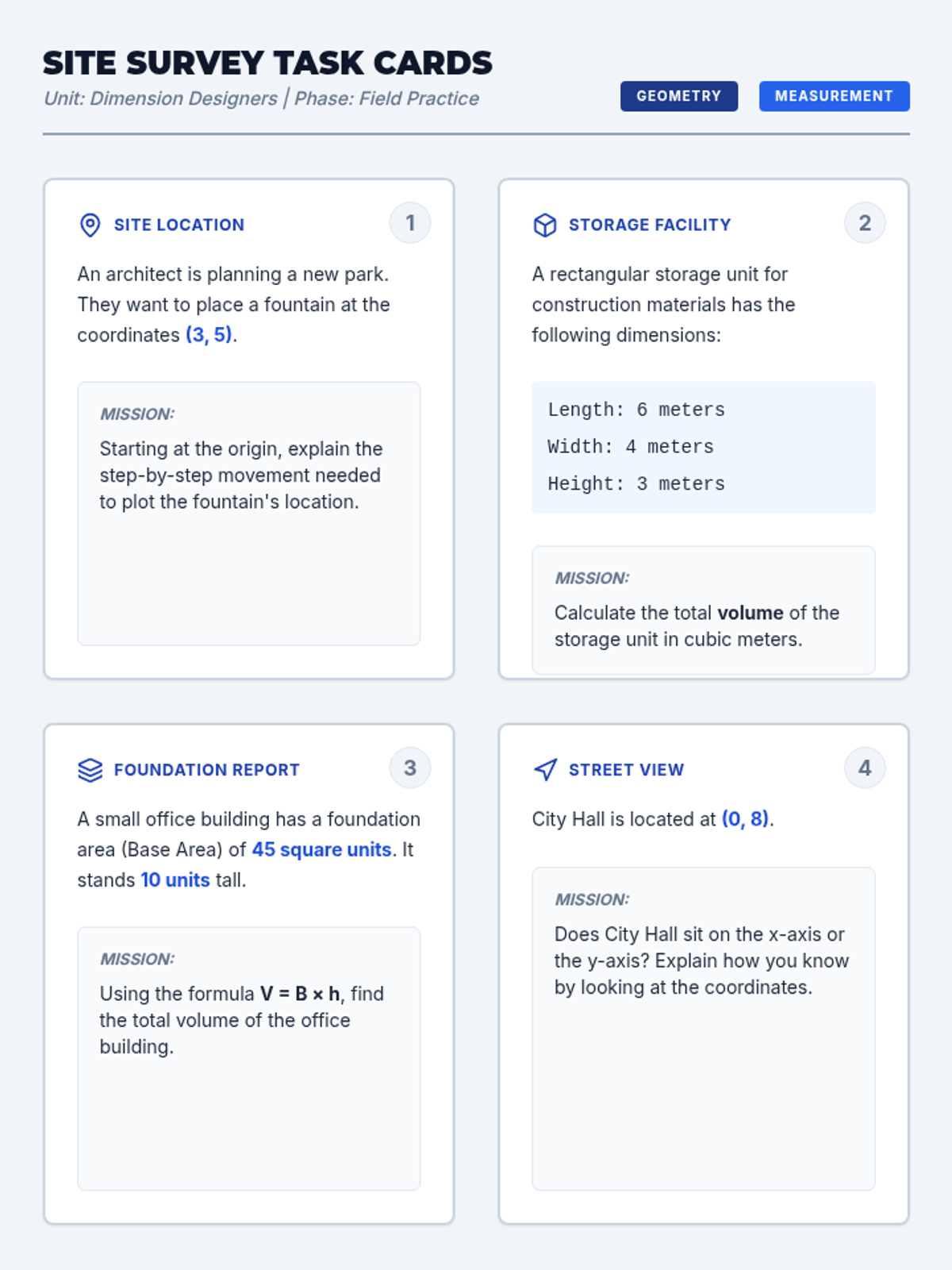
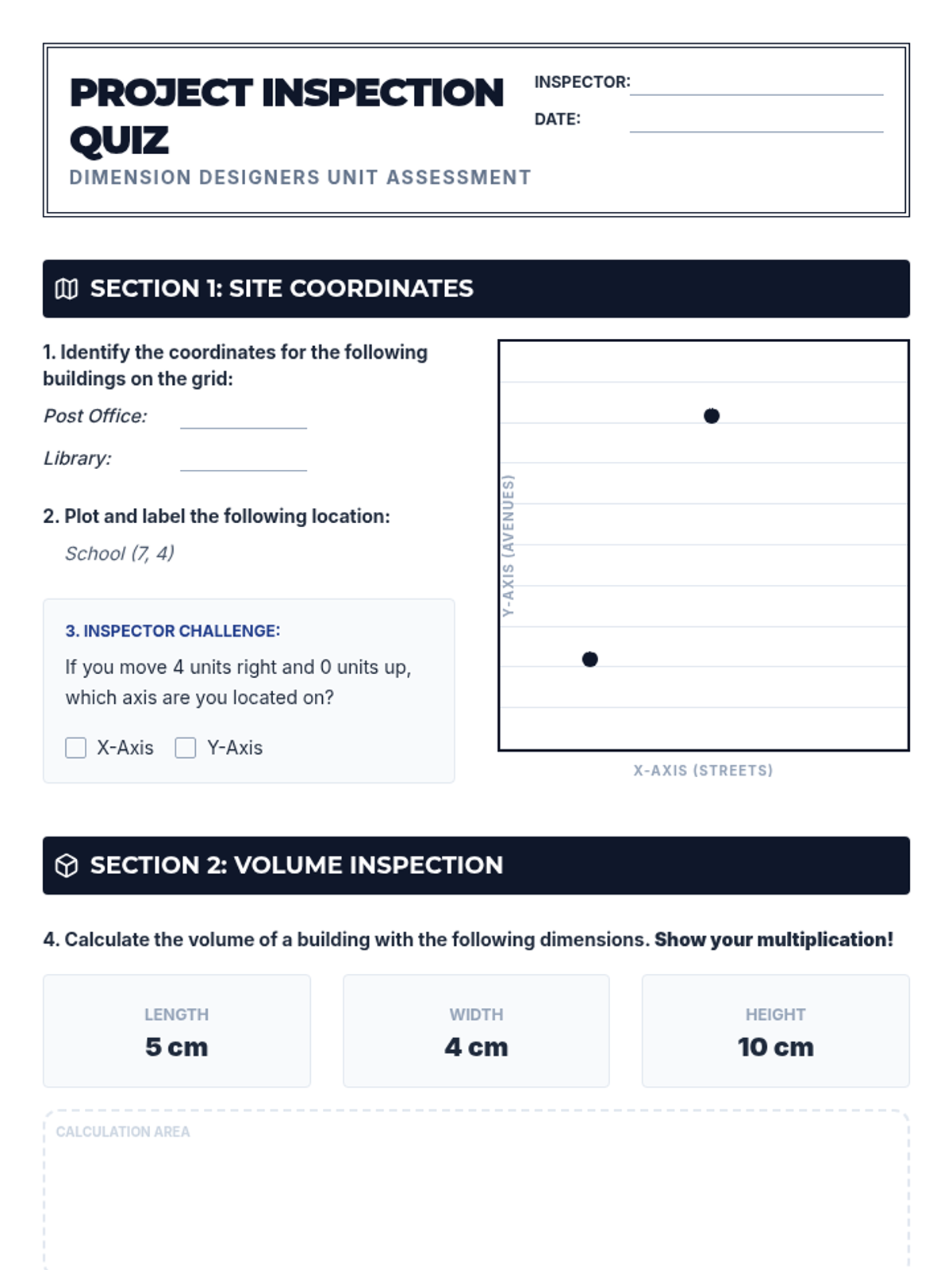
A unit focused on 5th-grade geometry and measurement standards, specifically coordinate planes and volume calculation. Students apply mathematical concepts to real-world architectural scenarios.
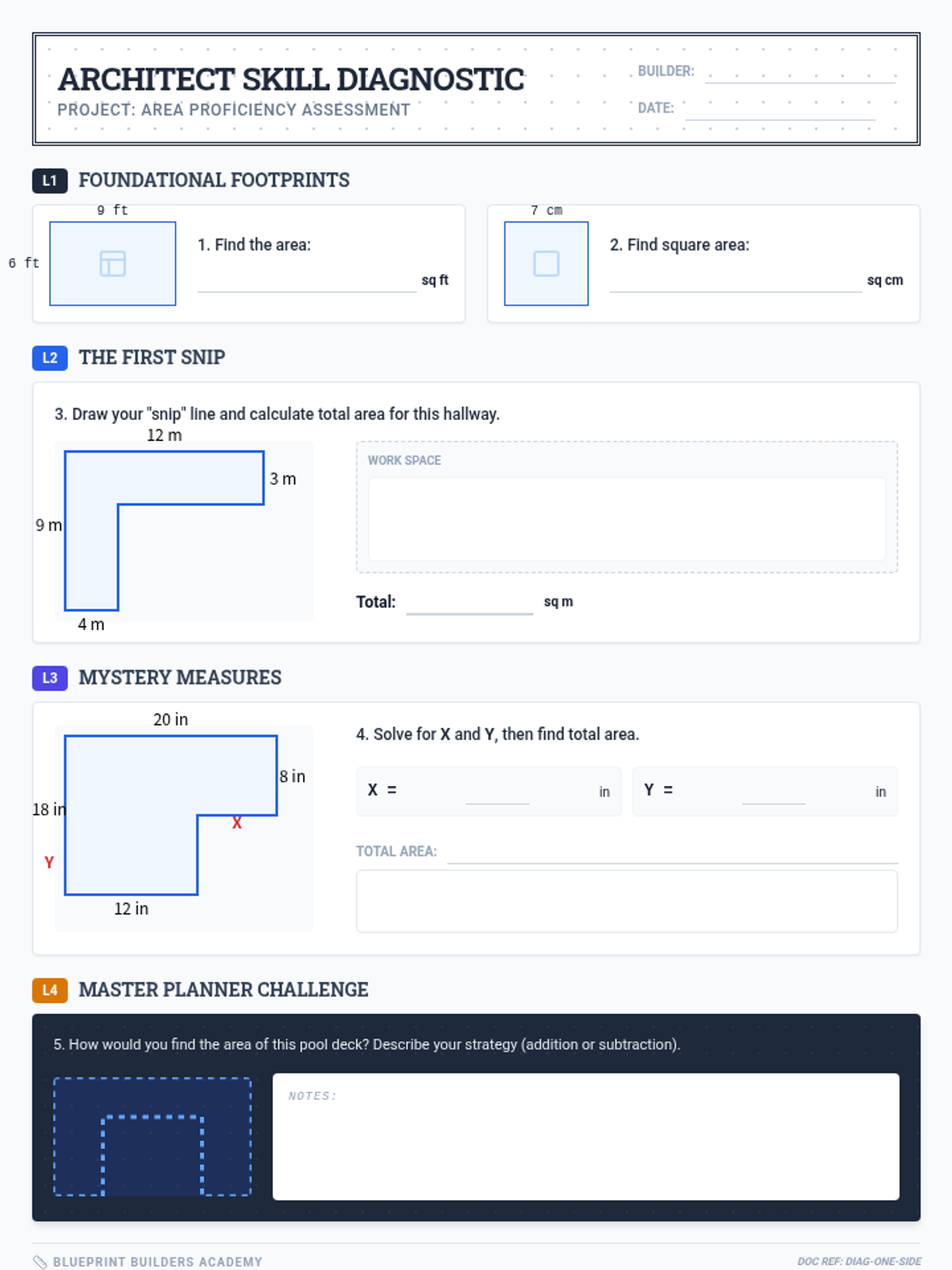
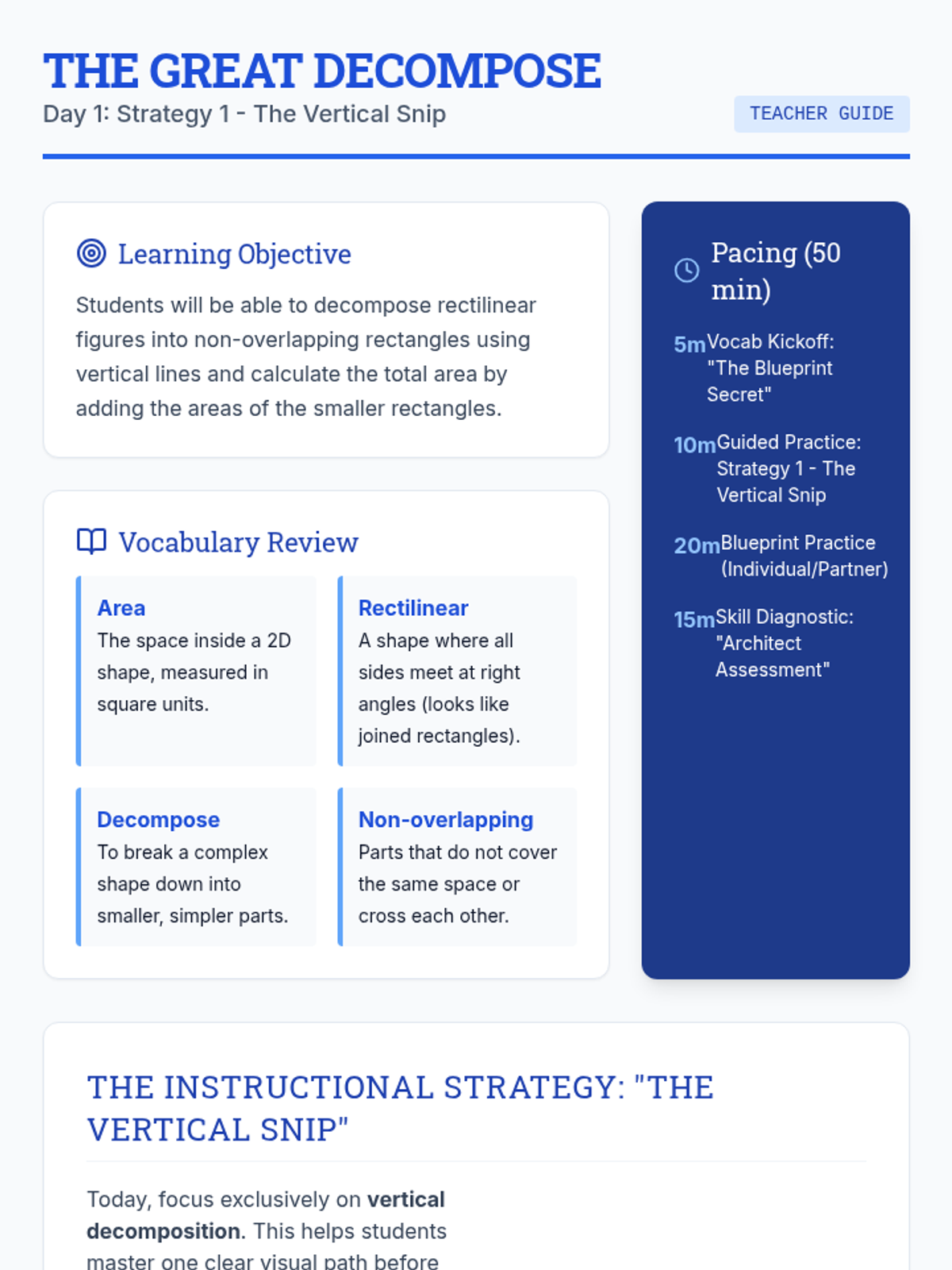
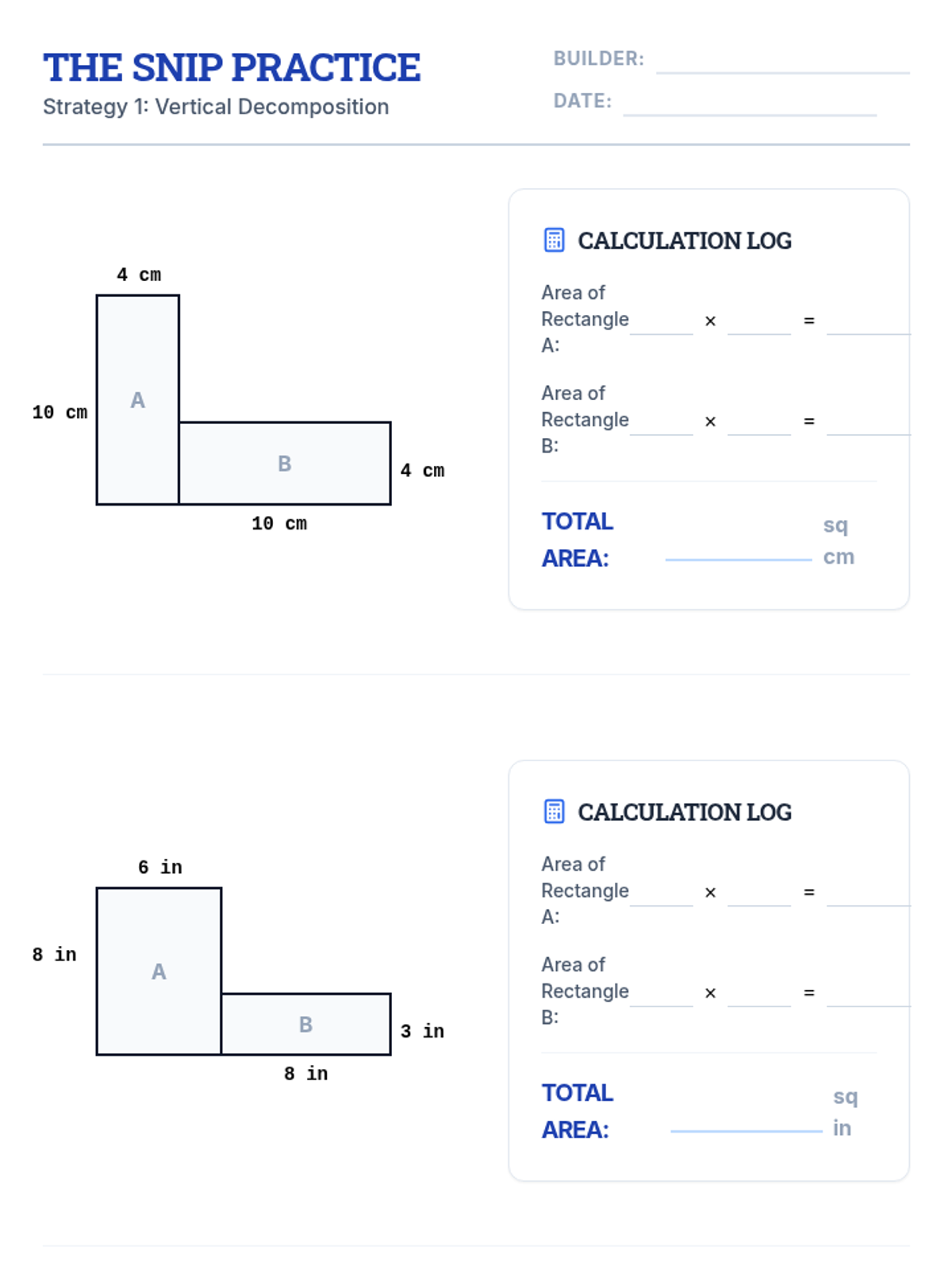
A four-day intensive unit on decomposing rectilinear figures to find total area, progressing from basic strategies to complex real-world architectural challenges. Students act as 'Blueprint Builders' to master vertical cuts, horizontal cuts, and additive/subtractive methods.
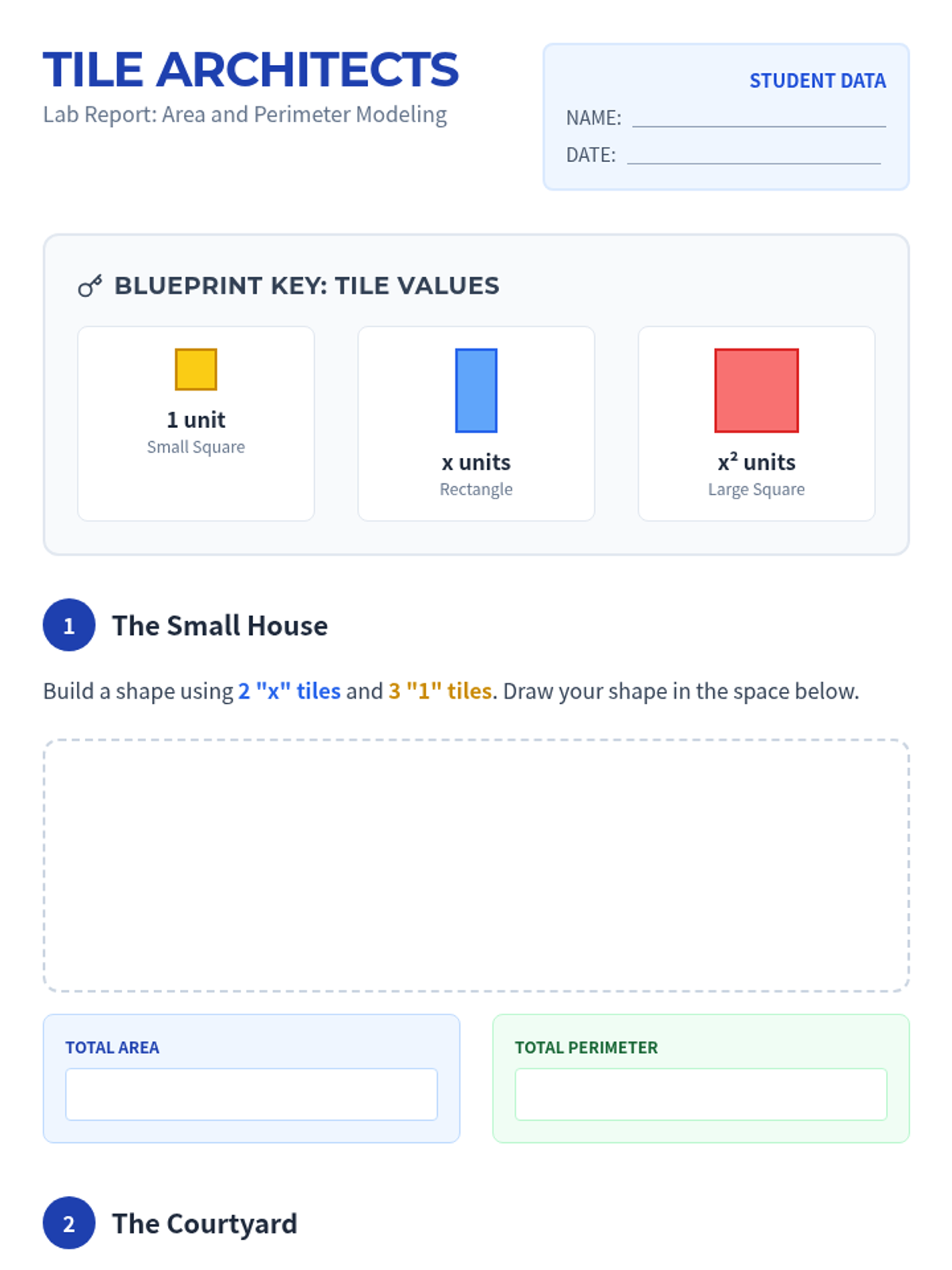
A specialized Tier 3 intervention sequence for 8th-grade students performing at a 5th-grade level, focusing on bridging foundational arithmetic to high school algebra concepts. This sequence uses concrete-representational-abstract (CRA) methods to explore area modeling, systems of equations, exponential patterns, and inequalities.
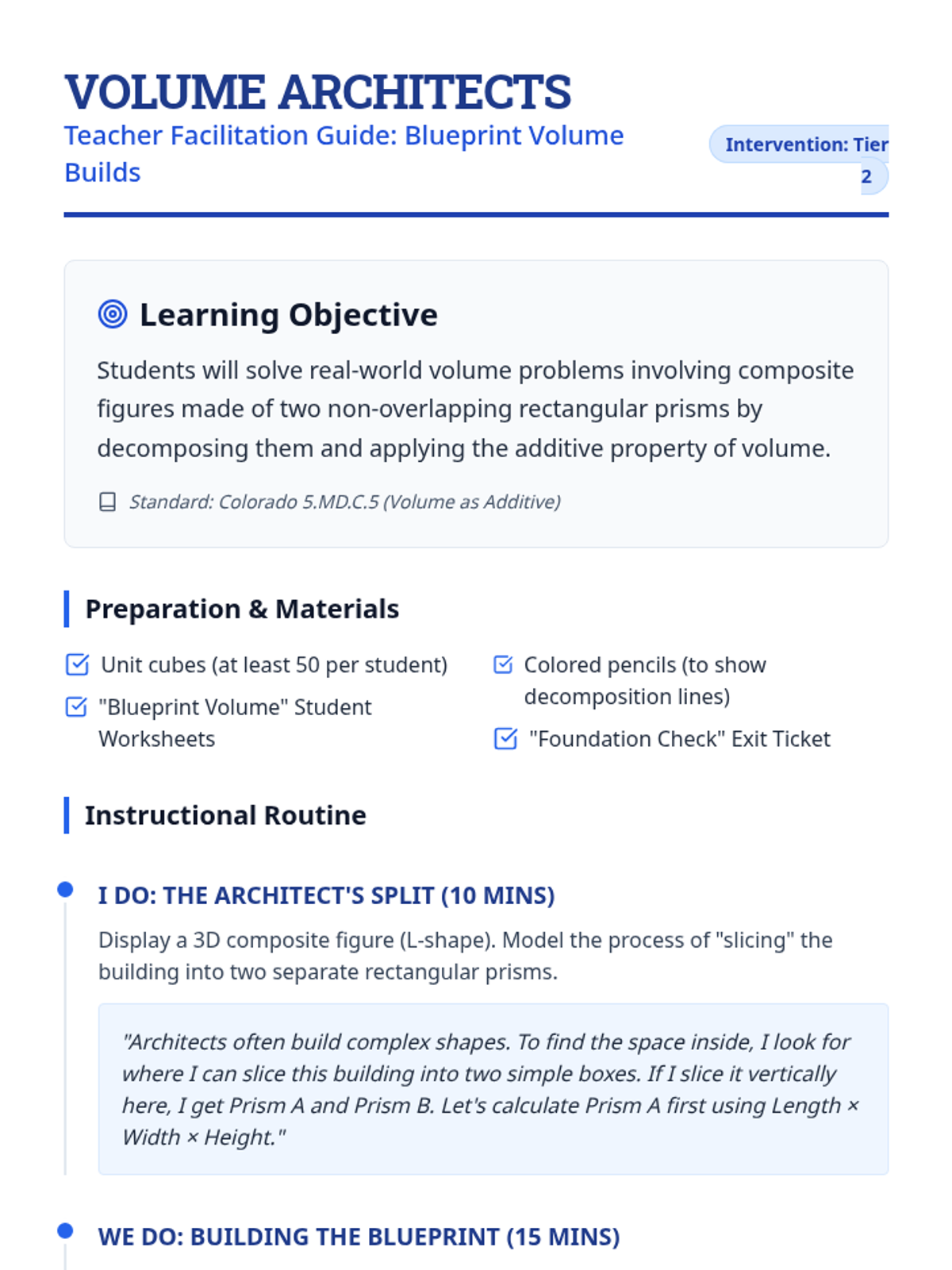
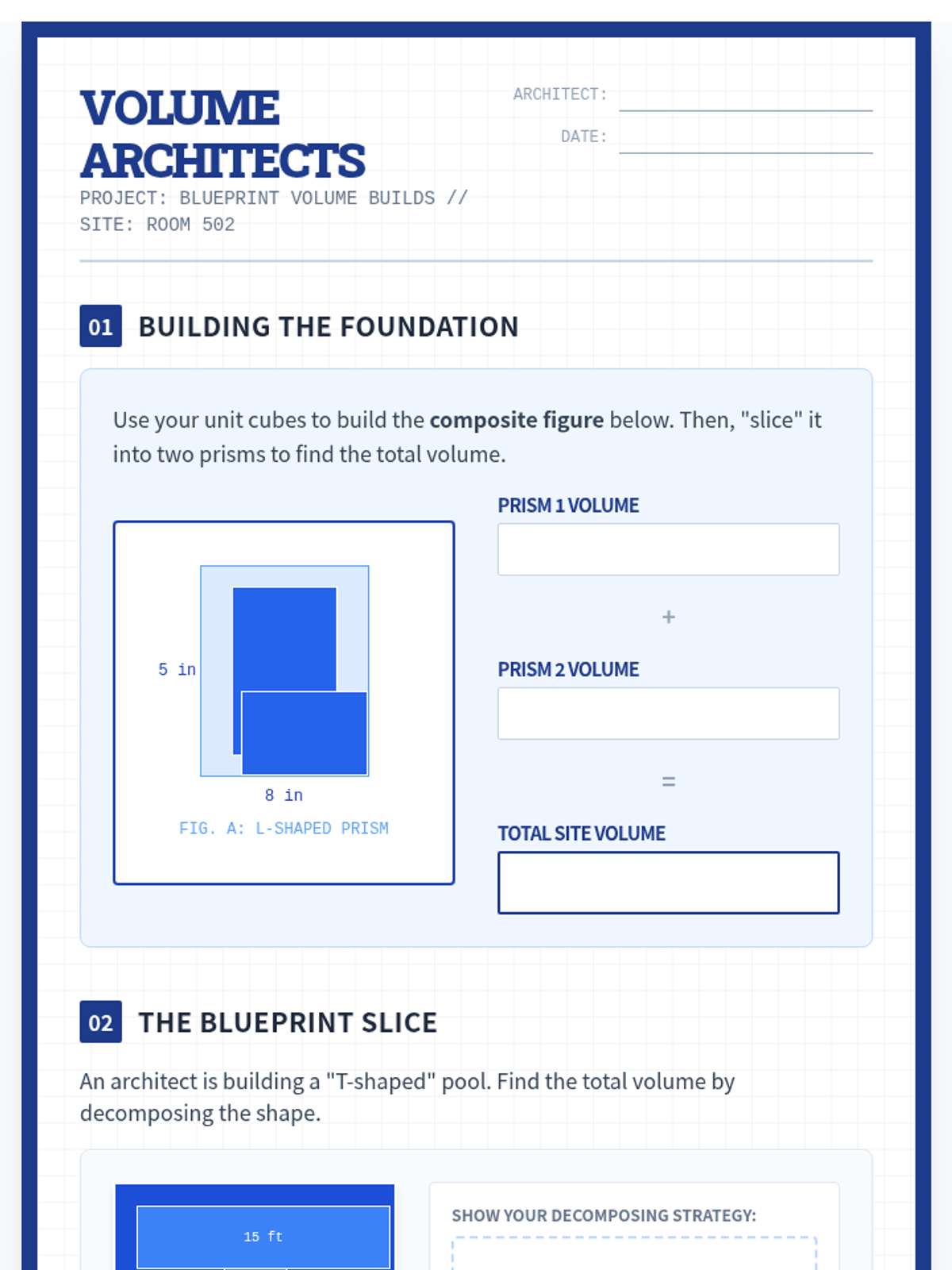
A Tier 2 intervention sequence for 5th-grade students focusing on solving complex volume problems. Students act as 'Volume Architects,' using blueprints and unit cubes to master multiplication formulas and the additive property of volume for composite figures.
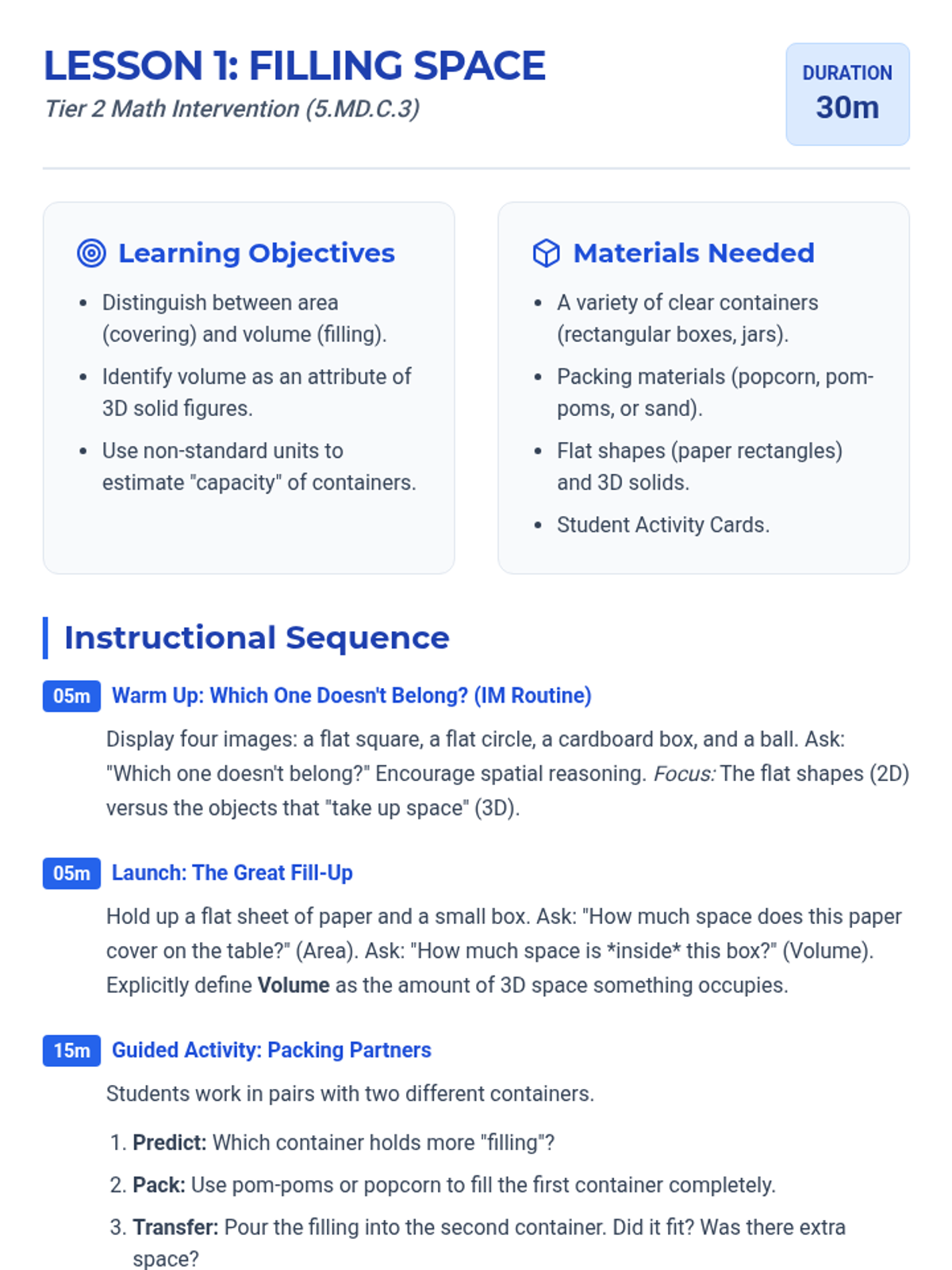
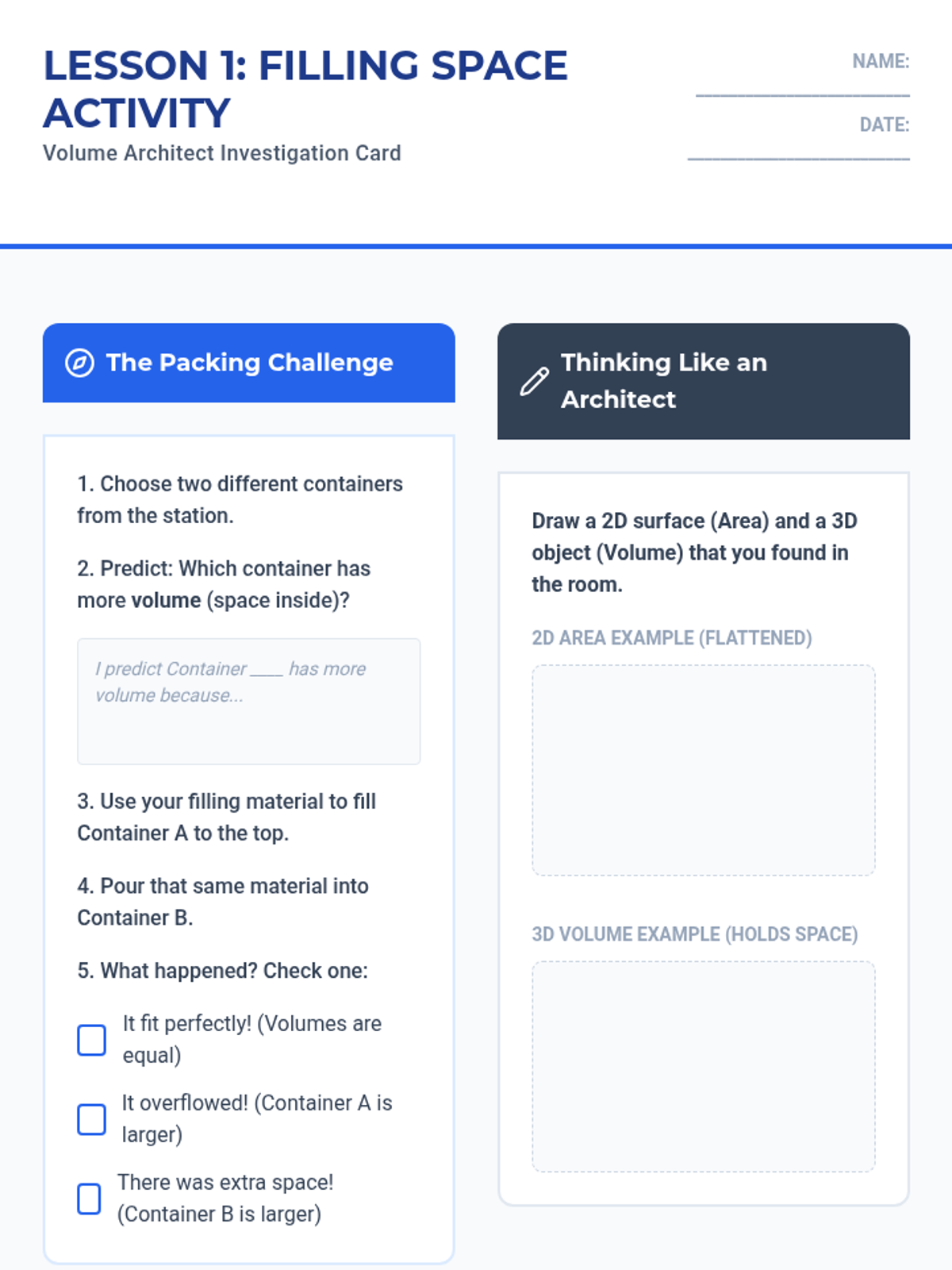
A comprehensive 12-lesson intervention sequence focused on geometric measurement and volume (5.MD.C). Designed for Tier 2 small groups, it utilizes All Learners Network (ALN) High Leverage Concepts and Illustrative Mathematics (IM) instructional routines to build conceptual understanding from unit cubes to complex additive volume.
A comprehensive 12-lesson Tier 2 intervention sequence for 5th-grade students focusing on 5.NF.B standards (Multiplication and Division of Fractions). This sequence utilizes All Learners Network High Leverage Concepts and Illustrative Mathematics instructional routines to build conceptual understanding through visual models and explicit instruction.
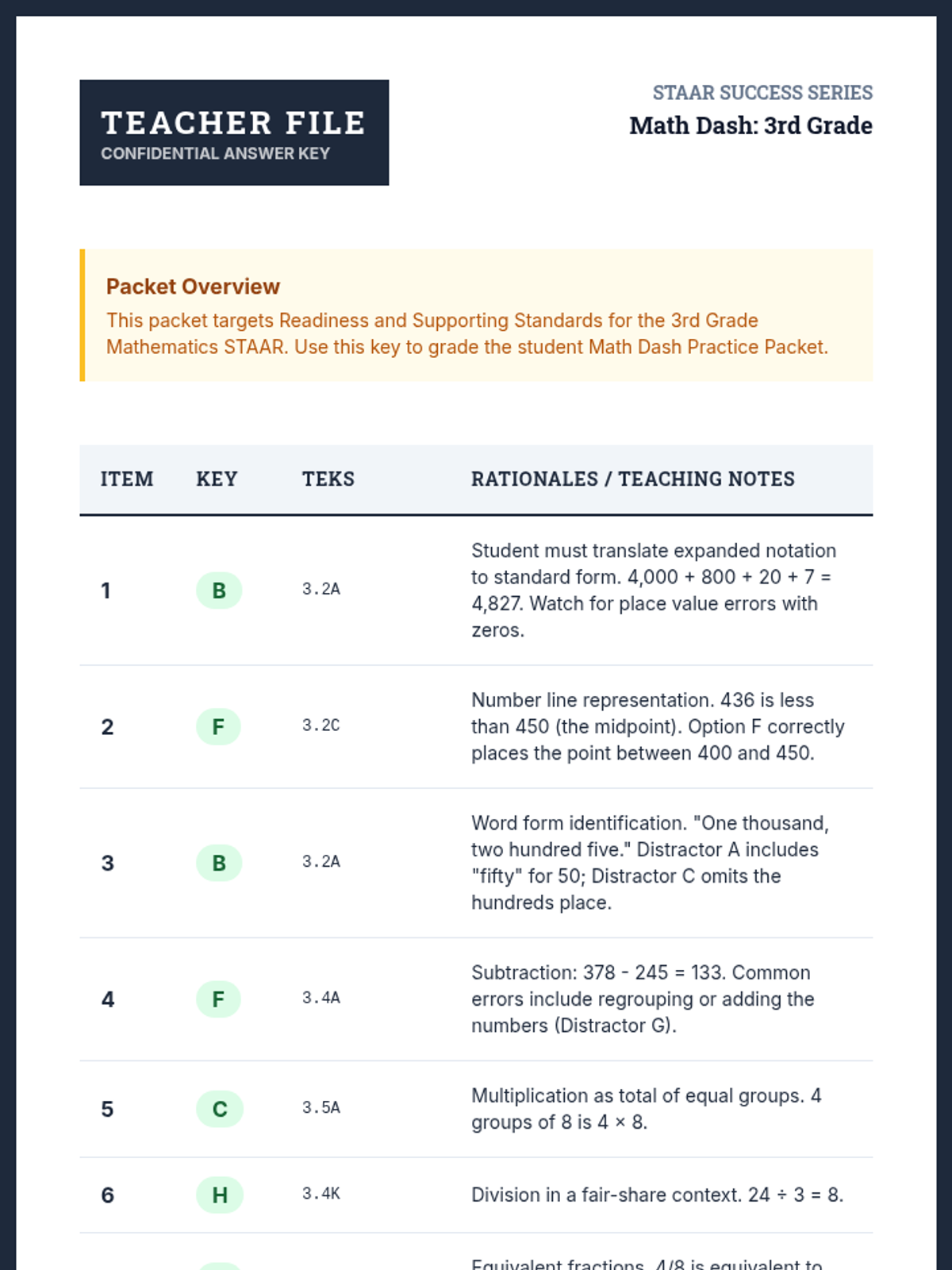
A comprehensive collection of STAAR-aligned practice packets for 3rd-5th grade Math, RLA, and 5th grade Science, designed to build confidence and mastery through authentic test-style questions.
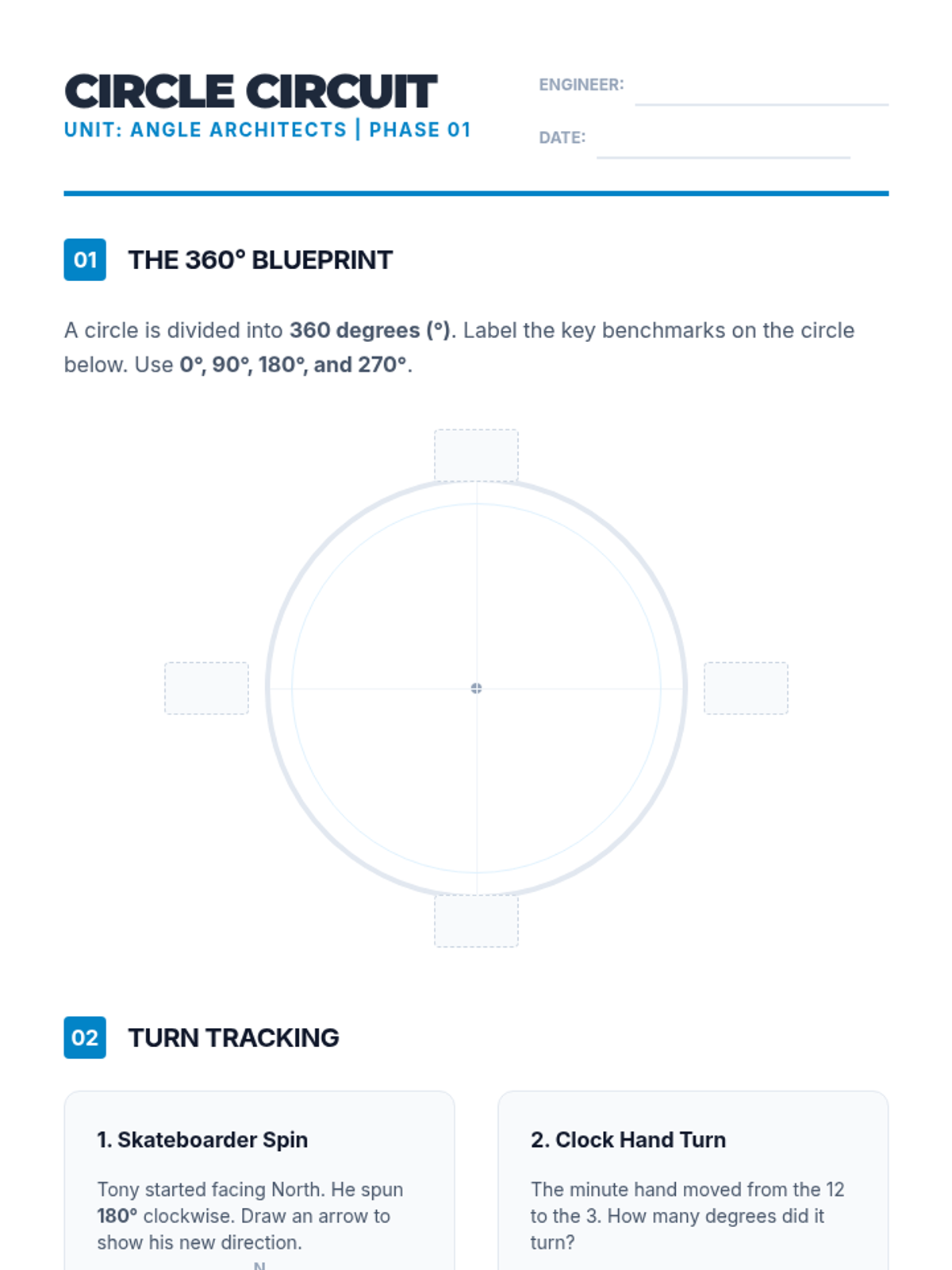
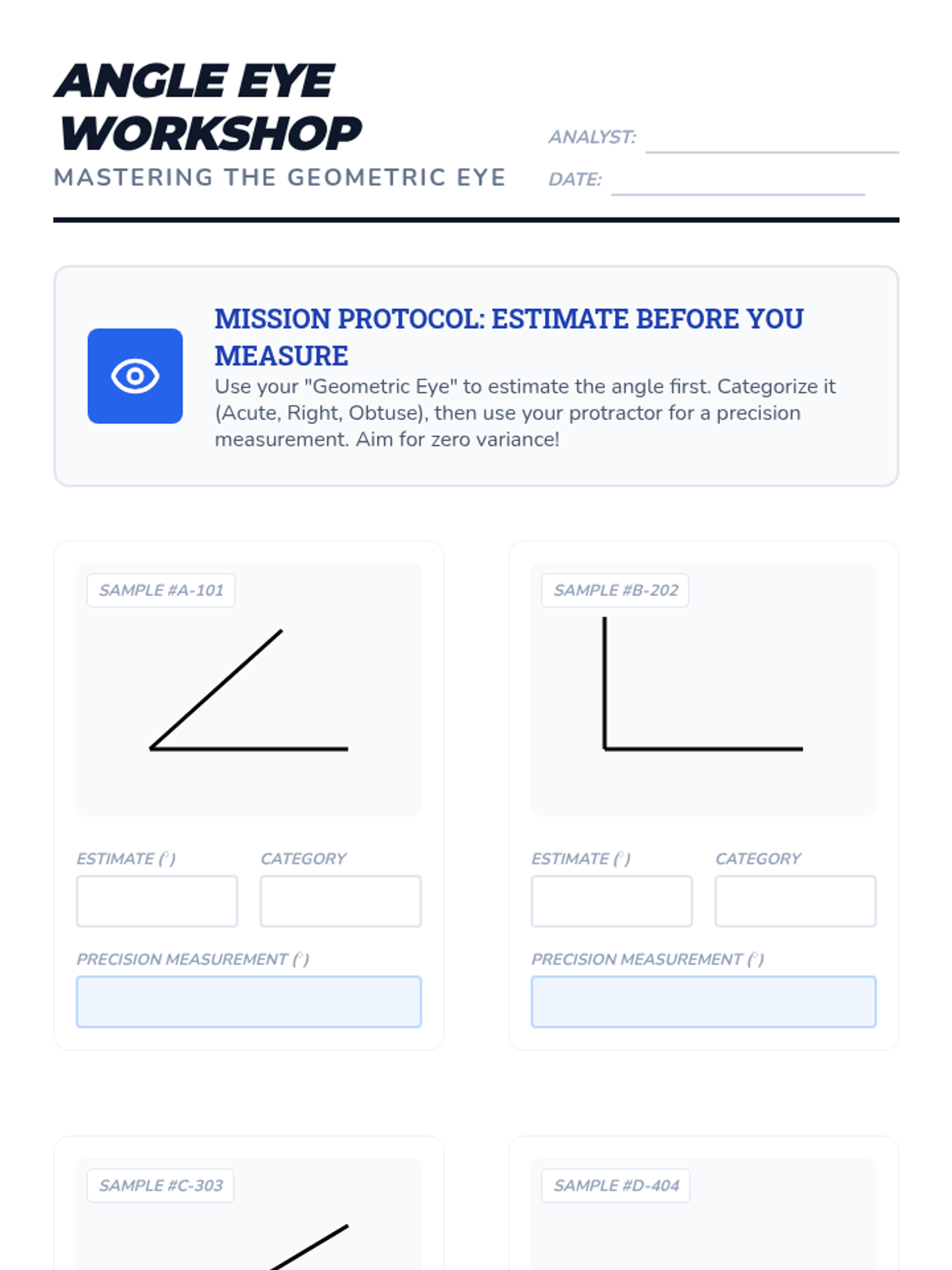
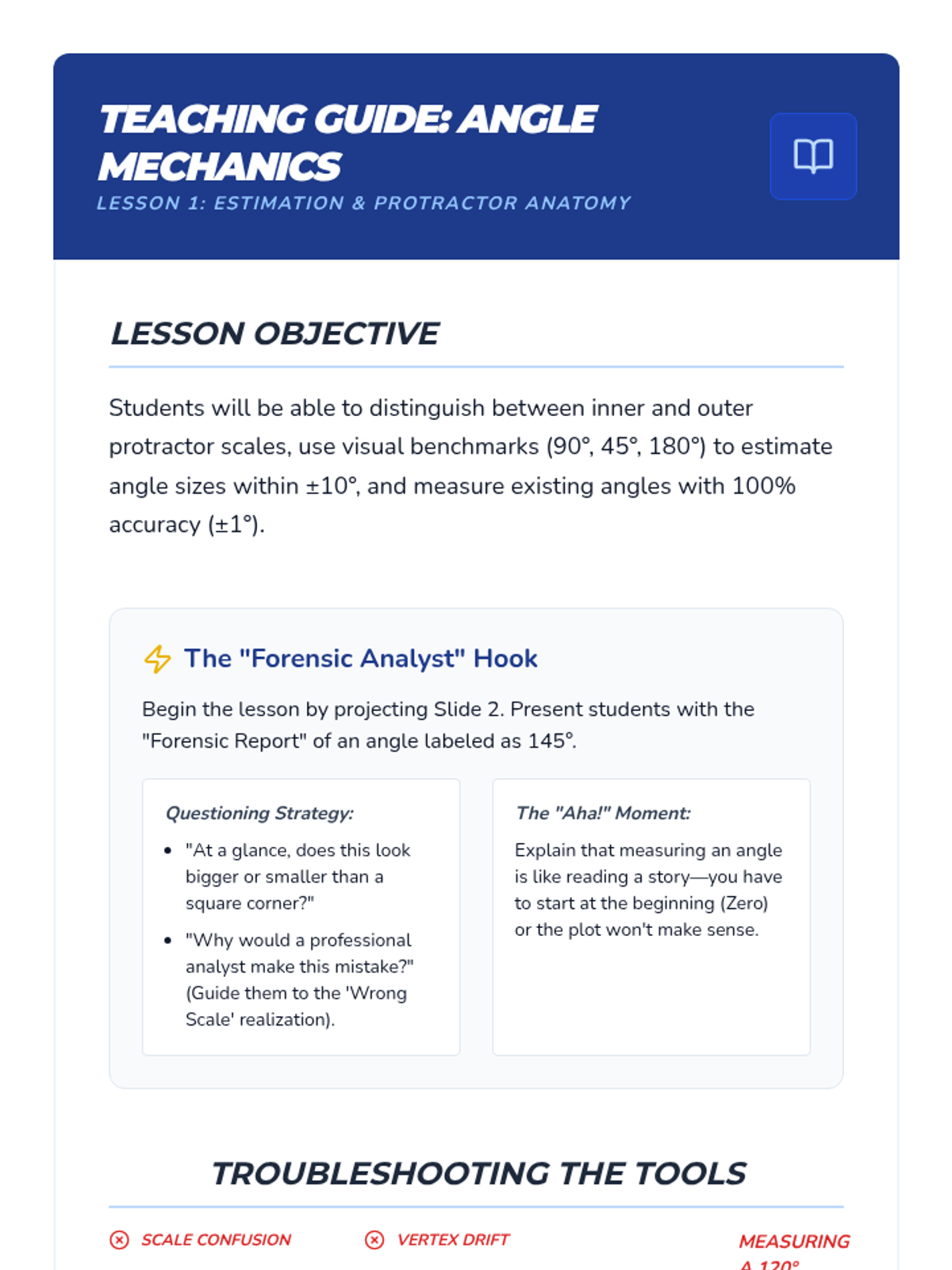
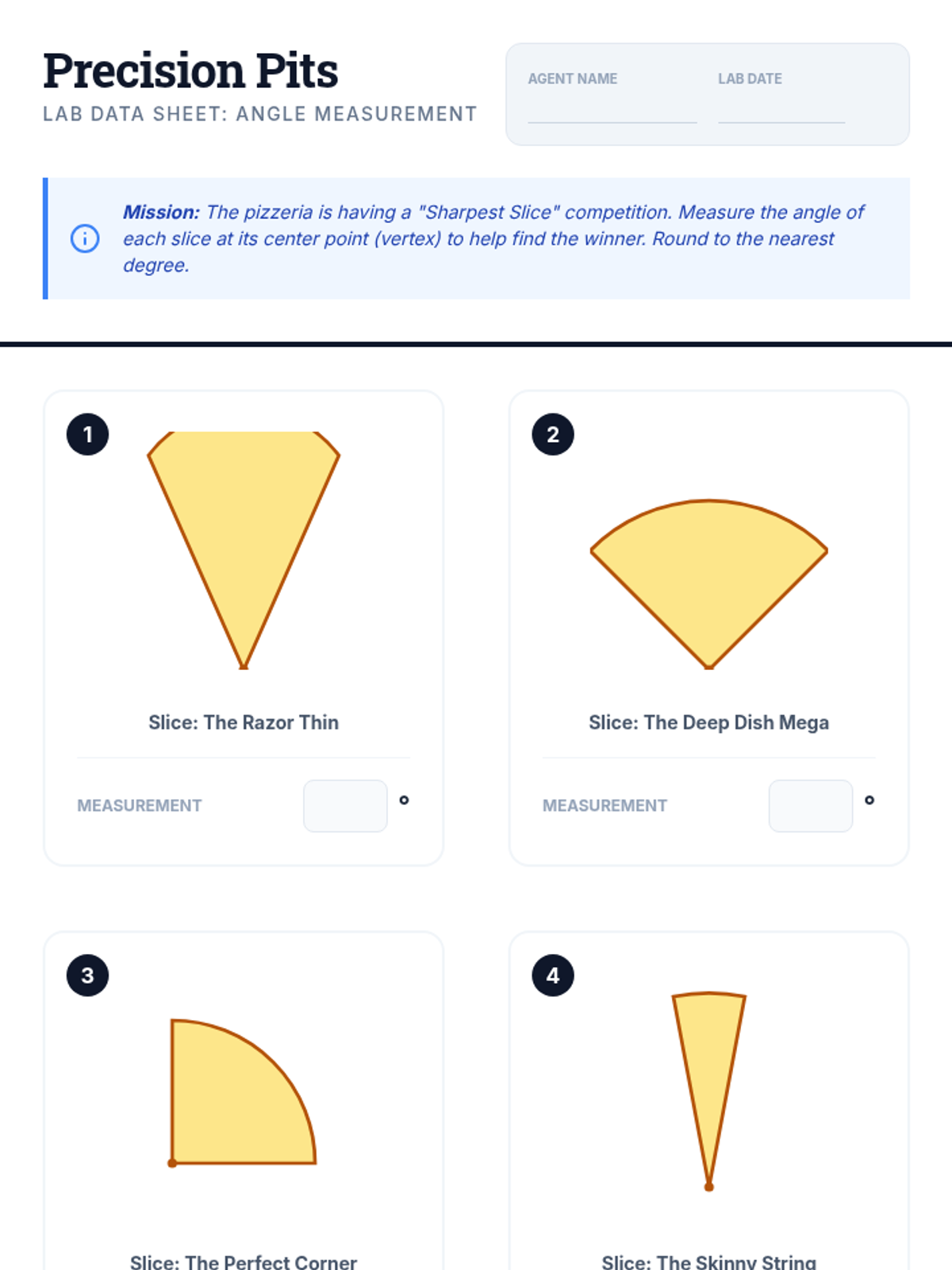
This workshop-style sequence transitions students from visual estimation to precise measurement using a protractor. Students learn the logic behind the 360-degree circle and how to align a protractor correctly to read measurements.
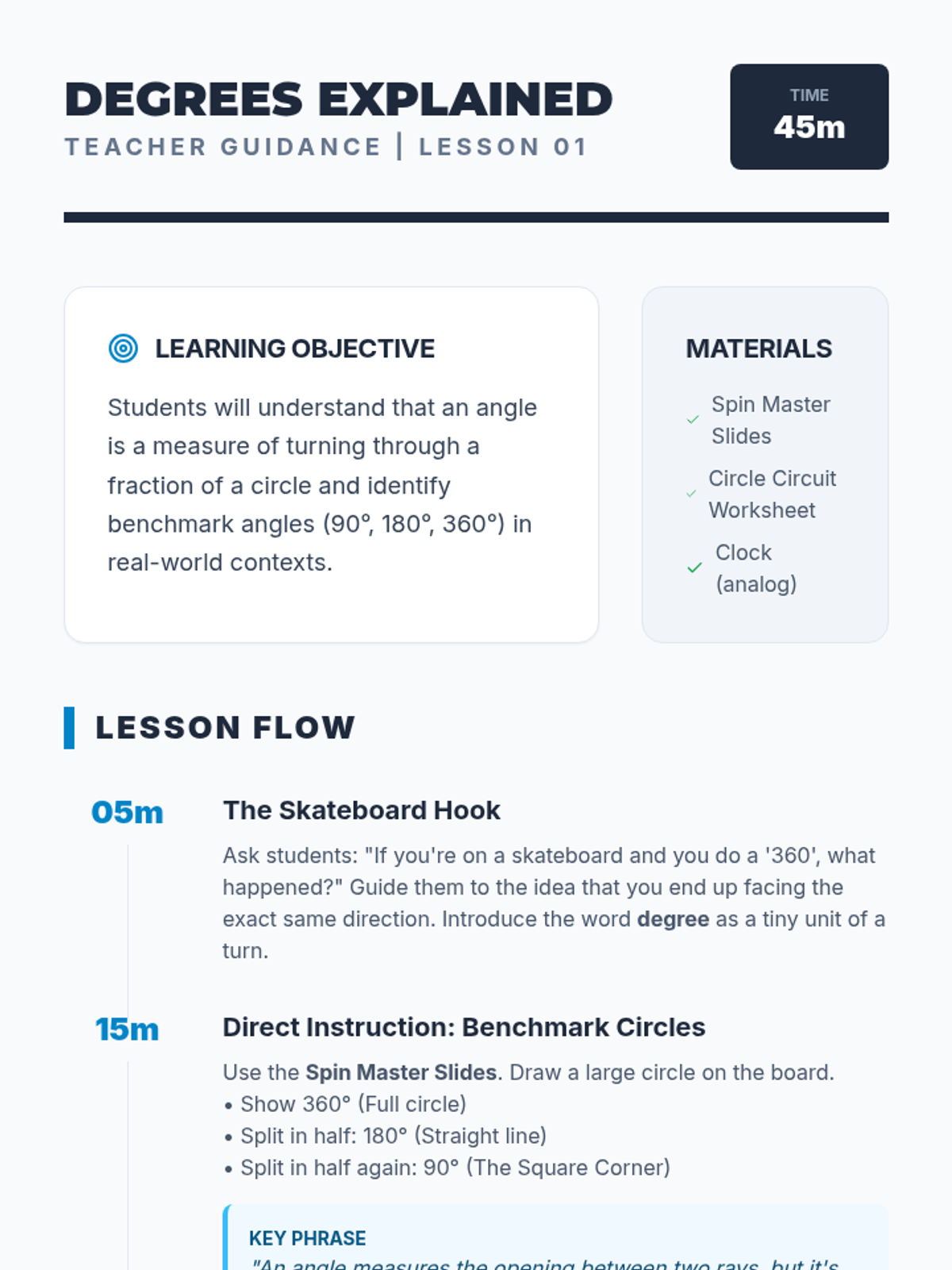
A project-based exploration of angles in engineering, architecture, and sports for 5th-grade students. Students identify, measure, and apply angle concepts to design a safe and functional playground.
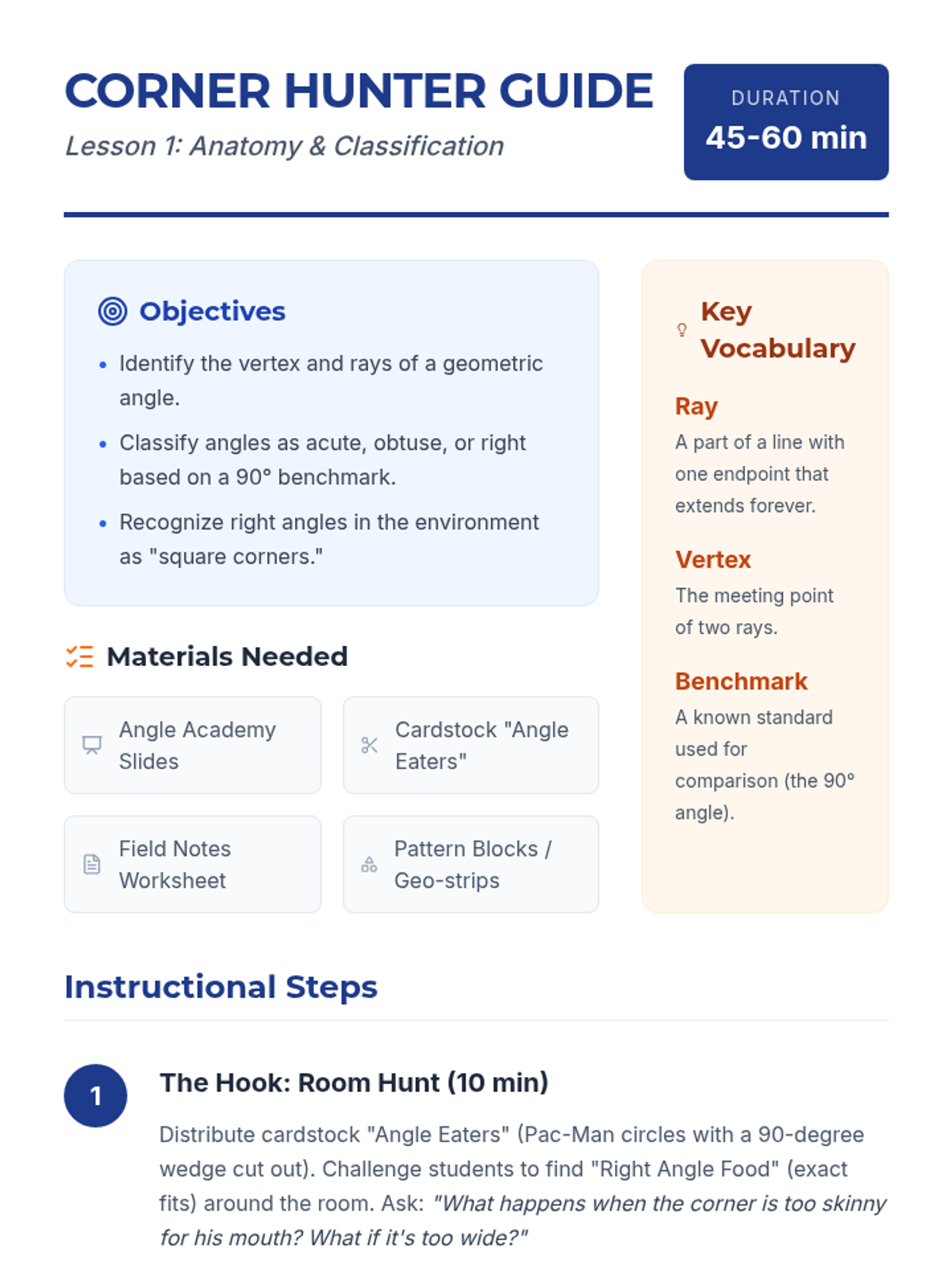
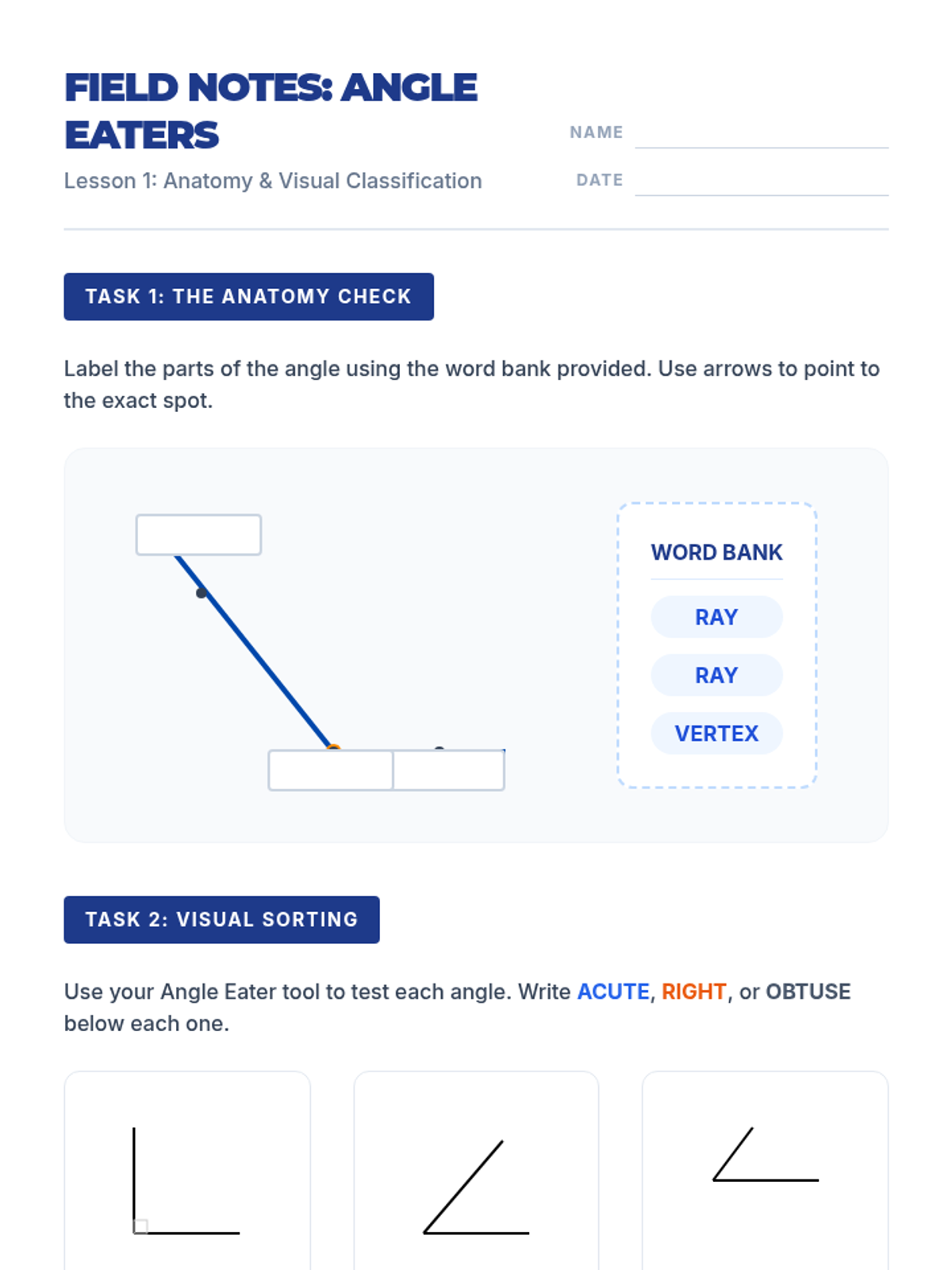
A comprehensive workshop-style sequence for 5th graders to master angle classification, precision measurement with protractors, and geometric construction. Students progress from visual benchmarks to technical drafting skills.
This sequence focuses on the fundamental proficiency of using geometric tools to measure and construct angles with high precision. Students learn protractor mechanics, estimation techniques, construction procedures, and error analysis through an engineering and drafting lens.
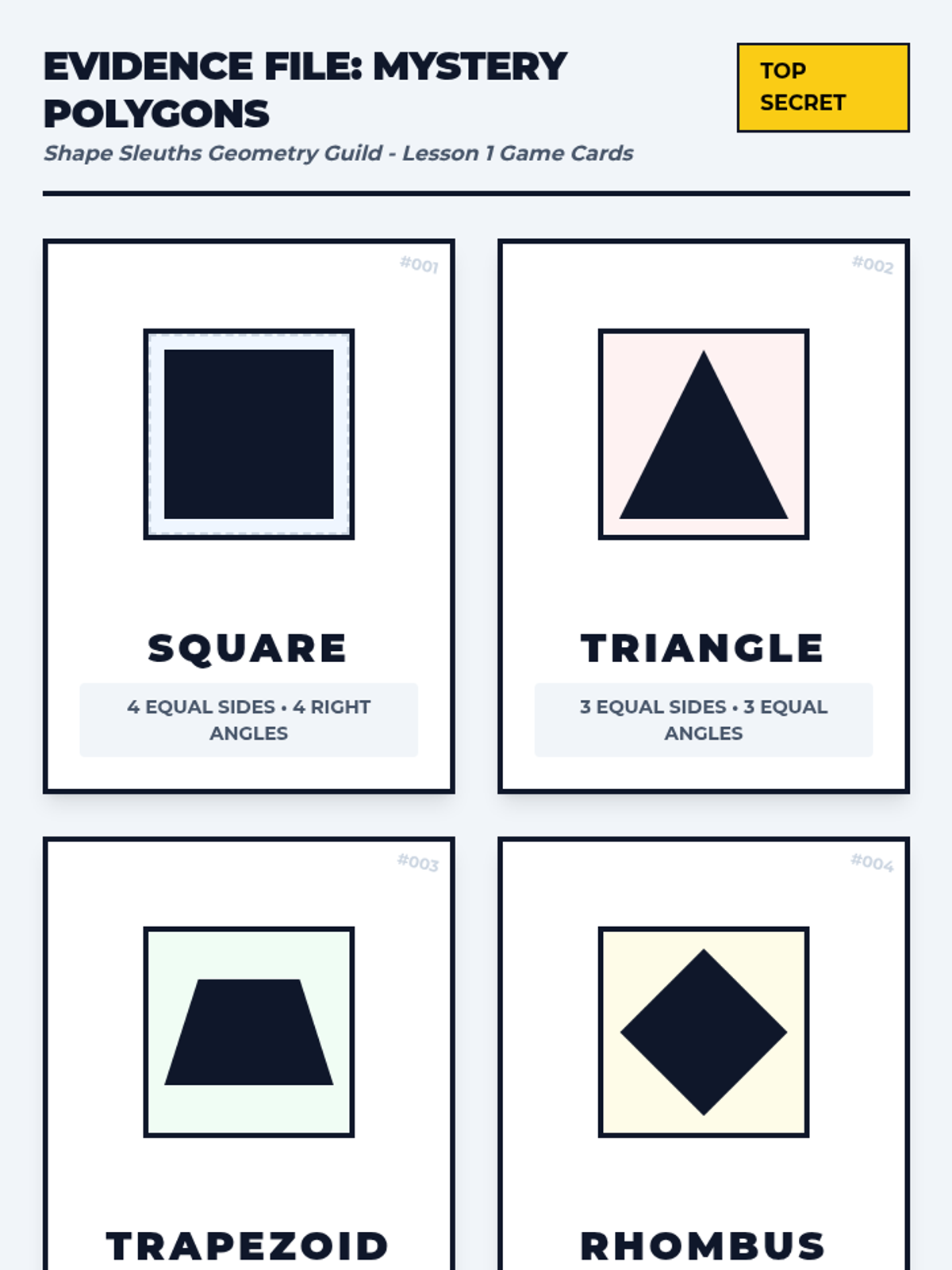
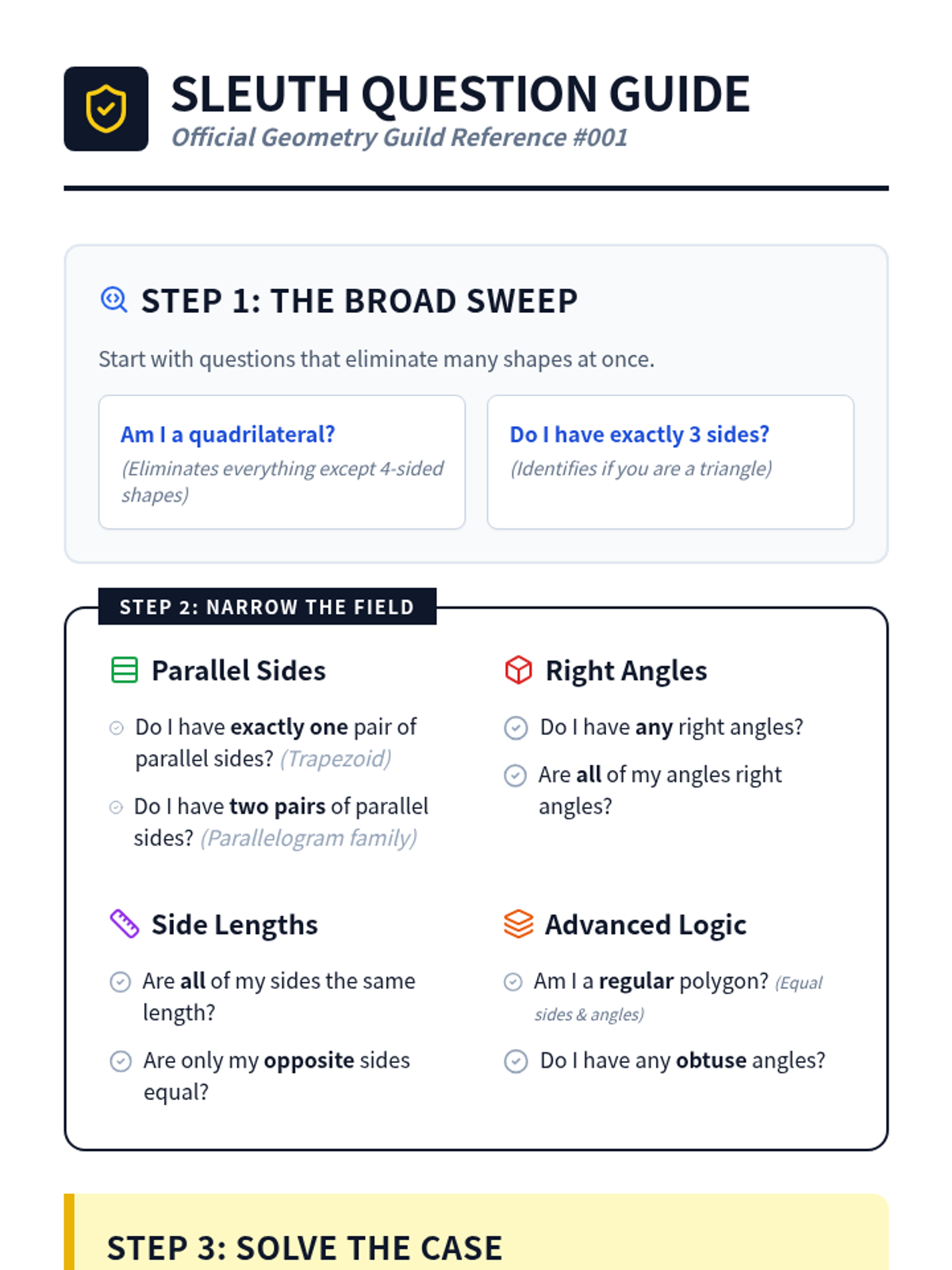
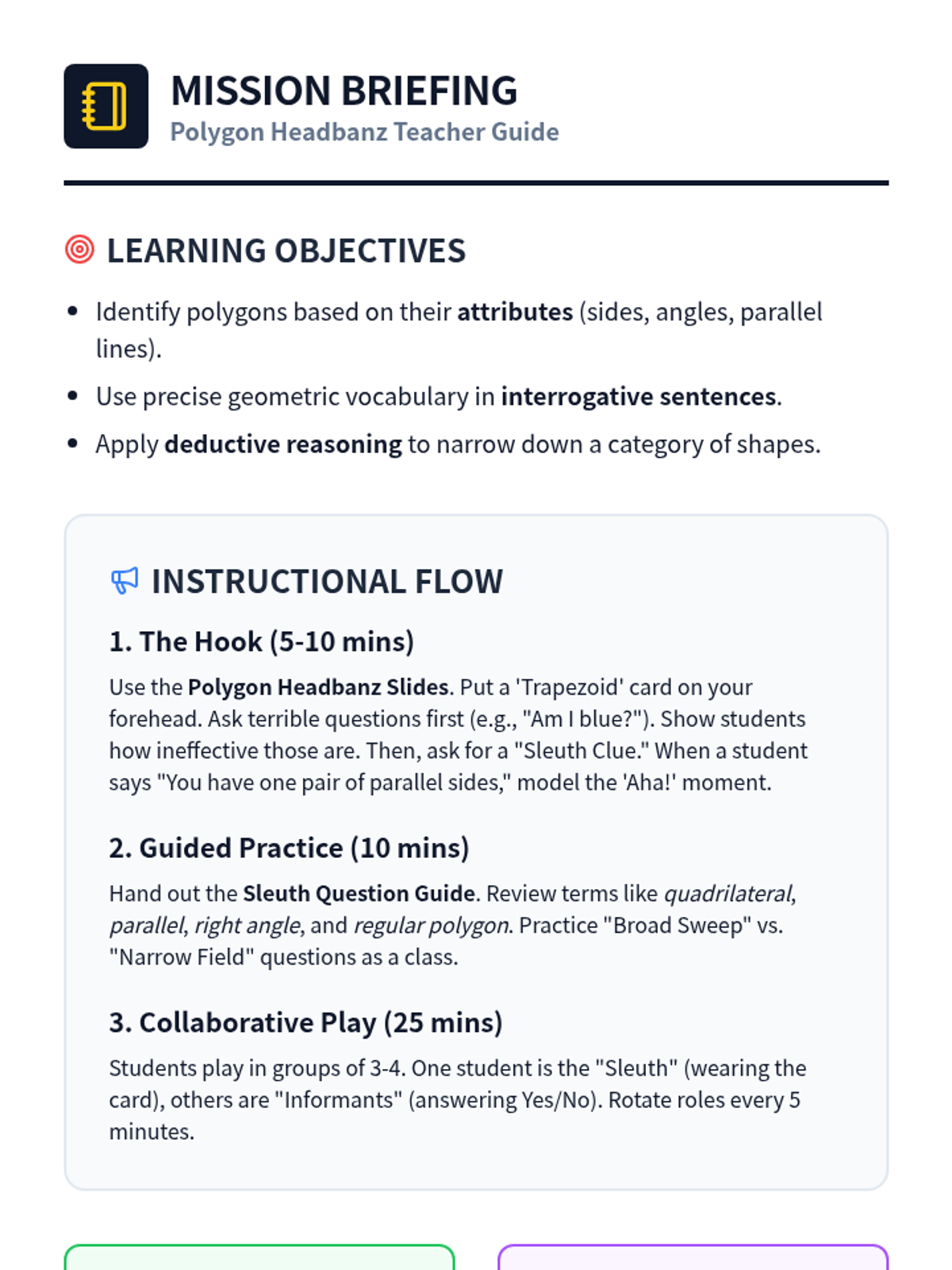
A gamified geometry unit where 3rd grade students become 'Shape Sleuths' to master the classification of 2D figures through strategic play and deductive reasoning. Students progress from attribute identification to complex spatial composition and hierarchical classification.
A deep dive into the properties of triangles, focusing on precision measurement and a dual-classification system based on sides and angles. Students use tools to gather data and discover the Triangle Angle Sum Theorem.
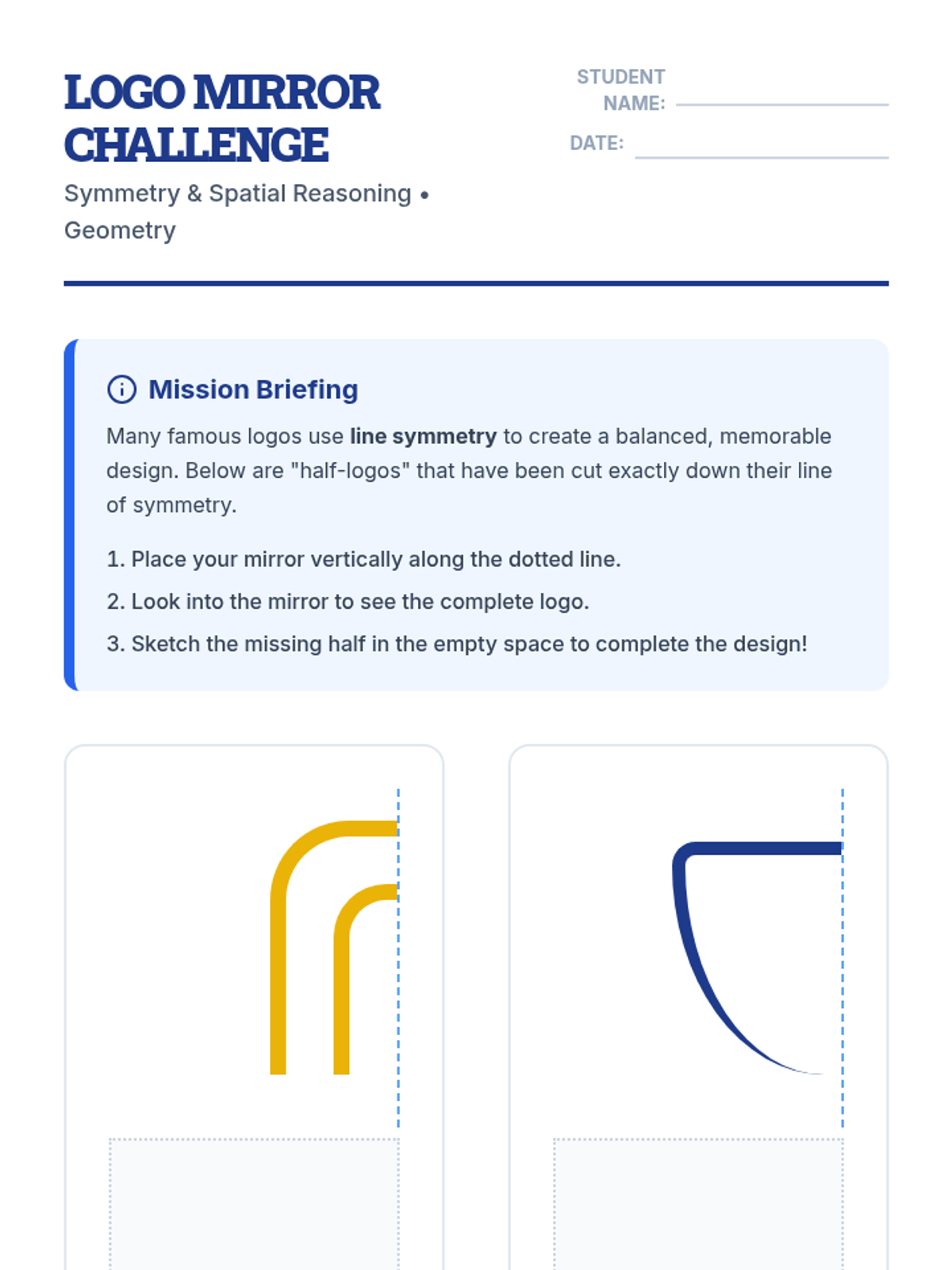
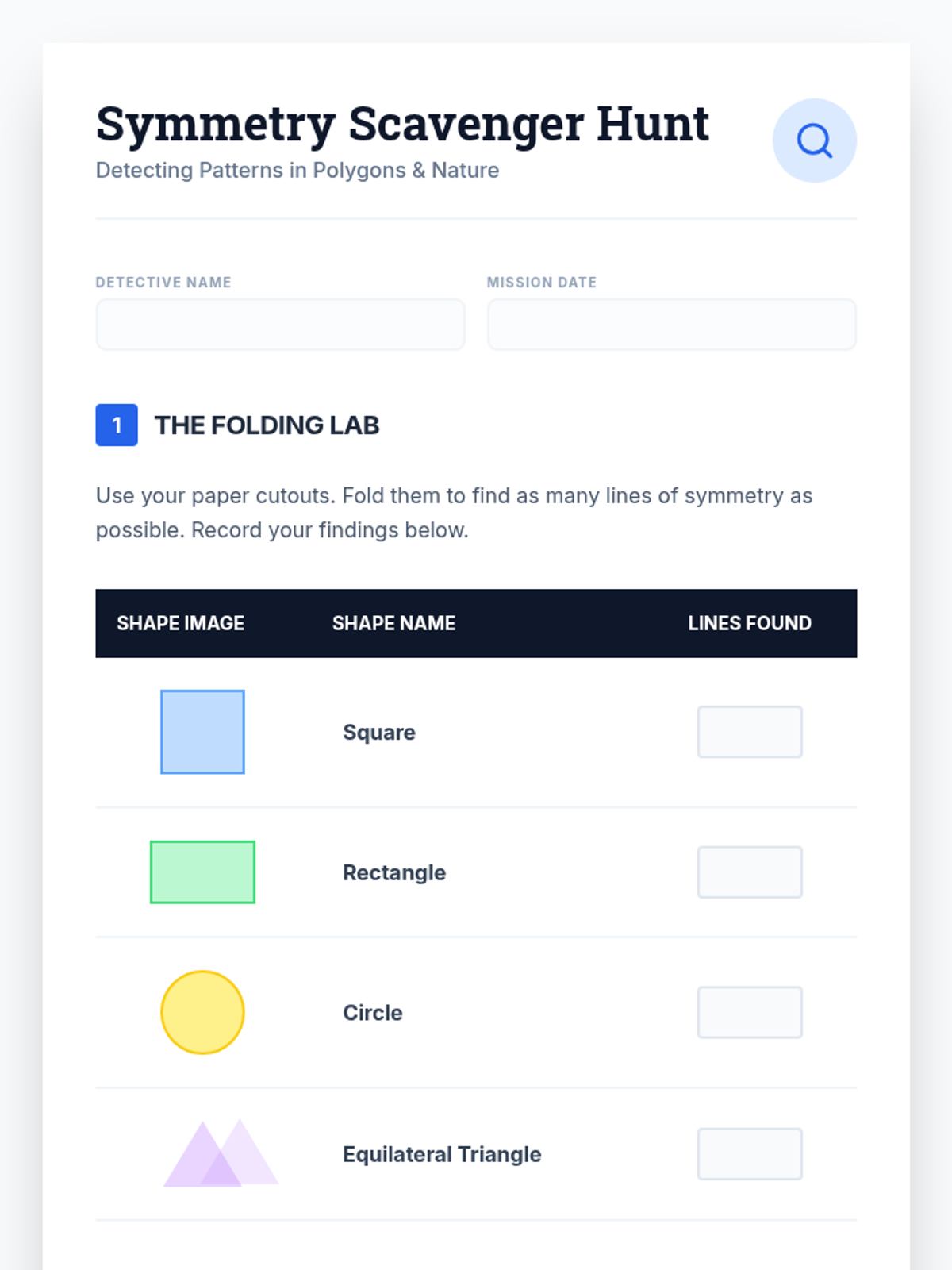
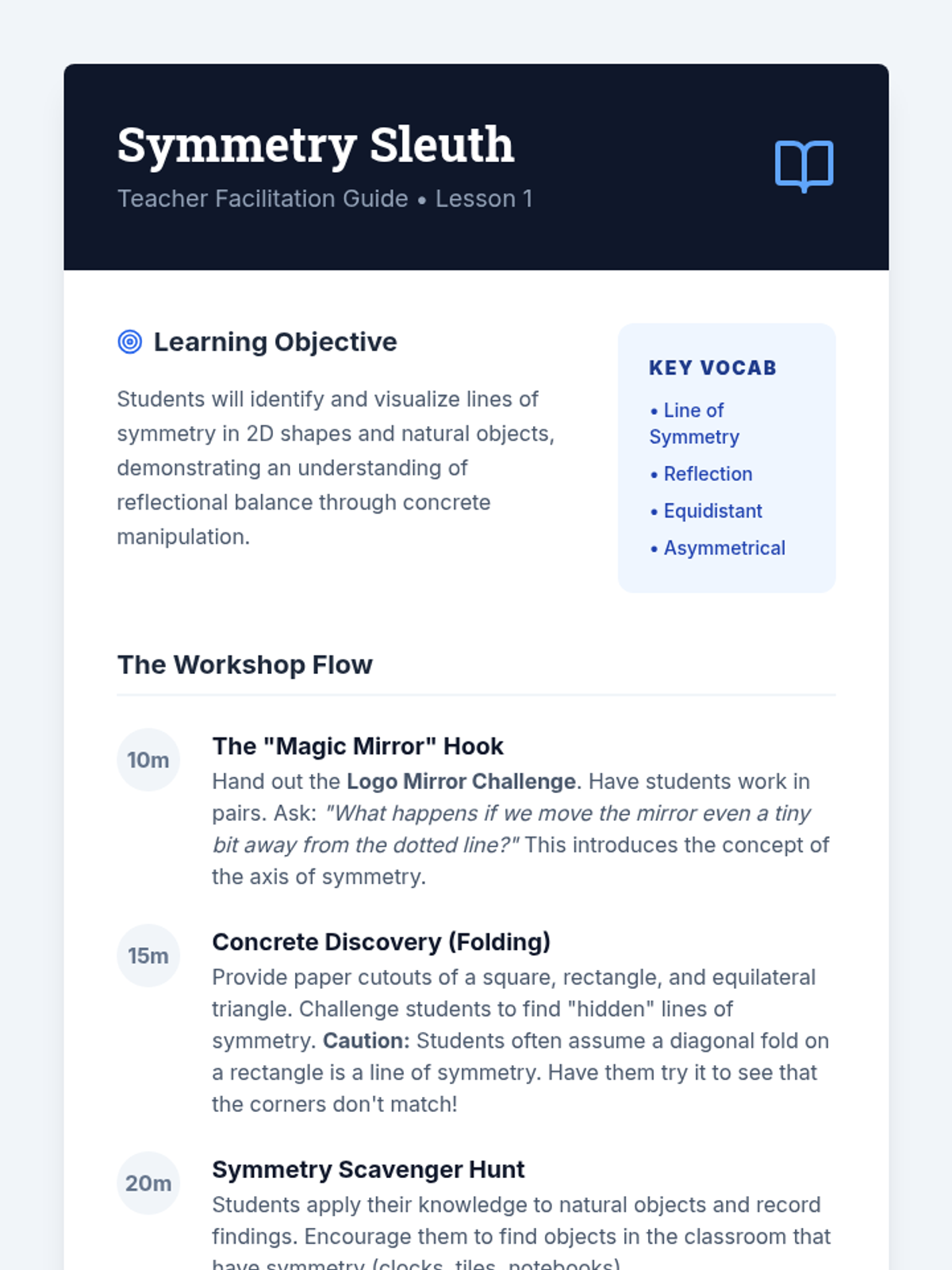
This 5th-grade geometry sequence explores symmetry and spatial reasoning through art and movement. Students progress from concrete manipulation with mirrors and paper folding to abstract visualization of rotational symmetry and tessellations, culminating in a complex symmetrical art project inspired by cultural patterns.
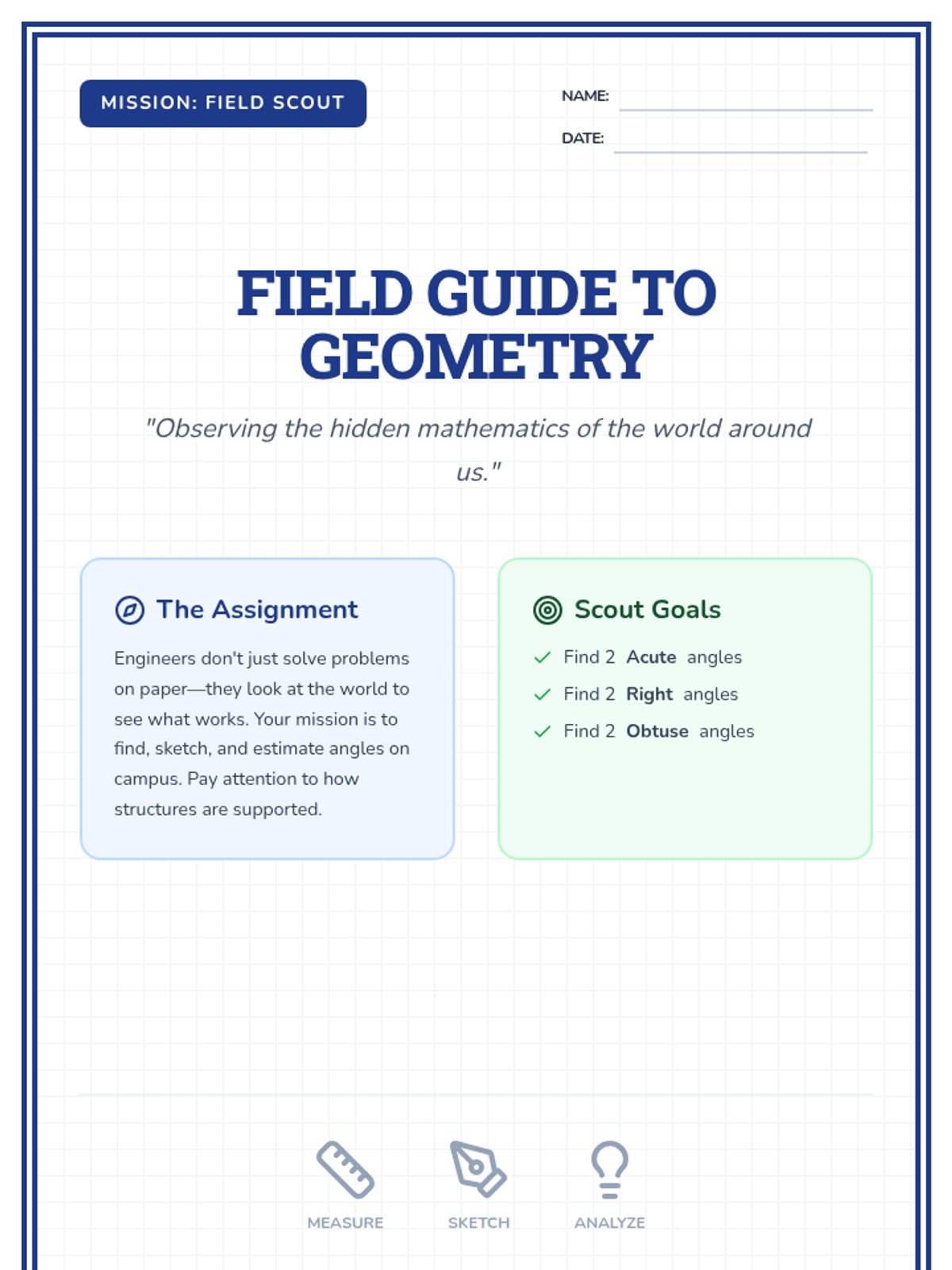
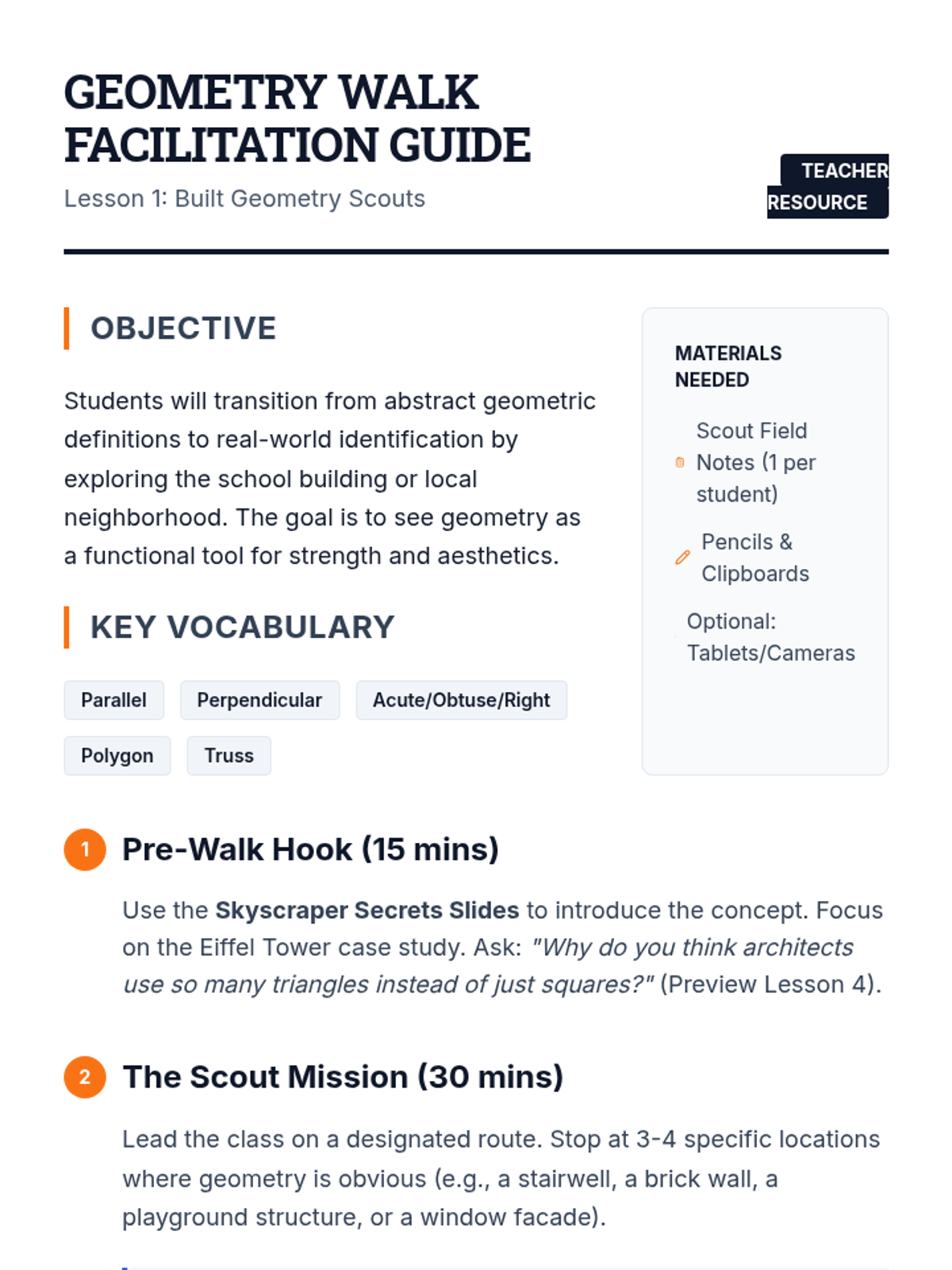
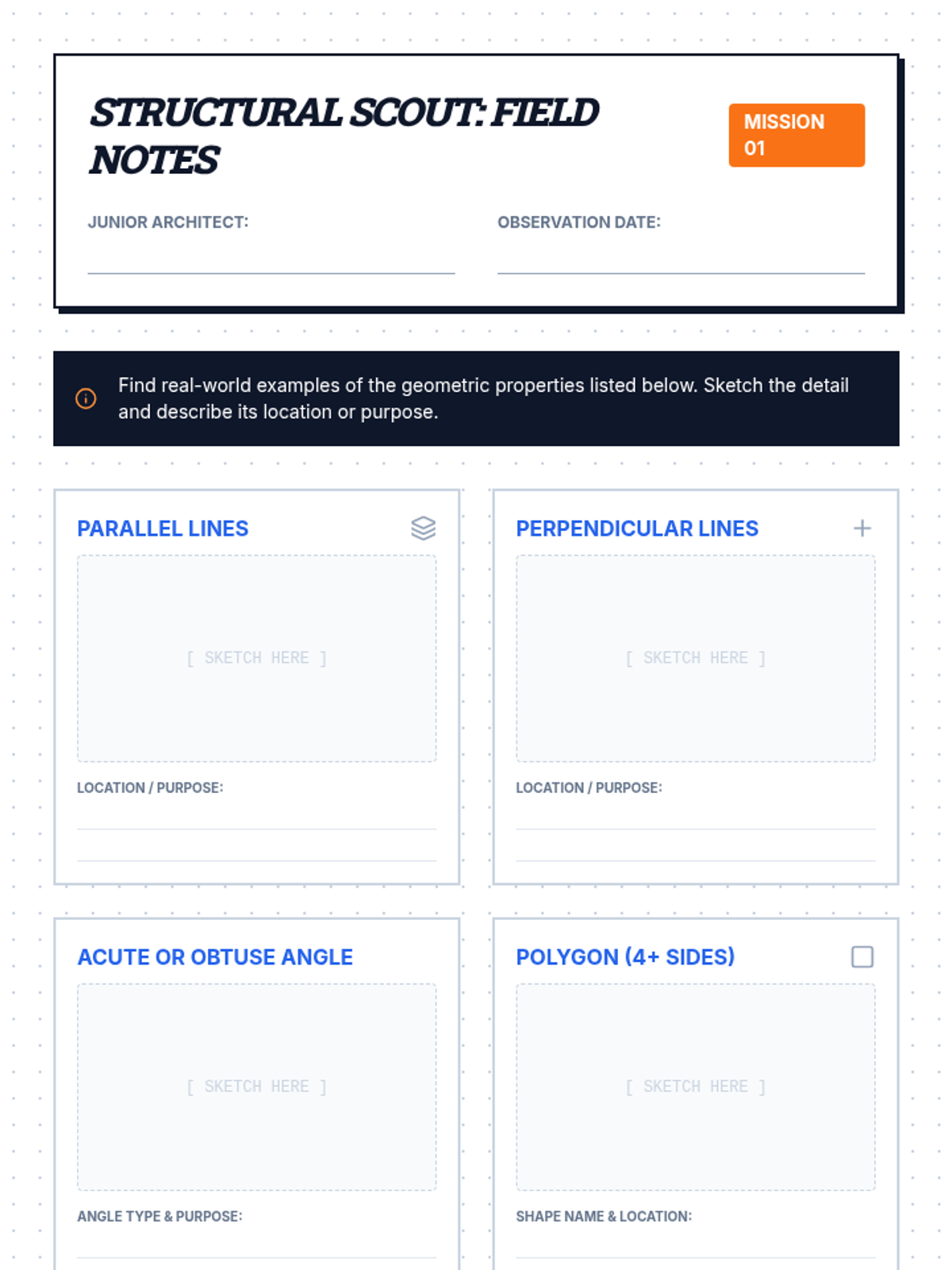
Students act as junior architects to apply geometric concepts (lines, angles, and shapes) to real-world architecture and urban planning. The sequence moves from observing existing structures to designing city maps and building facades, culminating in a geometric portfolio presentation.
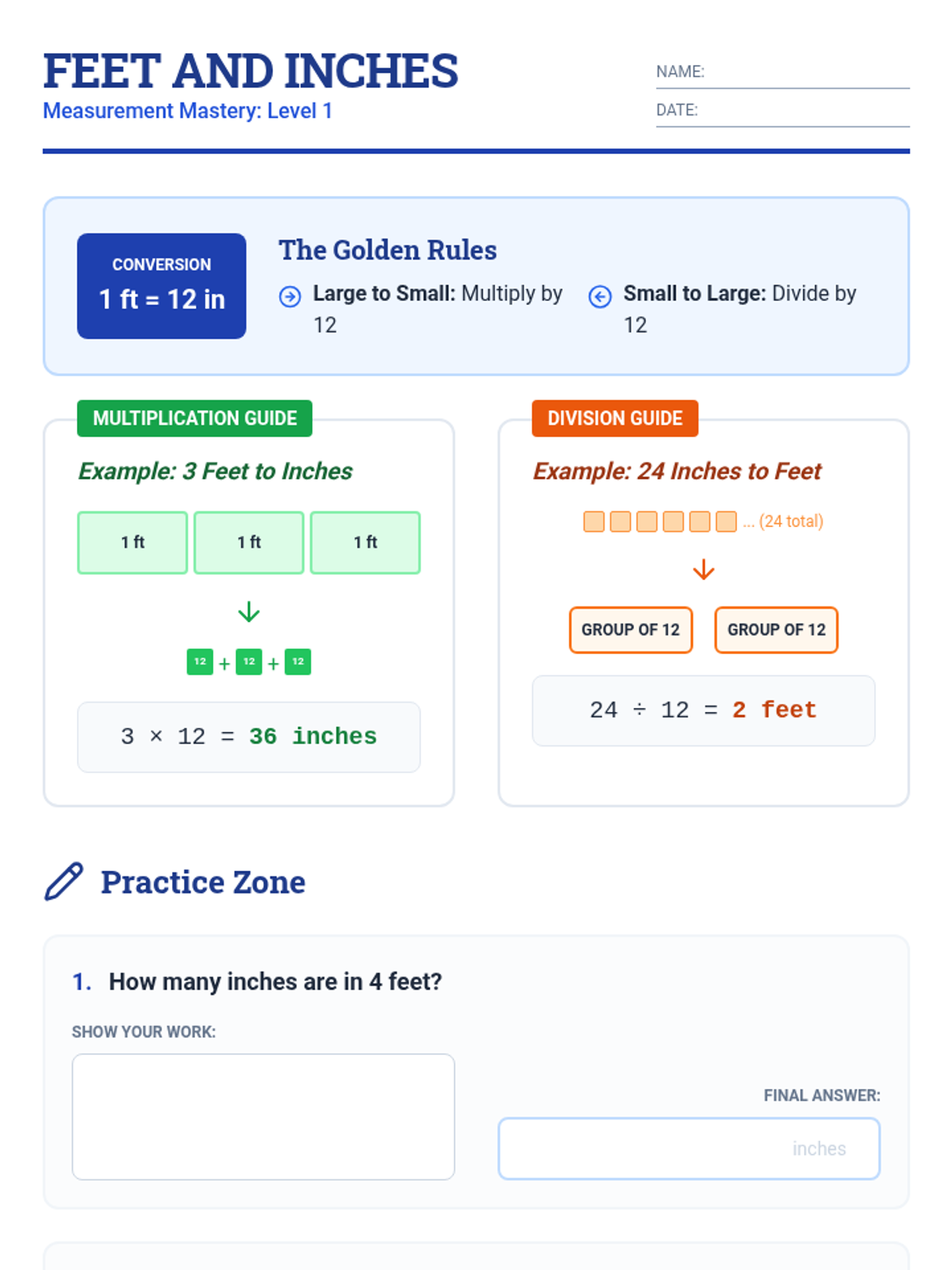
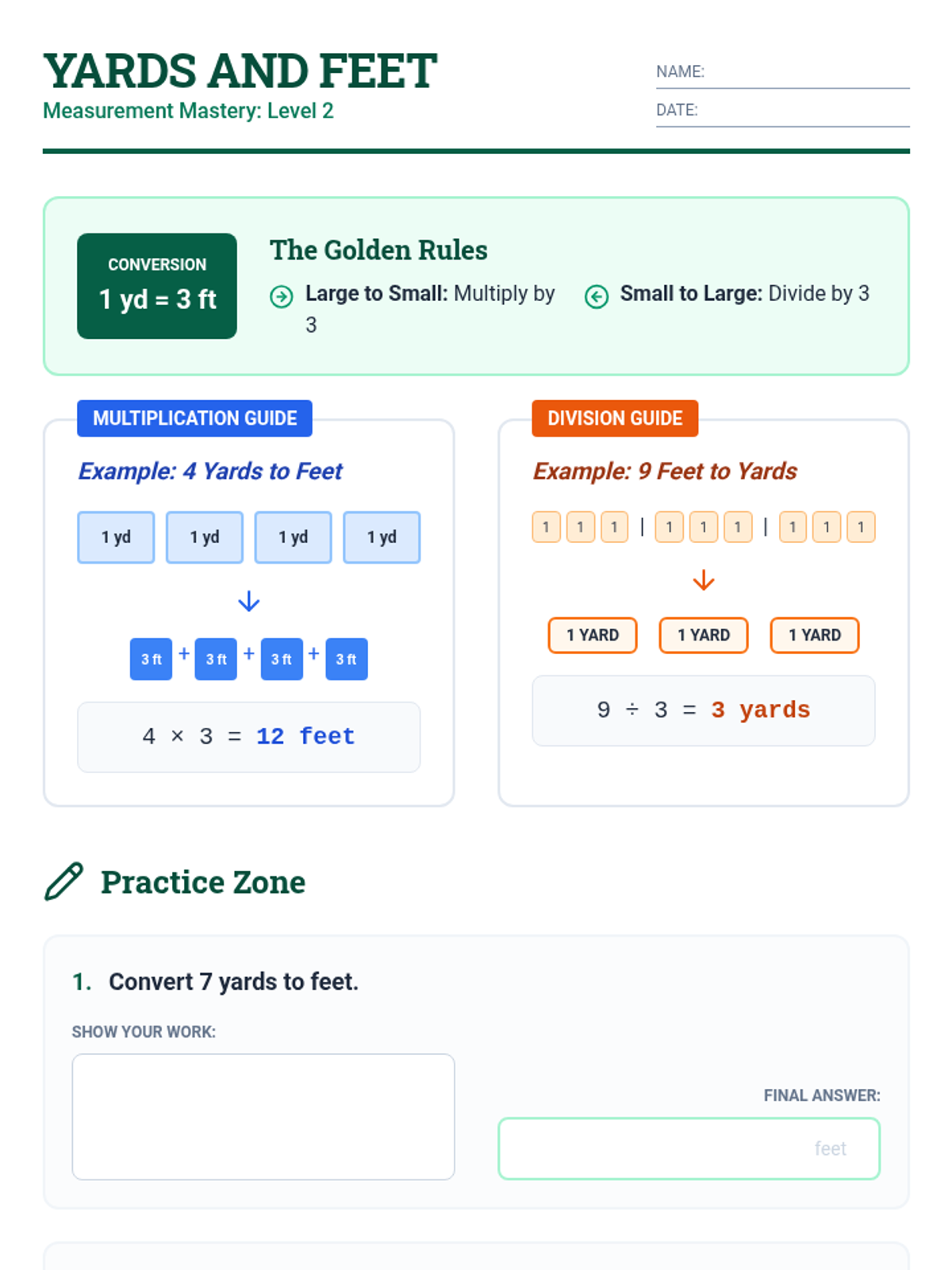
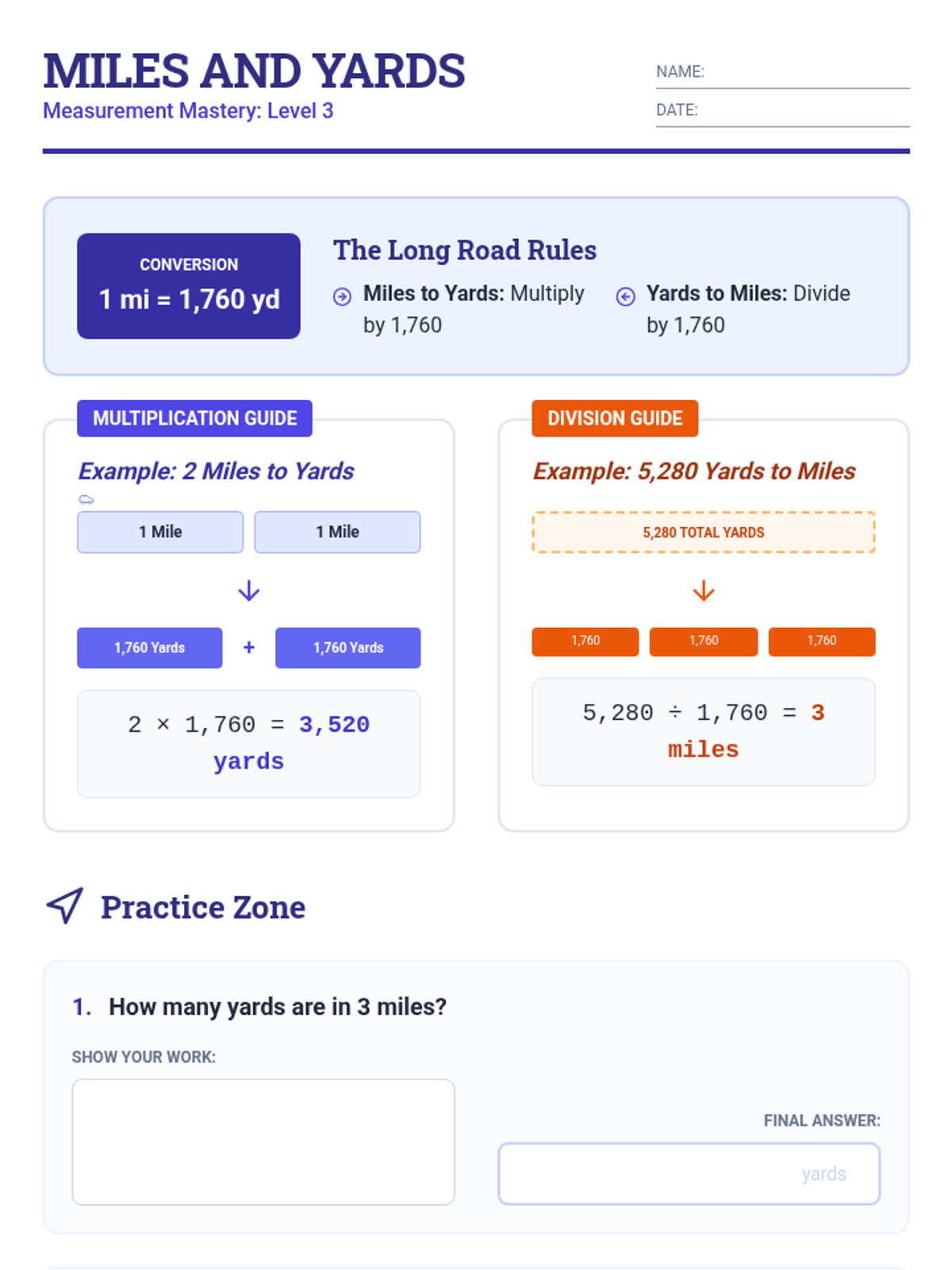
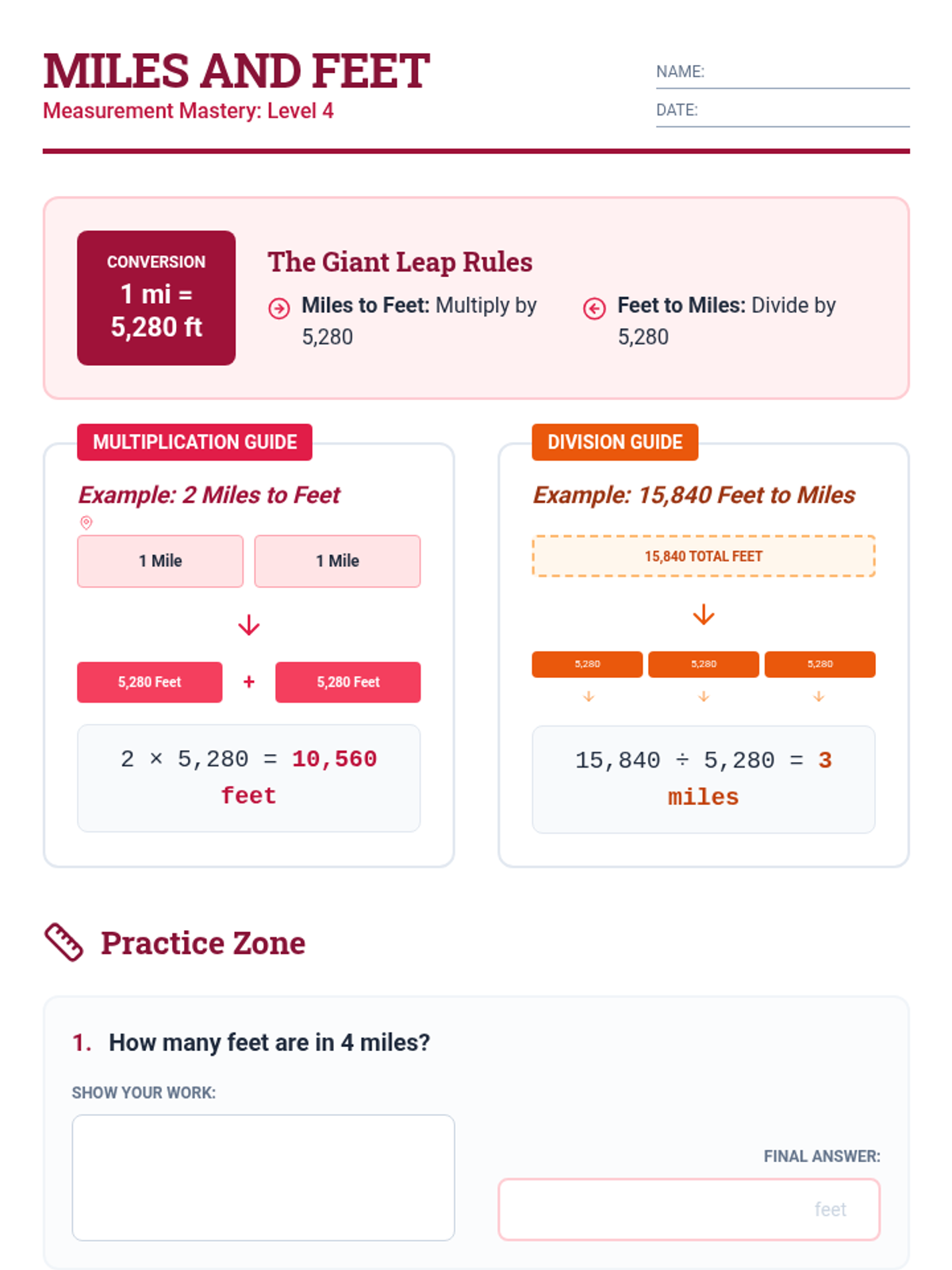
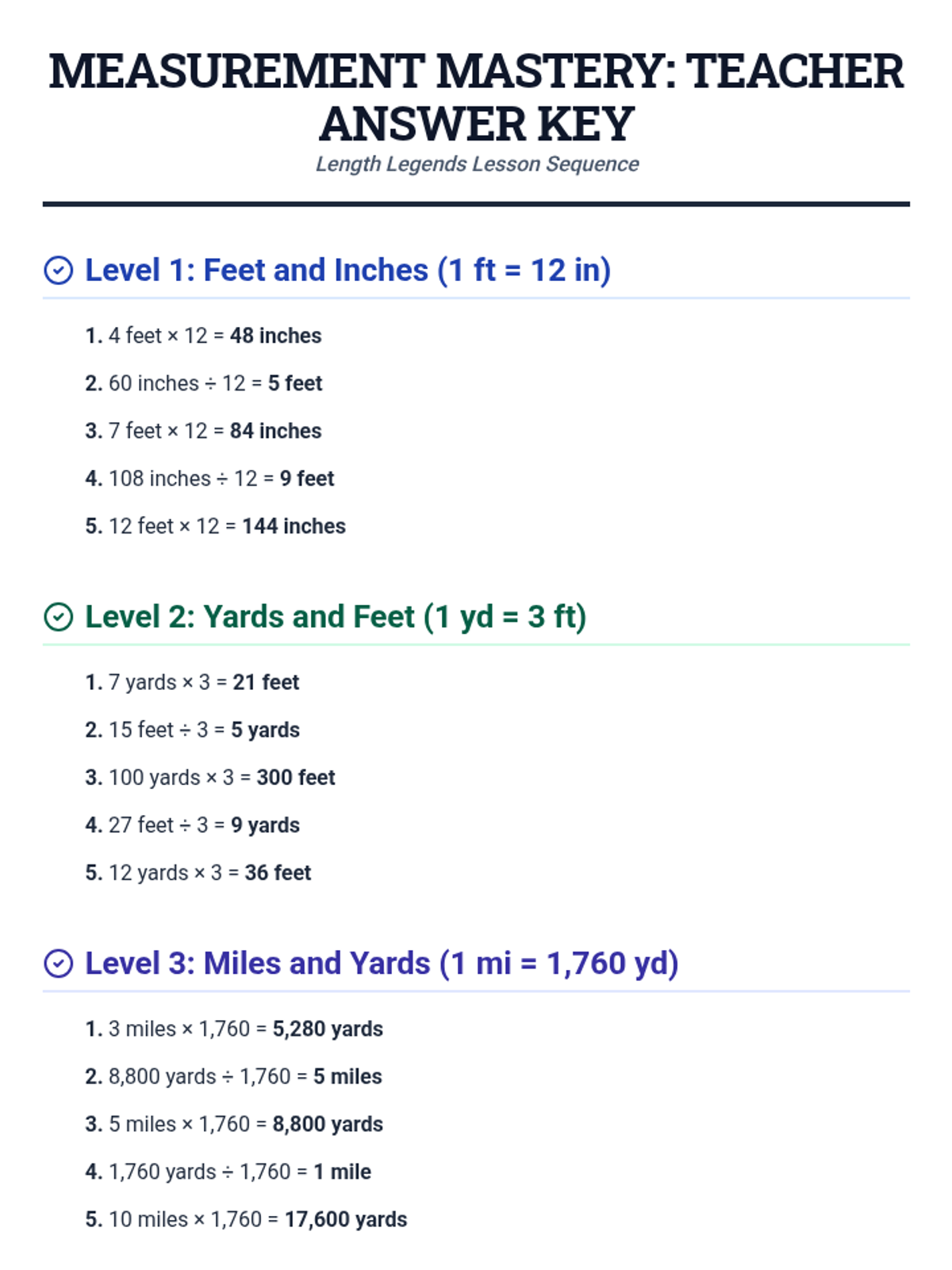
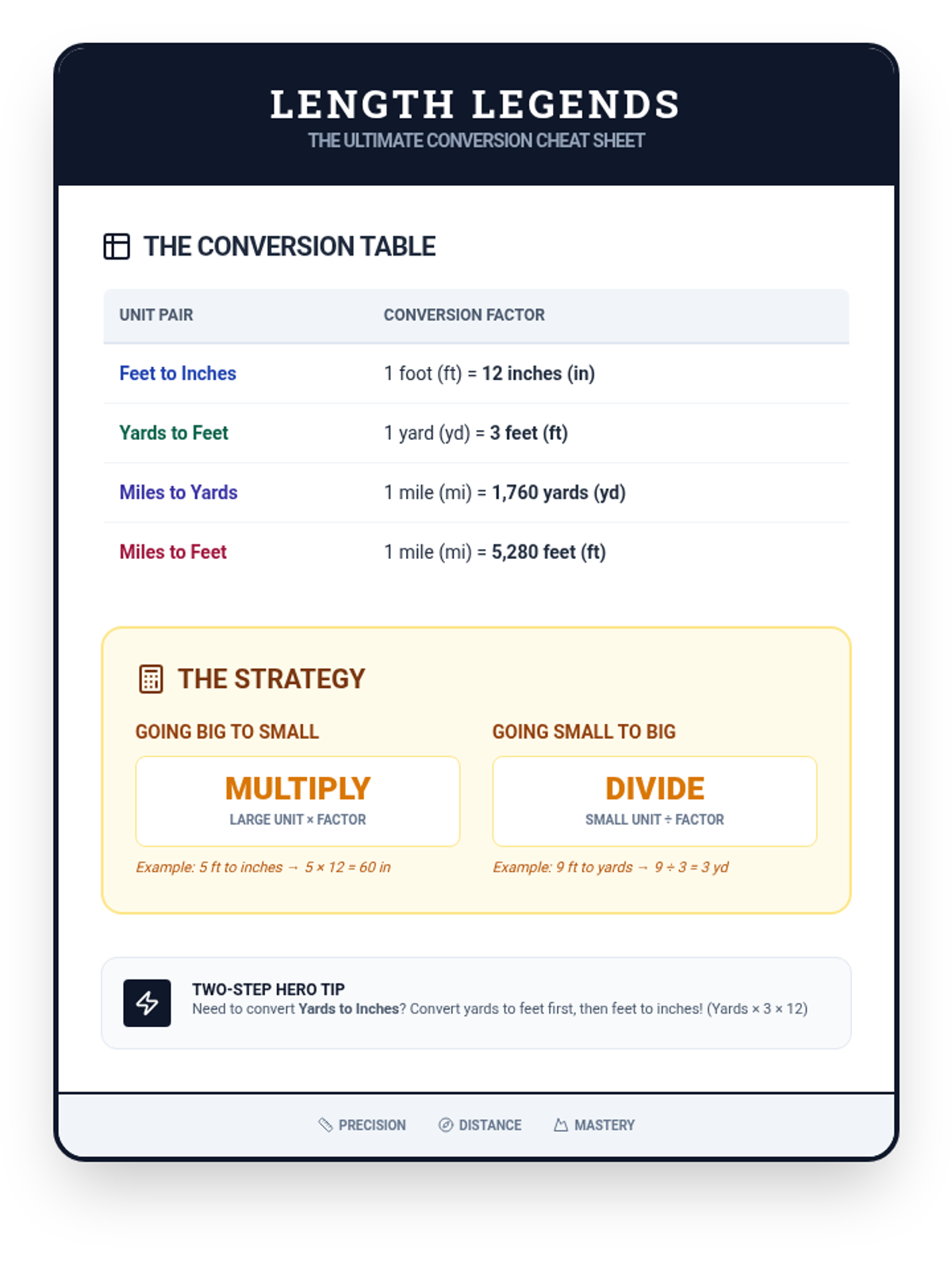
A comprehensive sequence focusing on linear measurement conversions, providing step-by-step visual guides and practice for converting between inches, feet, yards, and miles.
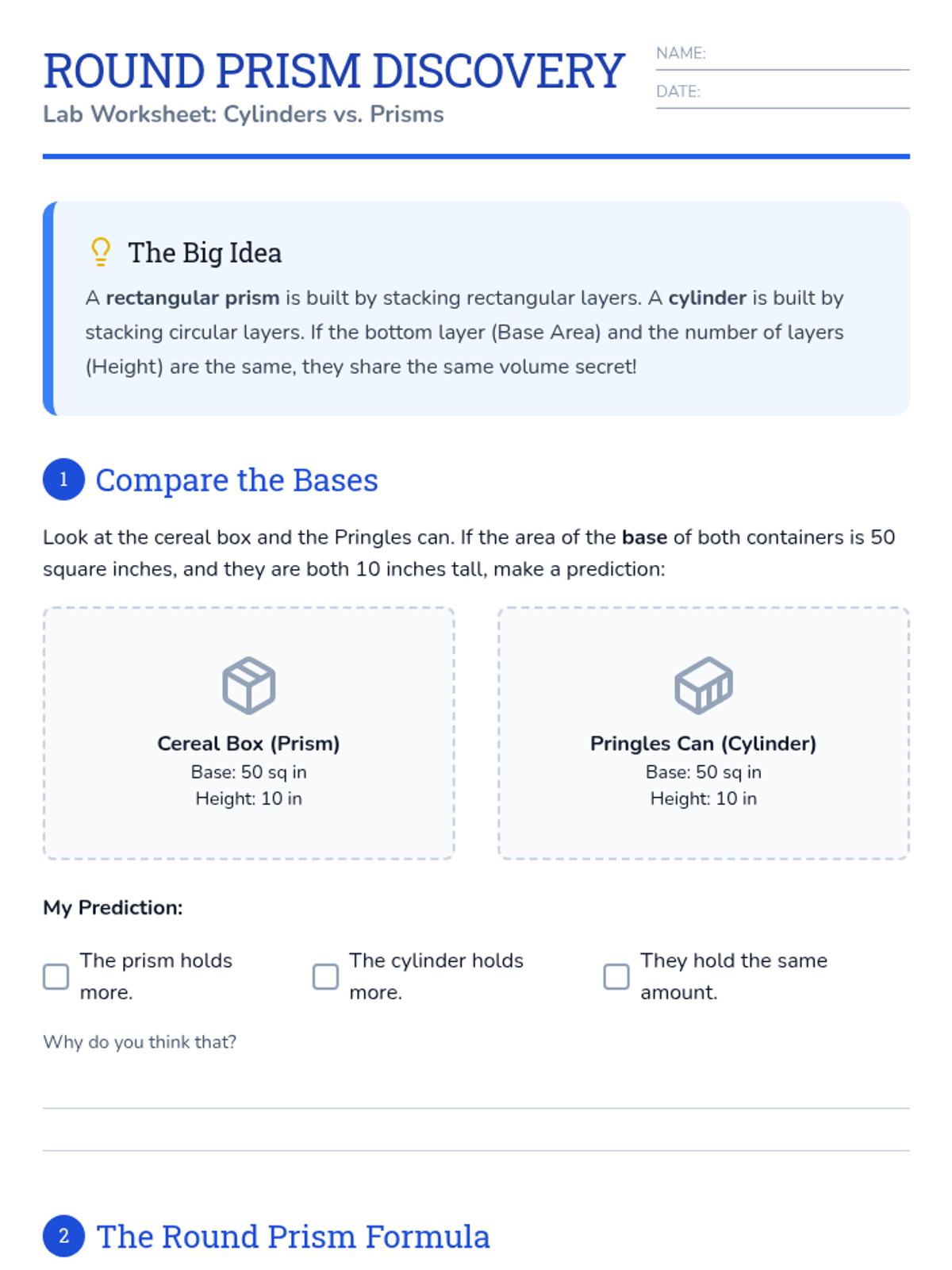
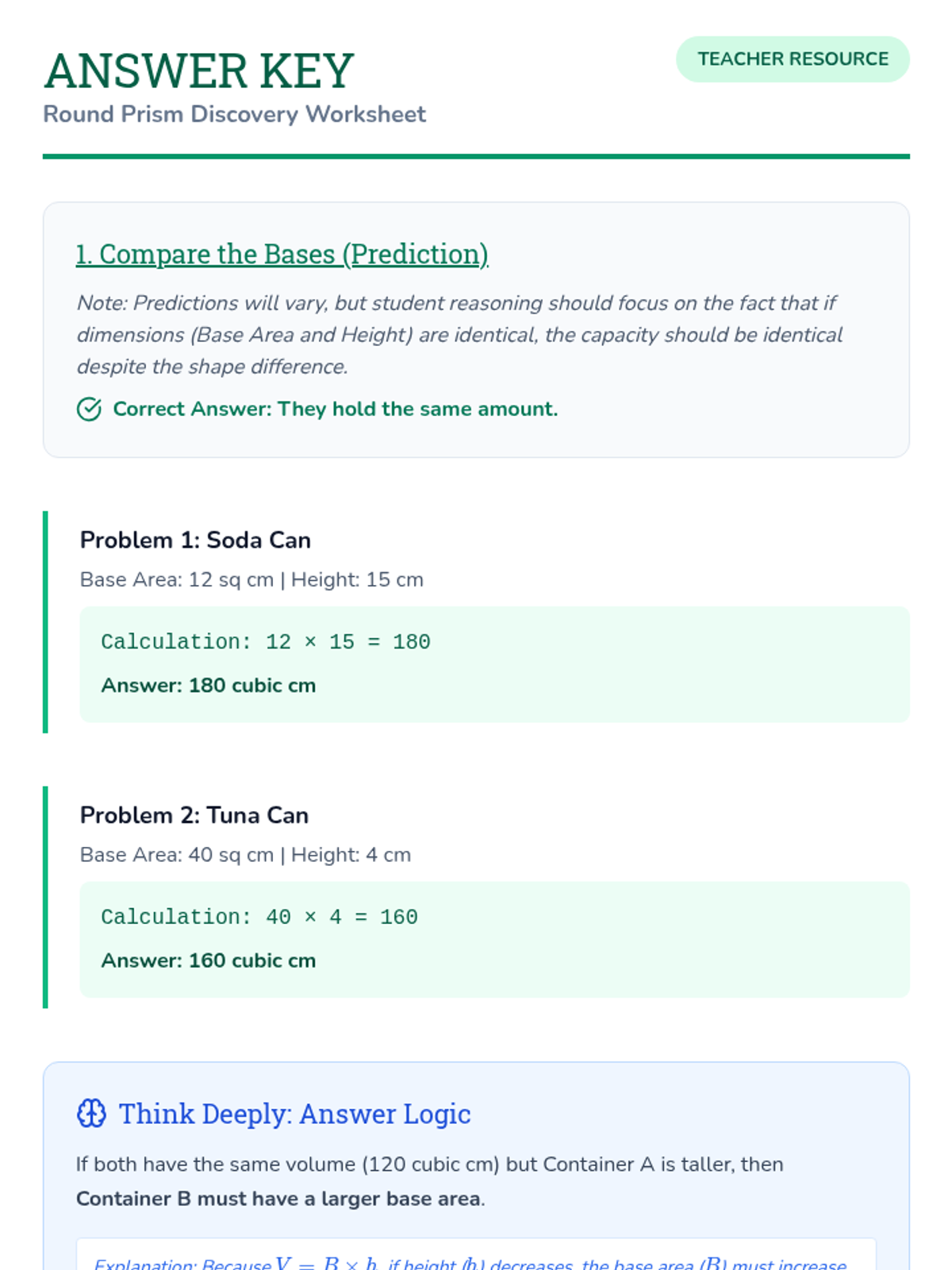
An inquiry-based exploration of curved geometric figures for 5th graders, using hands-on discovery, water displacement, and granular materials to understand volume and capacity relationships.
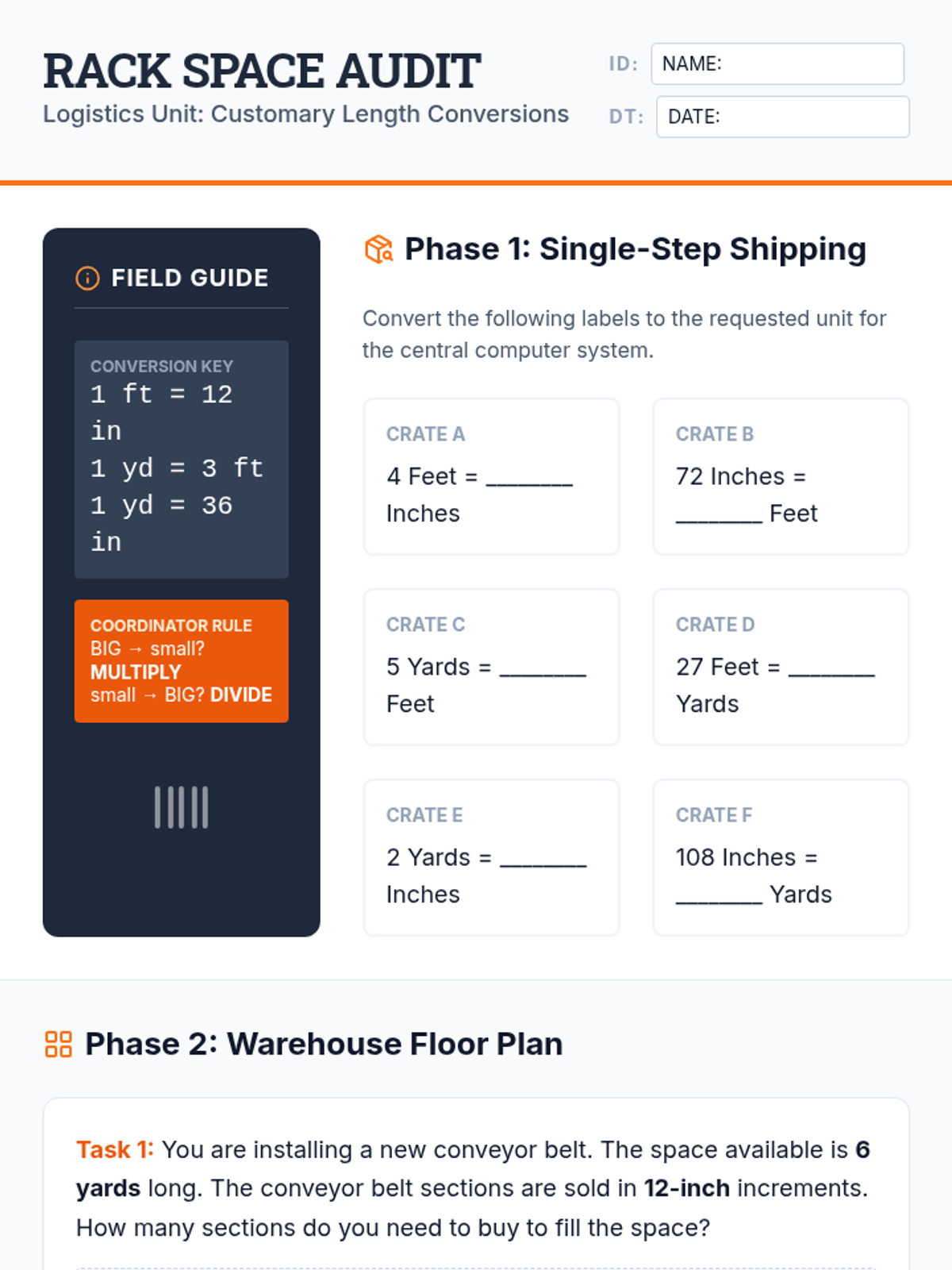
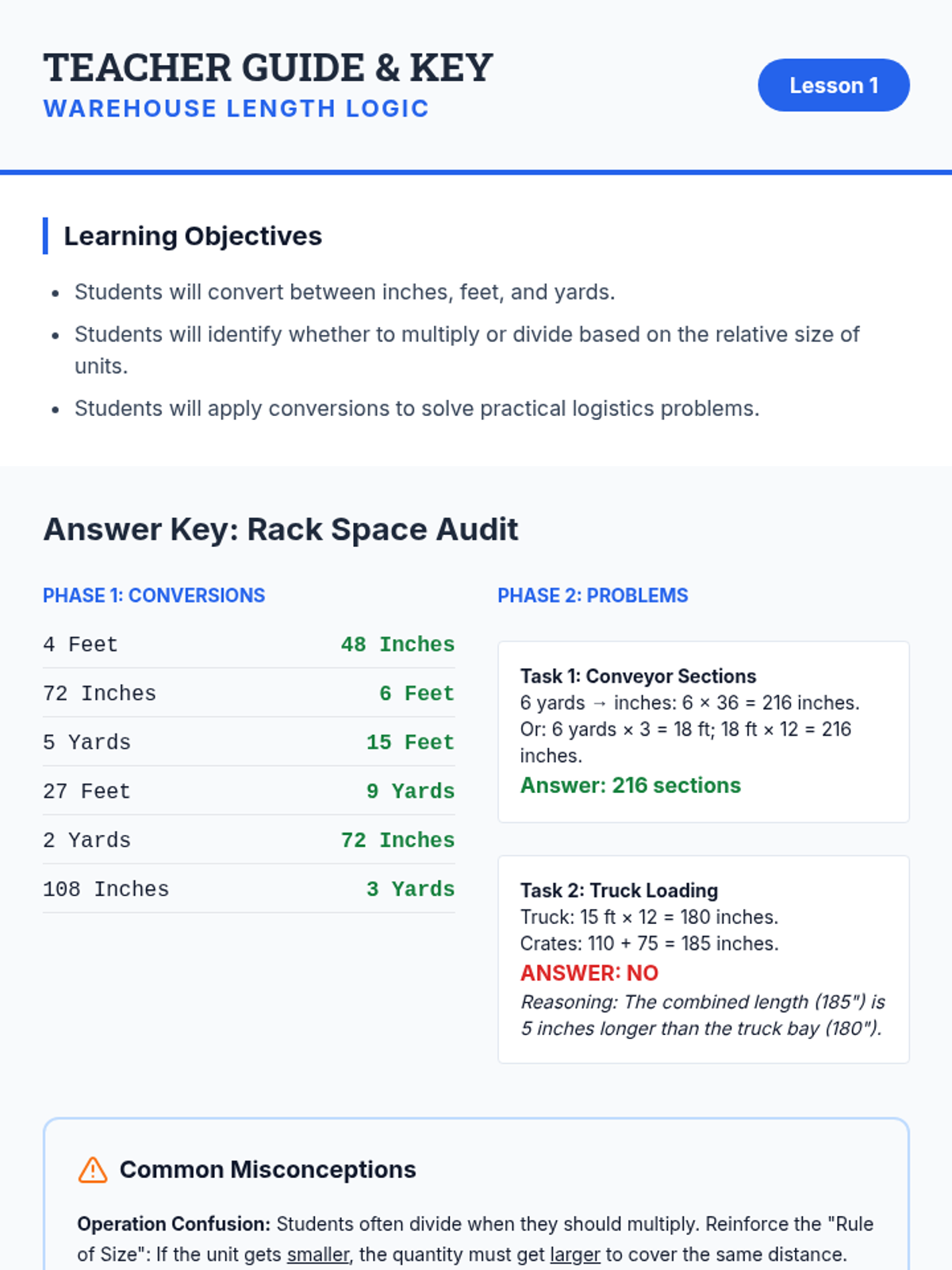
Students step into the role of supply chain coordinators to master unit conversions. They navigate customary and metric systems through the lens of warehouse logistics, international shipping, and multi-step problem solving.
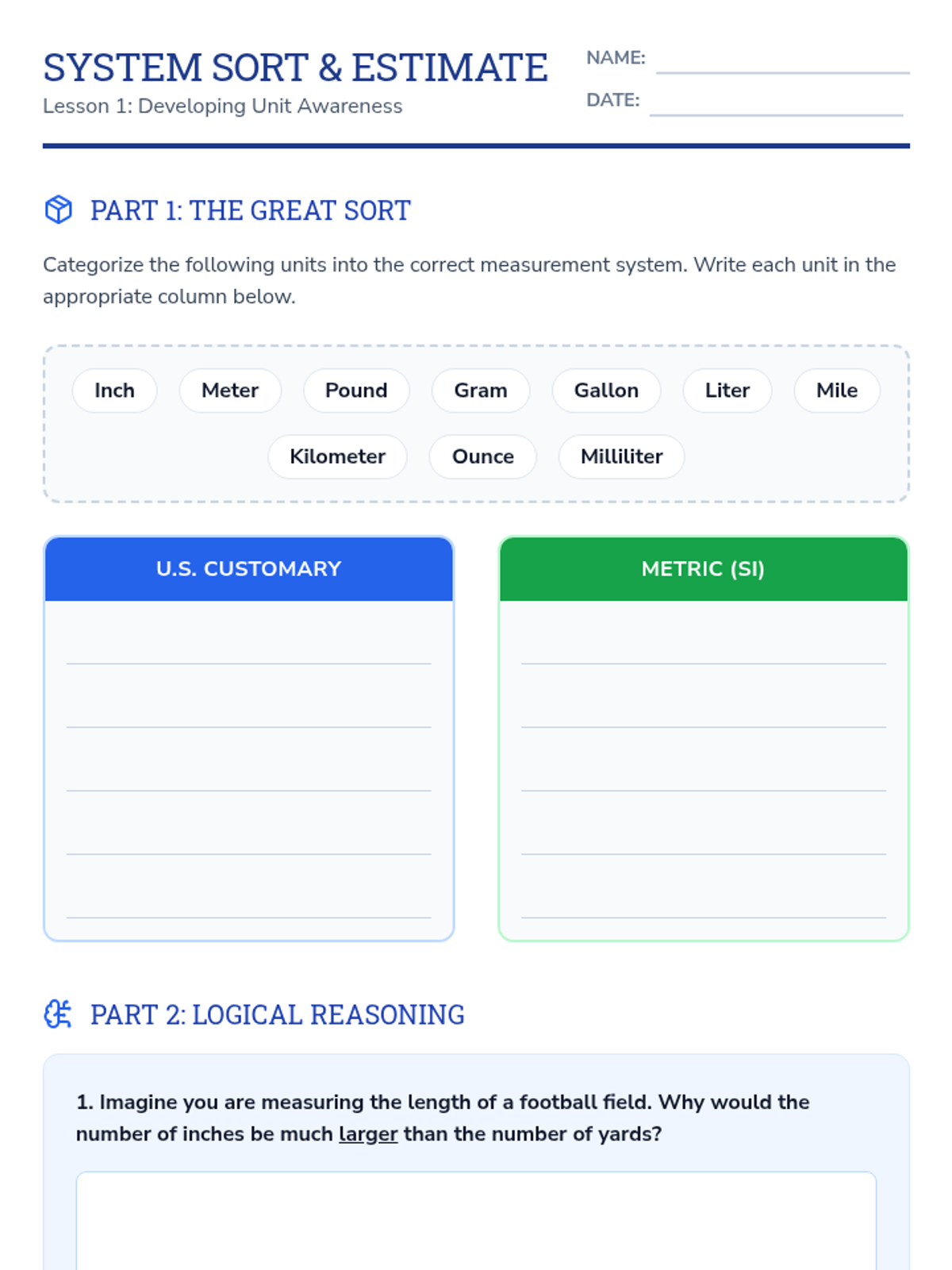
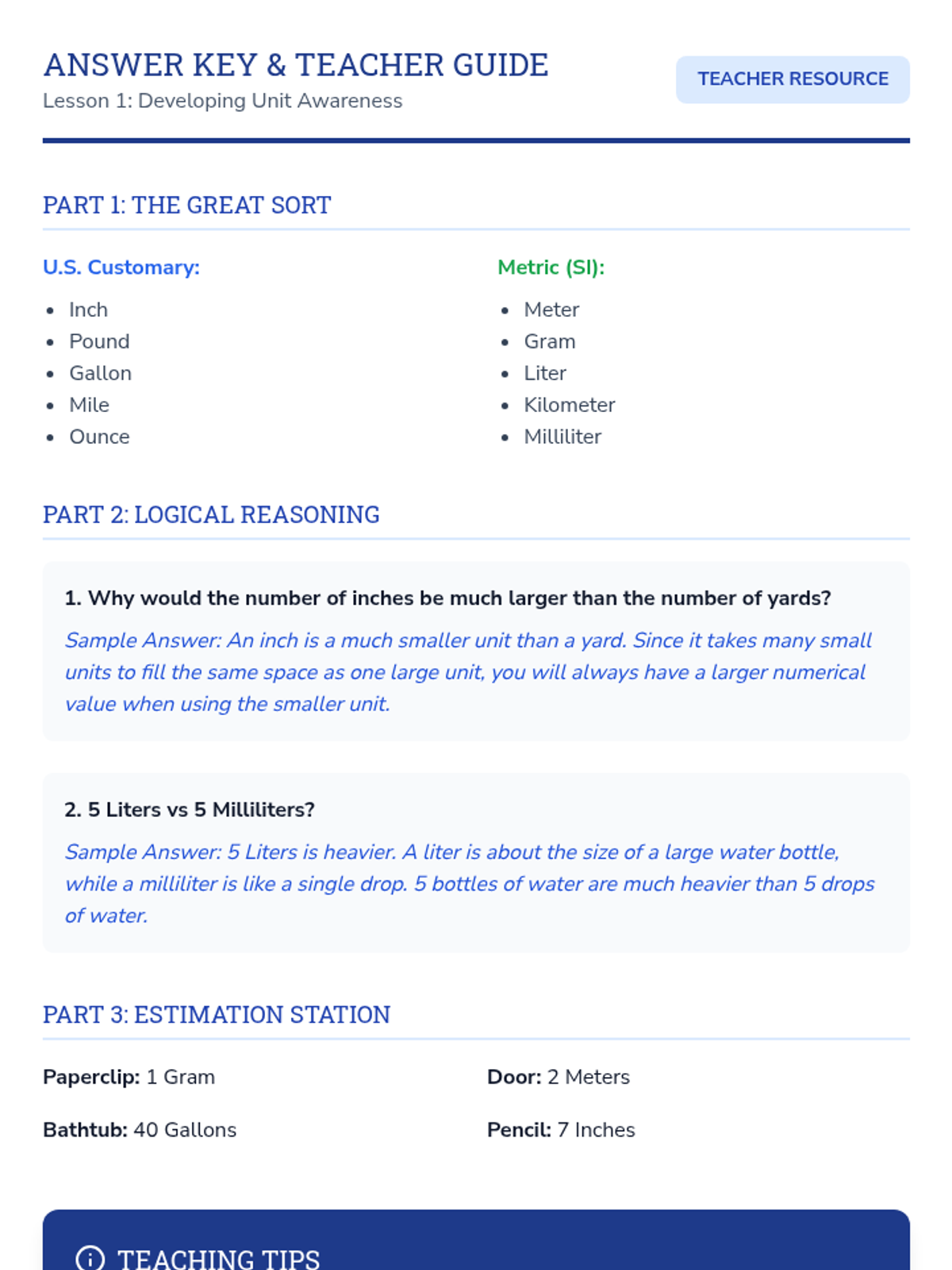
This sequence guides 5th-grade students through converting measurements within the U.S. Customary and Metric systems. It emphasizes the relationship between unit size and quantity, leveraging place value for metric units and visual models for customary units, culminating in multi-step real-world problem solving.
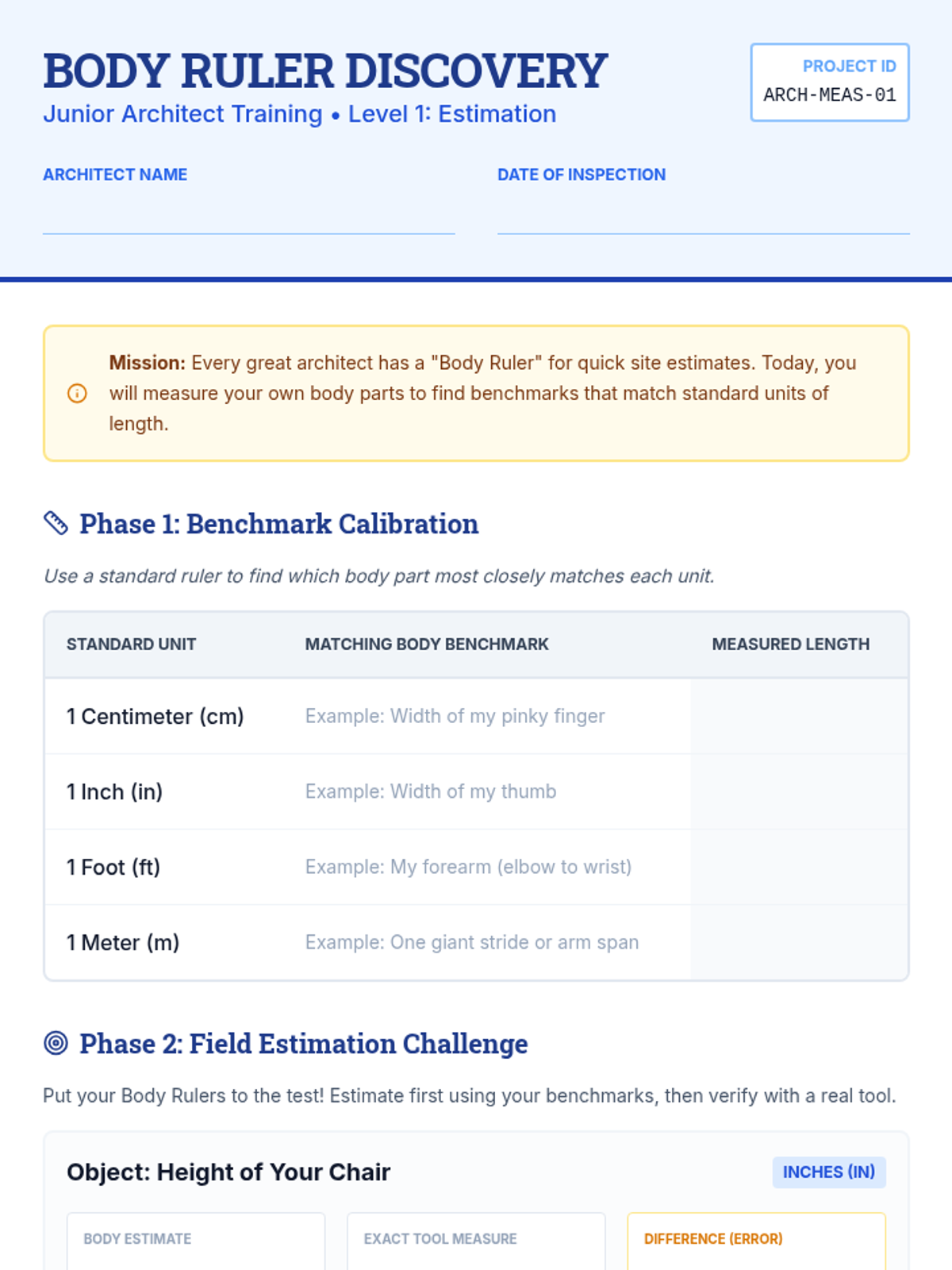
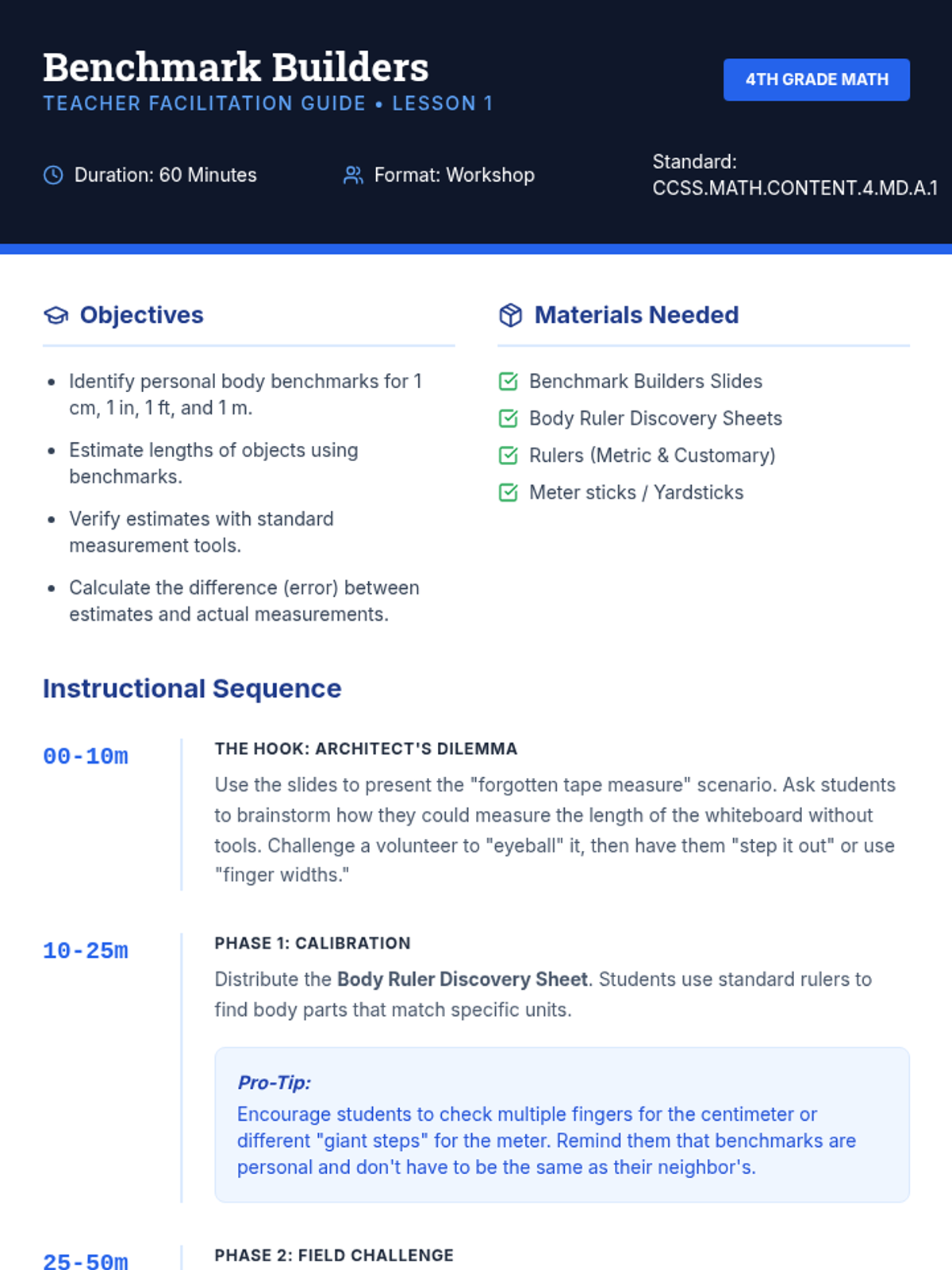
Students become junior architects, mastering estimation and precise measurement using metric and customary units to design classroom floor plans.
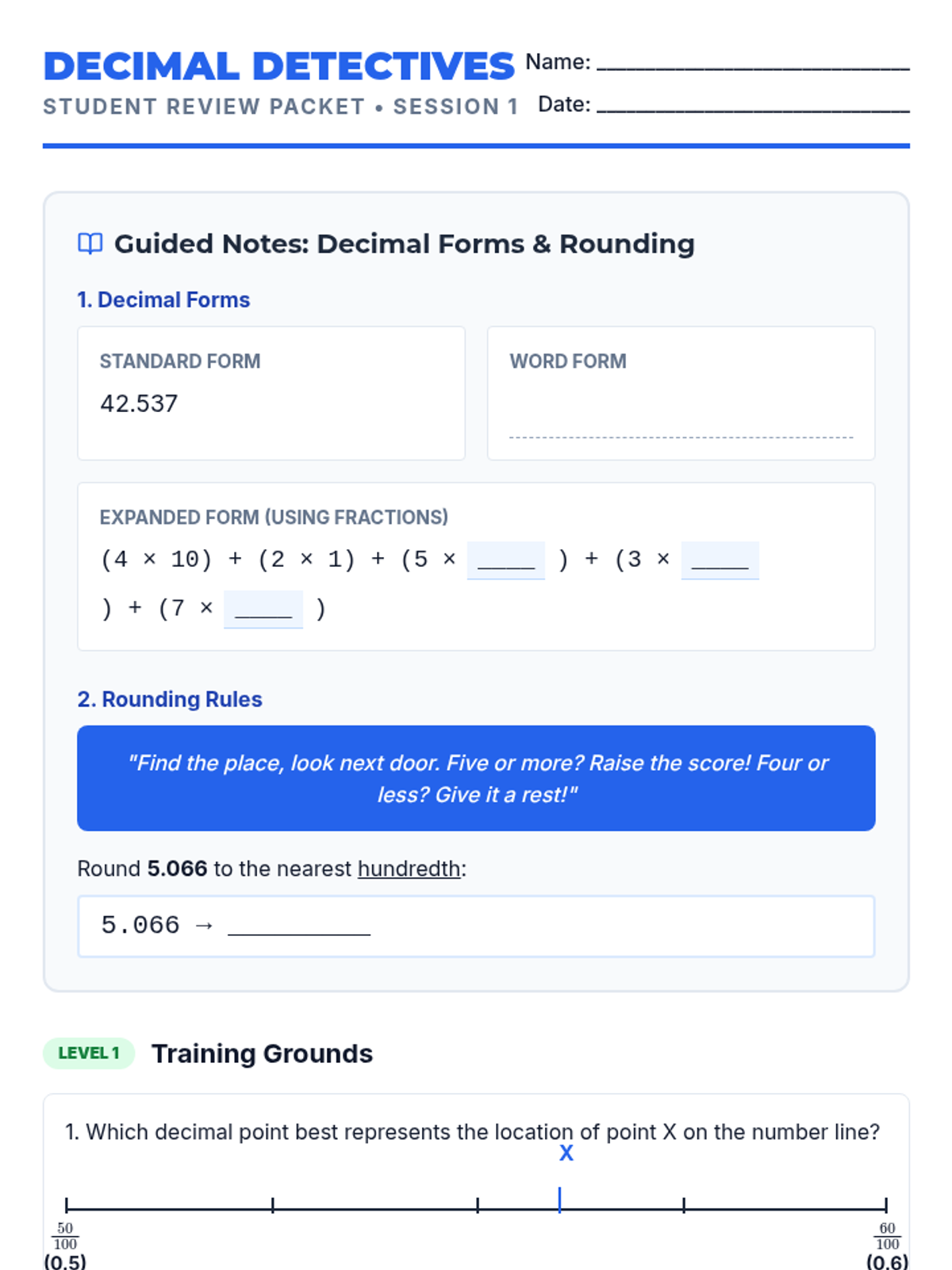
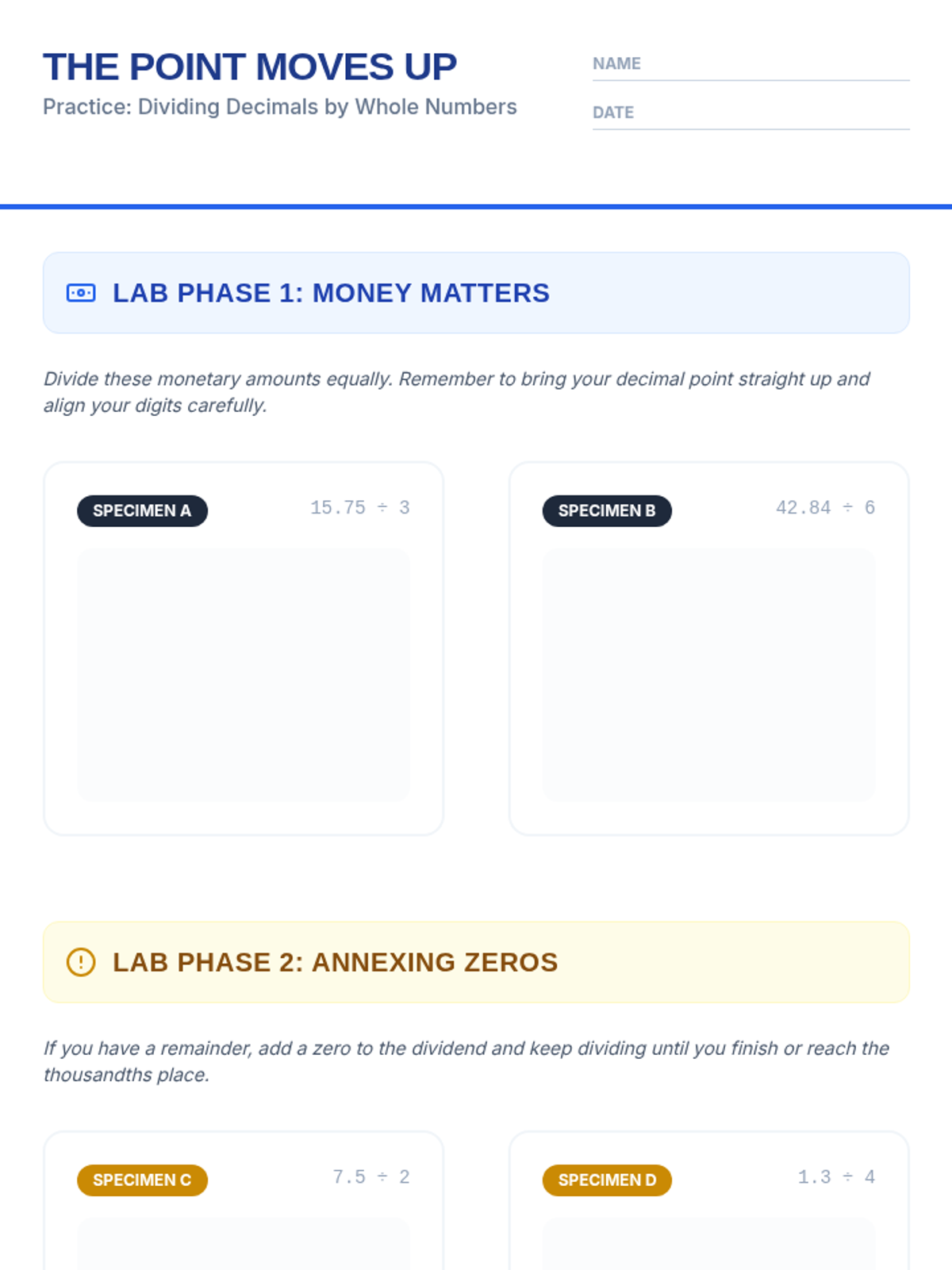
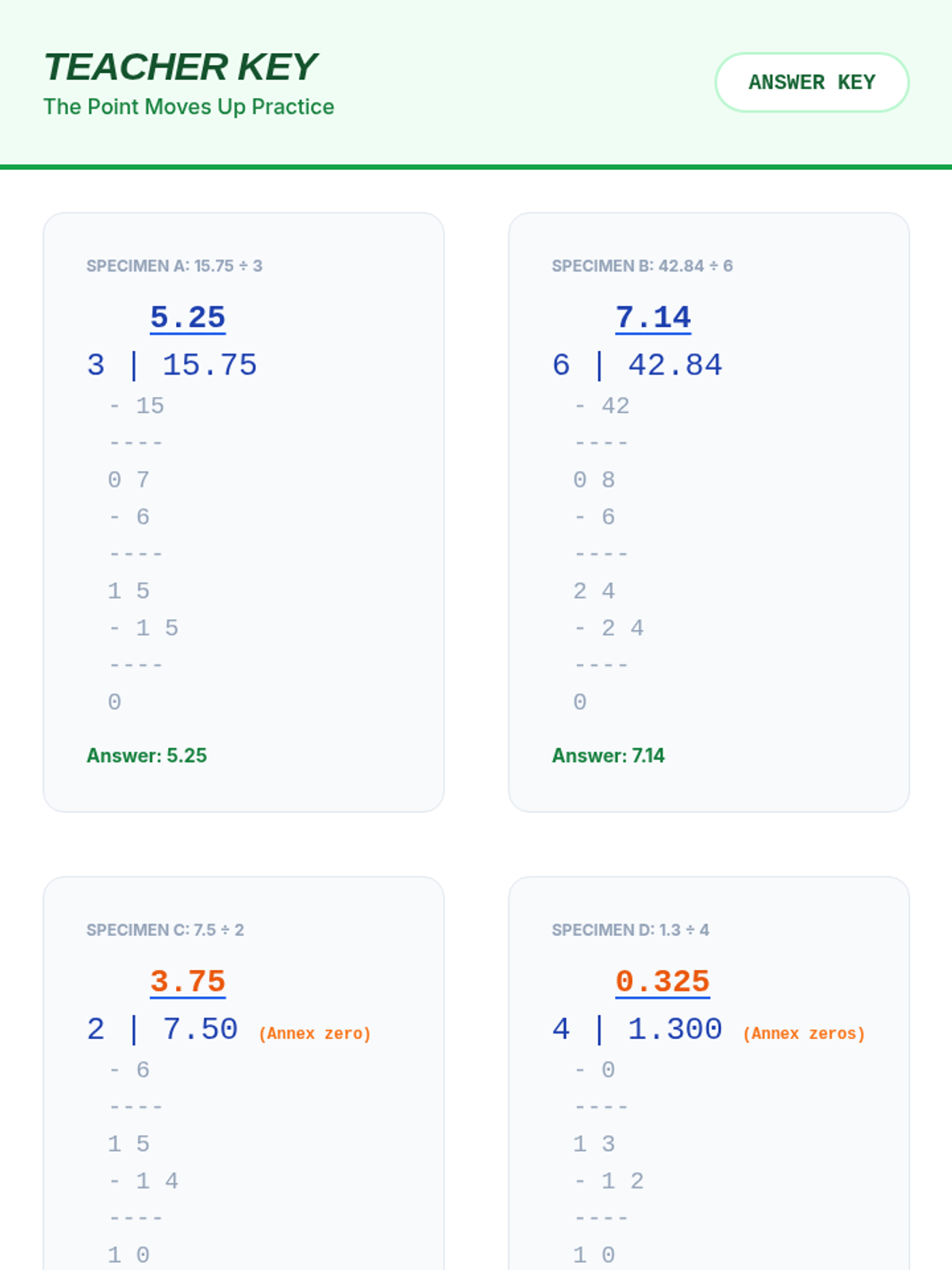
A comprehensive 5th-grade unit on dividing decimals, moving from whole number divisors to decimal divisors using powers of ten and equivalent ratios. Students apply these skills to financial situations, metric patterns, and scientific data analysis.
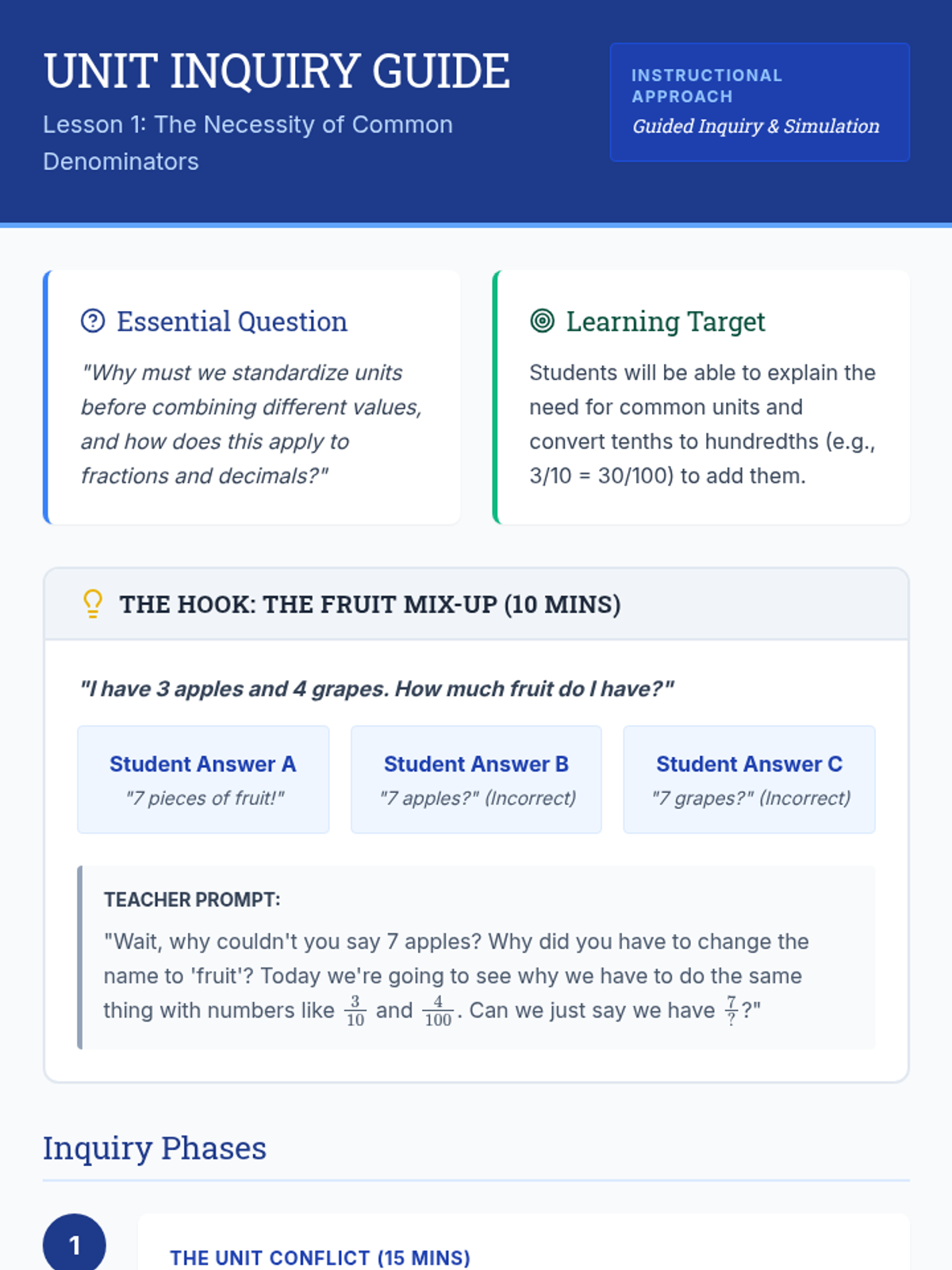
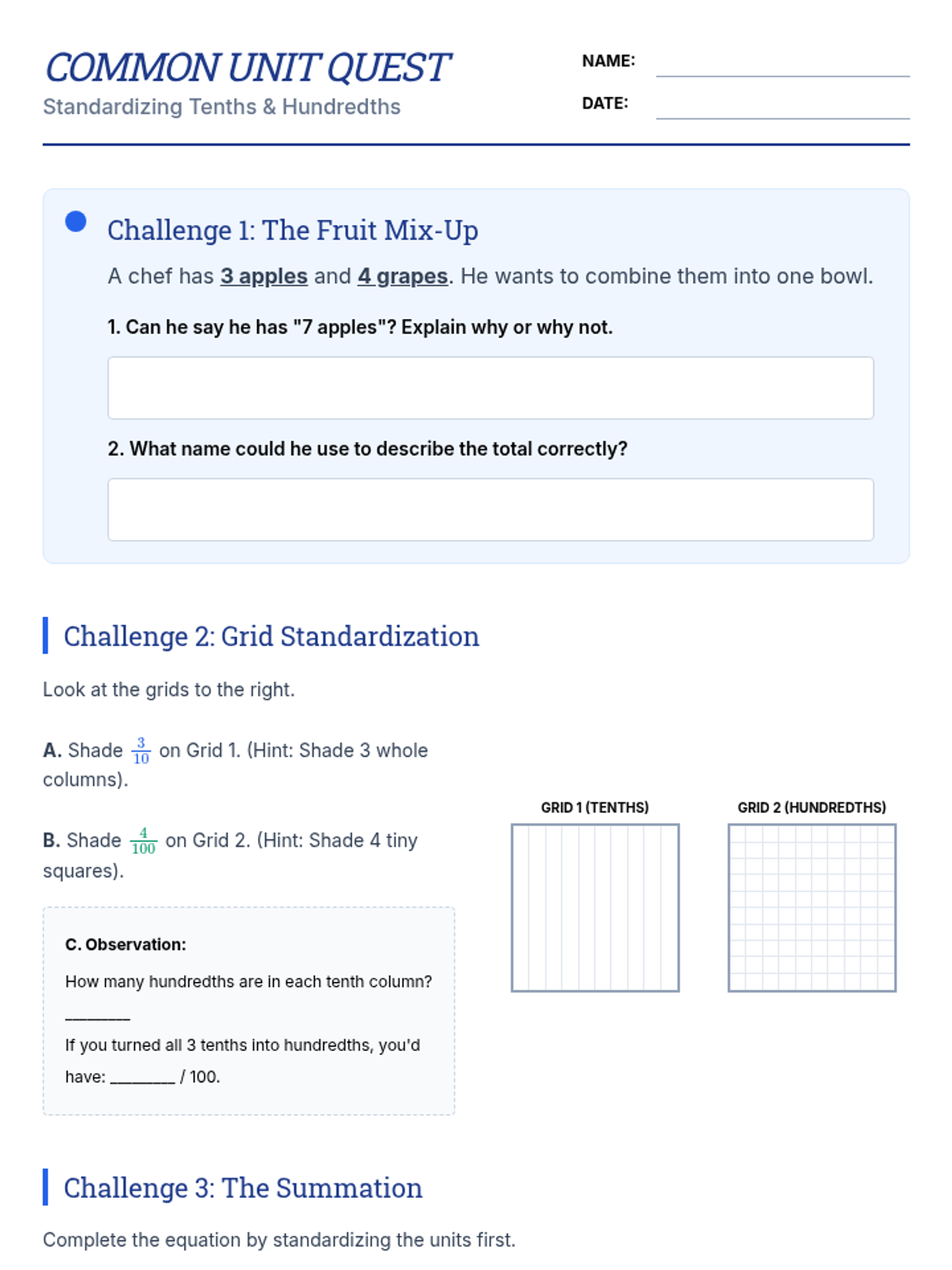
A 5th-grade math sequence focusing on adding fractions with denominators of 10 and 100. Through games, money simulations, and measurement challenges, students learn to convert tenths to hundredths and apply decimal operations in real-world contexts.