Data representation, distributions, and statistical variability using sampling and inference techniques. Integrates probability models, compound events, bivariate patterns, and linear models to guide data-driven decision making.
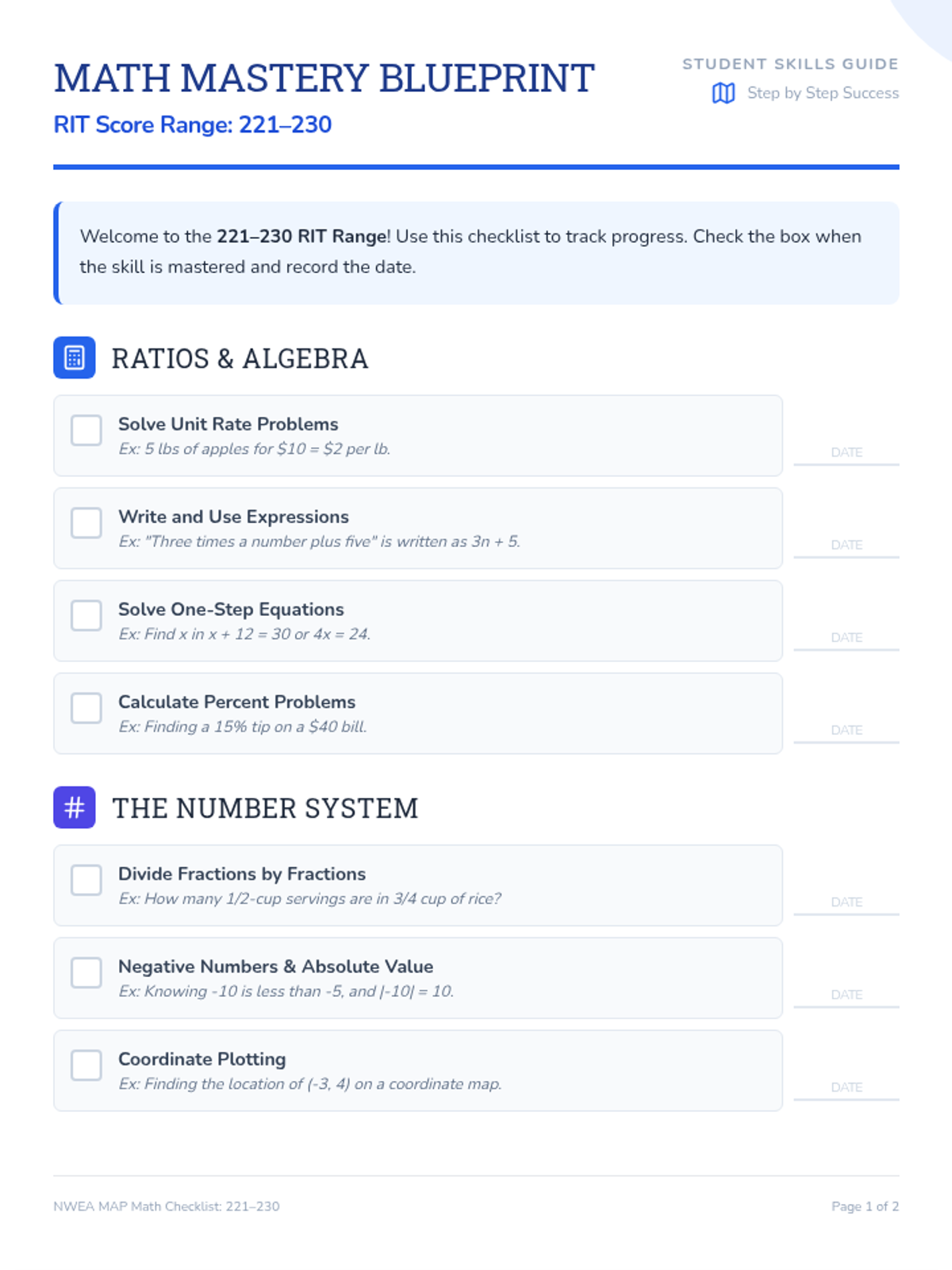
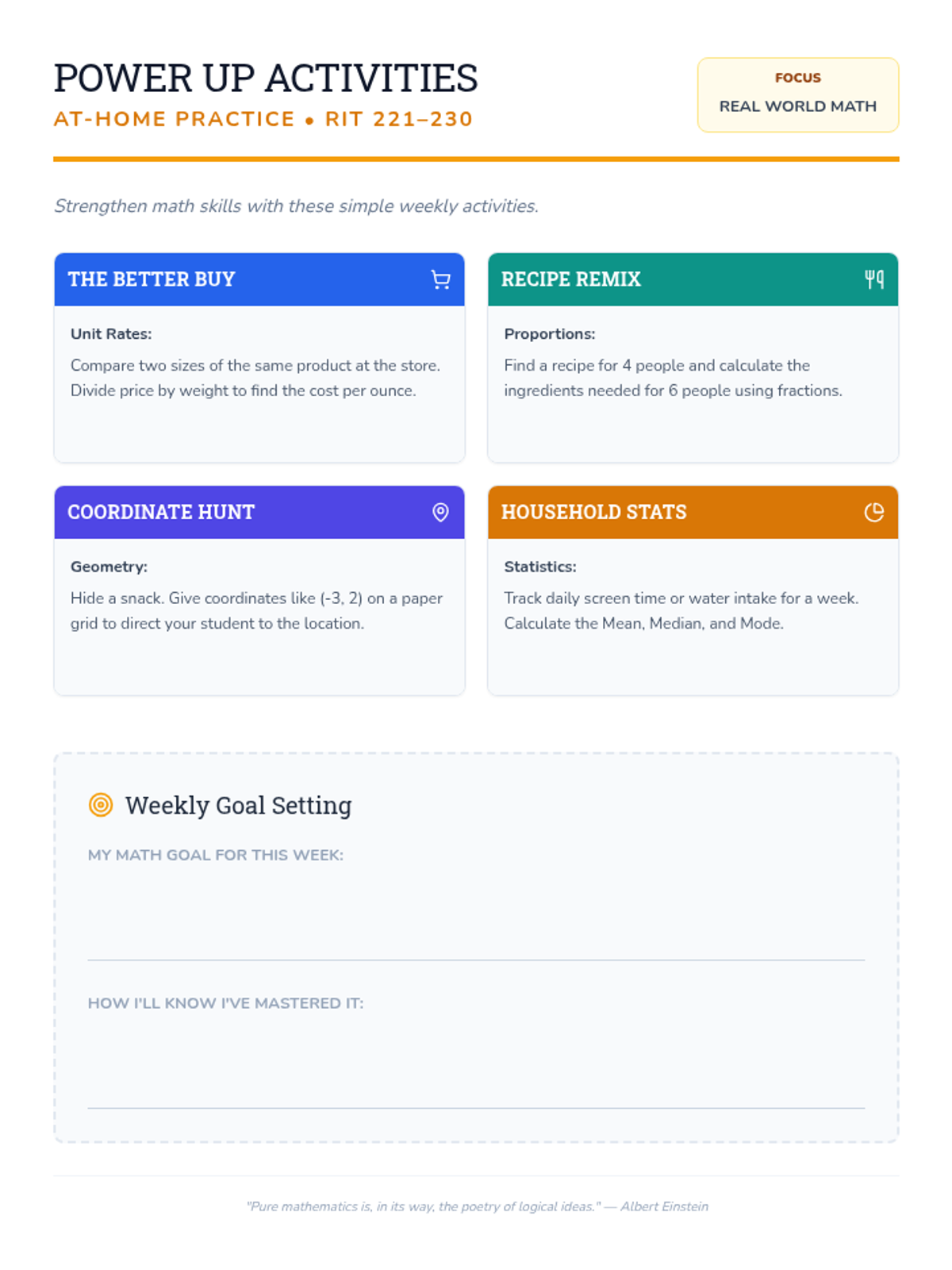
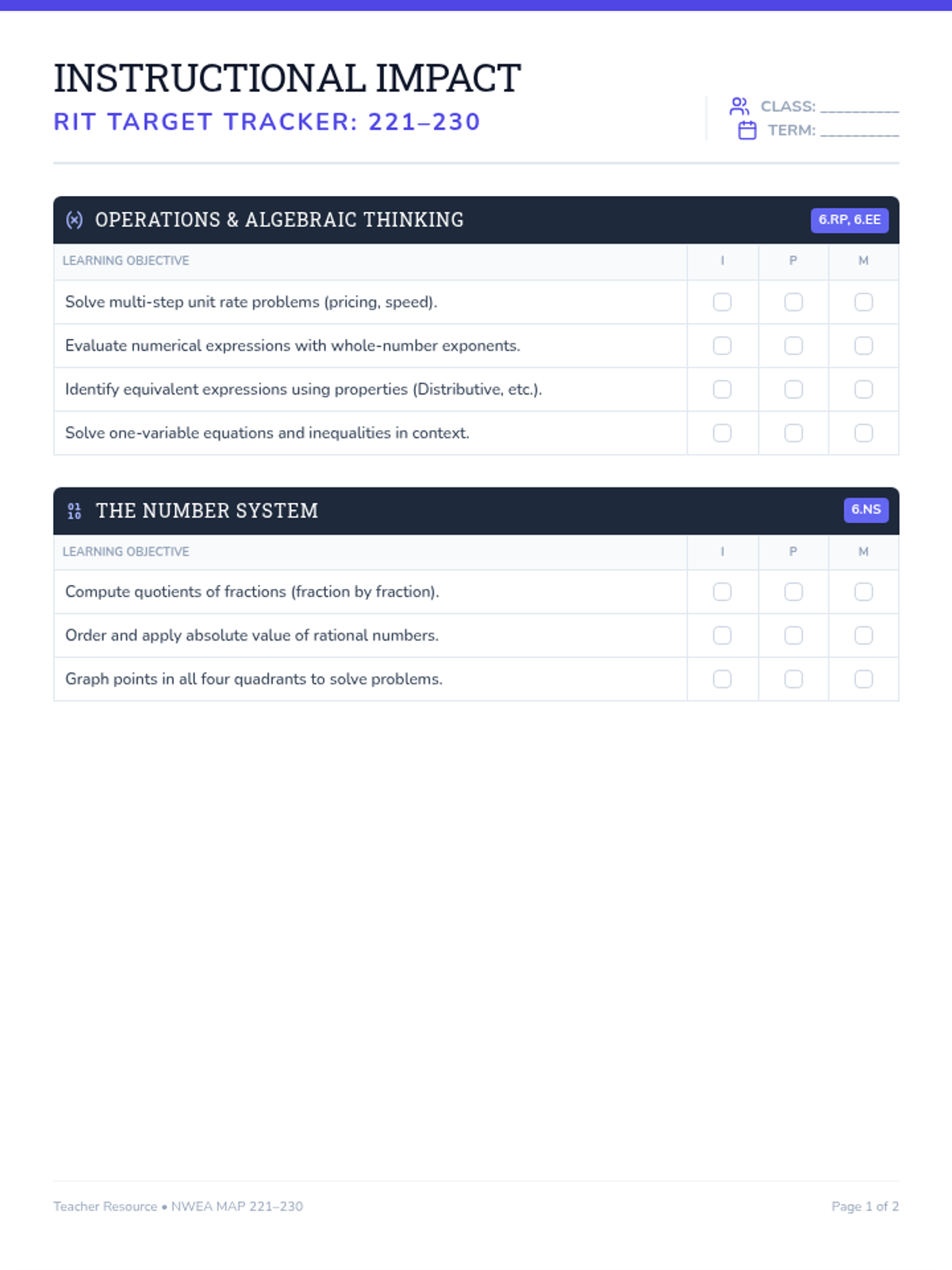
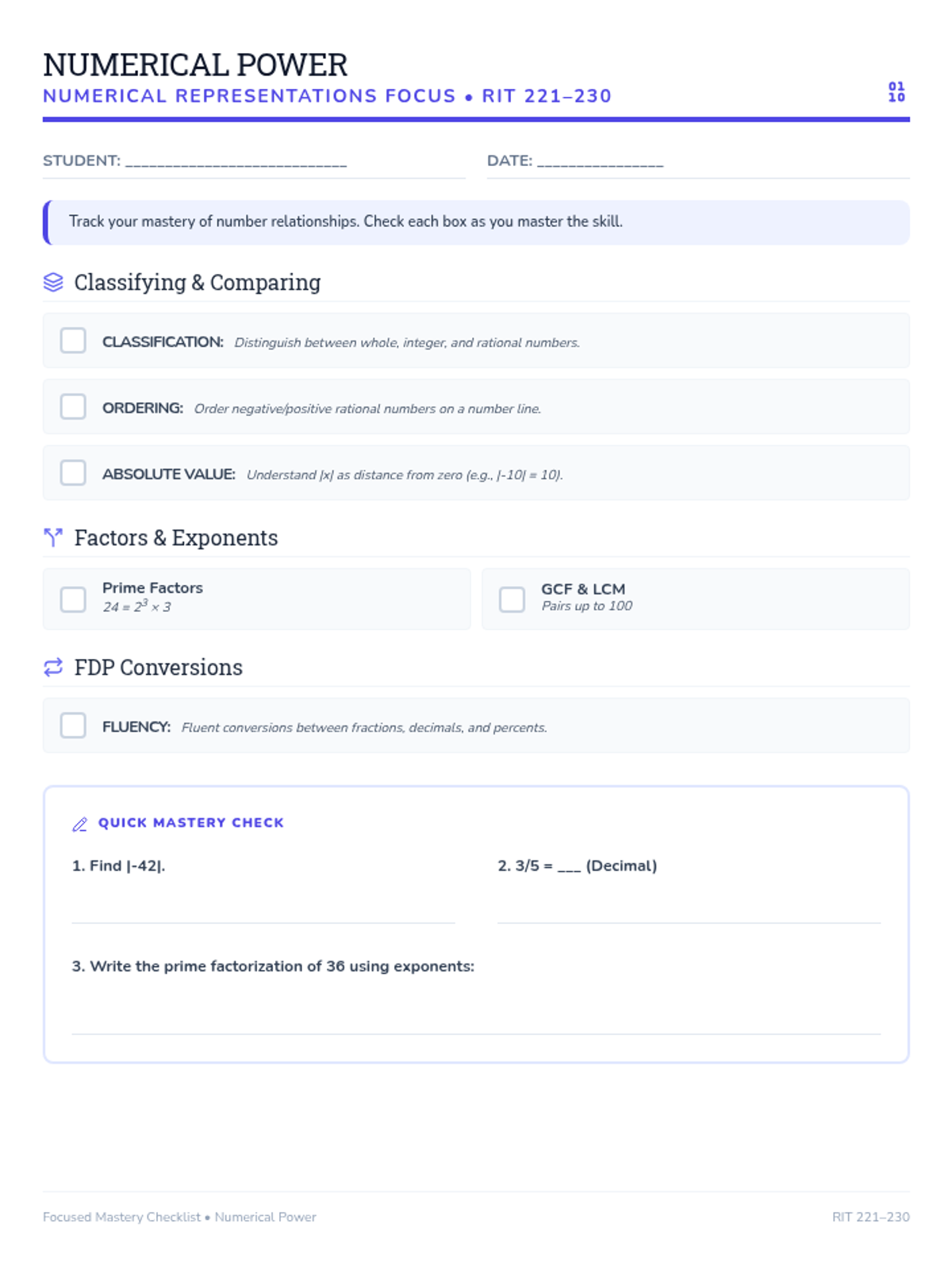
A comprehensive collection of RIT-aligned math mastery resources for student and teacher tracking across key mathematical development ranges.
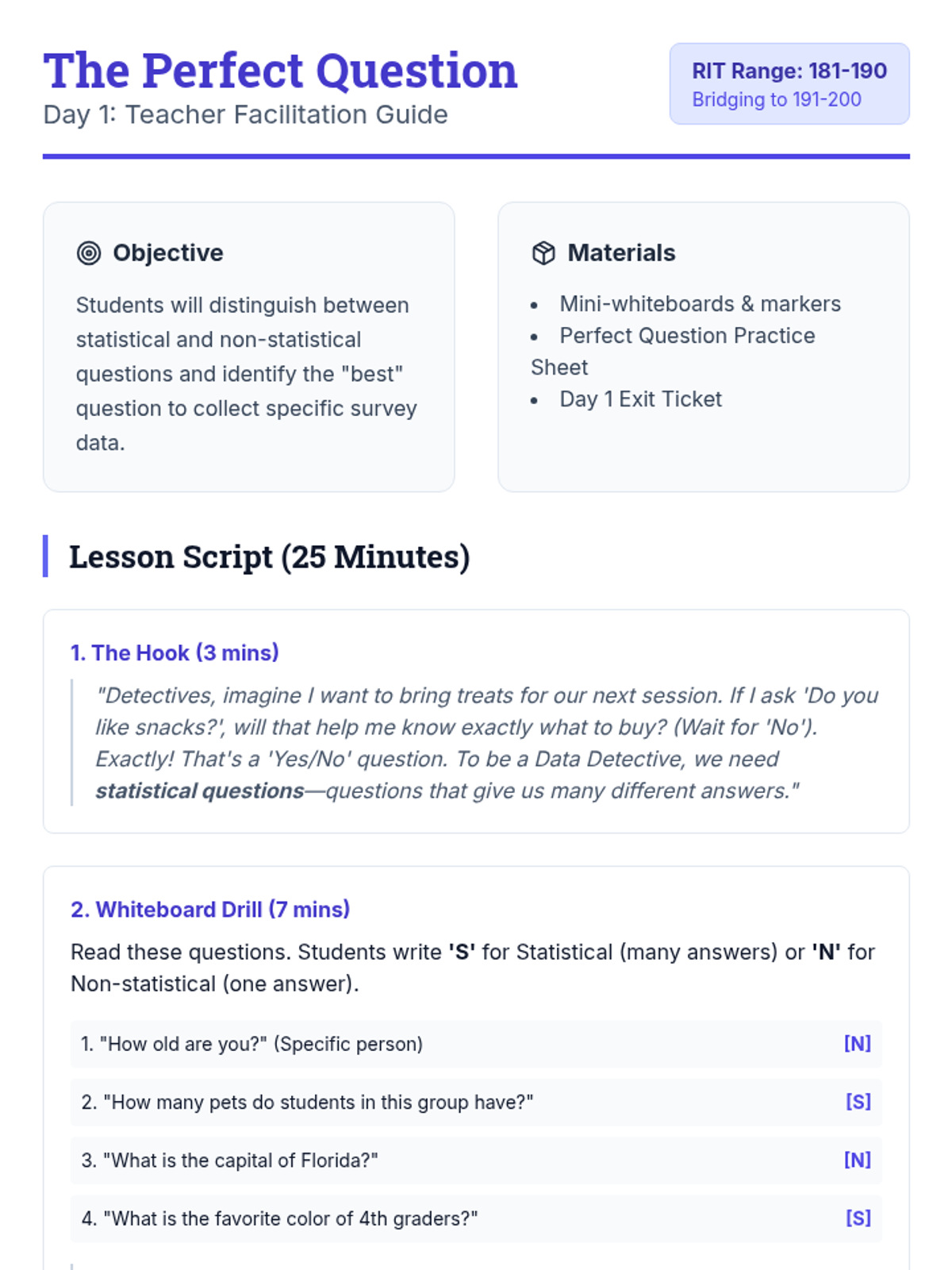
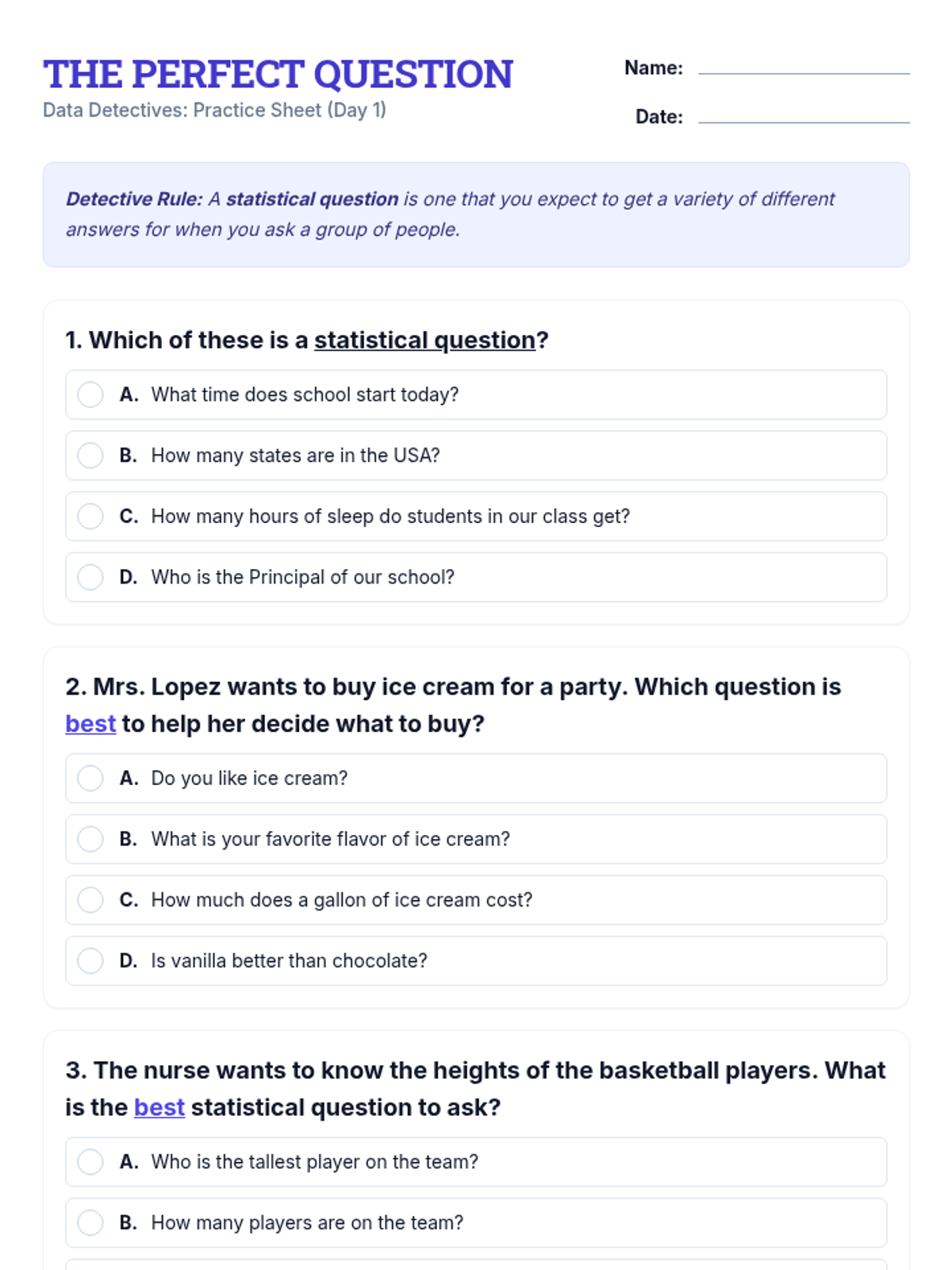
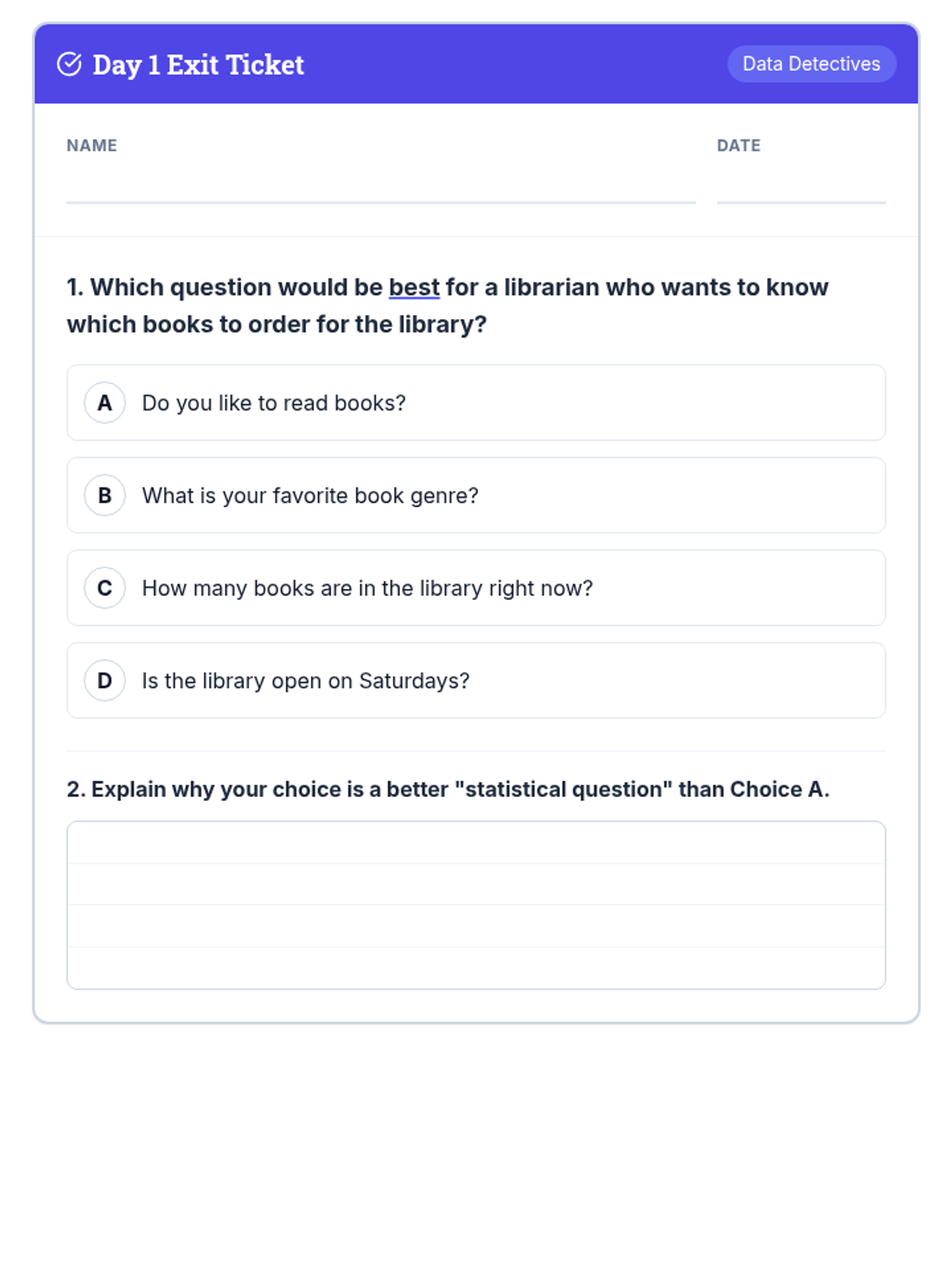
A 3-day small group math sequence designed to move students from RIT 181-190 to 191-200 in the Data Analysis domain, focusing on statistical questions and circle graph interpretation.
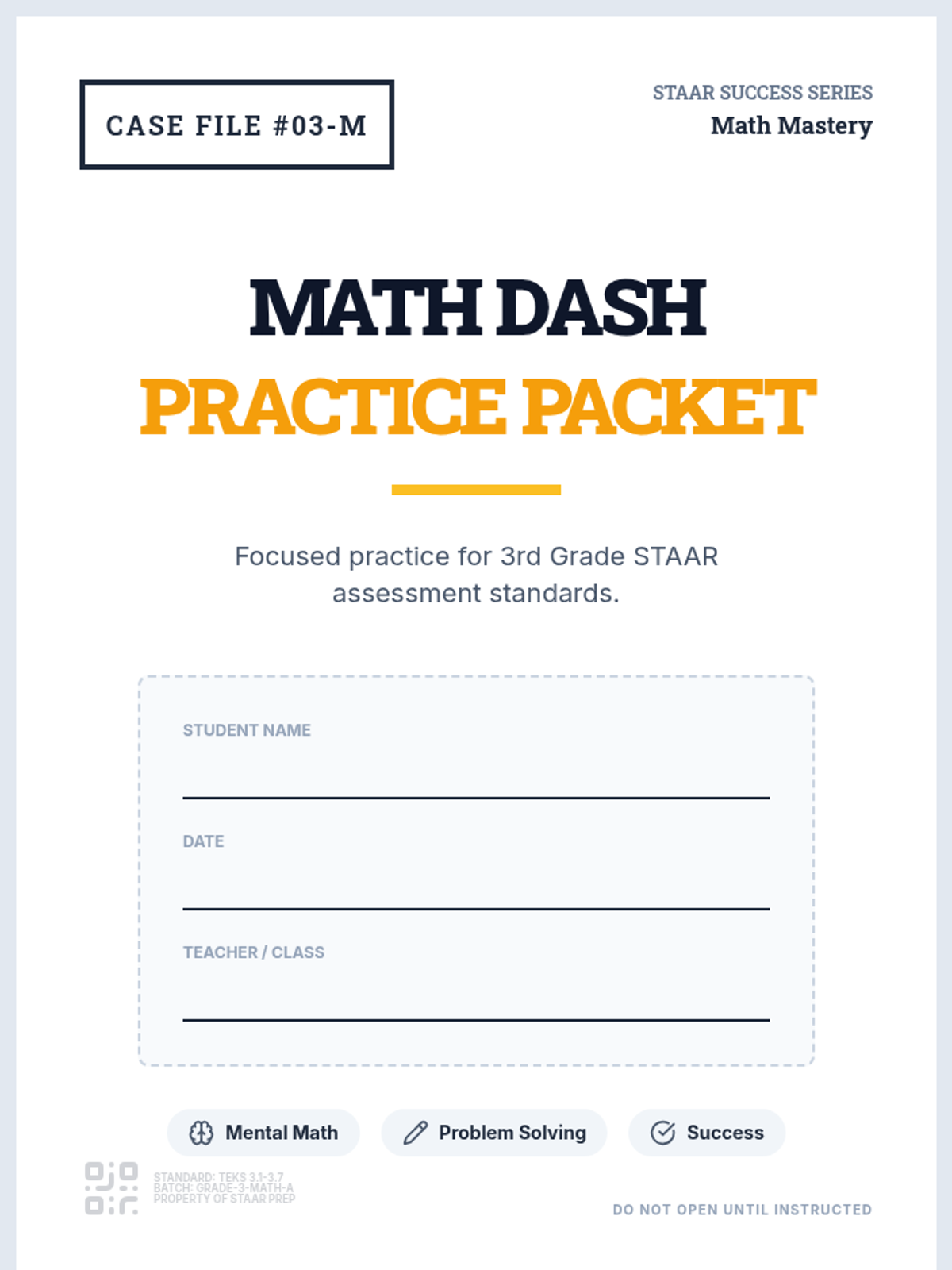
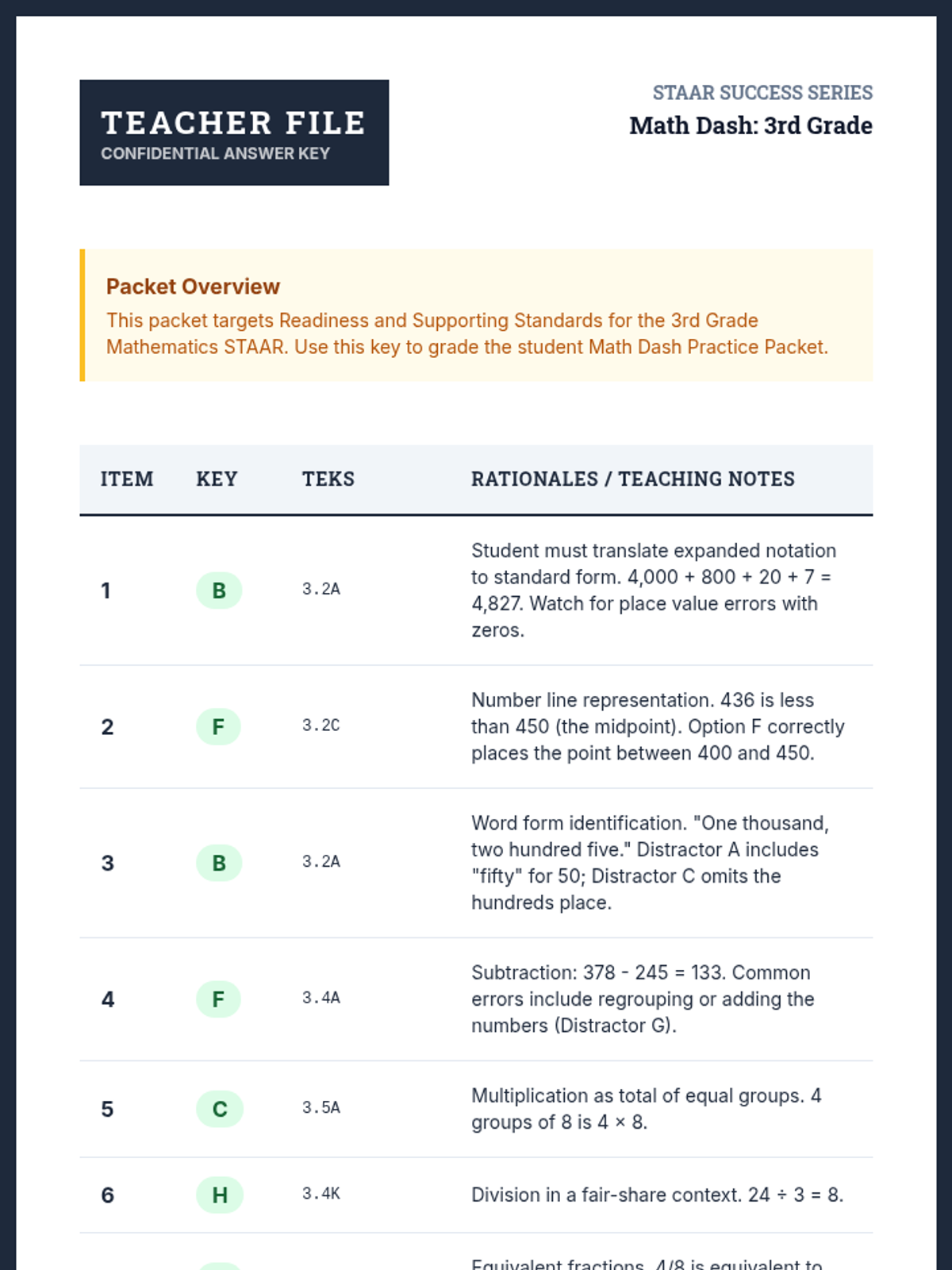
A comprehensive collection of STAAR-aligned practice packets for 3rd-5th grade Math, RLA, and 5th grade Science, designed to build confidence and mastery through authentic test-style questions.
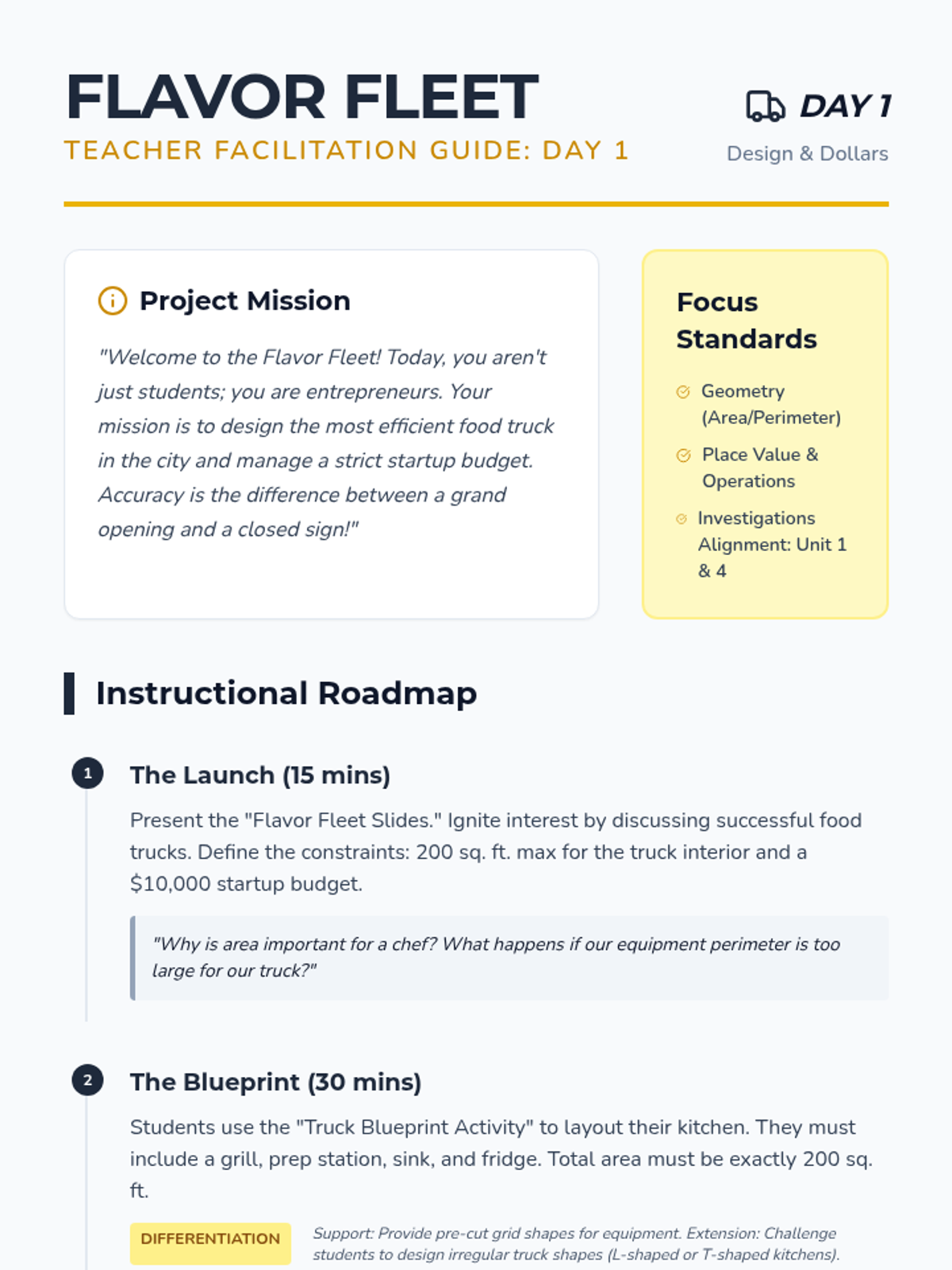
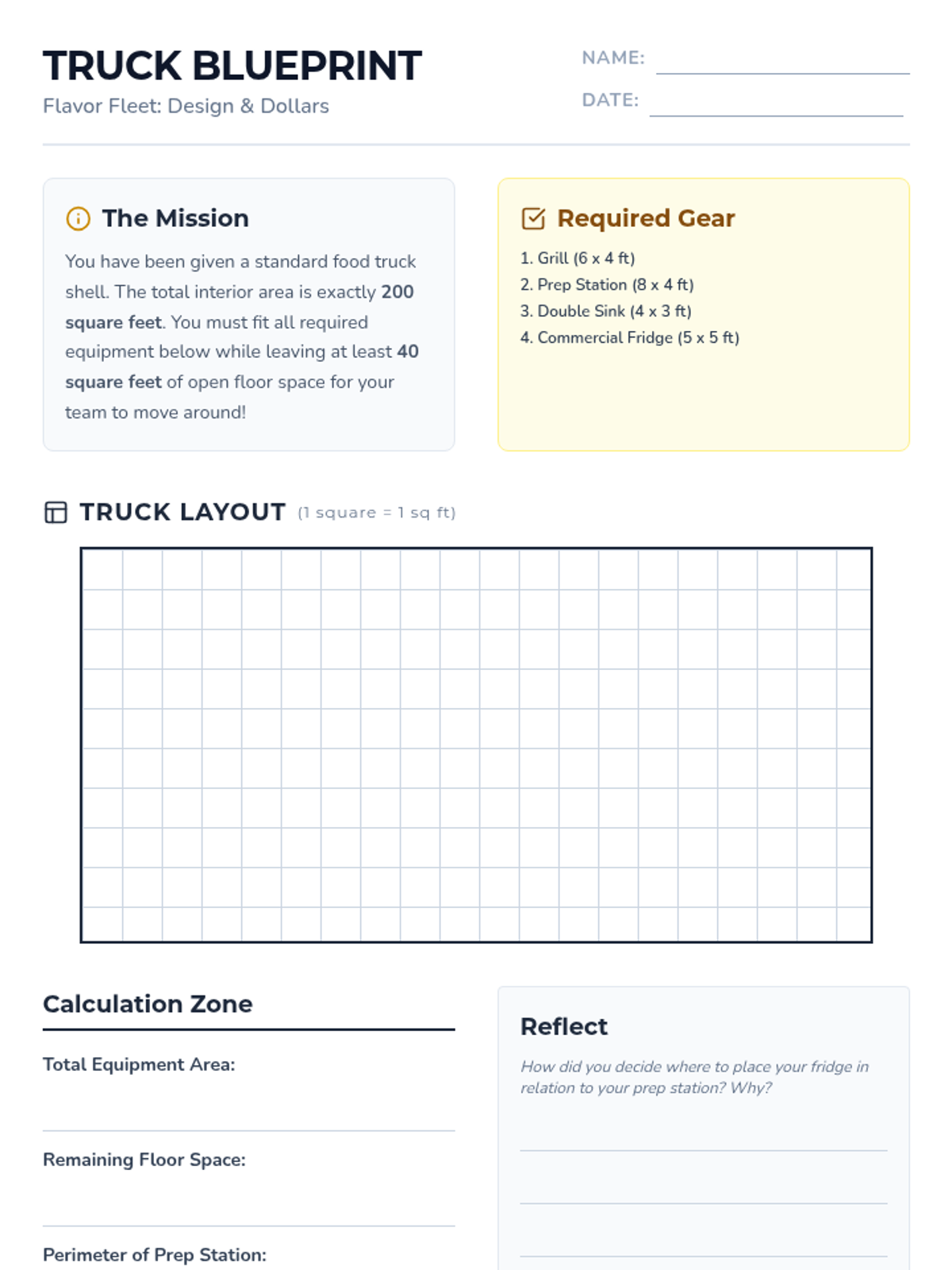
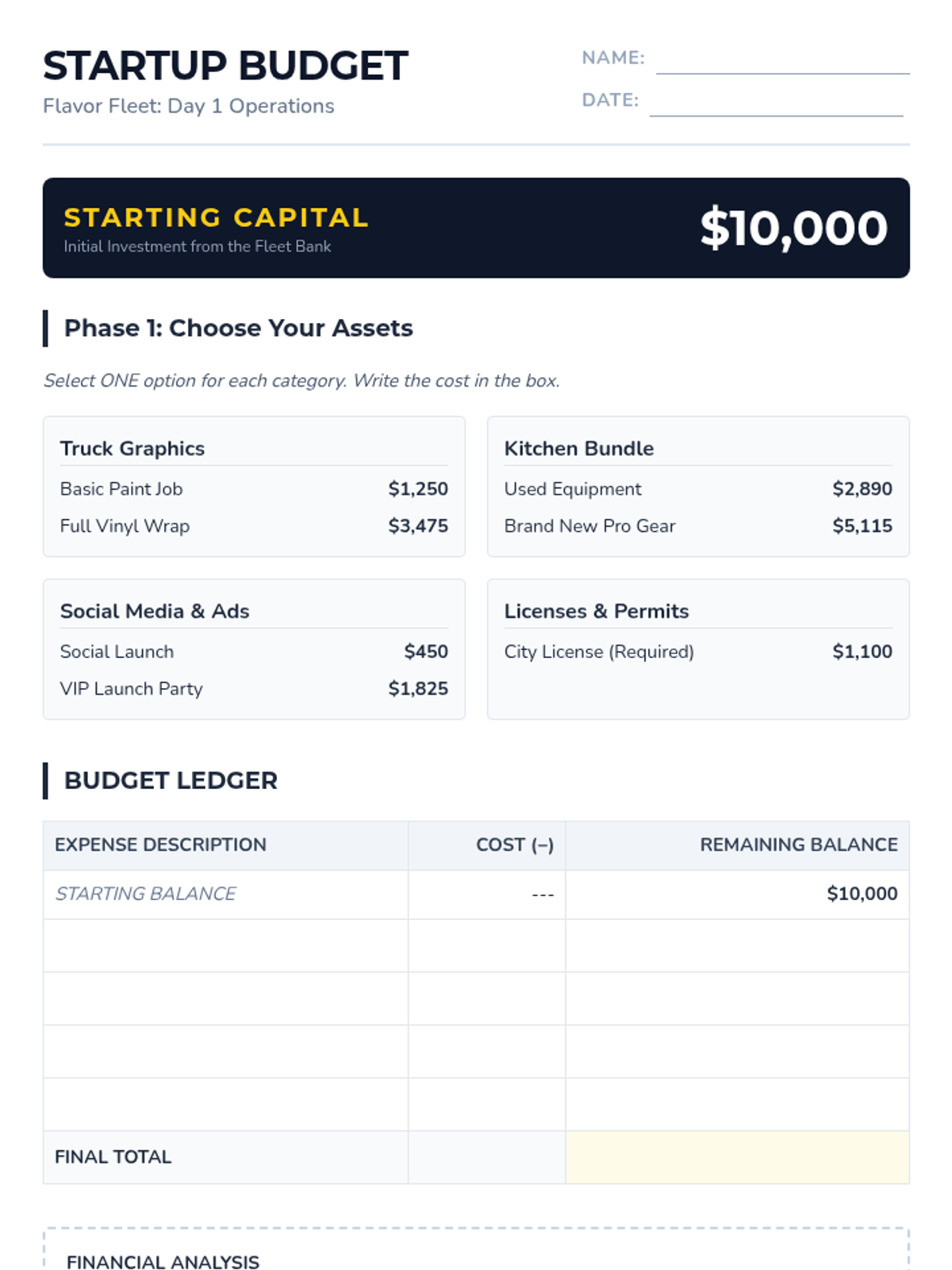
A 3-day project-based learning experience where students design, budget, and run their own food truck business, integrating fractions, geometry, operations, and data analysis.
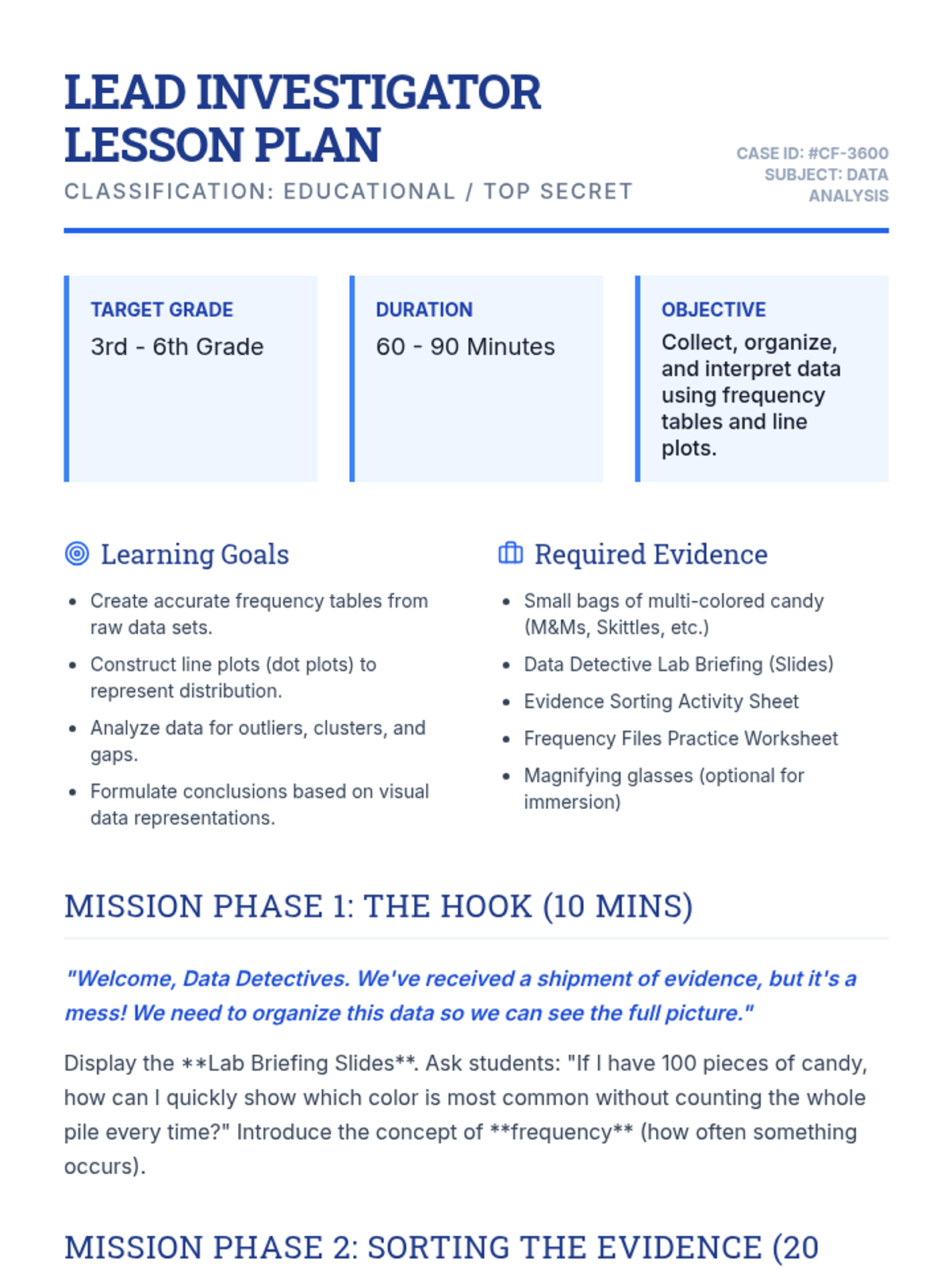
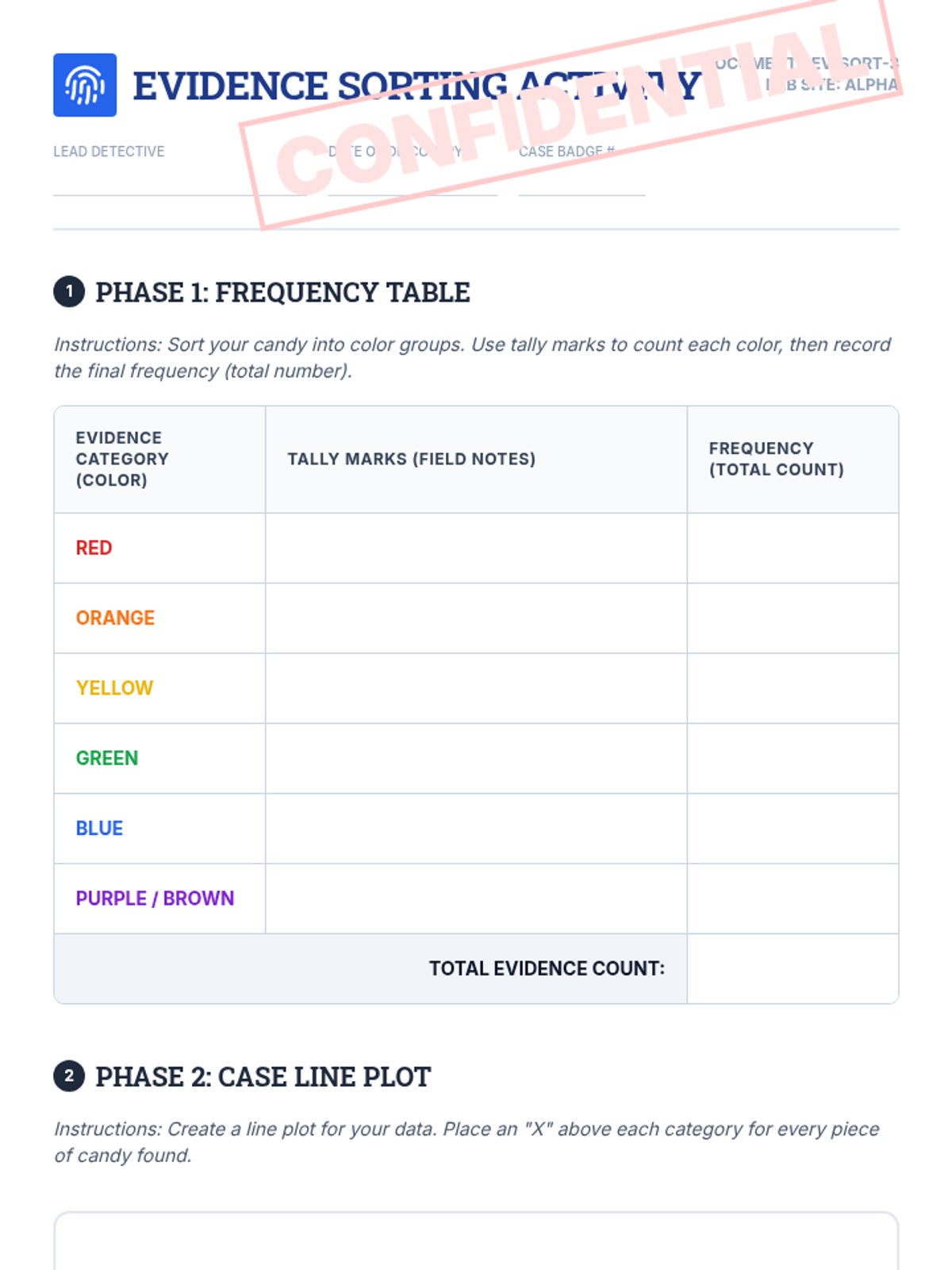
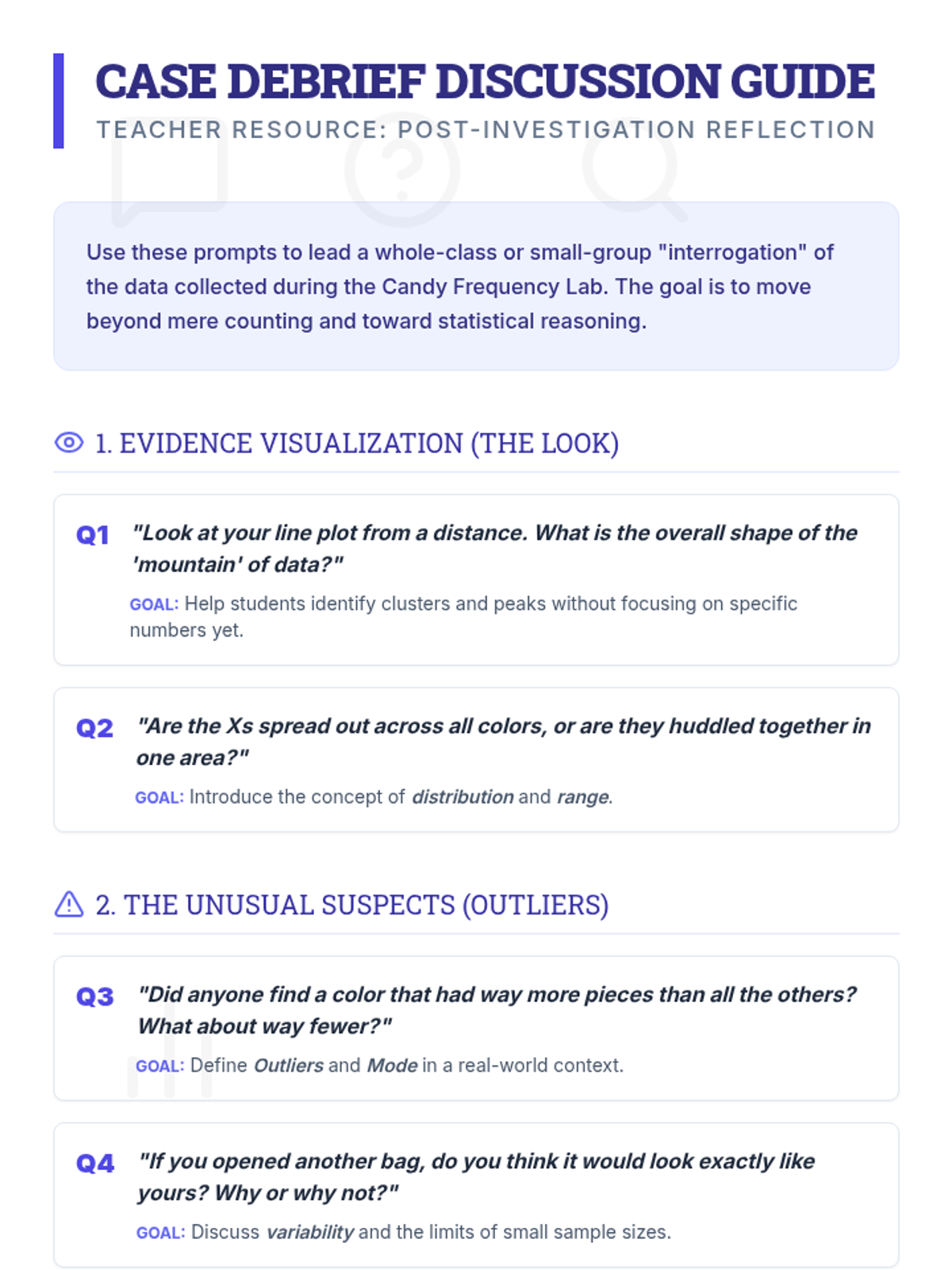
A math sequence focused on statistical analysis, data collection, and visualization through the lens of a detective agency. Students learn to create frequency tables and line plots using real-world data.
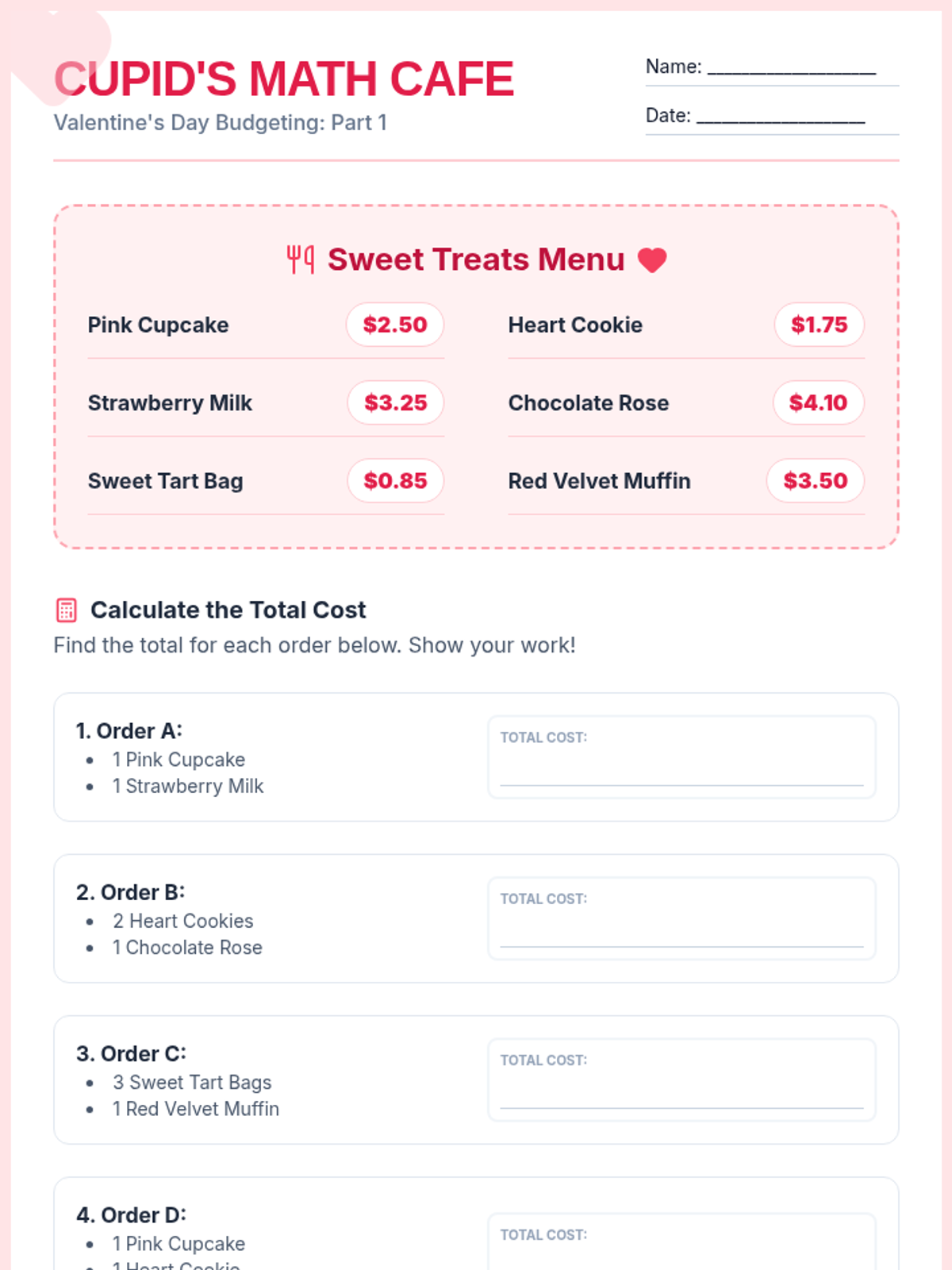
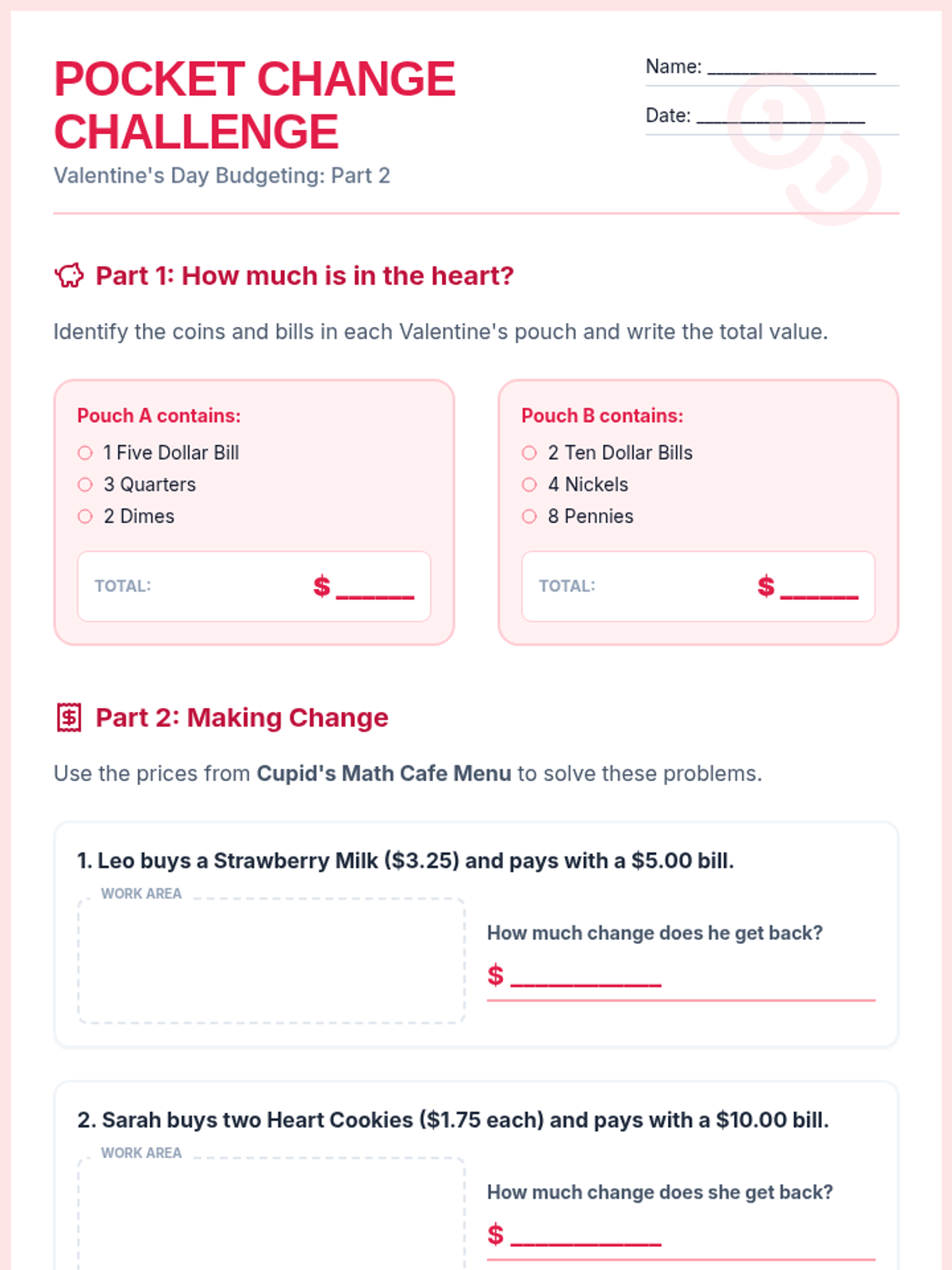
A collection of Valentine's Day math packets at two different levels (Level 1 and Quest), covering budgeting, graphing, measurement, time, and word problems.
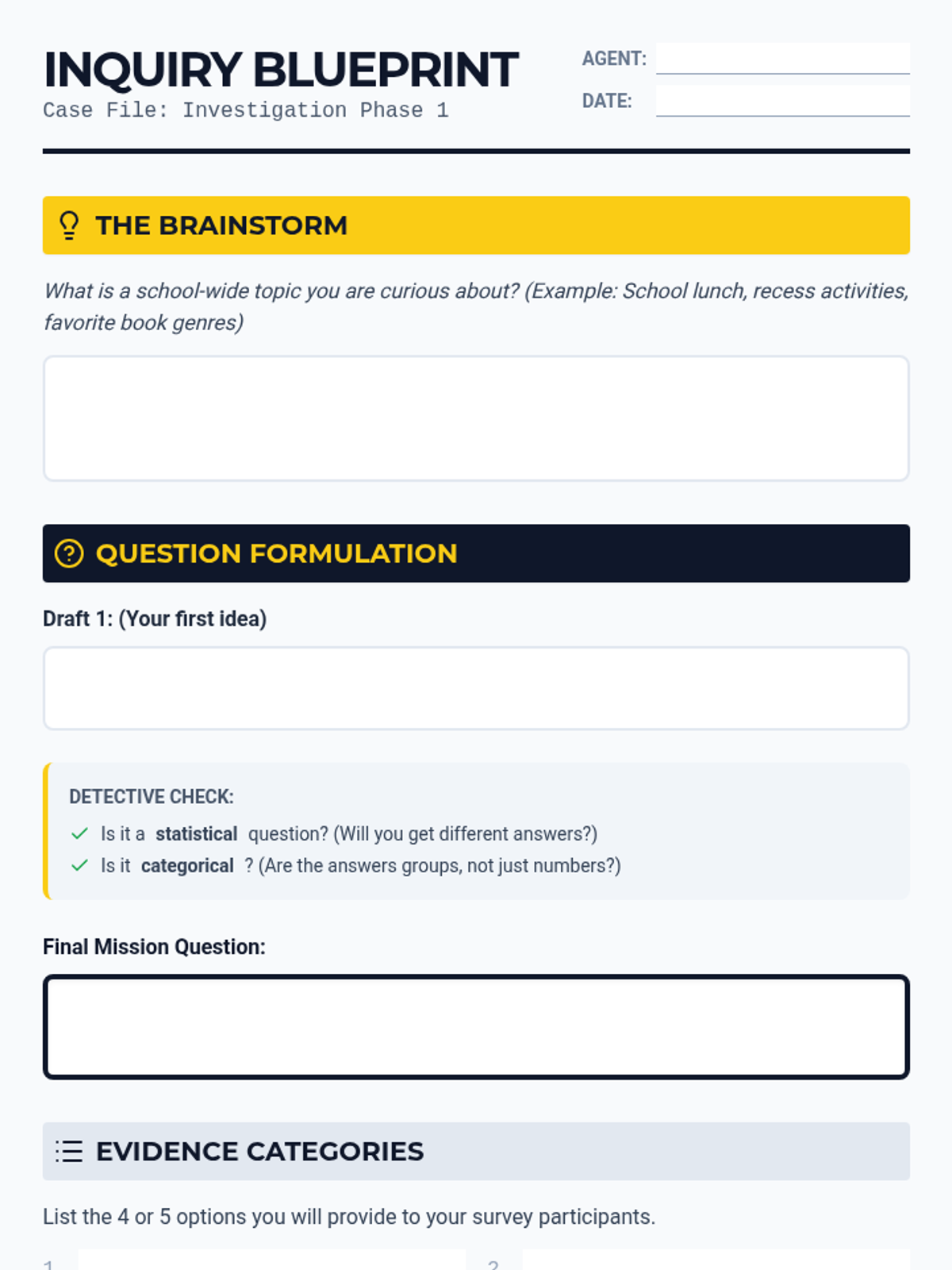
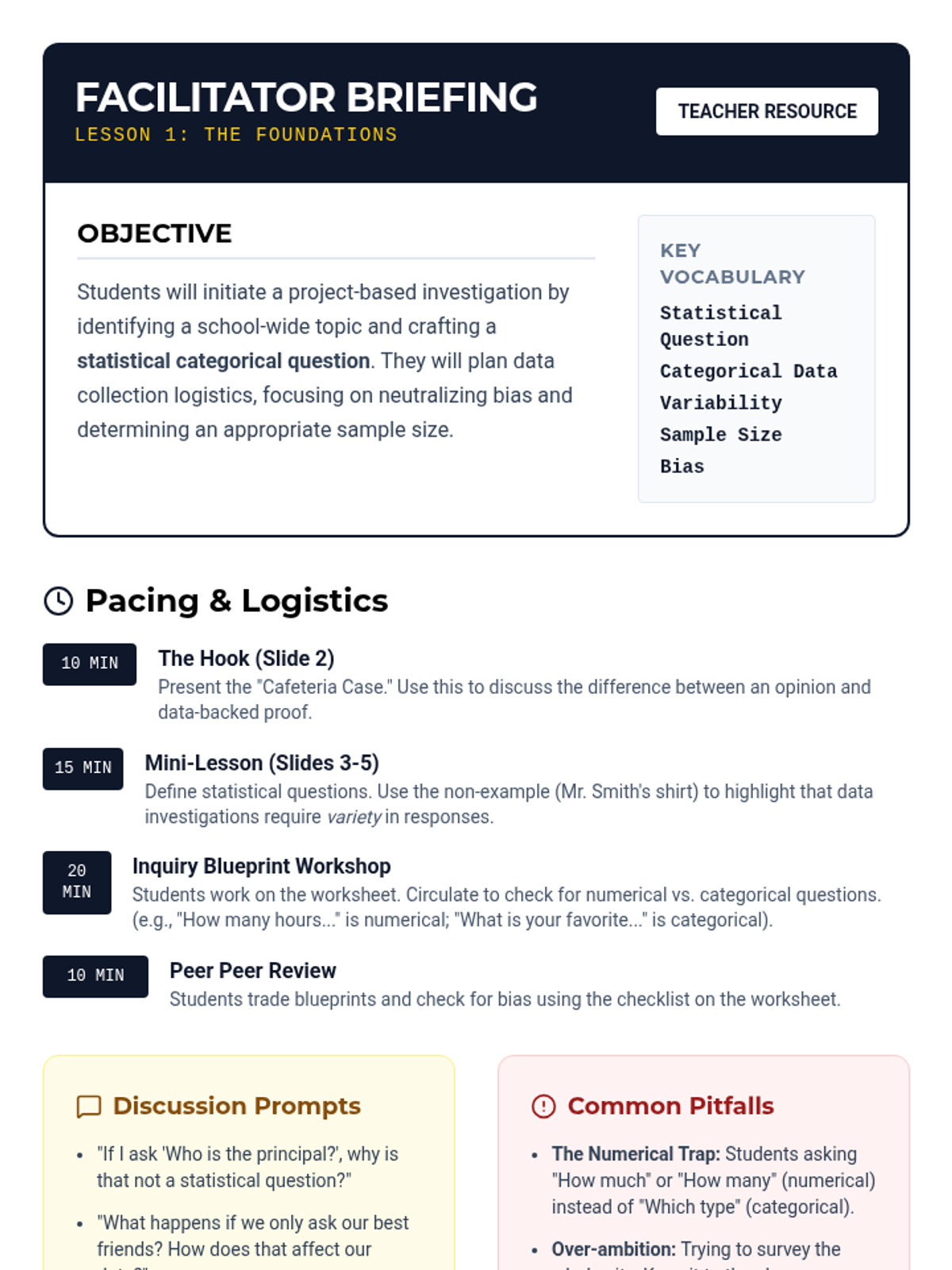
A project-based sequence where 5th-grade students act as data analysts to investigate school-wide questions, moving from question formulation to data collection, organization, visualization, and final presentation.
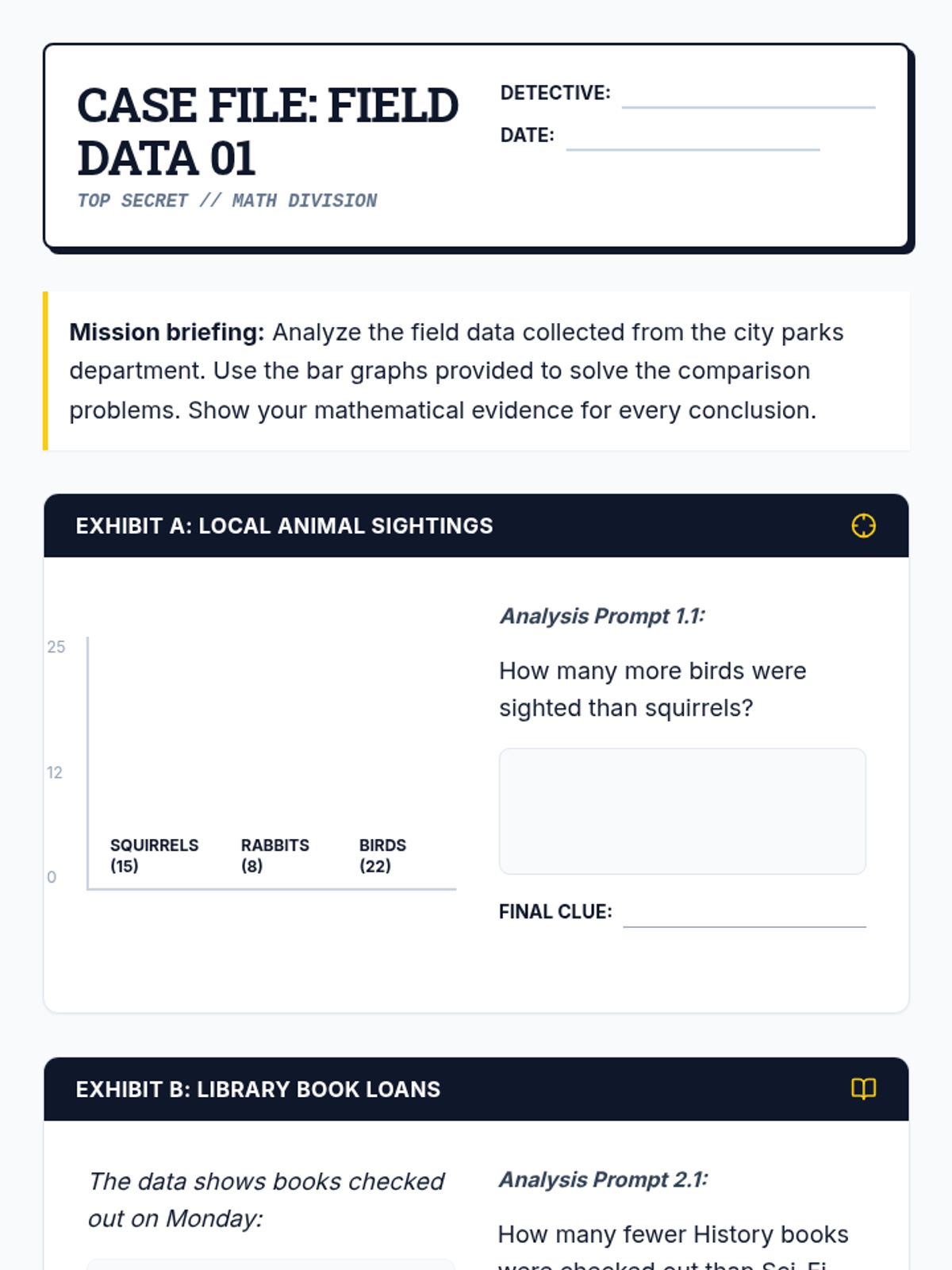
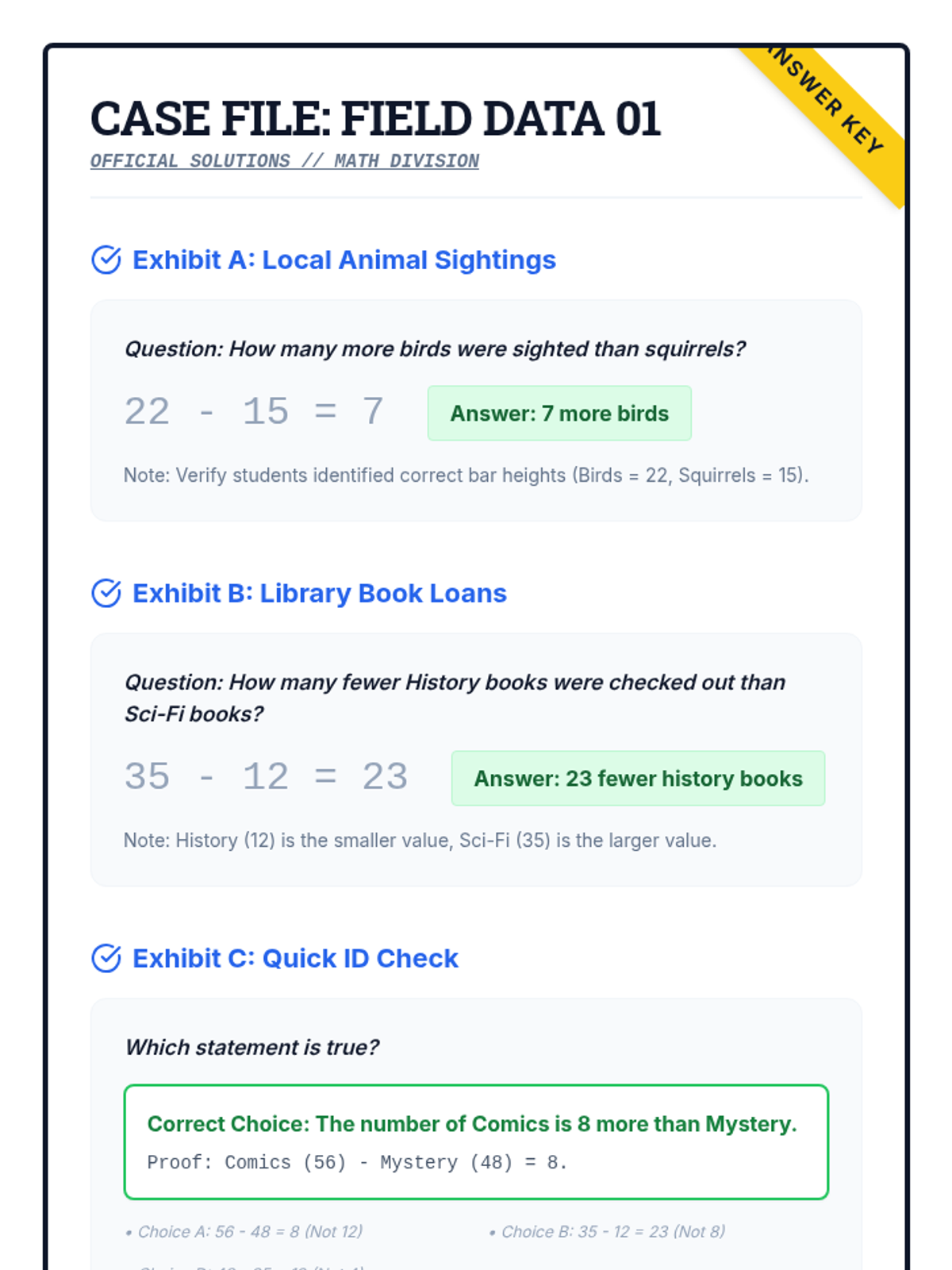
A case study approach to interpreting and analyzing data sets to solve multi-step comparison problems. Students move from simple reading of values to synthesizing complex data to make informed decisions.
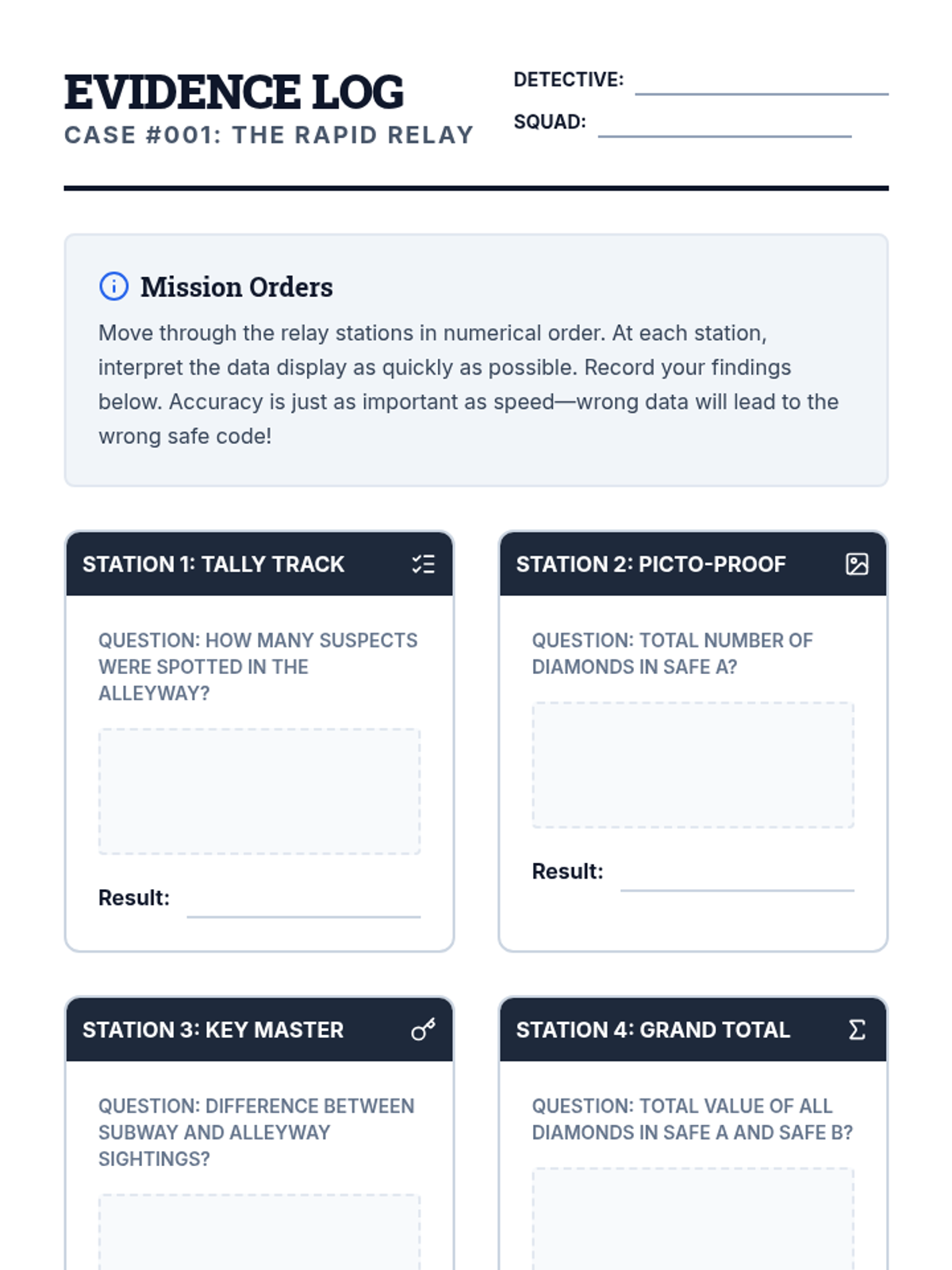
A game-based 5th-grade math unit that frames data interpretation as a detective challenge. Students build fluency in reading charts and graphs, identify misleading data tactics, and solve mysteries using statistical evidence.
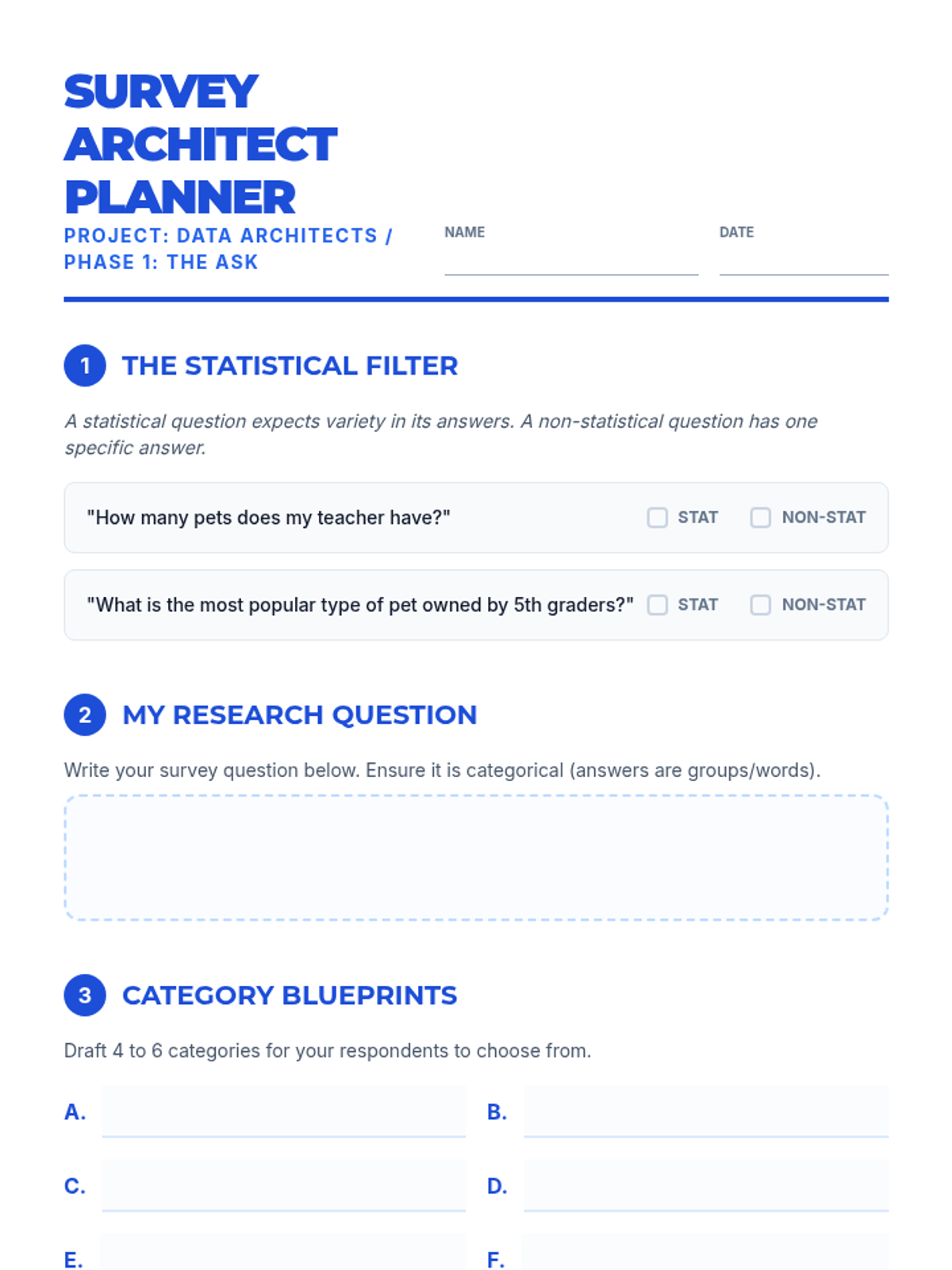
A project-based unit where 5th-grade students learn to formulate statistical questions, collect categorical data, organize it into frequency tables, and construct scaled bar graphs to tell visual stories with data.