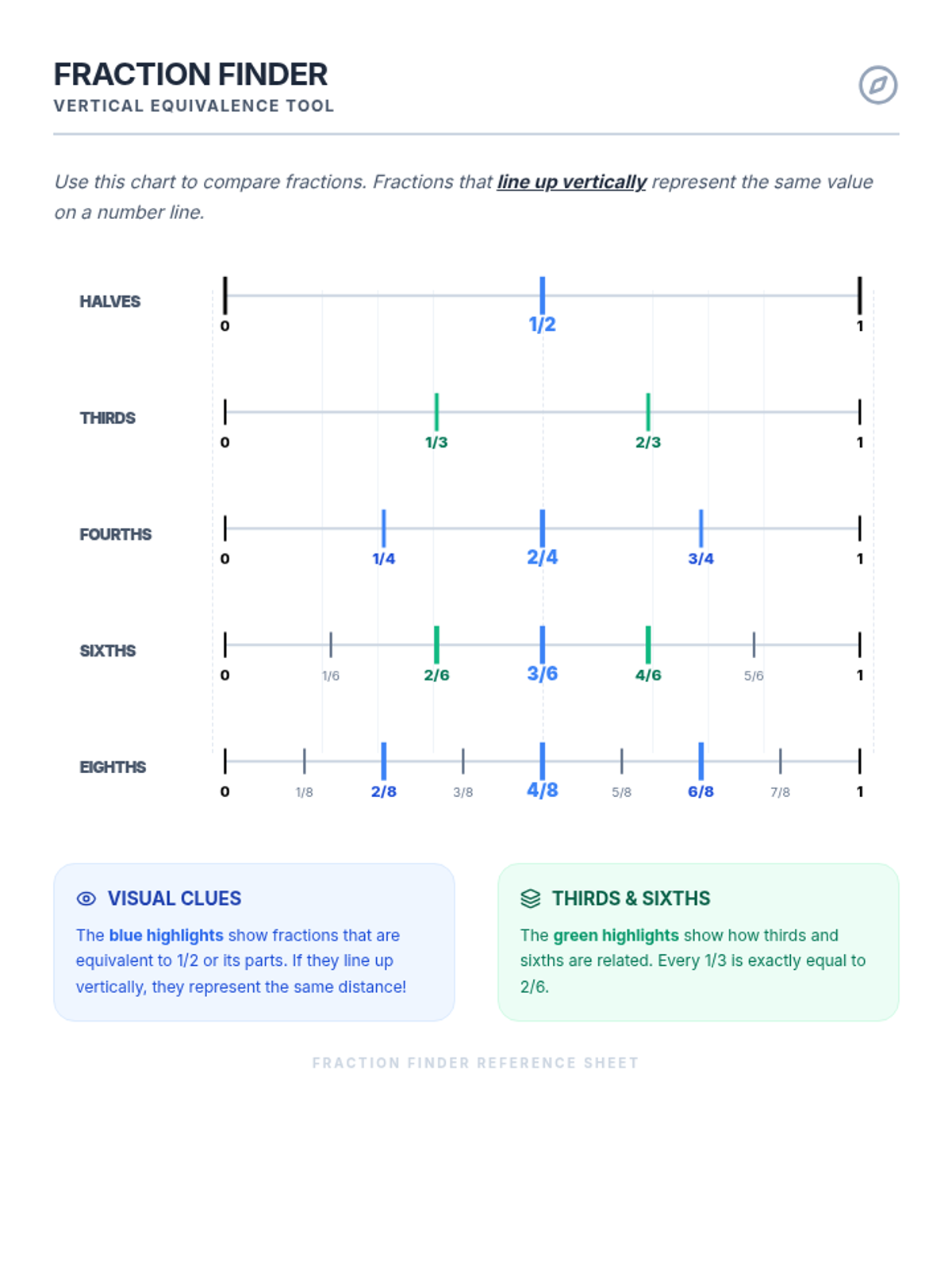
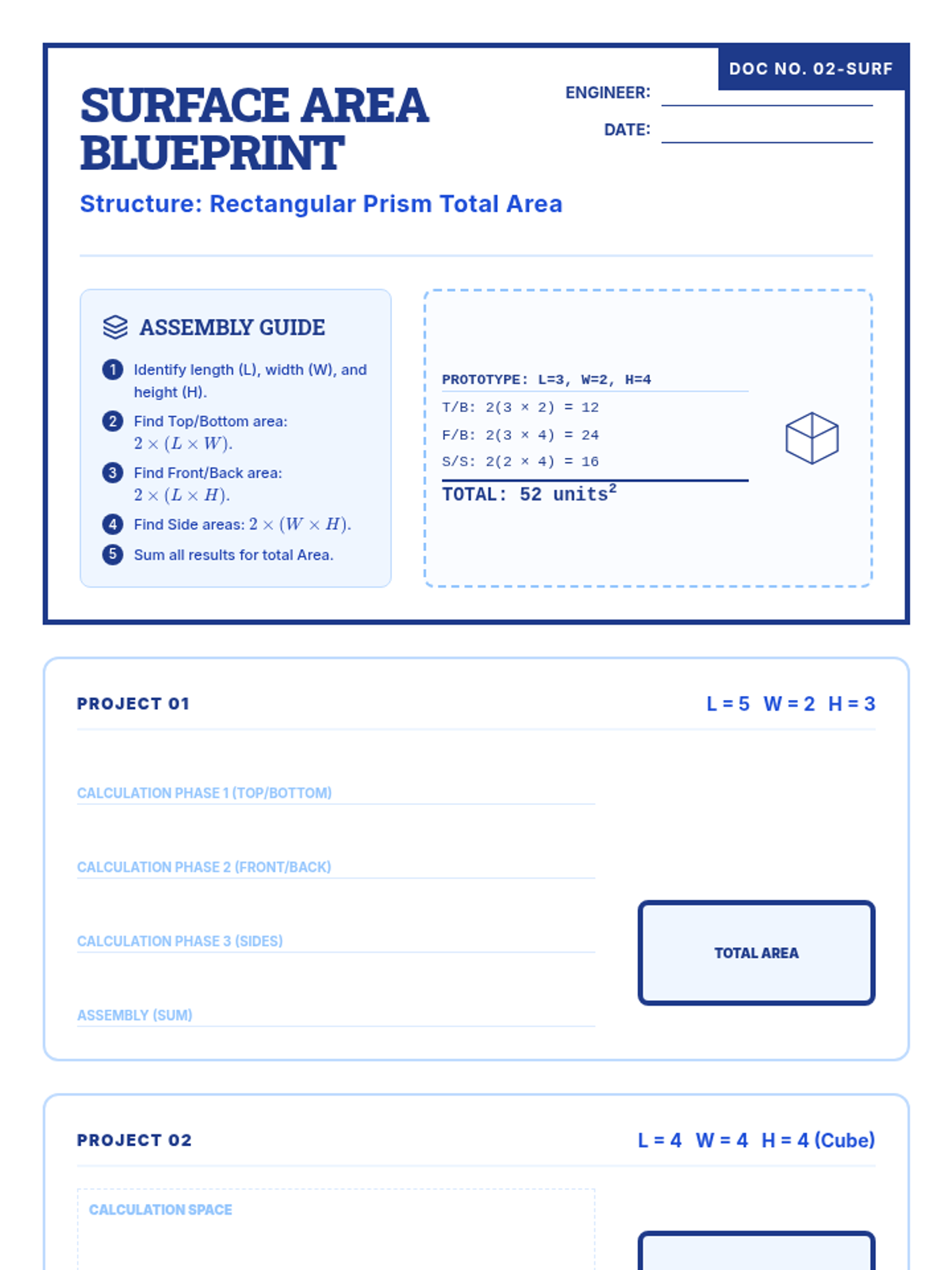
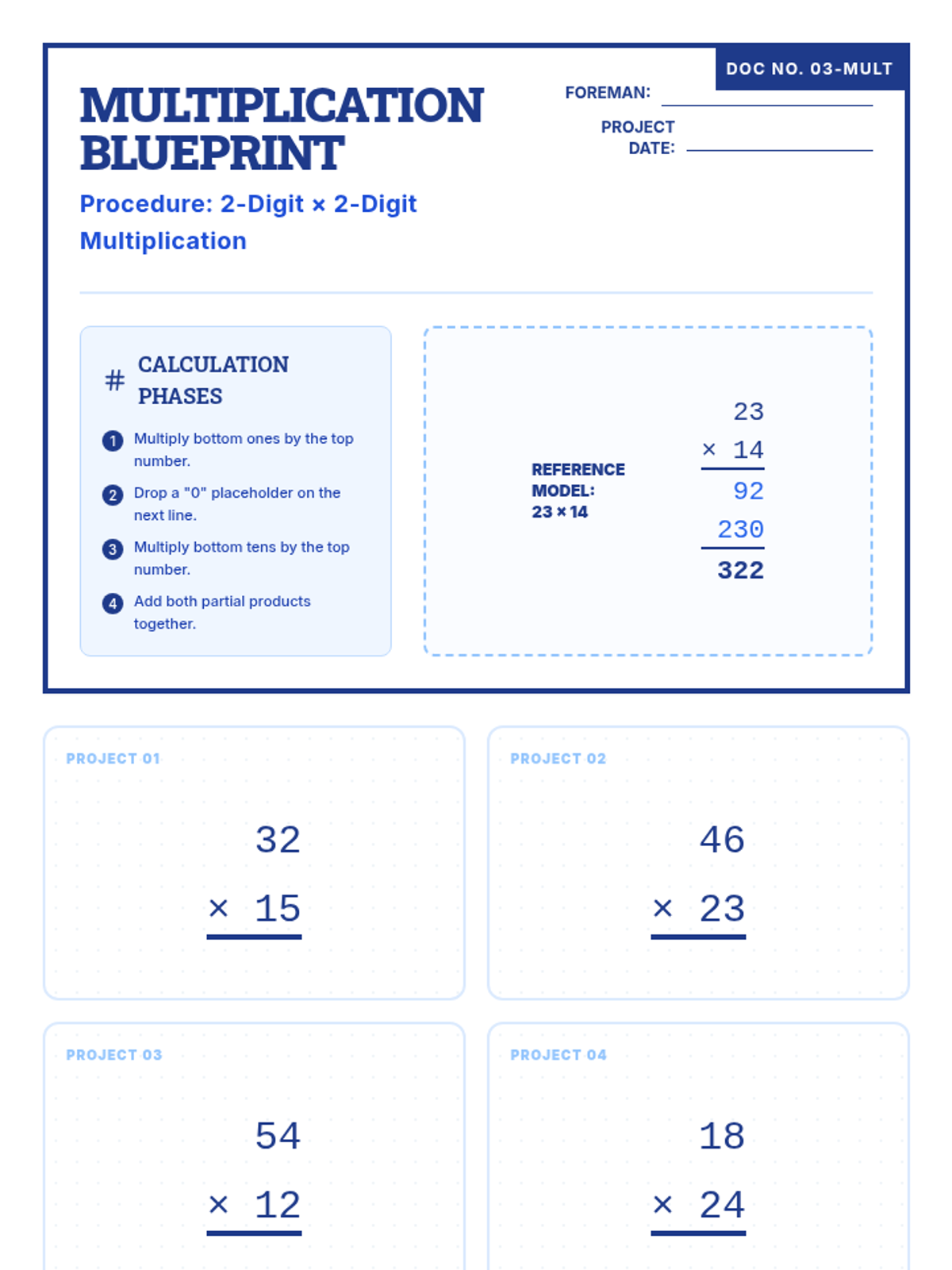
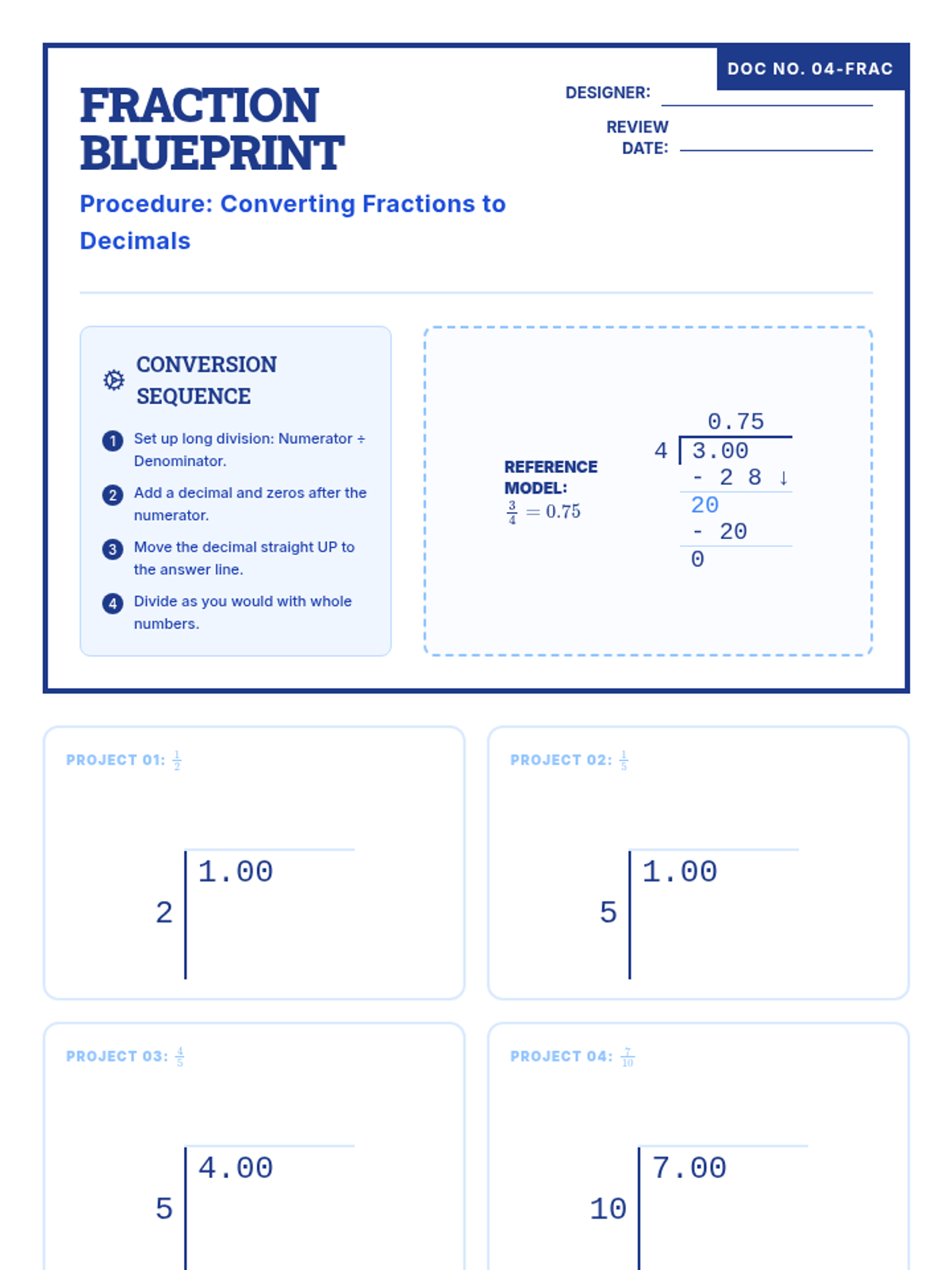
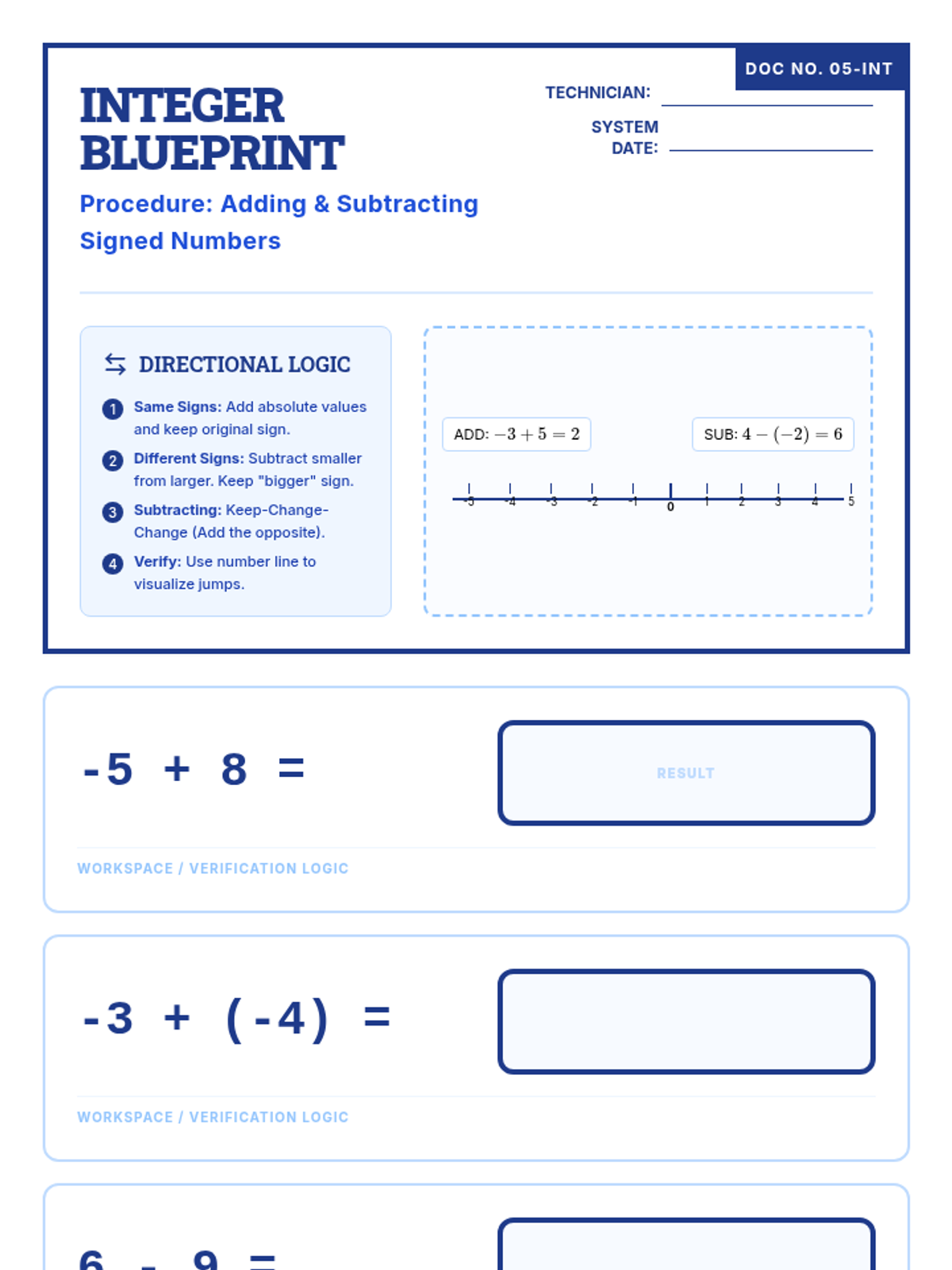
Foundational fraction equivalence, ordering, and operations across the rational number system. Addresses multi-digit computation, decimal conversions, and the distinction between rational and irrational numbers.
A 3-day math tutoring sequence focused on moving students from RIT 191-200 to 201-210 in Numerical Representations and Relationships, specifically targeting fractions, division with remainders, and coordinate planes.
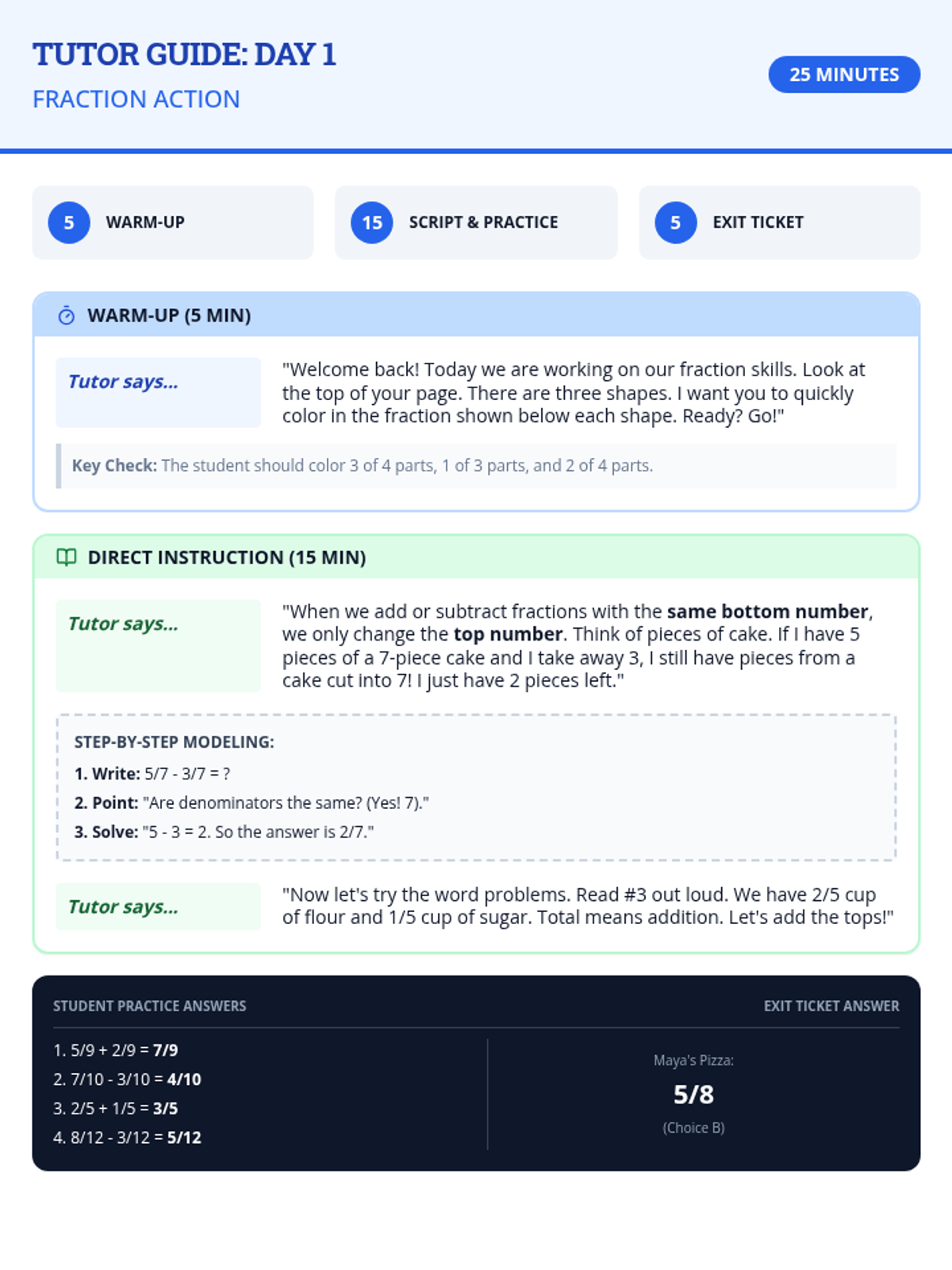
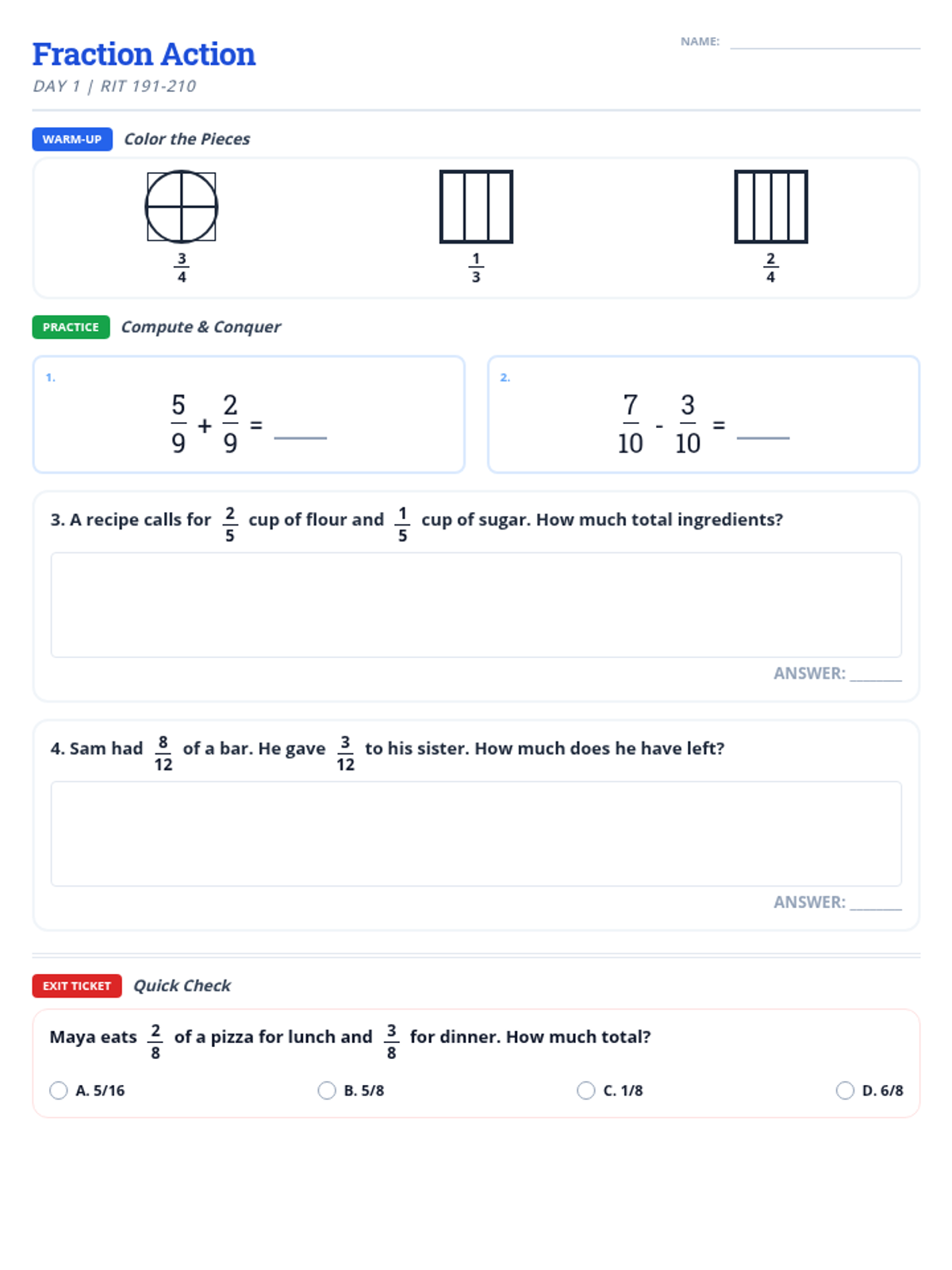
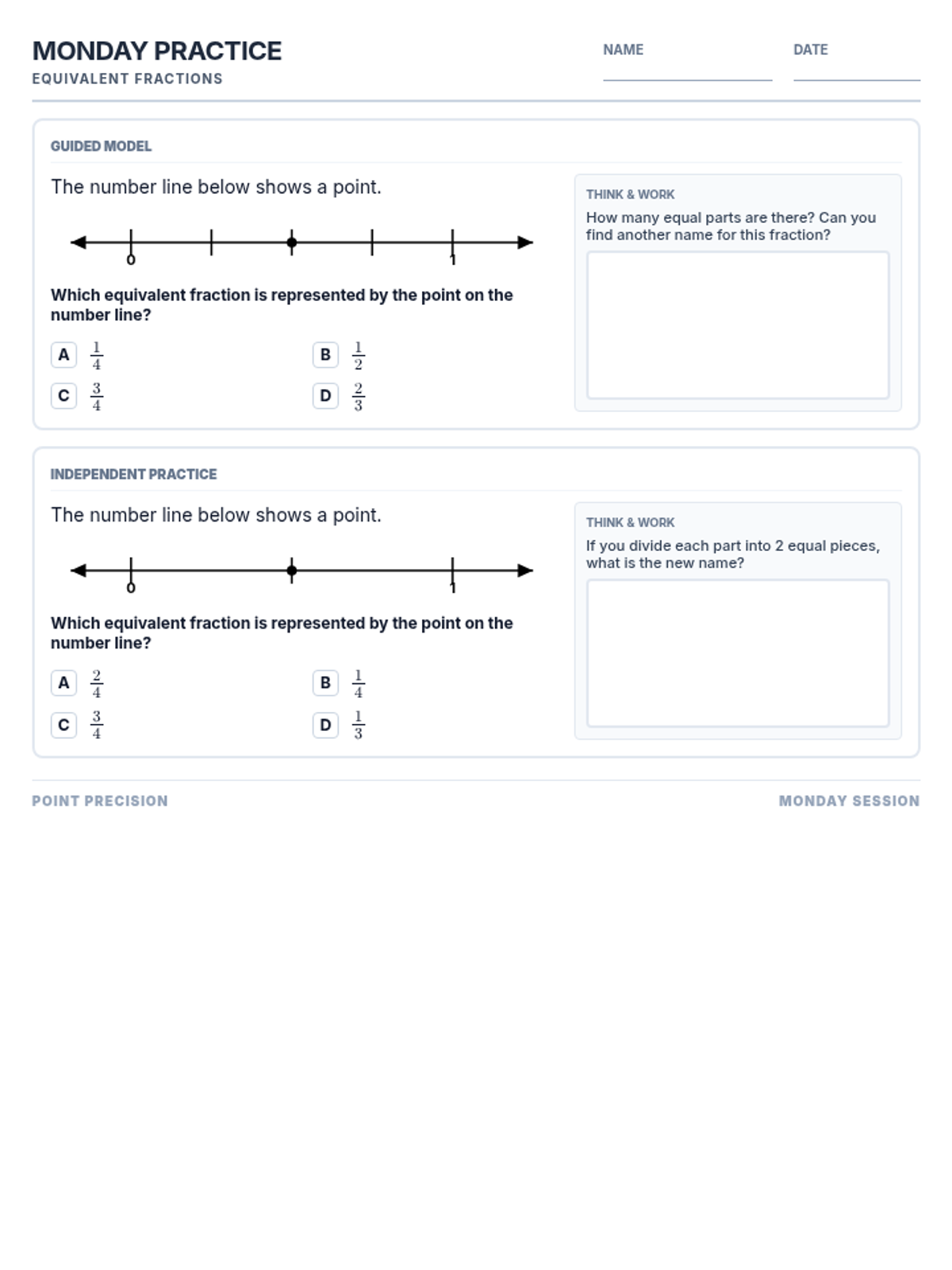
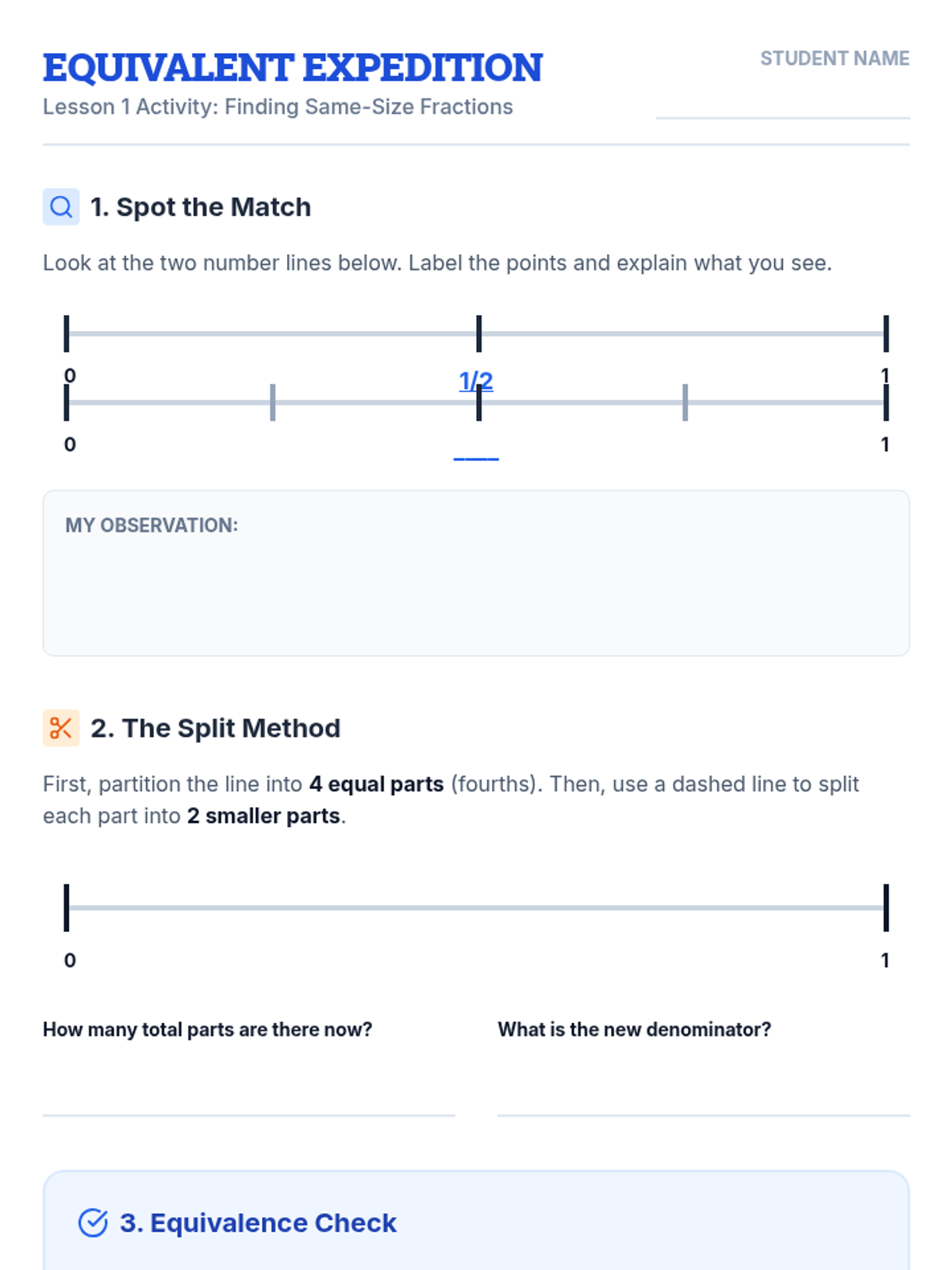
A four-day series of daily practice sheets focused on identifying equivalent fractions on a number line, featuring guided models and independent practice.
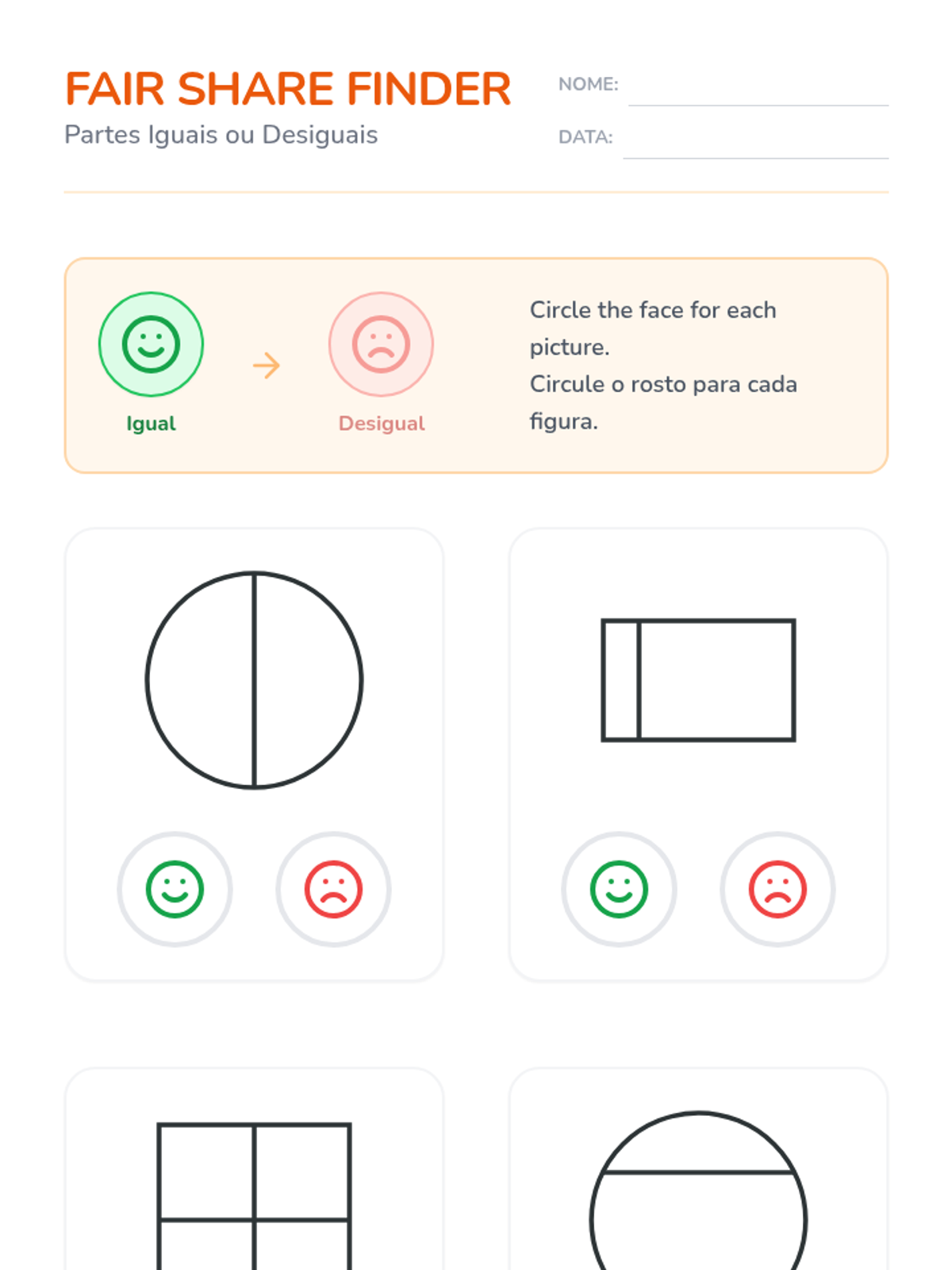
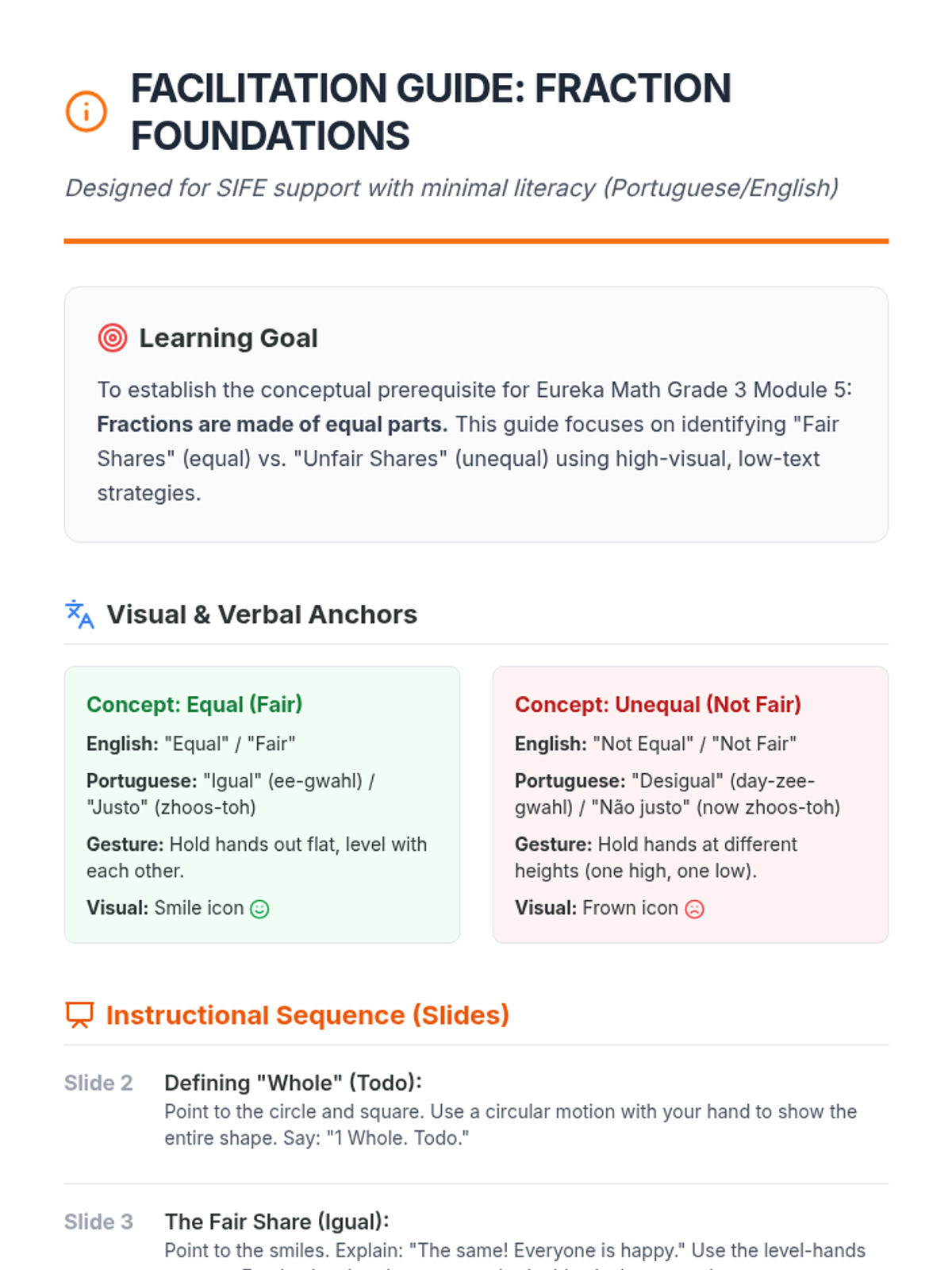
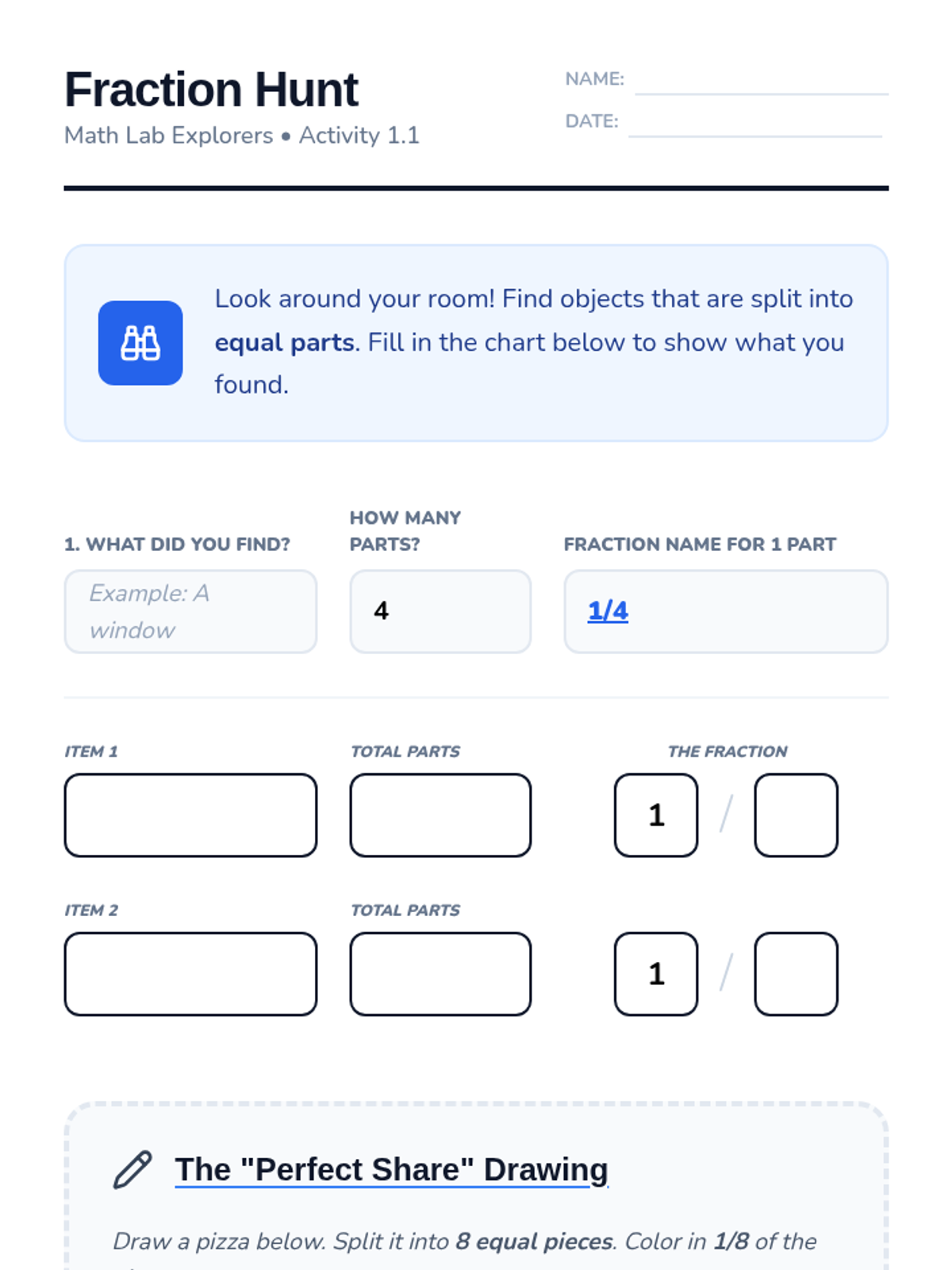
A scaffolded introduction to fractions designed for SIFE students with no literacy. This sequence moves from the concept of fair shares to counting equal parts and understanding unit fractions through high-visual support and Portuguese verbal anchors.
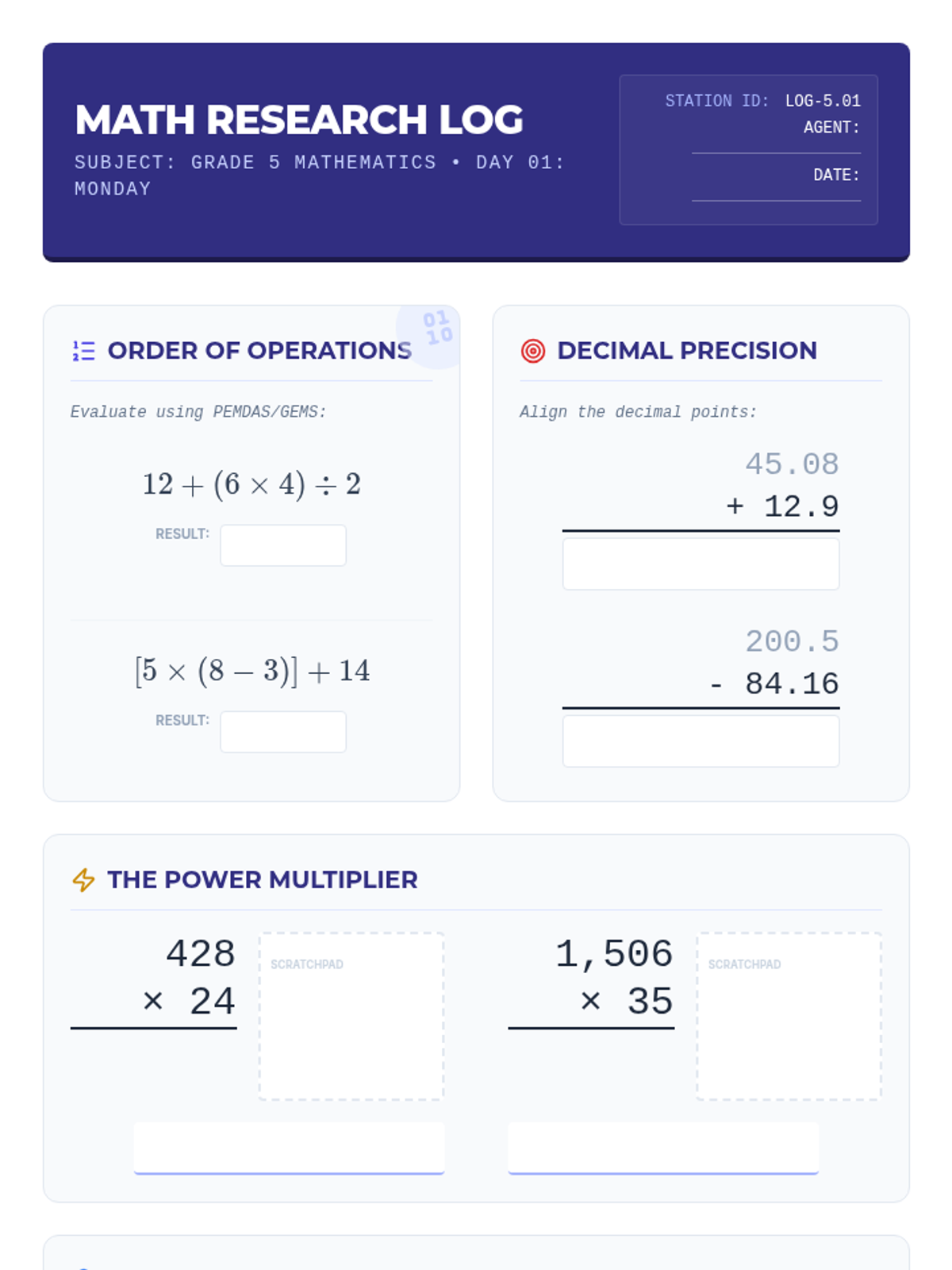
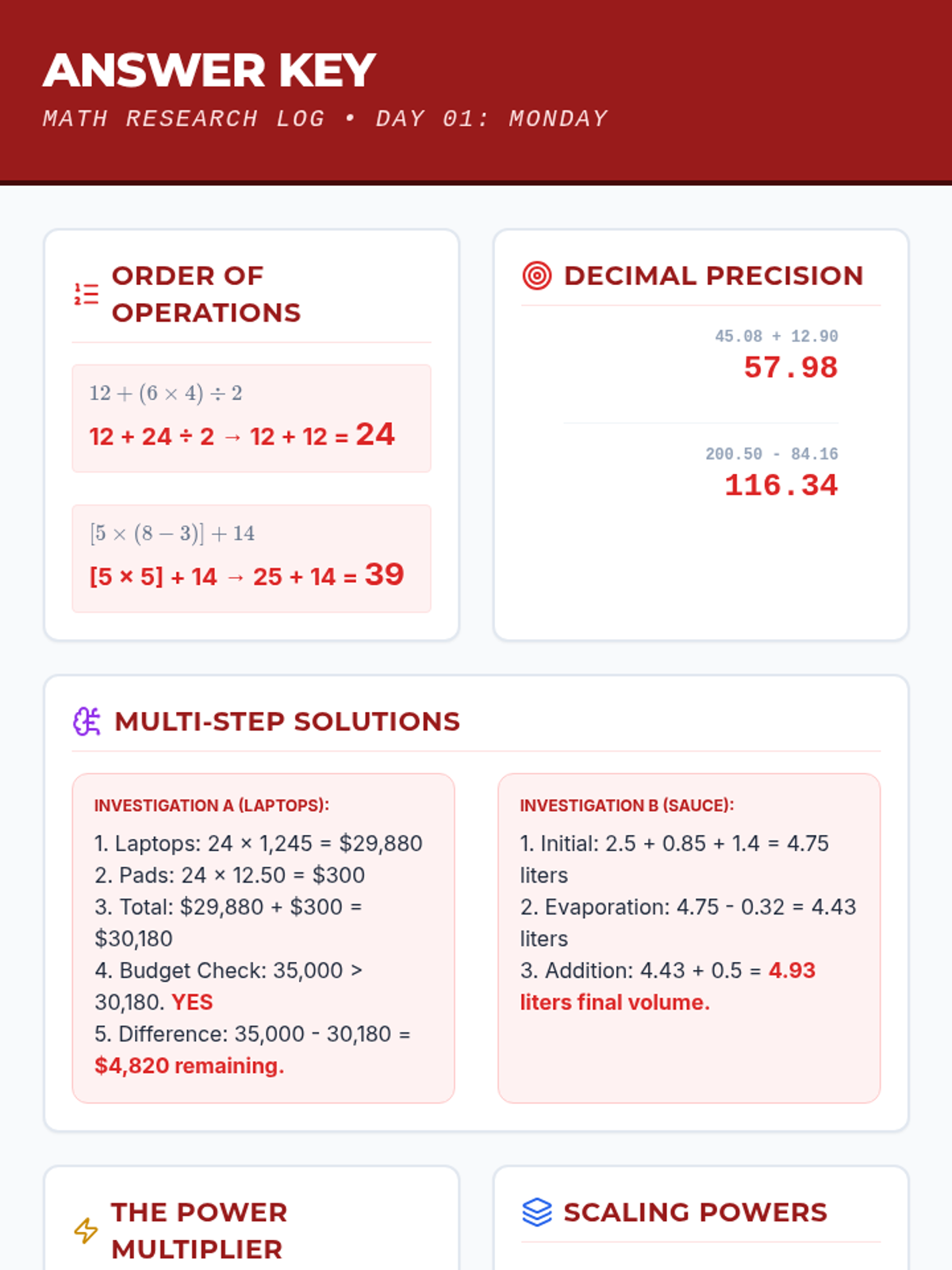
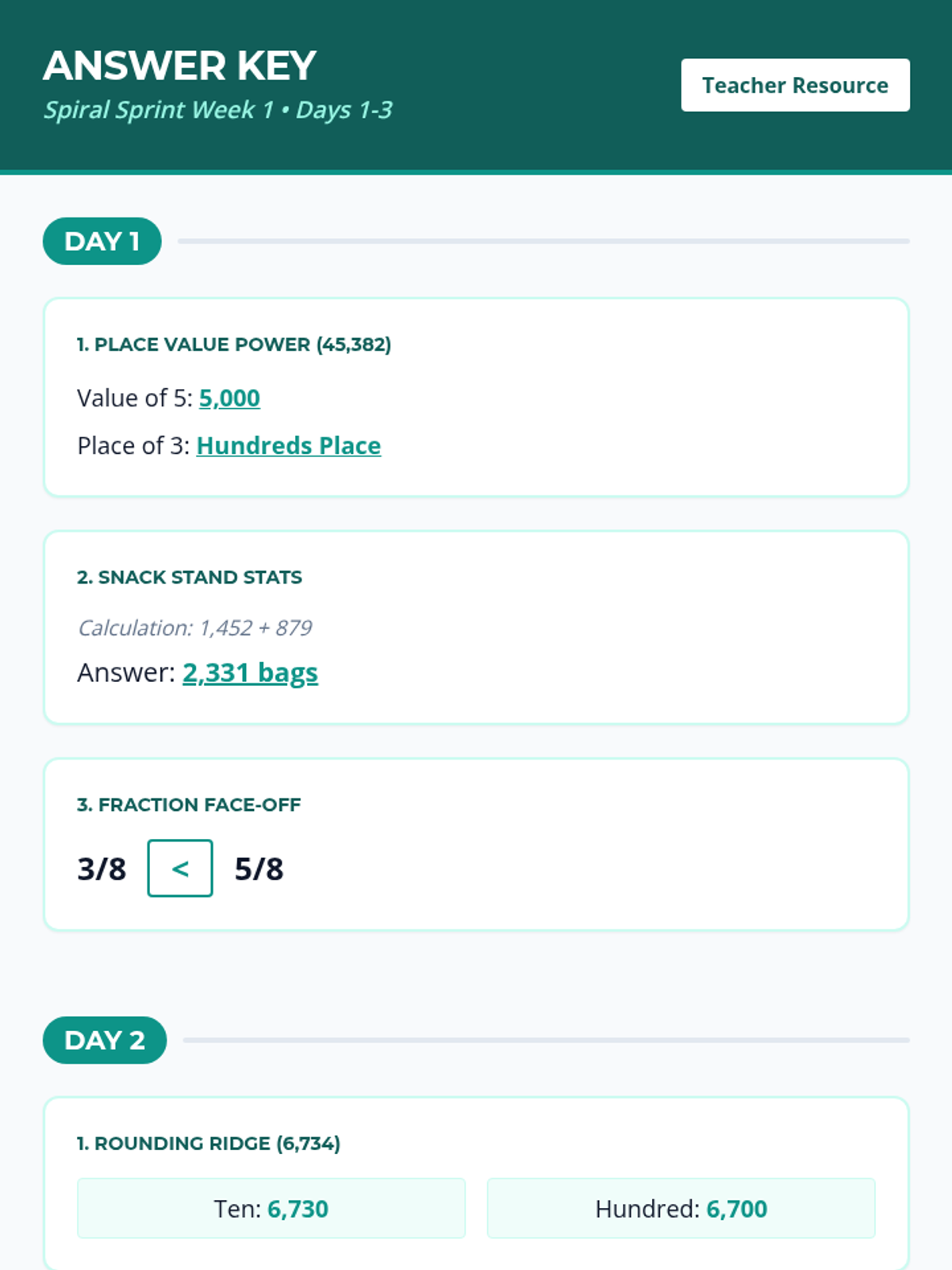
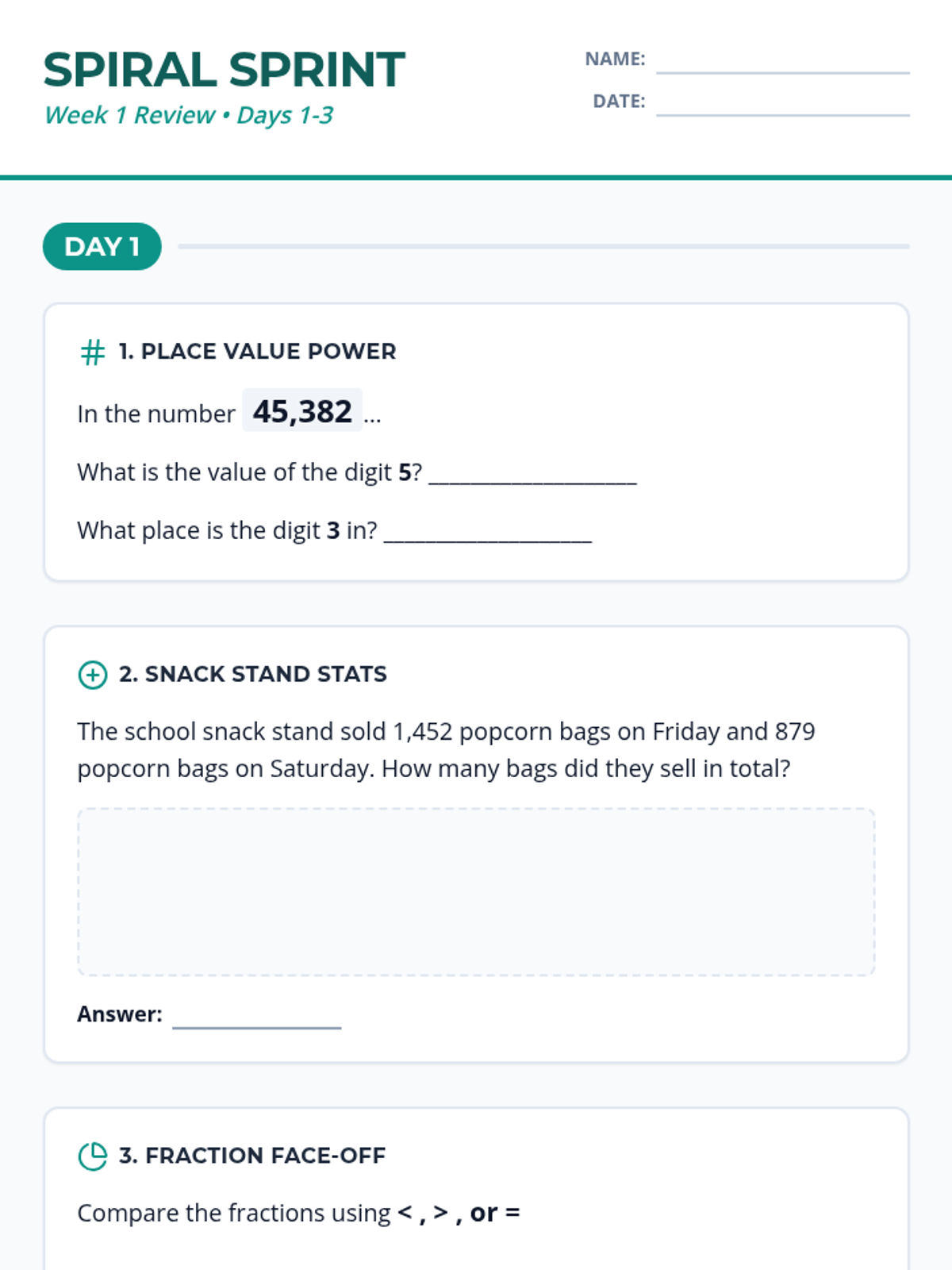
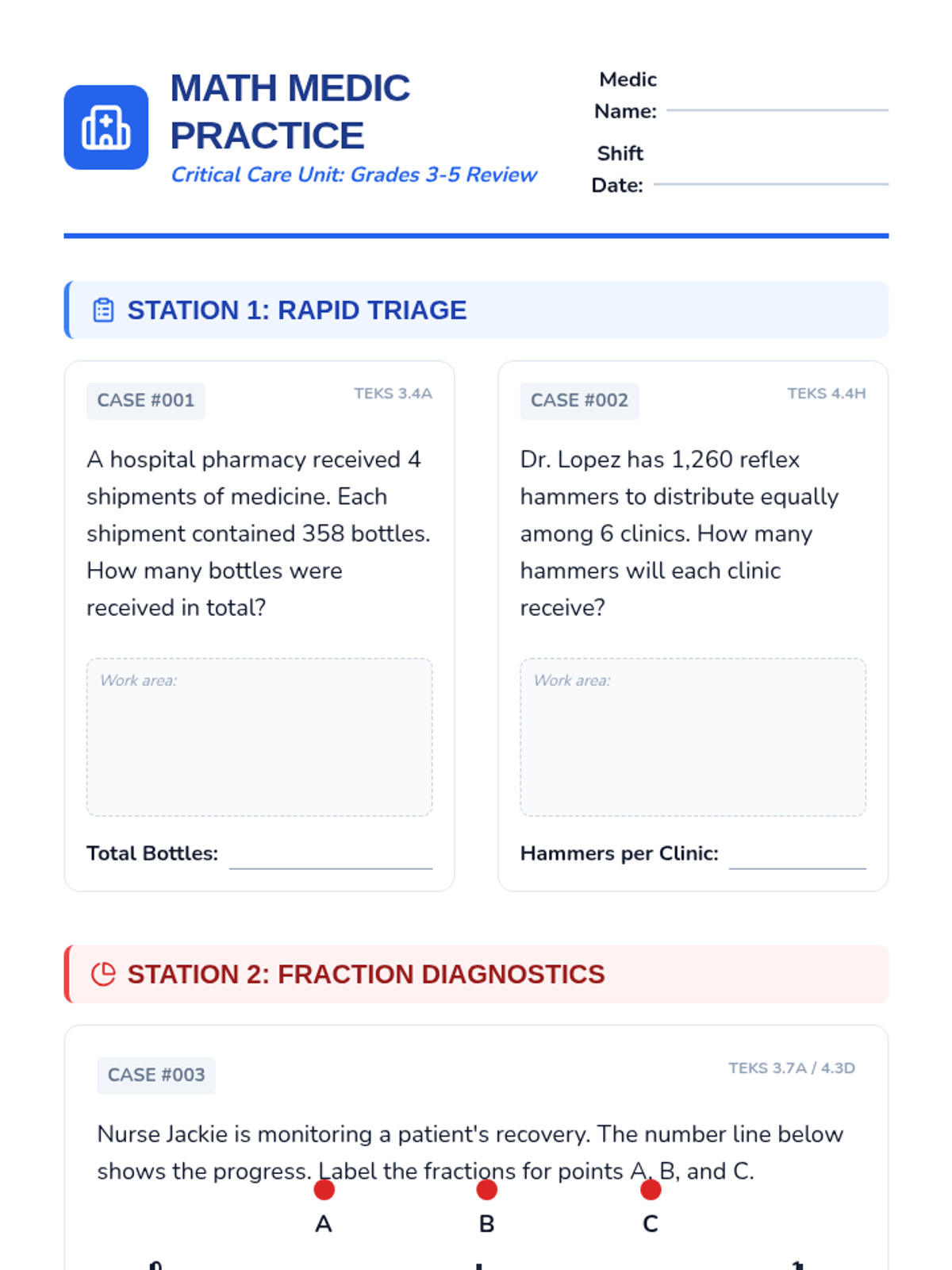
A rigorous week of spiral math review for 5th-grade students. Each day features a 2-page worksheet covering mixed standards—including decimal operations, fraction arithmetic, multi-digit division, and volume—along with complex multi-step word problems and detailed answer keys.
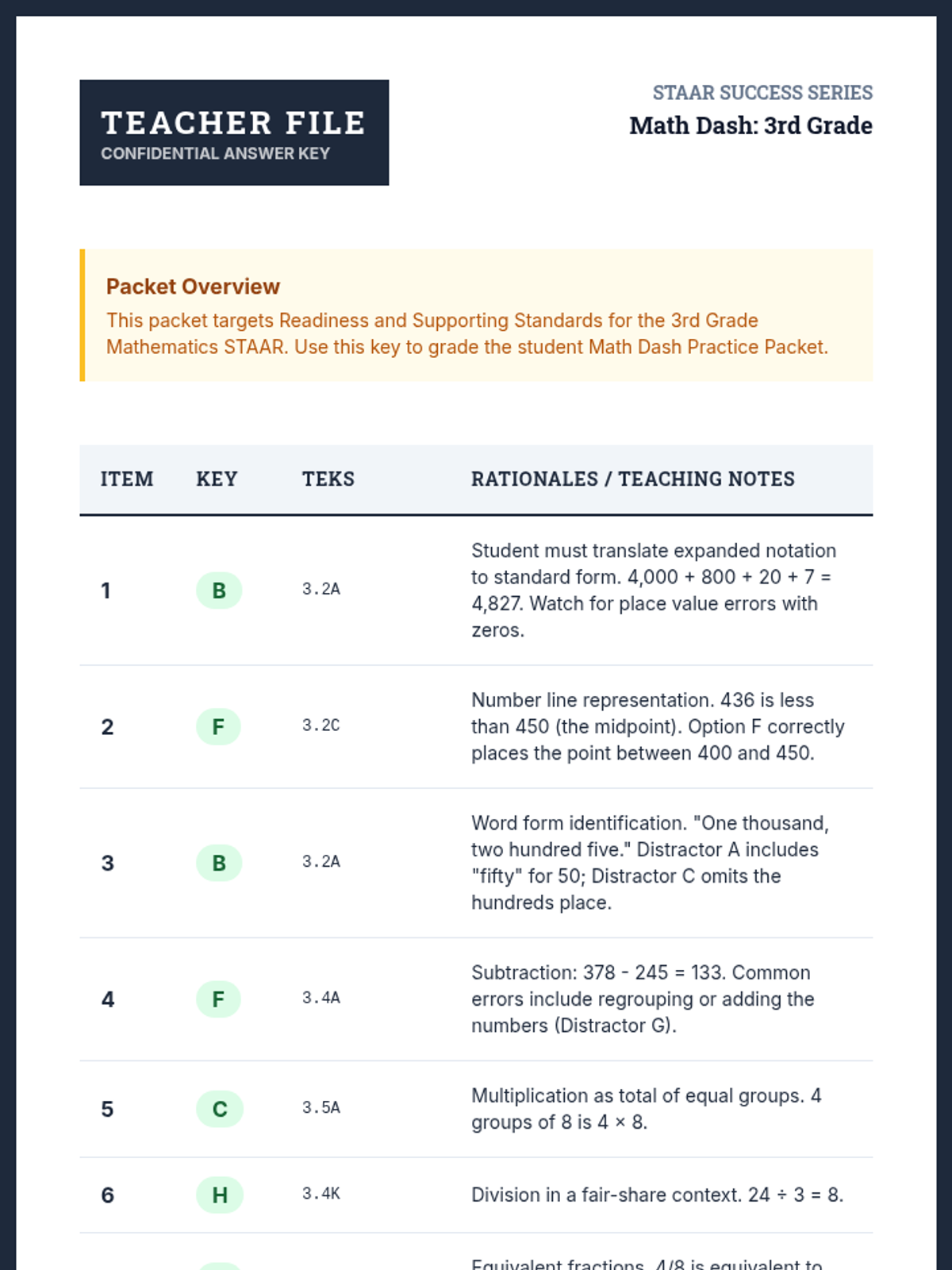
A comprehensive collection of STAAR-aligned practice packets for 3rd-5th grade Math, RLA, and 5th grade Science, designed to build confidence and mastery through authentic test-style questions.
A two-week intensive spiral review of 4th-grade math standards designed for 5th-grade RSP students to bridge foundational gaps through short, focused daily practice.
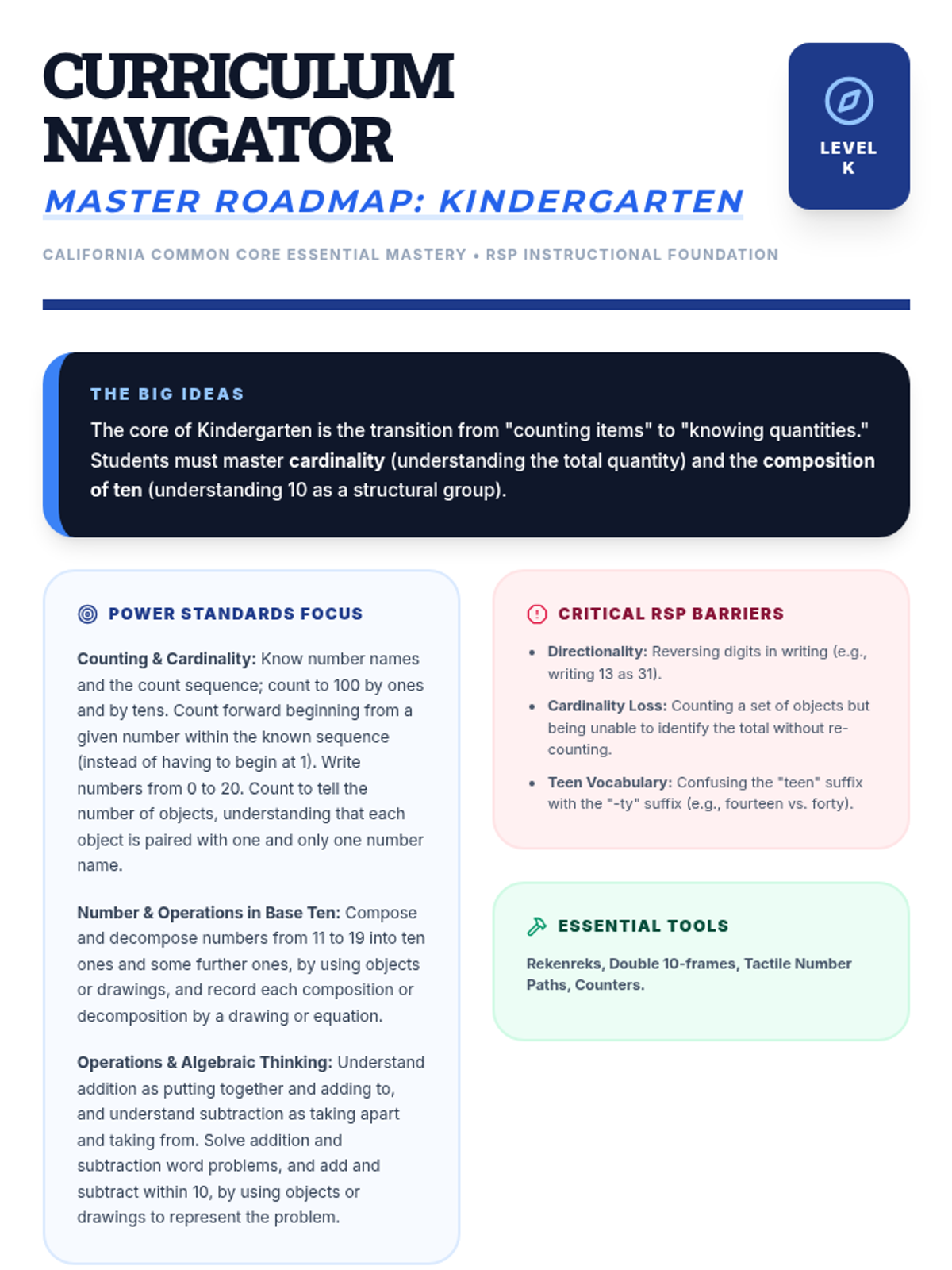
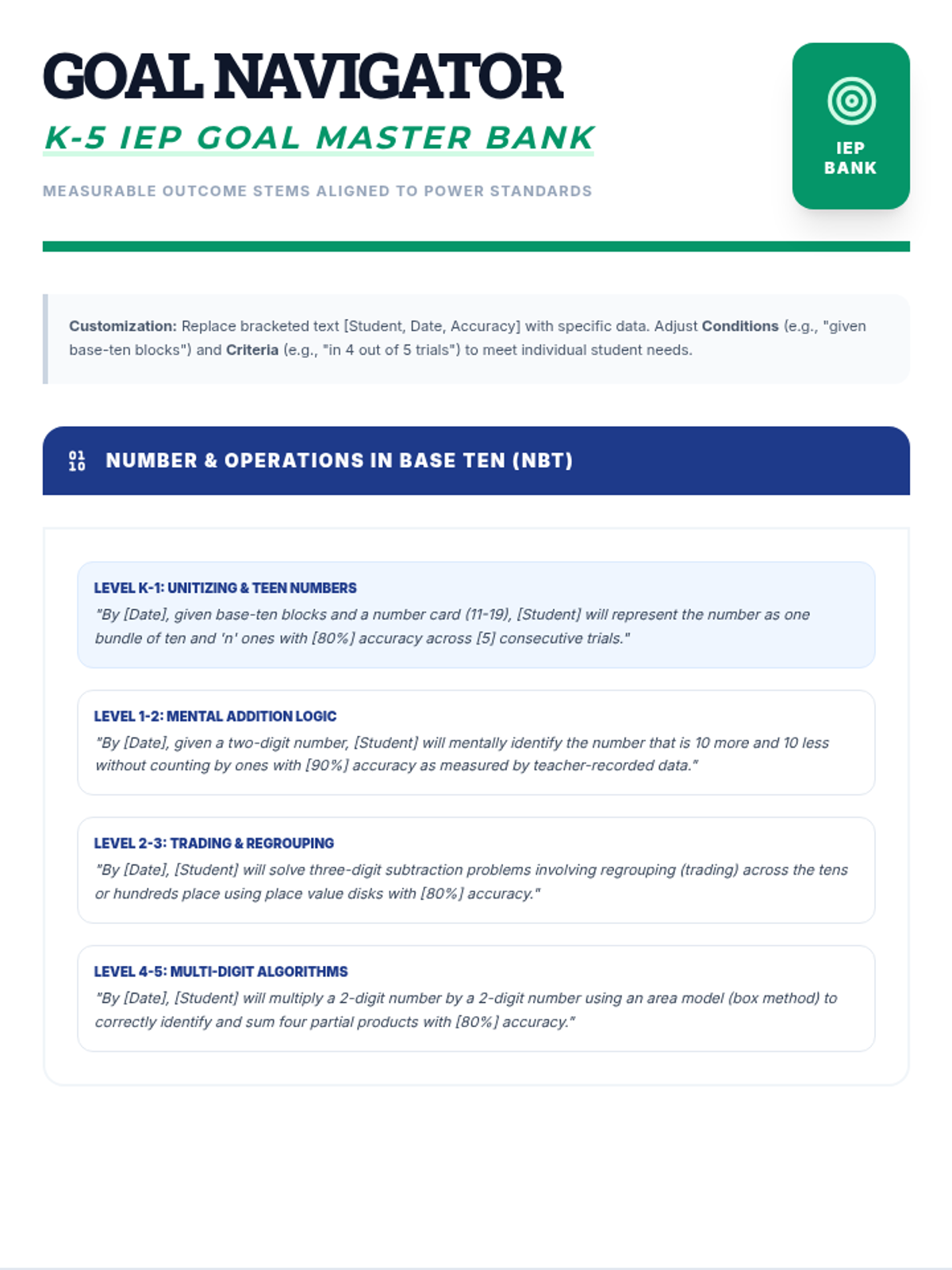
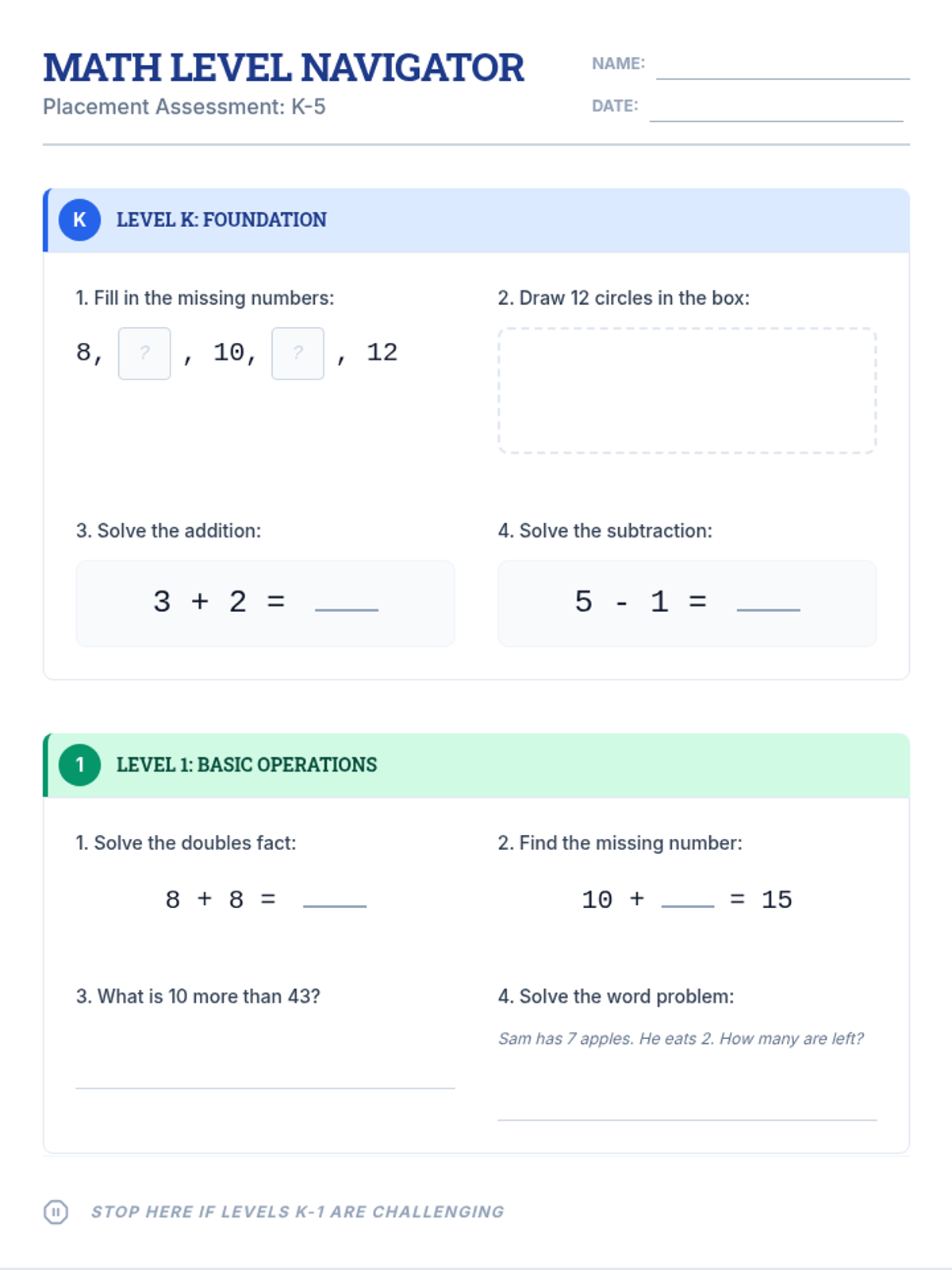
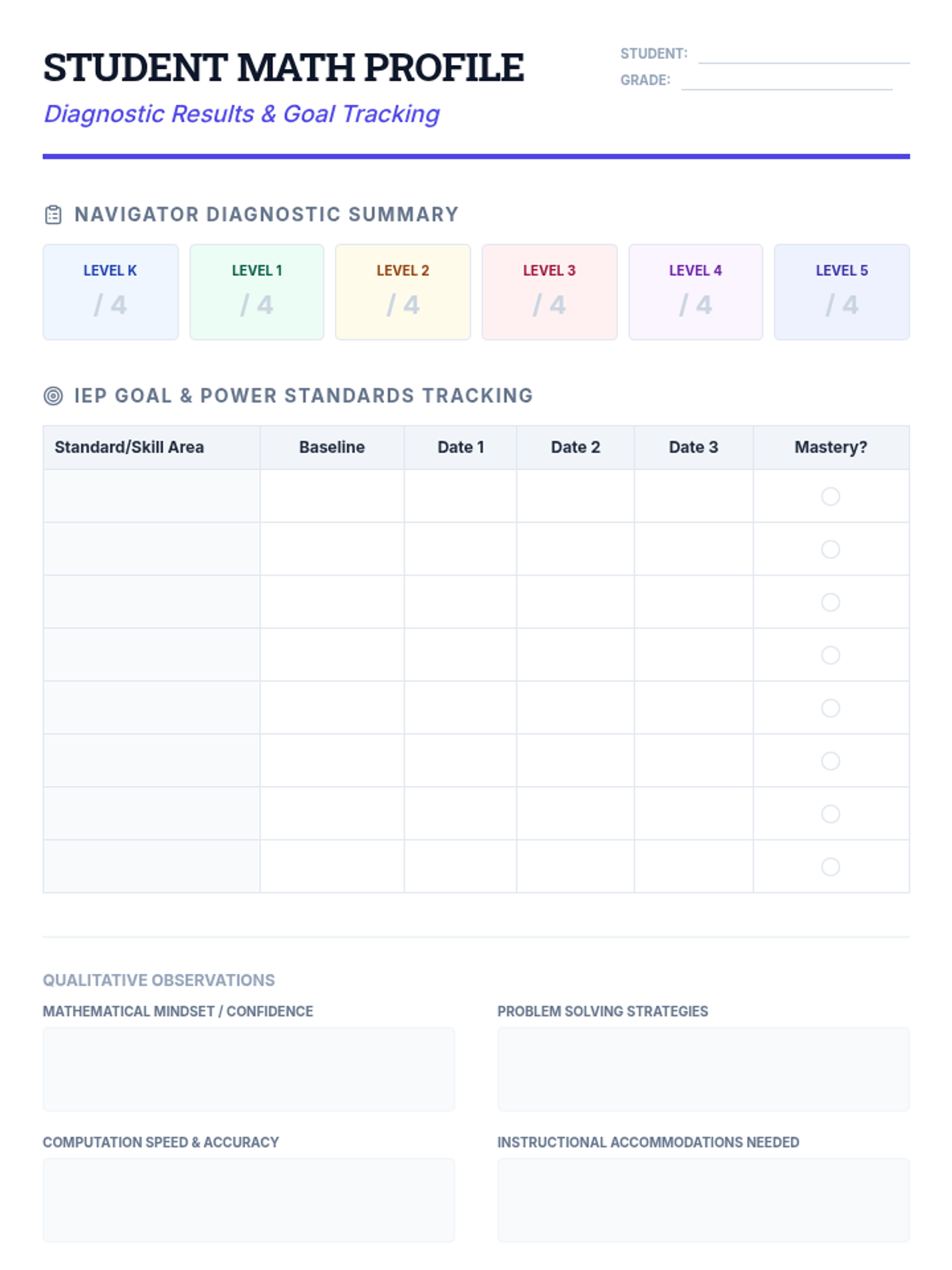
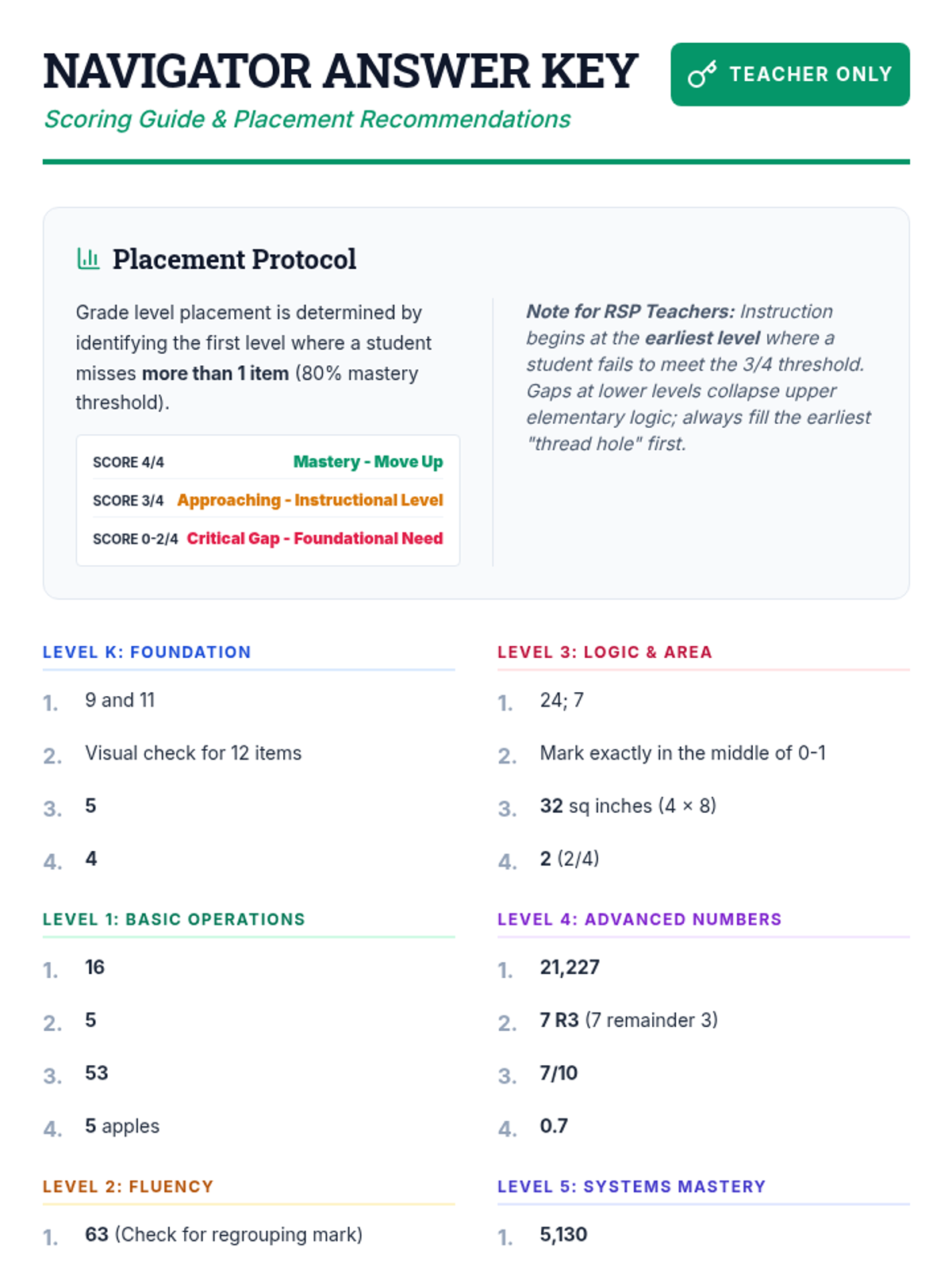
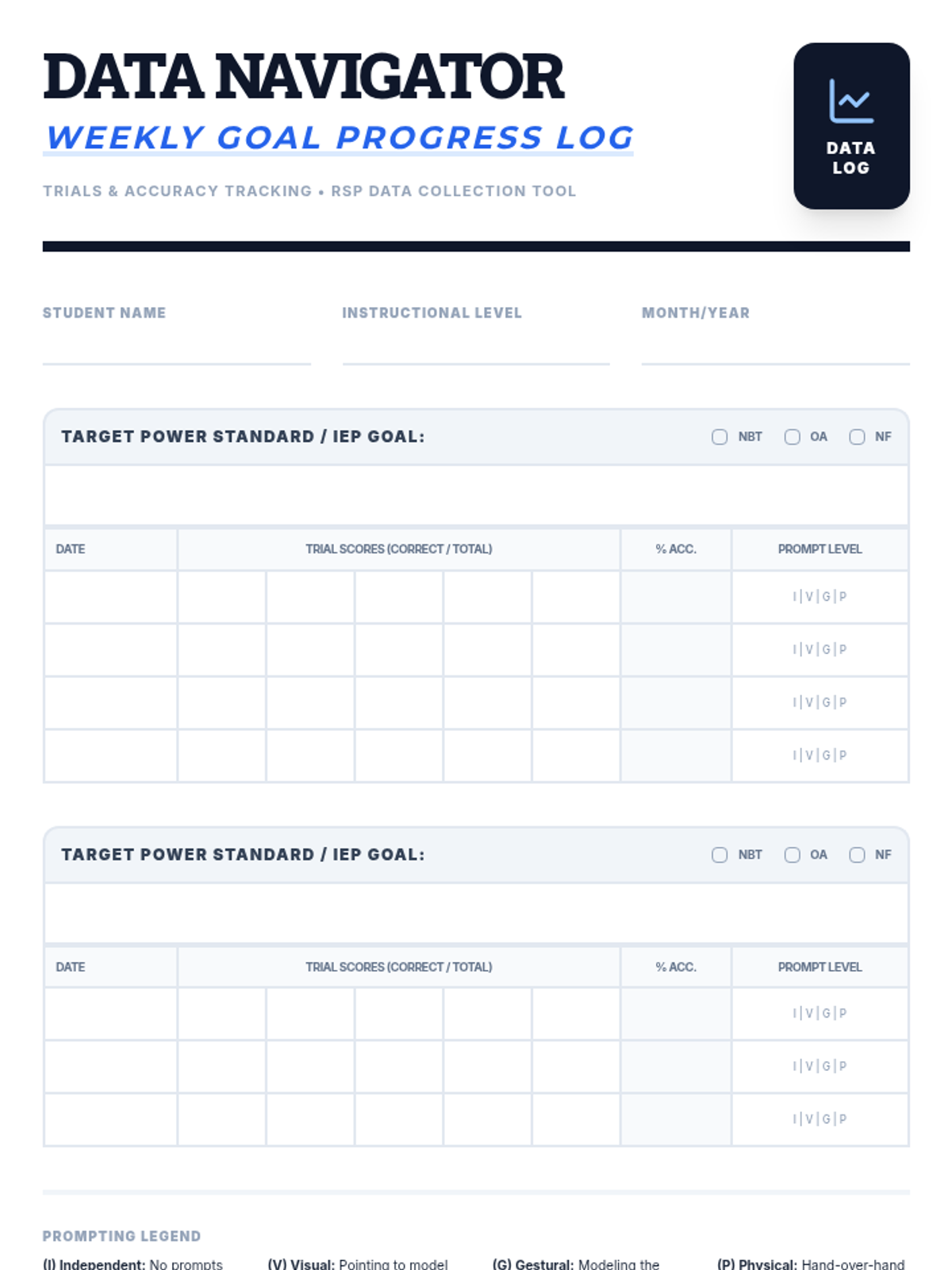
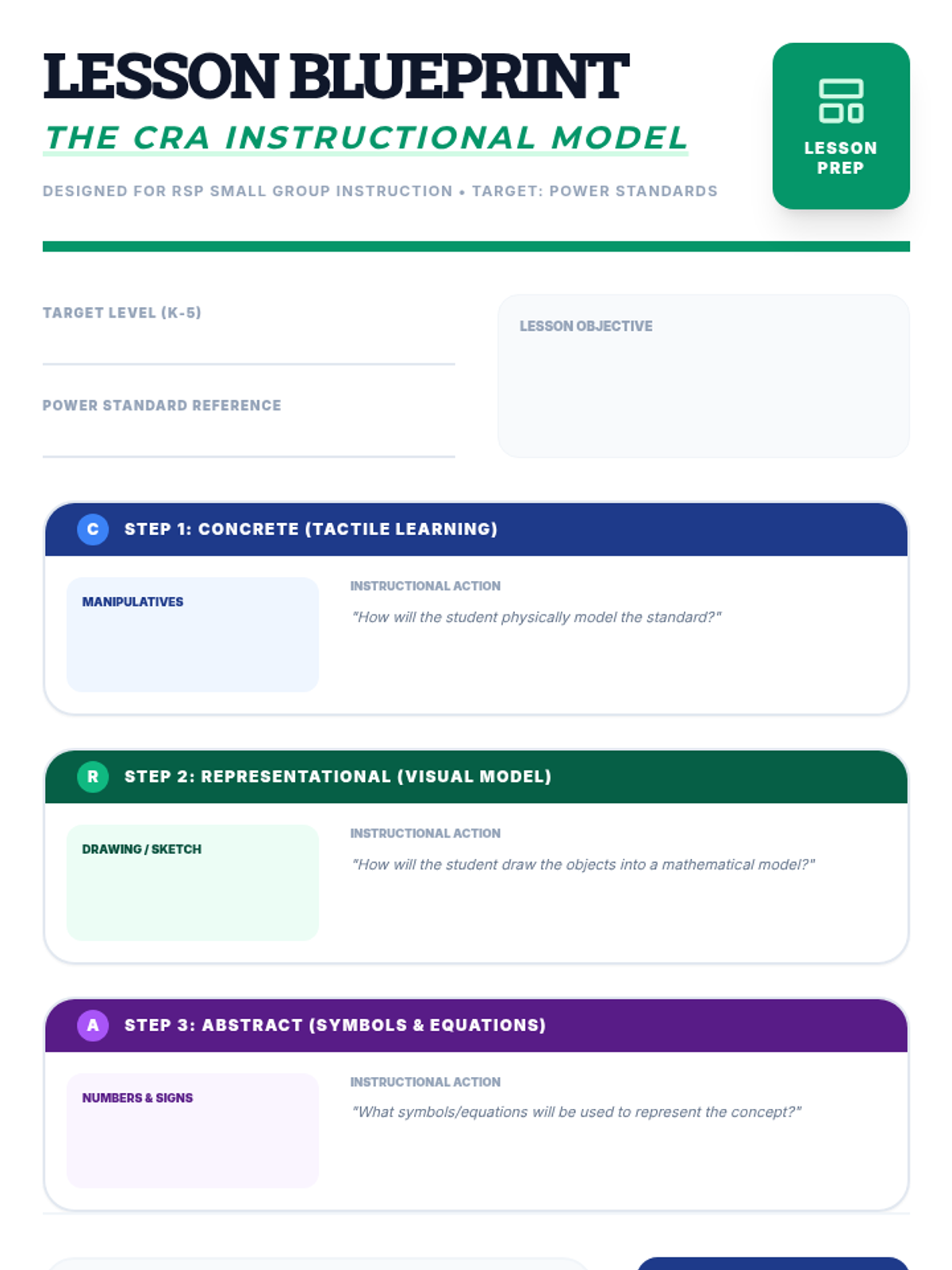
A comprehensive framework for K-5 RSP math instruction, including a California Common Core aligned scope and sequence of power standards and a leveled placement diagnostic.
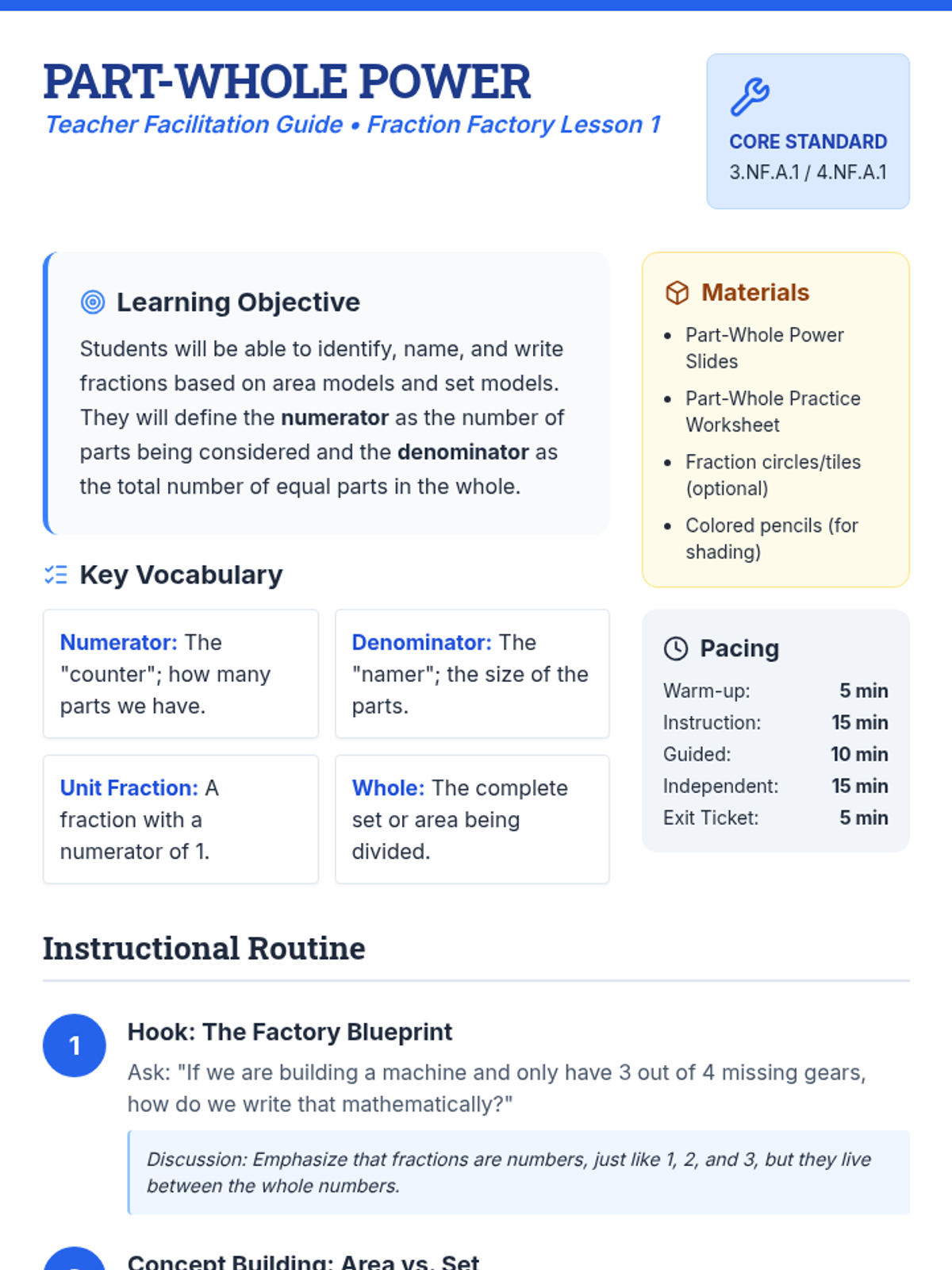
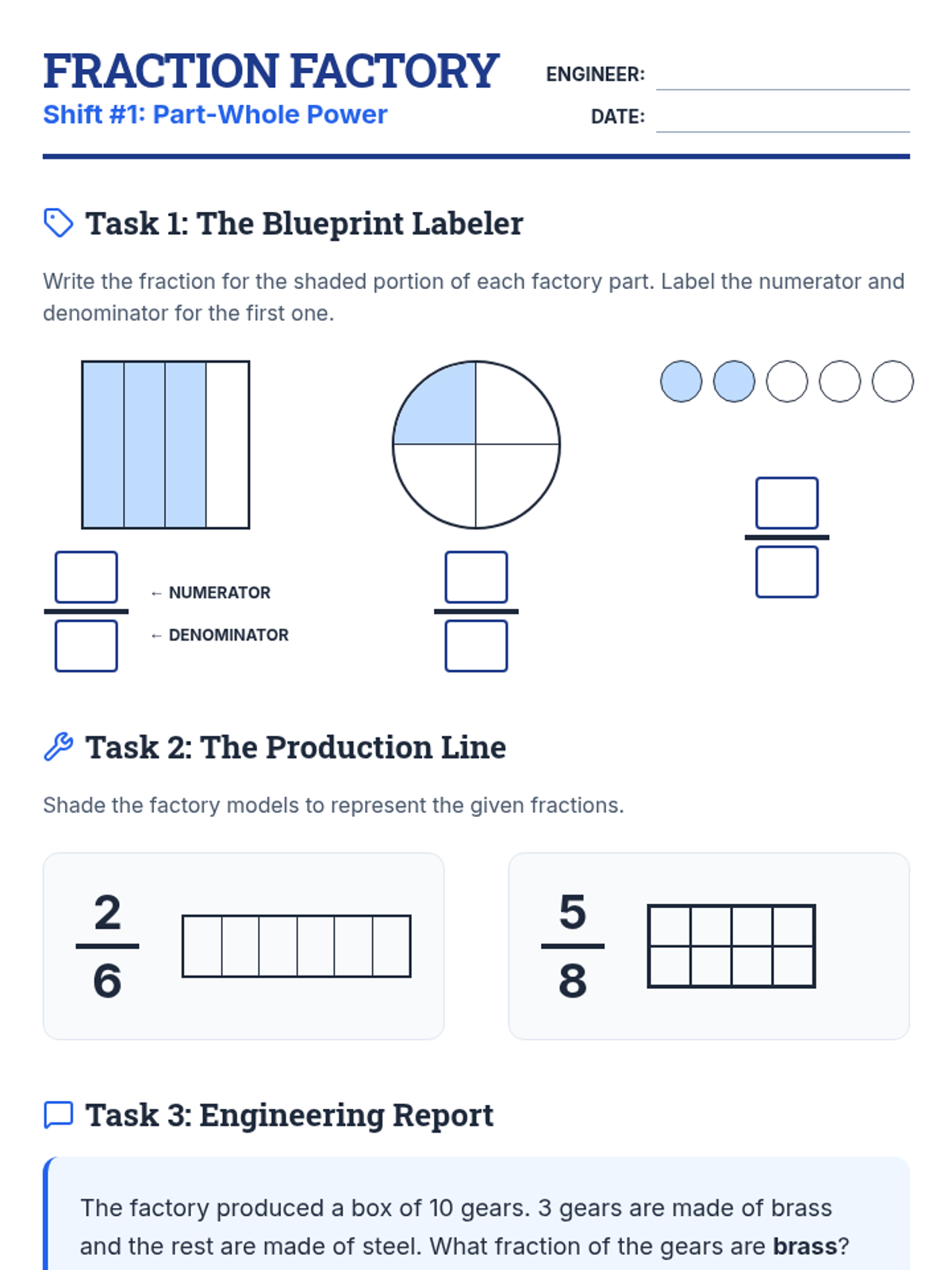
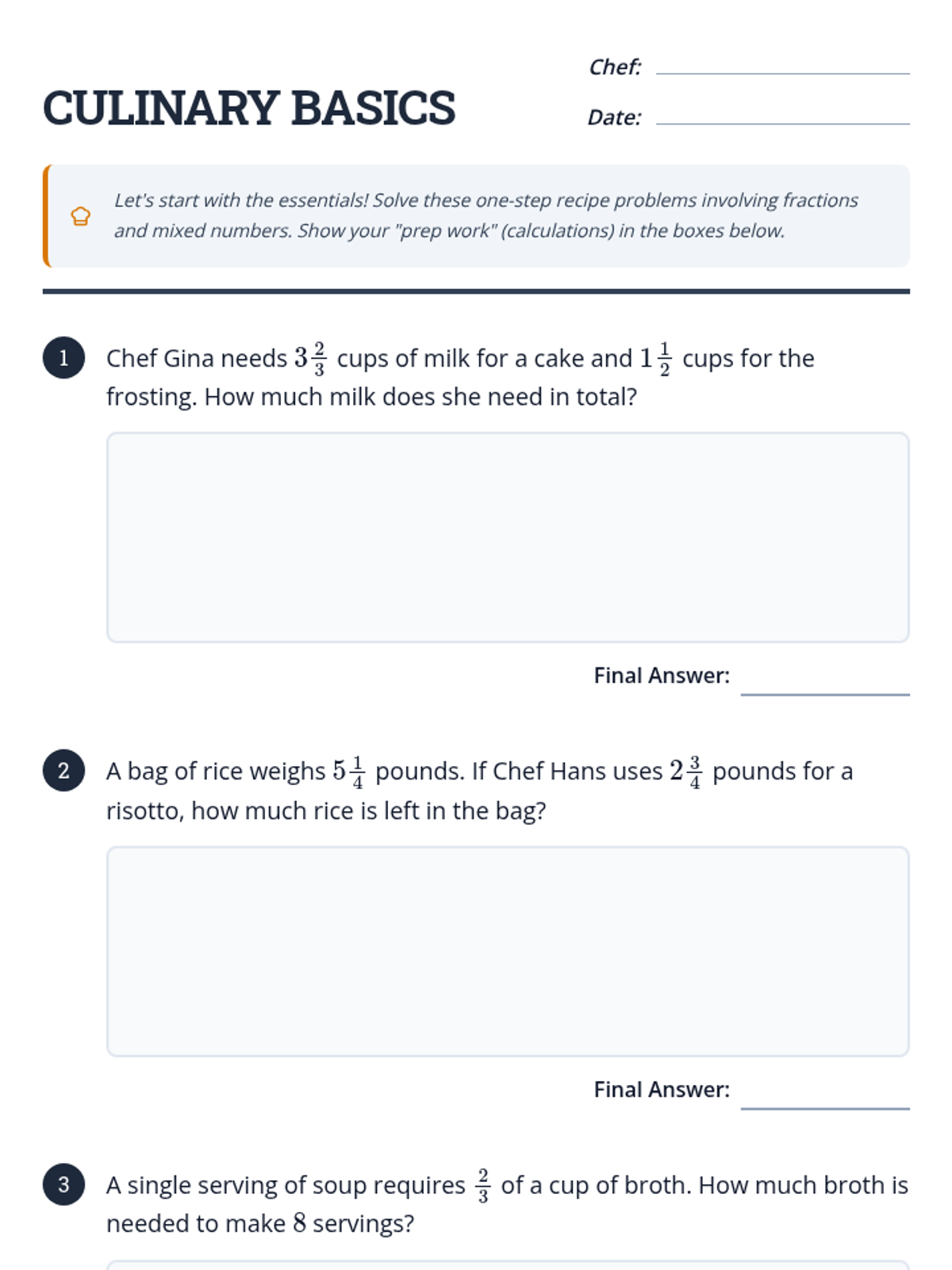
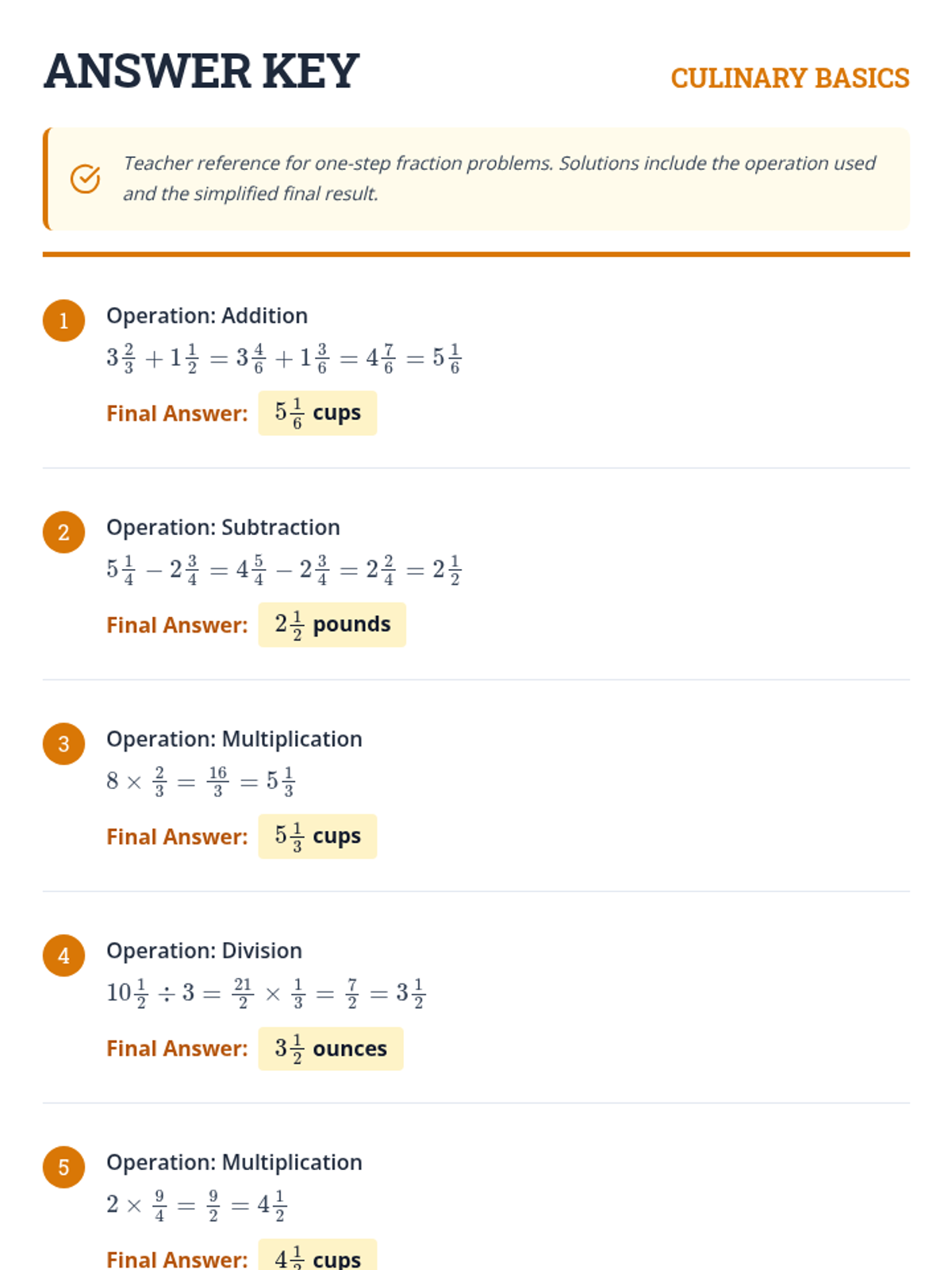
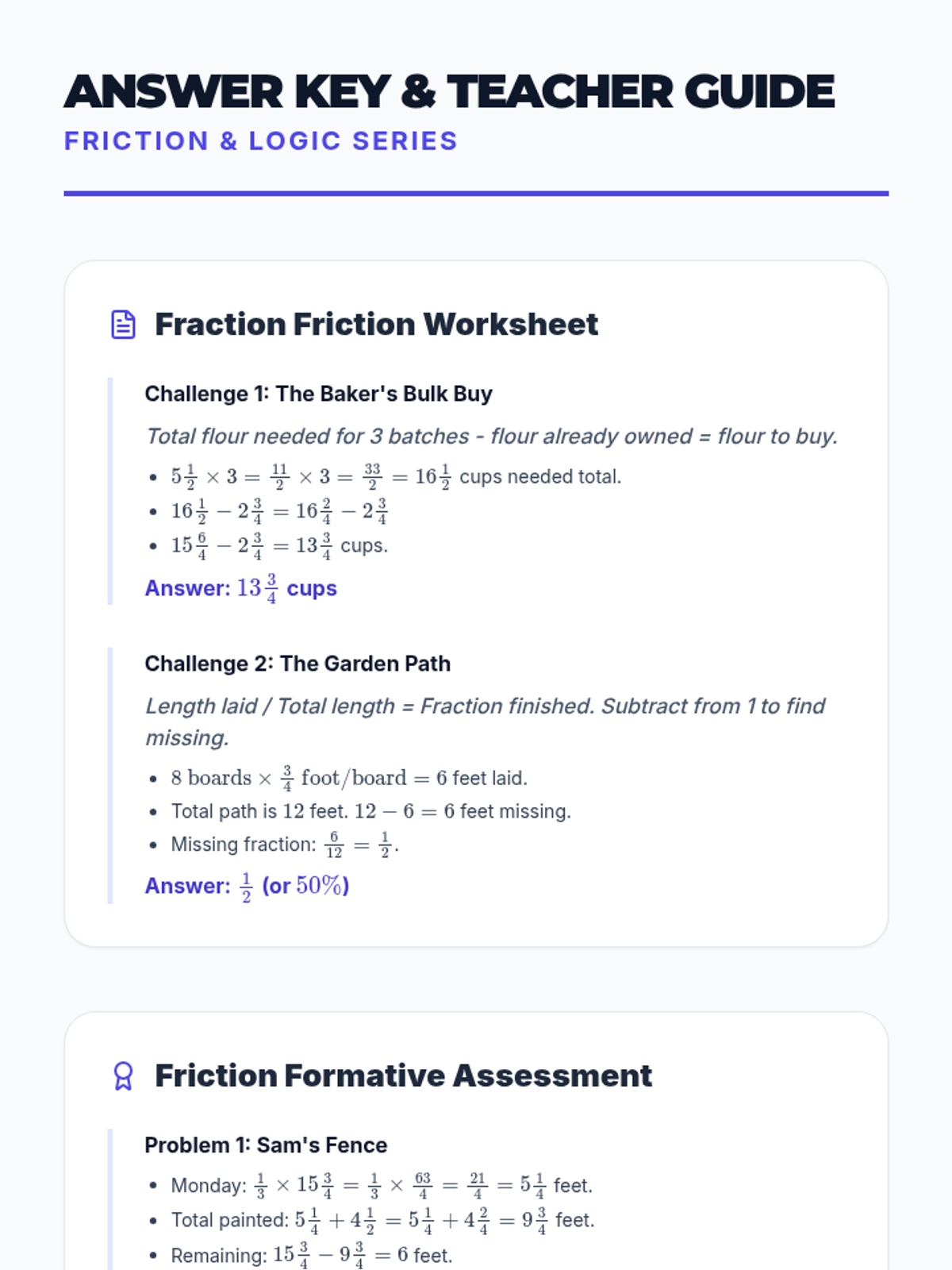
A comprehensive 3-week unit covering the full spectrum of fraction operations, from basic identification and equivalence to multiplication and division, themed as a precision engineering factory.
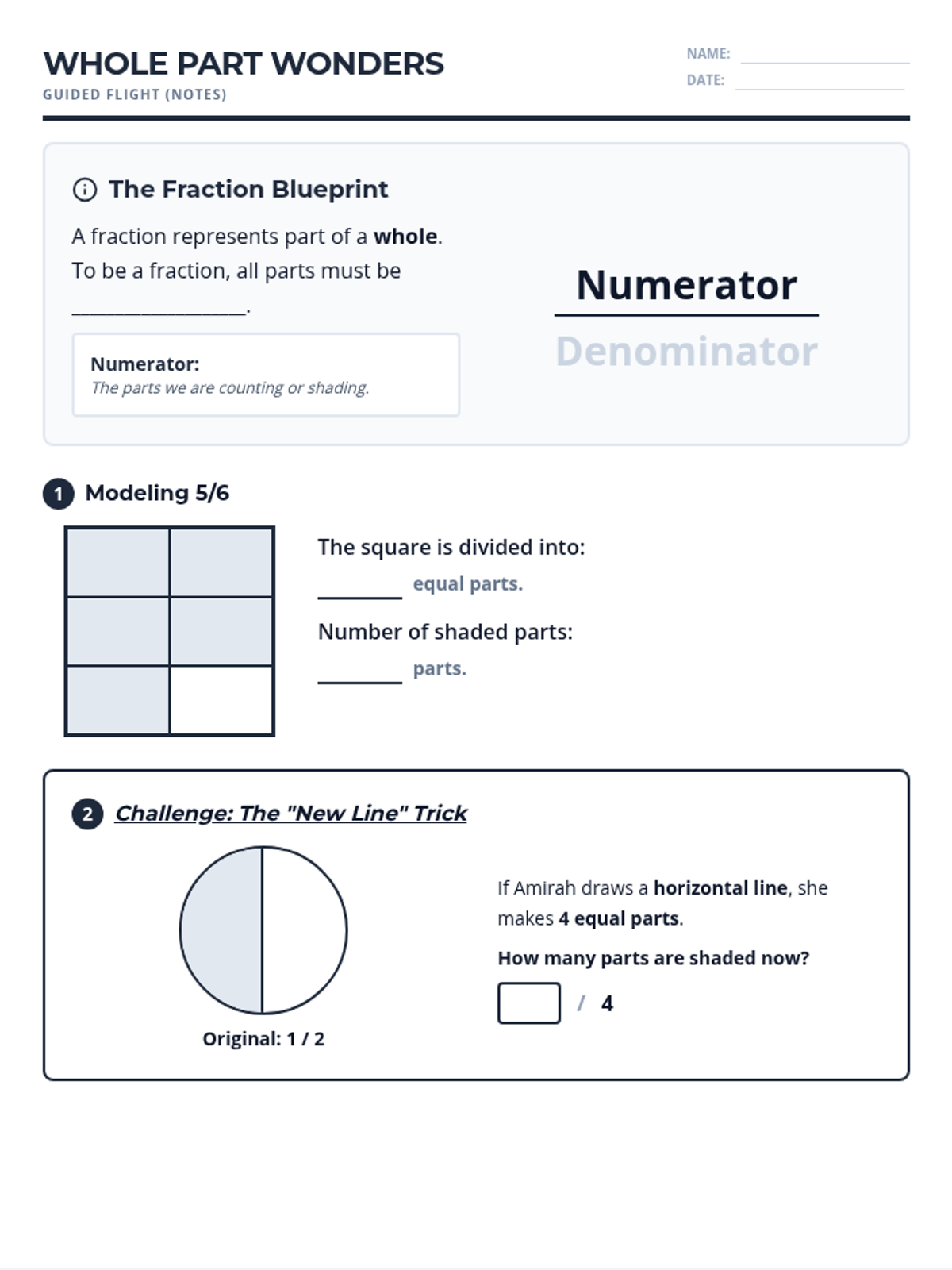
A comprehensive unit on fractions covering identification, decomposition with tape diagrams, equivalent fractions, and representing fractions on a number line. Students act as 'Factory Engineers' to build and analyze numerical parts.
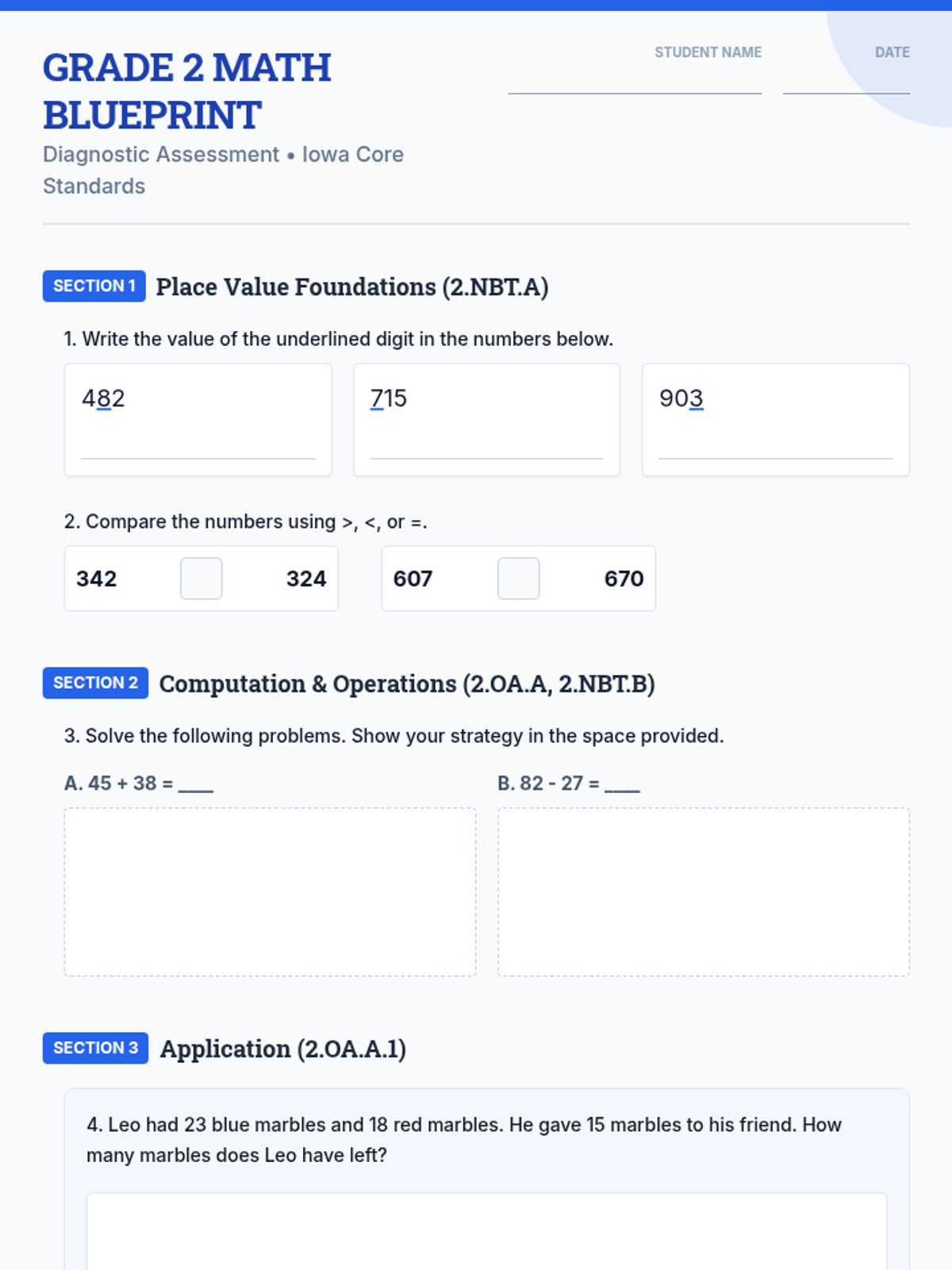
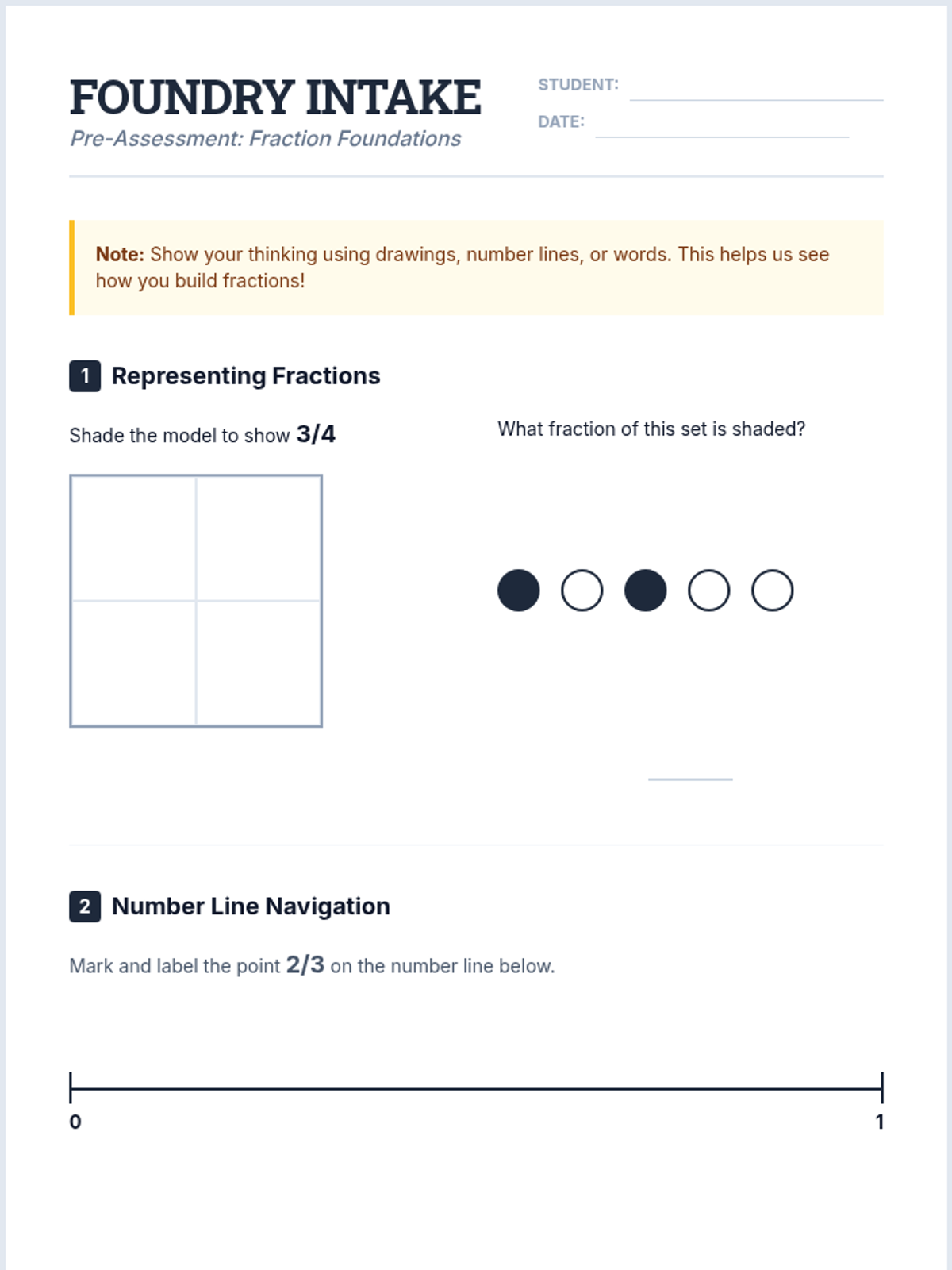
A comprehensive diagnostic suite for grades 2-5 designed to identify specific skill gaps in foundational math domains aligned to the Iowa Core standards. This series helps educators pinpoint exactly where students have discrepancies in place value, arithmetic, and early rational numbers.
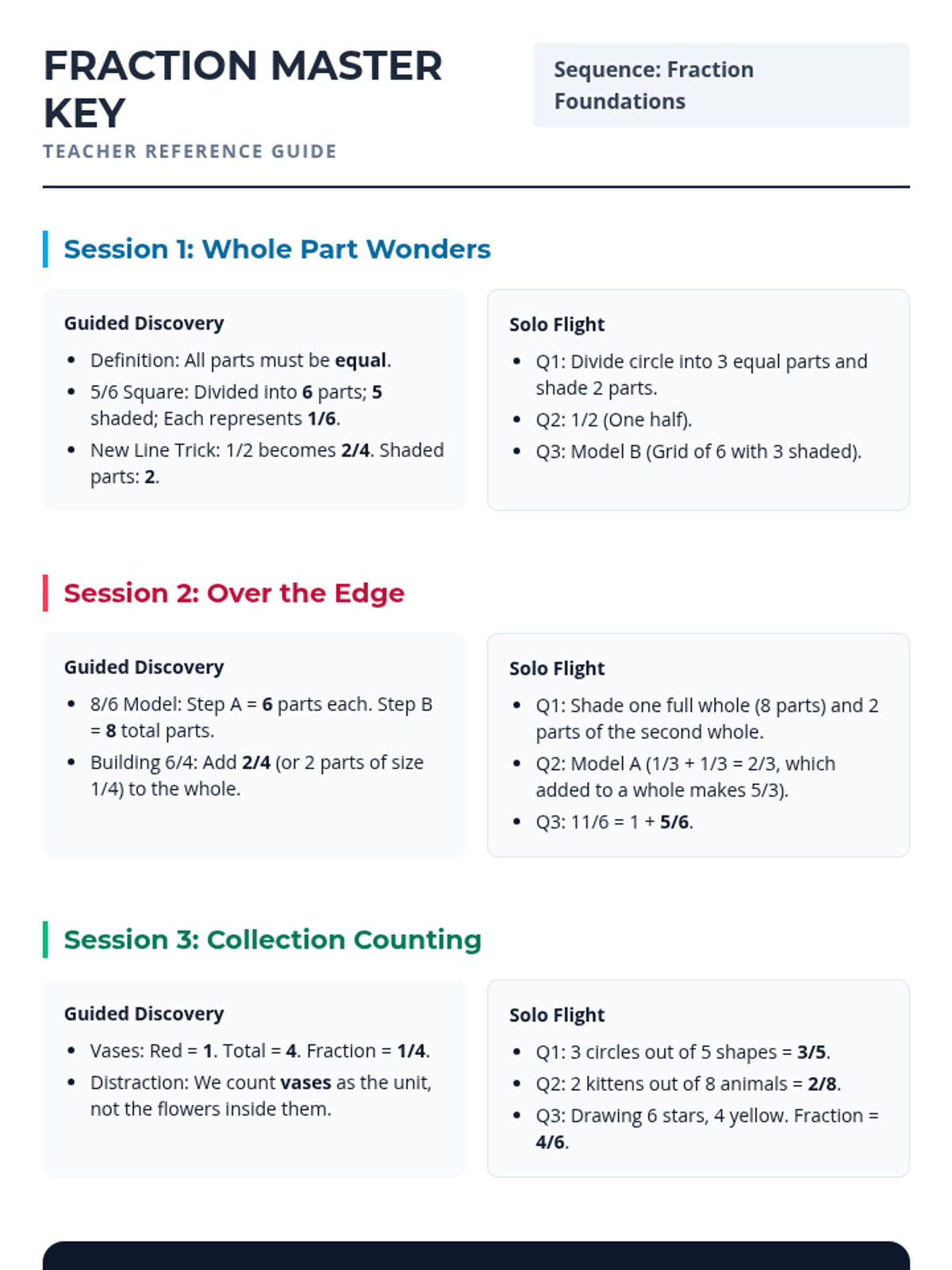
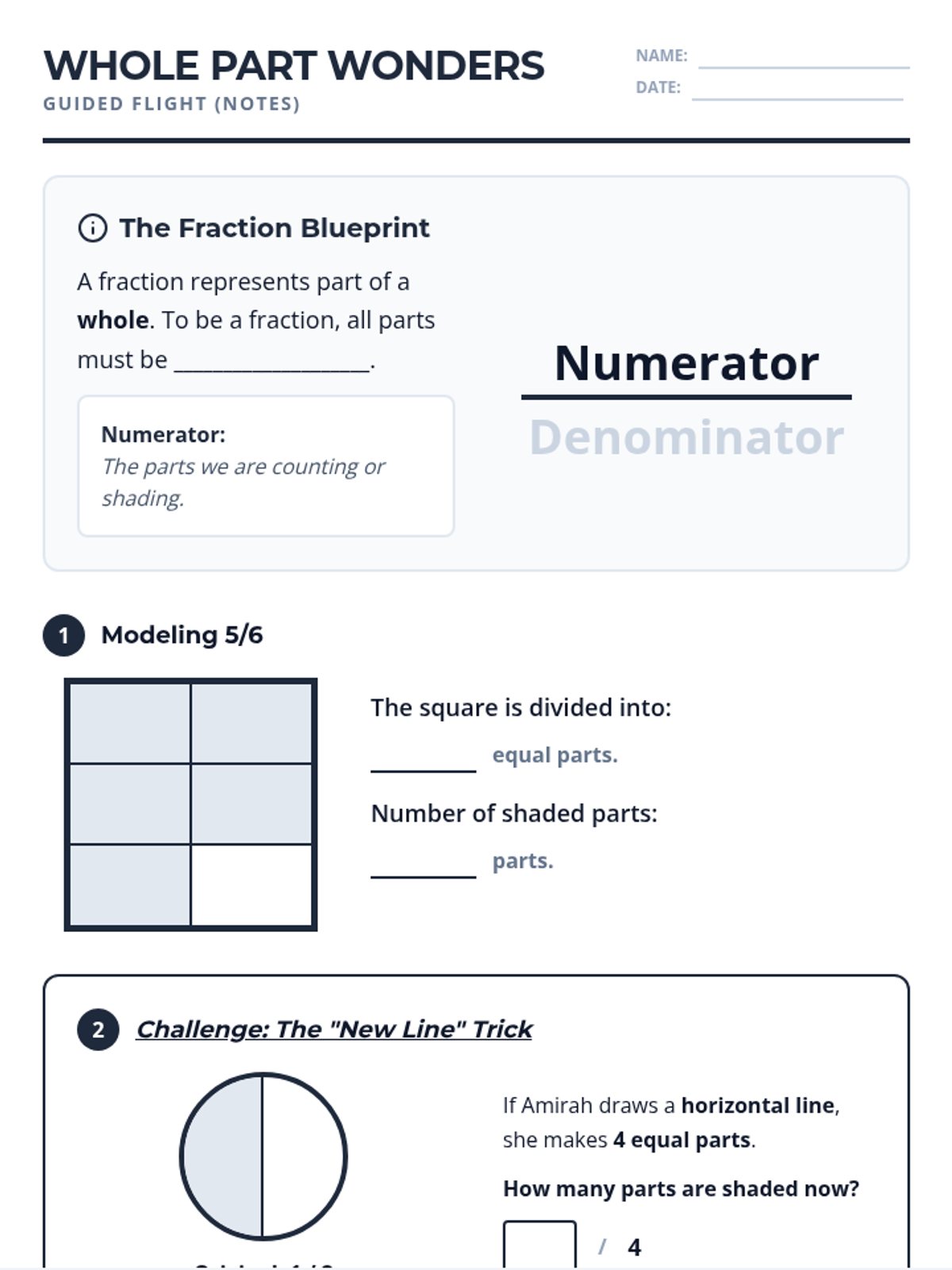
A series of small-group sessions designed to build foundational fraction skills, from basic identification of parts of a whole to understanding fractions greater than one and fractions of a set. Each session is designed for a 15-20 minute timeframe.
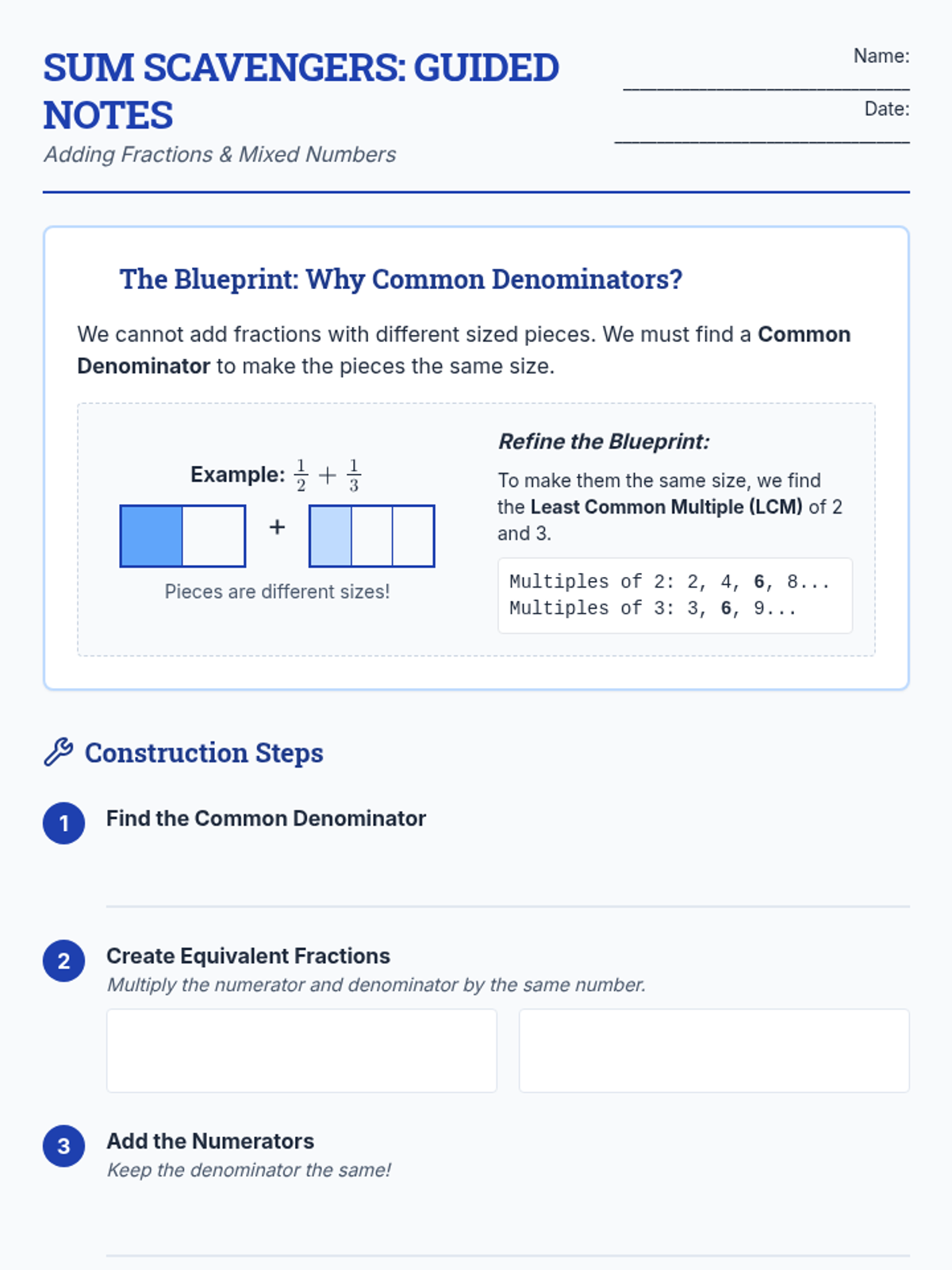
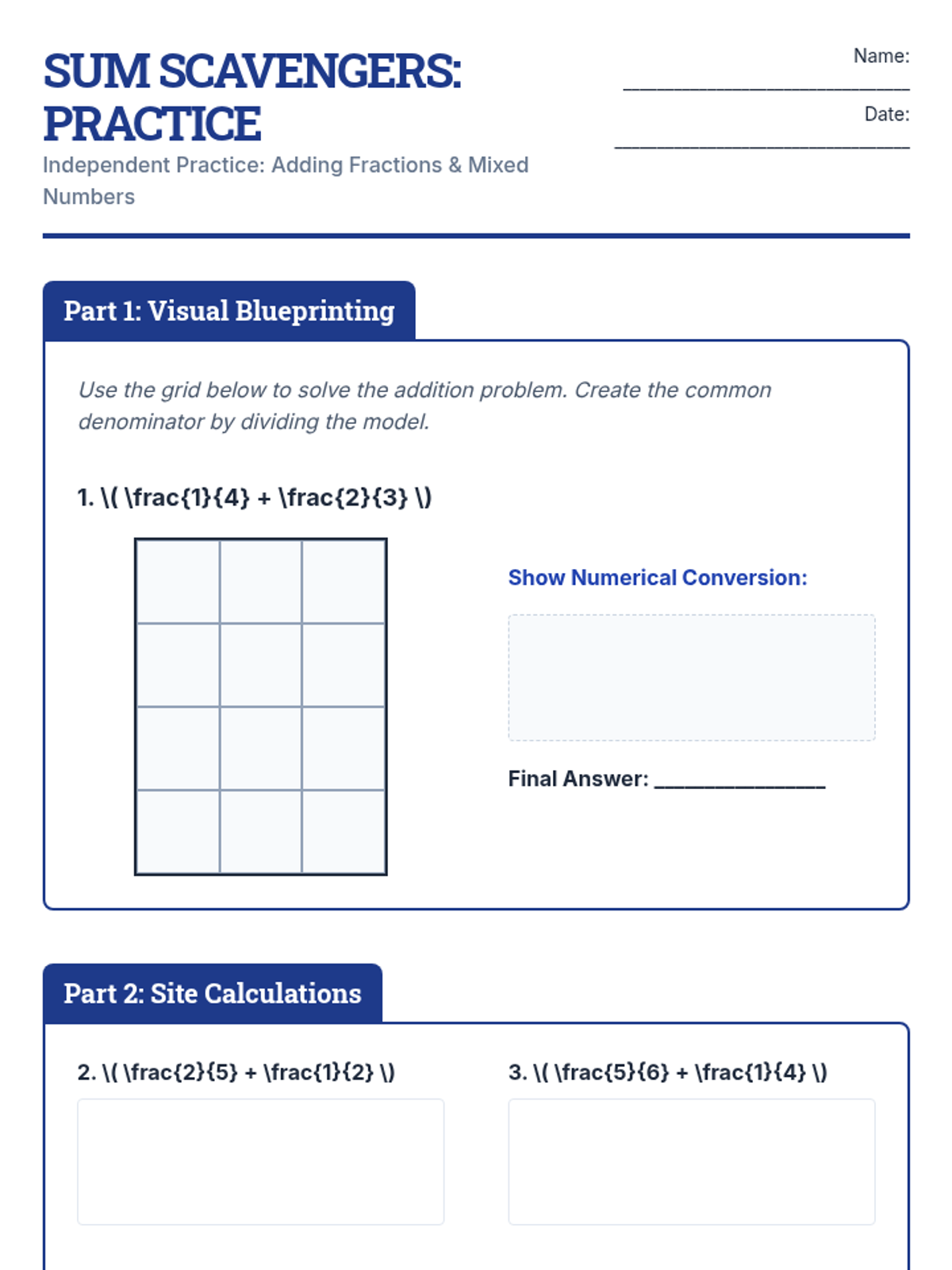
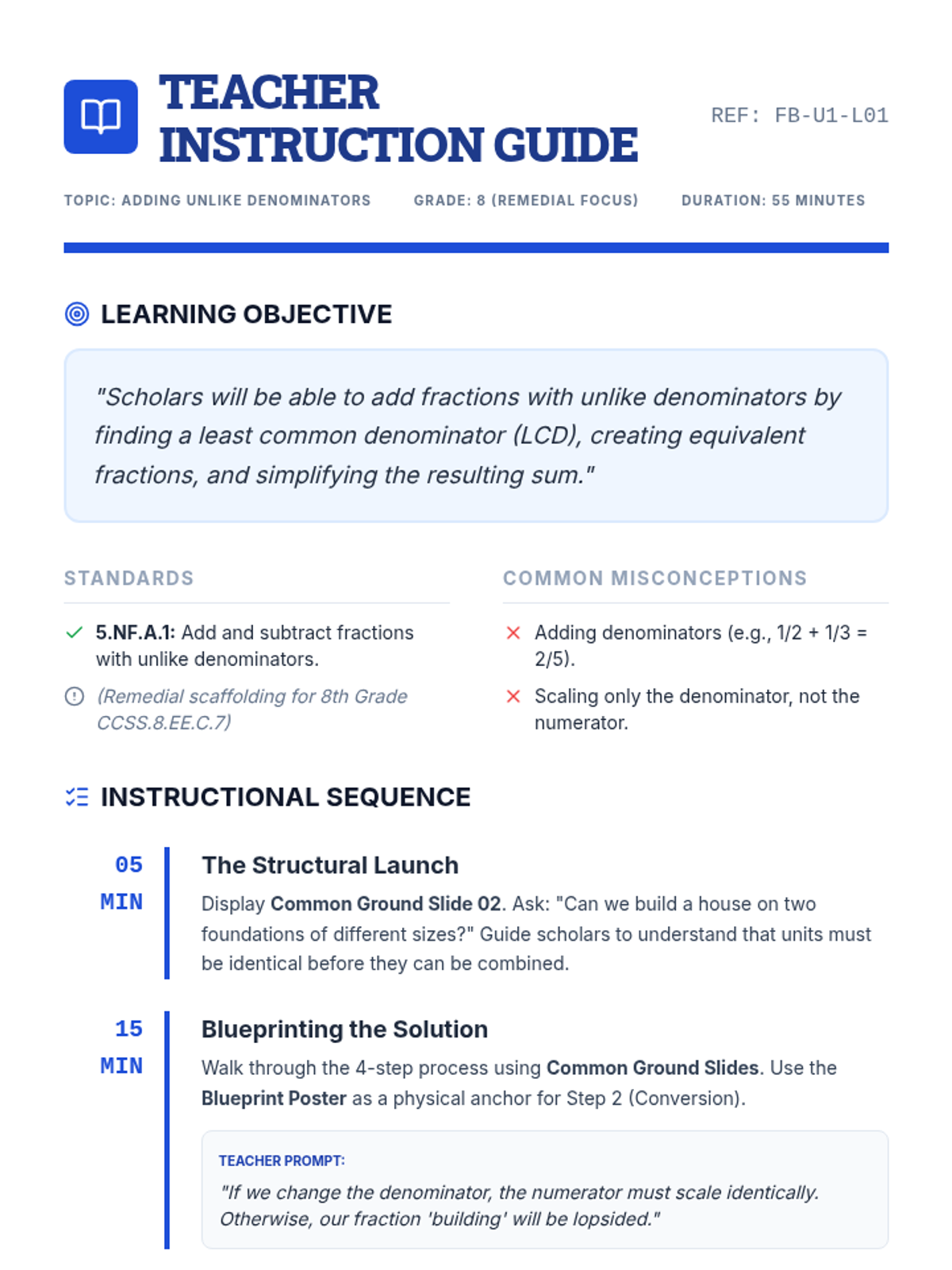
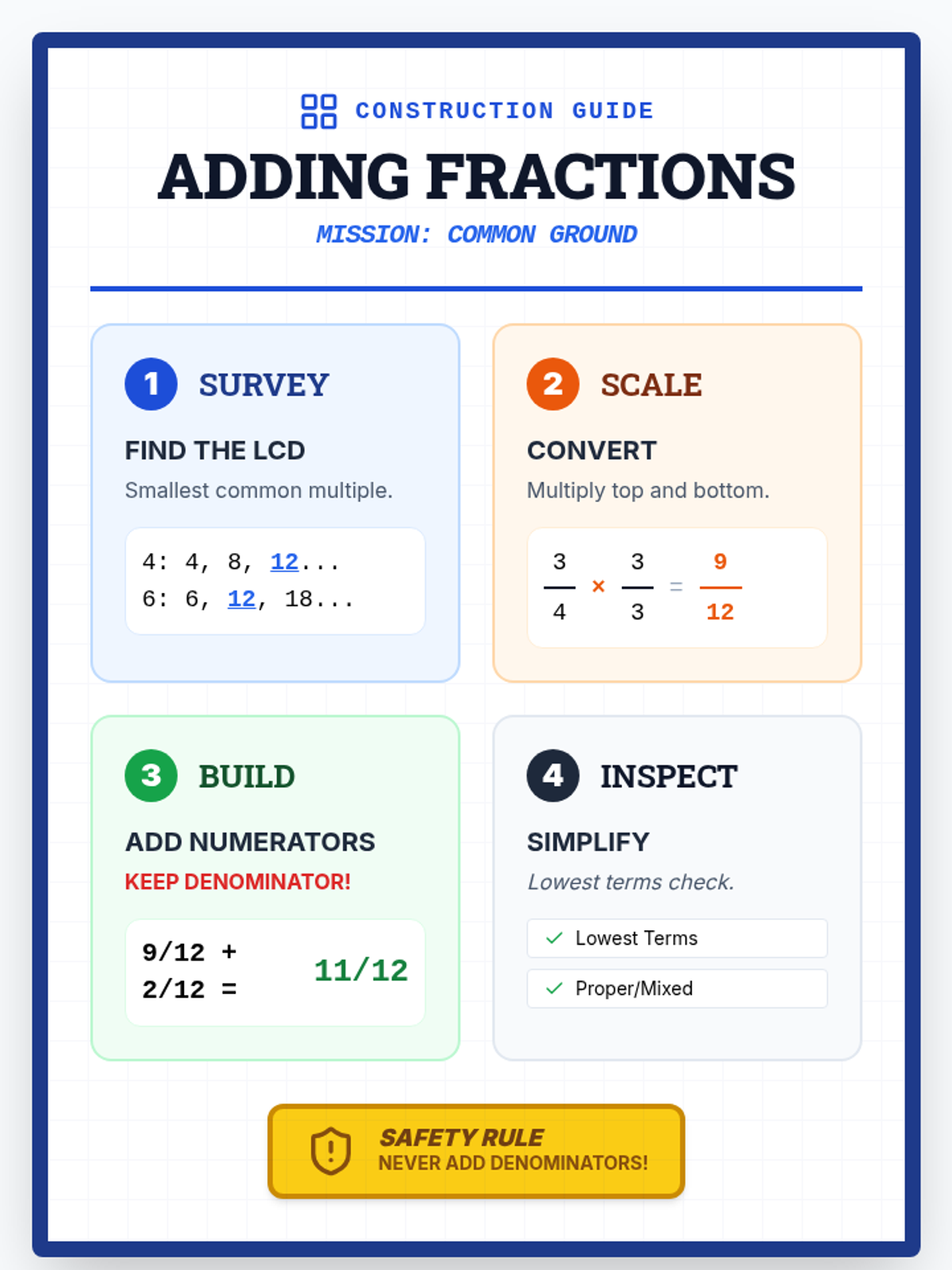
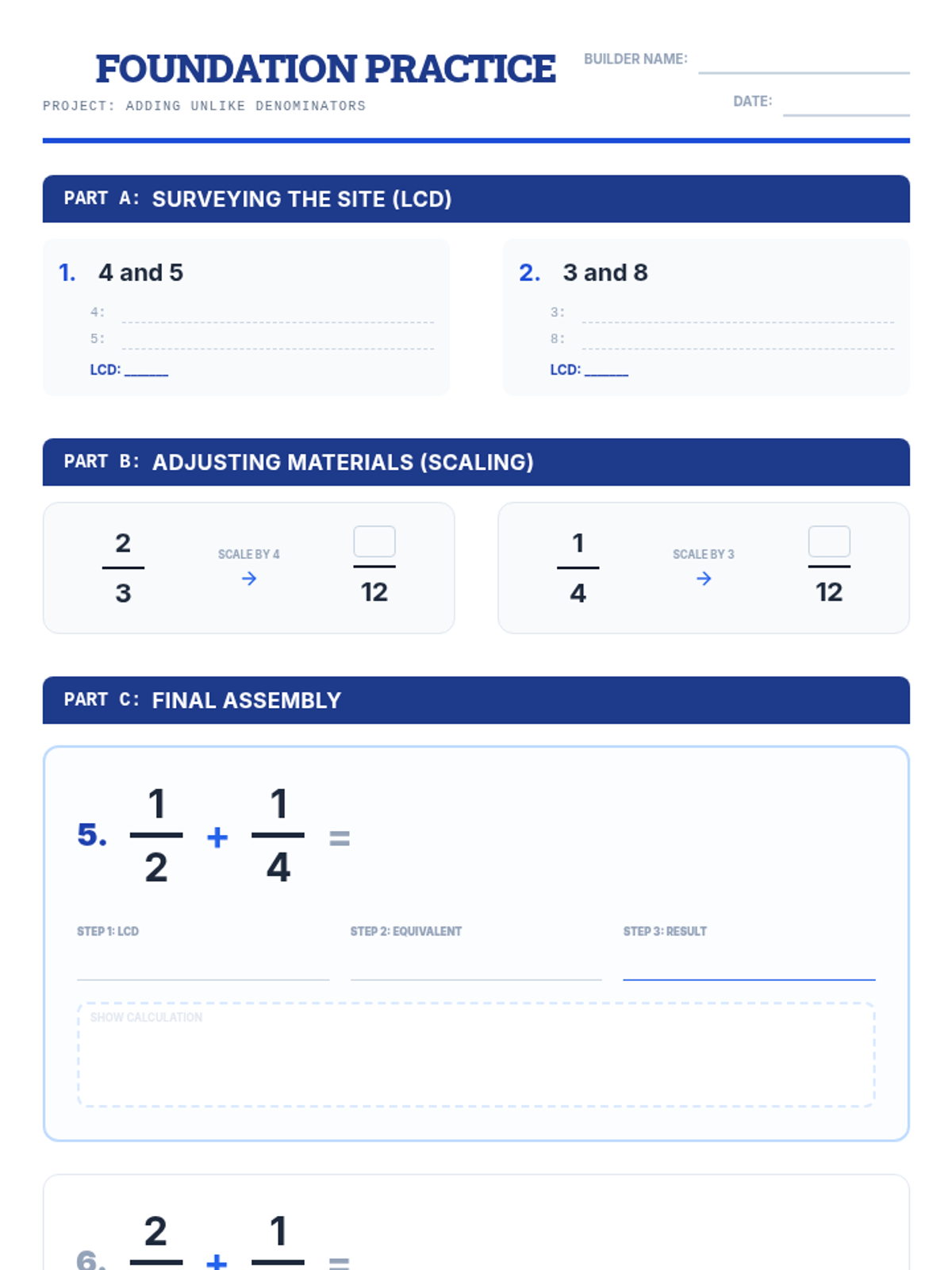
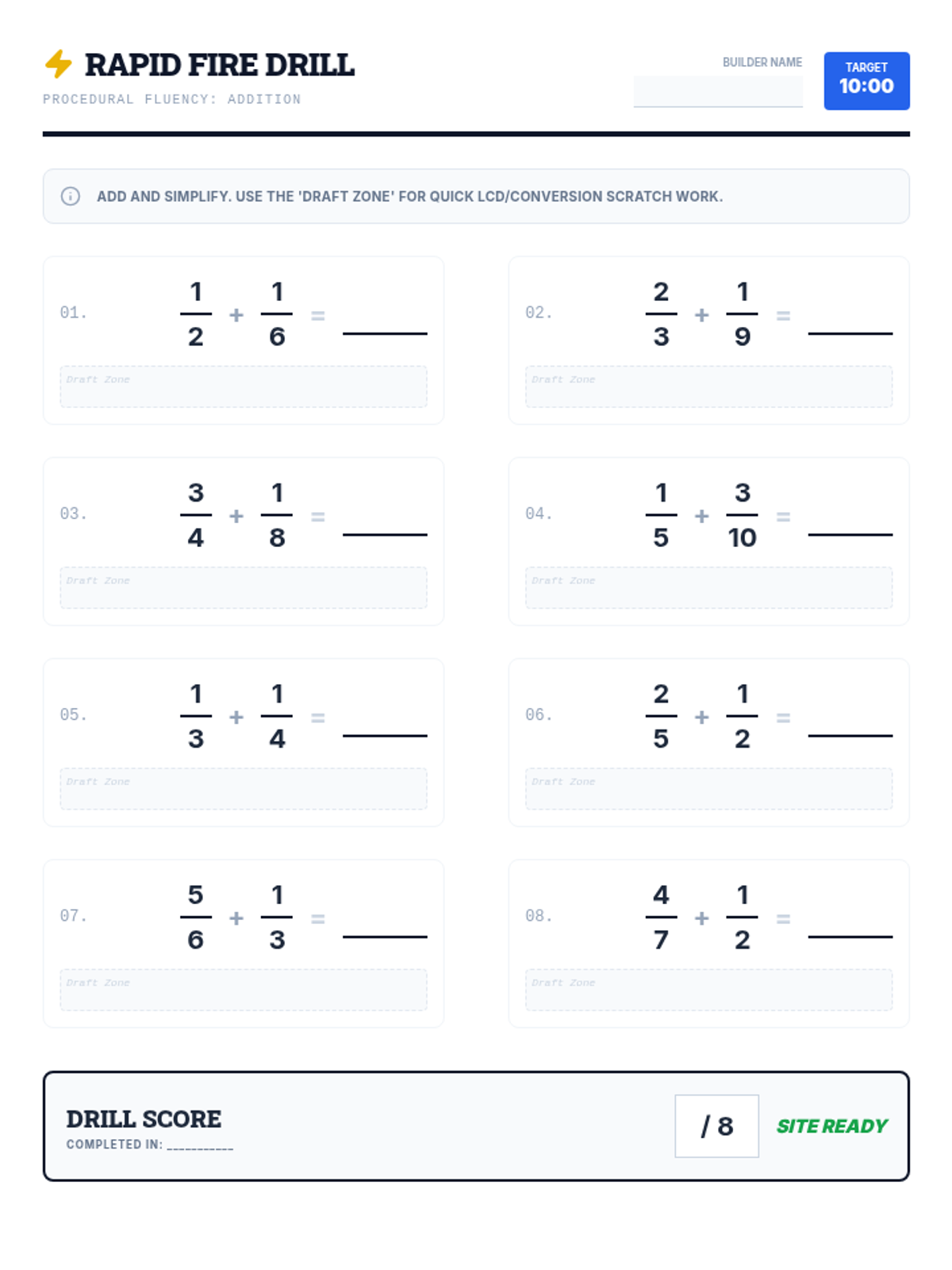
A Tier 2 intervention sequence designed for 5th-grade students struggling with adding and subtracting fractions with unlike denominators. The sequence follows a concrete-representational-abstract (CRA) progression, moving from visual models to standard algorithms and mixed numbers.
A comprehensive 7-lesson intervention sequence designed to build conceptual fraction understanding through visual models, number lines, and scaffolded practice. The sequence moves from basic area models to adding and subtracting with unlike denominators, prioritizing 'why' over 'how'.
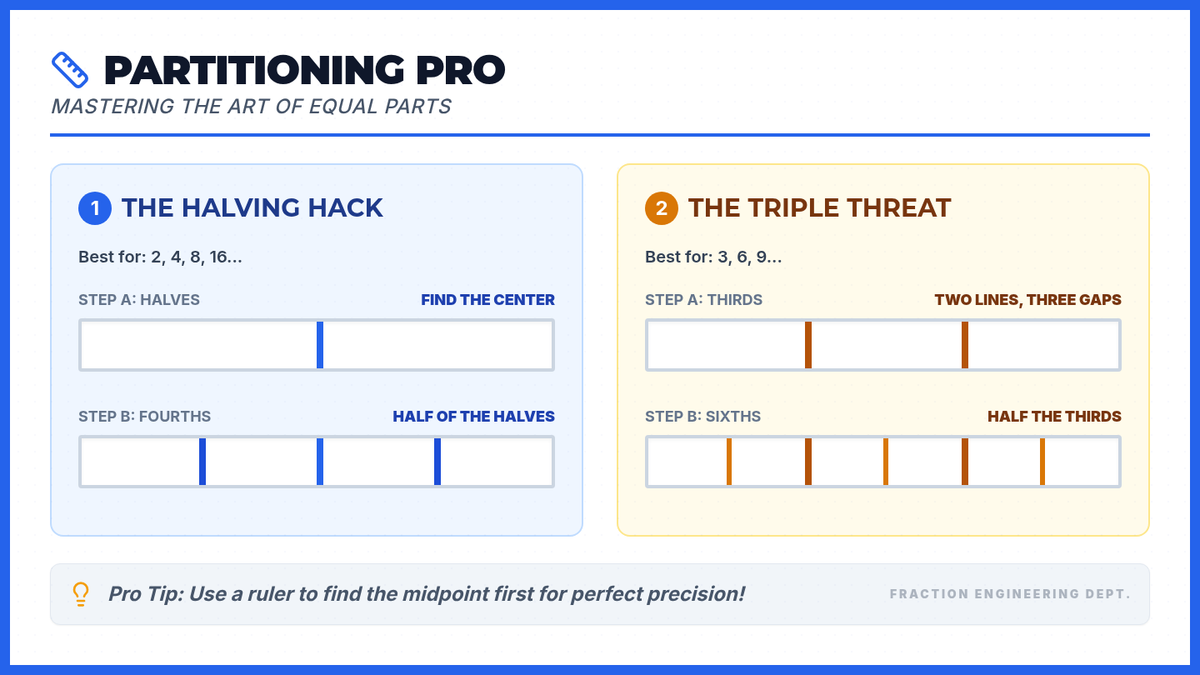
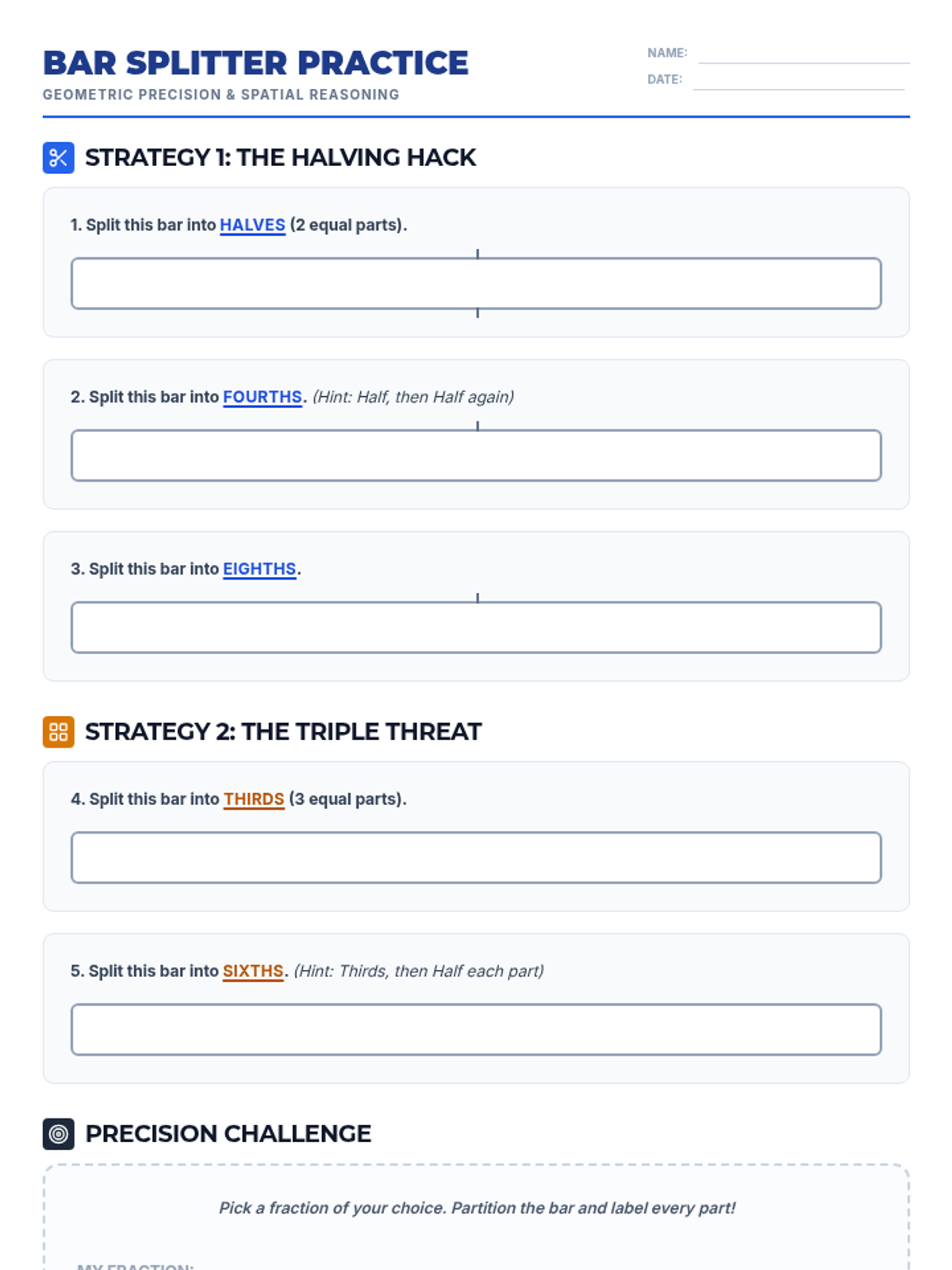
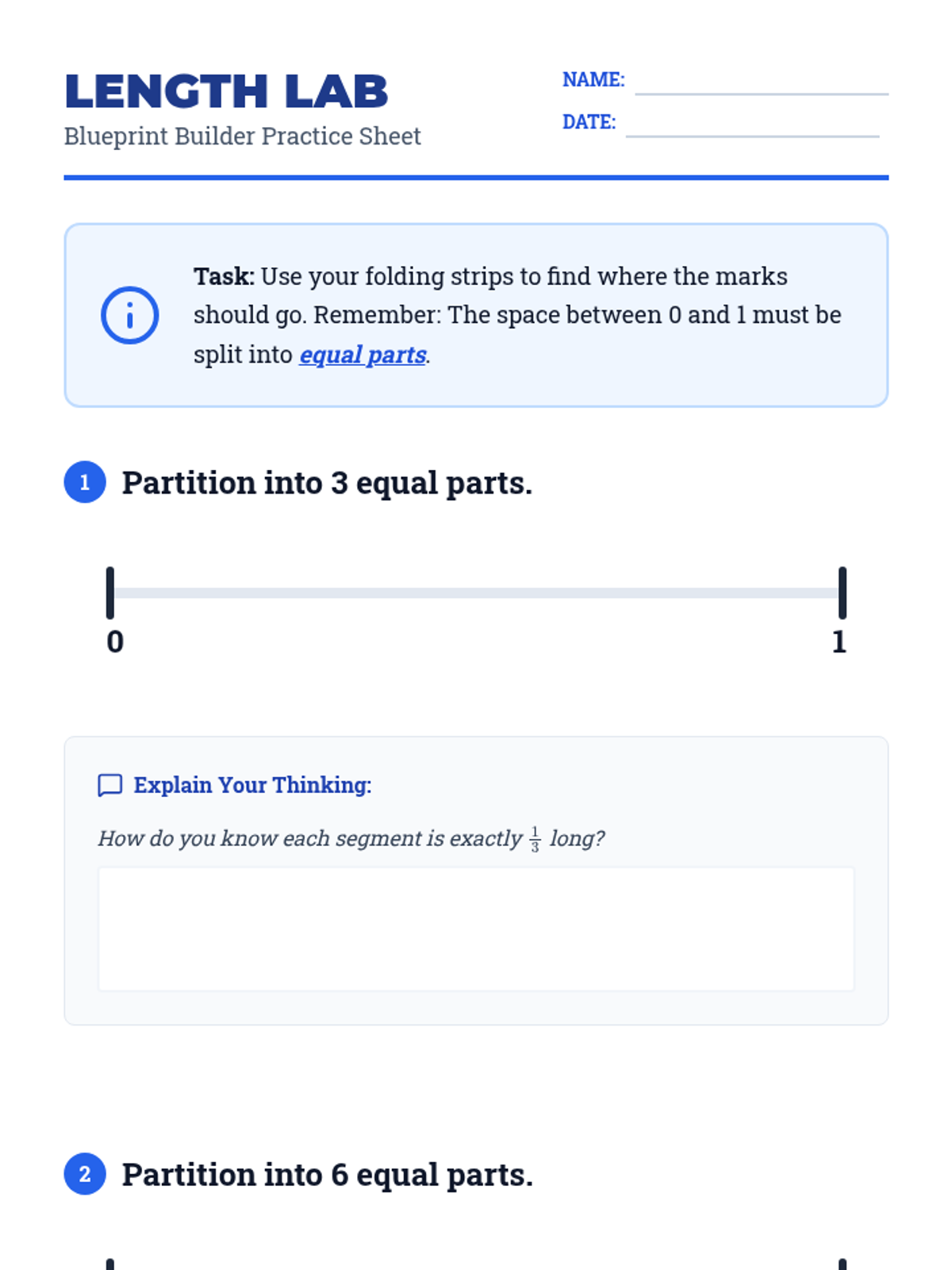
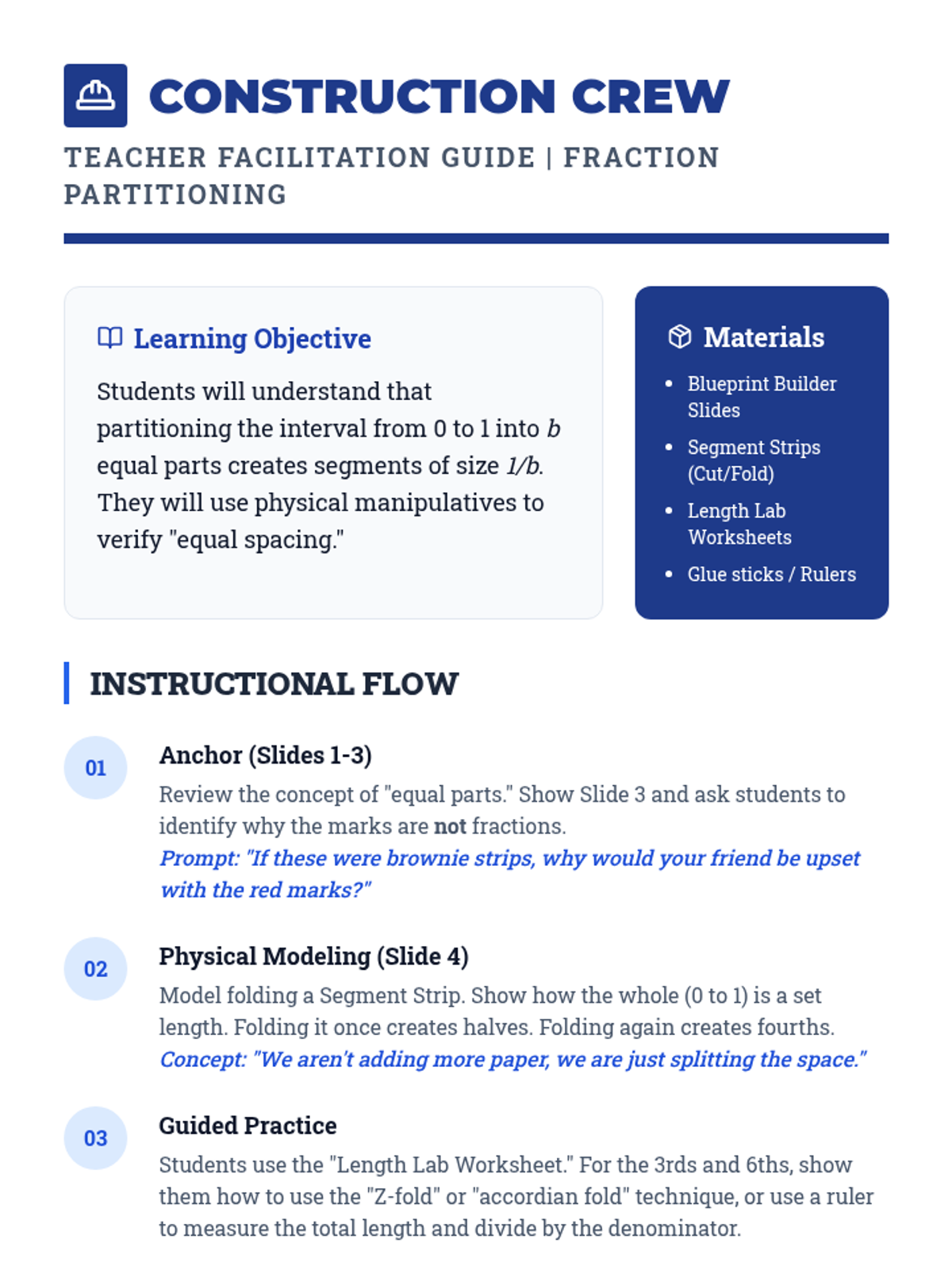
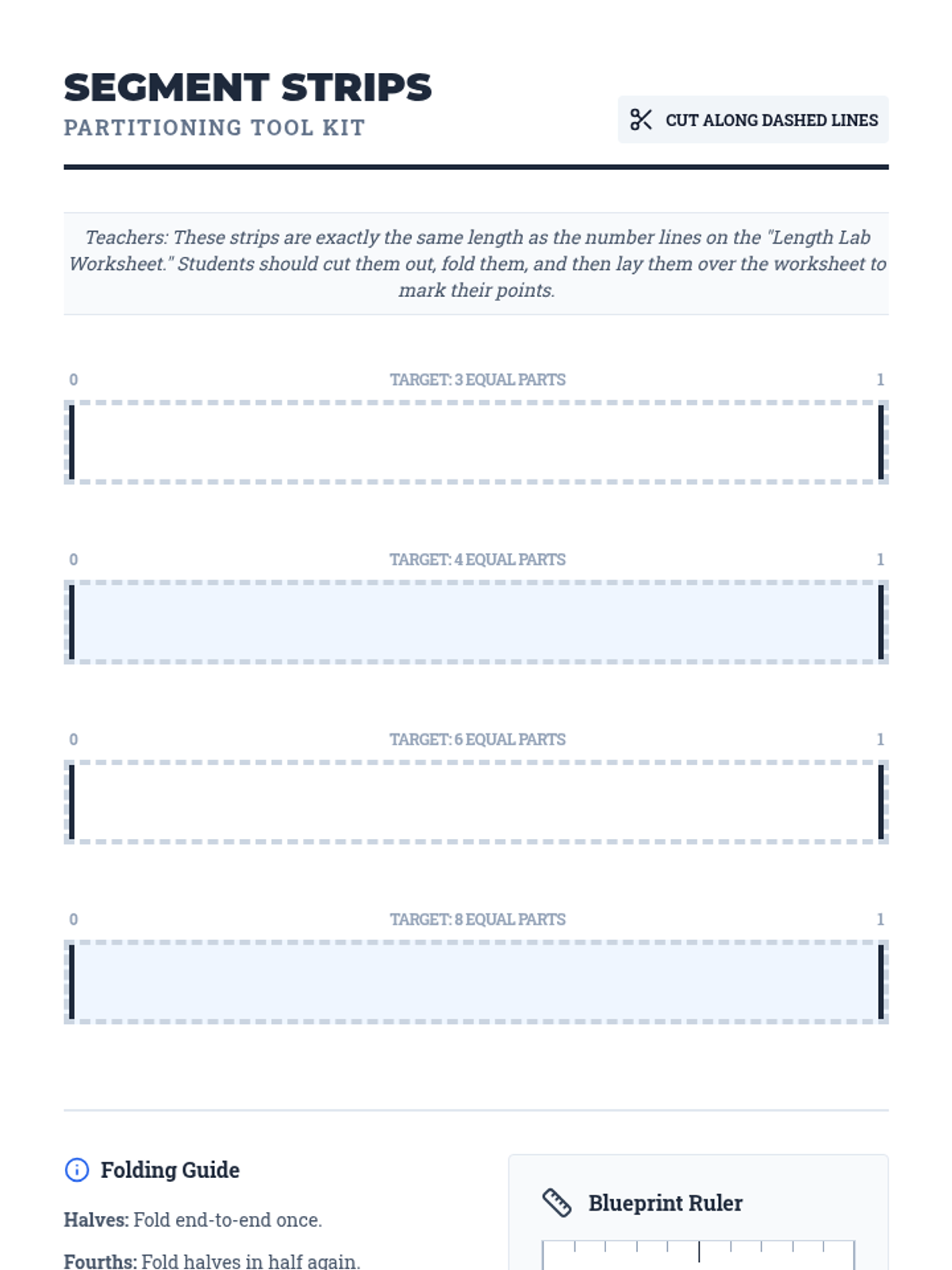
A series of targeted interventions focusing on foundational fraction concepts, specifically partitioning and representing fractions on number lines.
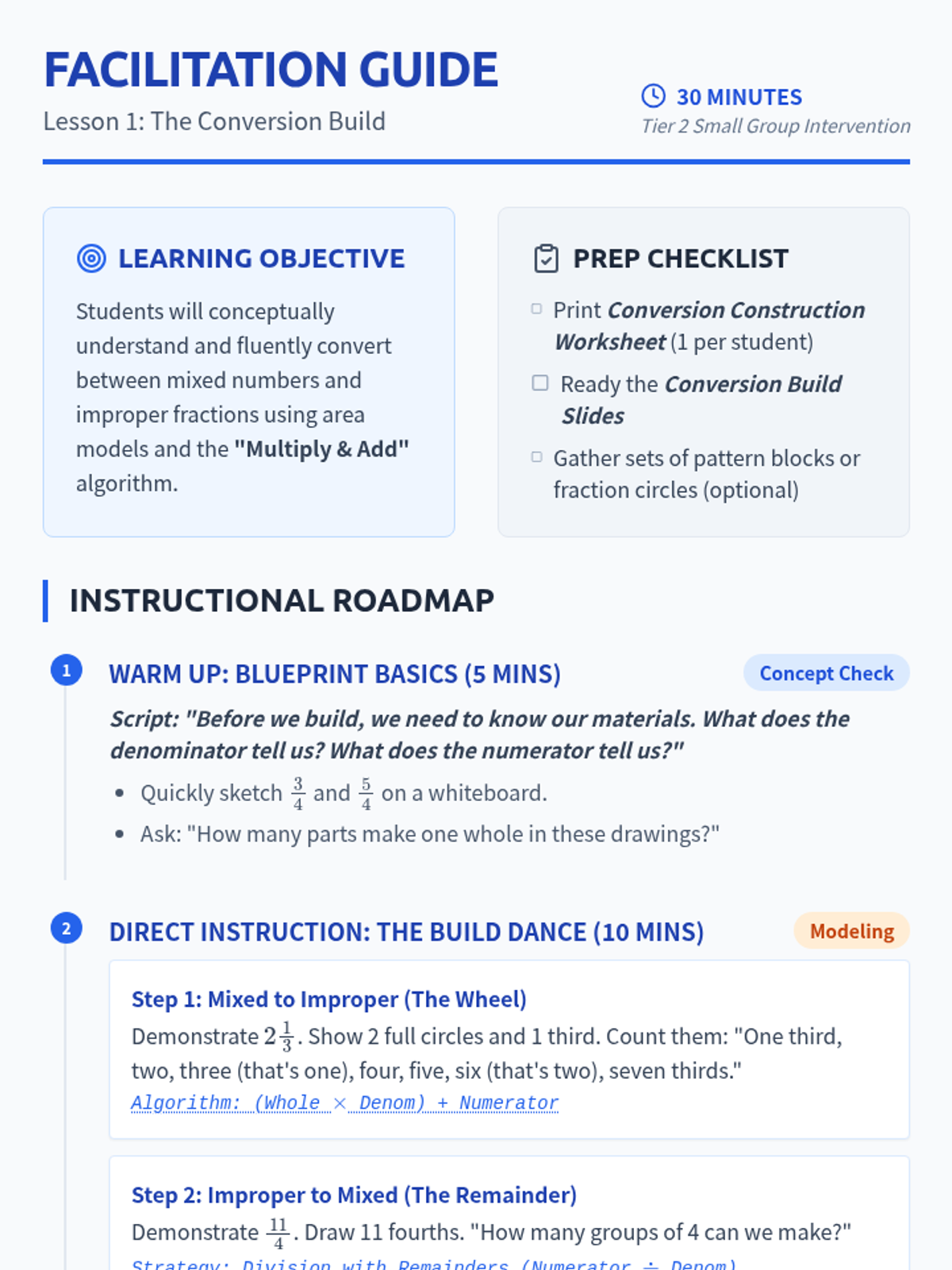
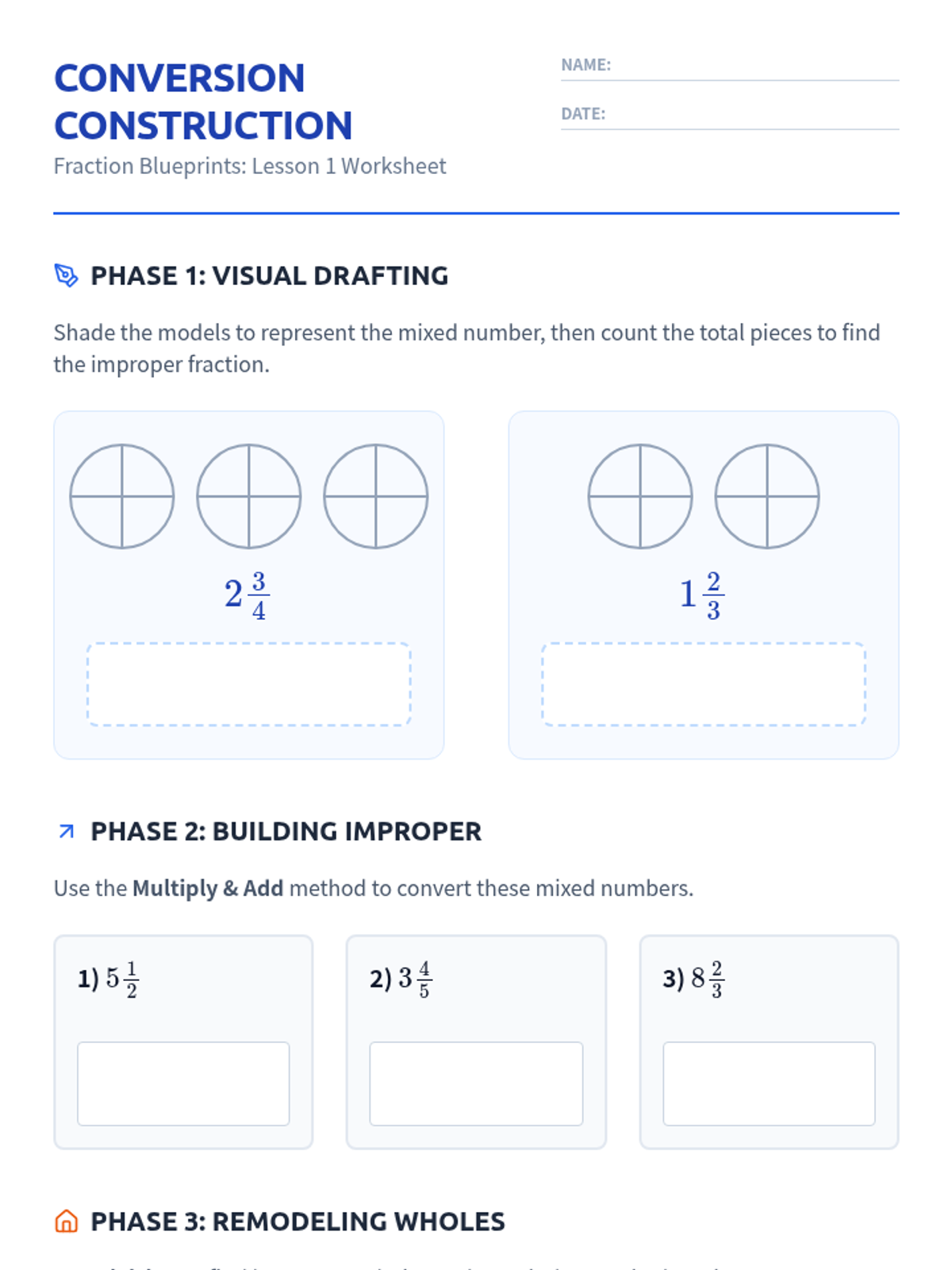
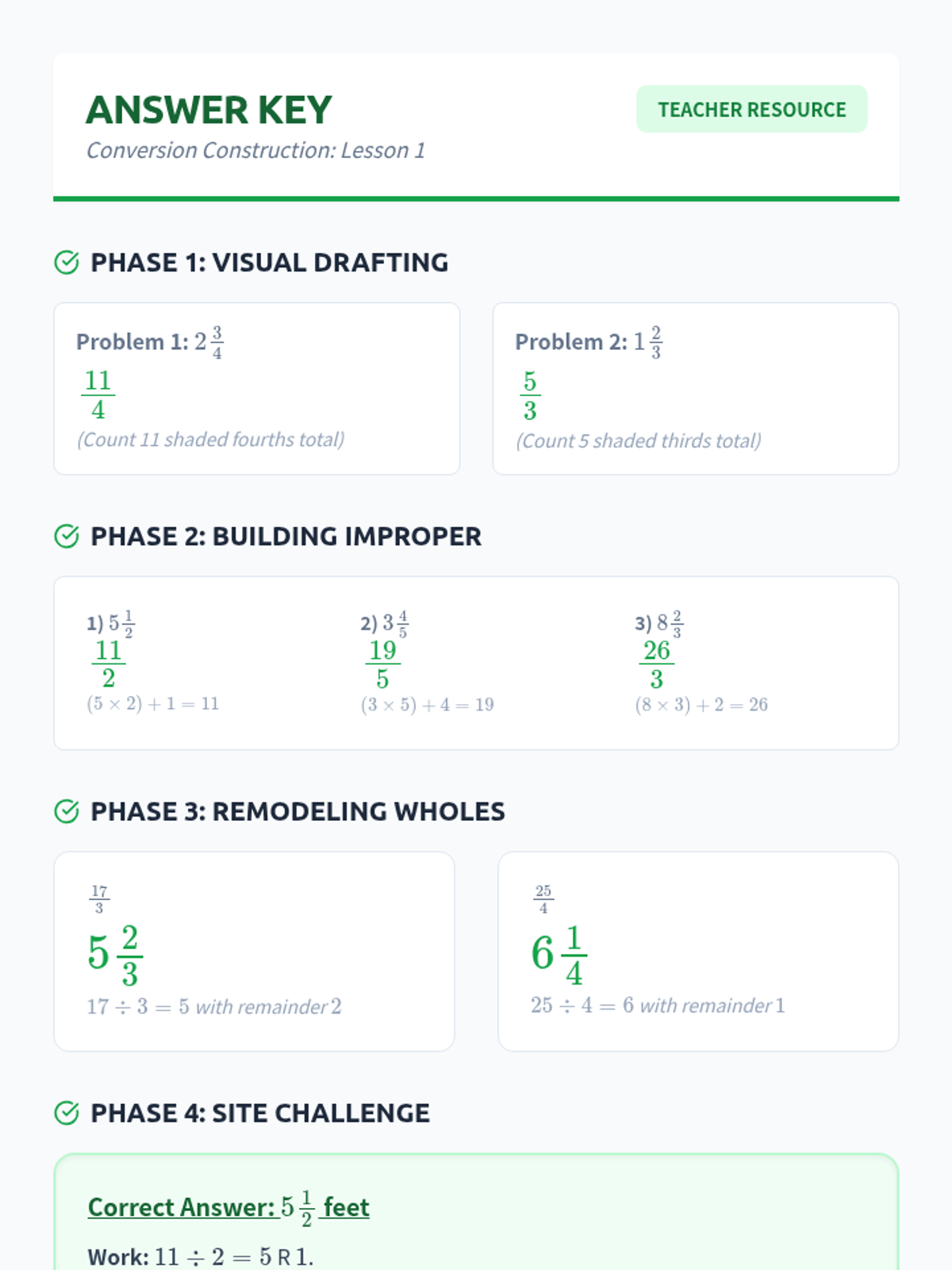
An intensive Tier 2 intervention sequence designed for small groups to master mixed numbers and improper fractions. This series builds conceptual understanding and procedural fluency through visual modeling and structured architectural-themed practice.
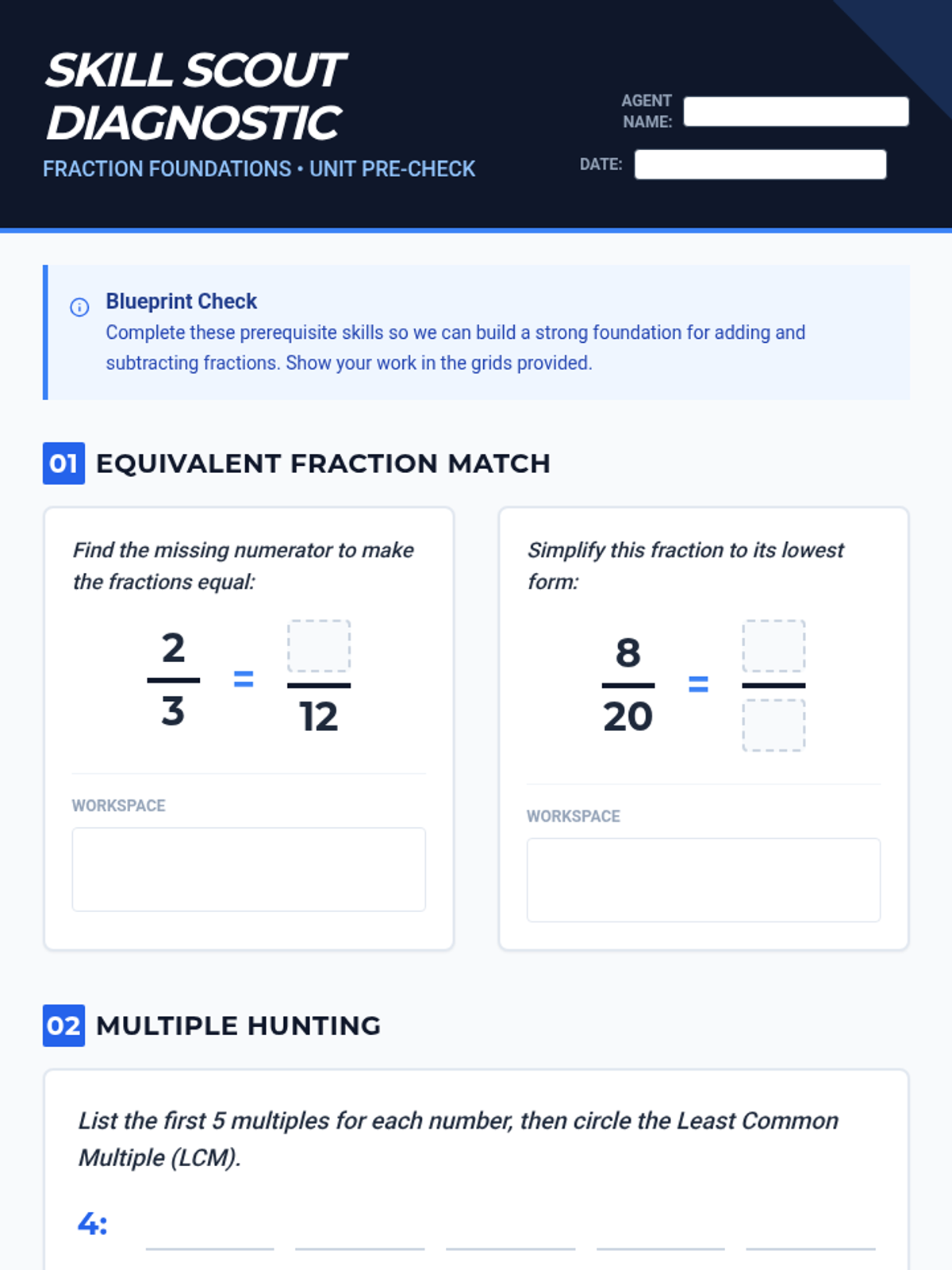
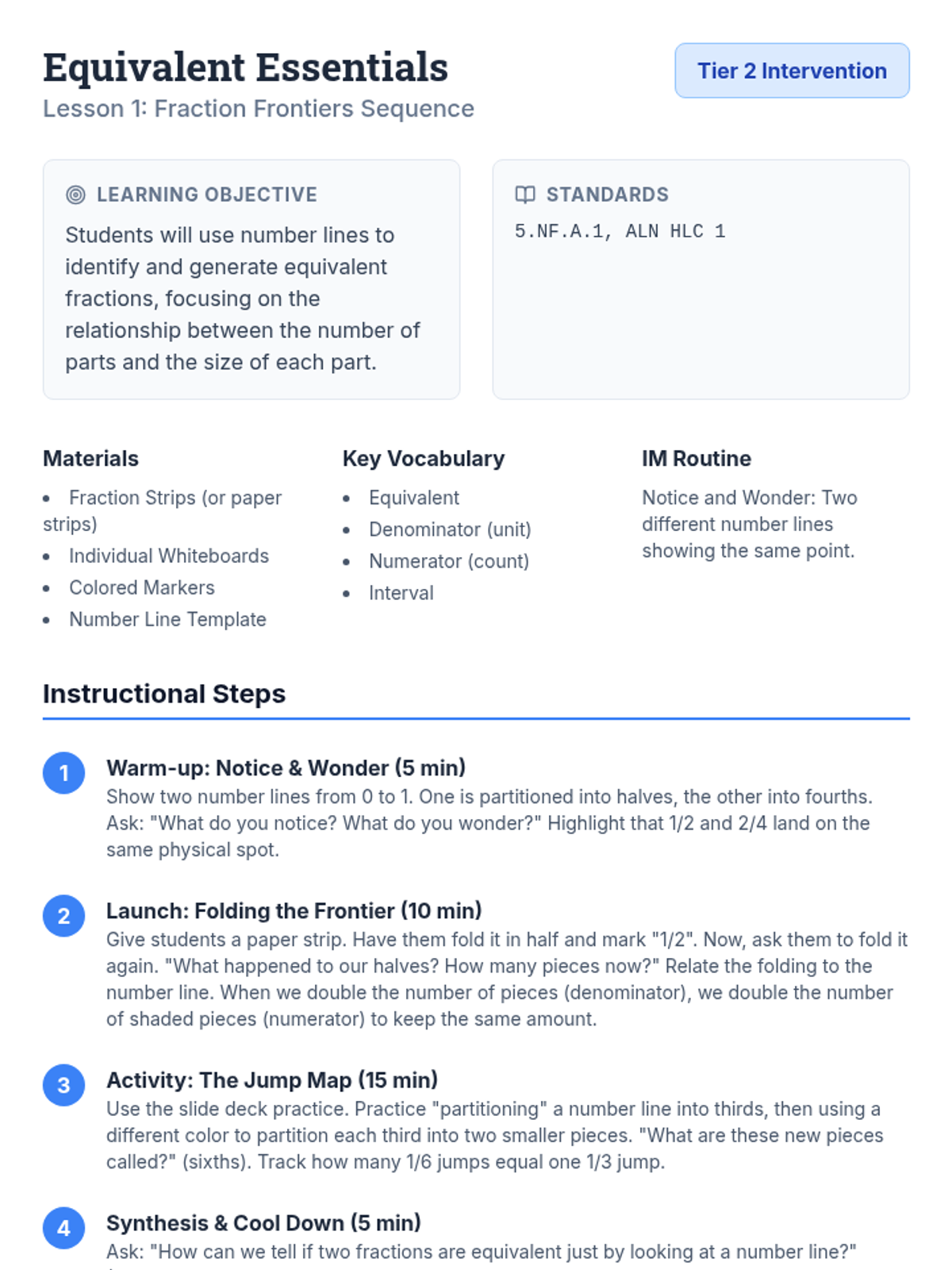
A comprehensive 12-lesson Tier 2 intervention sequence for 5th-grade fractions. Following ALN High Leverage Concepts and IM methods, this unit covers equivalent fractions, addition, subtraction, multiplication, and division of fractions using visual models and conceptual strategies.
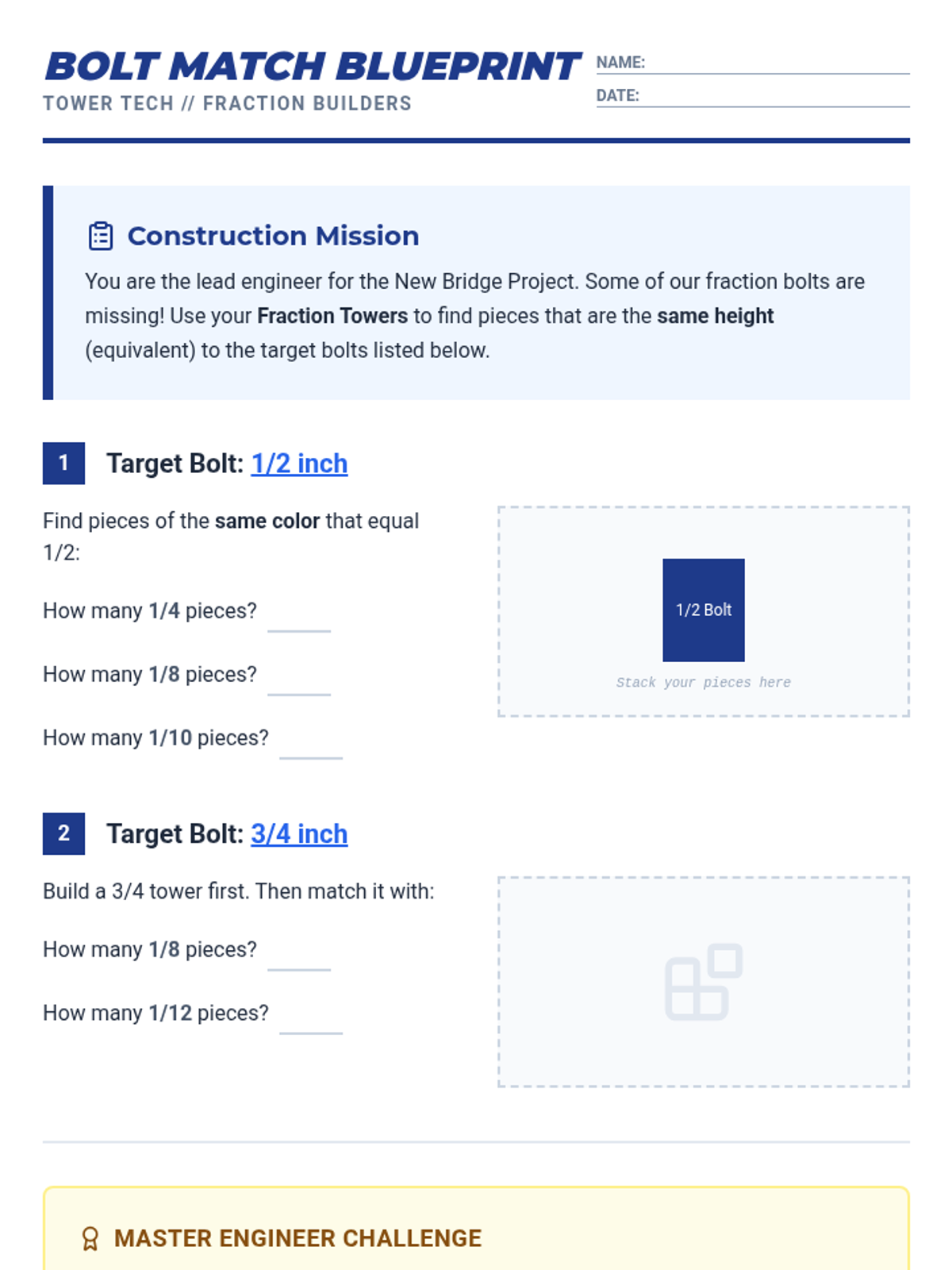
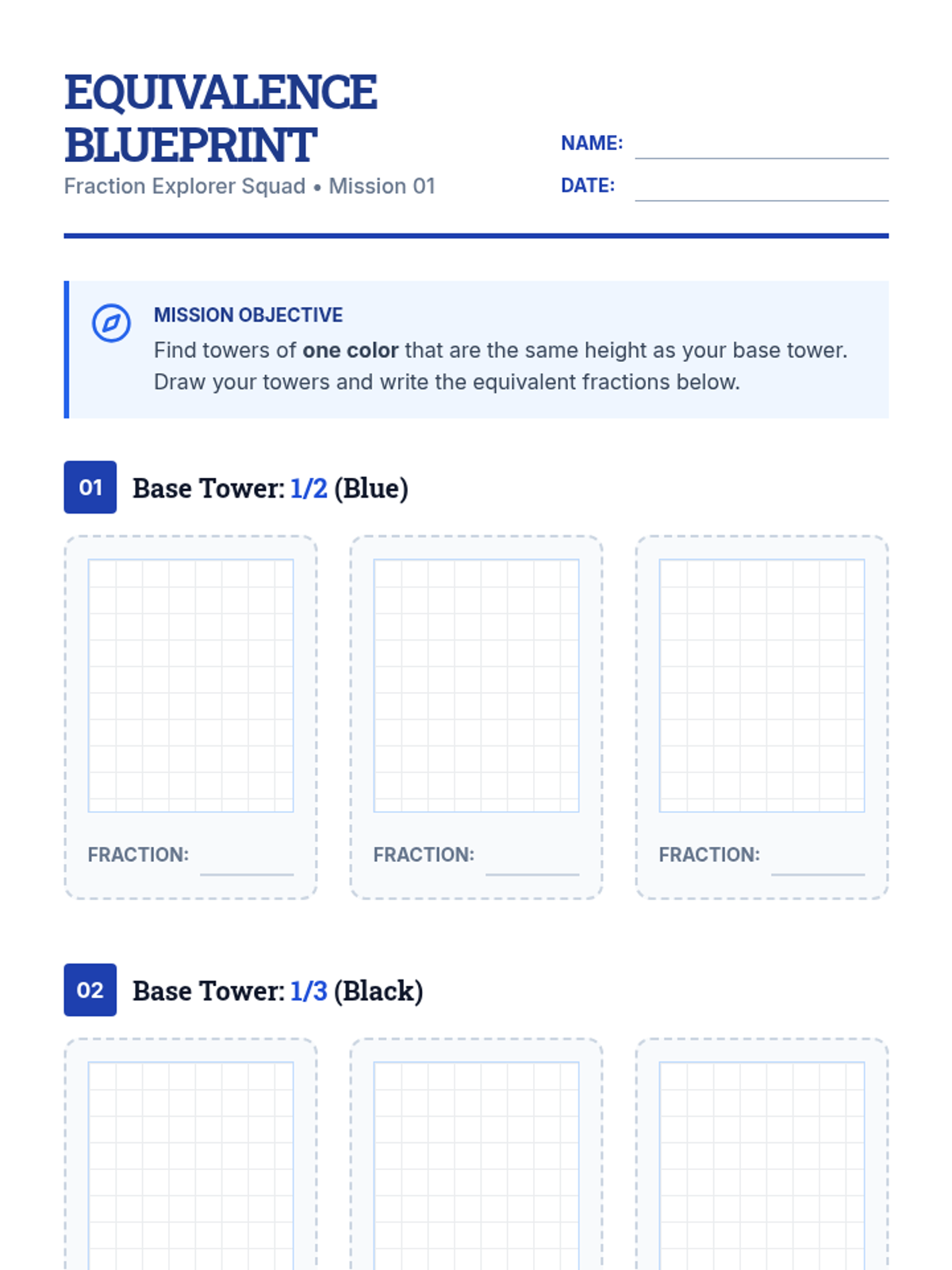
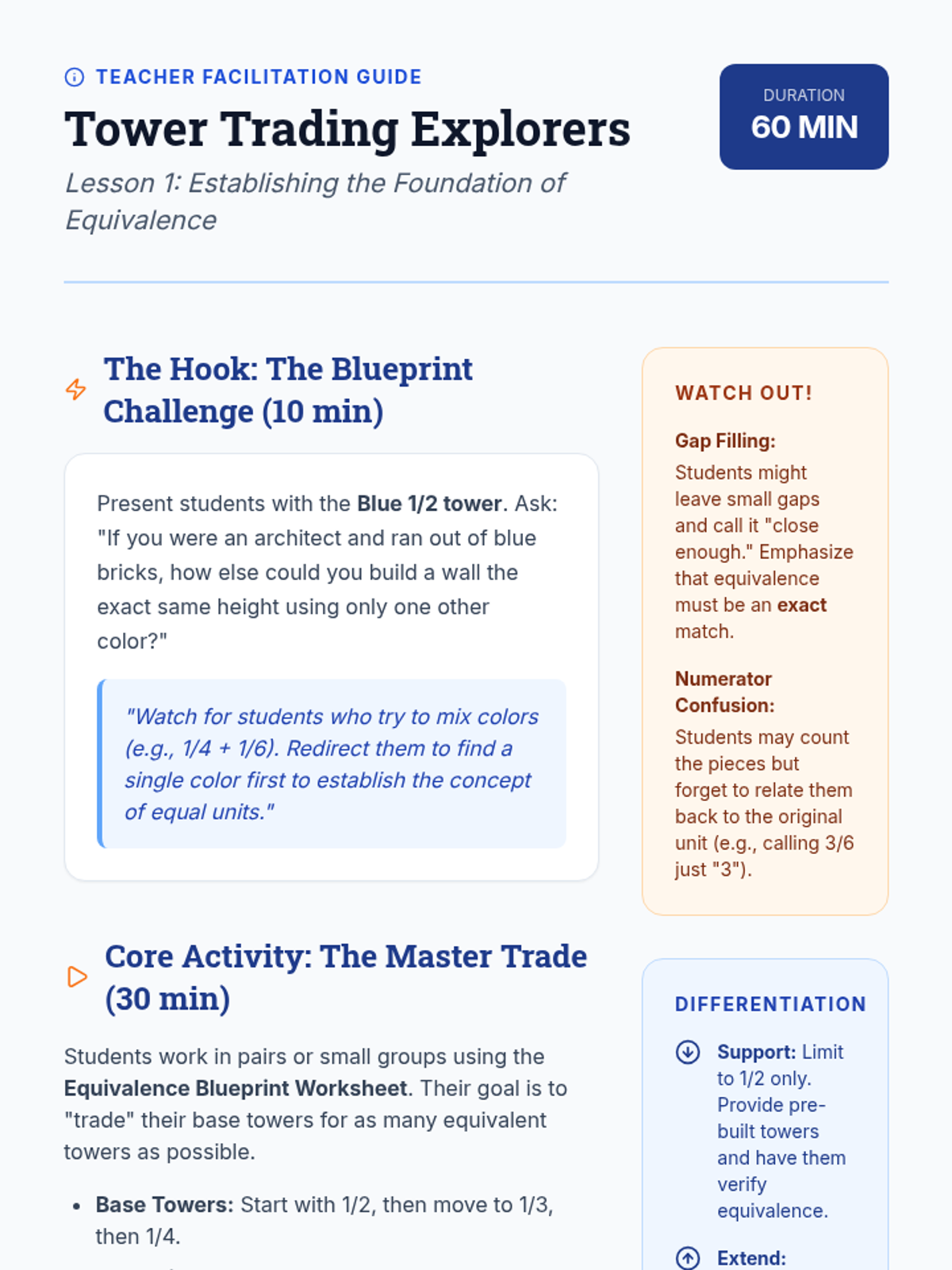
A hands-on sequence designed for students needing academic support to master fraction equivalence and operations through concrete modeling. Students use physical manipulatives like towers, blocks, and overlays to bridge the gap between abstract symbols and conceptual understanding.
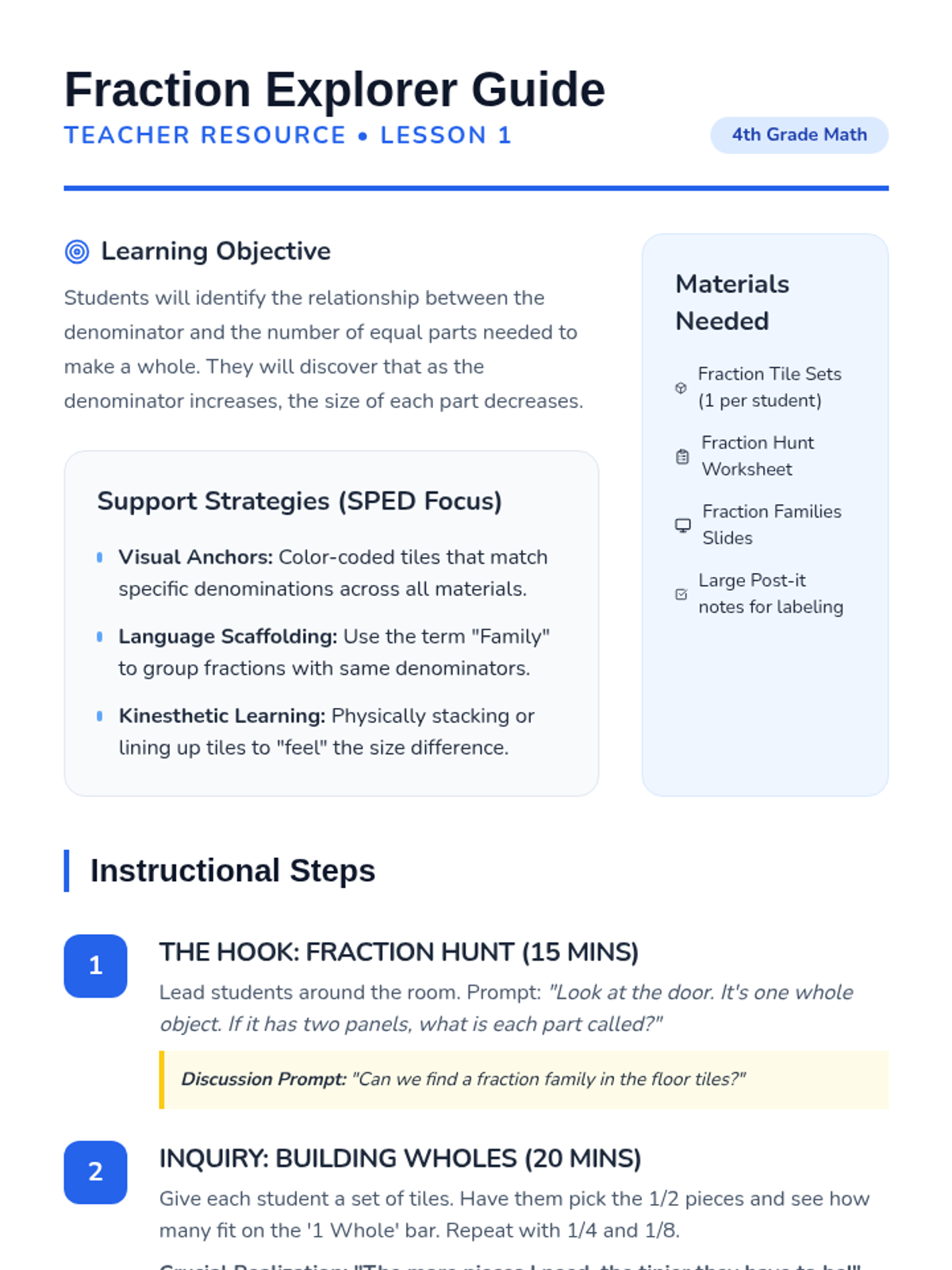
A 5-lesson sequence for 4th-grade students (Special Education support) focused on using manipulatives like fraction strips and tiles to understand equivalence and comparison. The sequence moves from concrete exploration of denominators to abstract placement on a number line, culminating in a student-created reference guide.
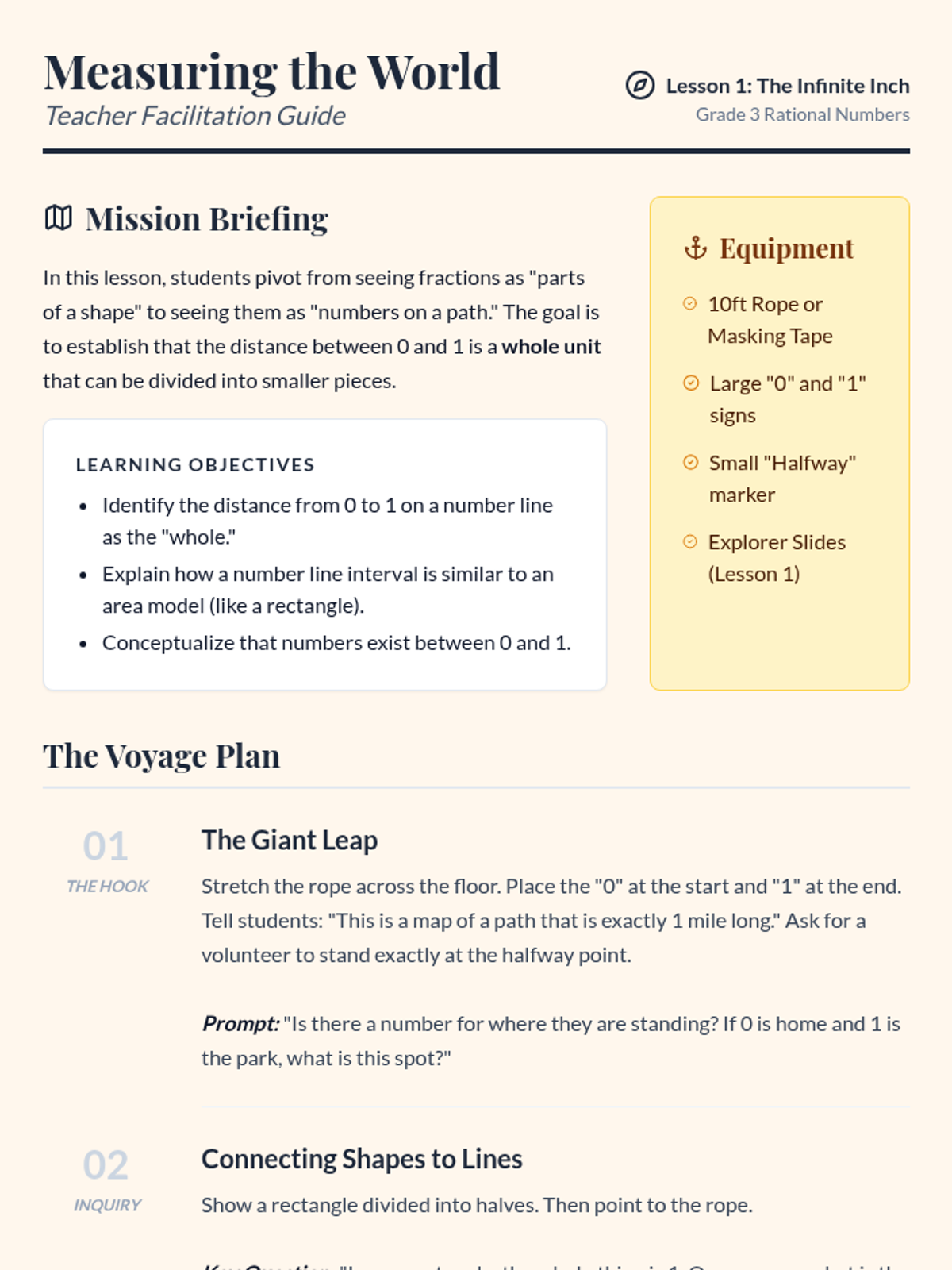
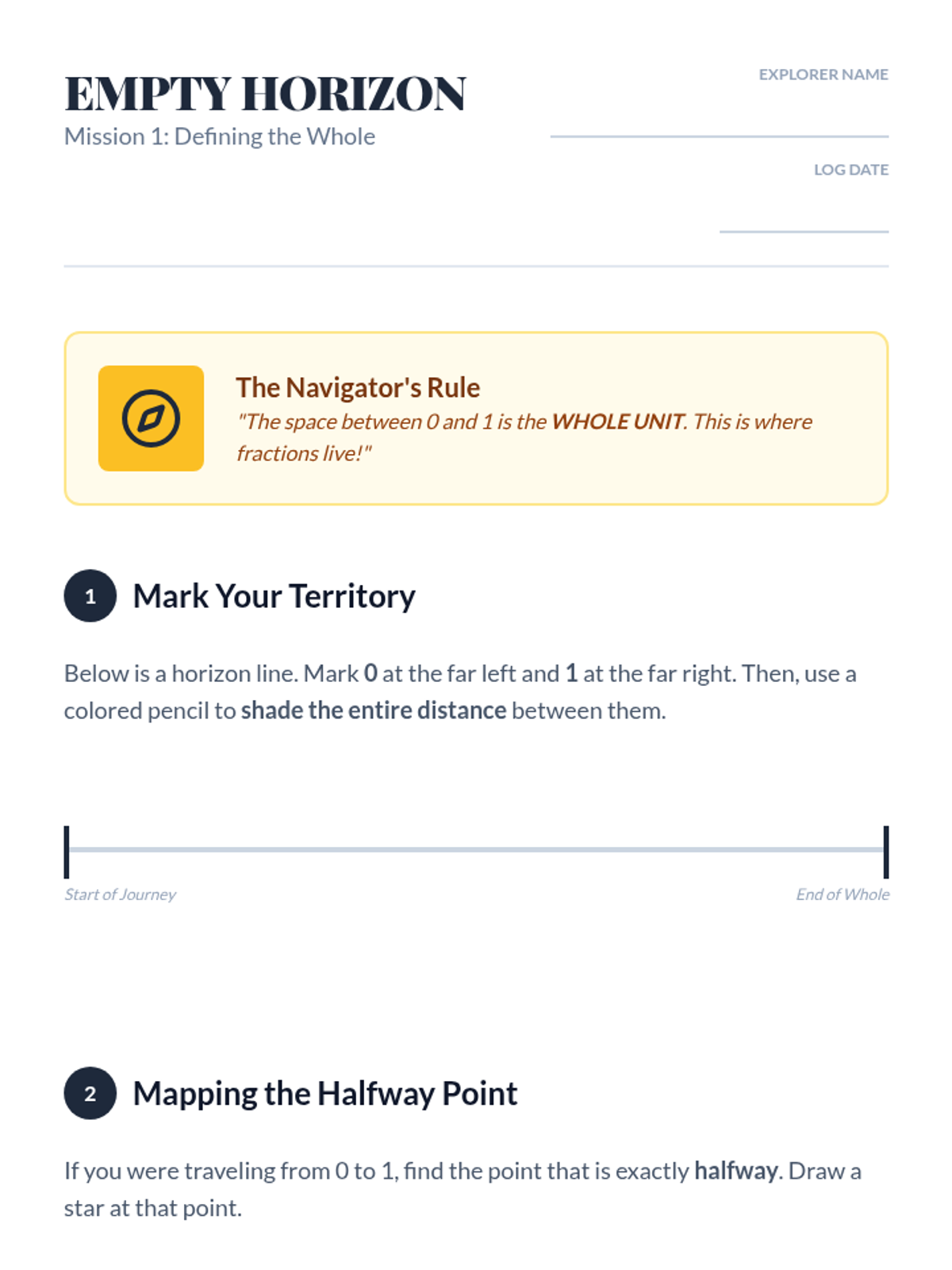
A comprehensive journey from area models to linear representations of fractions. Students explore the interval between whole numbers, partition number lines into equal segments, and locate fractions as distances from zero, extending their understanding to values greater than one.
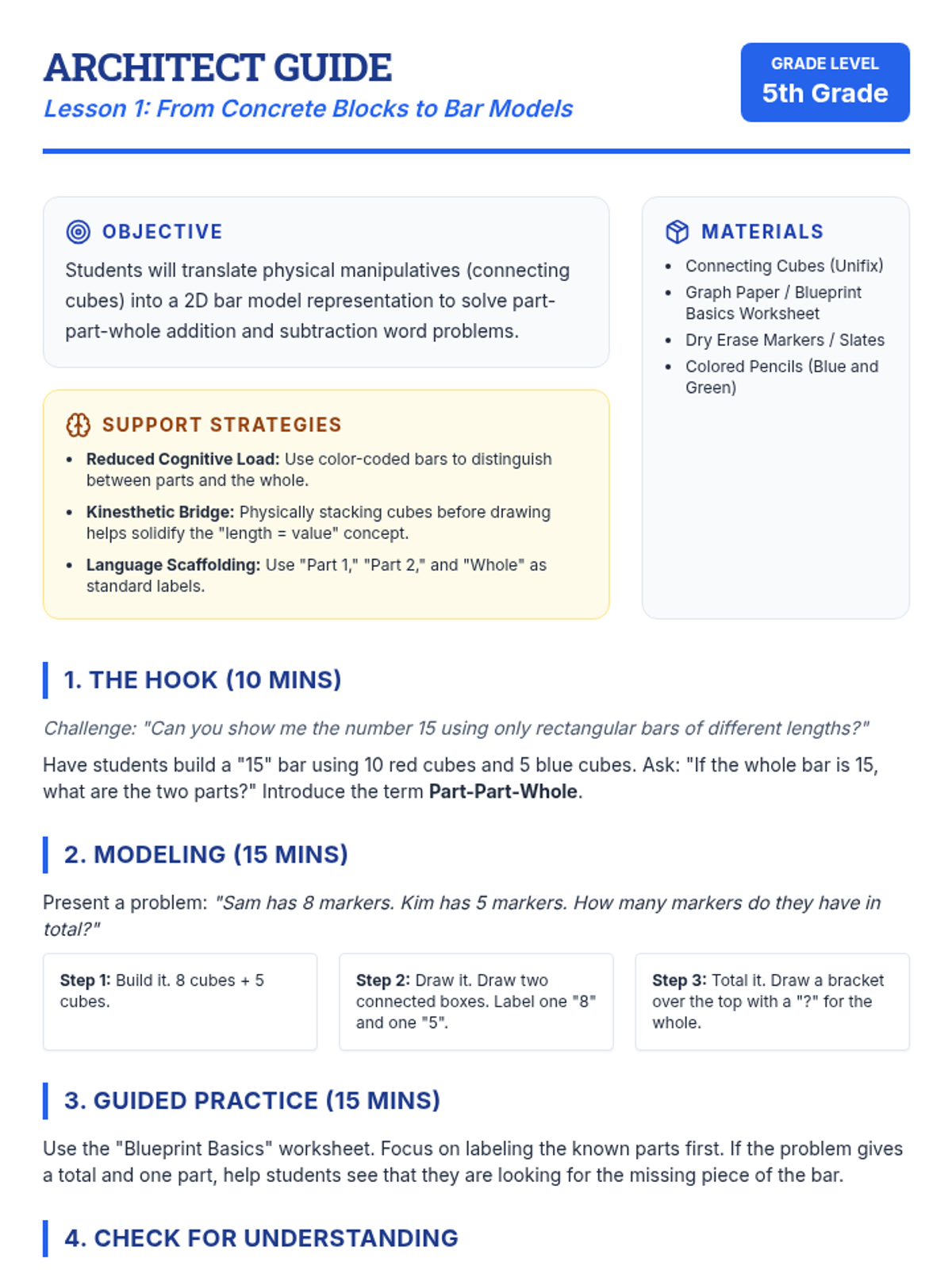
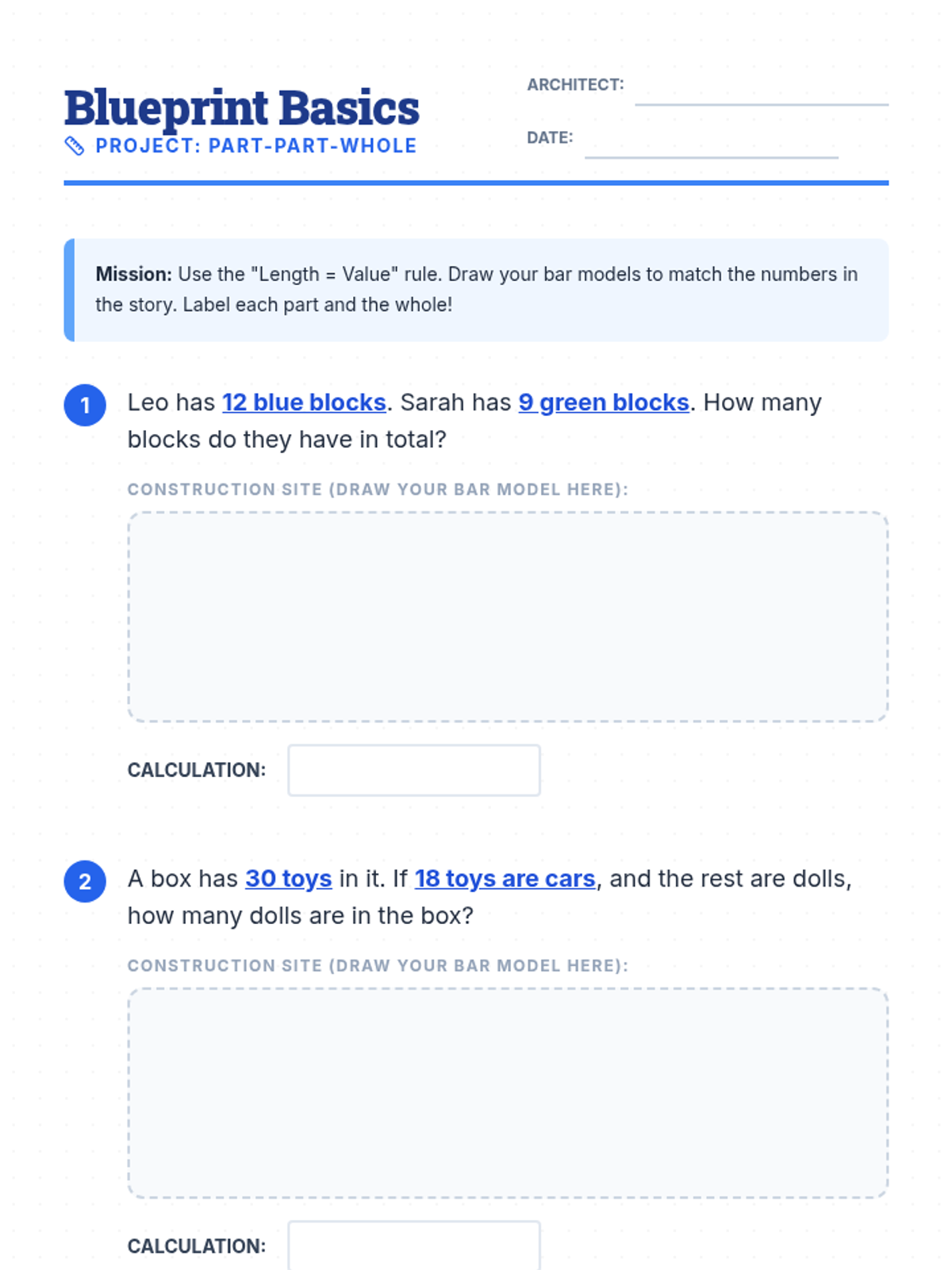
A sequence focused on using bar models to visualize and solve complex math problems, specifically designed for students needing academic support in executive functioning and working memory. Students progress from concrete block representations to abstract multi-step problem decomposition.
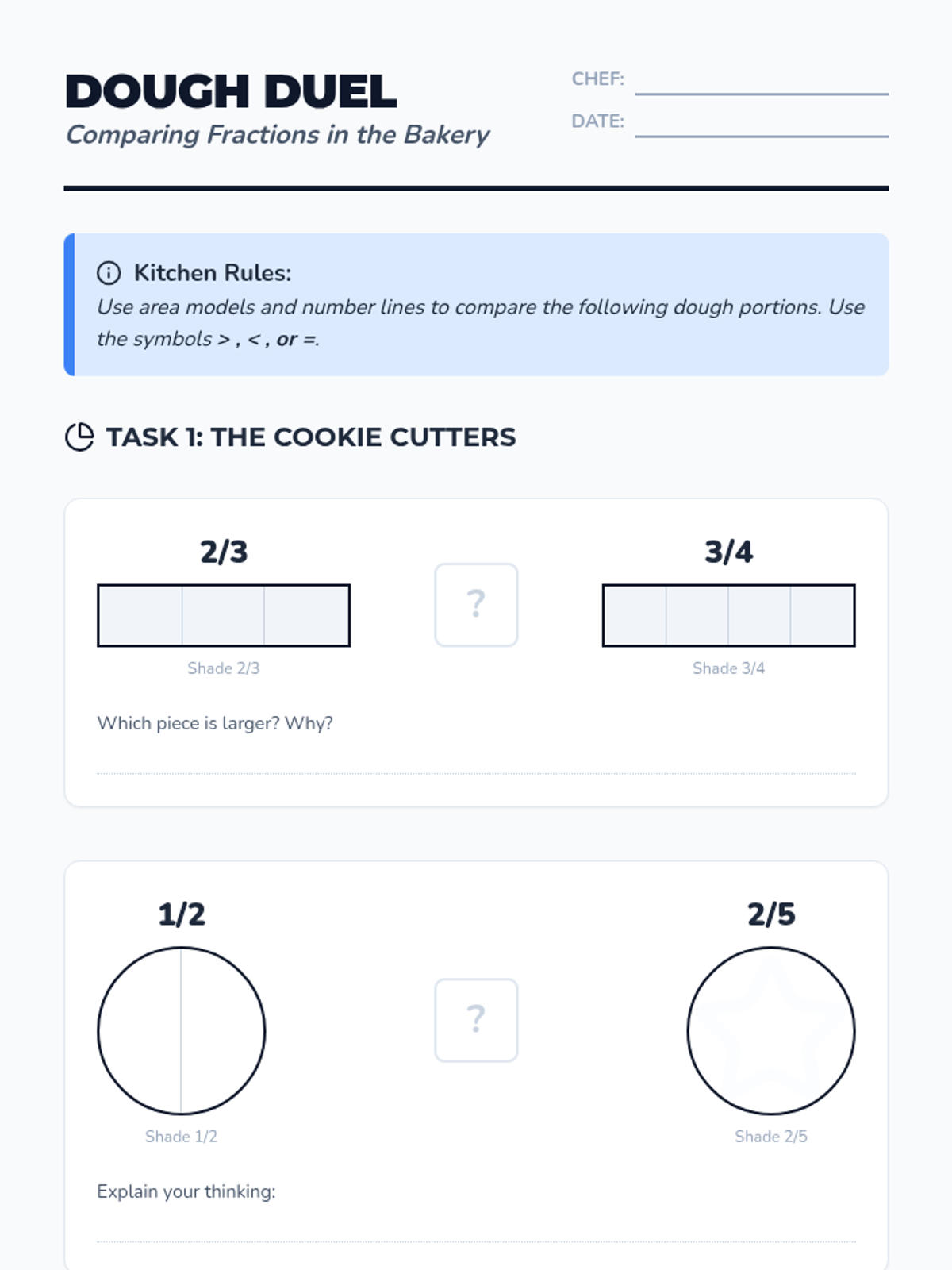
A series of fraction lessons set in a bakery theme, covering equivalence, comparison, and basic operations.
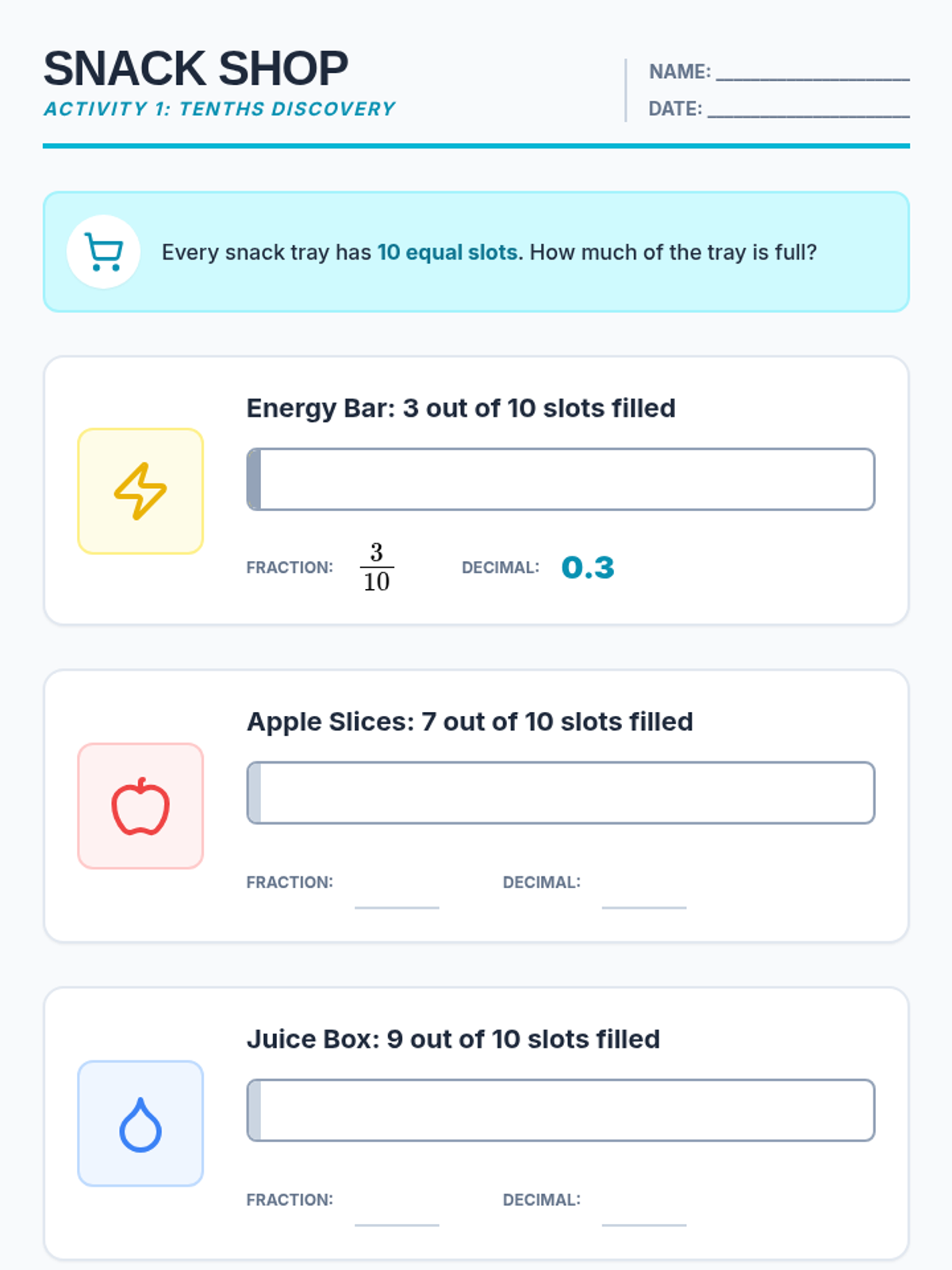
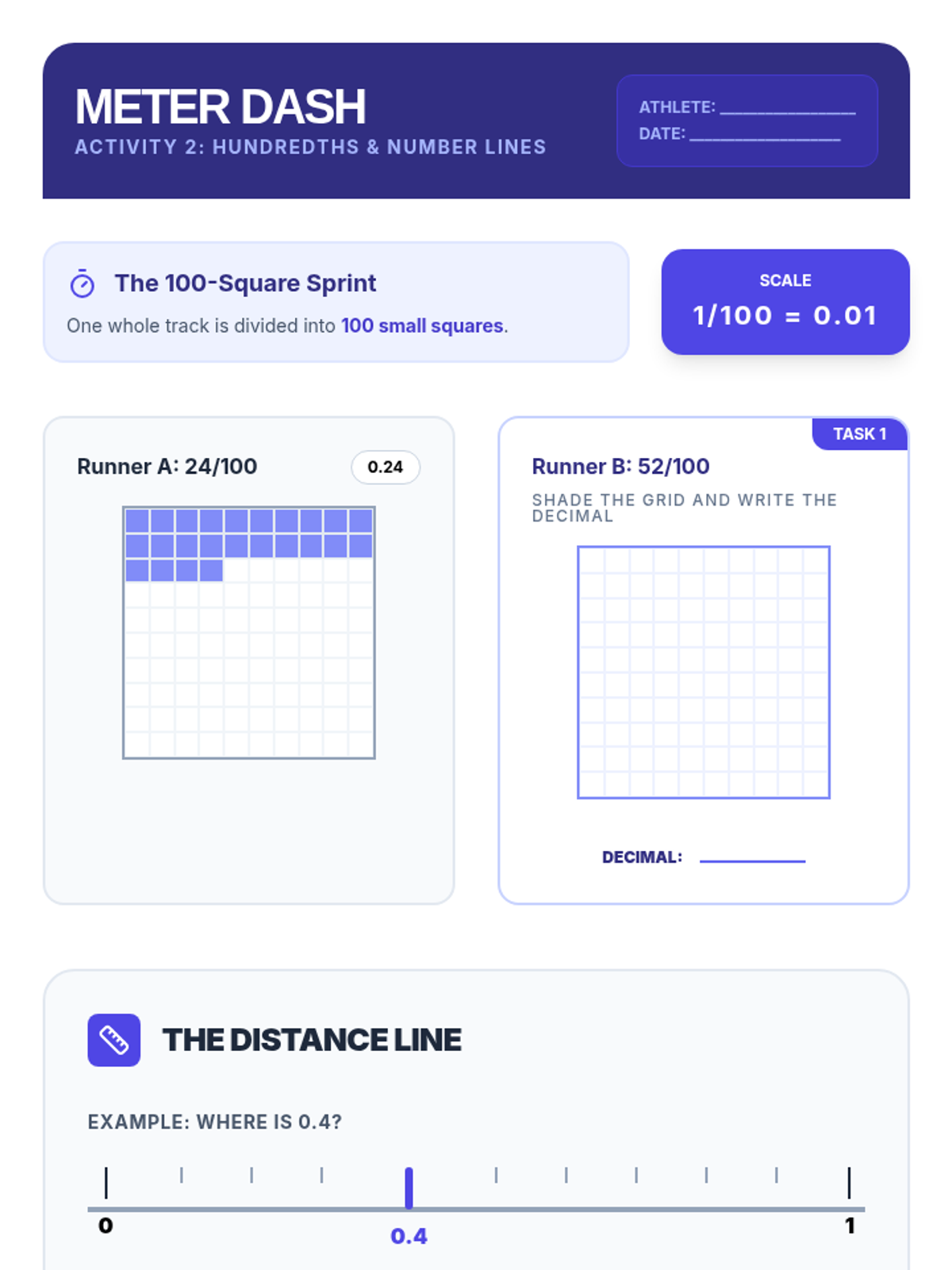
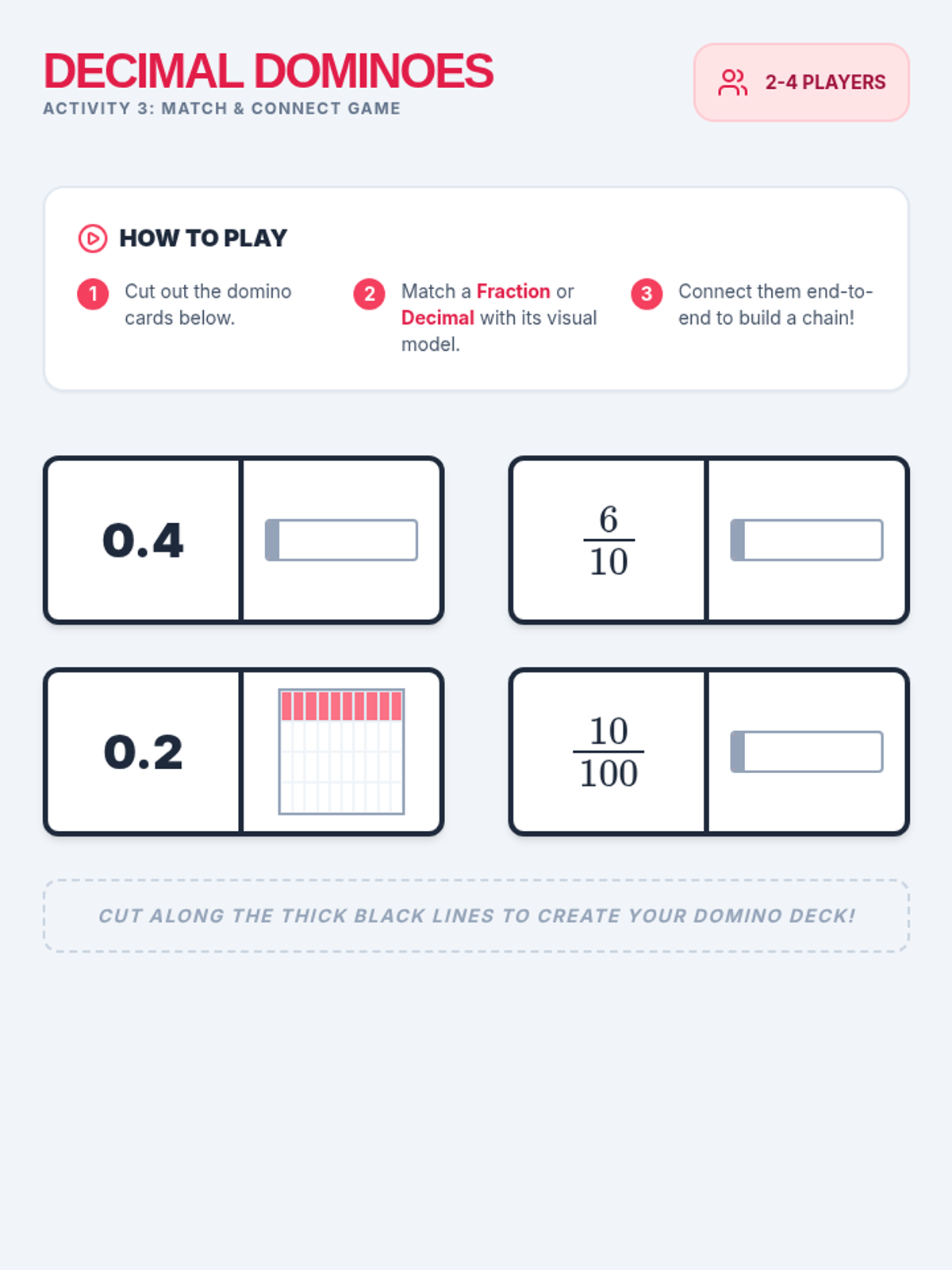
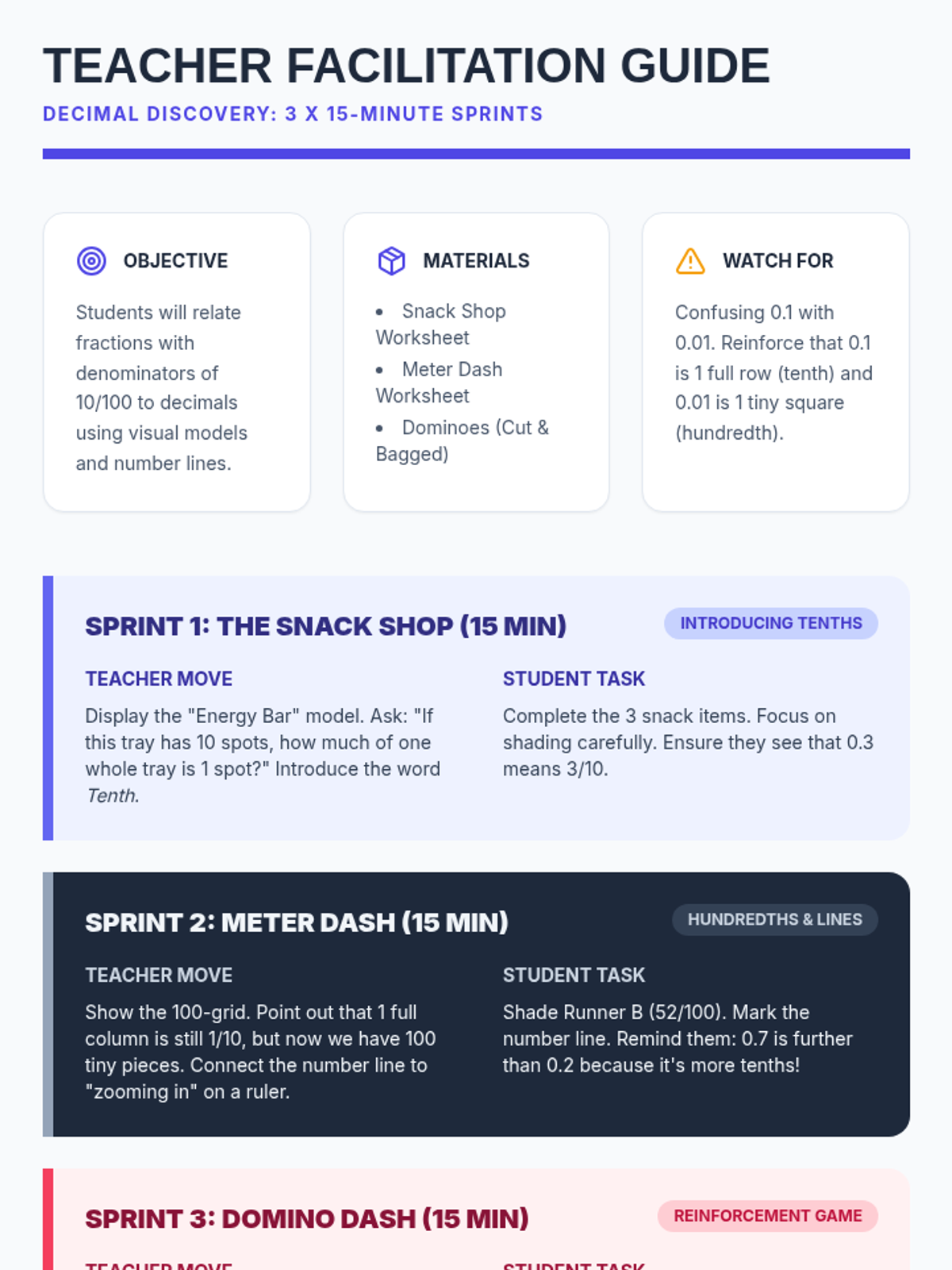
A series of three high-visual, low-text activities introducing decimals through fractions and number lines. Students explore tenths and hundredths using real-world snack shop and track and field scenarios, concluding with a matching game.
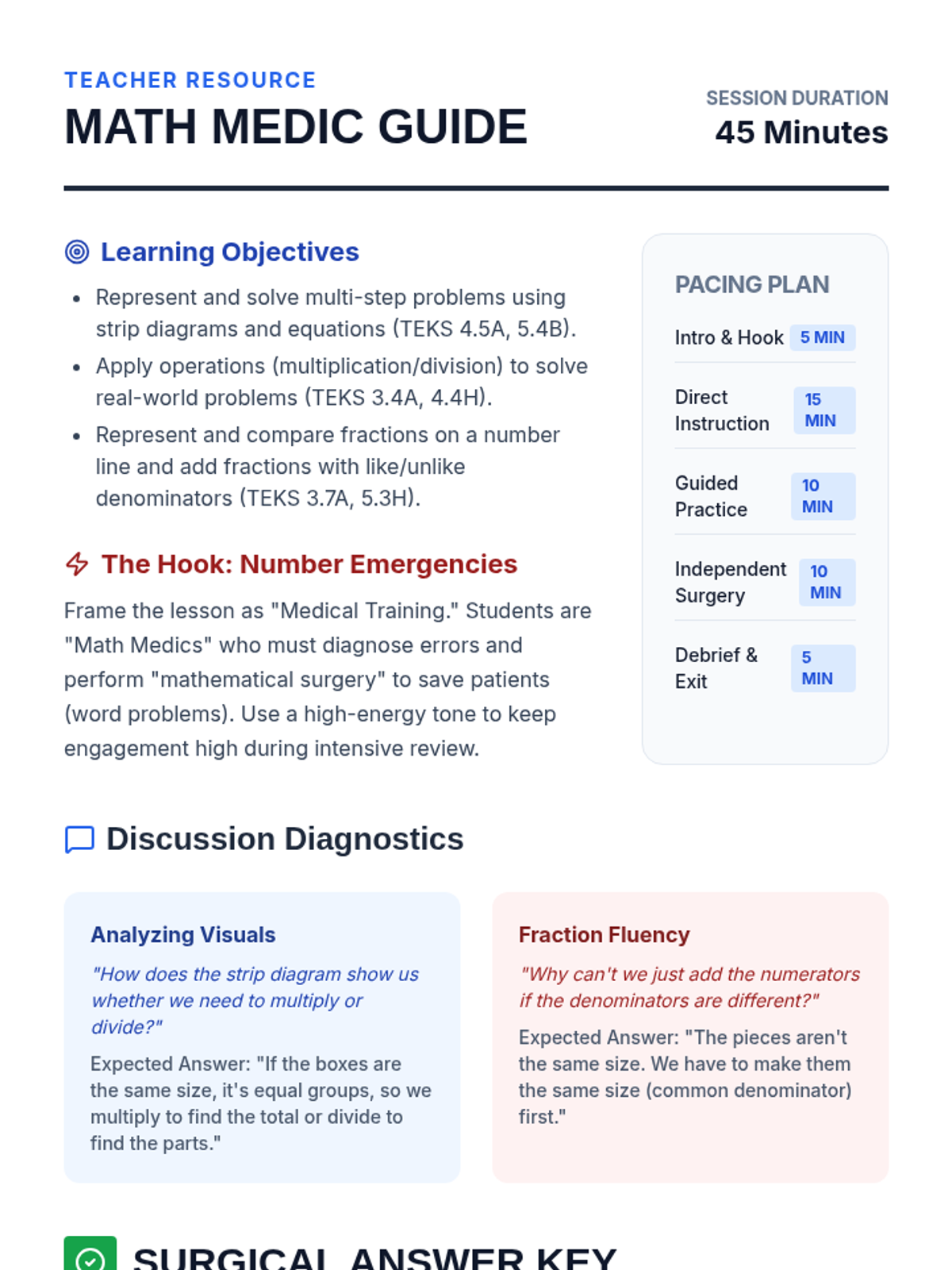
A series of targeted math review sessions designed to prepare students for STAAR-style assessments by focusing on high-priority TEKS standards across grades 3-5.
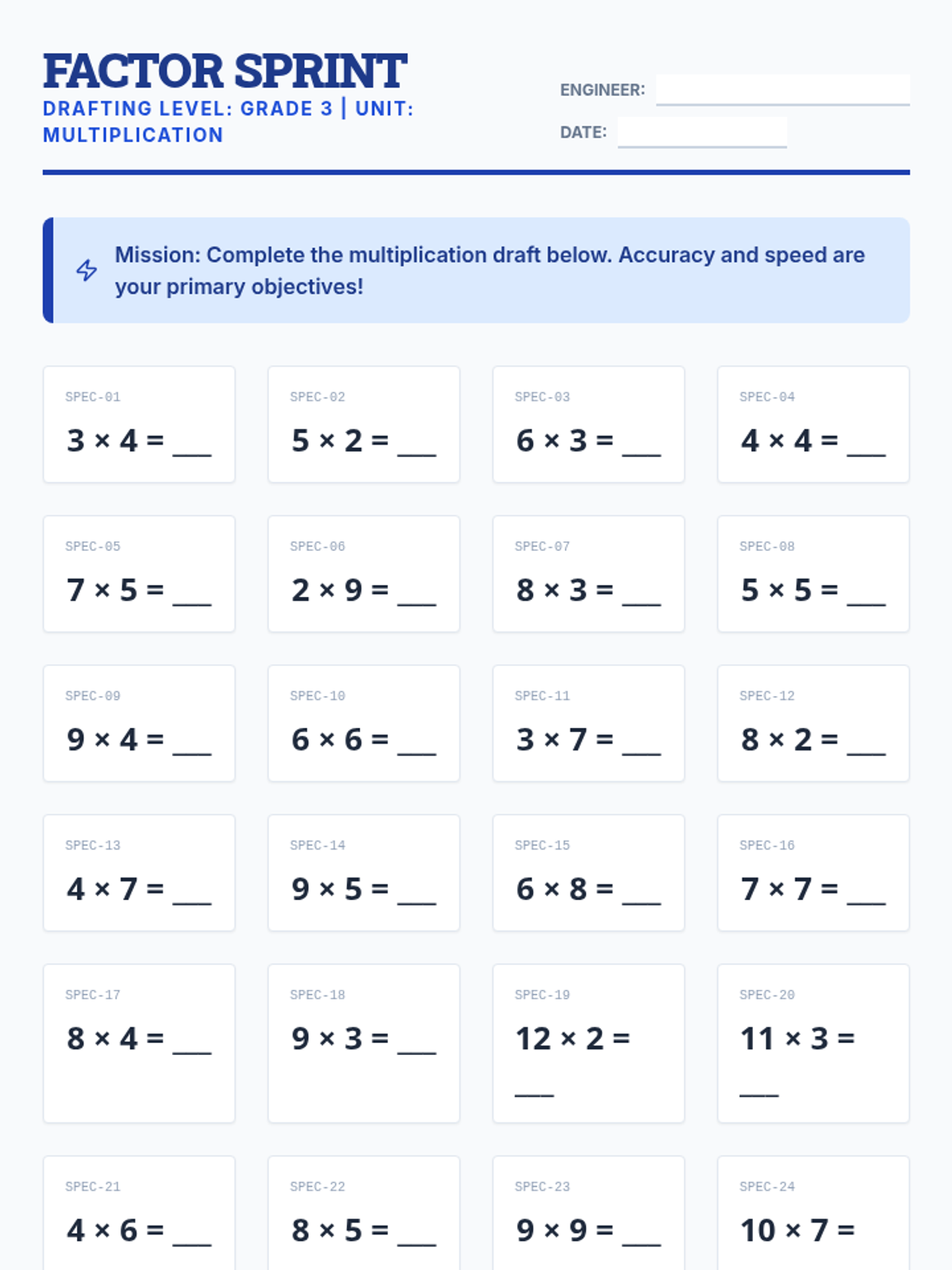
A diverse collection of high-quality math resources spanning grades 2 through 5, focusing on core arithmetic, fractions, and place value concepts.
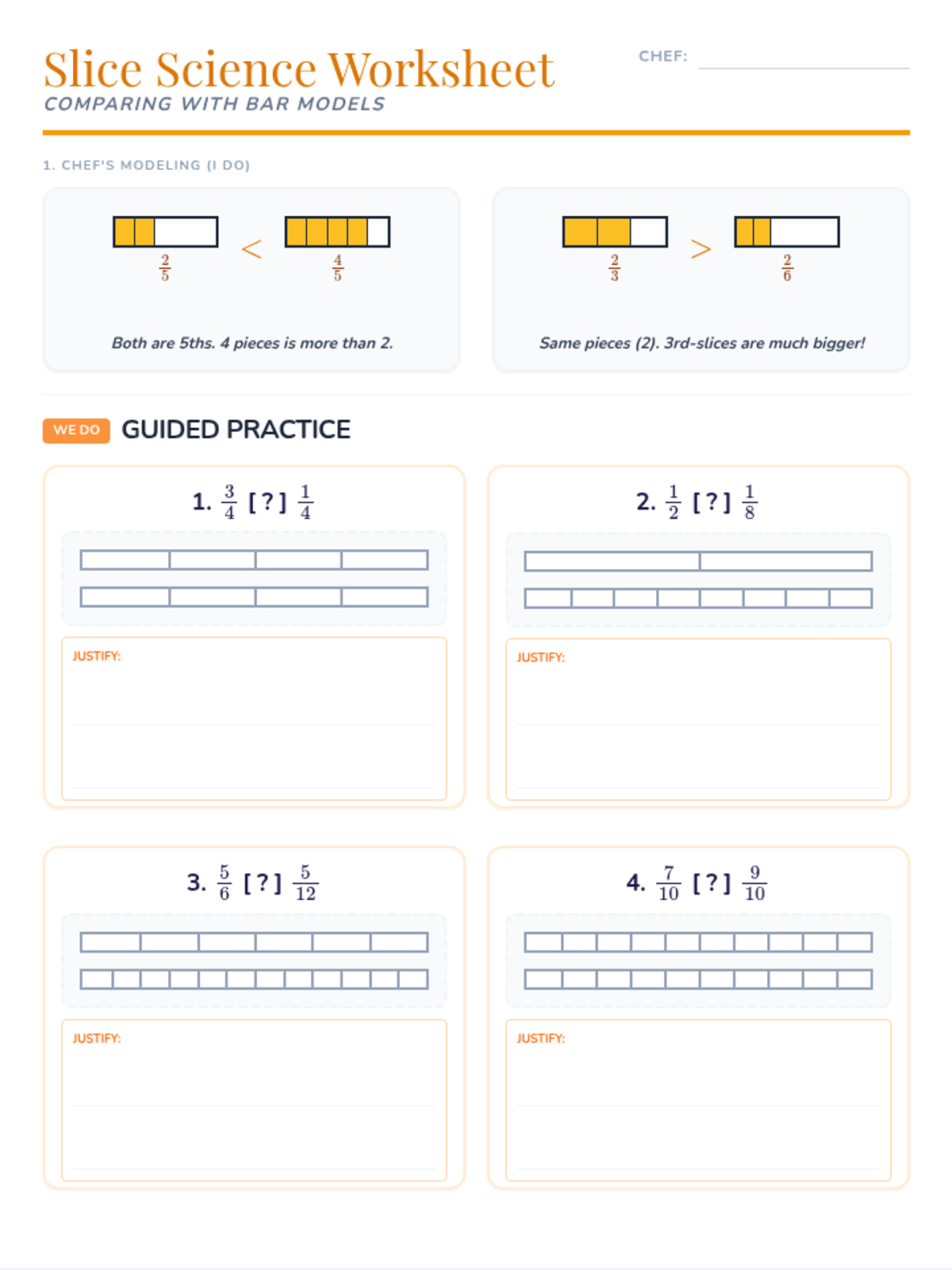
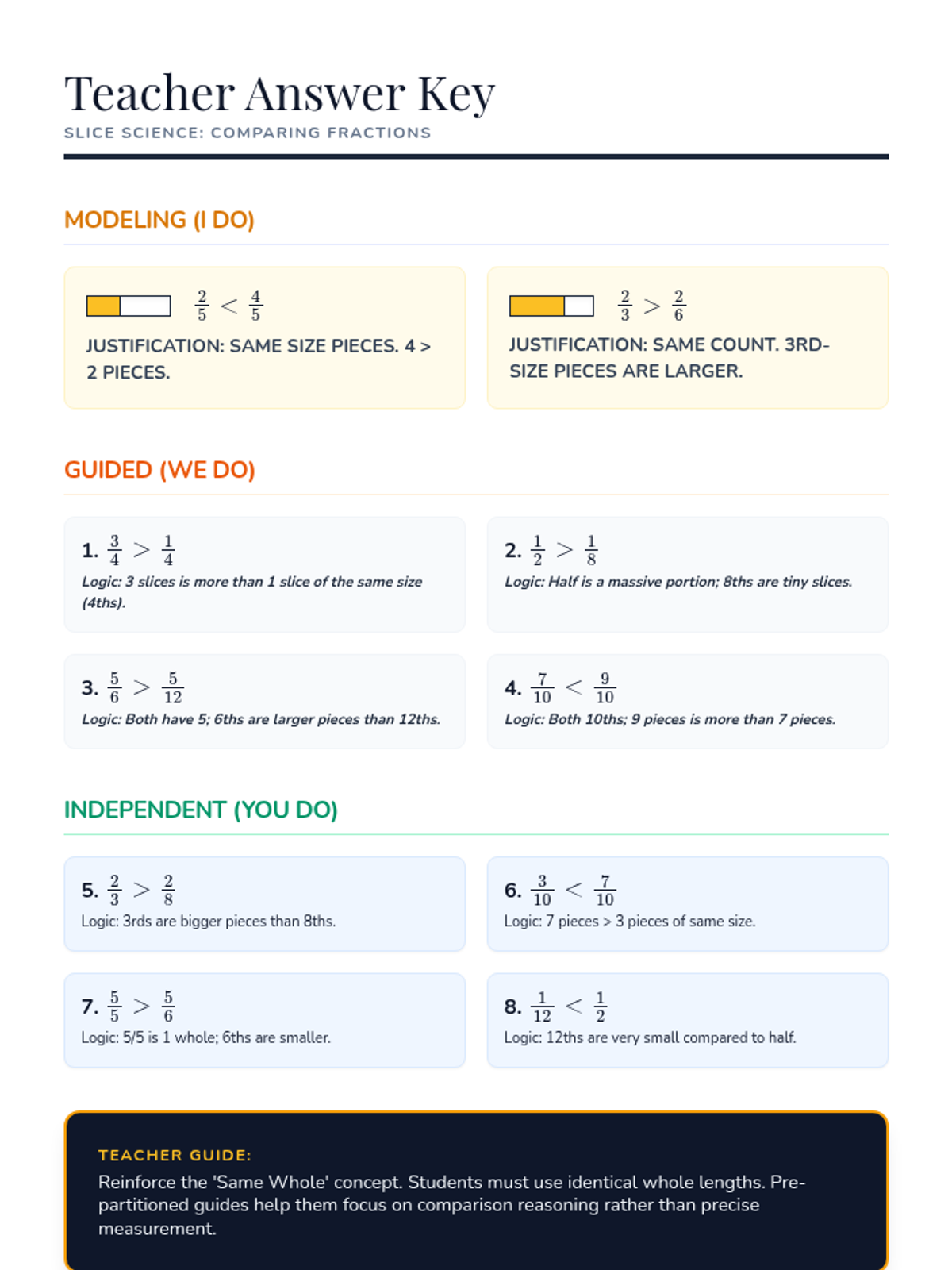
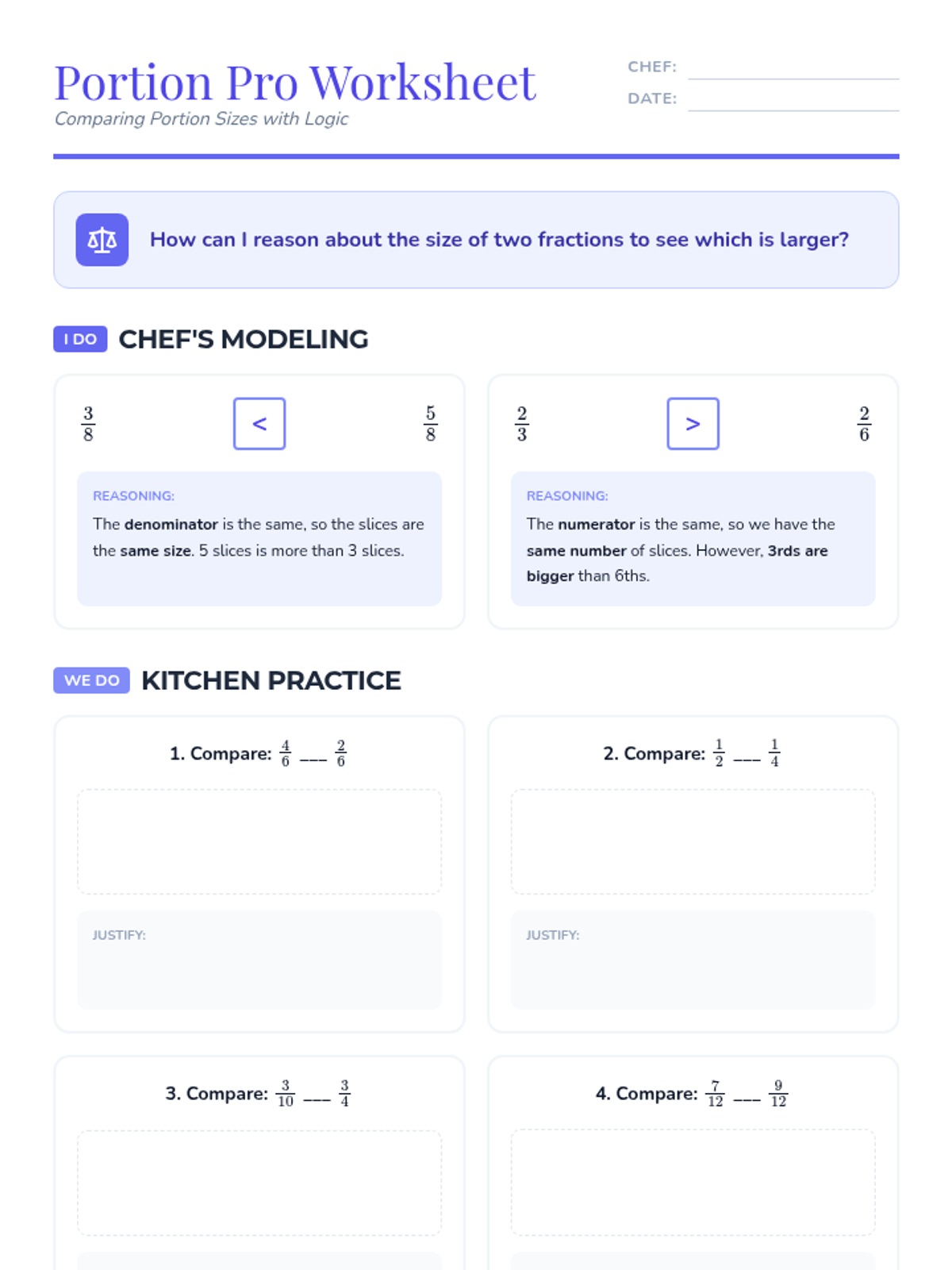
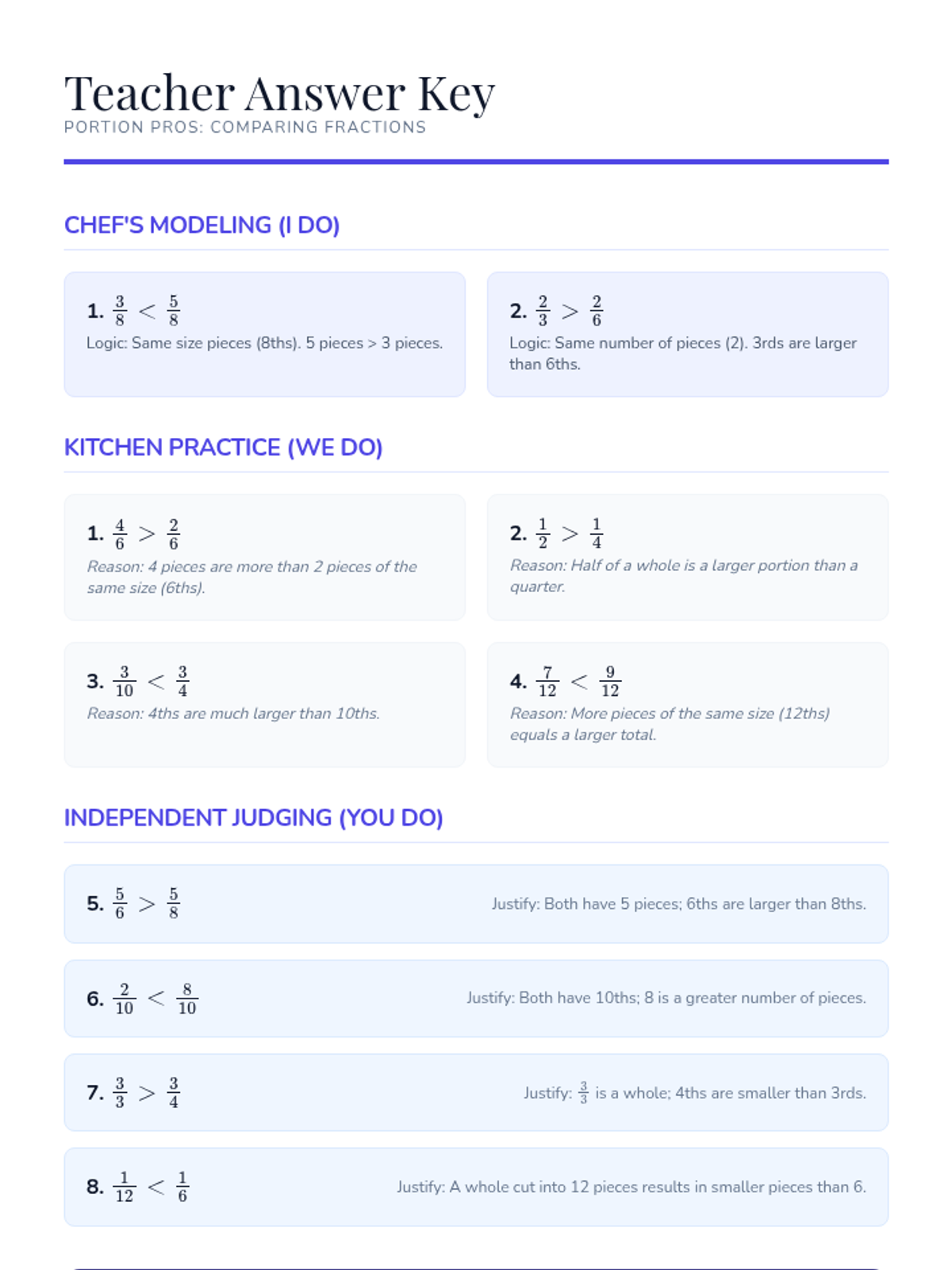
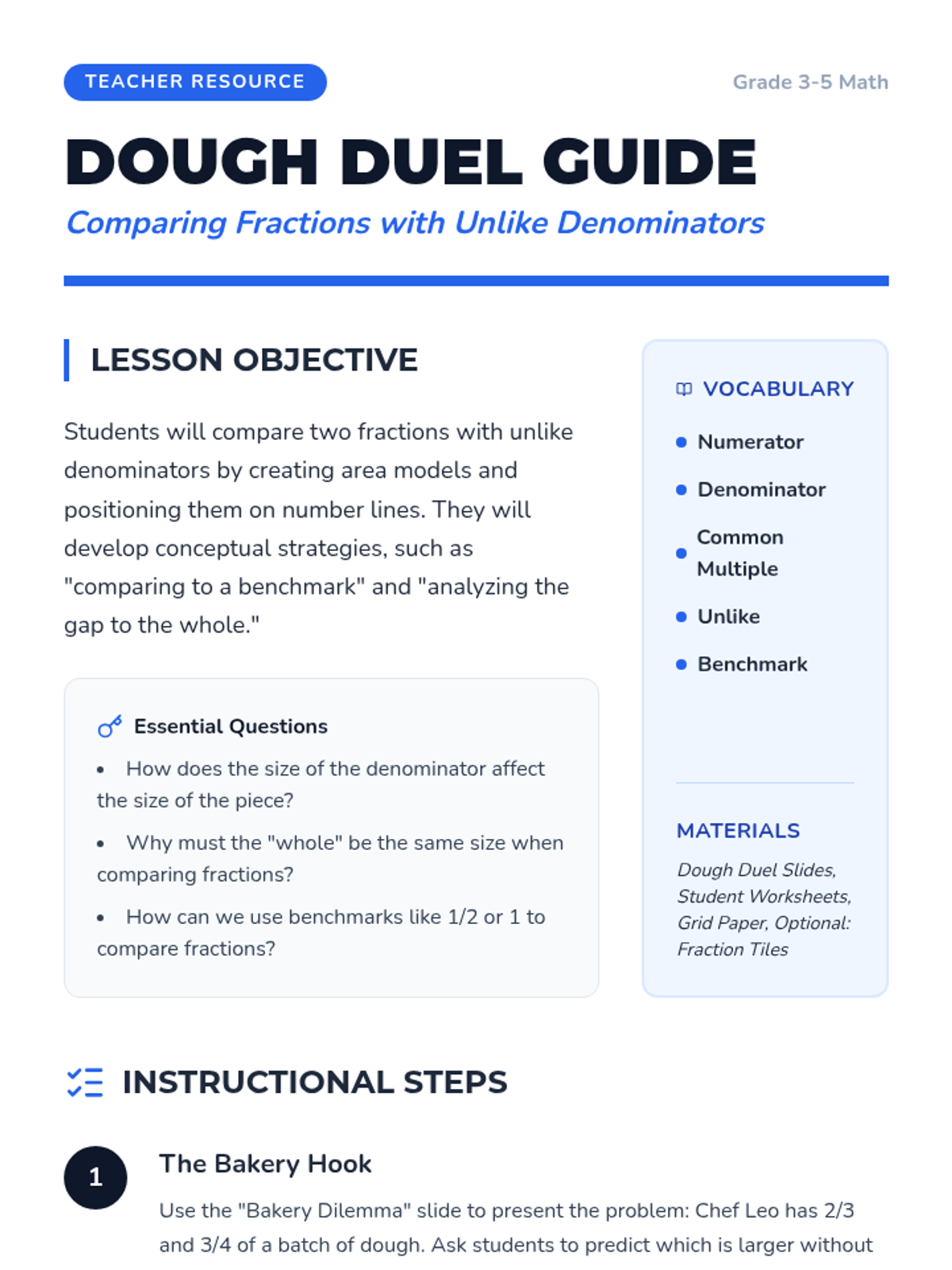
A comprehensive math sequence for grades 3-5 focused on comparing and ordering fractions with unlike denominators through visual models, number lines, and hands-on bakery-themed activities.
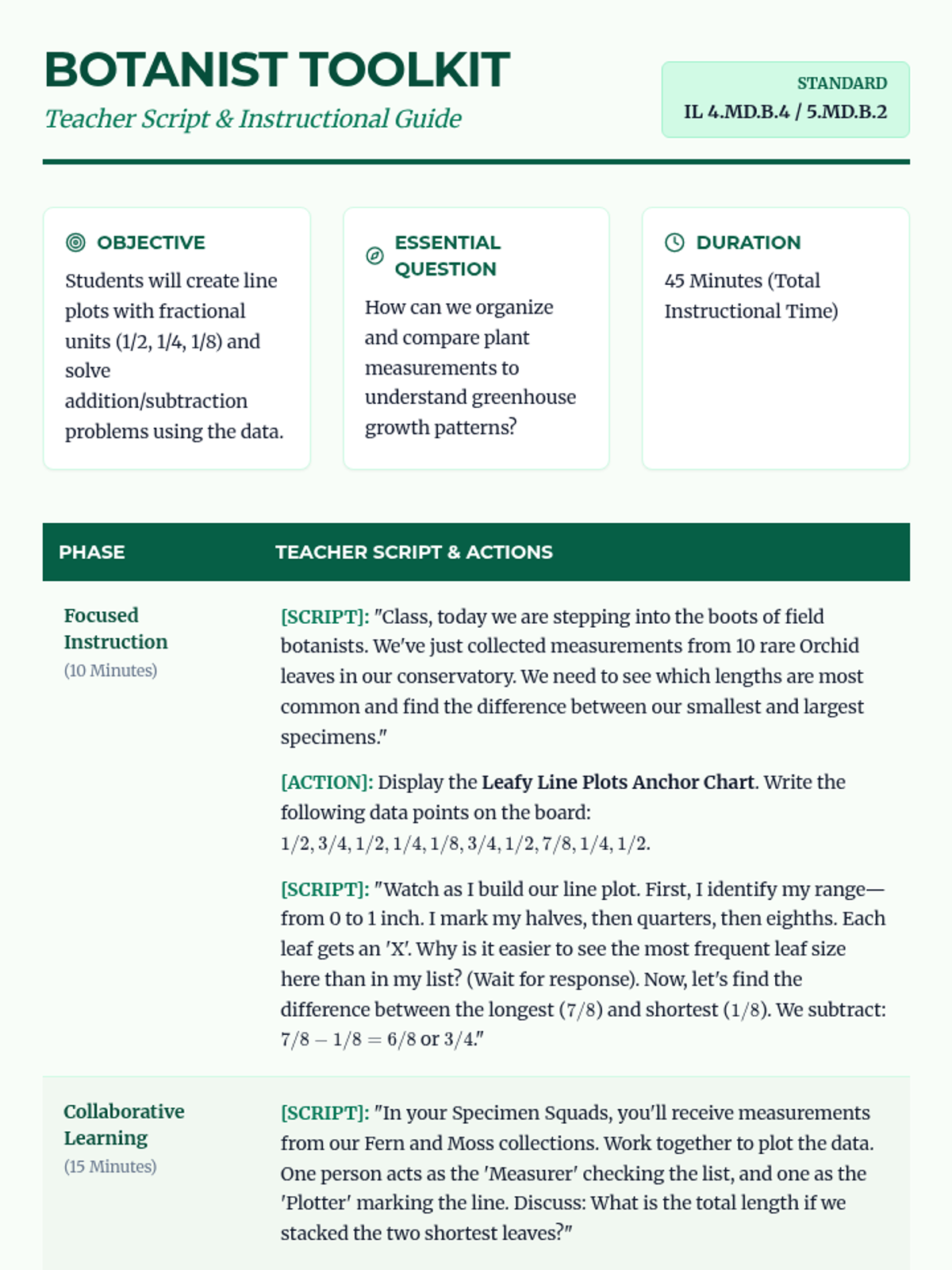
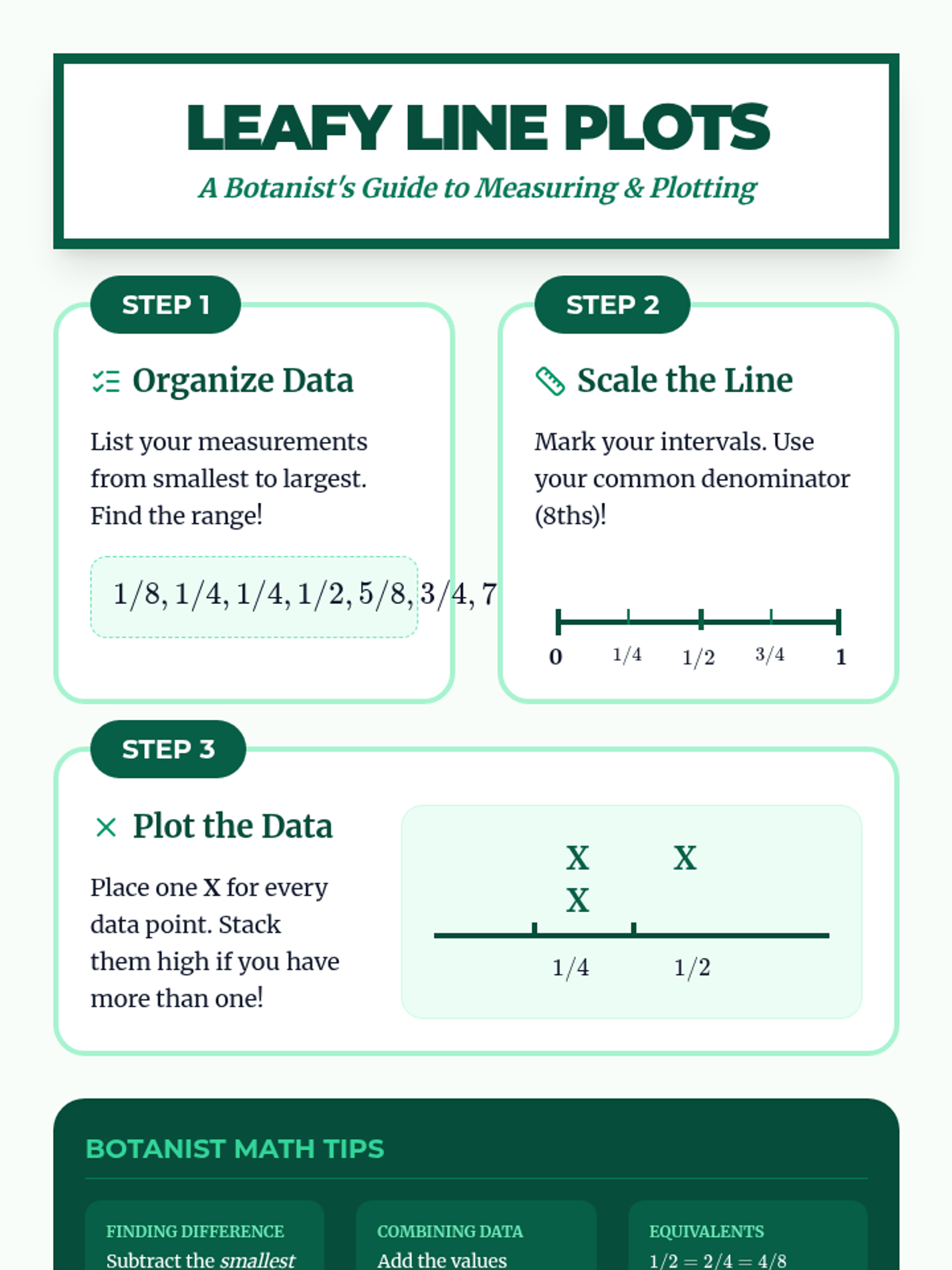
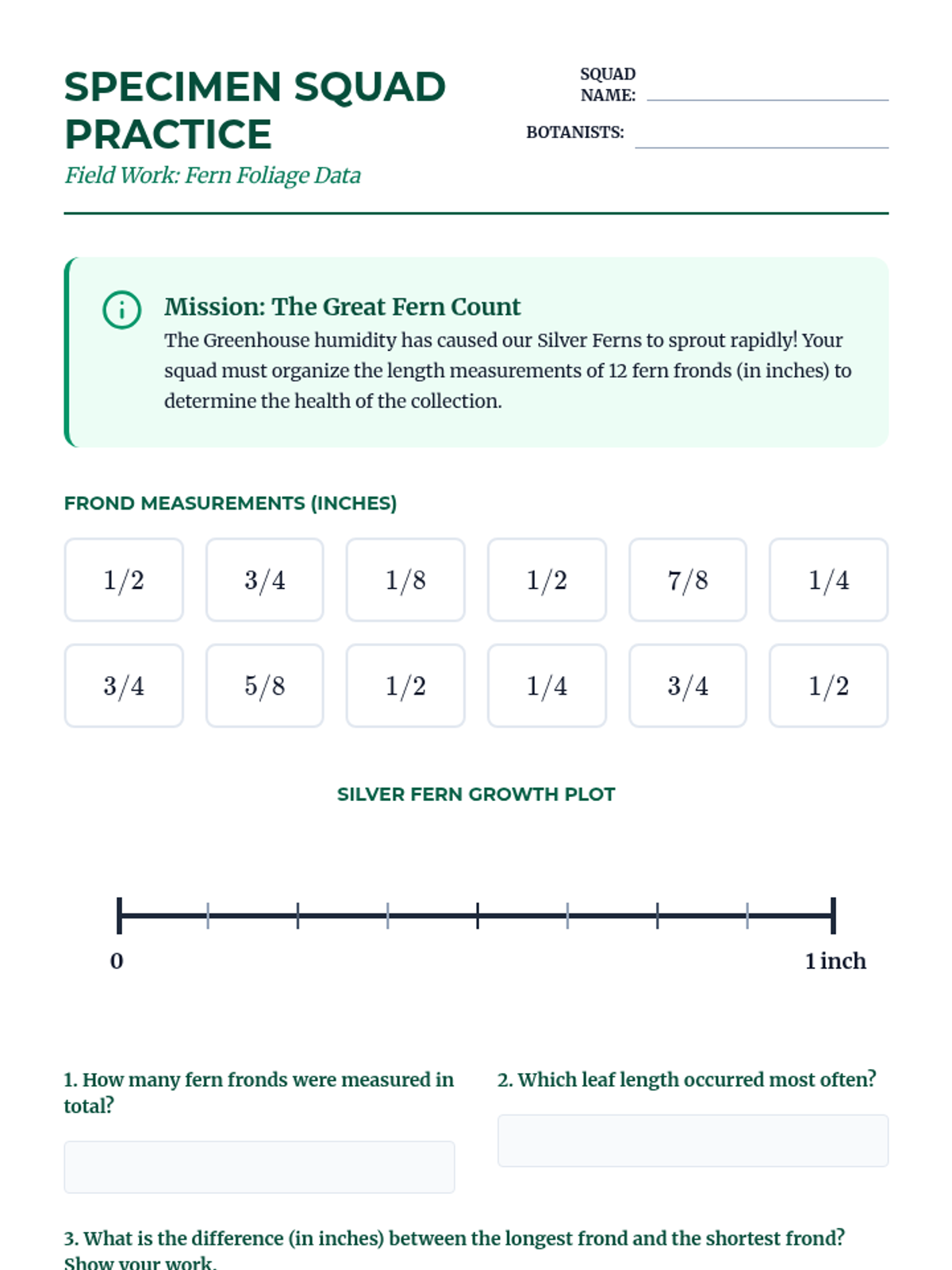
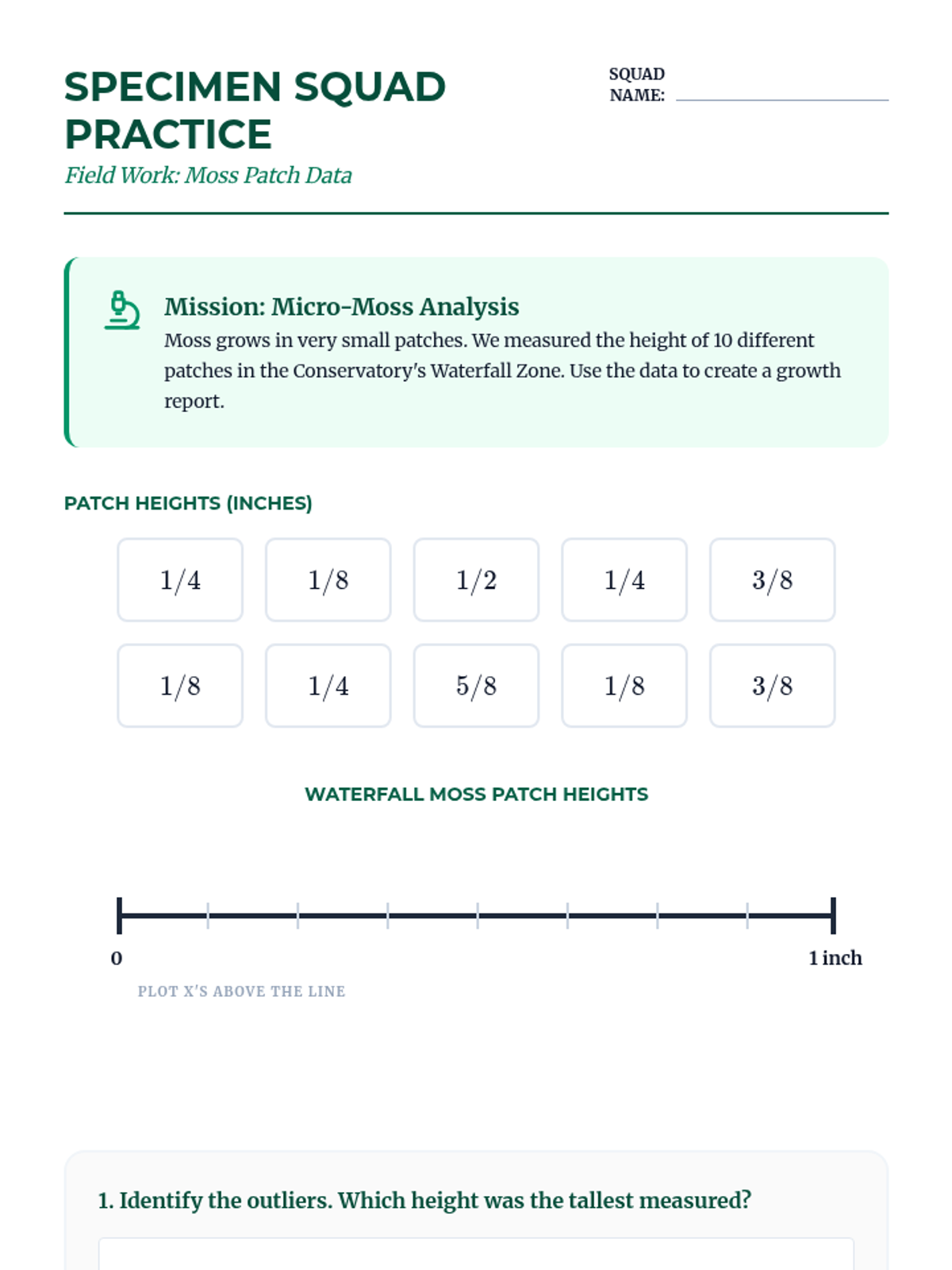
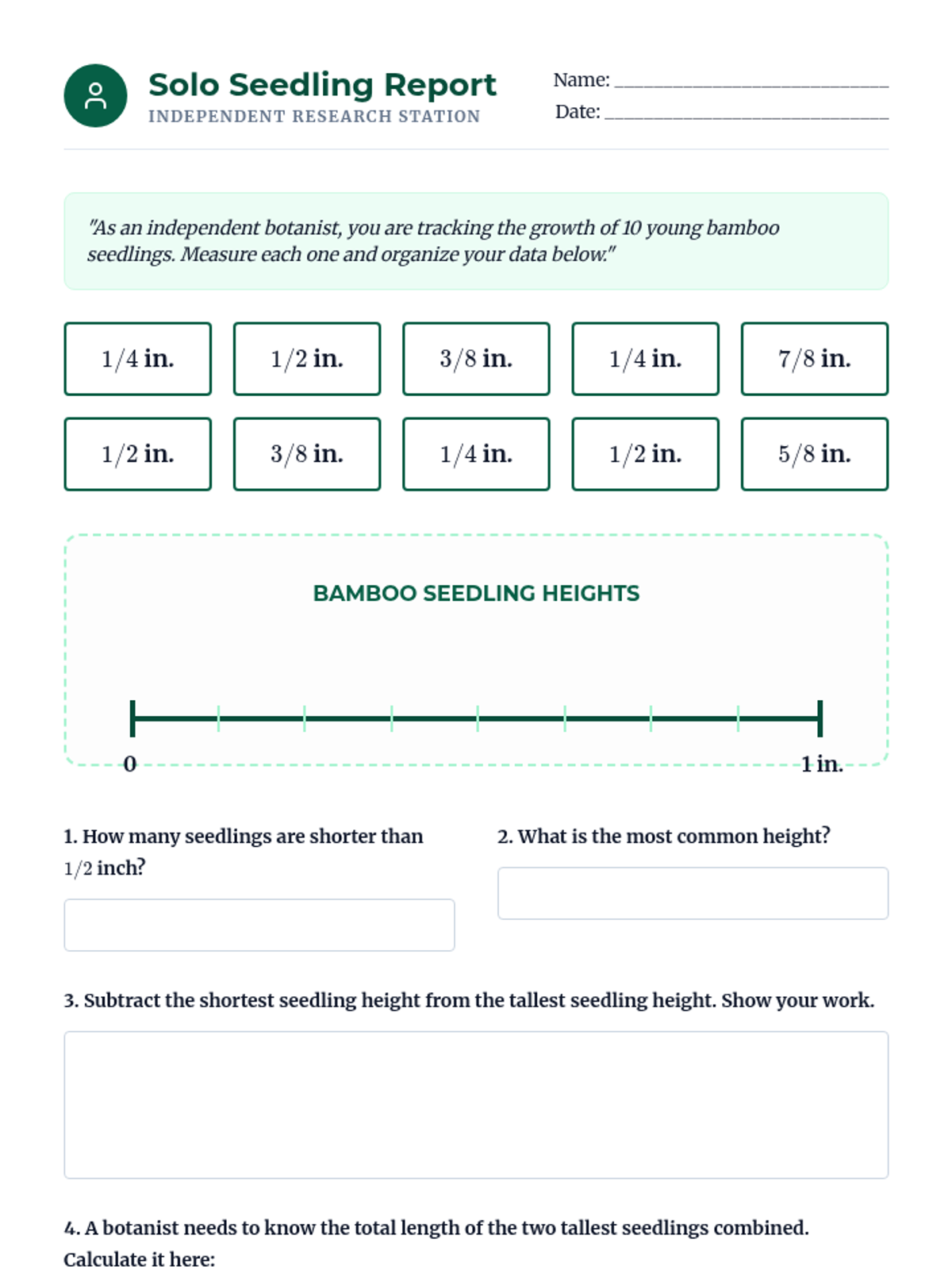
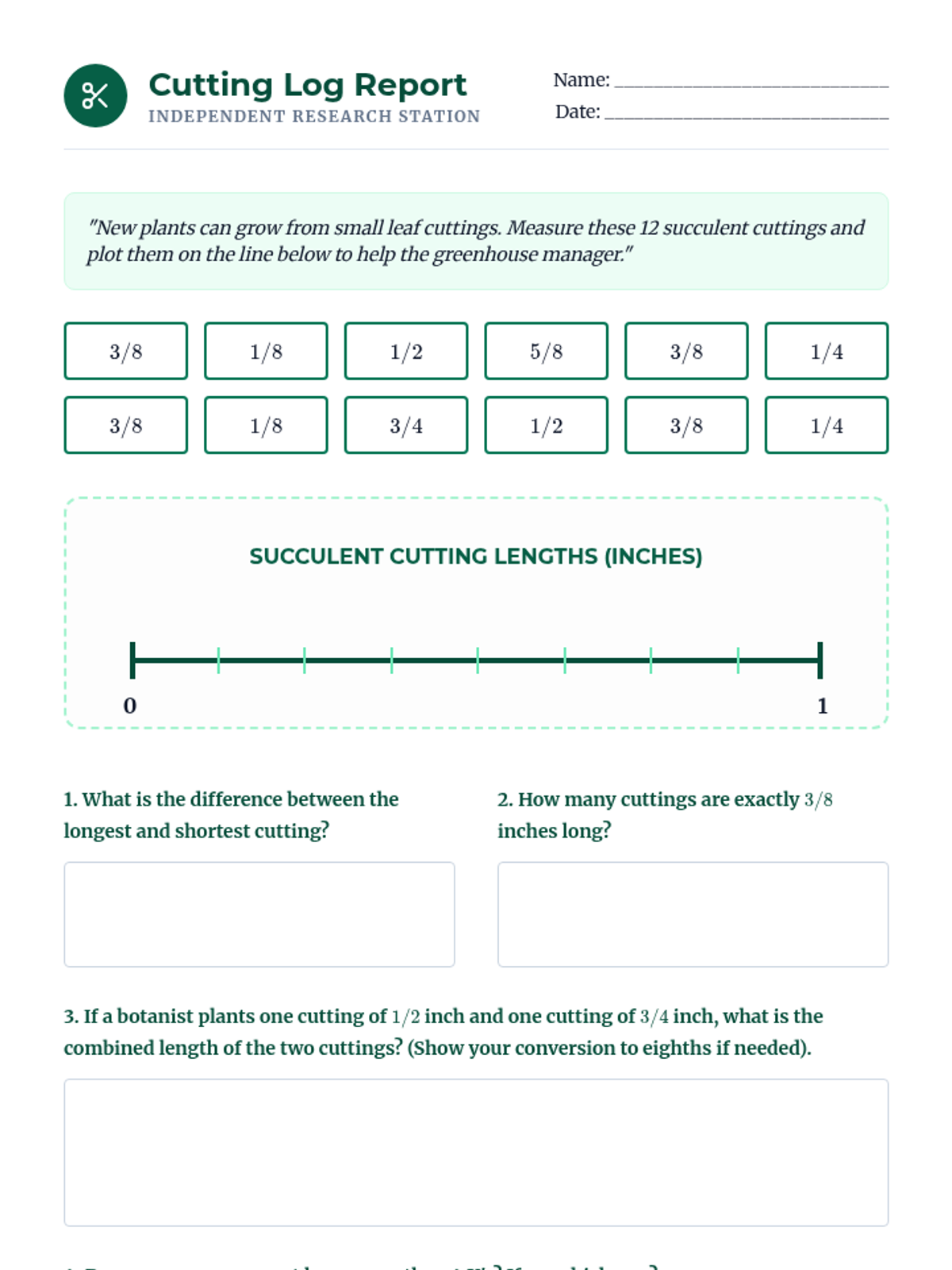
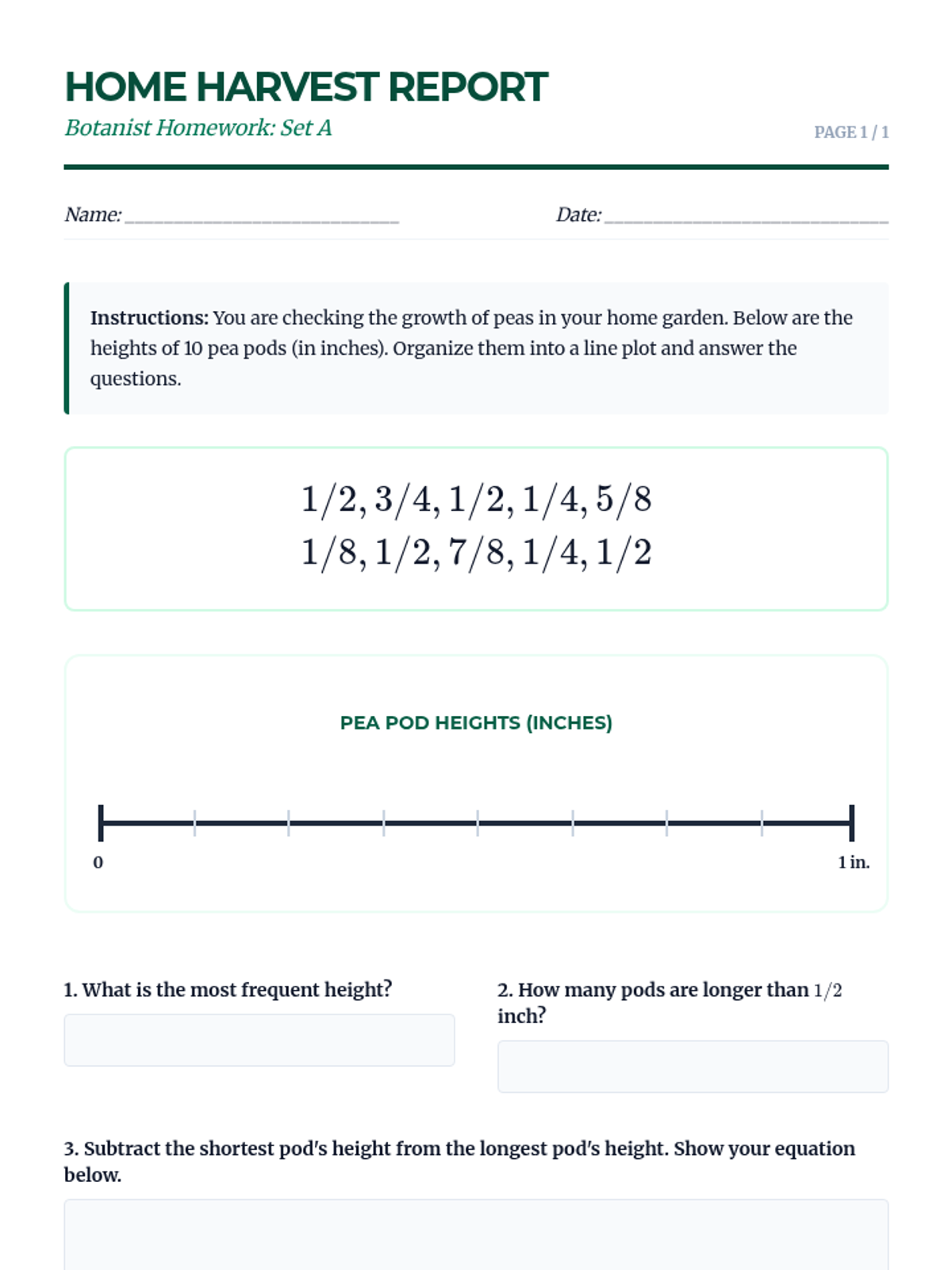
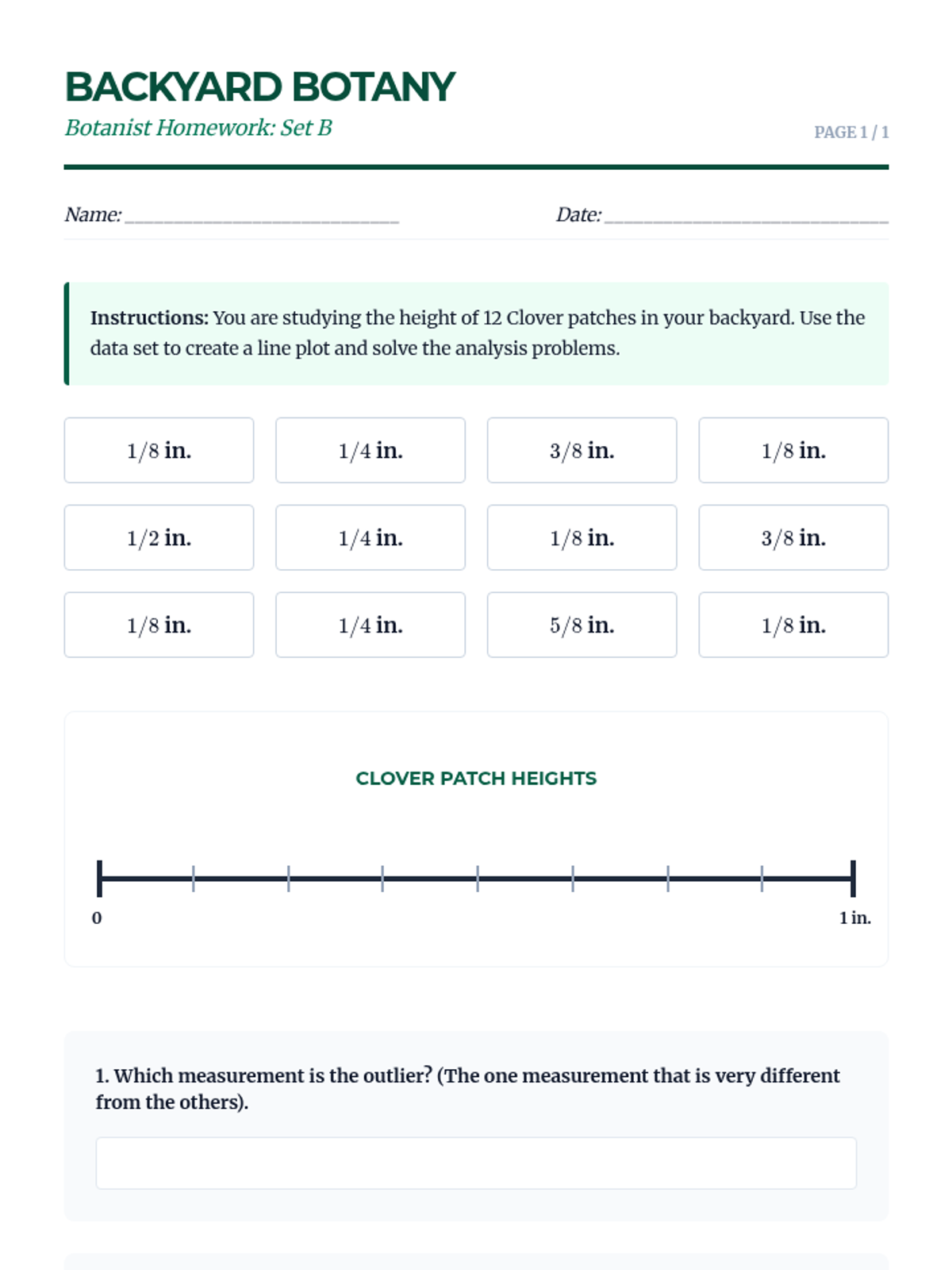
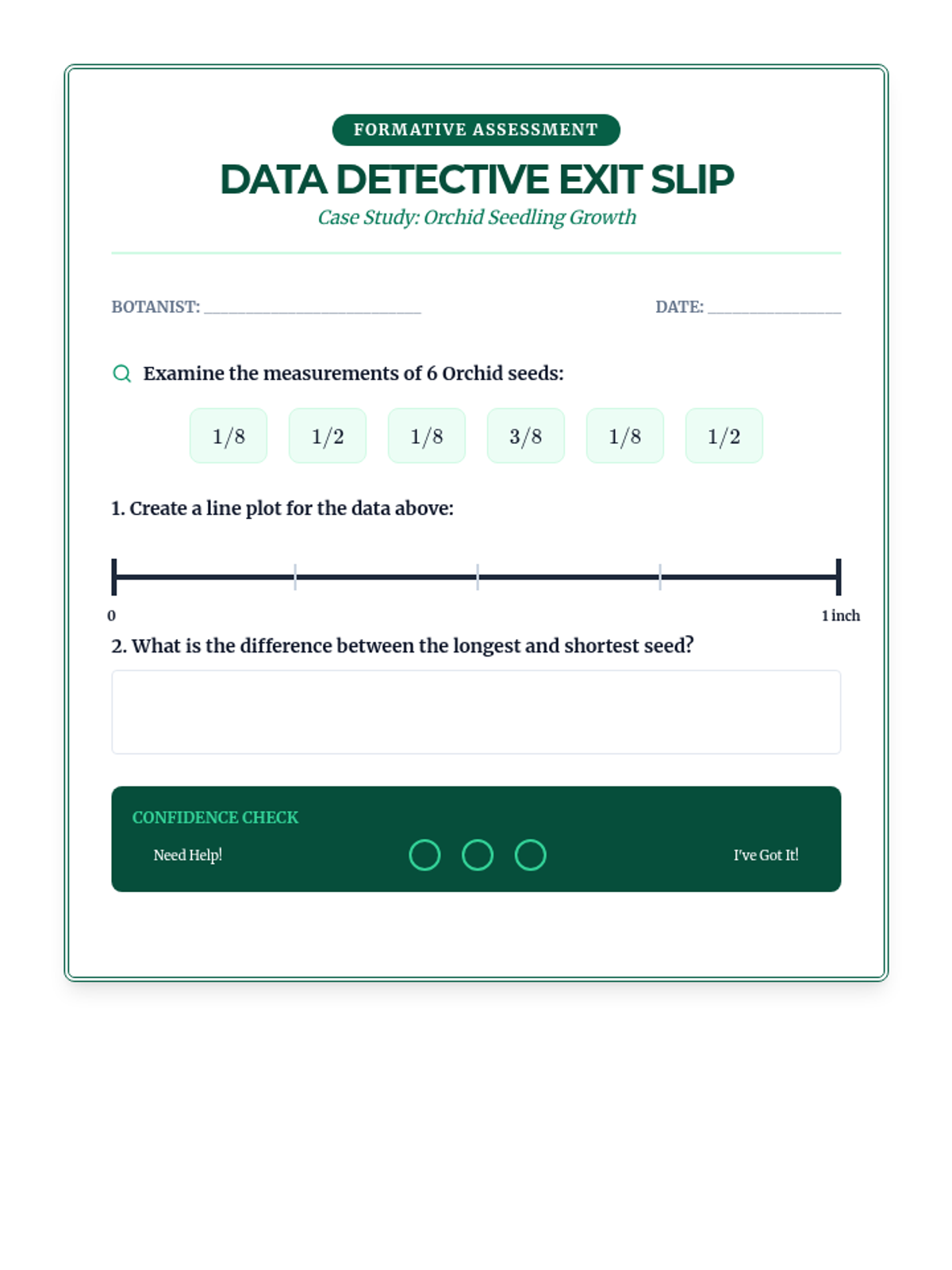
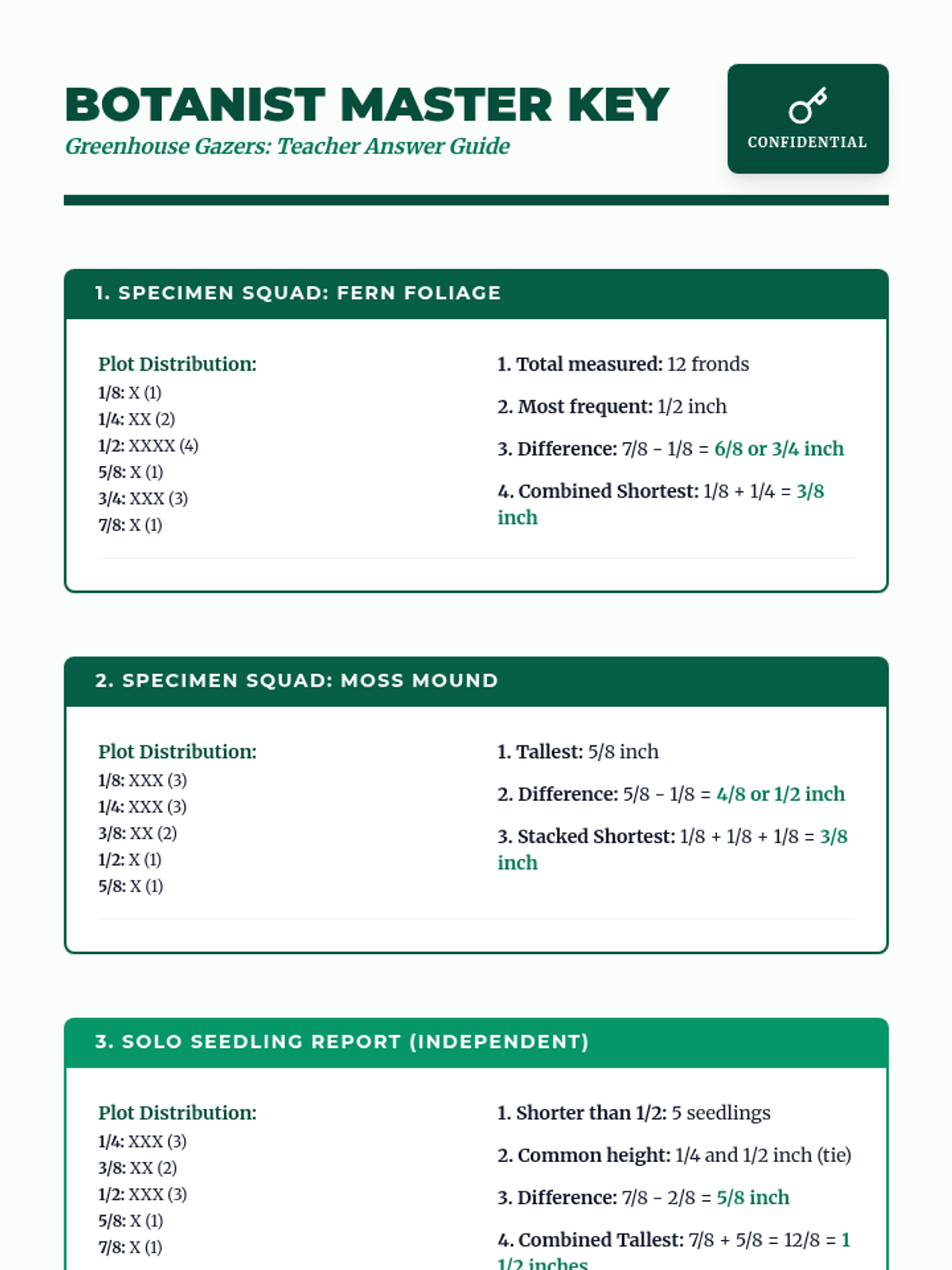
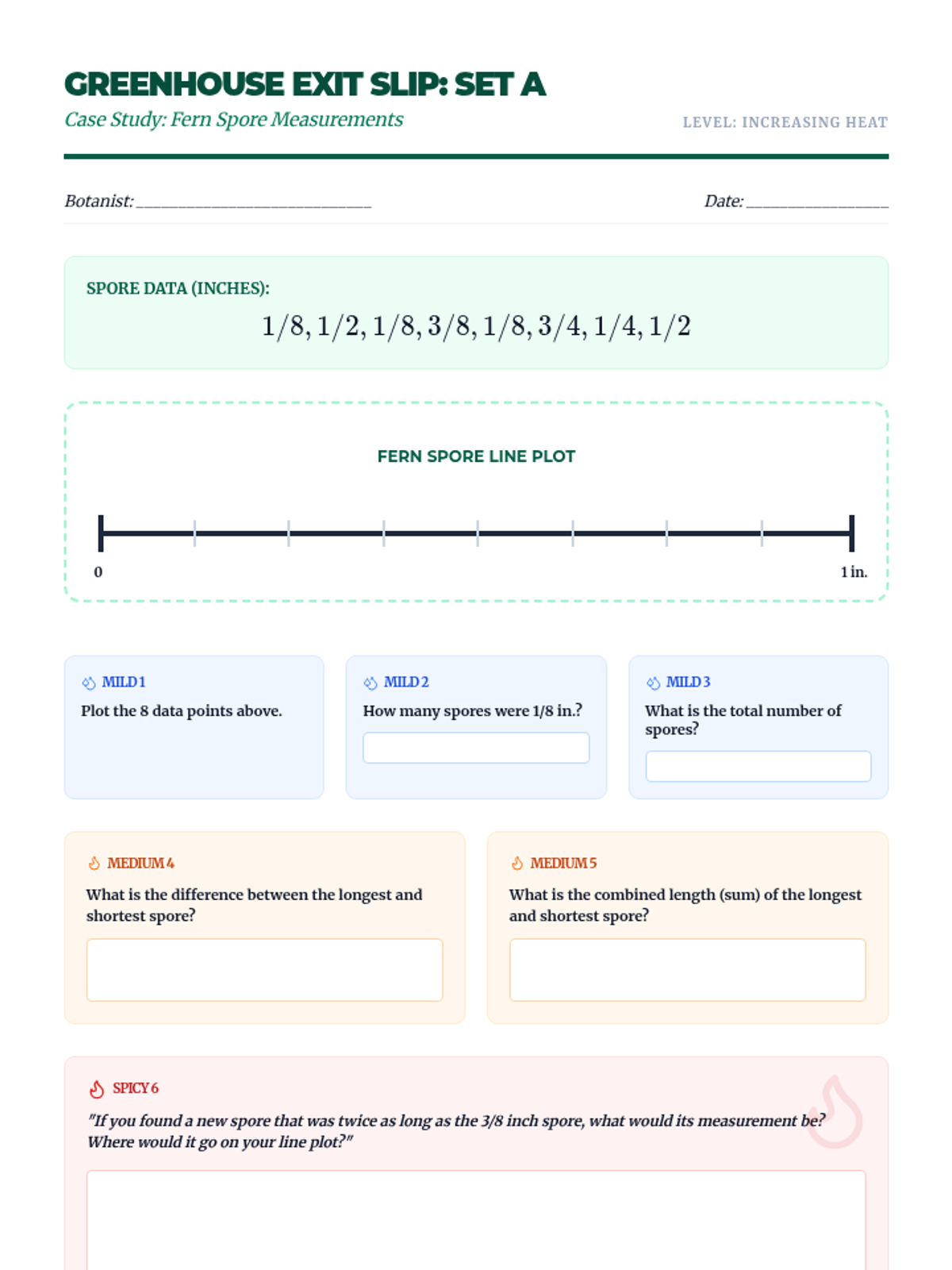
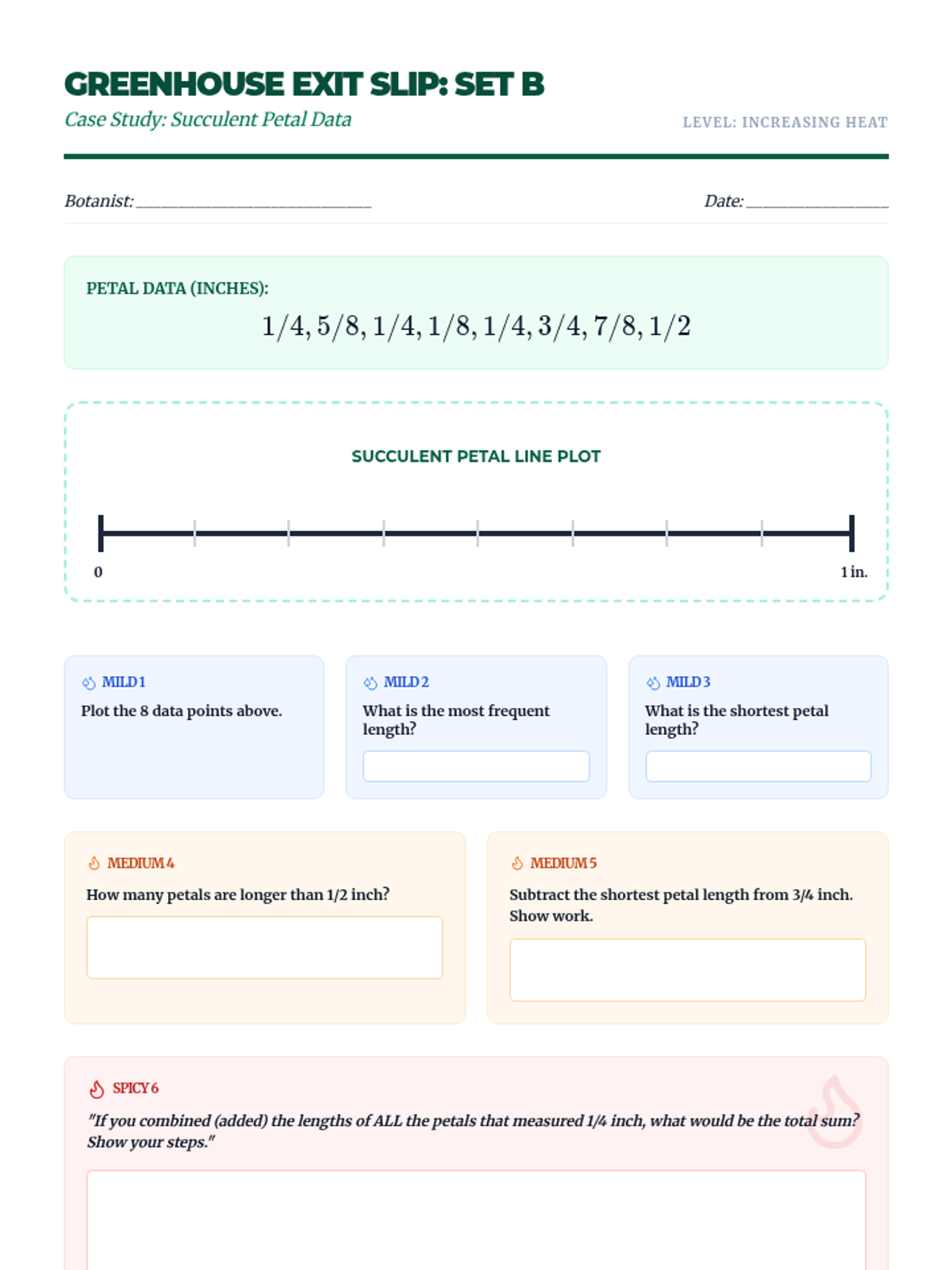
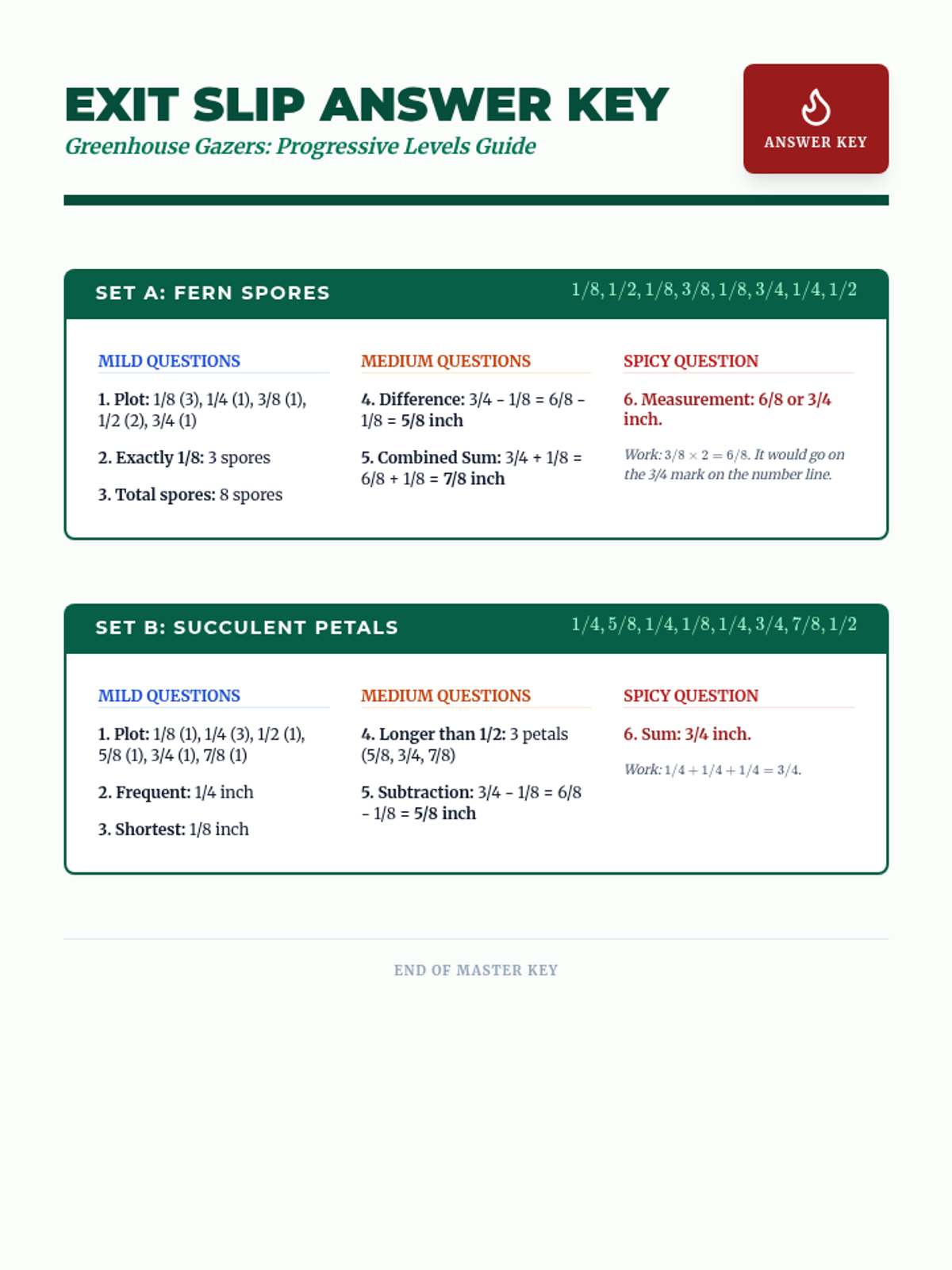
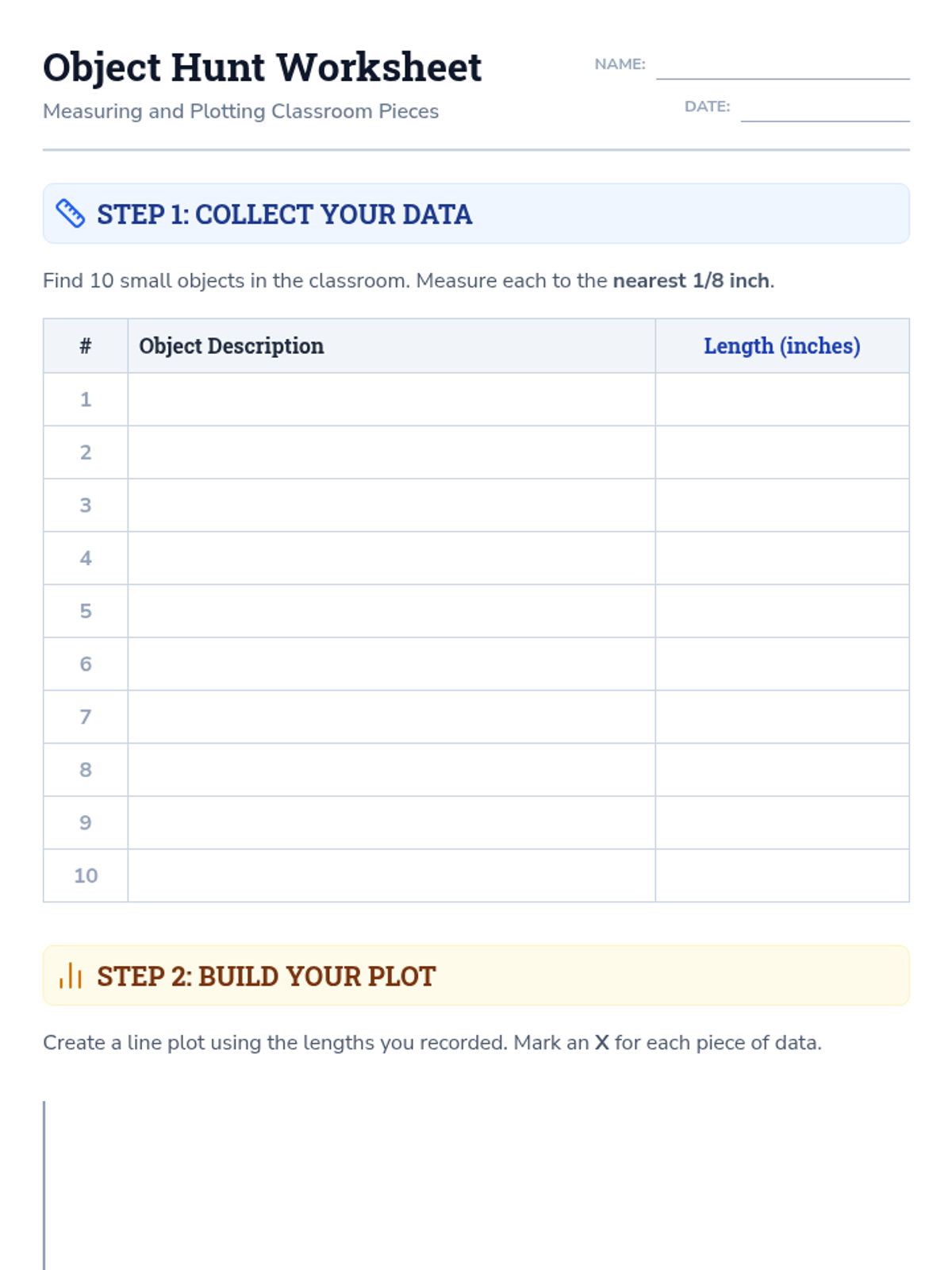
A mathematical exploration of data representation where students act as botanists, measuring plant specimens and using line plots with fractions (1/2, 1/4, 1/8) to analyze growth patterns and solve problems.
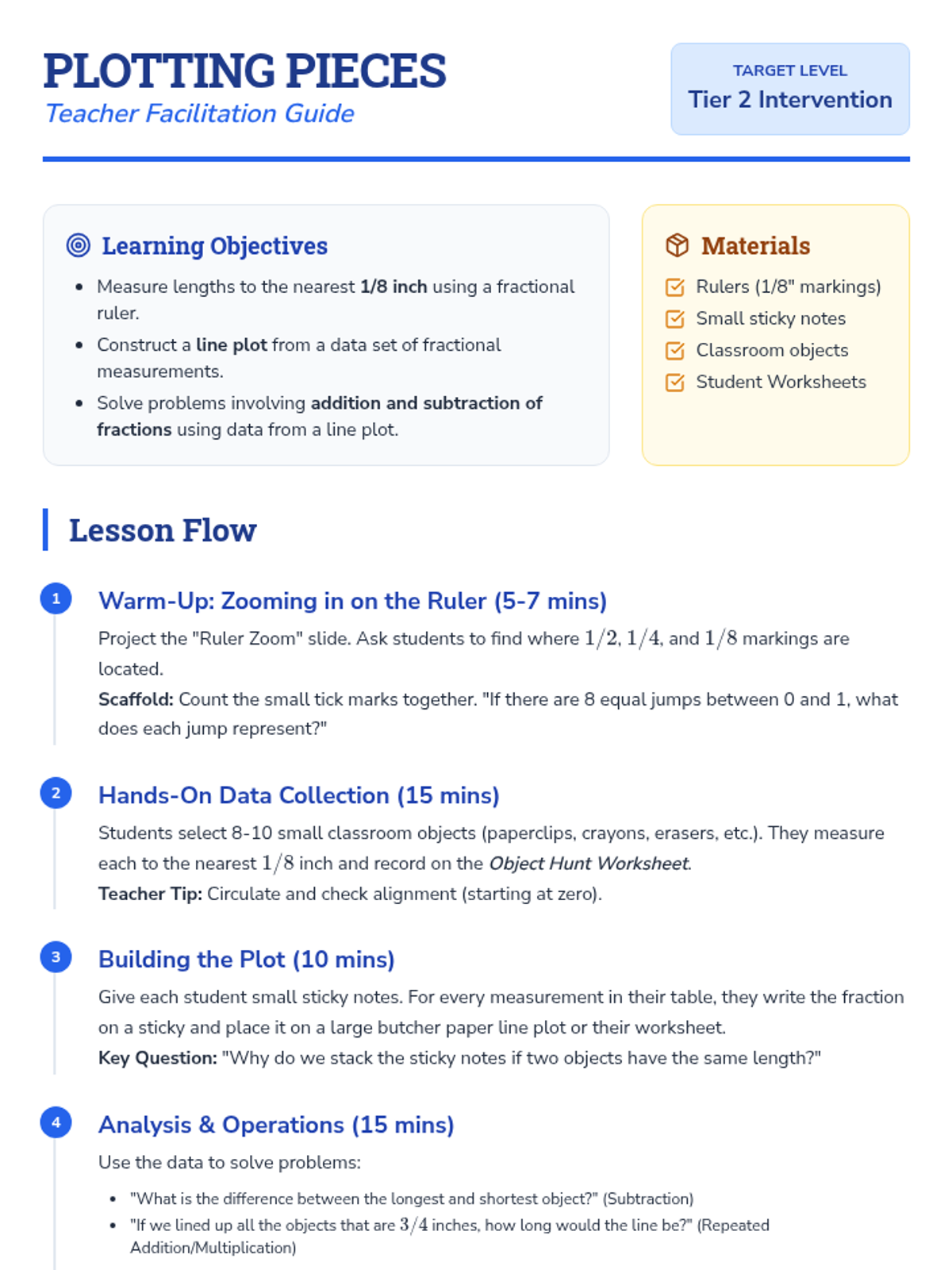
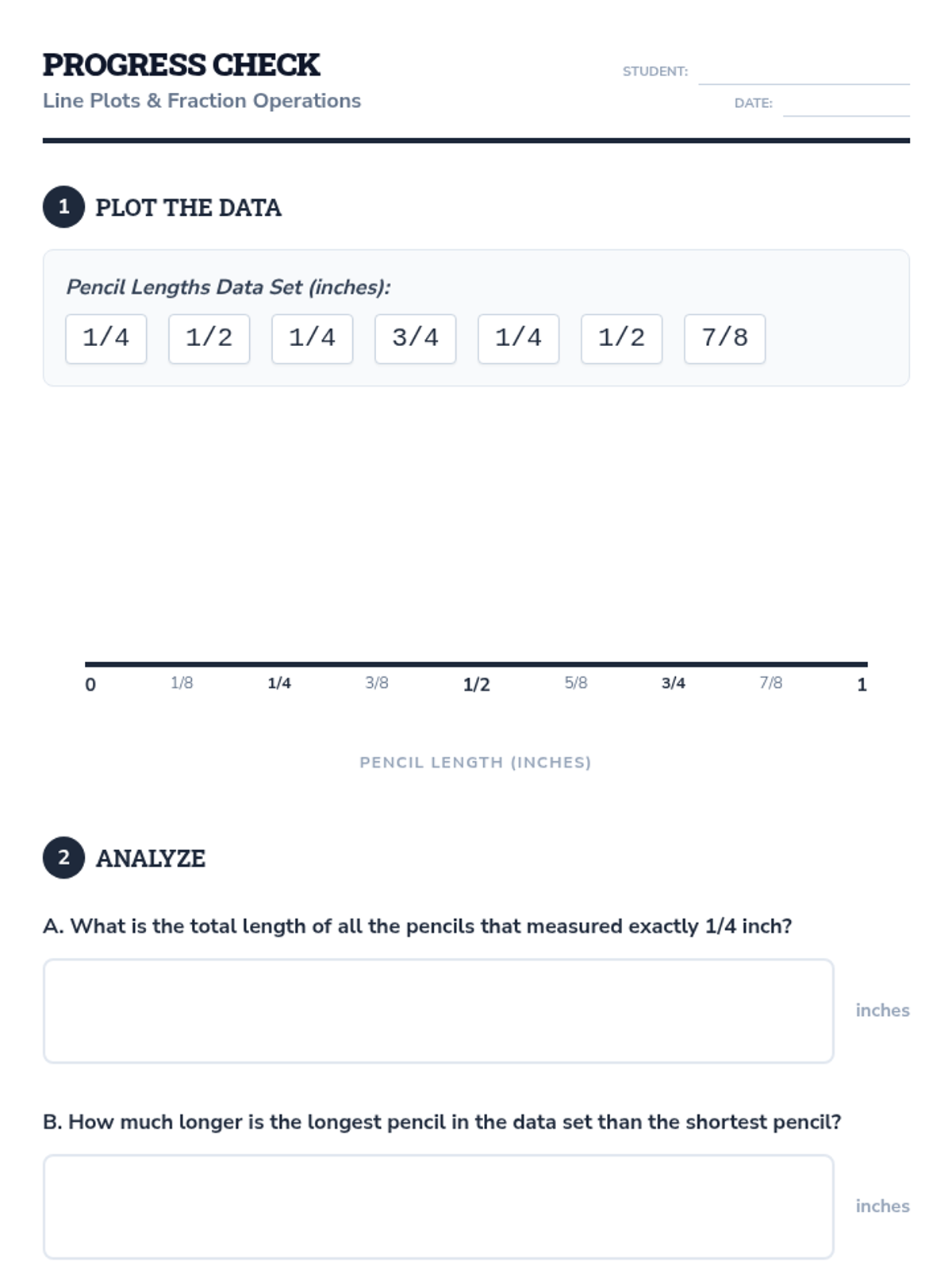
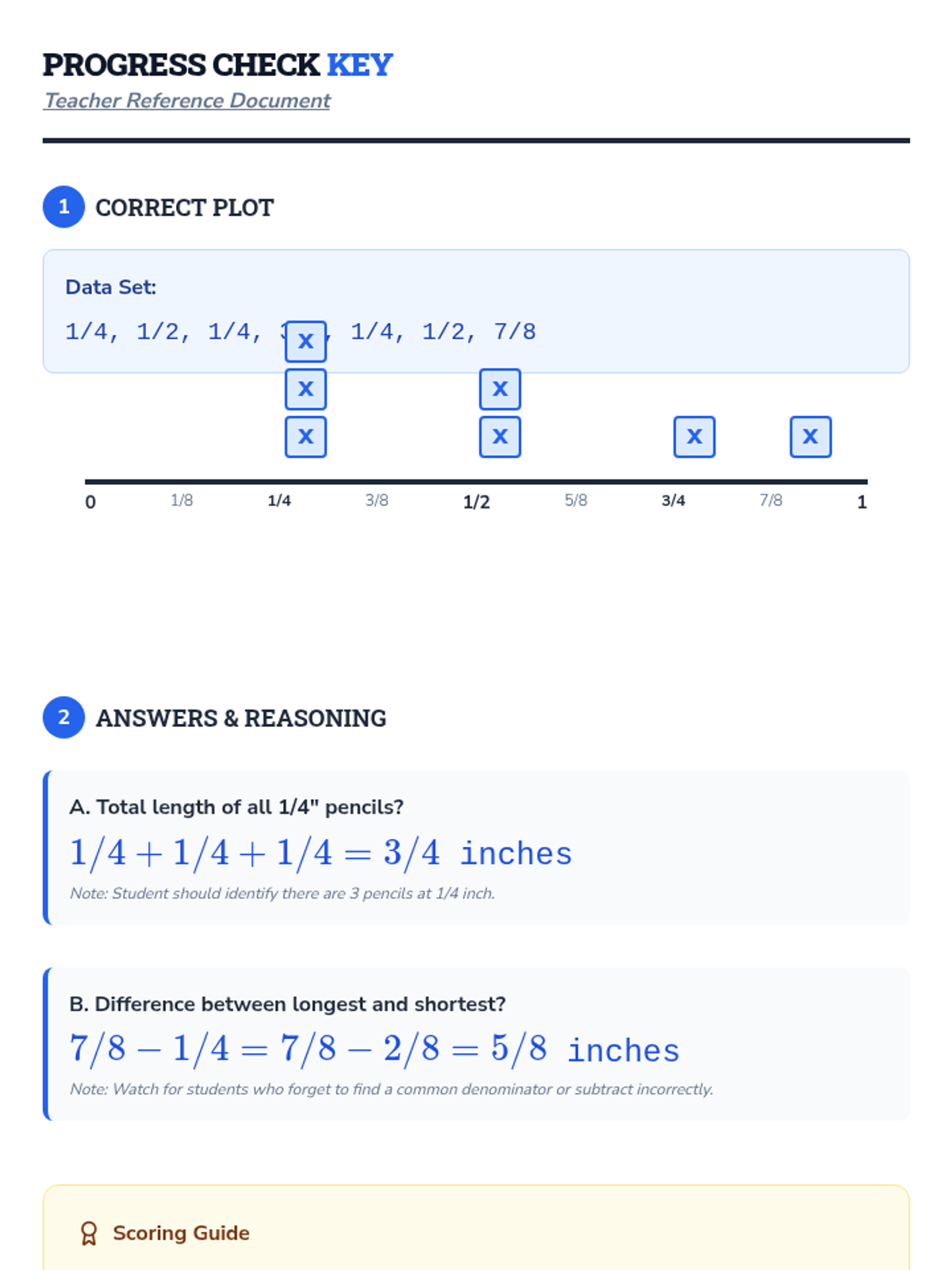
A specialized intervention sequence focused on Grade 5 measurement and data, specifically creating and interpreting line plots with fractional measurements (\(1/2\), \(1/4\), \(1/8\)) and using fraction operations to solve problems.
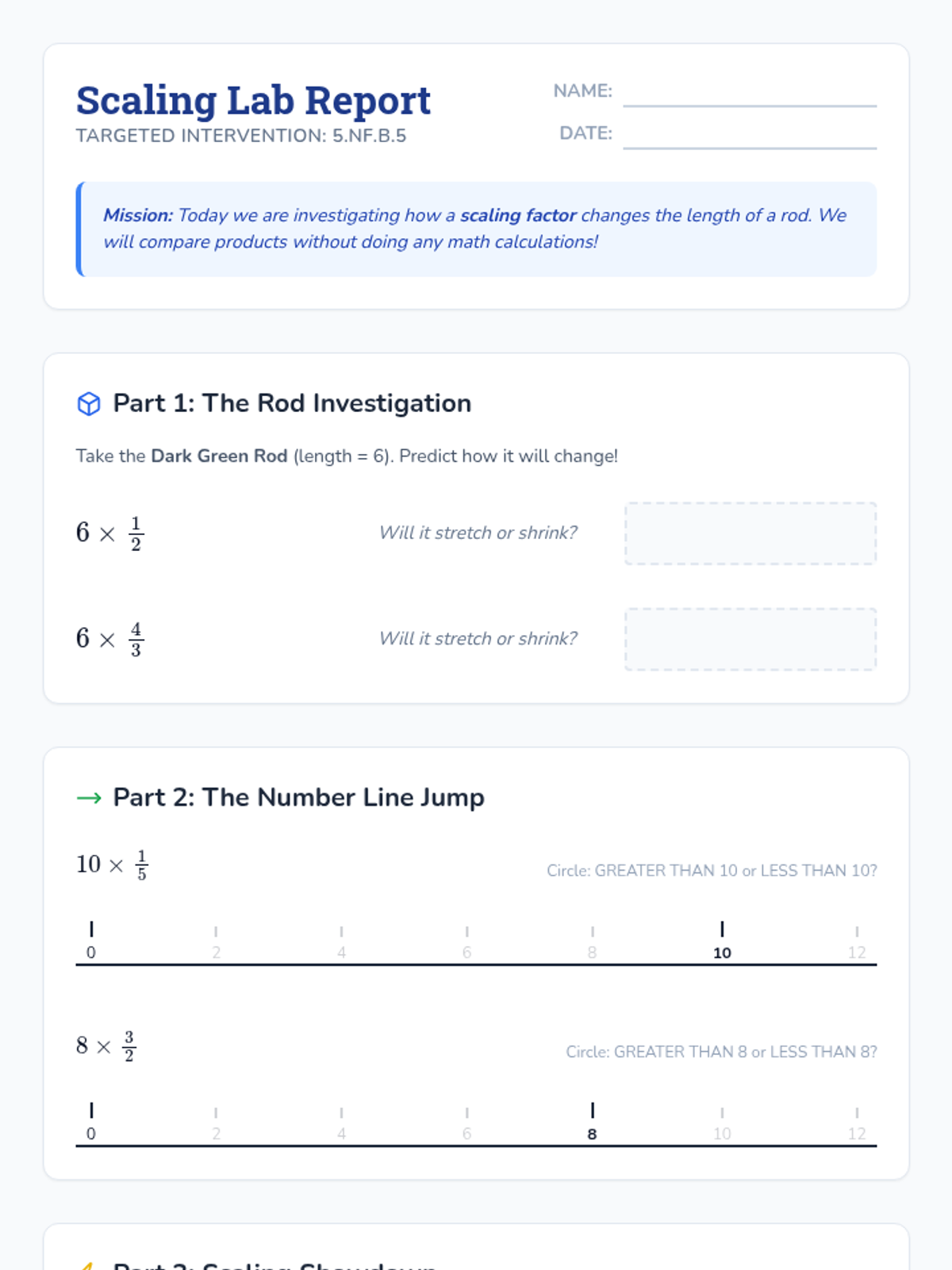
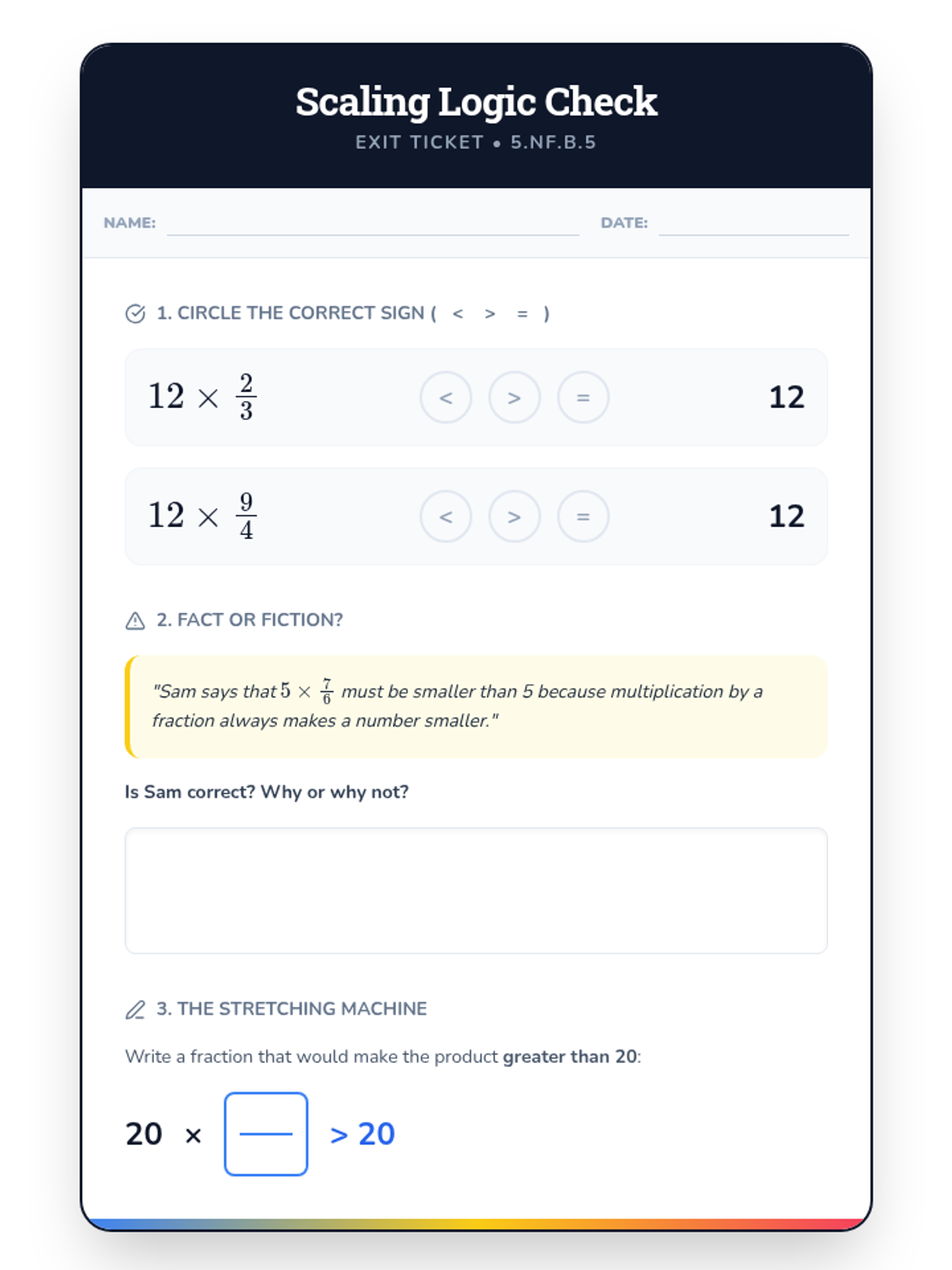
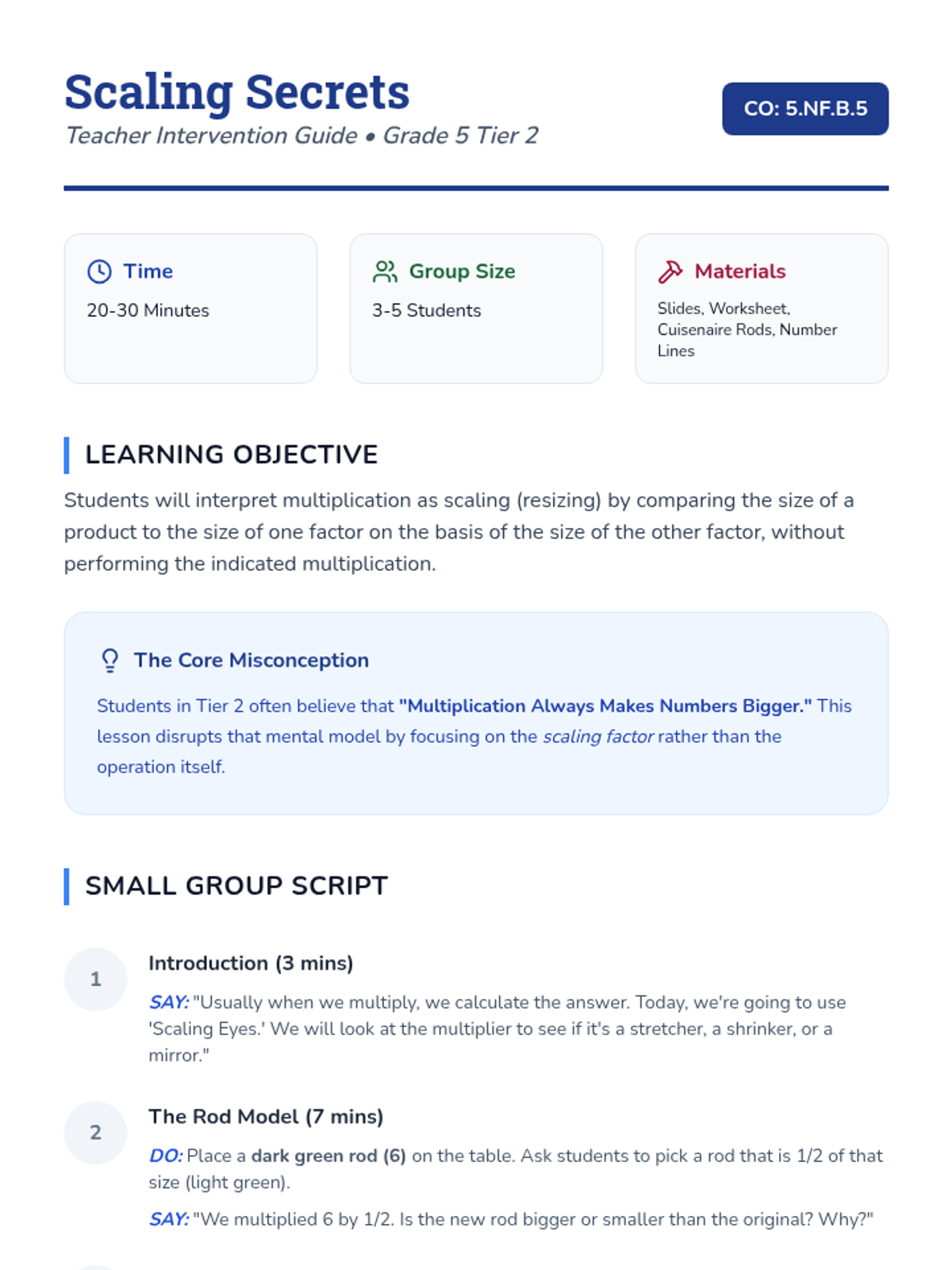
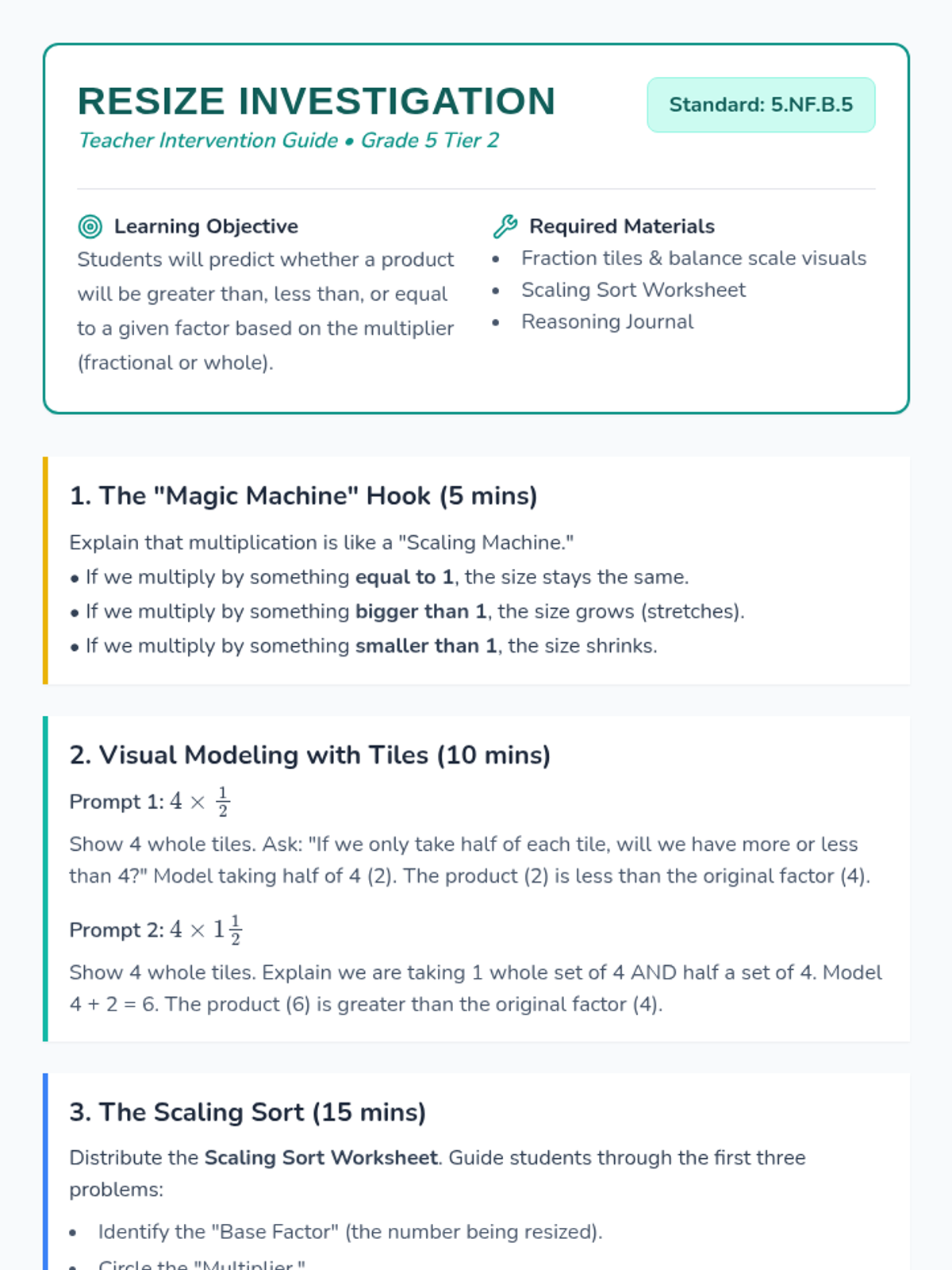
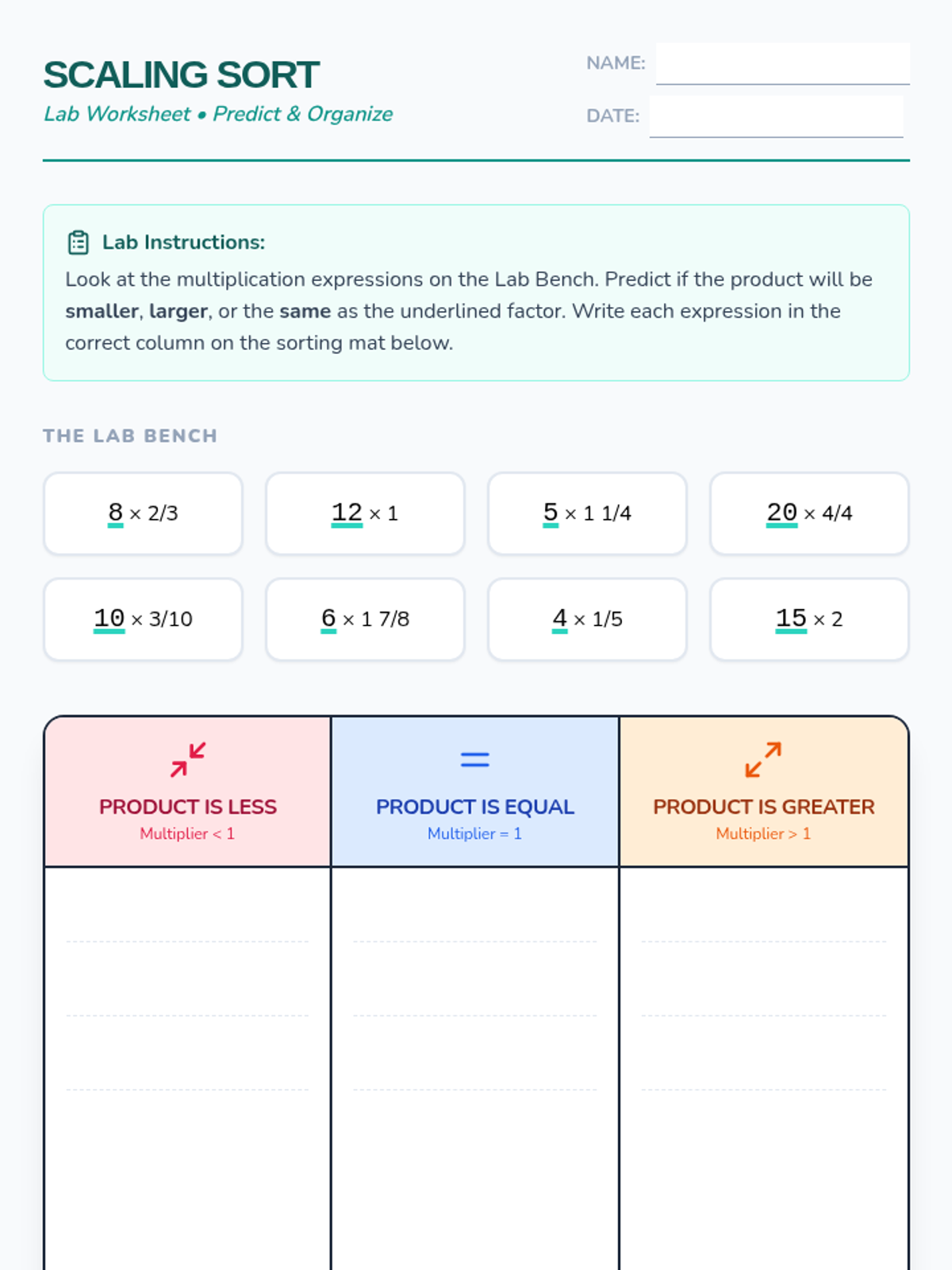
A Grade 5 Tier 2 intervention sequence focused on understanding multiplication as scaling (5.NF.B.5), helping students compare products to factors without calculation using visual models like number lines and Cuisenaire rods.
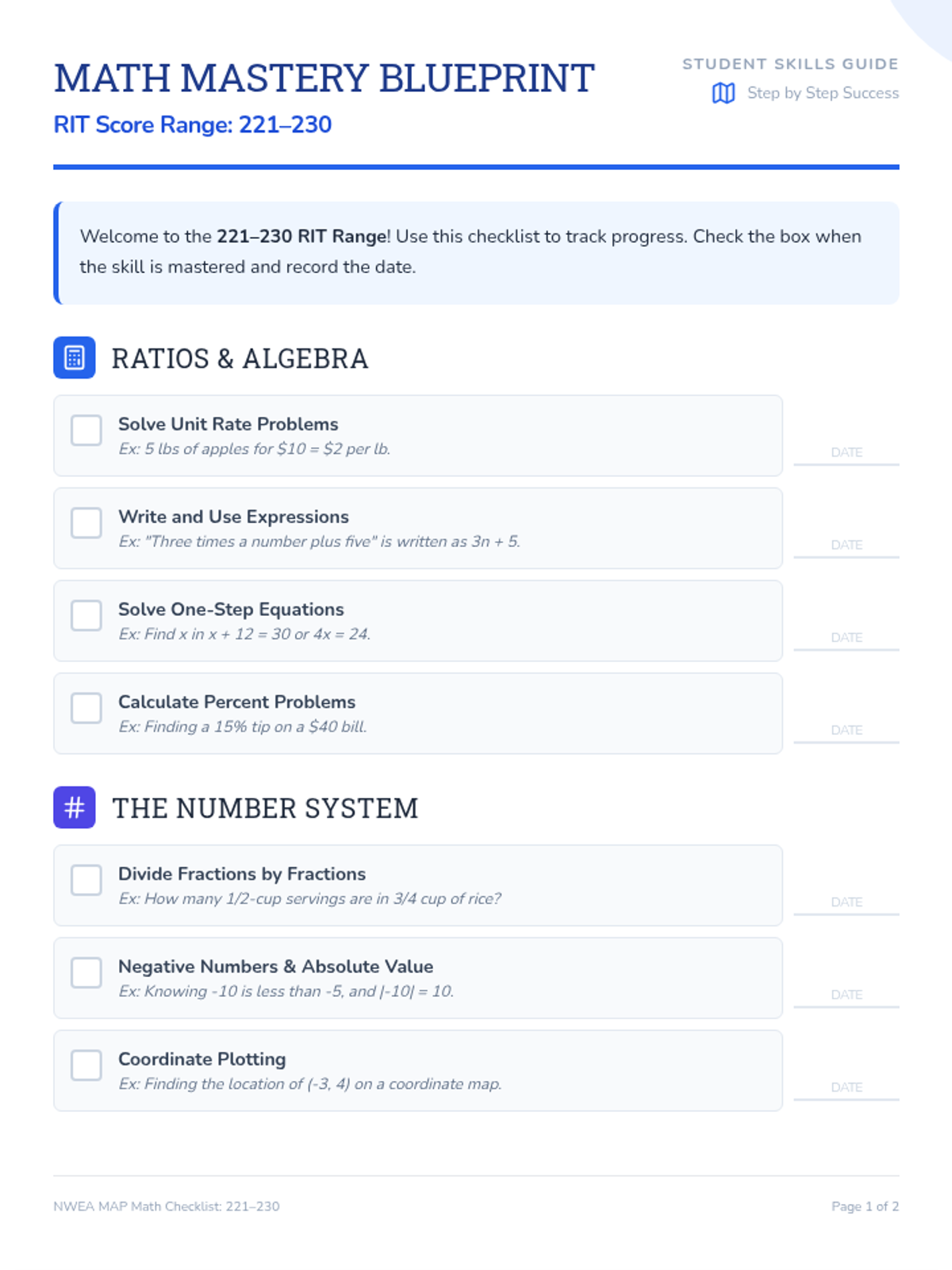
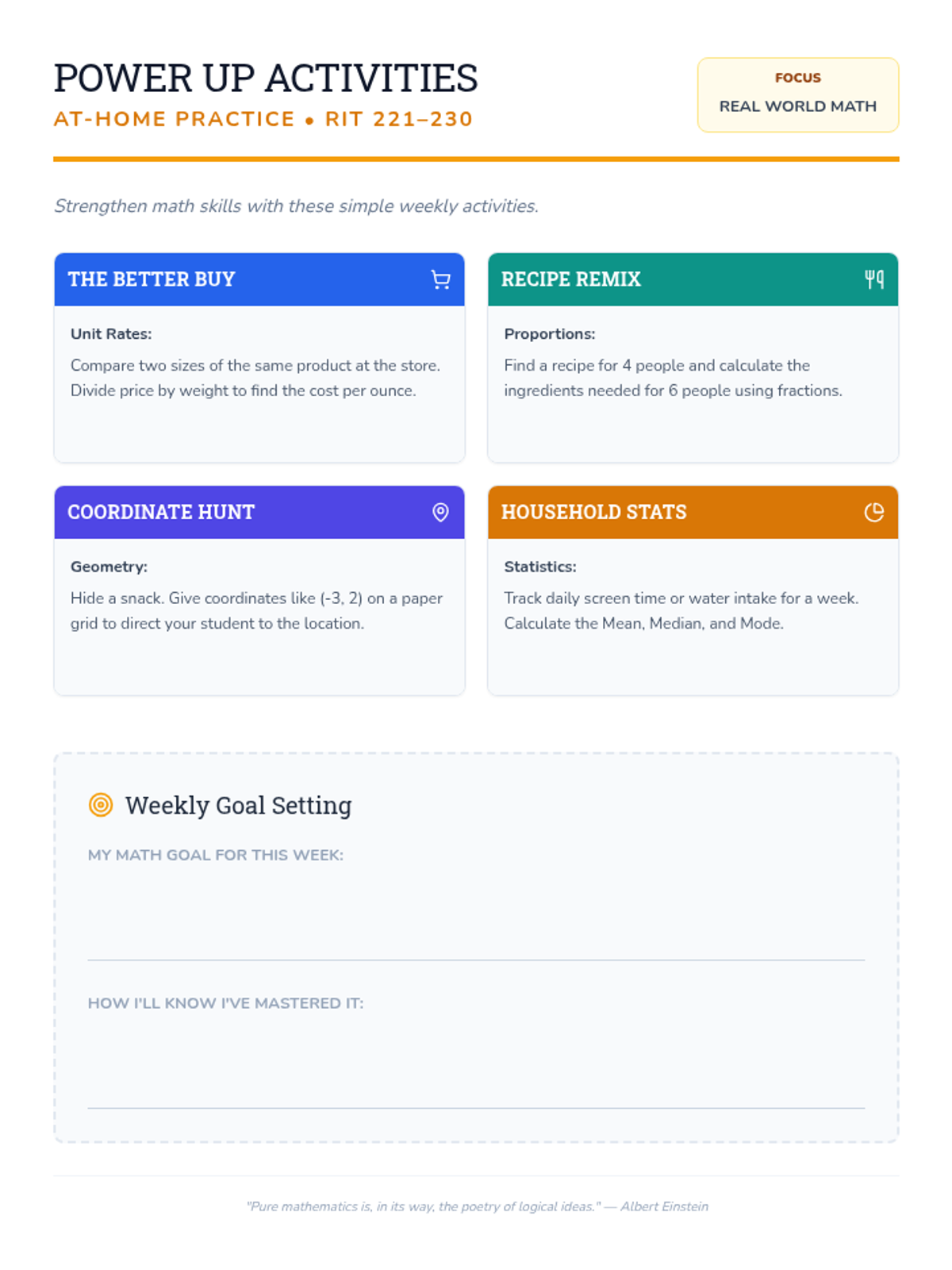
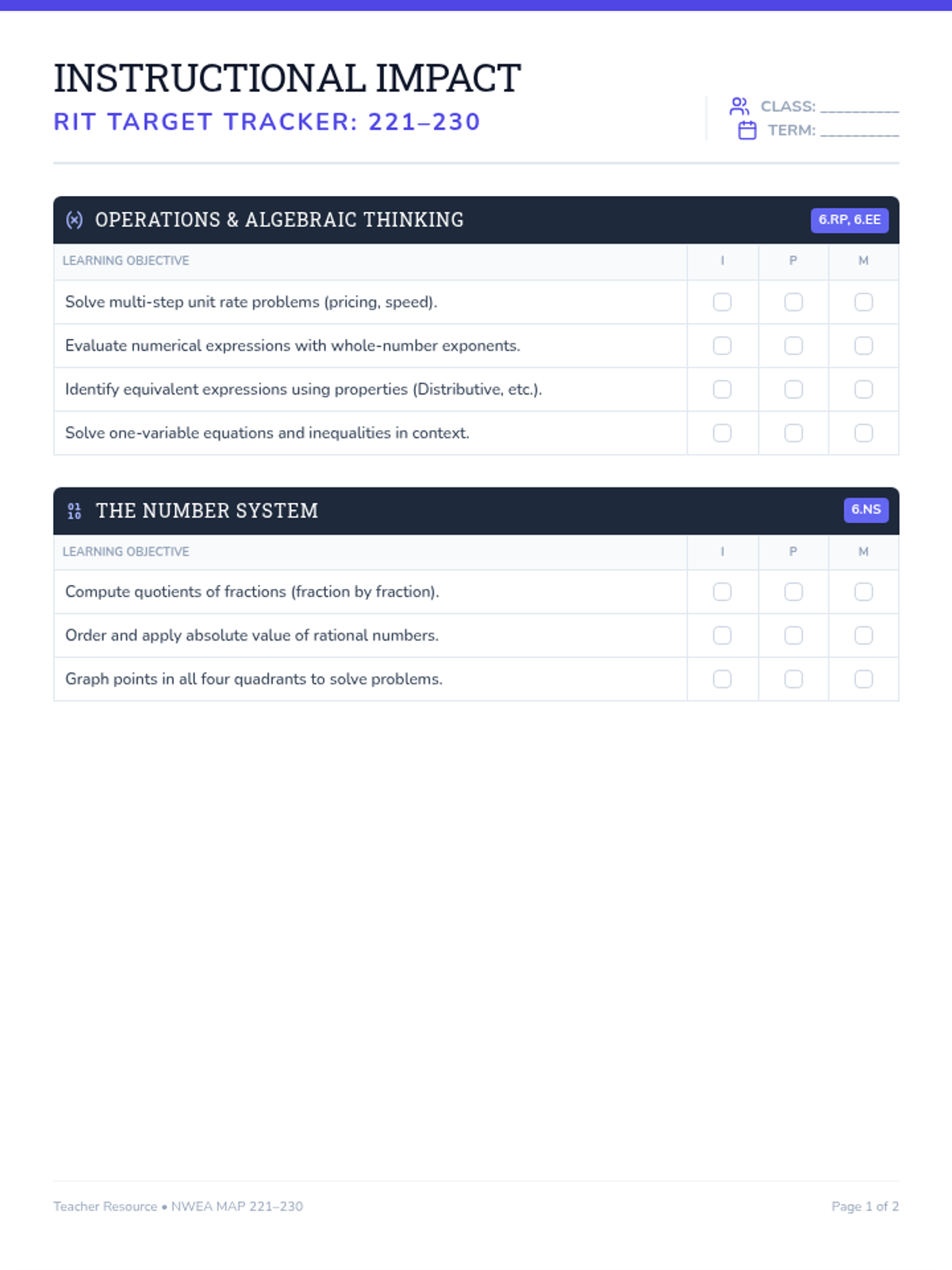
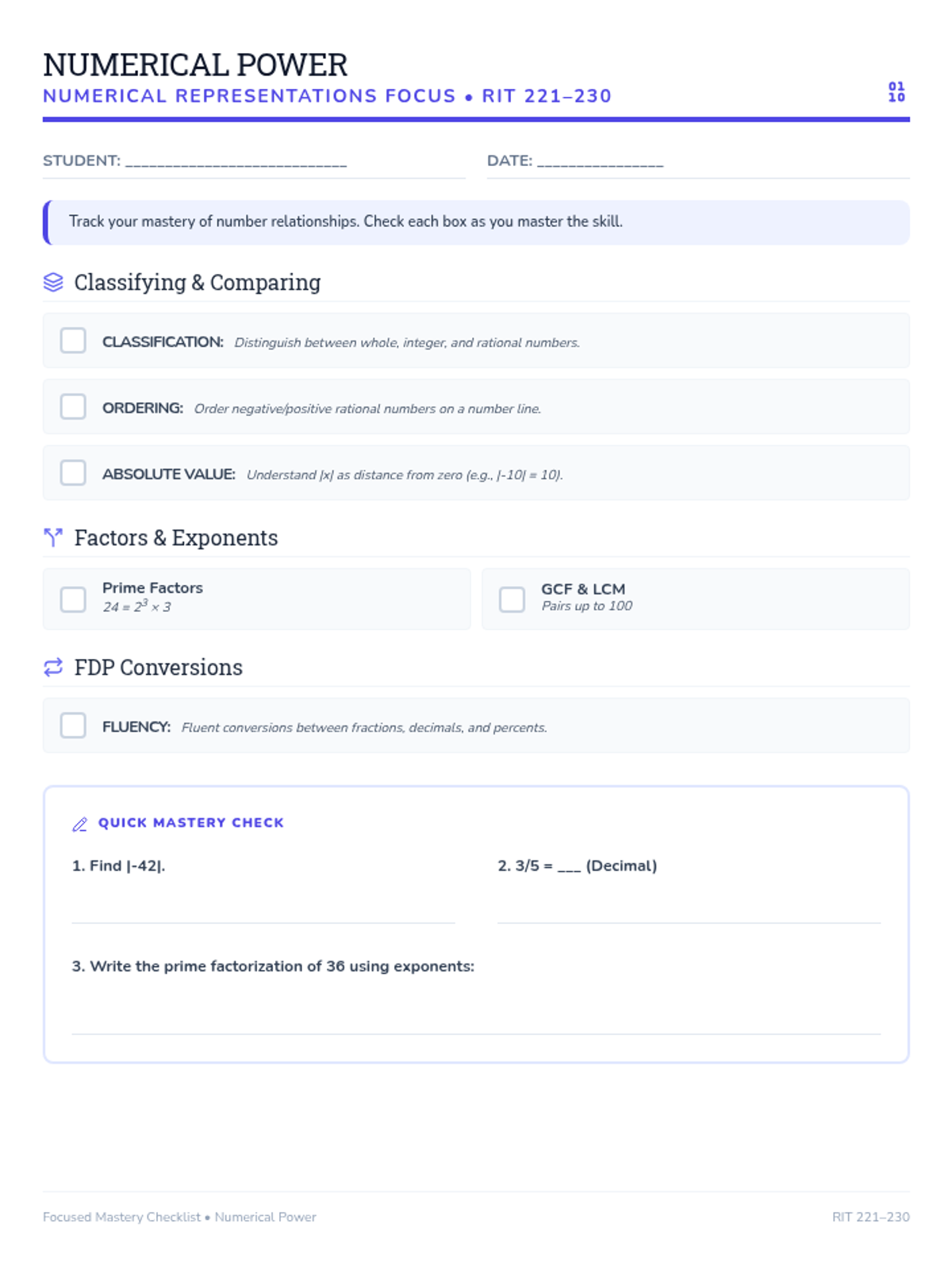
A comprehensive collection of RIT-aligned math mastery resources for student and teacher tracking across key mathematical development ranges.
A comprehensive unit on fraction operations including addition and subtraction of mixed numbers with unlike denominators and multiplication of fractions, using visual models and real-world word problems.
A series of lessons designed to rebuild fundamental fraction skills for middle schoolers, focusing on conceptual understanding and procedural fluency.
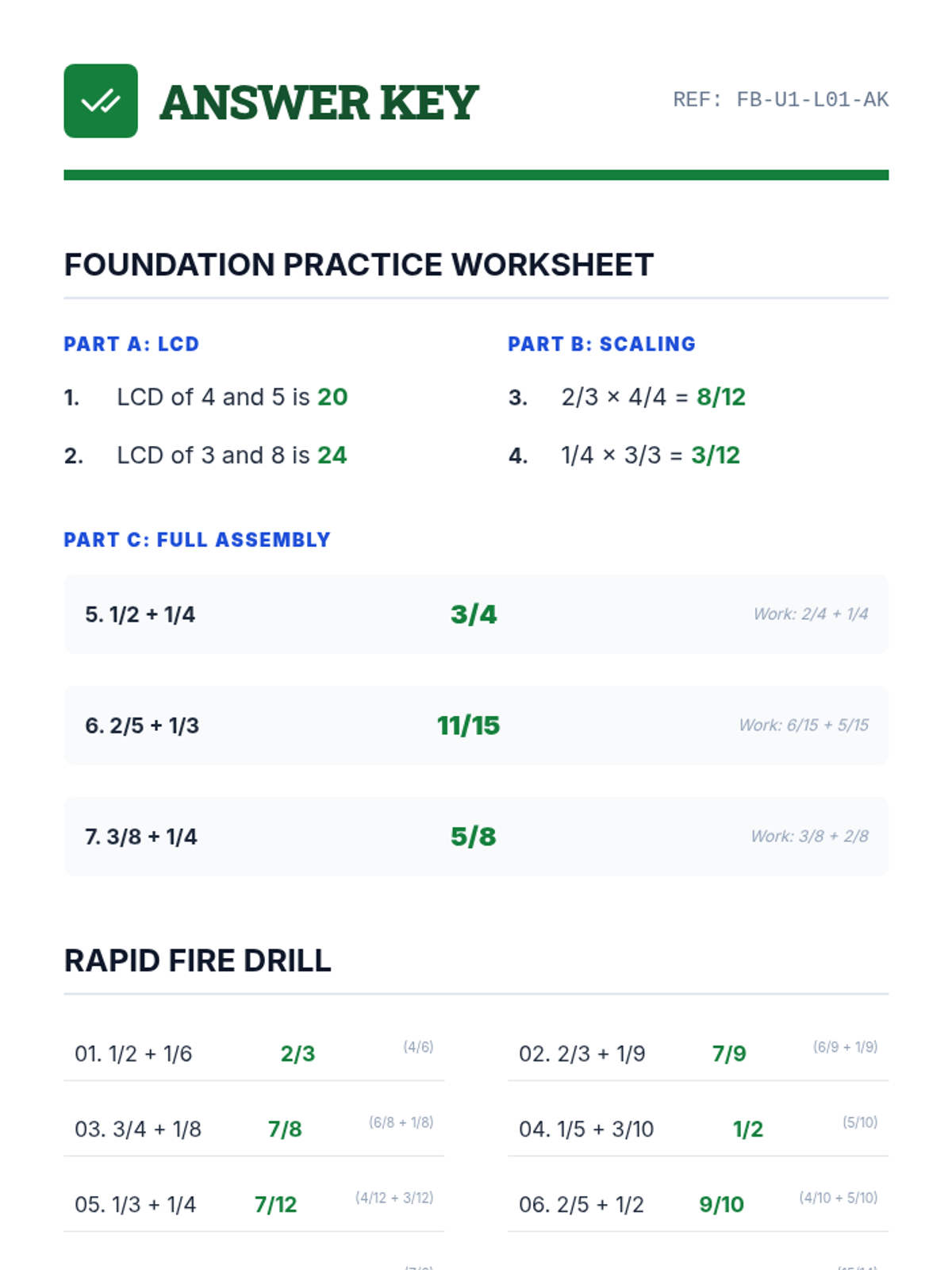
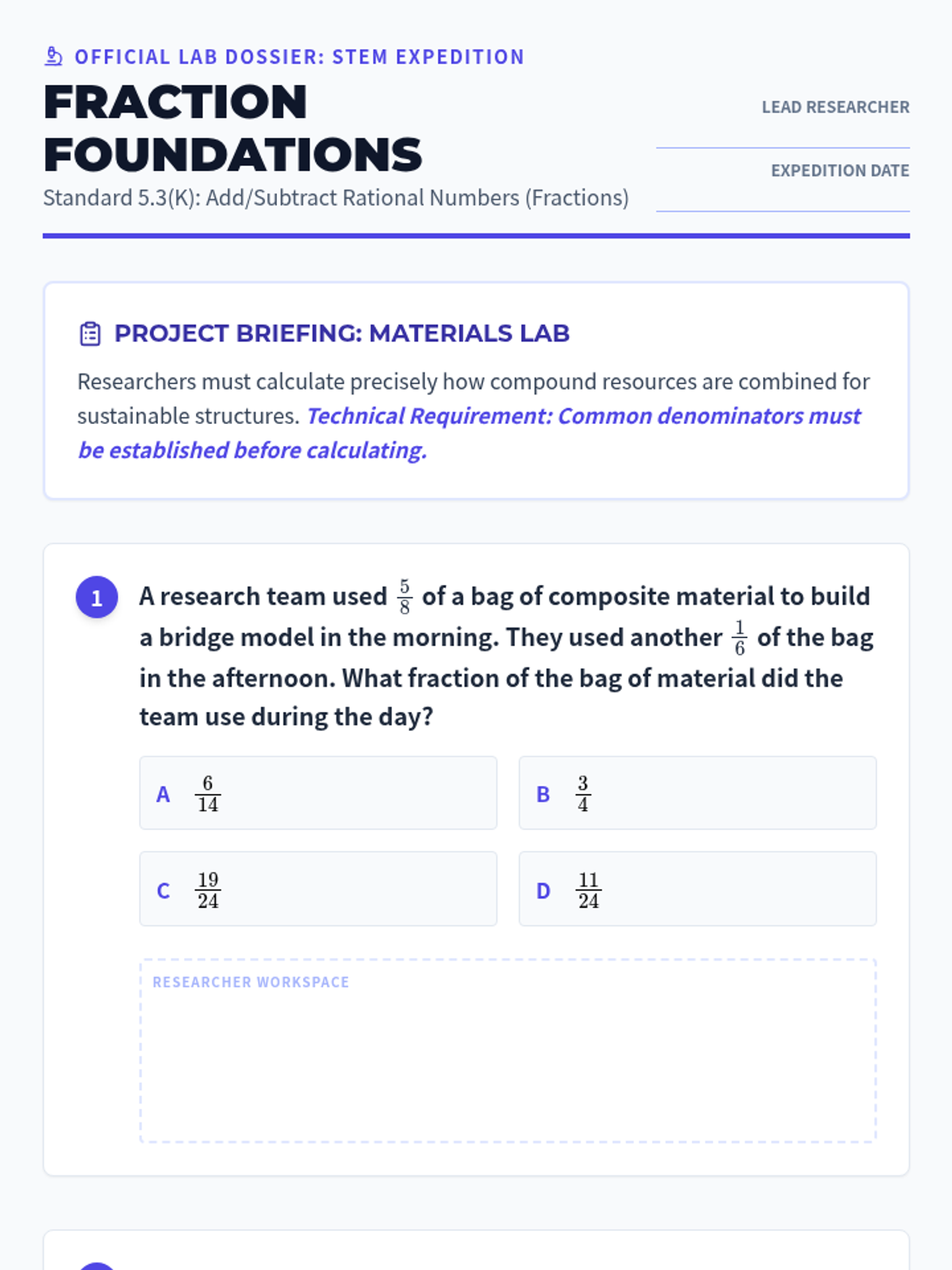
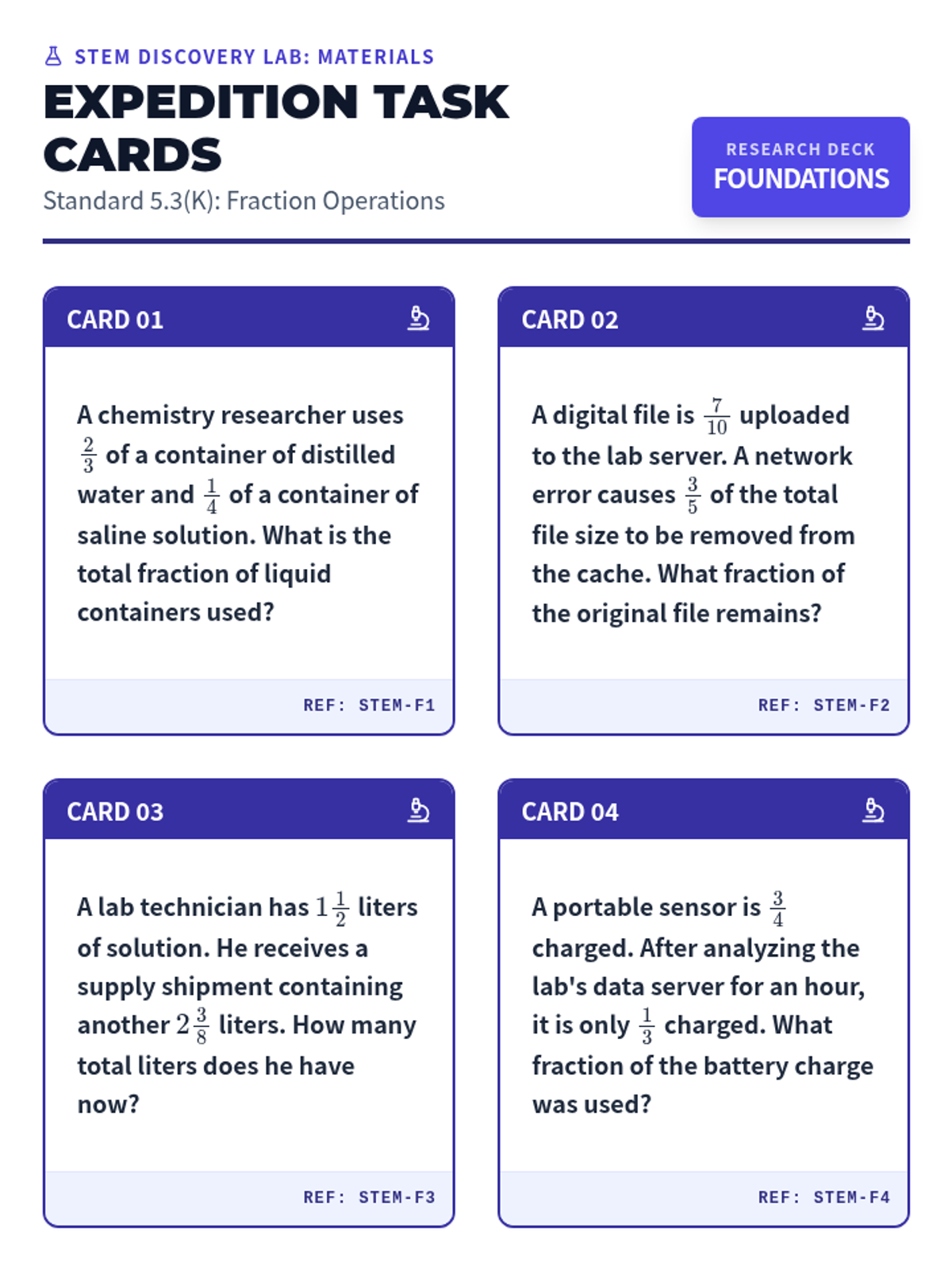
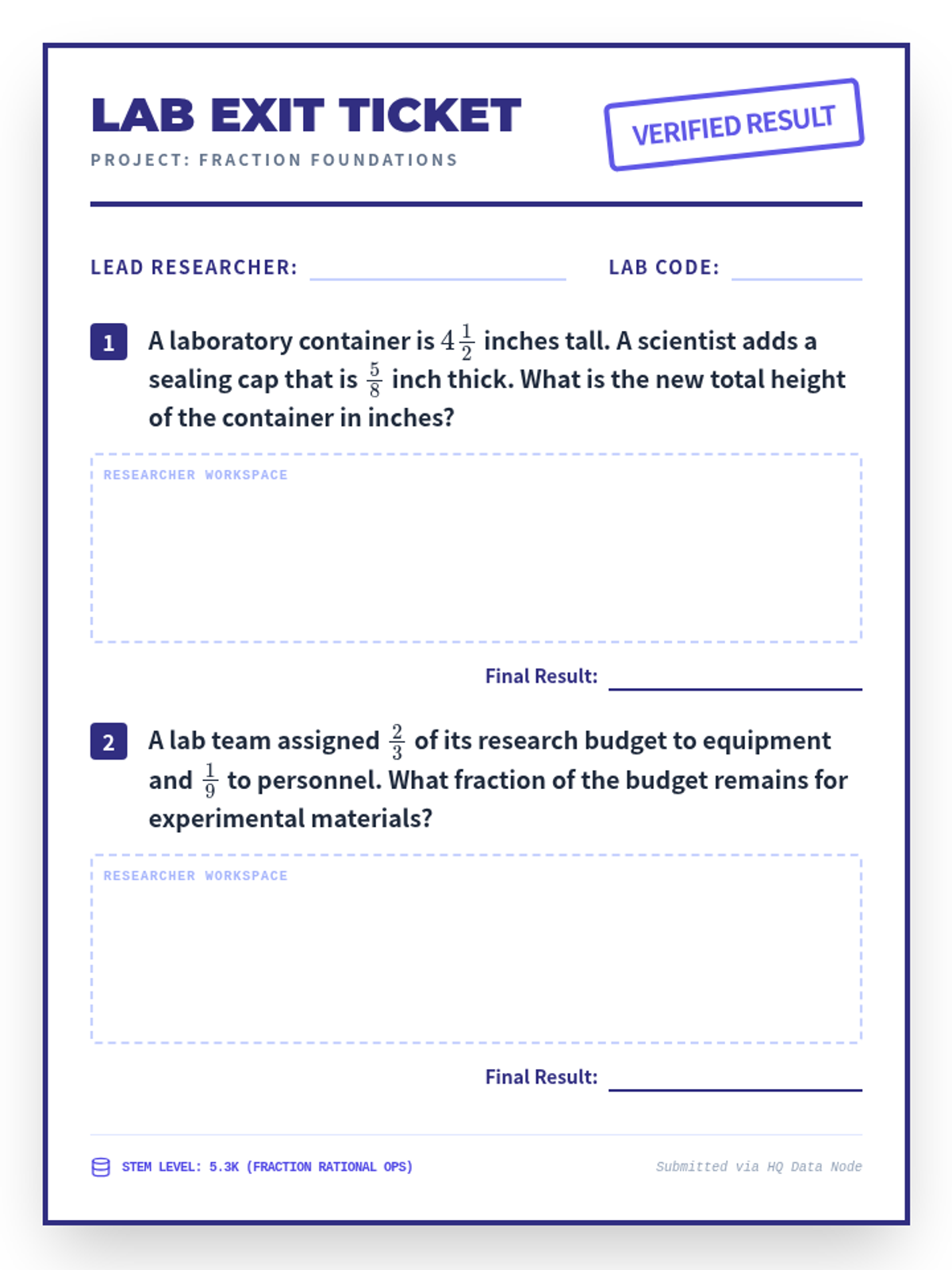
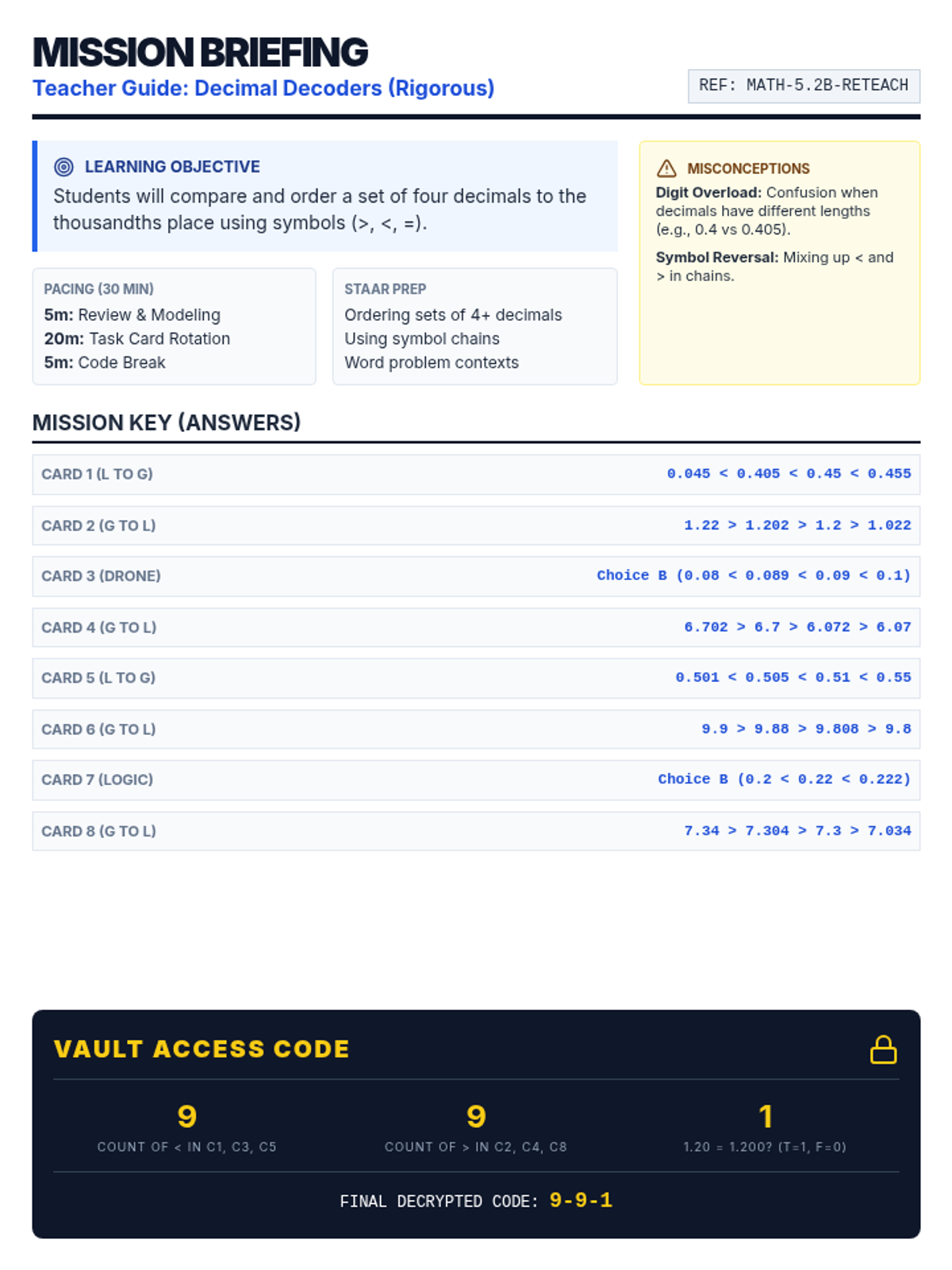
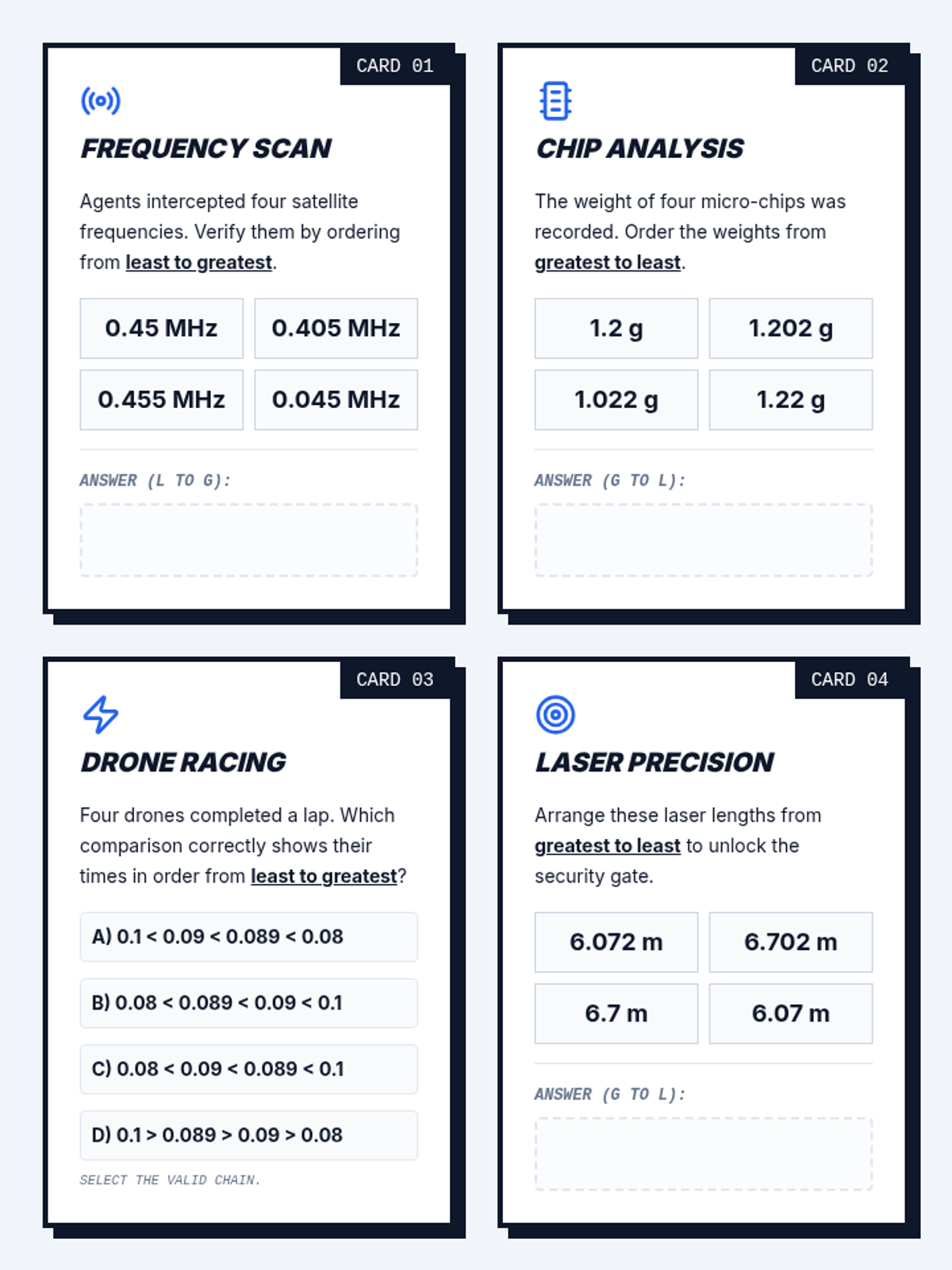
A 4-day intensive reteach sequence designed to master 5th-grade decimal and fraction operations. The materials use a 'STEM Expedition' theme to engage students in rigorous STAAR-aligned discovery.
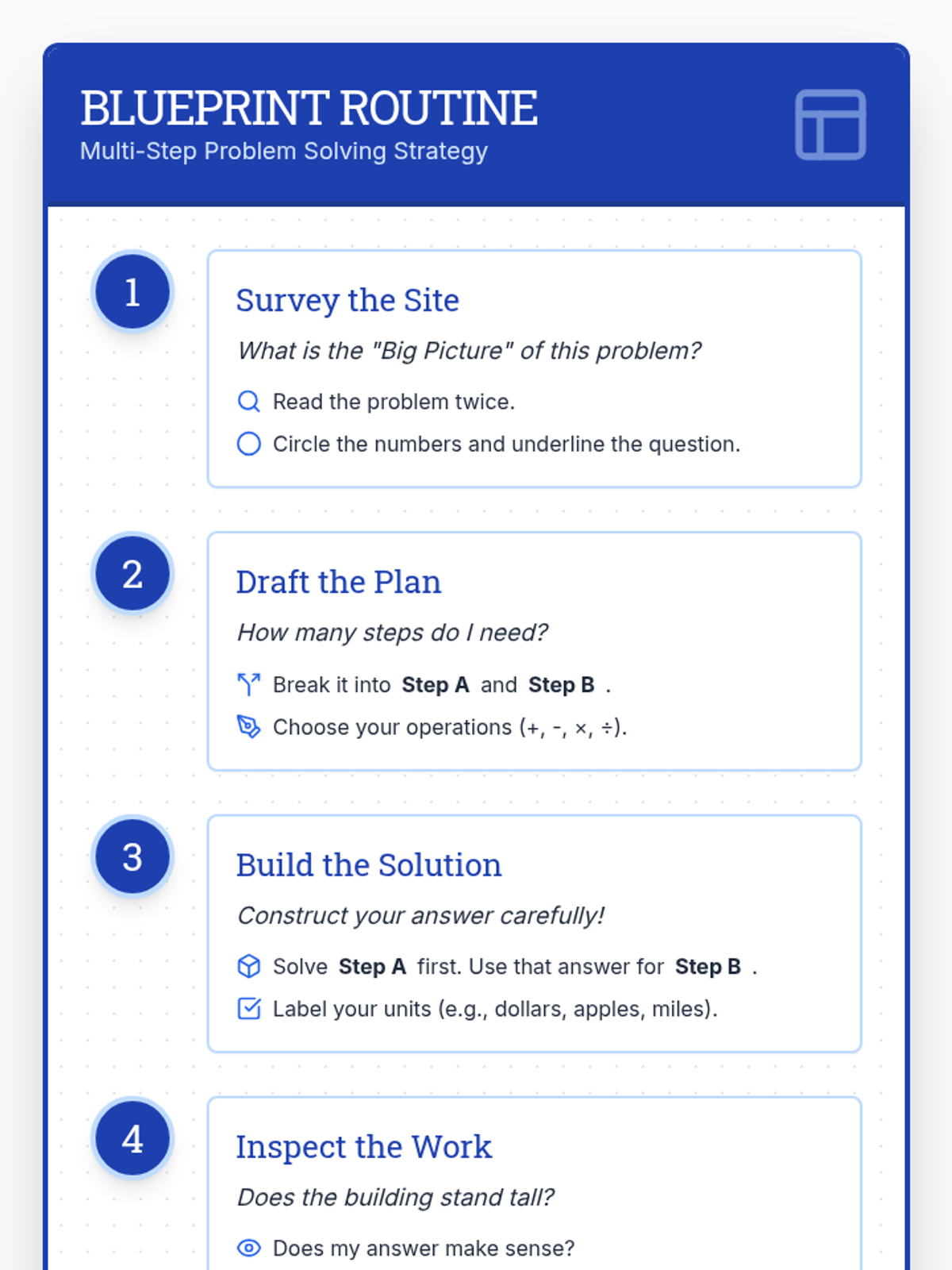
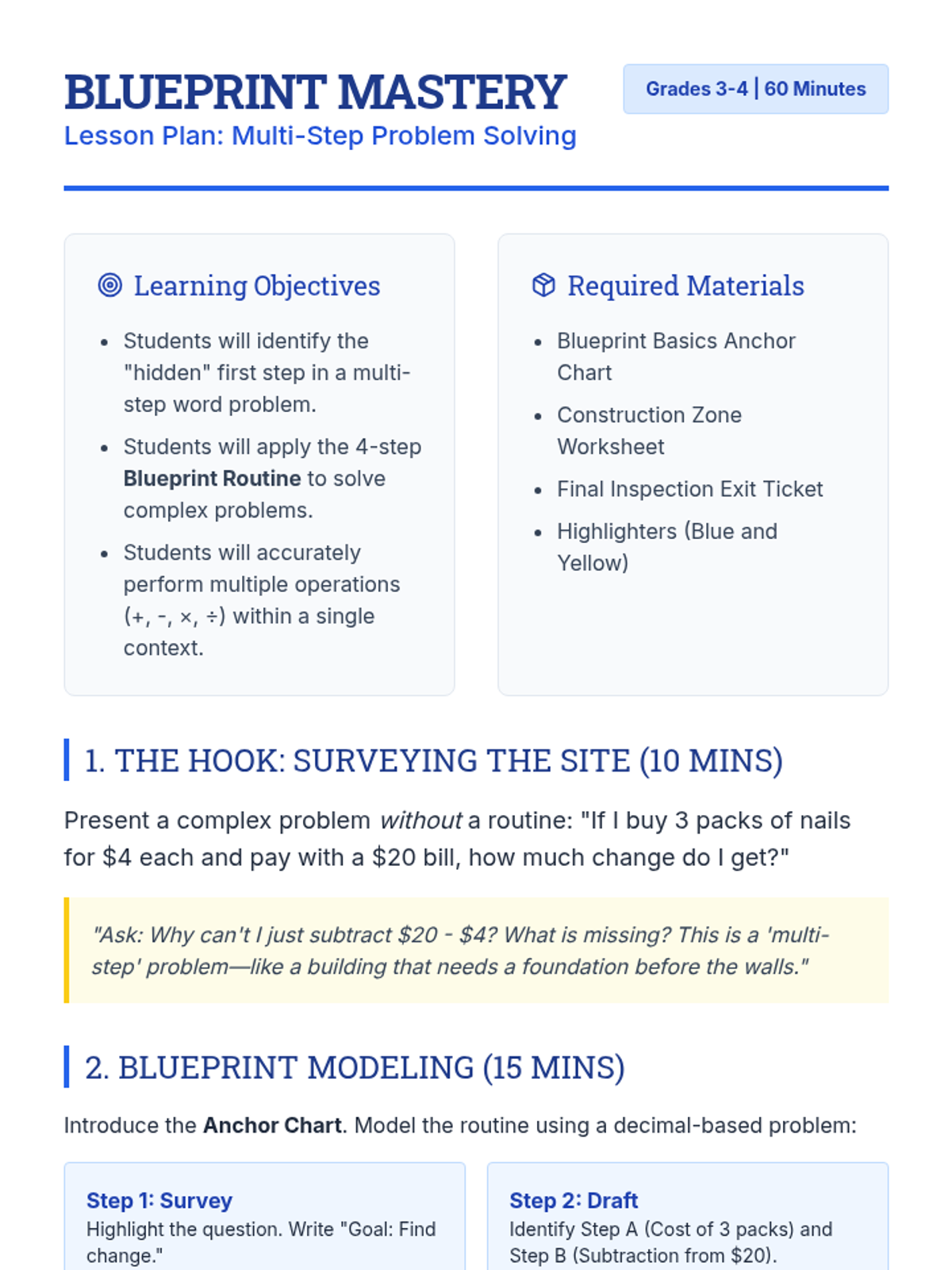
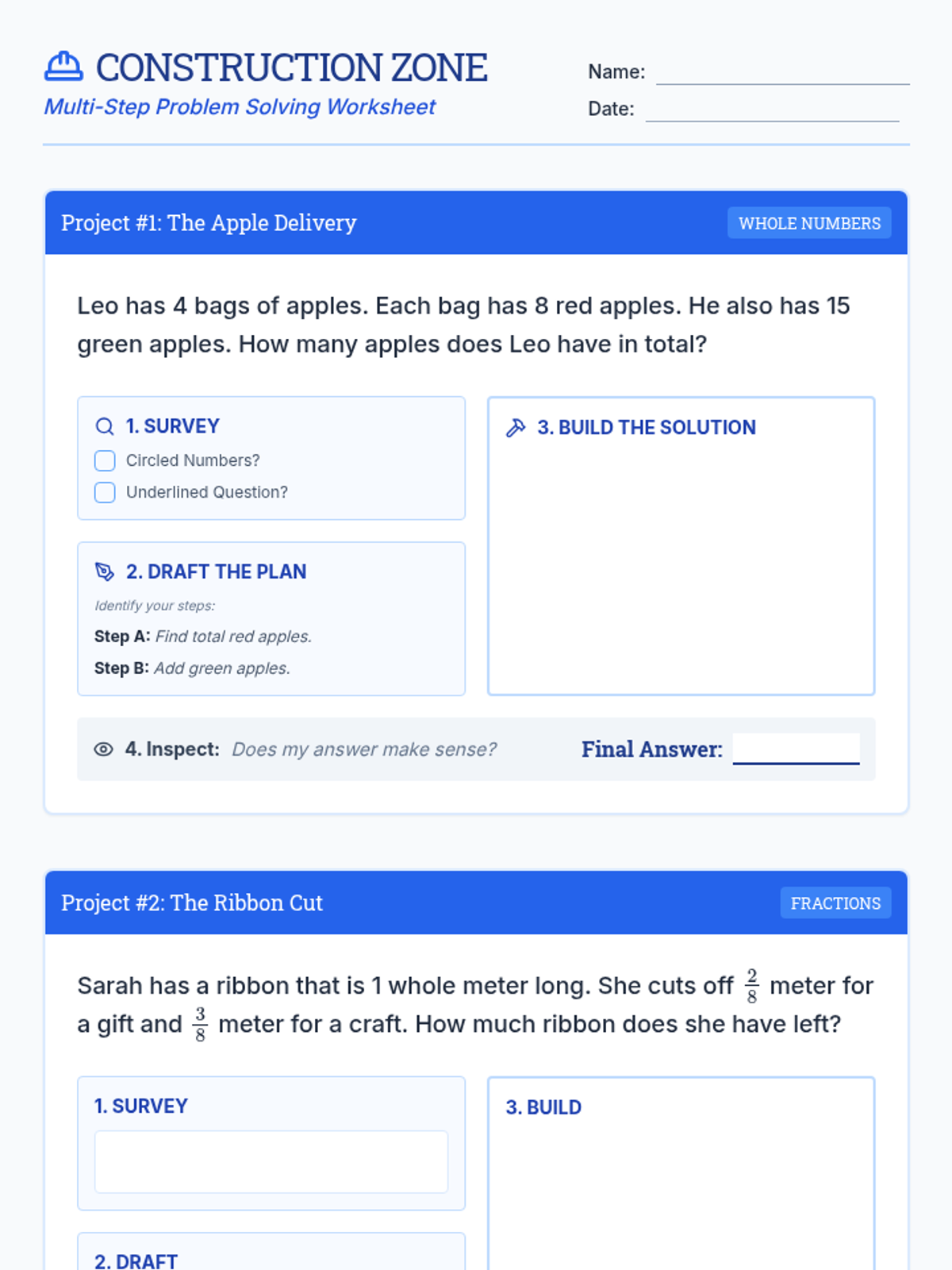
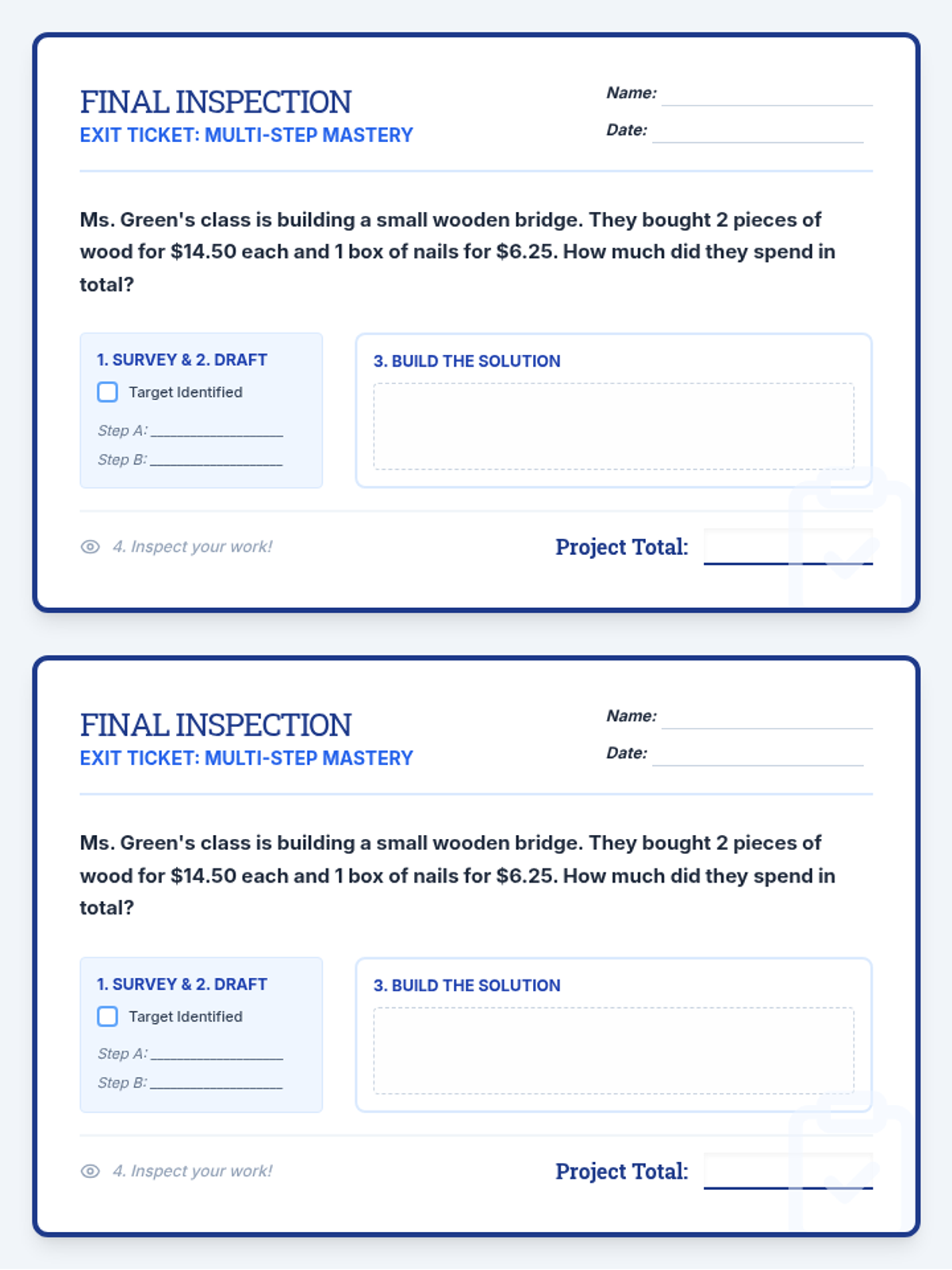
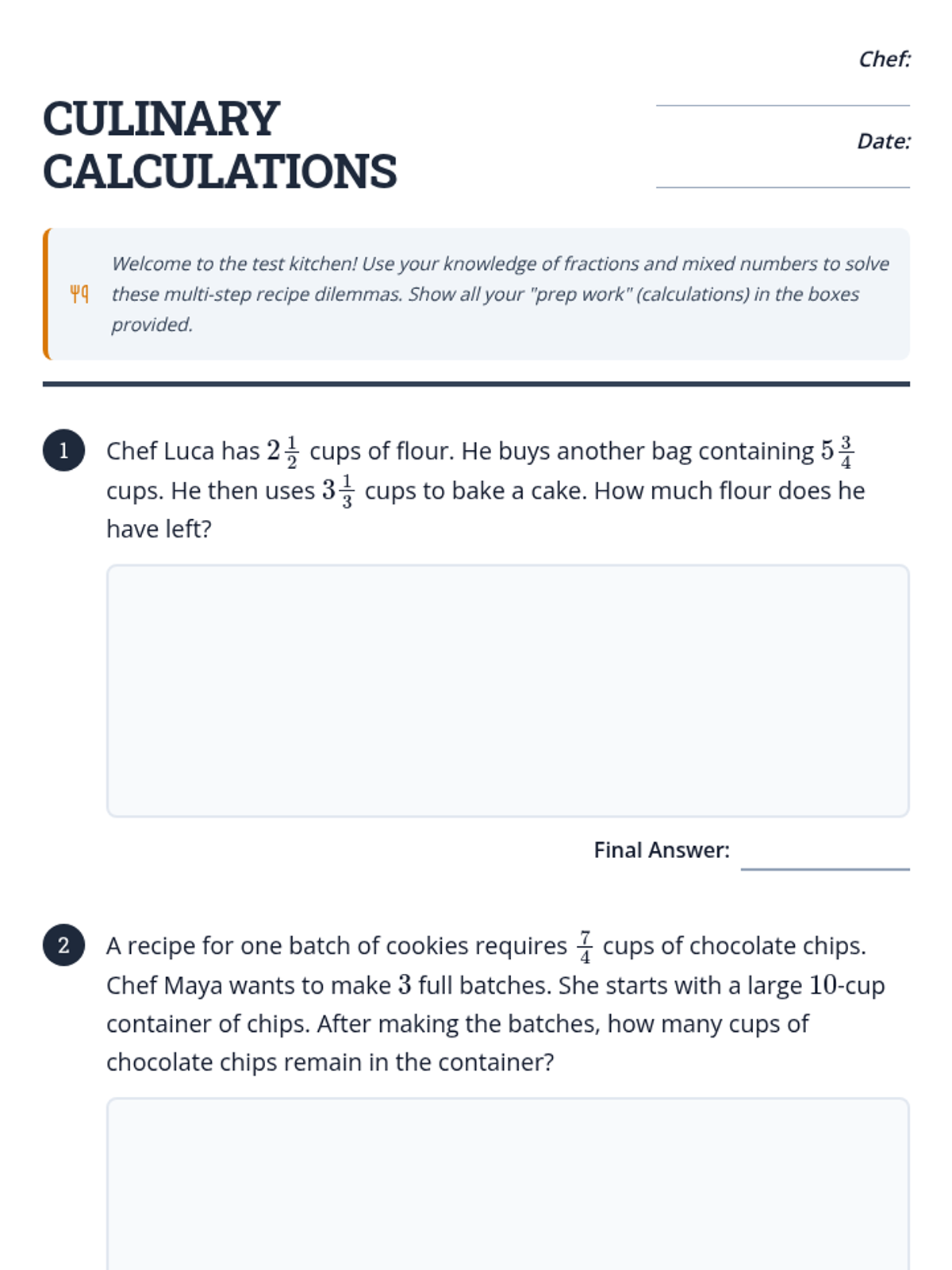
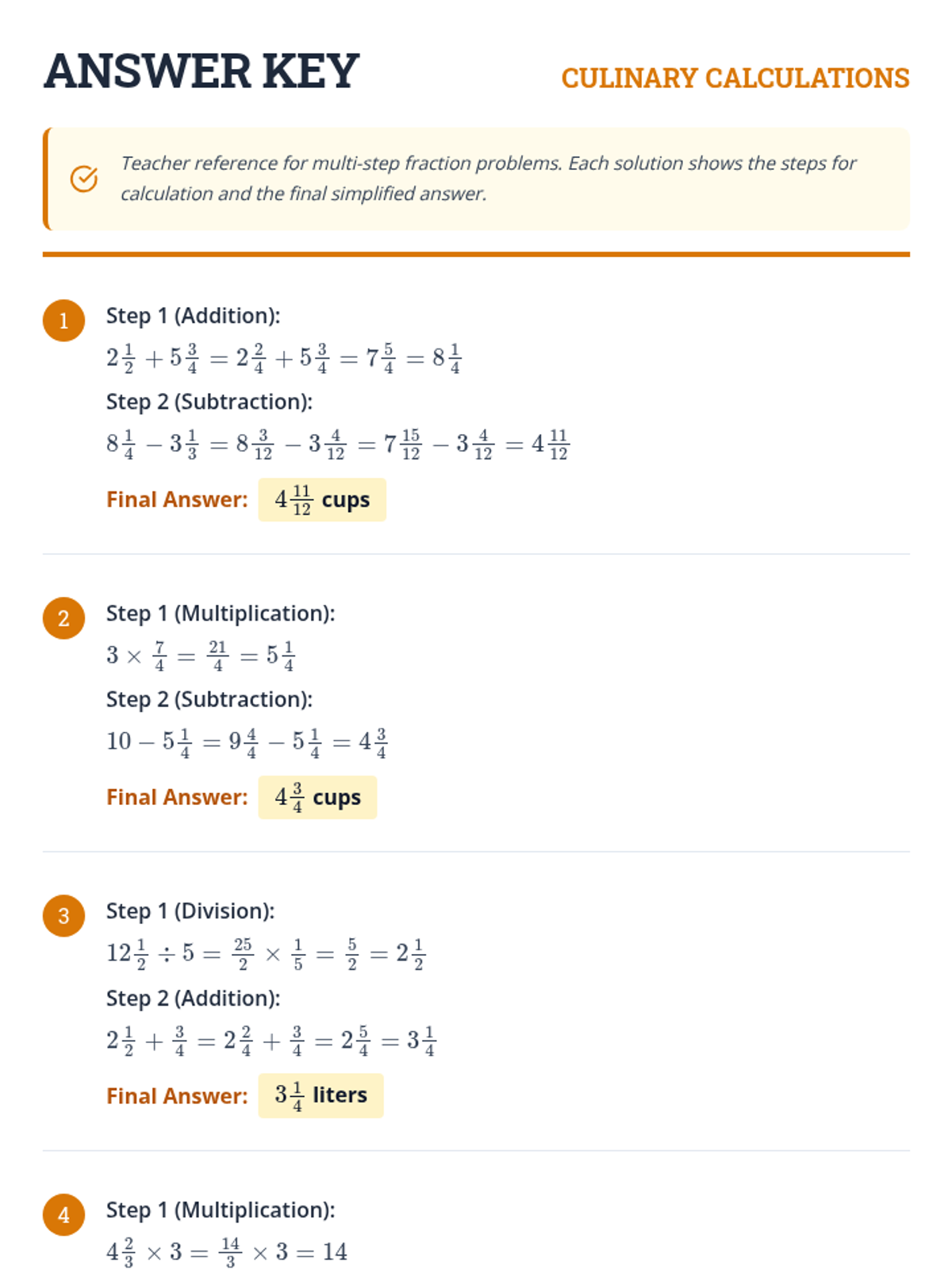
A comprehensive unit focusing on mastering multi-step word problems using a structured problem-solving routine. Students learn to break down complex problems involving whole numbers, fractions, and decimals using 'blueprint' thinking.
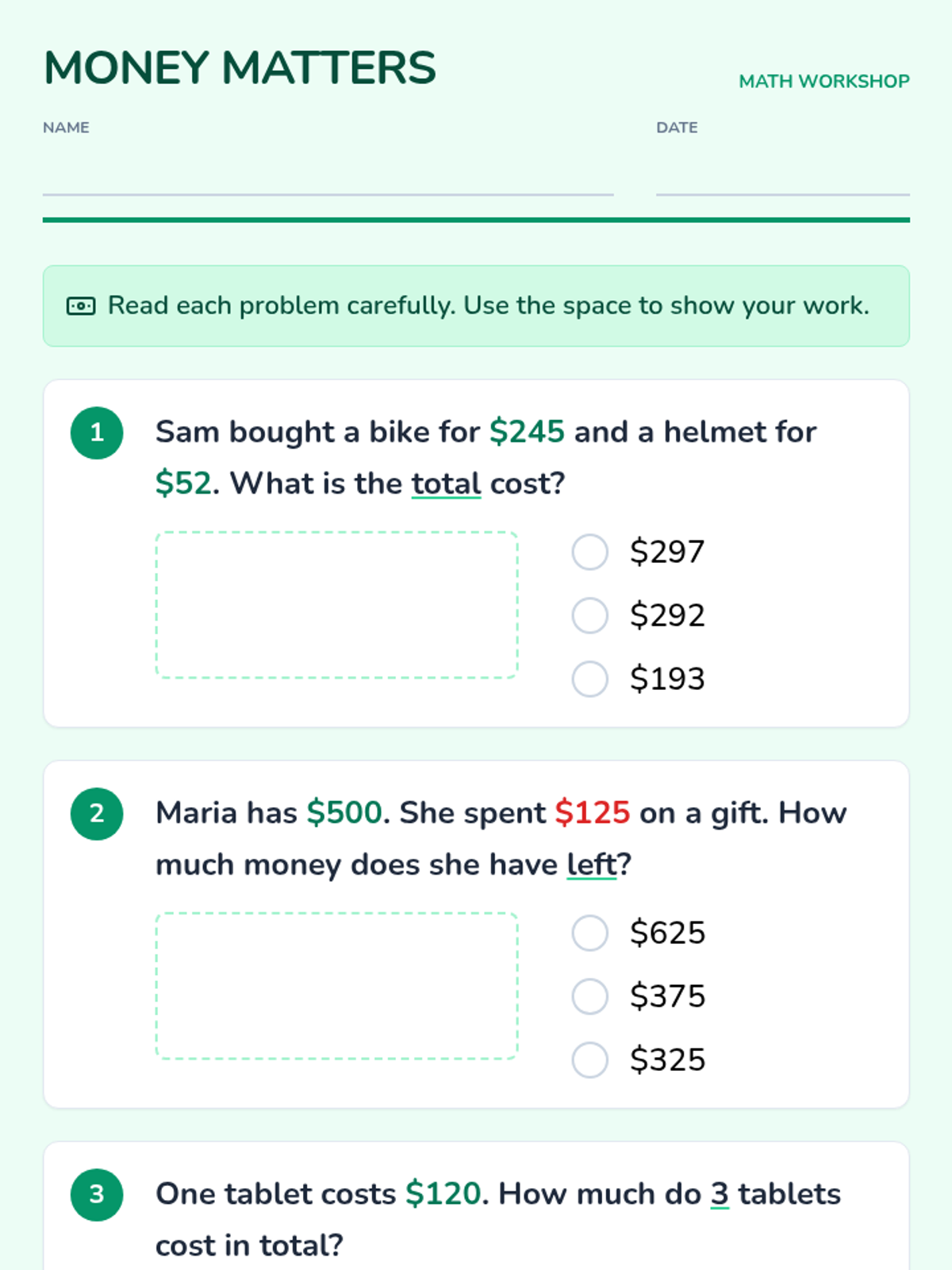
A collection of math worksheets focusing on decimals, fractions, and money operations with built-in visual supports and simplified language.
A collection of sports-themed instructional materials that use real-world events to teach logic, statistics, and organizational skills.
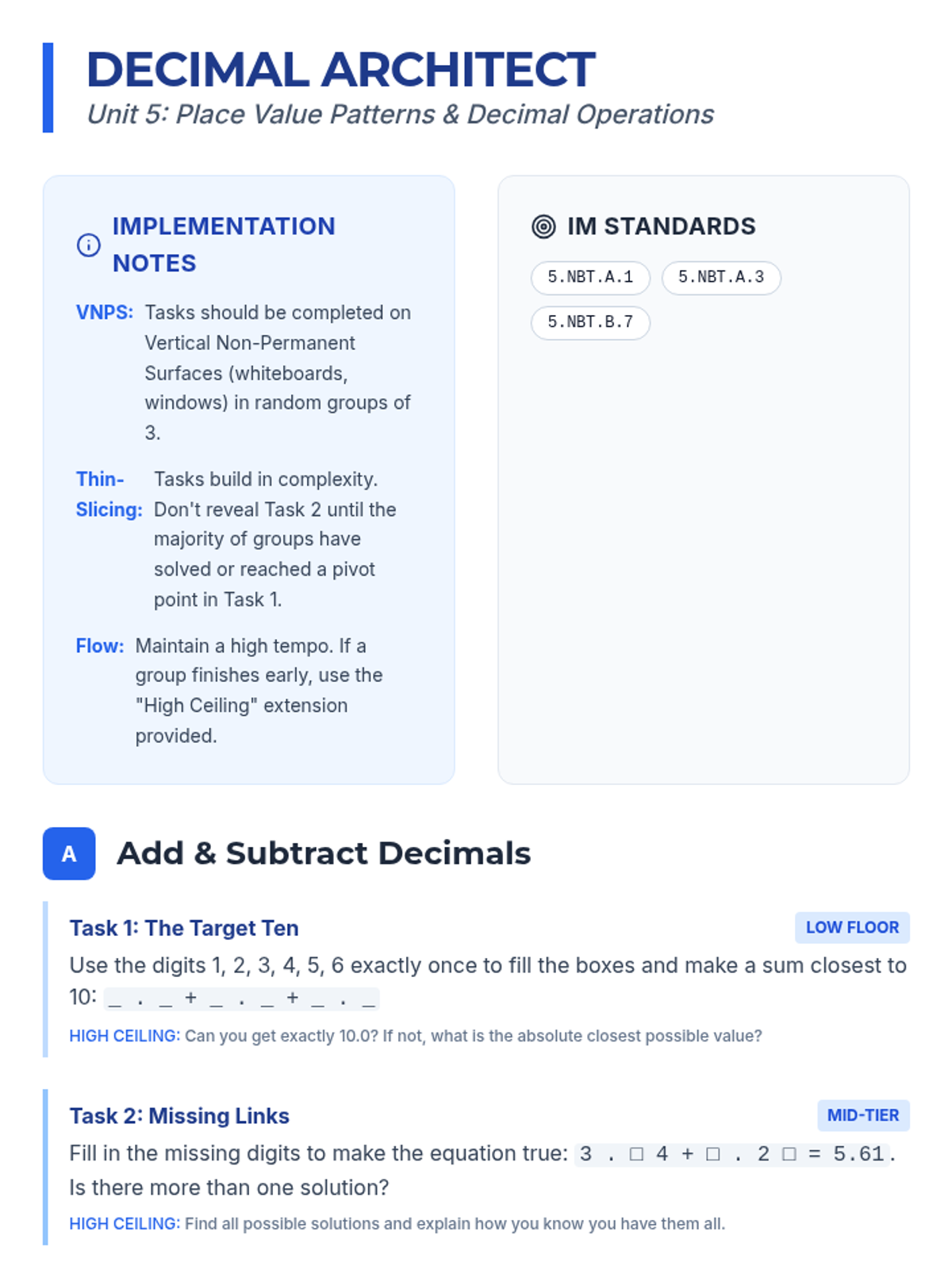
A comprehensive collection of "thin-sliced" math thinking tasks for 5th Grade Illustrative Mathematics Units 5-8, designed using the "Building Thinking Classrooms" framework to promote deep mathematical reasoning and engagement.
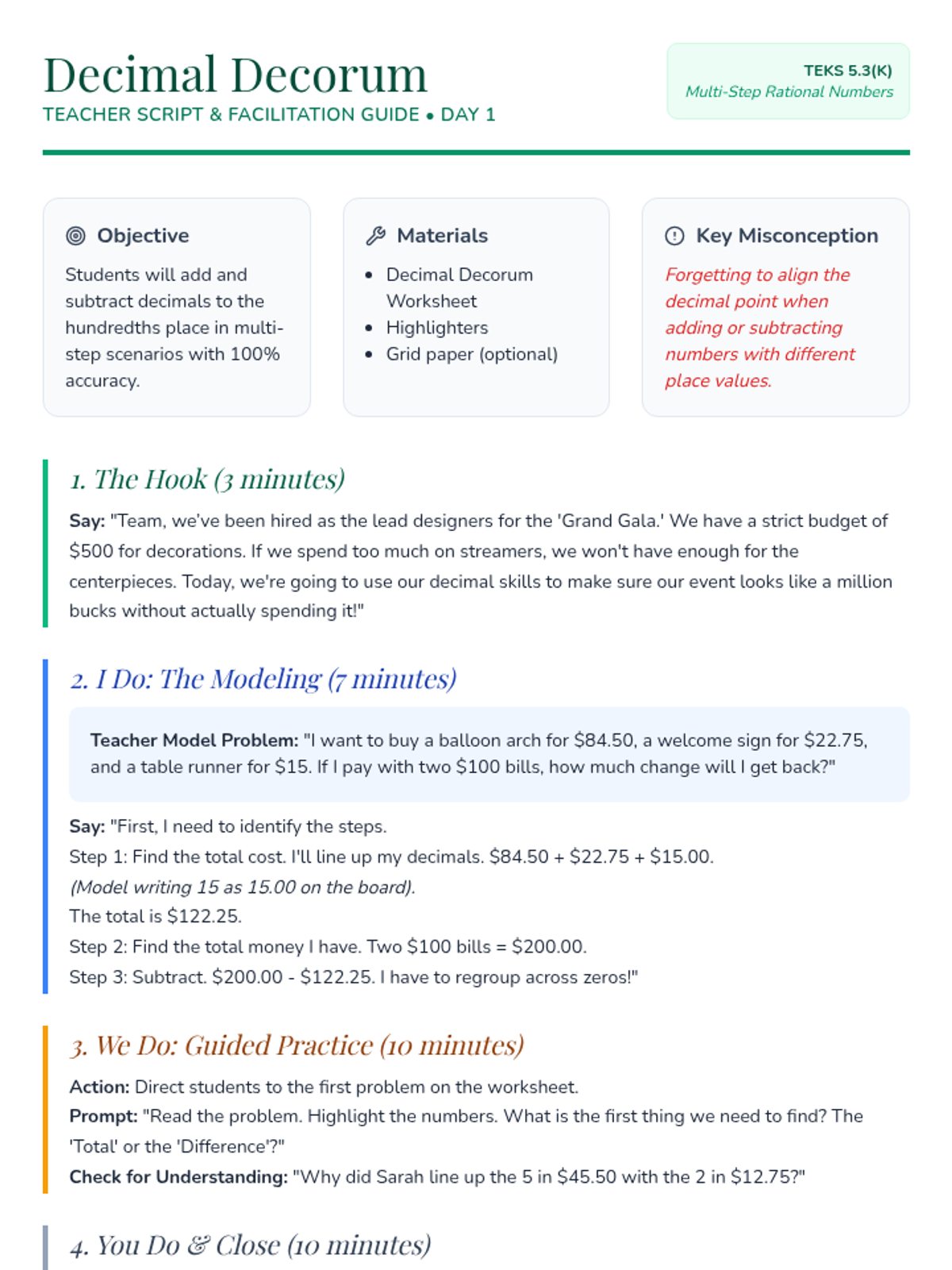
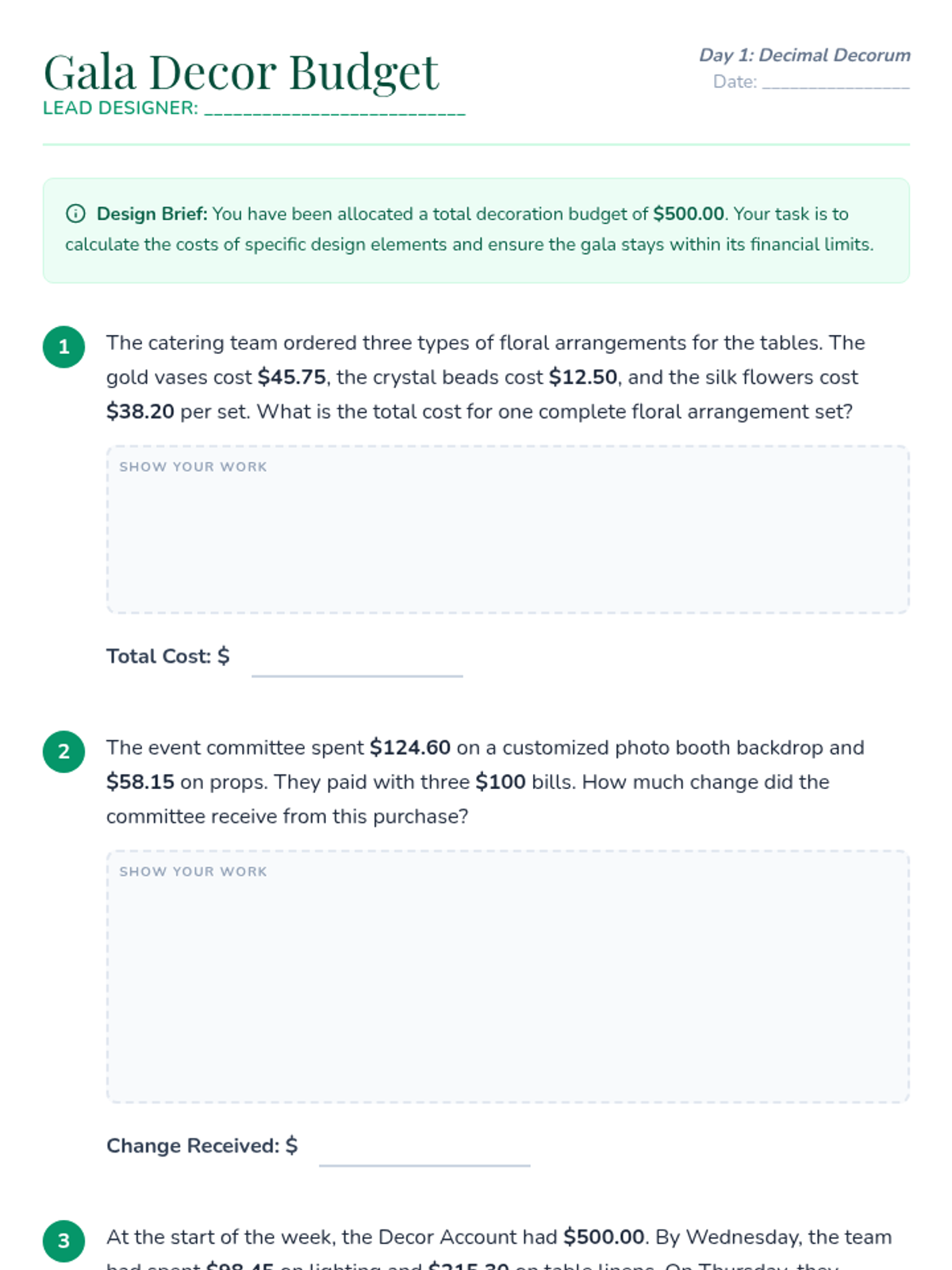
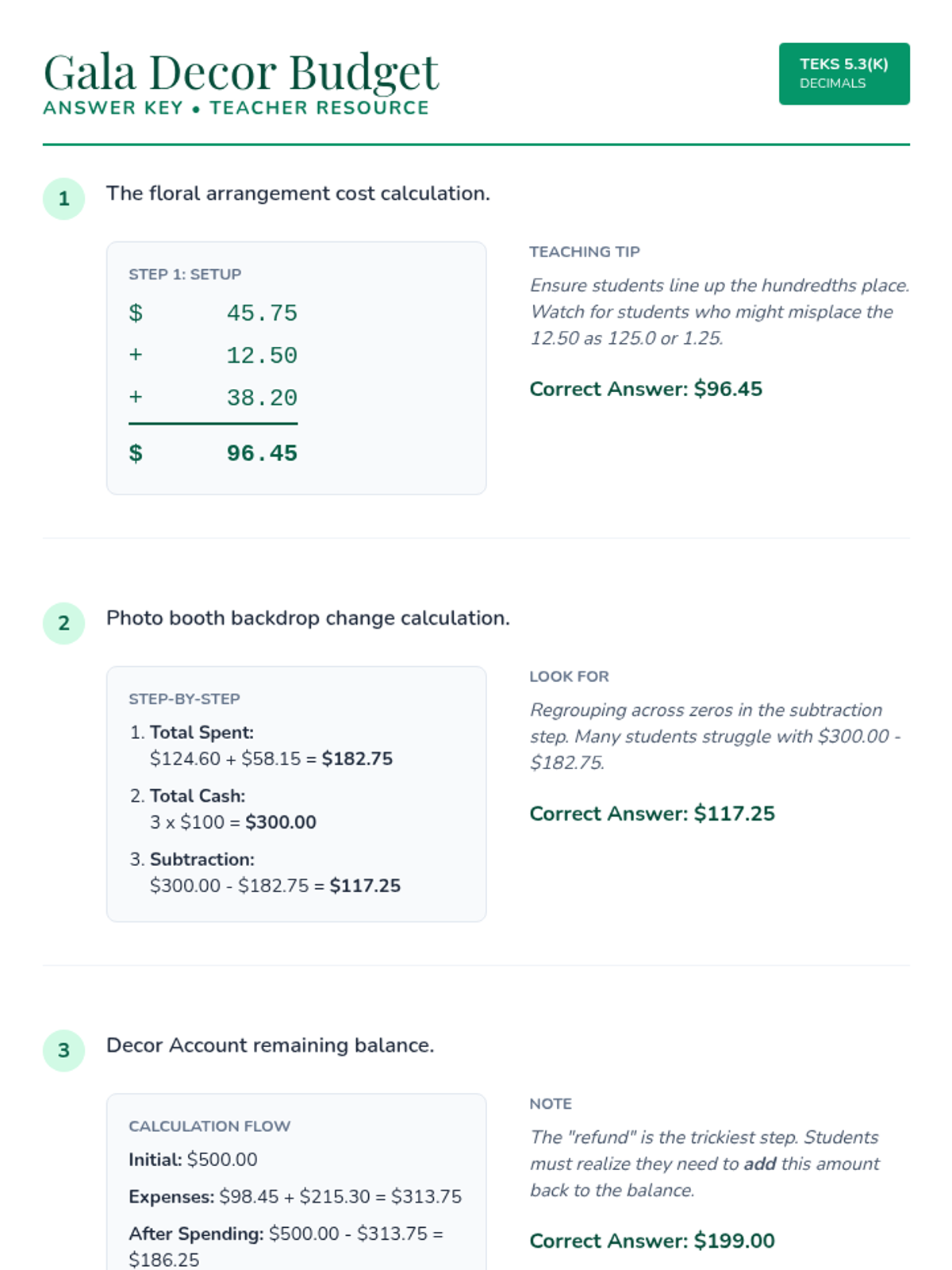
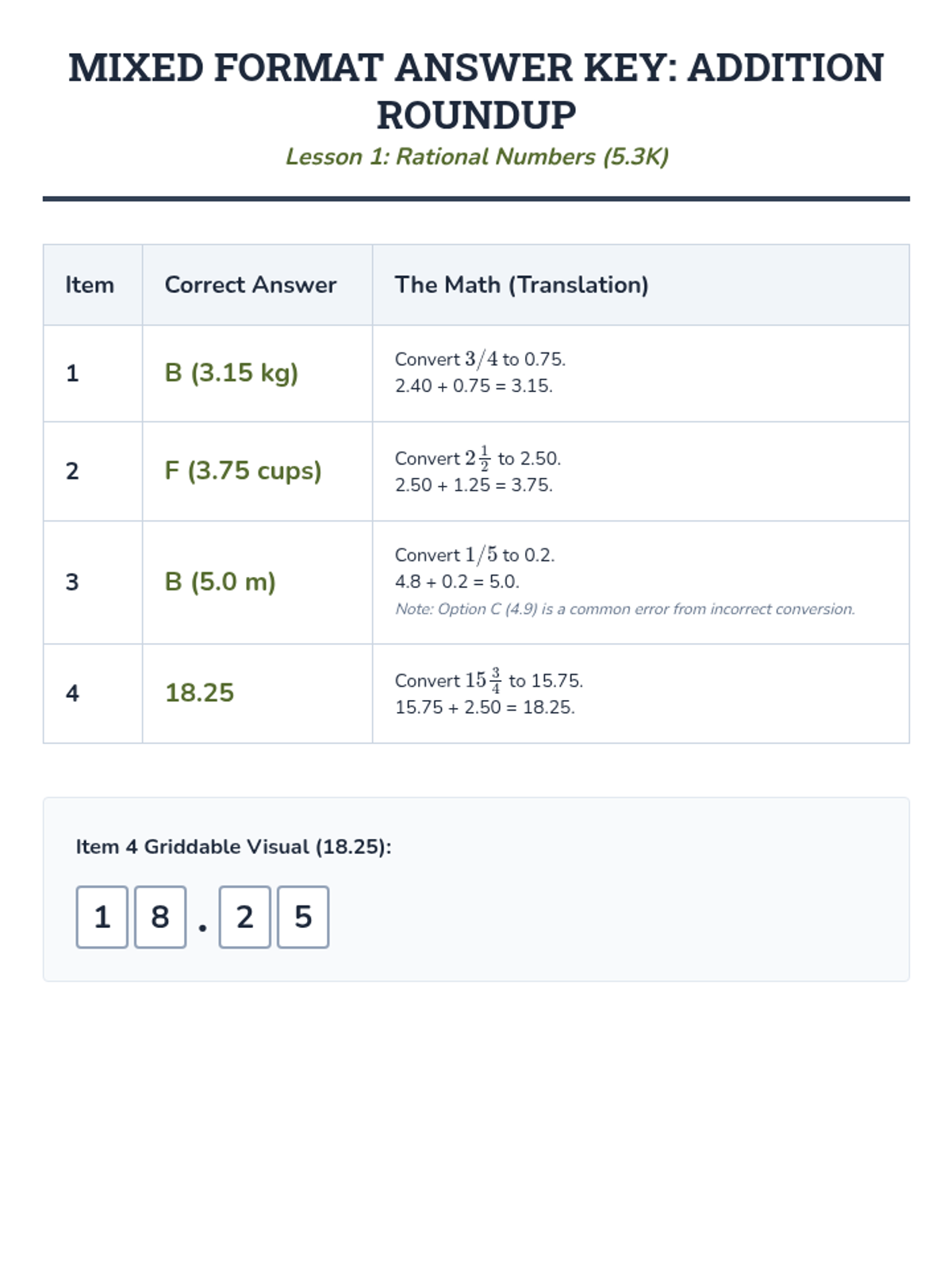
A three-day intensive math unit focused on TEKS 5.3(K), where students manage the budget and logistics for a 'Grand Gala' event. Students practice multi-step addition and subtraction of decimals and fractions through realistic planning scenarios.
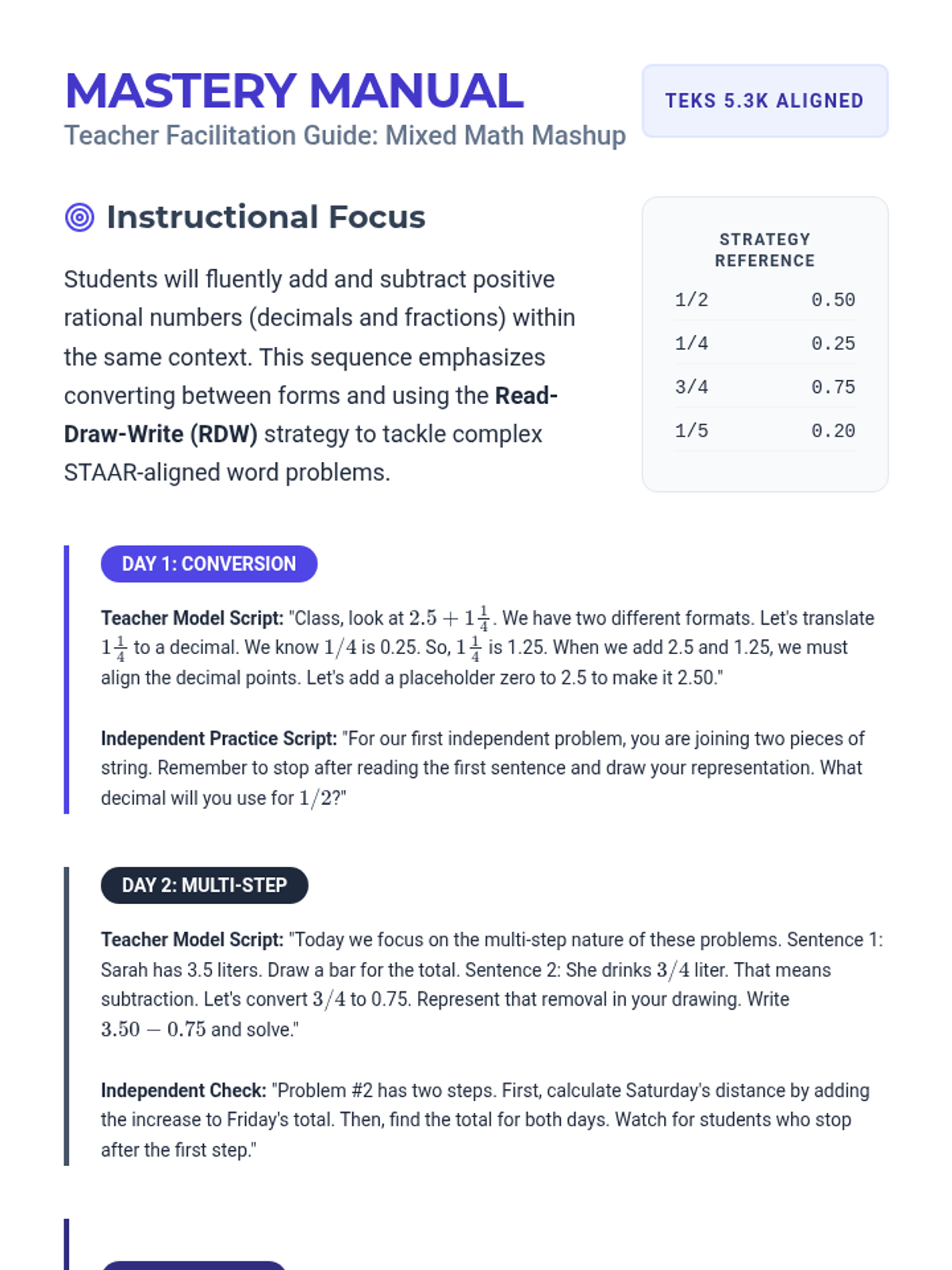
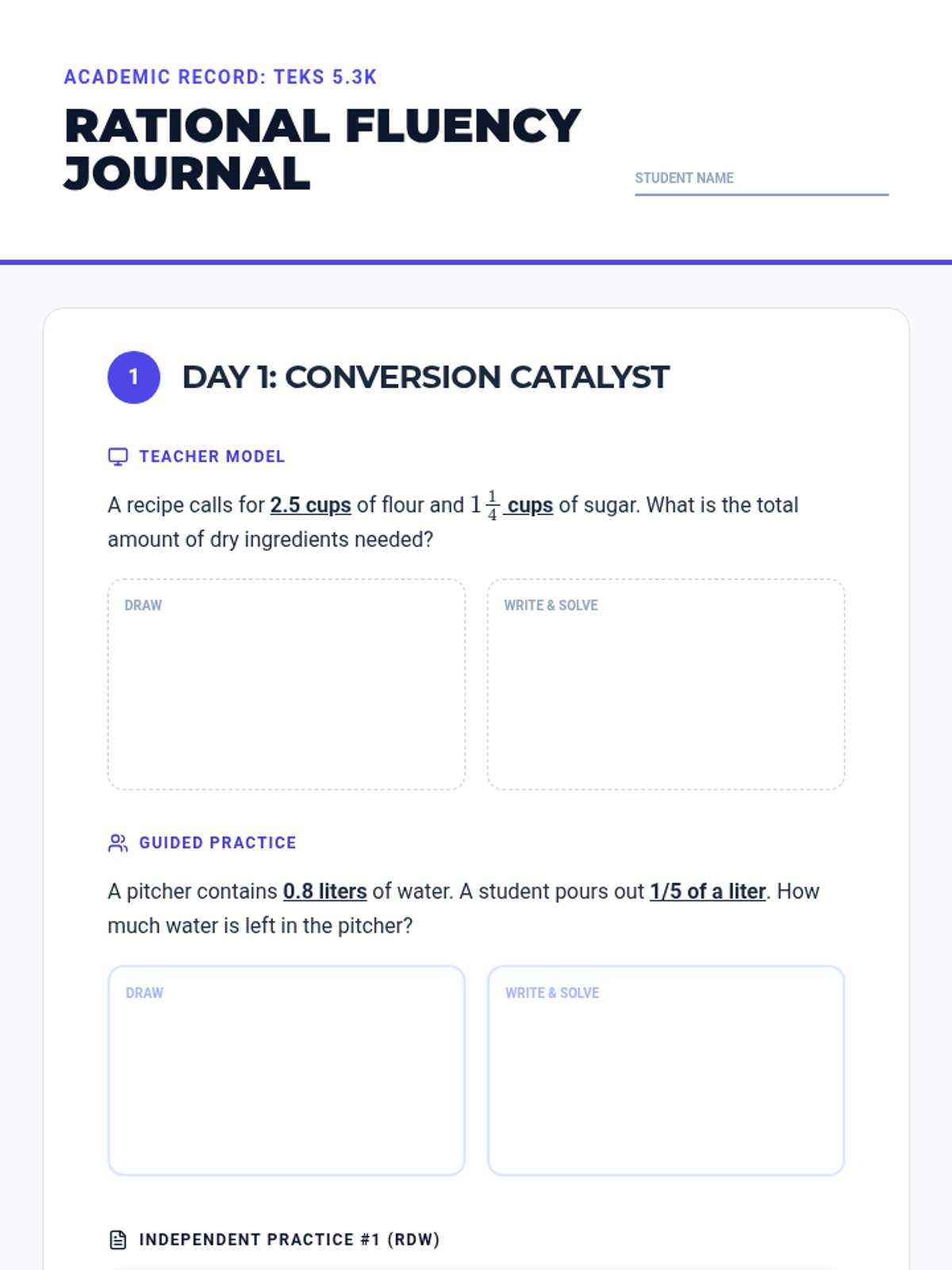
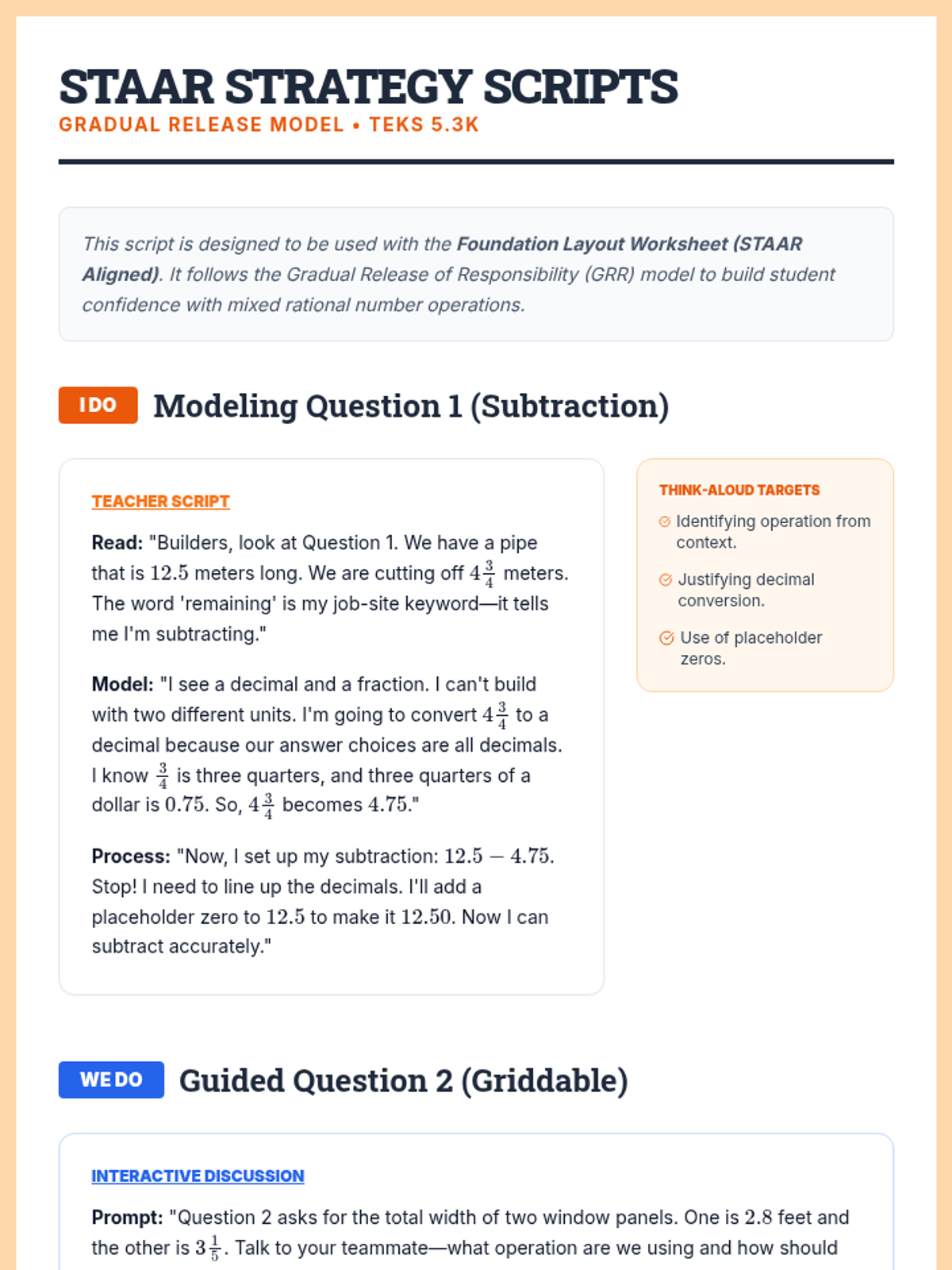
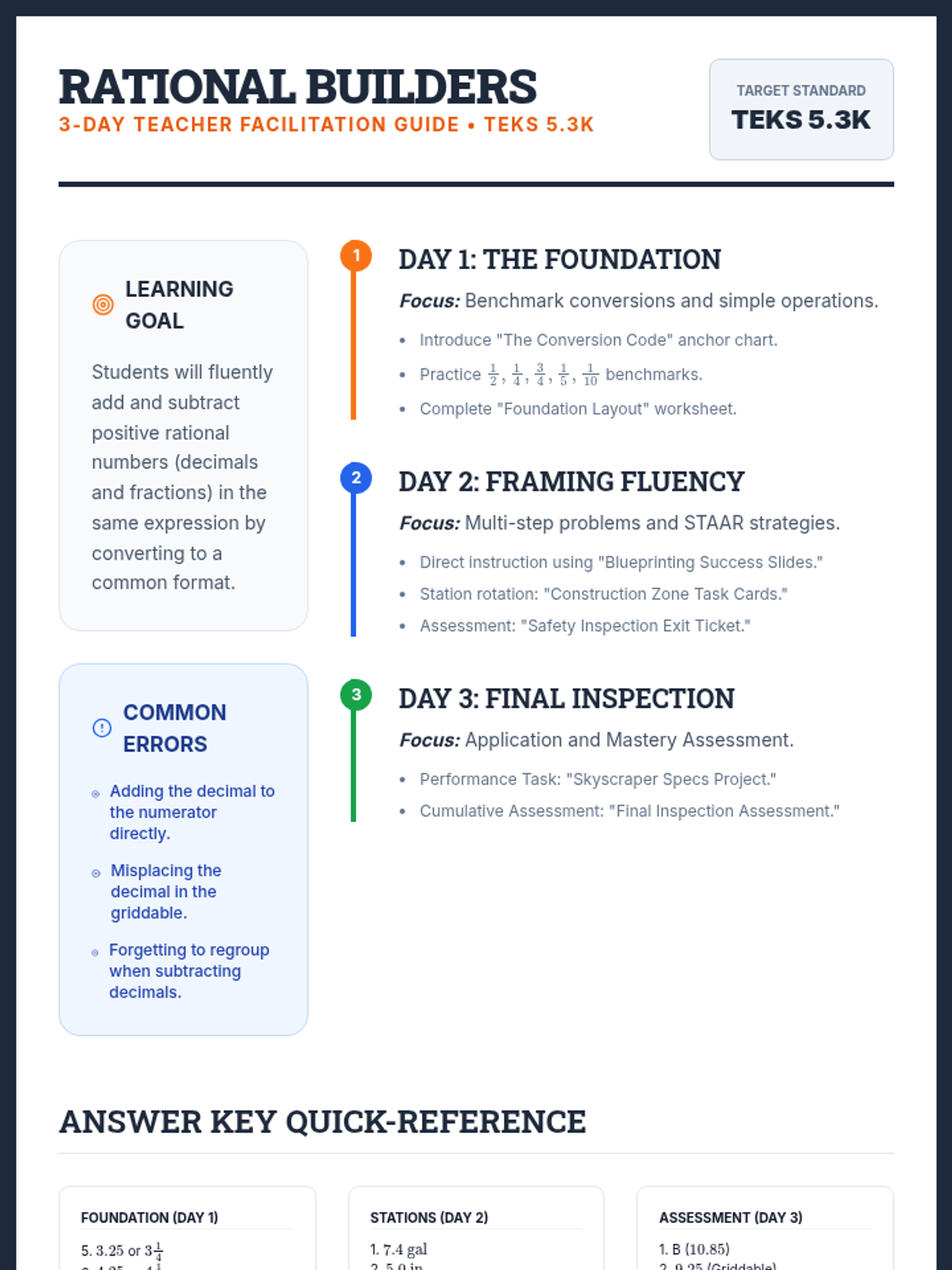
A 3-day small group math sequence for 5th grade focused on TEKS 5.3K. Students learn to fluently add and subtract positive rational numbers by converting between fractions and decimals and using the Read-Draw-Write strategy for STAAR-aligned word problems.
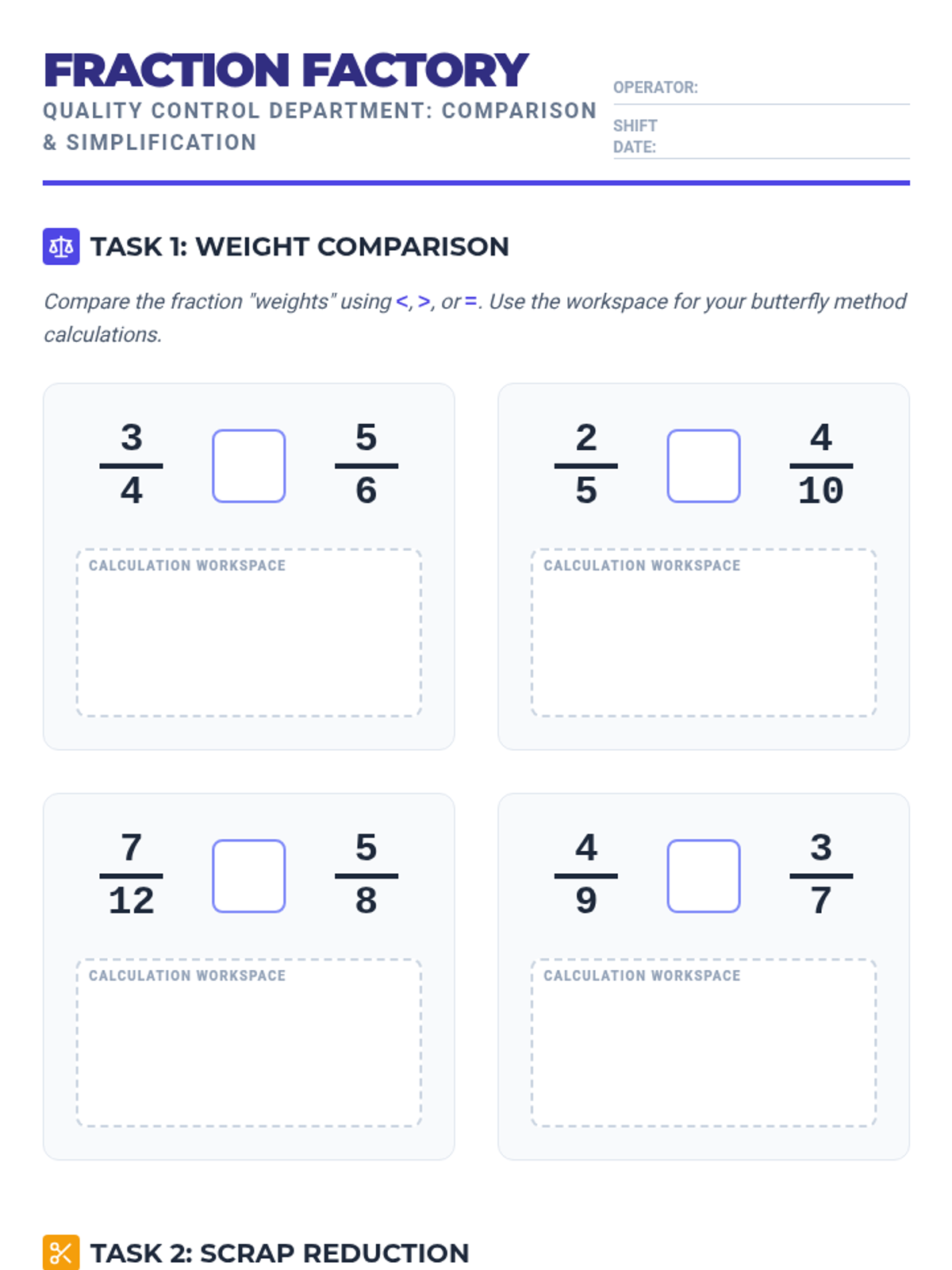
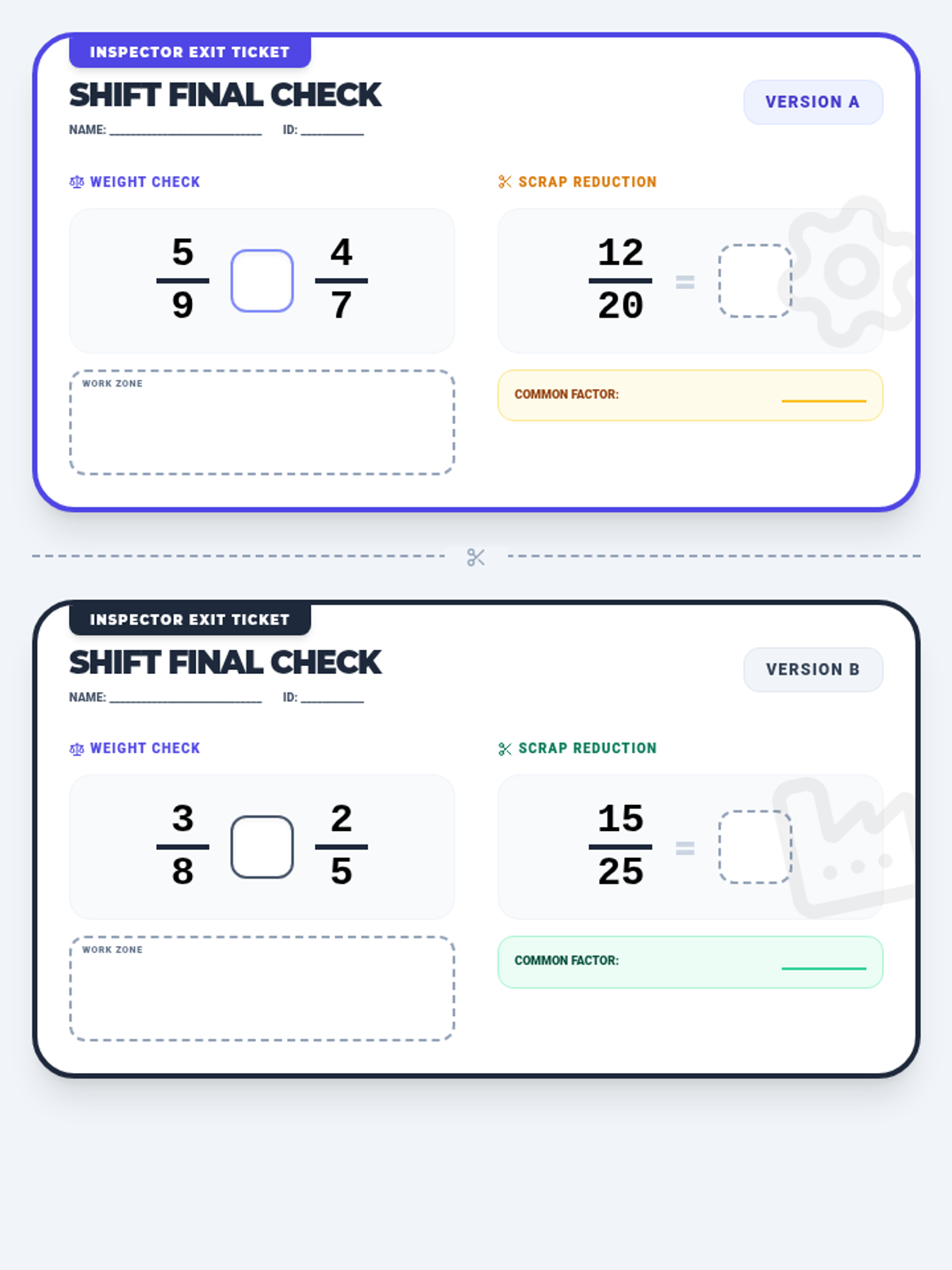
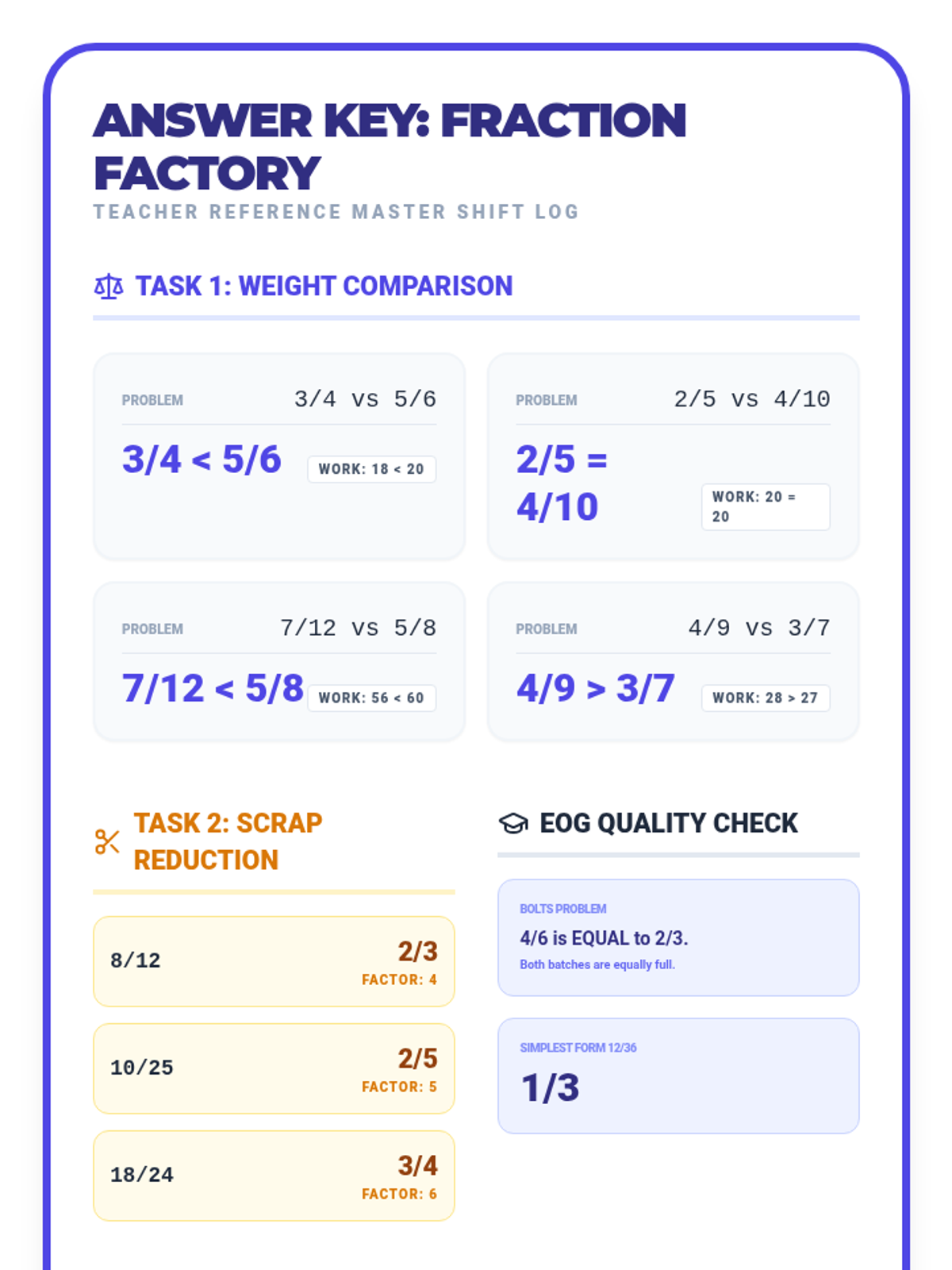
A comprehensive unit focused on mastering fraction operations, specifically focusing on comparison and simplification techniques tailored for EOG preparation.
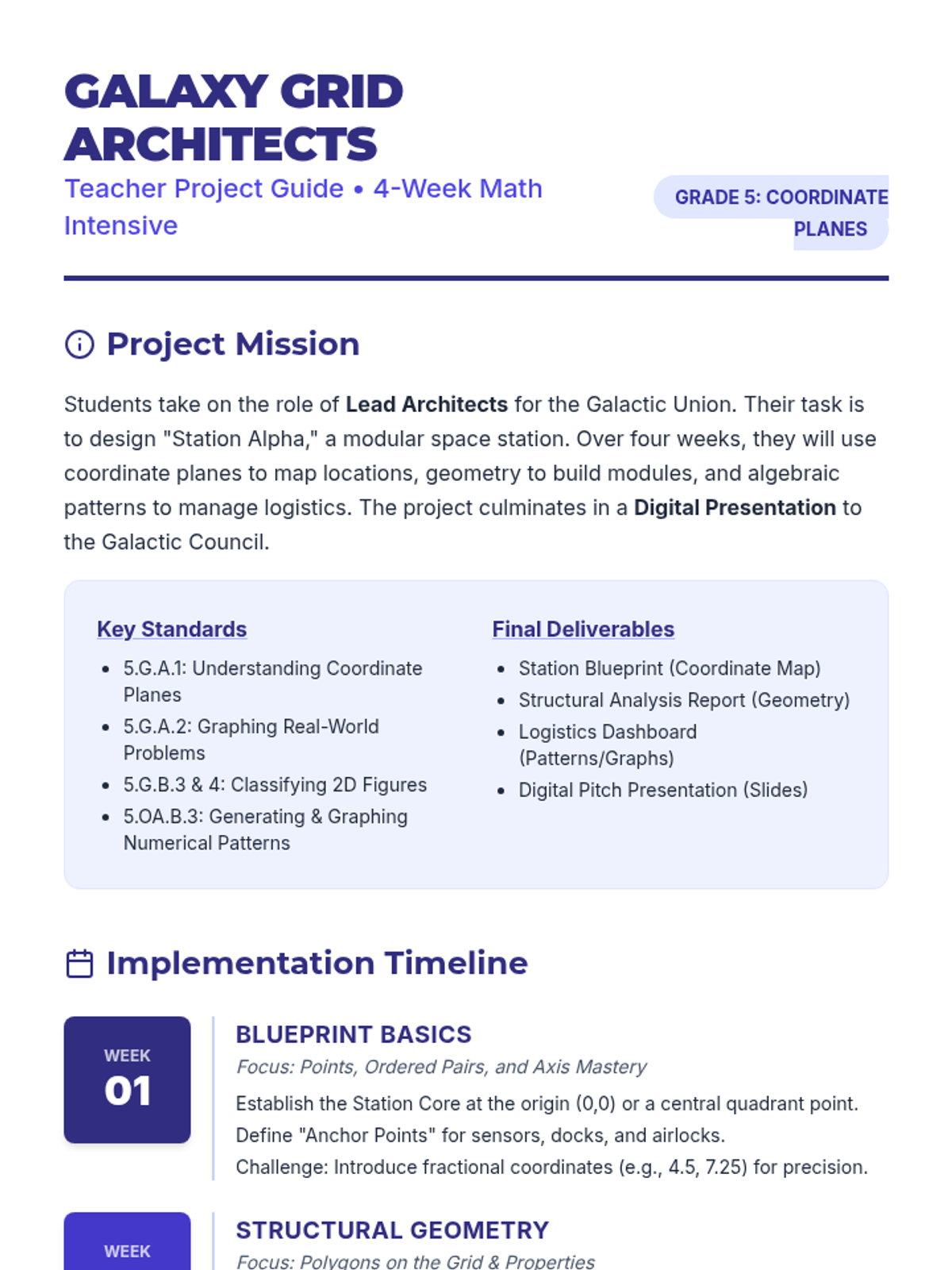
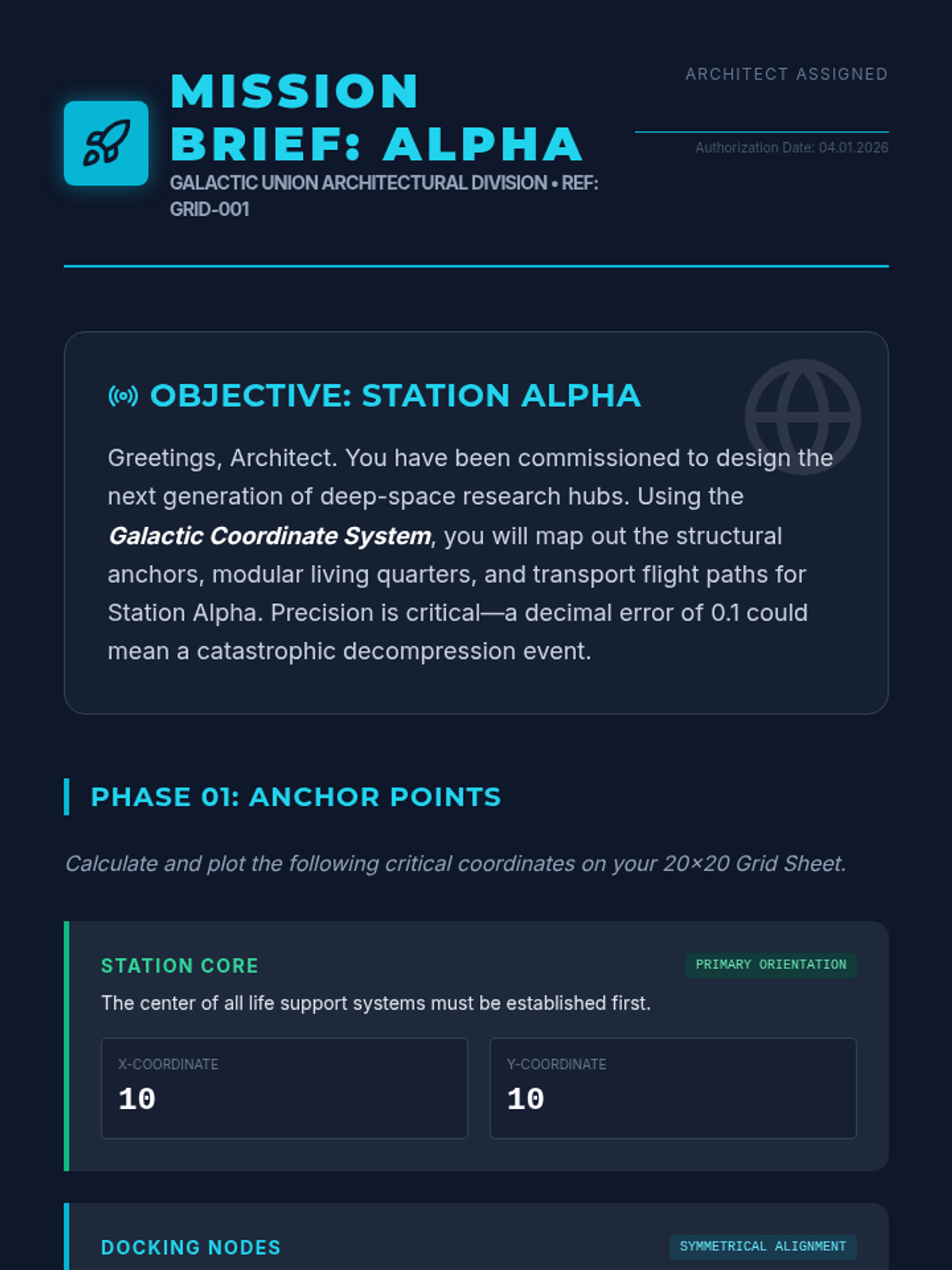
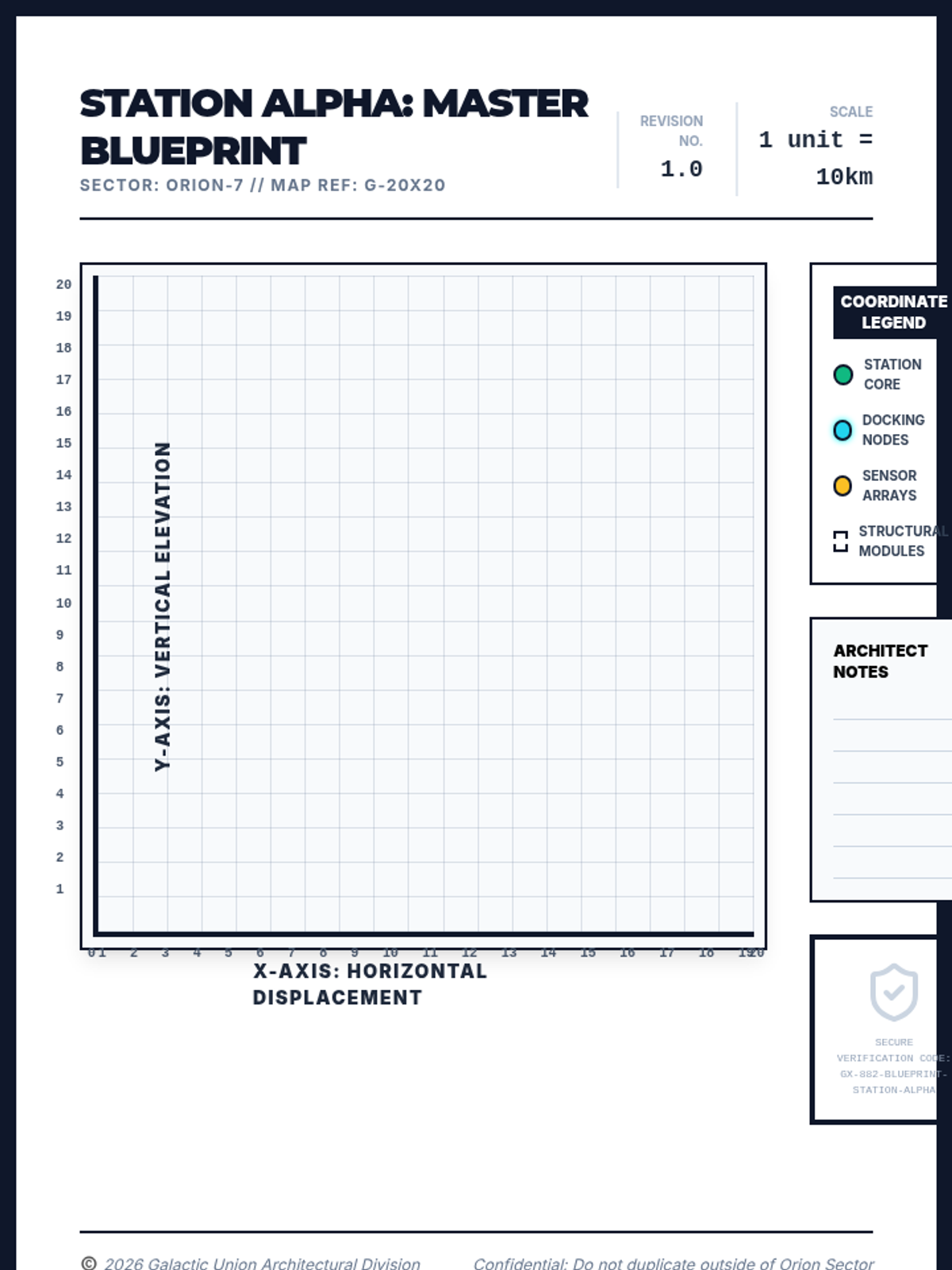
A 4-week project where students act as Space Architects, using coordinate planes, geometry, and numerical patterns to design a futuristic space station and present their plans.
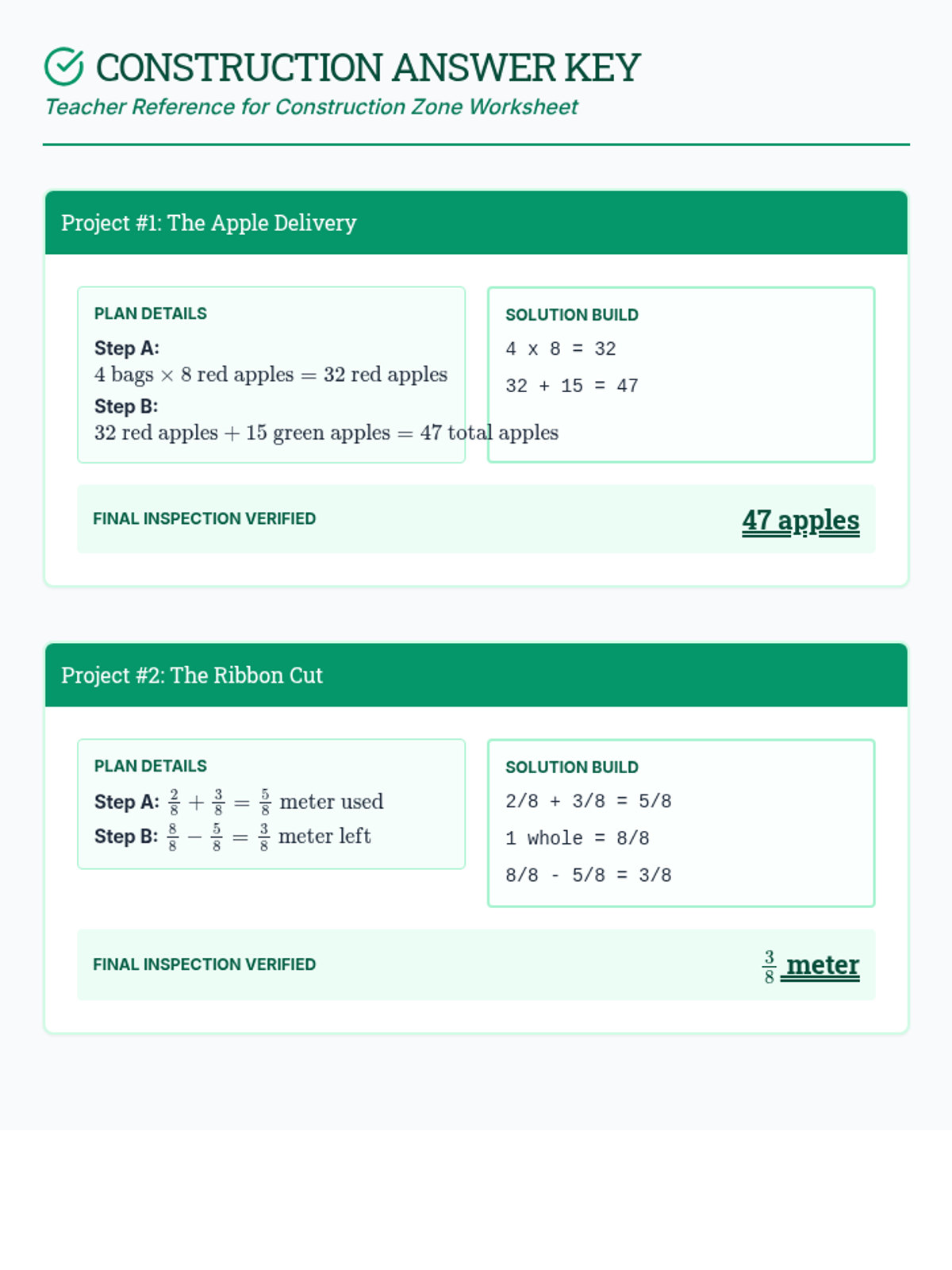
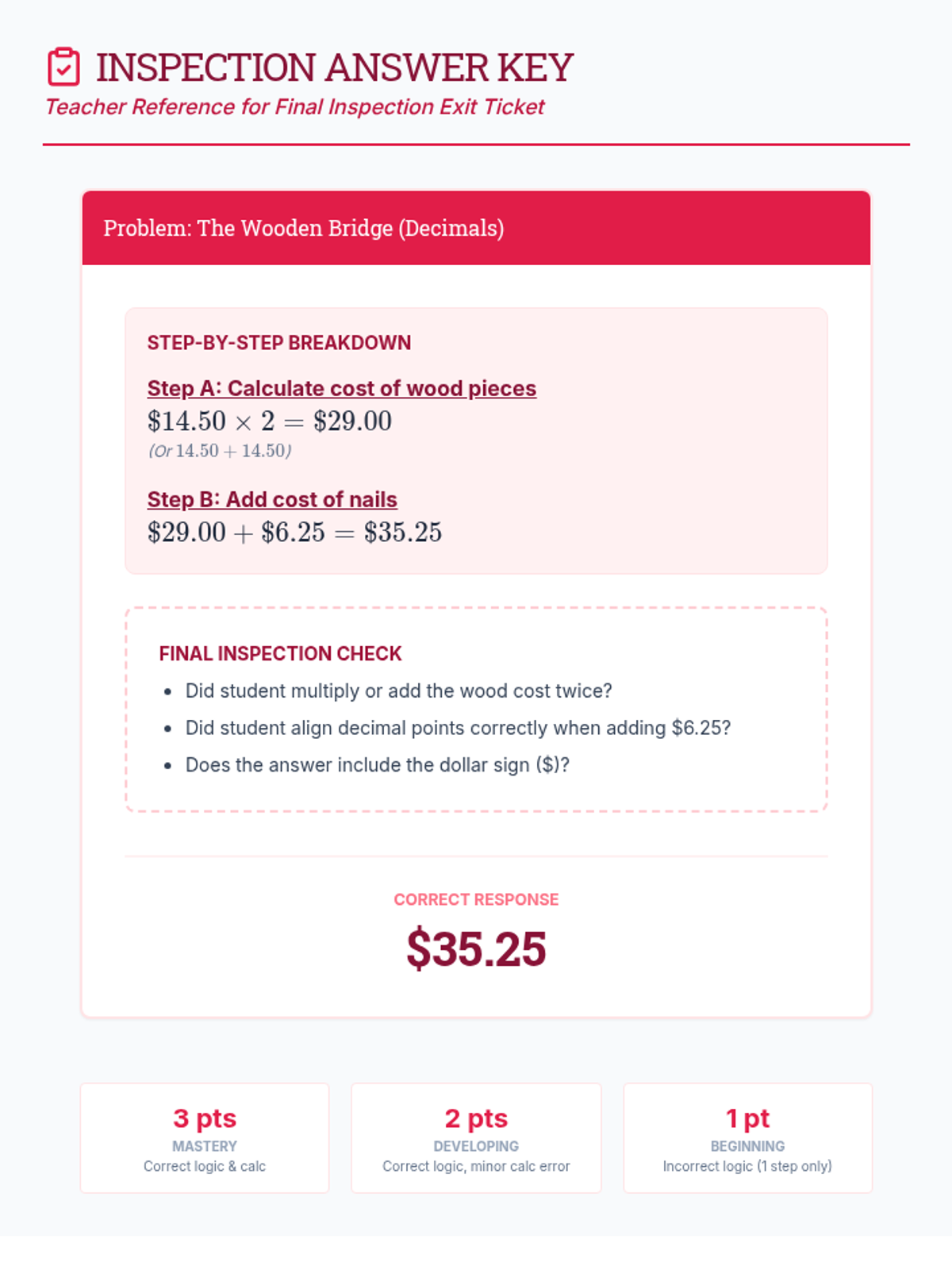
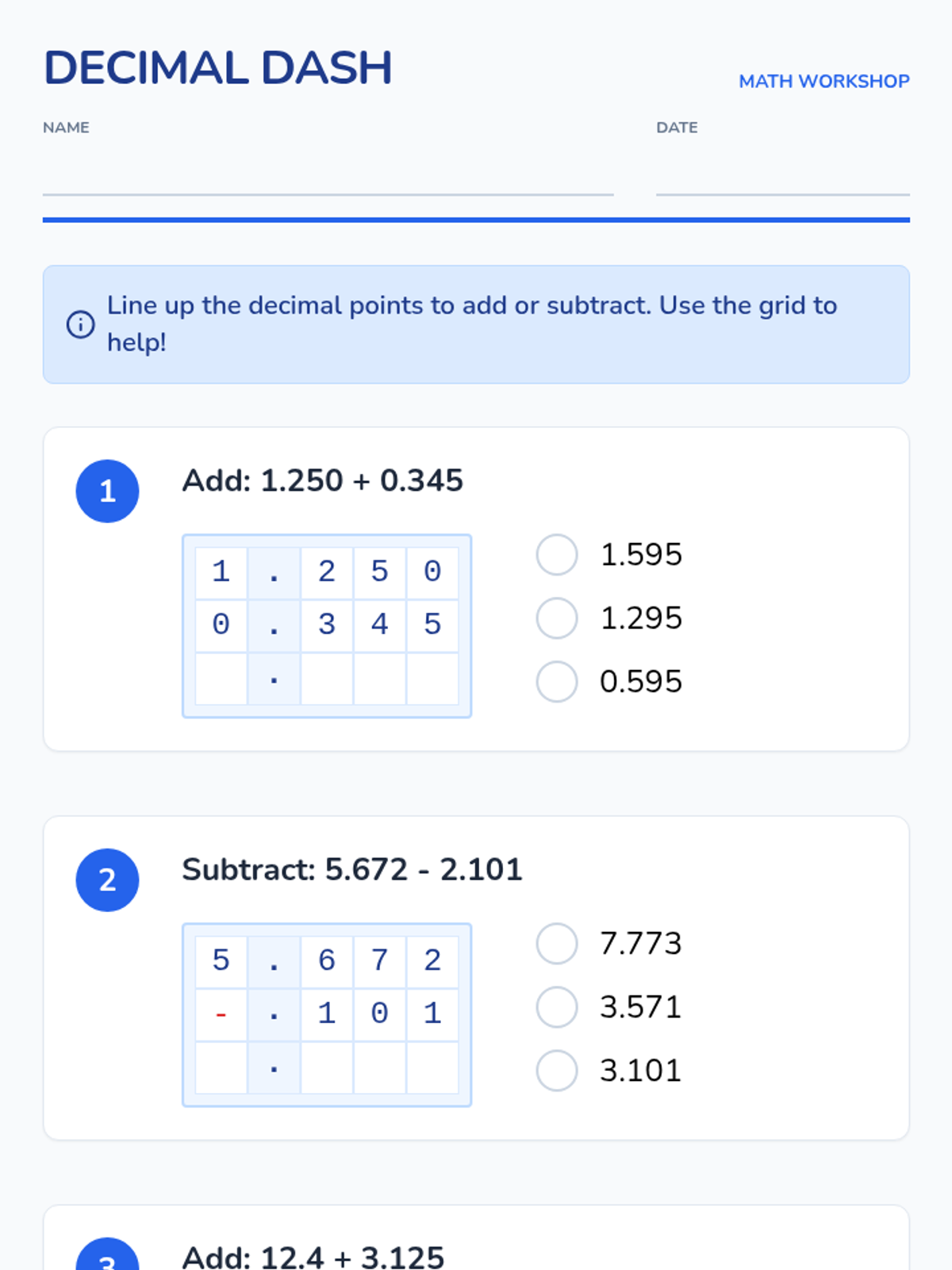
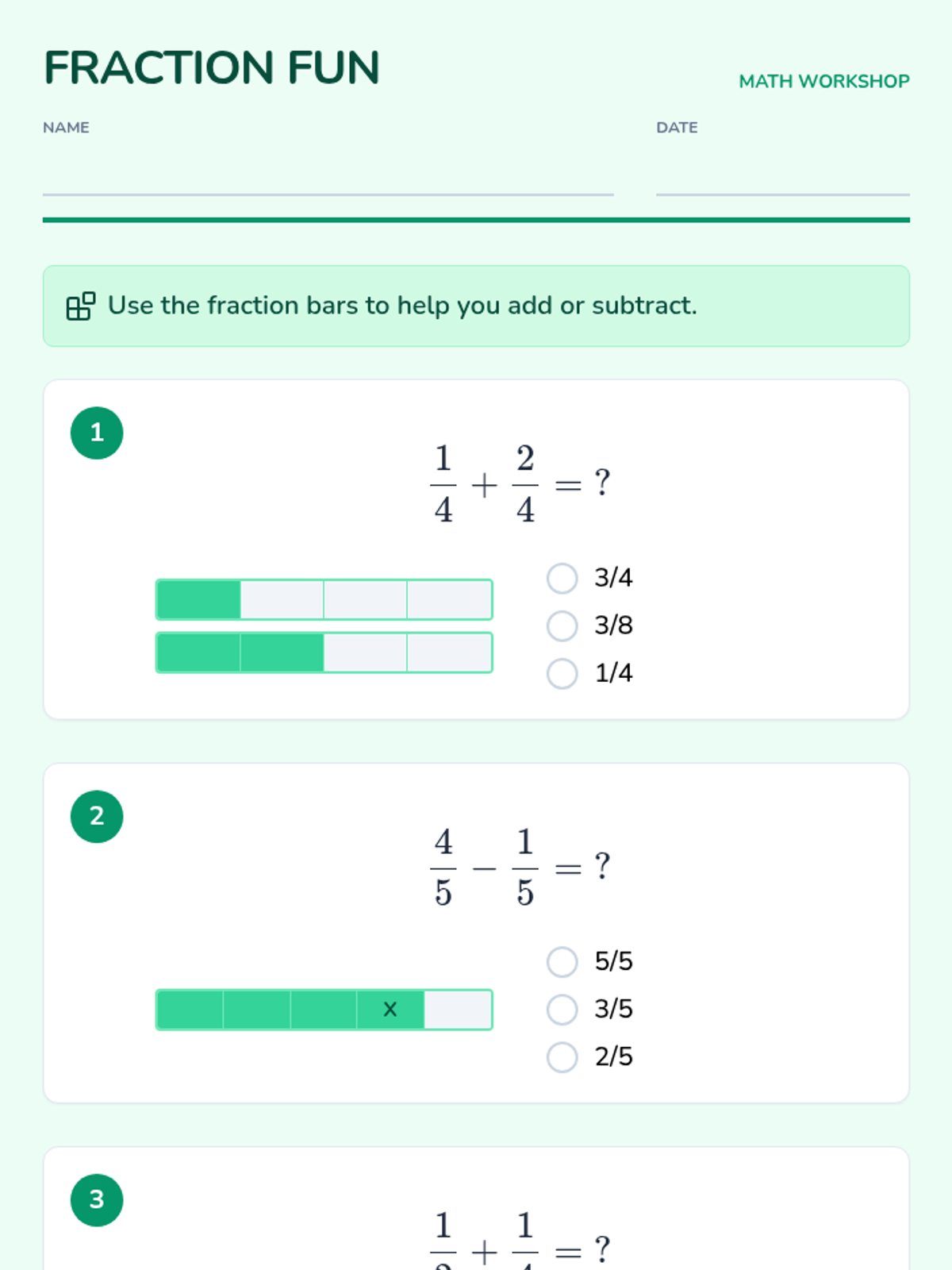
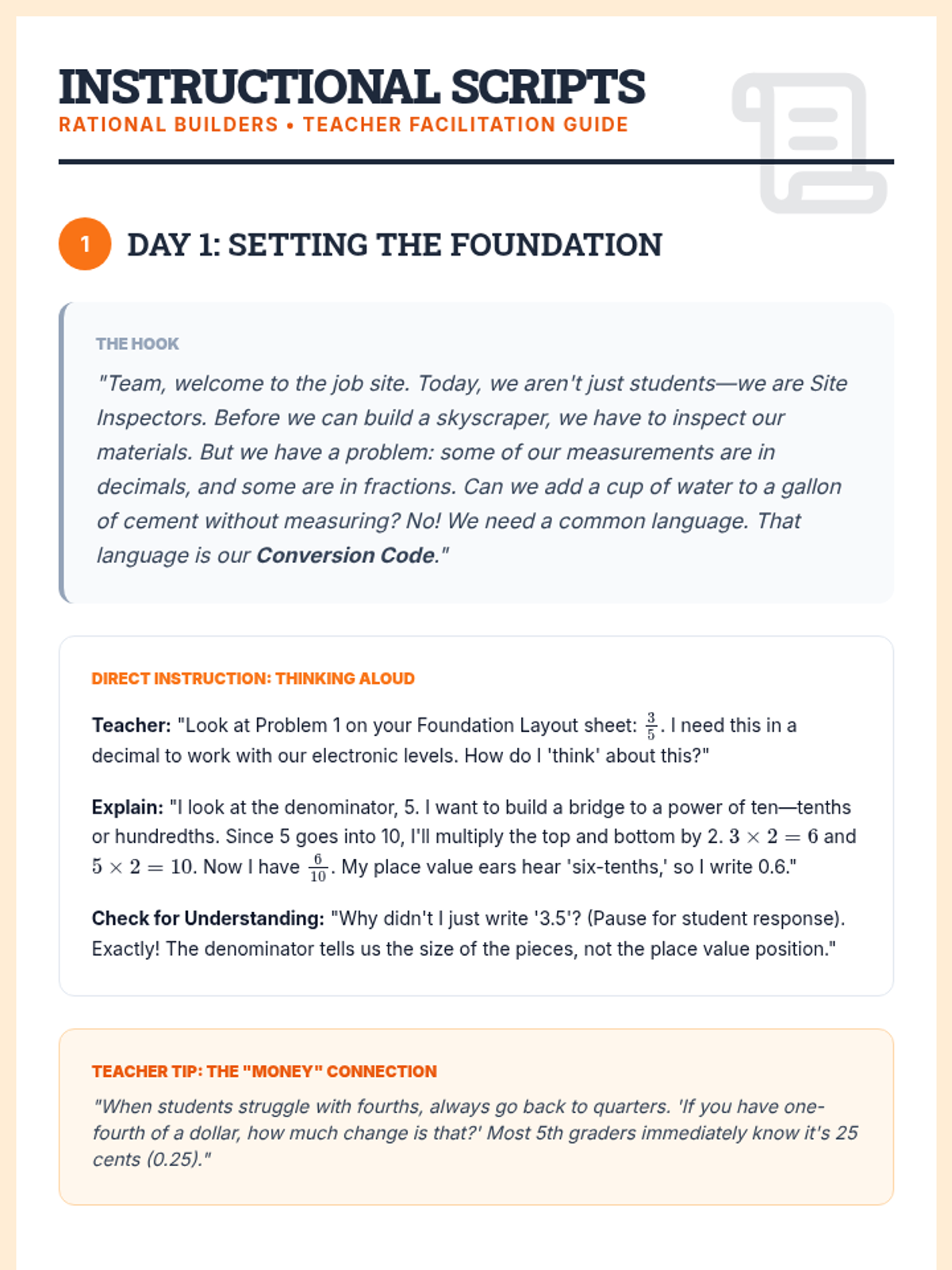
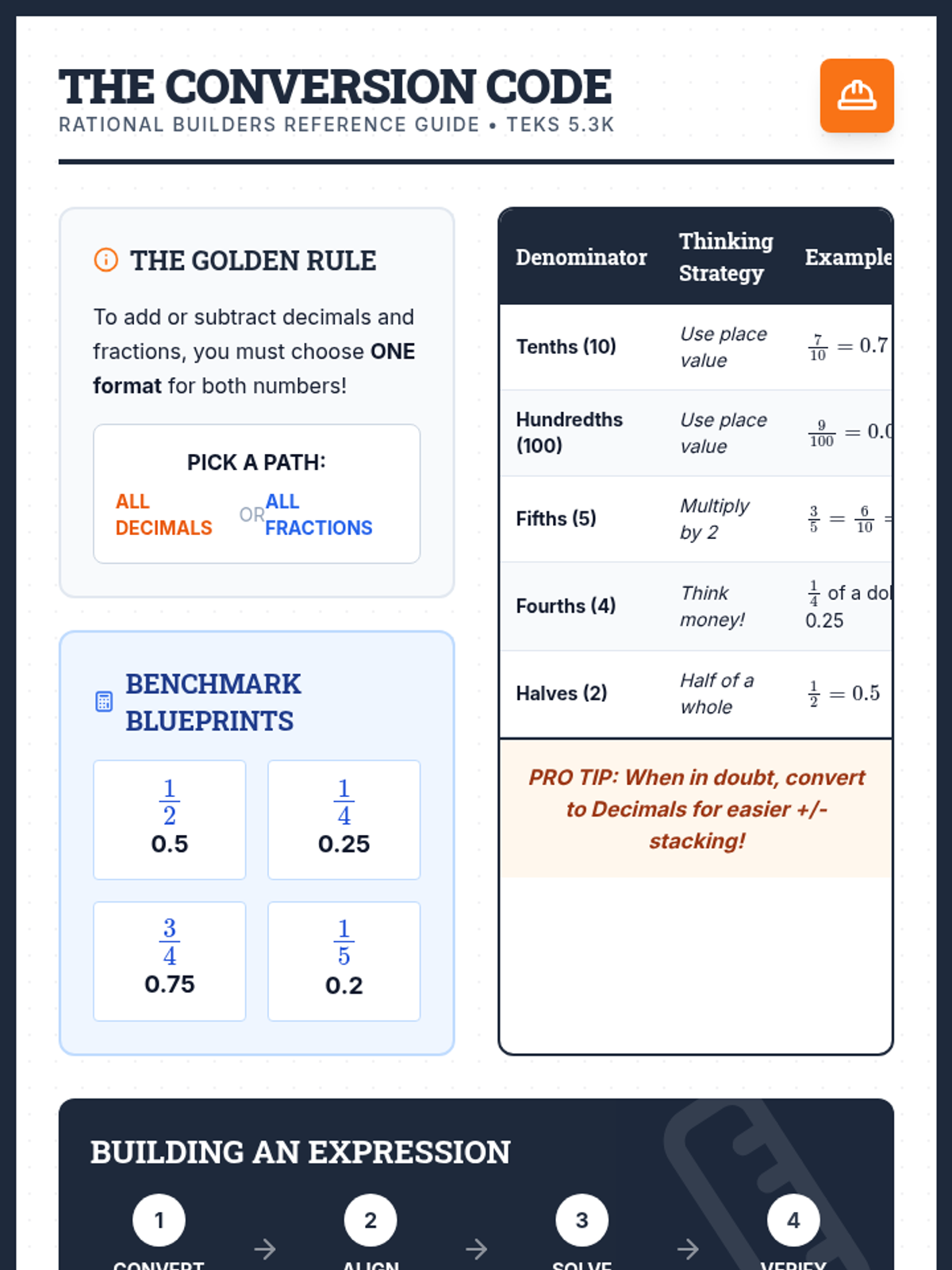
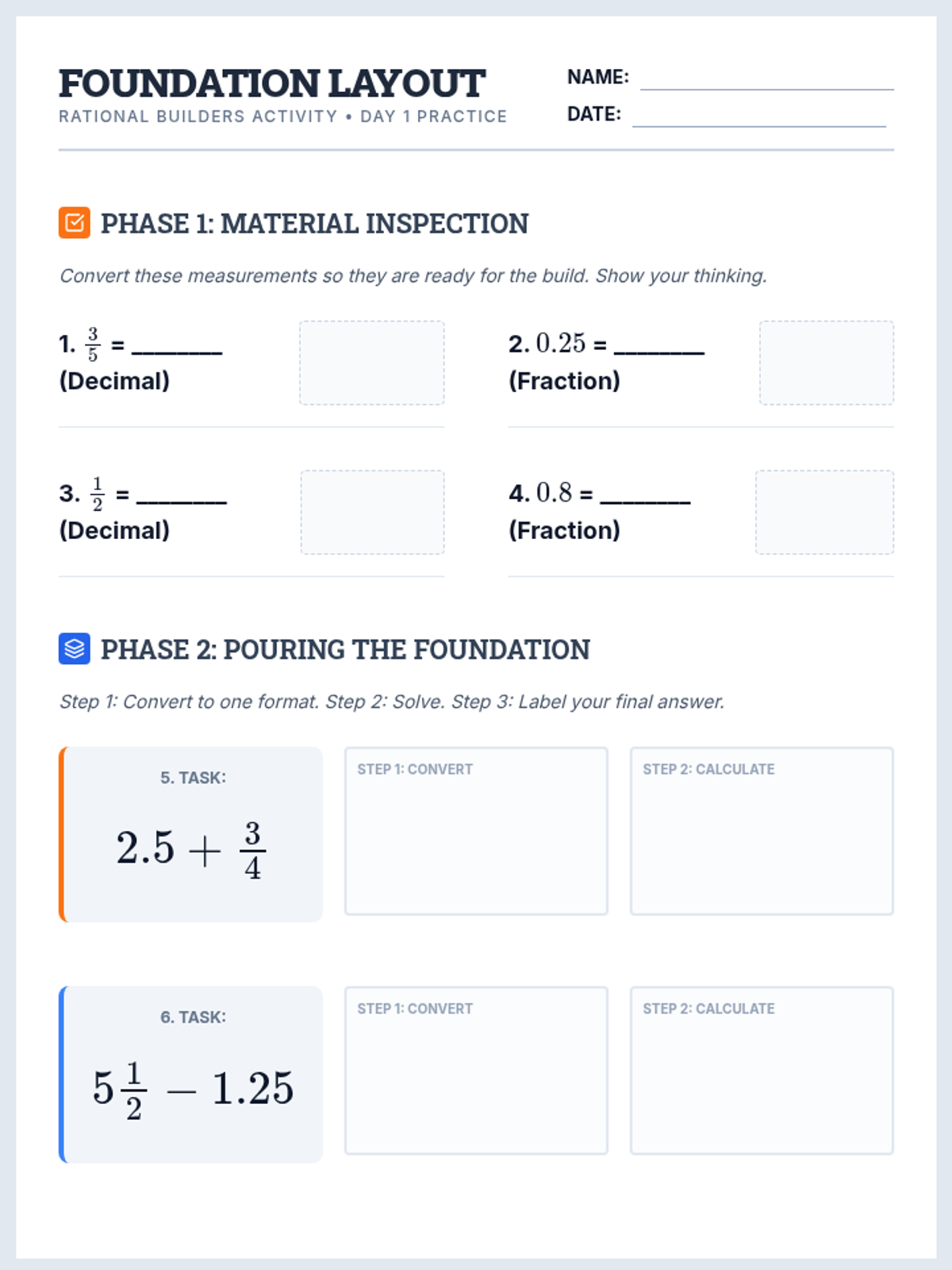
A comprehensive 3-day math sequence focused on TEKS 5.3K, where students learn to fluently add and subtract positive rational numbers involving both decimals and fractions in the same expressions through a construction-themed 'Rational Builders' unit.
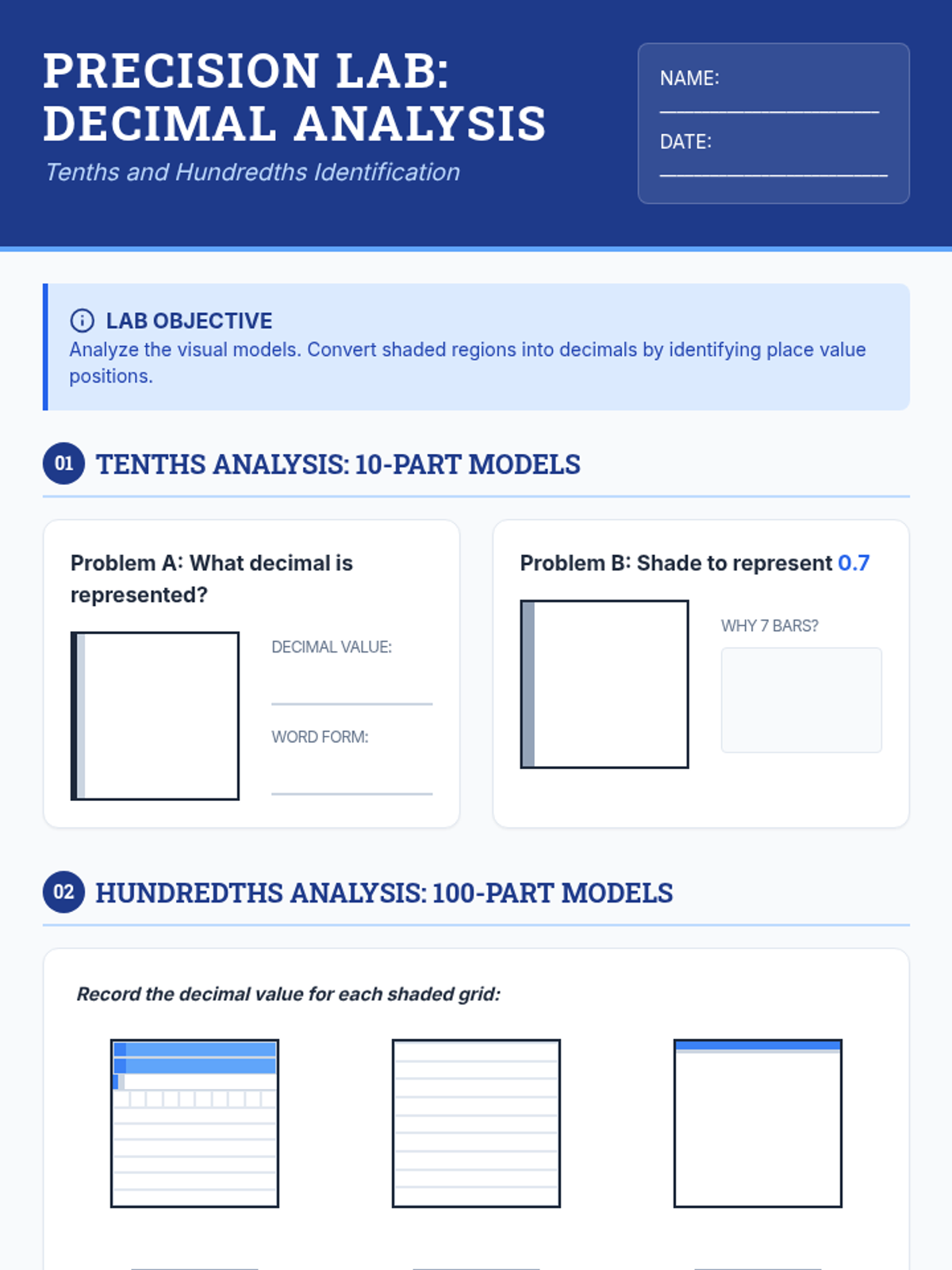
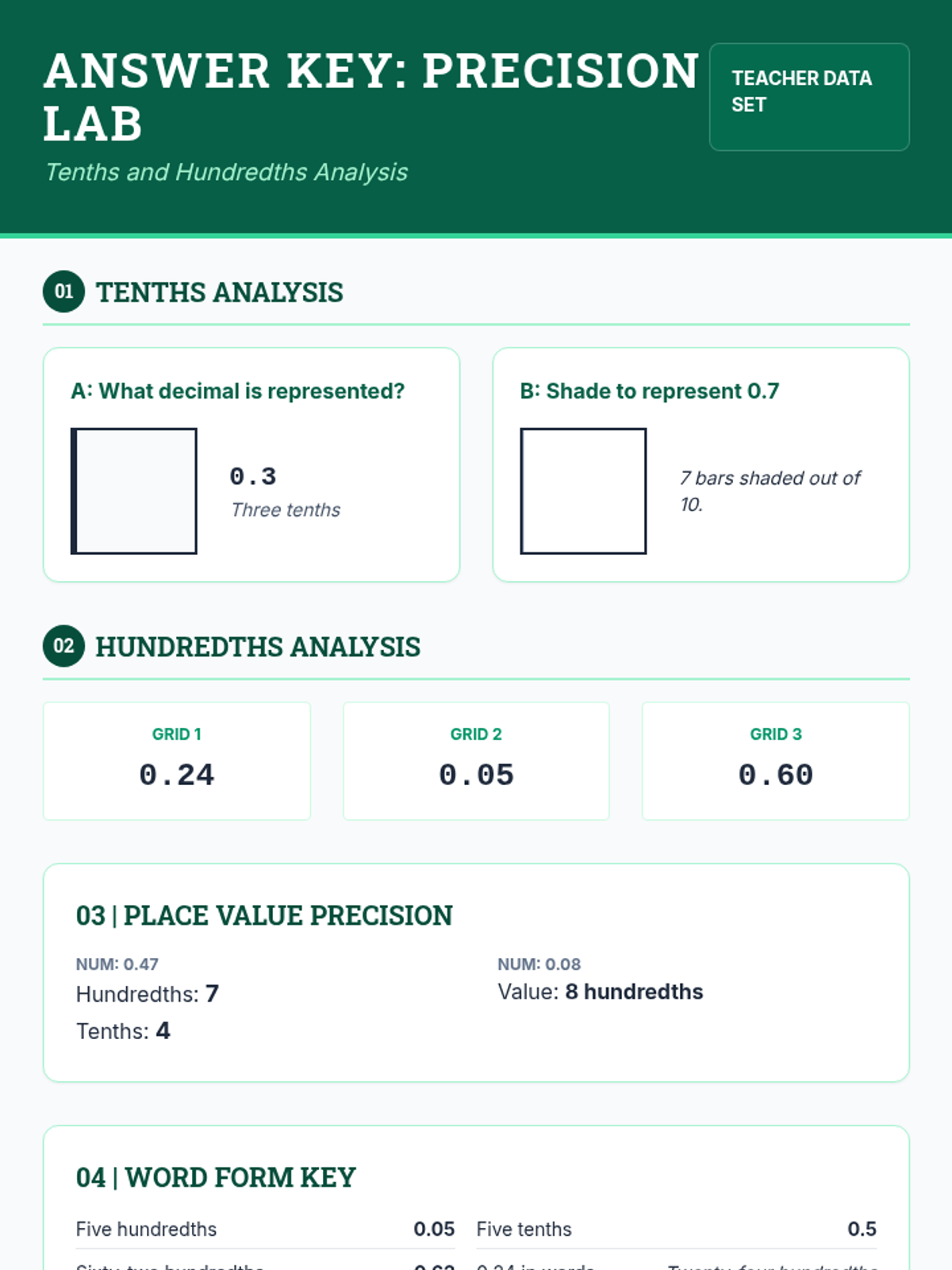
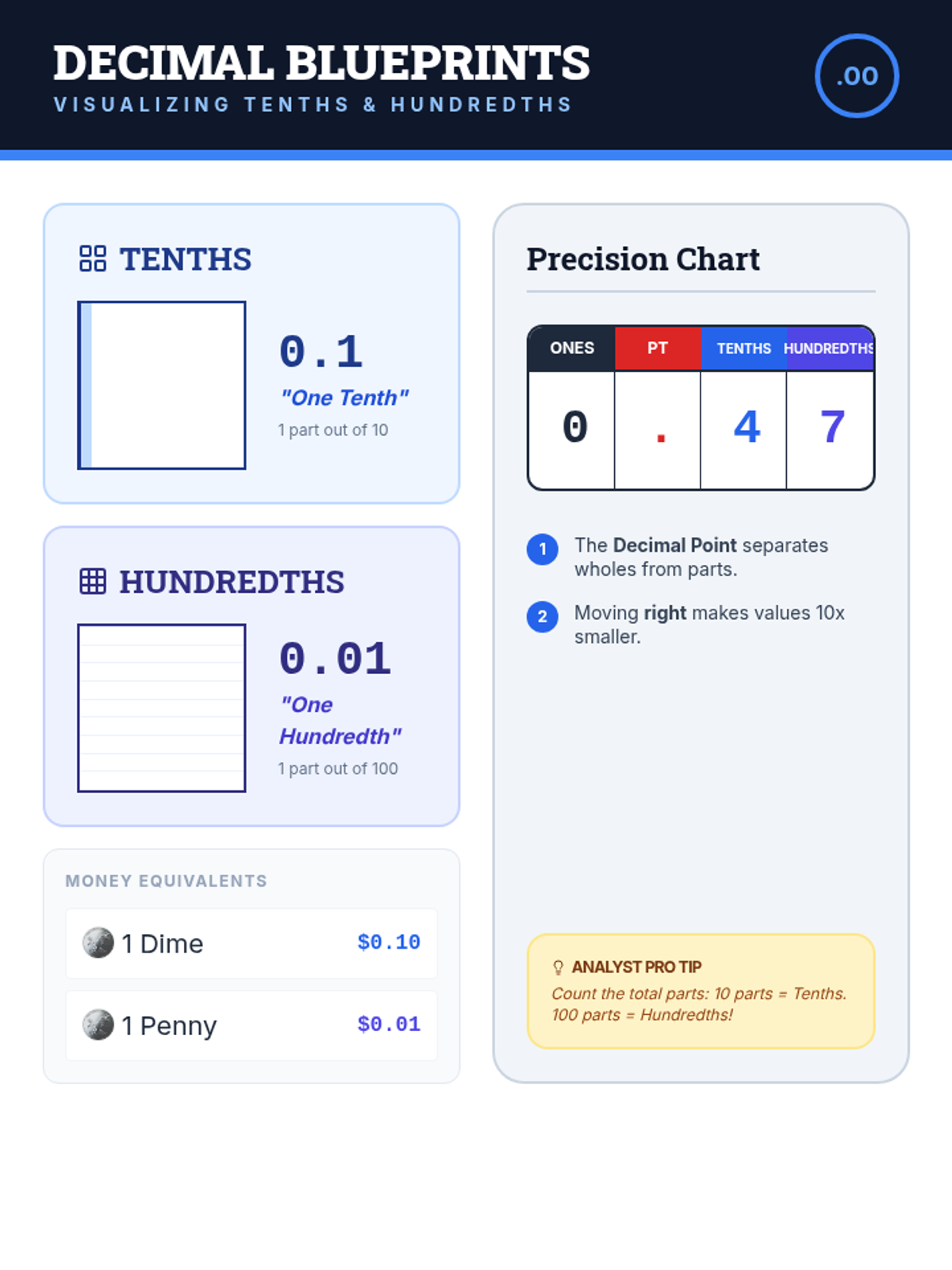
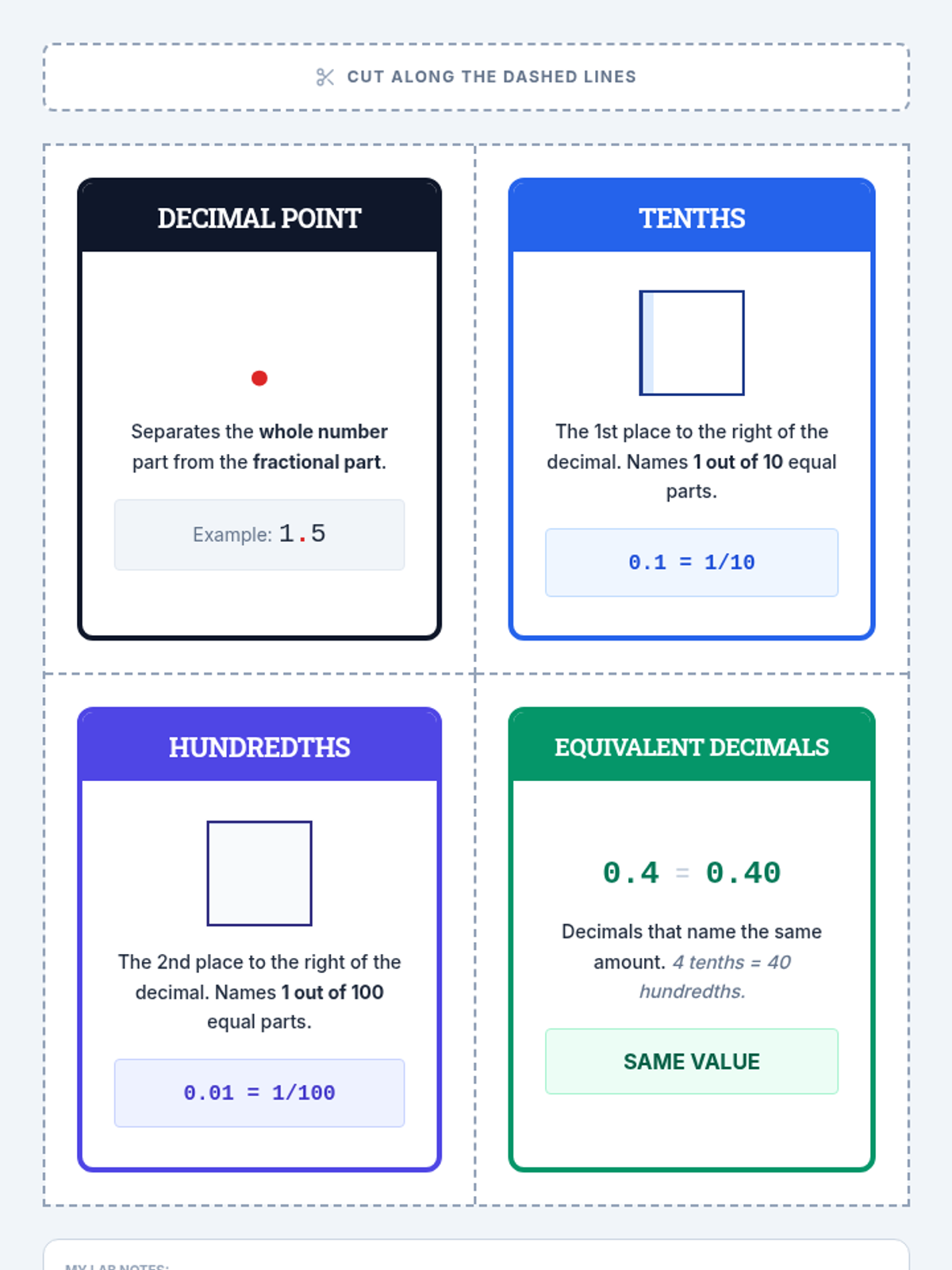
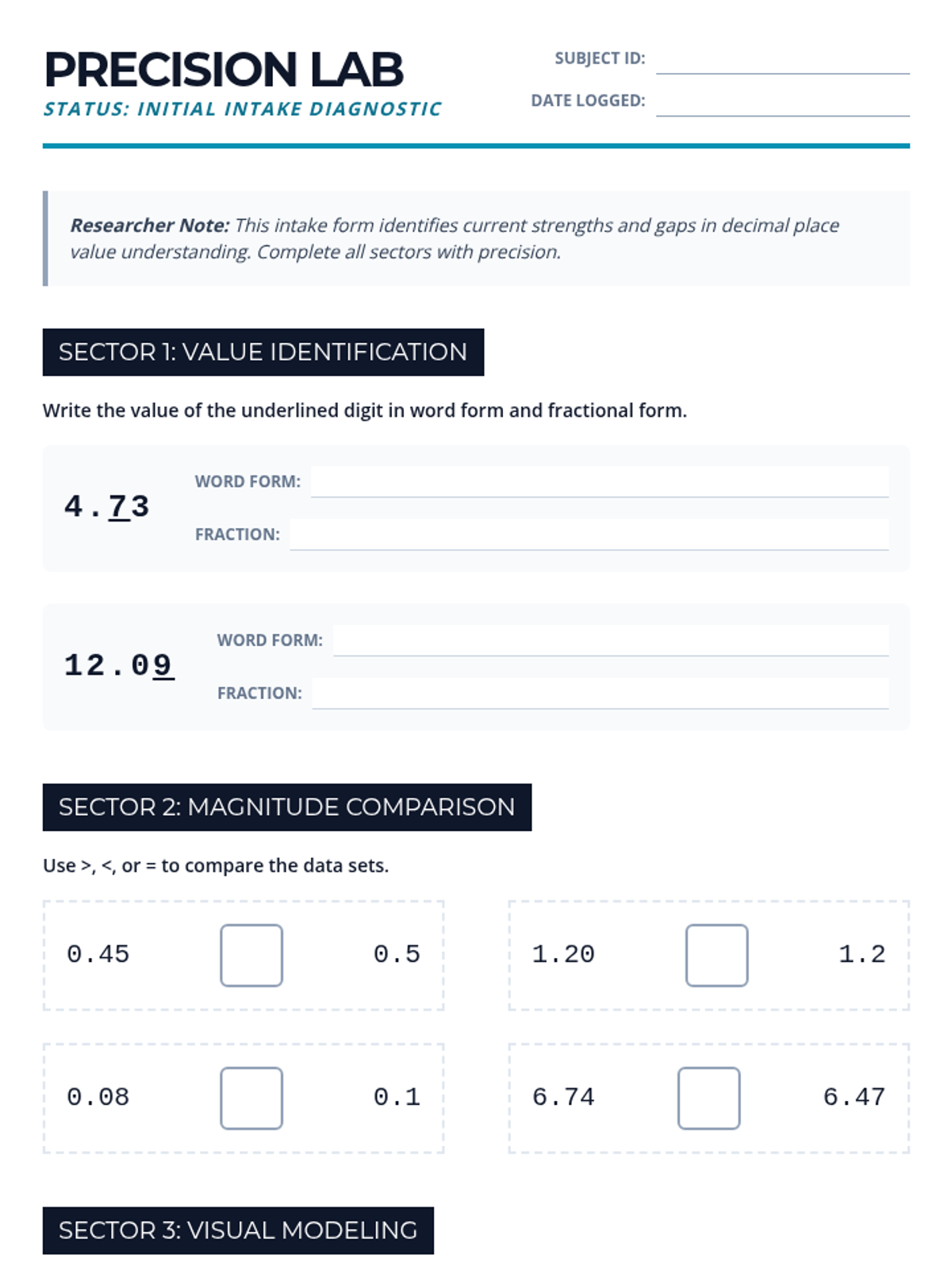
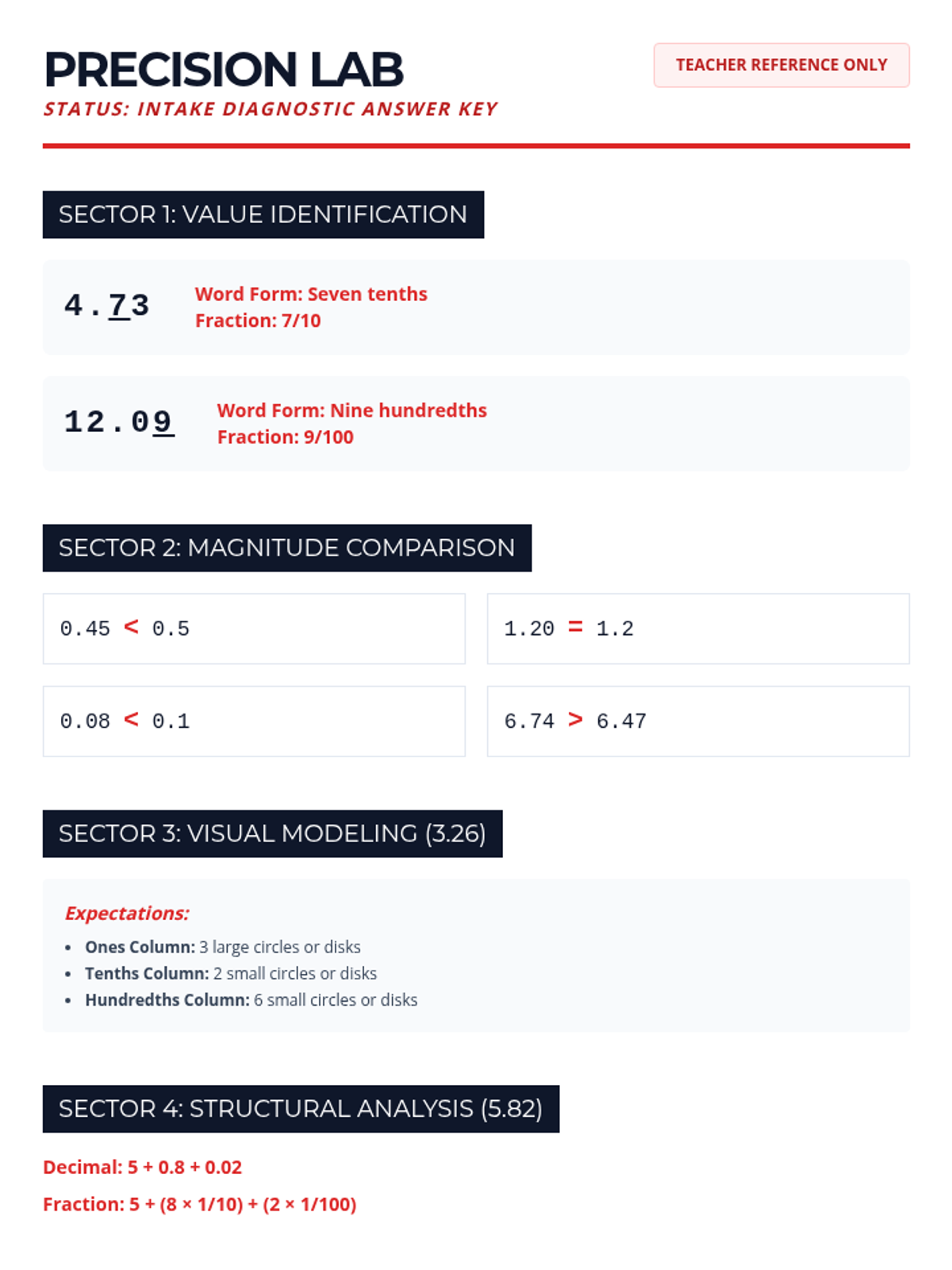
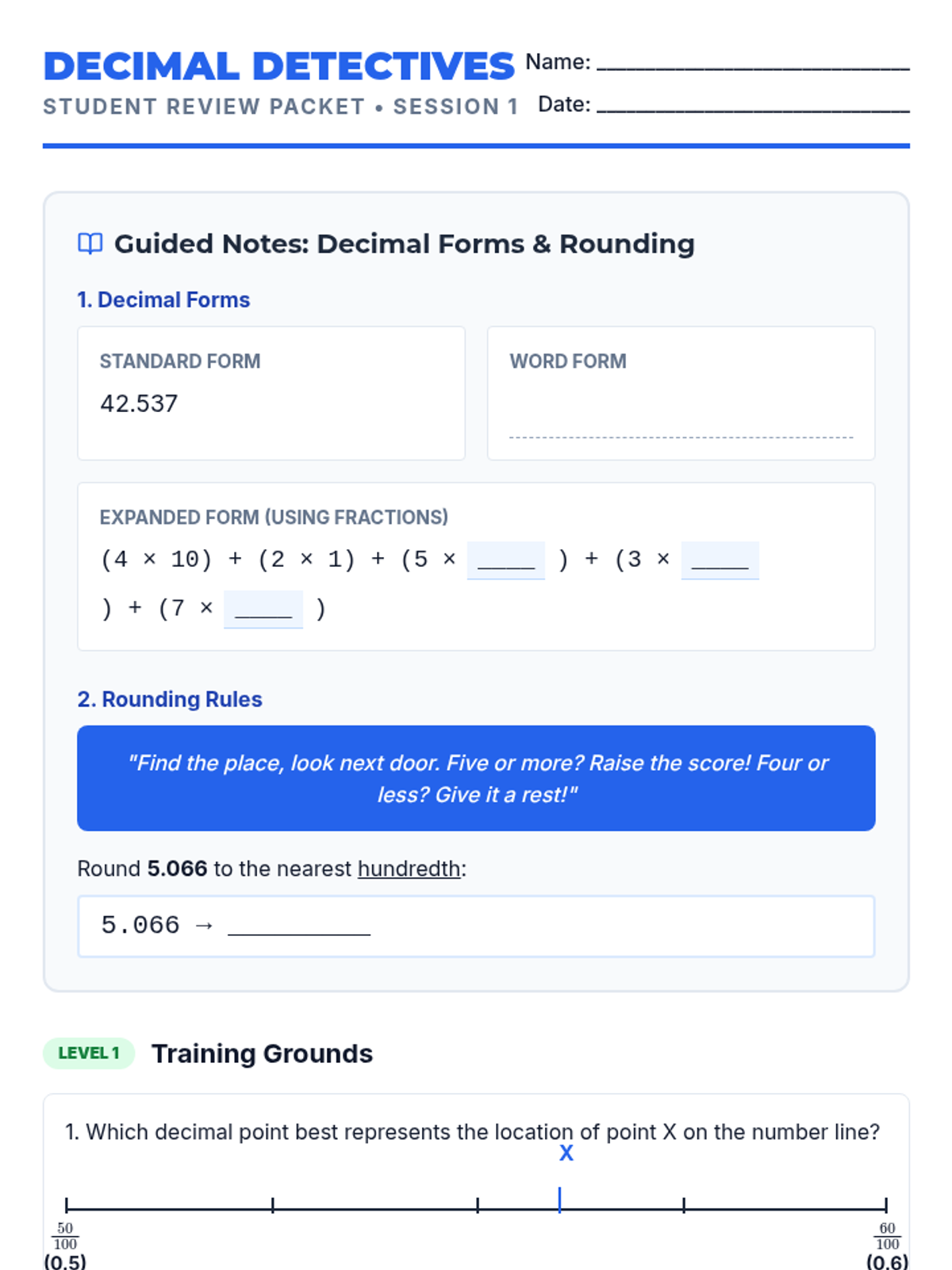
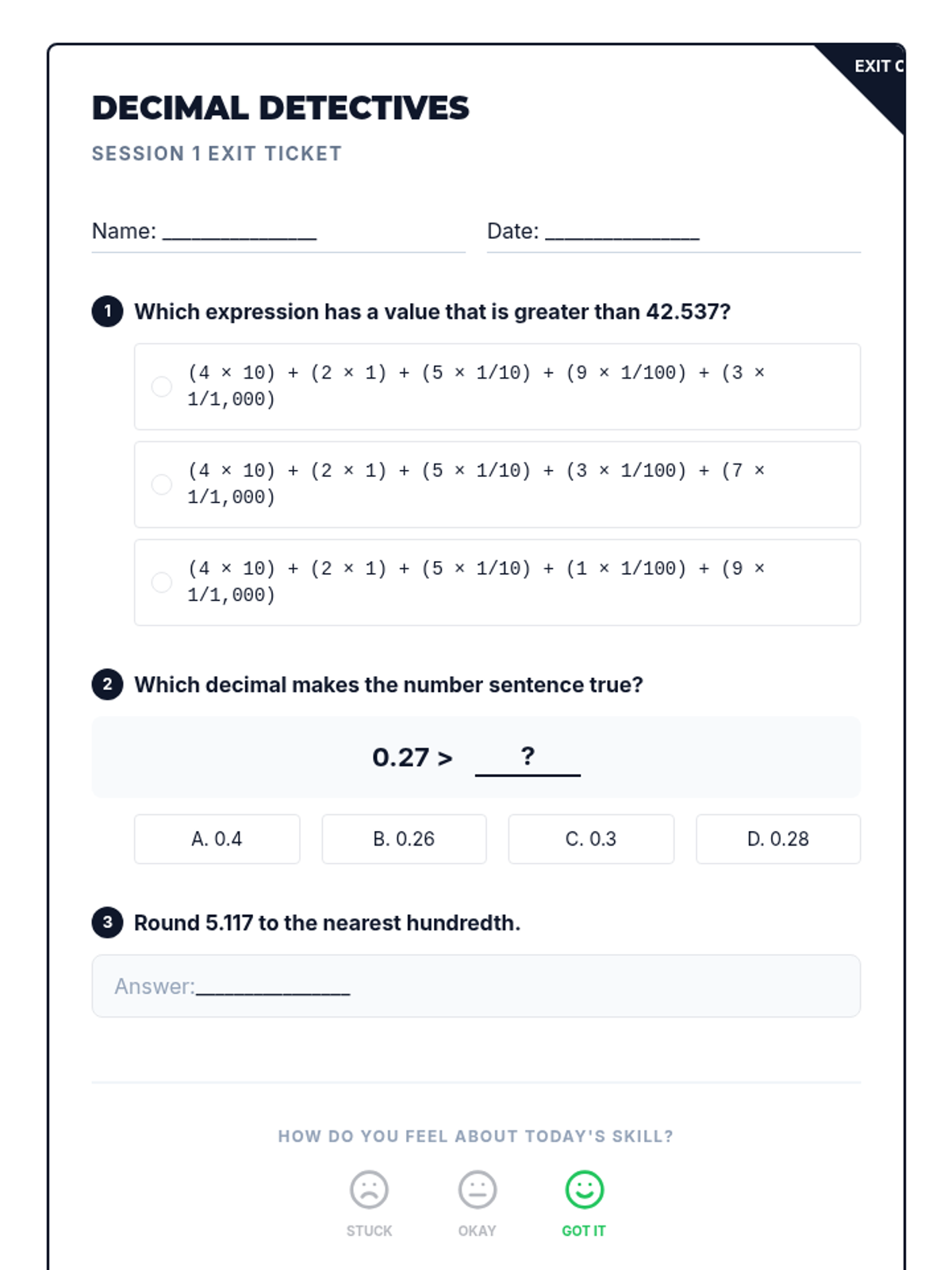
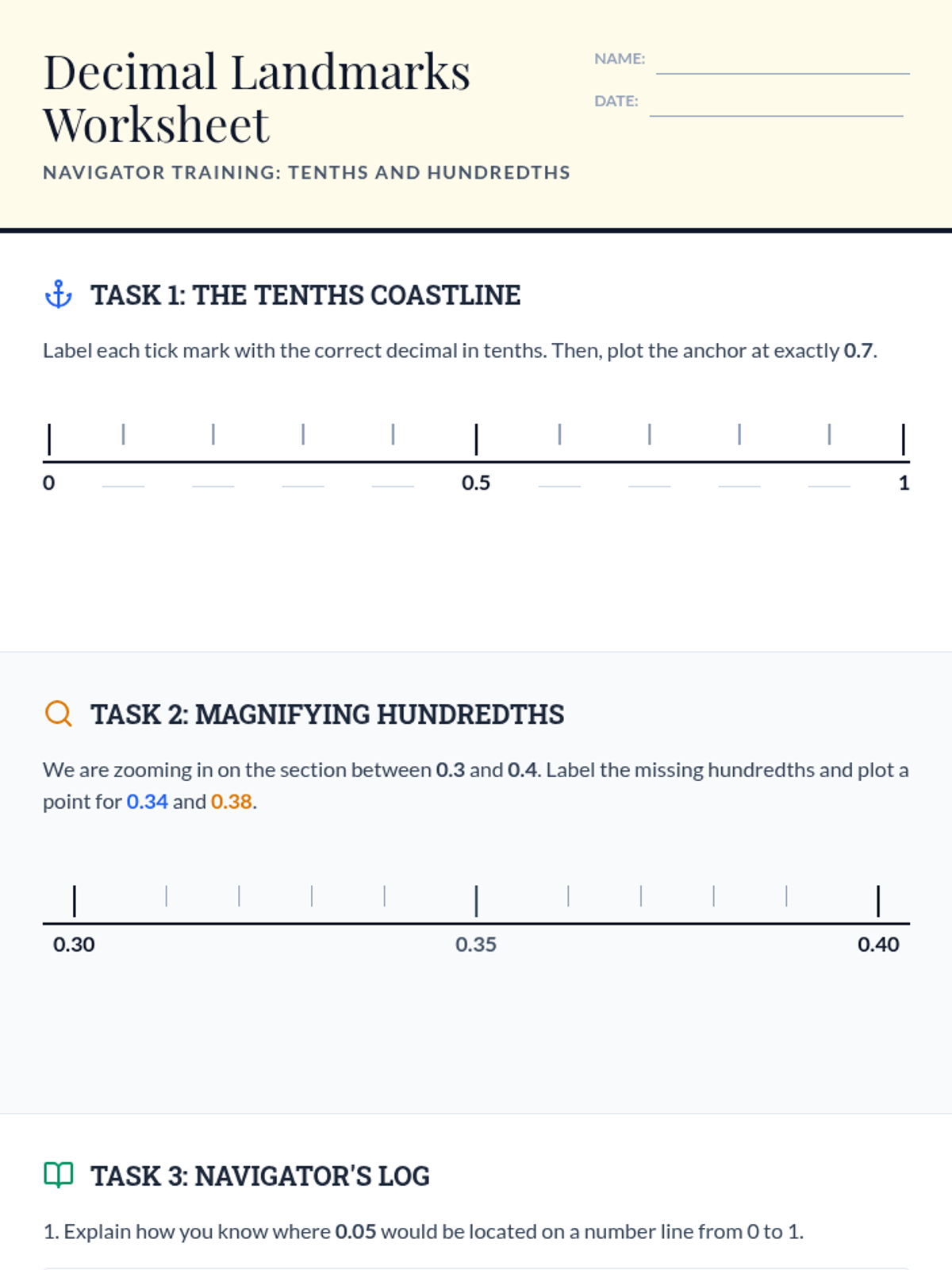
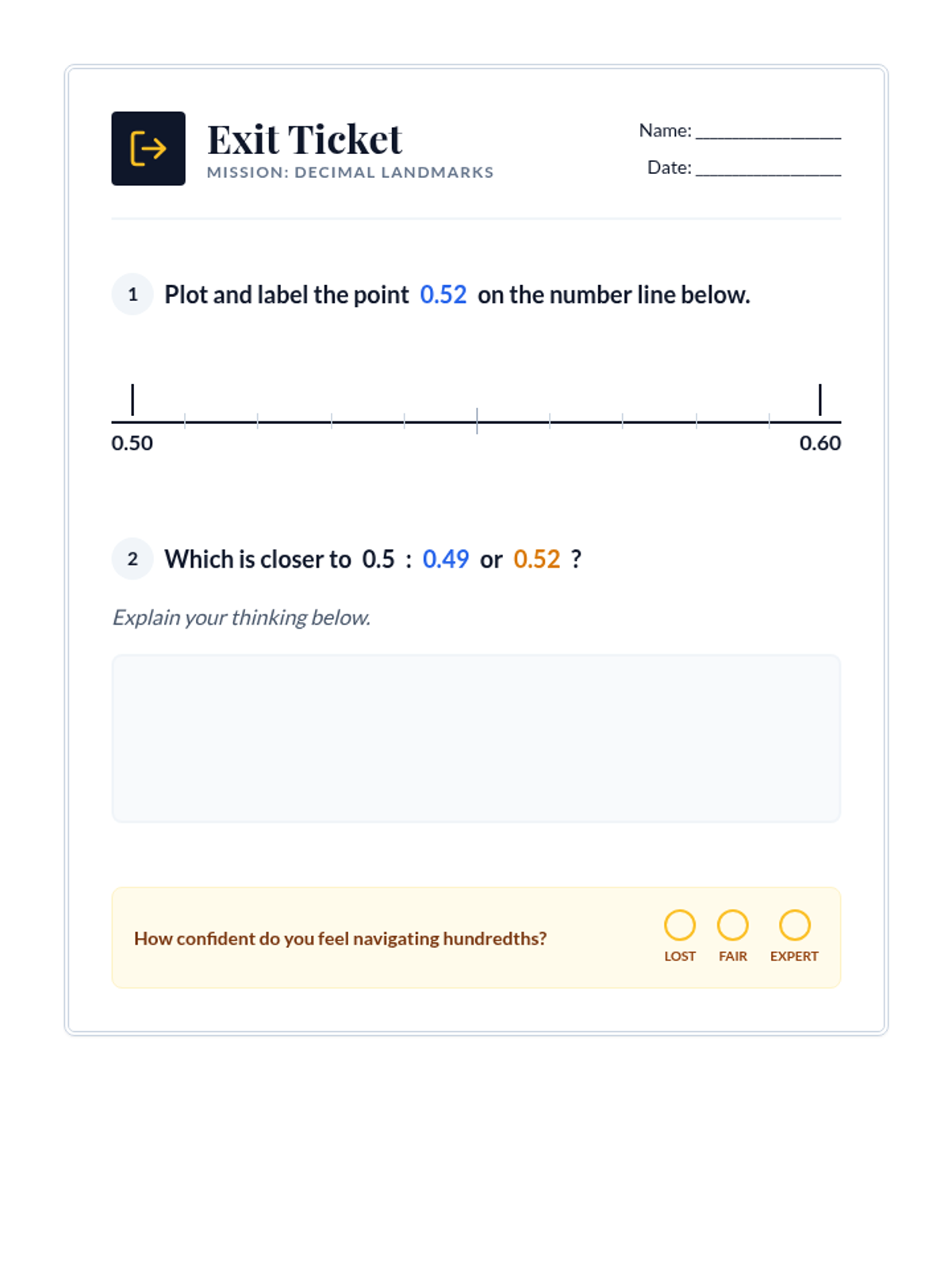
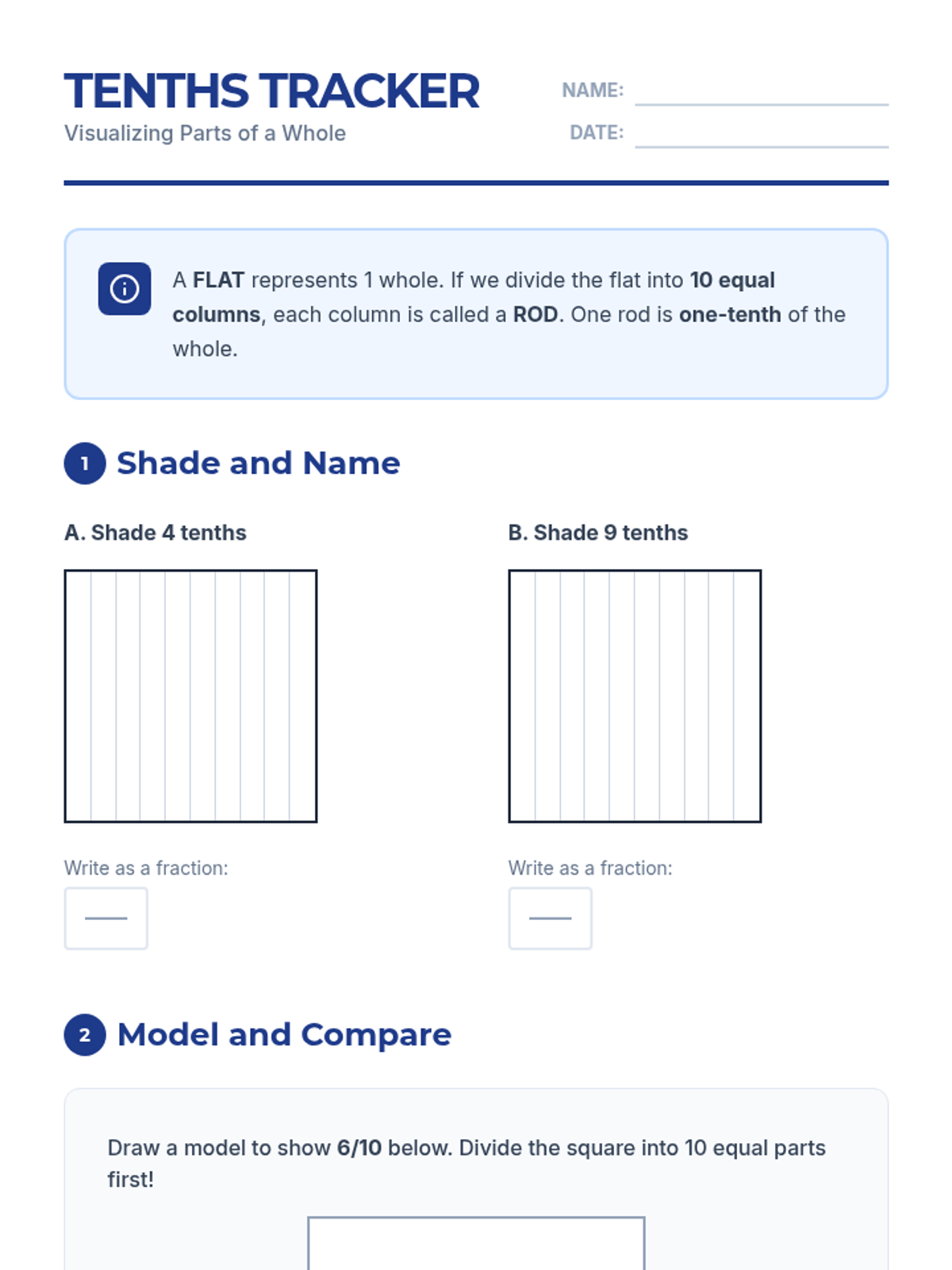
A comprehensive unit on decimal place value, comparison, and representation for tenths and hundredths, framed within a professional laboratory and blueprint aesthetic.
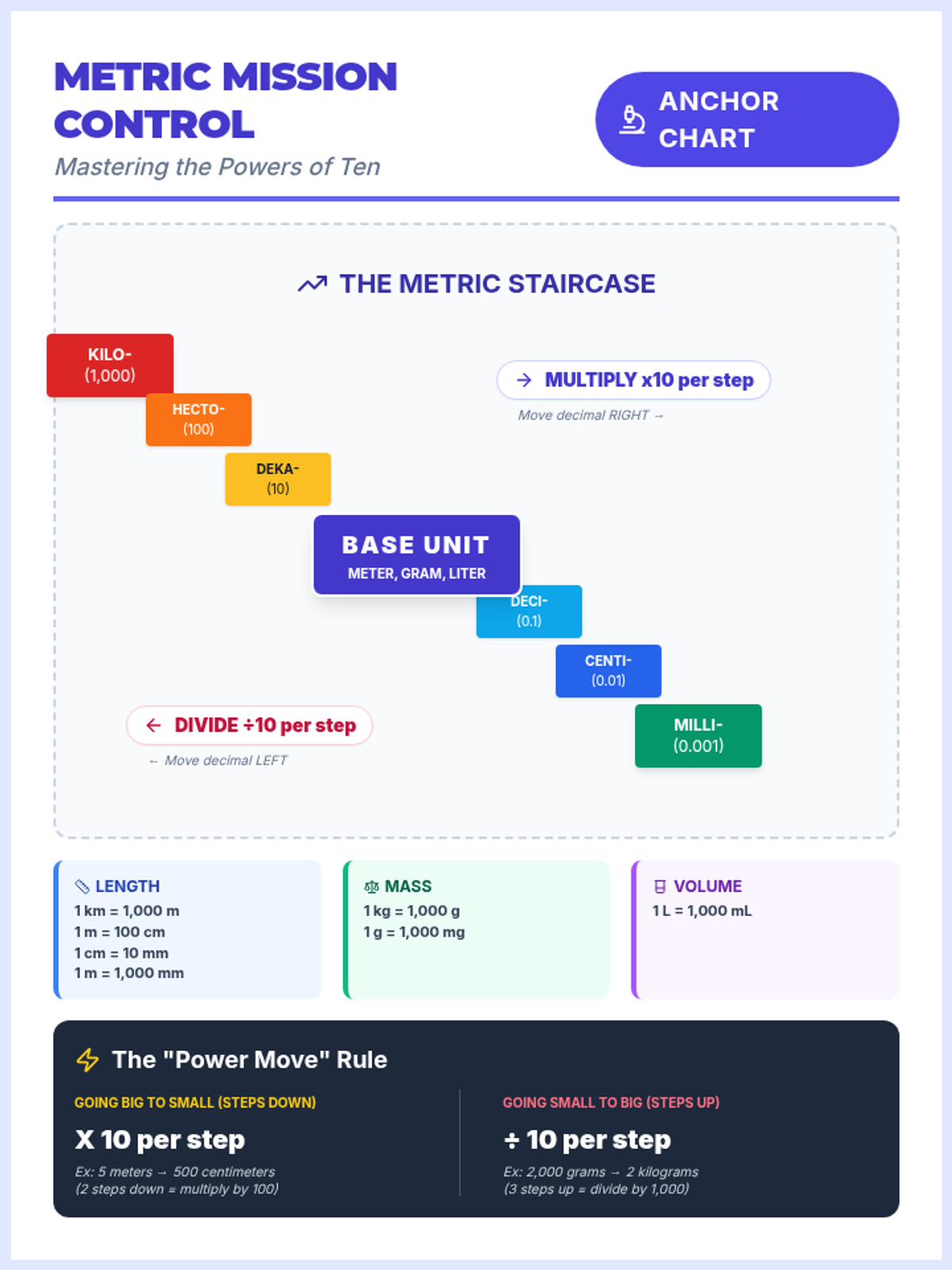
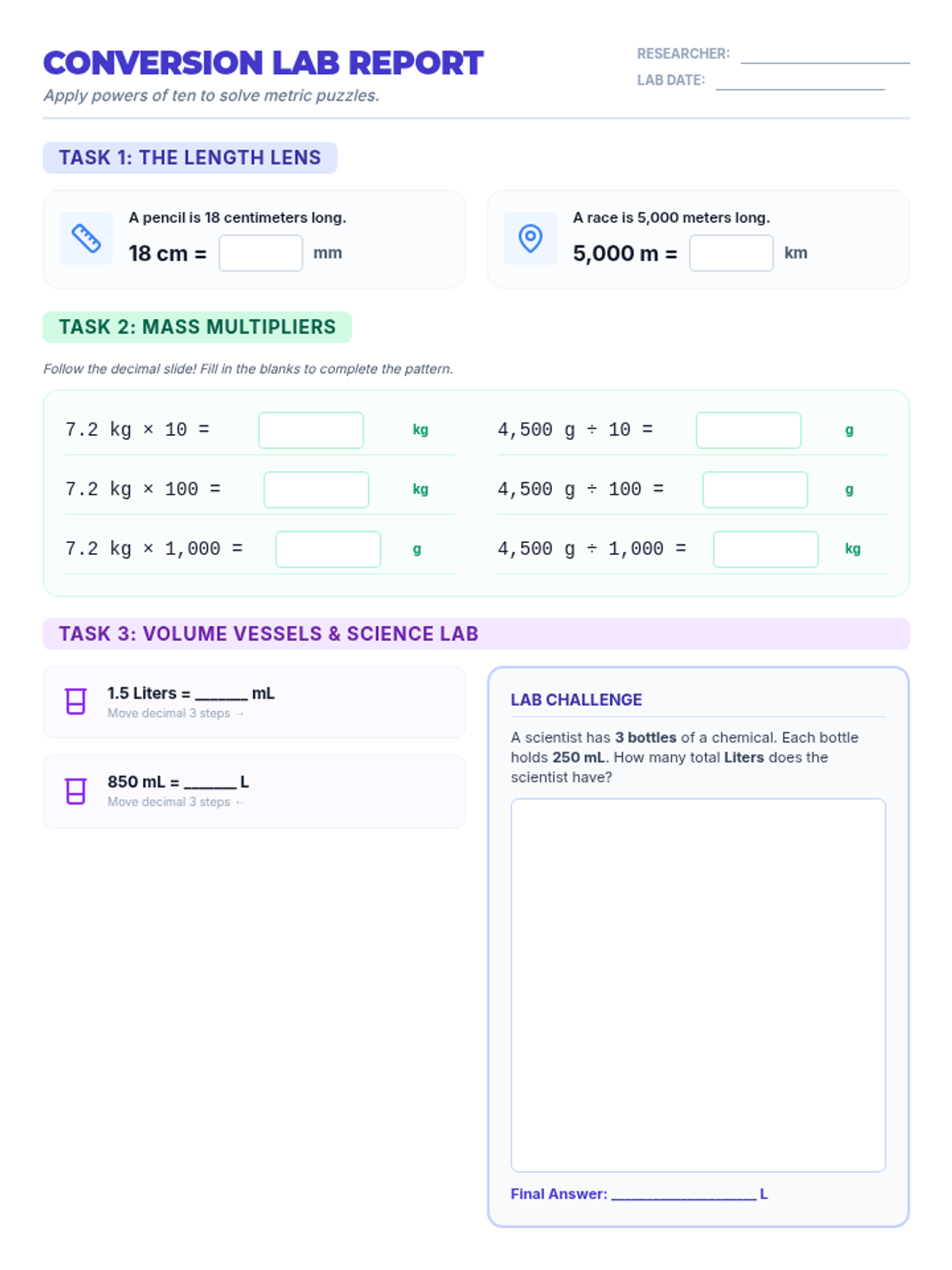
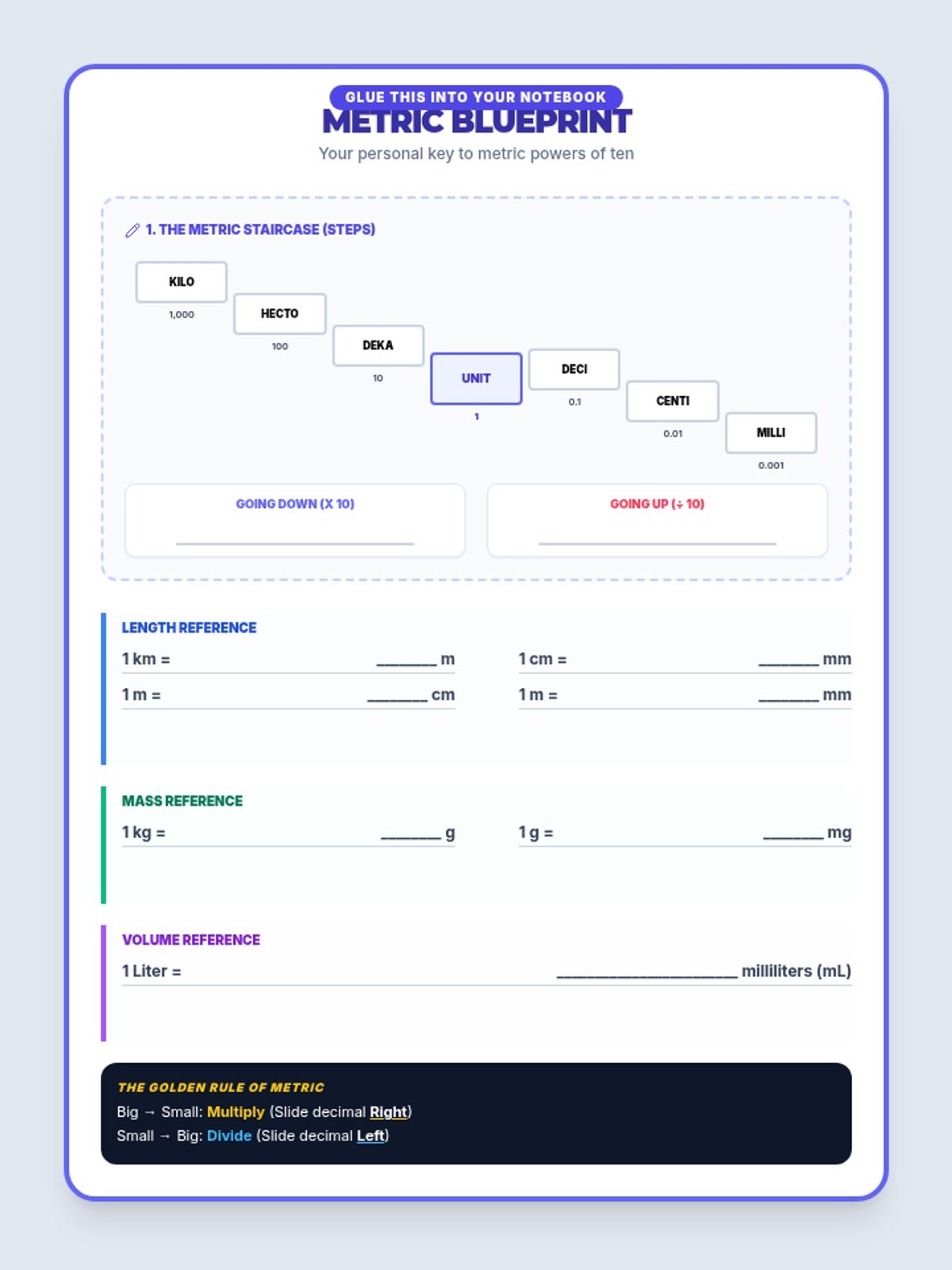
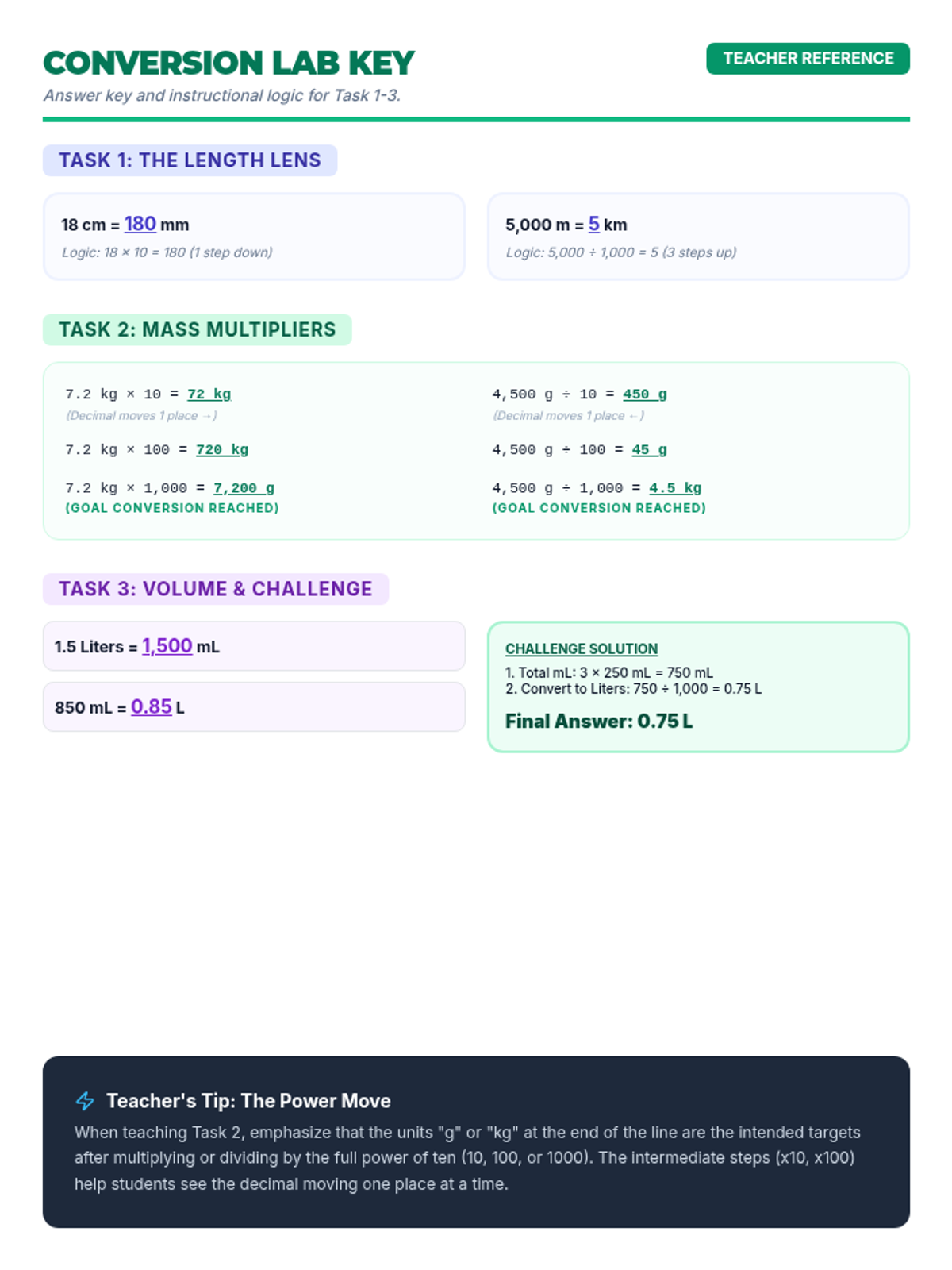
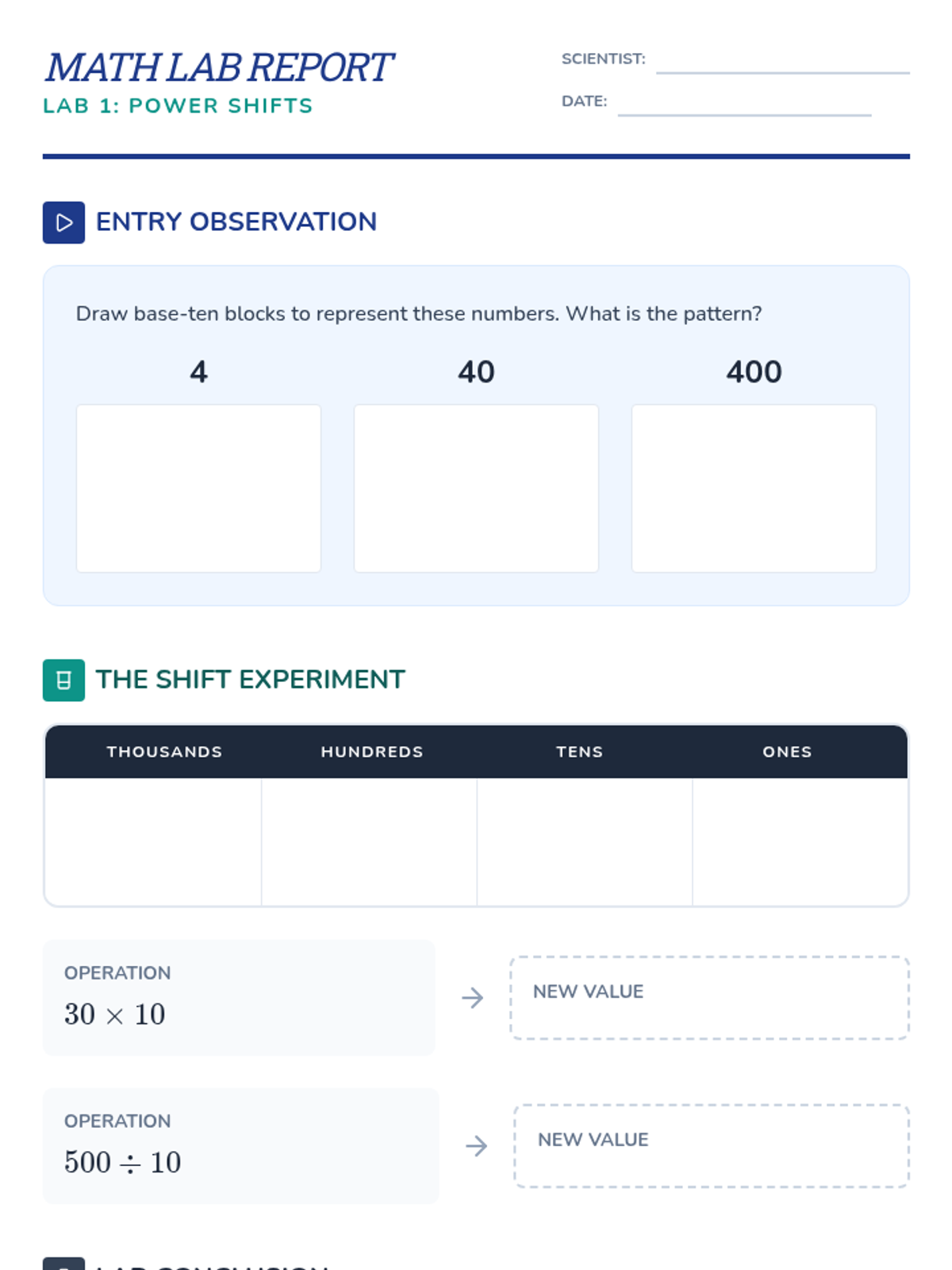
A comprehensive guide to understanding metric conversions and powers of ten through visual models and laboratory-themed activities. Students learn to navigate length, mass, and volume using the decimal nature of the metric system.
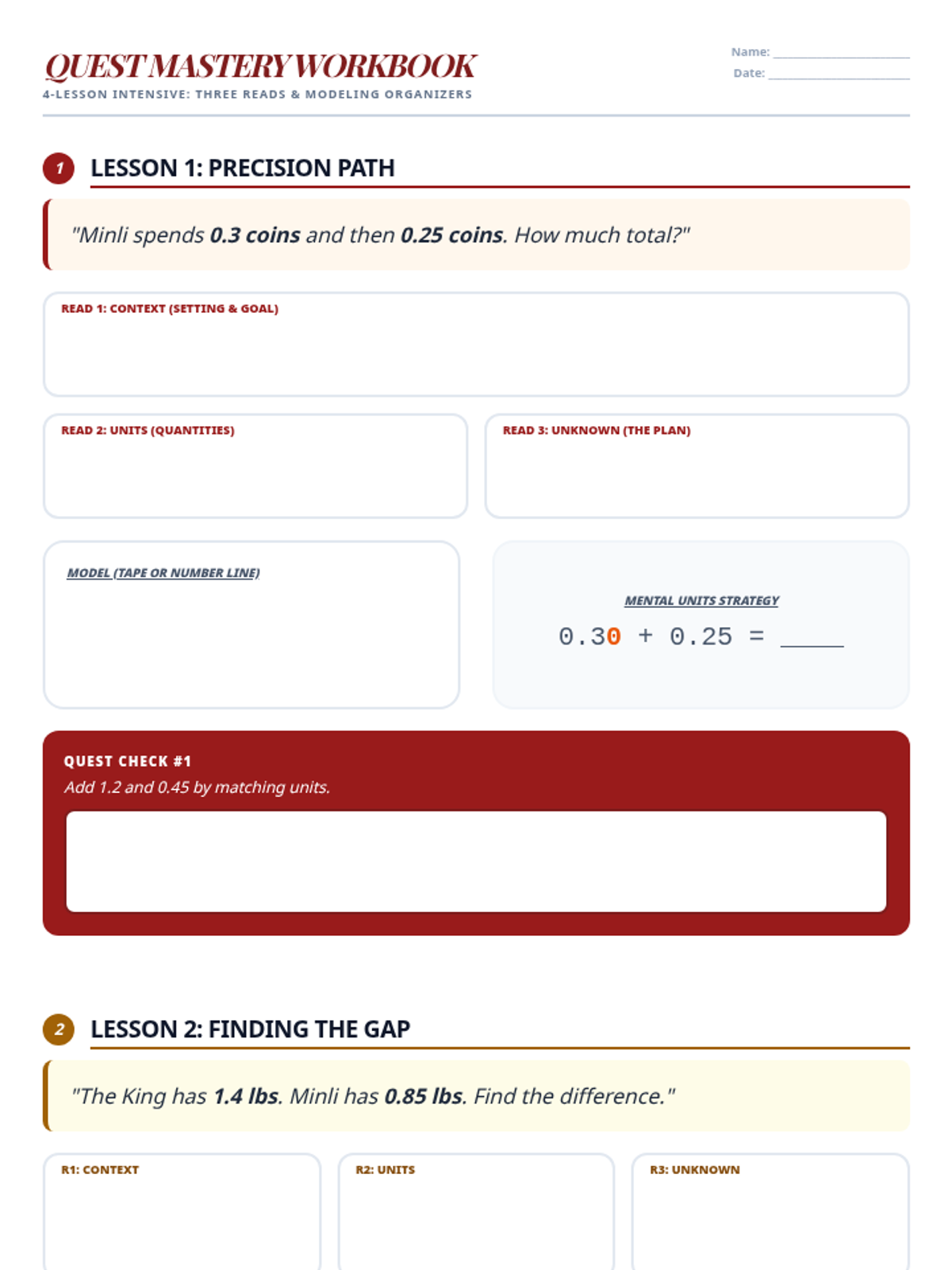
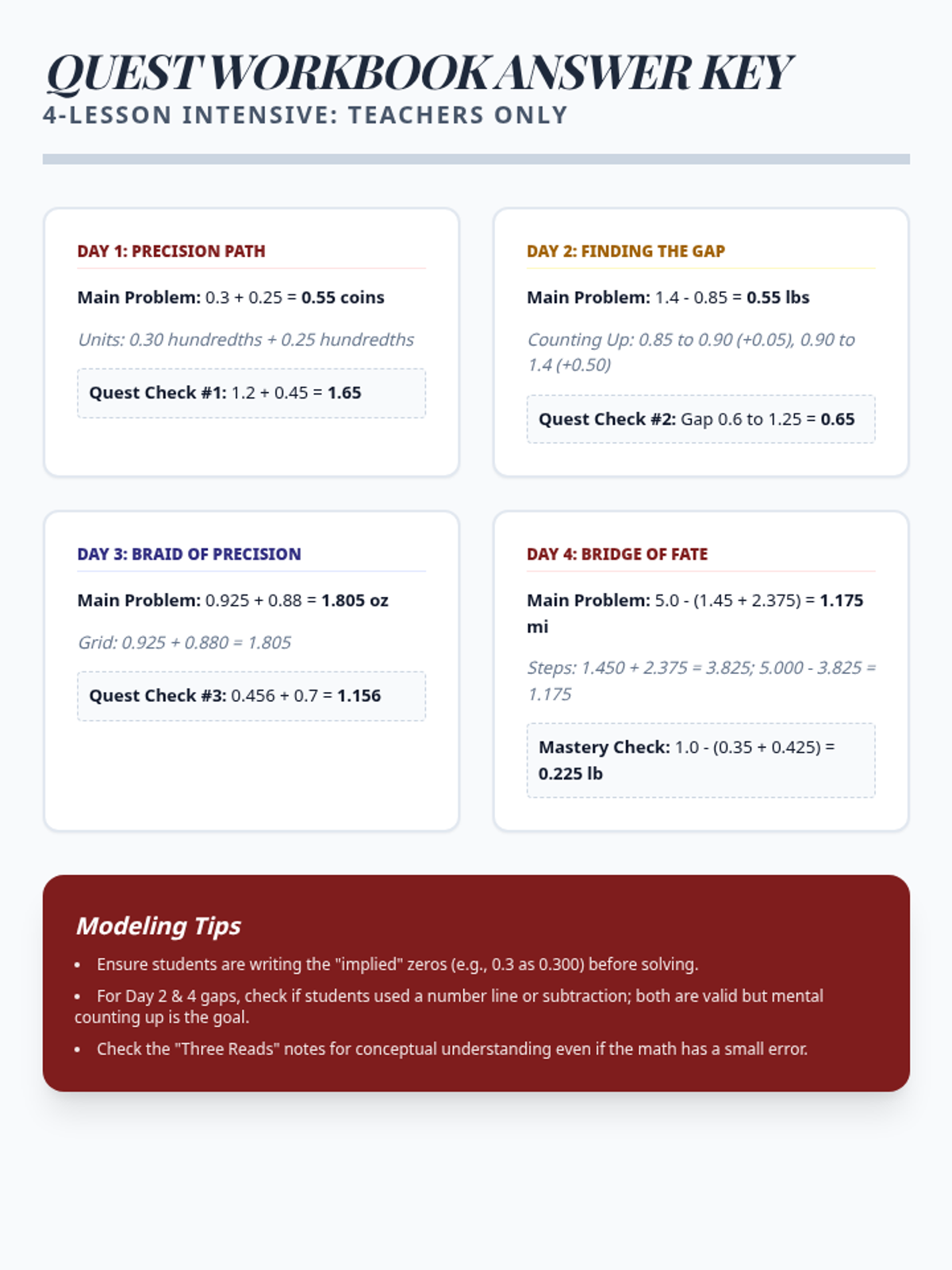
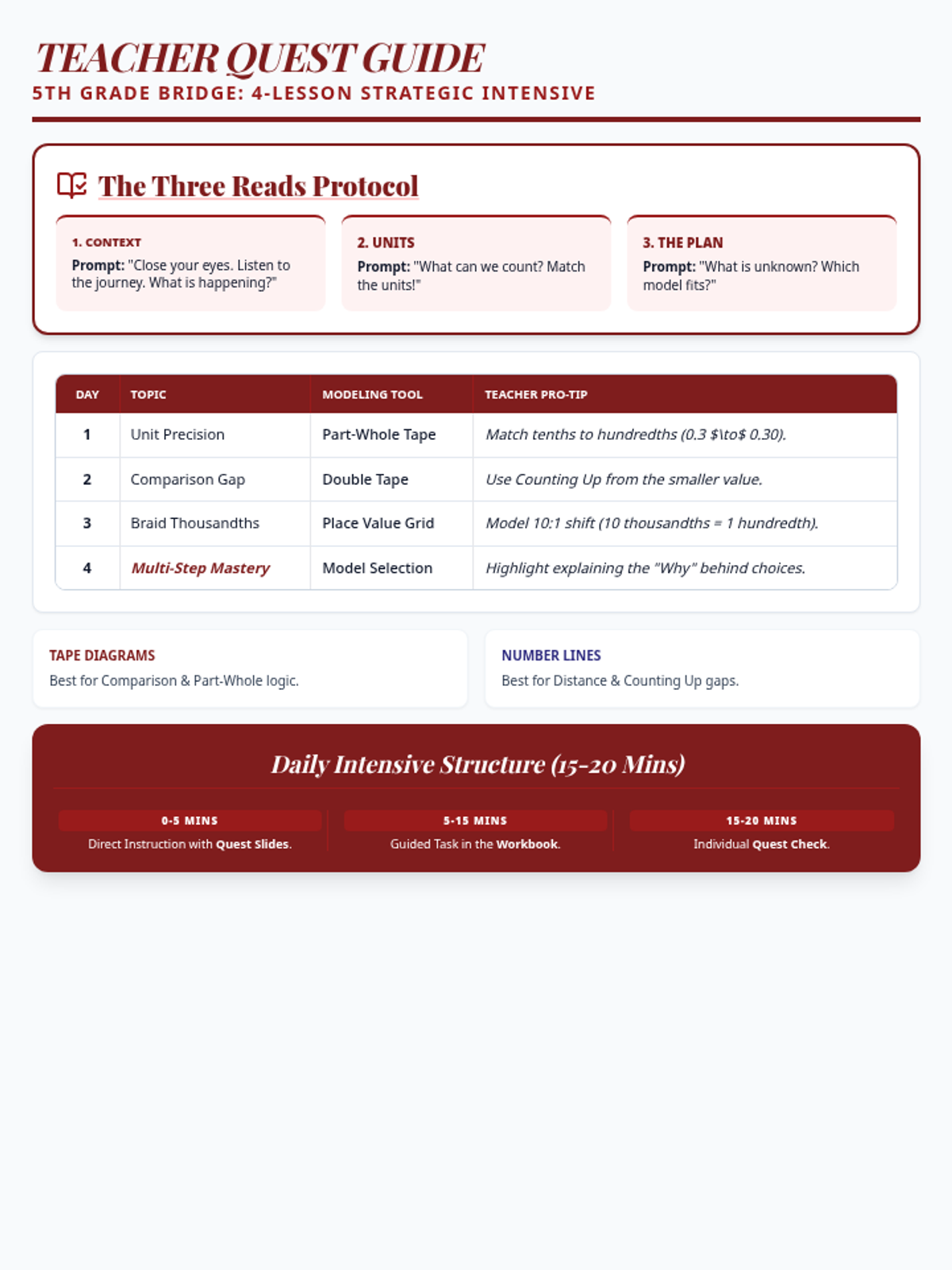
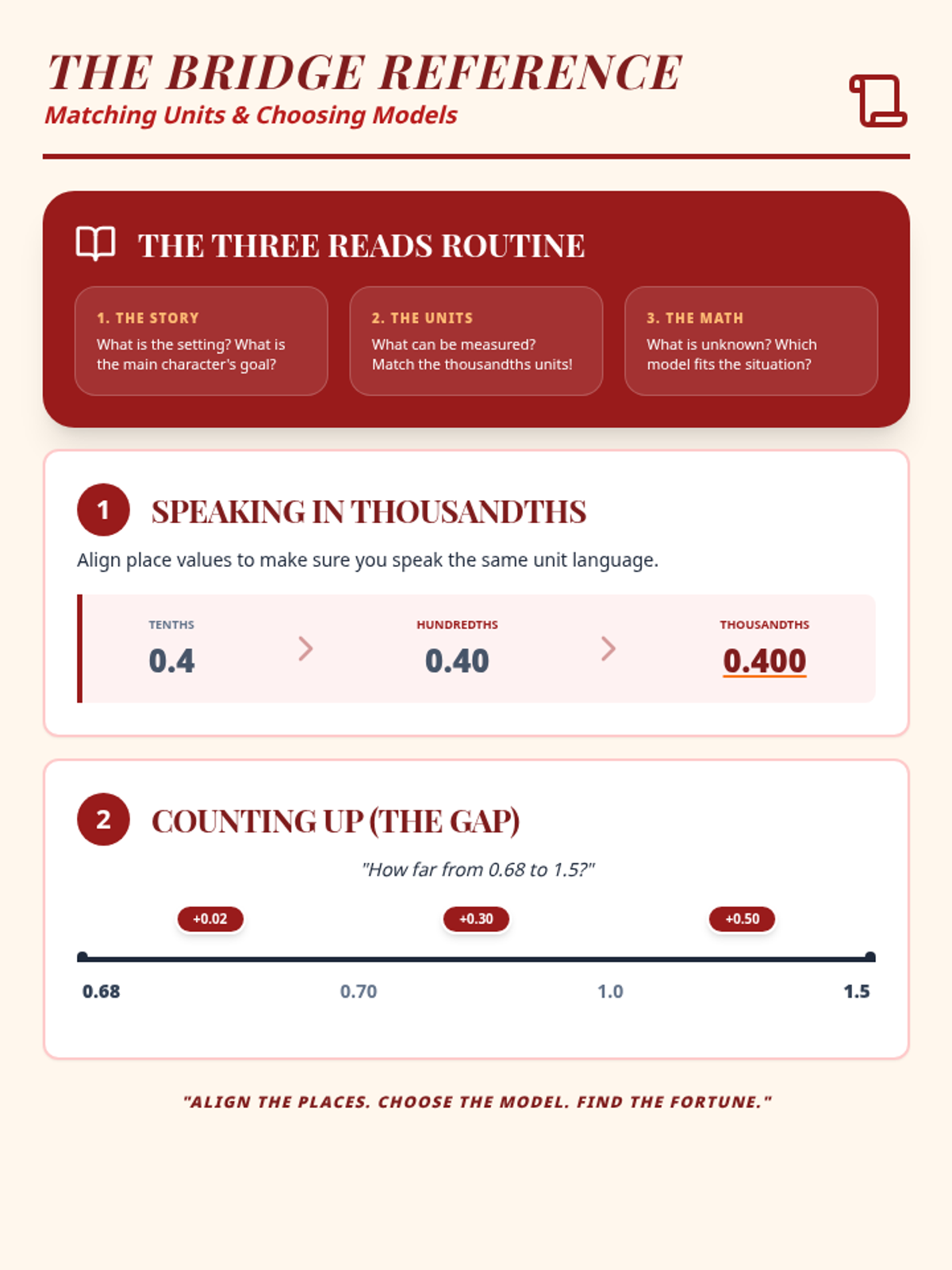
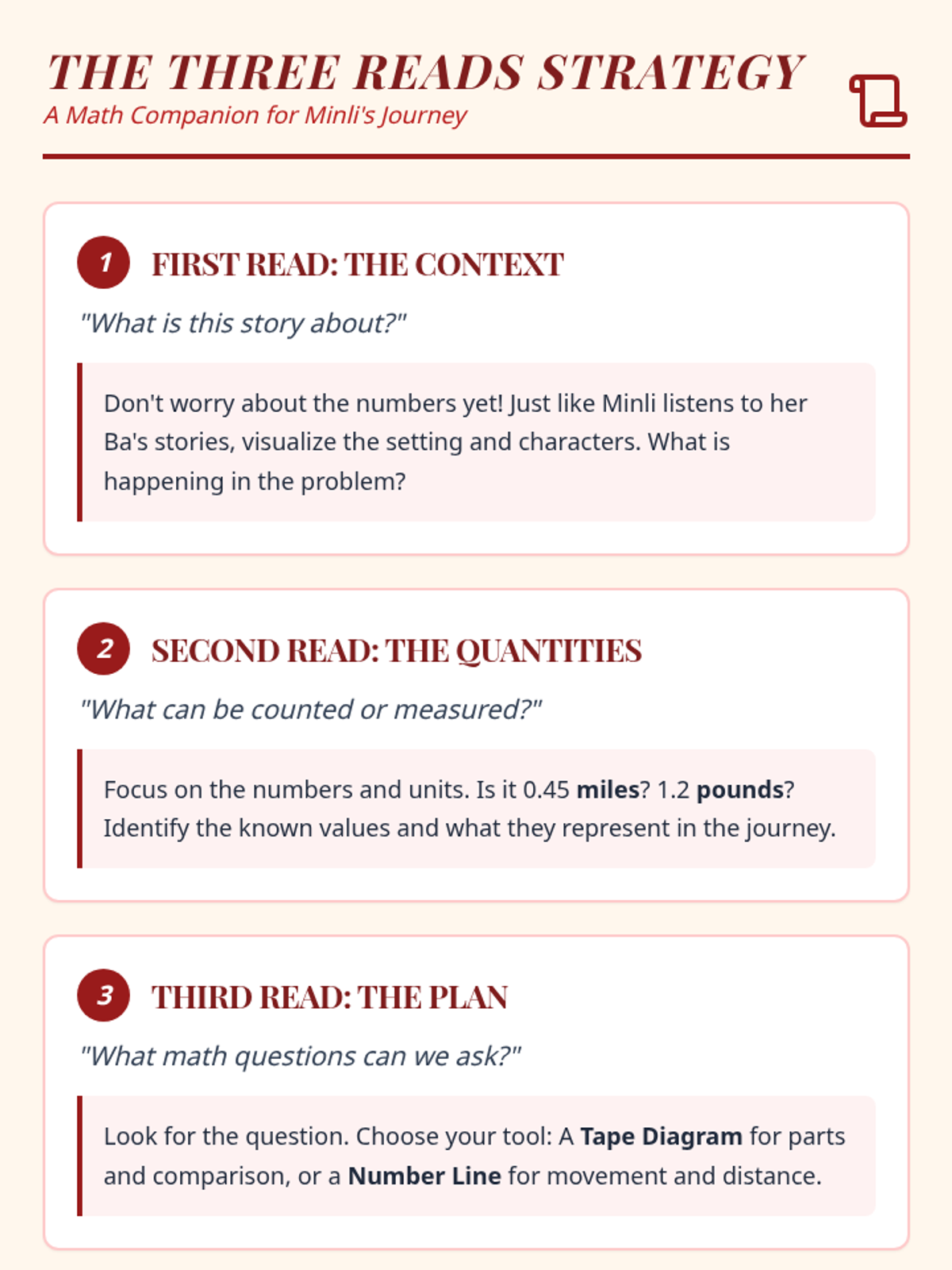
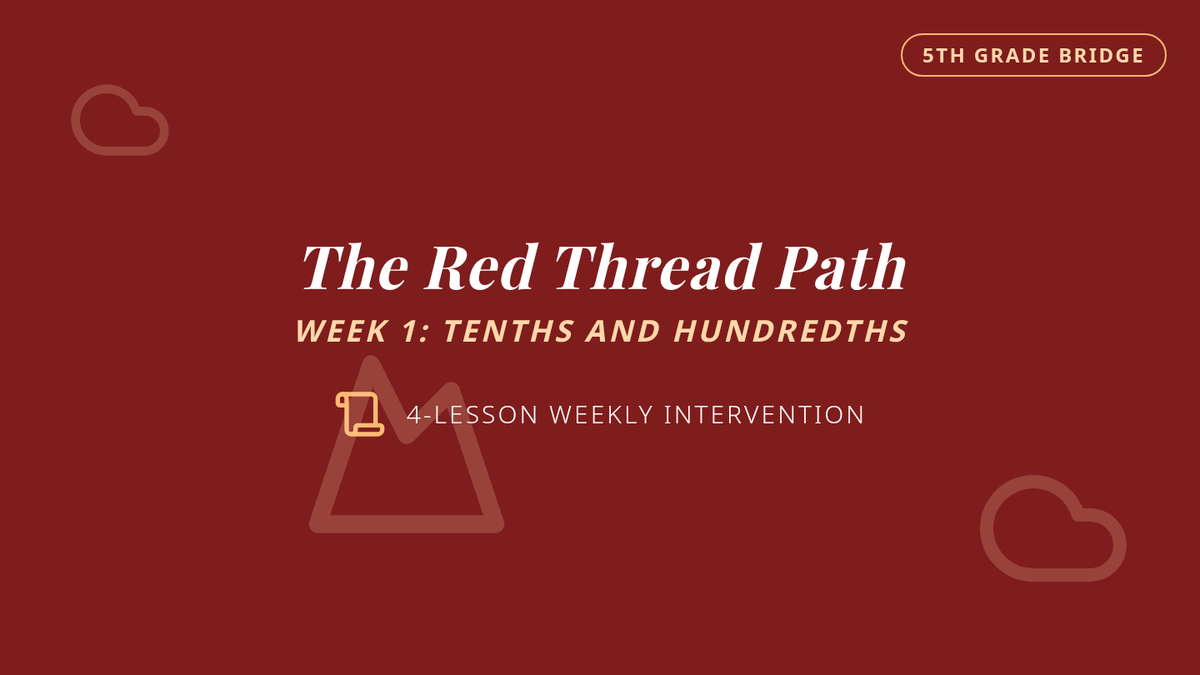
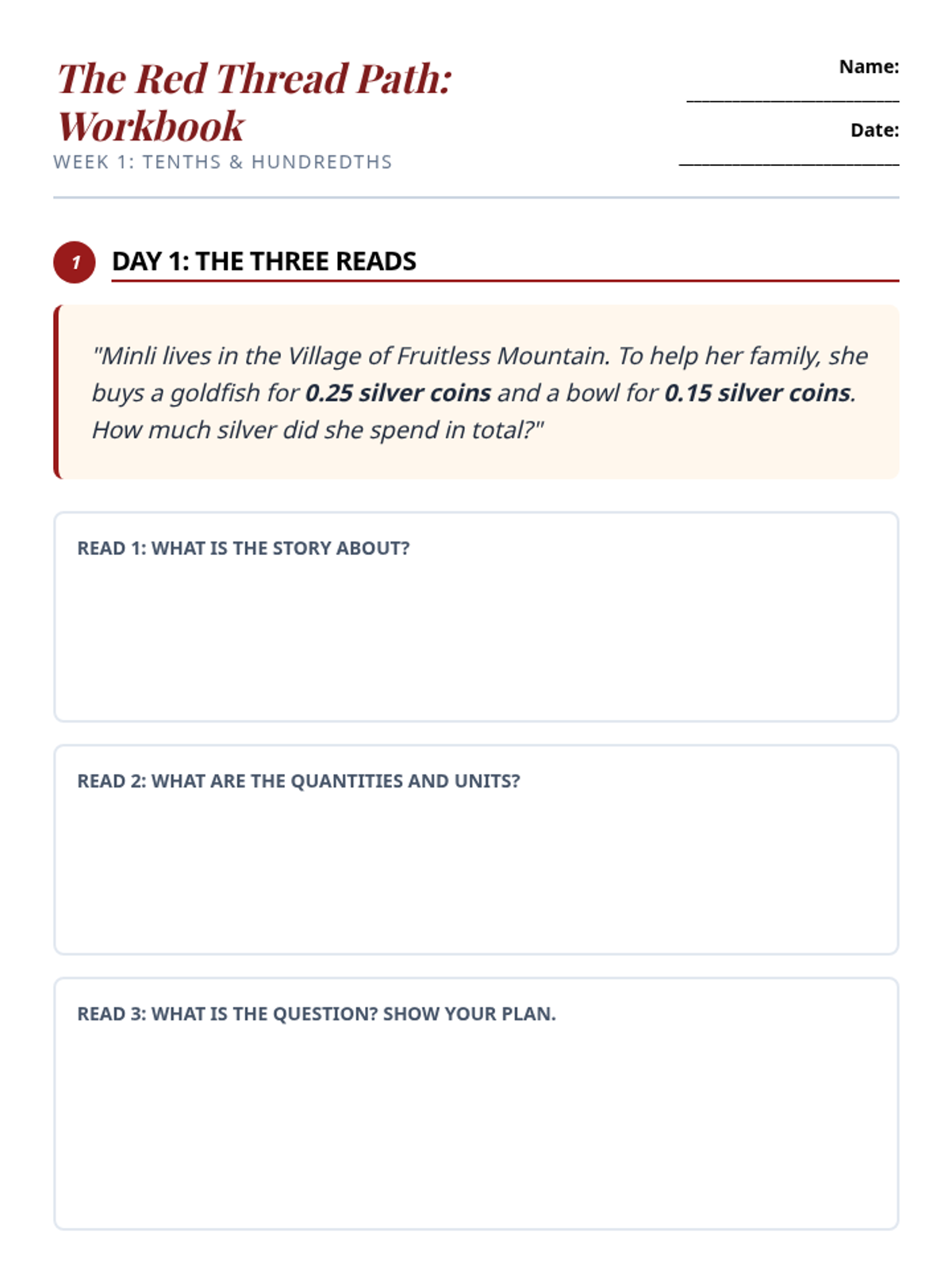
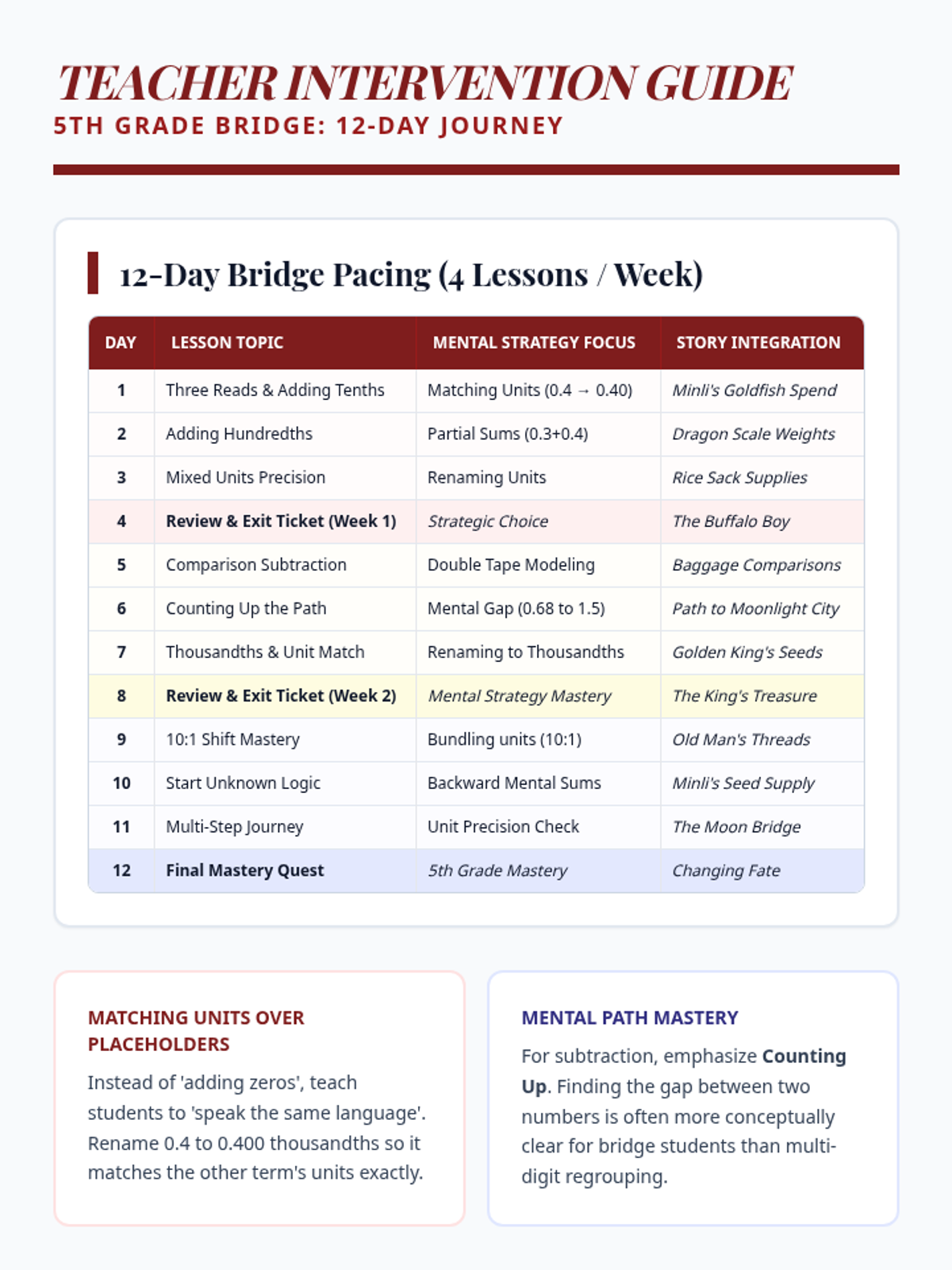
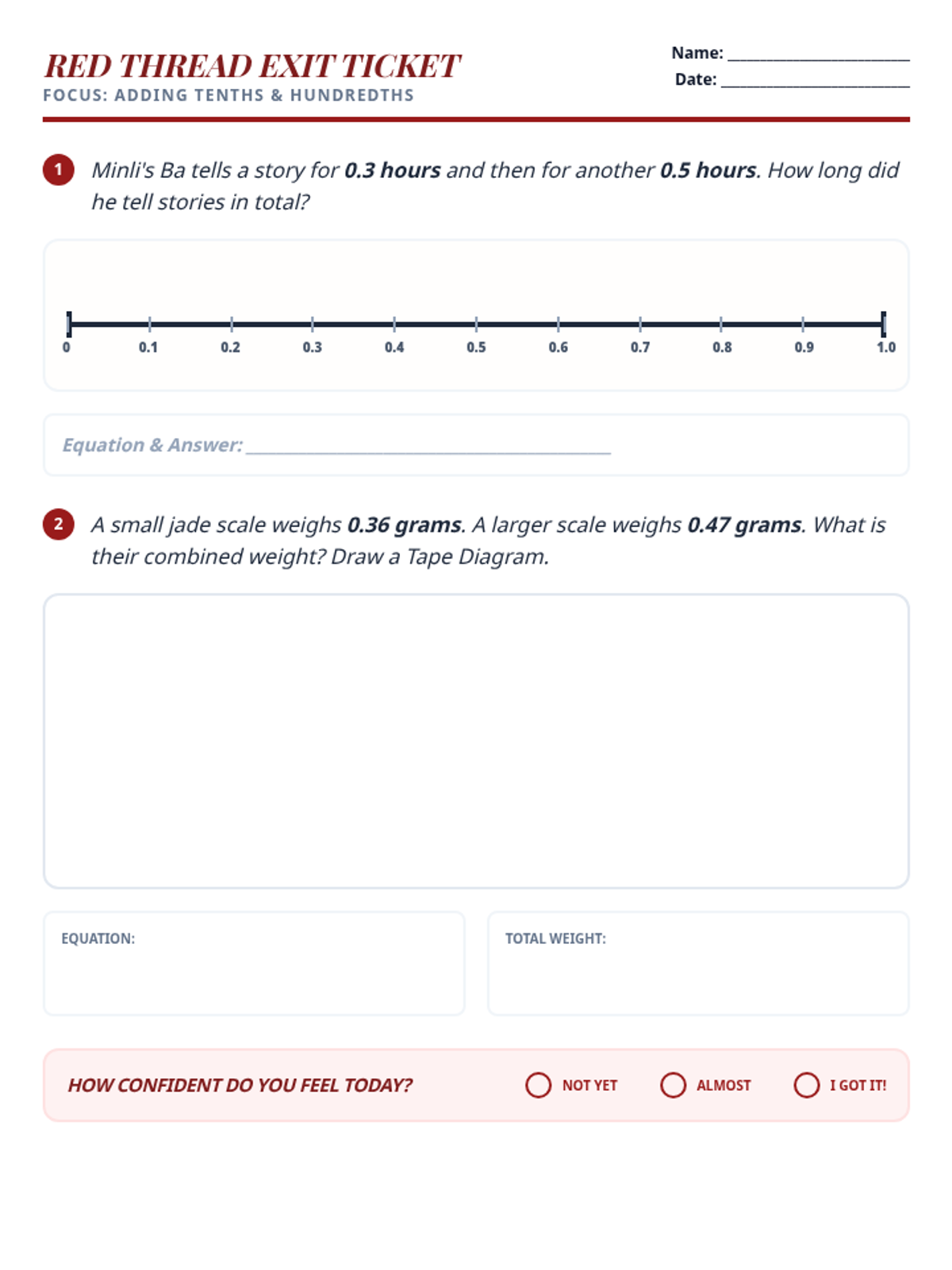
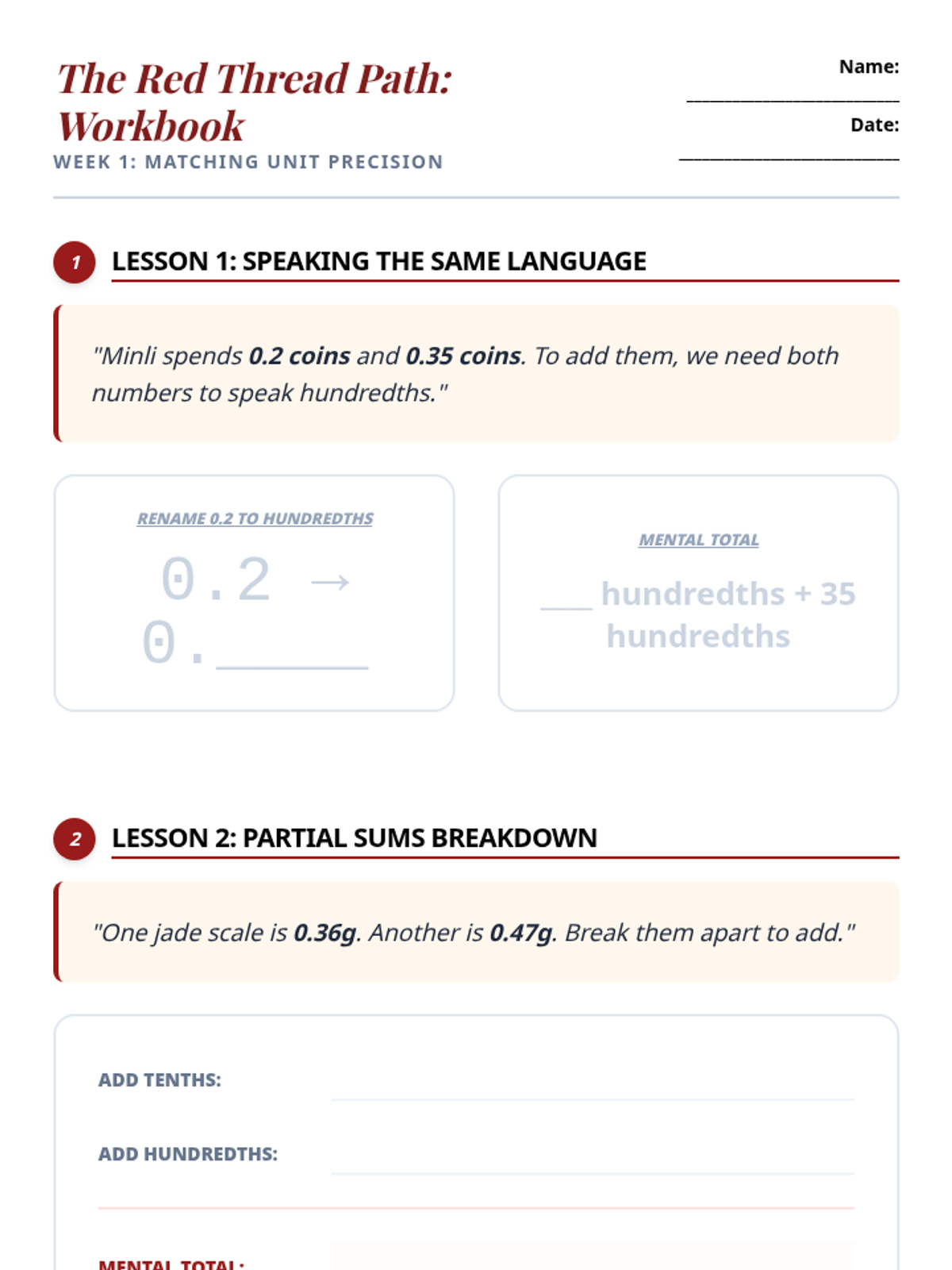
A 4-lesson intensive math intervention for 5th graders designed to bridge 4th-grade decimal foundations to 5th-grade mastery. Features the Three Reads strategy and mental math logic (Counting Up, Matching Units) themed around 'Where the Mountain Meets the Moon'.
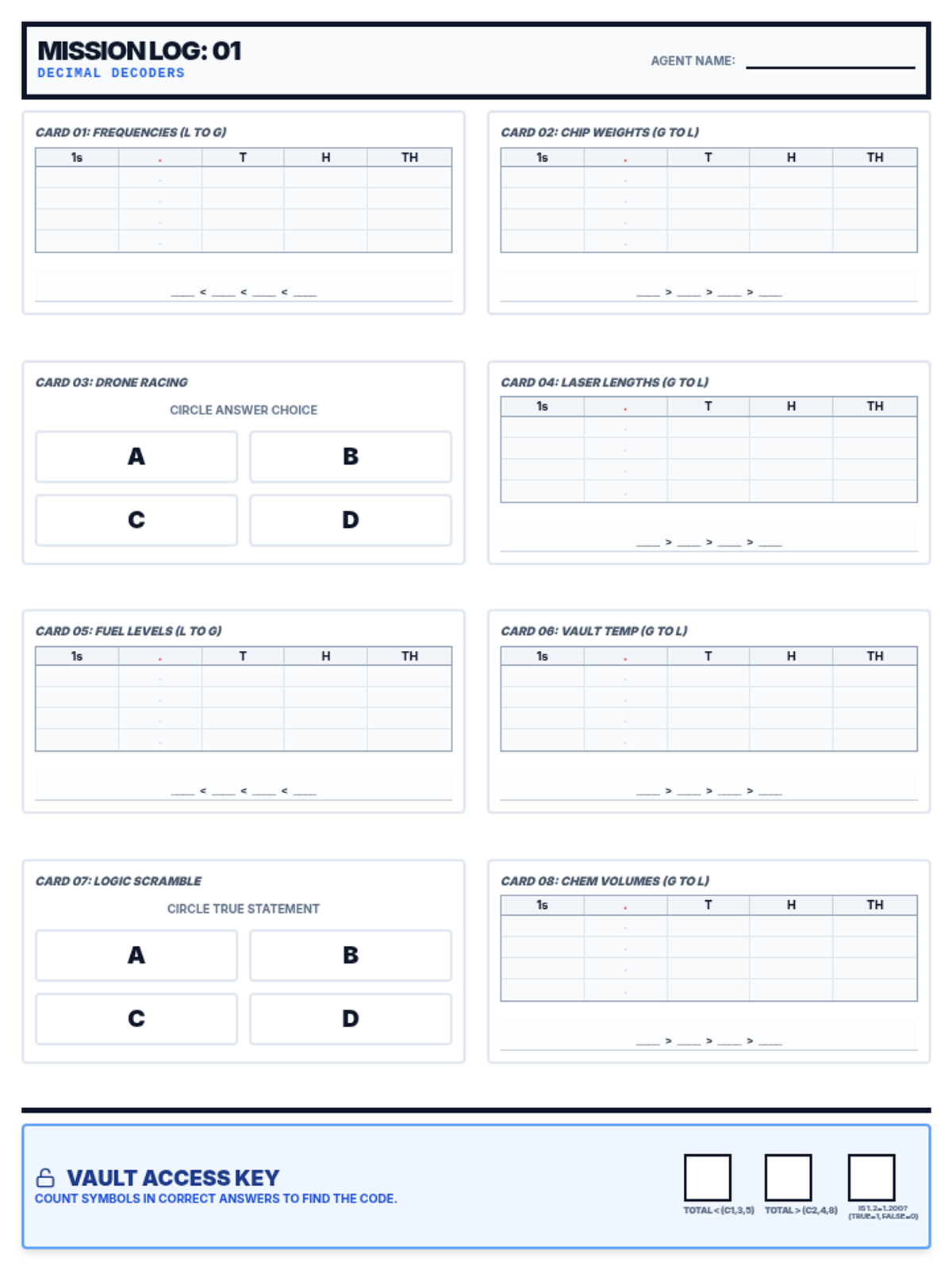
A 4-day intensive reteach unit for 5th-grade math standards, styled as a high-stakes secret agent mission. Students solve task cards to crack codes and 'escape' daily challenges covering decimals, expressions, geometry, and measurement.
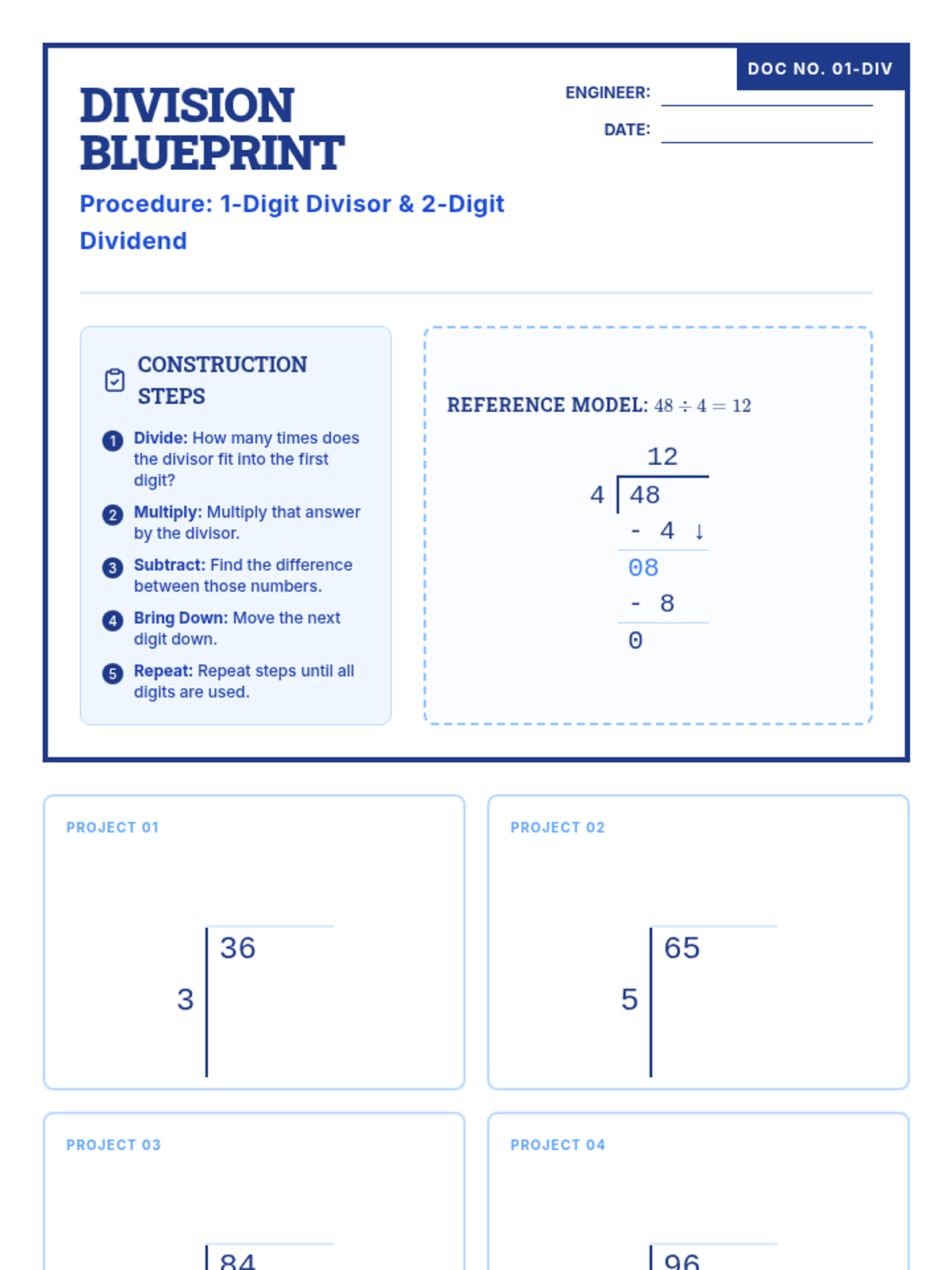
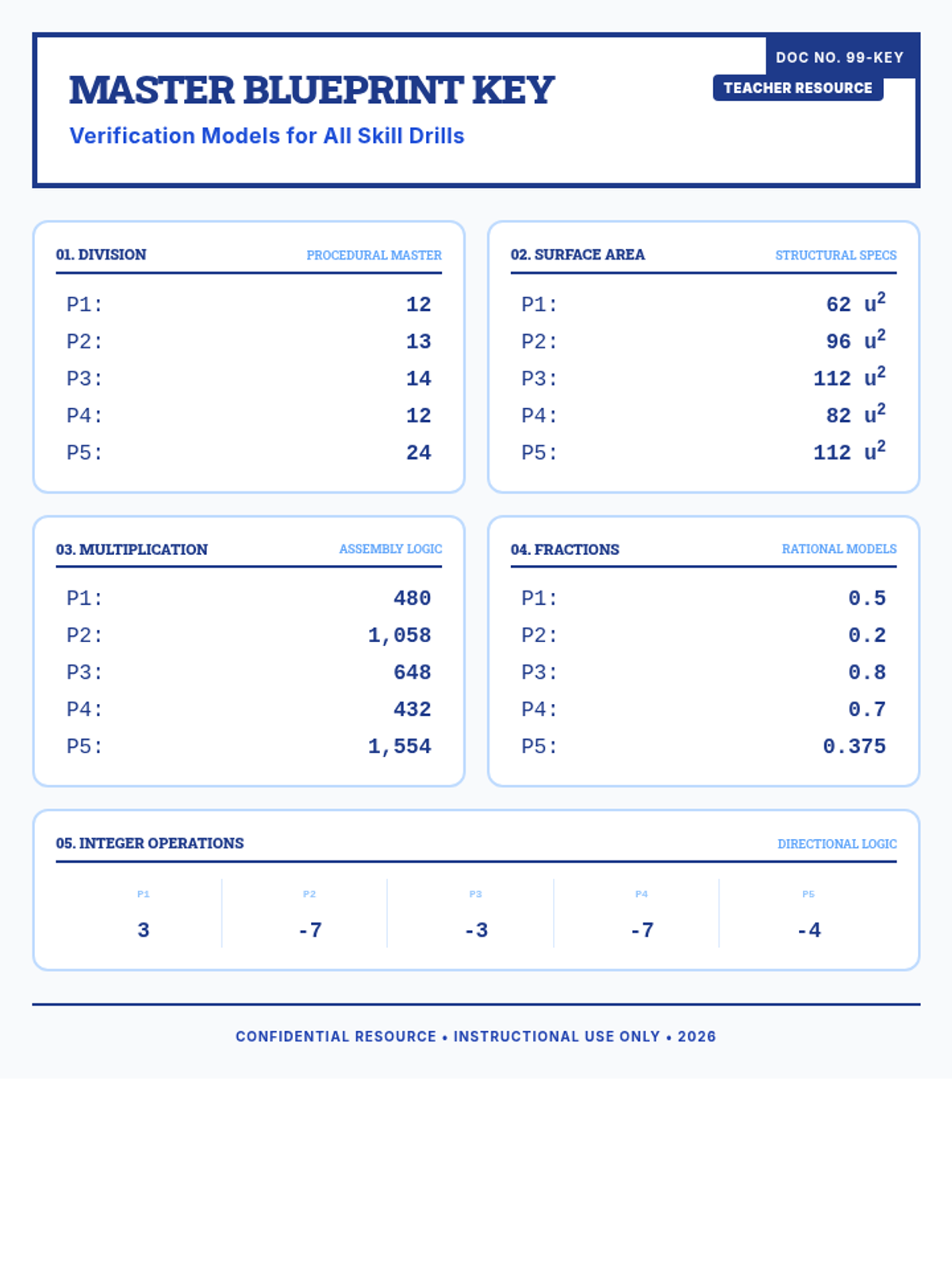
A set of targeted skill-building worksheets designed to guide students through common procedural math errors using step-by-step checklists and worked examples in a blueprint-inspired layout.
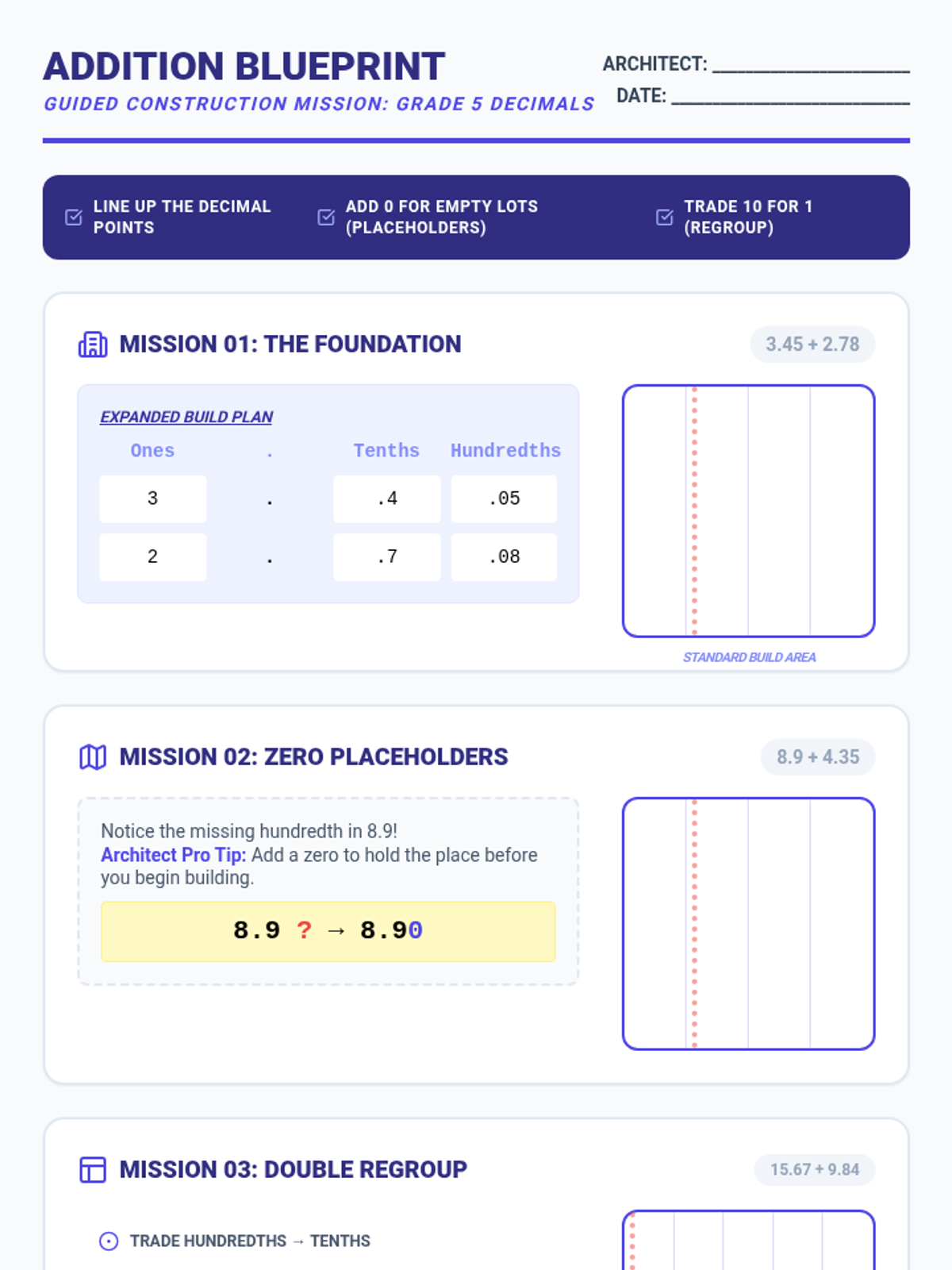
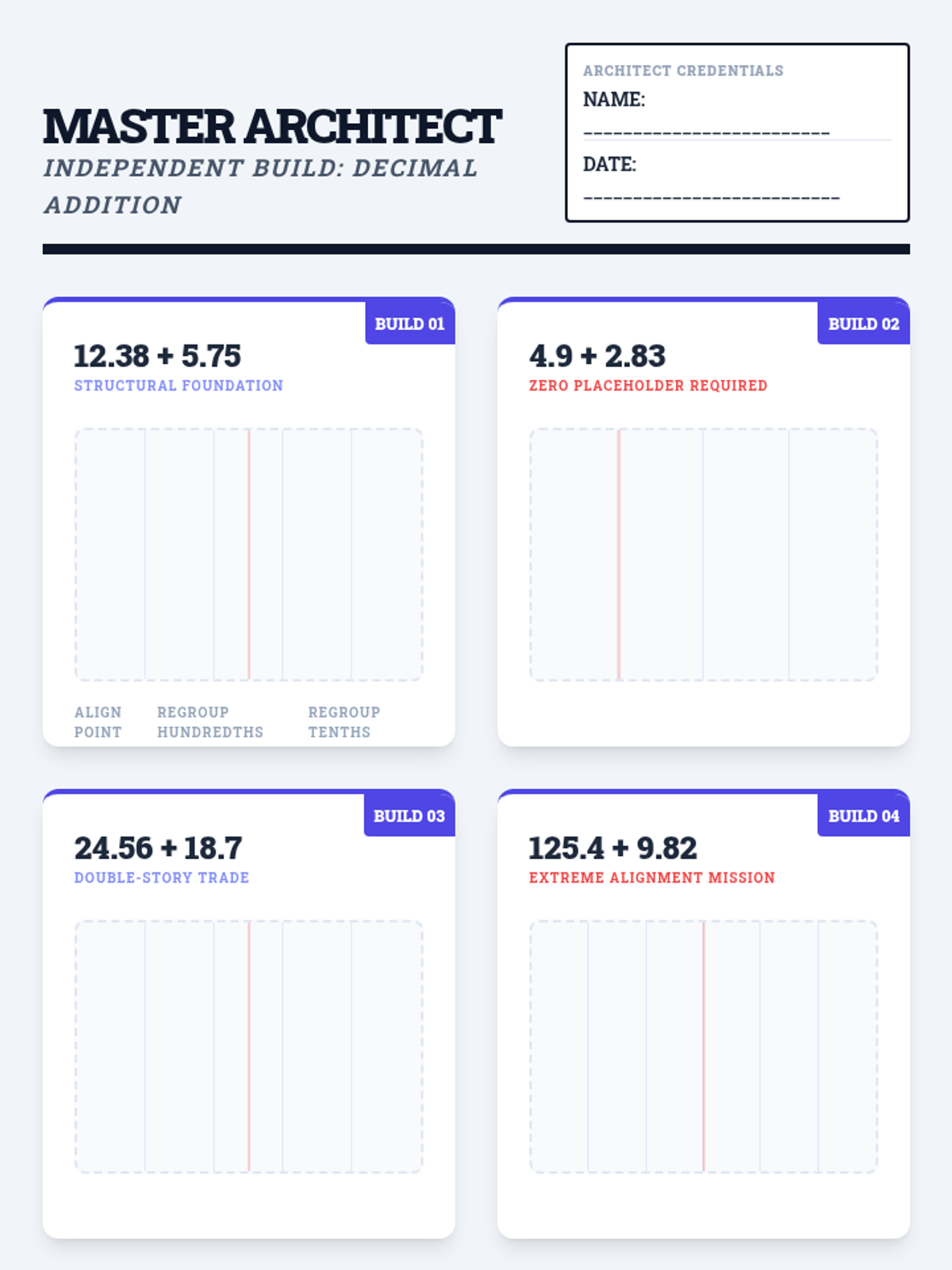
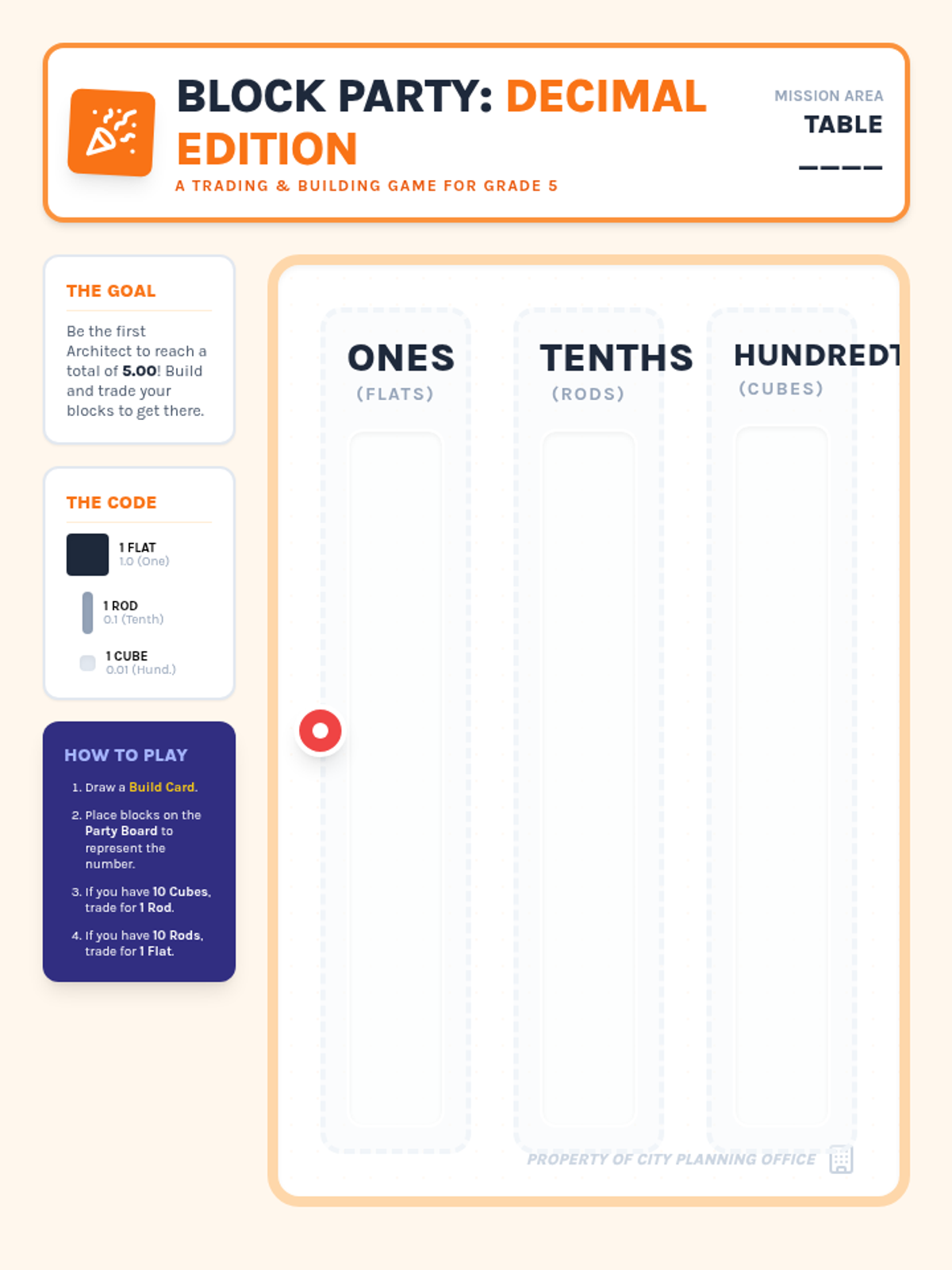
A two-week intensive sequence for fifth-grade students focusing on decimal addition and subtraction to the hundredths place. Utilizing blueprint and superhero themes, this sequence emphasizes place value alignment, regrouping, and progress monitoring to ensure mastery of decimal operations.
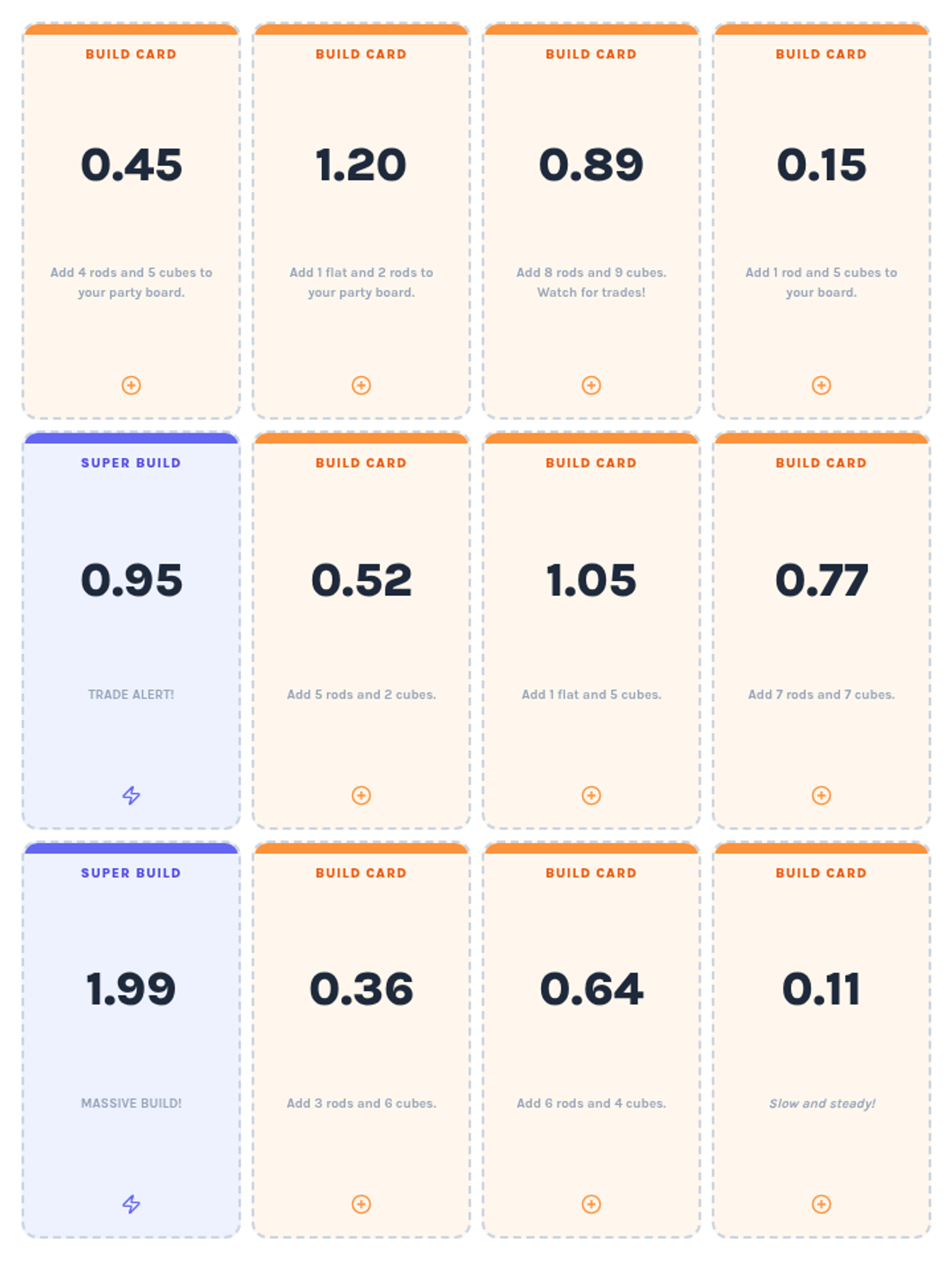
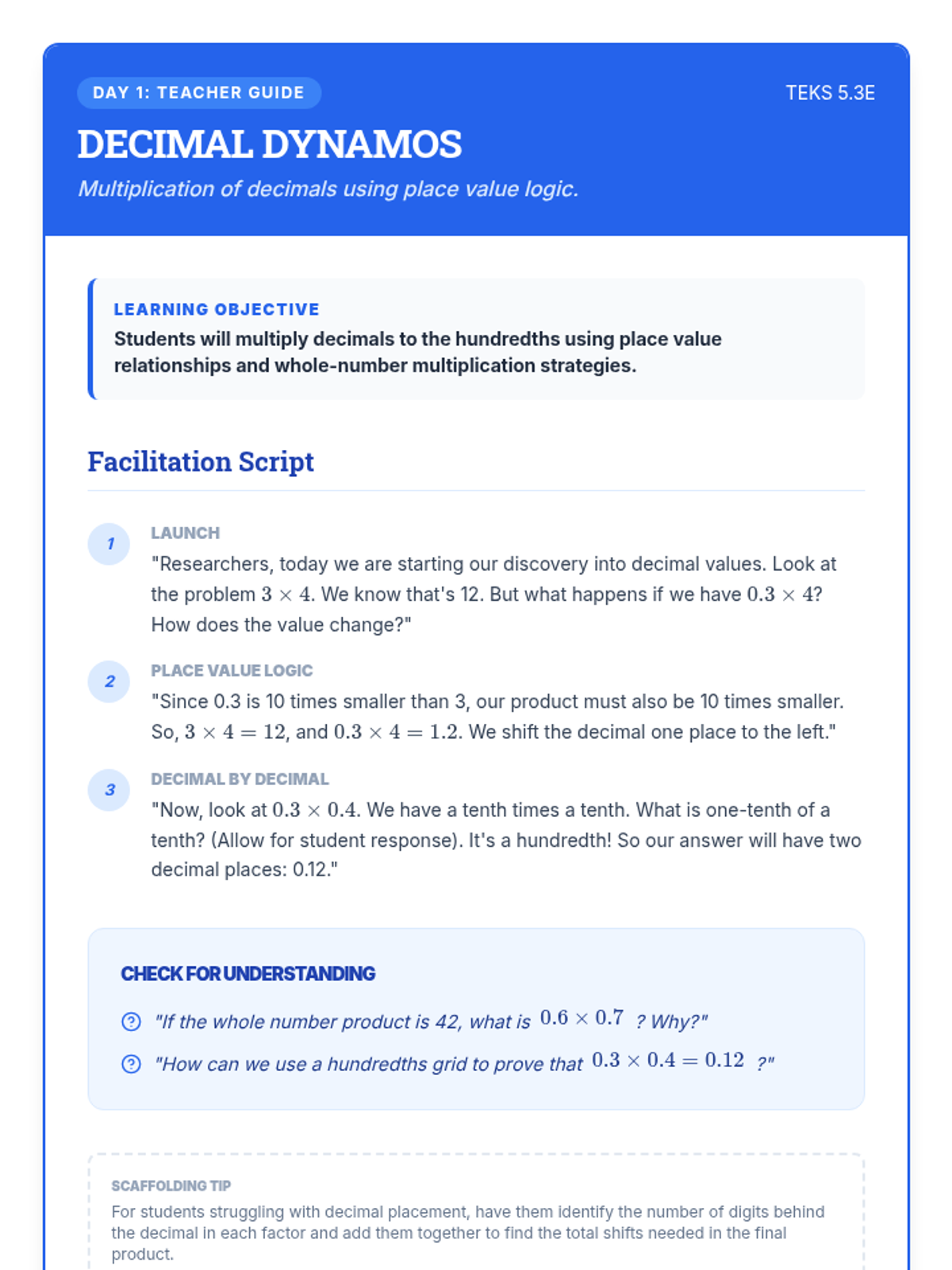
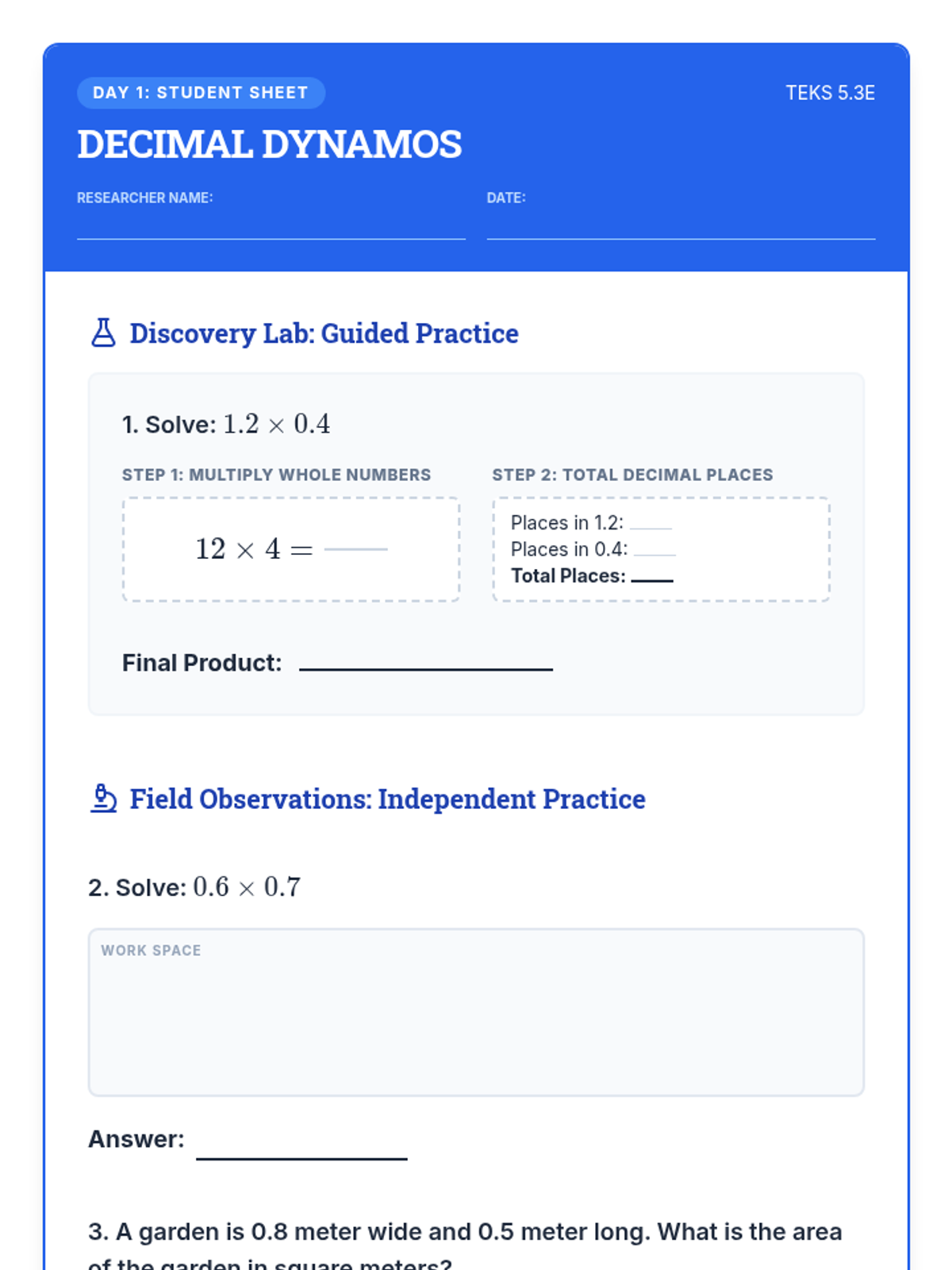
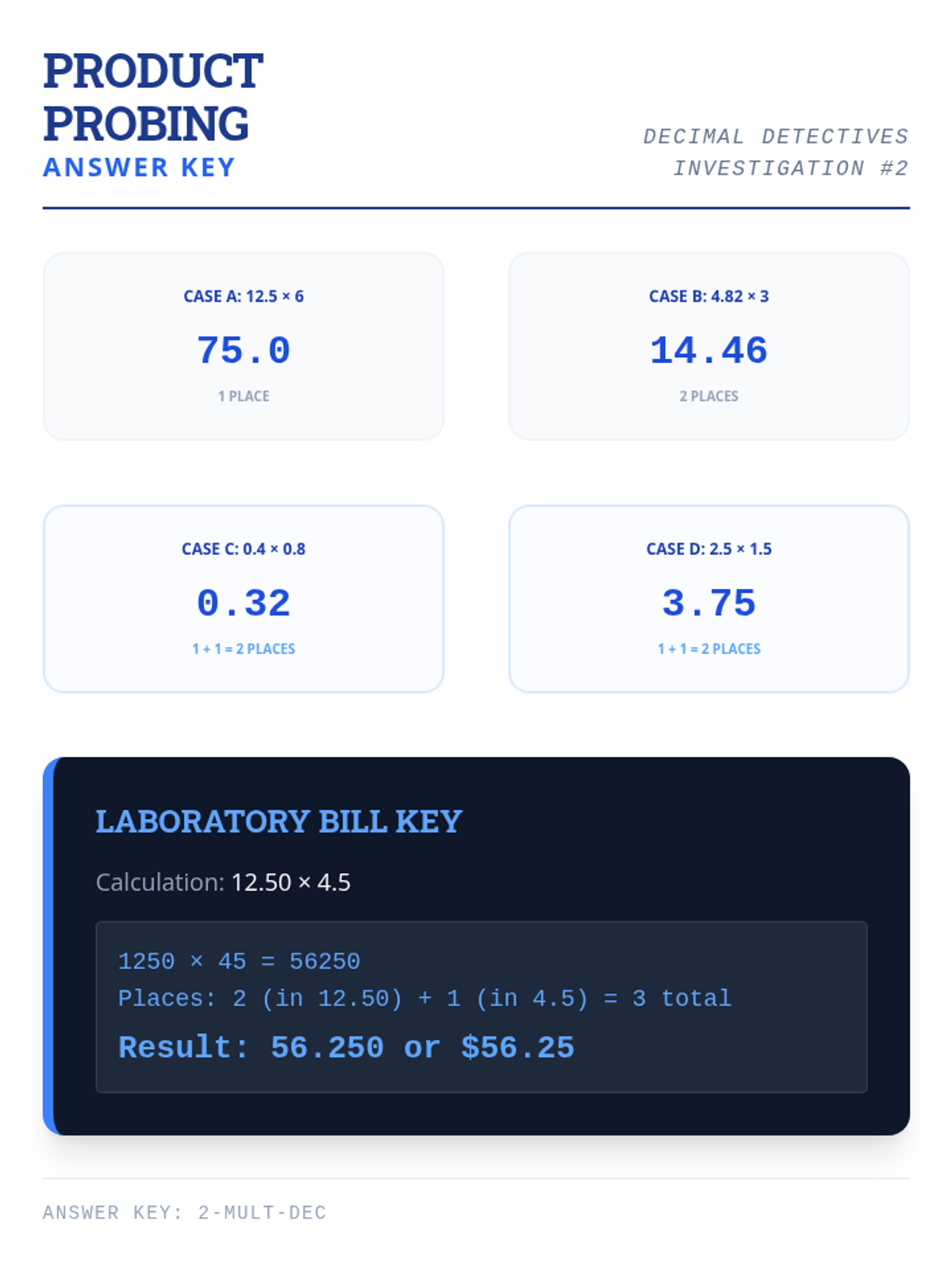
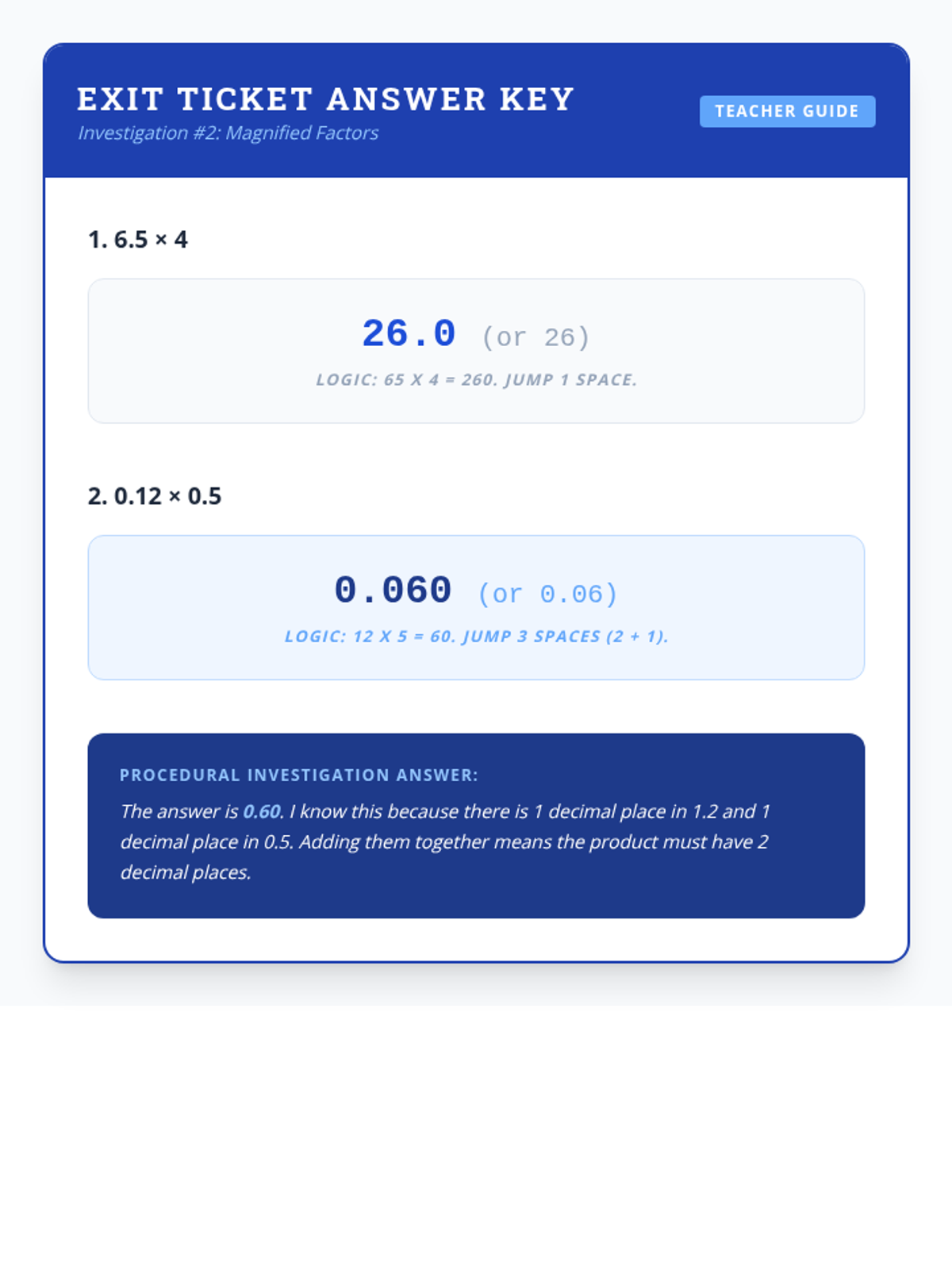
A 4-day small group reteach sequence for 5th-grade students focusing on decimal multiplication and division. The sequence uses hands-on strategies, place value relationships, and pictorial models to solve real-world mathematical discoveries.
A Tier 2 intervention sequence focused on mastering decimal operations to the hundredths place using place value models, estimation, and real-world contexts. Designed for 5th-grade students needing targeted support with Colorado Standard 5.NBT.B.7.
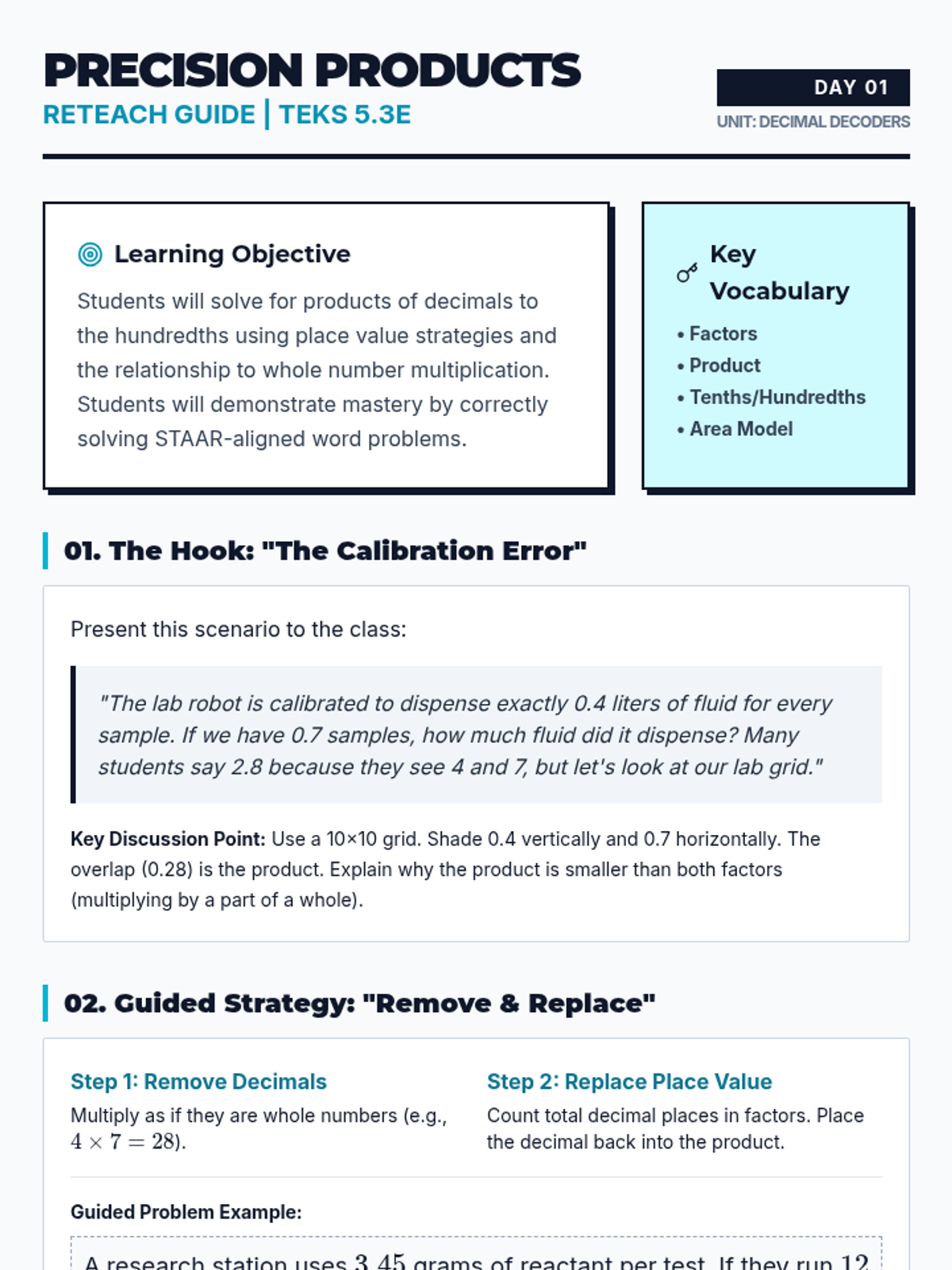
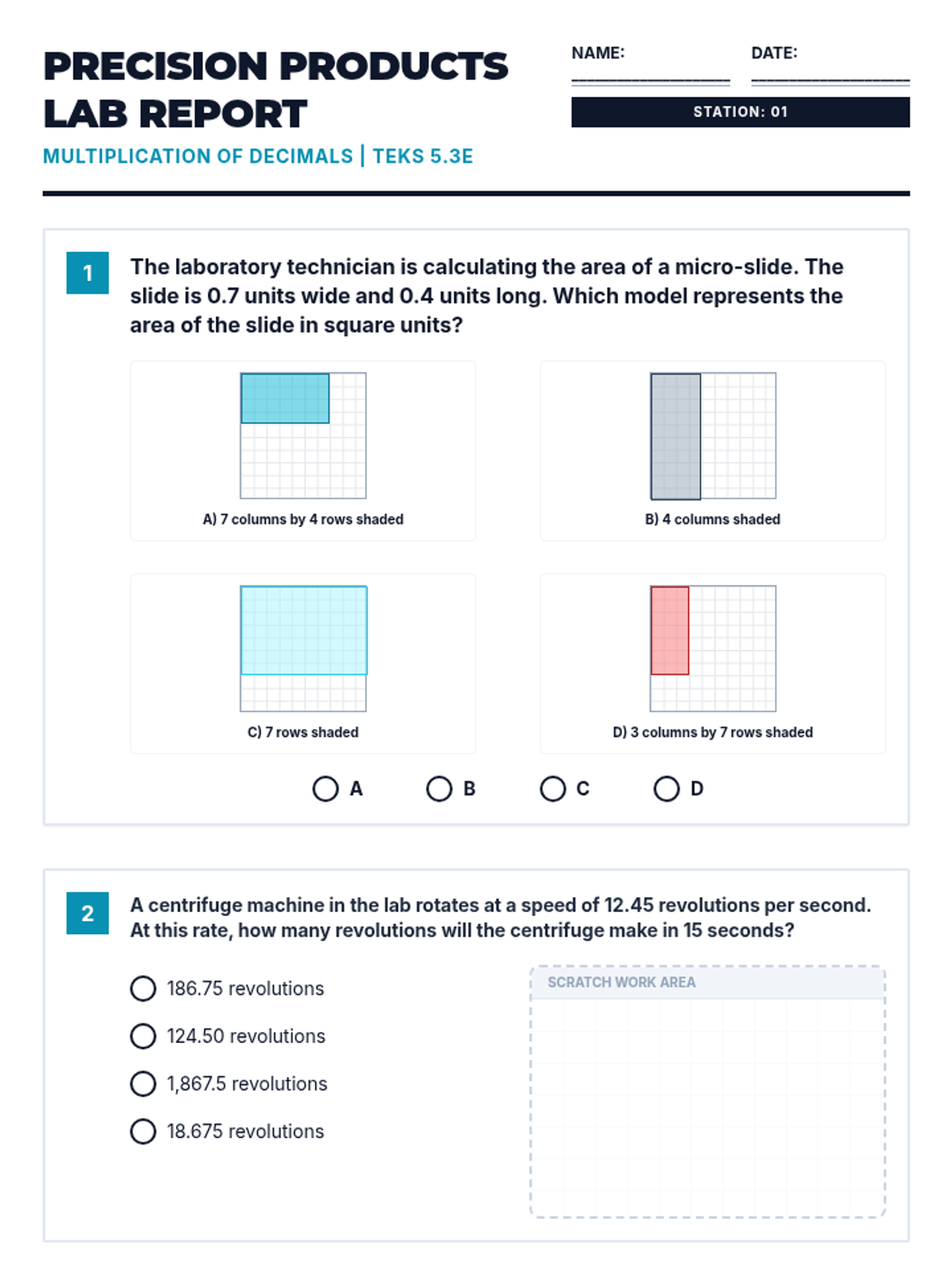
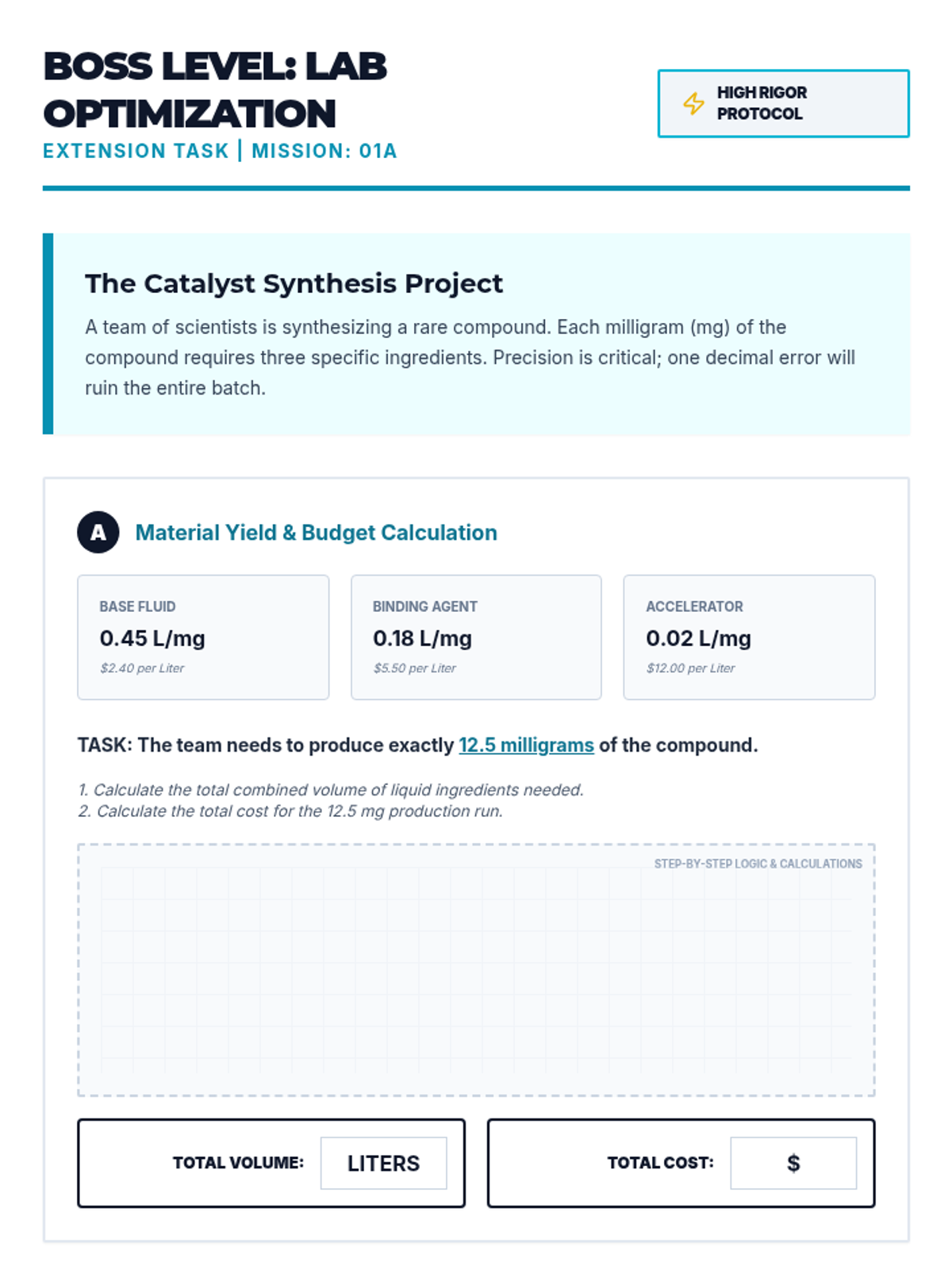
A 4-day intensive reteach sequence focusing on decimal multiplication (5.3E) and division (5.3G), designed for 5th-grade students to master STAAR-aligned word problems through the lens of a high-tech 'Precision Lab'.
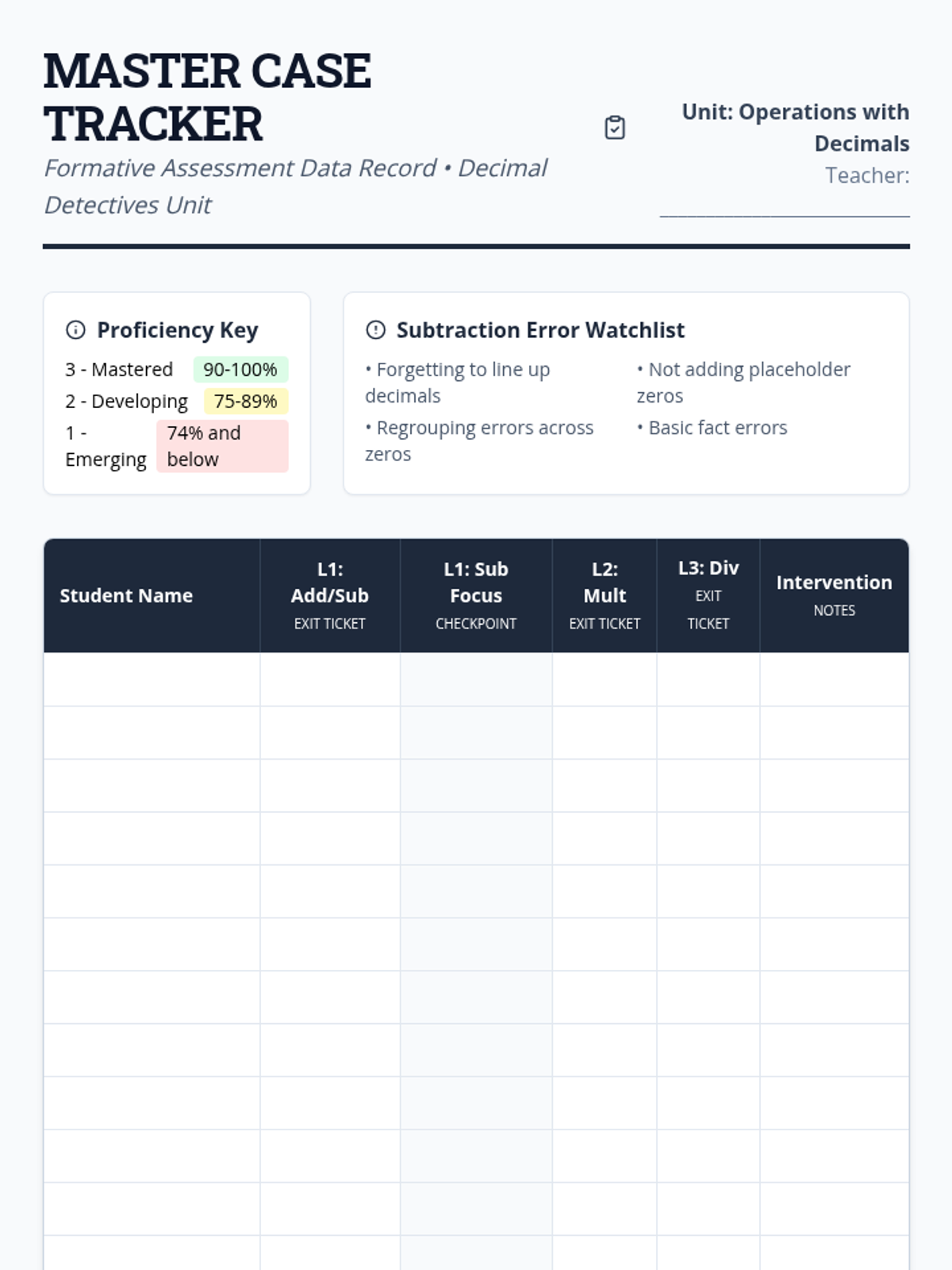
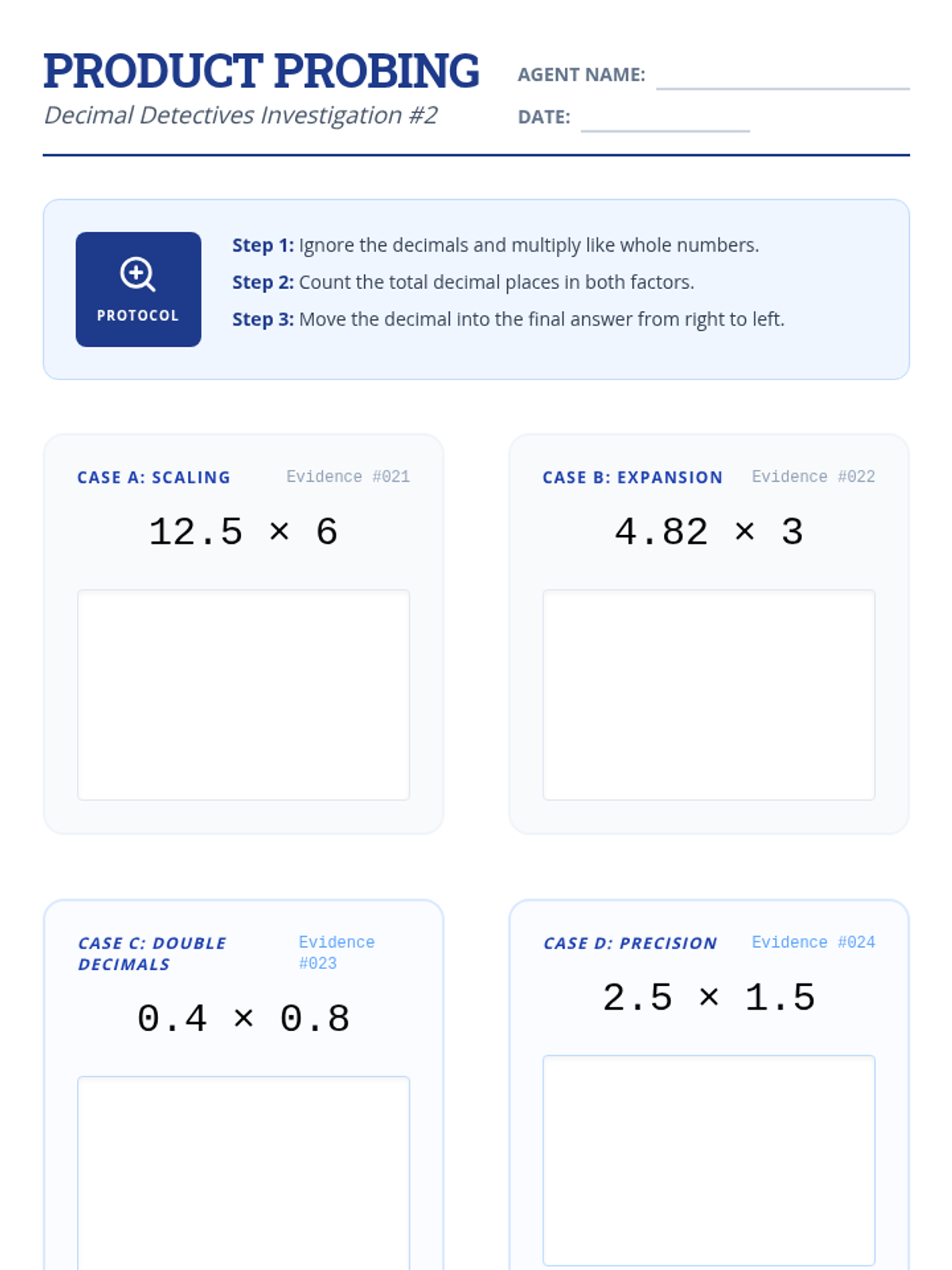
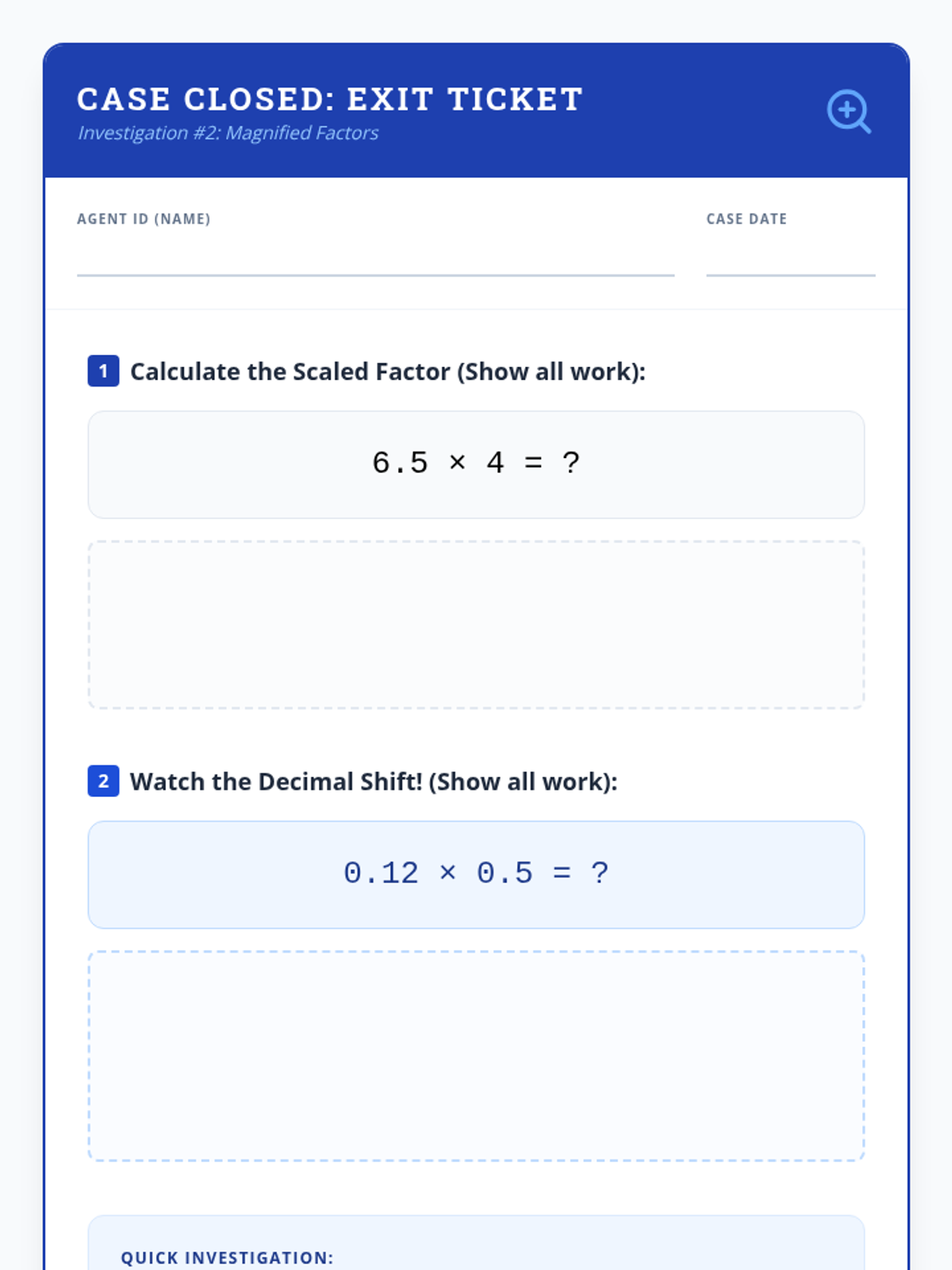
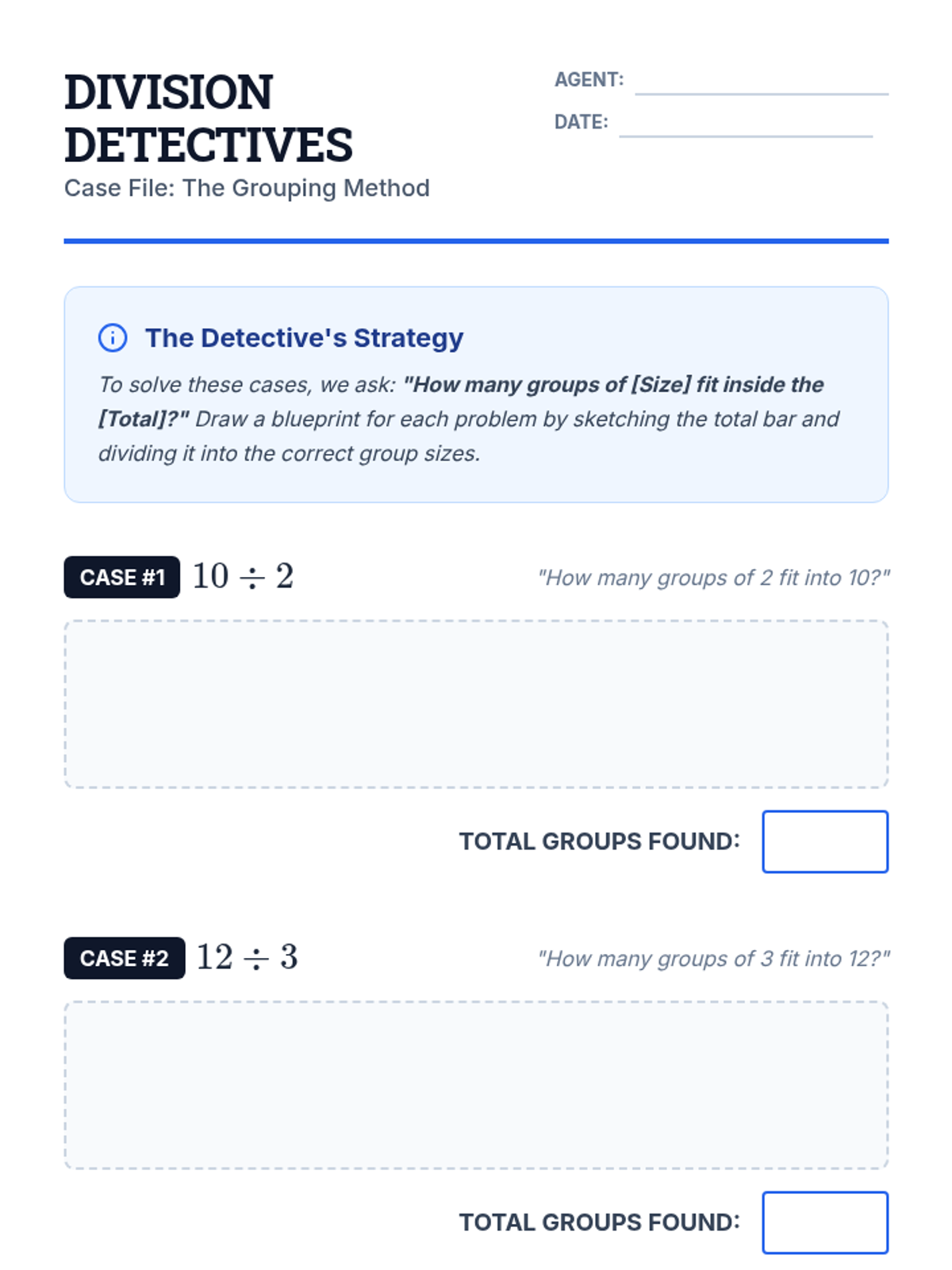
A comprehensive unit on performing the four operations with decimals, using a detective-themed approach to engage students in precision and problem-solving.
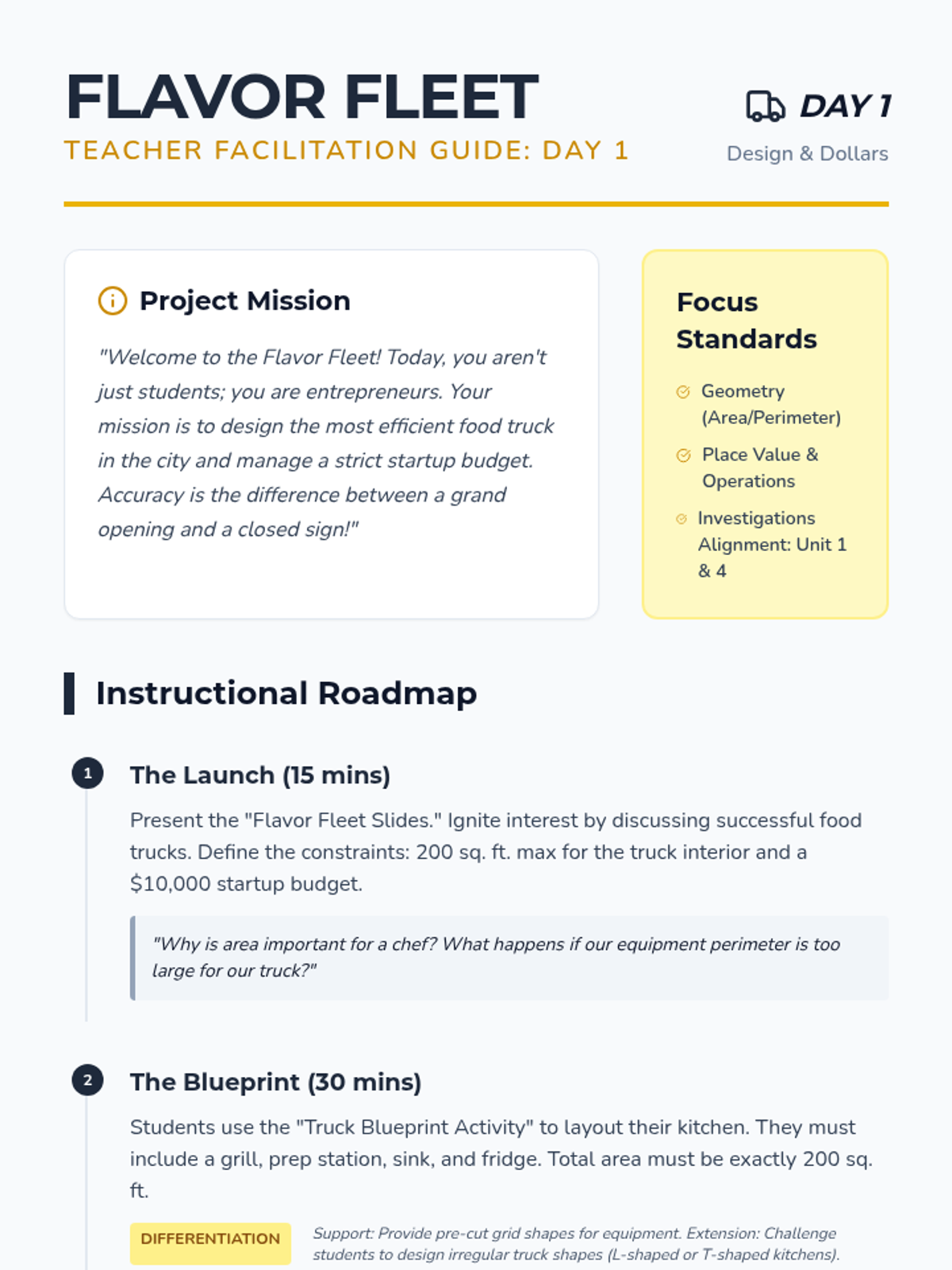
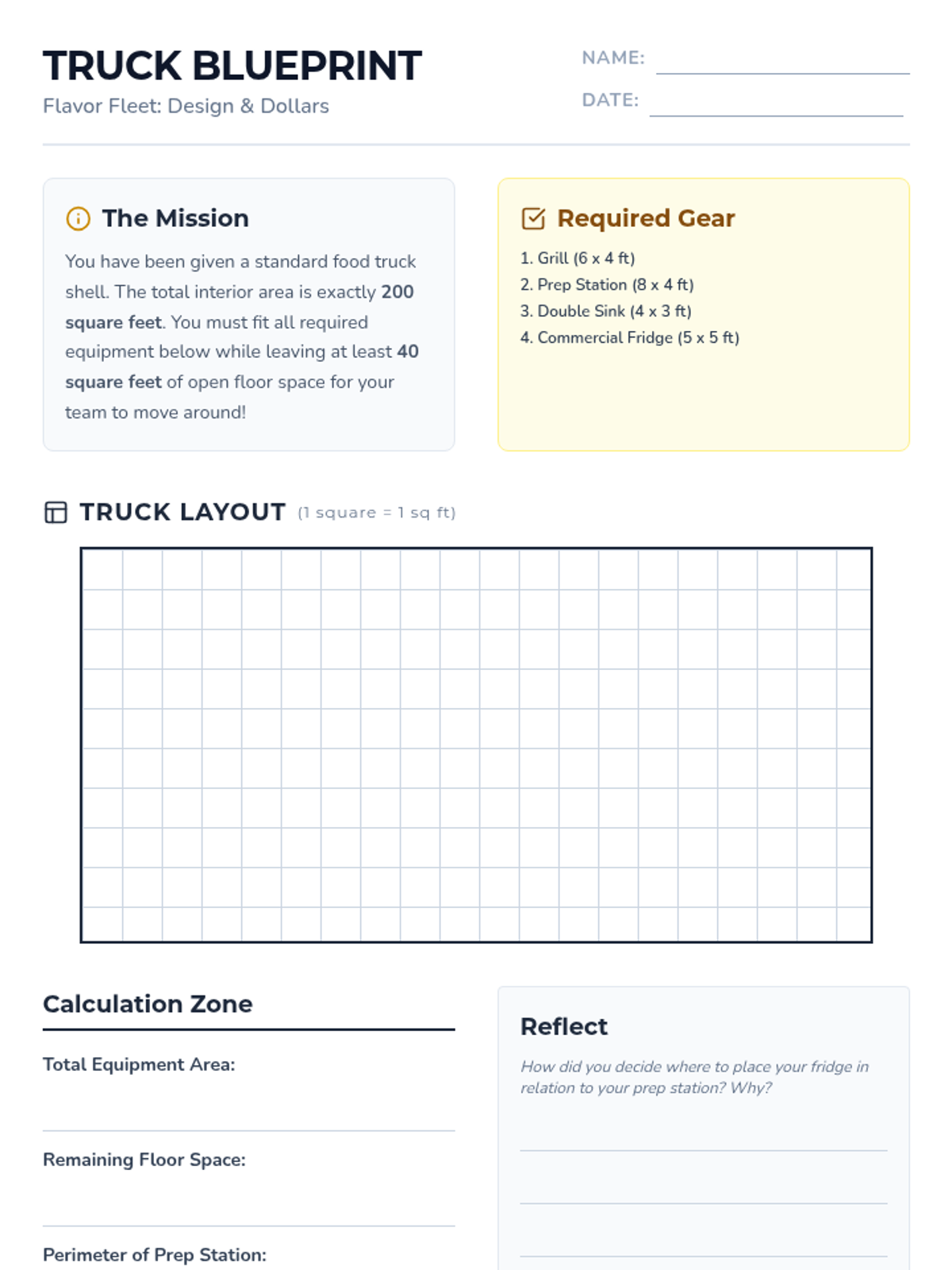
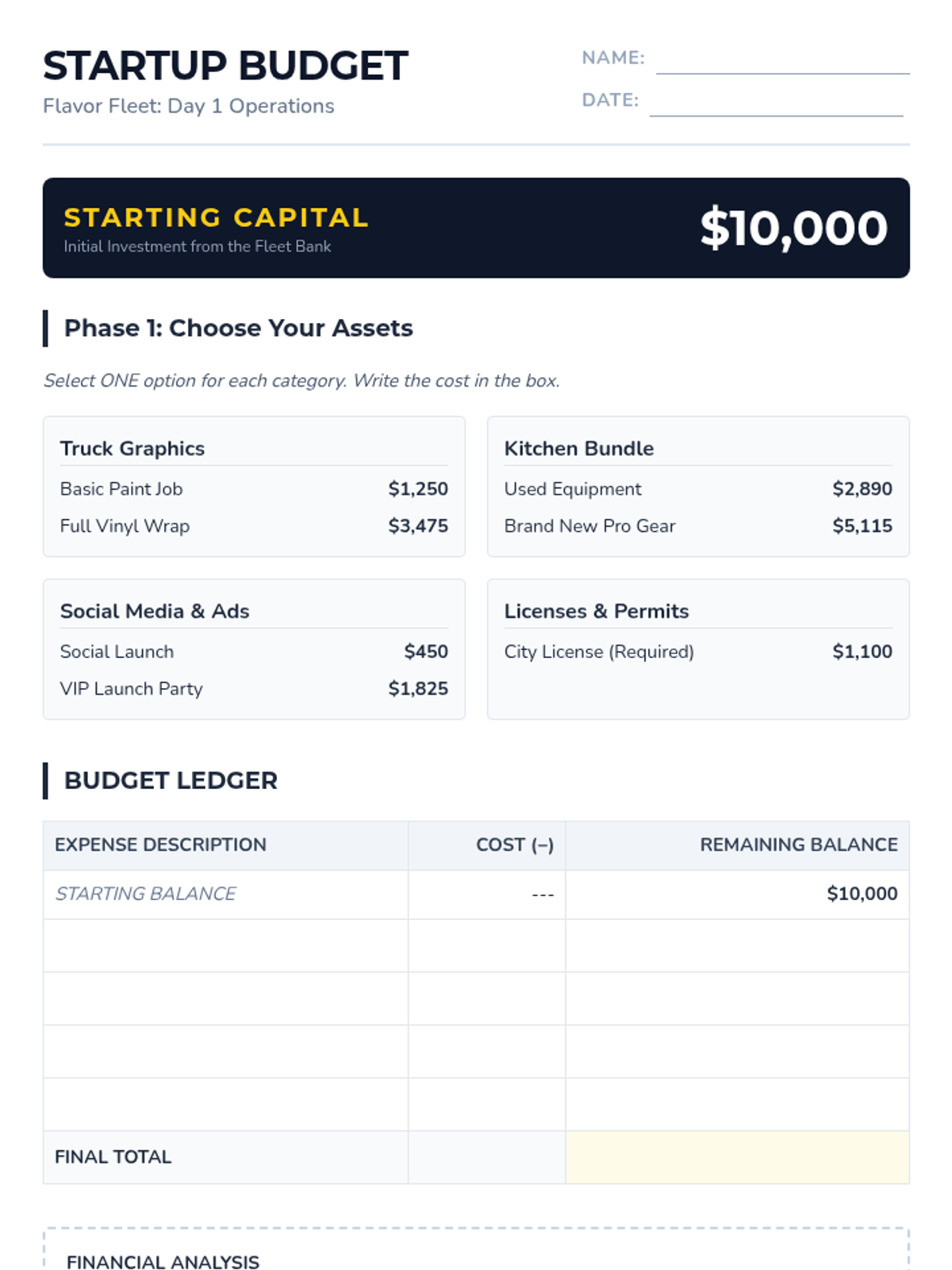
A 3-day project-based learning experience where students design, budget, and run their own food truck business, integrating fractions, geometry, operations, and data analysis.
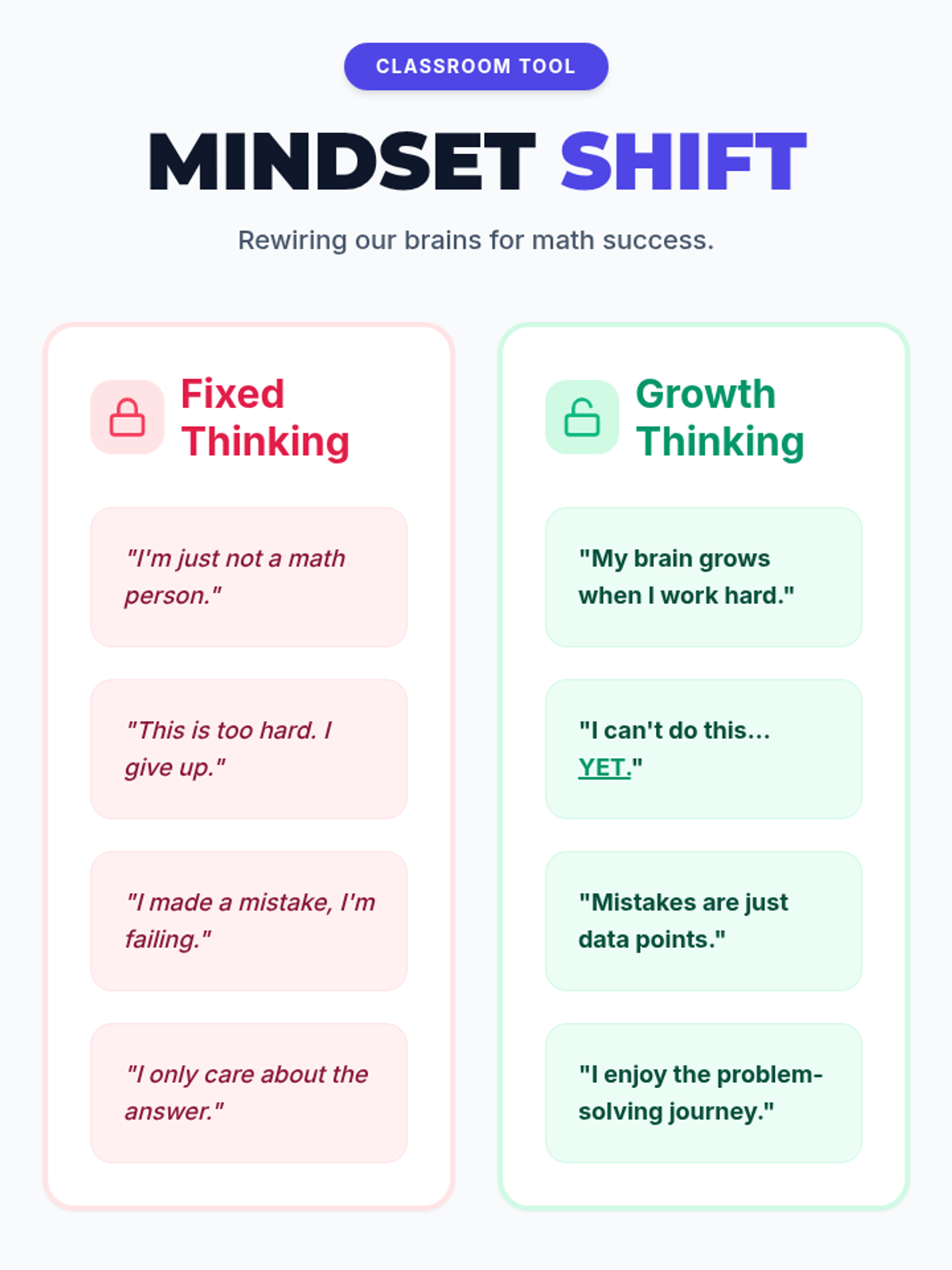
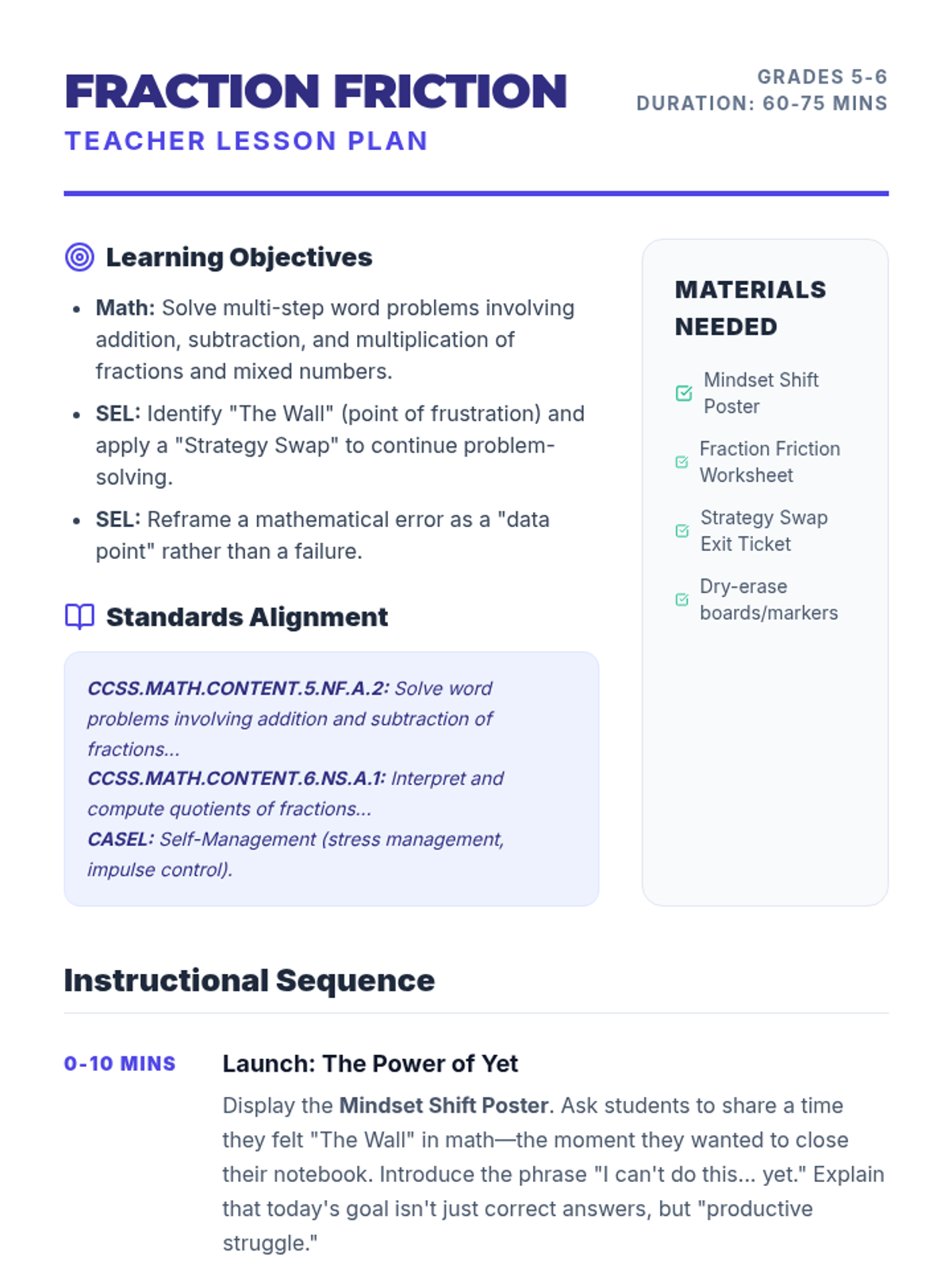
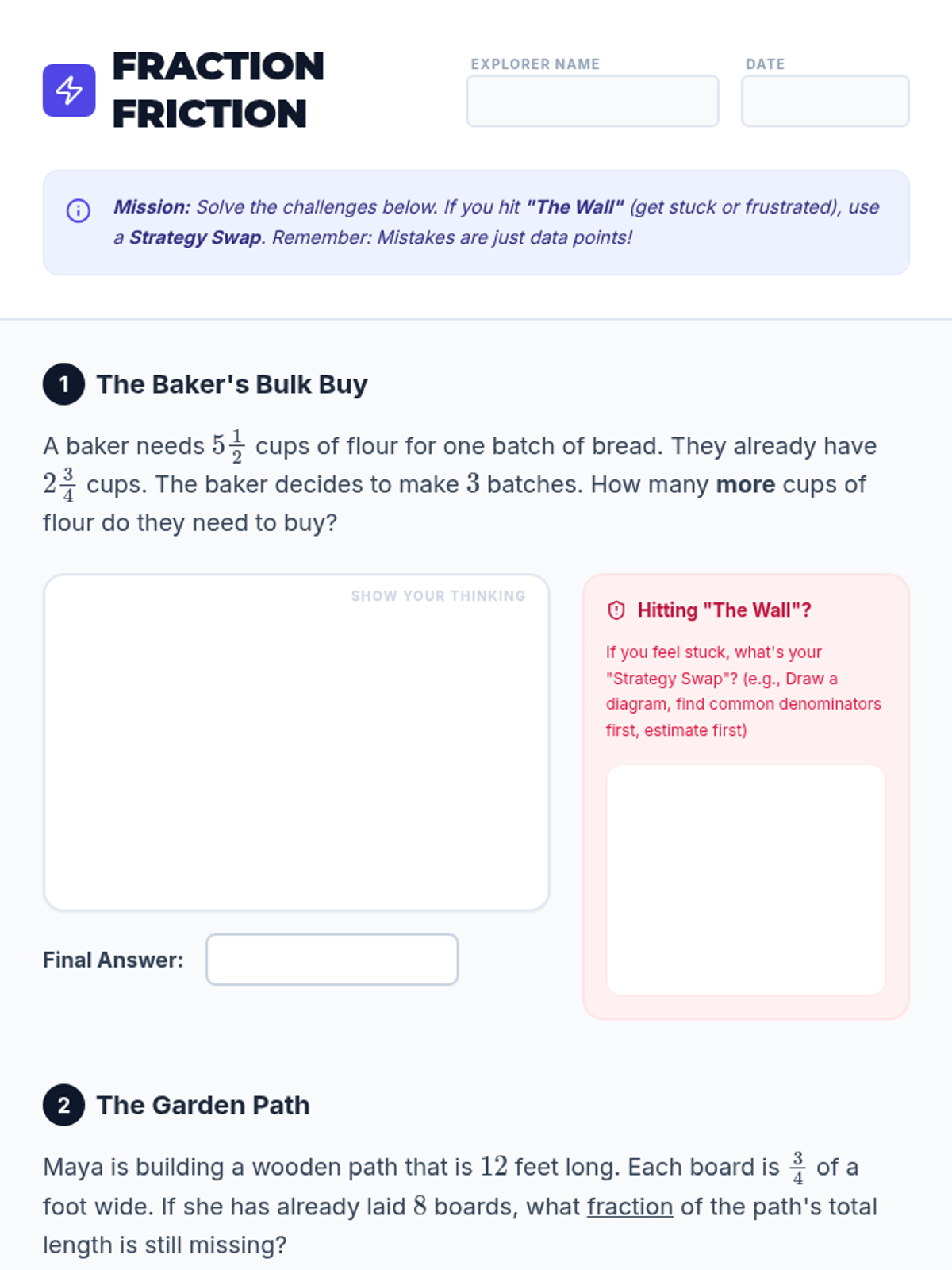
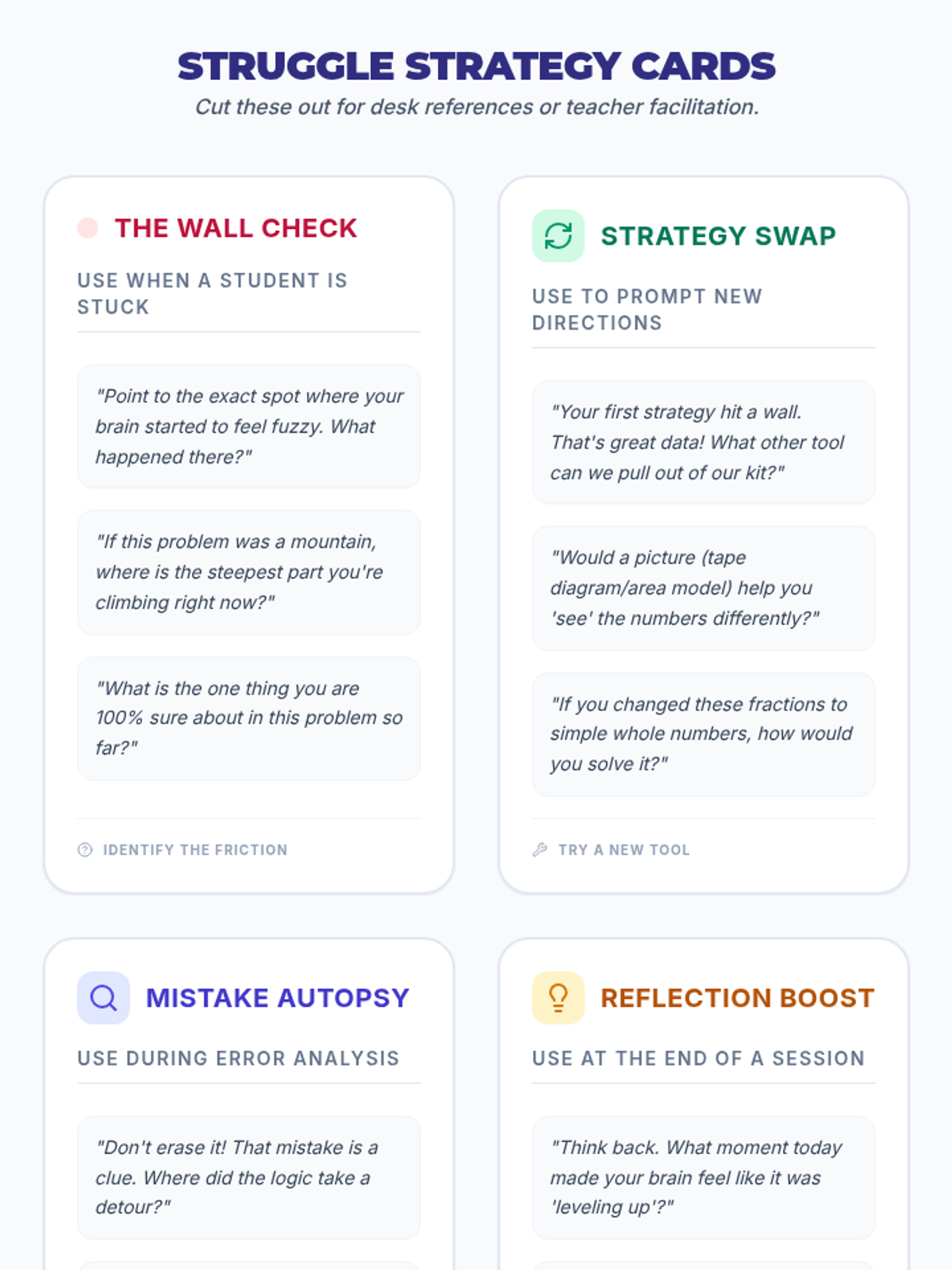
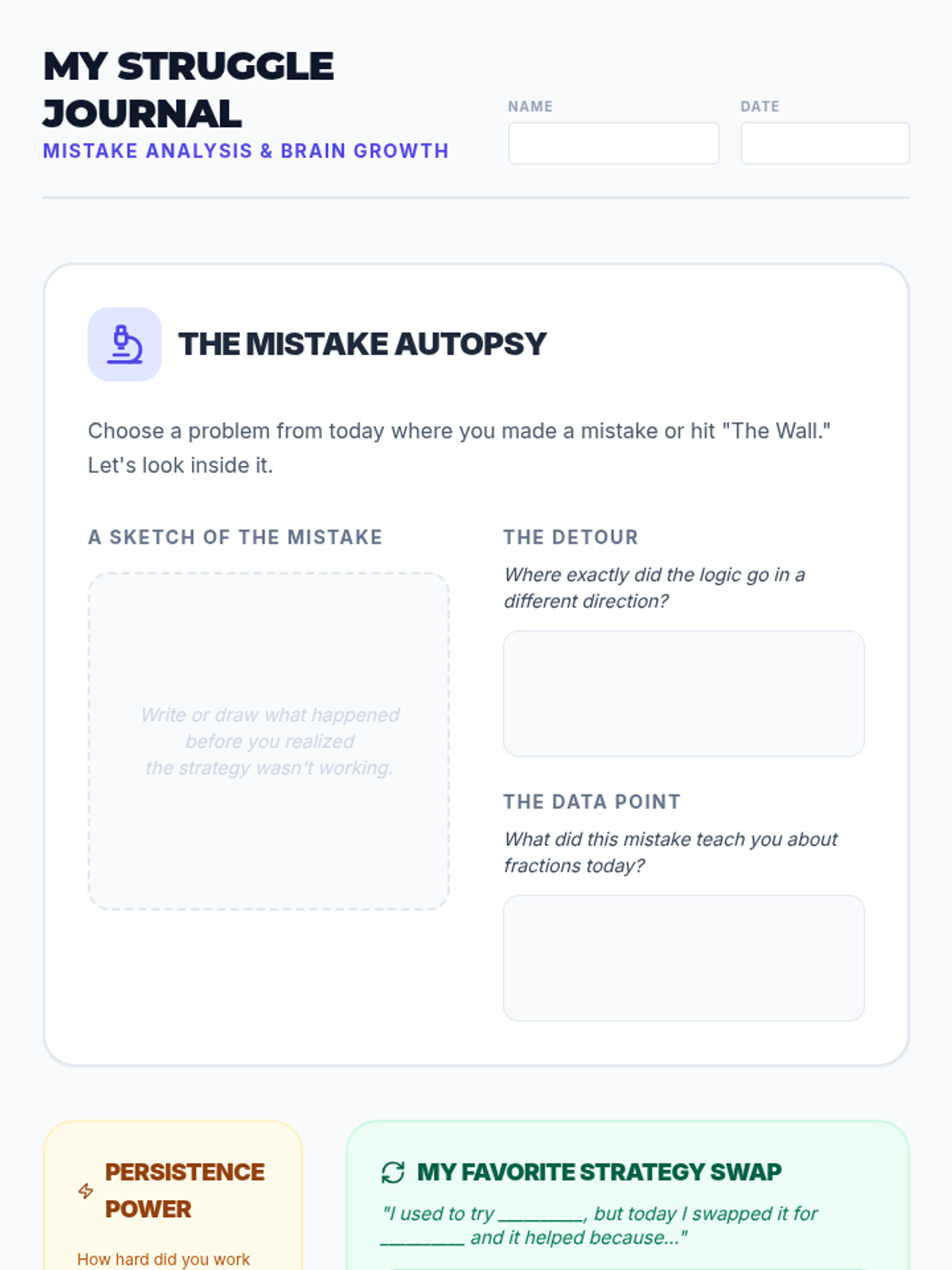
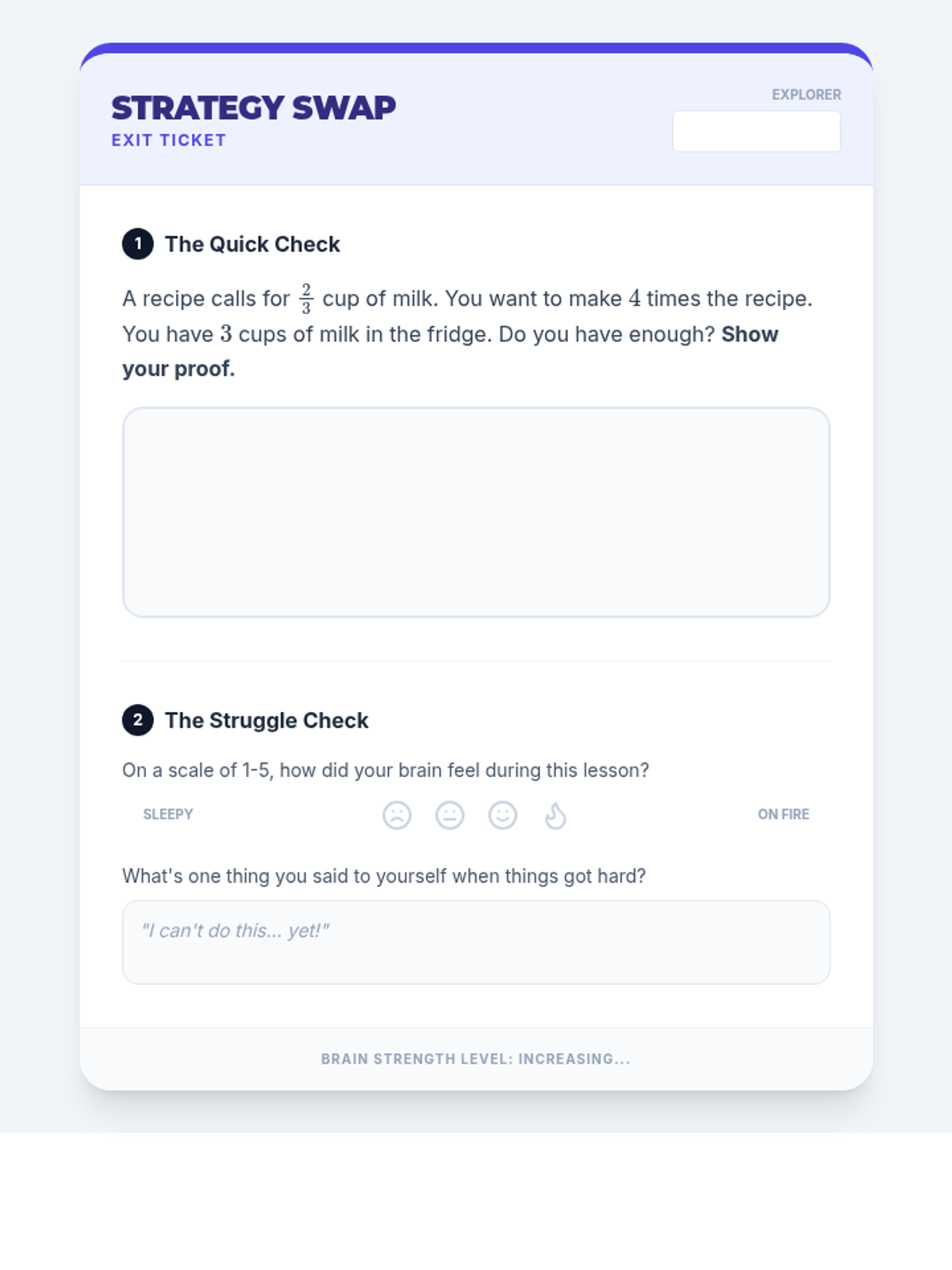
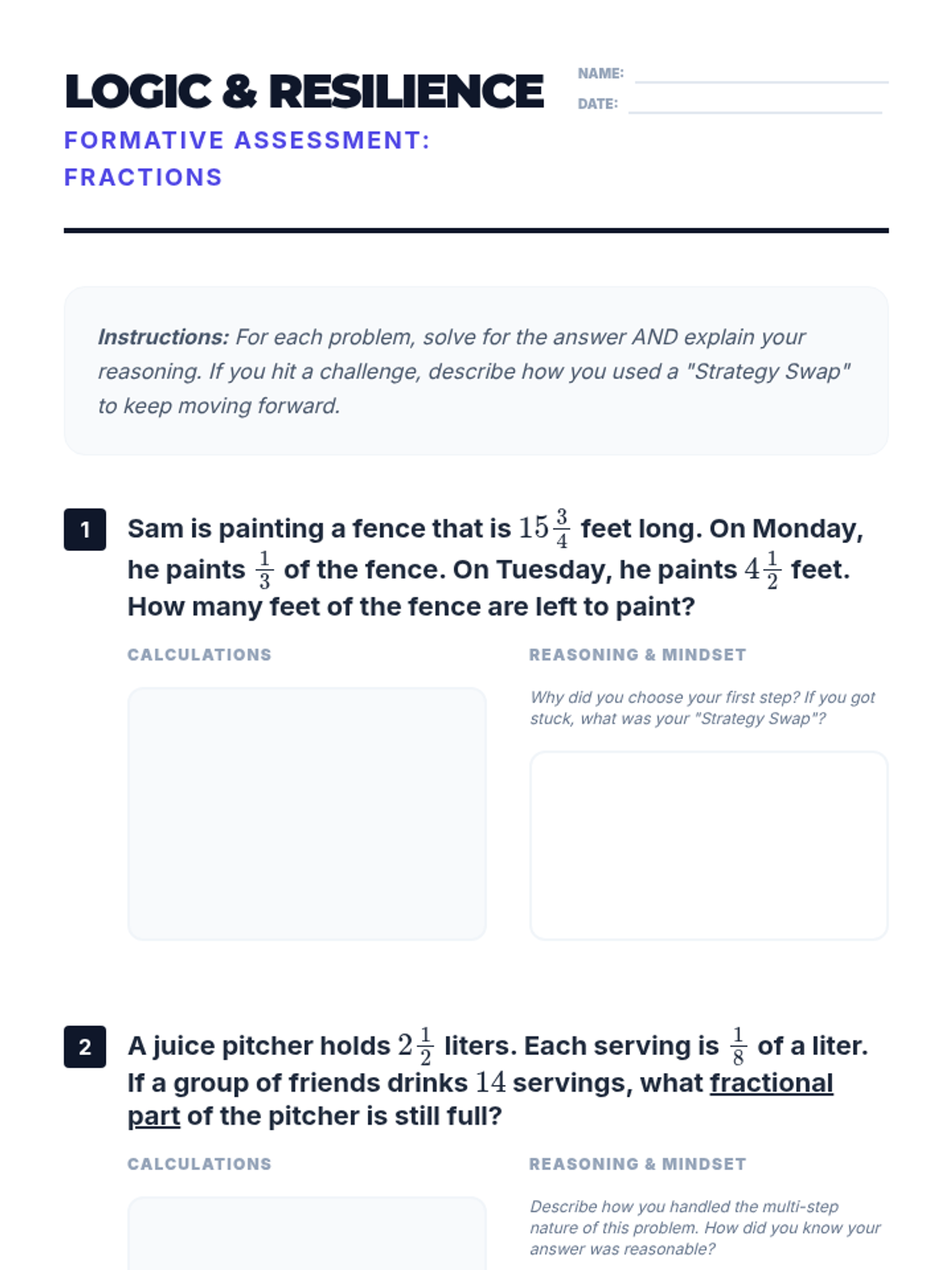
A comprehensive math and SEL integration designed for Grades 5-6, focusing on multi-step fraction word problems through the lens of growth mindset and productive struggle. Students learn to reframe mistakes as data points and persistence as a measurable skill.
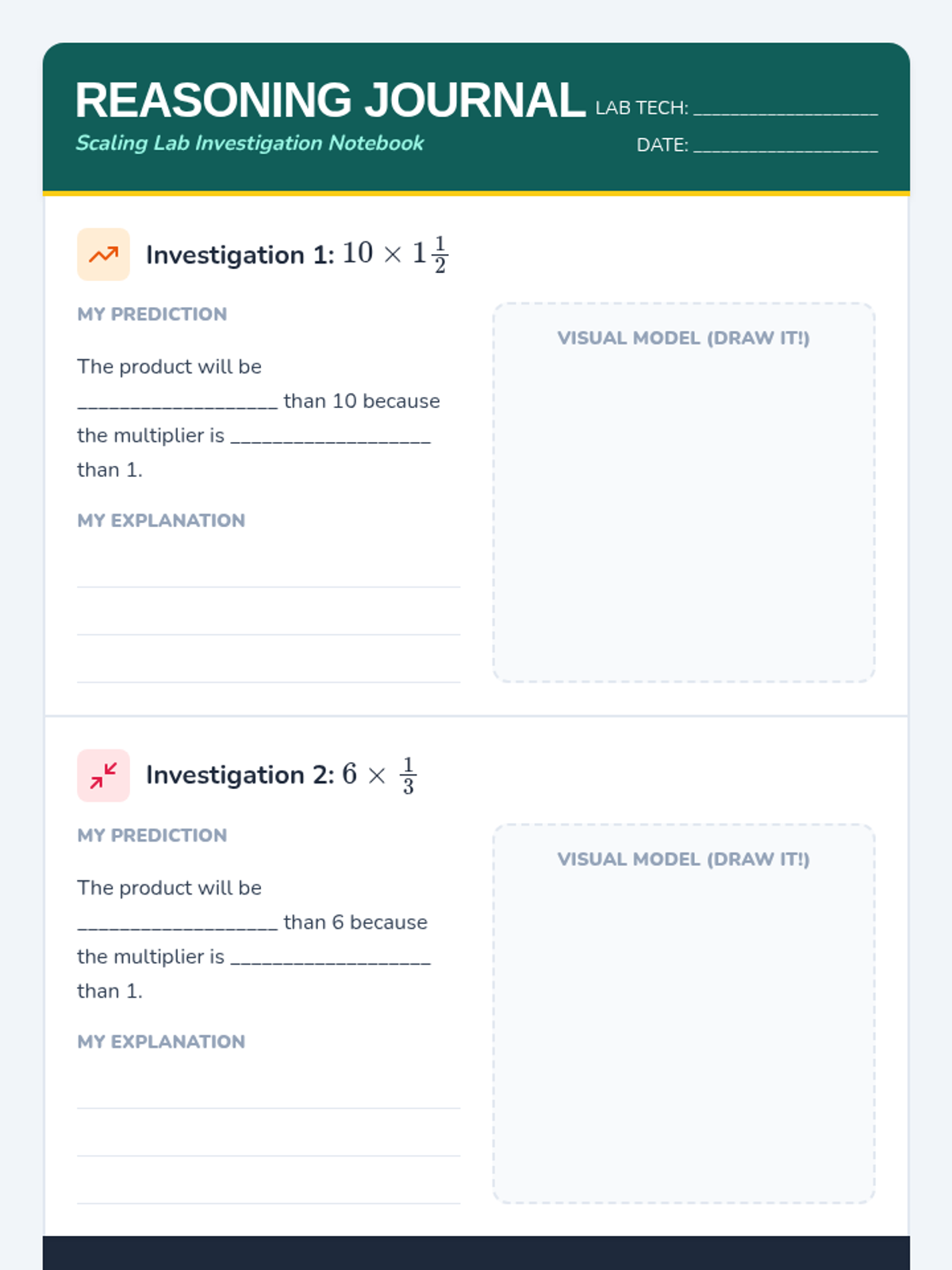
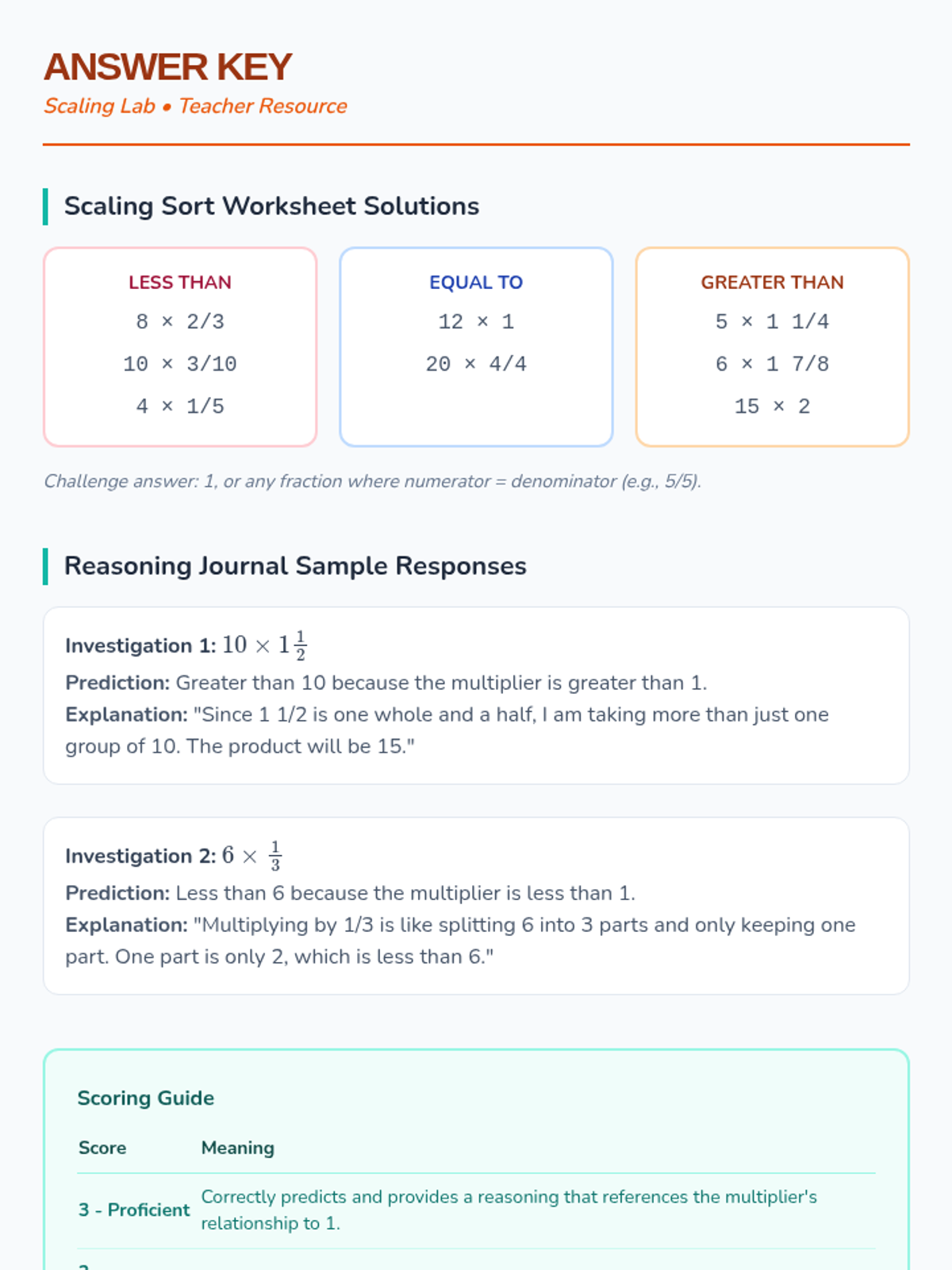
A Tier 2 intervention unit focused on understanding multiplication as scaling. Students explore how multipliers greater than, less than, or equal to one affect the size of the product compared to the original factor.
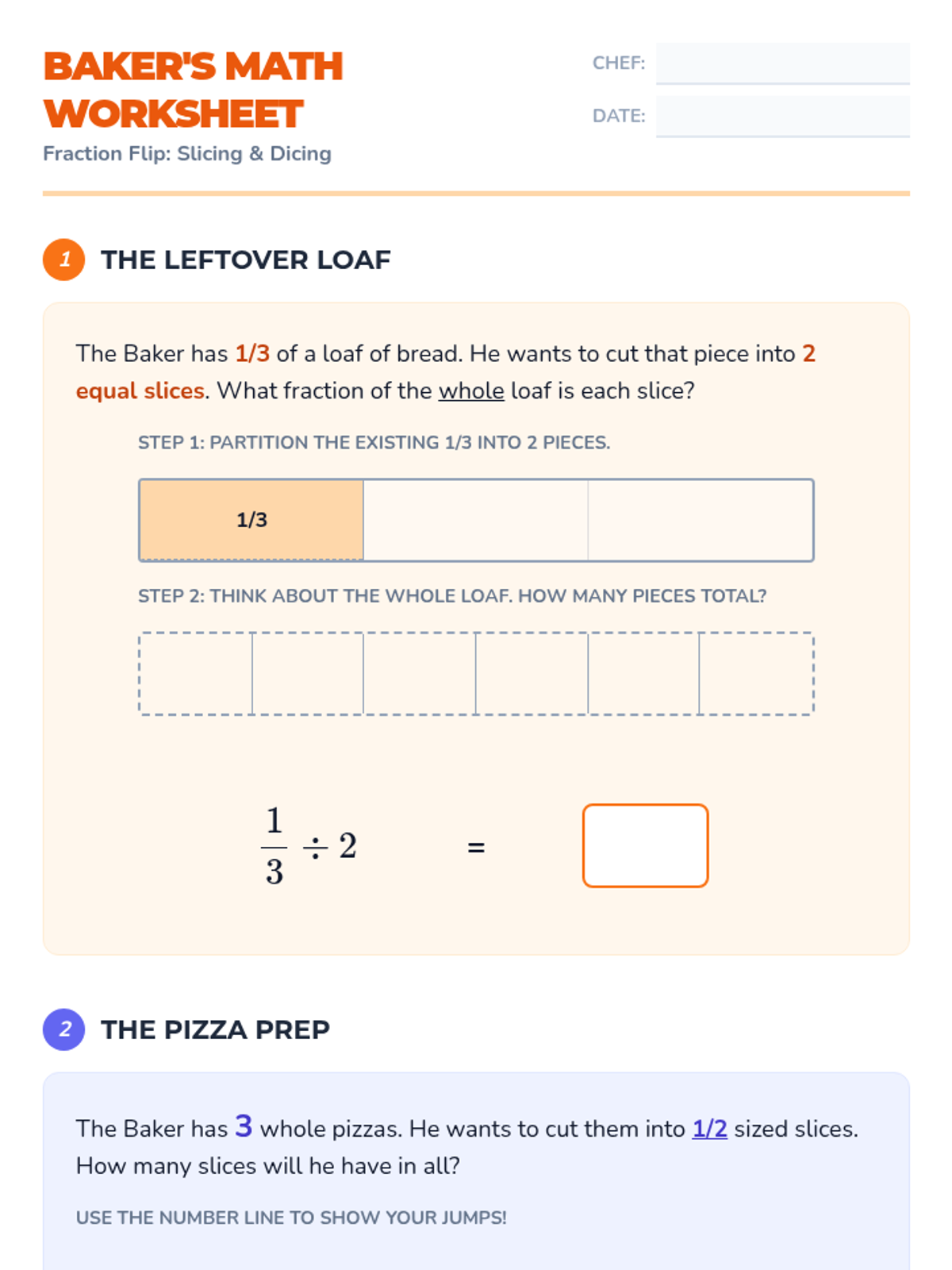
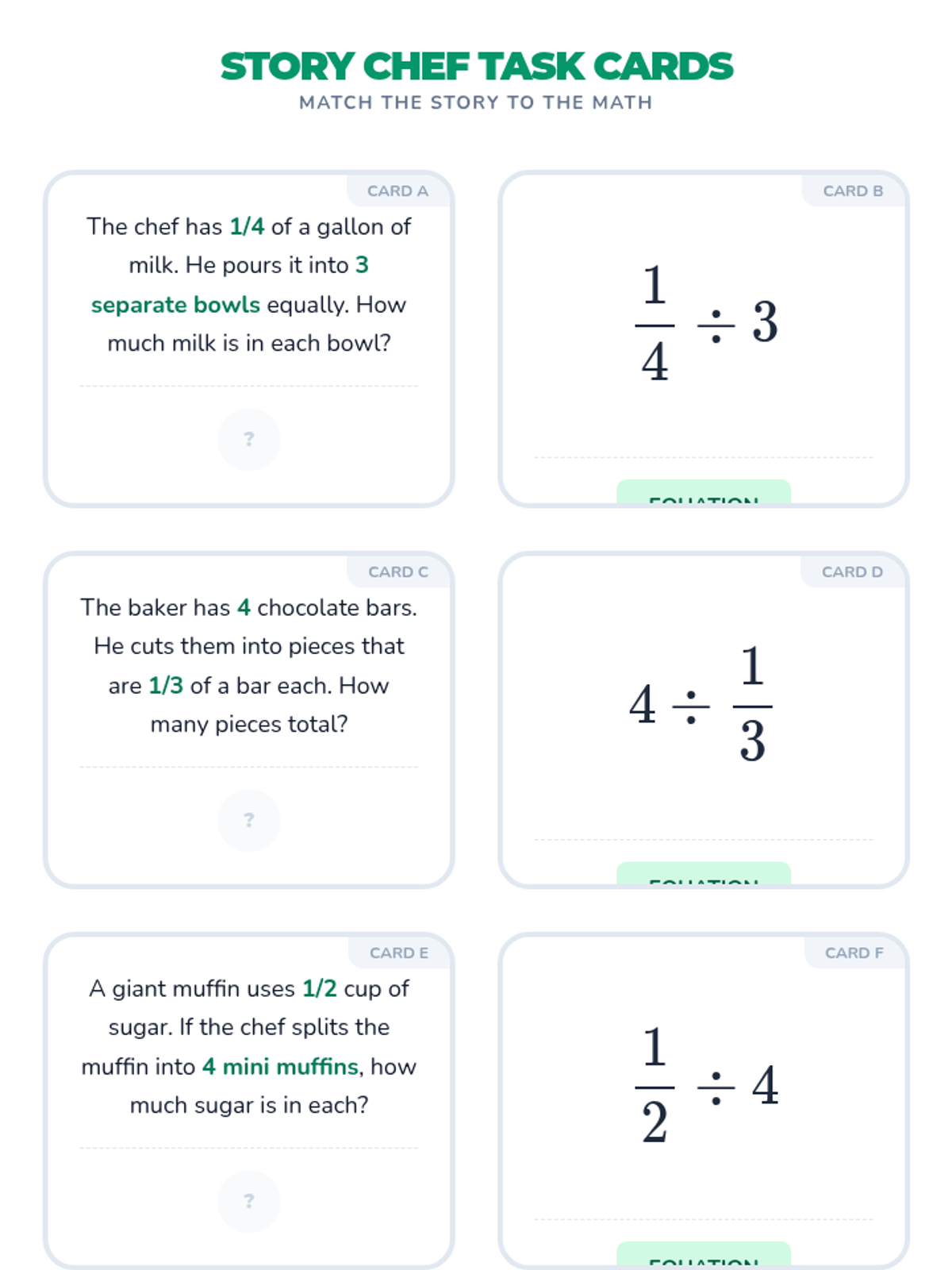
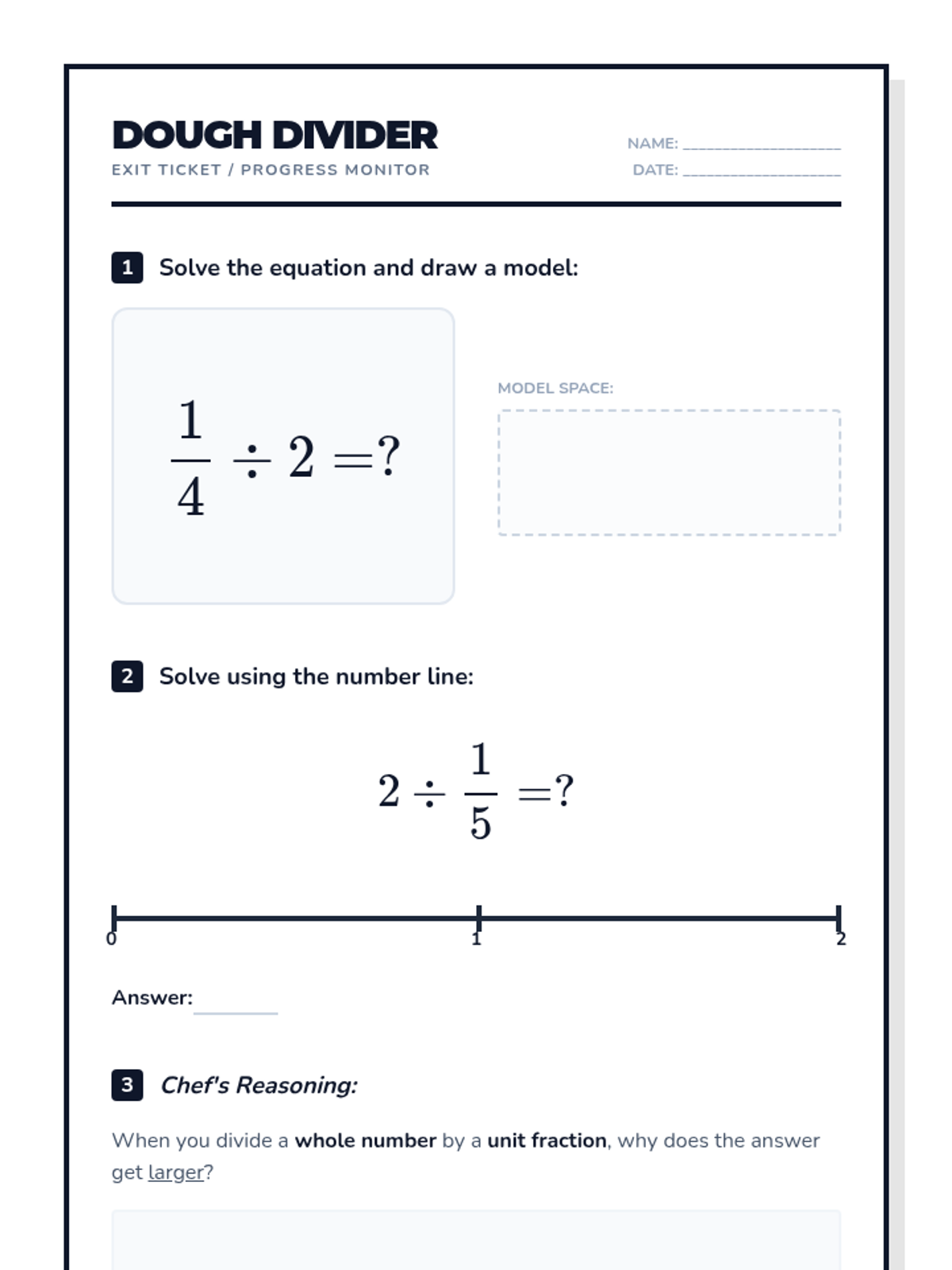
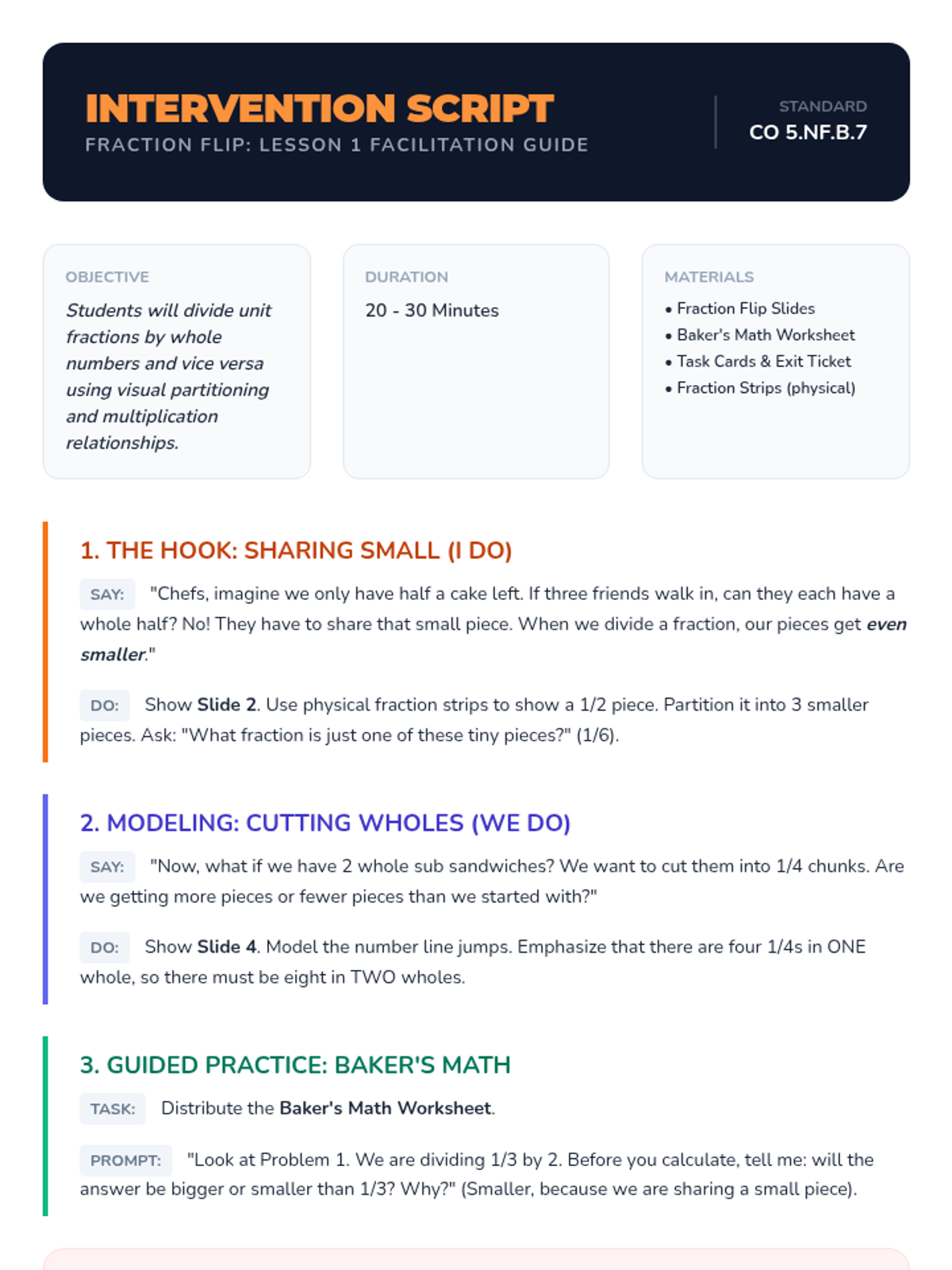
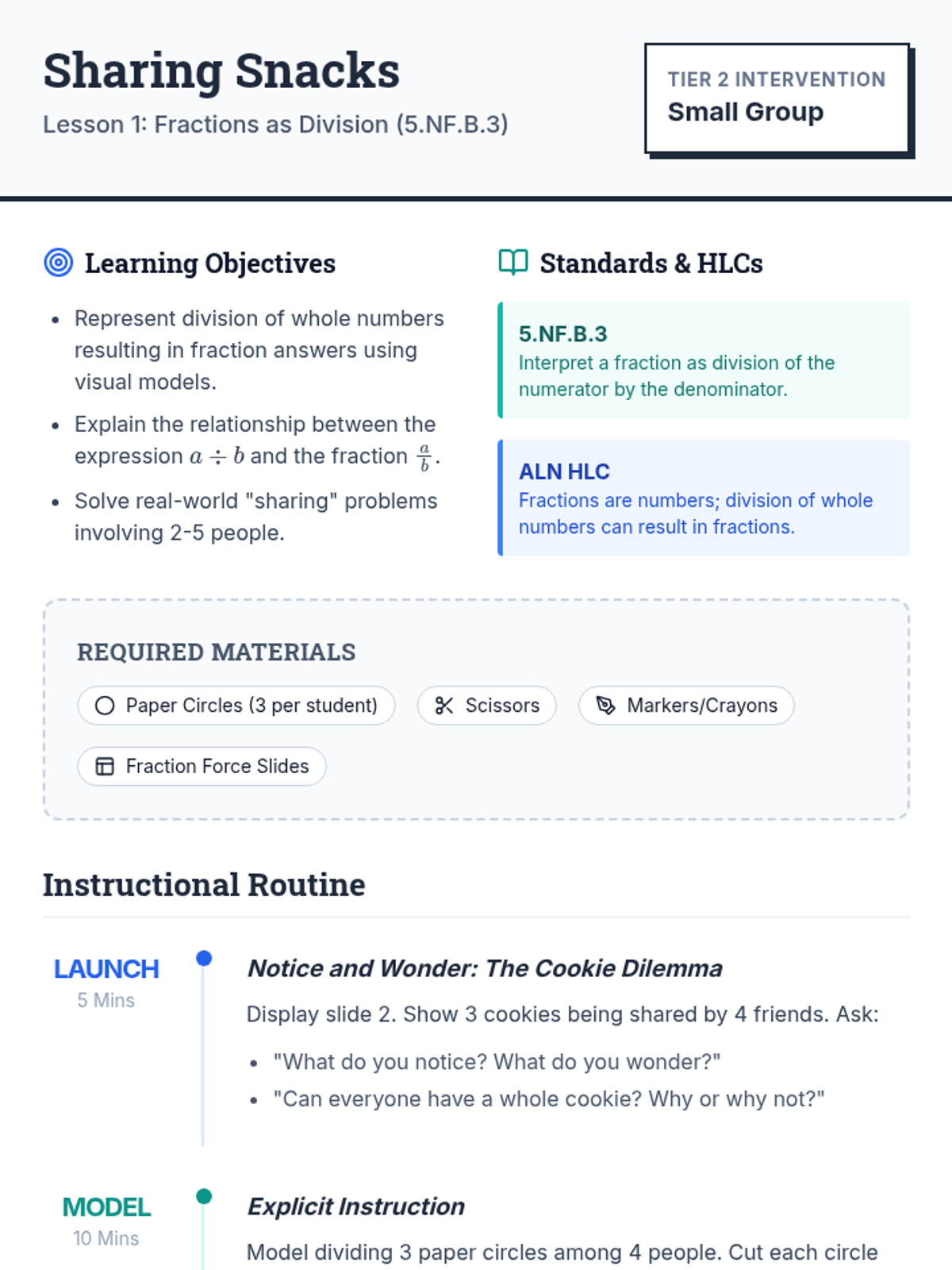
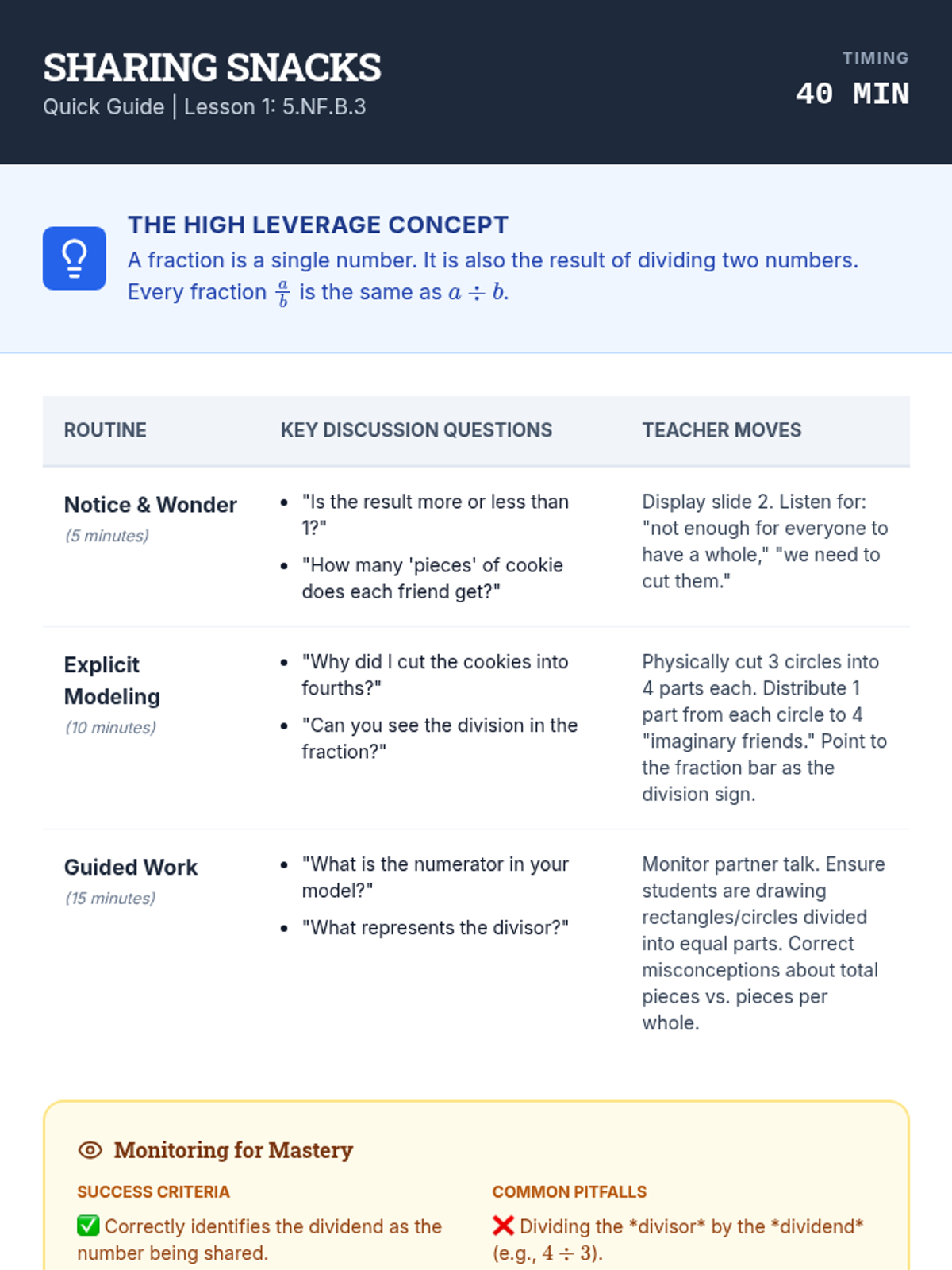
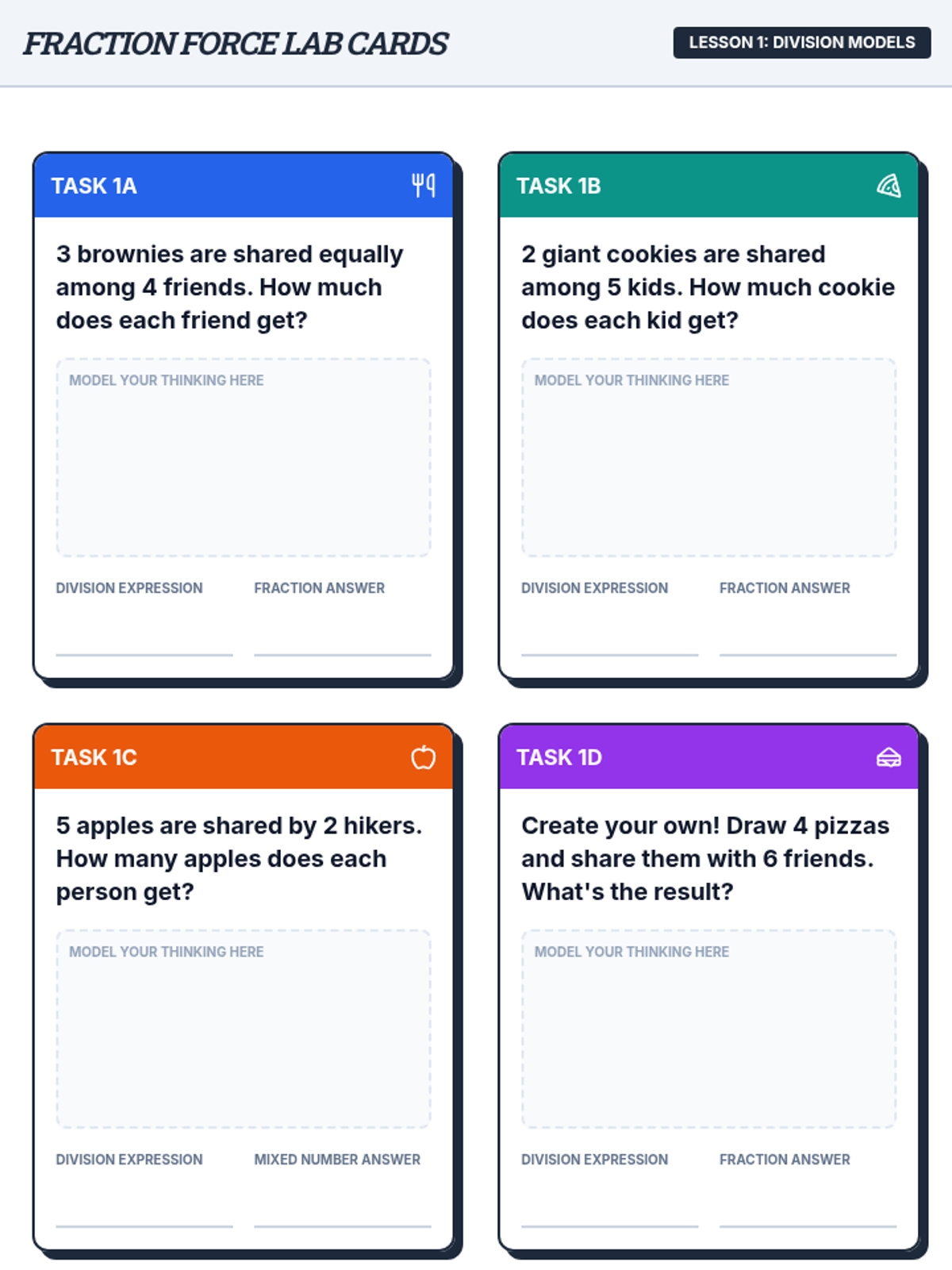
A Tier 2 intervention sequence focused on dividing unit fractions by whole numbers and vice versa, using bakery-themed visual models and story-based learning. Students use fraction strips, number lines, and area models to master 5.NF.B.7.
A comprehensive math review sequence for 5th grade students, specifically targeting standards from the NY Interim Assessment 3. This unit covers decimals, whole number and decimal operations, fractions, and volume through direct instruction and differentiated practice.
A comprehensive 12-lesson Tier 2 intervention sequence for 5th-grade students focusing on 5.NF.B standards (Multiplication and Division of Fractions). This sequence utilizes All Learners Network High Leverage Concepts and Illustrative Mathematics instructional routines to build conceptual understanding through visual models and explicit instruction.
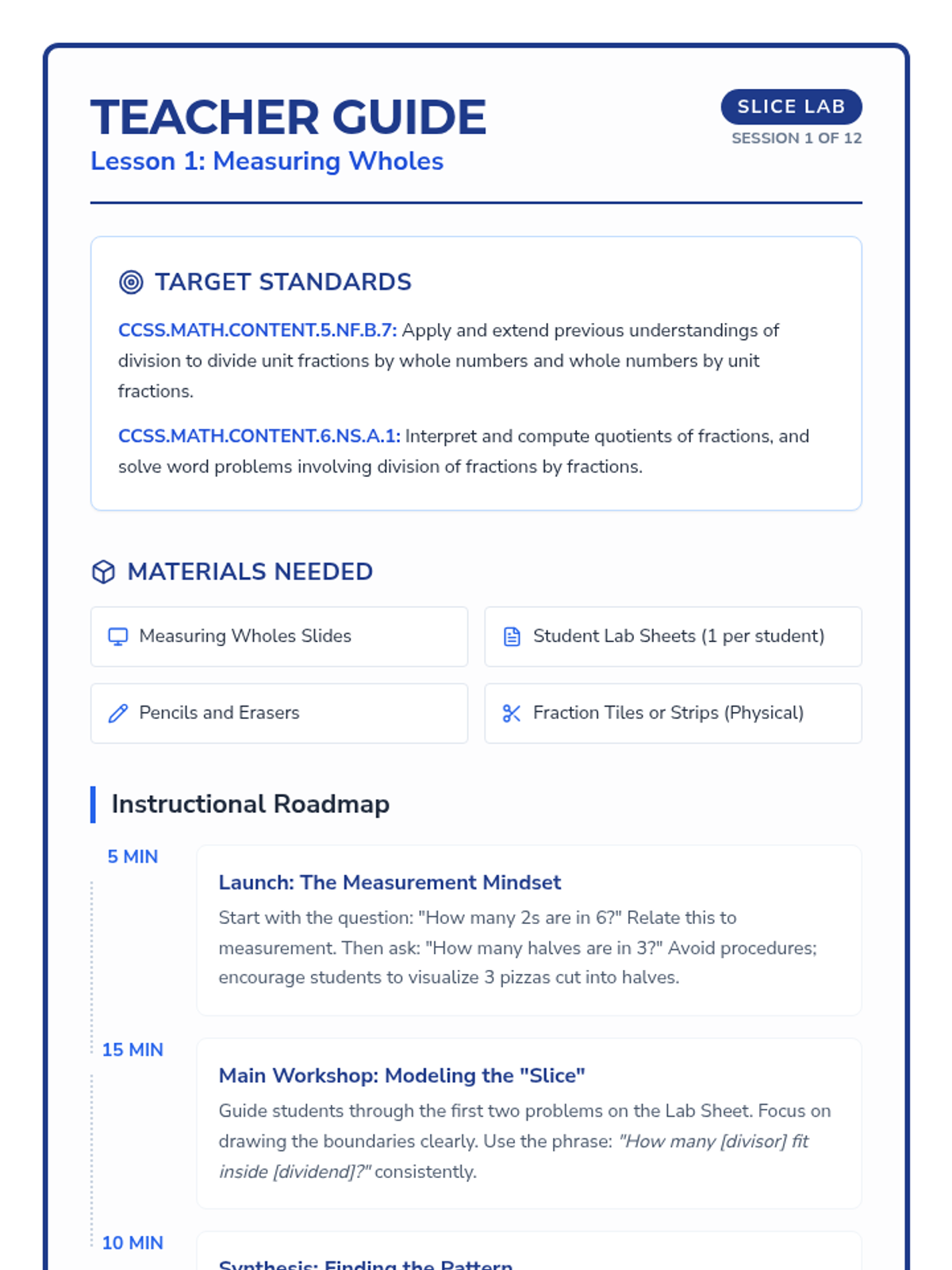
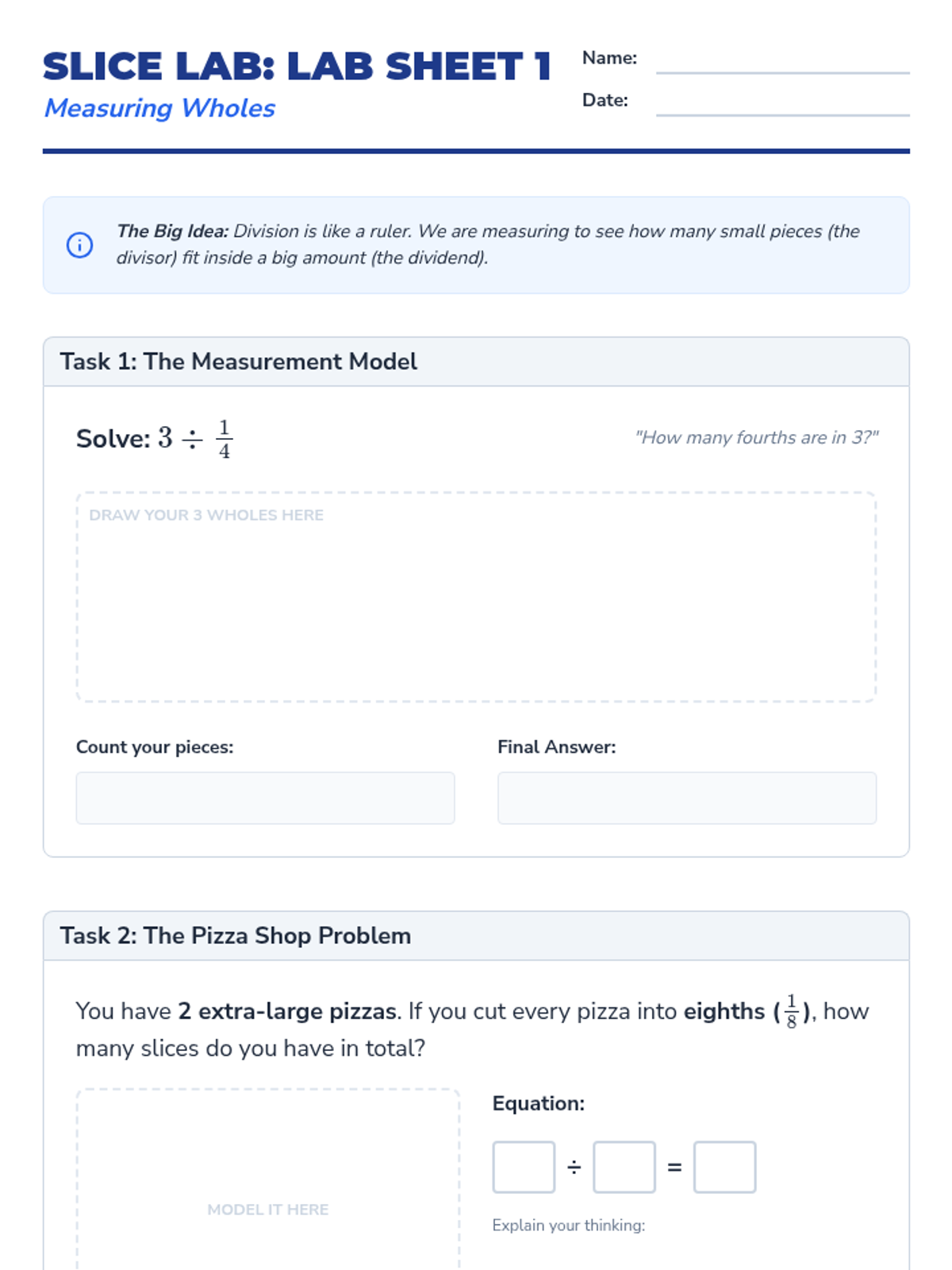
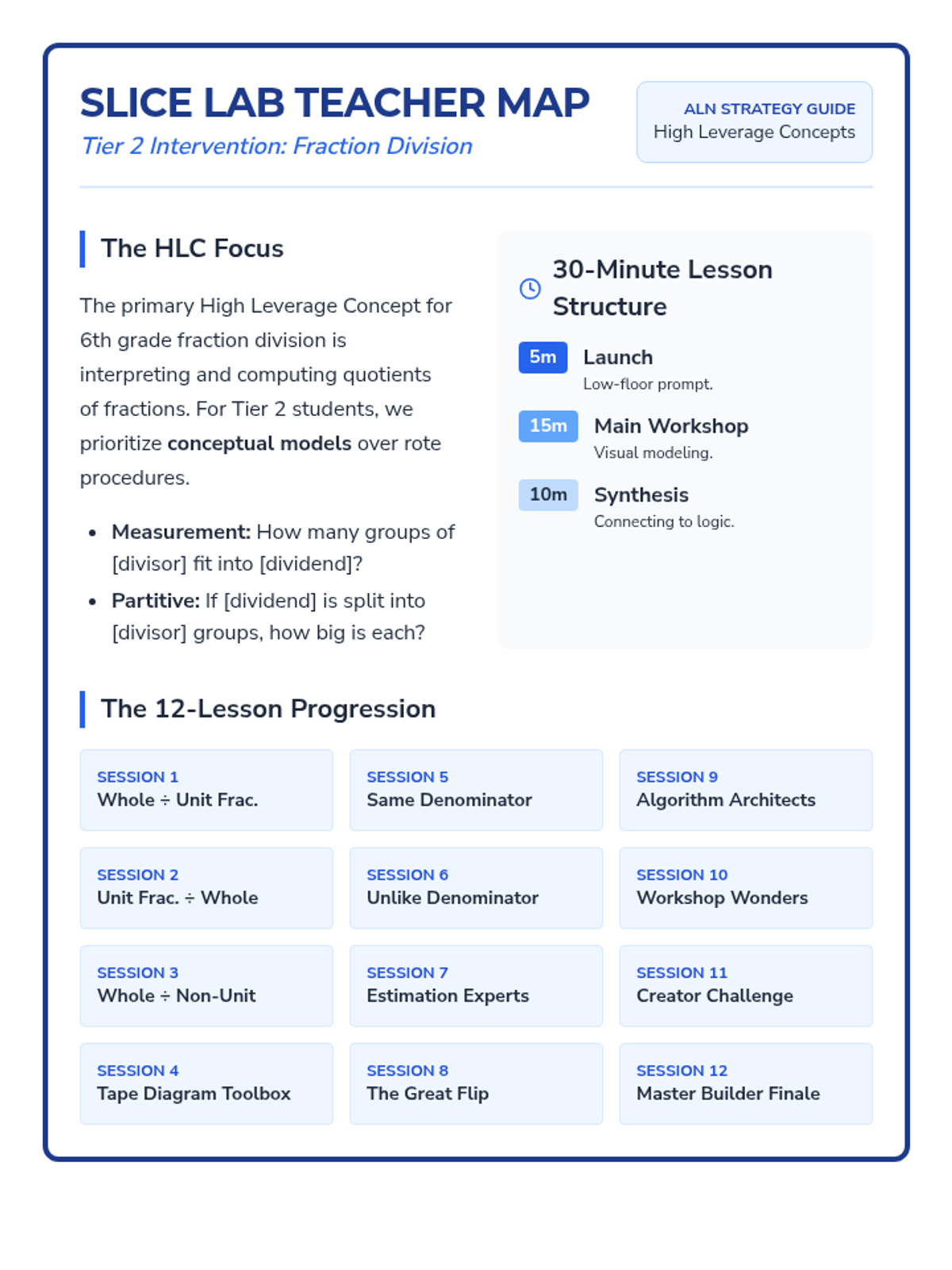
A 12-session tier 2 intervention sequence designed to build conceptual mastery of fraction division. Grounded in All Learners Network (ALN) principles, students progress from visual measurement models to the common denominator strategy and eventually the standard algorithm through deep reasoning and high-leverage concepts.
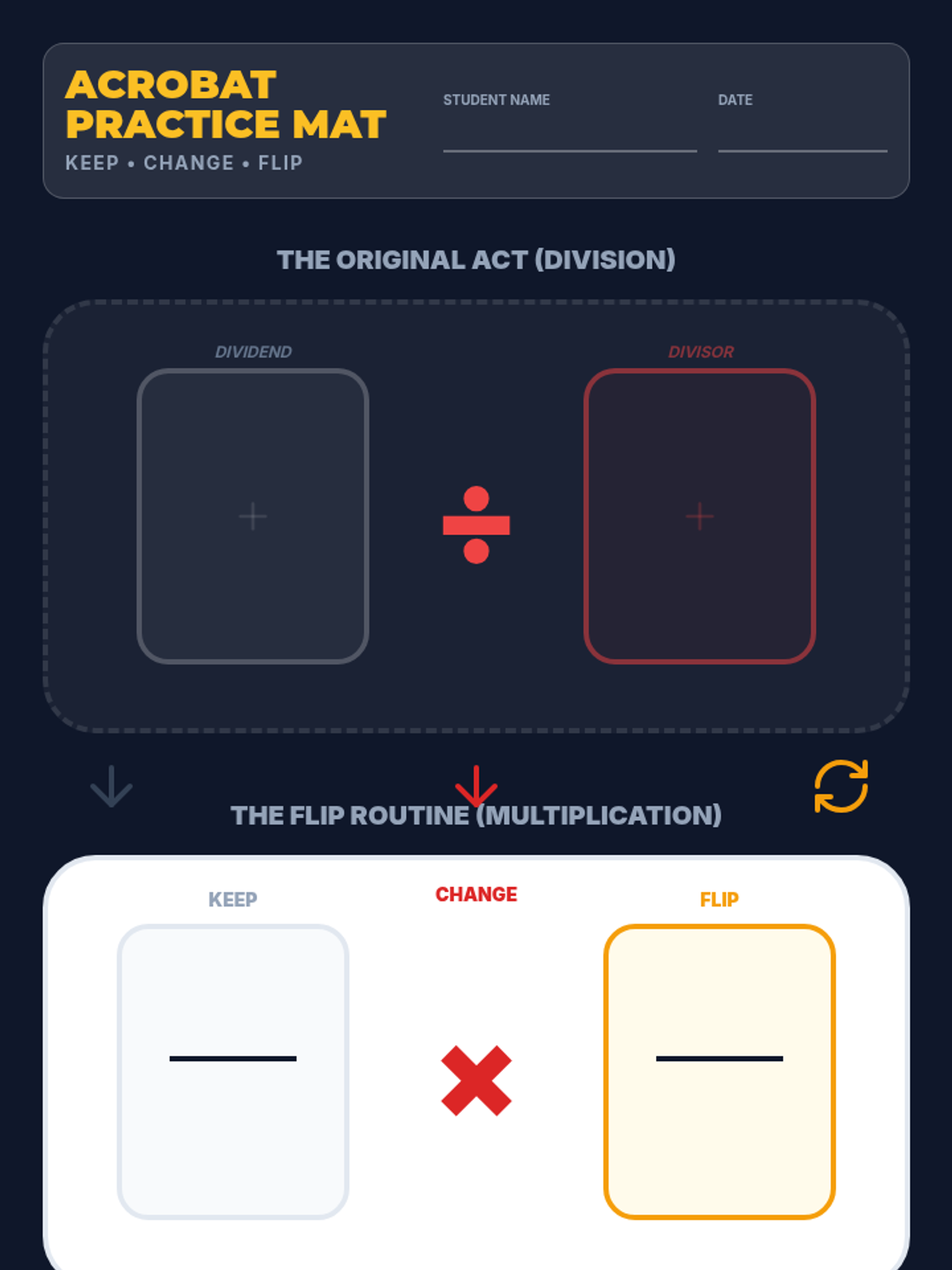
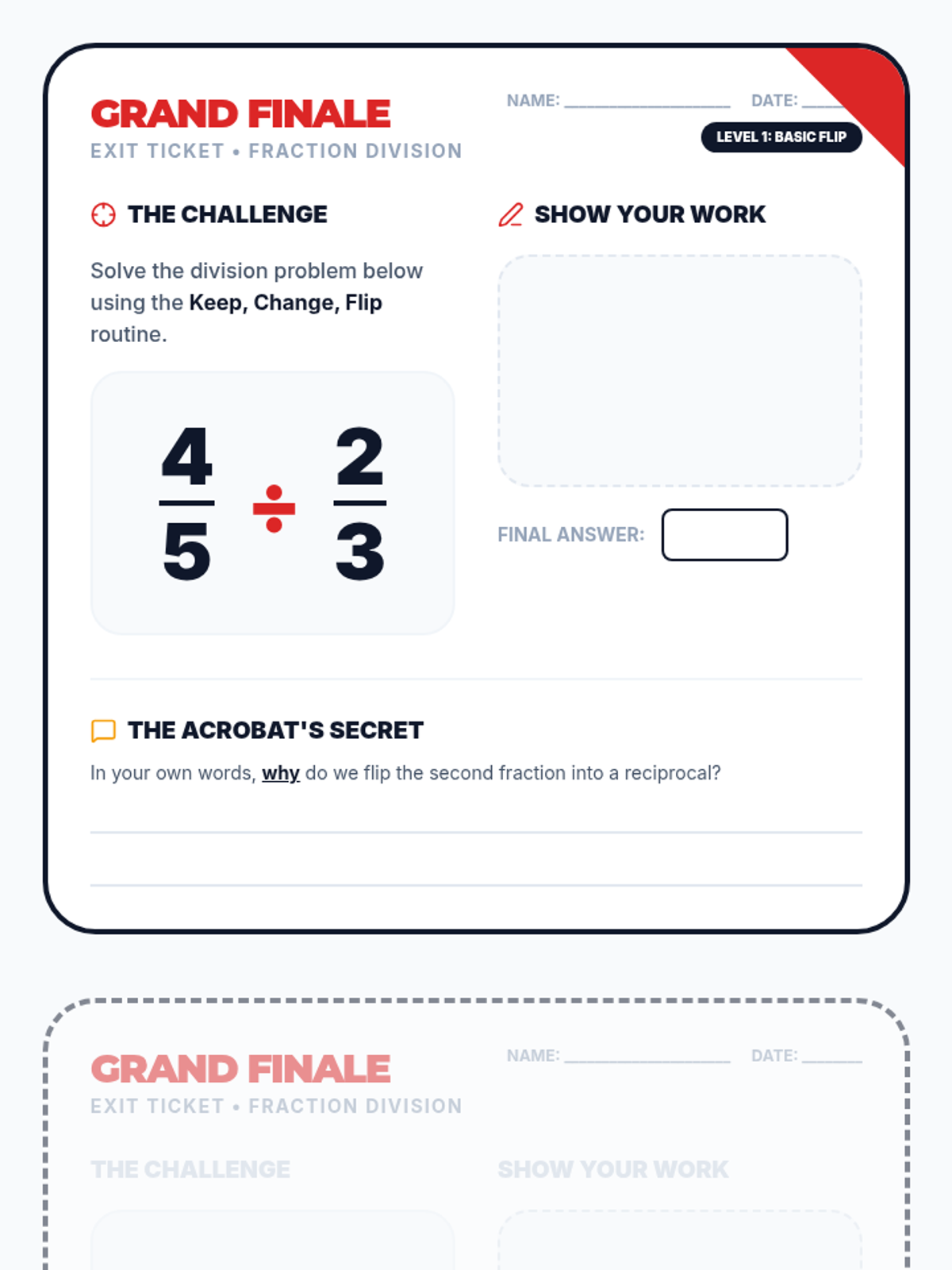
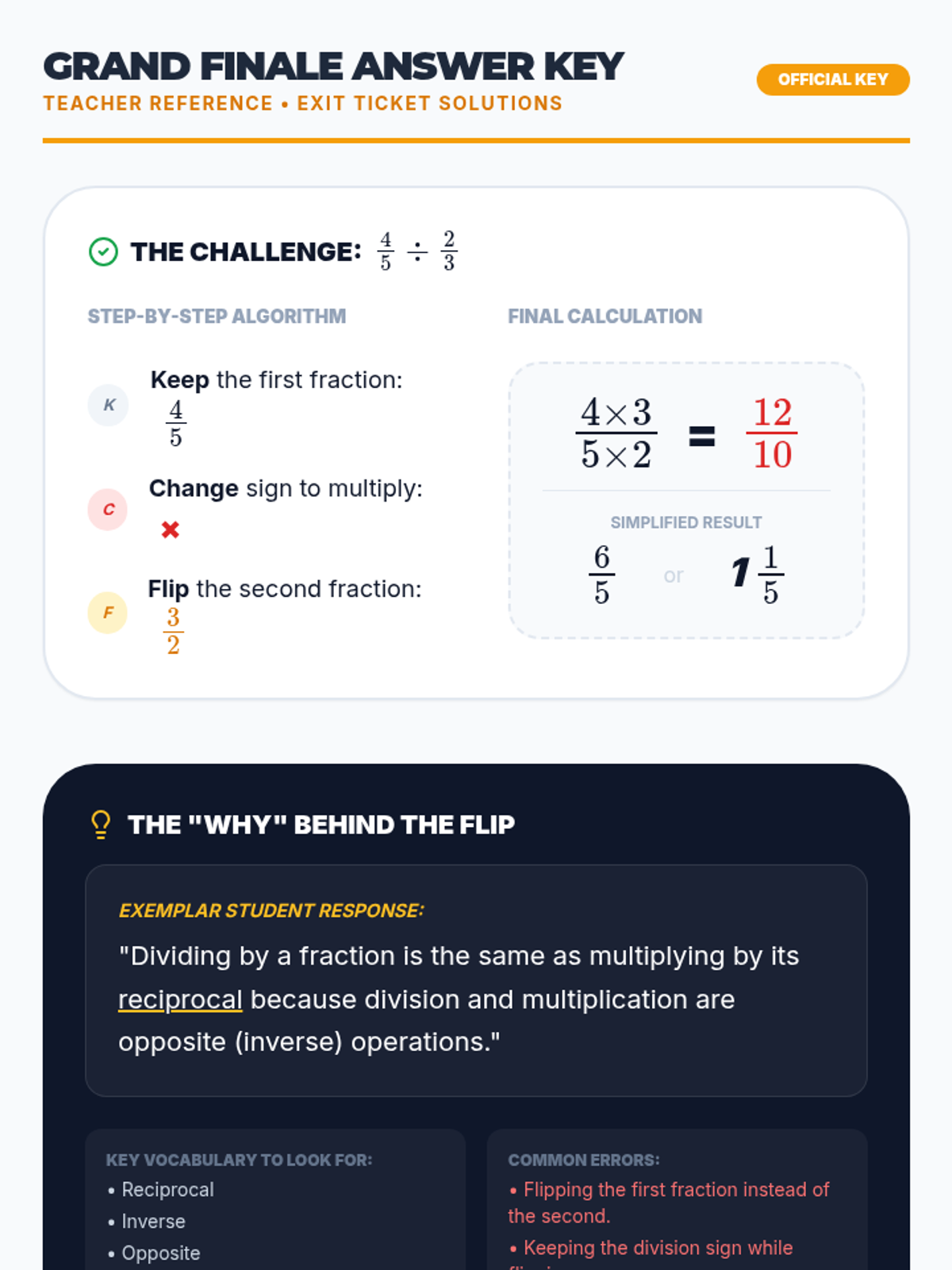
A focused unit on fraction operations, moving from basic multiplication to division using reciprocals and algorithmic shortcuts.
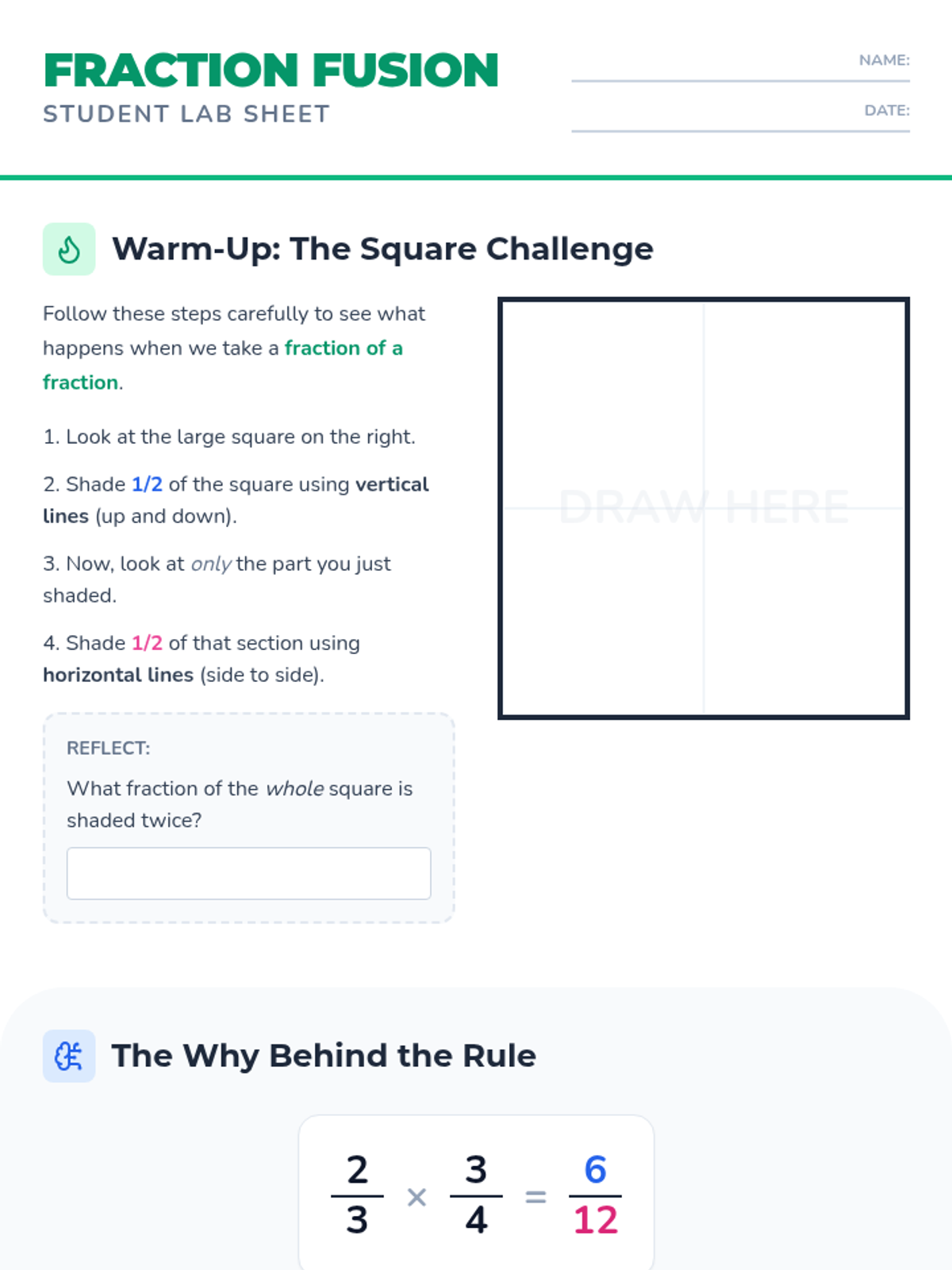
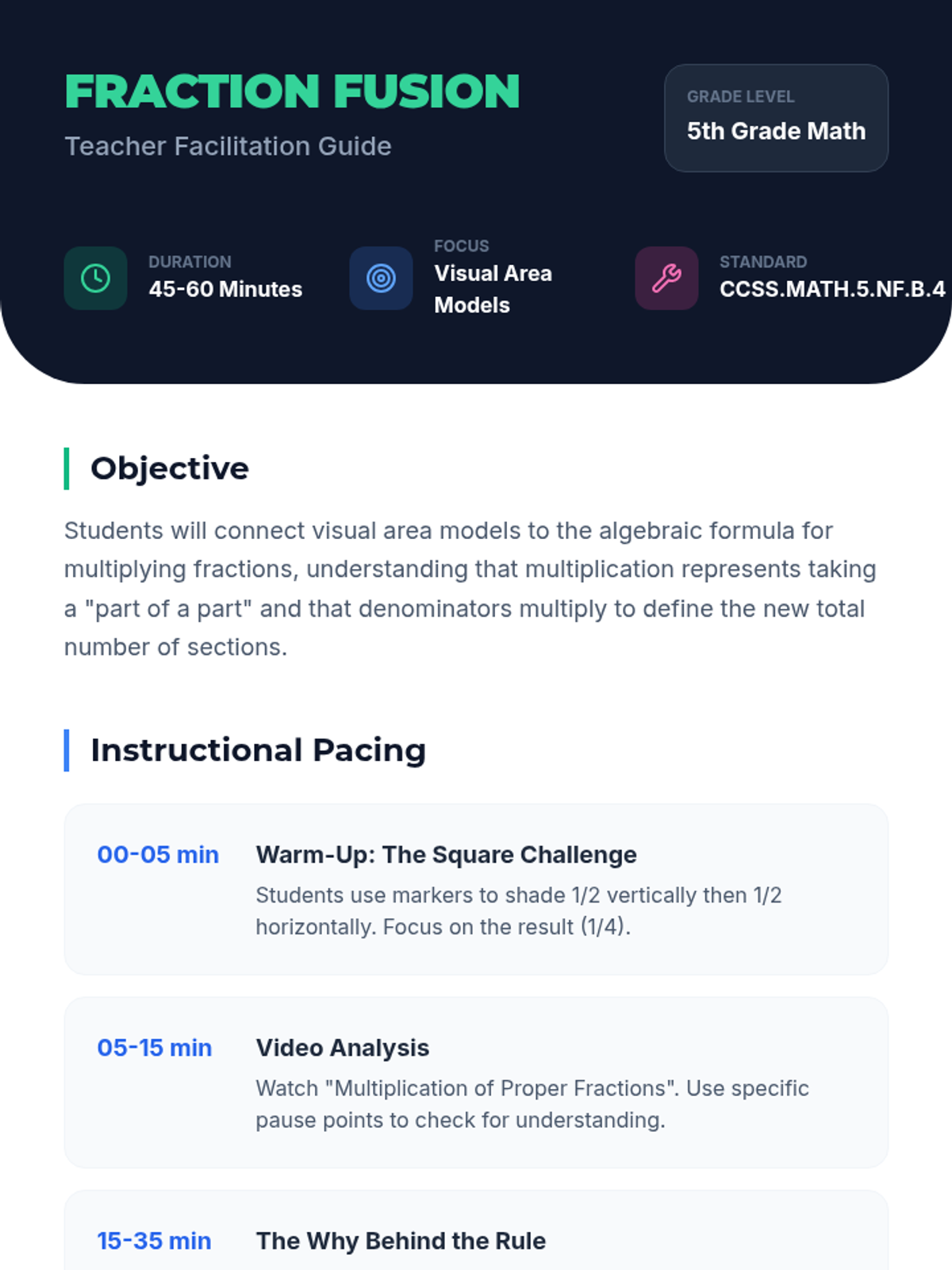
A lesson sequence focused on 5th-grade fraction multiplication, connecting visual area models to procedural formulas through interactive shading and video analysis.
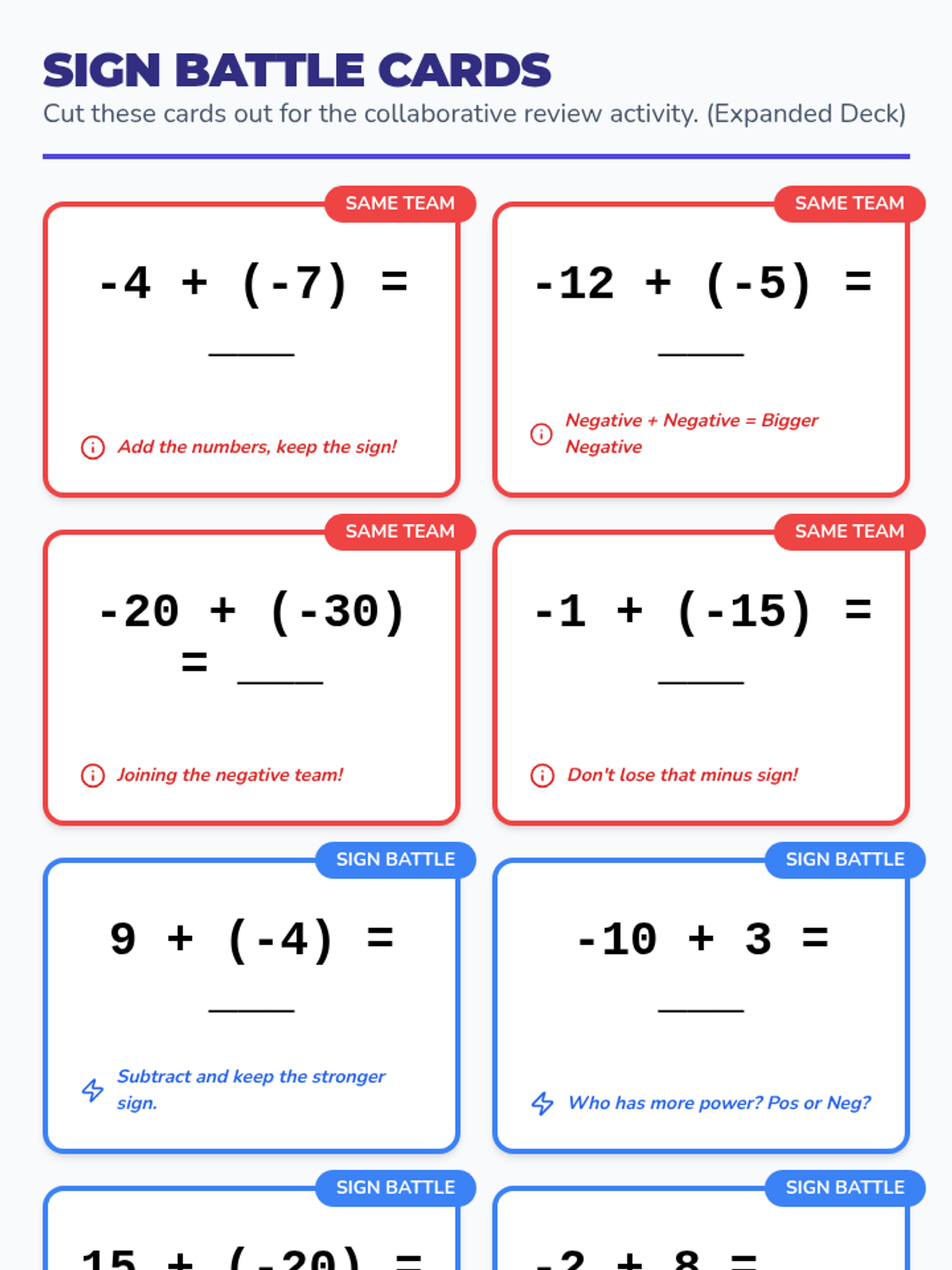
A comprehensive unit on adding and subtracting integers for grades 5-7, focusing on visual supports, mnemonic rules, and scaffolded practice for students with diverse learning needs.
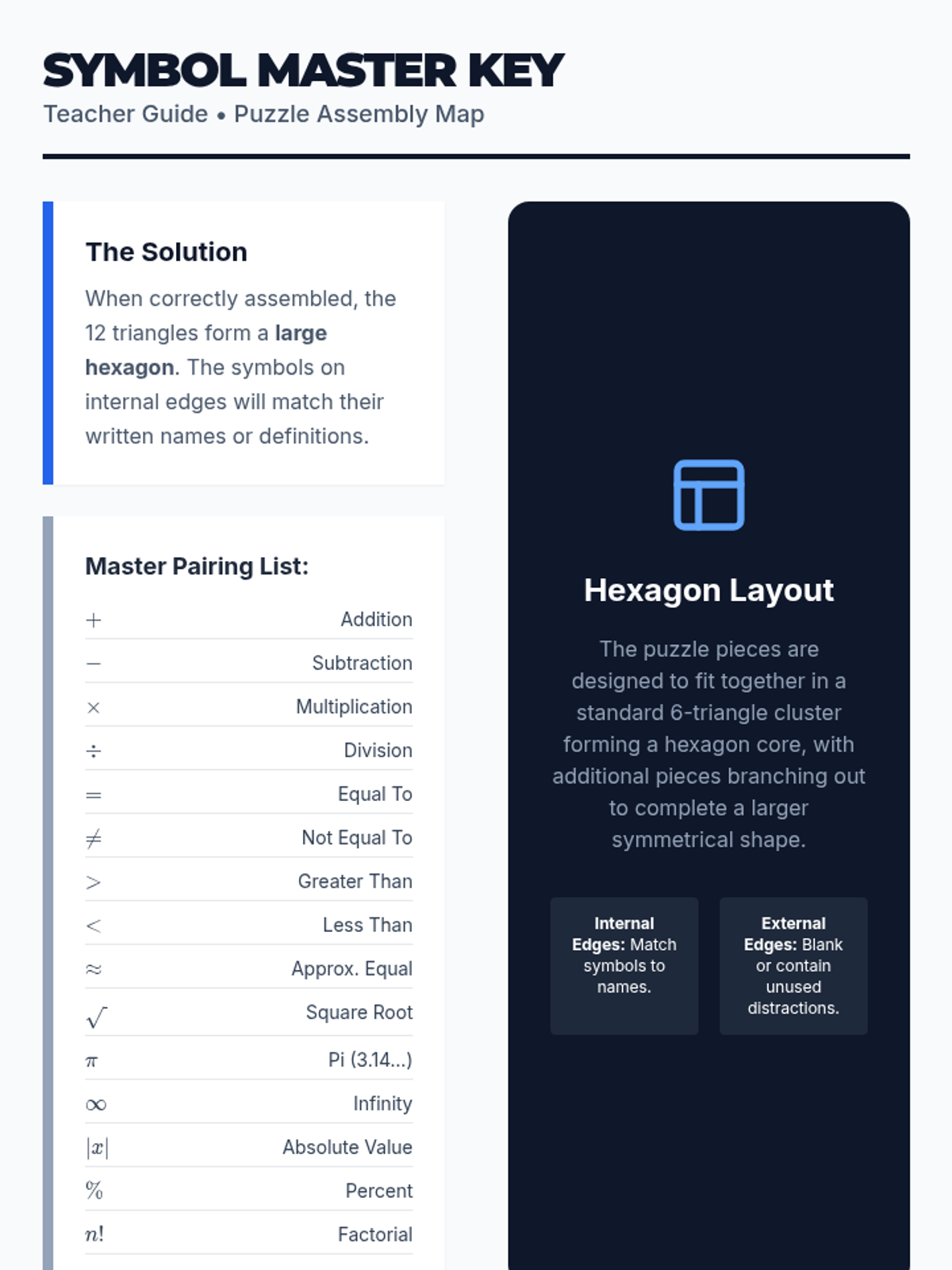
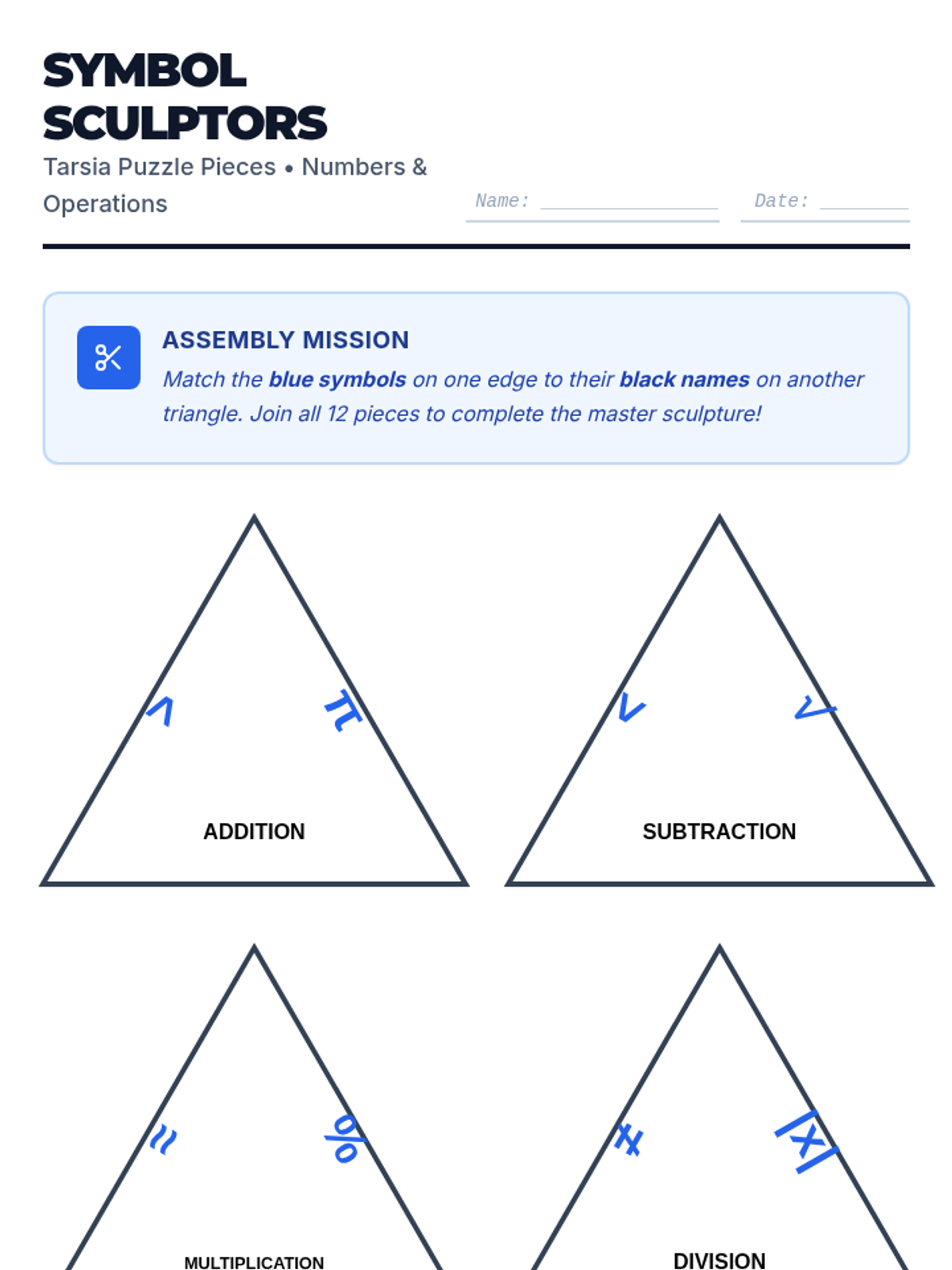
A series of lessons designed to build fluency in mathematical notation and operations through visual and tactile learning.
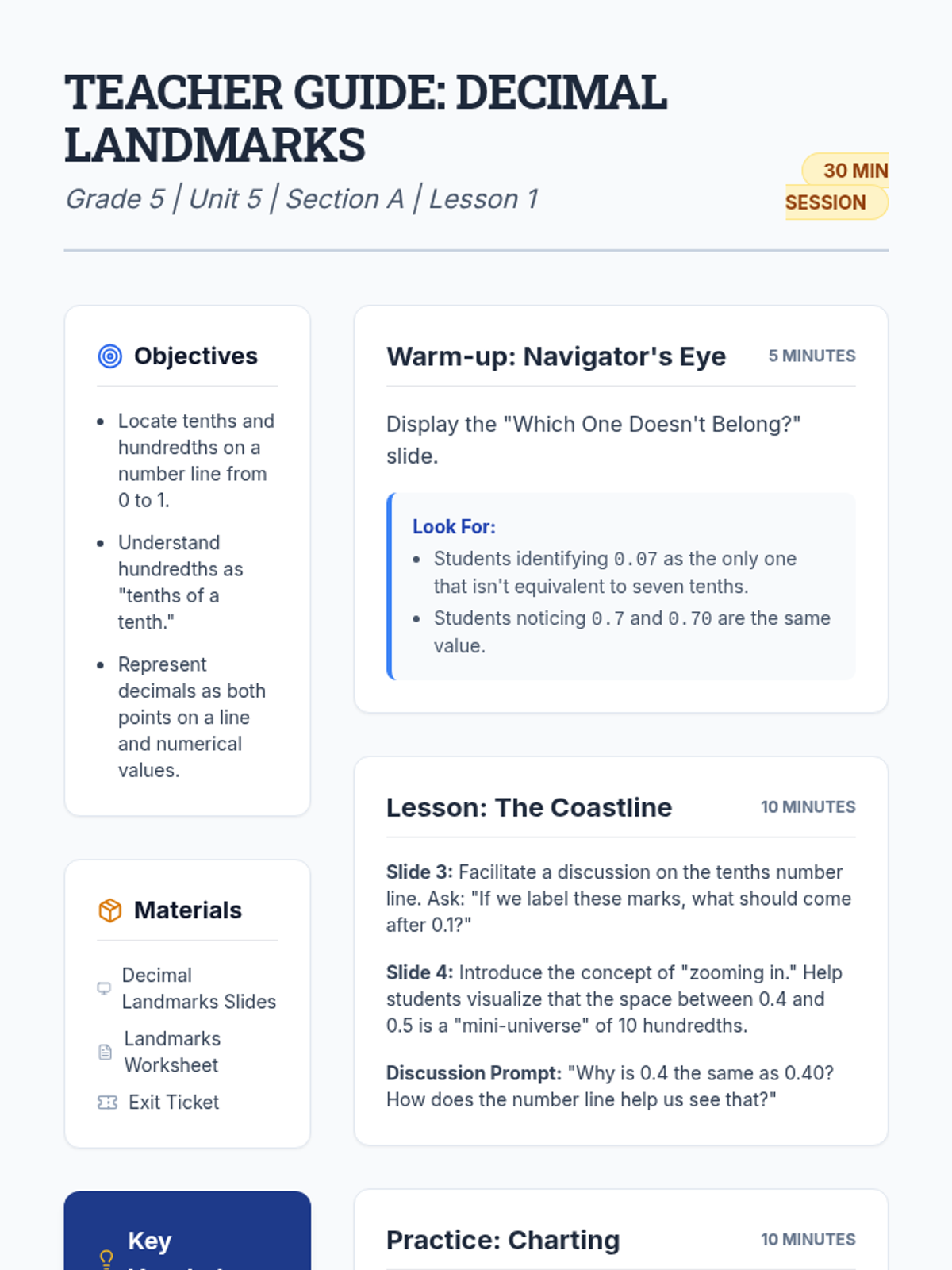
A series of 3 lessons focused on mastering decimal place value and ordering decimals on a number line, following Illustrative Mathematics Grade 5 Unit 5 Section A. Students use a map-making theme to explore tenths, hundredths, and thousandths.
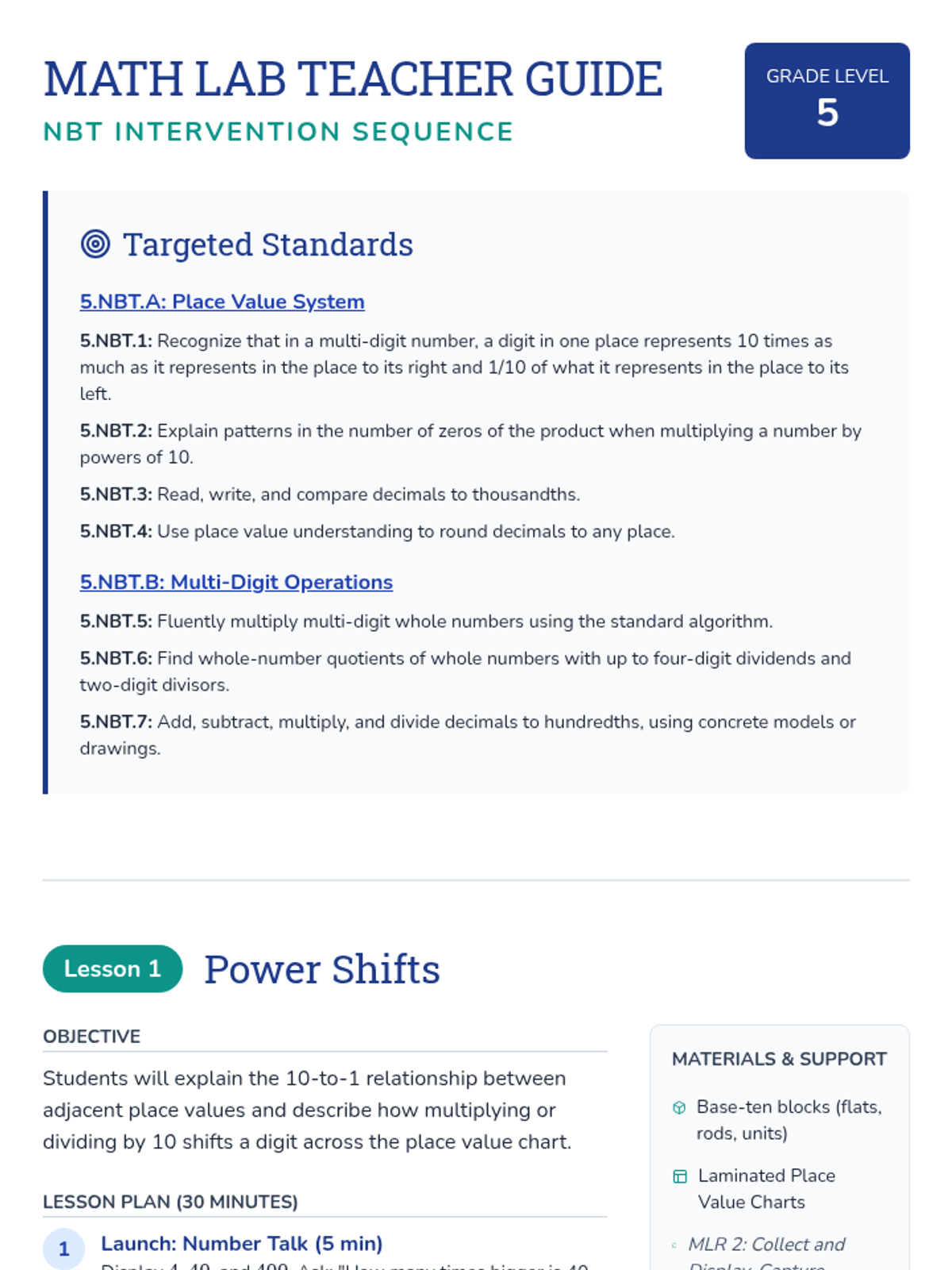
A 12-lesson Tier 2 intervention sequence for 5th Grade NBT standards, focusing on conceptual understanding through visual models, manipulatives, and explicit instruction following ALN and IM frameworks.
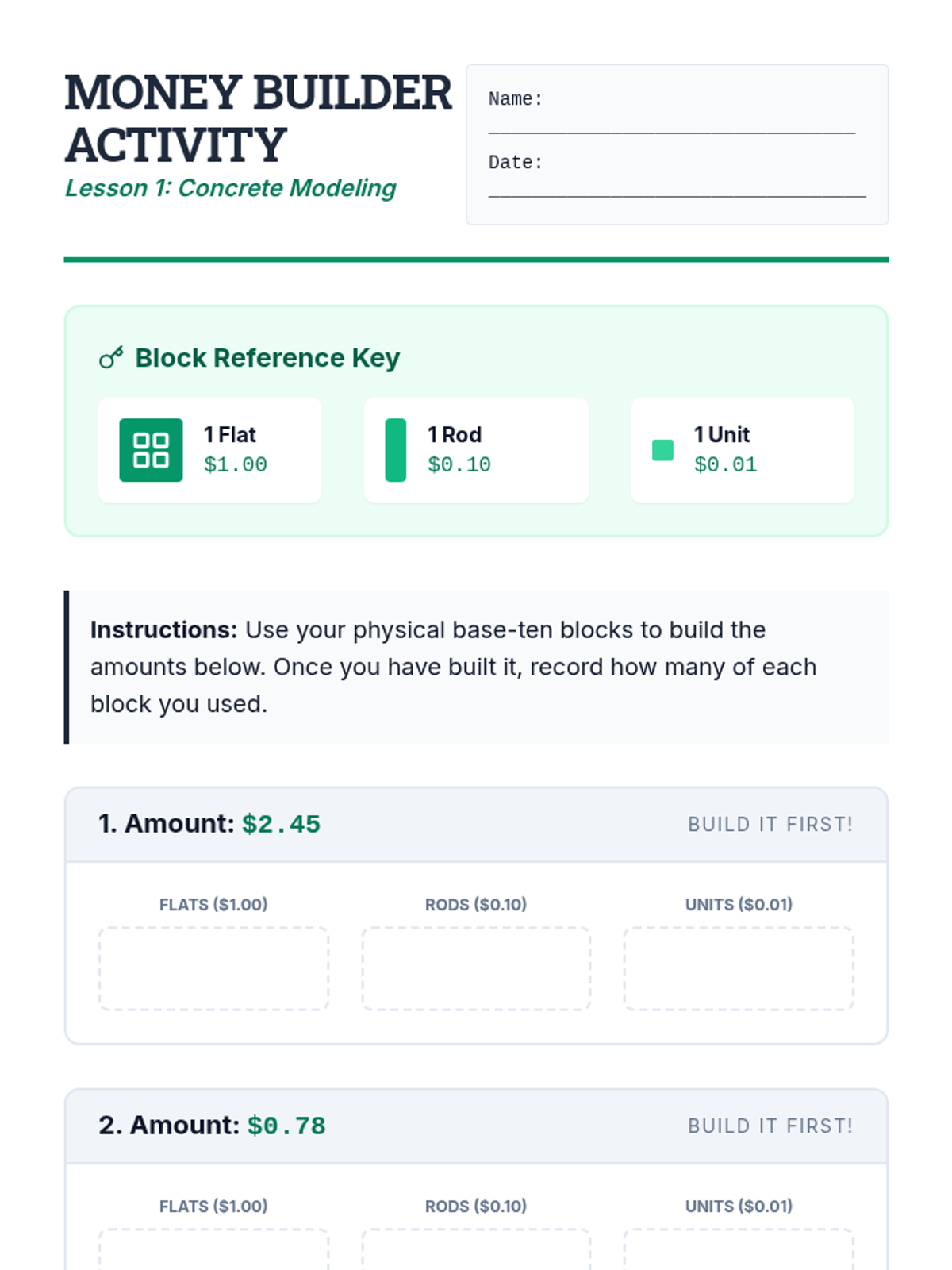
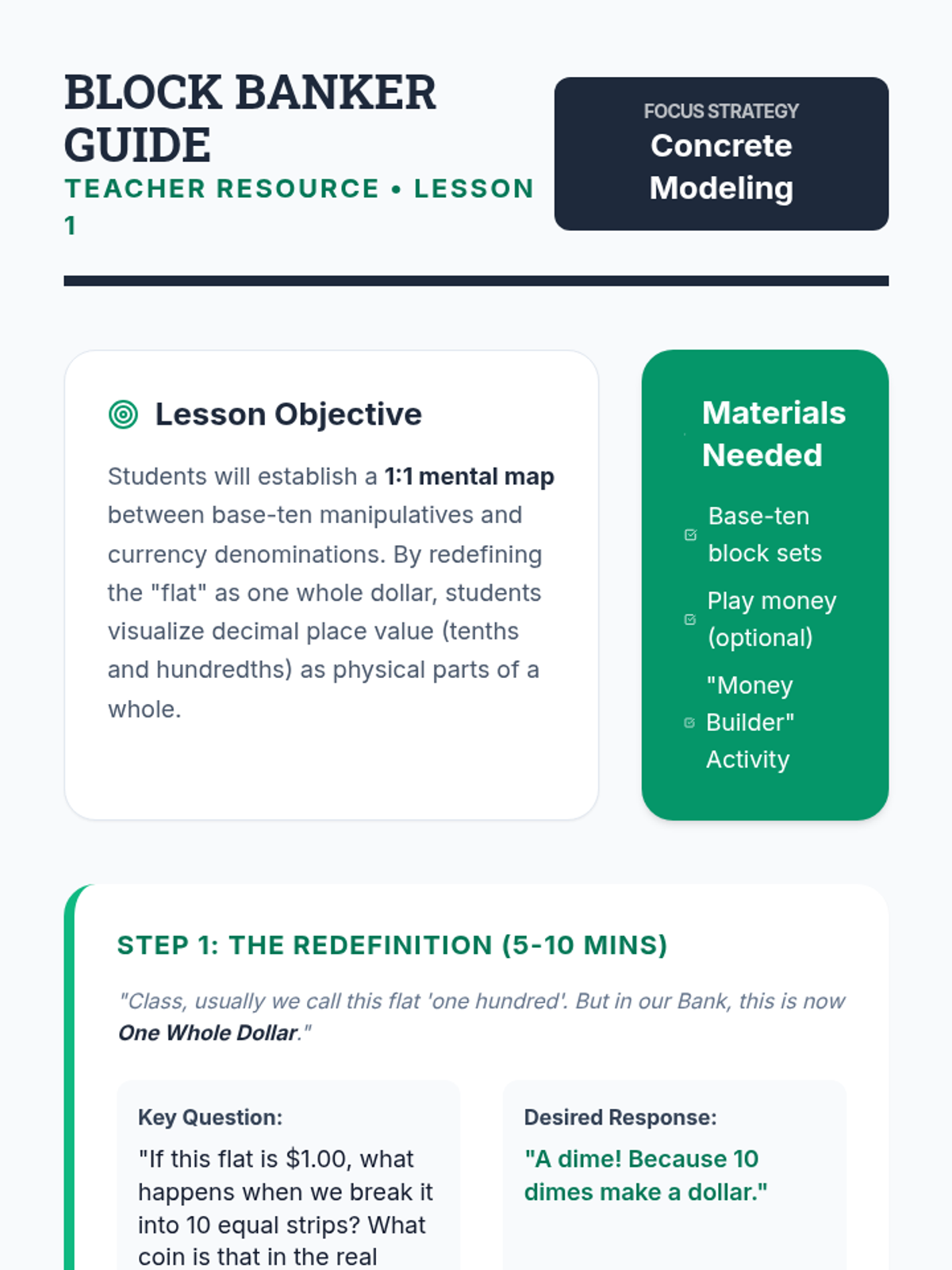
This sequence uses the Concrete-Representational-Abstract (CRA) framework to teach decimal operations through the lens of financial literacy. Students move from physical base-ten blocks representing currency to visual grid models and finally to standard algorithms for real-world budgeting.
A 5-lesson sequence designed to help 5th-grade students master fraction operations through concrete manipulatives. Students move from physical towers to abstract algorithms, building a deep conceptual understanding of why common denominators are essential for addition and subtraction.
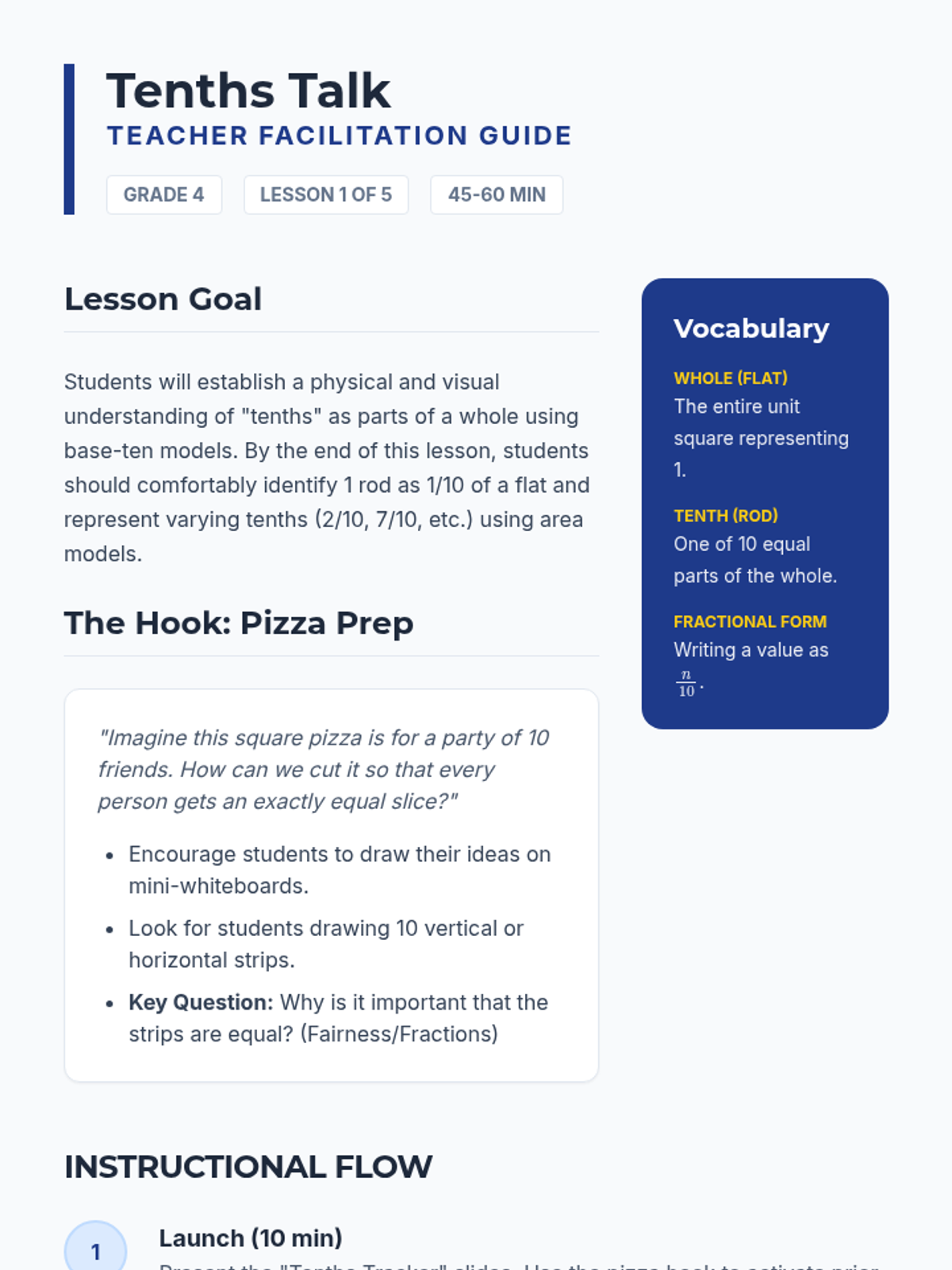
This sequence builds a conceptual foundation for decimals by linking them to fractions and area models. Students progress from physical base-ten models to writing tenth and hundredth notation, culminating in a mosaic design project.
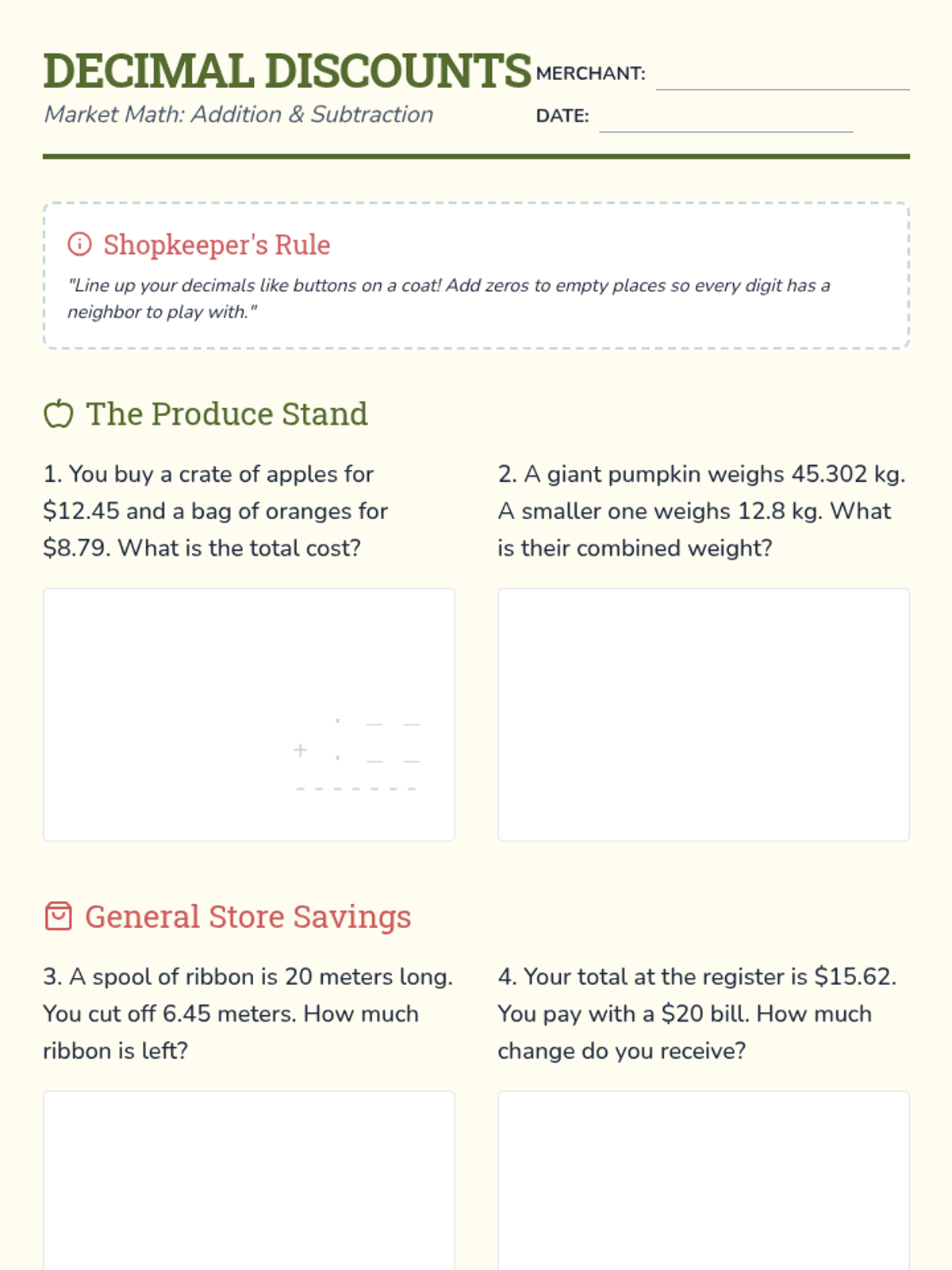
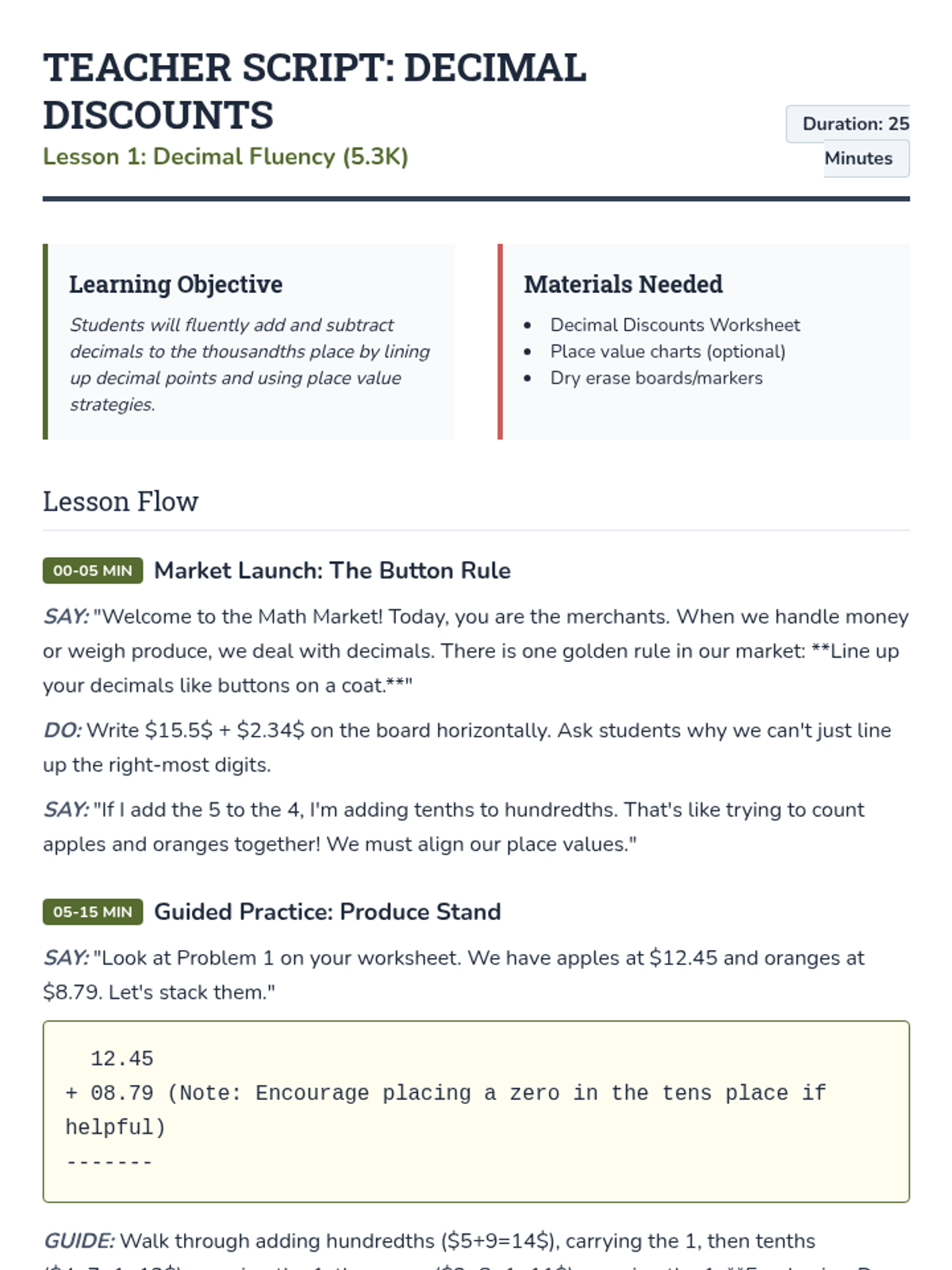
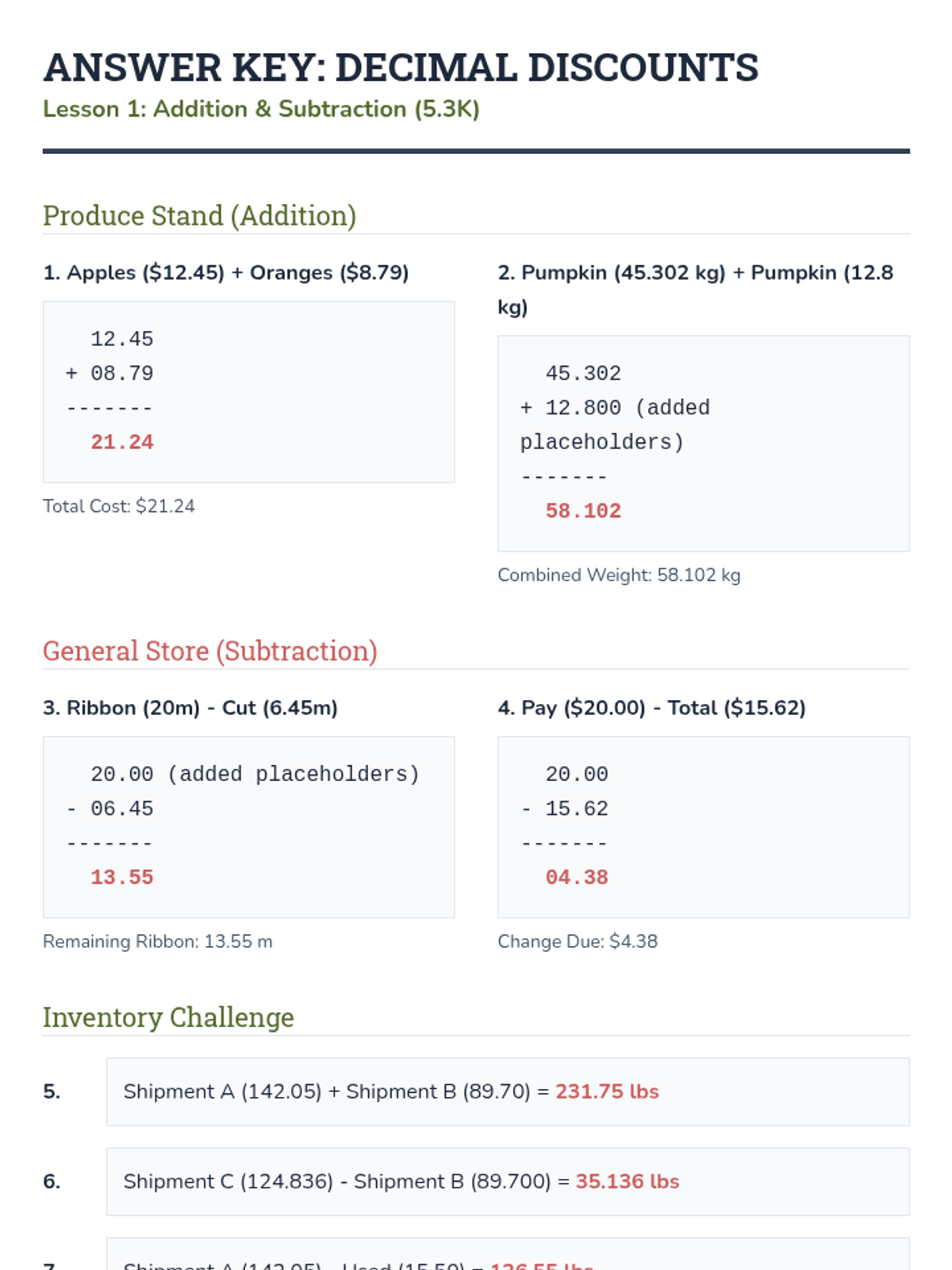
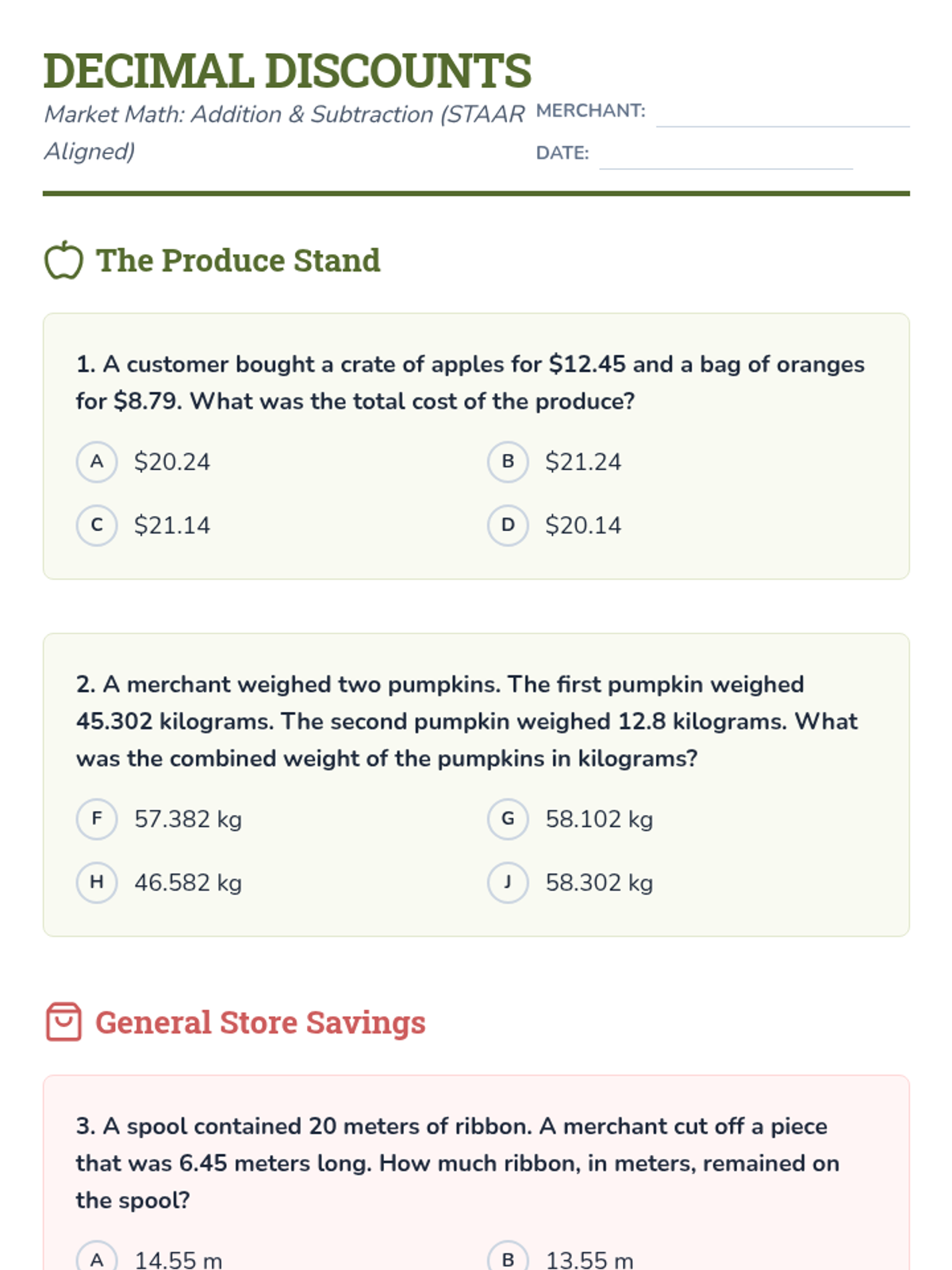
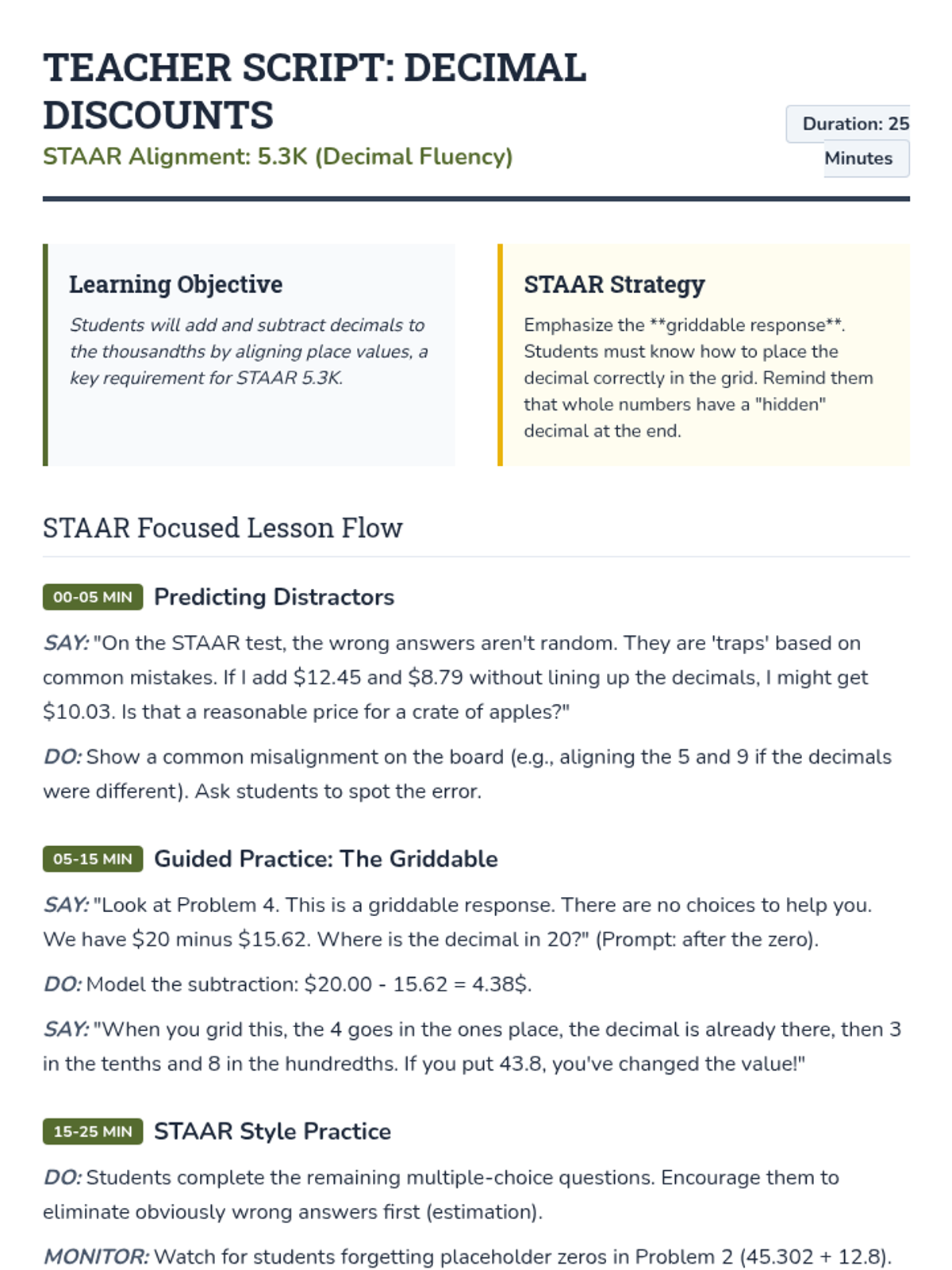
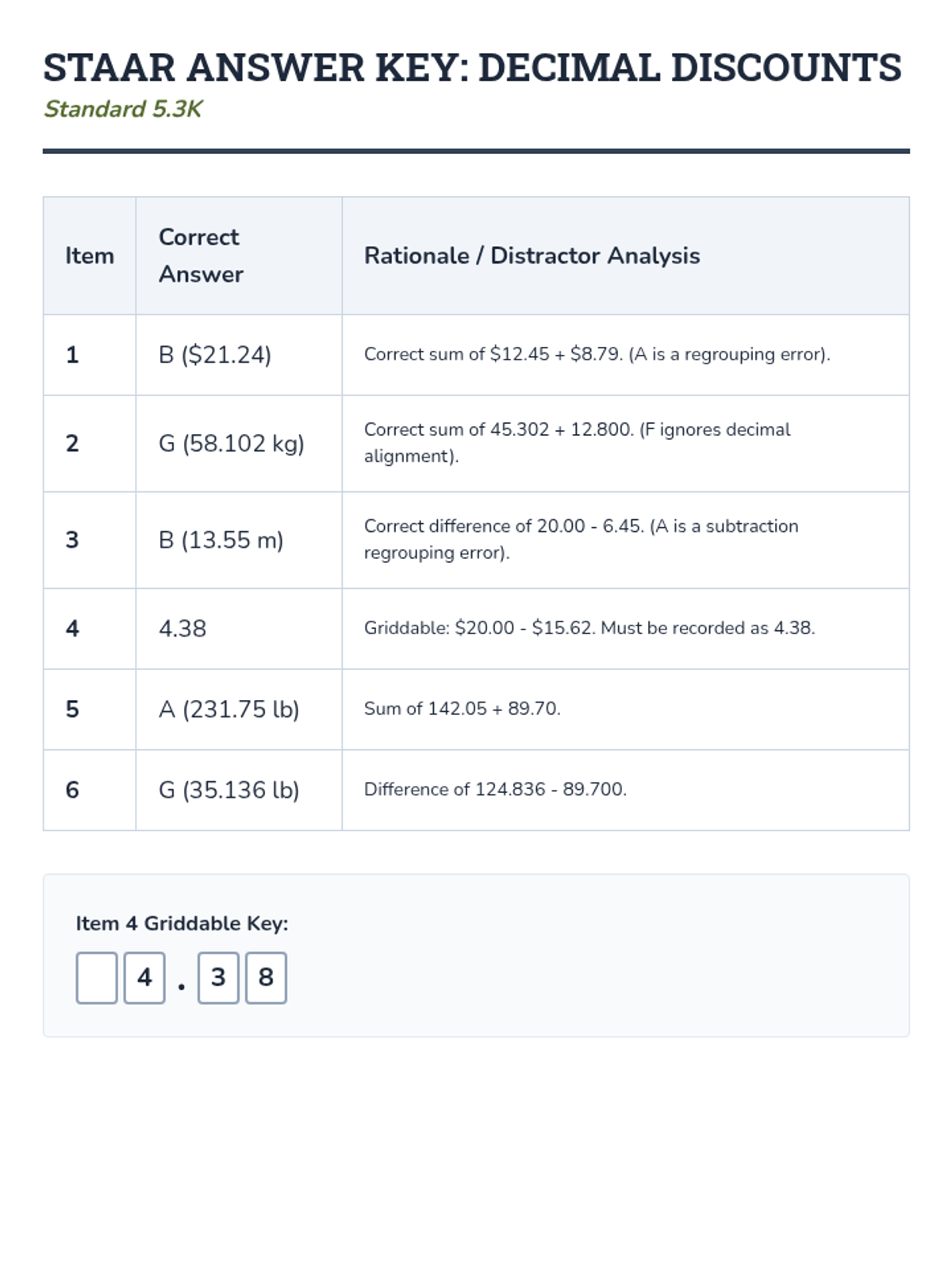
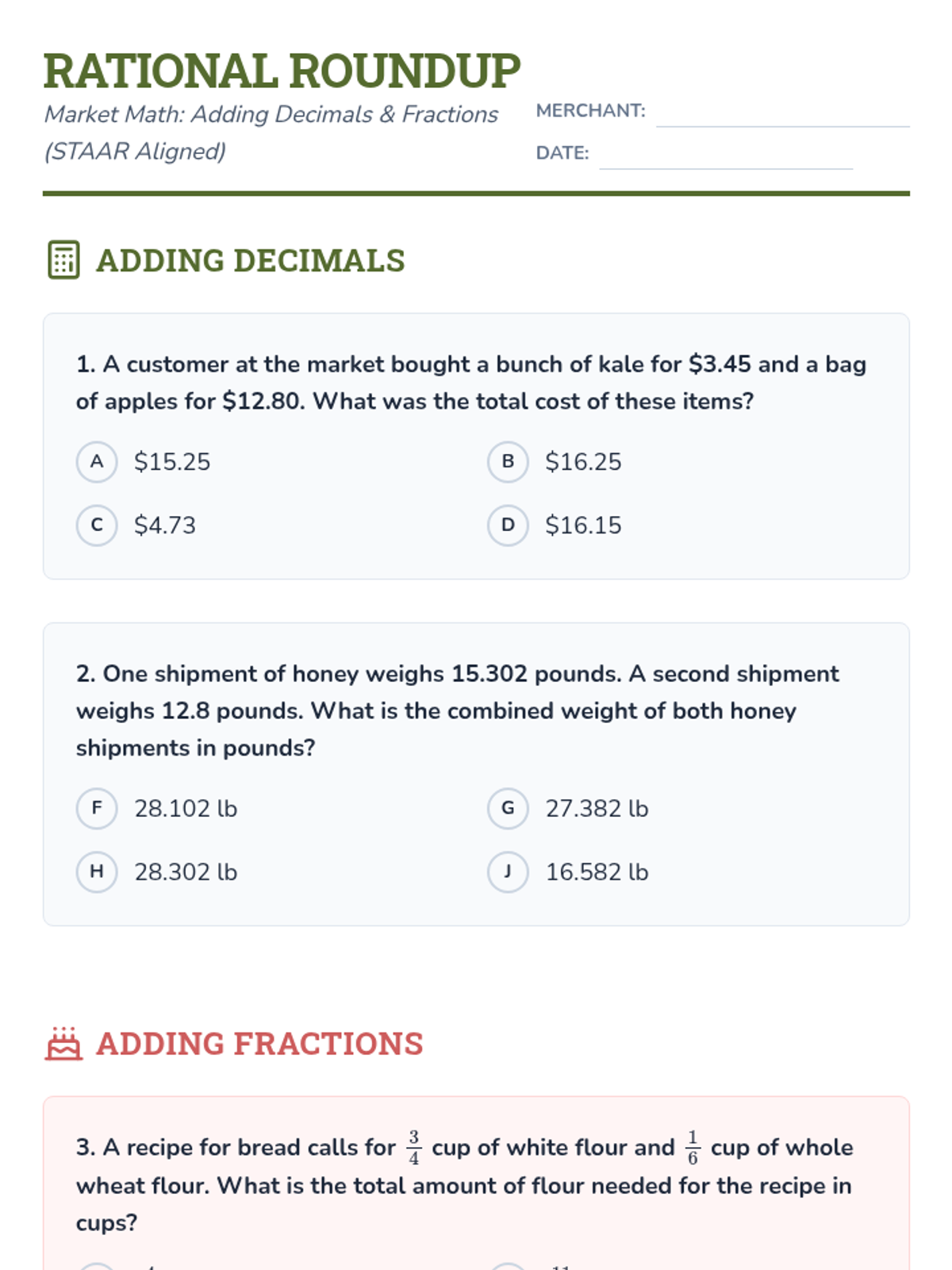
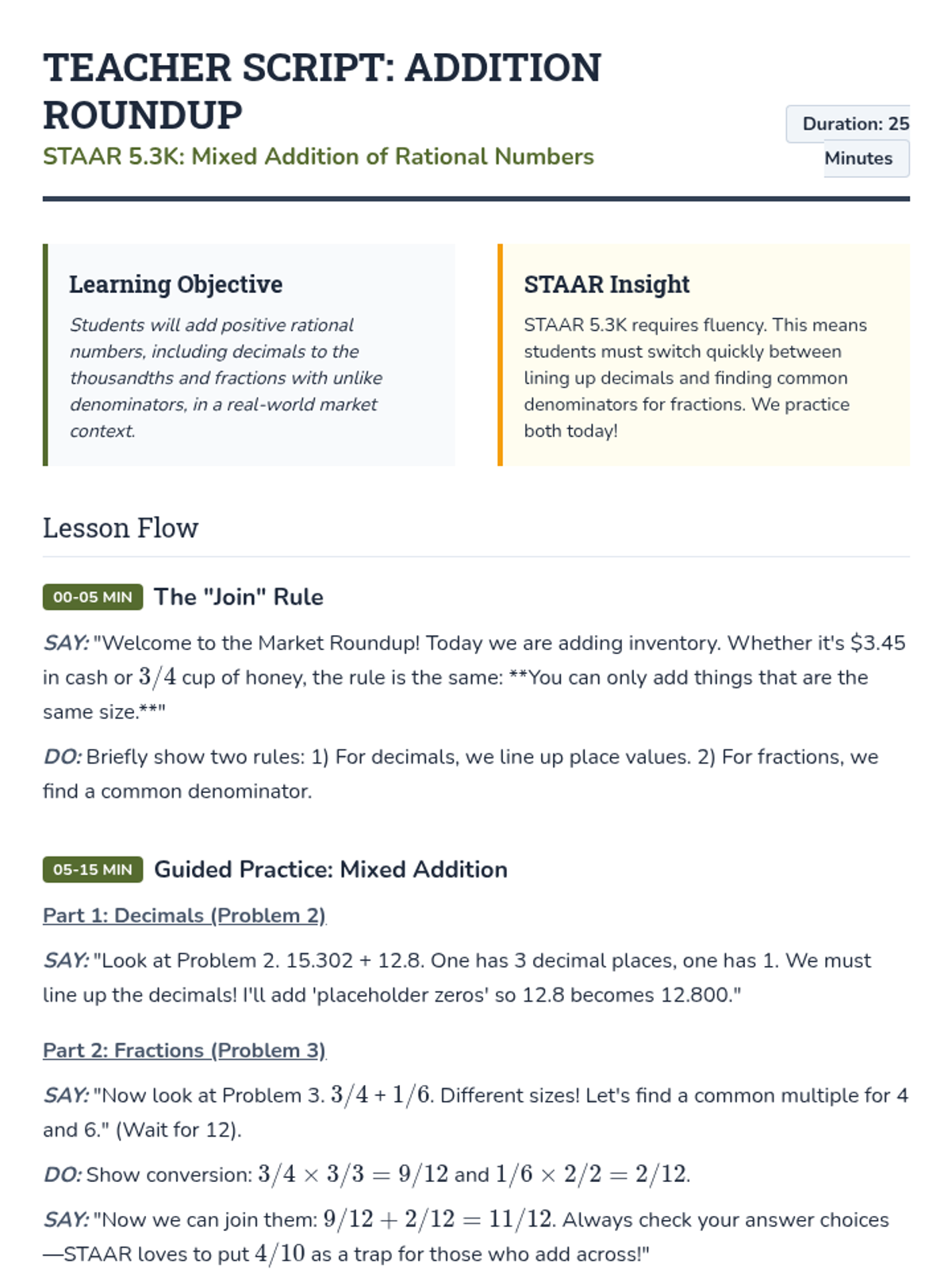
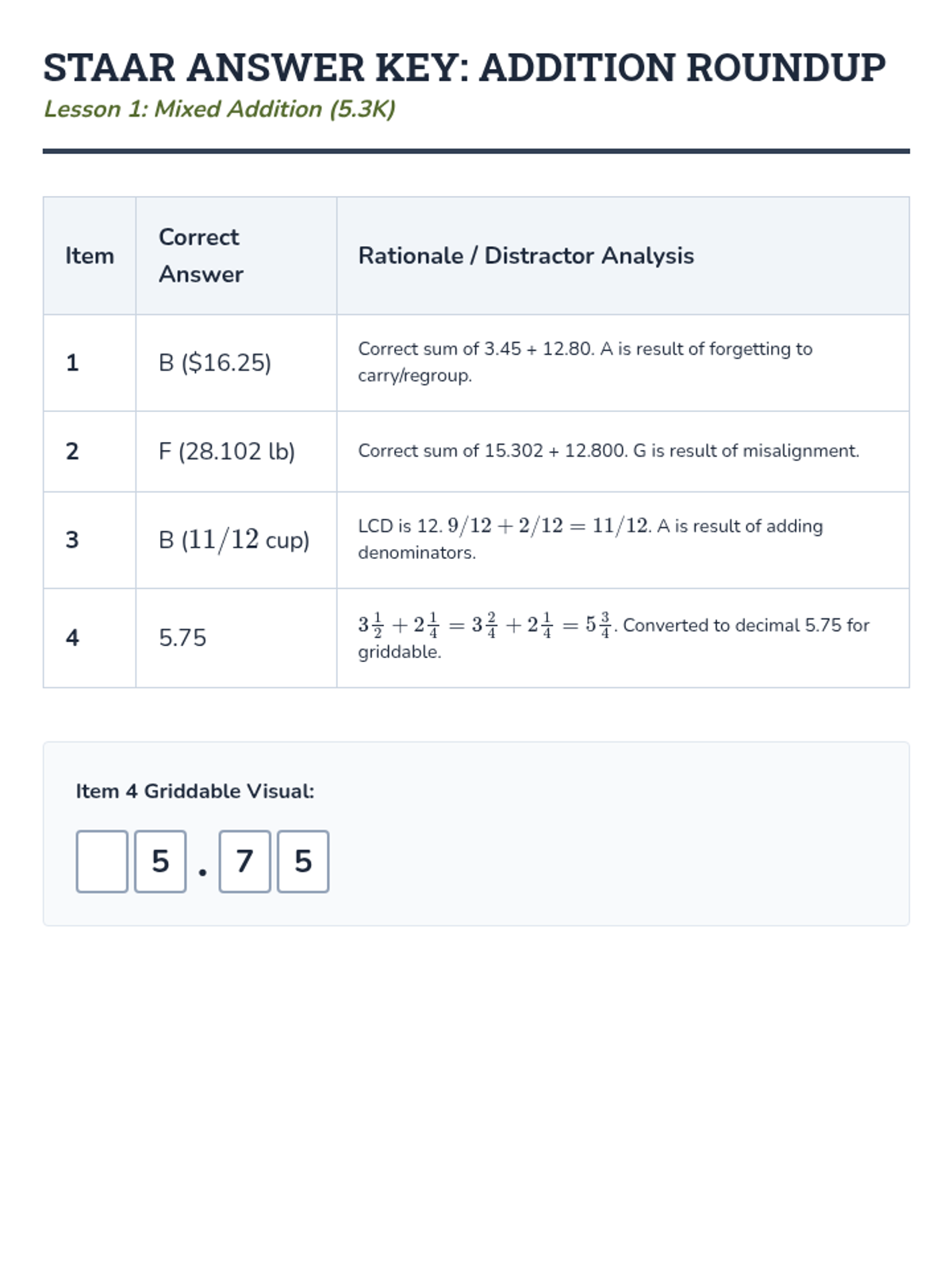
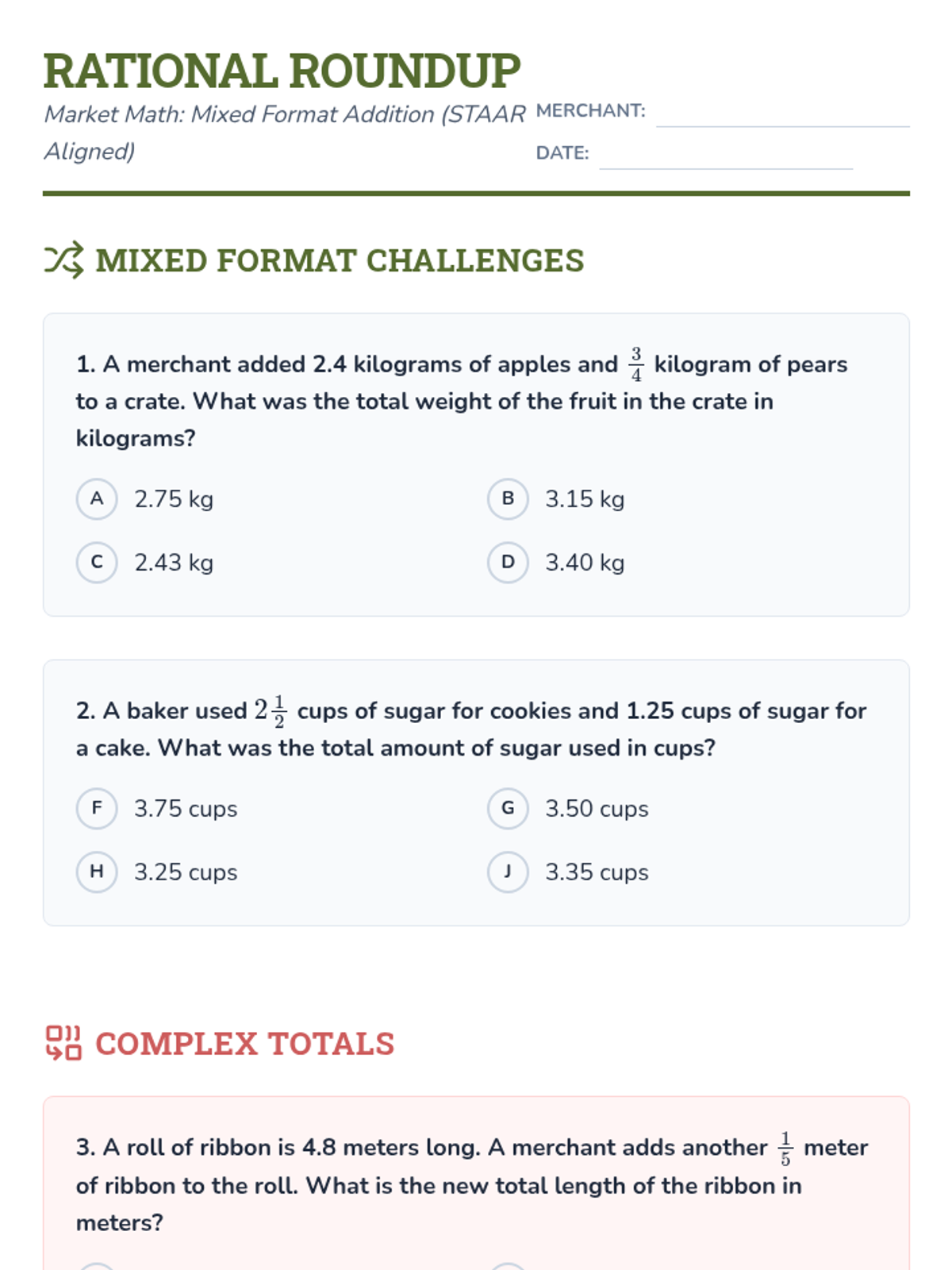
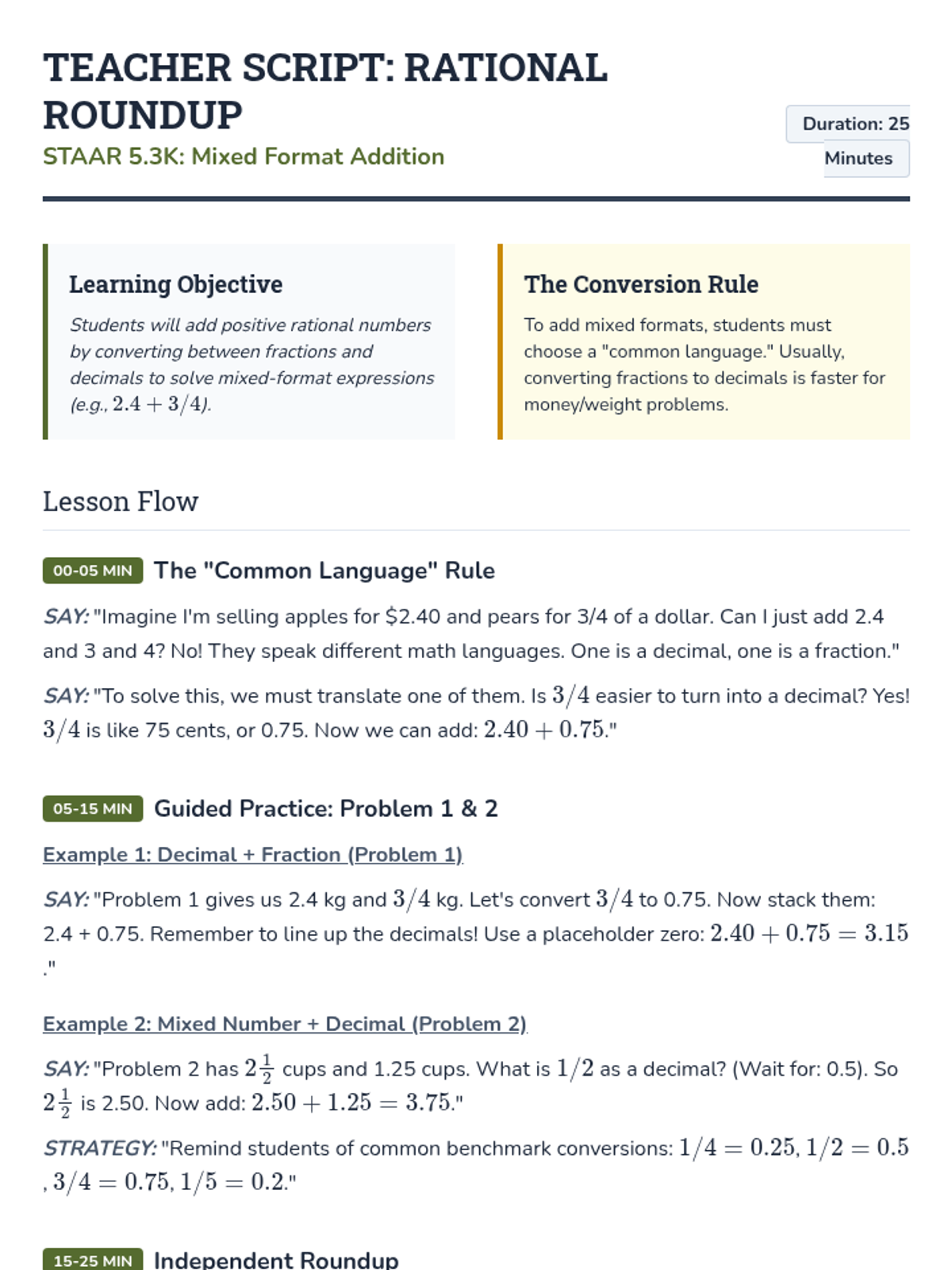
A 4-day math sequence for 5th grade focused on adding/subtracting mixed rational numbers (5.3K) and modeling decimal division (5.3F) within a "Math Market" theme.
A sequence focused on conceptualizing fraction division through visual area models, progressing from whole numbers to fraction-by-fraction division for 6th-grade students needing academic support.
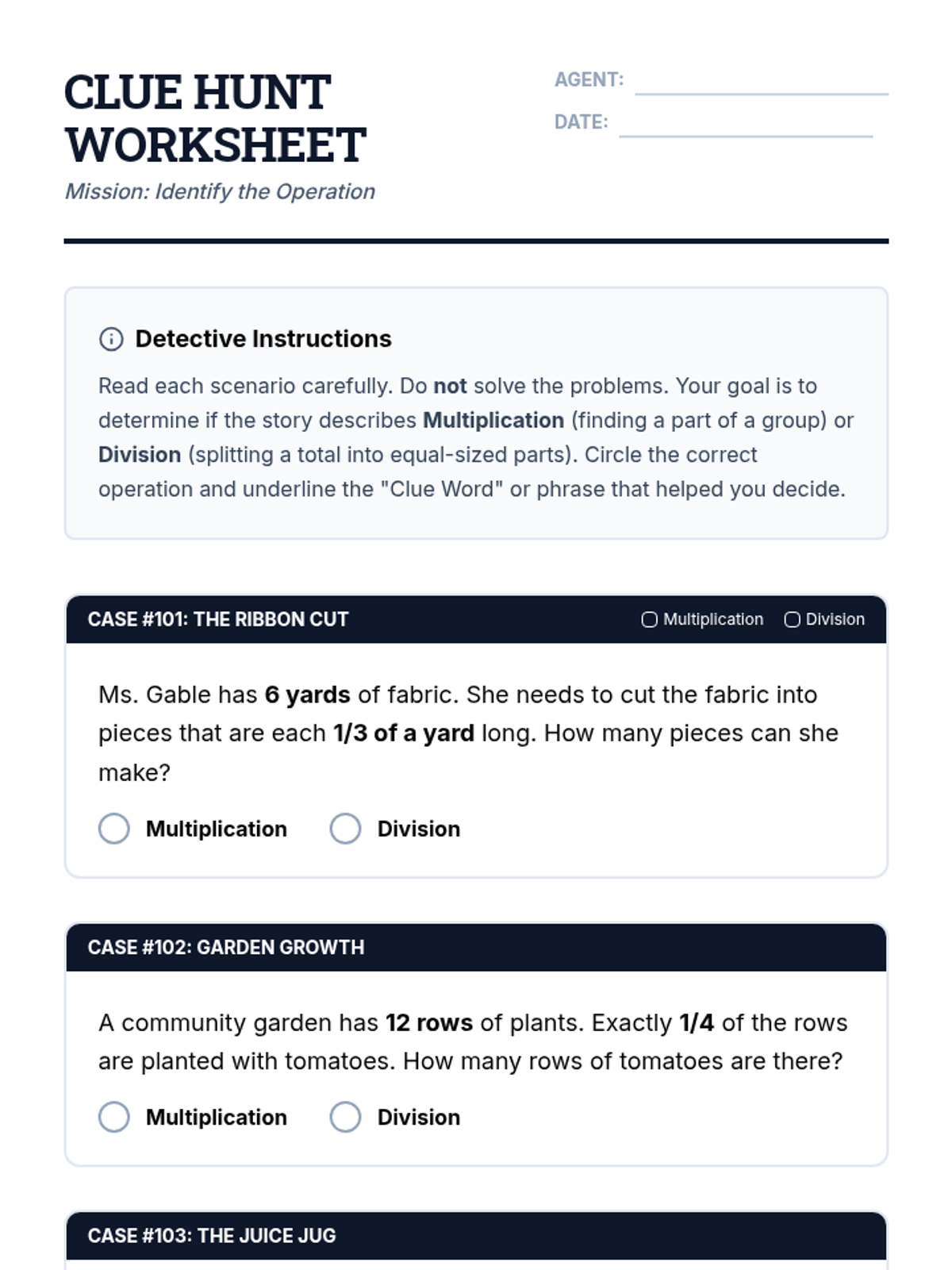
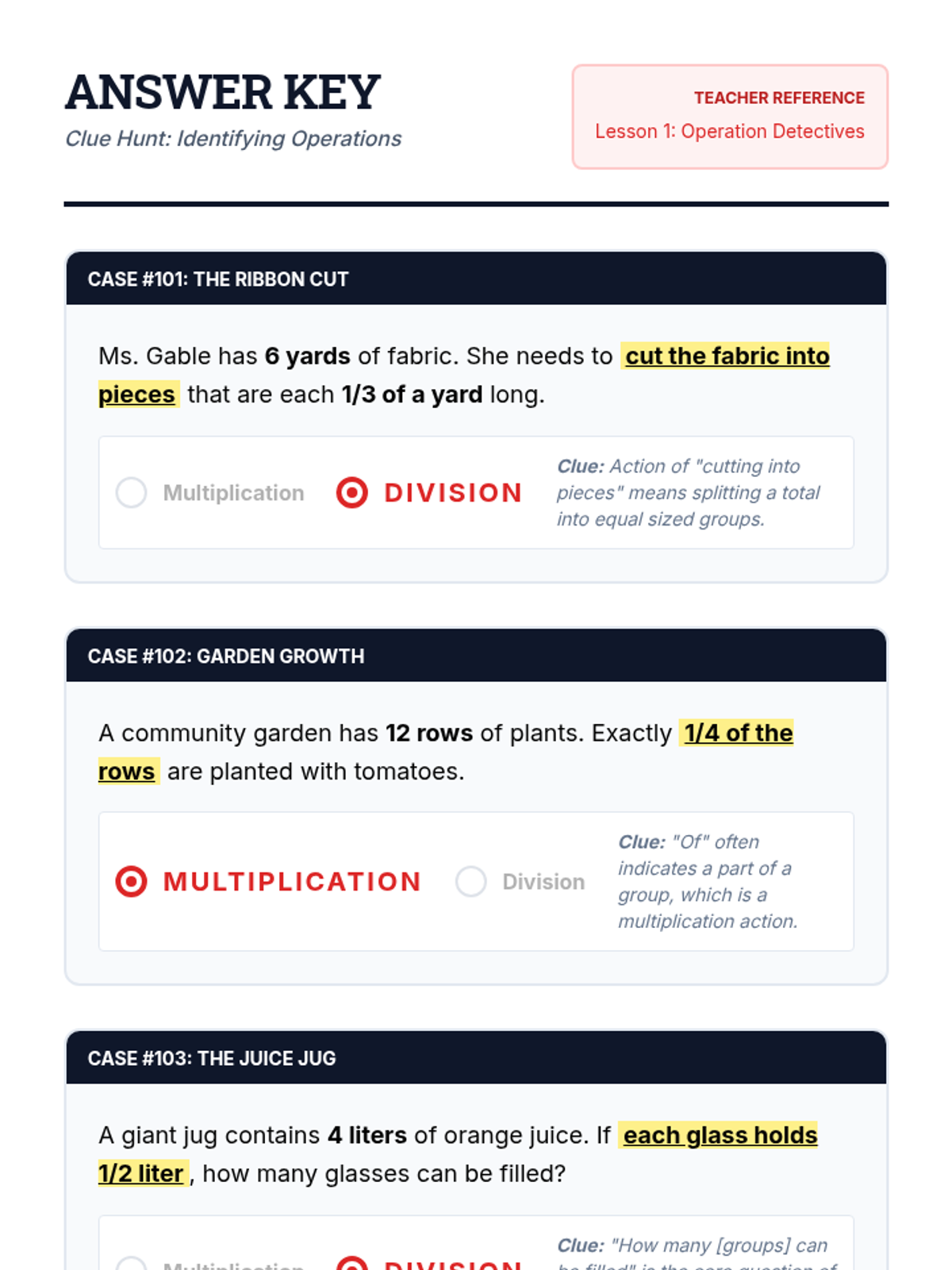
This sequence immerses 5th-grade students in real-world scenarios requiring fraction division. Students learn to distinguish between multiplication and division contexts, translate stories into equations, and solve complex multi-step problems using visual modeling and linguistic clues.
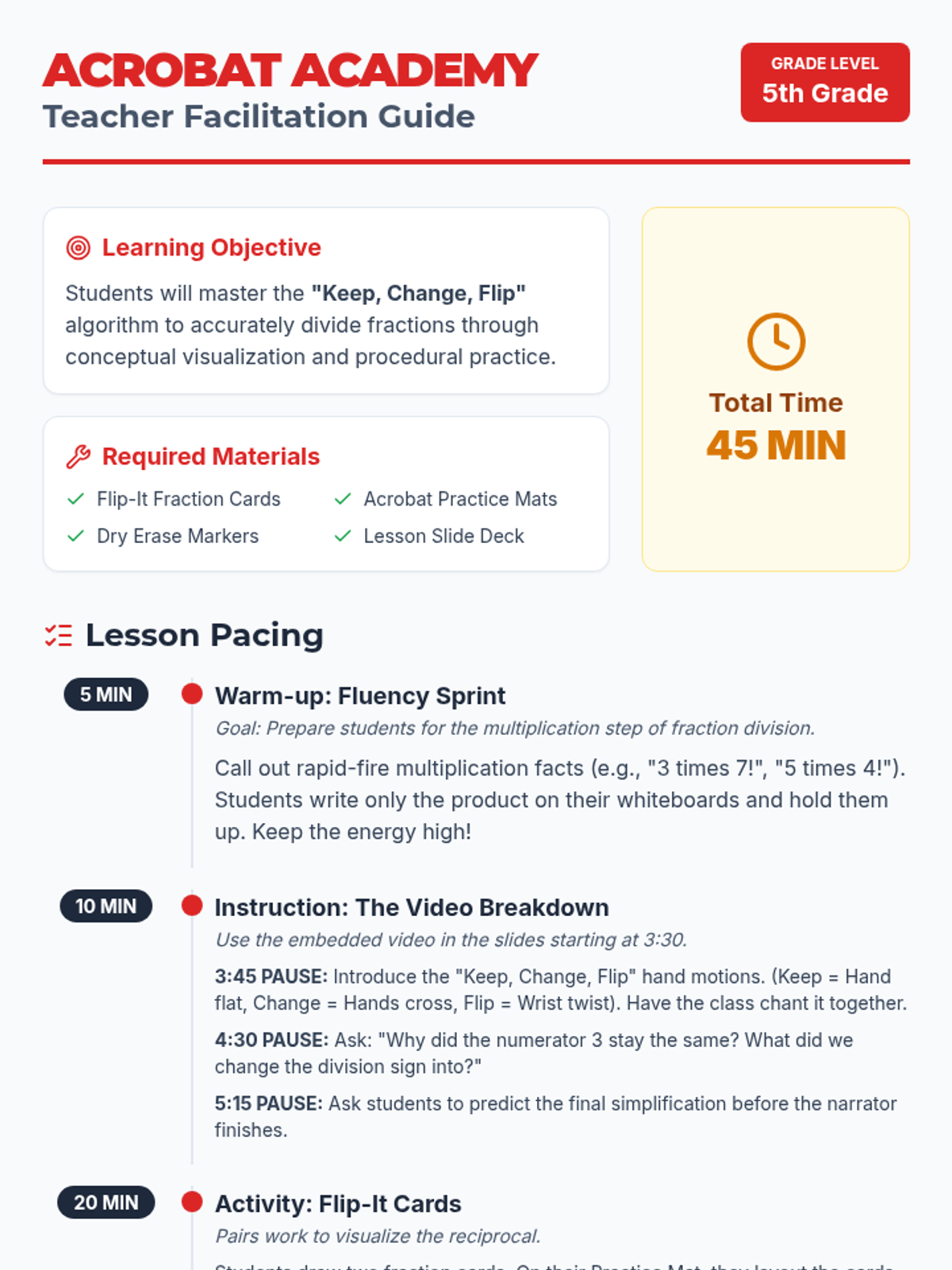
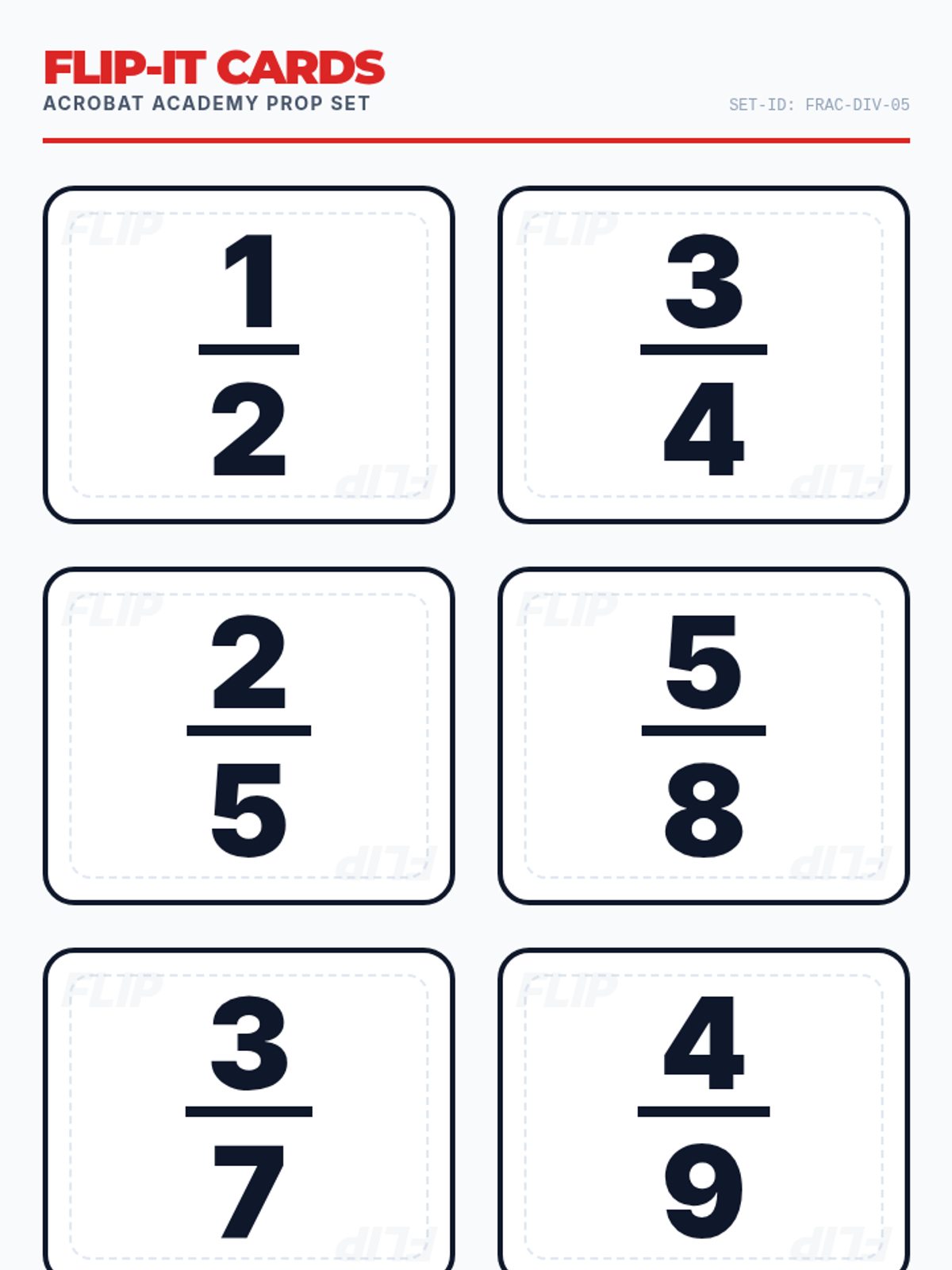
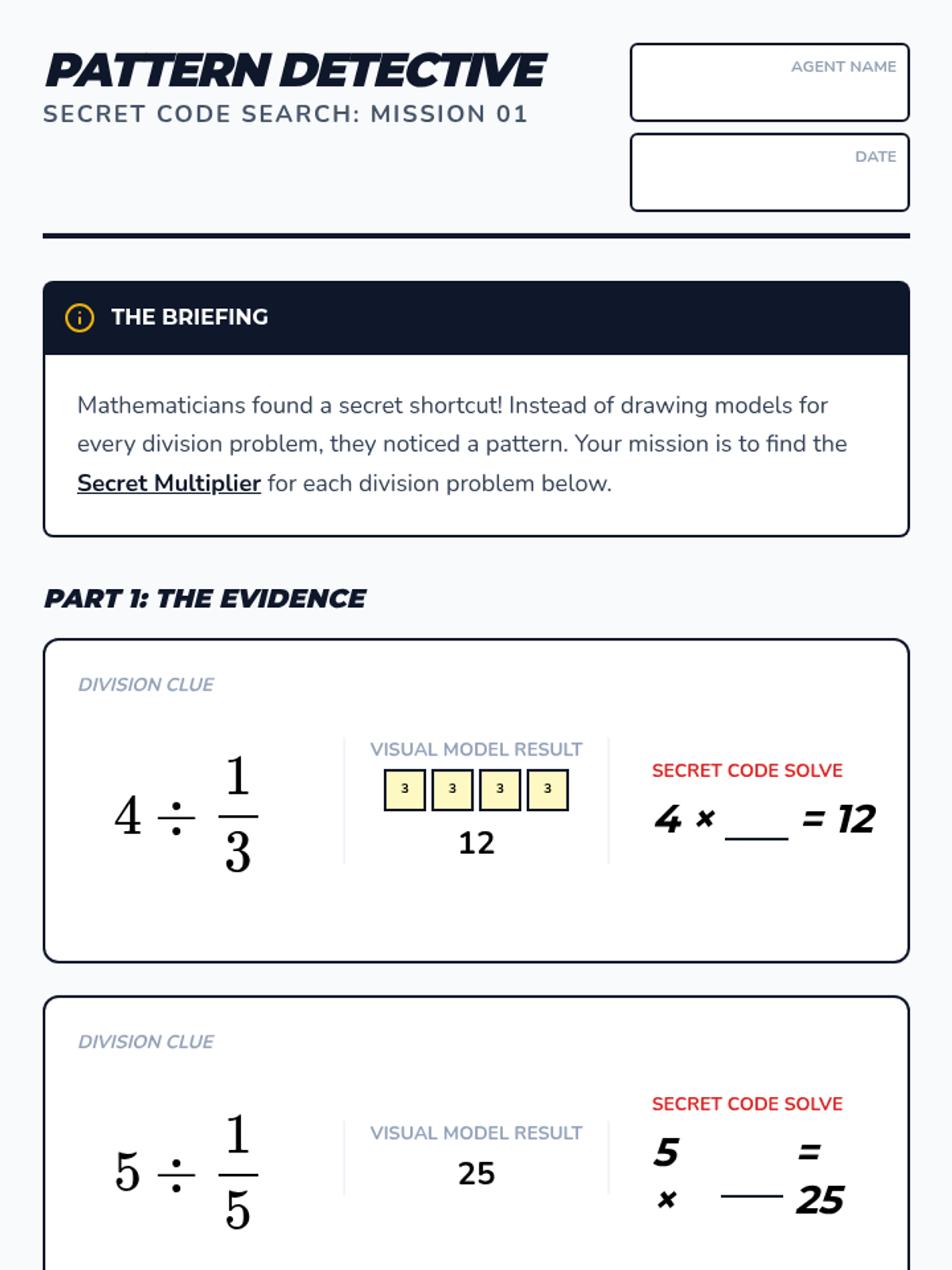
This sequence guides 5th-grade students from visual models to the standard algorithm for dividing fractions. Students discover the relationship between division and multiplication through reciprocals, build fluency with the algorithm, and apply their knowledge to solve complex problems and analyze common errors.
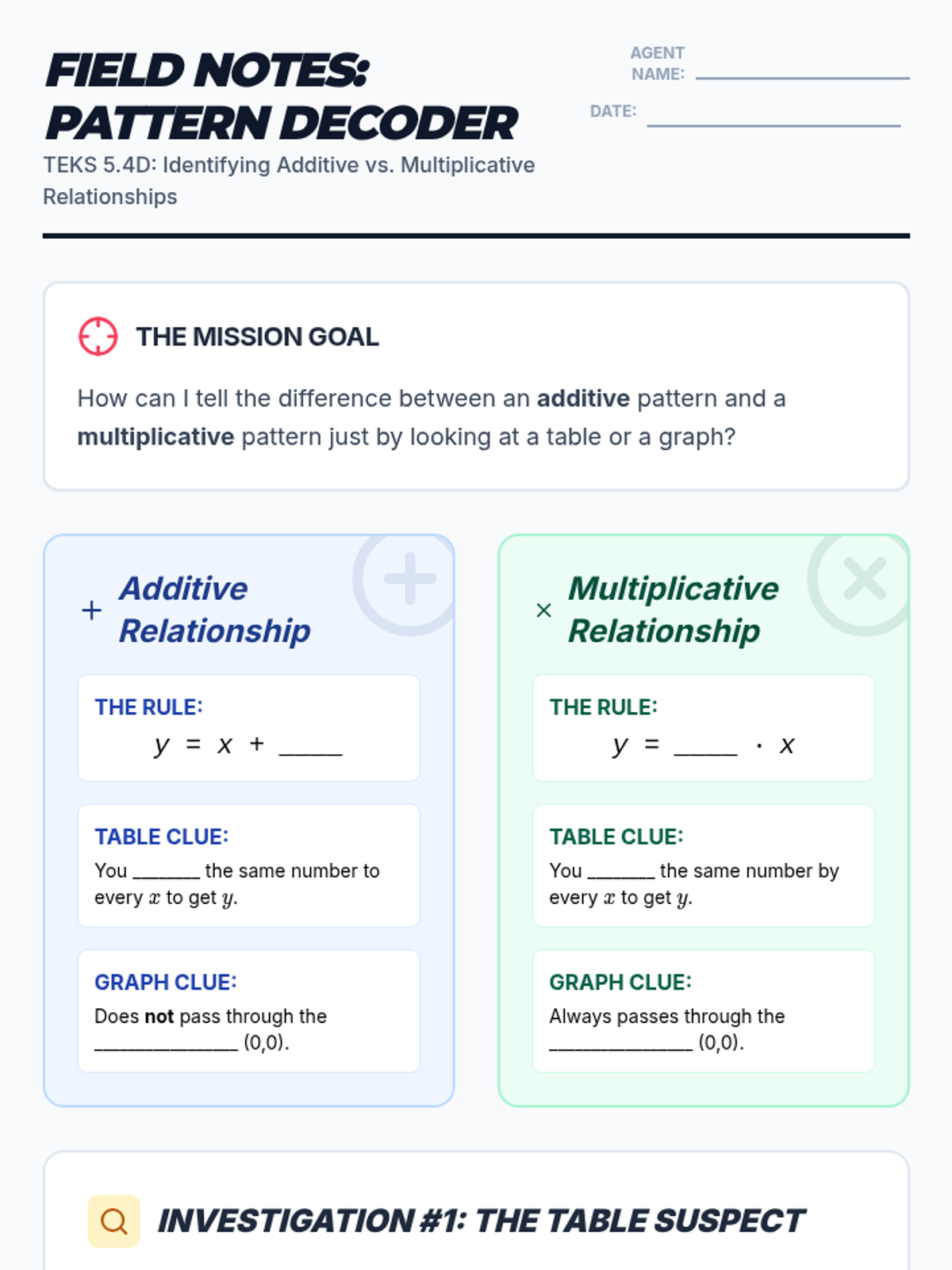
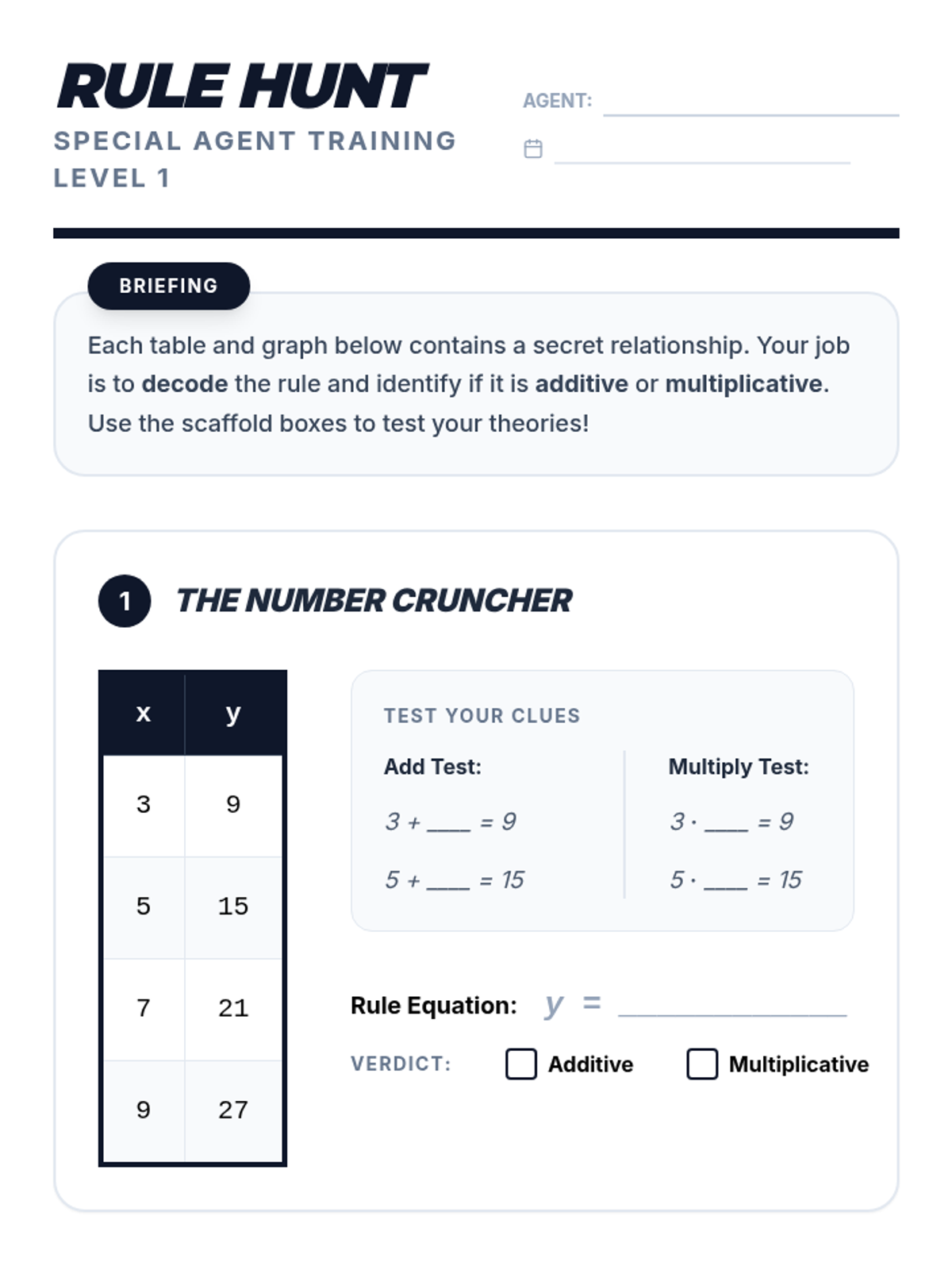
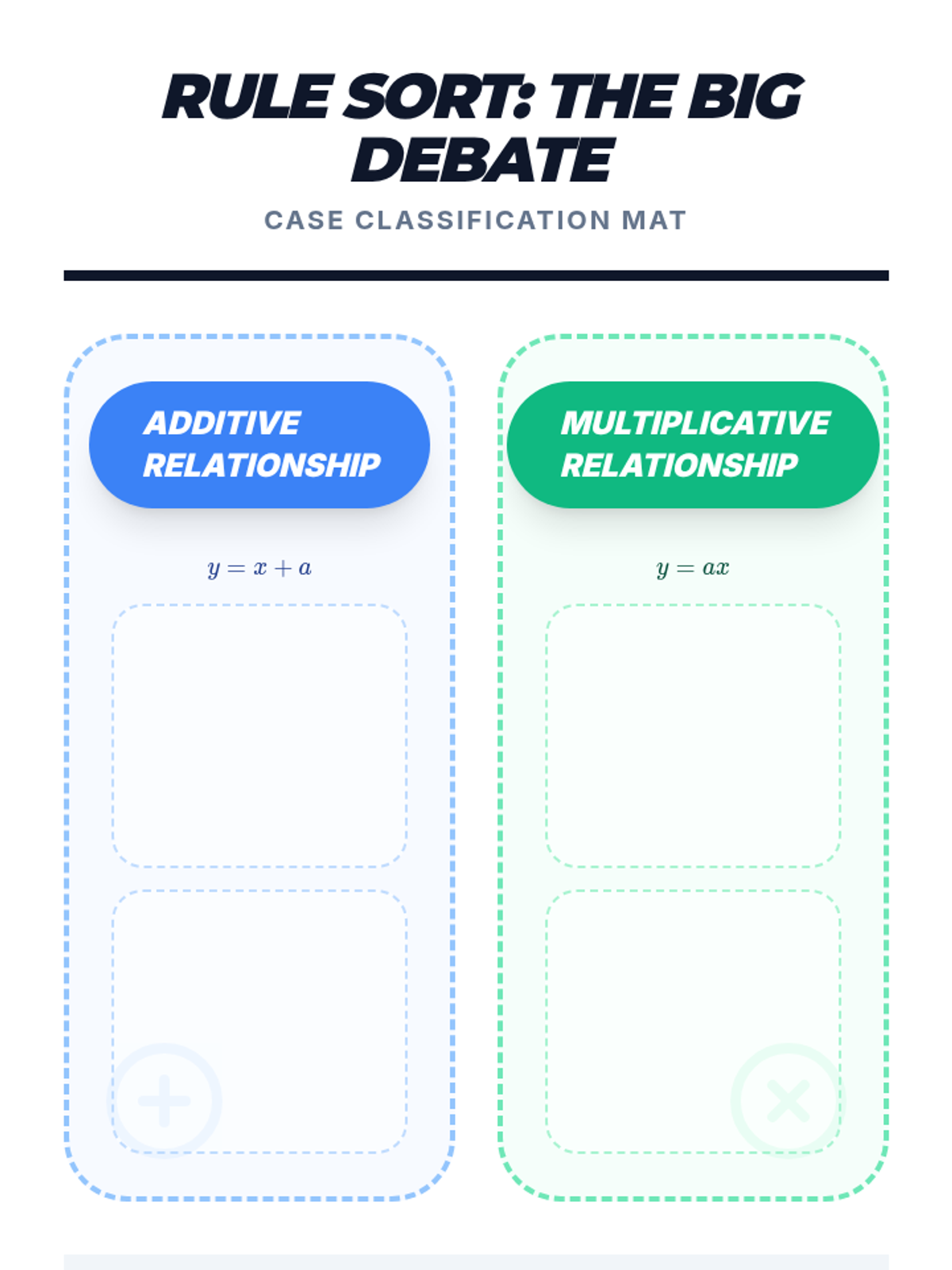
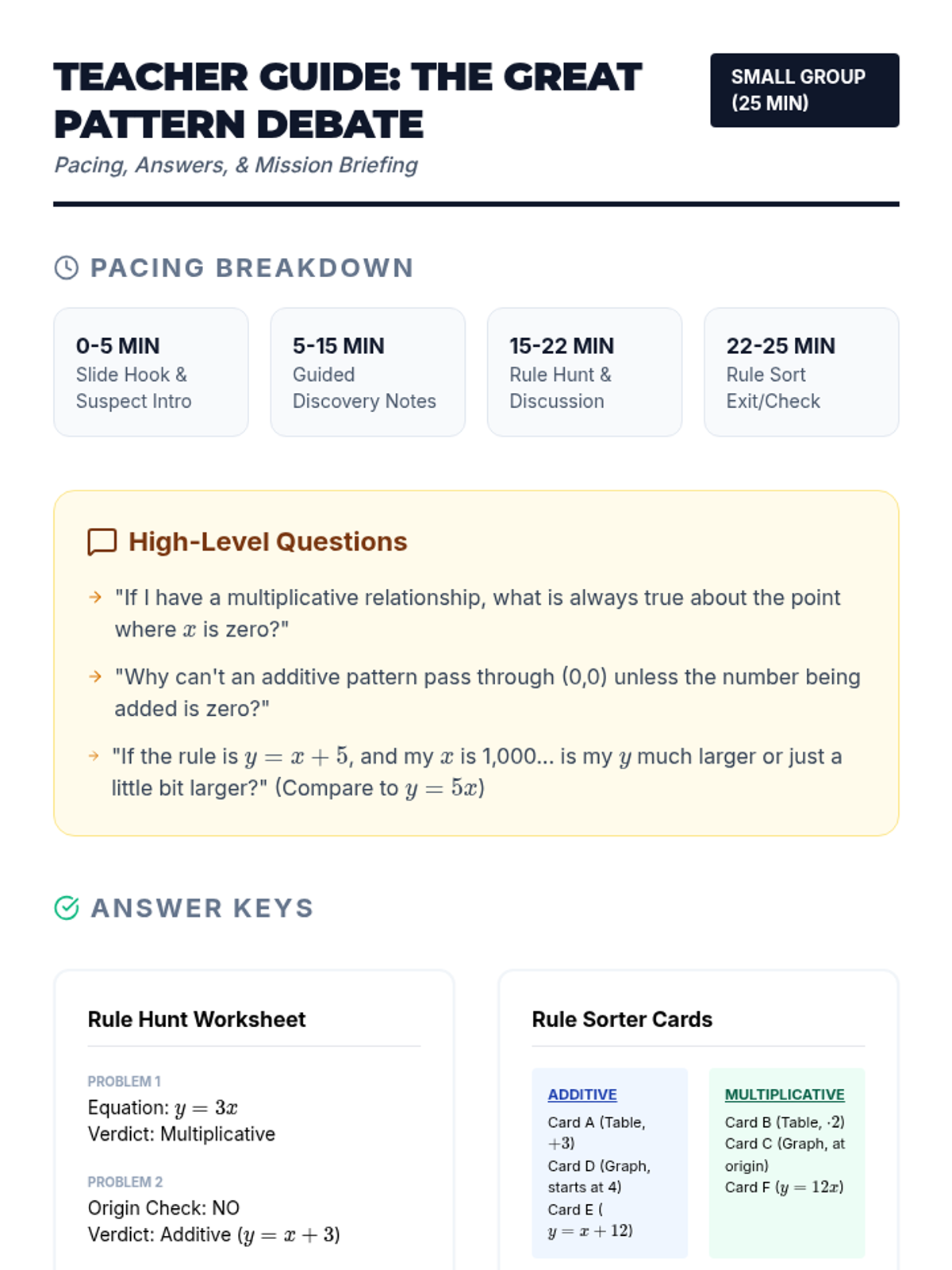
A focused sequence on distinguishing between additive and multiplicative numerical patterns, specifically targeting TEKS 5.4D and 5.4C for 5th-grade students.