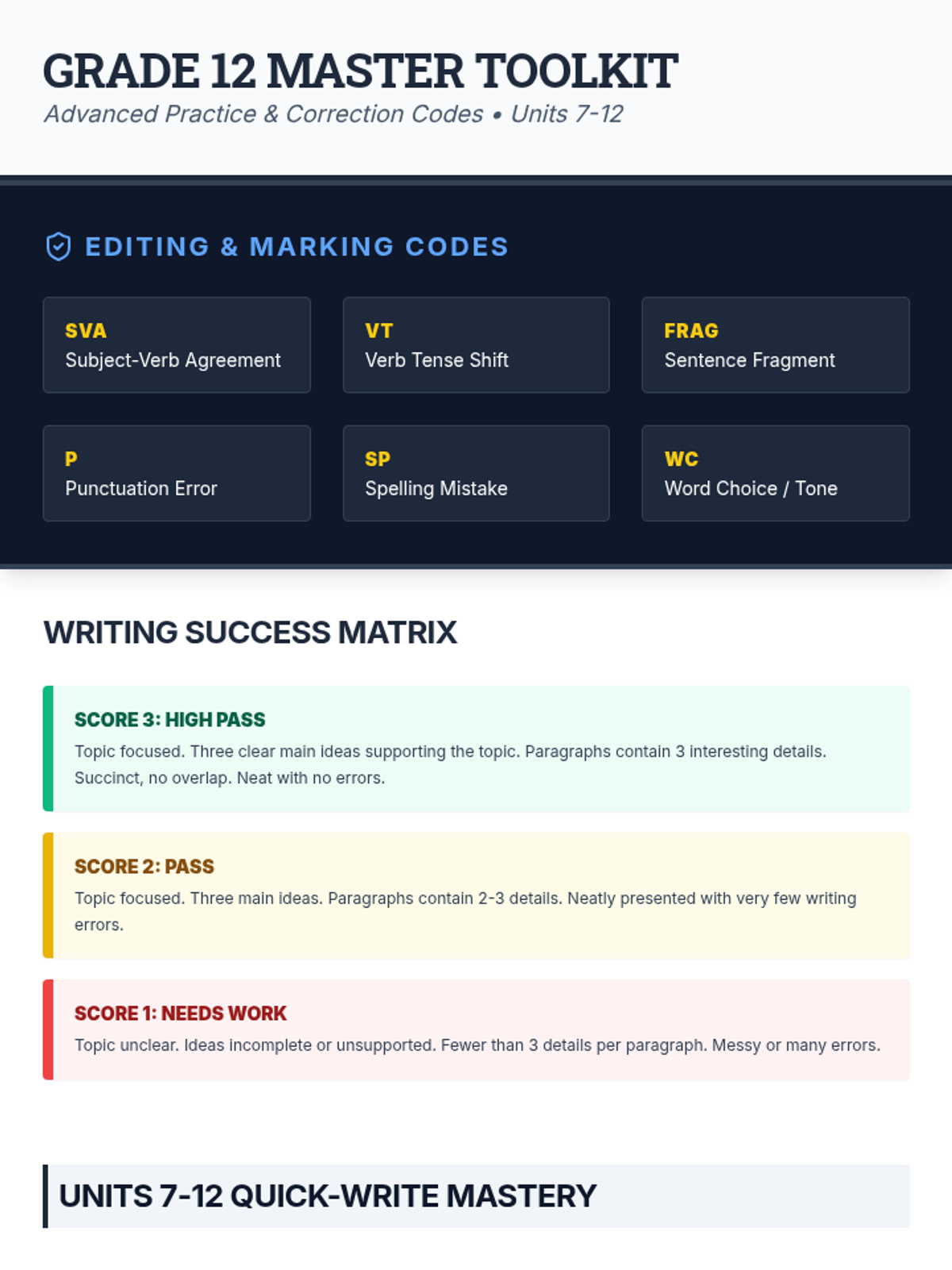
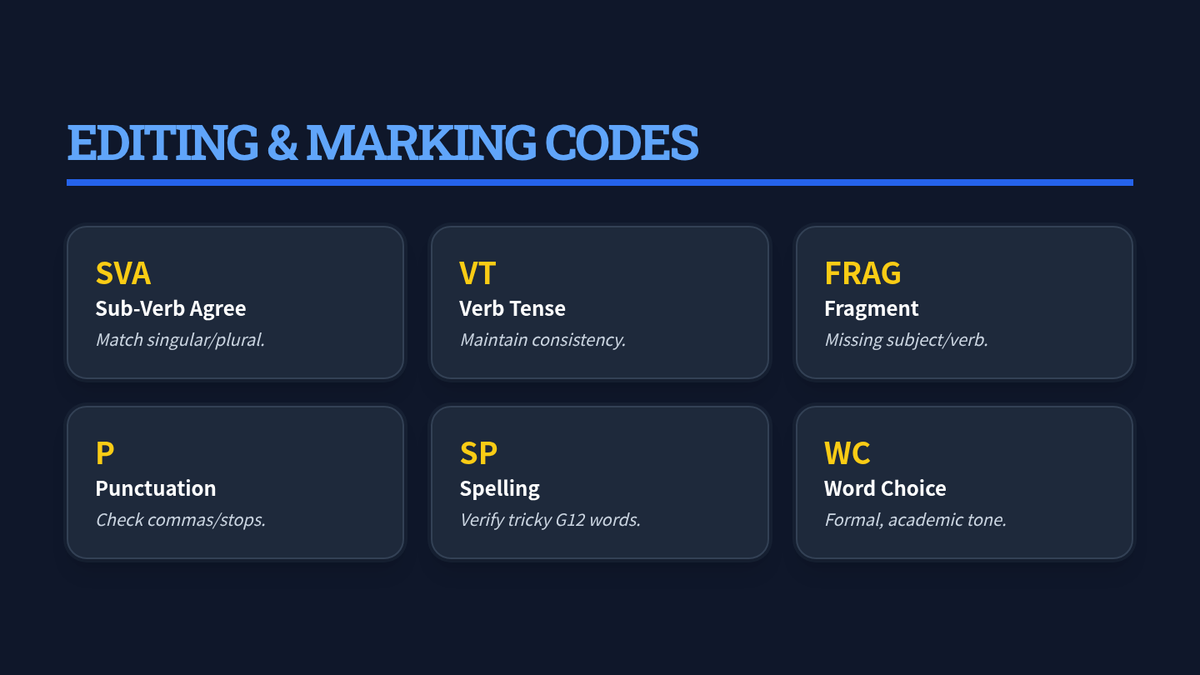
Sentence structure fundamentals, subject-verb agreement, and precise usage of parts of speech including pronouns, conjunctions, and adjectives. Targets technical accuracy through mastery of capitalization, punctuation, spelling, and verb mood.
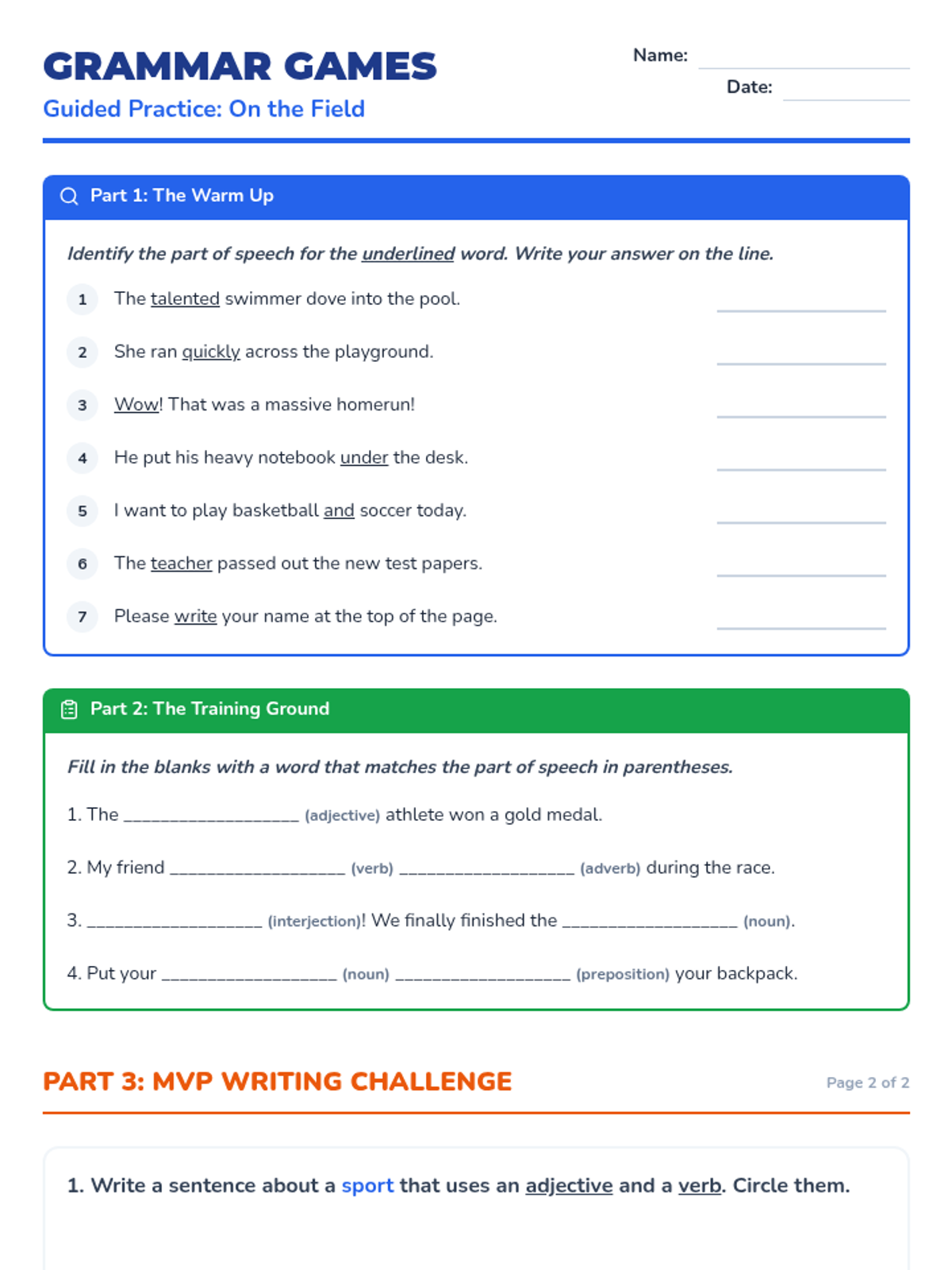
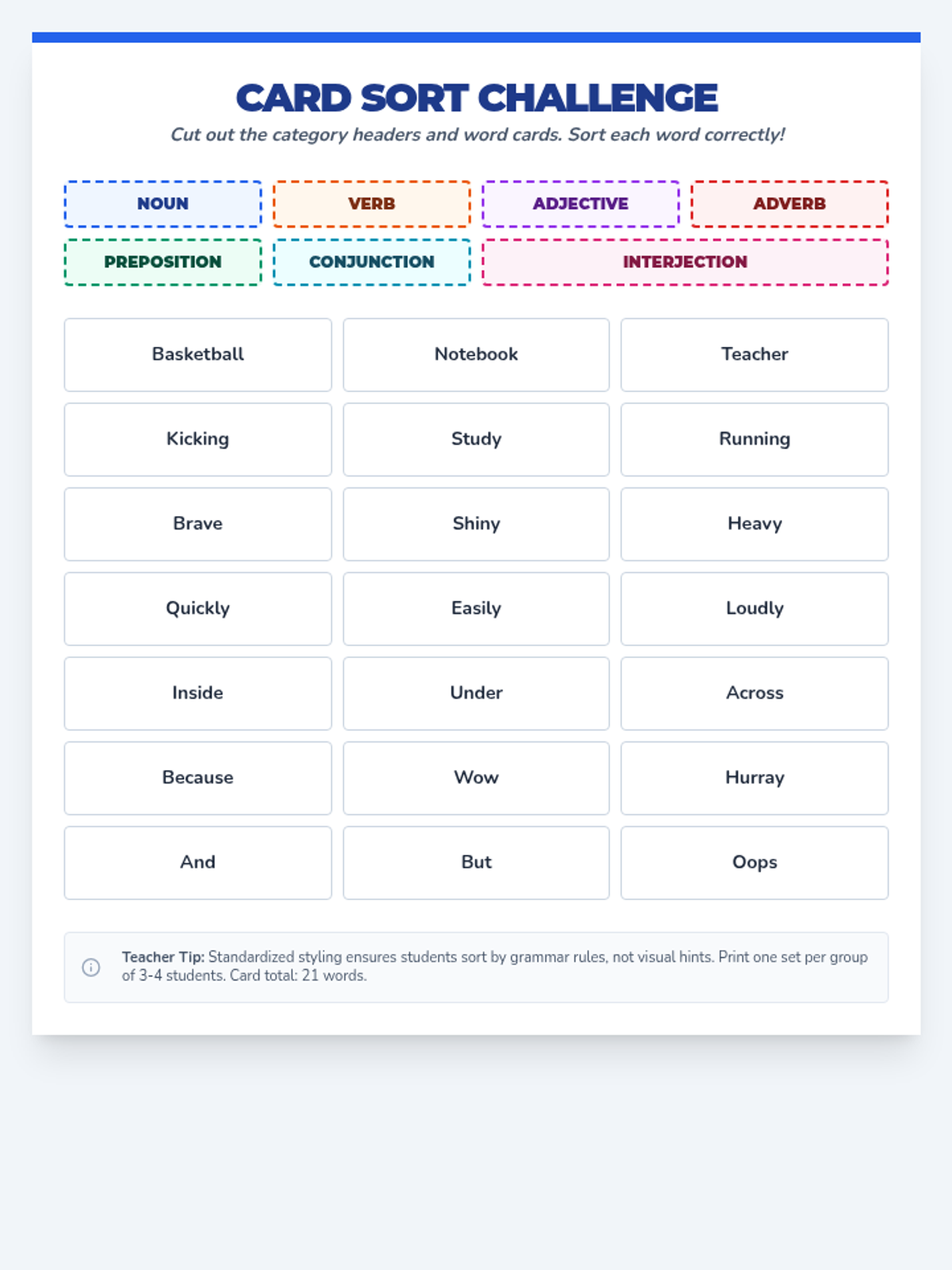
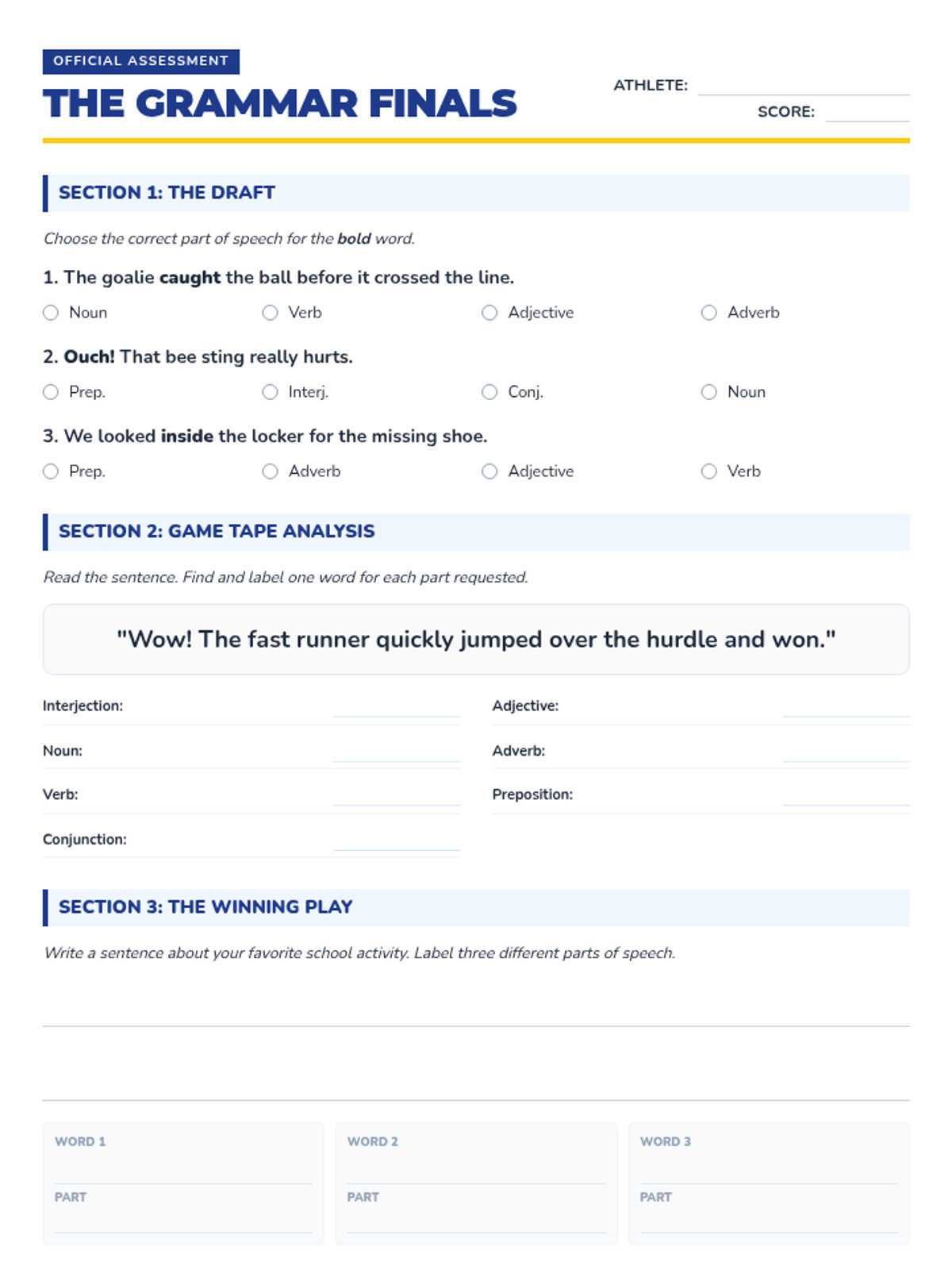
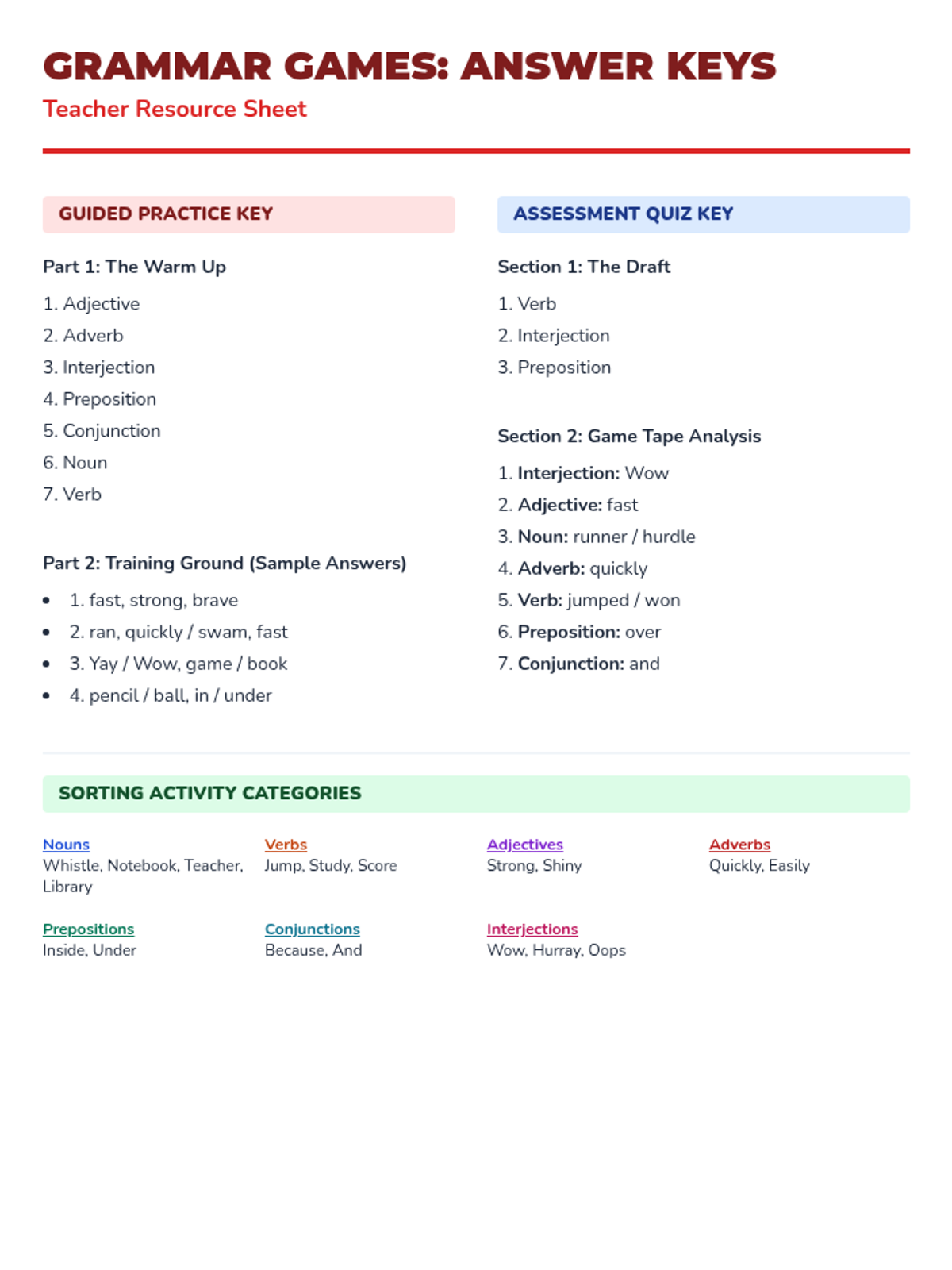
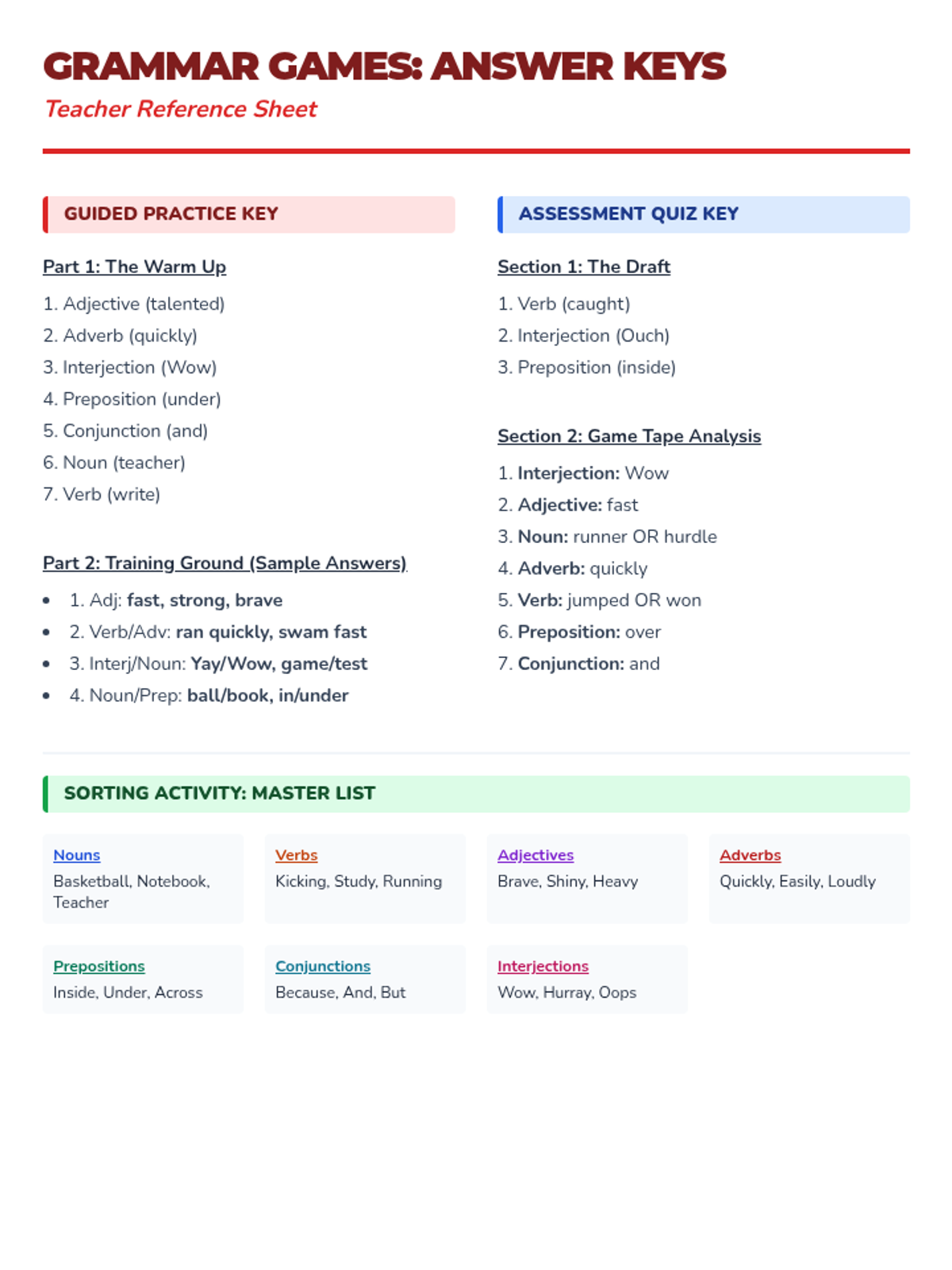
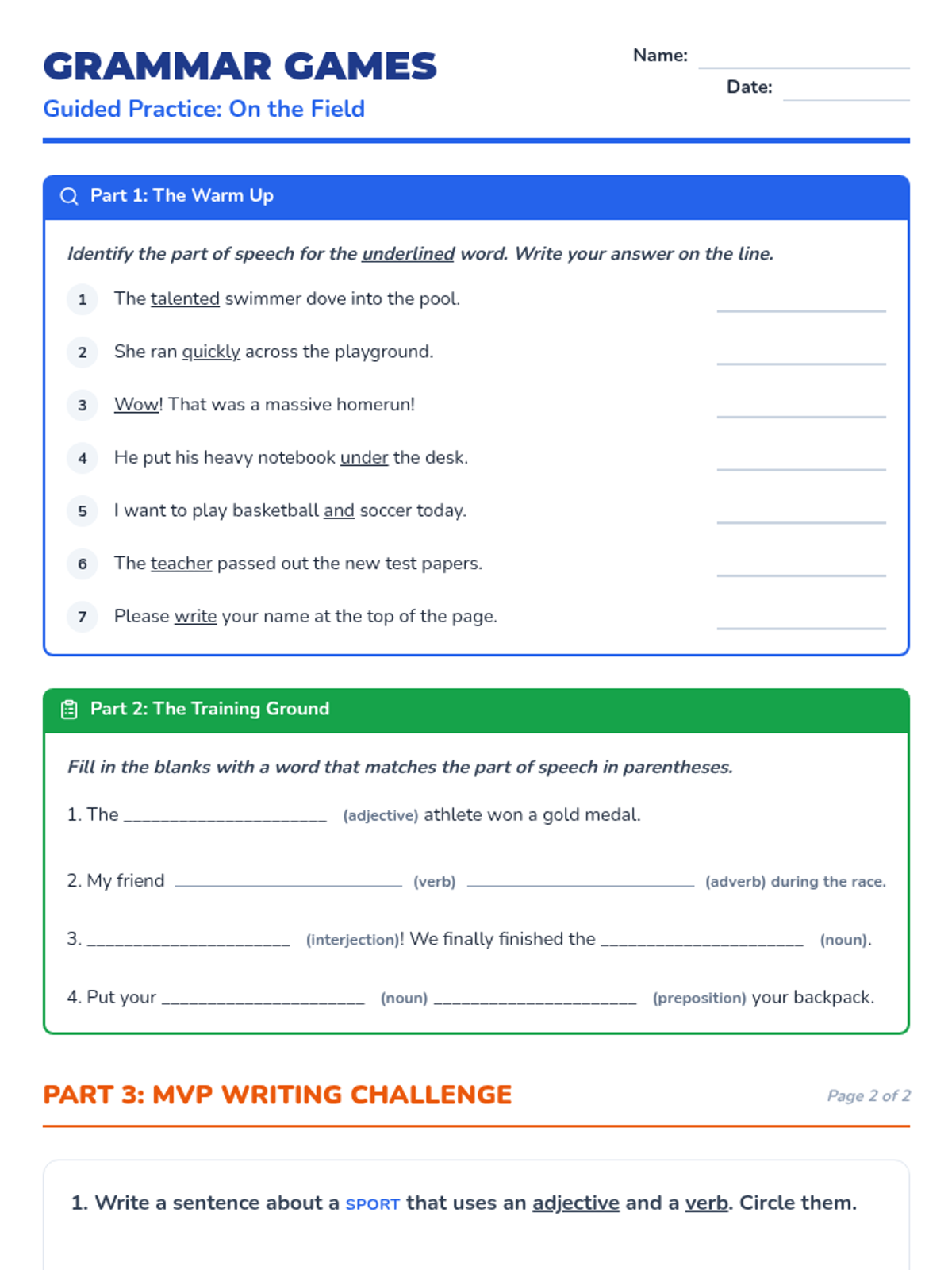
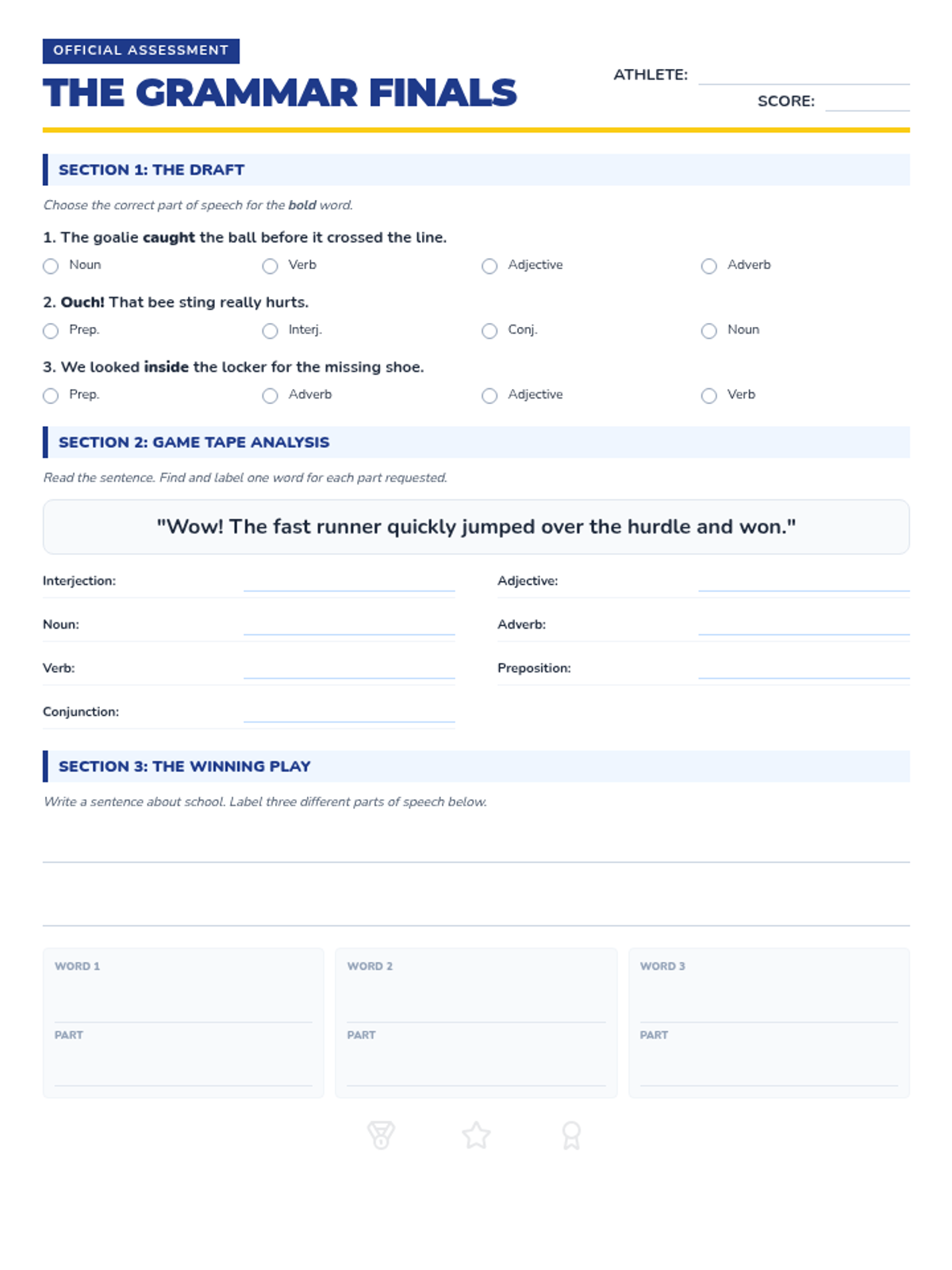
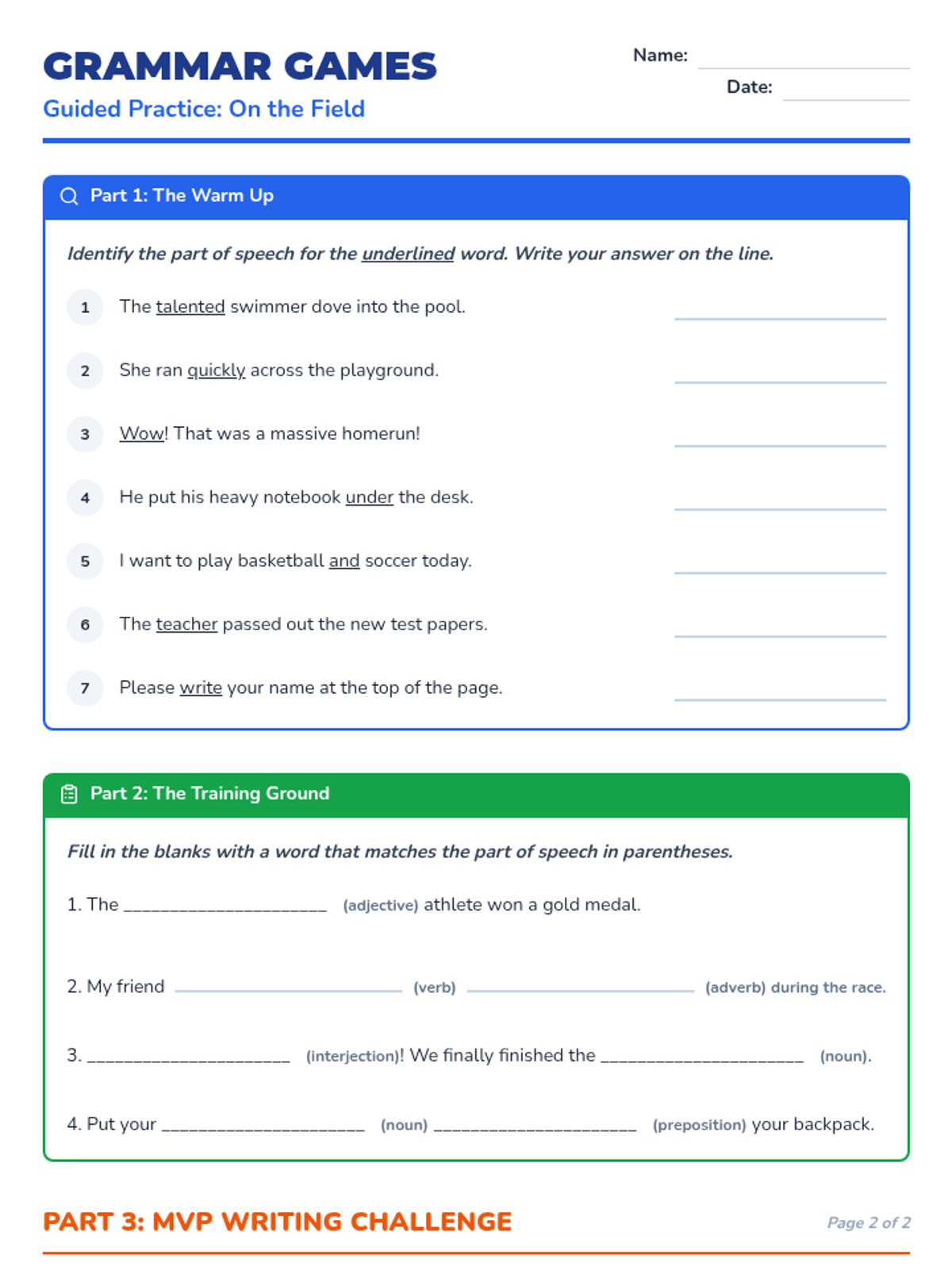
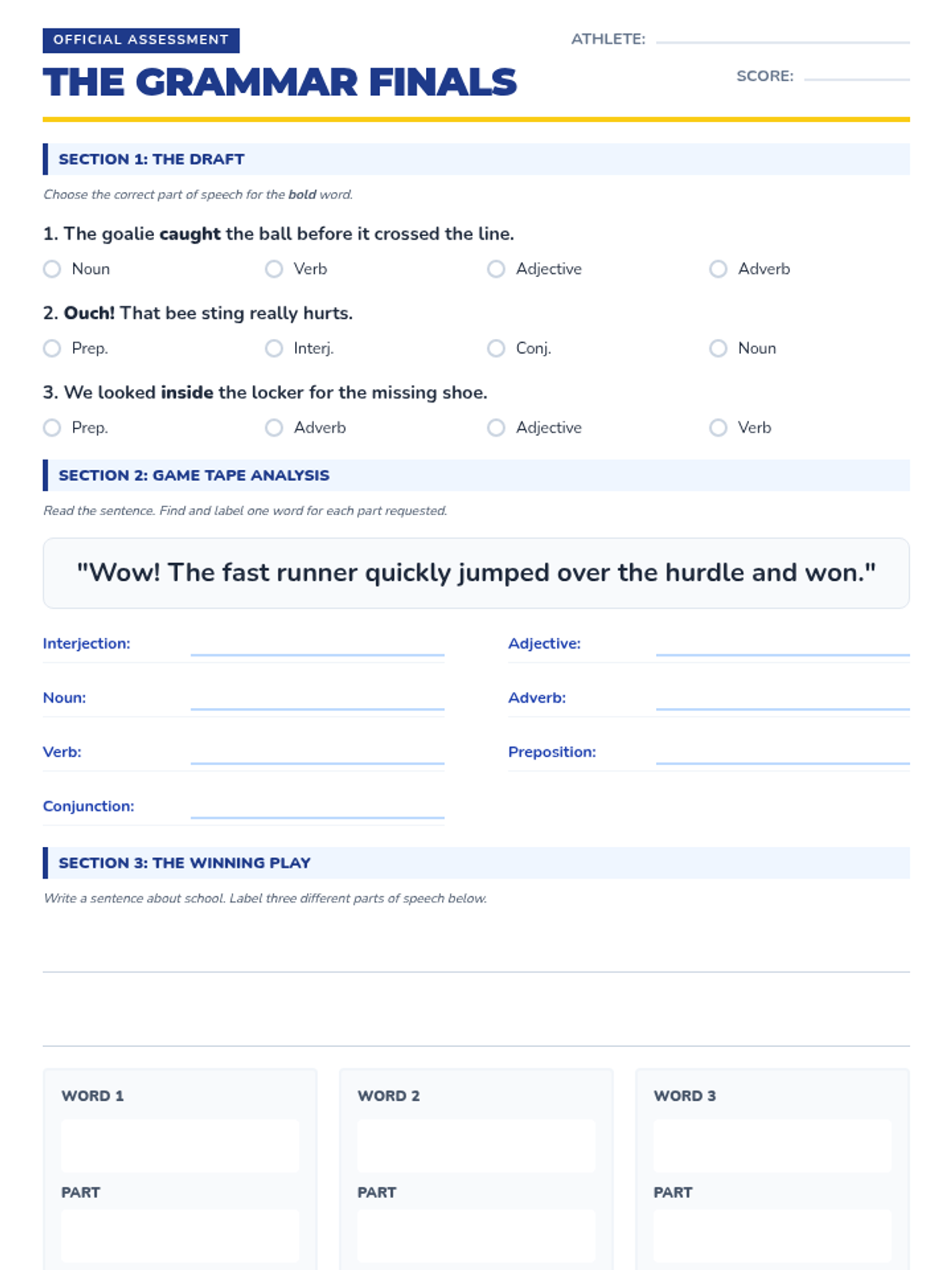
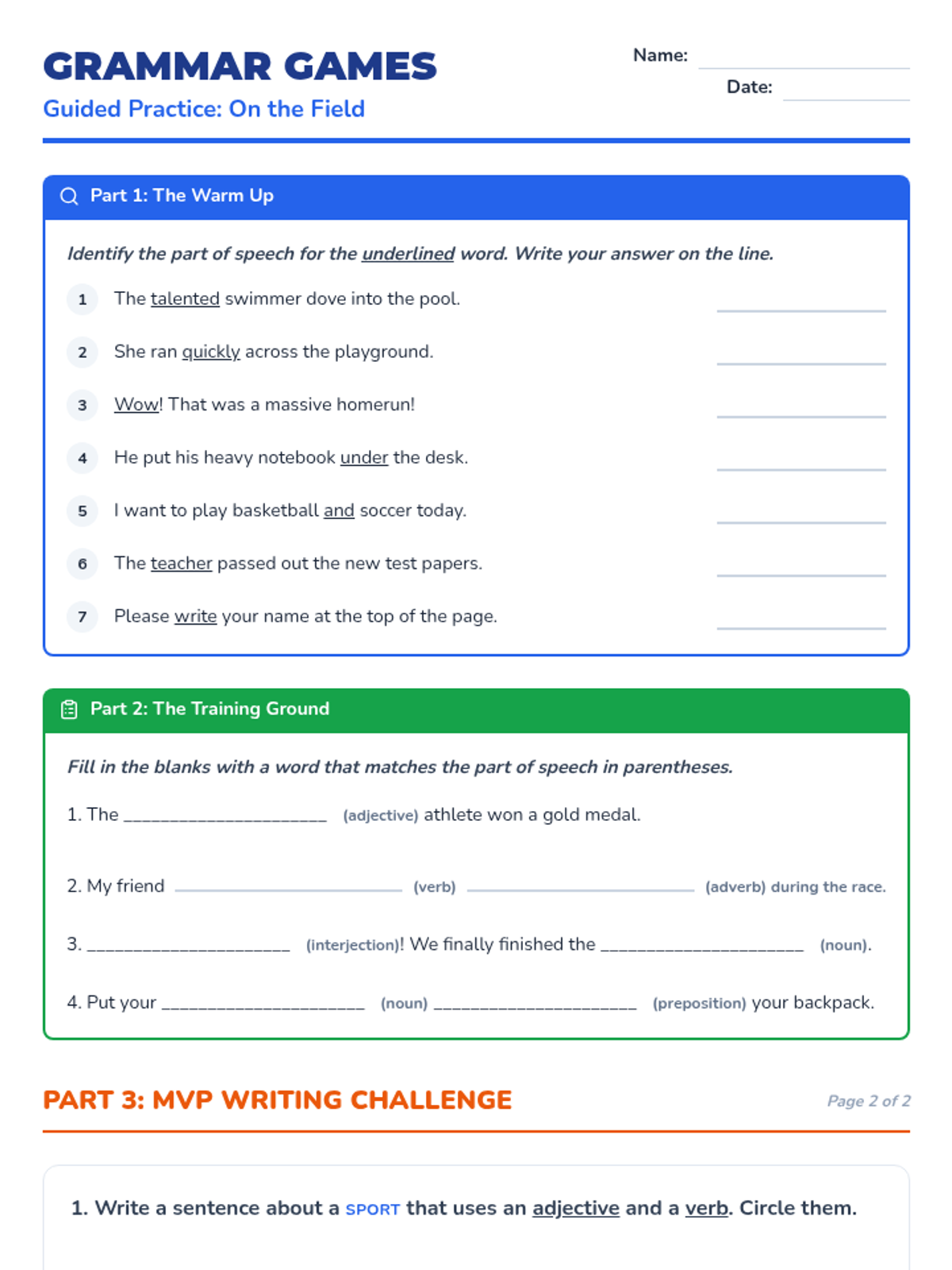
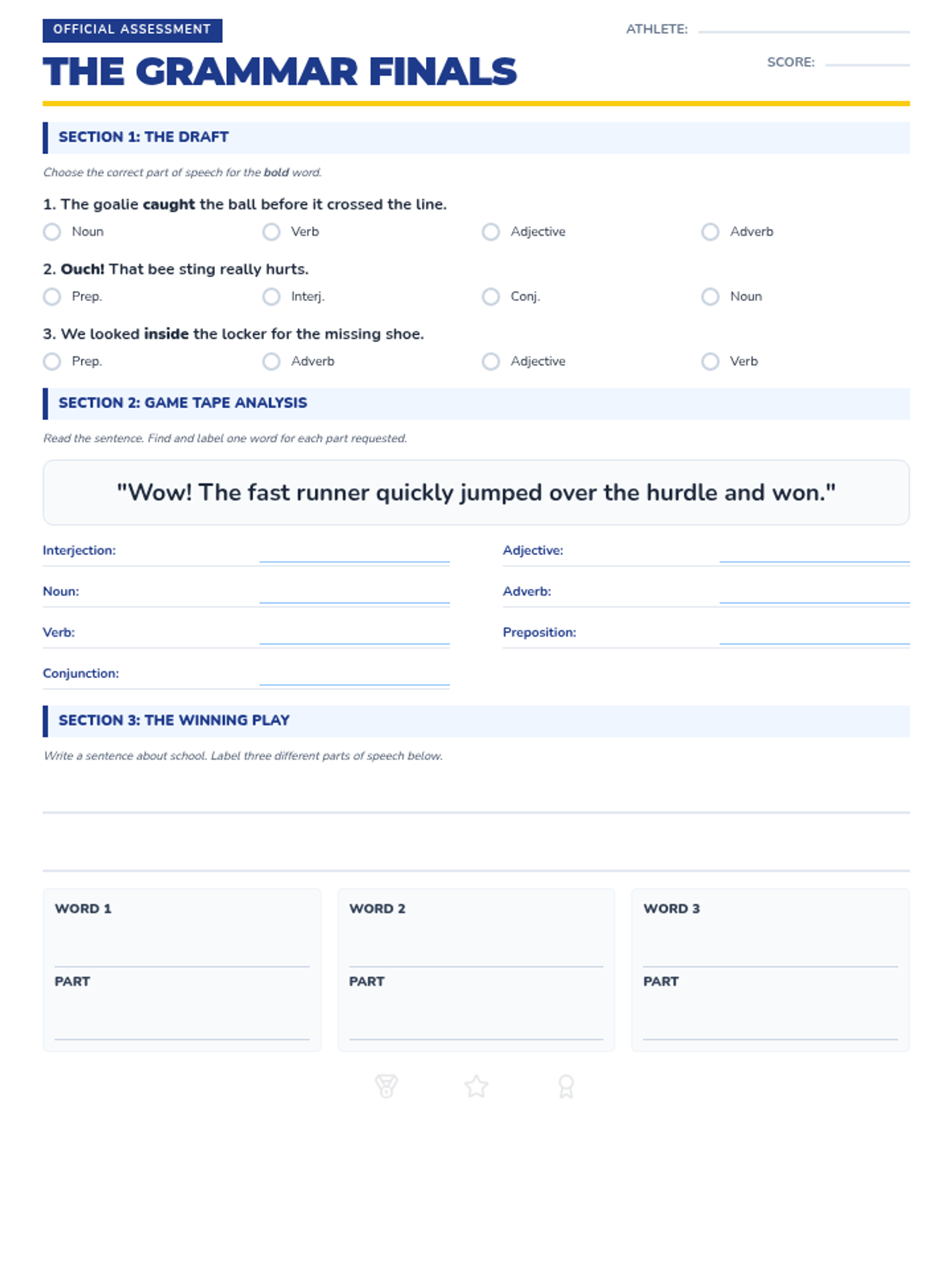
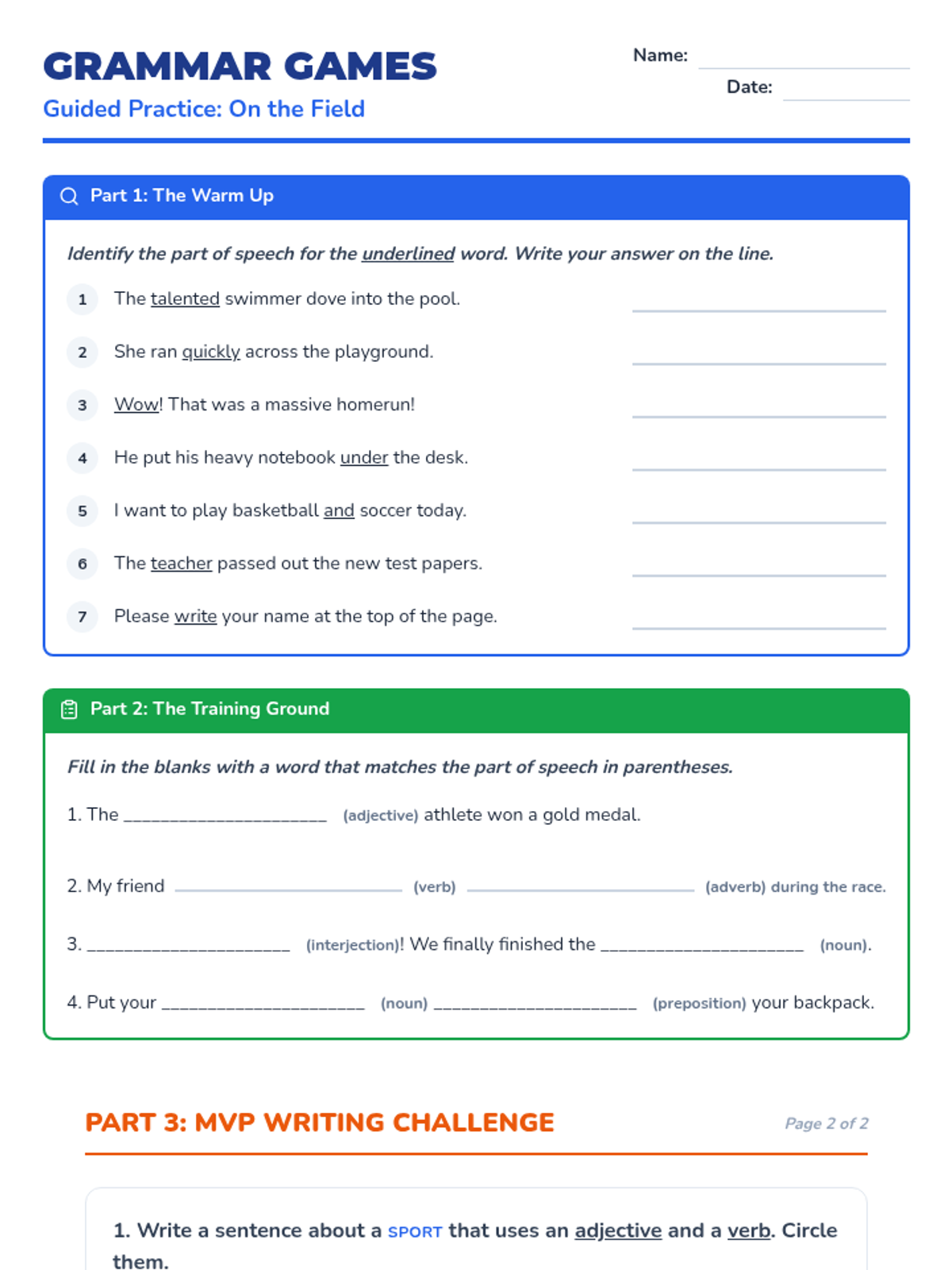
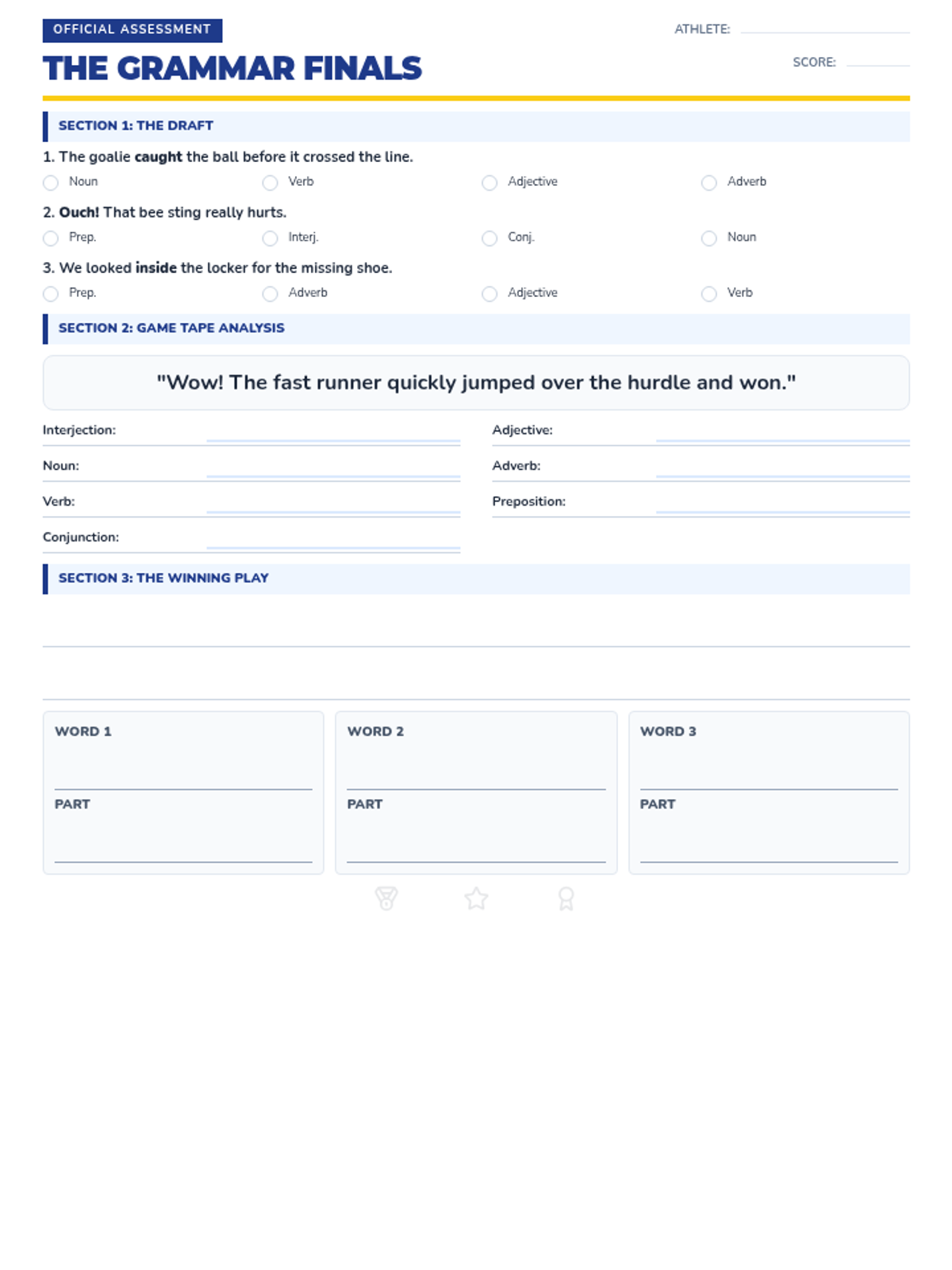
A comprehensive unit on identifying and using the seven primary parts of speech through the lens of sports, hobbies, and school life. Students progress from basic identification to complex sentence construction.
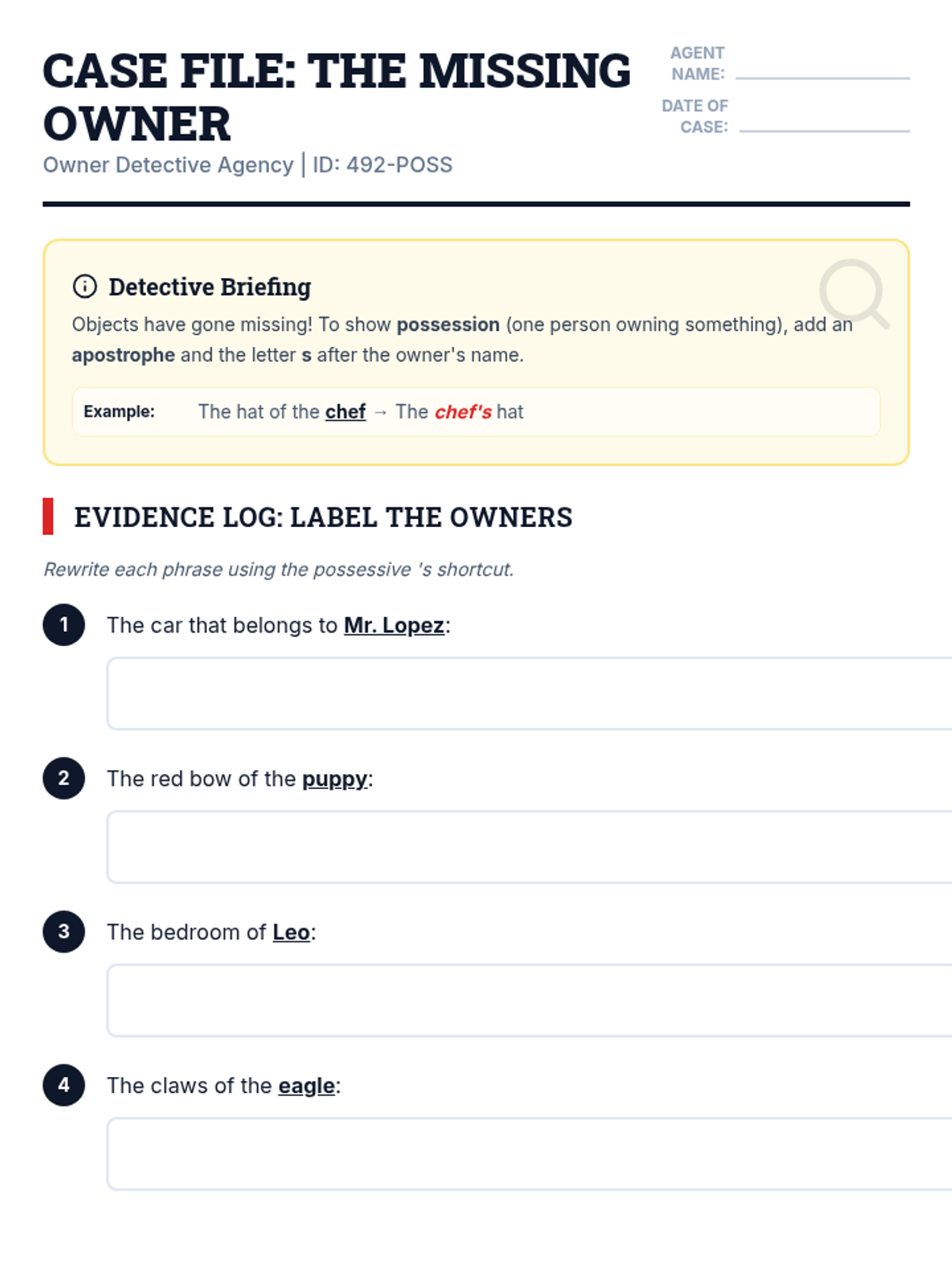
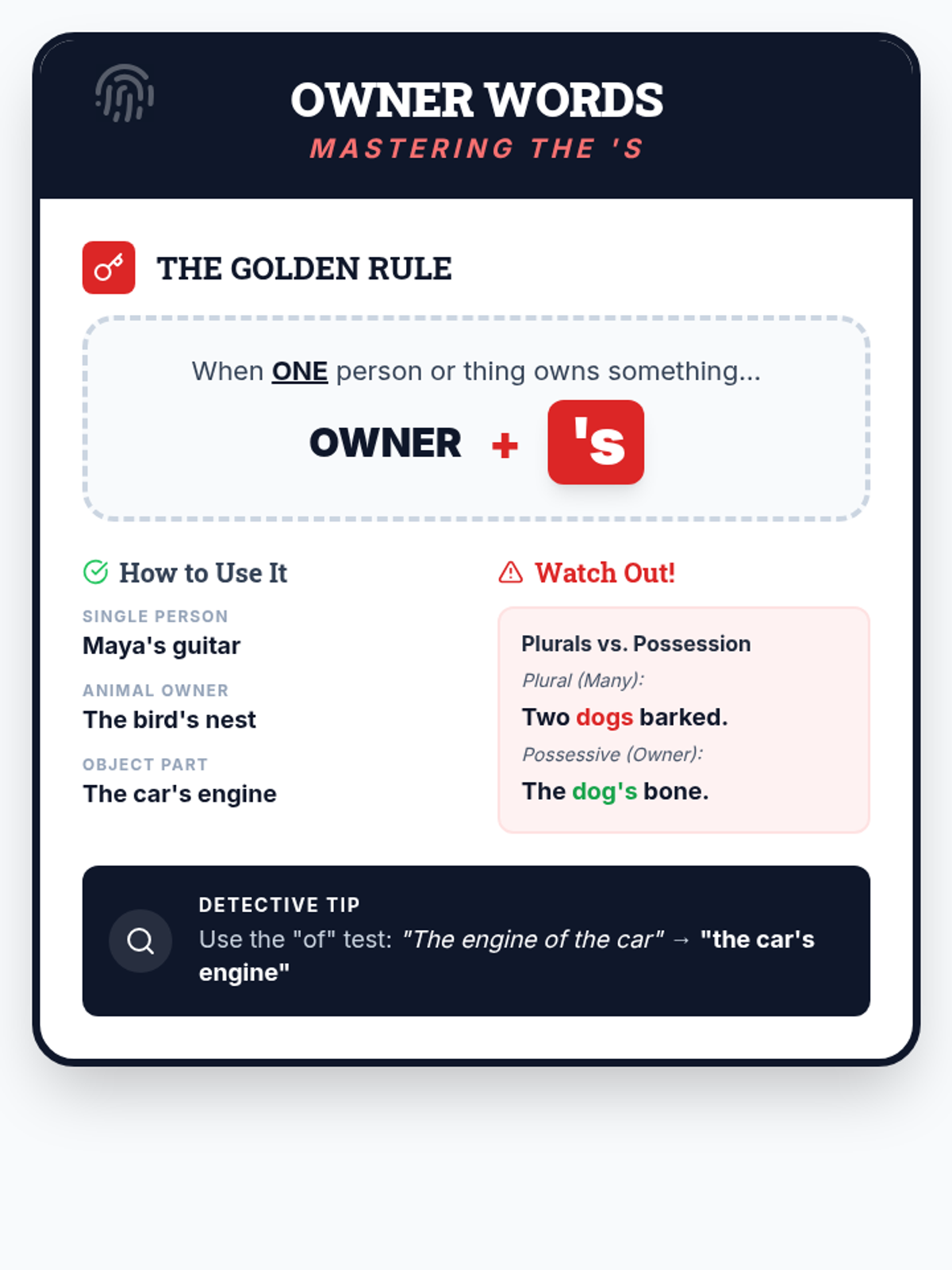
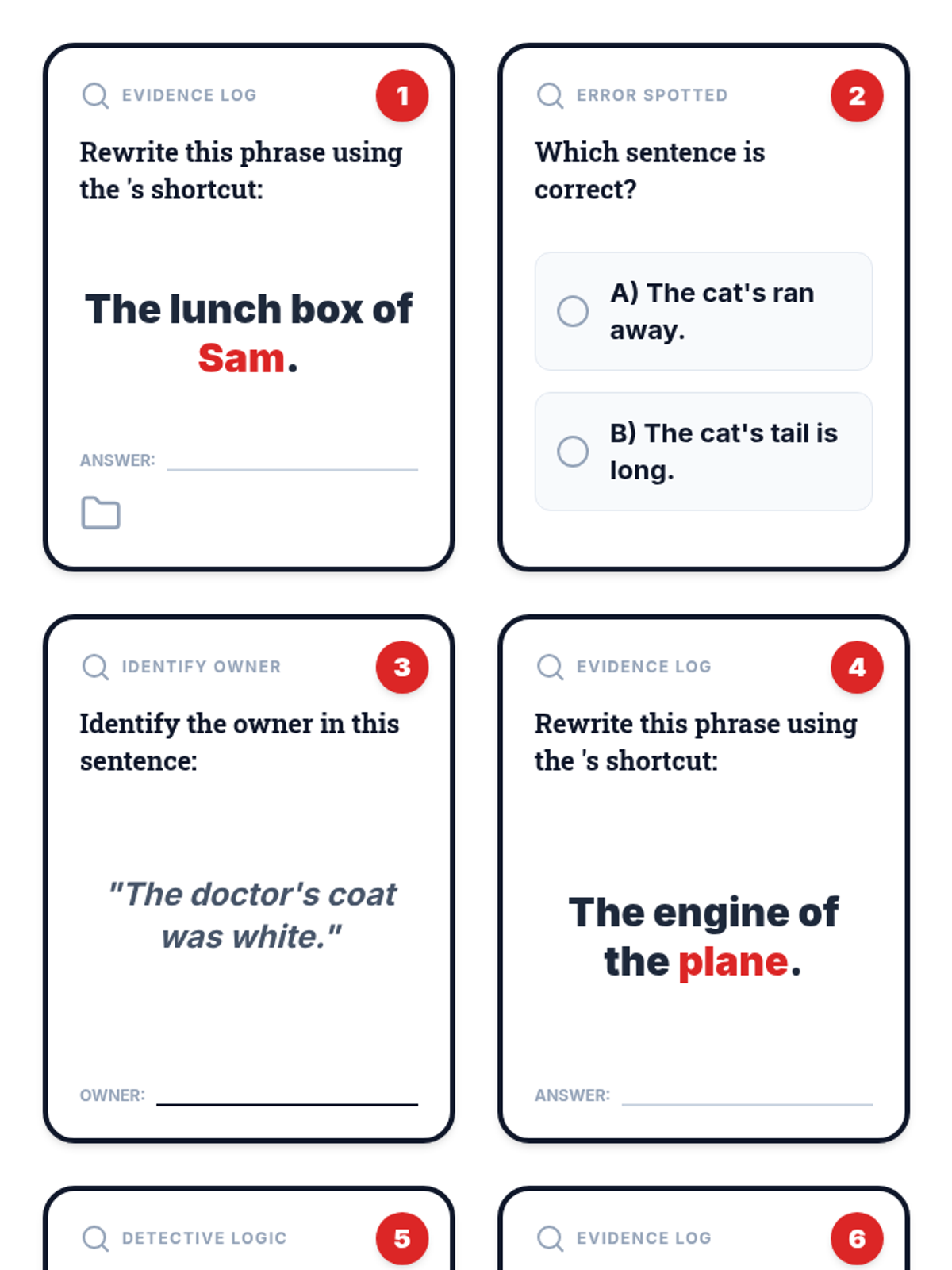
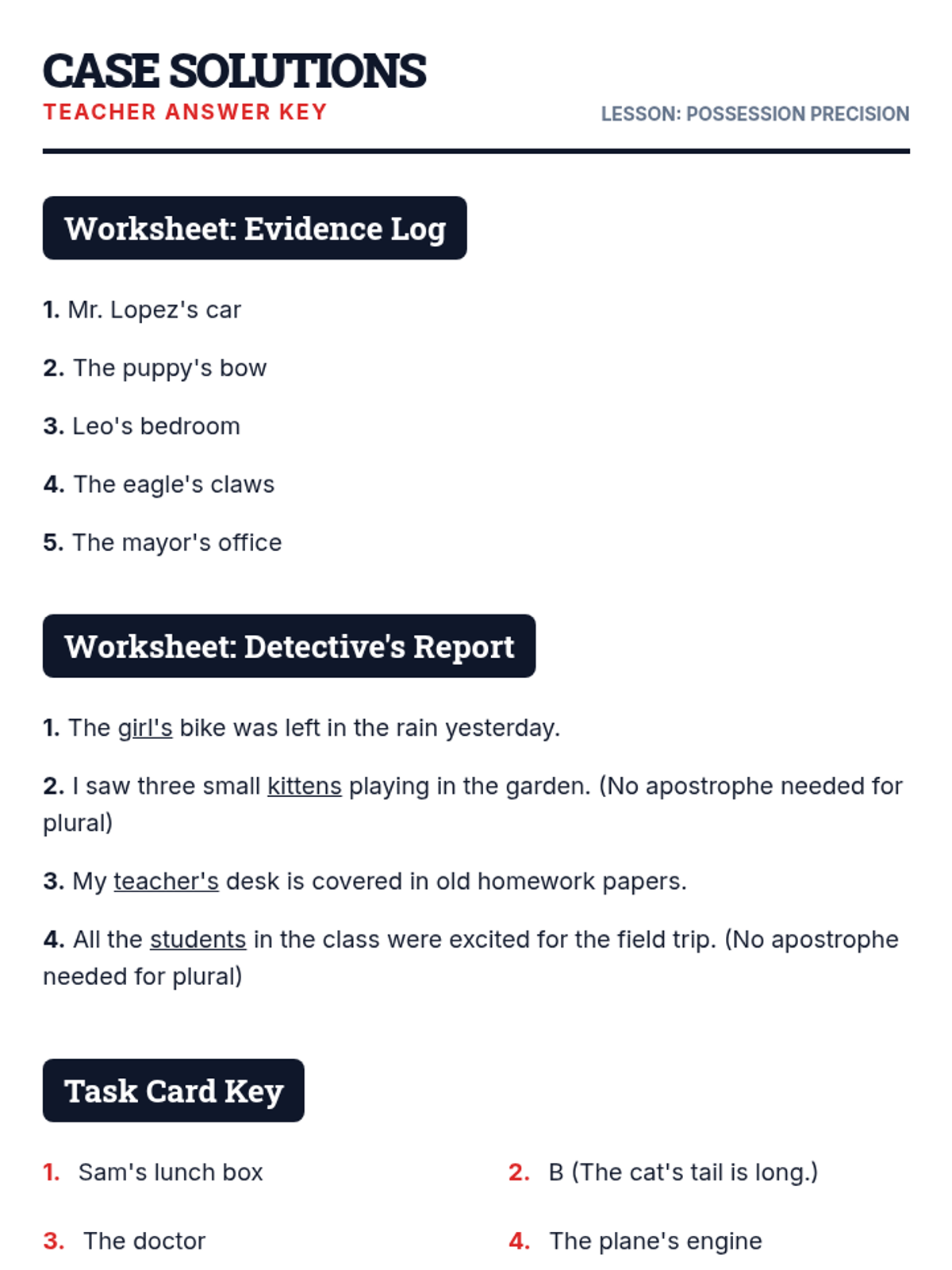
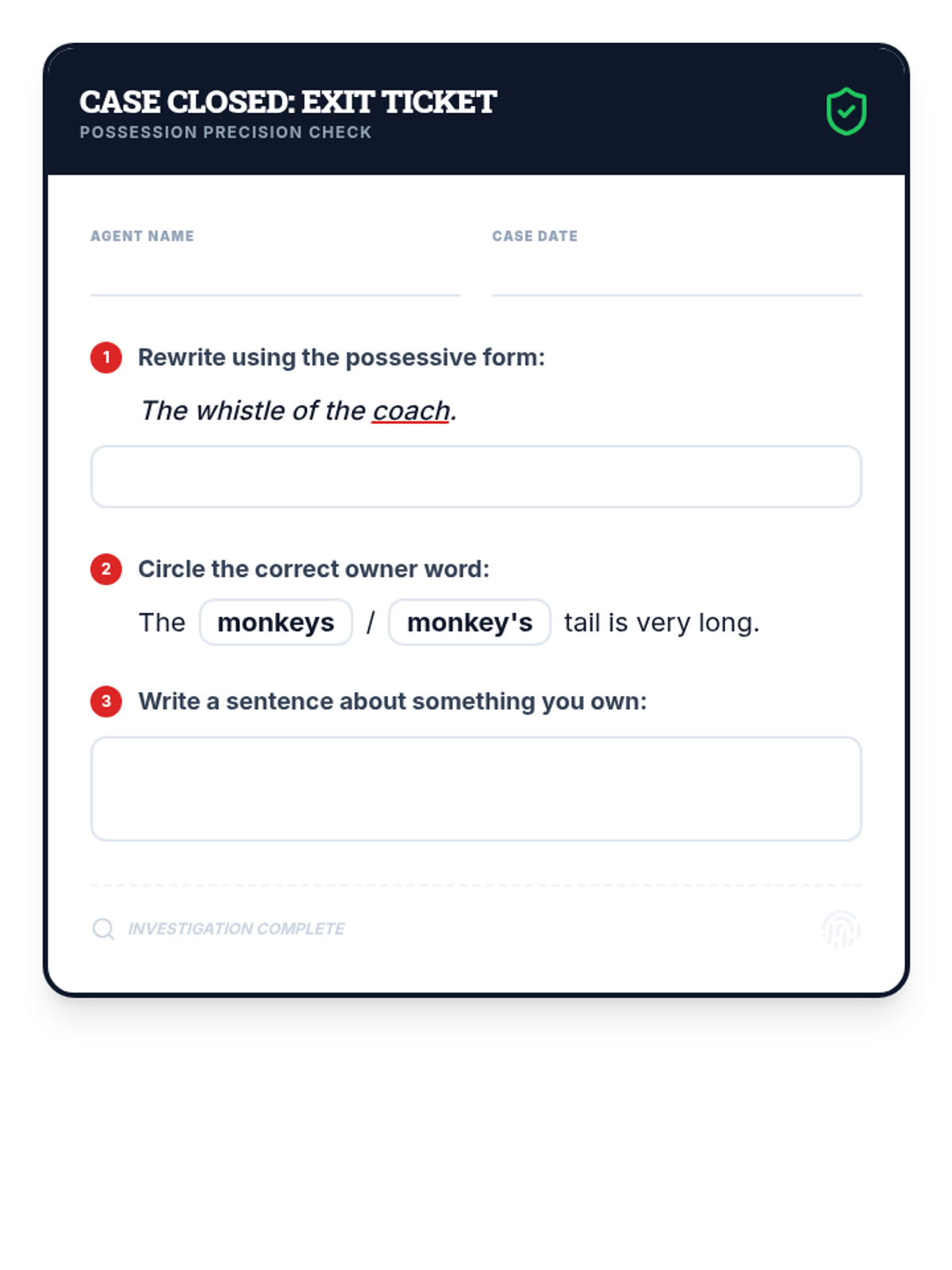
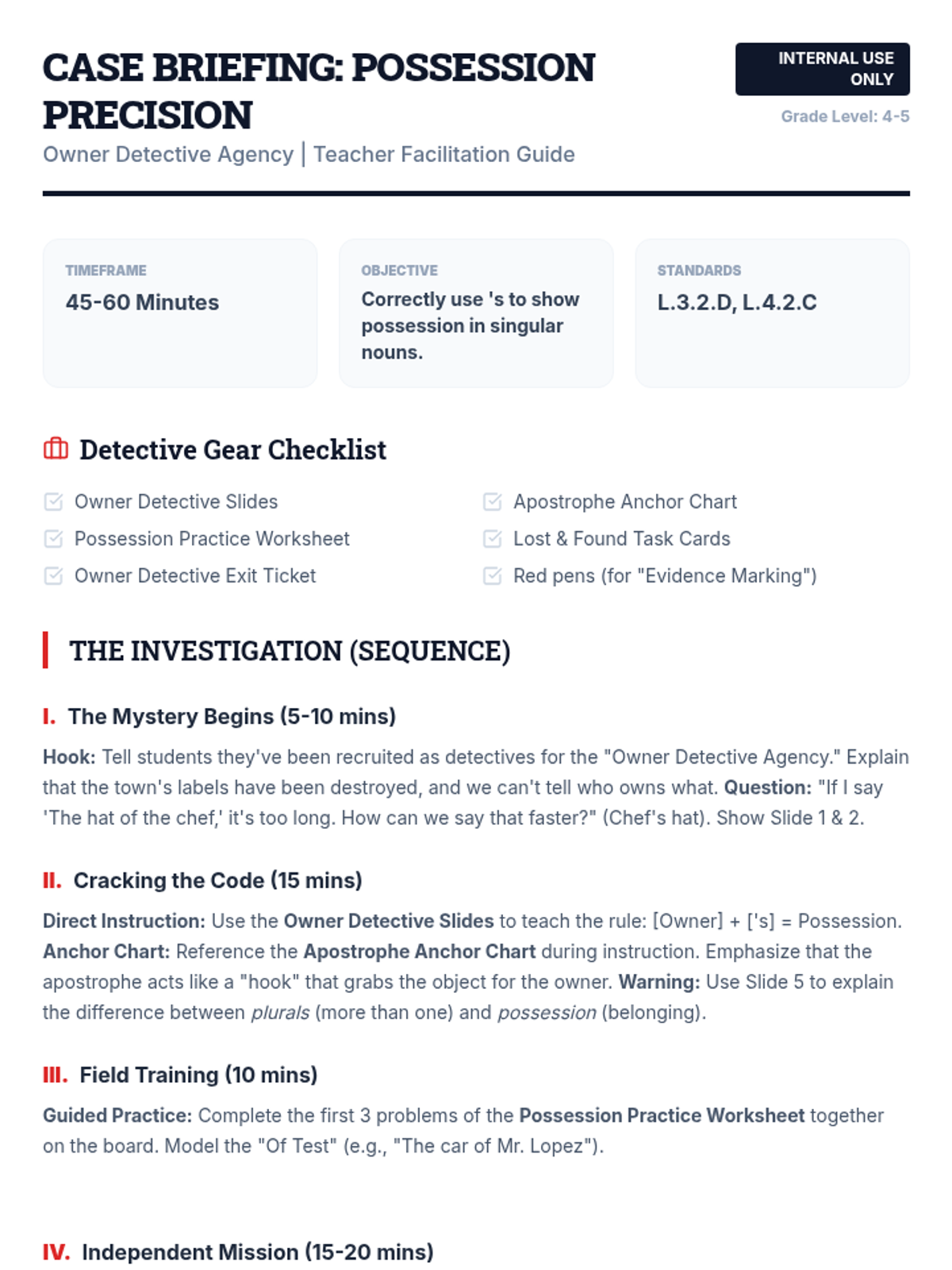
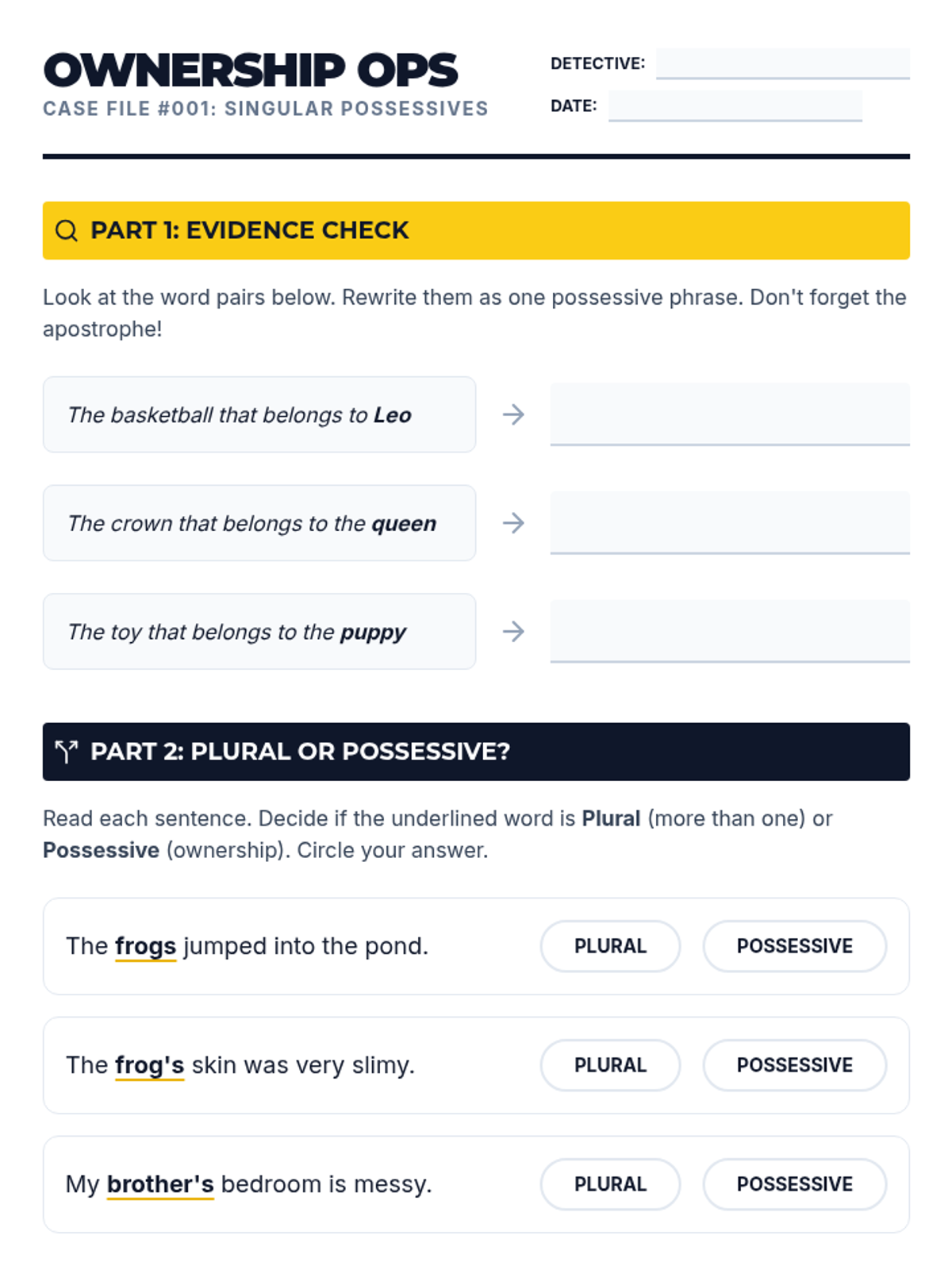
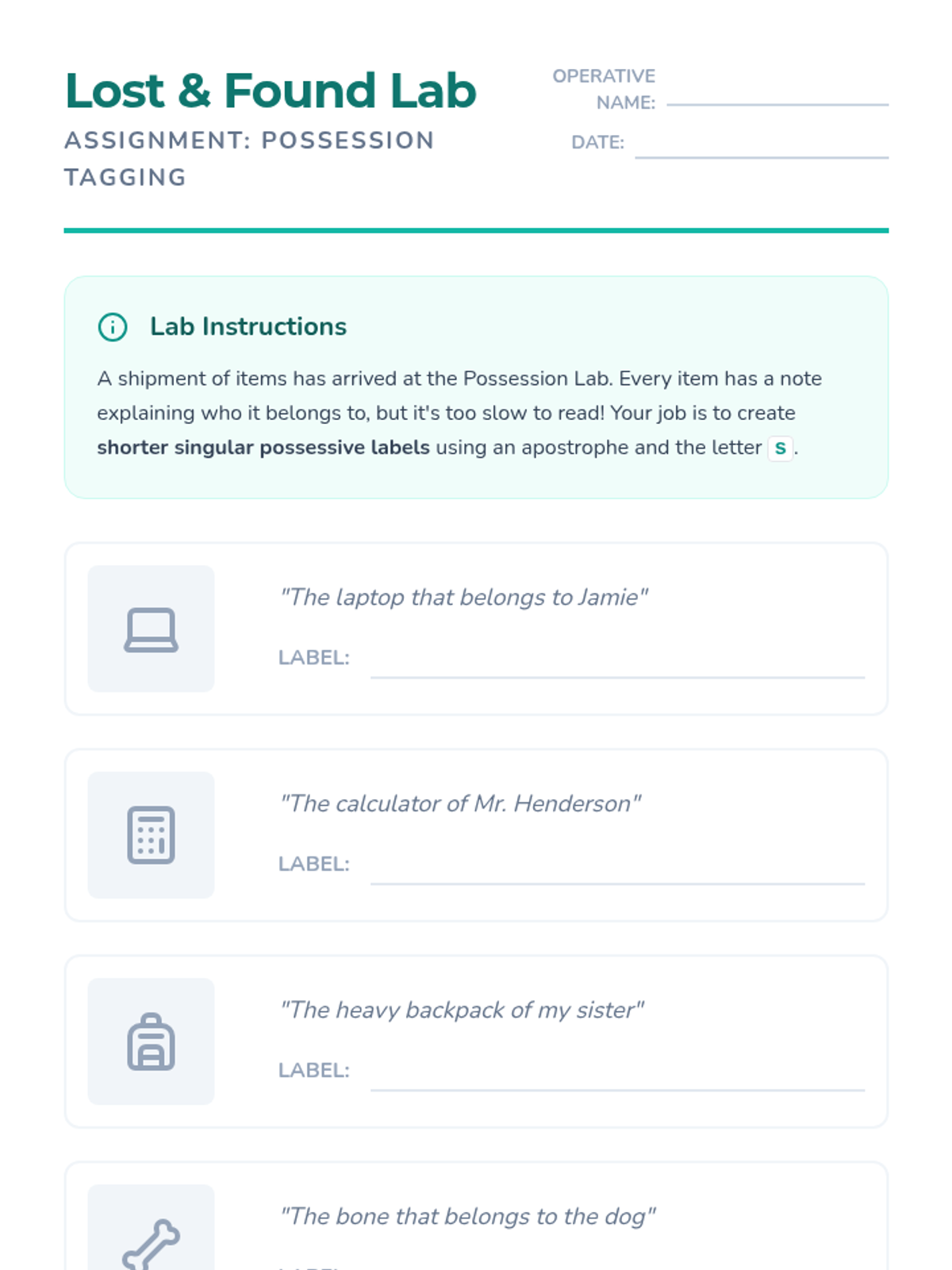
A unit focused on mastering possessive nouns through a detective-themed exploration of 'owner words' and the proper placement of apostrophes.
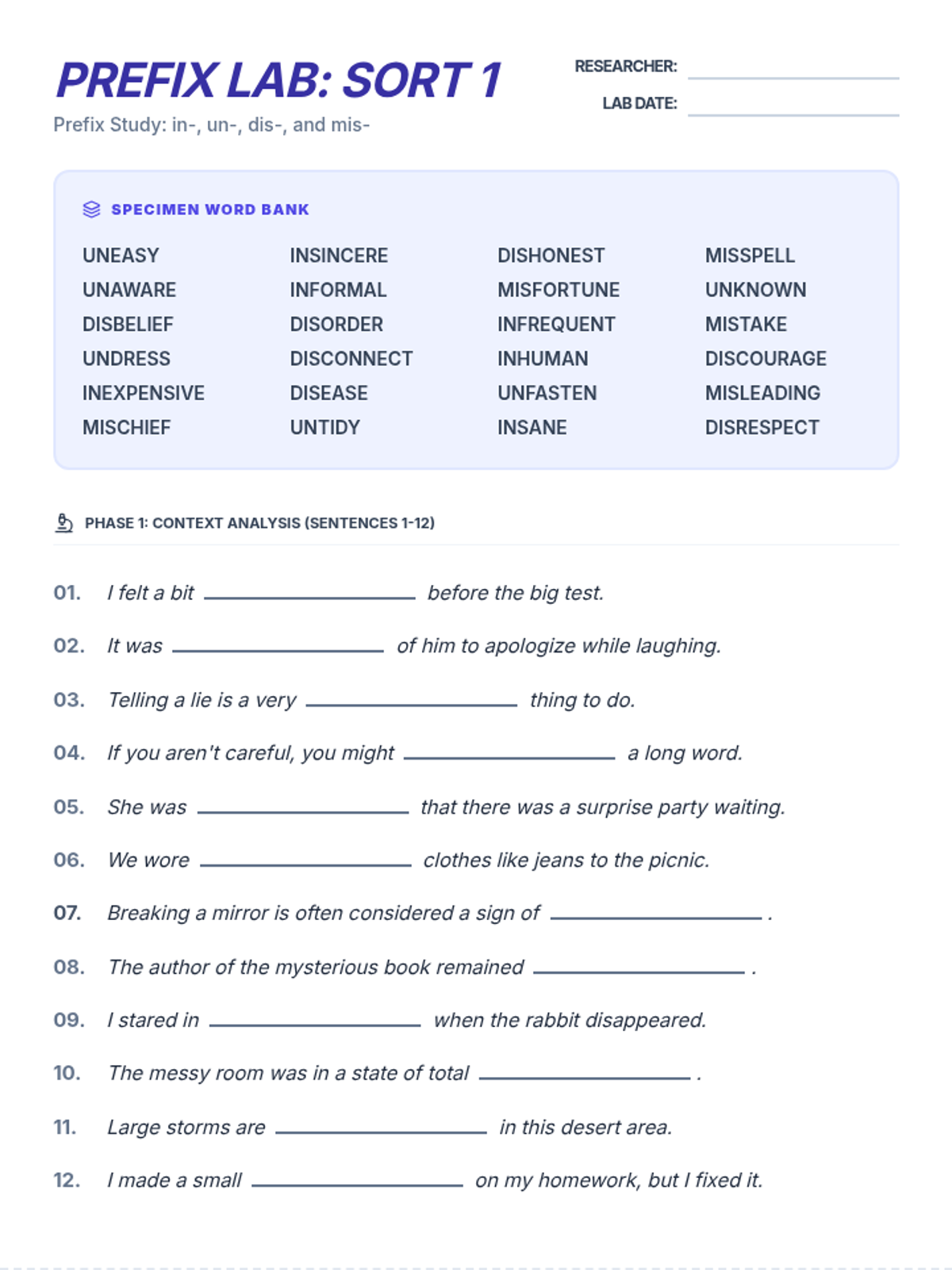
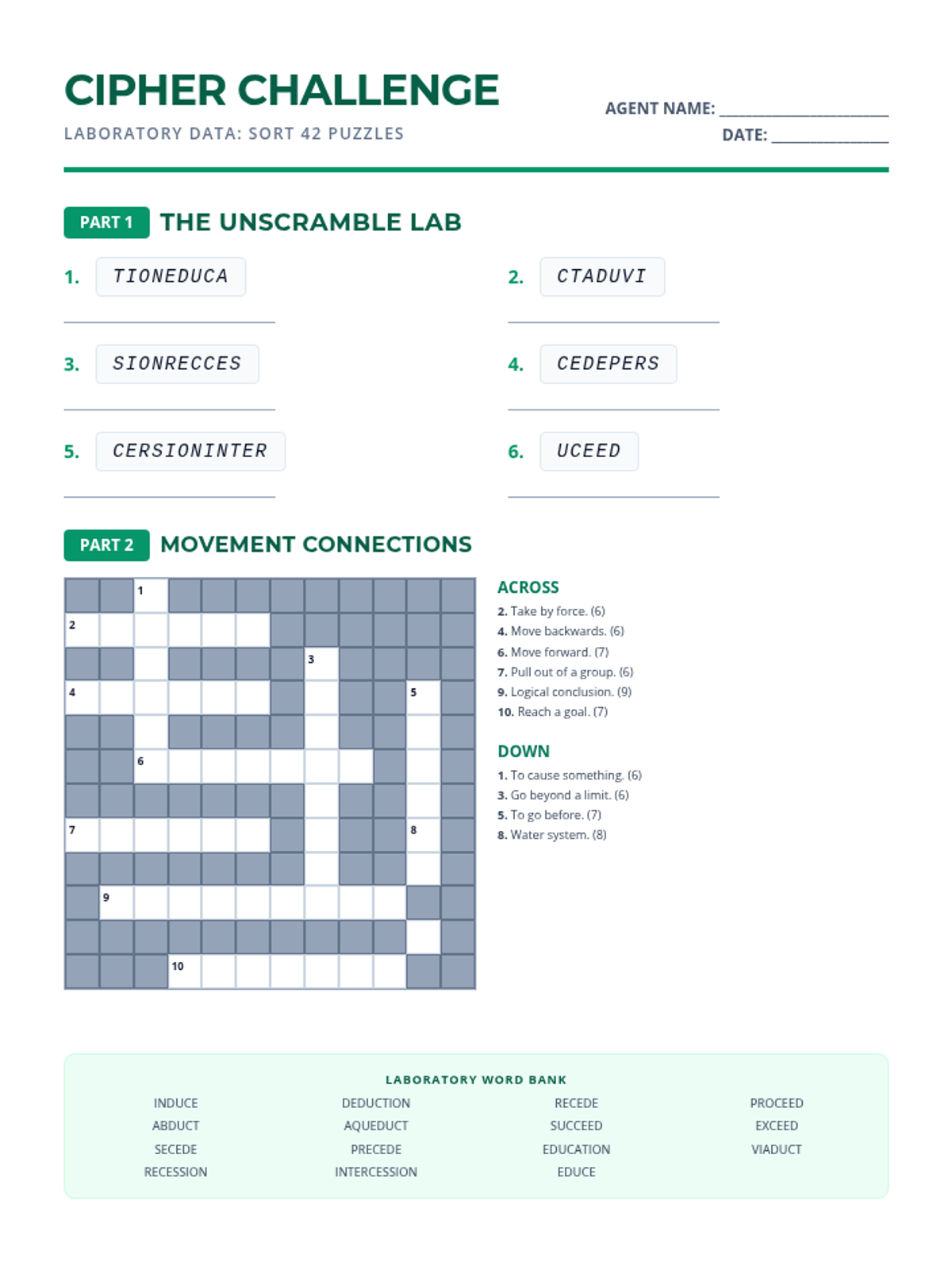
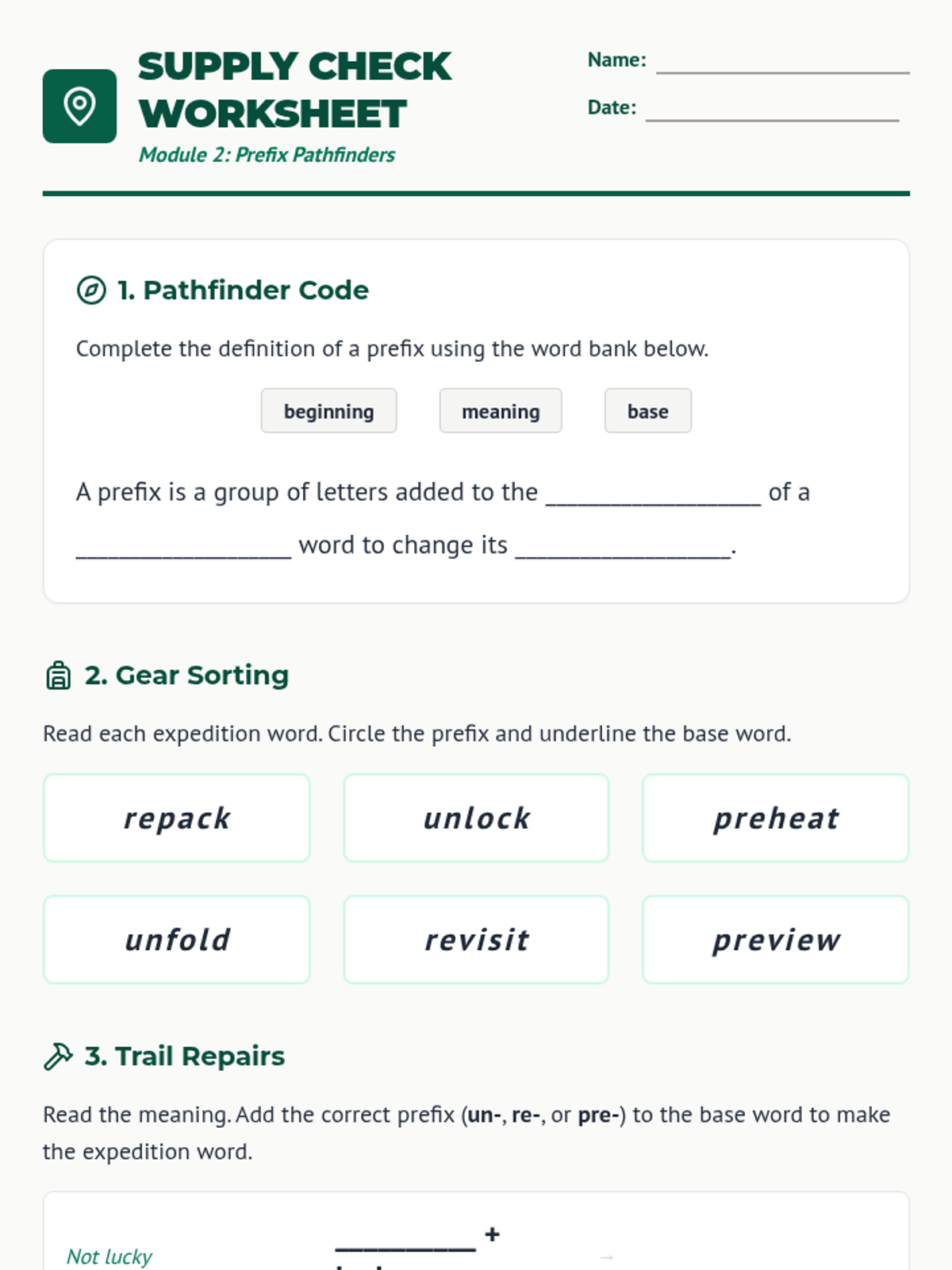
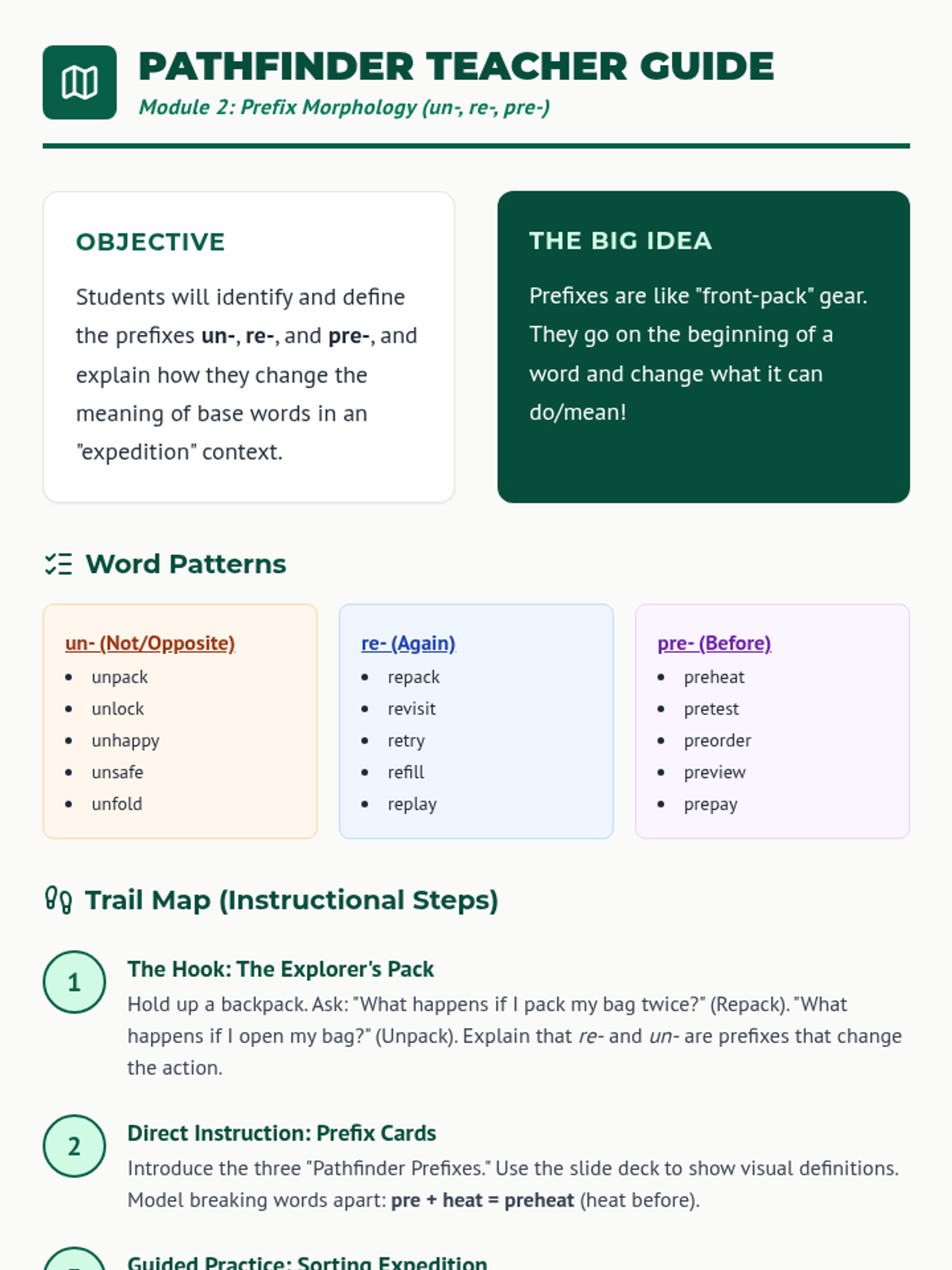
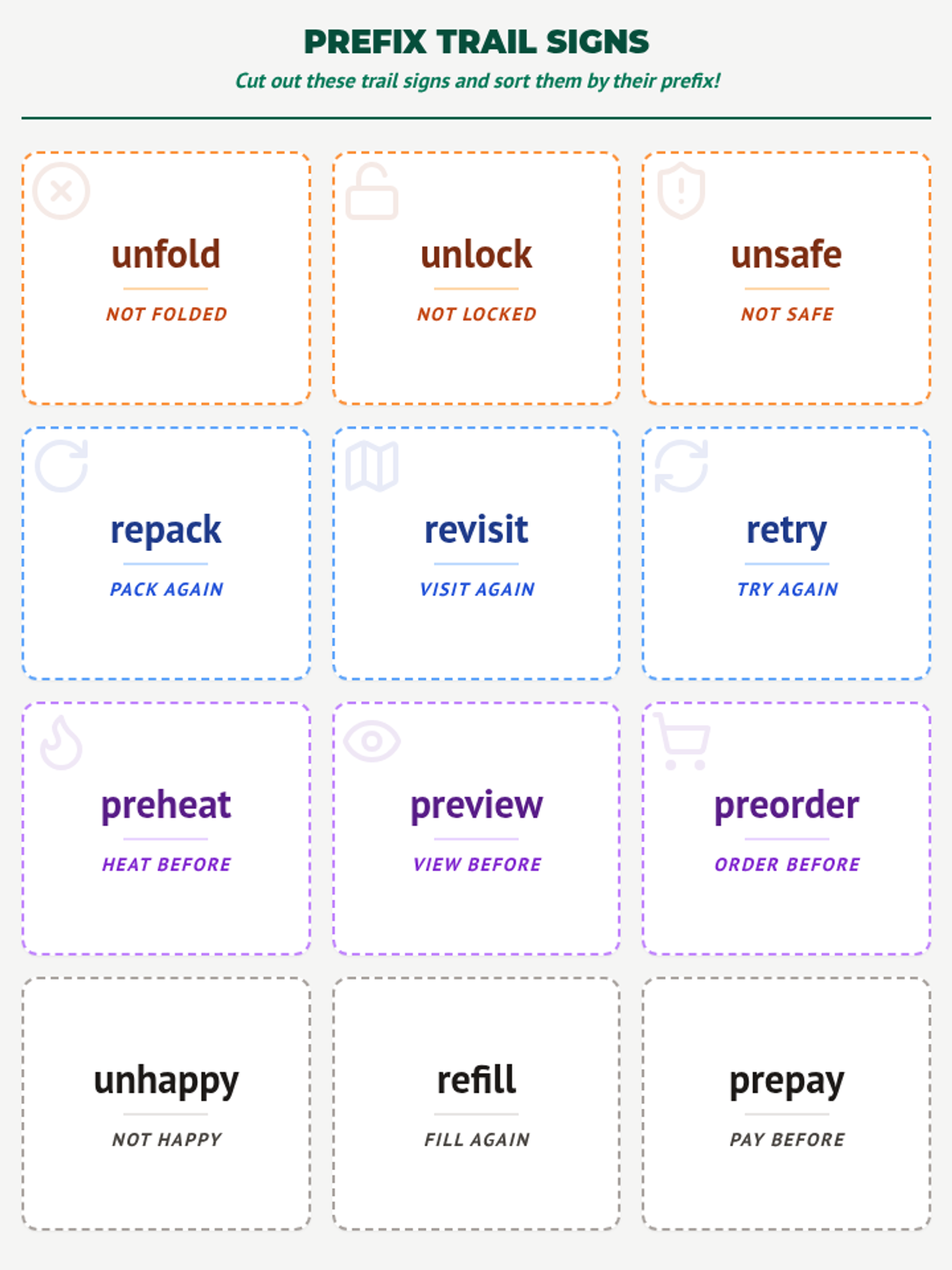
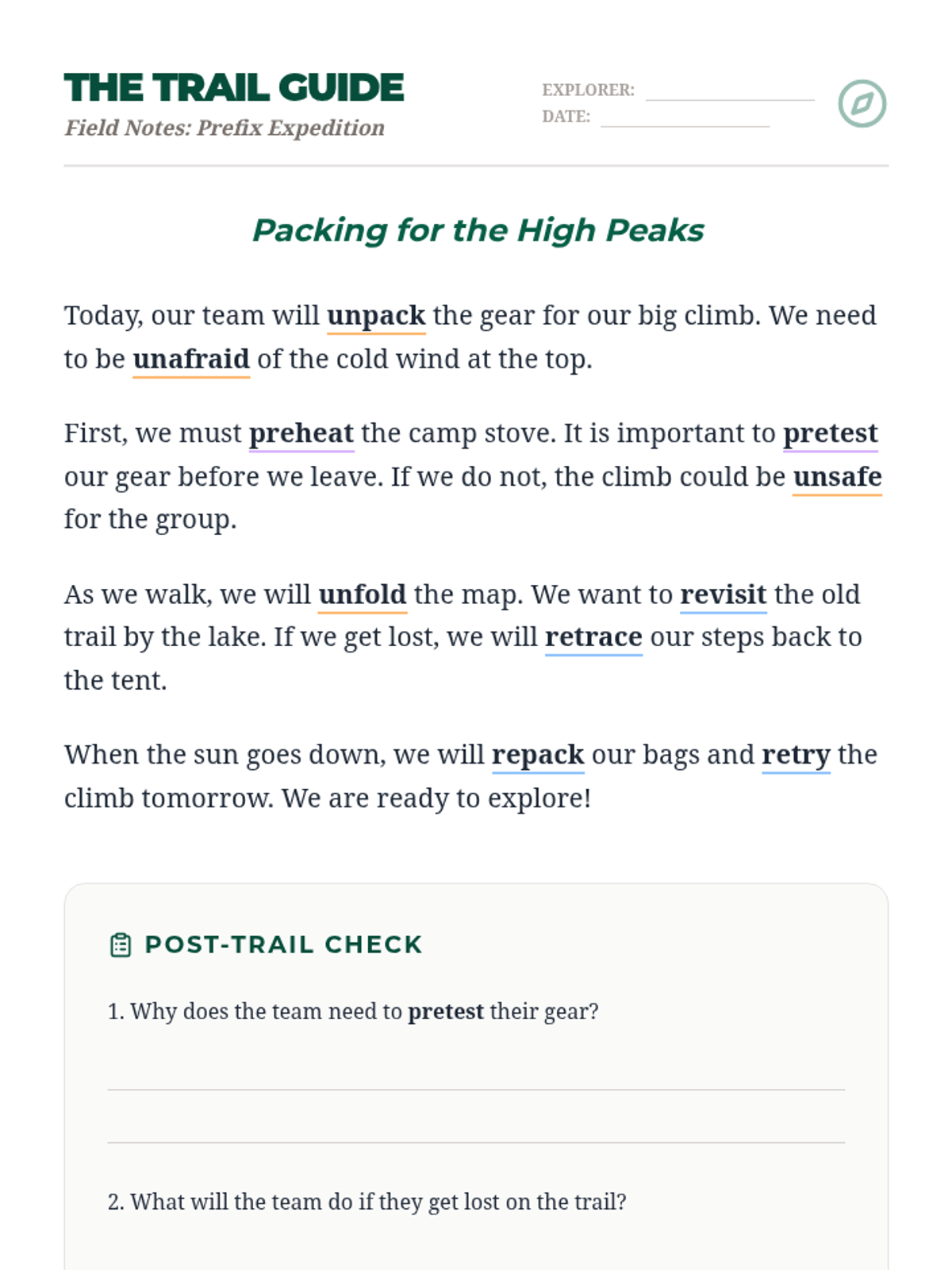
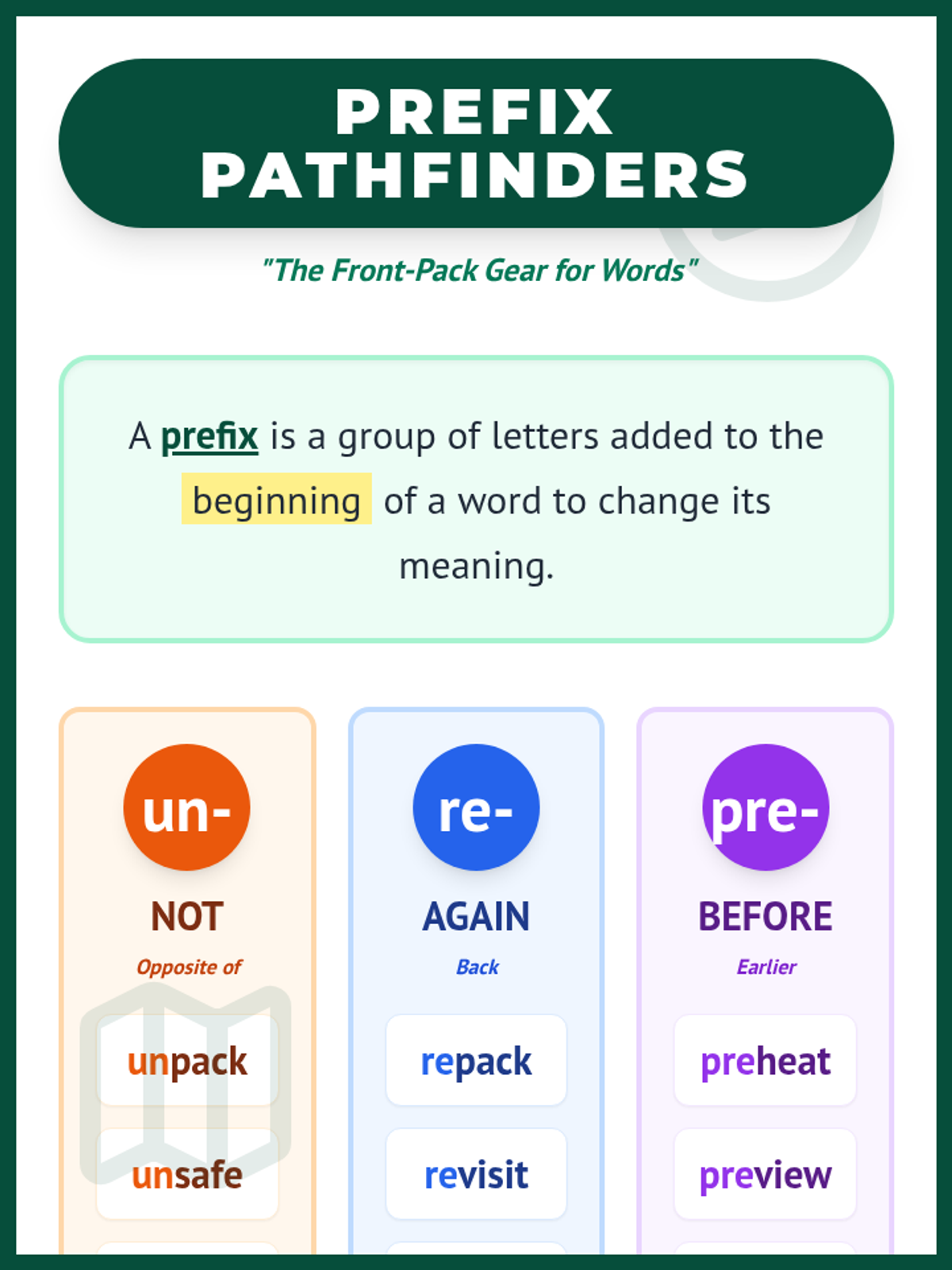
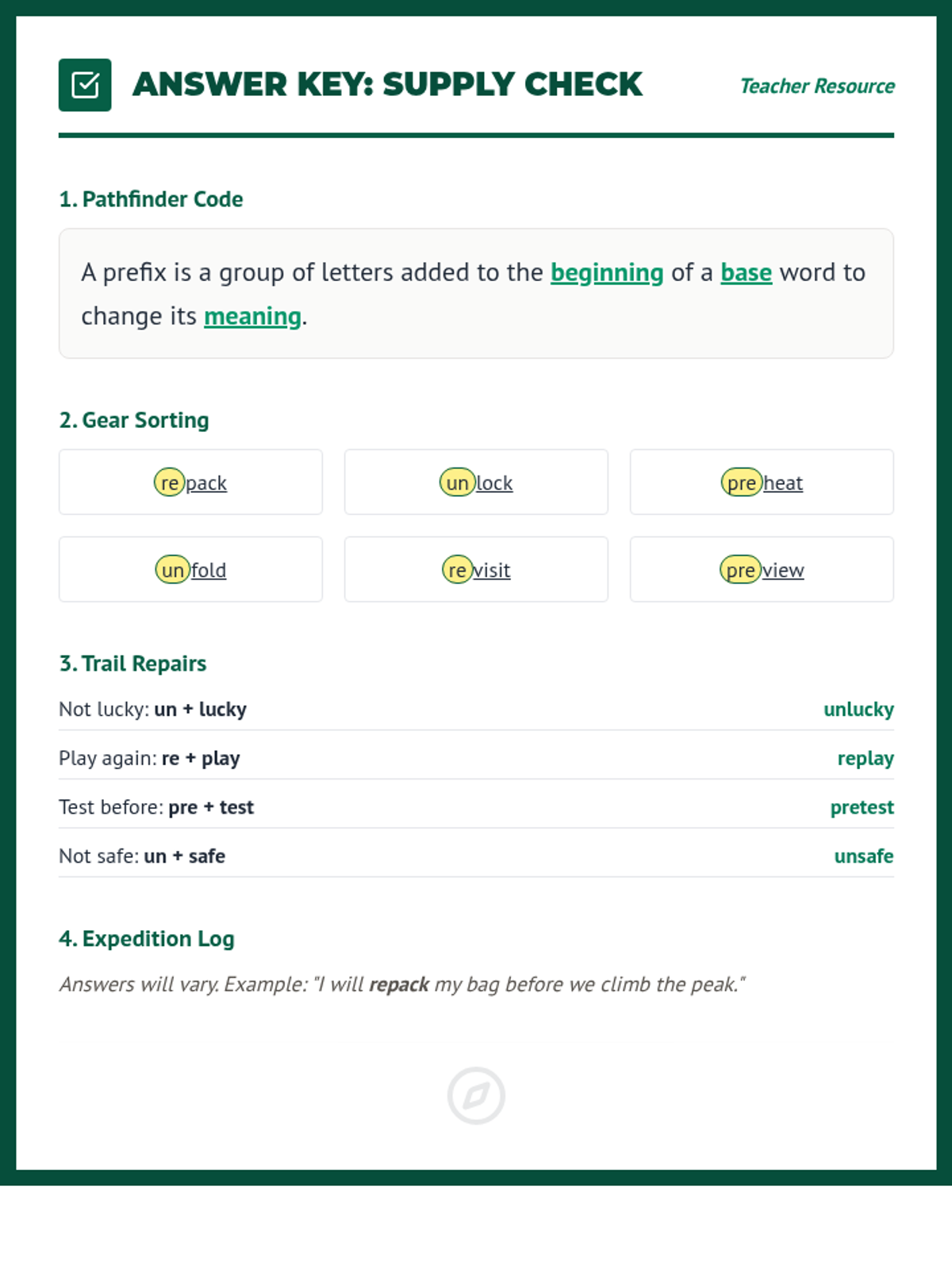
A series of prefix-focused labs designed to help students master common prefixes and suffixes through contextual application and logic puzzles.
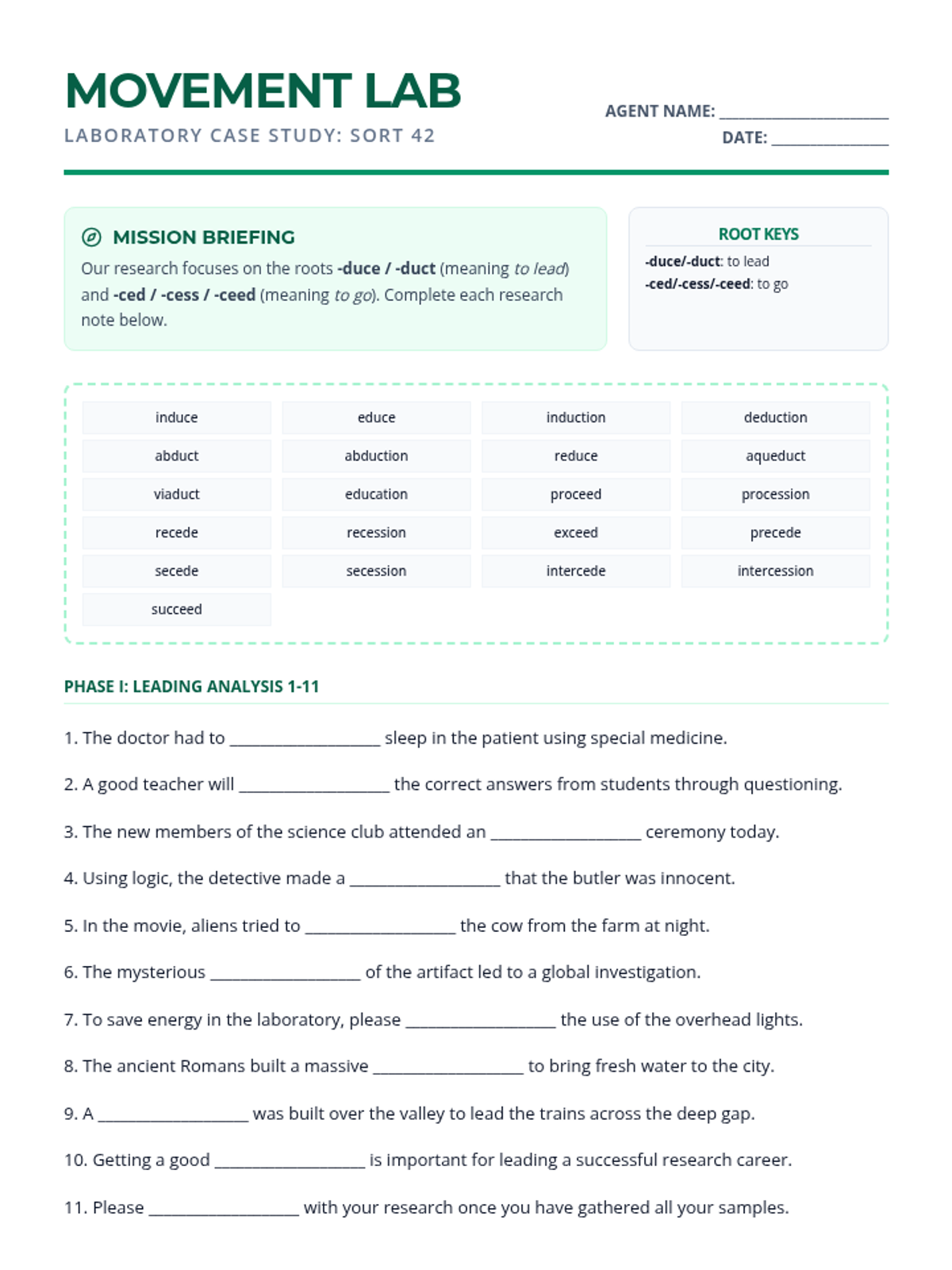
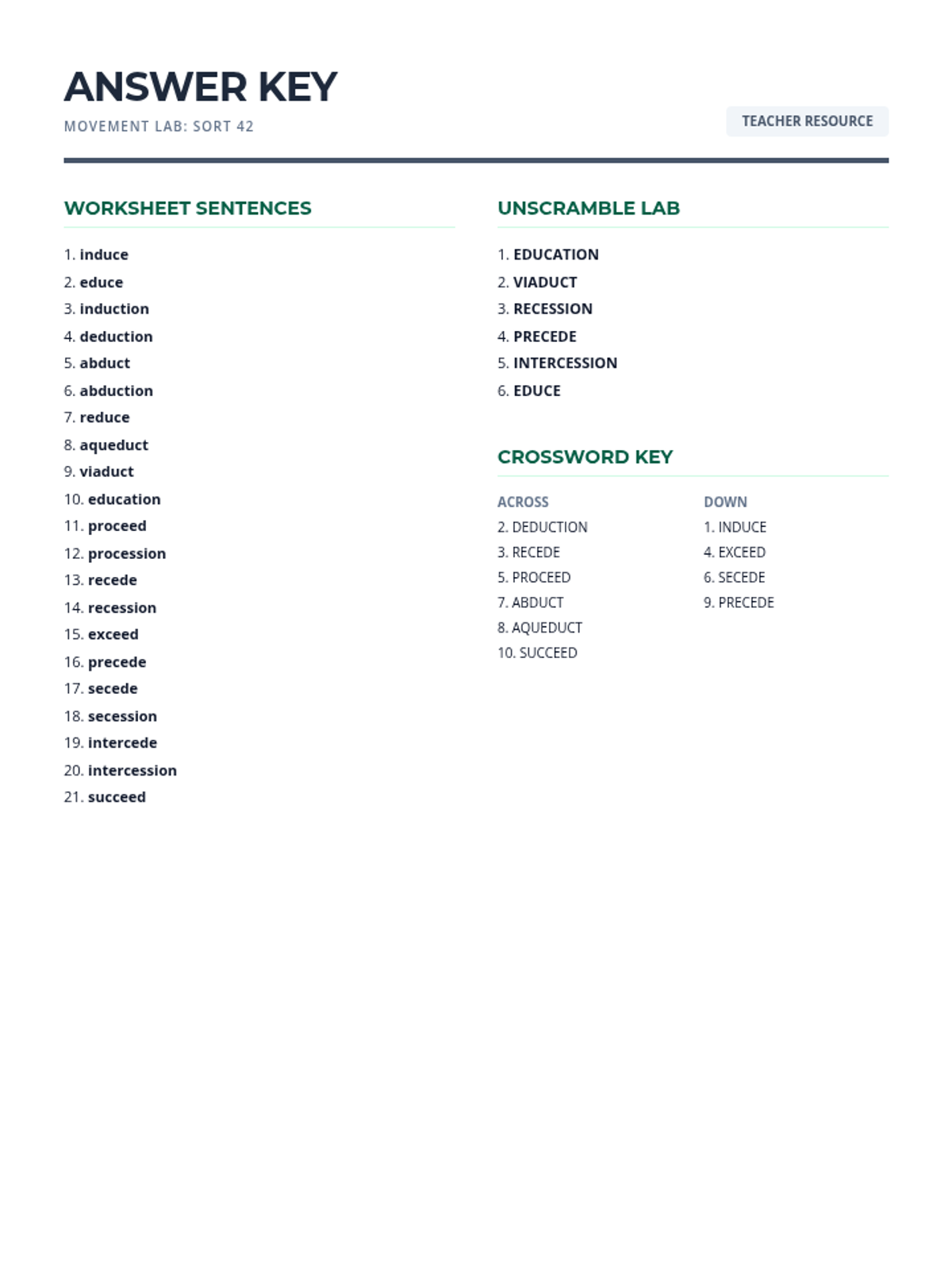
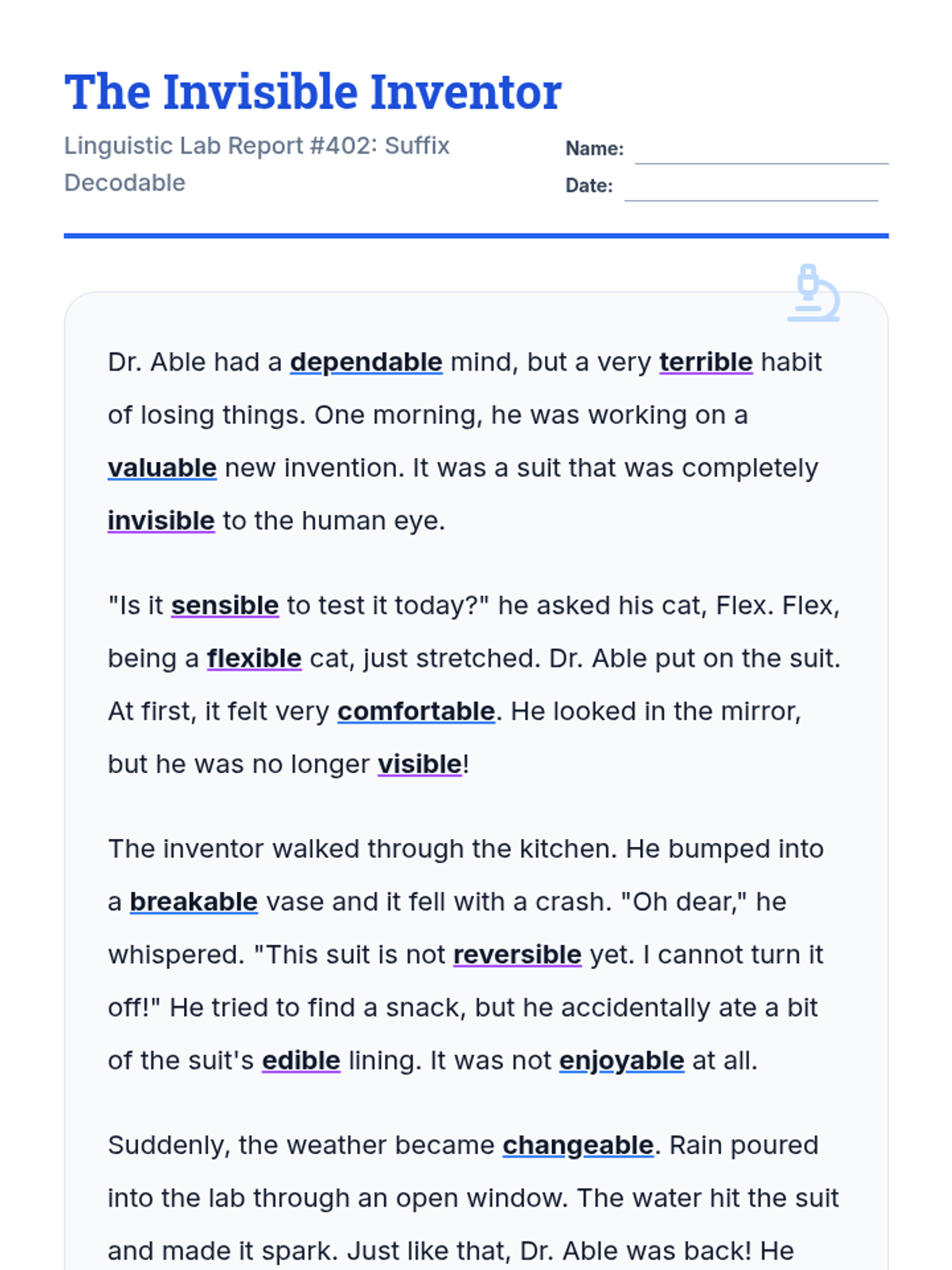
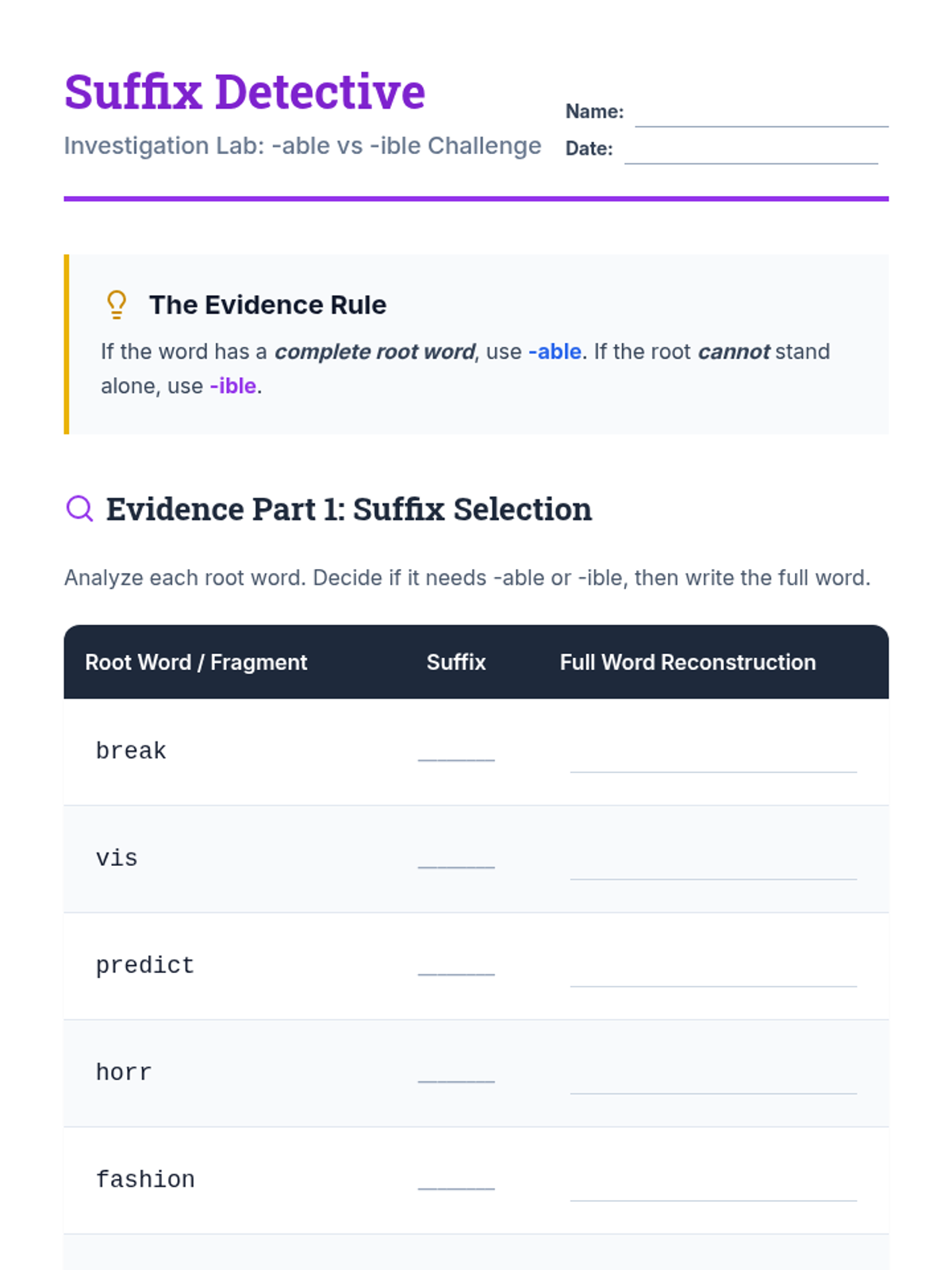
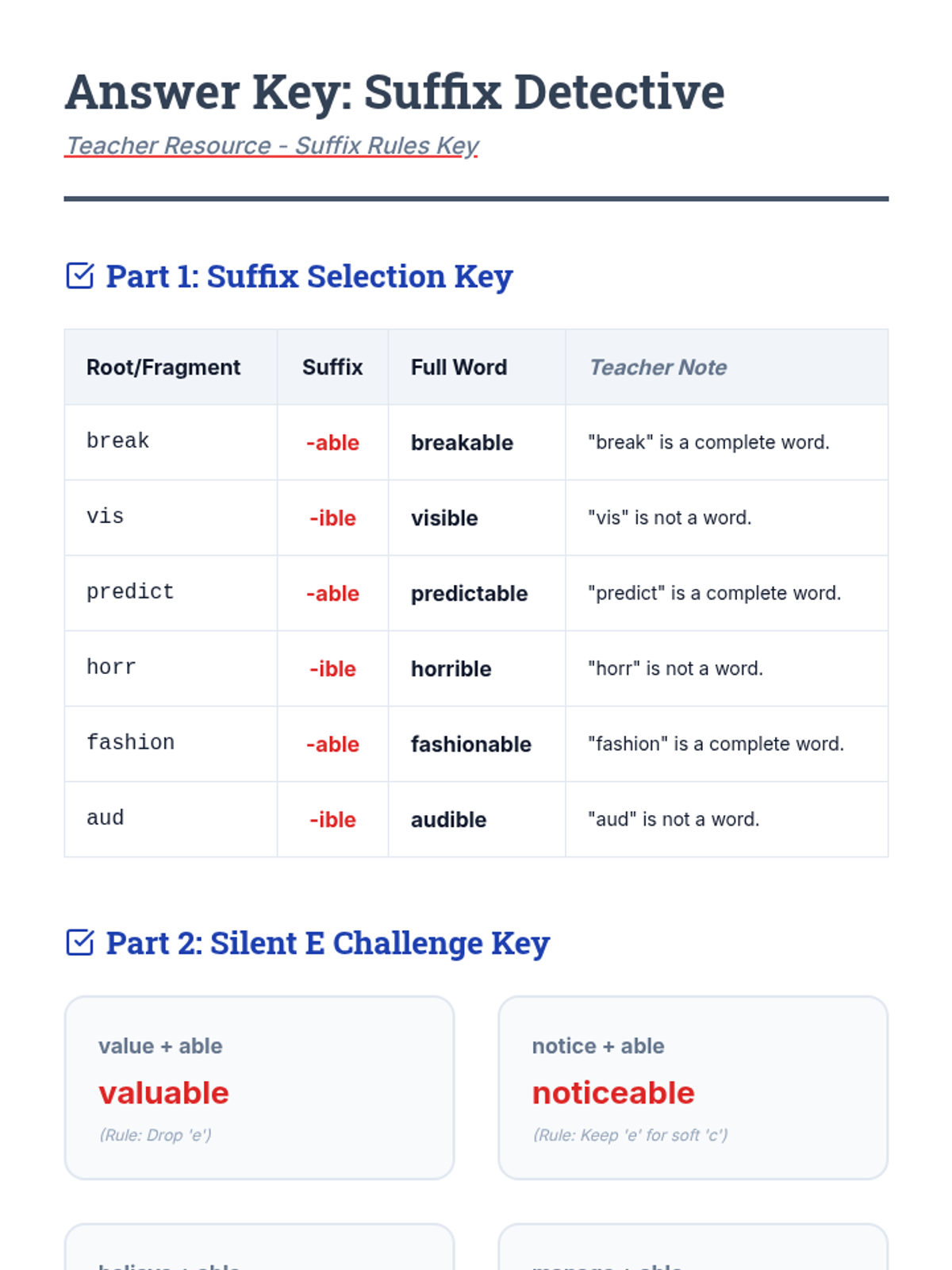
A series of vocabulary labs focusing on derivational relations, roots, and suffixes for fourth-grade students. Each lab includes sentence analysis, puzzle-solving, and logic challenges.
A series of five "Do Now" slide decks for Grade 4 RLA, focusing on revising and editing skills aligned with TEKS 4.11. Each deck provides quick, timed practice sessions with original passages and multiple-choice questions.
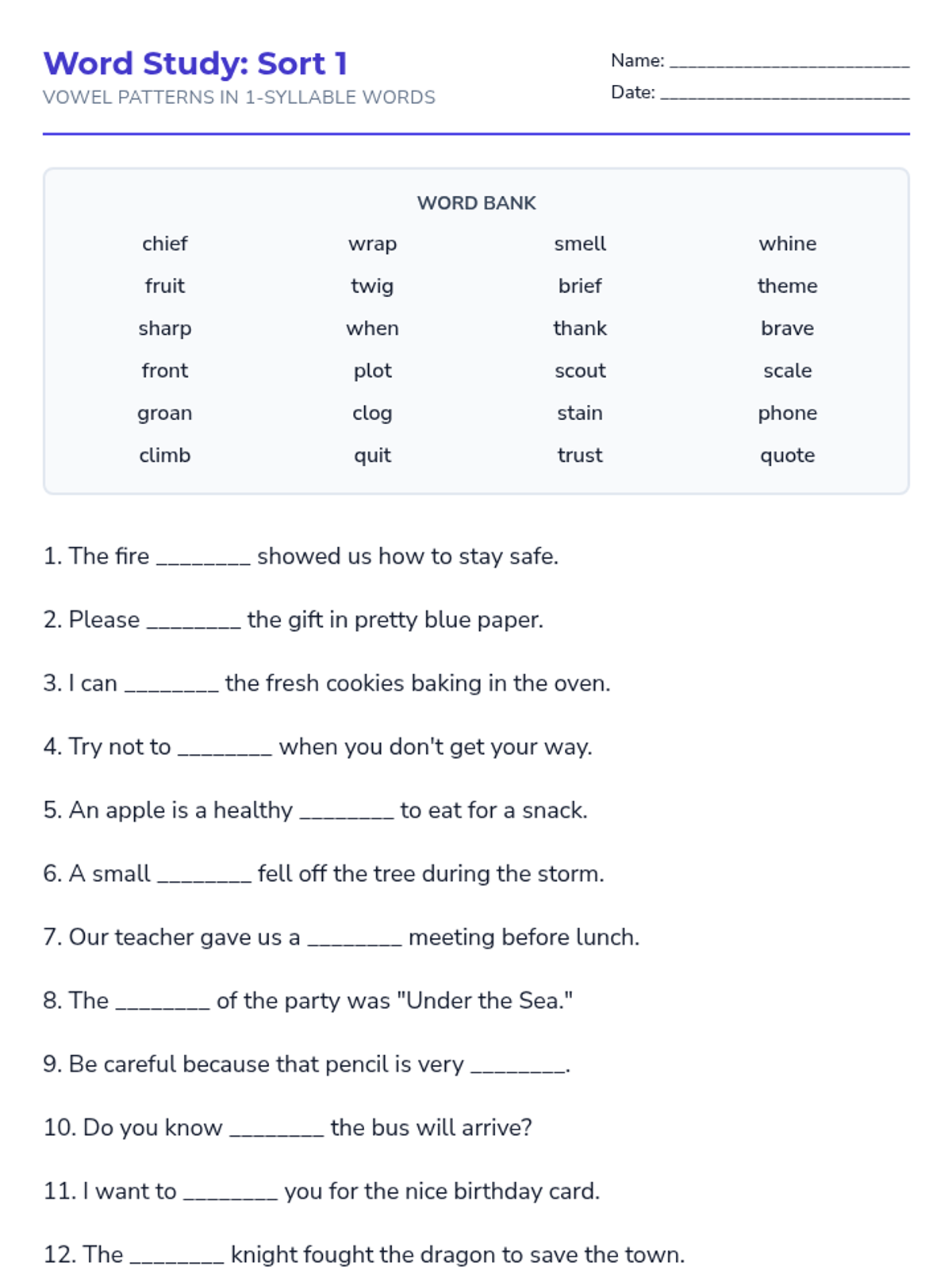
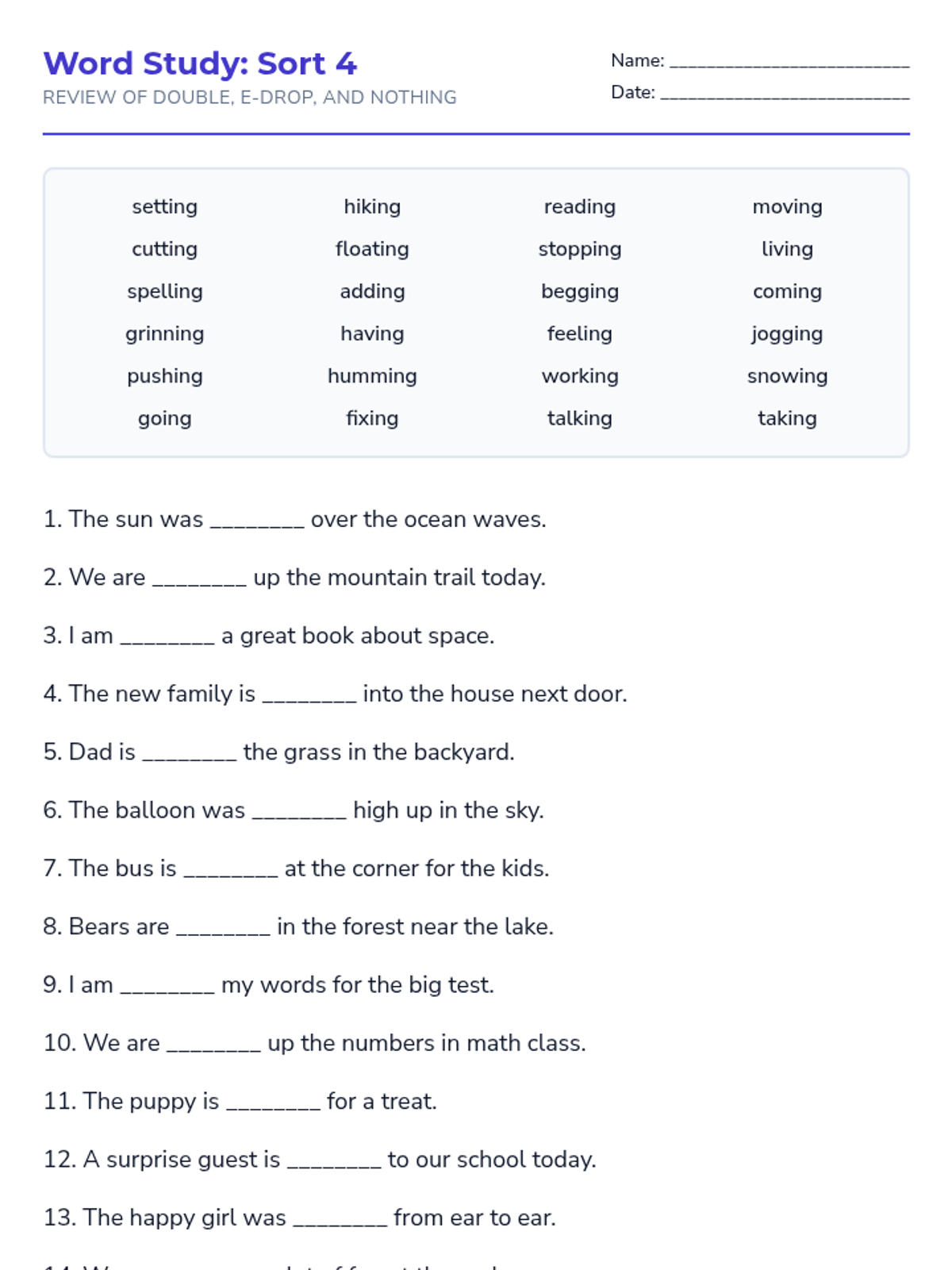
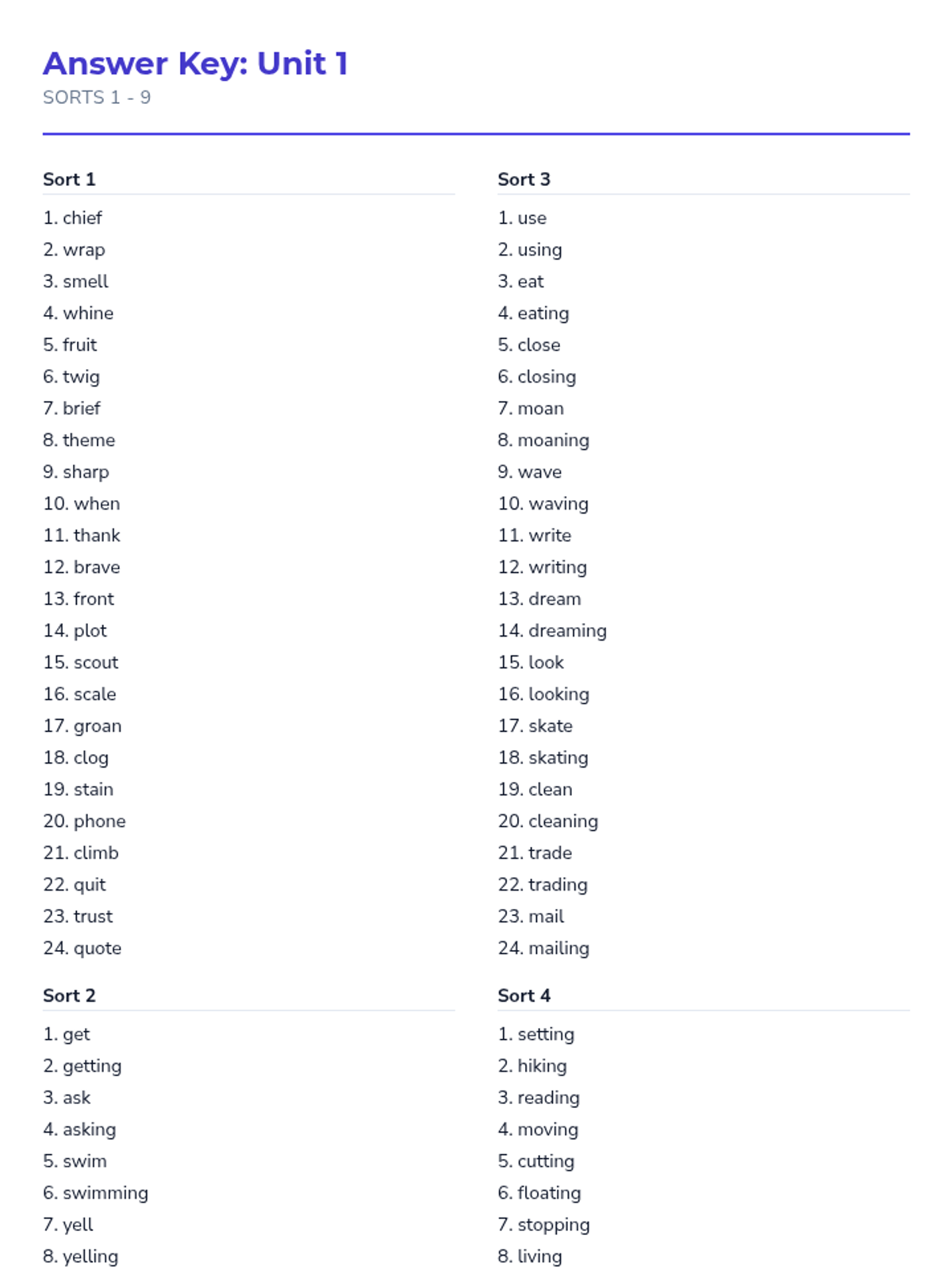
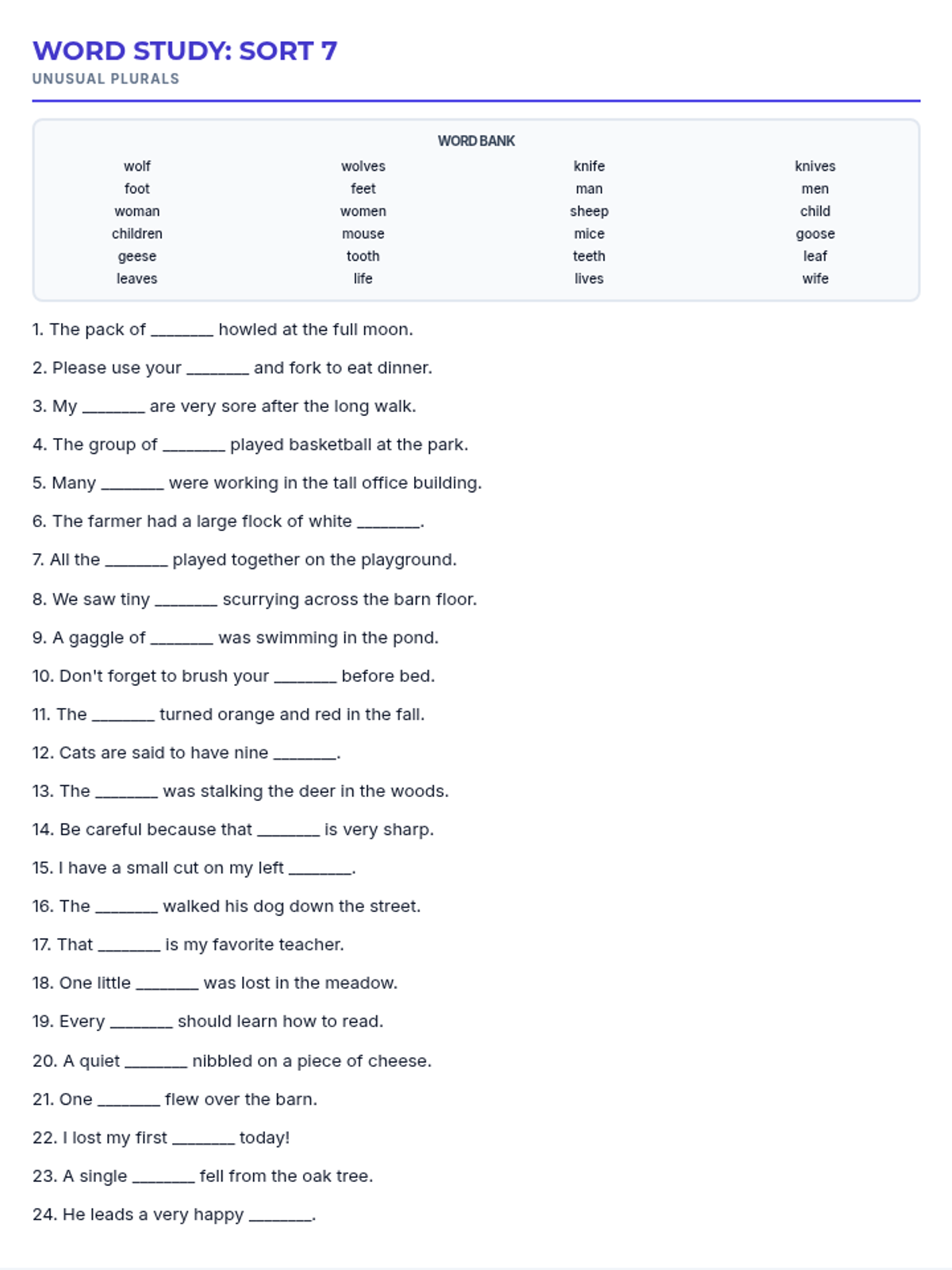
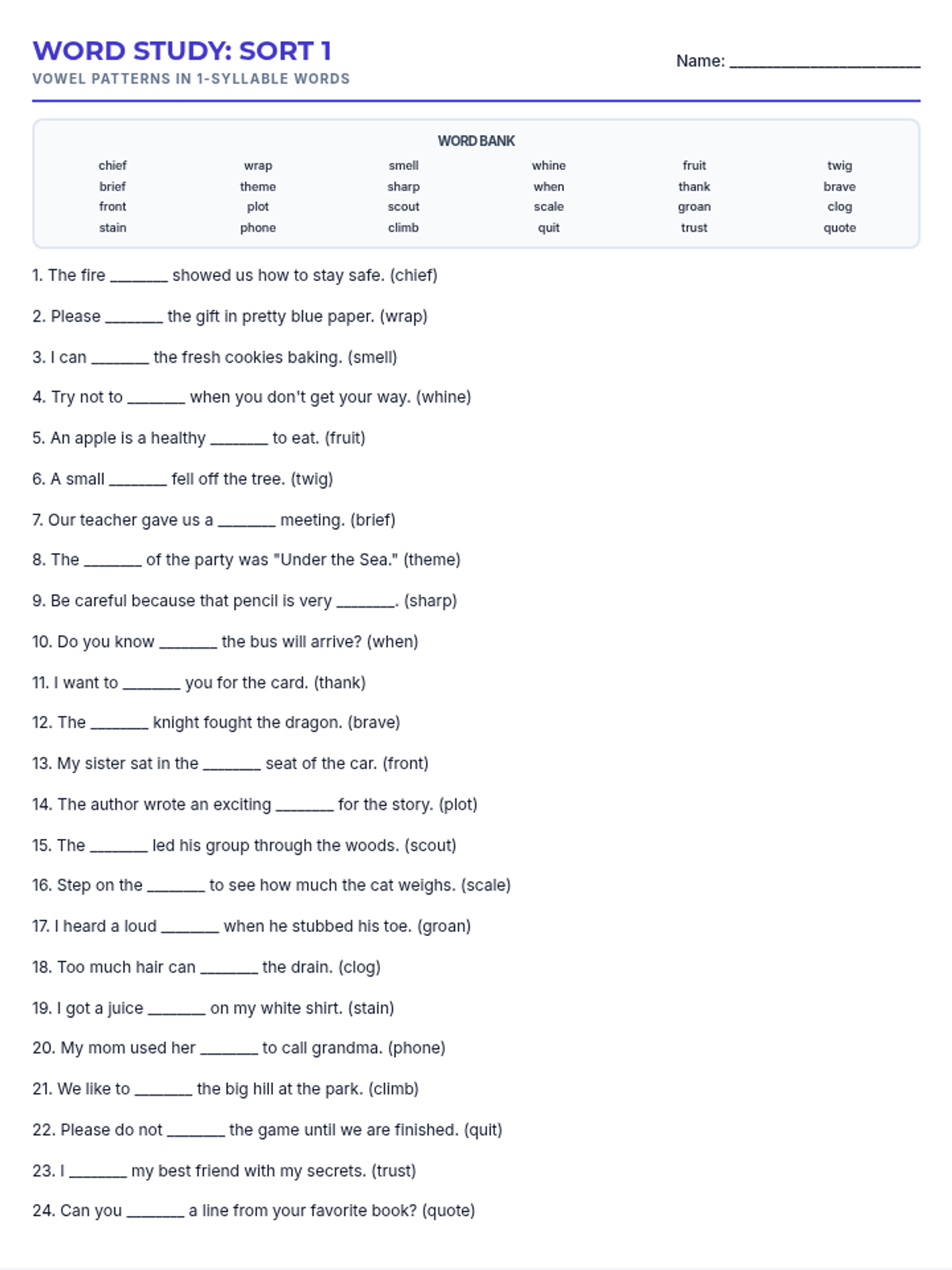
A comprehensive collection of 56 word study sorts for 4th-grade students, covering everything from basic vowel patterns and inflected endings to advanced syllable junctures, prefixes, and suffixes.
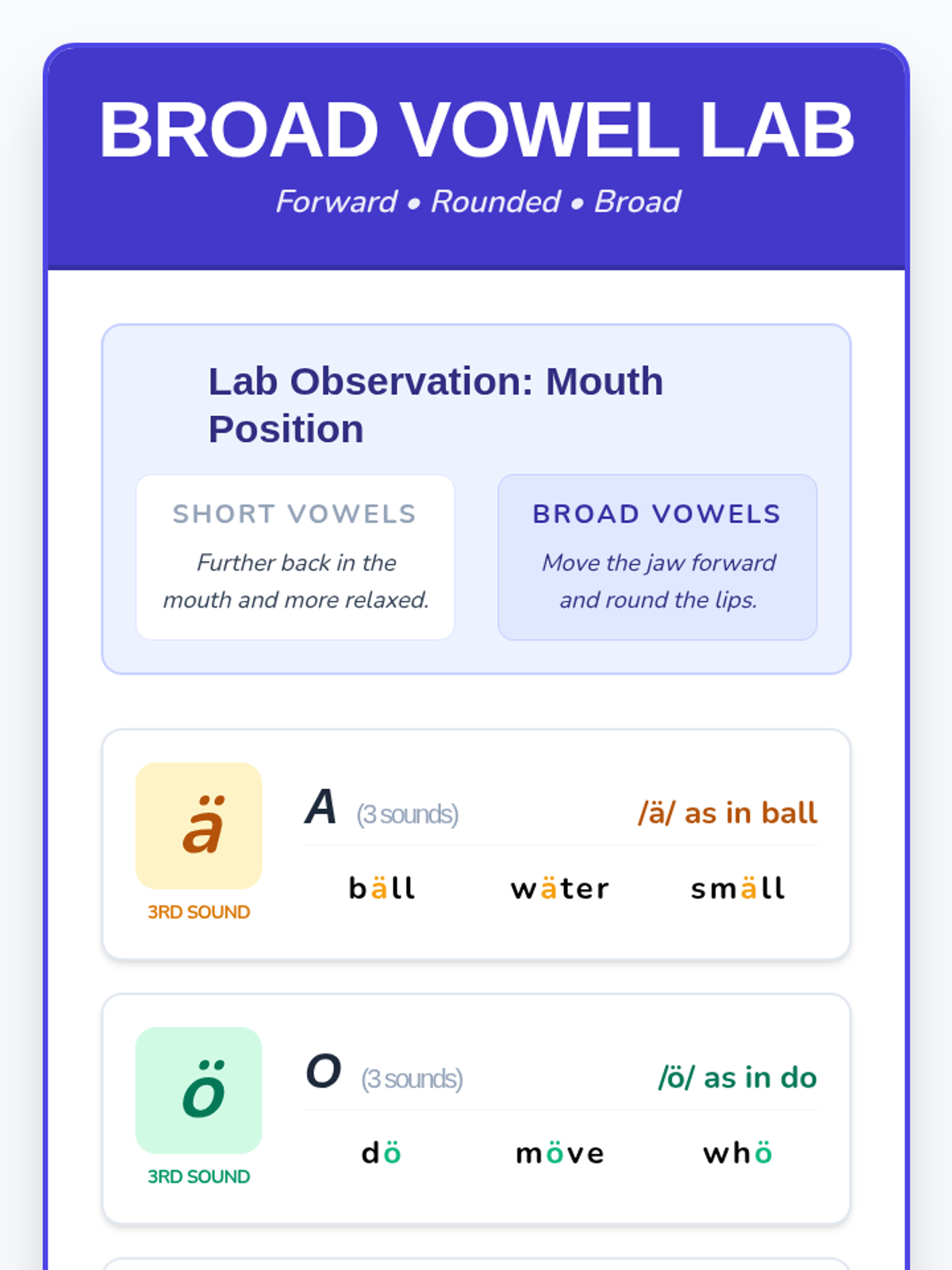
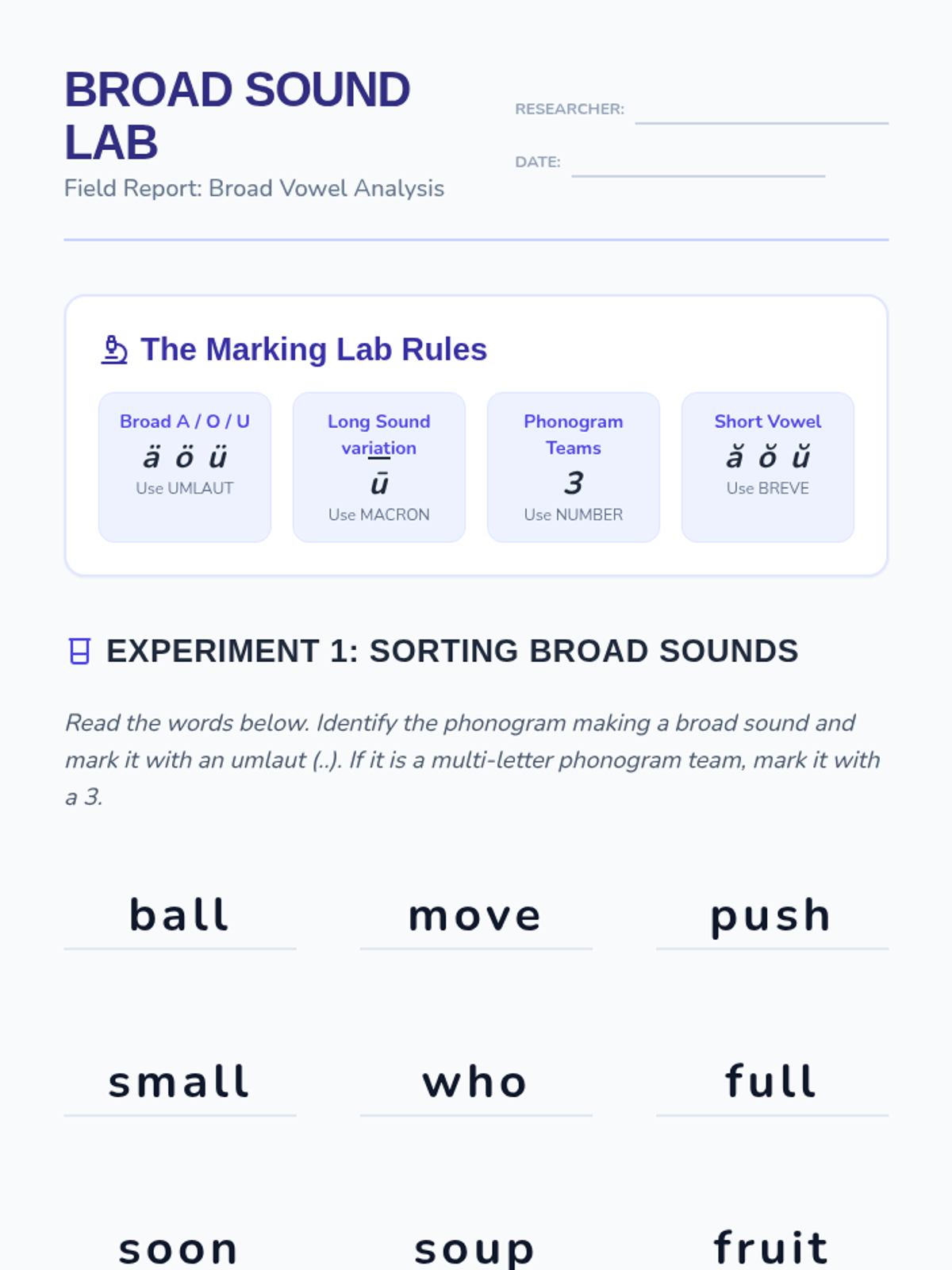
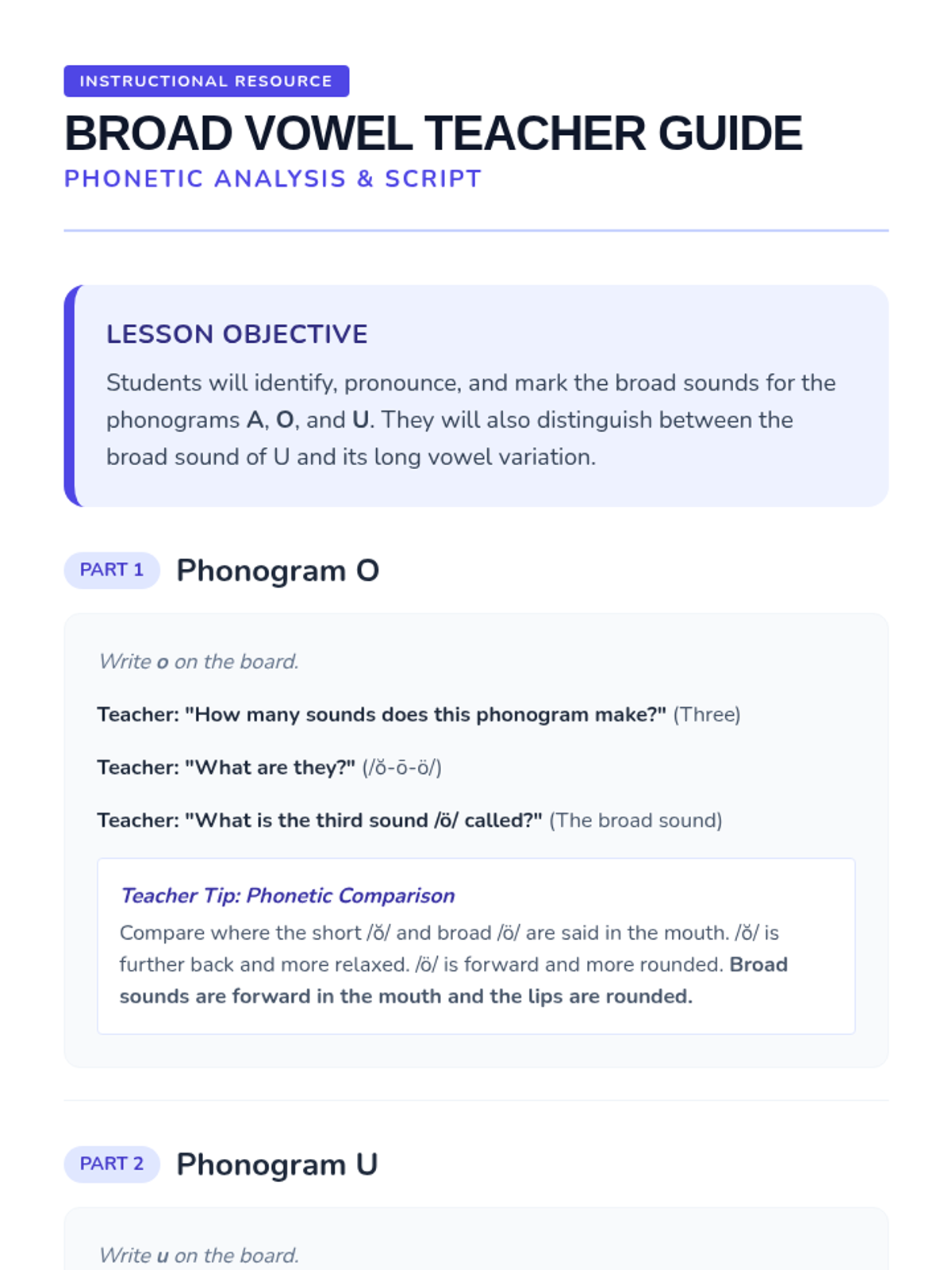
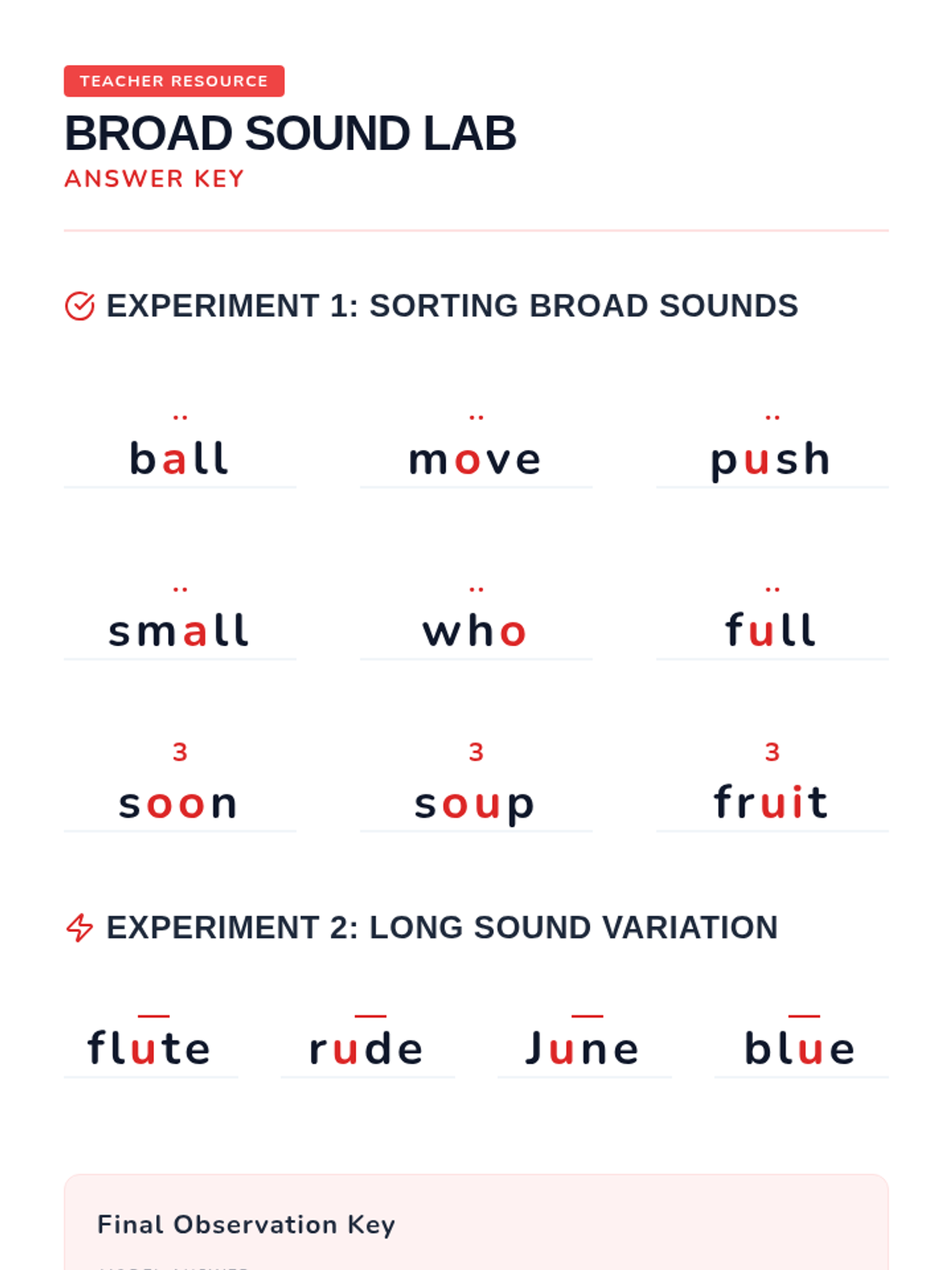
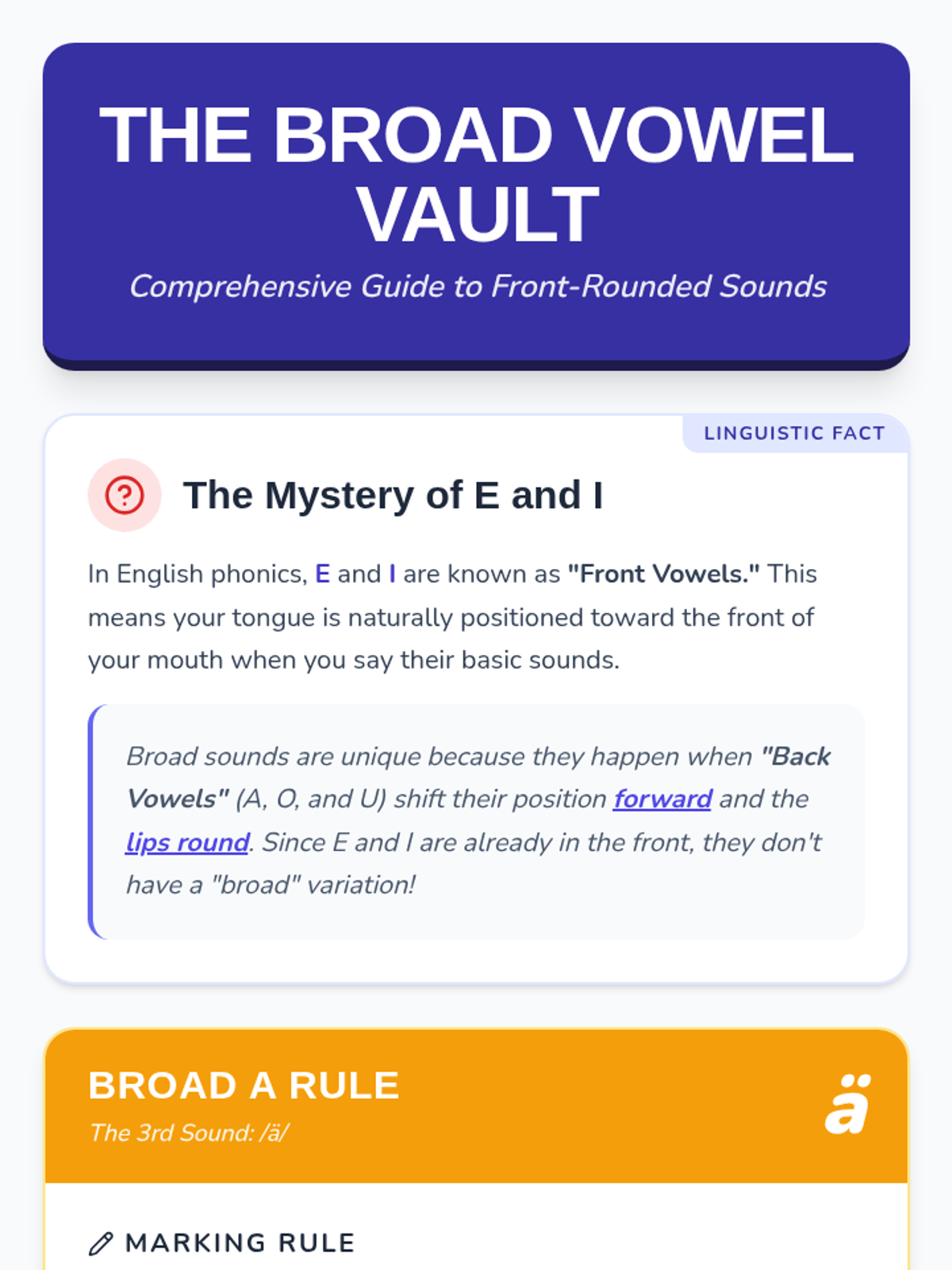
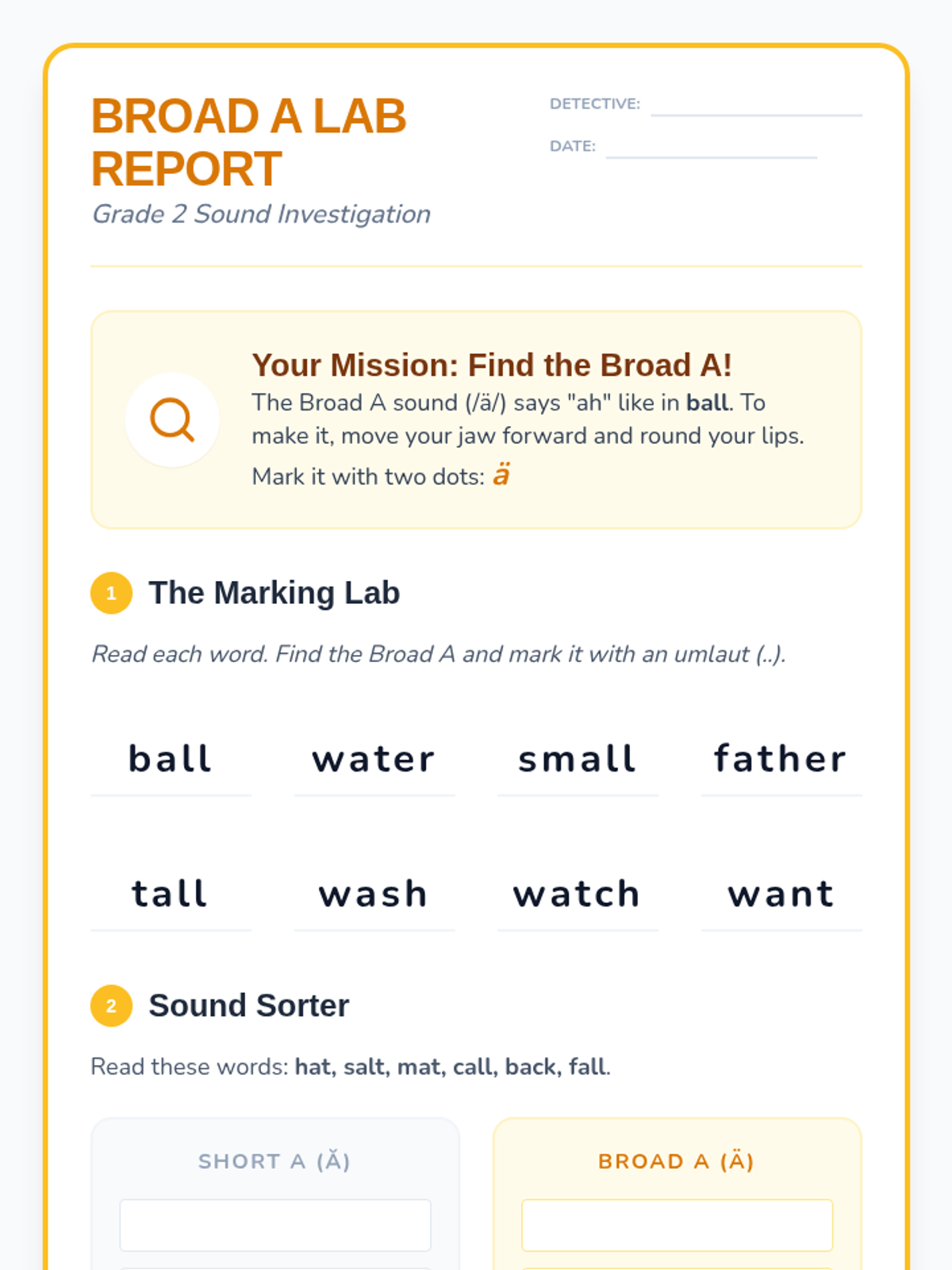
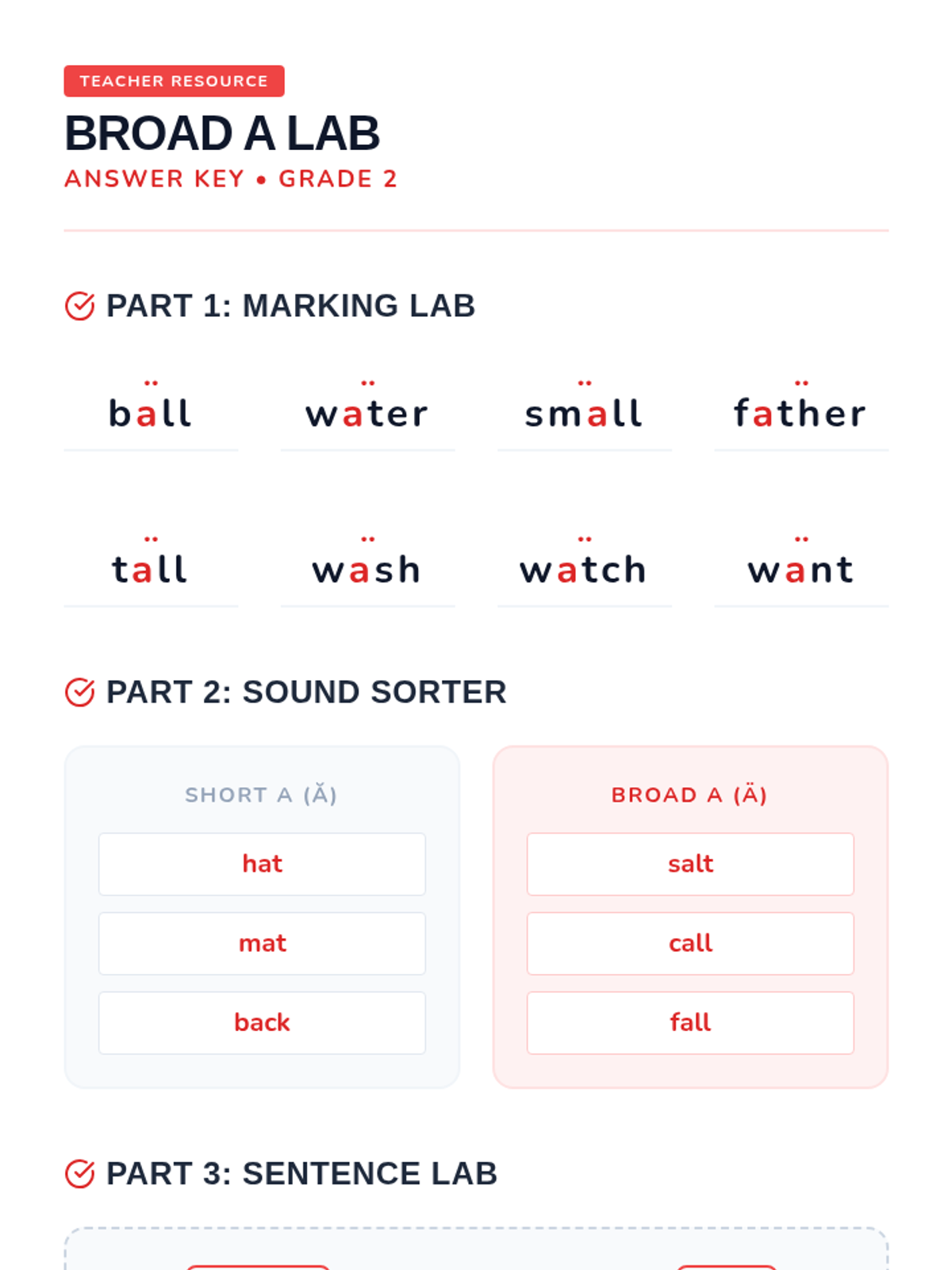
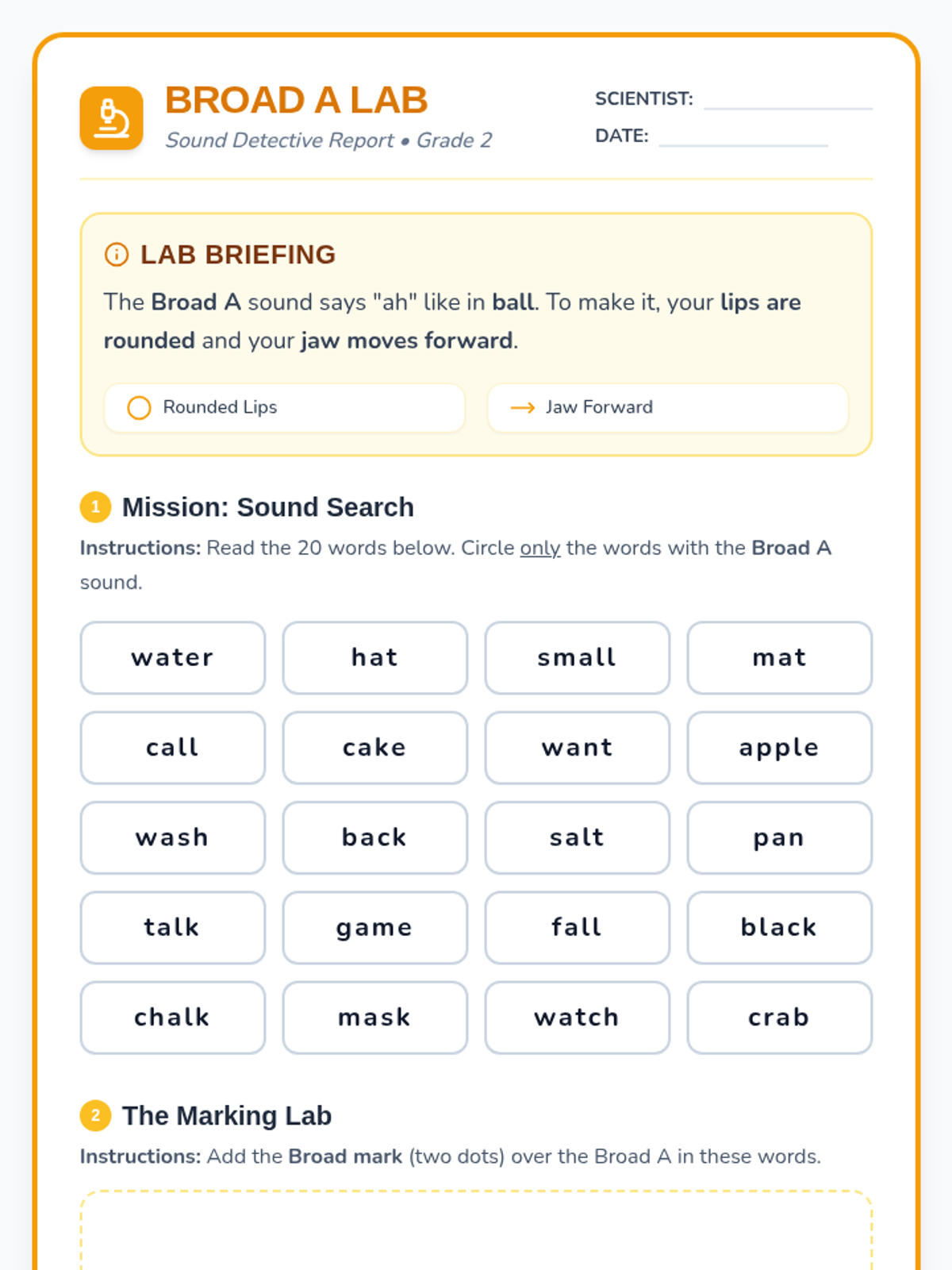
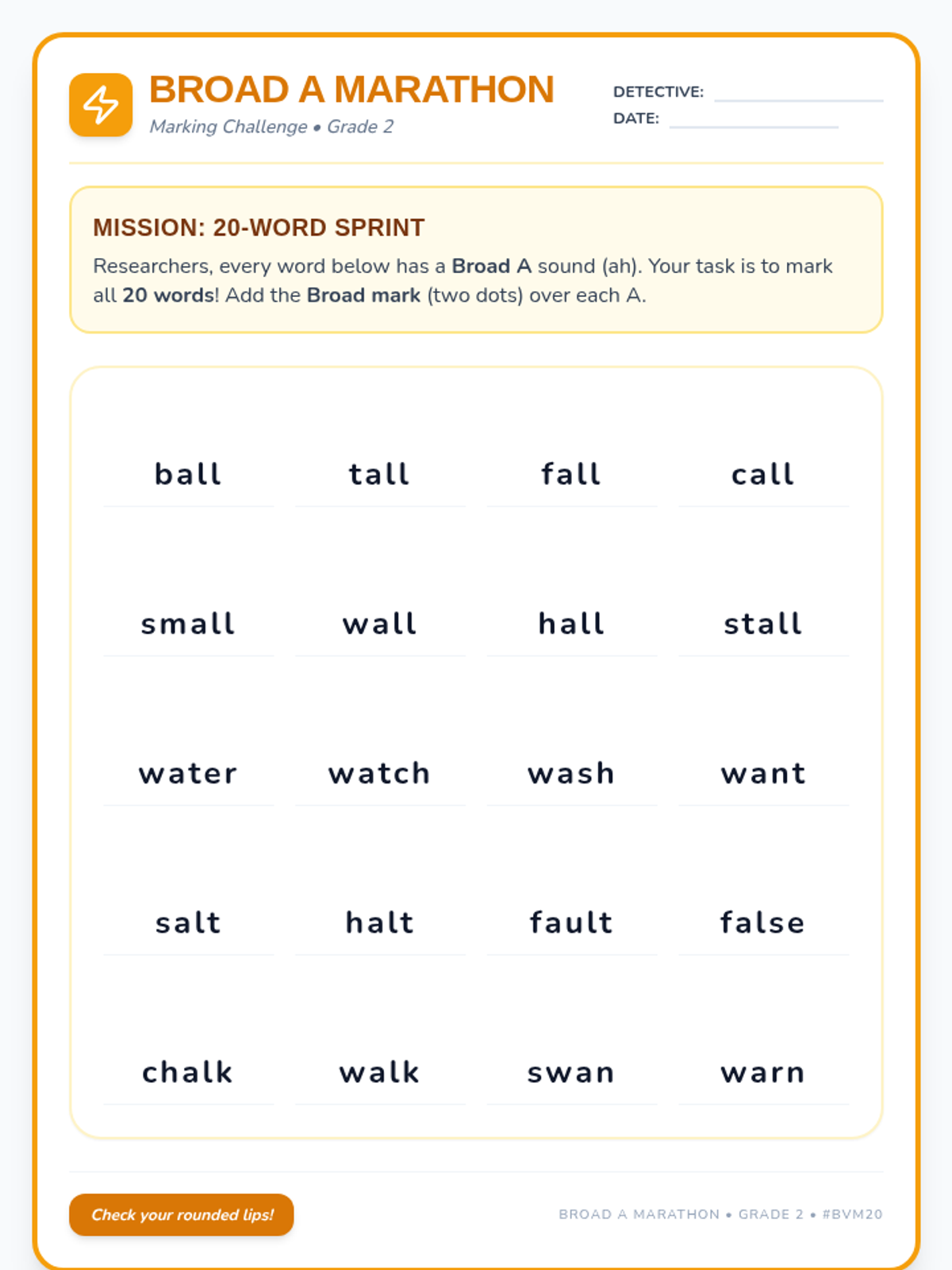
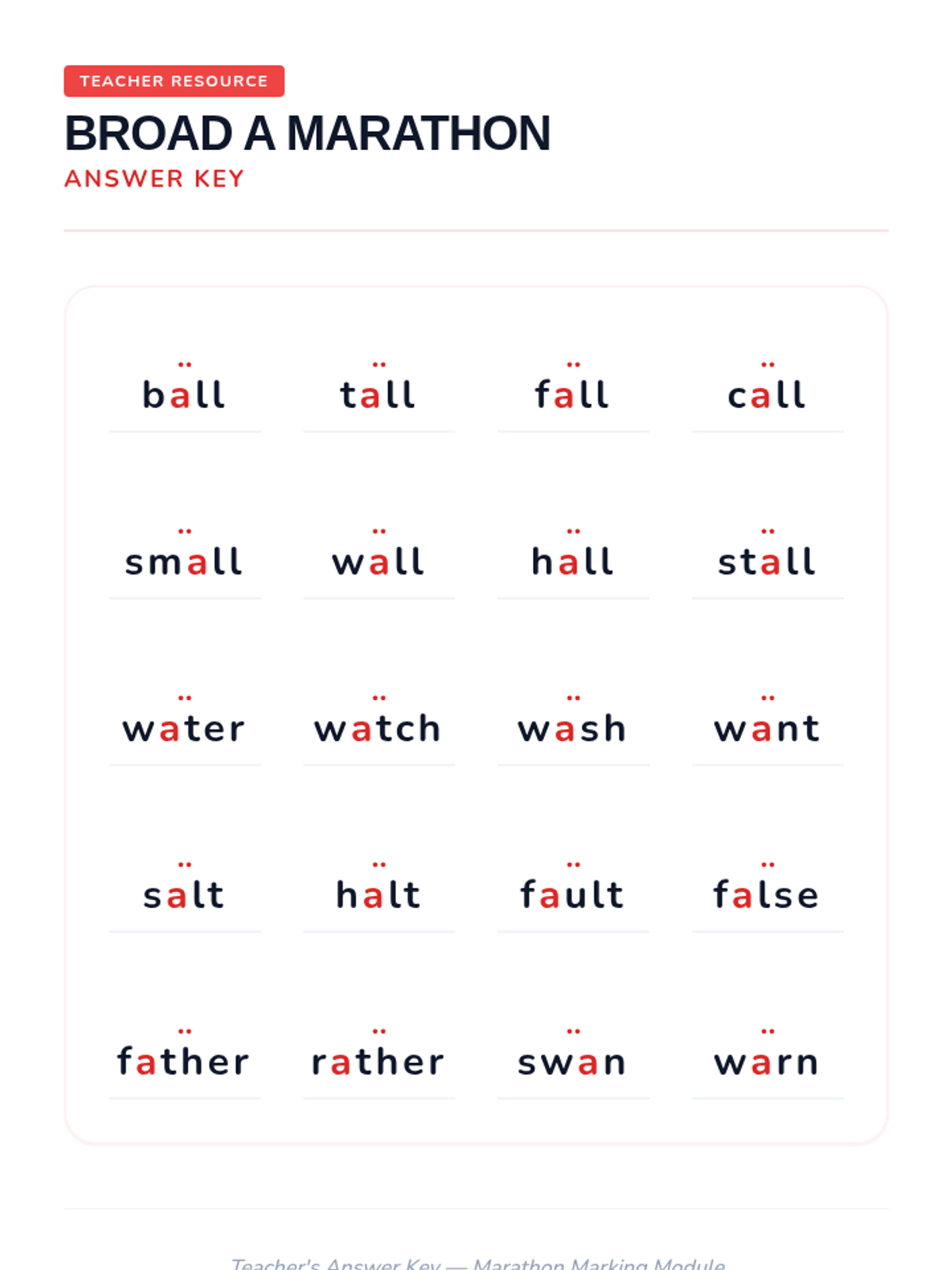
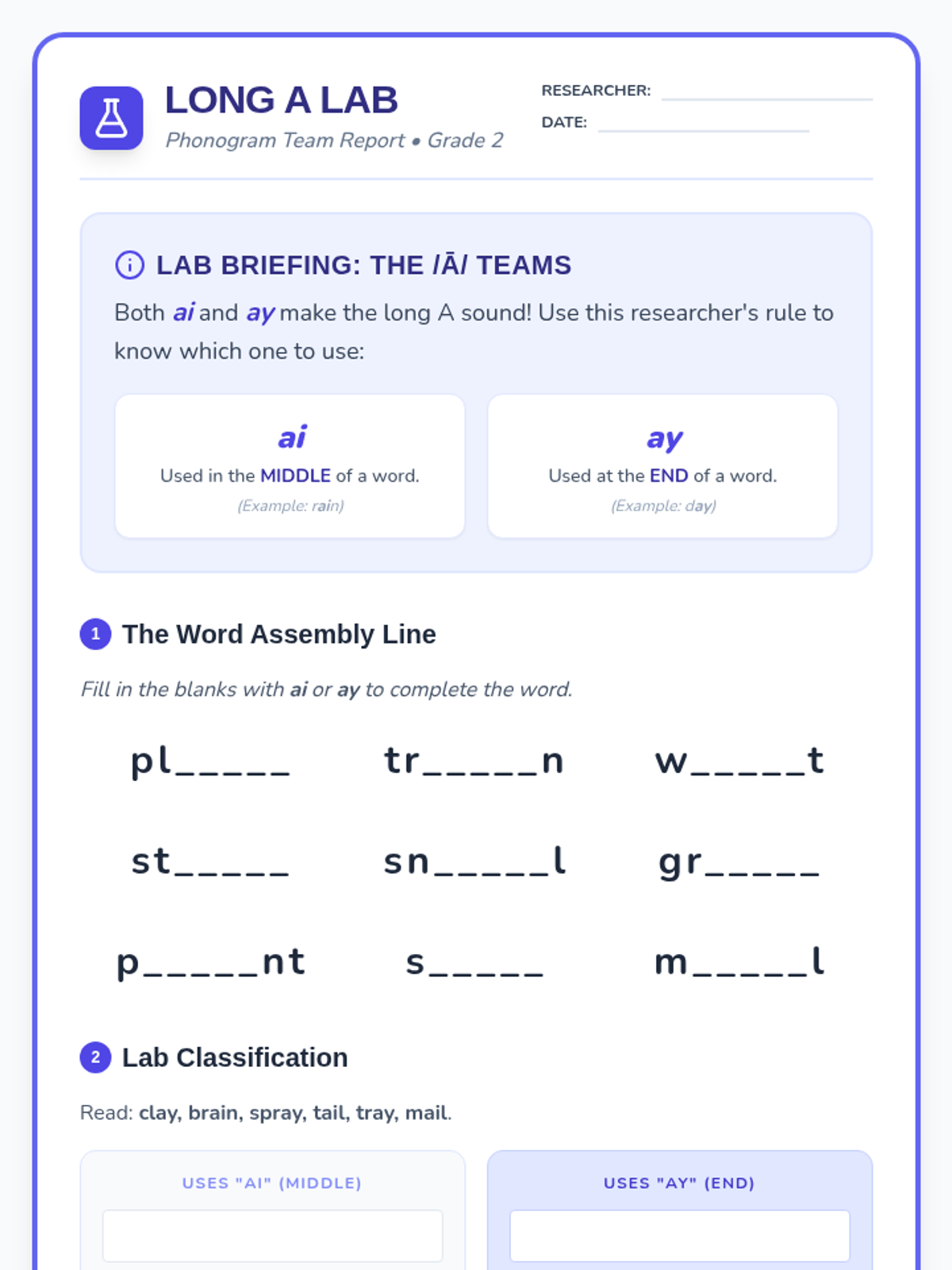
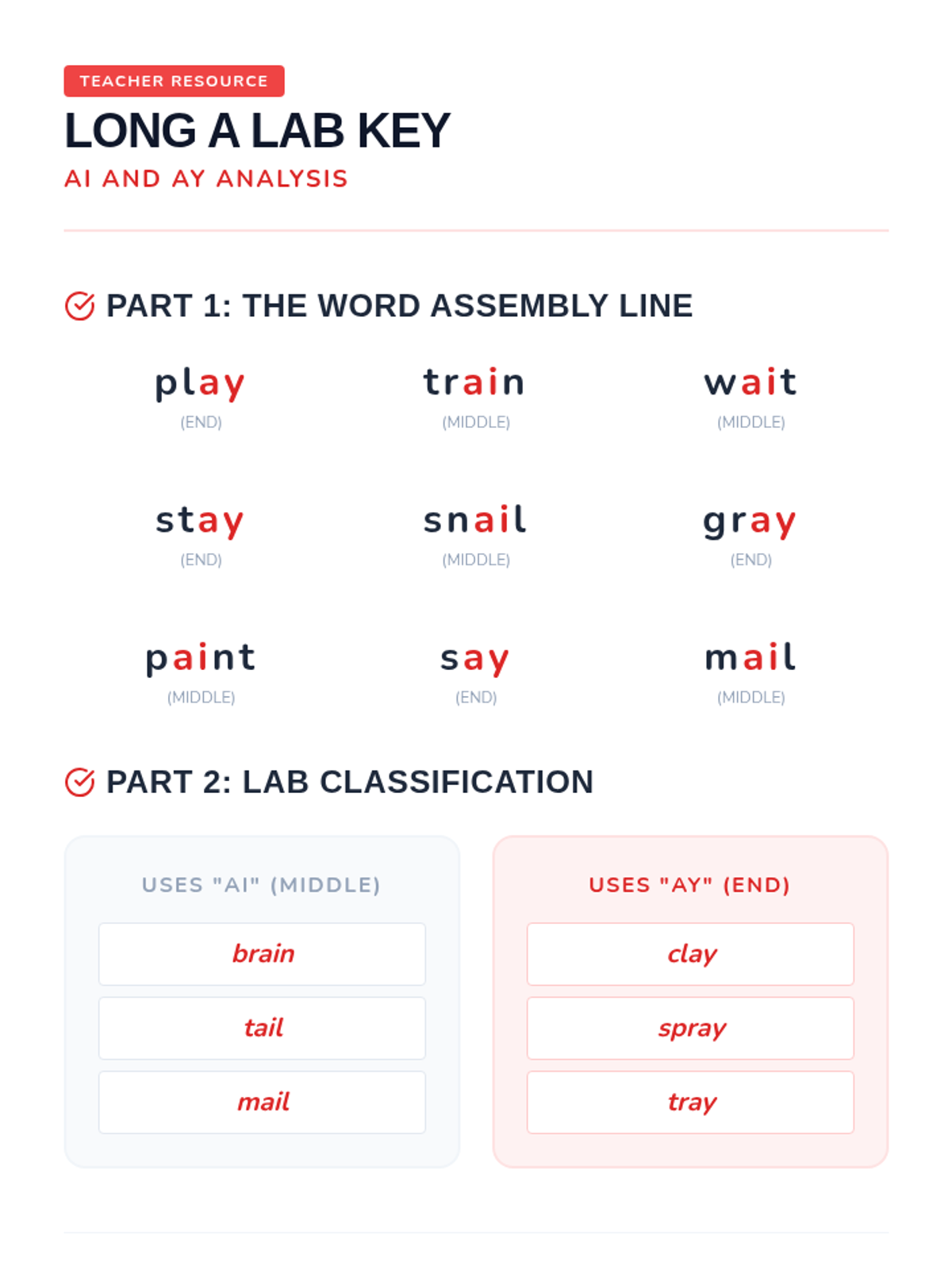
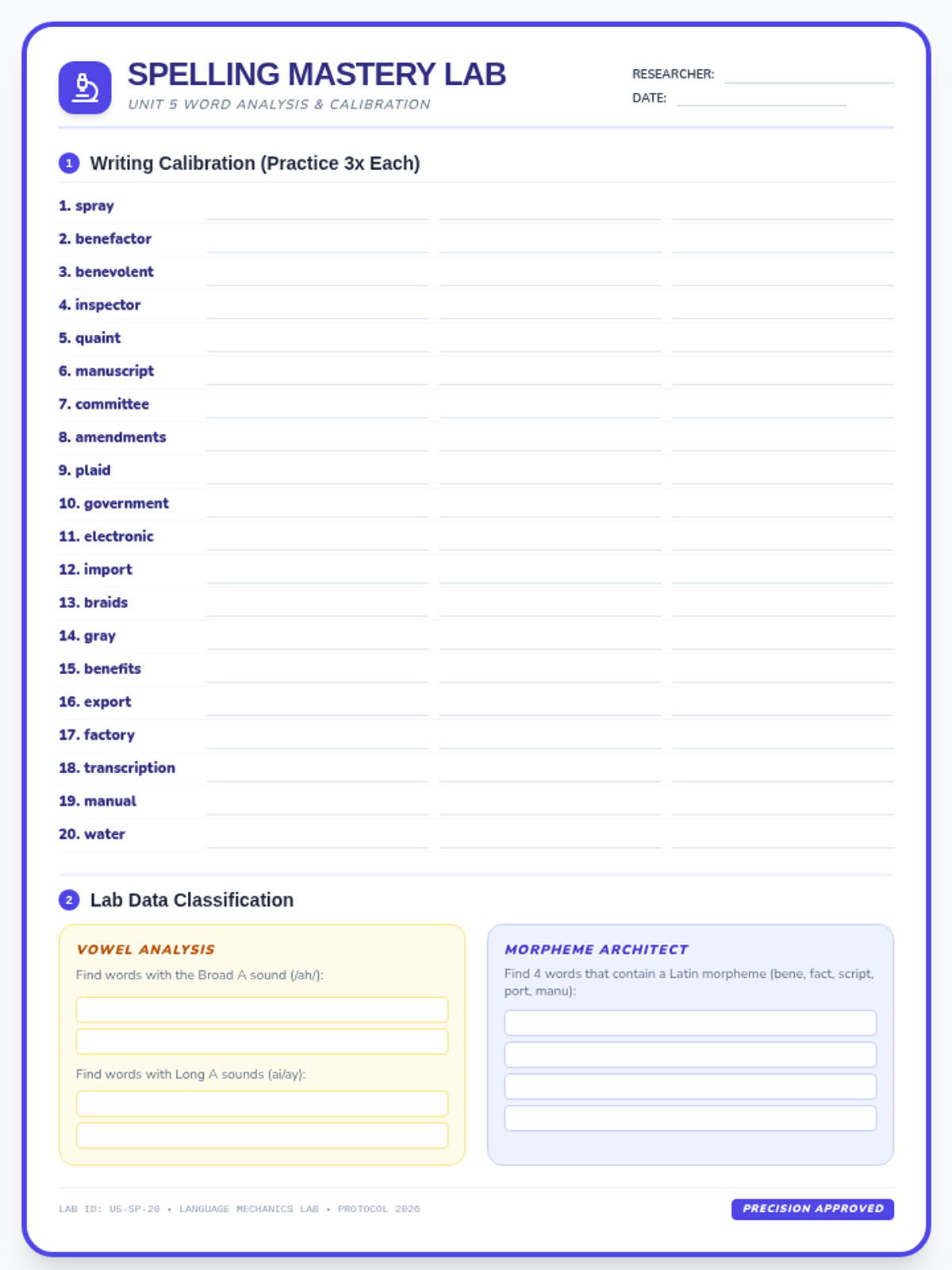
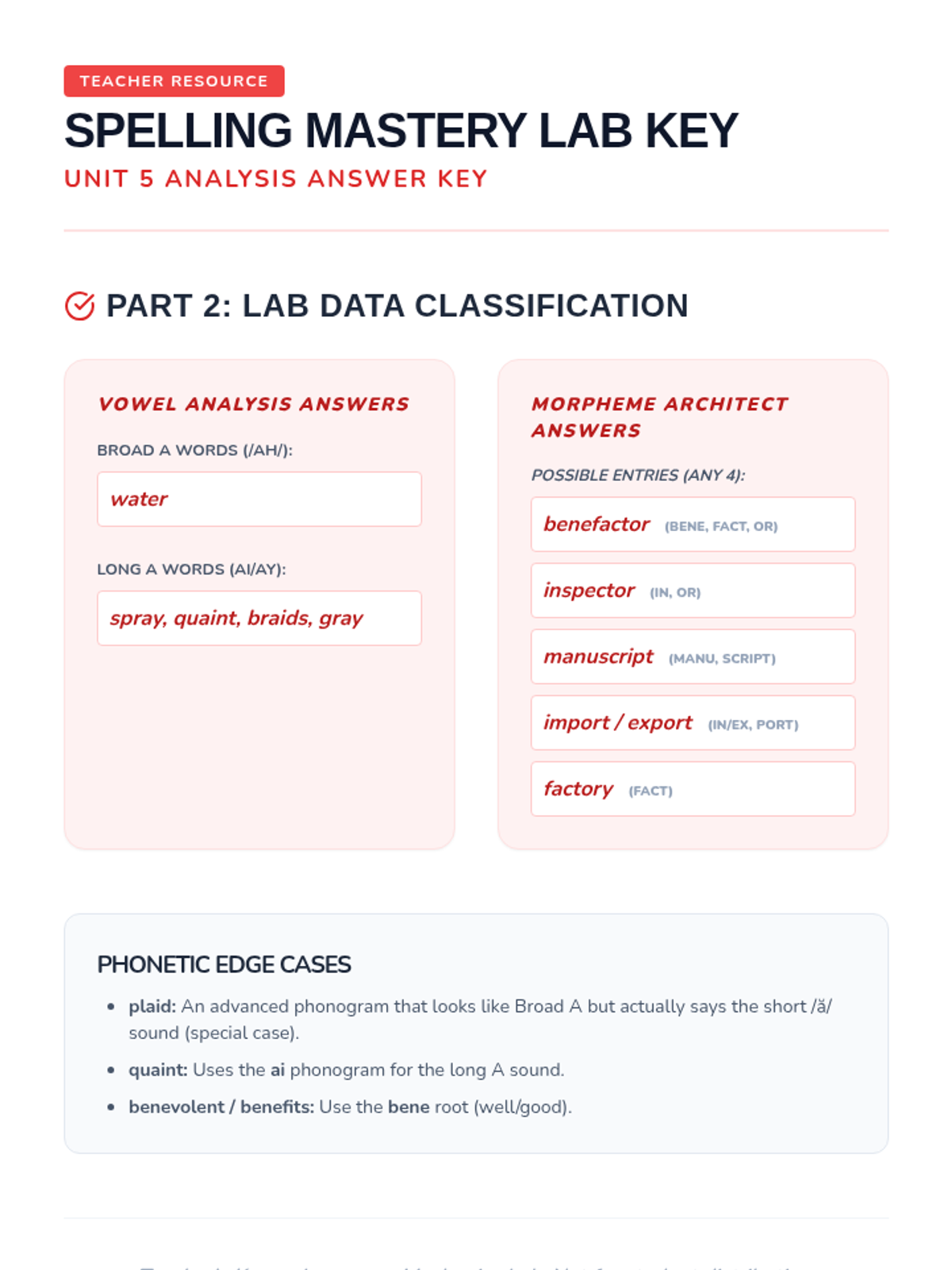
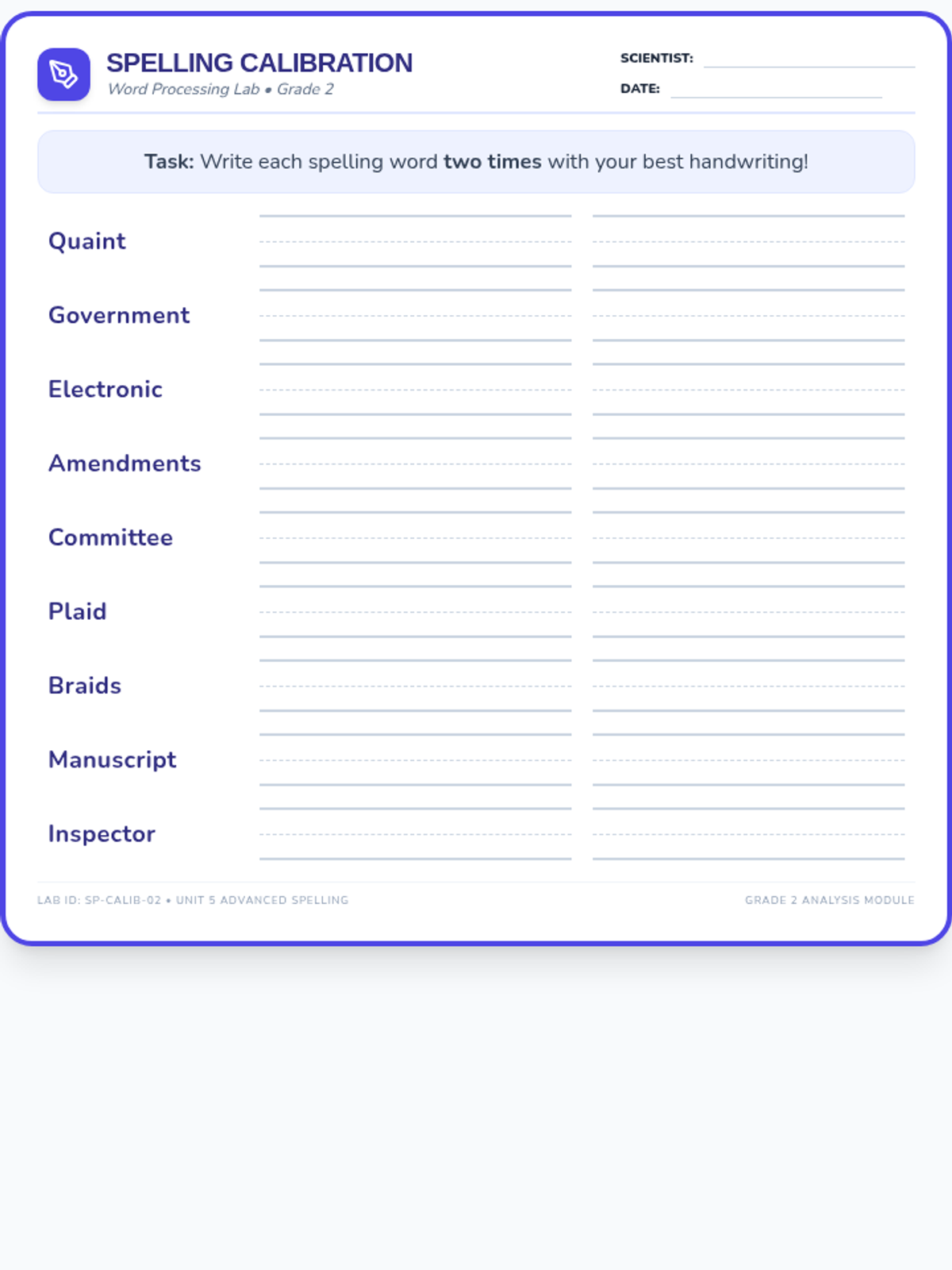
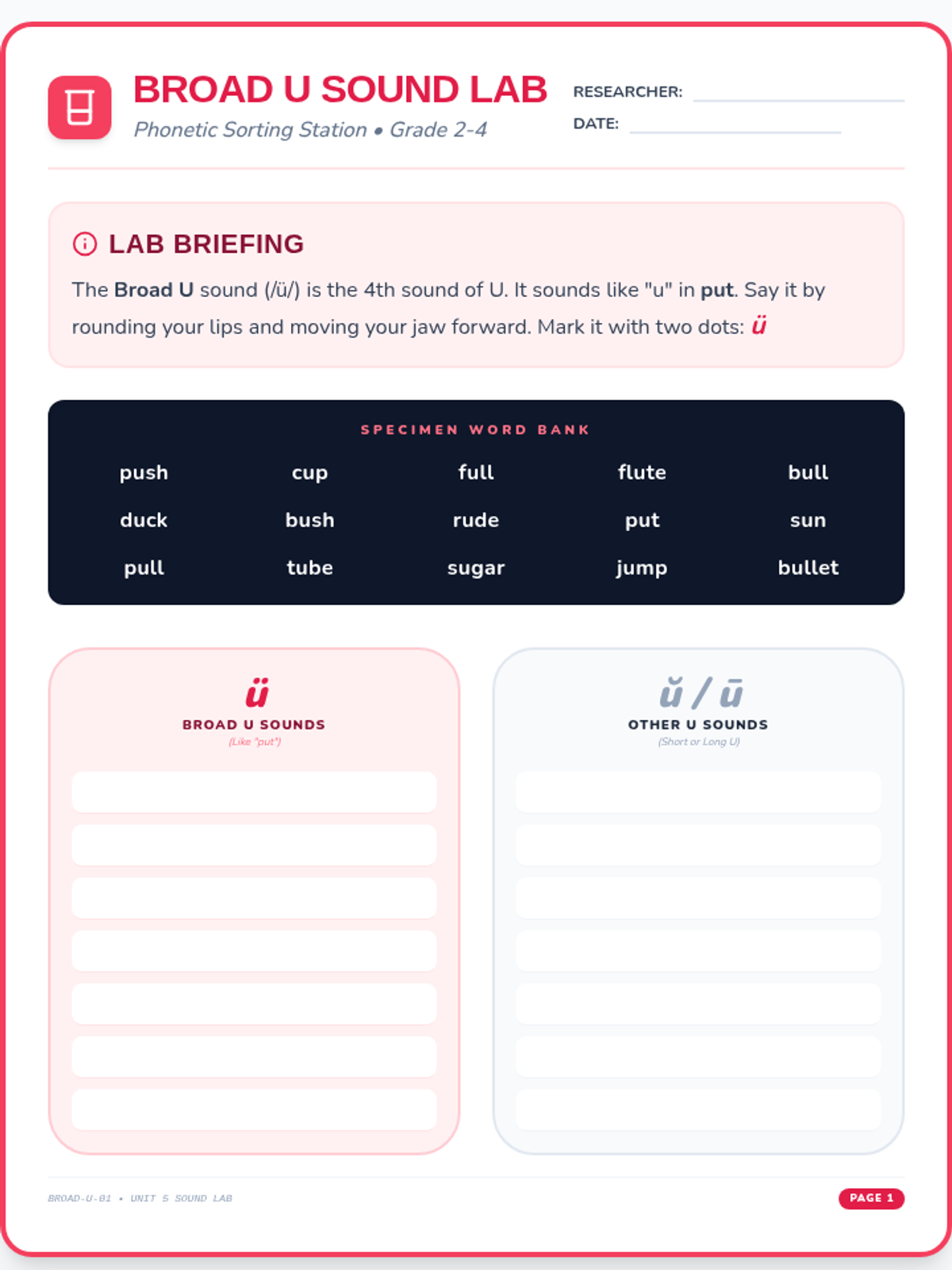
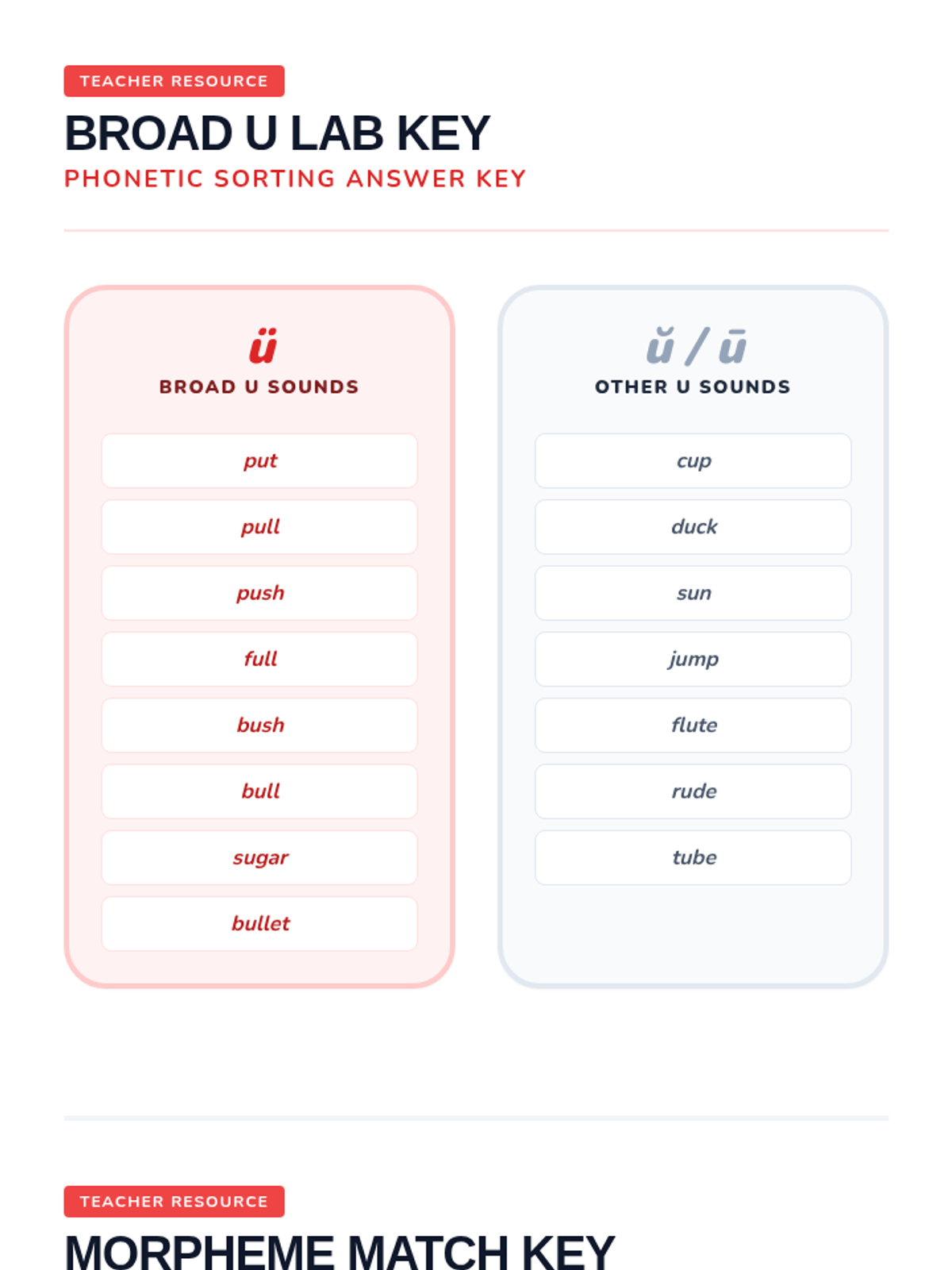
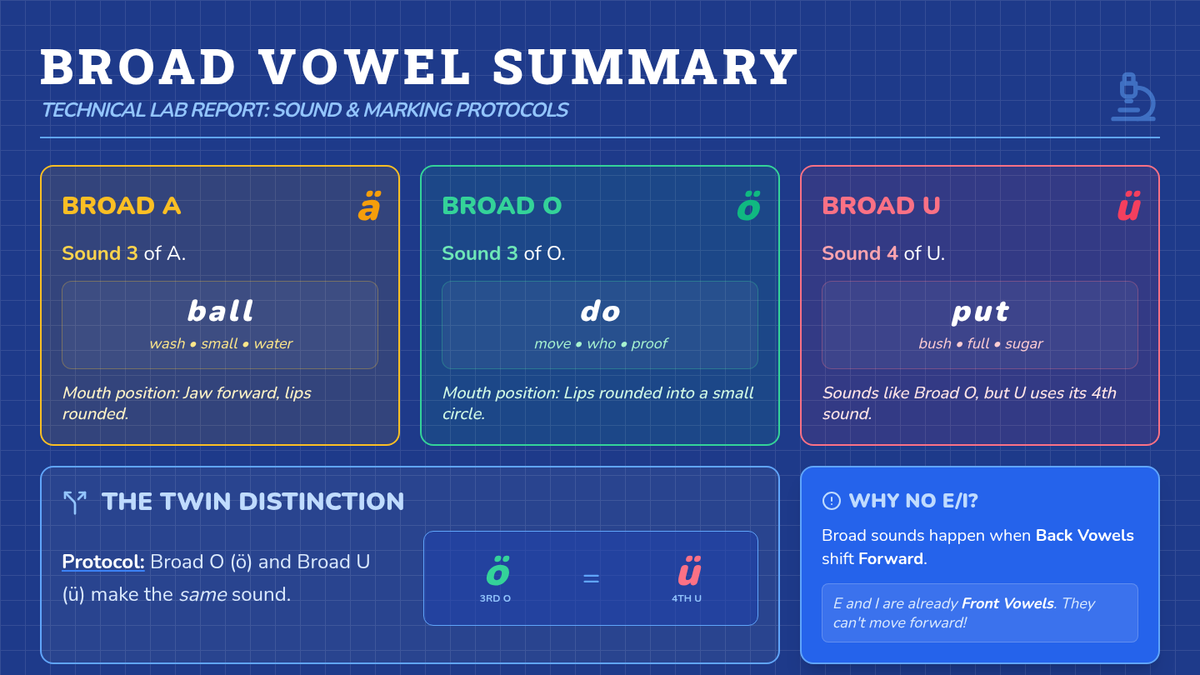
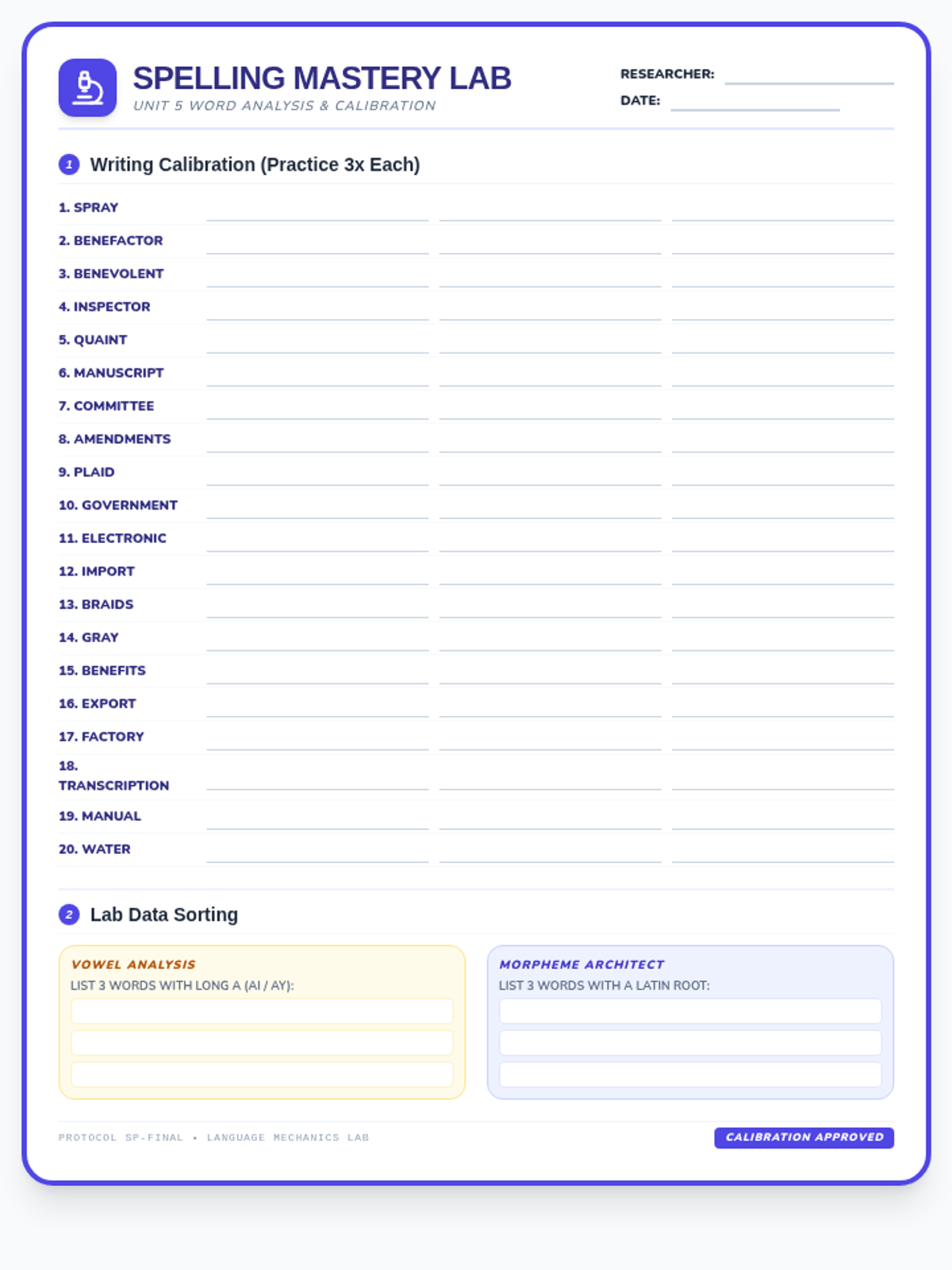
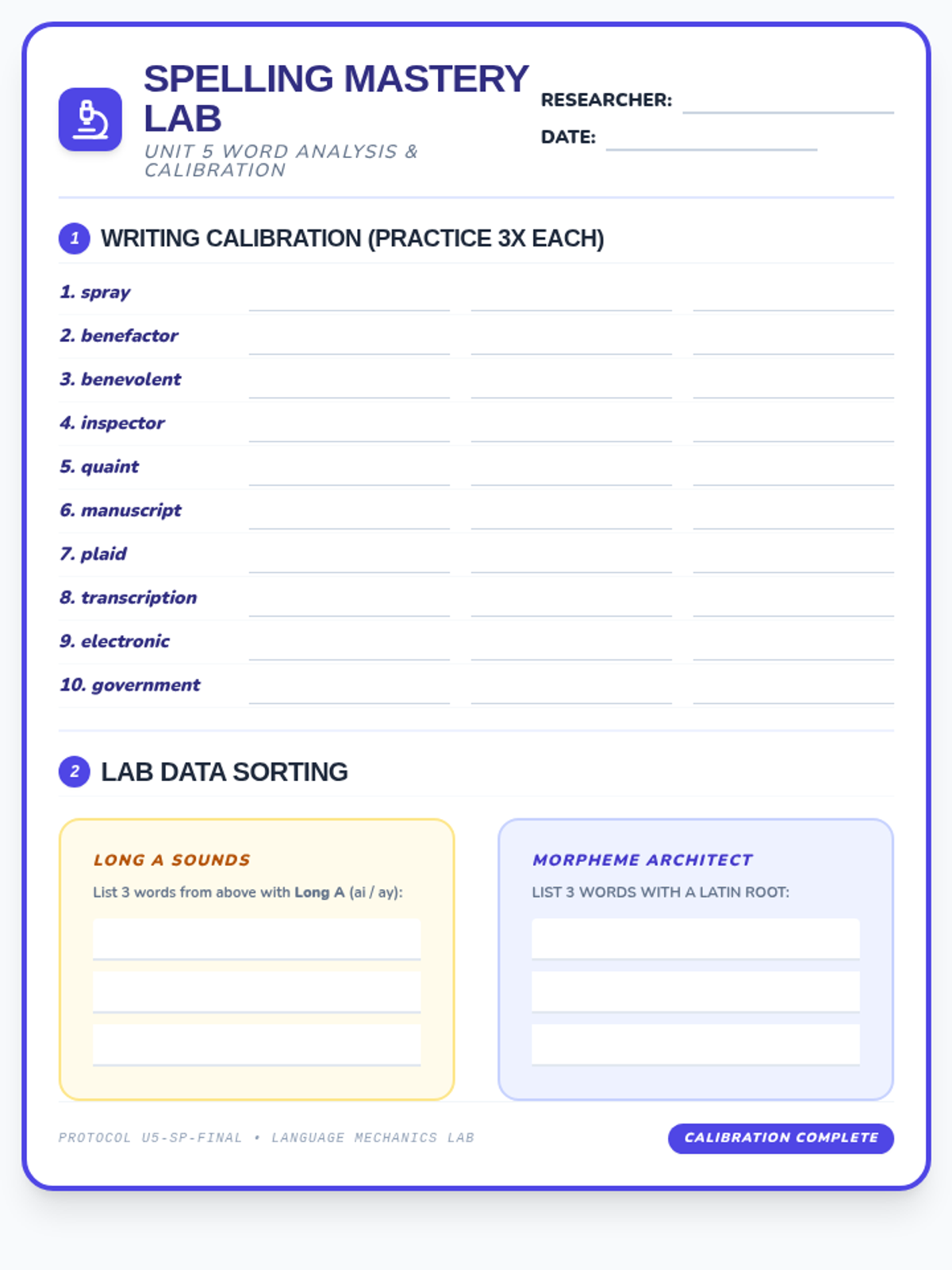
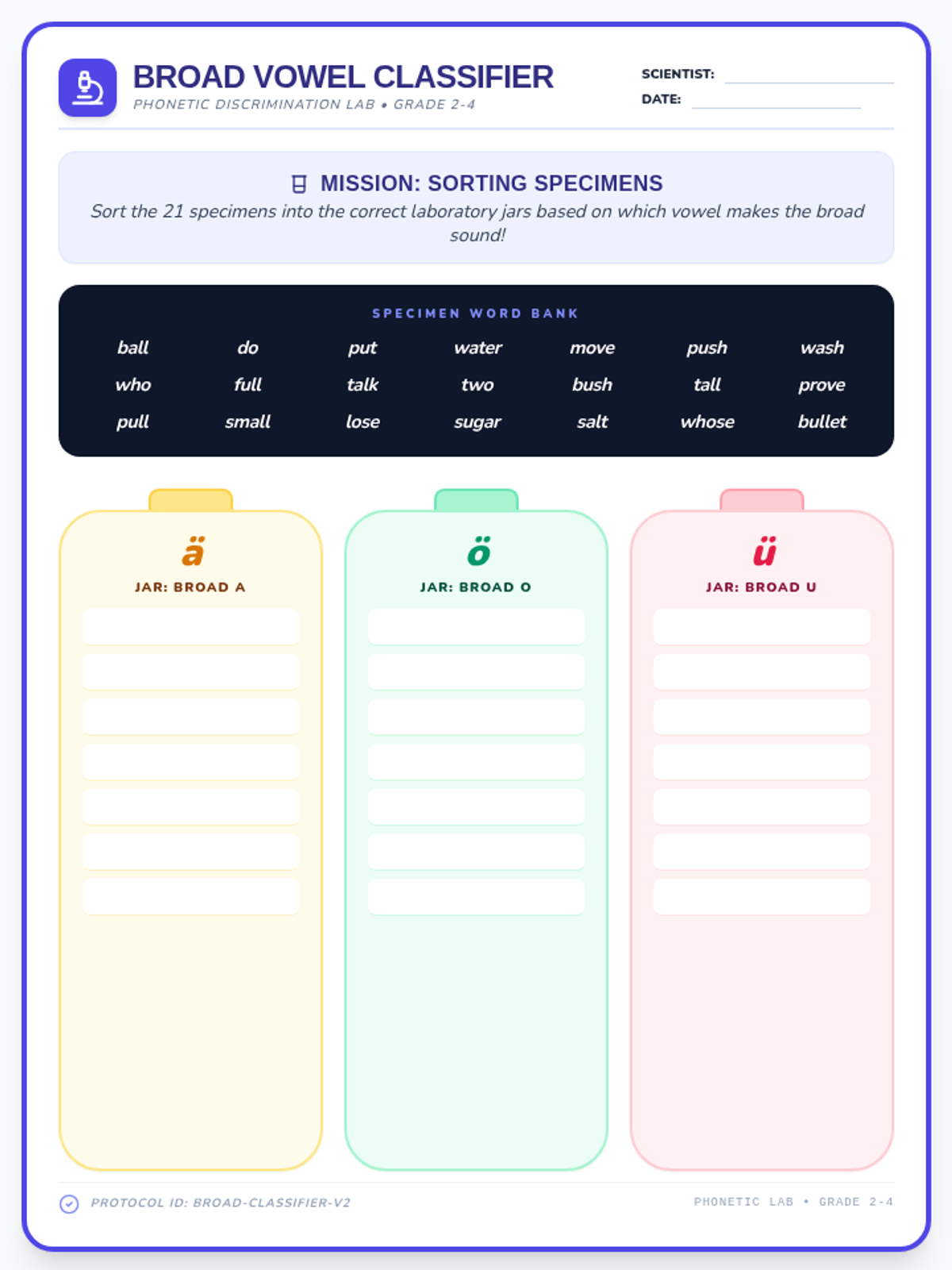
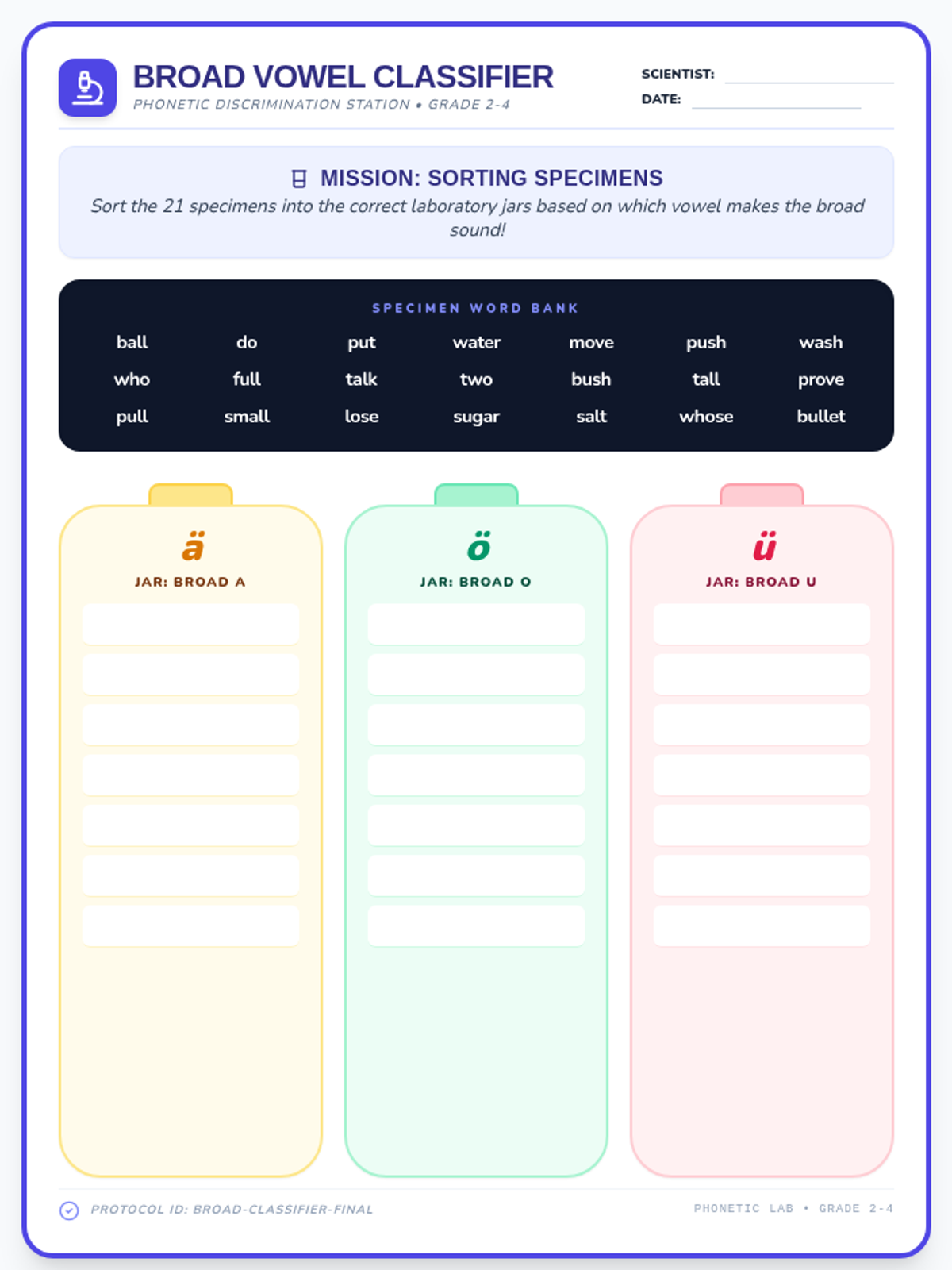
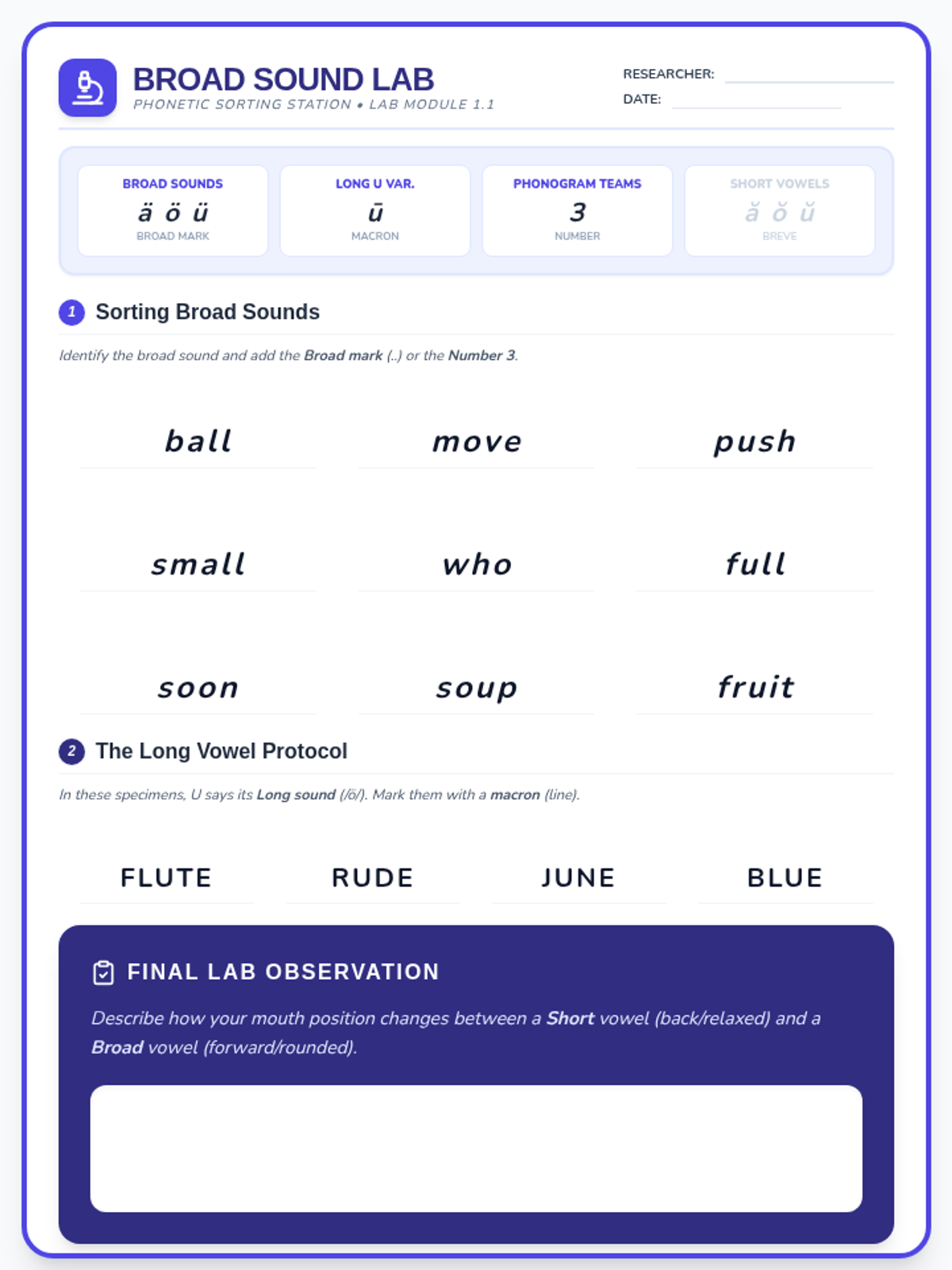
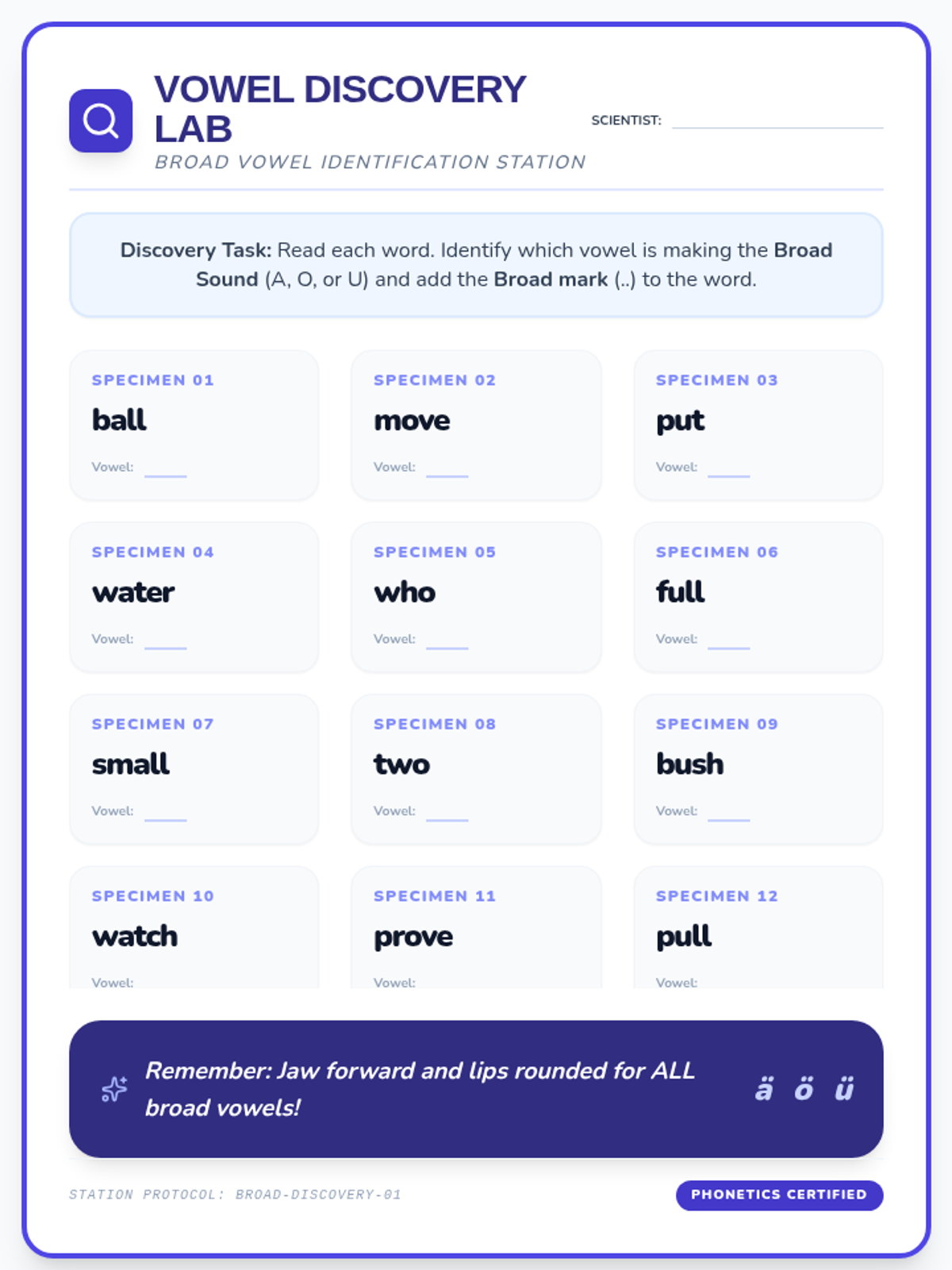
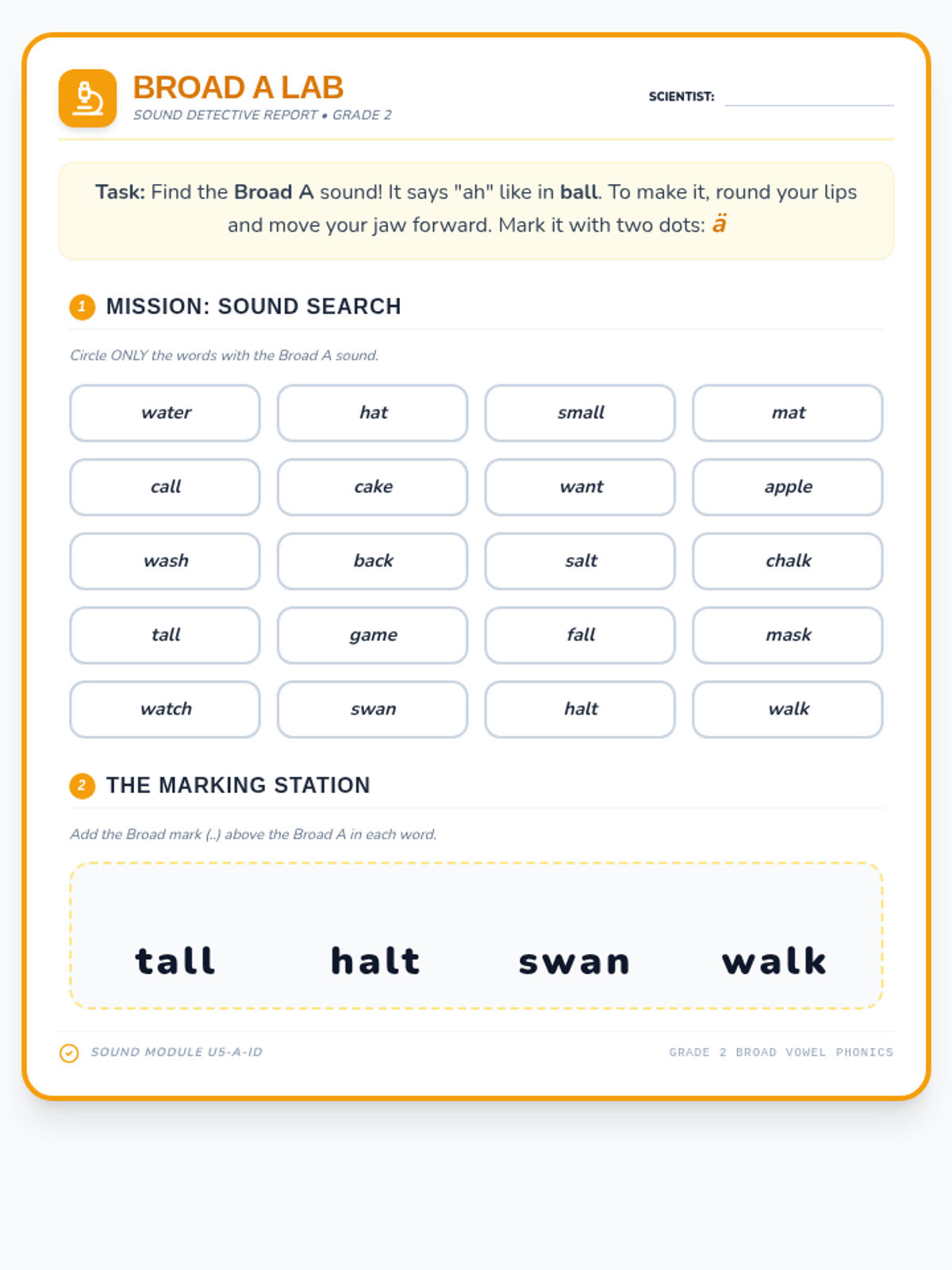
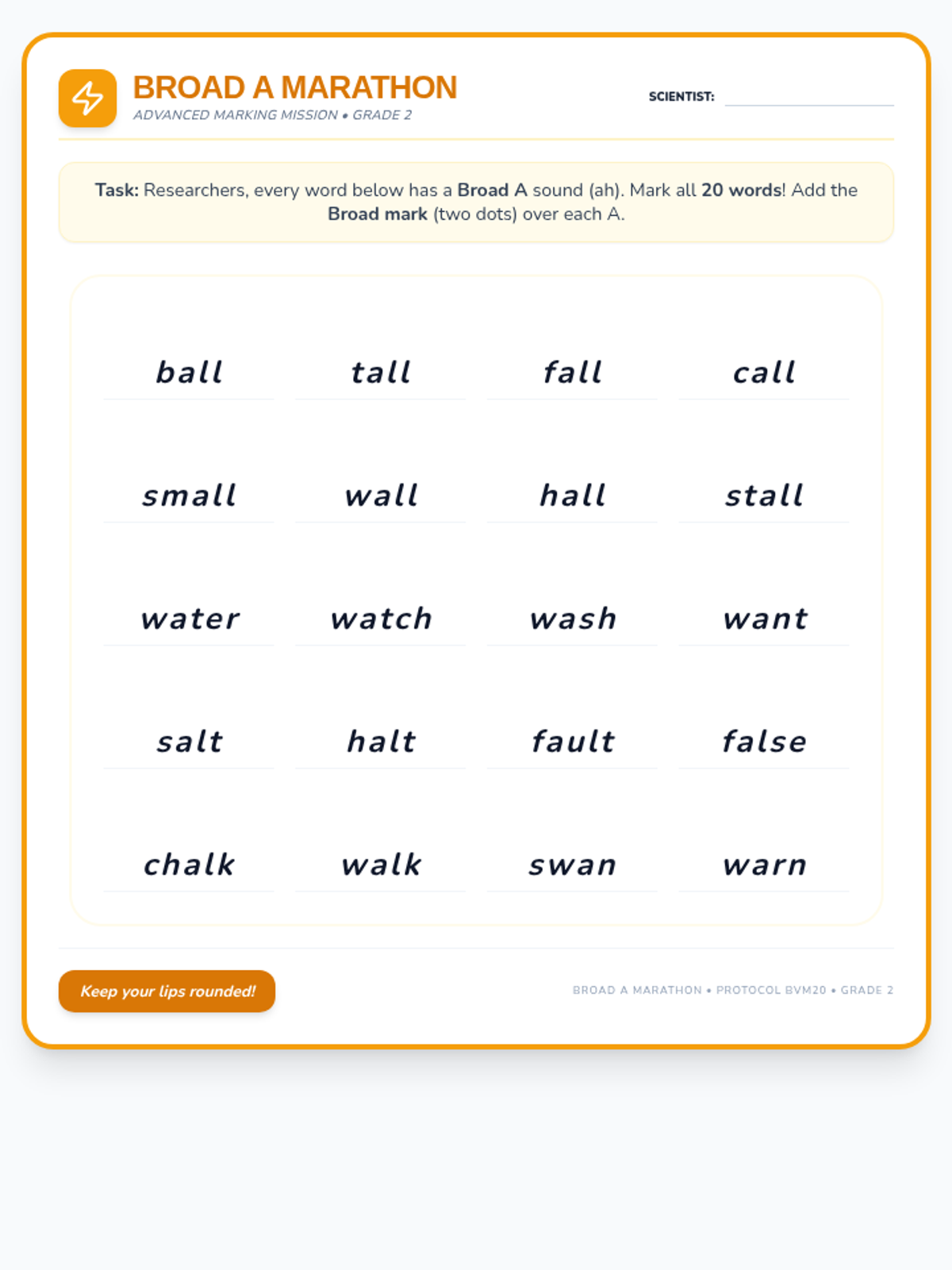
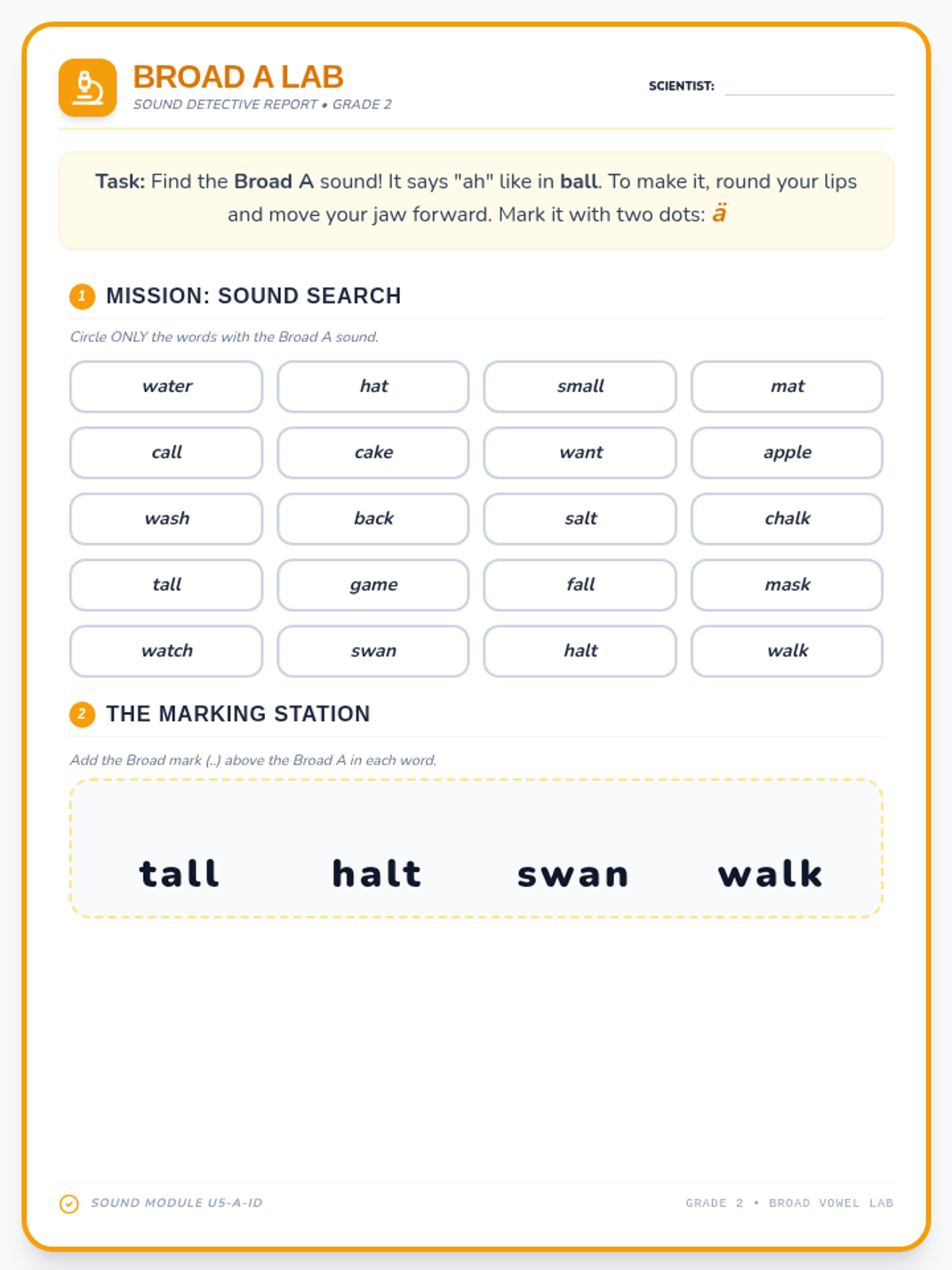
A comprehensive sequence on language mechanics, from phonetic marking of complex vowel sounds to the morphological analysis of Latin roots and affixes. Students develop deep decoding and encoding skills by investigating the building blocks of words.
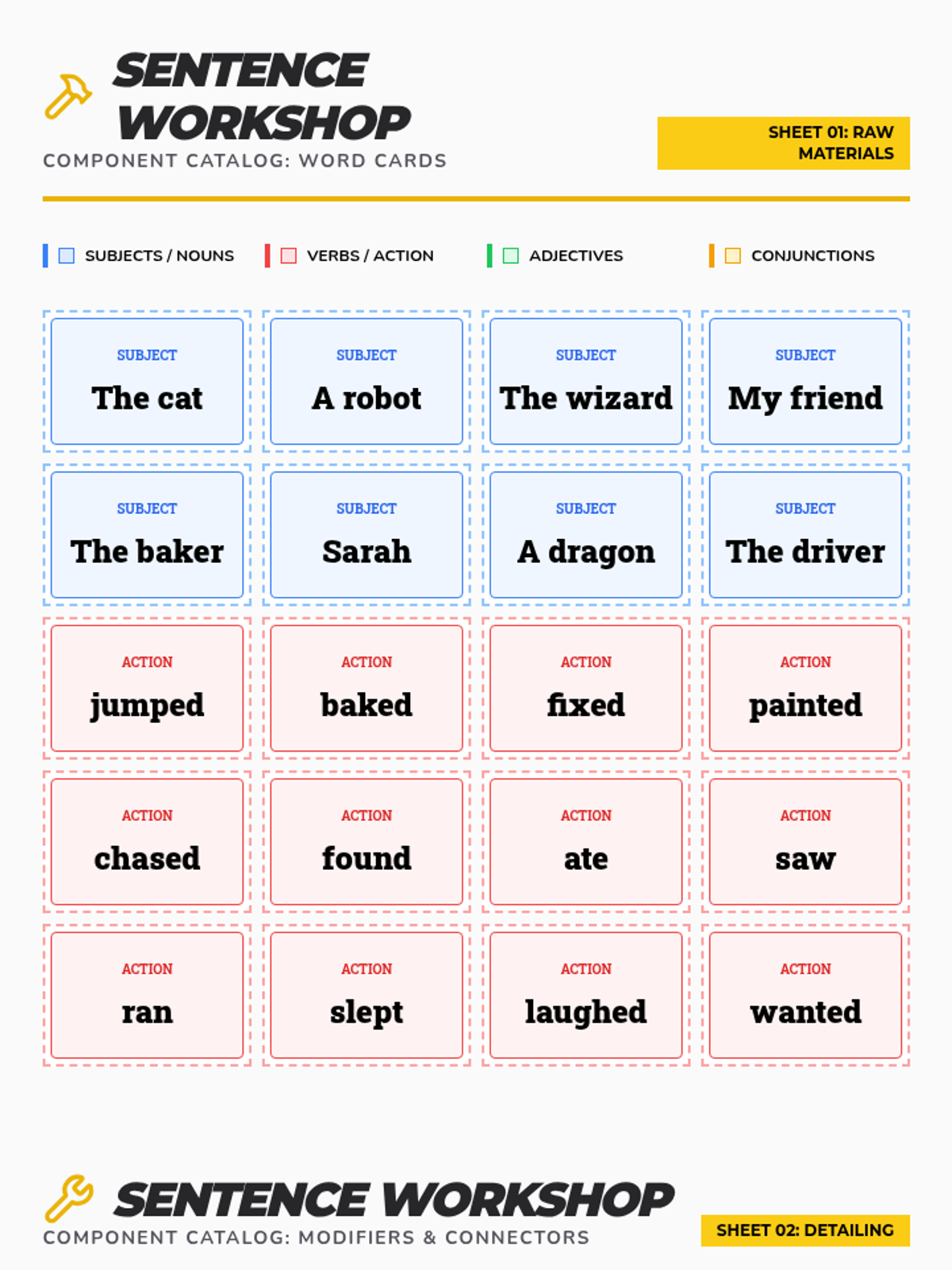
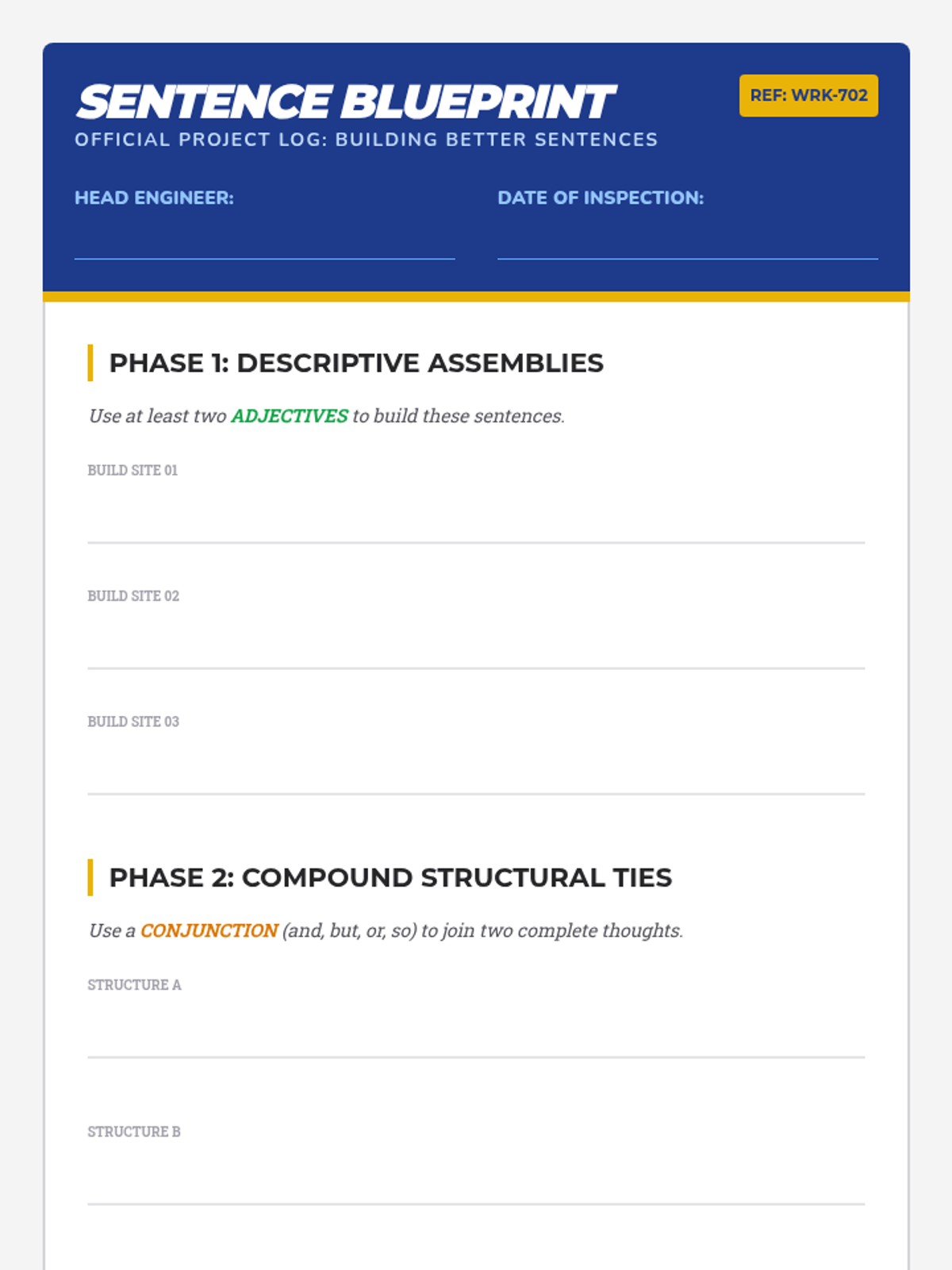
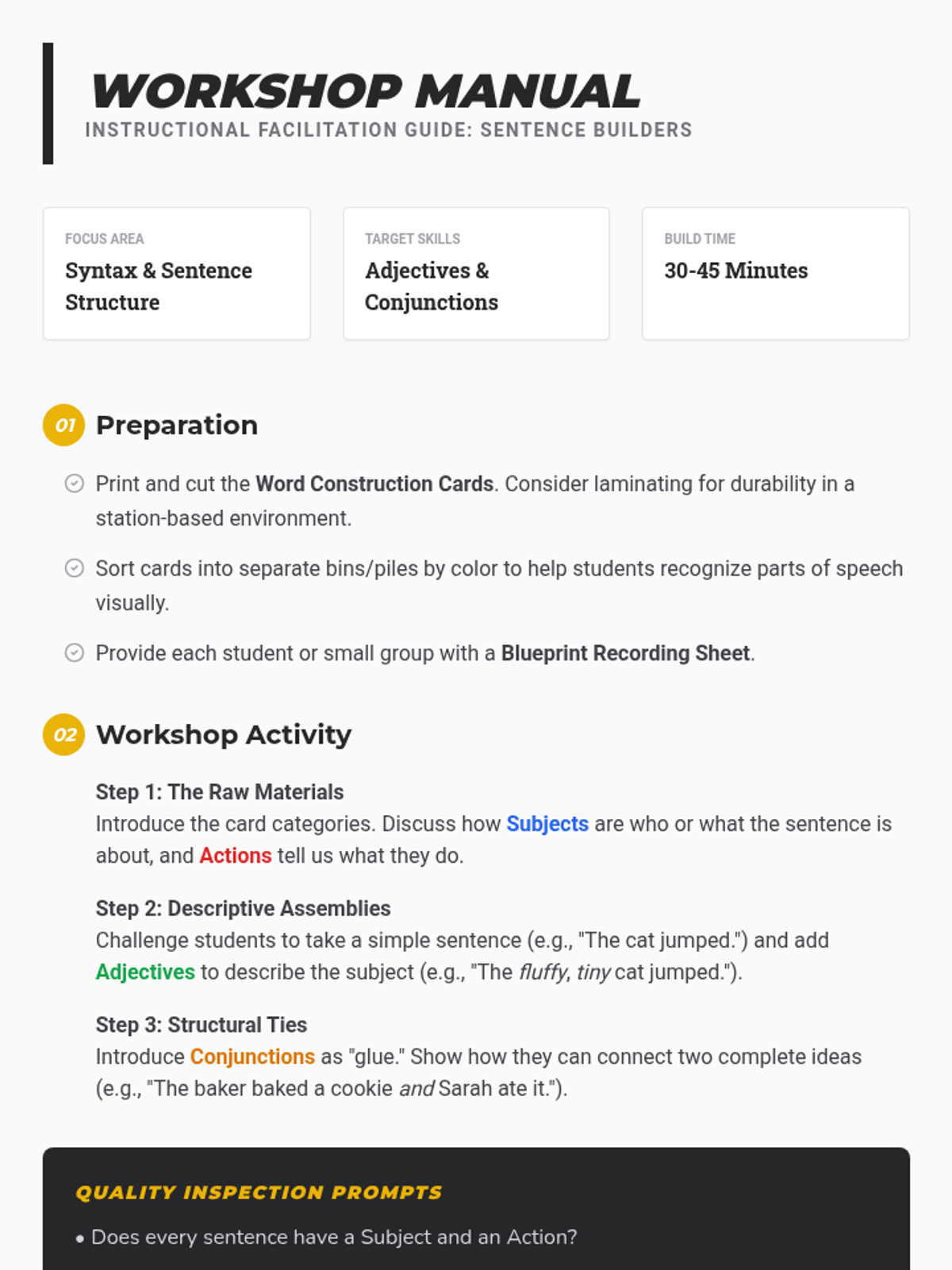
A series of hands-on workshops where students act as "sentence engineers," using word components to master syntax, sentence variety, and descriptive writing.
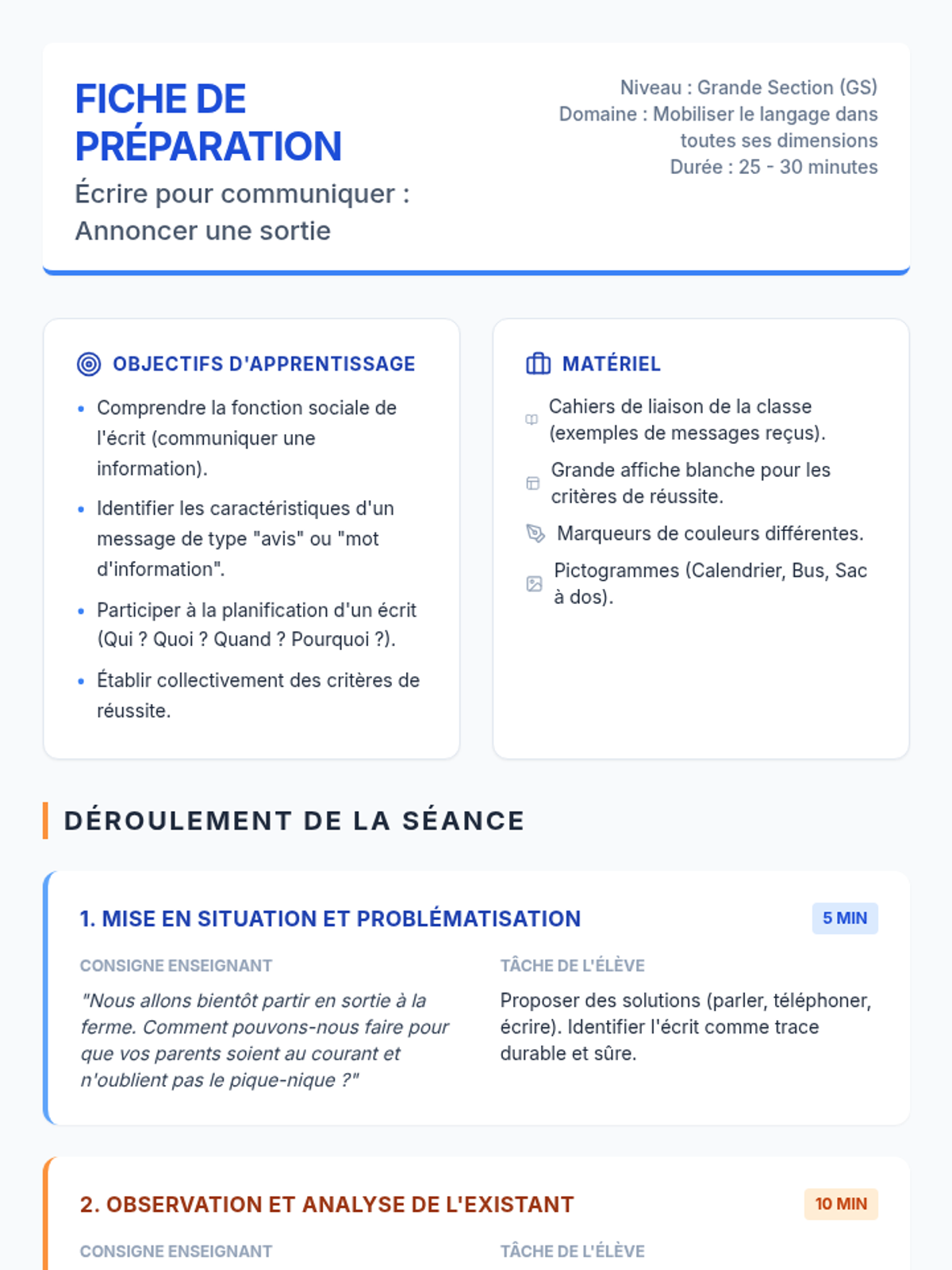
Une série de modules de formation destinés aux conseillers pédagogiques pour renforcer leur expertise en ingénierie de formation continue, spécifiquement appliquée à l'enseignement du français à l'école primaire.
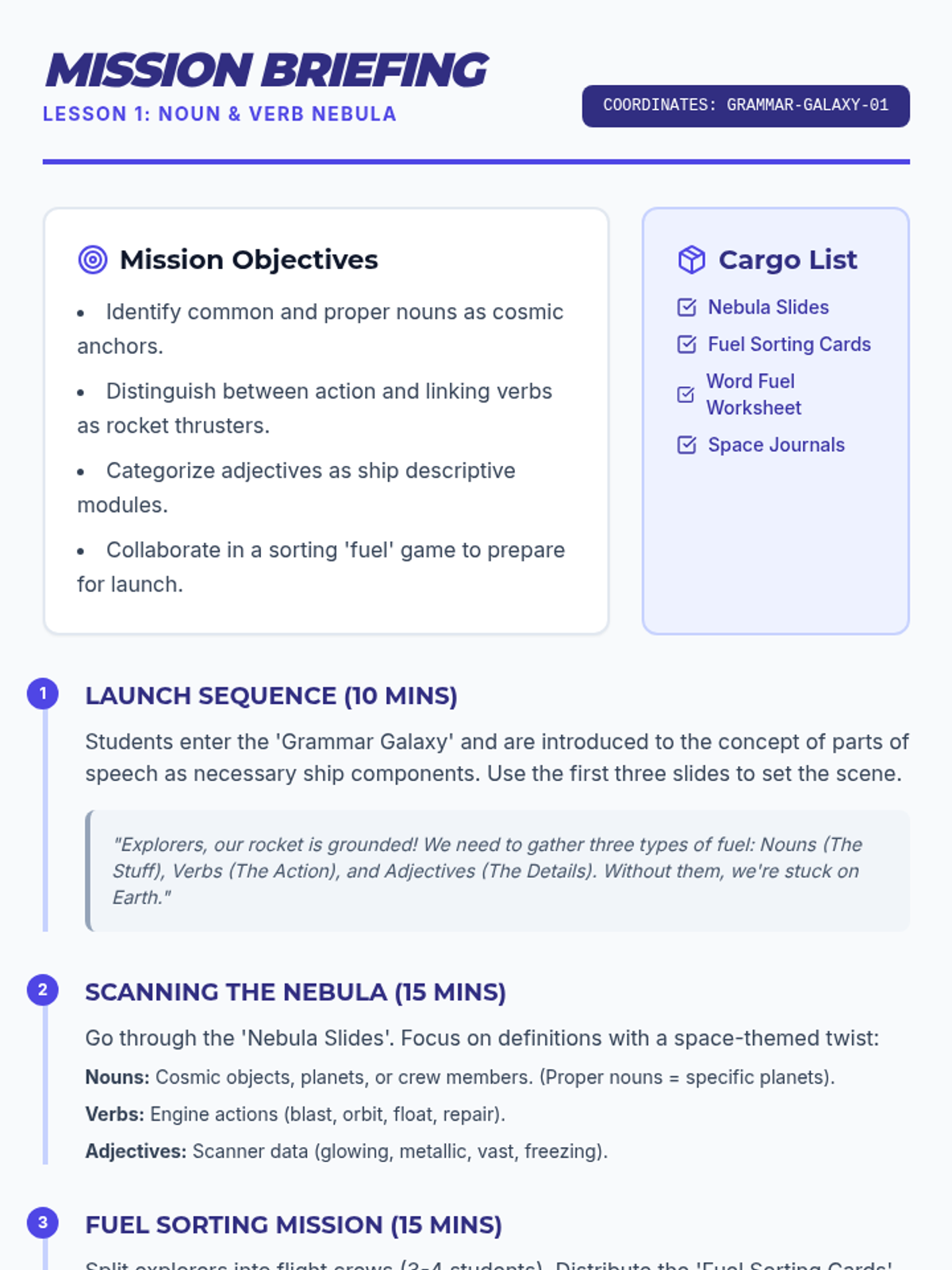
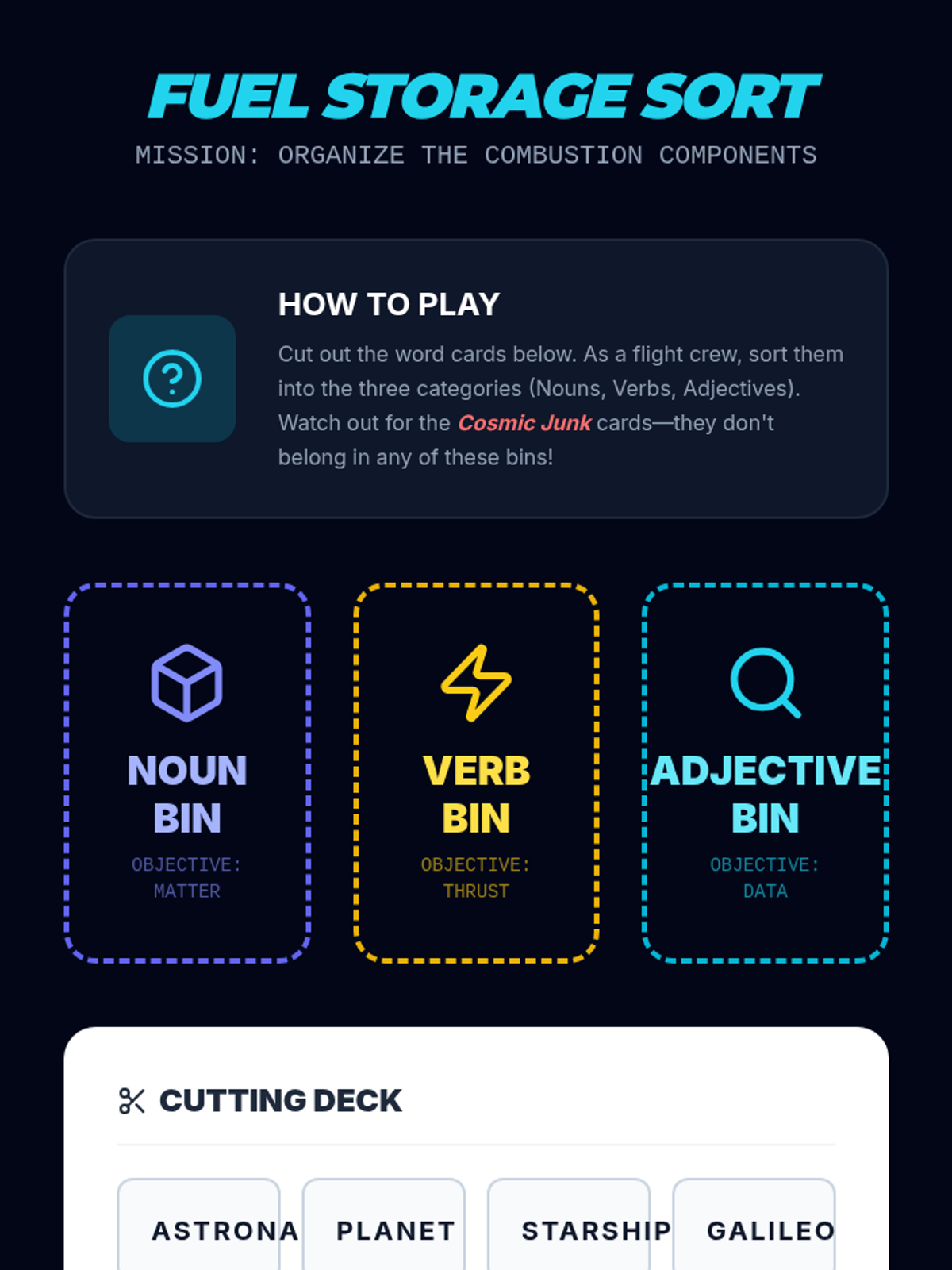
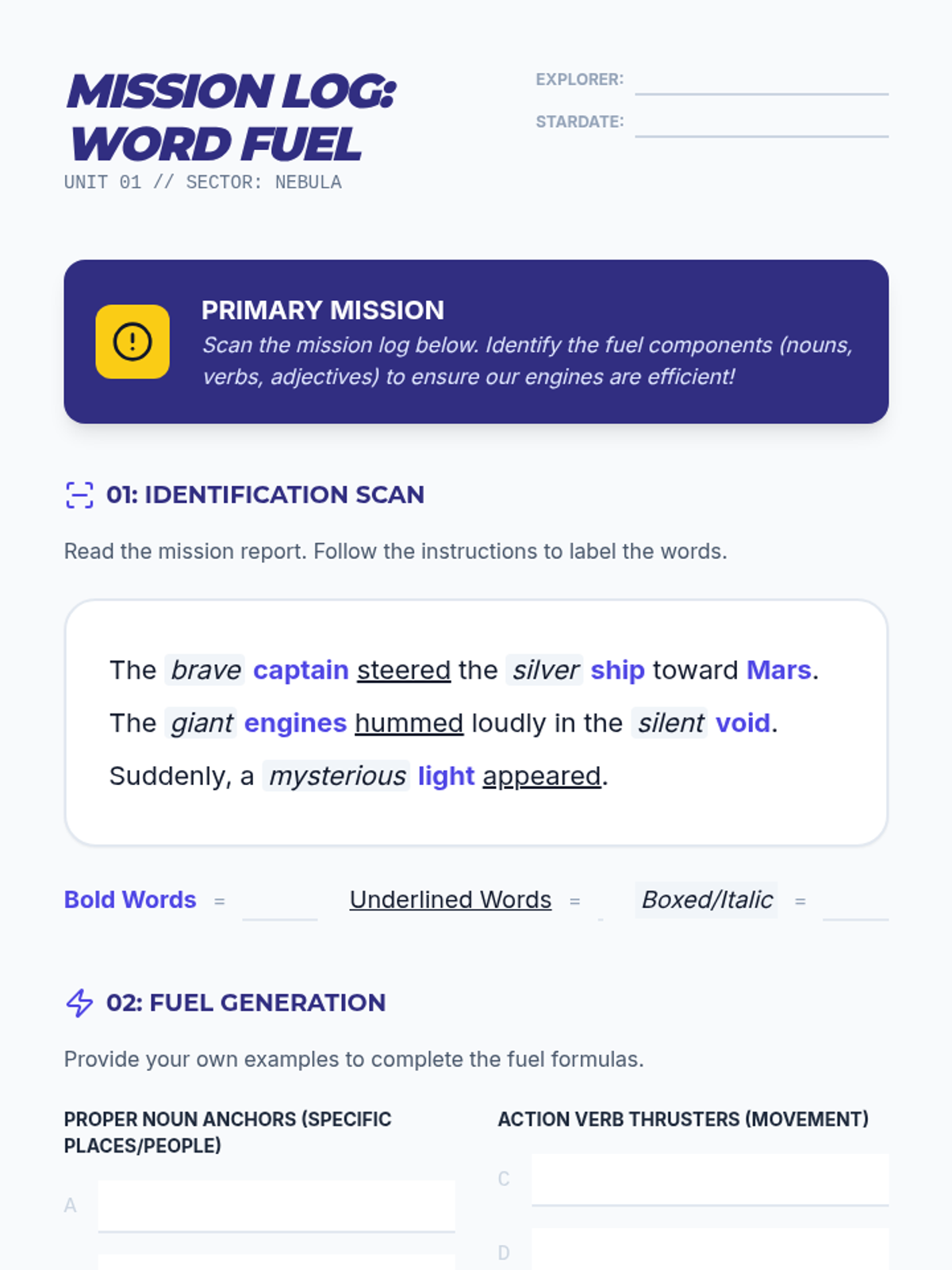
An interstellar grammar unit for grades 3-5, where students become space explorers to master parts of speech, sentence structure, and punctuation through missions and rocket-building challenges.
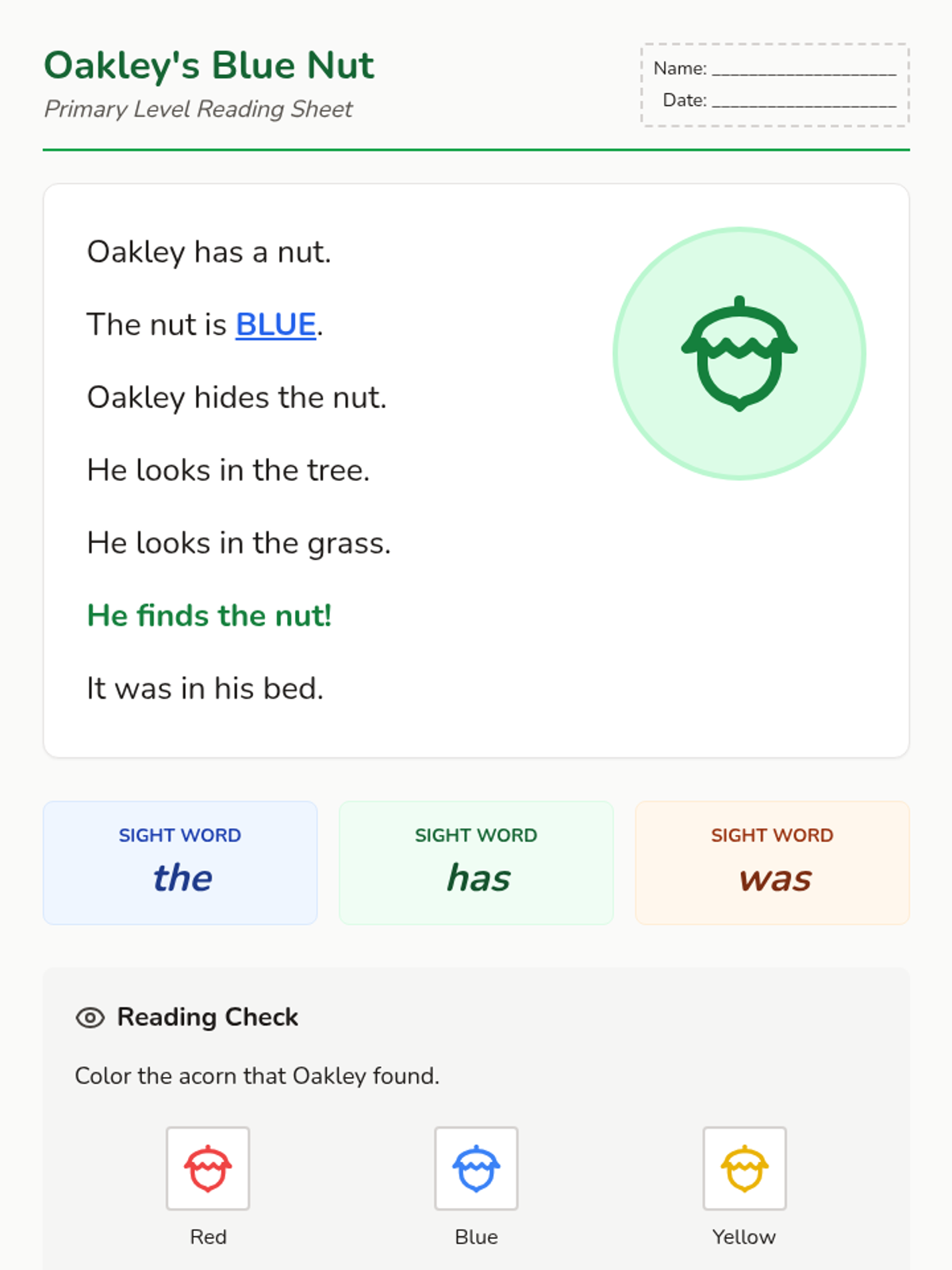
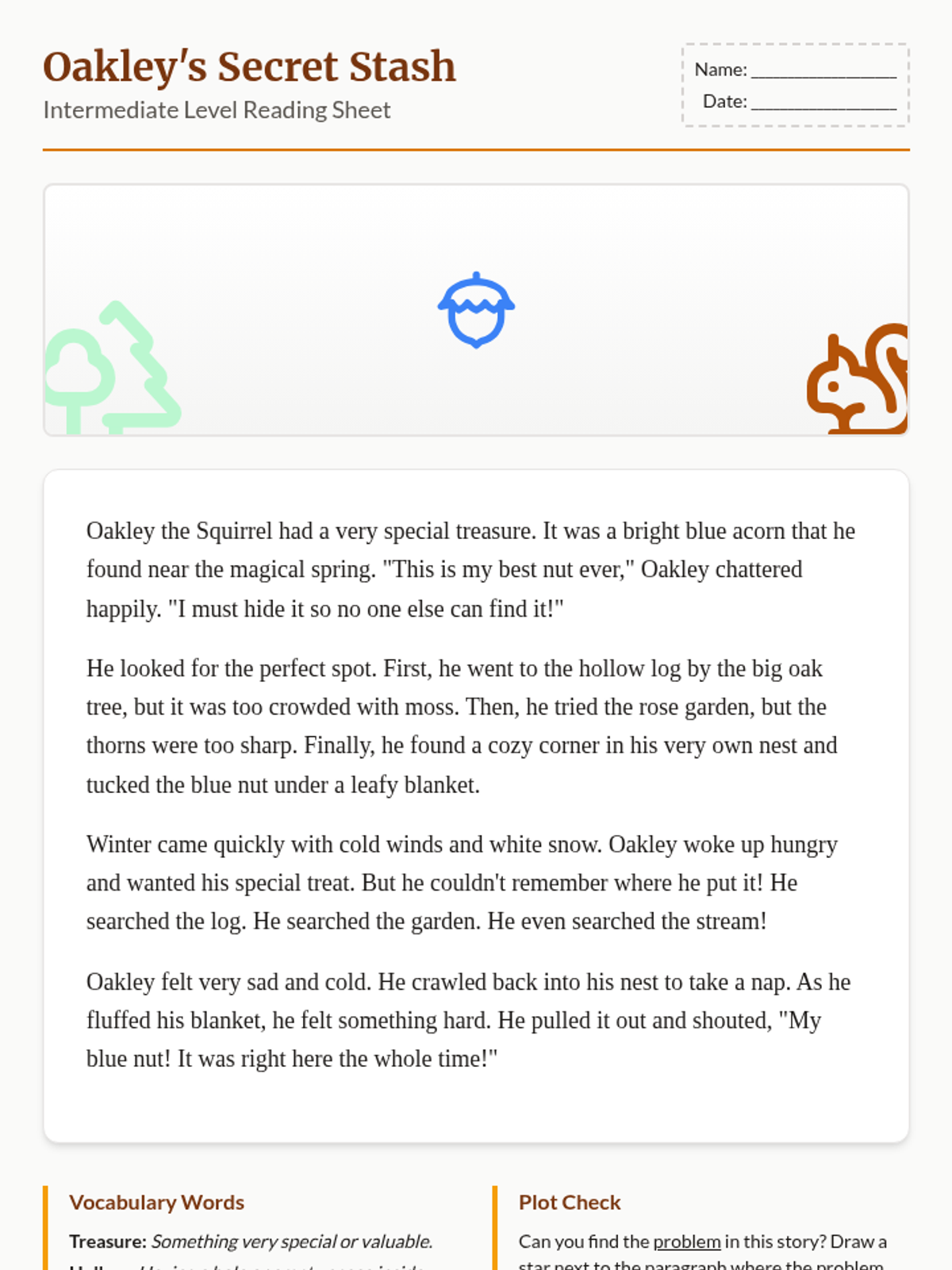
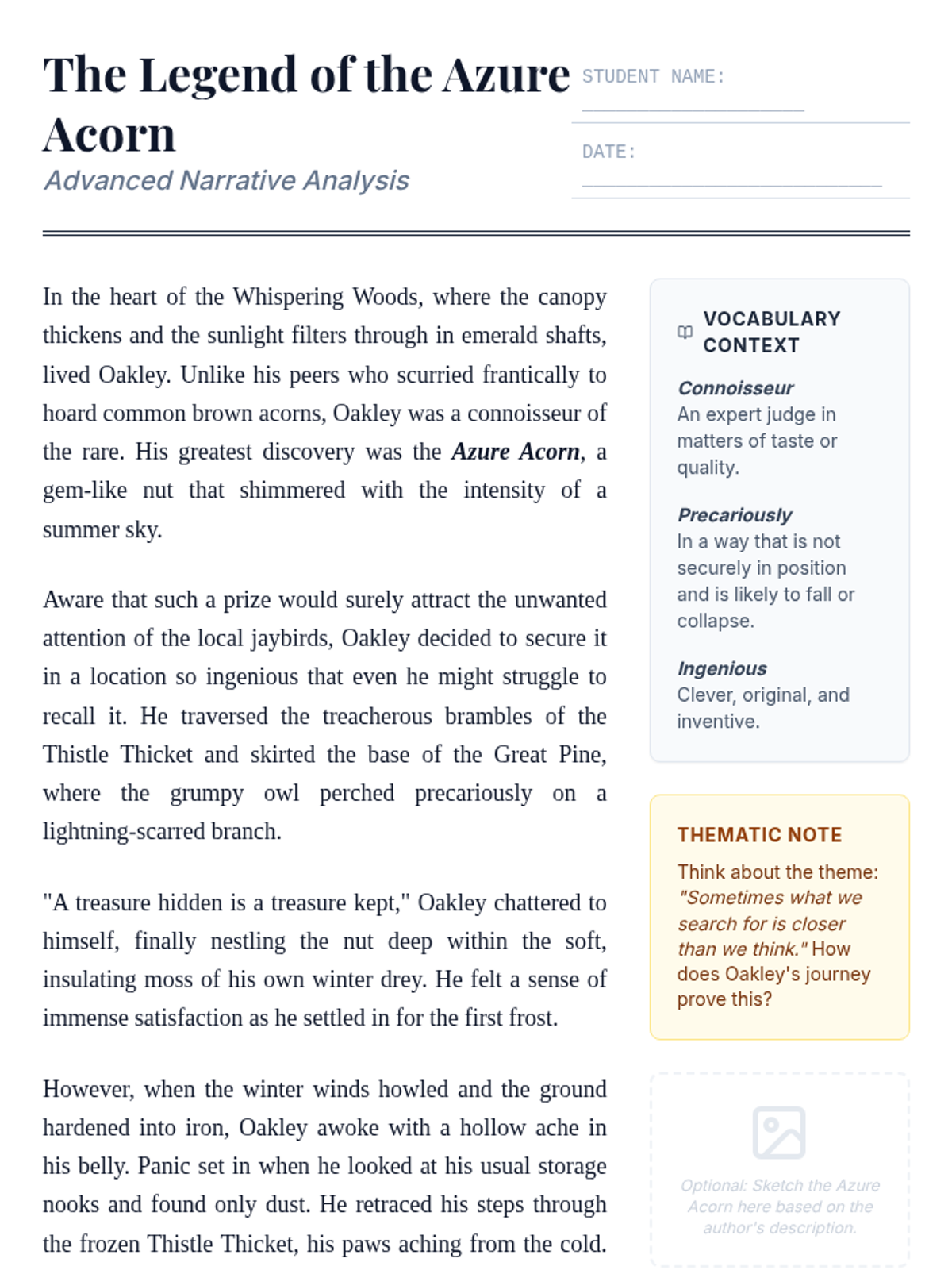
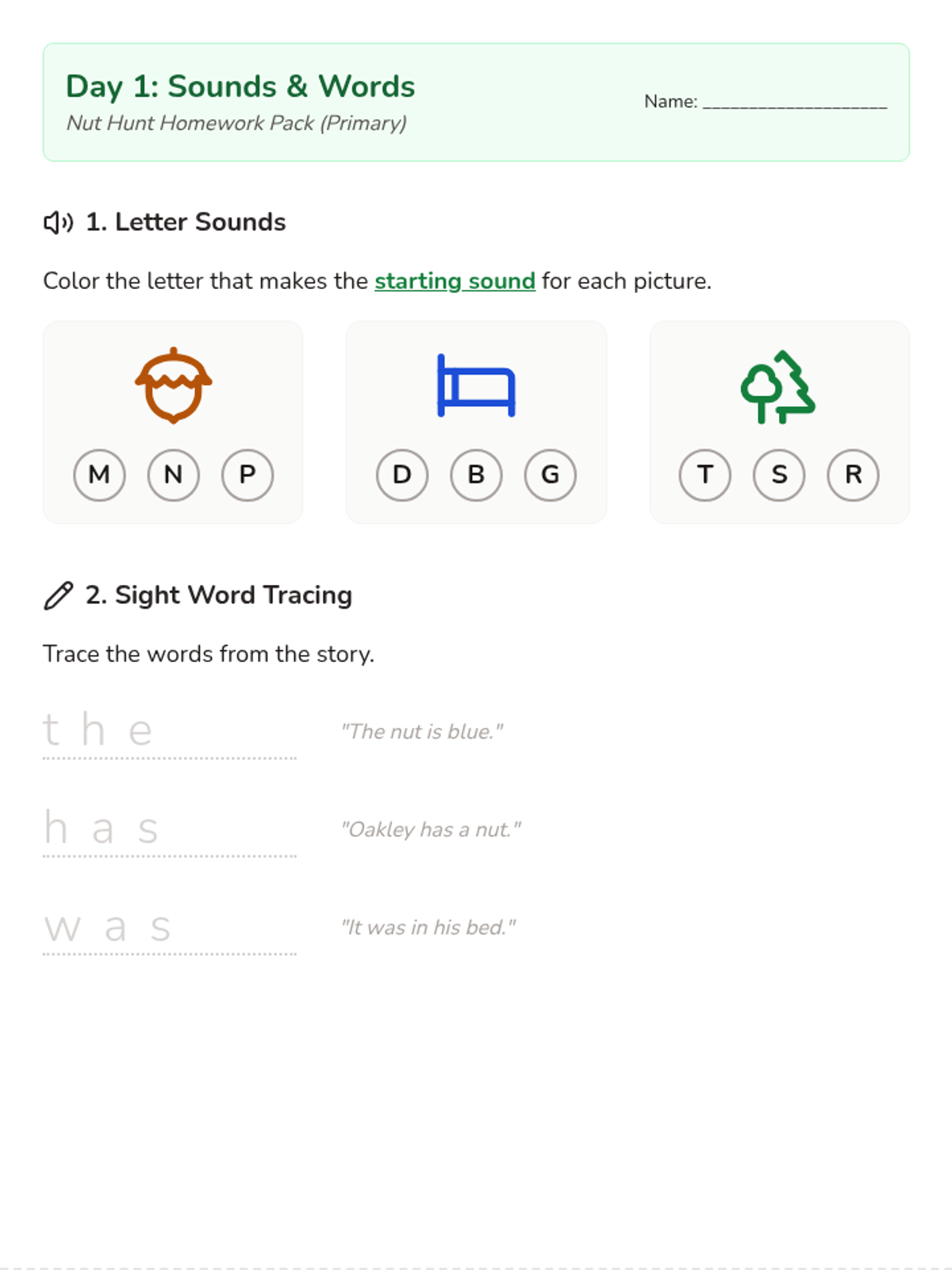
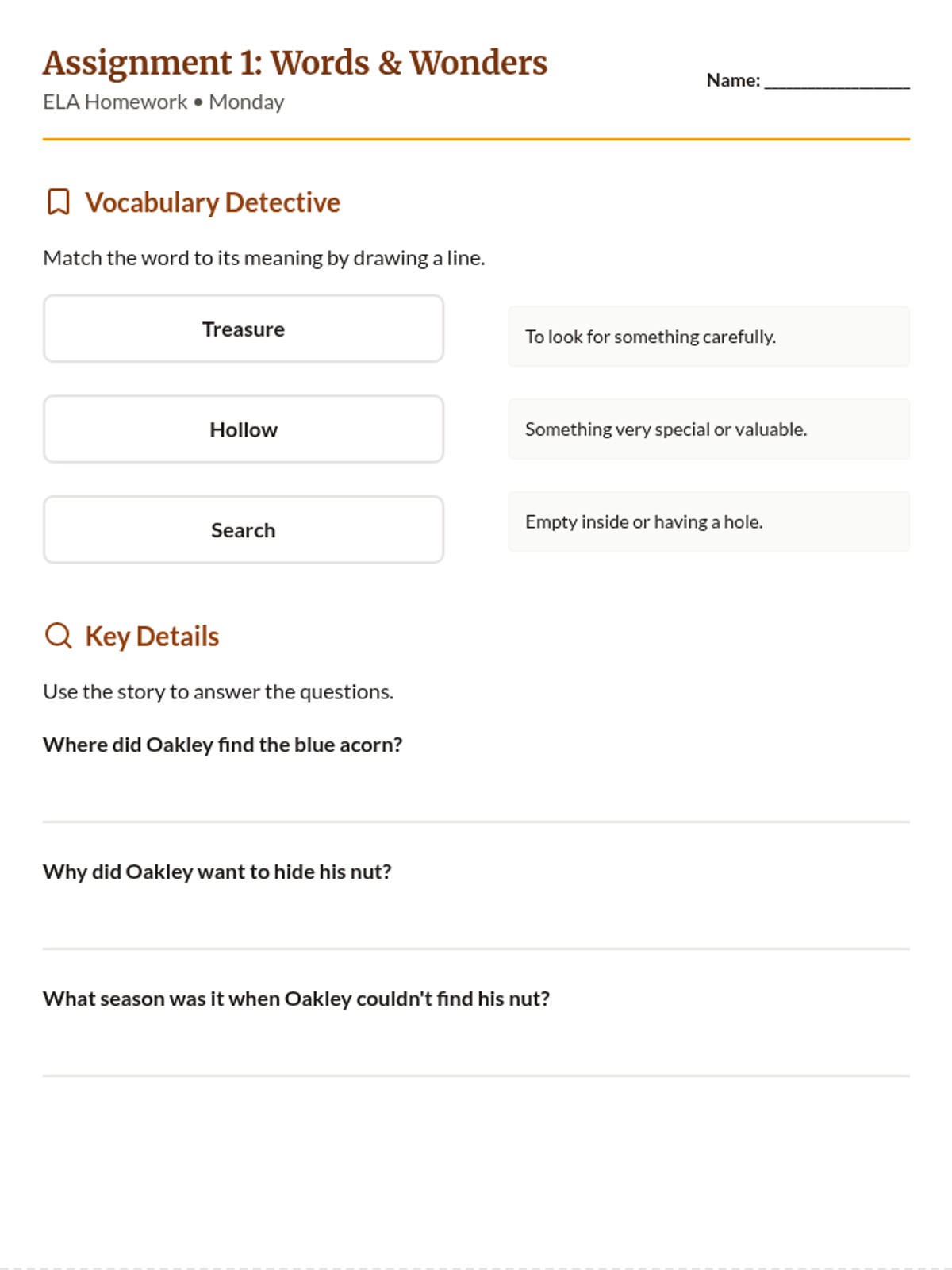
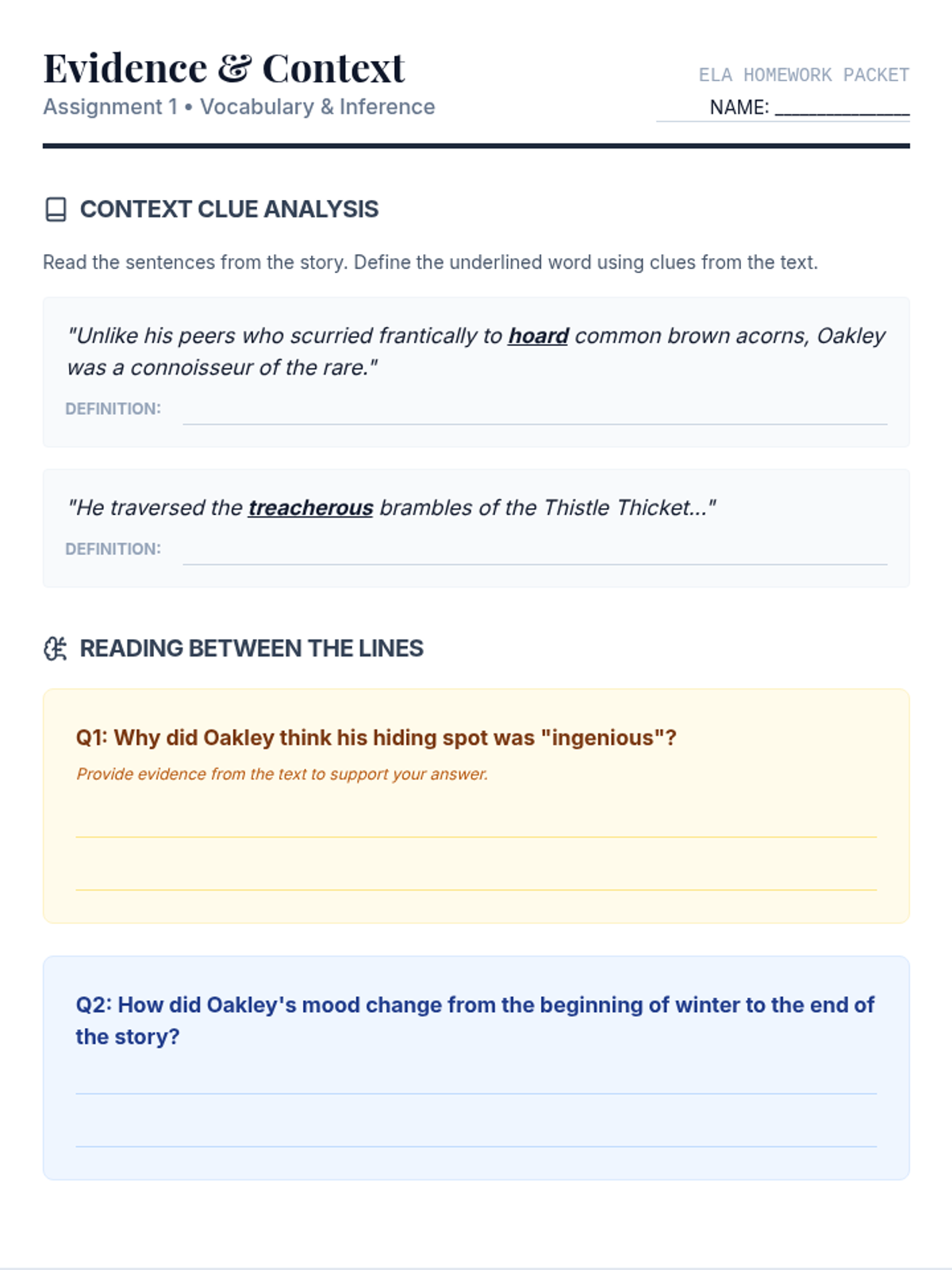
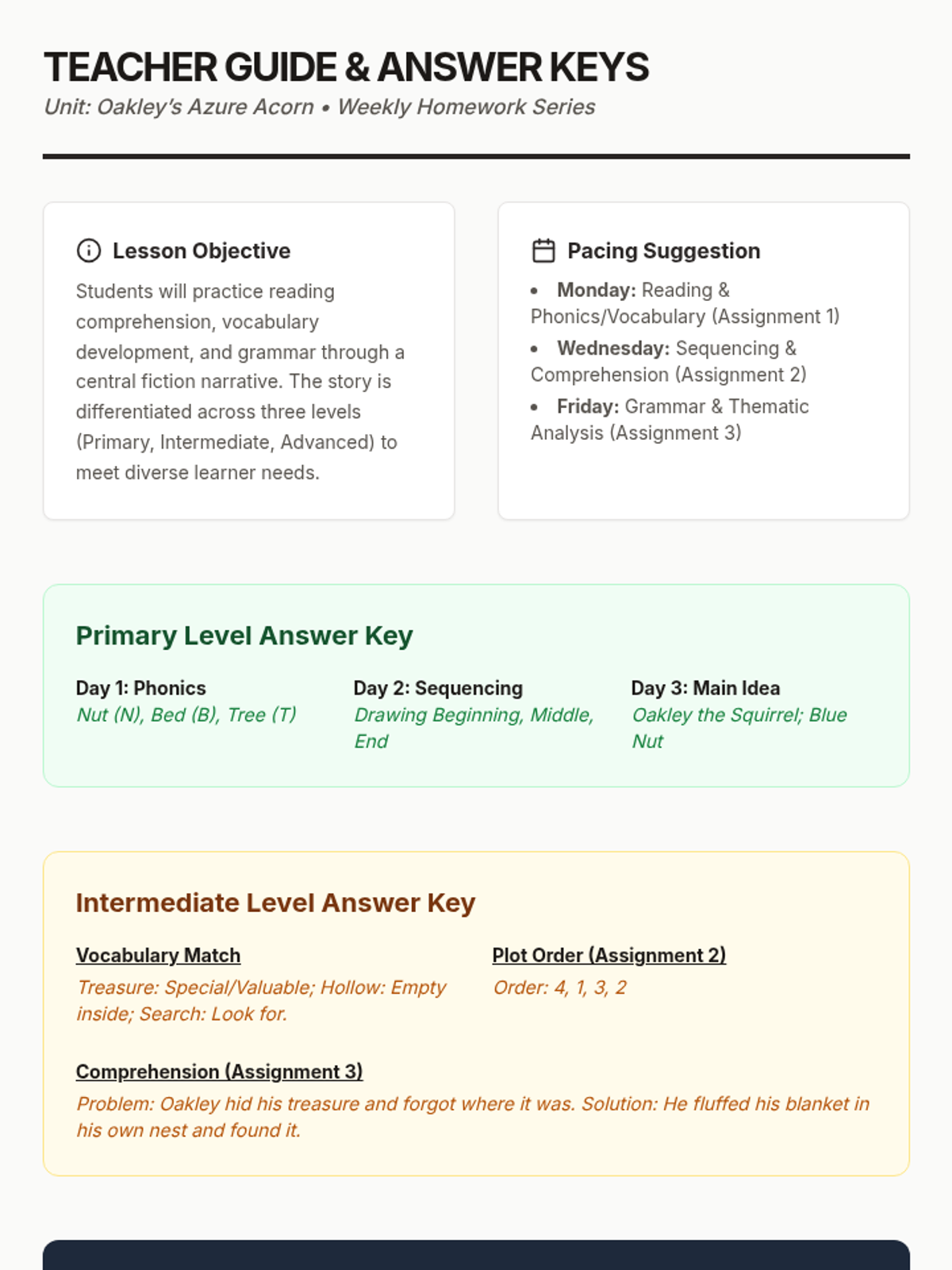
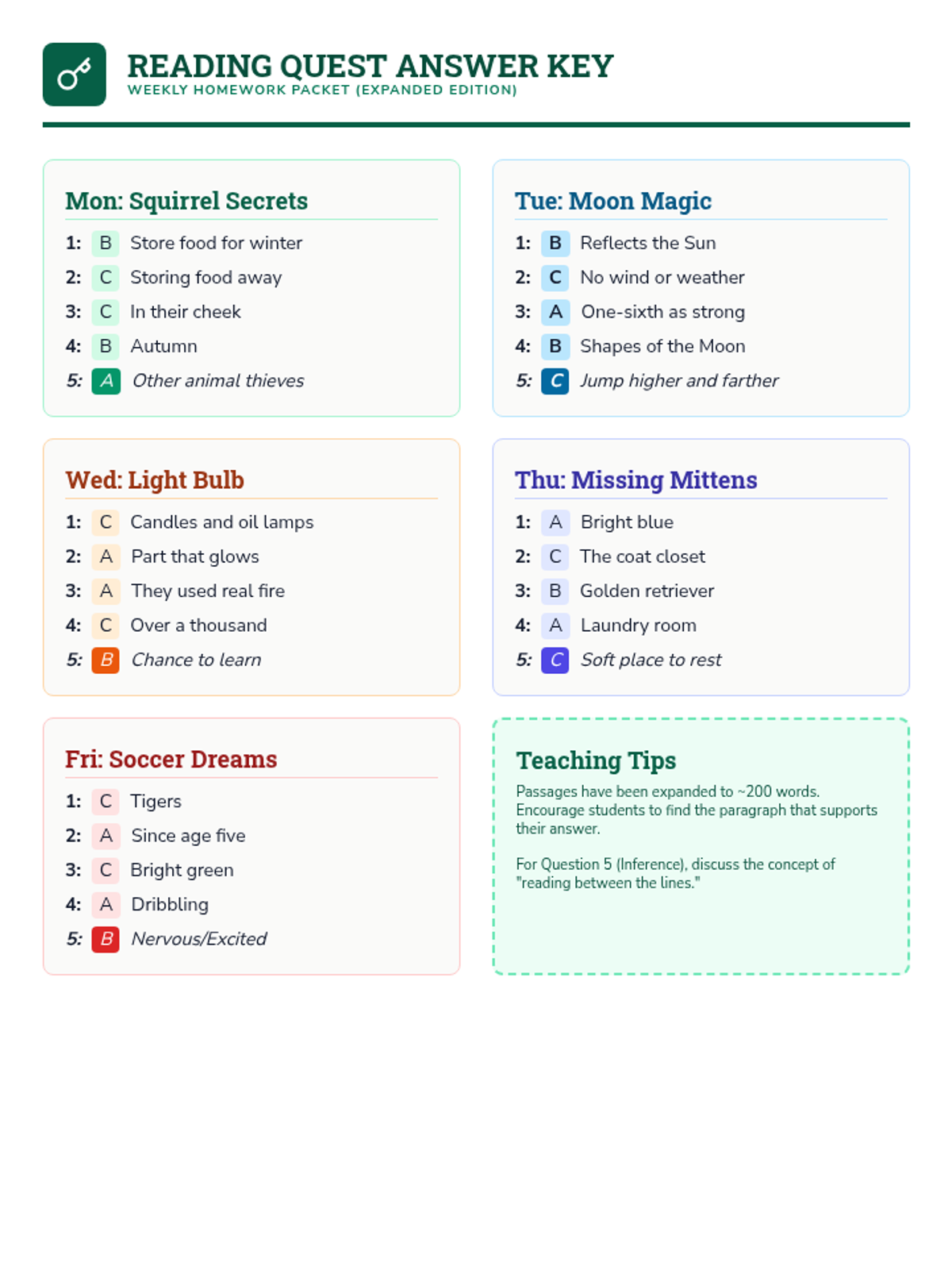
A week-long ELA homework series centered around a narrative about a squirrel's search for a rare acorn. The materials are differentiated for Kindergarten, 2nd Grade, and 4th Grade learners.
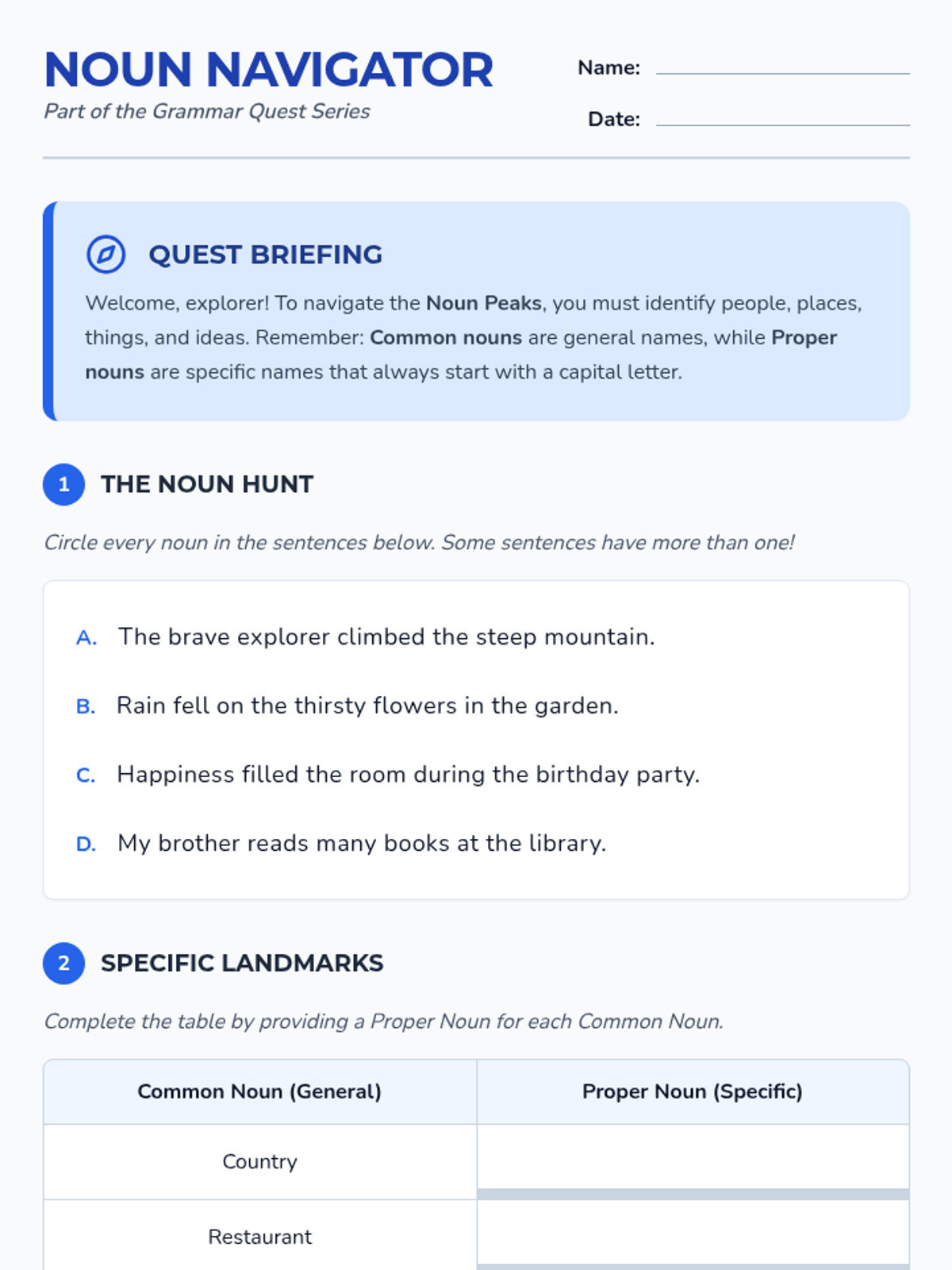
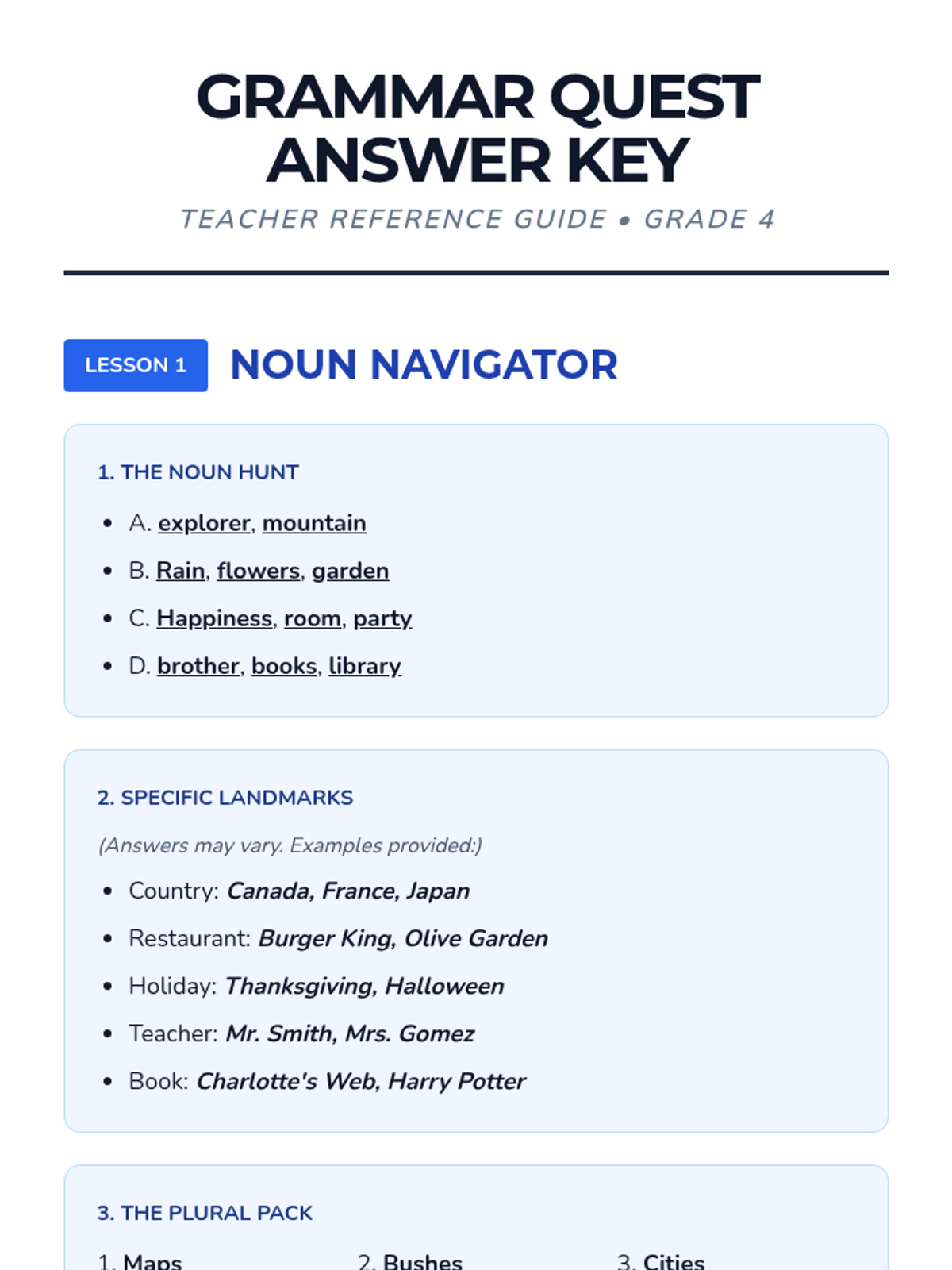
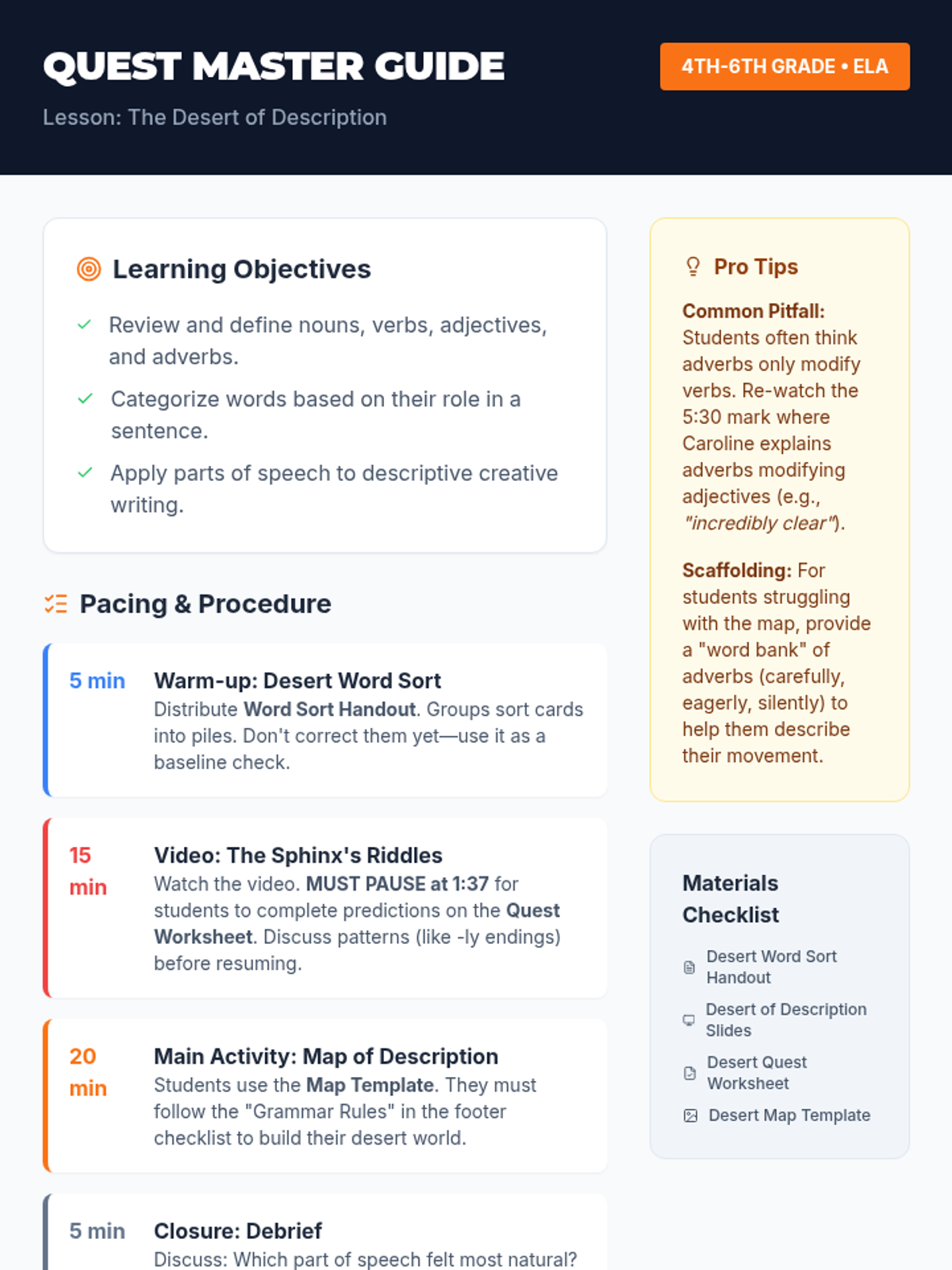
A comprehensive 4th-grade grammar unit focusing on the four primary parts of speech: nouns, verbs, adjectives, and adverbs. Through an adventure-themed quest, students master identifying and using these word classes in their writing.
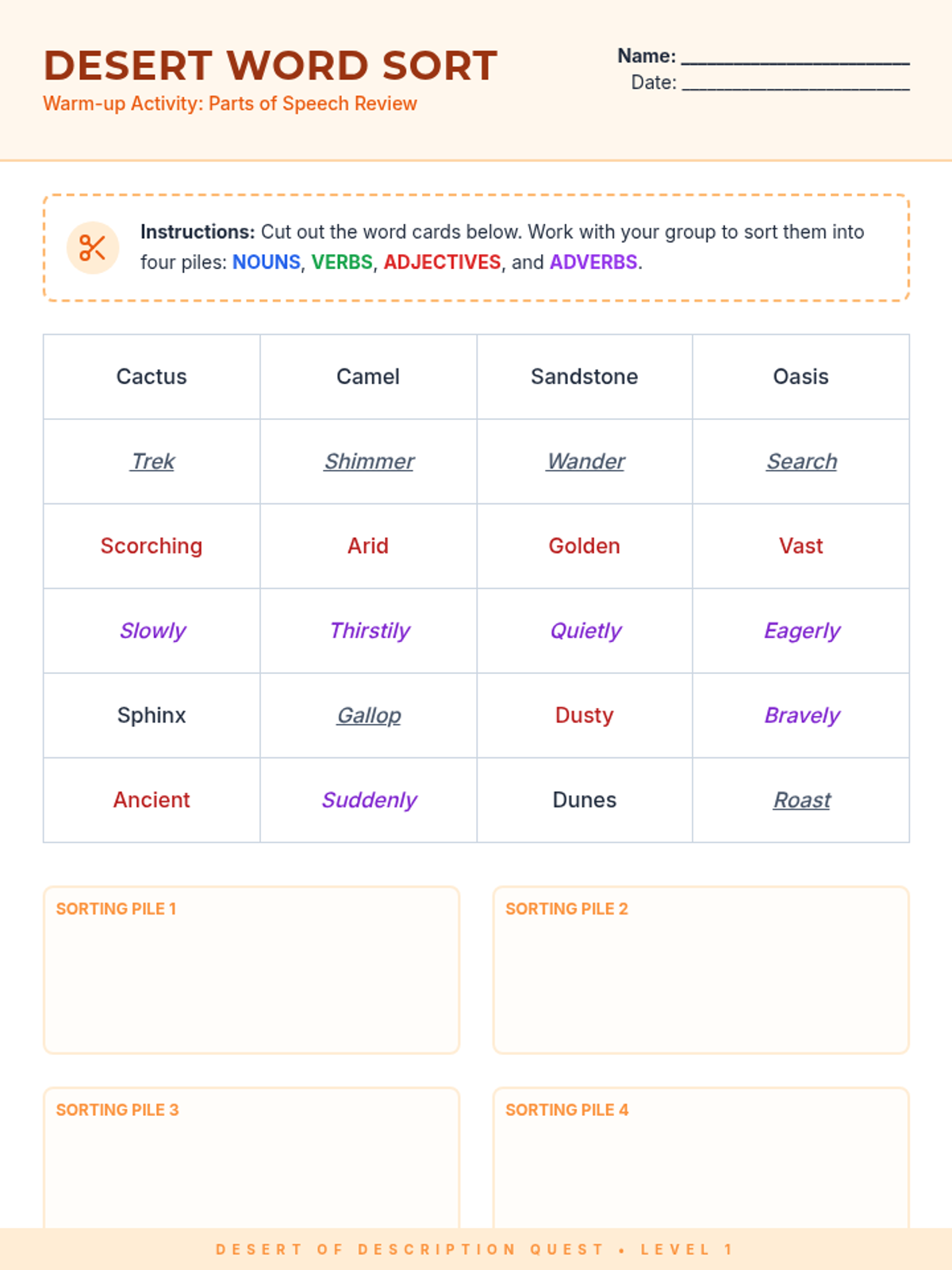
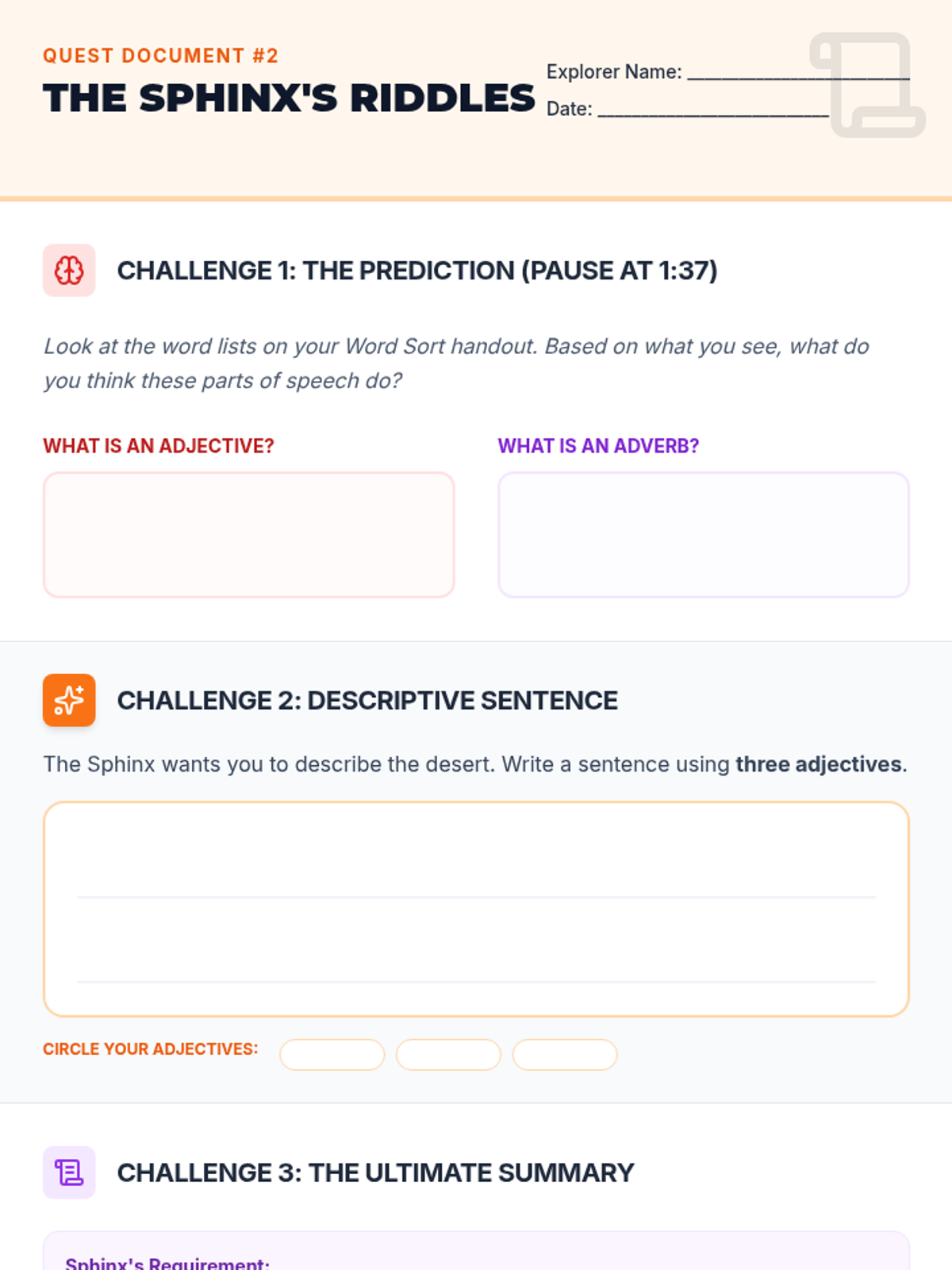
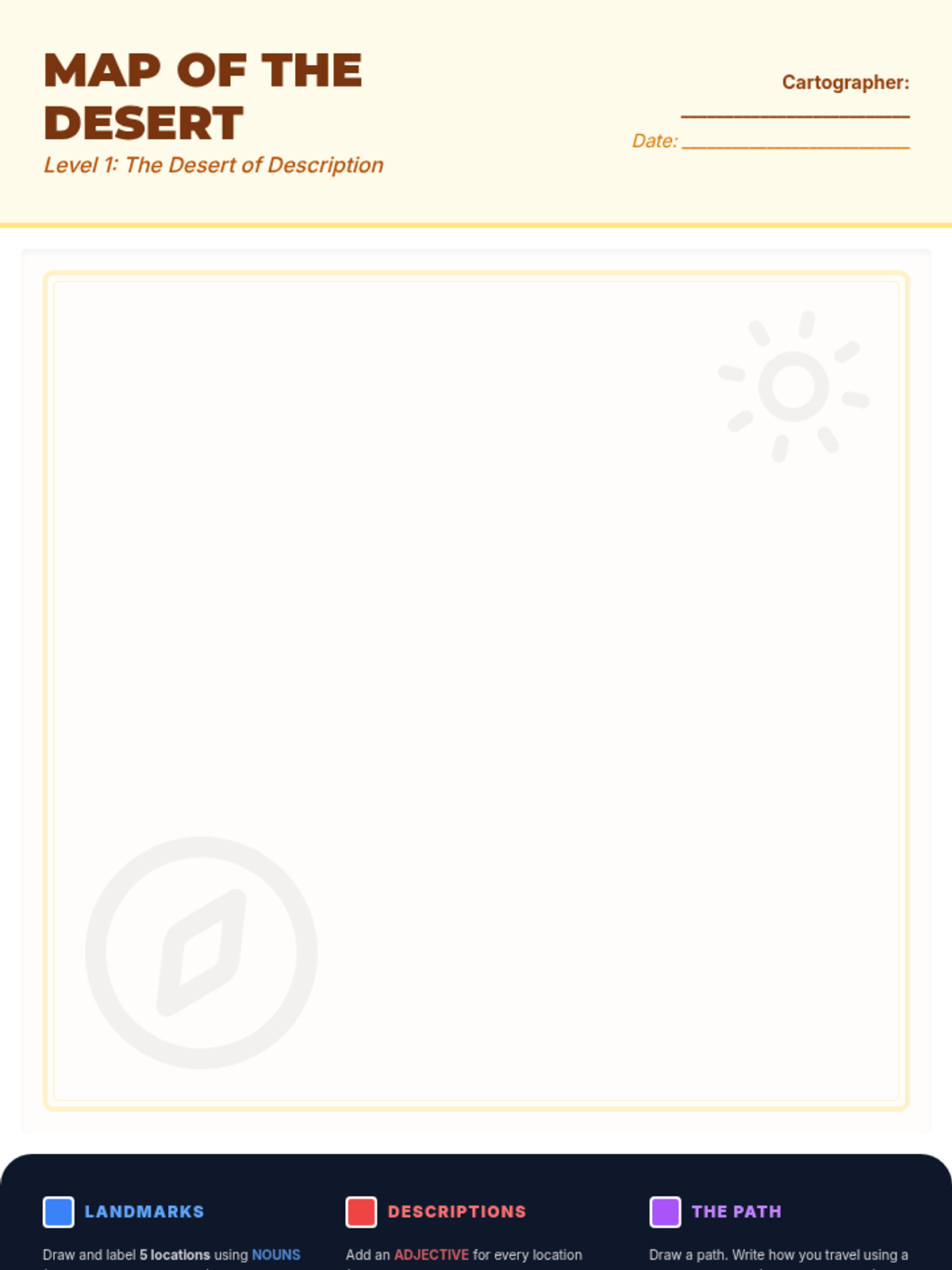
A remedial/review sequence for 4th-6th grade students focusing on parts of speech through a desert-themed adventure quest. Students identify and apply nouns, verbs, adjectives, and adverbs while building a descriptive map.
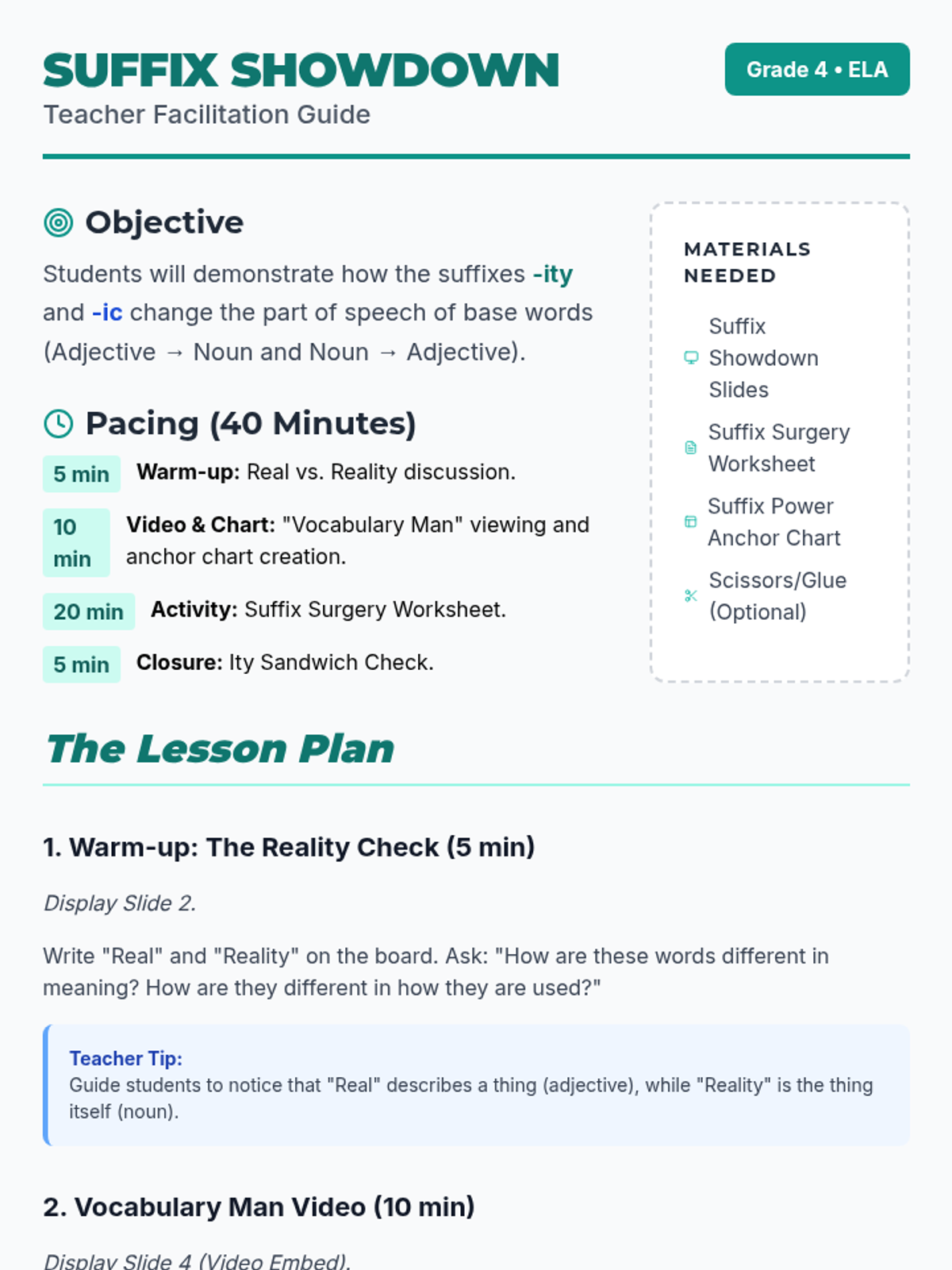
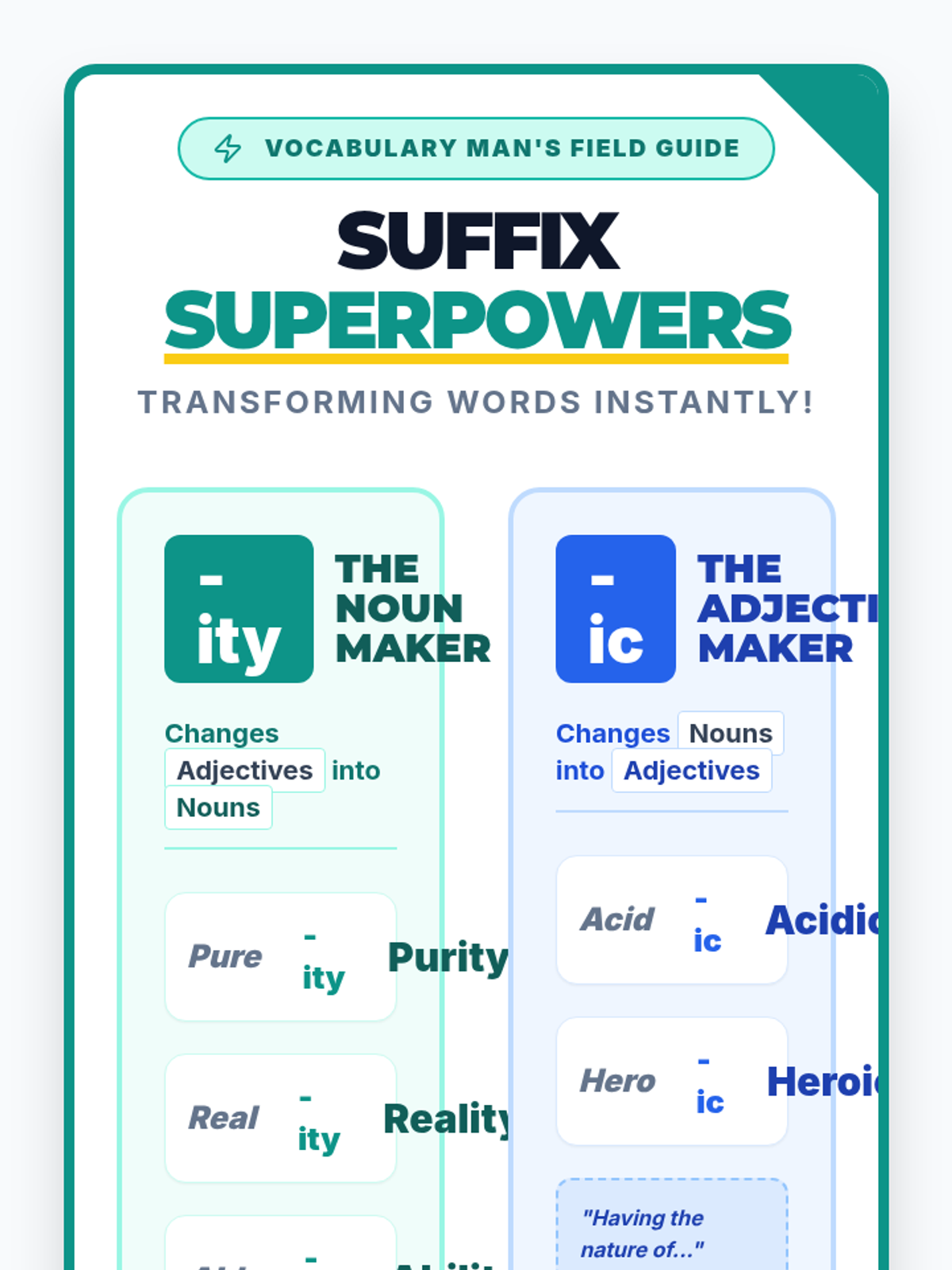
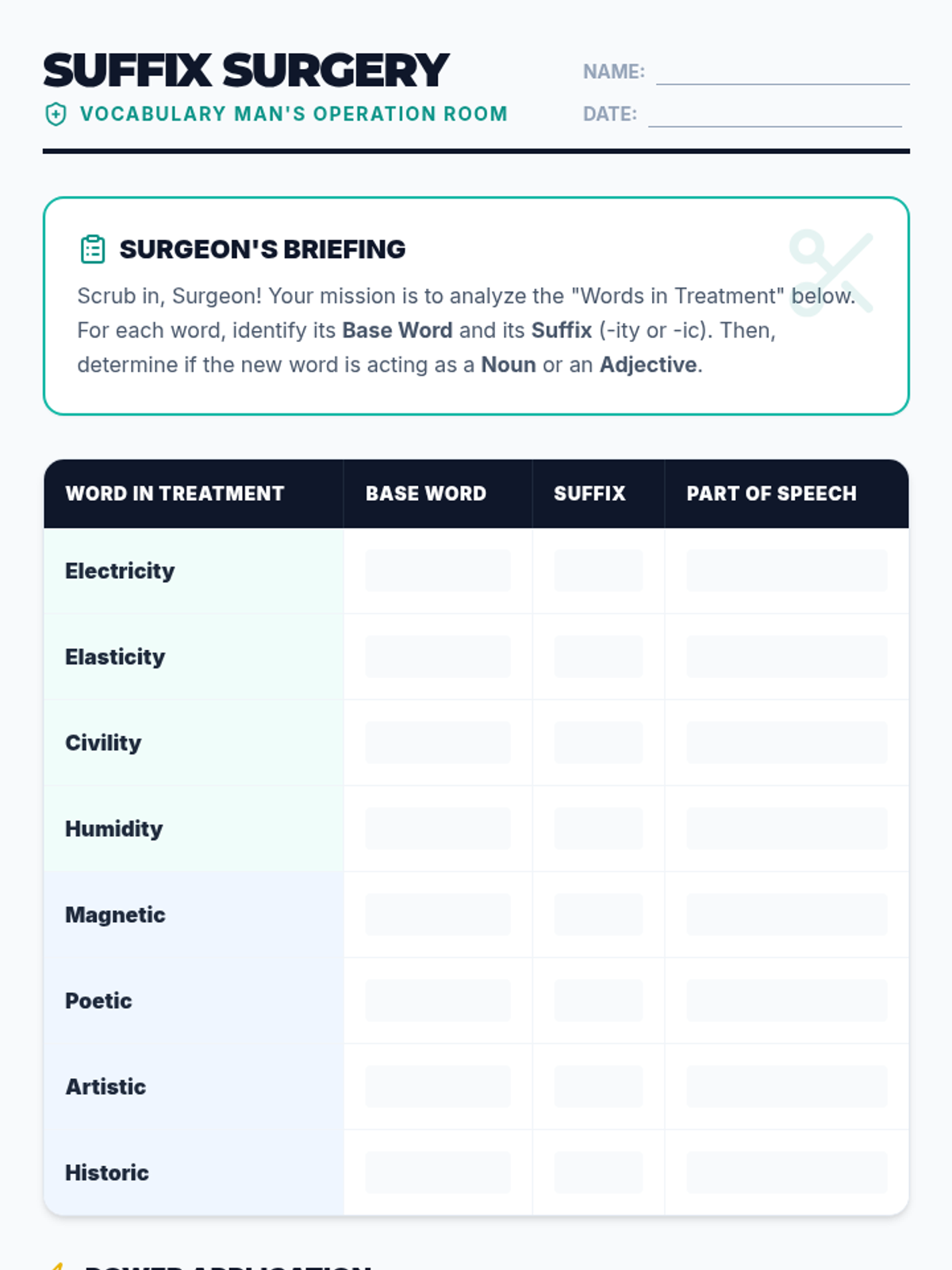
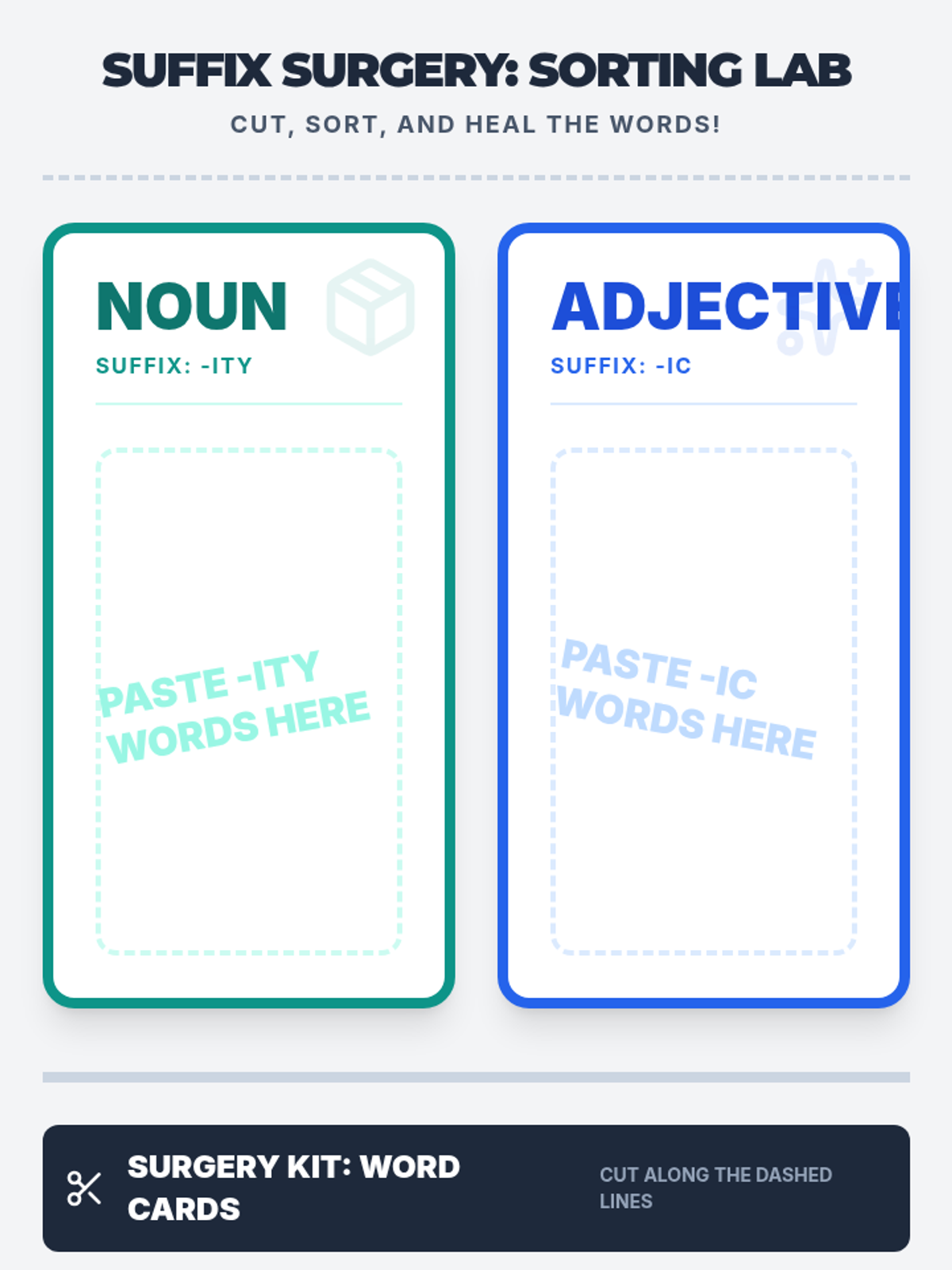
A punchy, superhero-themed lesson sequence focused on how the suffixes -ity and -ic transform base words into different parts of speech, inspired by Vocabulary Man.
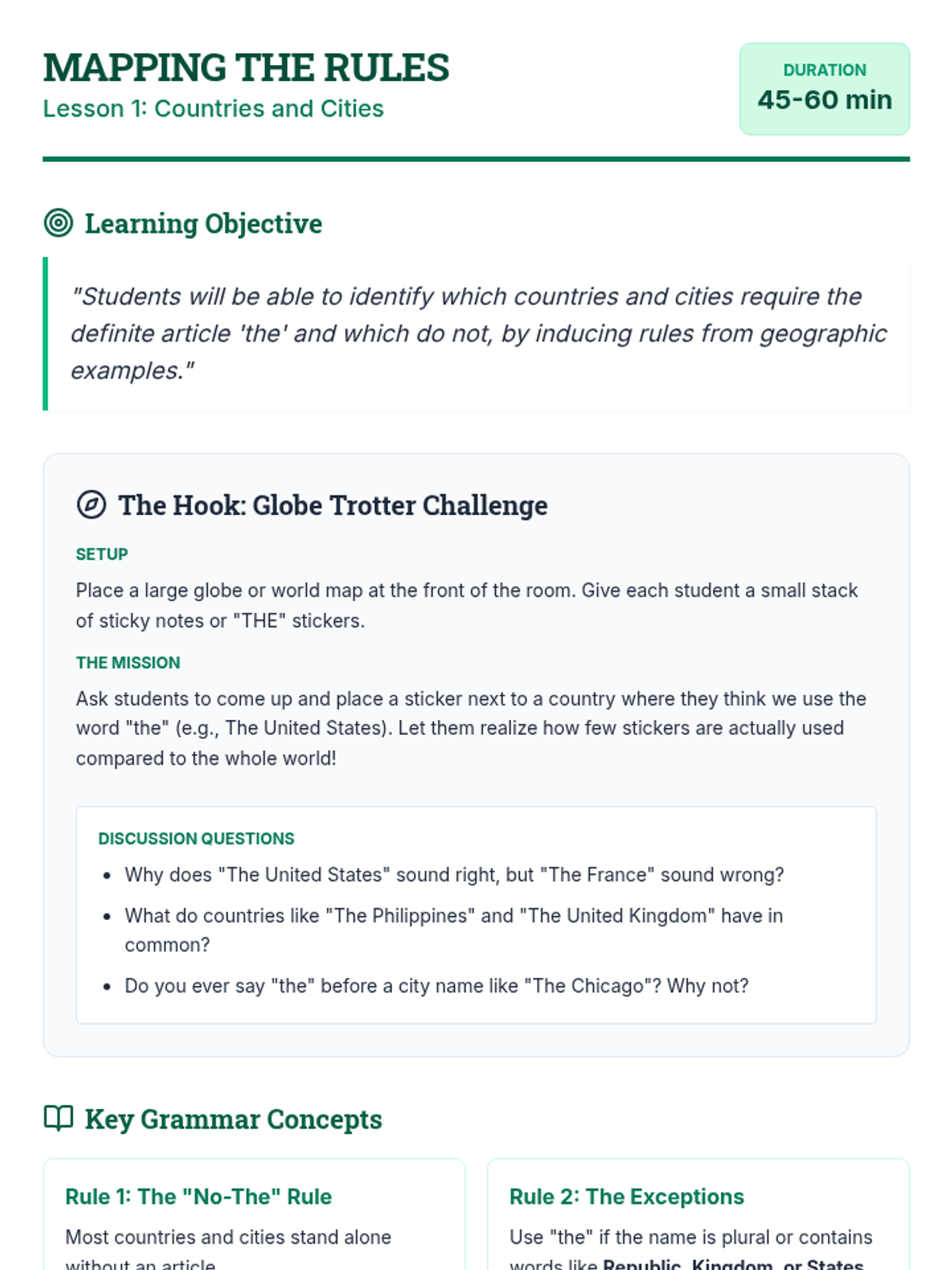
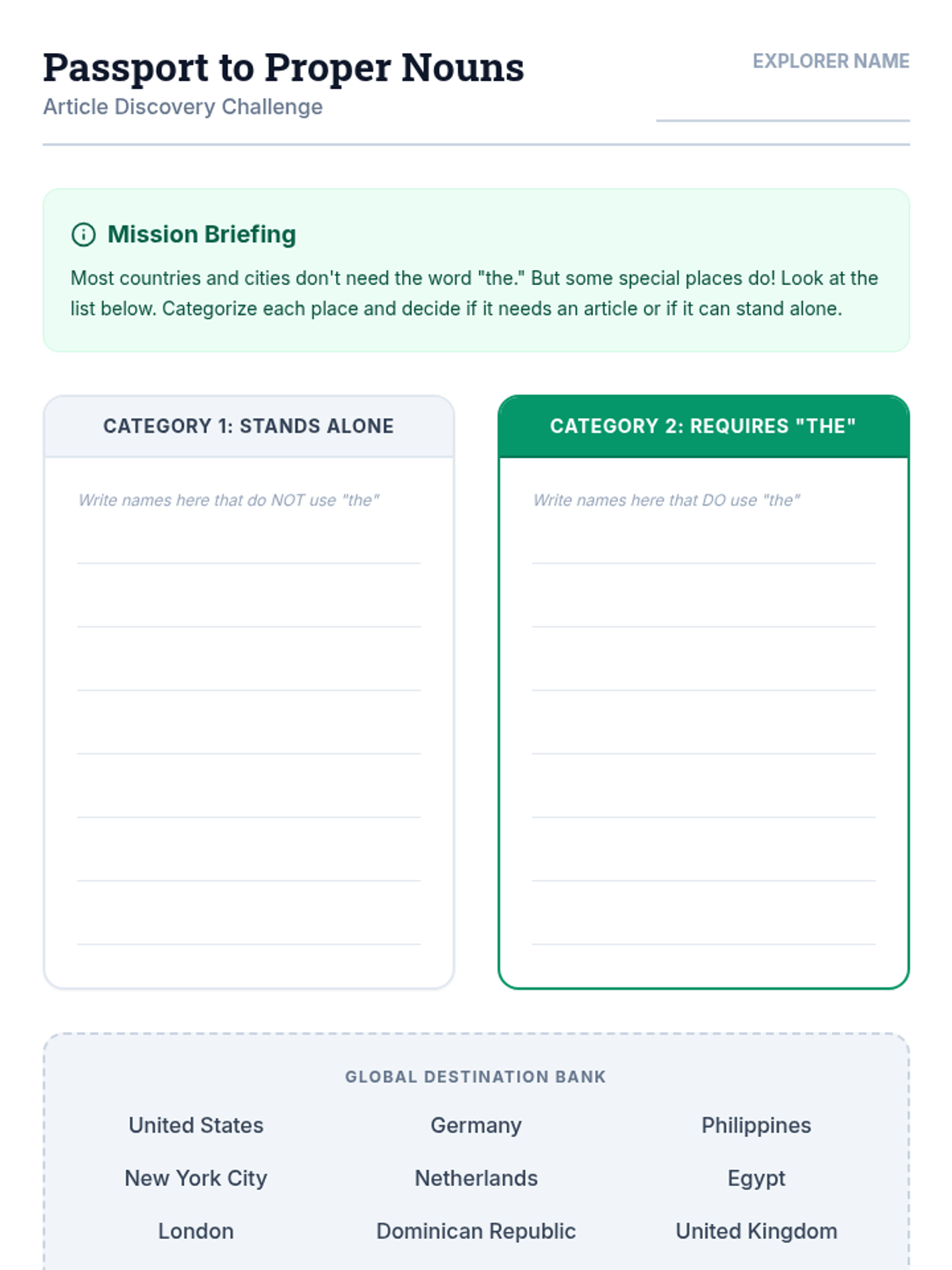
A comprehensive 4th-grade grammar sequence focusing on the nuances of using articles with geographic names and proper nouns. Students act as travel agents to master the complex rules of 'the' through inquiry, games, and project-based writing.
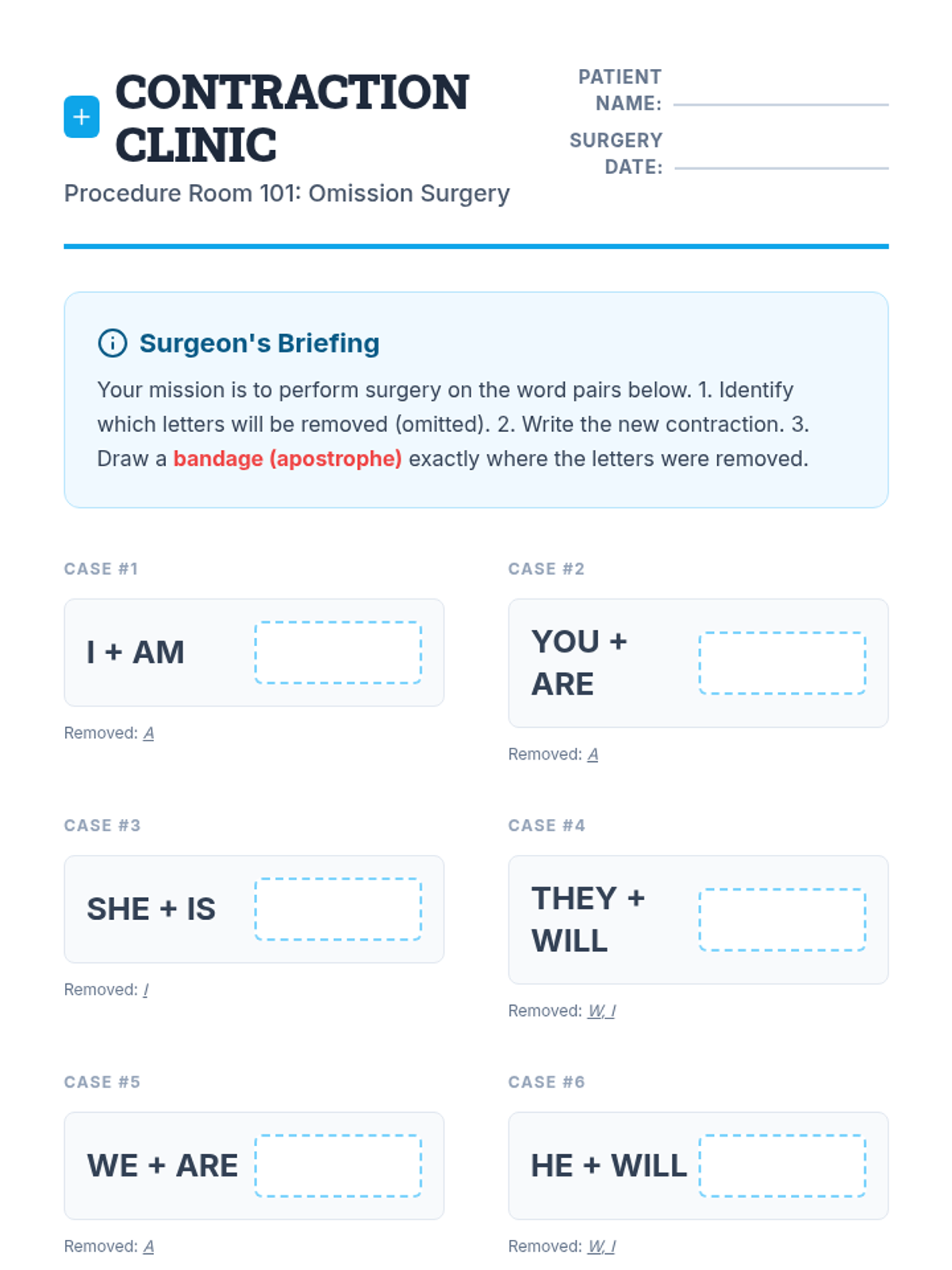
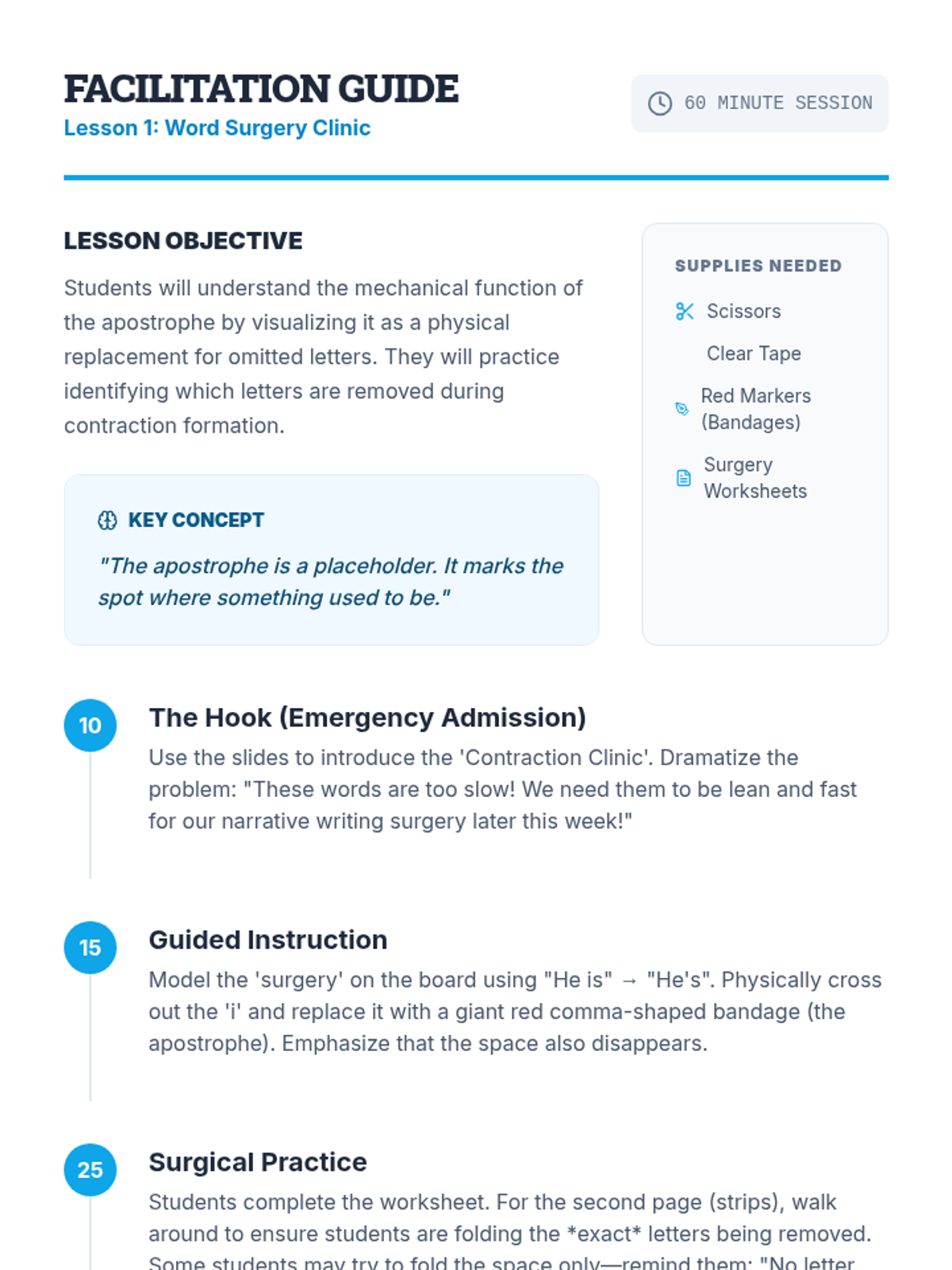
This comprehensive 4th Grade grammar sequence uses a 'Contraction Clinic' theme to teach students how to form and use contractions correctly. From 'performing surgery' on words to mastering tricky homophones and editing dialogue, students move from basic mechanics to sophisticated application.
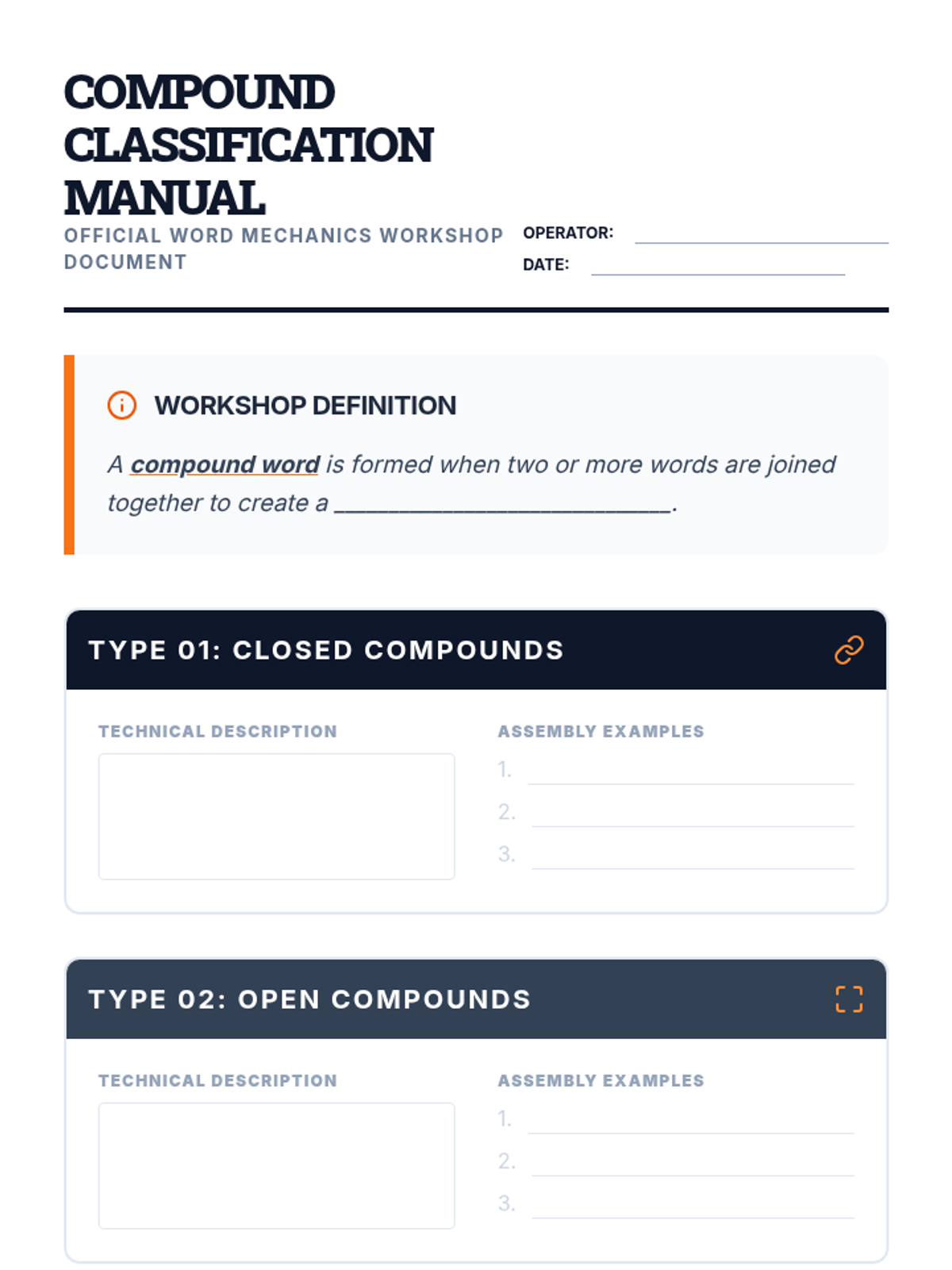
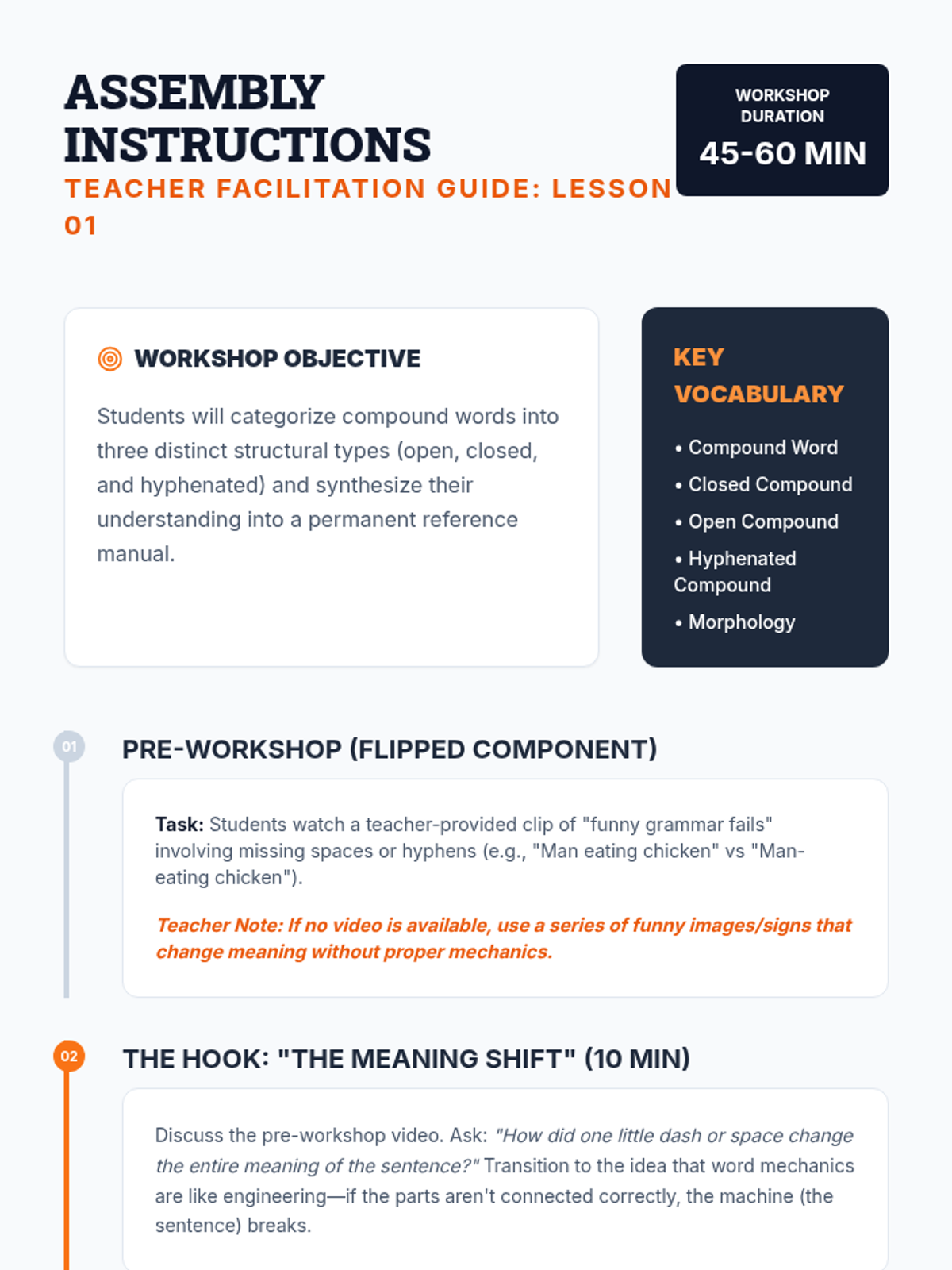
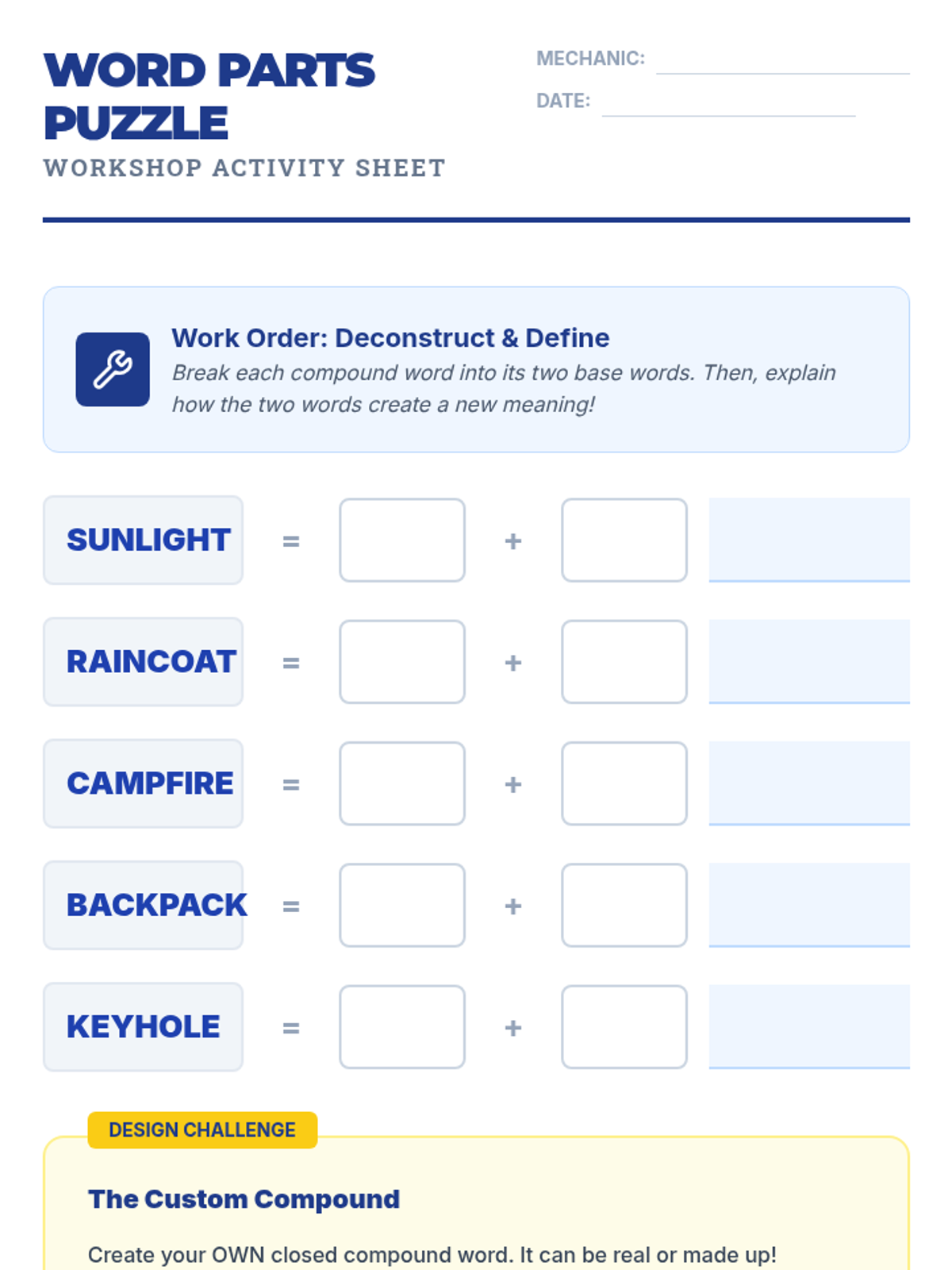
A systematic sequence for 4th Grade students focusing on the standard English conventions of open, closed, and hyphenated compound words through a 'Word Mechanics' workshop theme.
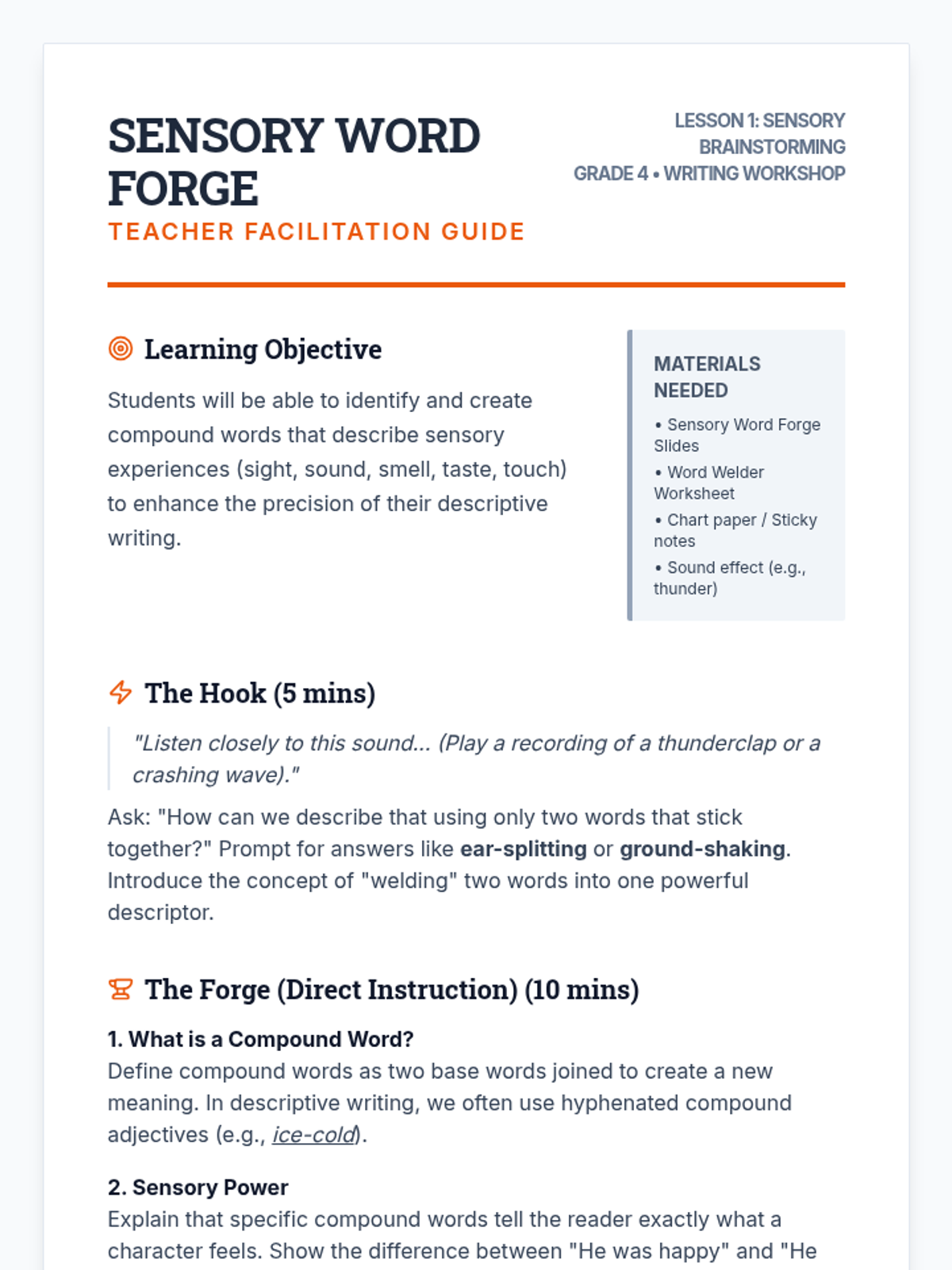
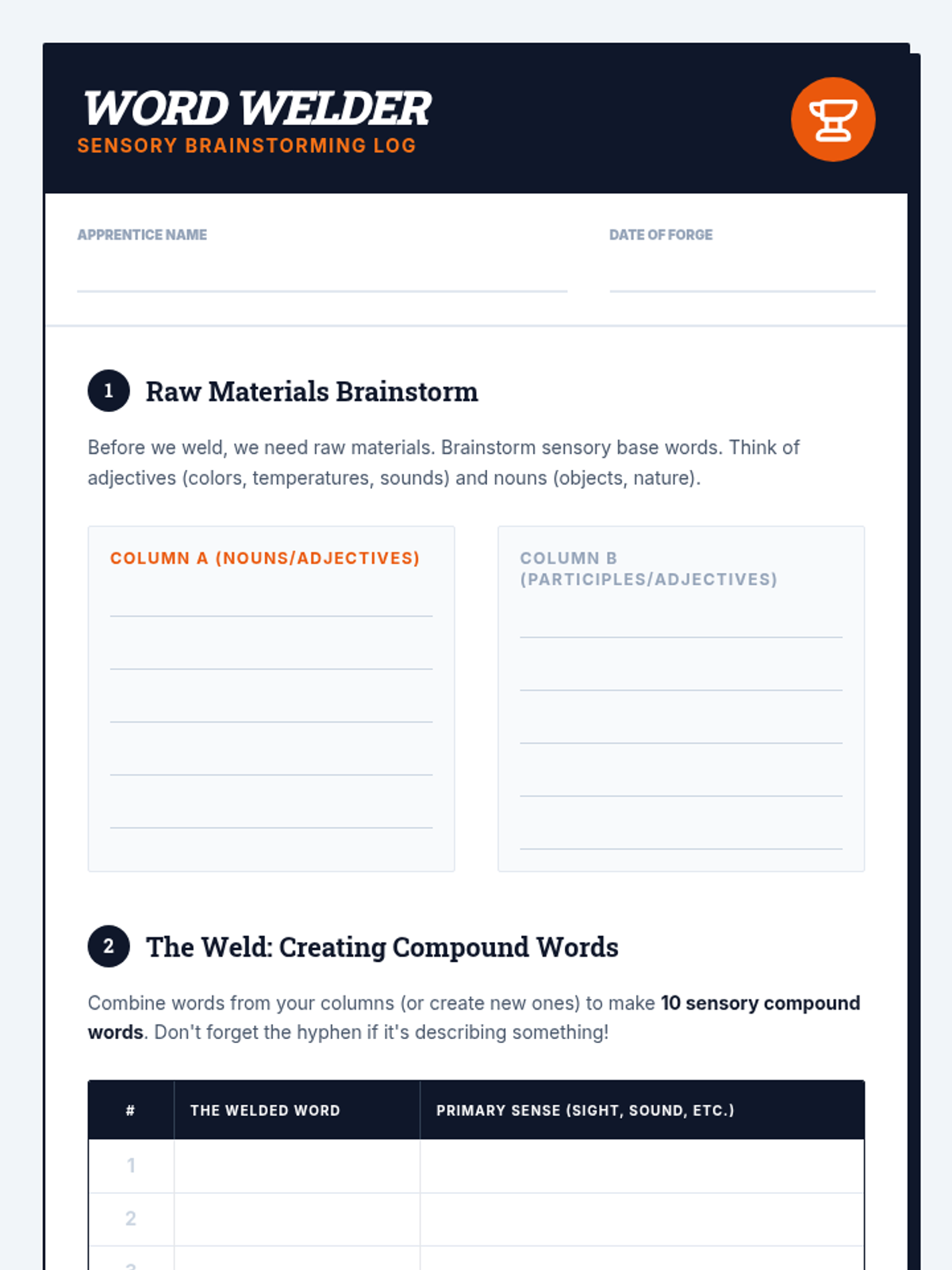
A 4th-grade ELA sequence focused on using compound words to enhance descriptive narrative writing. Students progress from sensory brainstorming to drafting and editing a descriptive paragraph using open, closed, and hyphenated compound words.
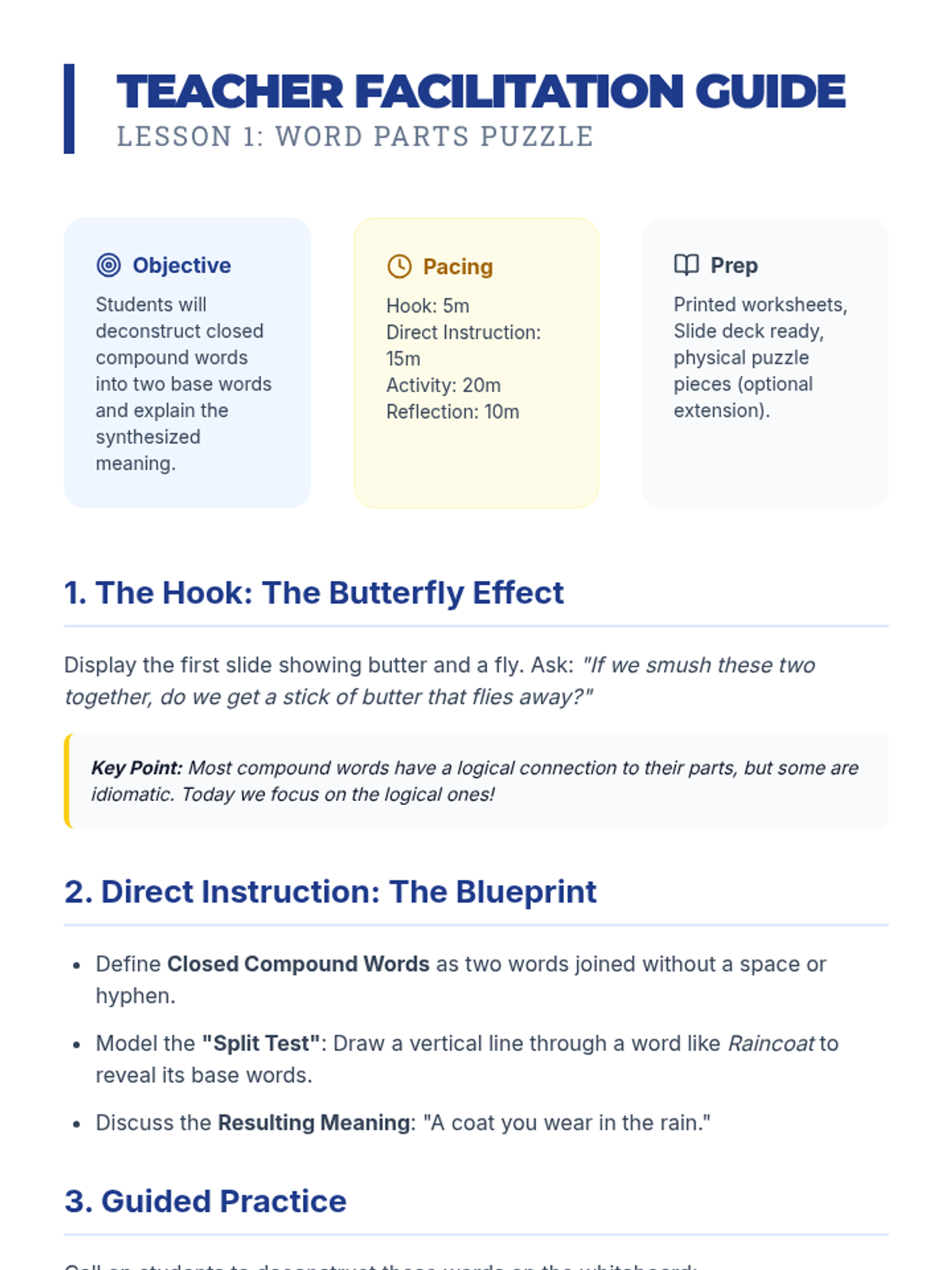
A 4th-grade ELA unit that uses visual arts and morphology to help students deconstruct, categorize, and creatively illustrate compound words, moving from simple closed compounds to more complex figurative meanings.
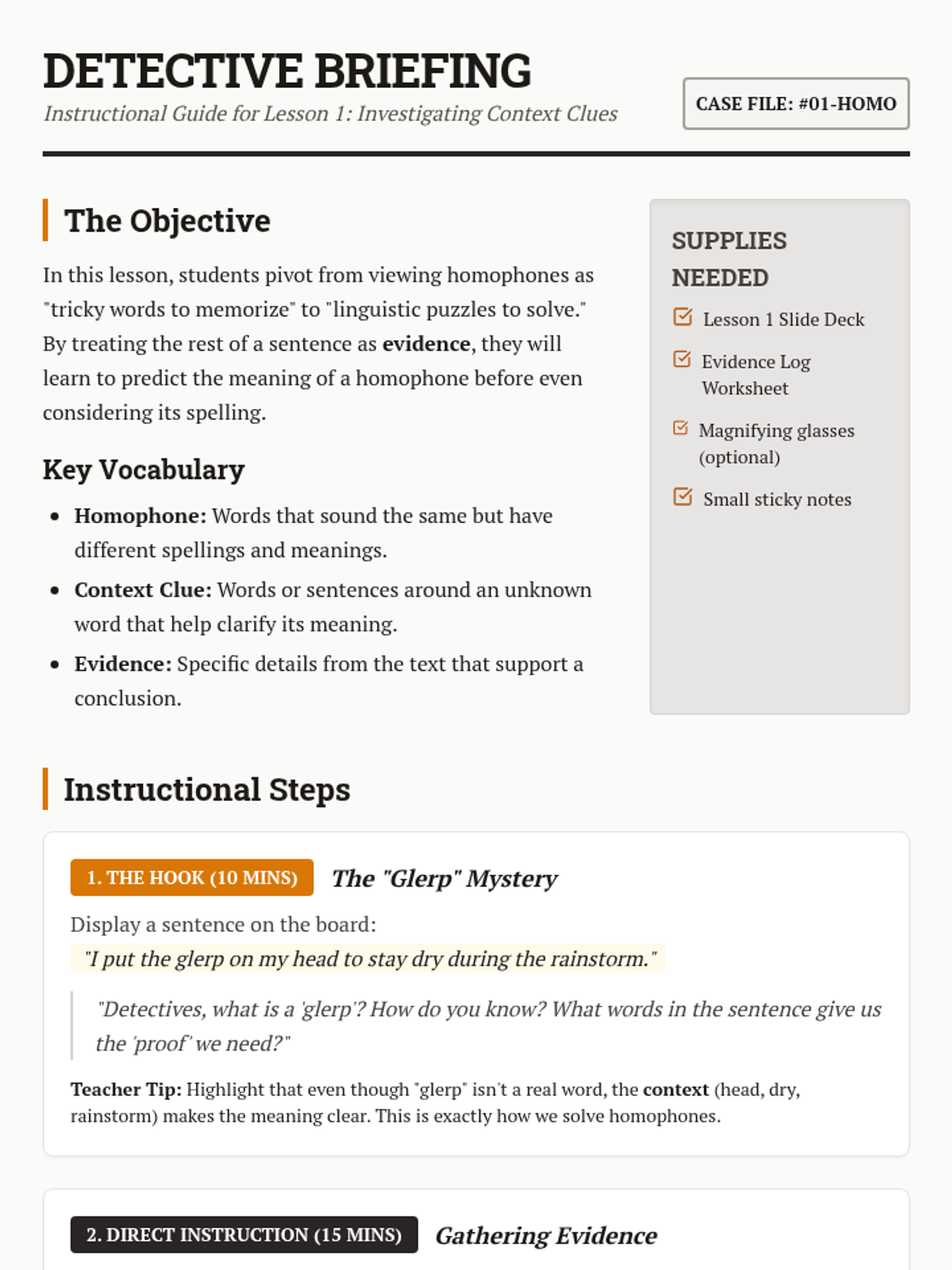
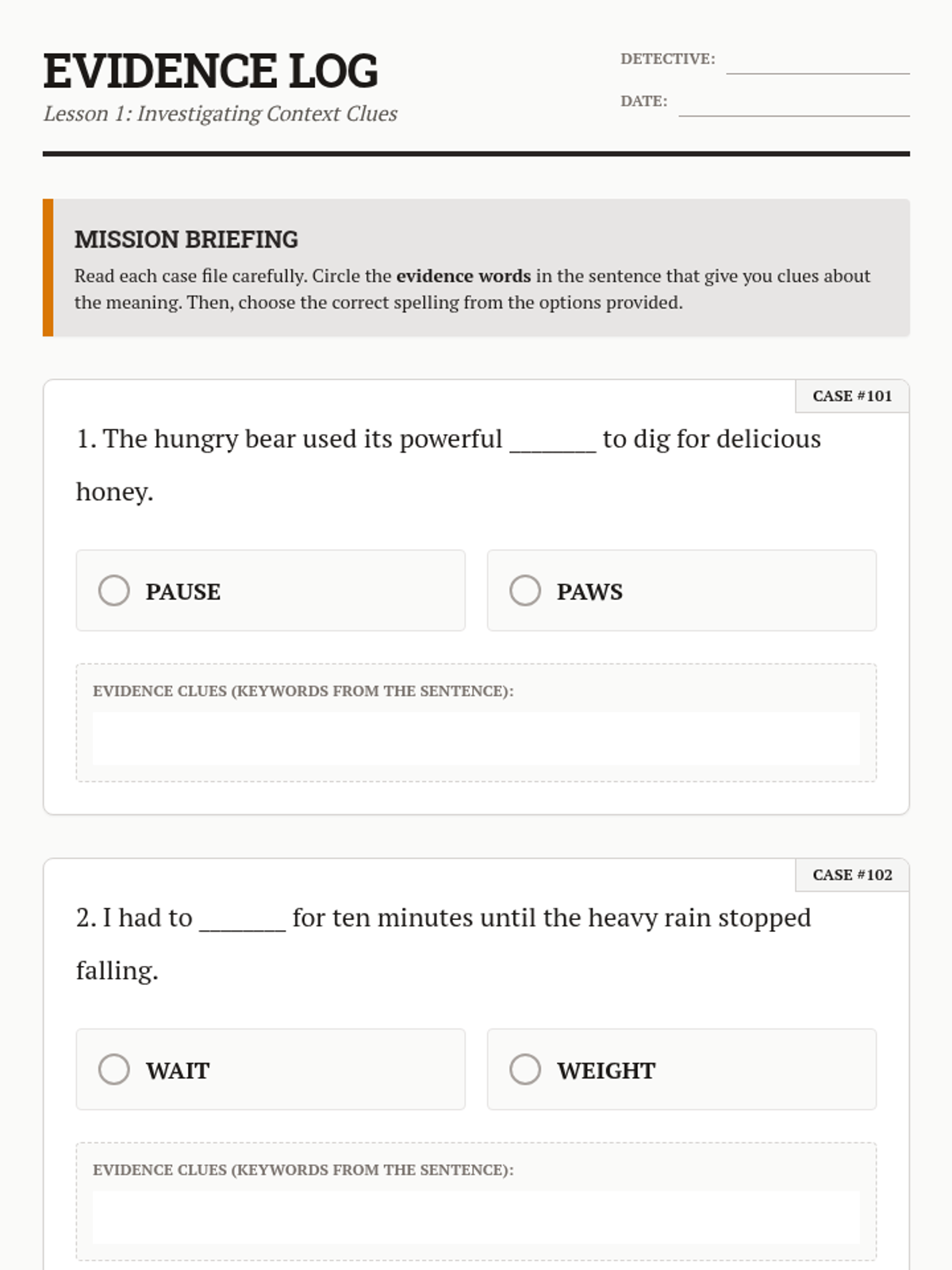
A 4th Grade ELA sequence where students become 'Context Detectives' to master homophones. Instead of rote memorization, students use contextual evidence and grammatical clues to solve linguistic puzzles and create their own wordplay.
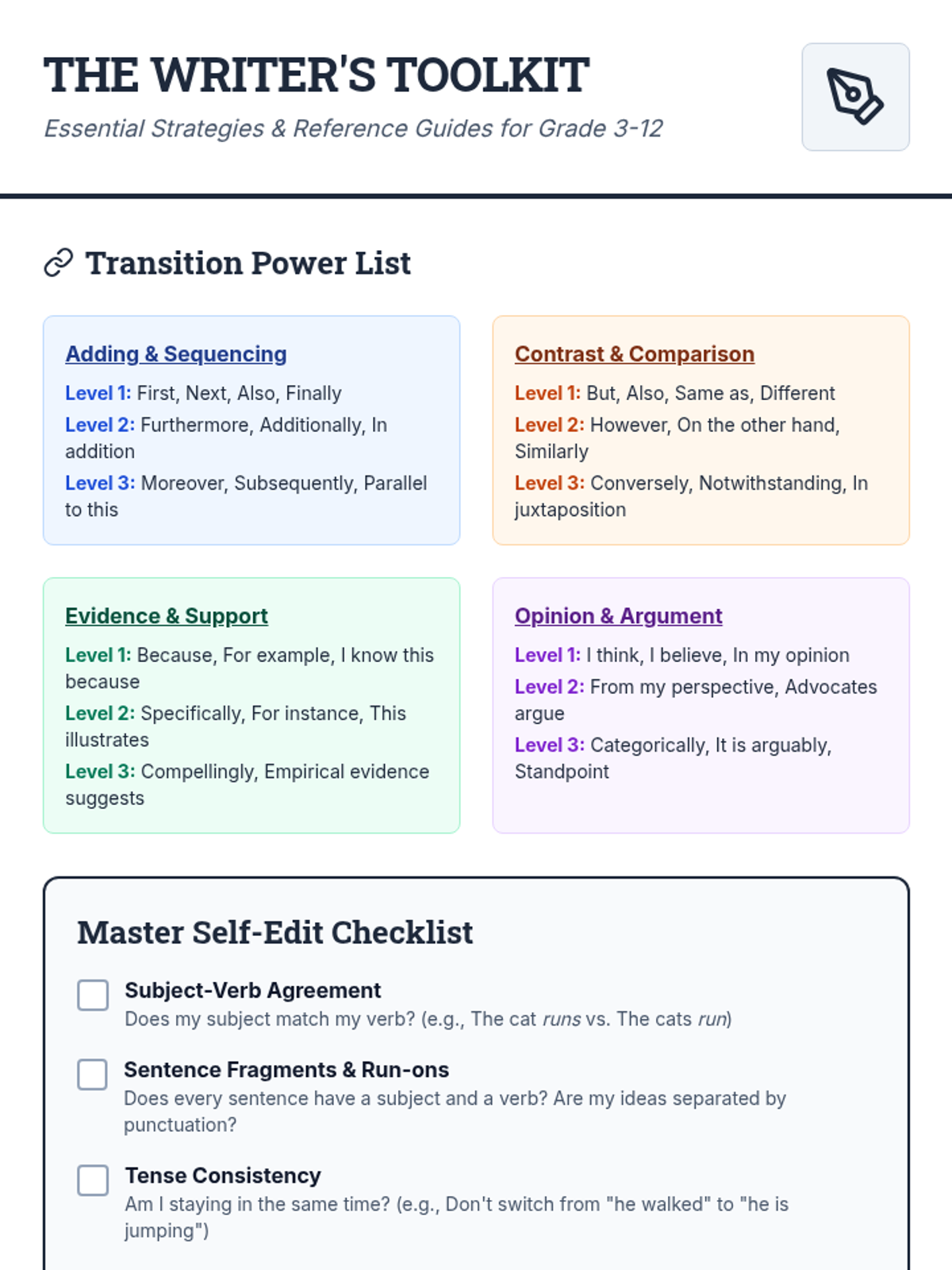
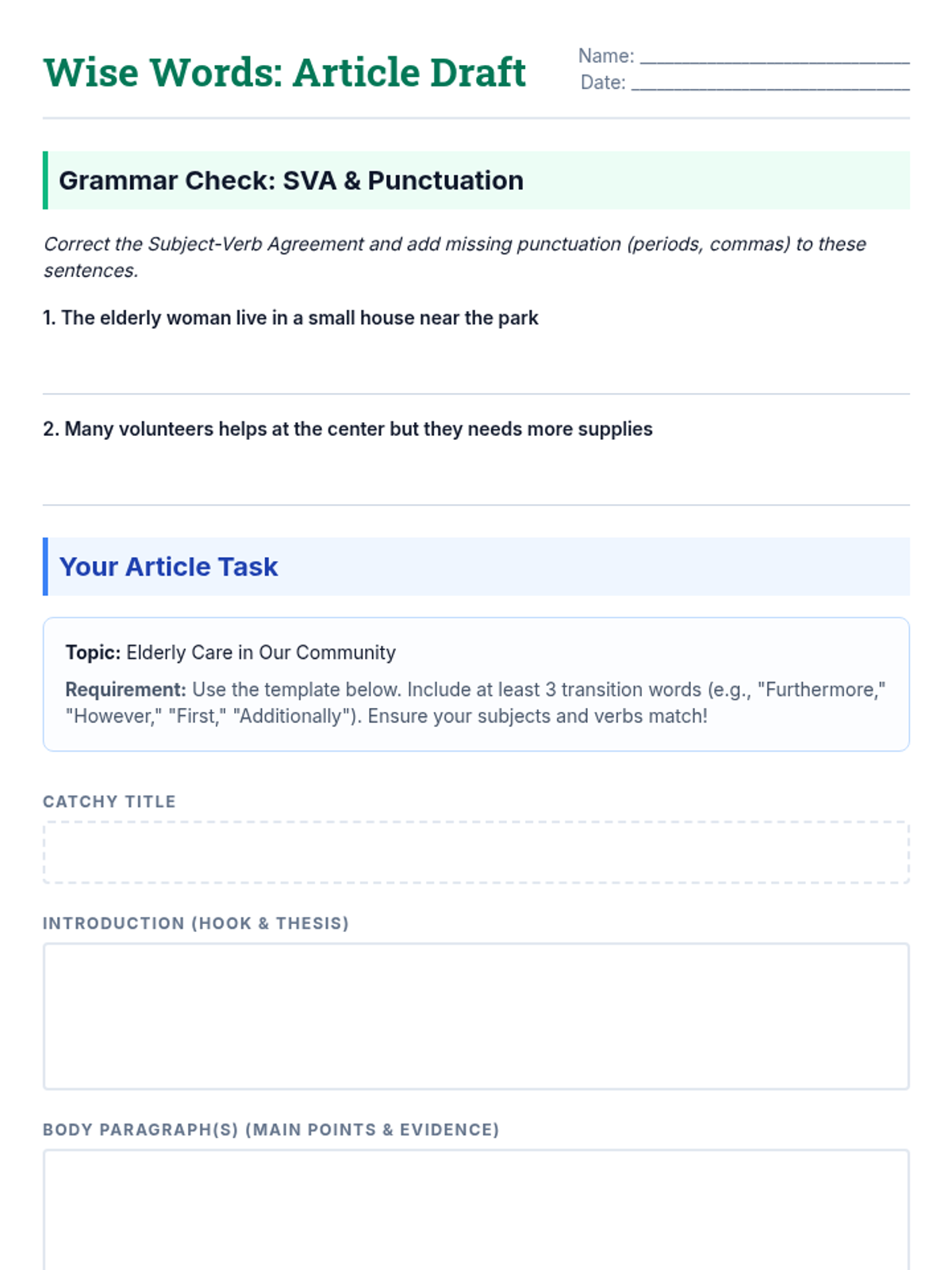
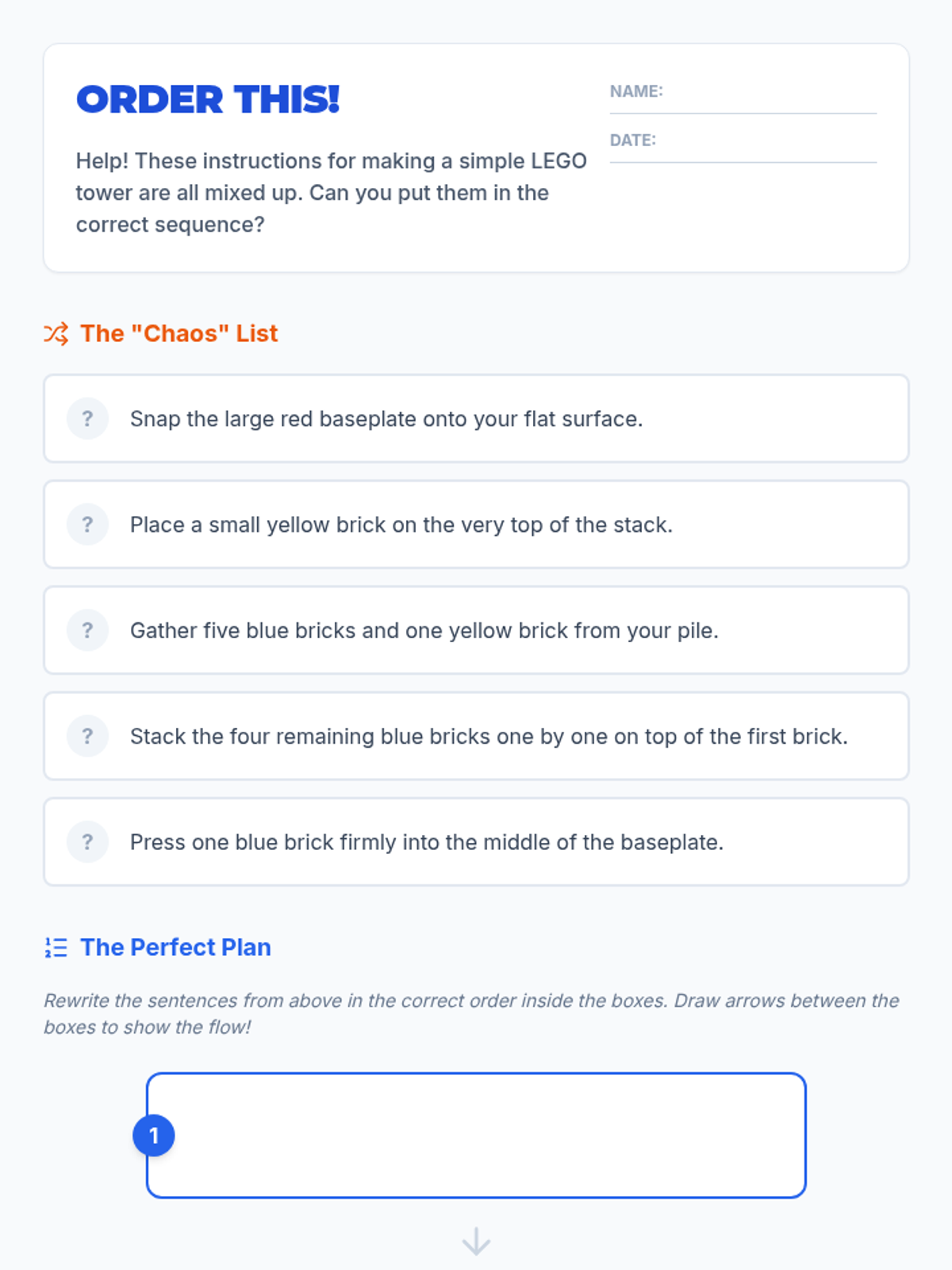
A unit on essential writing and grammar skills, focusing on sentence structure and cohesion through verbs and transition words.
A series of advanced middle school language arts lessons focusing on sentence architecture, precision, and stylistic control.
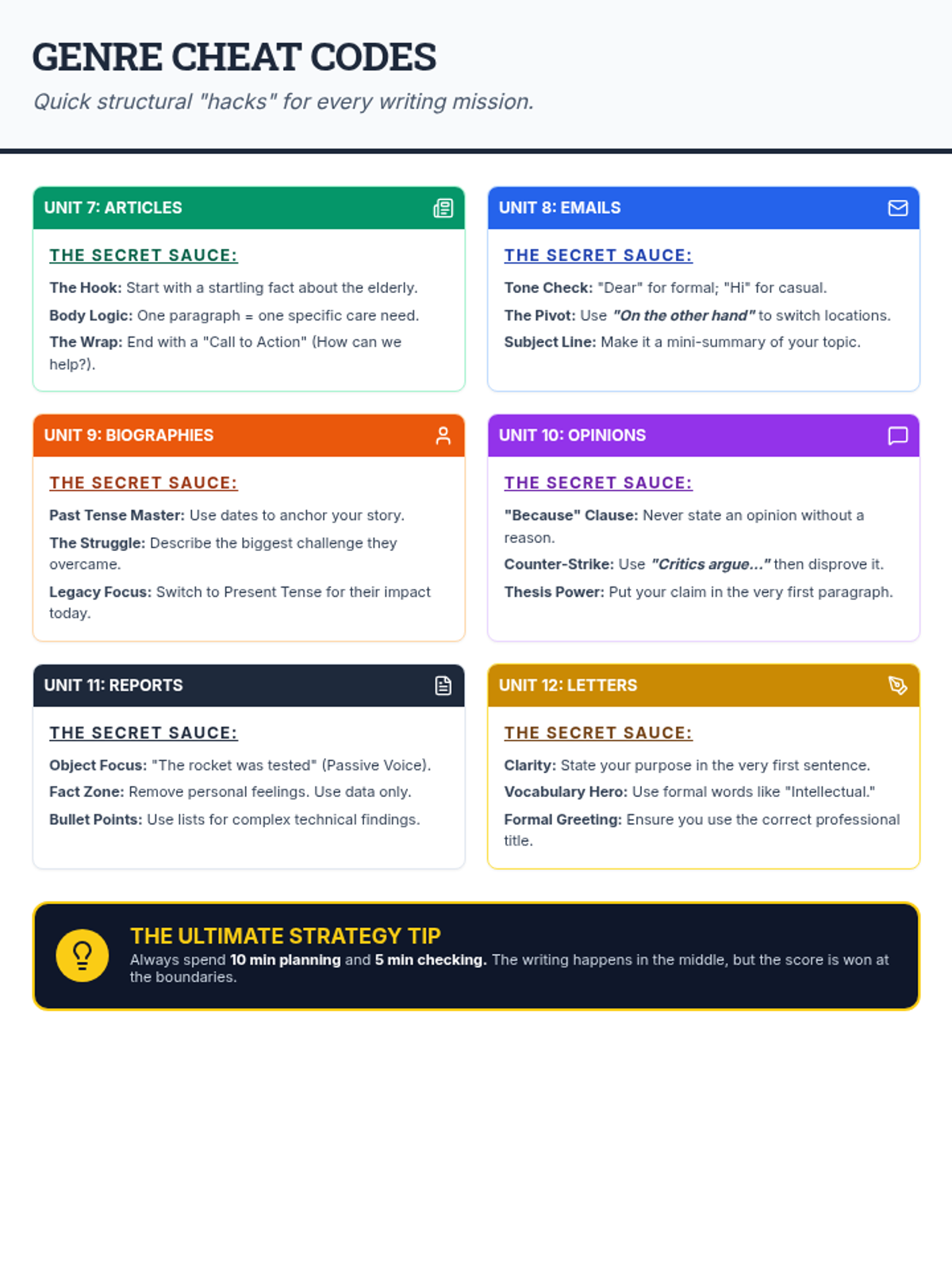
A comprehensive set of writing tools and rubrics across different genres to help students master various styles of storytelling and analysis.
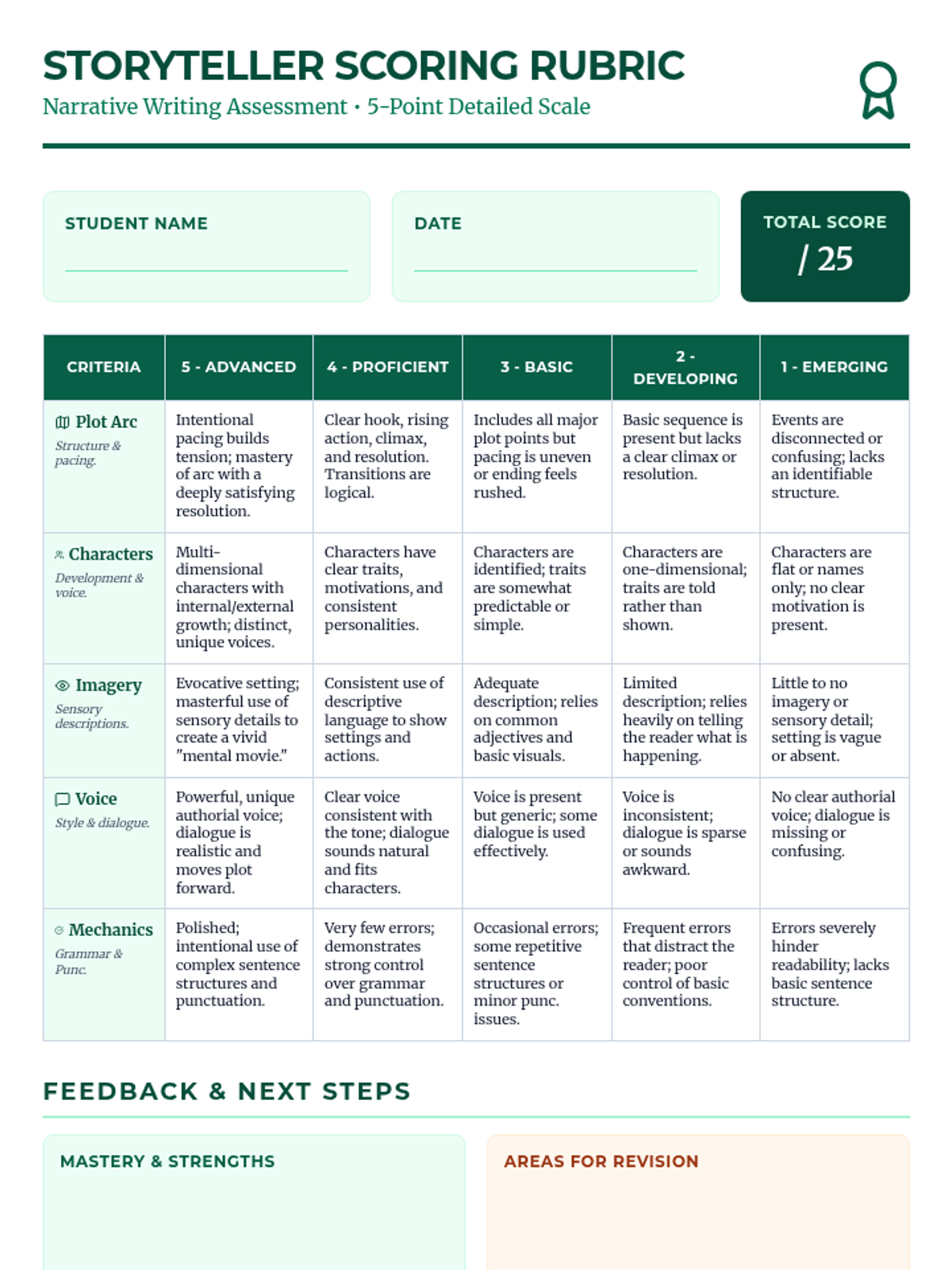
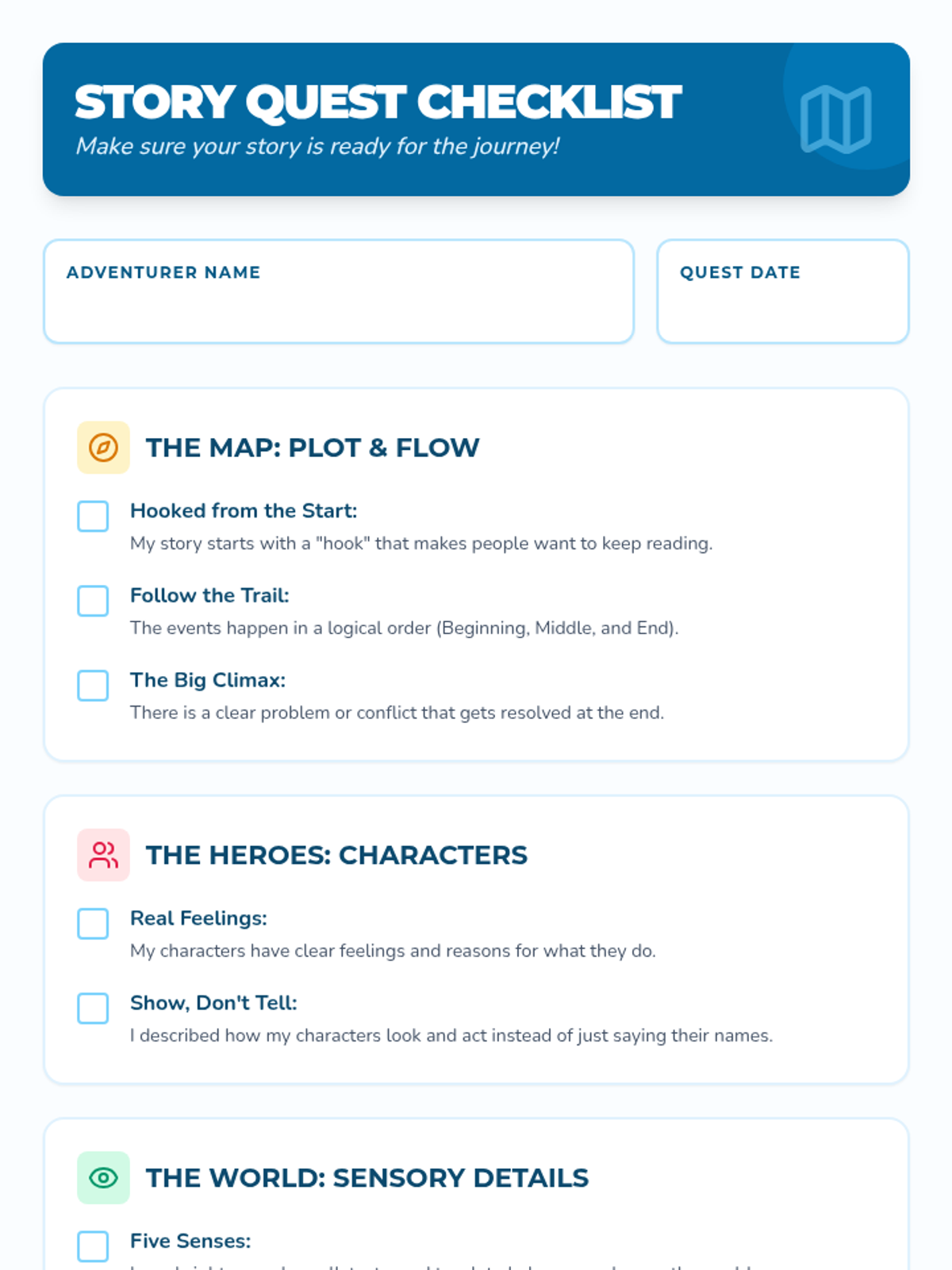
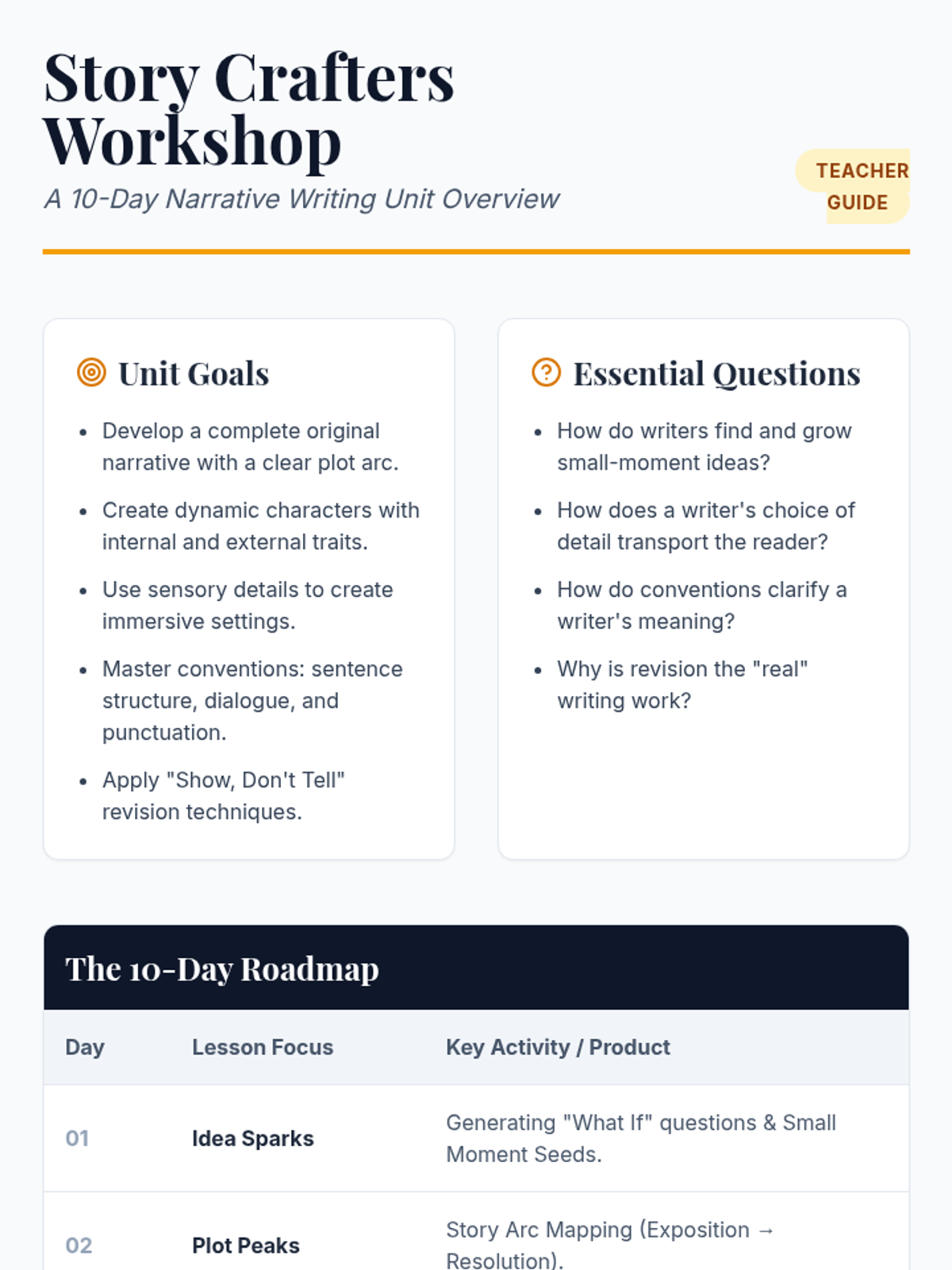
A 10-day immersion into narrative writing for upper elementary students, focusing on craft, structure, and grammar conventions.
A comprehensive collection of interactive activities and tools designed to help 4th graders master nonfiction text features, including headings, captions, diagrams, and navigation tools.
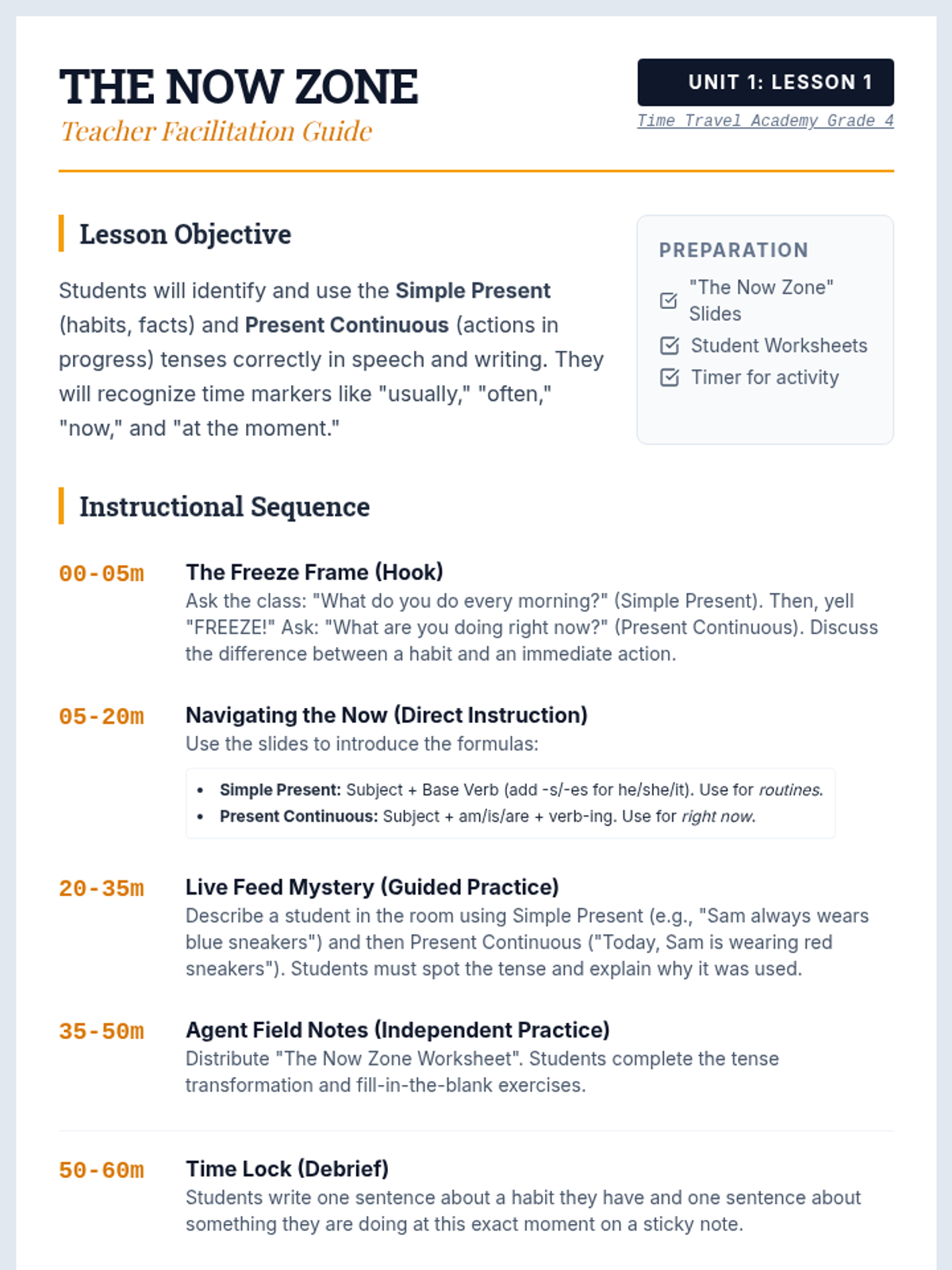
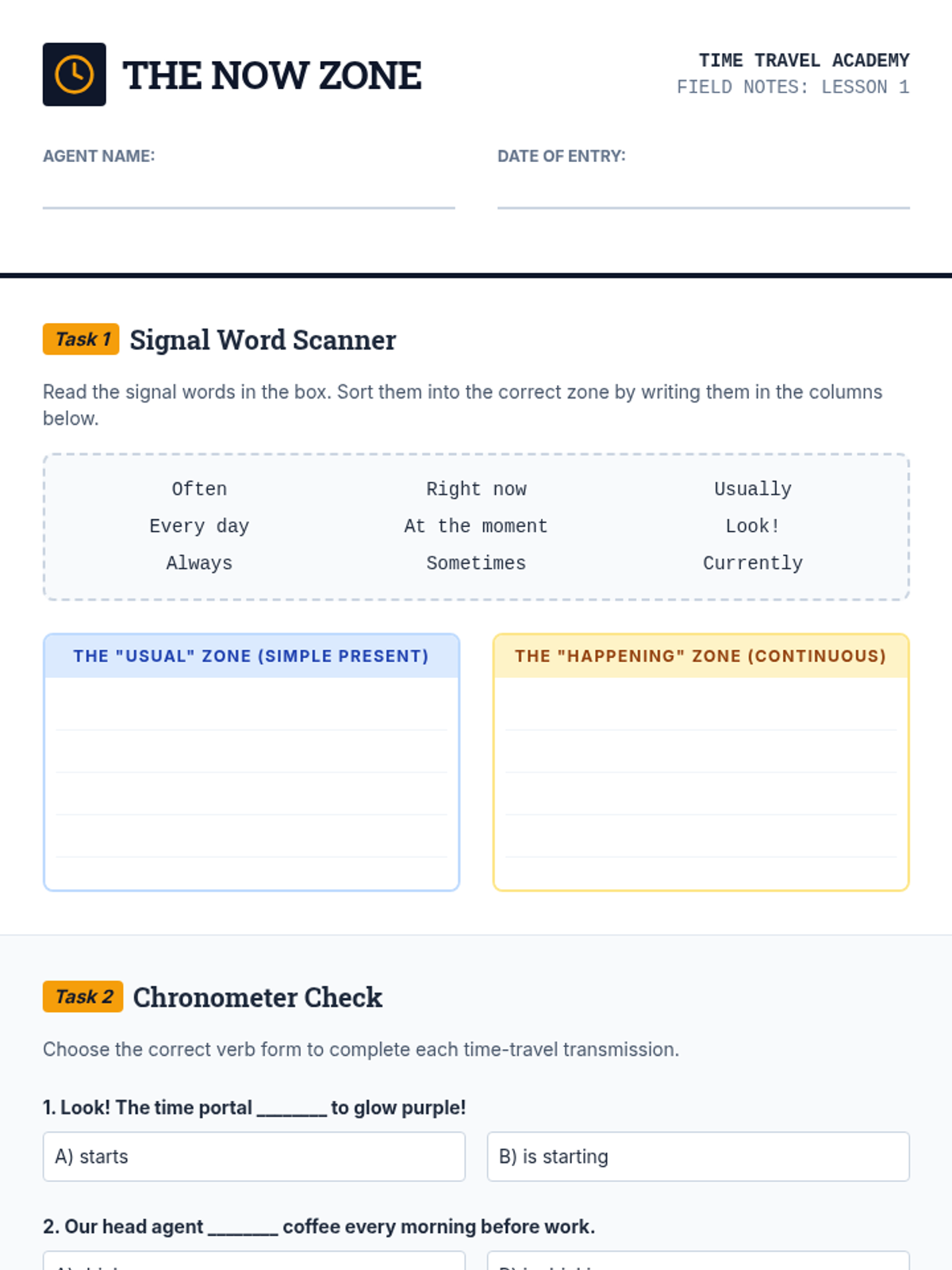
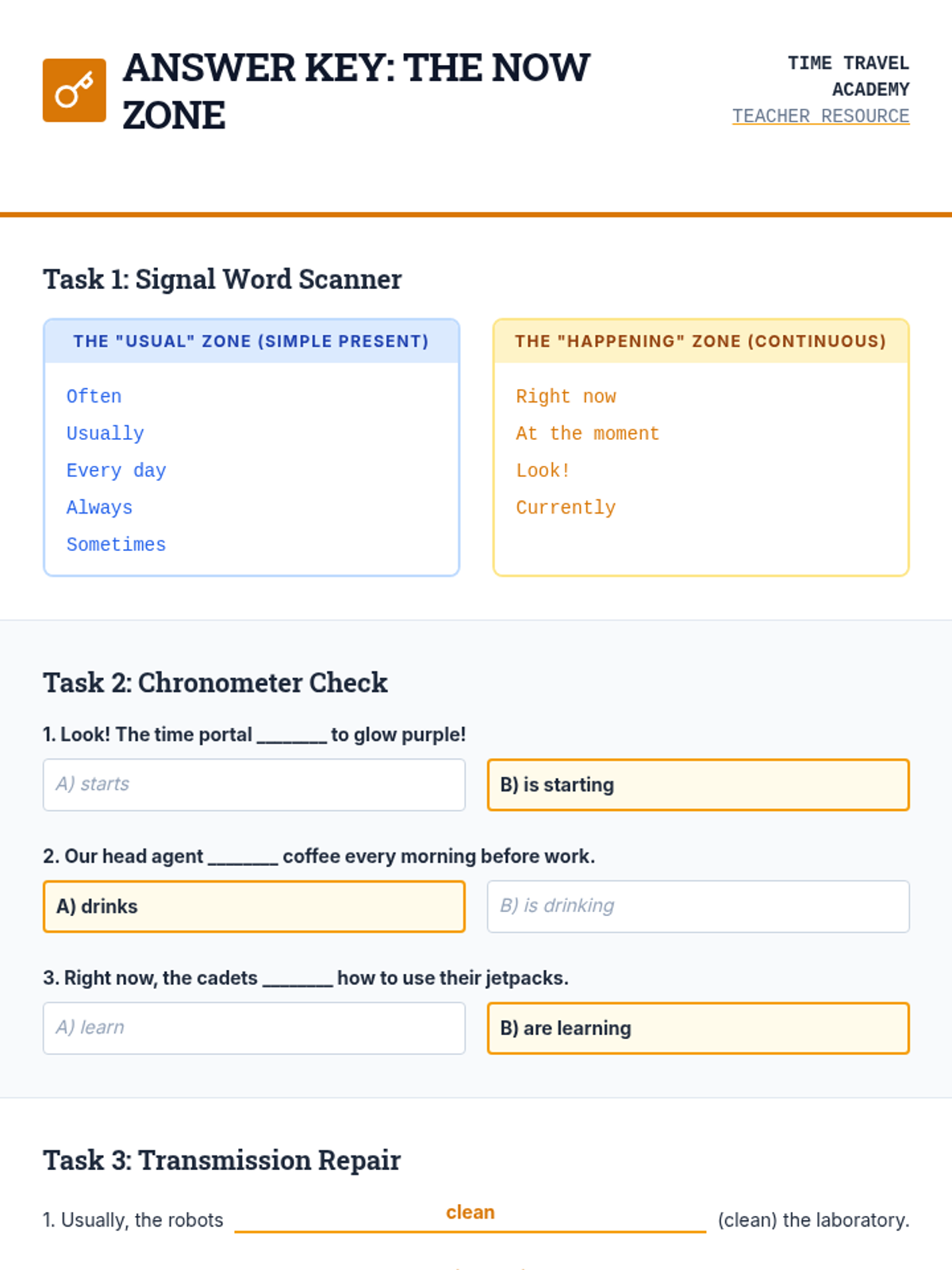
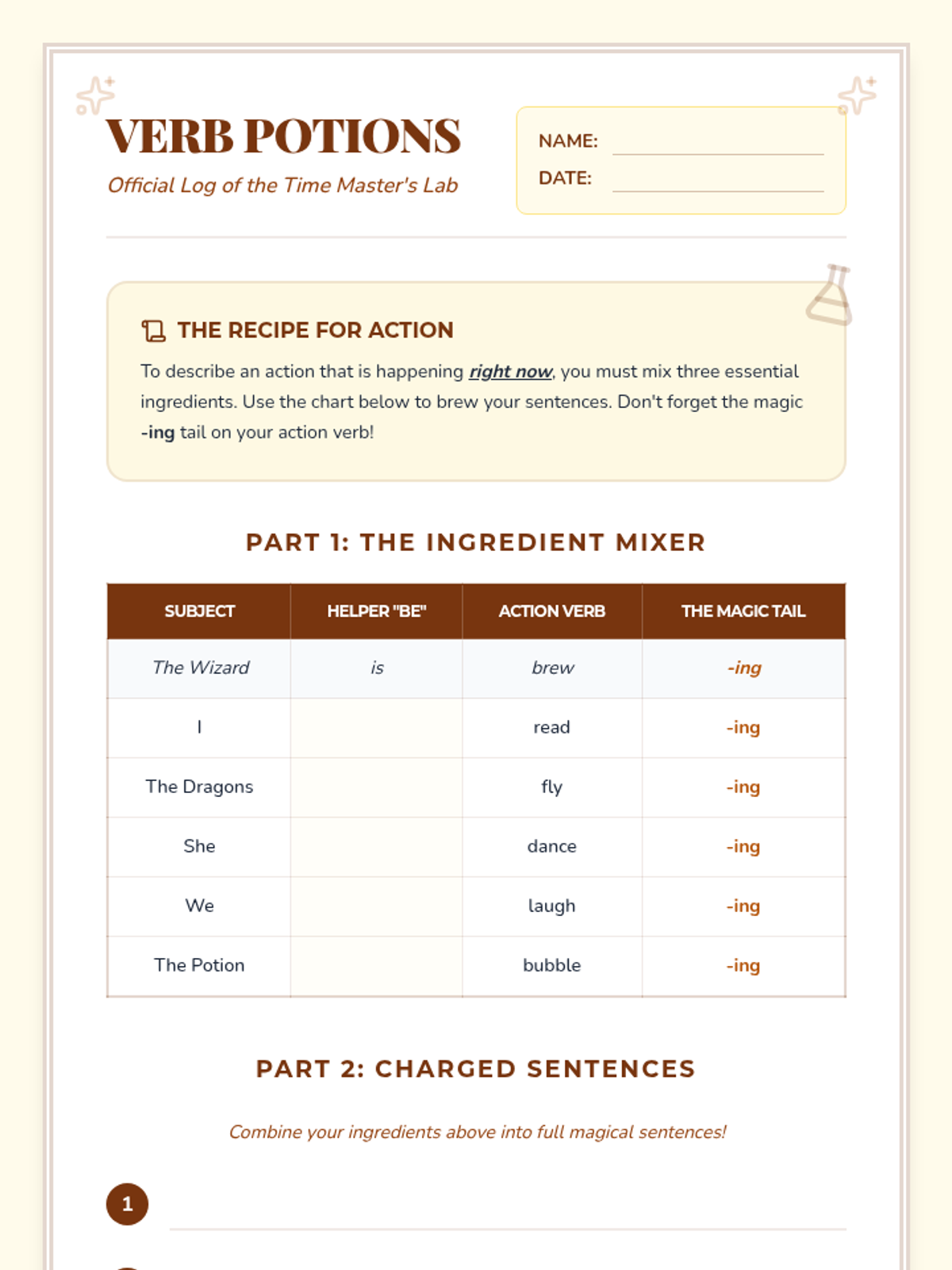
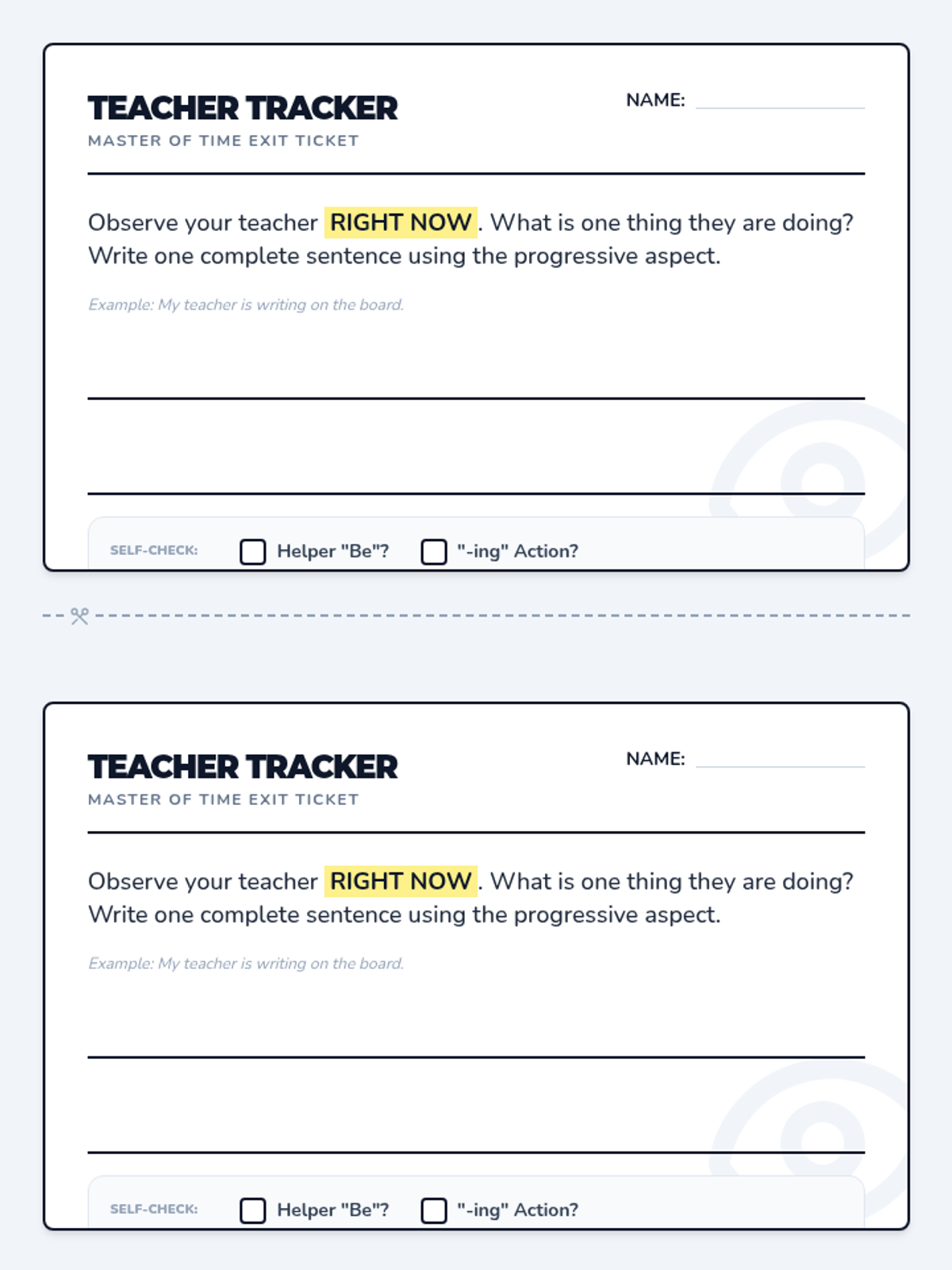
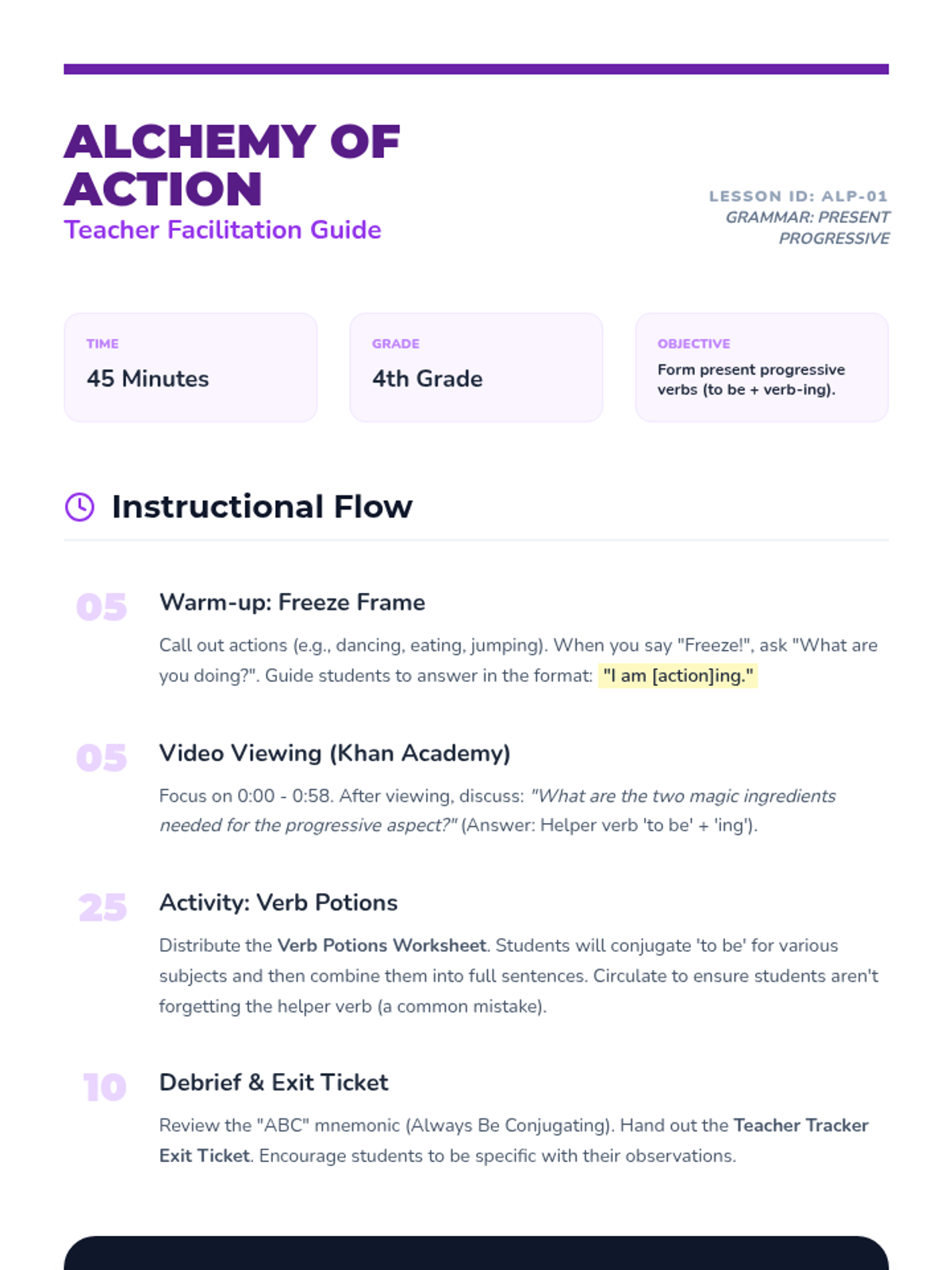
A comprehensive 4-part grammar unit for 4th grade focusing on verb tenses (Simple and Continuous) through the lens of a Time Travel Academy. Students learn to navigate the 'Now Zone', 'Yesterday Yard', and 'Tomorrow Trail' to master grammar.
A grammar unit focused on mastering verb aspects and tenses through creative, hands-on activities.
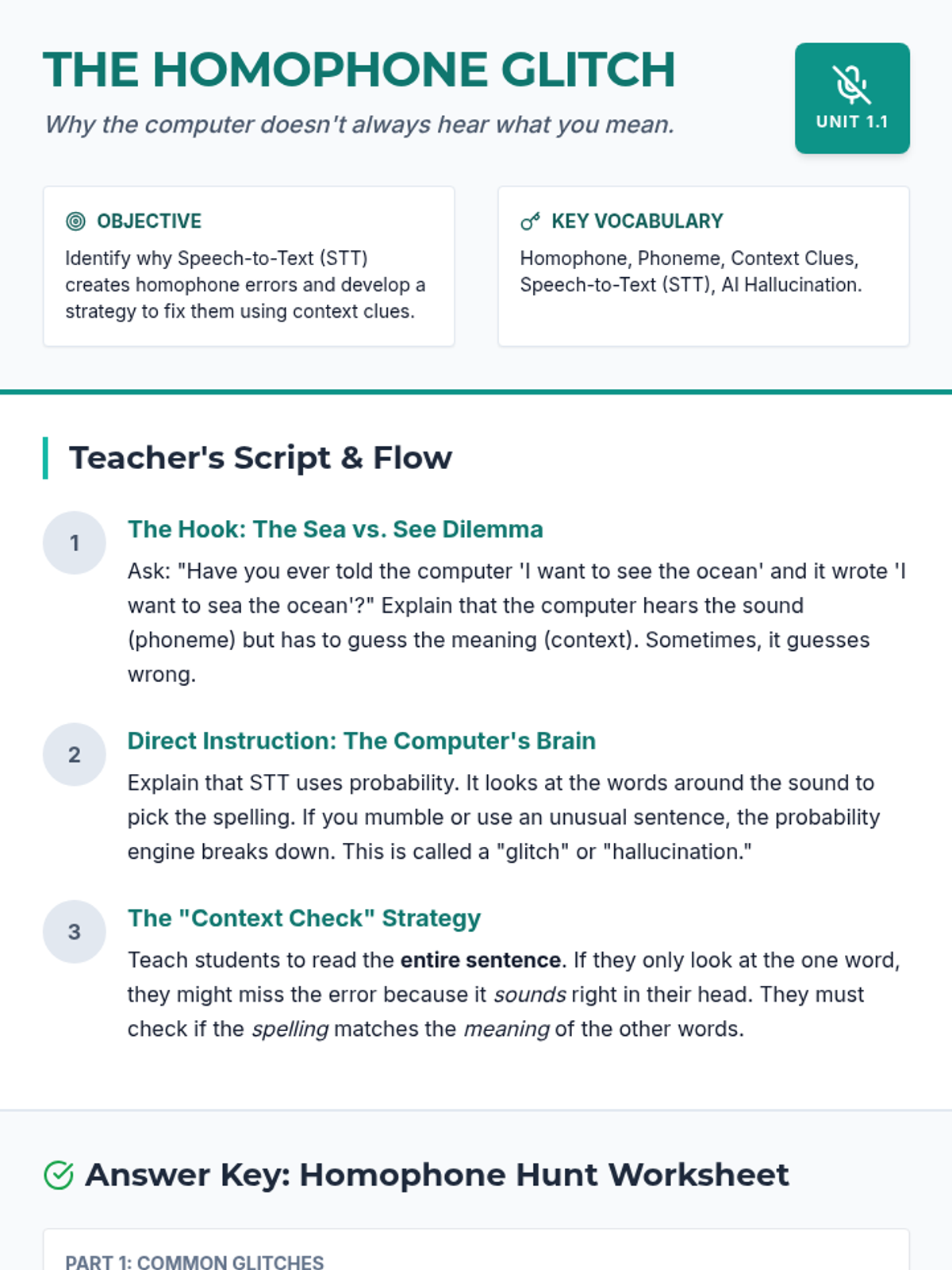
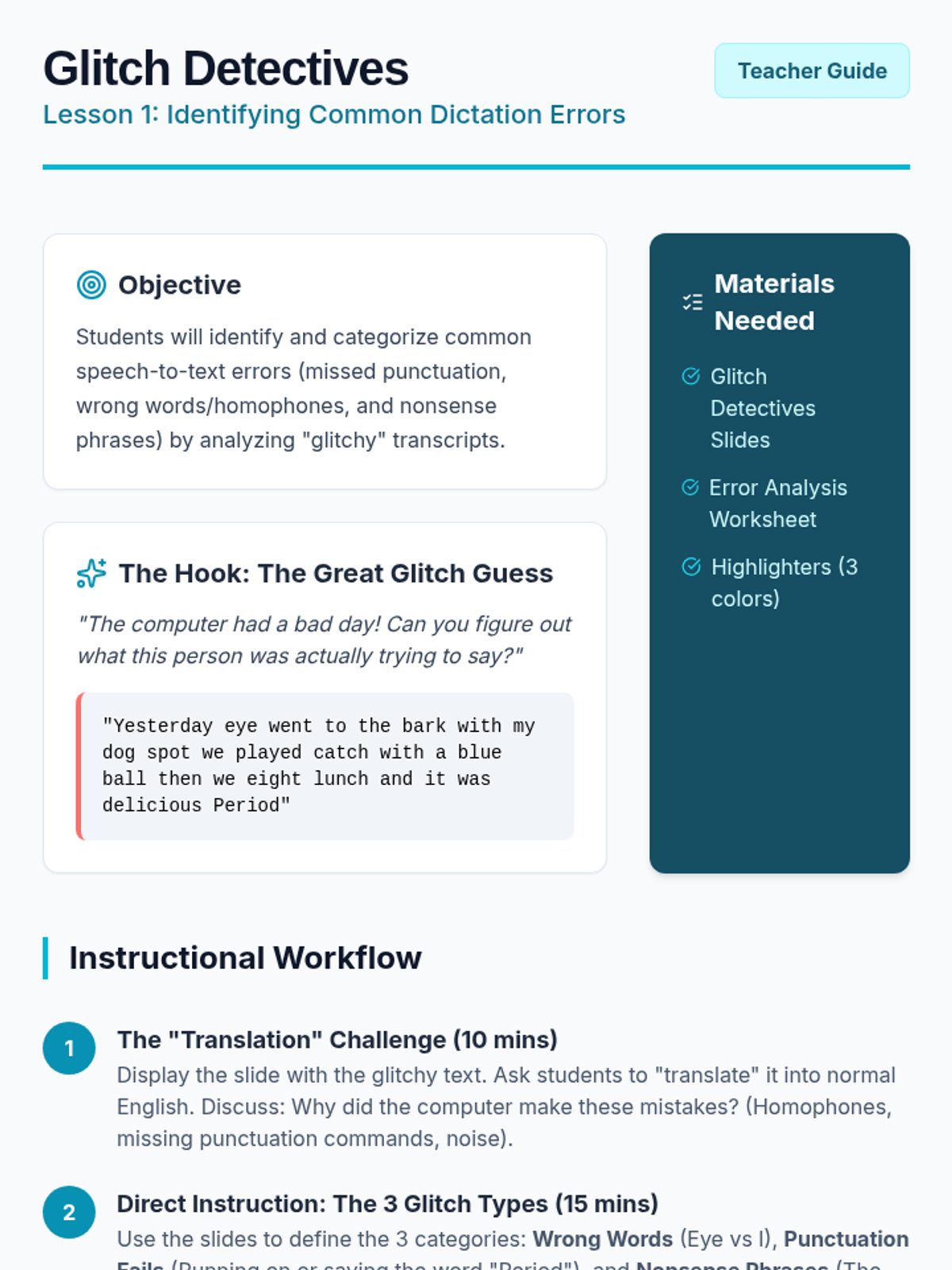
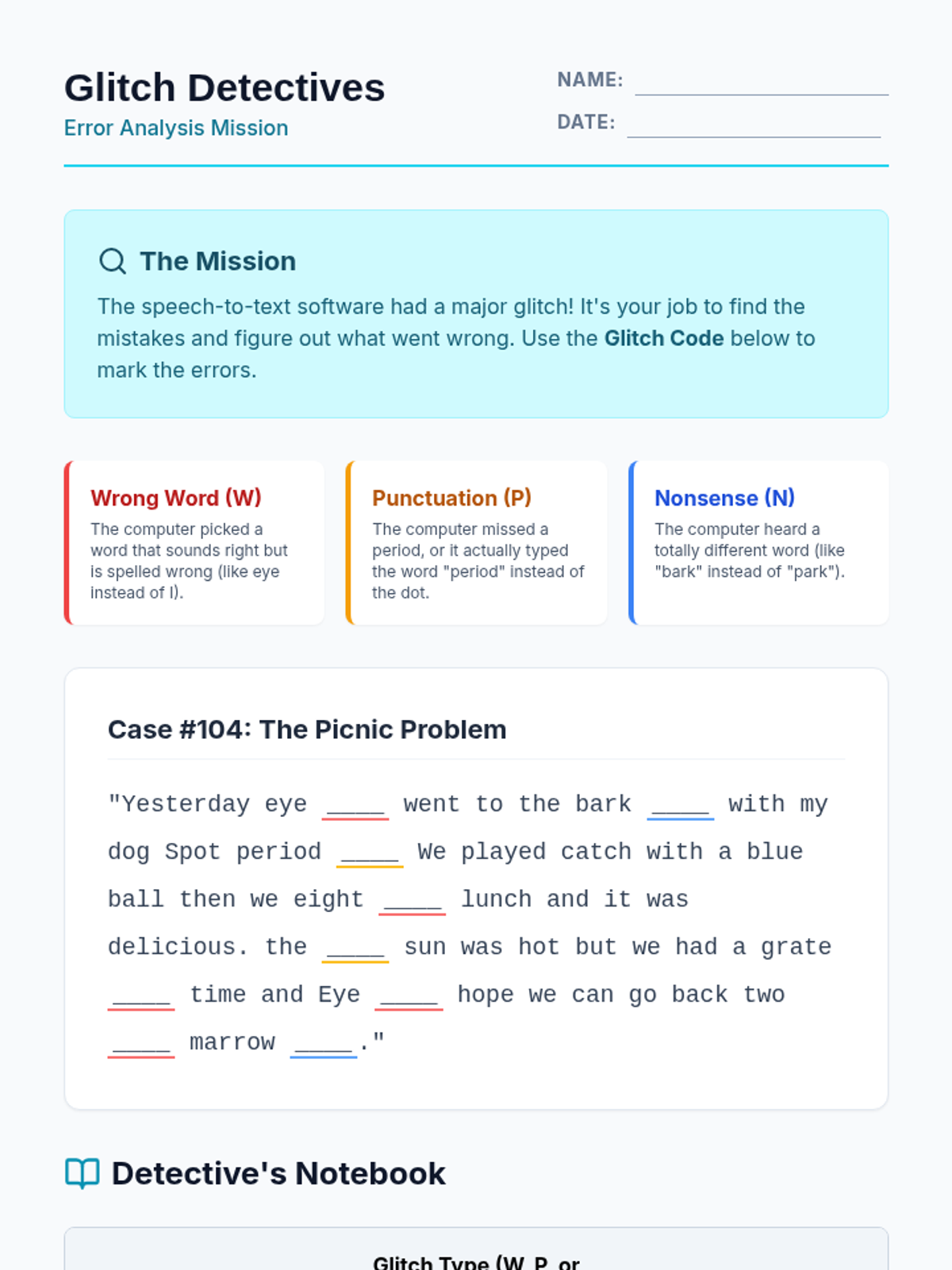
A sequence focused on the critical revision workflow for students using speech-to-text technology. Students learn to identify and fix common errors like homophone confusion, run-on sentences, and informal tone to turn raw dictation into polished academic writing.
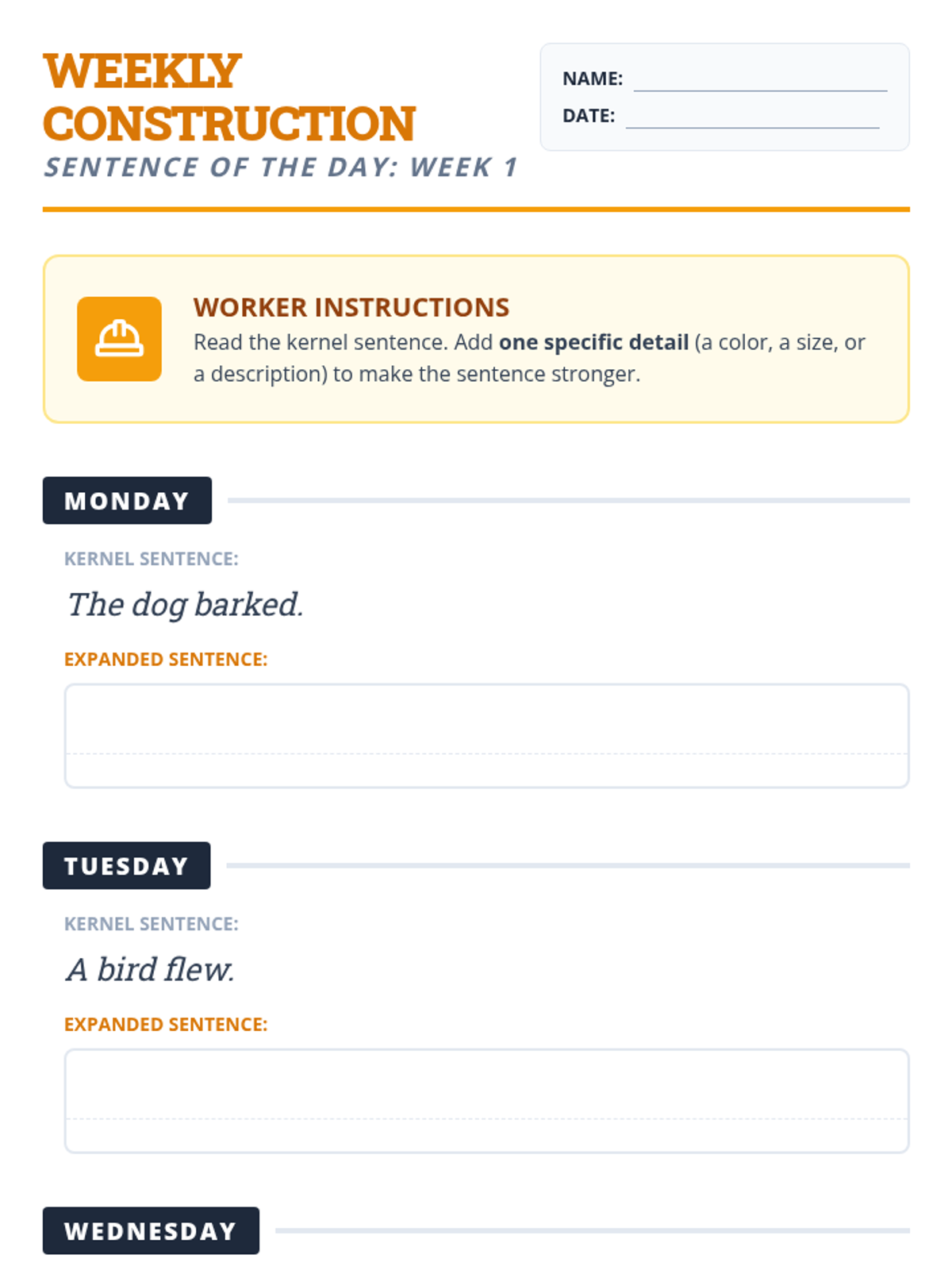
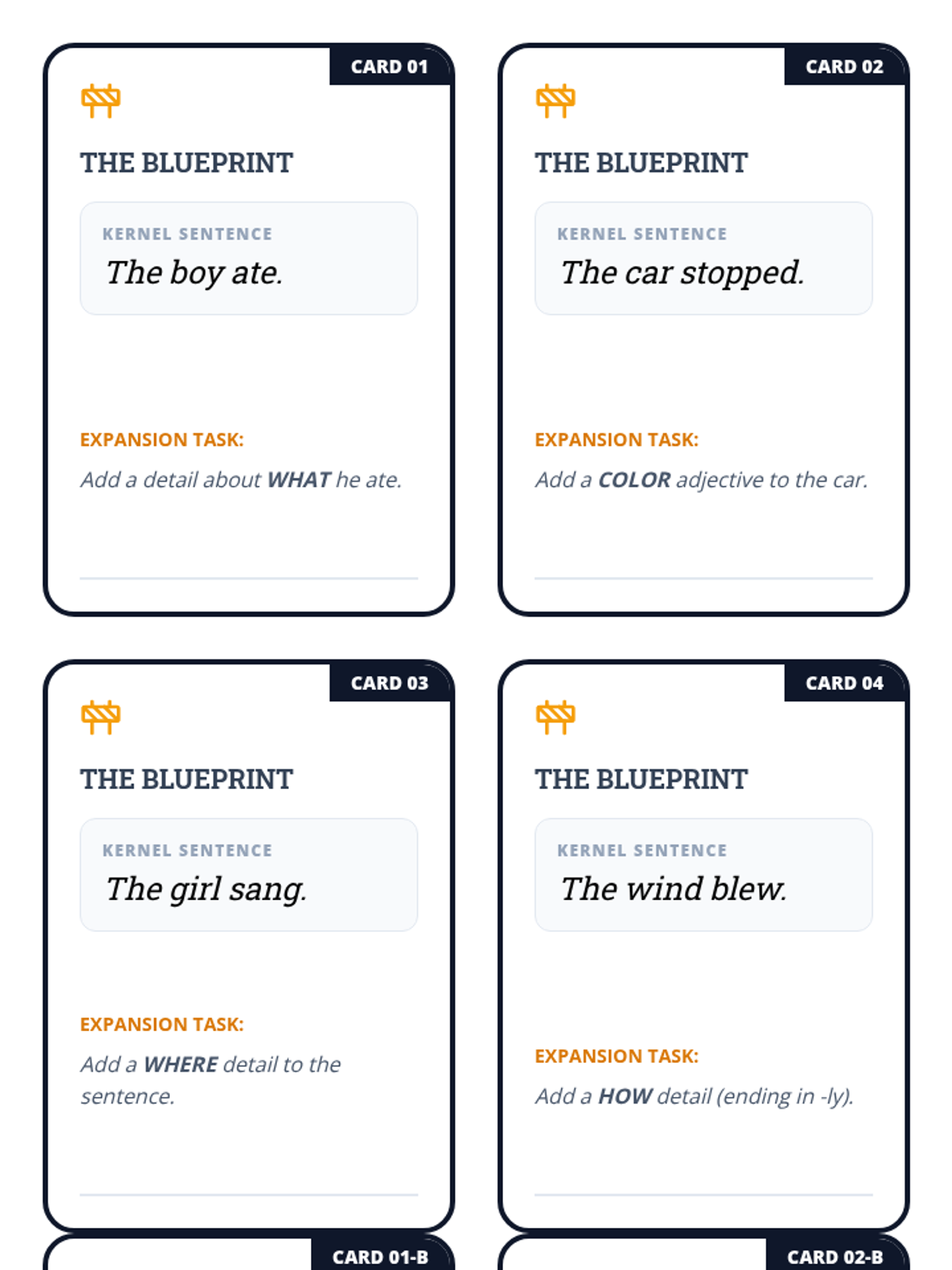
A comprehensive sequence focused on sentence expansion using the Hochman Method (The Writing Revolution). Students move from distinguishing fragments to expanding kernel sentences with 'Who, What, Where, When, Why' and logical conjunctions.
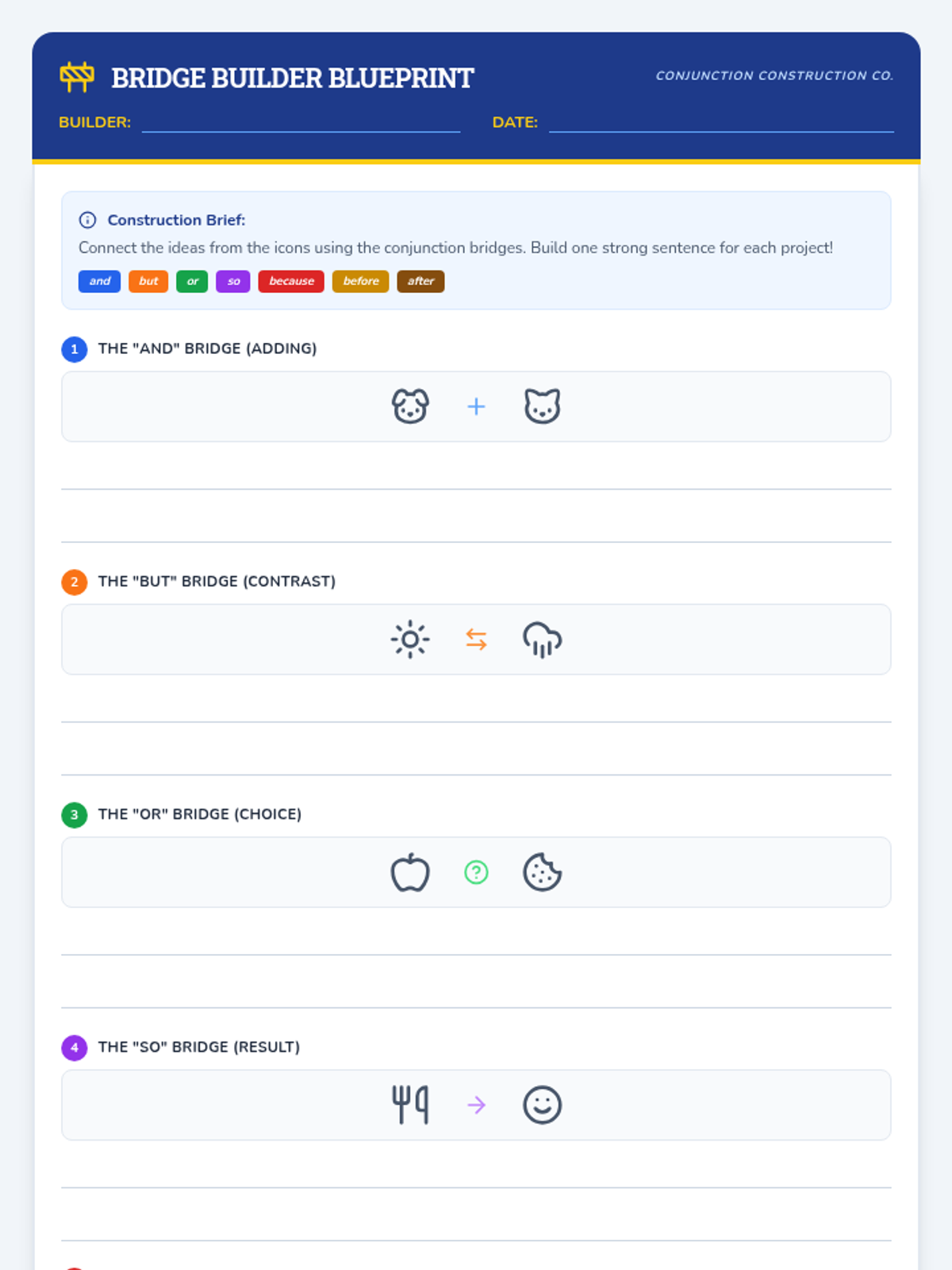
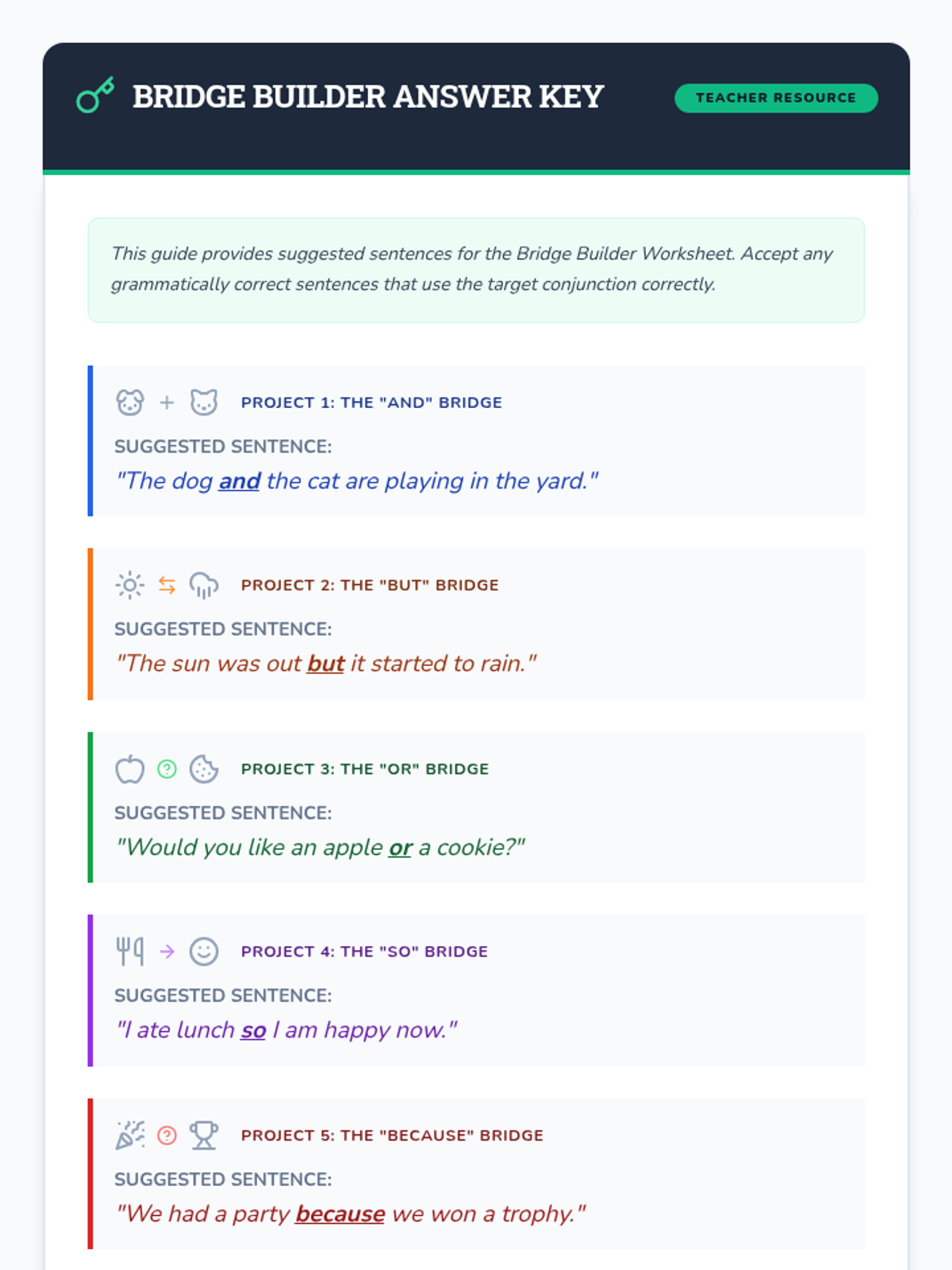
A comprehensive unit on conjunctions where students learn to connect ideas using coordinating and subordinating conjunctions through the metaphor of building and inspecting bridges.
A comprehensive writing program for grades 3-12 focused on sentence and paragraph composition across six different genres, culminating in exam preparation and final assessments. The curriculum balances grammar foundations with creative and formal writing structures.
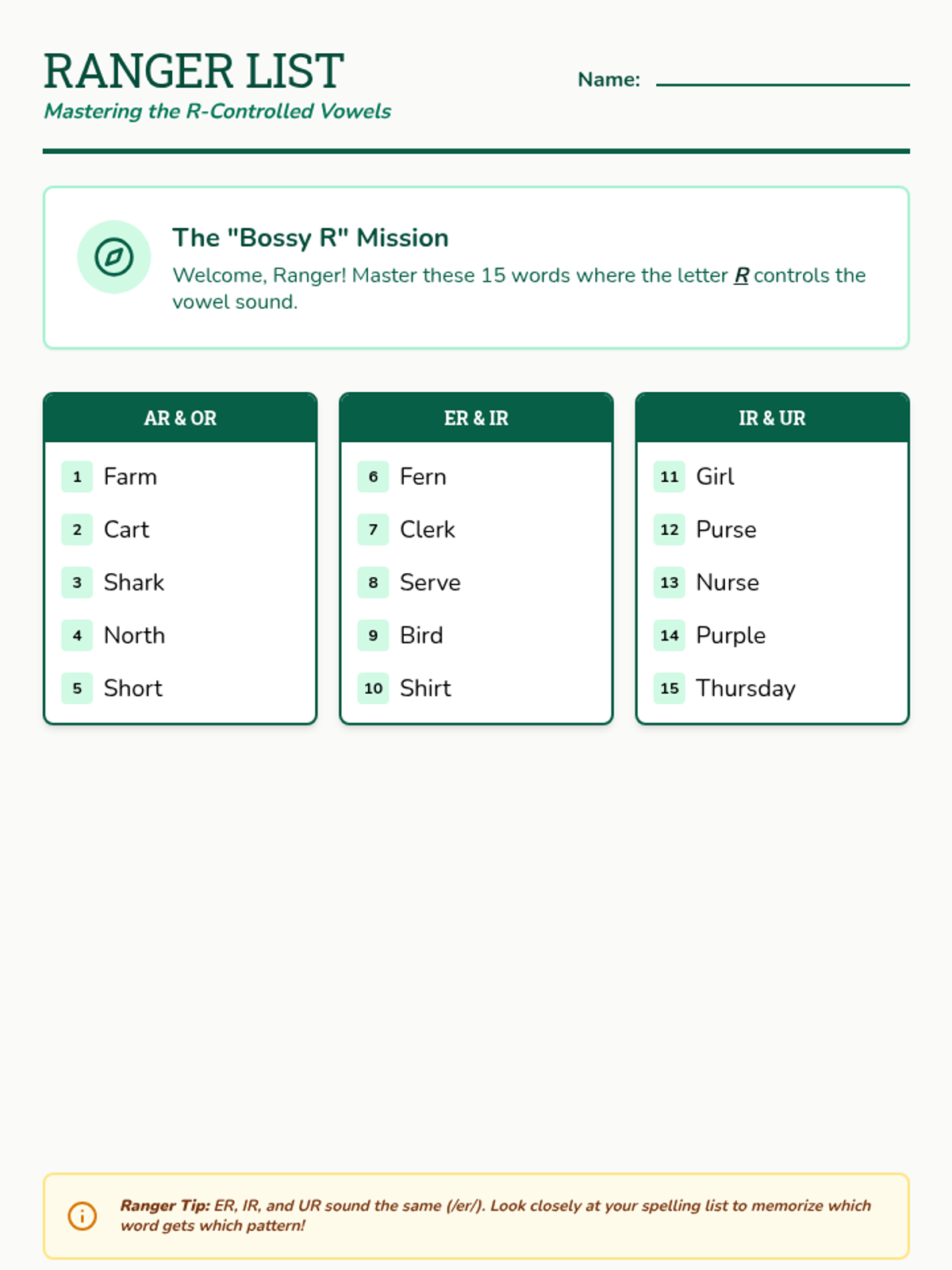
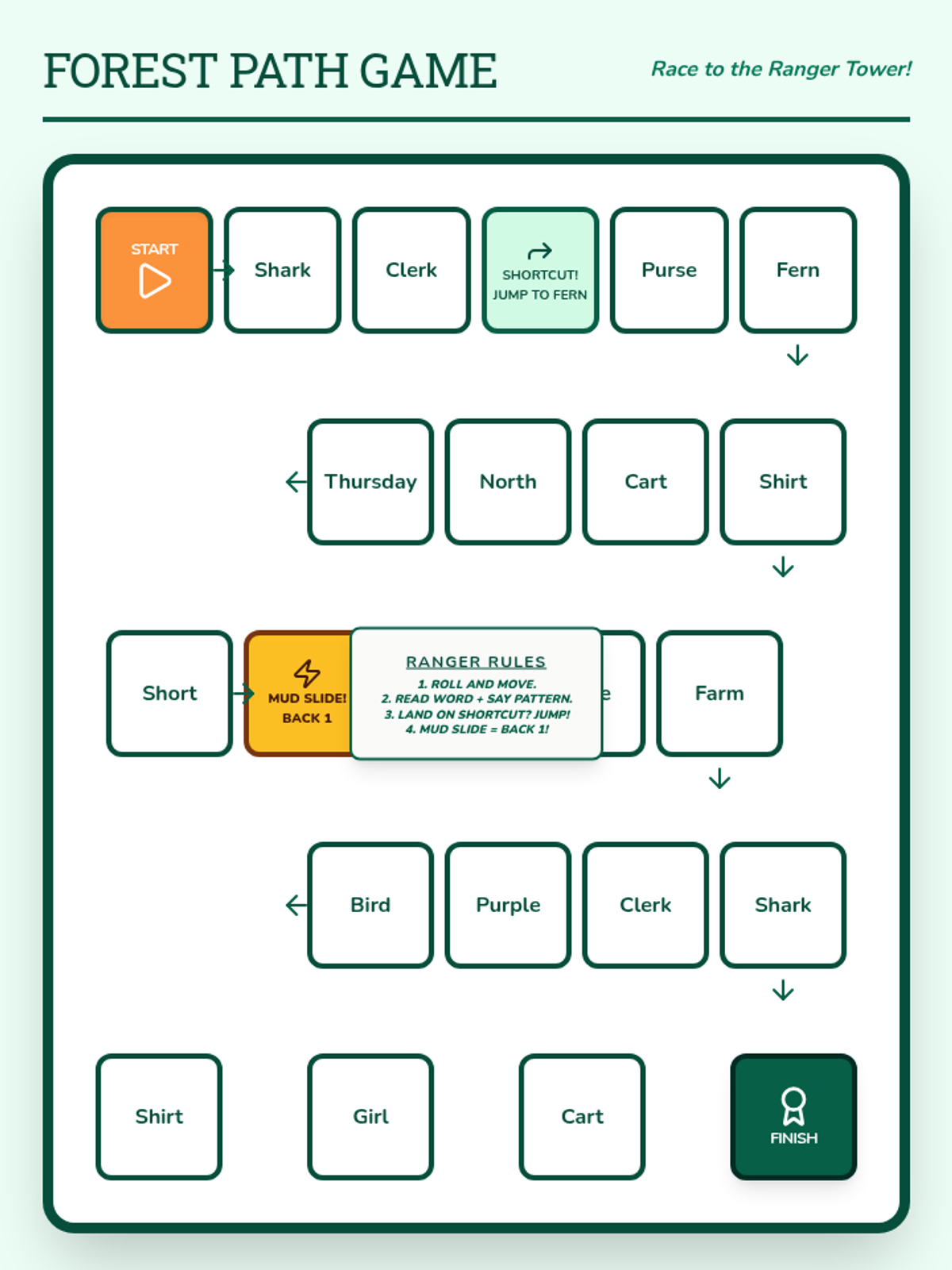
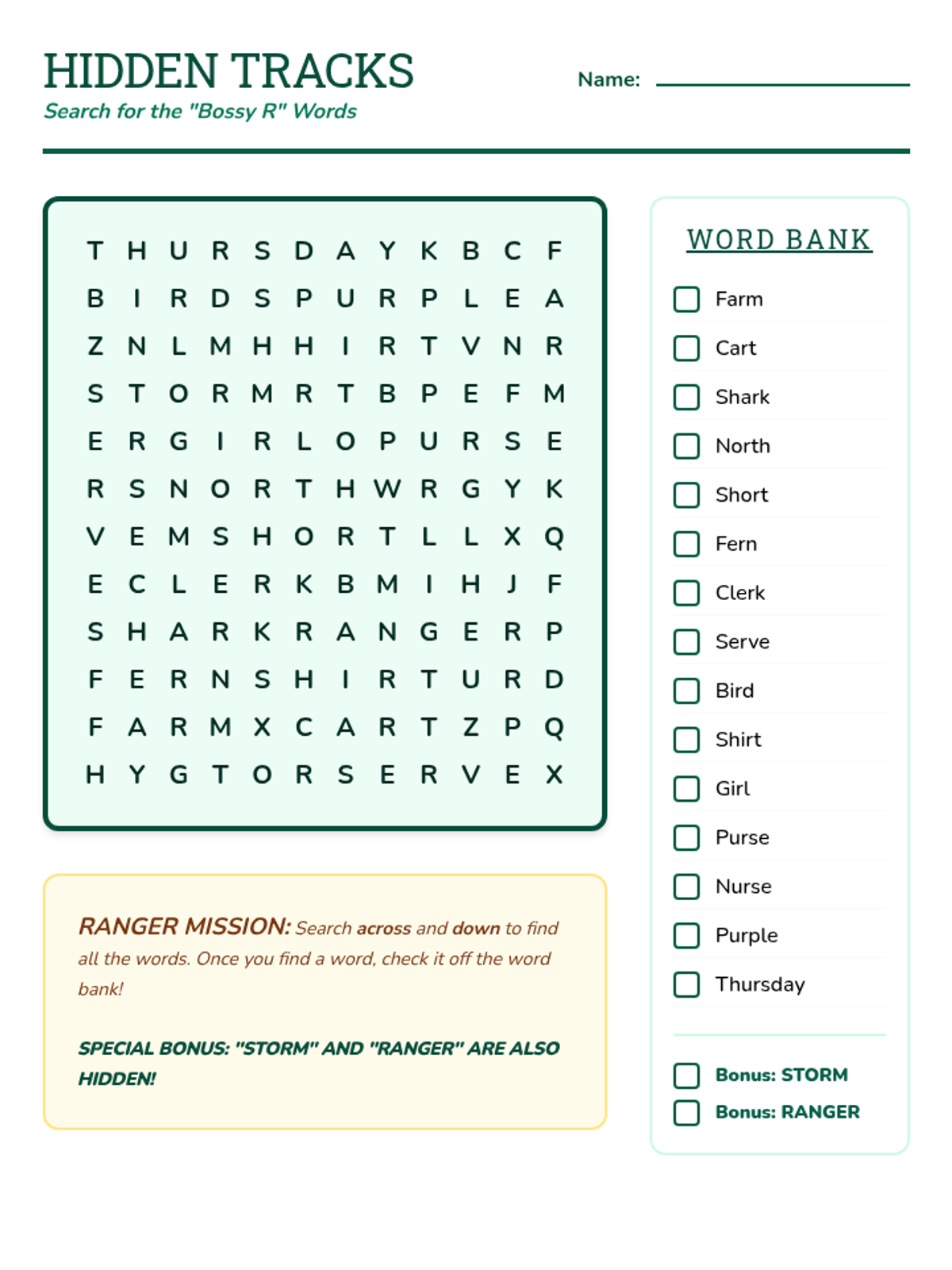
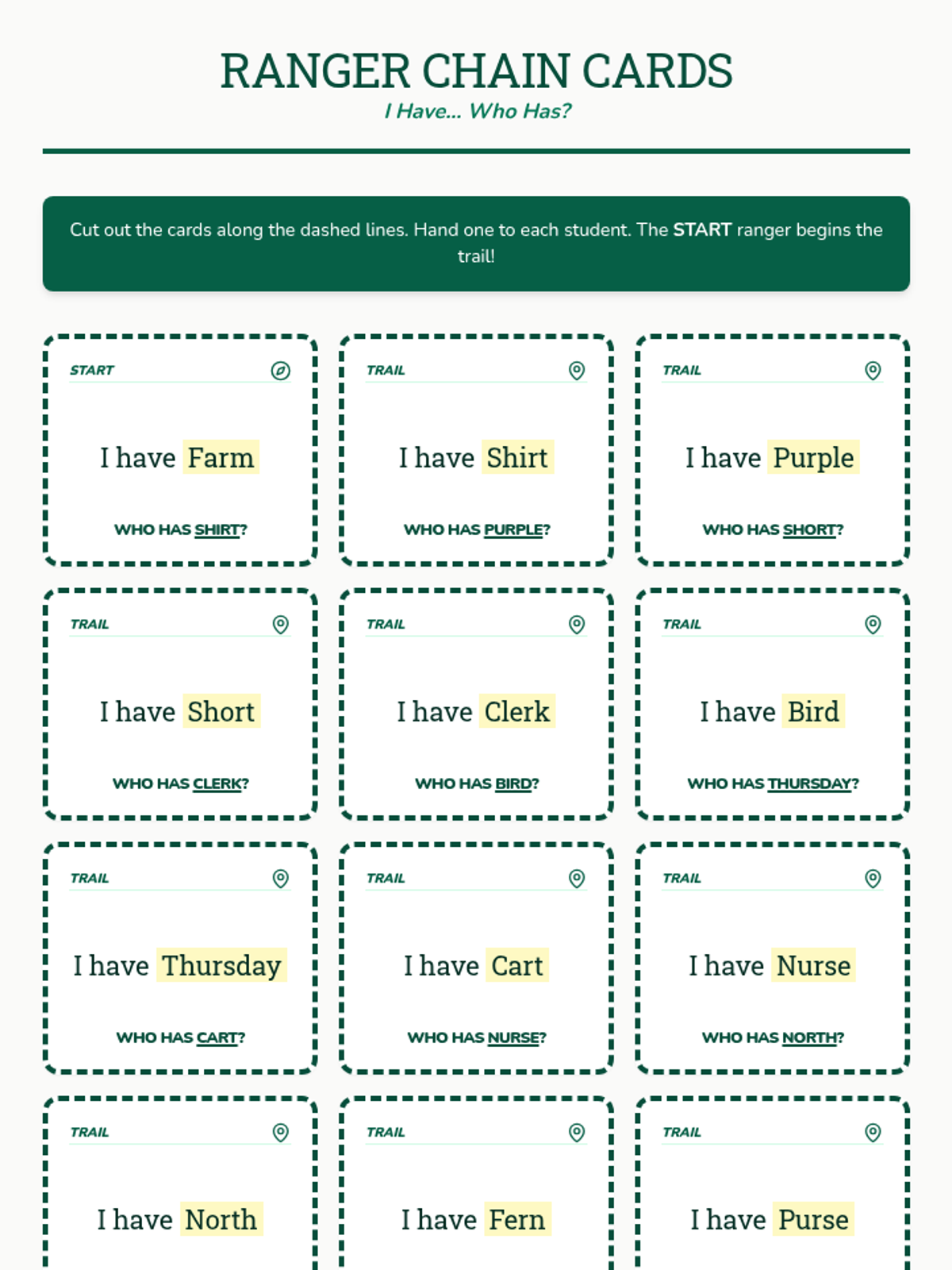
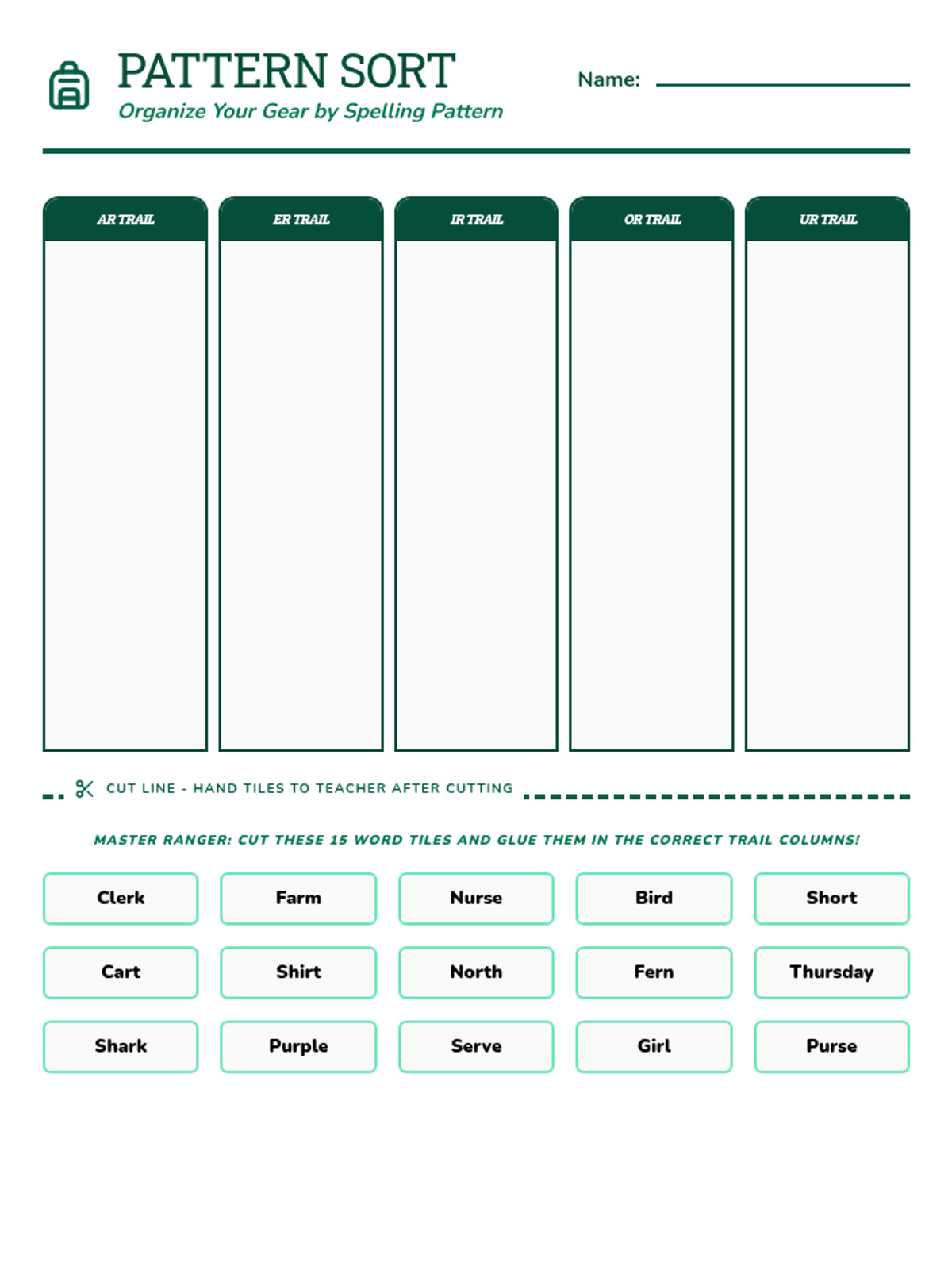
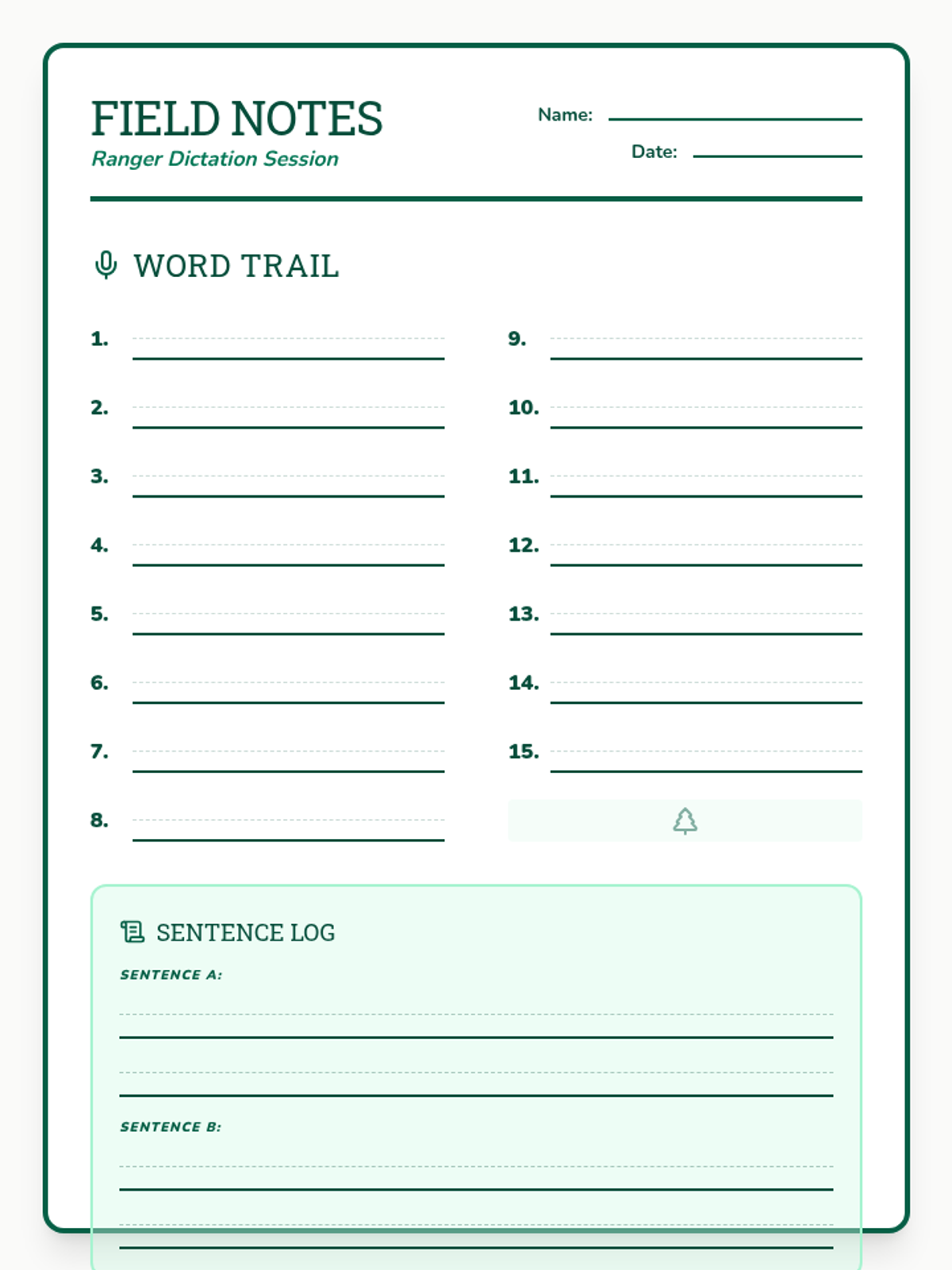
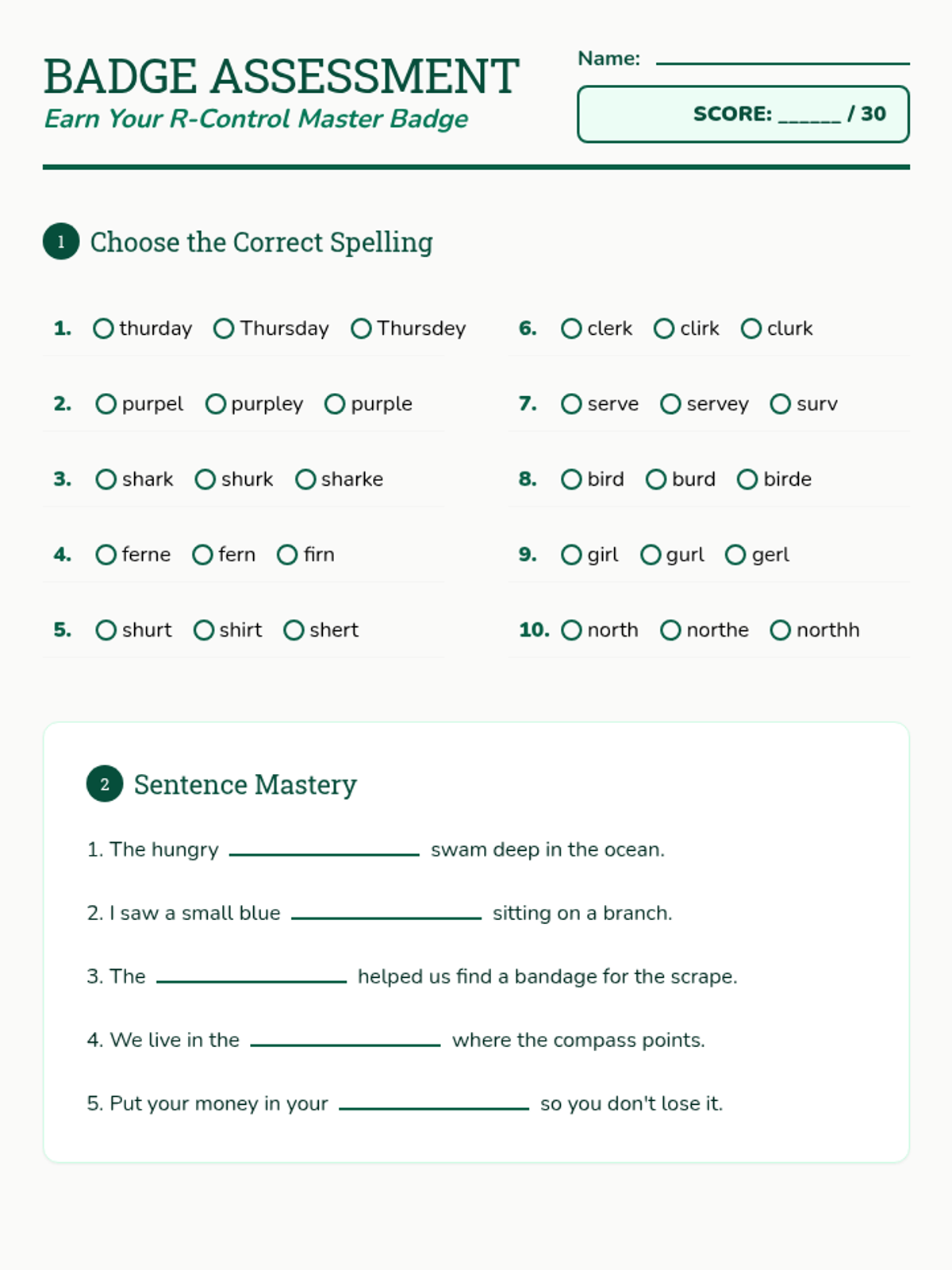
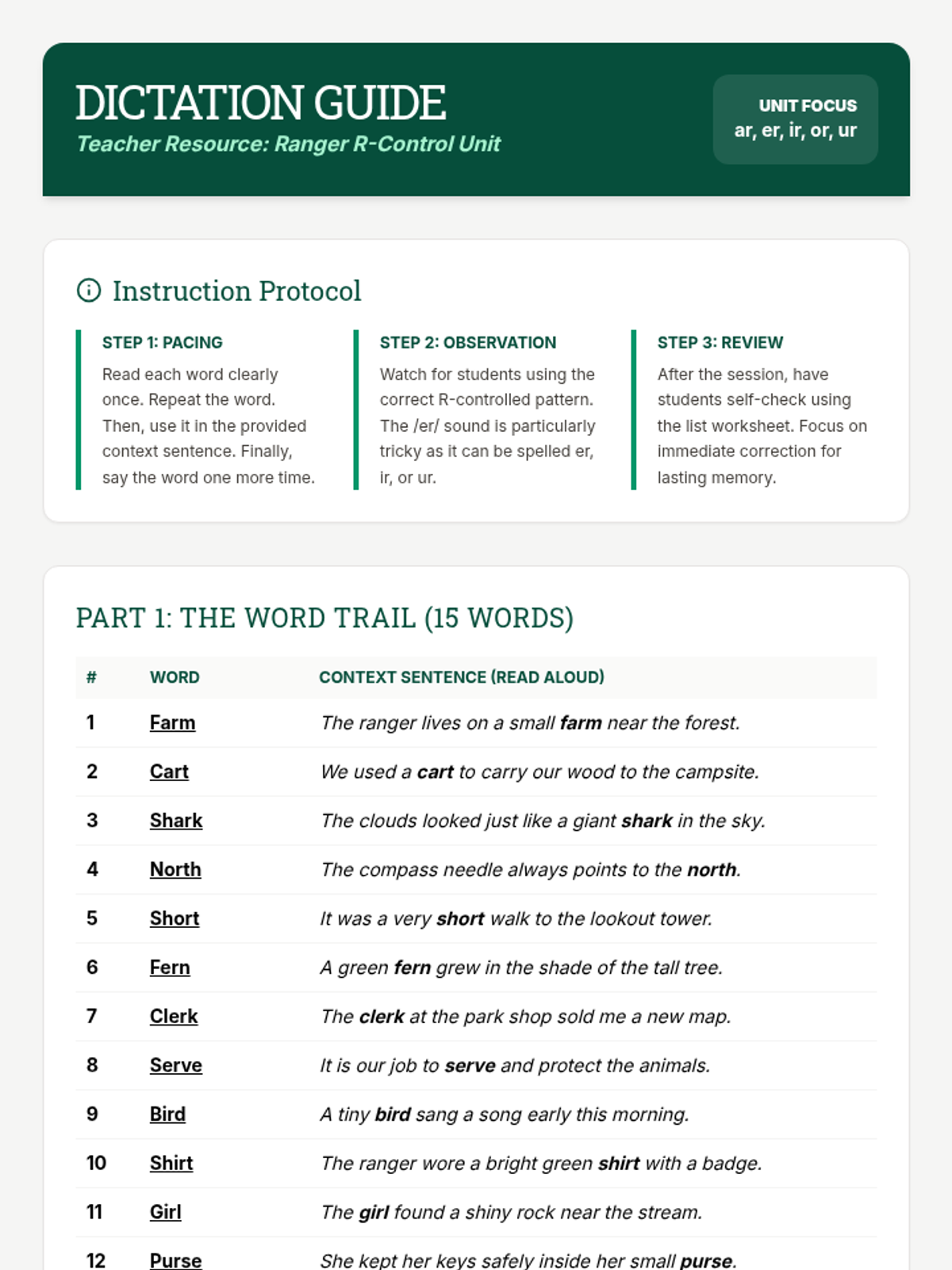
A multi-unit spelling series with a Forest Ranger theme, covering complex phonics patterns including R-controlled vowels and silent letter combinations.
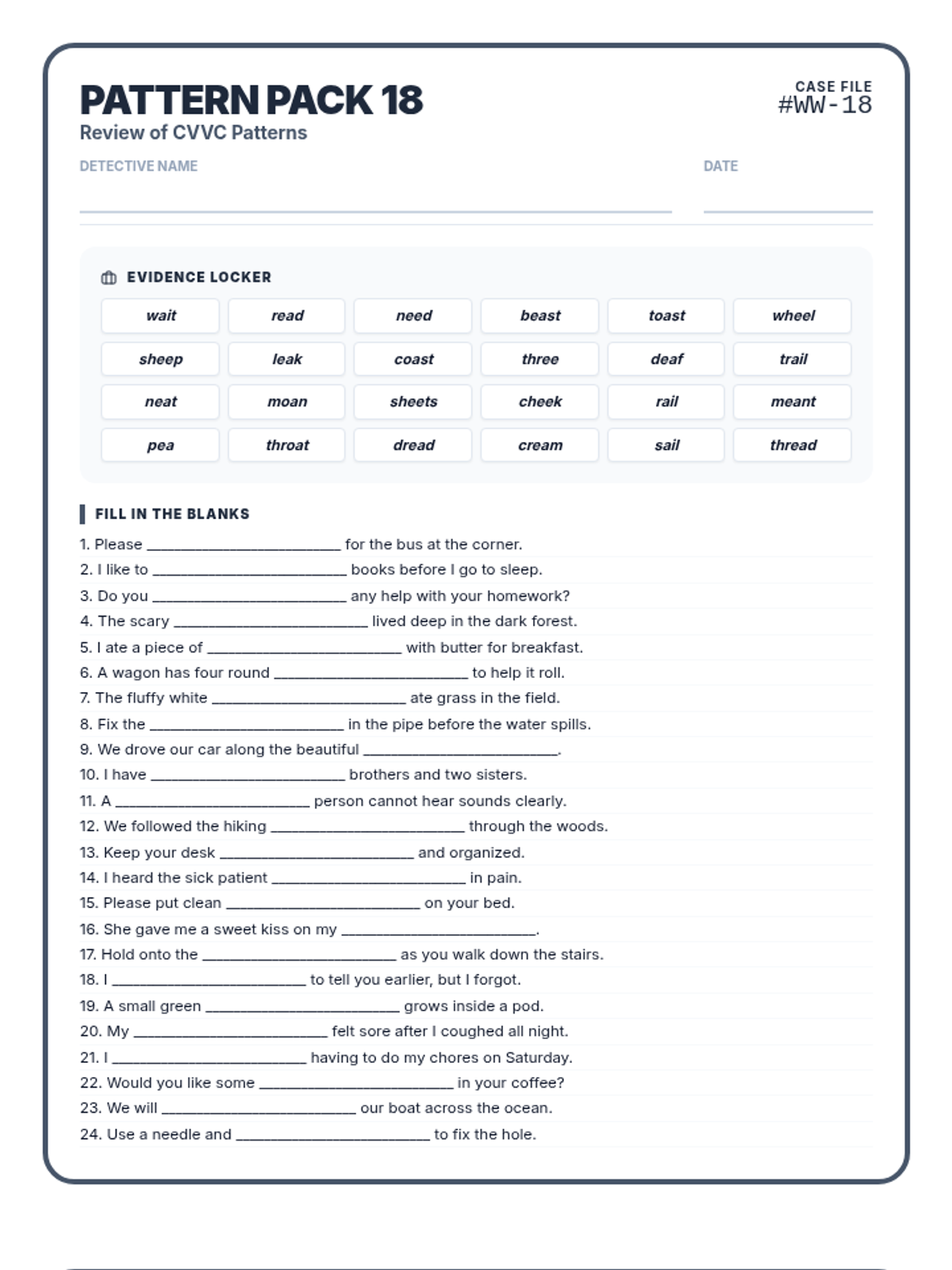
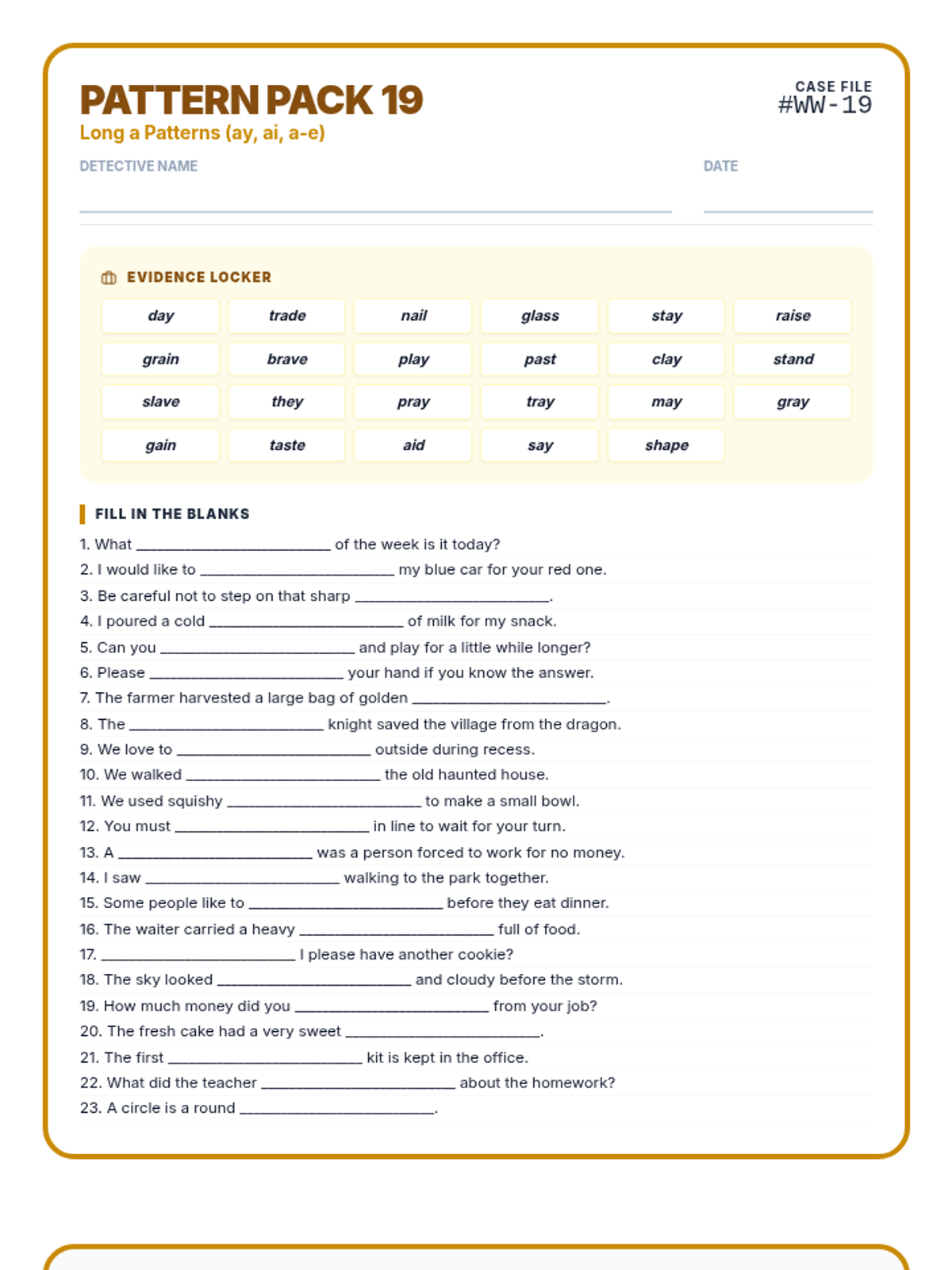
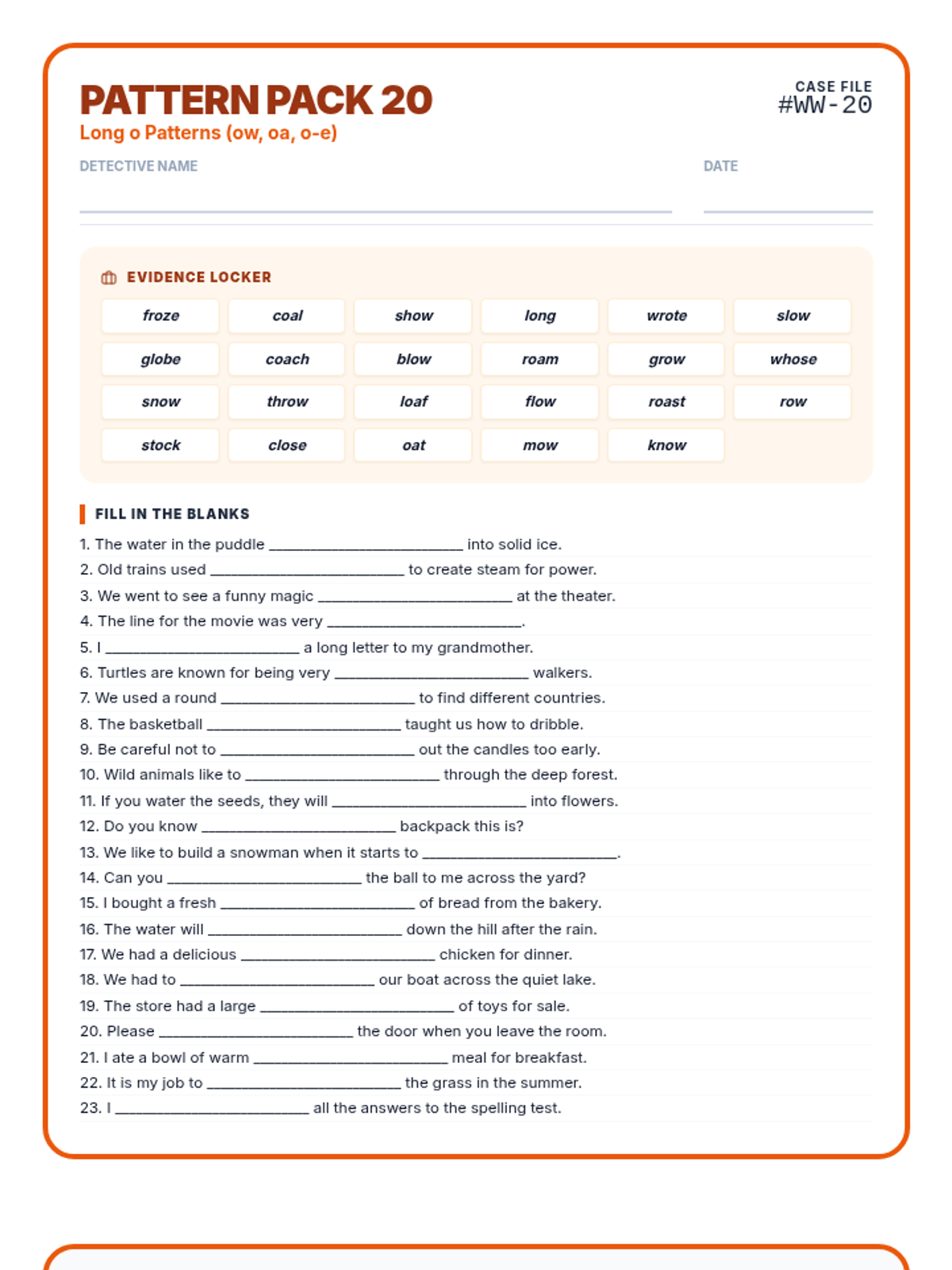
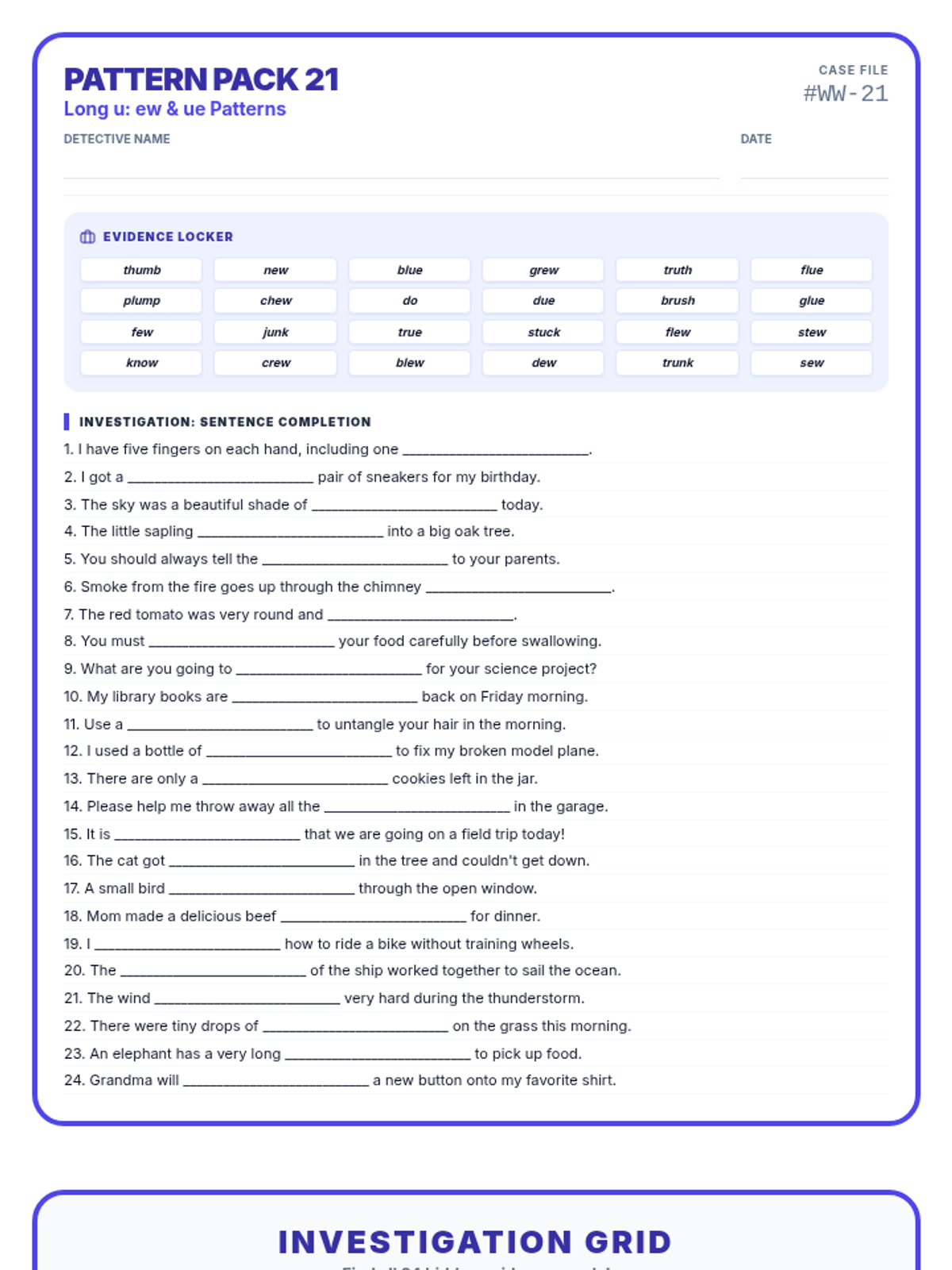
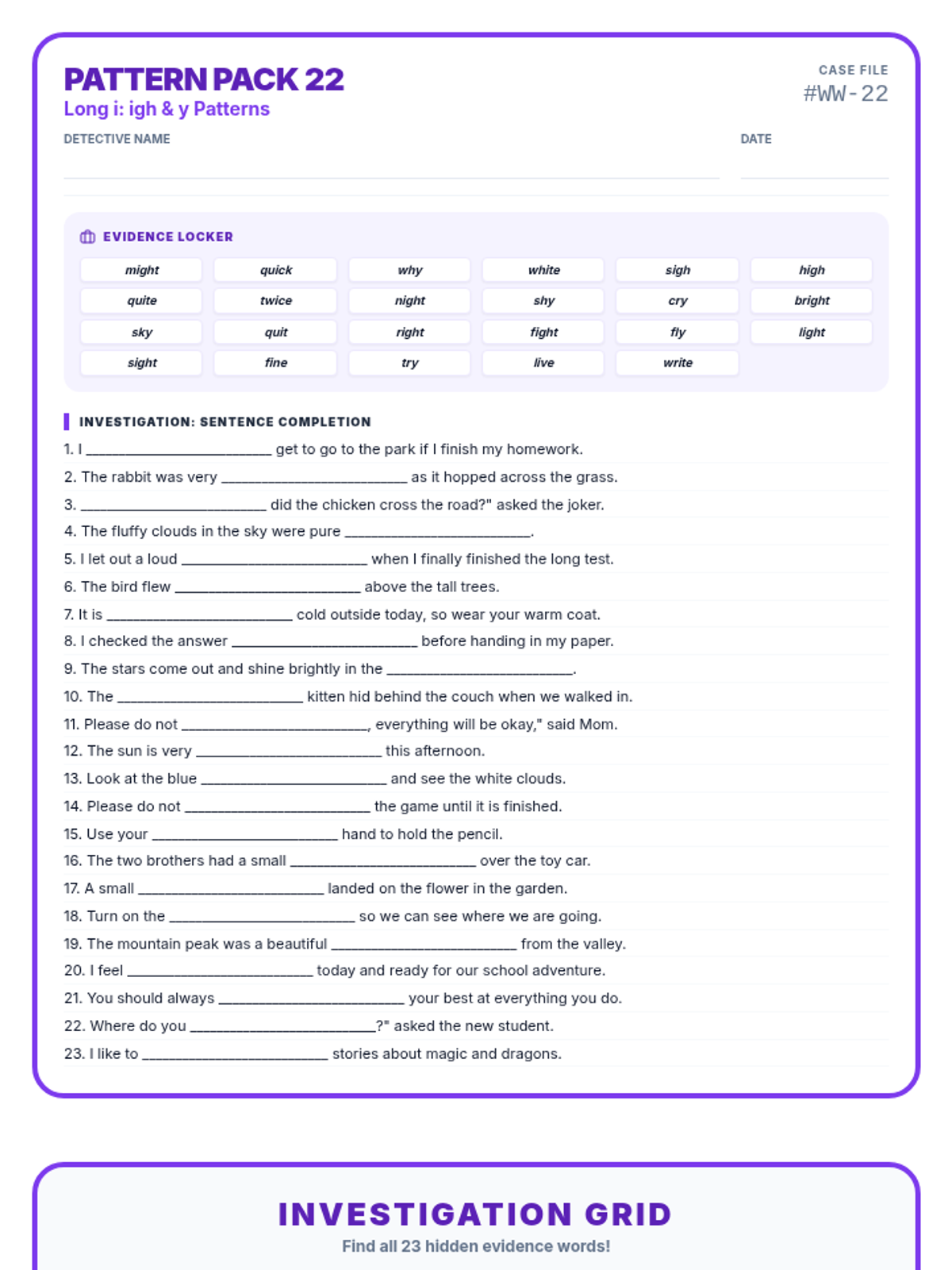
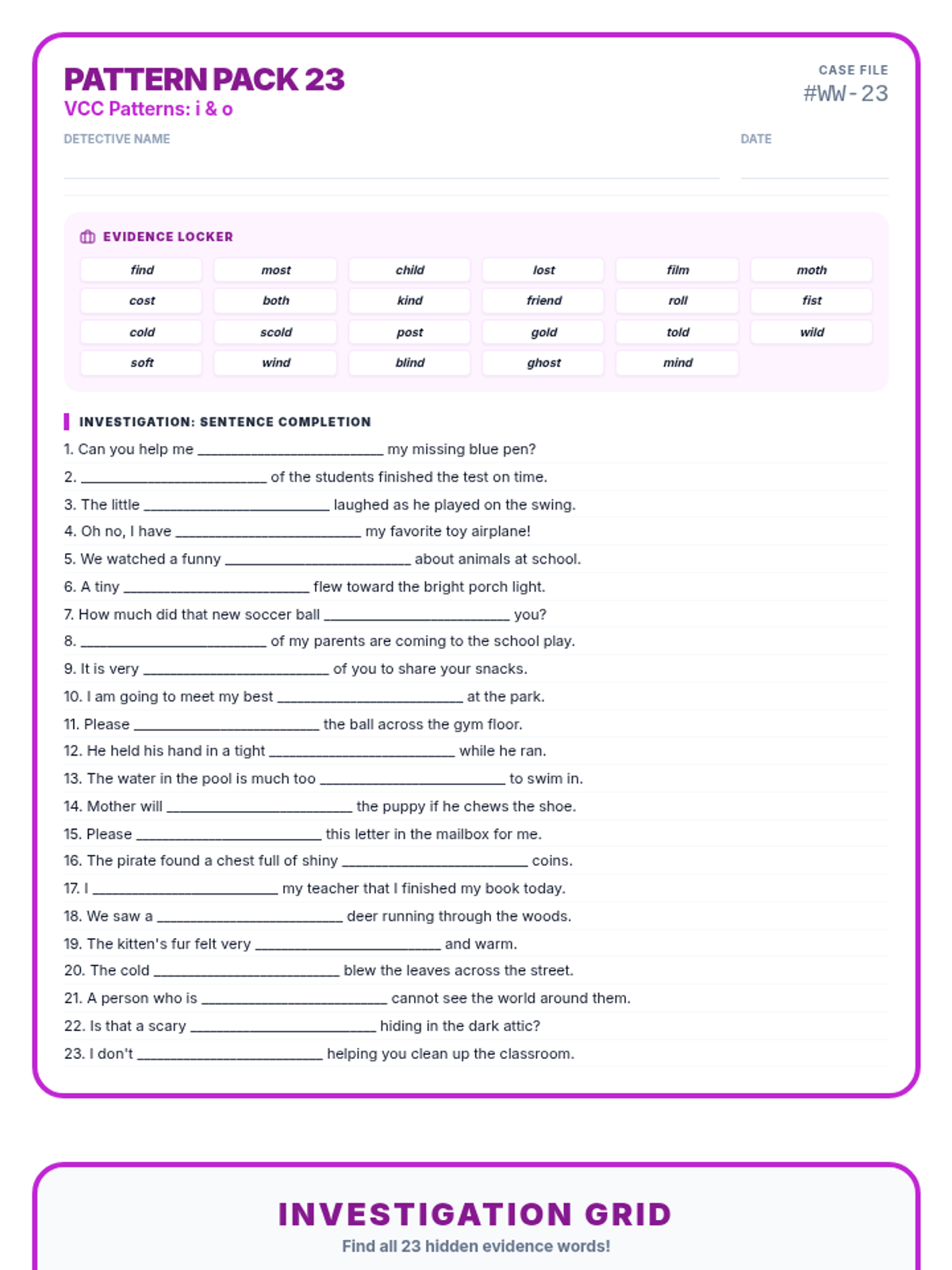
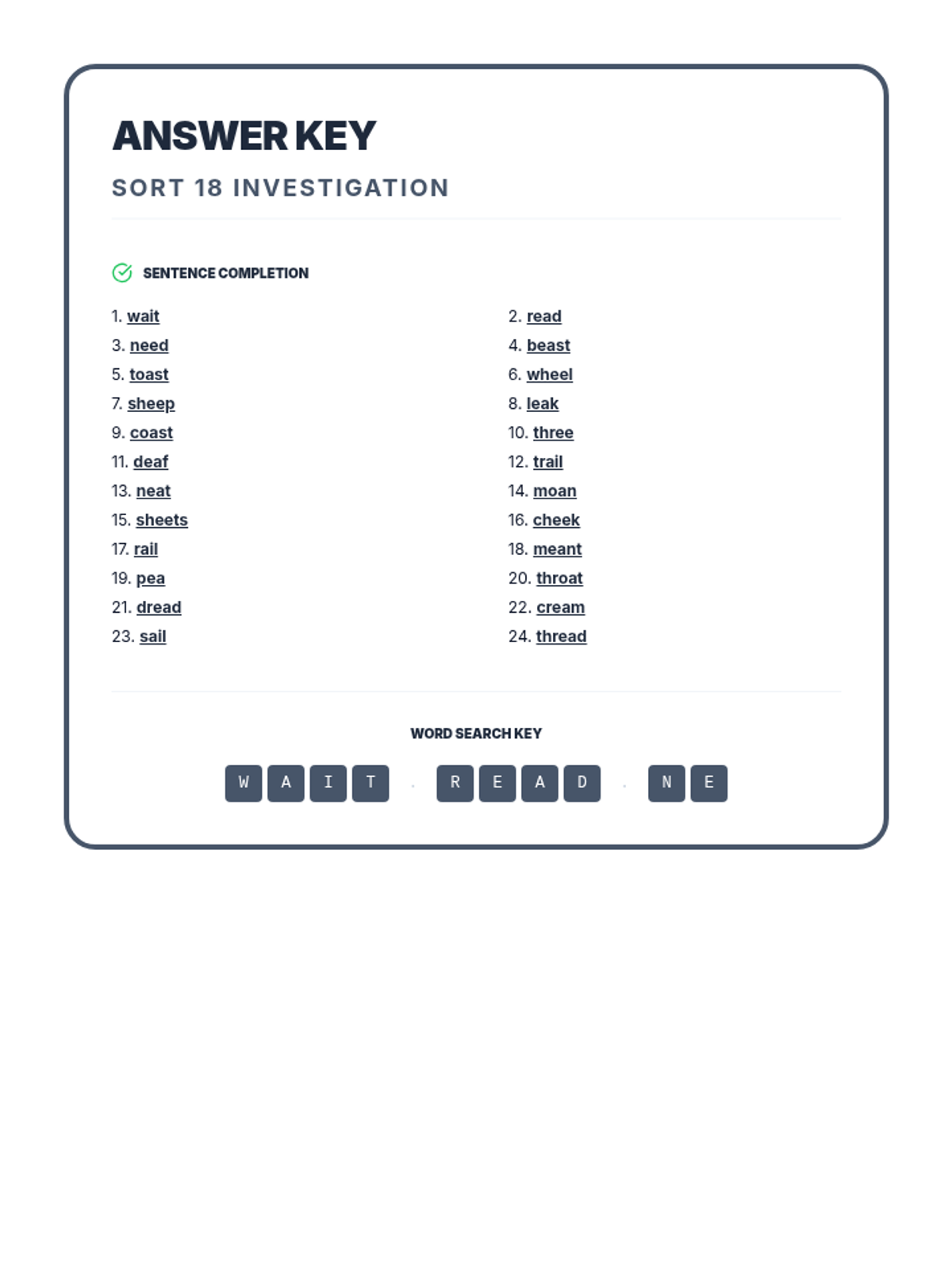
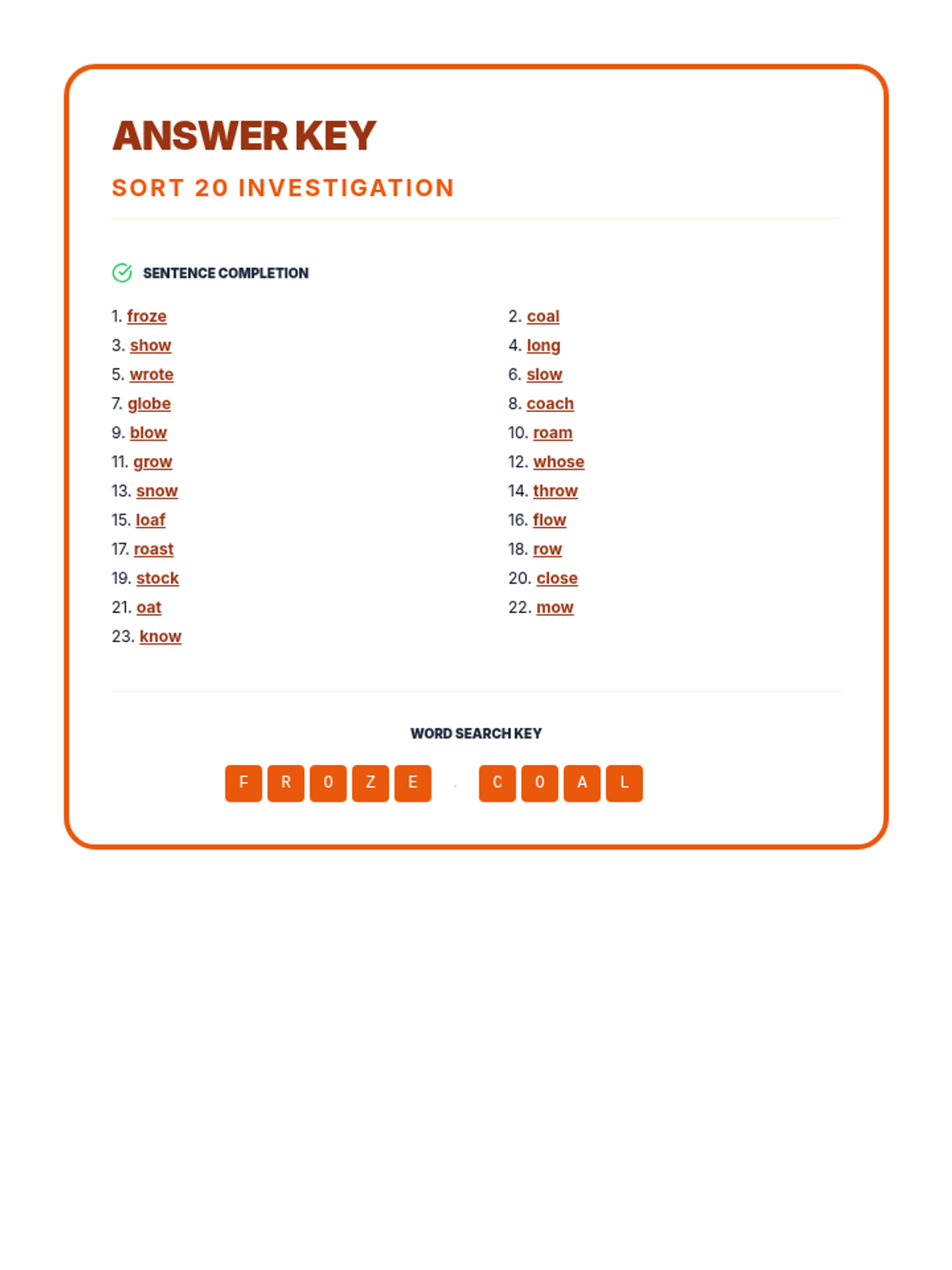
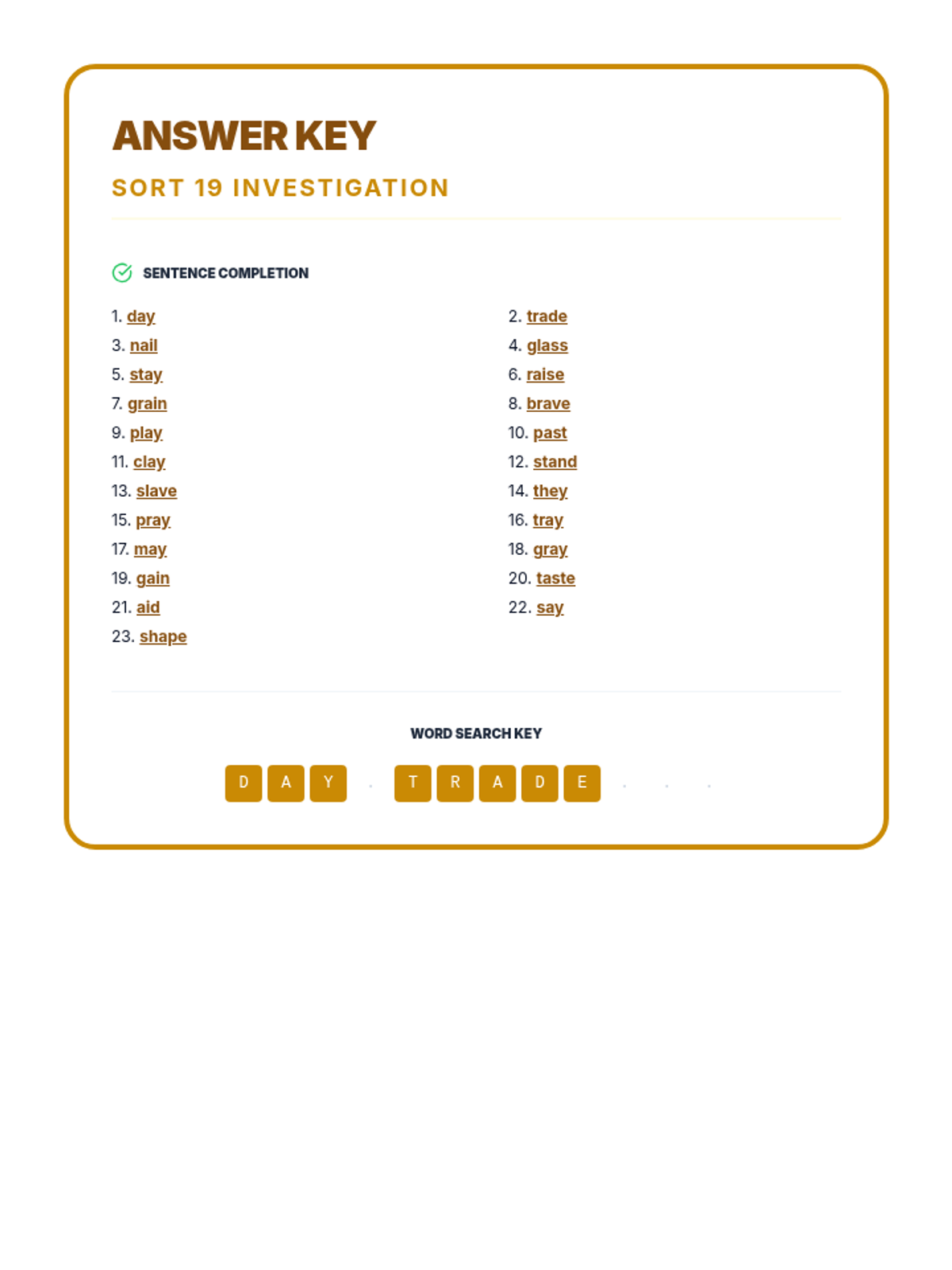
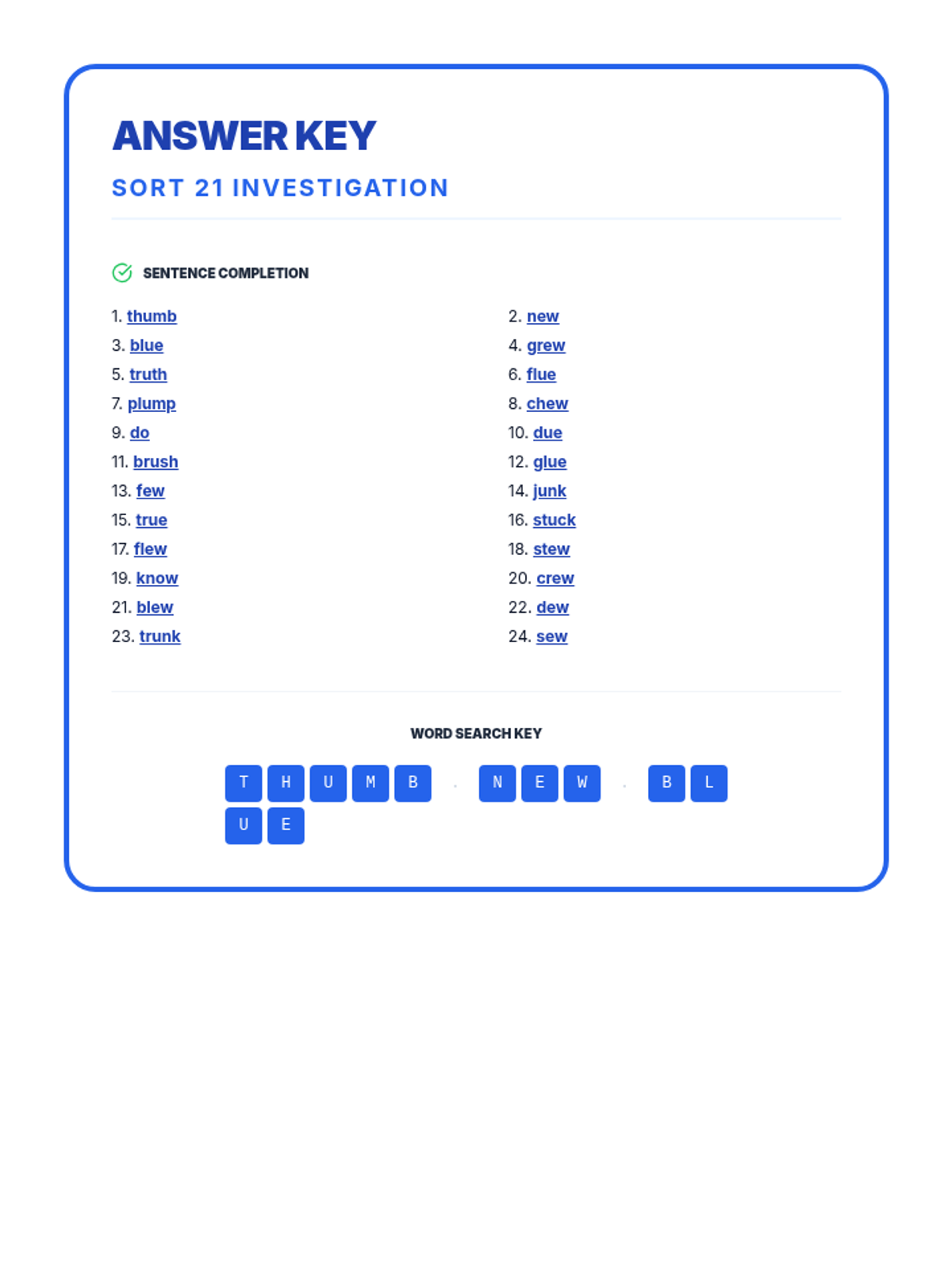
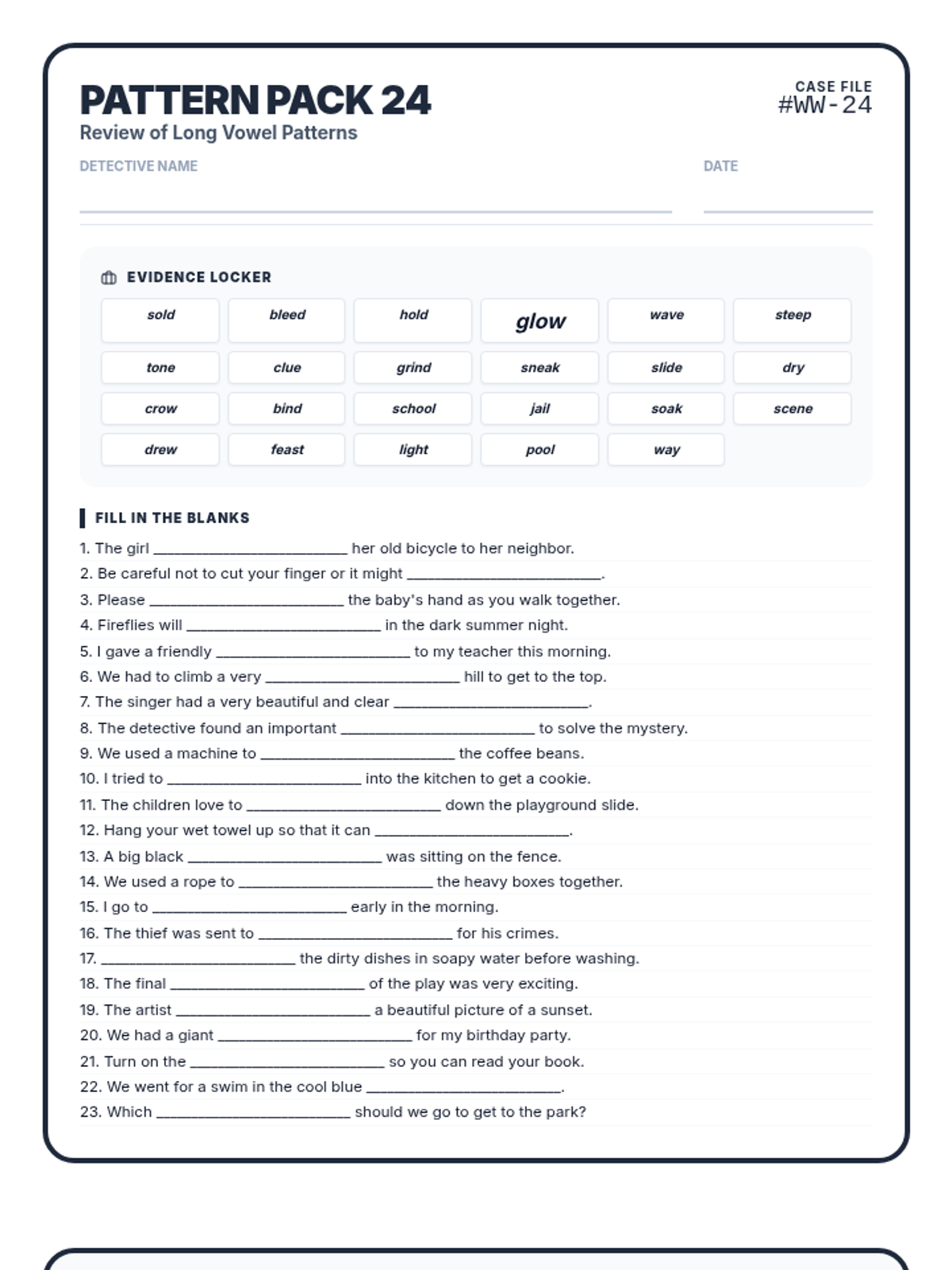
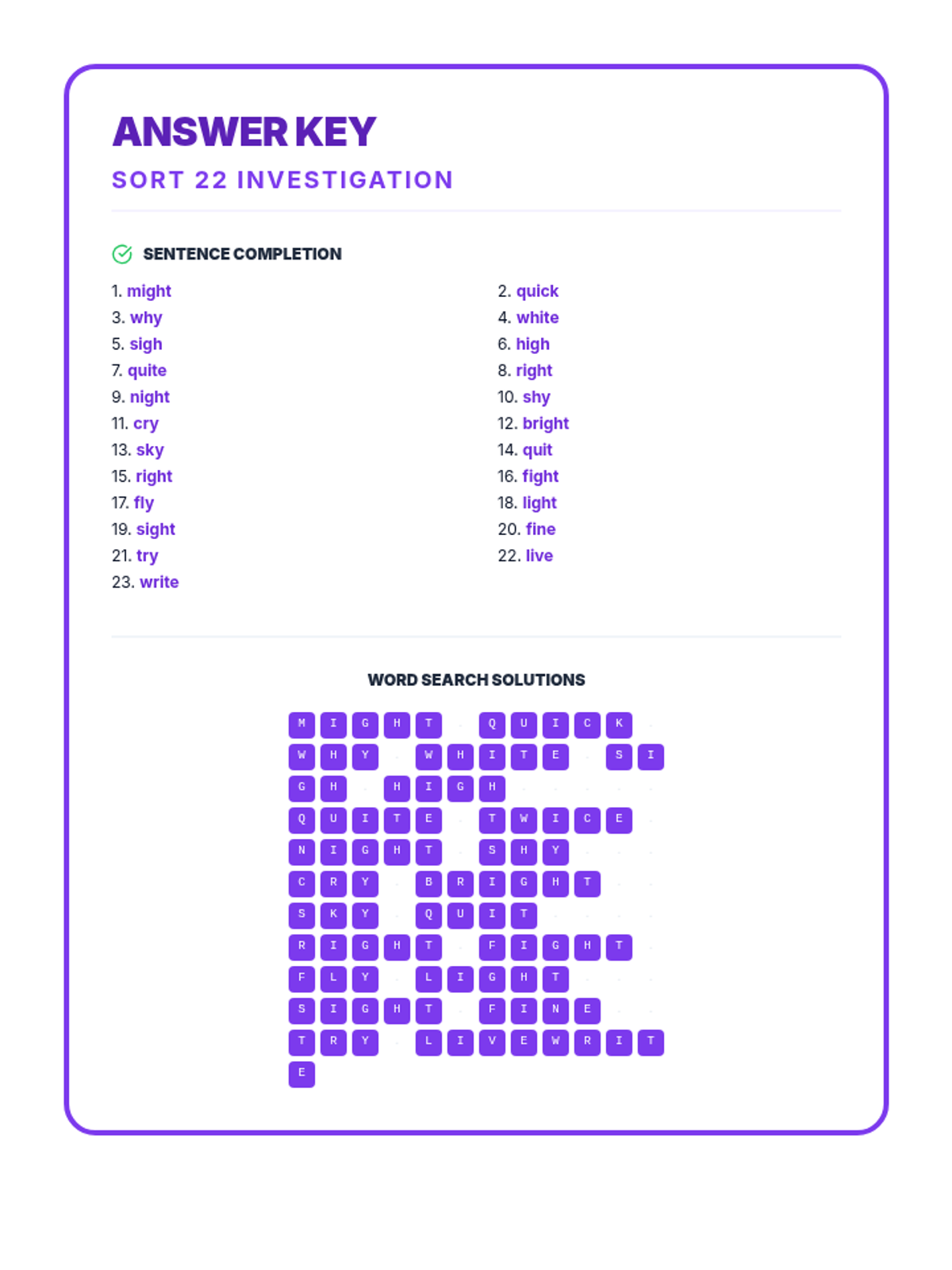
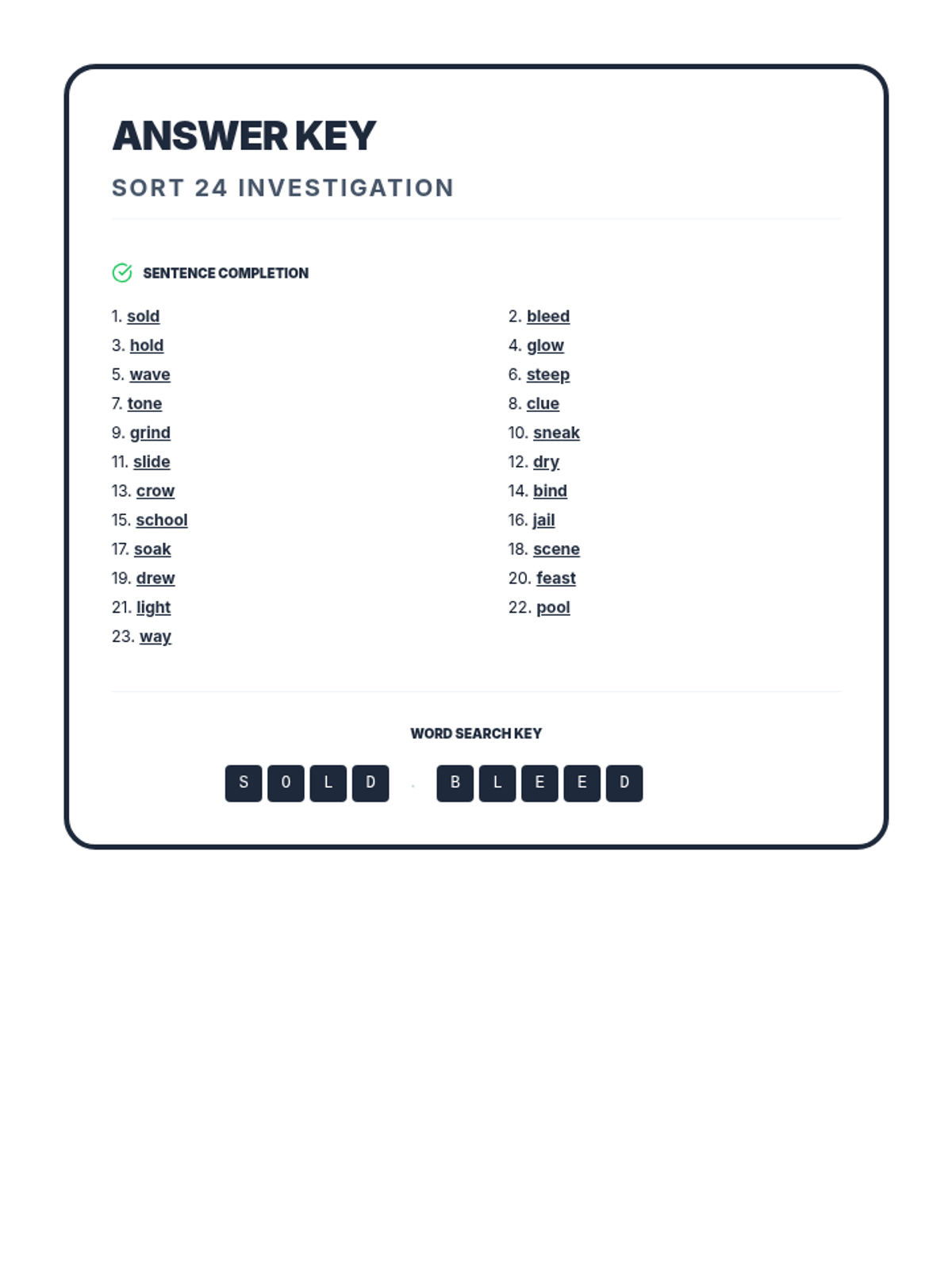
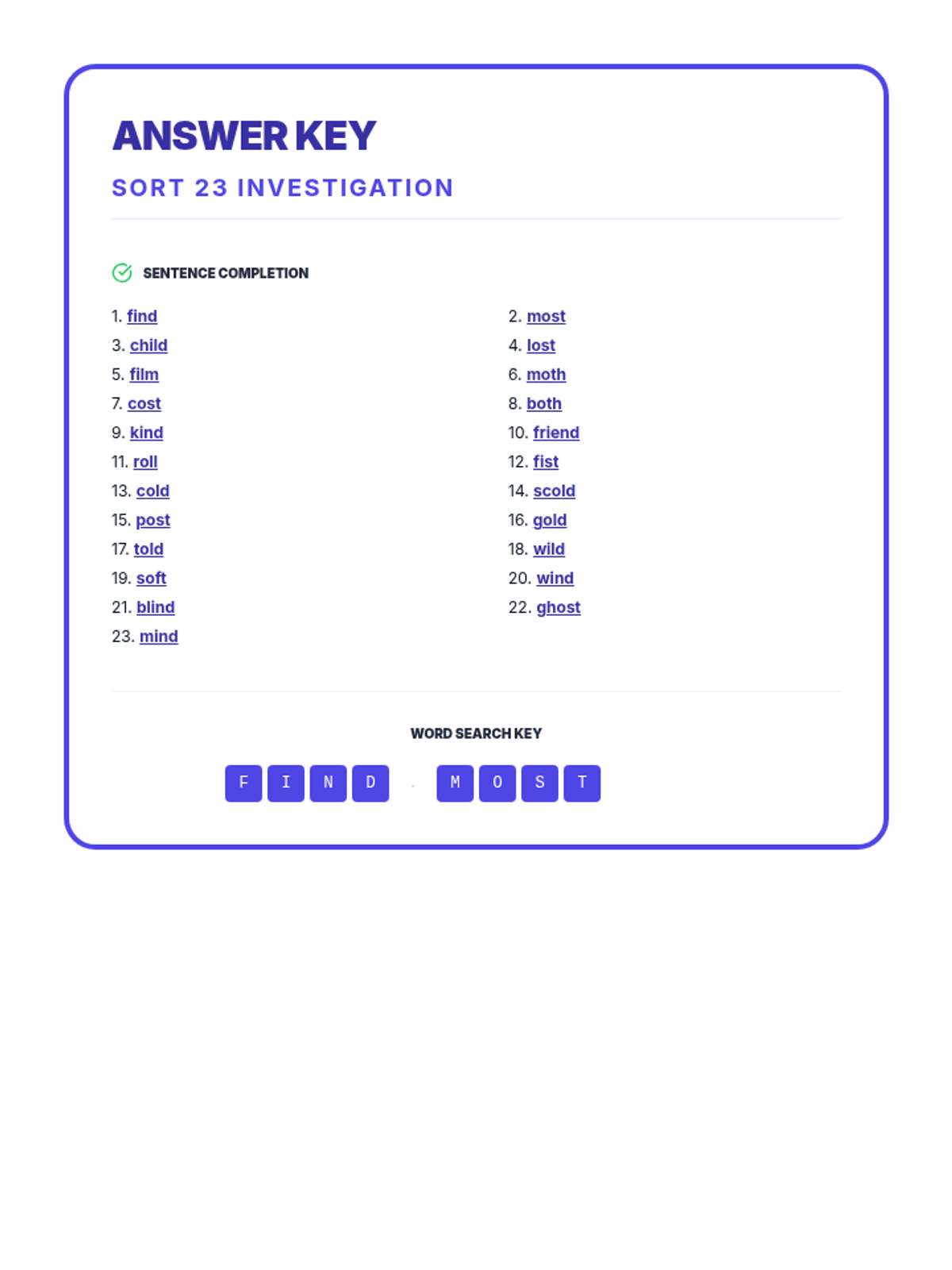
A comprehensive collection of practice materials for the 'Within Word Pattern' stage of word study, featuring sentence completion and word search activities for sorts 13 through 50.
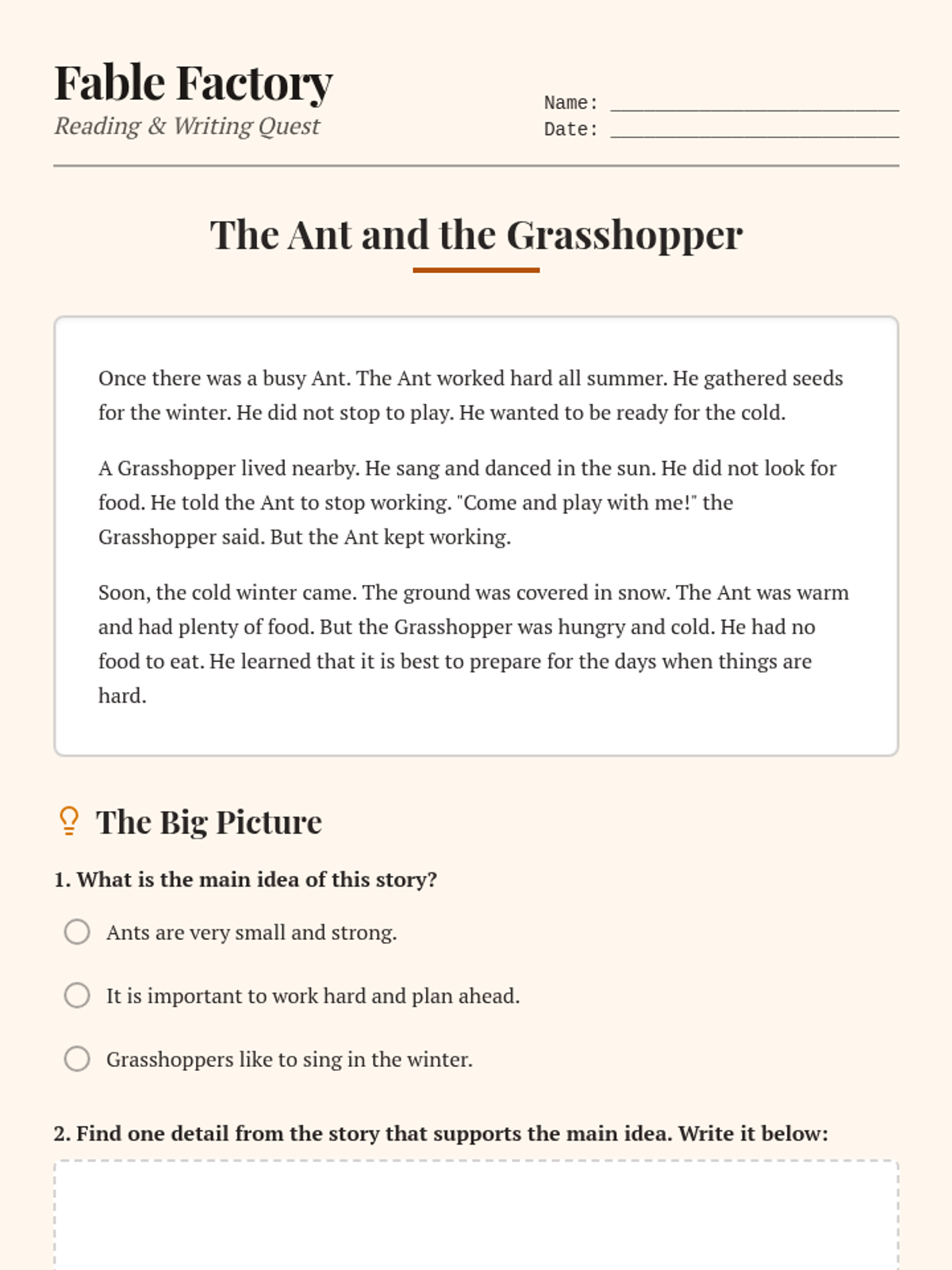
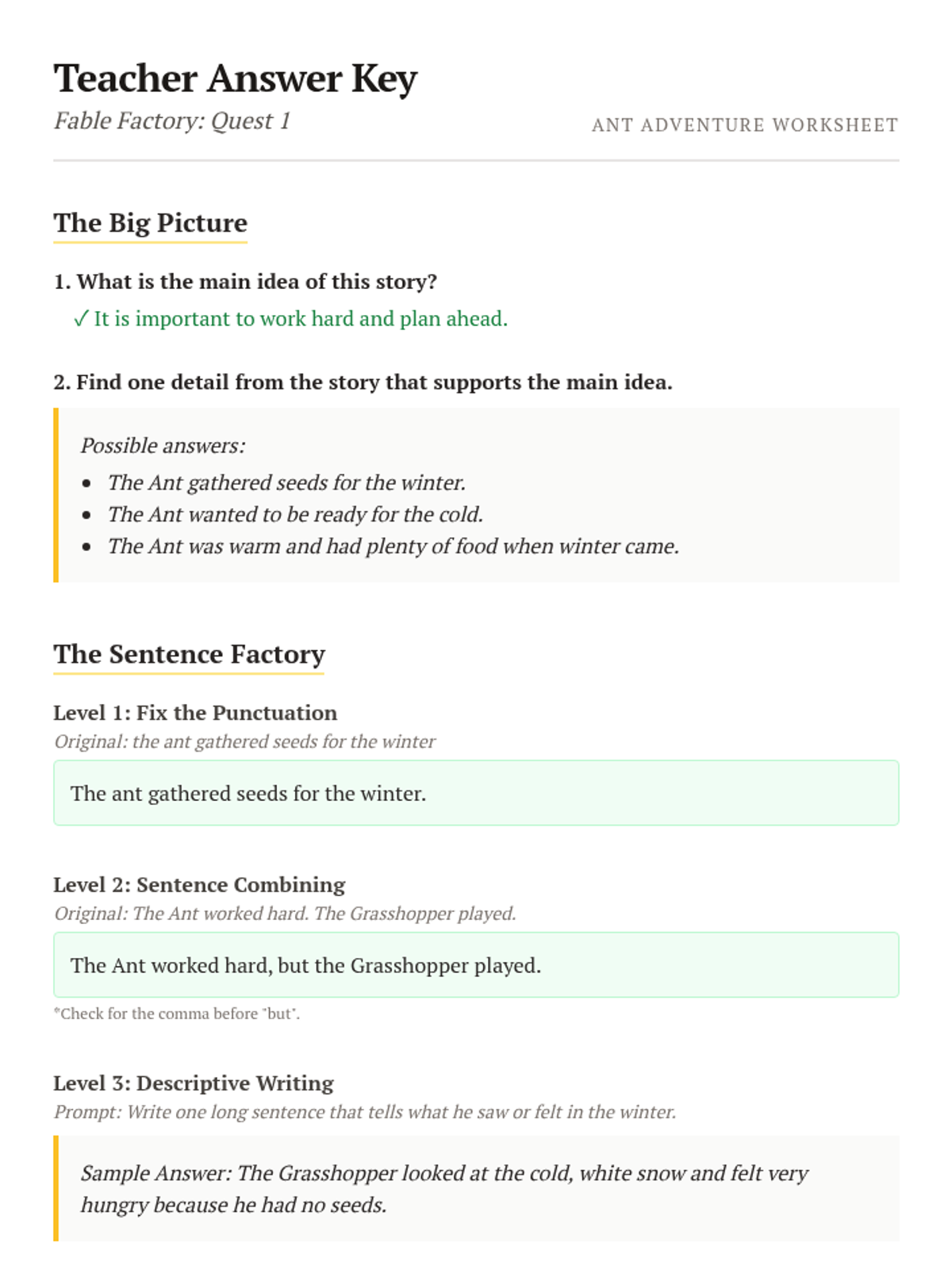
A series of reading and writing lessons using classic fables to teach main idea, supporting details, and proper sentence structure to 4th-grade students reading at a 3rd-grade level.
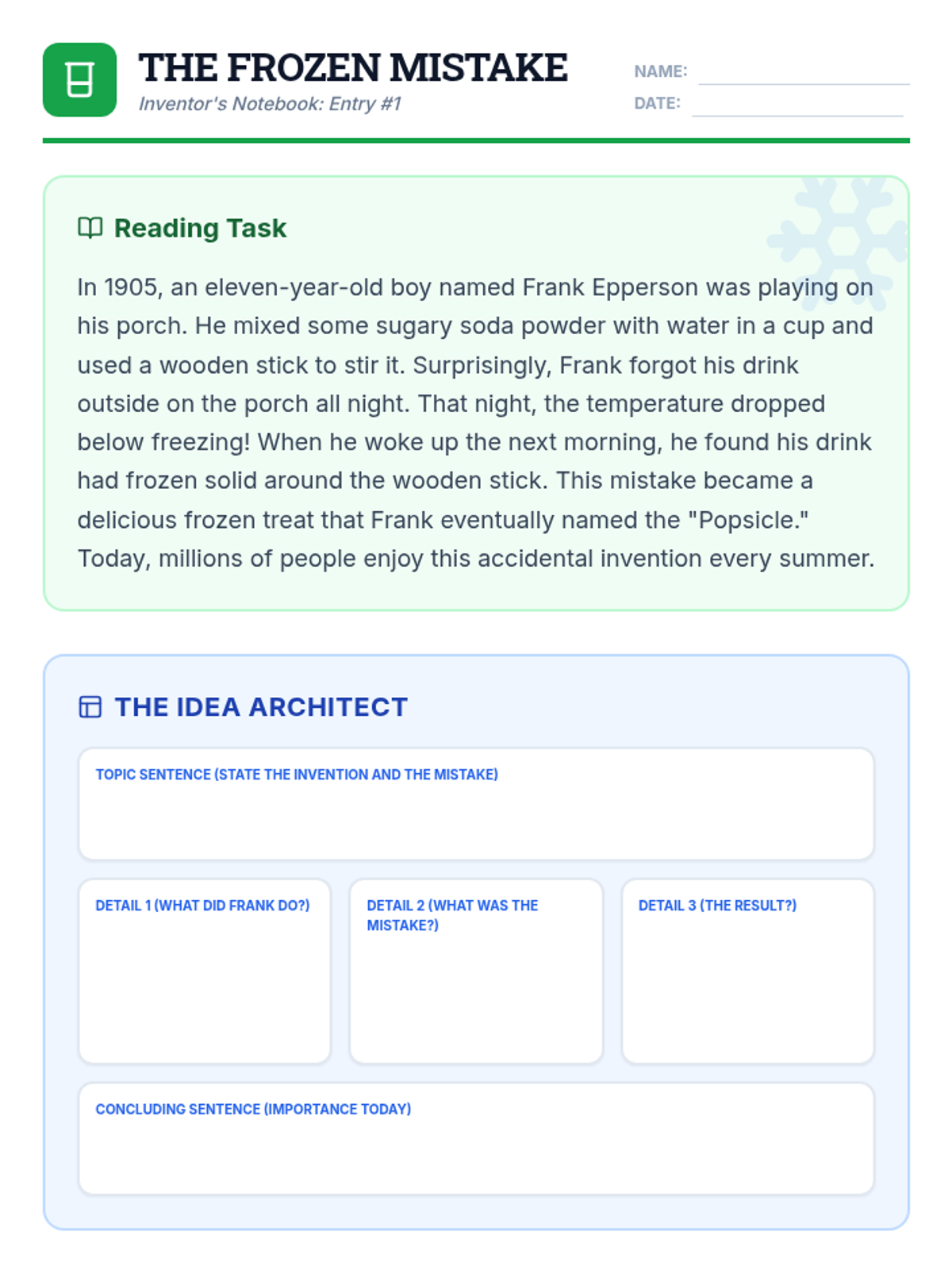
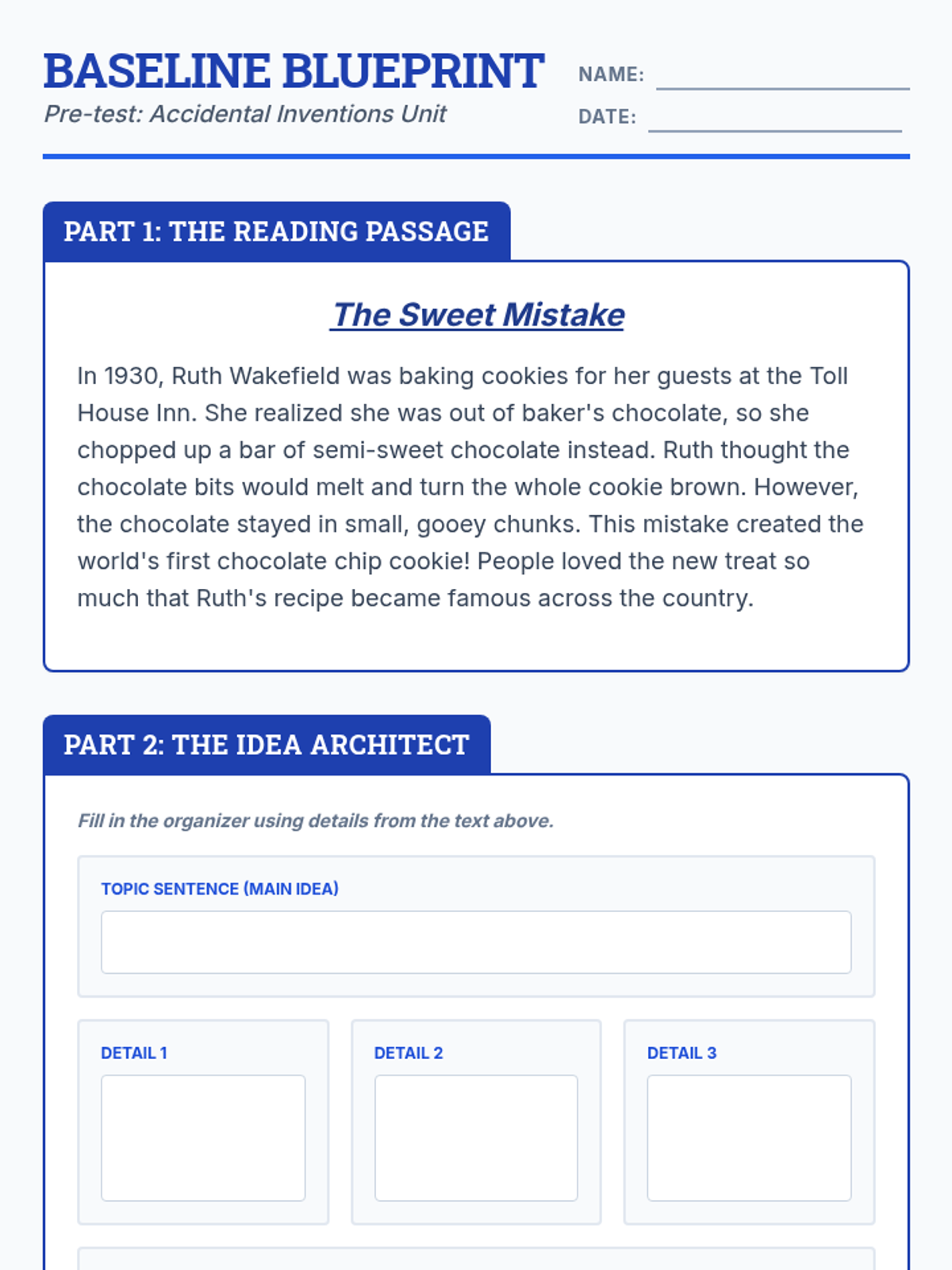
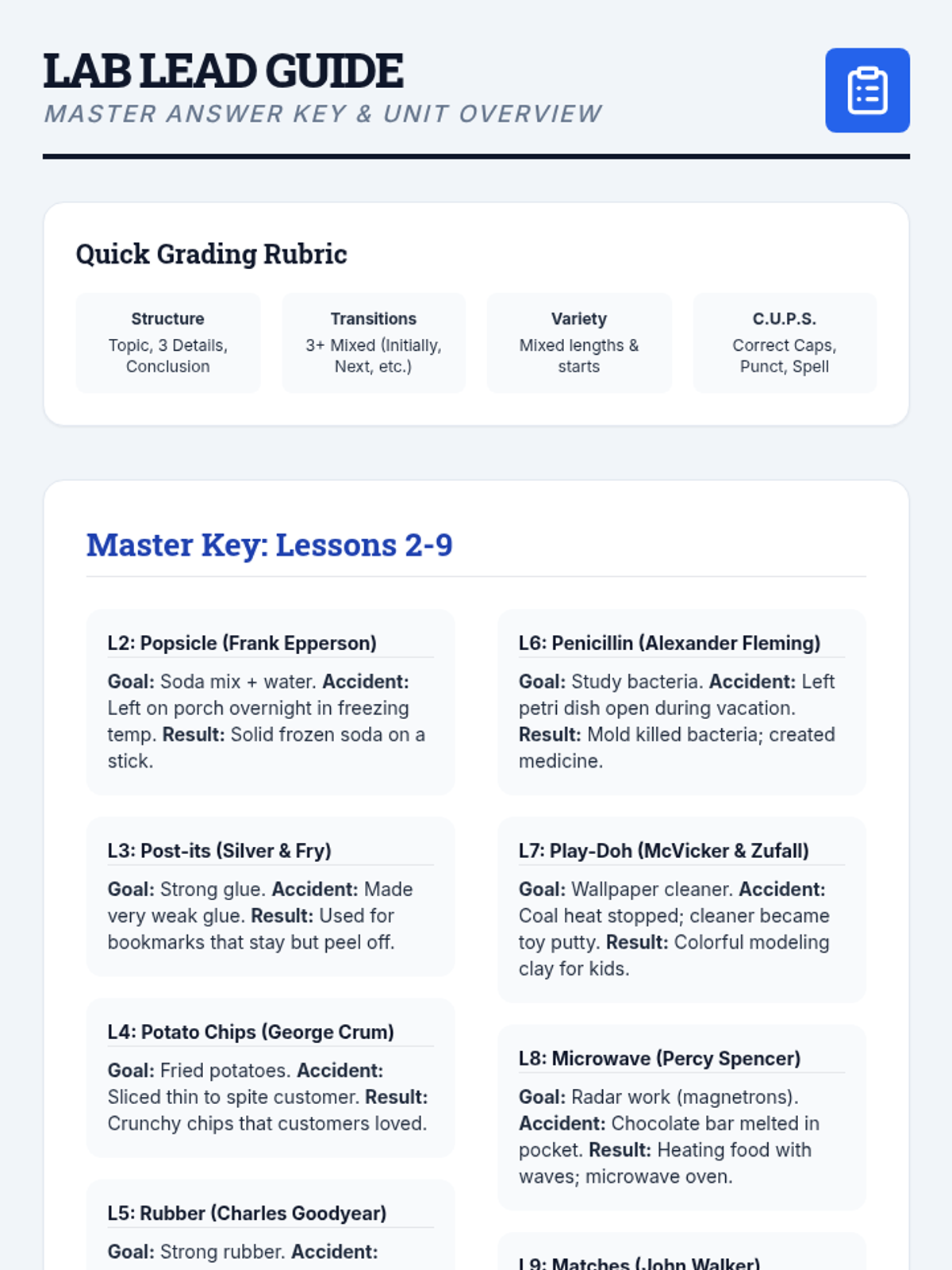
A writing intervention focused on taking notes from informational texts about accidental inventions and transforming them into structured paragraphs with transitions and sentence variety.
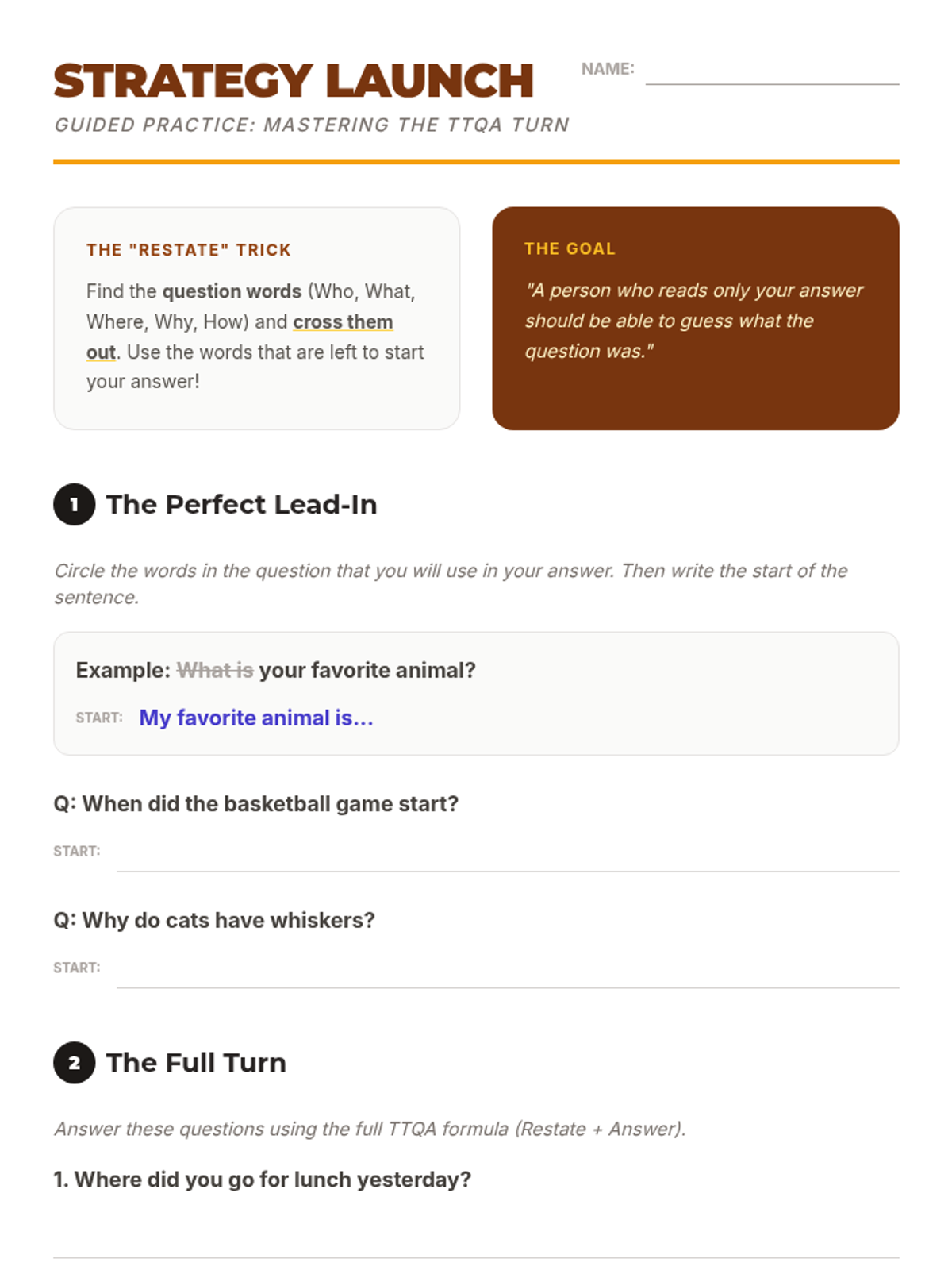
A multi-level collection of reading comprehension materials designed to teach students how to 'Turn The Question Around' (TTQA). Includes high-interest nonfiction passages differentiated for 2nd, 3rd, and 4th grade levels.
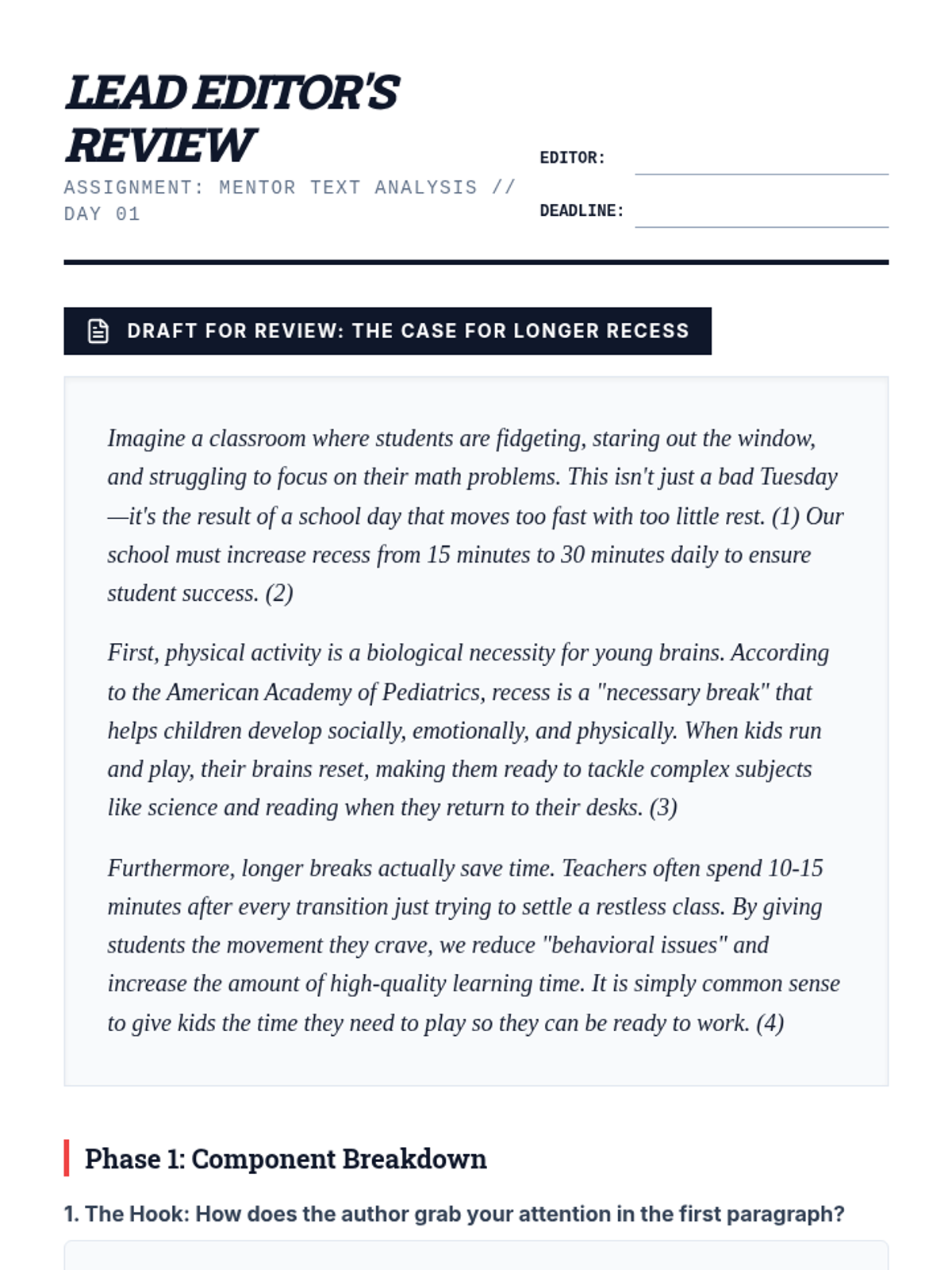
A comprehensive 5-day unit designed to take students from analyzing mentor texts to drafting and polishing their own persuasive essays. The unit uses a professional 'Editorial Office' theme to engage students as 'Lead Editors' of their own arguments.
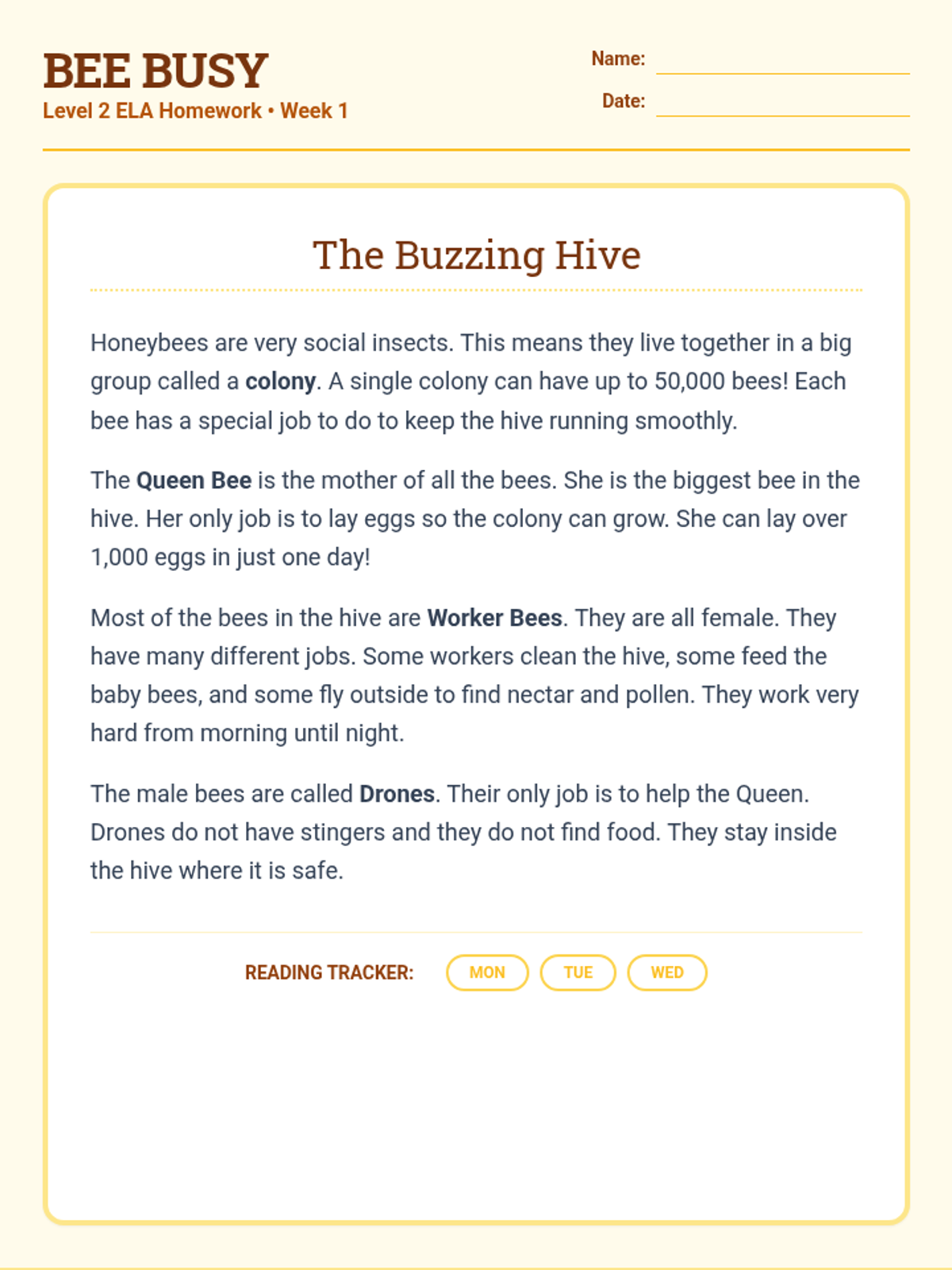
Differentiated ELA homework packets centered on the lives and importance of honeybees, organized by complexity levels.
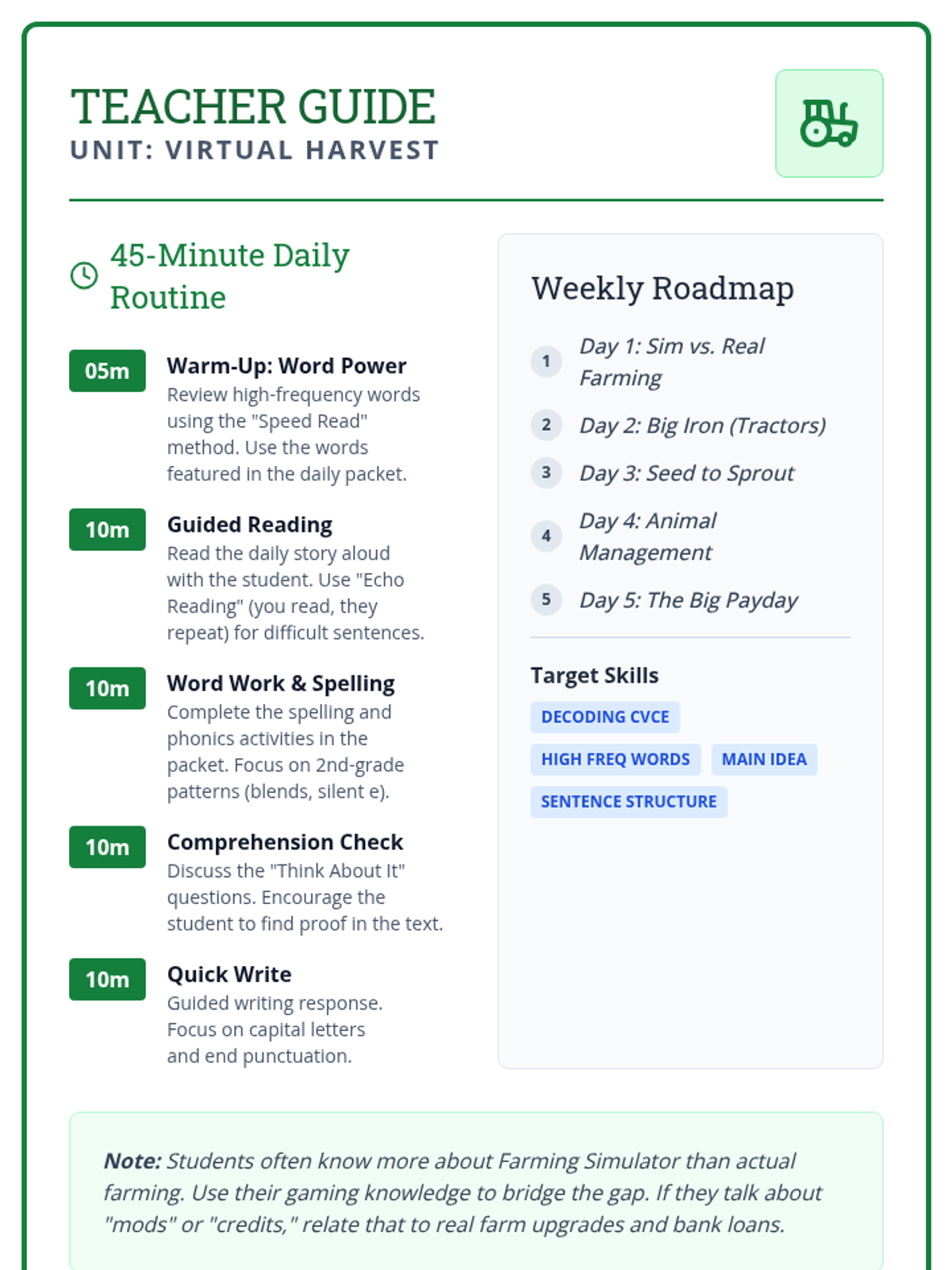
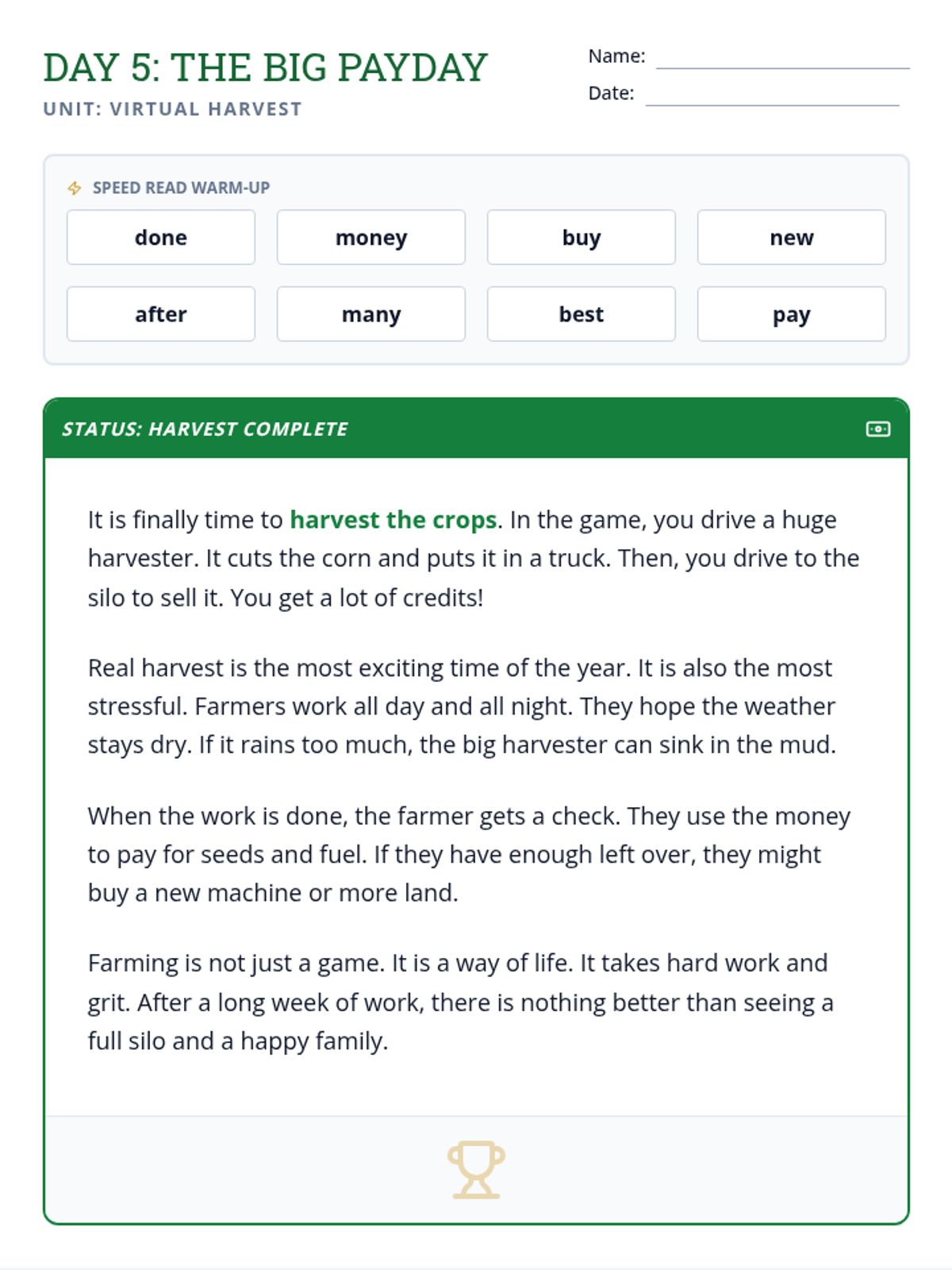
A 5-day reading comprehension and writing unit for struggling readers, blending the world of Farming Simulator with real-world agriculture. Focuses on 2nd-grade level literacy skills within a high-interest 5th-grade context.
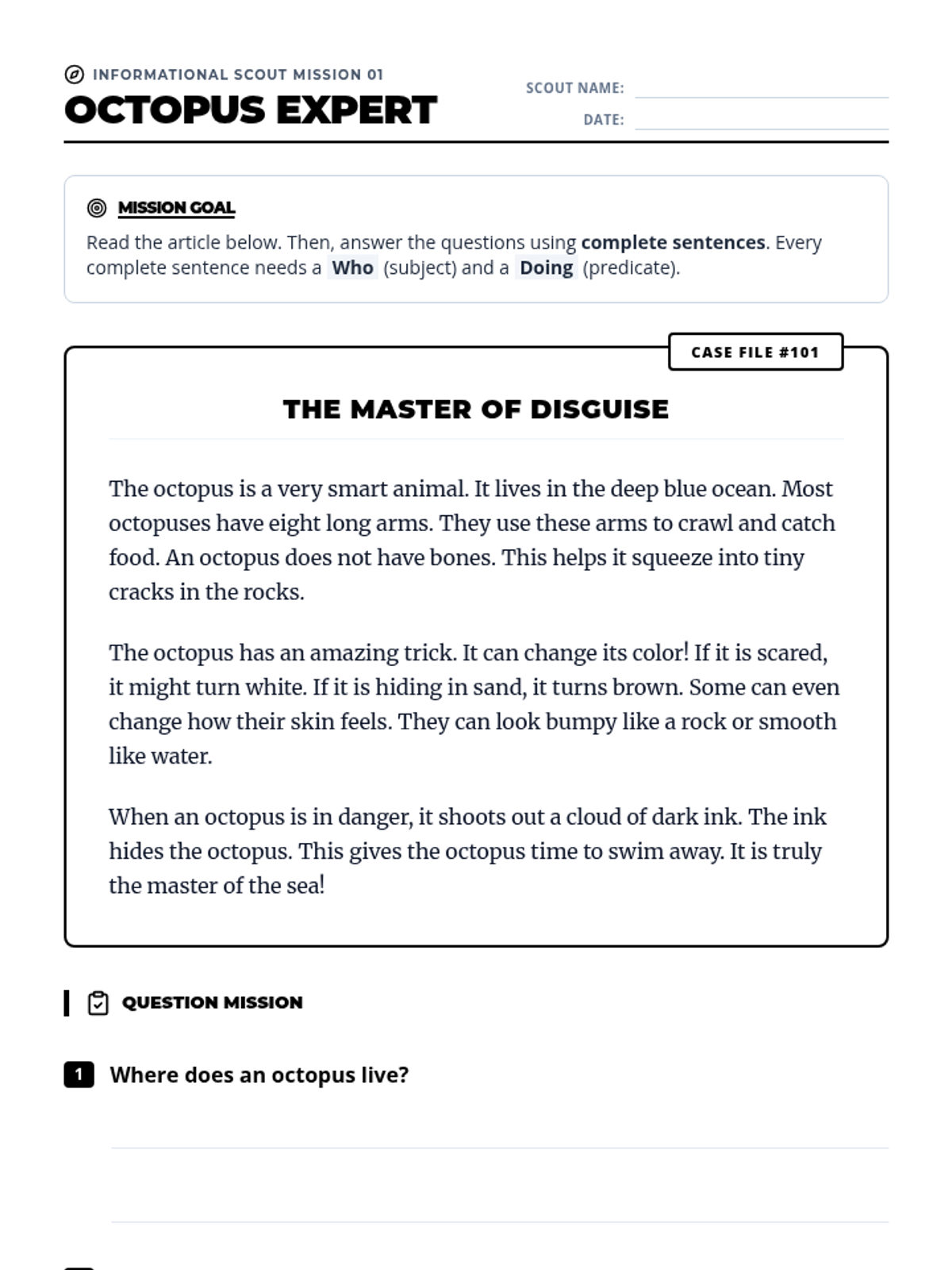
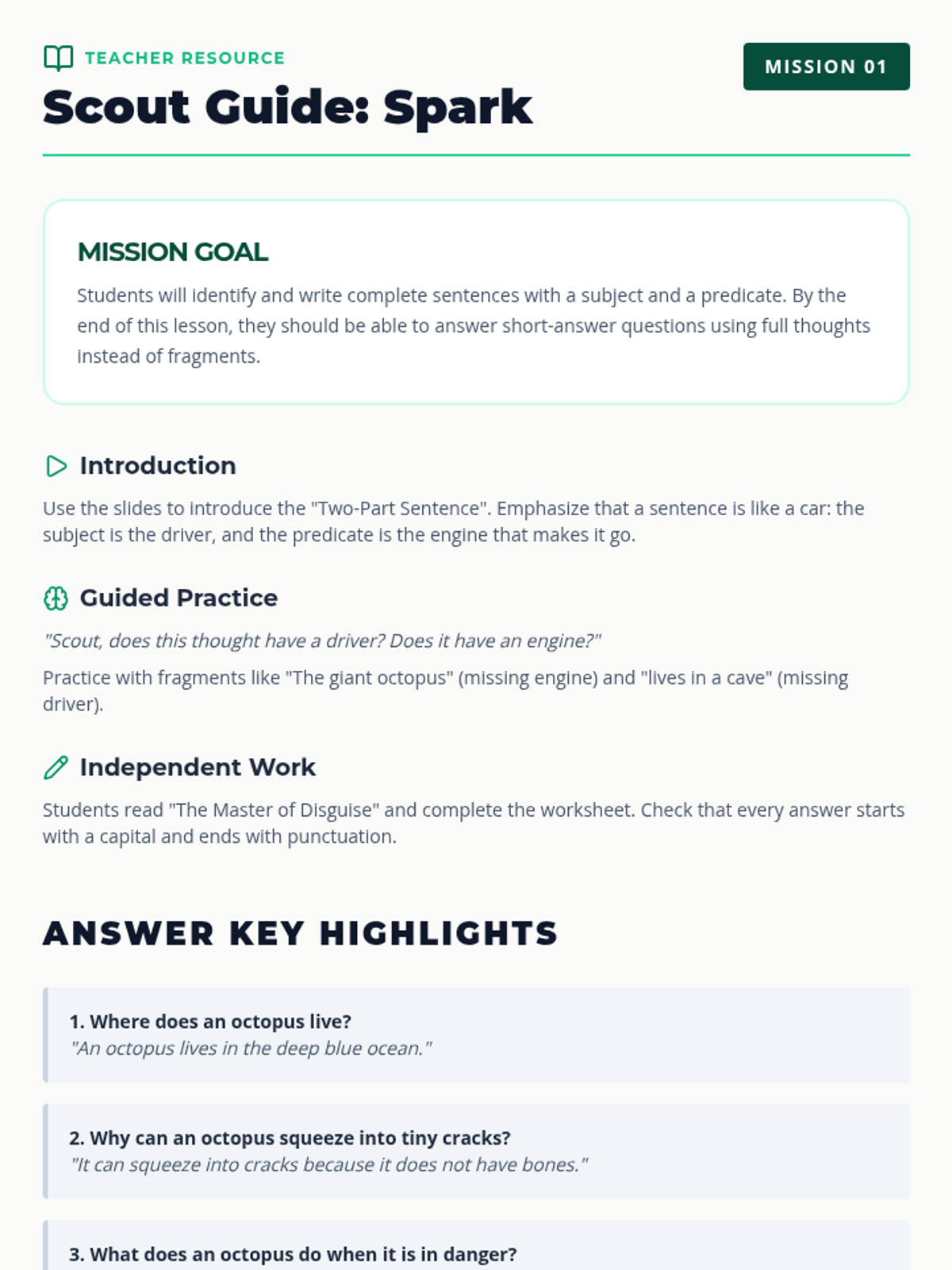
A comprehensive informational writing unit designed for 4th-grade students reading at a 3rd-grade level. This sequence scaffolds writing skills from basic complete sentences to evidence-based informational paragraphs using science, history, and fiction texts.
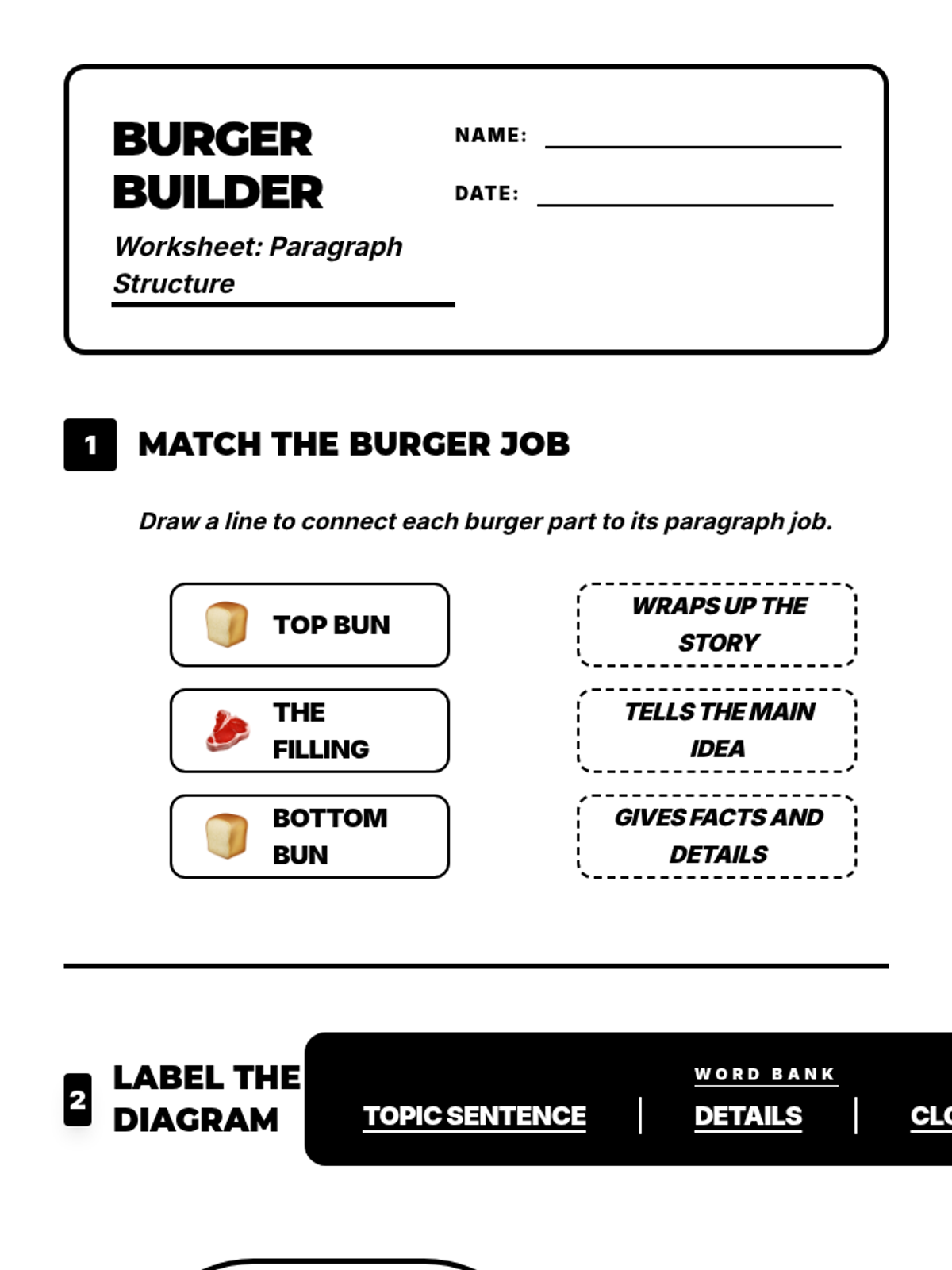
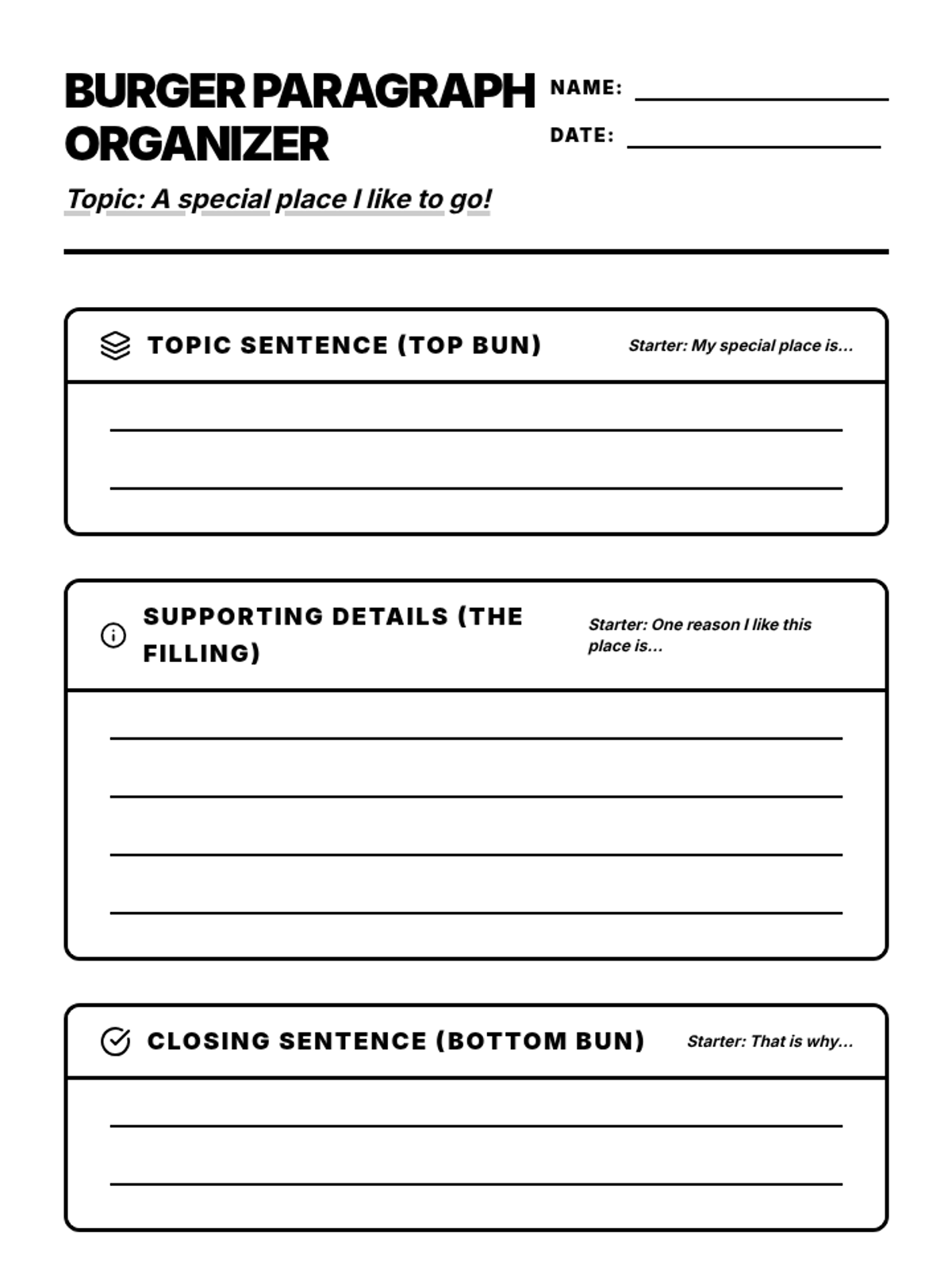
A comprehensive writing sequence designed for early writers and SpEd students to master paragraph structure through narrative, opinion, and journal writing with heavy visual scaffolding.
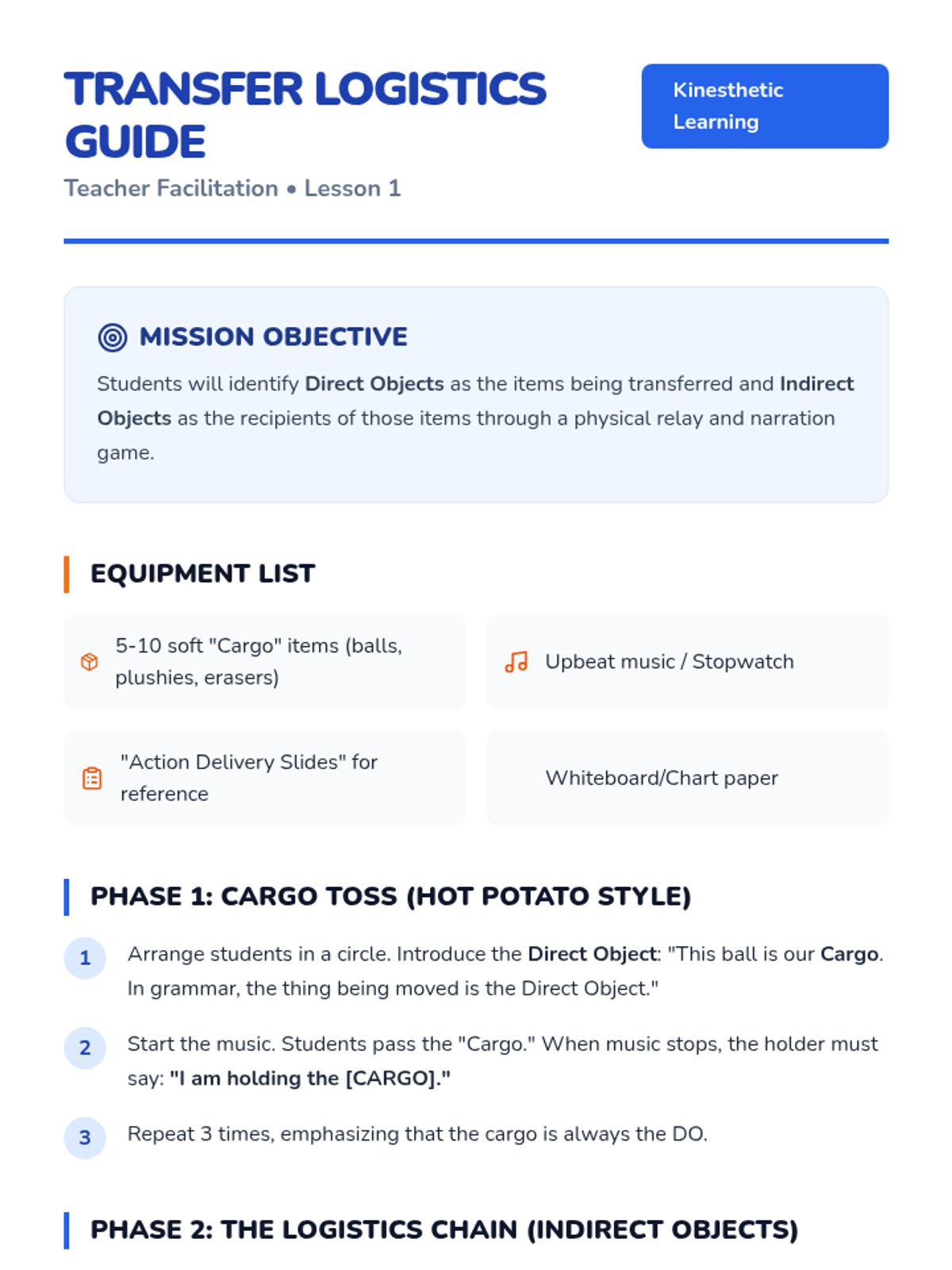
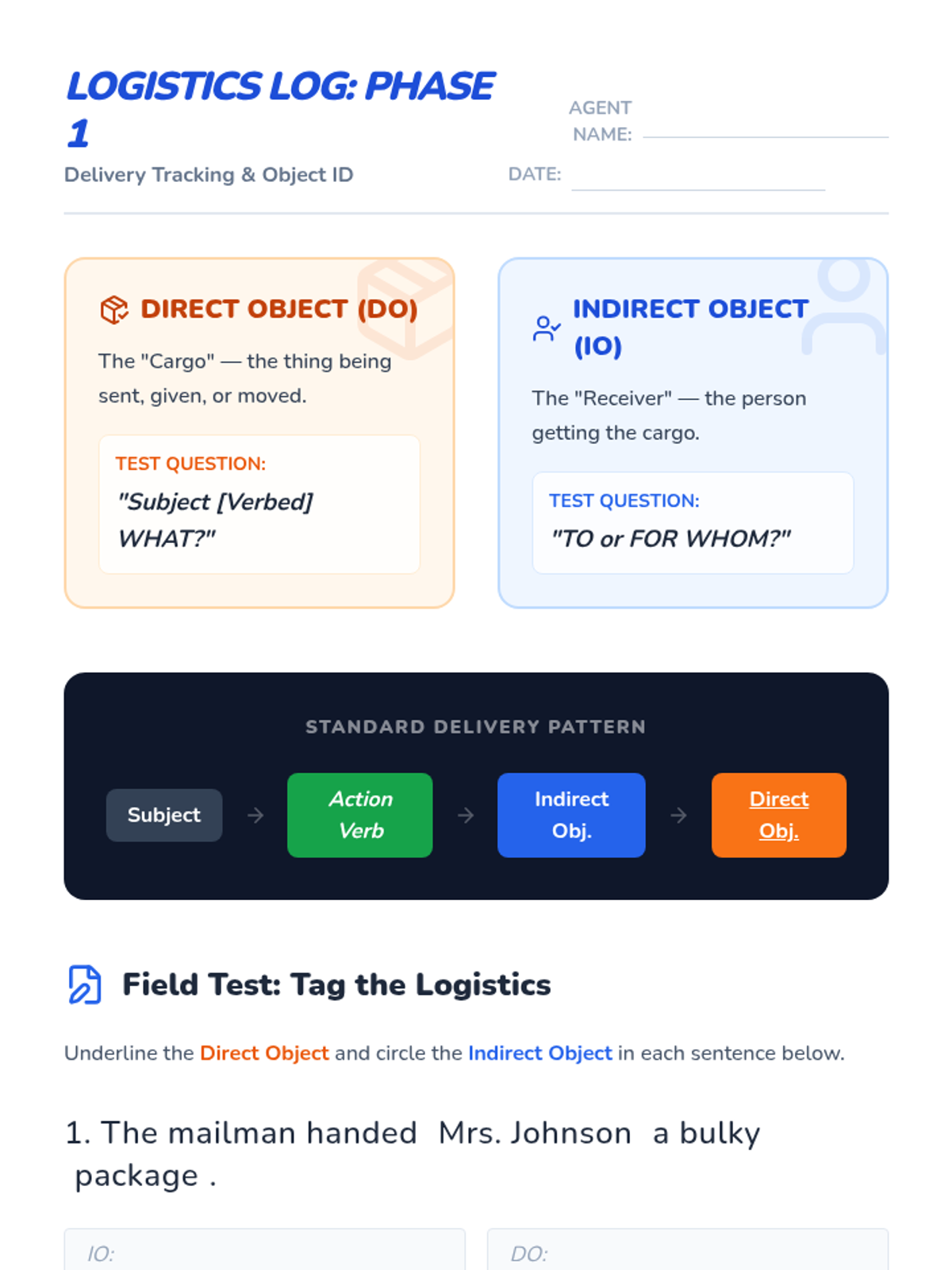
A 4th-grade grammar unit focused on identifying and using direct and indirect objects through game-based simulation and creative writing. Students learn the mechanics of action transfer in sentences using a 'logistics' and 'delivery' theme.
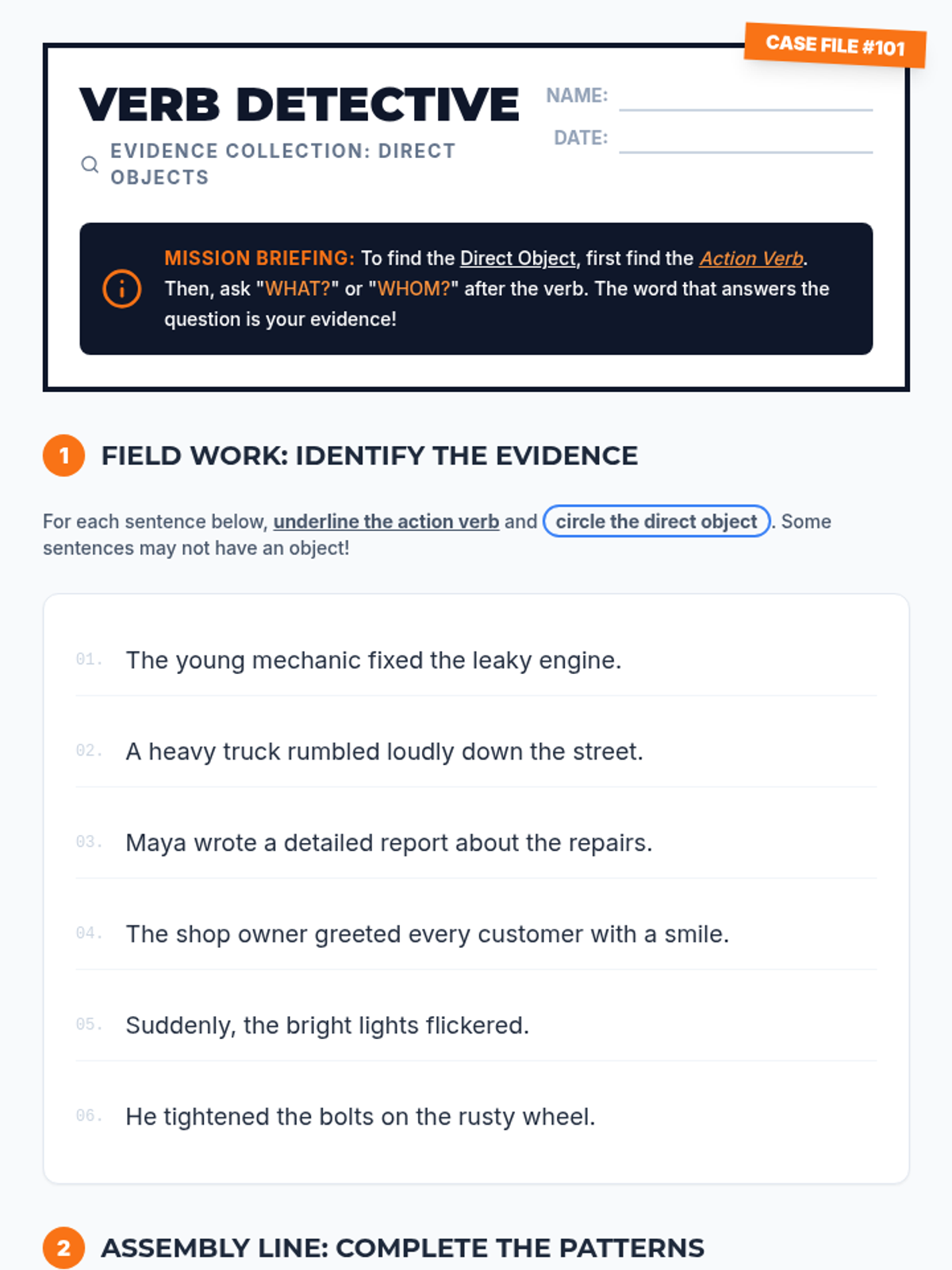
A comprehensive 4th-grade grammar sequence focusing on the identification and differentiation of direct and indirect objects. Using a 'Grammar Garage' theme, students build, repair, and map sentence structures through five hands-on lessons.
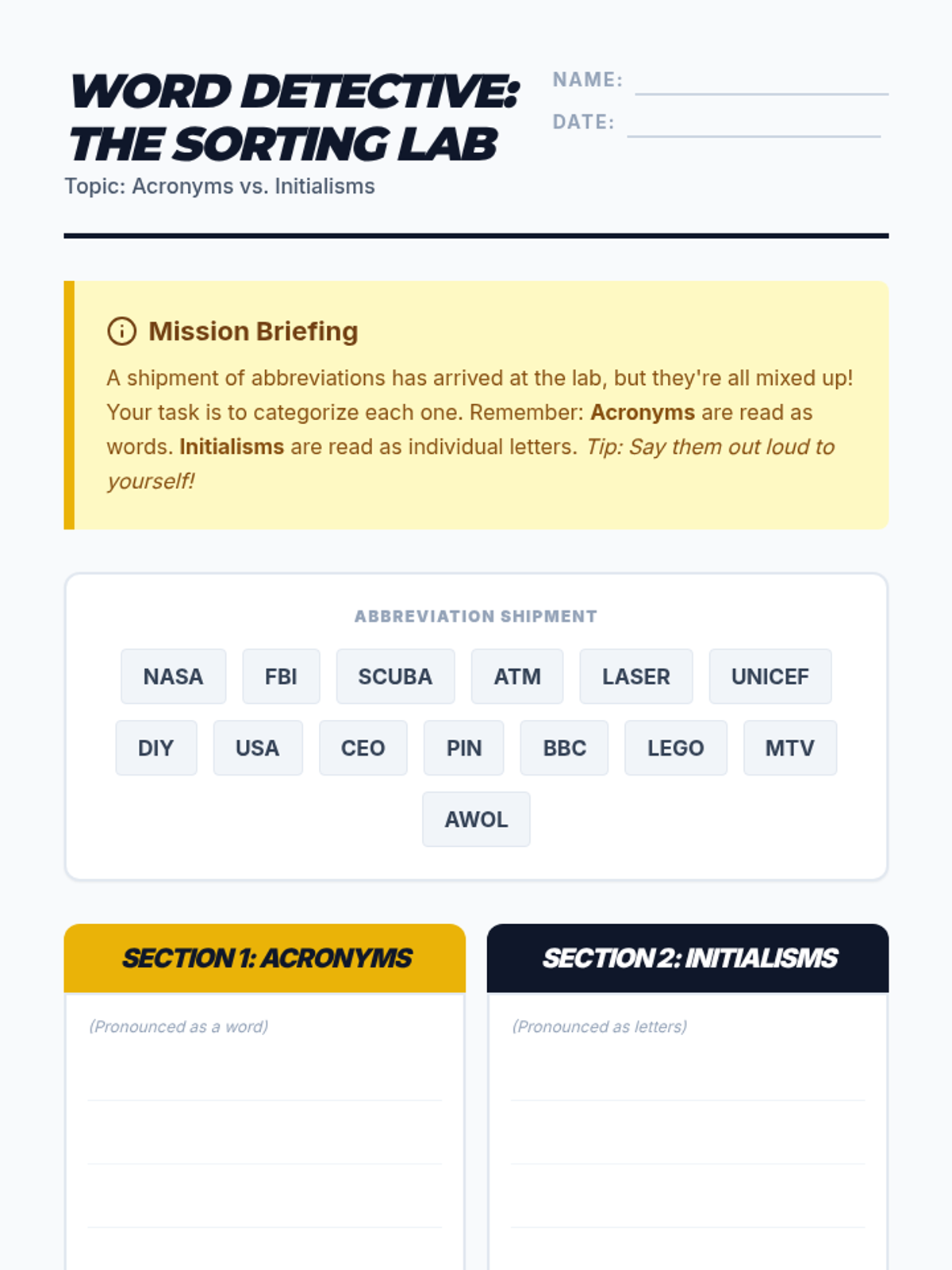
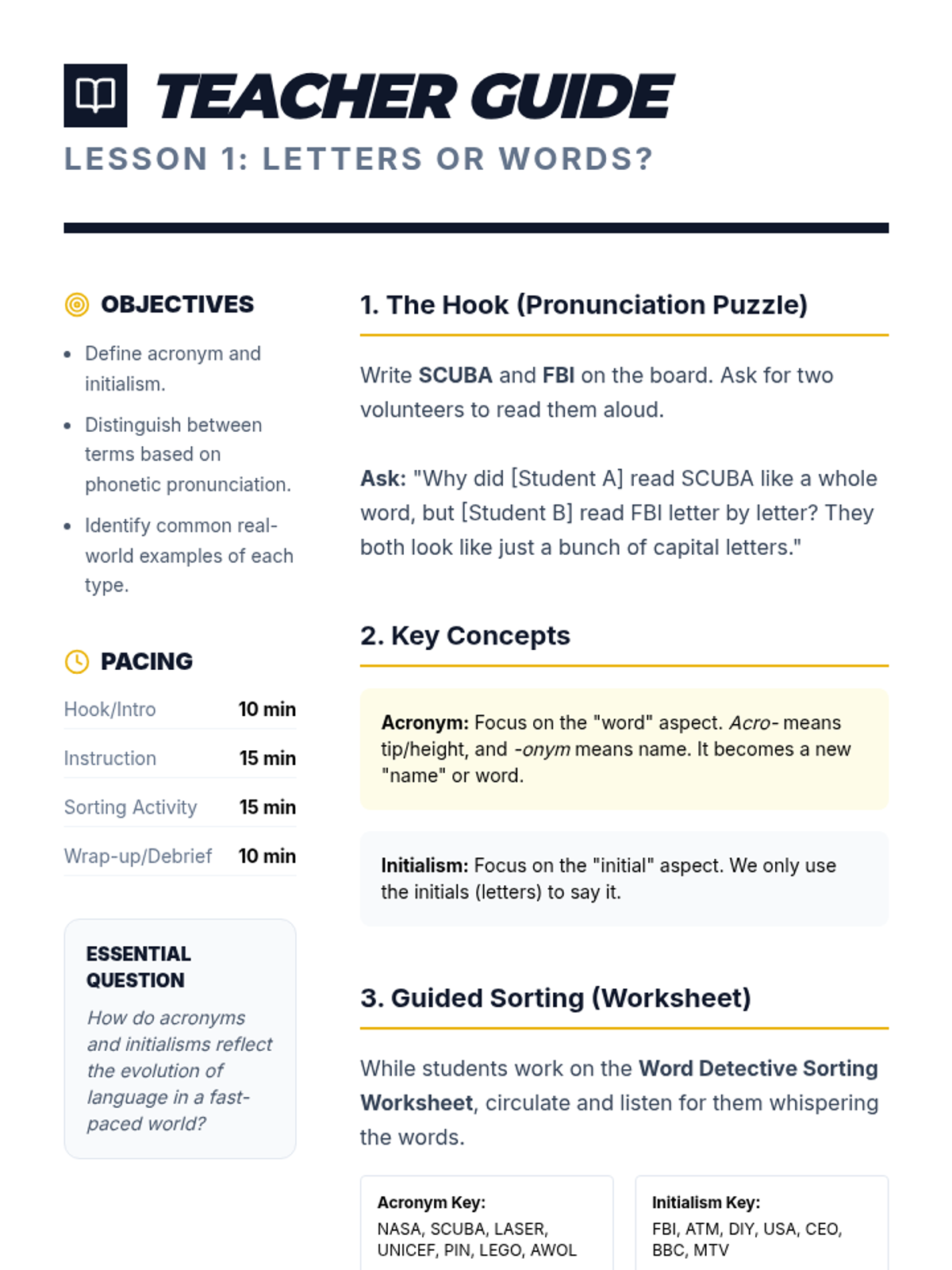
This inquiry-based sequence explores the nuances of acronyms, initialisms, and Latin-based abbreviations found in informational text. Students investigate the origins of these terms, distinguish between those pronounced as words versus individual letters, and produce an informational guide for their peers.
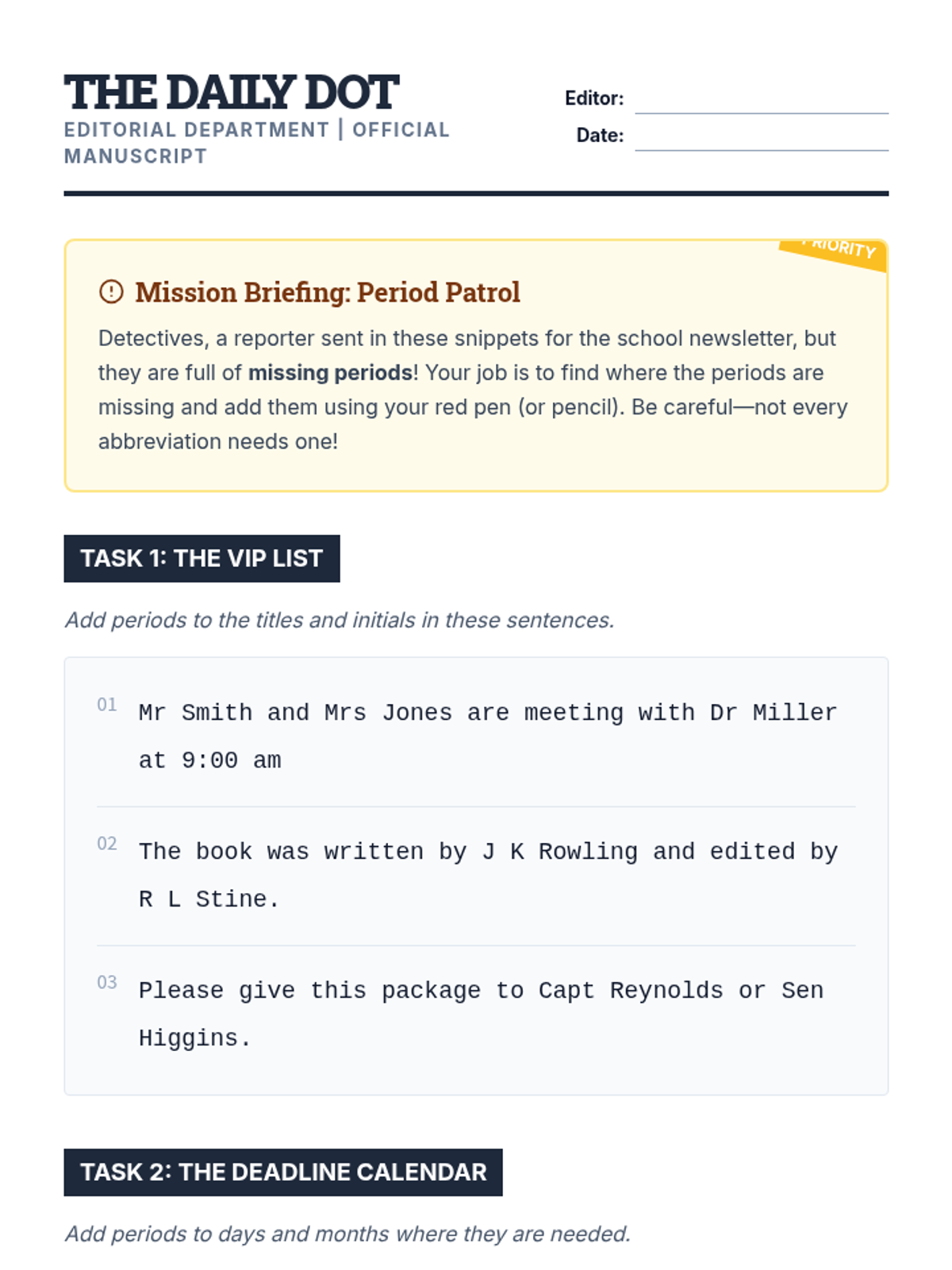
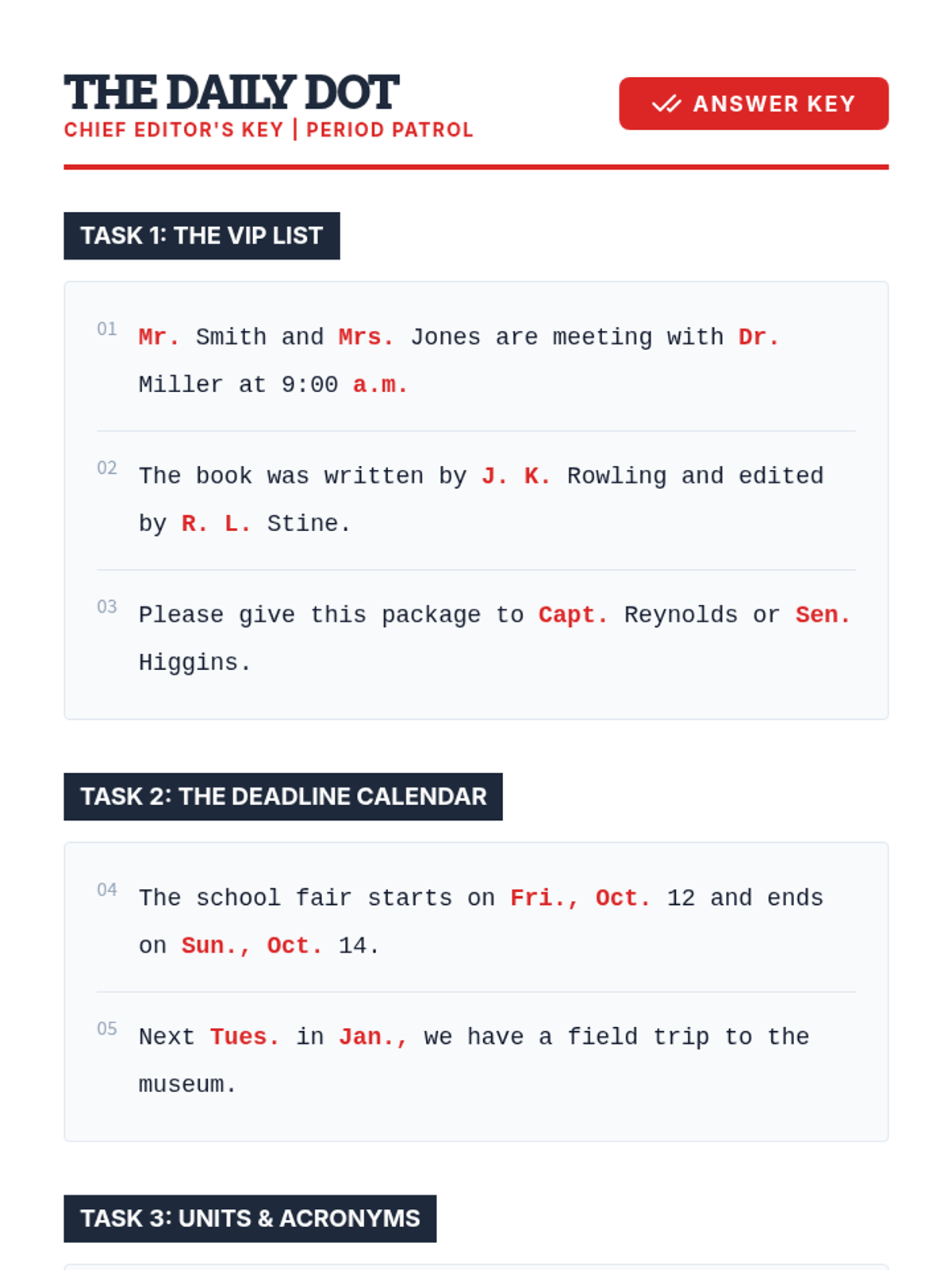
A mastery-based sequence where 4th-grade students act as editors for 'The Daily Dot' newsroom. They learn to proofread for periods, capitalization, context, and ambiguity in abbreviations, culminating in a final manuscript edit to earn their Senior Editor badges.
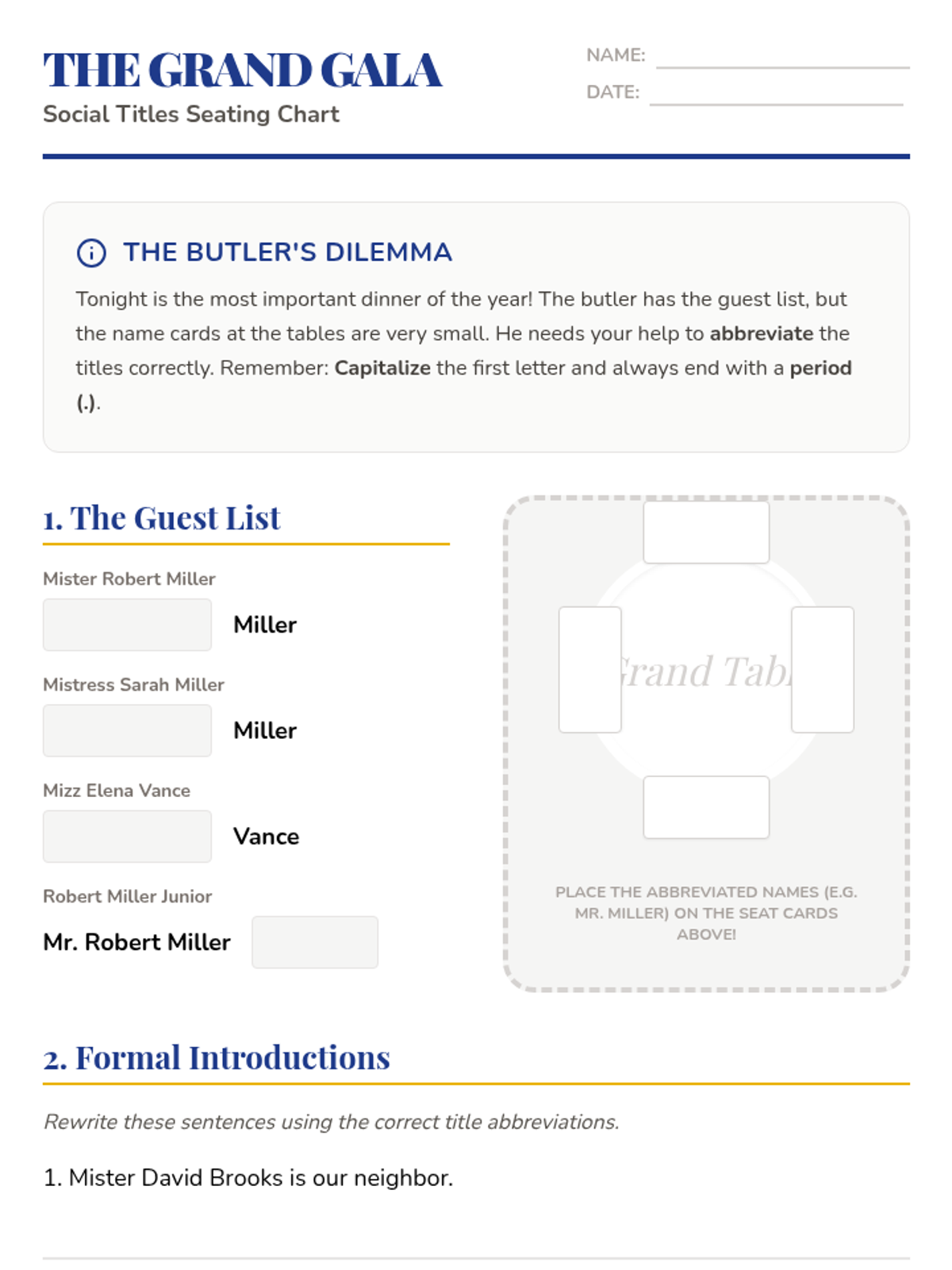
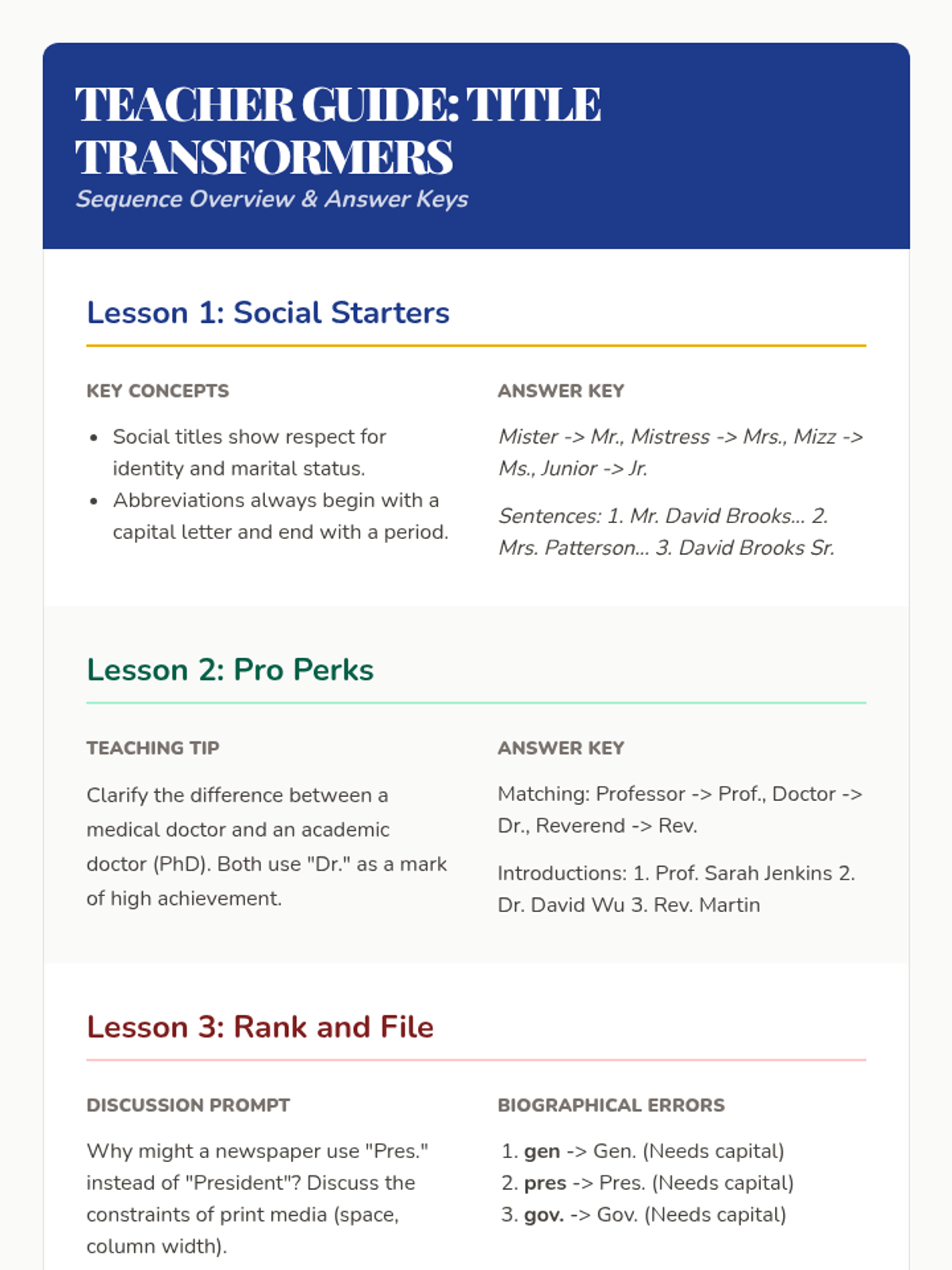
This sequence explores the social and formal rules of abbreviating titles for people. Using a case-study approach, students analyze formal letters, biographies, and business cards to understand how titles like Mr., Dr., and Gov. establish identity and respect. Students practice identifying these titles and writing them with proper capitalization and punctuation. The sequence concludes with students writing a formal letter to a community leader.
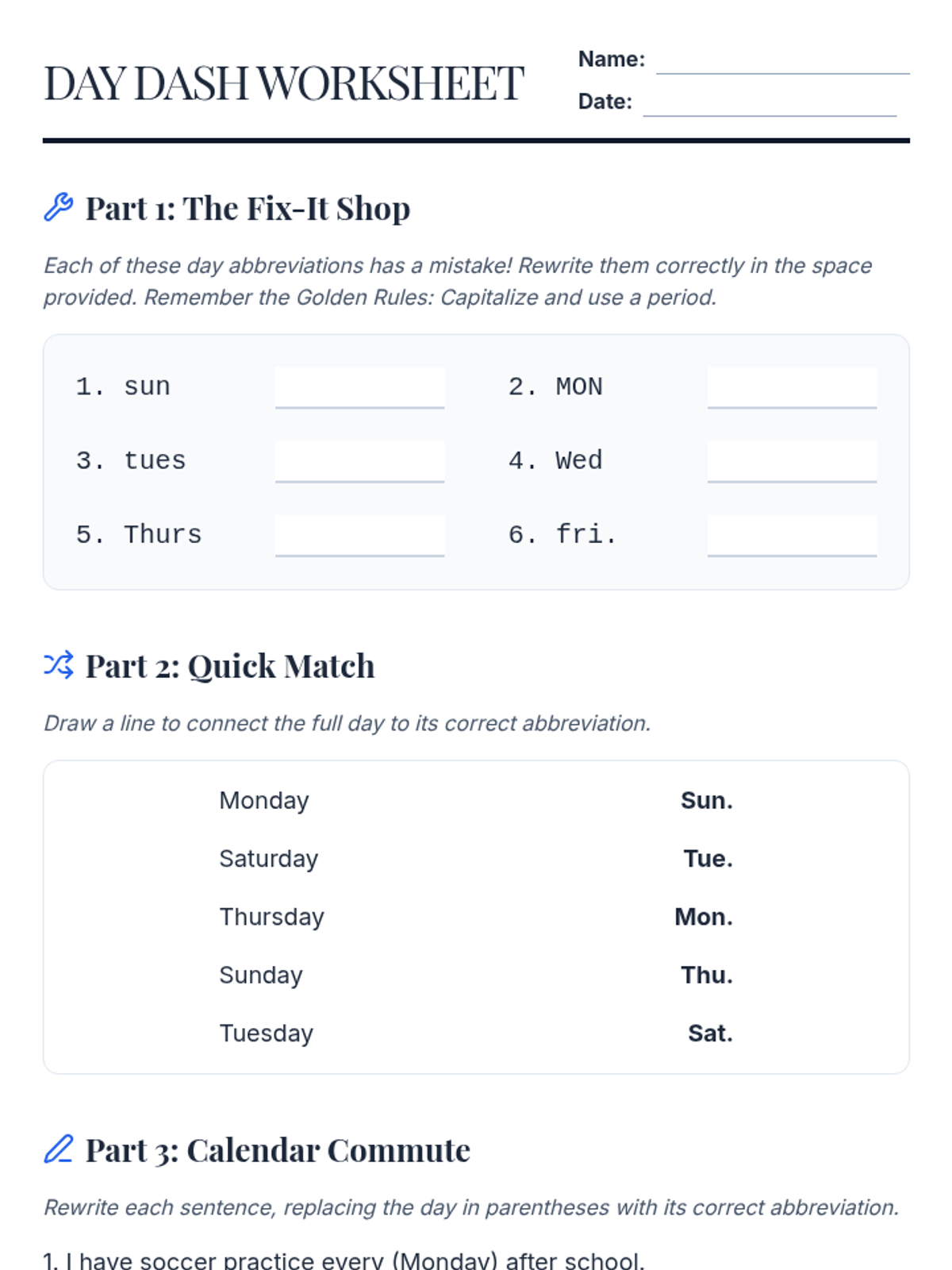
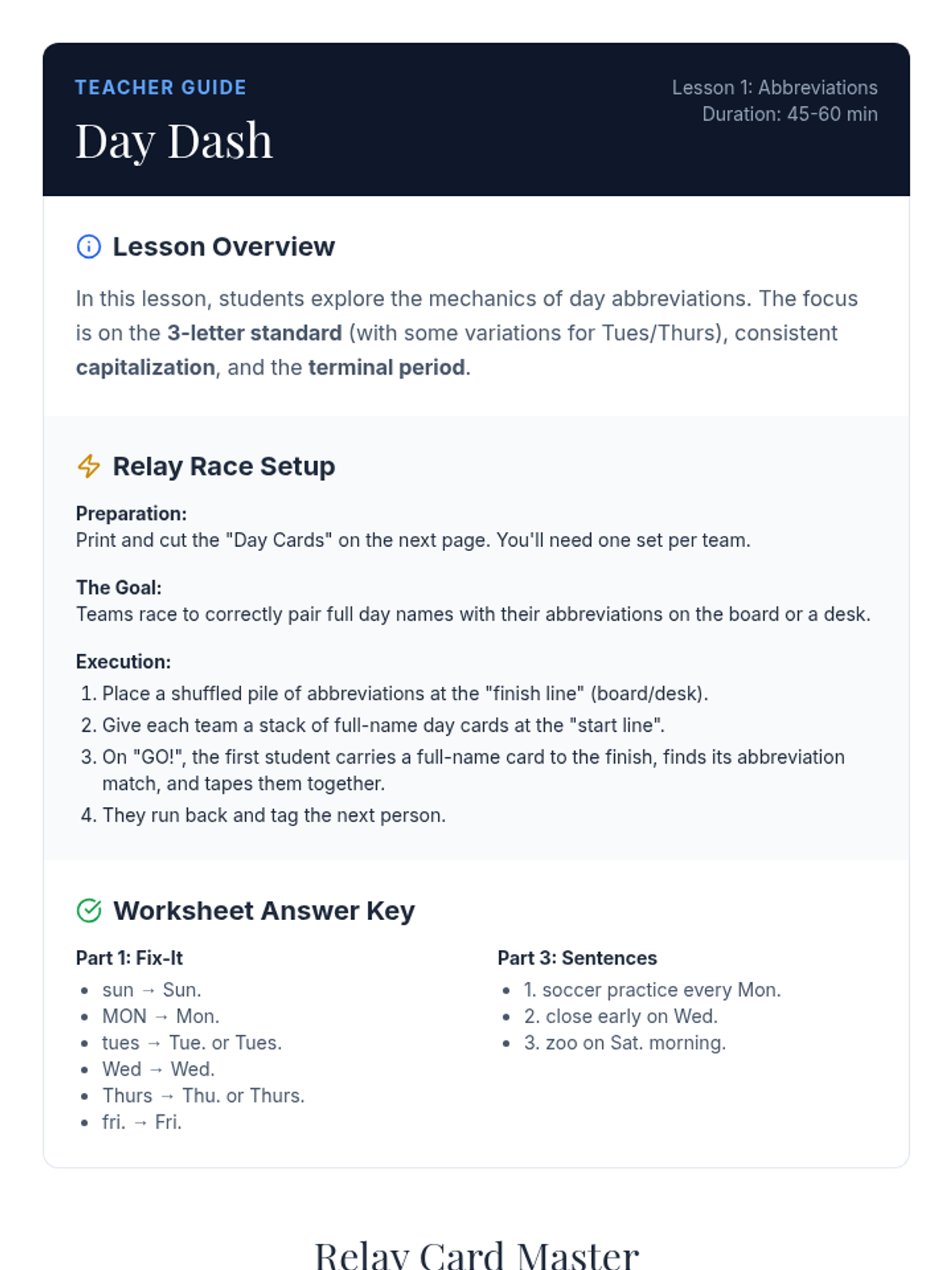
A comprehensive sequence for 4th graders to master abbreviations related to days, months, time (a.m./p.m.), and historical eras through gamified challenges and real-world application.
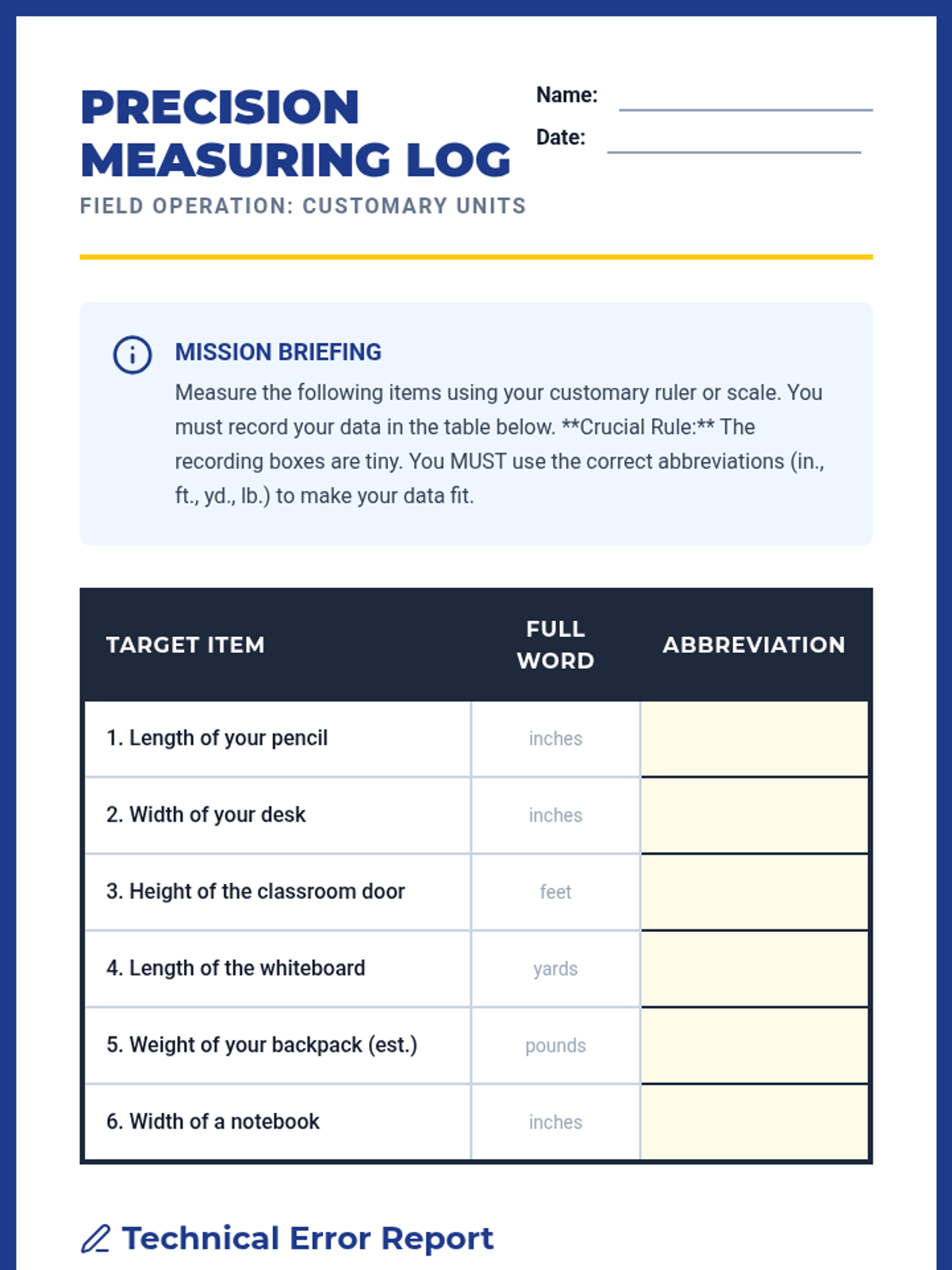
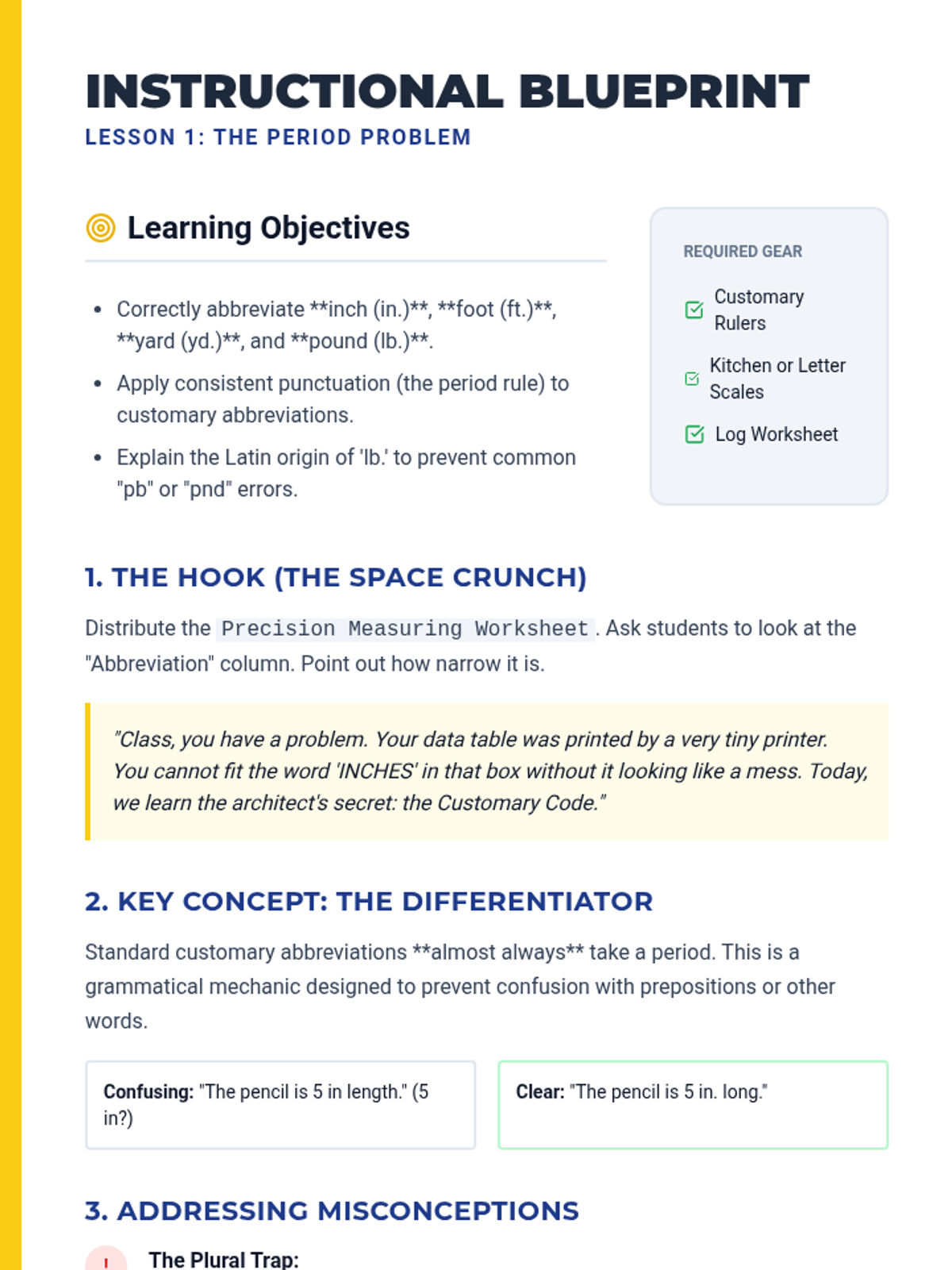
A 4th-grade sequence focused on the mechanics and application of measurement abbreviations in technical contexts like recipes, science labs, and instructions. Students learn the distinction between customary and metric abbreviation rules through workshop-style activities and culminate in a technical writing project.
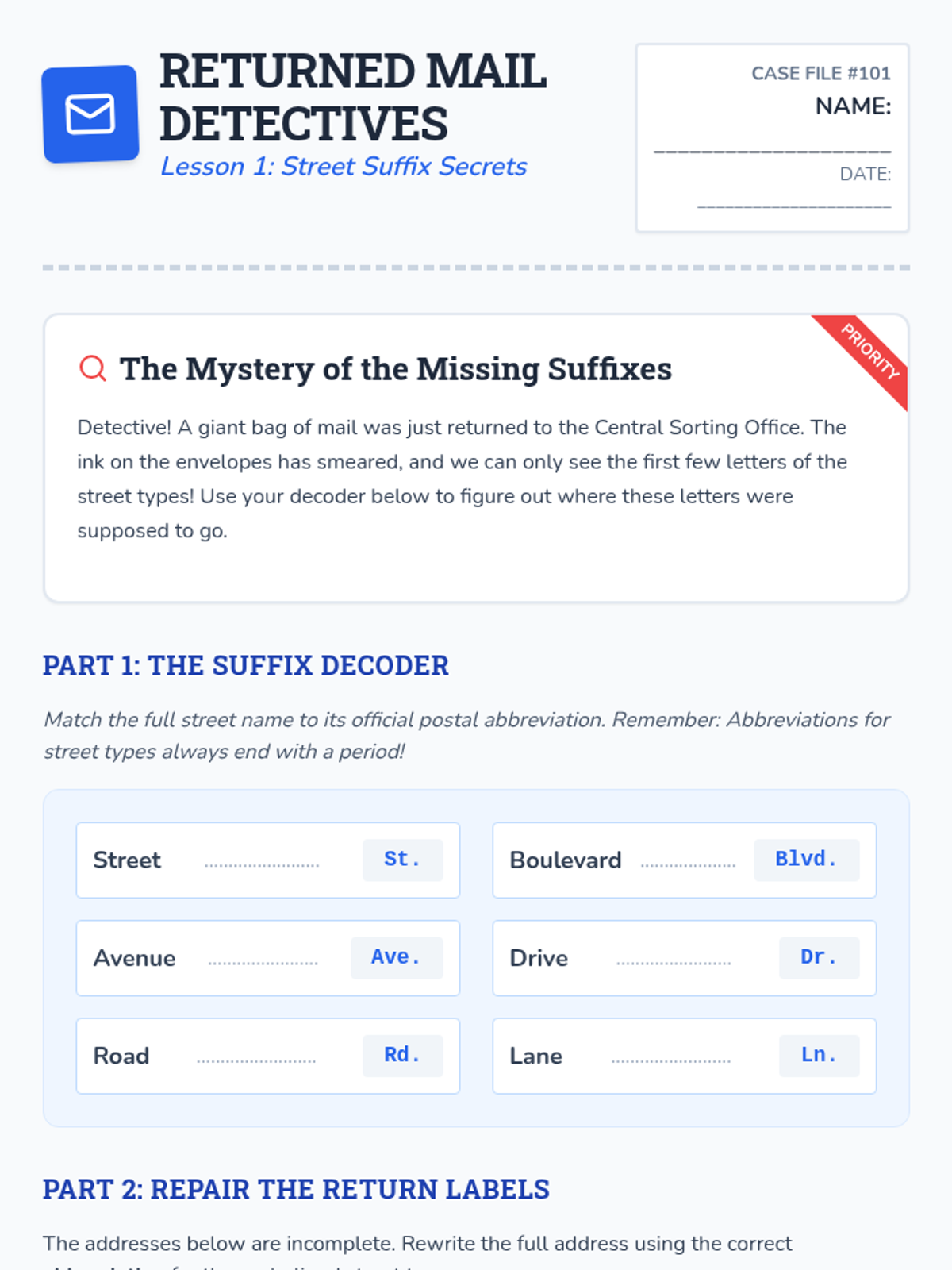
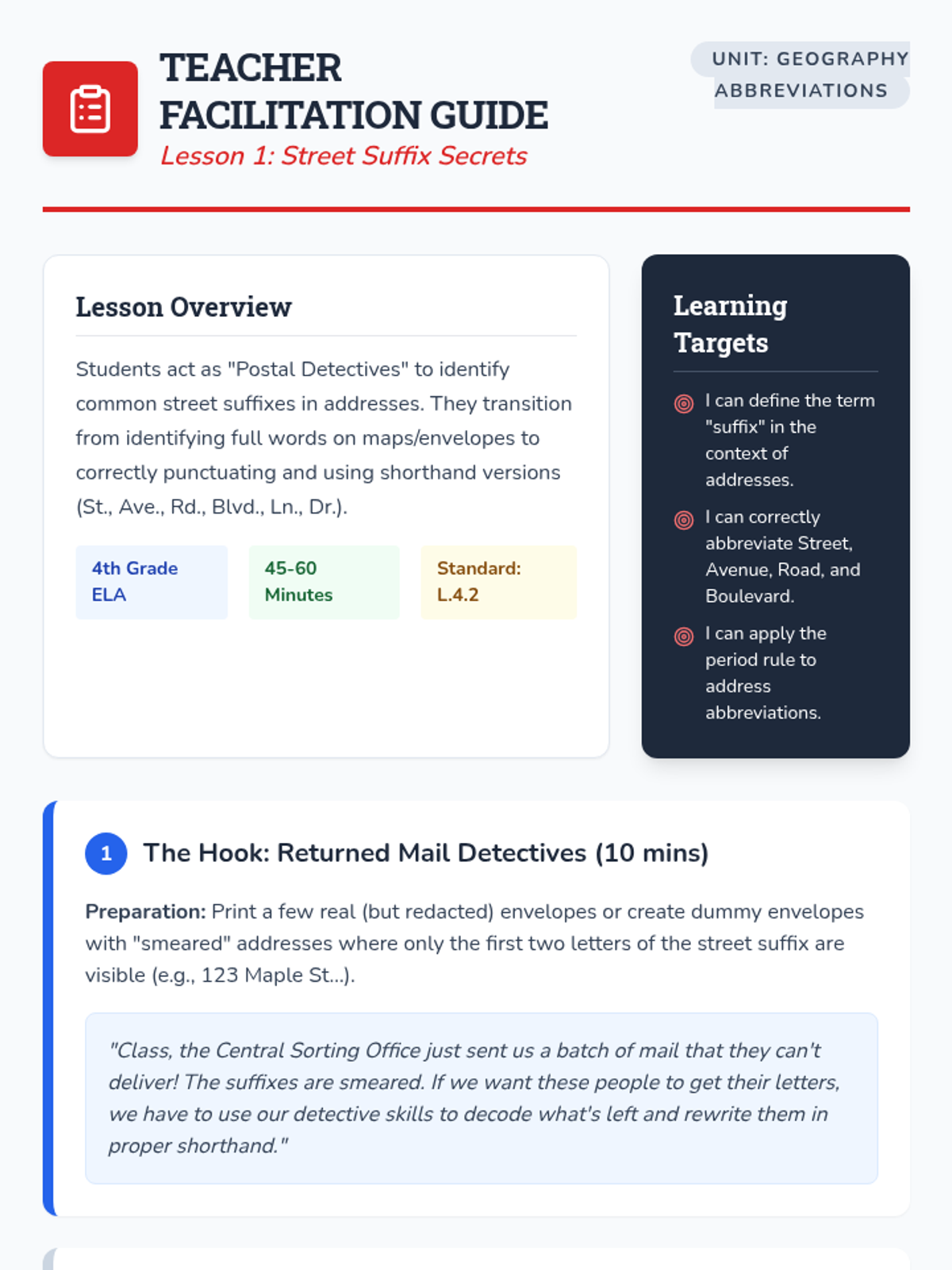
This sequence immerses students in the practical application of abbreviations related to geography, mailing addresses, and locations. Through a simulation of a classroom post office, students learn the specific conventions for street suffixes, state codes, and directional markers.
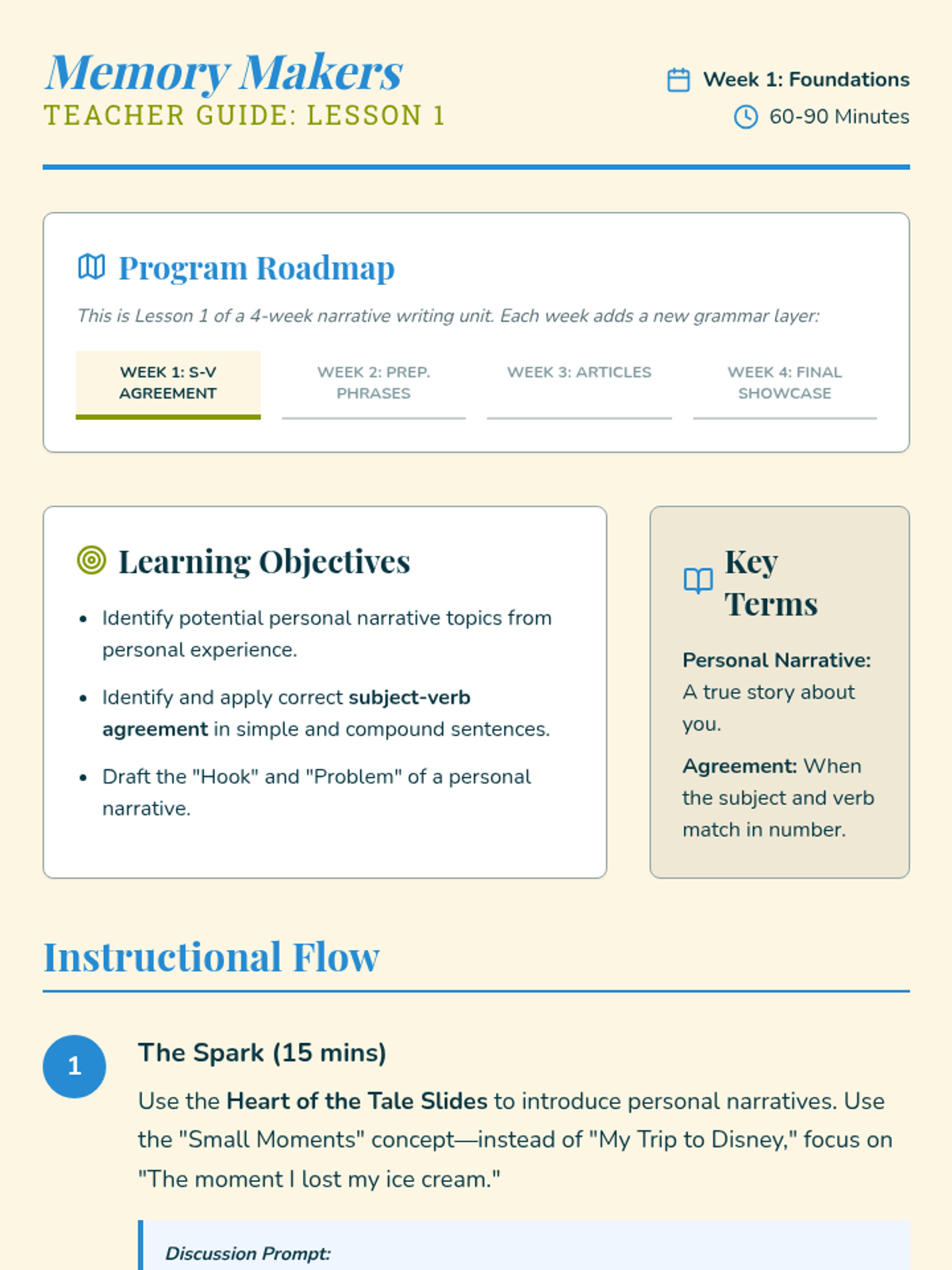
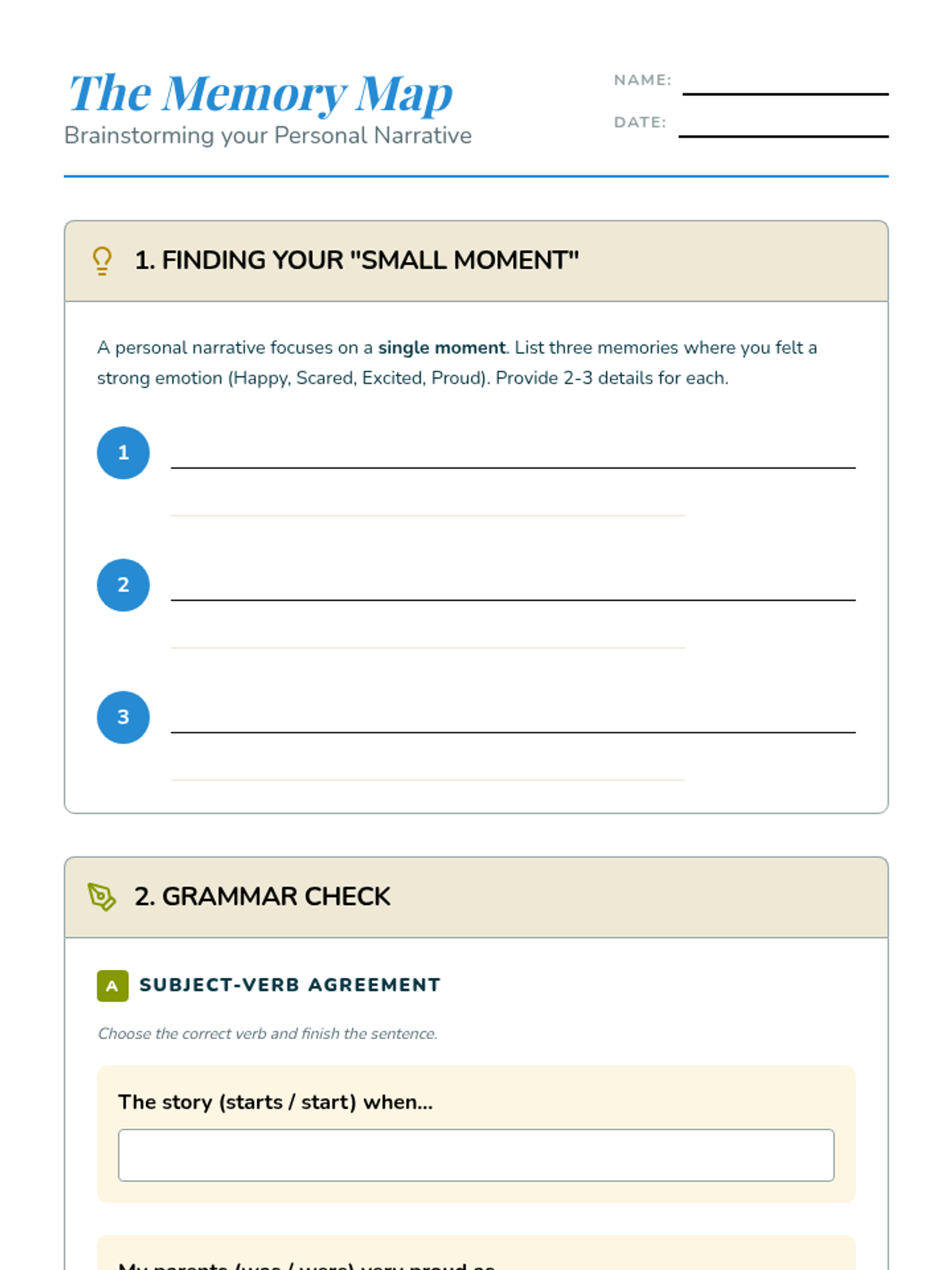
A 4-week program focused on personal narrative writing and oral presentation skills, with a heavy emphasis on subject-verb agreement, prepositional phrases, and the correct use of articles.
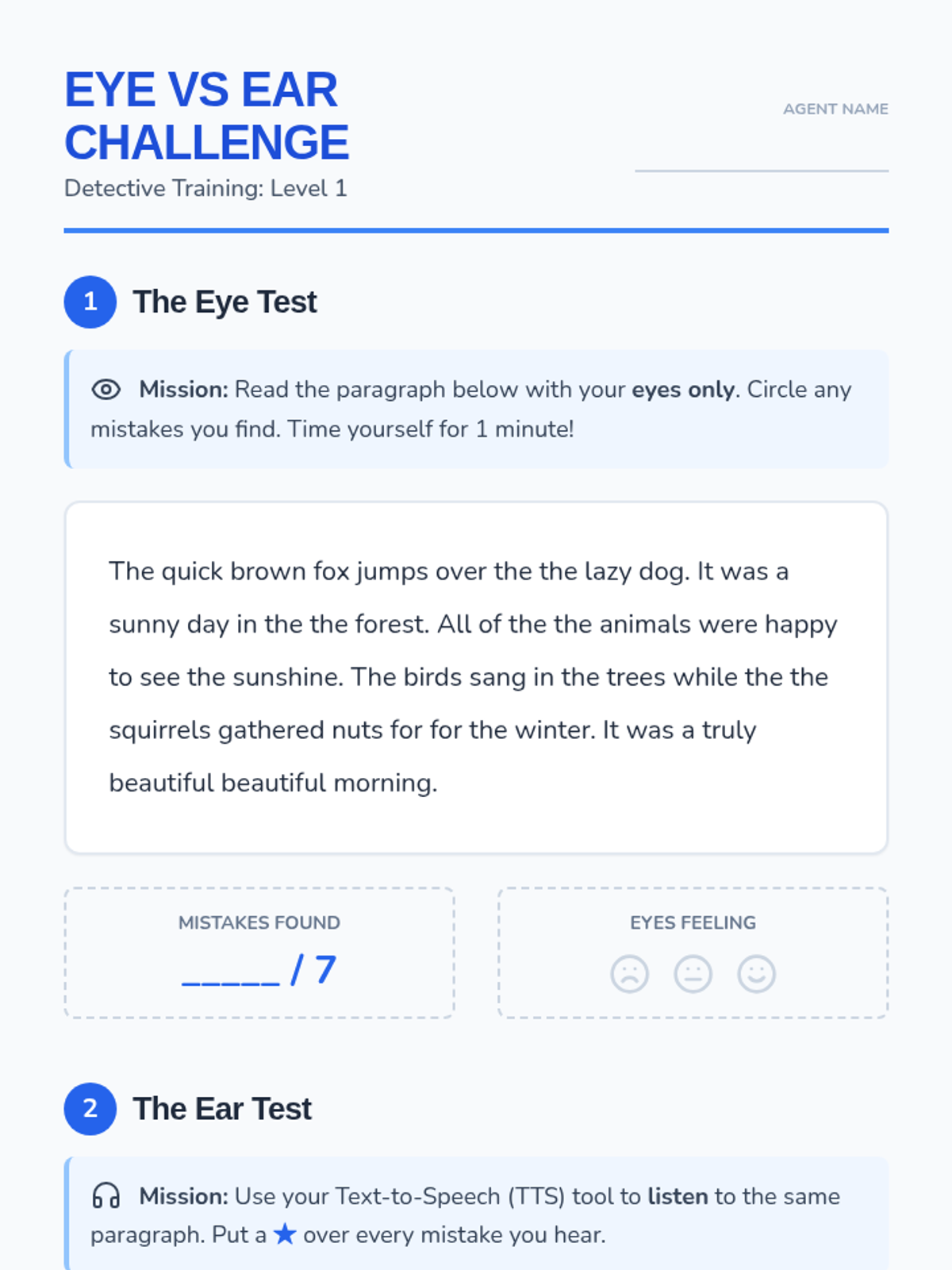
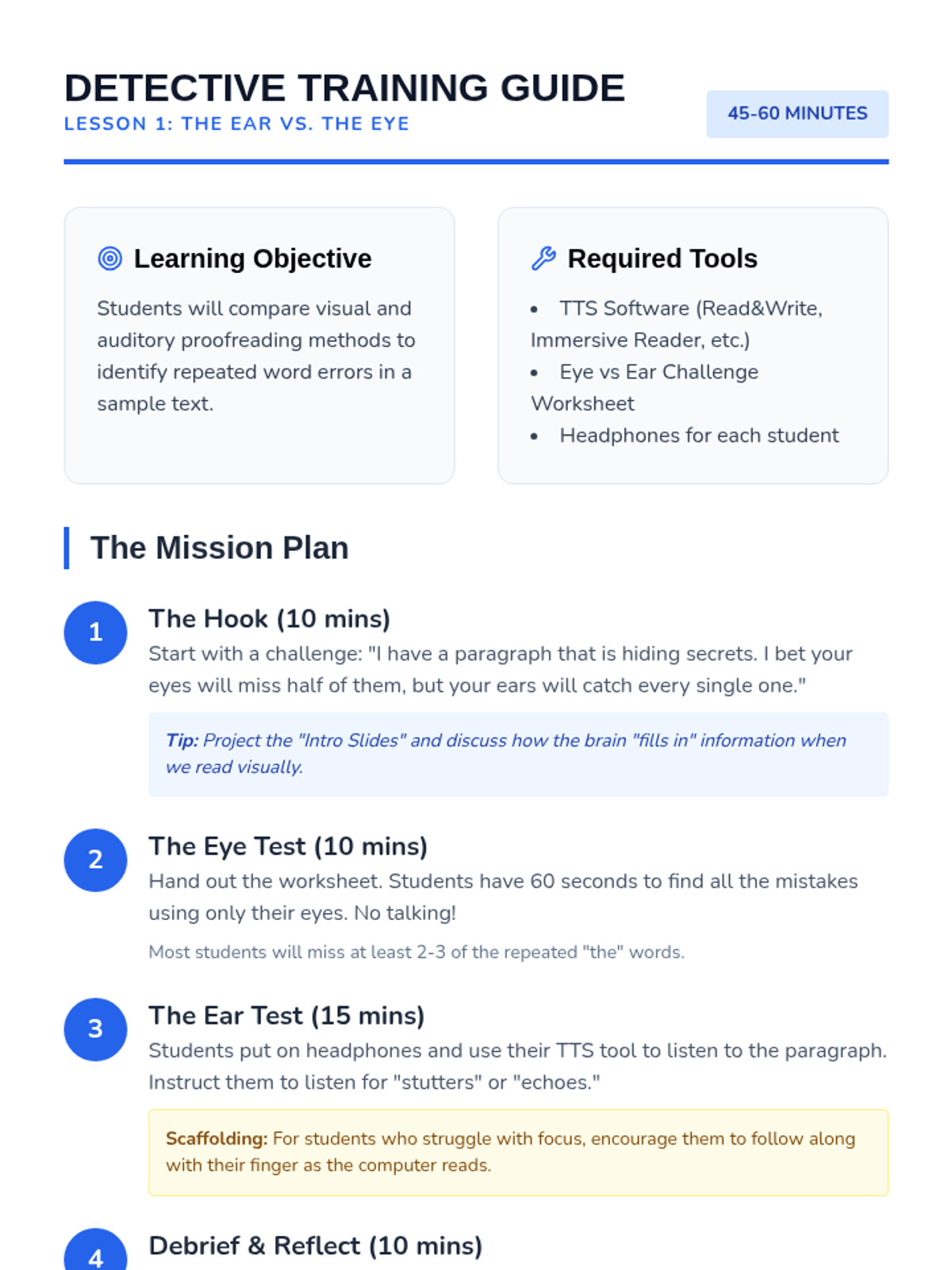
This sequence teaches 4th-grade students how to use Text-to-Speech (TTS) technology as a revision tool. Students learn to identify skipped words, awkward phrasing, and punctuation errors by listening to their writing read aloud, moving from guided error detection to independent revision of their own work.
A comprehensive sequence for 4th graders to master the use of indefinite articles 'a' and 'an' based on phonetic sounds. Students progress from sound identification to complex exceptions and editing skills.
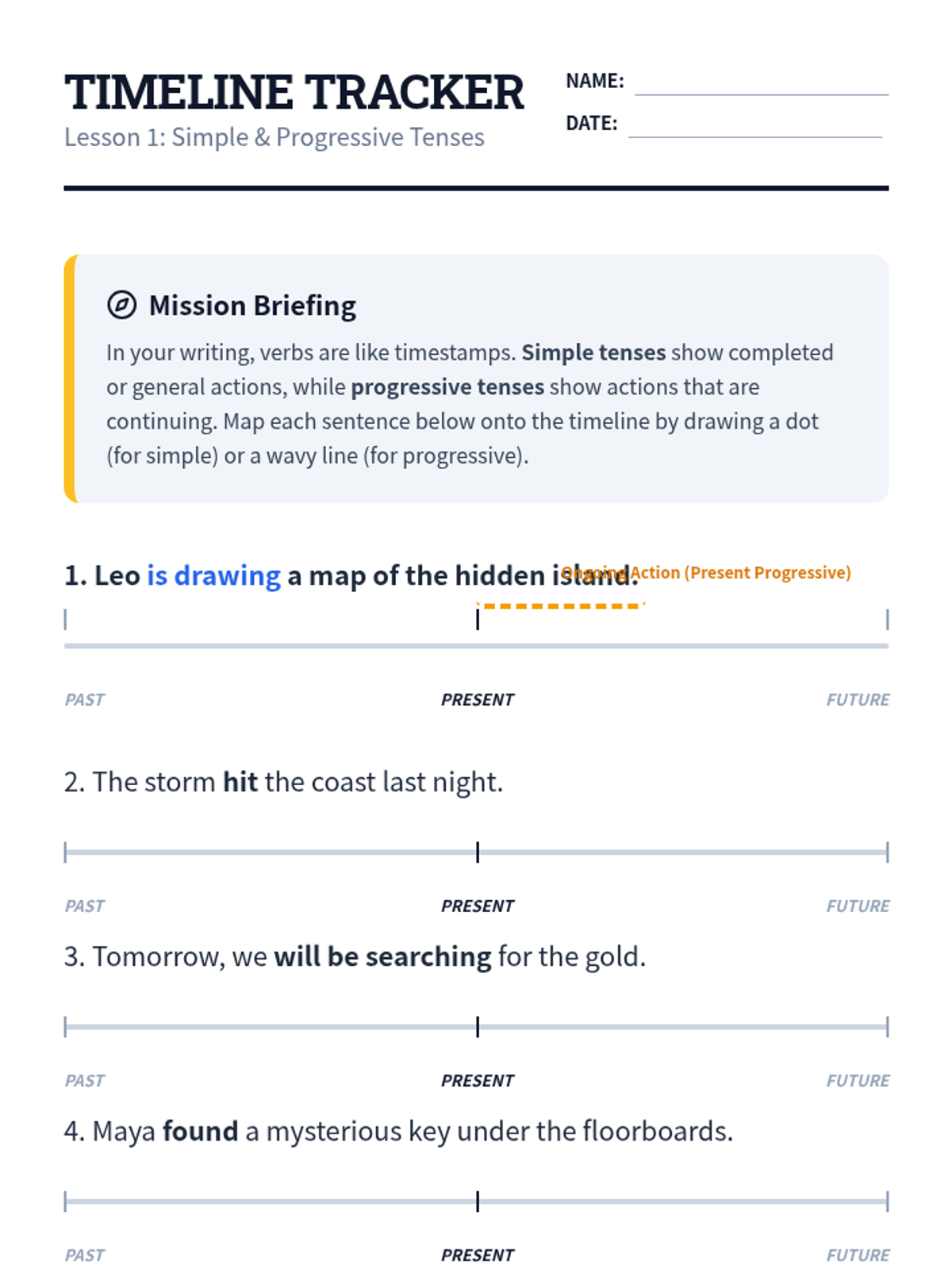
A comprehensive unit for 4th-grade students covering simple and progressive verb tenses, as well as indicative, interrogative, imperative, and conditional moods through a mix of detective-themed inquiries and workshop-style practice.
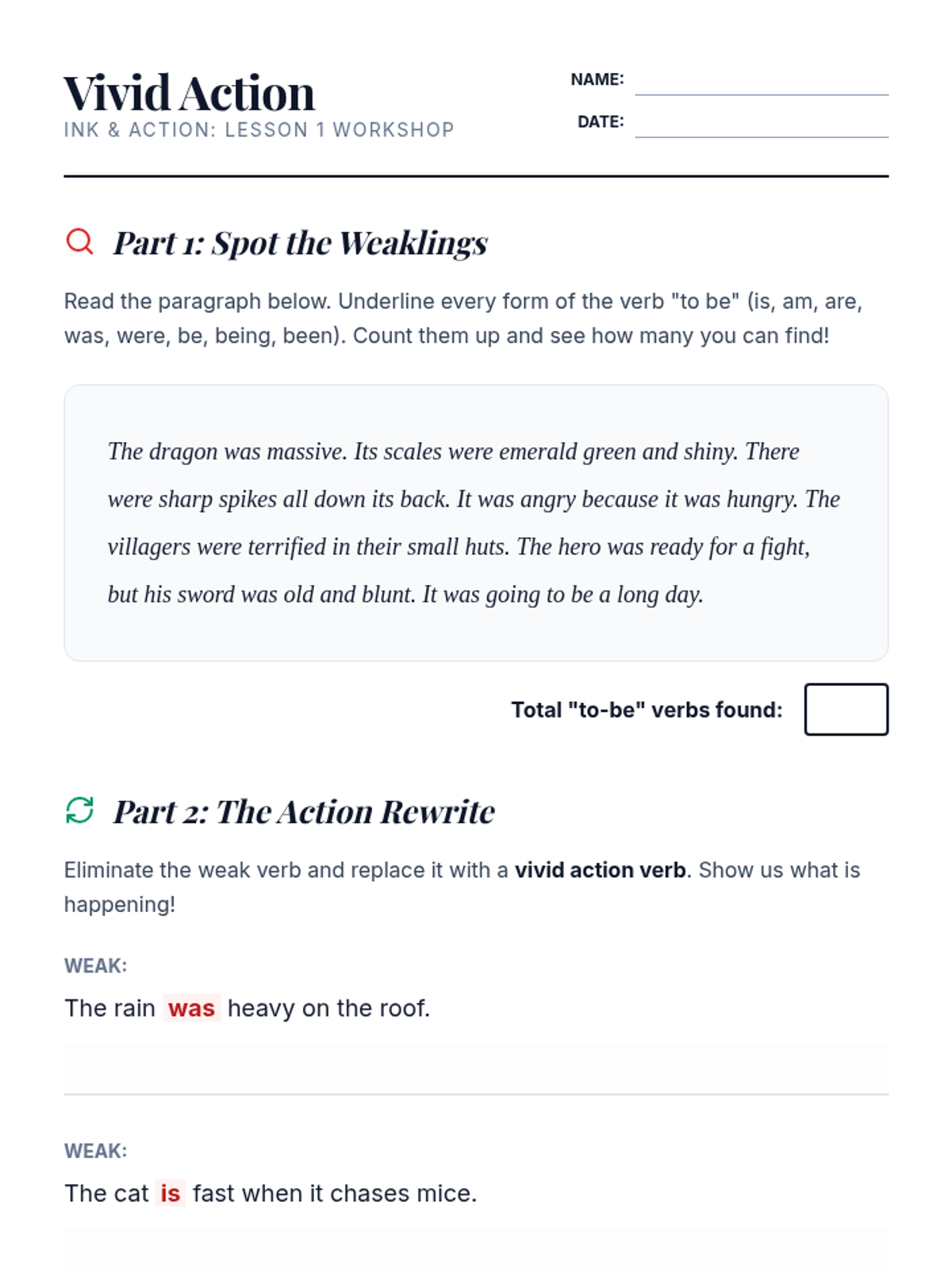
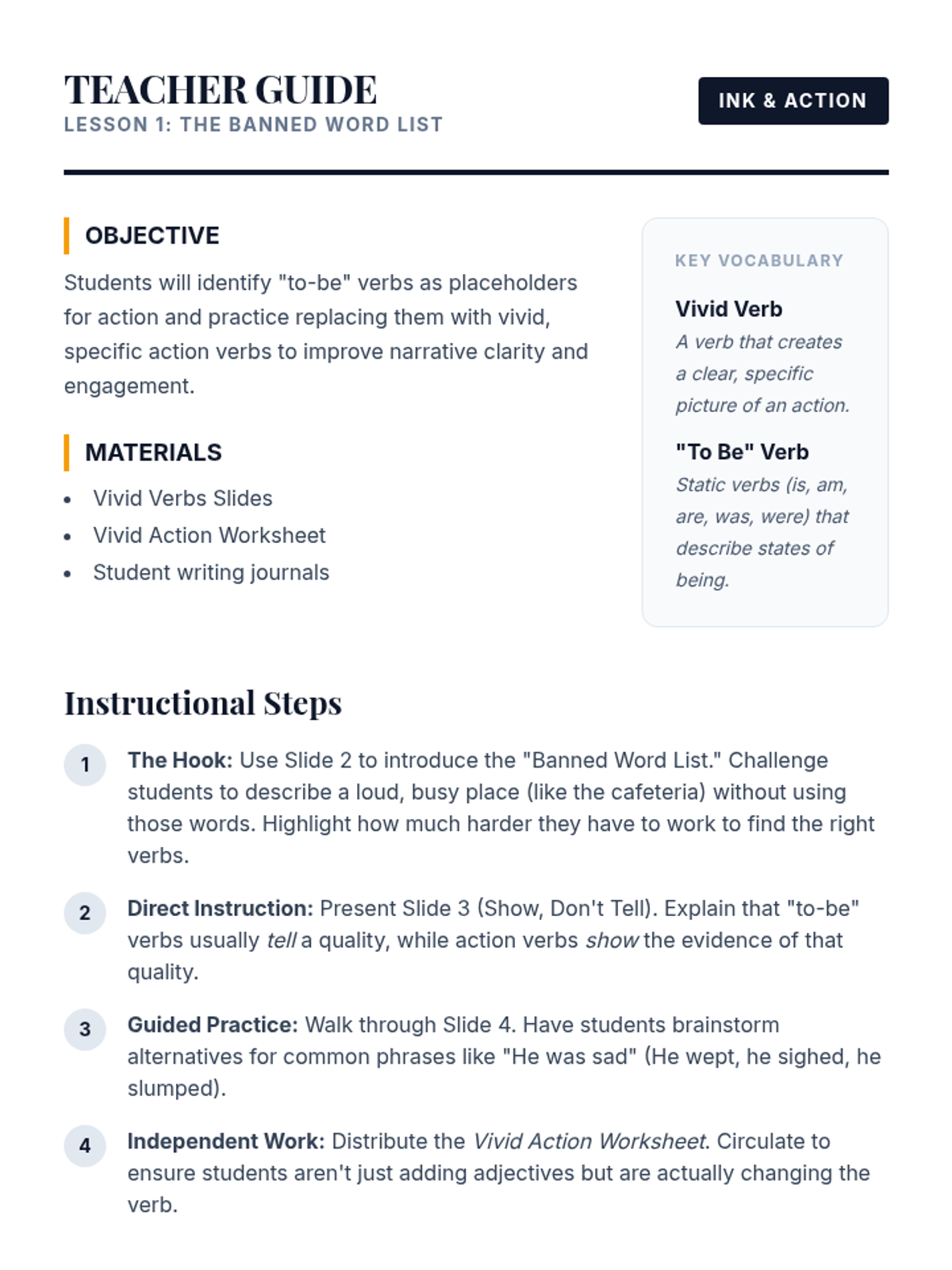
This project-based sequence applies verb knowledge to creative writing. Students focus on the stylistic impact of verbs, practicing how to shift tenses correctly within a narrative and how to replace weak 'to be' verbs with vivid action. The sequence culminates in a polished narrative piece that demonstrates mastery of tense consistency and strong verb choice.
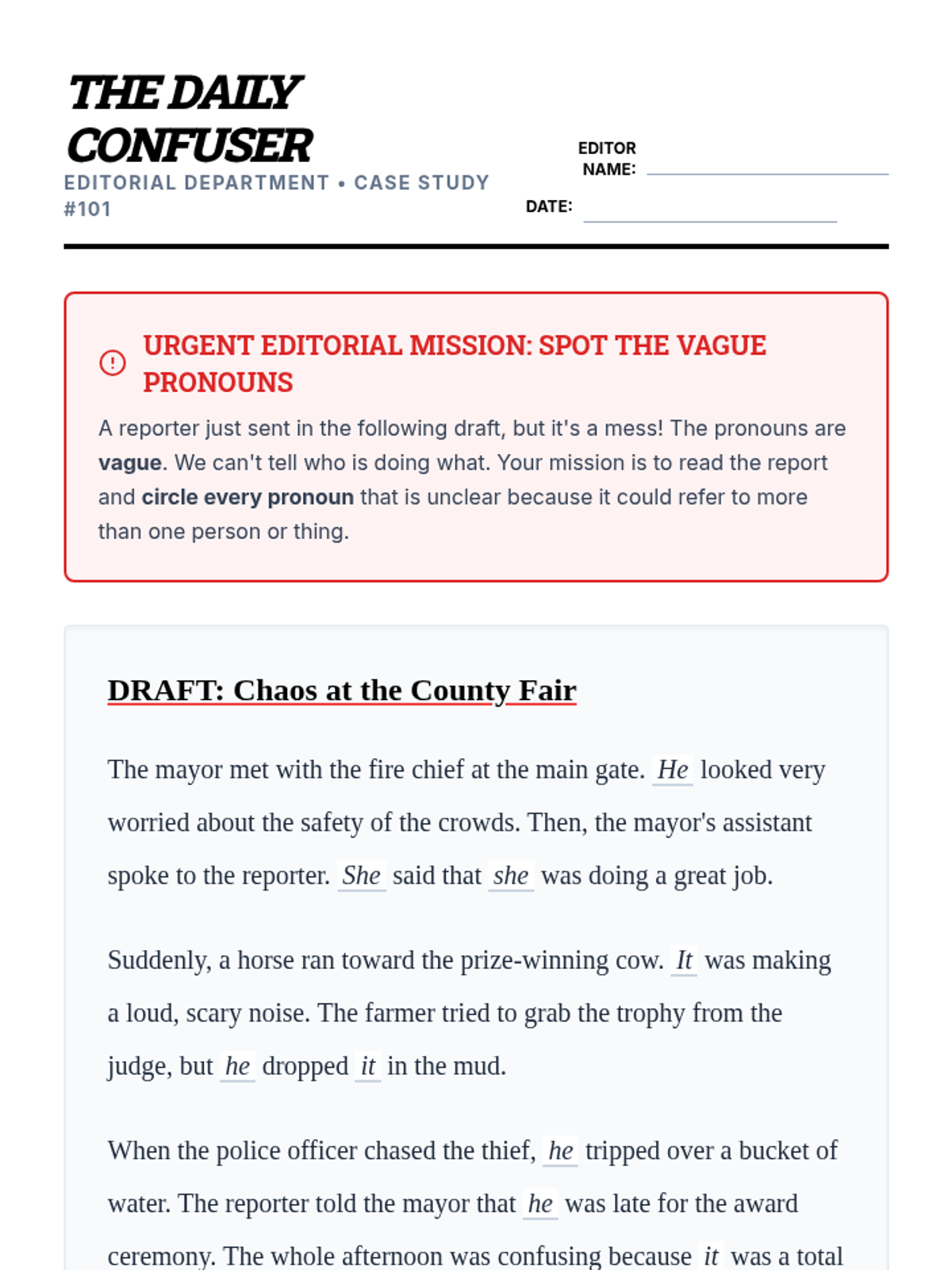
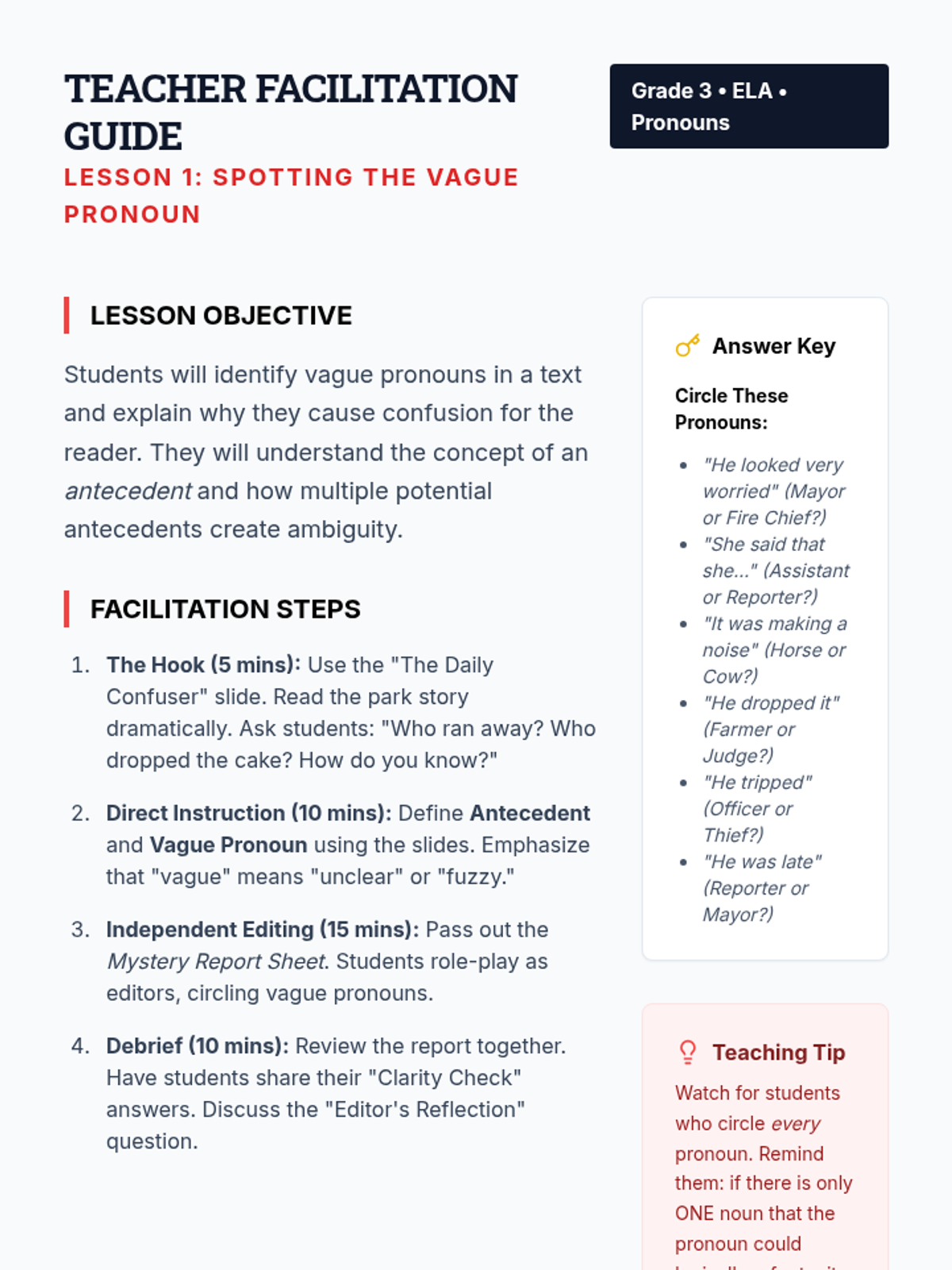
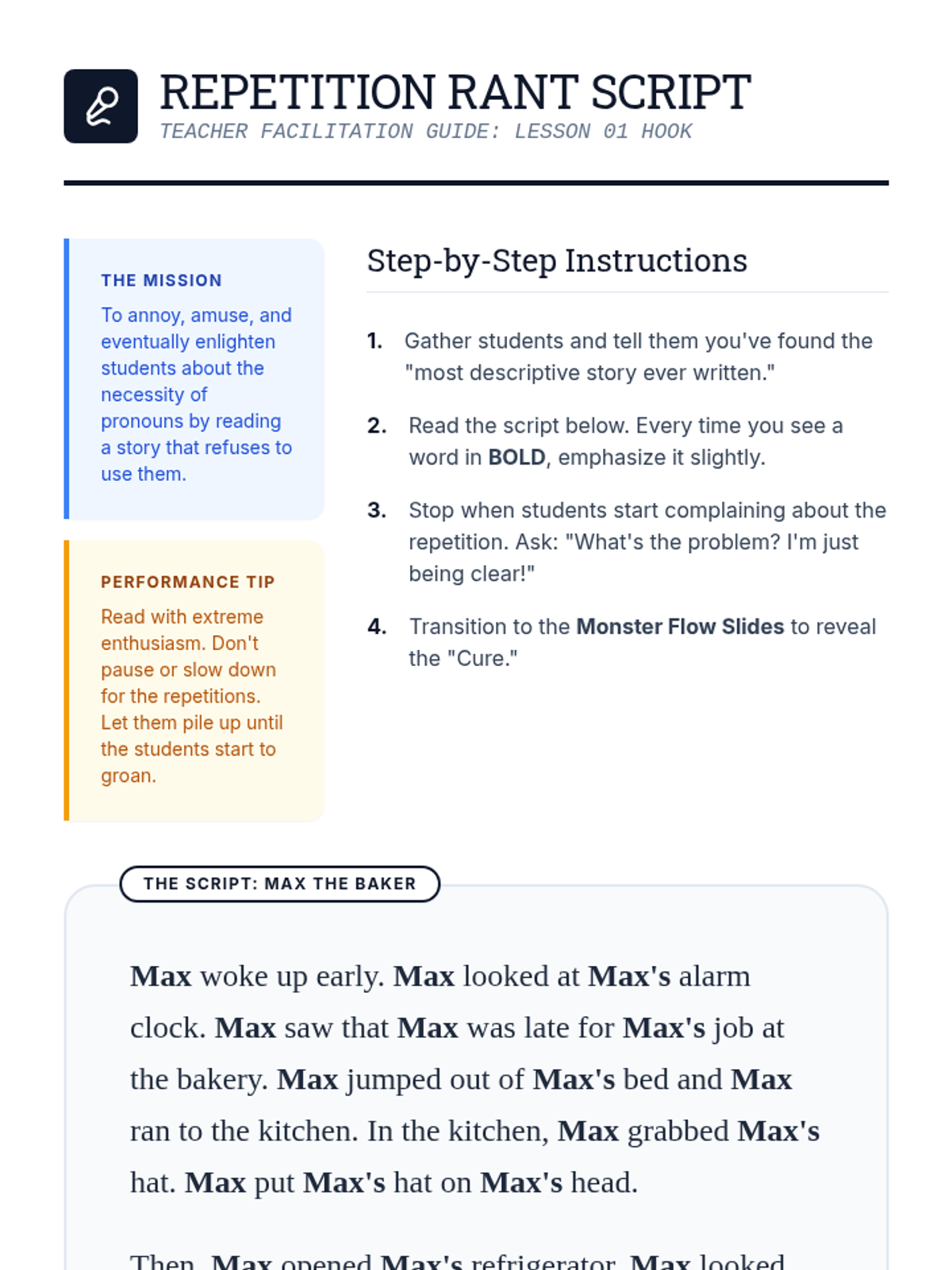
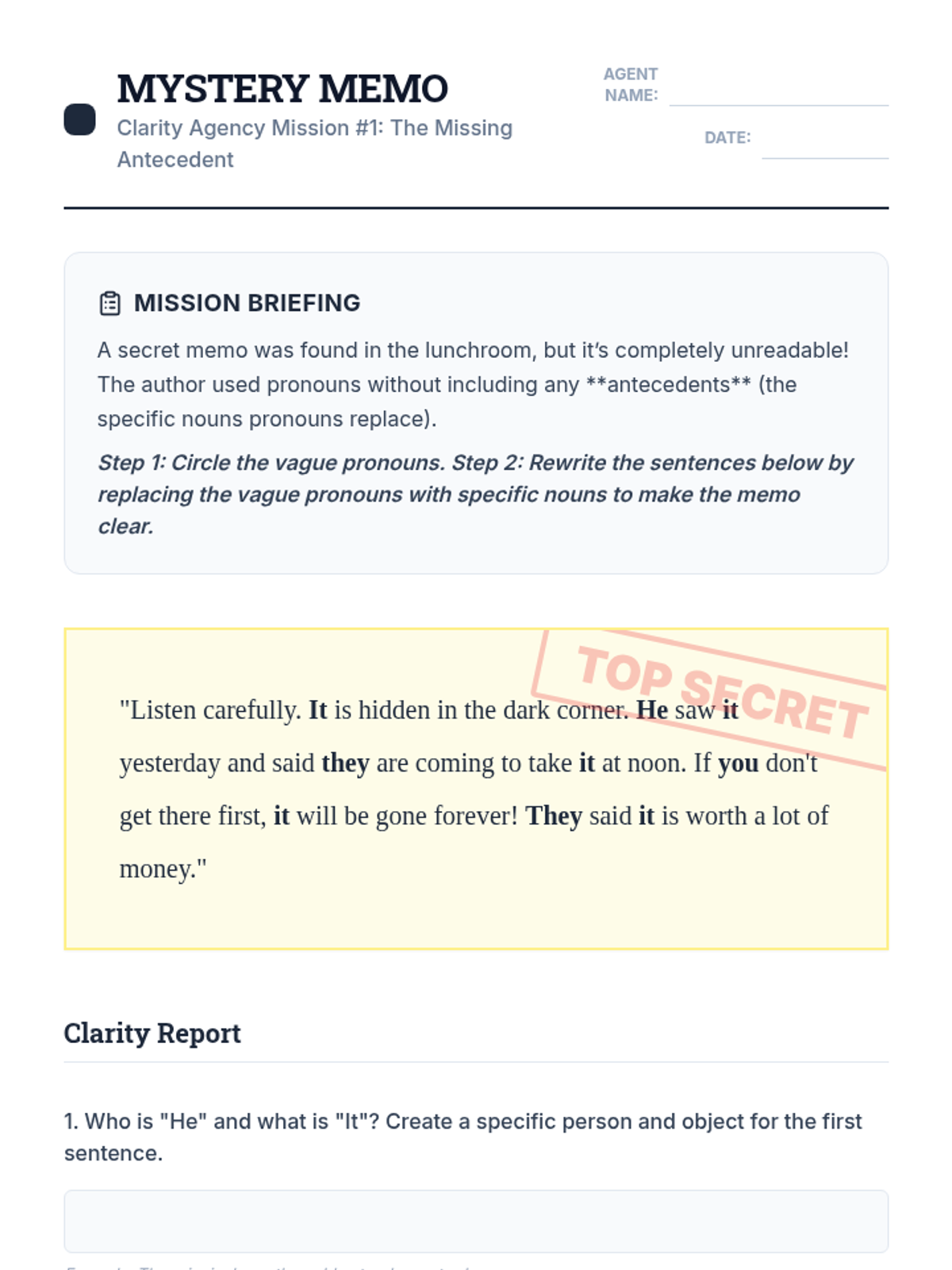
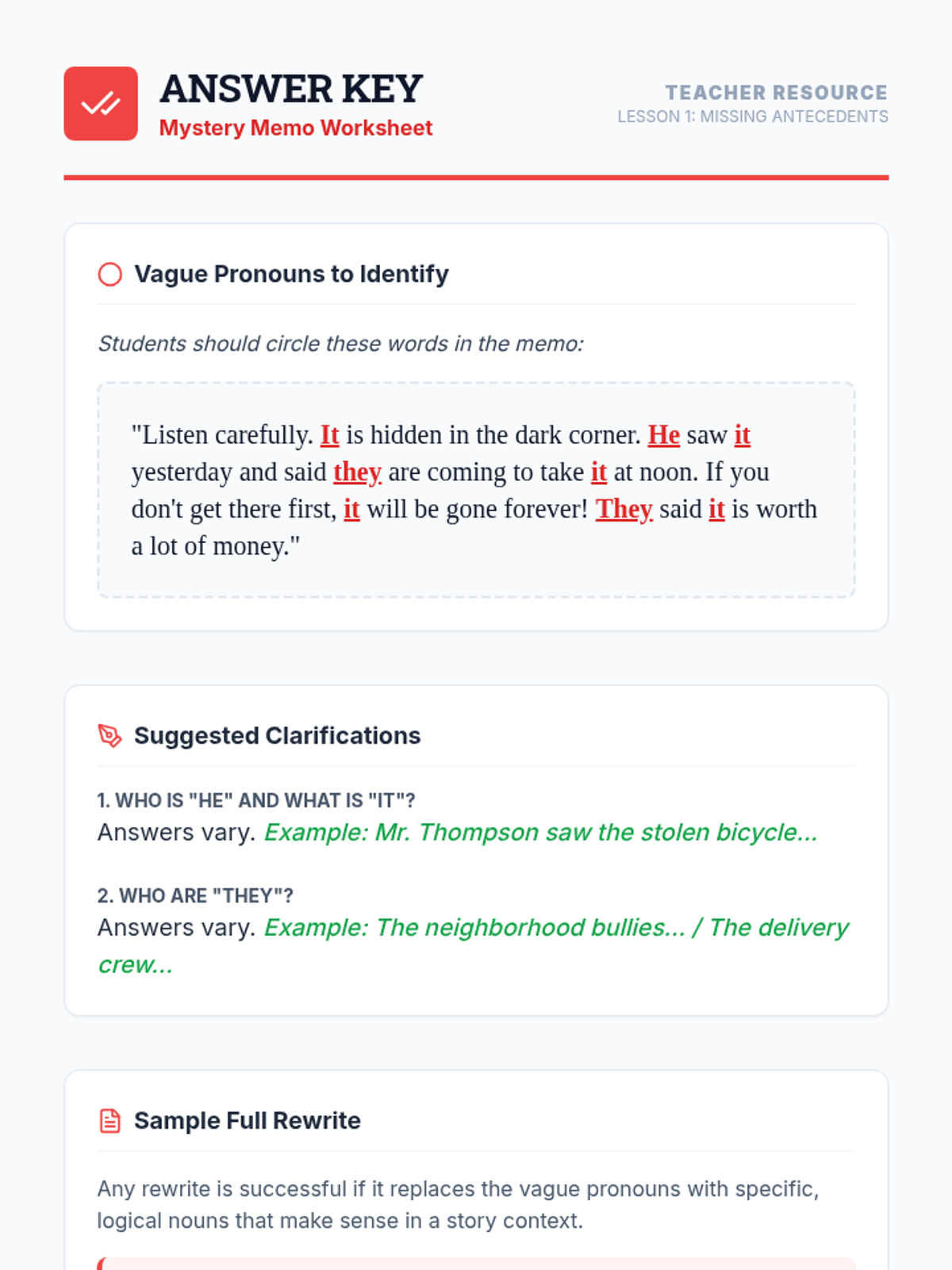
A 5-lesson unit where 3rd-grade students become professional editors, mastering pronoun clarity, agreement, and consistency through real-world simulation and skill-building activities.
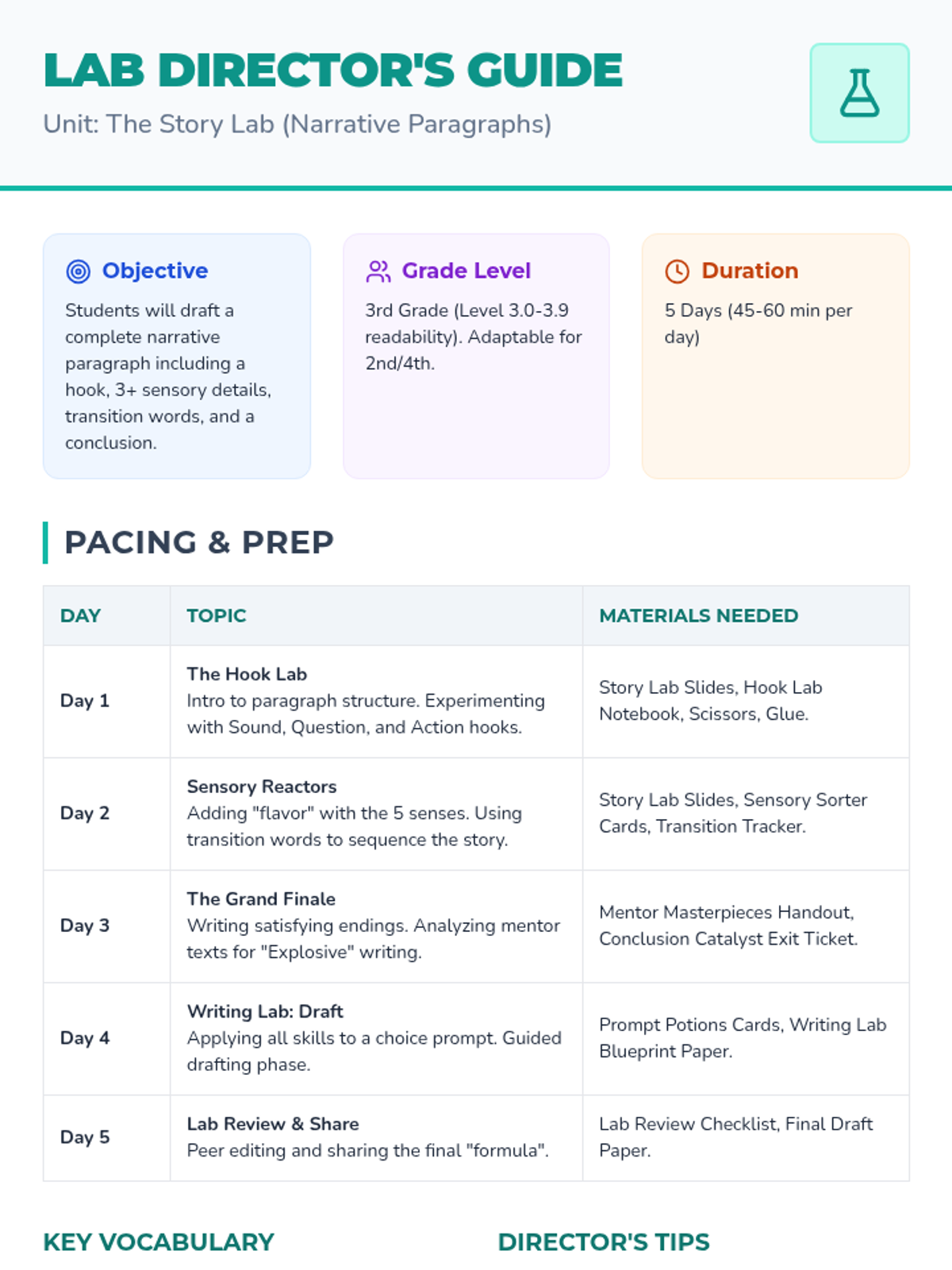
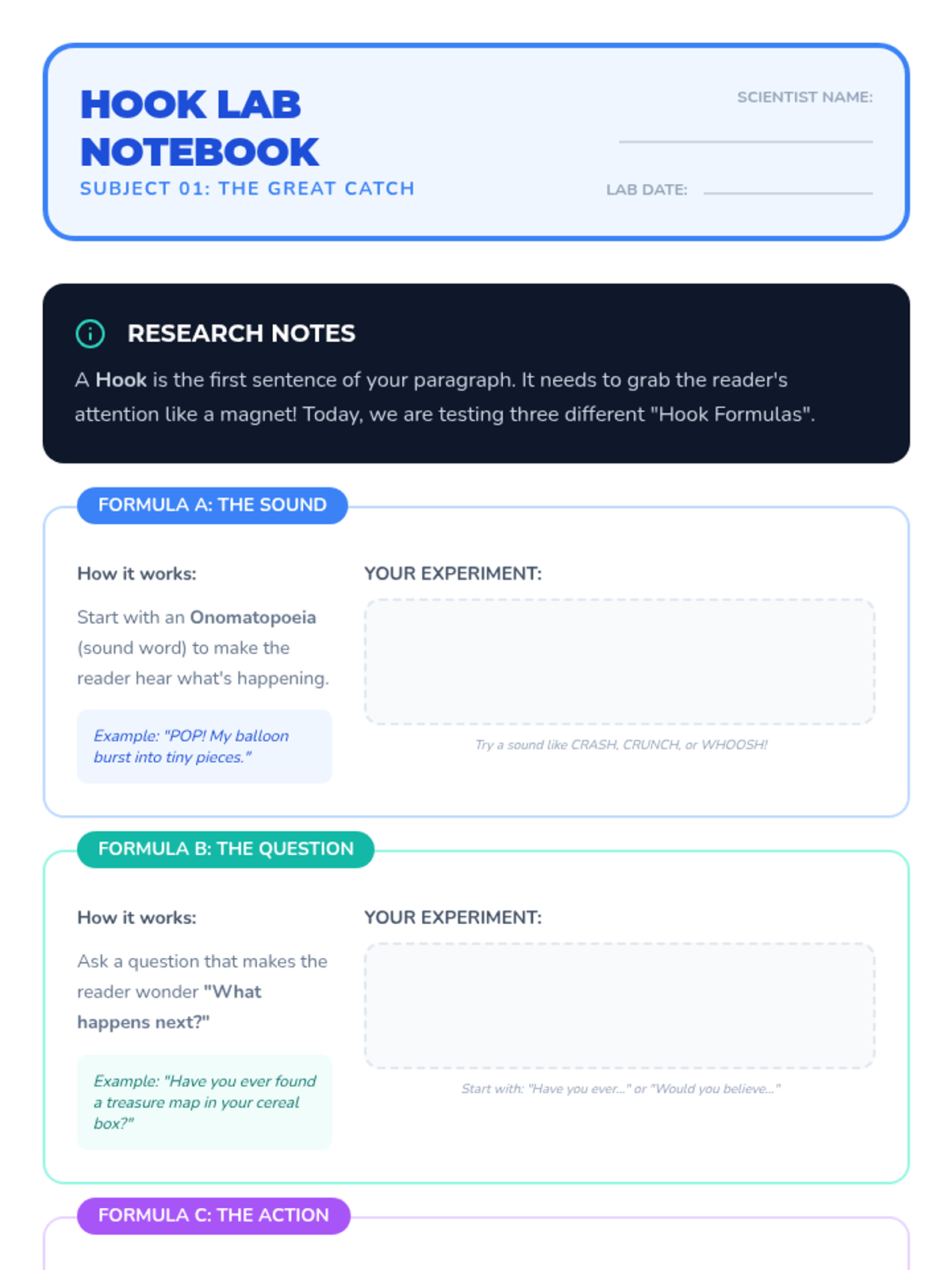
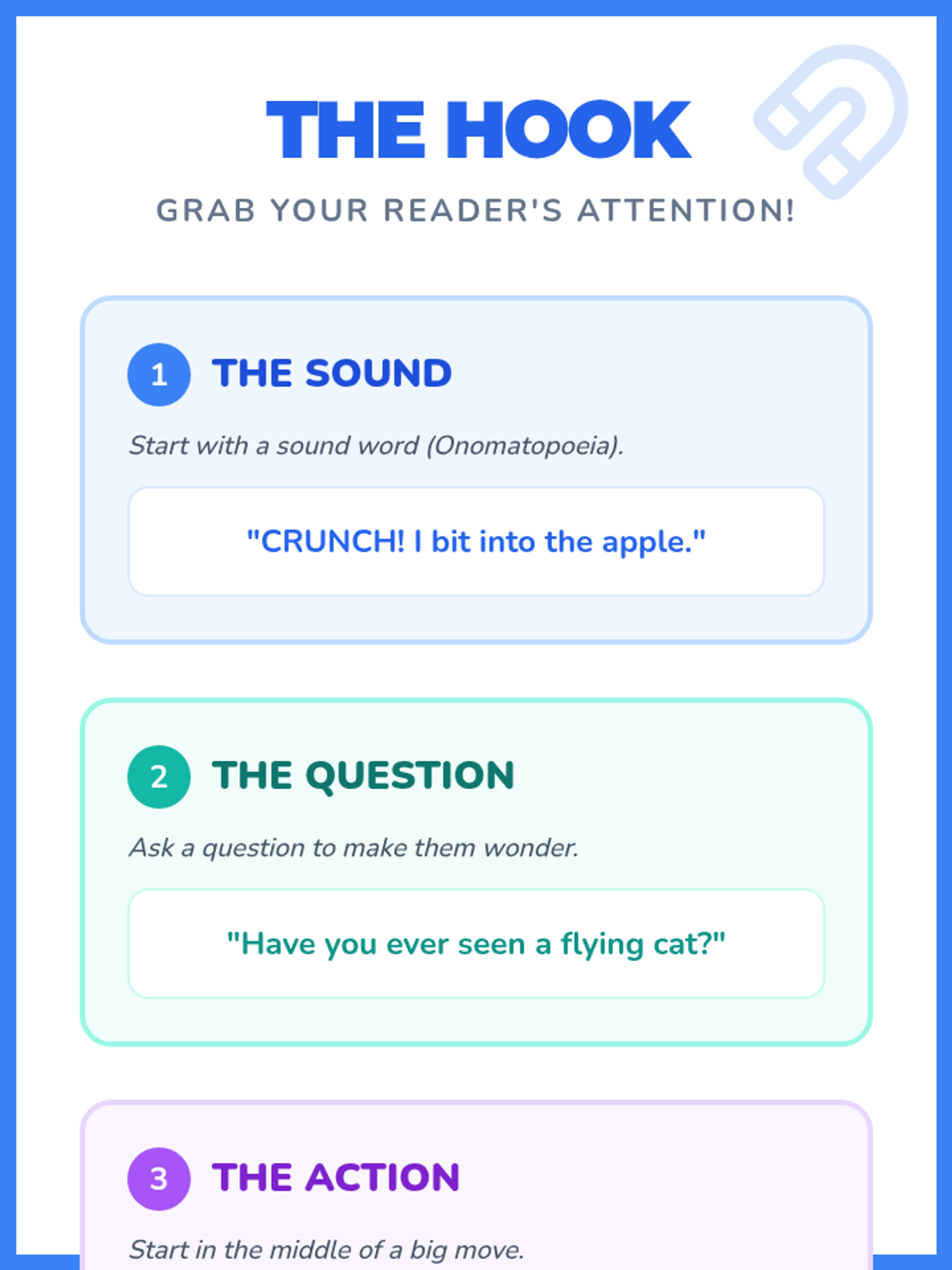
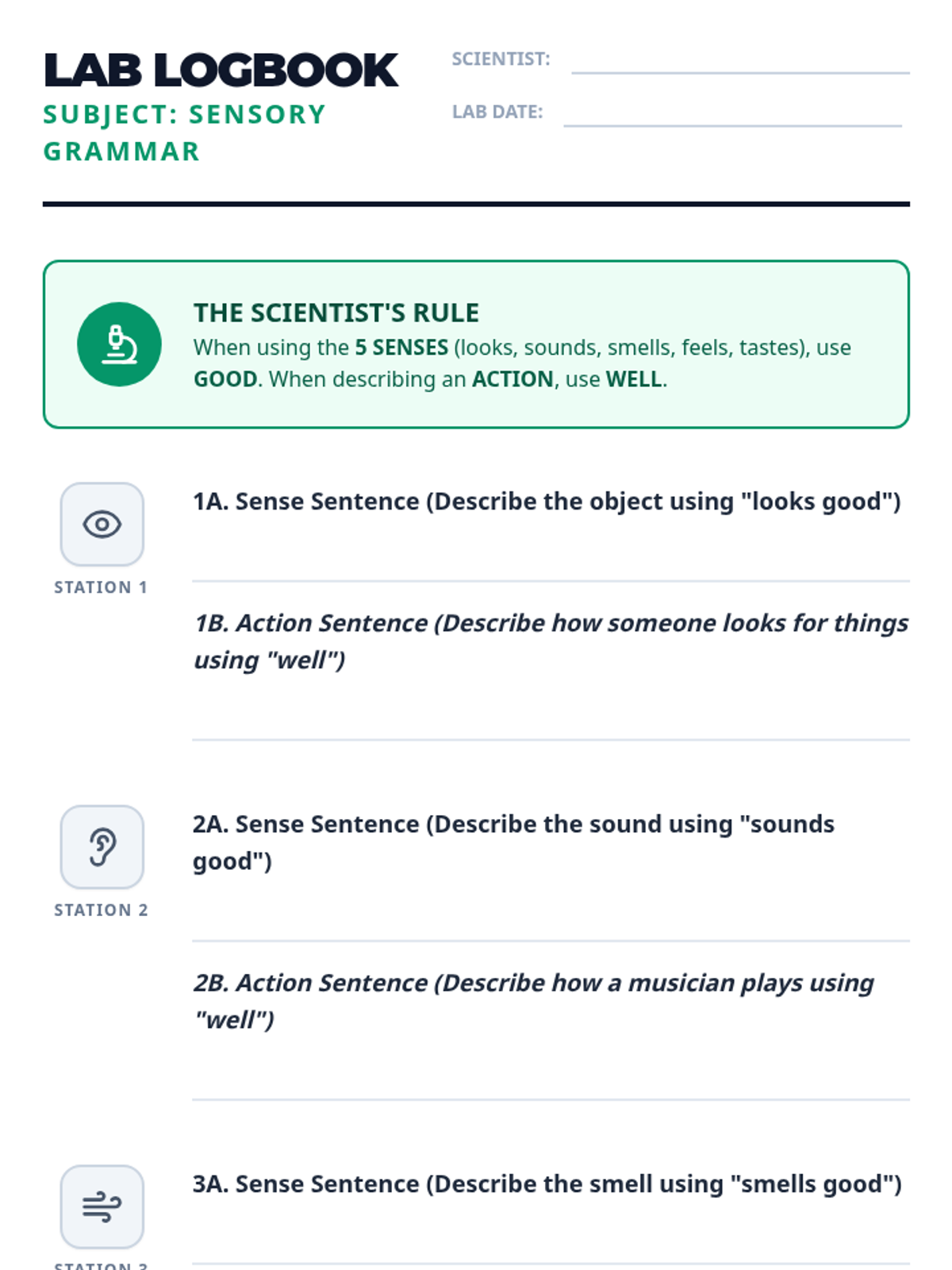
A 5-day narrative writing unit for 3rd graders focused on paragraph structure. Students act as 'Story Scientists' in a lab to engineer hooks, sensory details, and satisfying conclusions.
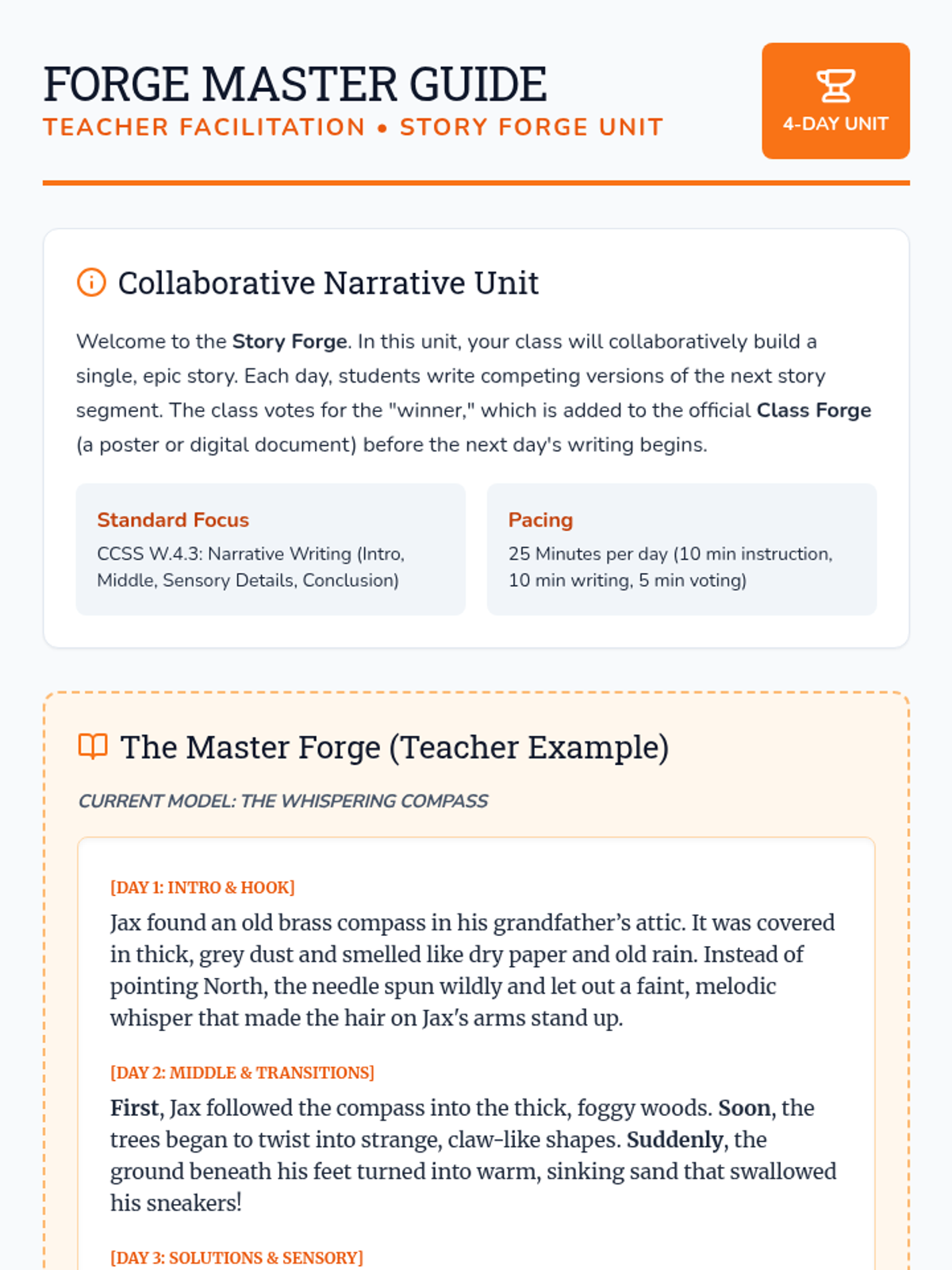
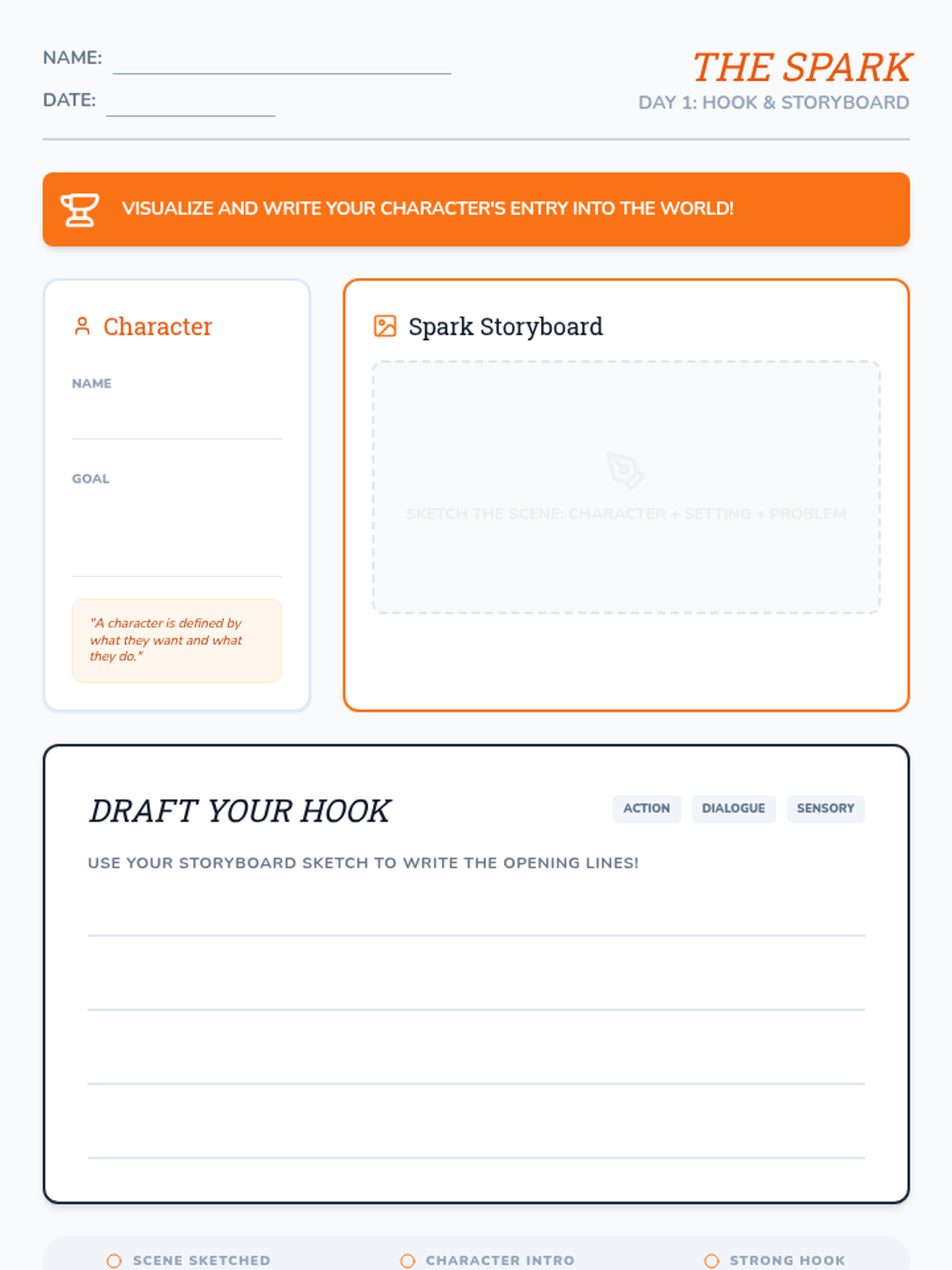
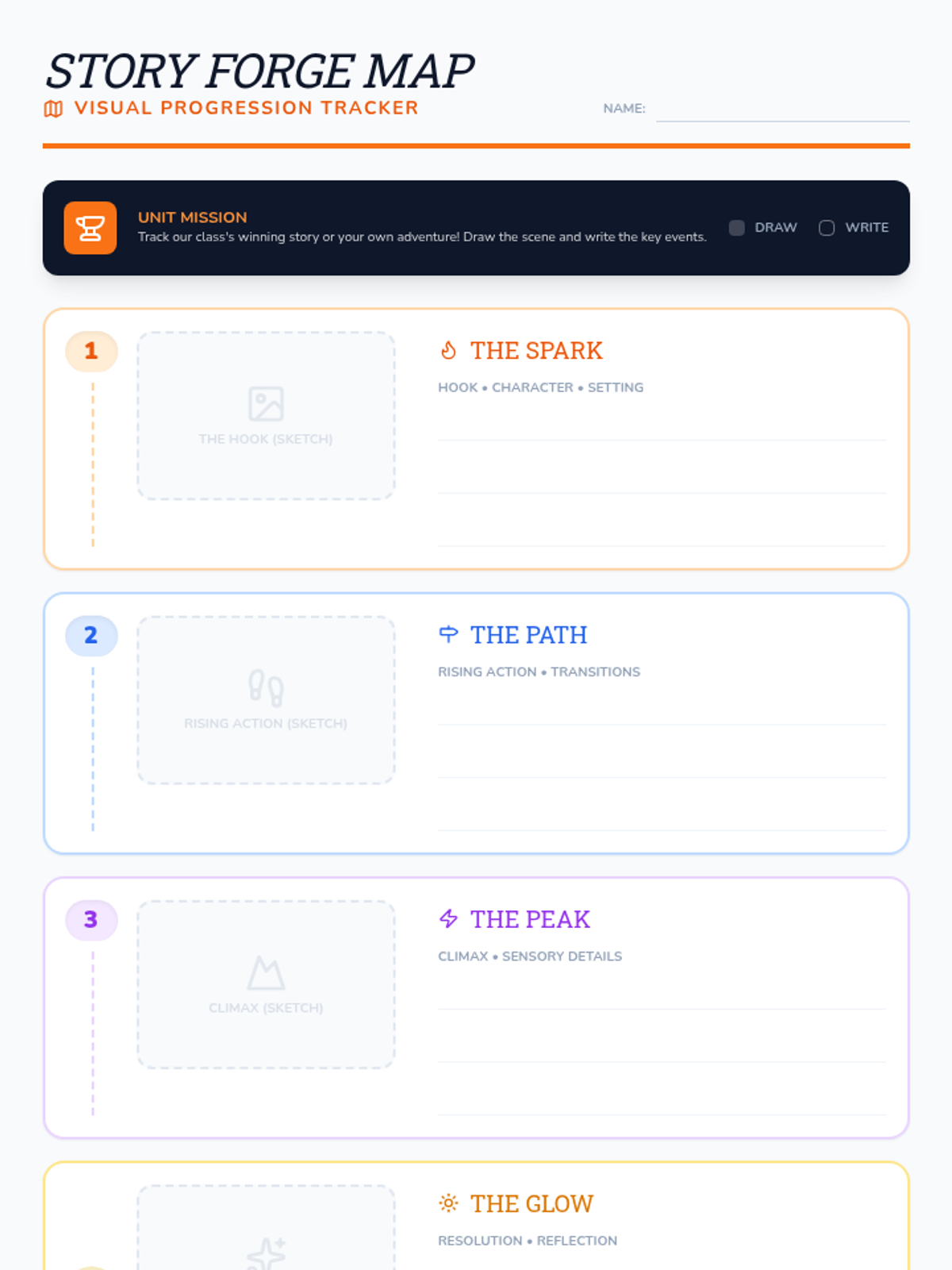
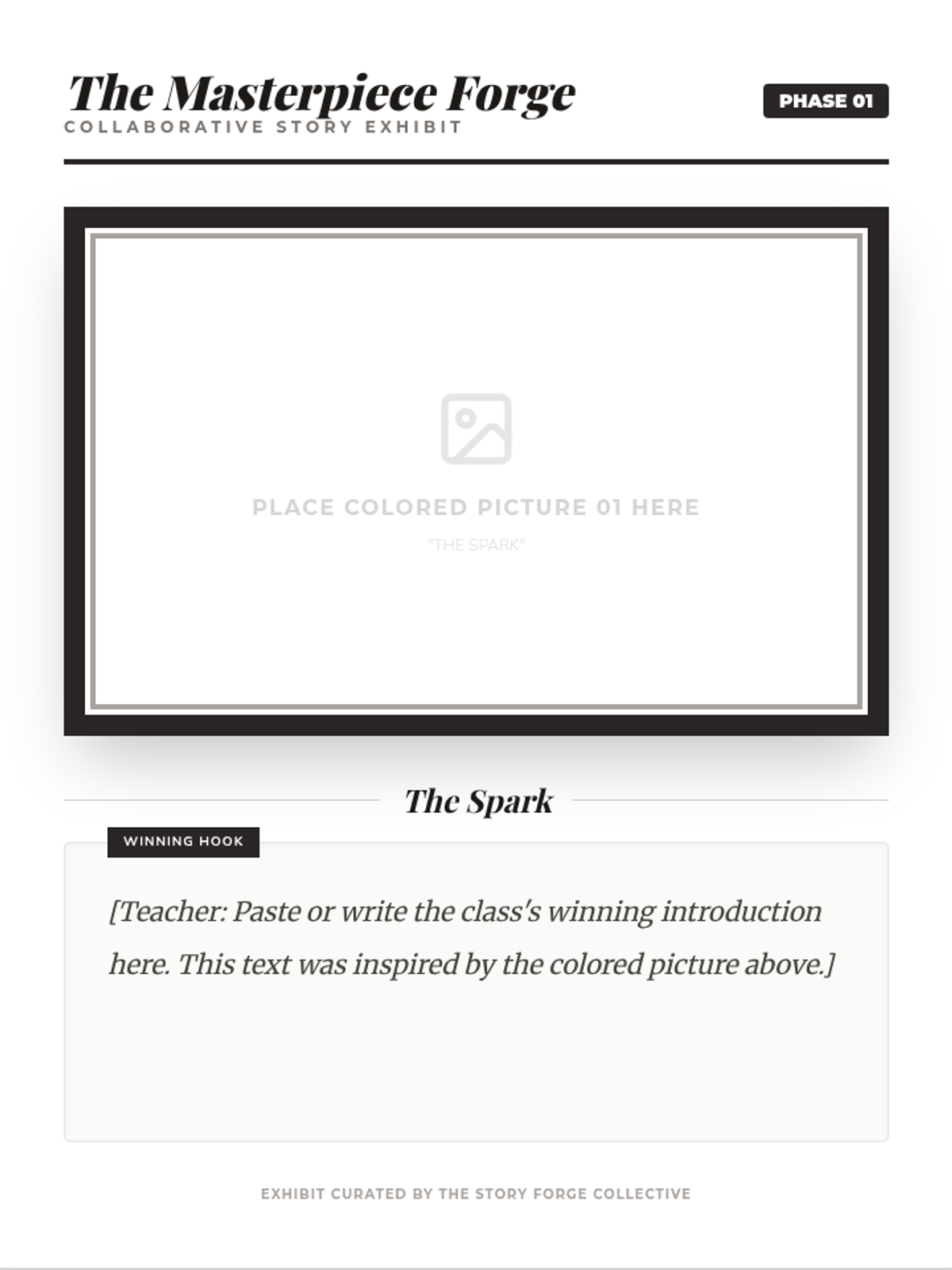
A 4-day collaborative narrative writing unit where students 'forge' a class story by voting on the best plot points while mastering CCSS W.4.3 standards. Students work through character creation, sequencing, sensory details, and resolutions to create a cohesive short story.
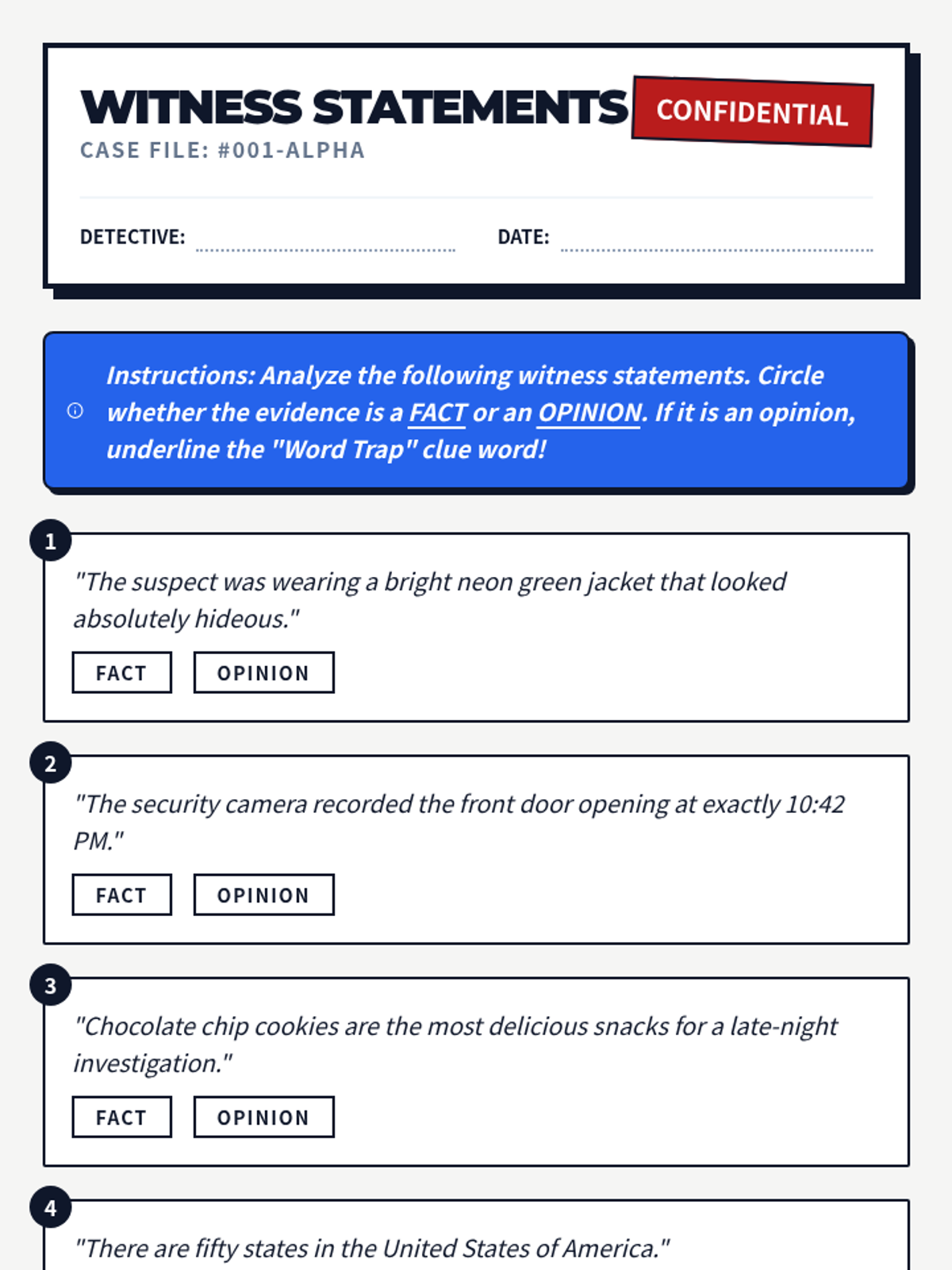
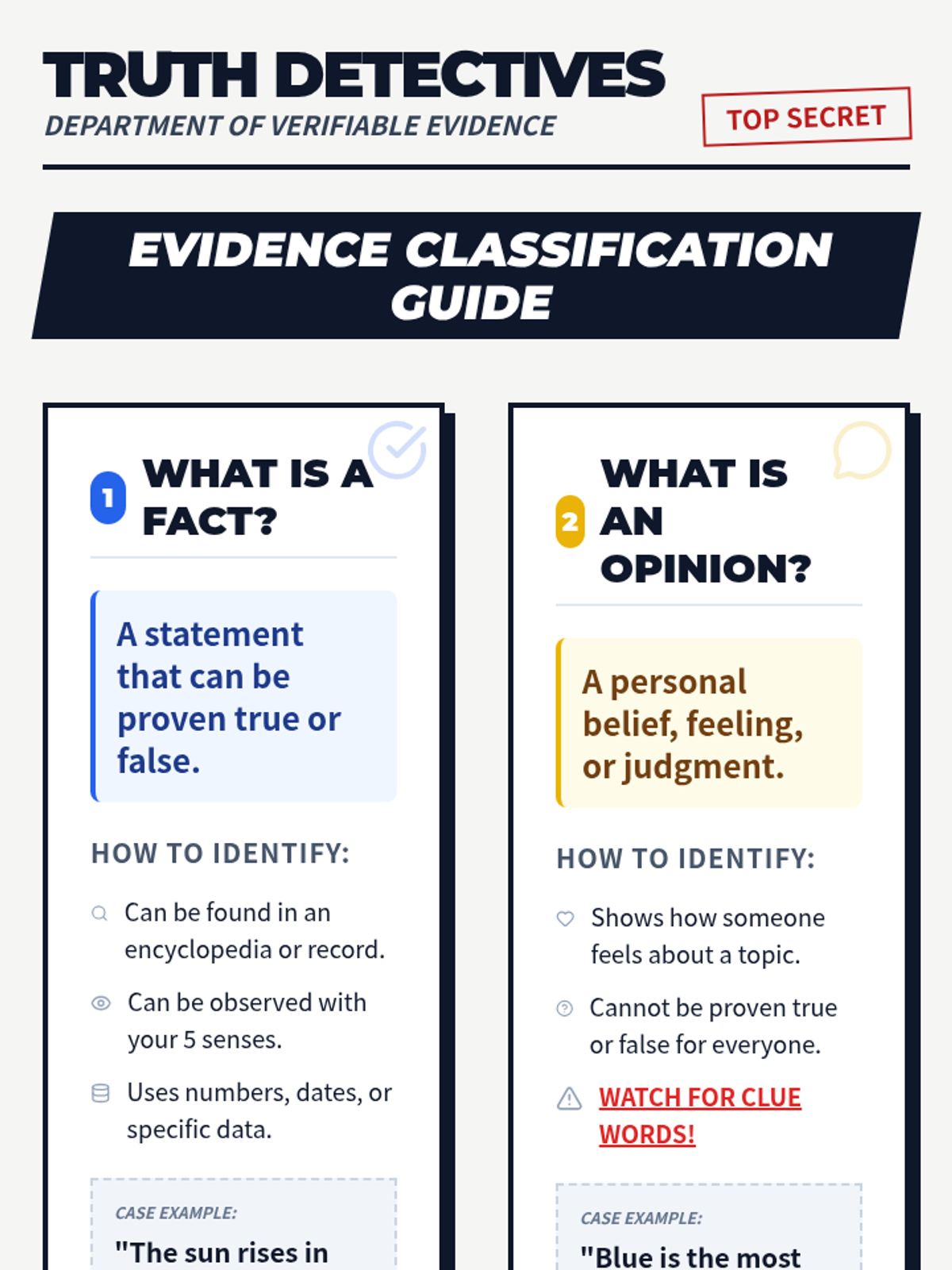
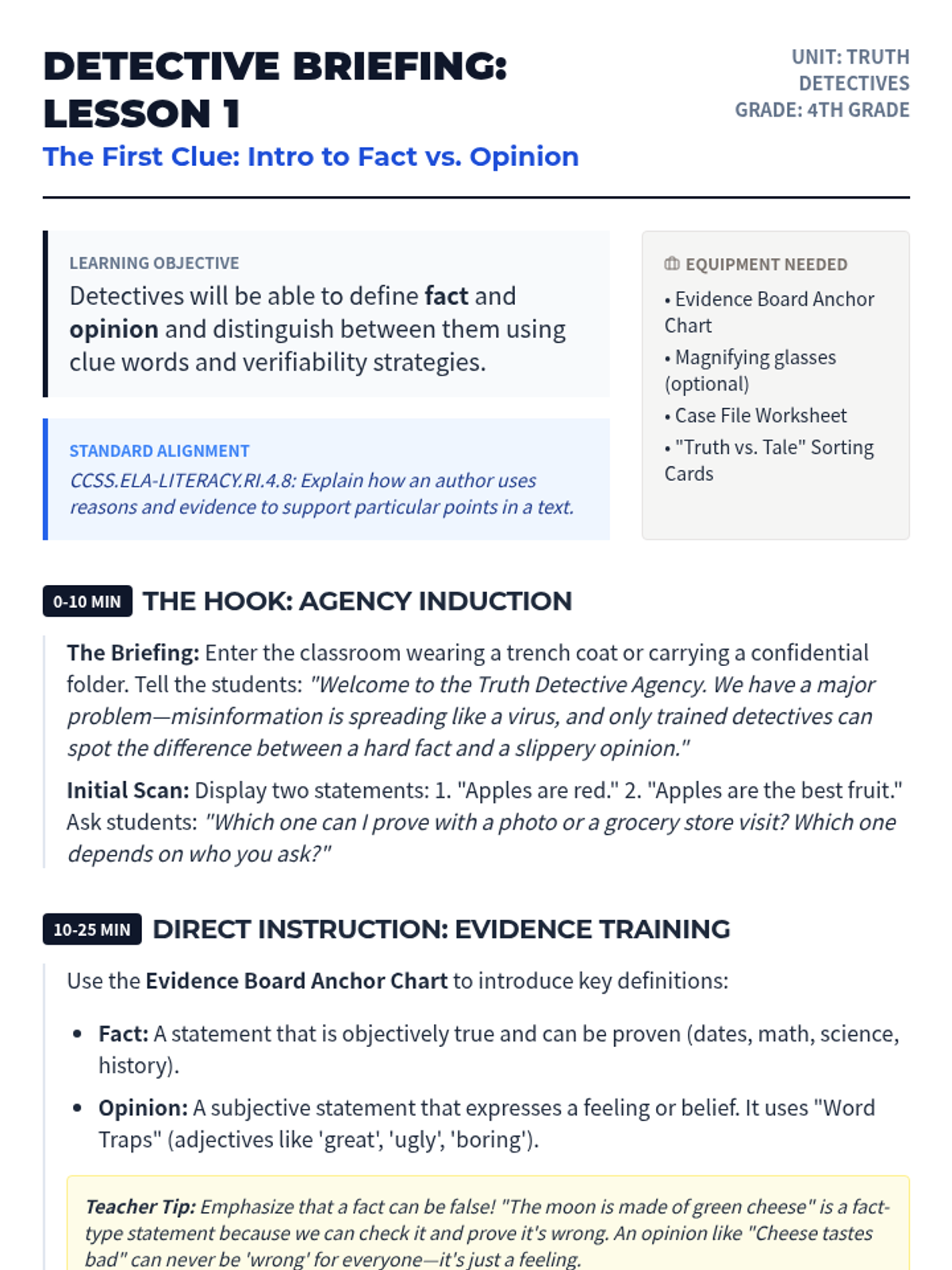
A comprehensive 10-day 4th grade unit themed around a detective agency where students learn to distinguish between verifiable facts and subjective opinions through investigation and analysis.
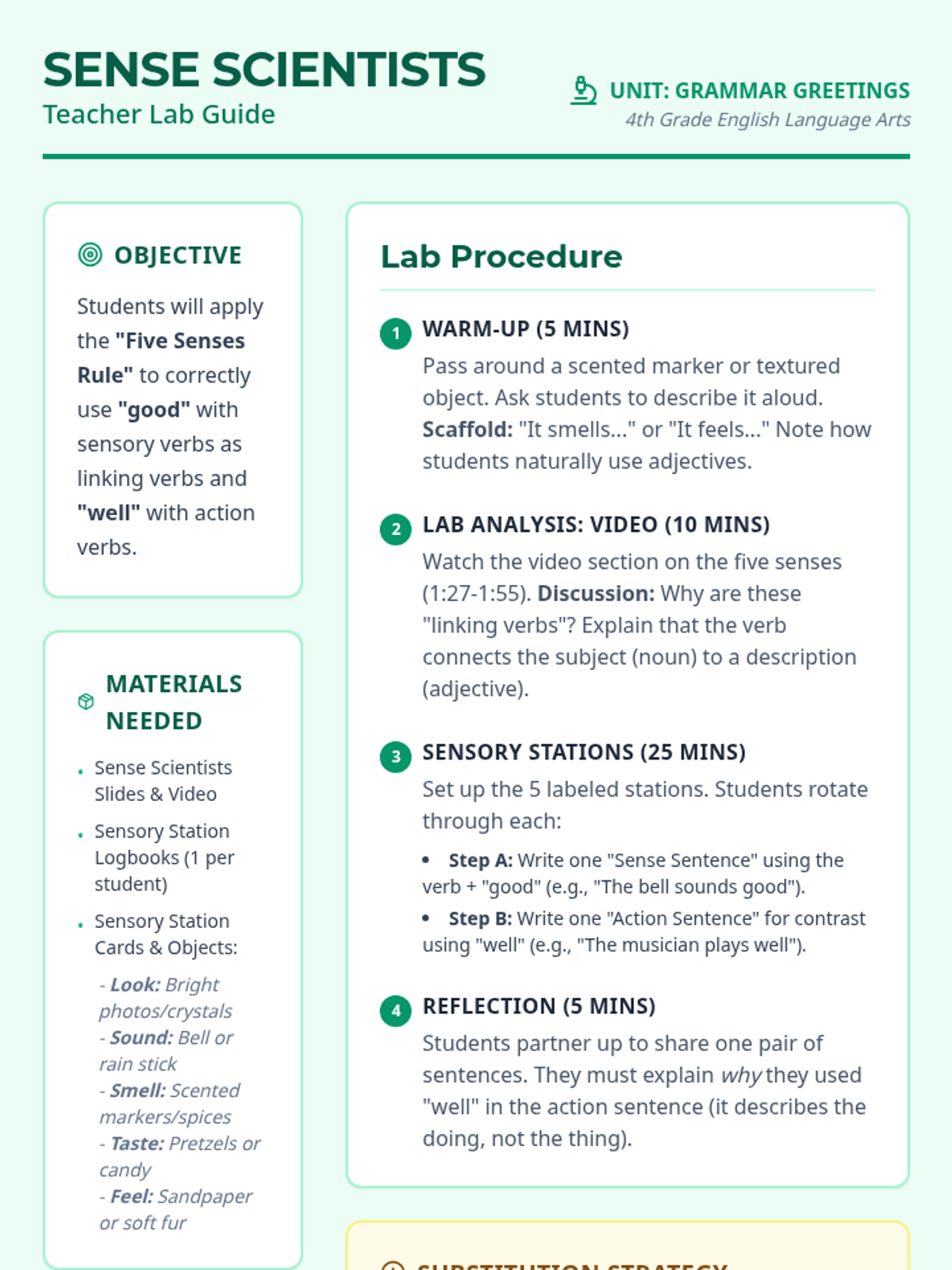
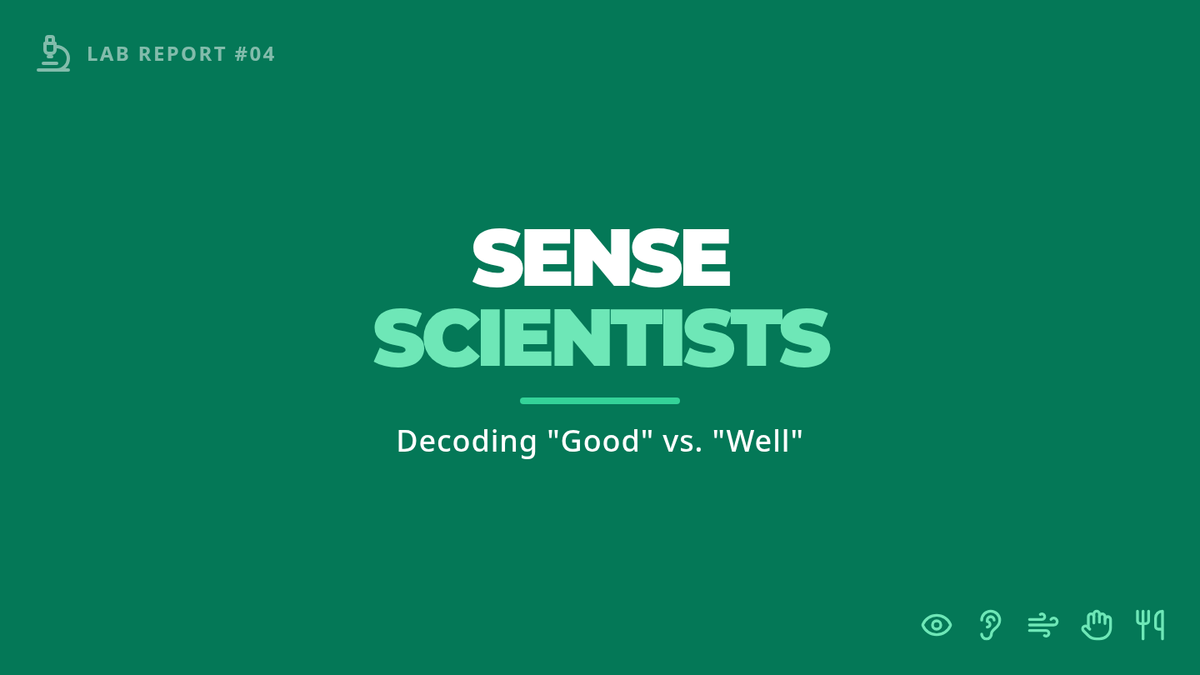
A lesson sequence focusing on the nuances of grammar, specifically the distinction between the adjective 'good' and the adverb 'well', with a focus on sensory verbs.
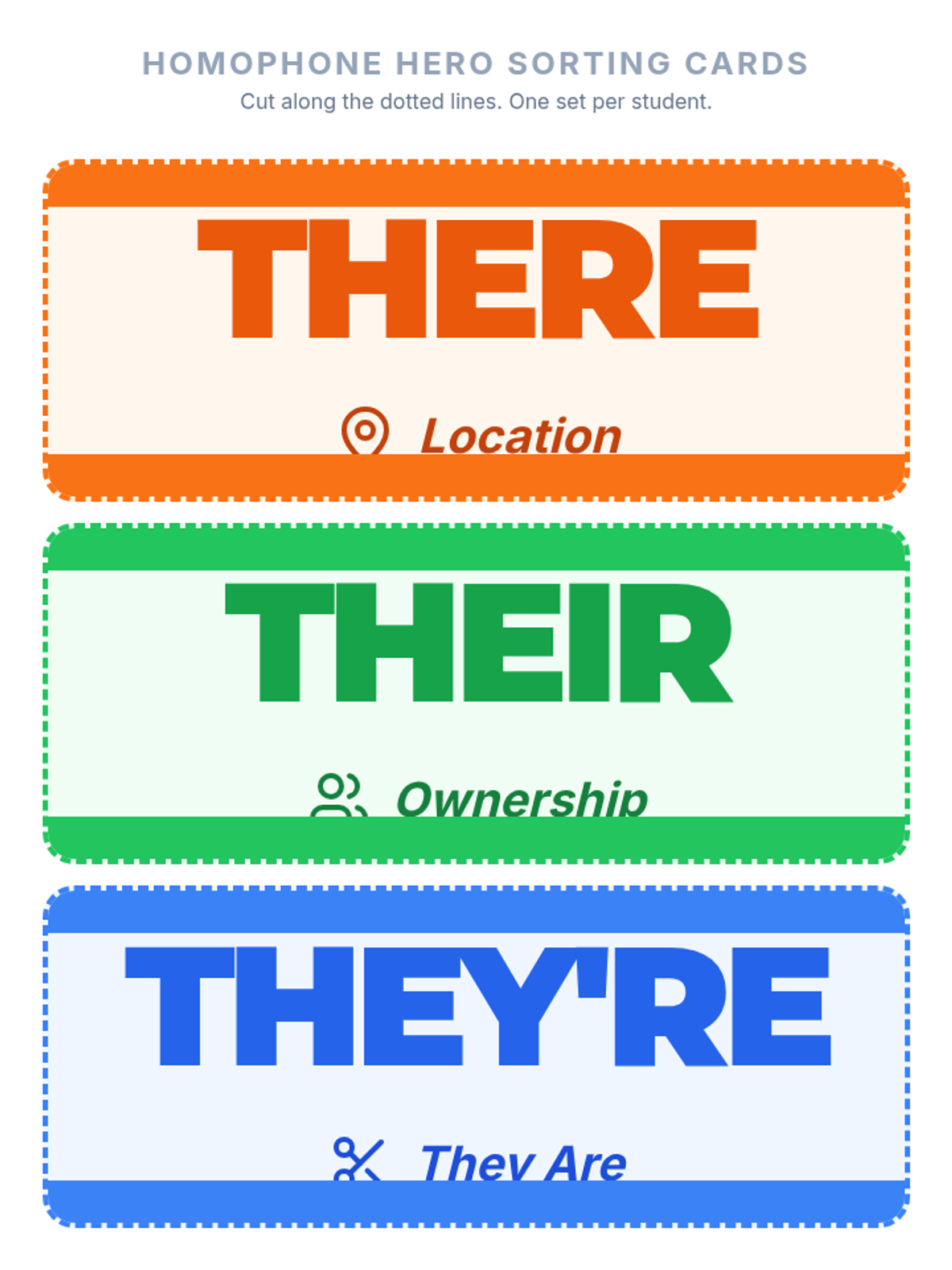
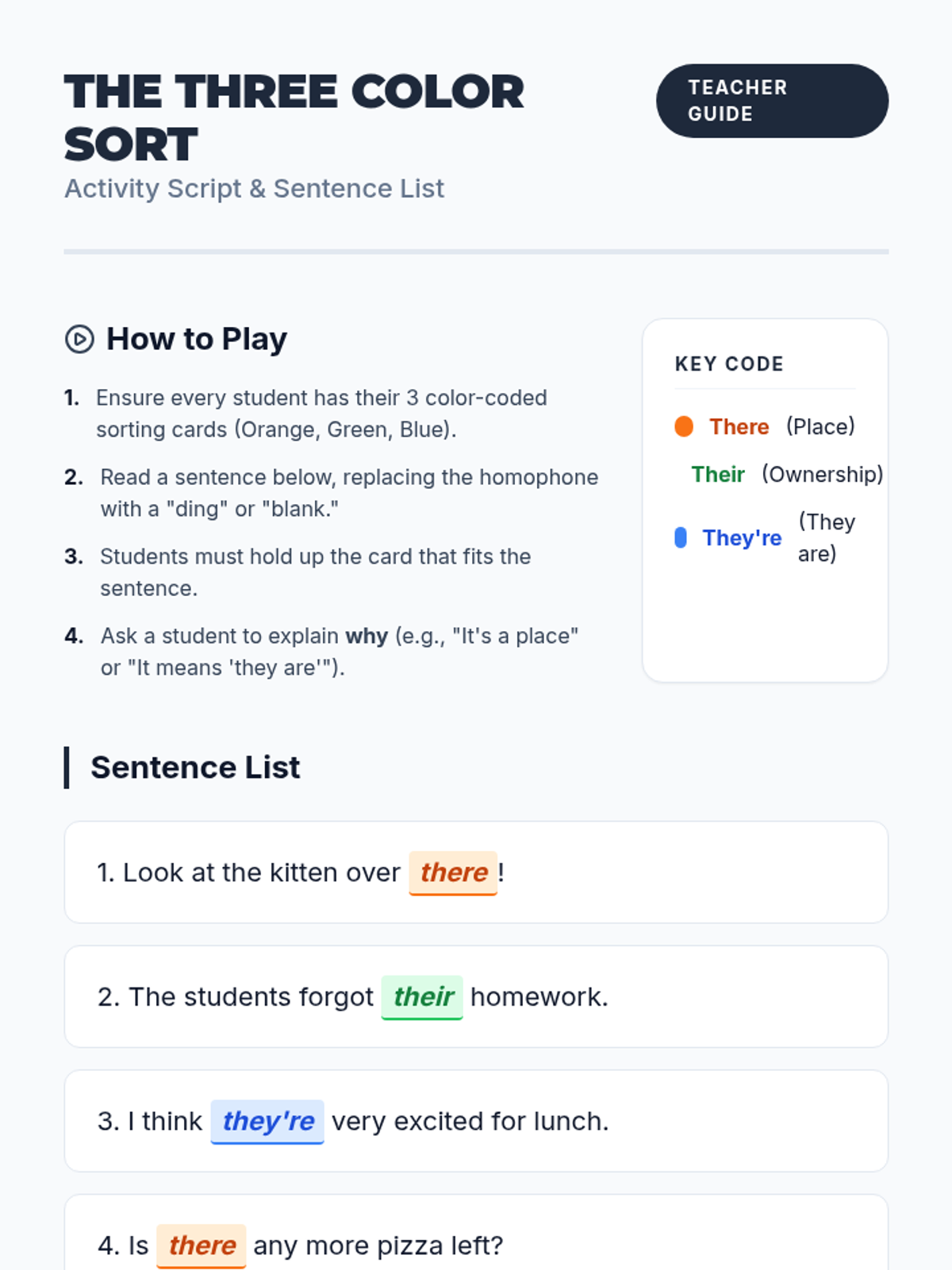
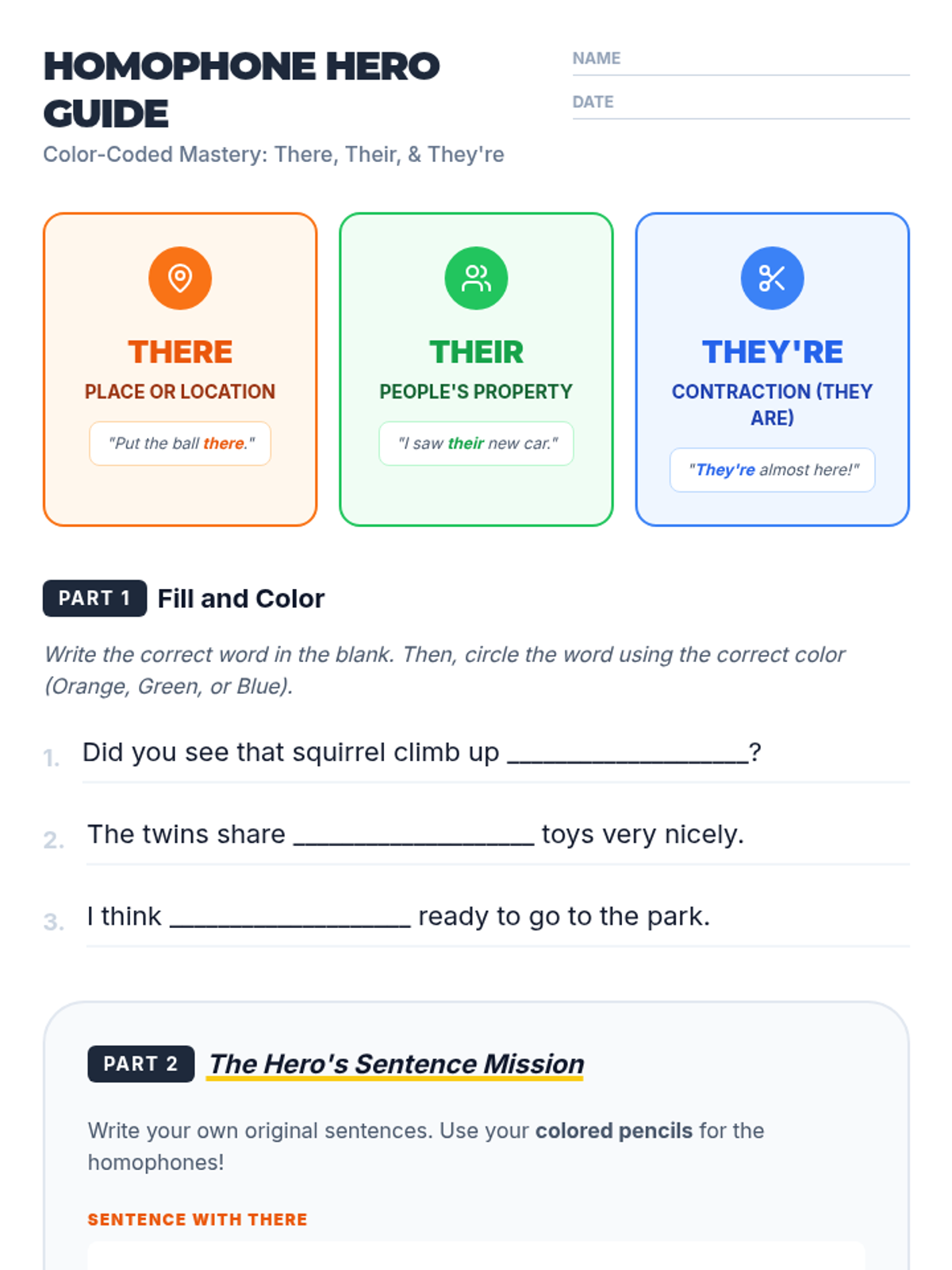
A series of lessons focused on mastering frequently confused homophones through visual color-coding and active participation.
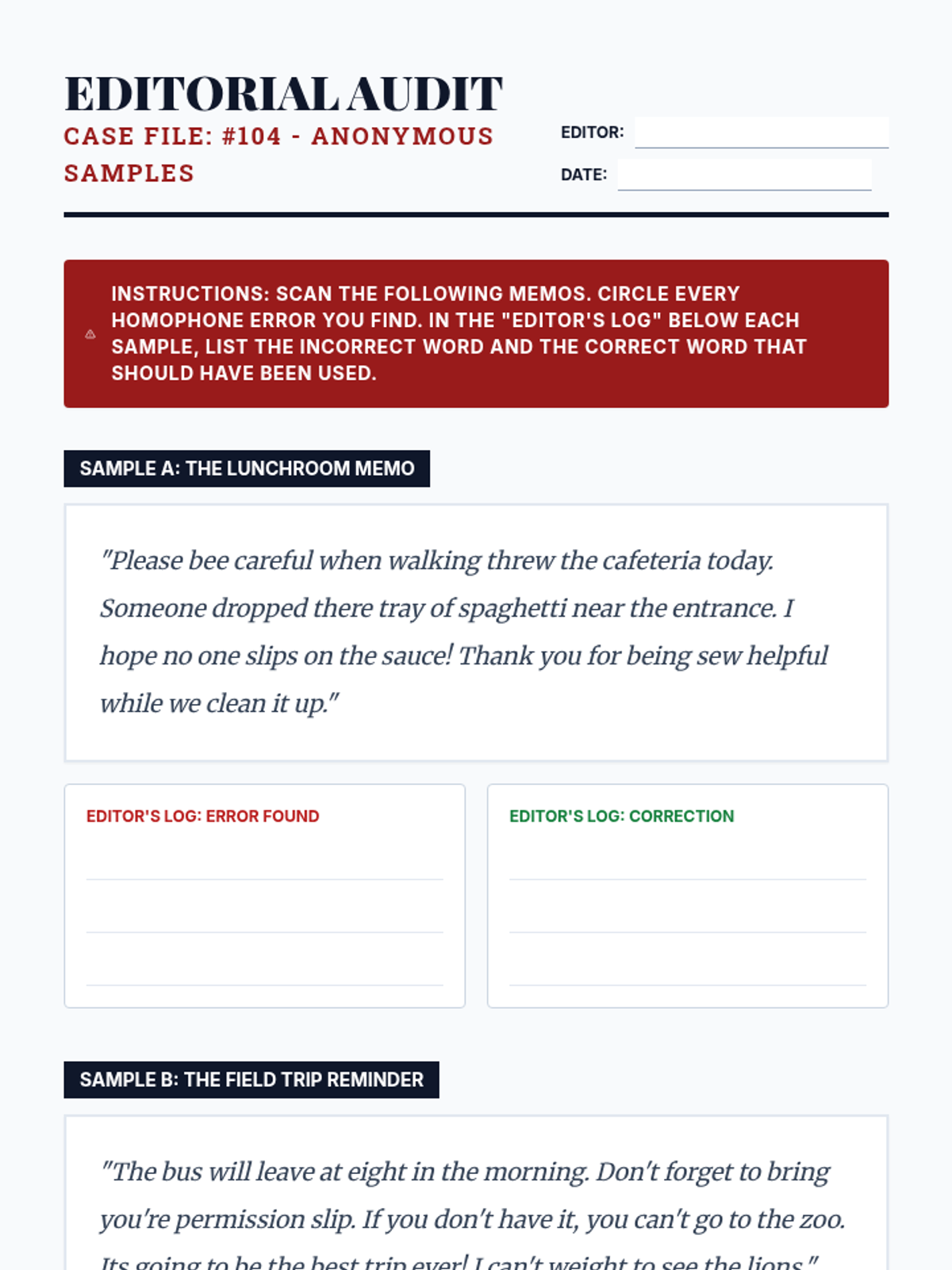
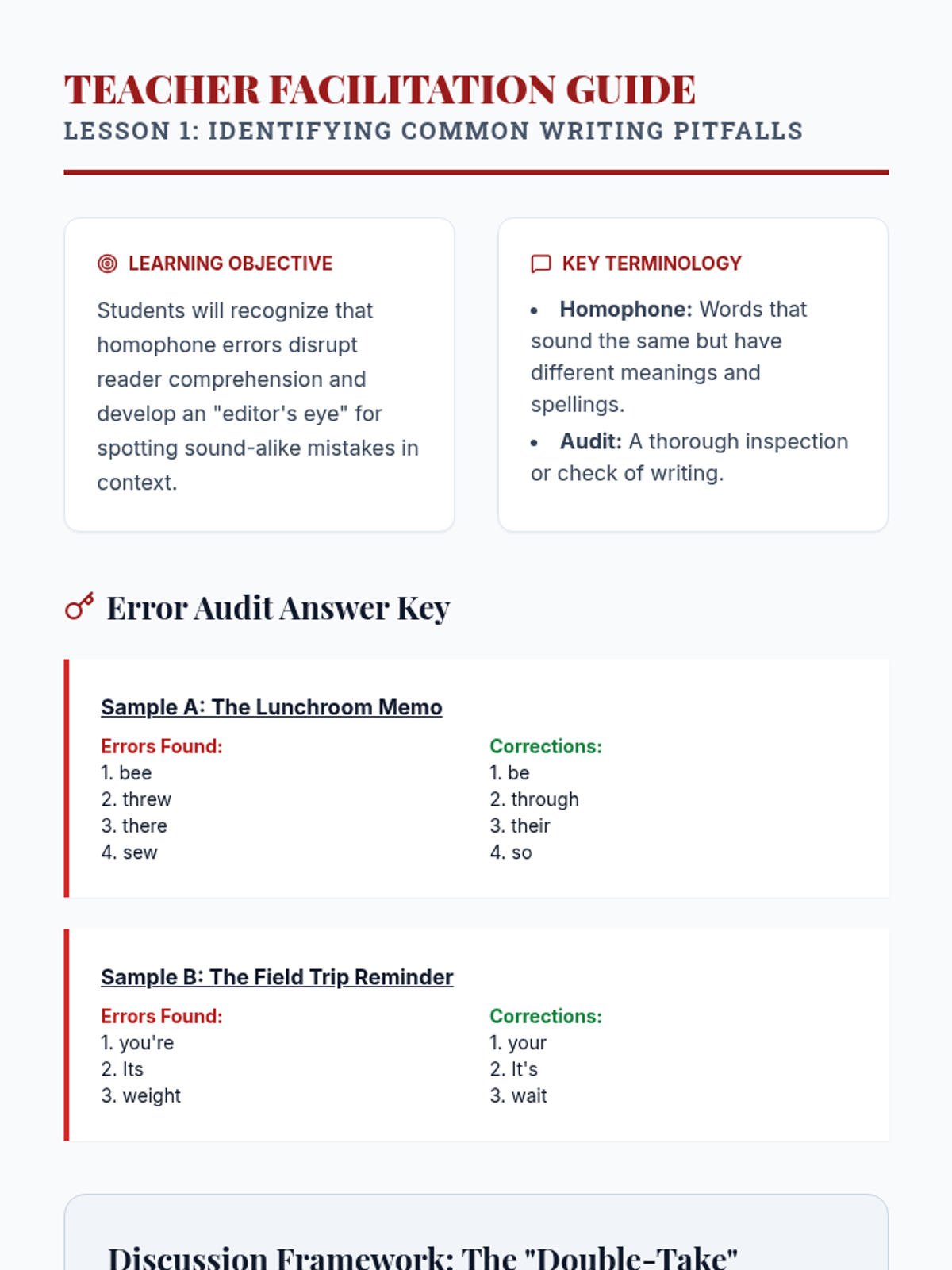
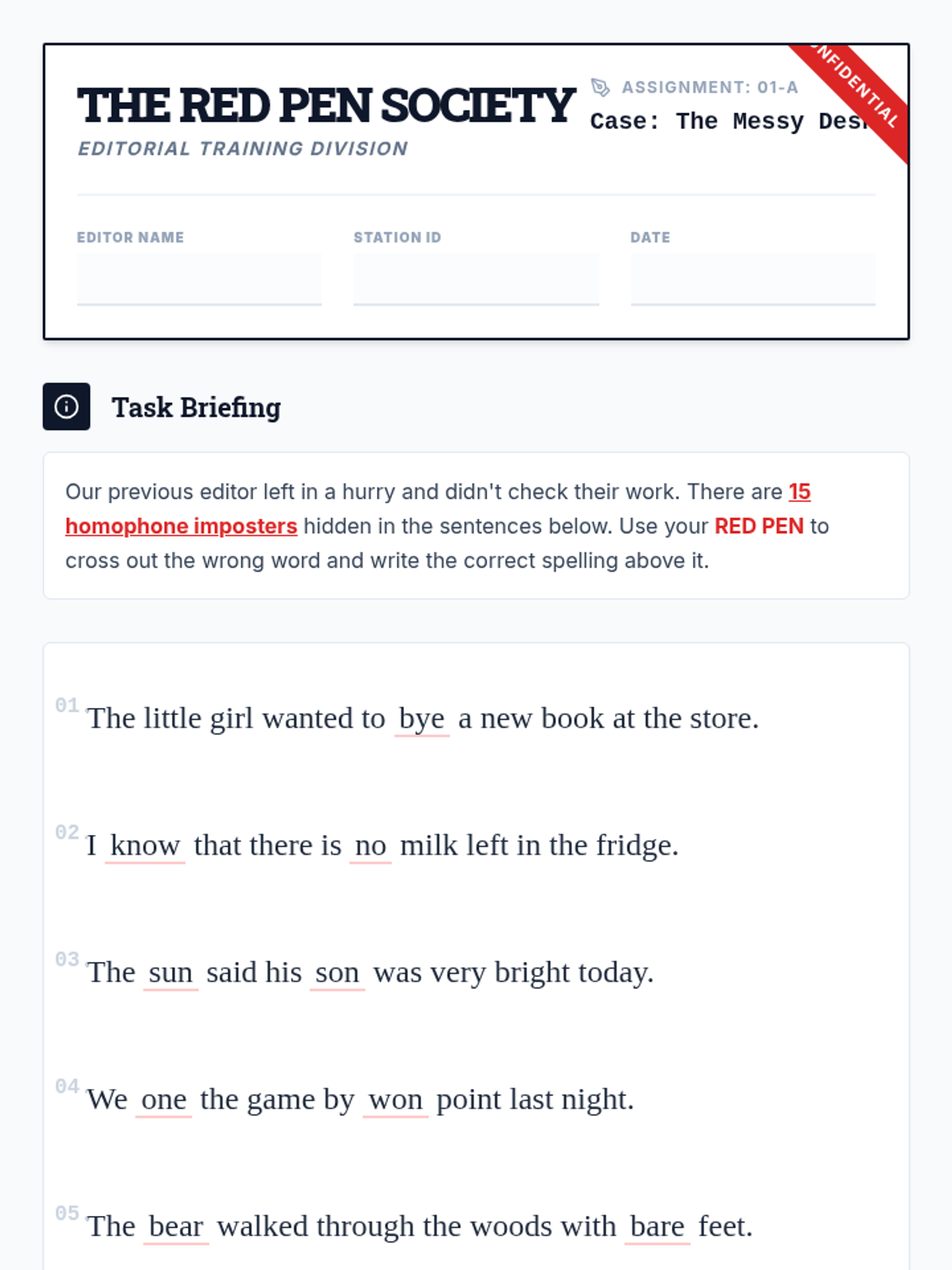
A writing workshop sequence focused on the practical application of homophones in composition. Students move from error identification in anonymous samples to mastering high-frequency homophones and performing peer edits, culminating in a comprehensive proofreading assessment.
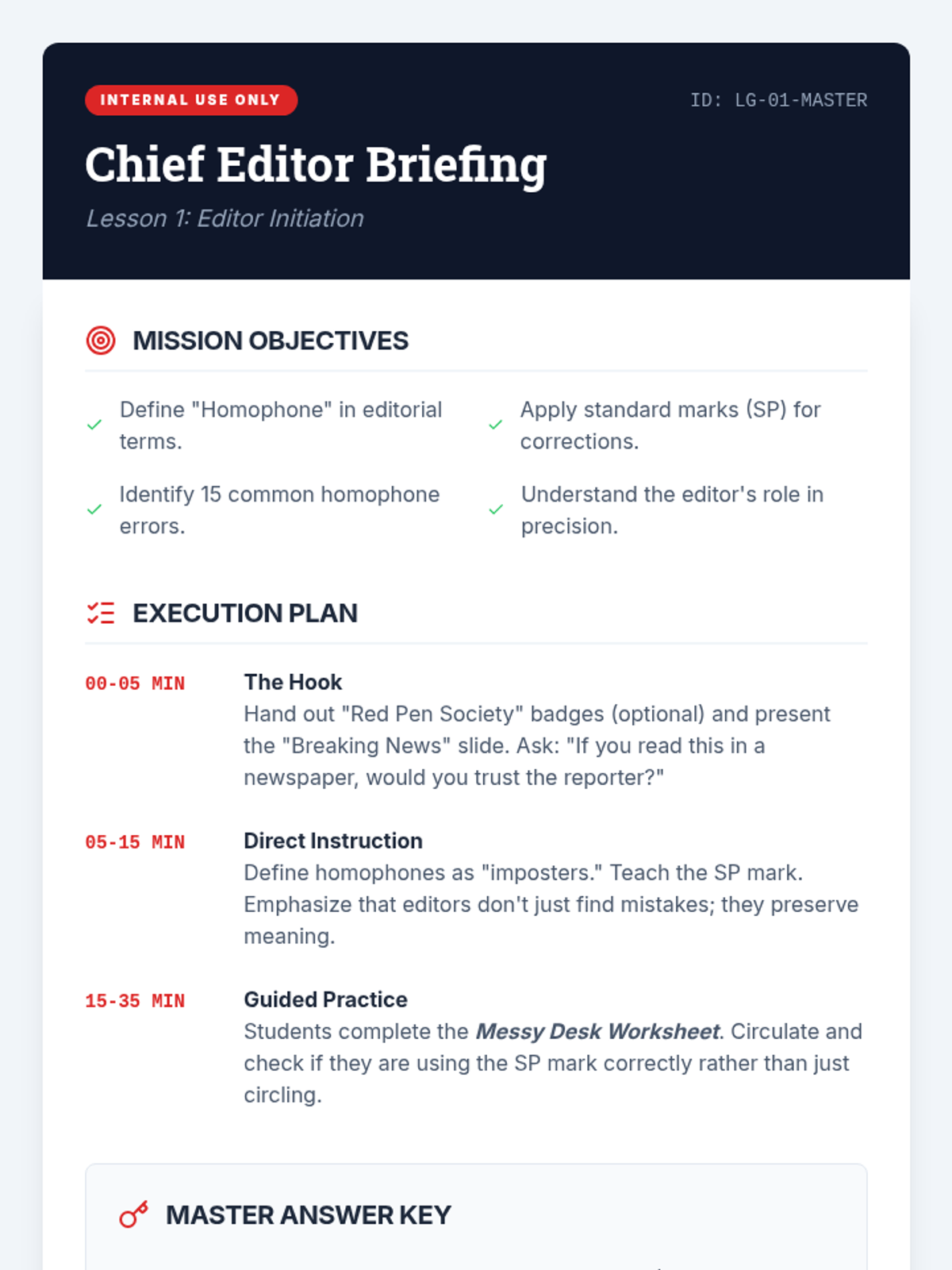
A 4th-grade ELA sequence where students act as professional copyeditors to master homophones. Students learn systematic proofreading strategies, focusing on precision, logical reasoning, and collaborative editing.
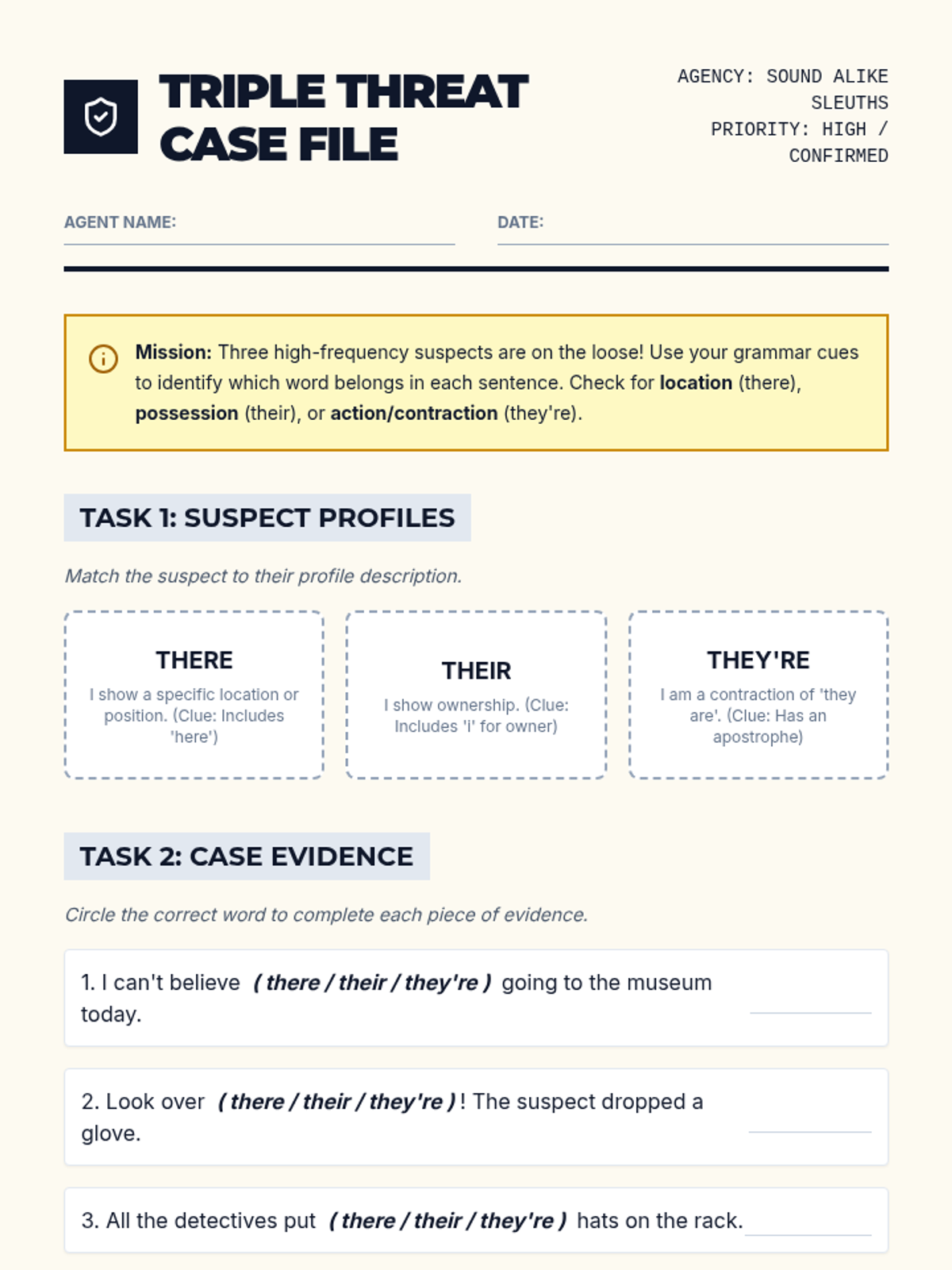
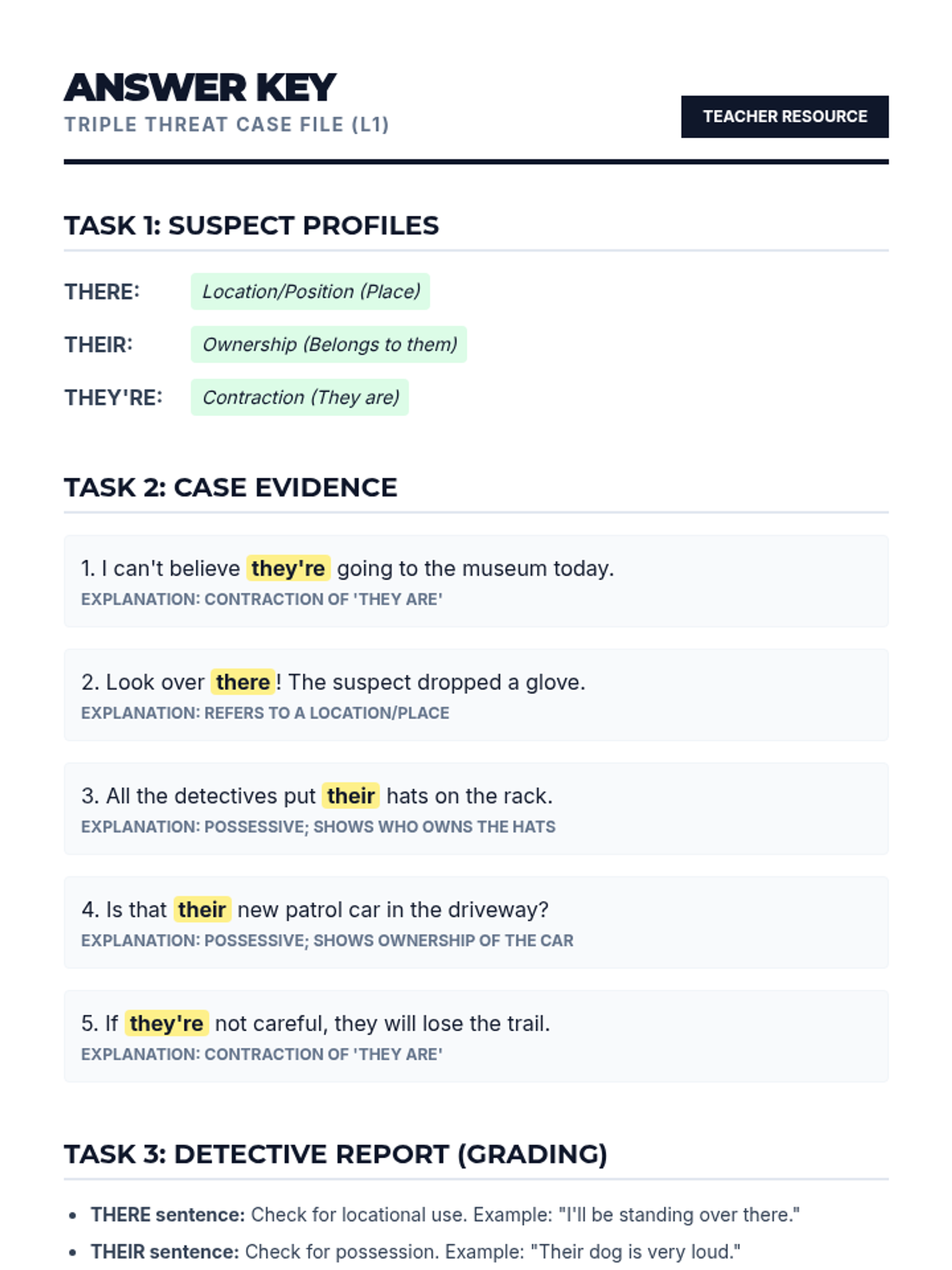
A comprehensive sequence for 4th graders to master high-frequency homophones including there/their/they're, to/too/two, your/you're, its/it's, and whose/who's through a detective-themed exploration of grammar cues.
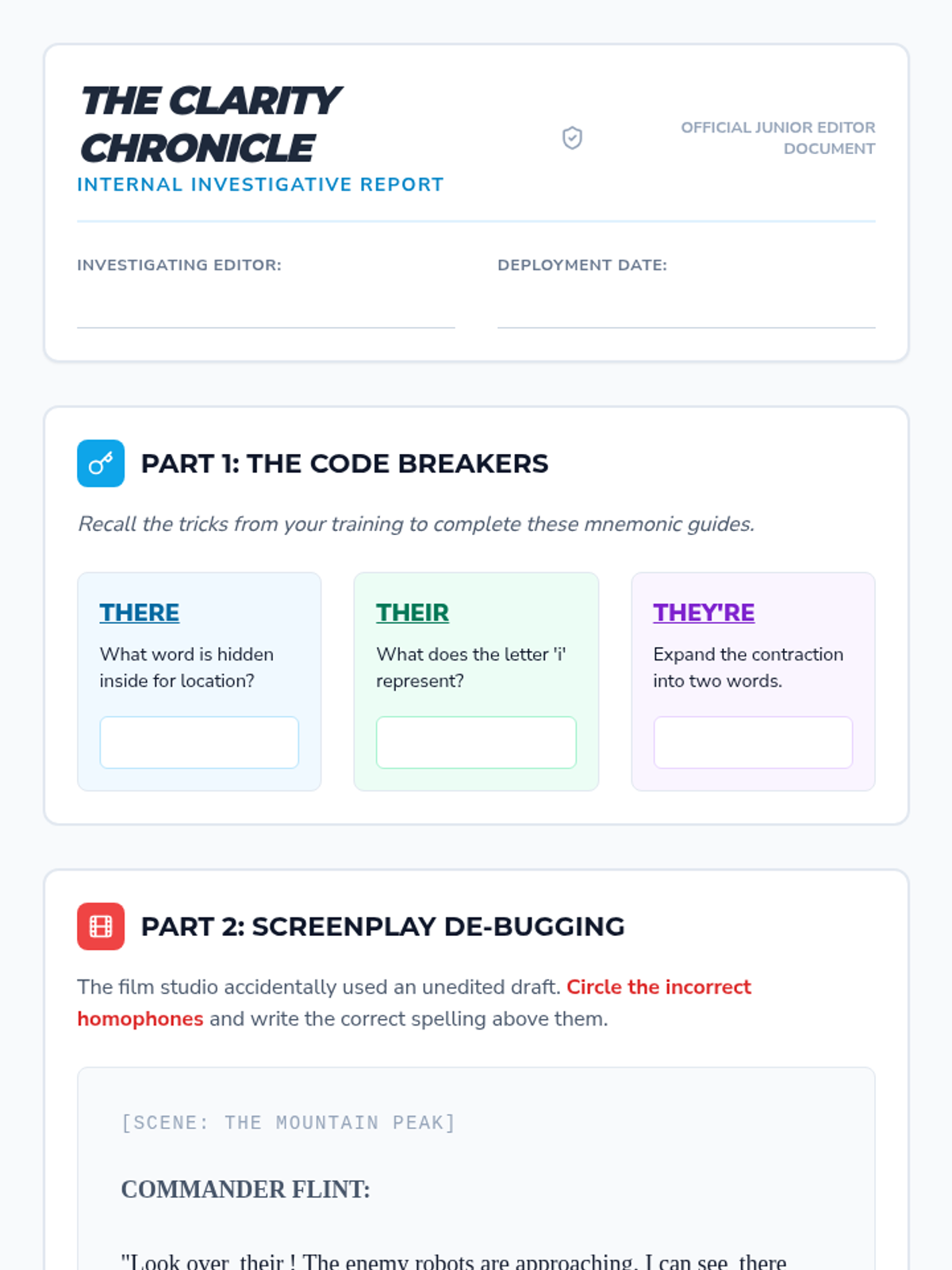
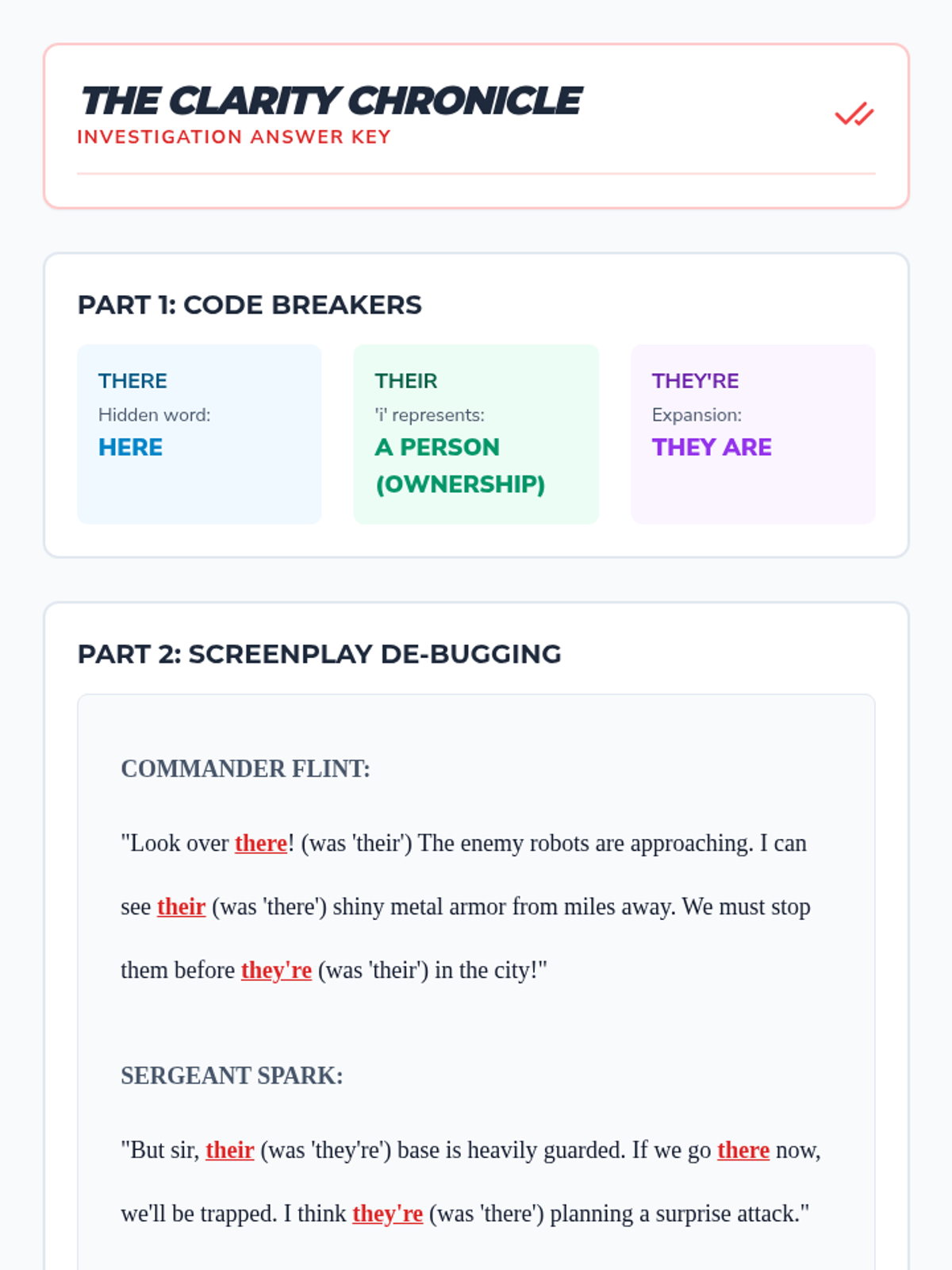
Students step into the role of professional editors at 'The Clarity Chronicle,' a top-tier editing agency. Over five lessons, they master the nuance of homophones and frequently confused words by analyzing context, creating mnemonics, and proofreading high-stakes documents to ensure semantic accuracy.
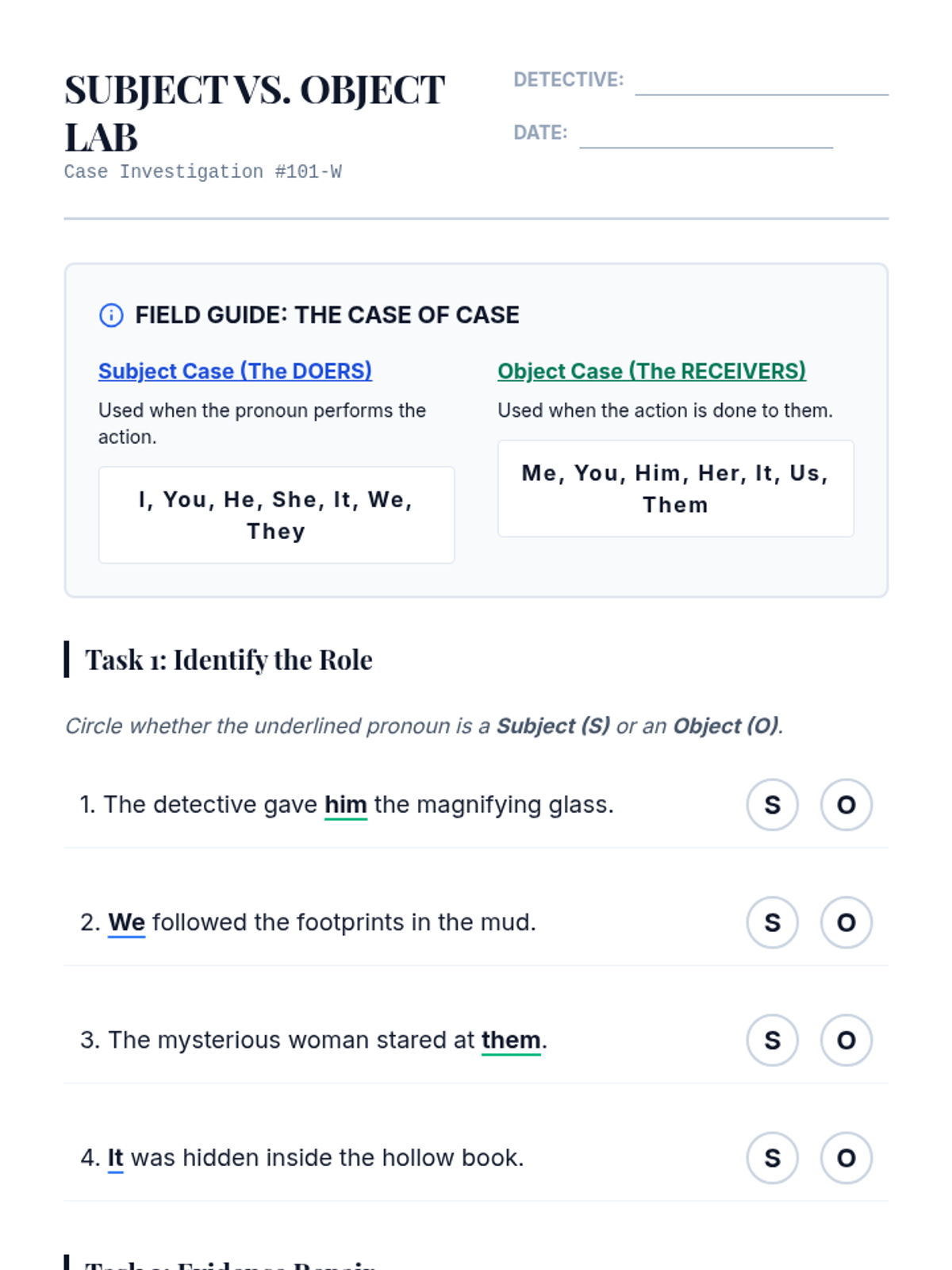
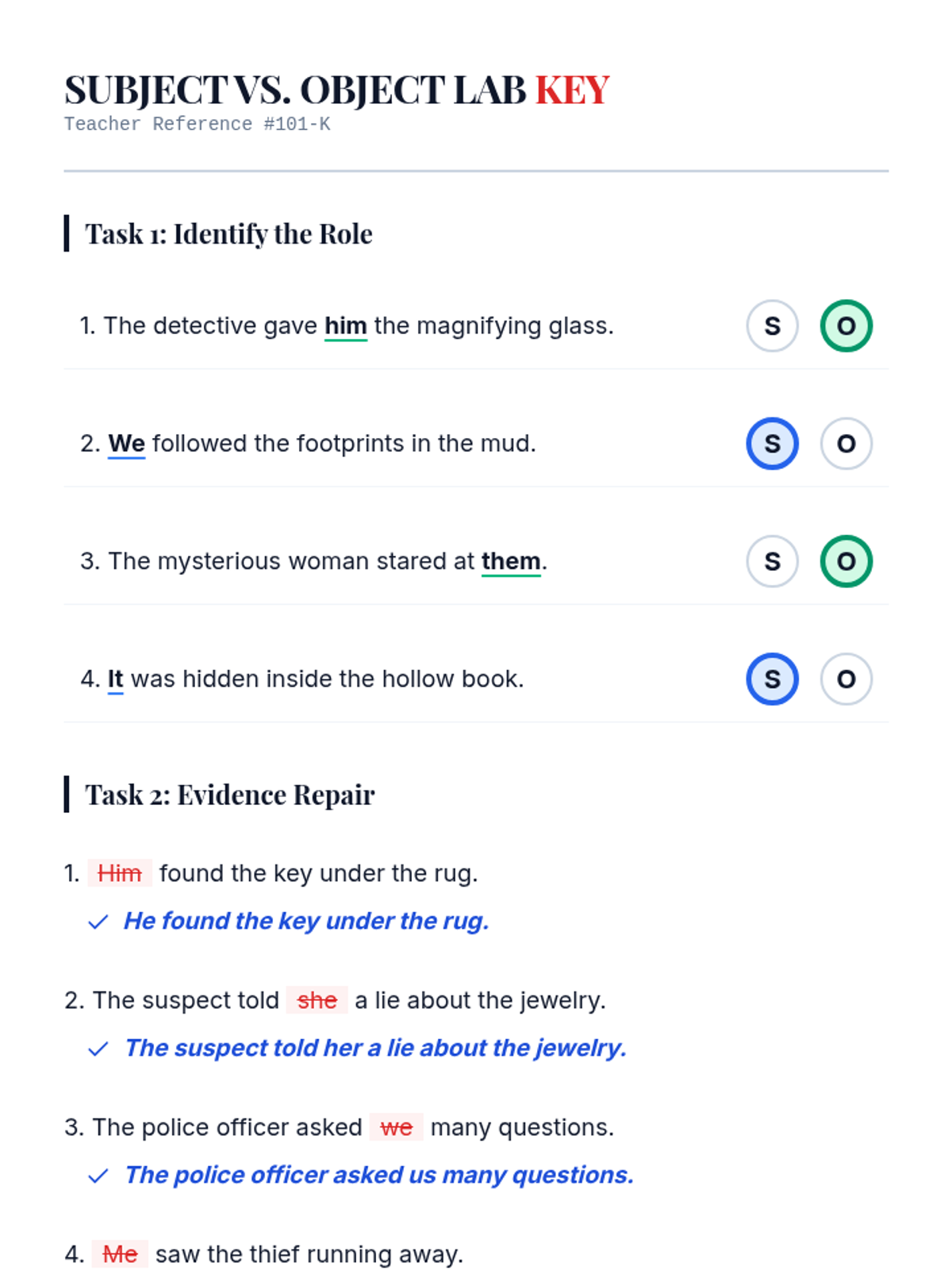
A 4th-grade grammar sequence where students become 'Pronoun Detectives' to solve mysteries of vague references and incorrect case. Through investigations and editing challenges, students master subject/object pronouns, compound structures, and possessive clarity.
An inquiry-based exploration of apostrophes, covering singular and plural possessives, contractions, and tricky homophones through the lens of 'word surgery' and 'punctuation investigations.'
A comprehensive 5-lesson sequence where students act as "word surgeons" and "grammar detectives" to master the distinct roles of the apostrophe in possessive nouns and contractions.
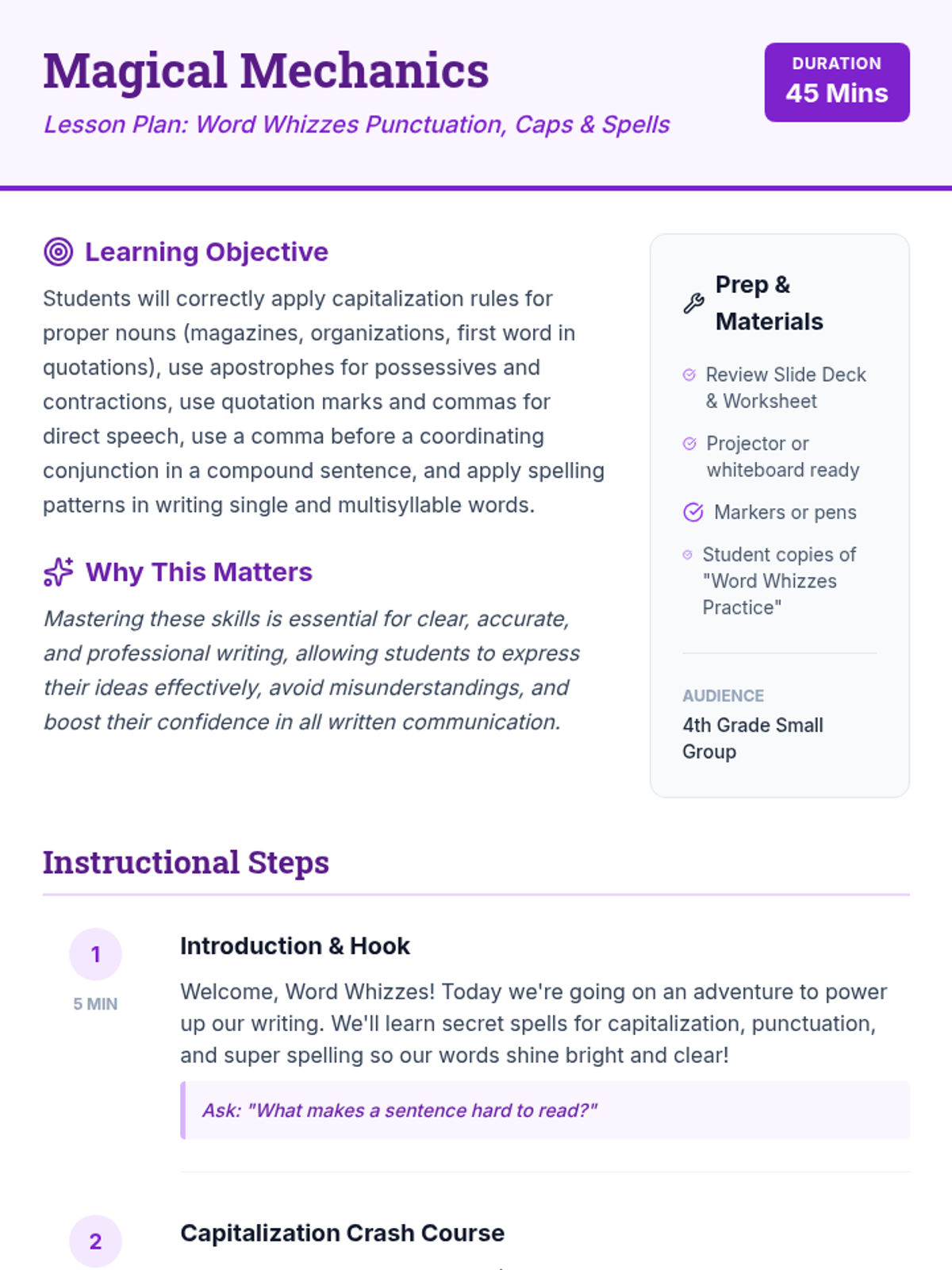
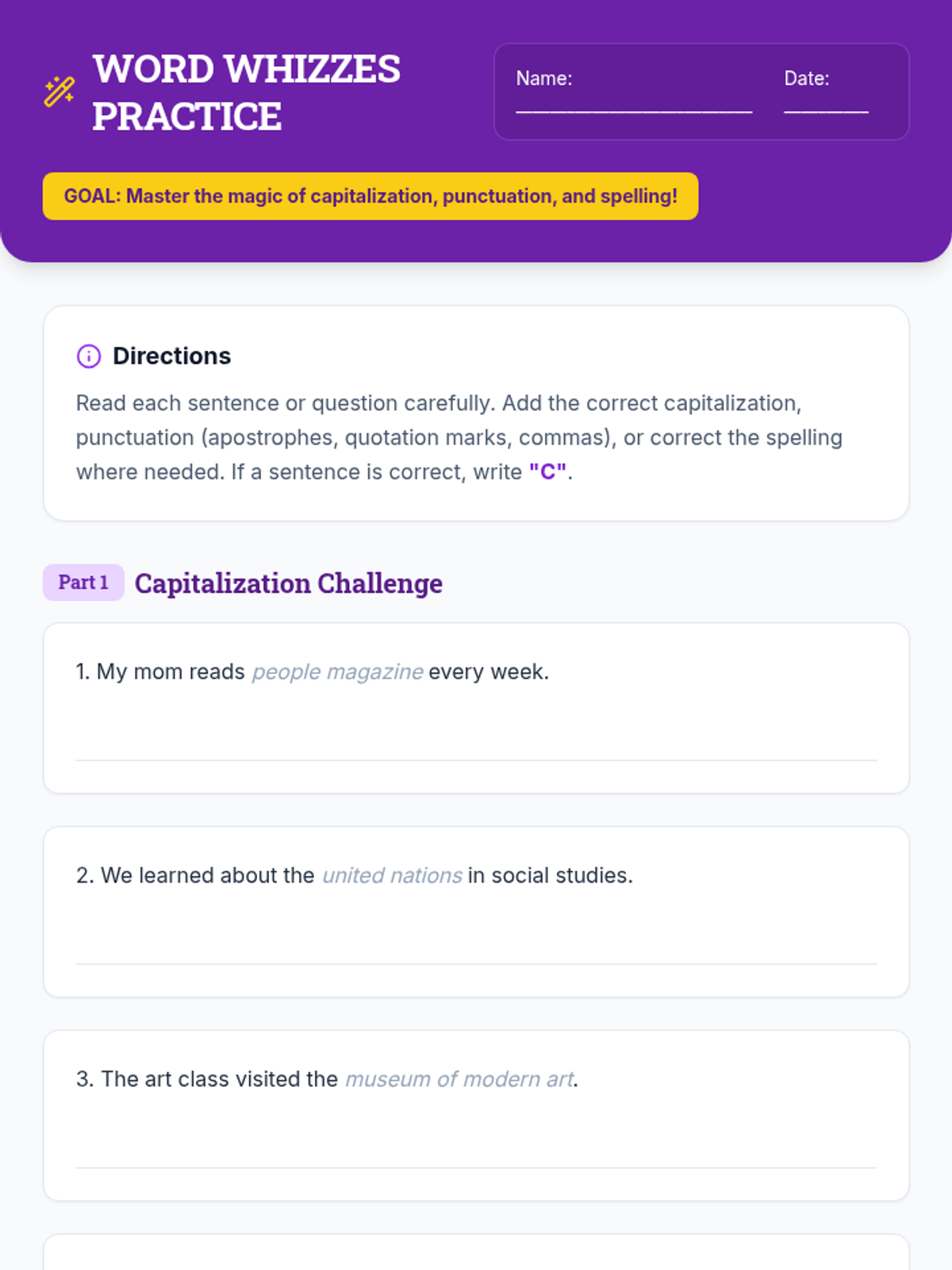
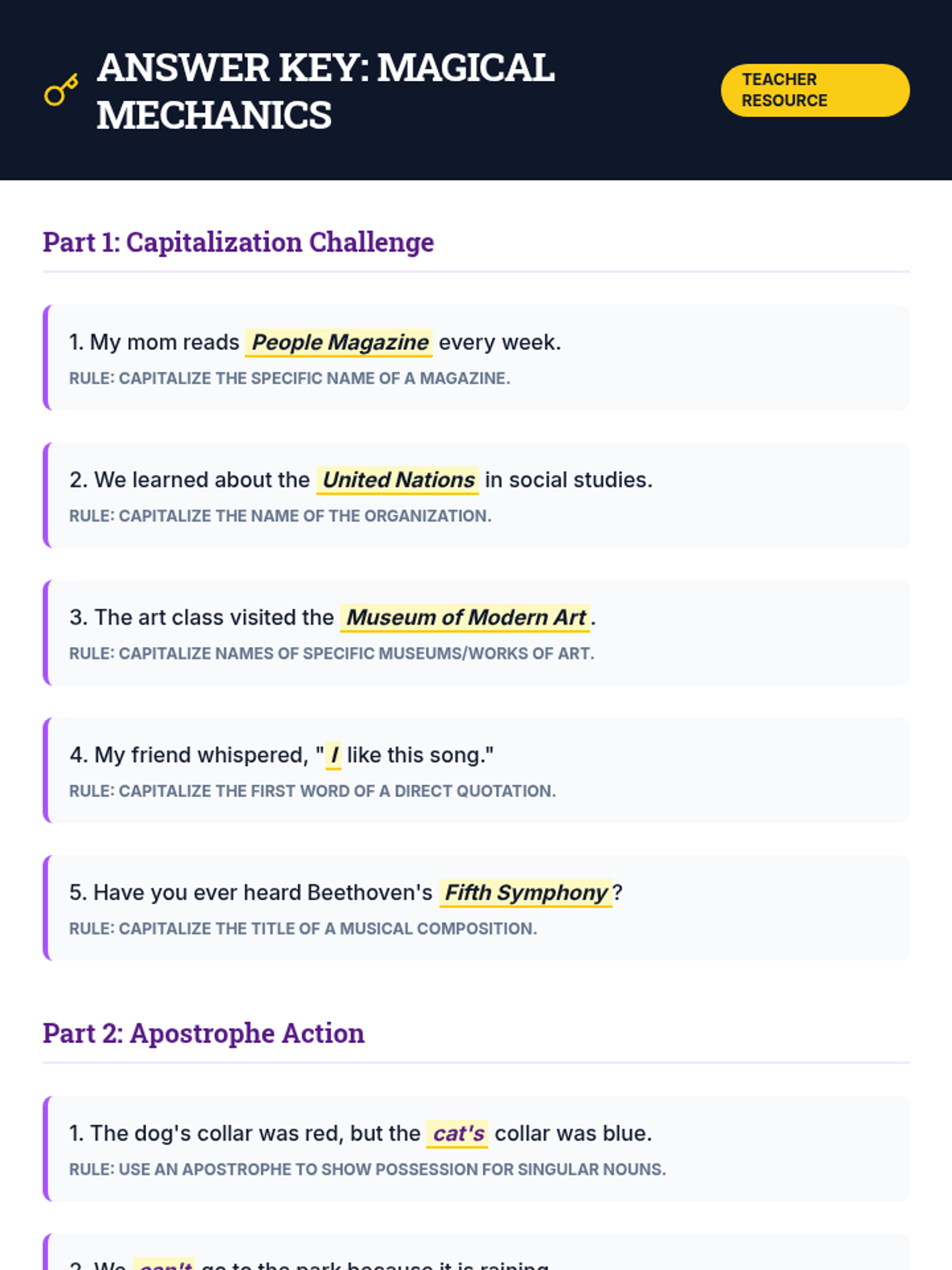
A comprehensive 4th-grade grammar sequence that transforms students into 'Word Whizzes' by mastering capitalization, complex punctuation (apostrophes, quotes, colons, semicolons), and spelling strategies through a magical, wizard-themed curriculum.
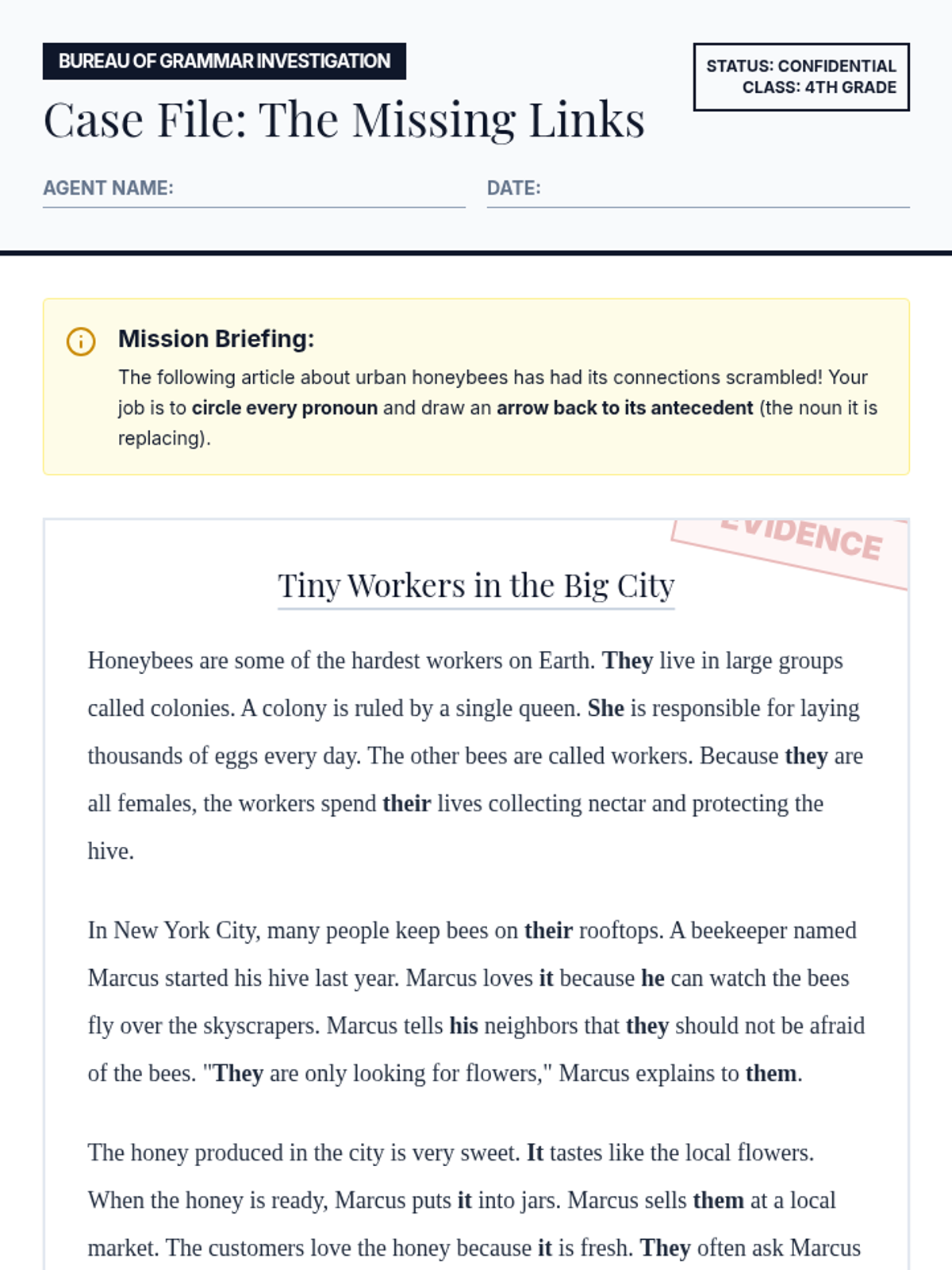
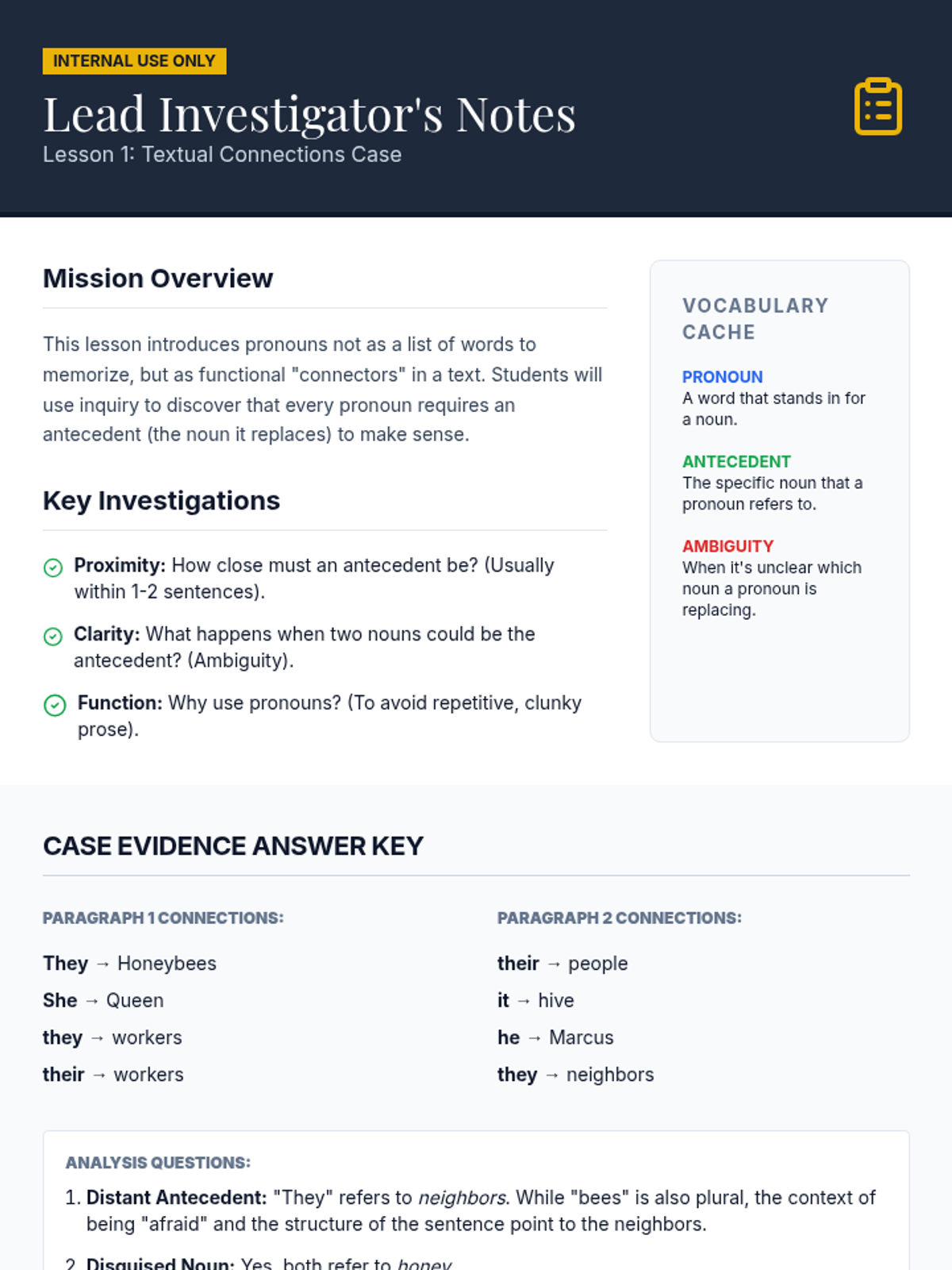
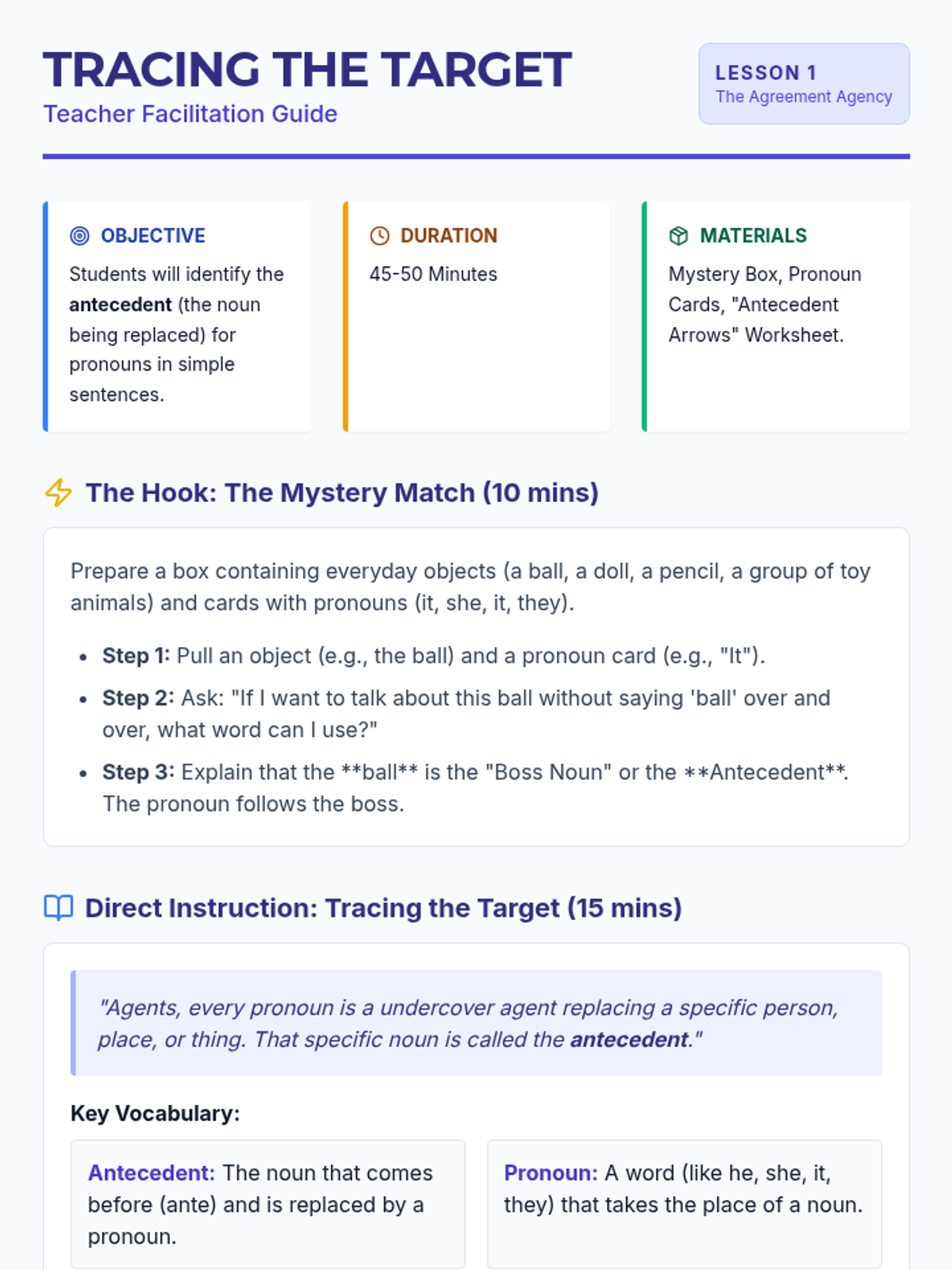
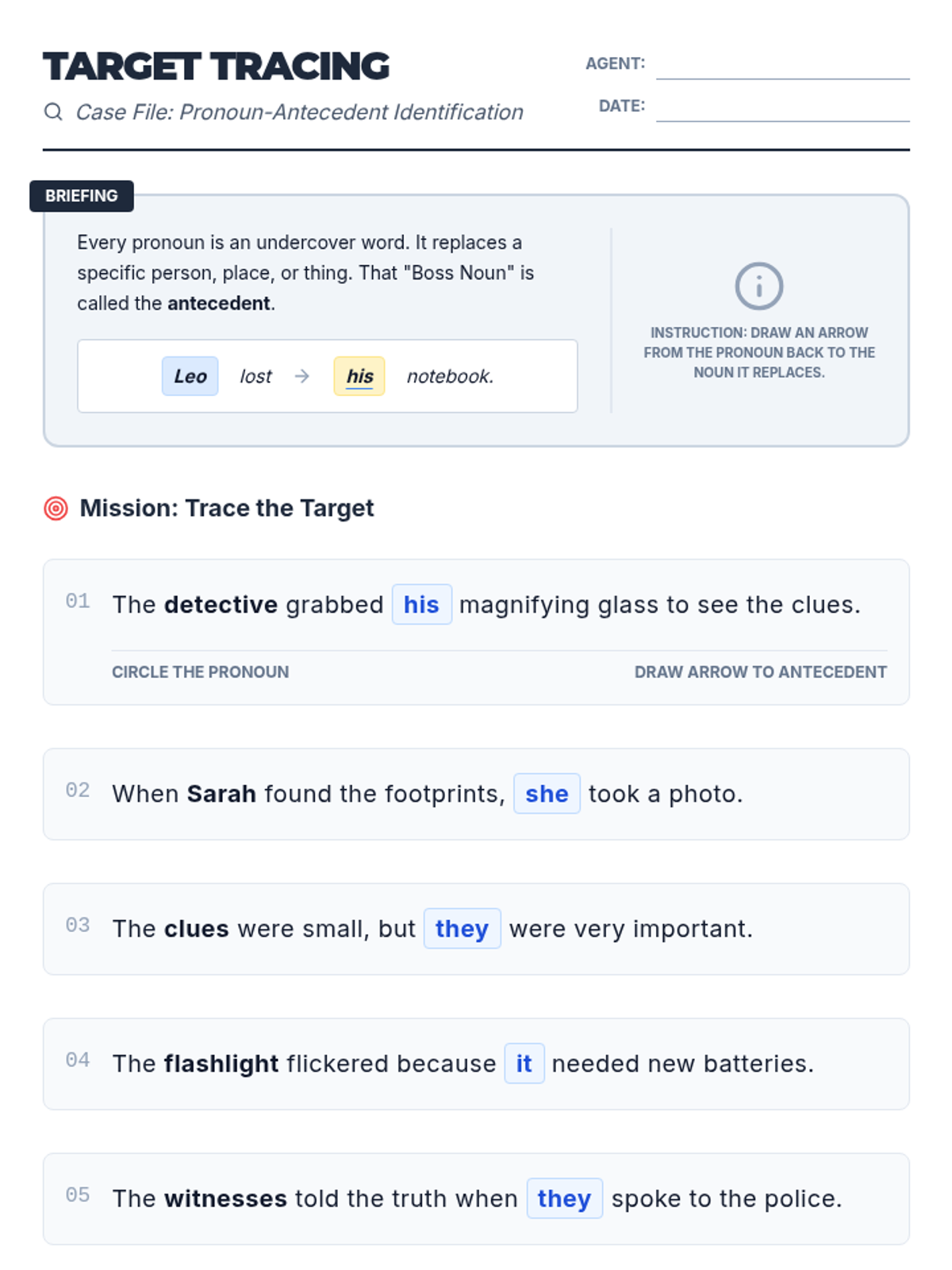
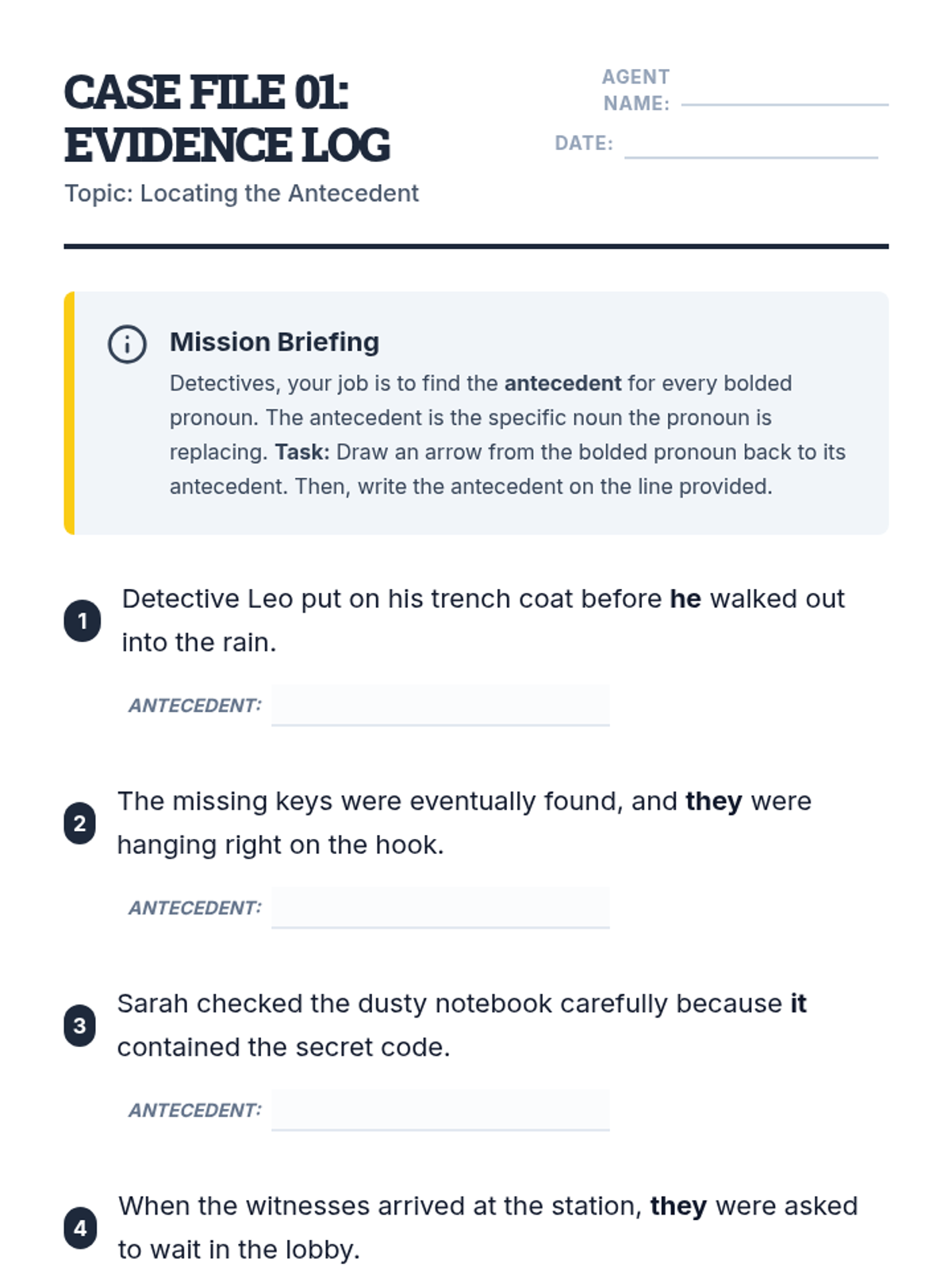
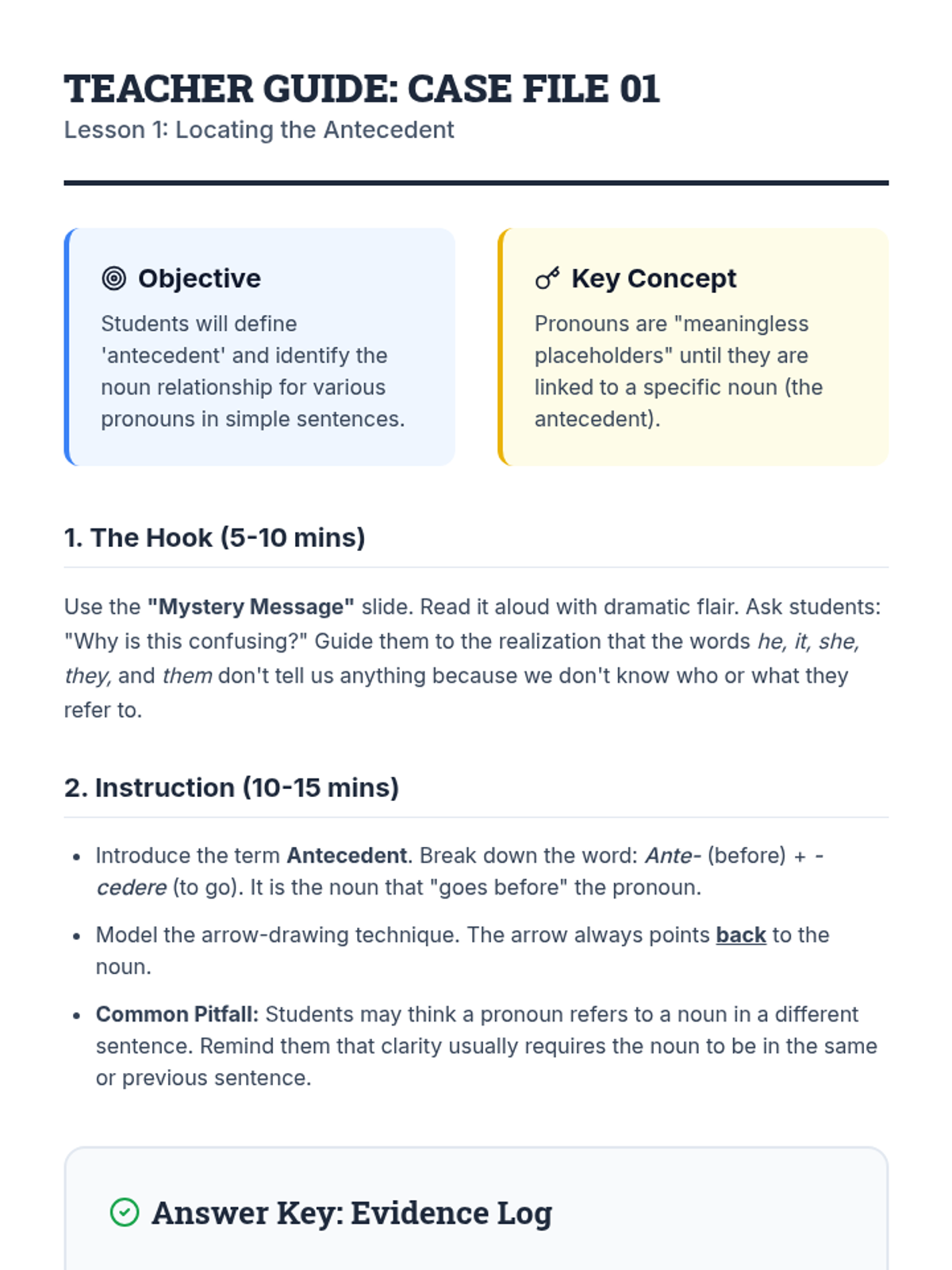
An inquiry-based grammar sequence for 4th graders that treats students as 'linguistic investigators' analyzing pronouns and antecedents through authentic text investigation.
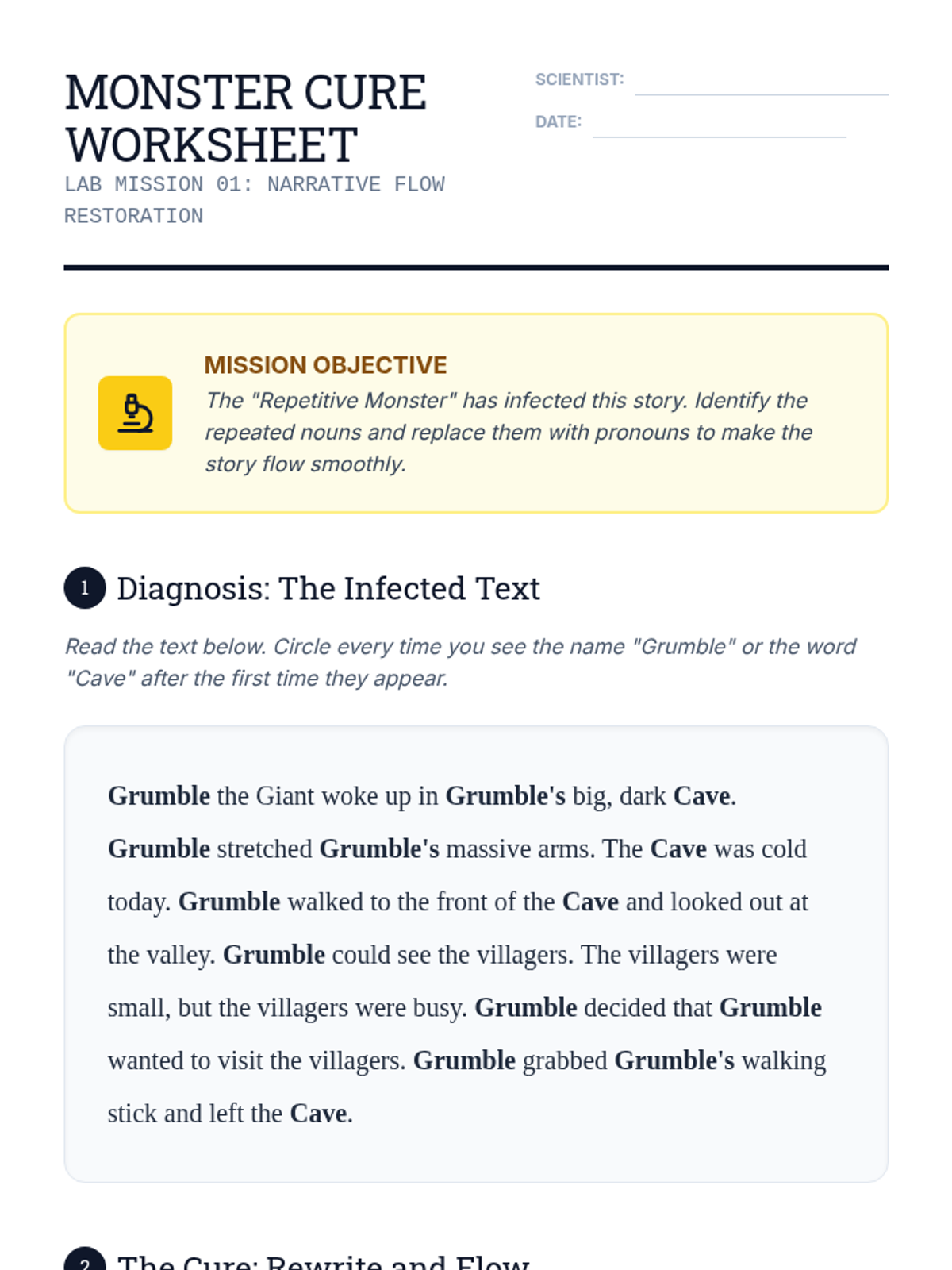
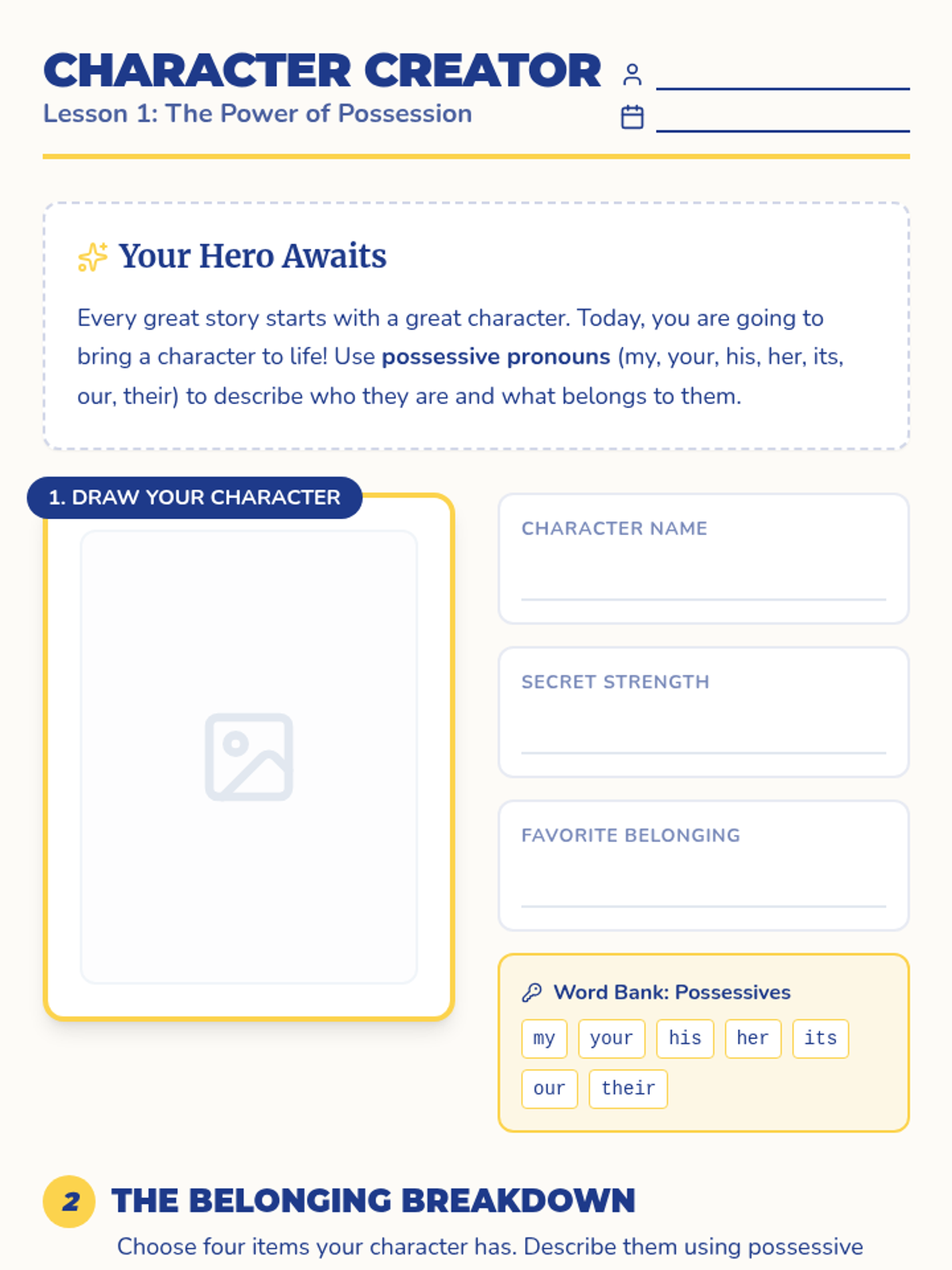
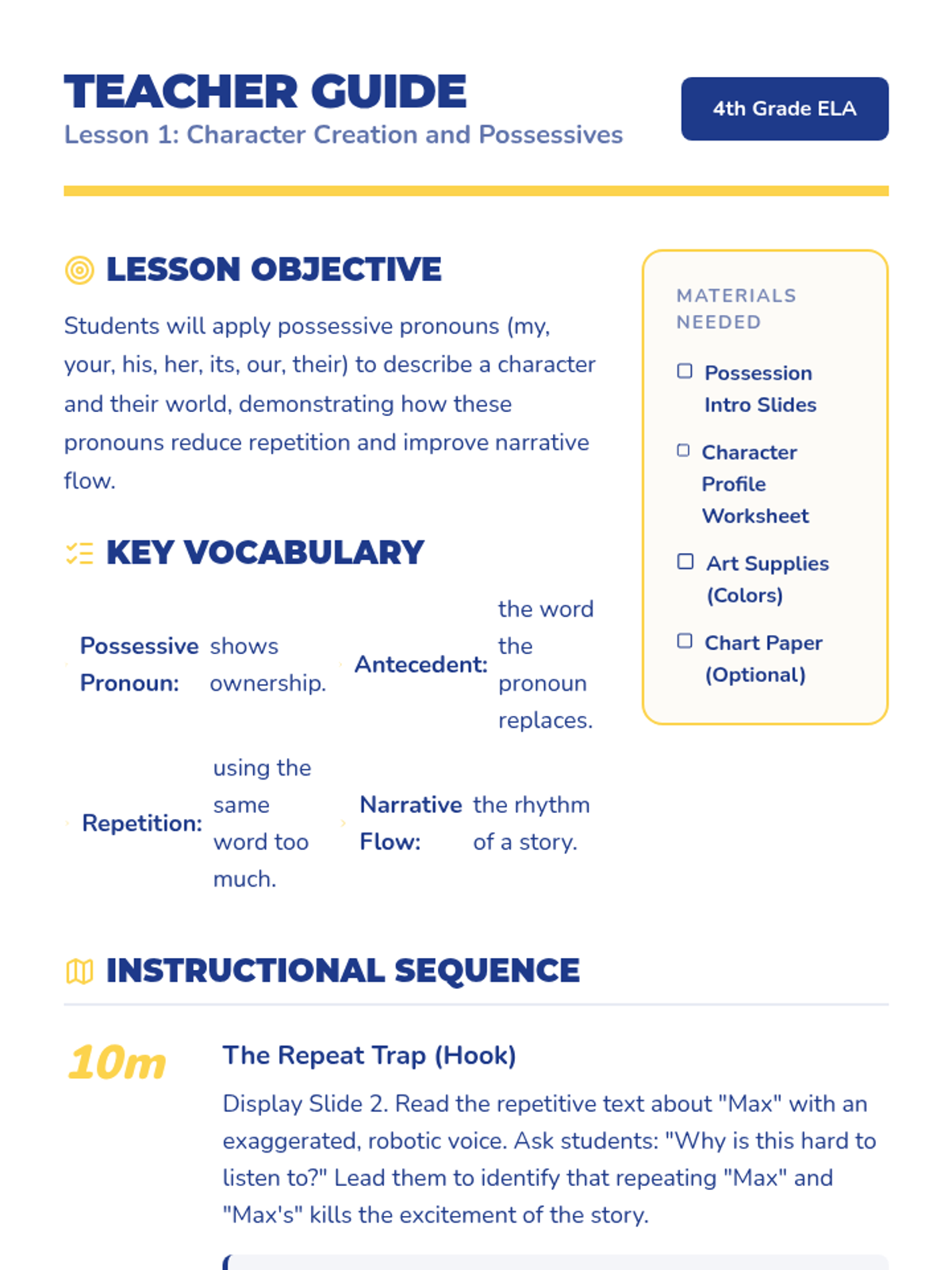
Students explore pronouns and antecedents as stylistic tools to improve narrative flow. They learn to replace repetitive nouns, manage multiple characters with clear pronoun references, and culminate in a polished character-driven story.
A detective-themed ELA sequence where students become 'Clarity Agents' to identify and fix vague or ambiguous pronoun references in their writing.
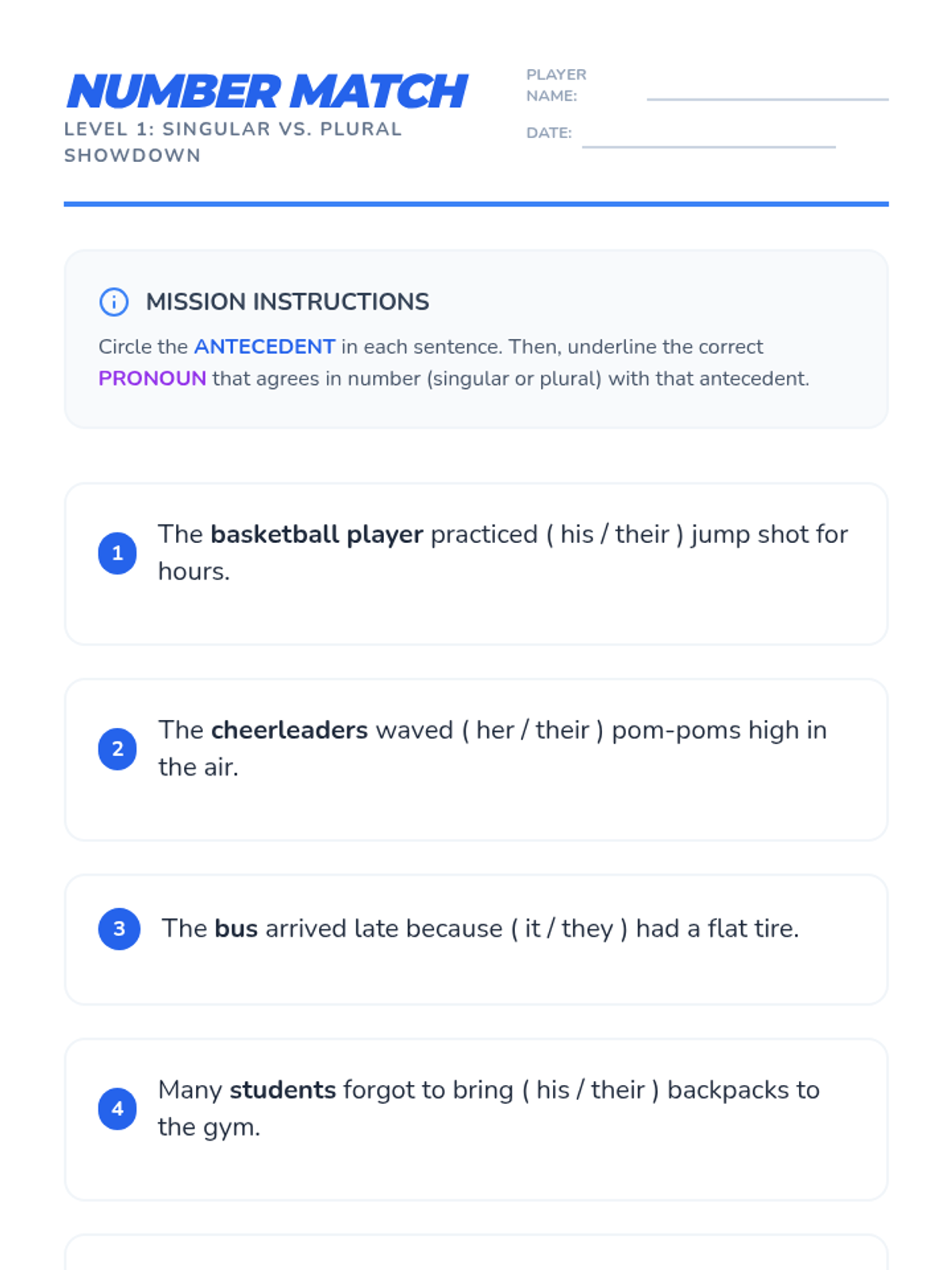
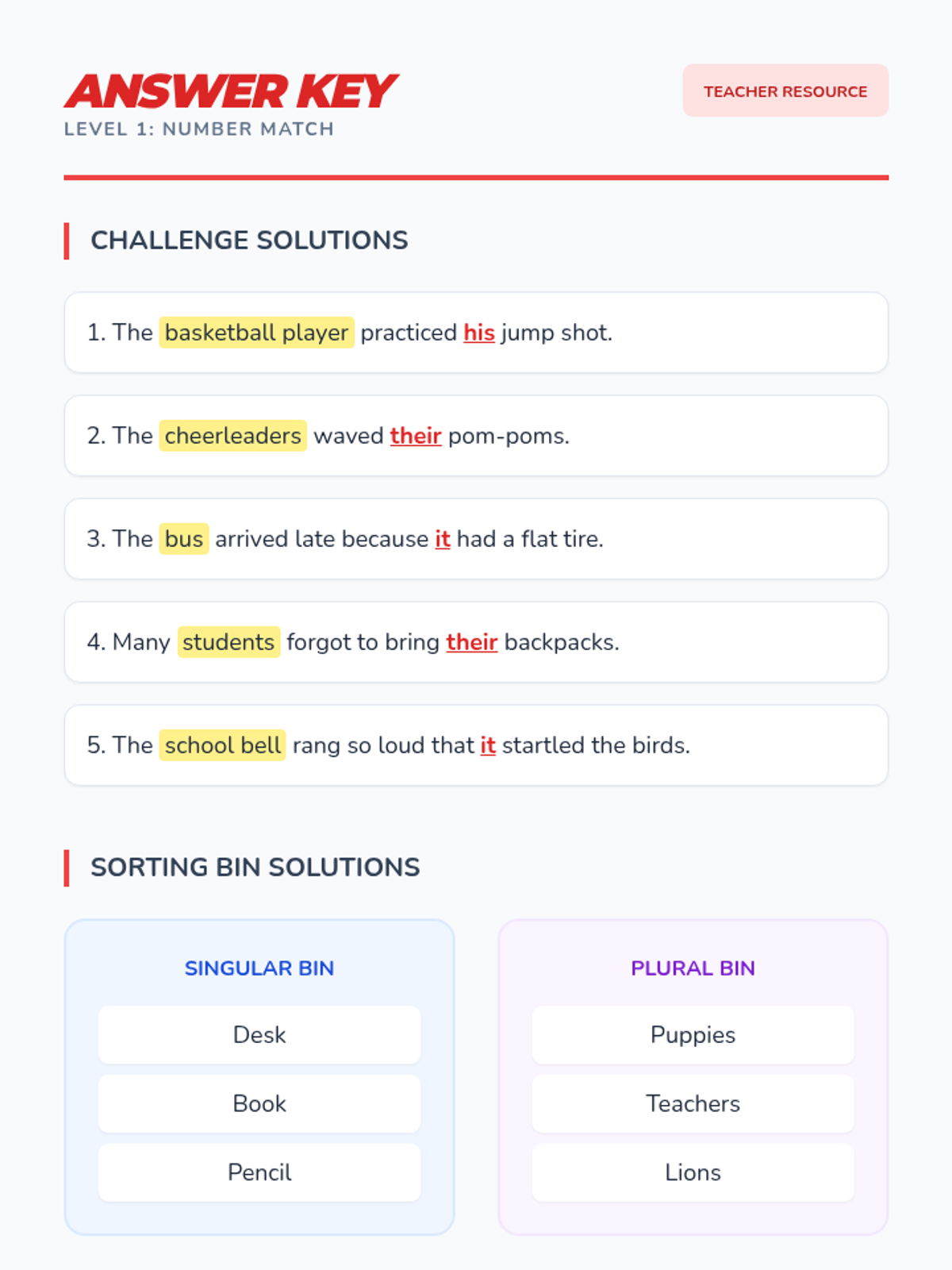
A game-based 4th-grade grammar unit where students master pronoun-antecedent agreement through competitions, 'grammar math,' and interactive challenges. Students progress from basic number and gender matching to complex compound subjects and indefinite pronouns.
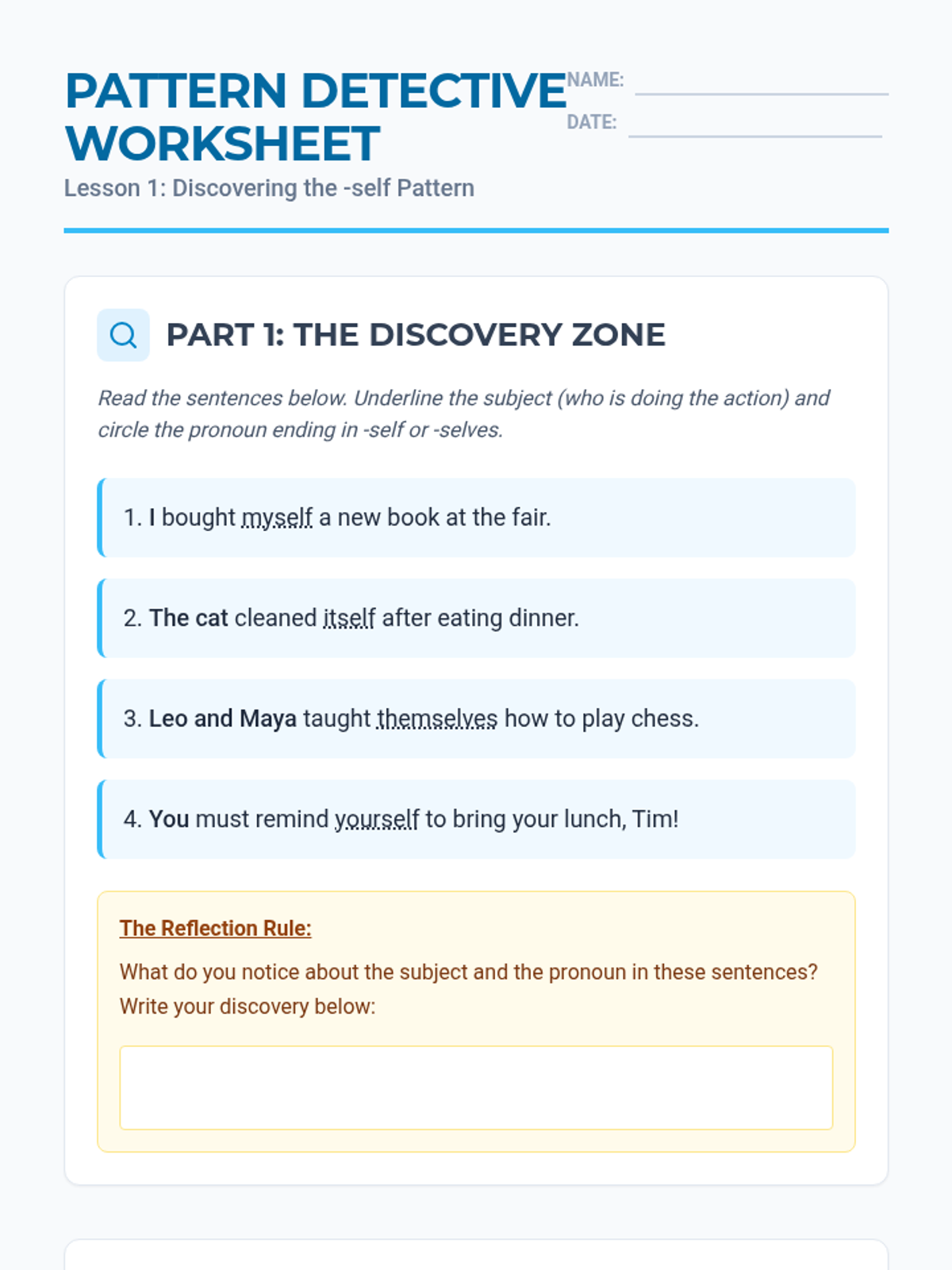
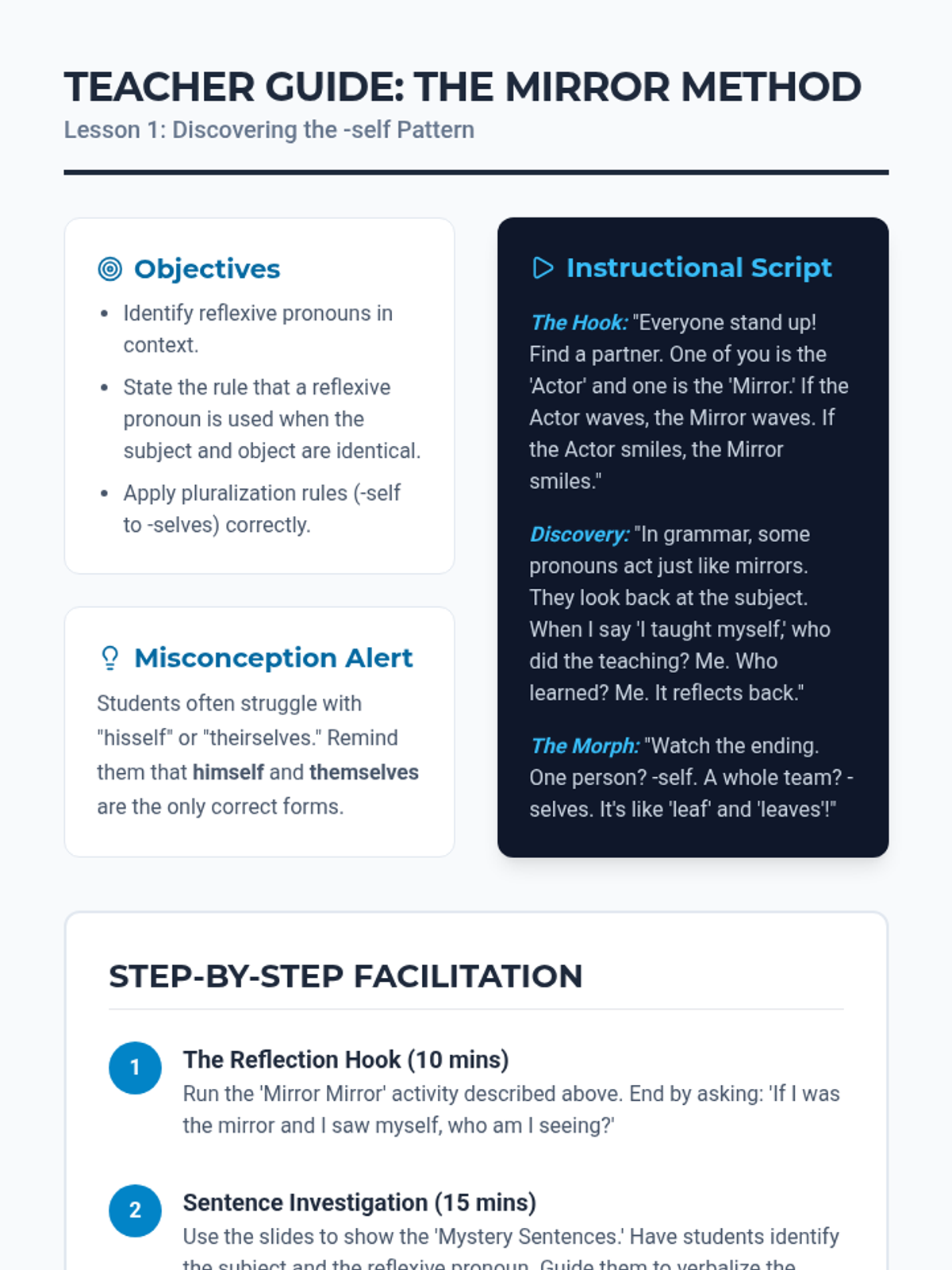
A comprehensive 4th-grade grammar sequence exploring reflexive and intensive pronouns through inquiry, kinetic activities, and game-based learning. Students move from basic pattern recognition to nuanced stylistic usage and error correction.
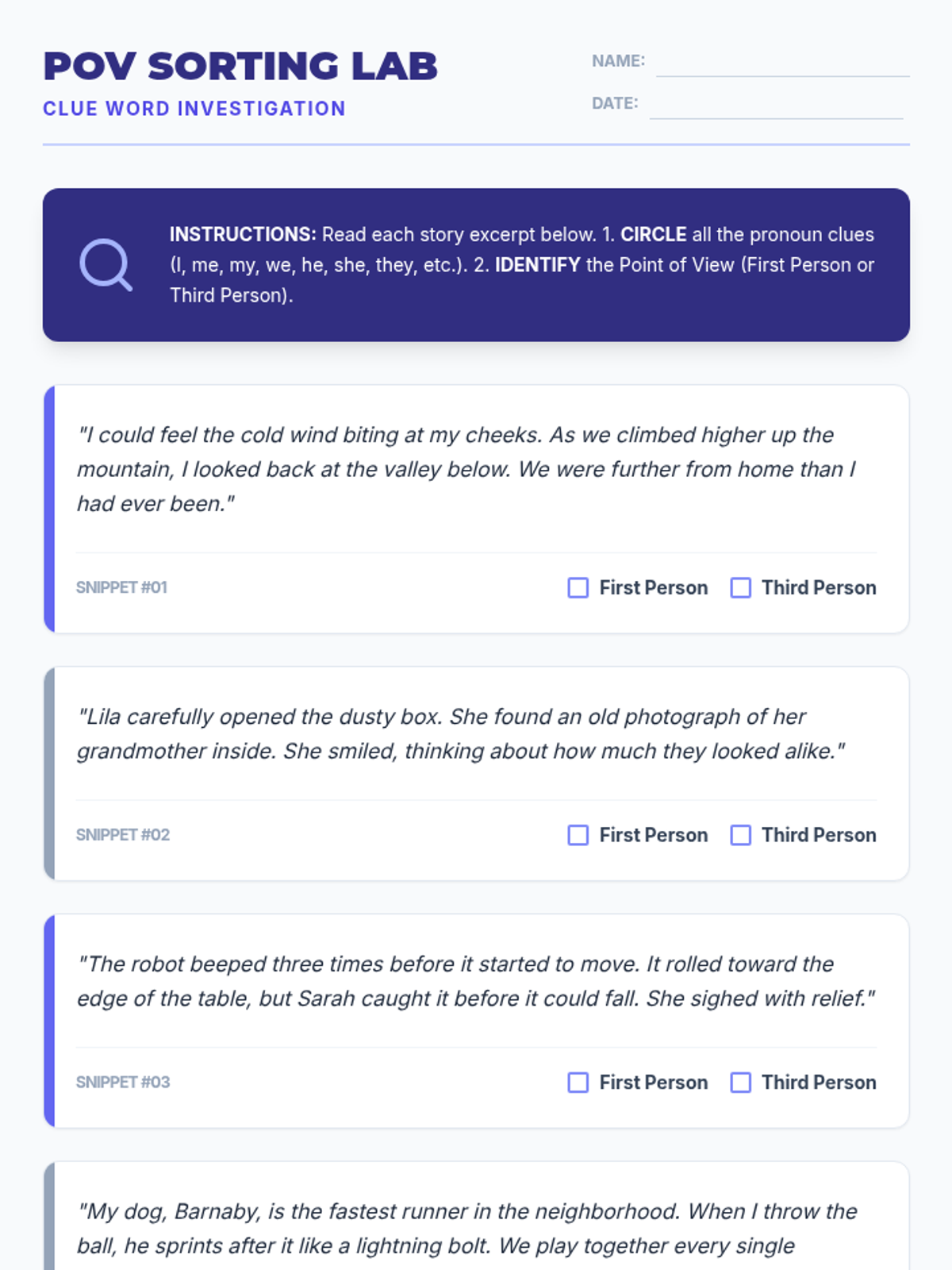
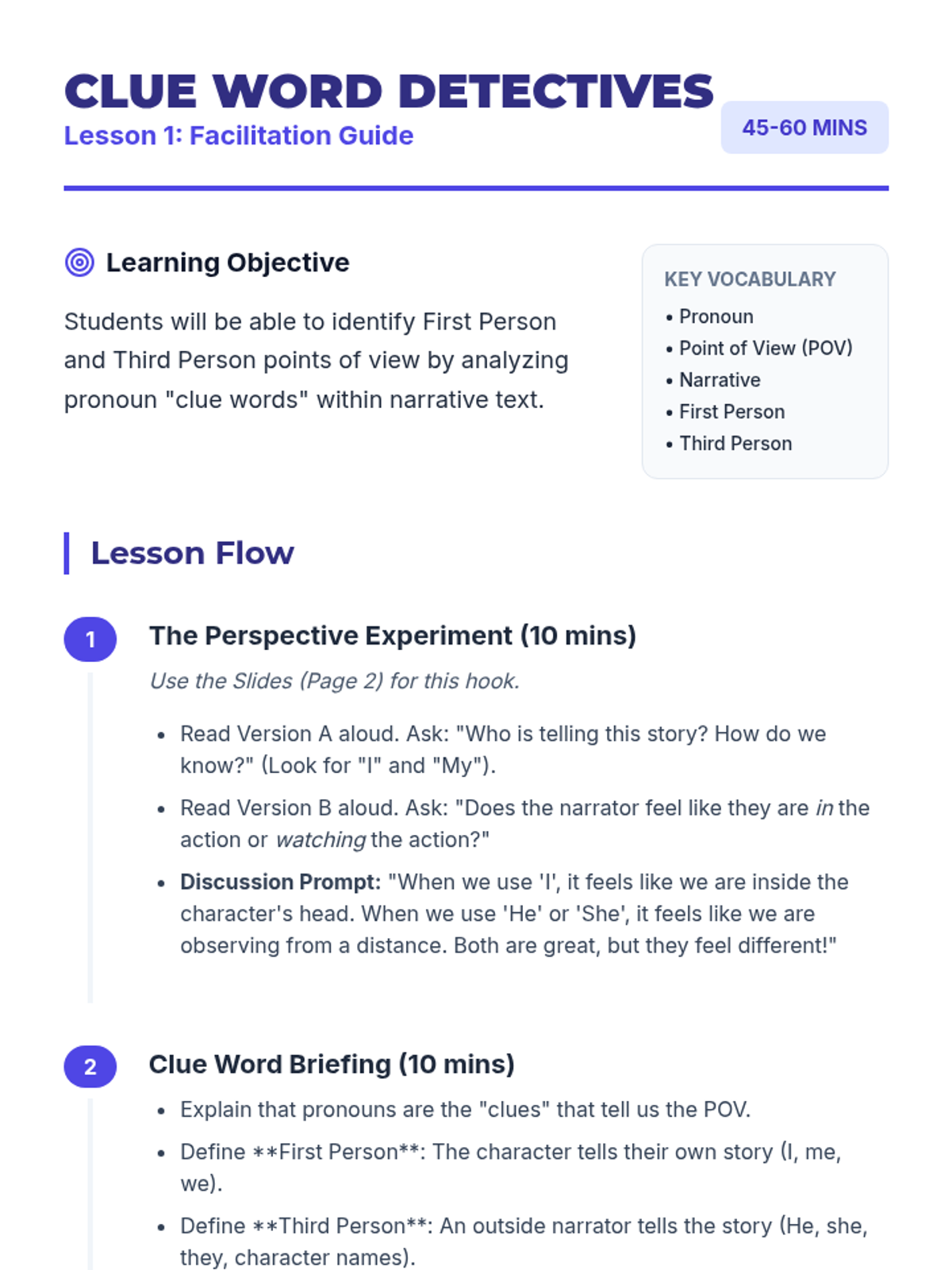
A 5-lesson sequence for 4th graders that bridges grammar and narrative writing. Students explore first and third-person perspectives, practice pronoun consistency, master pronouns in dialogue, and complete a final perspective-shift writing project.
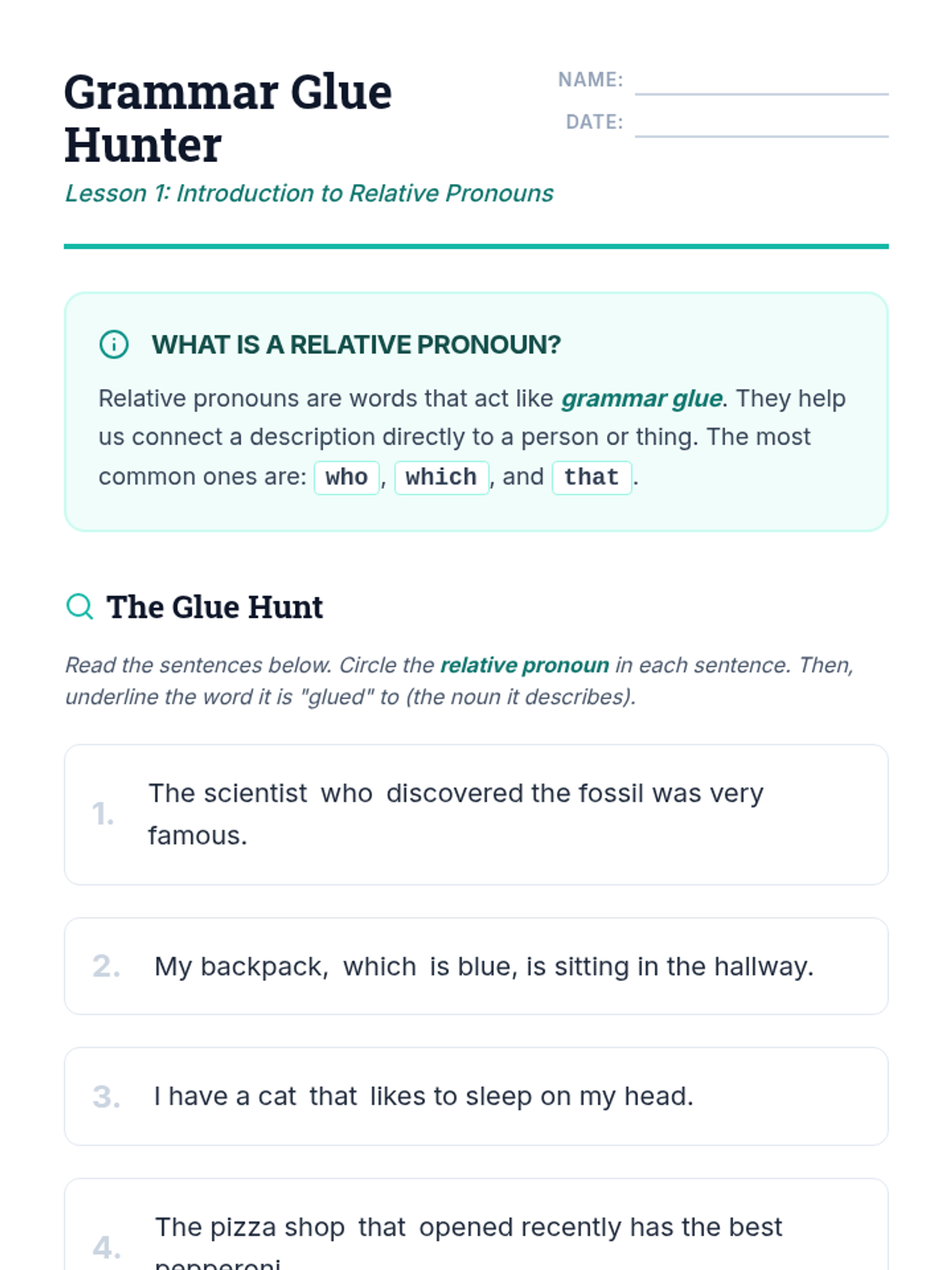
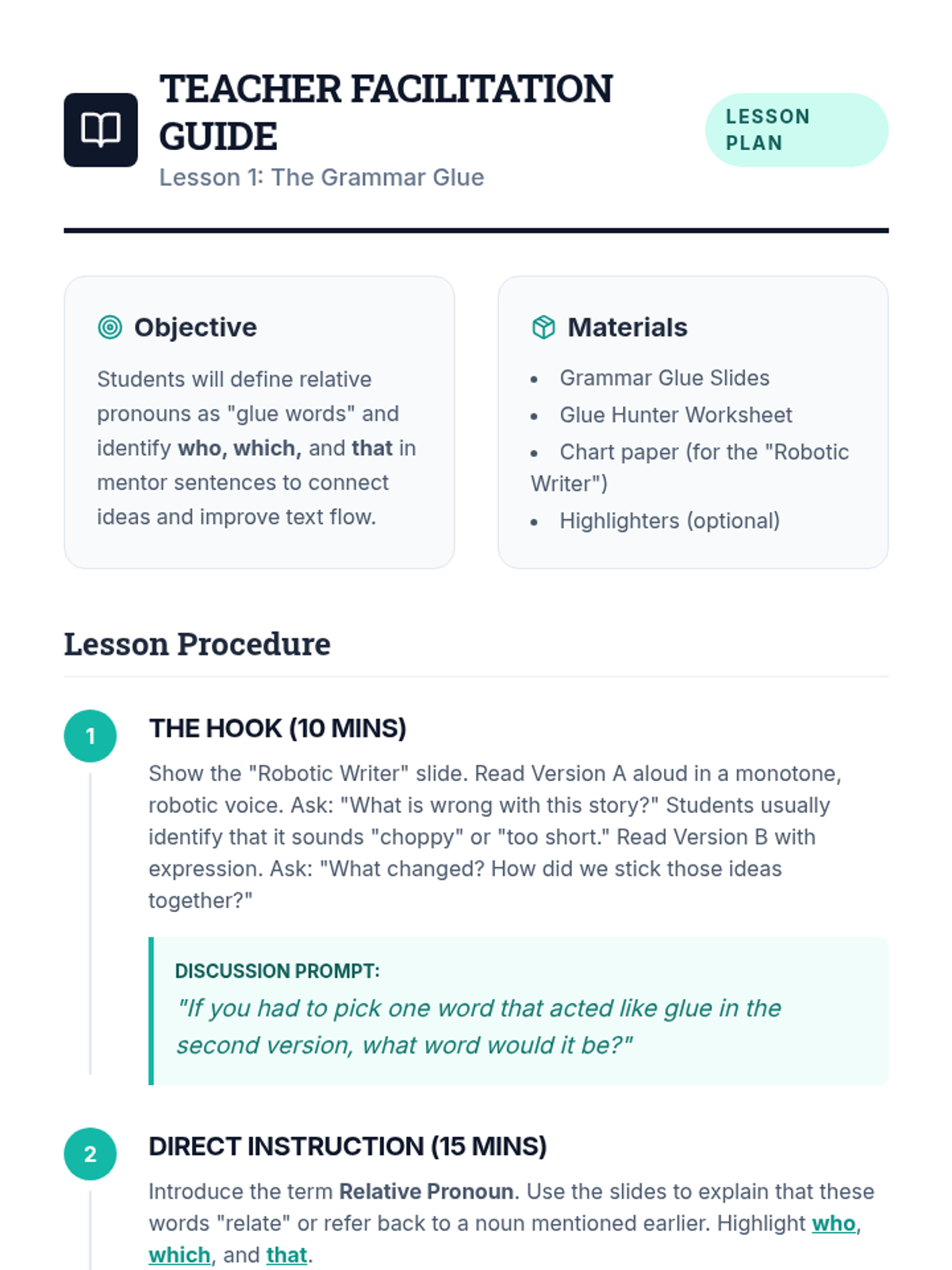
This workshop-style sequence teaches 4th-grade students how to use relative pronouns (who, whose, whom, which, that) to combine choppy sentences into fluid, complex text. Students move from identifying 'glue words' to performing 'sentence surgery,' ultimately revising their own writing for better flow and sophistication.
This sequence guides 4th-grade students through the rules of pronoun-antecedent agreement, covering number, gender, and compound subjects through a 'detective' lens. Students will learn to identify antecedents and ensure perfect matches to improve their writing clarity.
A project-based 4th grade ELA unit where students master different pronoun types while writing a character-driven narrative. Students learn possessive, personal, relative, and indefinite pronouns to improve story flow and sentence variety.
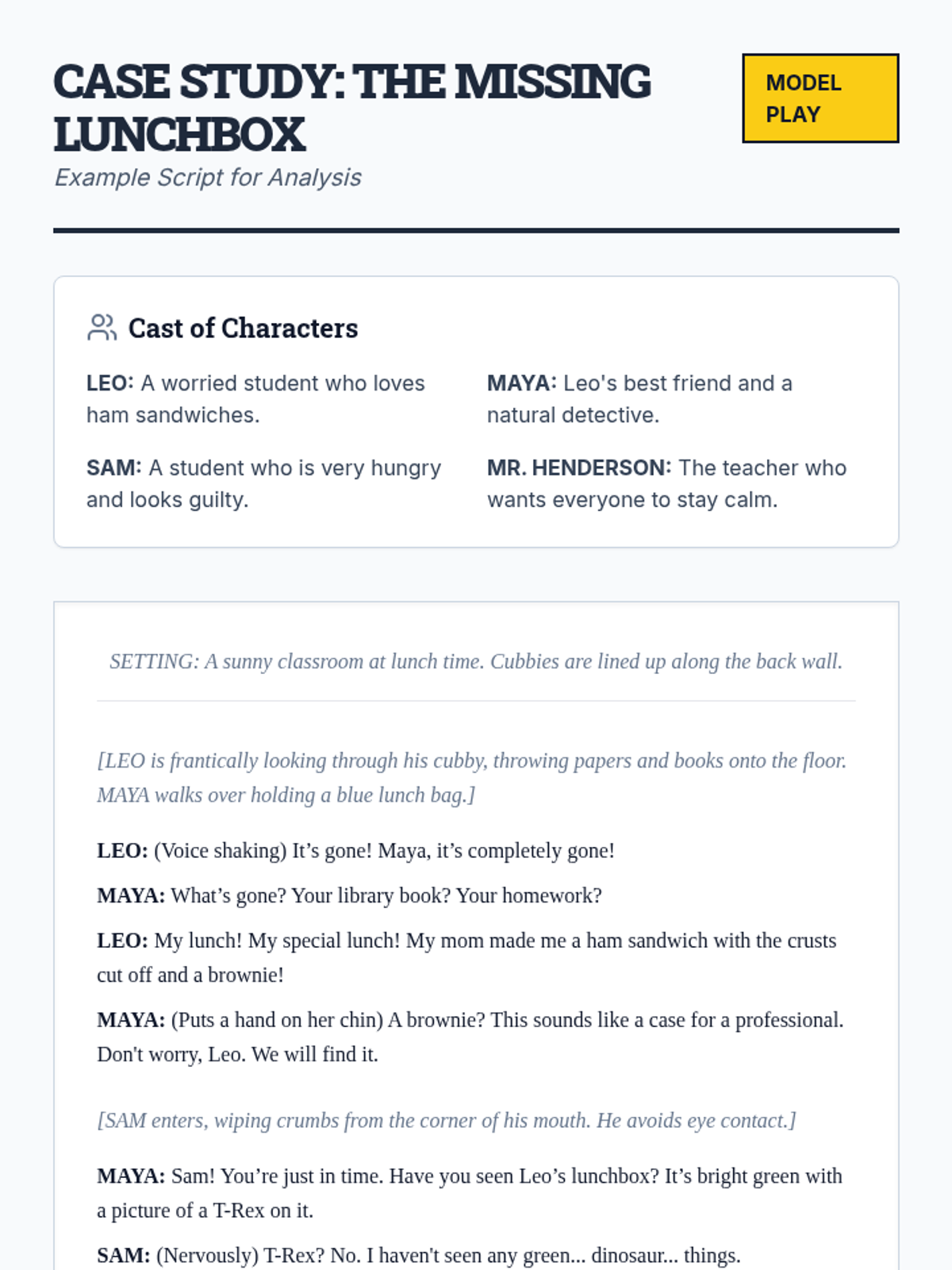
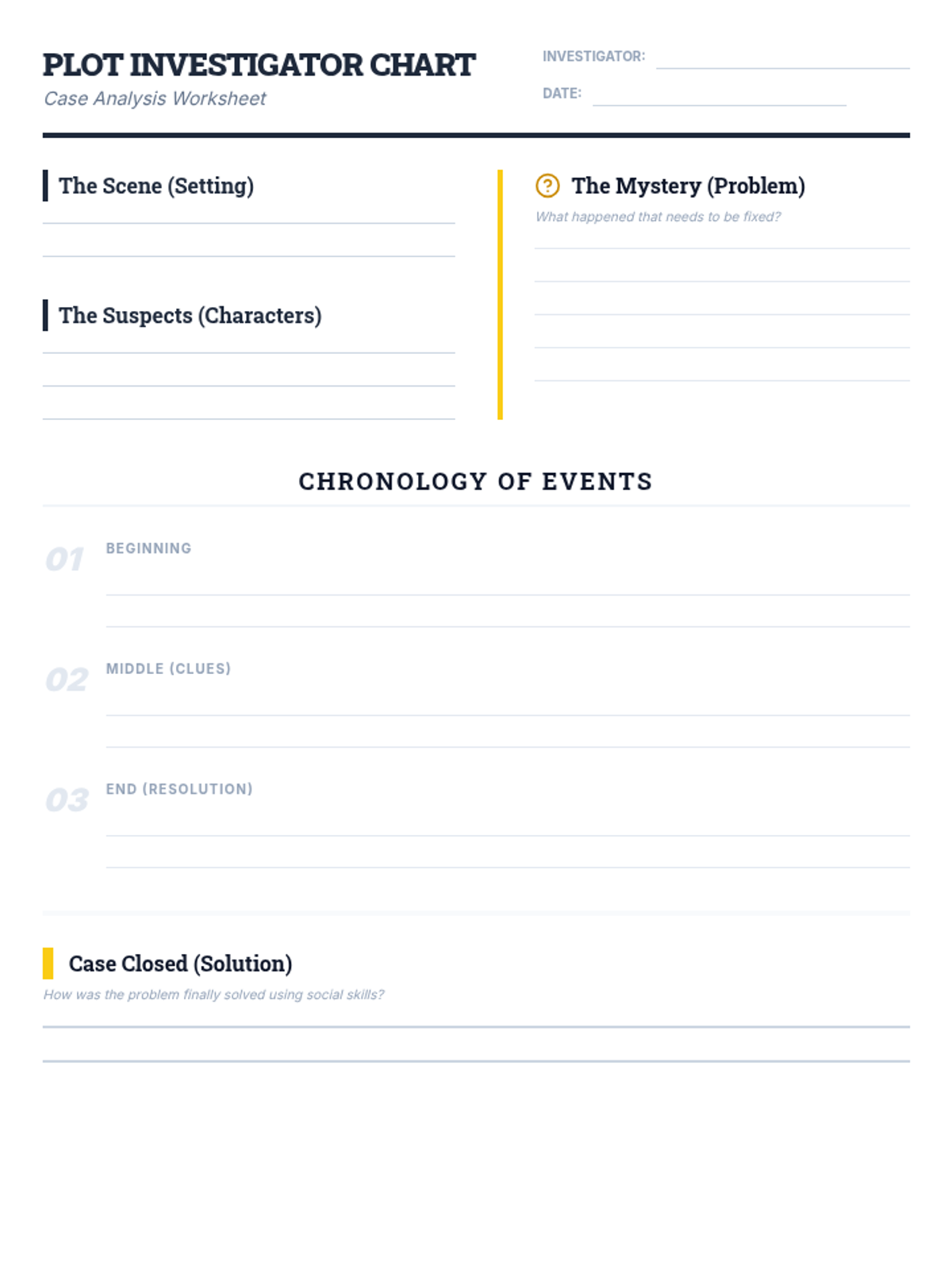
A unit focused on play structure, fluency, and social-emotional problem solving through mystery-themed scripts. Students analyze plot elements while practicing performance skills.
A series of thematic handwriting programs designed to improve fine motor skills and penmanship through daily practice sessions centered around fascinating educational topics like biology and history.
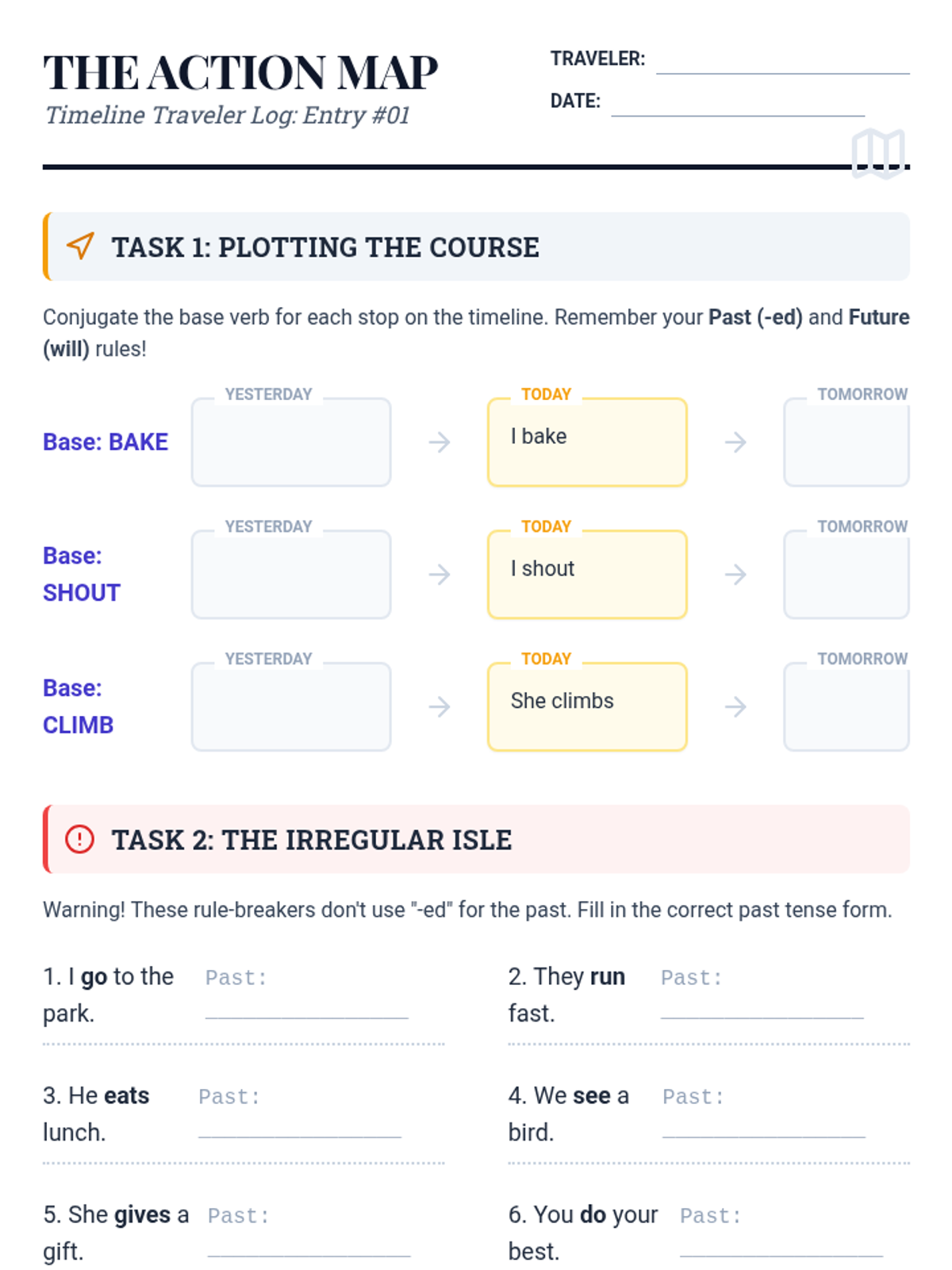
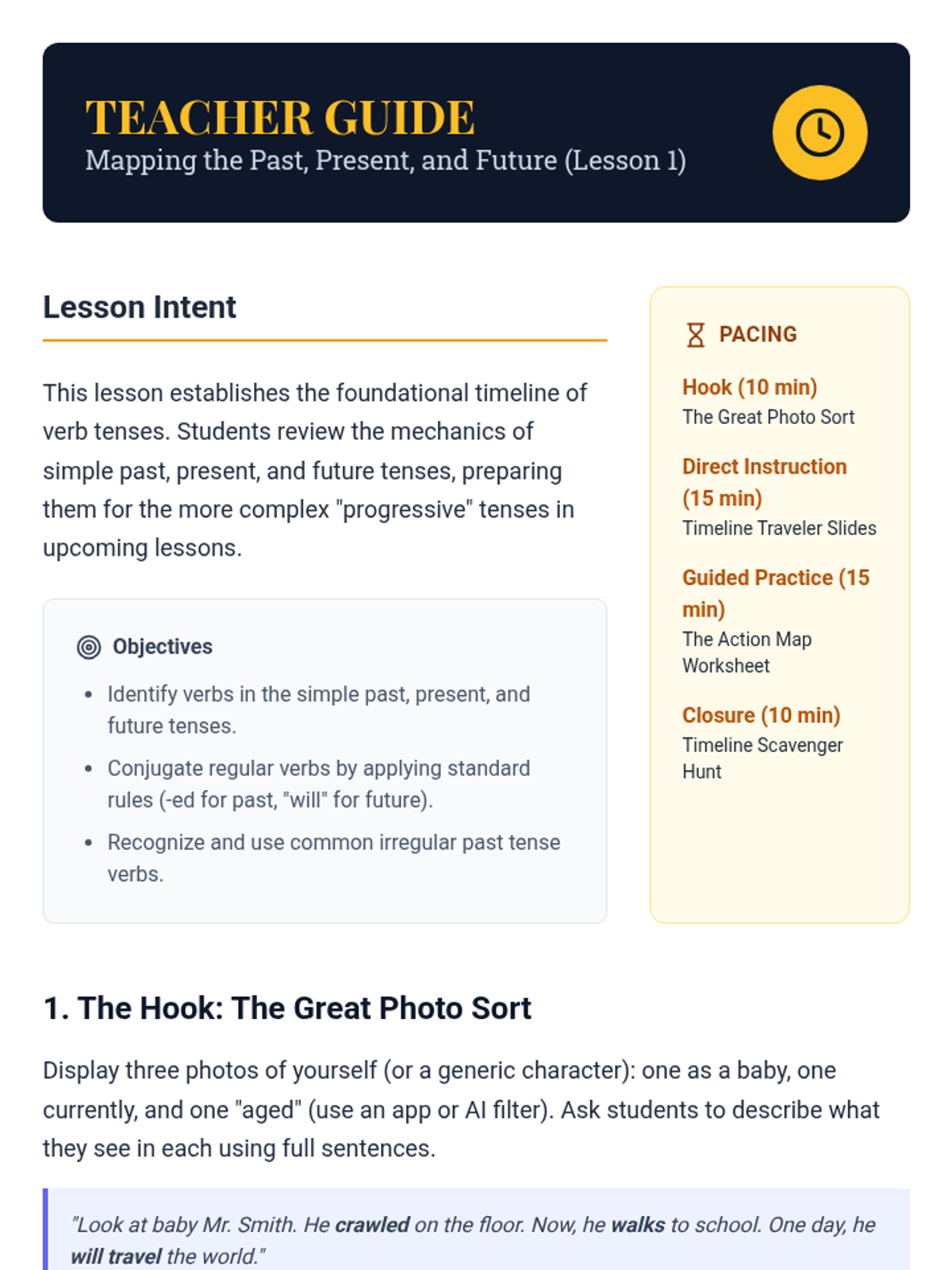
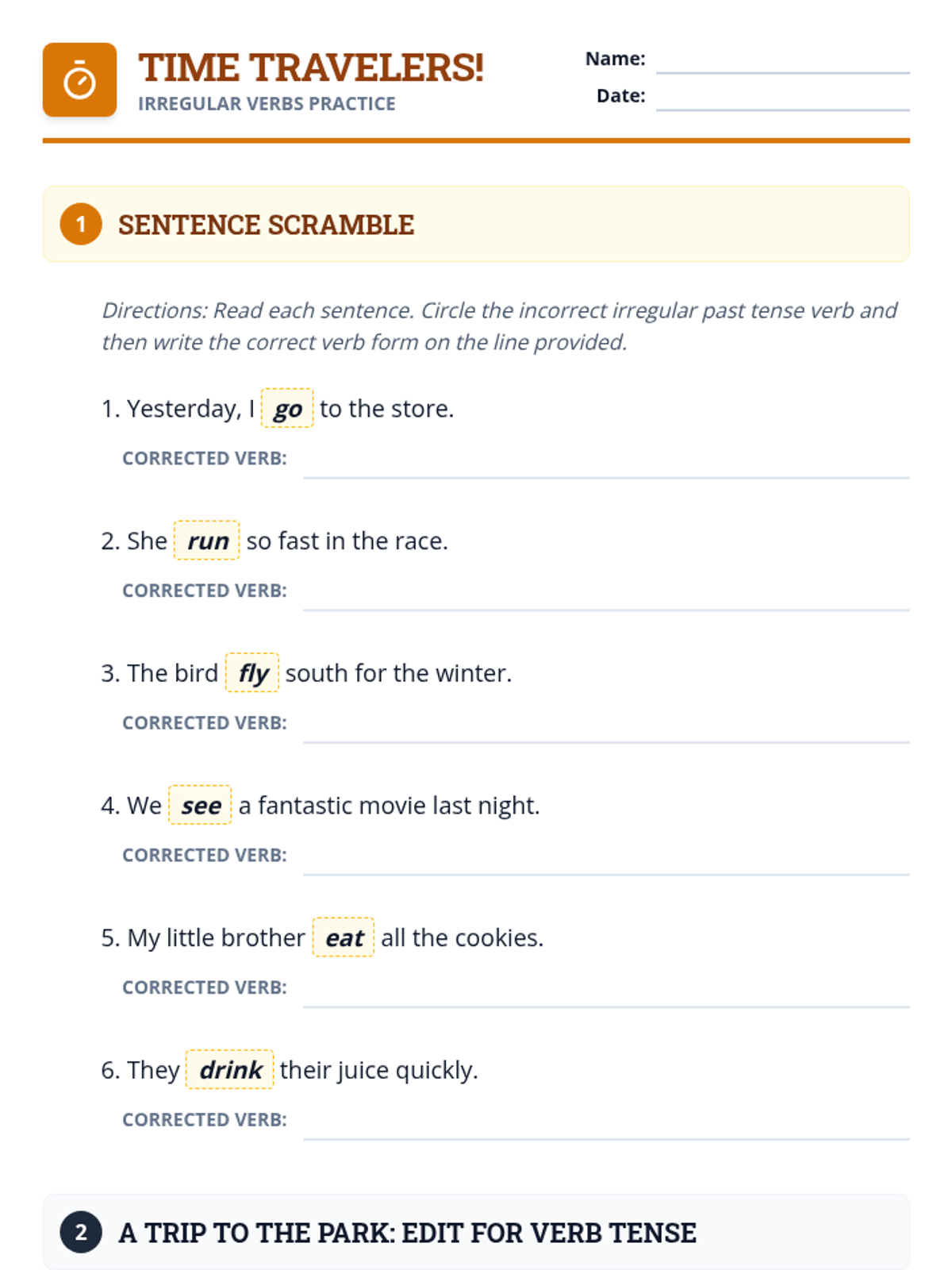
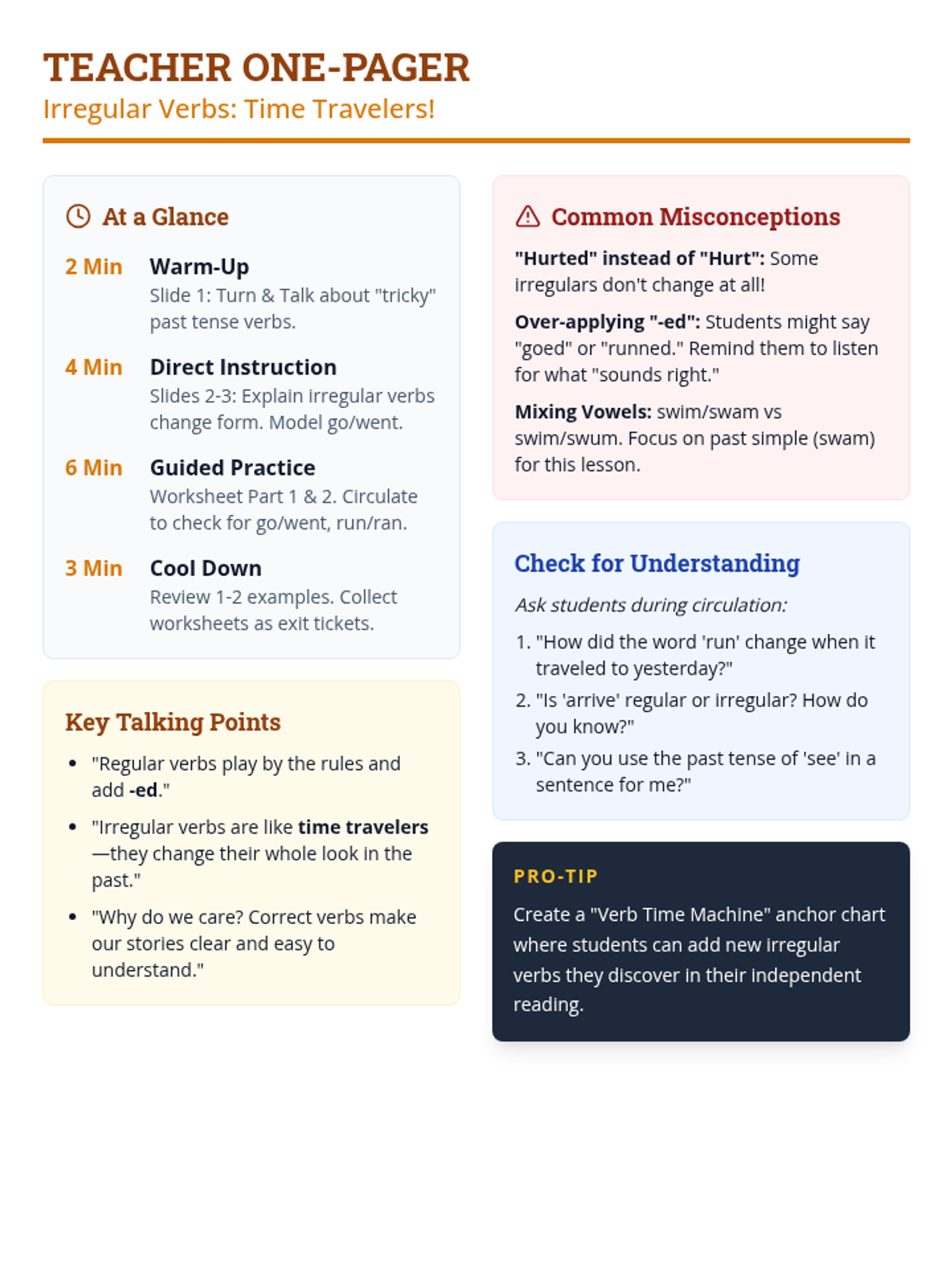
A comprehensive 4th Grade grammar sequence that explores simple and progressive verb tenses through the lens of a 'Timeline Traveler'. Students will master conjugating regular and irregular verbs across past, present, and future timelines, while understanding the nuances of ongoing actions.
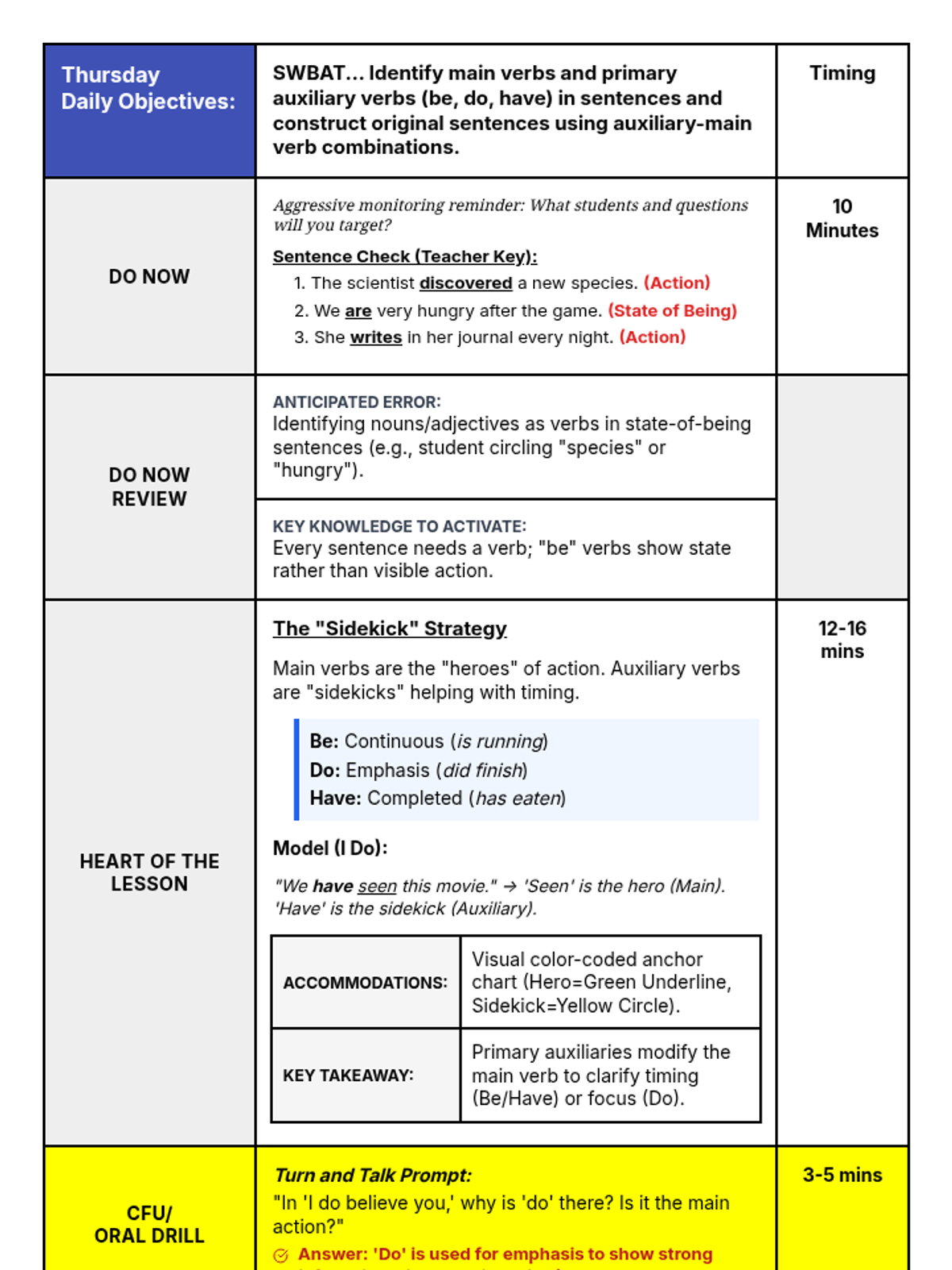
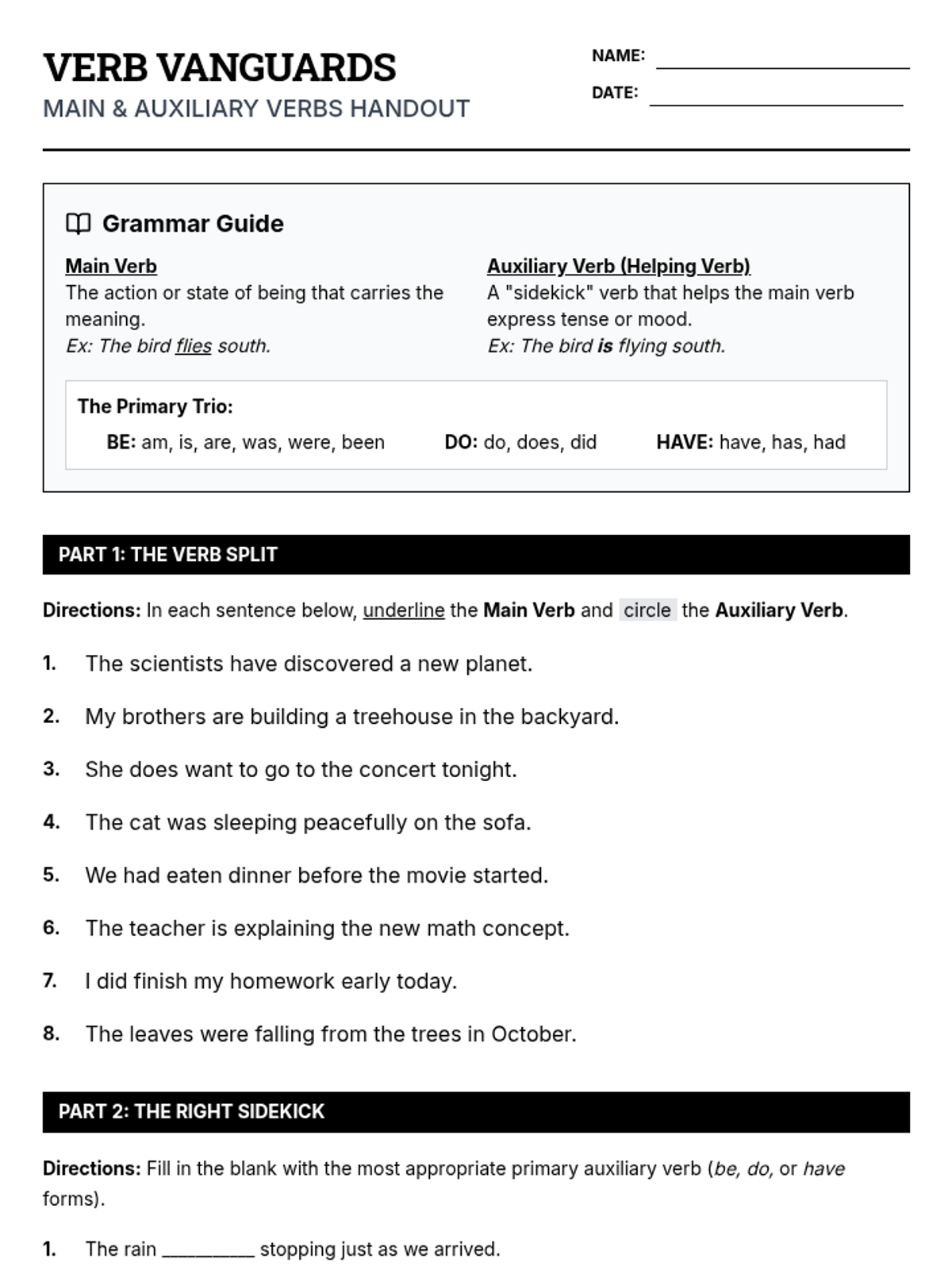
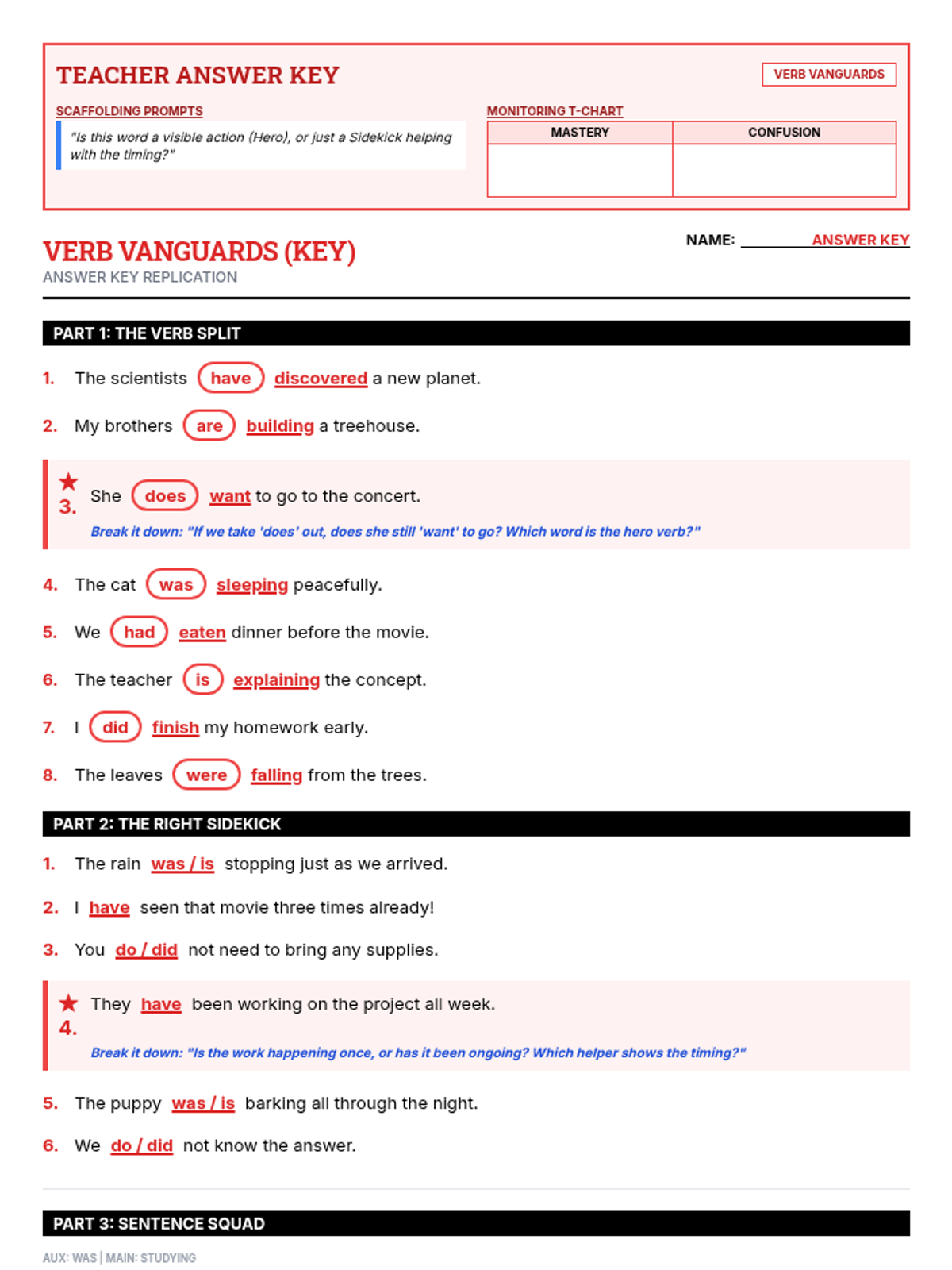
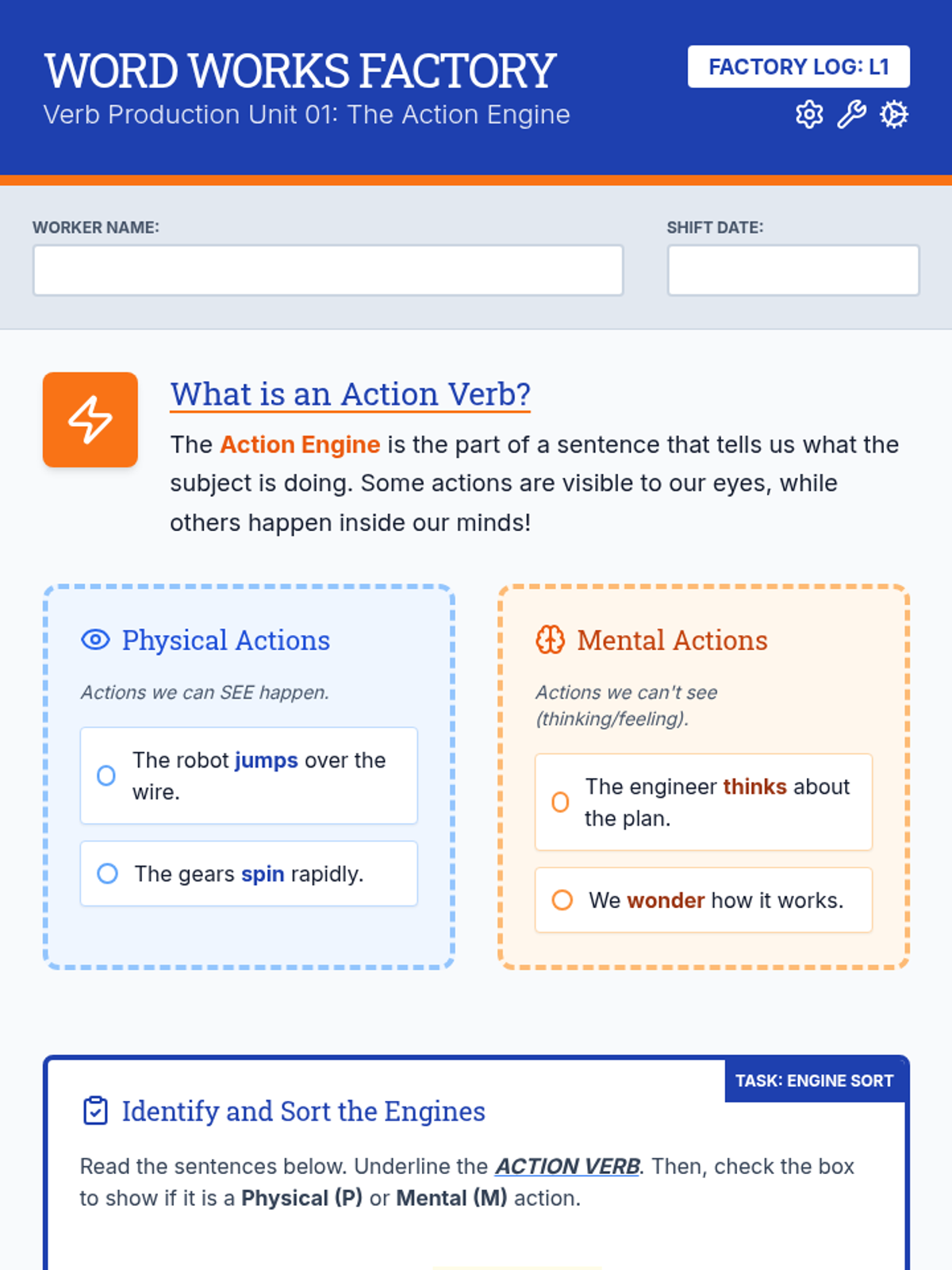
A comprehensive sequence for 4th-grade students to master action, linking, and helping verbs, culminating in applying subject-verb agreement rules through a factory-themed learning journey.
This 4th-grade sequence moves students from grammar exercises to authentic revision. Students act as editors to identify subject-verb agreement errors, learn self-audit strategies for their own writing, participate in peer revision circles, and finally produce a polished narrative or expository piece.
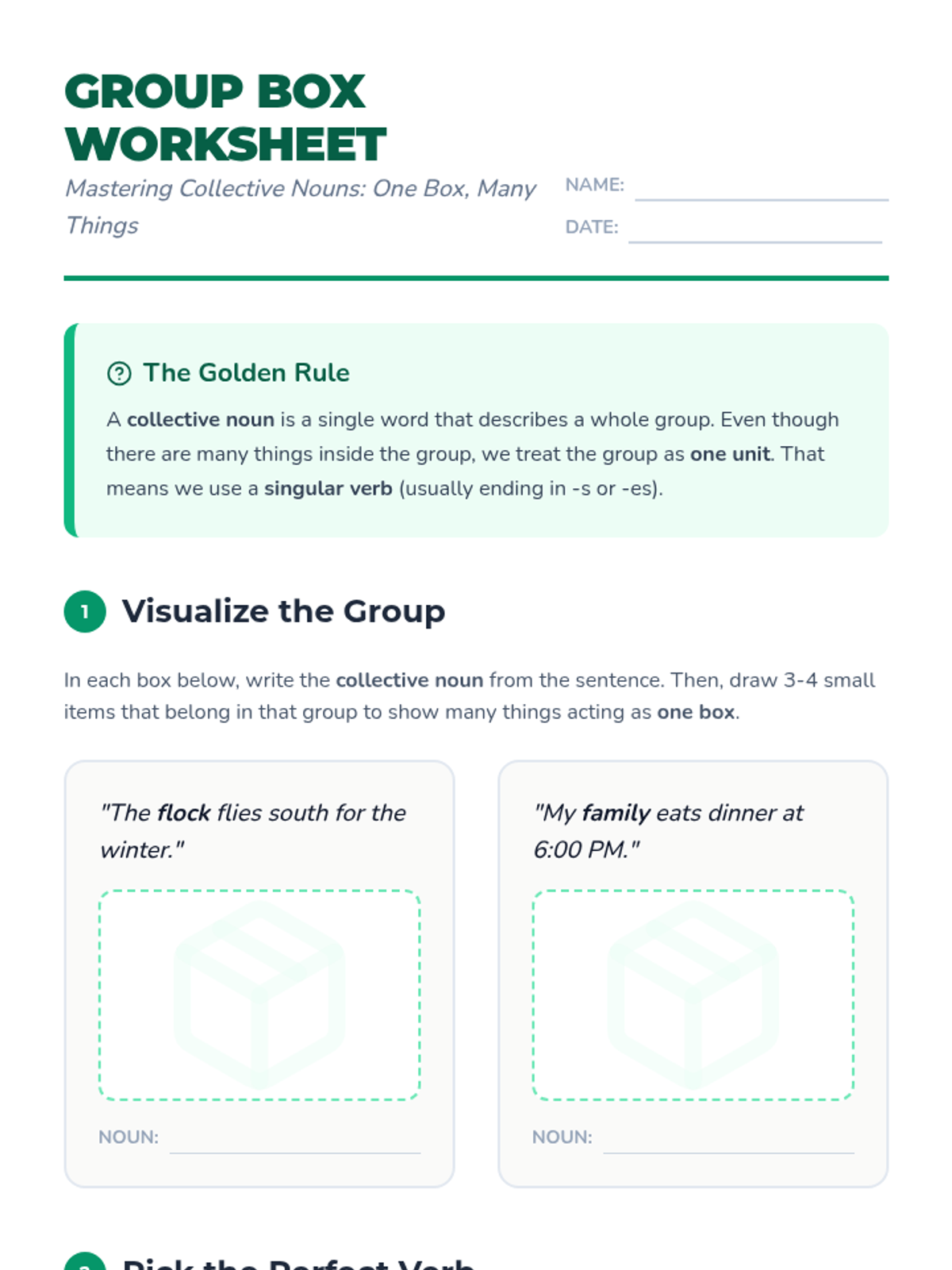
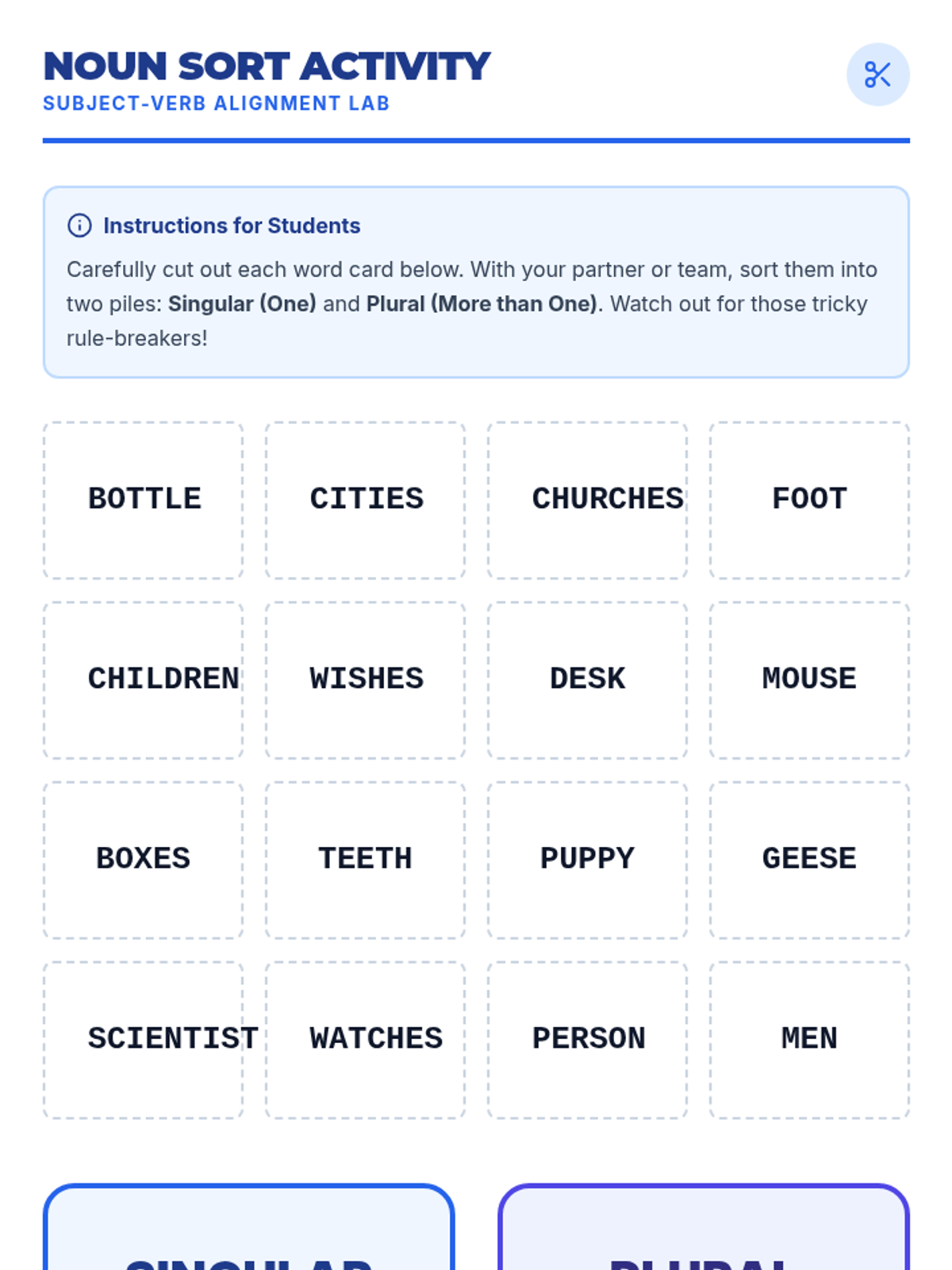
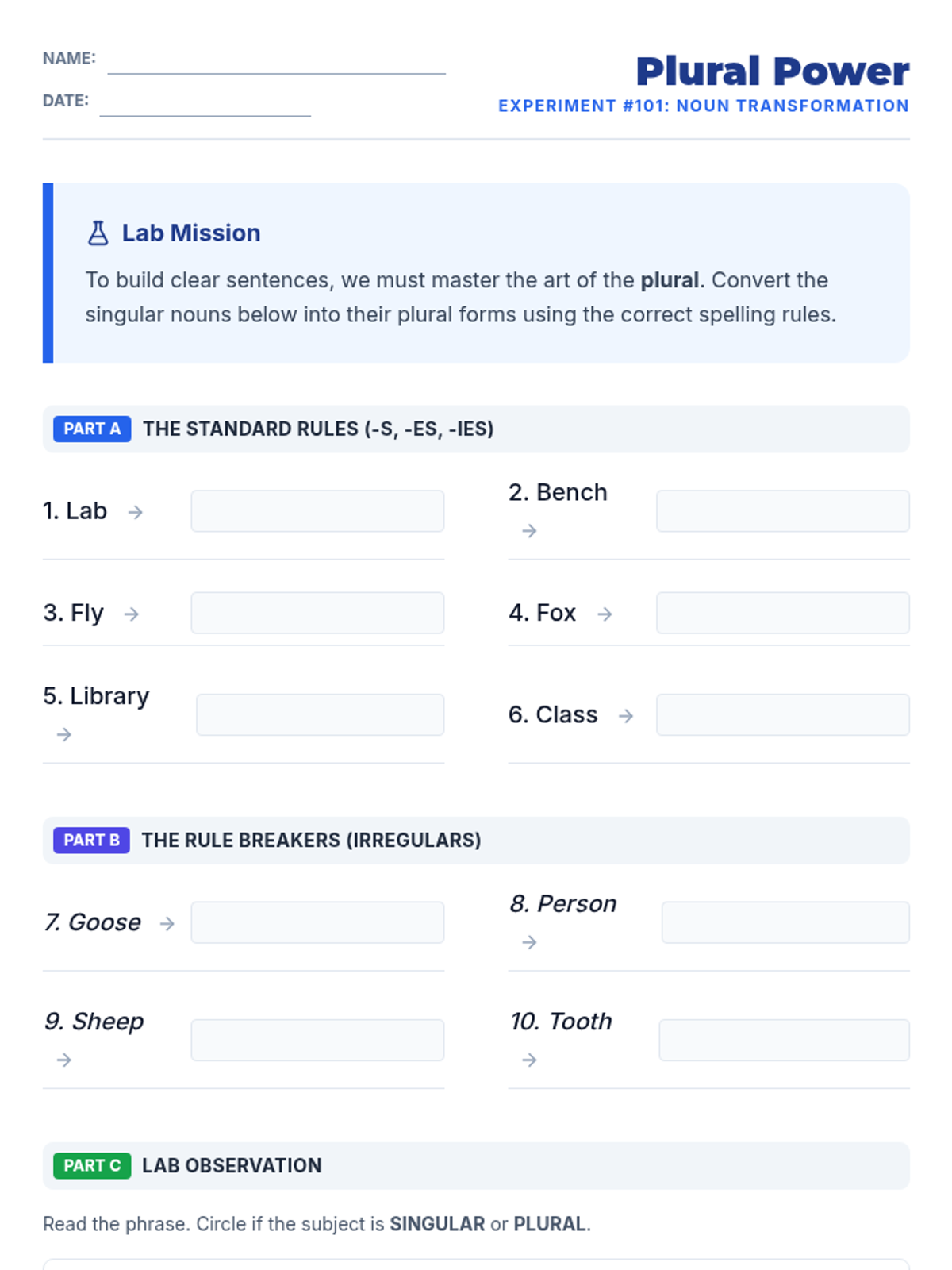
A 4th-grade sequence exploring the nuances of collective nouns (groups acting as one) and irregular plural nouns (words that change spelling without an 's'). Students progress from conceptualizing groups as singular units to writing consistent reports about wildlife and groups.
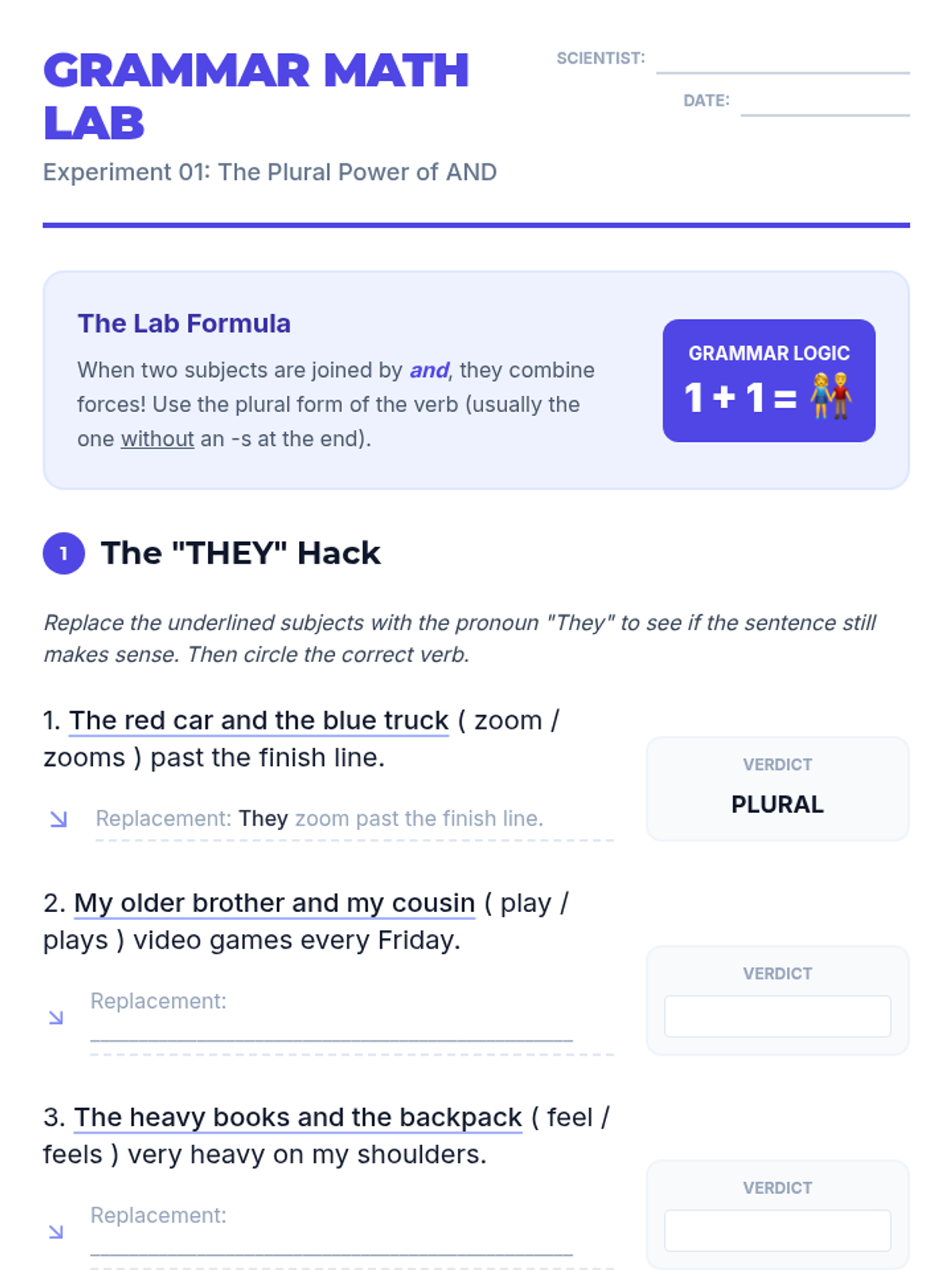
A 4th-grade grammar sequence focusing on subject-verb agreement with compound subjects using 'and', 'or', and 'nor'. The sequence employs a 'Grammar Lab' and 'Game Show' theme to make rules about plurality and proximity engaging and memorable.
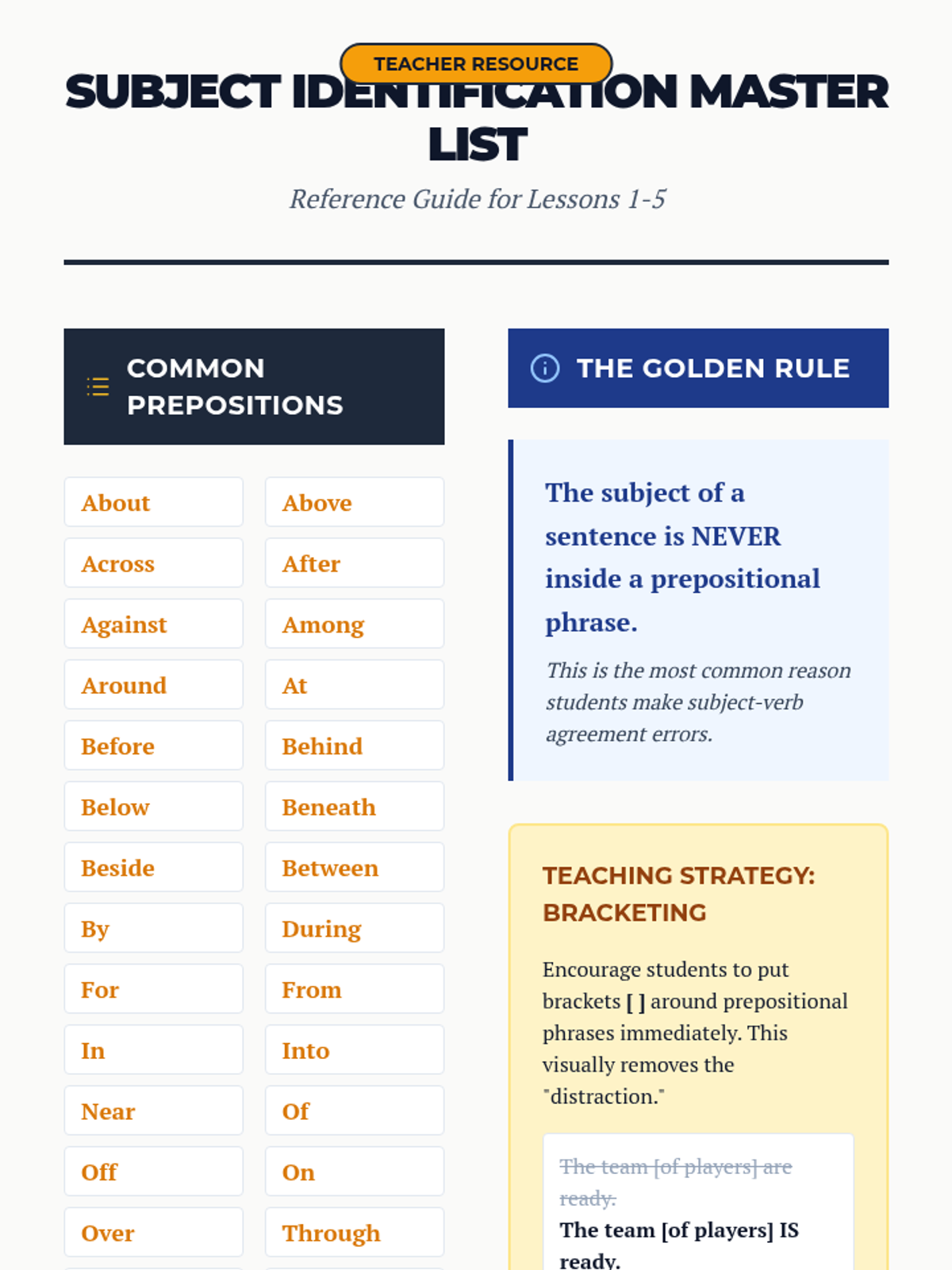
A 4th-grade ELA sequence focused on mastering subject-verb agreement in sentences with intervening prepositional phrases. Students use a detective-themed approach to identify 'hidden' subjects and ensure grammatical accuracy.
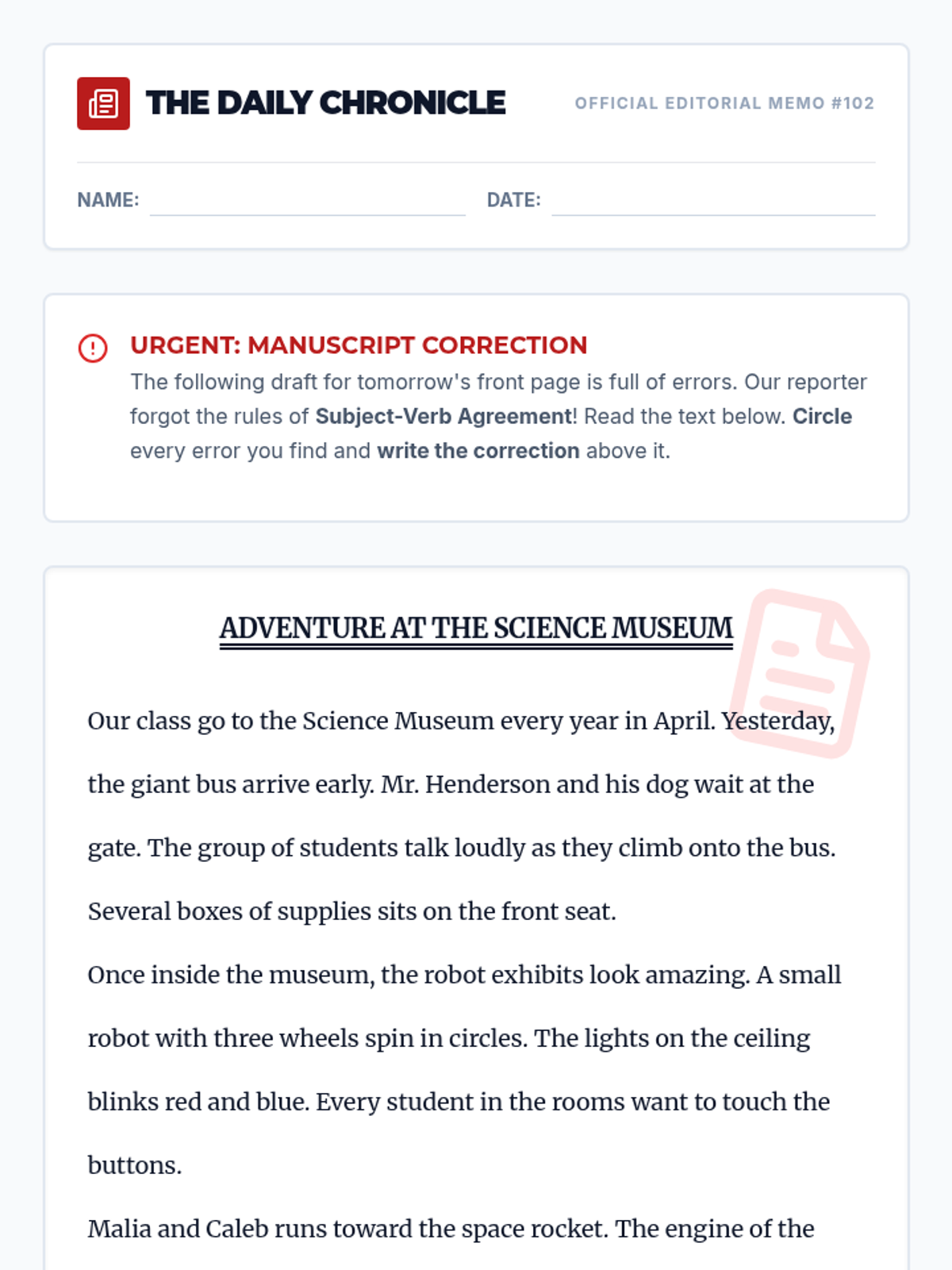
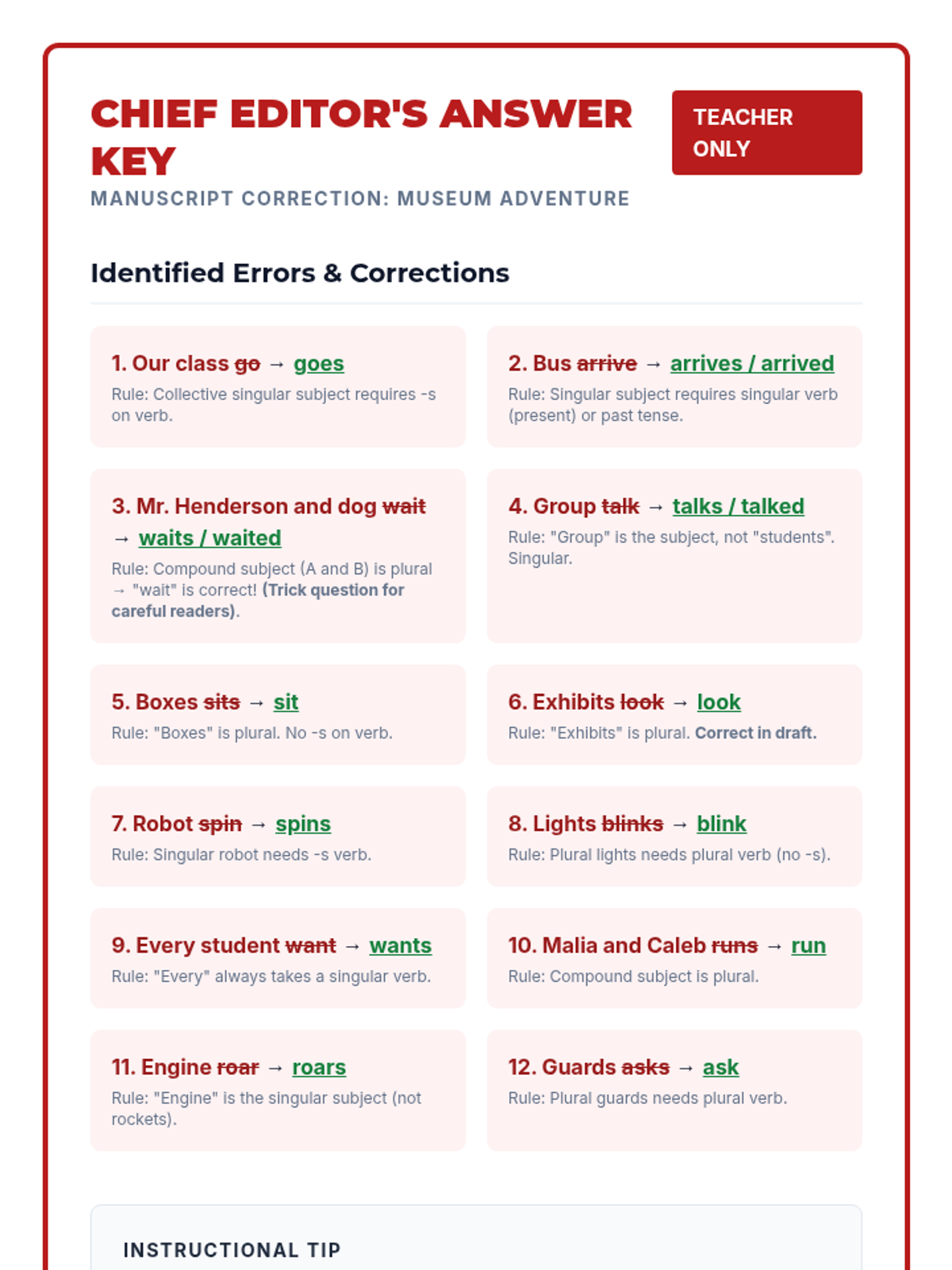
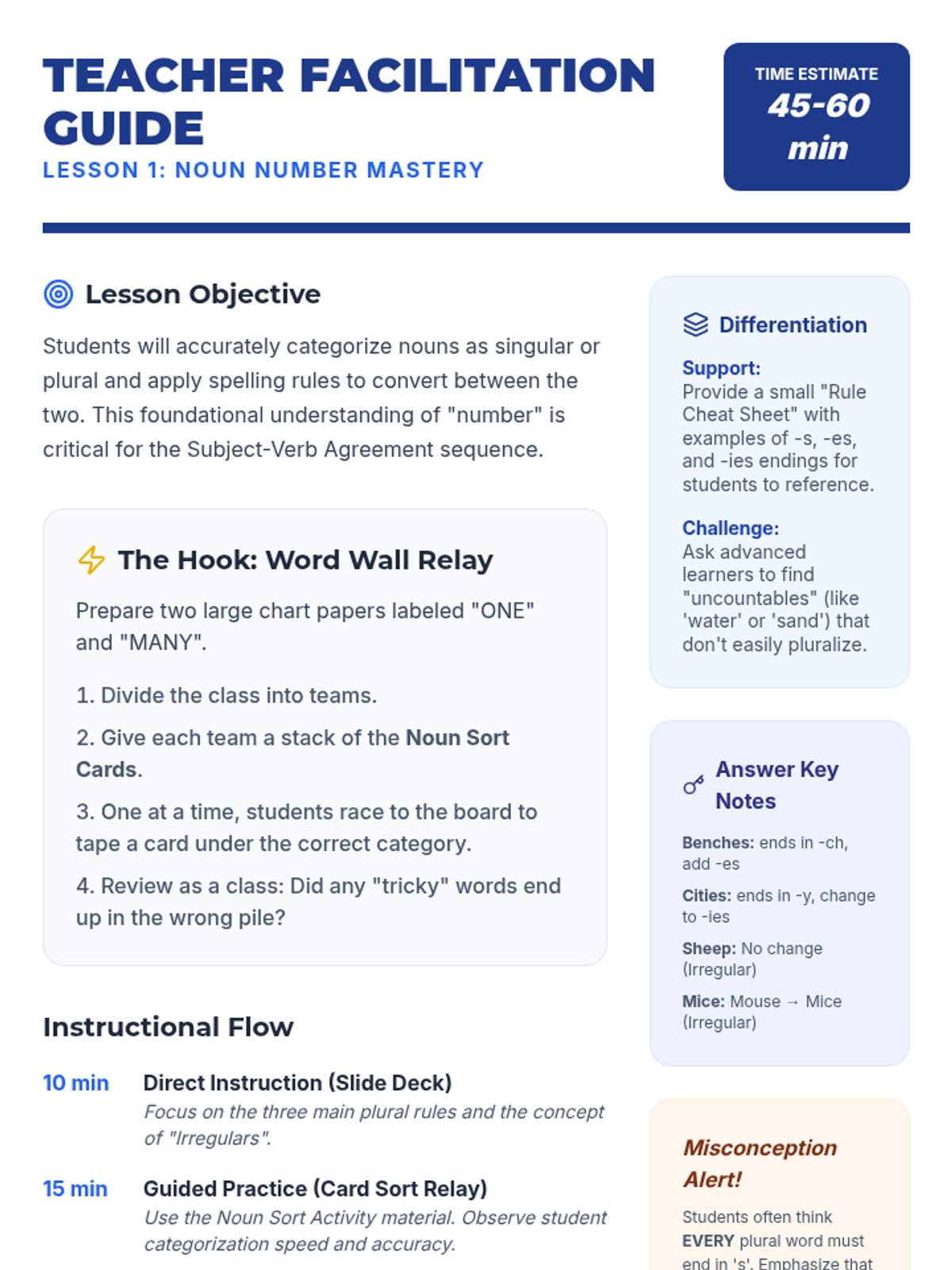
This sequence establishes the fundamental rules of subject-verb agreement for 4th graders, focusing on singular vs. plural subjects, action verb markers (the 'S-Switch'), irregular auxiliary verbs, and proofreading techniques. Students progress from simple noun categorization to complex sentence construction and error analysis.
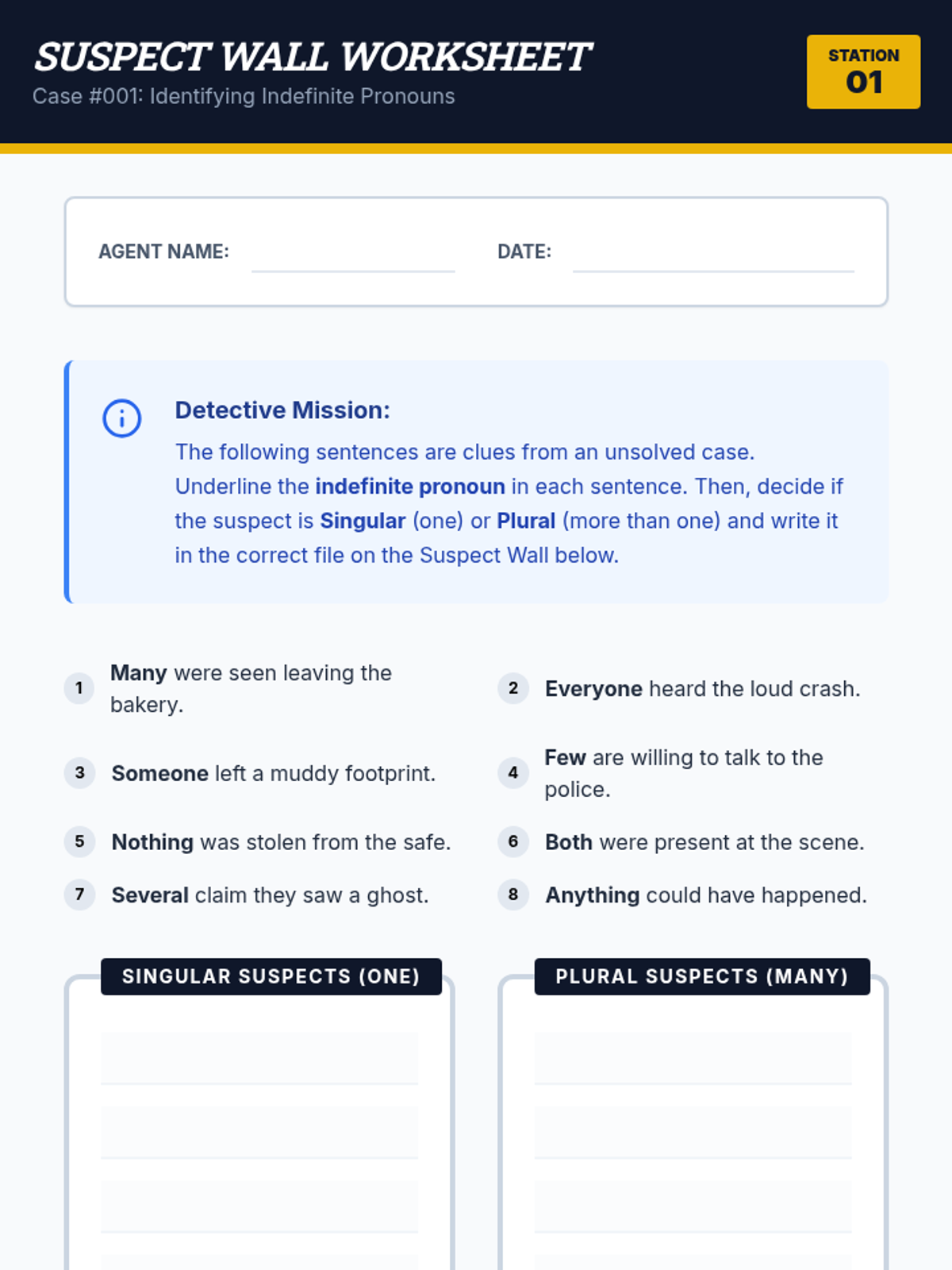
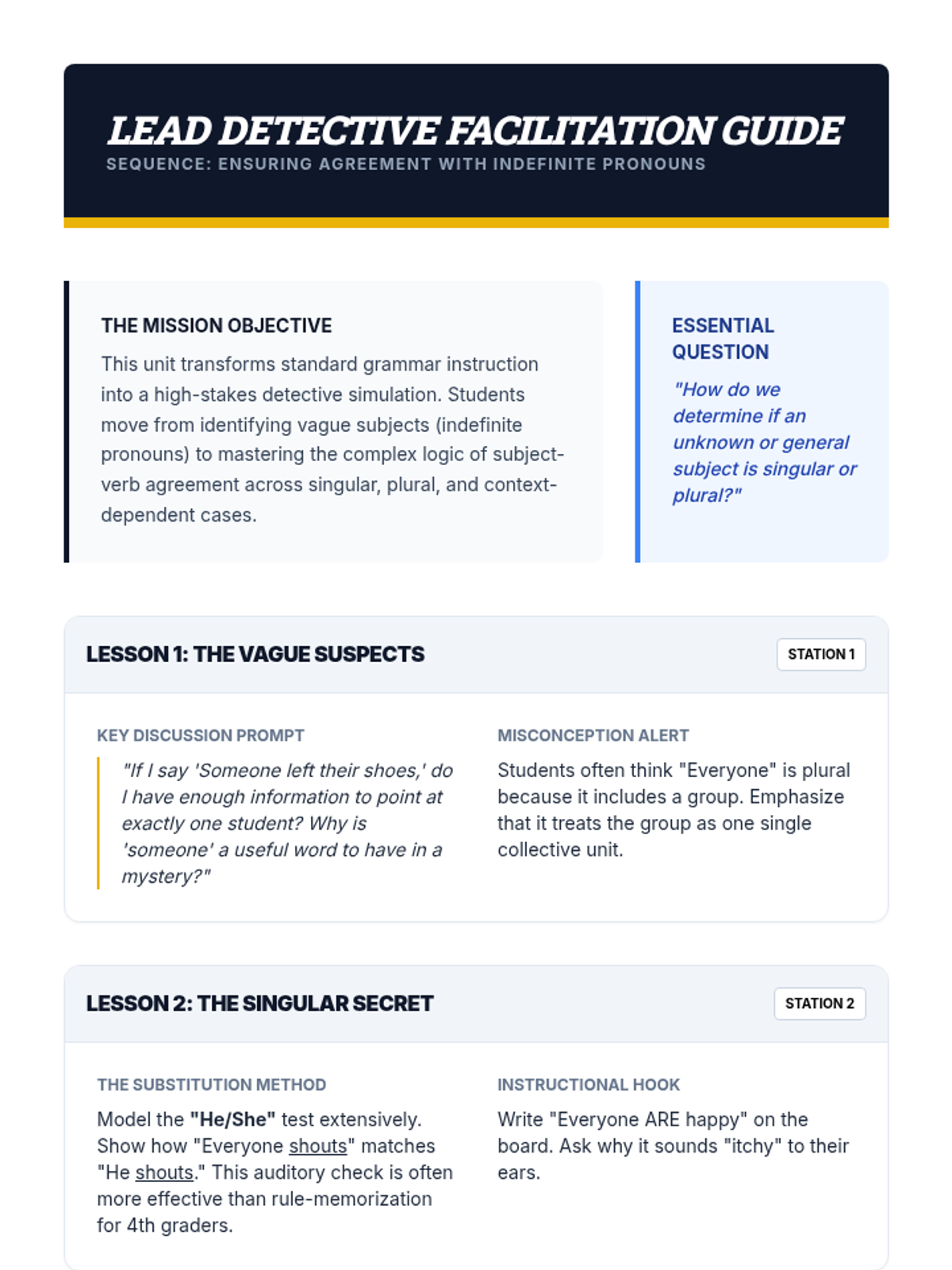
A 4th-grade grammar sequence themed as a detective simulation where students investigate indefinite pronouns and ensure subject-verb agreement. Students move from identification to complex context-based agreement, ending with a creative writing project.
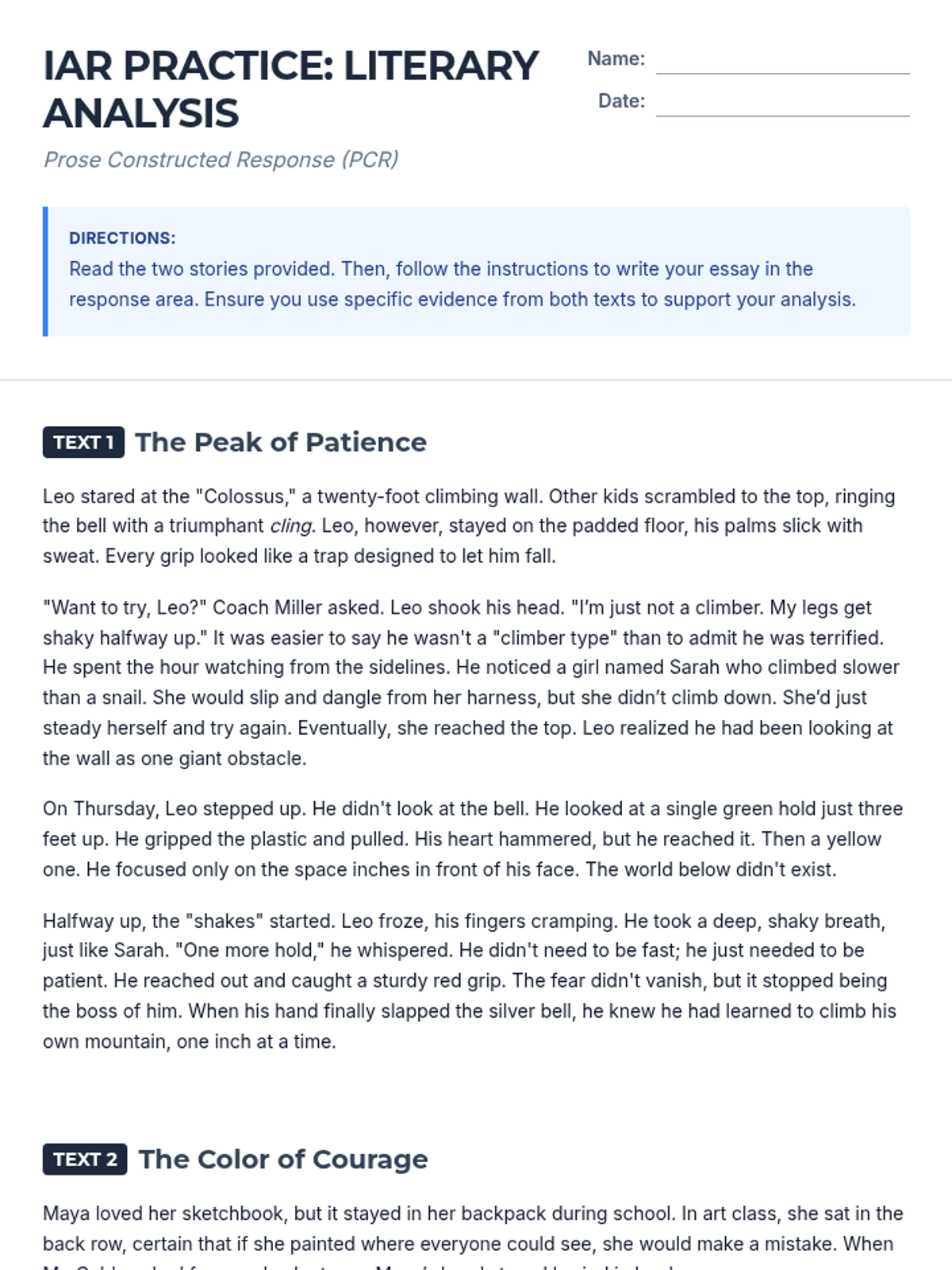
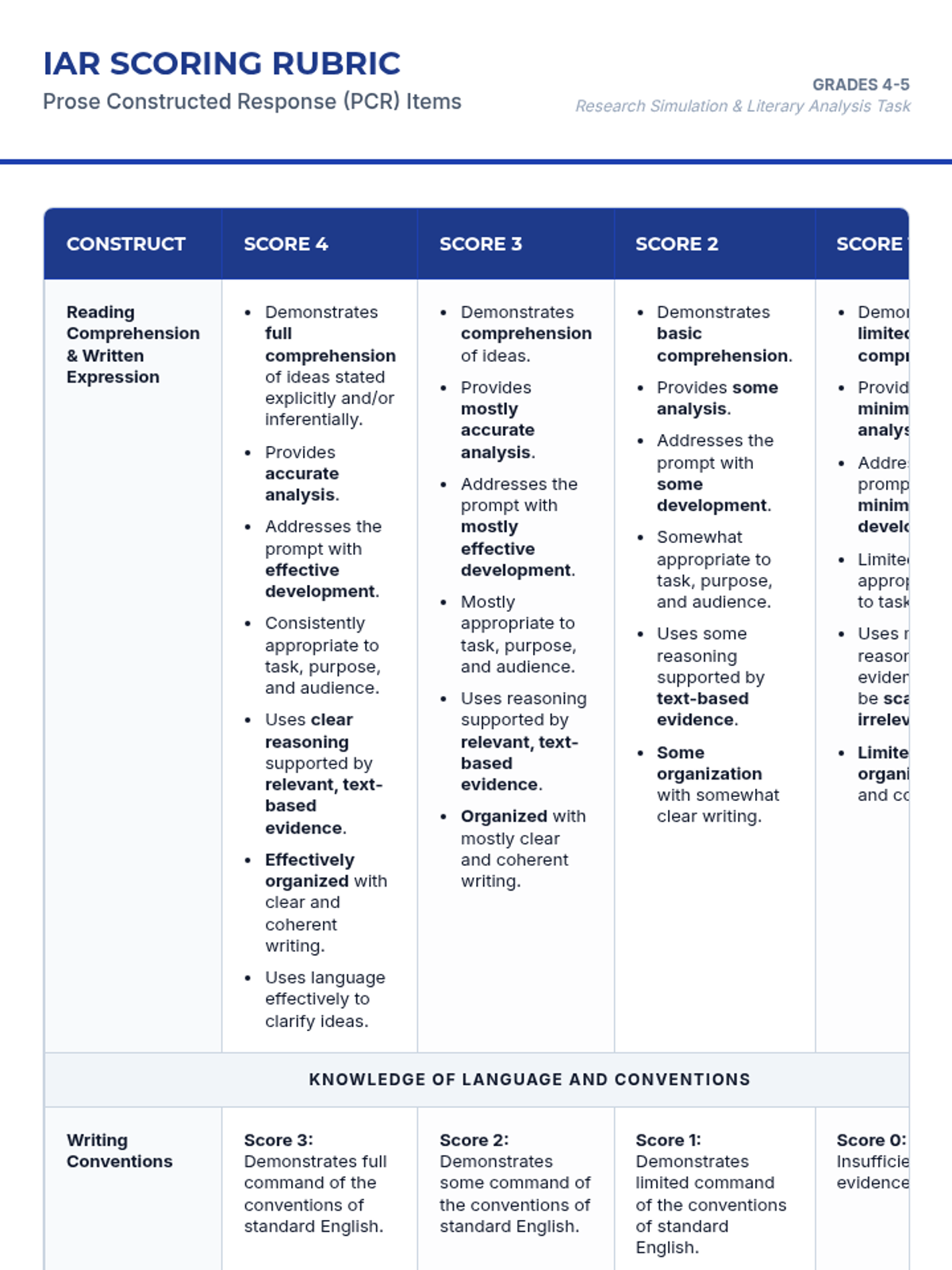
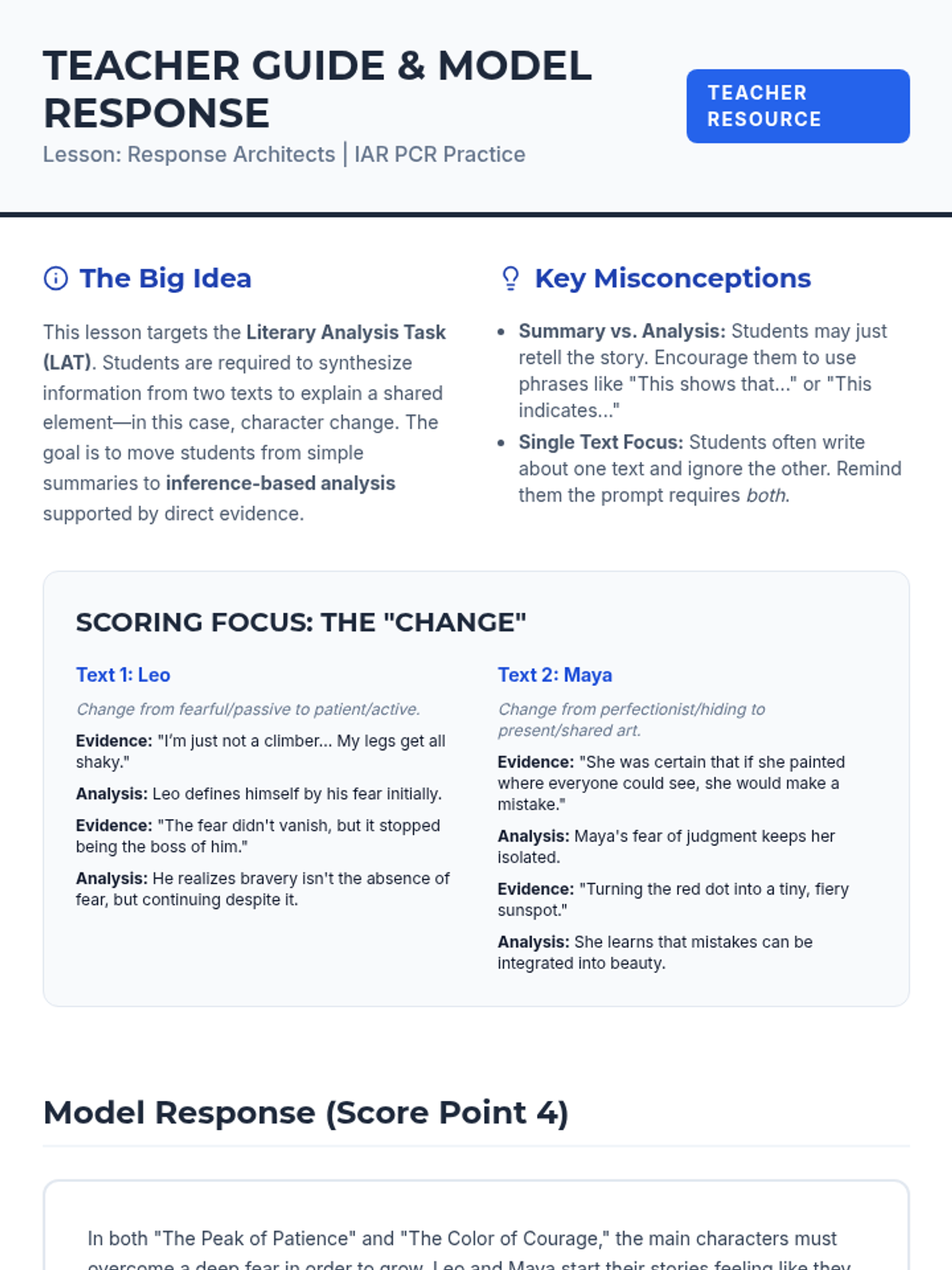
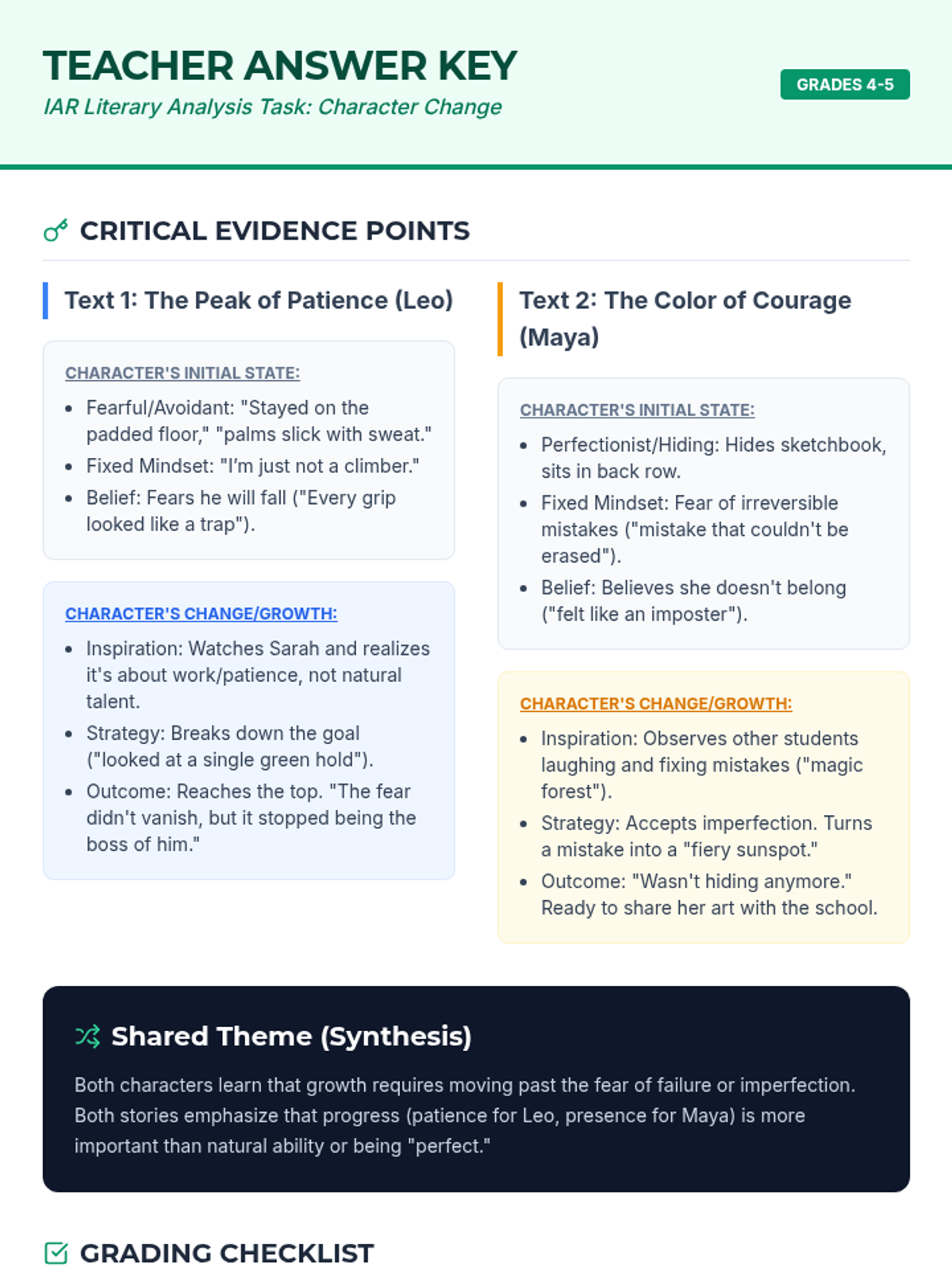
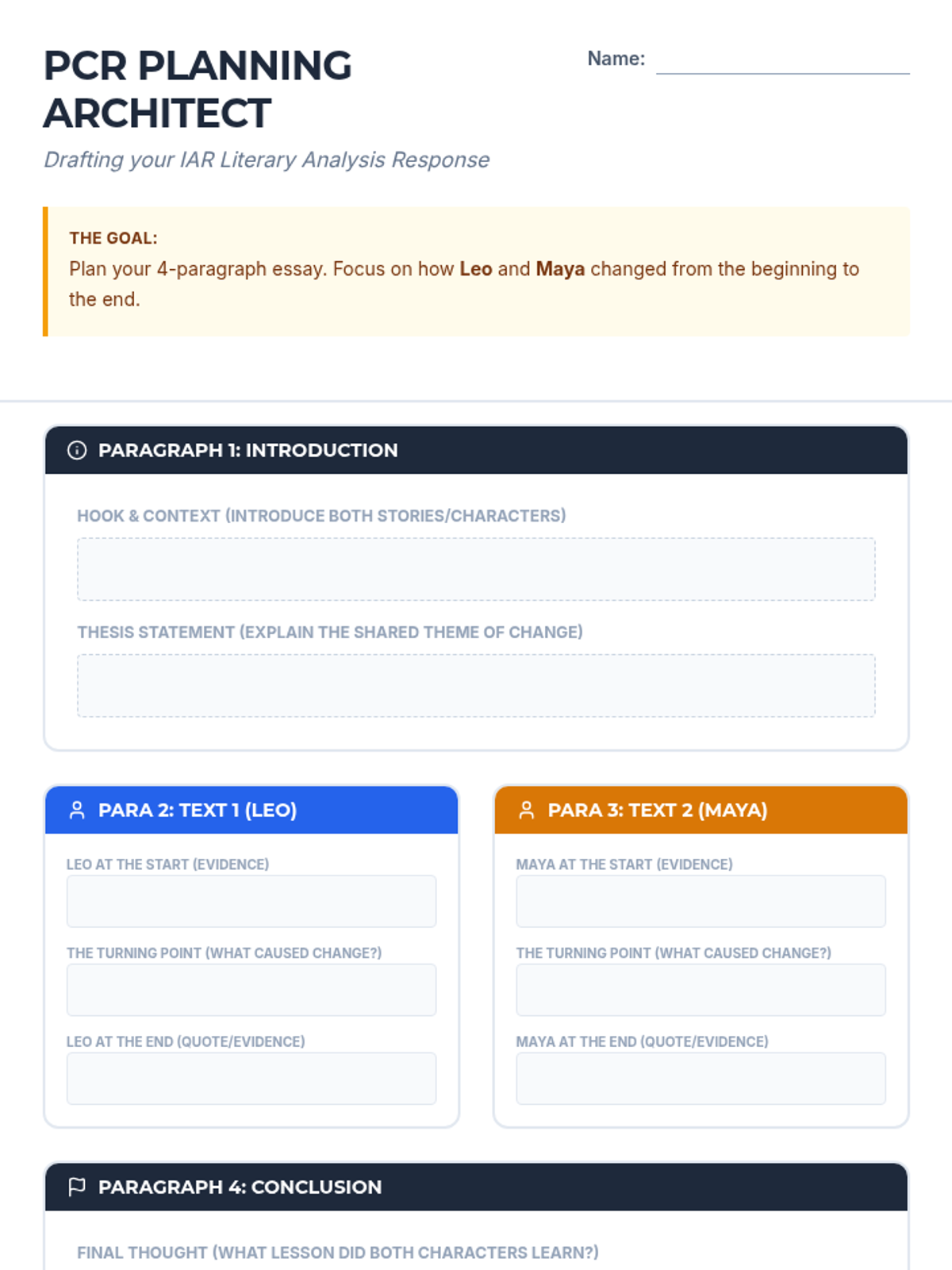
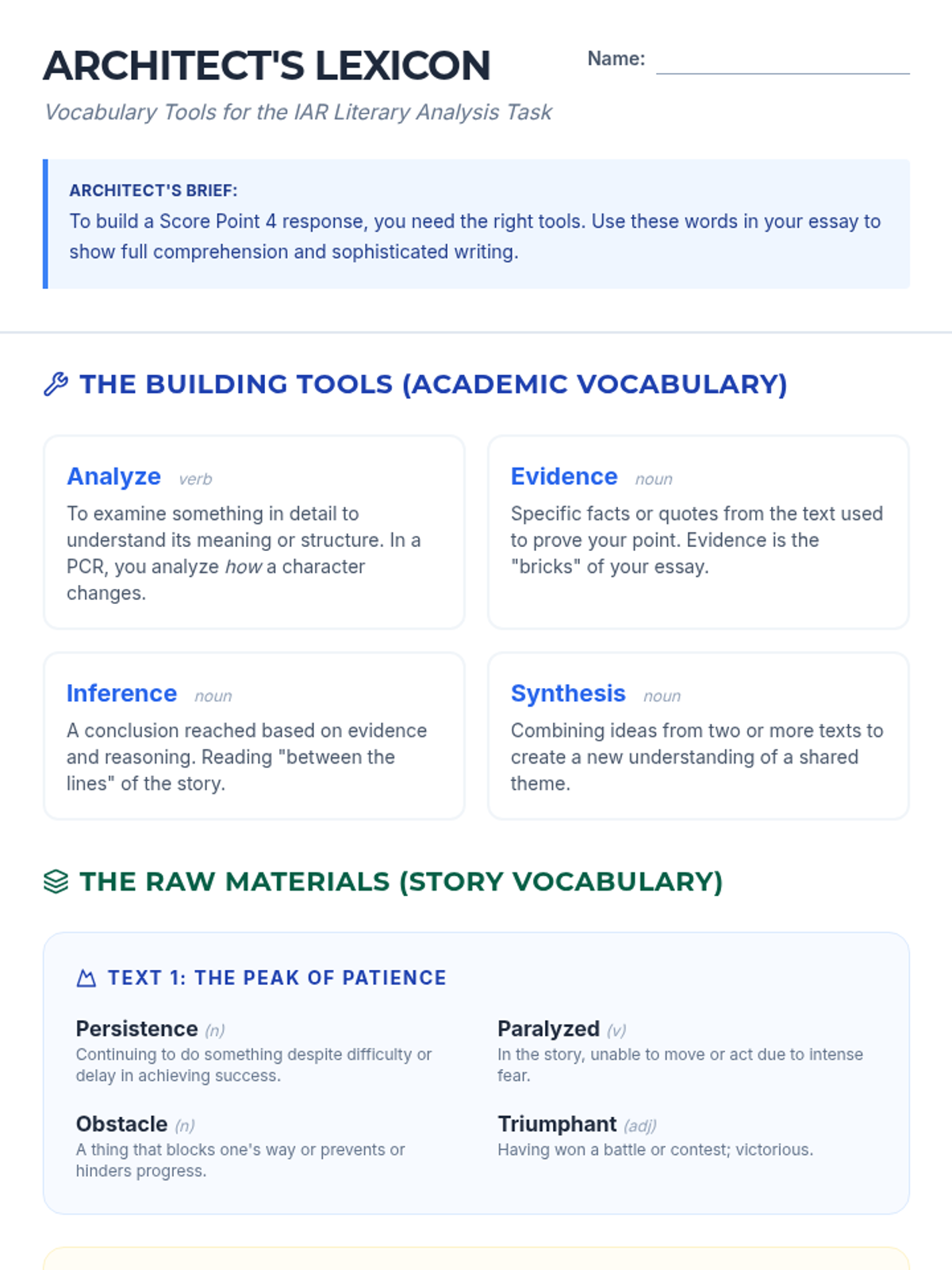
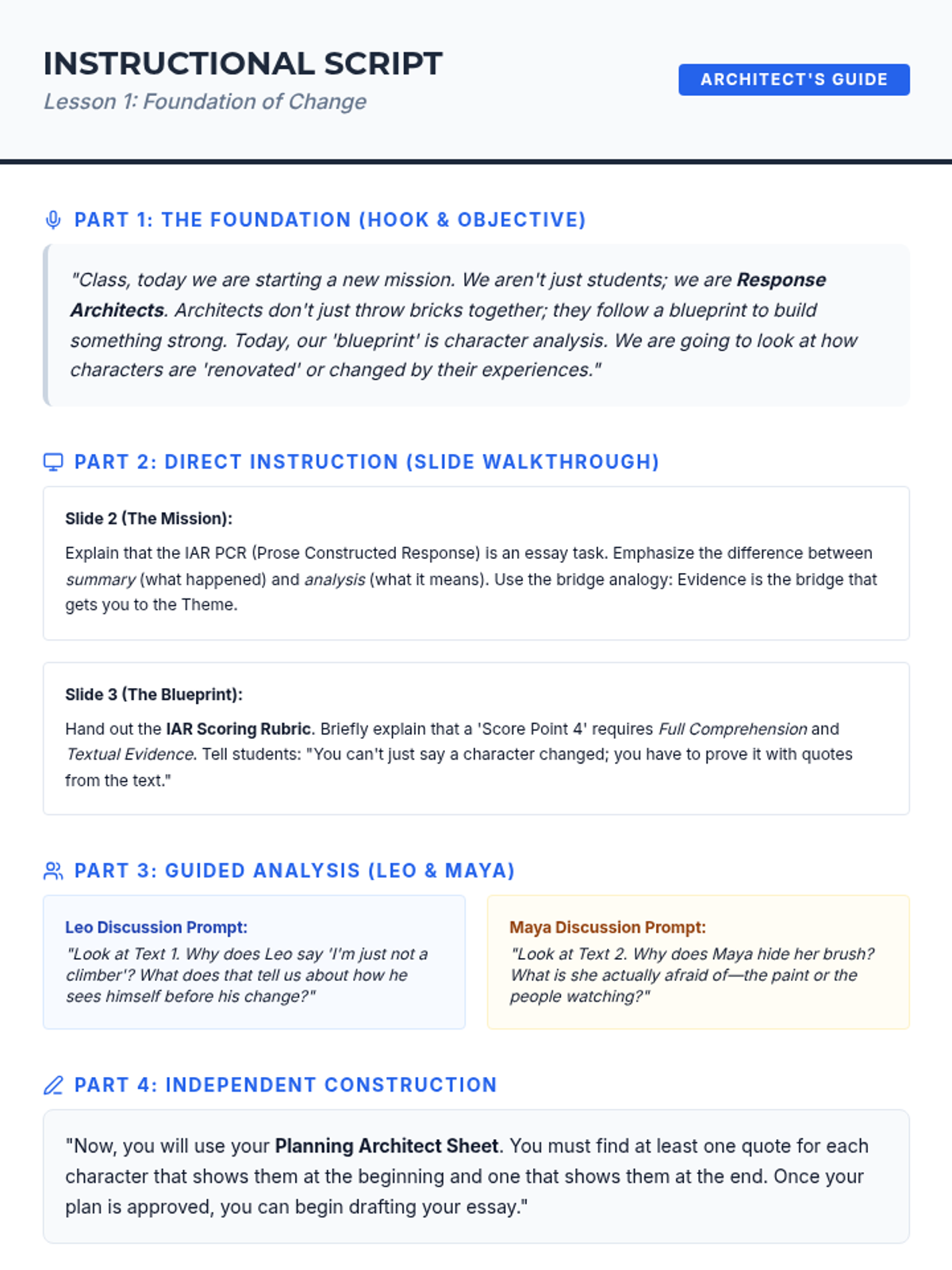
A 4-lesson intensive unit designed to prepare students for the IAR Prose Constructed Response (PCR). Each lesson focuses on a different aspect of character analysis and essay construction through paired texts and guided planning.
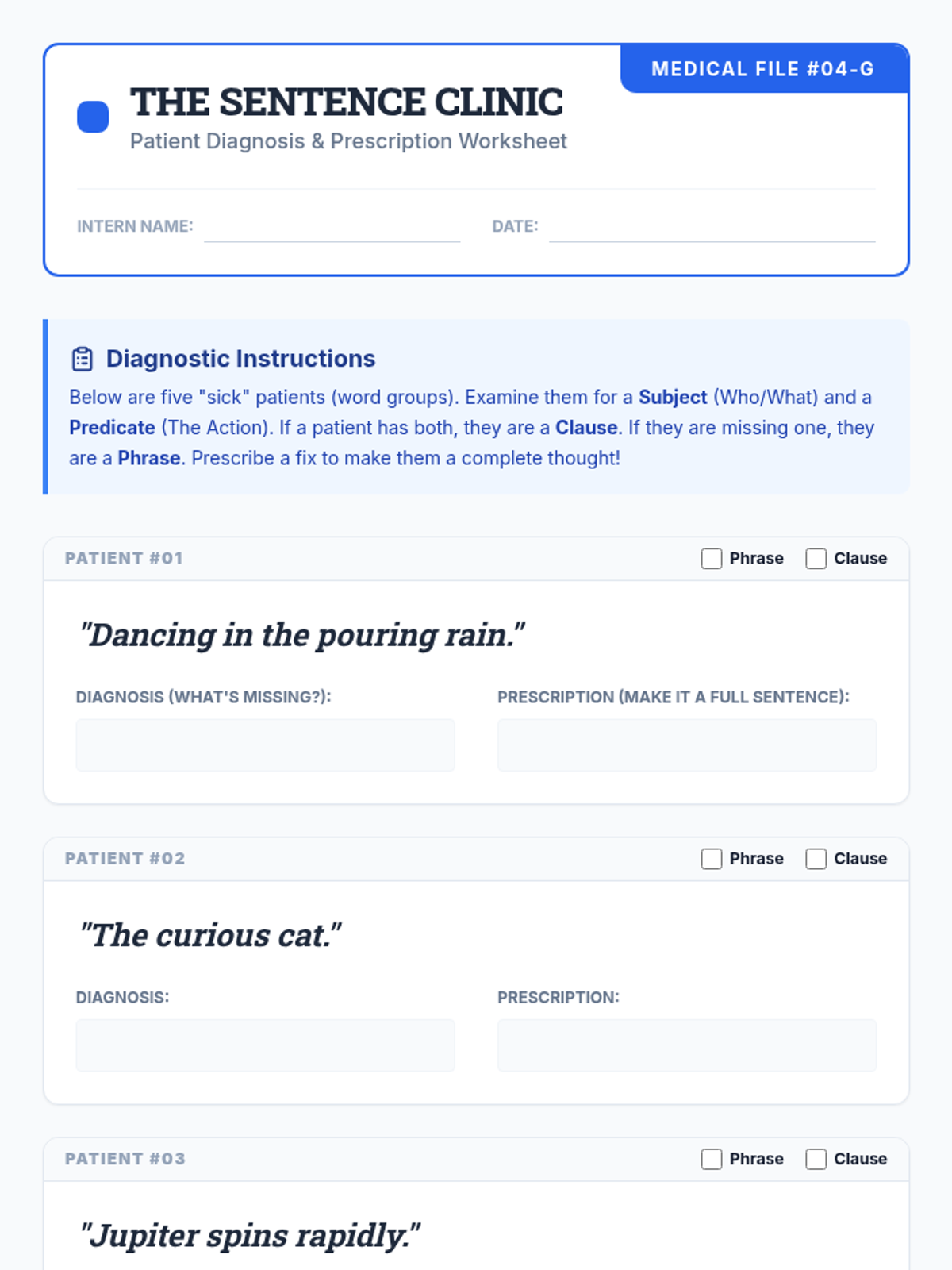
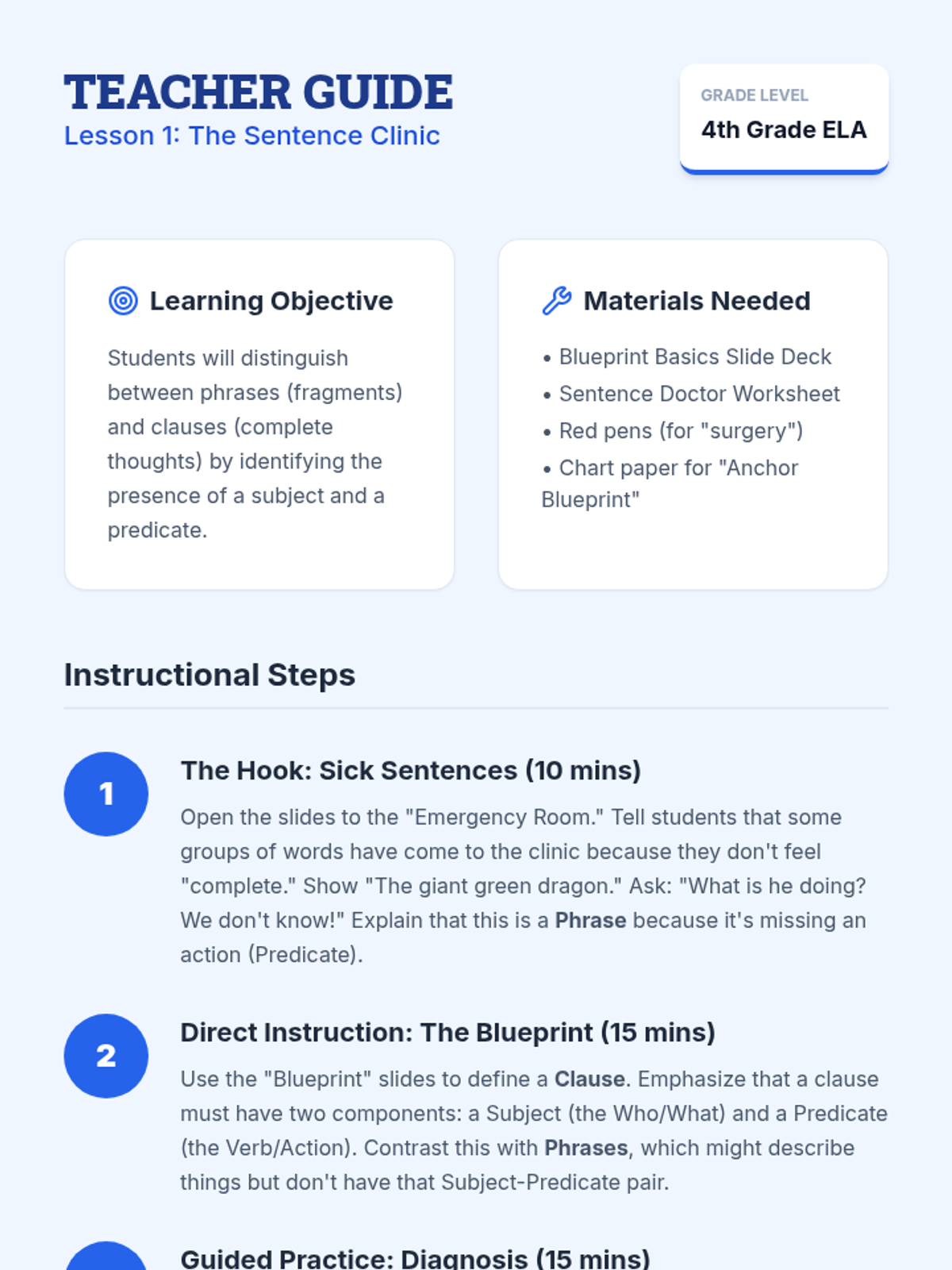
A comprehensive 4th-grade ELA sequence that teaches students to distinguish phrases from clauses, understand independent and dependent structures, and combine them into complex sentences using a 'Writing Architect' theme. Students progress from diagnosing fragments to revising narratives for improved flow and variety.
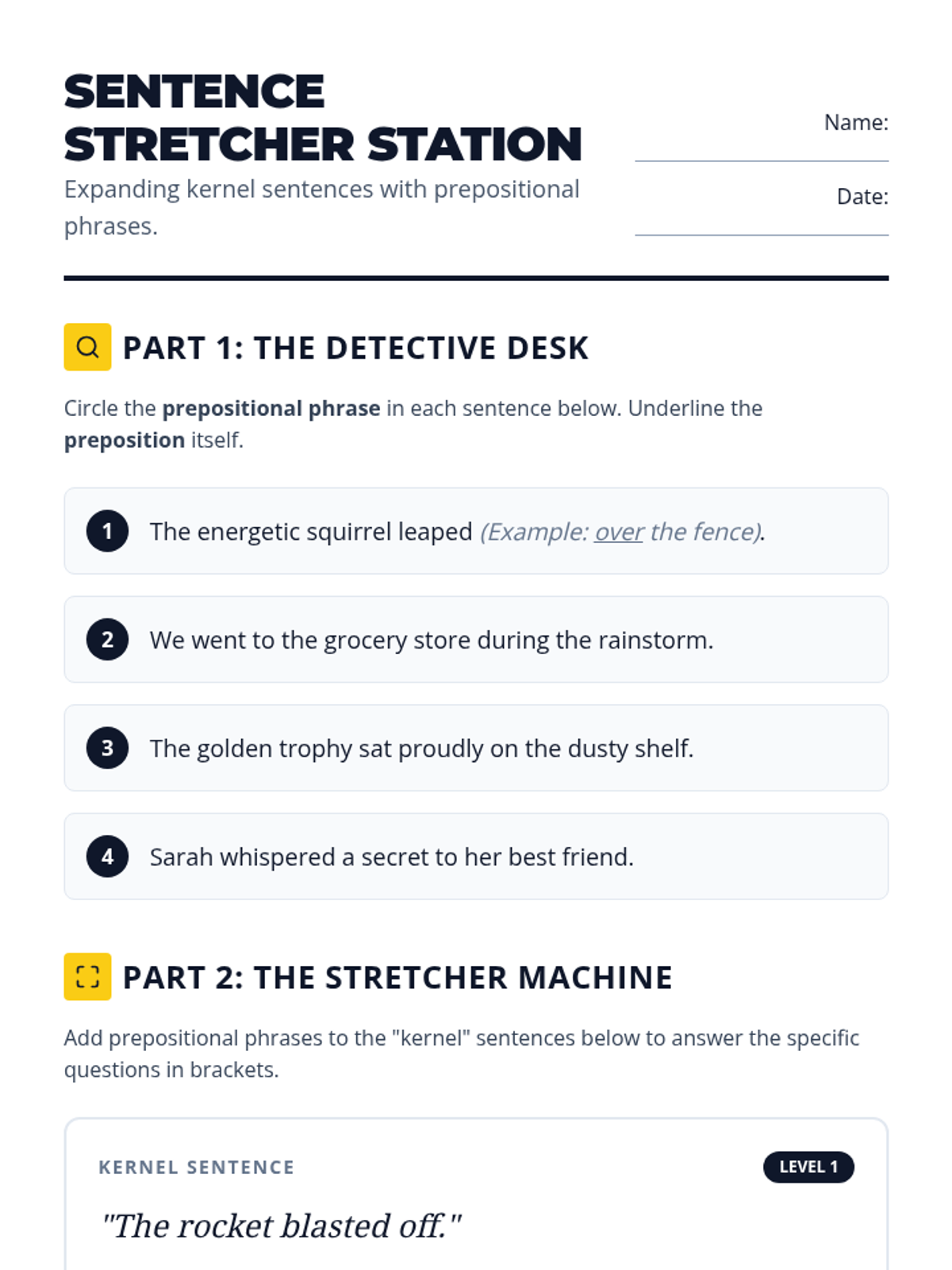
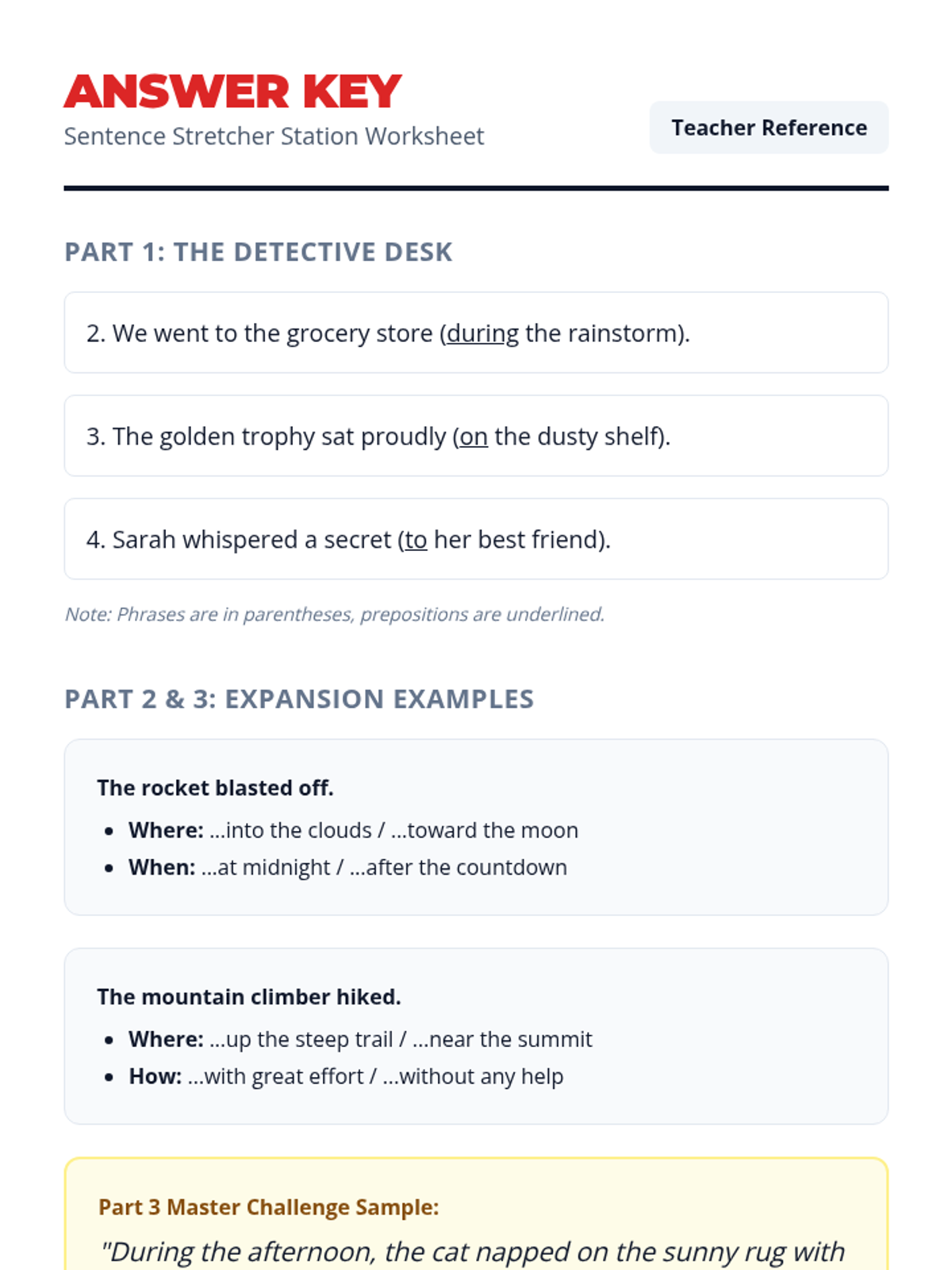
A comprehensive 4th-grade writing sequence focused on using prepositional phrases to expand sentences, improve variety, and enhance descriptive writing. Students move from basic expansion drills to crafting and revising a descriptive paragraph, mastering both the grammar and mechanics of prepositions.
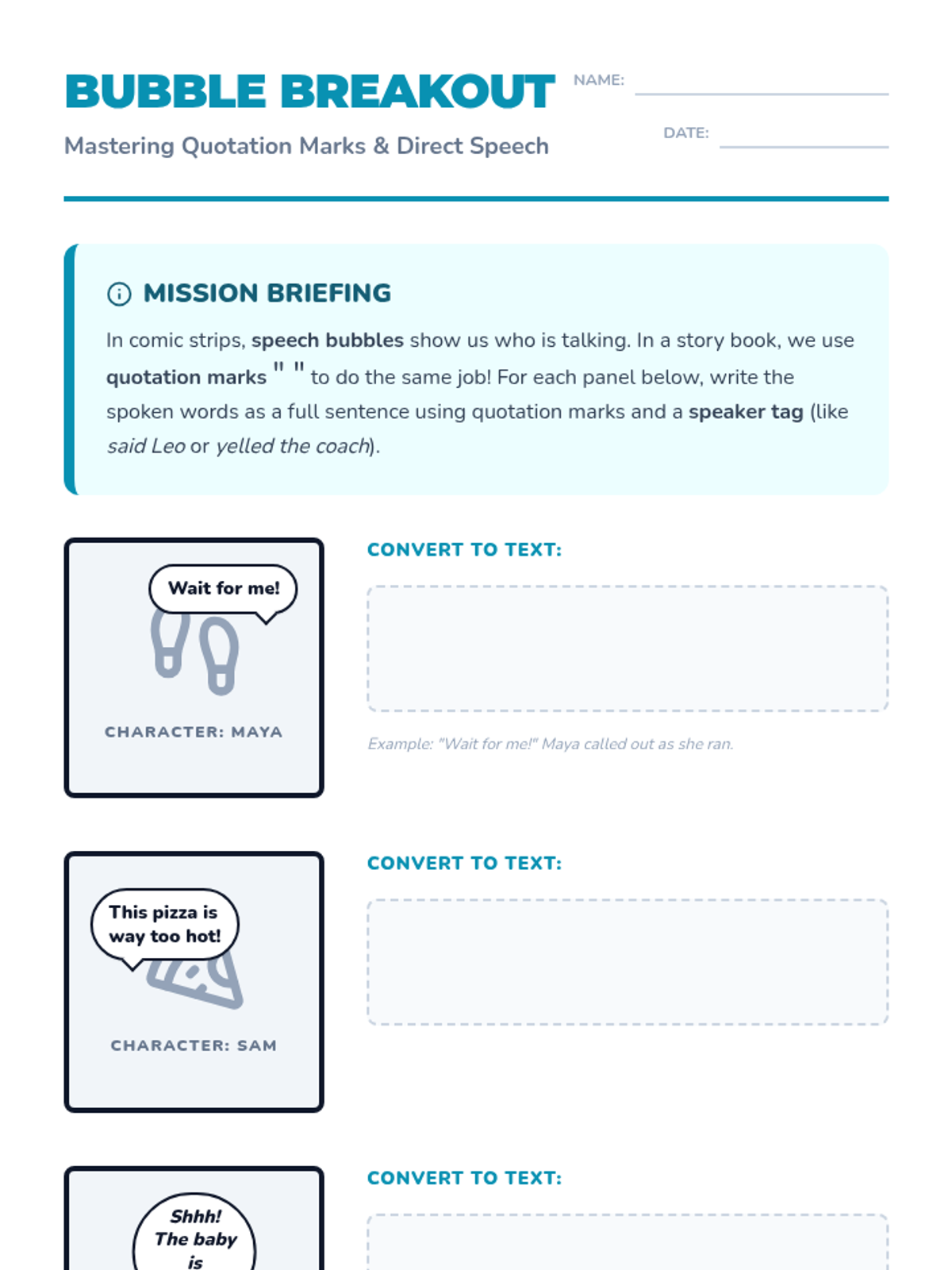
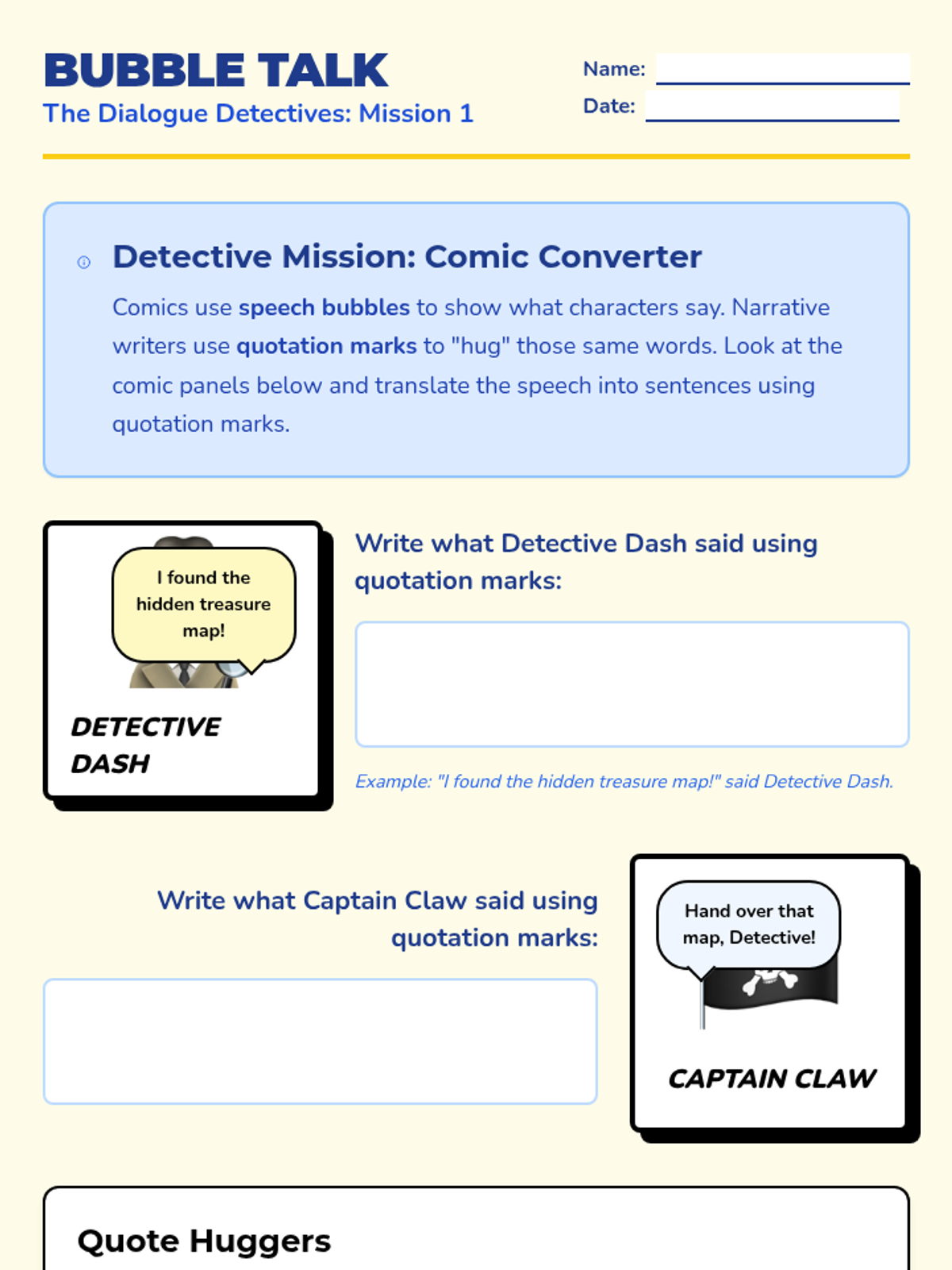
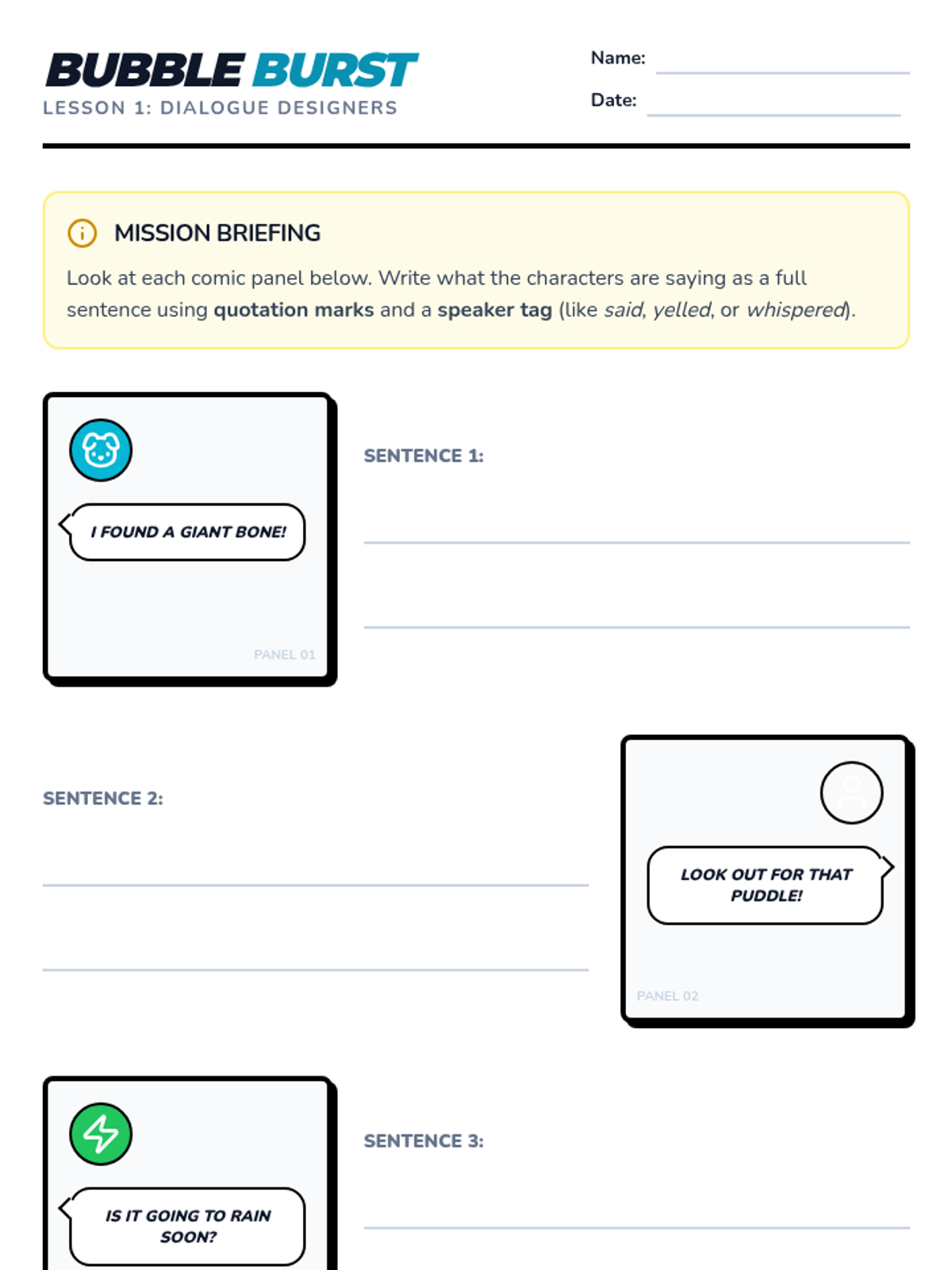
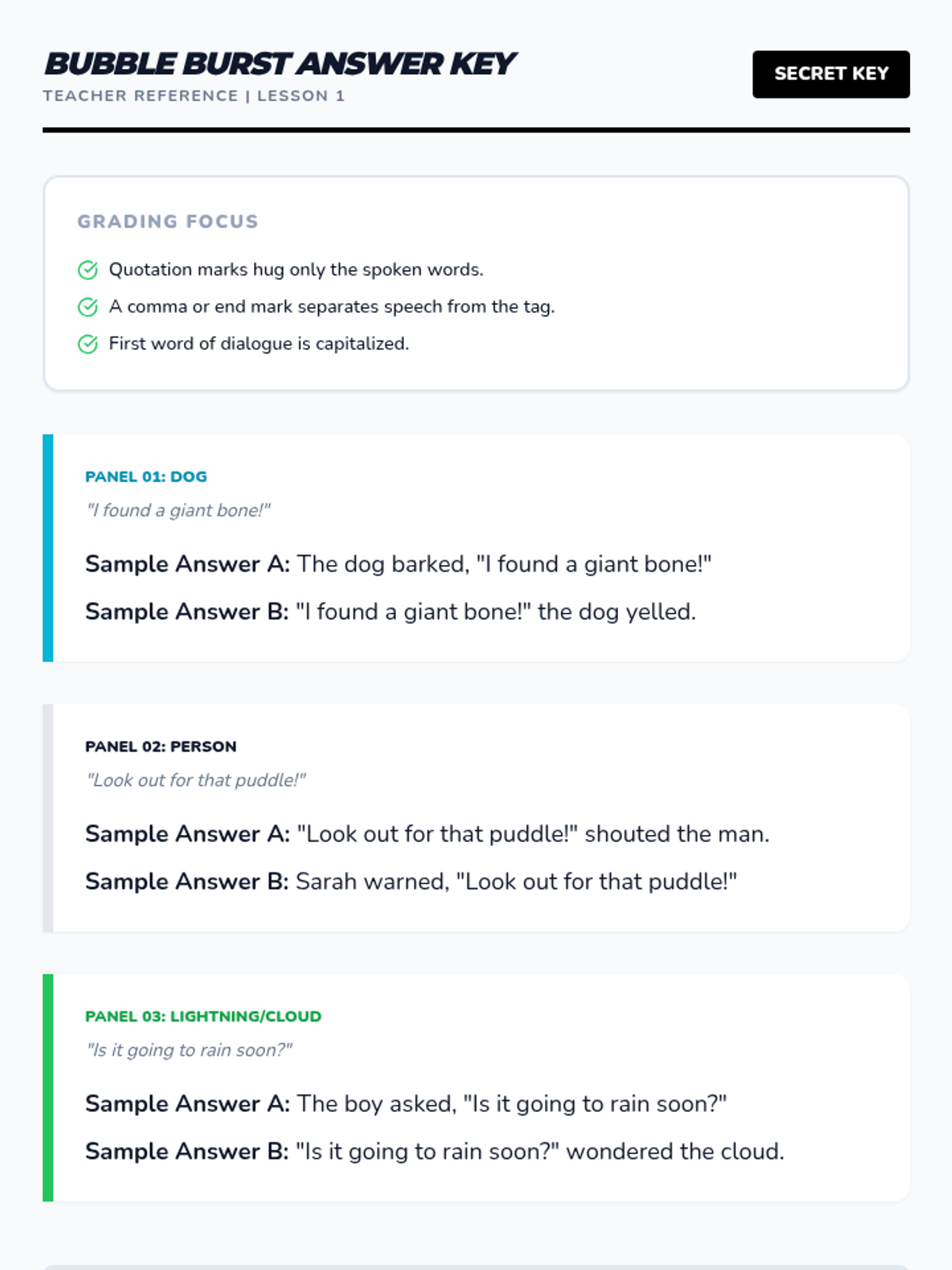
A comprehensive workshop-style sequence for 4th graders to master the mechanics of narrative dialogue, covering quotation marks, comma placement, indentation, and interrupted speech.
This sequence immerses students in the rules of formatting conversation within narrative writing. Starting with speech bubbles, students transition to quotation marks, commas, and capitalization. The learning arc emphasizes the visual rule of starting a new paragraph when a new speaker begins.
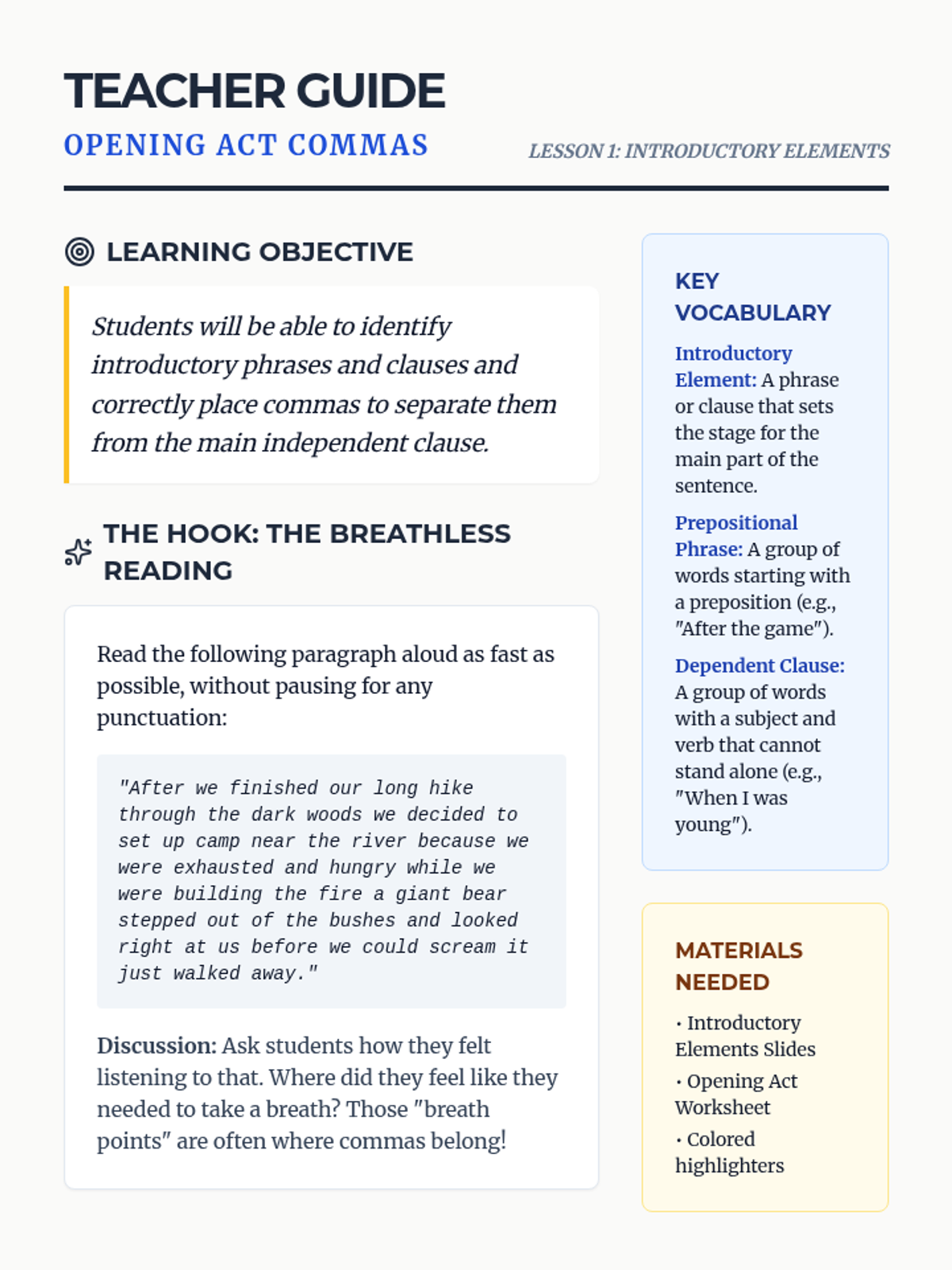
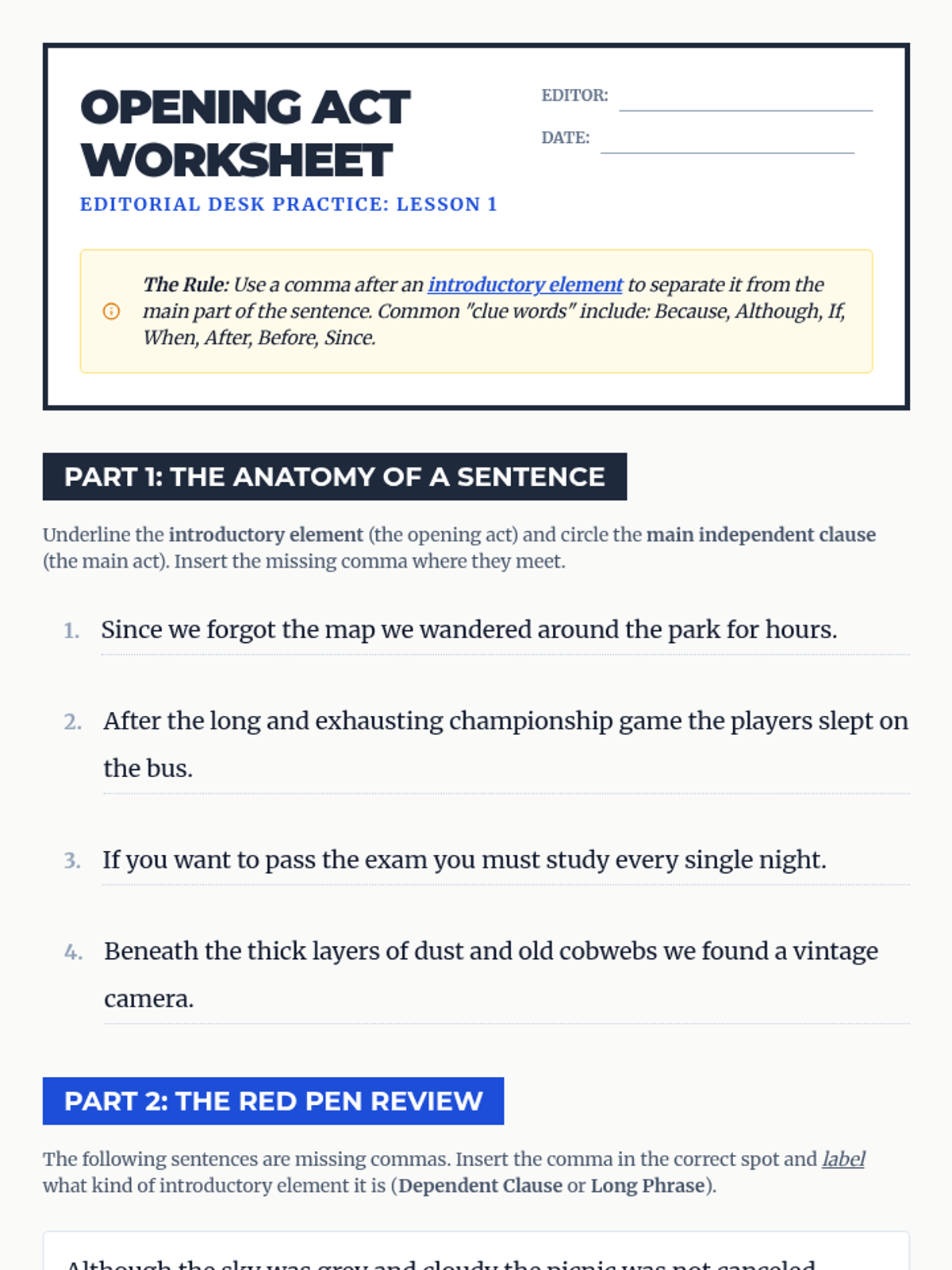
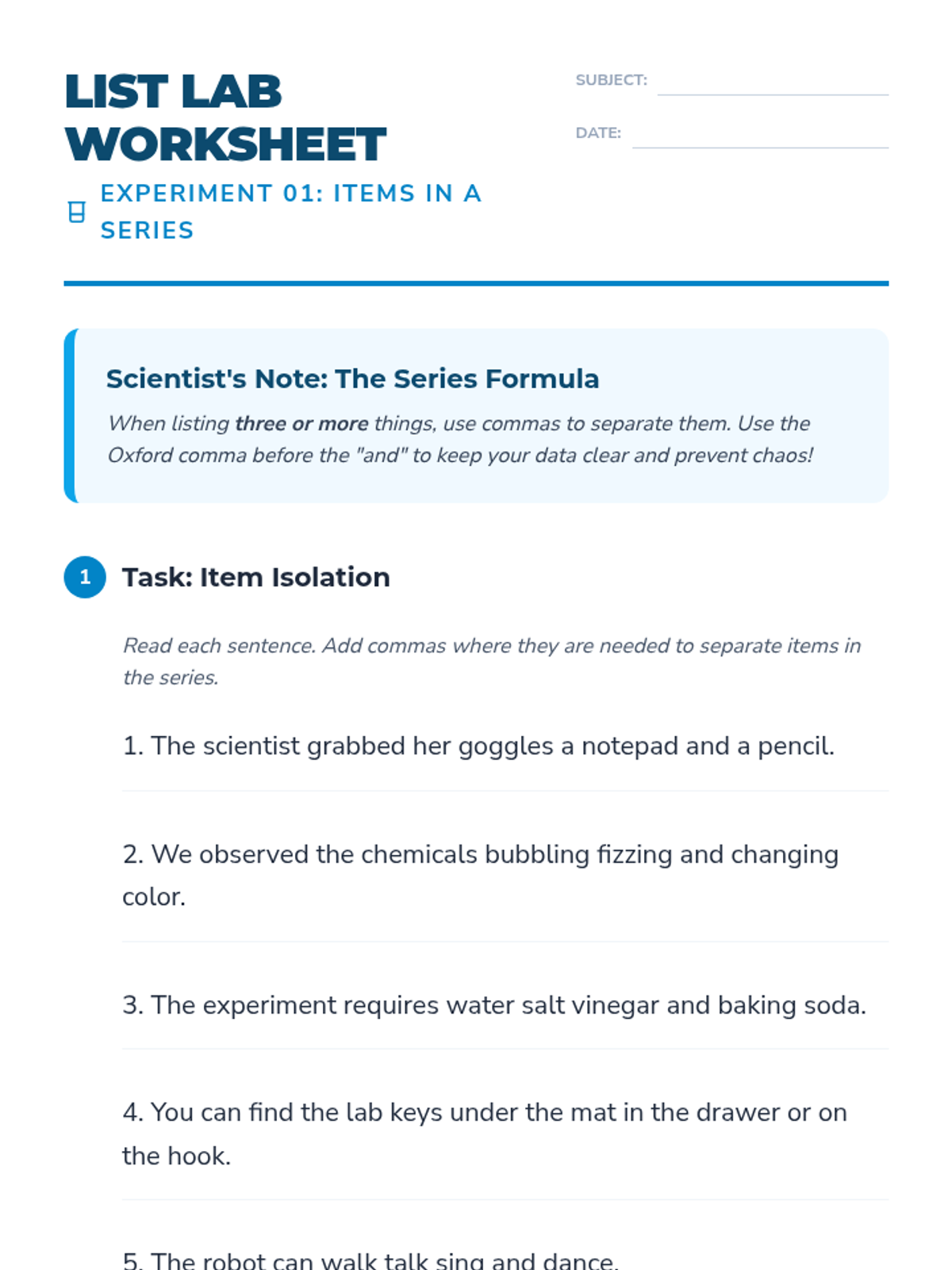
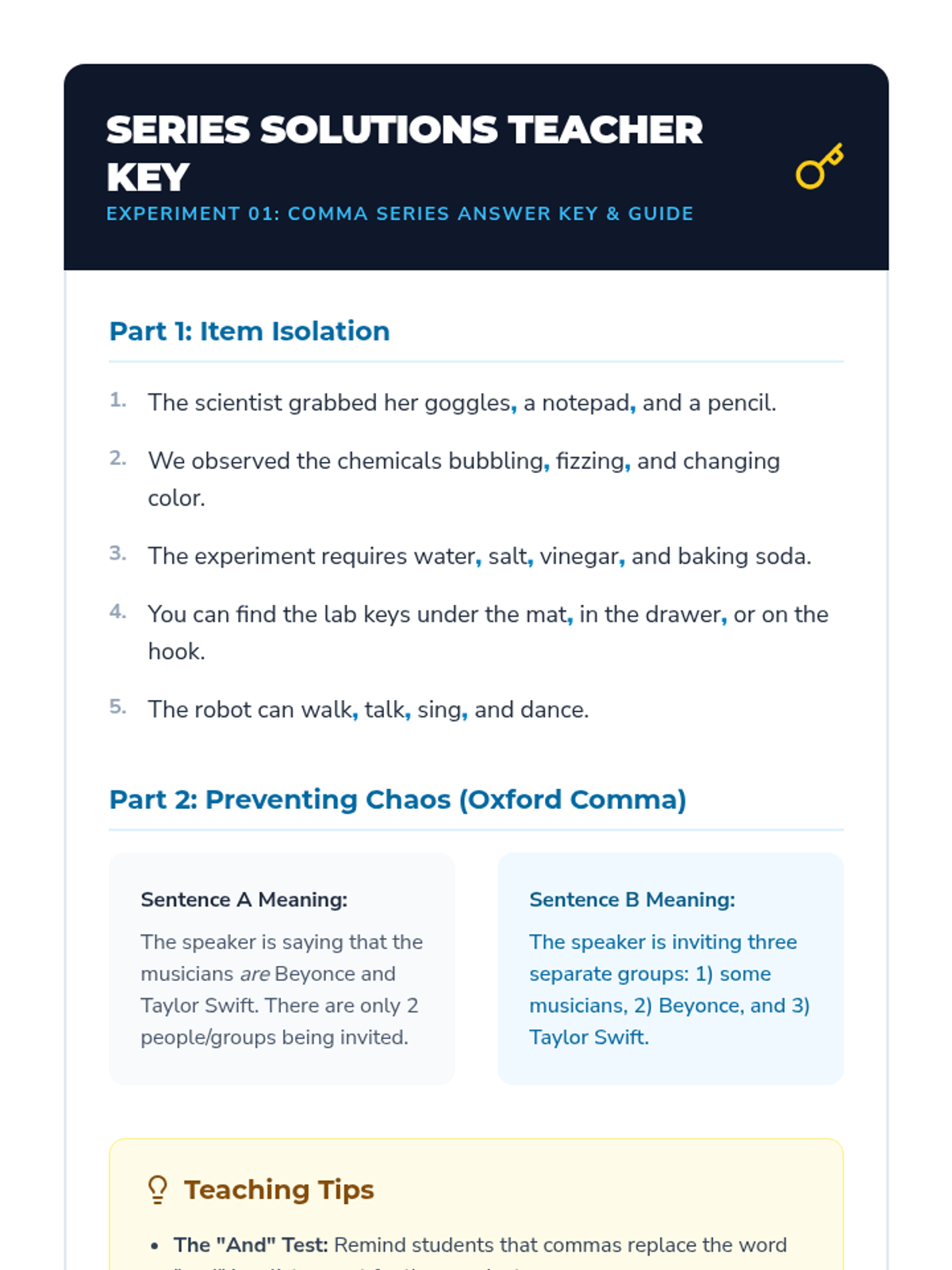
This sequence focuses on the critical role commas play in sentence structure and clarity, moving beyond simple listing. Students progress from introductory elements to compound structures and non-essential interrupters, culminating in a professional editing workshop.
A 4th-grade grammar sequence where students act as editors in a publishing house, mastering sentence boundaries, end marks, and the semicolon to improve writing flow and clarity.
A comprehensive 4th-grade grammar sequence focusing on the strategic use of commas to clarify meaning, join clauses, and set off introductory or parenthetical elements through a 'Comma Lab' investigative theme.
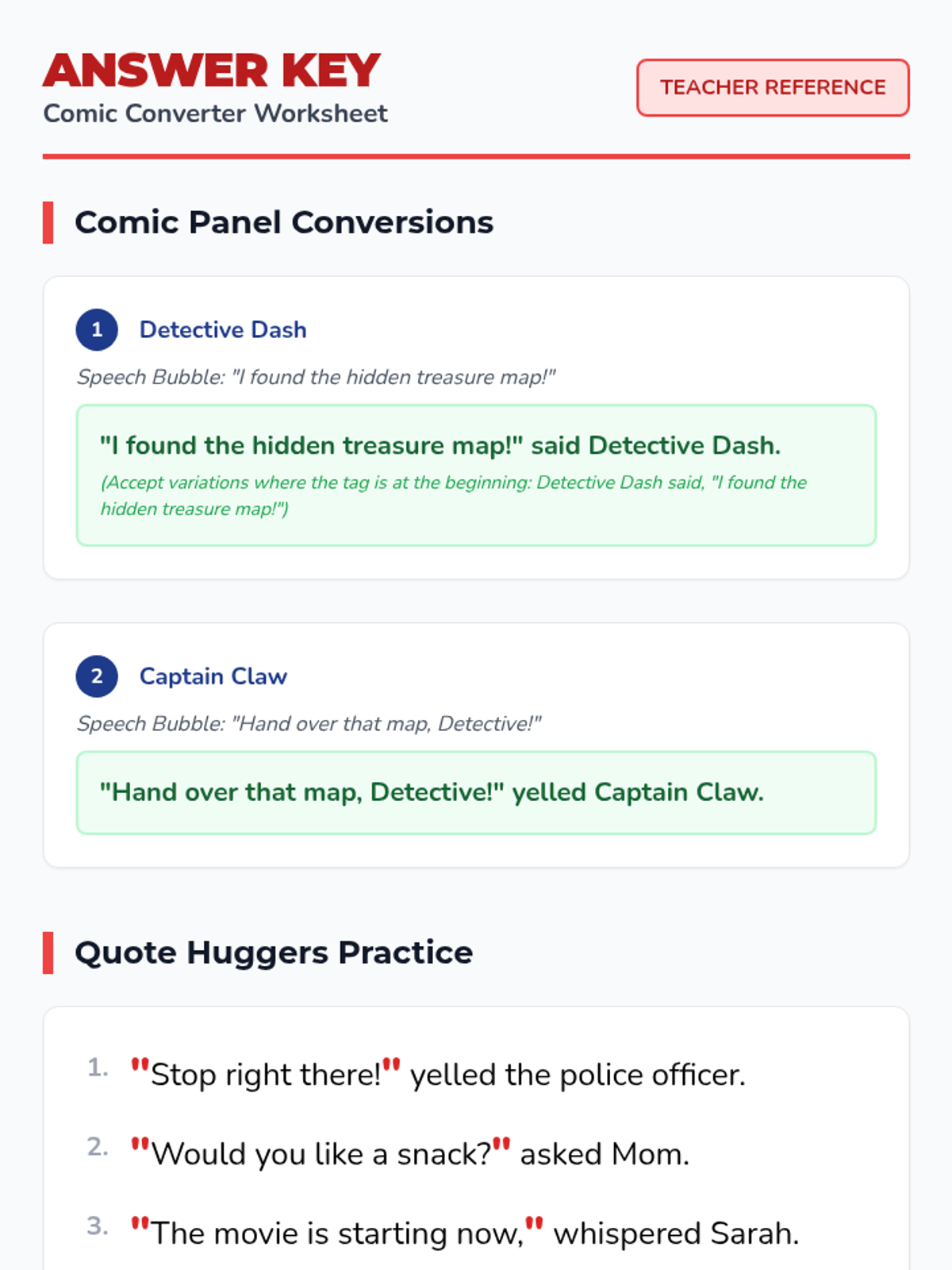
A 4th-grade sequence focused on the mechanics of writing dialogue, from converting speech bubbles to mastering complex split quotations in narrative writing.
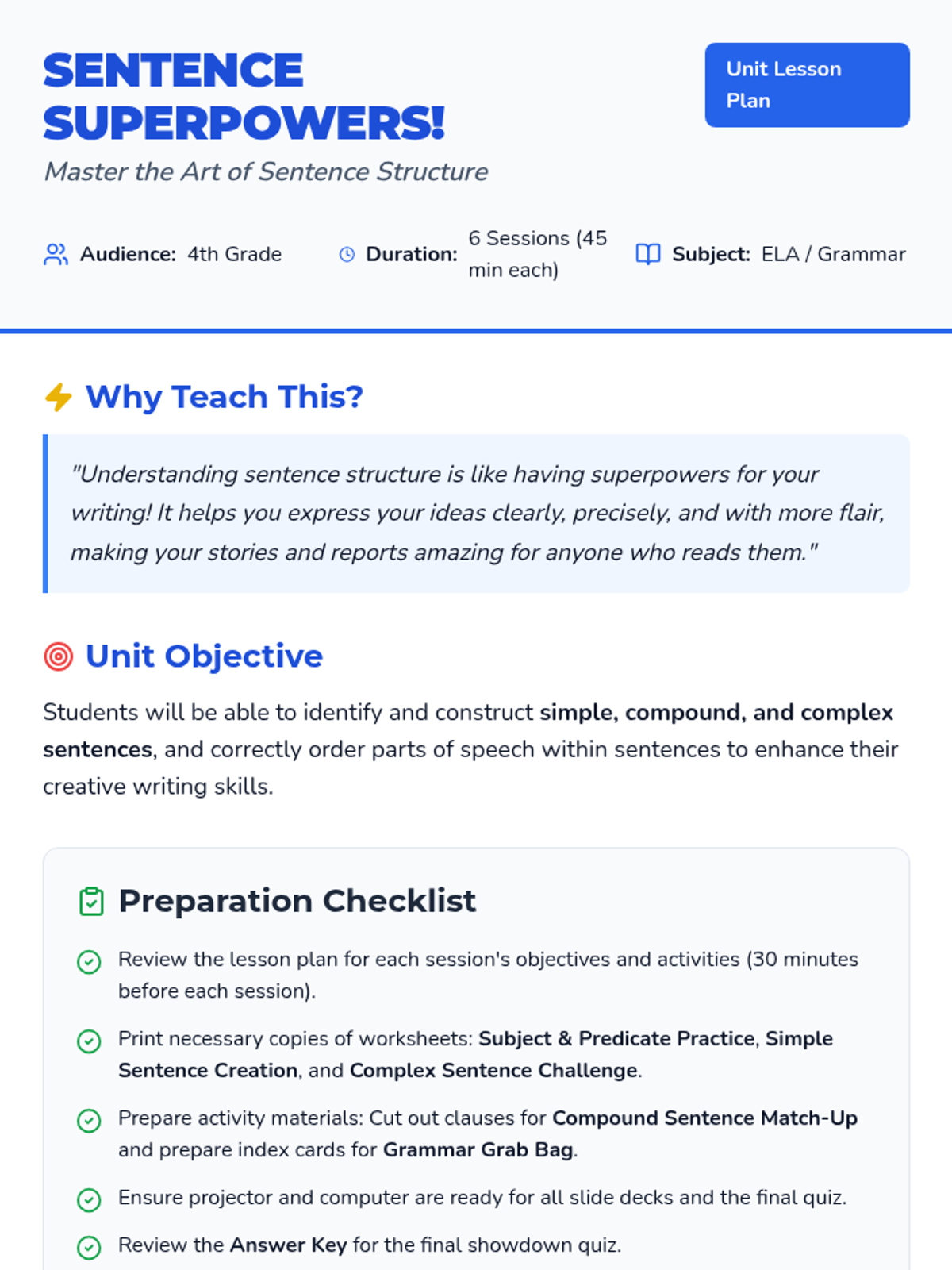
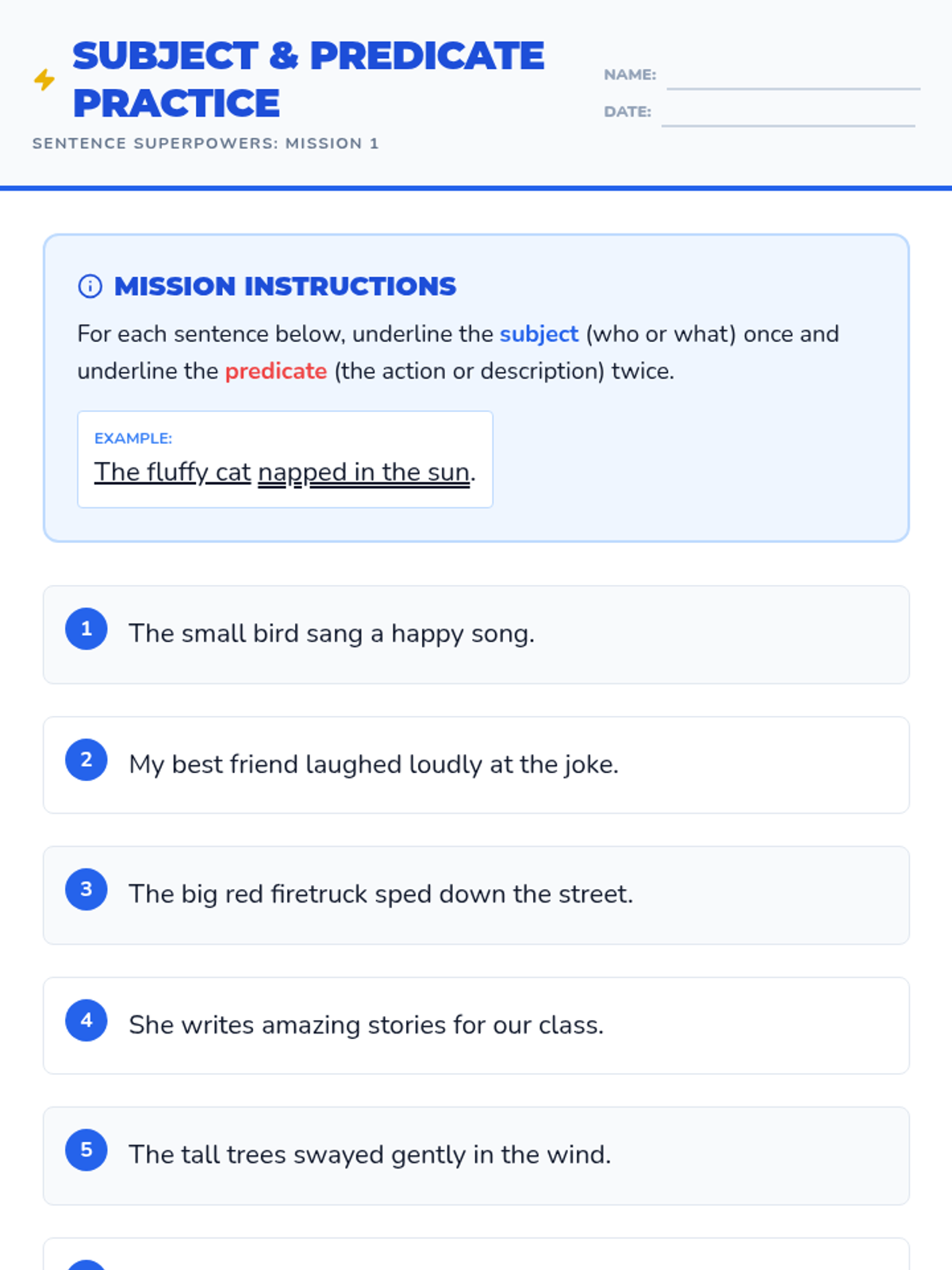
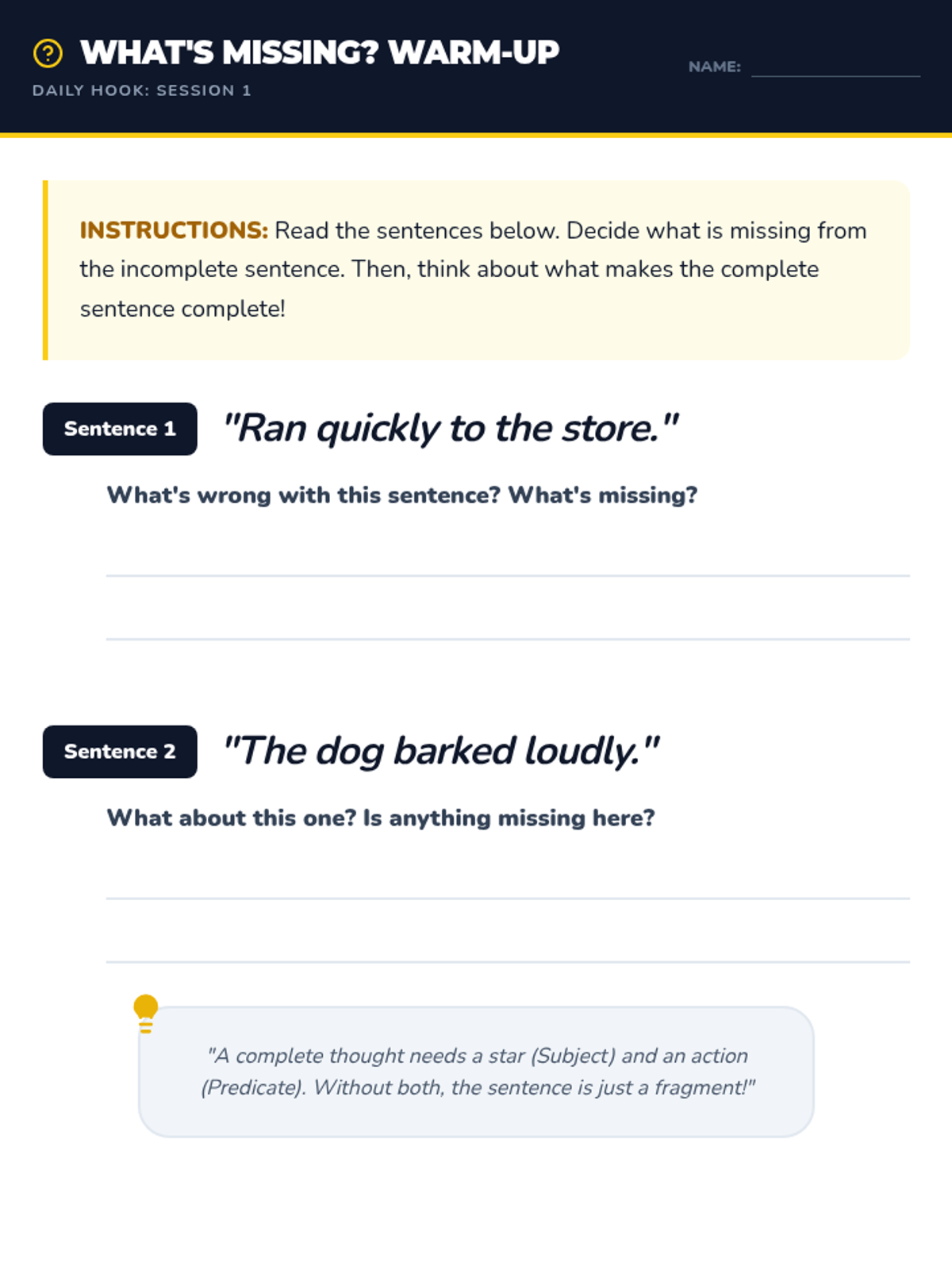
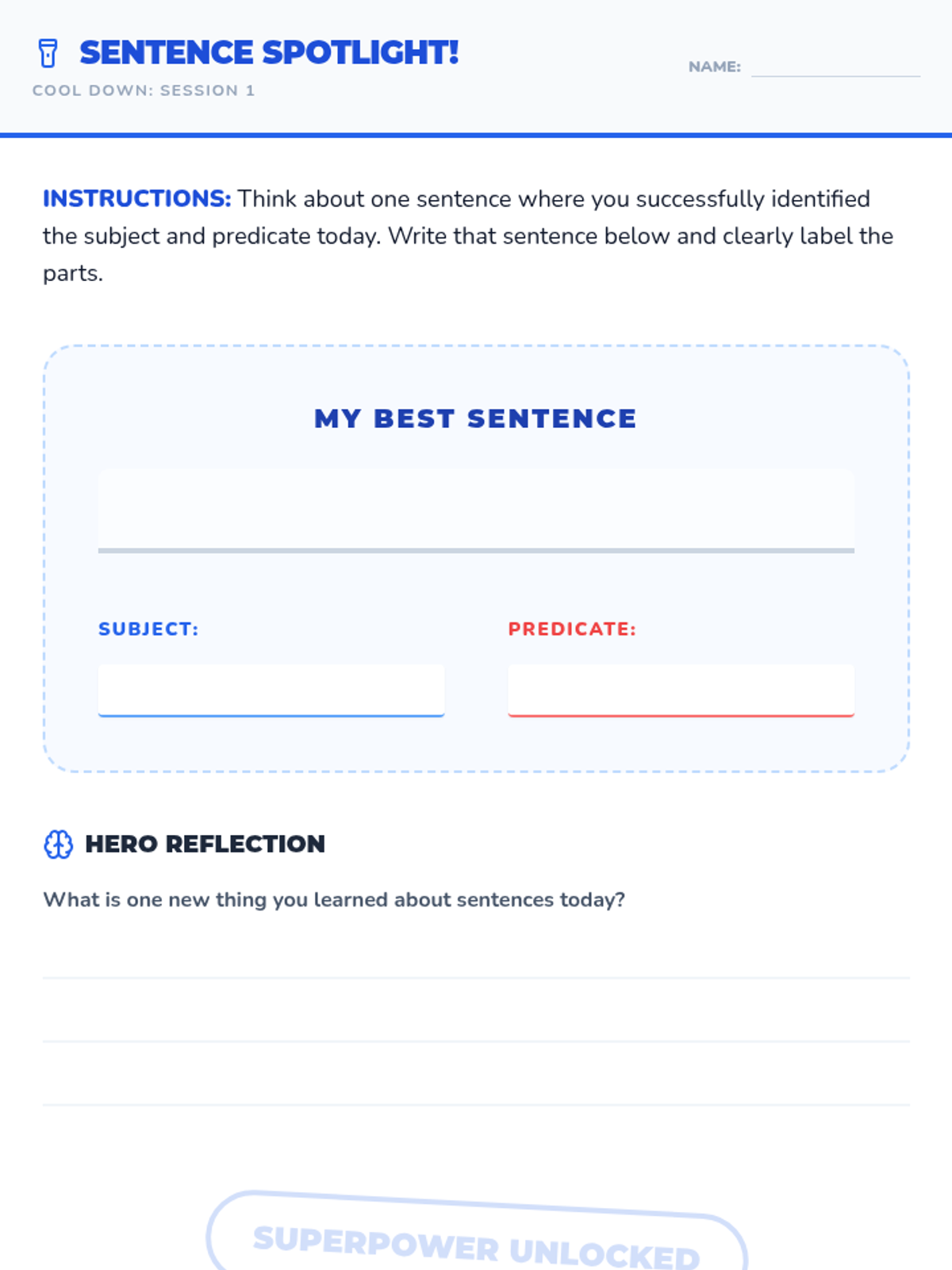
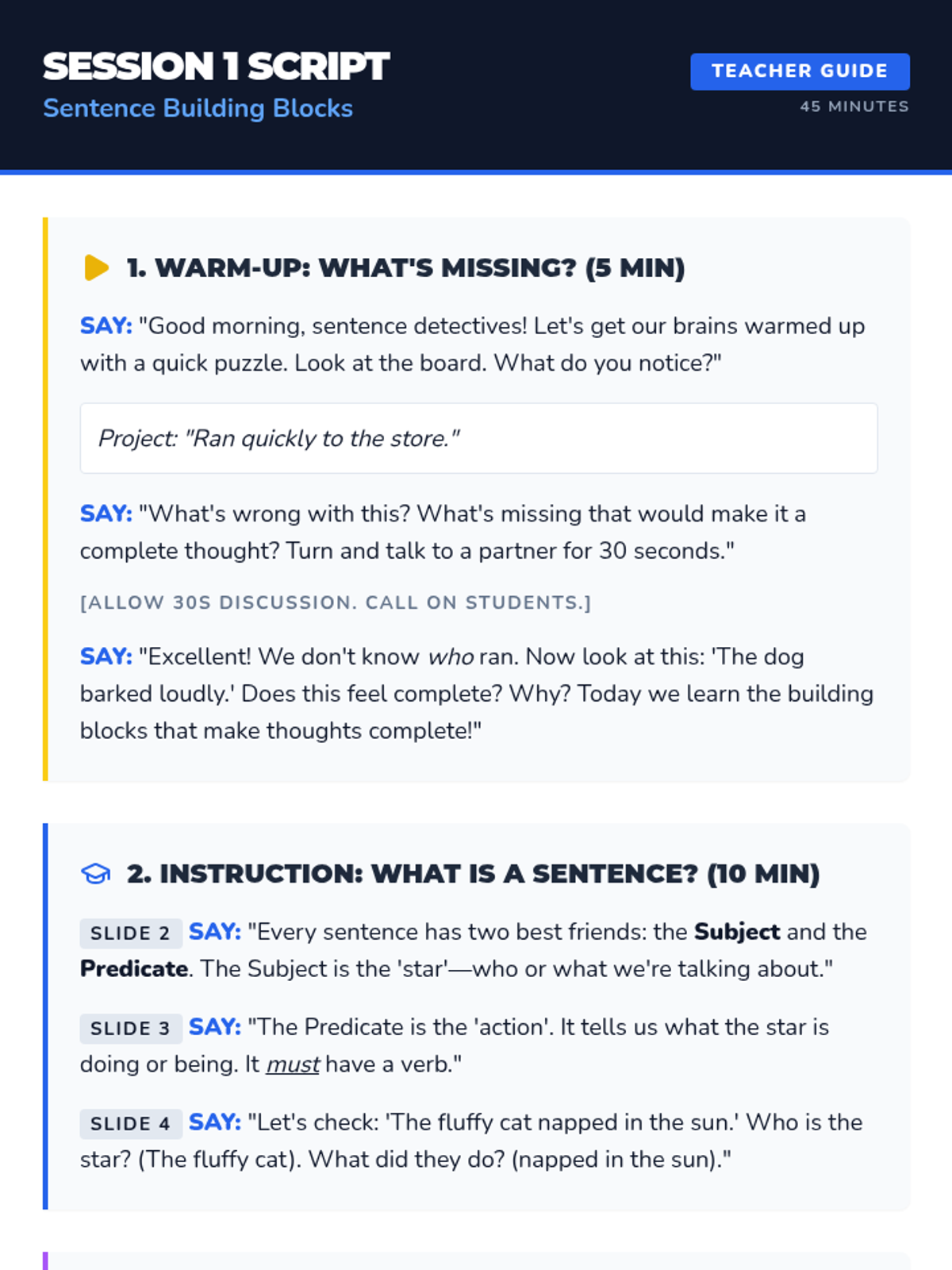
A comprehensive unit for 4th-grade students to master sentence structure, covering subjects, predicates, simple, compound, and complex sentences, as well as parts of speech and word order. Through interactive slides and hands-on activities, students develop the 'superpowers' needed for clear and creative writing.
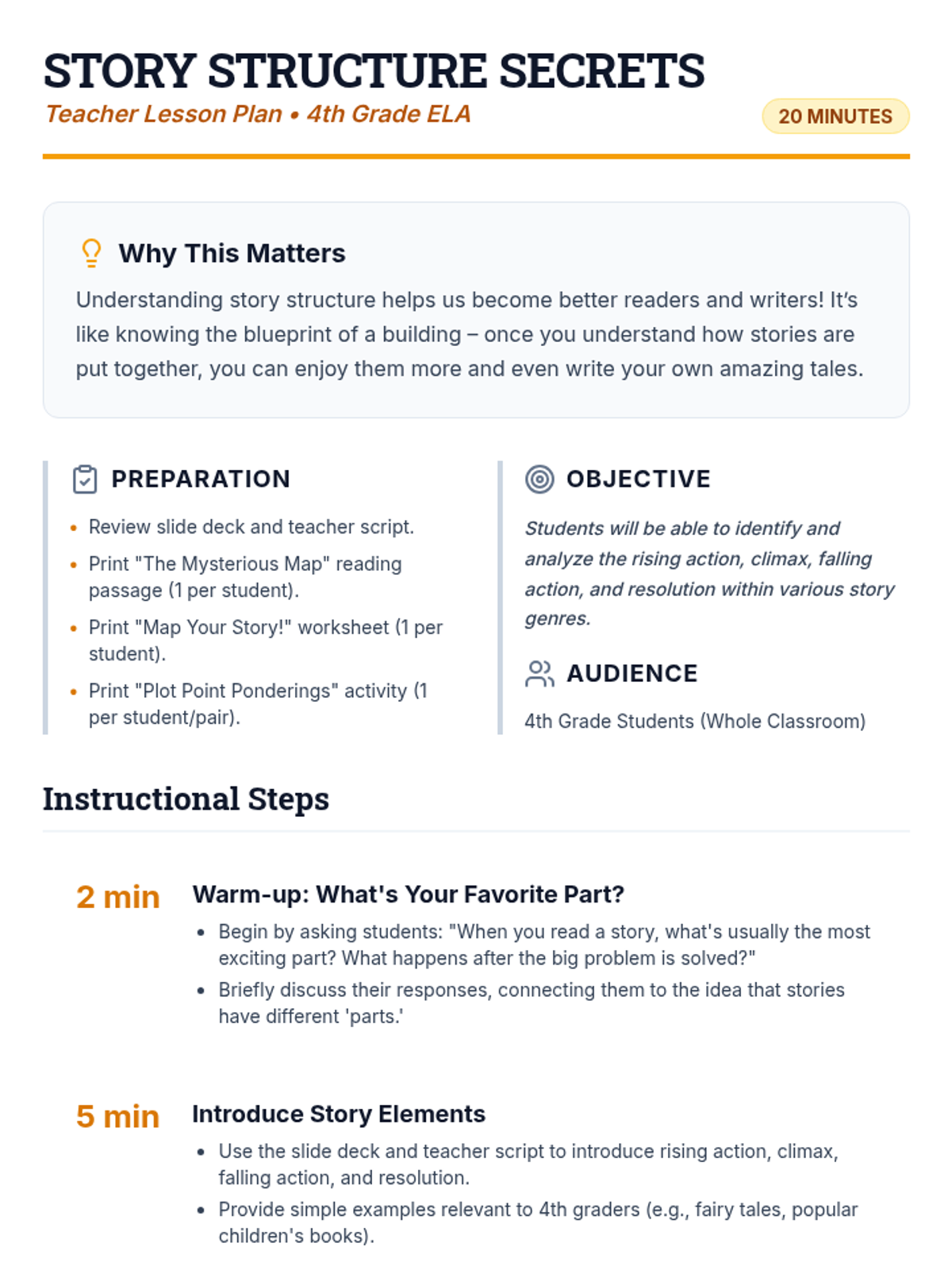
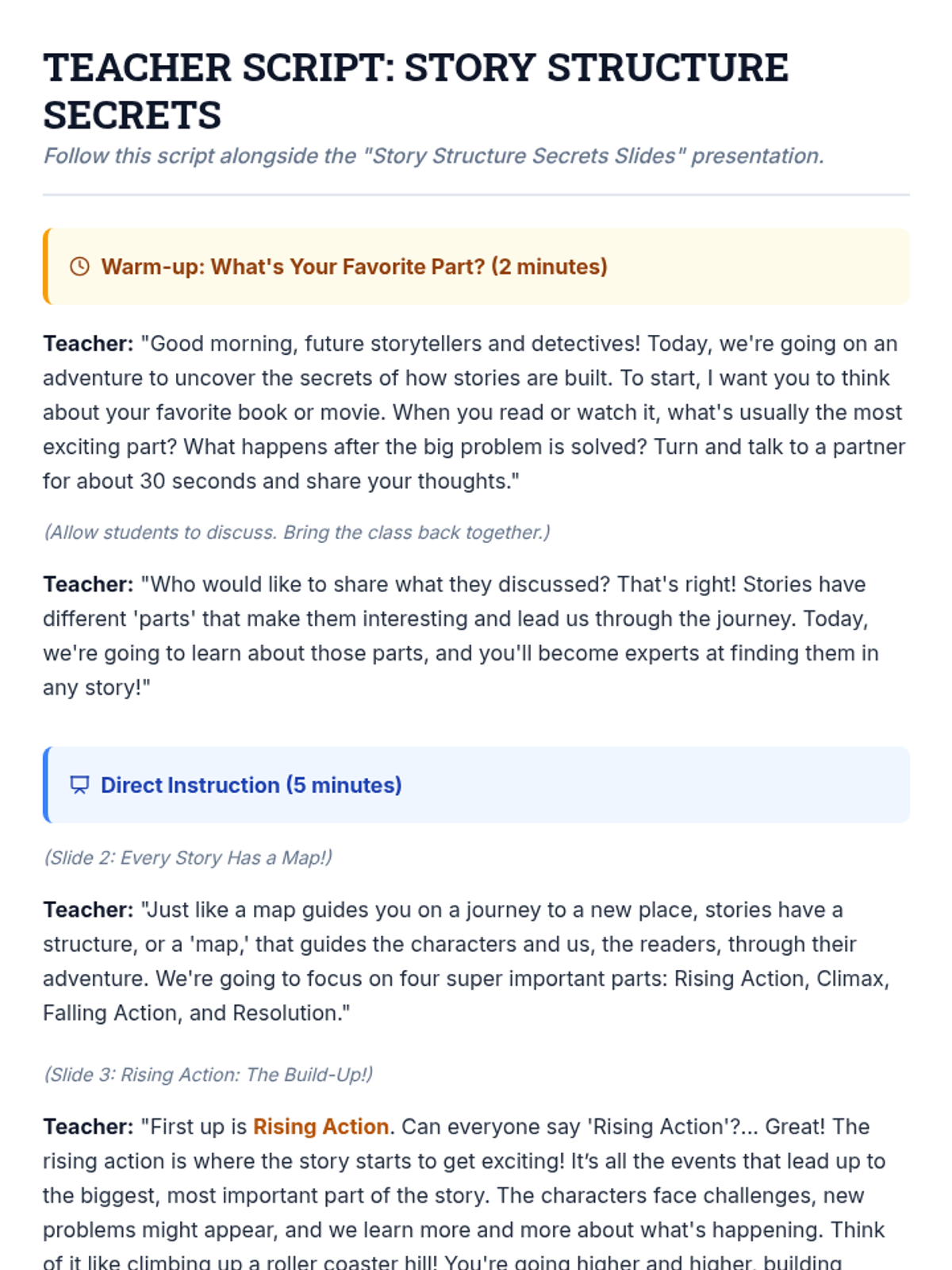
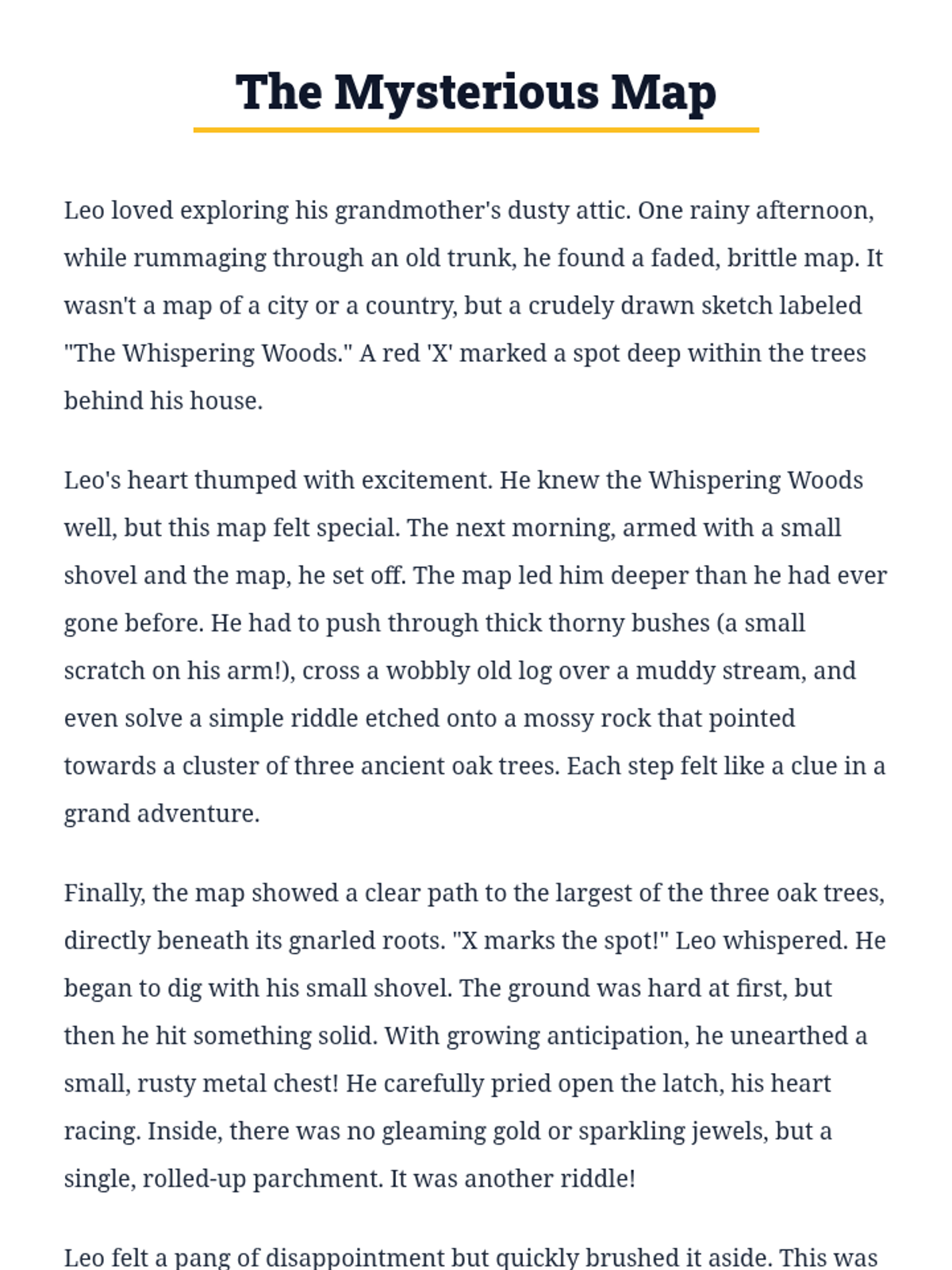
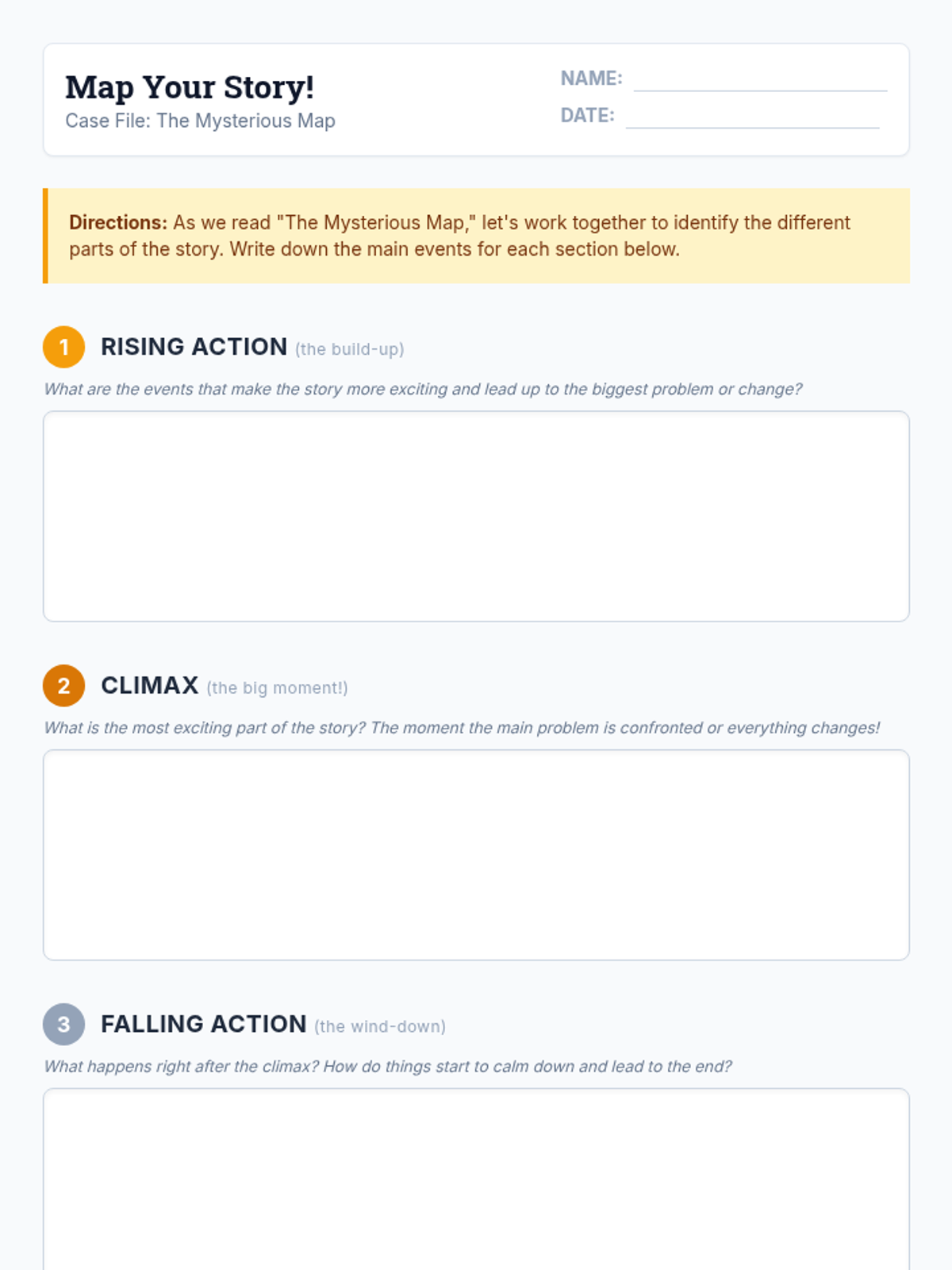
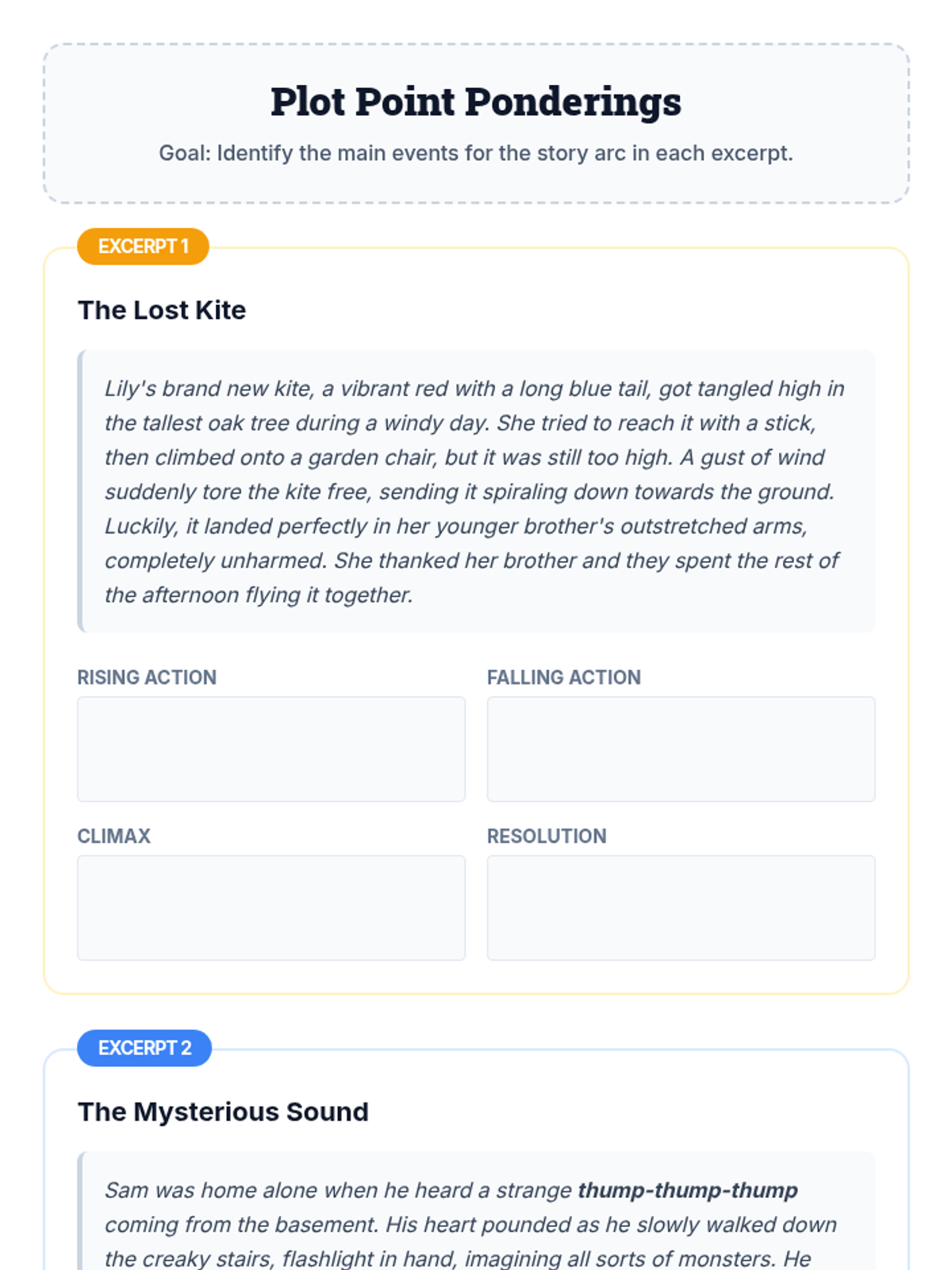
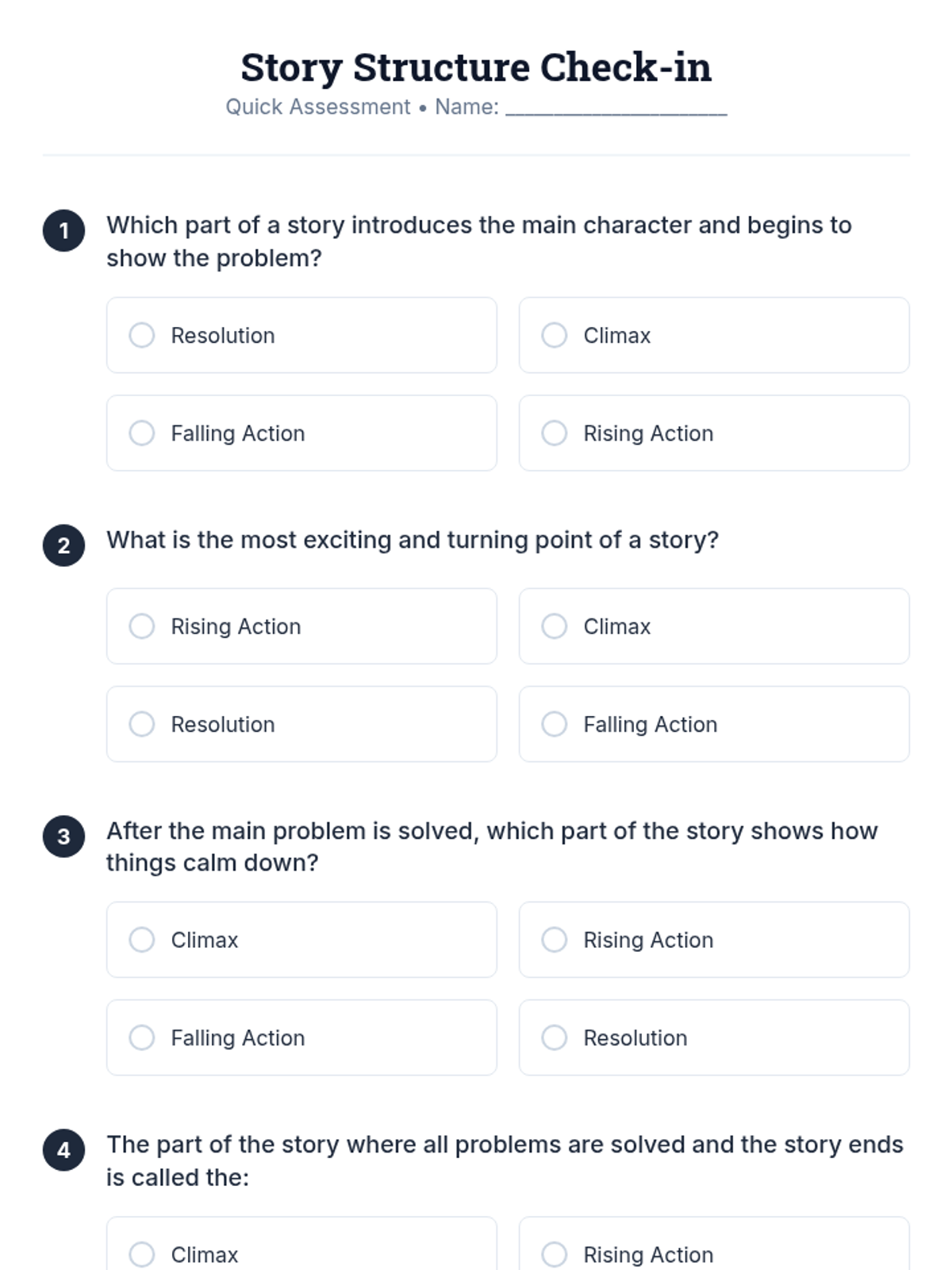
A sequence of two 20-minute mini-lessons for 4th-grade students focusing on narrative plot structure and the use of coordinating conjunctions (FANBOYS) to build stronger sentences. Students take on the role of 'Story Detectives' to uncover the secrets of how great stories and sentences are constructed.
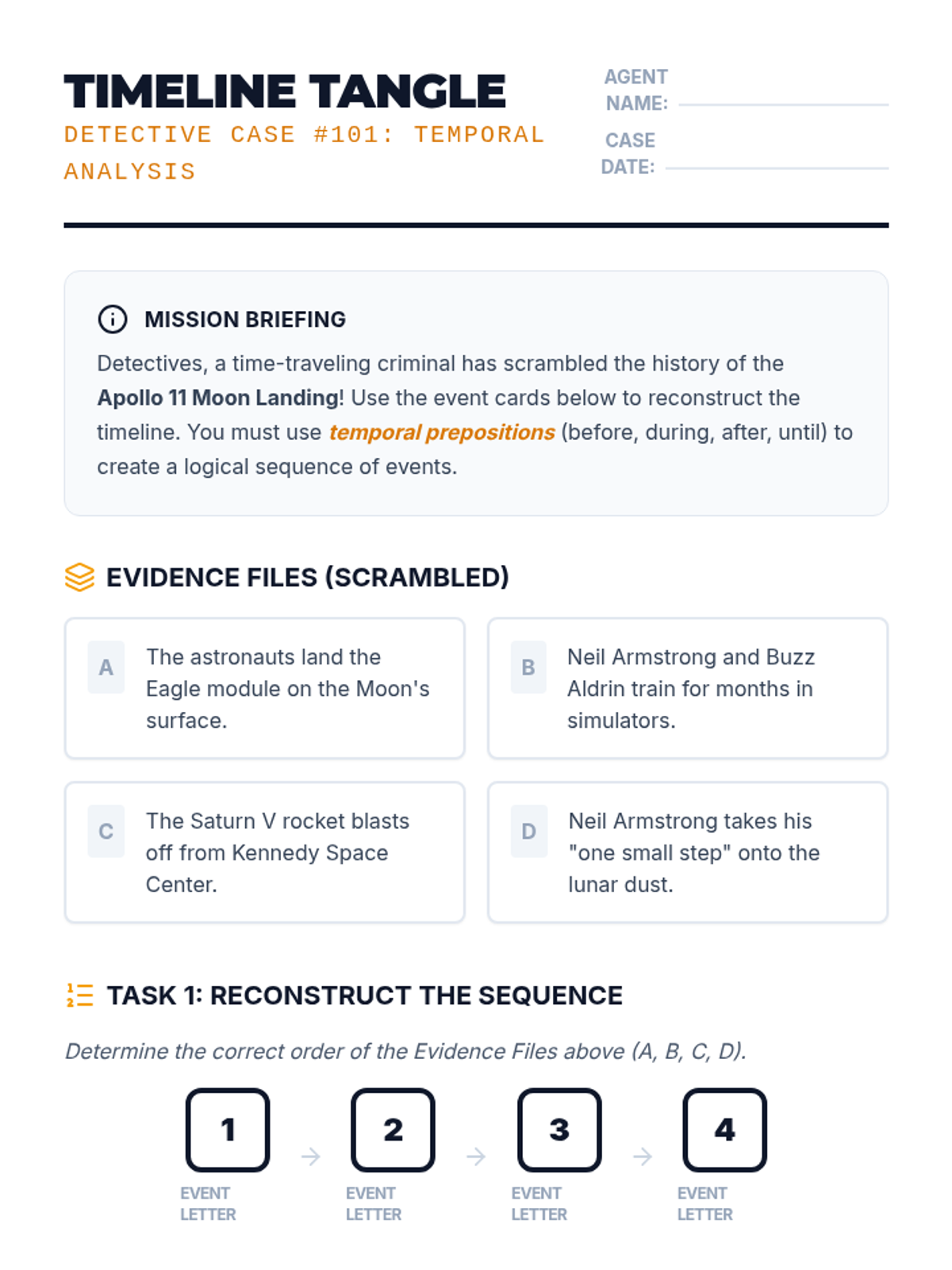
A 4th-grade grammar sequence focusing on temporal and logical prepositions. Students move from basic time sequencing to complex logical analysis and syntax mastery through a detective-themed 'Grammar Lab' approach.
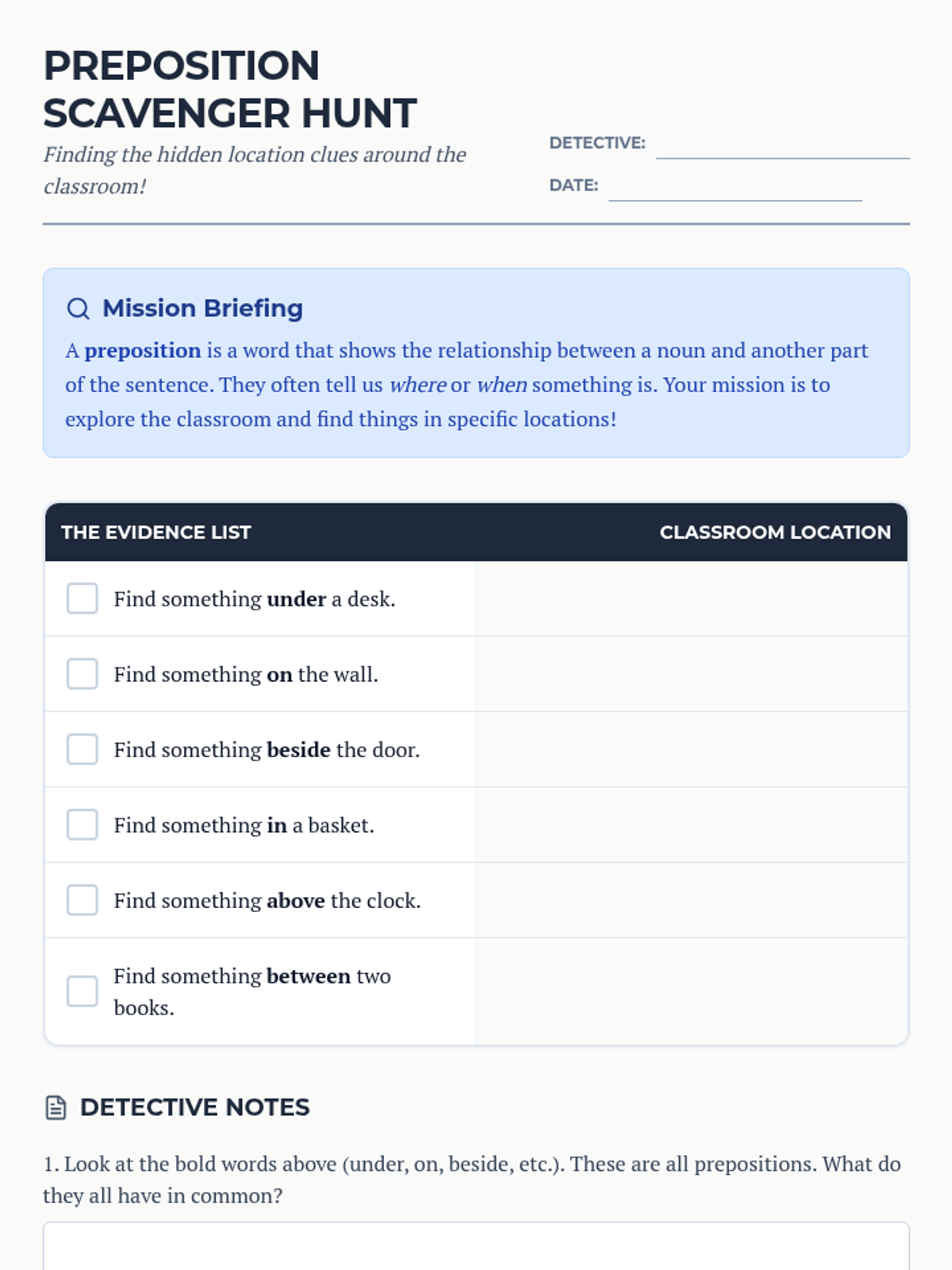
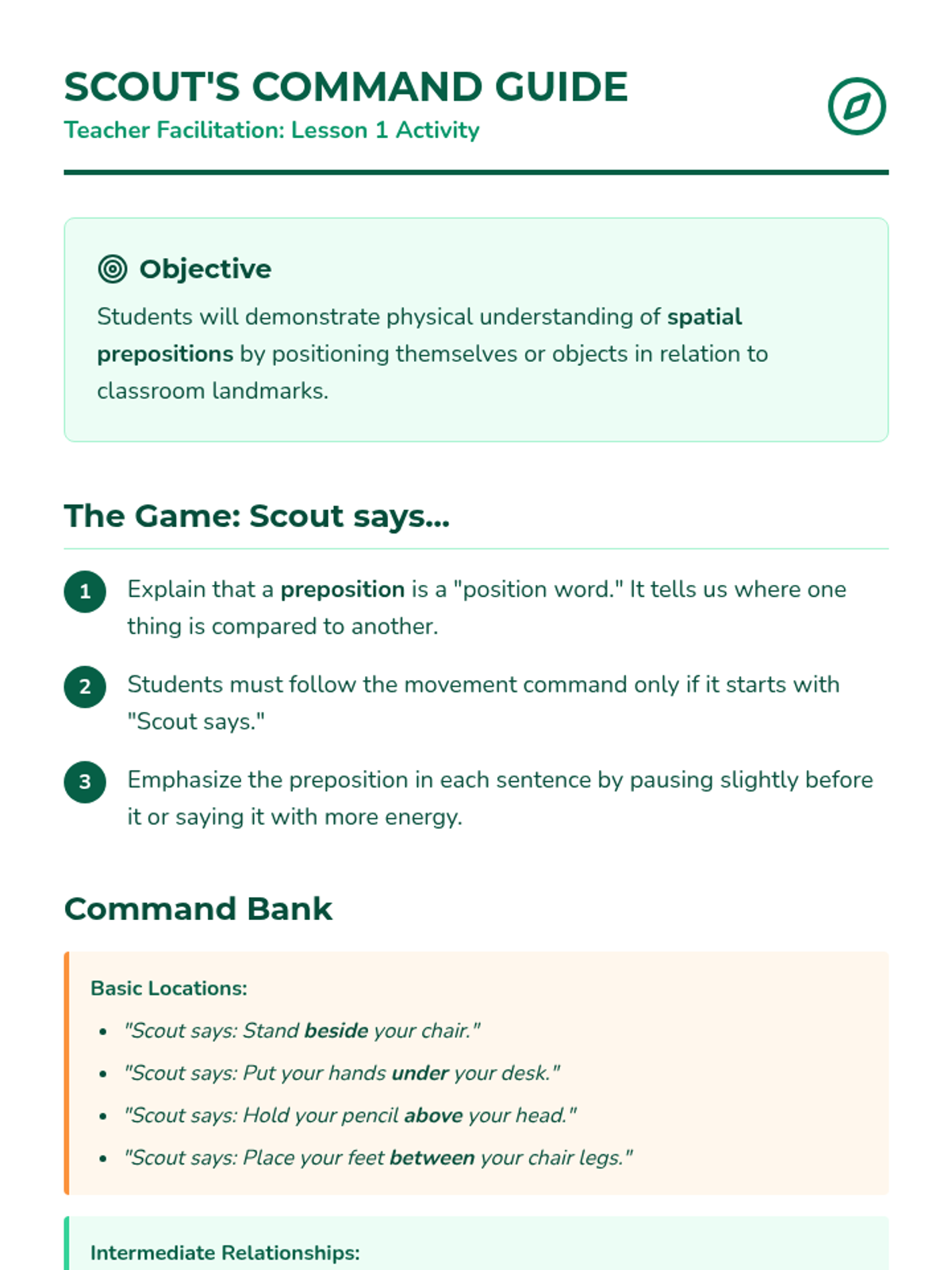
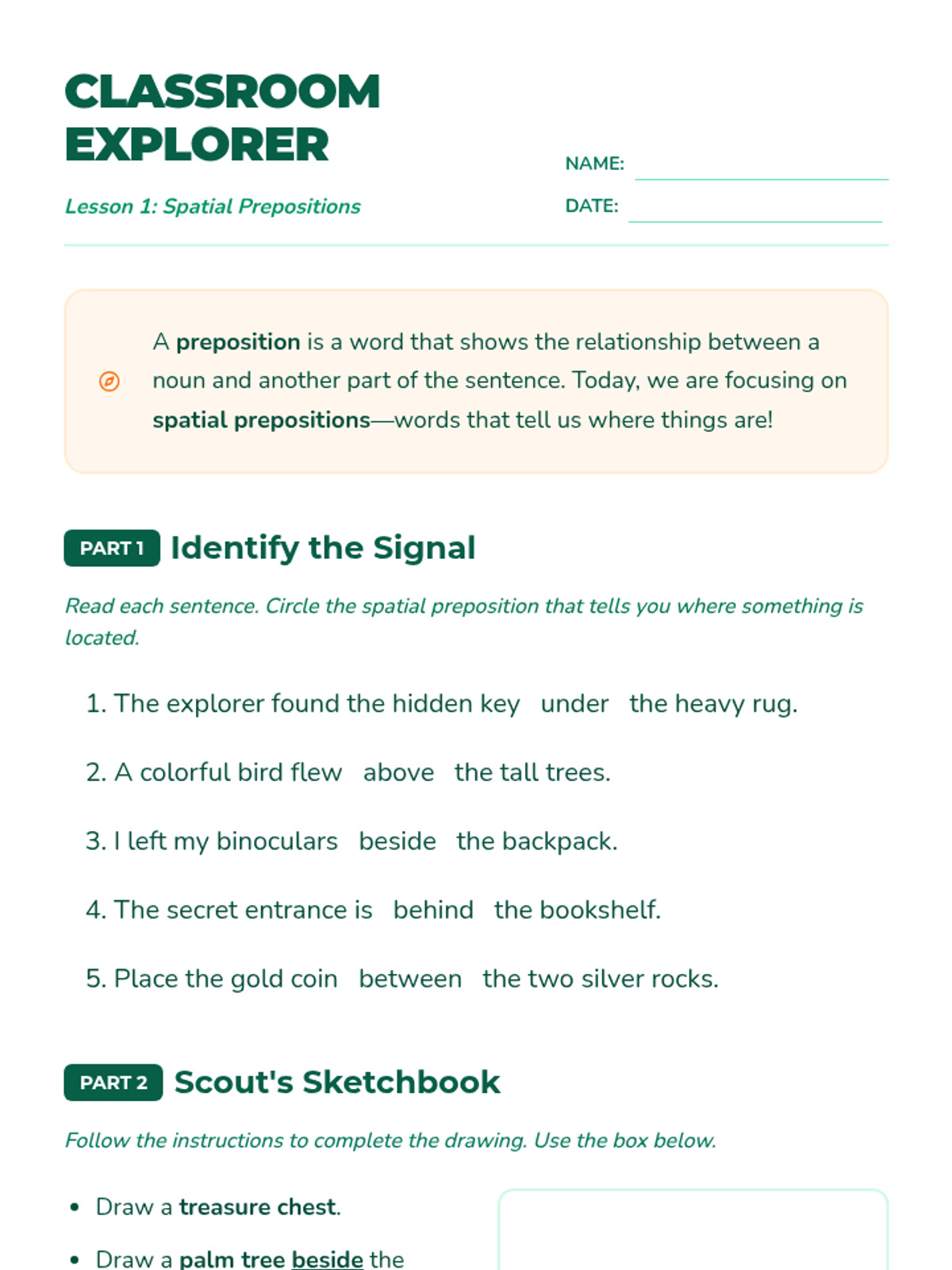
A 5-lesson unit for 4th graders on using prepositions and prepositional phrases to describe spatial relationships, culminating in a creative map-making and navigation project.
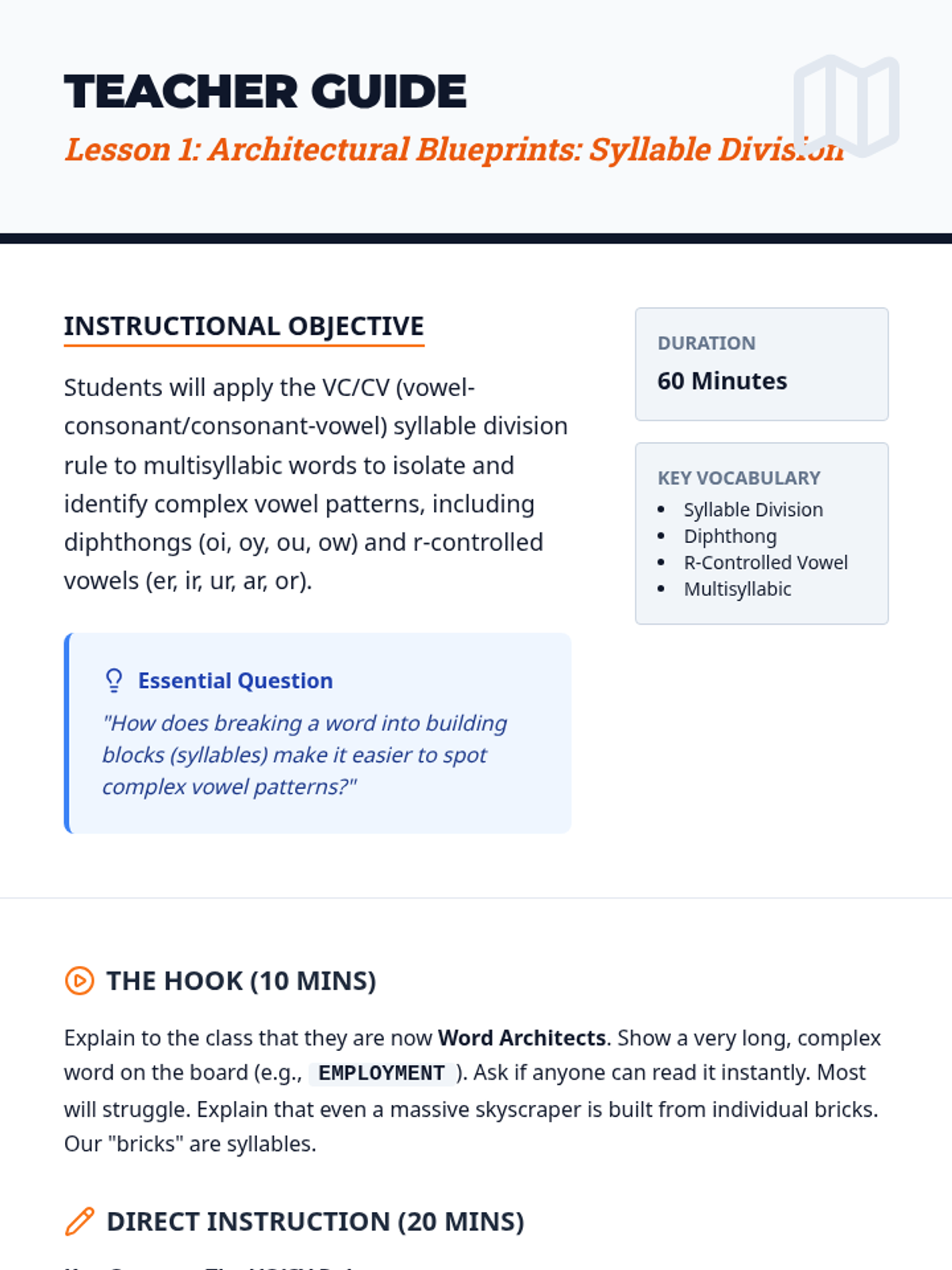
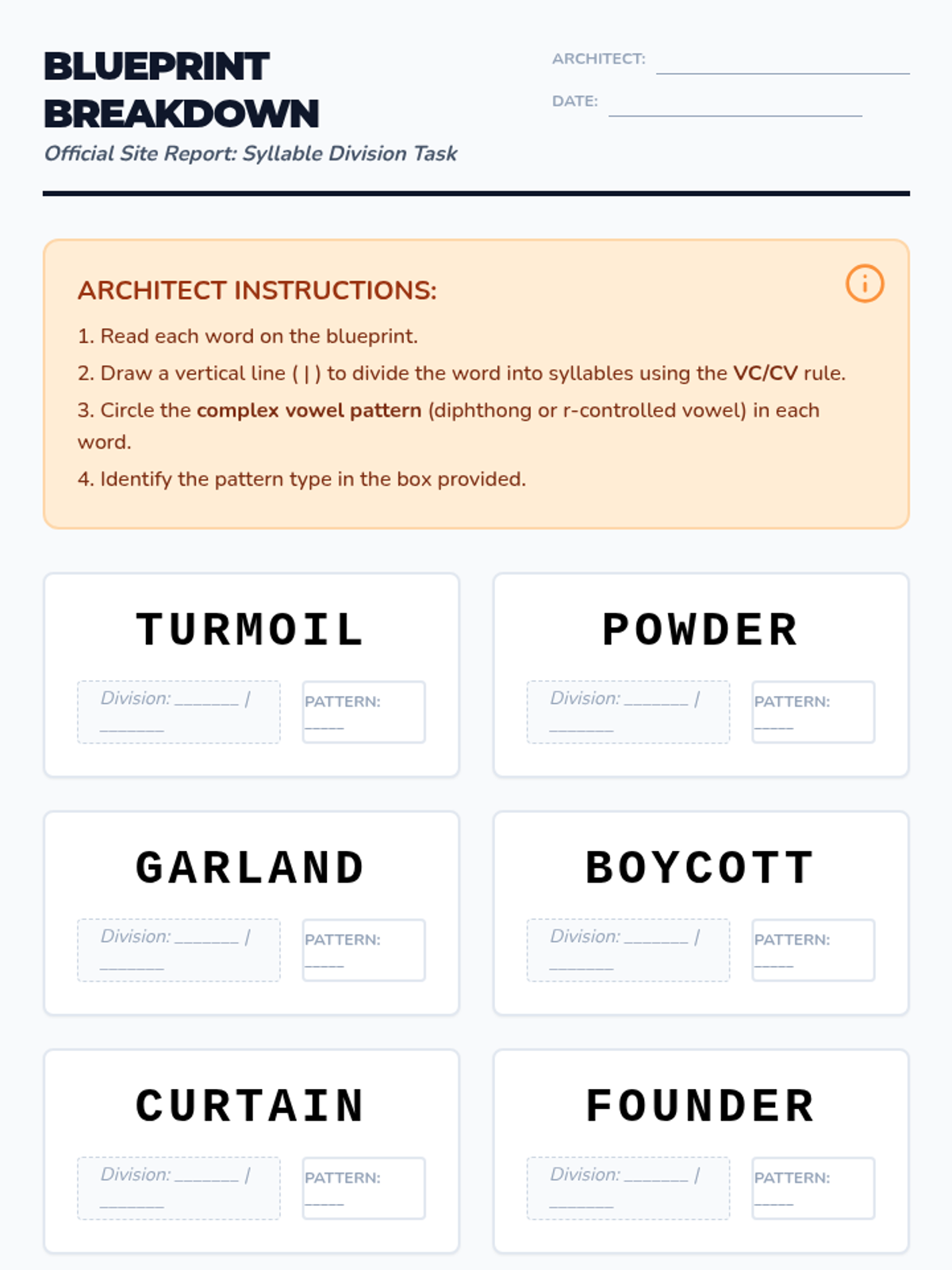
A 4th-grade ELA sequence where students act as 'Word Architects' to master multisyllabic words containing diphthongs, r-controlled vowels, and variant patterns. Students learn to divide syllables and use morphological clues to decode complex vocabulary.
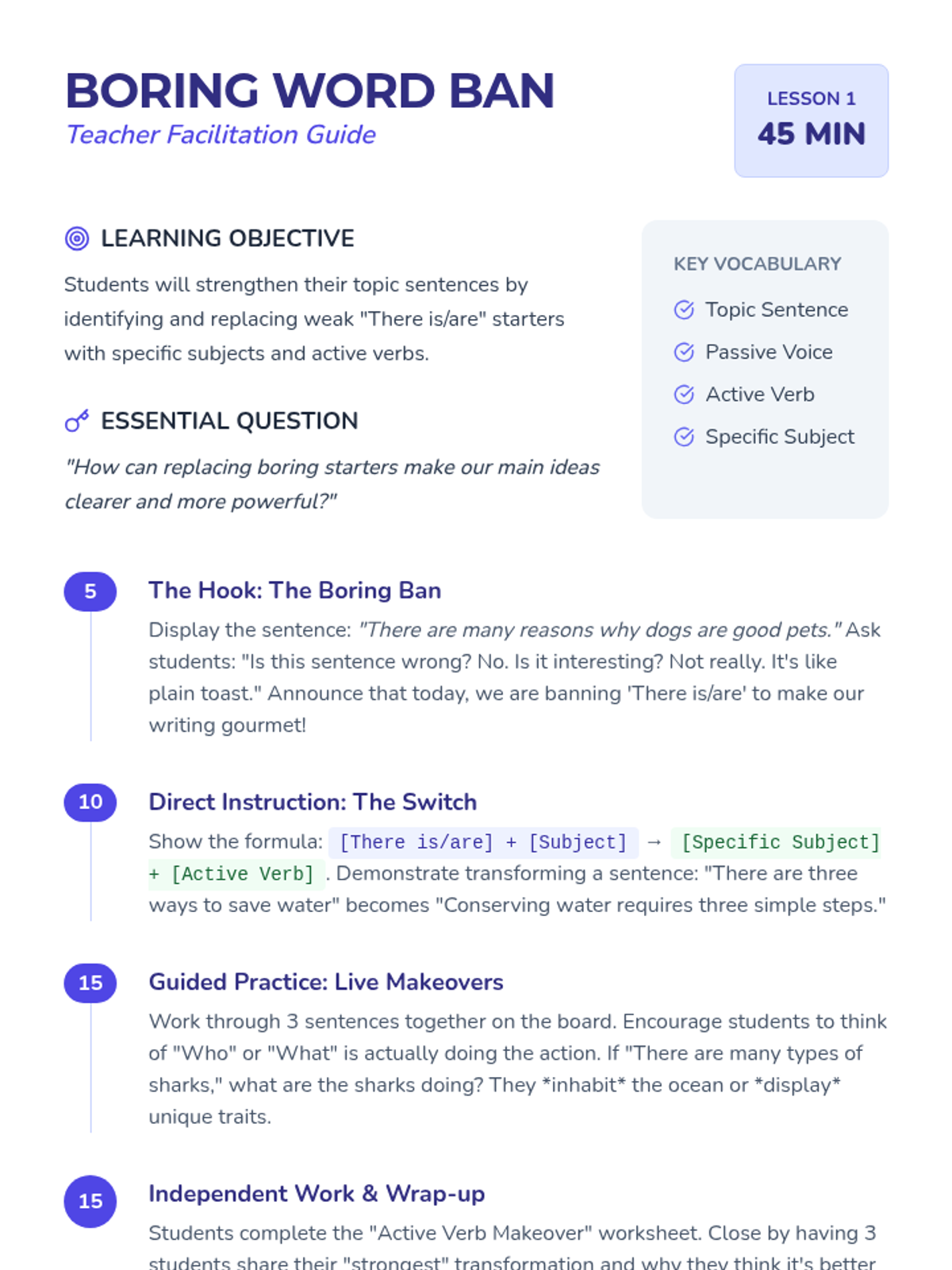
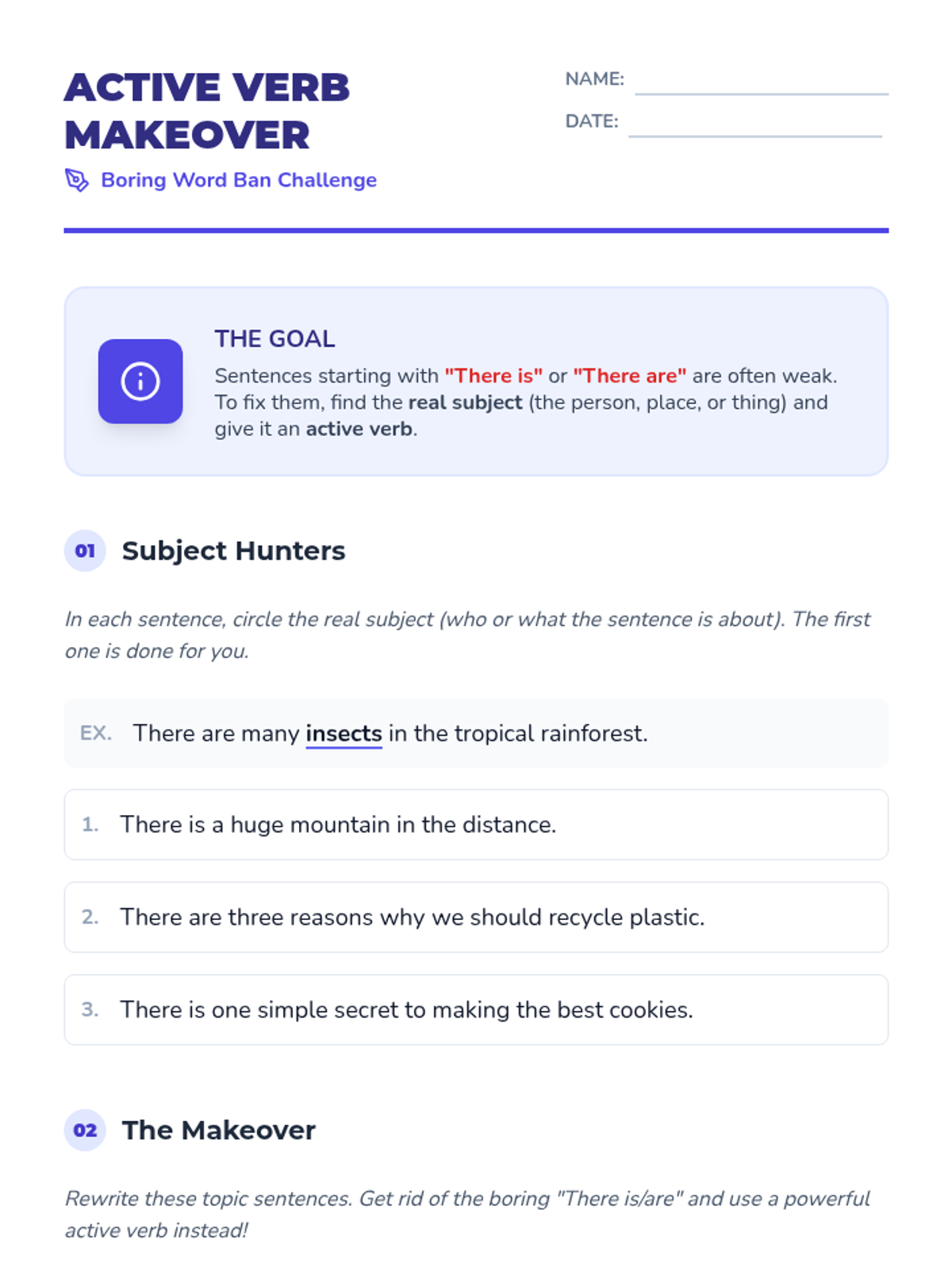
A 5-lesson sequence for 4th graders focused on the craft of refining topic sentences and thesis statements through vocabulary choice, transition use, expansion, and parallel structure.
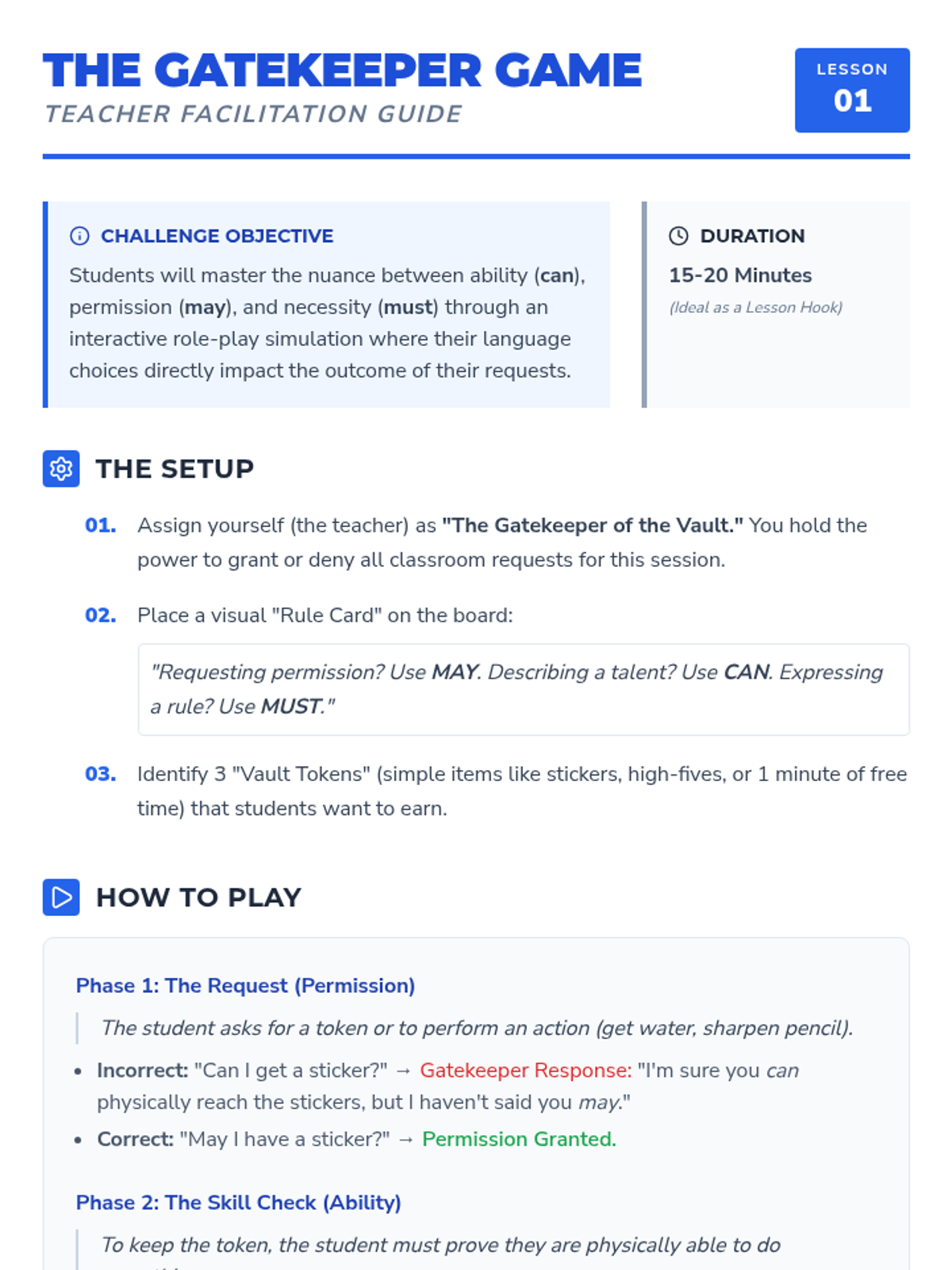
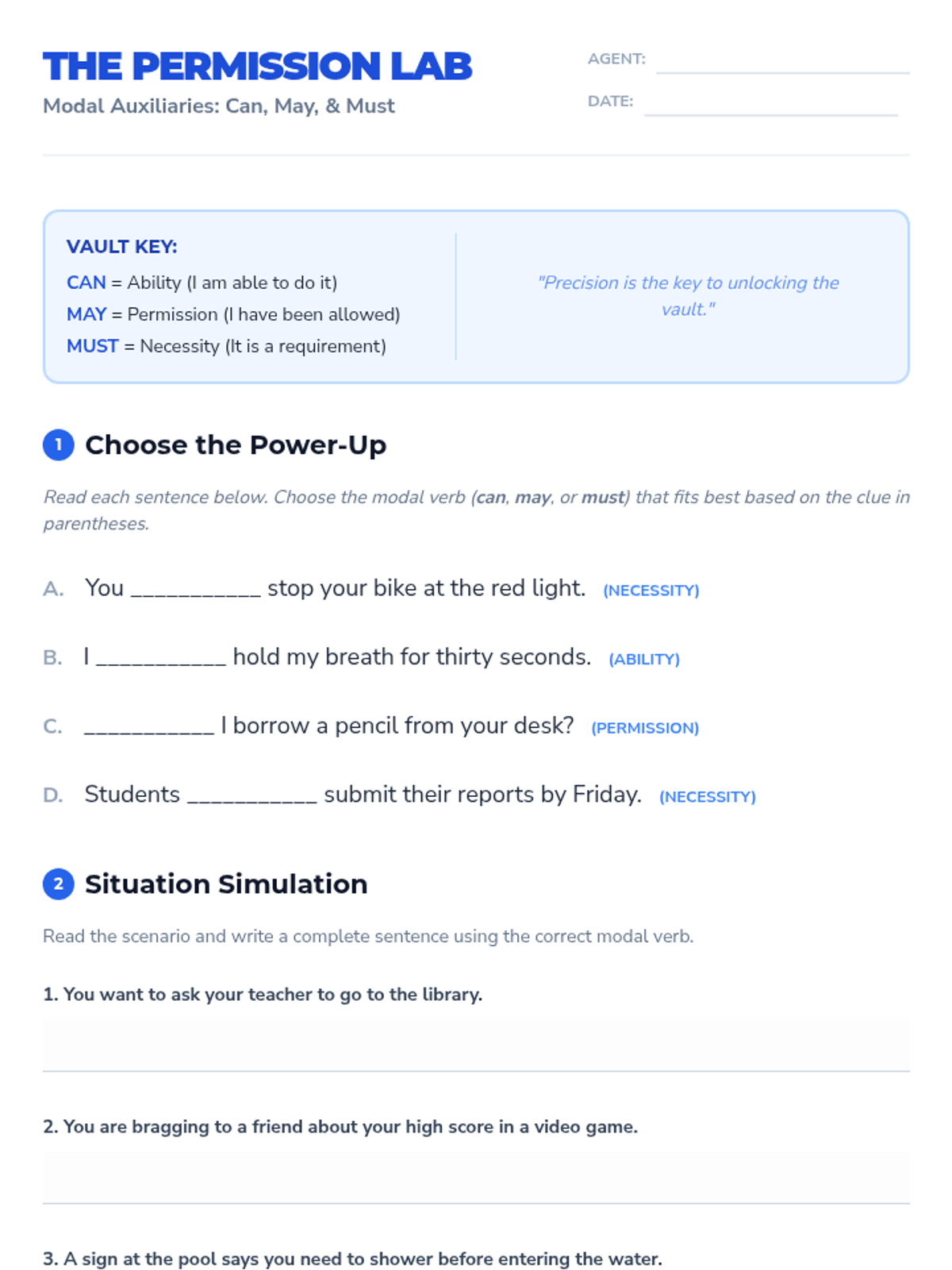
This sequence explores the mechanics of verbs through modal auxiliaries and the creative power of vivid verbs. Students move from understanding ability, permission, and probability to revising narratives for maximum impact by replacing bland verbs with precise alternatives.
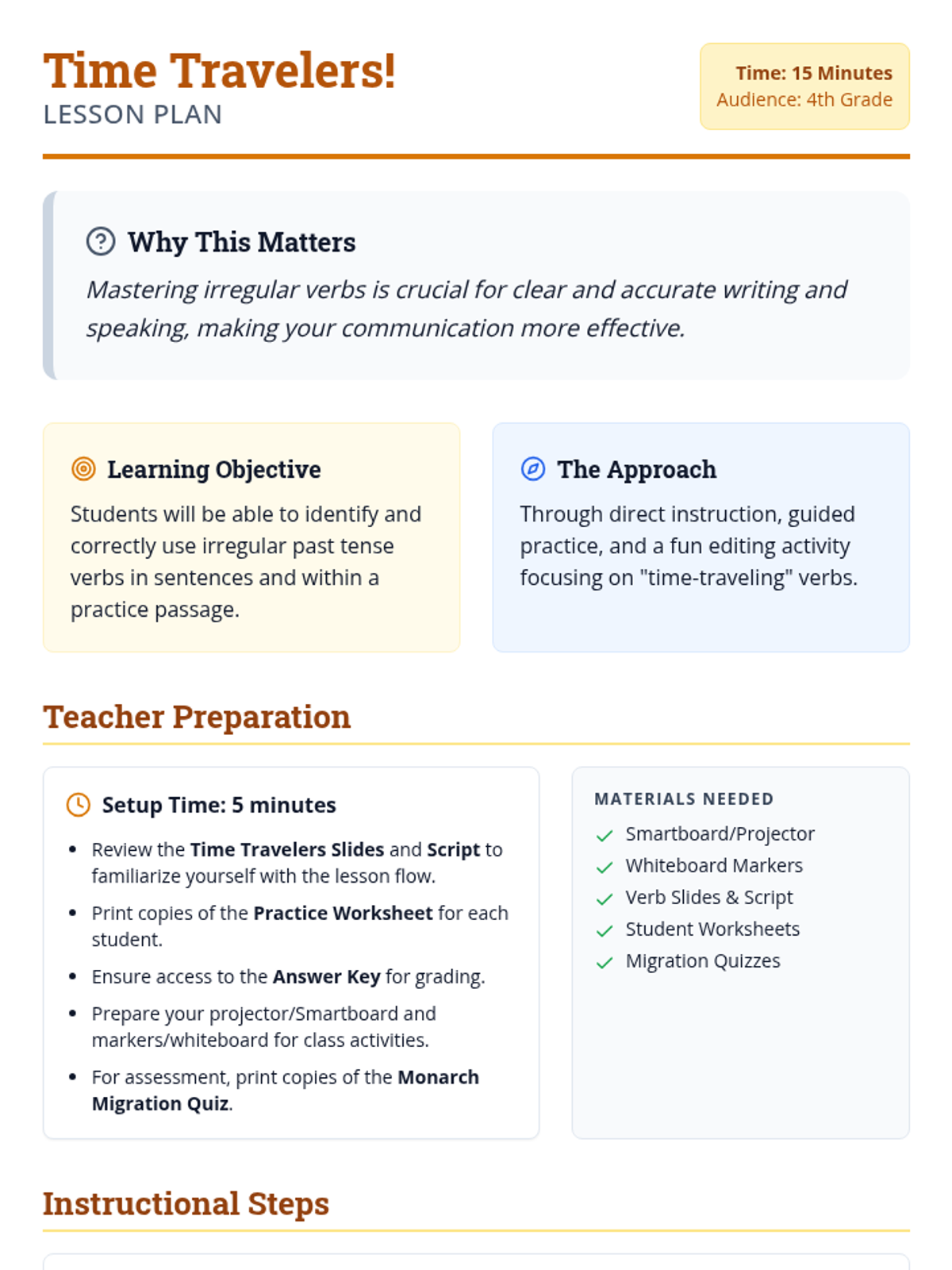
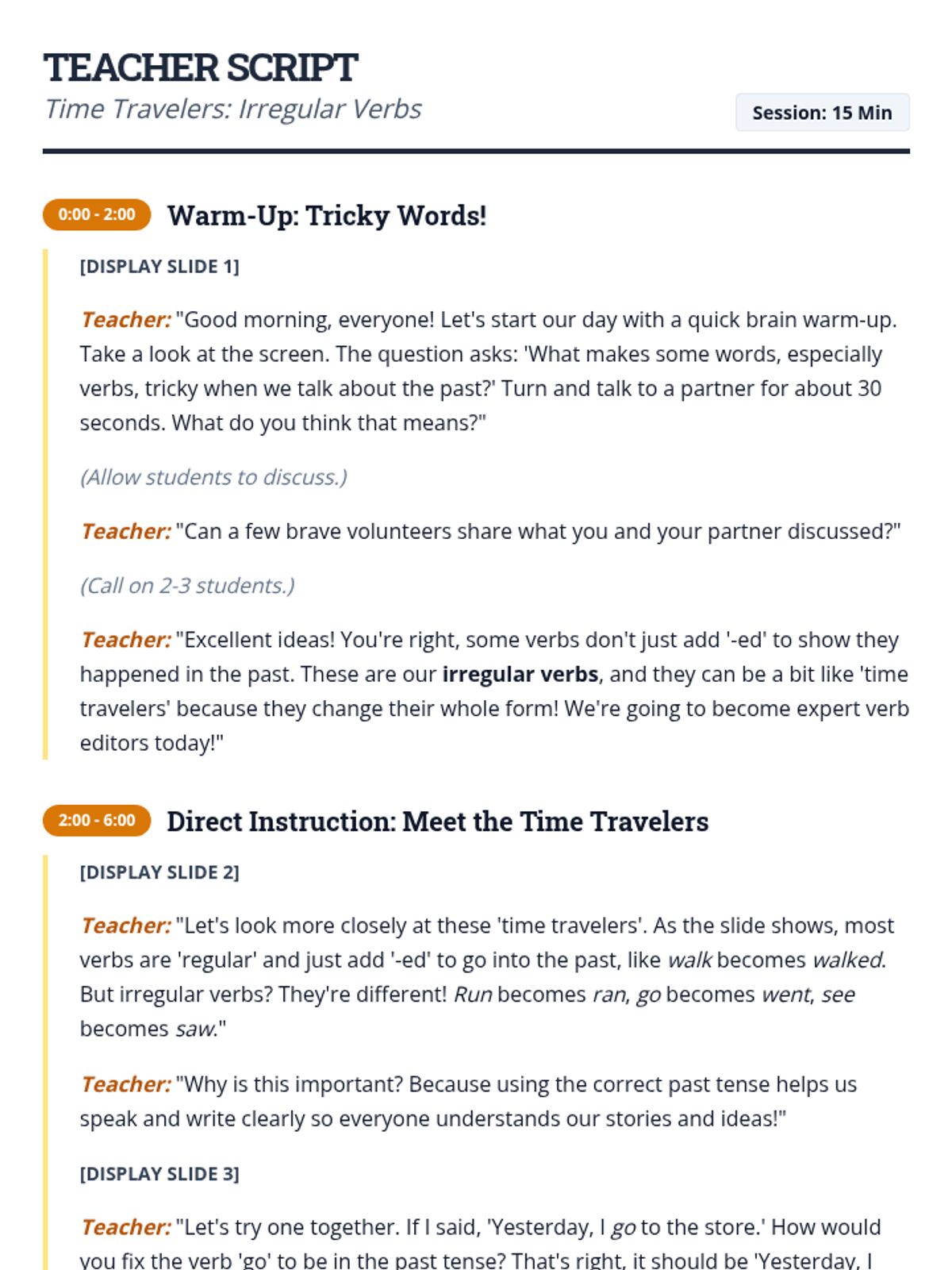
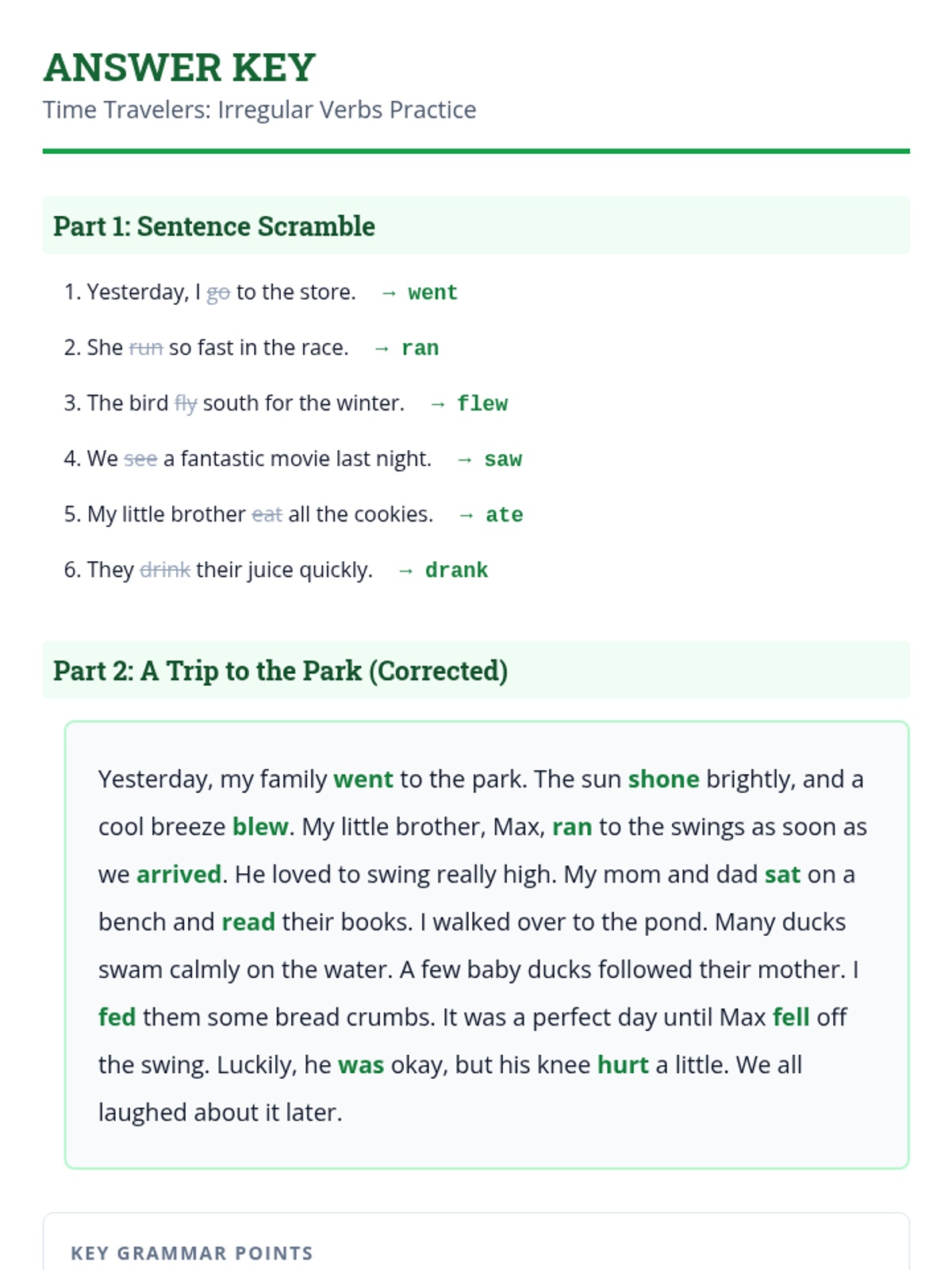
A comprehensive sequence for 4th-grade students focusing on irregular past tense verbs and informational text synthesis using deep-sea and nature-themed content.
This workshop-style sequence focuses on the logical relationship between pronouns and their antecedents to ensure clarity in writing. Students move from simple identification to solving complex ambiguity and distant antecedent problems, culminating in a professional editing simulation.
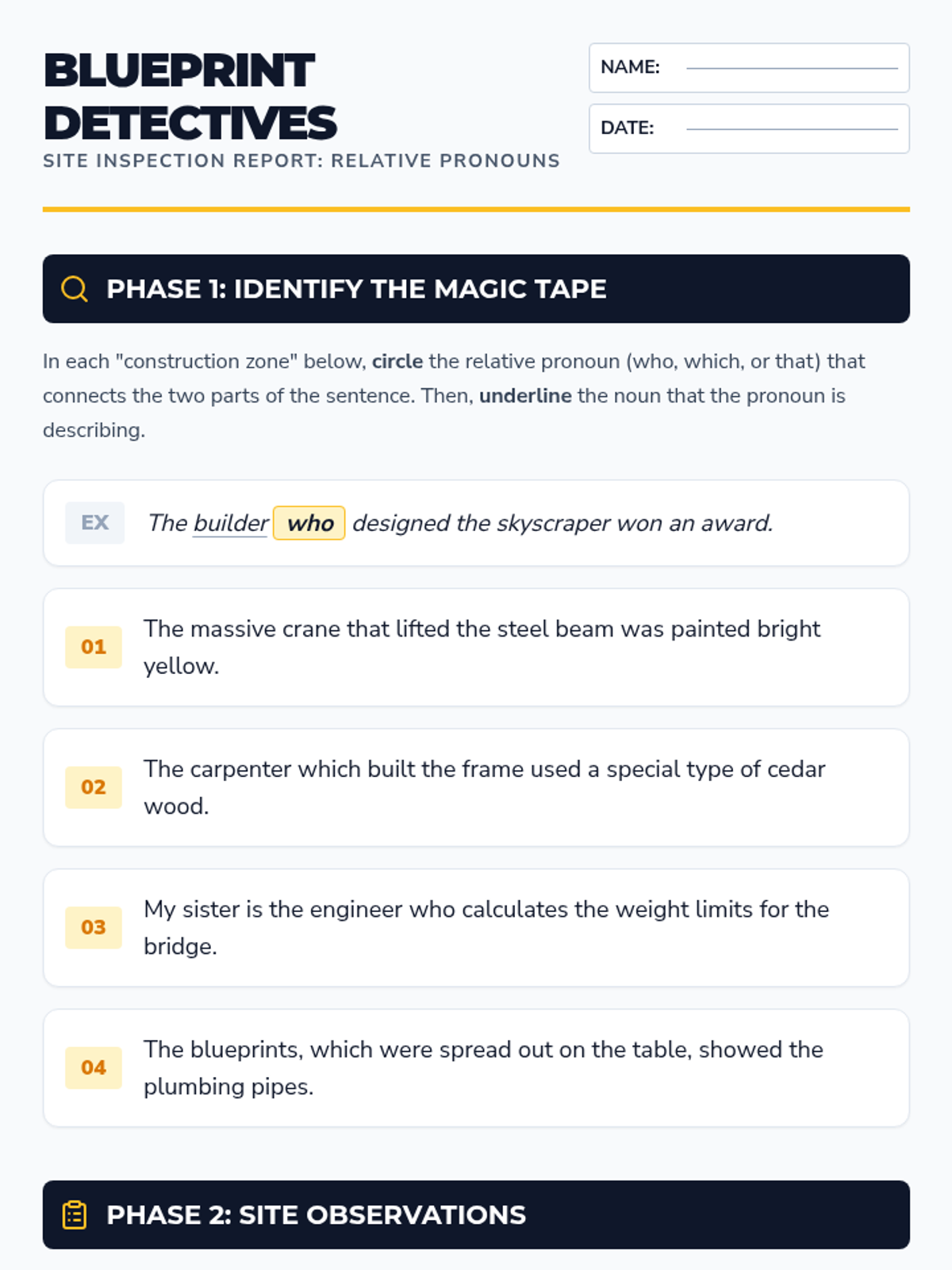
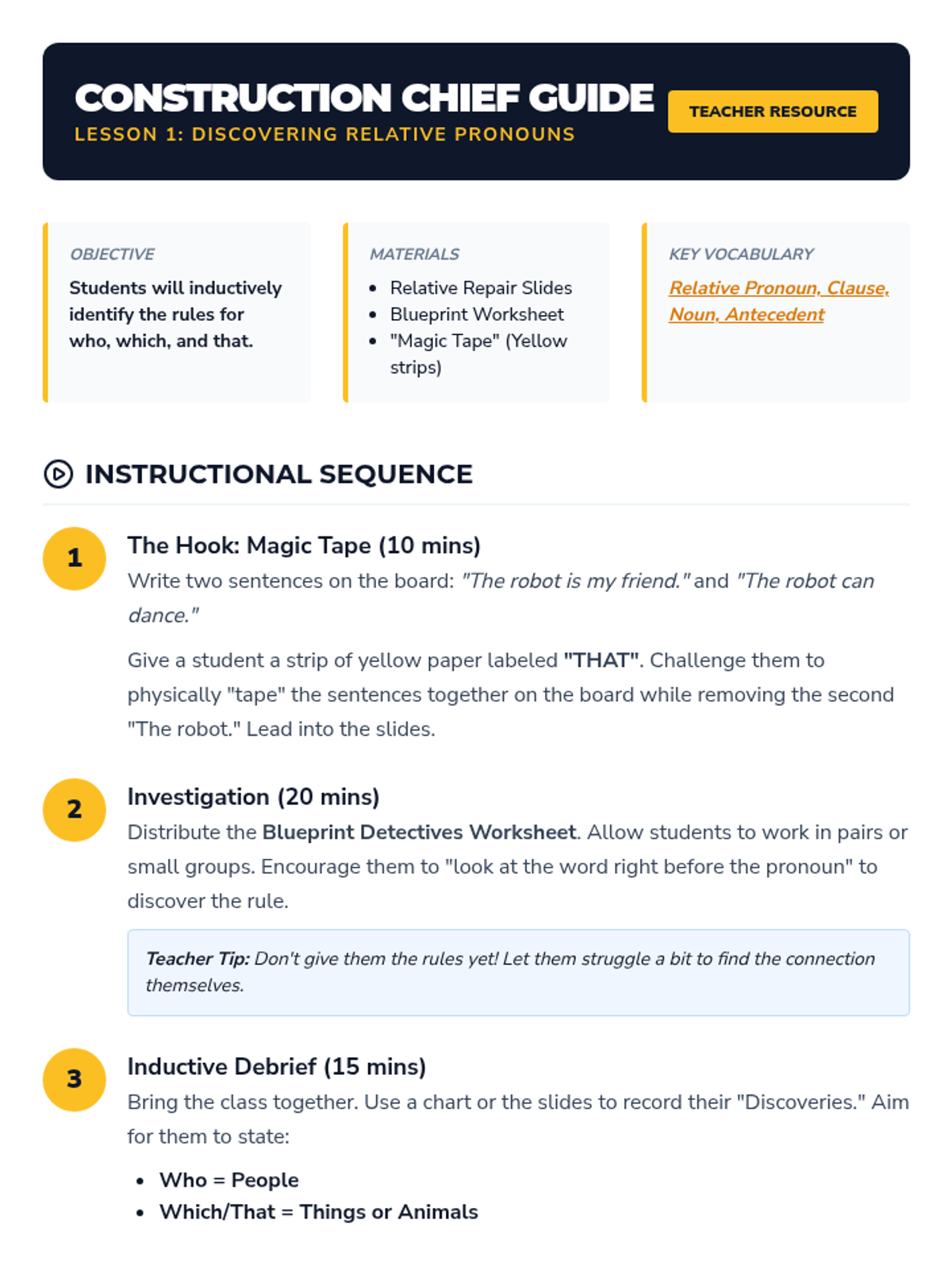
A 4th-grade ELA sequence focused on relative pronouns (who, whose, whom, which, that). Students investigate how authors use these tools to build complex sentences, distinguish between animate and inanimate references, and apply their skills to rewrite choppy prose into fluid narratives.
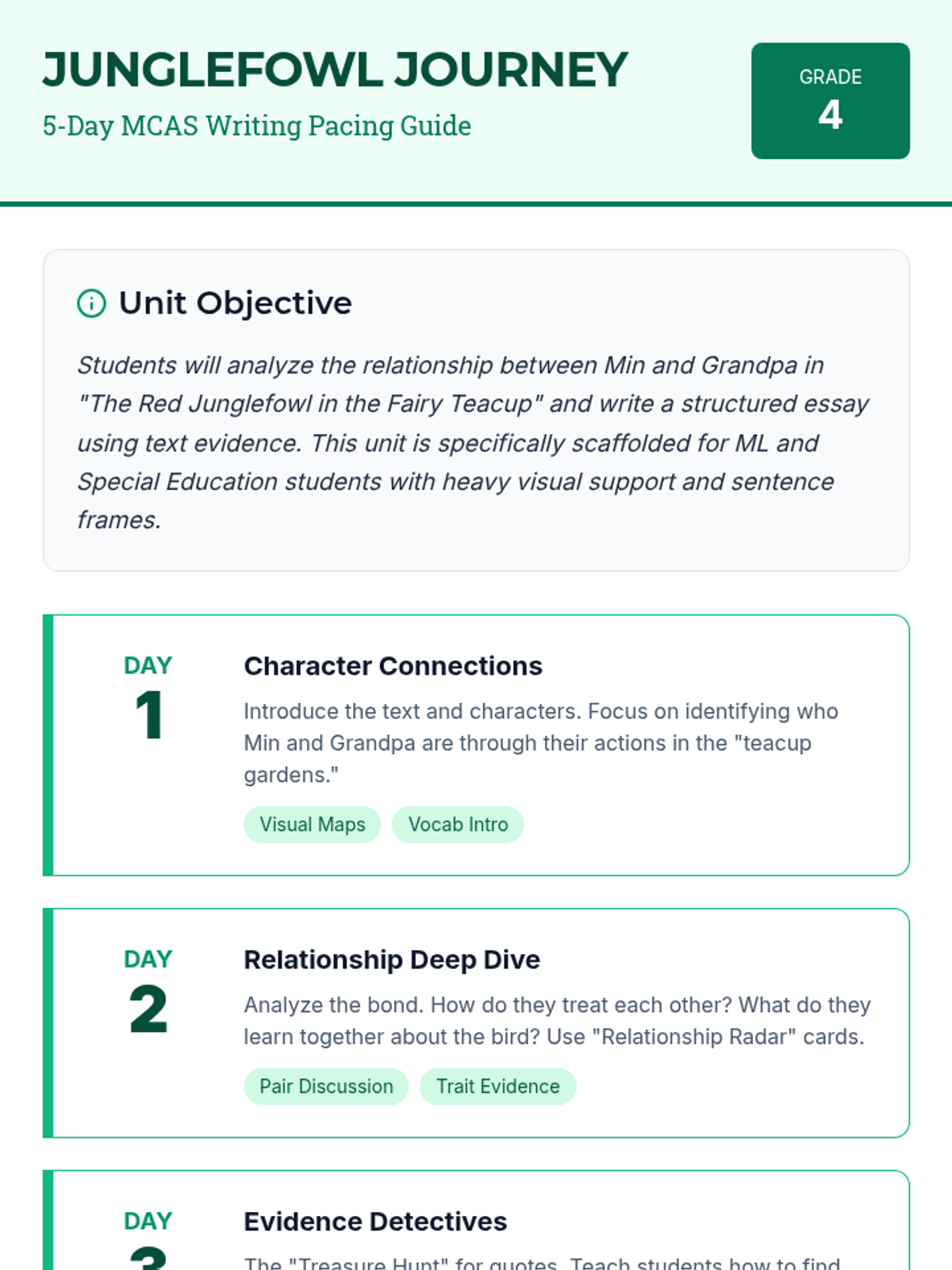
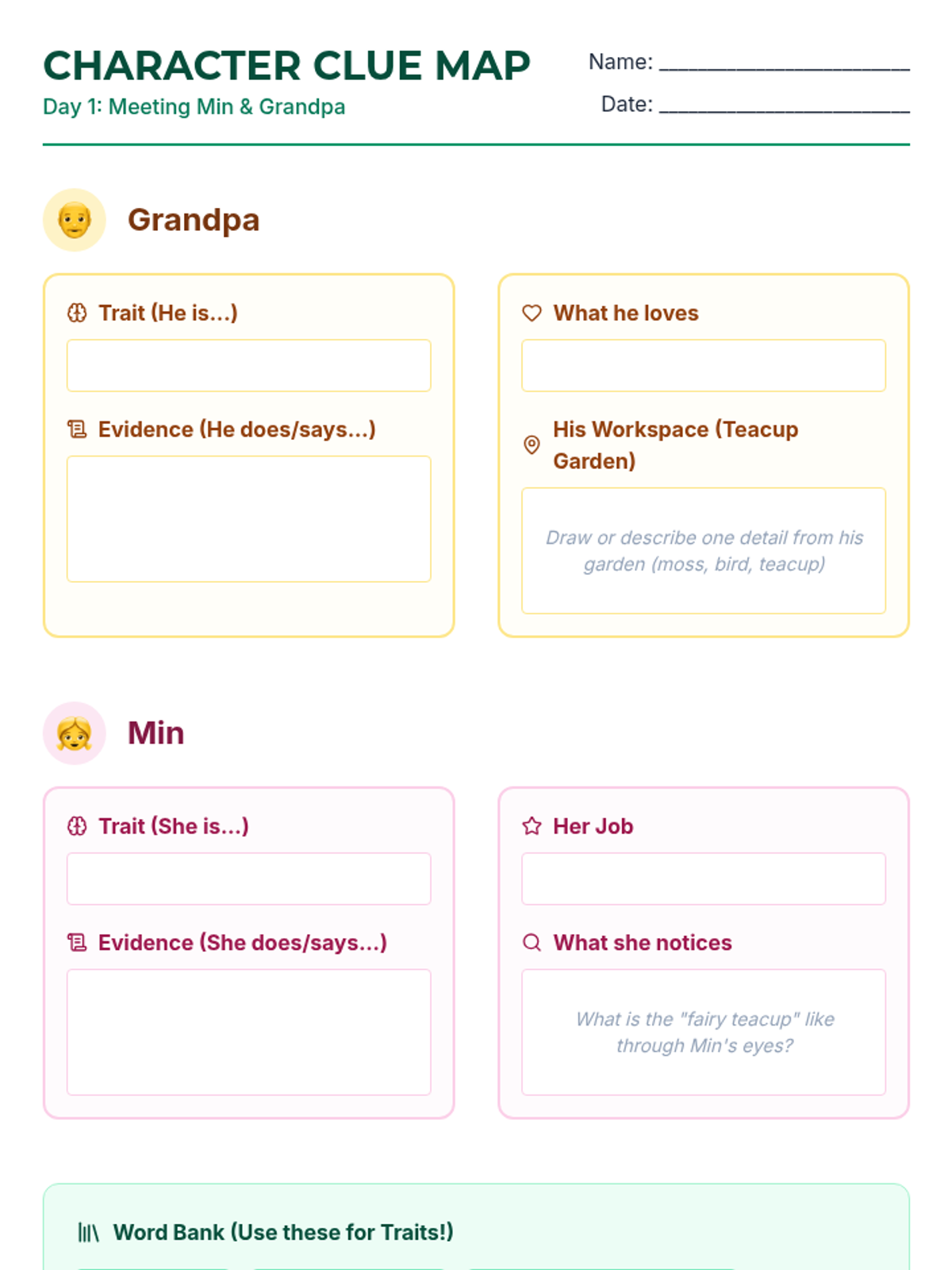
A 5-day MCAS preparation unit focused on the story 'The Red Junglefowl in the Fairy Teacup.' This sequence scaffolds the writing process for ML and Special Education students, moving from character analysis to a full evidence-based essay about the relationship between Min and Grandpa.
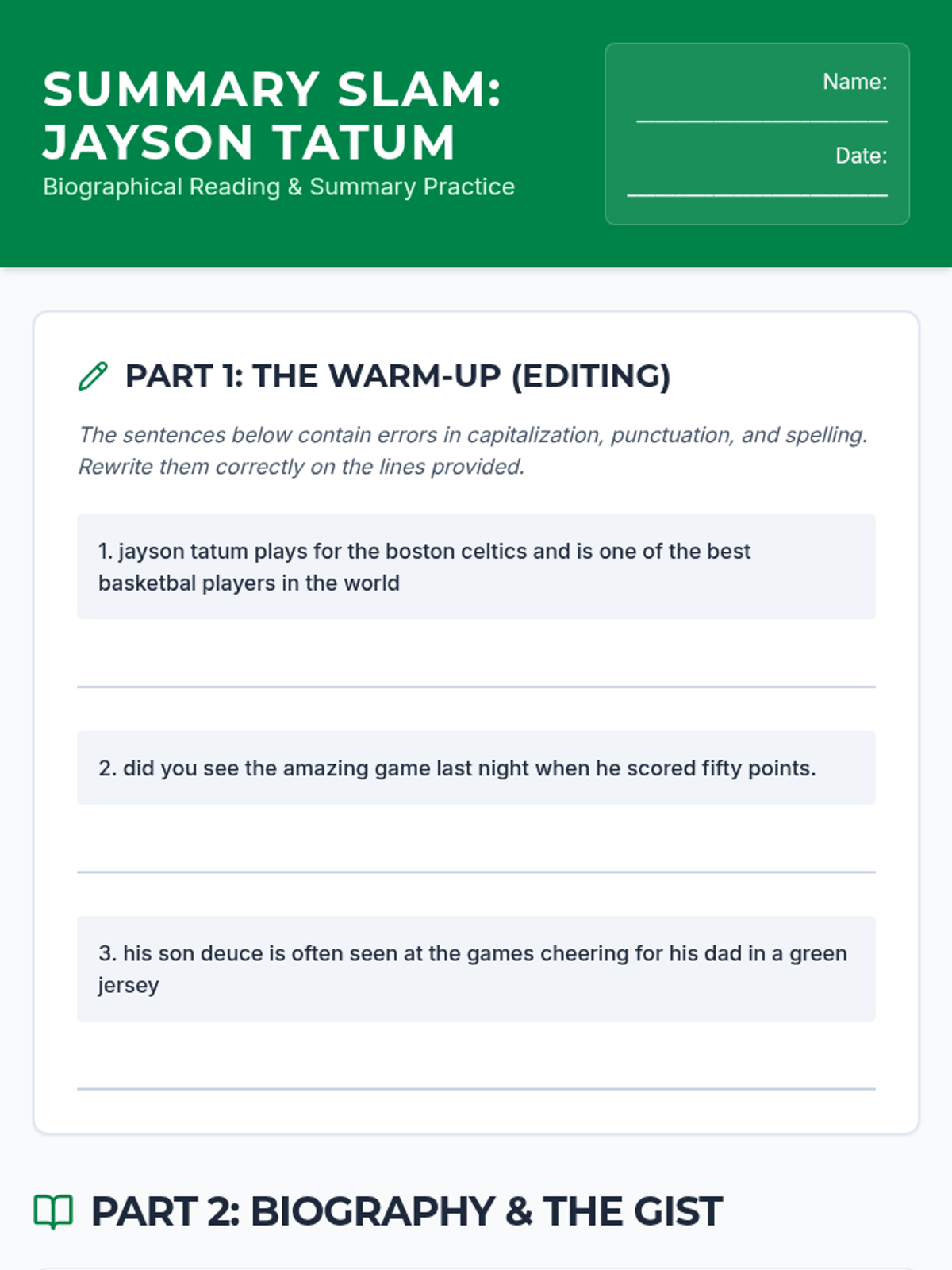
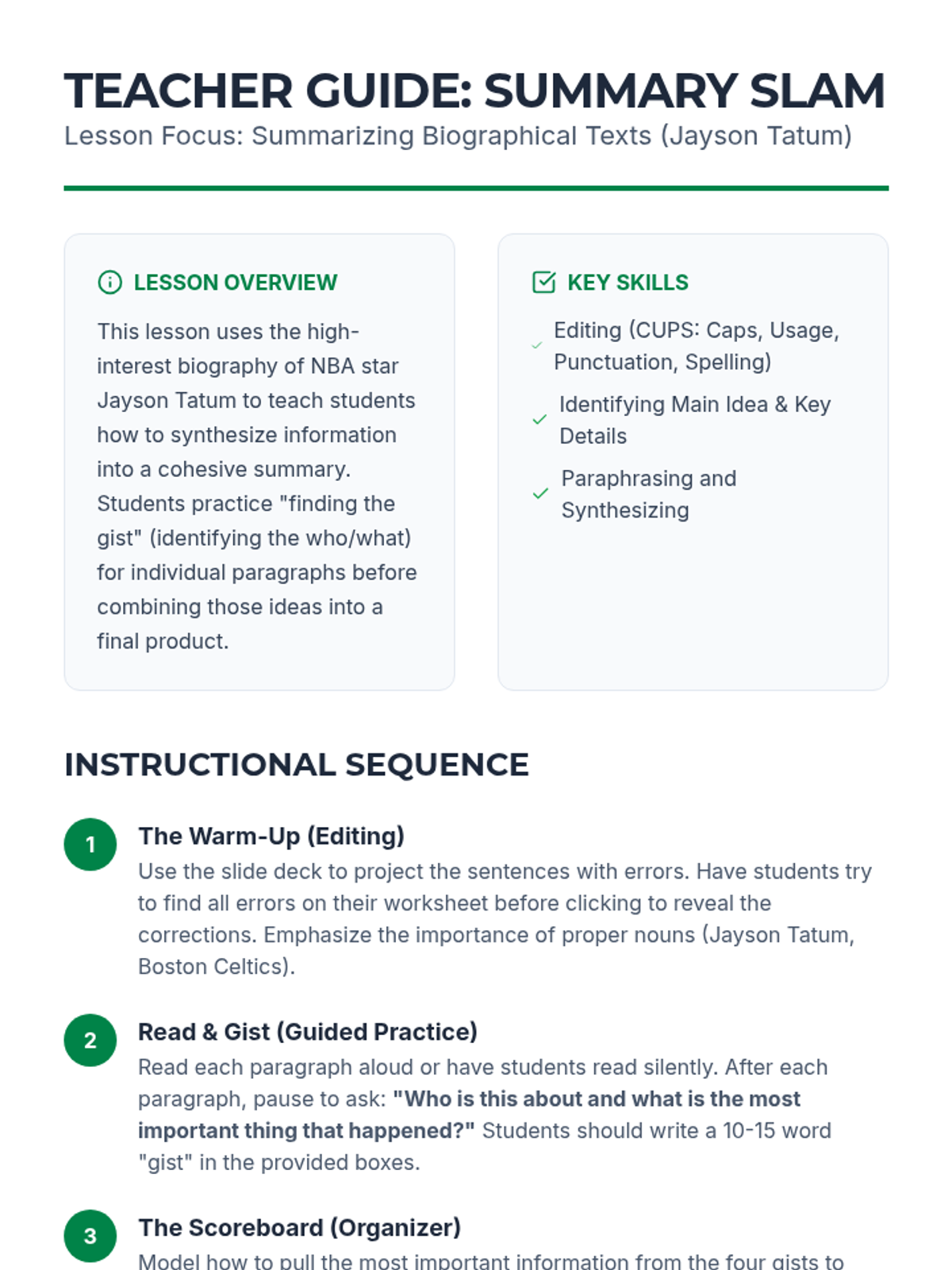
A series of high-energy ELA lessons focusing on reading comprehension, summarizing, and word study to boost literacy skills.
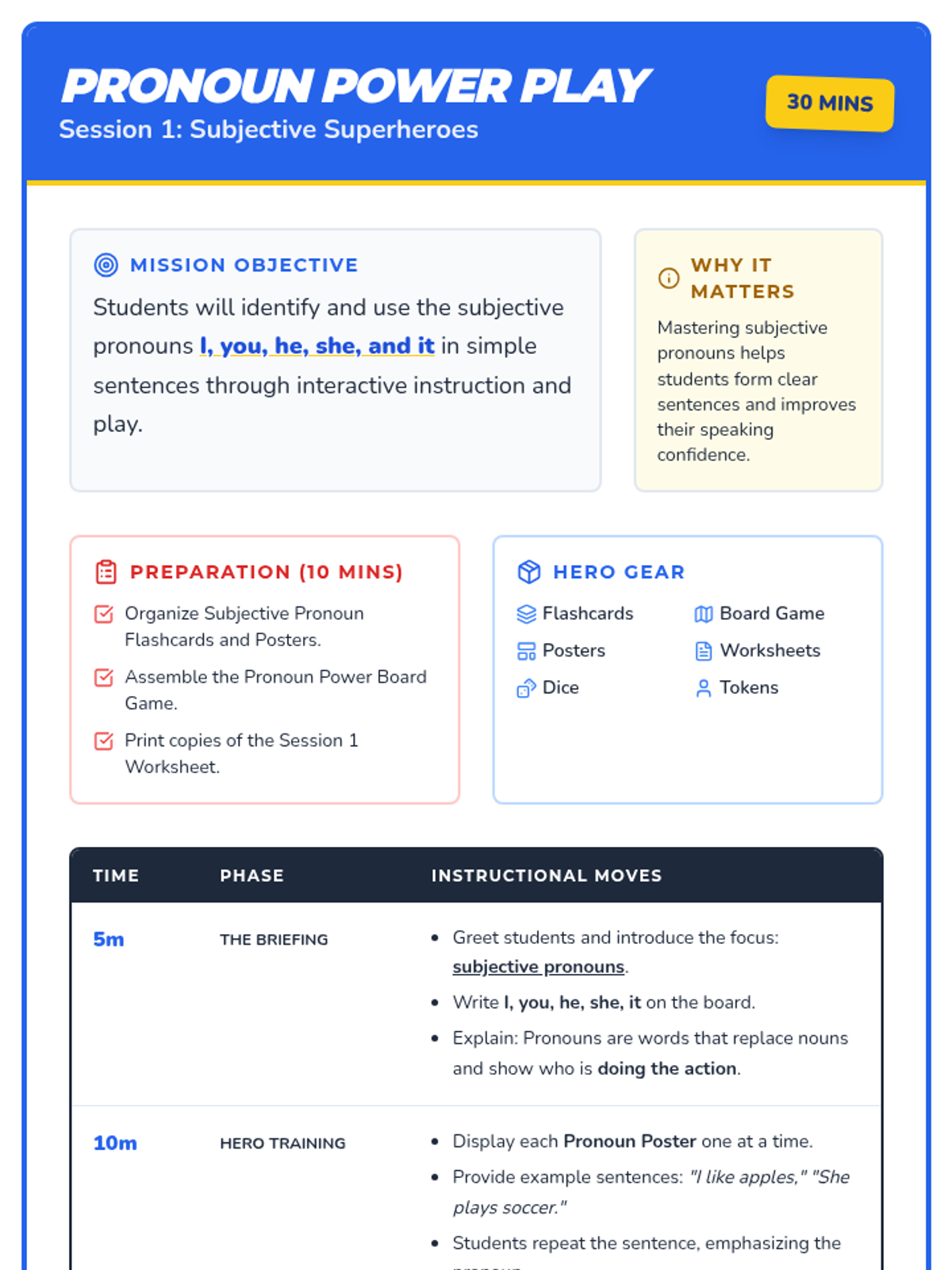
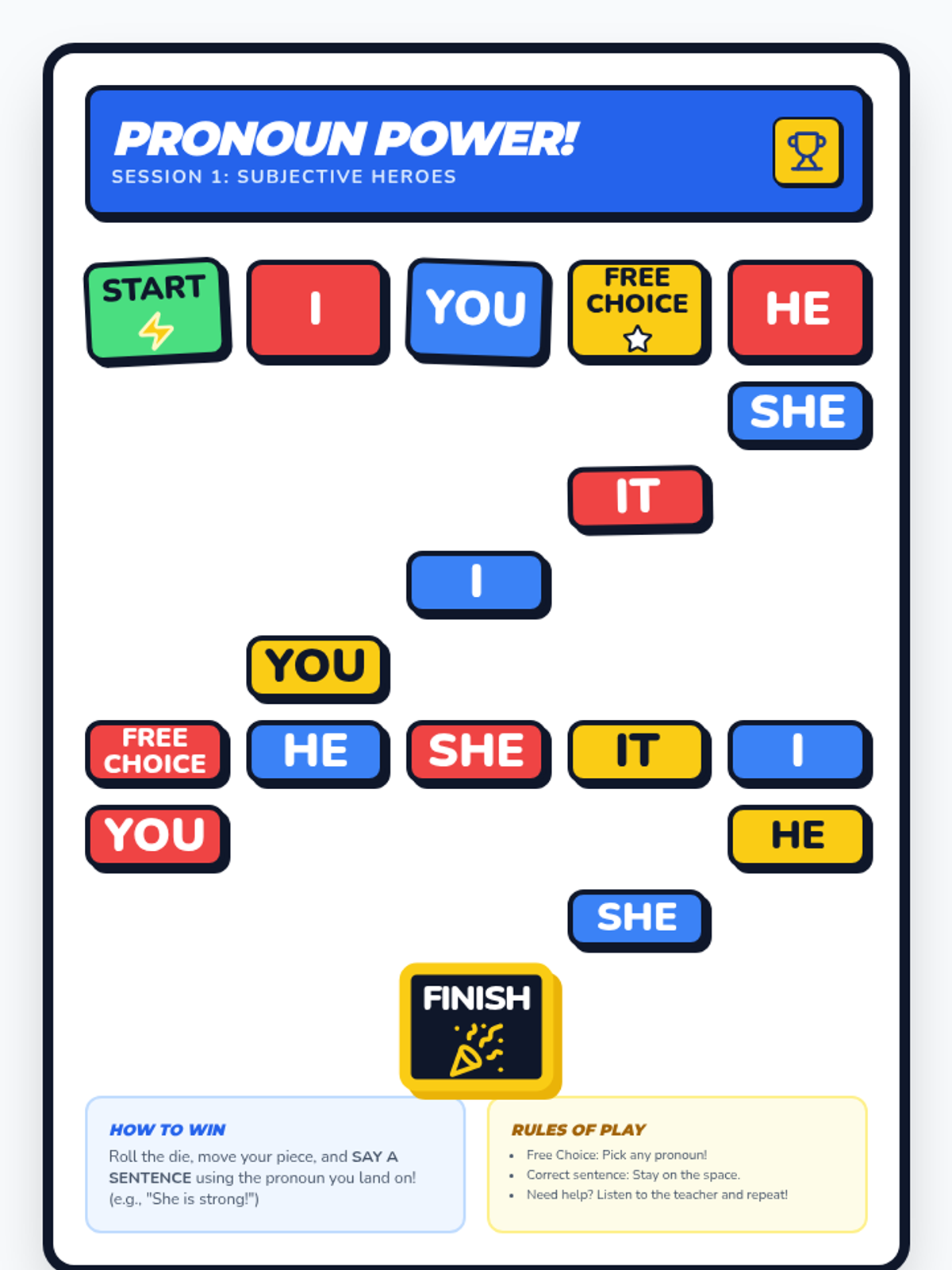
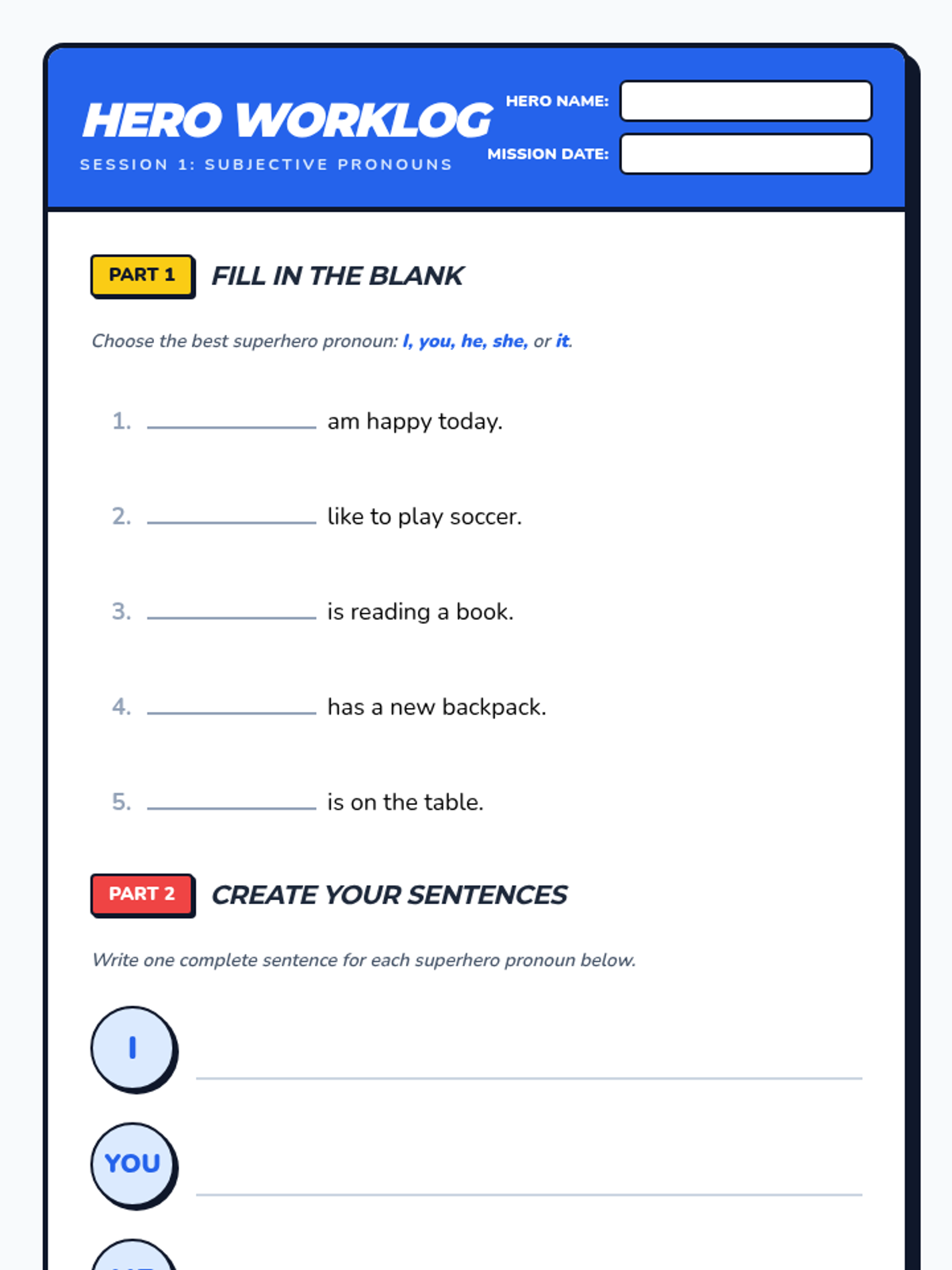
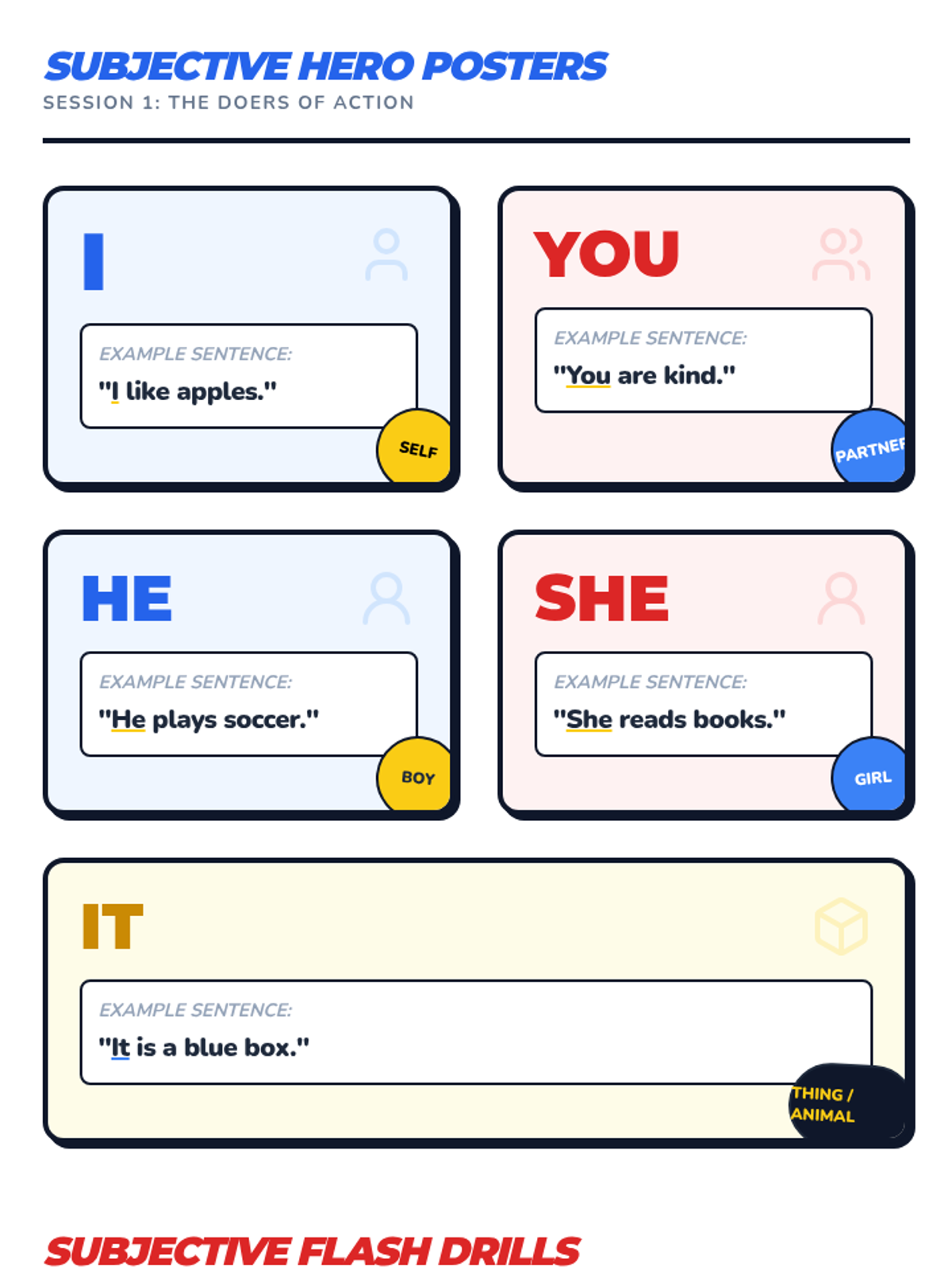
A 3-session unit designed for elementary speech-language students to master subjective, objective, and possessive pronouns through superhero-themed interactive games and activities.
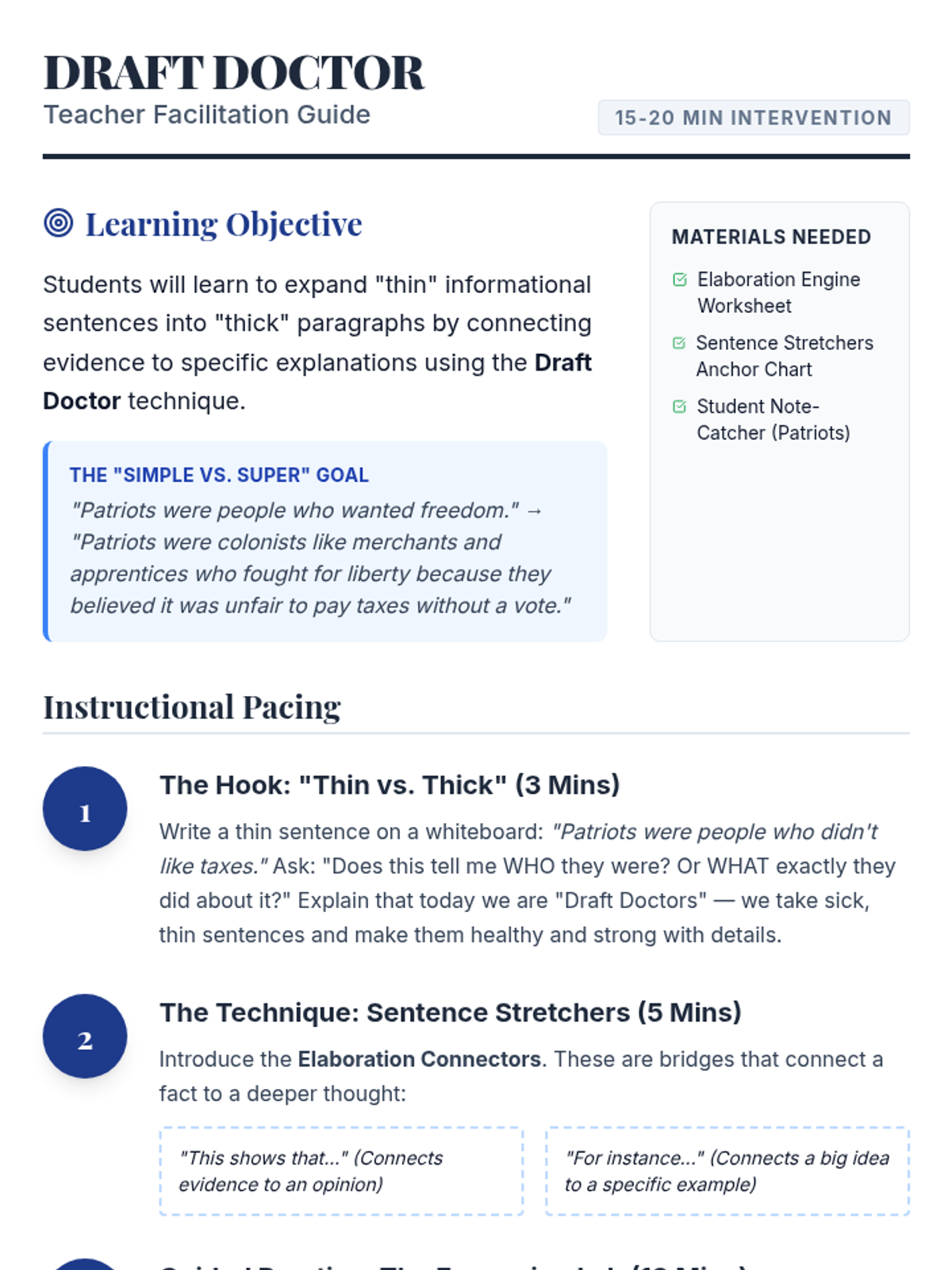
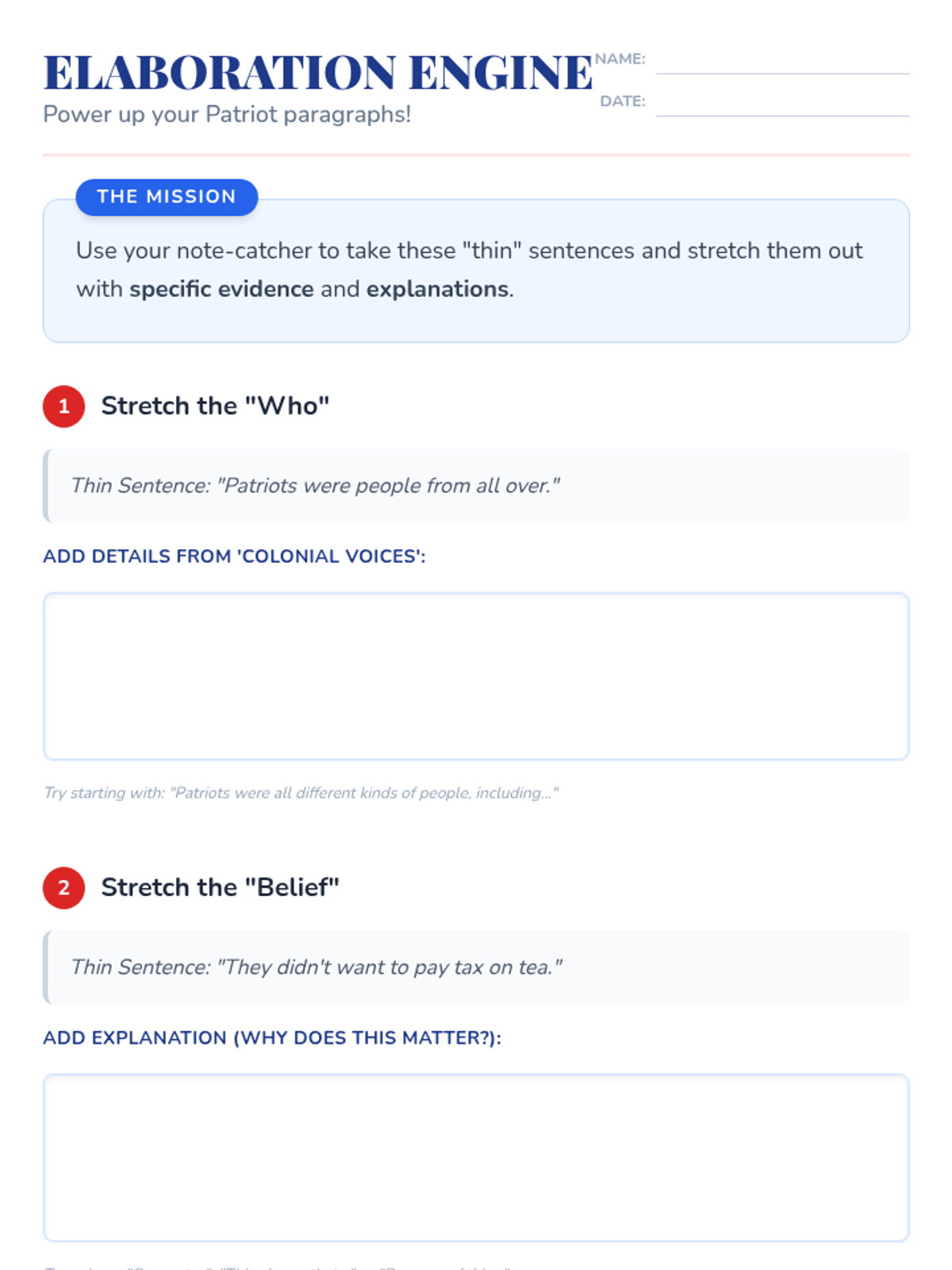
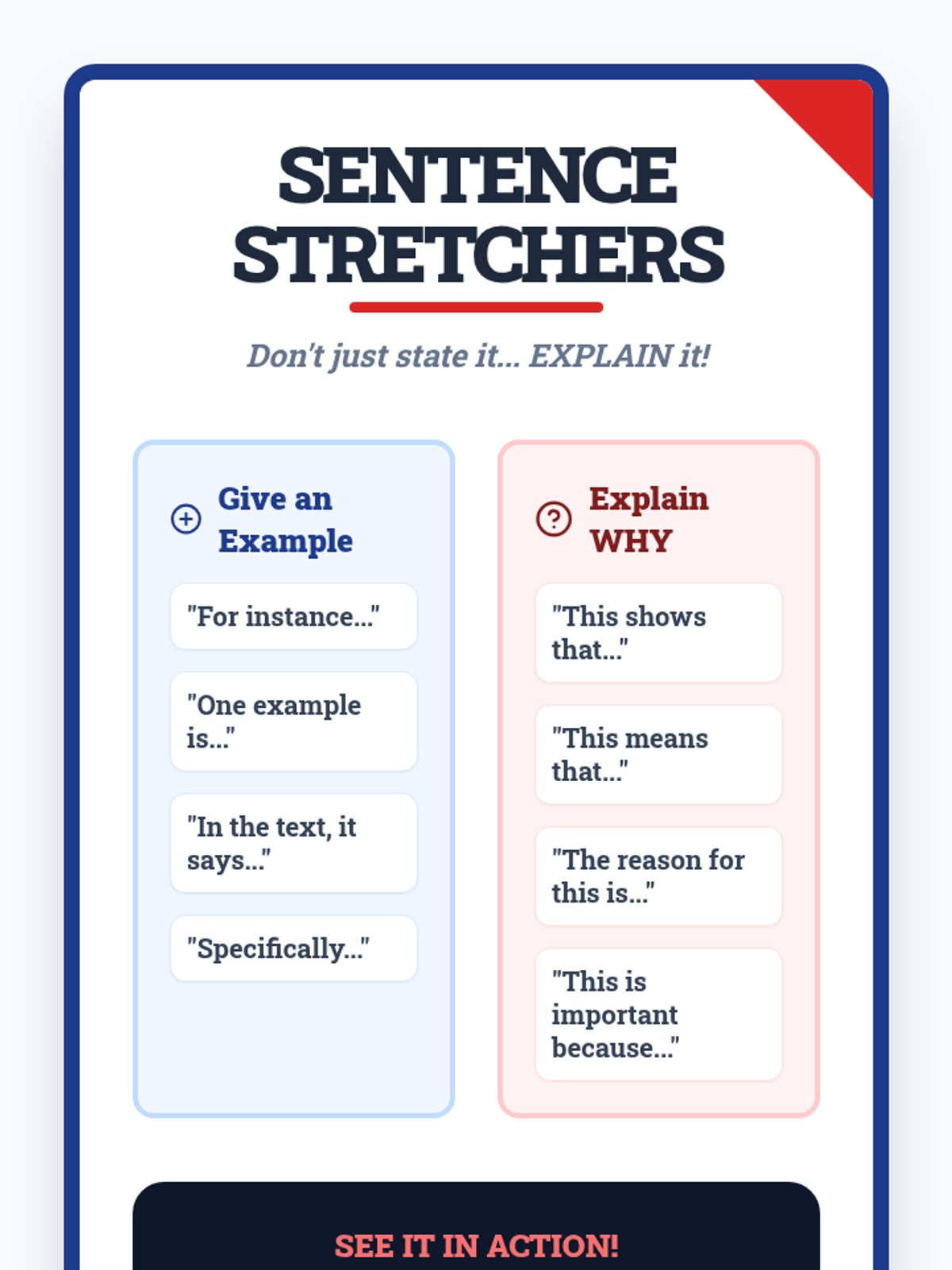
A series of 15-20 minute small-group intervention lessons designed to help 4th grade students improve their informational writing through elaboration. The sequence moves from subject-specific content (Revolutionary War) to general knowledge topics to solidify the ability to use evidence and explanation starters.
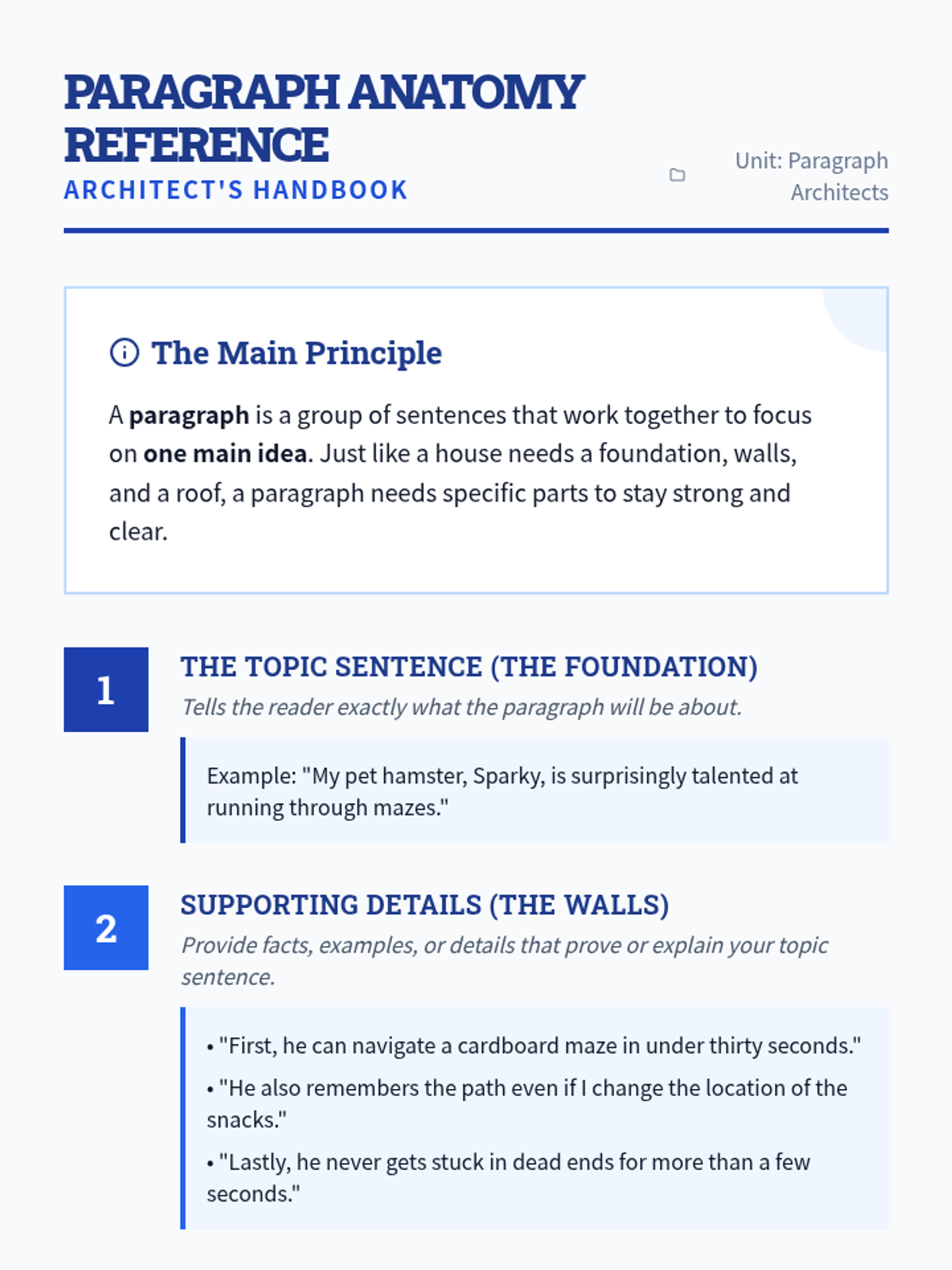
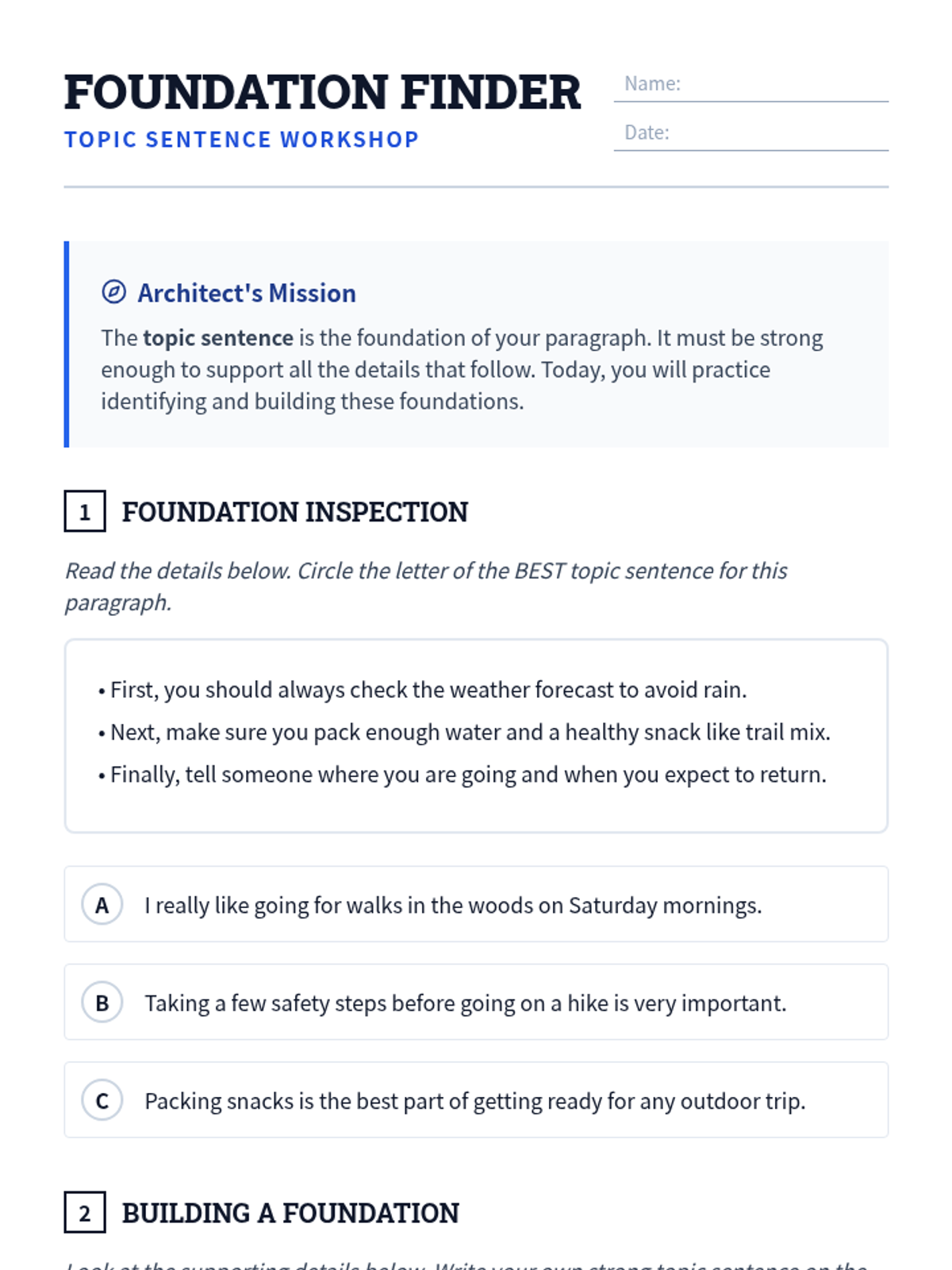
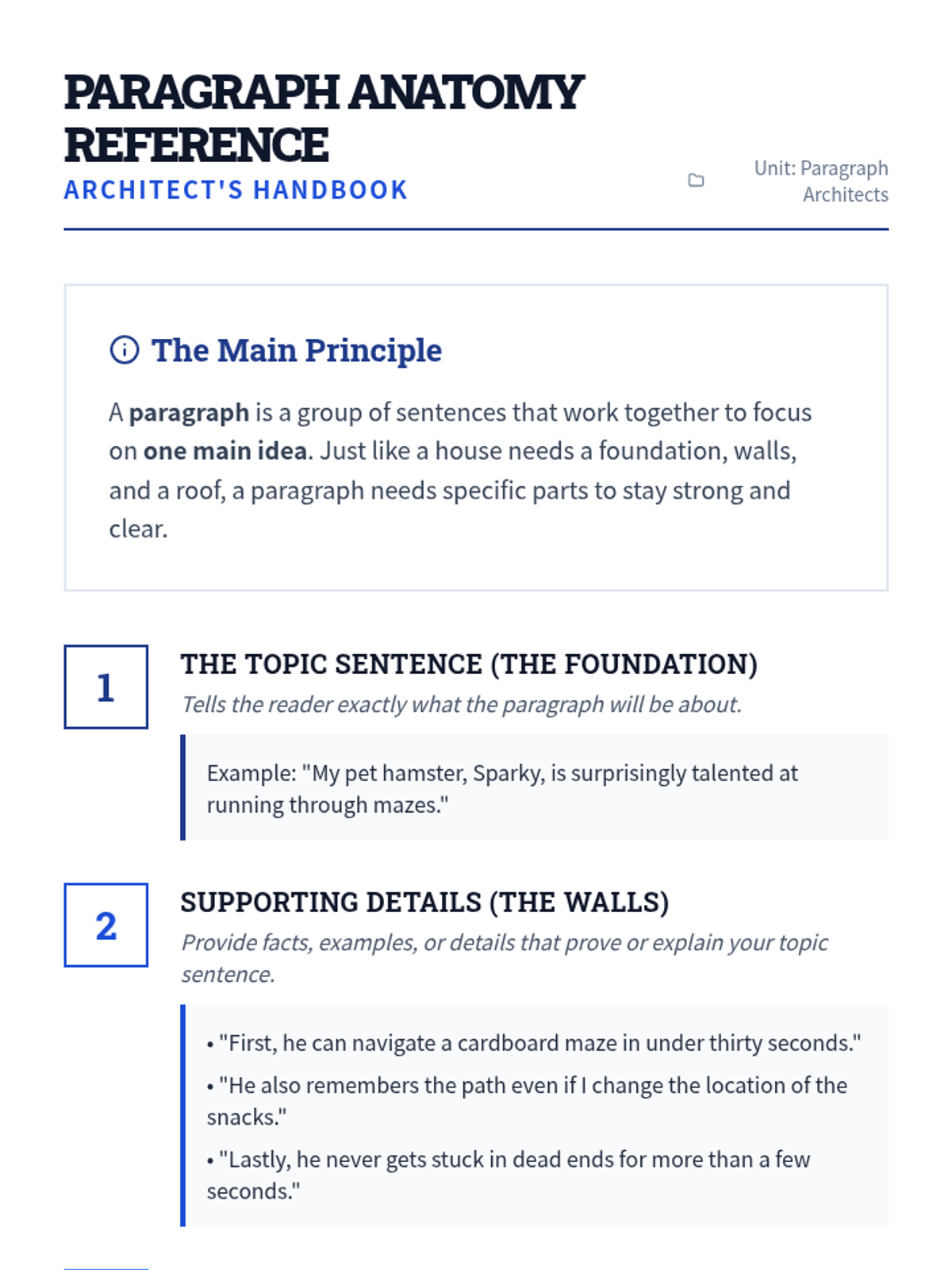
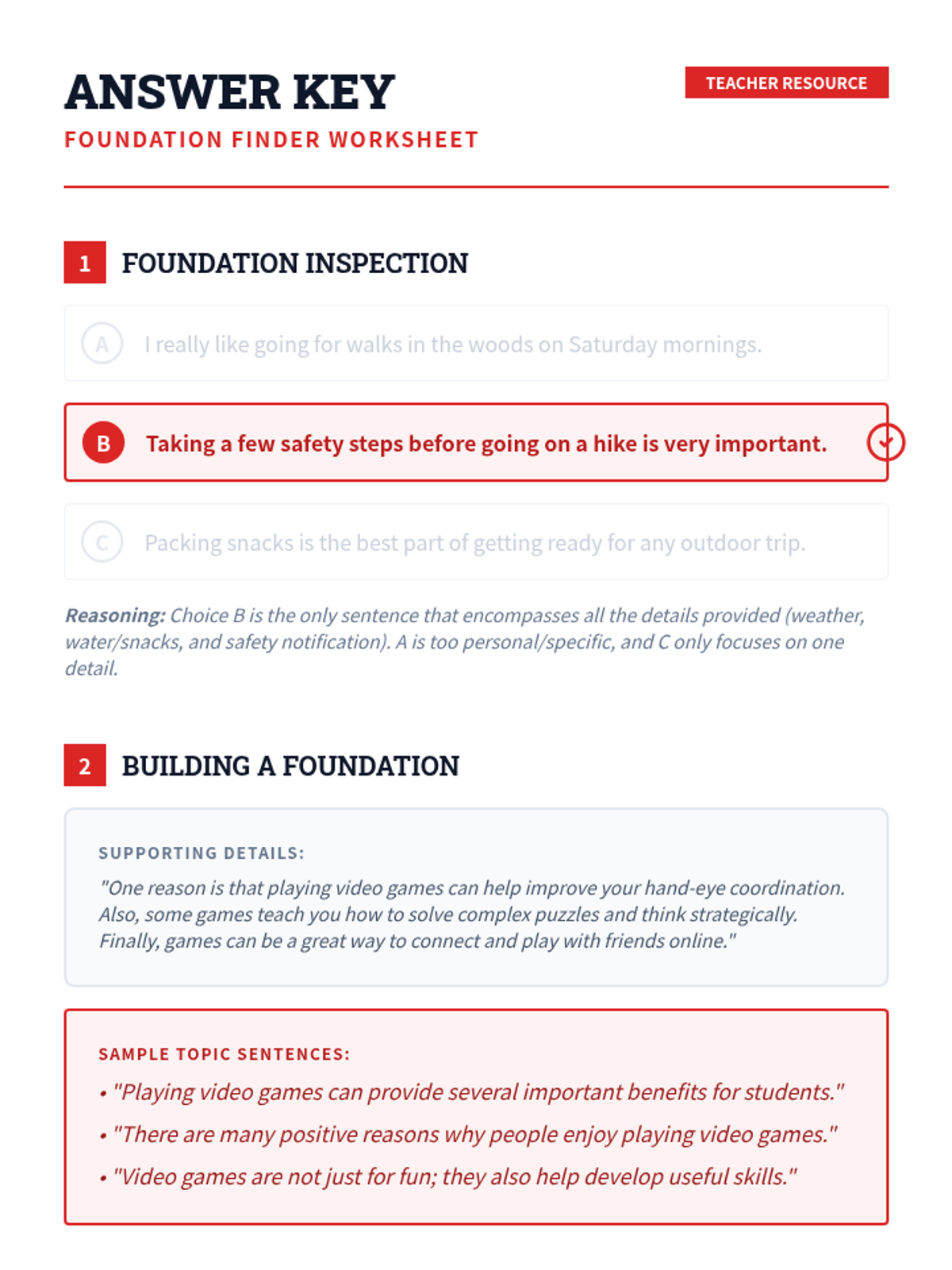
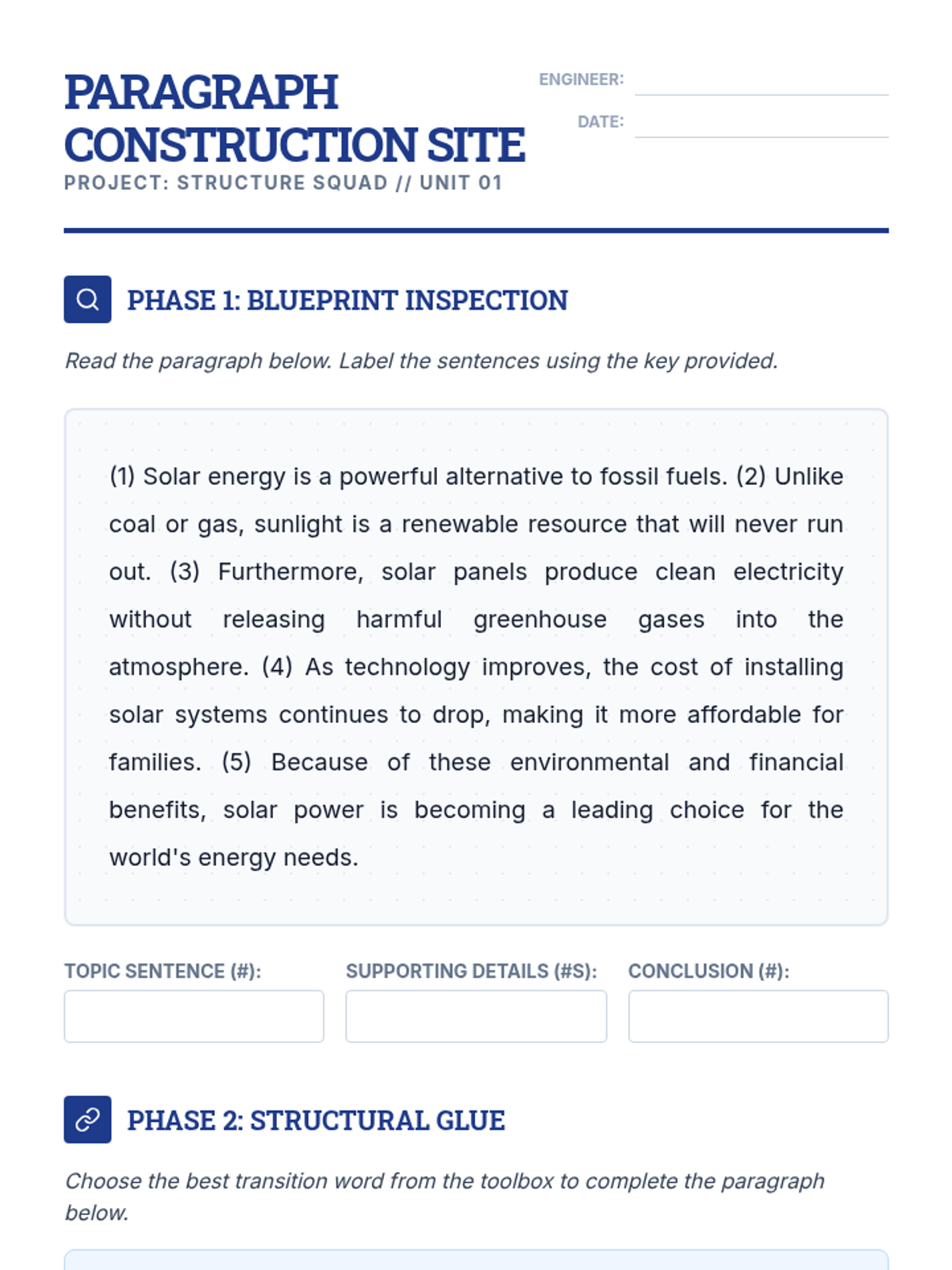
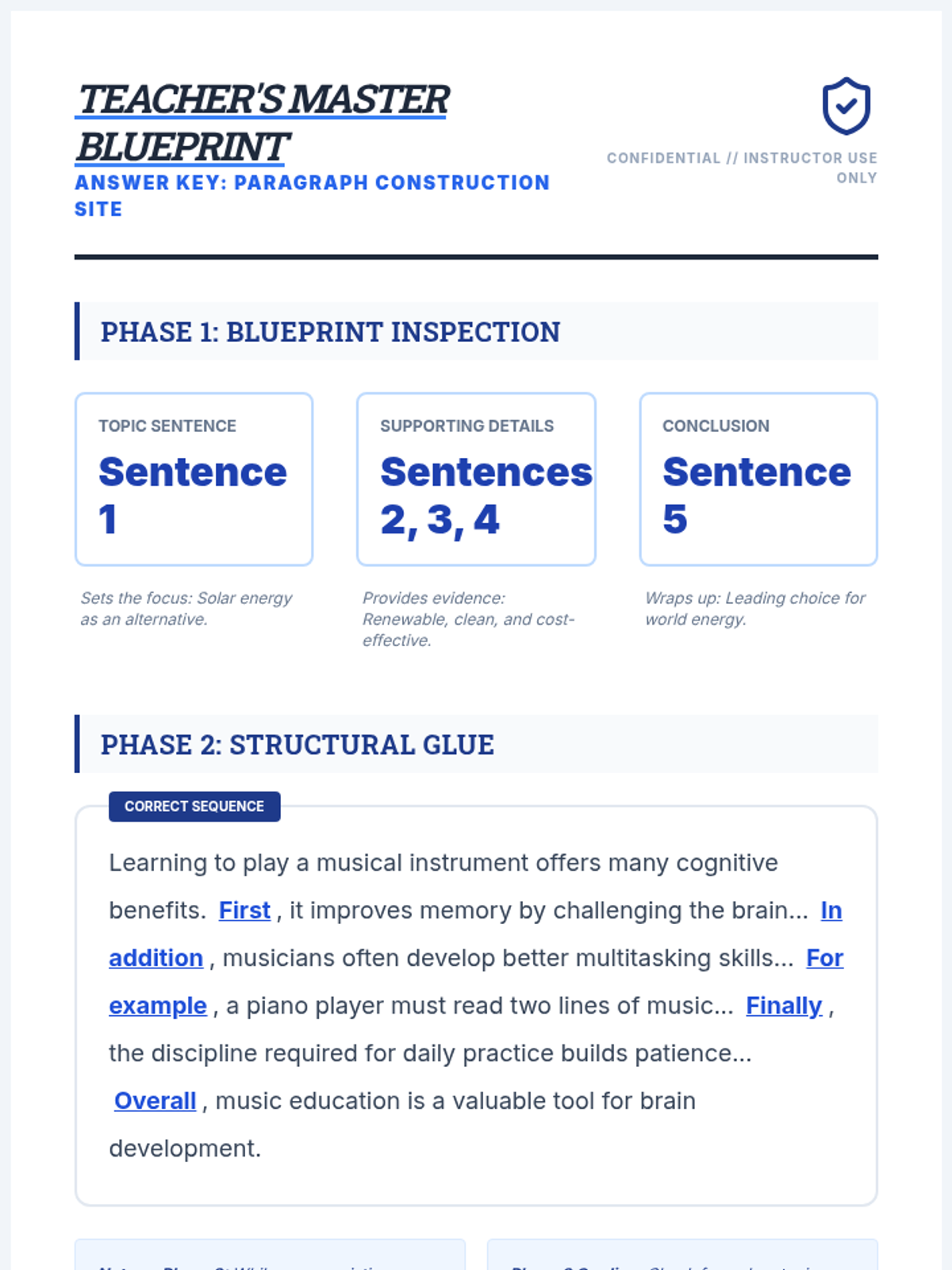
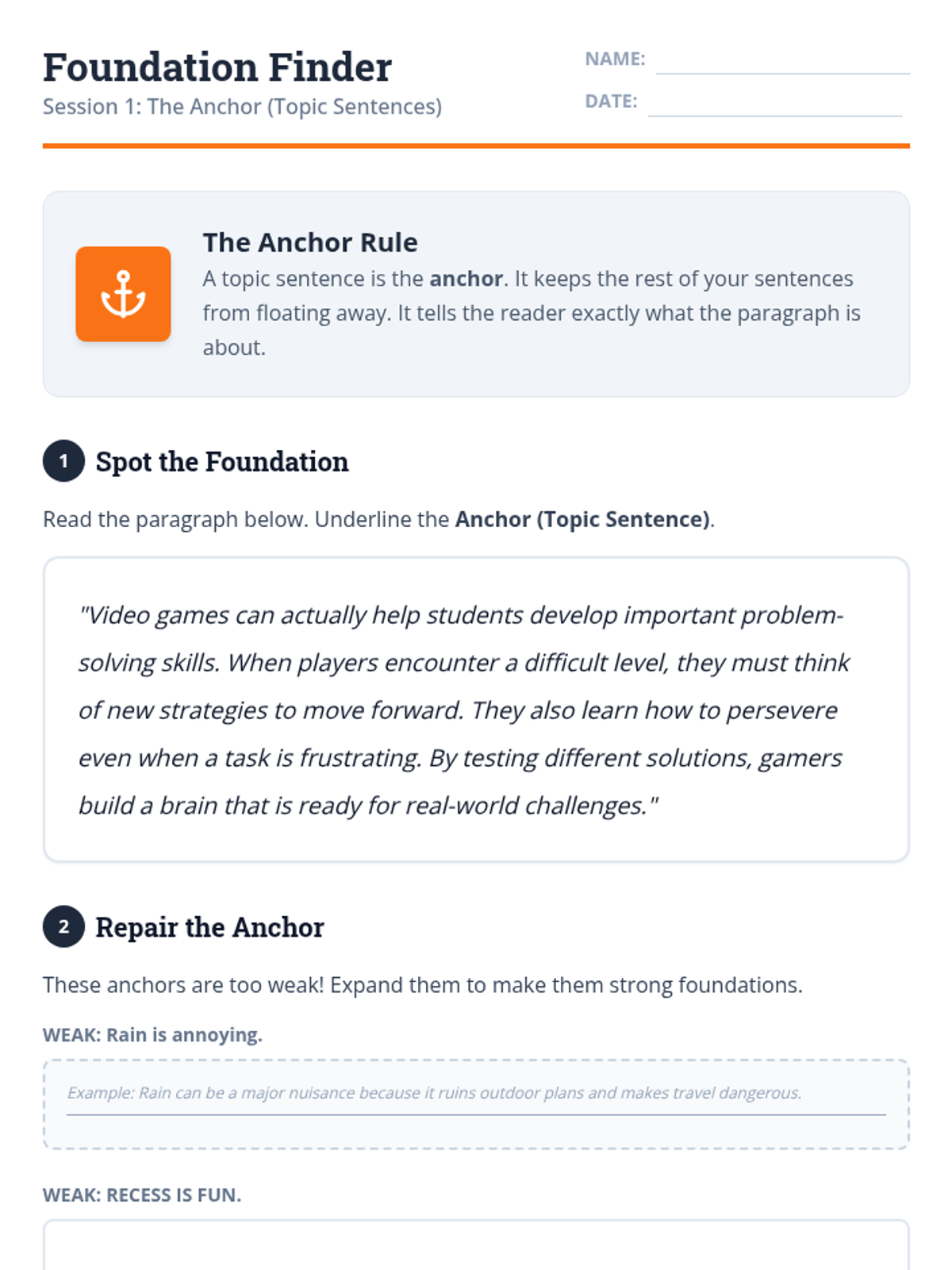
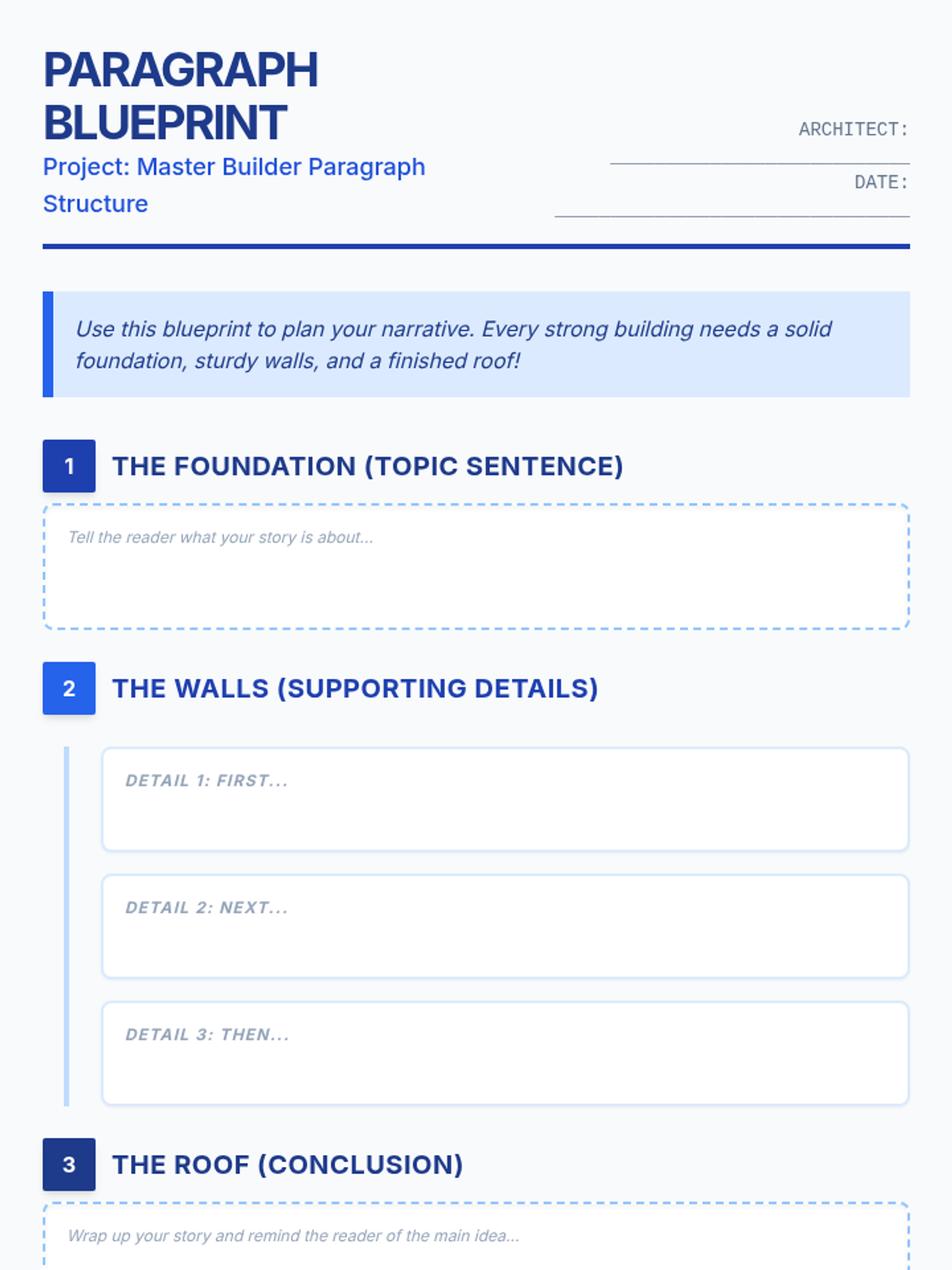
A comprehensive 2-week unit introducing students to the core components of paragraph writing, from topic sentences to concluding statements and transitions. The unit uses an architectural 'blueprint' theme to help students visualize the structure of their writing.
A comprehensive writing unit that breaks down complex structures into manageable building blocks, from individual paragraphs to complete narrative arcs and multi-paragraph essays. Students learn to use blueprints to construct clear, logical, and engaging pieces of writing.
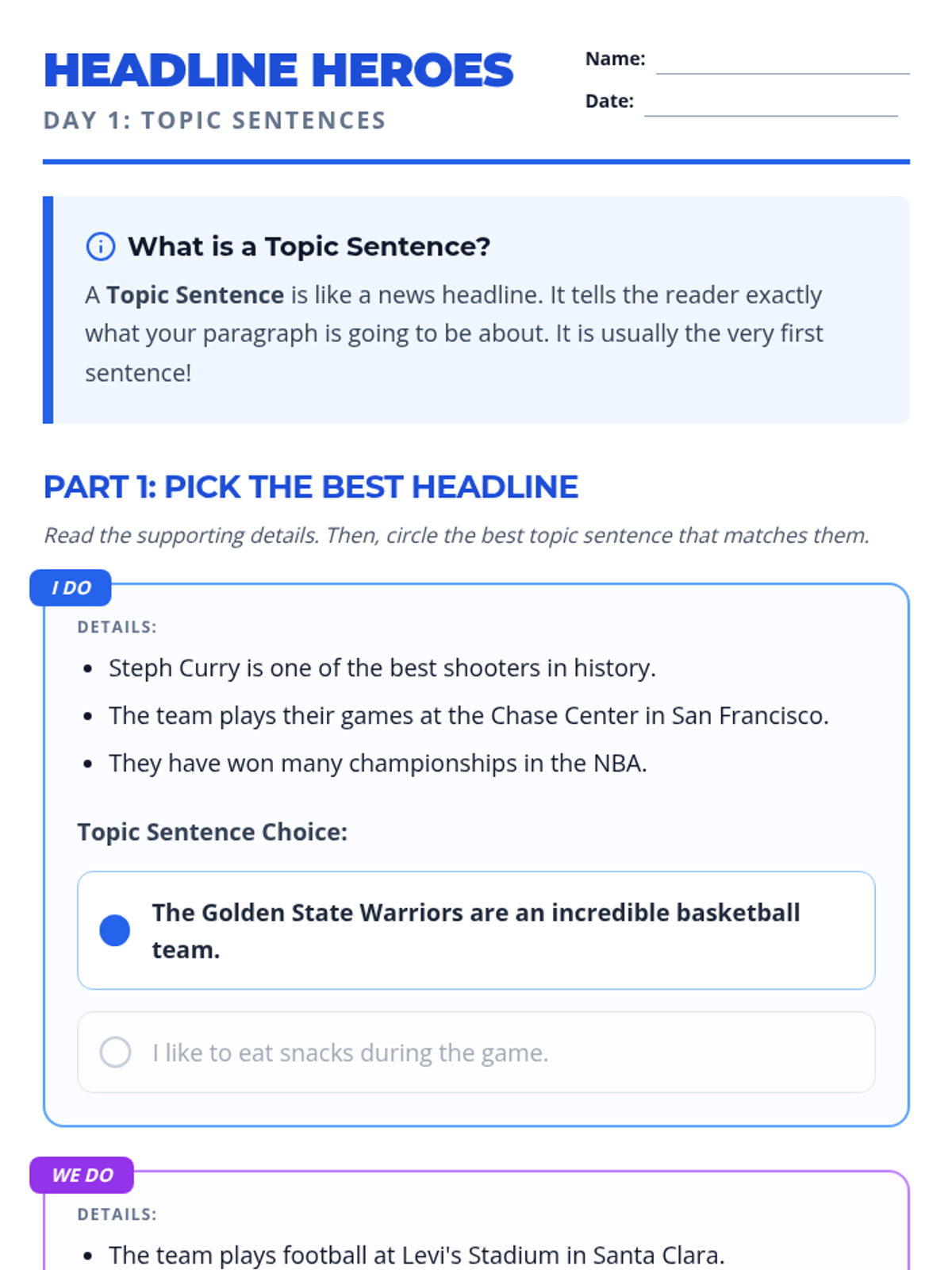
A 4-day instructional sequence focused on paragraph structure, specifically mastering topic sentences and supporting details using student-interest topics like sports, dragons, and favorite foods.
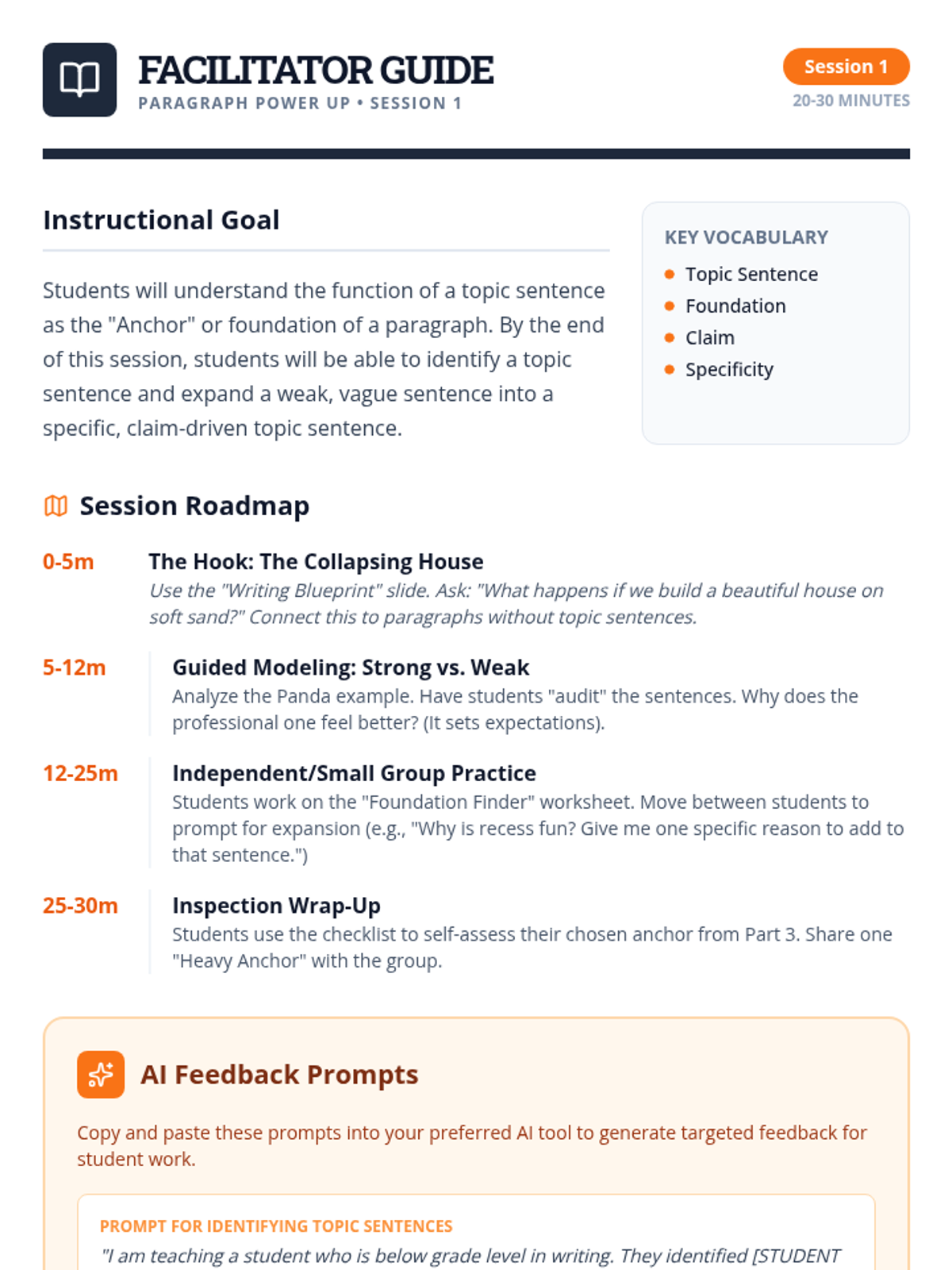
A 6-session intervention sequence designed for small groups of students below grade level. This sequence uses a 'Building Blocks' metaphor to teach structured paragraph writing, starting with topic sentences and moving through evidence, explanation, and conclusions, progressively reducing scaffolding to build independence.
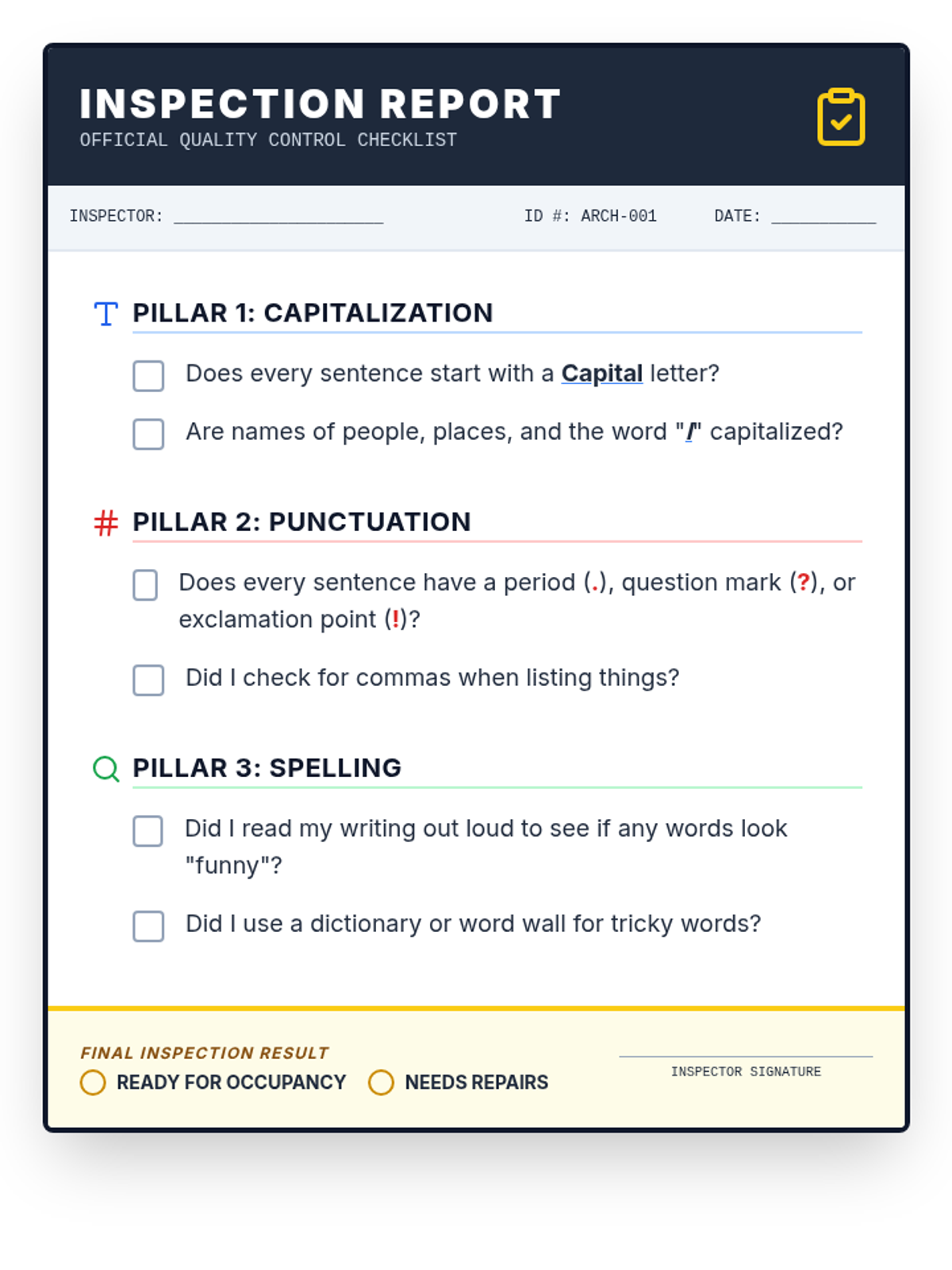
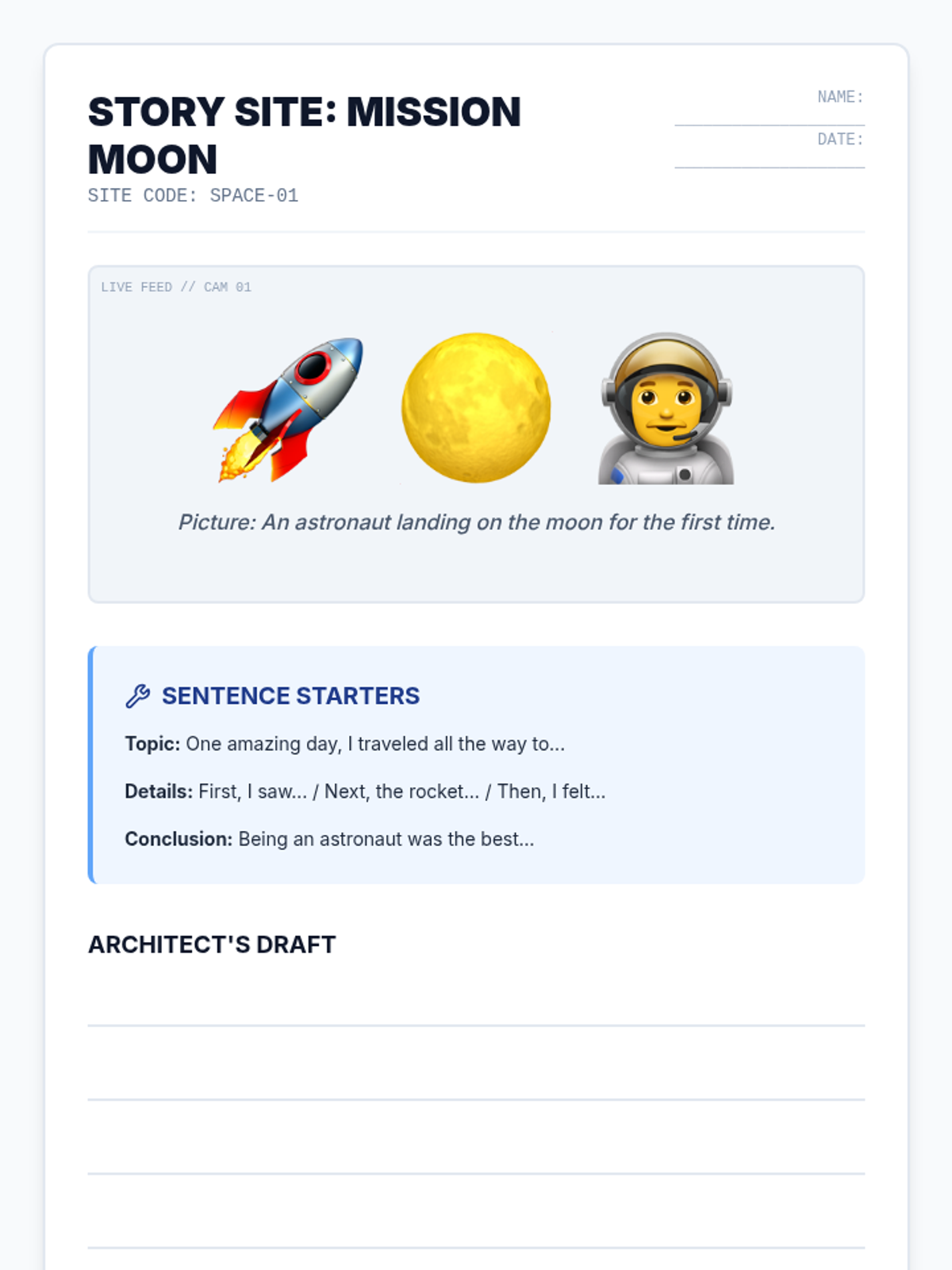
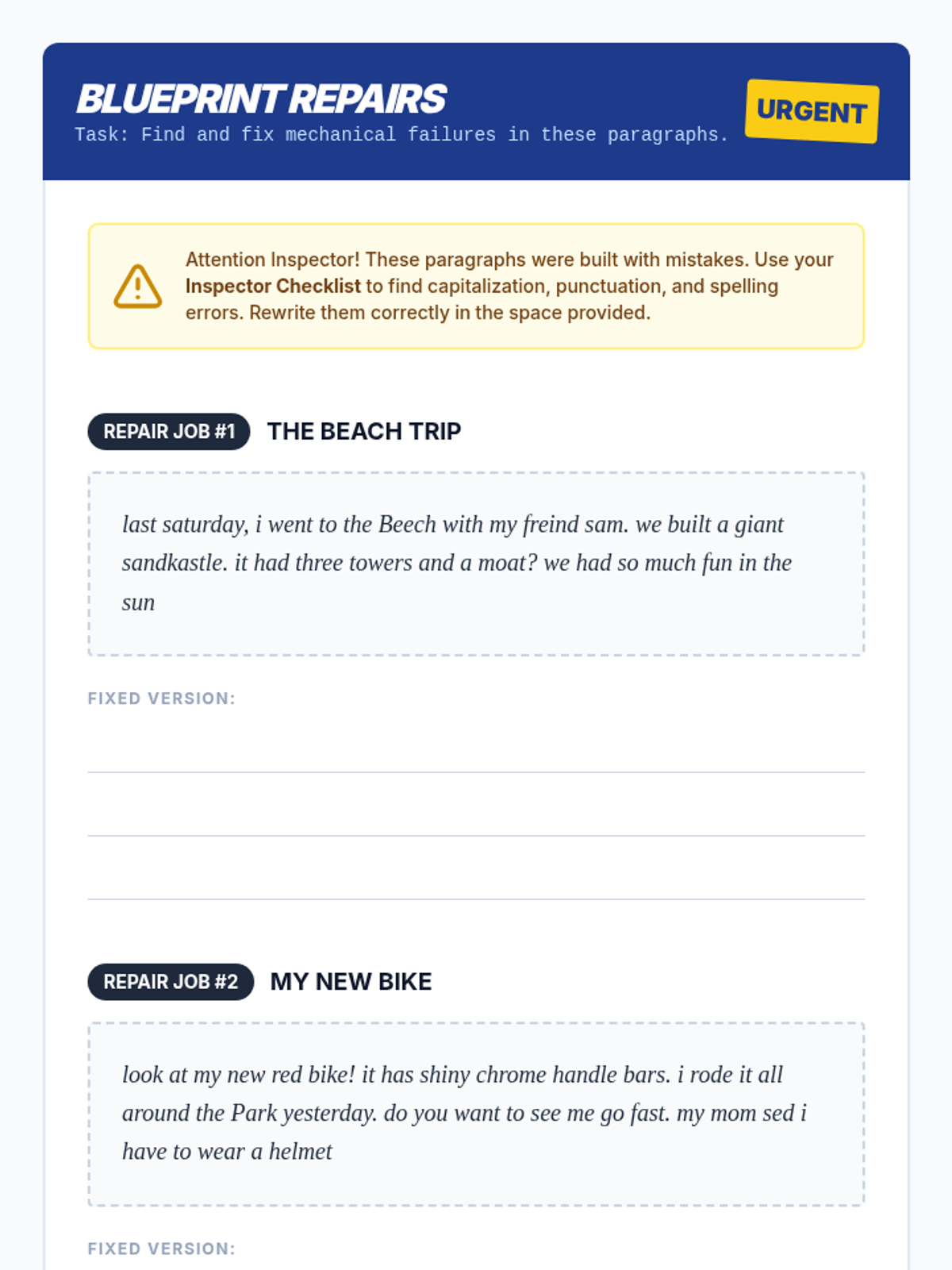
A series of materials designed to help Flint master paragraph structure and self-editing through the lens of a 'Narrative Architect', using blueprints and inspection checklists.
This sequence teaches 4th-grade students how to transition from 'speakers' to 'editors' when using voice recognition software. Students learn to identify common AI errors, navigate homophone confusion, and use text-to-speech tools for proofreading to create polished final drafts.
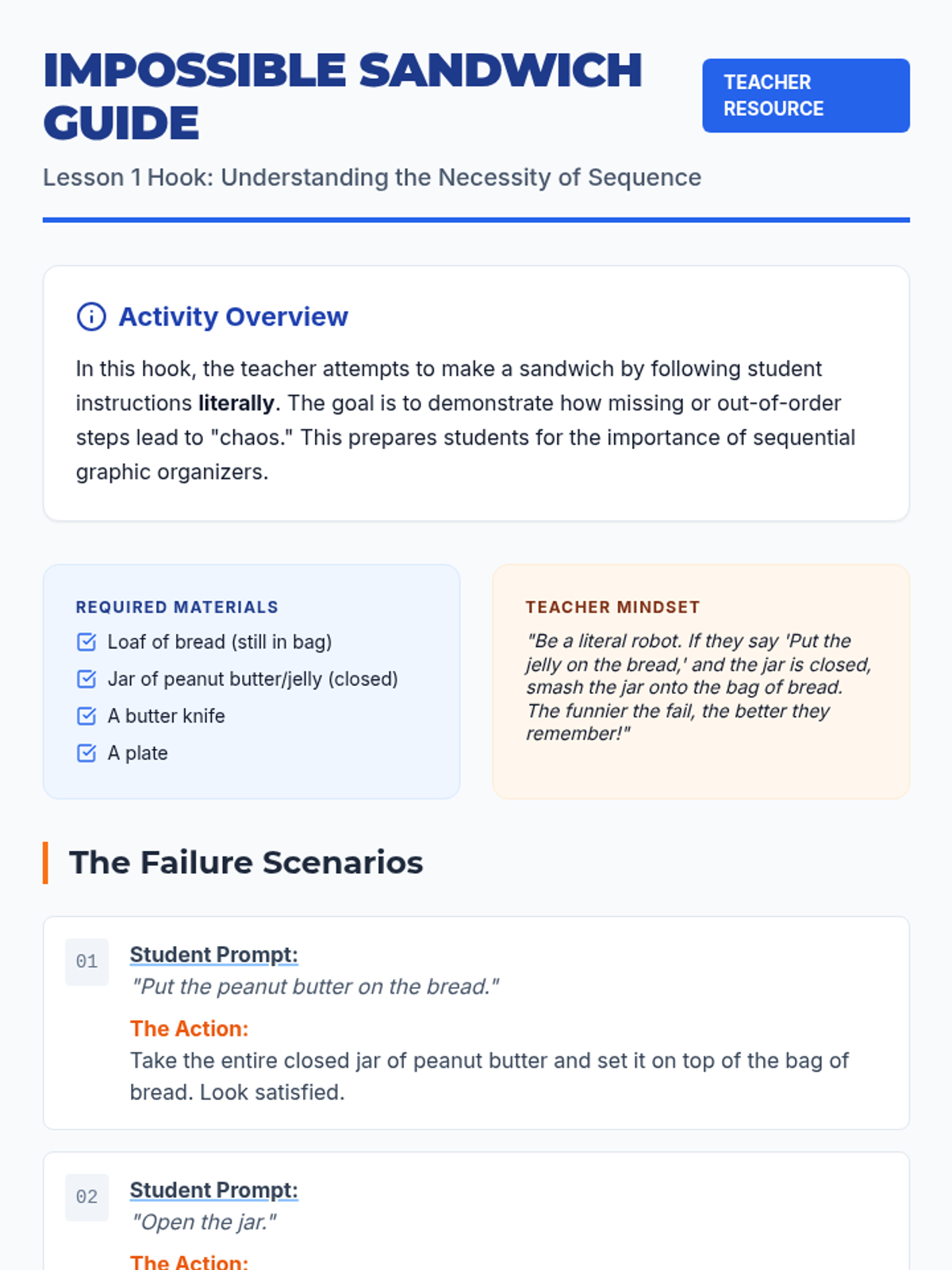
A 5-lesson sequence designed to help 4th-grade students, particularly those with executive function challenges, master sequential writing through the use of flow charts and structured graphic organizers. Students transition from understanding the necessity of order to drafting and testing their own 'How-To' procedural texts.
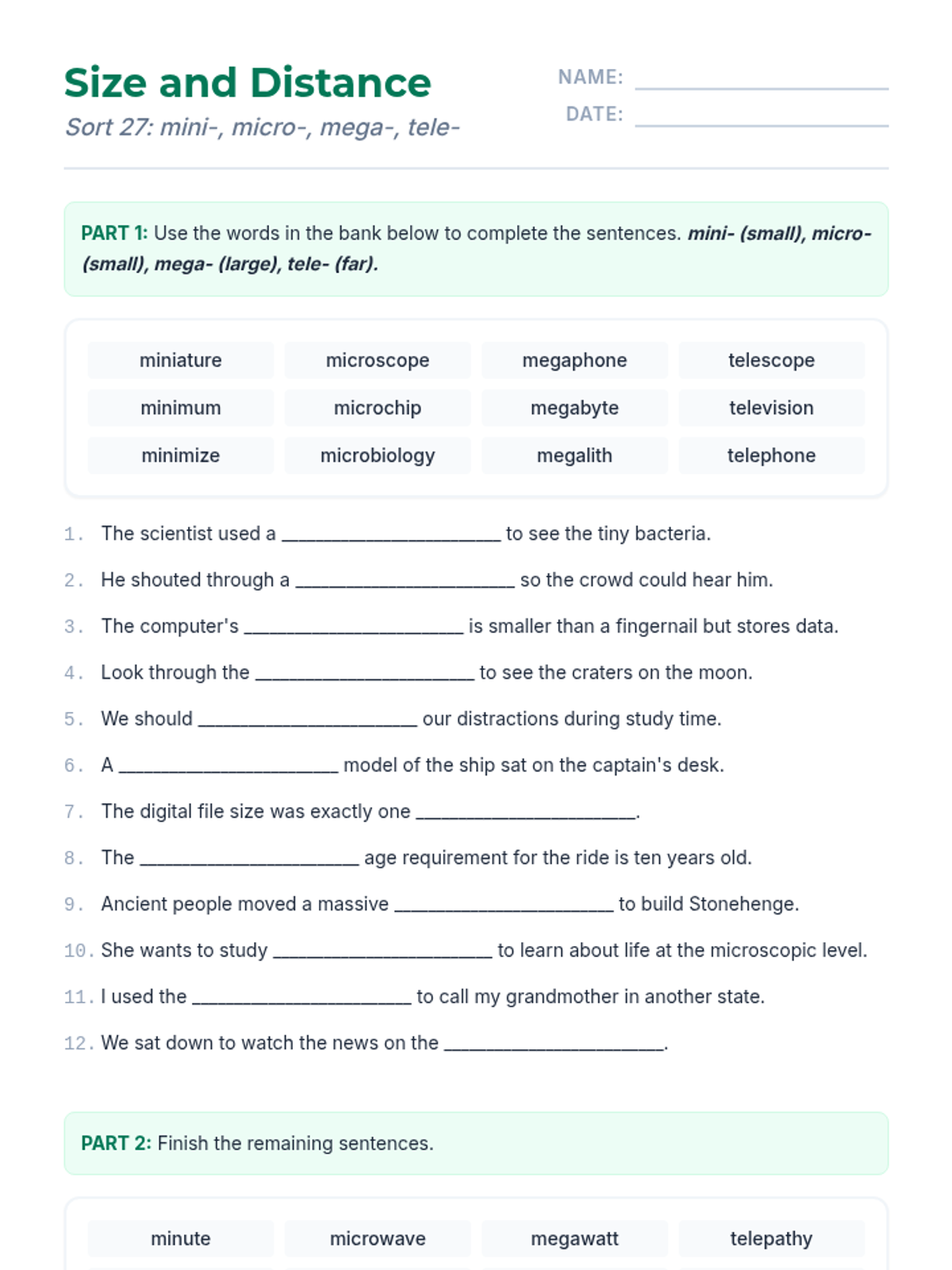
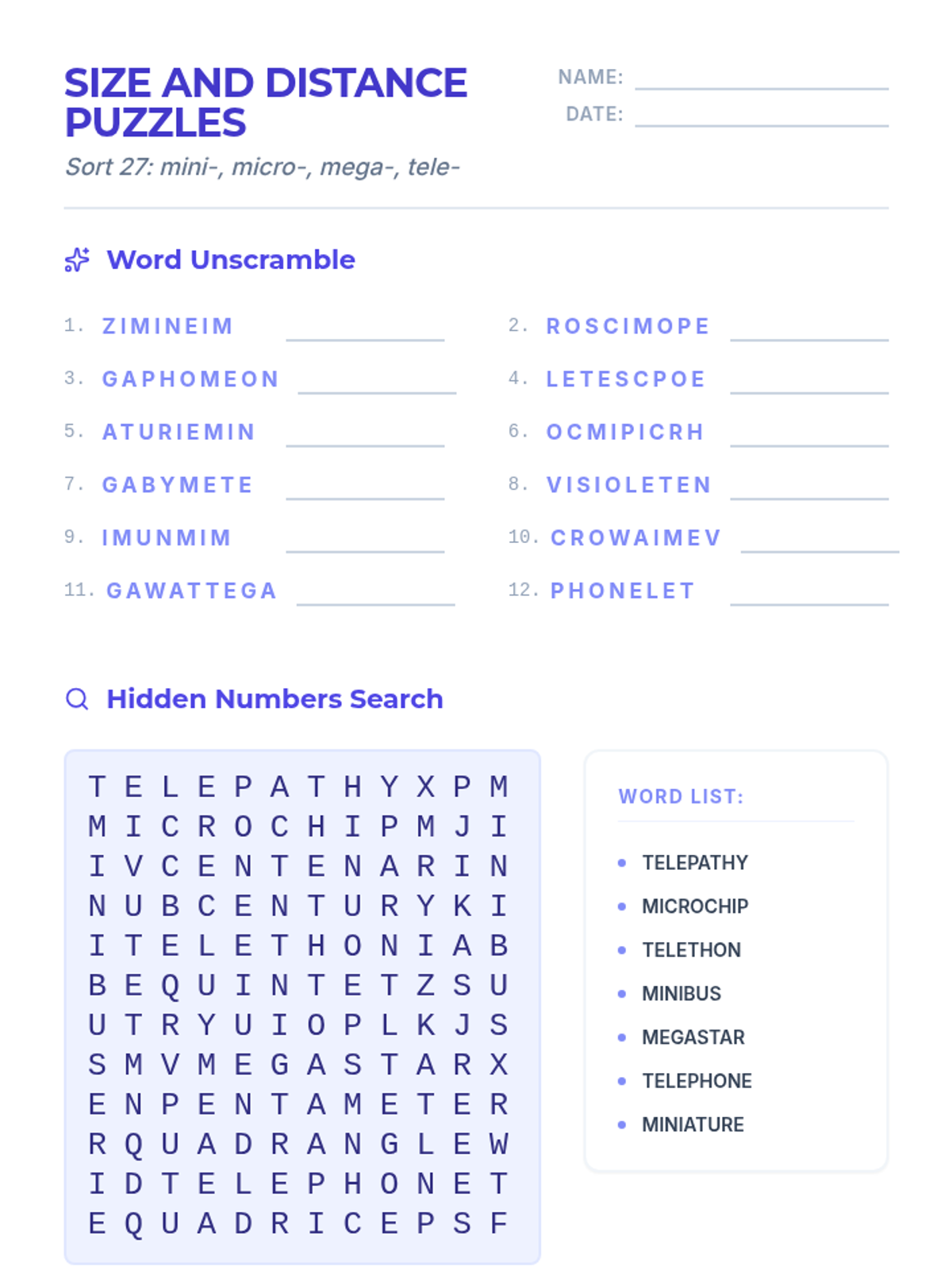
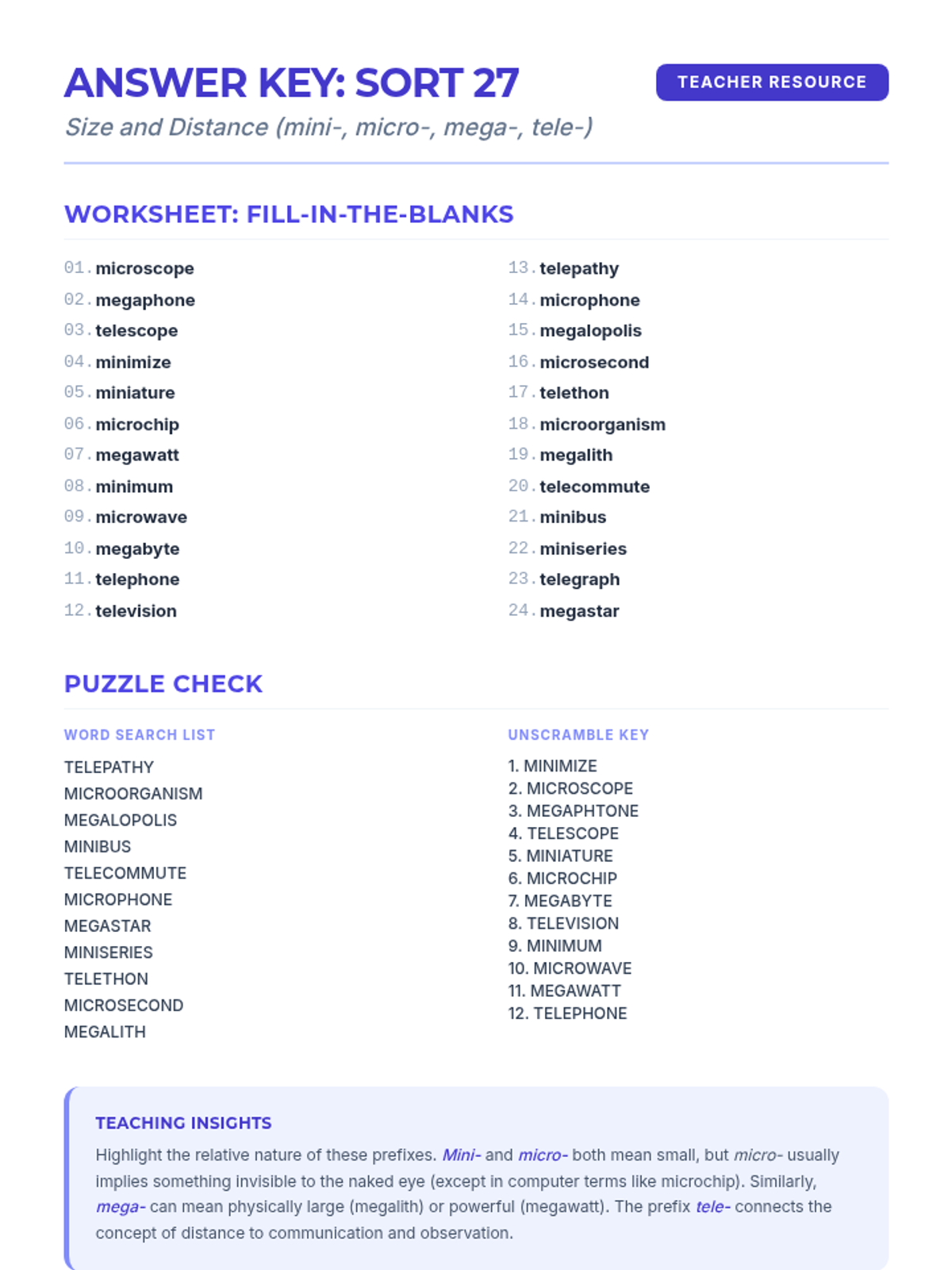
A comprehensive vocabulary and morphology curriculum covering prefixes, suffixes, Latin roots, and Greek roots through fill-in-the-blank exercises and engaging word puzzles.
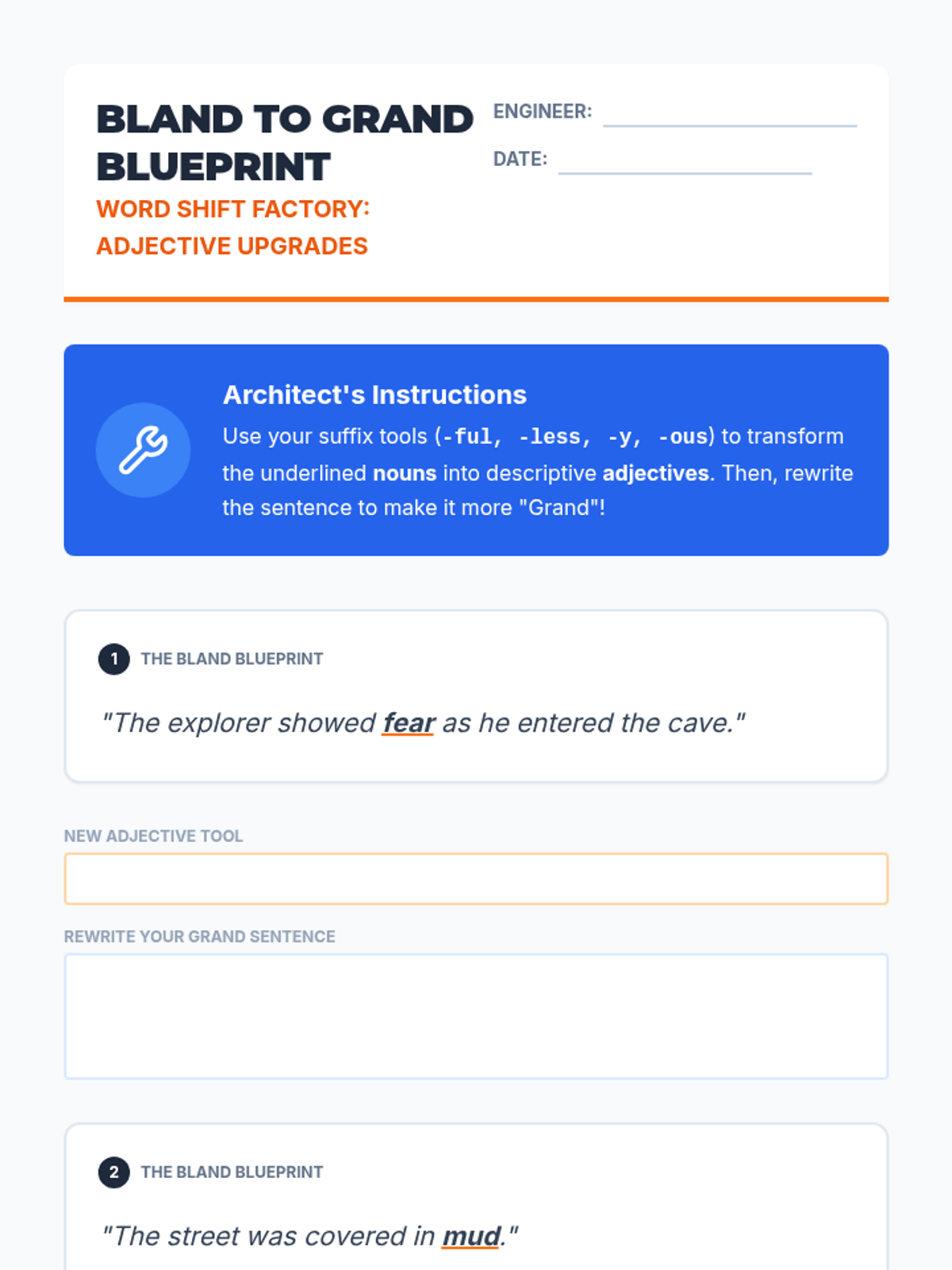
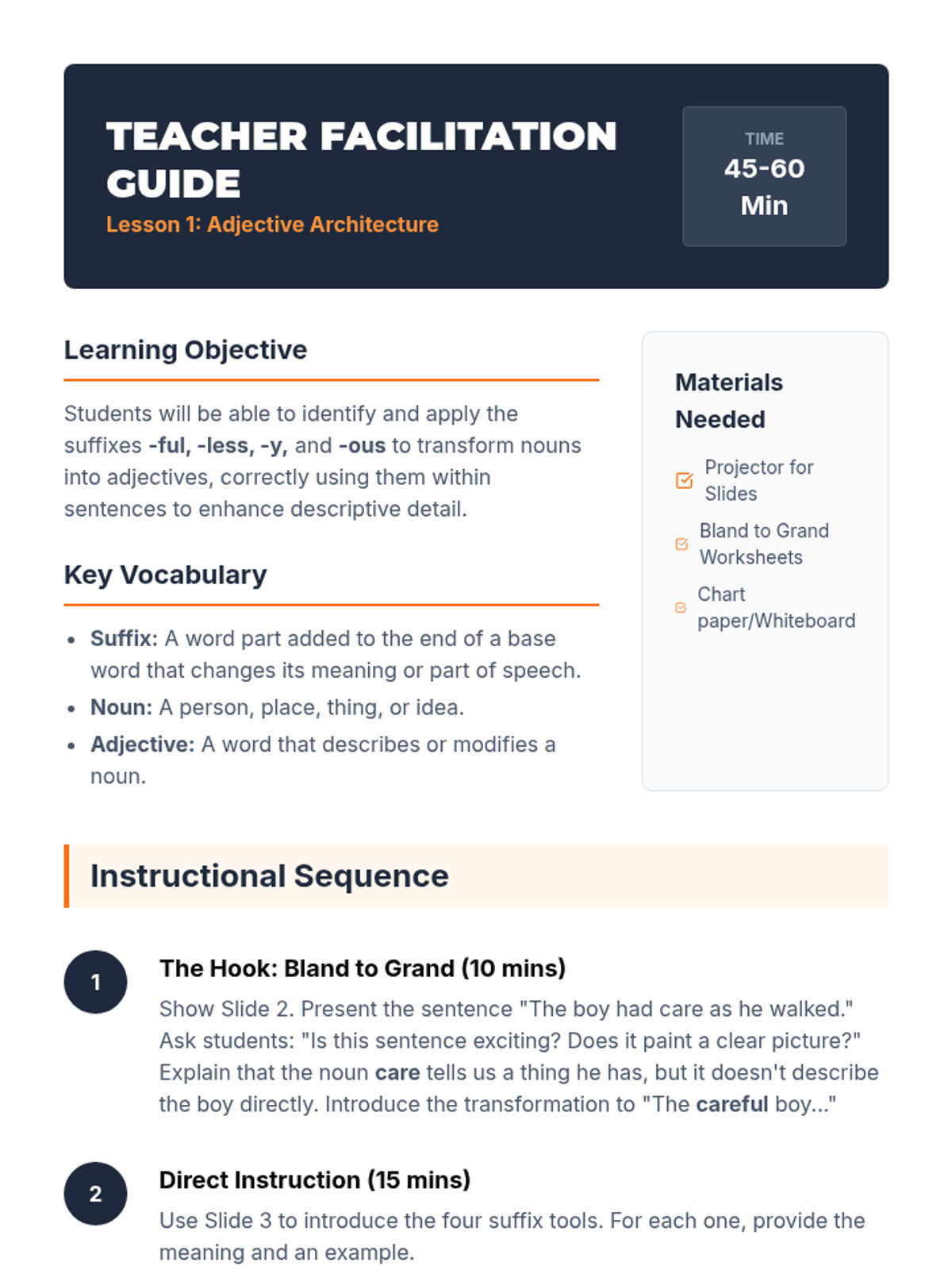
A 5-lesson sequence for 4th graders exploring how suffixes transform words between parts of speech. Students act as 'Word Engineers' to build, modify, and refine language.
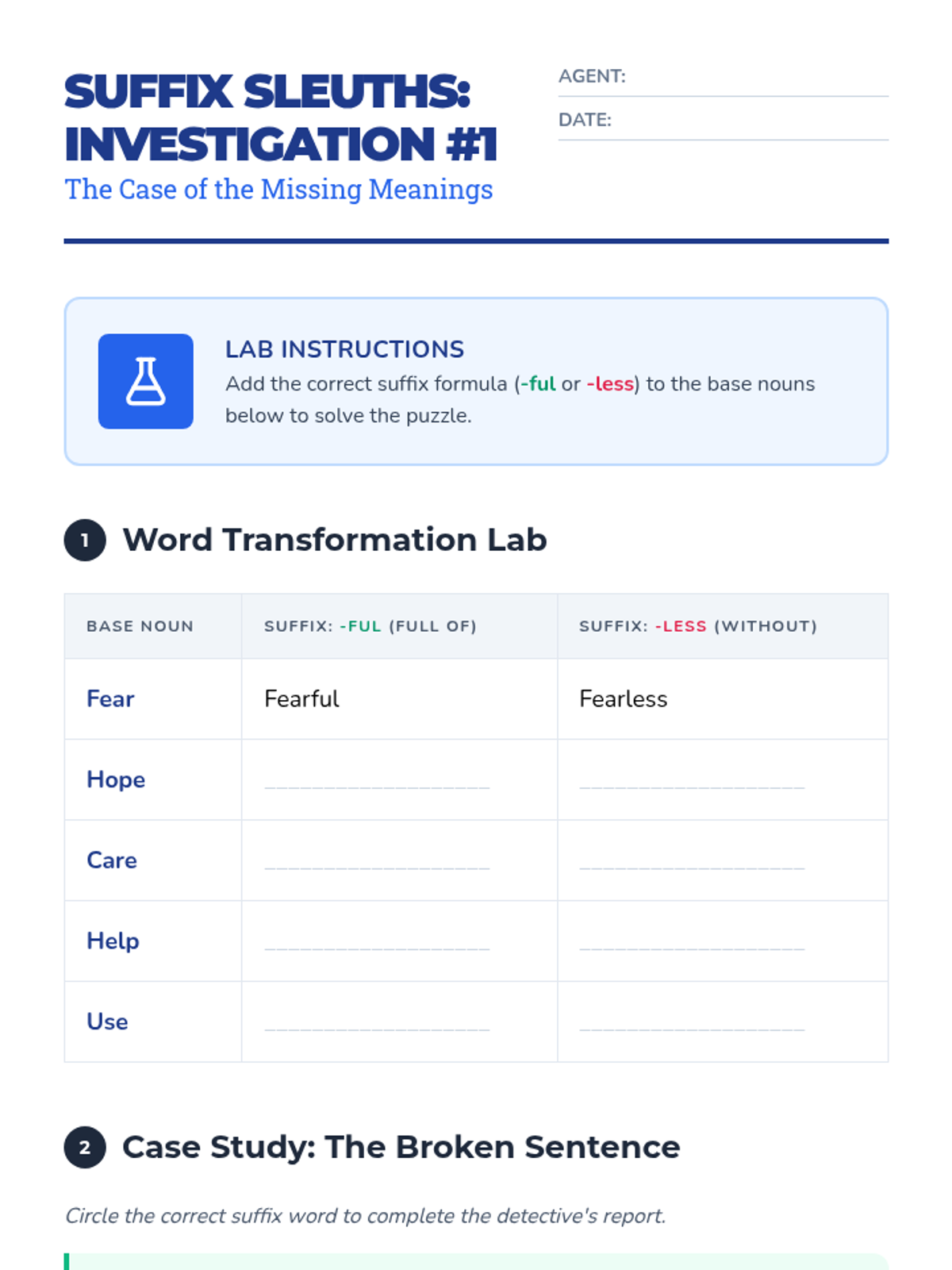
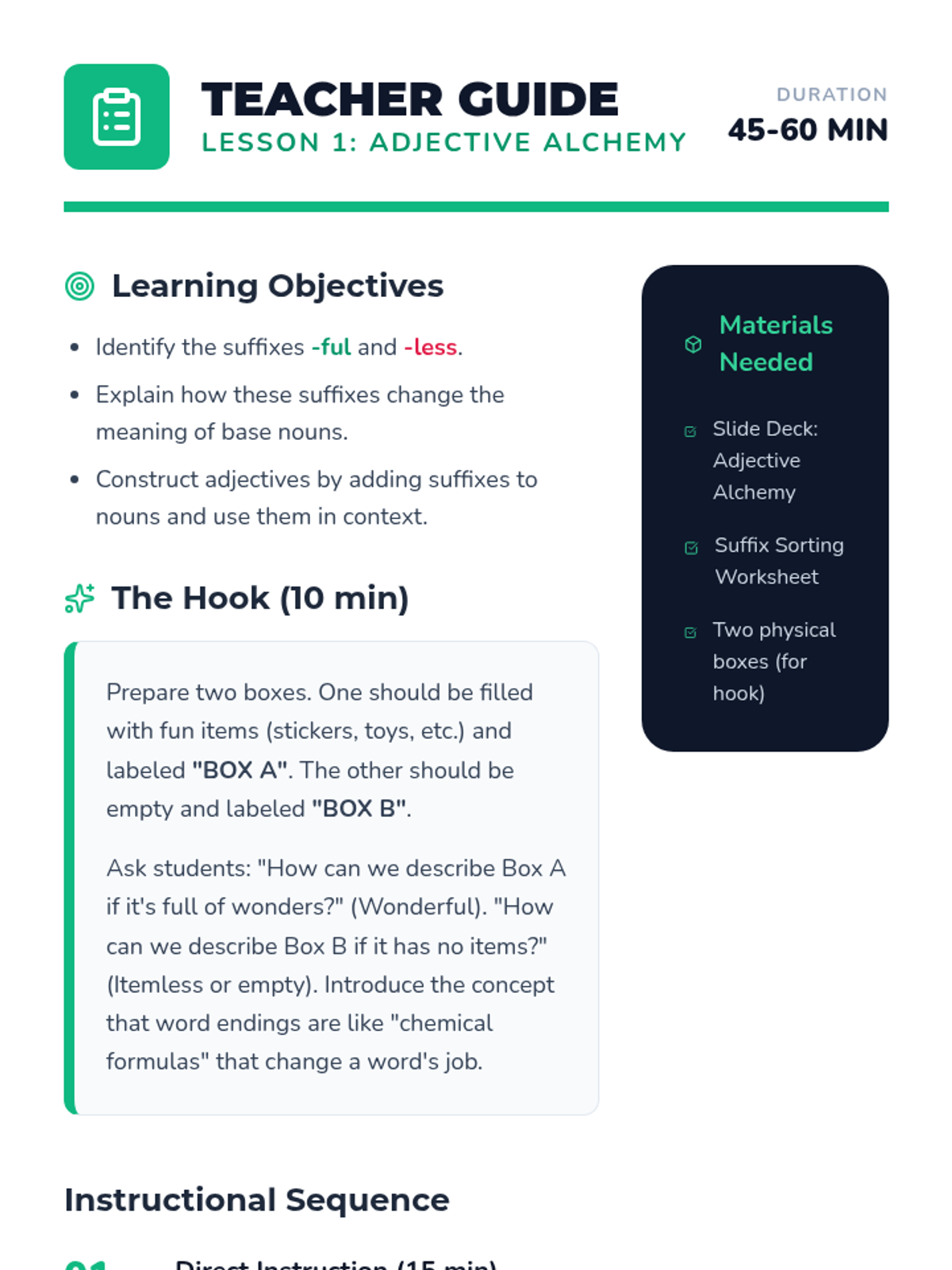
Students investigate how suffixes (-ful, -less, -ly, -er, -est) change word meanings and parts of speech. Using a 'Word Lab' detective theme, students analyze patterns, play games, and master spelling rules for word modification.
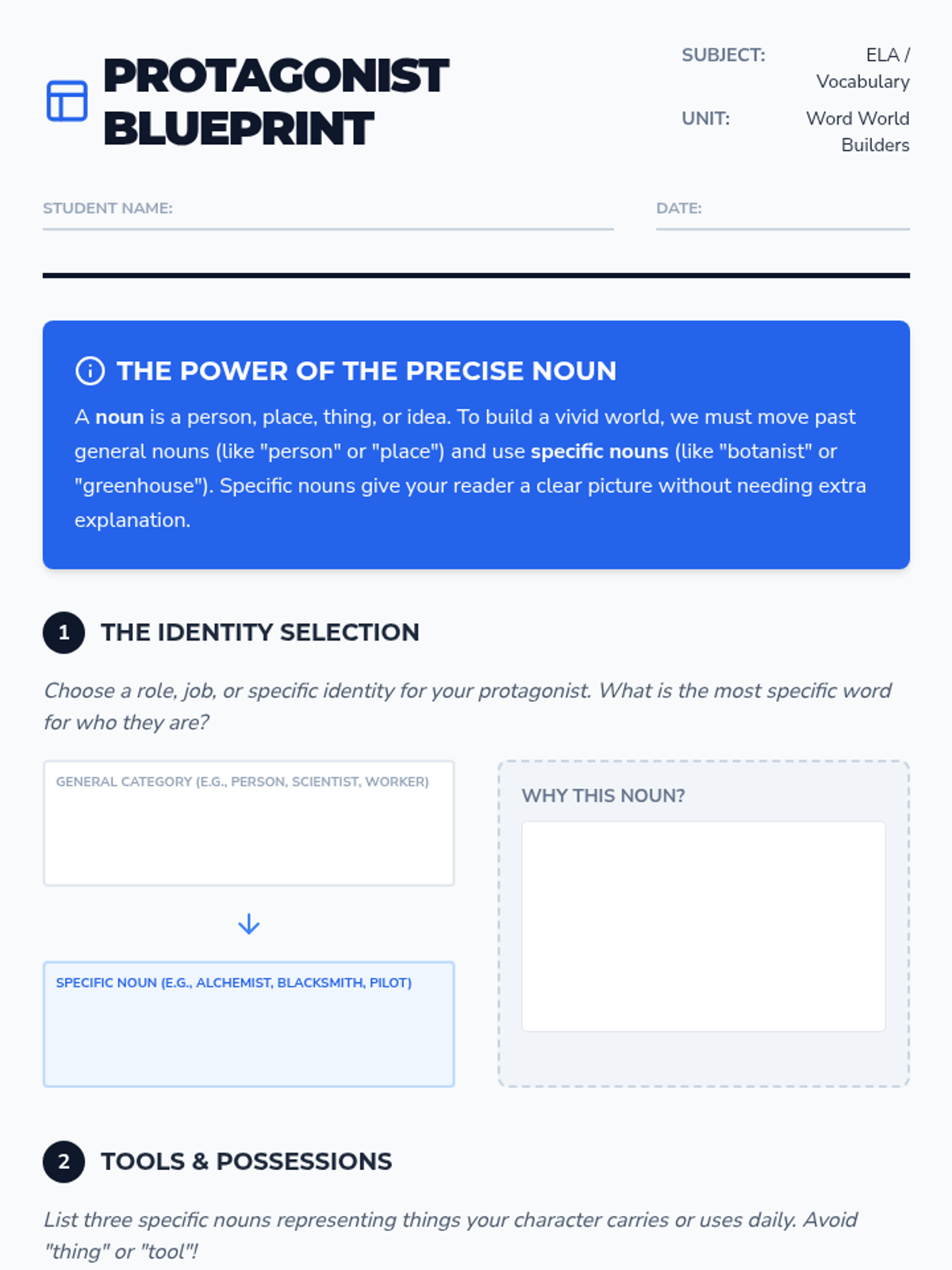
Students embark on a journey of fictional world-building, using precise nouns and vivid adjectives as their primary tools. They move from character identity to atmospheric settings, eventually crafting a polished narrative passage that demonstrates the power of descriptive imagery.
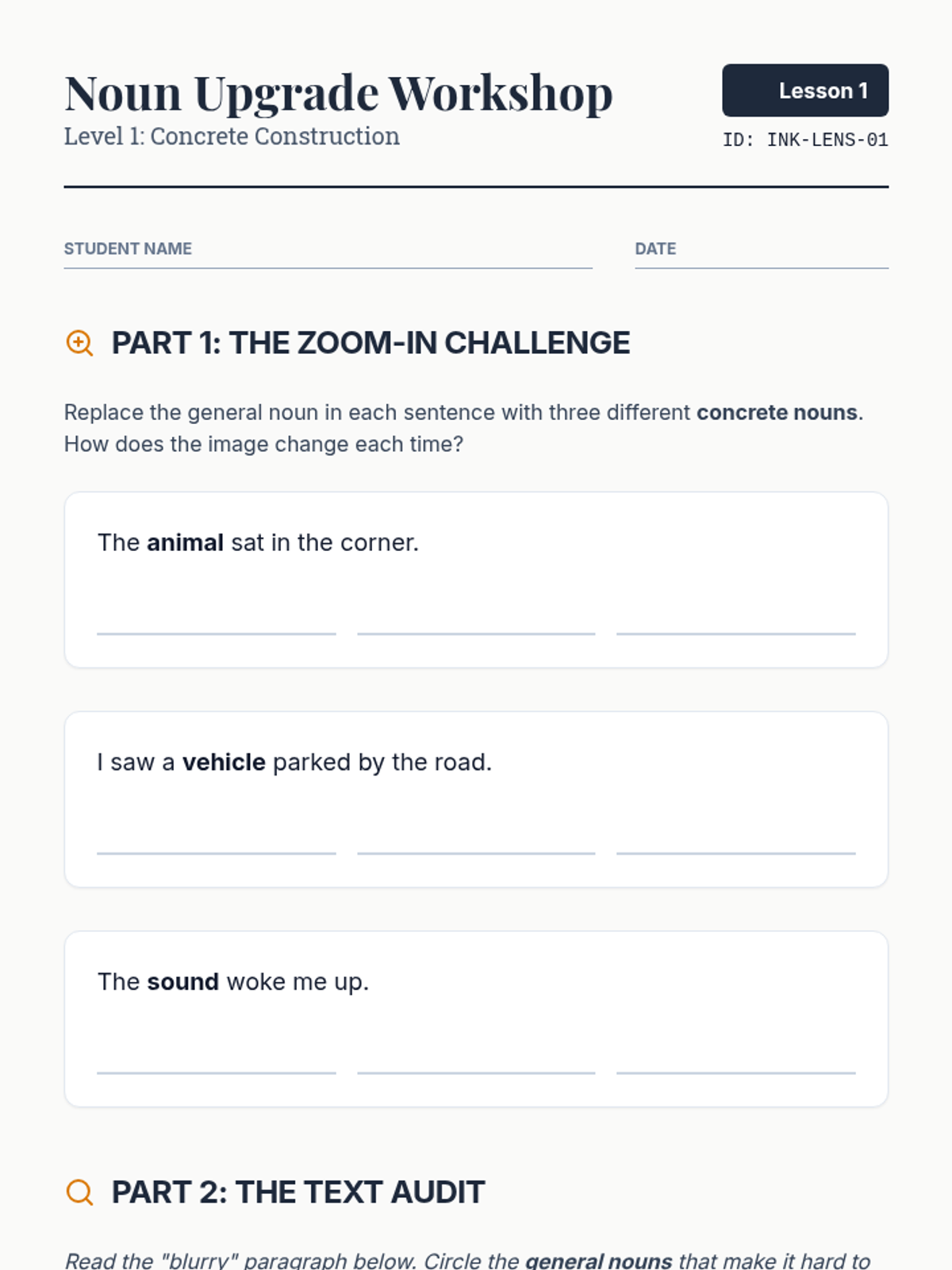
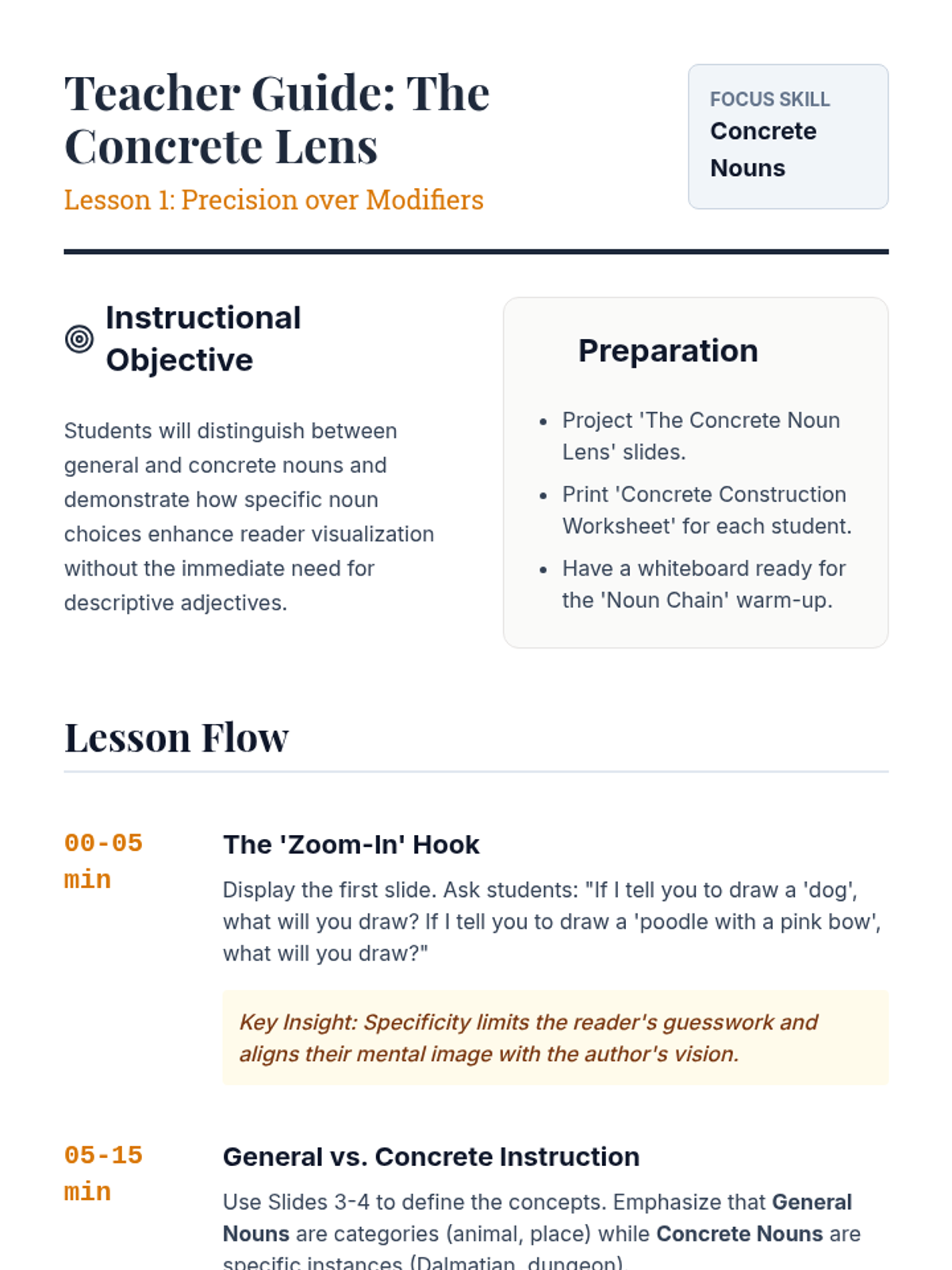
This writing workshop sequence moves students beyond basic identification of nouns and adjectives toward strategic application in narrative writing. Students practice replacing general nouns with concrete alternatives and weak adjectives with vivid modifiers to enhance reader visualization.
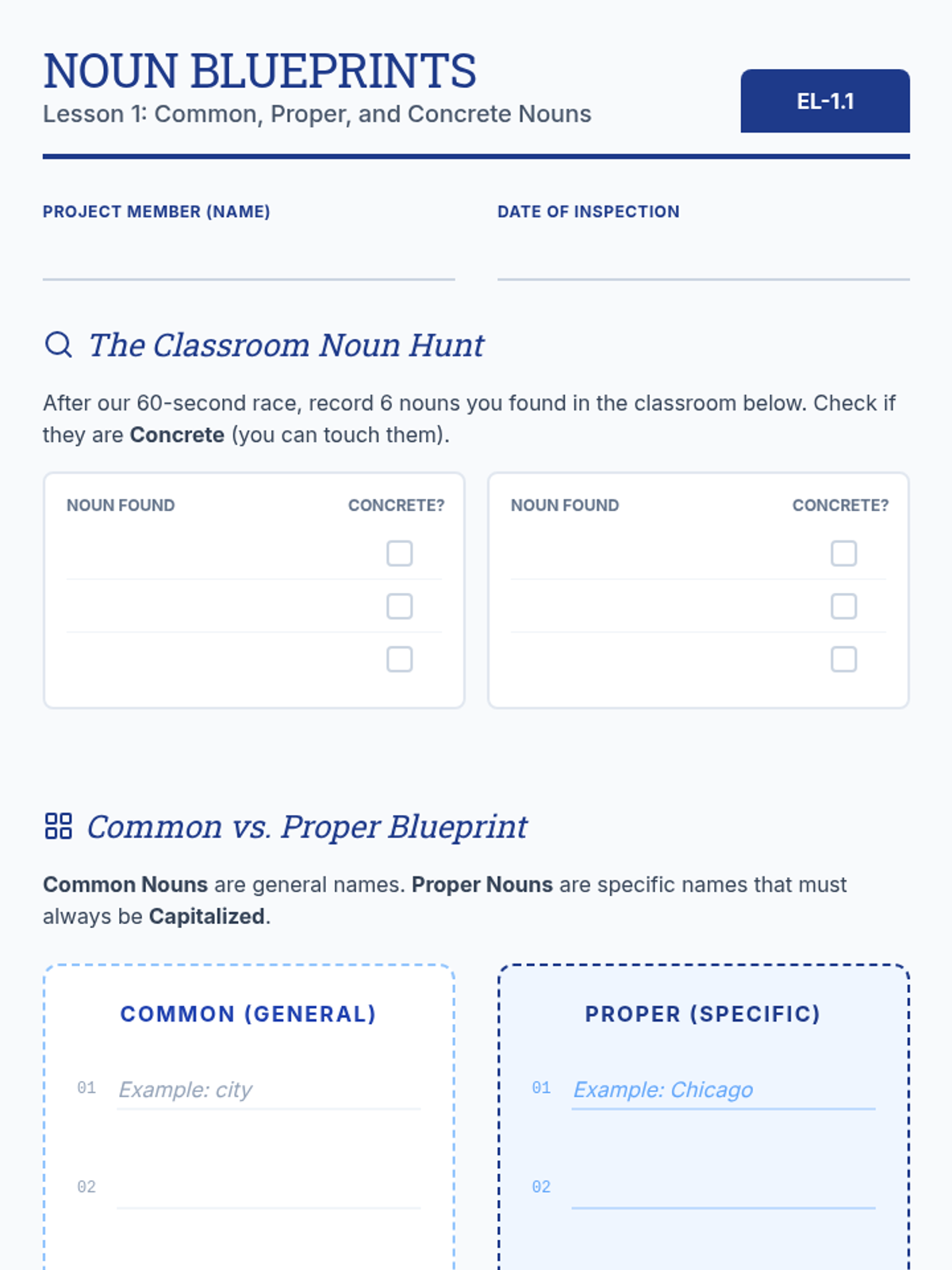
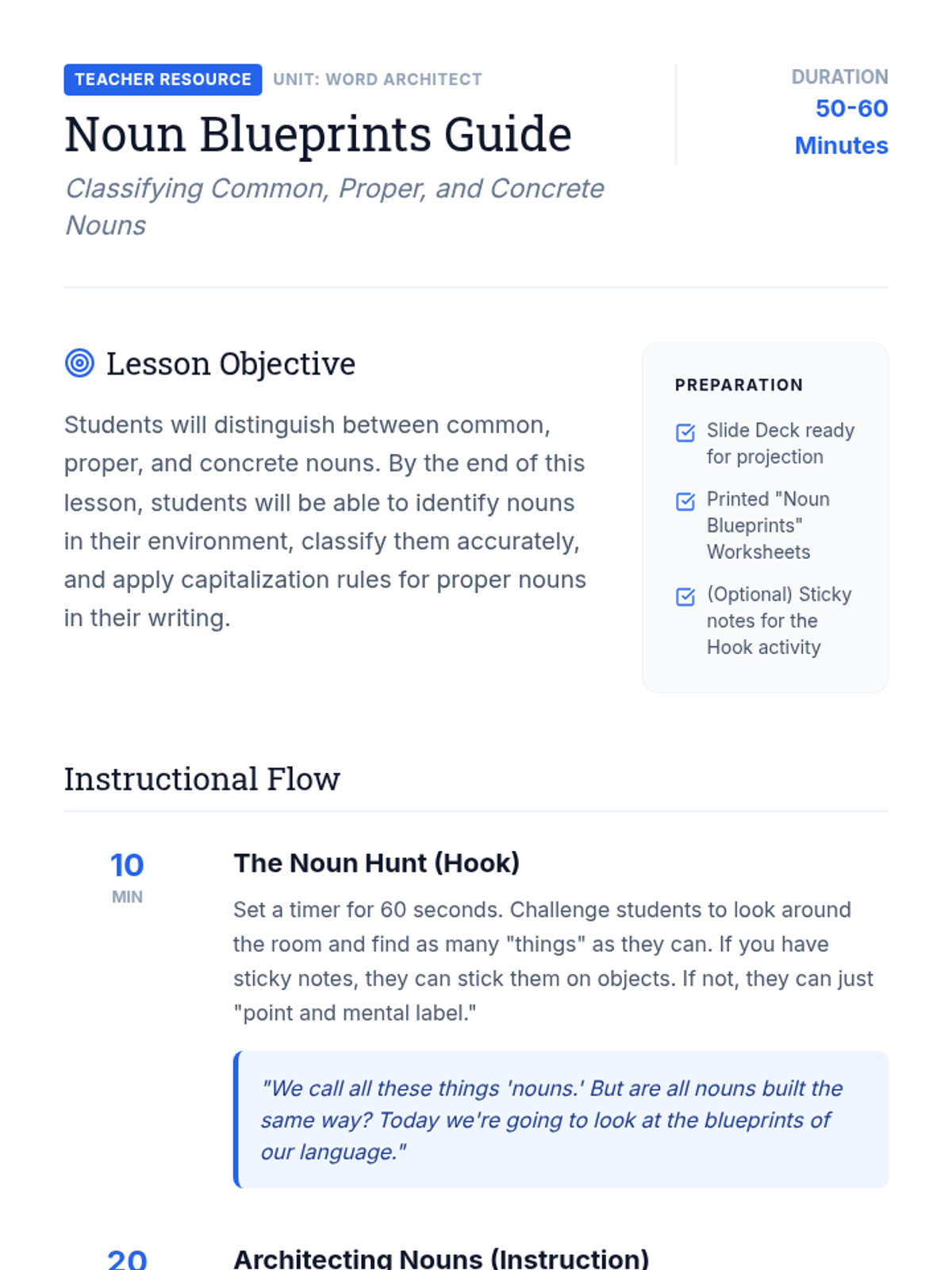
A comprehensive 4th-grade ELA unit focusing on noun classification and descriptive adjective usage to enhance student writing. Students move from basic identification to strategic application of precise nouns and ordered adjectives.
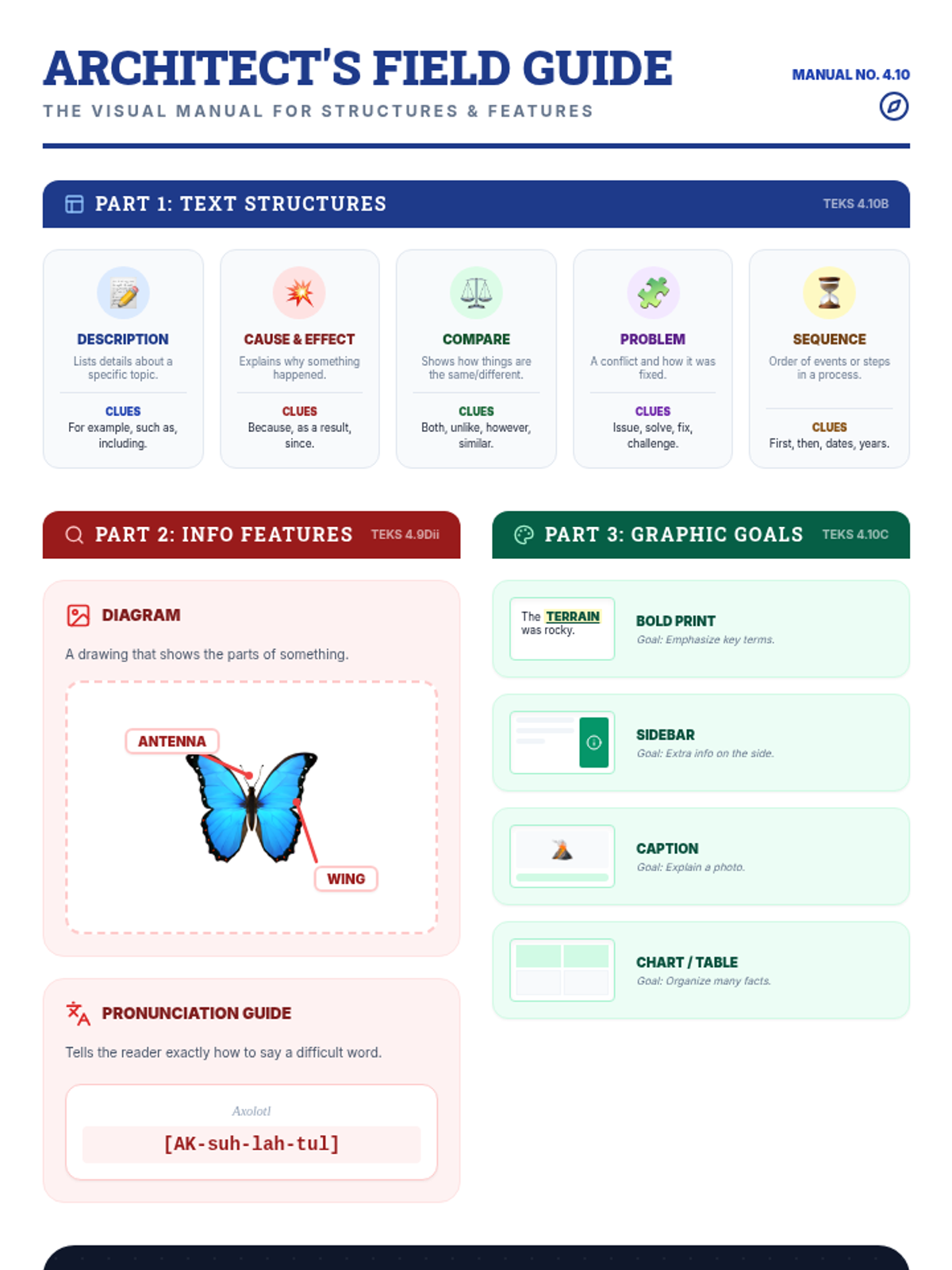
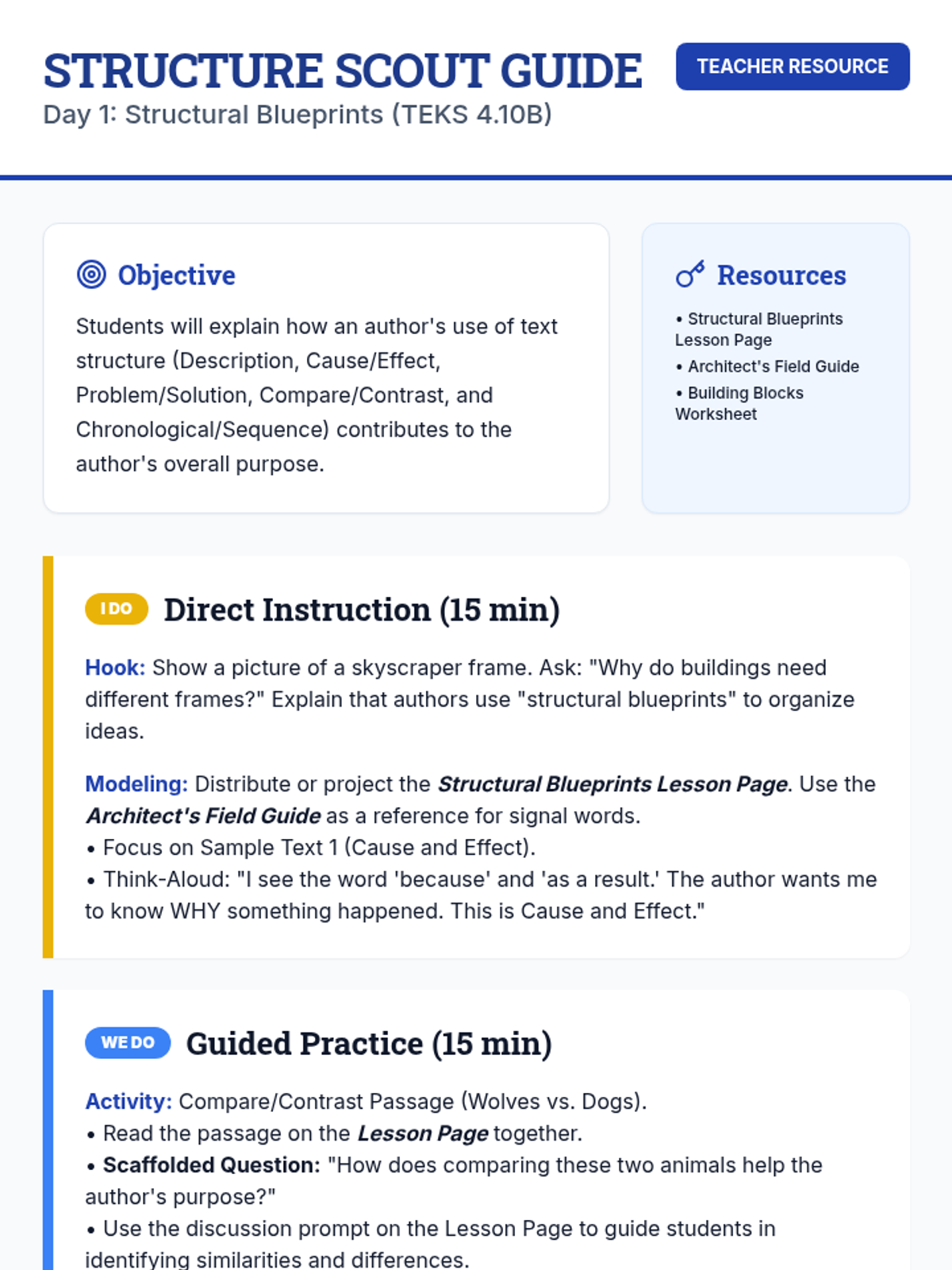
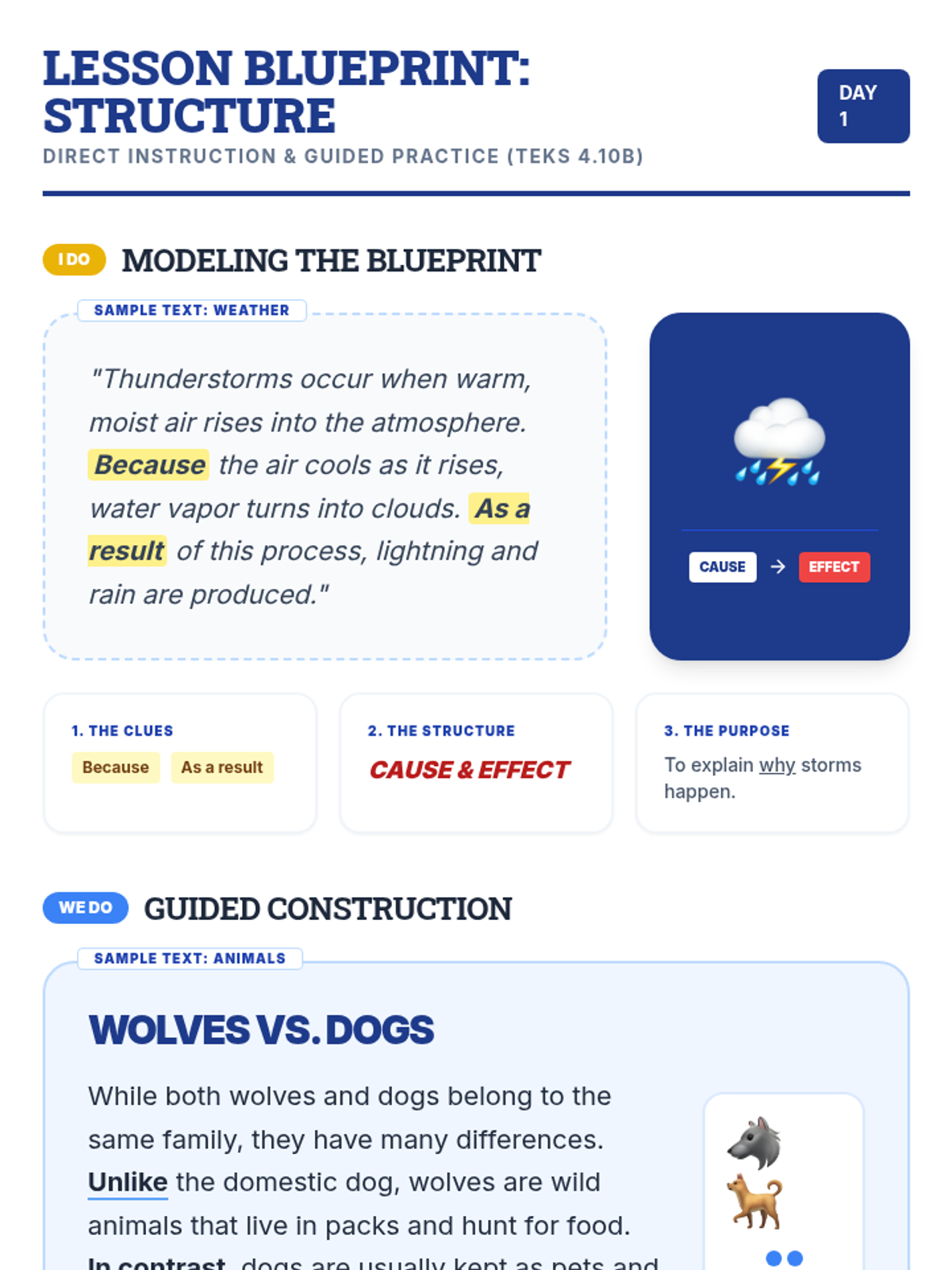
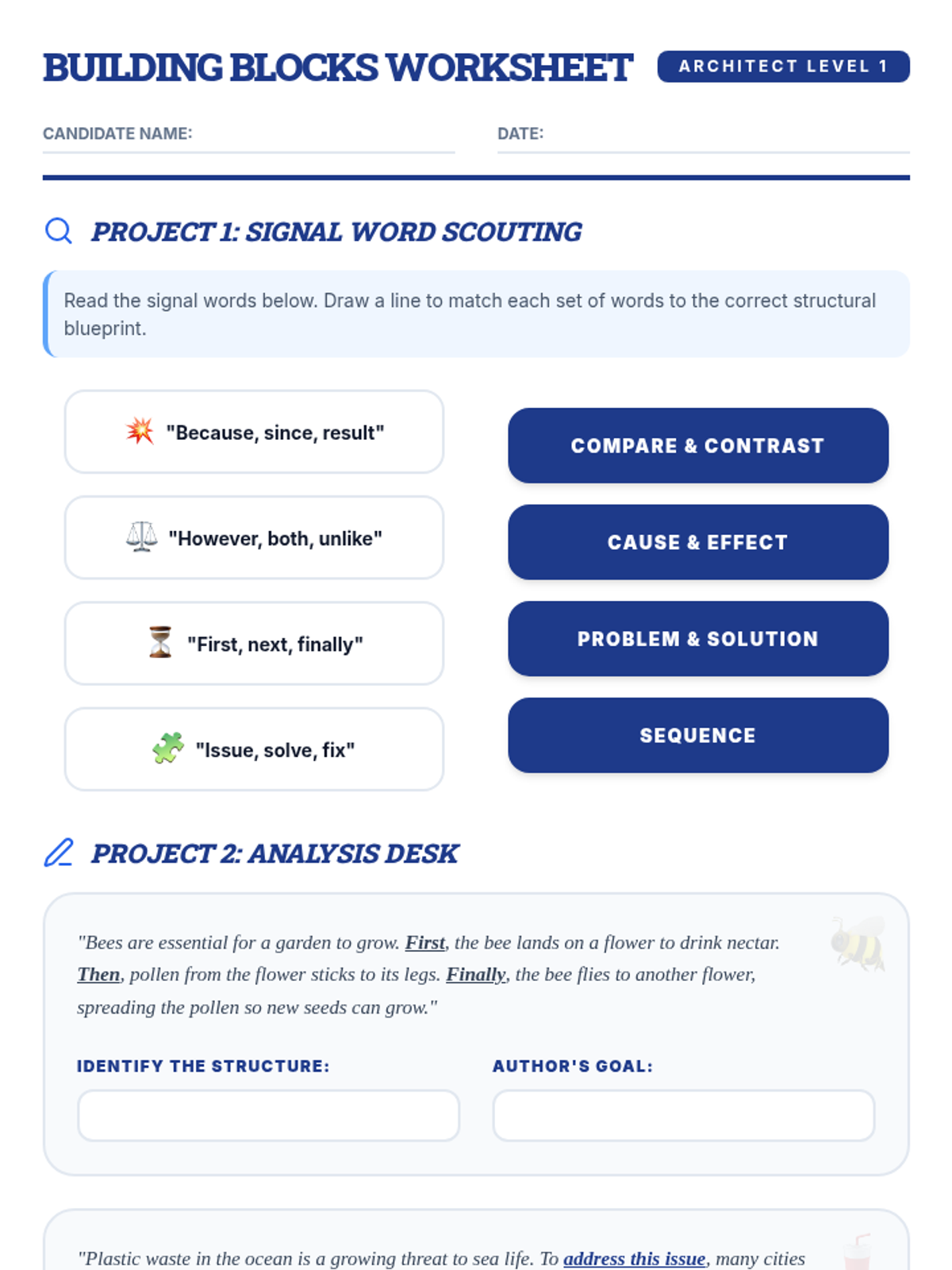
A 4-day intensive reteaching unit for 4th Grade TEKS 4.10B, 4.9Dii, and 4.10C. Students will act as "Information Architects," analyzing how text structures and features are the building blocks of author's purpose through a gradual release model.
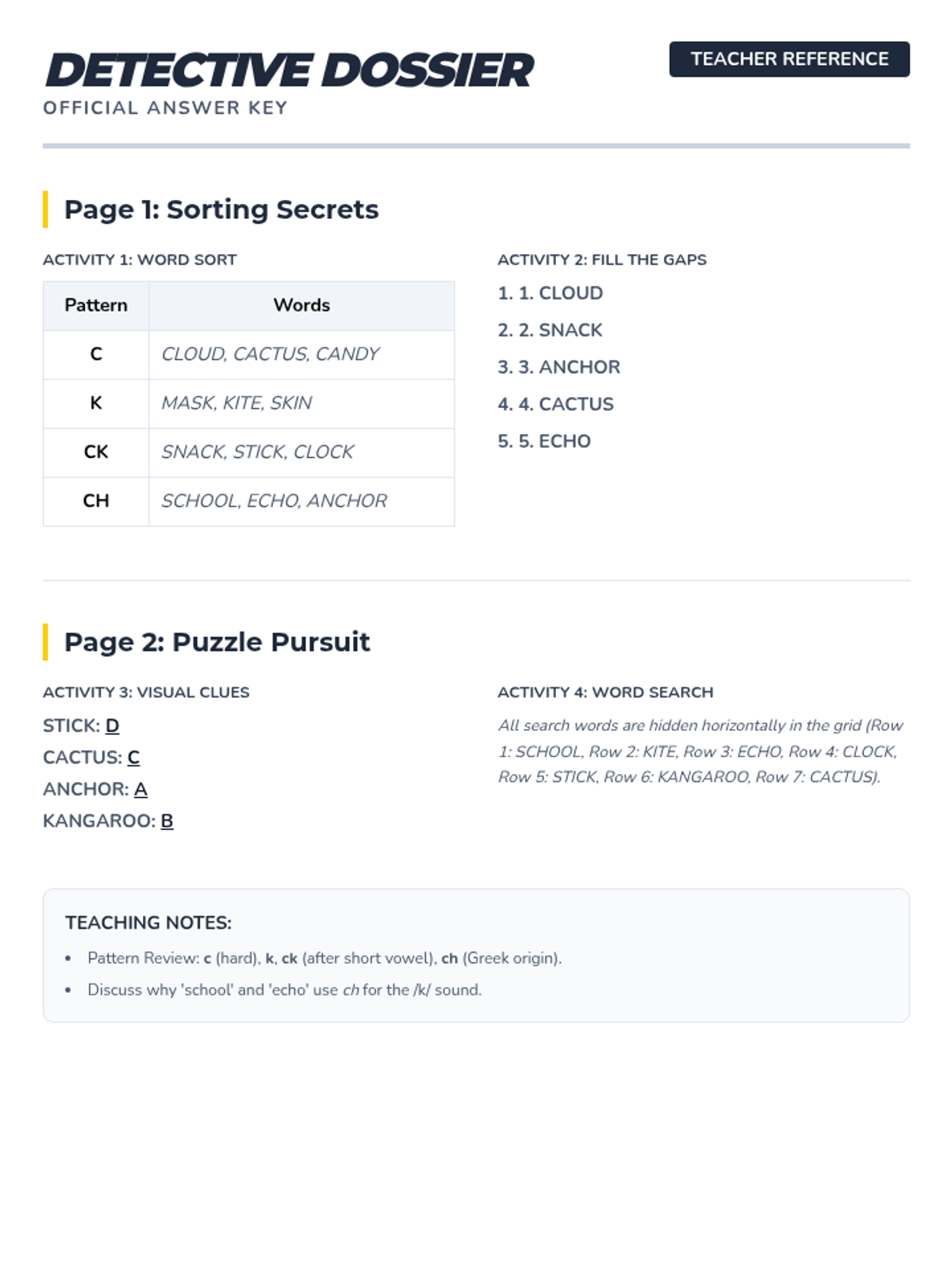
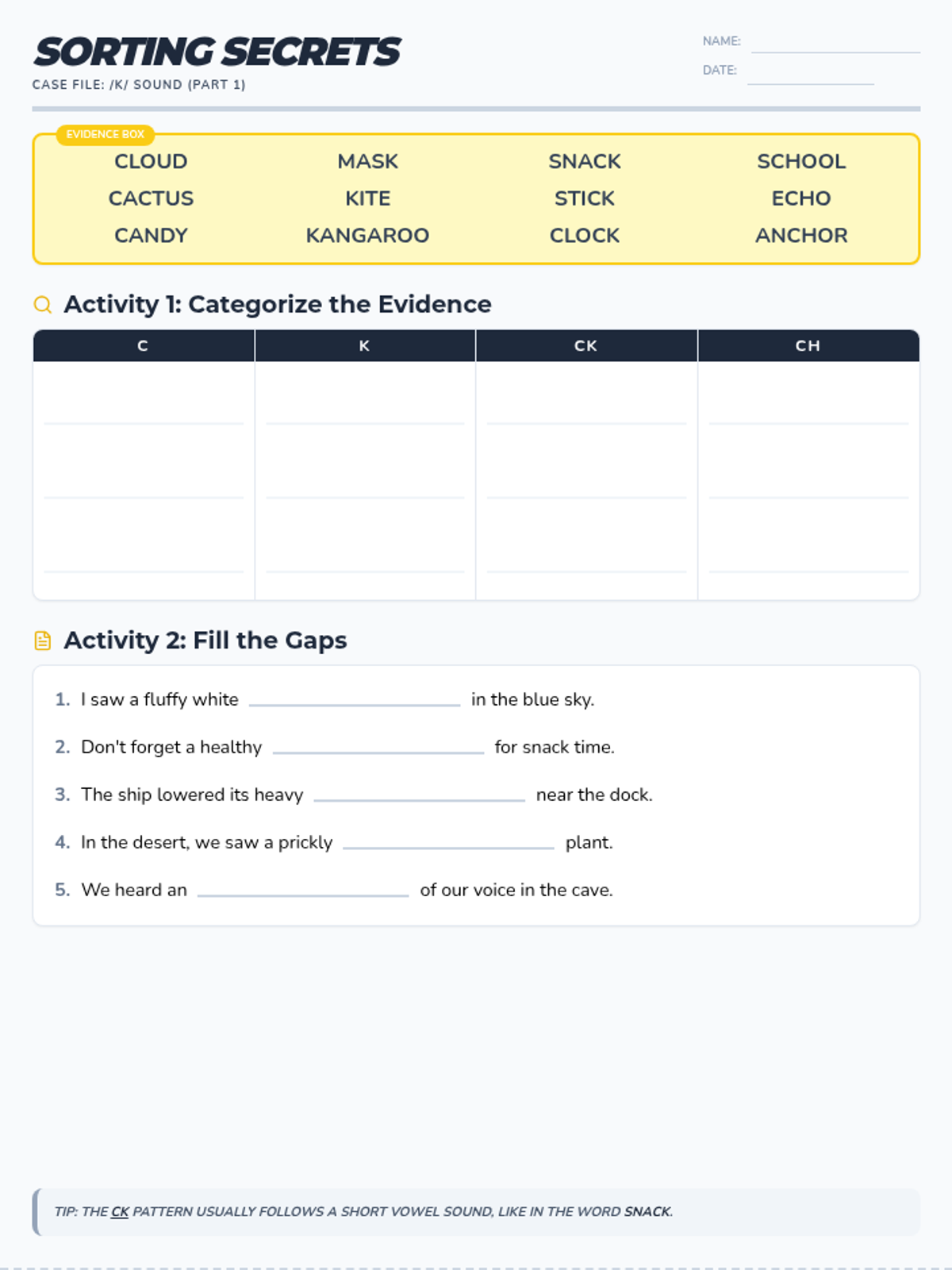
A spelling sequence focused on identifying and using the /k/ sound in its various forms: c, k, ck, and ch. Students practice through sorting, context clues, and visual puzzles.
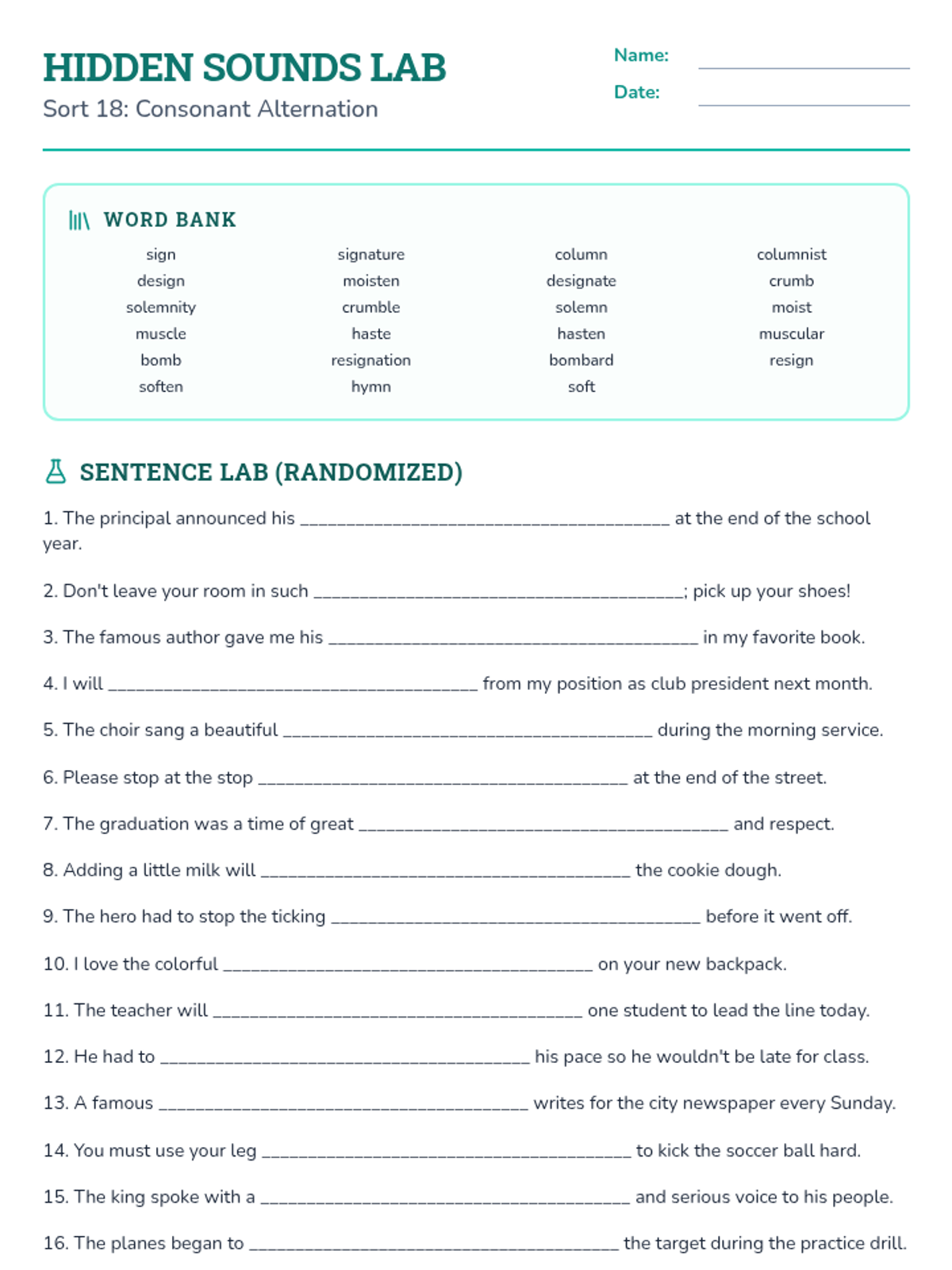
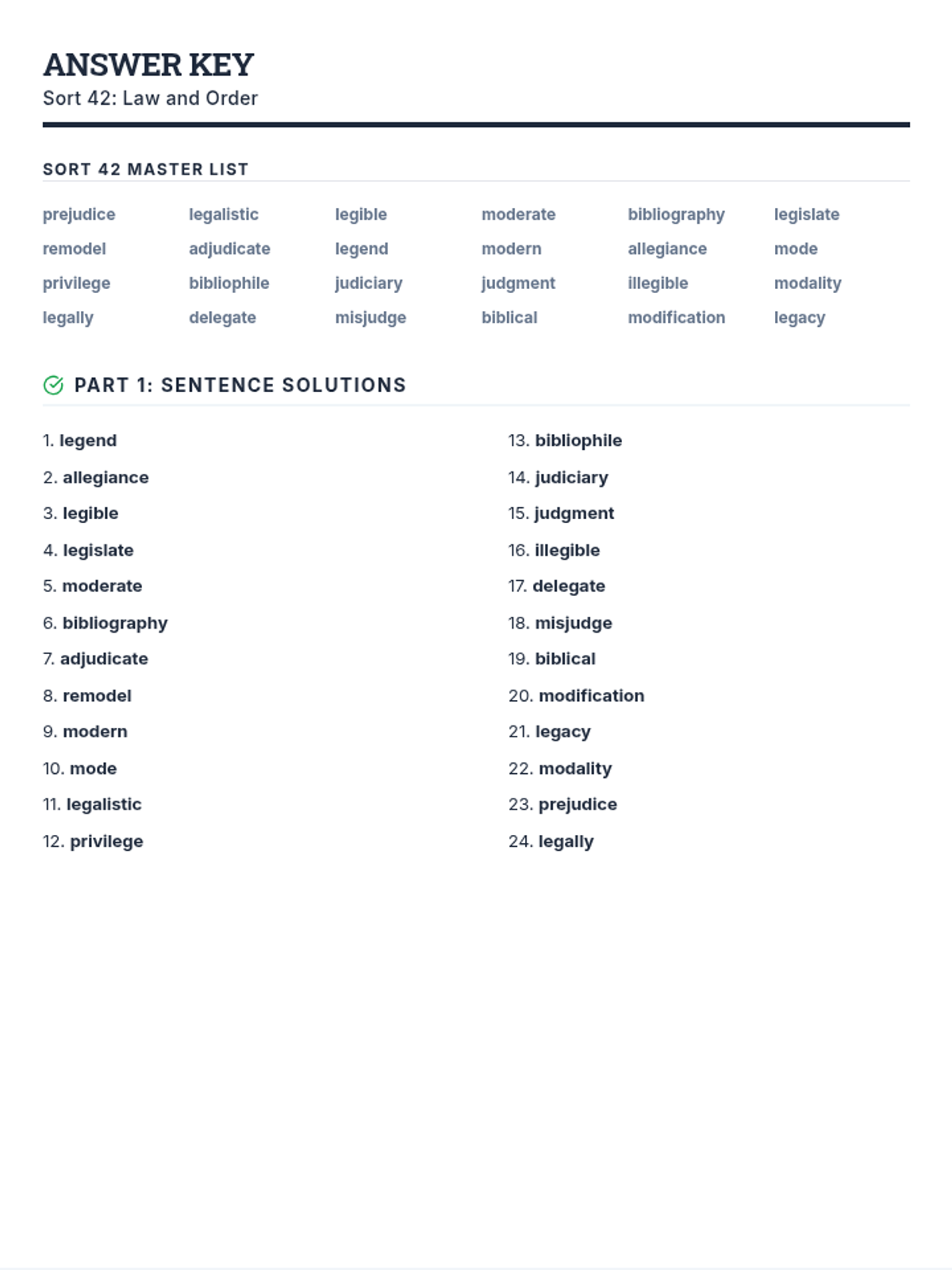
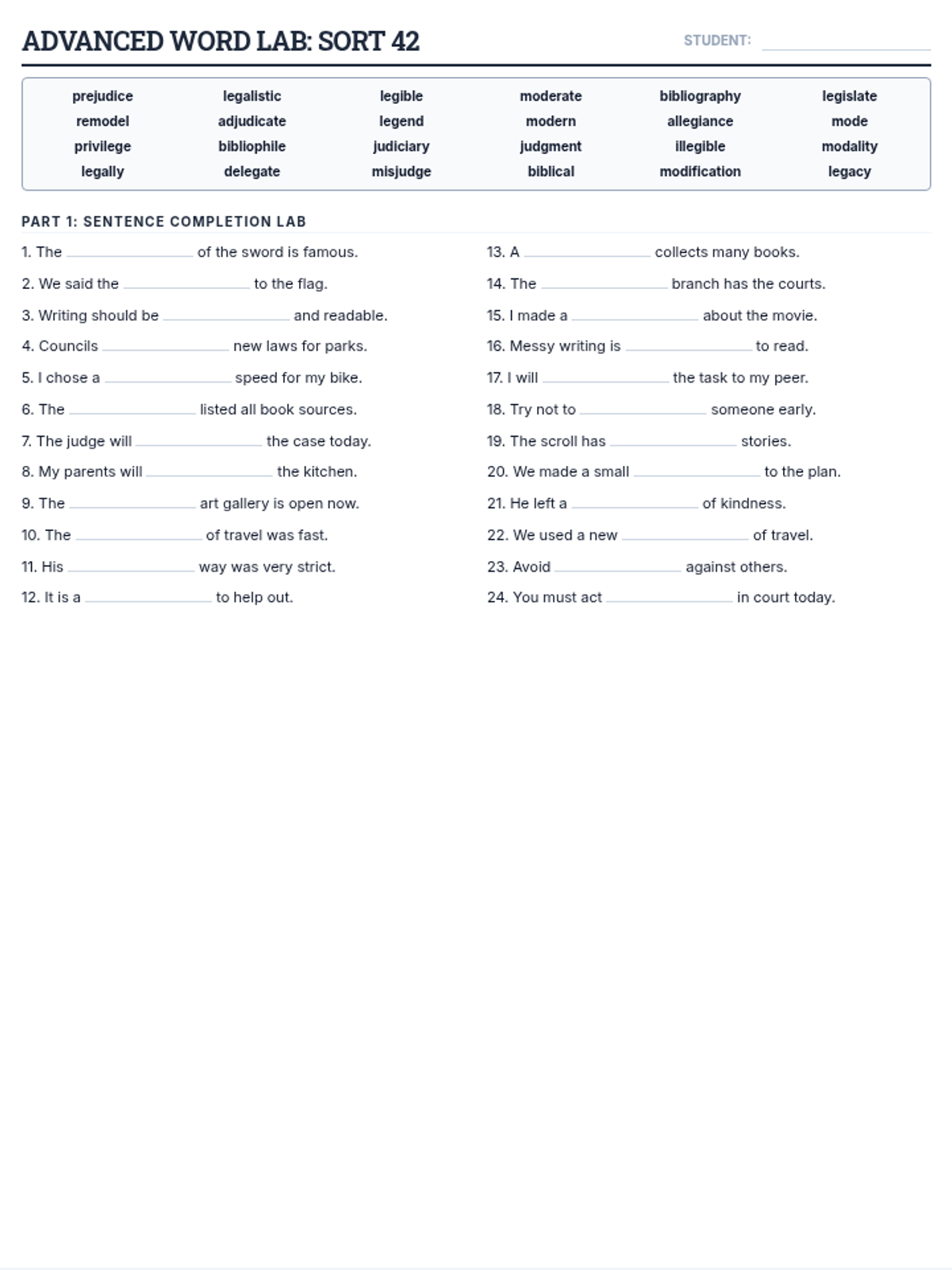
A comprehensive word study sequence for 4th-grade students covering spelling sorts 18 through 41, focusing on consonant and vowel alternations, suffixes, and Greek/Latin roots.
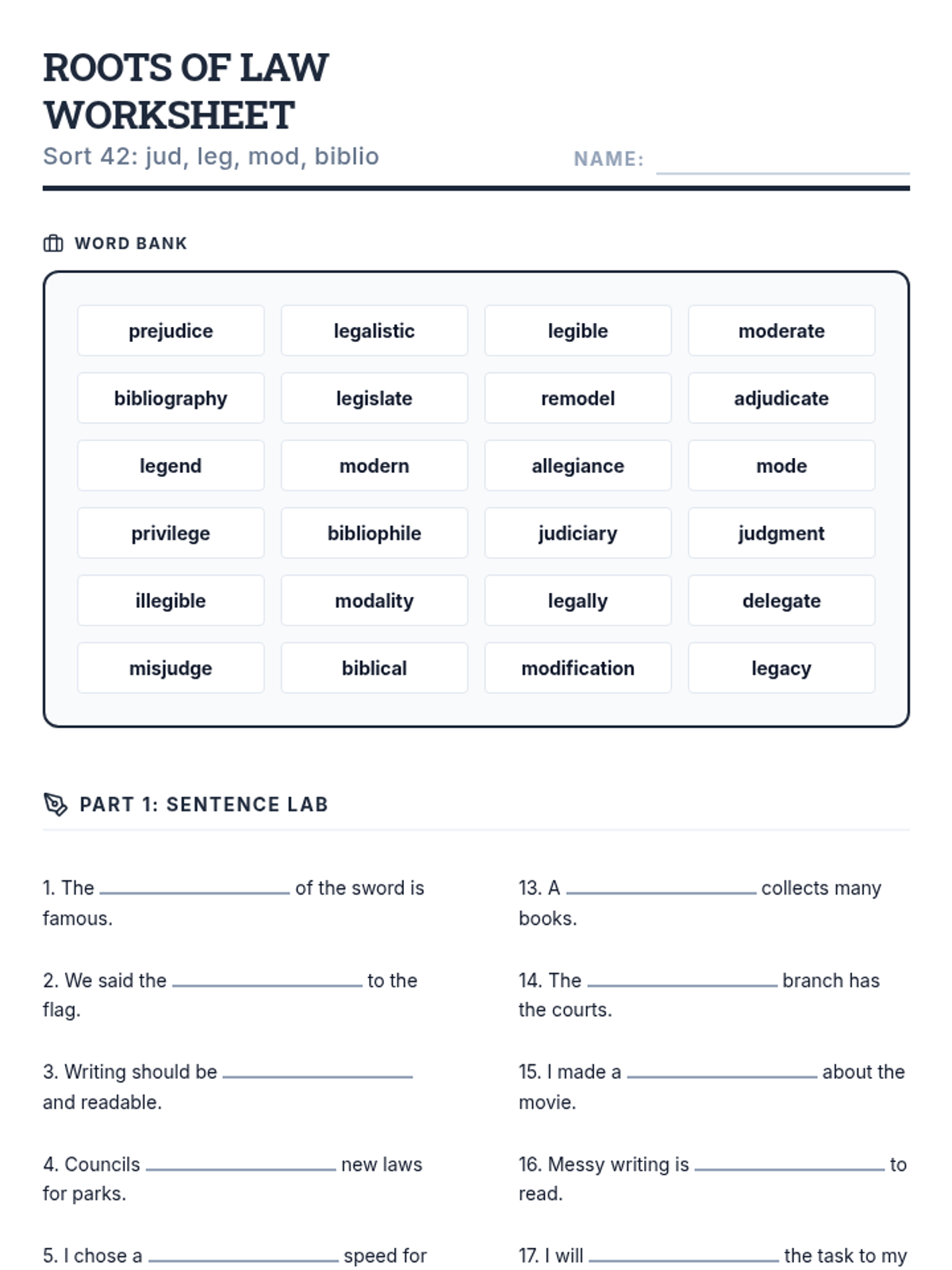
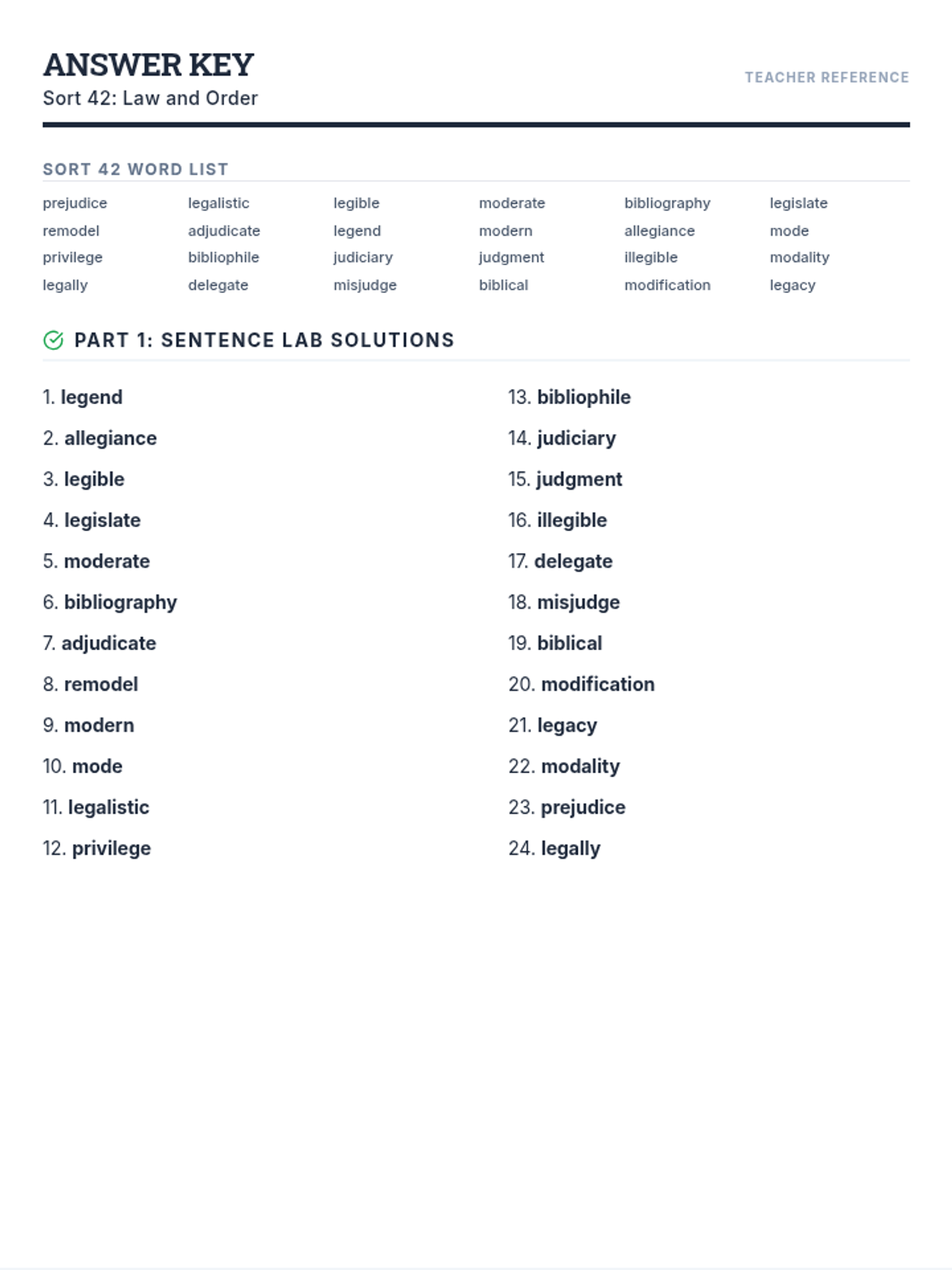
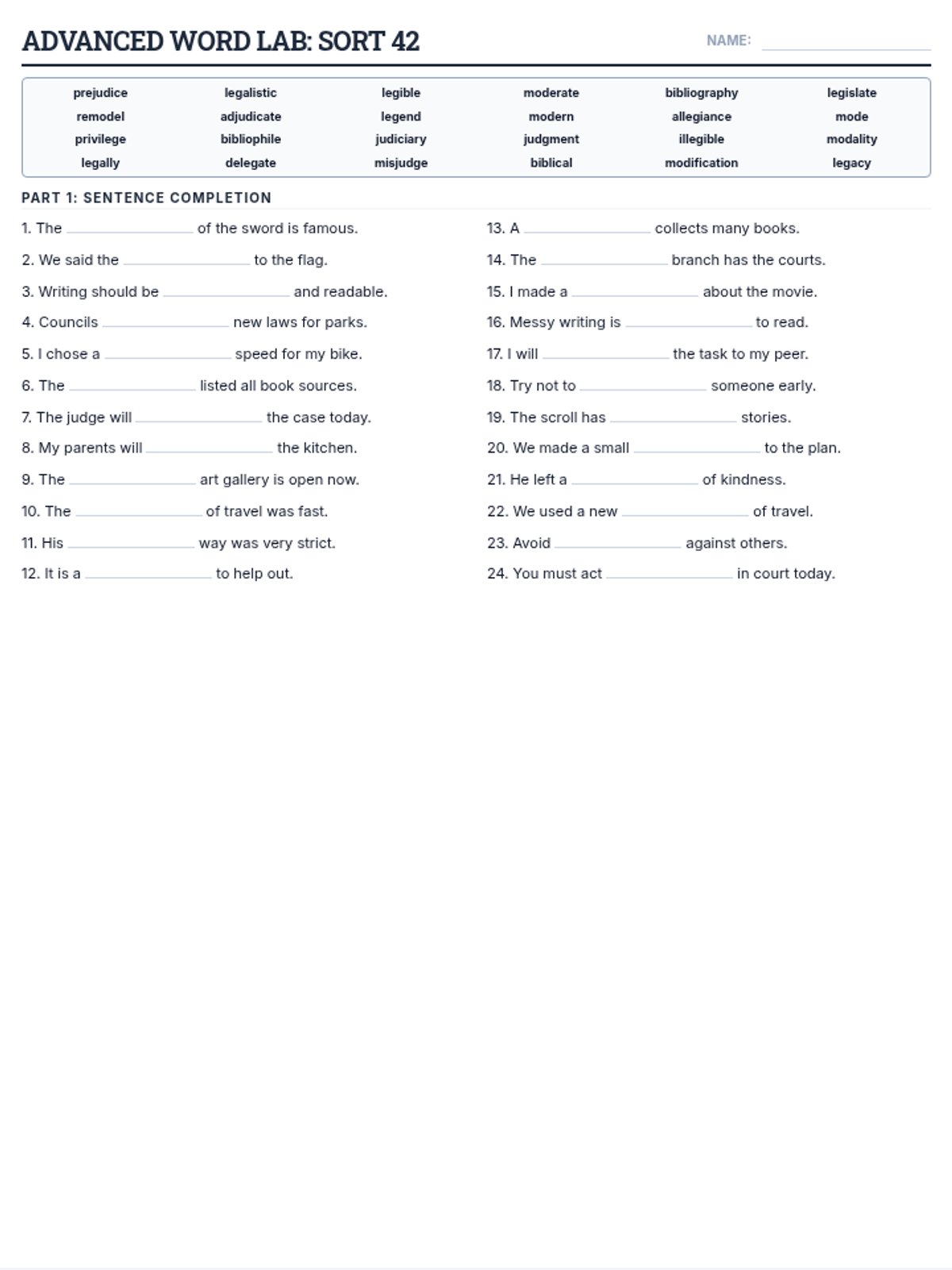
A mastery sequence for advanced word study, focusing on derivational roots, meaning-base spelling, and vocabulary expansion through puzzles and sentence application.
A series of lessons exploring complex spelling patterns including assimilated suffixes and chameleon prefixes to improve student decoding and spelling accuracy.
A travel-themed spelling and morphology unit where students explore advanced vowel patterns and word structures as 'World Word Explorers'.
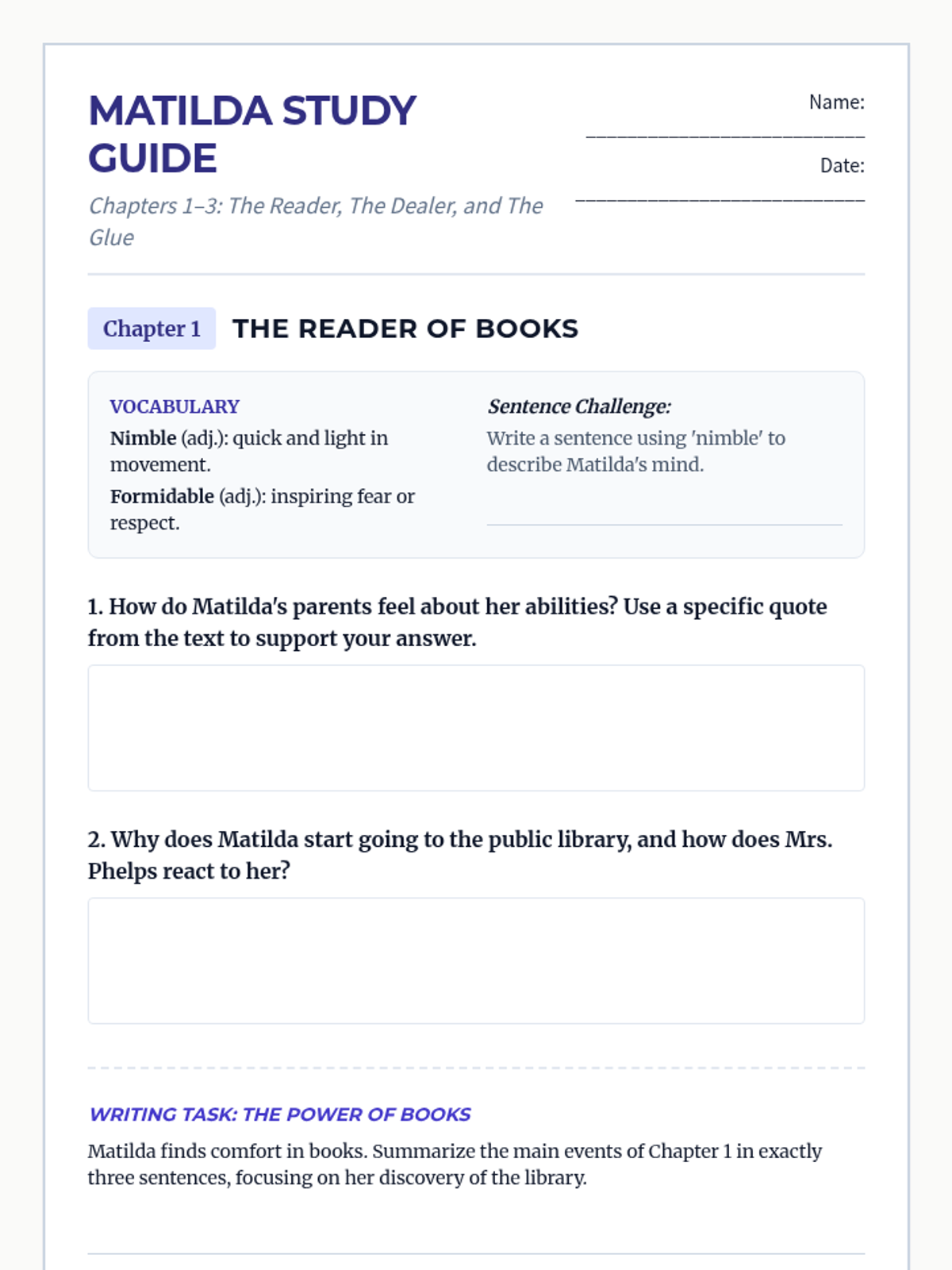
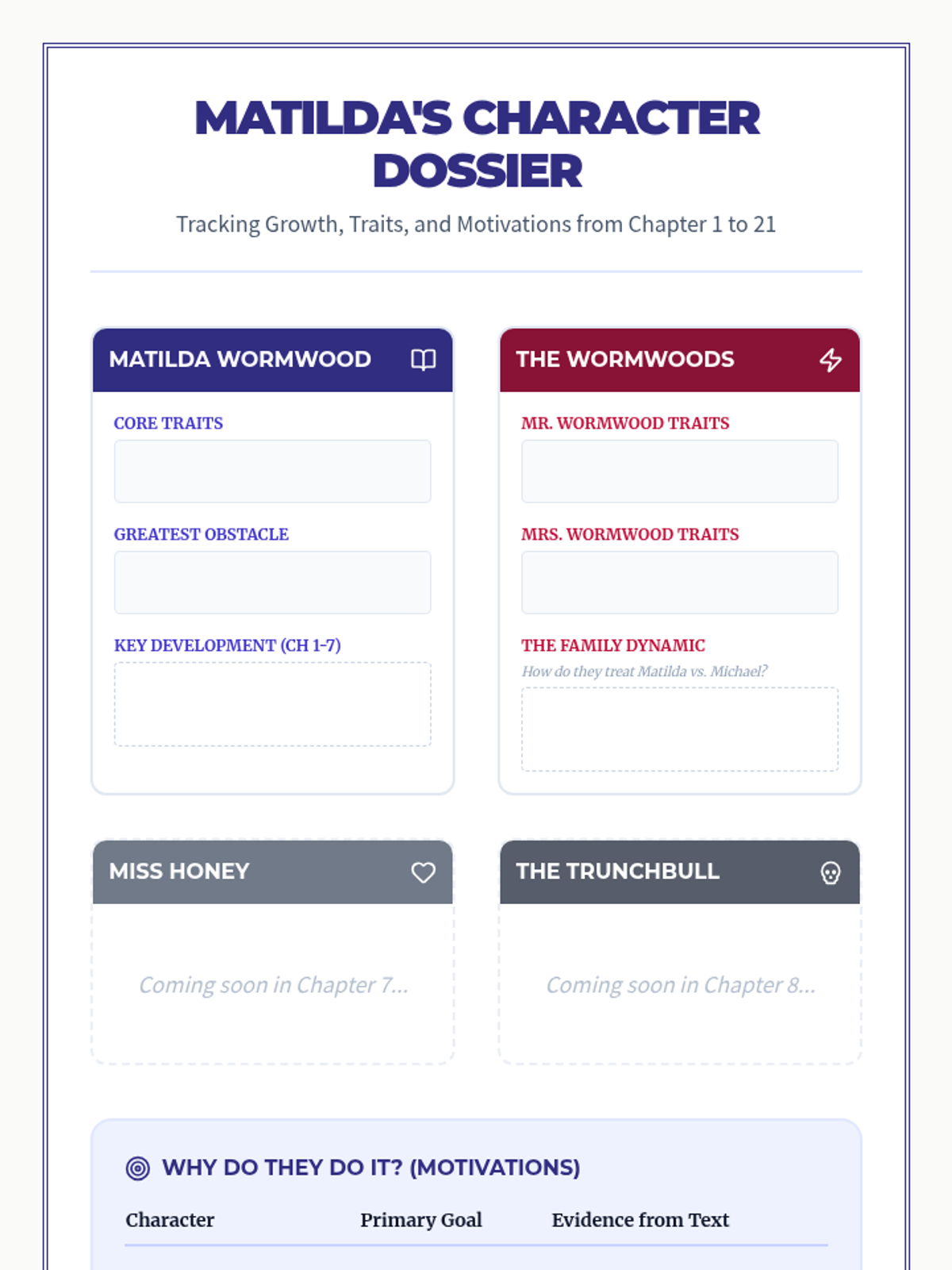
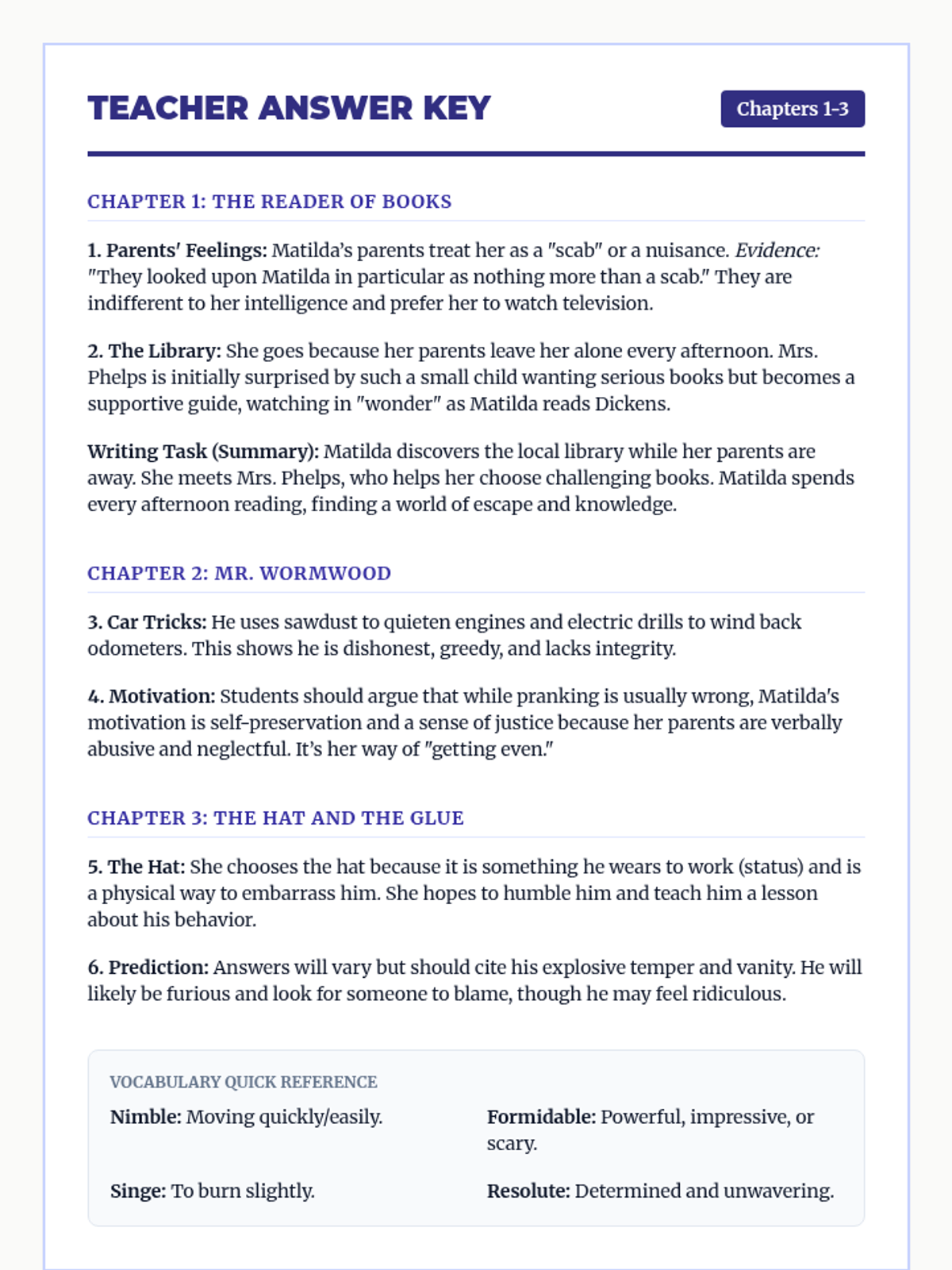
A comprehensive novel study for Roald Dahl's 'Matilda', focusing on character development, text evidence, and creative writing across 21 chapters.