Syllogisms, deductive validity, and the principles of inductive probability for evaluating evidence-based claims. Targets common logical fallacies and the construction of sound, persuasive arguments.
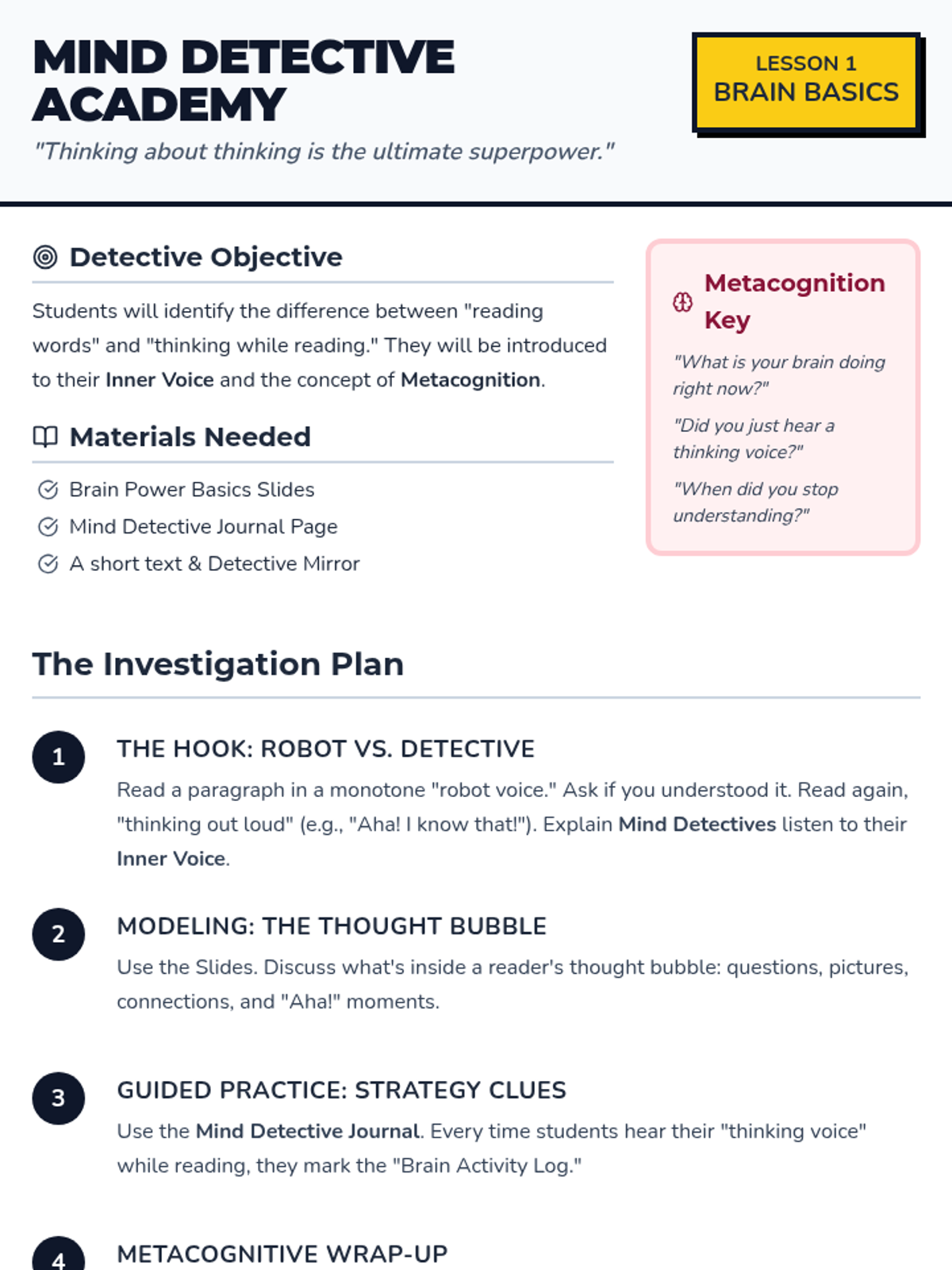
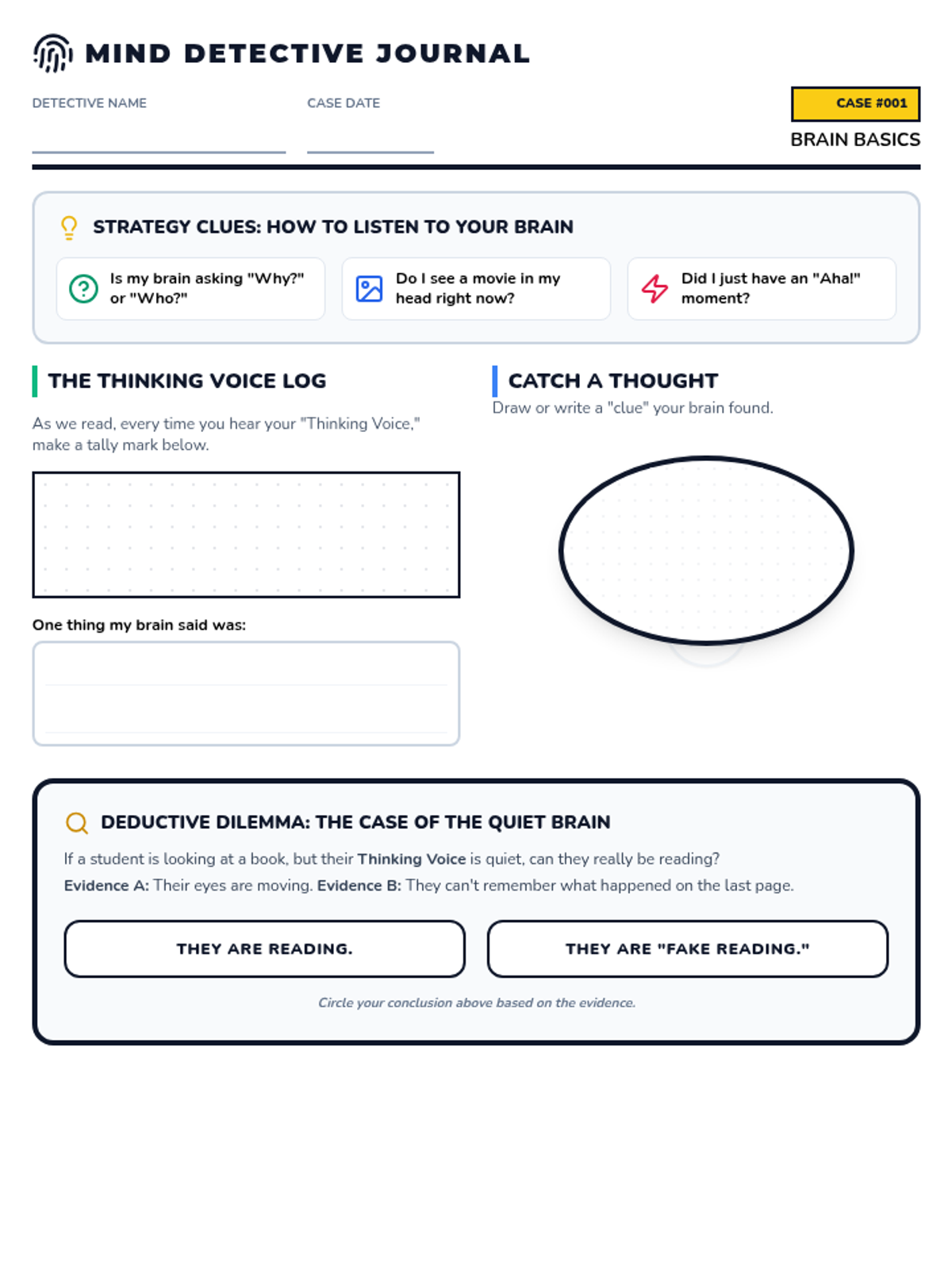
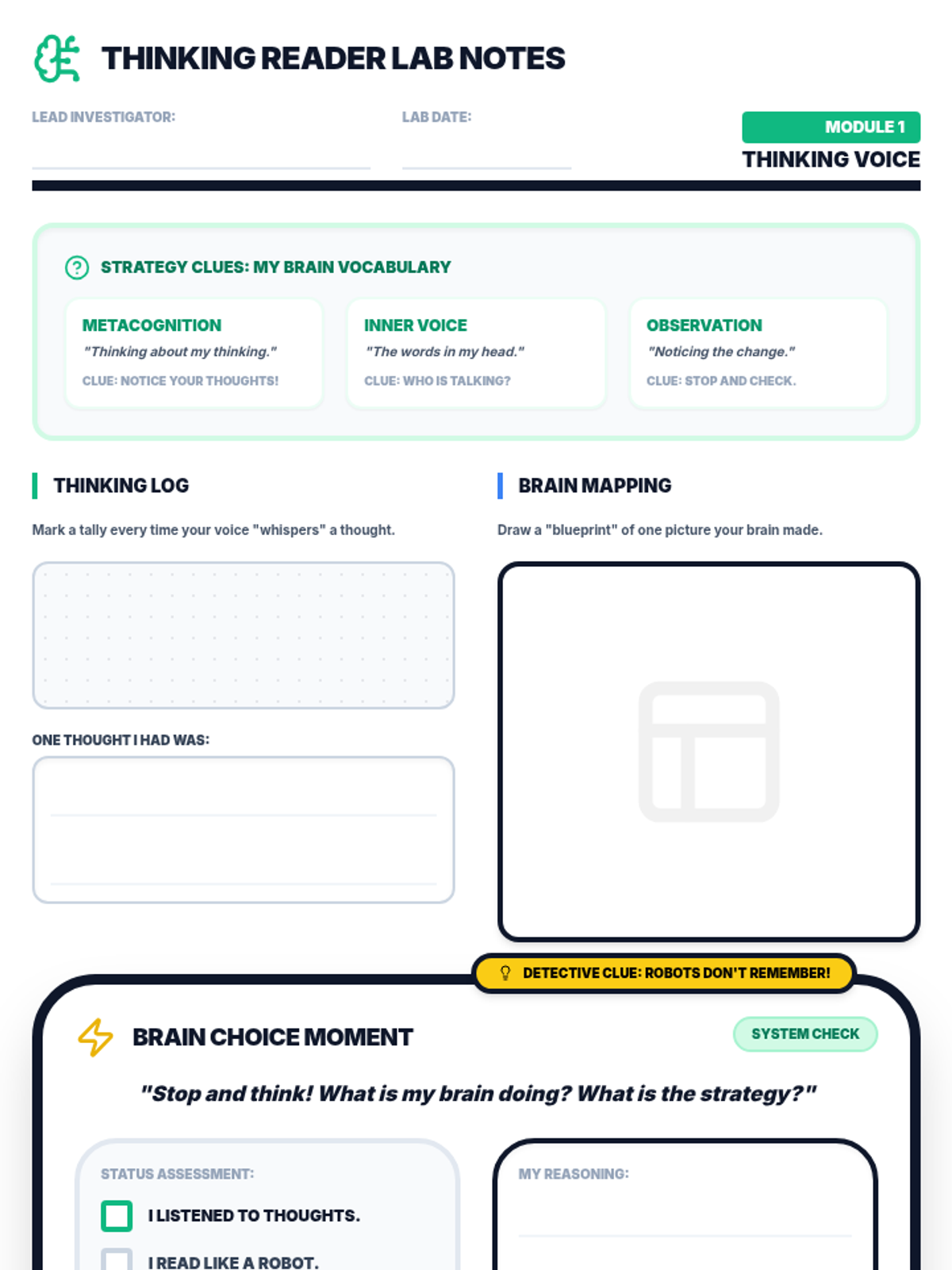
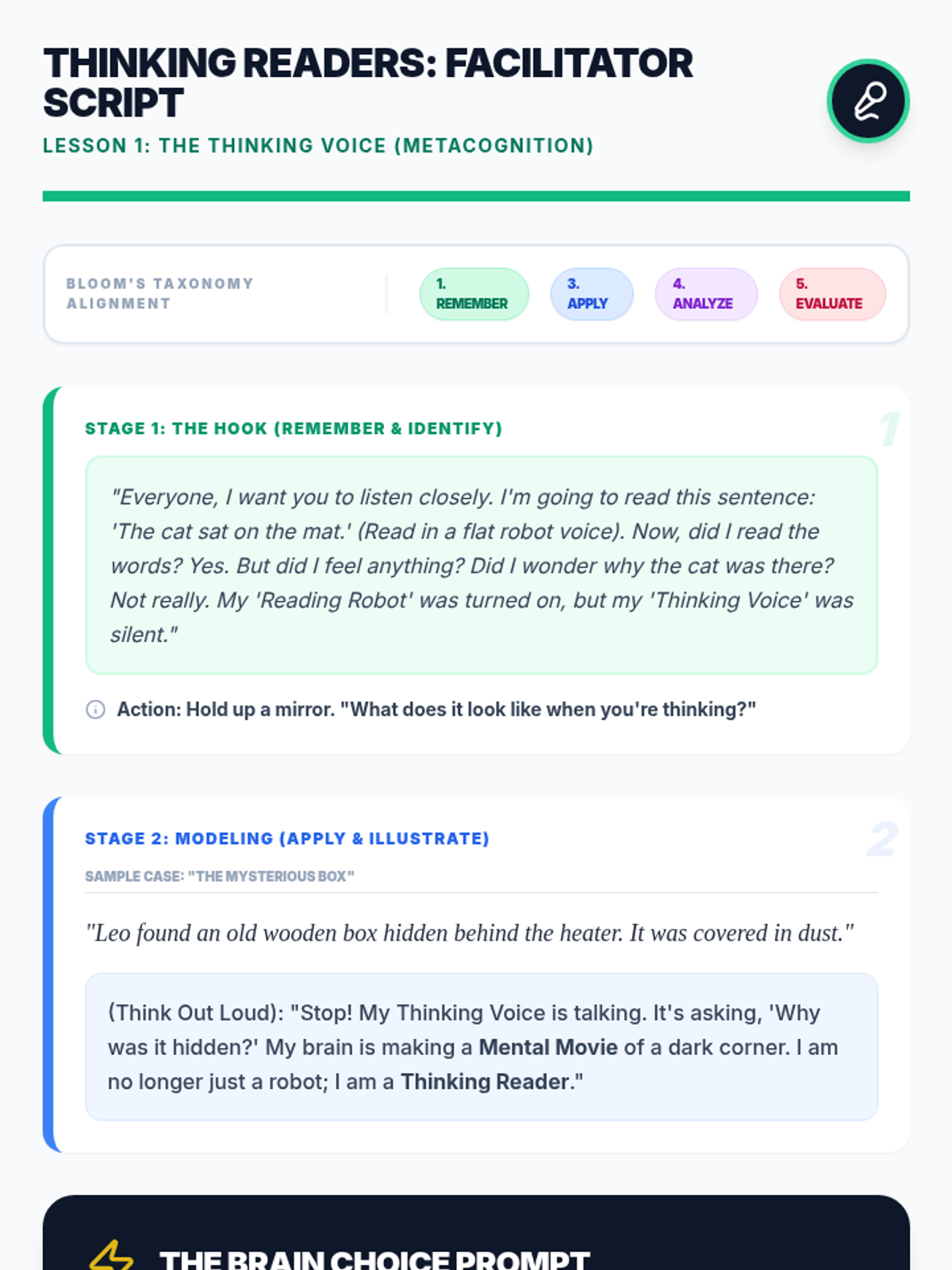
A 12-lesson comprehension mastery program focused on metacognition, reasoning, and evidence-based thinking. Students progress from basic thinking awareness to complex deductive reasoning and synthesis. Inspired by Reading Detective and Comprehension Connections.
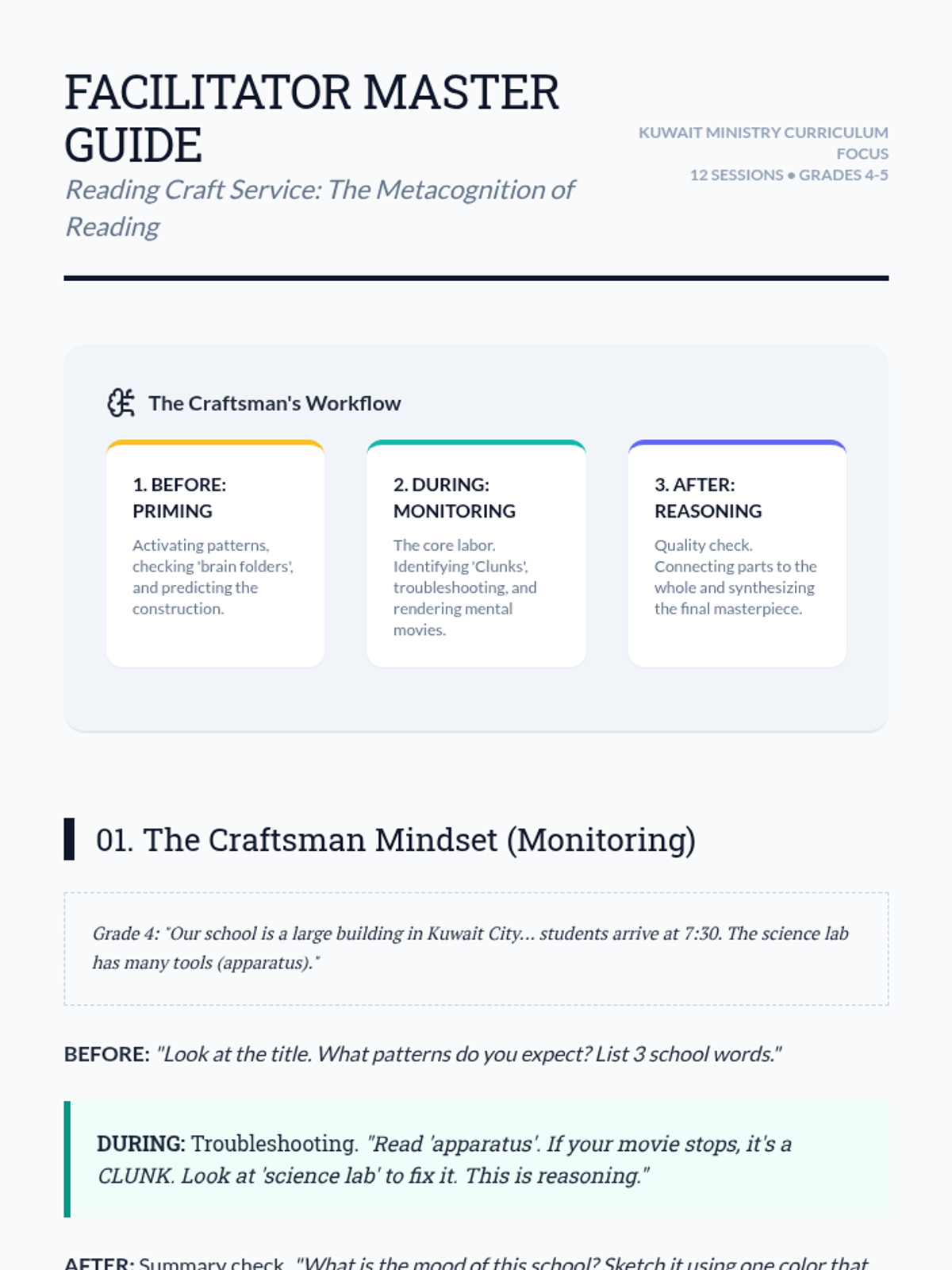
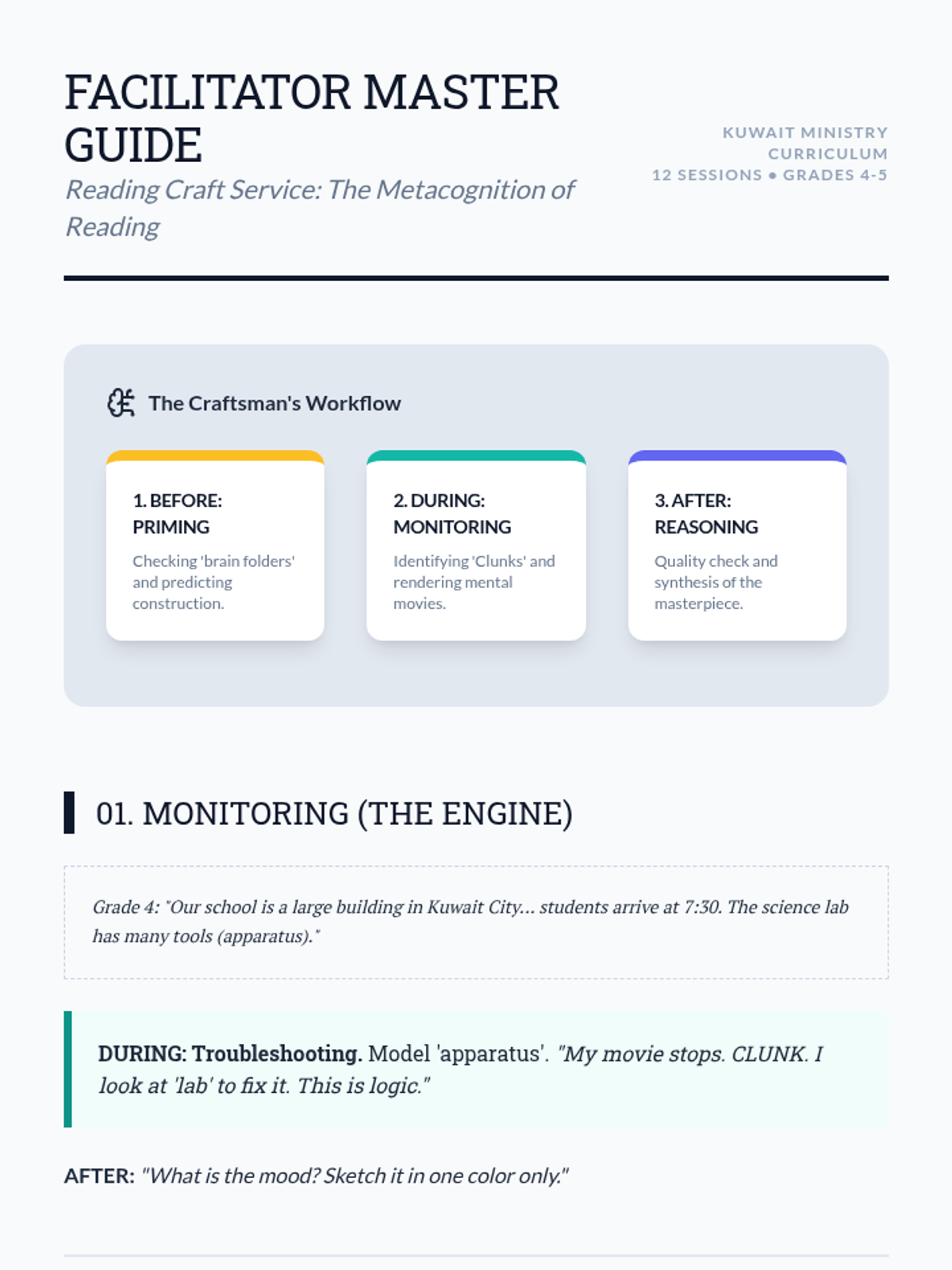
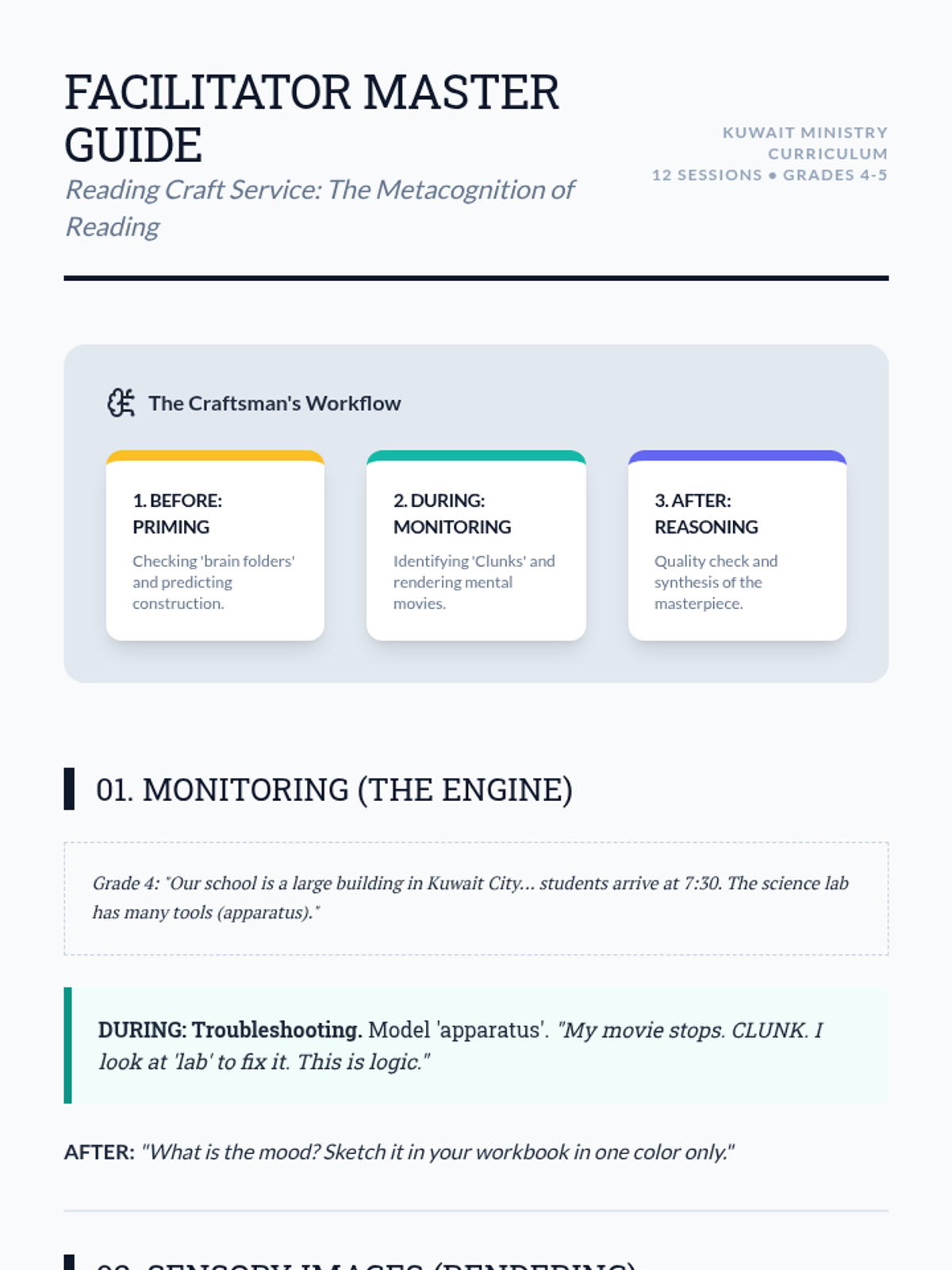
A 12-session intensive program for Kuwaiti 4th and 5th graders, focusing on the metacognition of reading. Uses Kuwaiti Ministry texts to teach the '7 Keys' and 'Art of Comprehension' through the lens of craft, patterns, and mental reasoning.
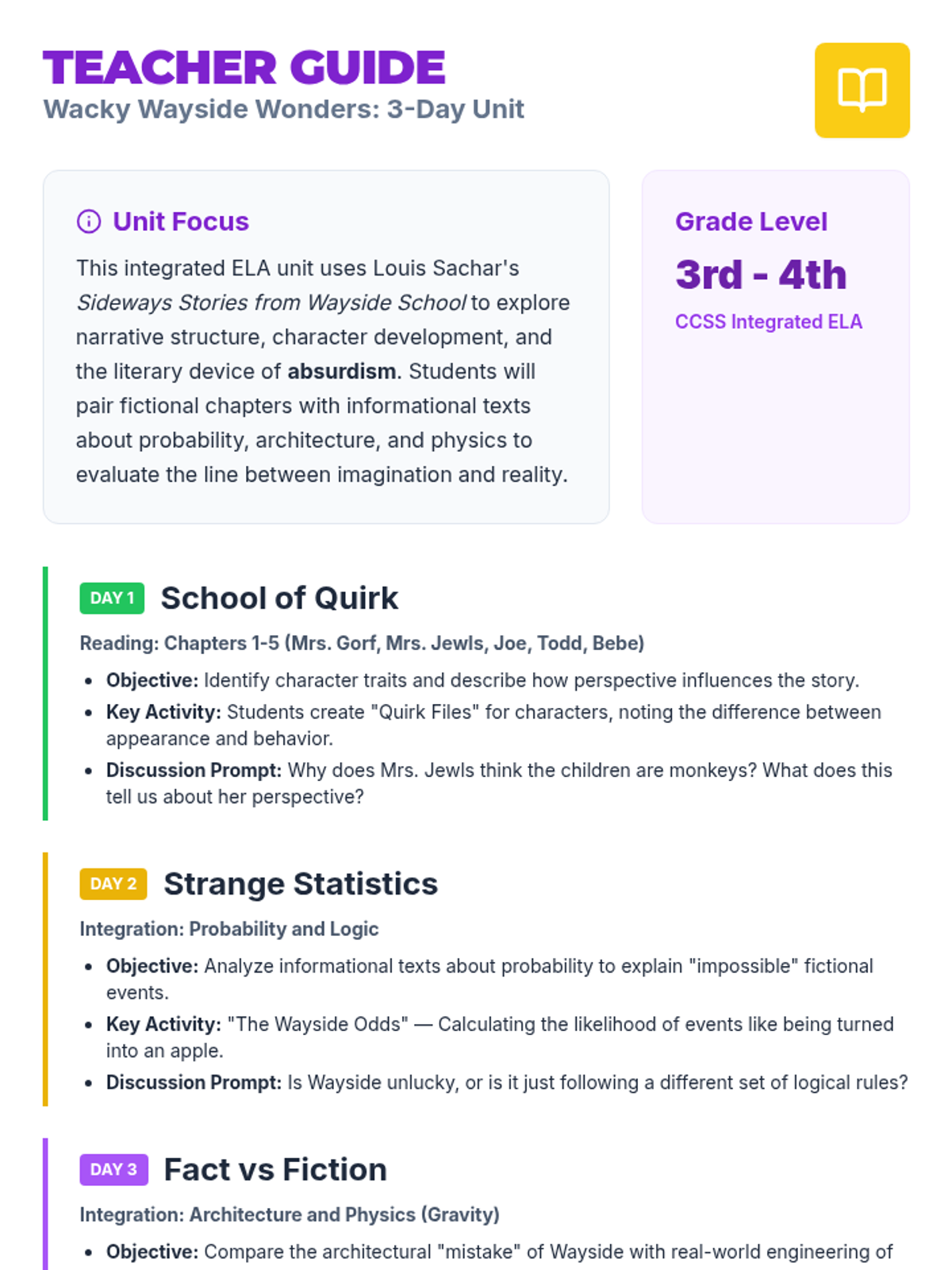
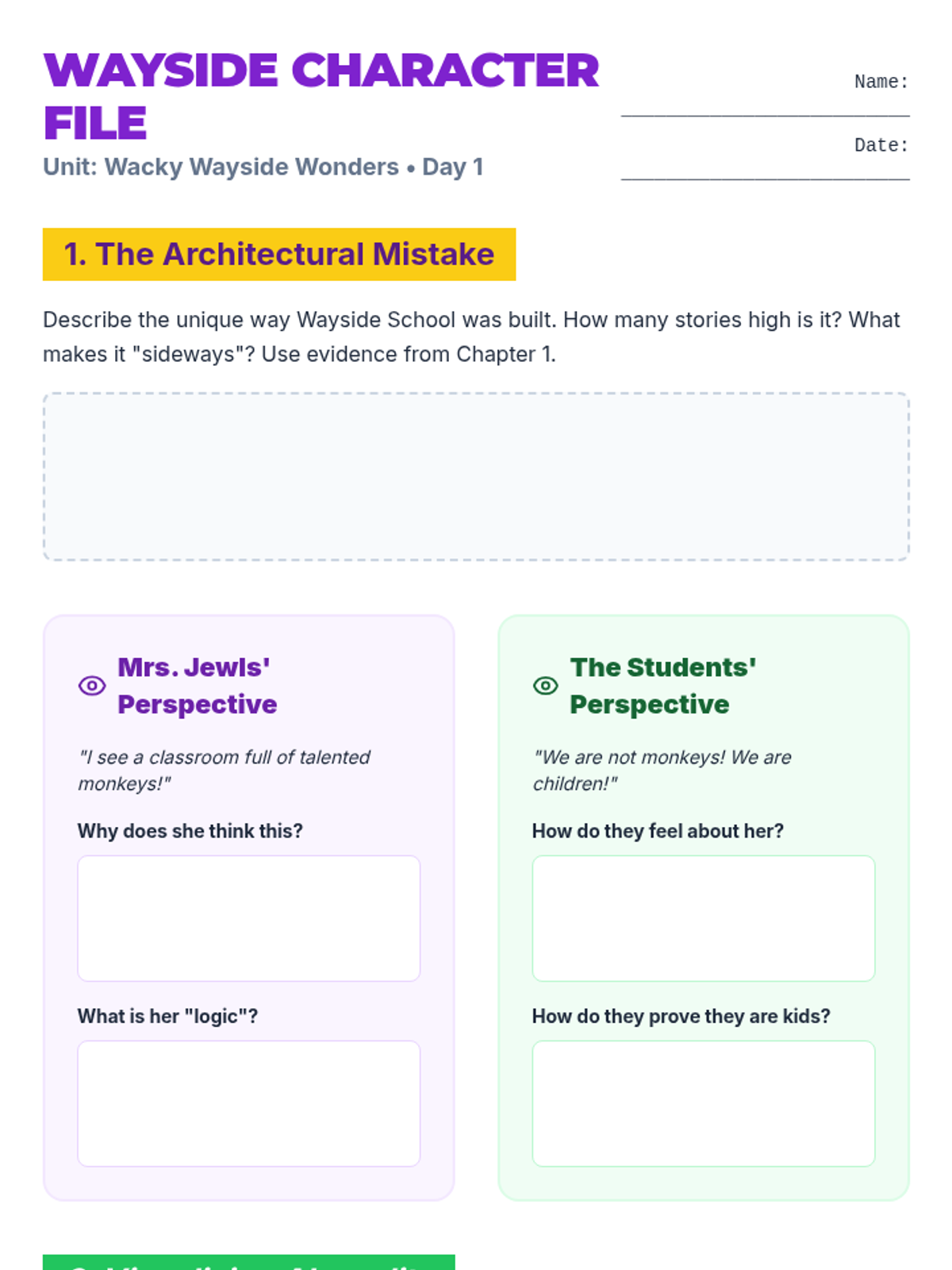
A 3-day ELA unit for 3rd-4th grade exploring the quirky world of 'Sideways Stories from Wayside School'. Students analyze character perspectives, explore the concept of logic versus absurdity, and compare the impossible architecture of Wayside with real-world gravity and skyscrapers.
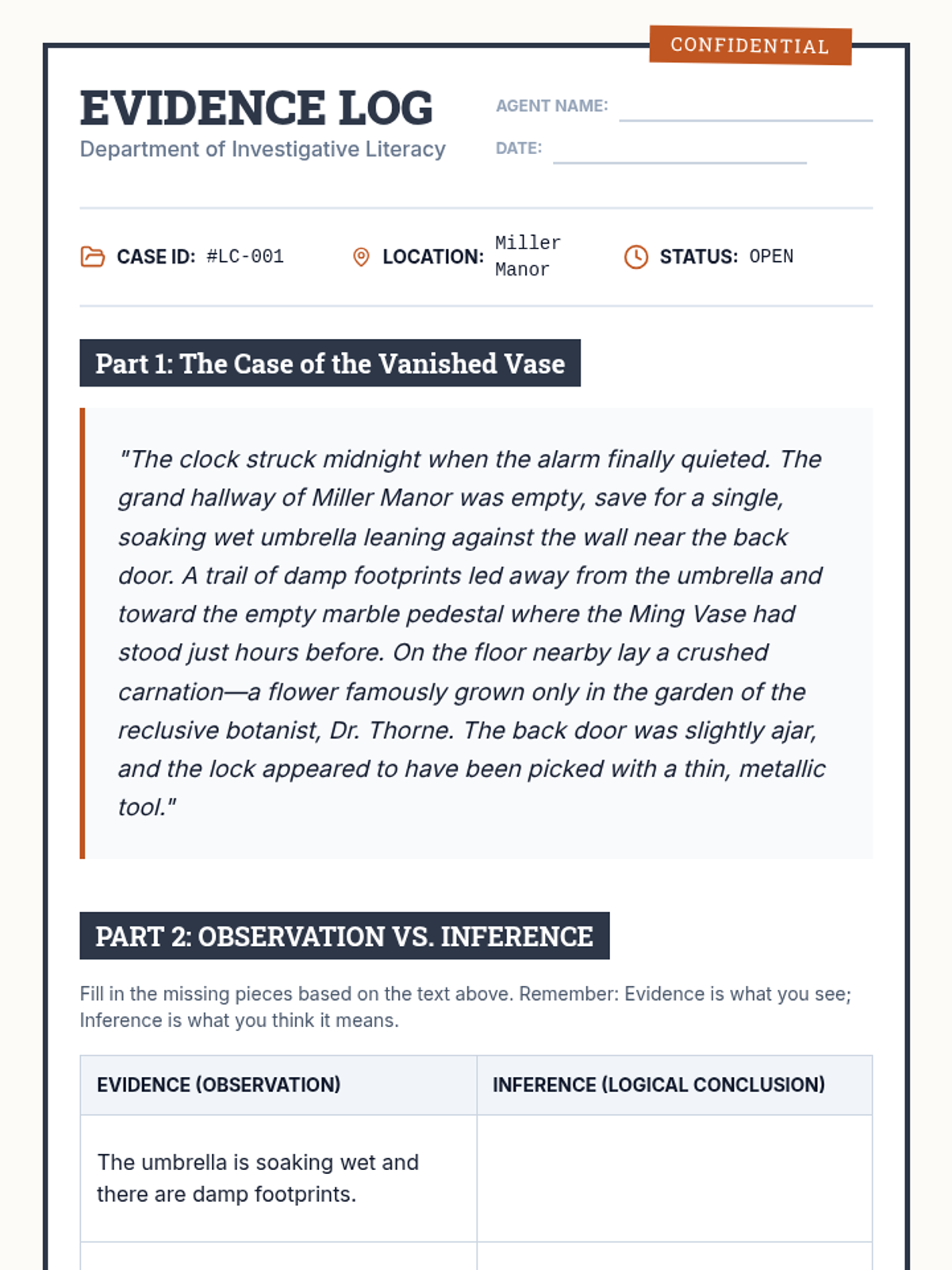
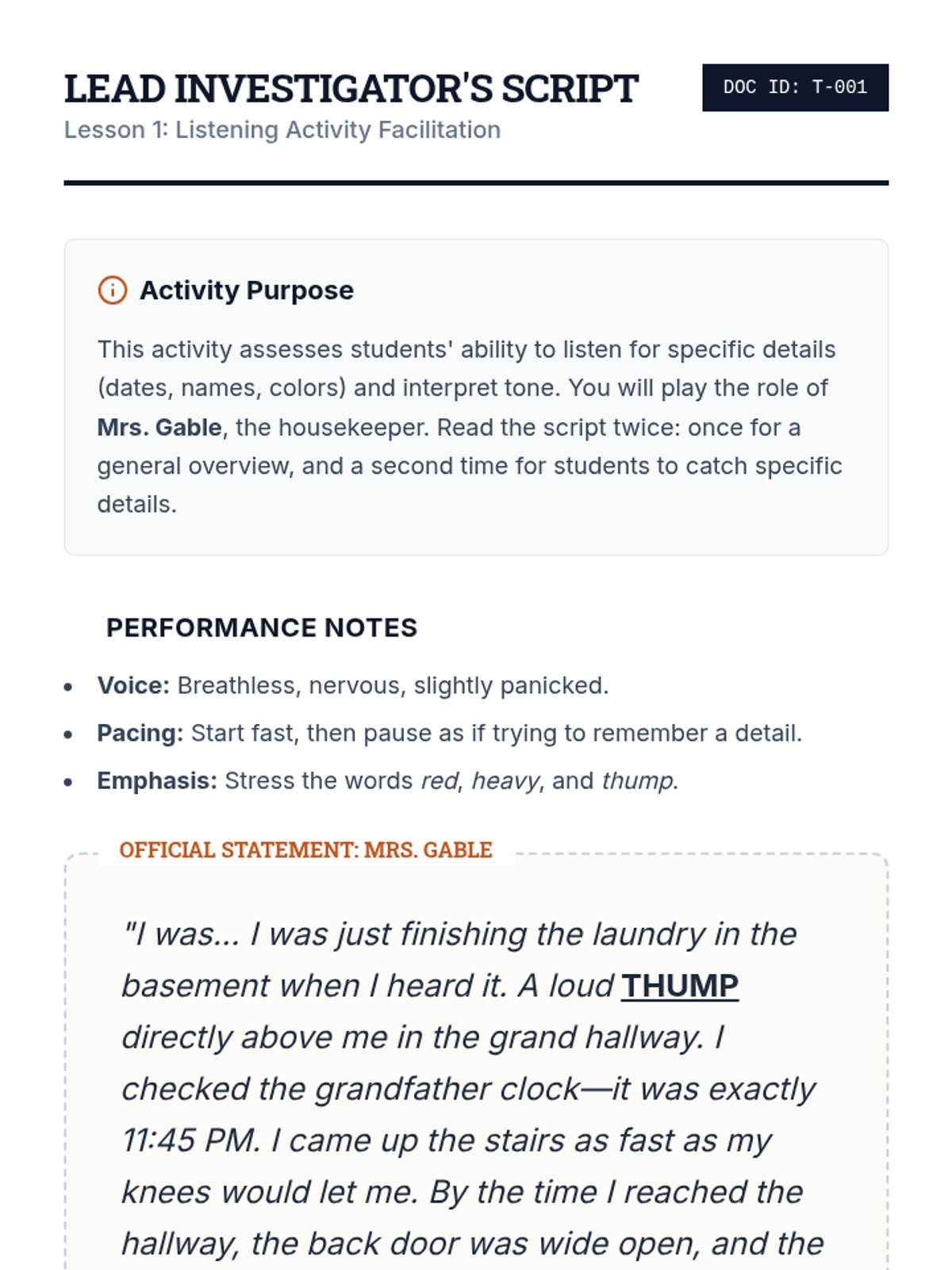
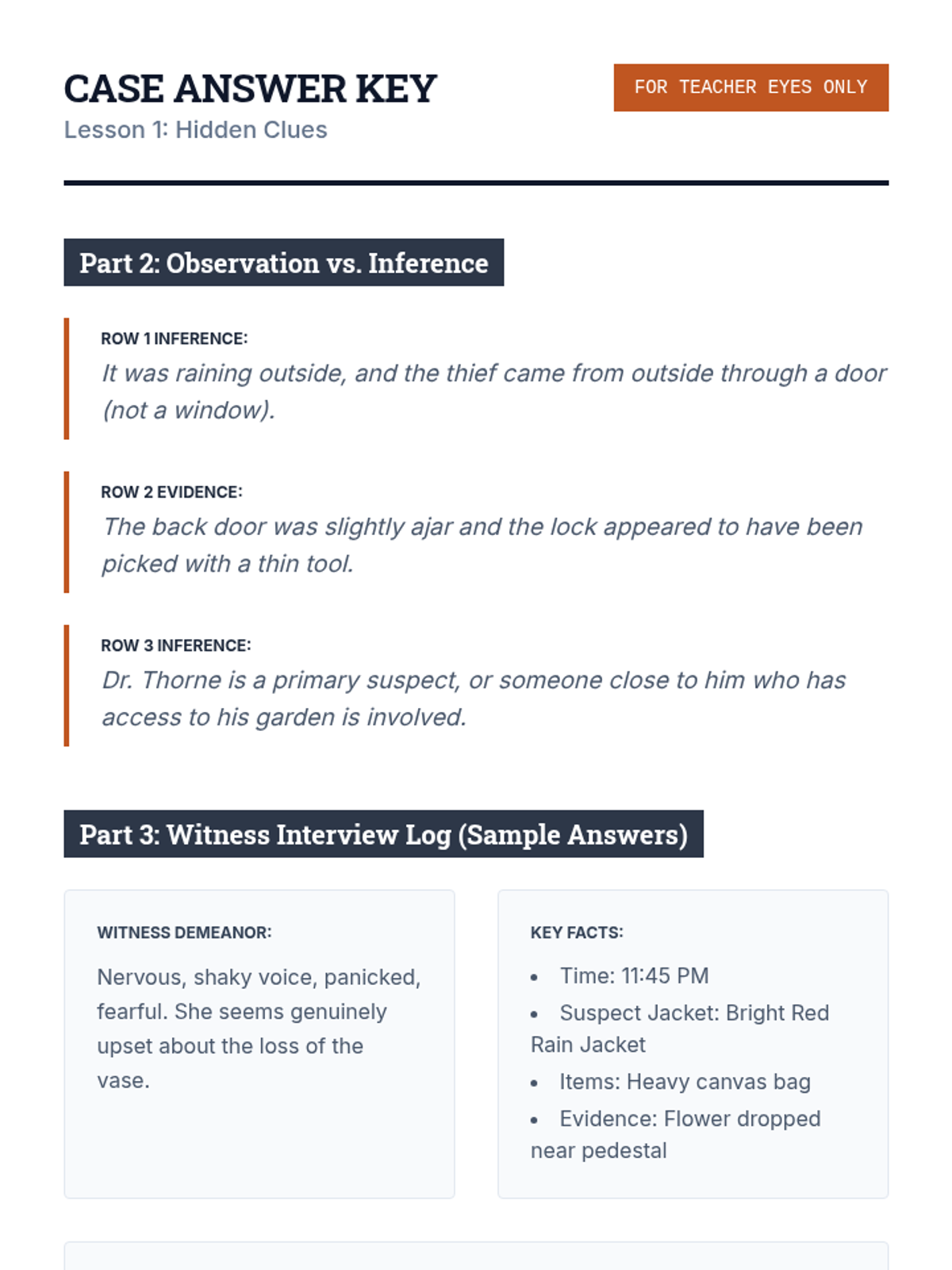
A comprehensive English Language Arts unit that uses a mystery-investigation theme to develop reading, writing, listening, and speaking skills. Students act as detectives to analyze evidence, interview witnesses, and present their final case.
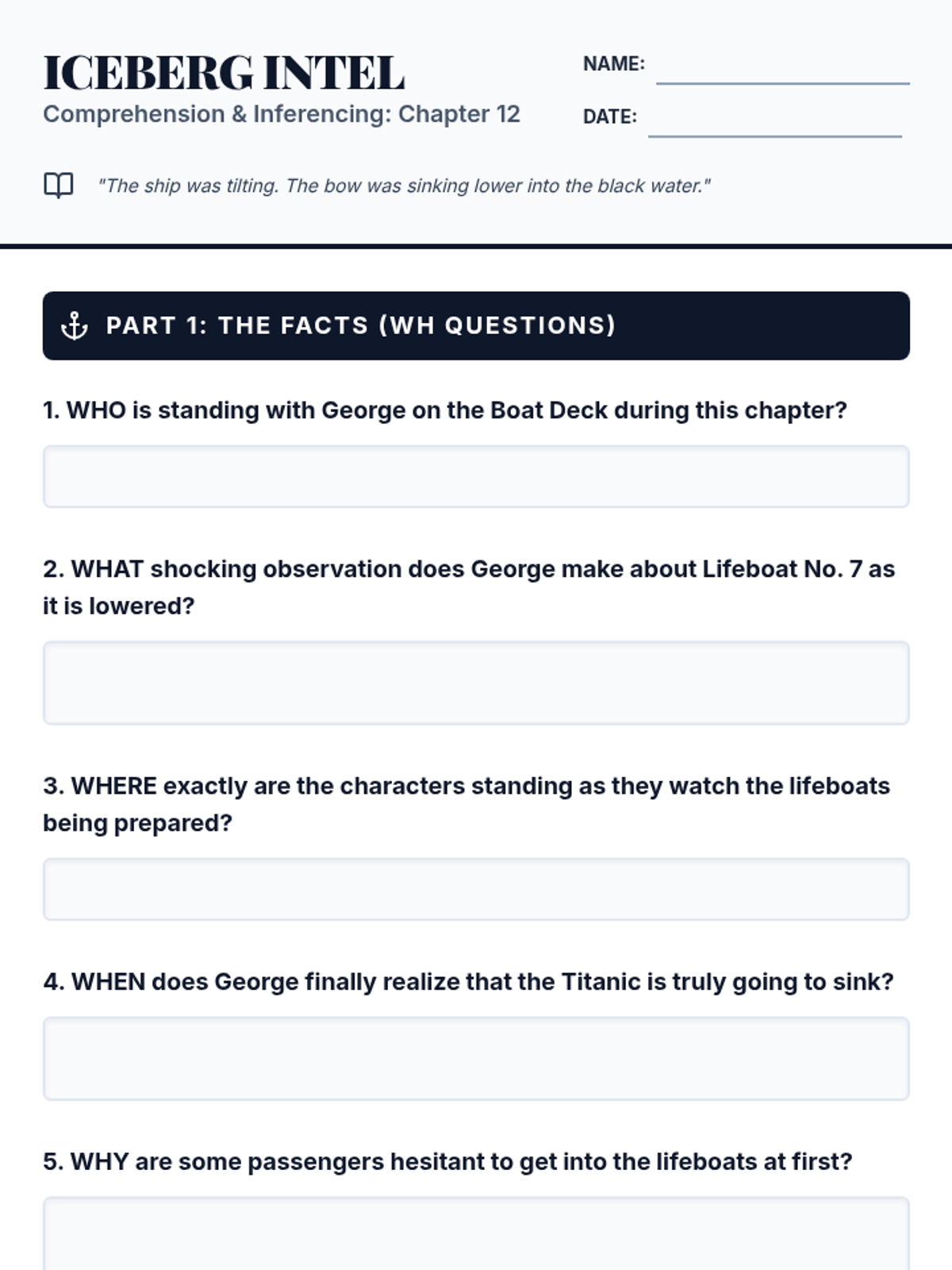
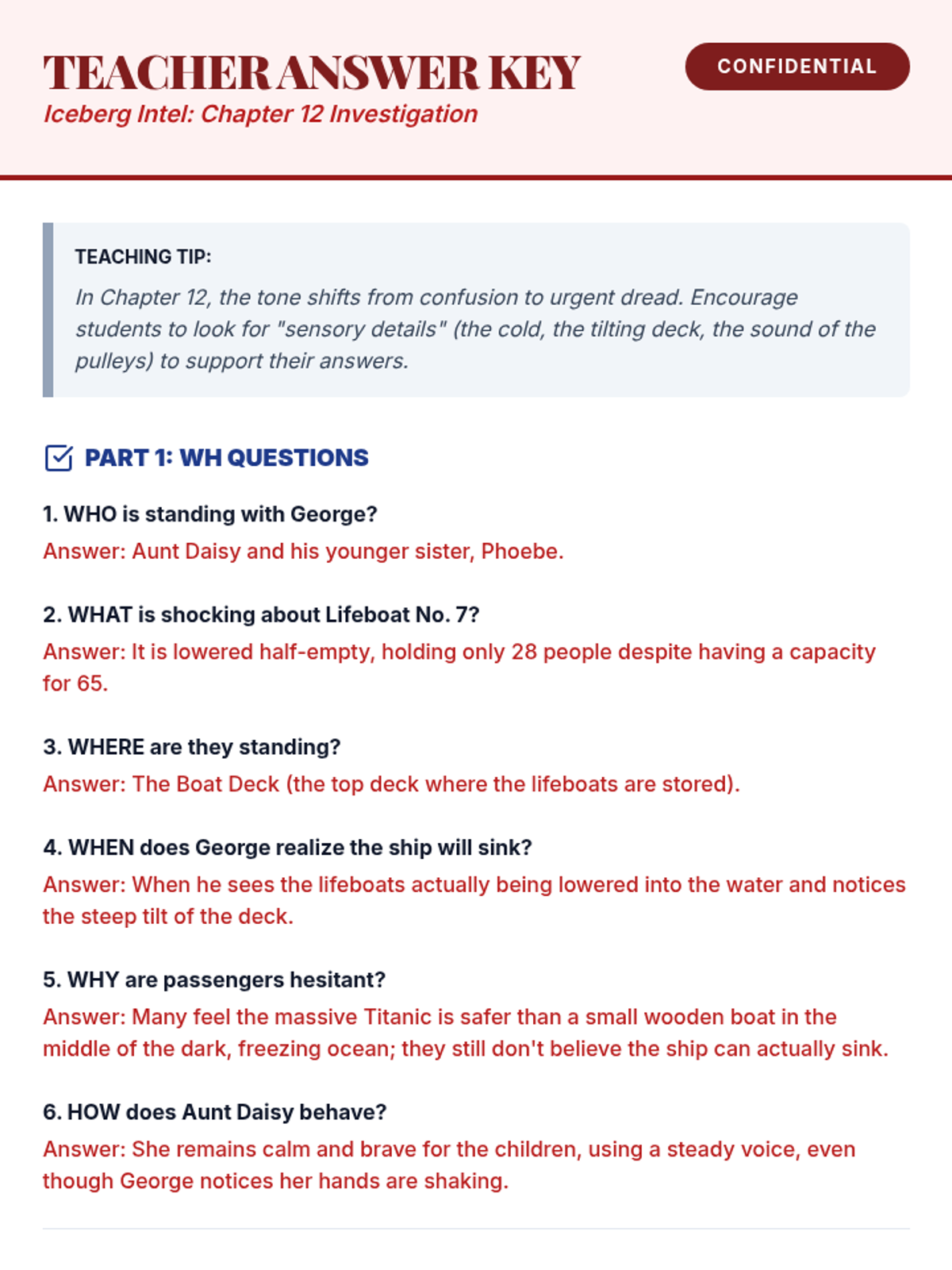
A collection of lessons exploring historical adventures and disasters through popular children's book series like 'I Survived' and 'Magic Tree House'.
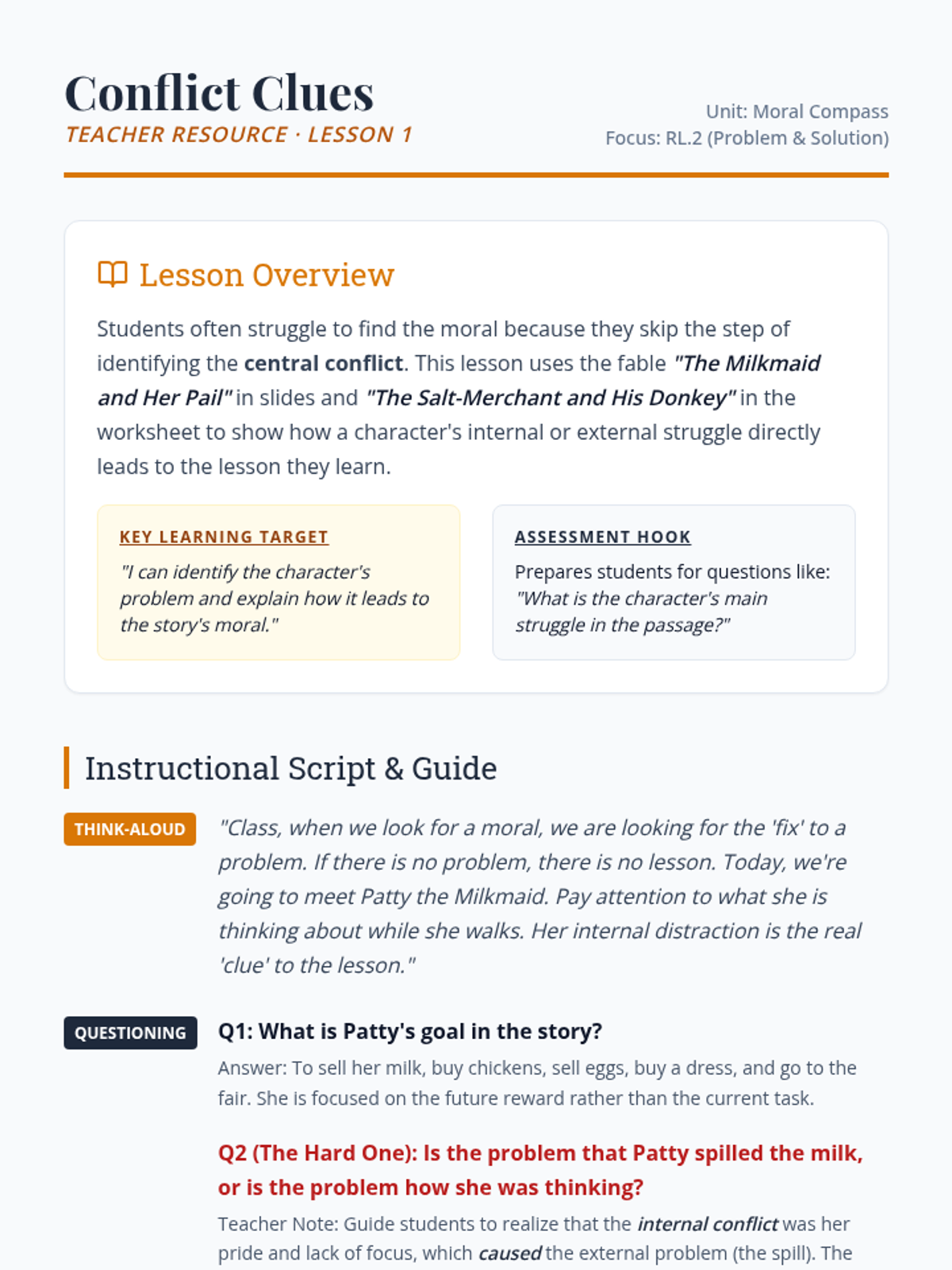
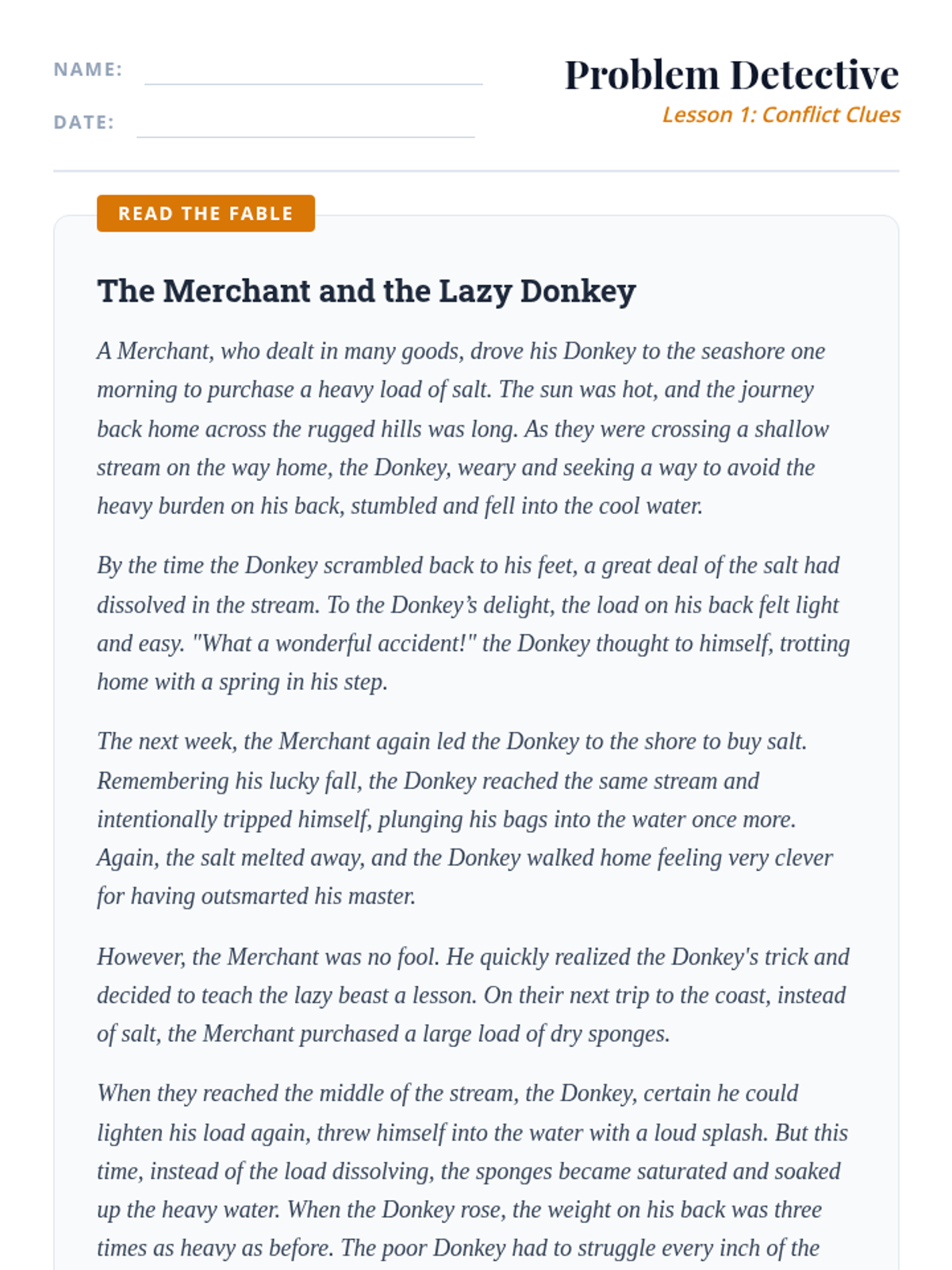
A comprehensive remediation unit designed to master RL.2 through fables and folktales. This sequence targets high-rigor question types, including Part A/Part B evidence questions, character motivation analysis, and proverb-based moral identification.
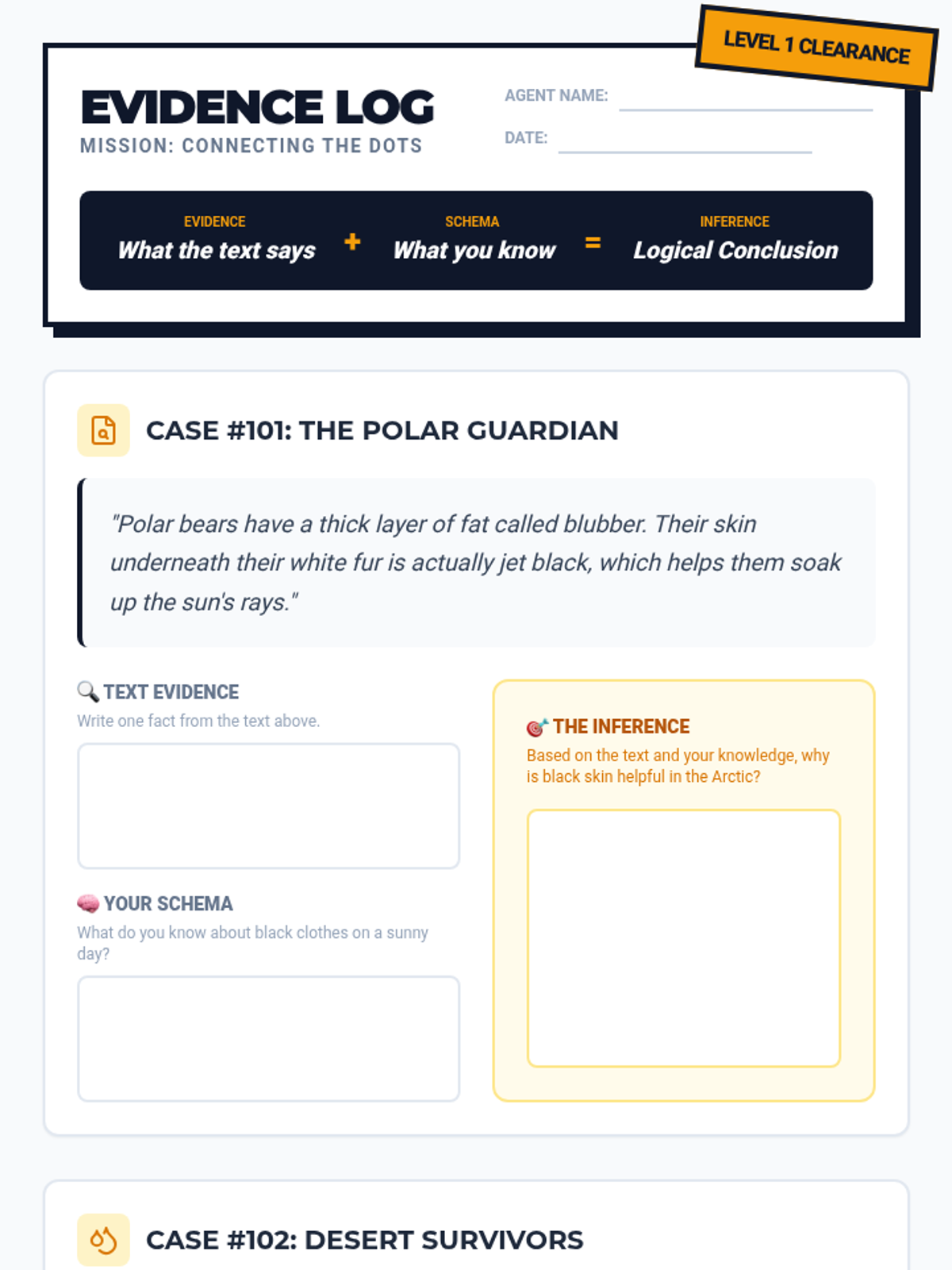
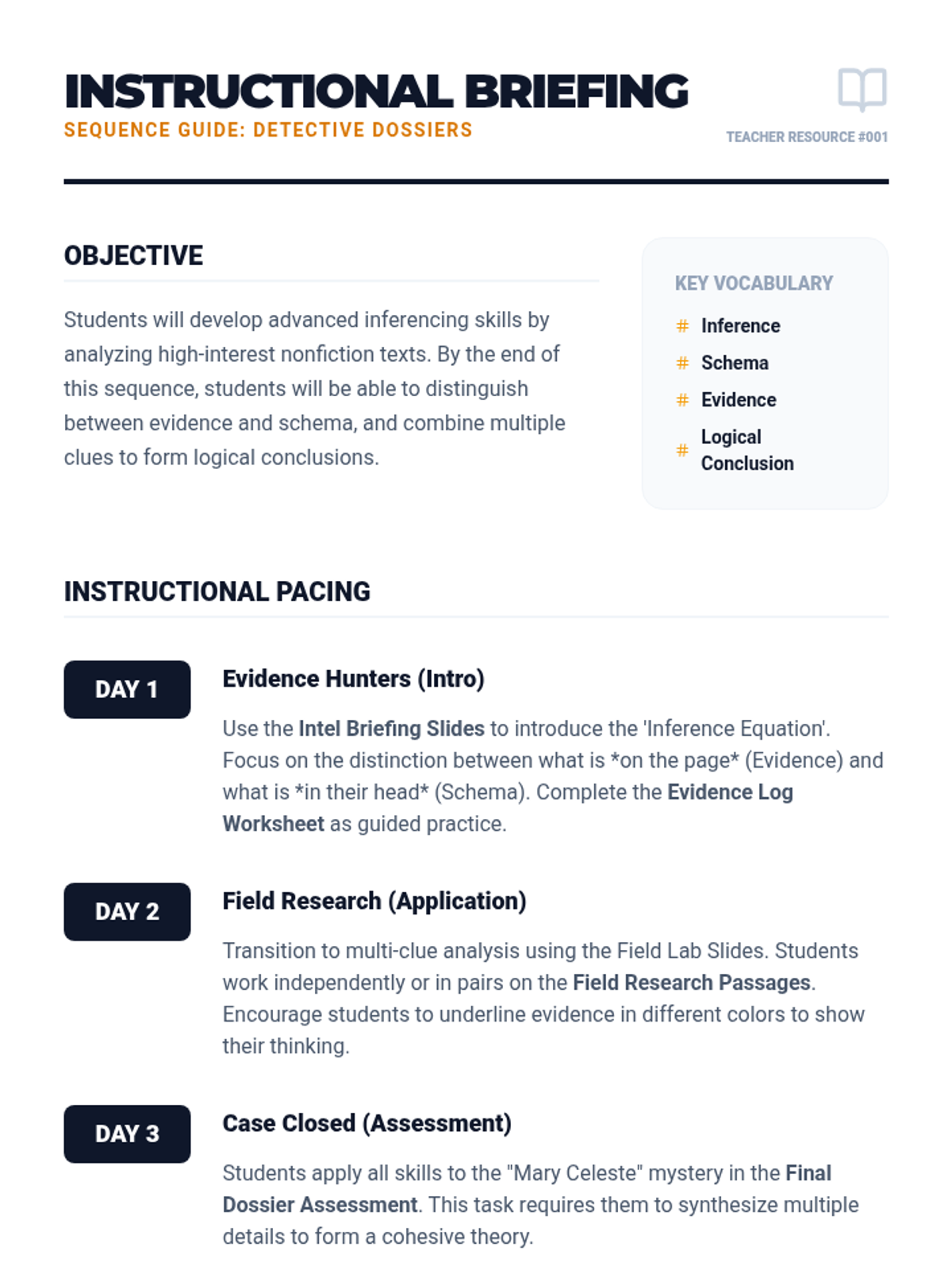
A comprehensive series of lessons focused on developing inferencing skills using high-interest nonfiction topics. Students learn to combine text evidence with their own background knowledge to reach logical conclusions.
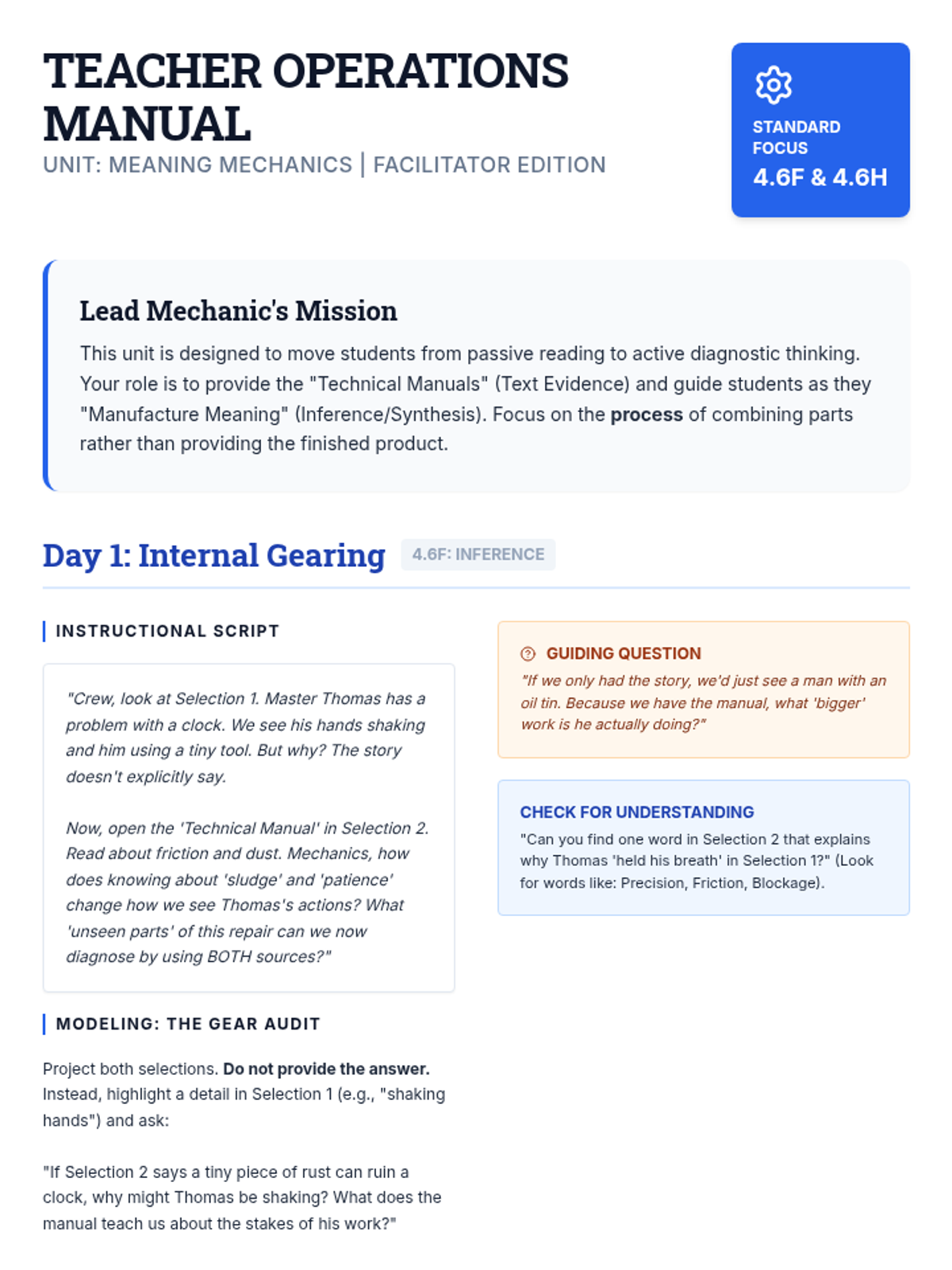
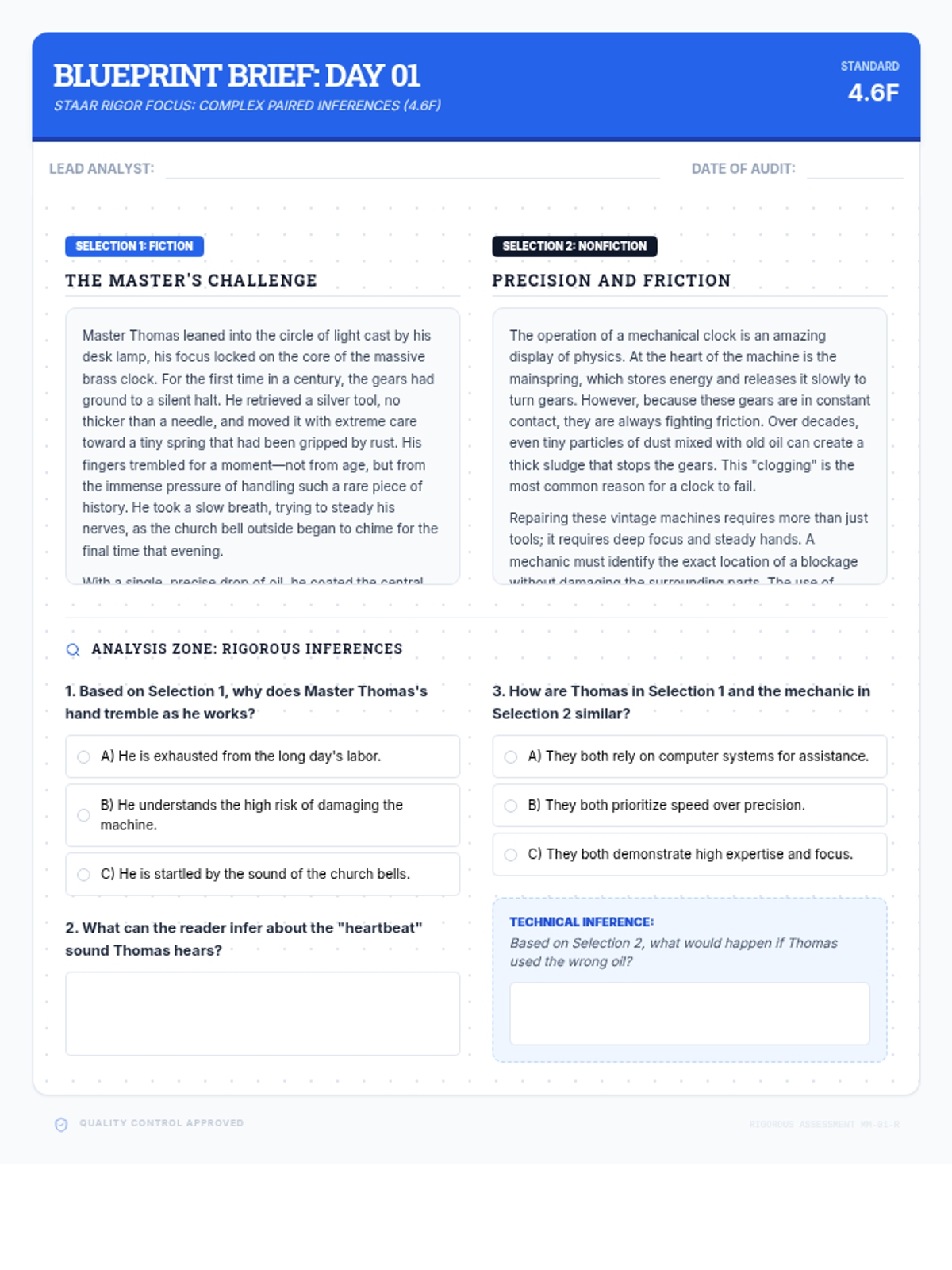
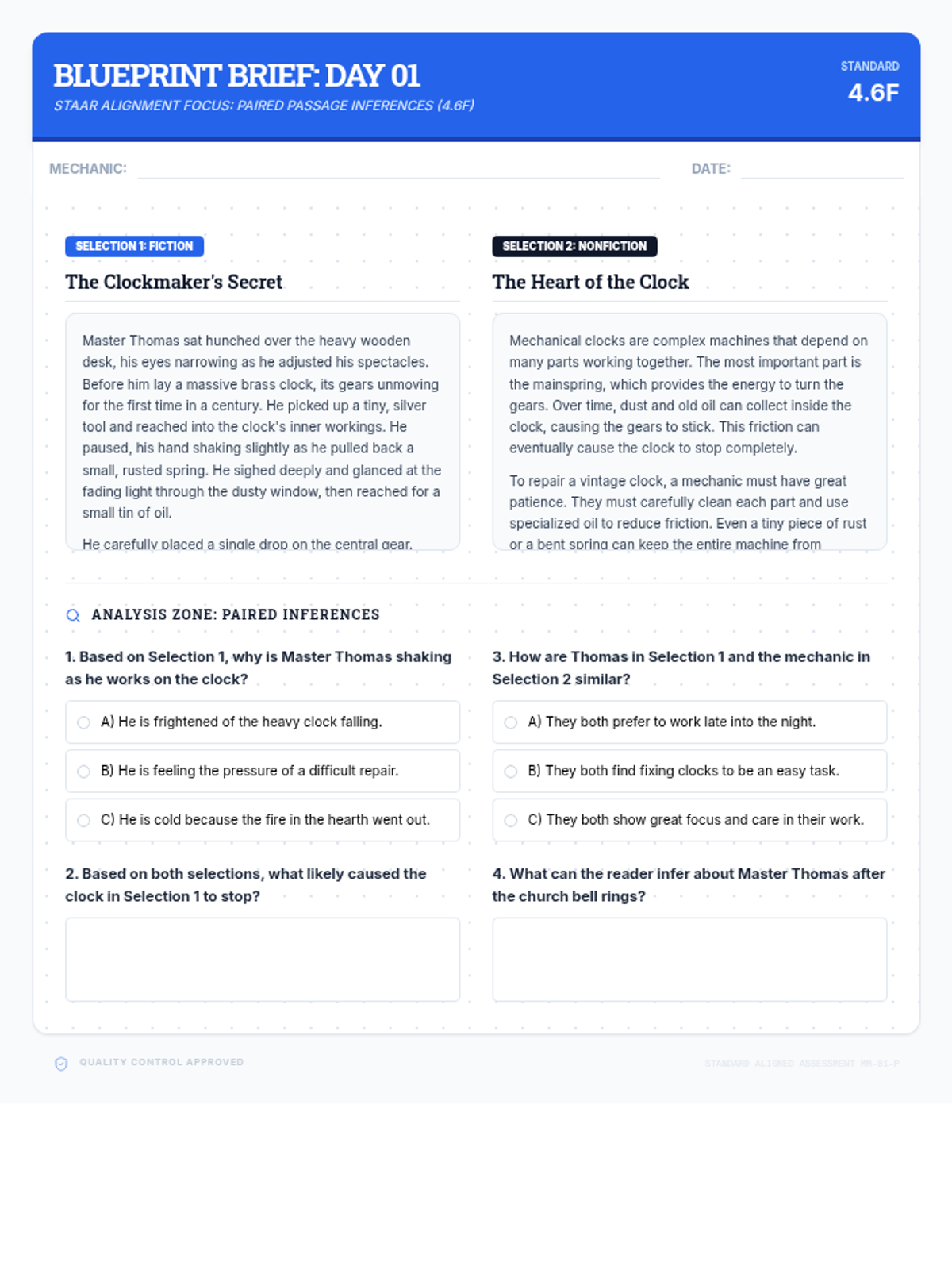
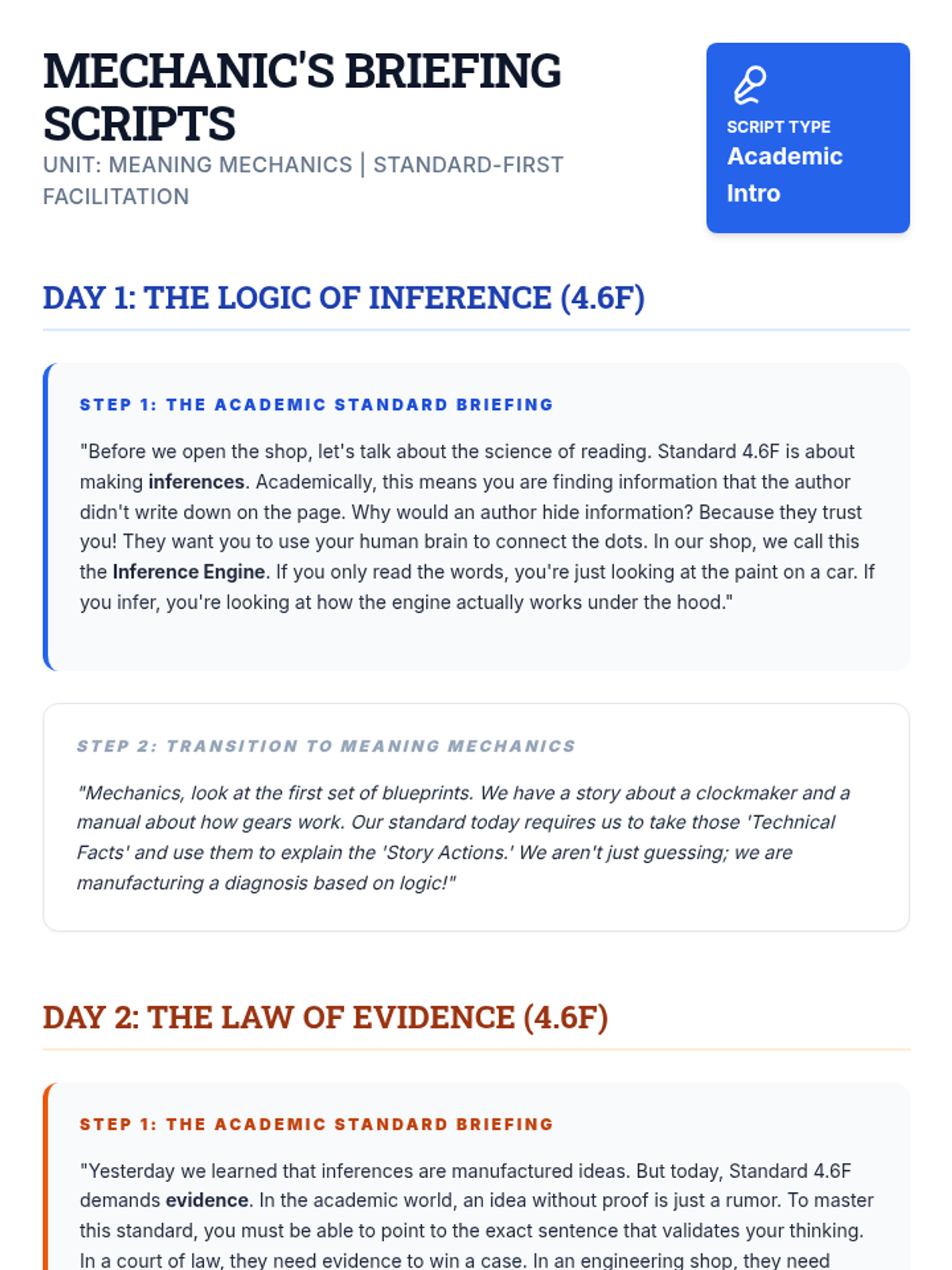
A 4-day reteach unit for 4th grade focused on making inferences (4.6F) and synthesizing information (4.6H) using a blueprint and engineering theme. Students act as 'Meaning Mechanics' to build deep comprehension through evidence and connections.
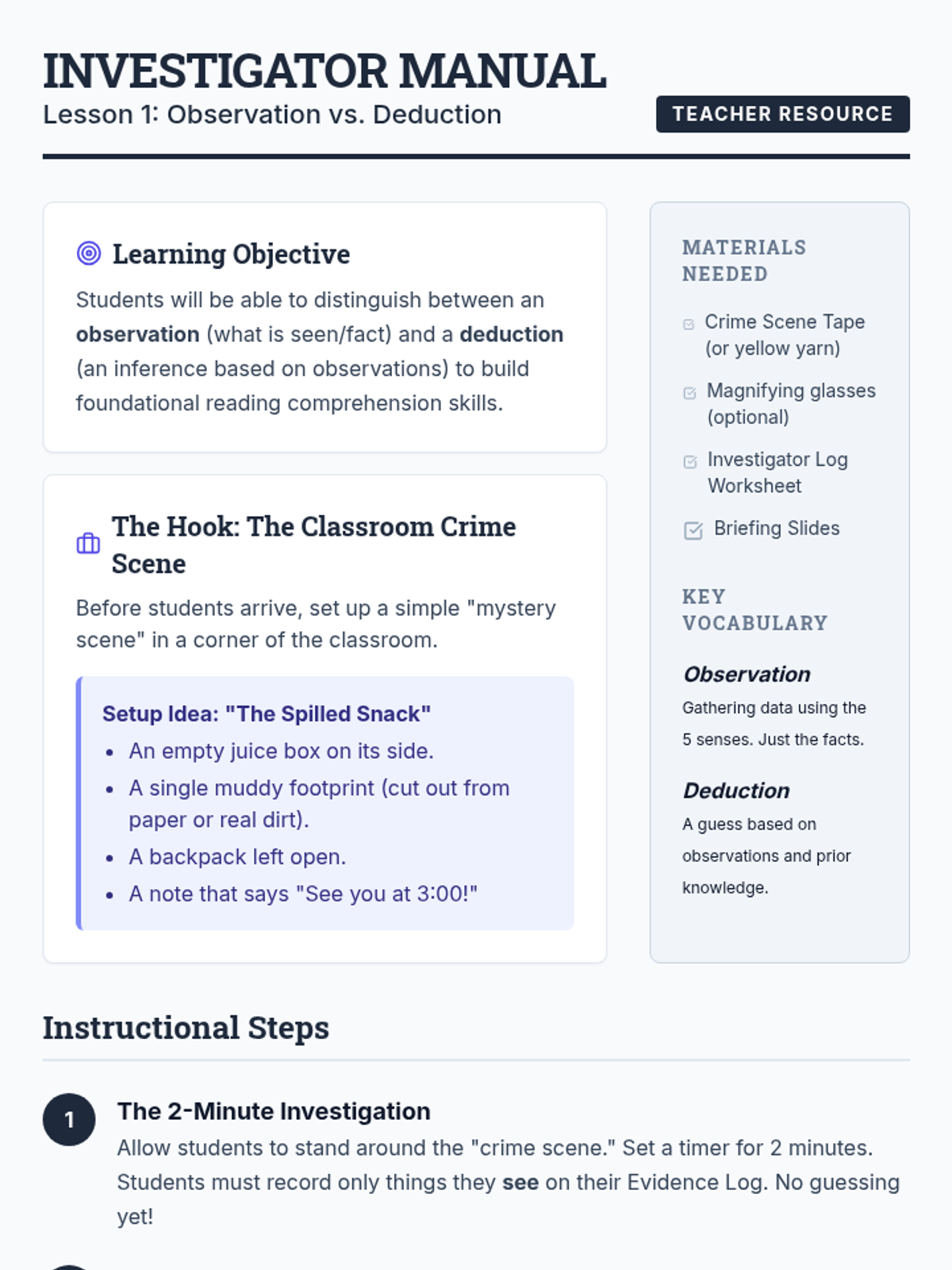
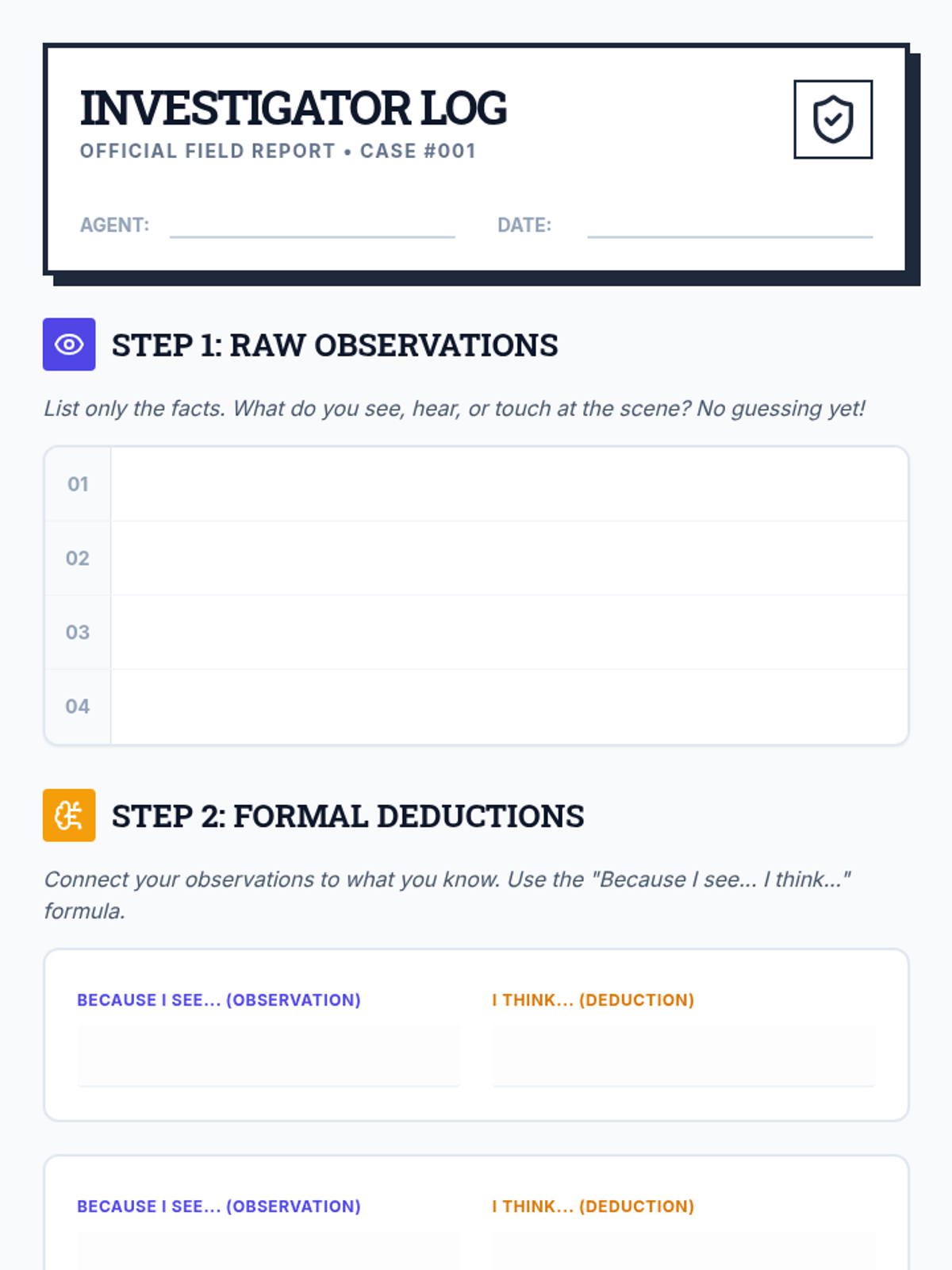
A 4th-grade sequence framed as a 'Detective Academy' where students learn to make predictions and inferences through deductive reasoning and evidence analysis. Students progress from basic observation to citing textual evidence and writing logical story conclusions.
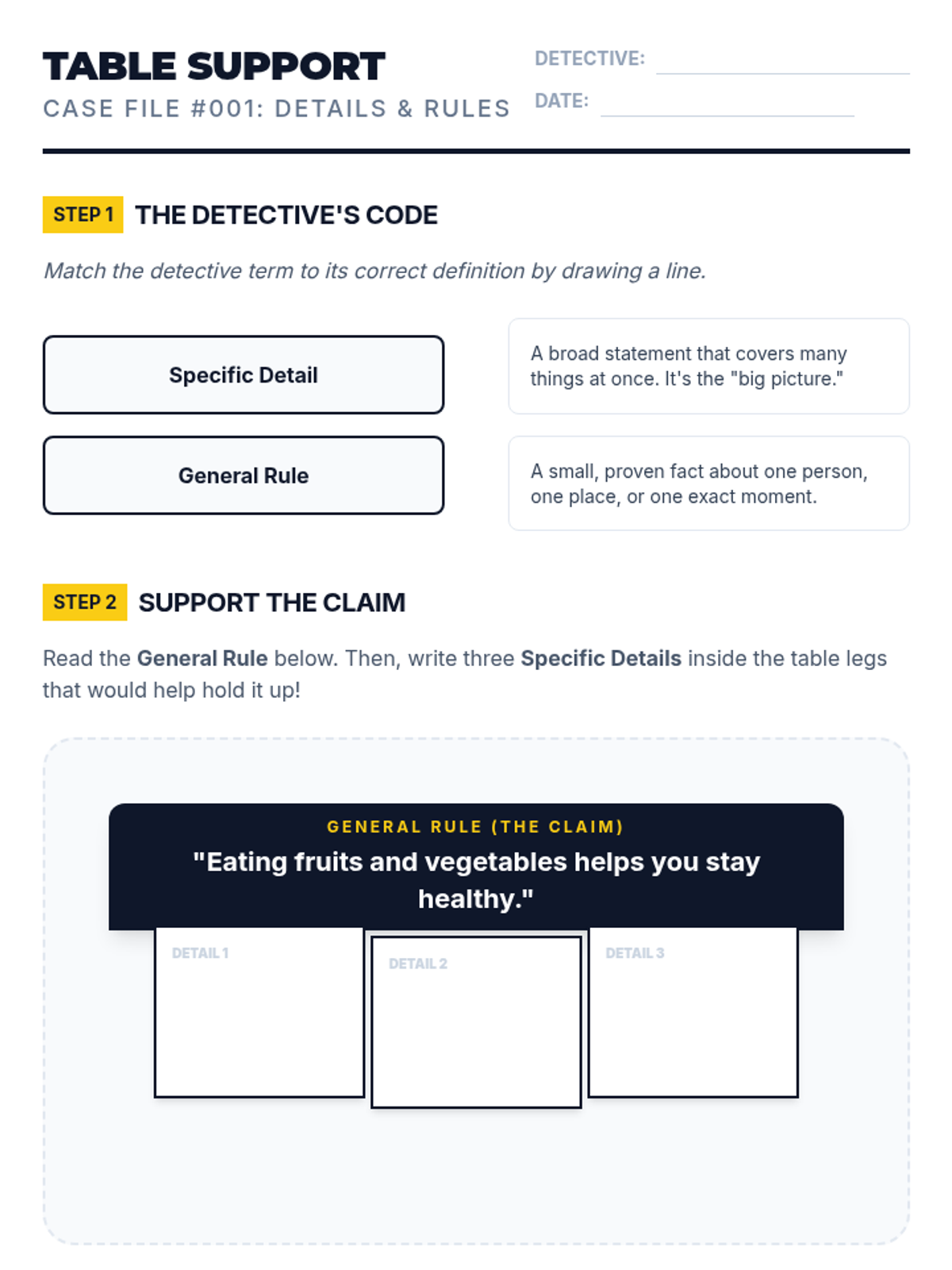
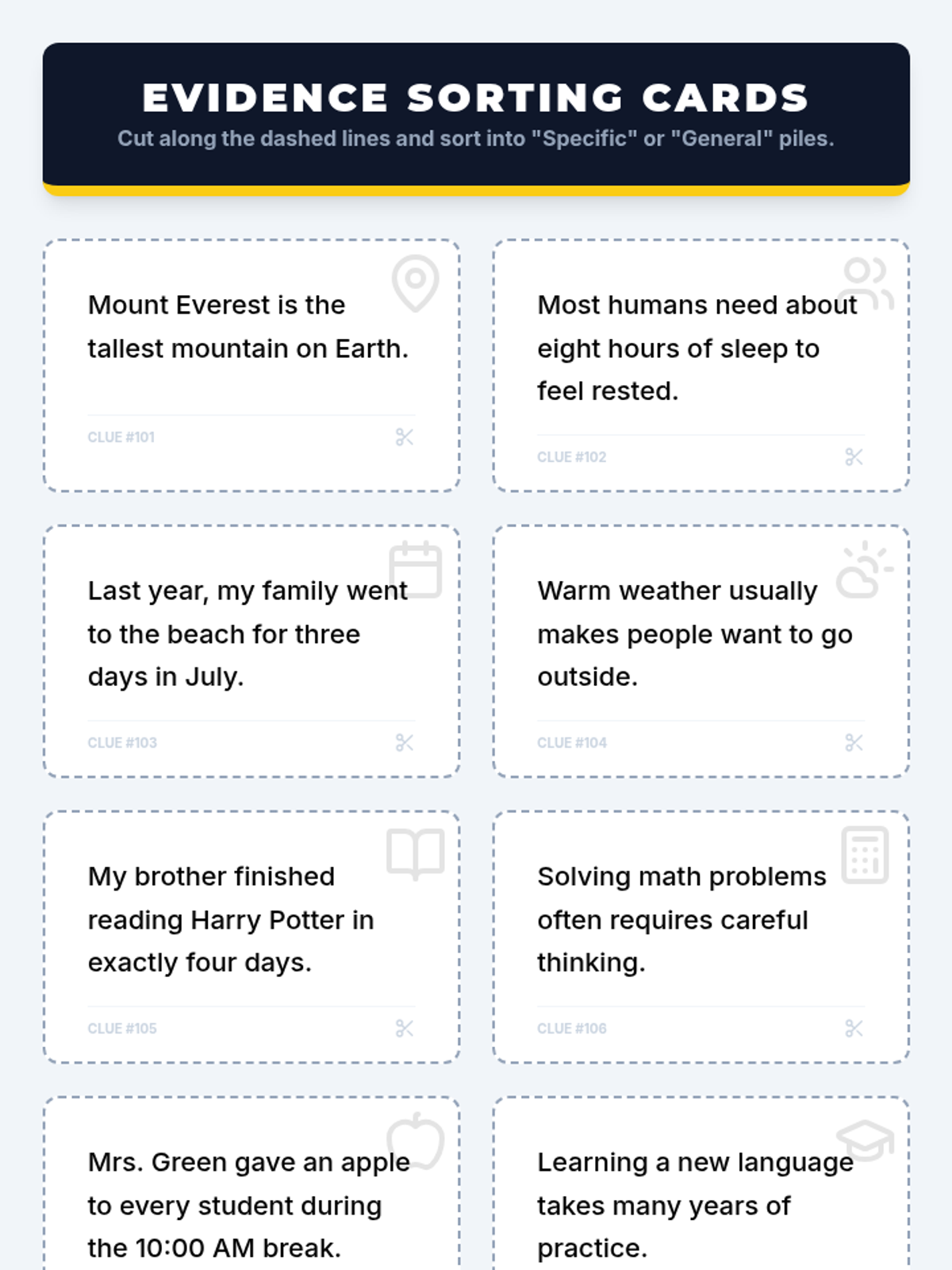
A 4th-grade ELA workshop focusing on inductive reasoning, teaching students to distinguish between strong evidence-based claims and weak overgeneralizations using a 'Pattern Detectives' theme.
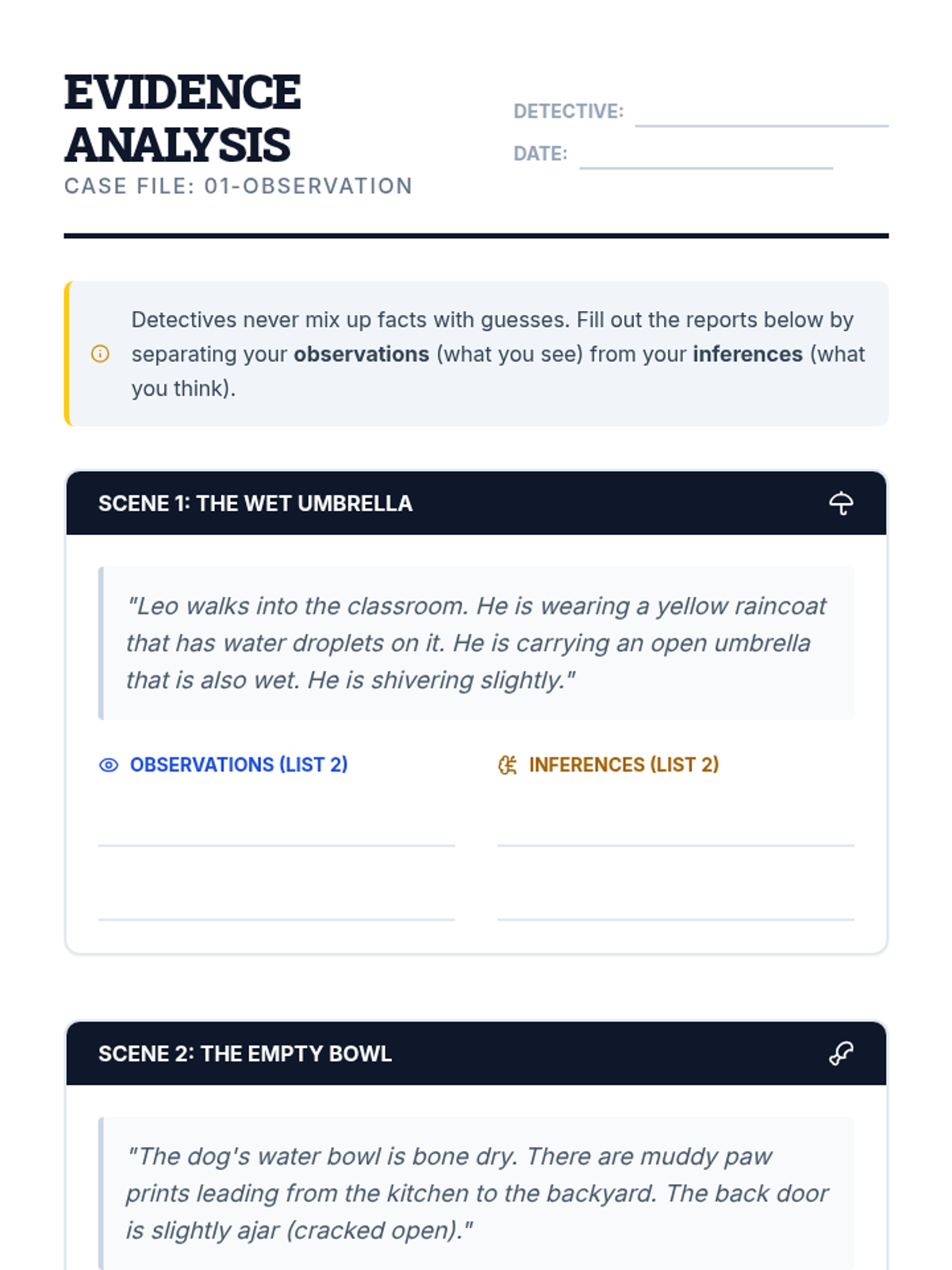
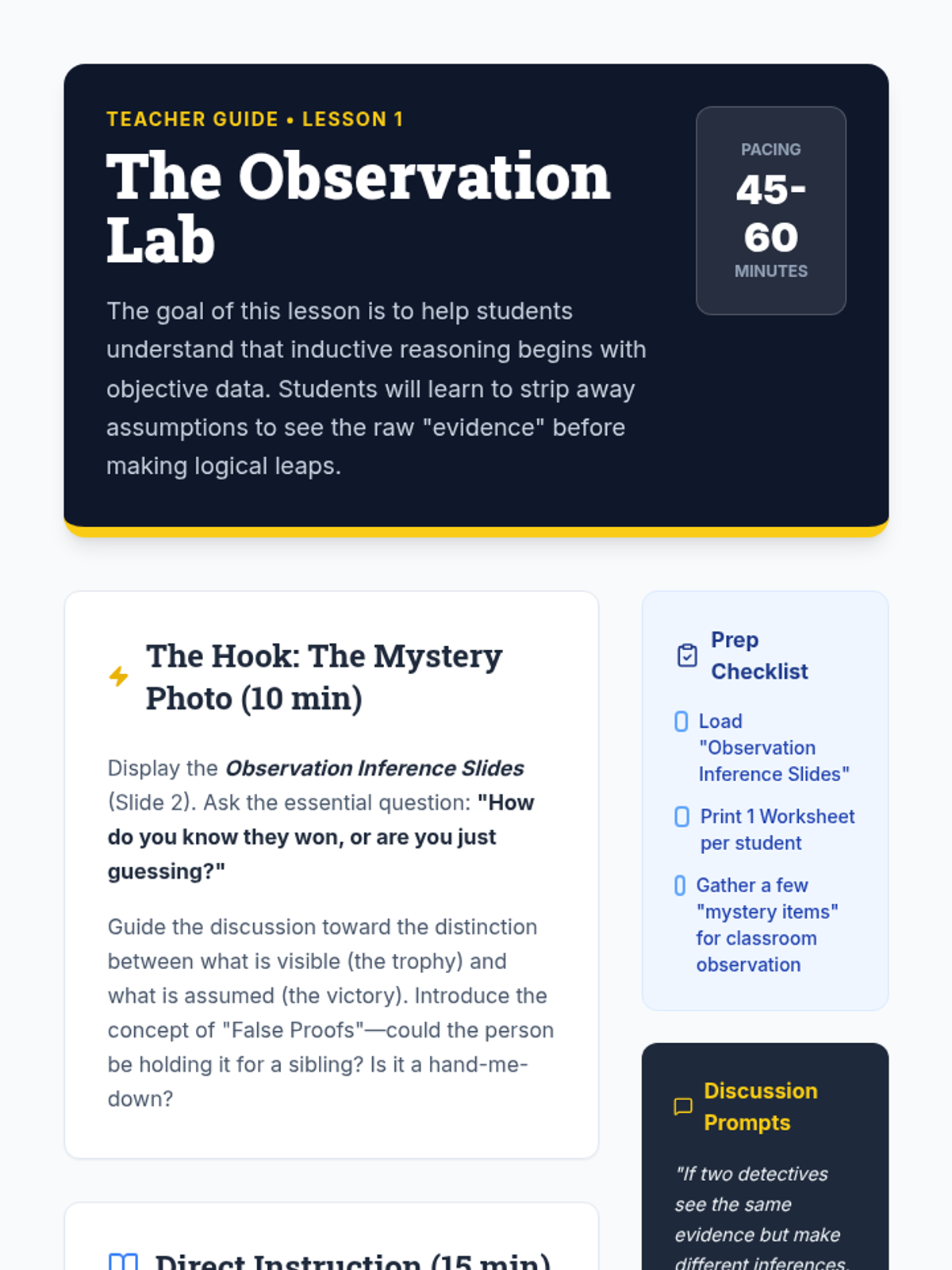
A 4th-grade ELA sequence focused on inductive reasoning, where students progress from making simple observations to constructing complex hypotheses based on evidence patterns. Through a detective-themed lens, students learn to differentiate between what they see and what they think, avoid hasty generalizations, and use probabilistic language to defend their conclusions.
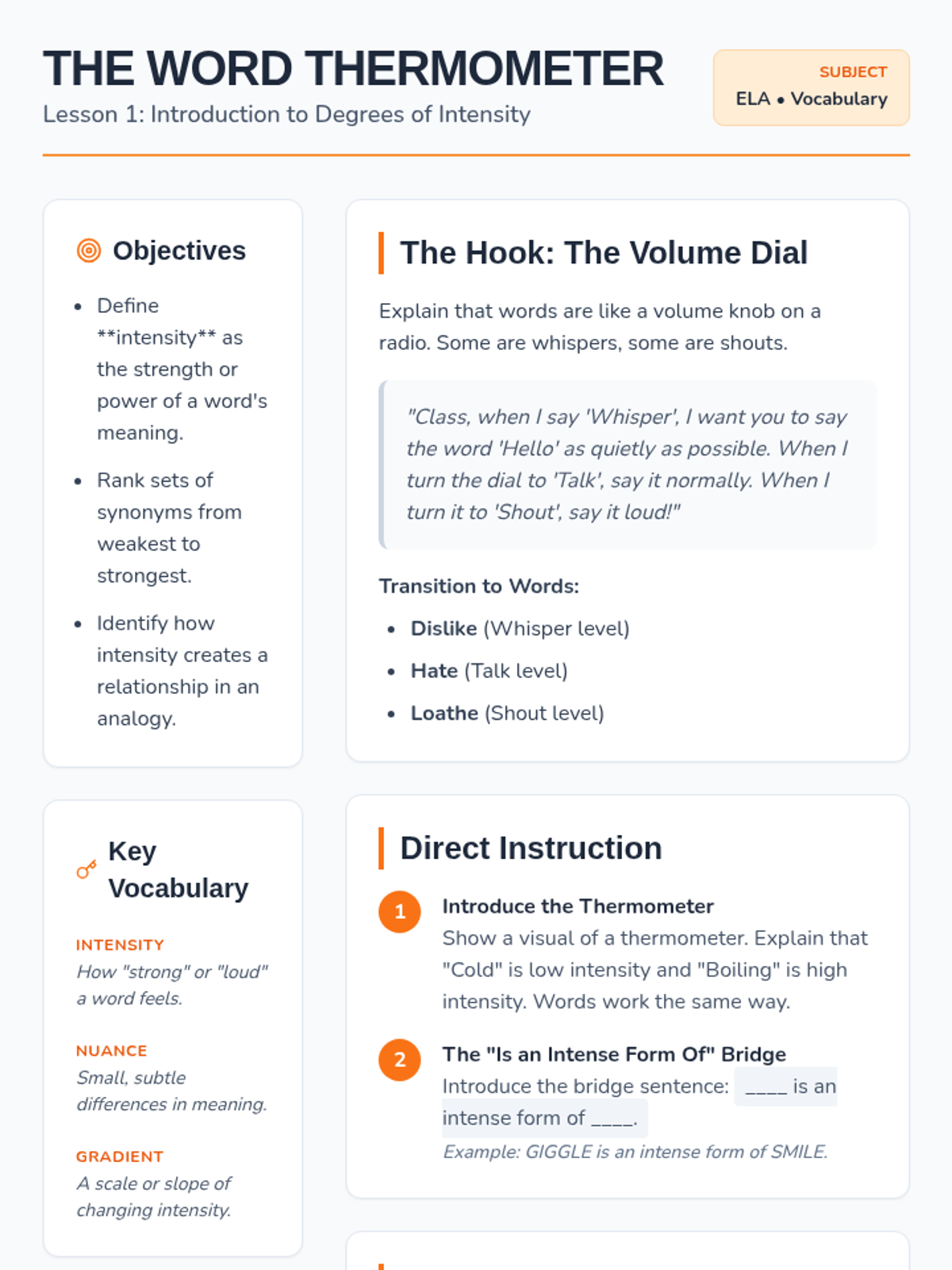
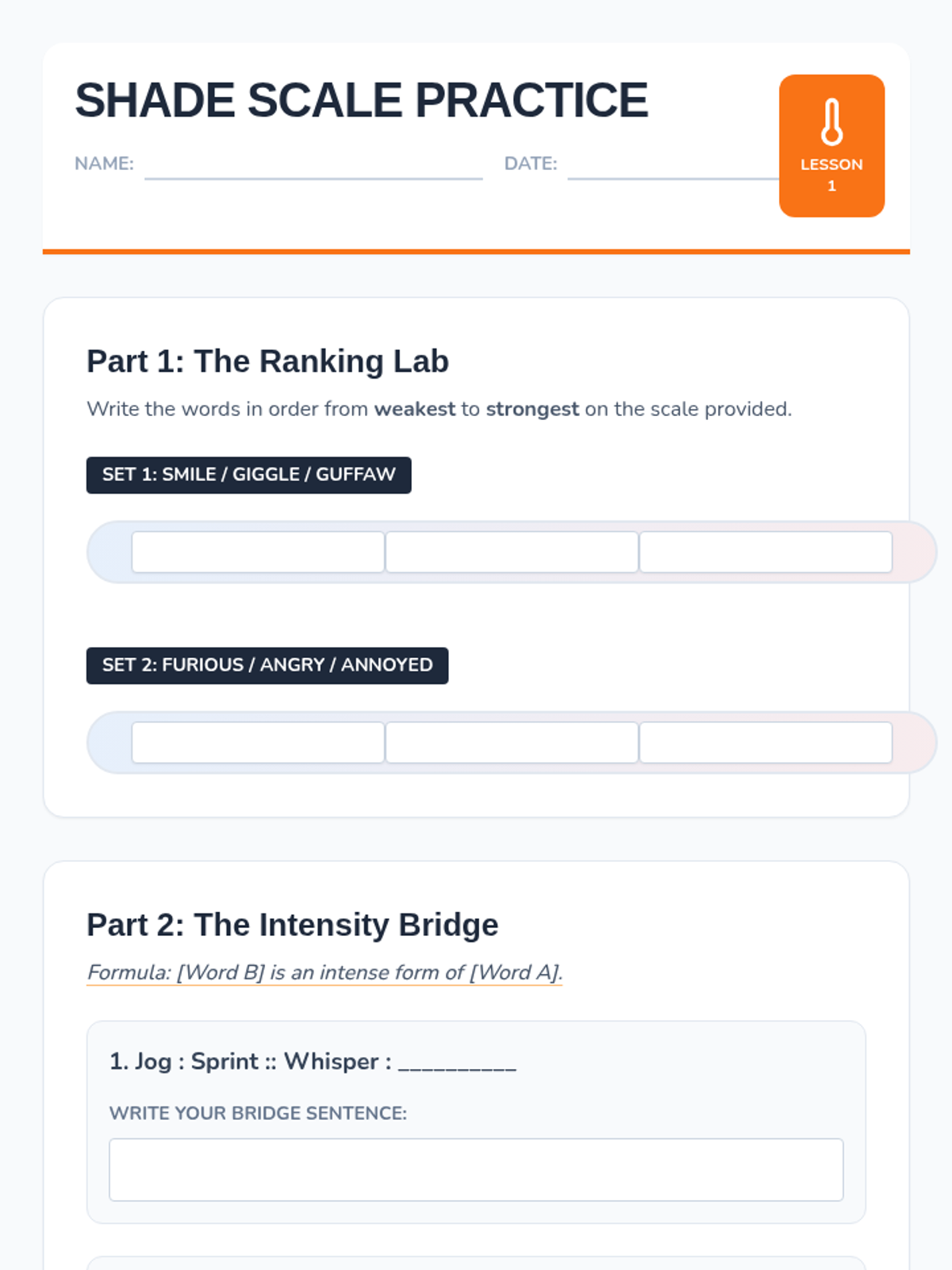
This sequence guides 4th-grade students through the nuanced world of degree analogies. Students will learn to distinguish between words based on intensity, size, speed, and strength, moving beyond simple synonyms to understand how shades of meaning create logical relationships.
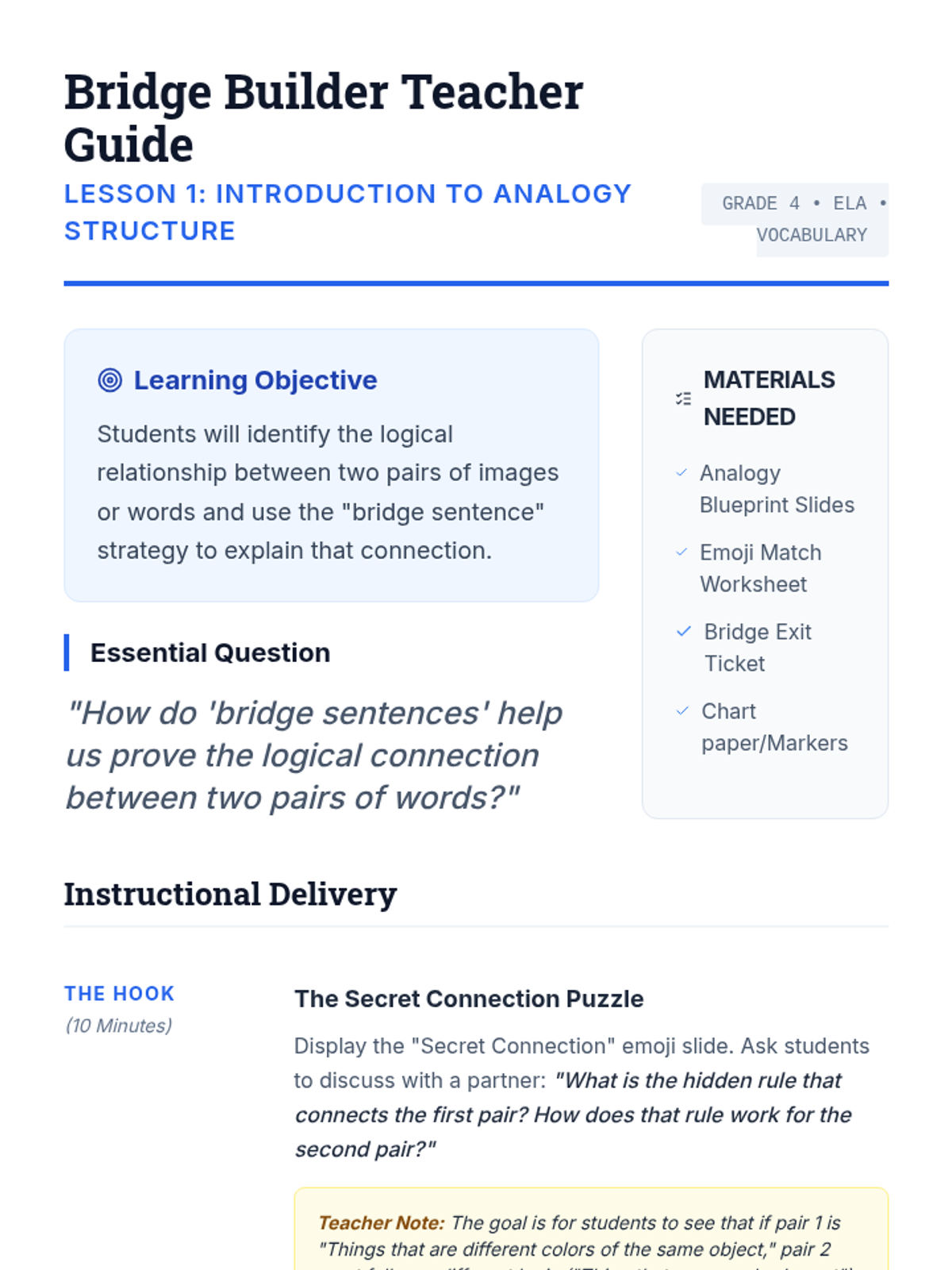
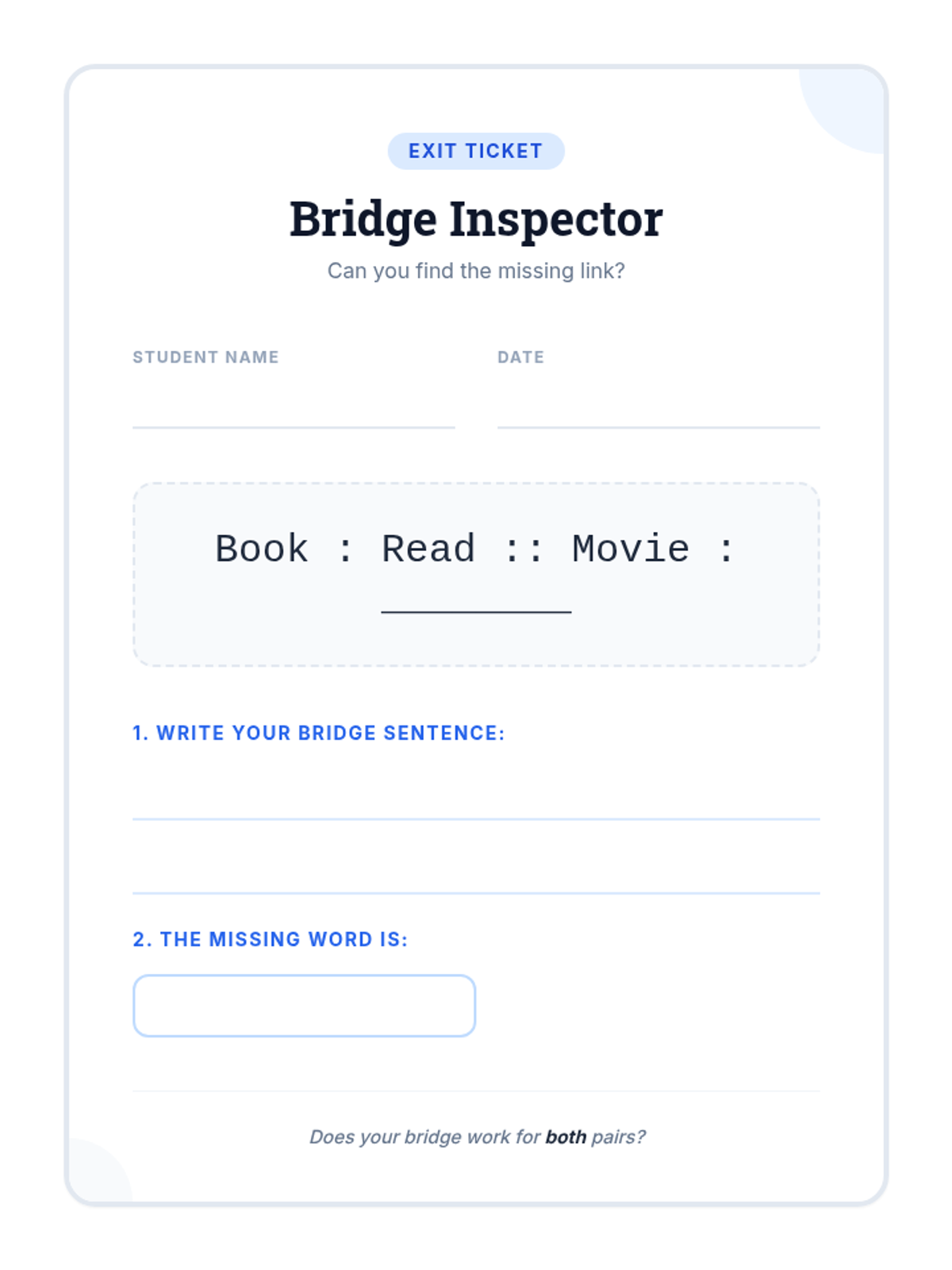
A foundational sequence for 4th graders to master analogies through synonym and antonym relationships using the 'bridge sentence' strategy. Students move from visual associations to solving complex word puzzles.
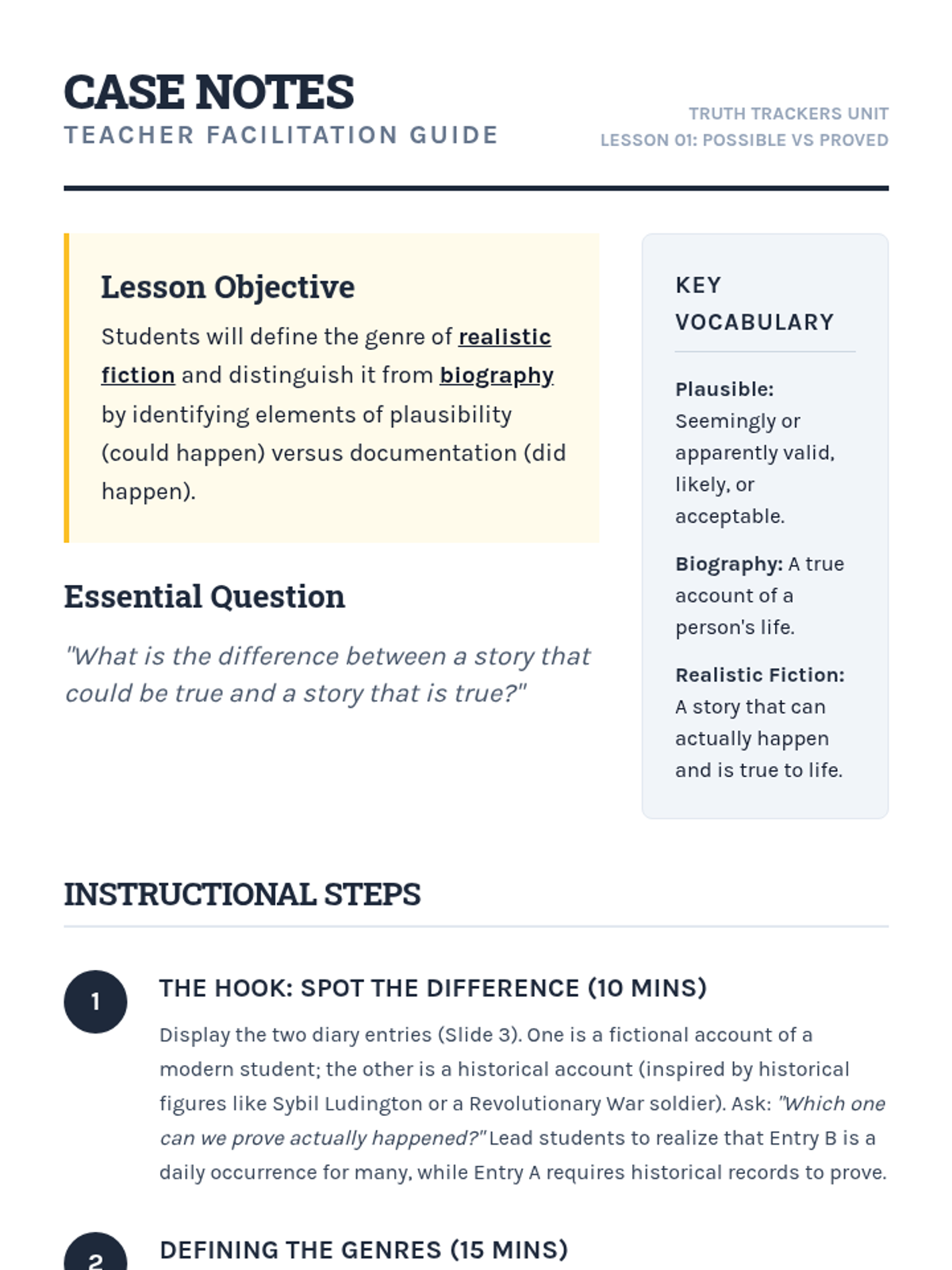
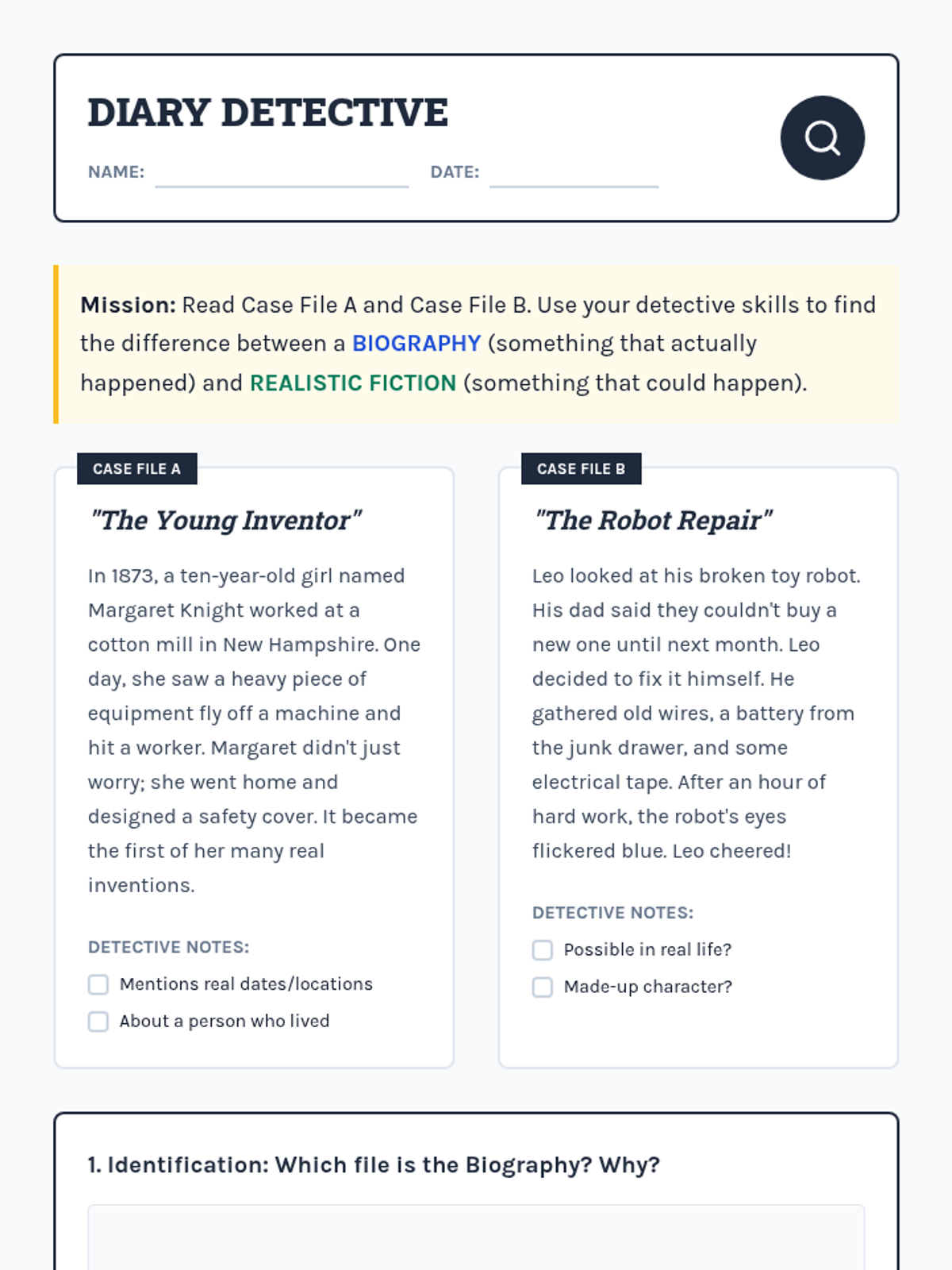
Students investigate the nuance between reality and realistic fiction, learning to distinguish between what actually happened and what could happen. They analyze characters, settings, and dialogue to develop critical reading skills.
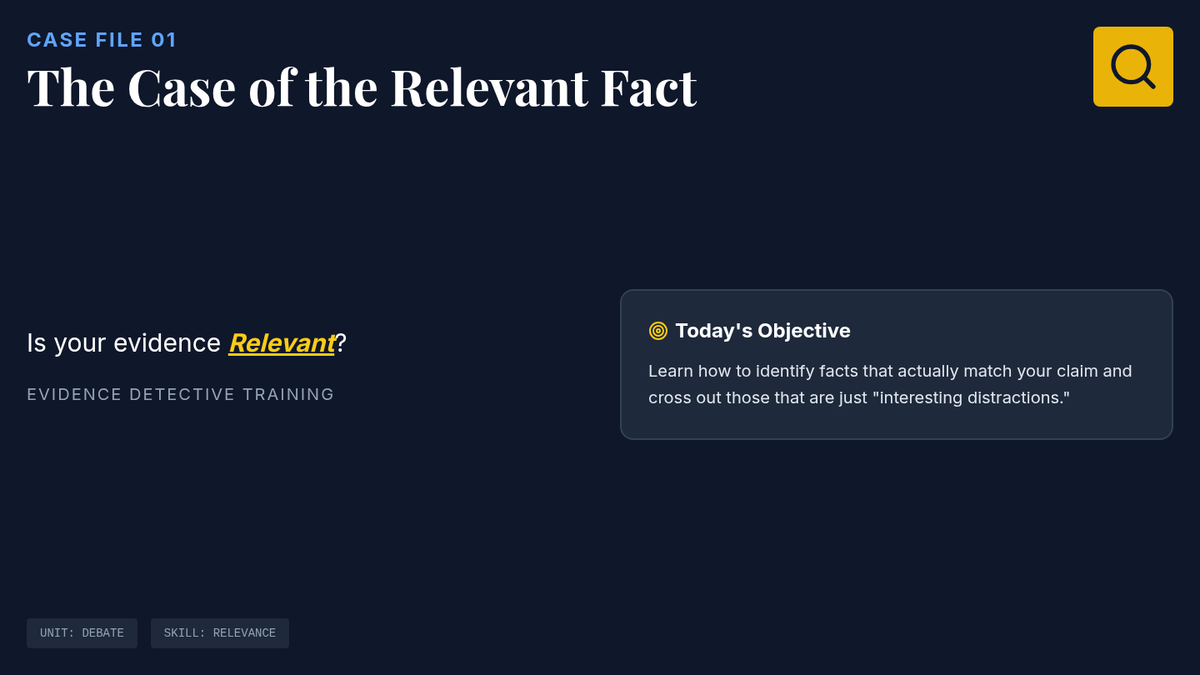
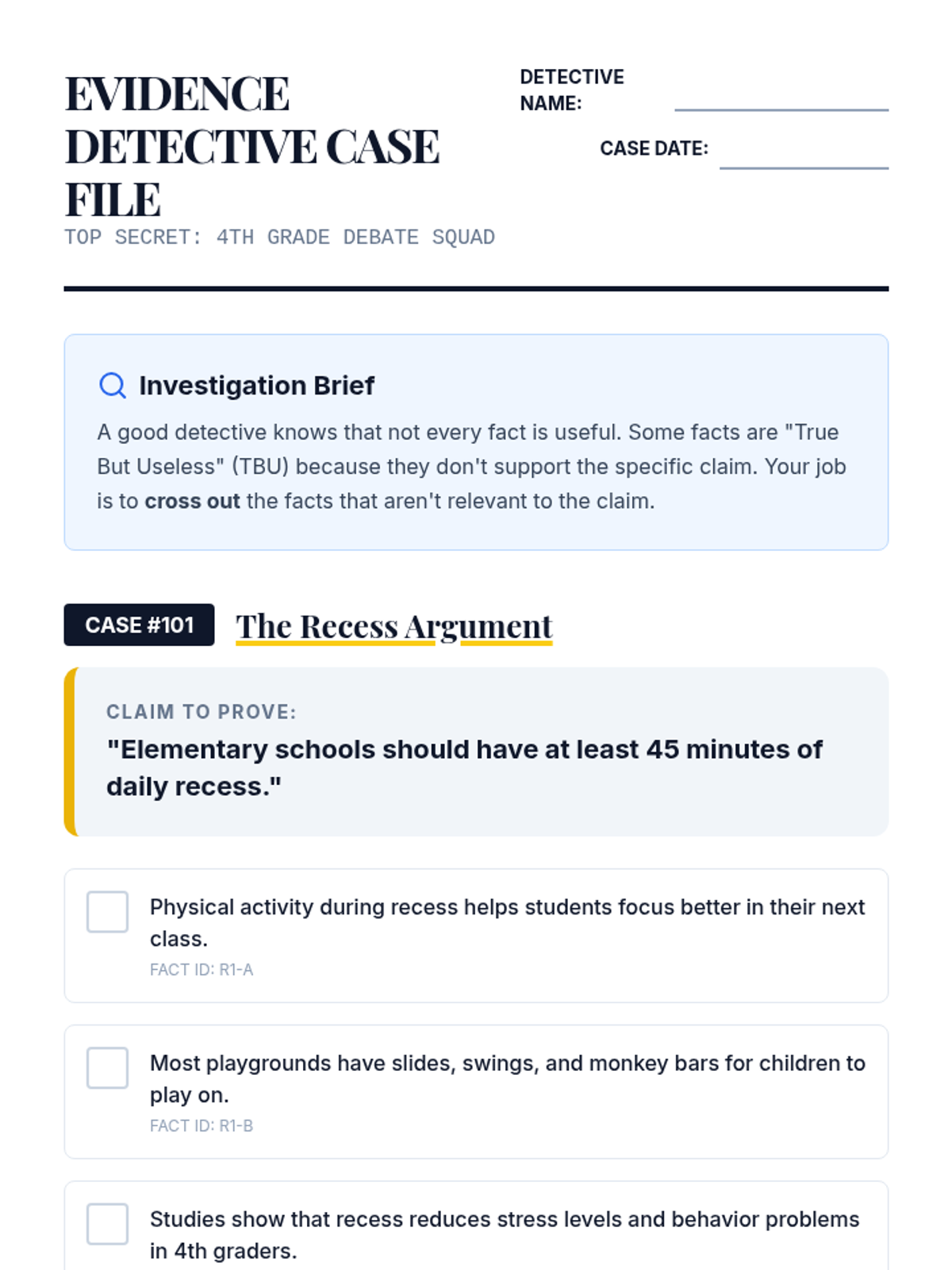
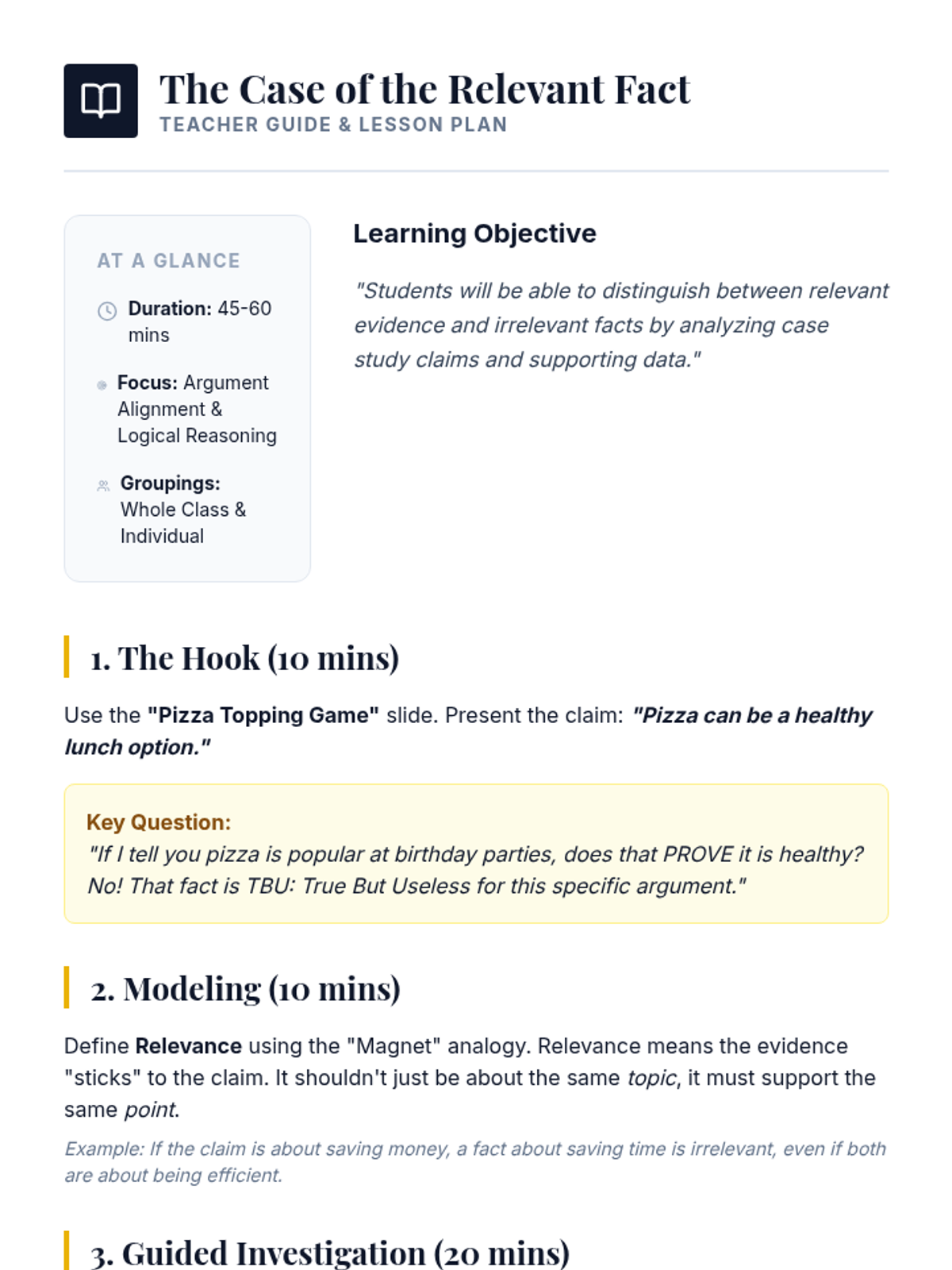
A detective-themed sequence where students become 'Evidence Detectives' to investigate, analyze, and rank the strength of research for debate. Through case studies and games, students learn to distinguish between relevant facts, anecdotes, and statistical data.