Daily hygiene, hydration, and sleep routines paired with strategies for disease and injury prevention. Builds skills in health decision-making, body awareness, and self-advocacy to support lifelong well-being.
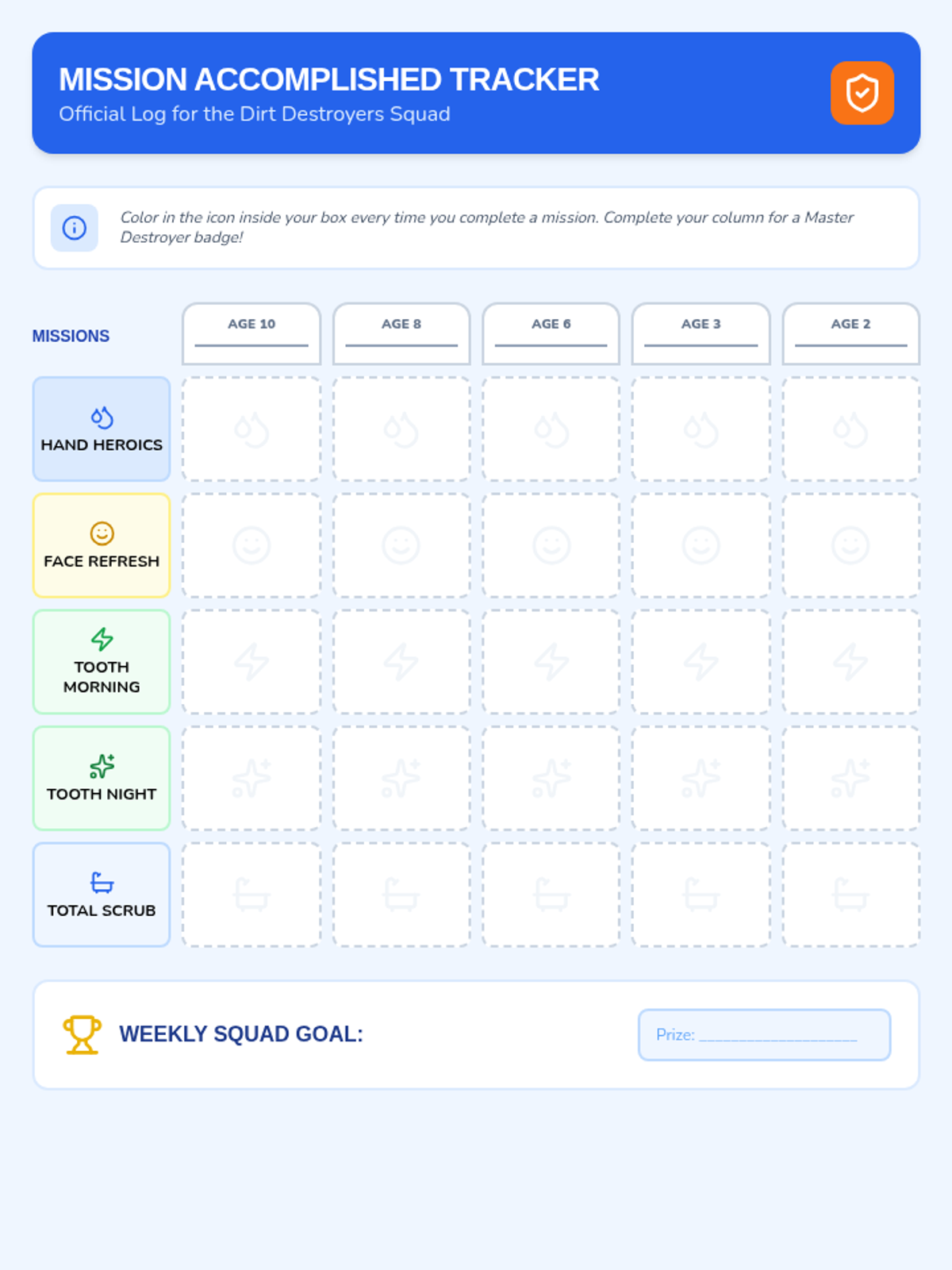
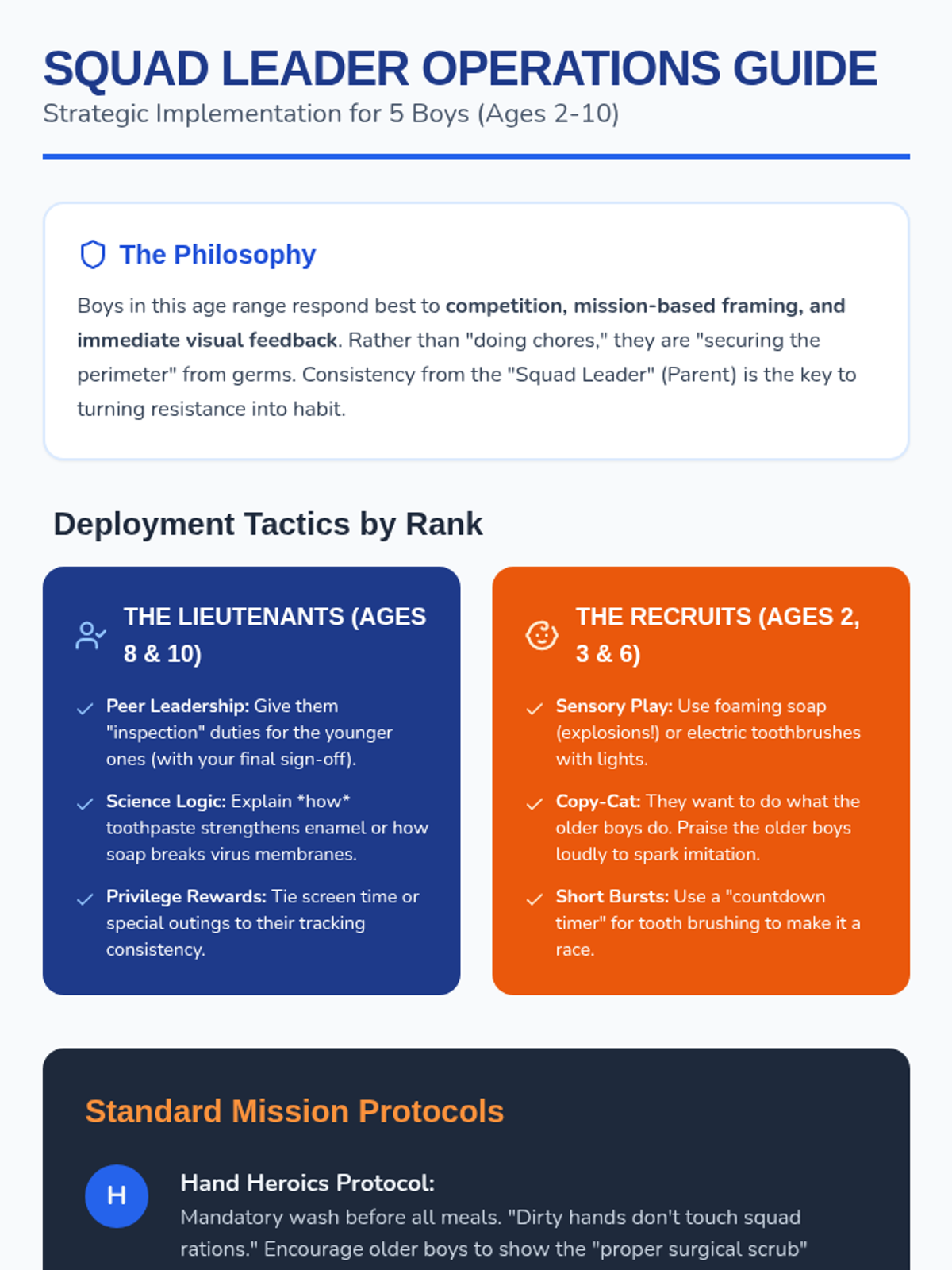
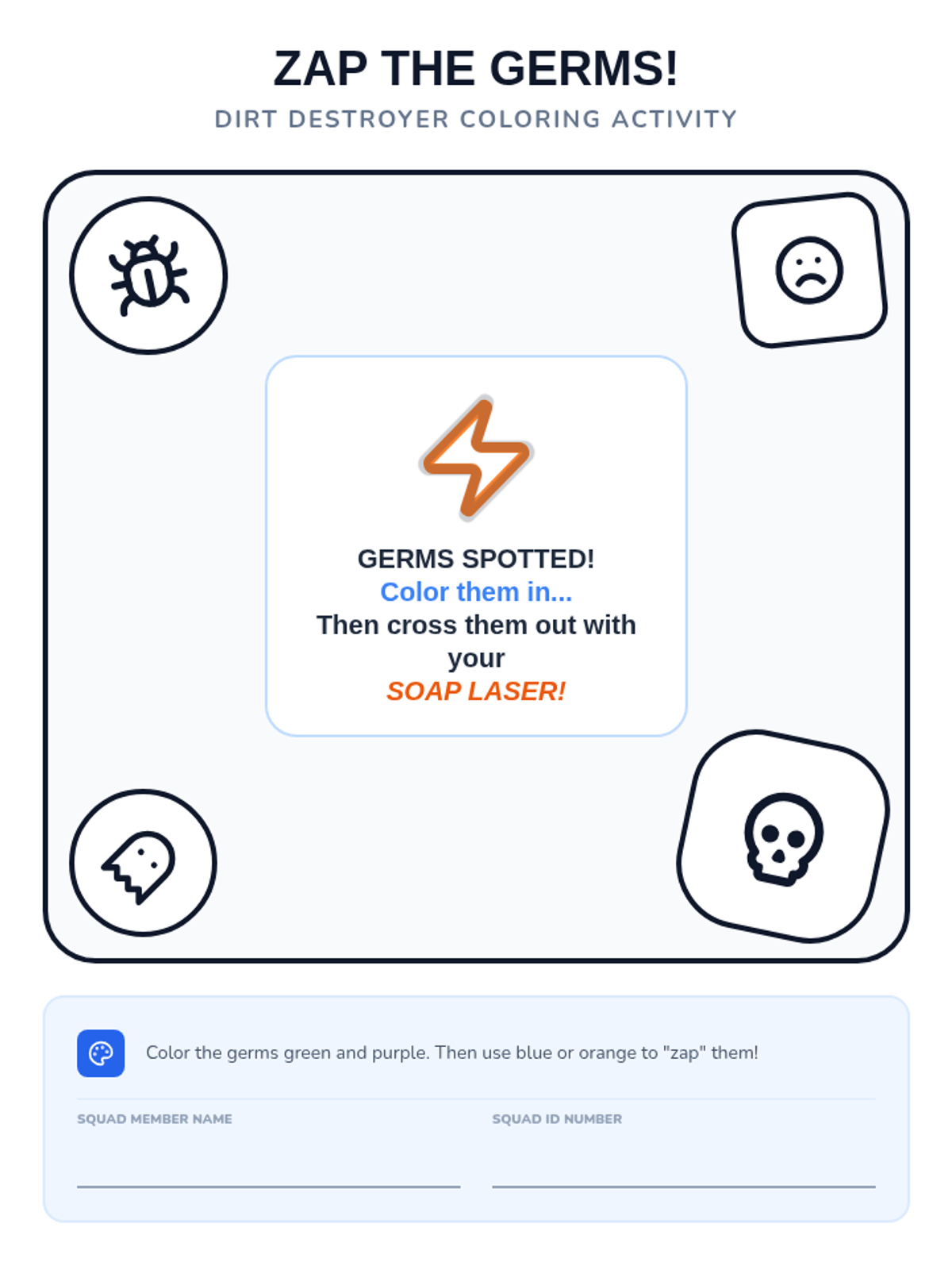
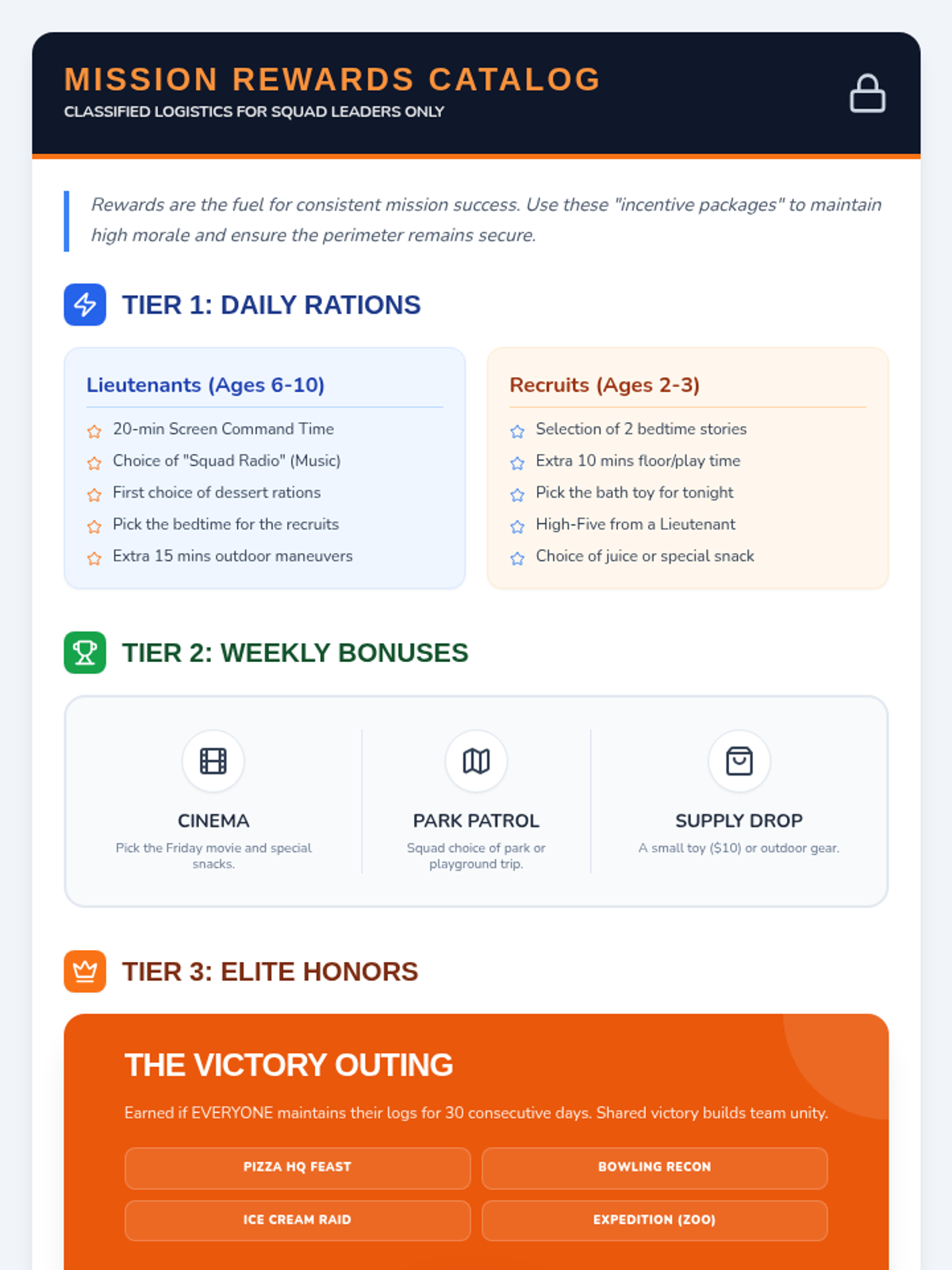
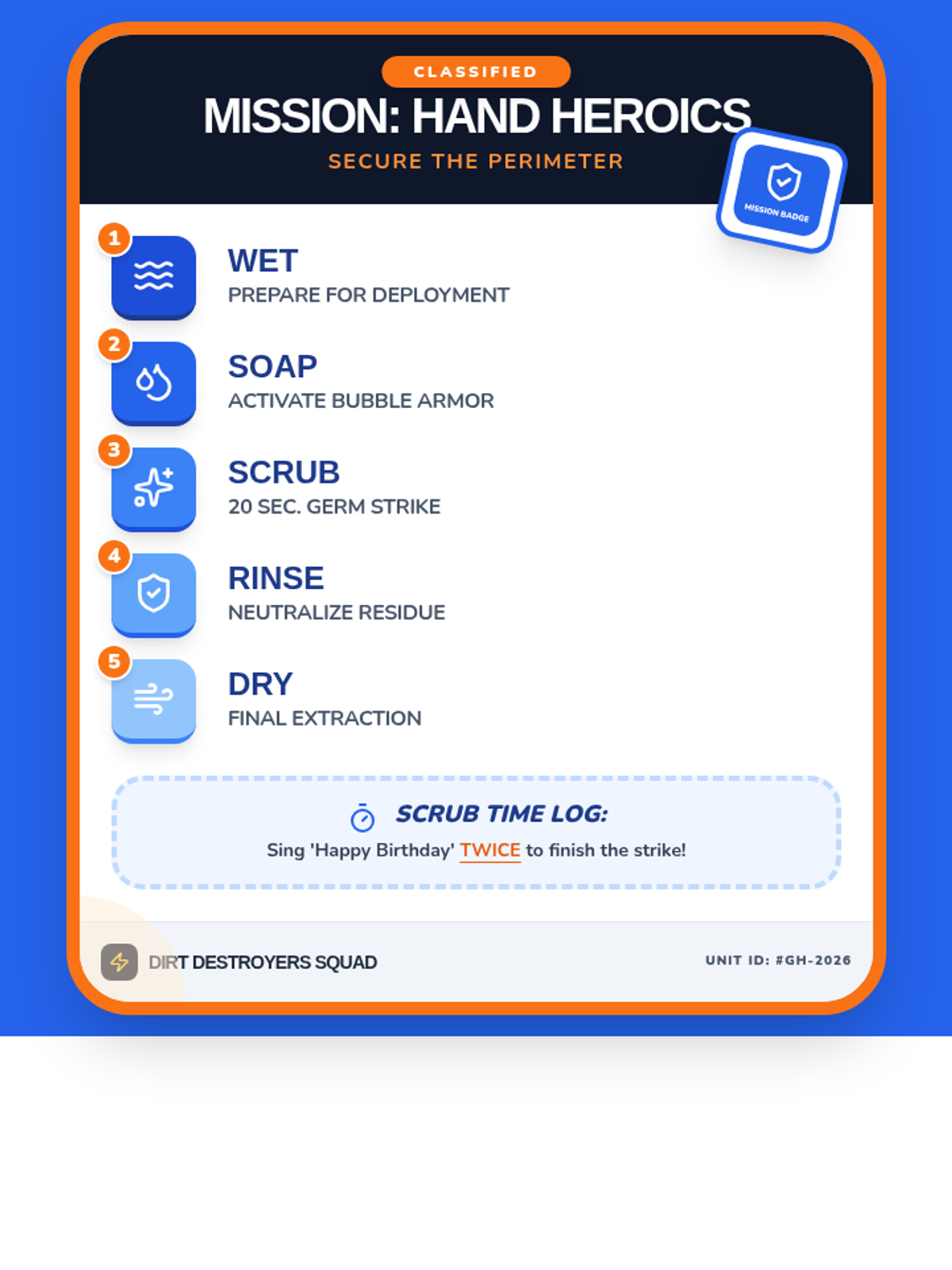
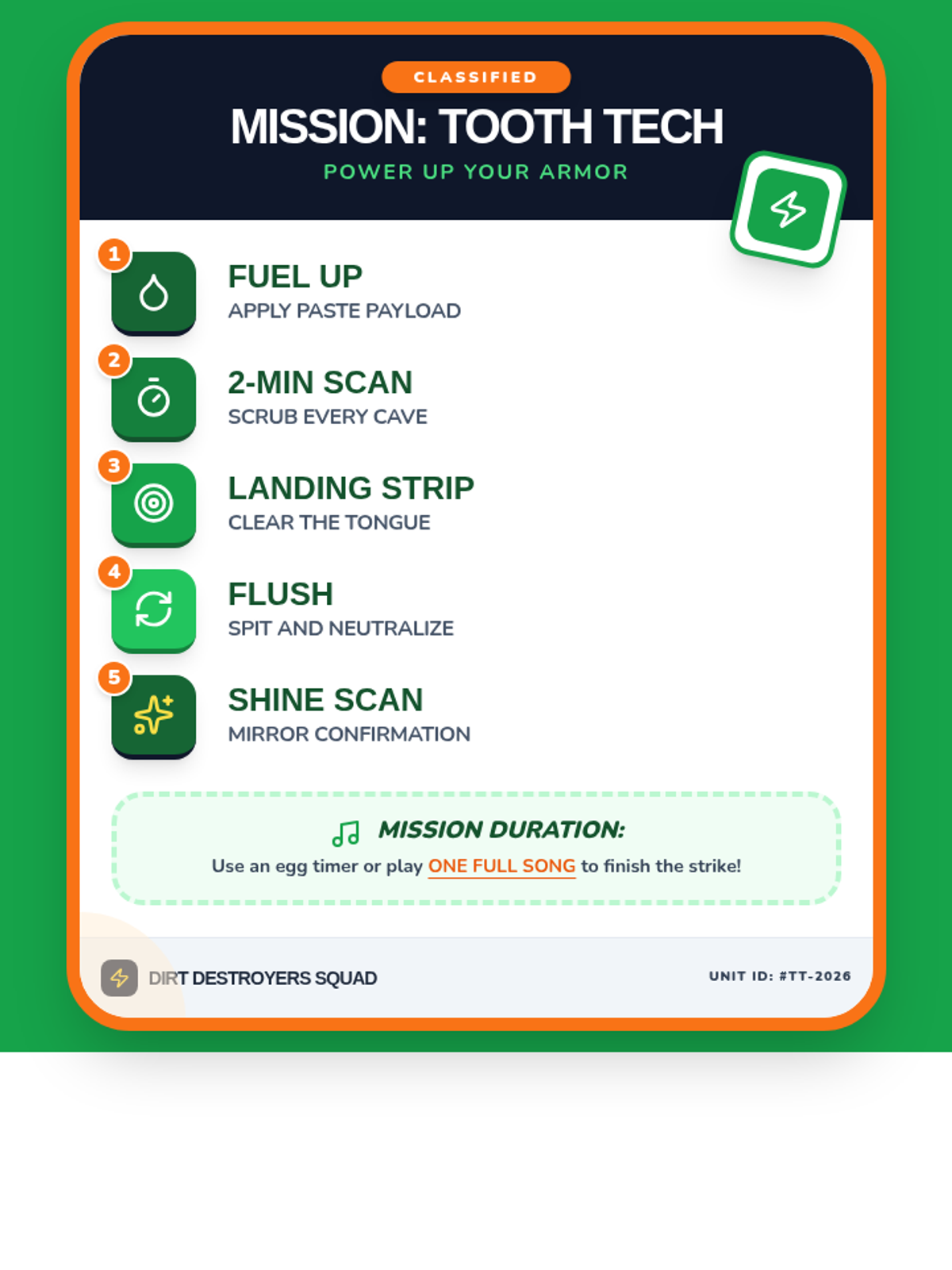
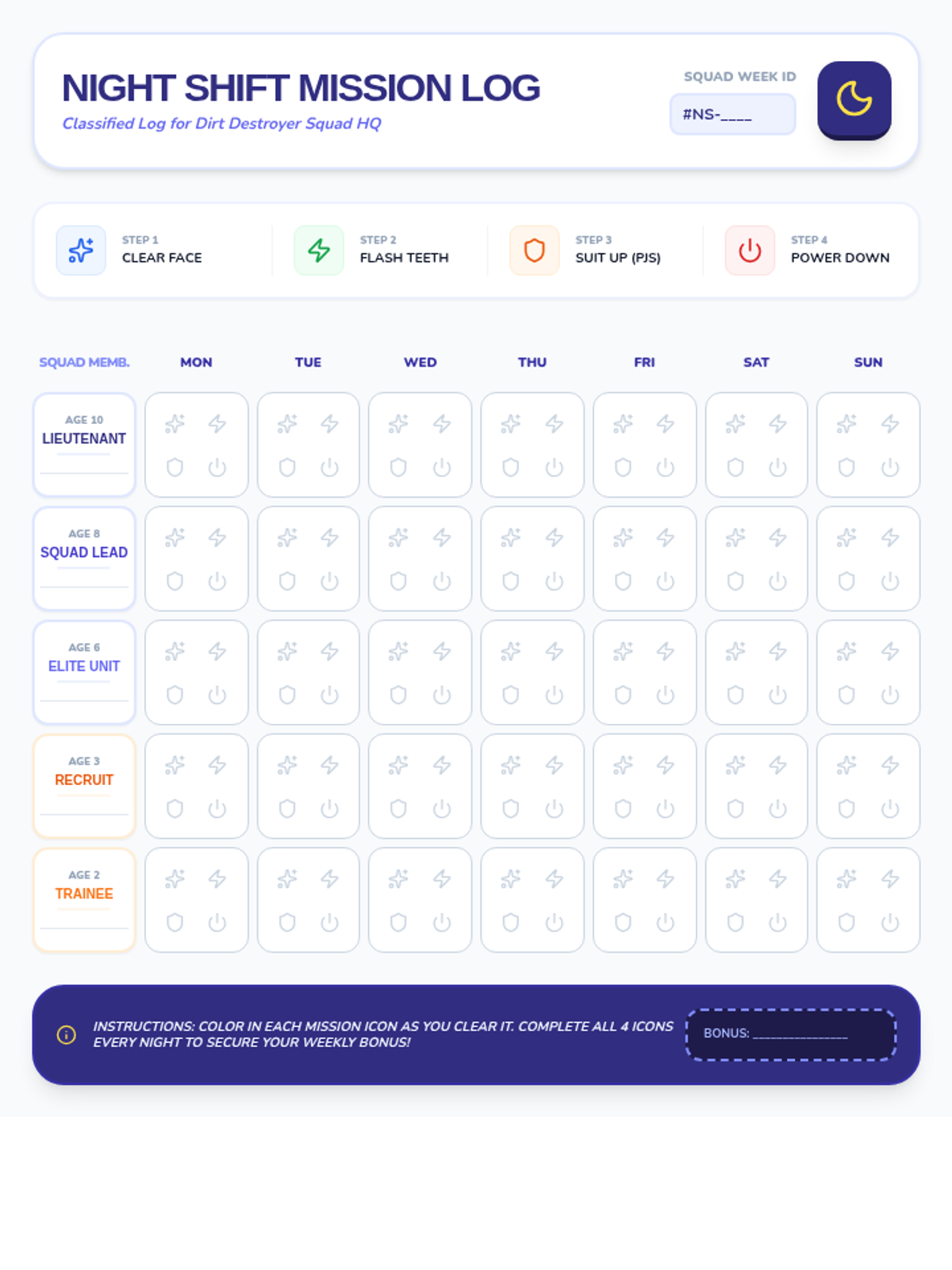
A mission-based hygiene sequence designed to engage five boys across a wide age range (2-10). The program uses a superhero 'Dirt Destroyers' theme to turn hand washing, face wiping, and tooth brushing into an exciting team challenge.
A 2nd-grade sequence exploring how different types of medicines (stimulants, depressants, and opioids) affect body systems, establishing a respect for drug potency and personal health.
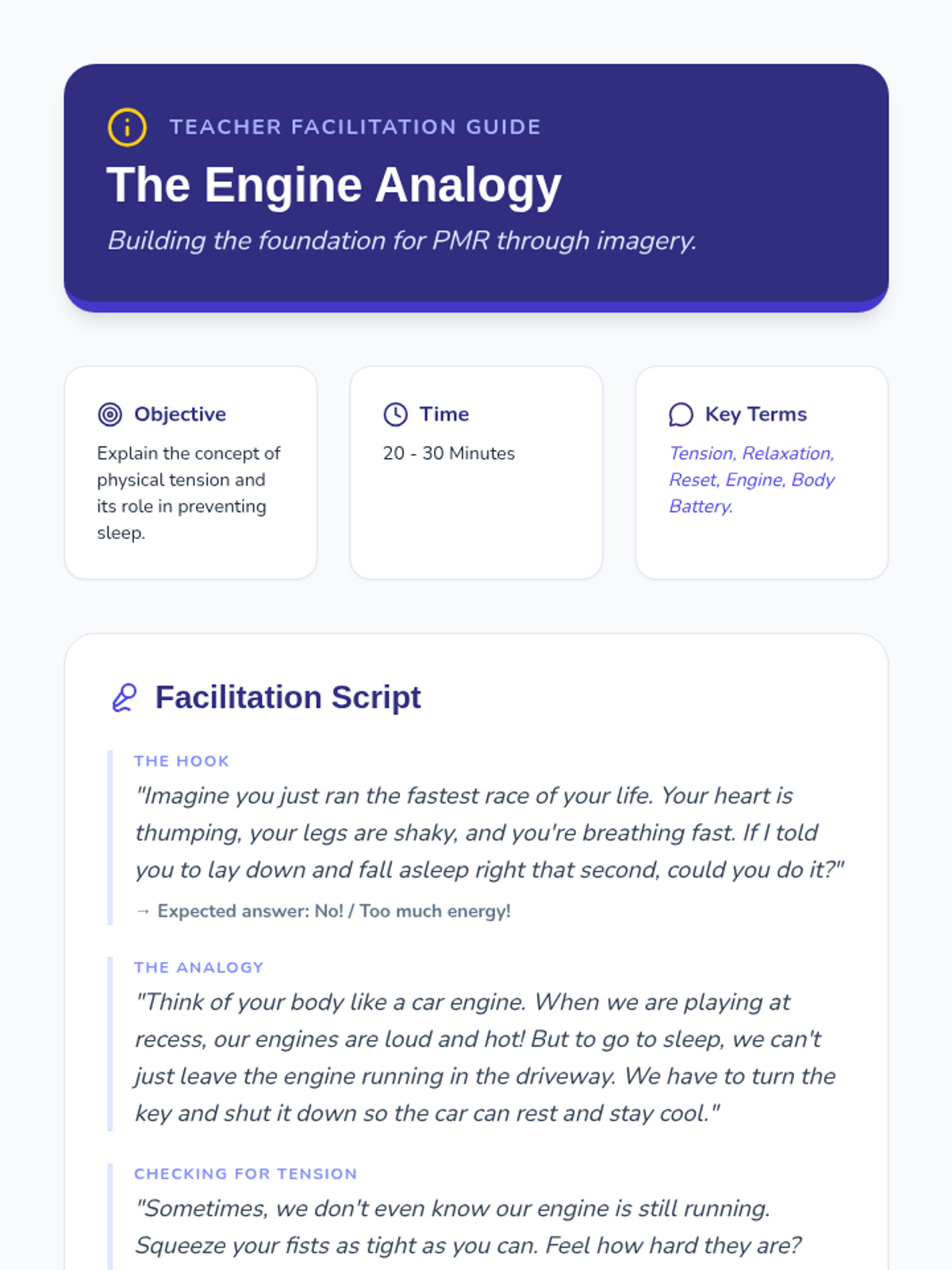
A 5-lesson series for 2nd graders to learn Progressive Muscle Relaxation (PMR) techniques specifically for bedtime routines, helping them prepare their bodies and minds for restful sleep.
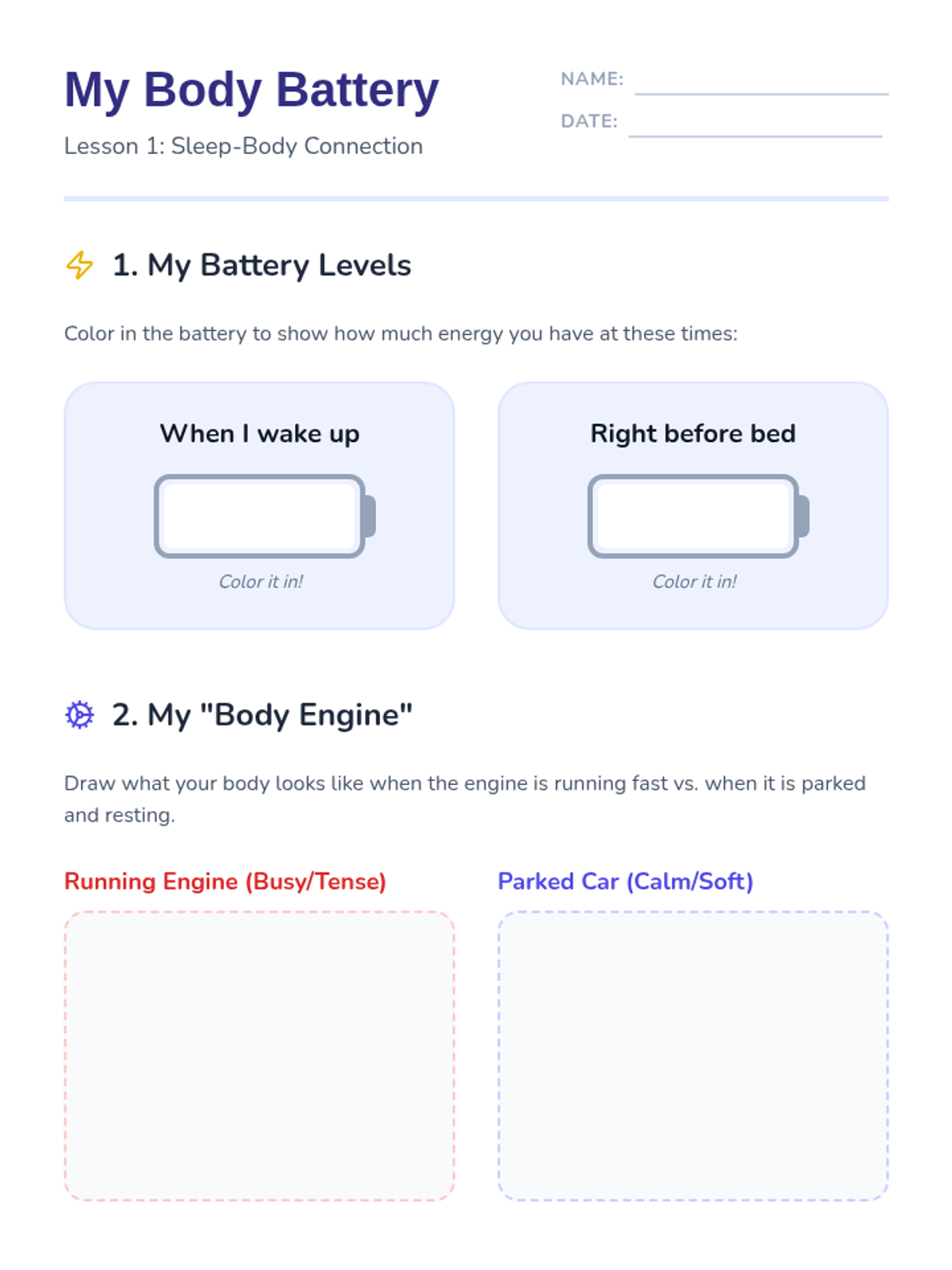
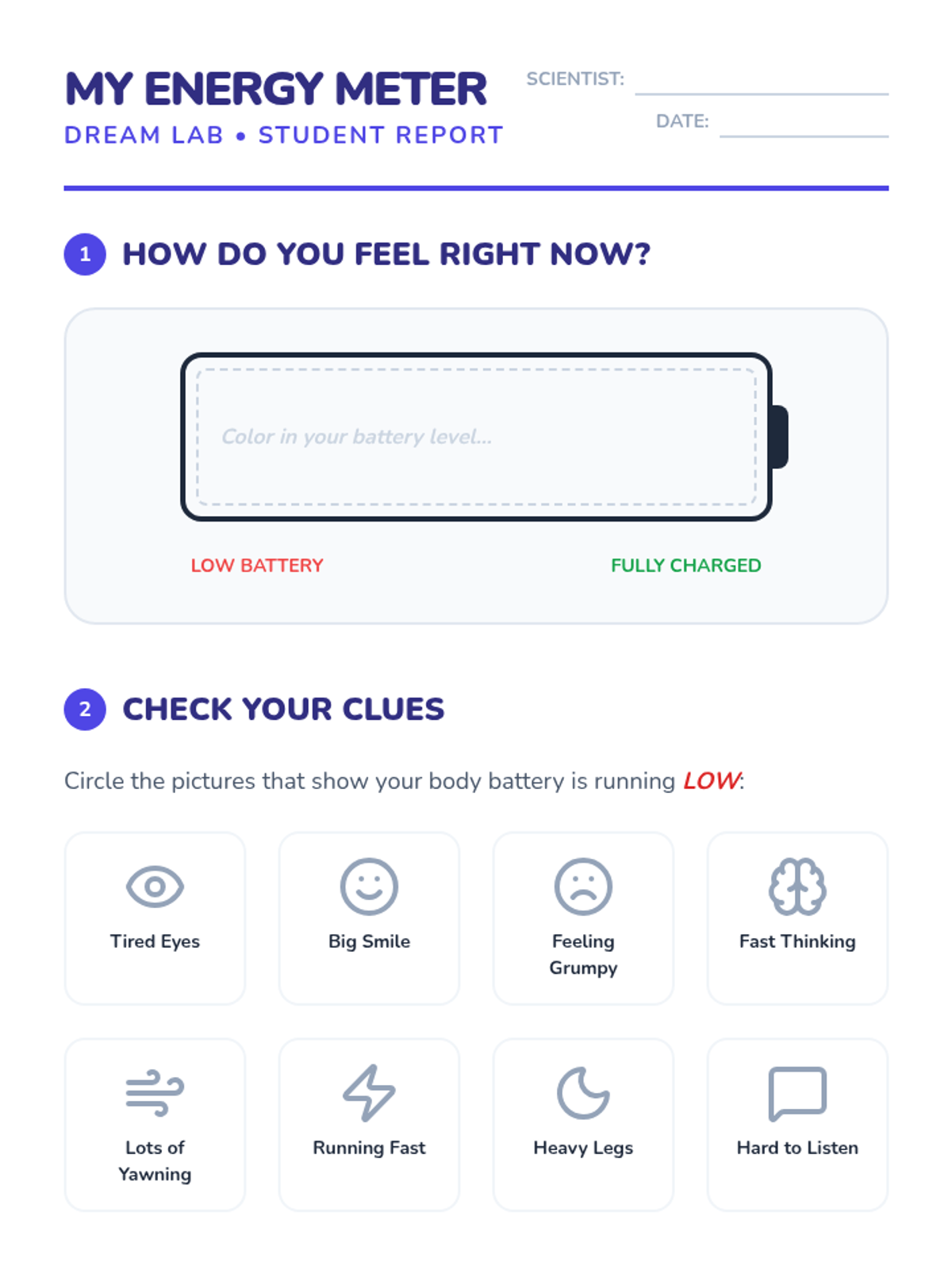
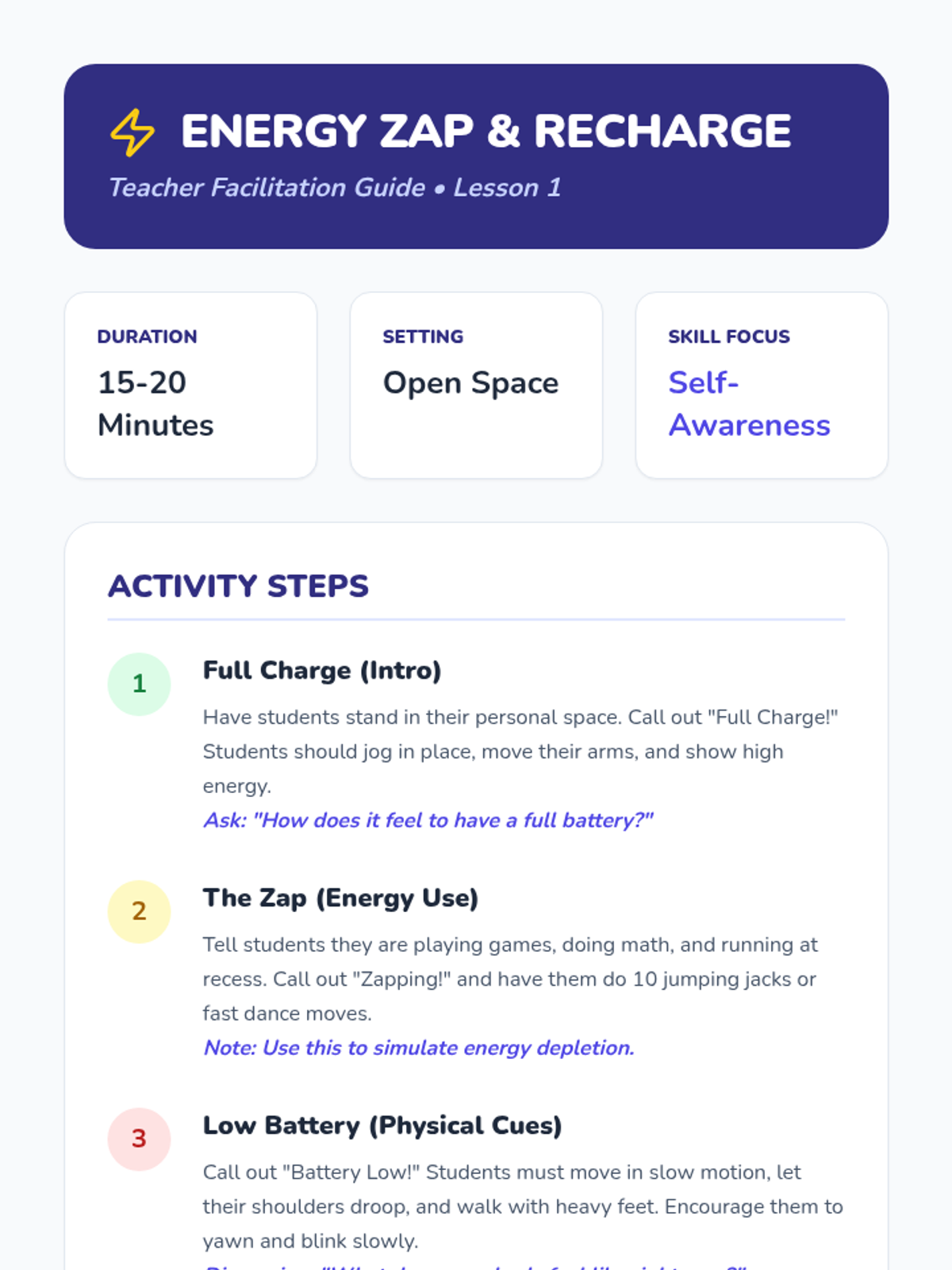
This unit guides 2nd-grade students through the biological importance of sleep and practical habits for rest. Using the 'Body Battery' analogy, students explore how sleep restores energy, supports growth, and affects mood, ultimately designing their own bedtime routines.
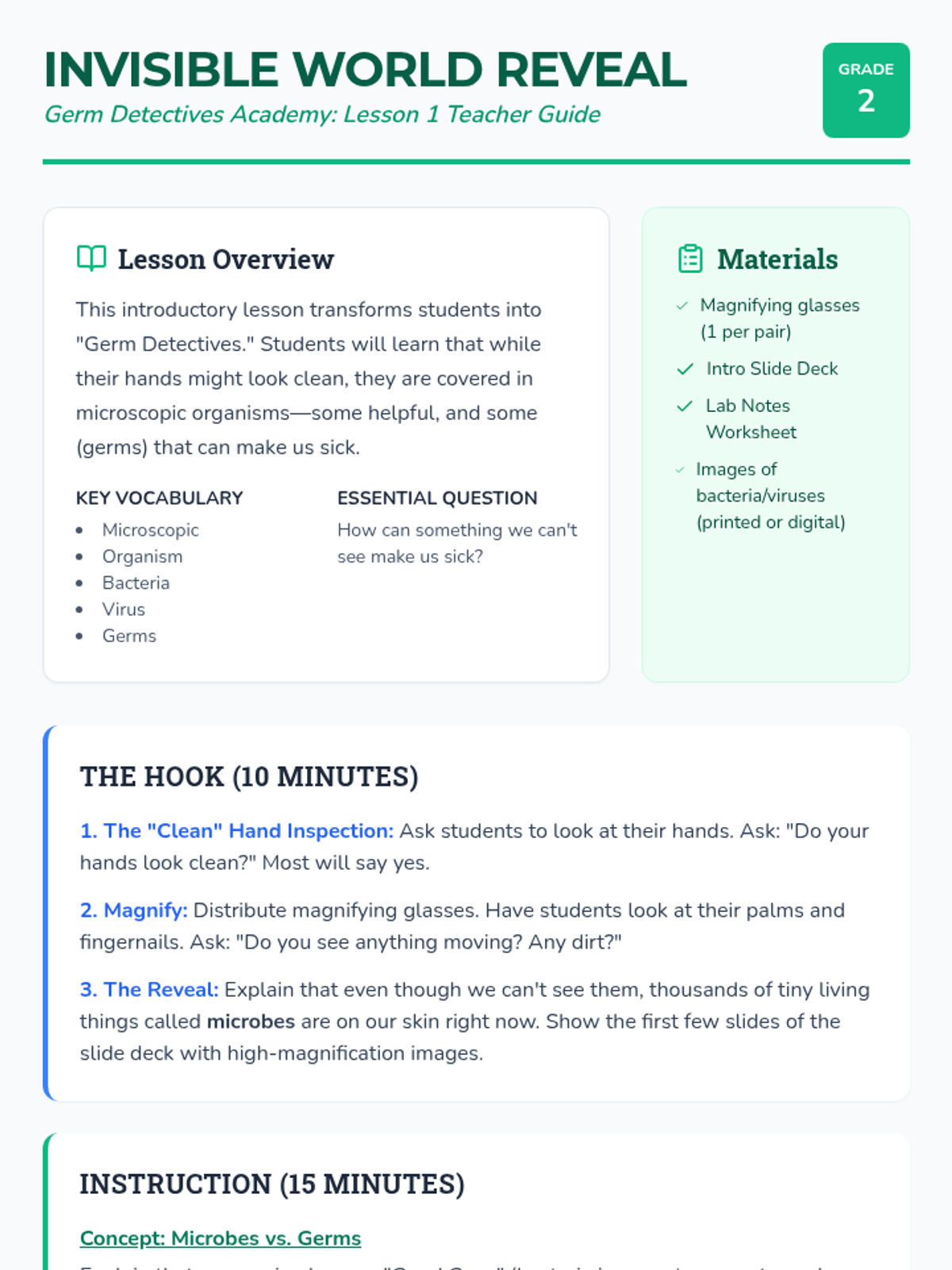
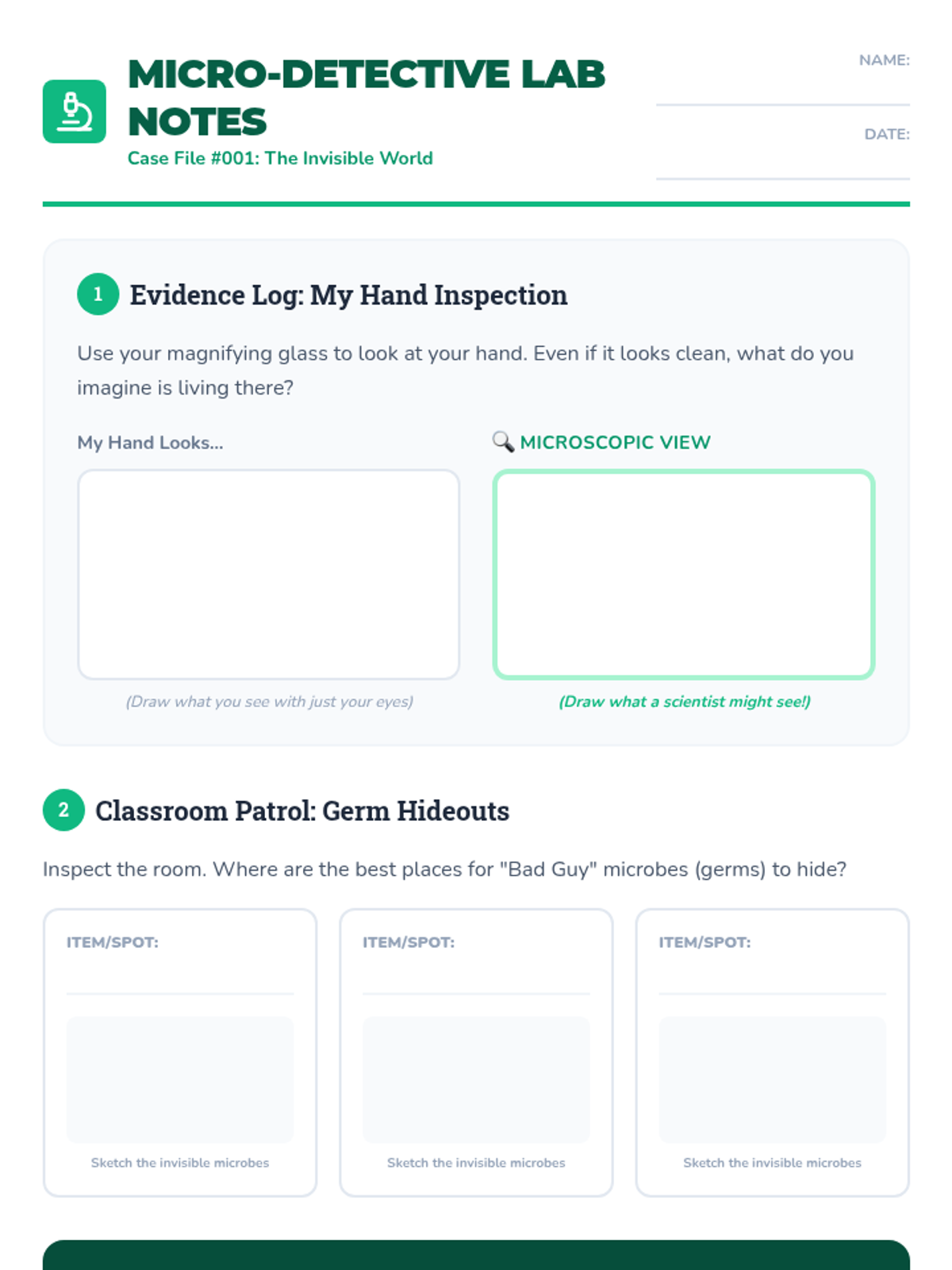
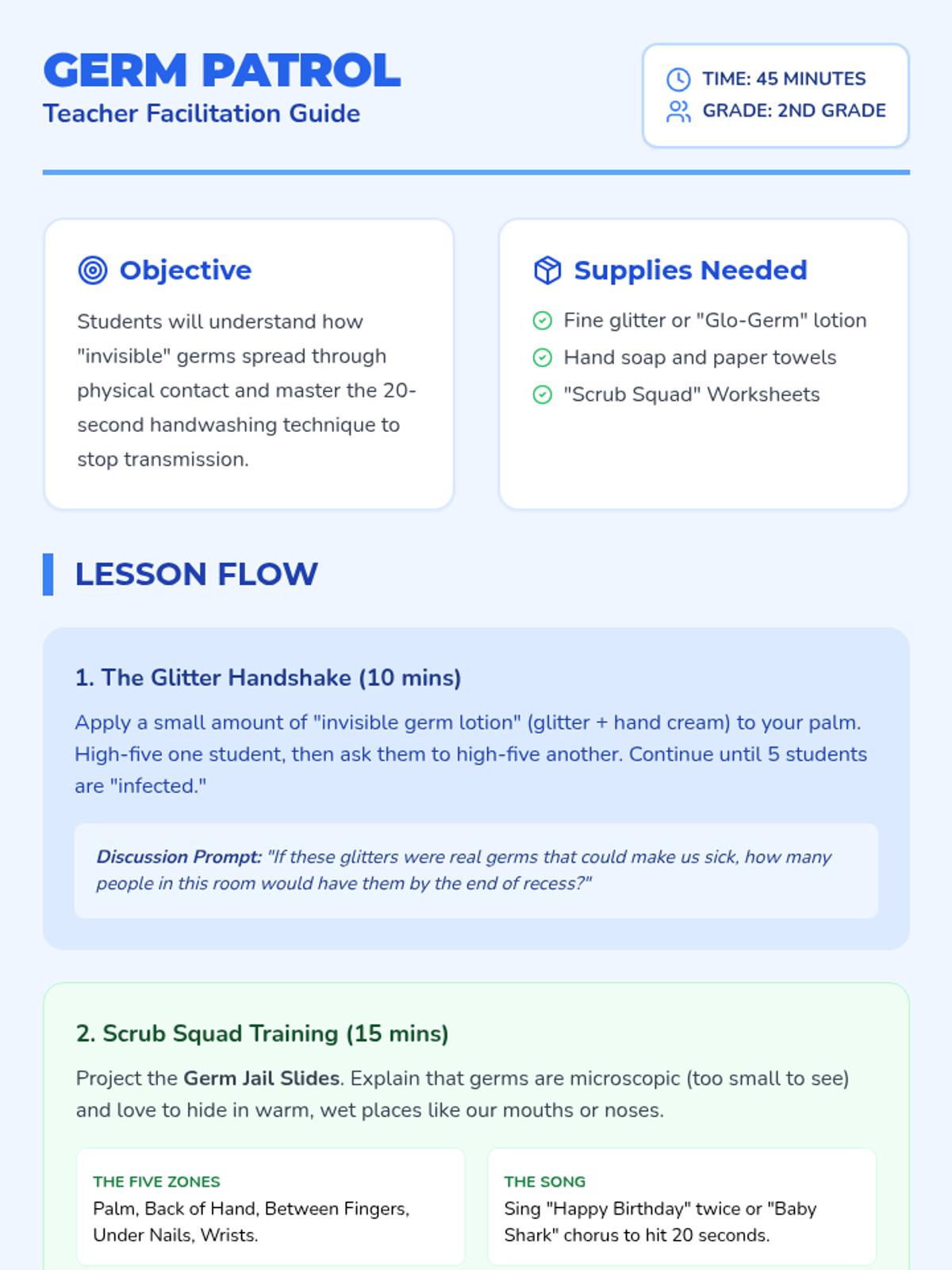
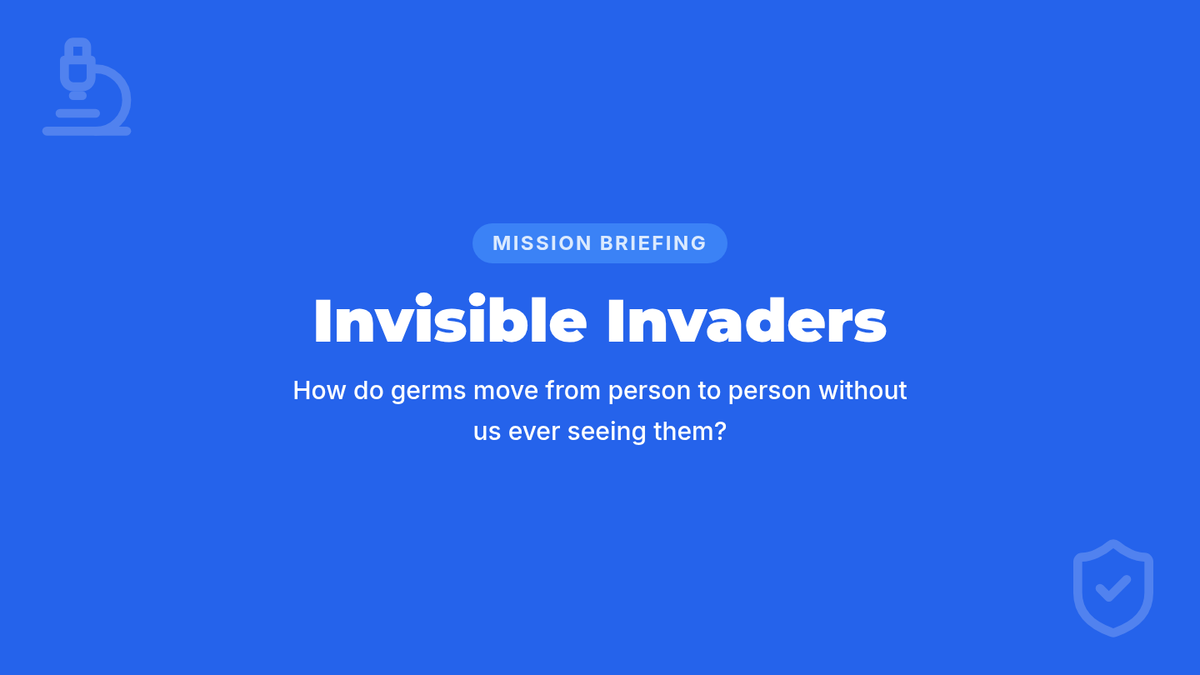
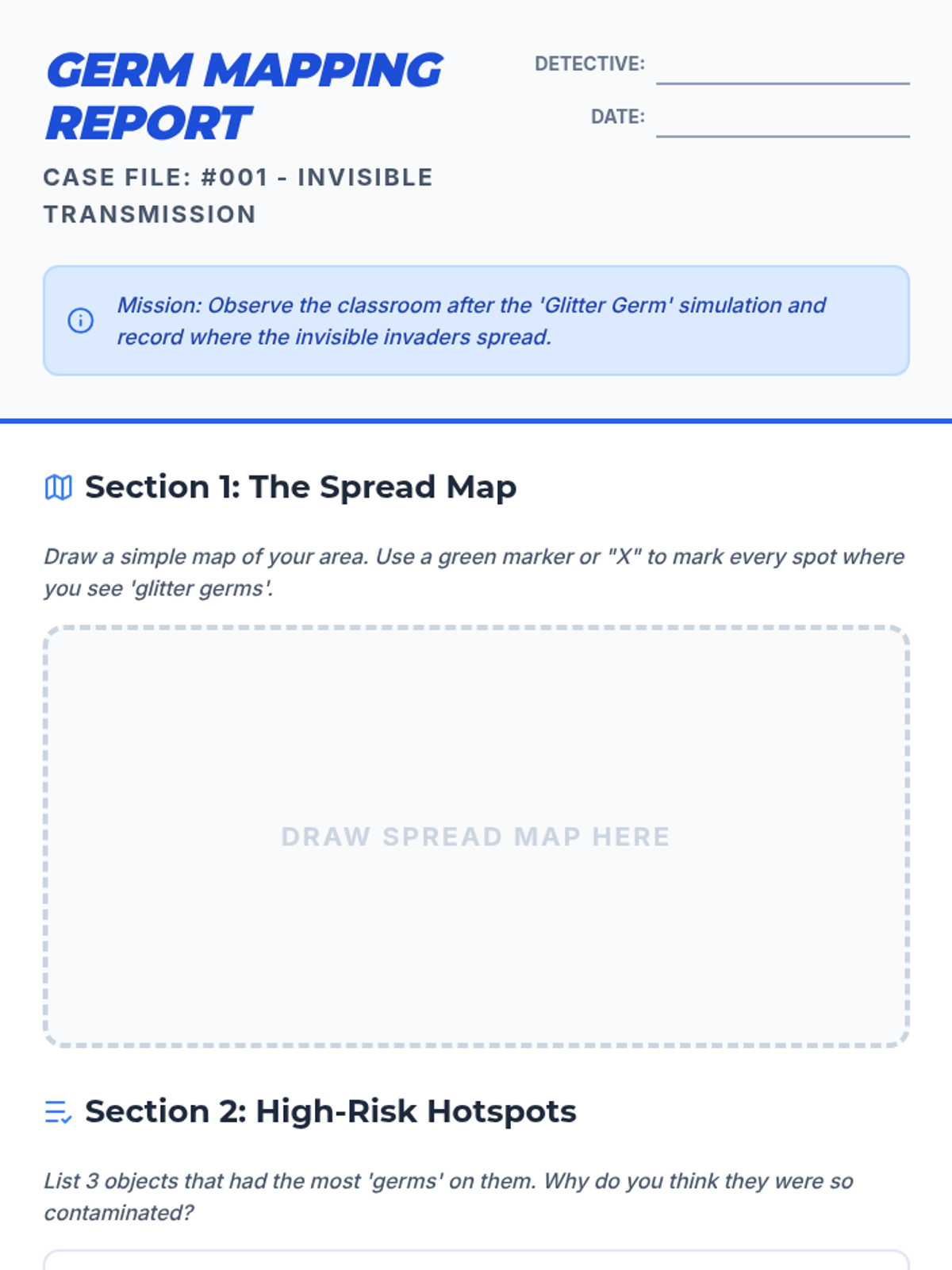
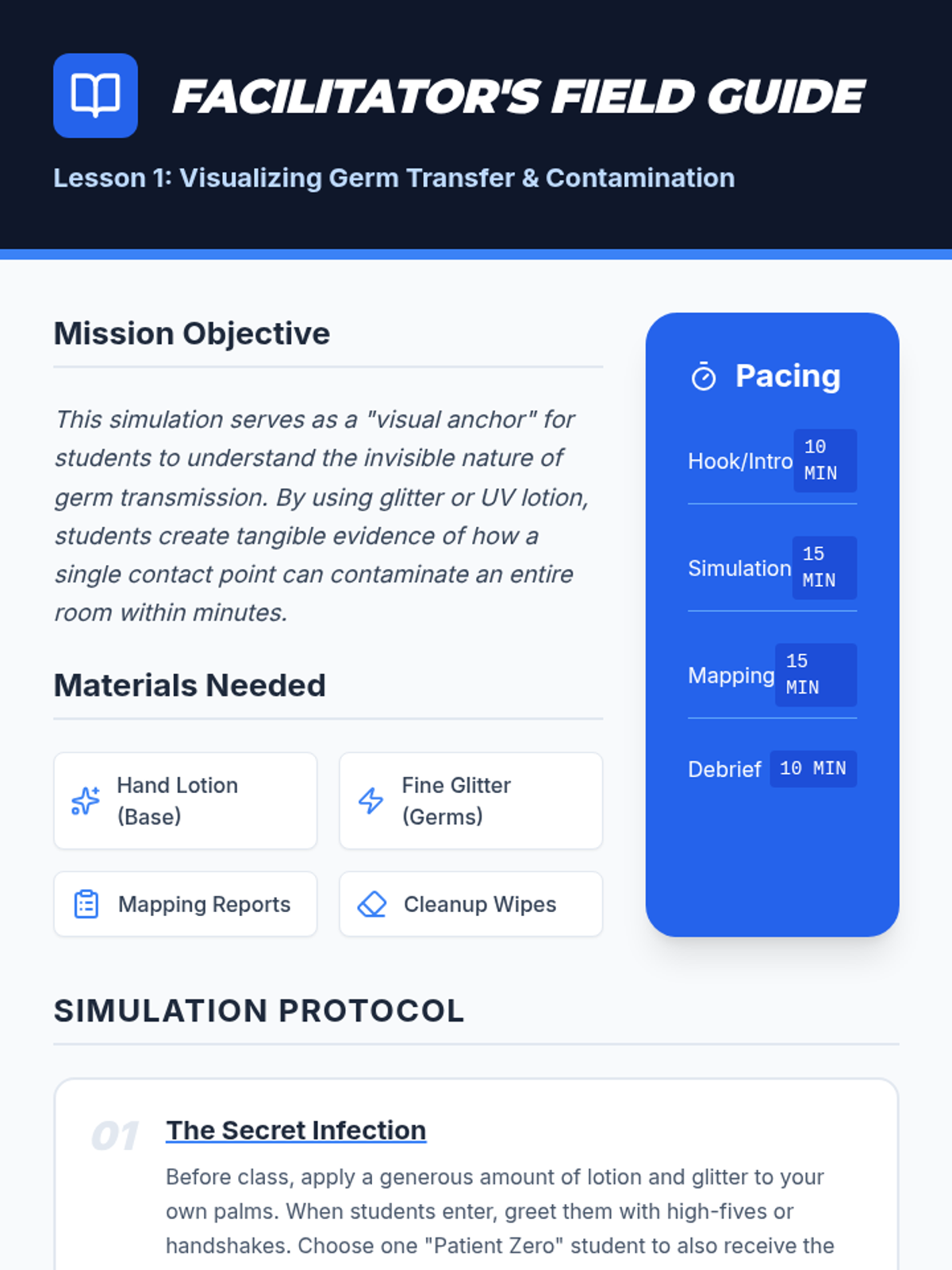
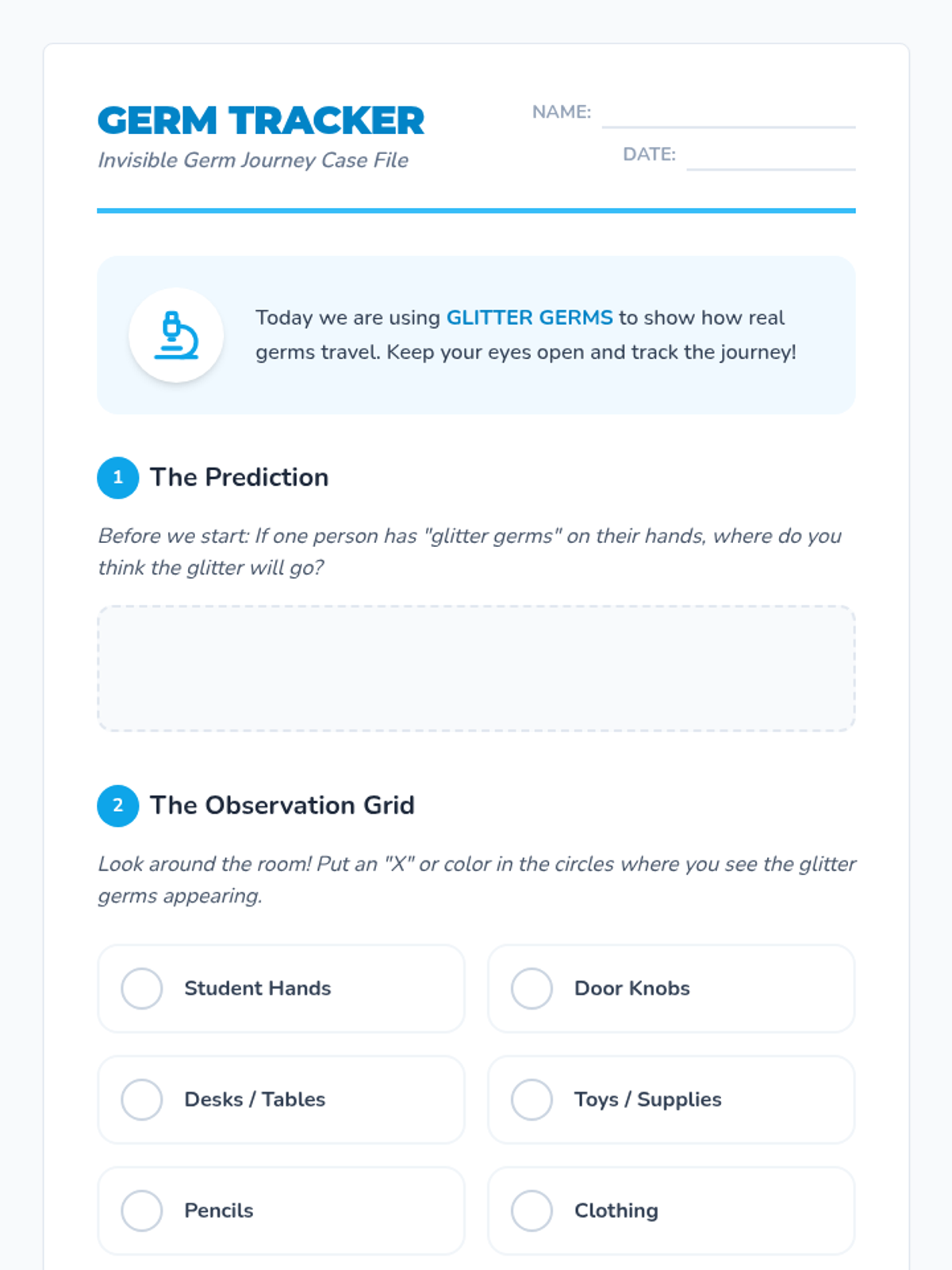
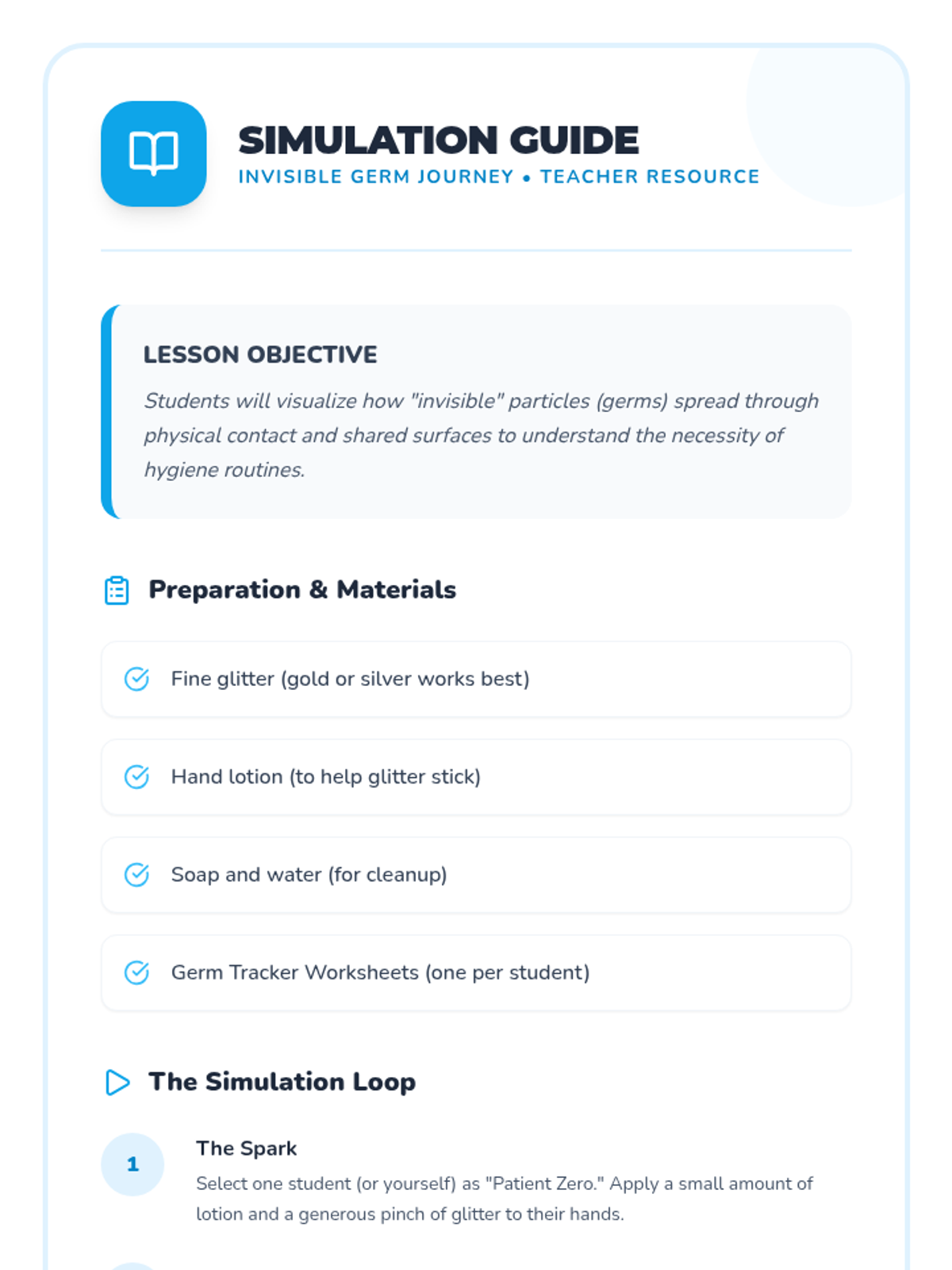
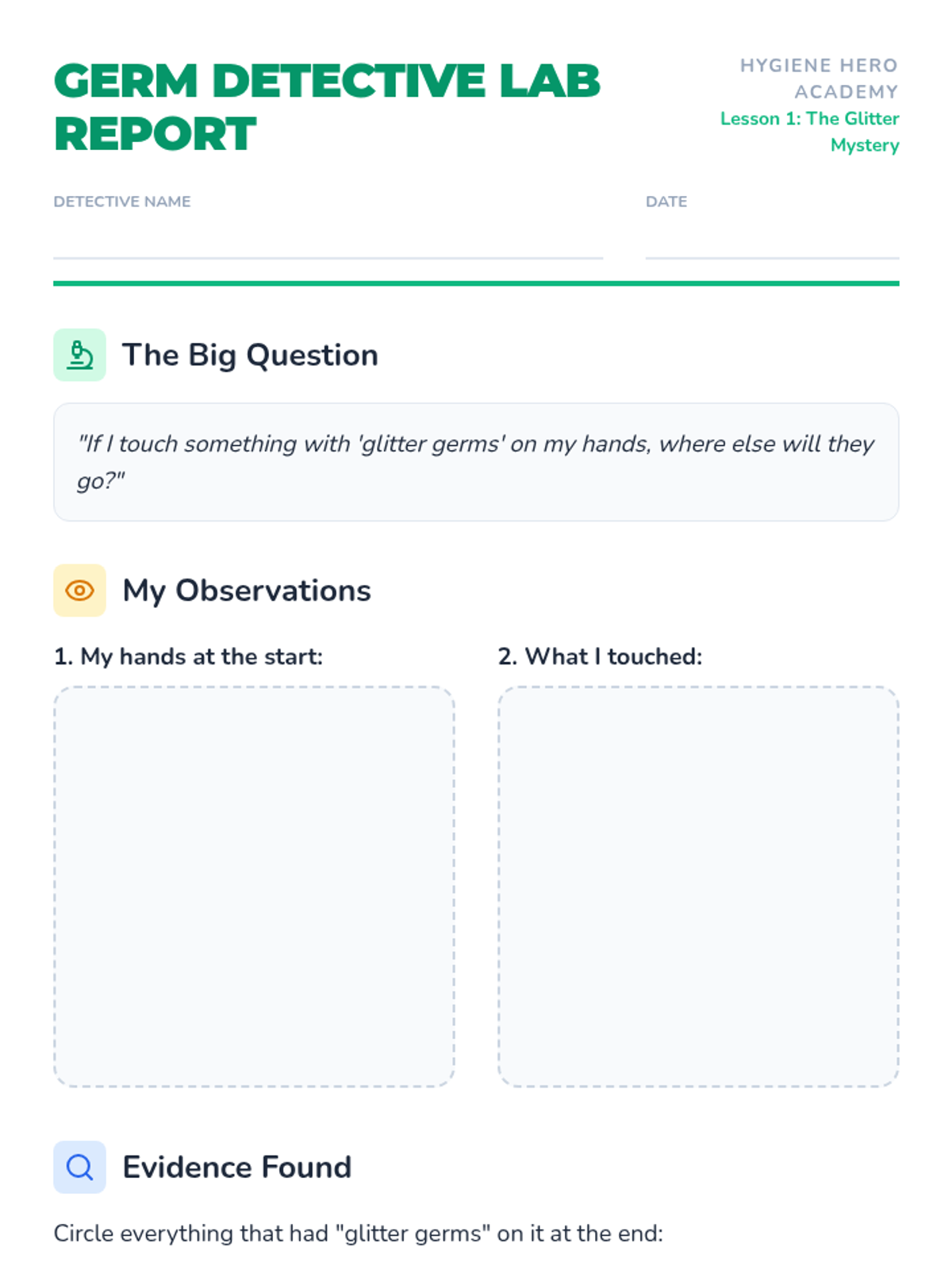
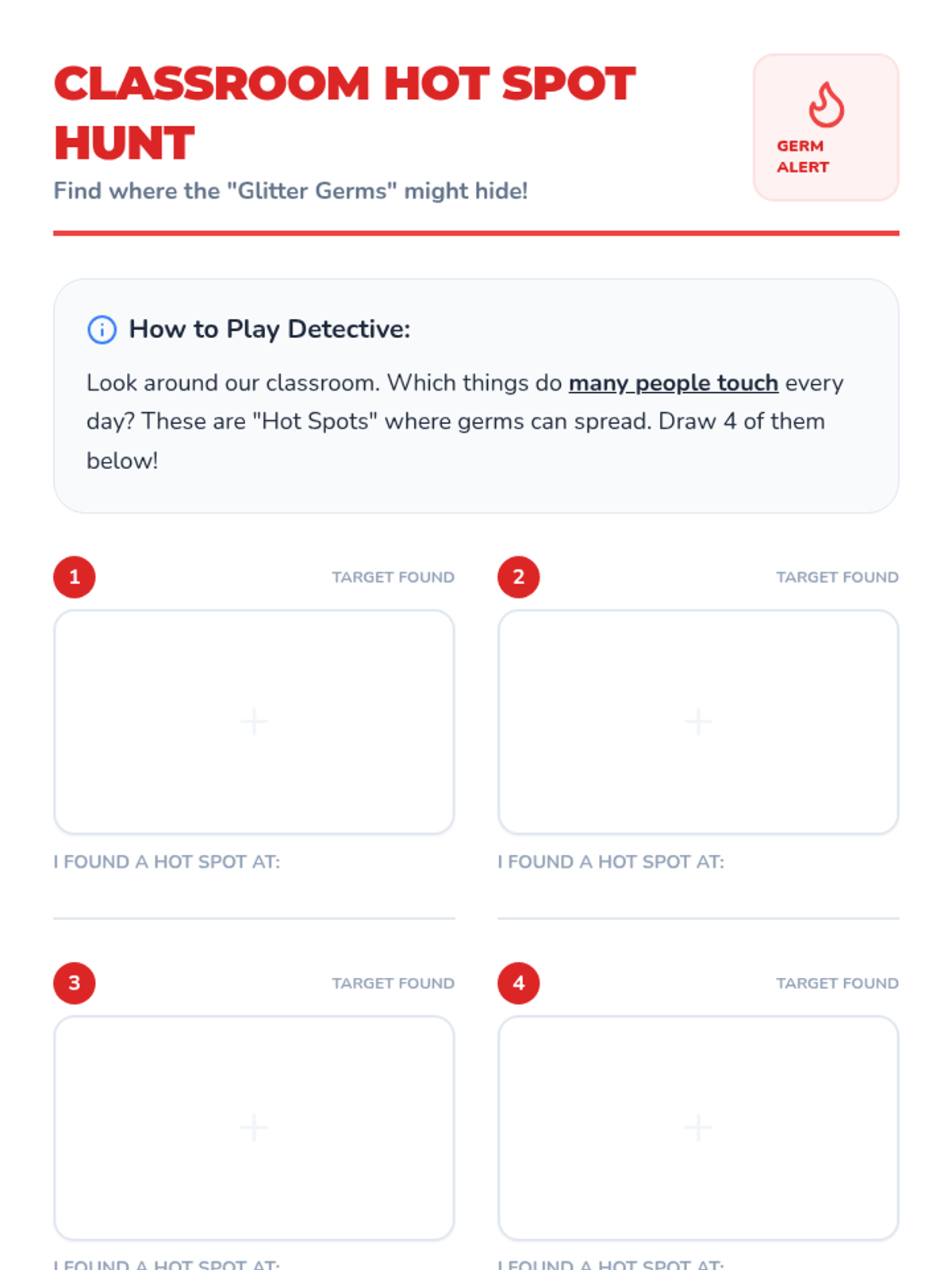
A comprehensive 2nd Grade health sequence where students become 'Germ Detectives' to understand microscopic organisms, simulate disease transmission, master hygiene techniques, and explore the body's internal immune defenses.
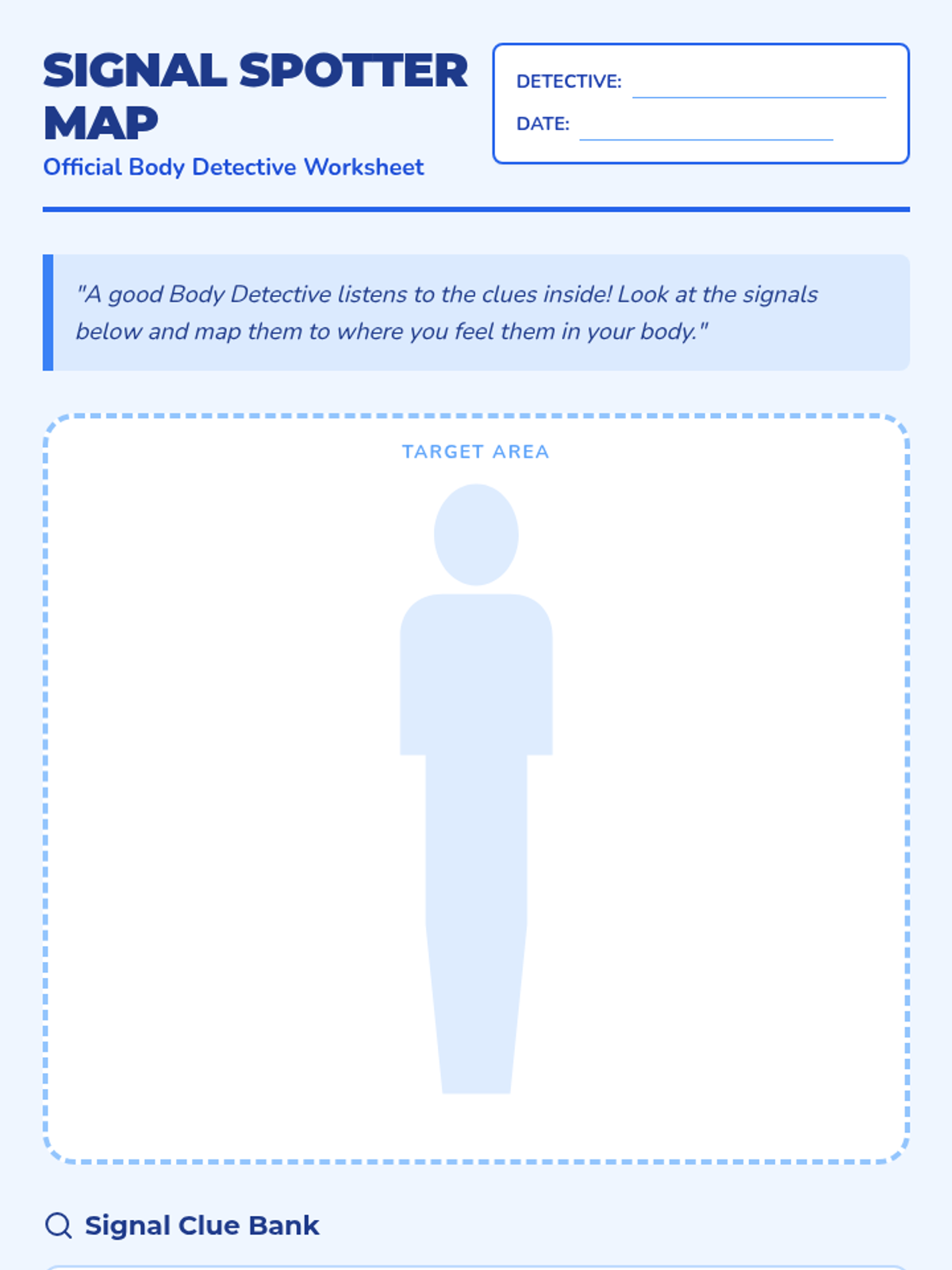
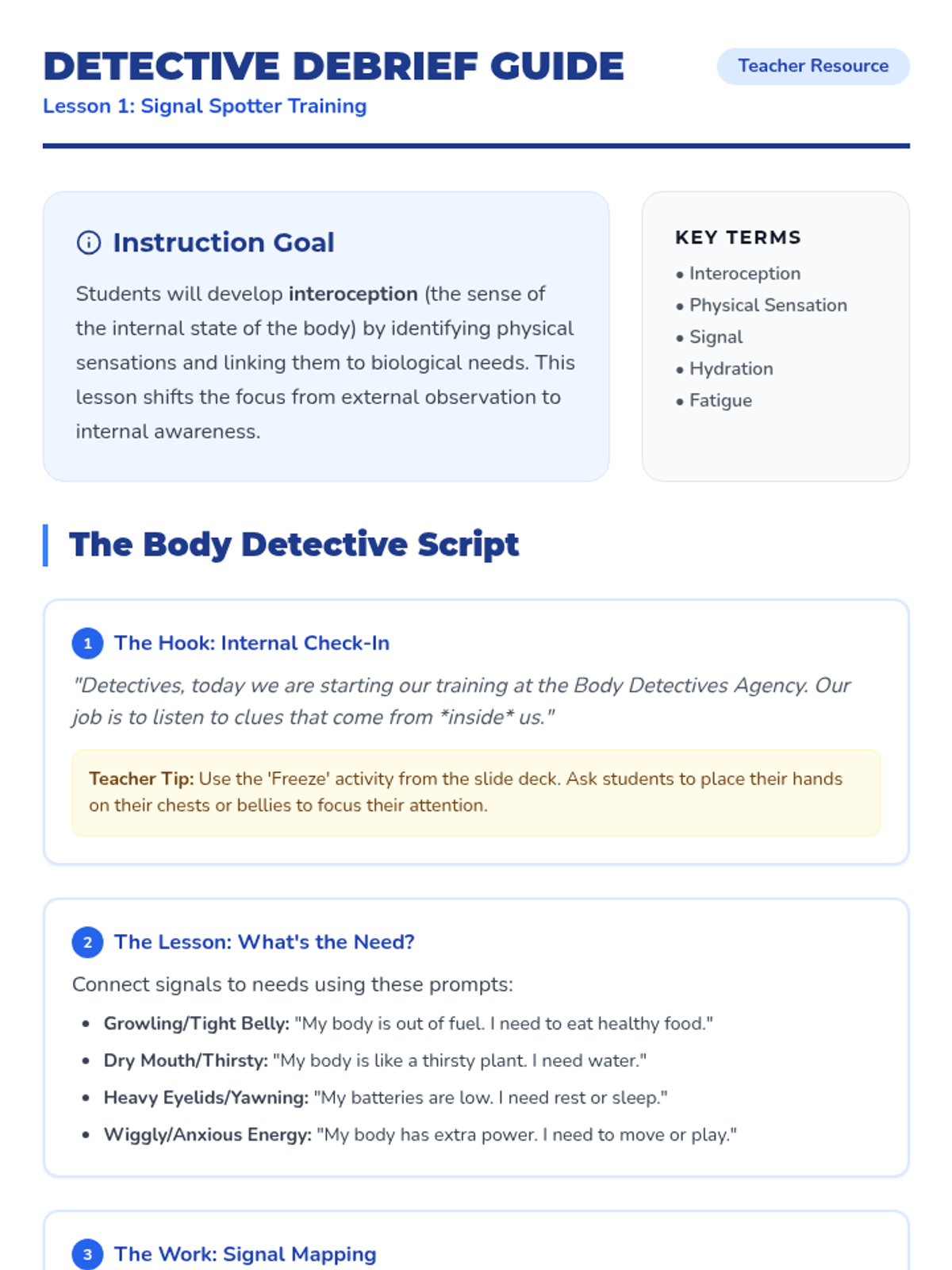
A comprehensive unit for 2nd graders to develop interoception and self-care skills by interpreting internal signals (hunger, thirst, fatigue) and responding with healthy choices in nutrition, hydration, and movement.
A comprehensive 2nd-grade health sequence focusing on personal hygiene, dental care, sleep science, and daily self-care routines to promote independence and disease prevention.
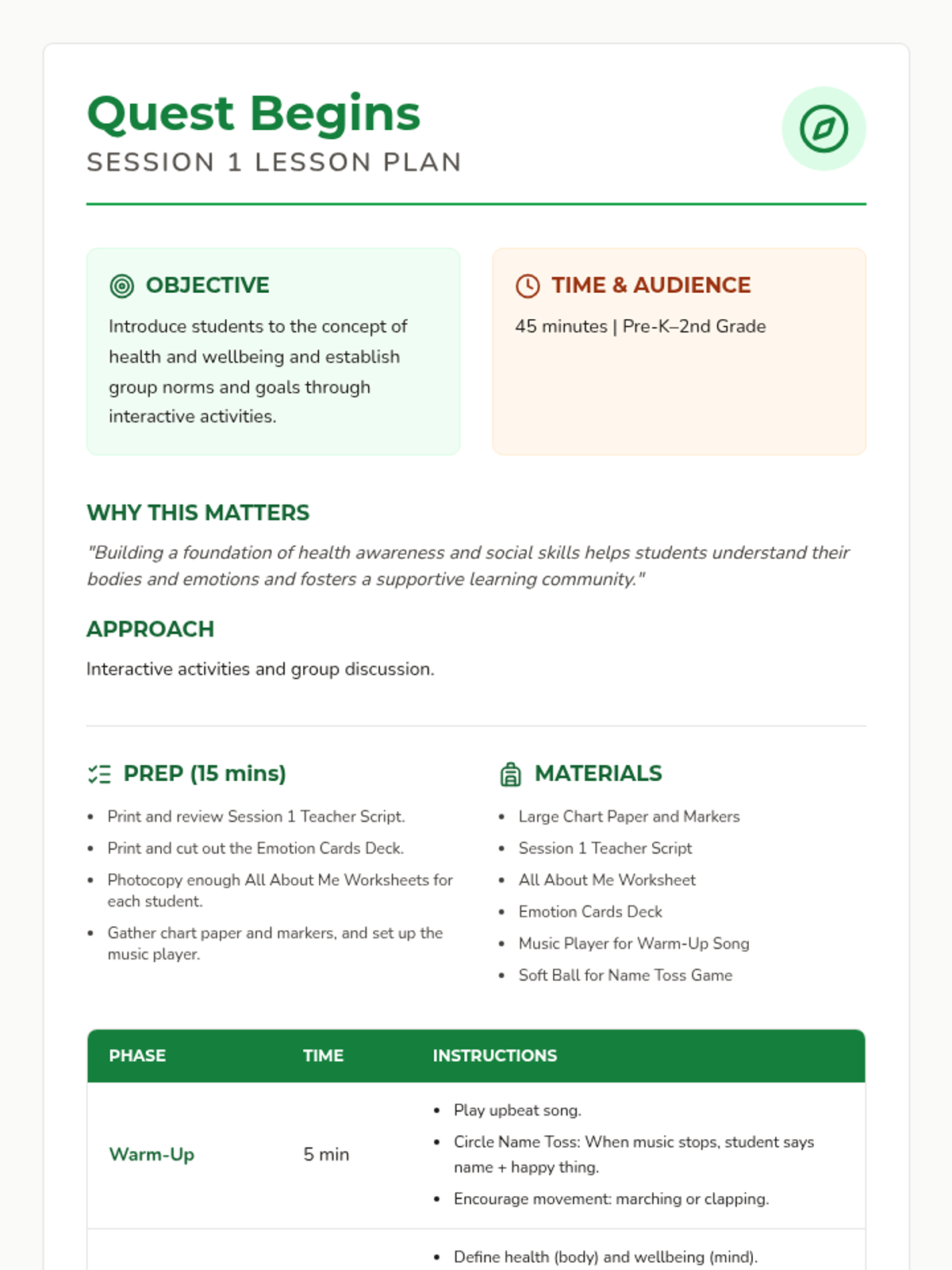
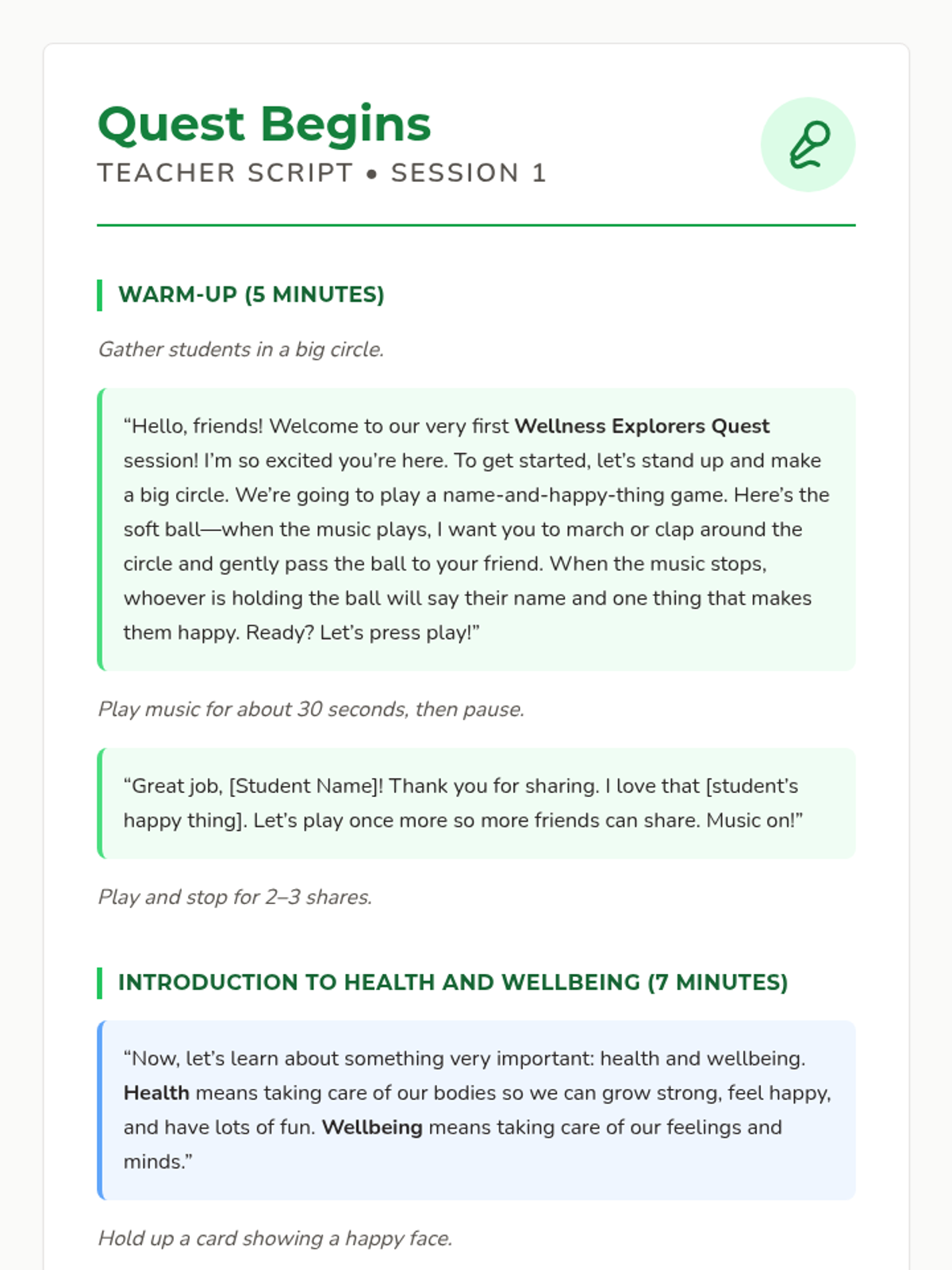
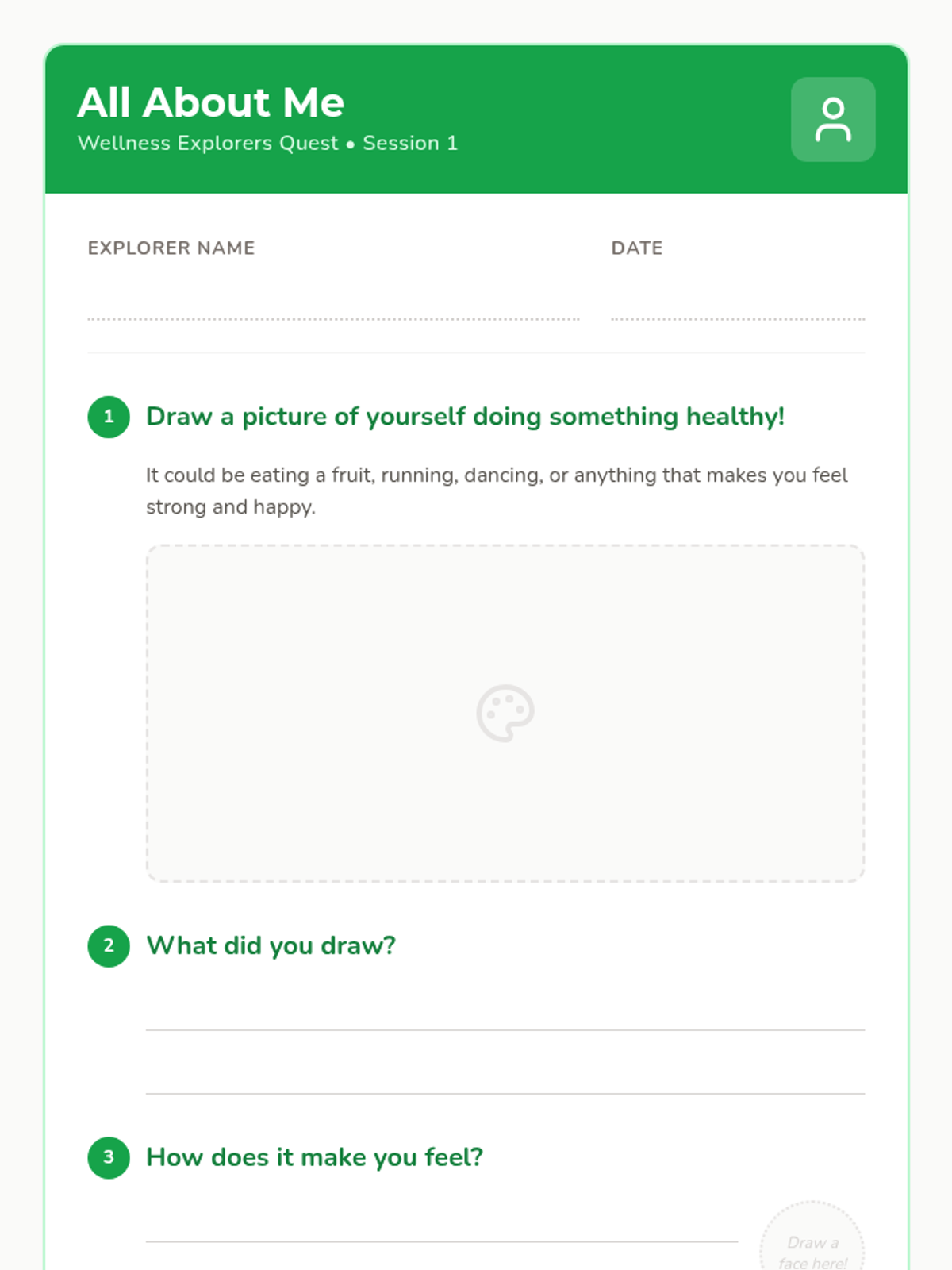
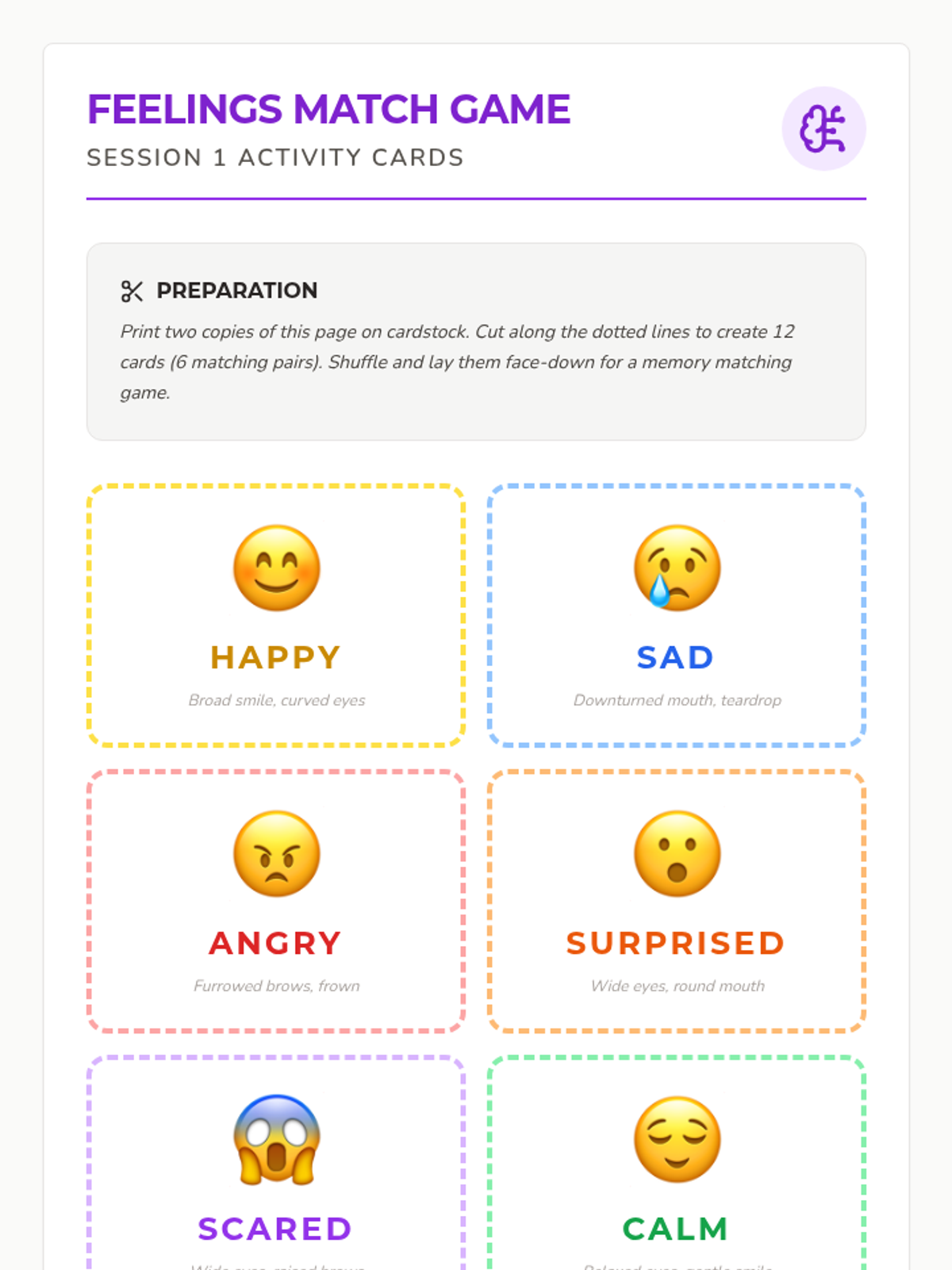
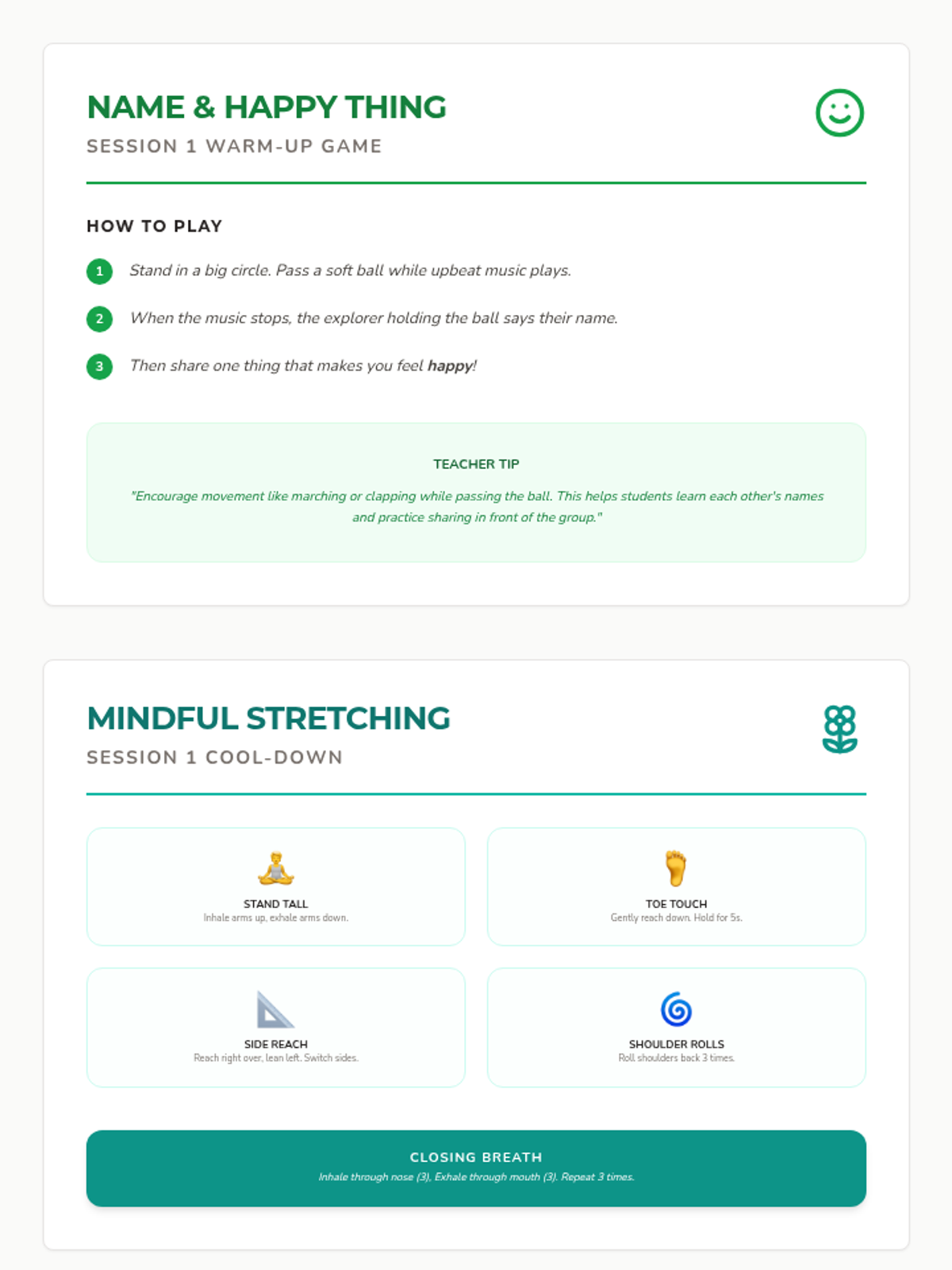
A 12-session group health and wellbeing program for Pre-K–2nd graders exploring functional health, goal-setting, communication, and physical wellness through a 'Quest' theme. This sequence includes the first 8 sessions with complete lesson plans, scripts, and student activities.
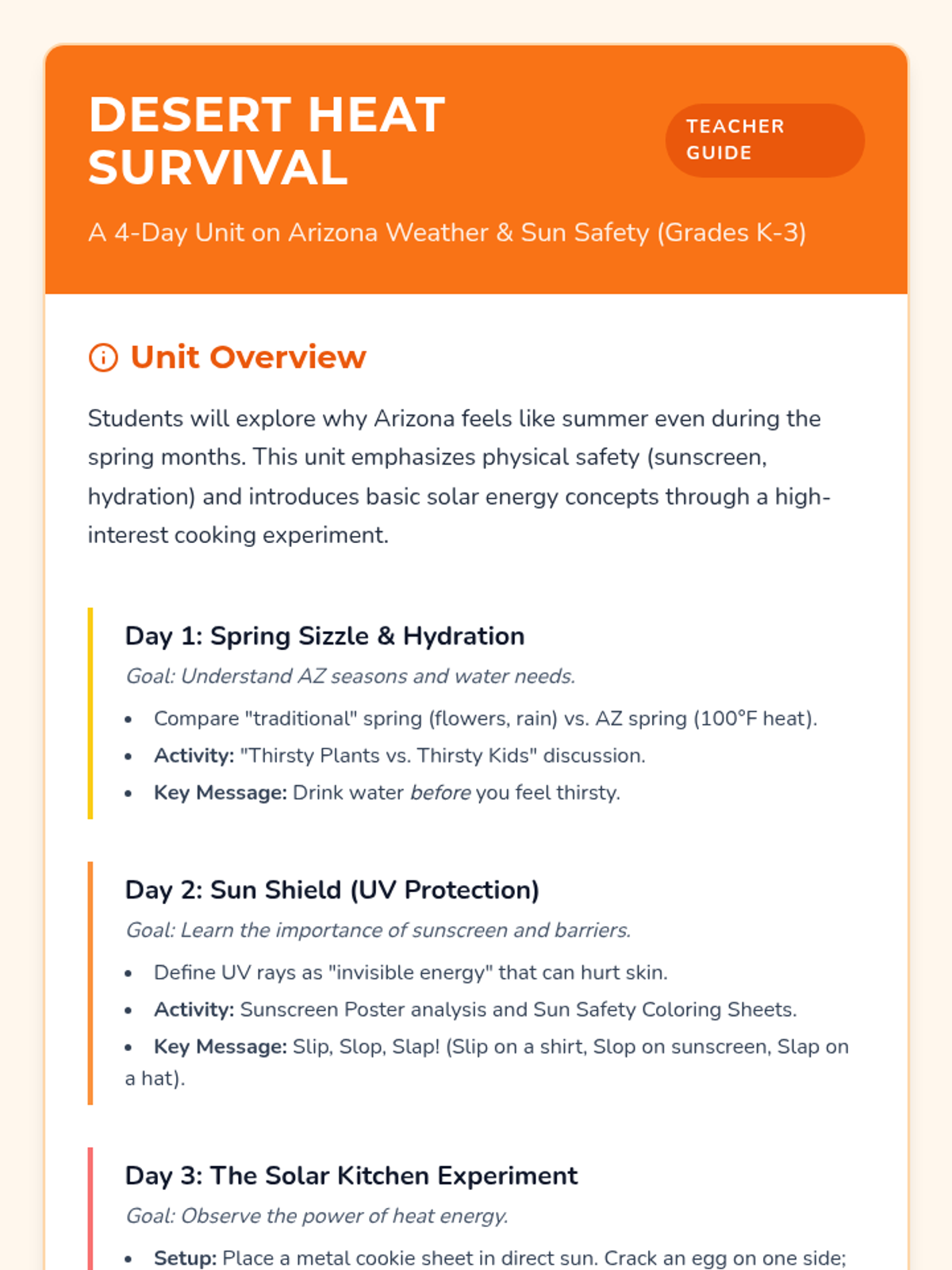
A four-day unit for grades K-3 exploring Arizona's extreme spring heat, sun safety, and the power of solar energy through a cooking experiment.
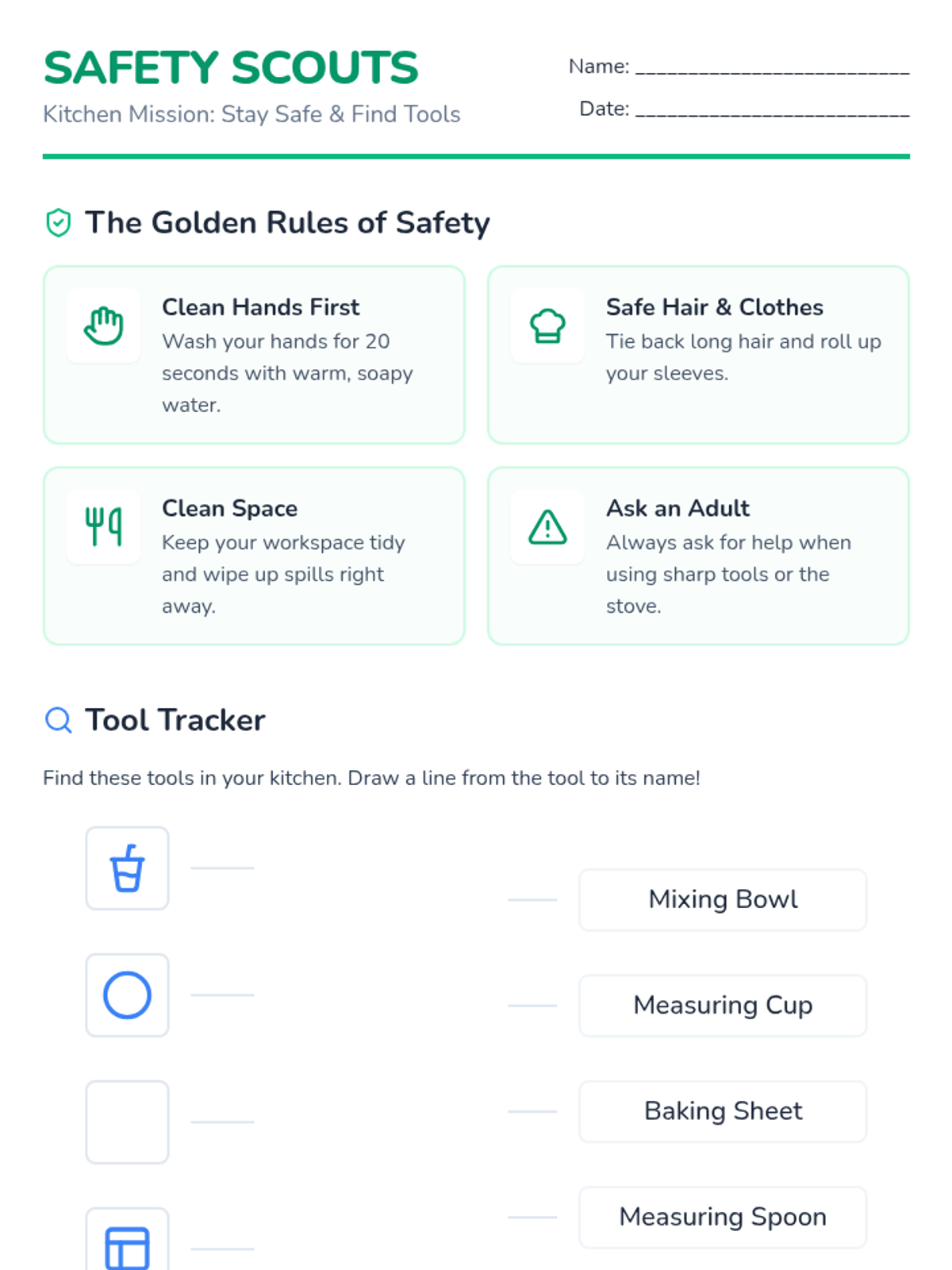
A 2-lesson unit designed to introduce elementary students to kitchen safety, tool identification, and visual recipe following through the creation of no-bake energy bites.
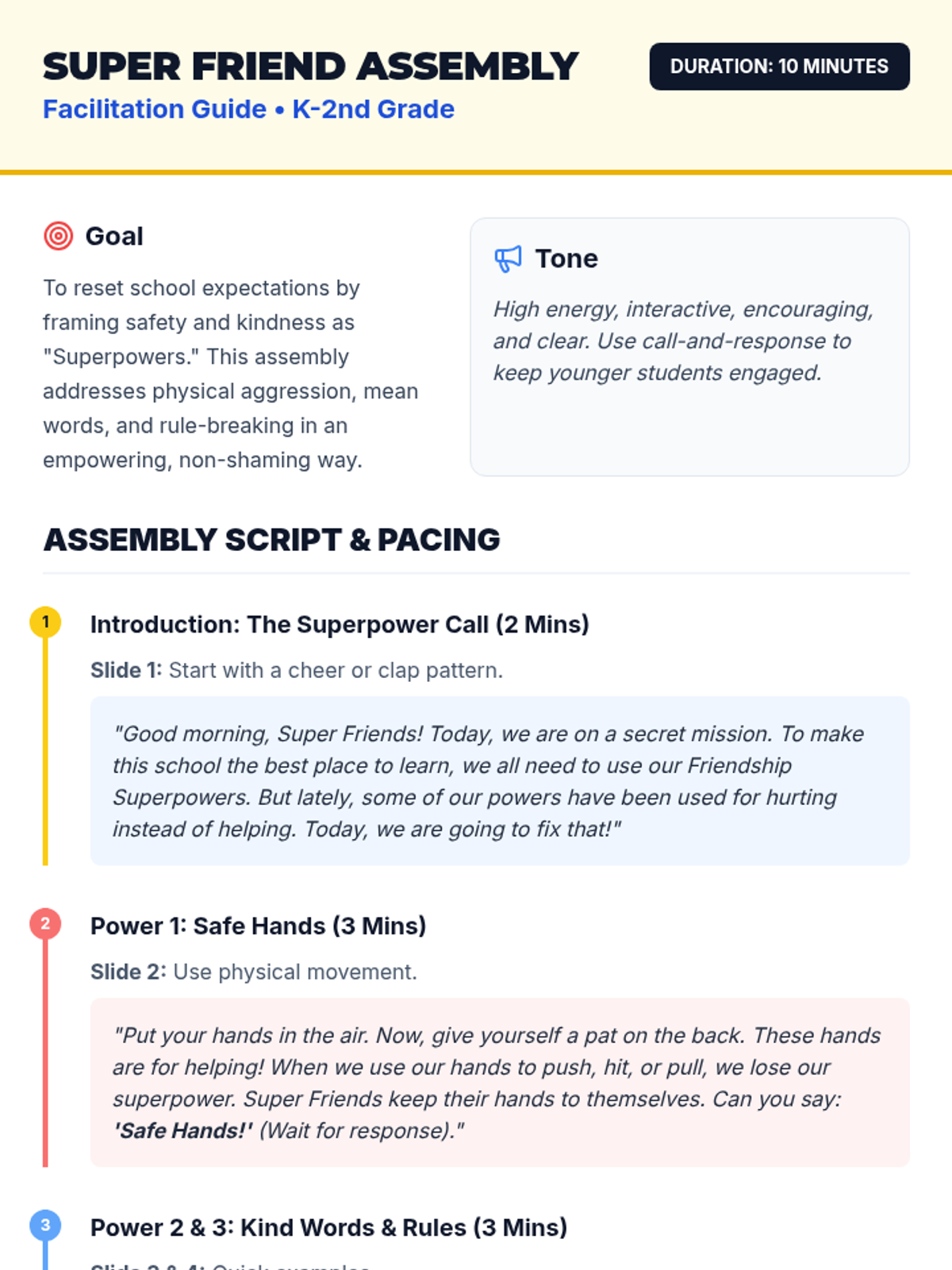
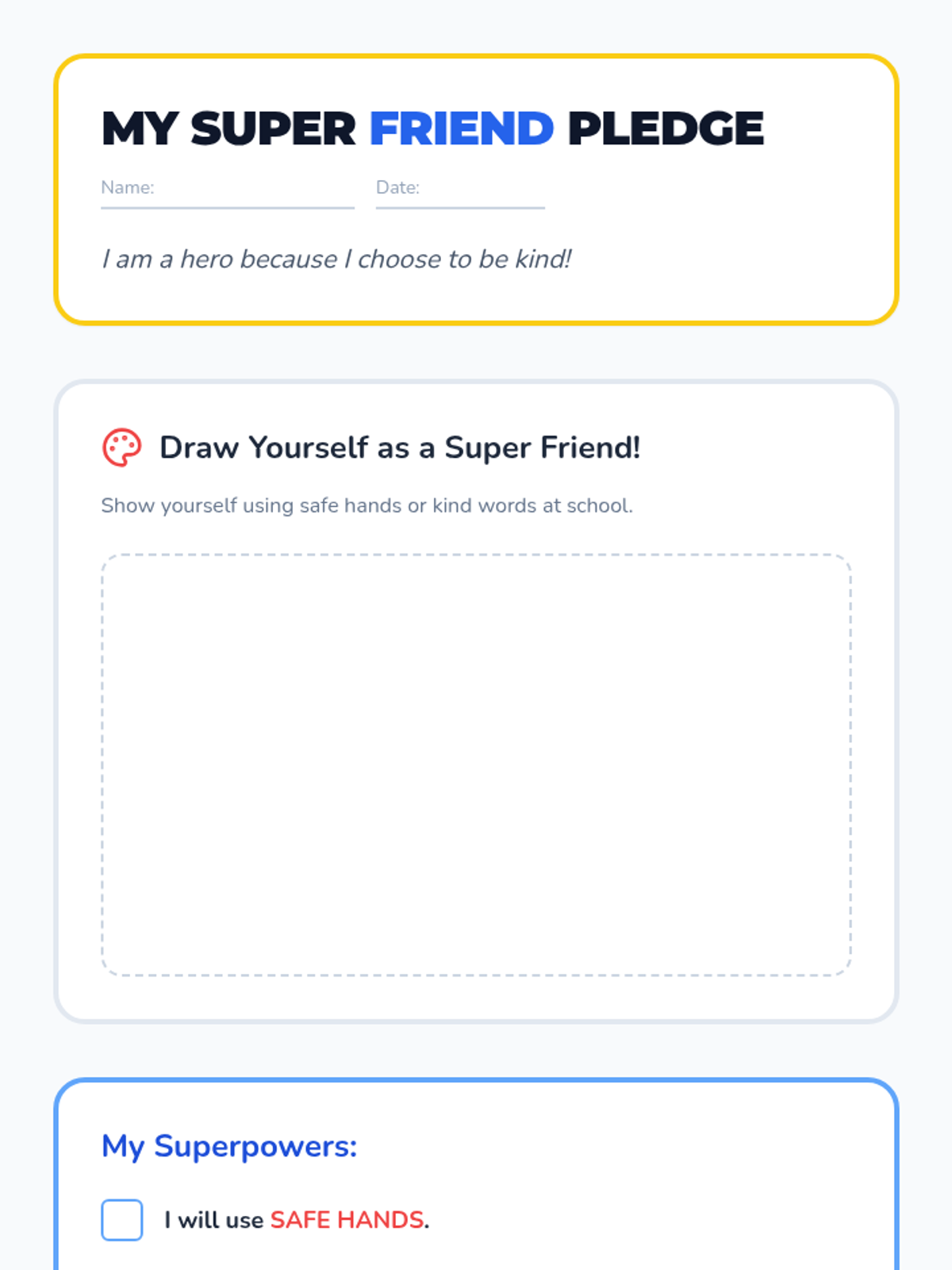
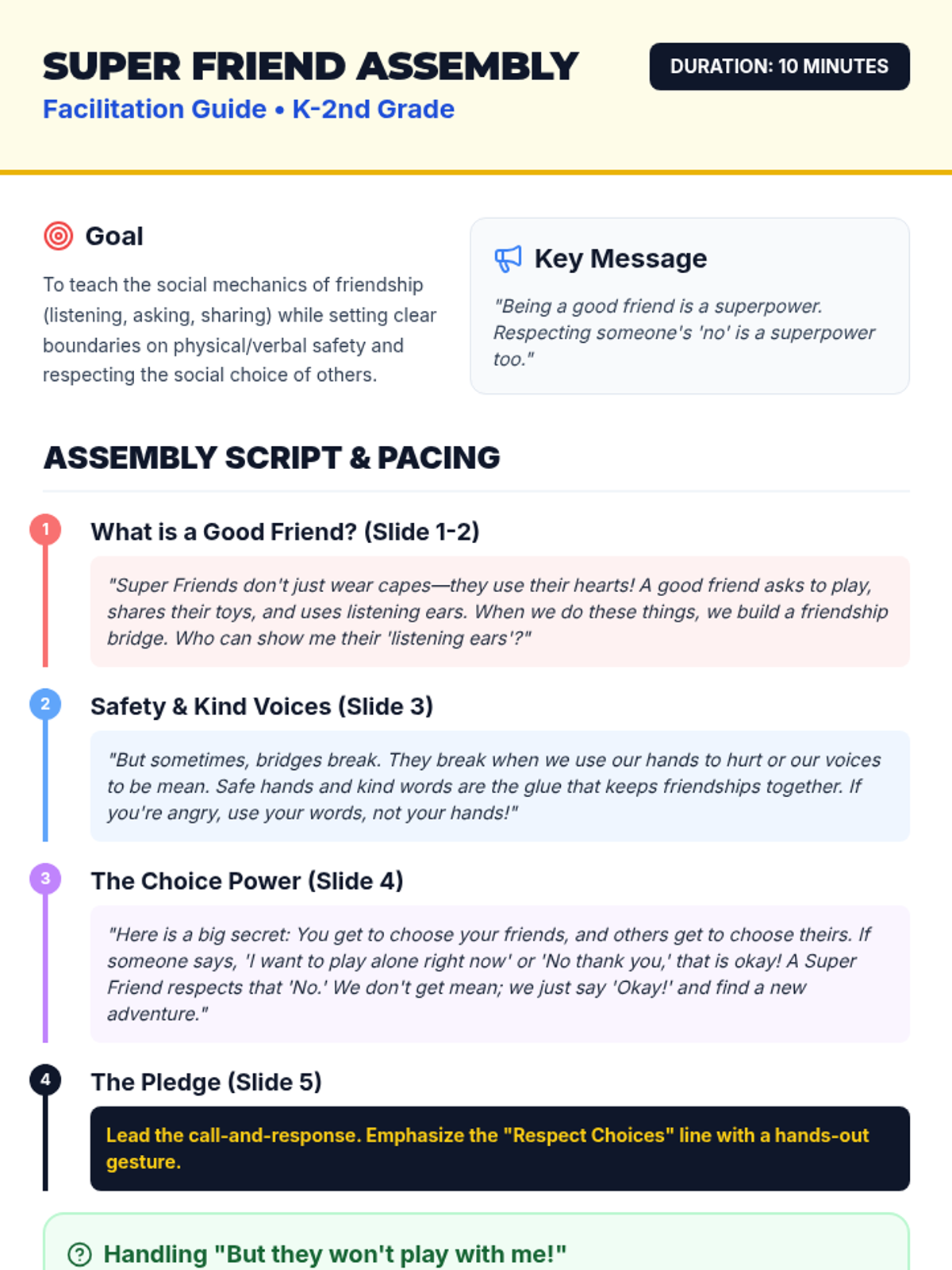
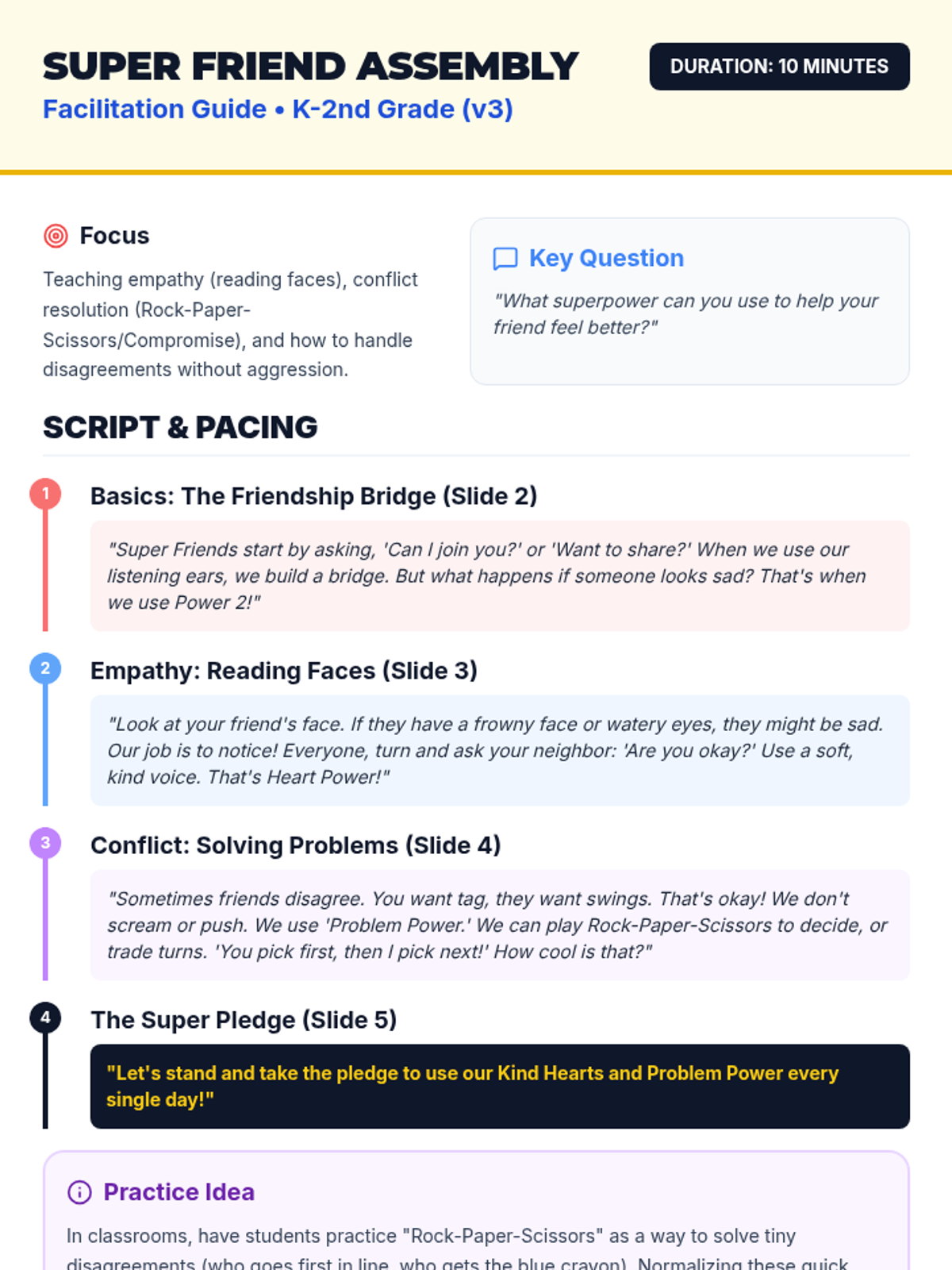
A pair of 10-minute assembly lessons focused on friendship, safety, and community respect for K-2 and 3-5 students, addressing physical and verbal behavior.
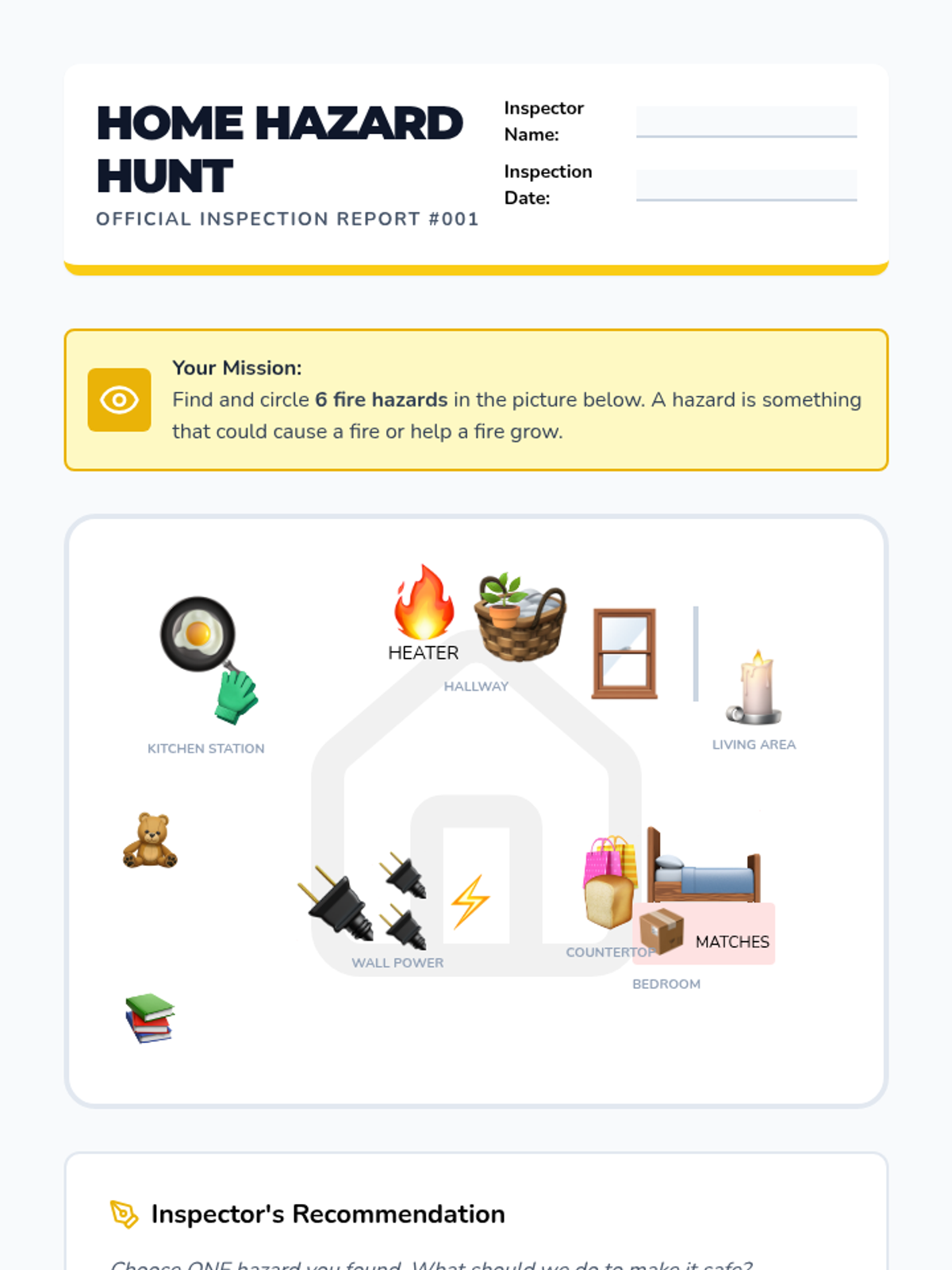
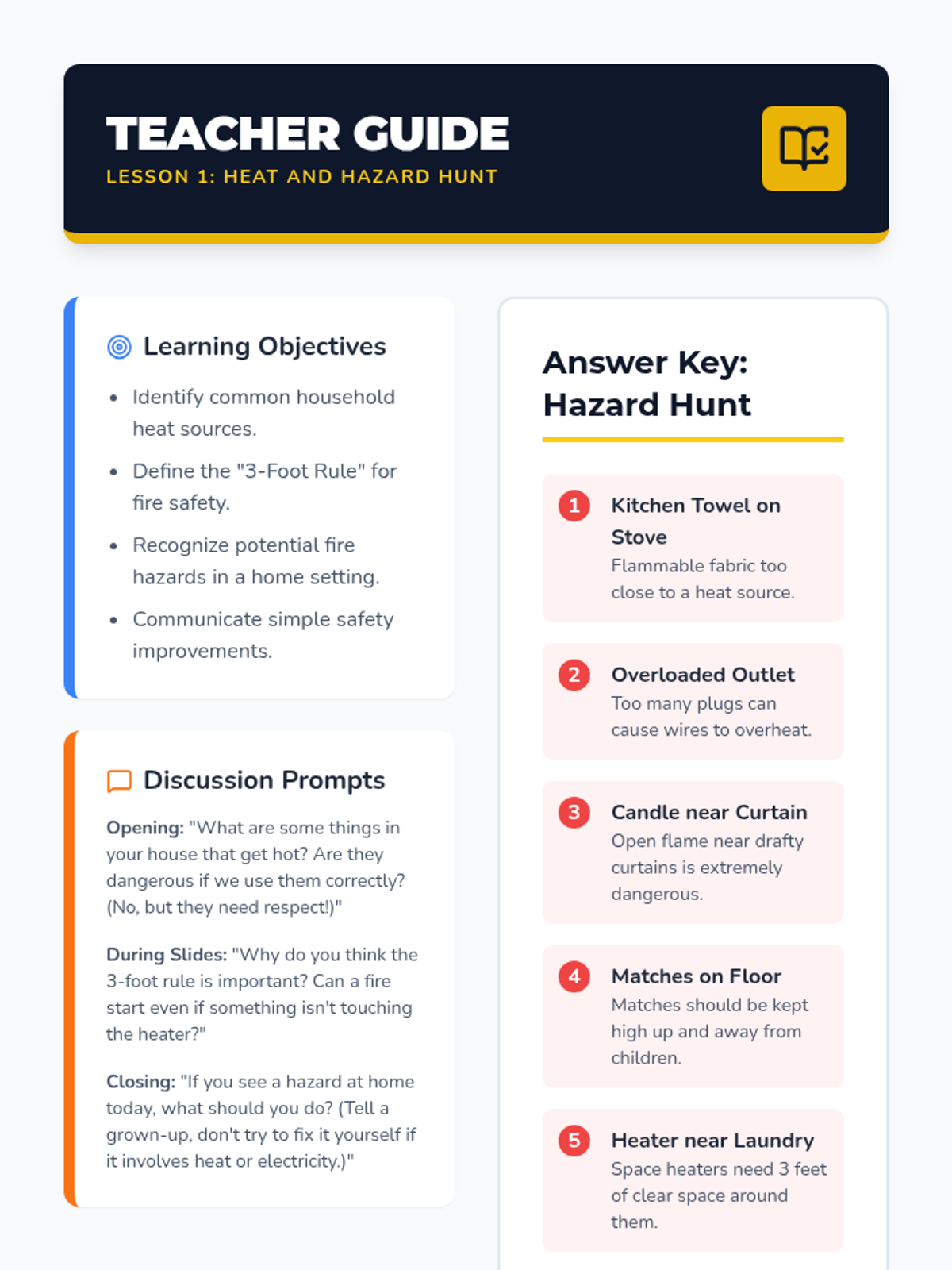
A project-based safety sequence where 2nd-grade students become 'Safety Inspectors.' They learn to identify household fire hazards, understand the danger of matches and lighters, interpret safety signage, and advocate for prevention through creative posters and a final safety pledge.
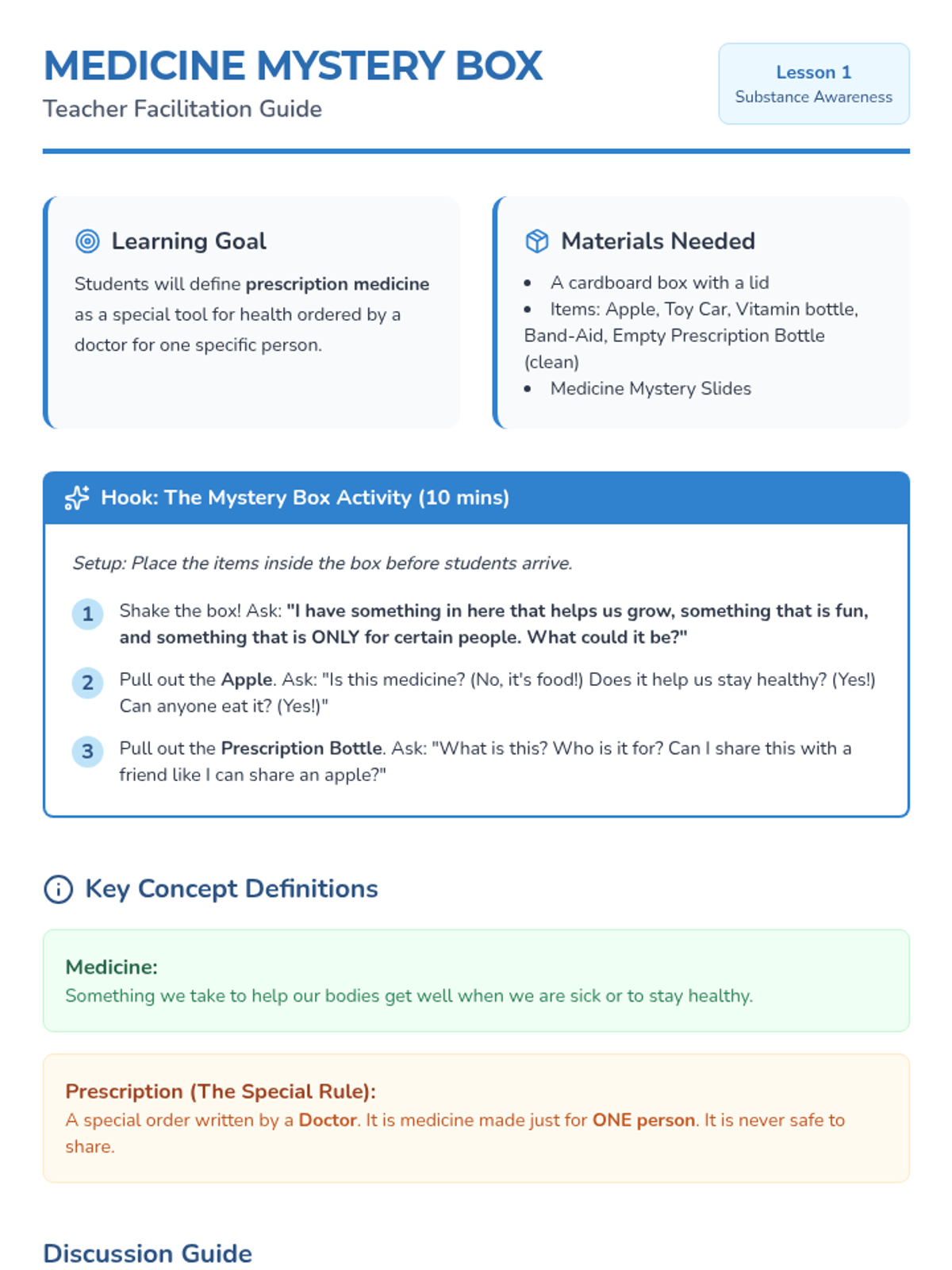
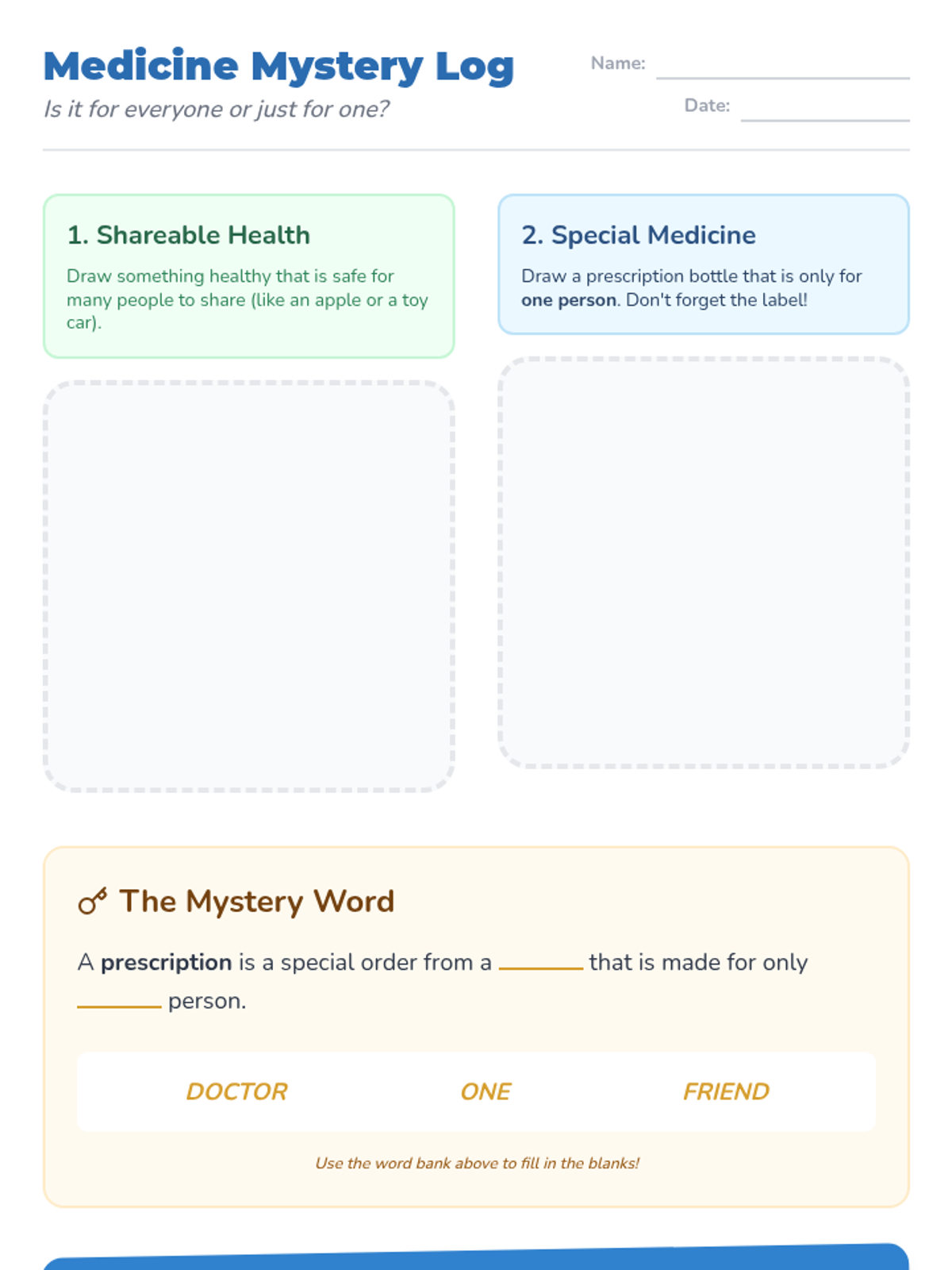
A foundational sequence for 2nd graders to understand prescription drug safety, focusing on trusting adults, personal prescriptions, and safe storage rules.
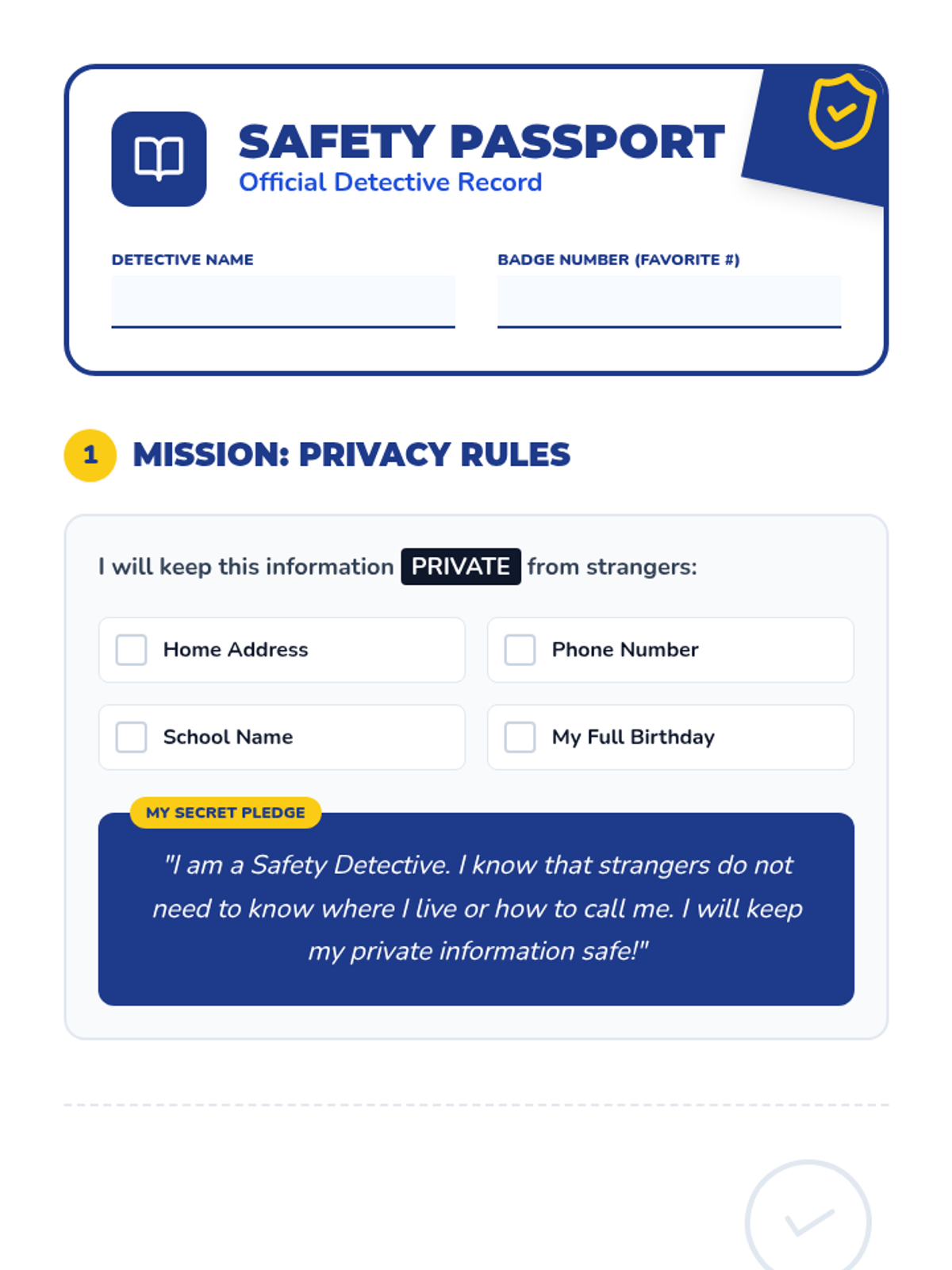
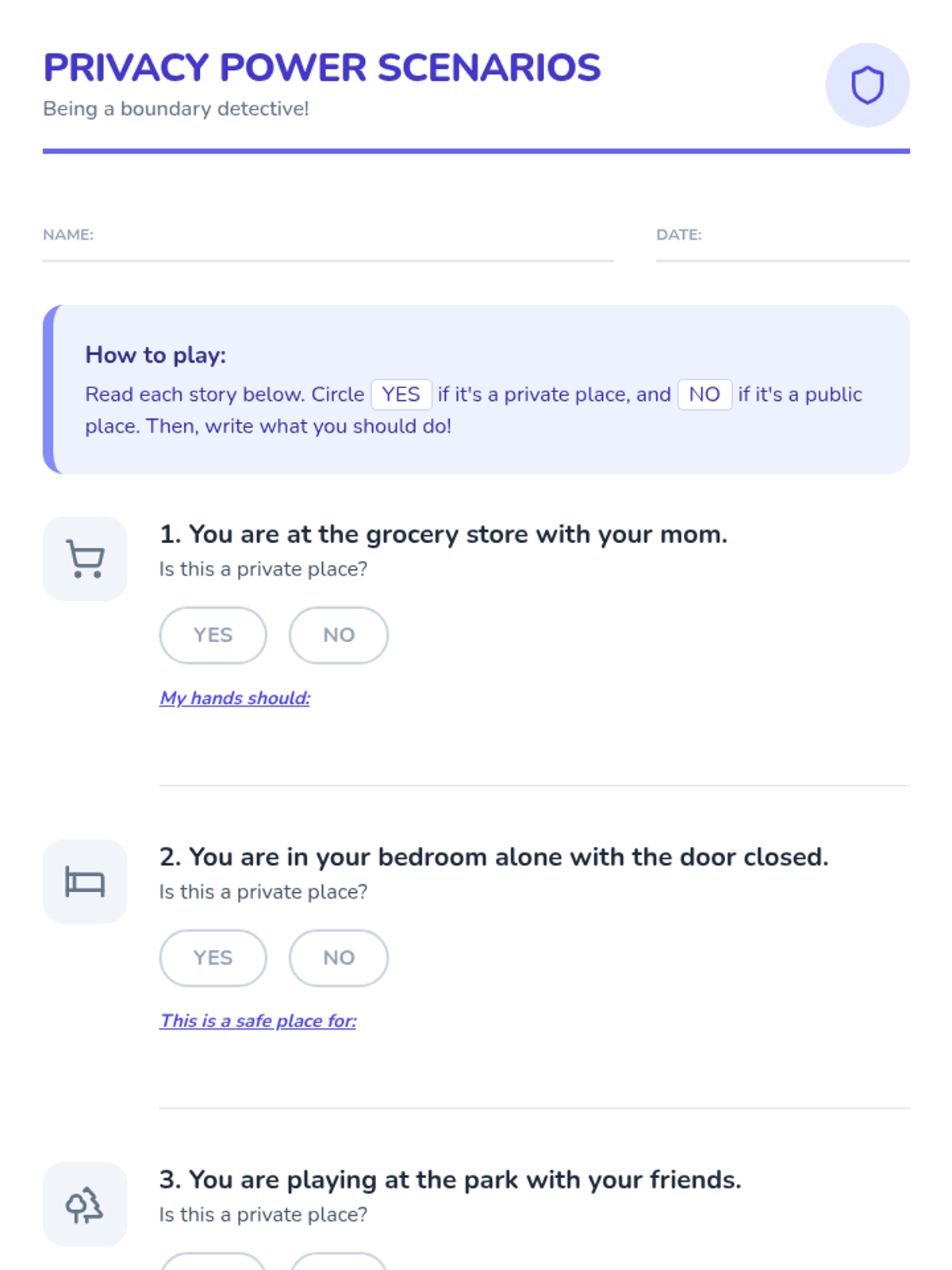
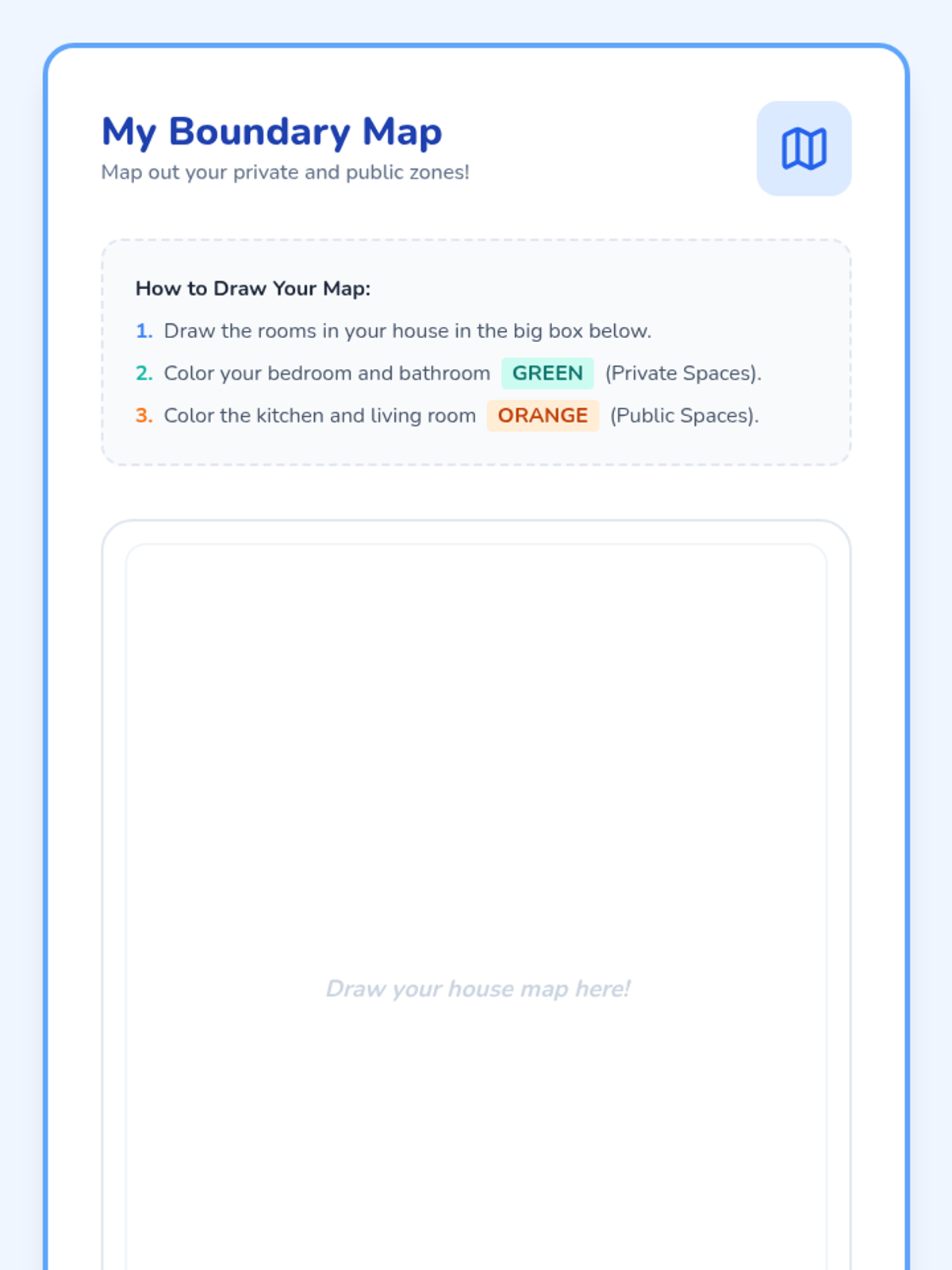
This project-based sequence empowers 2nd-grade students to create personalized safety plans through situational awareness and family coordination. Students develop a 'Safety Passport' that includes privacy rules, secret family code words, emergency contacts, and neighborhood safety maps.
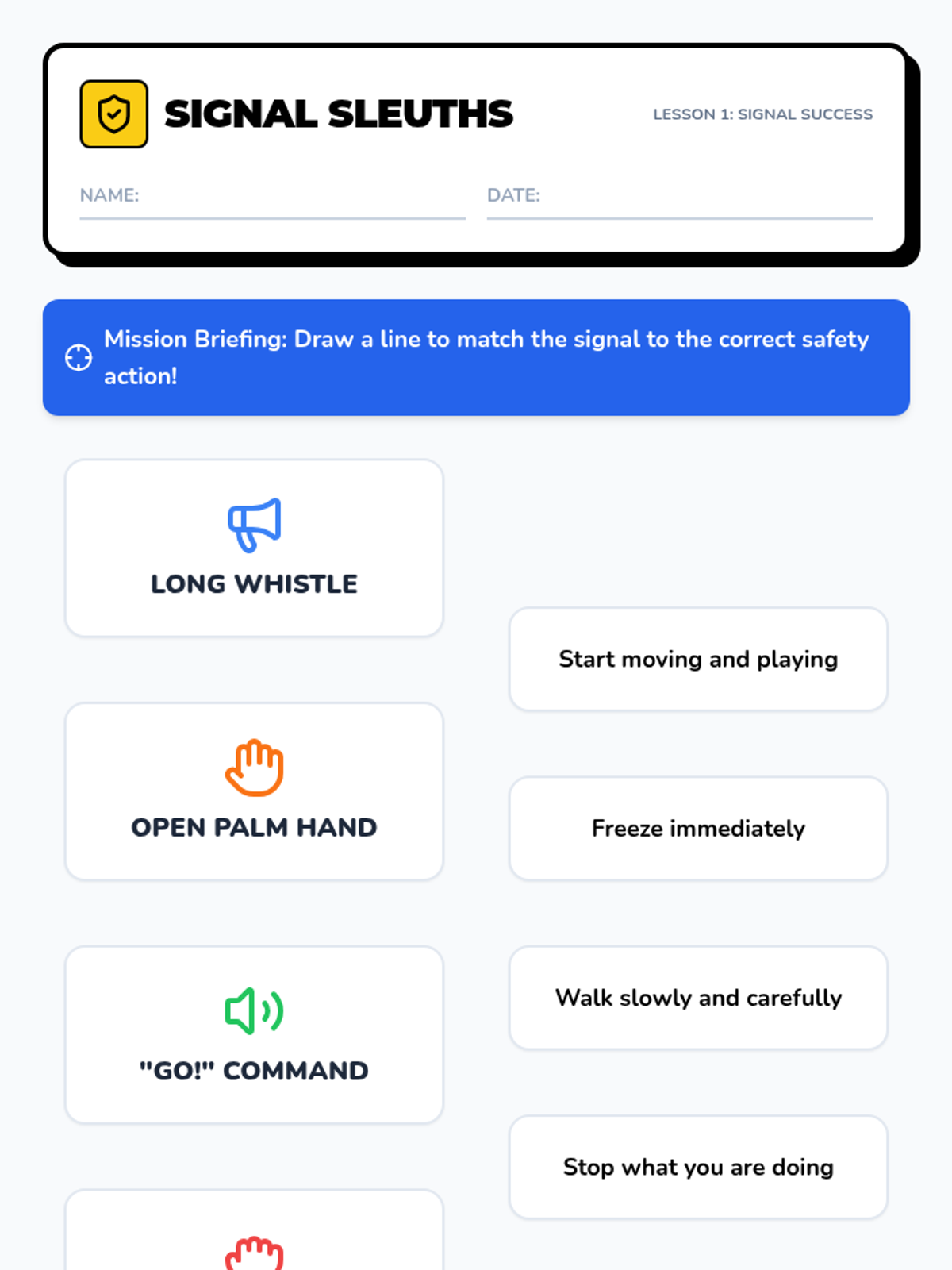
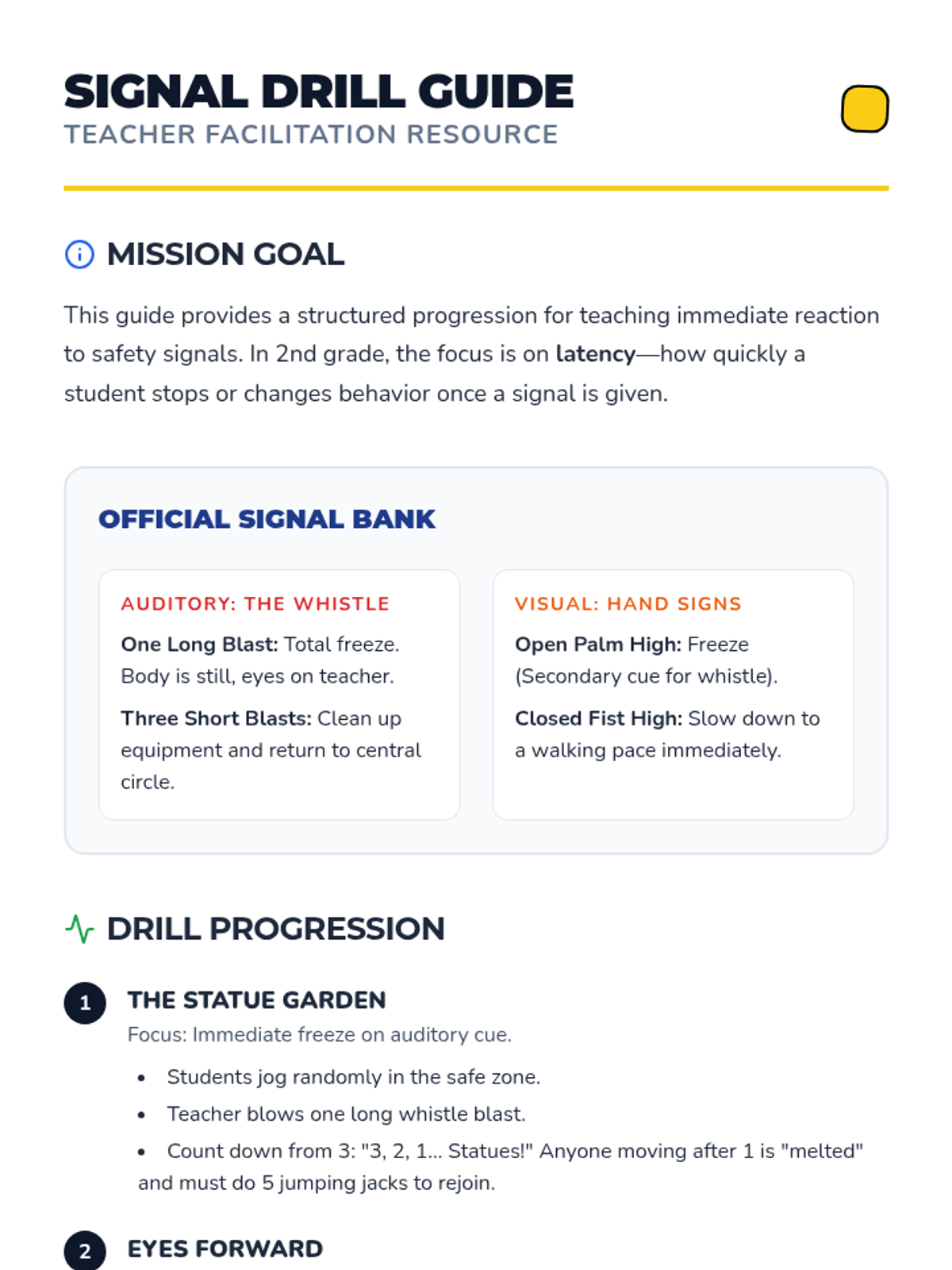
A 2nd-grade sequence focused on active injury prevention through simulations, games, and skill-building. Students learn to interpret safety signals, handle equipment correctly, recognize hydration needs, and navigate playground traffic safely.
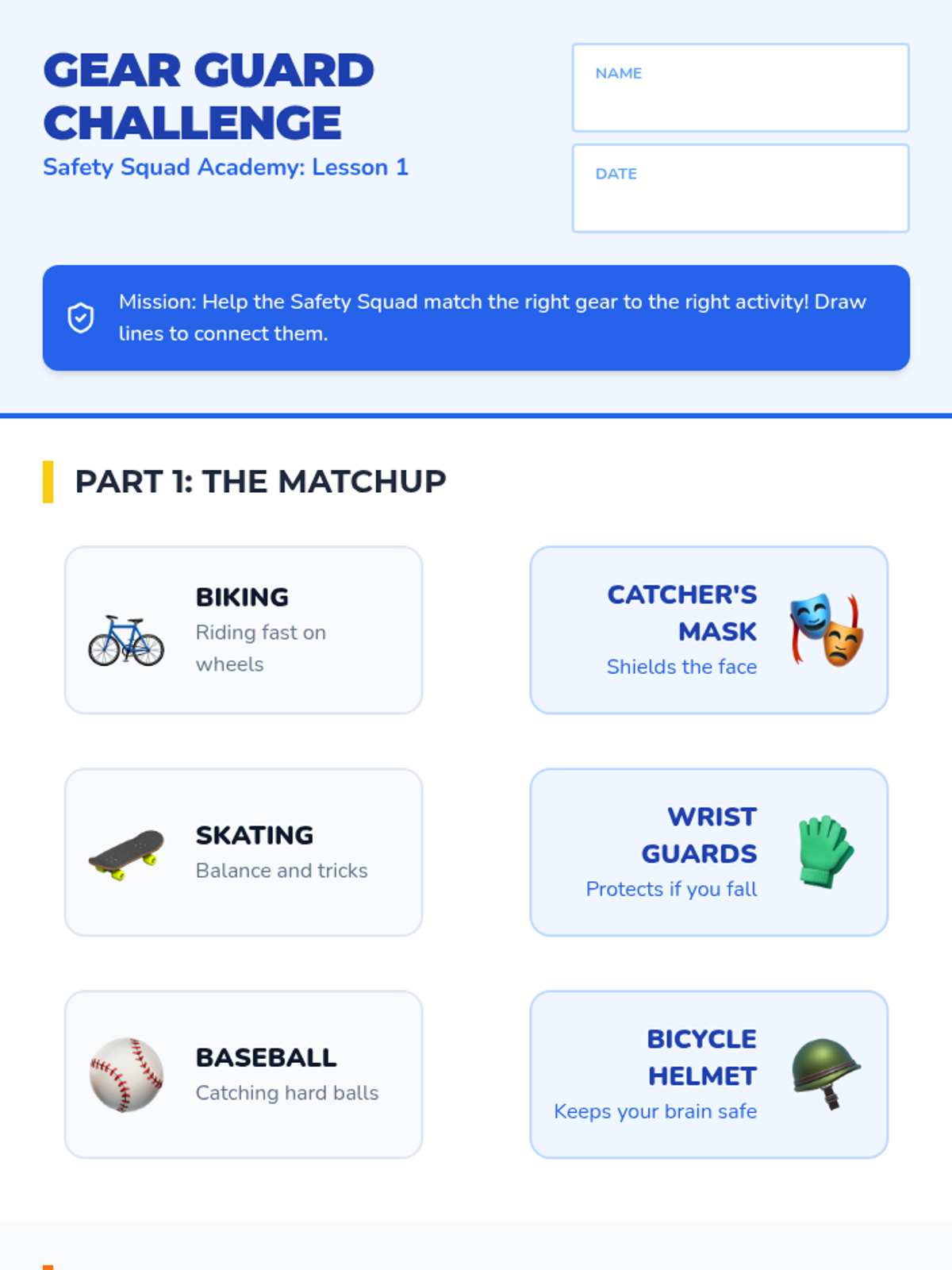
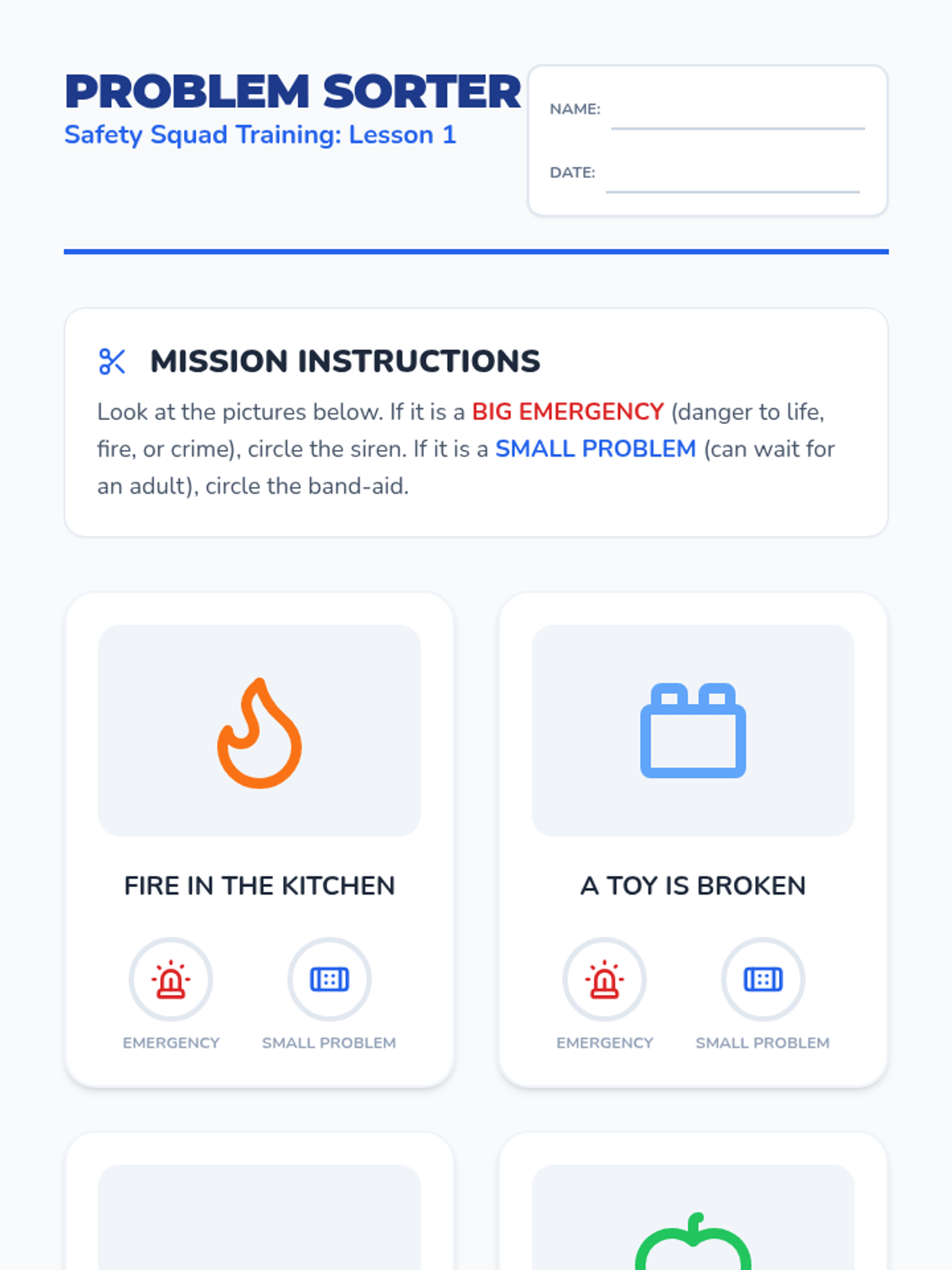
A comprehensive 2nd-grade sequence where students become 'Safety Squad' members, learning to identify protective gear, inspect equipment for defects, evaluate environmental hazards, and choose safe clothing to prevent injuries during physical activity.
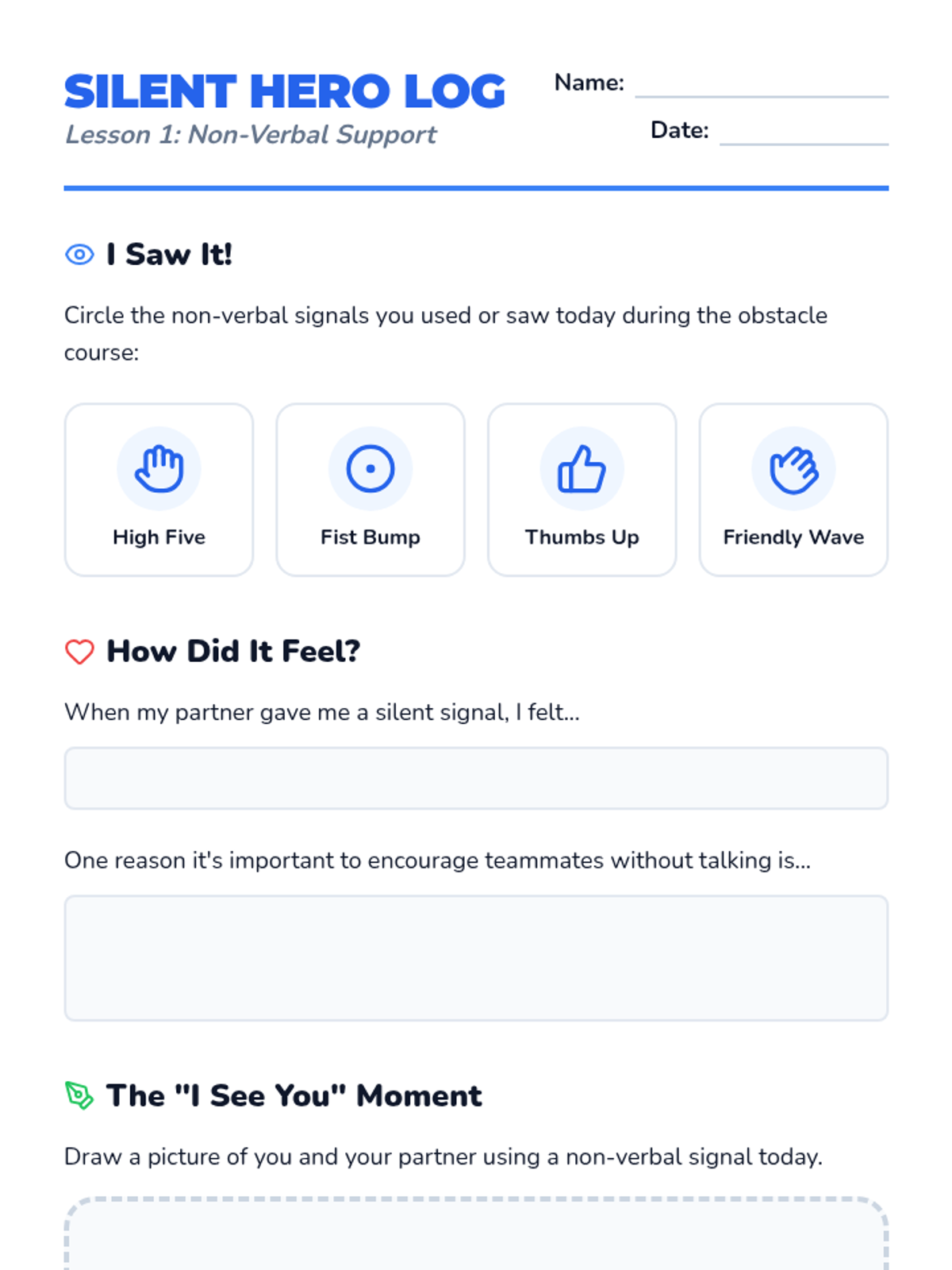
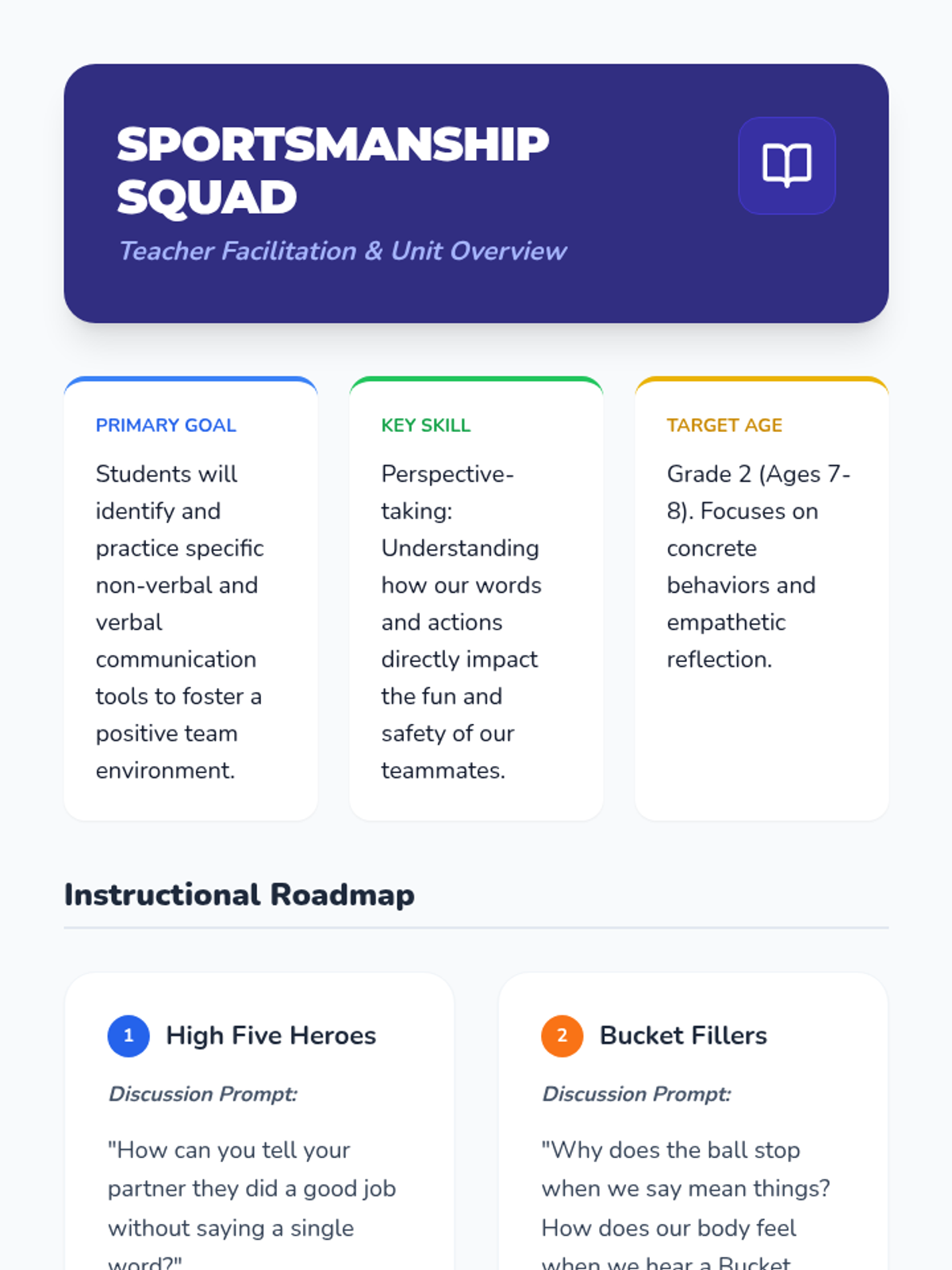
A 5-lesson workshop-style sequence for 2nd graders focused on verbal and non-verbal sportsmanship skills, including encouragement, respecting officials, and teammate safety.
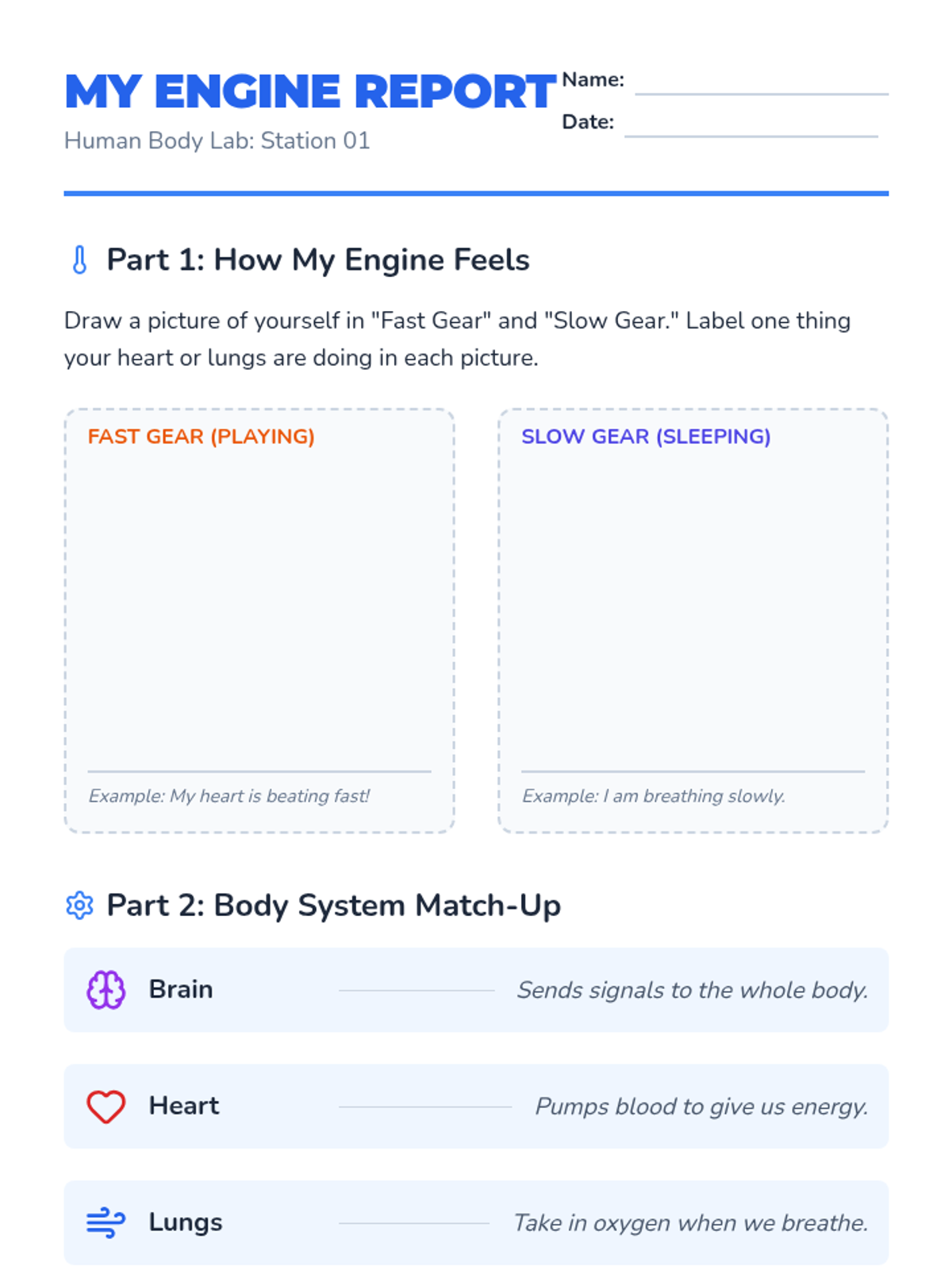
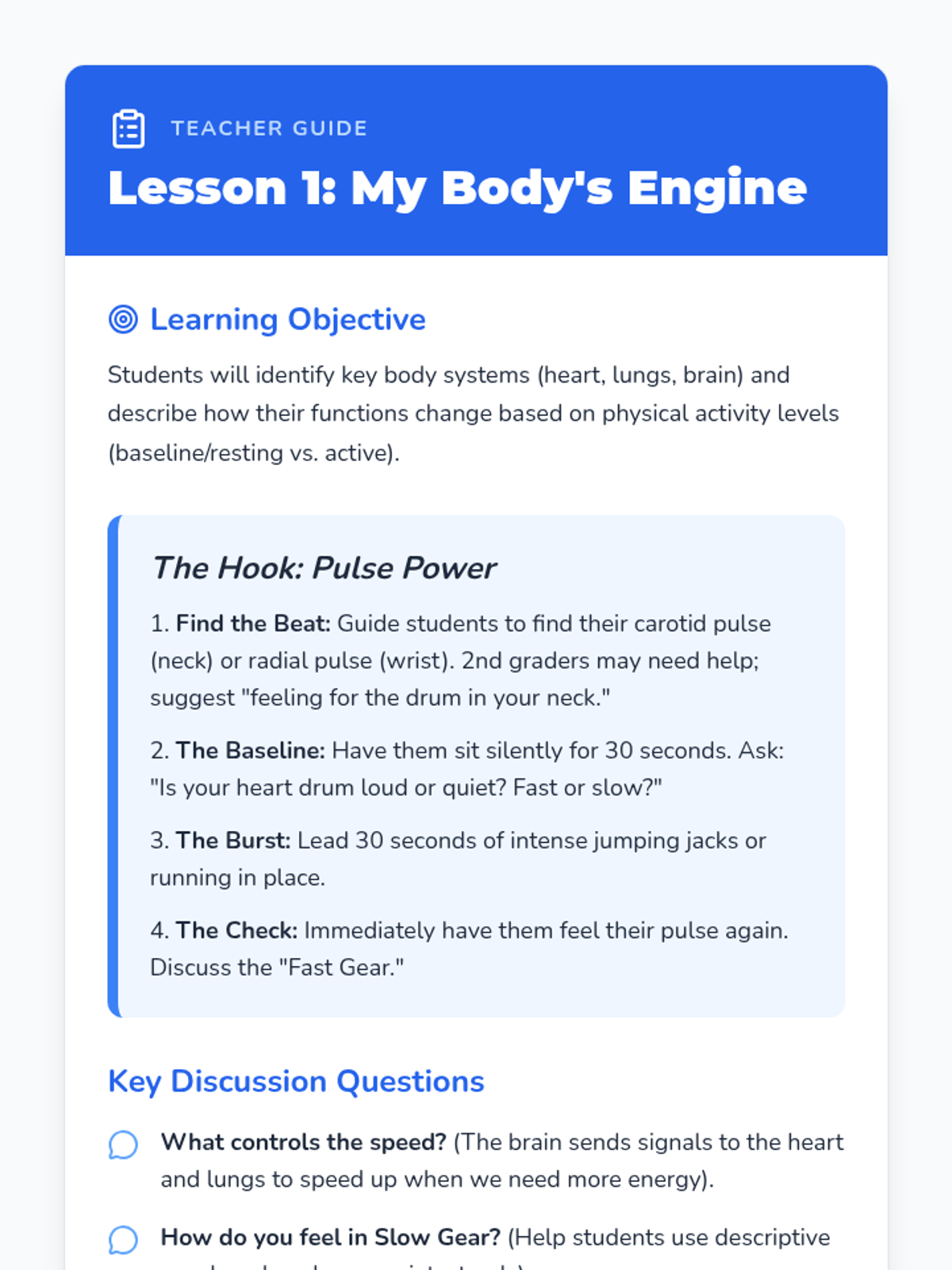
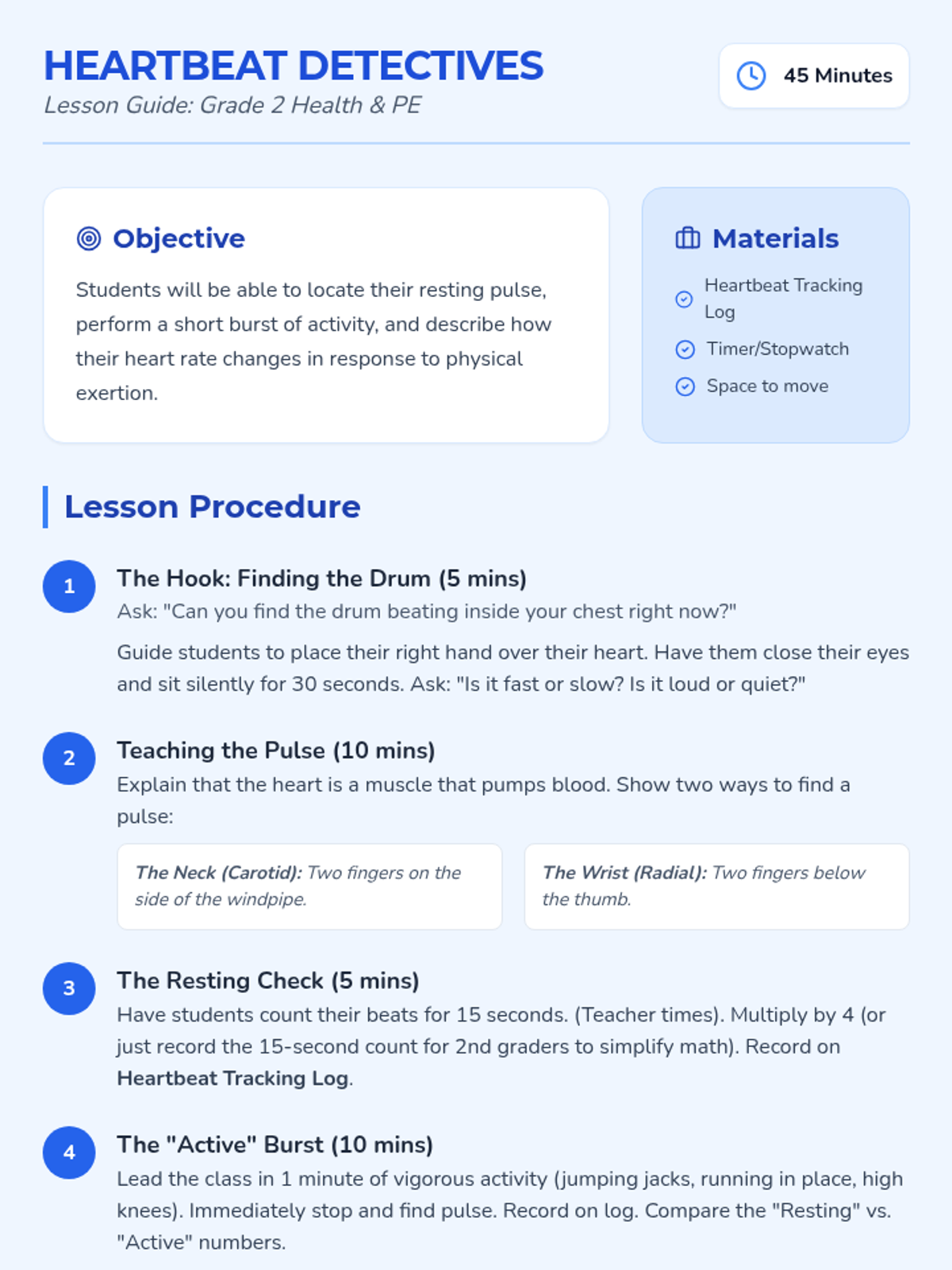
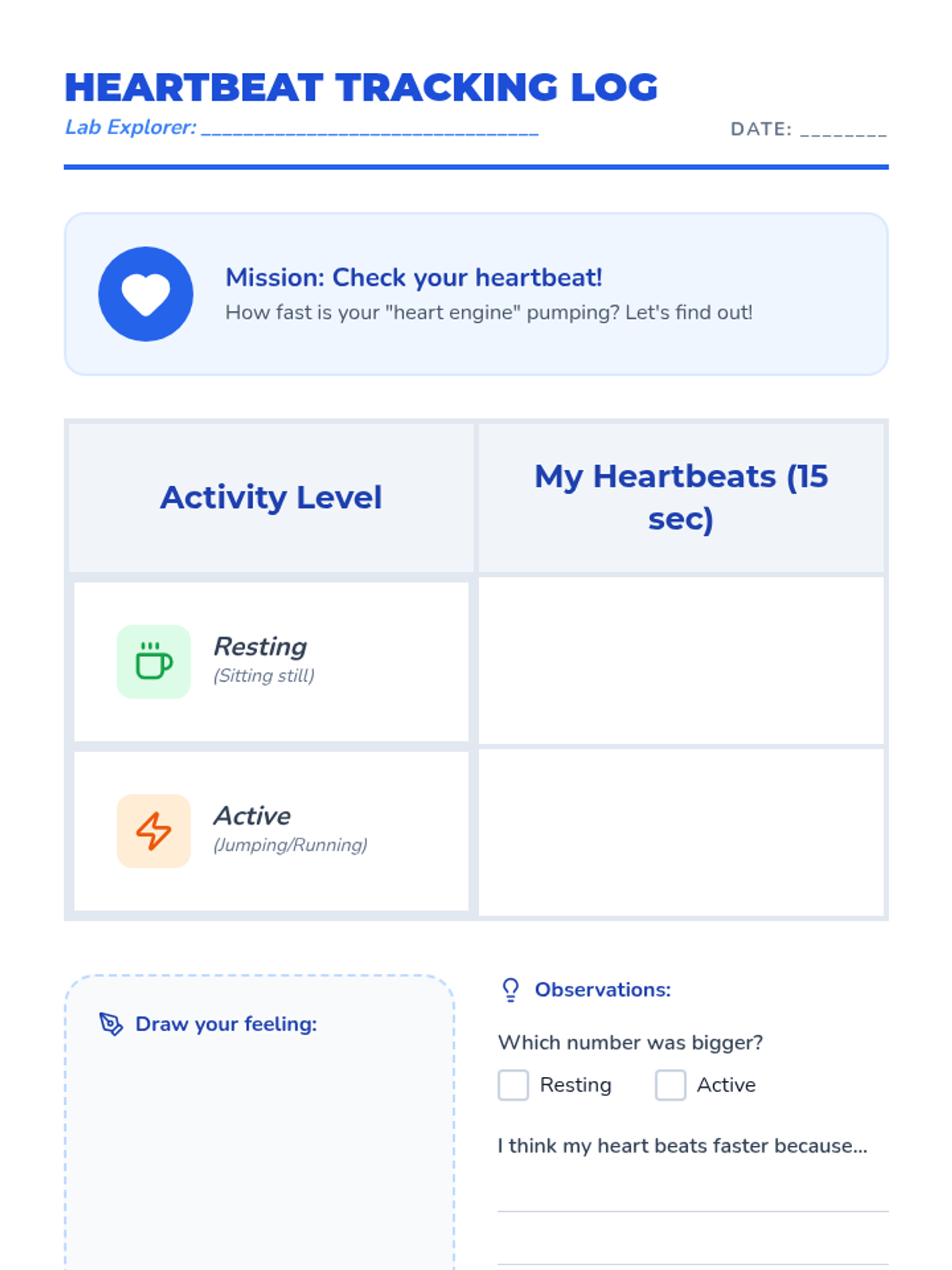
Students explore how their bodies react to physical activity, focusing on heart rate, breathing, muscle fatigue, and hydration through hands-on inquiry and observation.
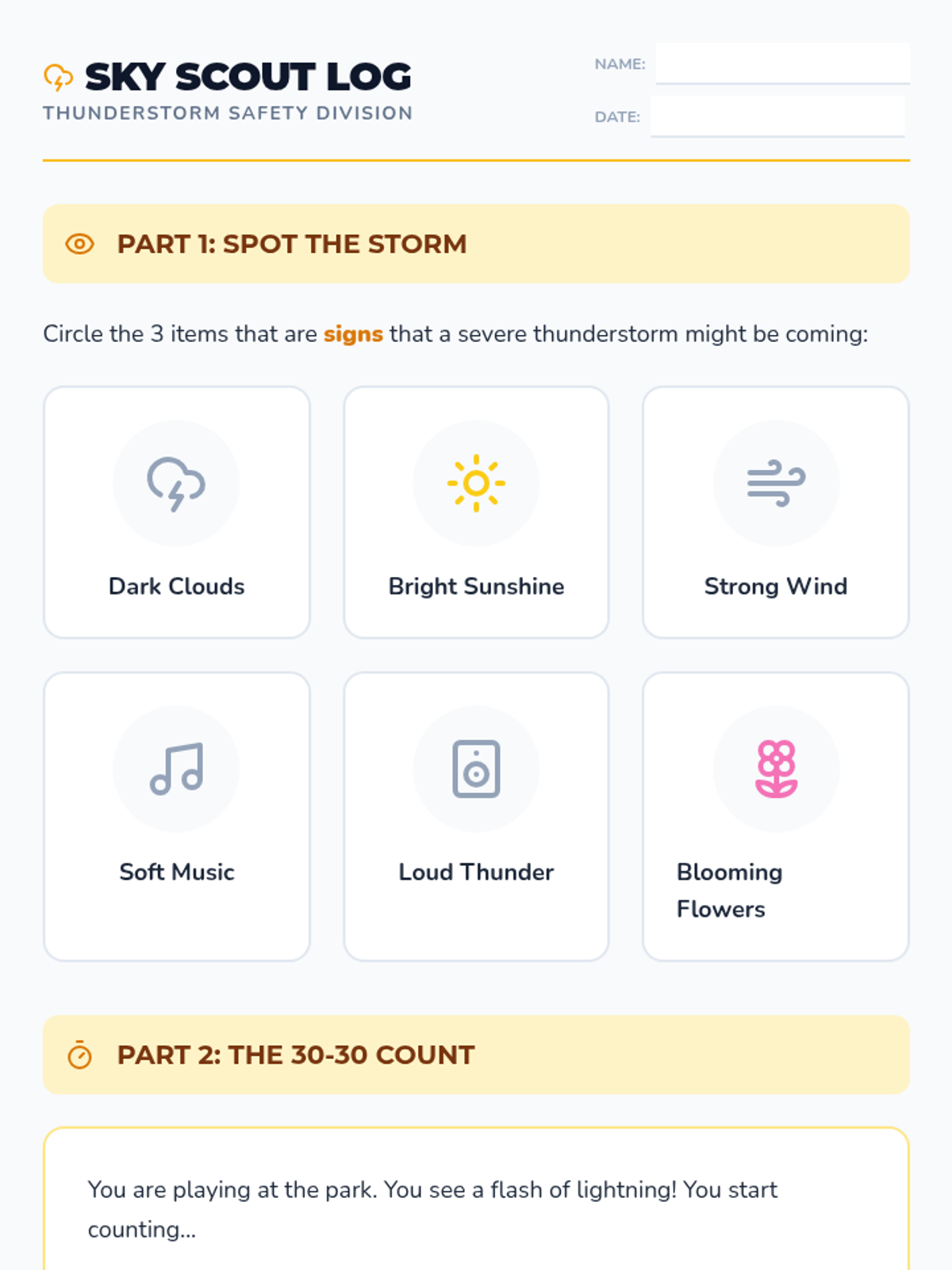
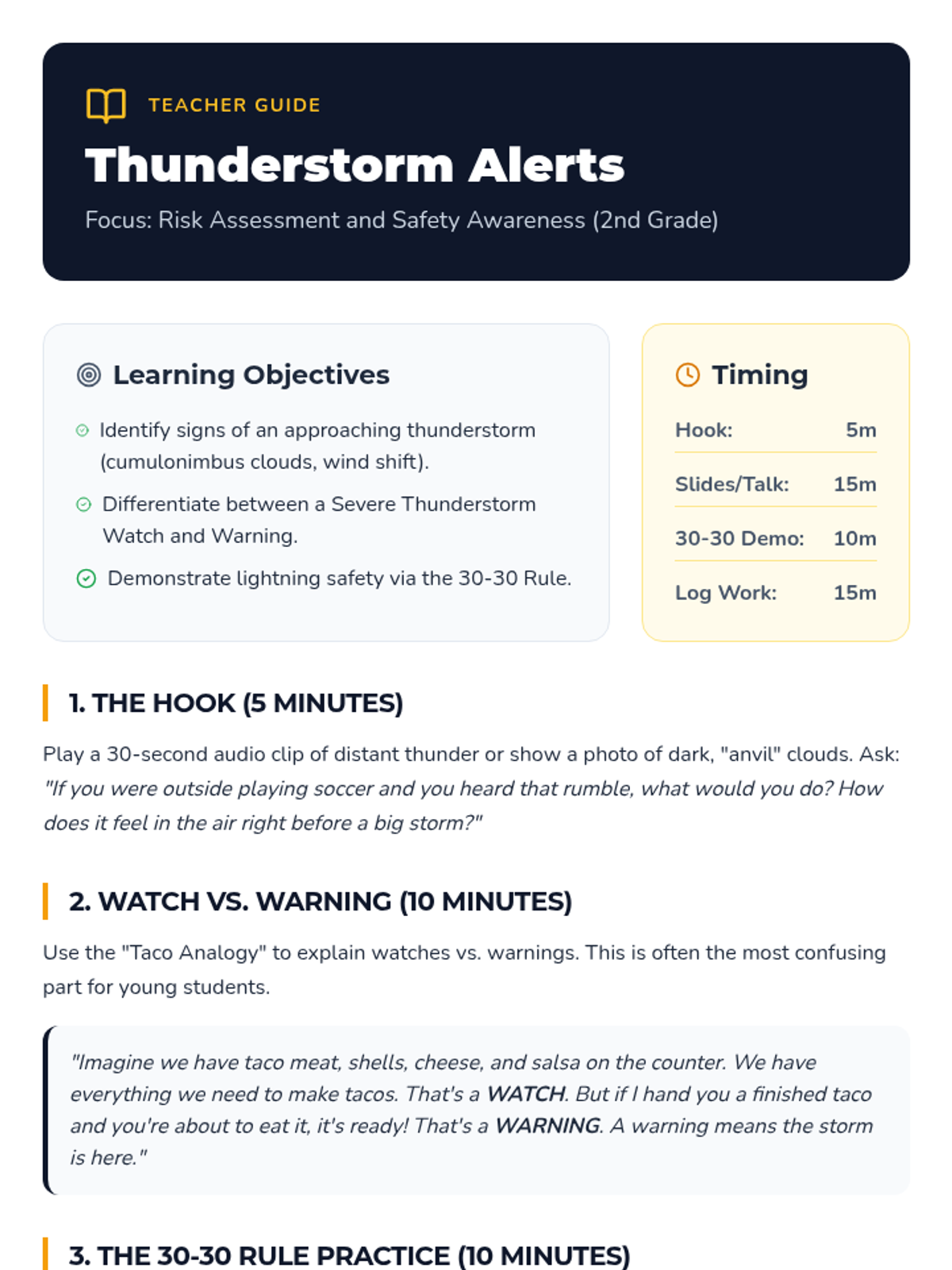
A comprehensive unit for 2nd graders on identifying severe weather (thunderstorms, tornadoes, blizzards) and mastering specific safety protocols through case studies, simulations, and project-based learning.
A comprehensive first-grade unit on identifying emergencies, communicating with dispatchers, memorizing personal safety info, and executing physical safety protocols like fire drills.
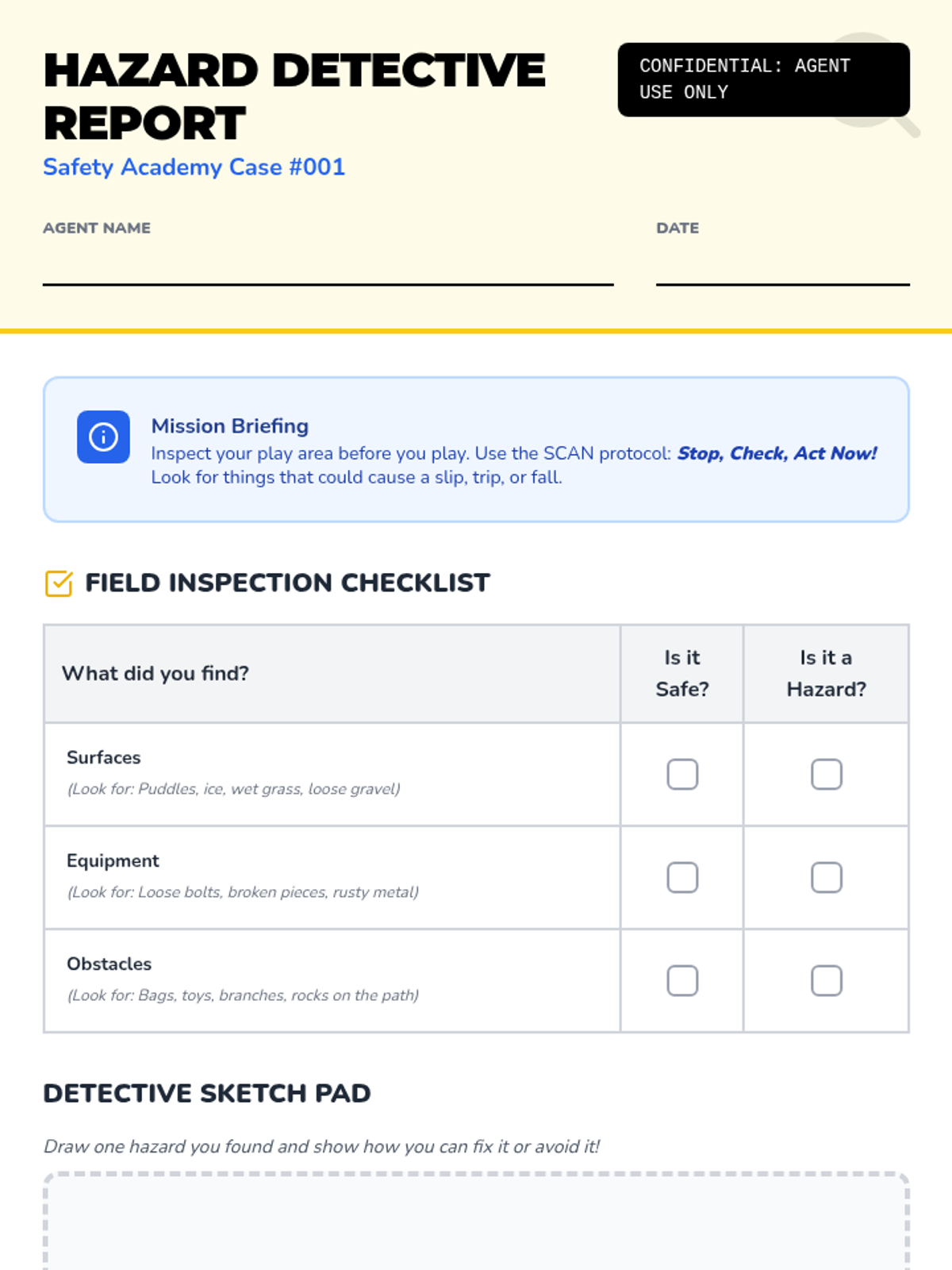
A 5-lesson sequence for 2nd Grade students focused on injury prevention through hazard identification, spatial awareness, warm-ups, equipment safety, and safe landing techniques. Students become 'Safety Detectives' to learn proactive habits for physical activity.
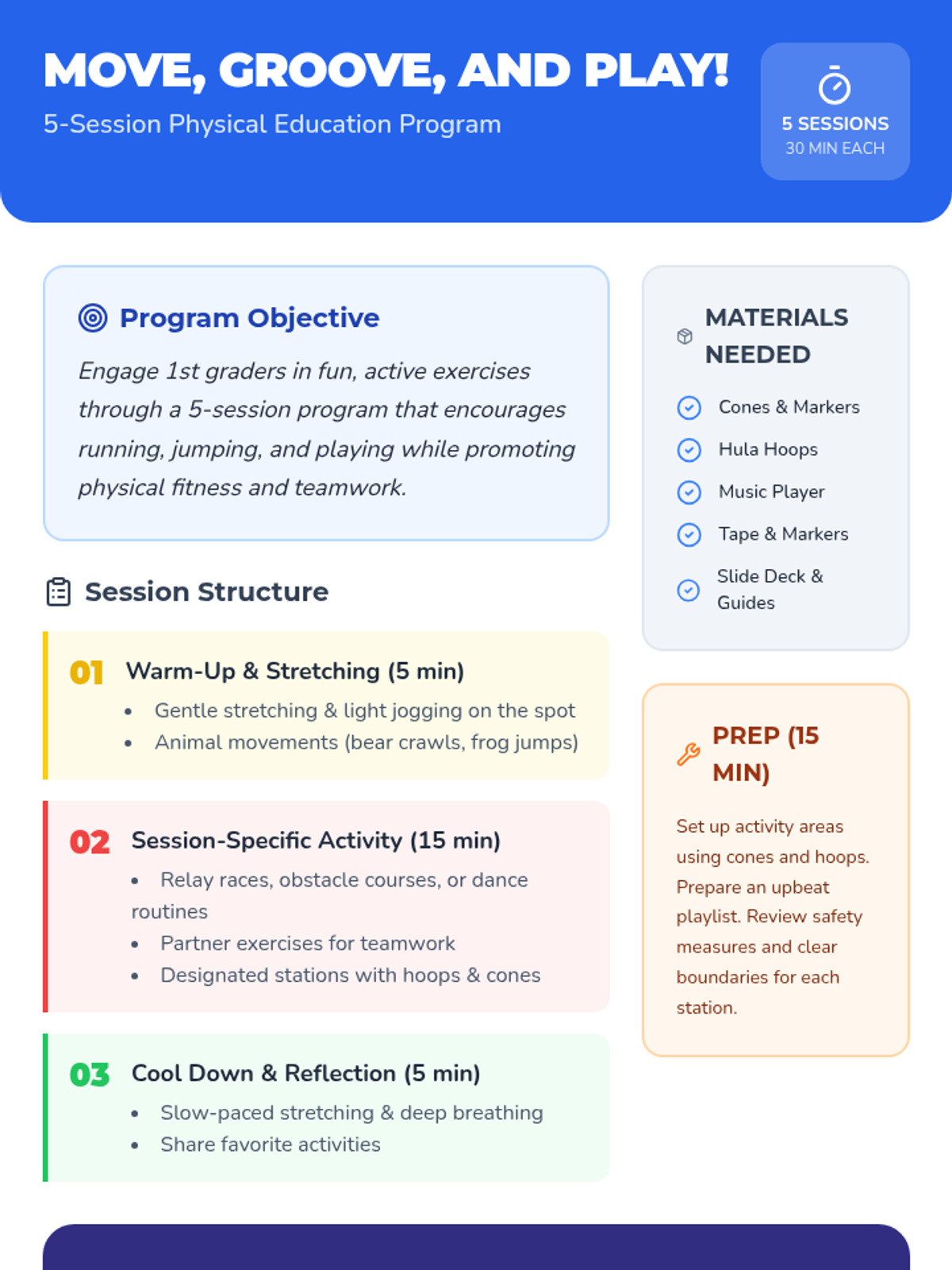
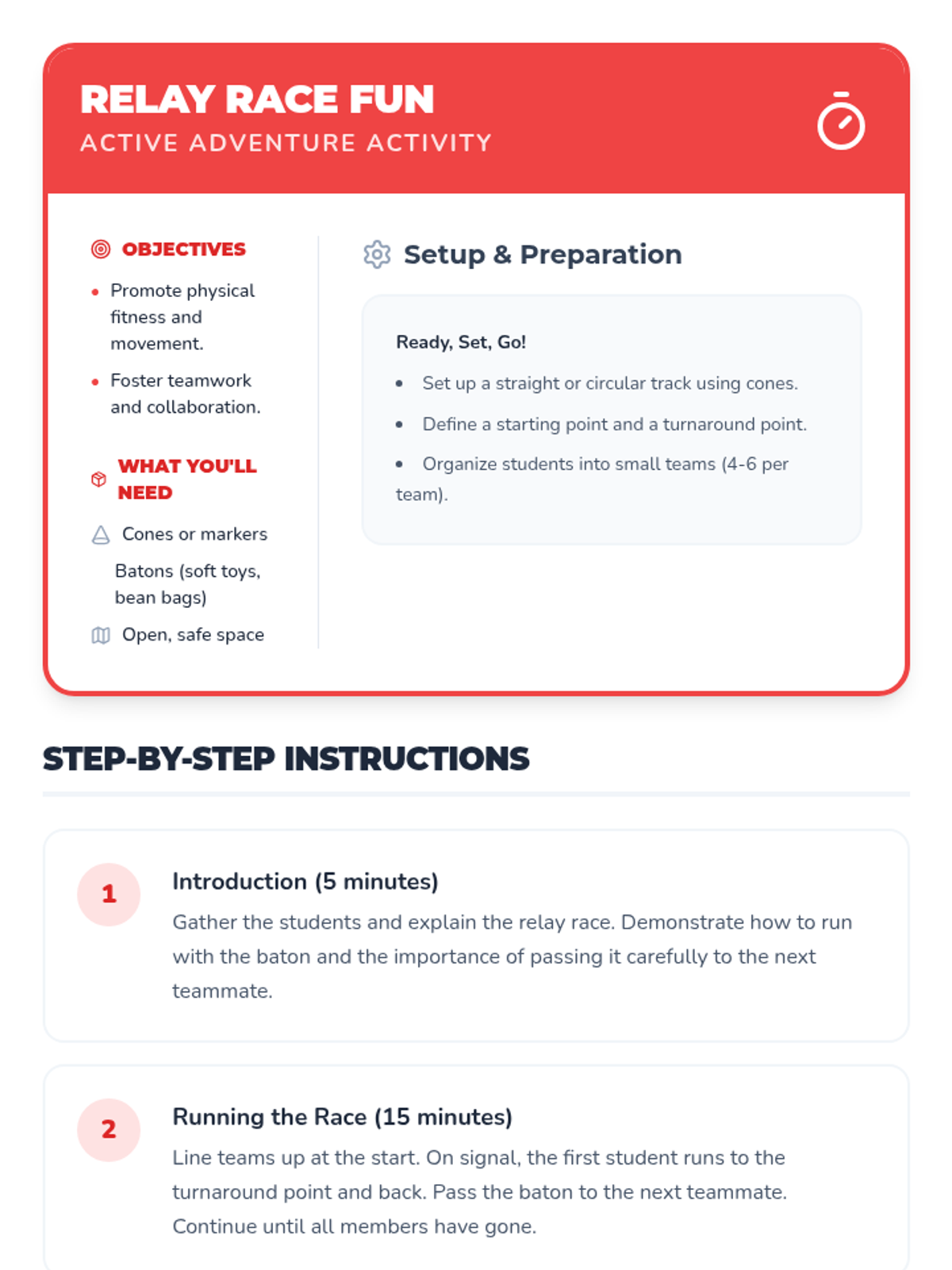
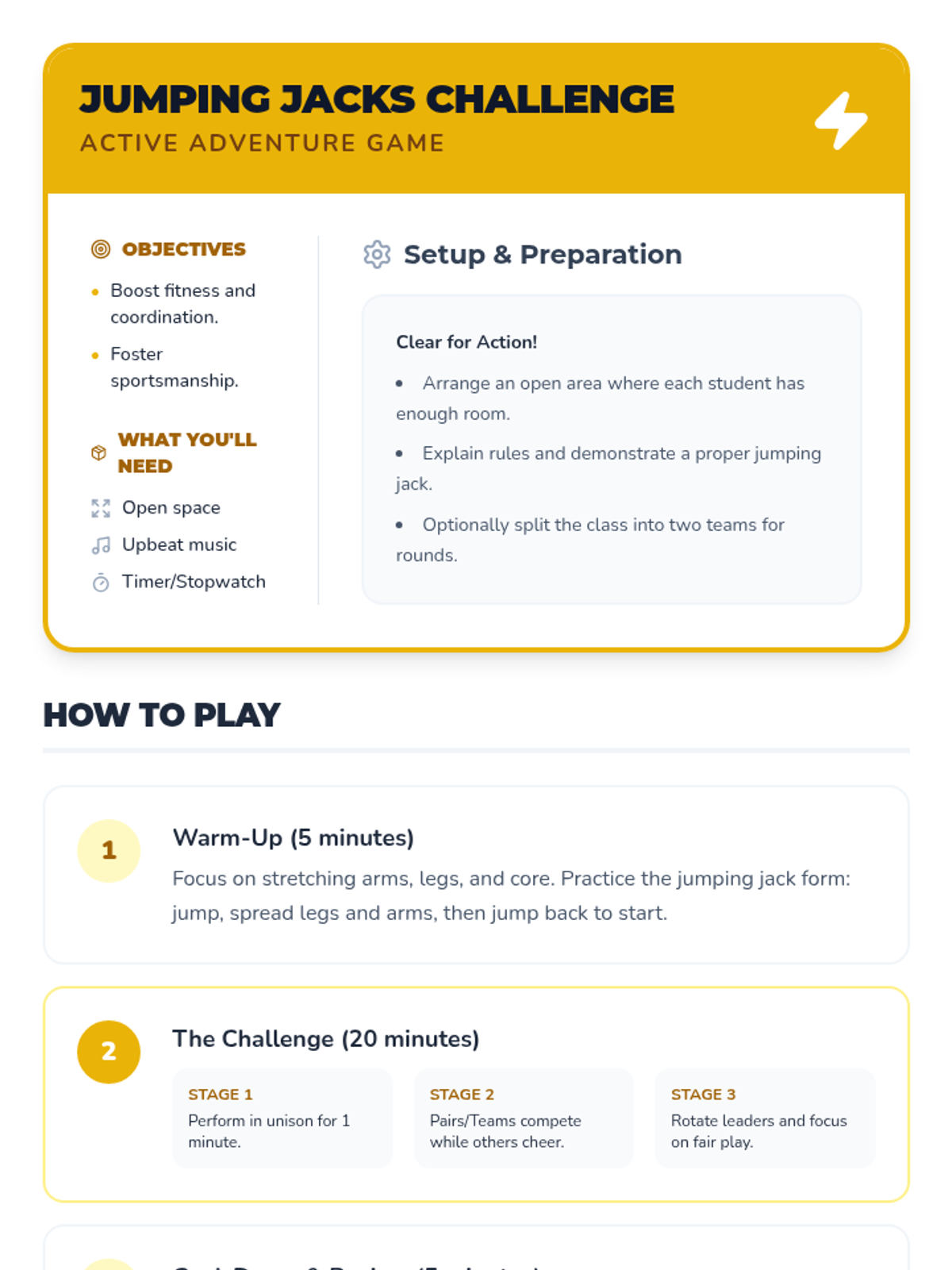
A 5-session physical education program for young learners focused on building healthy habits, motor skills, and teamwork through fun circuit-style exercises and games.
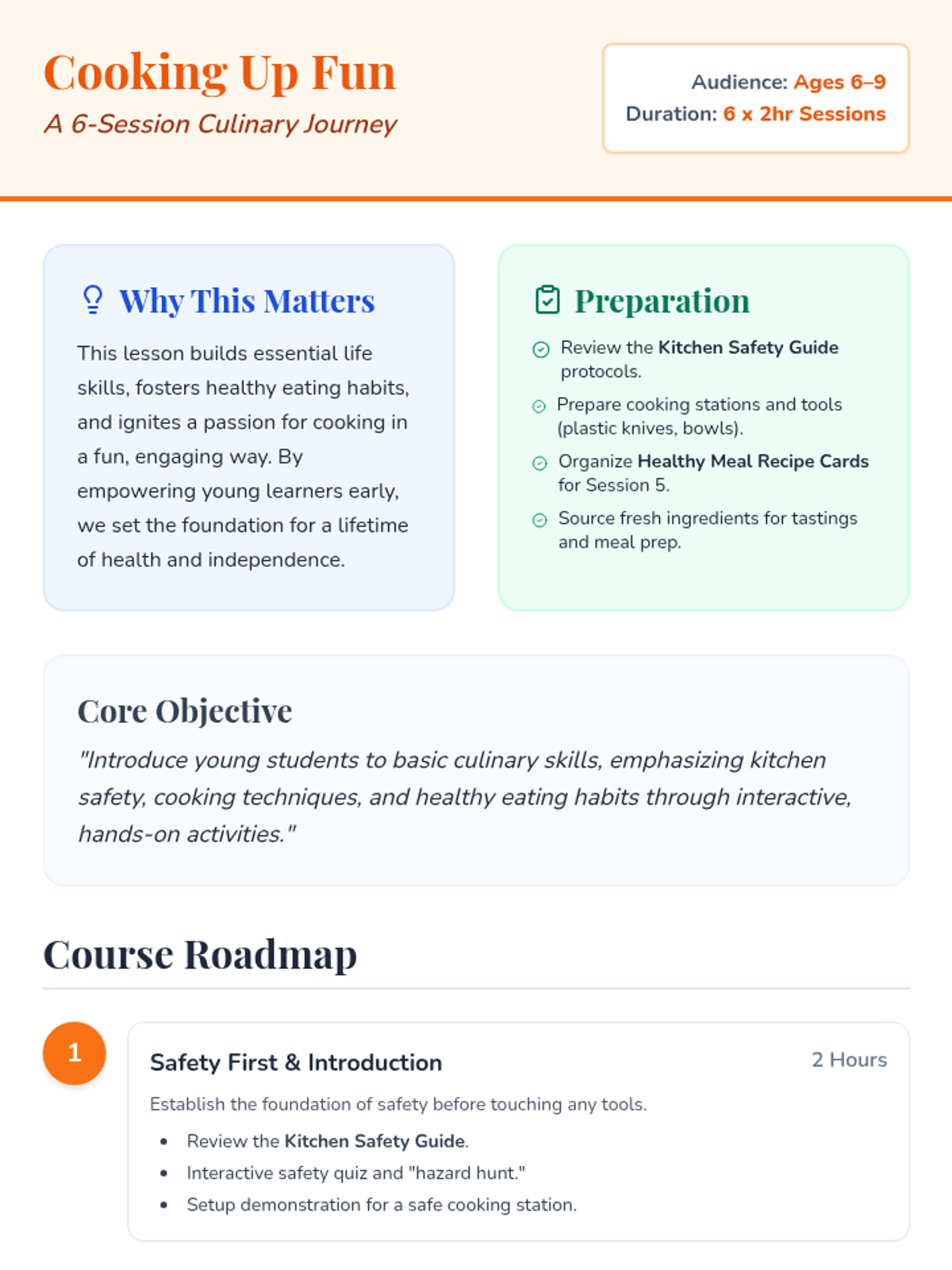
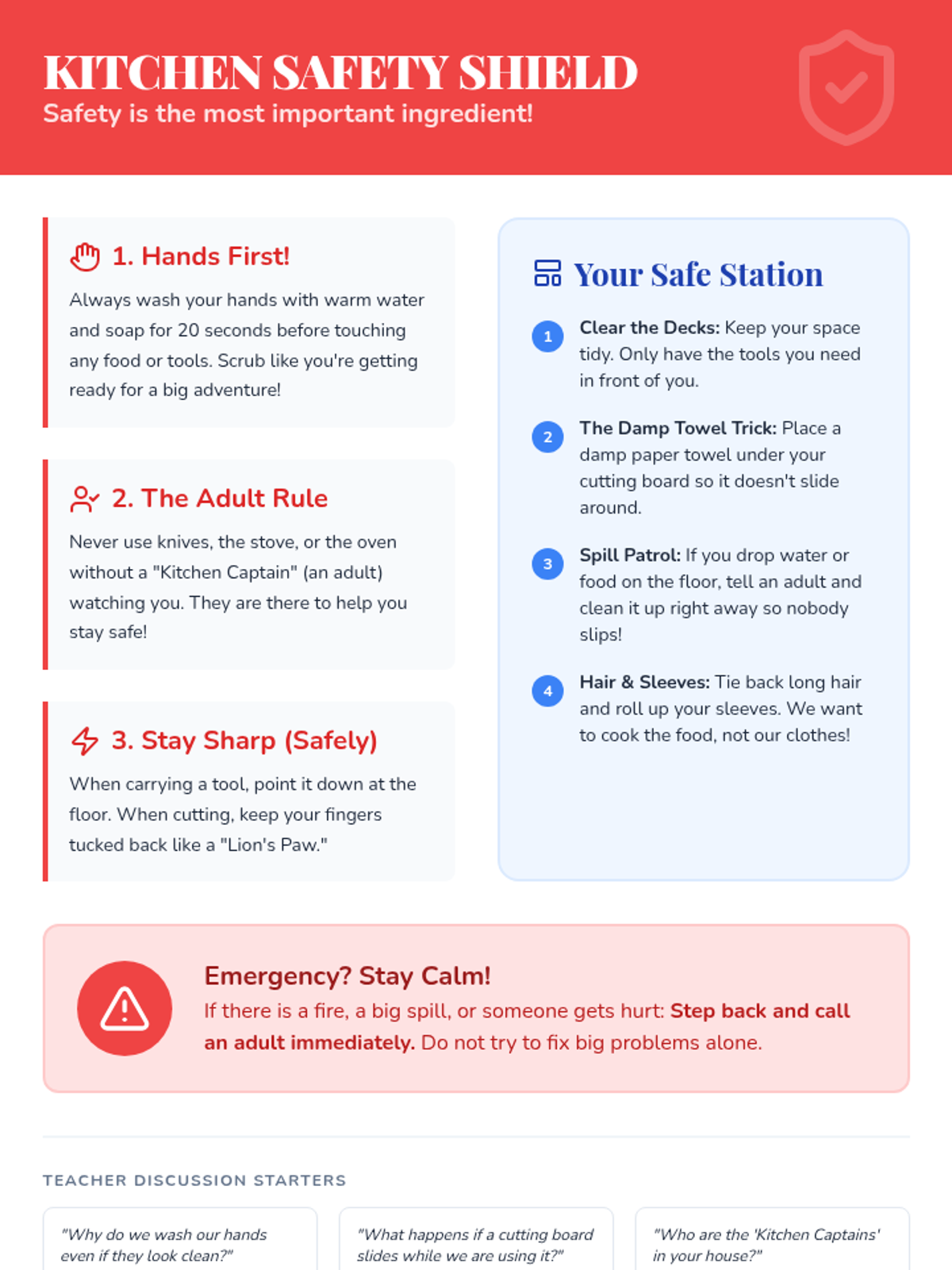
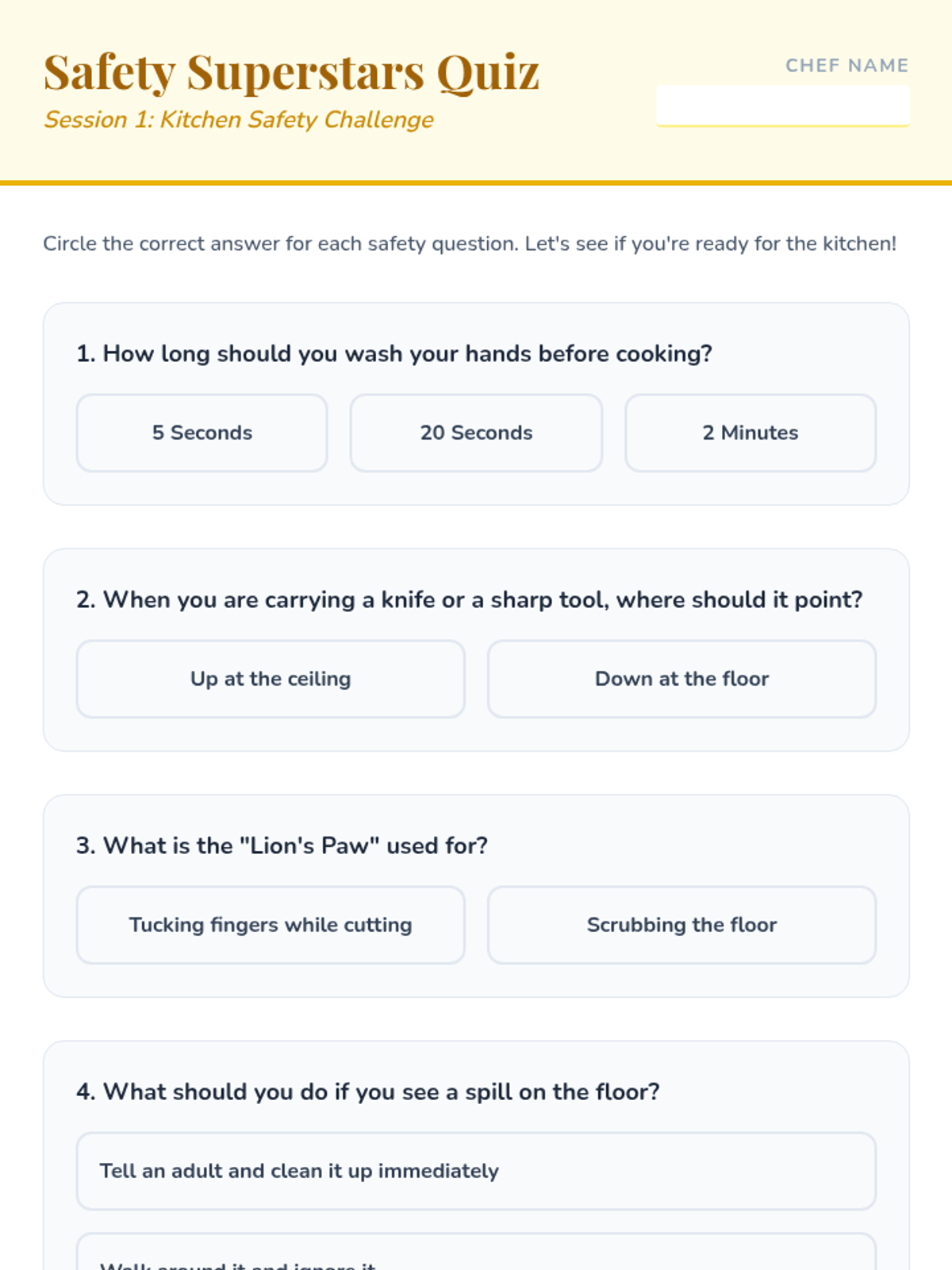
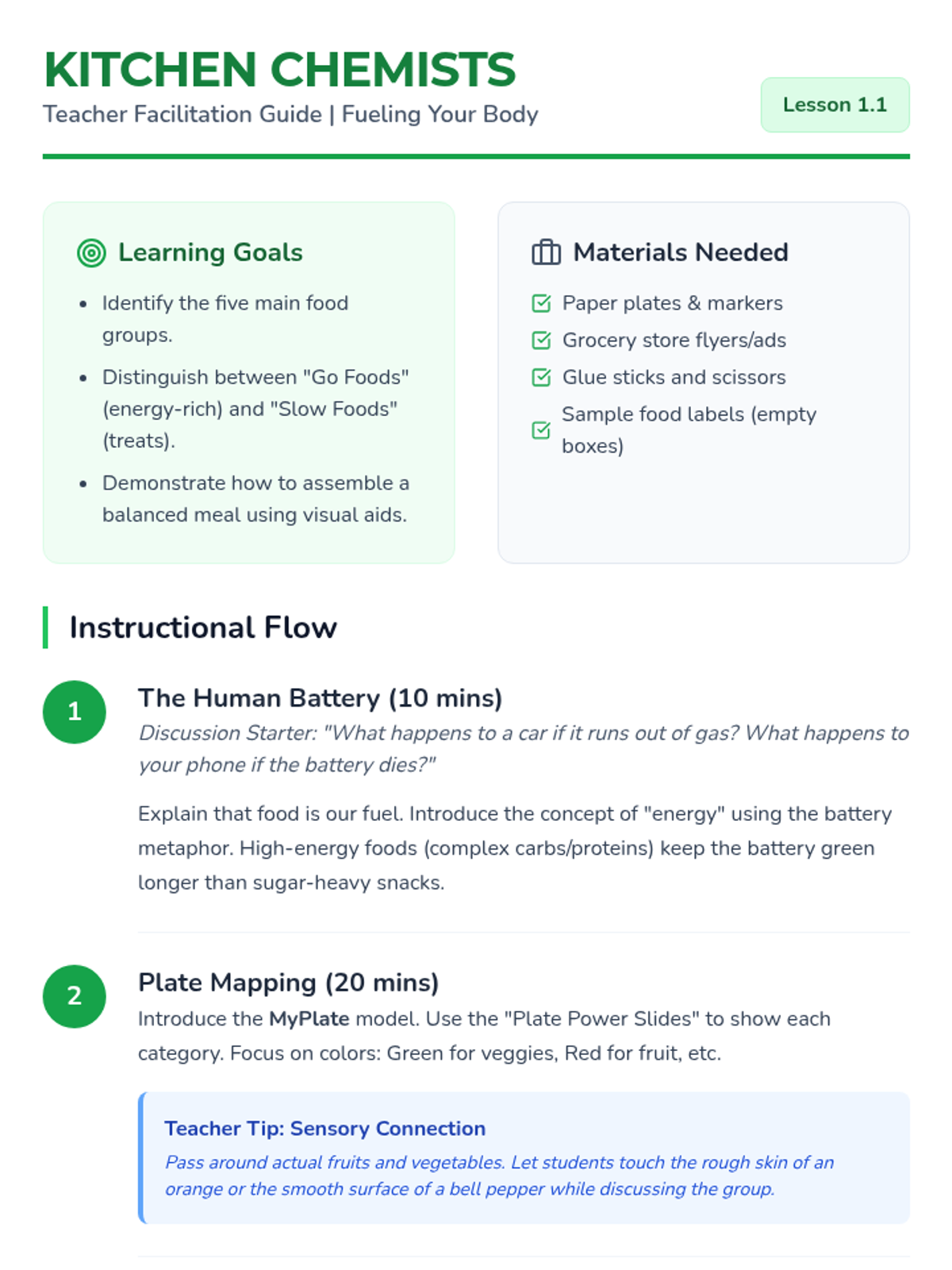
This 6-session culinary education sequence is designed for 6-9 year olds, focusing on basic cooking skills, kitchen safety, and healthy eating habits. Students will progress from safety fundamentals to preparing their own healthy meals and snacks.
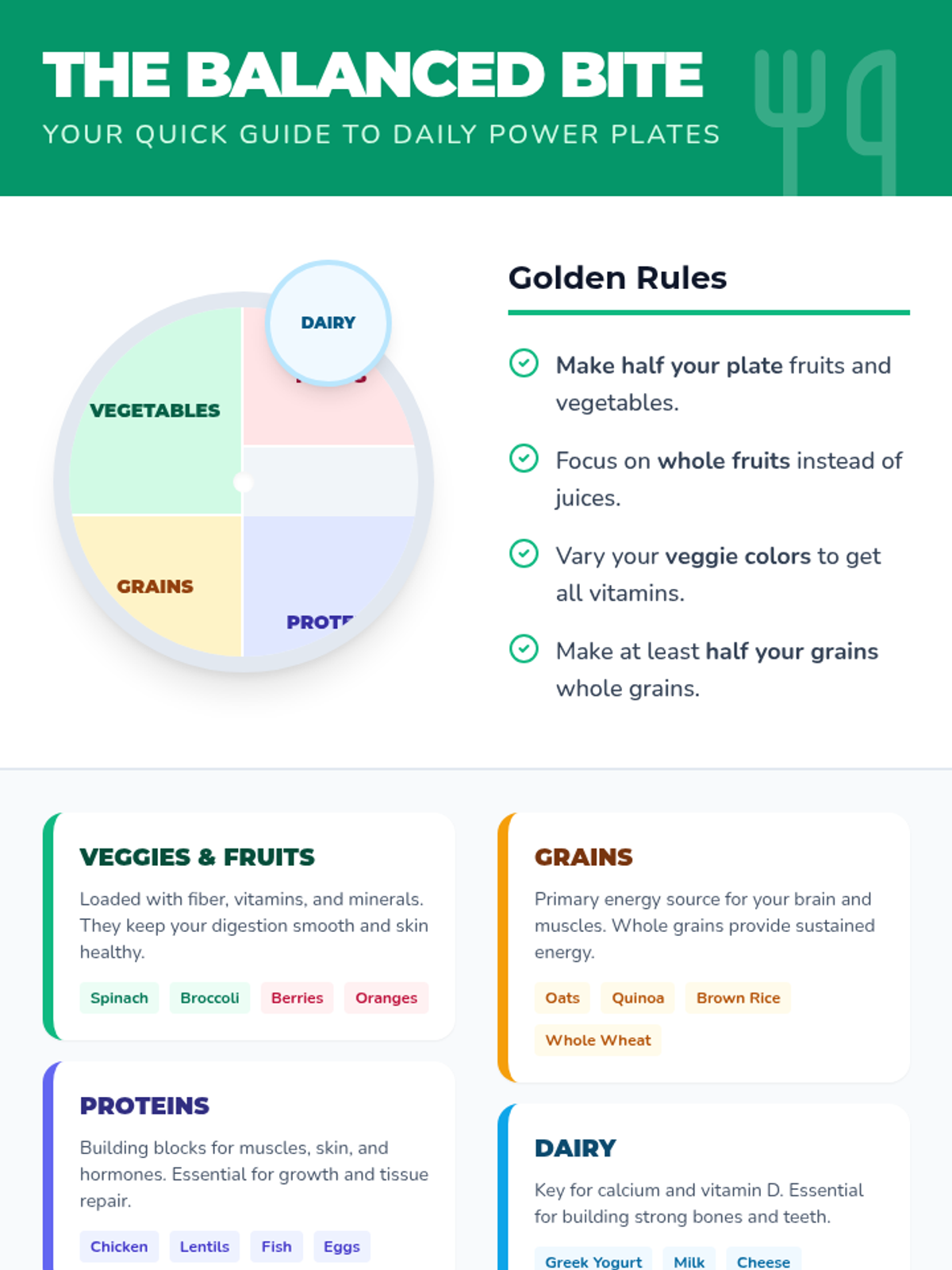
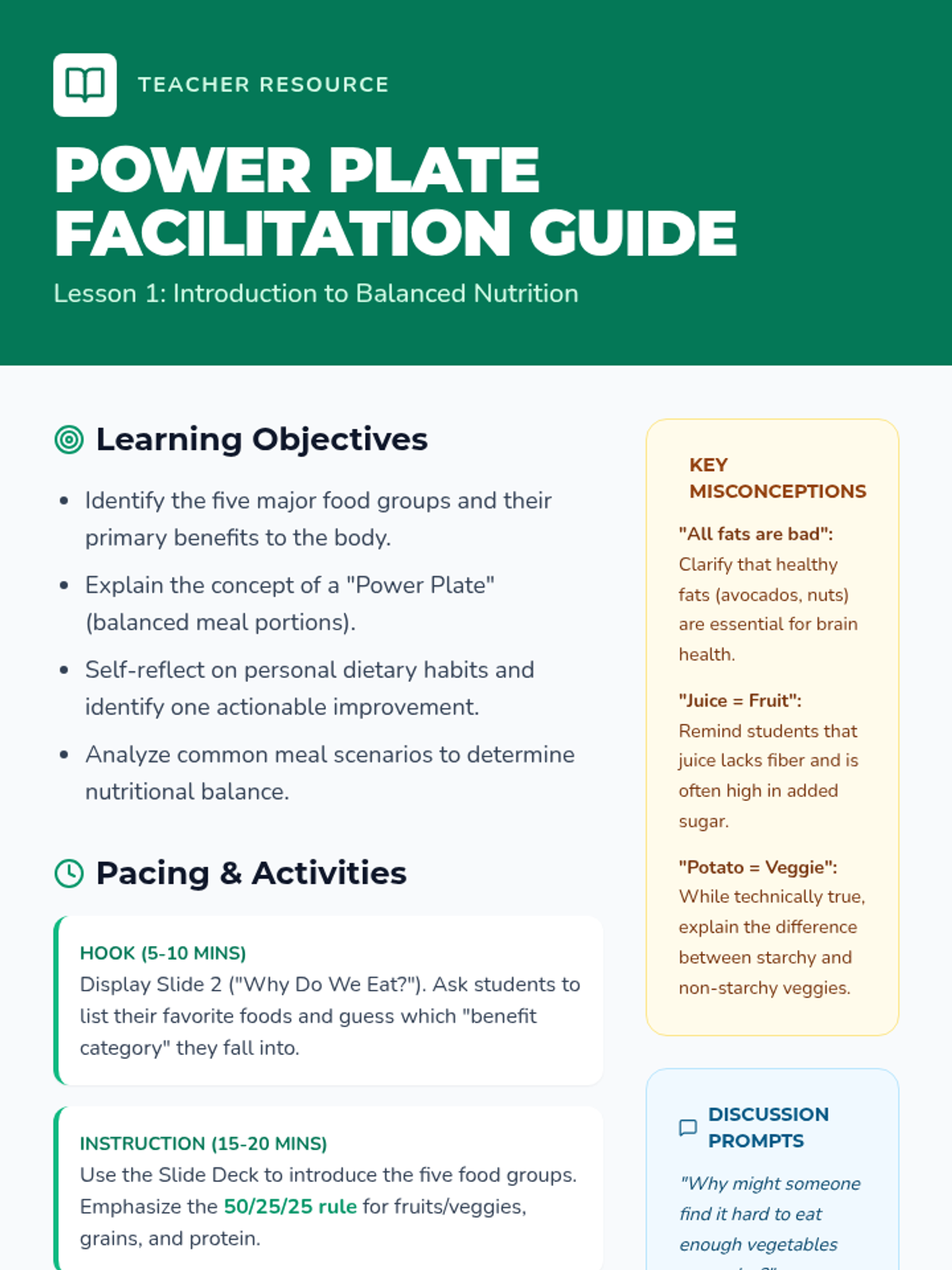
A comprehensive health and wellness unit focusing on nutrition, physical activity, and mental well-being to empower students to make informed lifestyle choices.
A functional biology curriculum designed for life skills students, focusing on practical knowledge of nutrition, personal hygiene, and environmental stewardship through hands-on activities and visual aids.
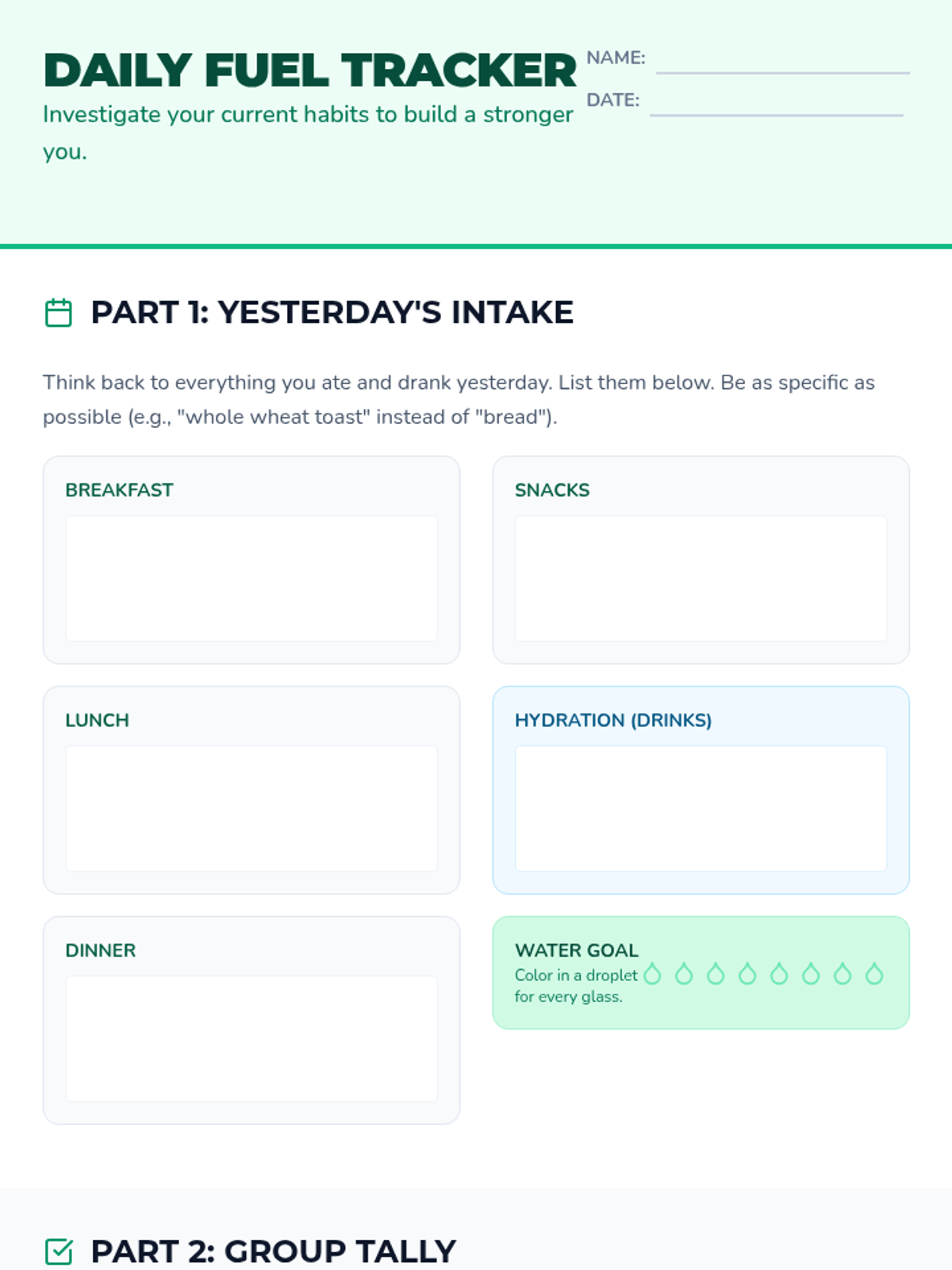
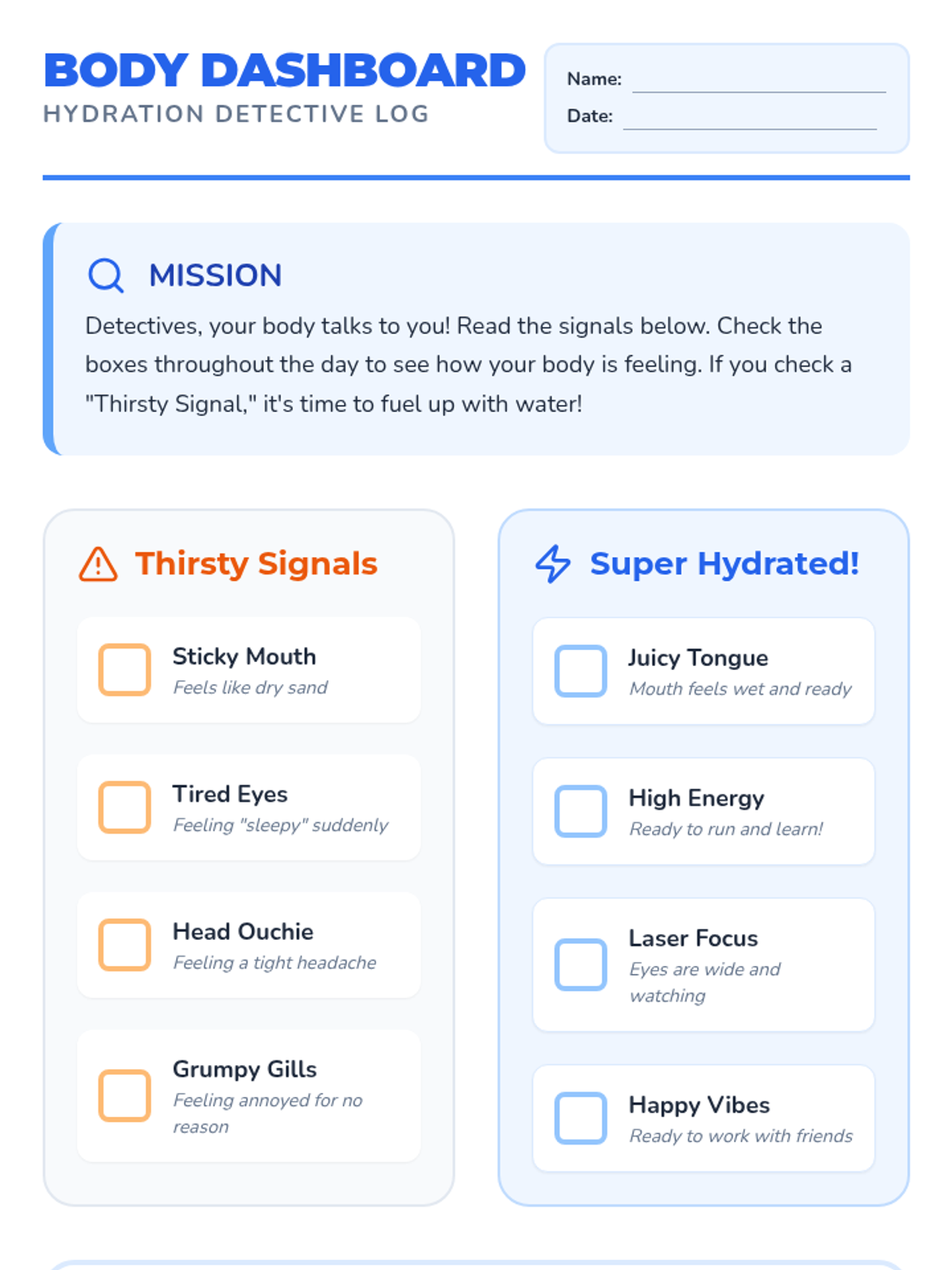
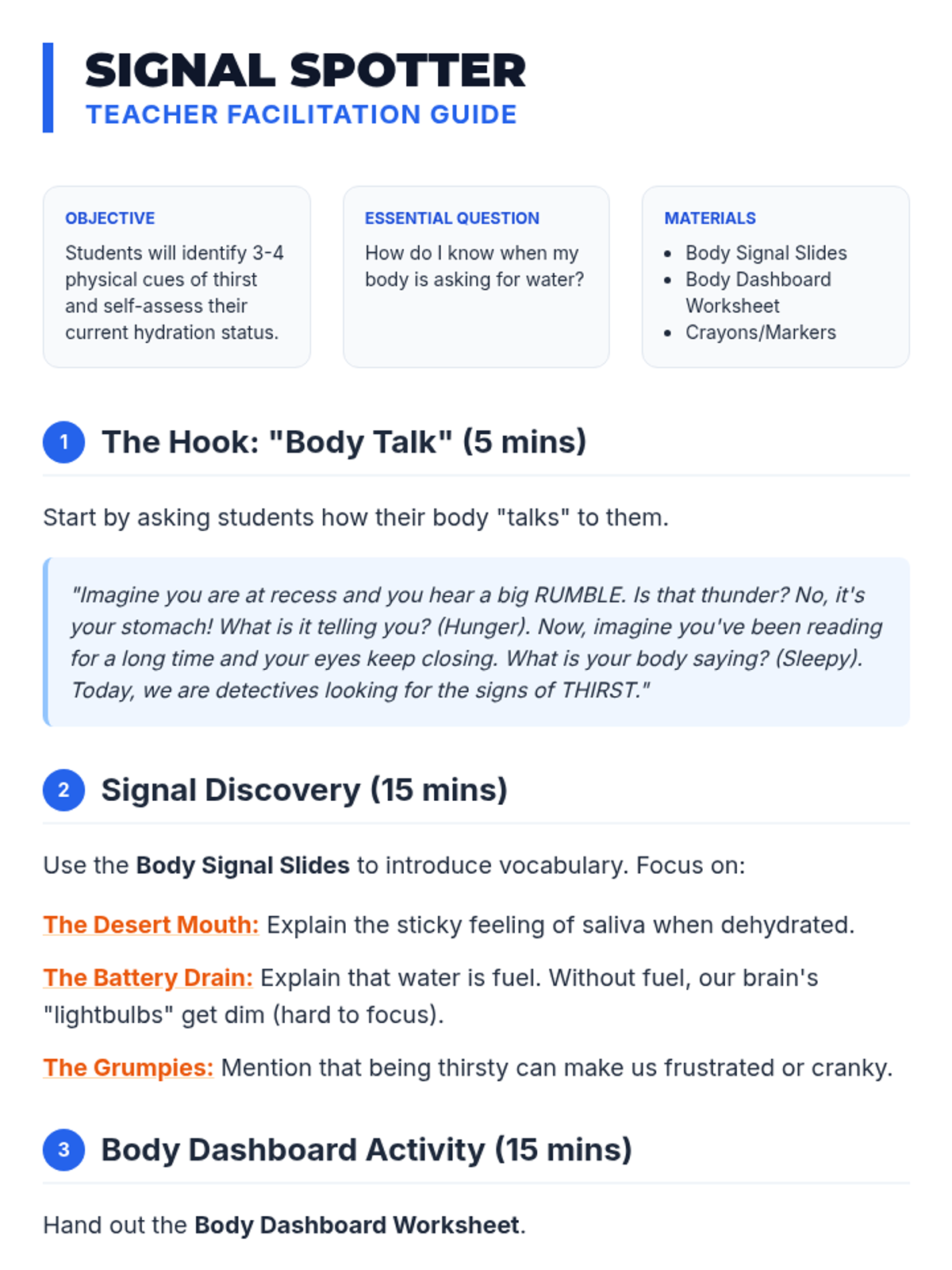
A 2nd-grade health sequence focused on recognizing thirst signals, understanding hydration indicators, and establishing daily water-drinking routines.
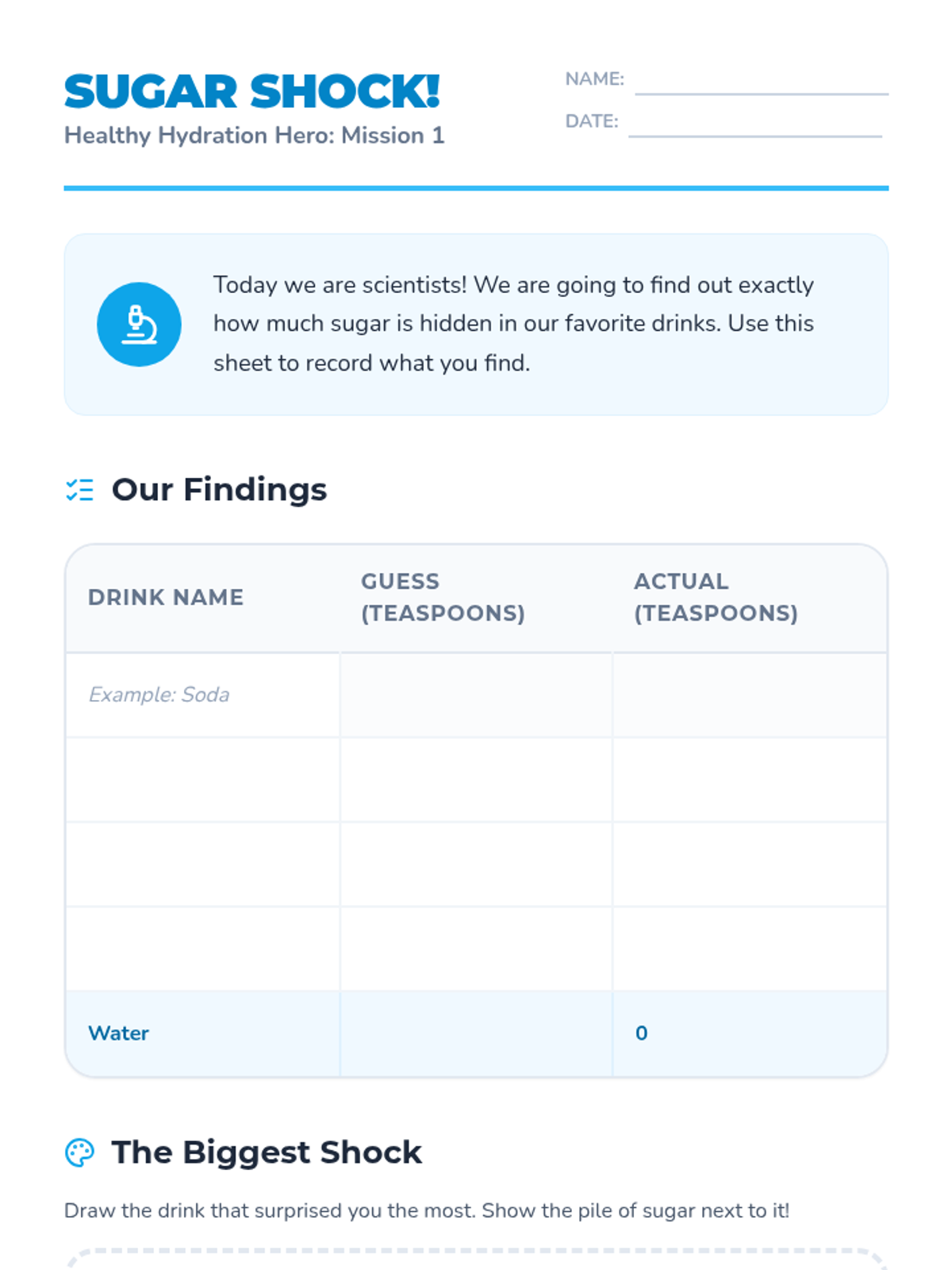
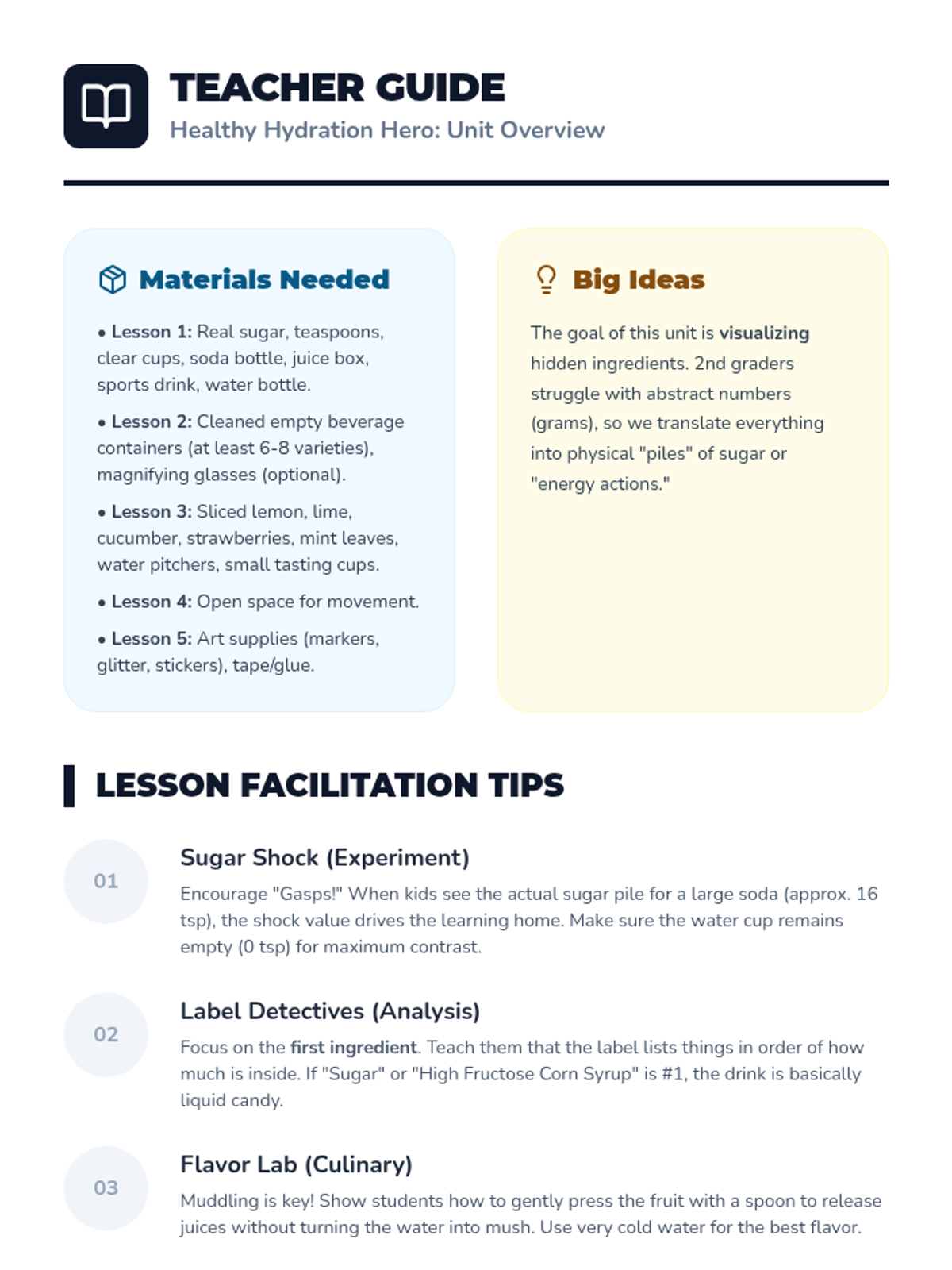
A 2nd-grade project-based sequence where students analyze beverage sugar content, learn to read labels, experiment with natural infusions, and design a campaign to promote water as the healthiest hydration choice.
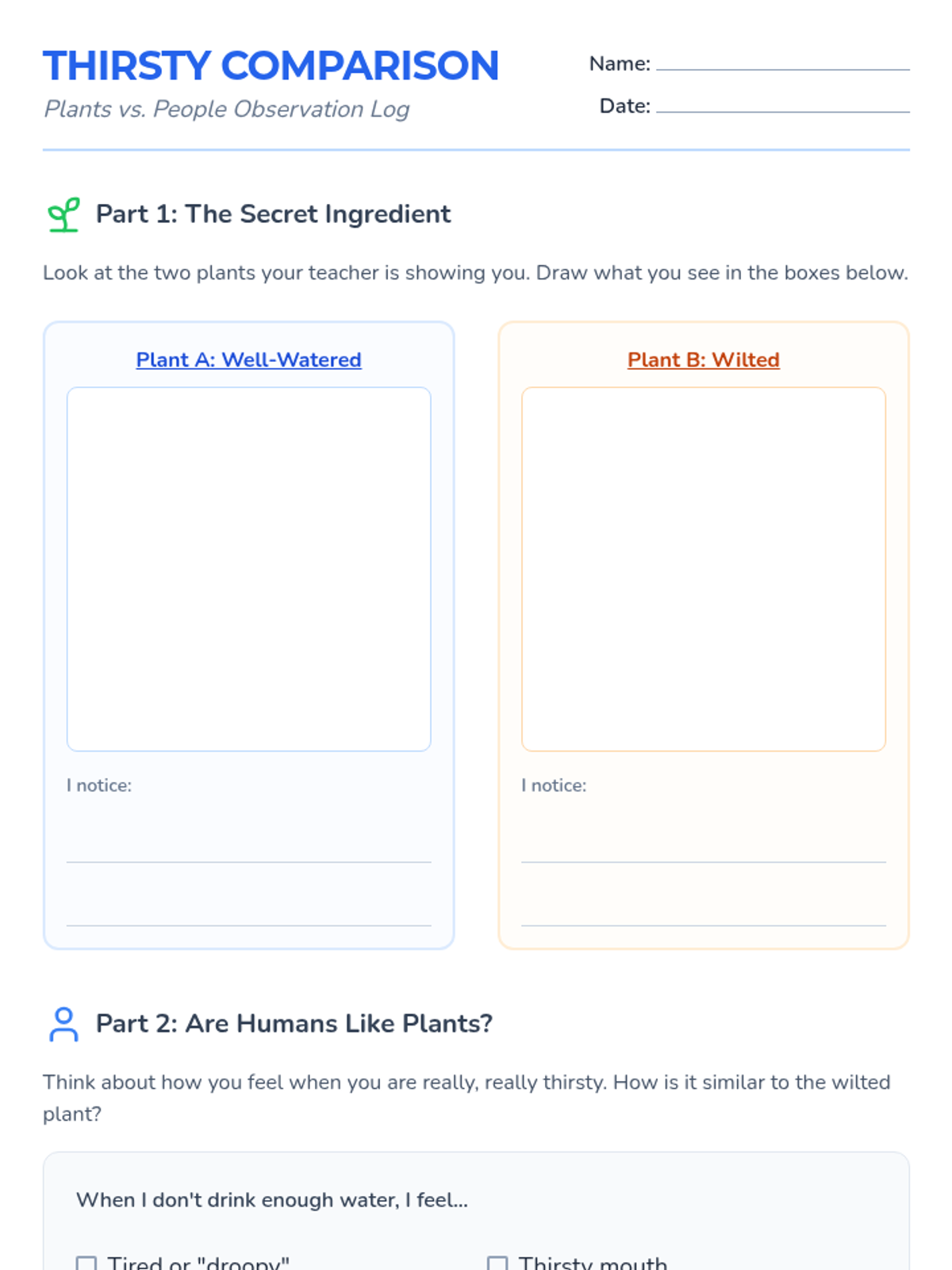
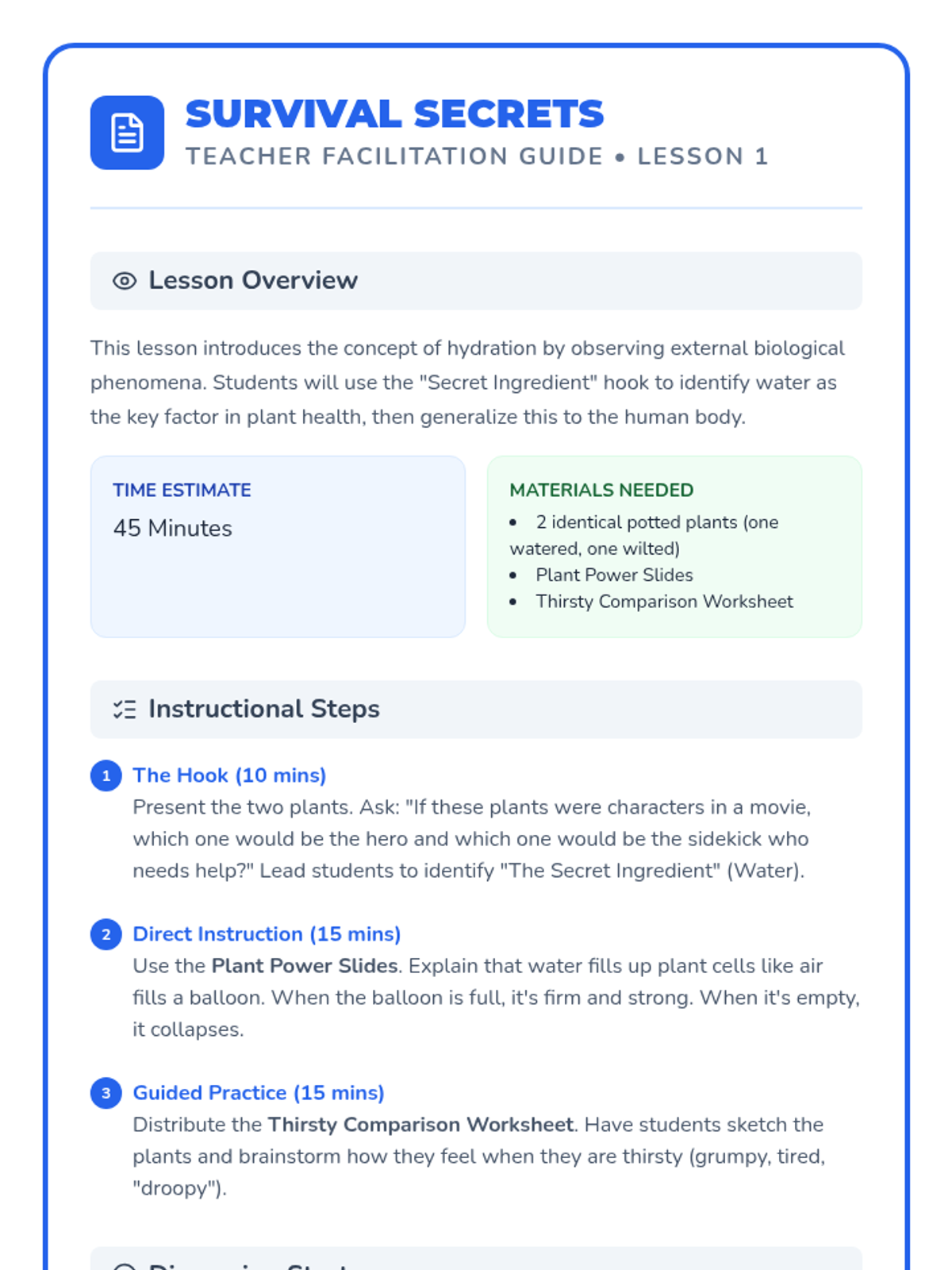
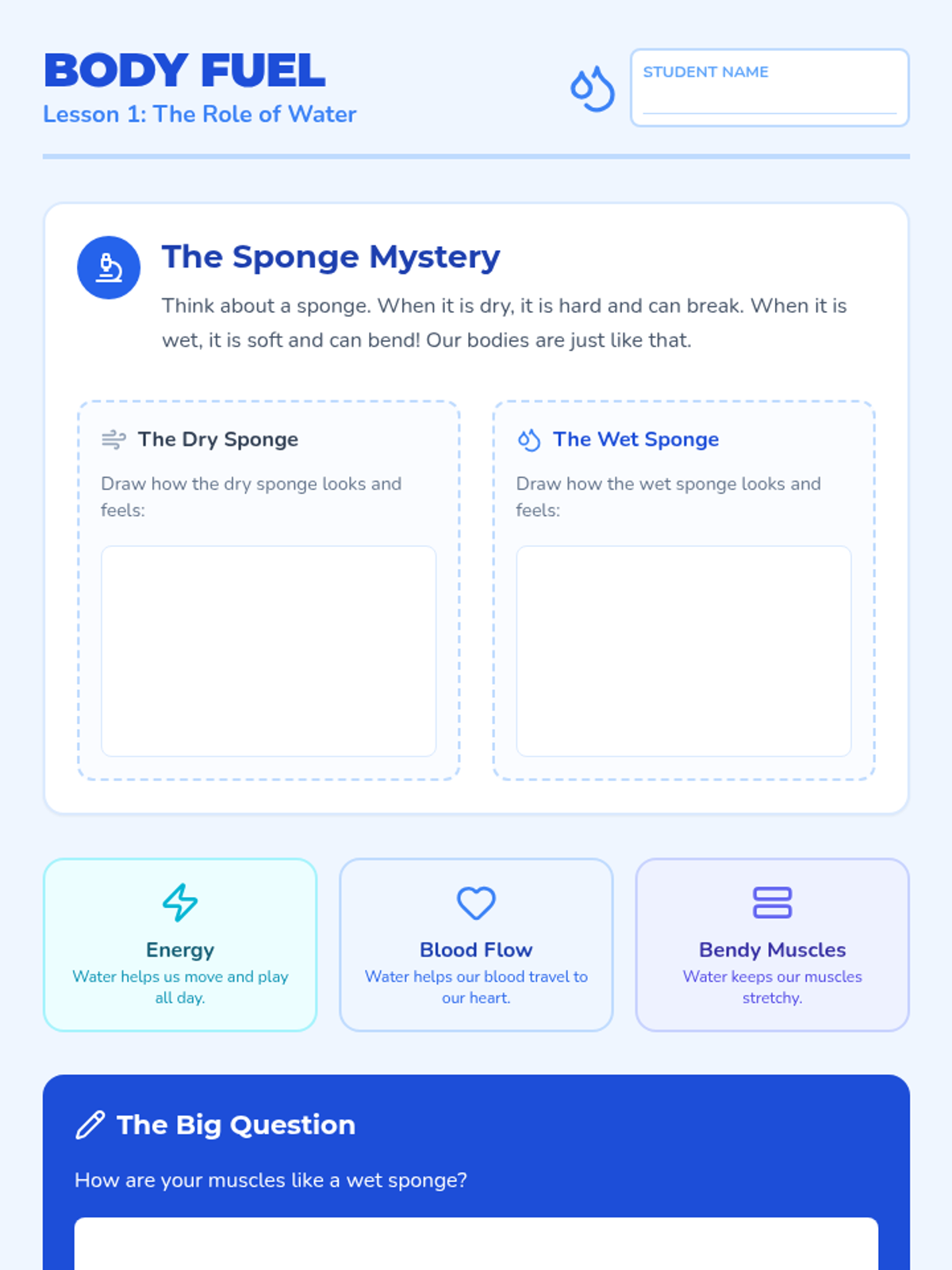
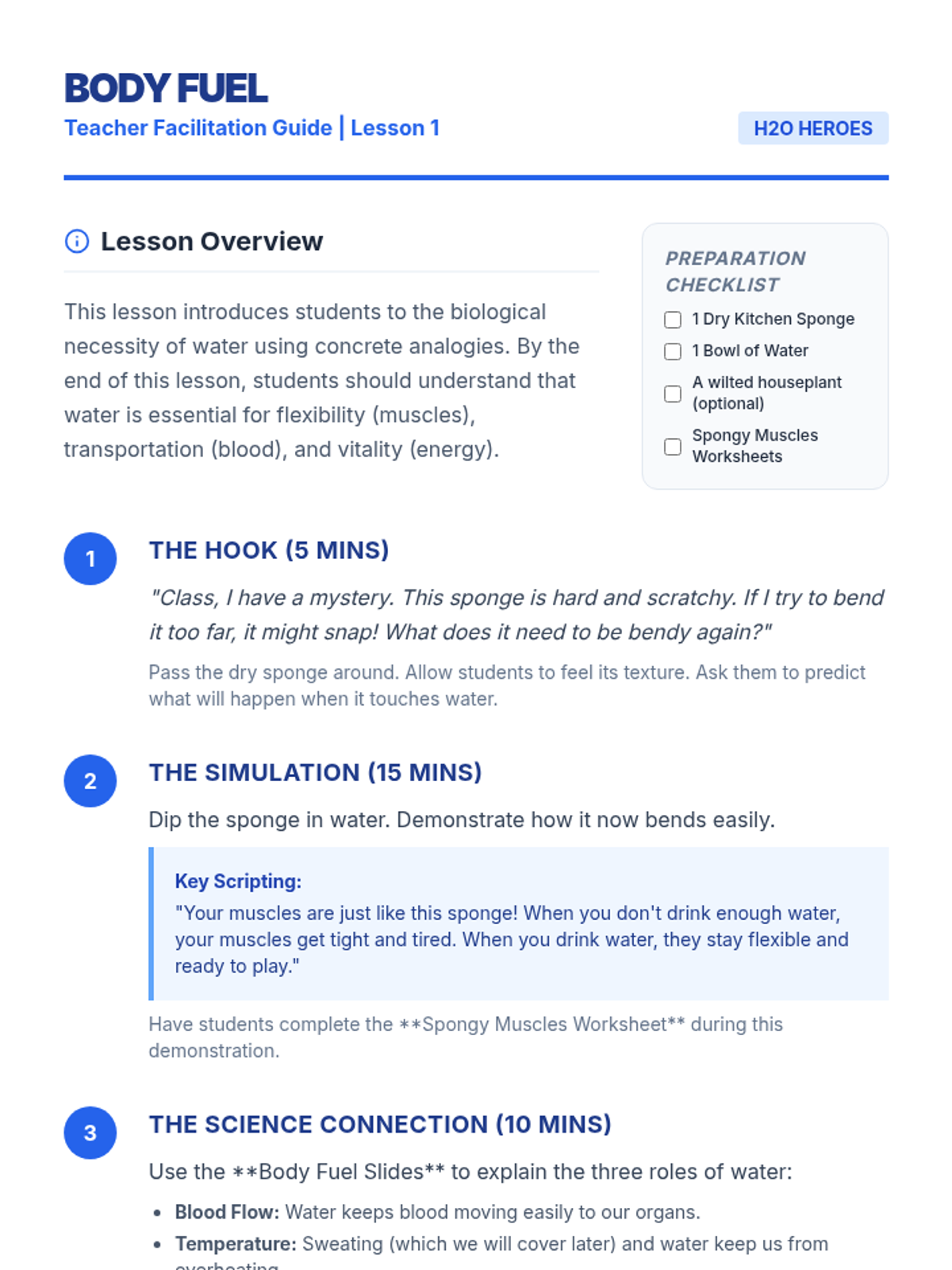
A comprehensive 2nd-grade sequence exploring the biological necessity of water. Students investigate how hydration affects plants, body temperature, brain function, and internal cycles through hands-on simulations and comparative analysis.
A comprehensive sequence for 2nd grade students to understand the biological importance of water, recognize personal thirst cues, and develop sustainable hydration habits through simulations and routine-building activities.
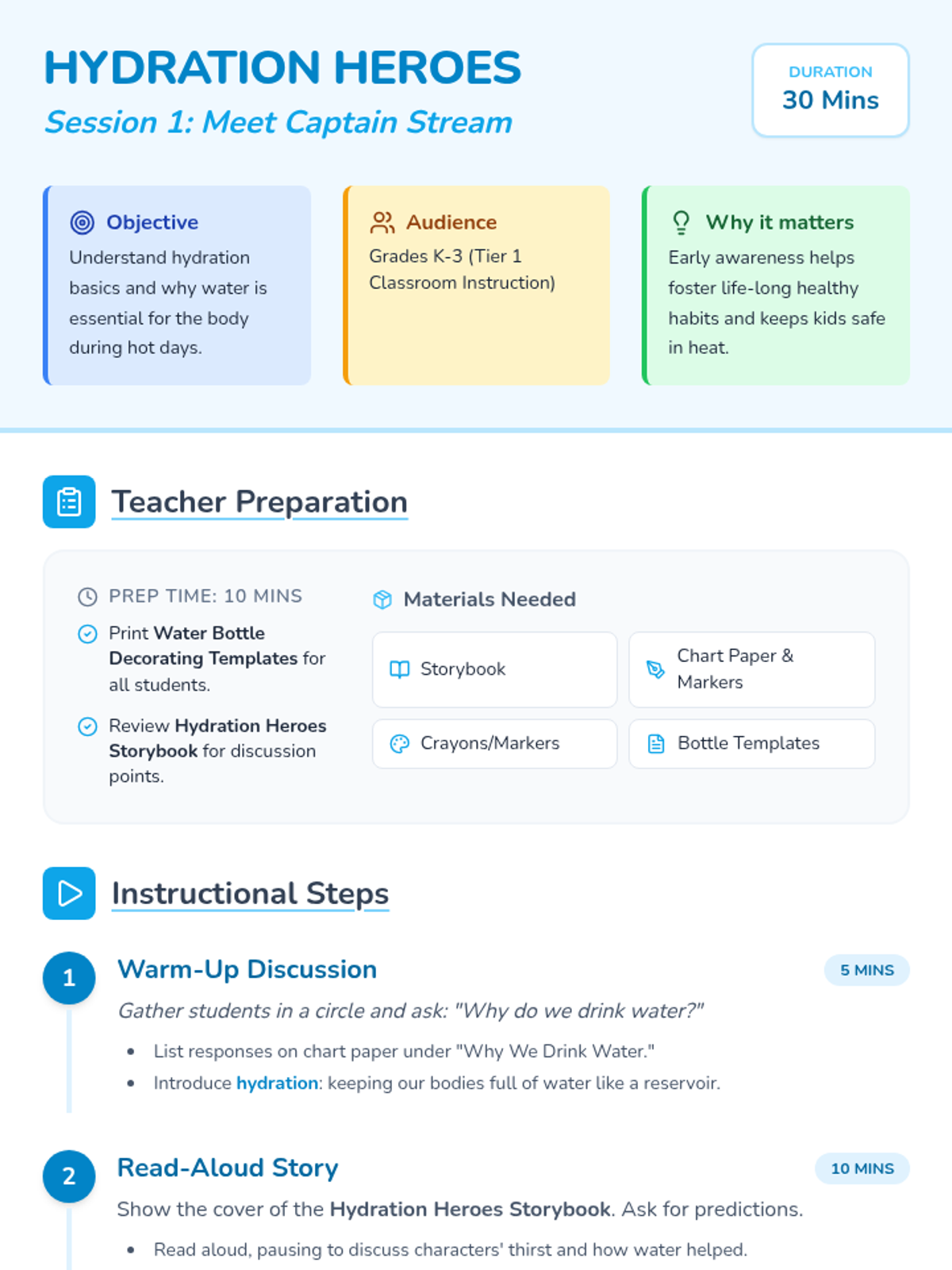
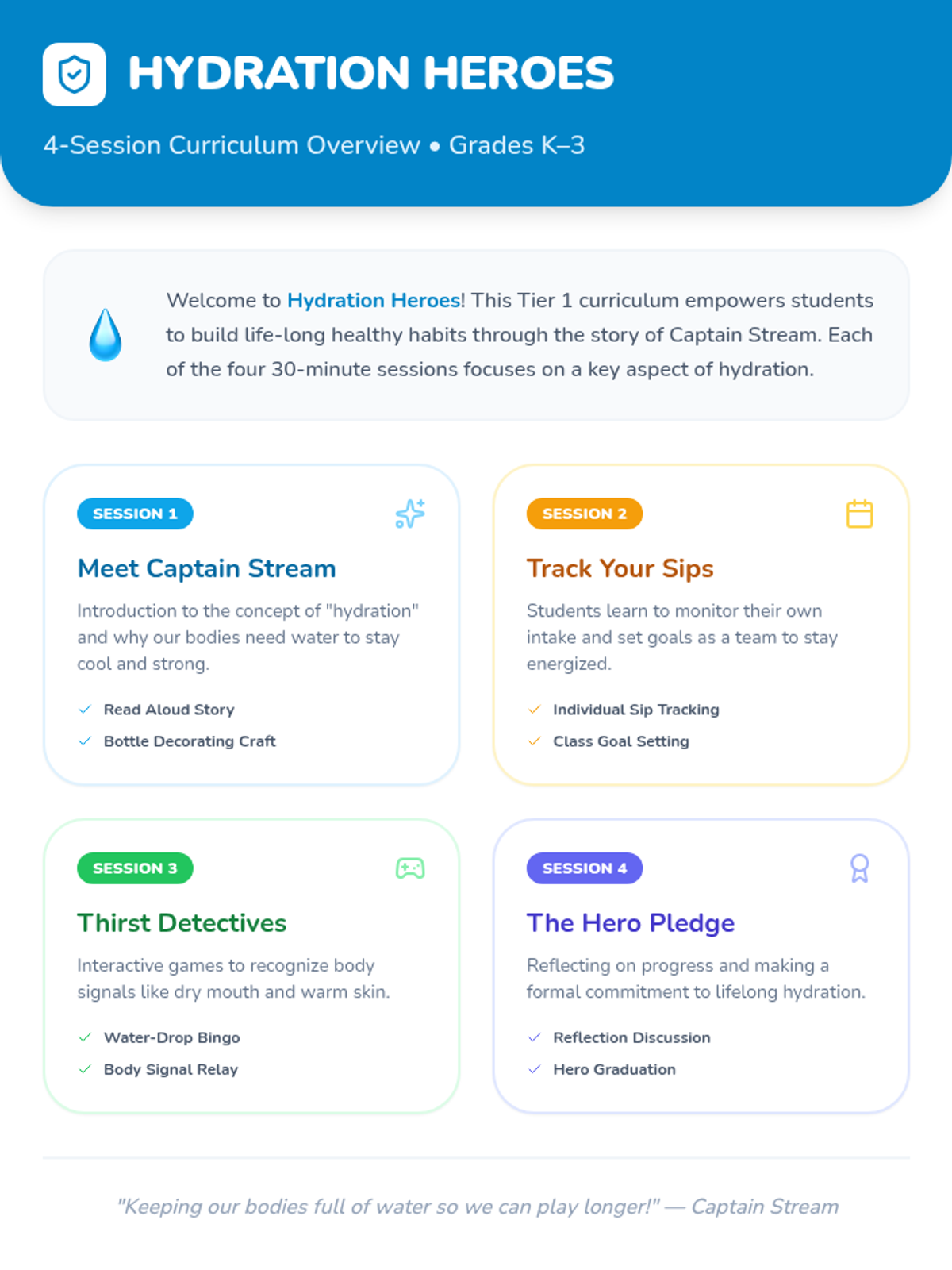
A 4-session K-3 curriculum that teaches students the importance of hydration through the character Captain Stream, interactive tracking, and games. Students develop healthy habits to stay cool and energized during hot weather.
A comprehensive human biology unit designed for life skills students, focusing on functional anatomy, major body systems, sensory awareness, and daily health habits through visual-heavy instruction and practical activities.
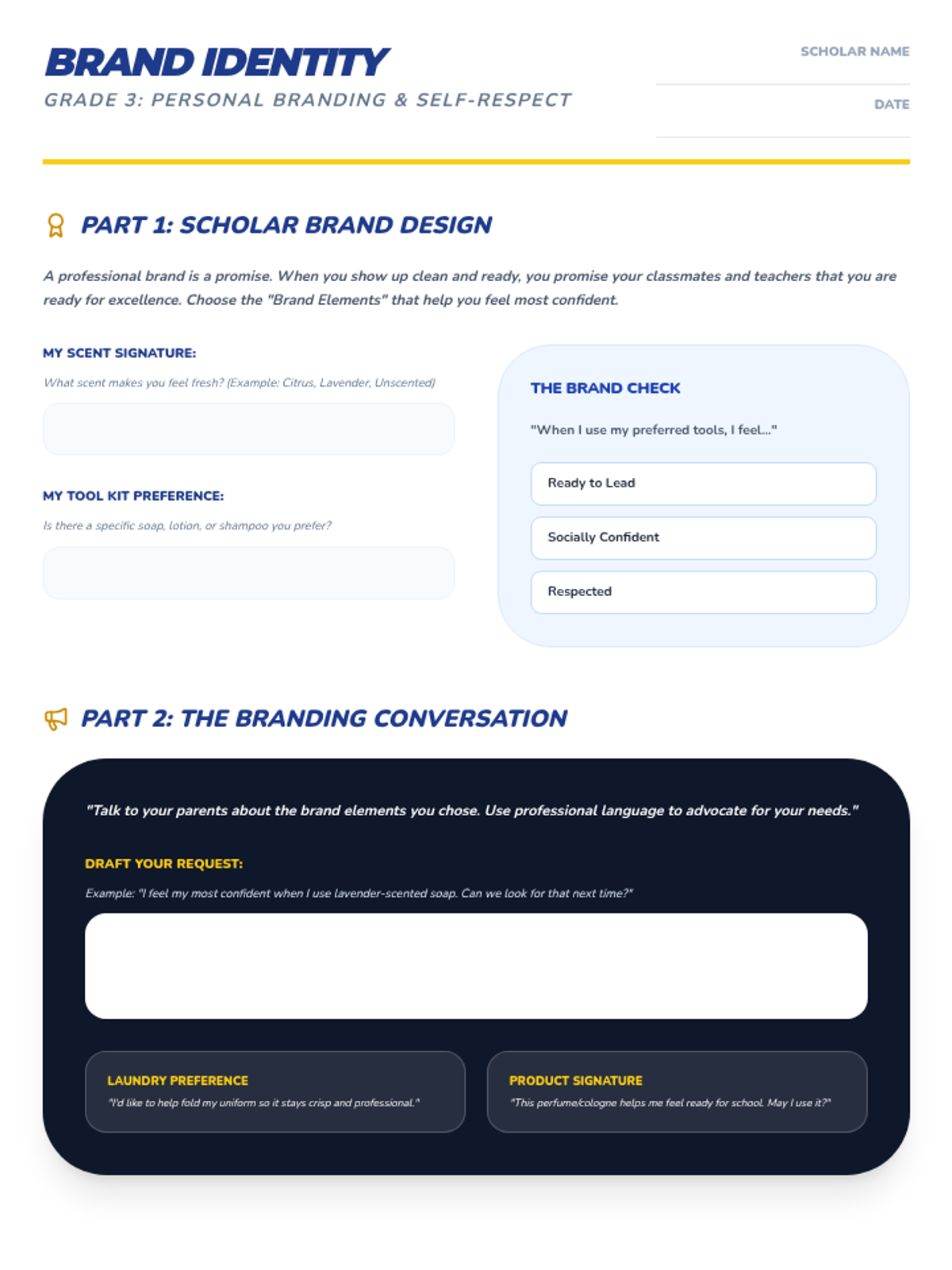
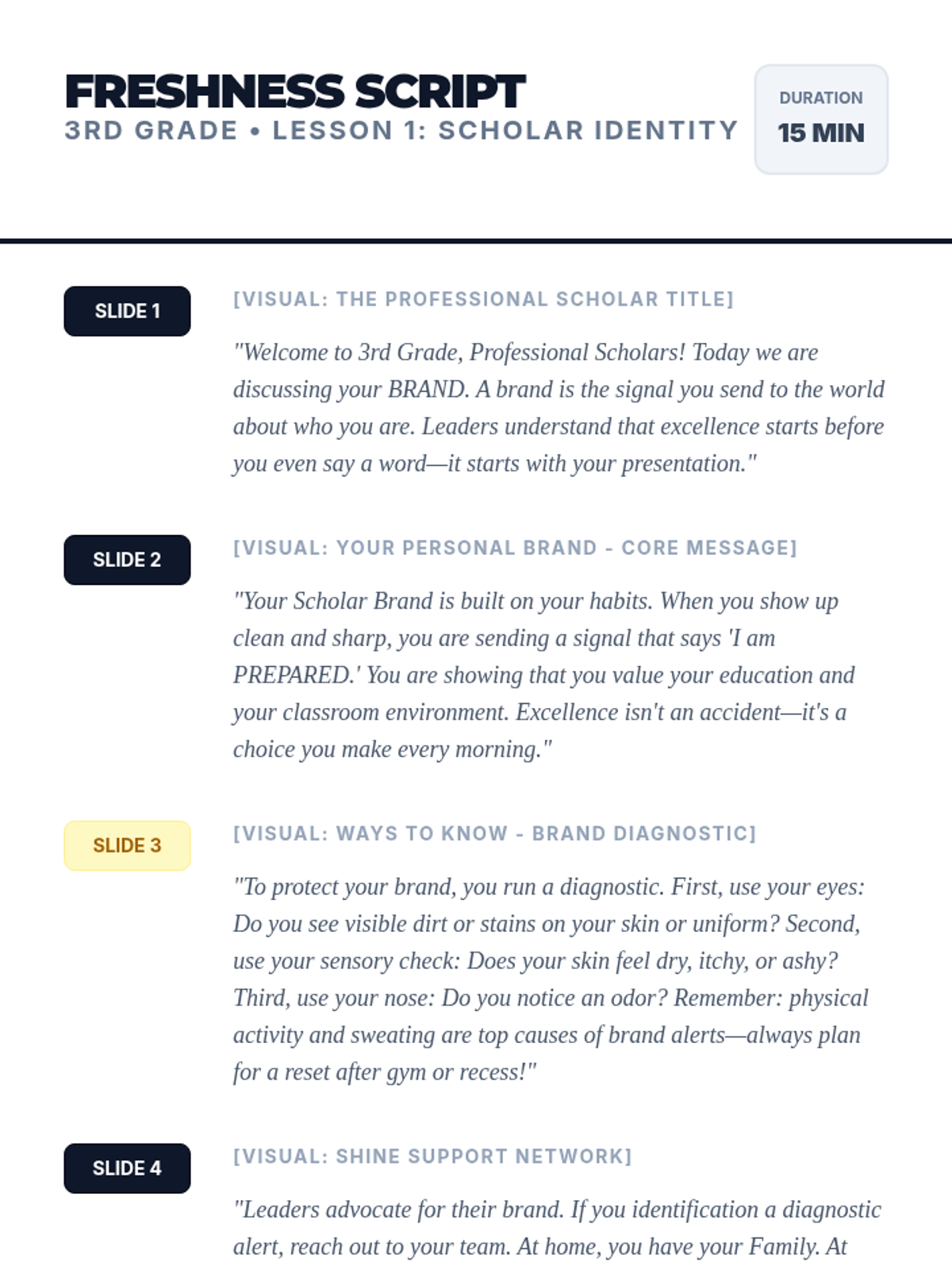
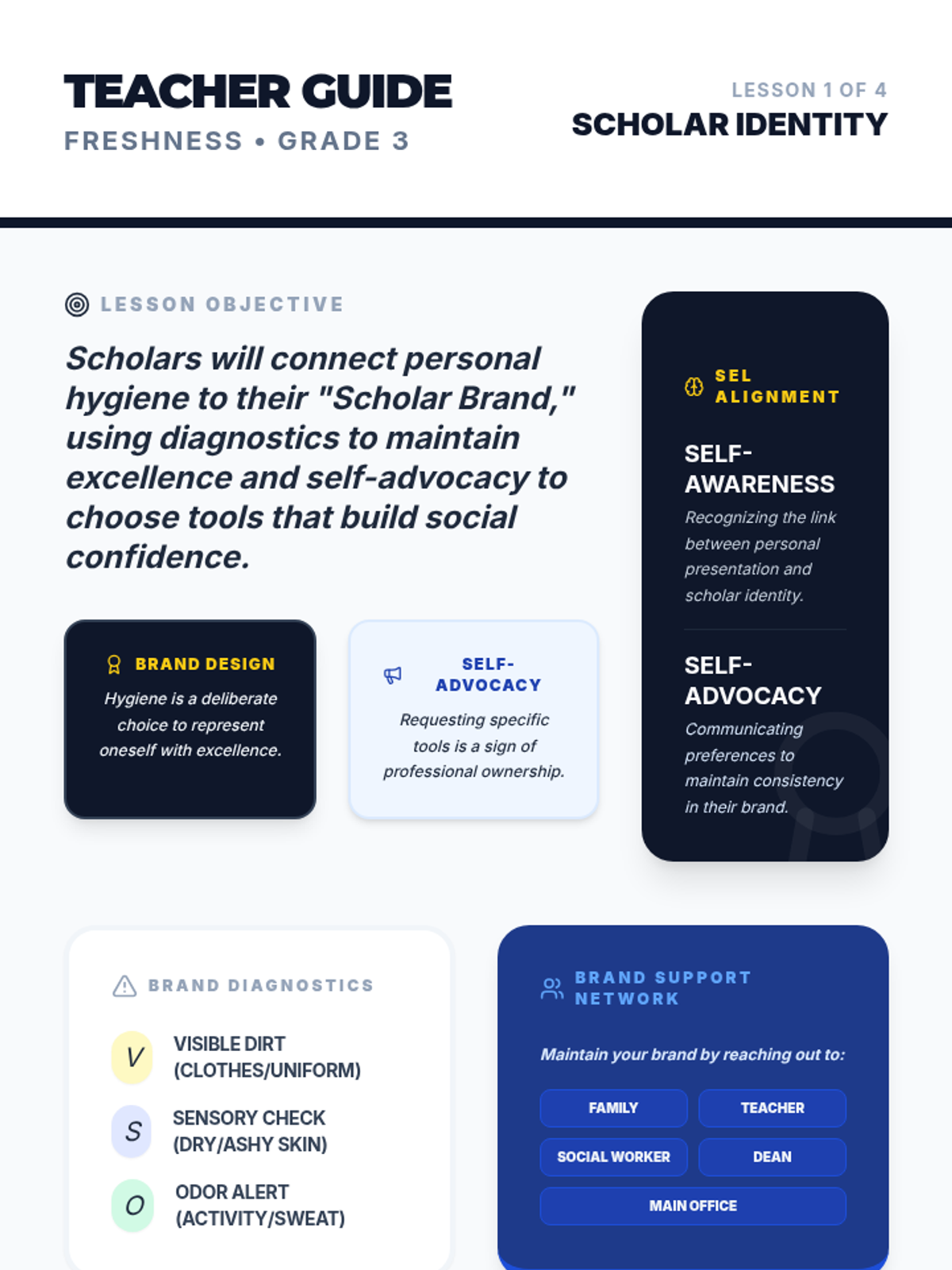
A comprehensive SEL-integrated hygiene curriculum for elementary scholars (K-4), focusing on self-awareness, social impact, and personal responsibility through the lens of a 'Glow Up'.
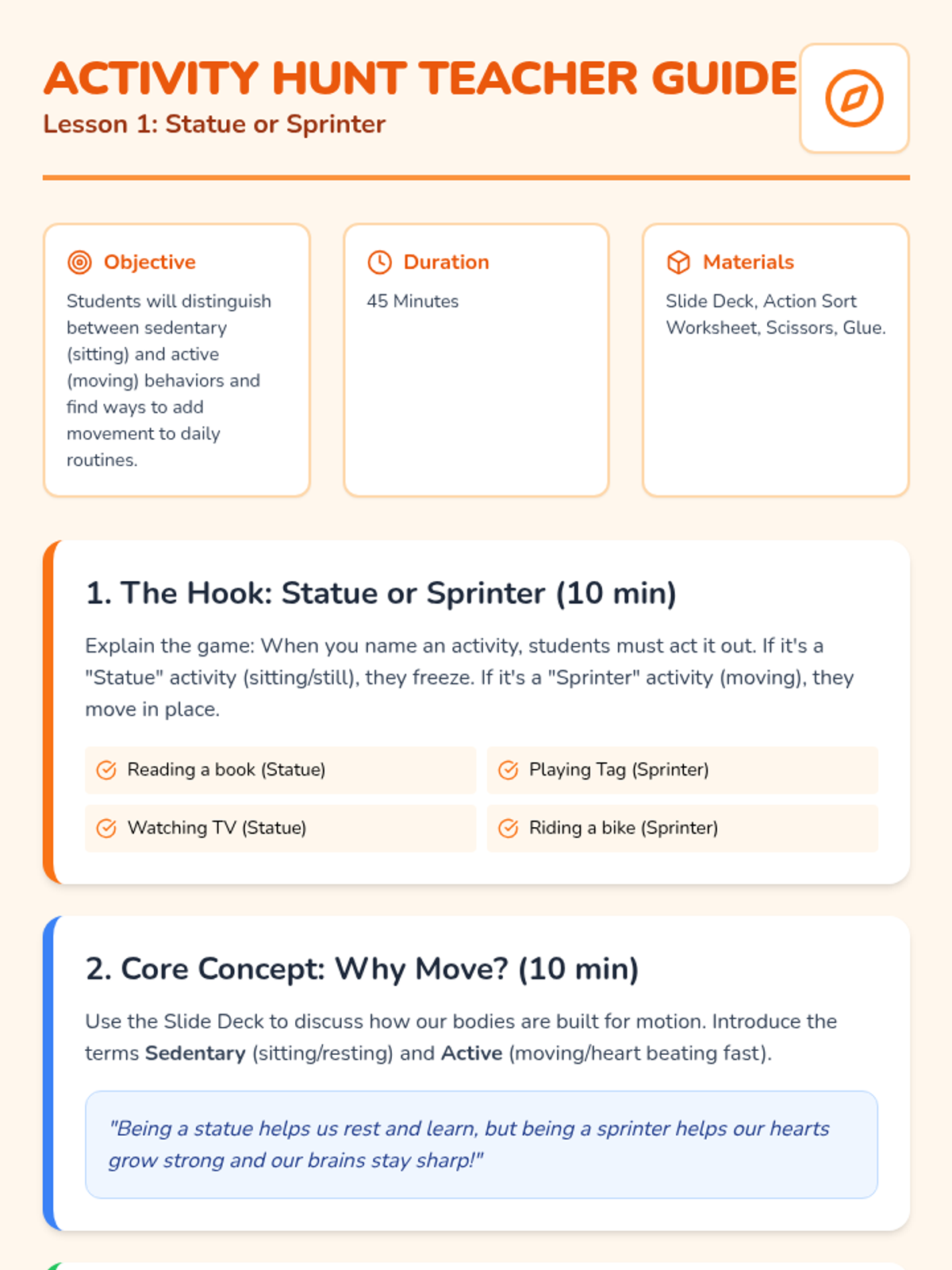
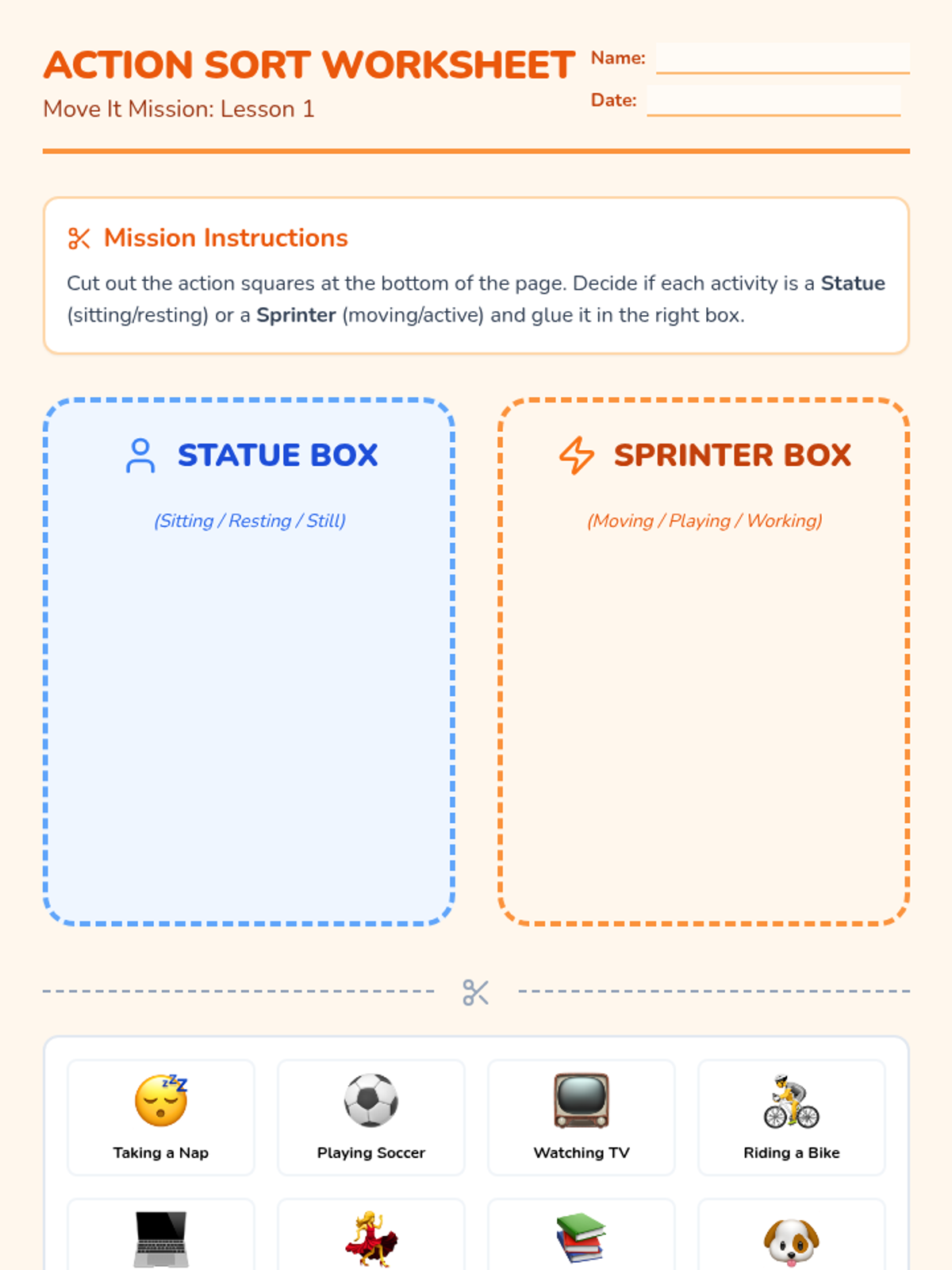
A 2nd-grade sequence designed to help students integrate physical activity into their daily lives through routine analysis, goal setting, and tracking. Students transition from understanding sedentary vs. active time to creating a personalized 'Movement Menu' for long-term healthy habits.
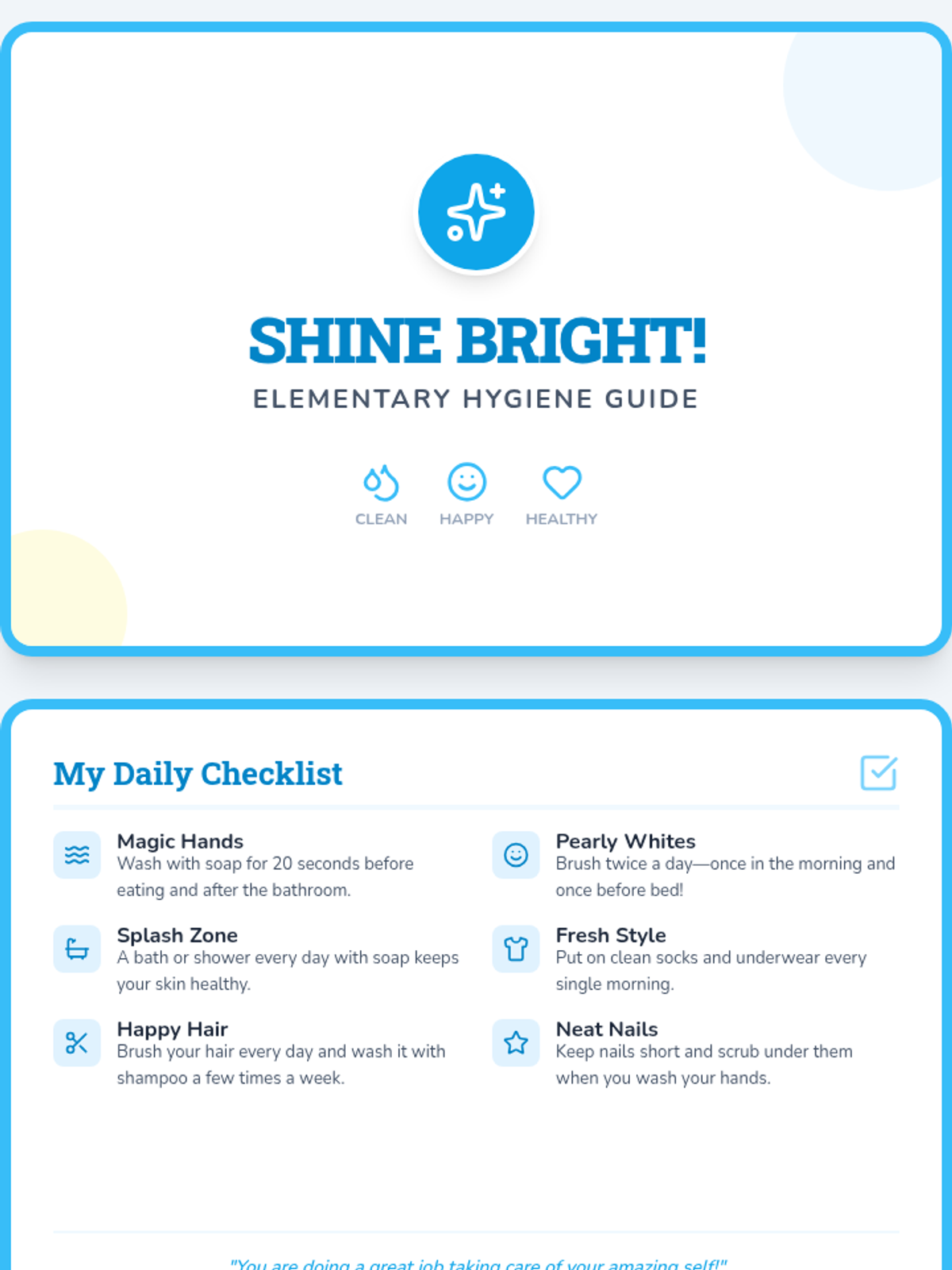
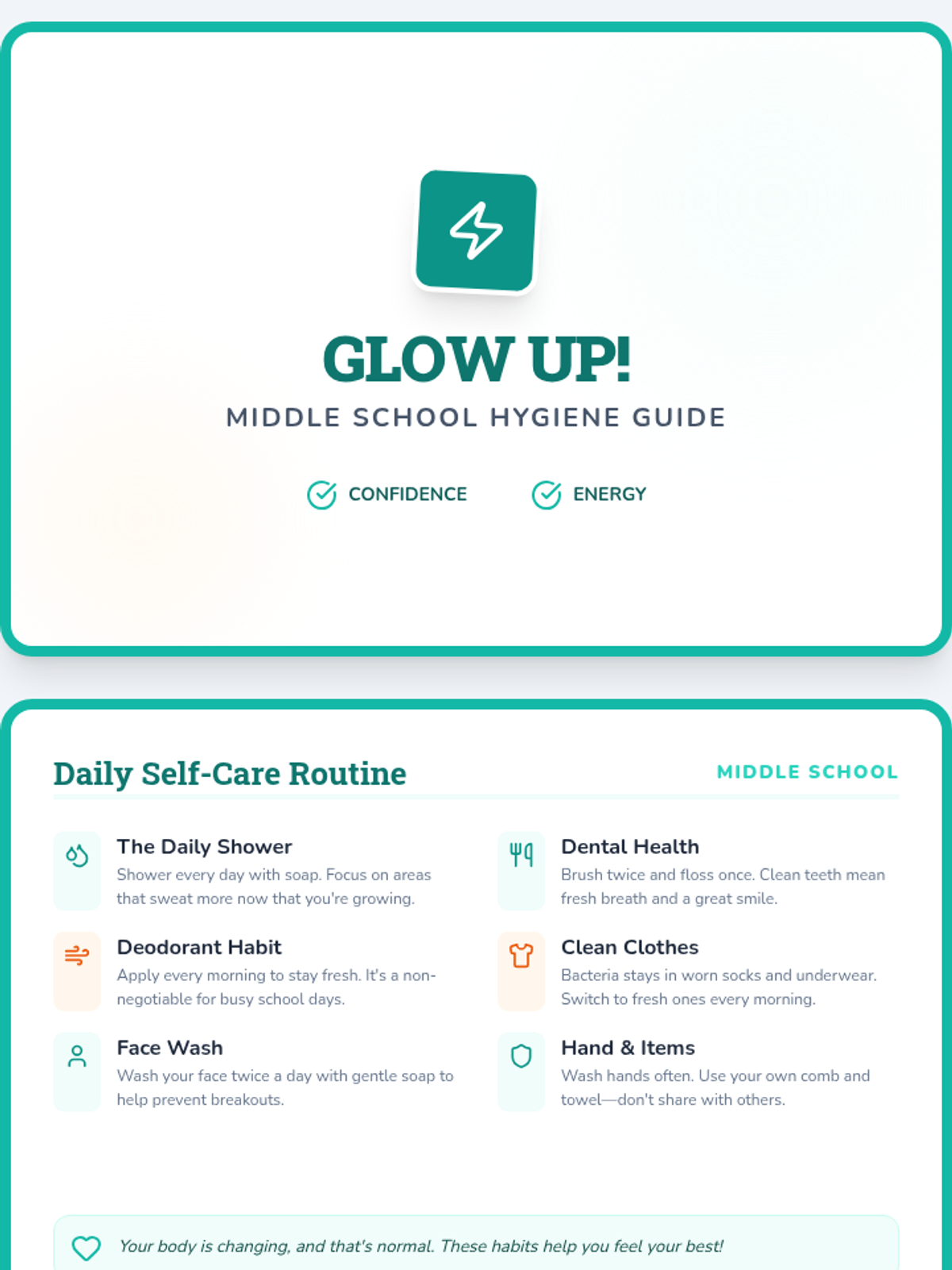
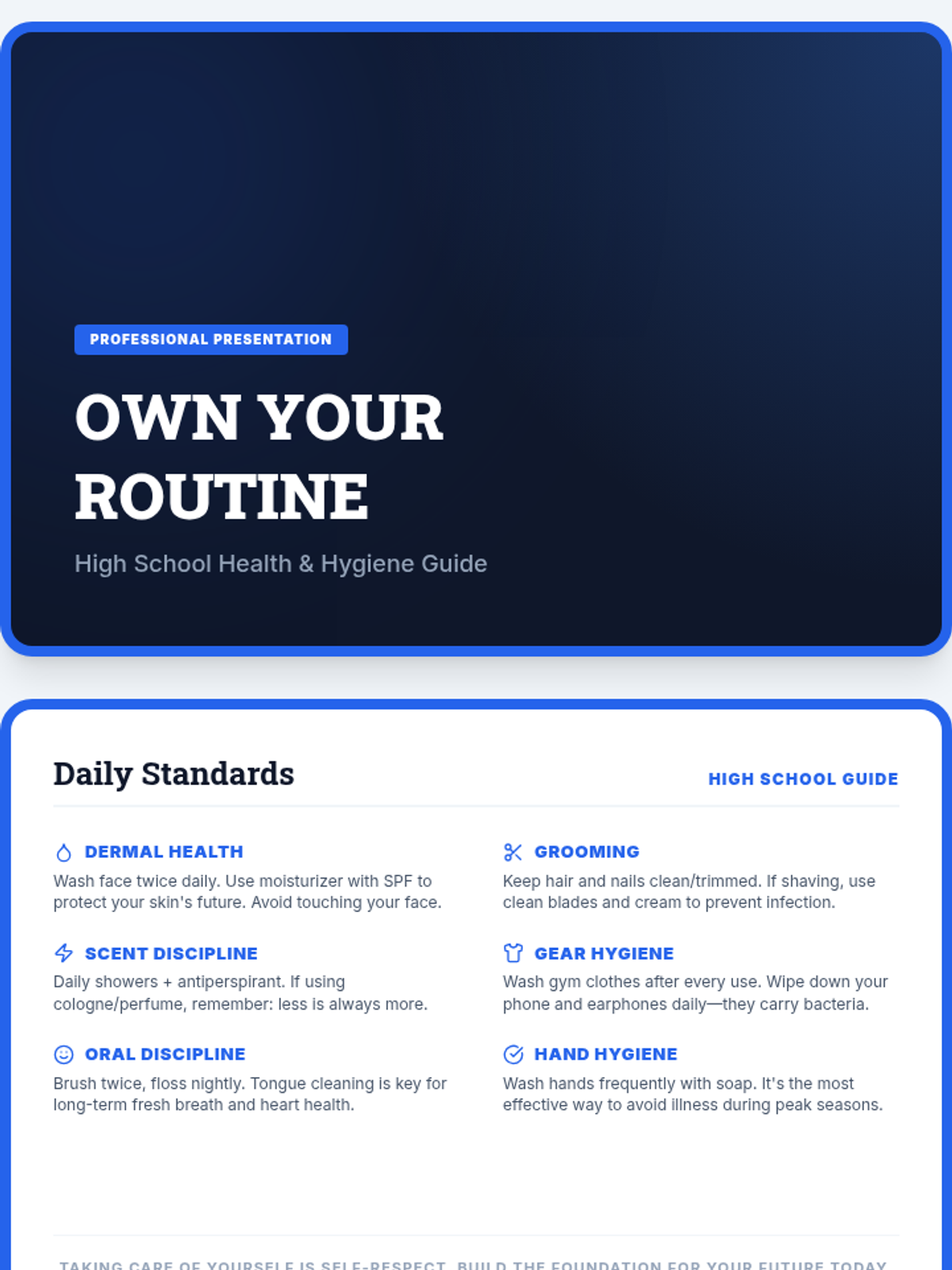
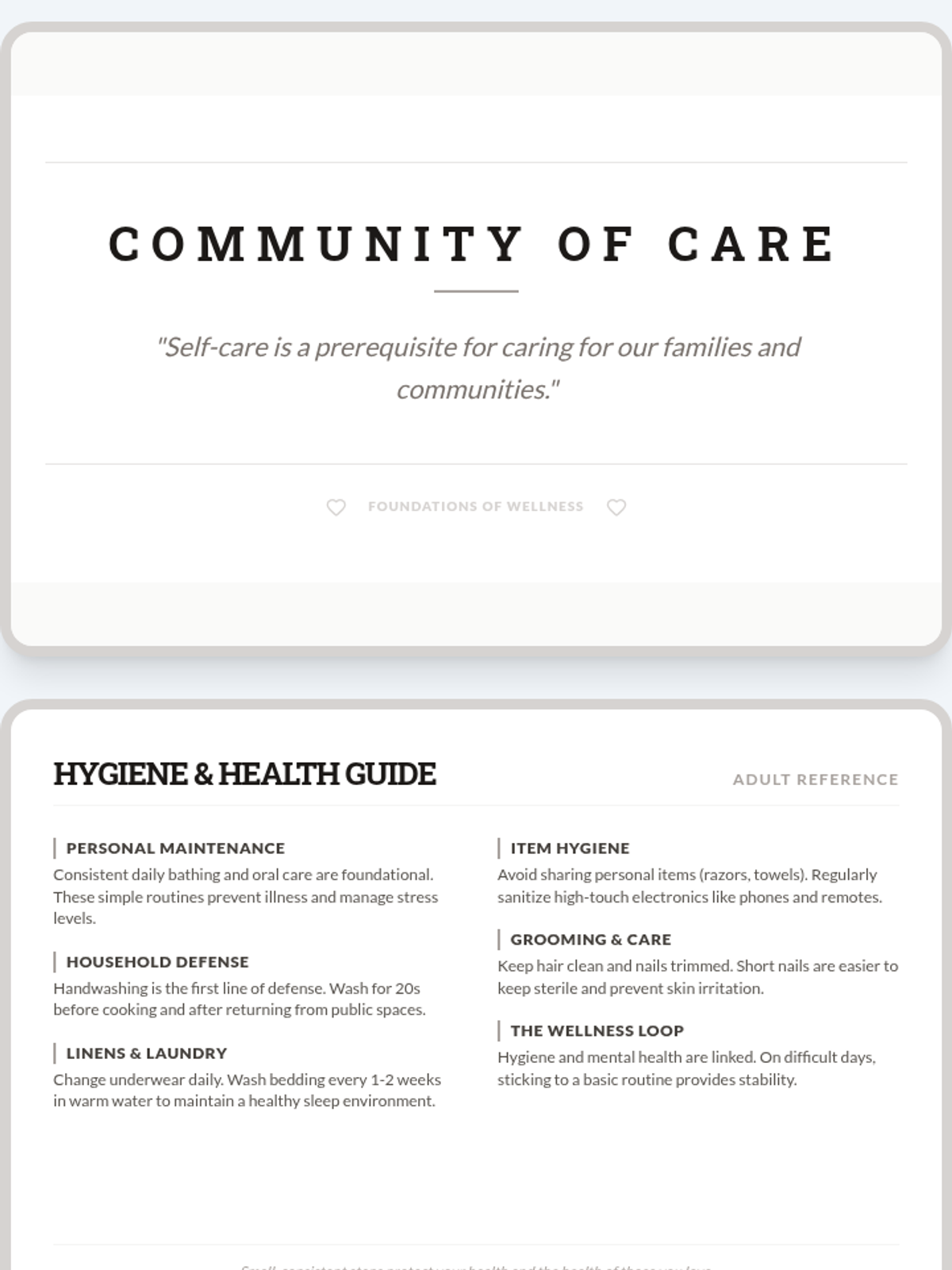
A comprehensive set of empathetic hygiene guides tailored for different age groups, from primary students to adults. The sequence focuses on building self-esteem and health through consistent, simple self-care routines.
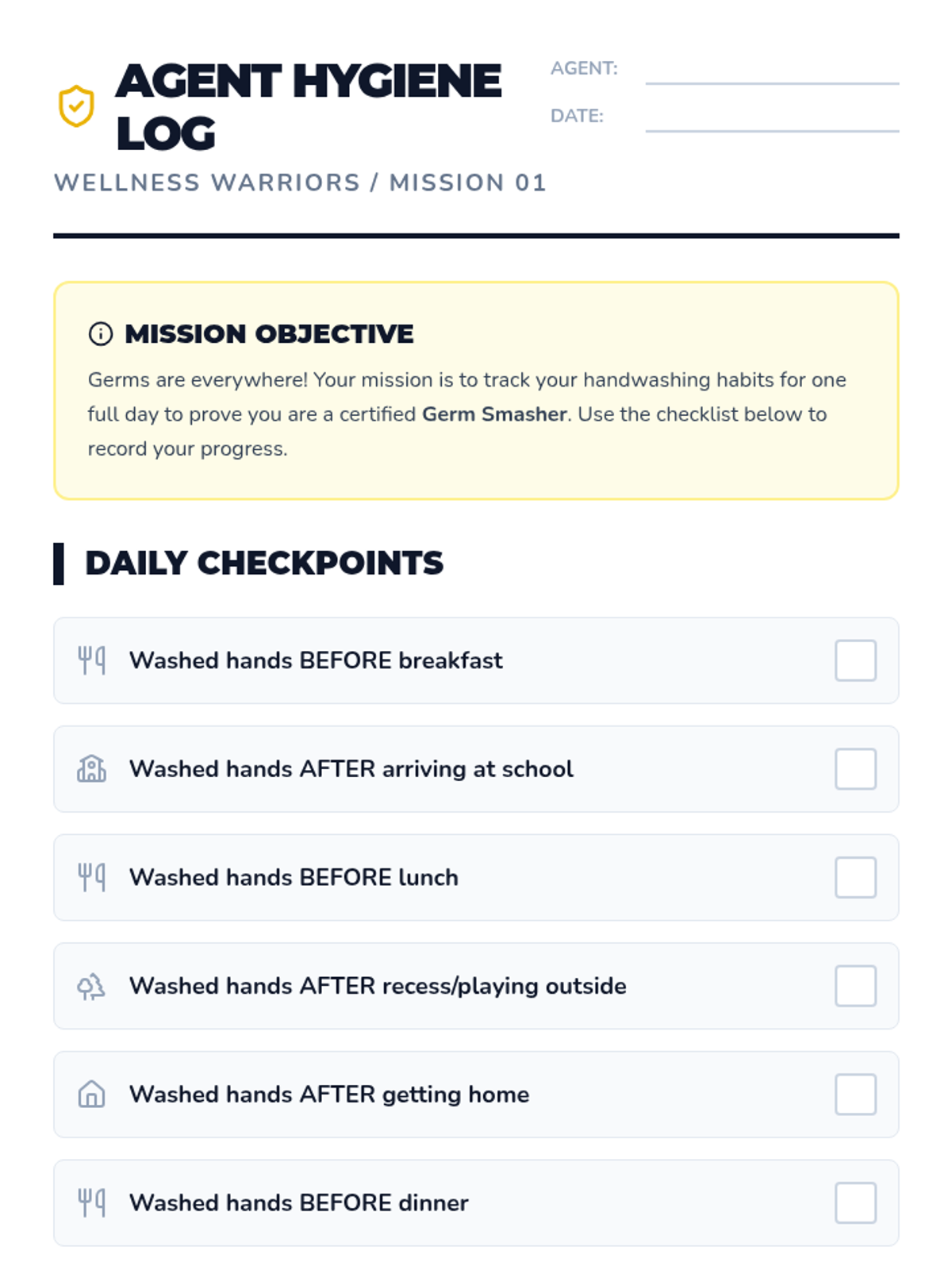
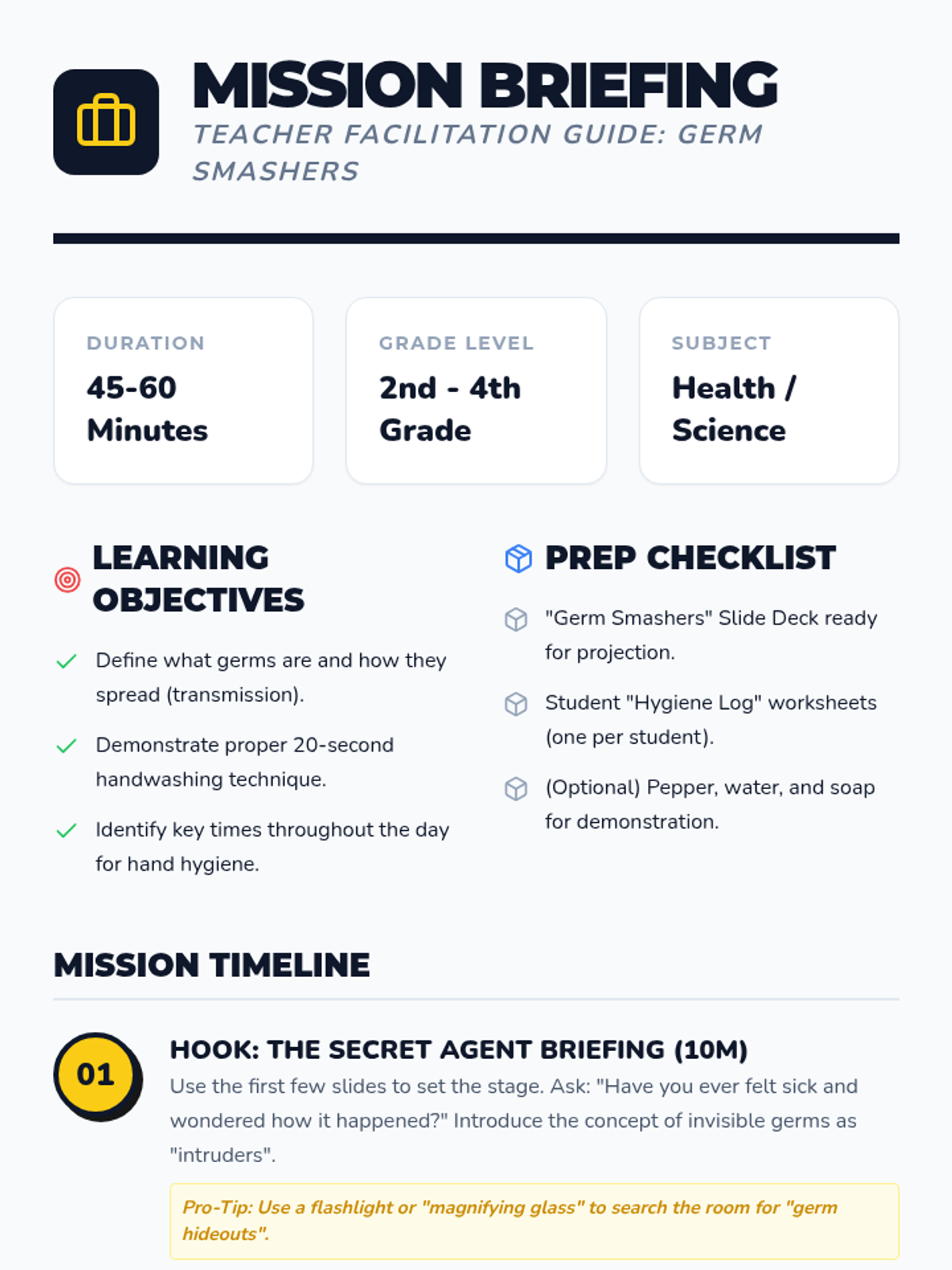
A comprehensive unit designed for elementary students to explore the pillars of personal health, focusing on hygiene, nutrition, and mental well-being through an engaging 'Secret Agent' theme. Students become Health Agents on a mission to protect their bodies and minds.
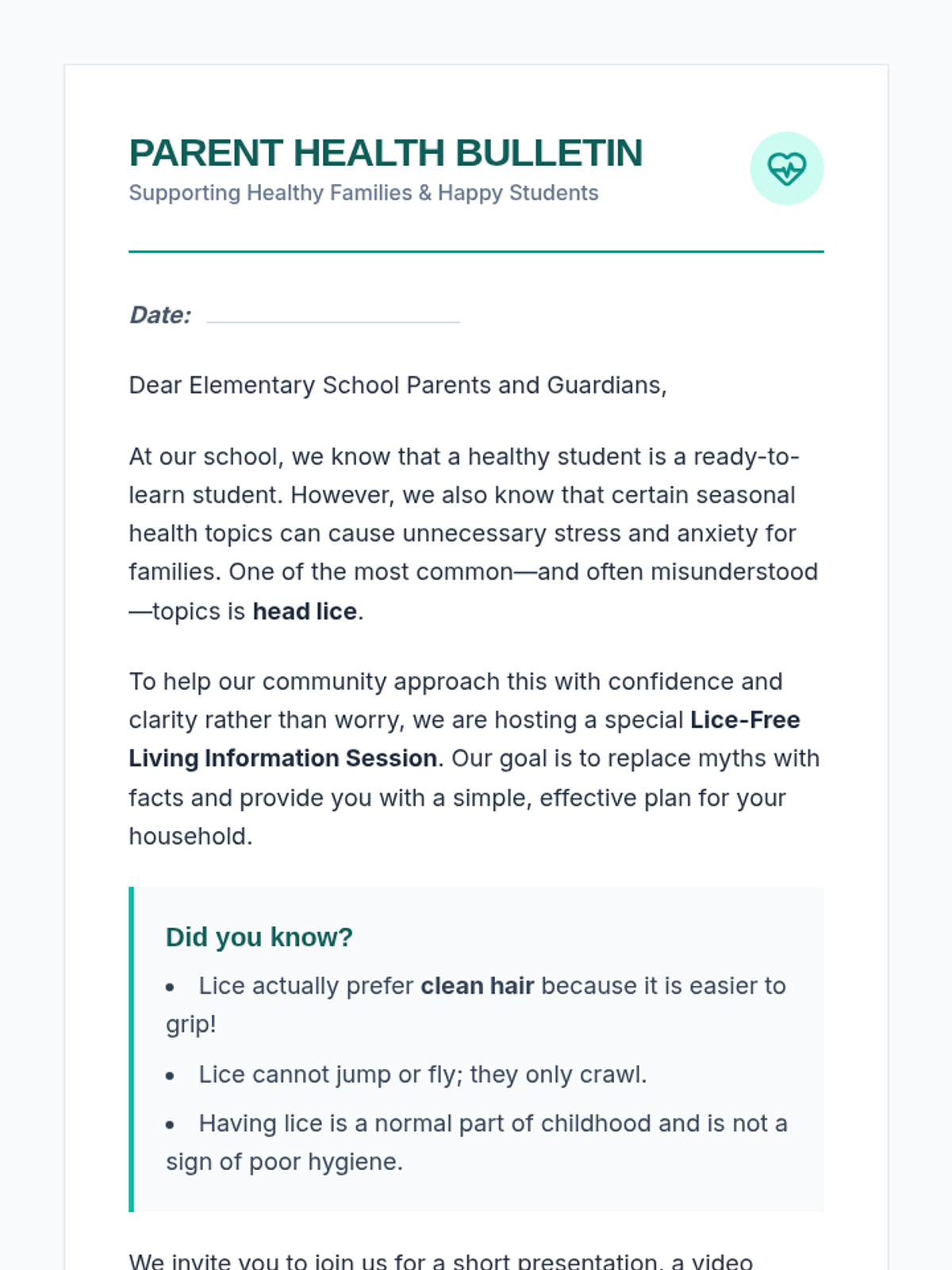
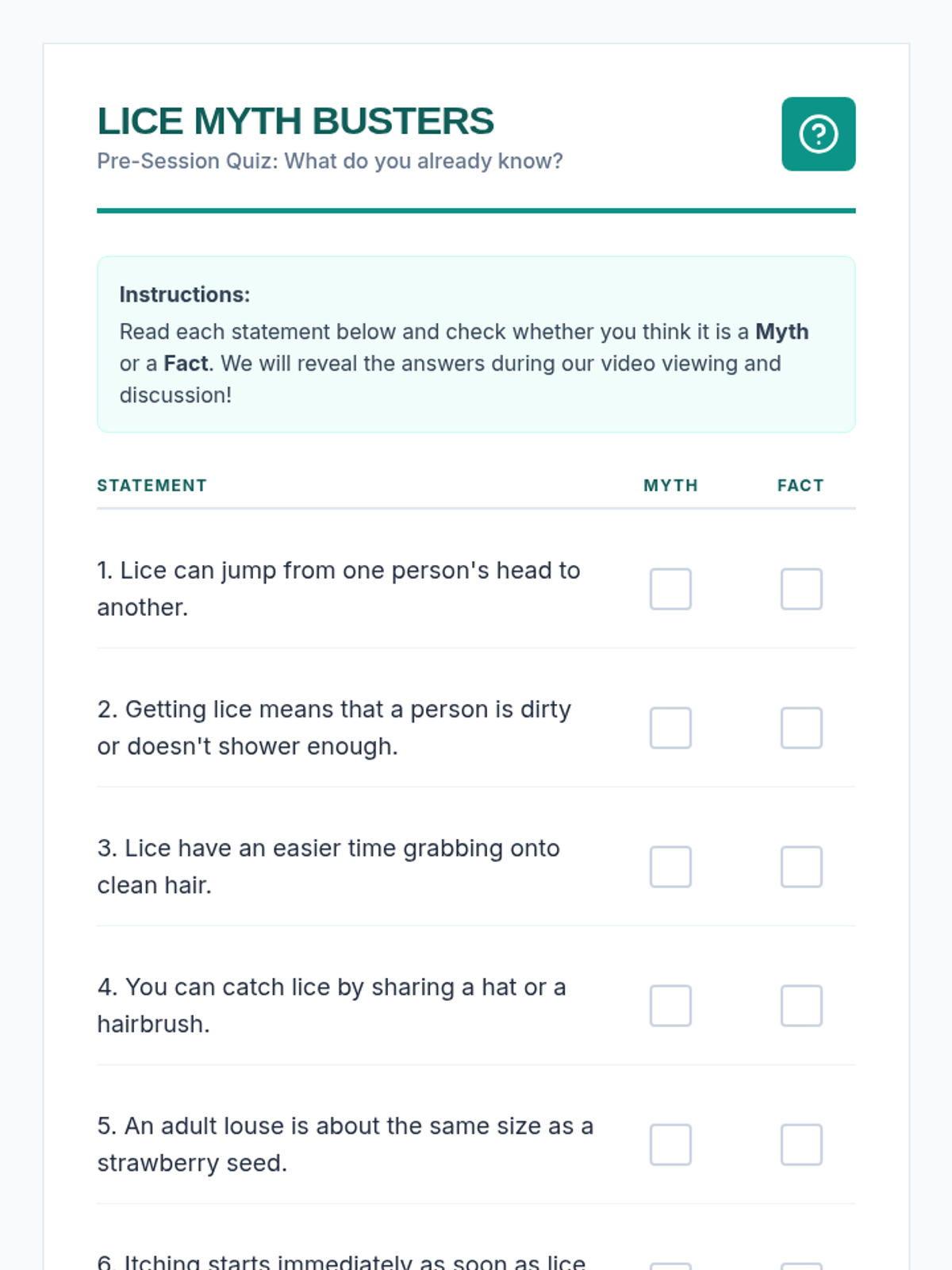
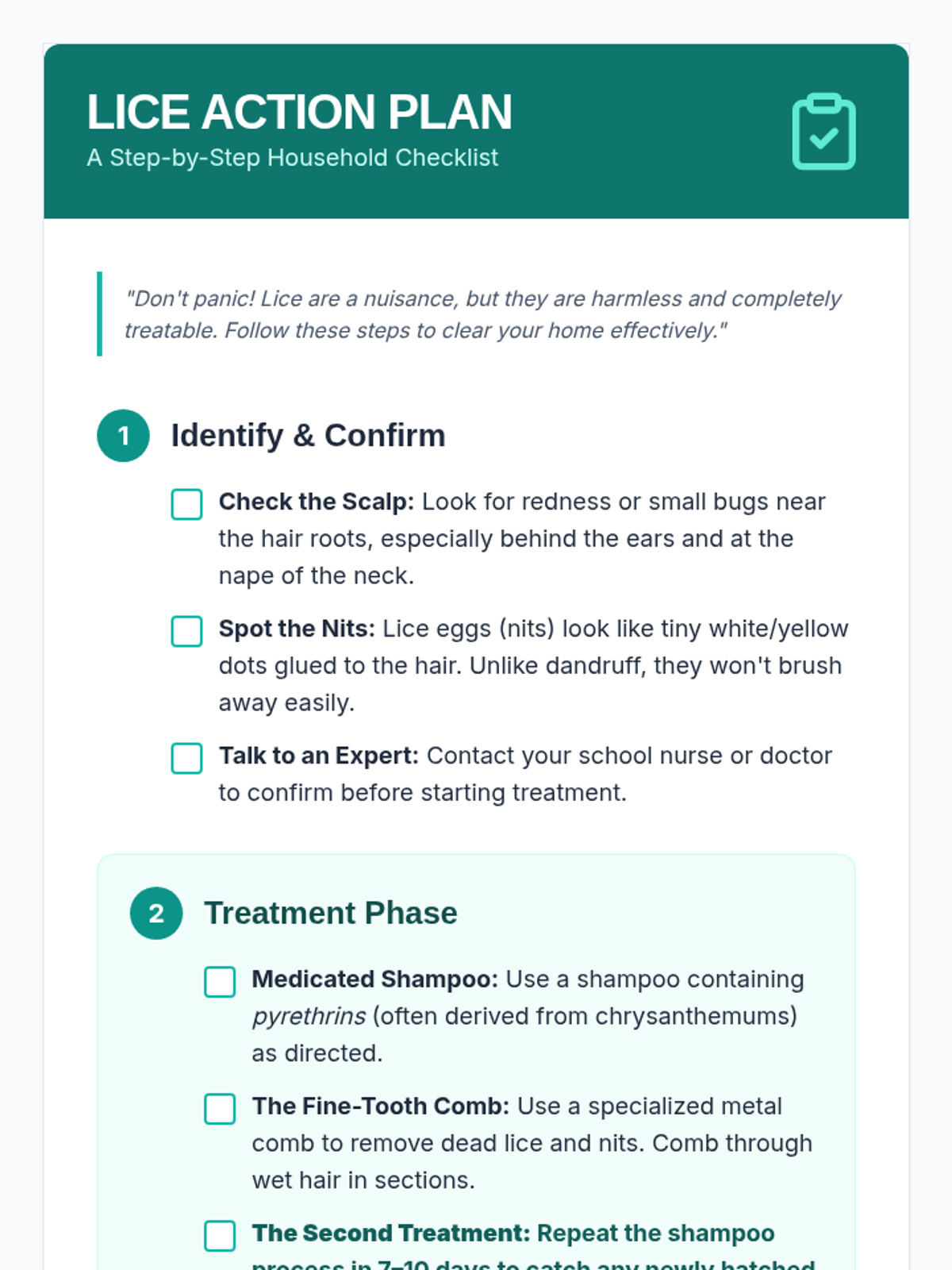
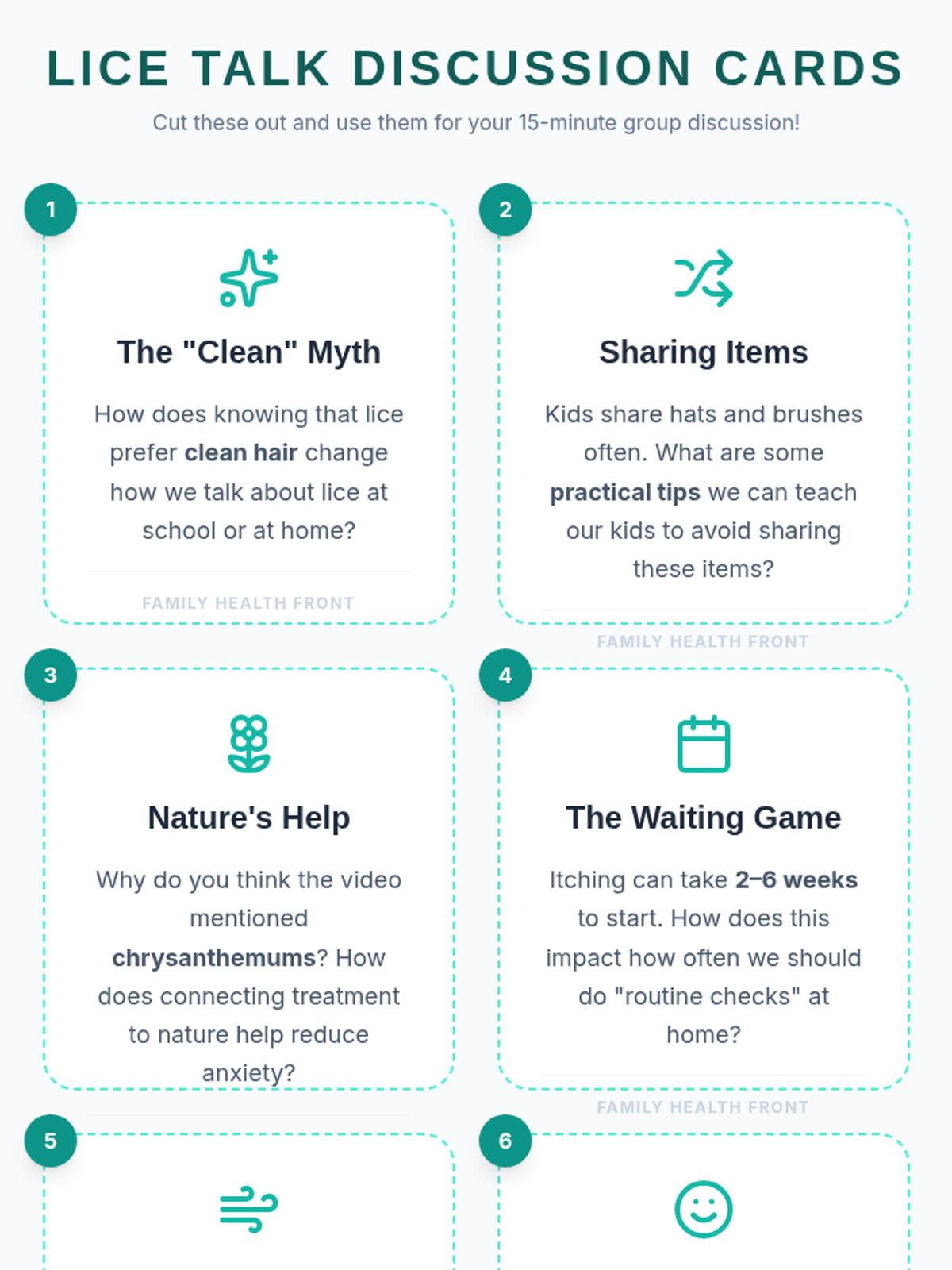
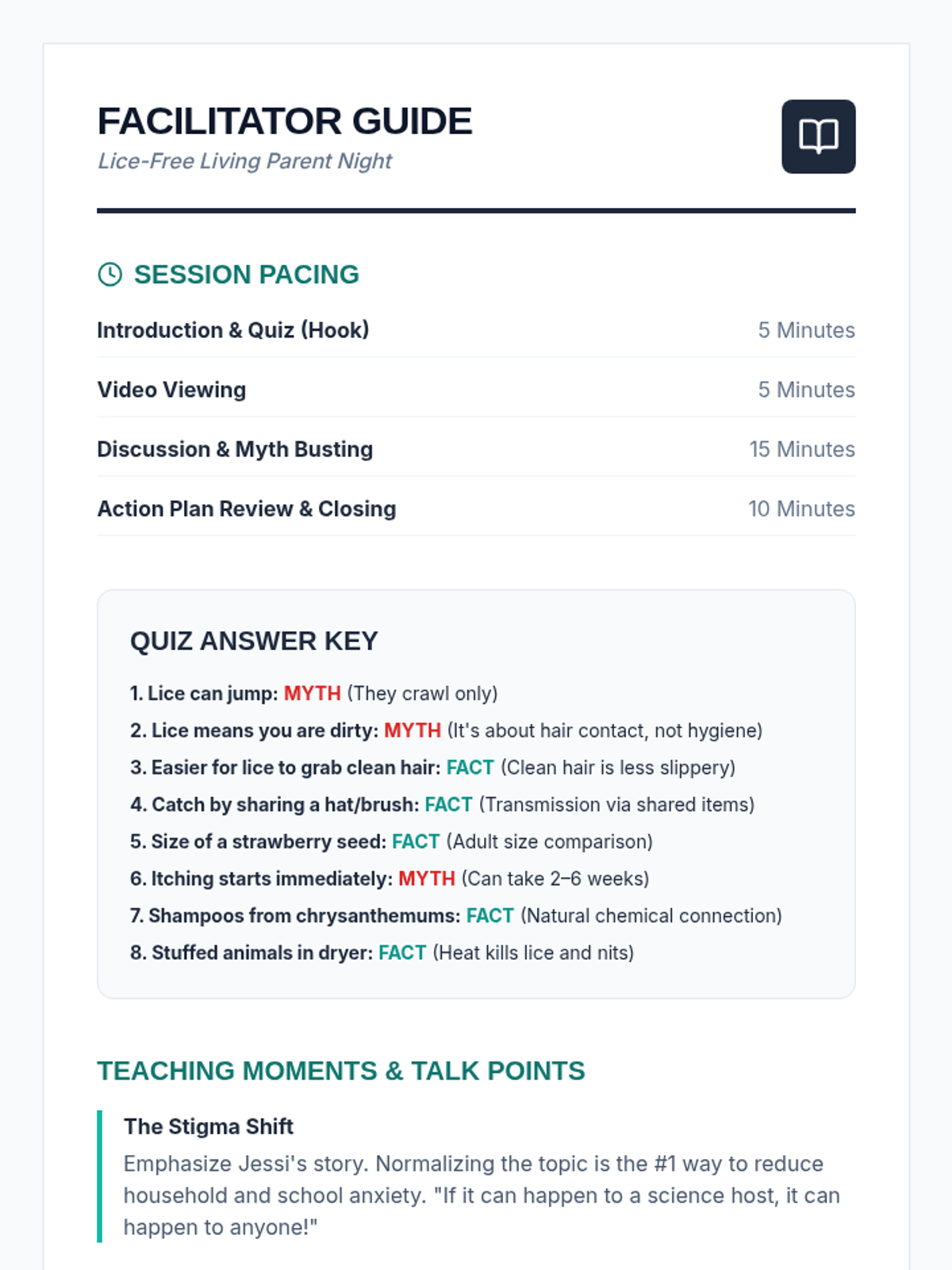
A series of workshops and resources for elementary school parents focusing on common school-related health concerns, starting with head lice management.
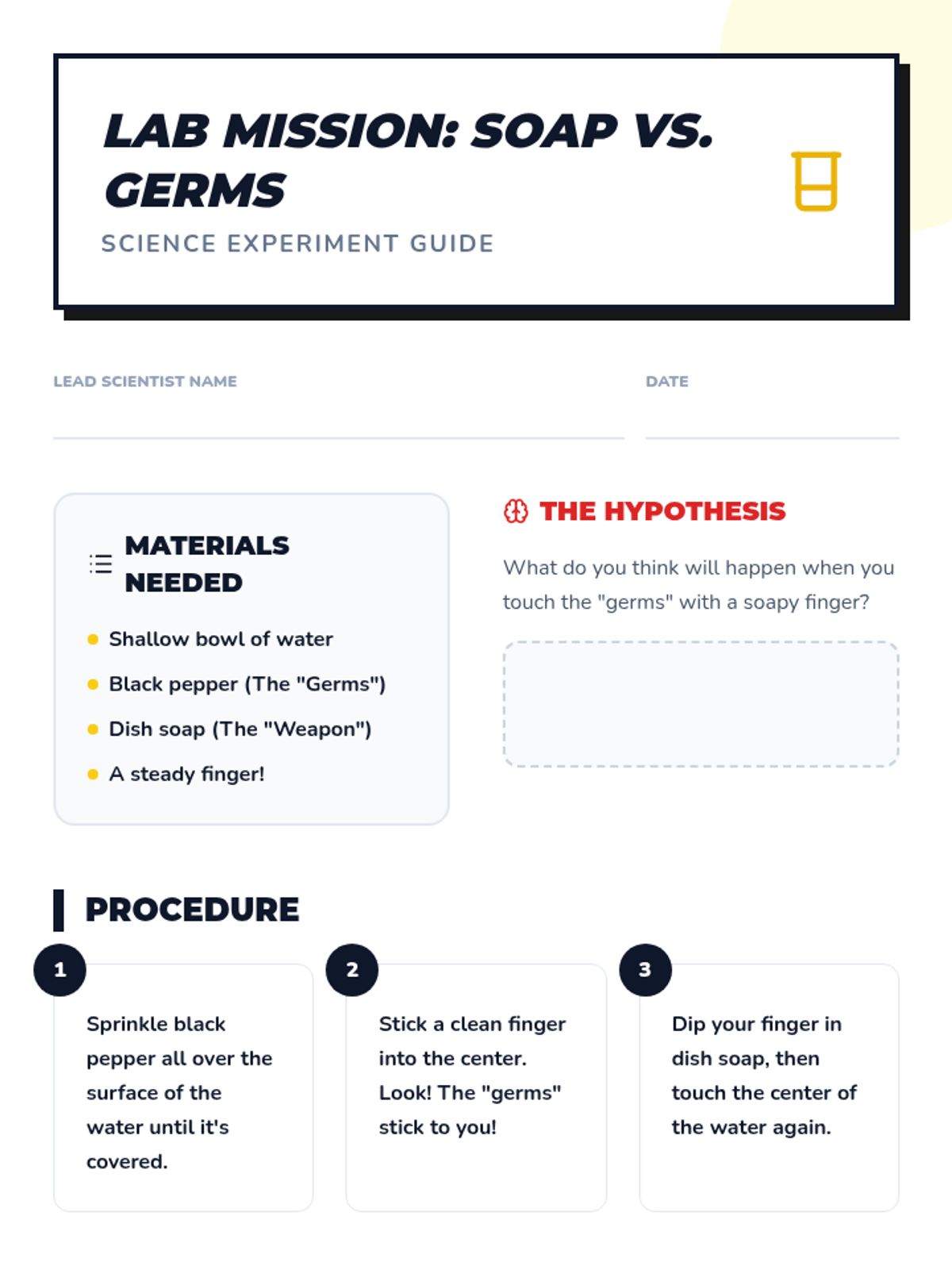
Students explore the invisible world of microbes through simulations and experiments to understand illness transmission and personal hygiene. They analyze handwashing effectiveness, practice dental care, investigate respiratory hygiene, and synthesize their learning into a personal wellness routine.
A comprehensive 2nd-grade sequence focusing on germ transmission, handwashing, dental care, and total body grooming to help students establish lifelong healthy habits.
Students explore the invisible world of germs and establish lifelong hygiene habits through experiments, simulations, and routine planning. This hands-on sequence focuses on handwashing, dental care, and respiratory etiquette to empower young learners as 'Hygiene Heroes.'
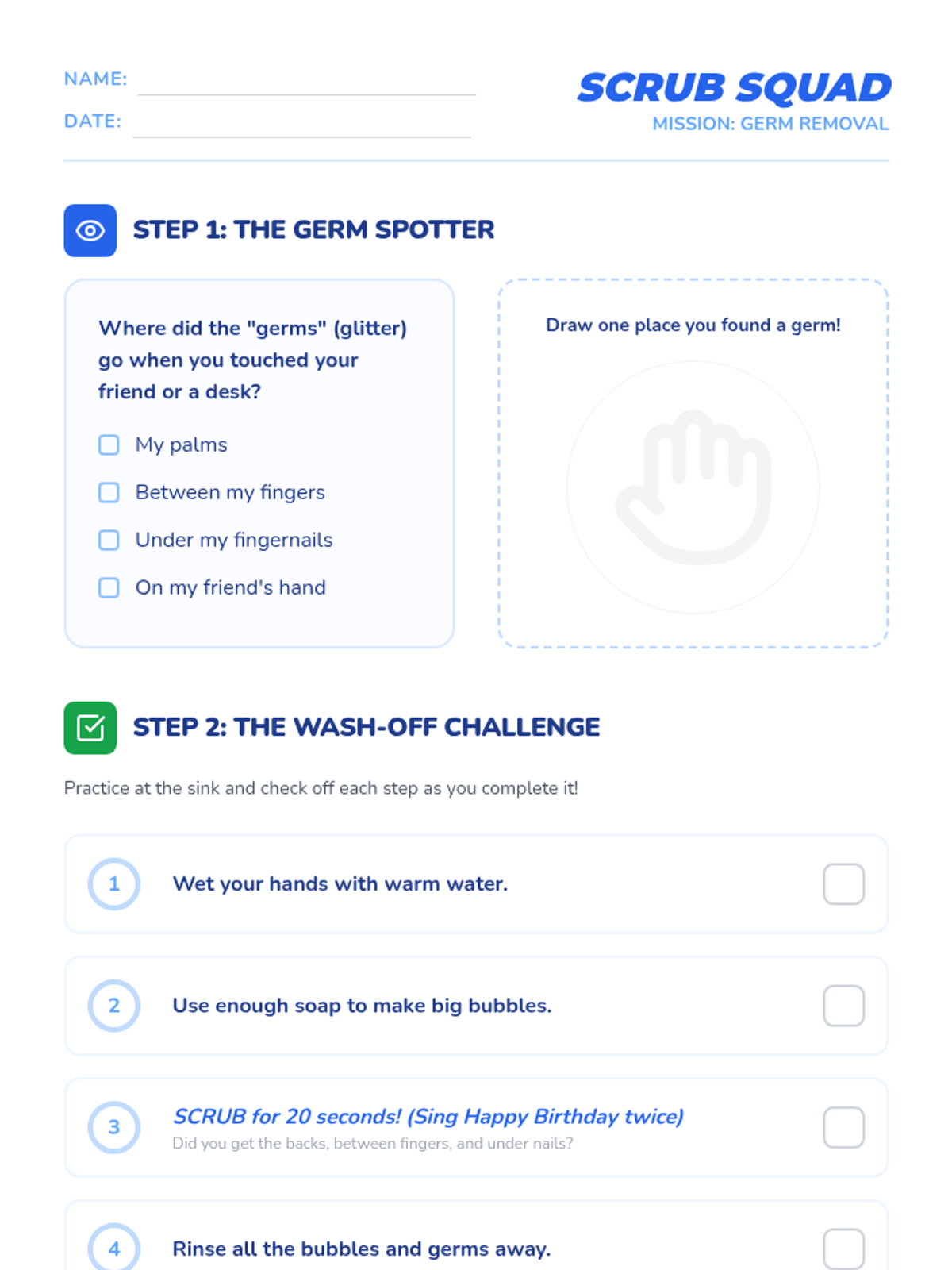
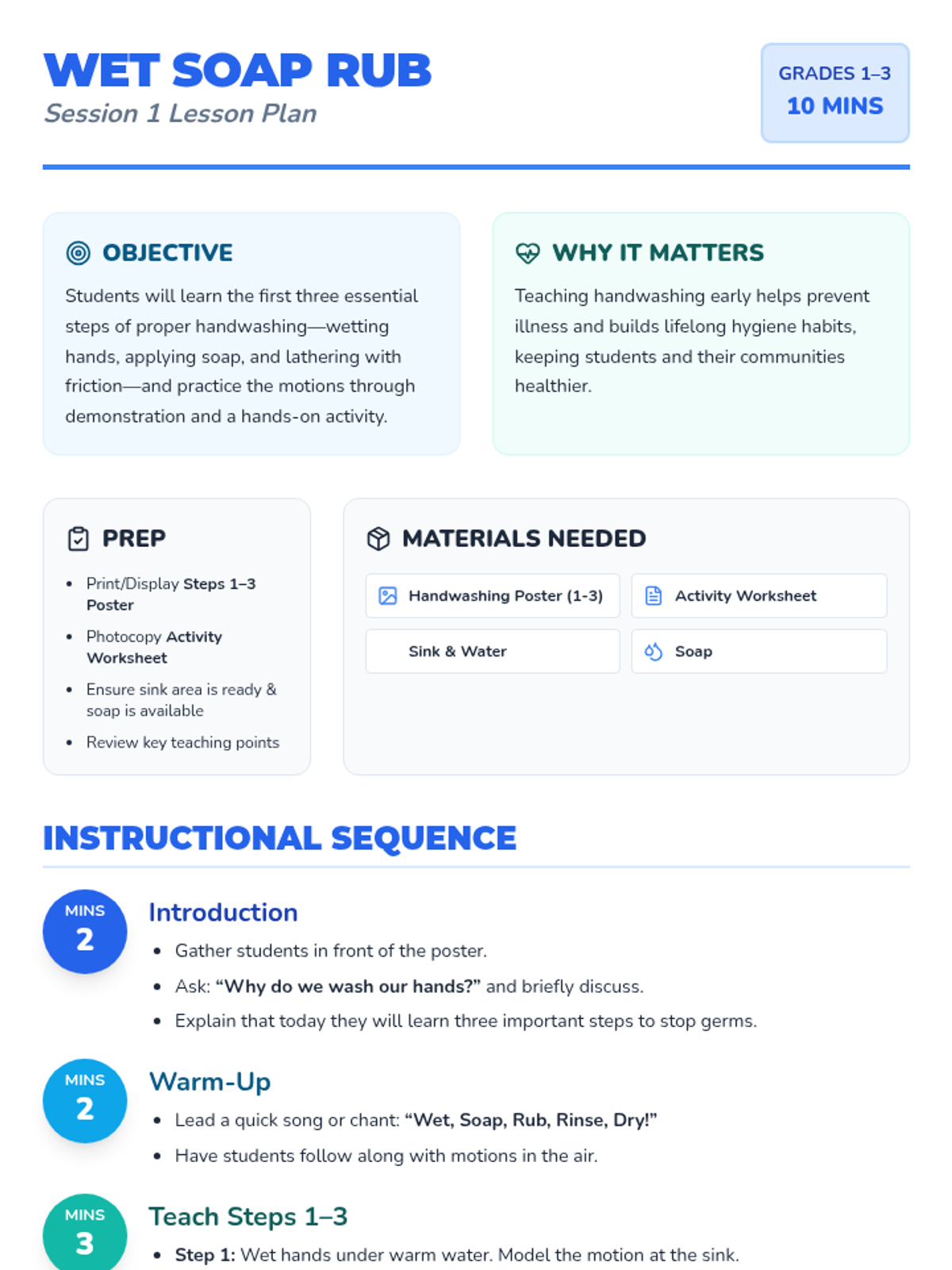
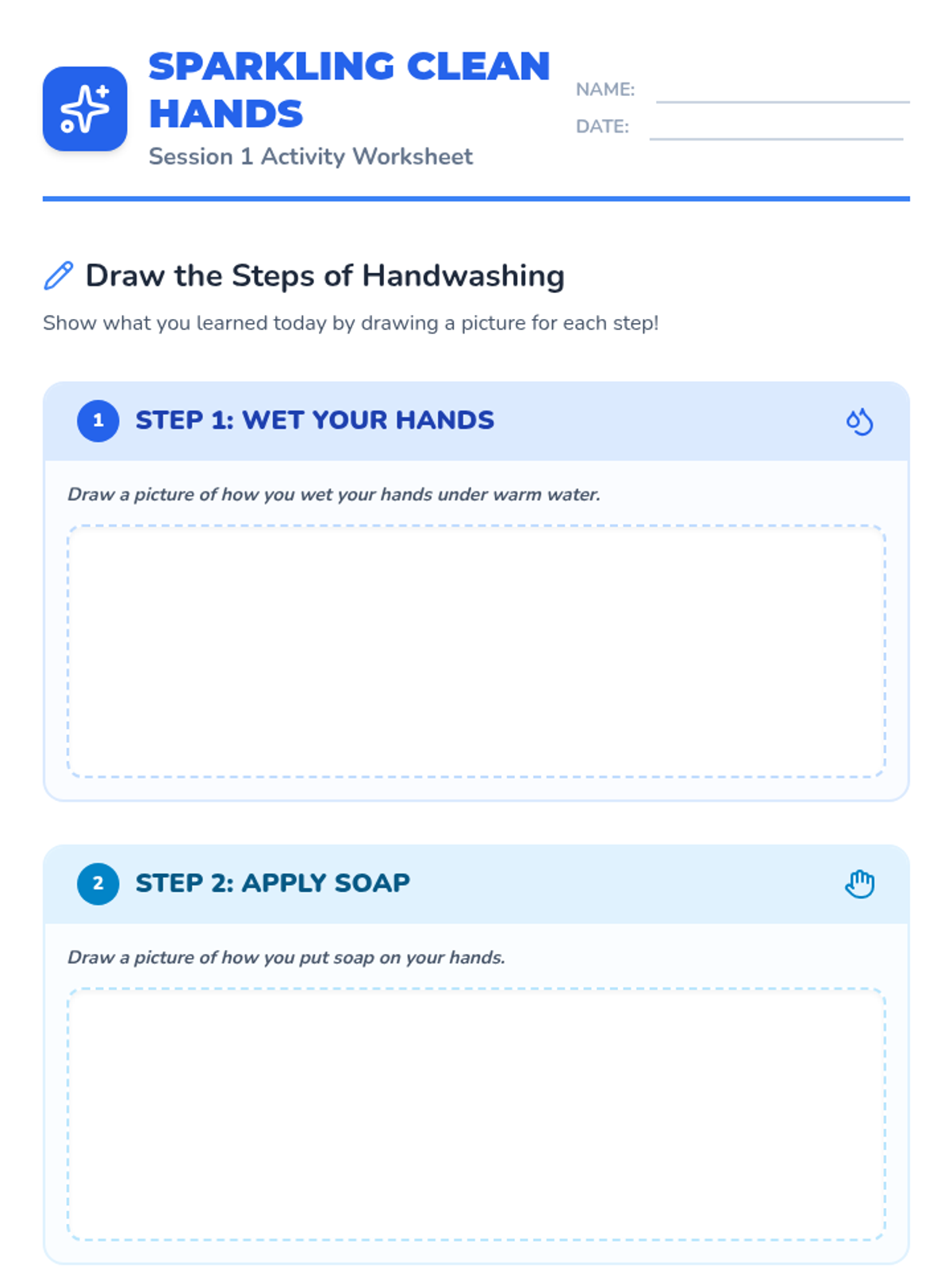
A two-session hygiene unit for grades 1-3 focused on the five essential steps of handwashing. Students learn through demonstration, practice, and interactive activities to build lifelong healthy habits.
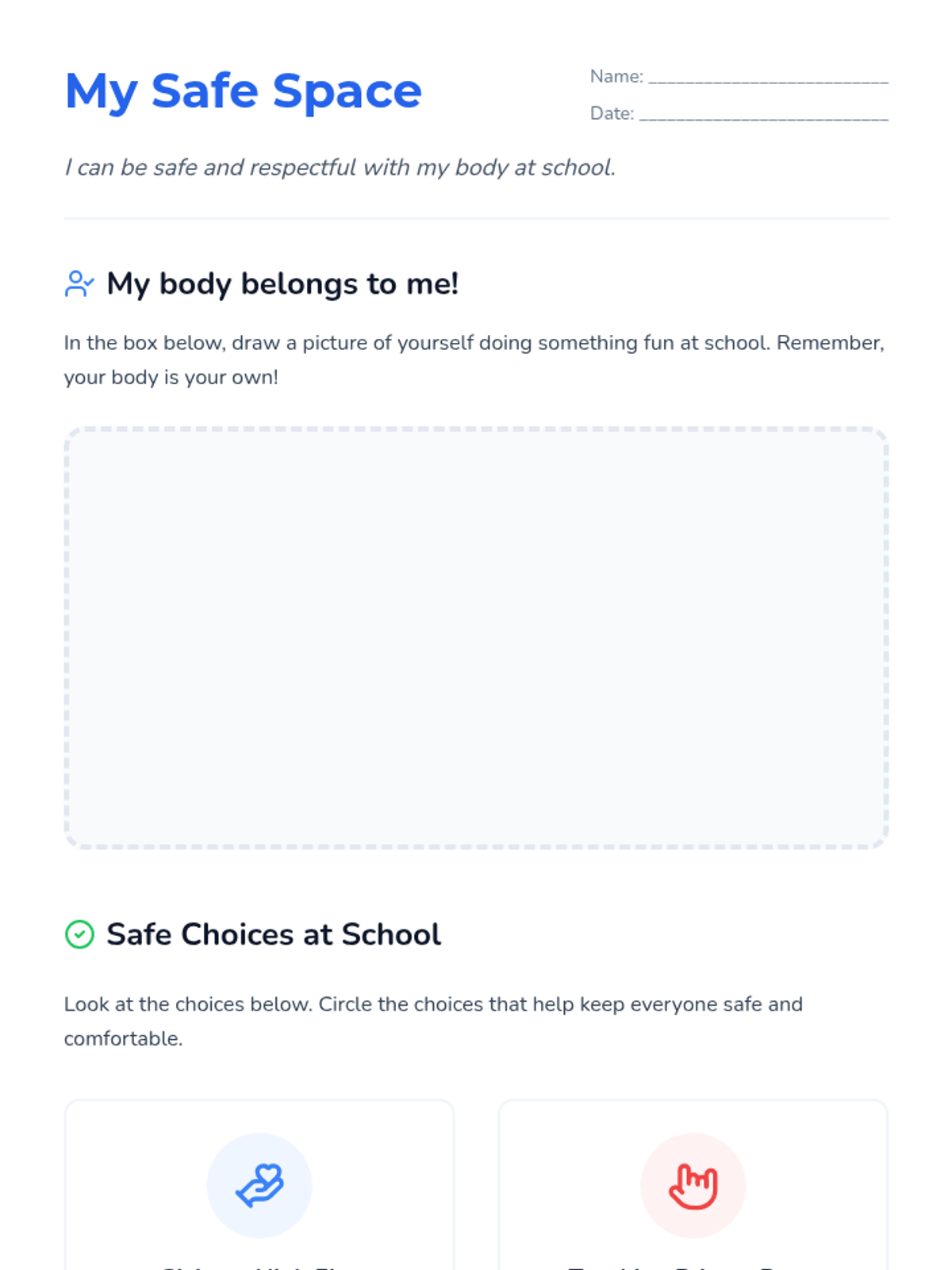
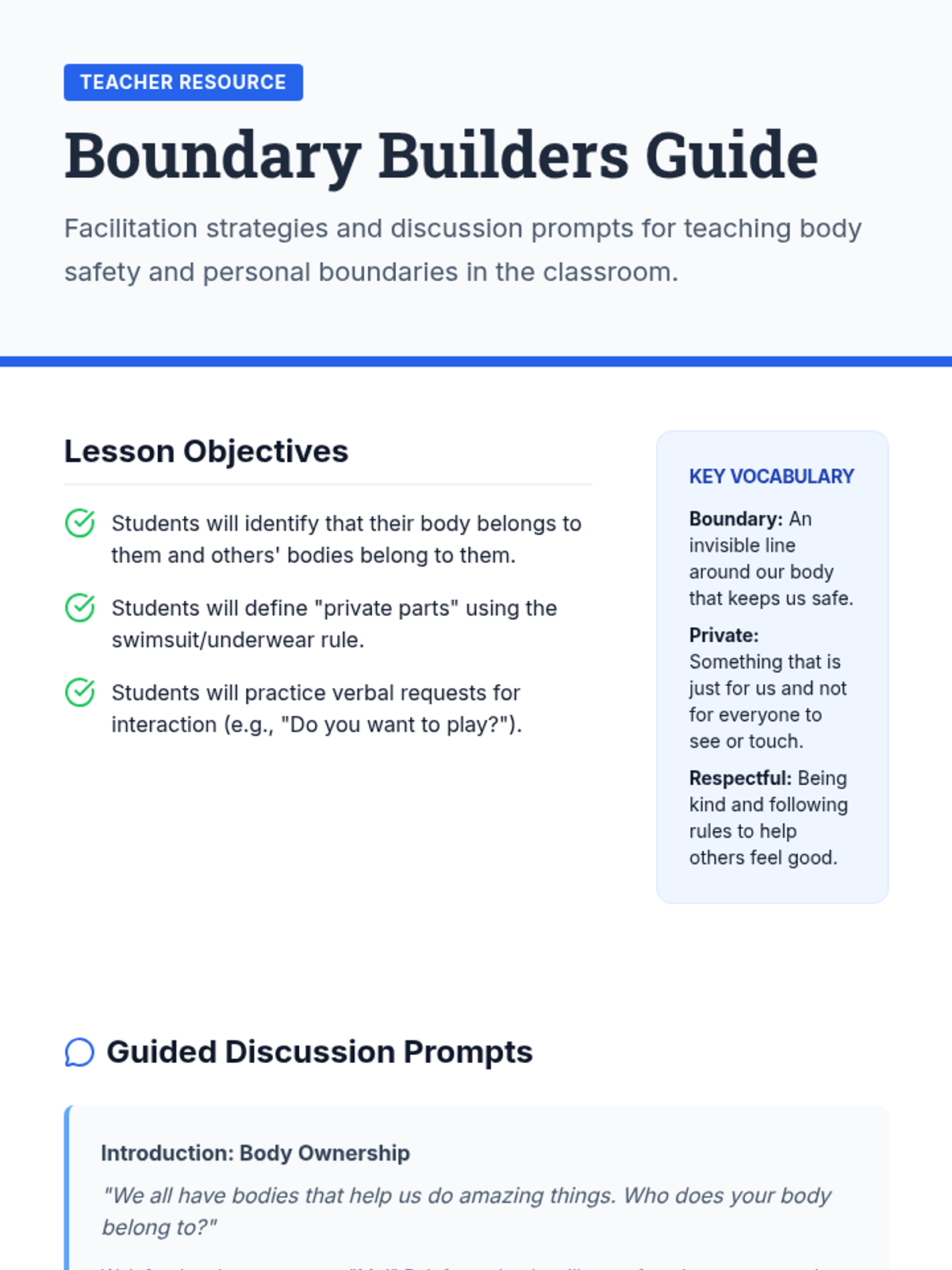
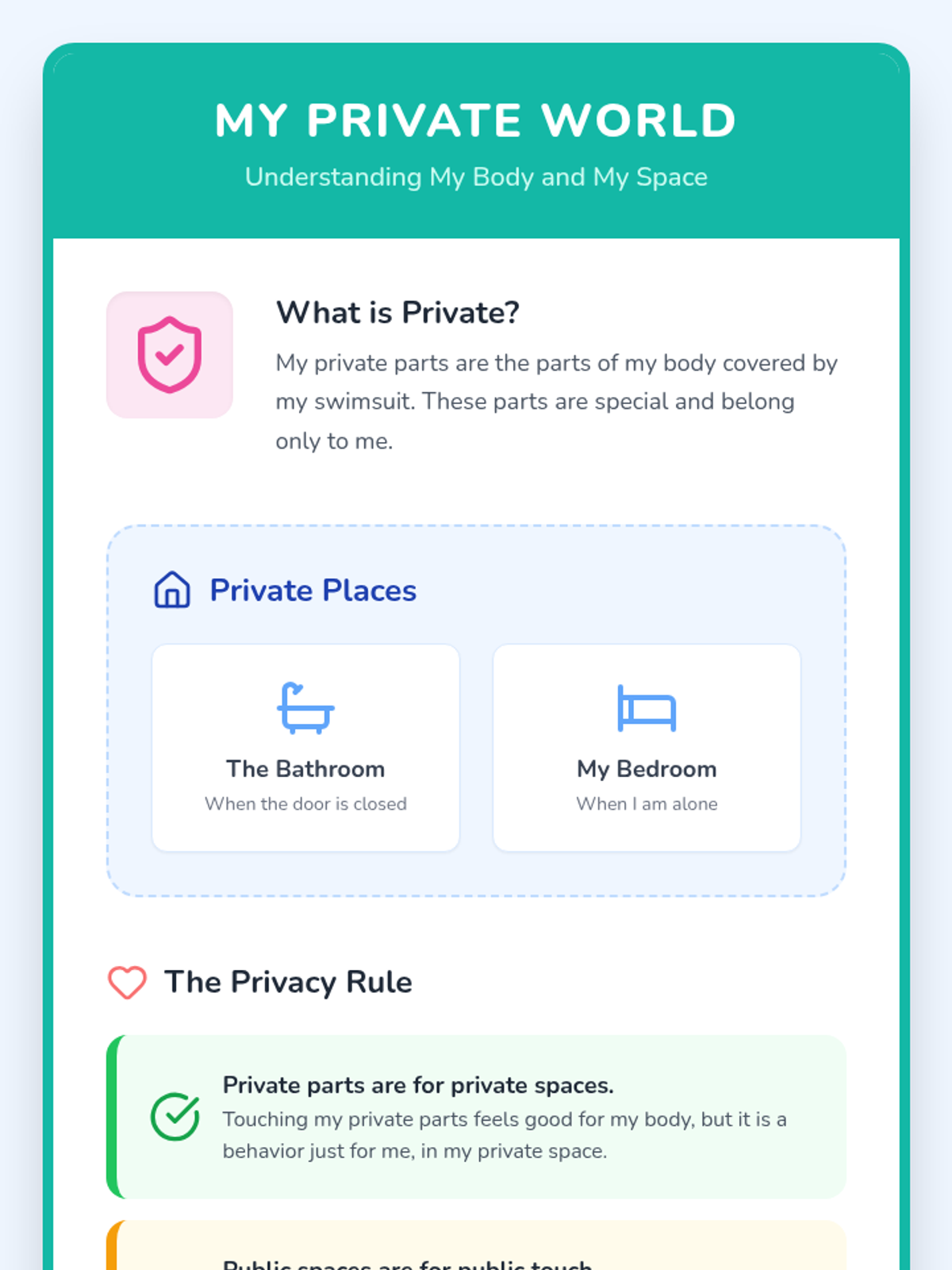
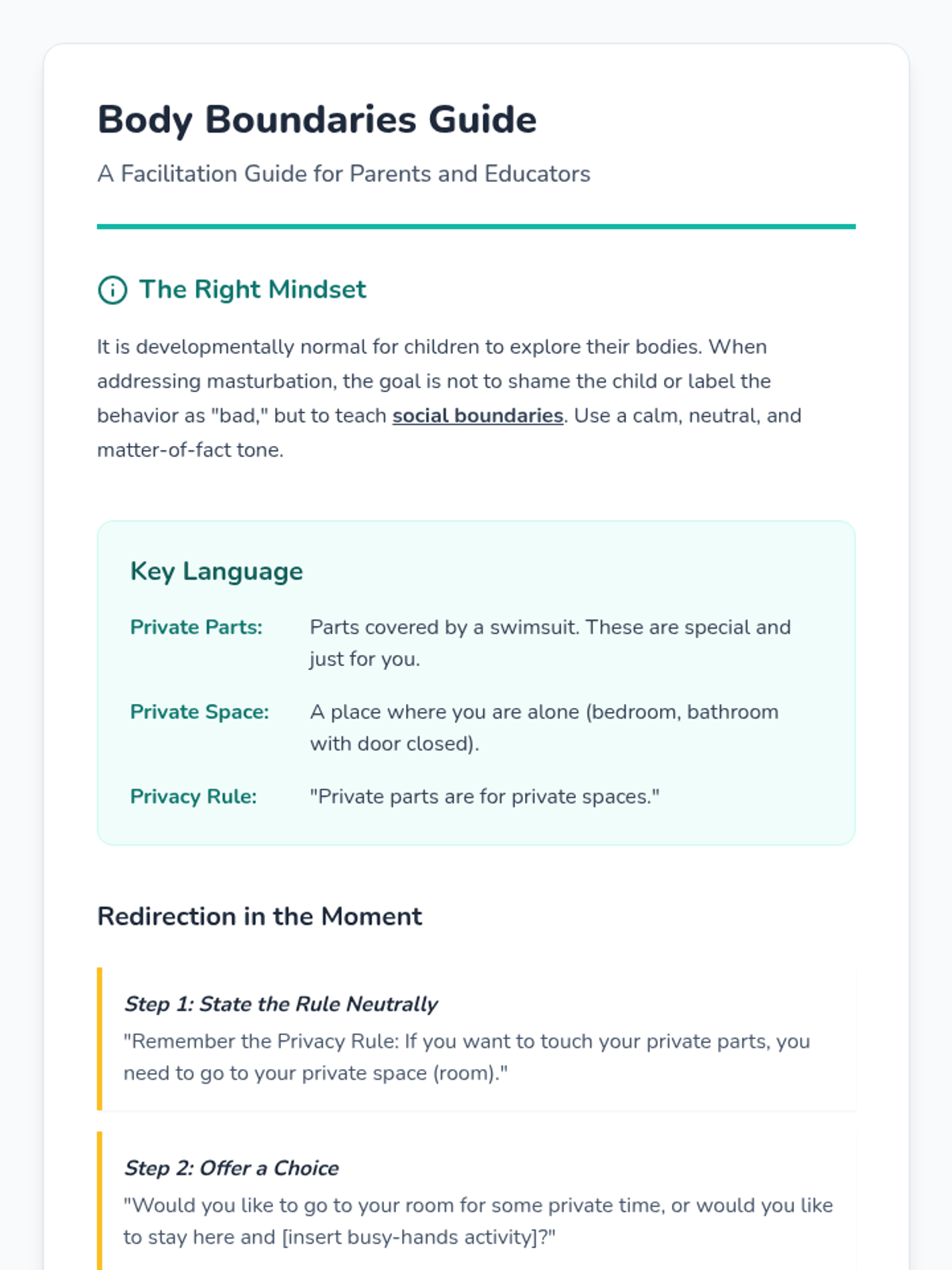
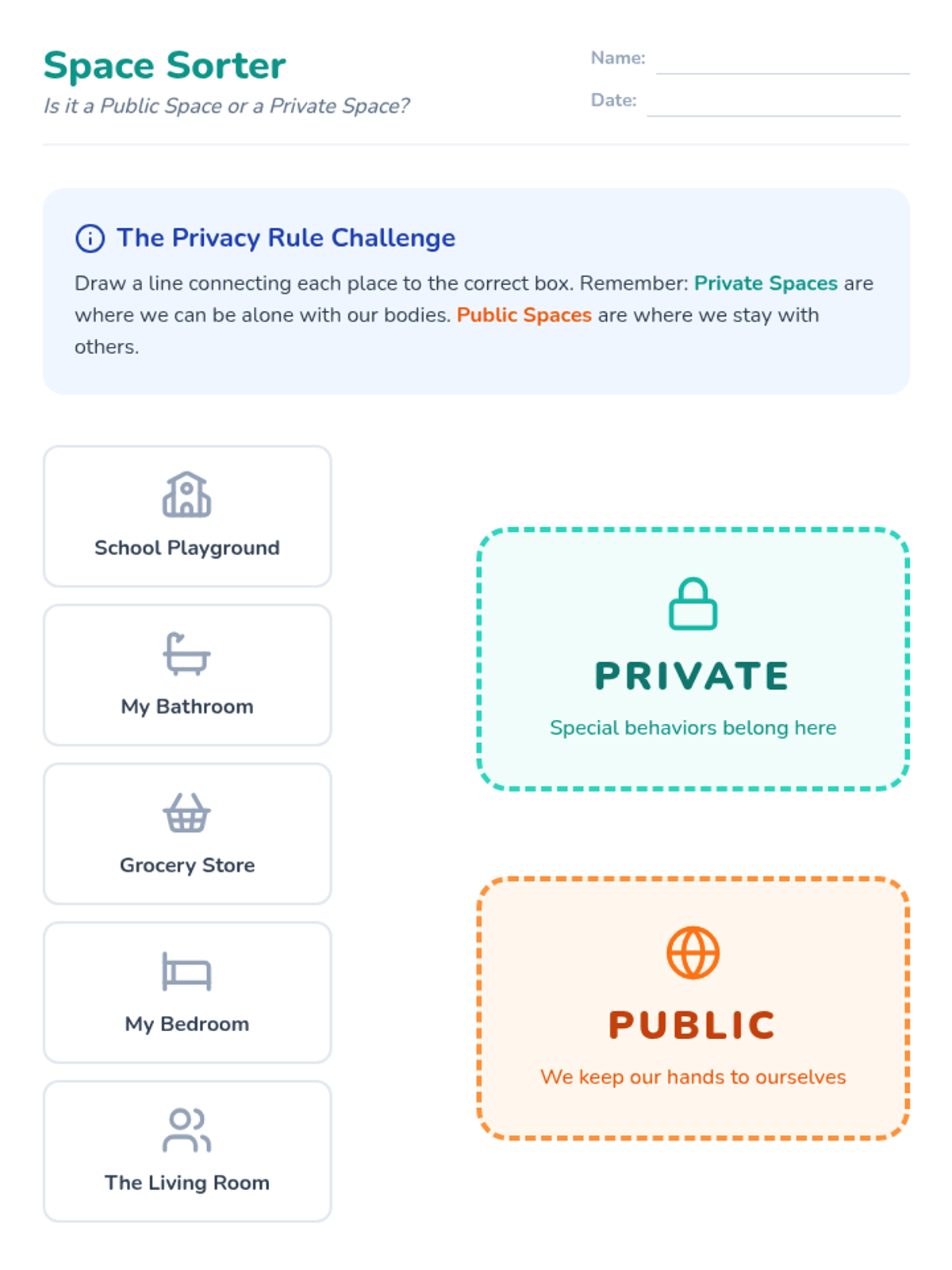
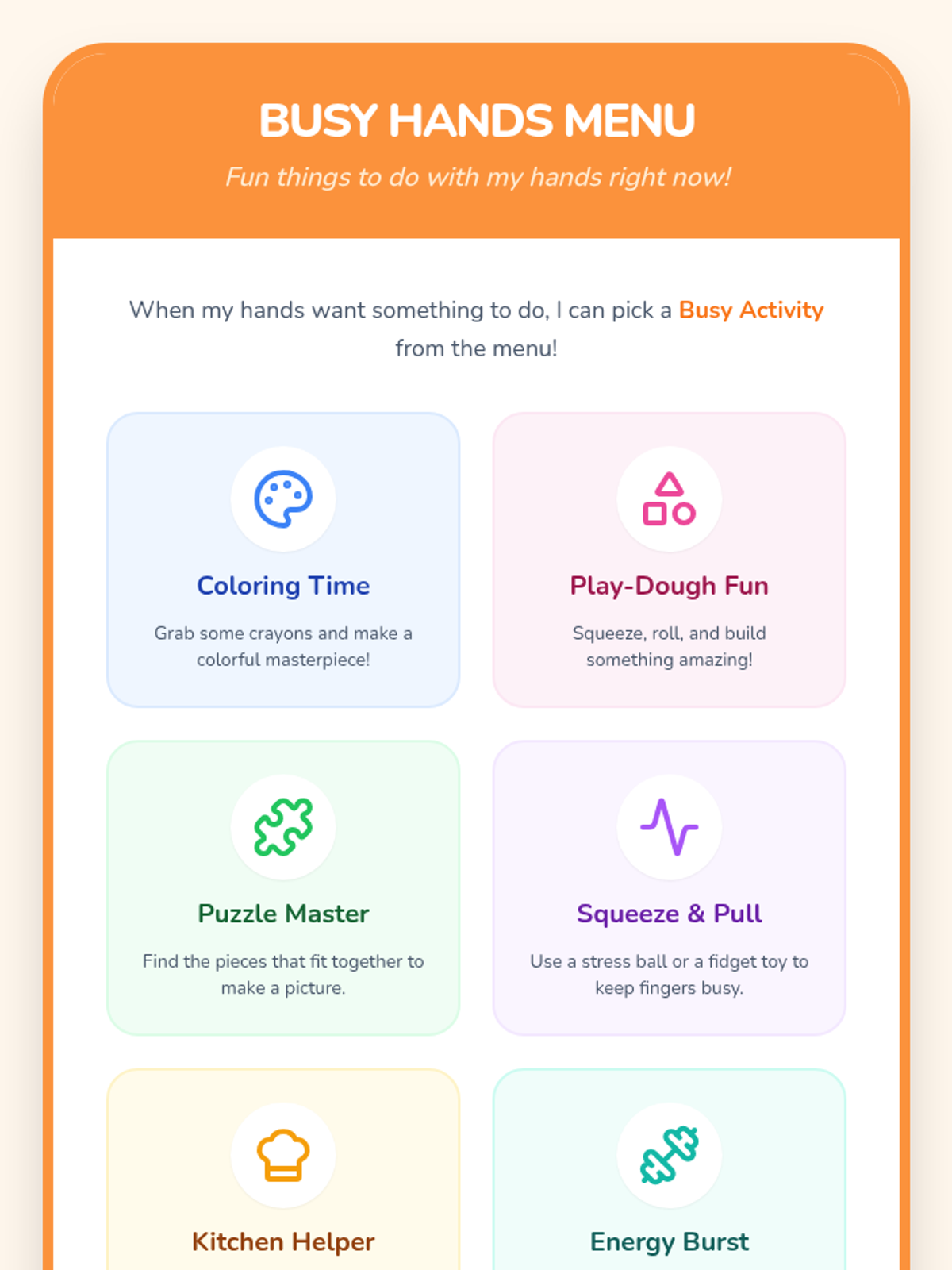
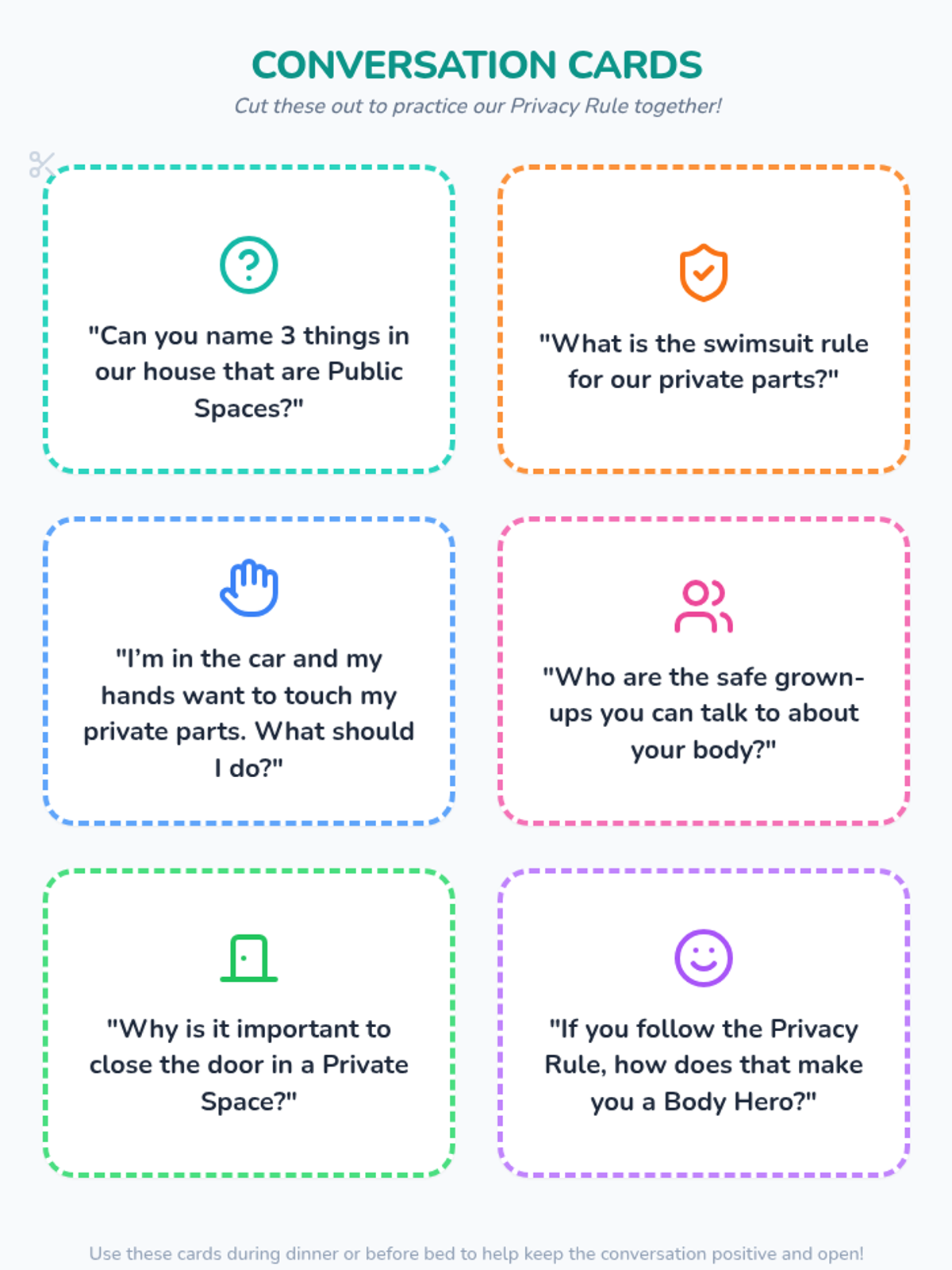
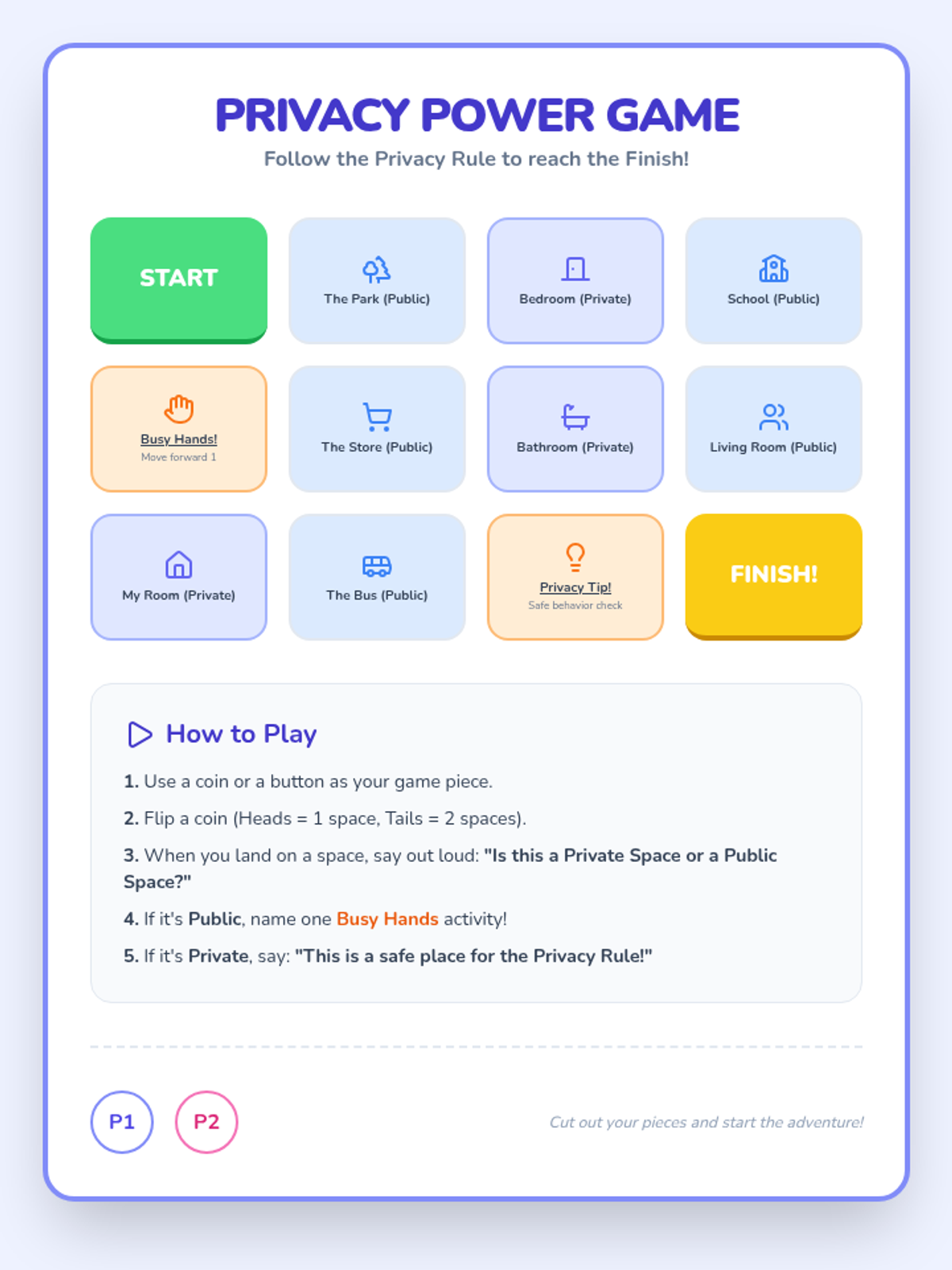
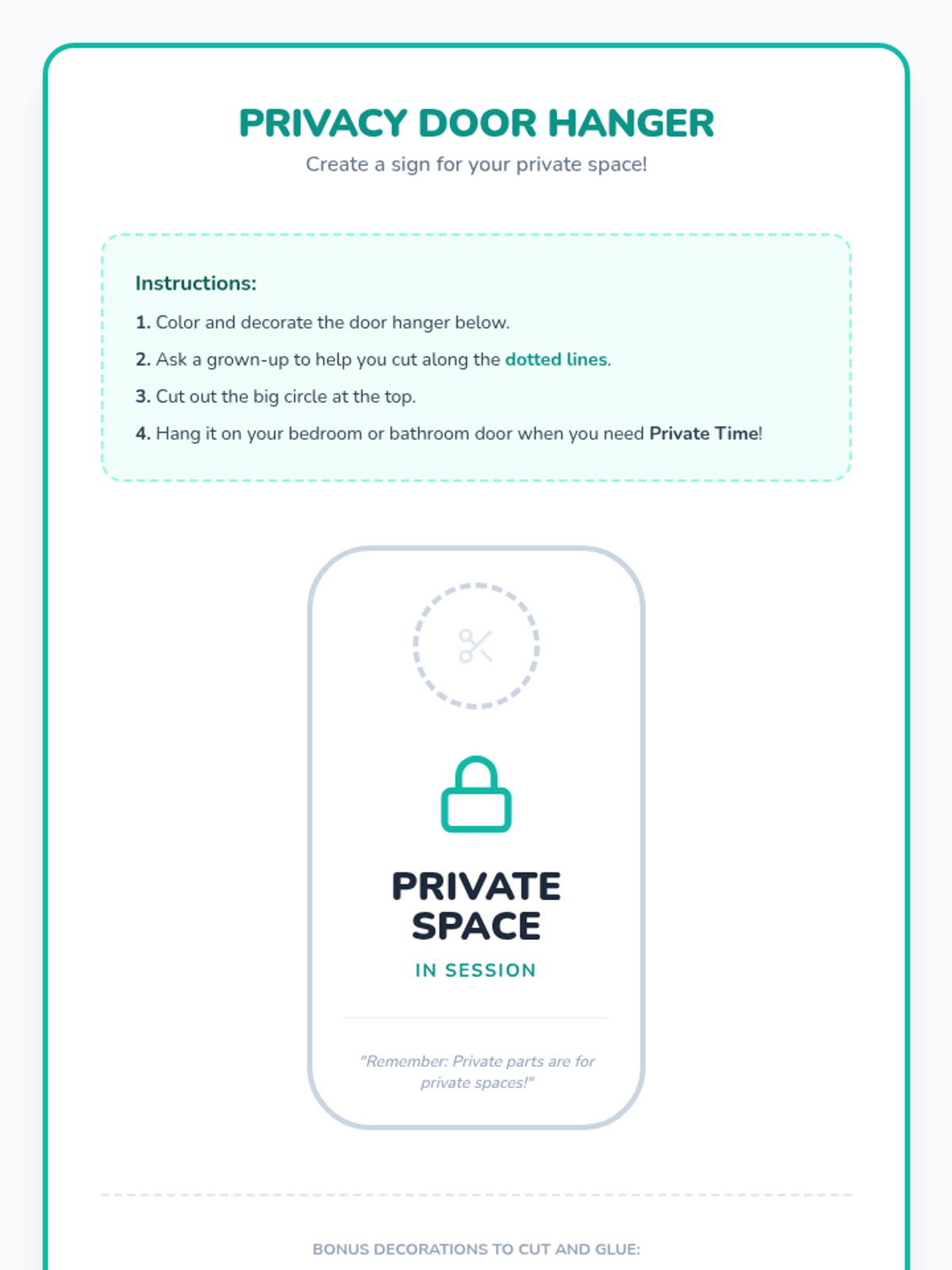
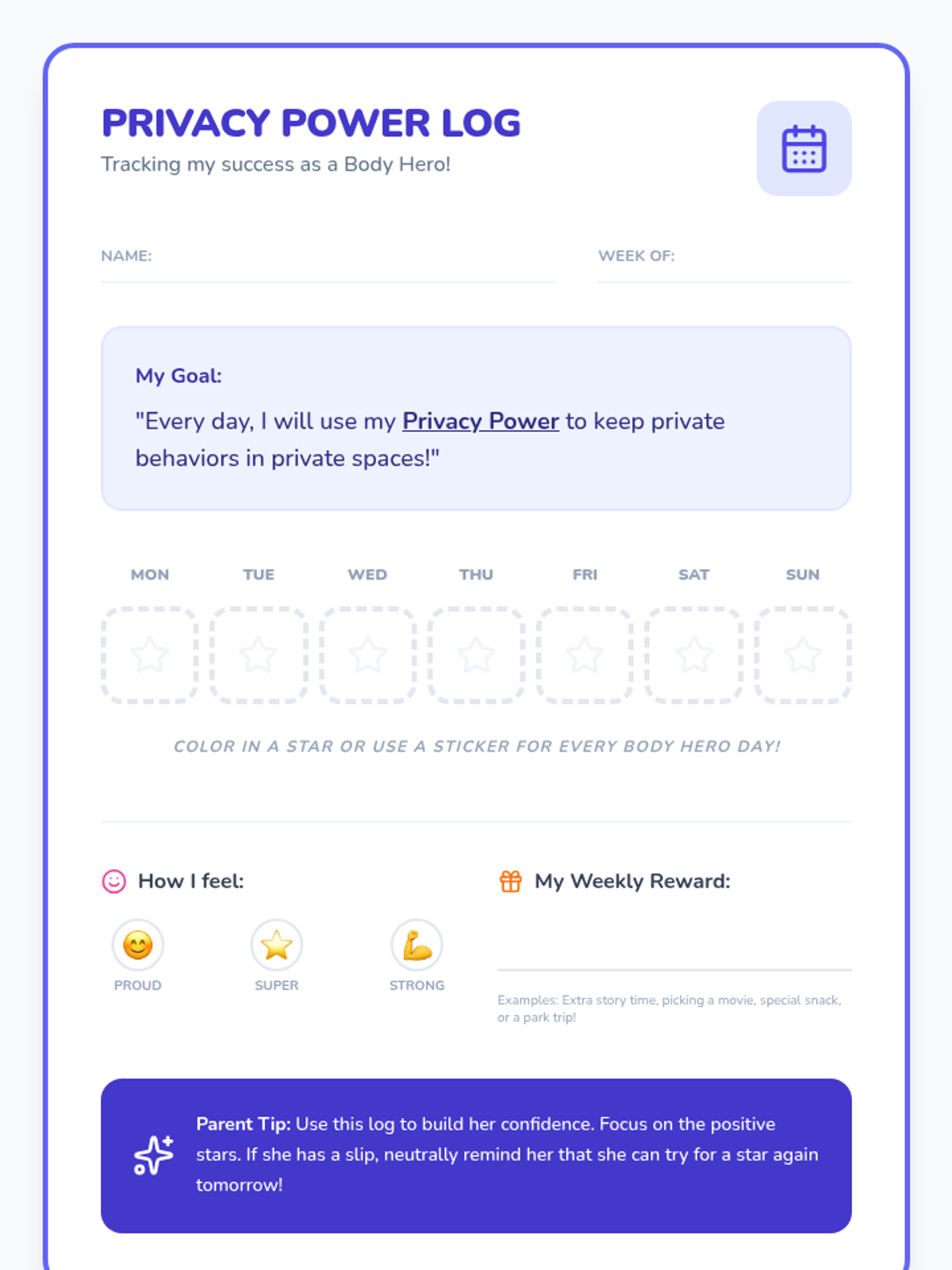
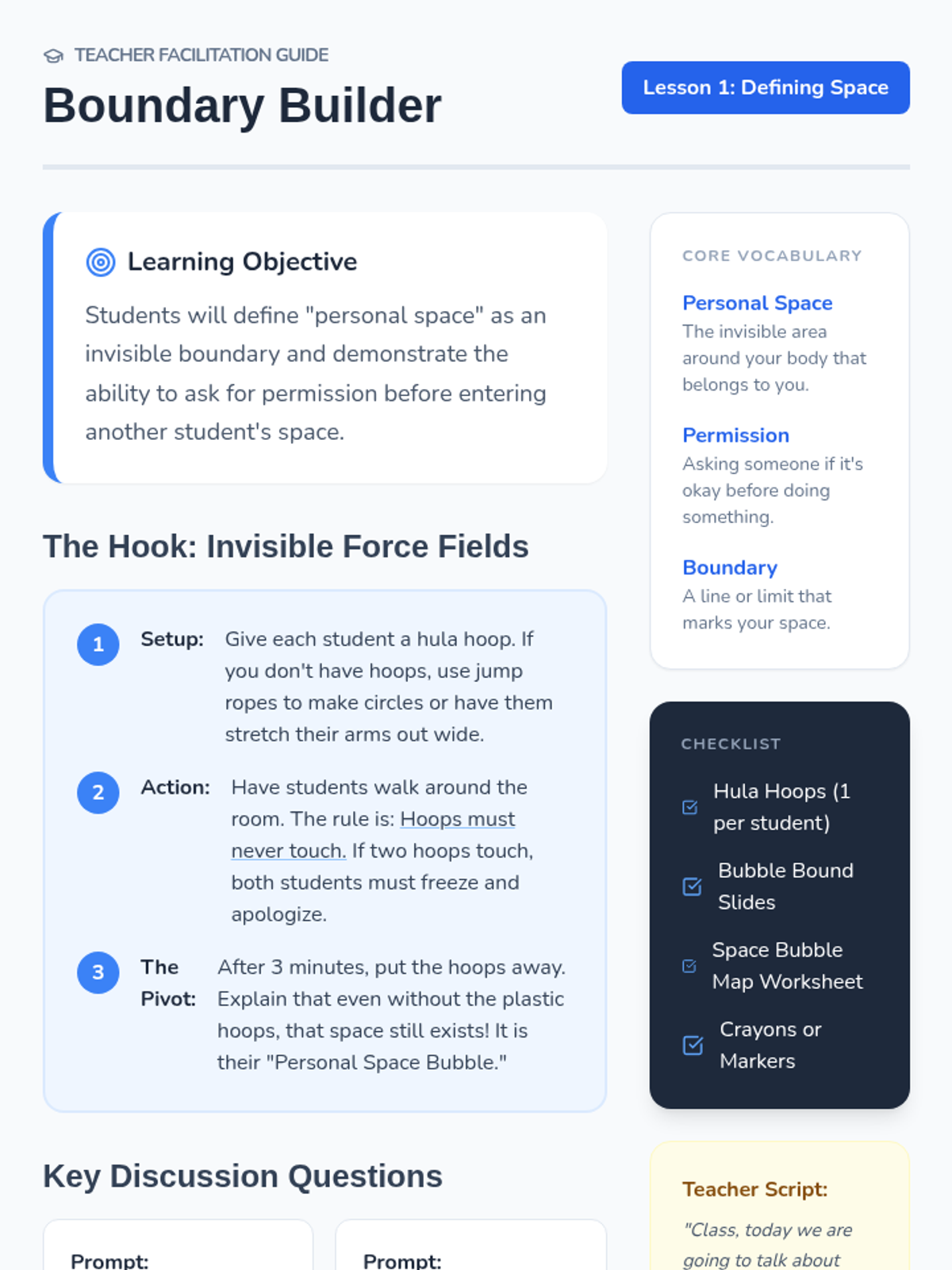
A sequence focused on teaching students about personal boundaries, body safety, and respectful physical interactions in a school environment.
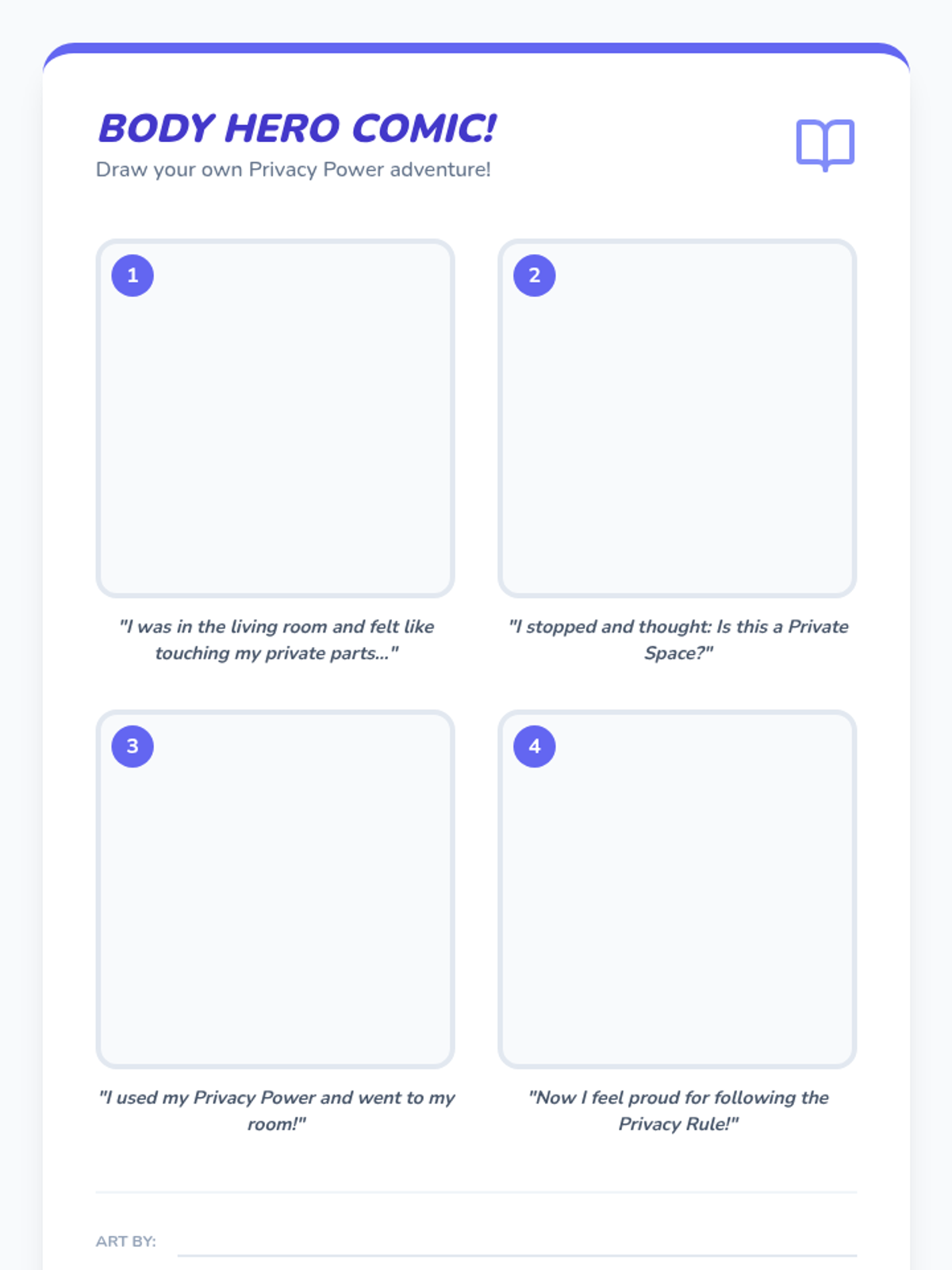
A series of lessons focused on personal safety, body autonomy, and social-emotional development for young children.
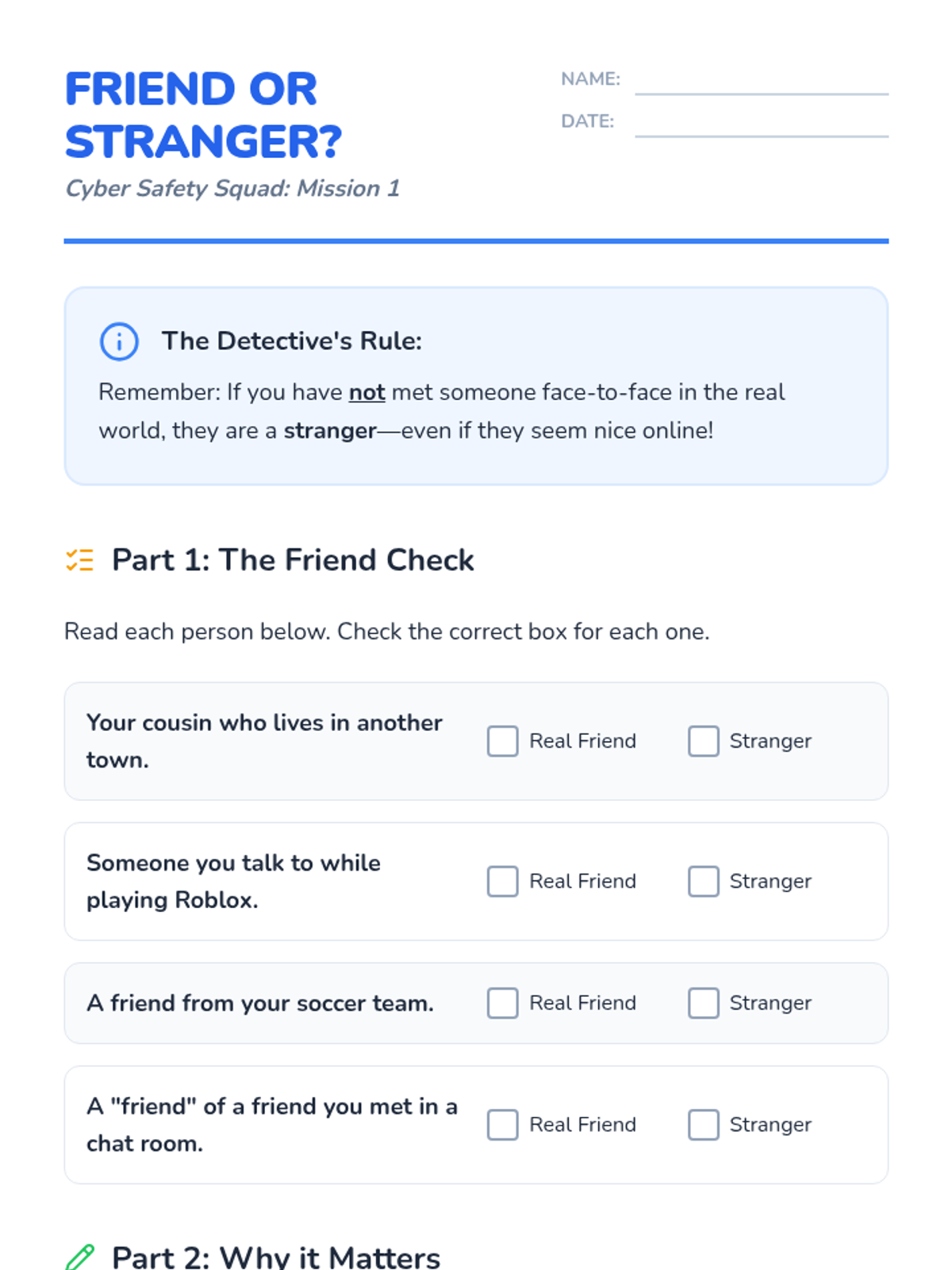
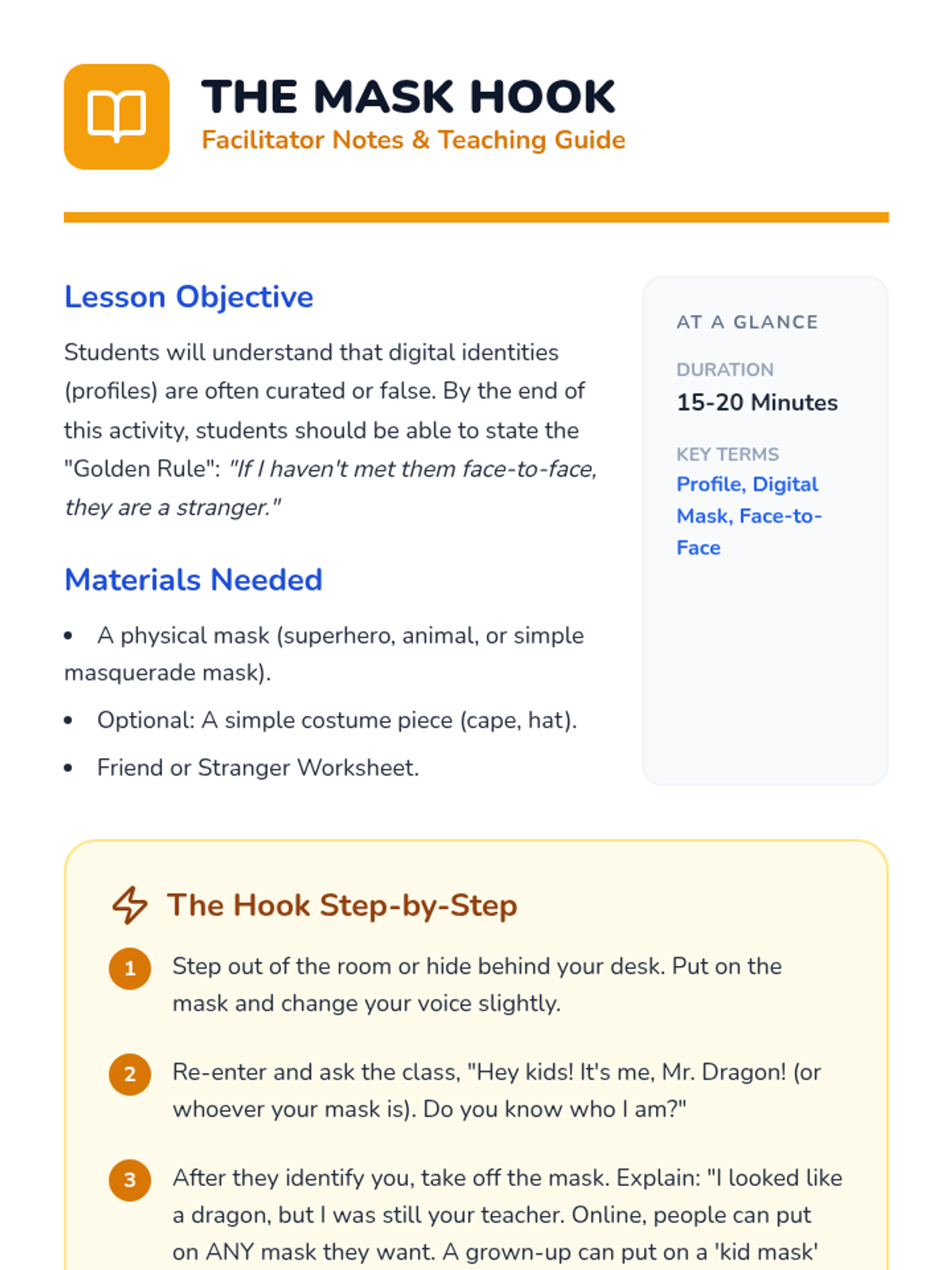
A comprehensive 5-lesson sequence for 2nd graders to recognize online risks, understand the difference between real-life and online friends, and identify a network of trusted adults for support. Students learn to trust their instincts and use their 'brave voice' to seek help.
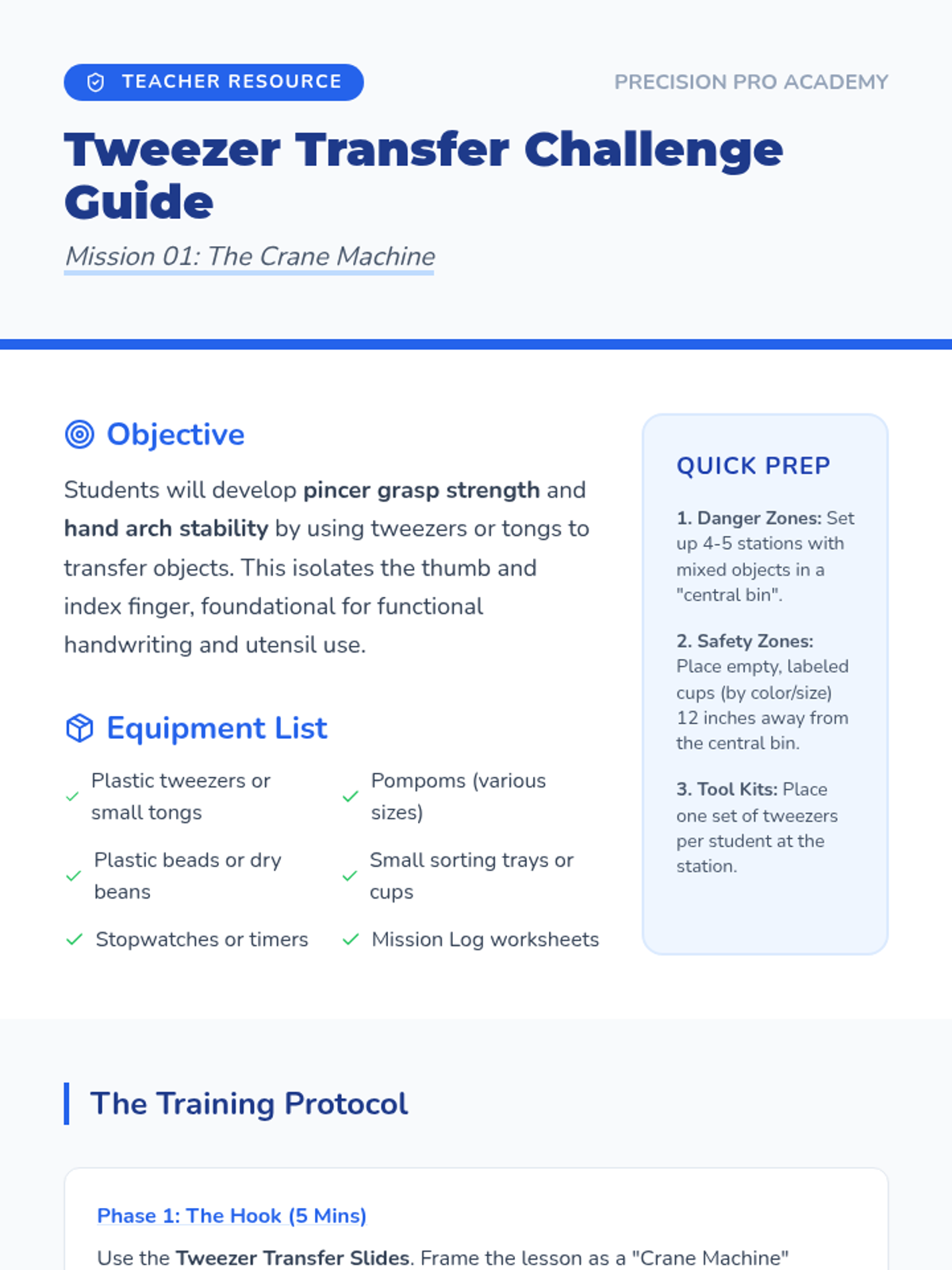
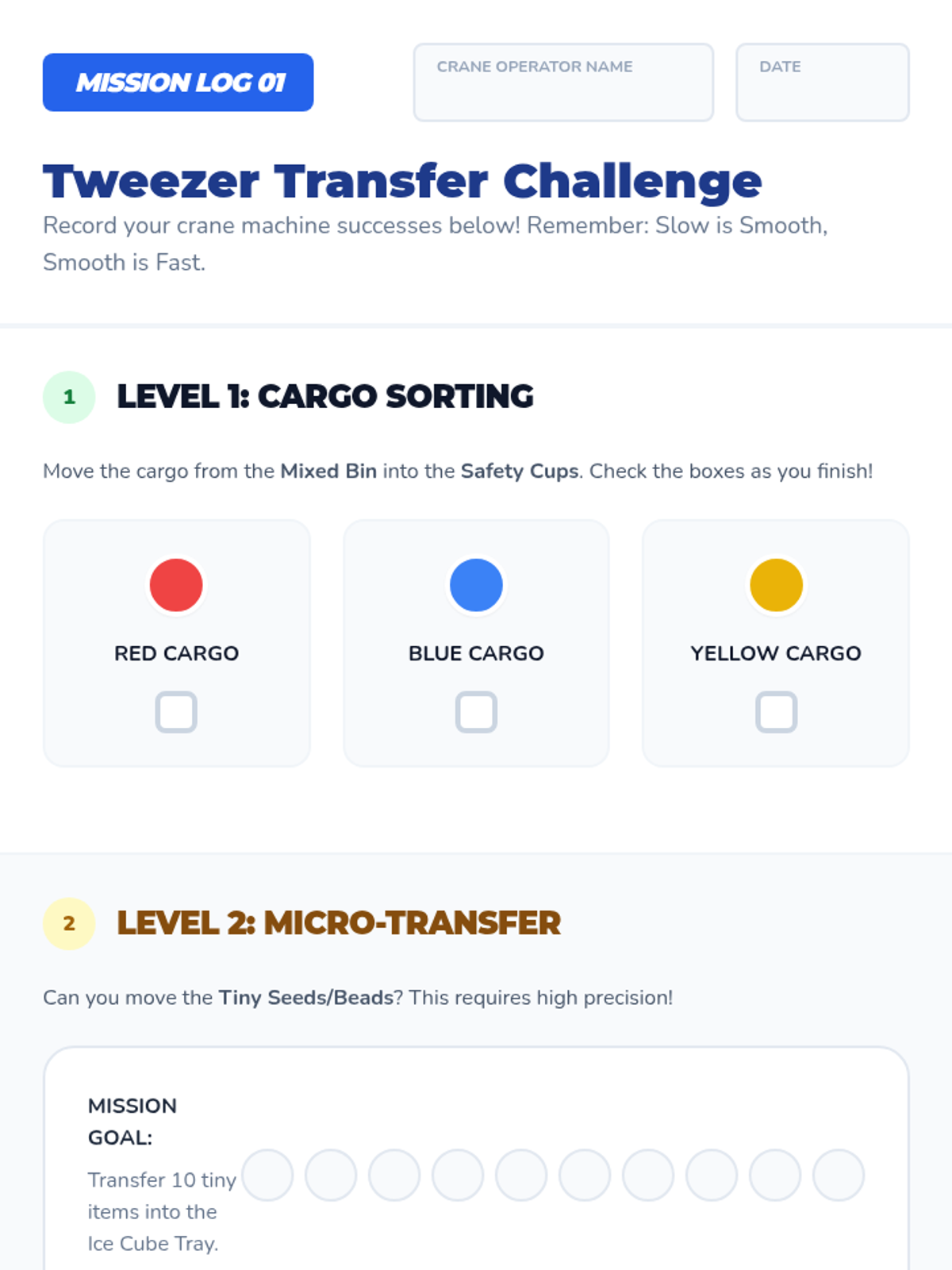
A 2nd-grade physical education sequence focused on developing fine motor skills through game-based stations, targeting pincer grasp, bilateral coordination, and in-hand manipulation. Students progress from basic tool use to complex self-care tasks and independent finger movements.
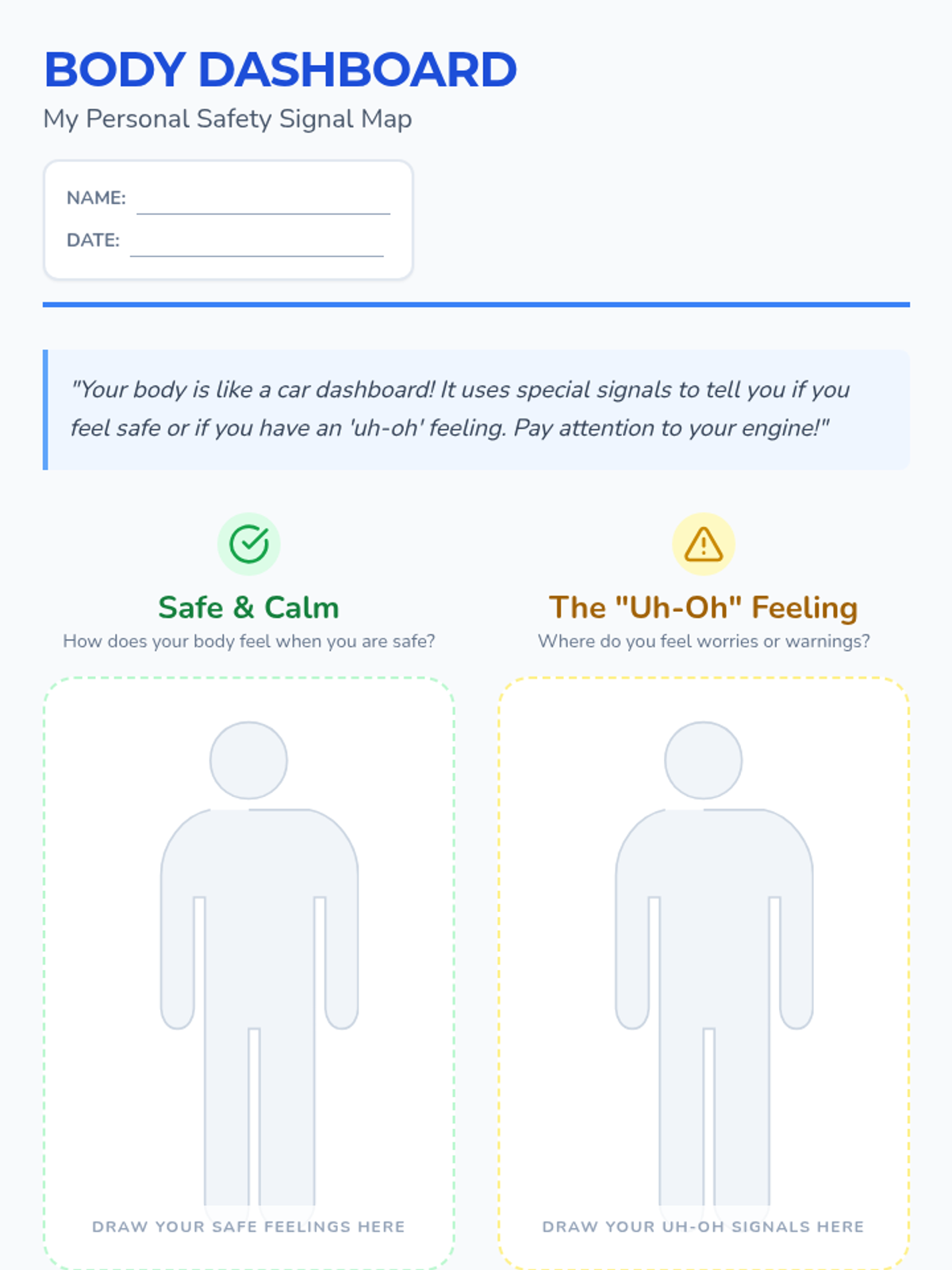
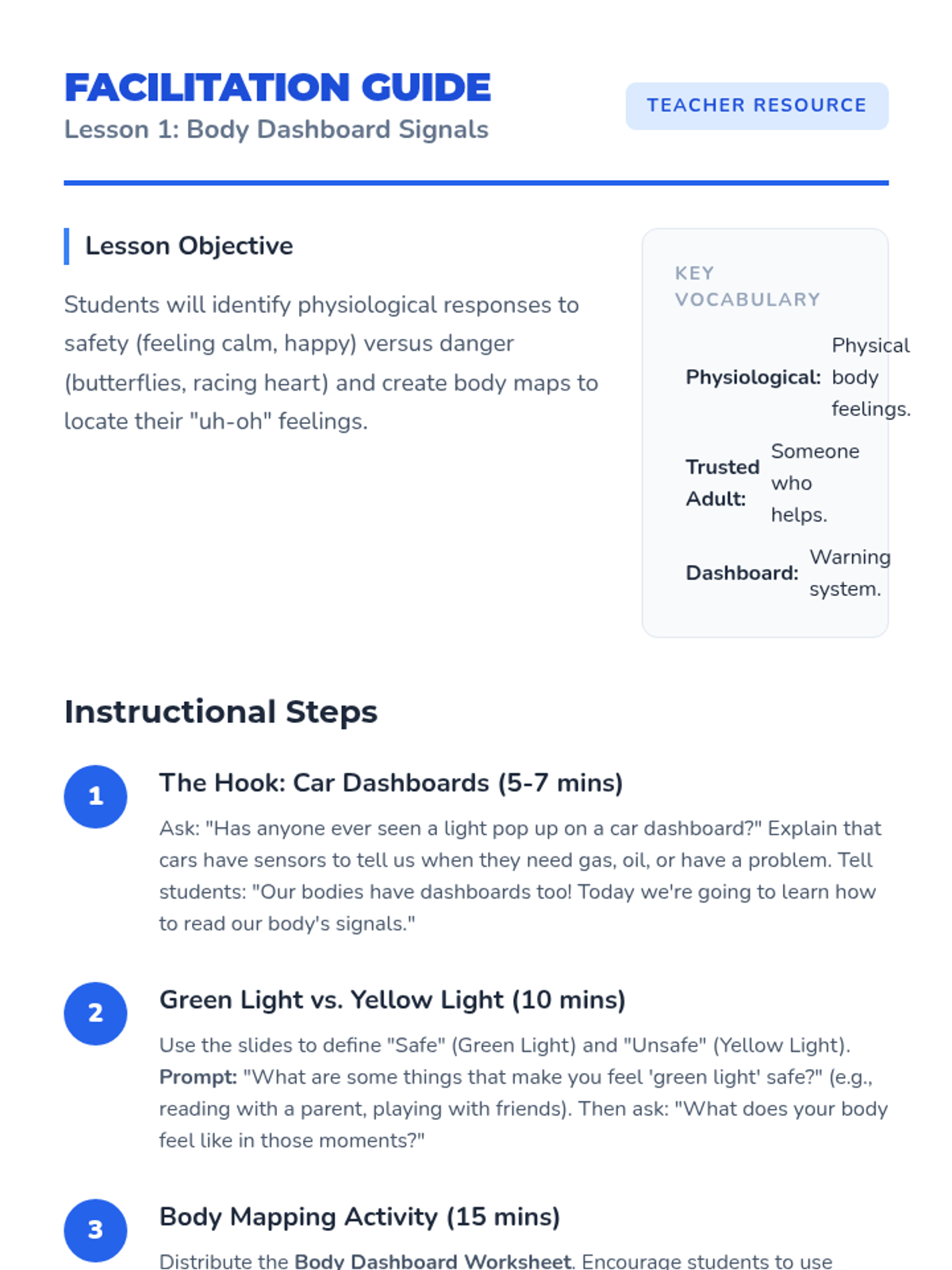
A comprehensive sequence for 2nd-grade students focusing on identifying trusted adults, recognizing internal safety cues (body maps), distinguishing secrets from surprises, and mastering the persistence rule for reporting safety concerns.
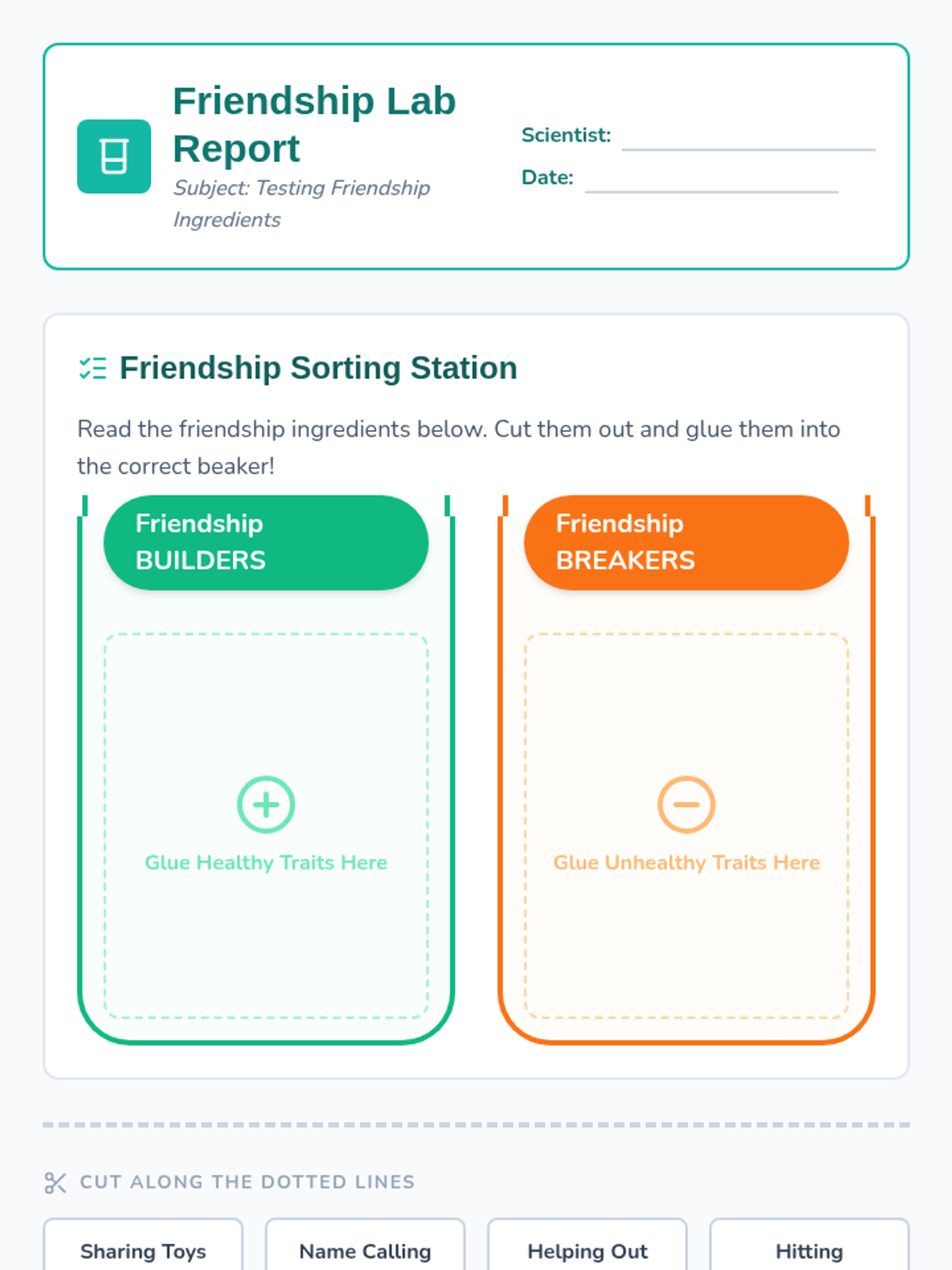
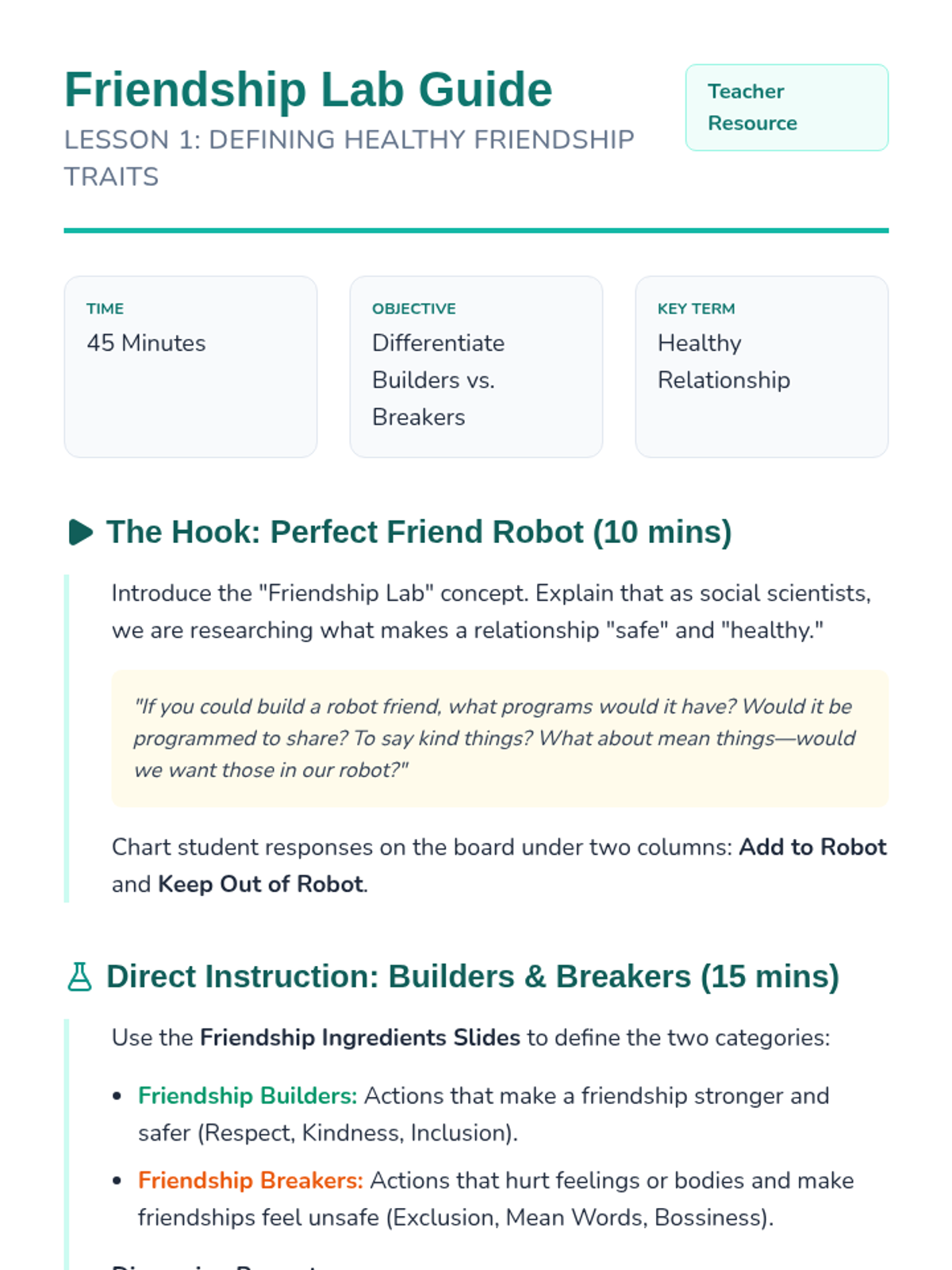
This 2nd Grade sequence teaches students to distinguish between healthy and unhealthy peer dynamics. Students will learn to define friendship qualities, recognize the difference between leadership and bossiness, use 'I-statements' for conflict resolution, and practice inclusive behaviors to ensure safe and fun peer relationships.
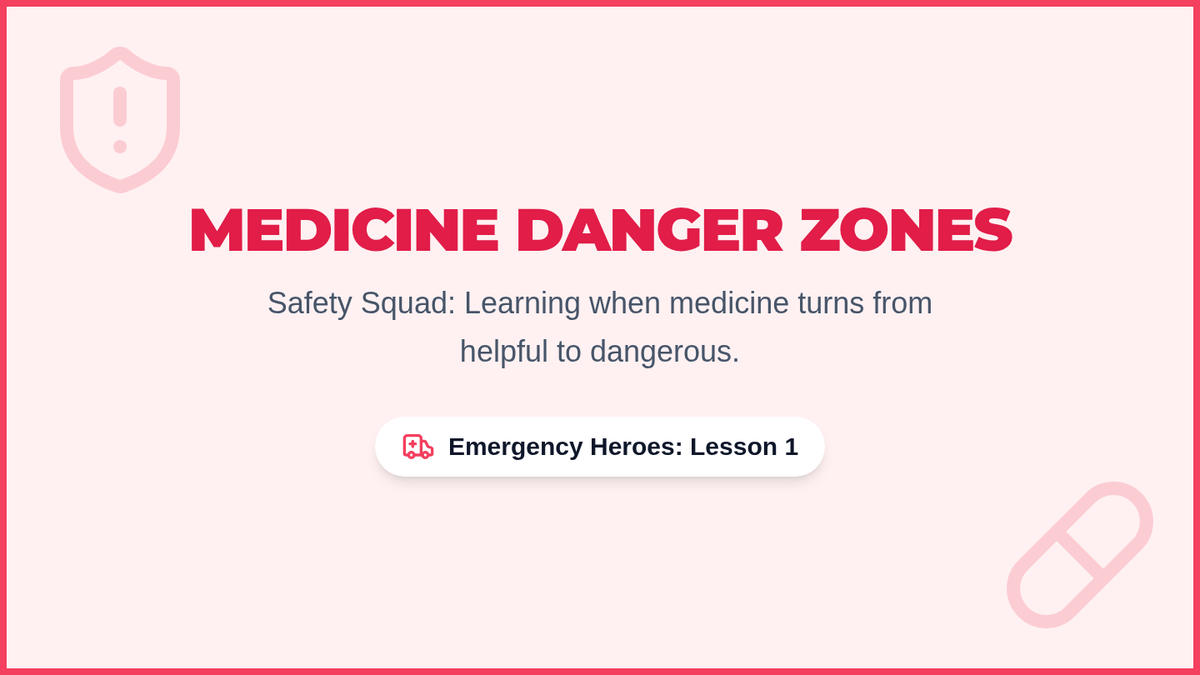
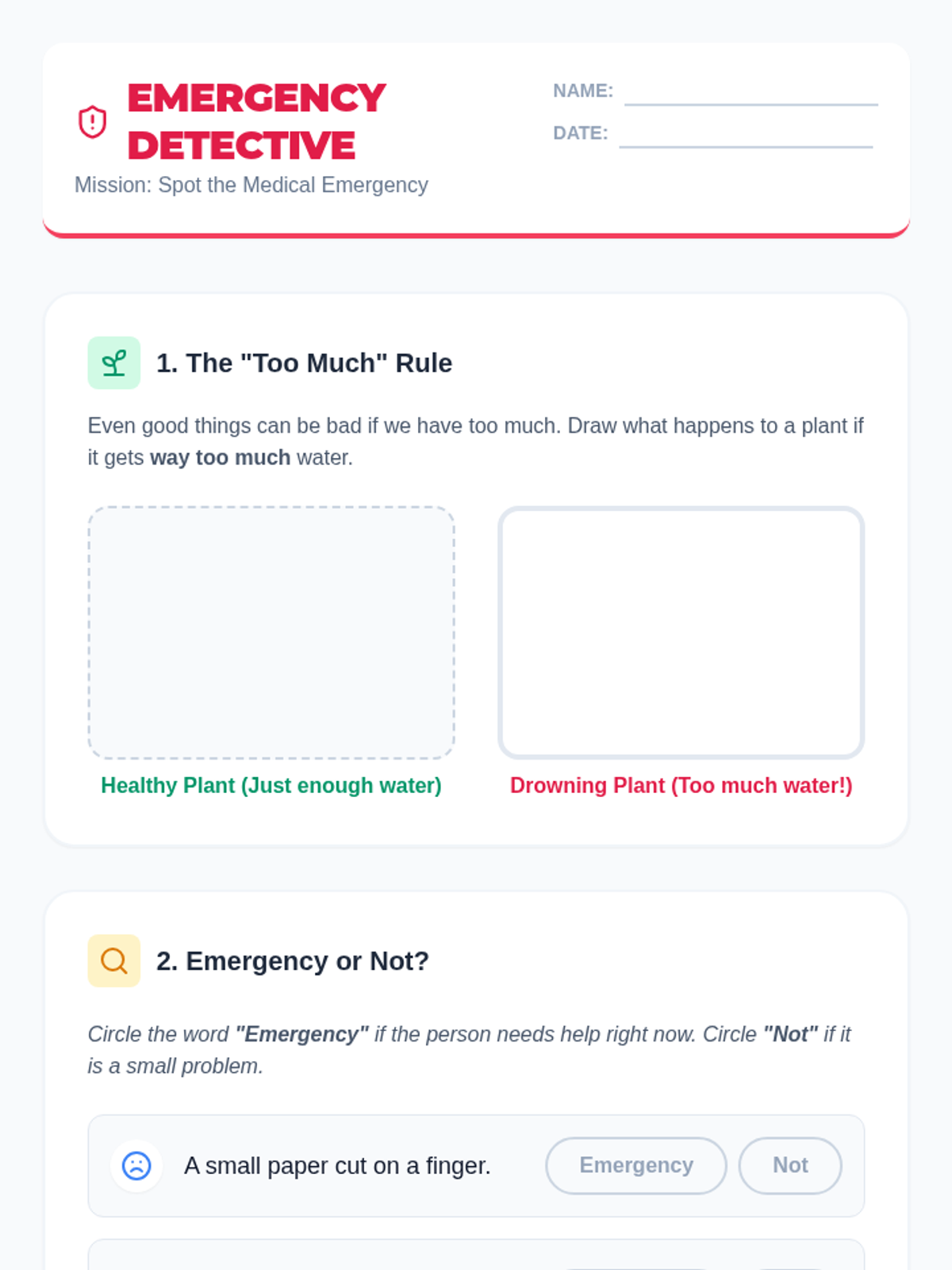
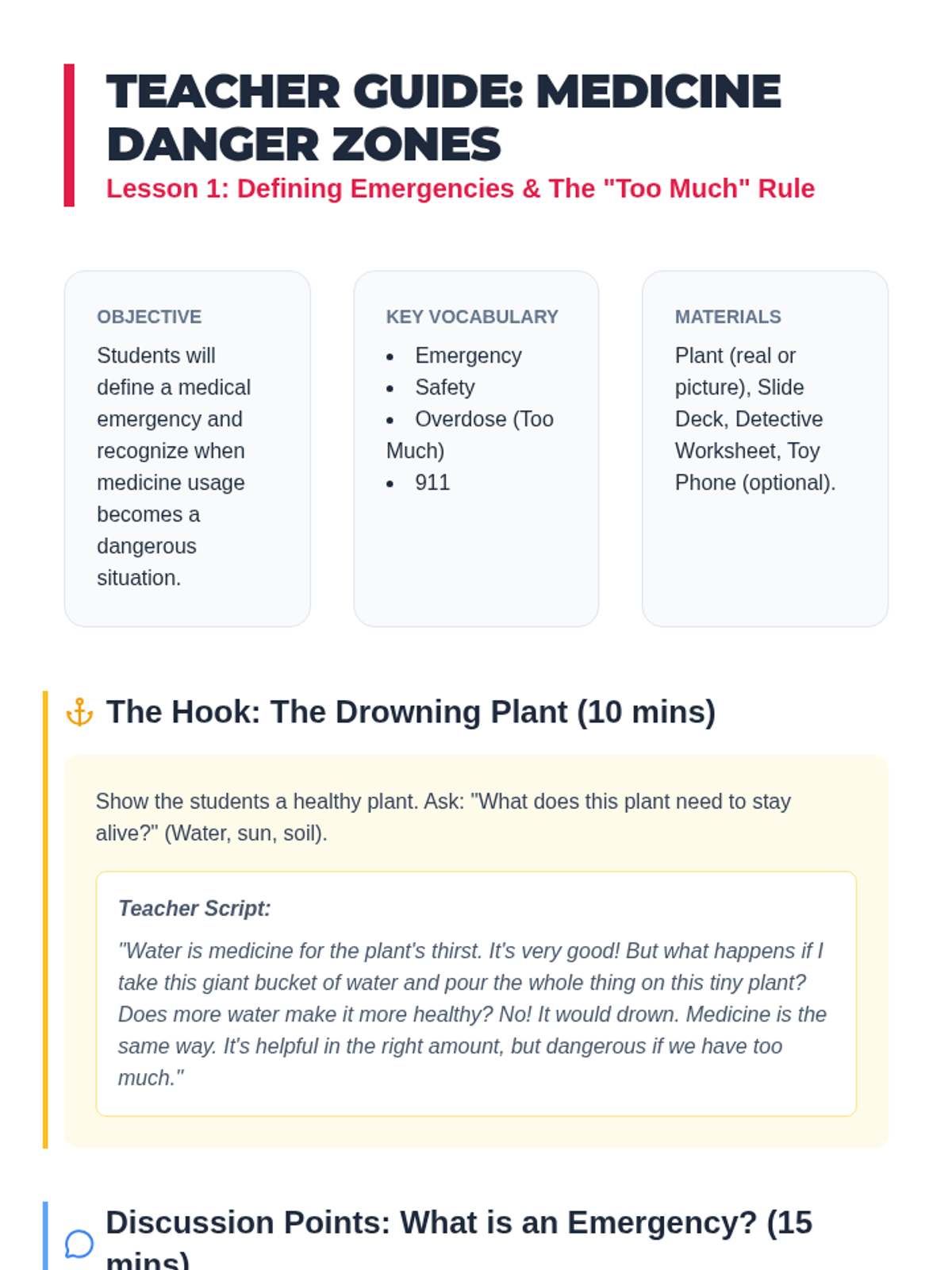
A comprehensive sequence for 2nd-grade students focusing on emergency response protocols for medicine safety, including identifying signs of poisoning and practicing 911 procedures.
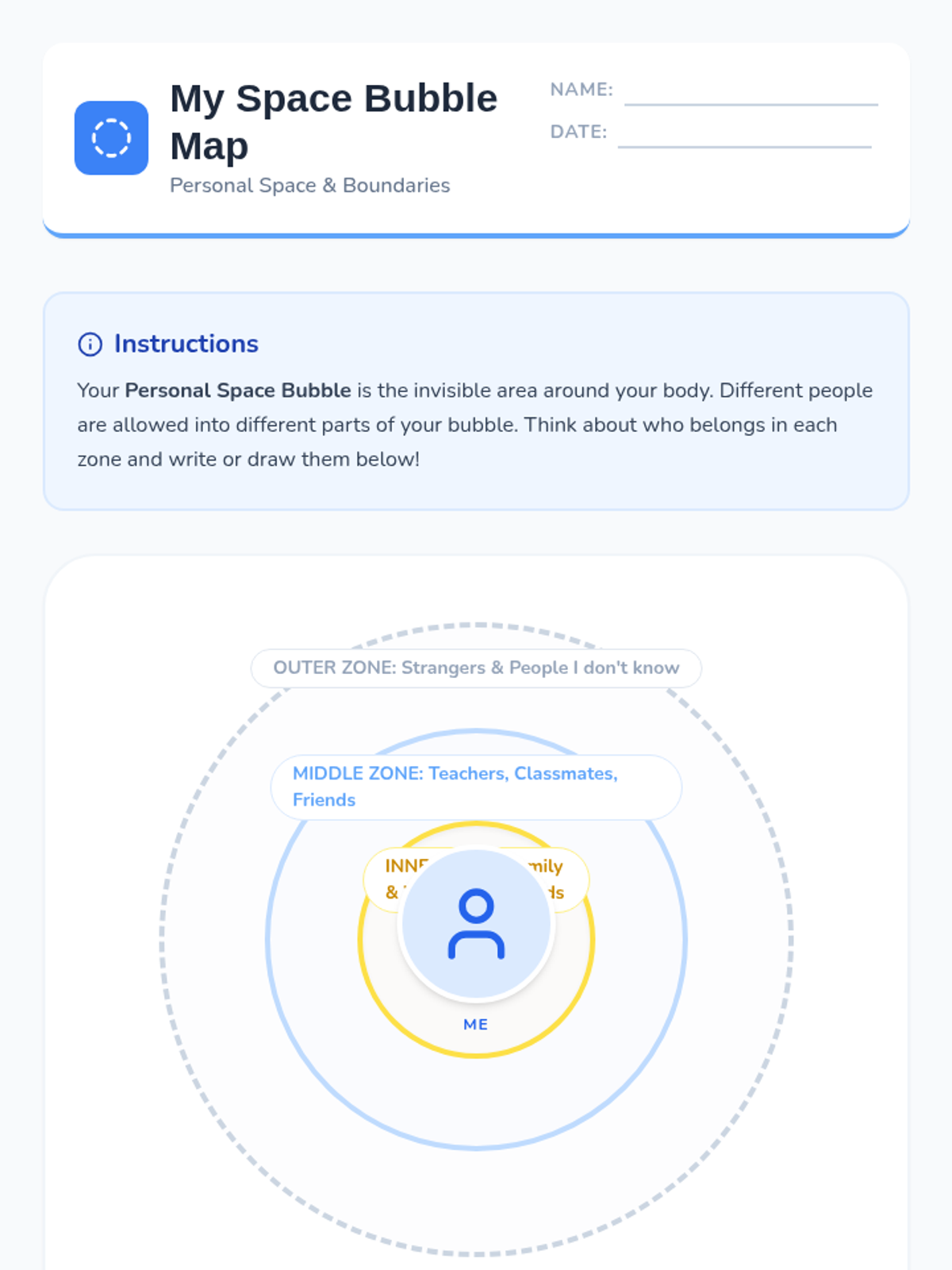
This sequence empowers 2nd-grade students to recognize and establish personal physical and emotional boundaries while identifying safe versus unsafe interactions. Students learn the vocabulary of consent, refusal, and body autonomy, culminating in the creation of a personal safety network of trusted adults.