Daily hygiene, hydration, and sleep routines paired with strategies for disease and injury prevention. Builds skills in health decision-making, body awareness, and self-advocacy to support lifelong well-being.
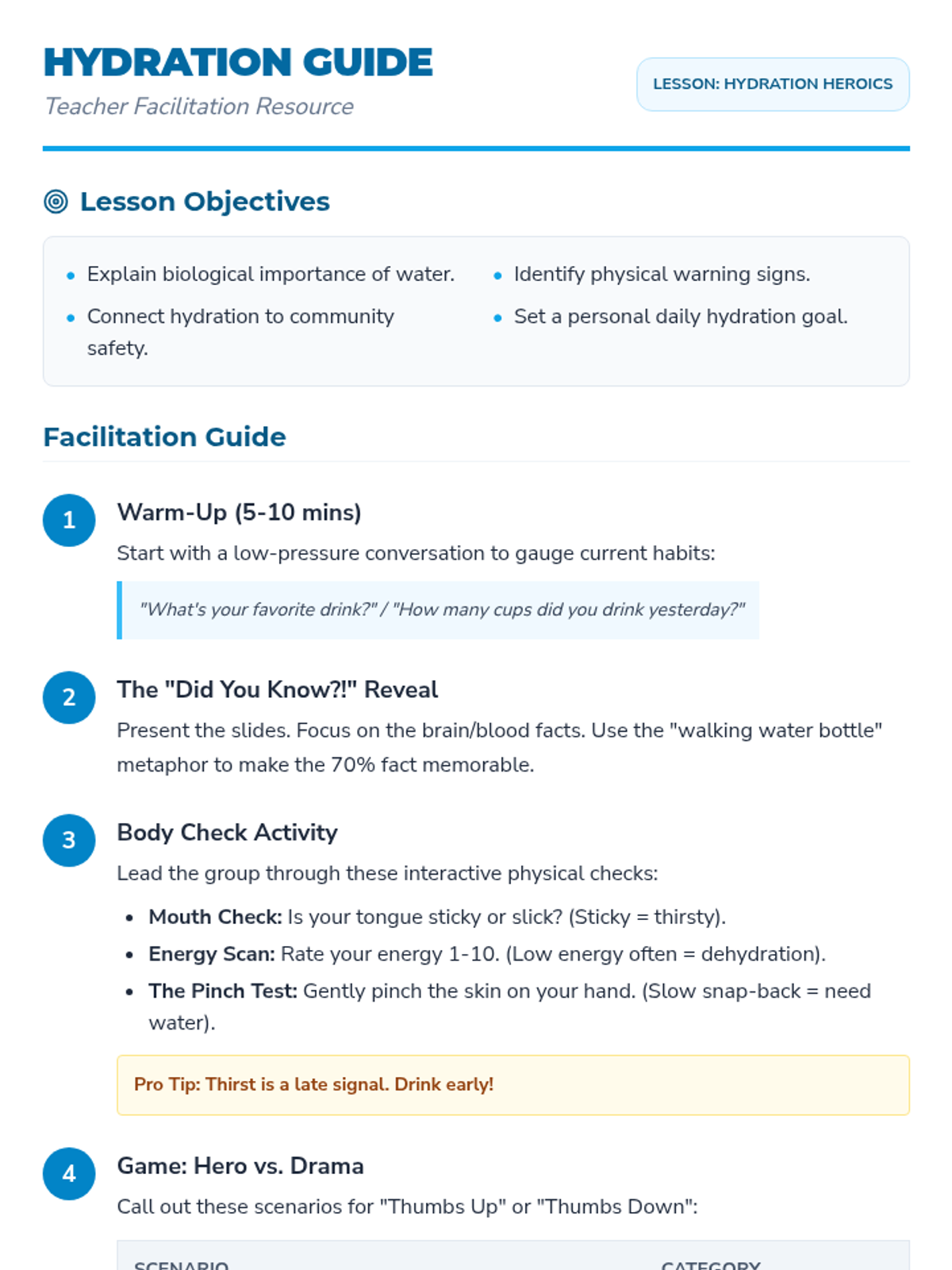
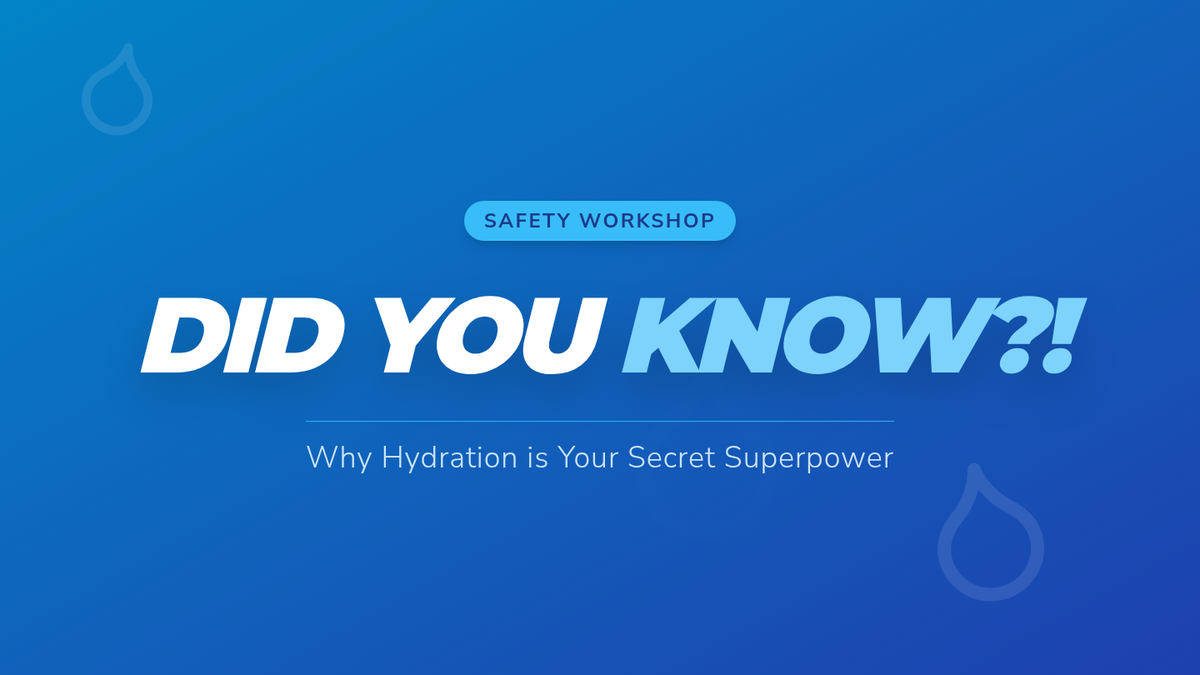
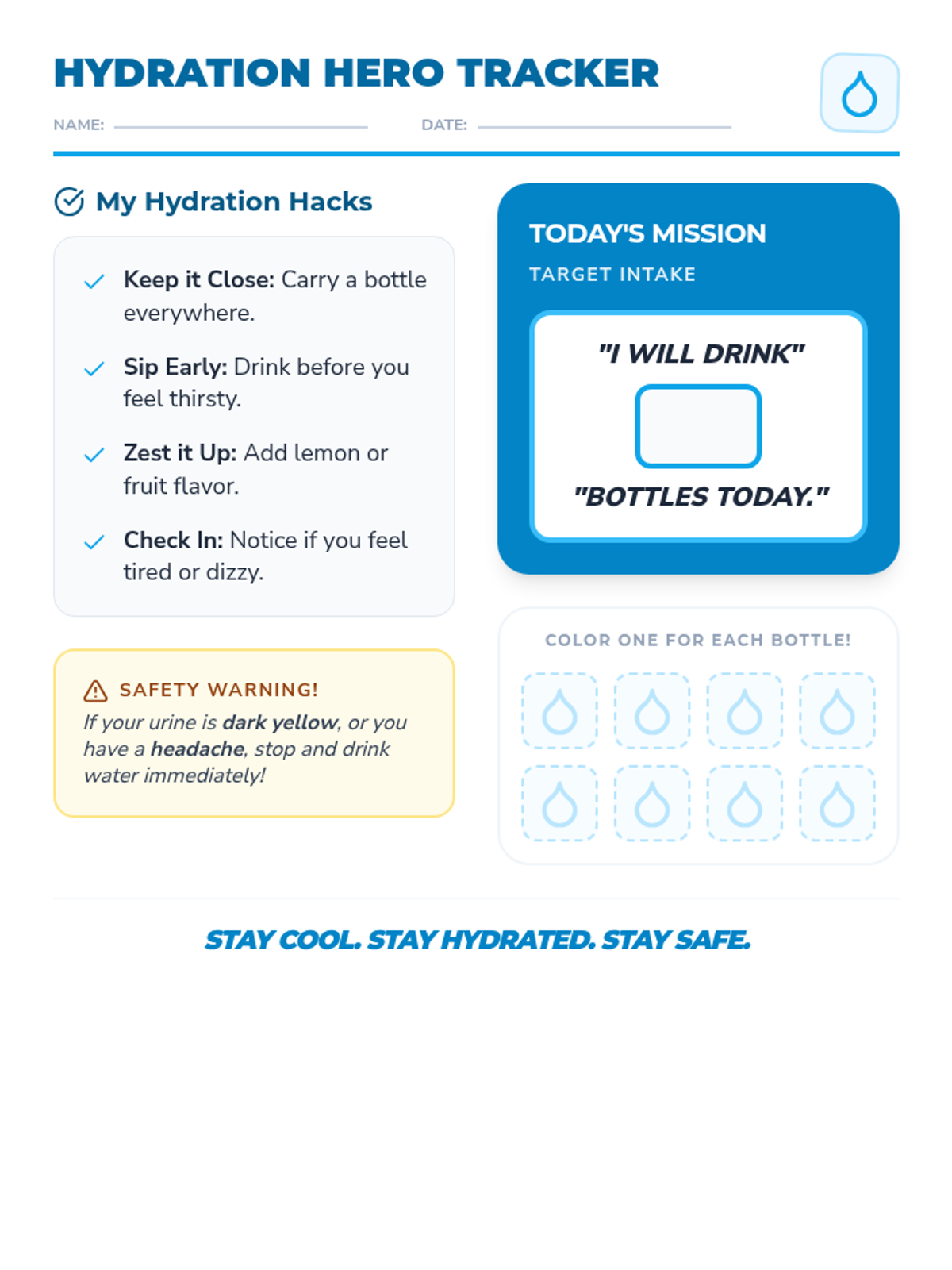
A comprehensive lesson on hydration safety and awareness, featuring fun facts, body awareness activities, and practical tips for staying hydrated in daily life.
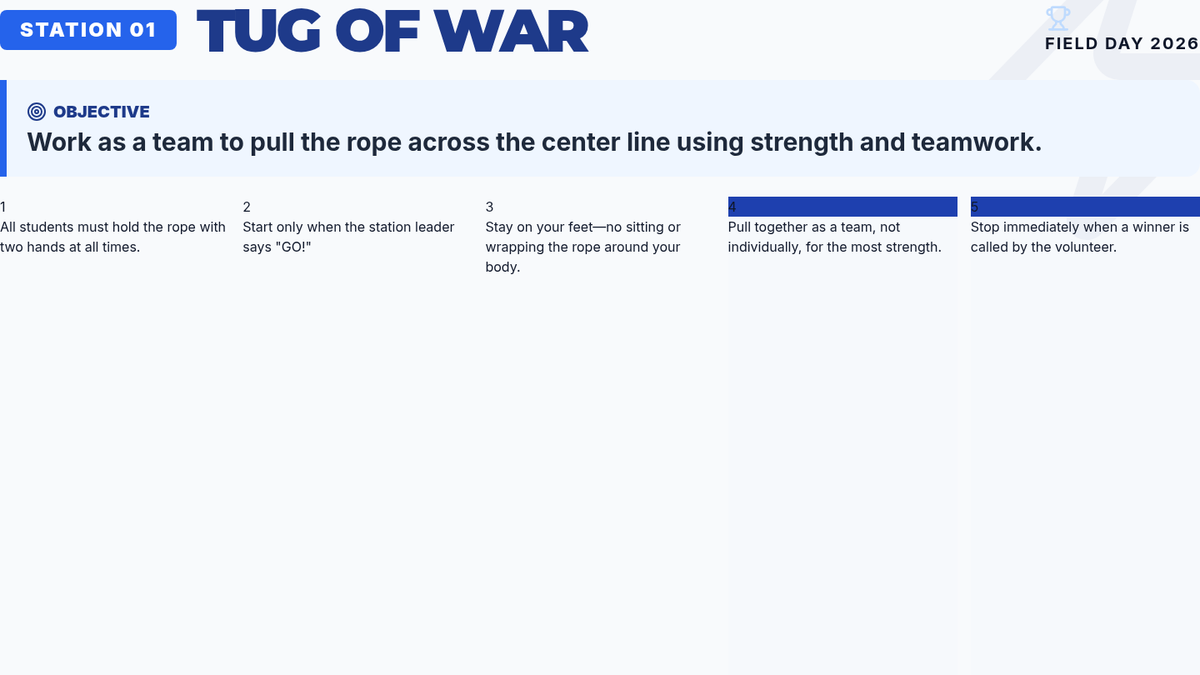
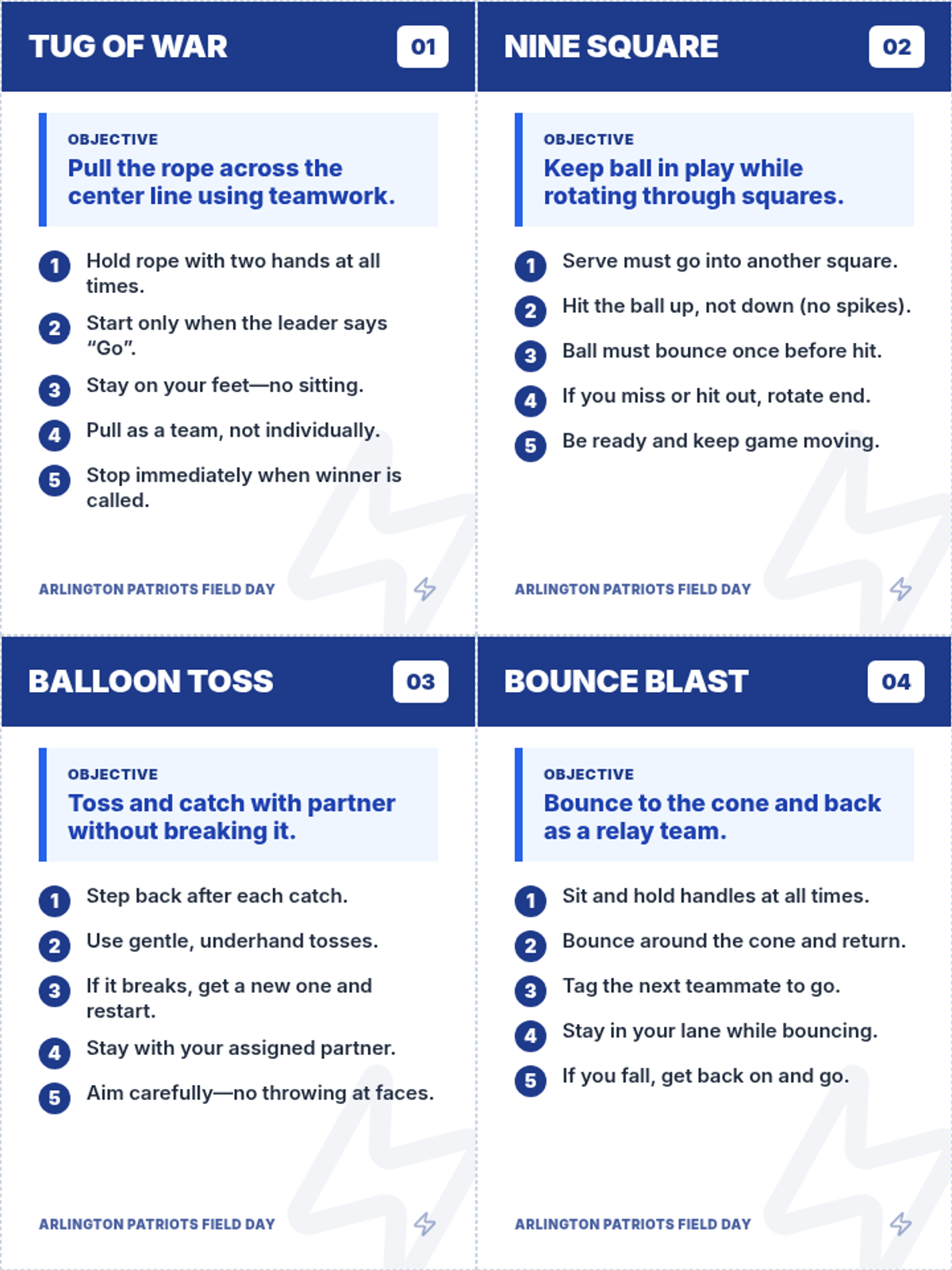
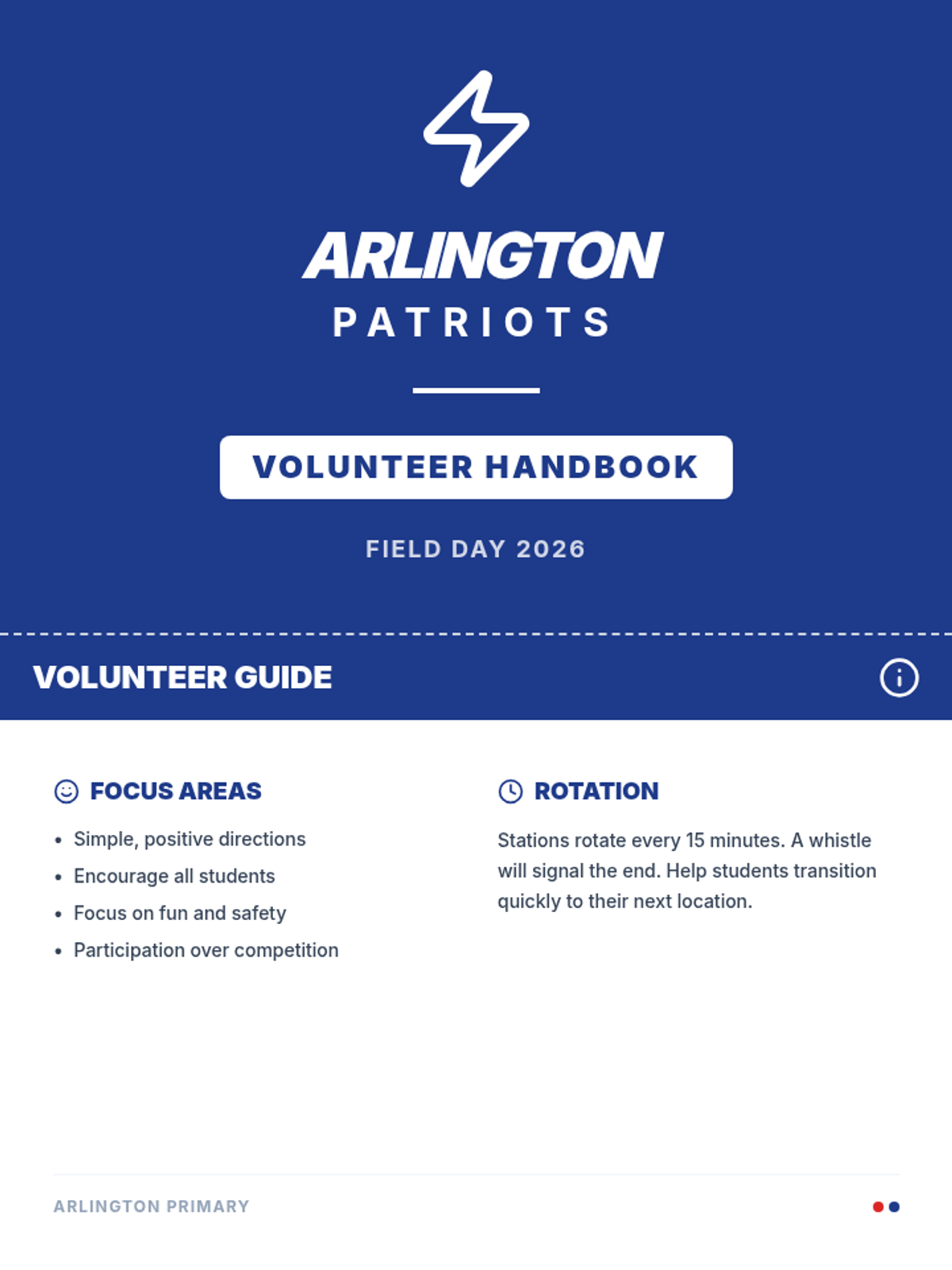
A comprehensive set of resources for the Arlington Patriots Field Day event, including presentation slides for instruction and printable station cards for volunteers.
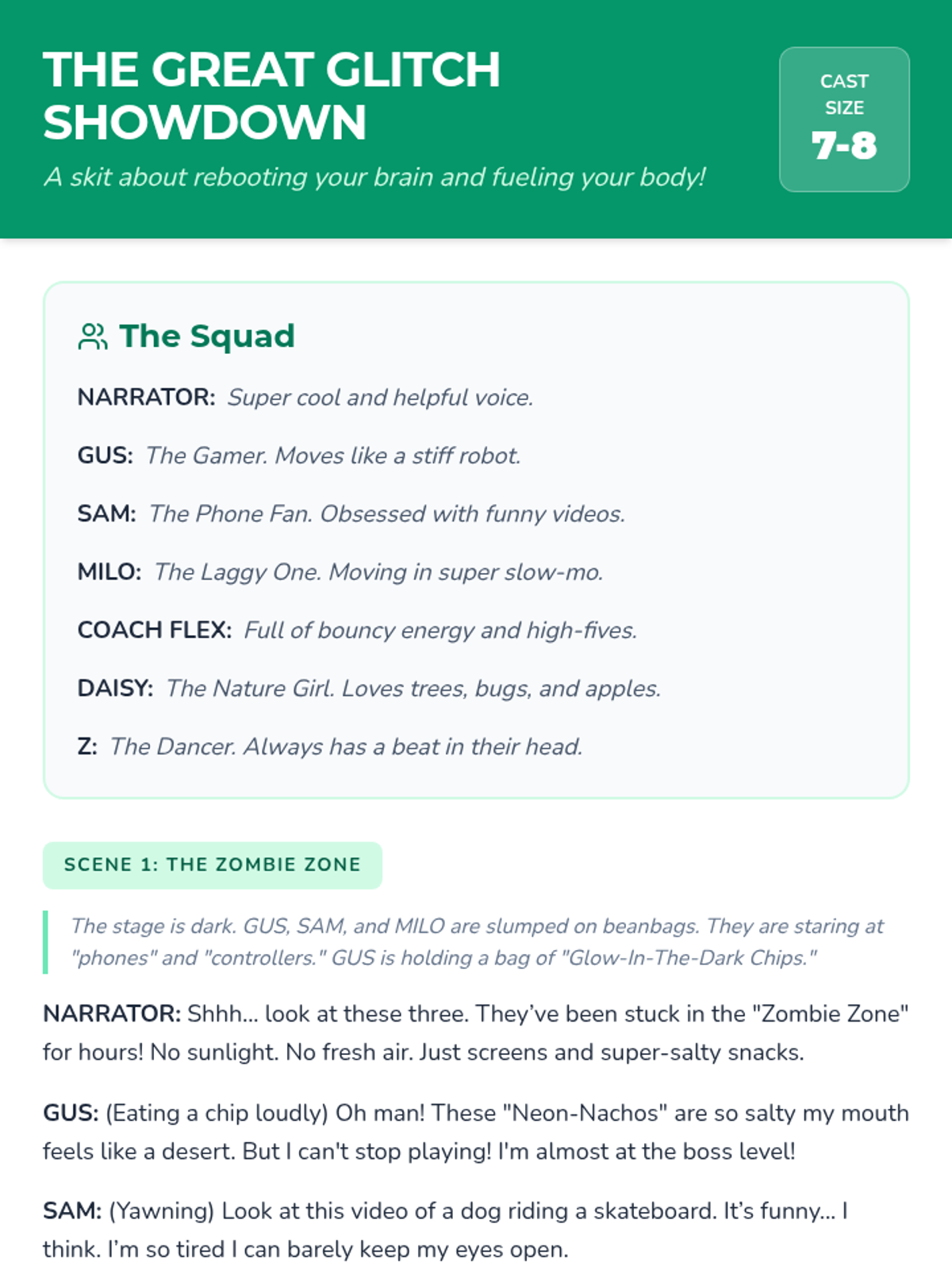
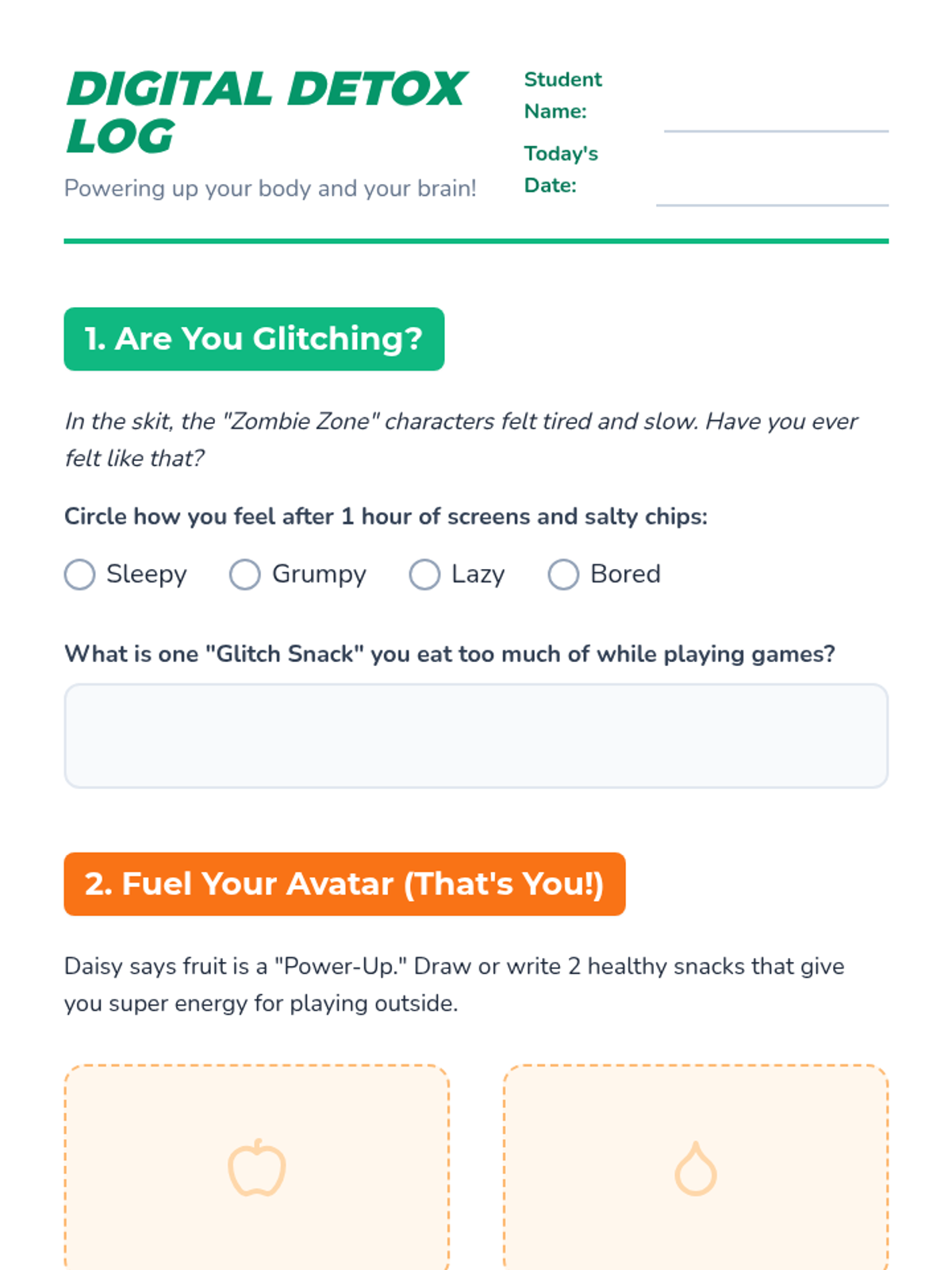
A high-energy lesson focused on digital wellness and the benefits of physical activity, featuring a funny skit and interactive reflection.
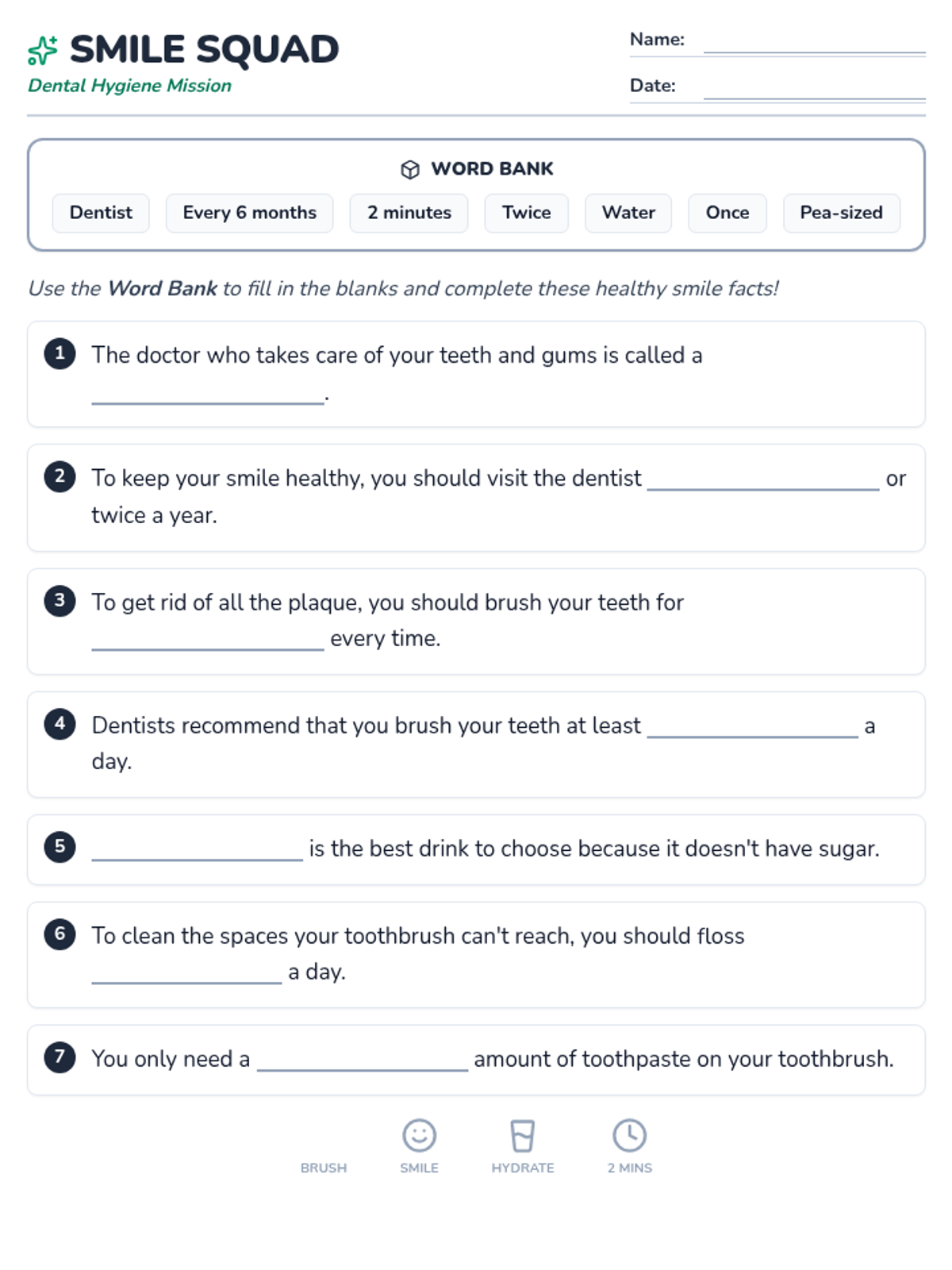
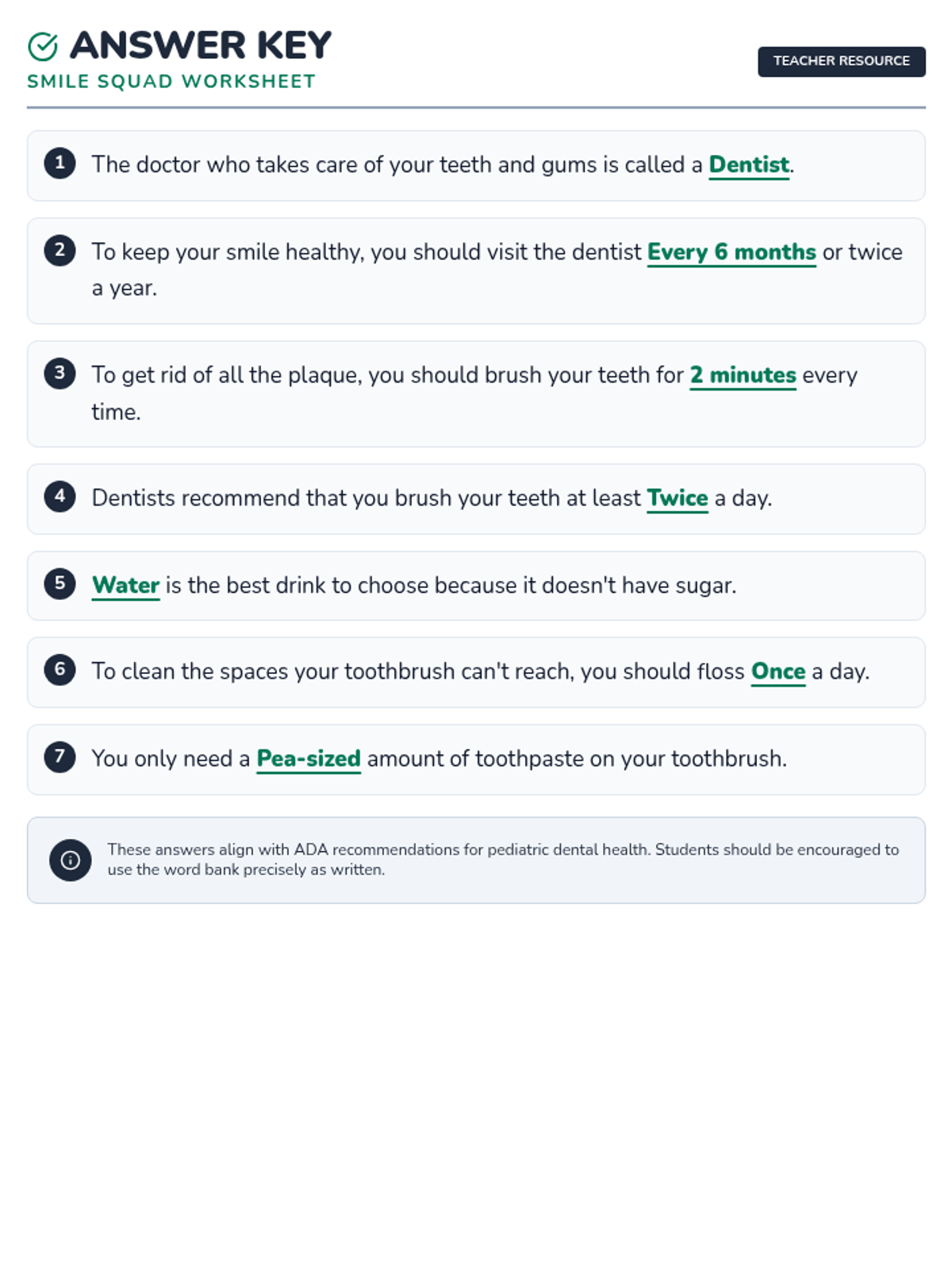
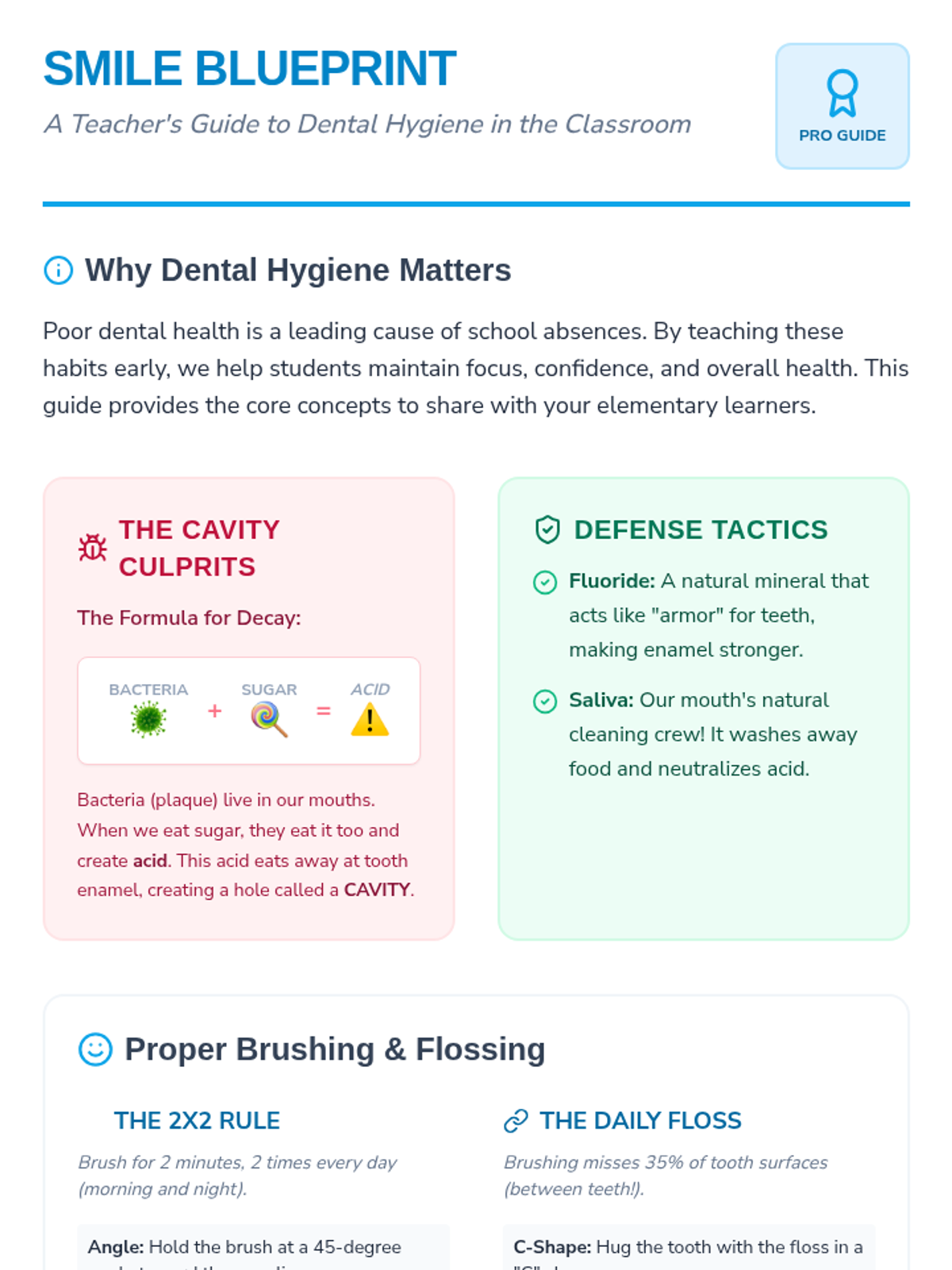
A foundational lesson on dental hygiene, focusing on routine care, healthy habits, and the role of the dentist.
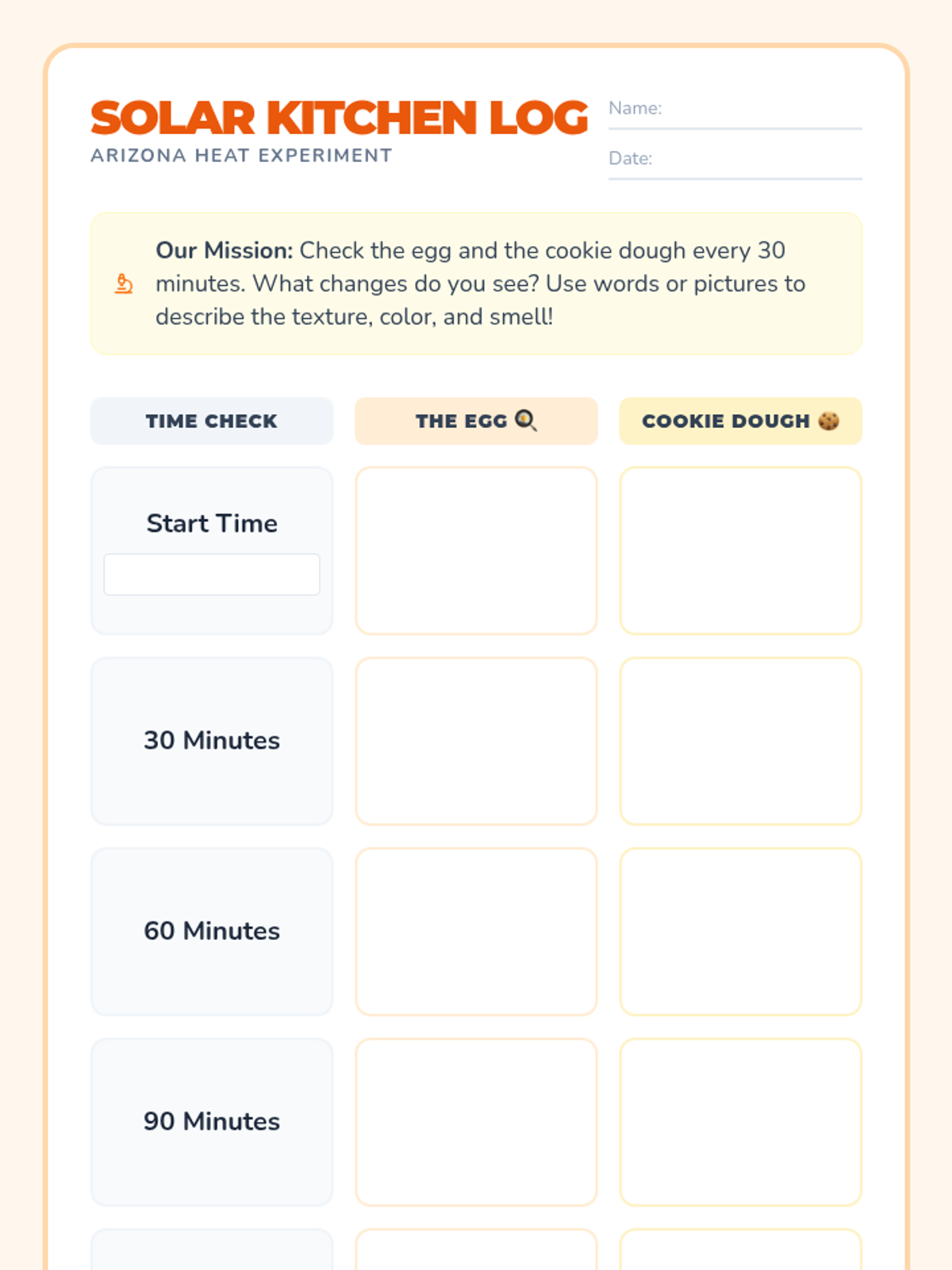
A hands-on experiment using a cookie sheet to see how long it takes to cook an egg and cookie dough in the Arizona sun.
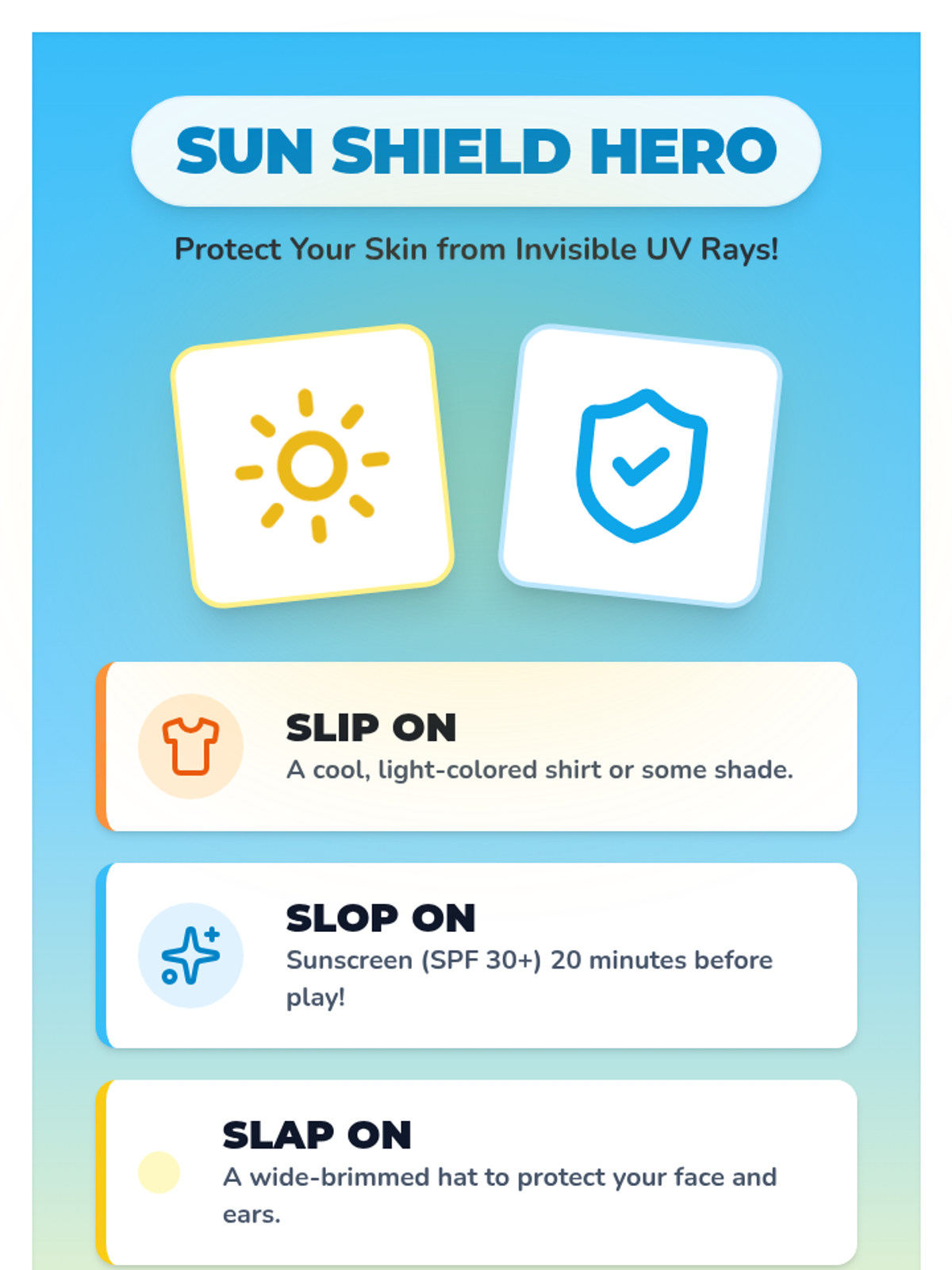
Focusing on UV protection through sunscreen, hats, and shade to prevent sunburns during outdoor play.
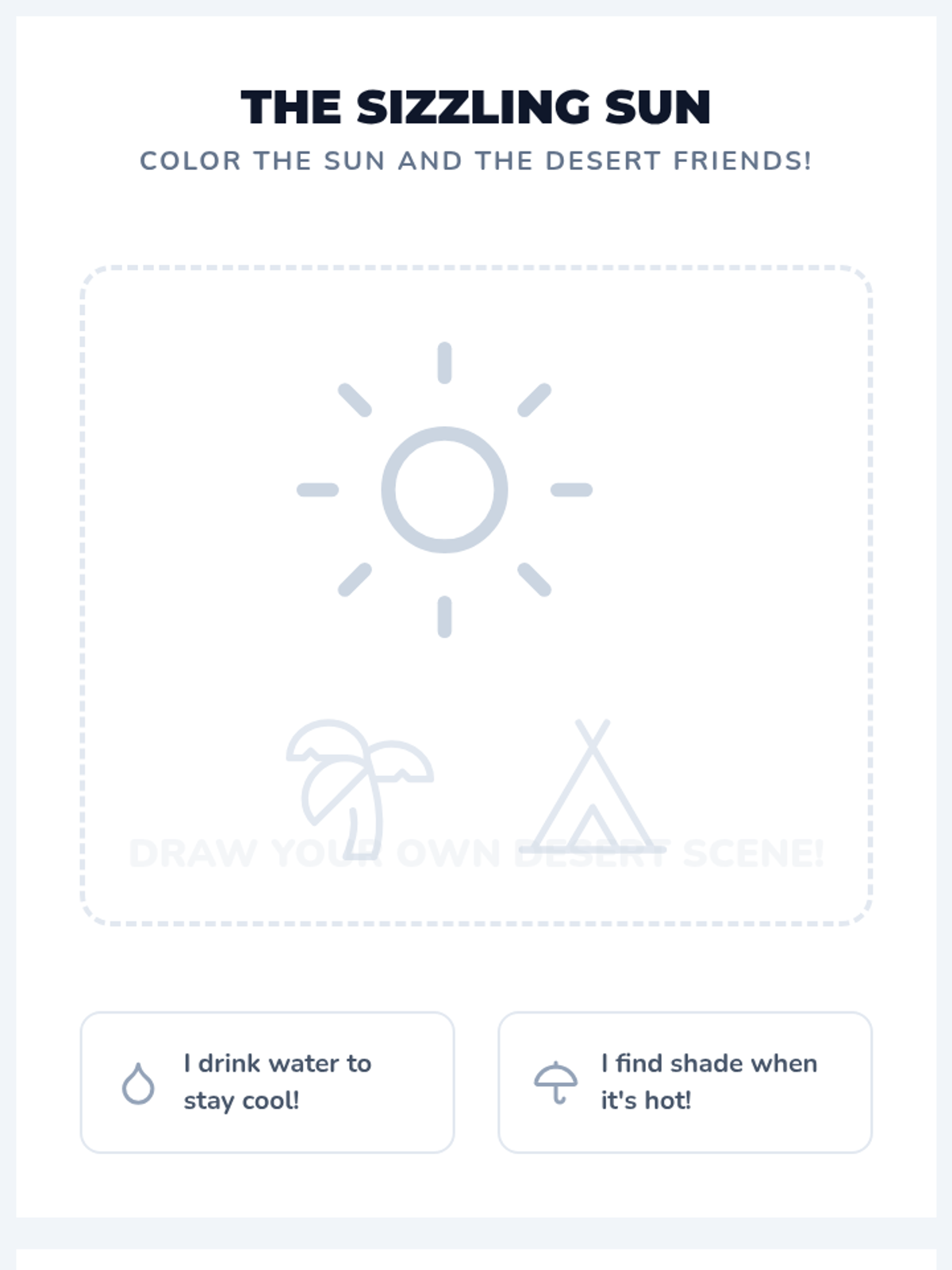
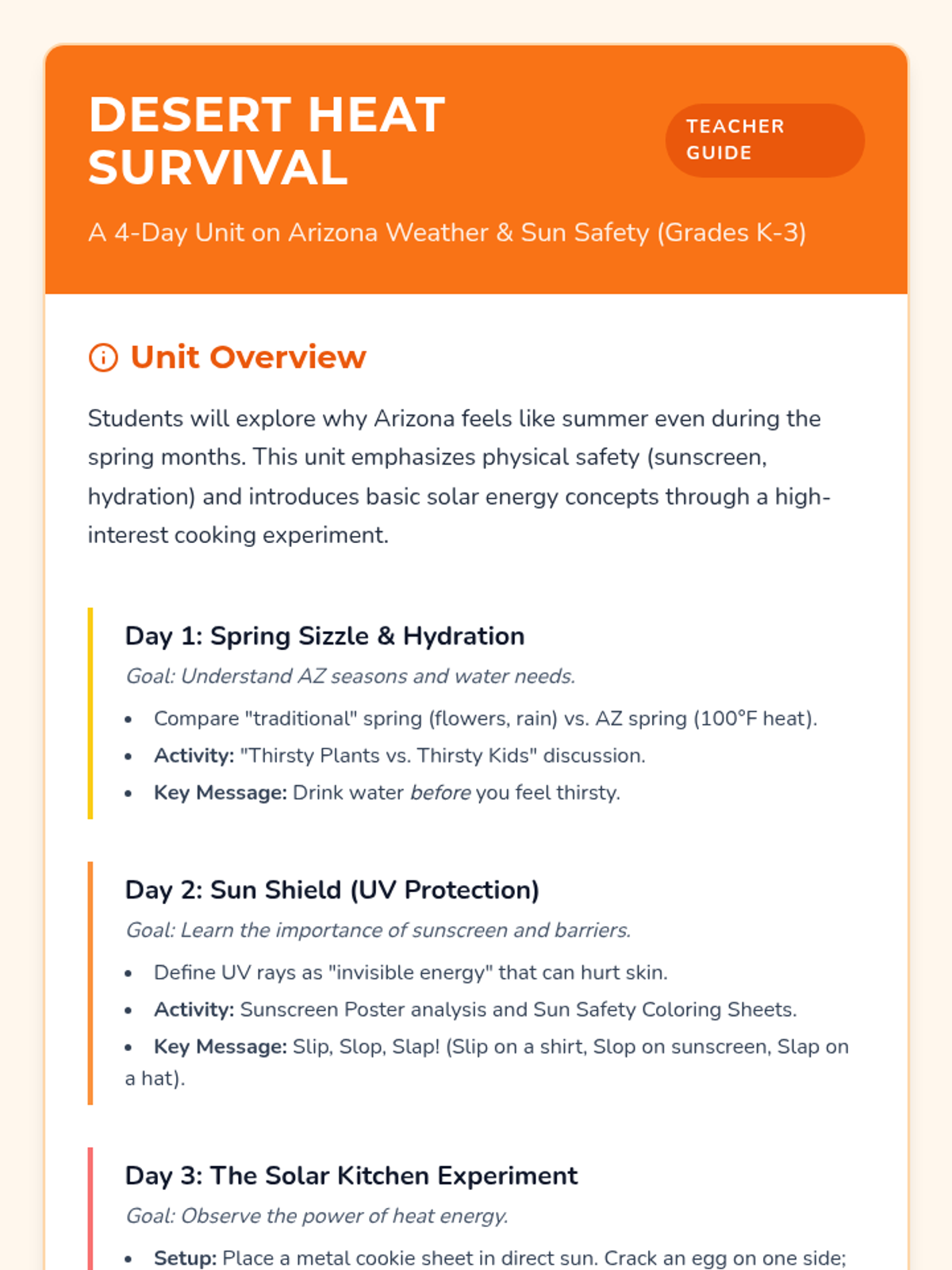
Introduction to Arizona's unique spring weather and the importance of staying hydrated when temperatures soar.
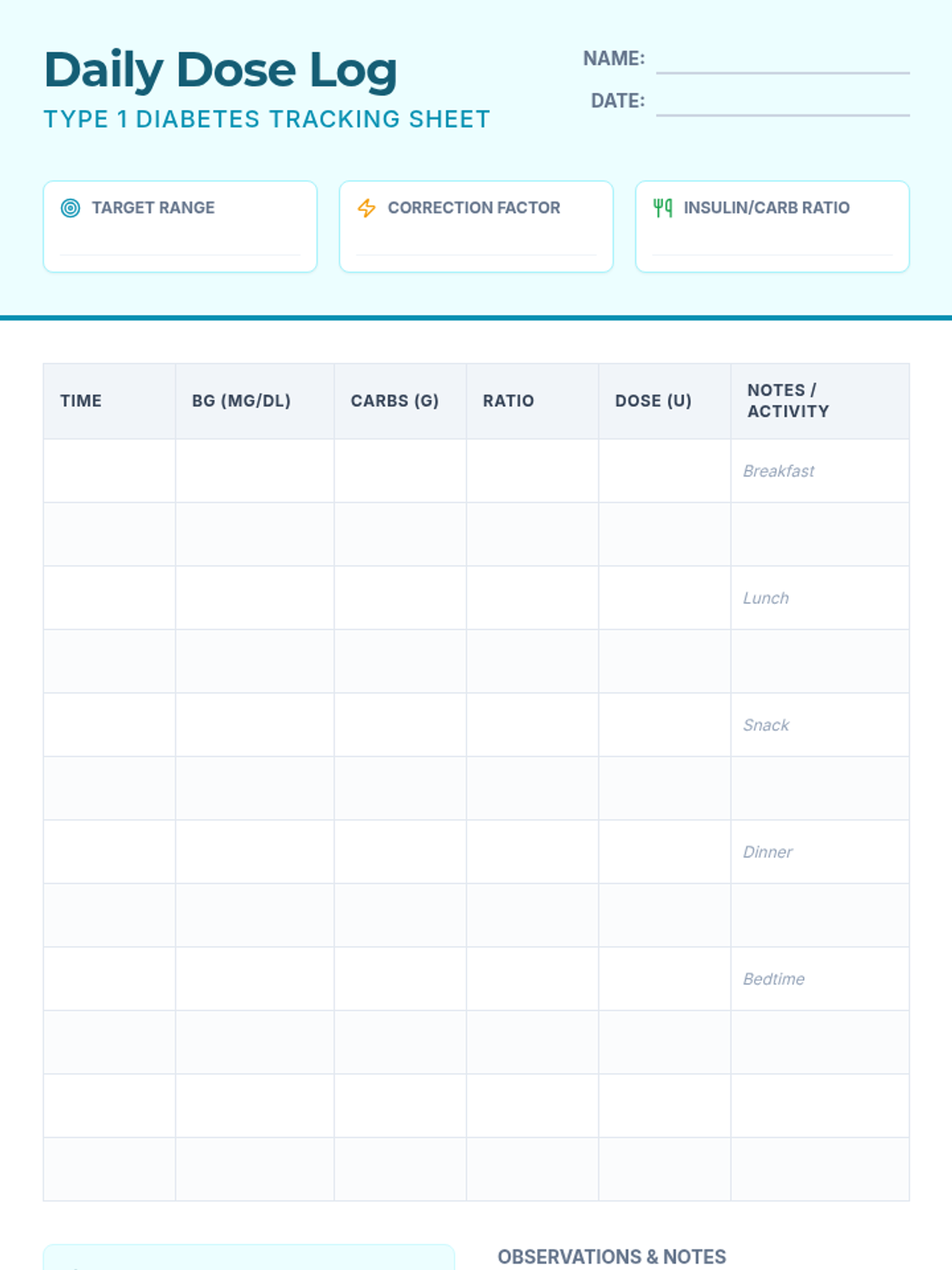
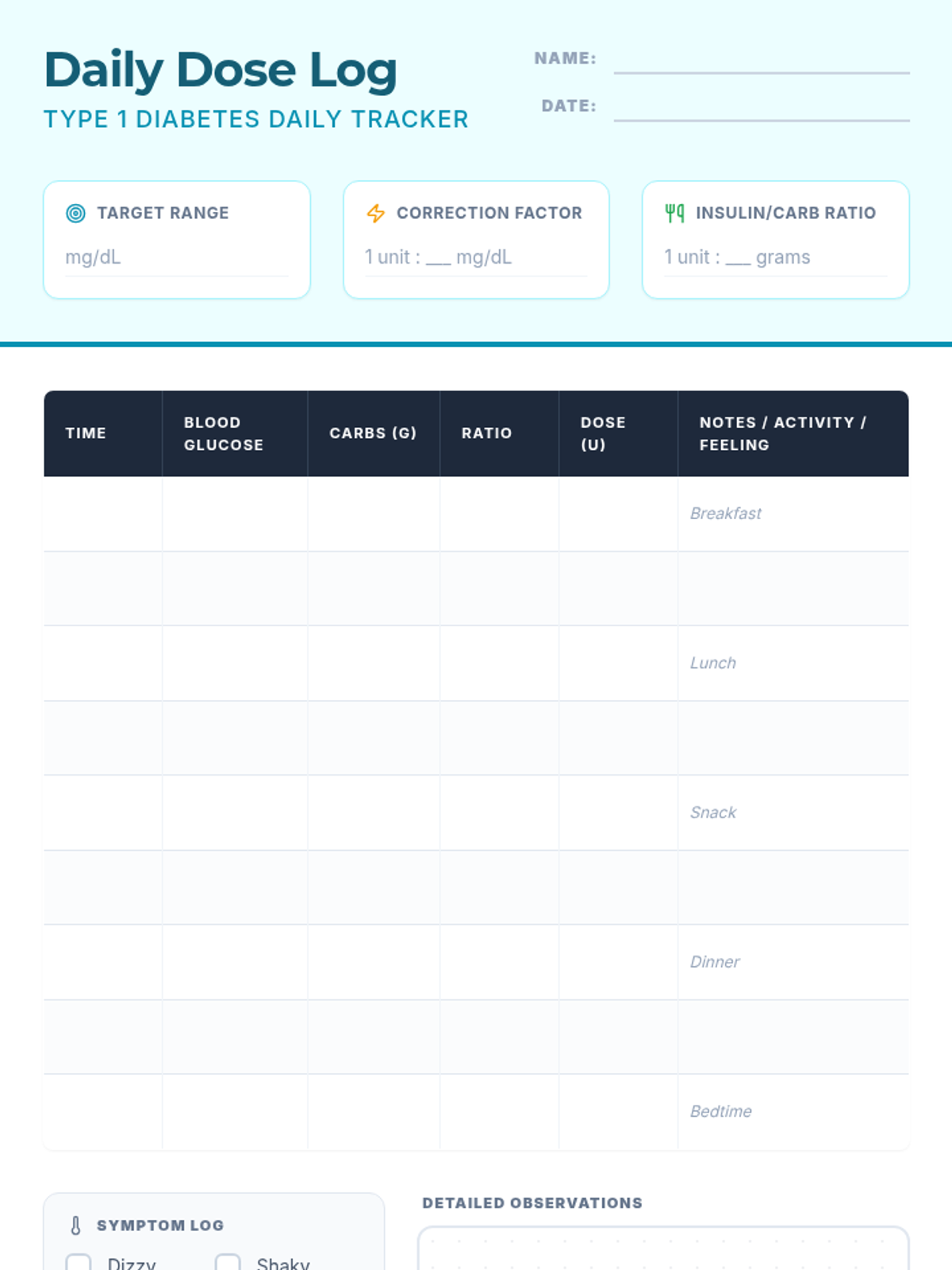
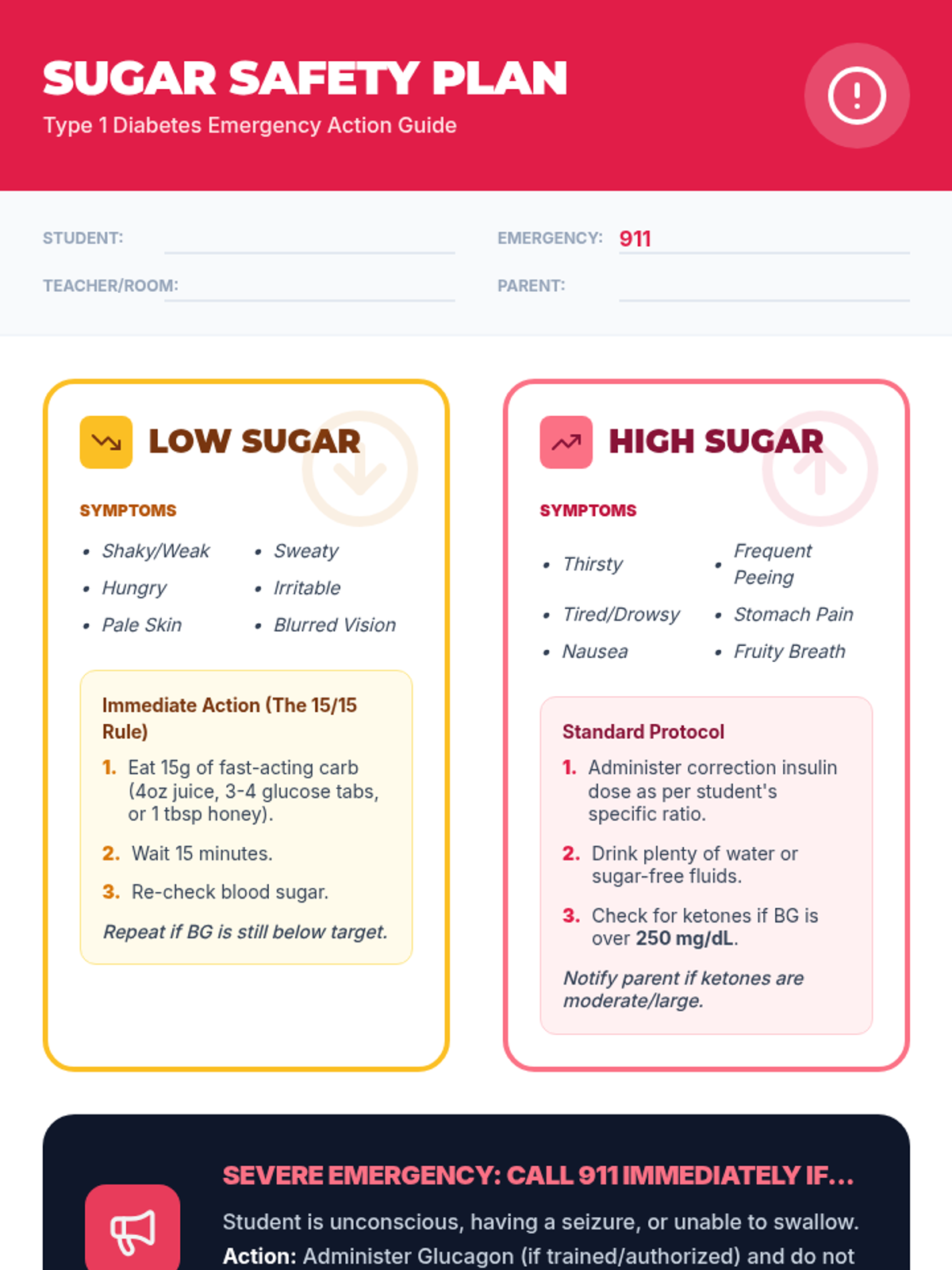
A comprehensive toolkit for tracking and managing Type 1 Diabetes daily routines, designed for students, parents, and school health staff.
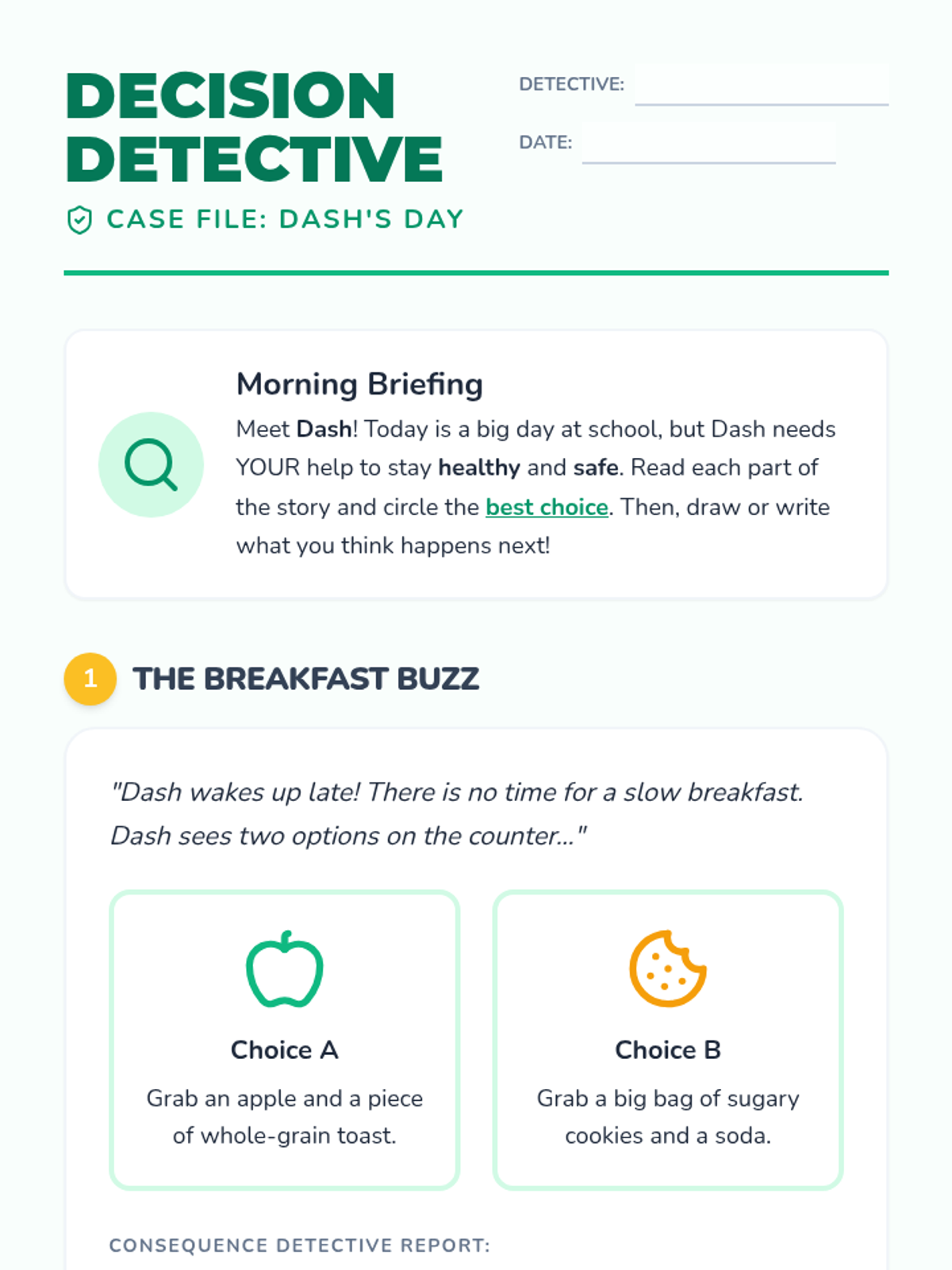
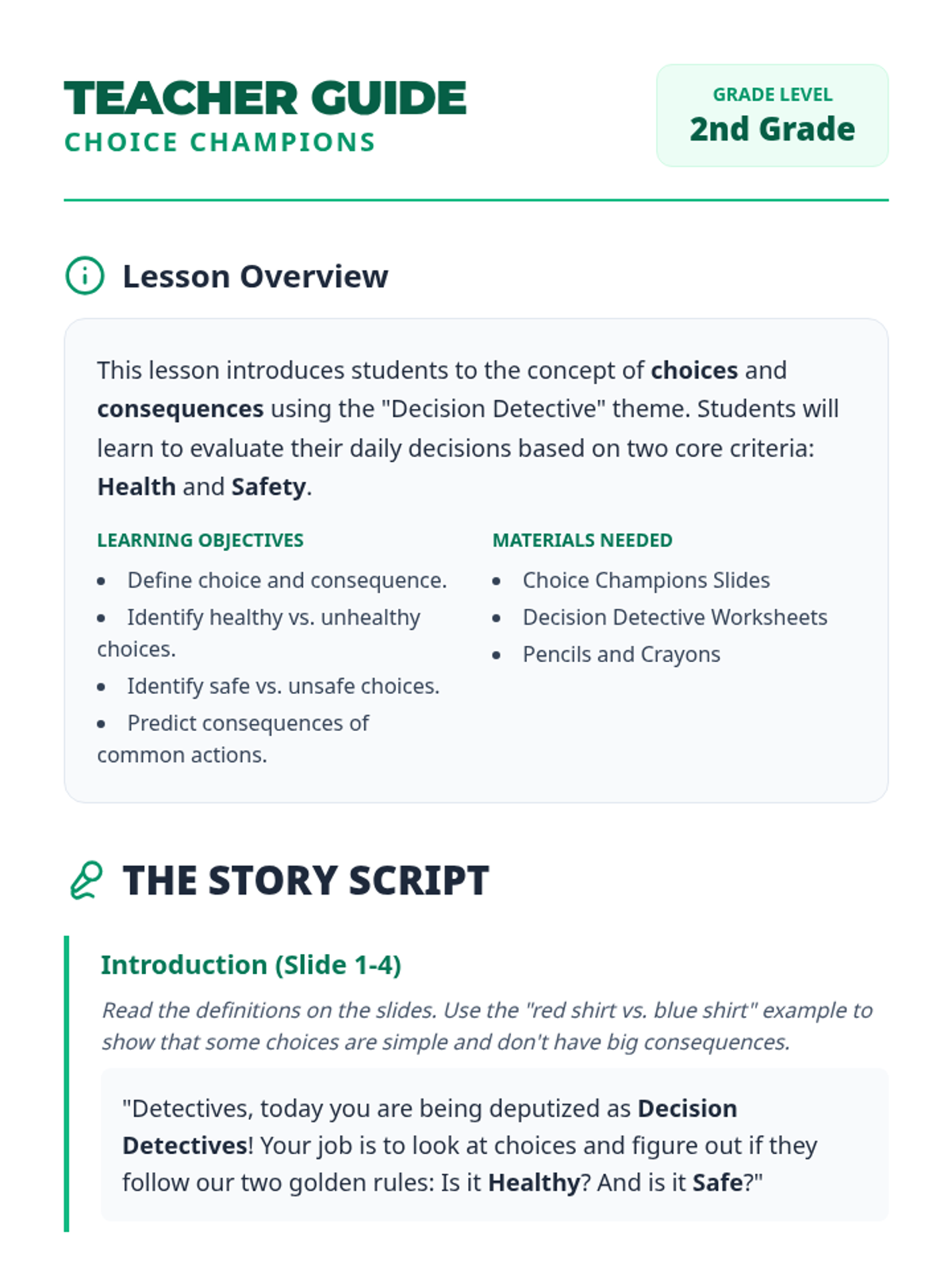
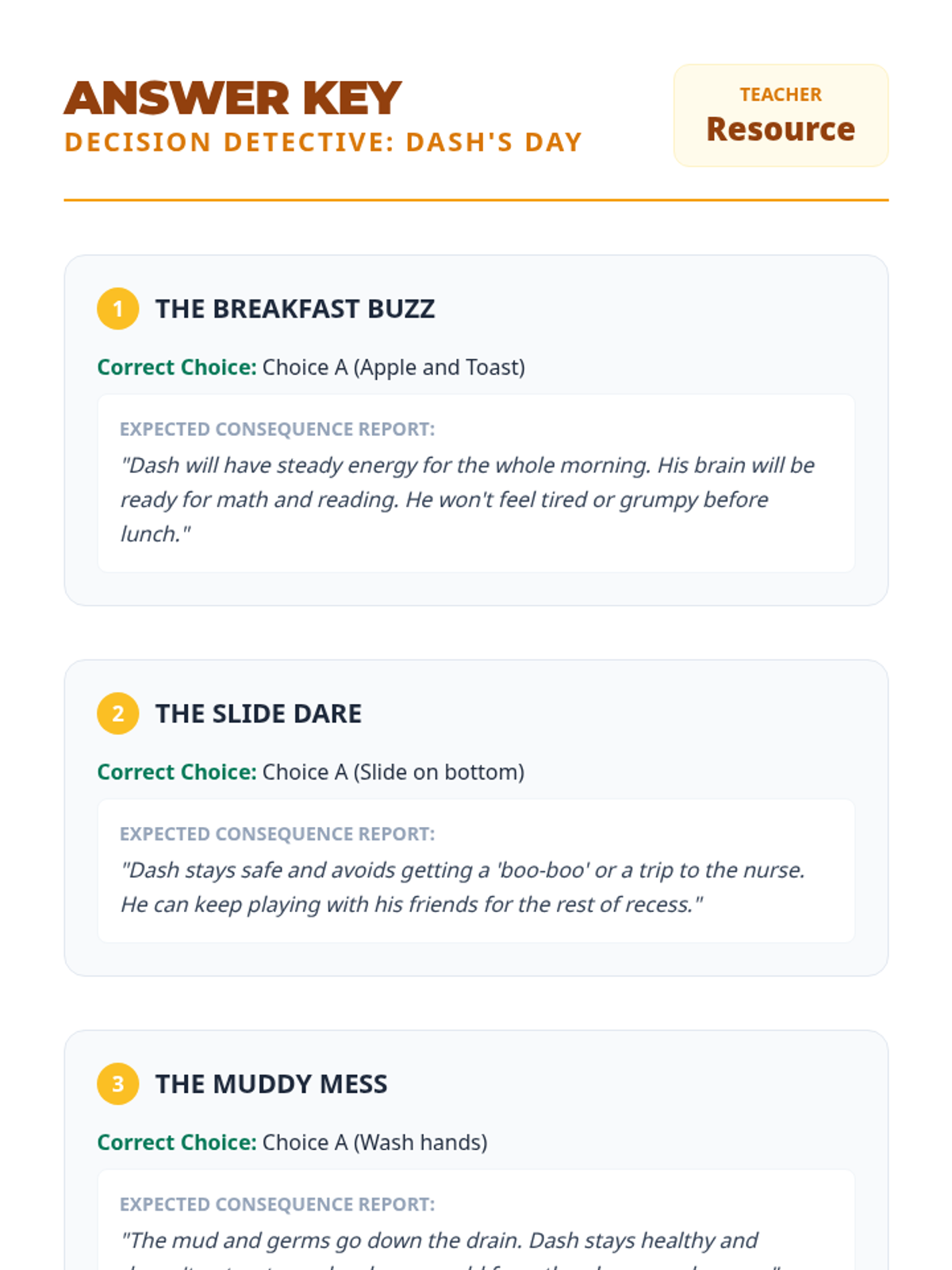
Students will learn to identify choices and their potential consequences through an interactive story about a day in the life of a 'Decision Detective'. They will practice evaluating options based on health and safety.
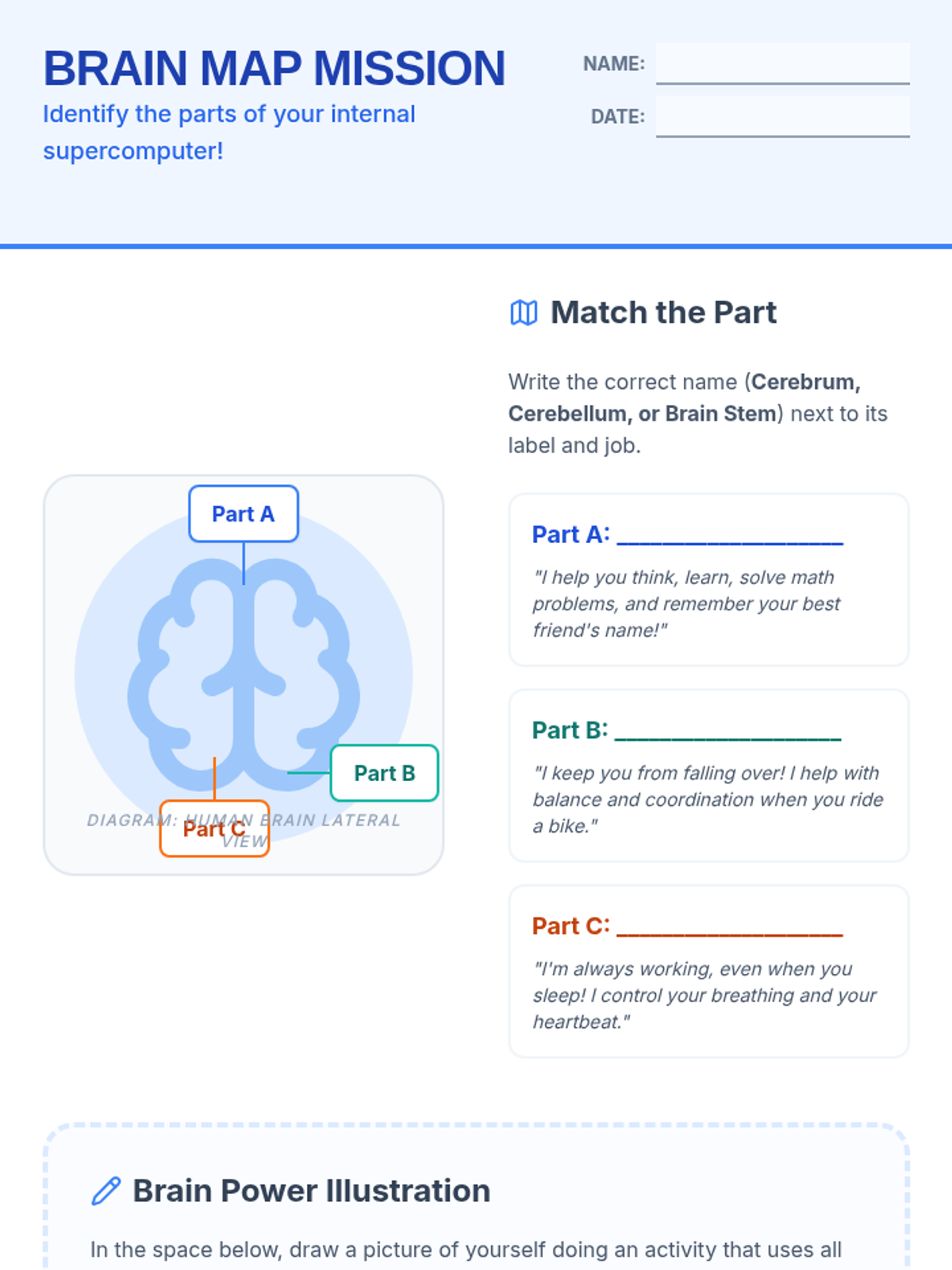
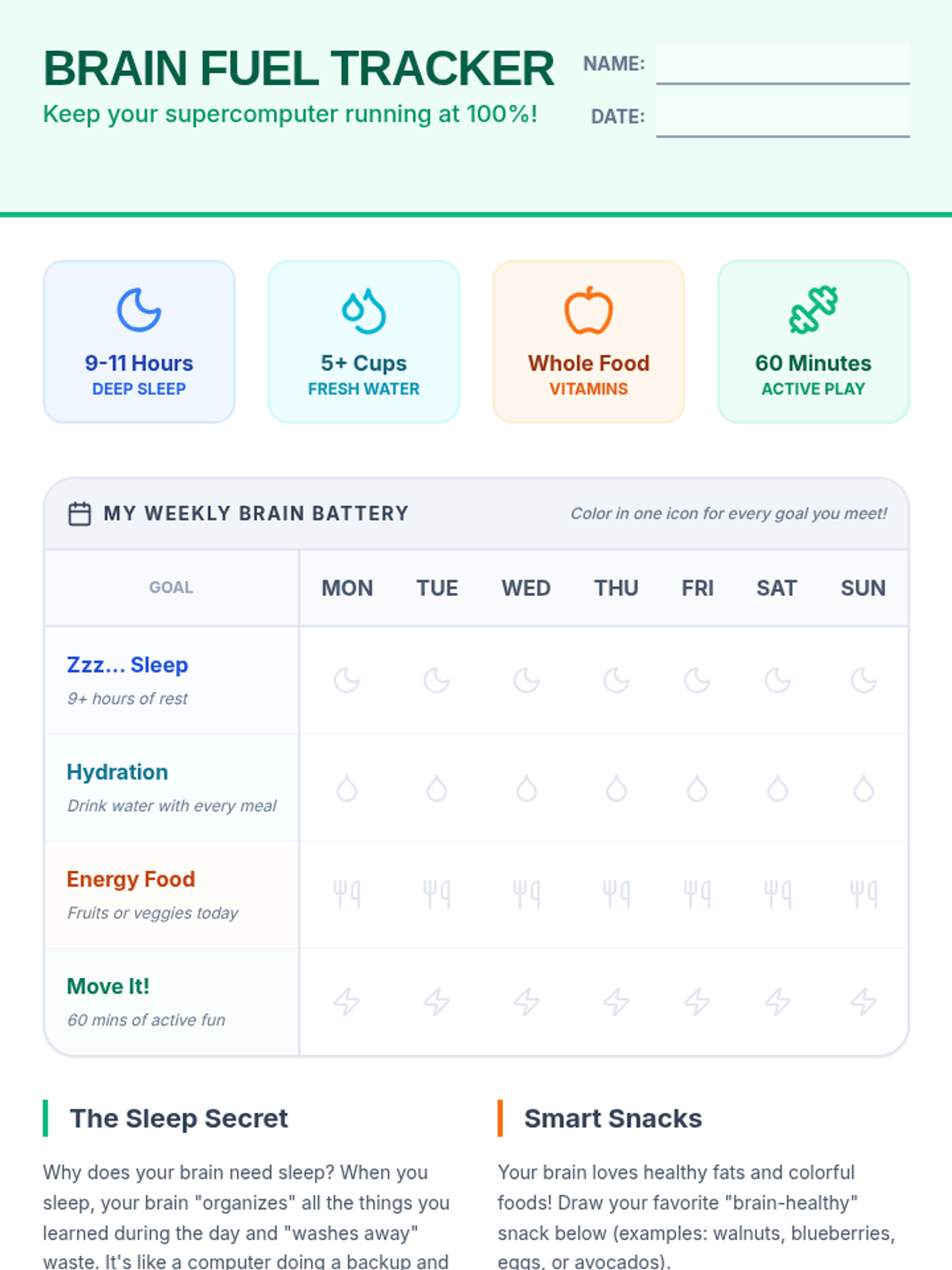
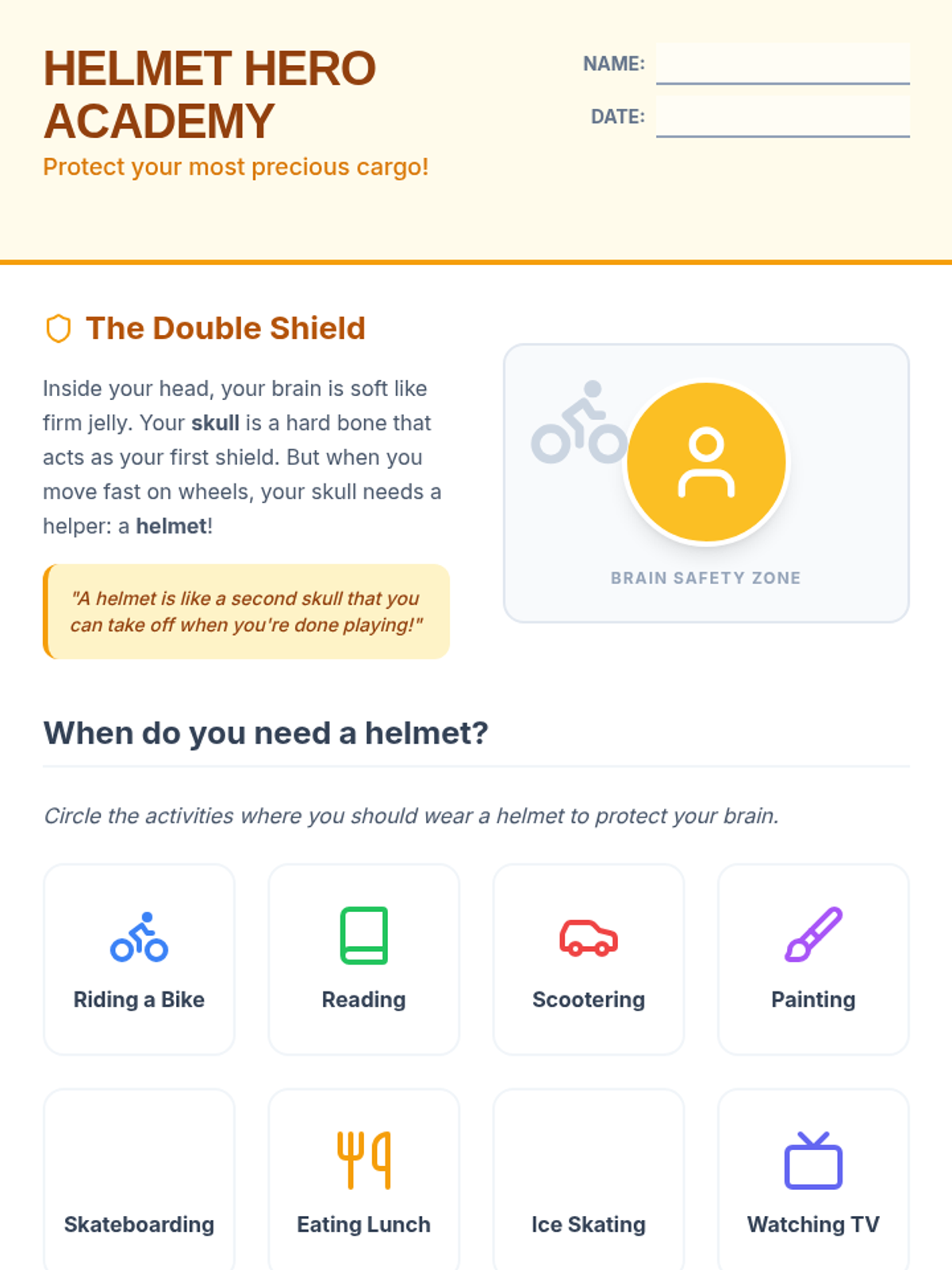
A series of interactive materials teaching elementary students about how their brain works, how to keep it healthy through nutrition and sleep, and how to protect it during physical activities.
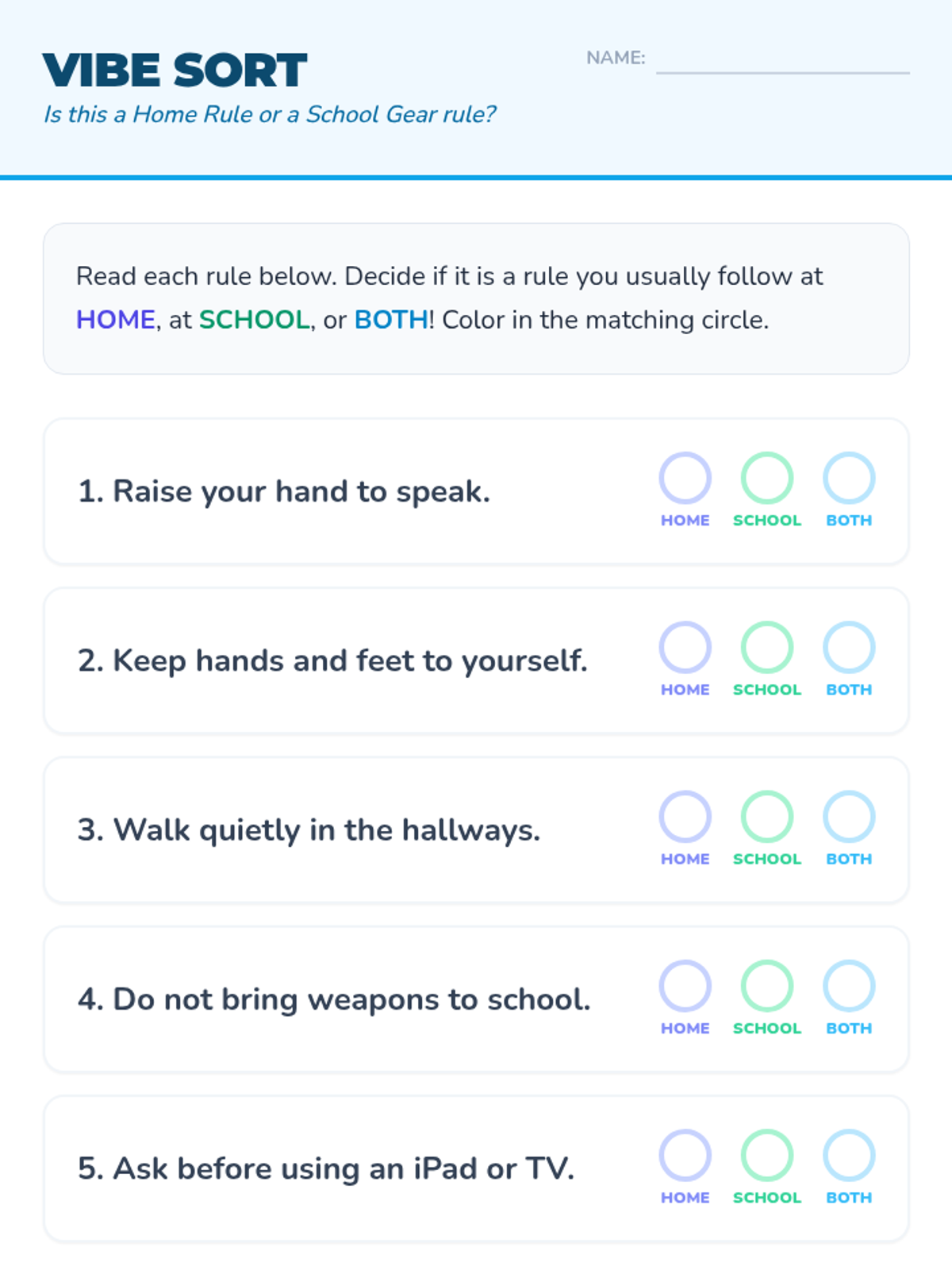
Students learn to navigate different social environments by understanding that rules and expectations change based on the setting (home vs. school).
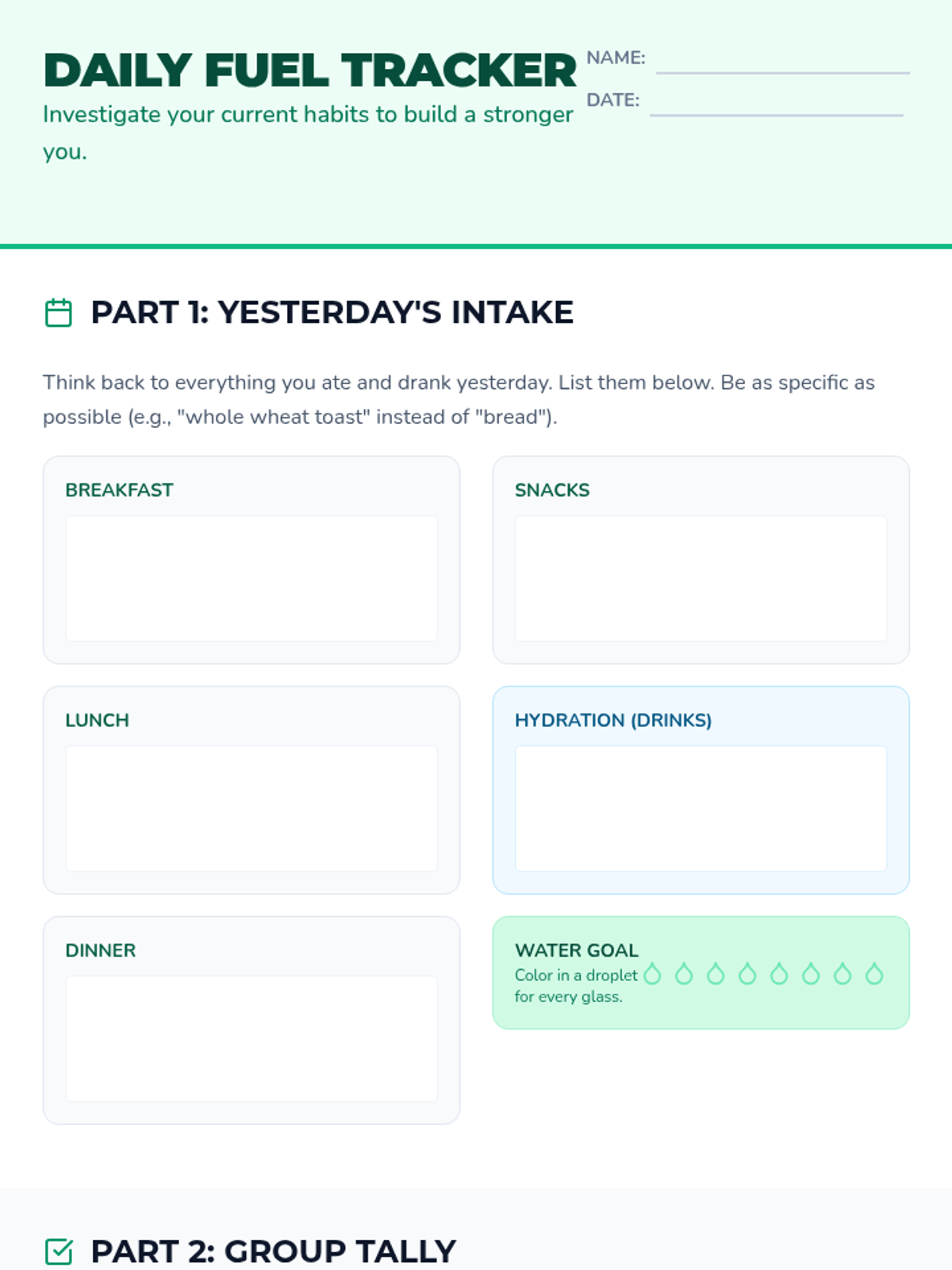
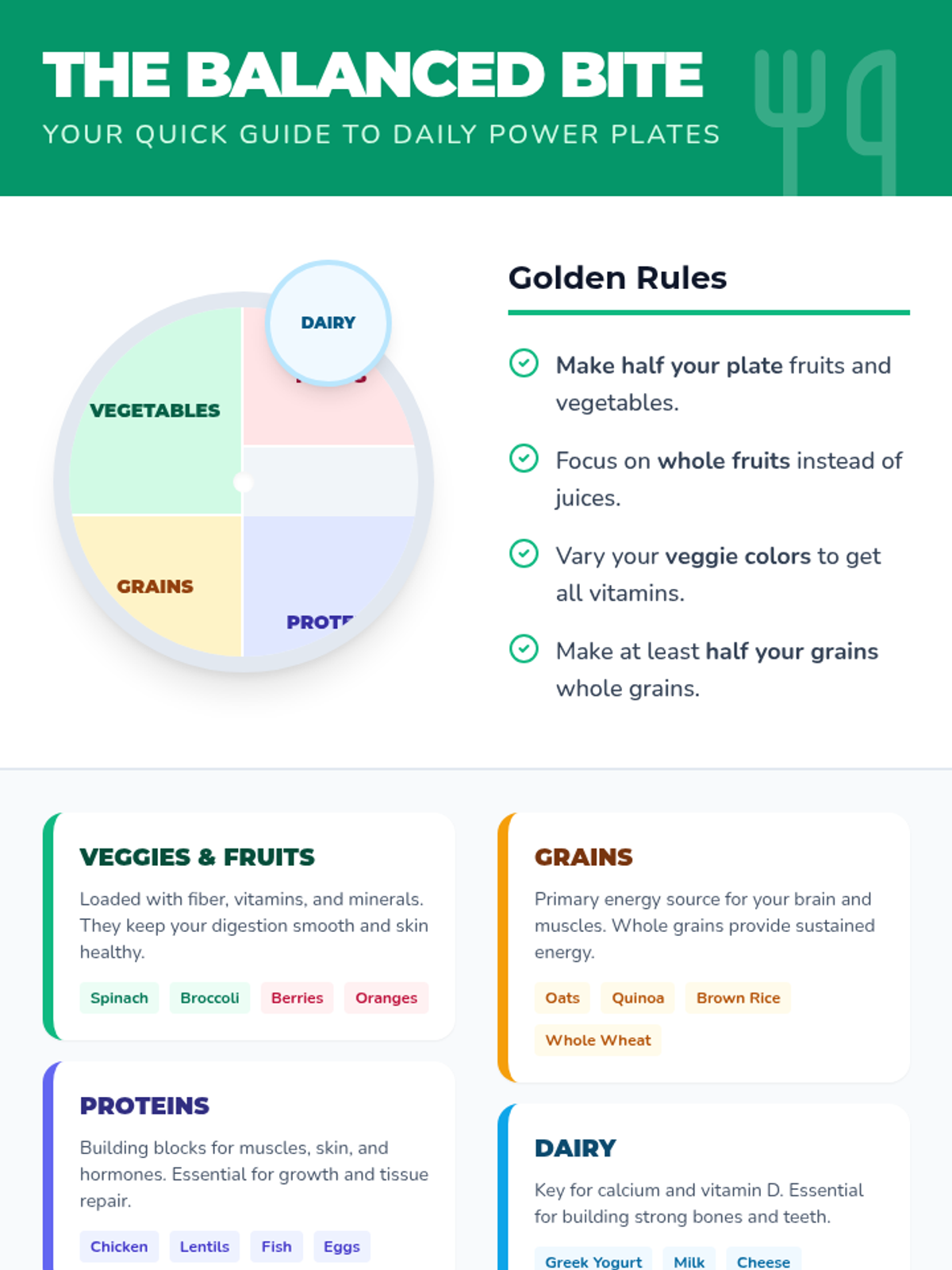
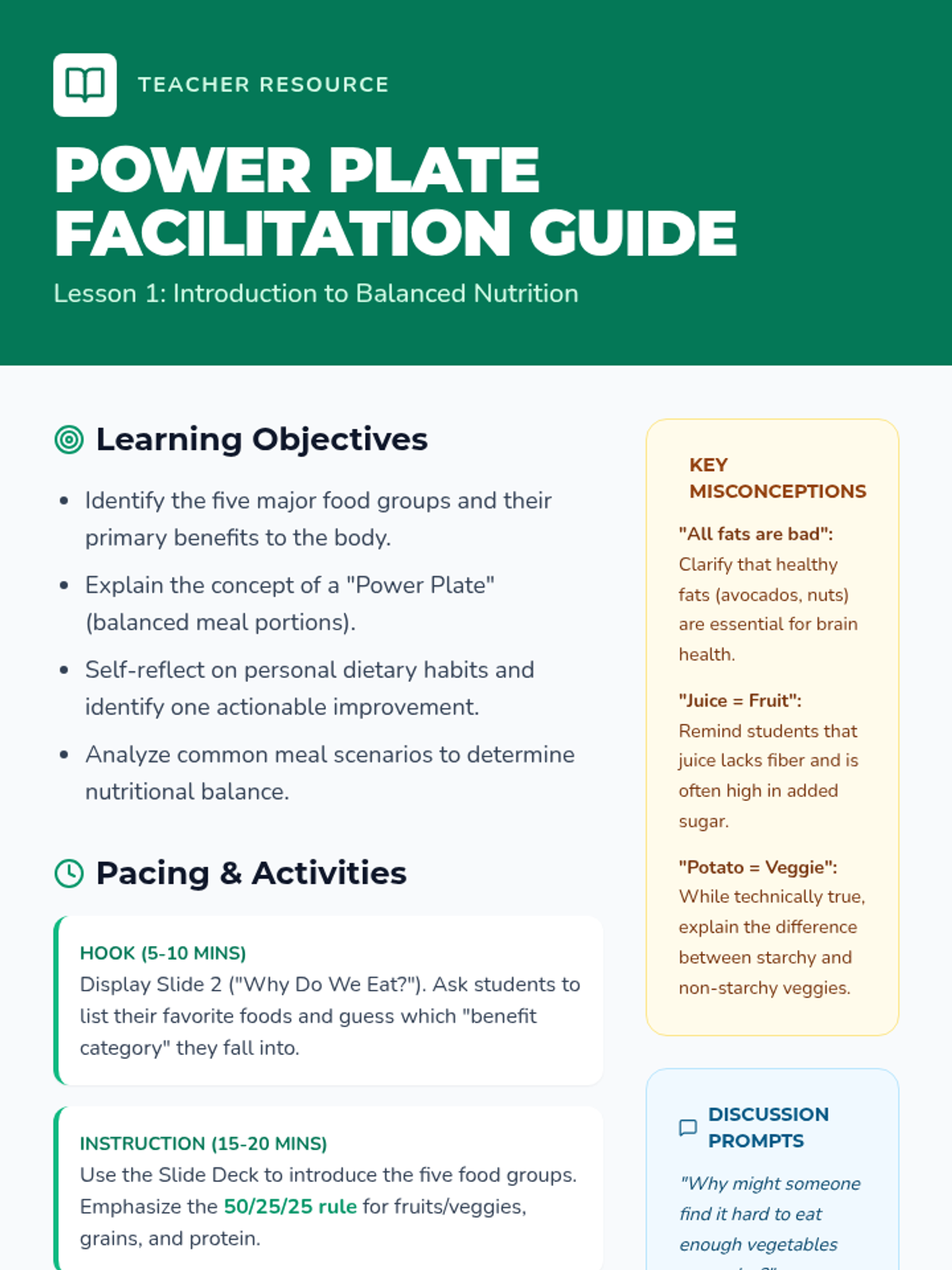
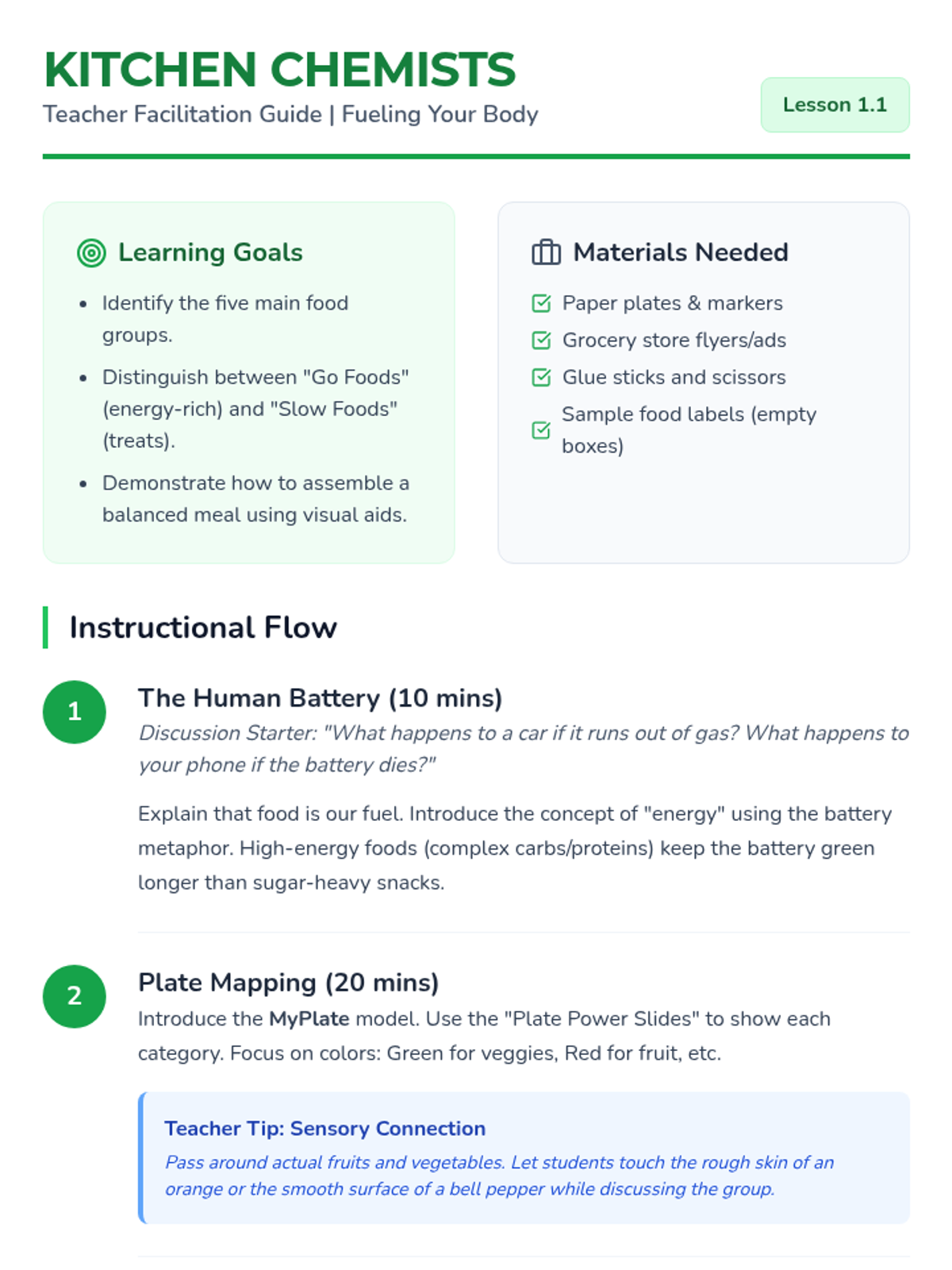
Students explore the five food groups, understand the importance of balanced nutrition, and learn how to build a healthy plate.
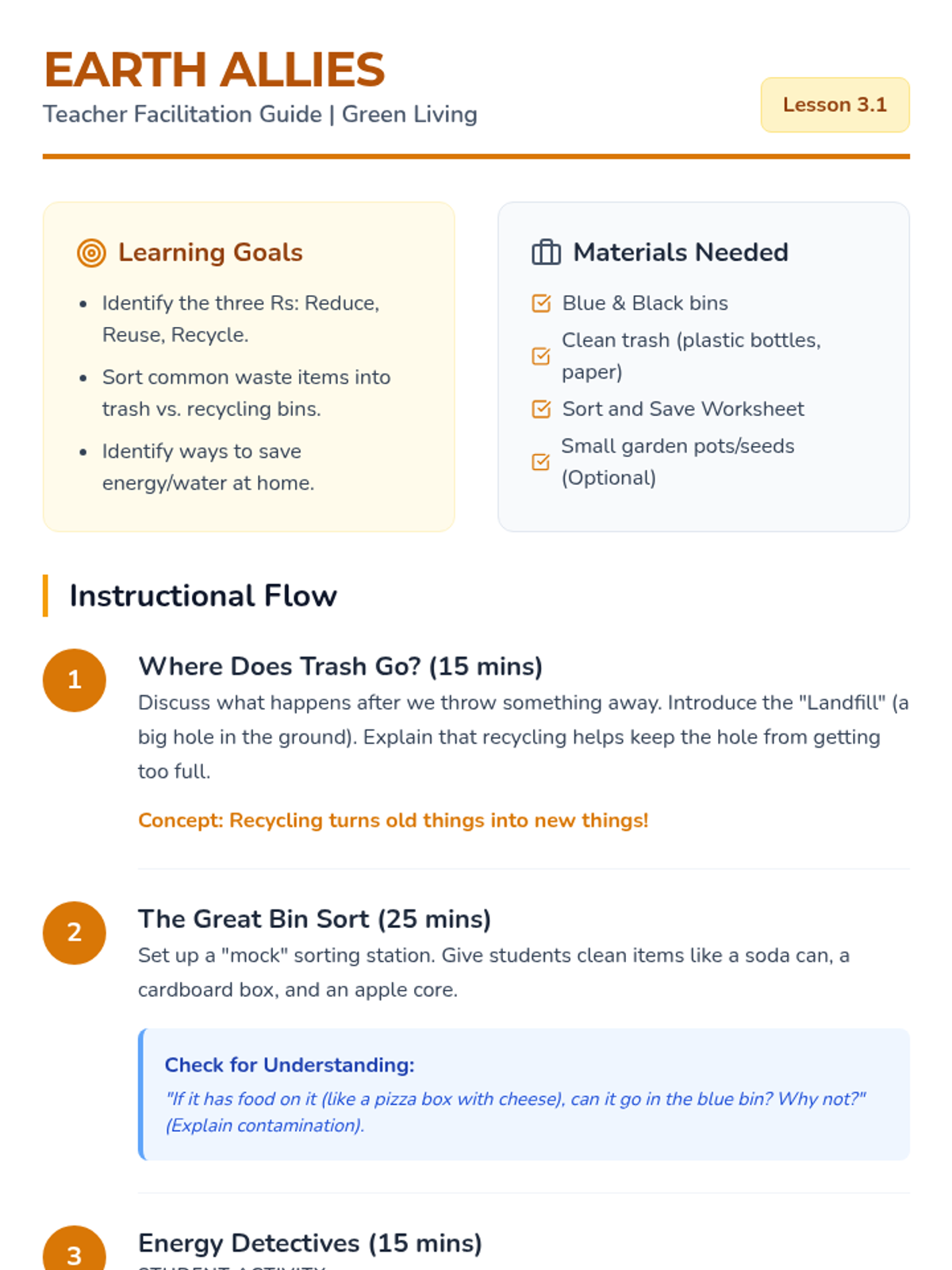
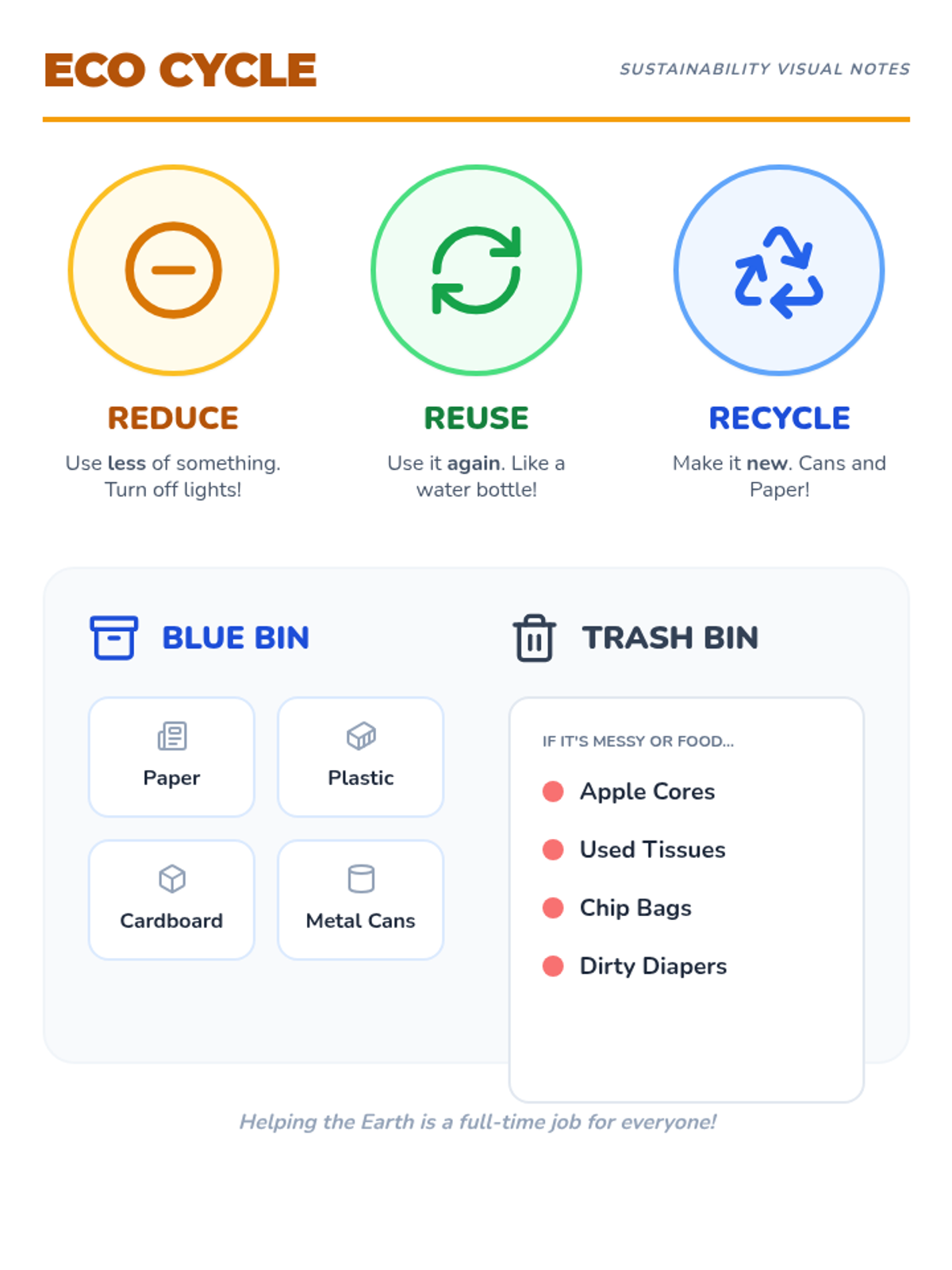
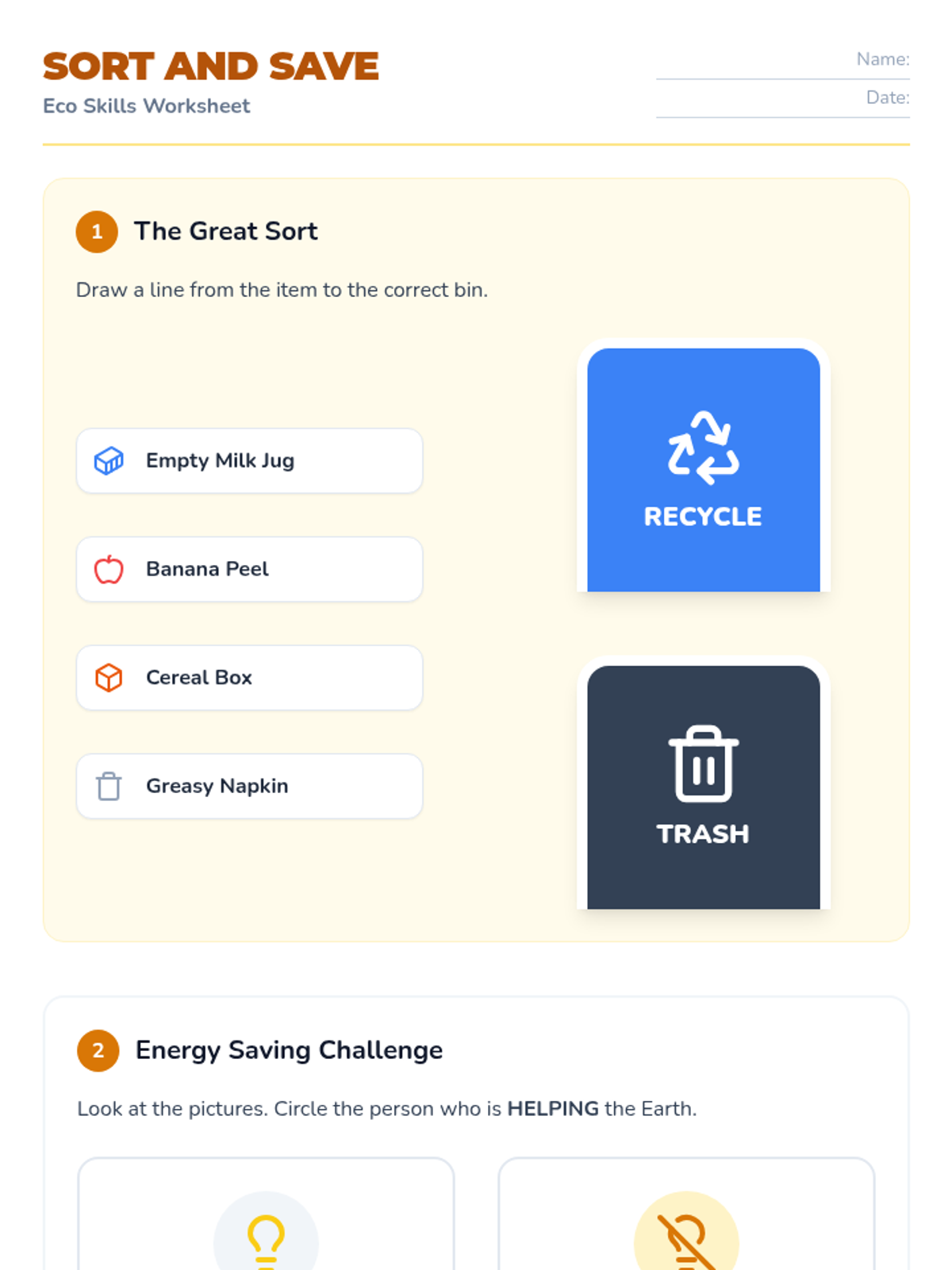
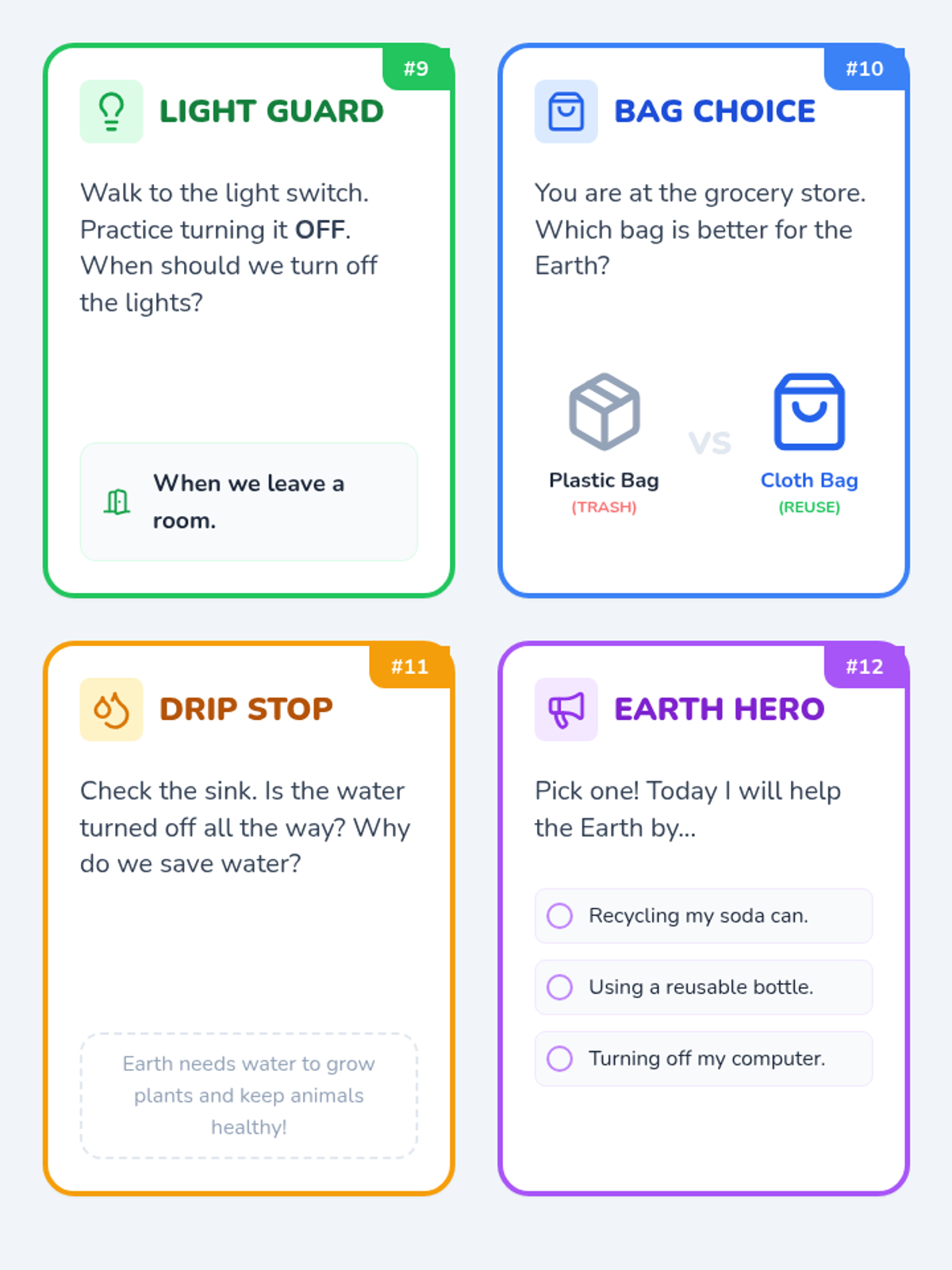
Introduces sustainability through waste reduction, recycling, and understanding how personal choices impact the local environment.
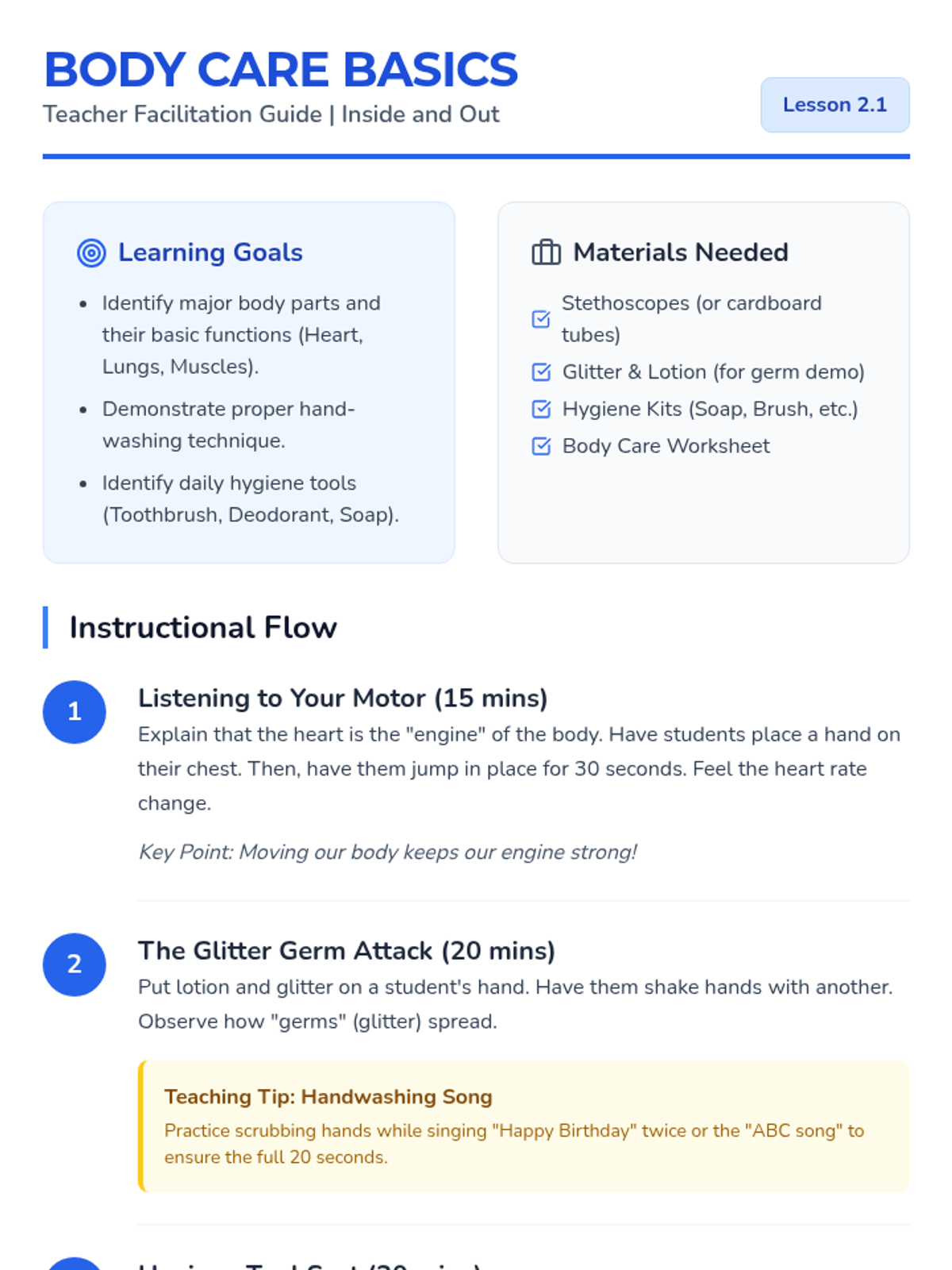
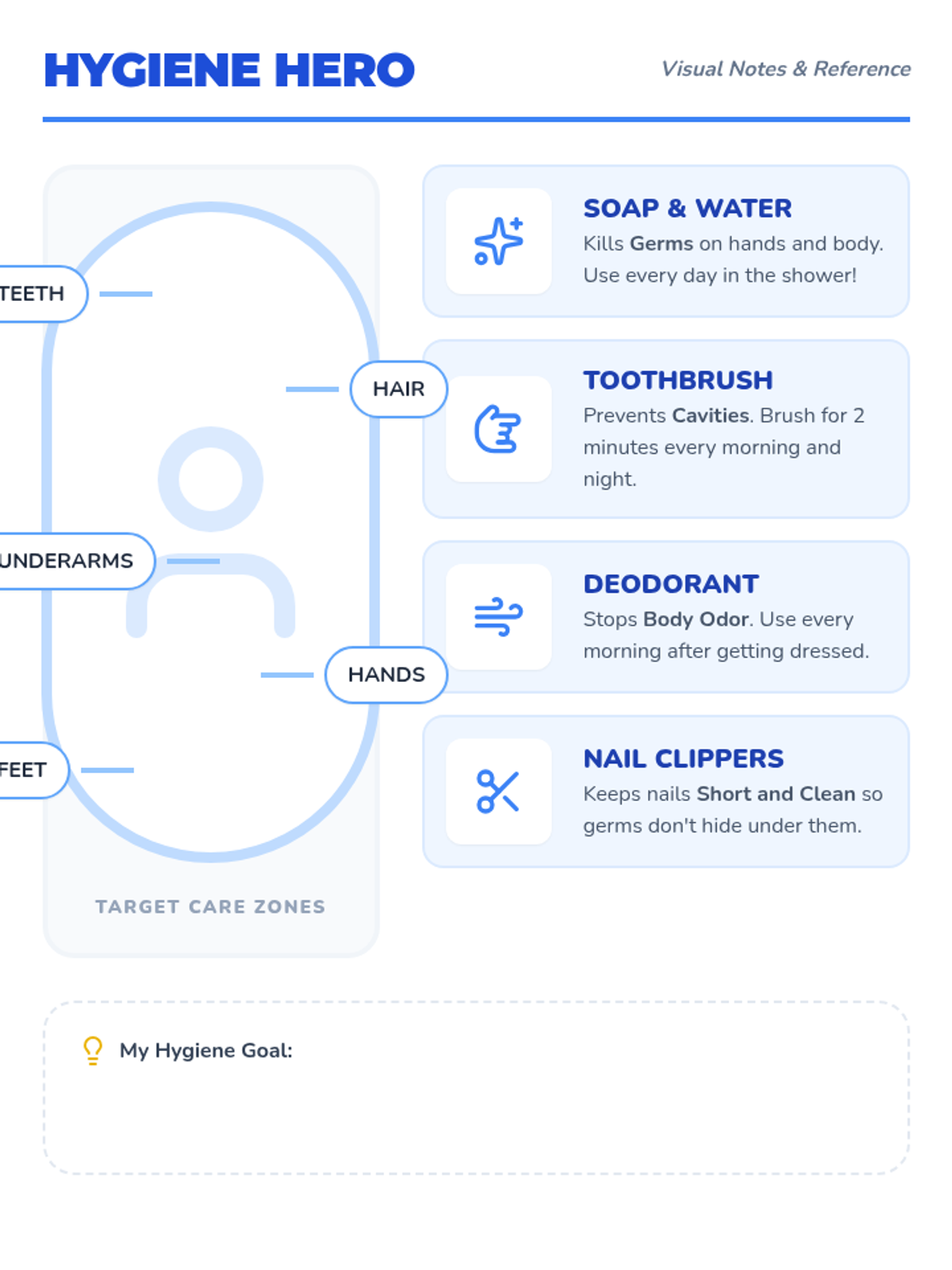
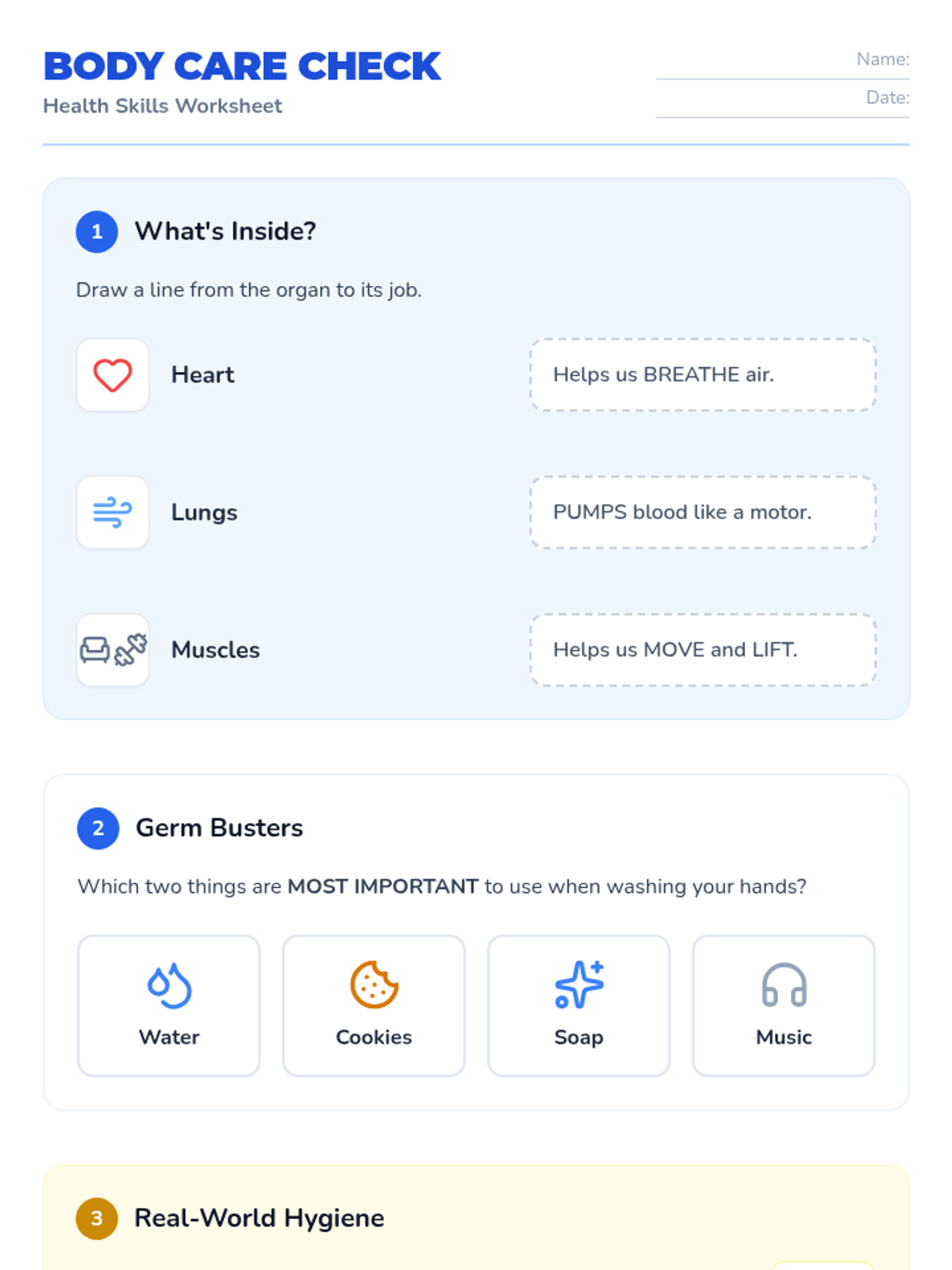
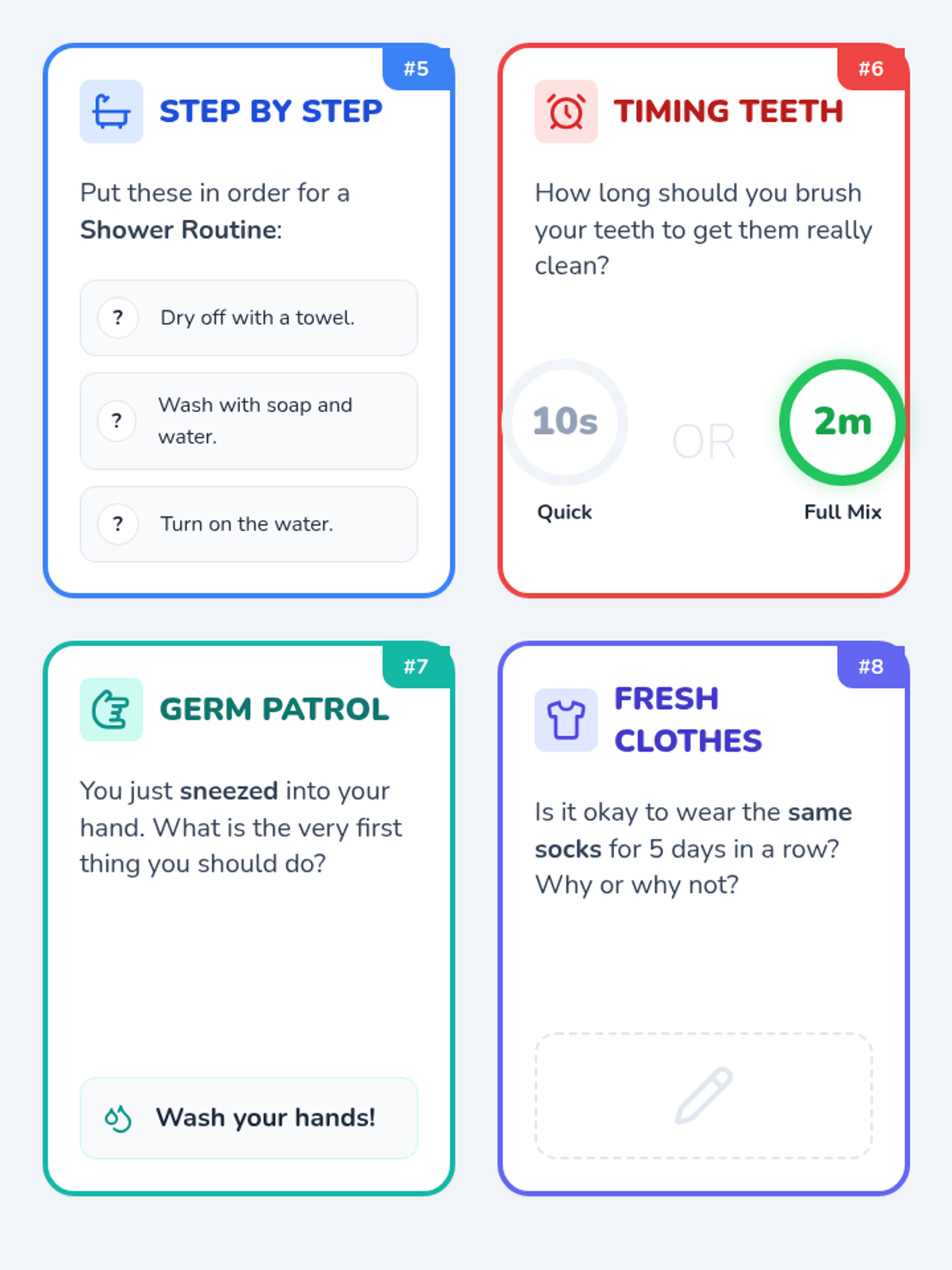
Covers basic human anatomy related to movement and health, alongside essential personal hygiene routines for daily living.
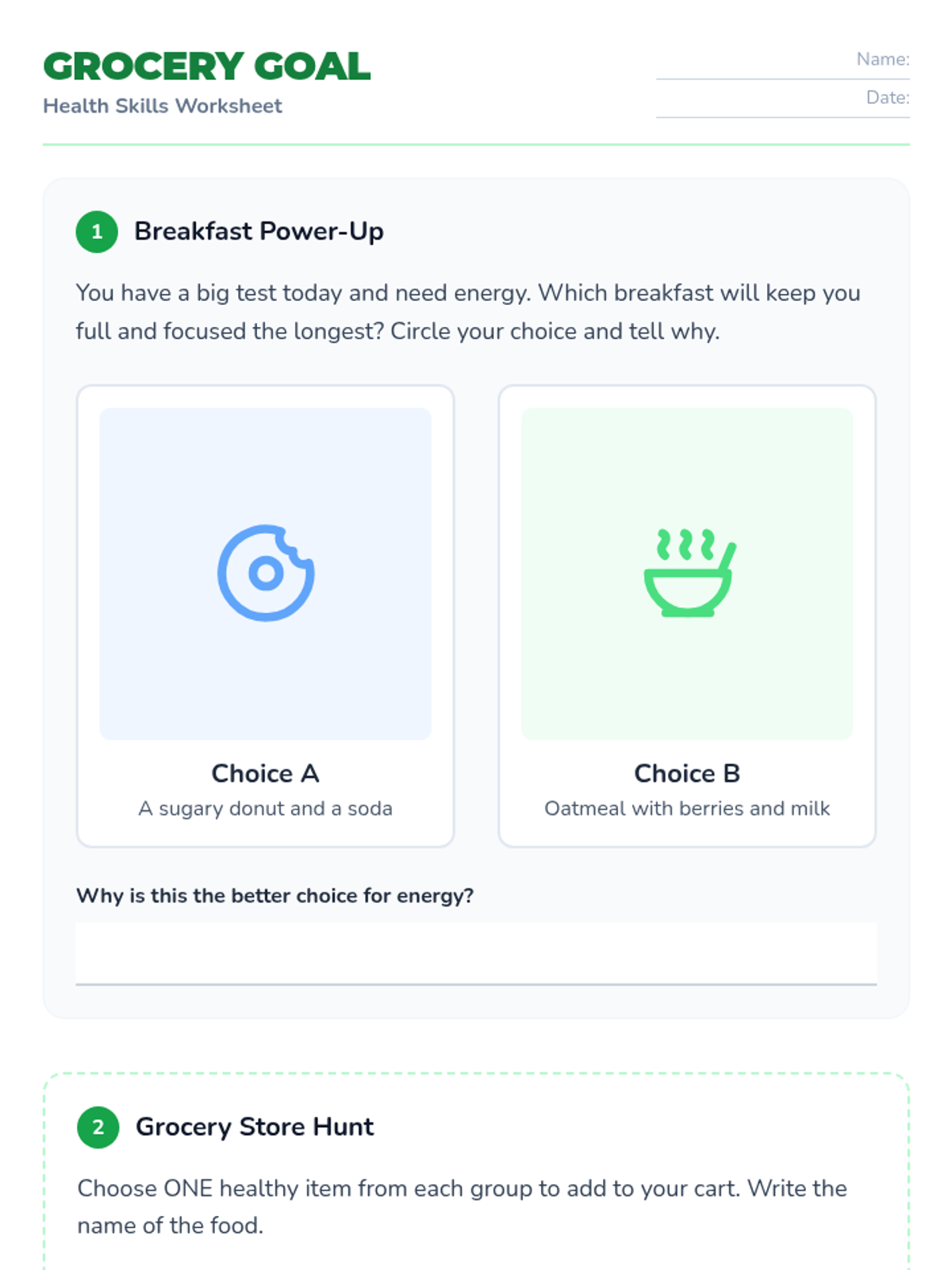
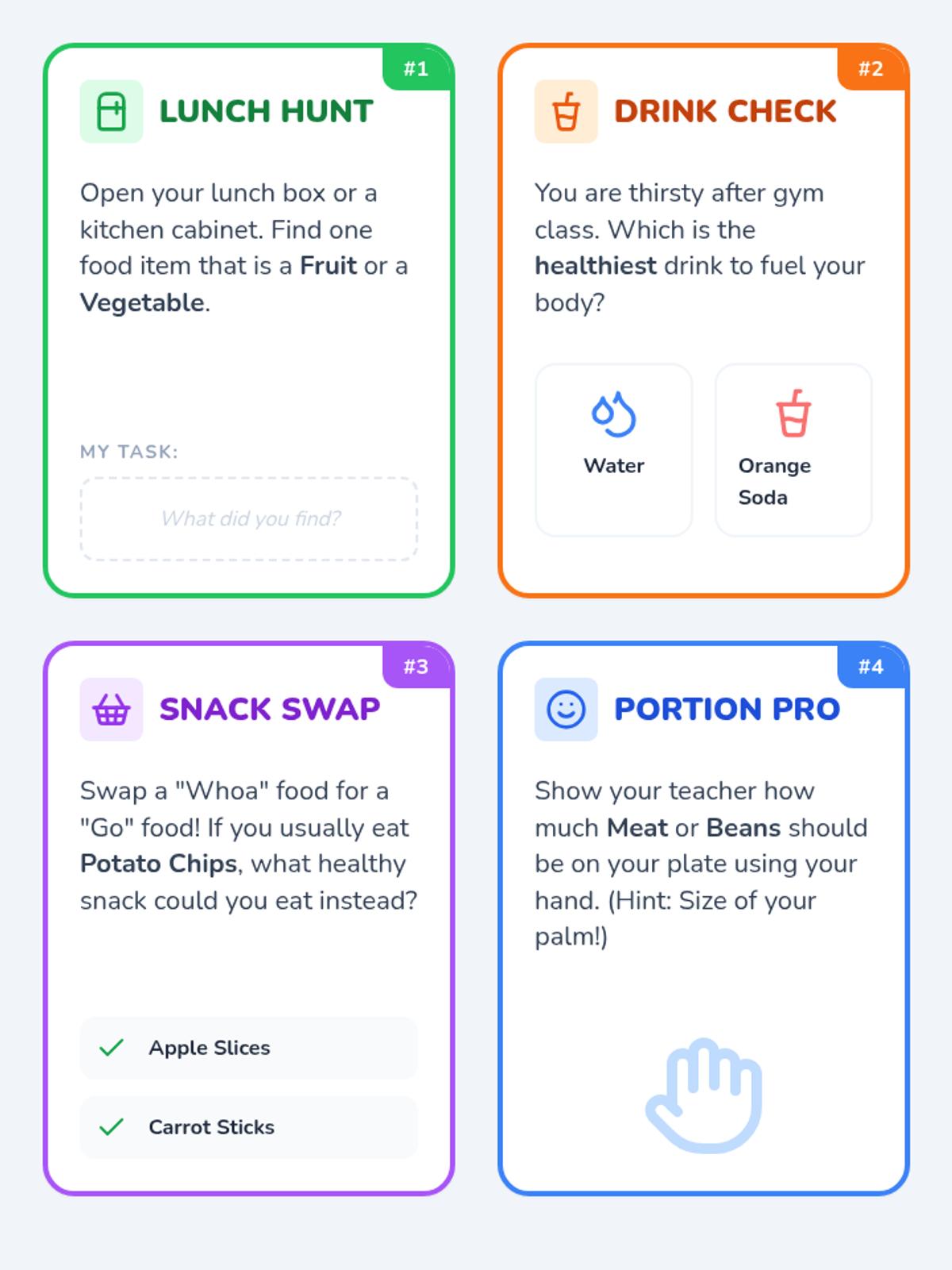
Focuses on identifying healthy food groups, reading simple food labels, and making informed nutritional choices for daily energy.
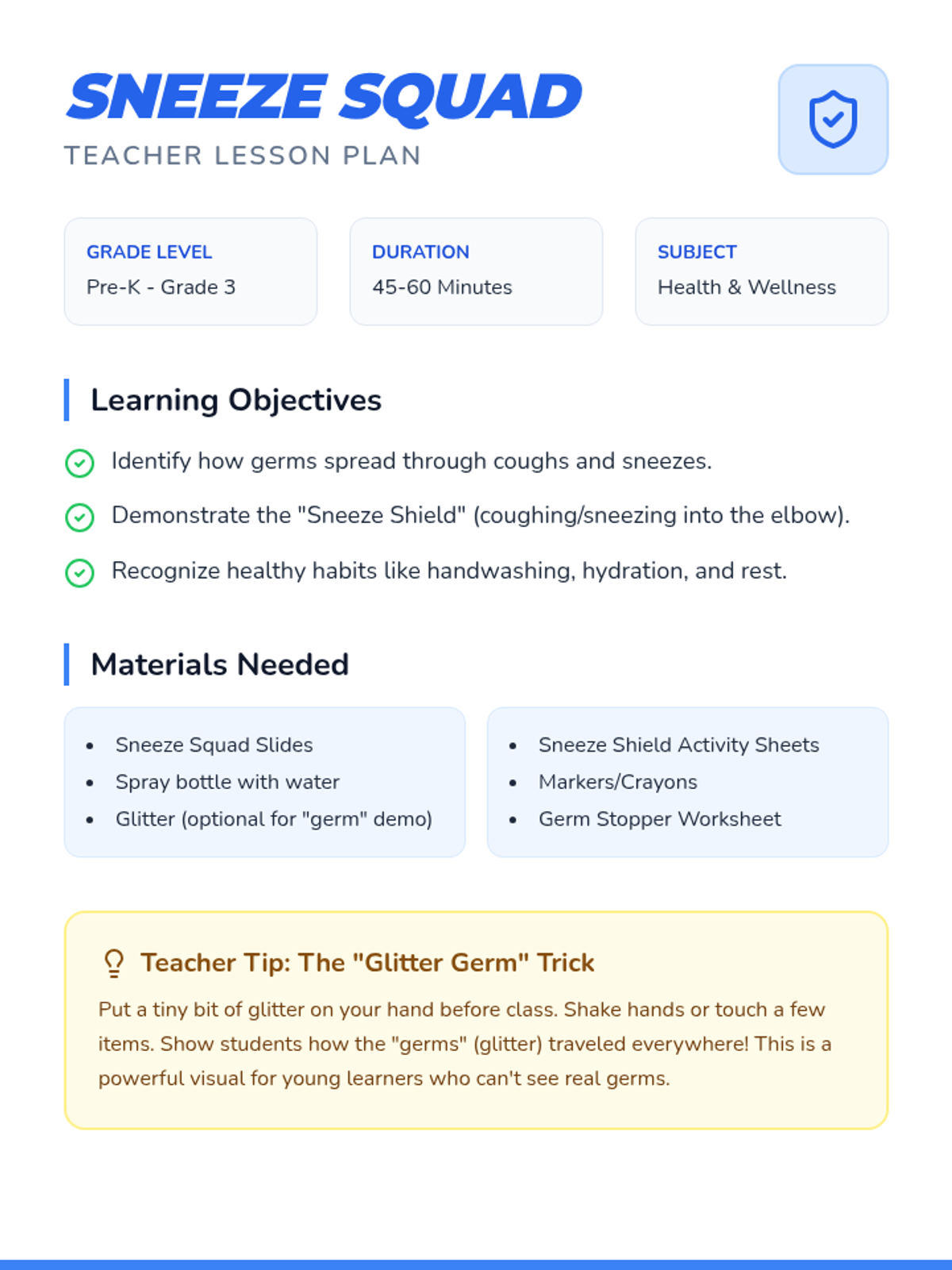
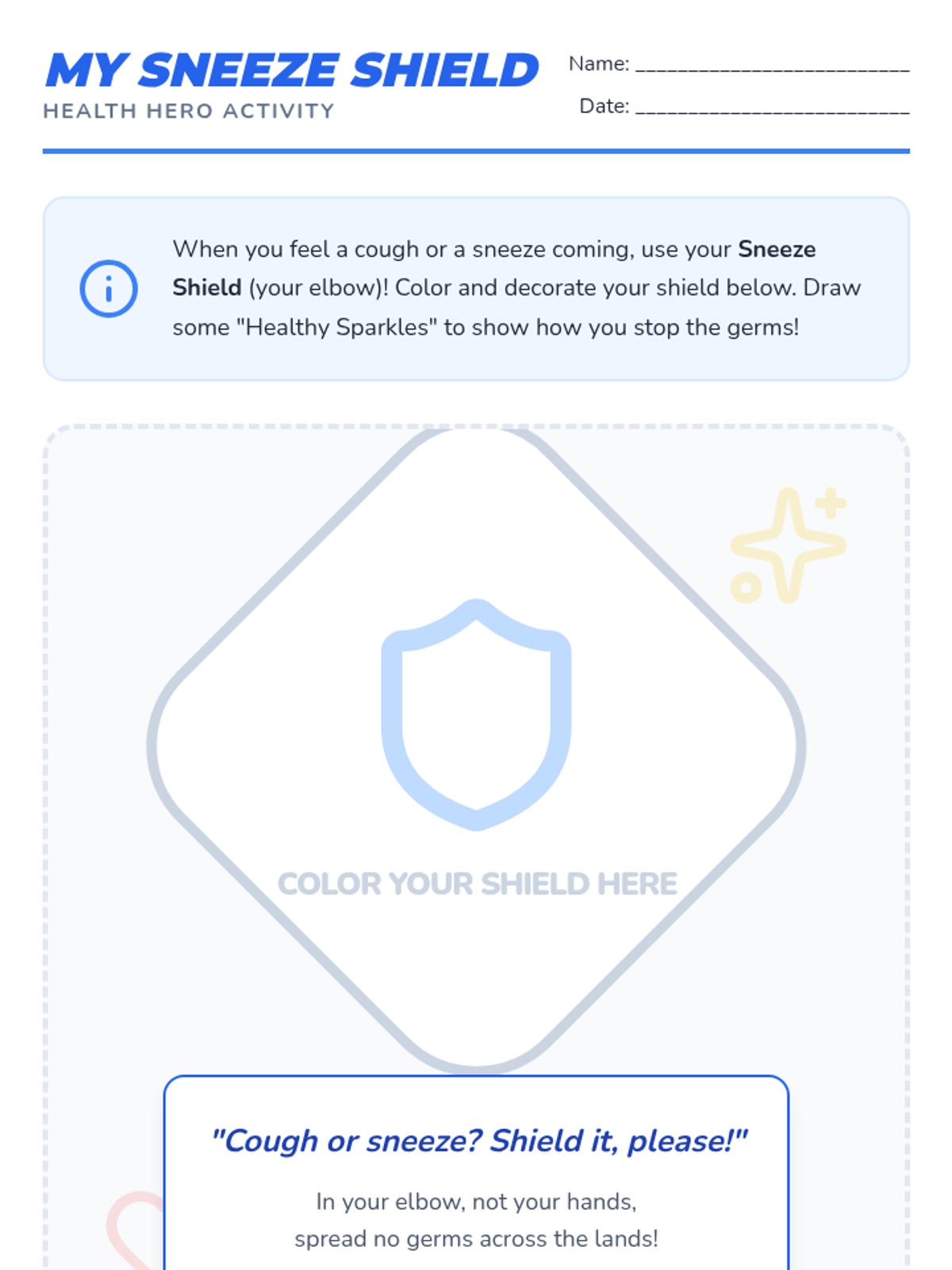
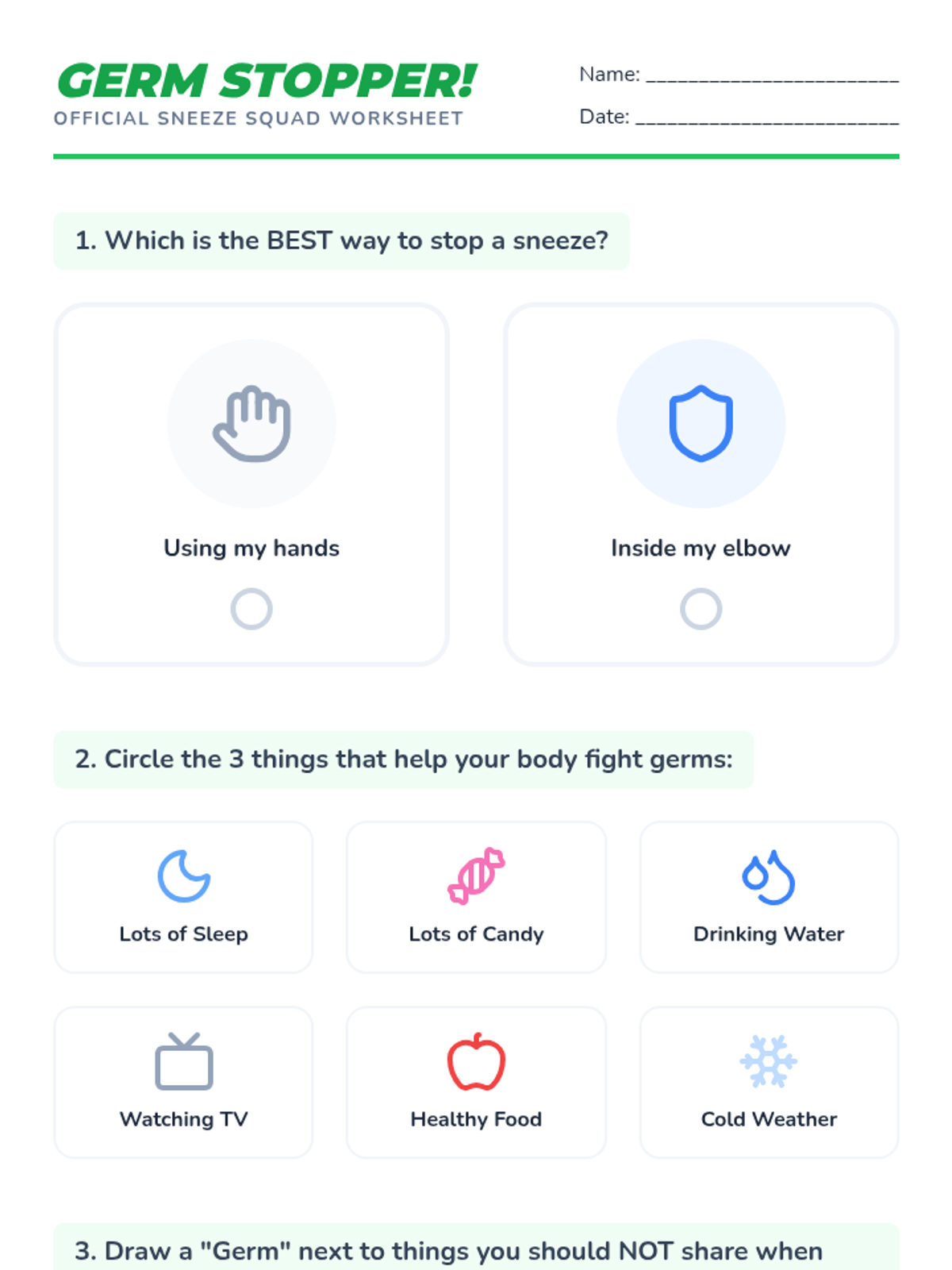
Students in Pre-K to Grade 3 learn essential cold and flu prevention strategies through the 'Sneeze Shield' technique, interactive storytelling, and germ-stopping habits.
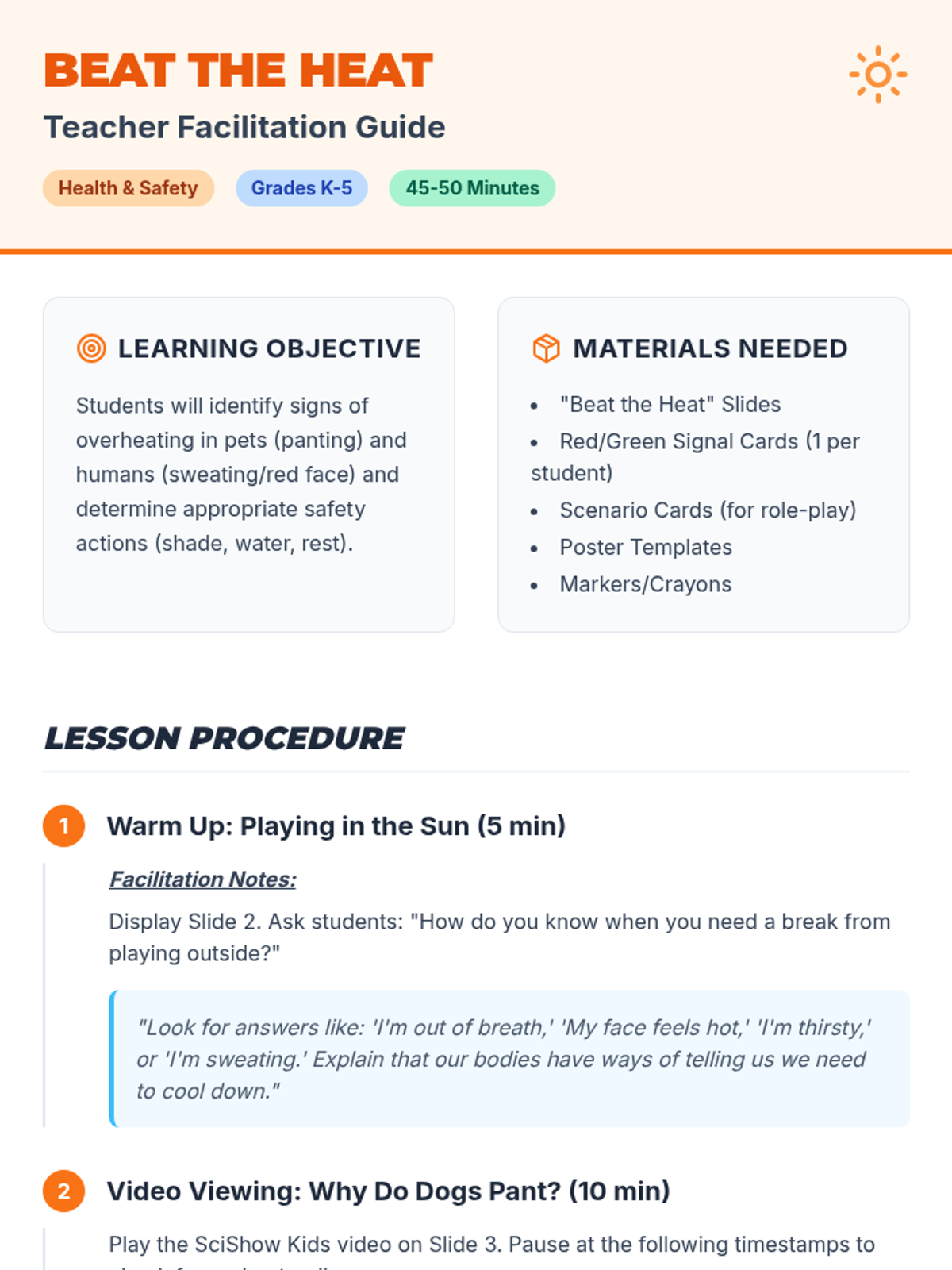
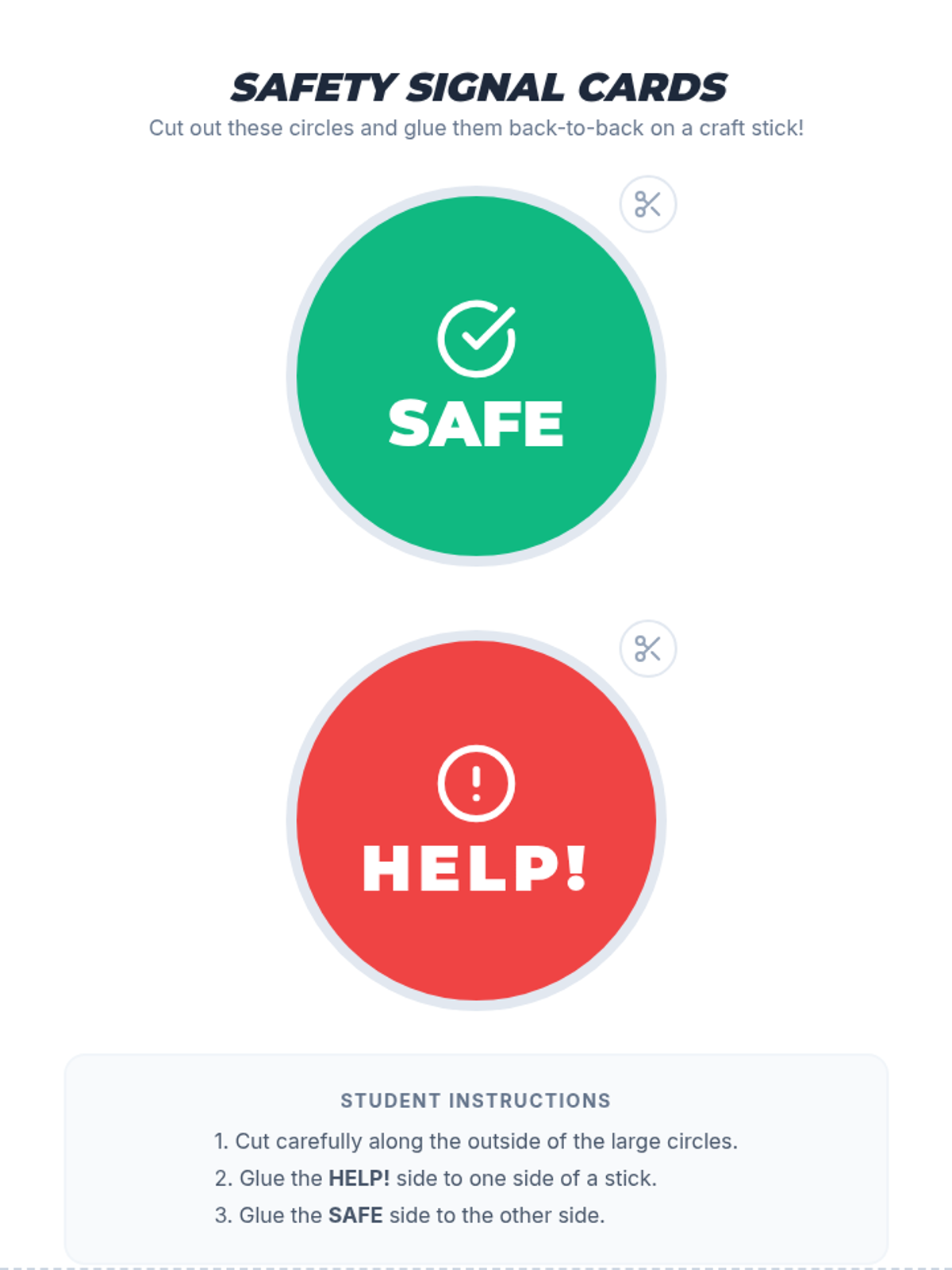
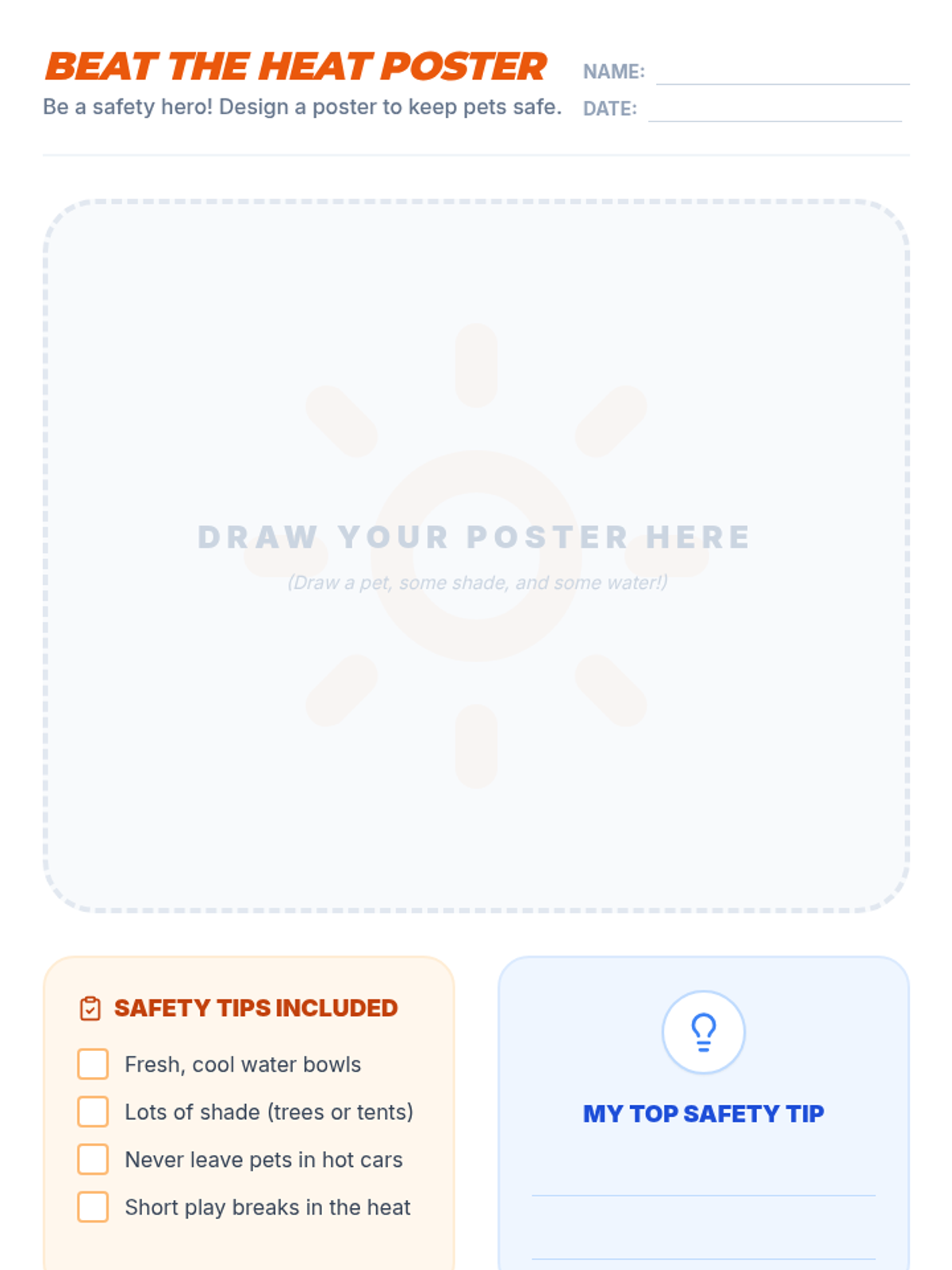
Students learn to recognize signs of overheating in humans and pets and identify appropriate safety actions through a video, role-play activity, and poster design.
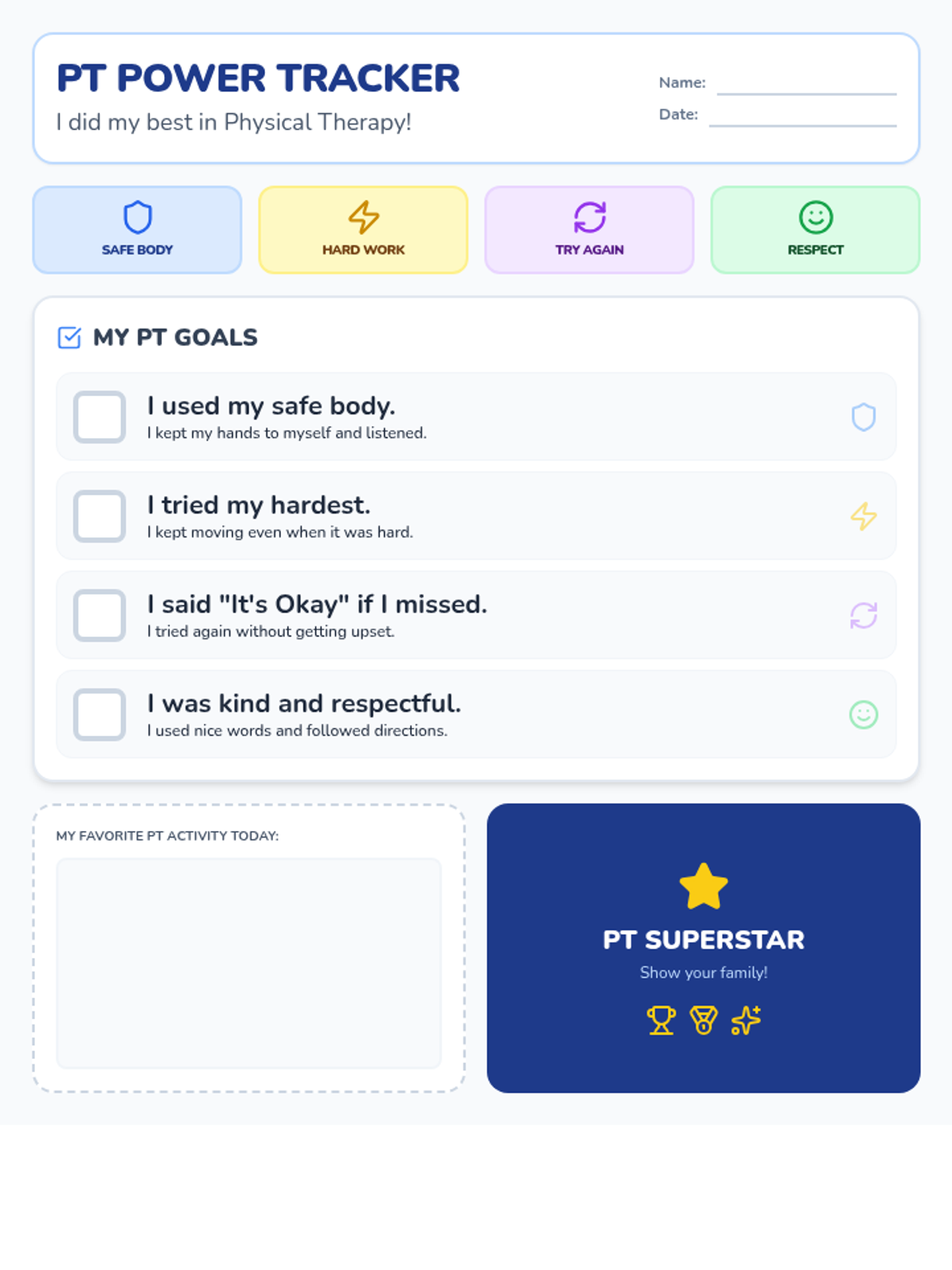
A series of visual-heavy slides and a supporting visual guide to help students understand and practice positive behaviors during physical therapy sessions.
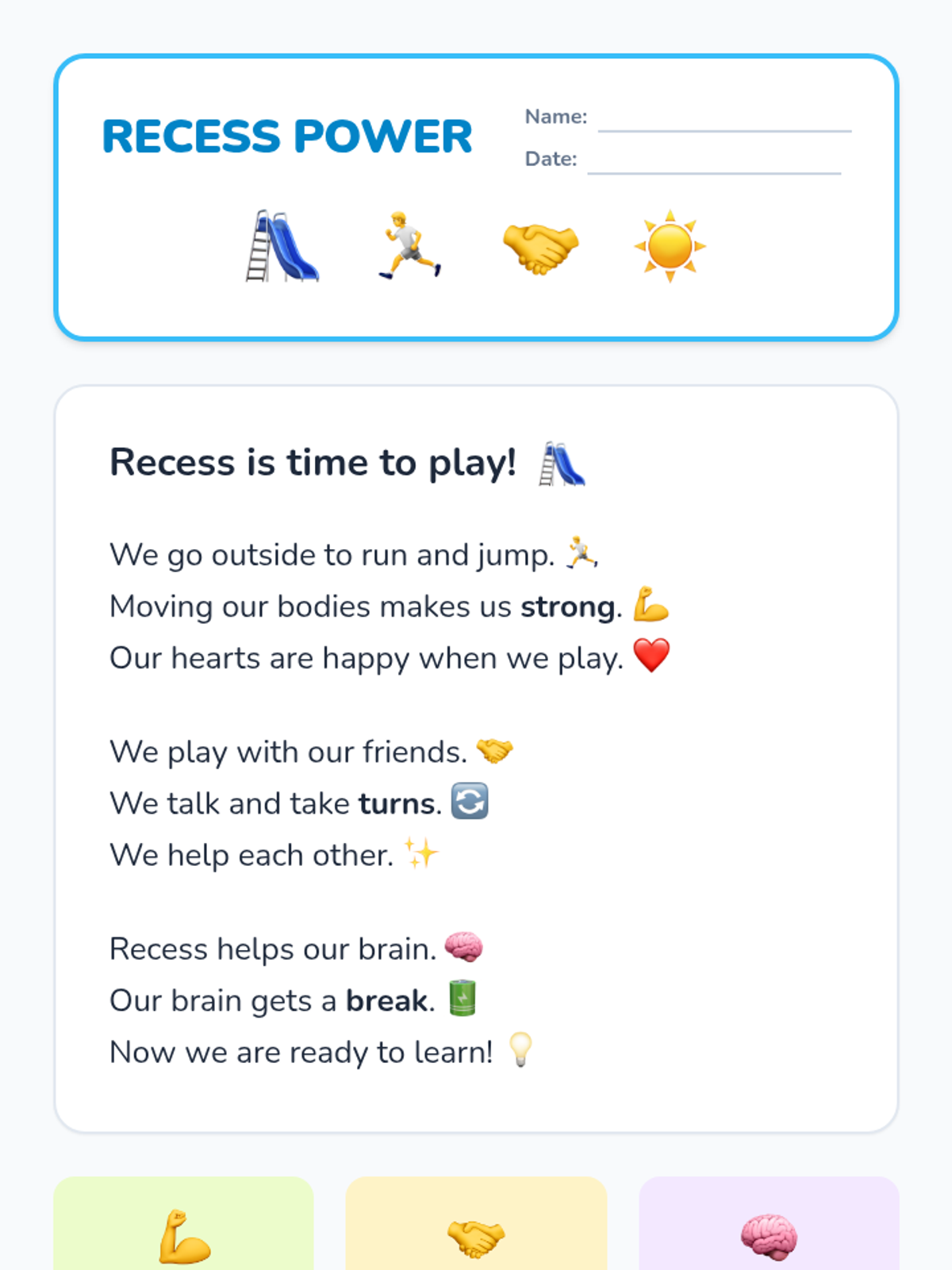
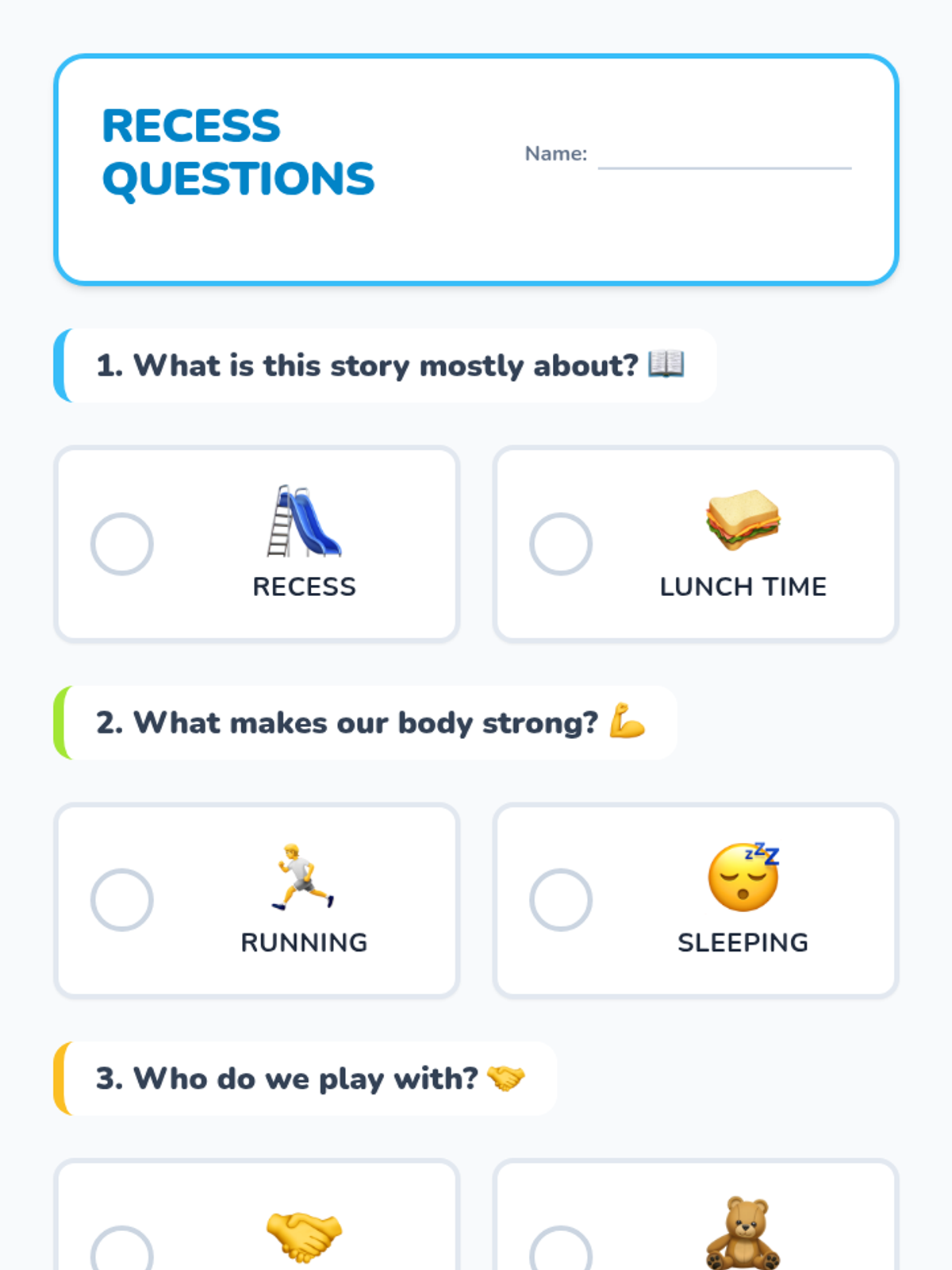
A lesson exploring the physical, social, and emotional benefits of recess for young learners, designed with accessibility and visual supports for IEP students.
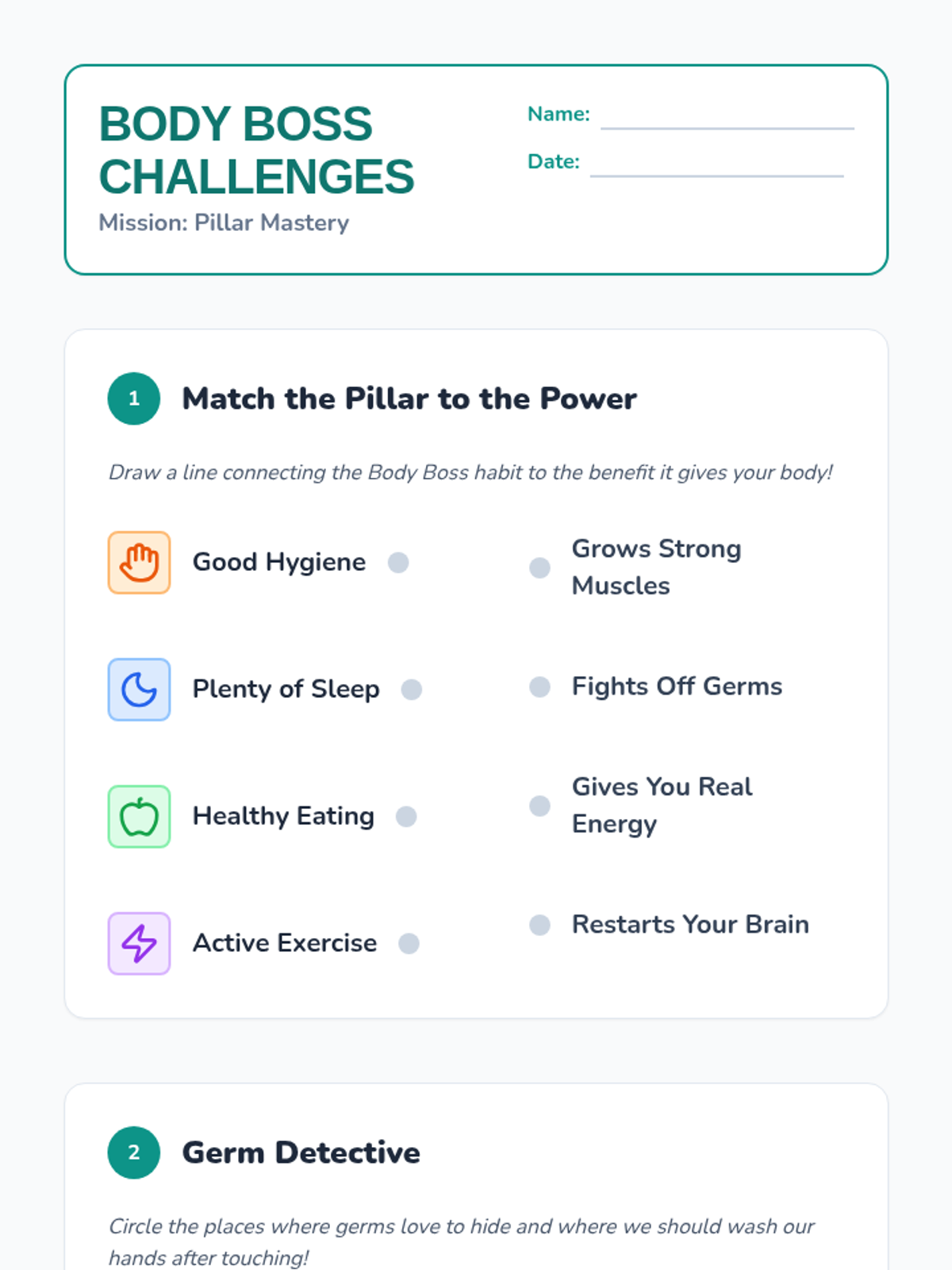
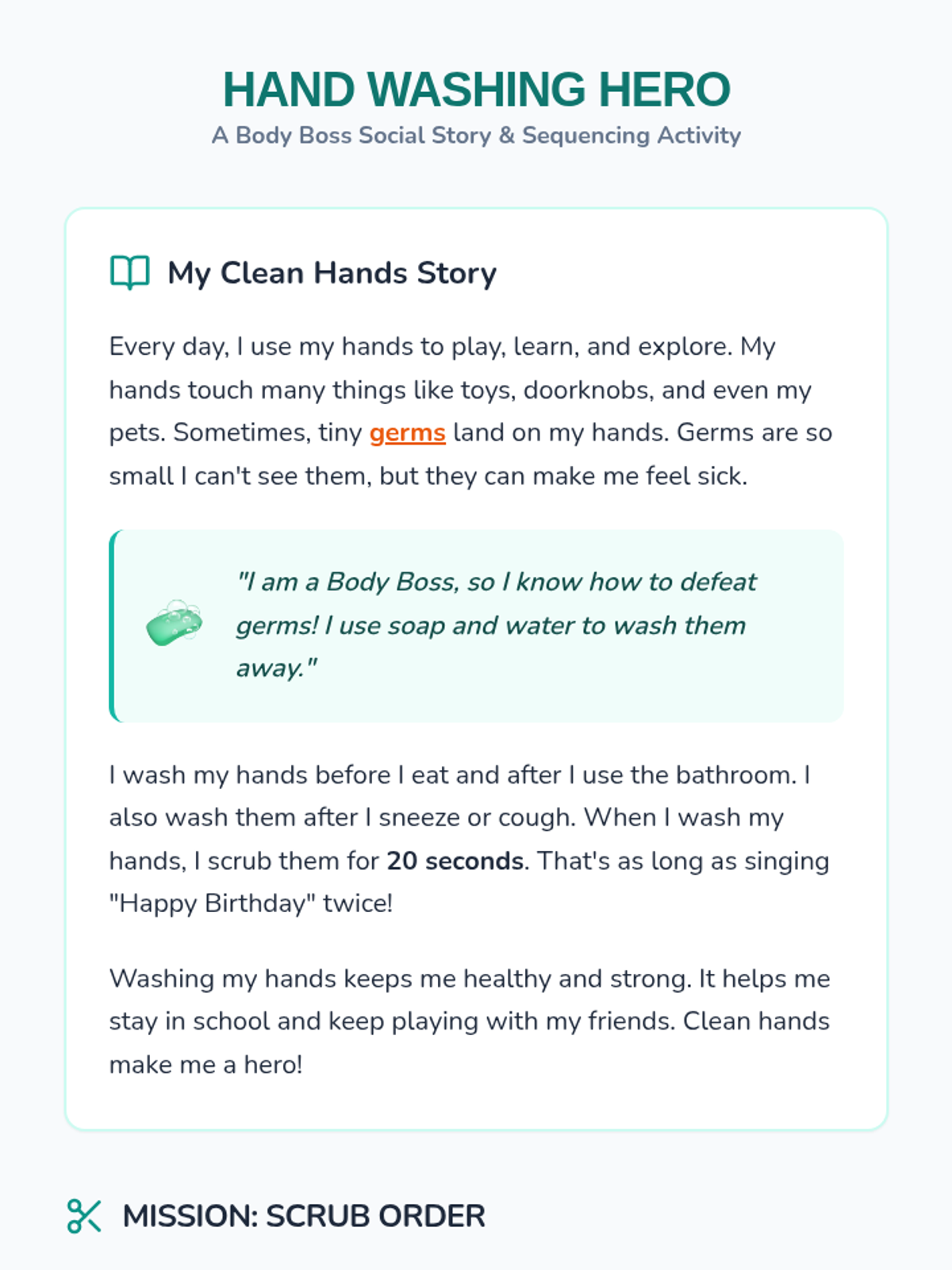
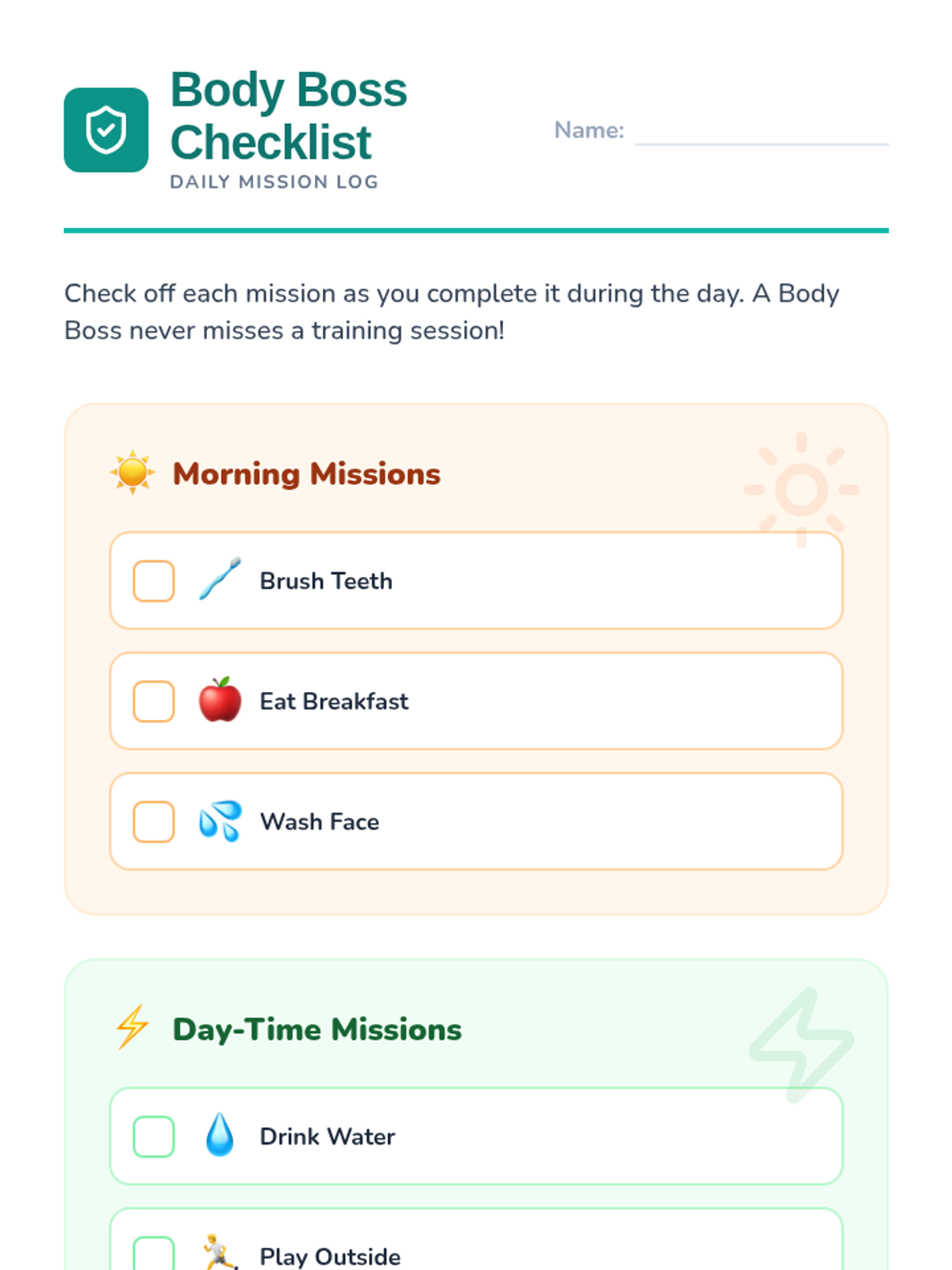
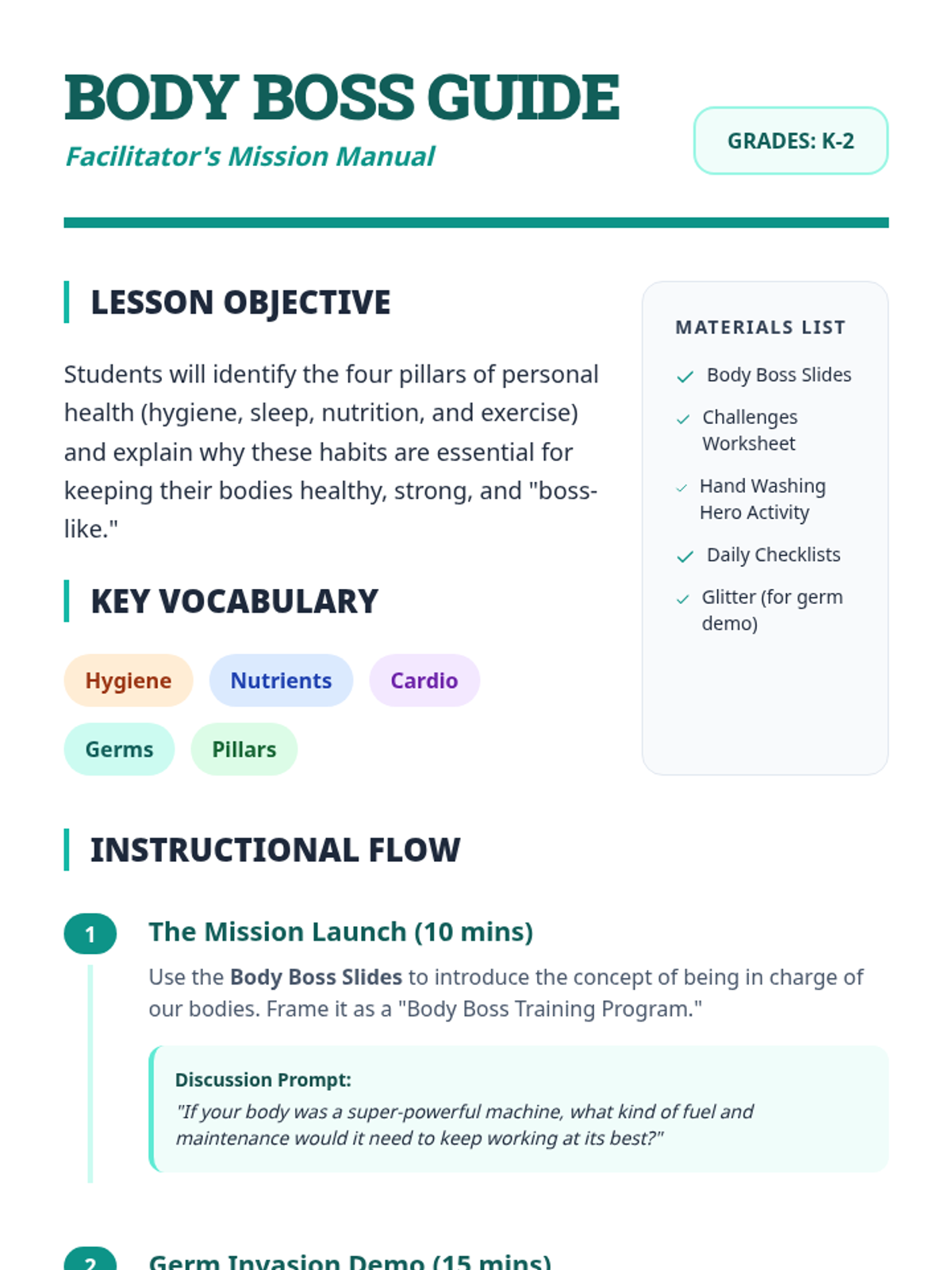
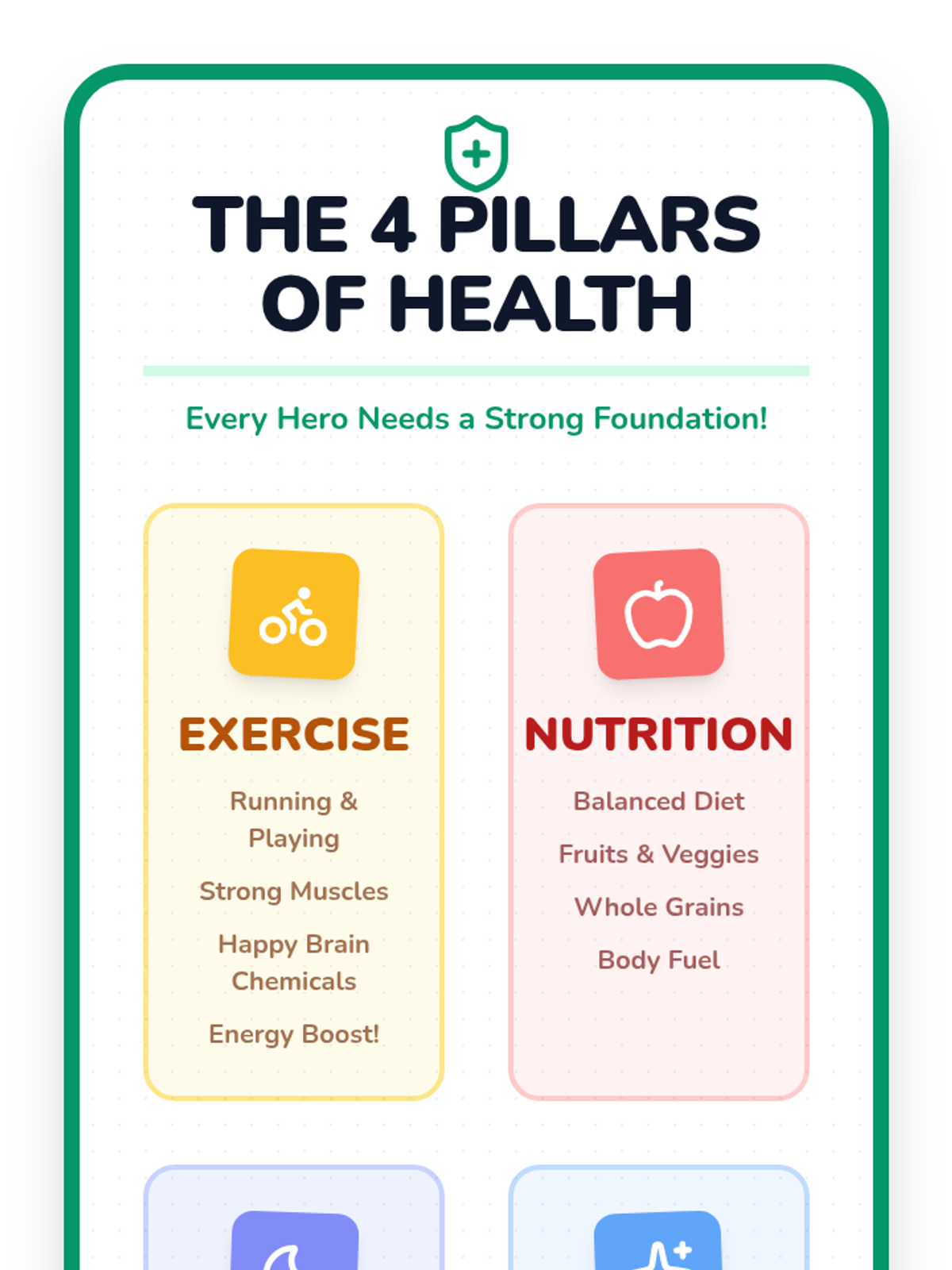
A comprehensive lesson teaching students the four pillars of health: hygiene, sleep, nutrition, and exercise. Students will learn why these habits are essential for their bodies through interactive slides, matching activities, and a personal routine checklist.
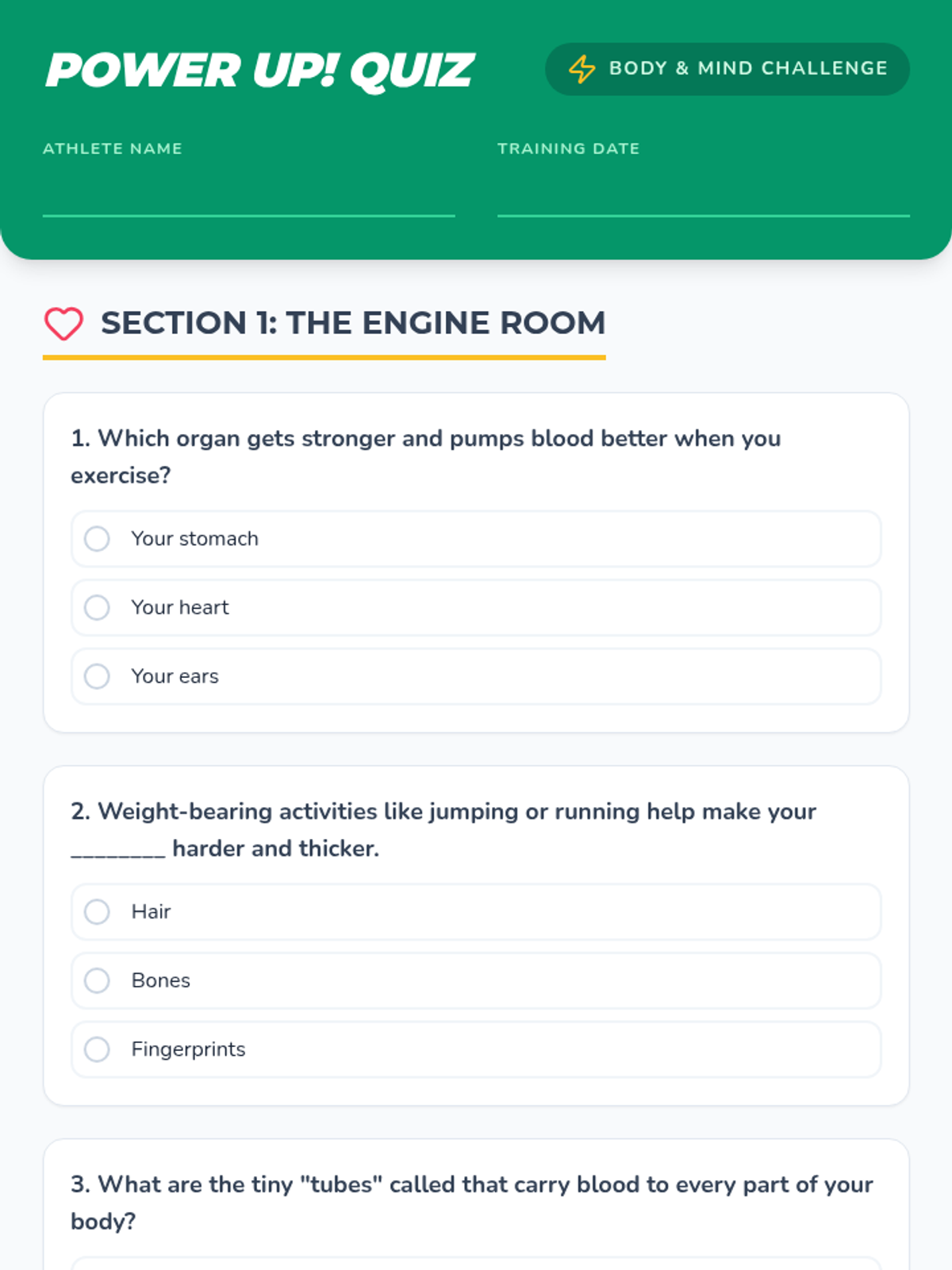
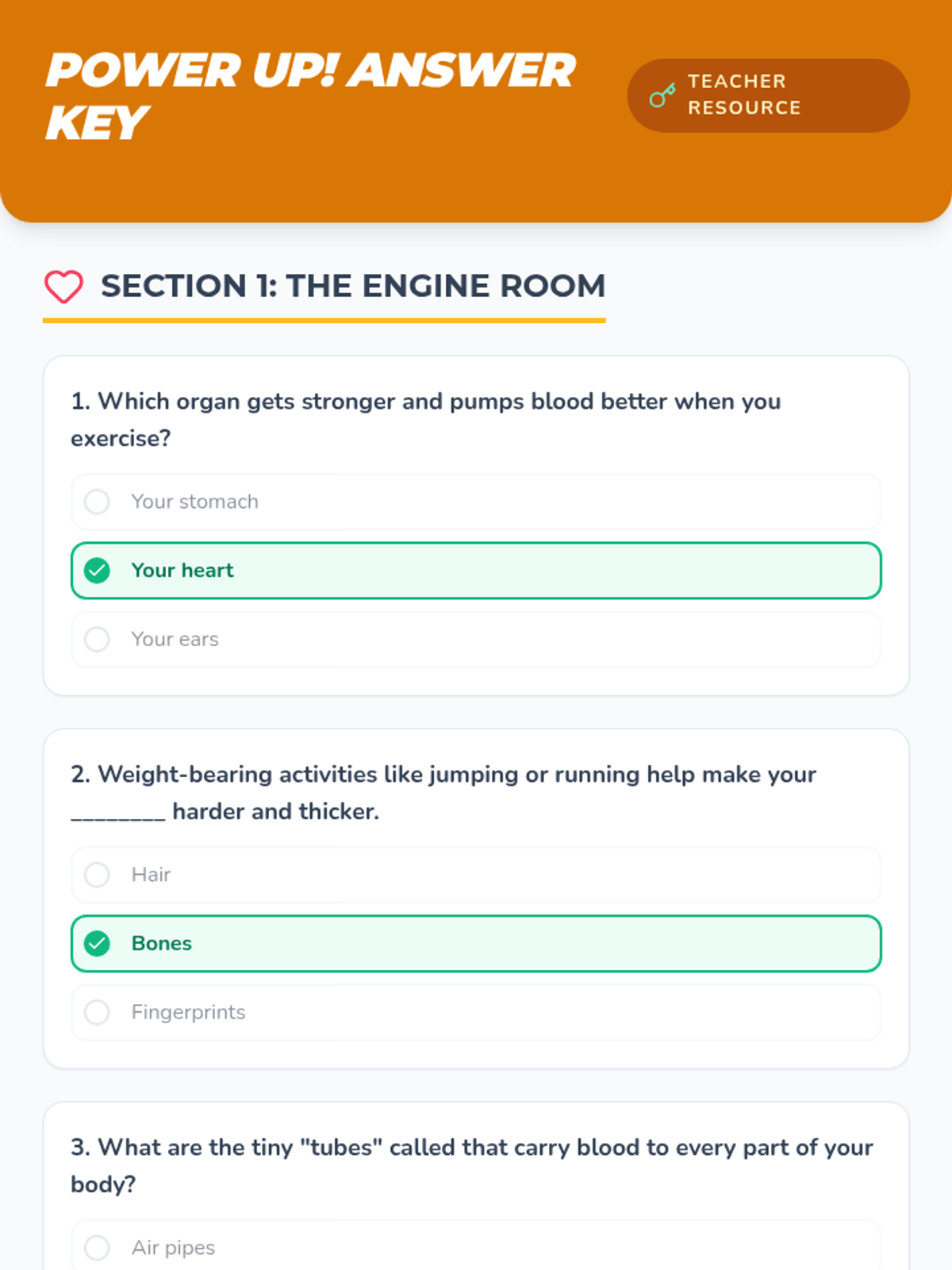
A fun and engaging assessment focused on how physical activity strengthens the body, improves mental health, and supports heart and bone health.
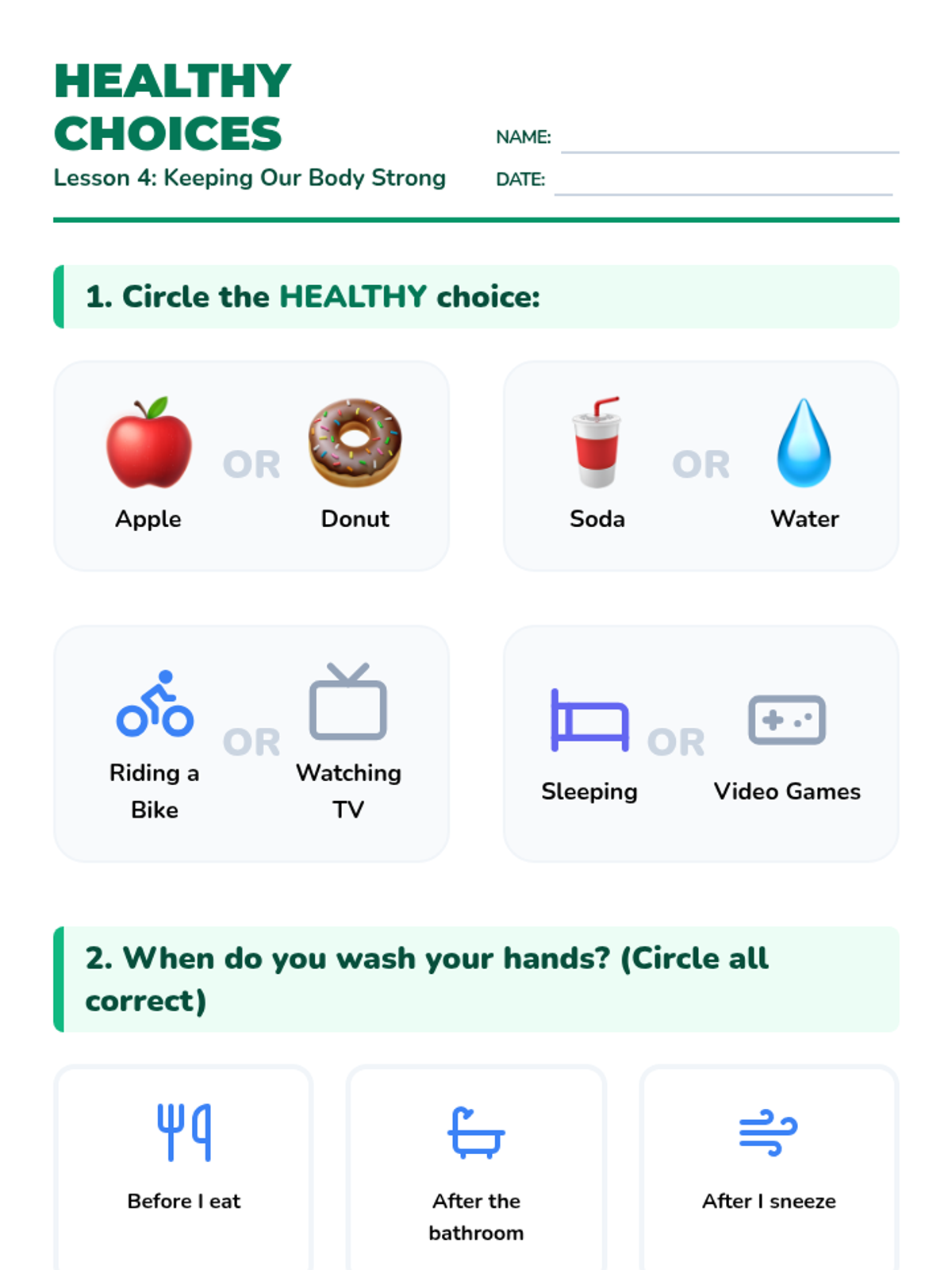
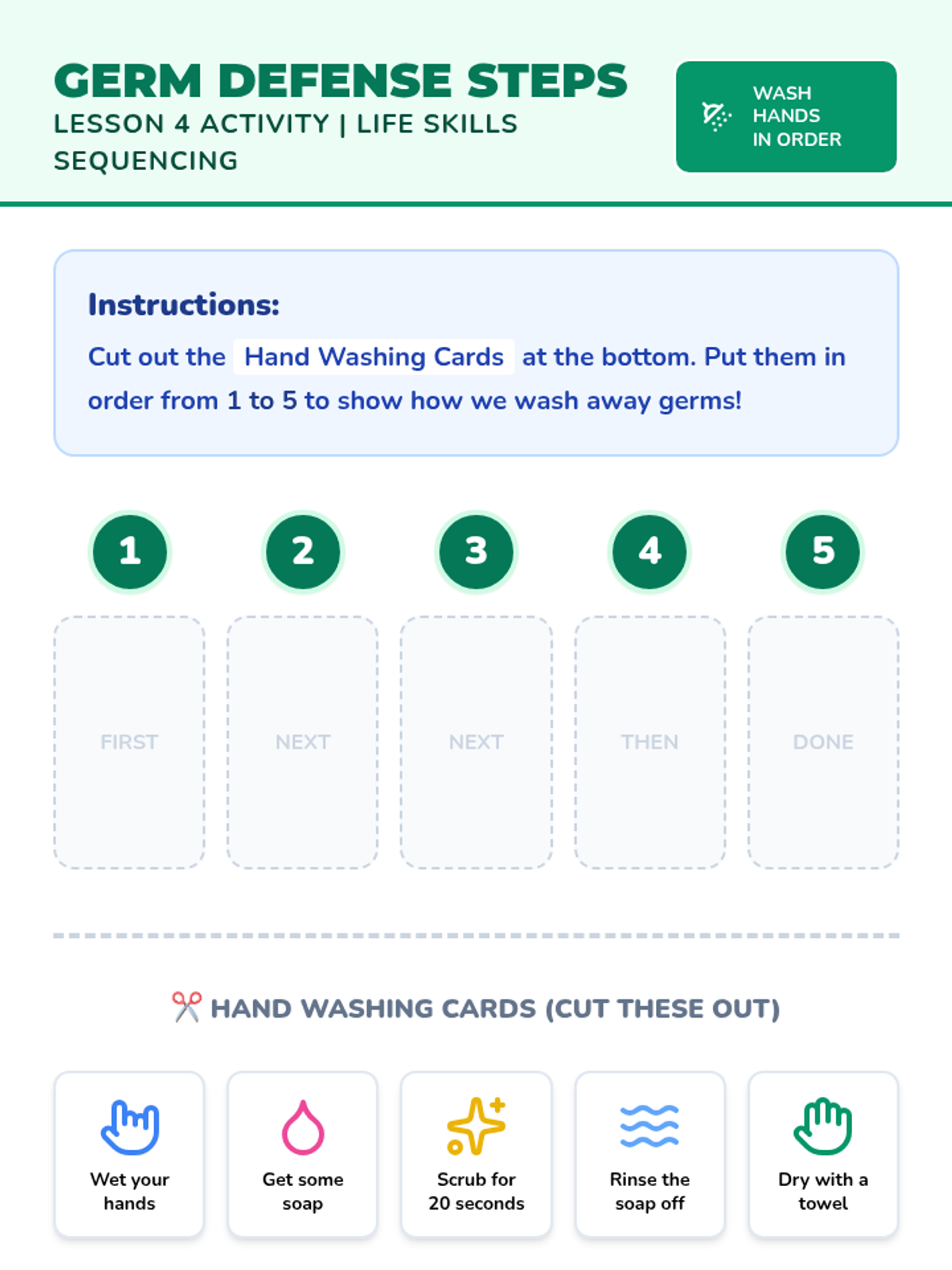
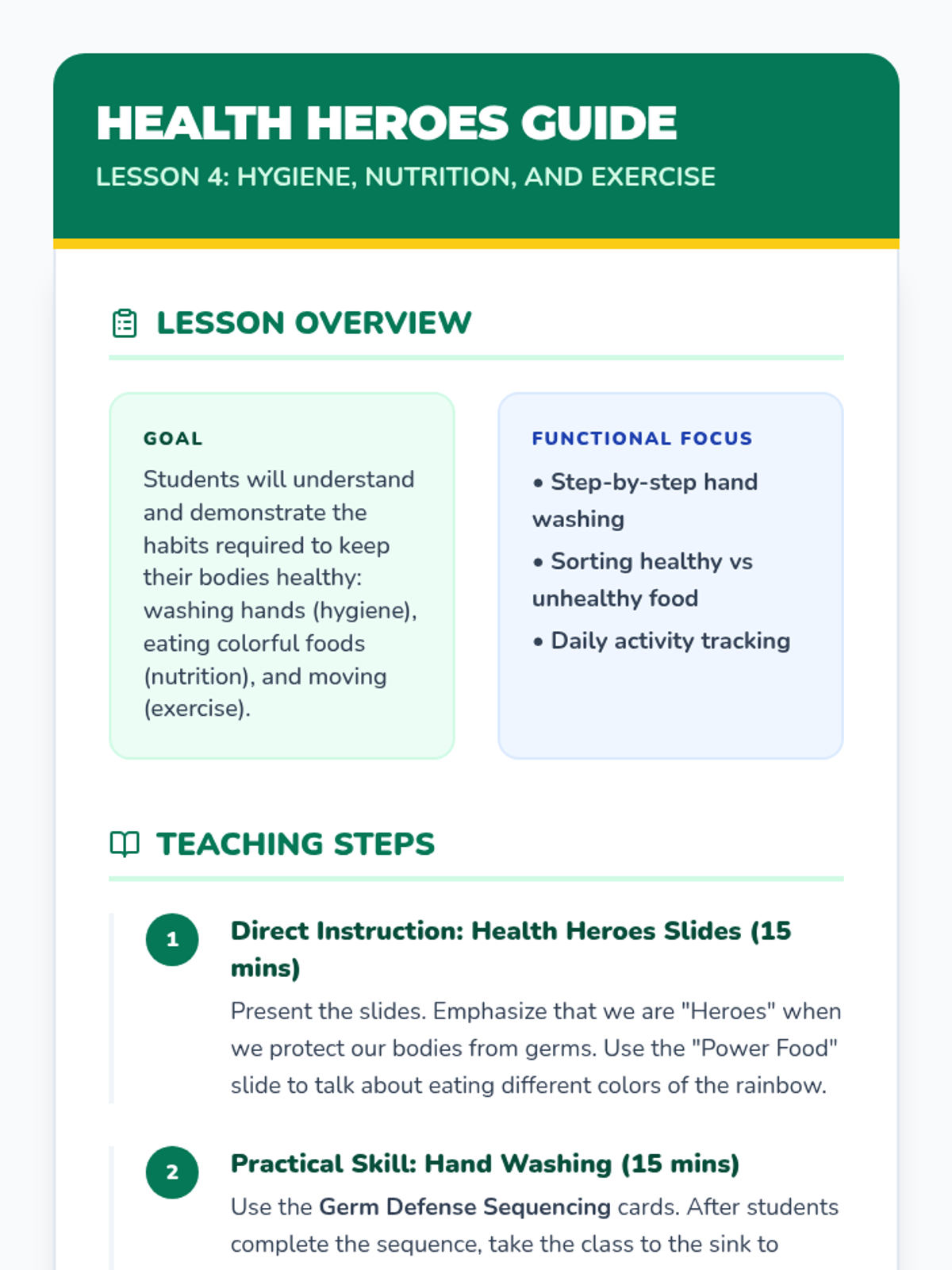
Covers essential health habits including hand washing, nutrition, and exercise to keep the body functioning at its best.
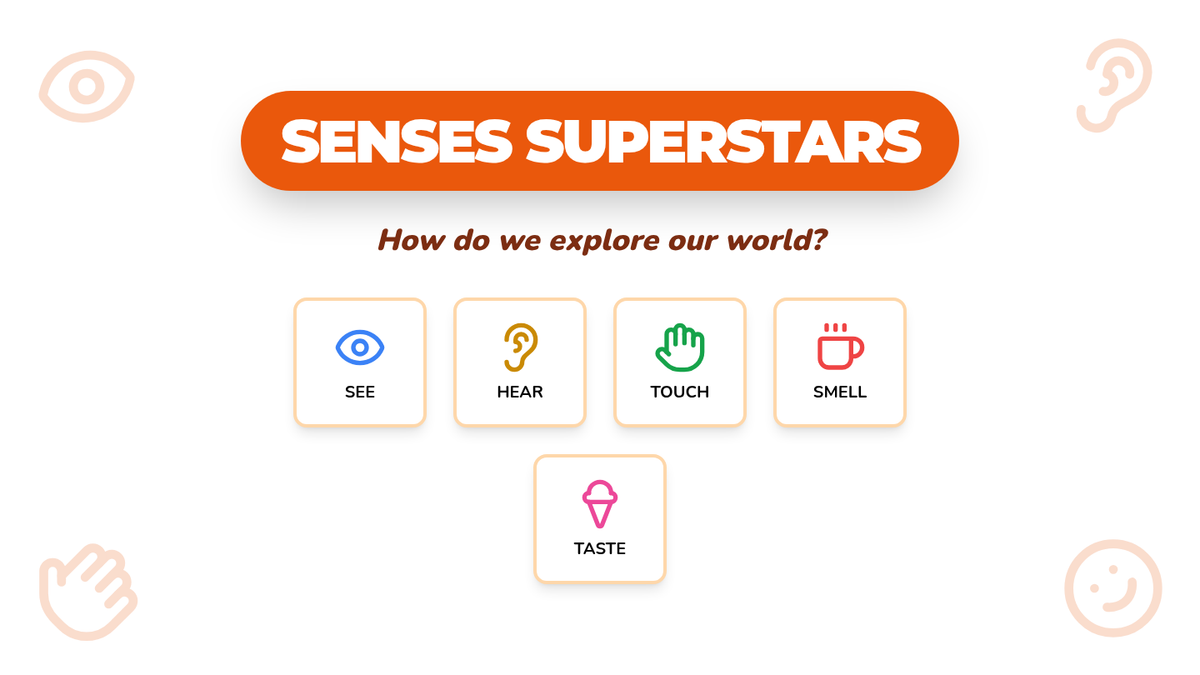
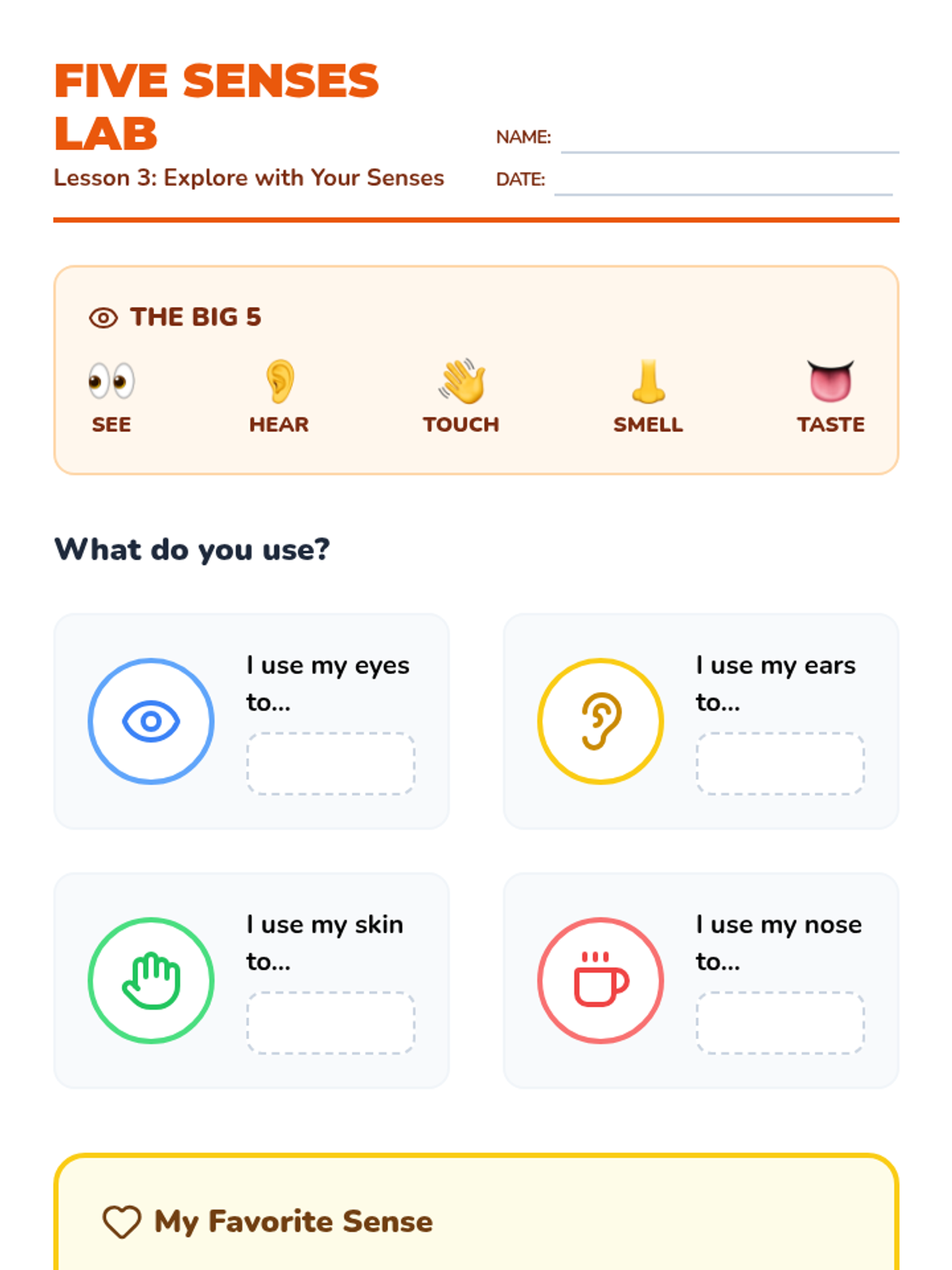
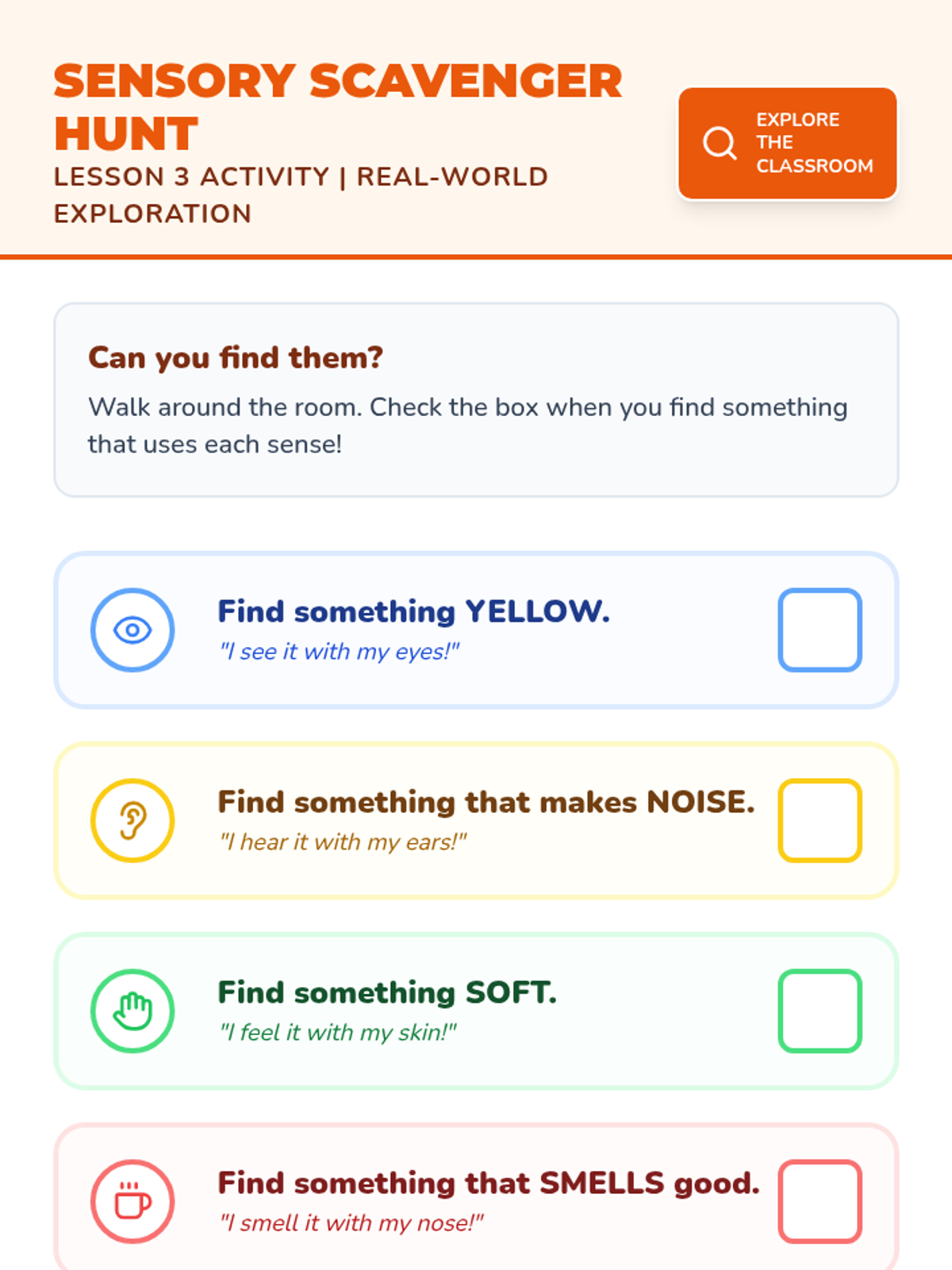
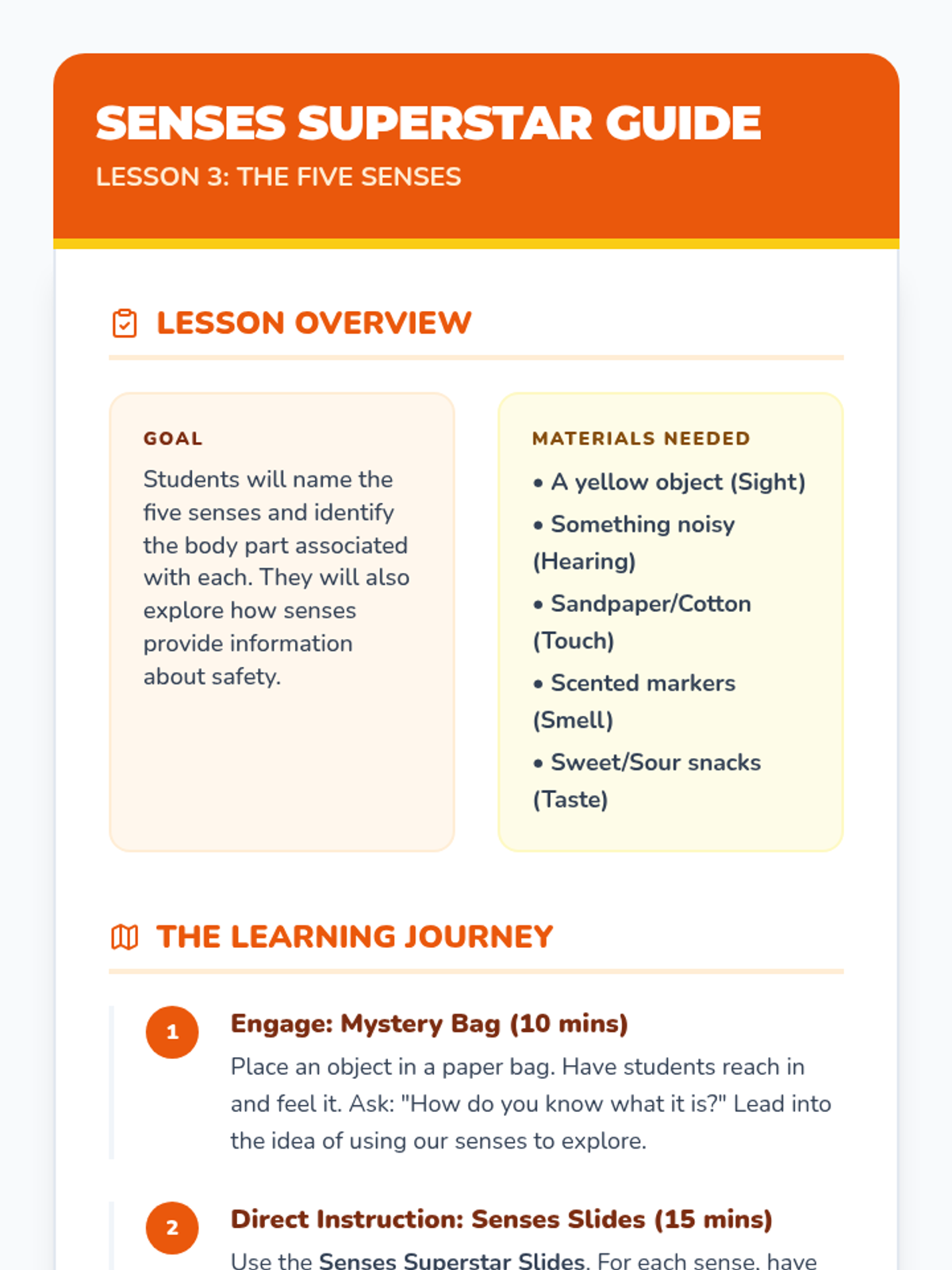
Explores how the five senses help us interact with and stay safe in our environment.
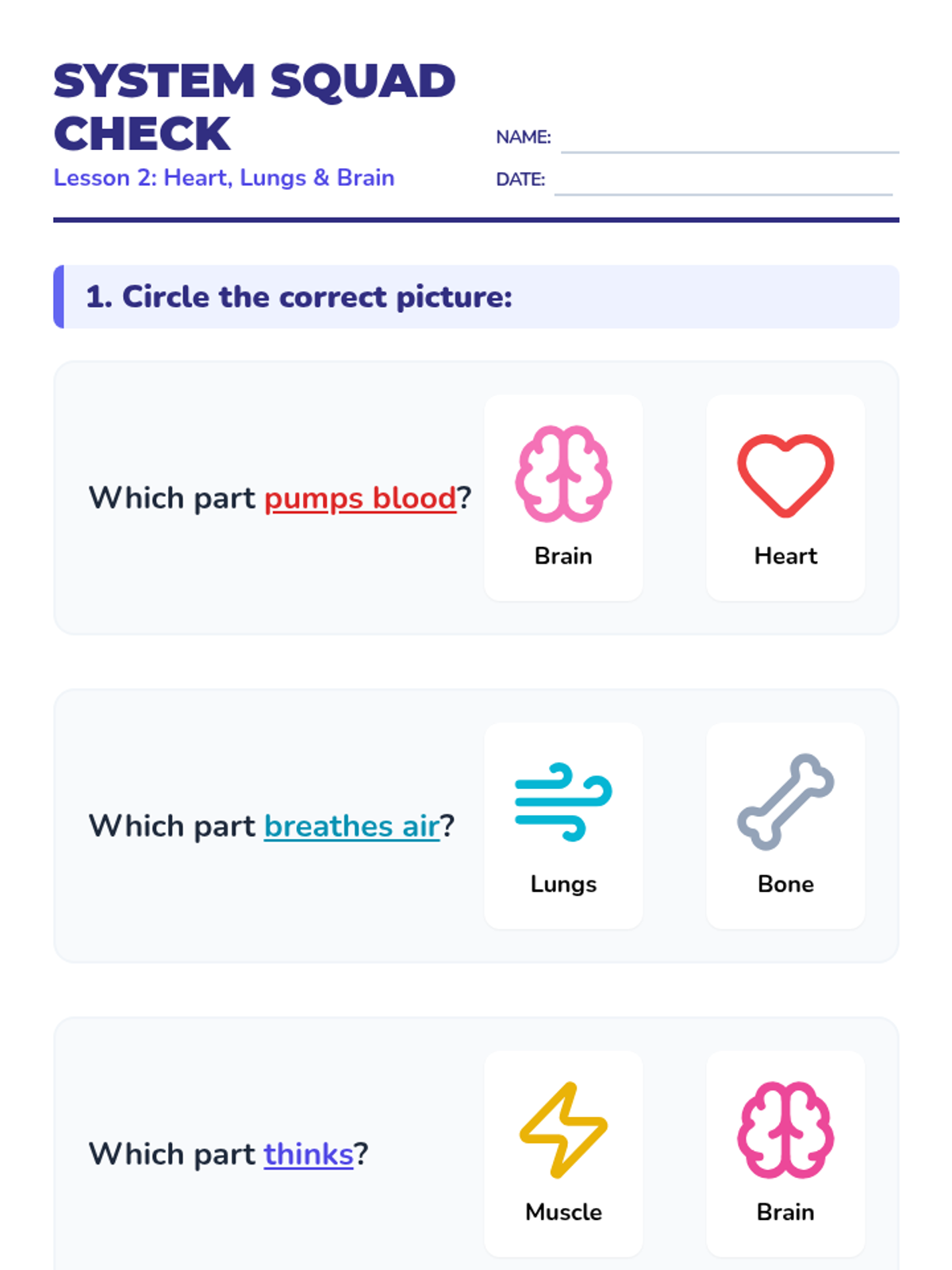
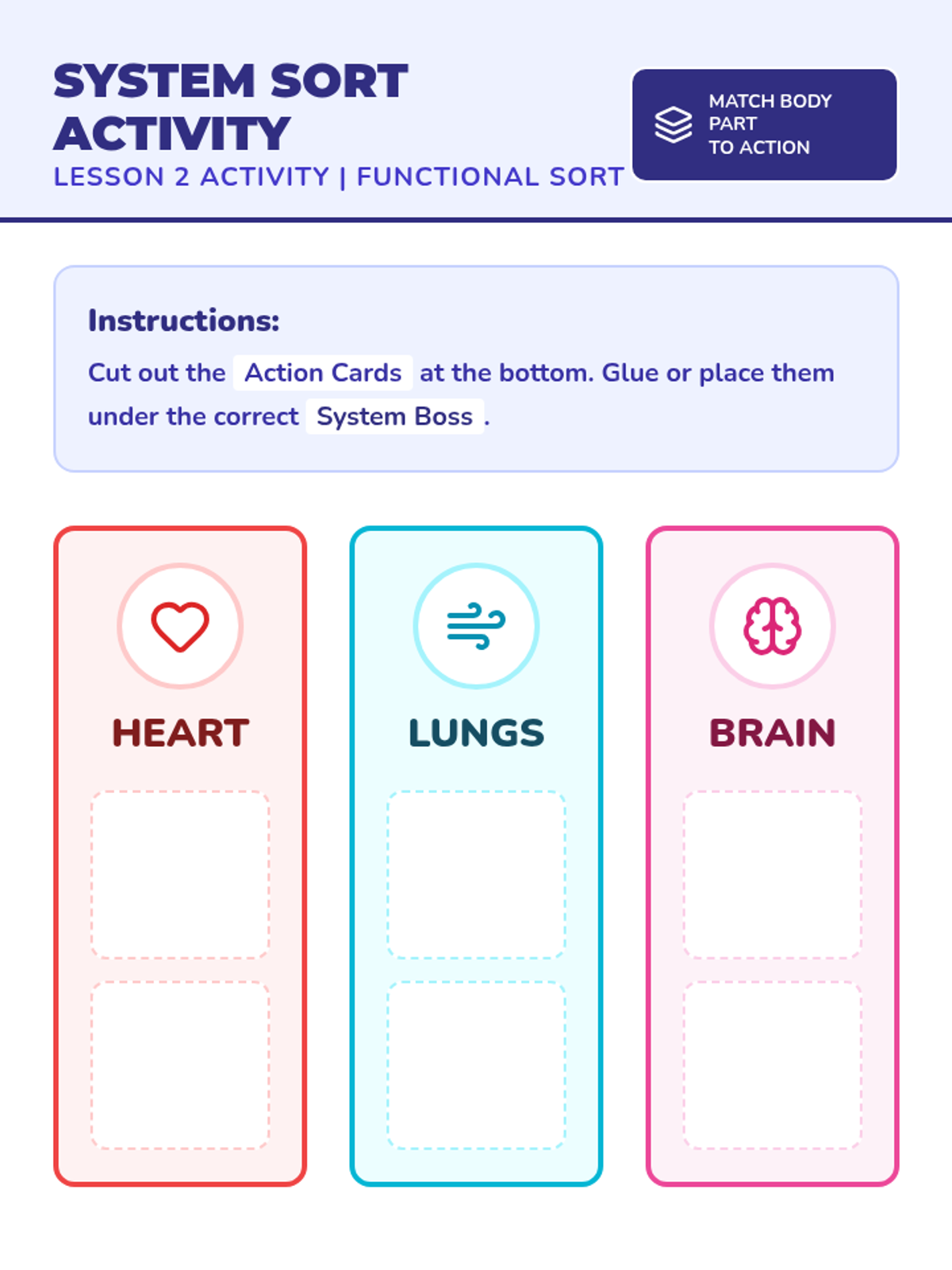
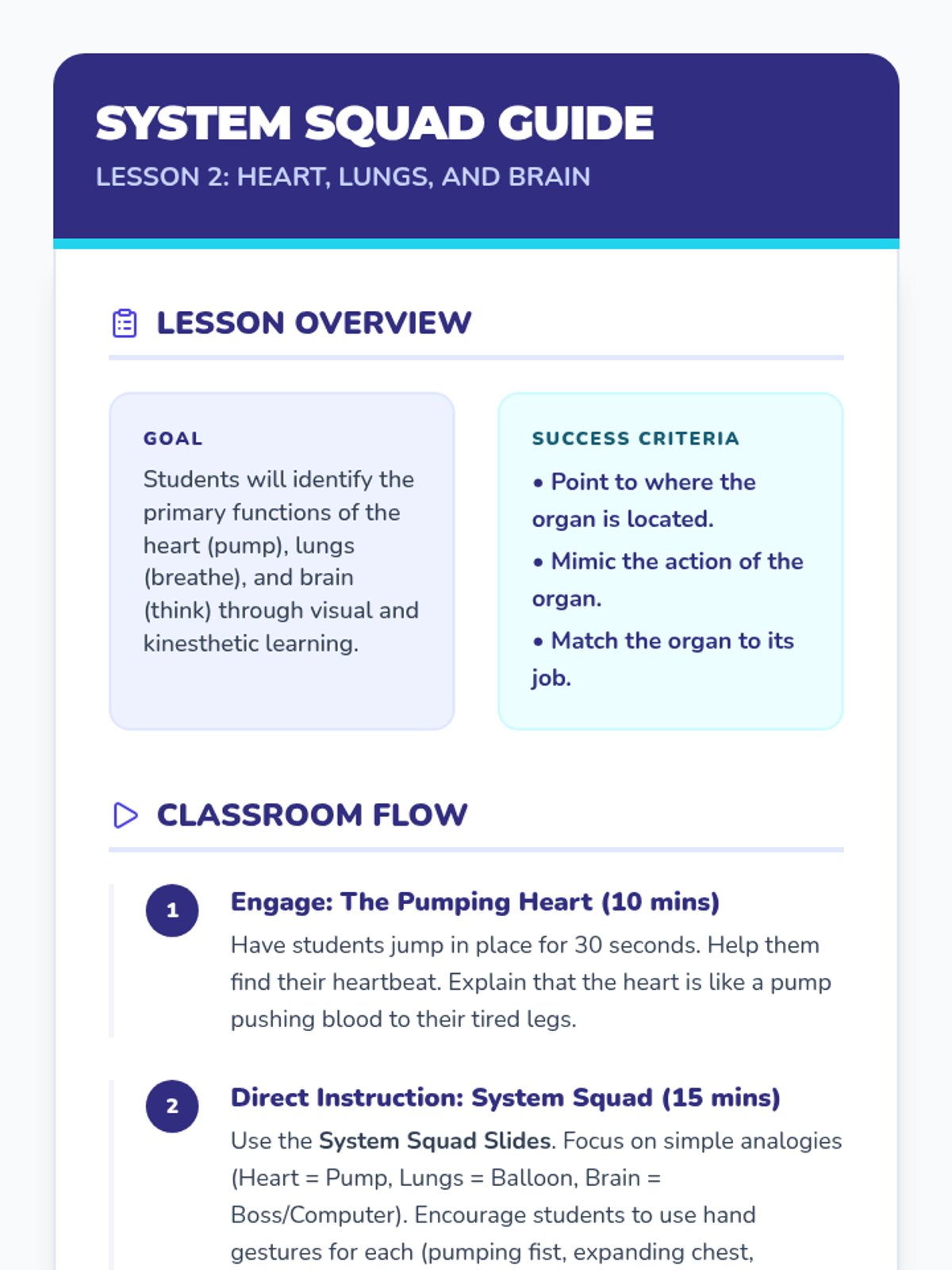
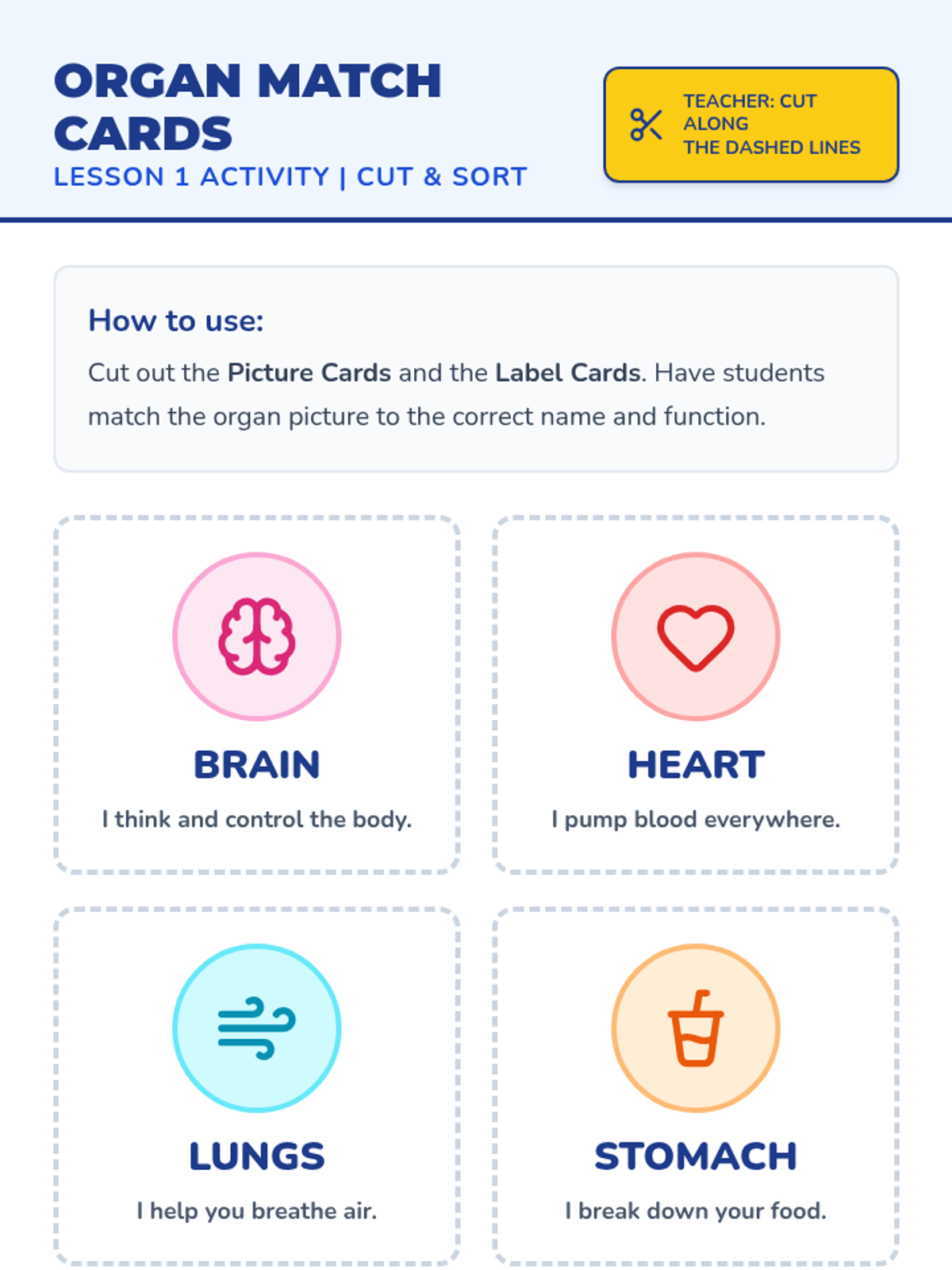
Introduces the heart, lungs, and brain as the 'engine' of the body, explaining their vital functions in simple, functional terms.
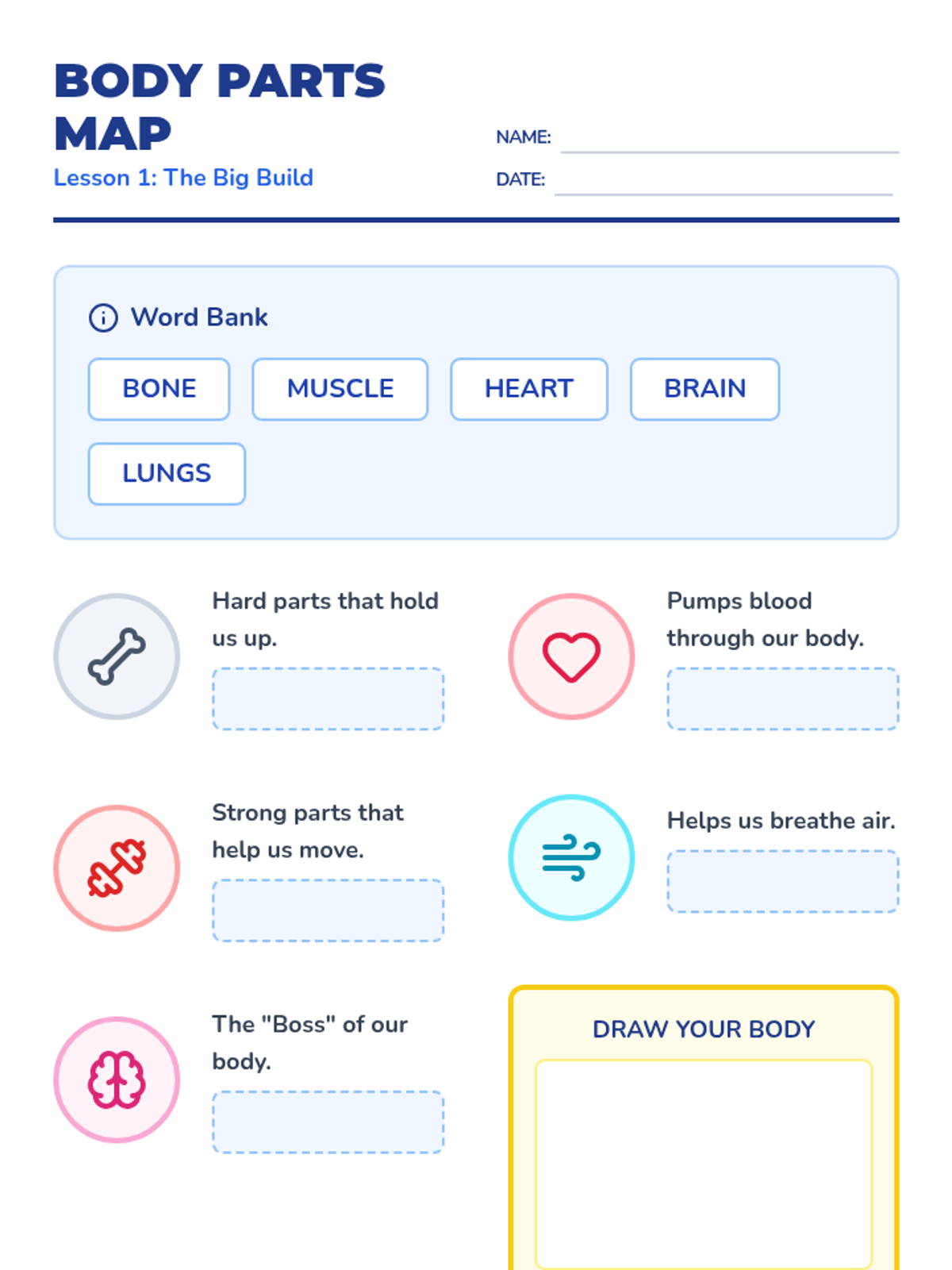
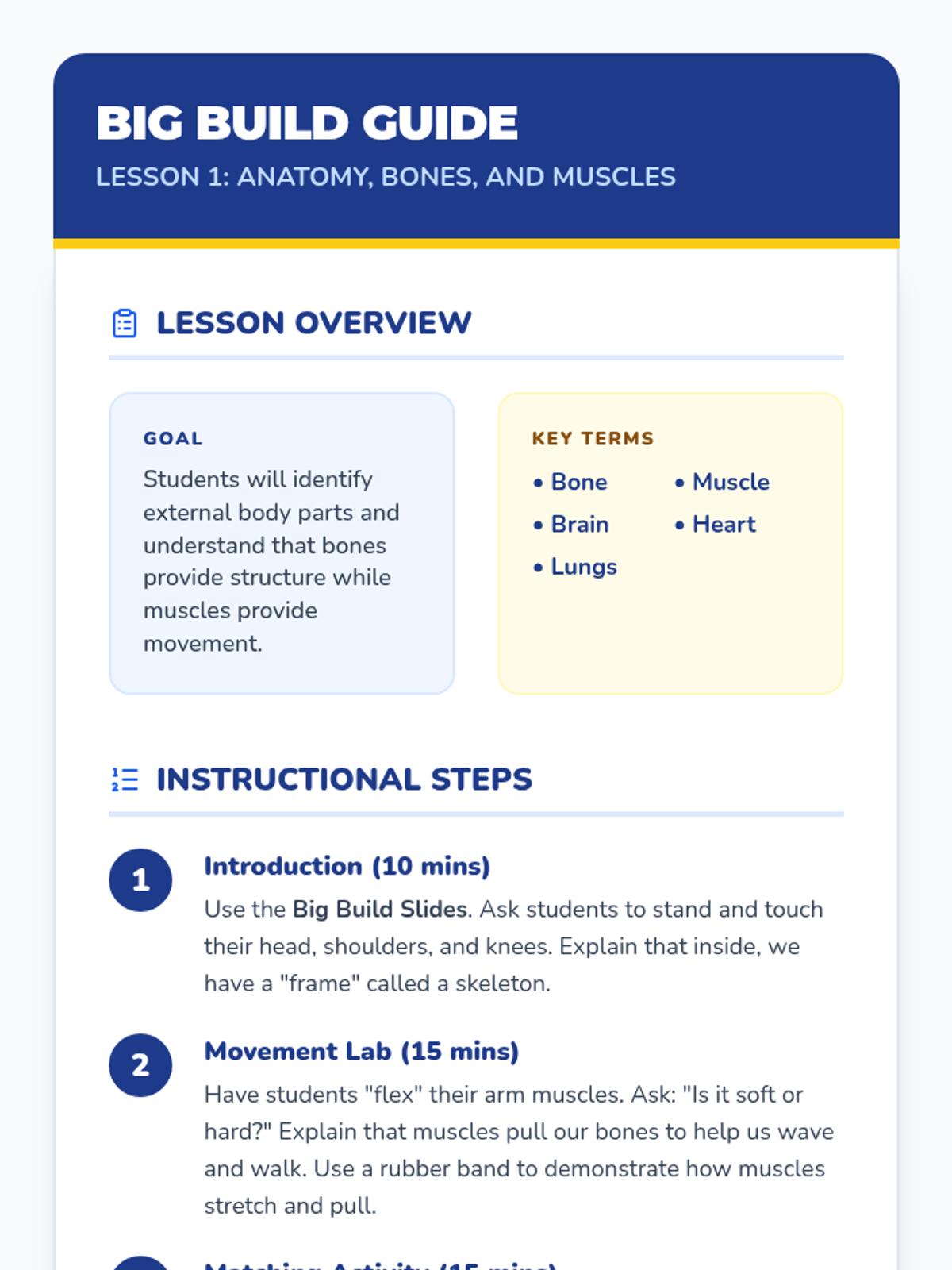
Focuses on the external body parts and the internal framework of bones and muscles that help us move and stay strong.
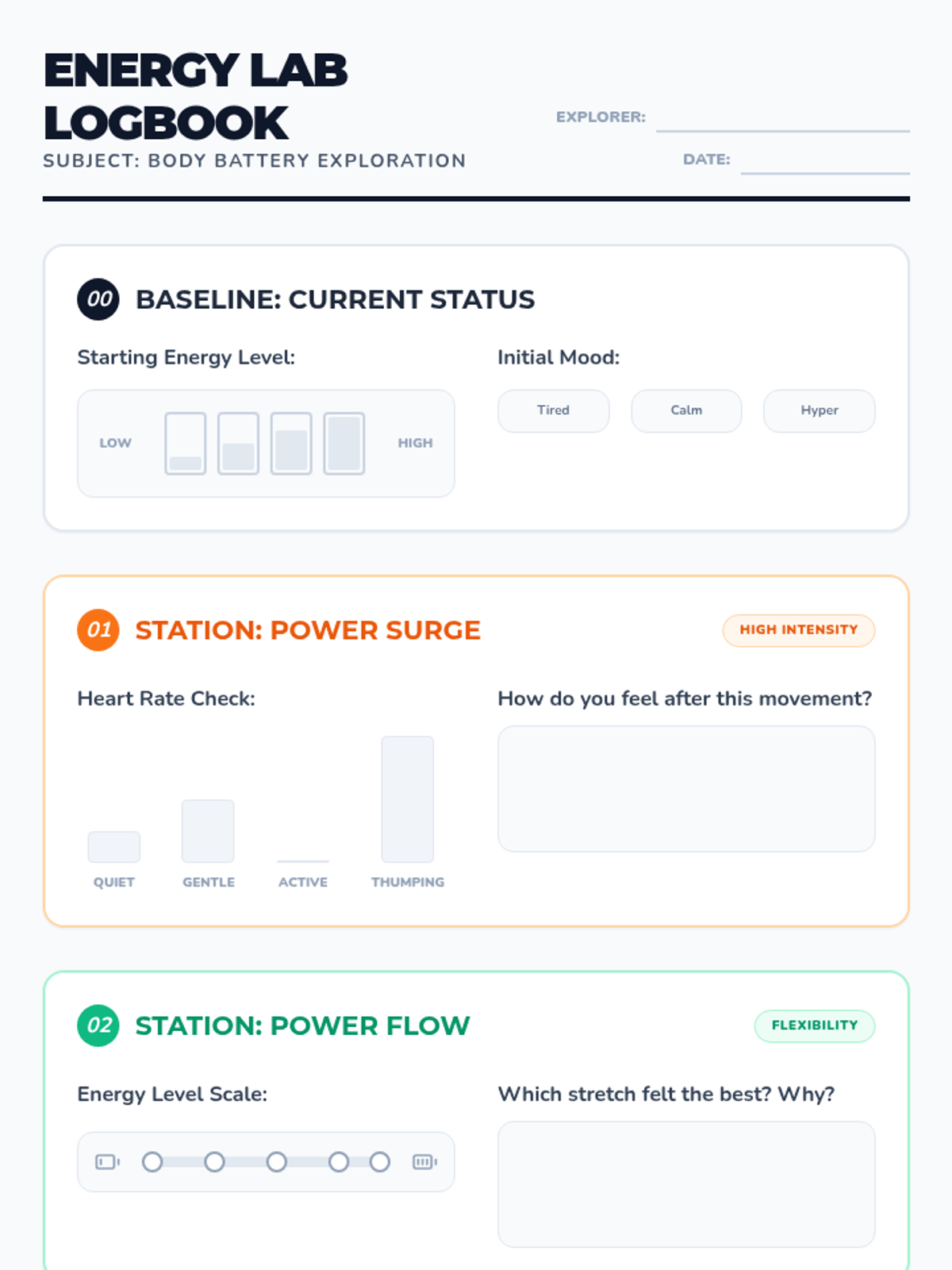
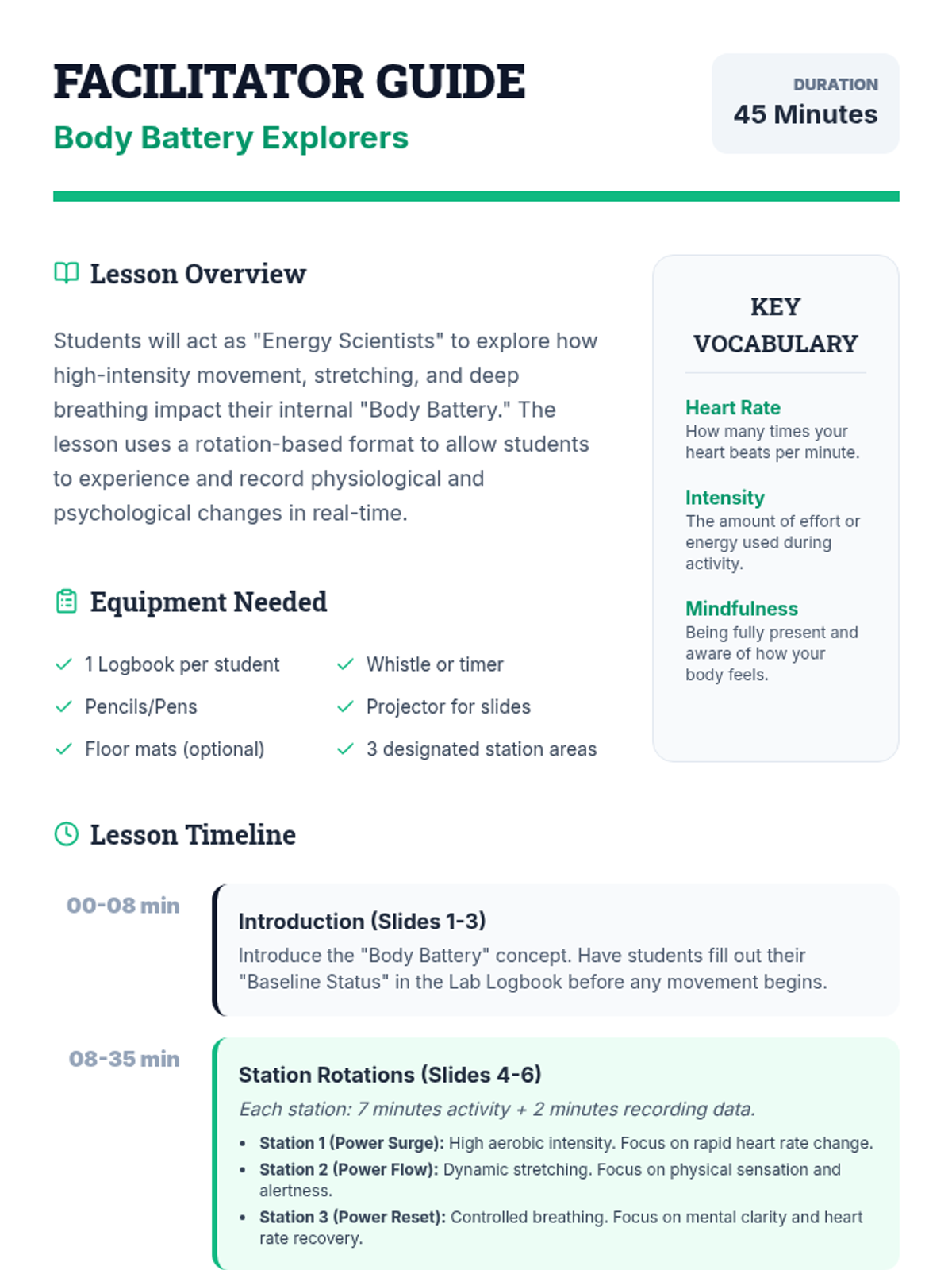
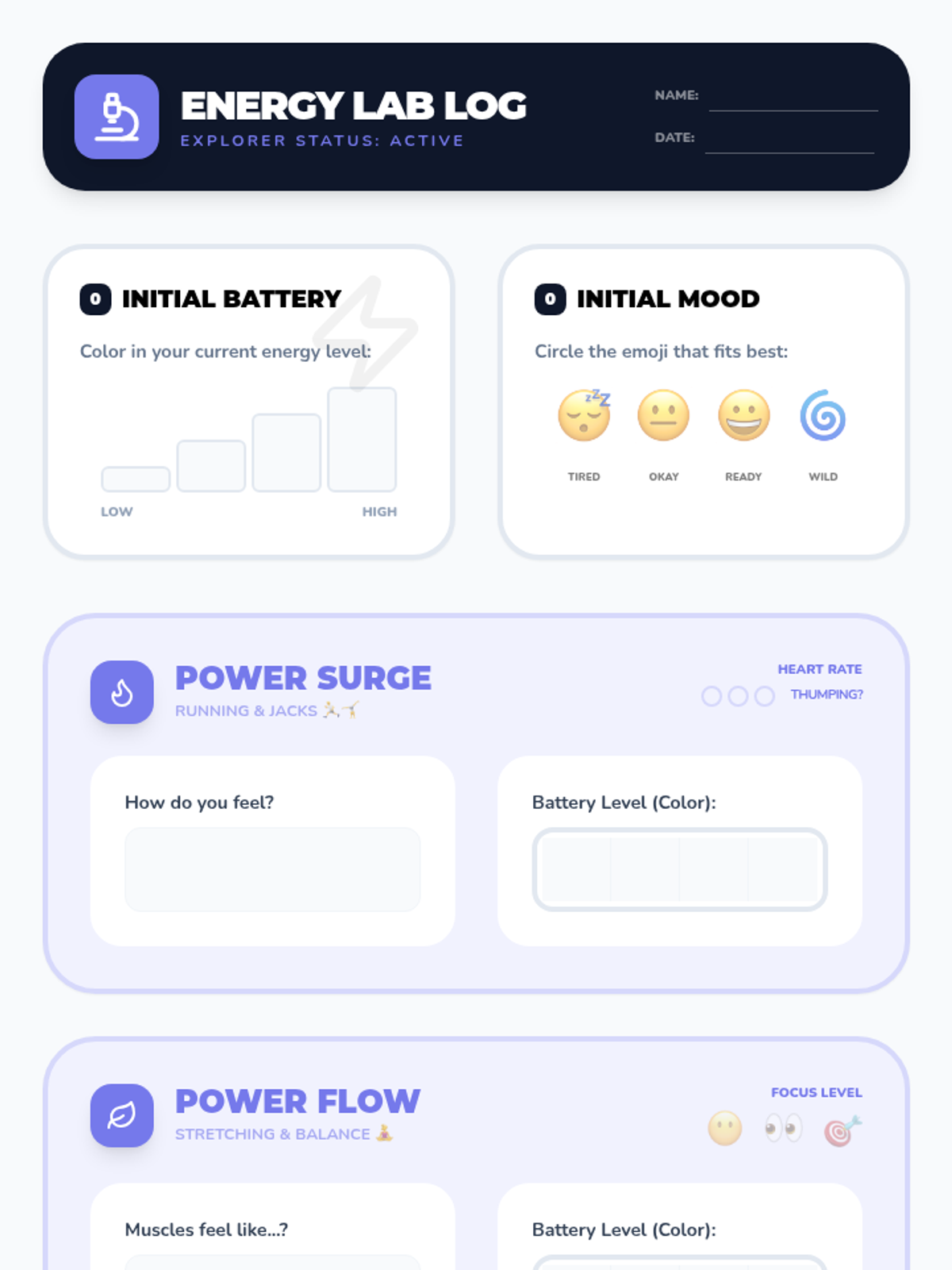
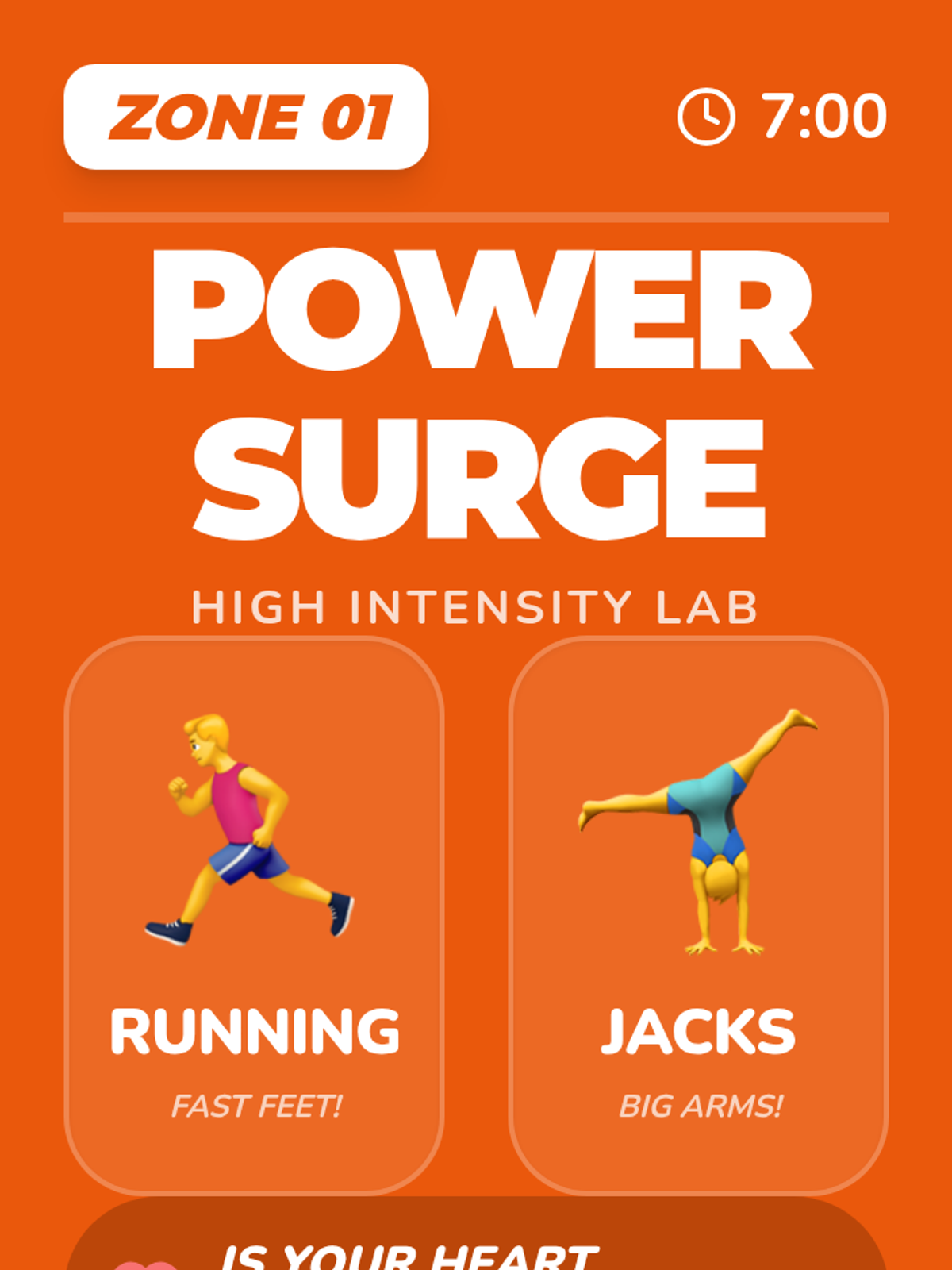
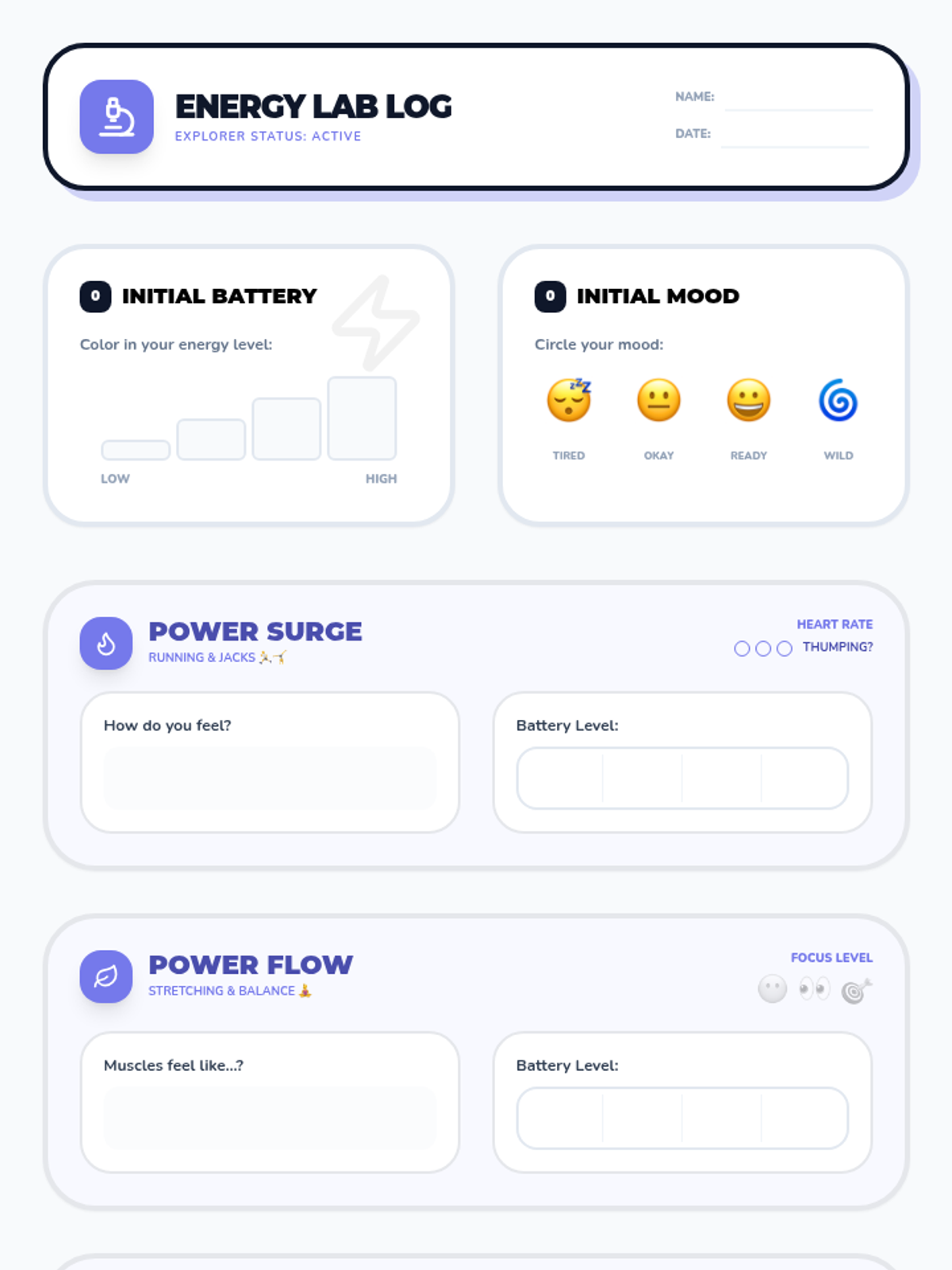
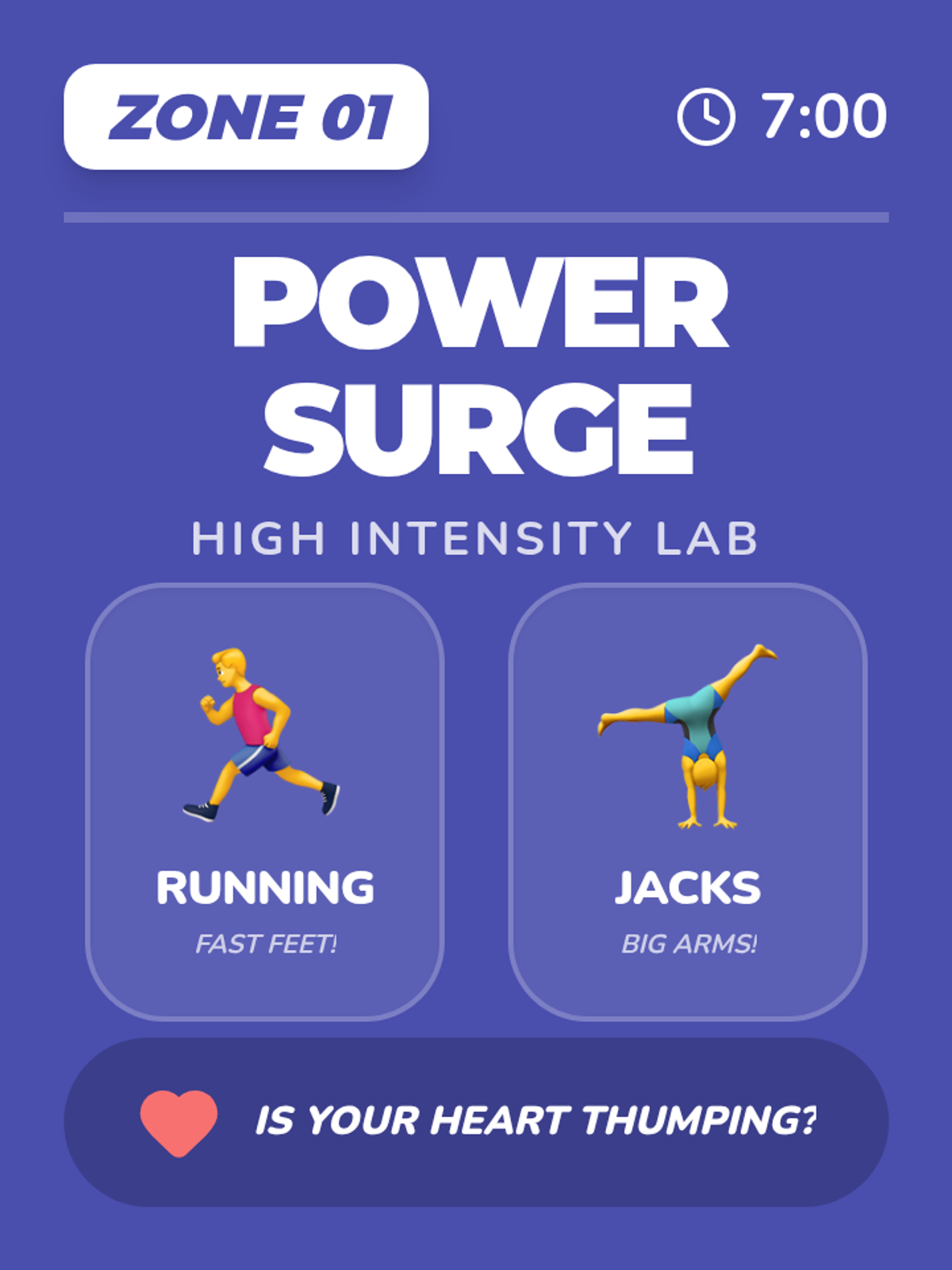
A movement-based physical health lesson where students investigate how different physical activities (aerobic, stretching, and breathing) impact their heart rate and perceived energy levels through 'Body Battery' stations.
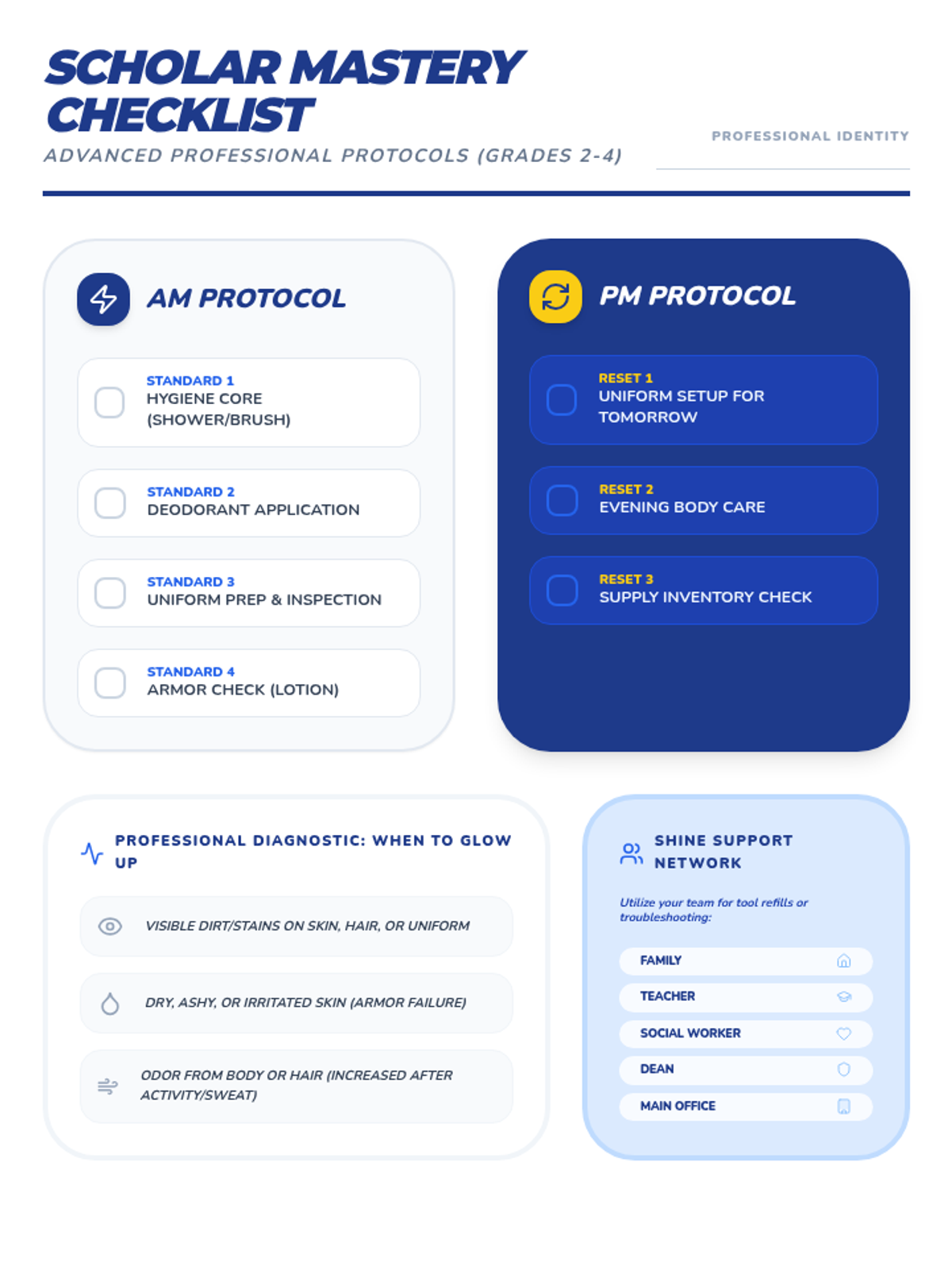
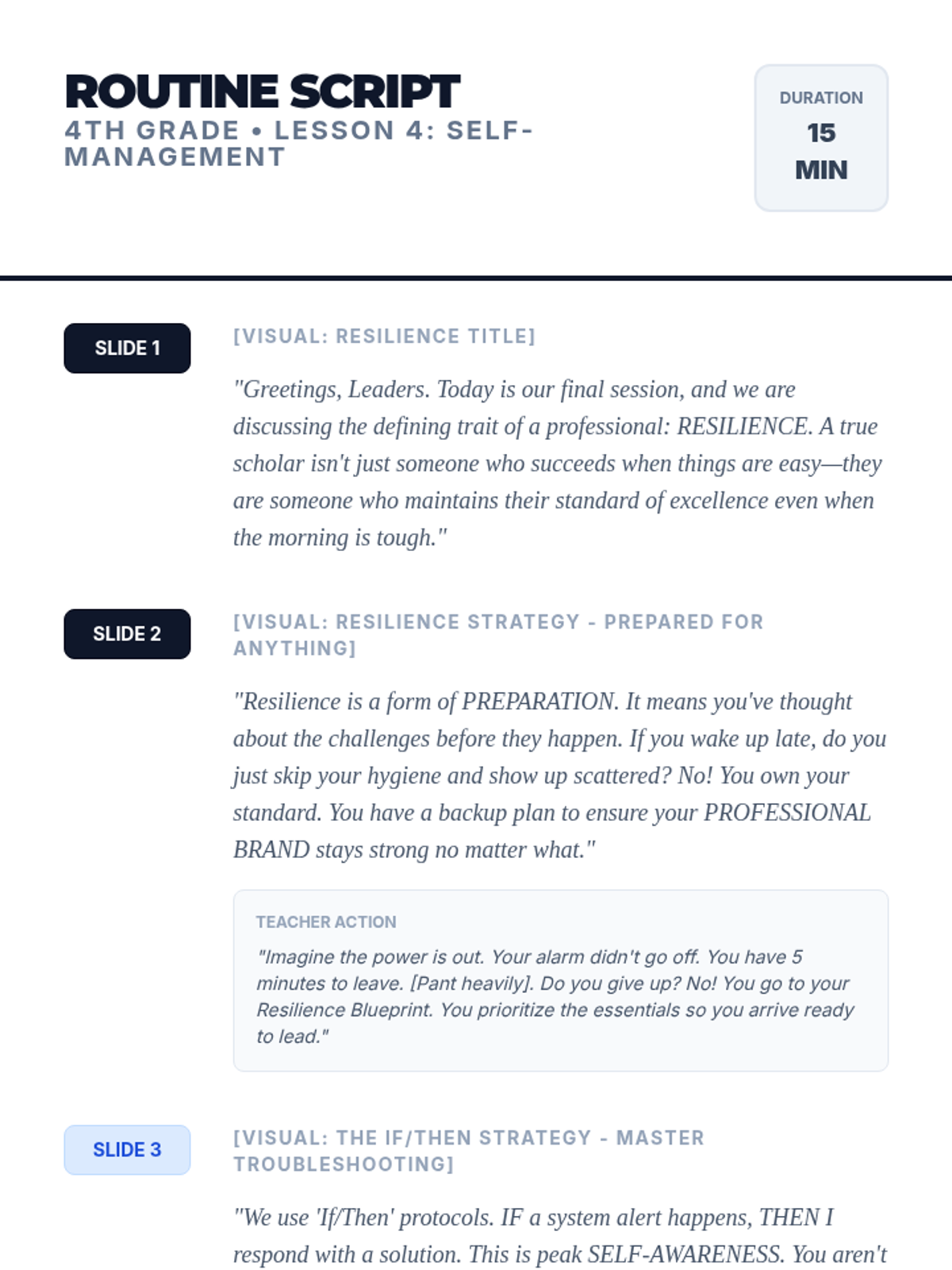
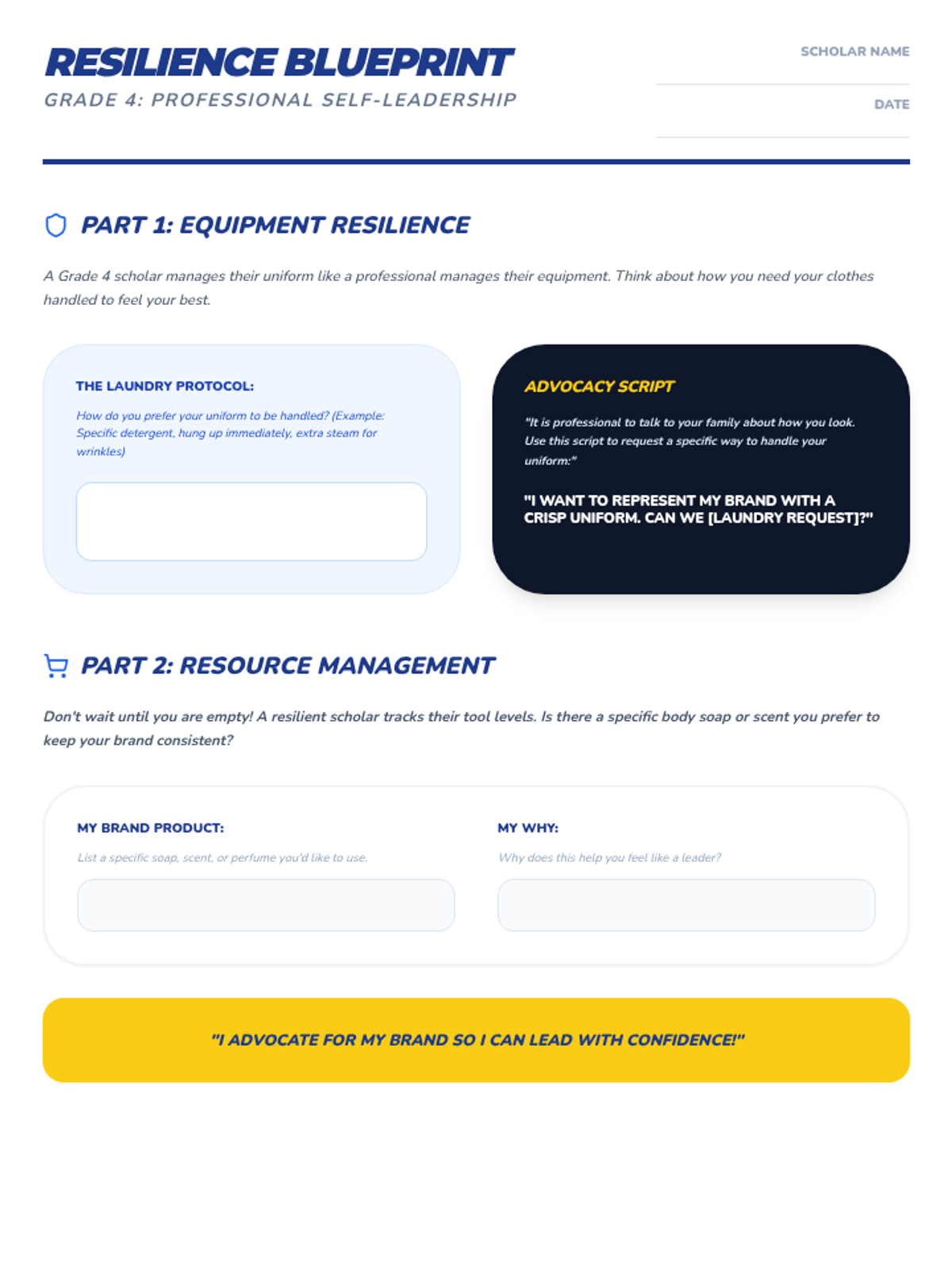
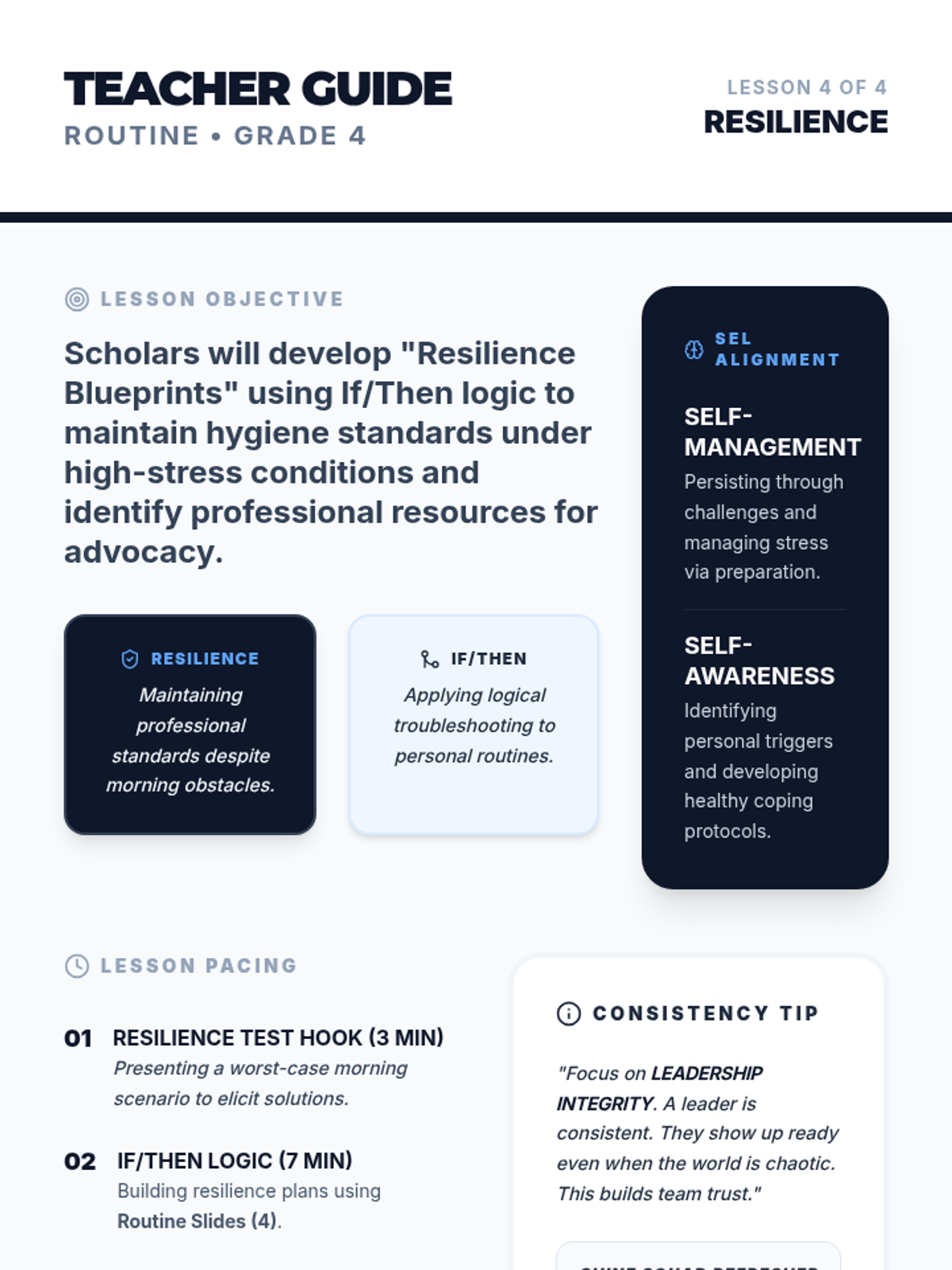
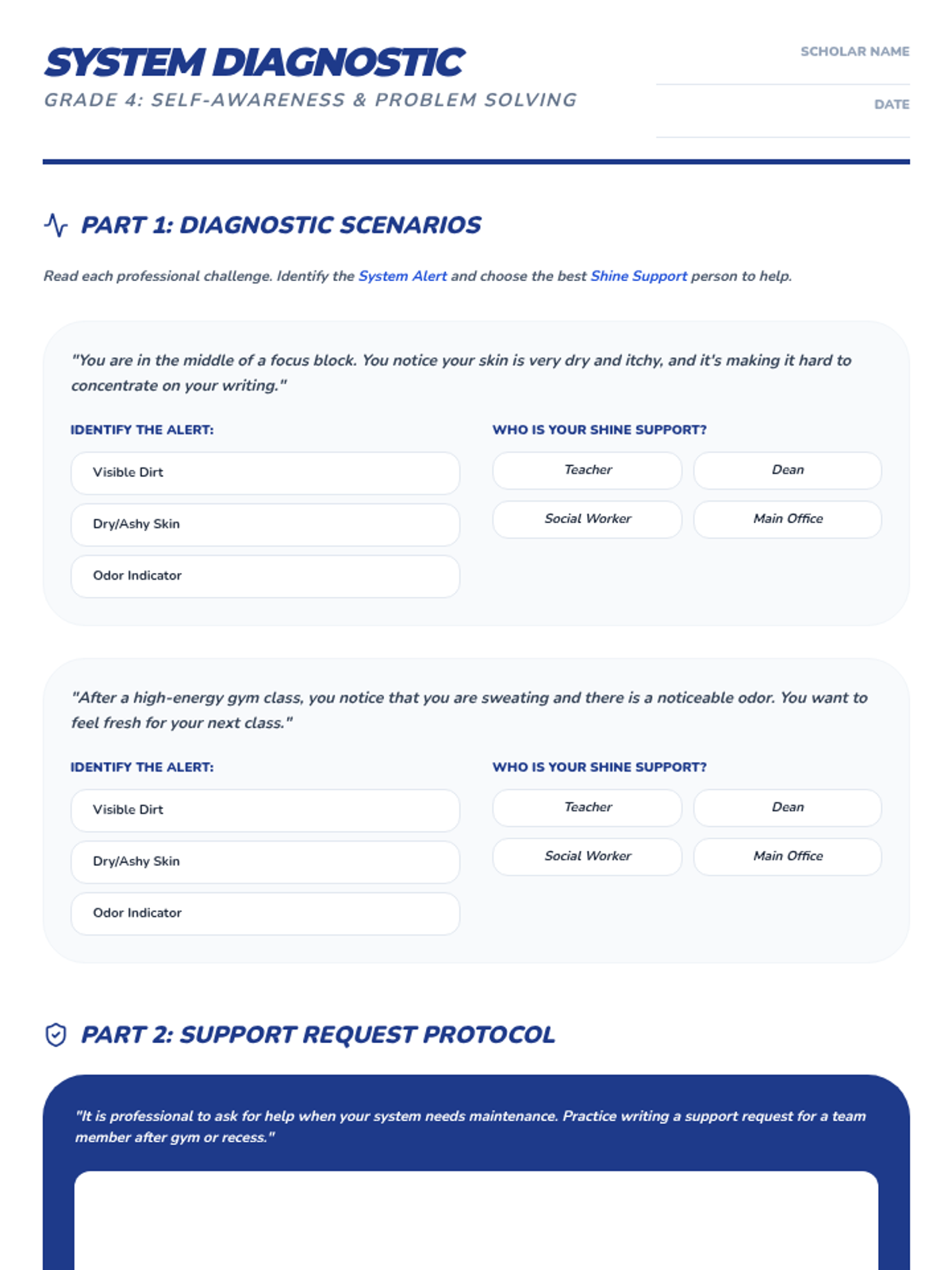
Creating a professional resilience plan for morning routines and uniform care for 4th grade leaders.
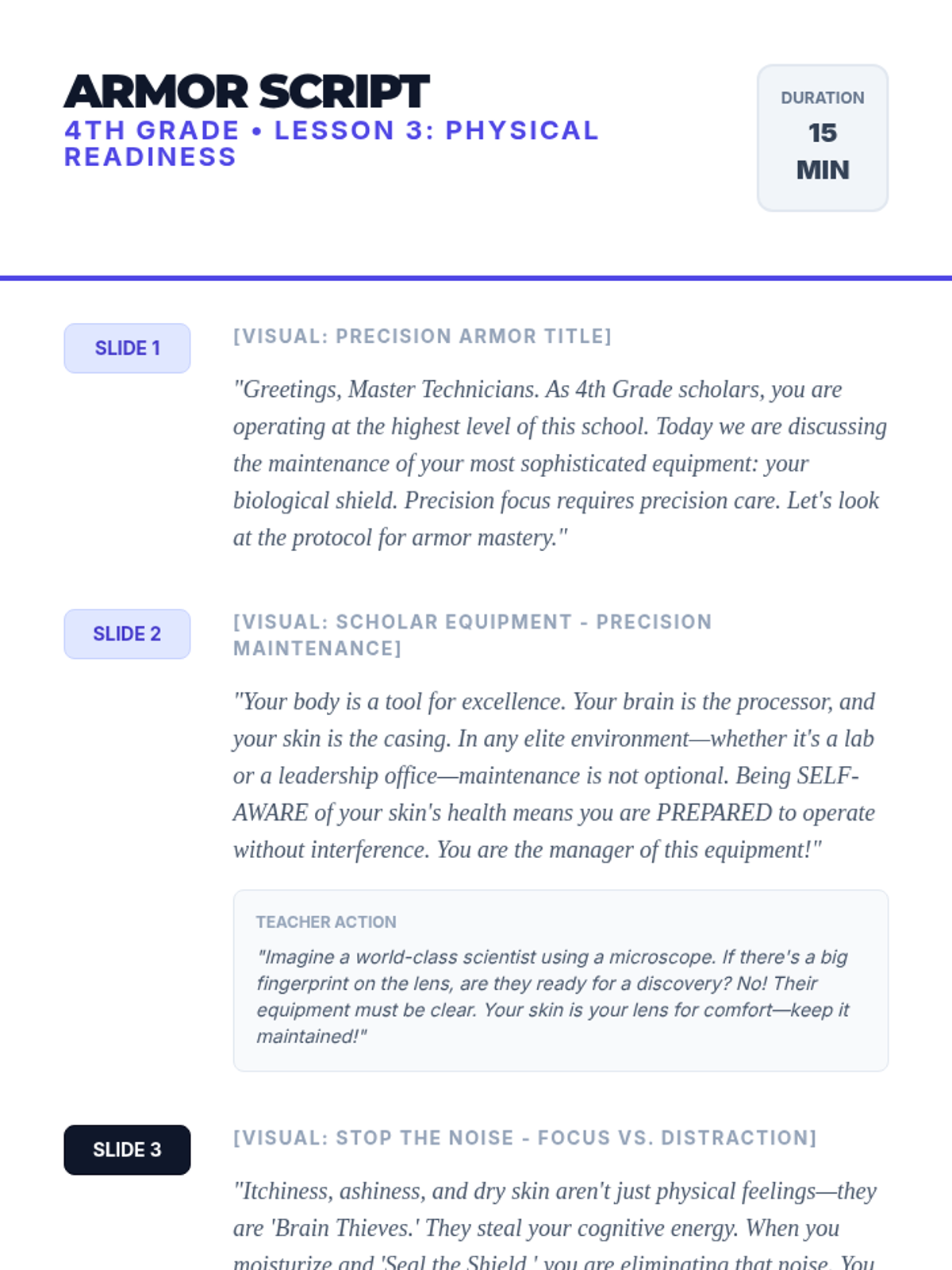
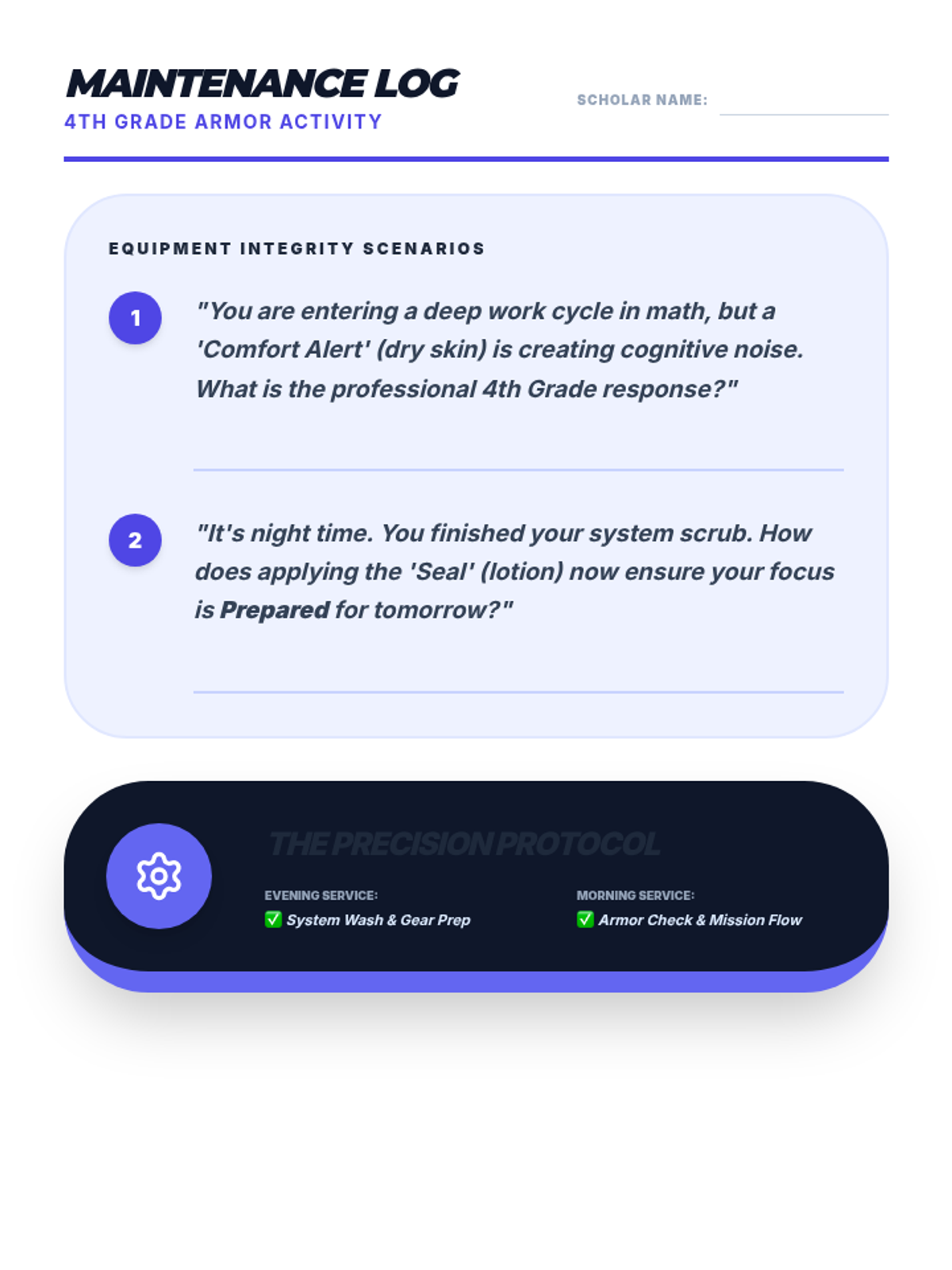
Advanced skin health and moisturization as a tool for comfort and academic focus in 4th grade.
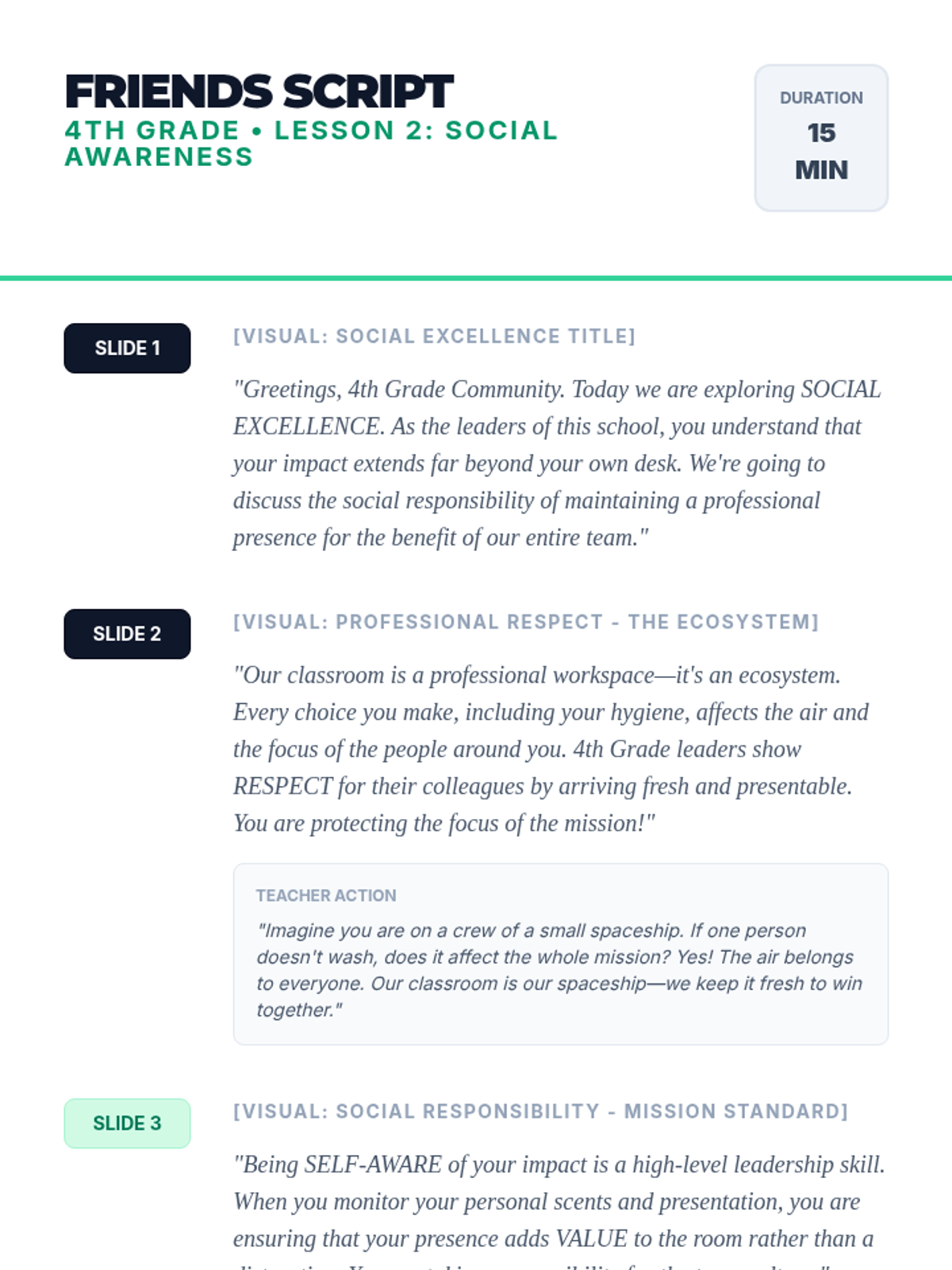
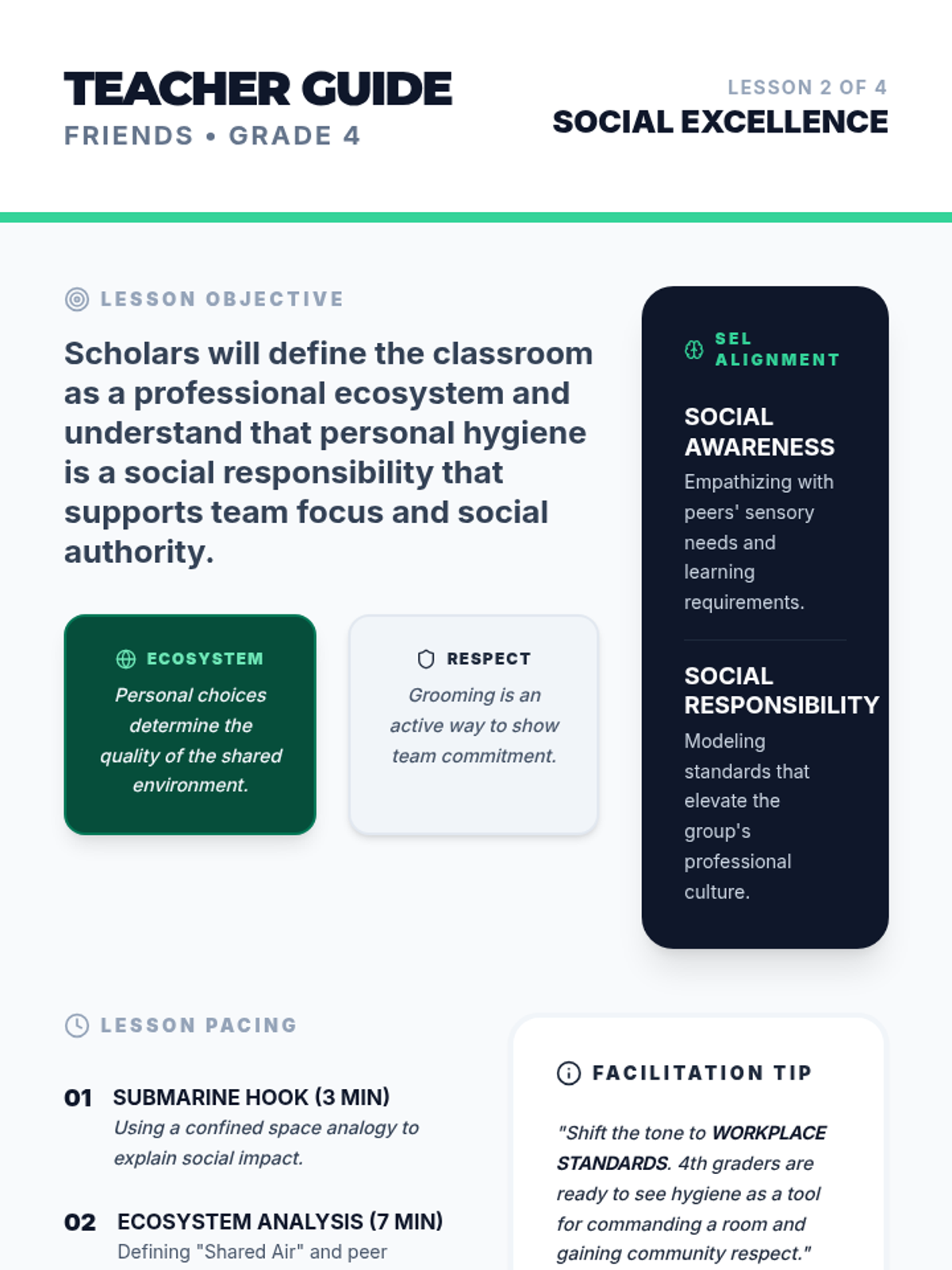
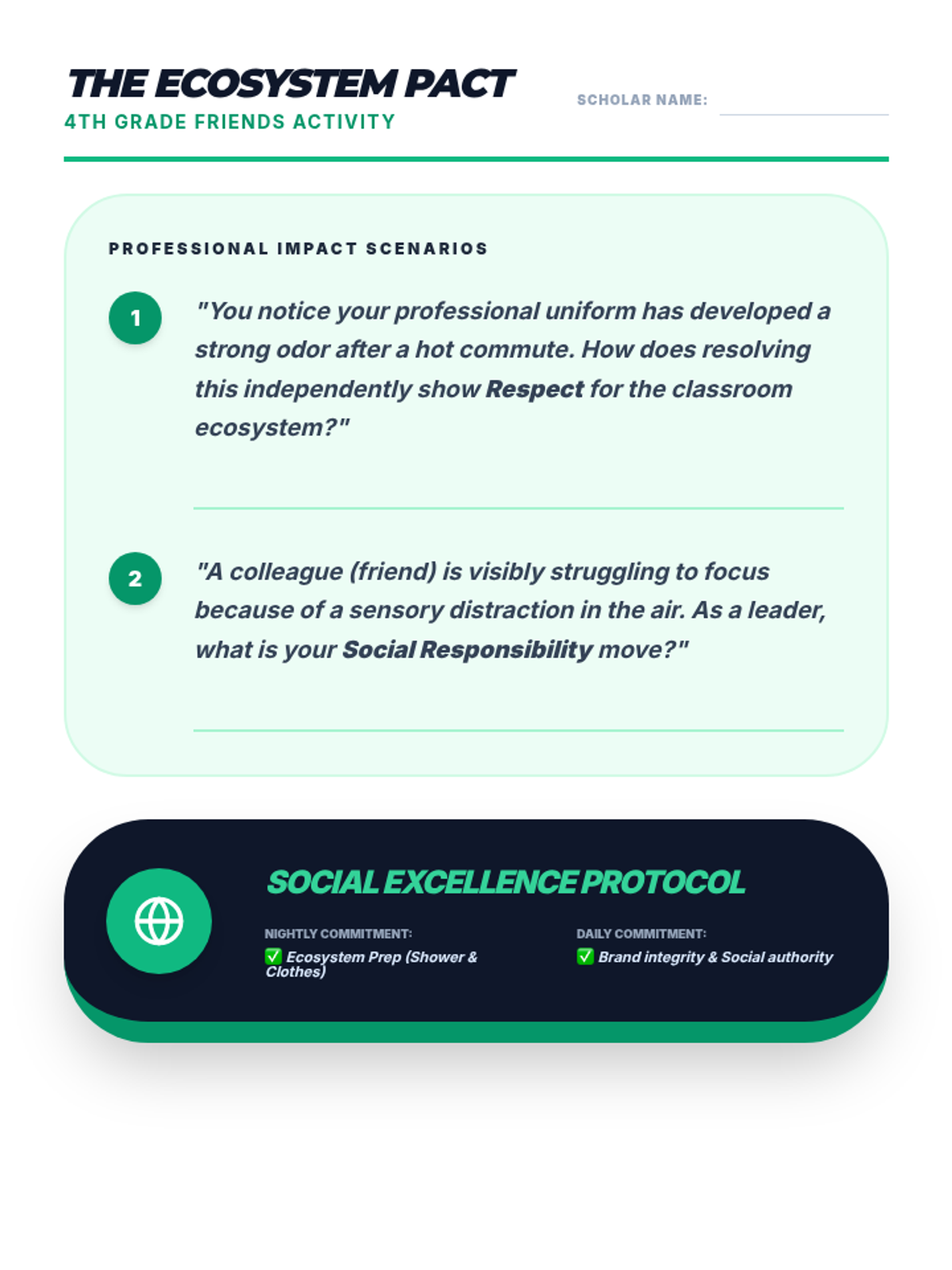
Professionalism and social responsibility through the lens of classroom environment for 4th graders.
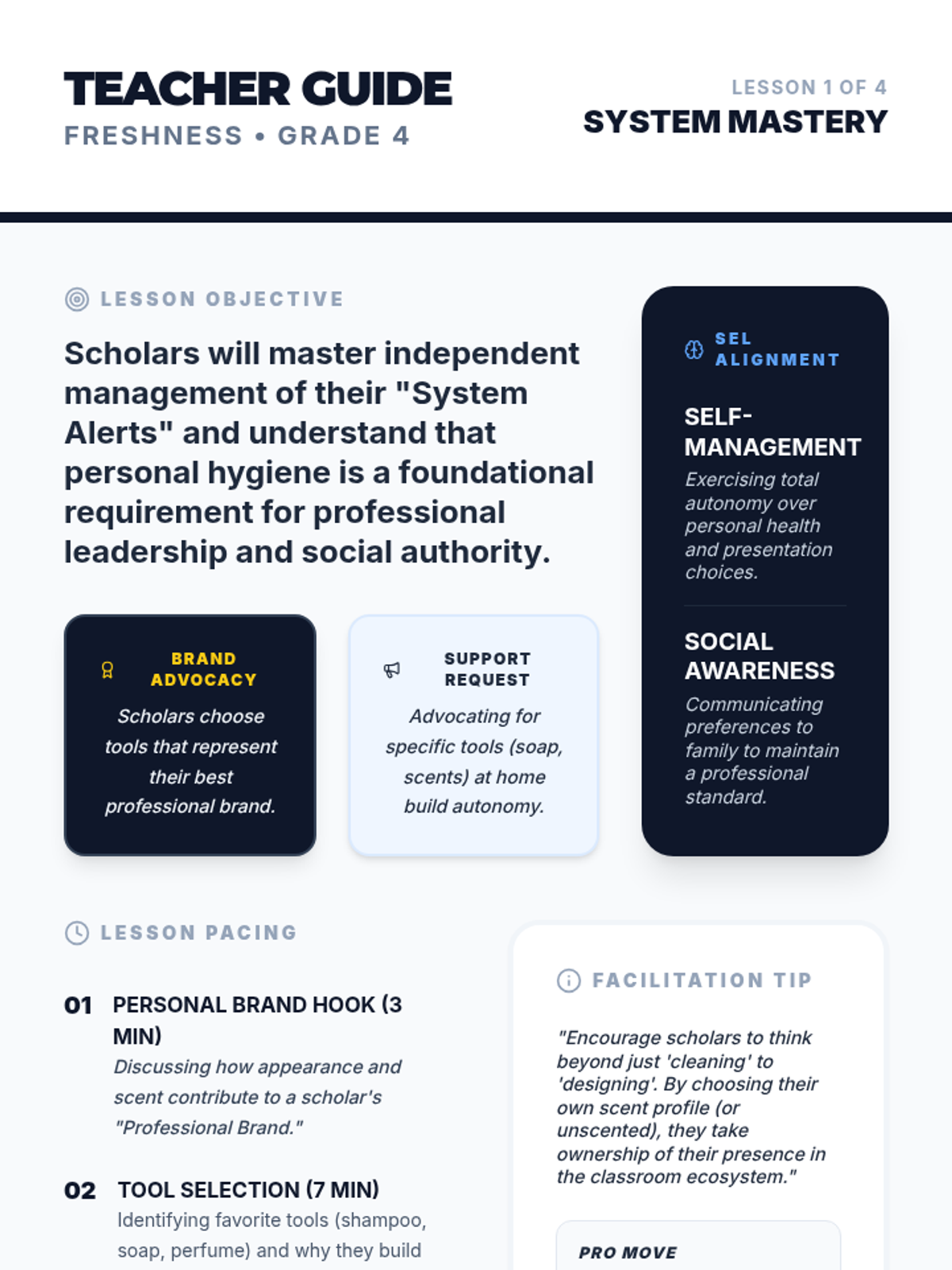
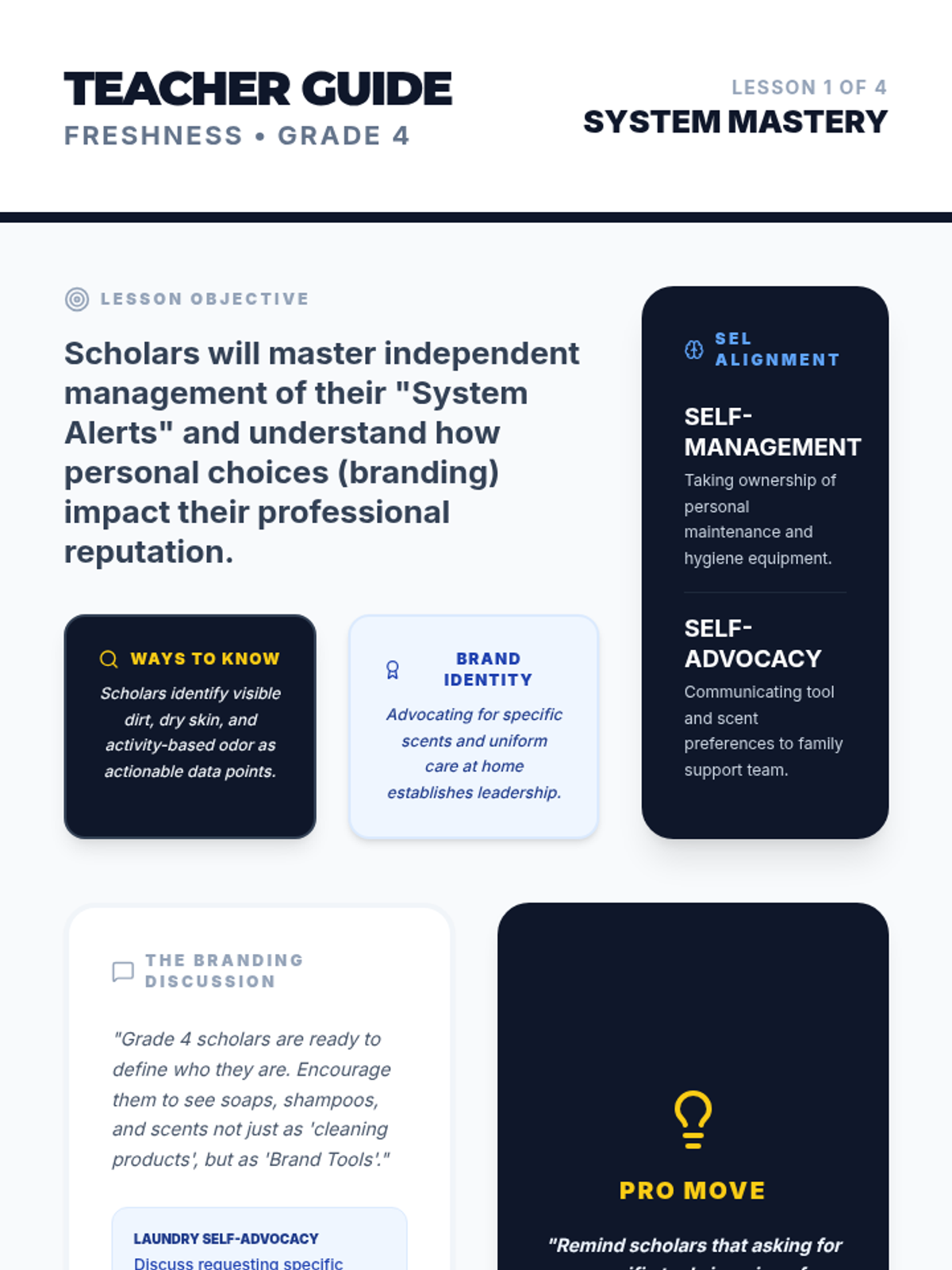
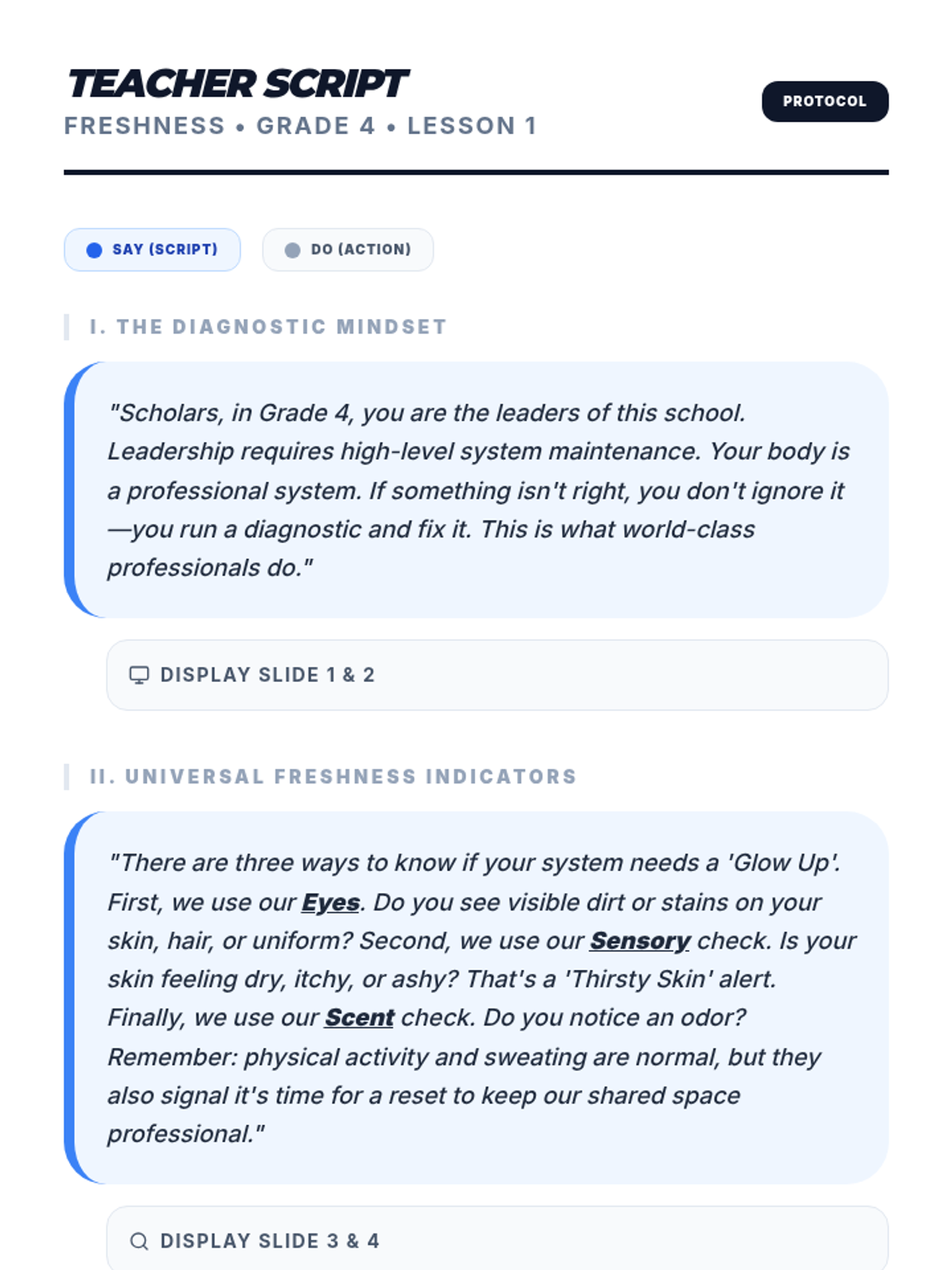
Independent self-management of 'System Alerts' and professional standards for 4th grade scholars.
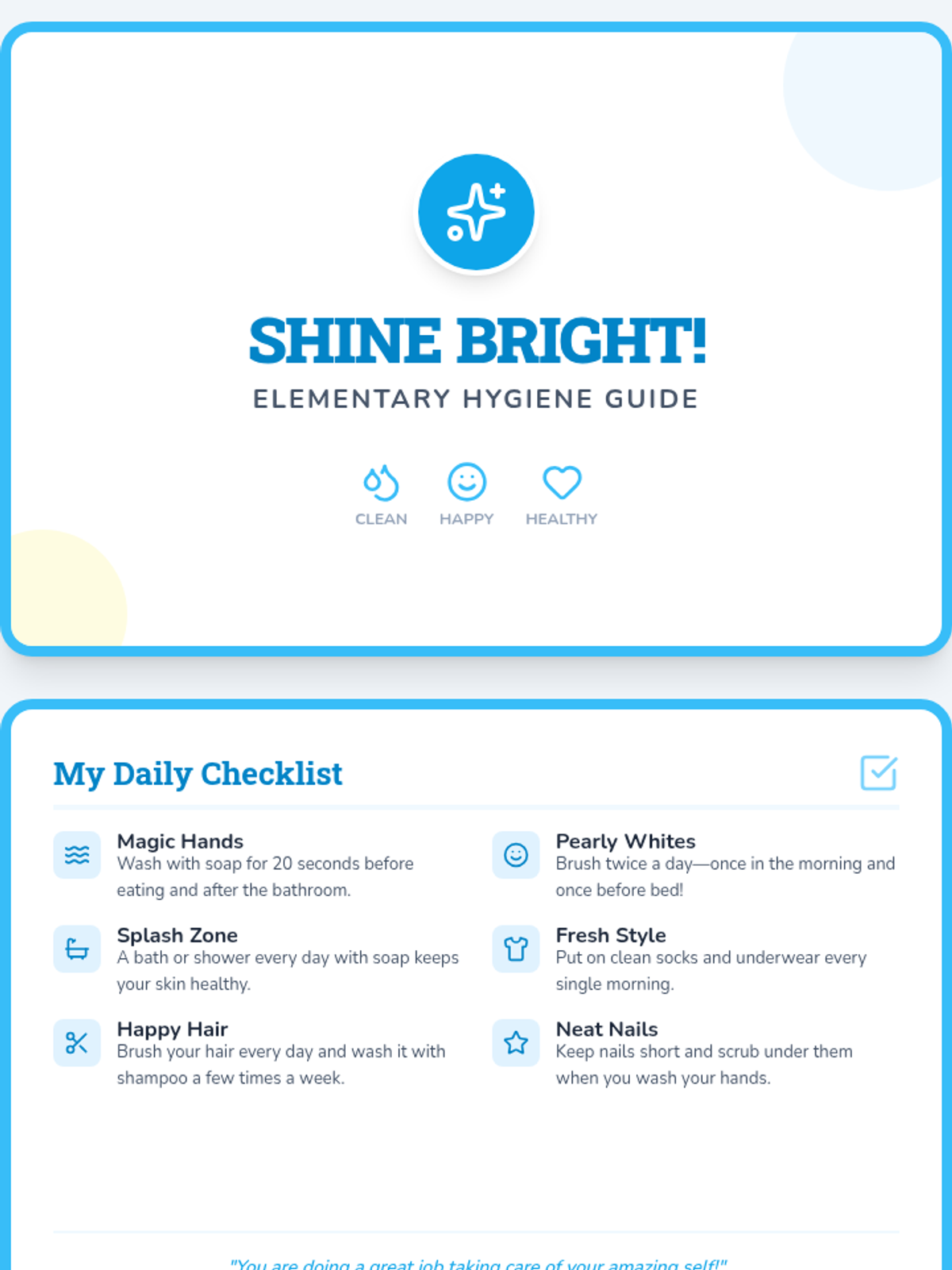
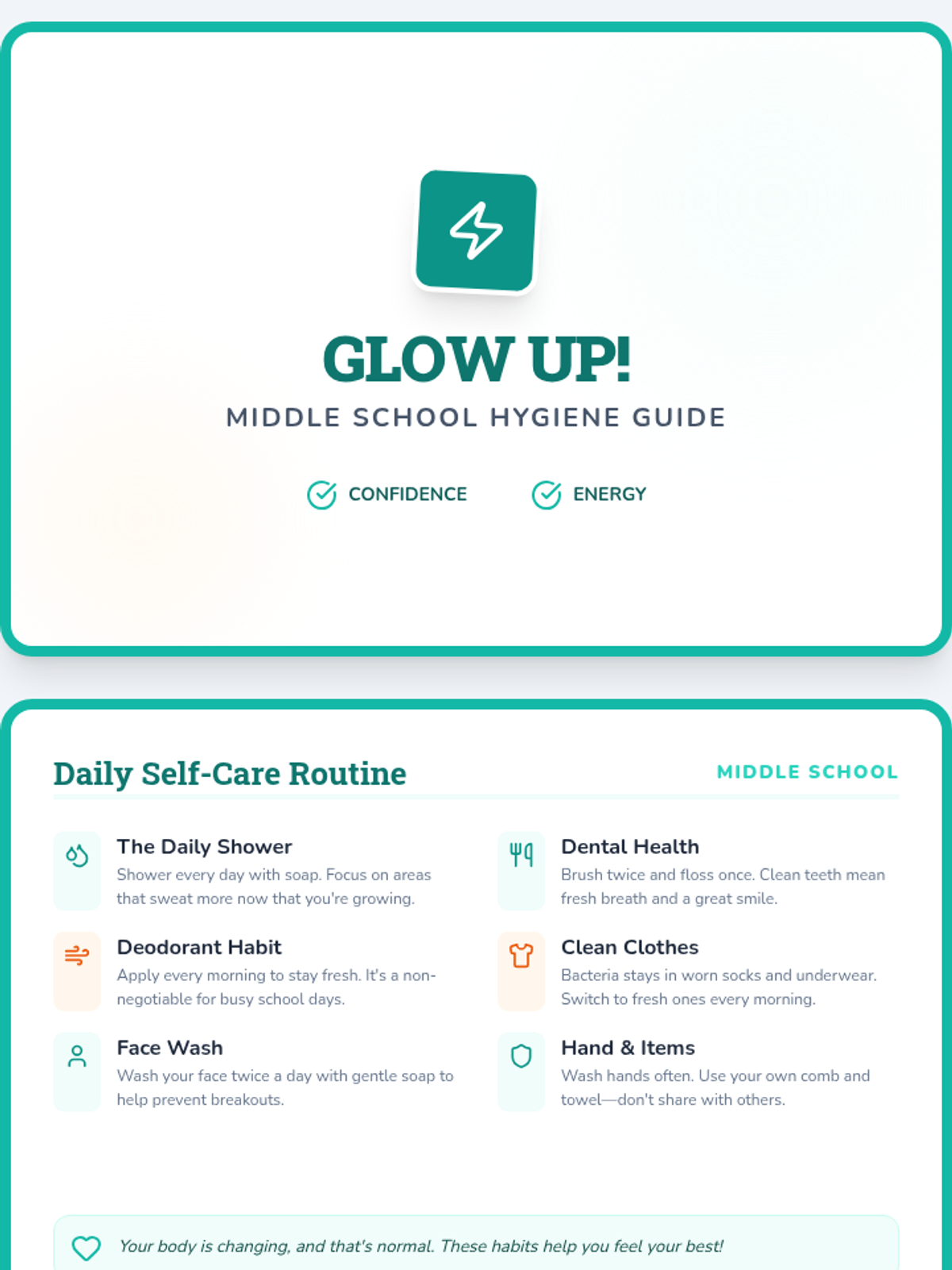
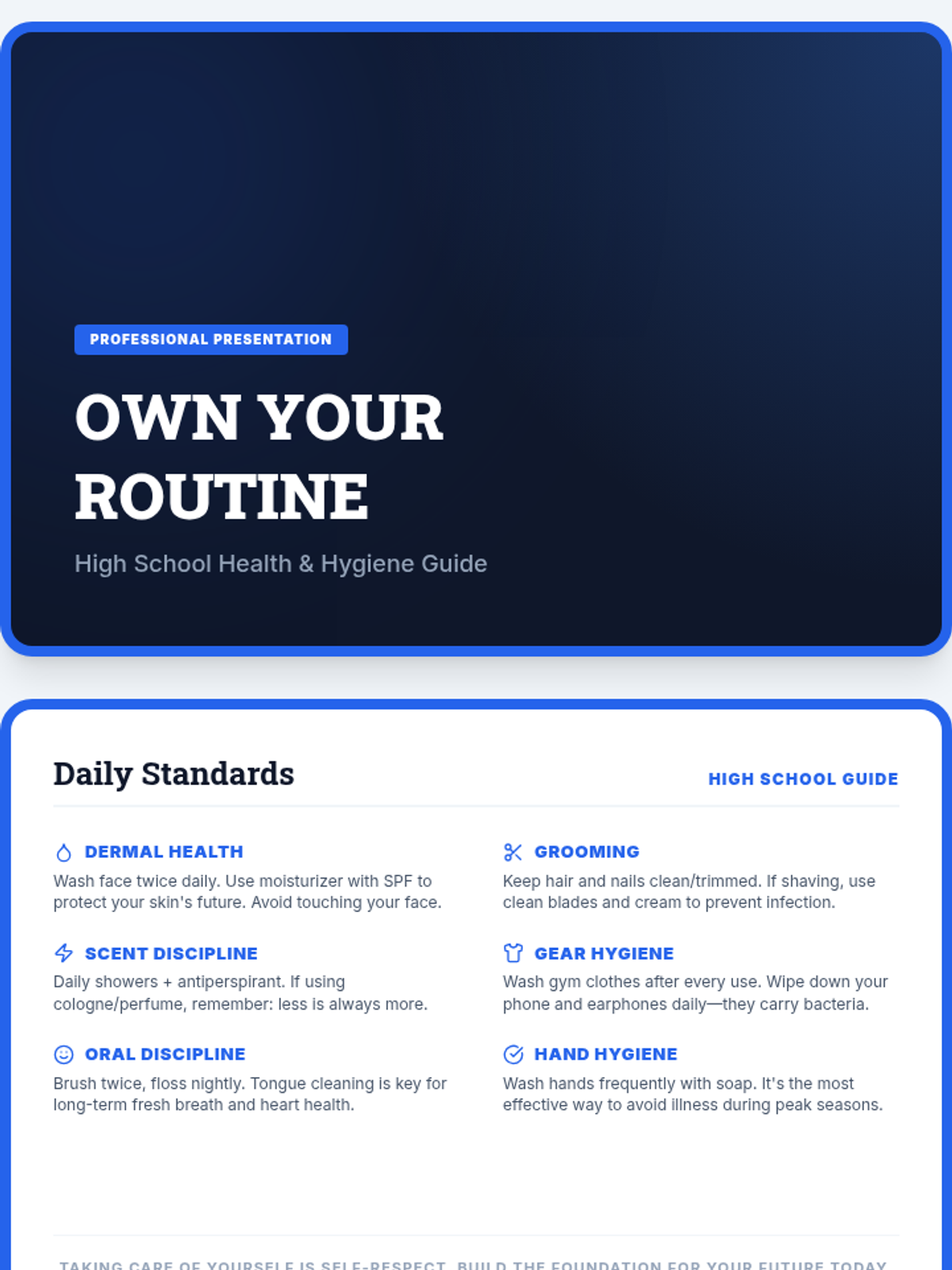
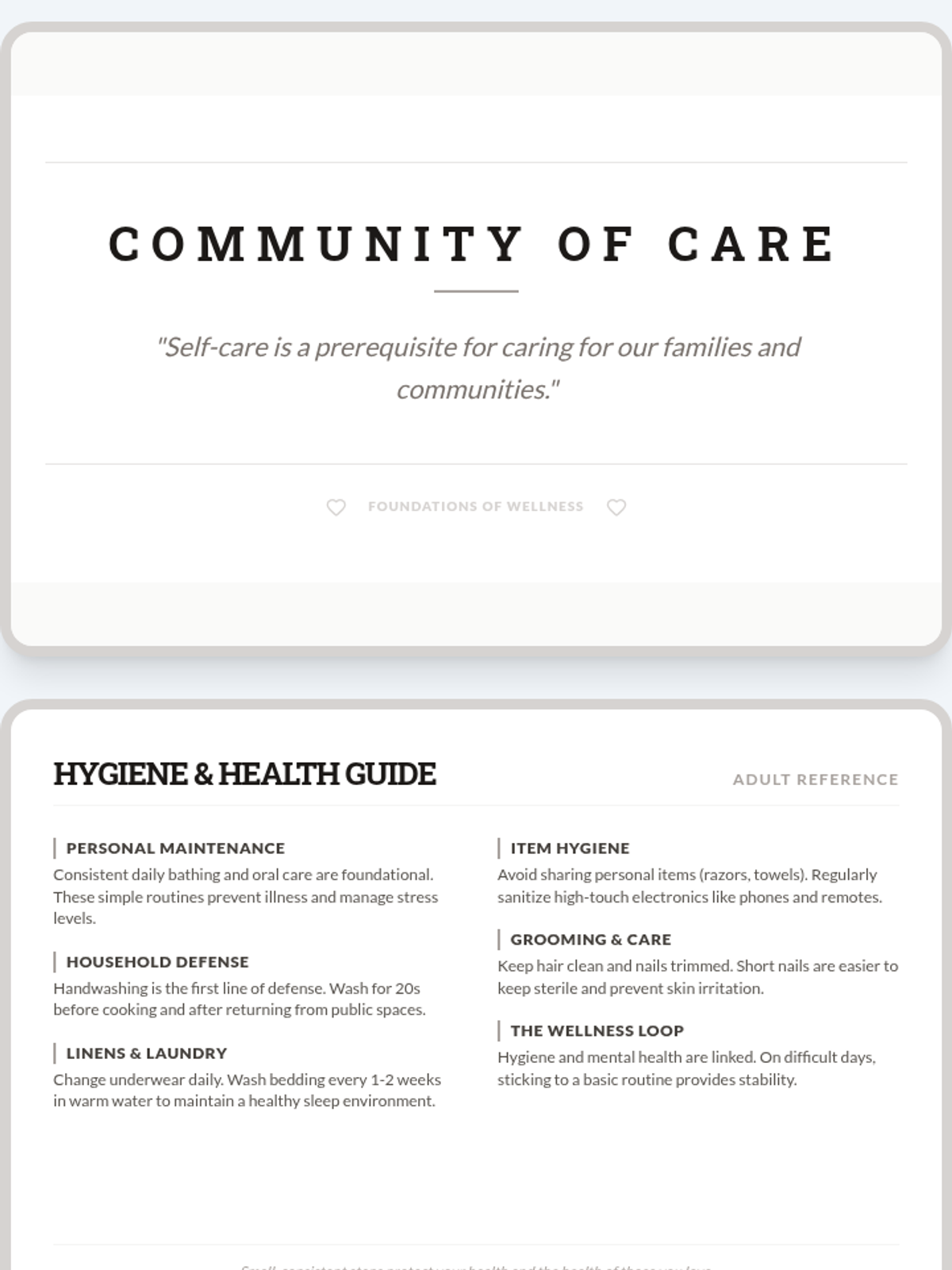
A collection of hygiene reference postcards tailored for elementary, middle school, high school, and adults. Each double-sided card provides empathetic, age-appropriate guidance on essential daily routines to support health and confidence.
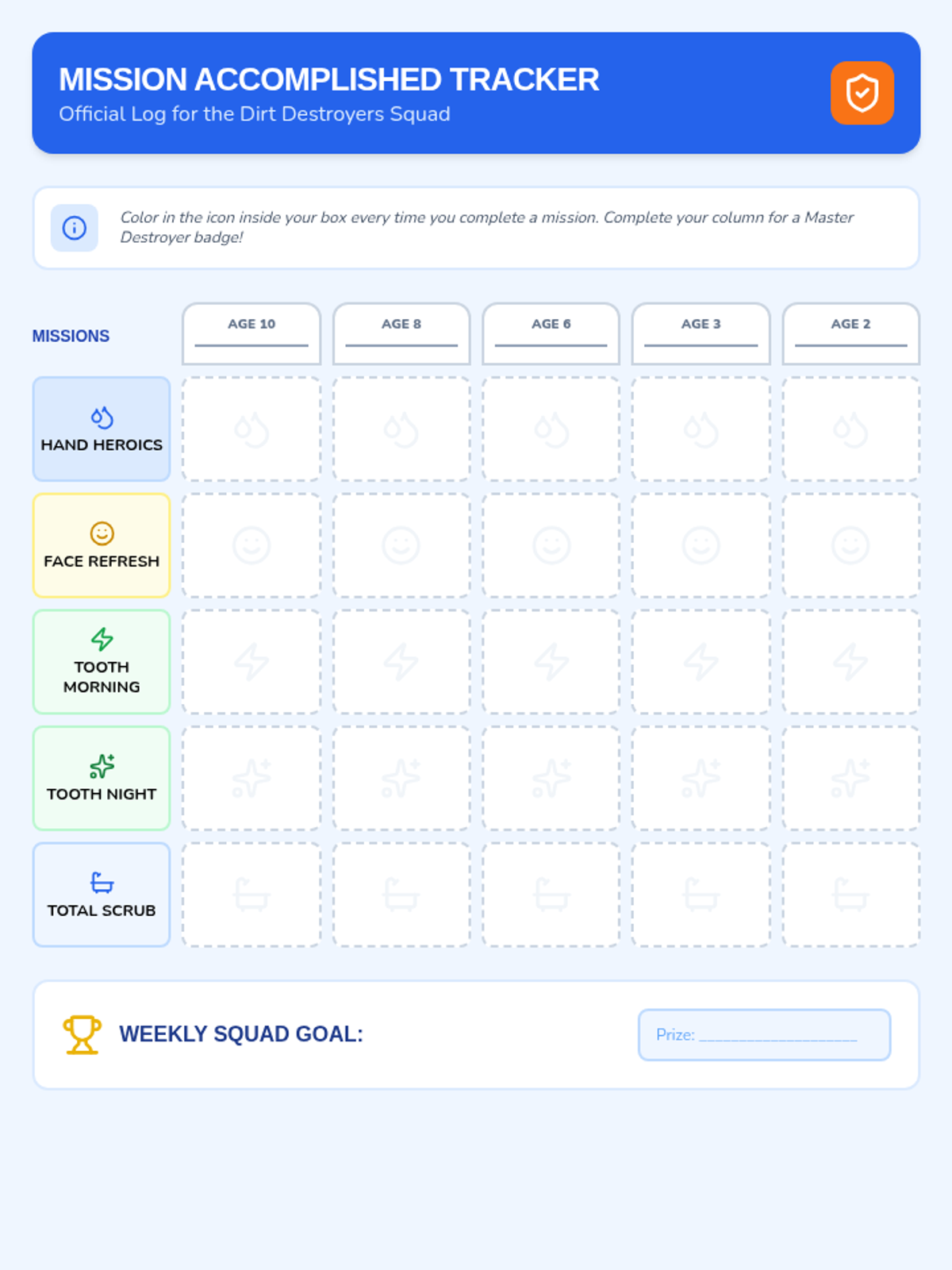
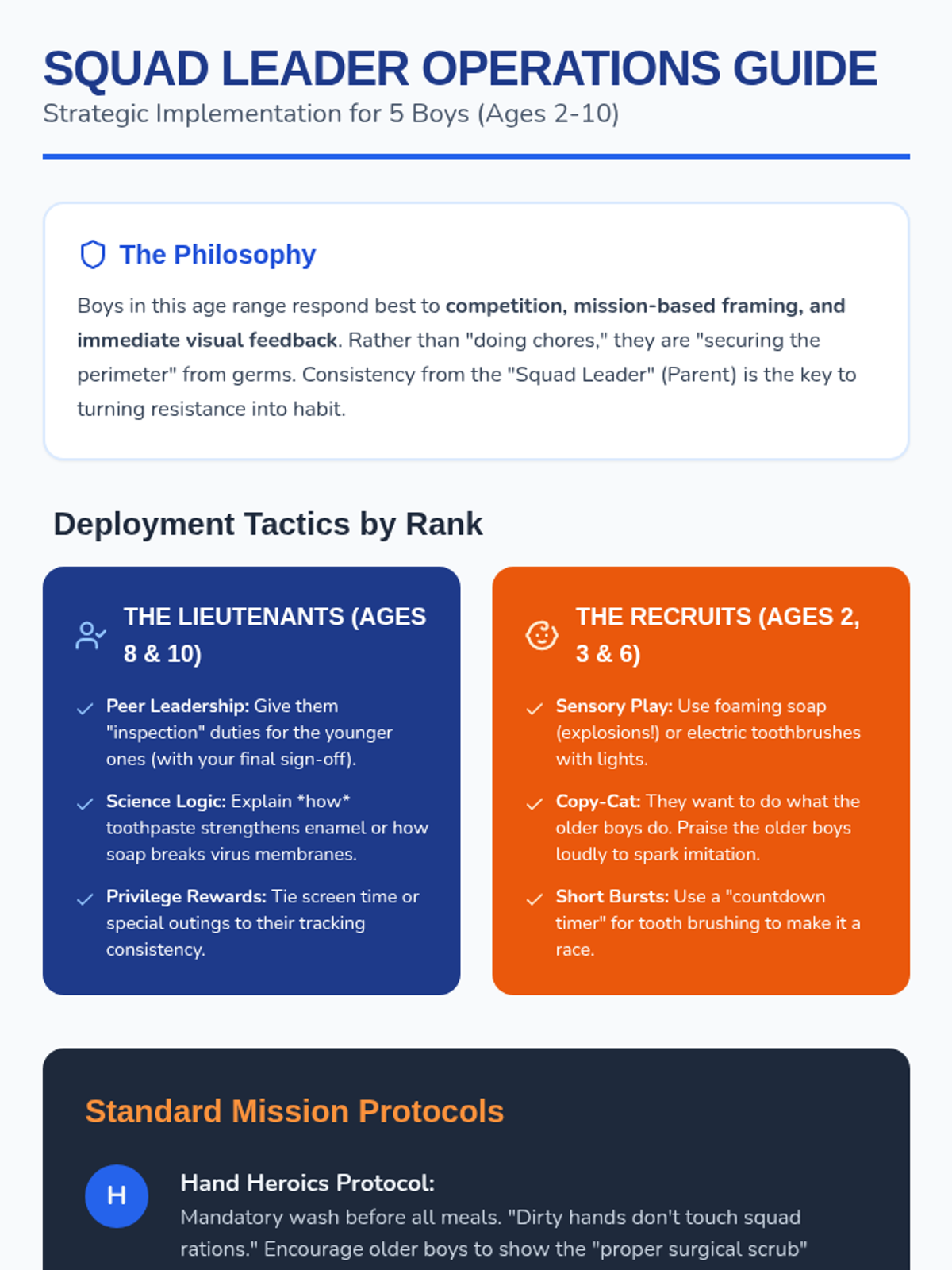
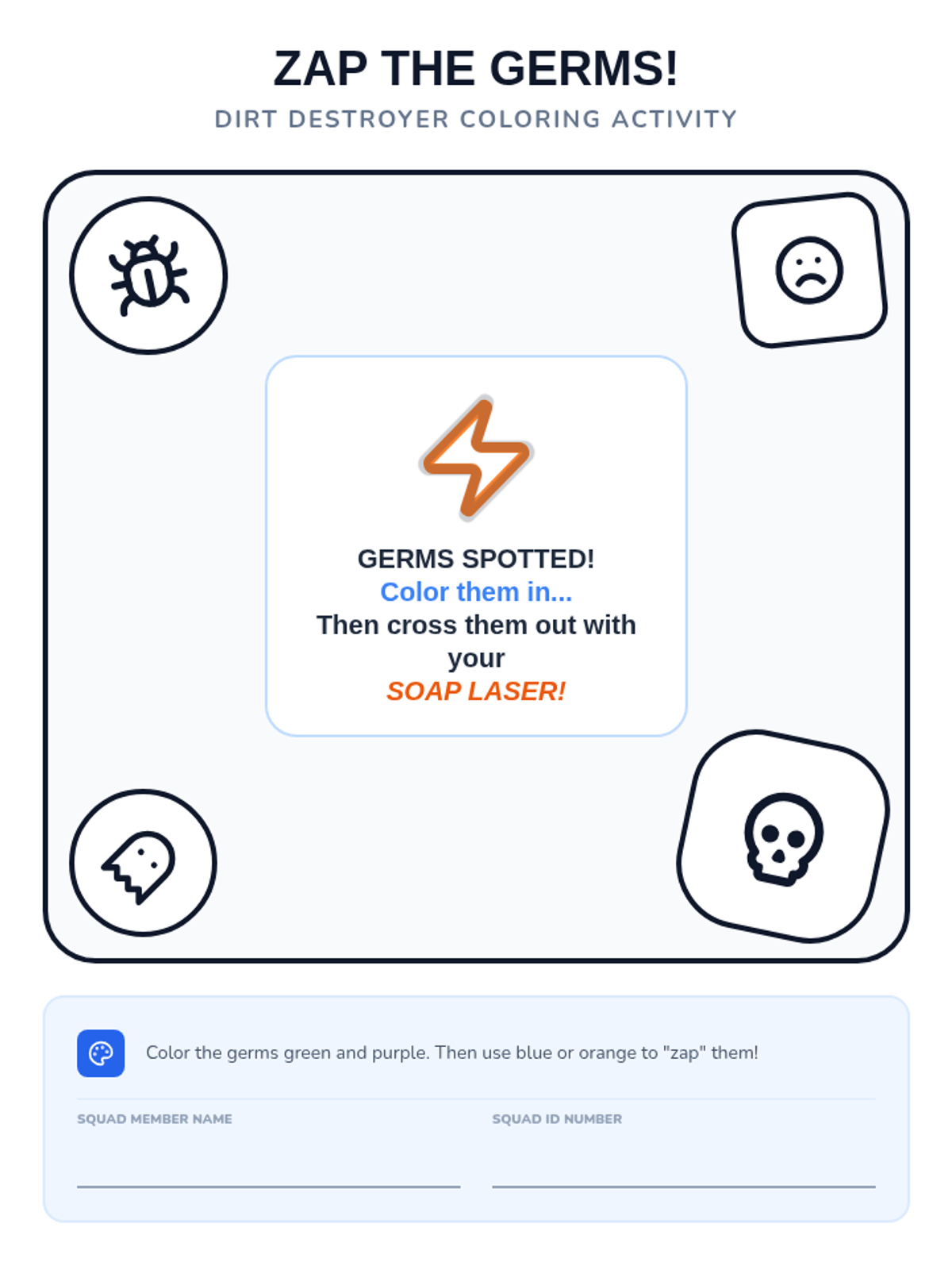
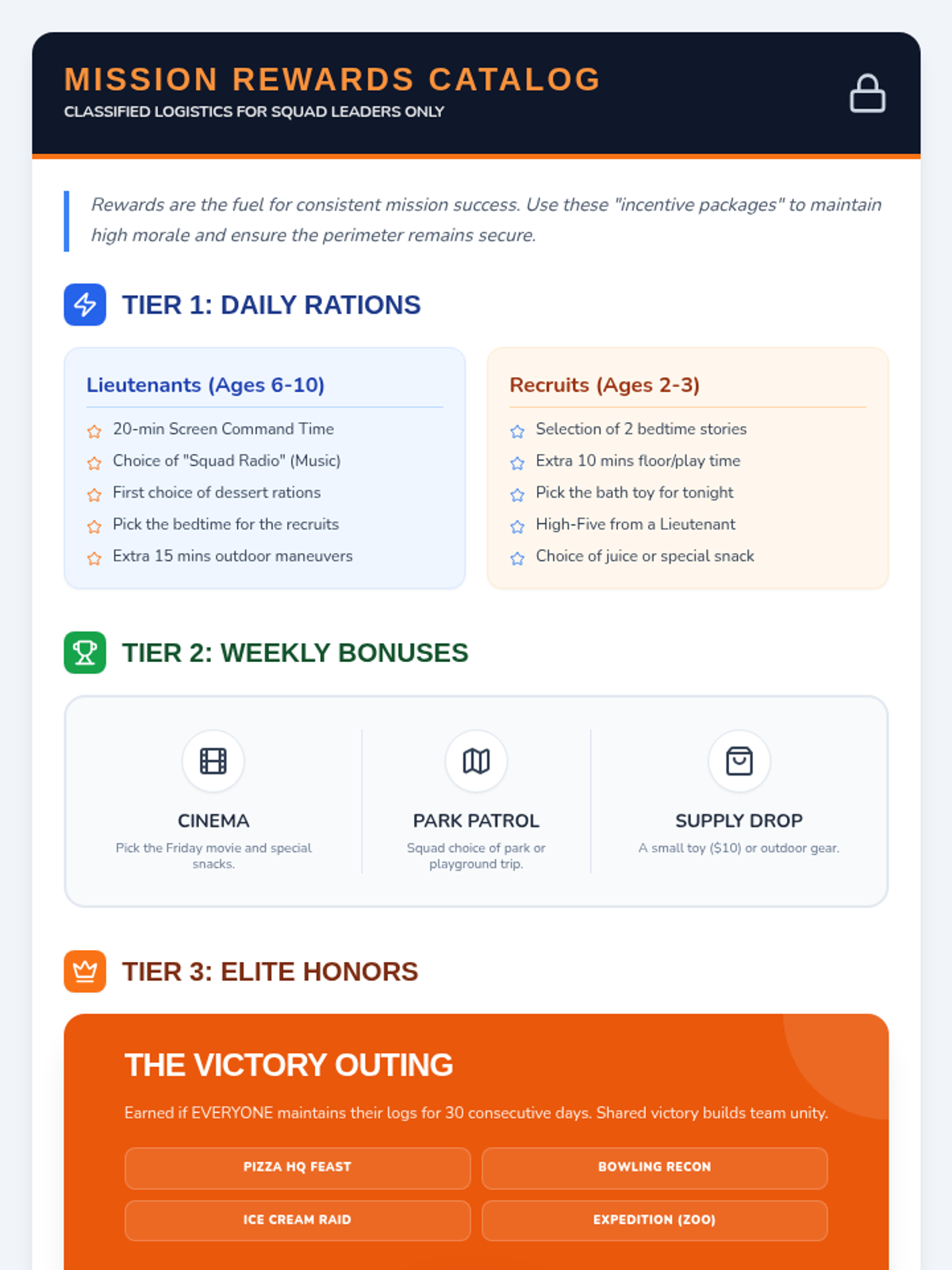
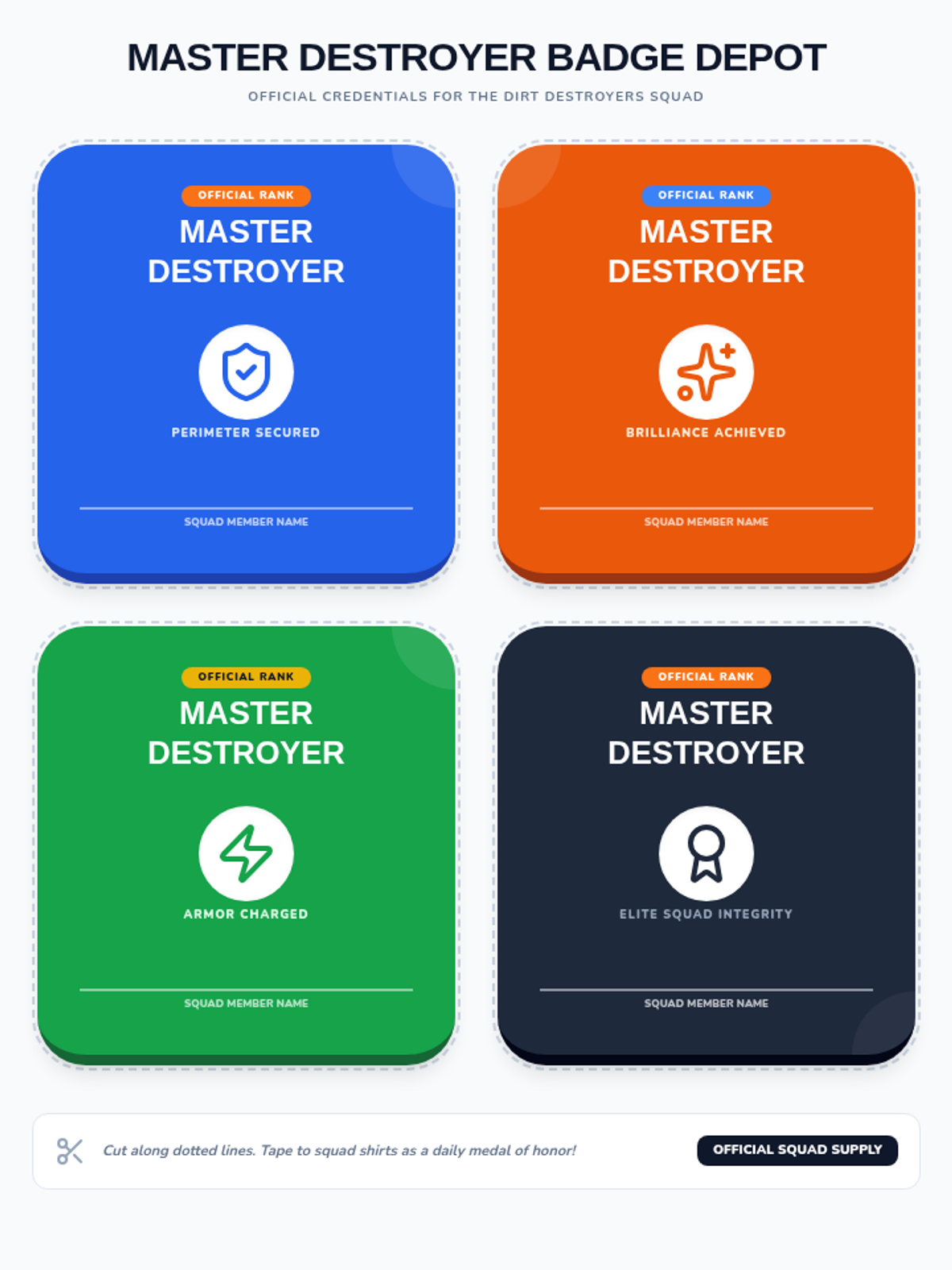
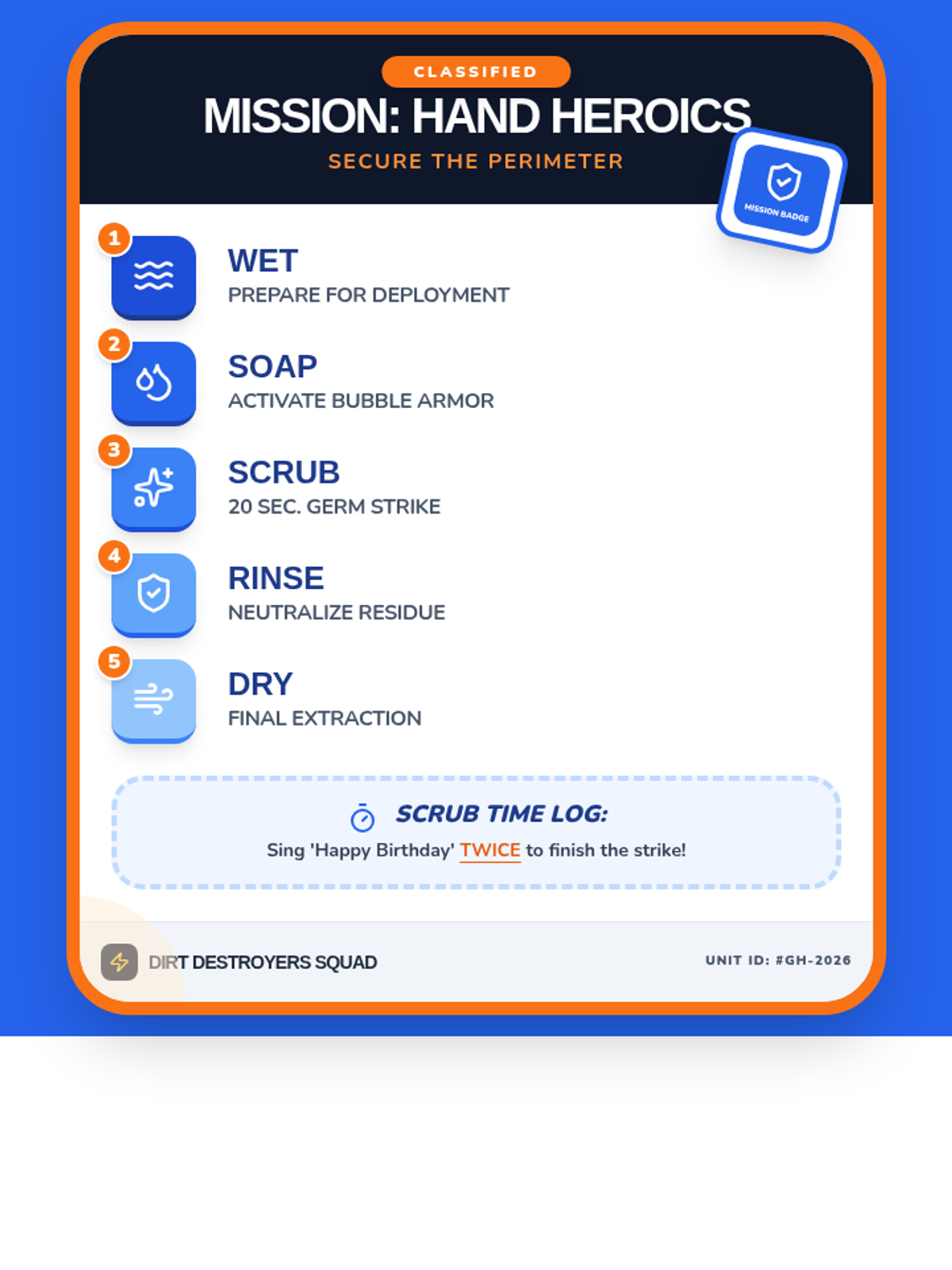
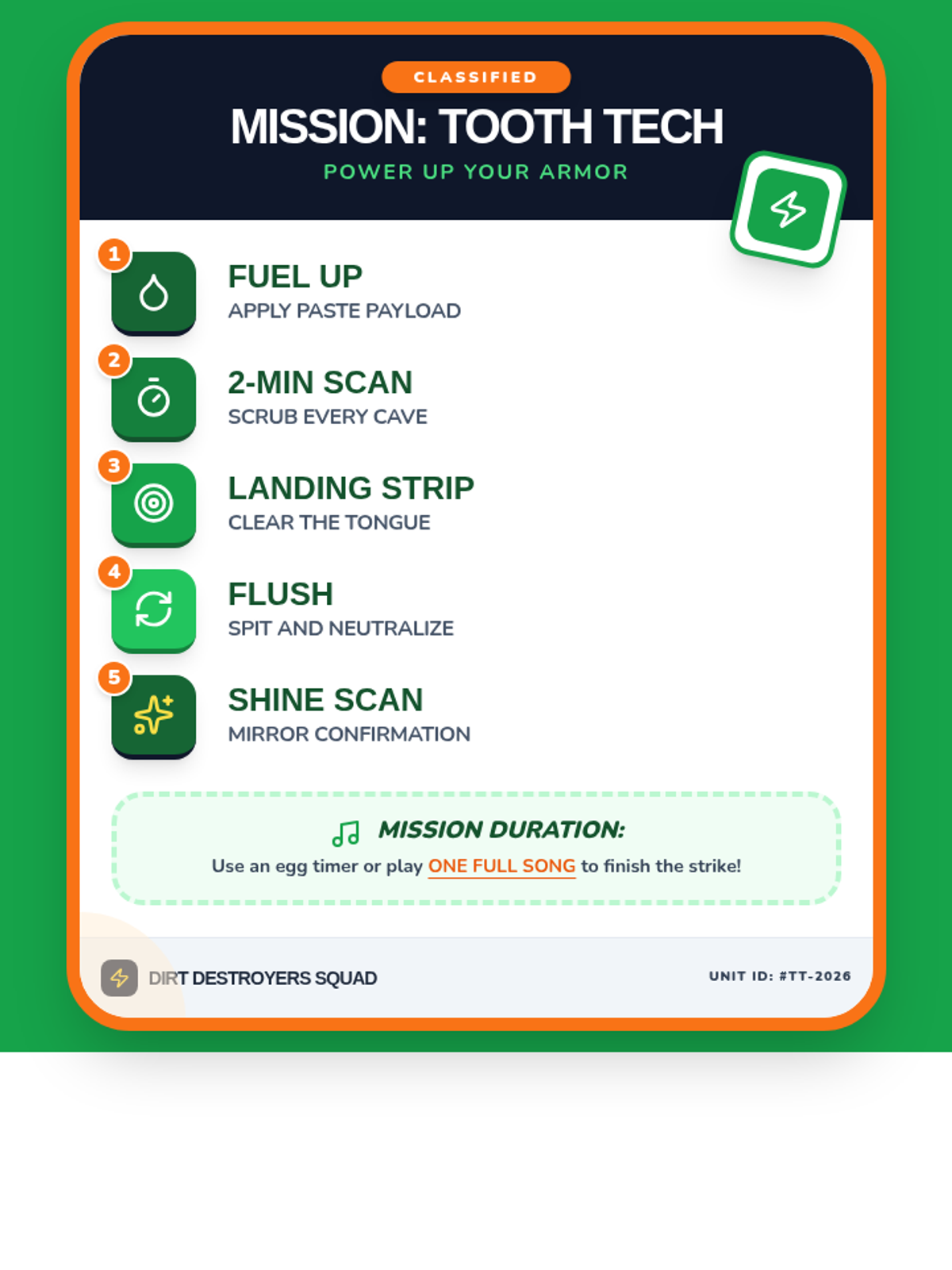
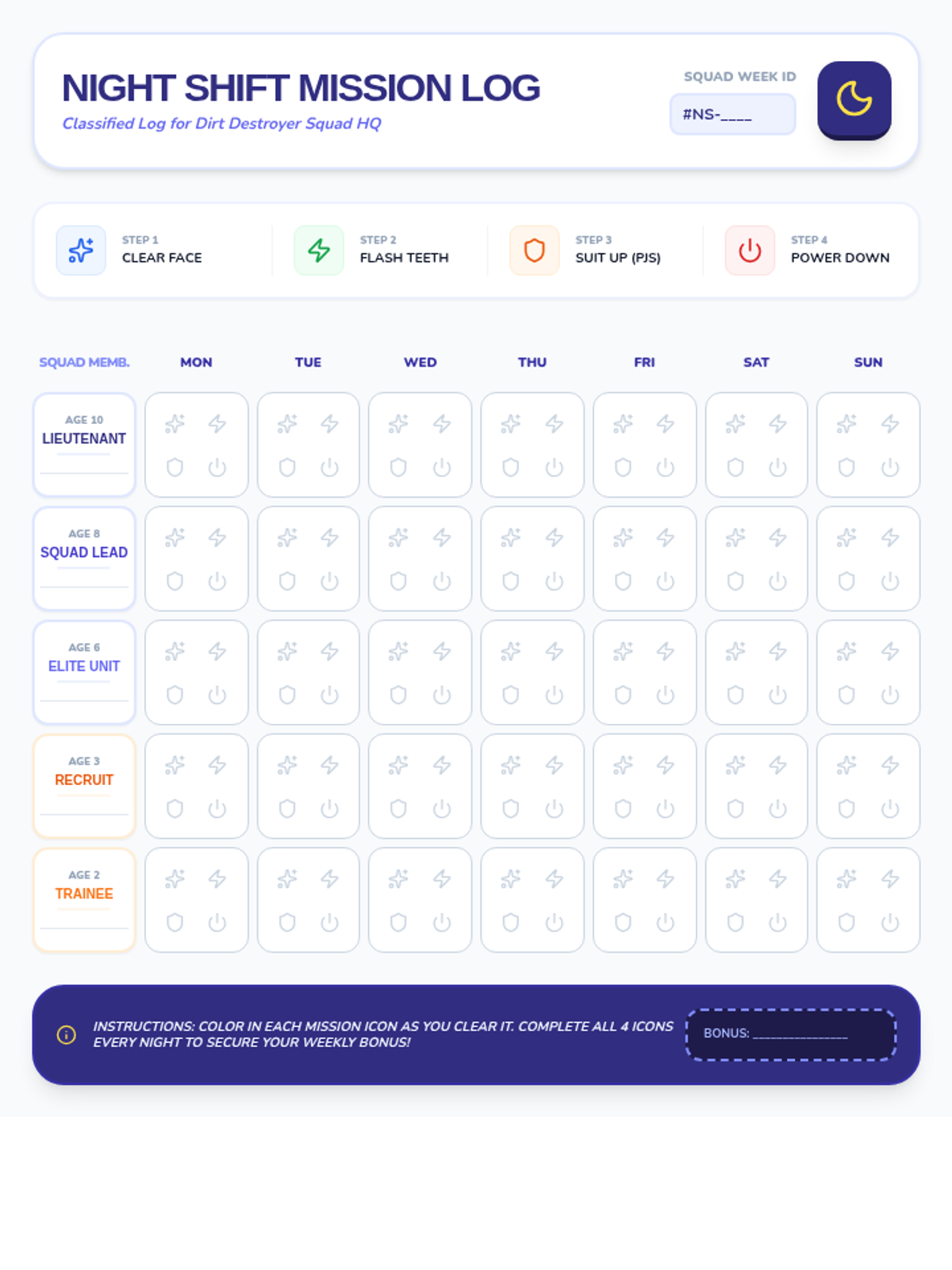
The introductory lesson for the Dirt Destroyers Squad, covering the 'why' of hygiene and the 'how' of daily missions. It includes visual presentations and tools for tracking success across the whole family.
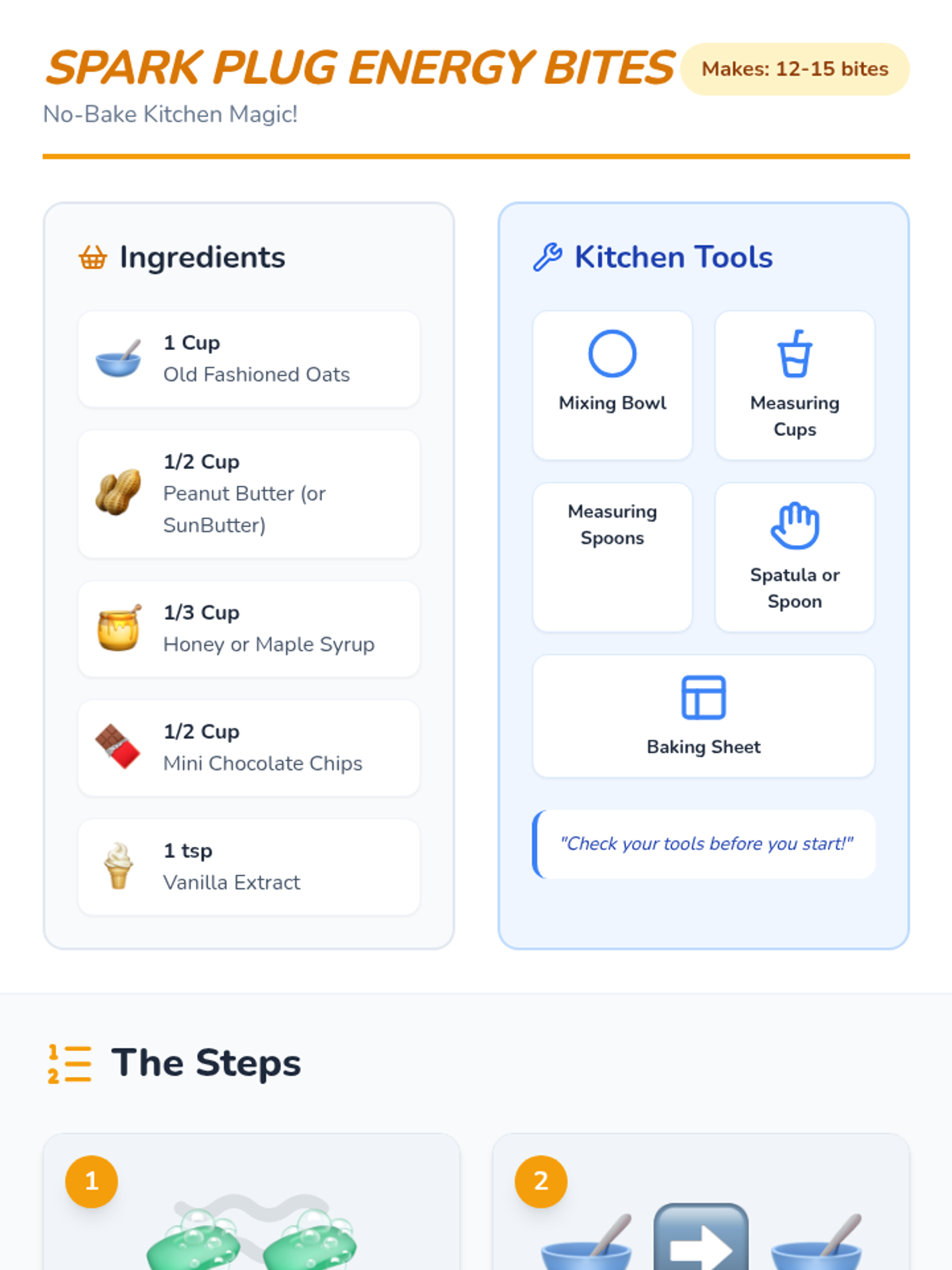
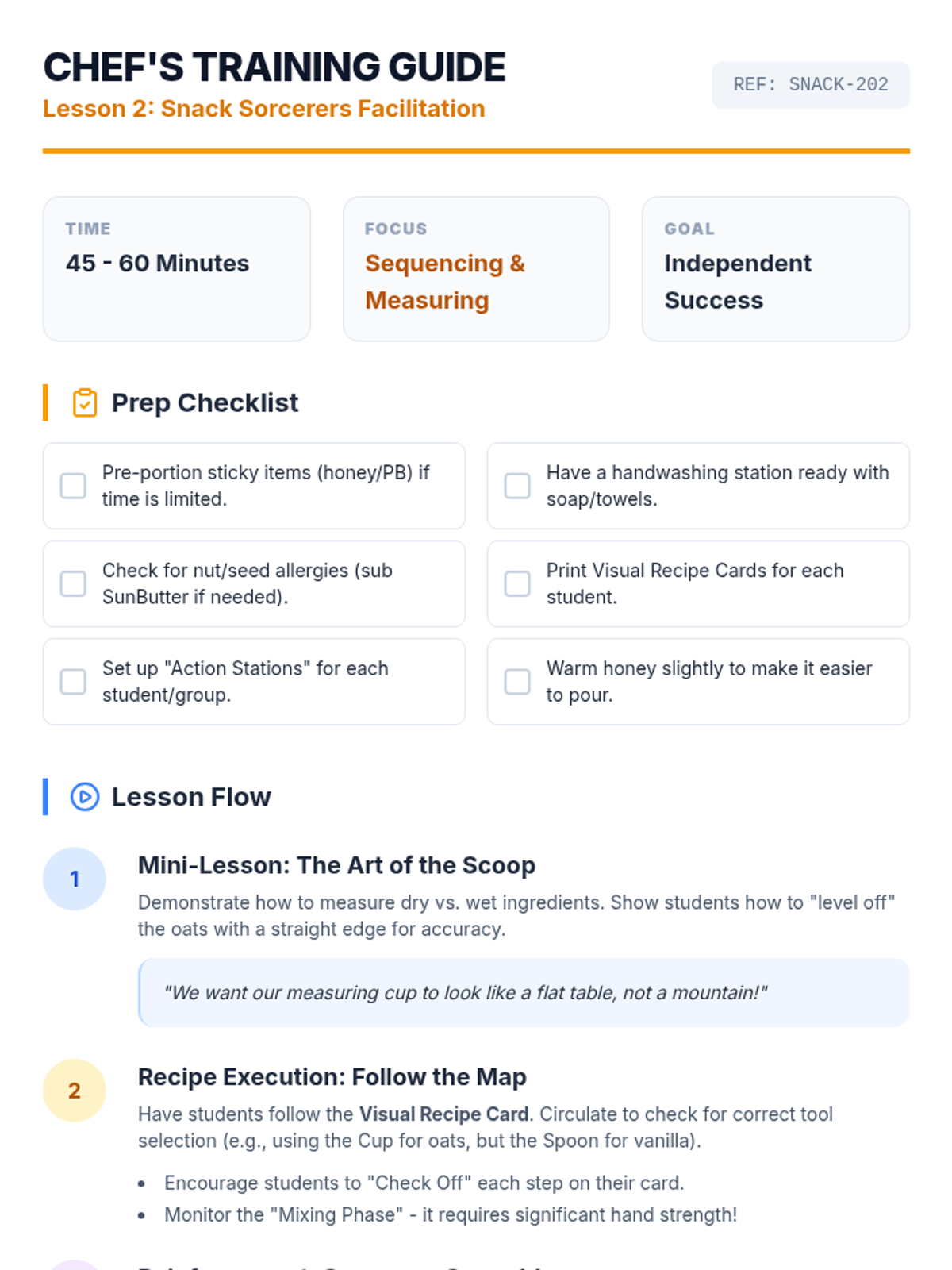
Students follow a visual recipe to create no-bake energy bites, focusing on sequencing, measuring, and independent living skills.
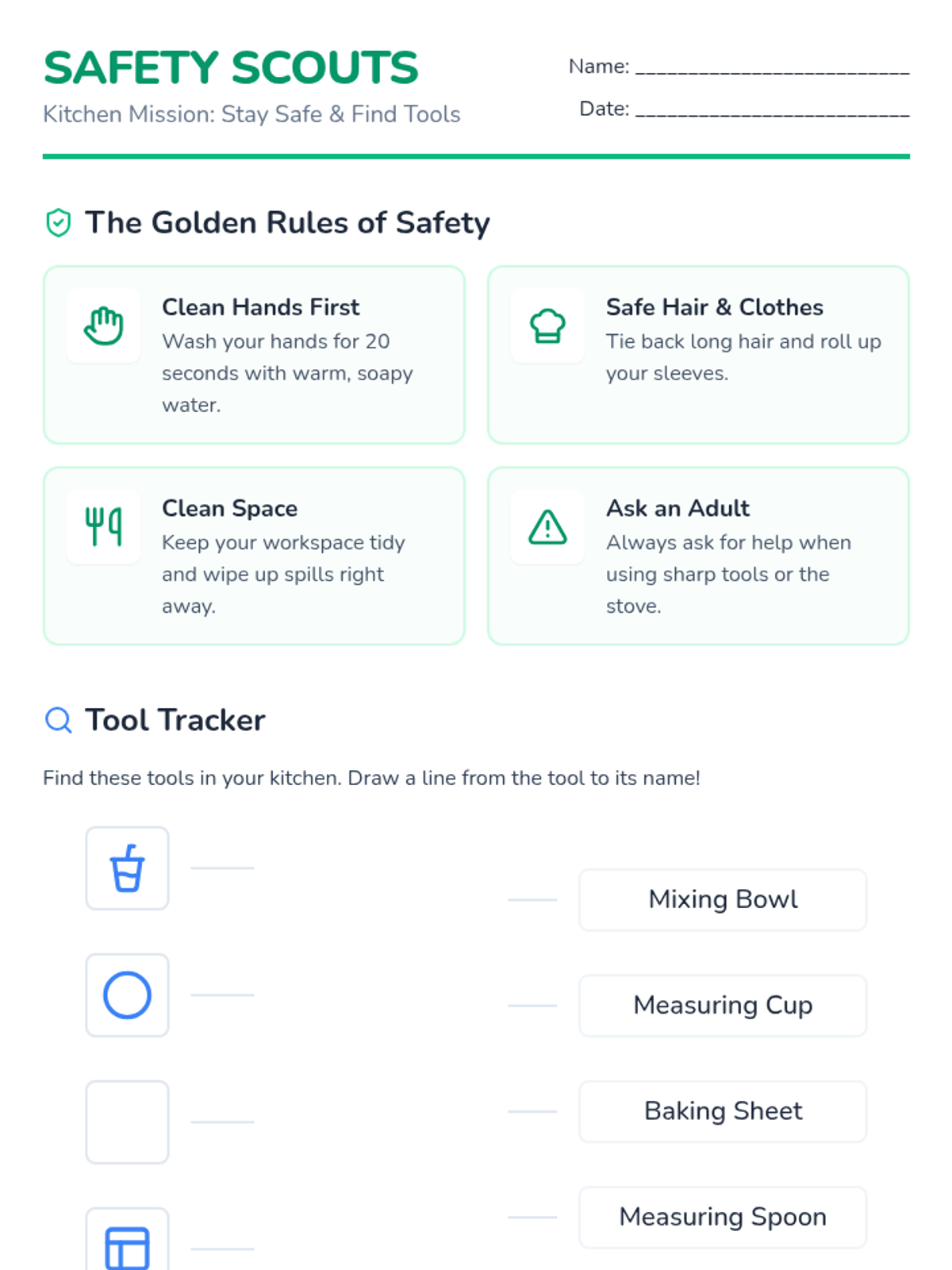
Students learn the essential rules of kitchen safety and identify common measuring tools and kitchen equipment.
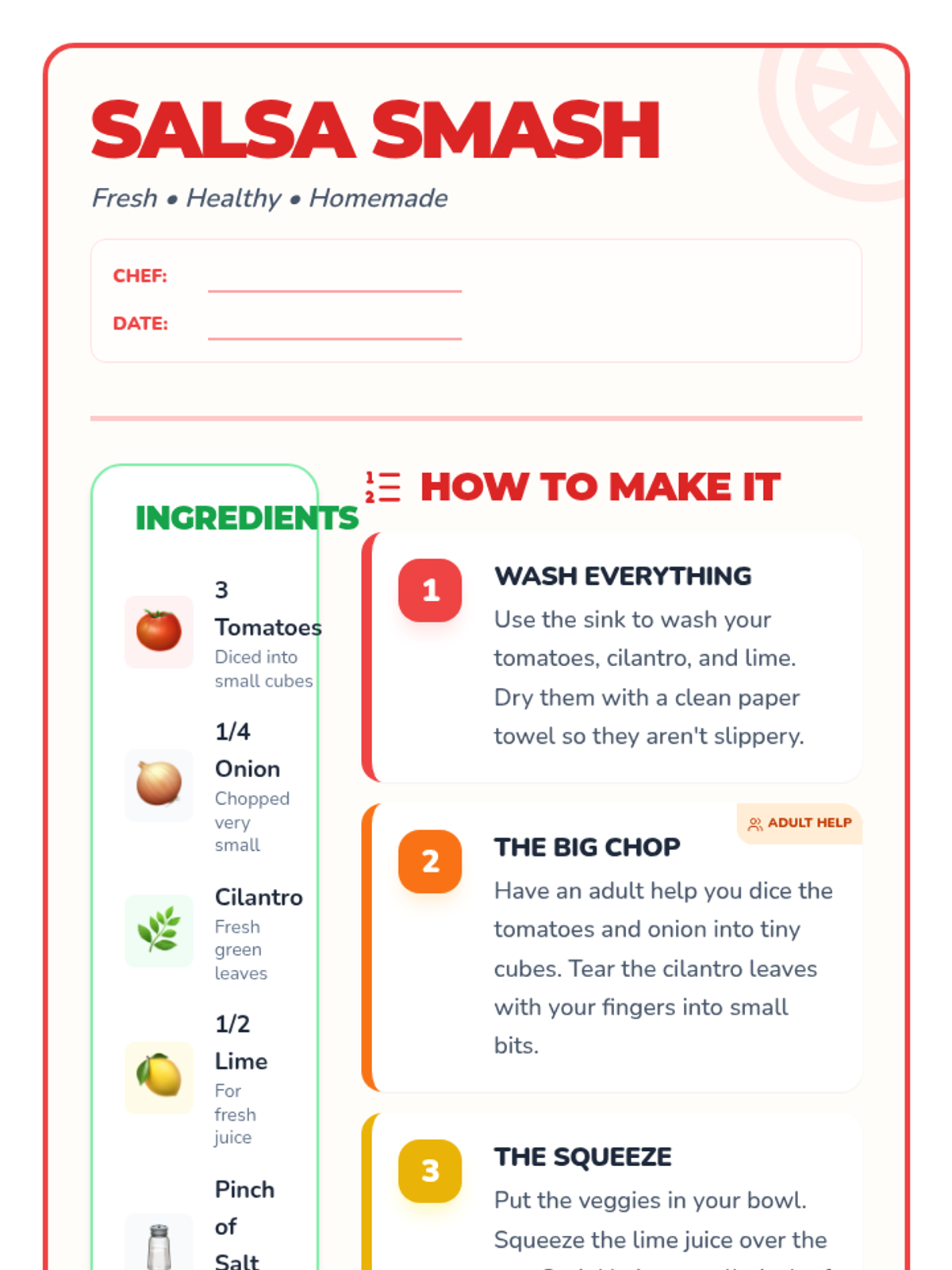
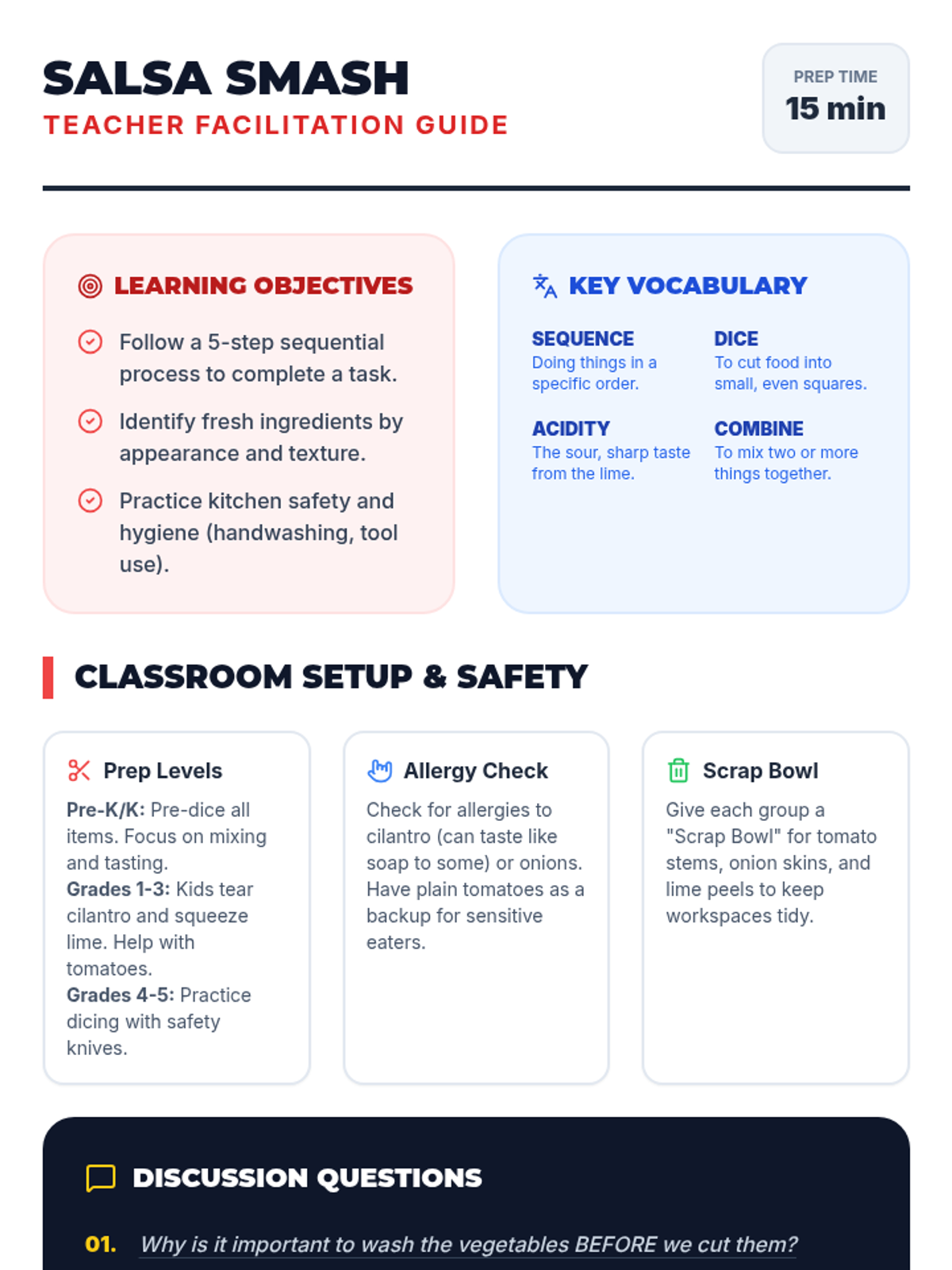
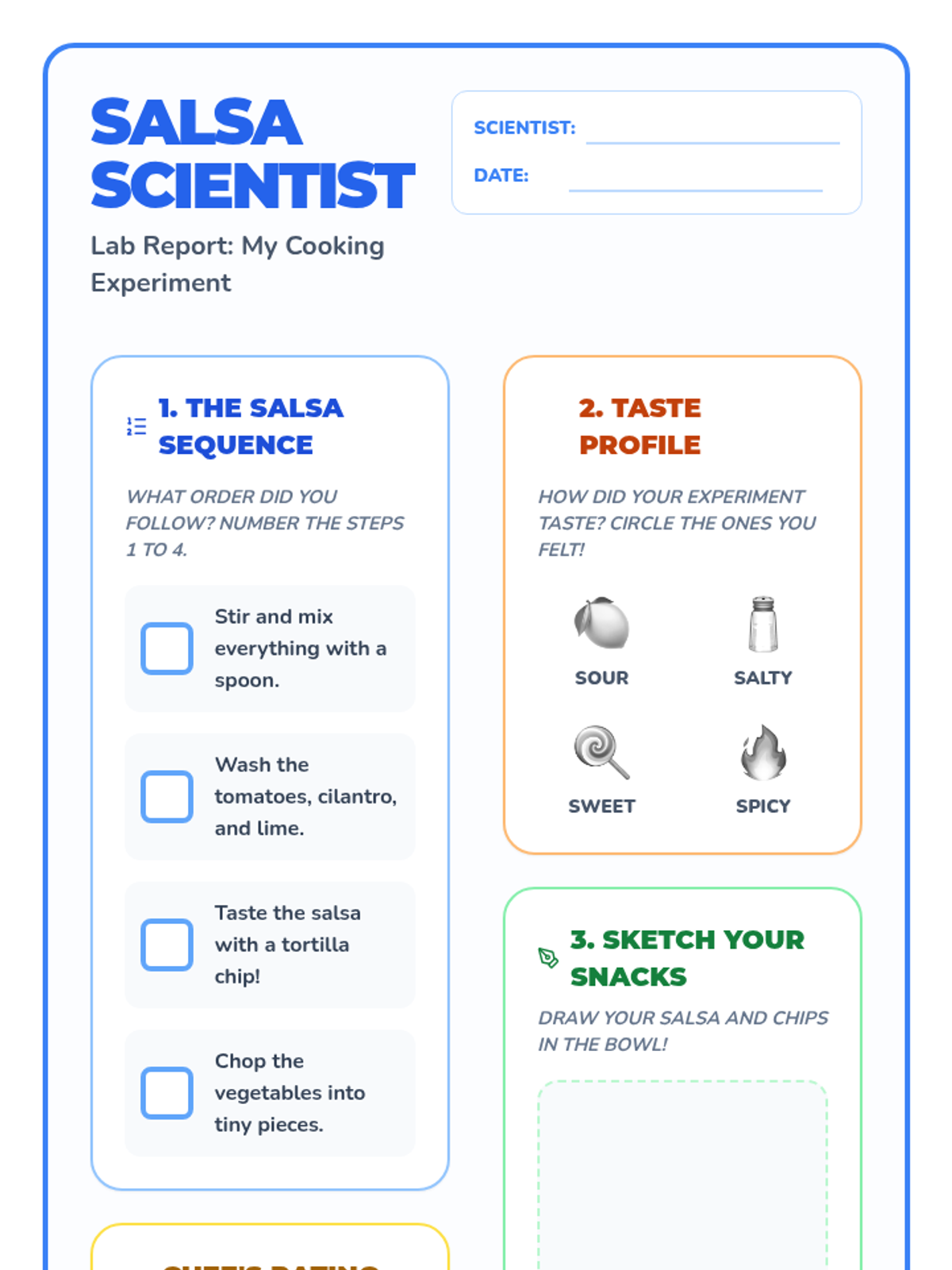
A beginner-friendly cooking lesson focused on following sequential instructions and identifying fresh ingredients while making a simple salsa.
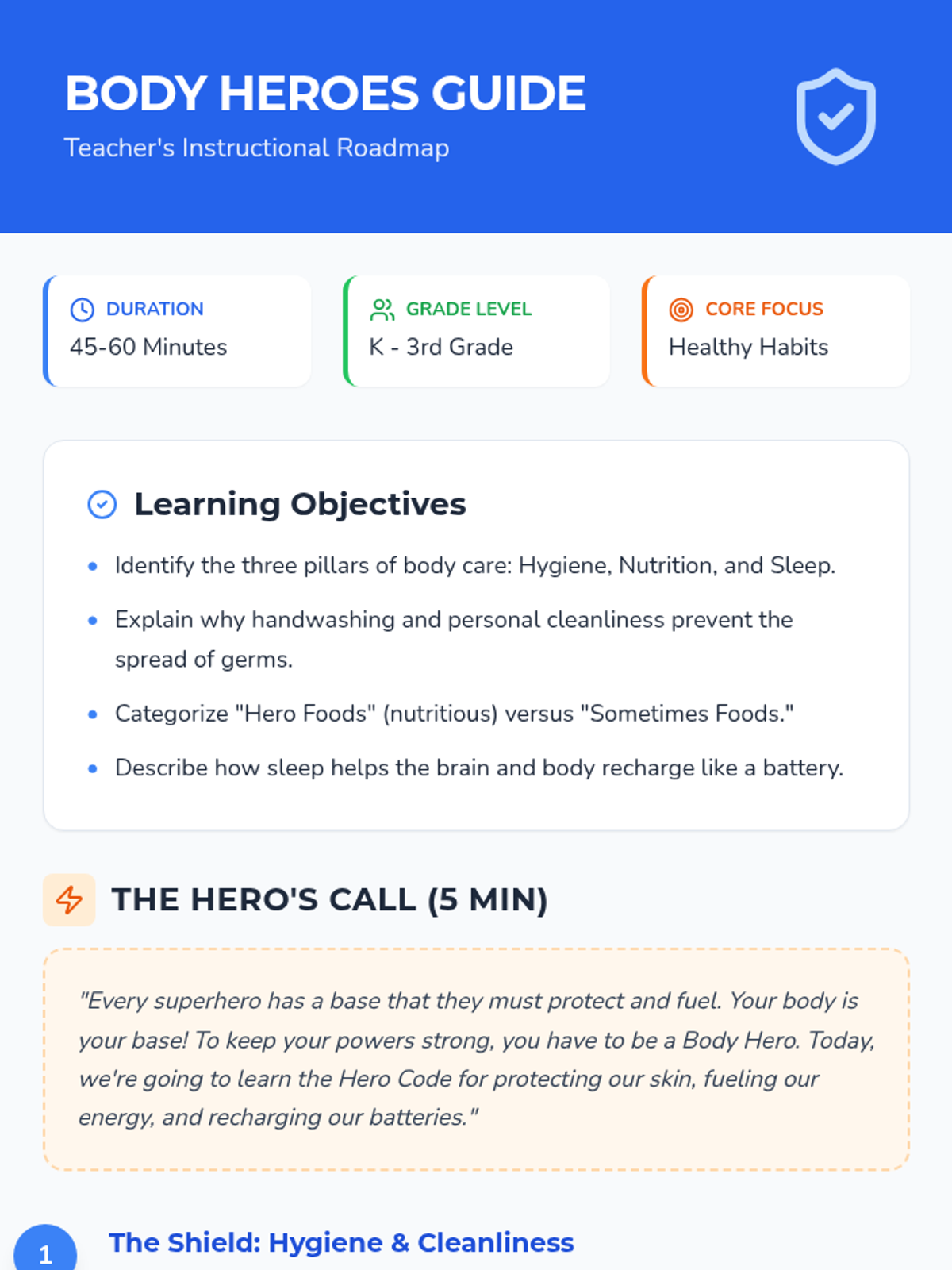
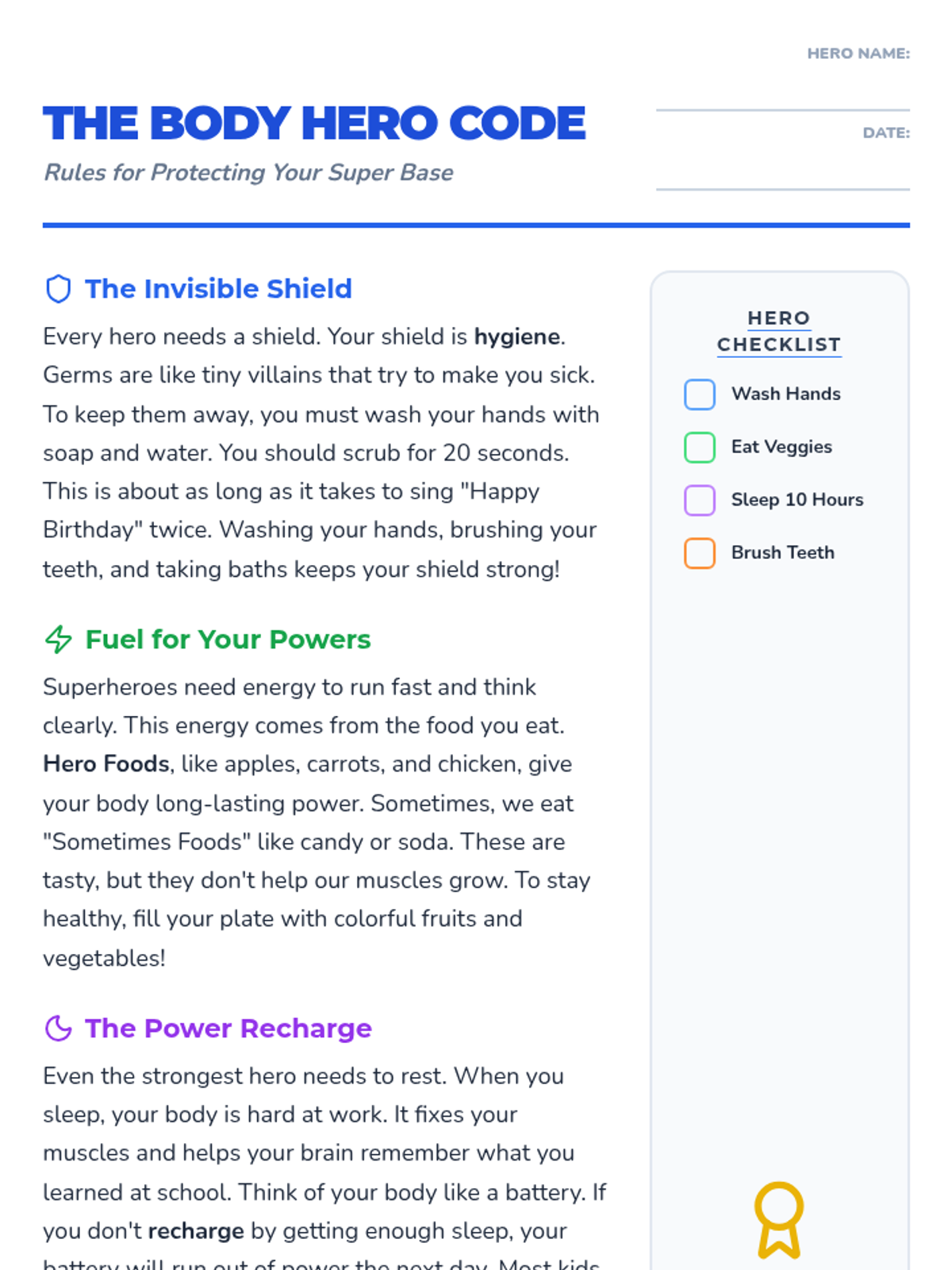
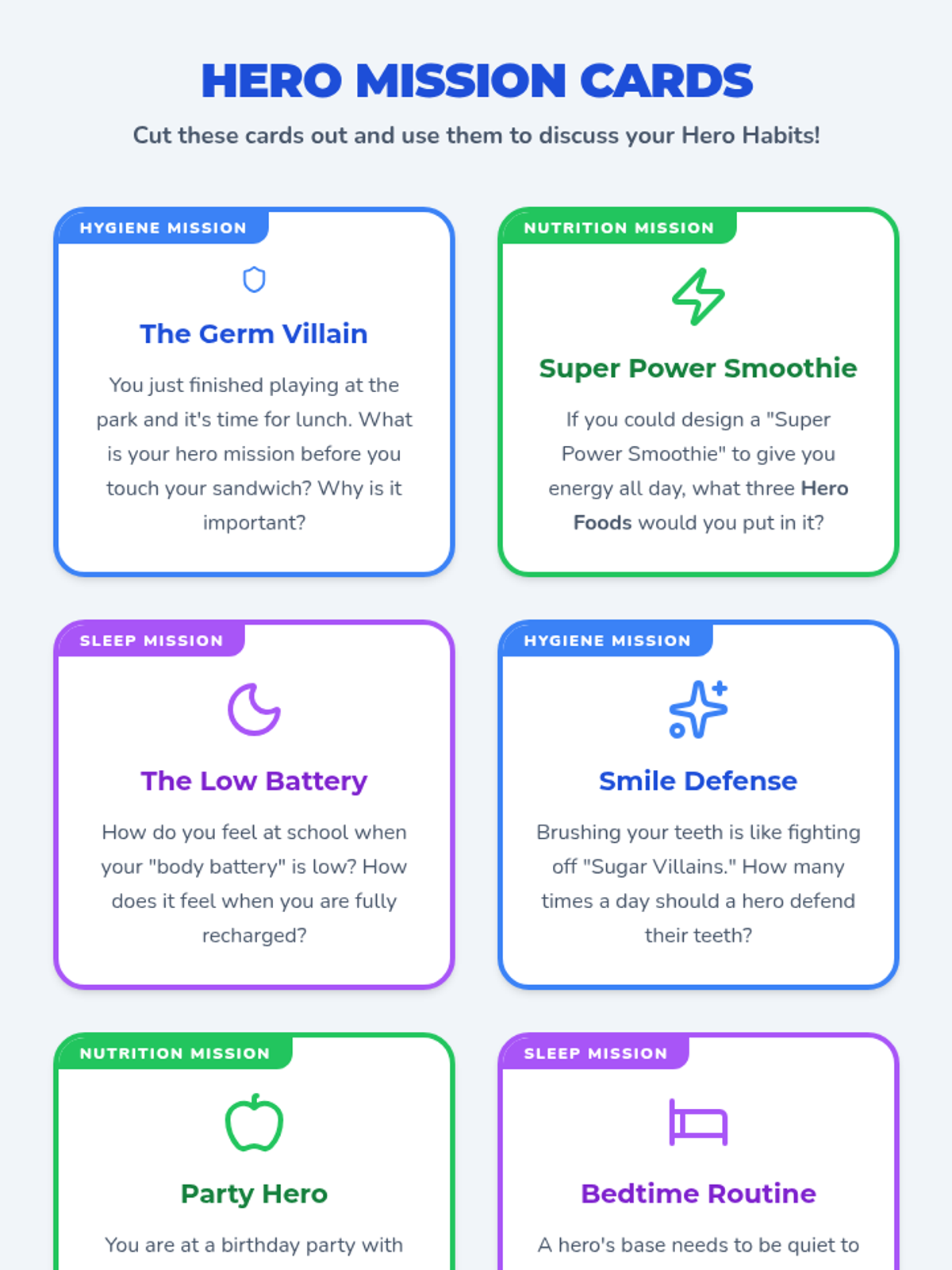
A foundational lesson on physical health focusing on hygiene, nutrition, and sleep. Students learn to view themselves as 'Body Heroes' who protect and fuel their systems through daily habits.
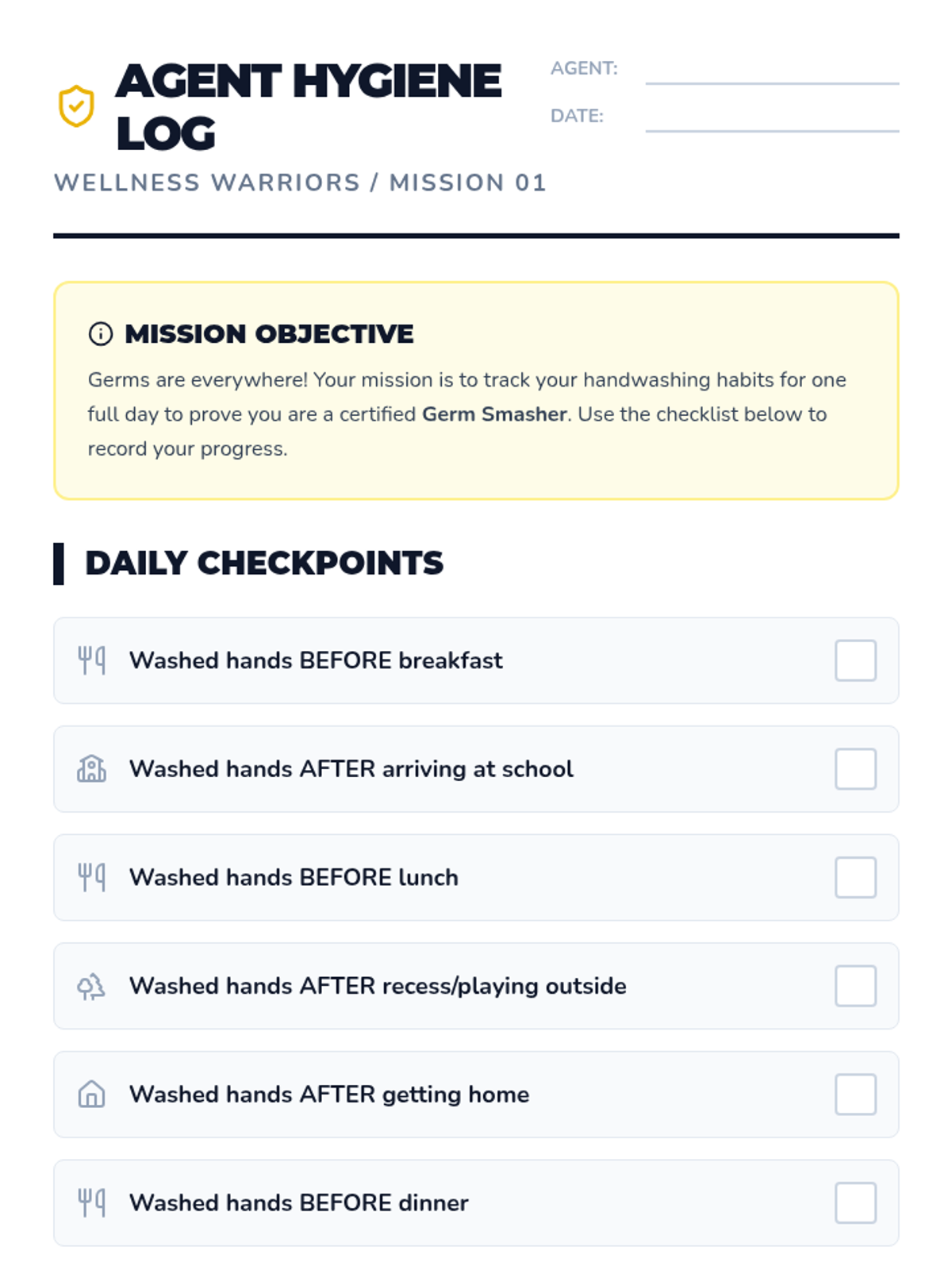
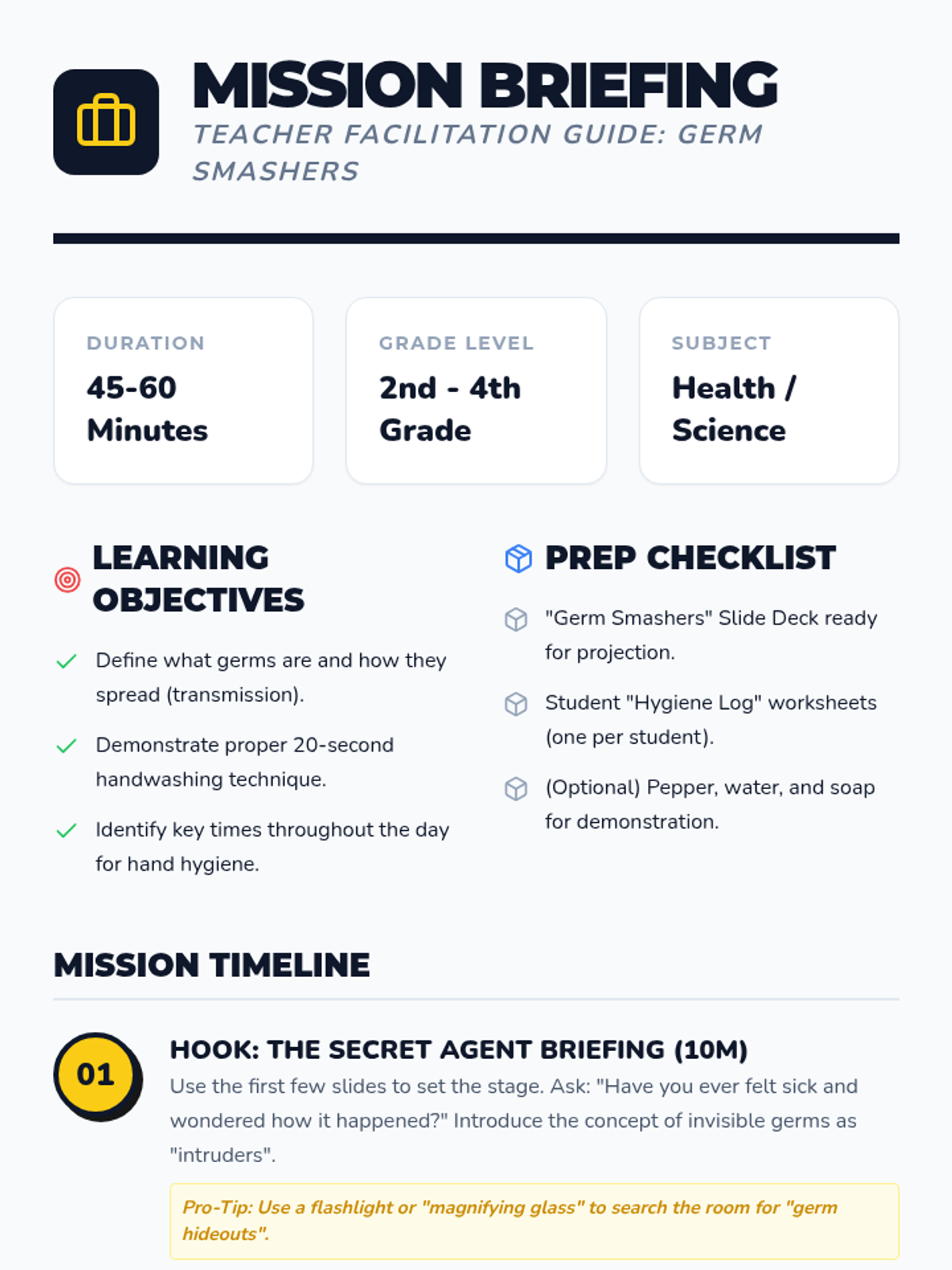
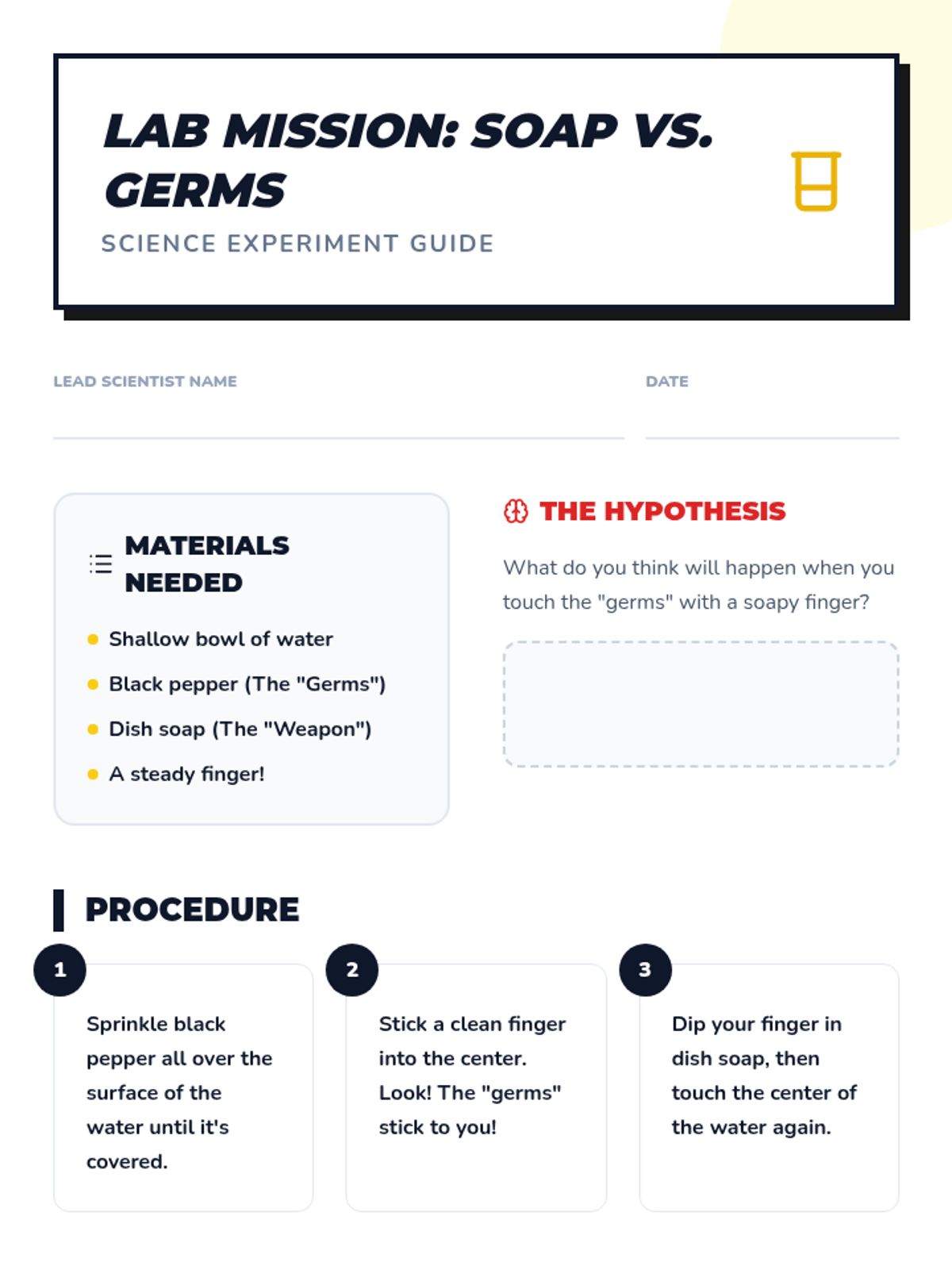
Students become 'Health Agents' to learn about how germs spread and the science of handwashing through interactive demonstrations and mission-based logs. They will identify common germ 'hideouts' and master the 20-second handwashing technique.
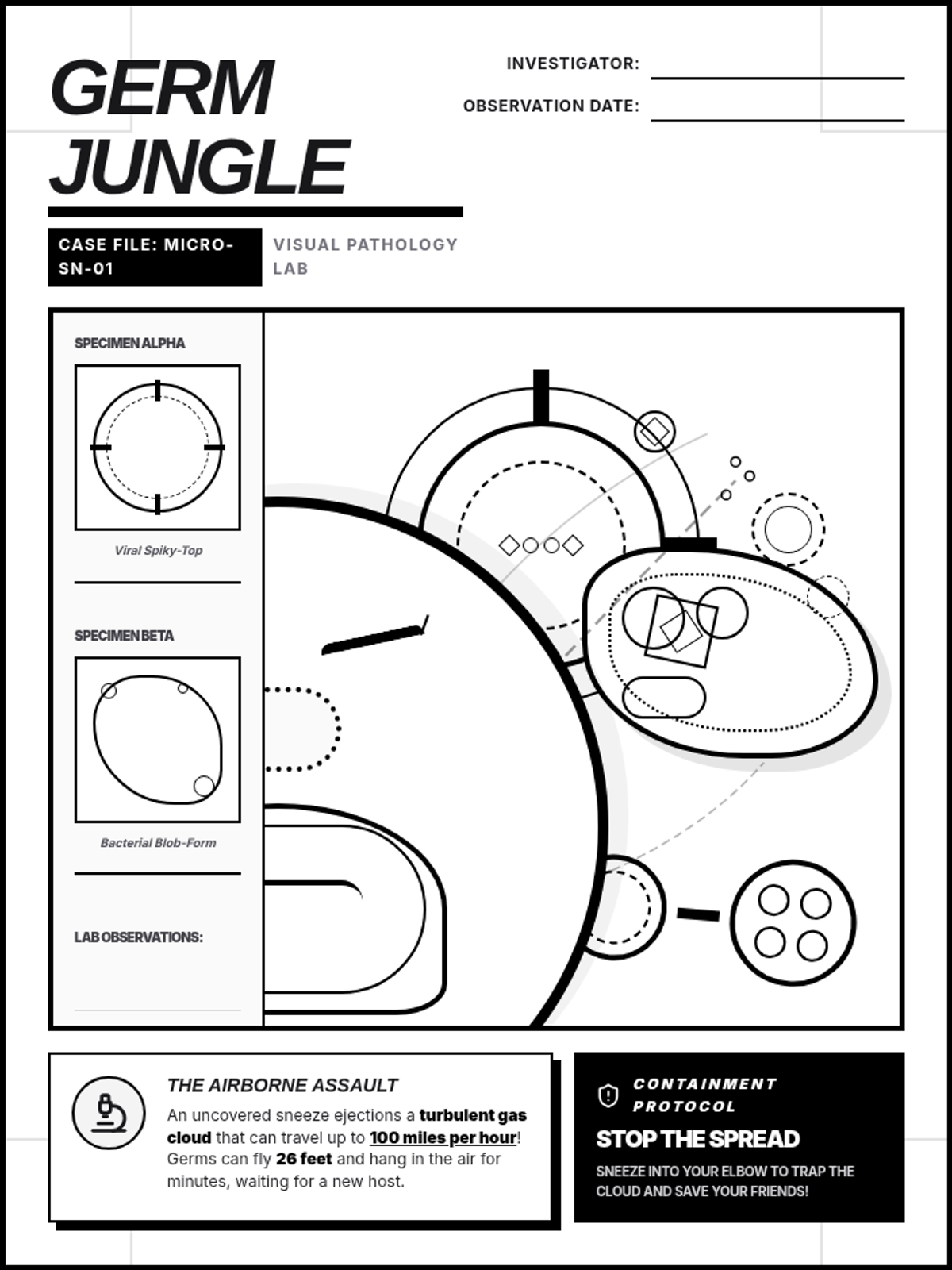
Students explore how germs travel through the air during a sneeze and learn the importance of hygiene through detailed visual exploration.
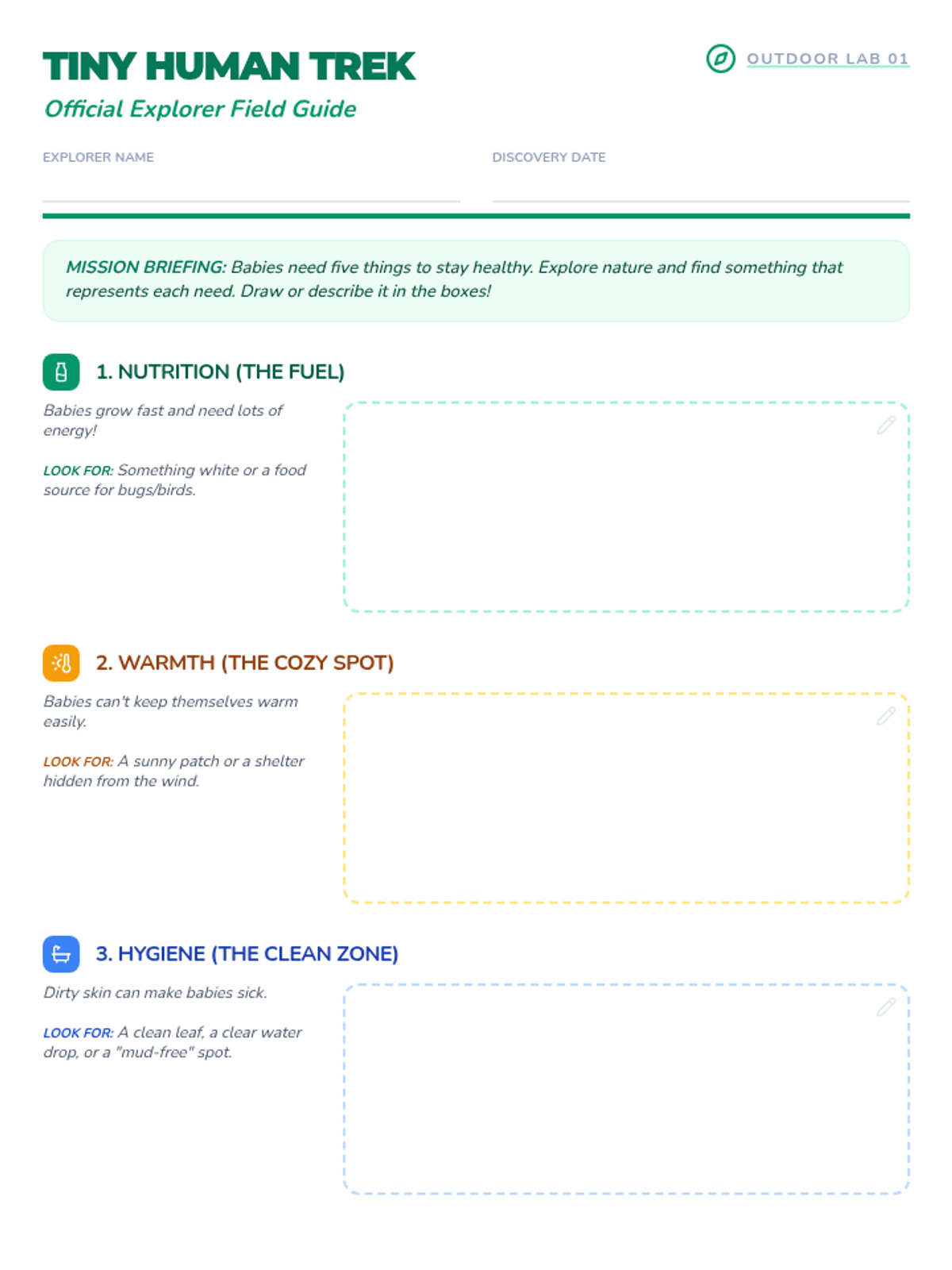
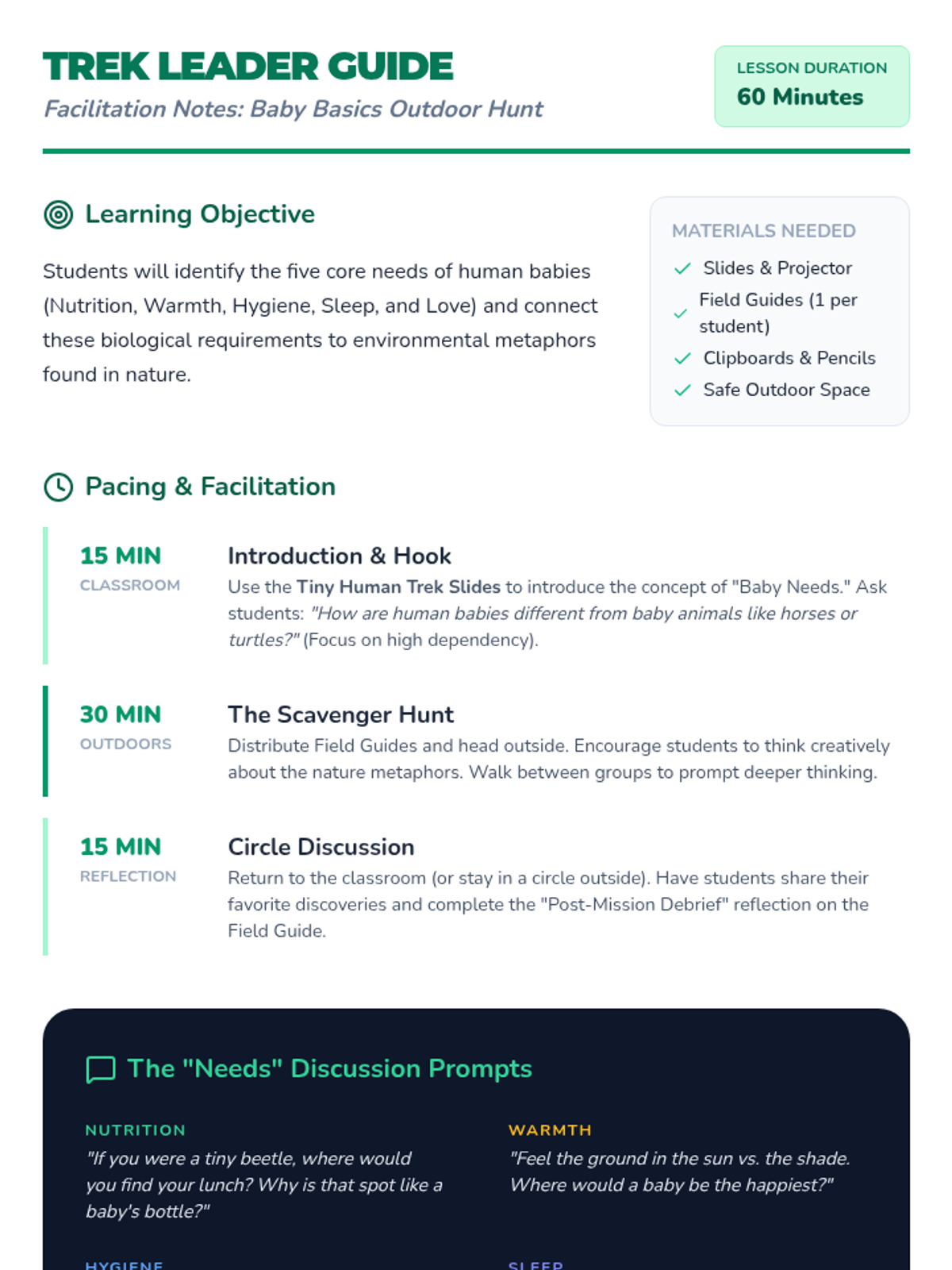
An outdoor exploration where students discover the essential needs of human babies through a nature-themed scavenger hunt, connecting biological needs to environmental metaphors.
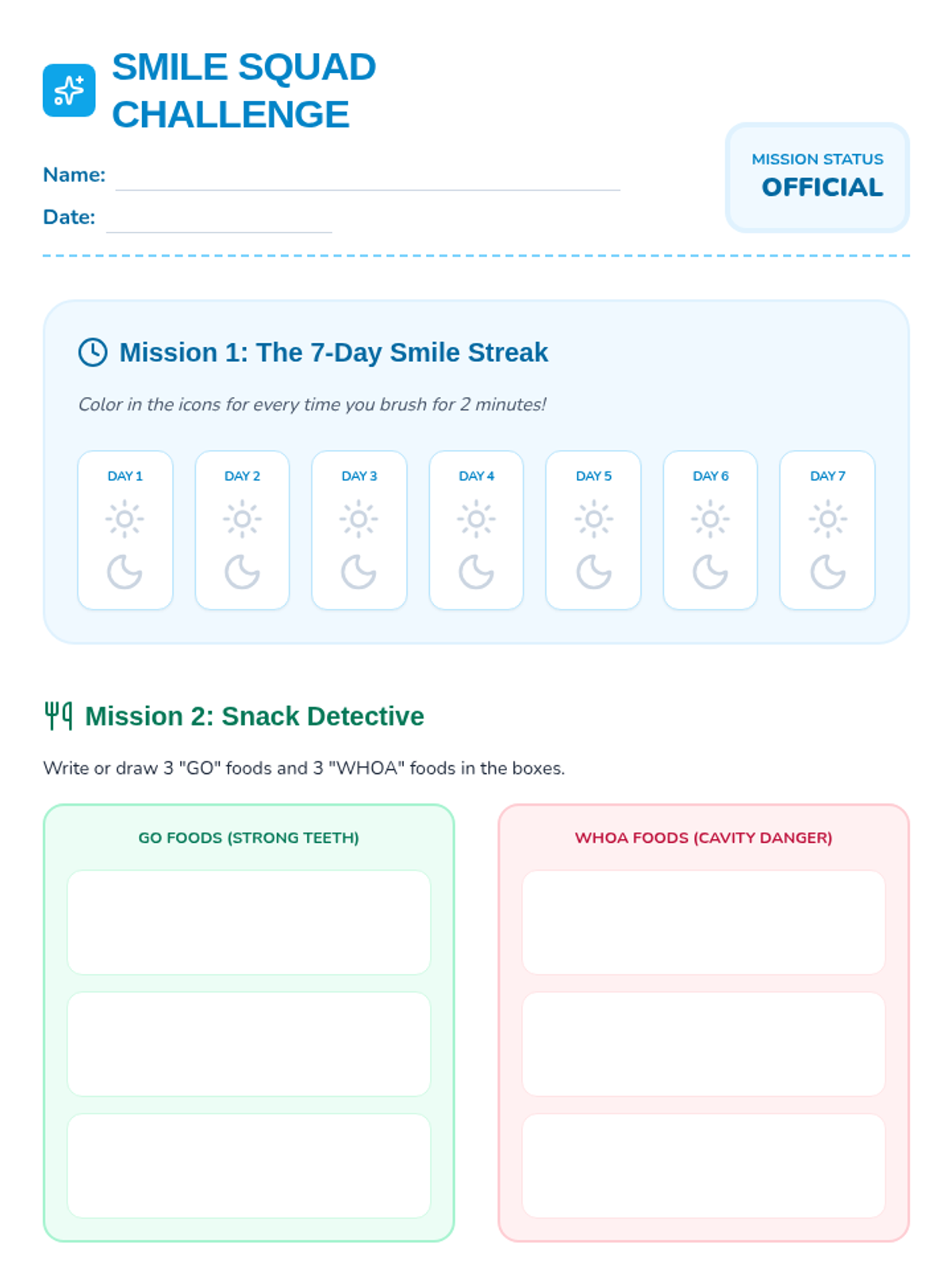
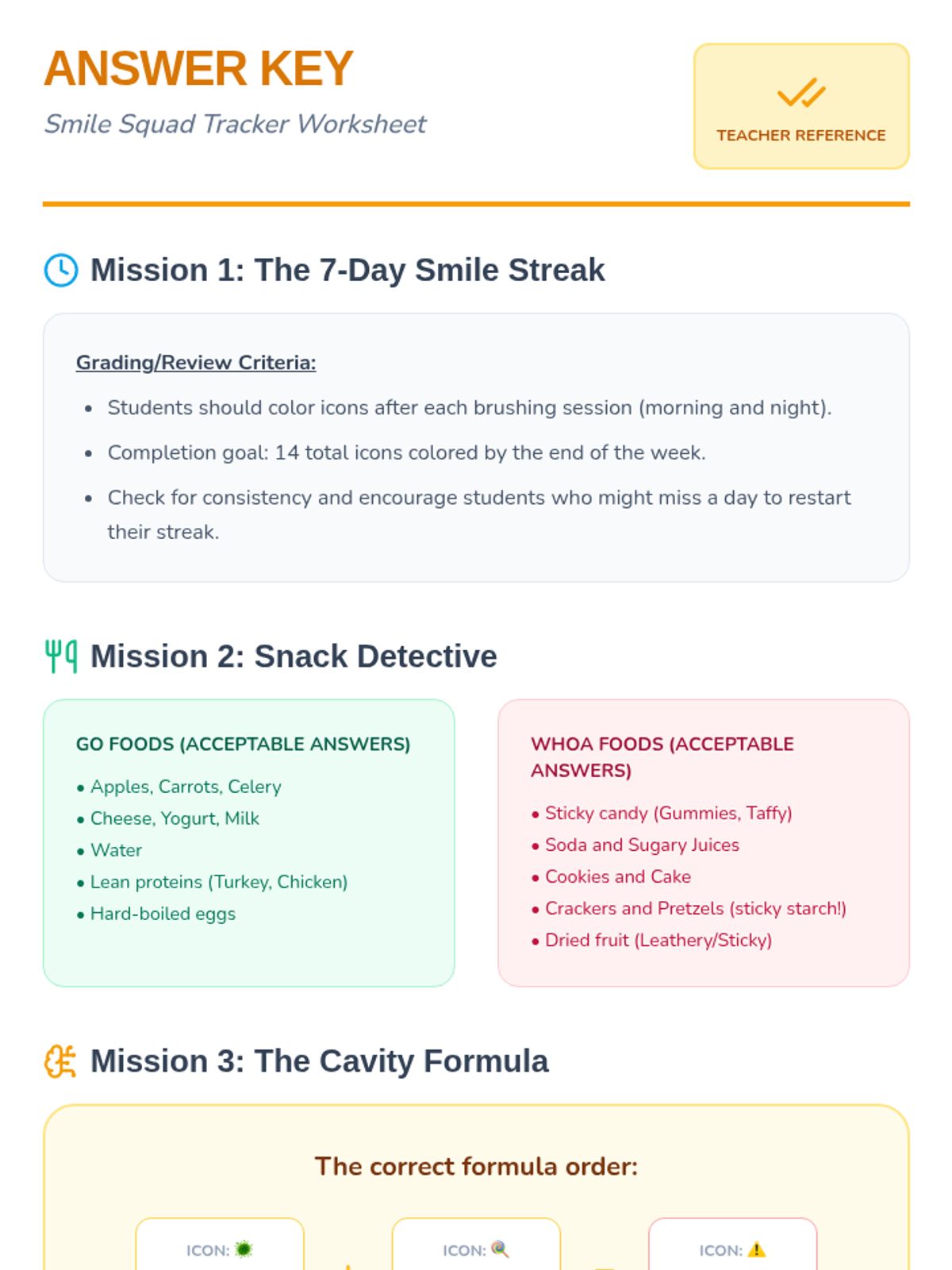
A comprehensive lesson plan and set of resources for teaching elementary students about dental hygiene, focusing on cavity prevention, proper technique, and nutrition.
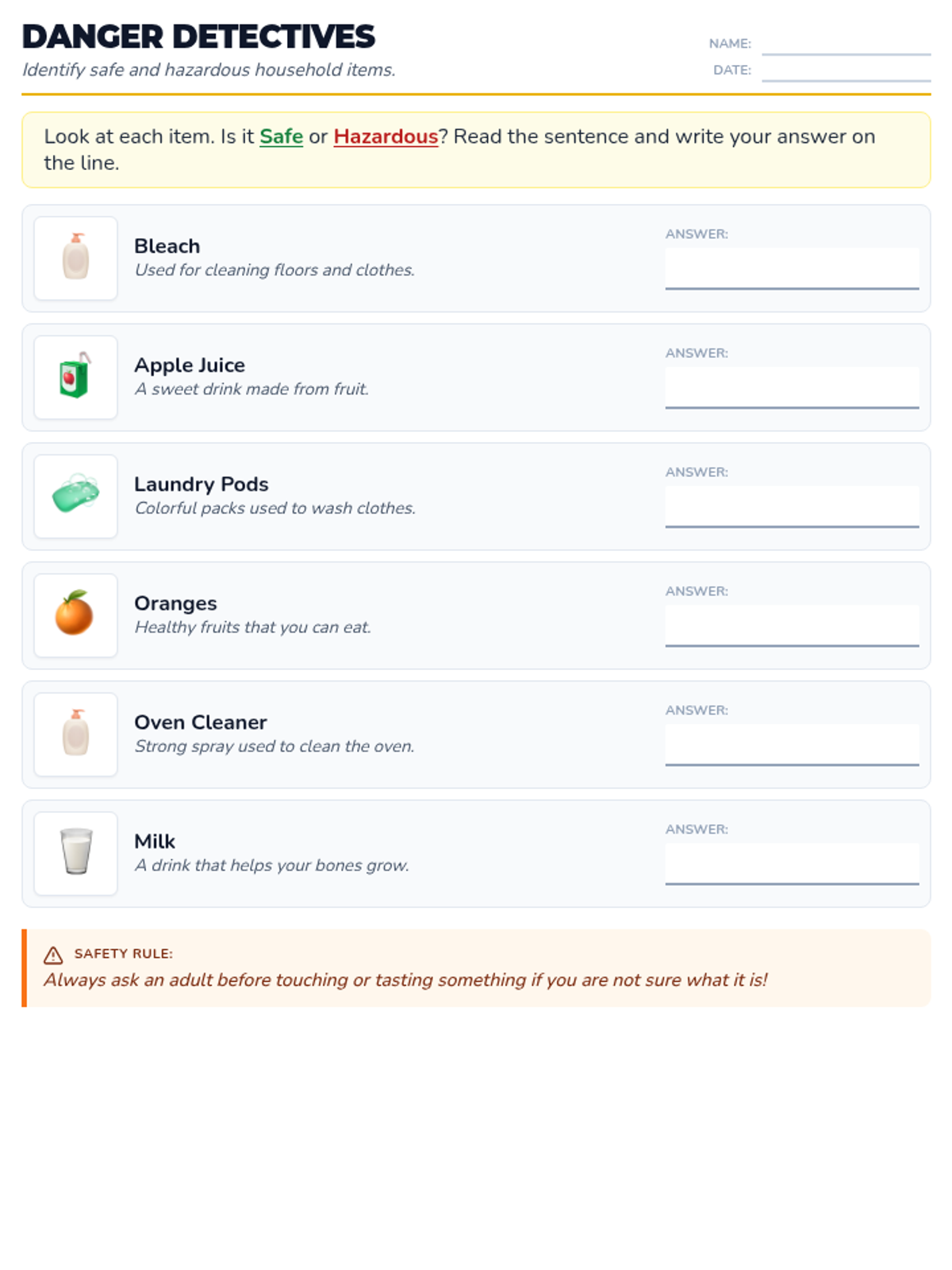
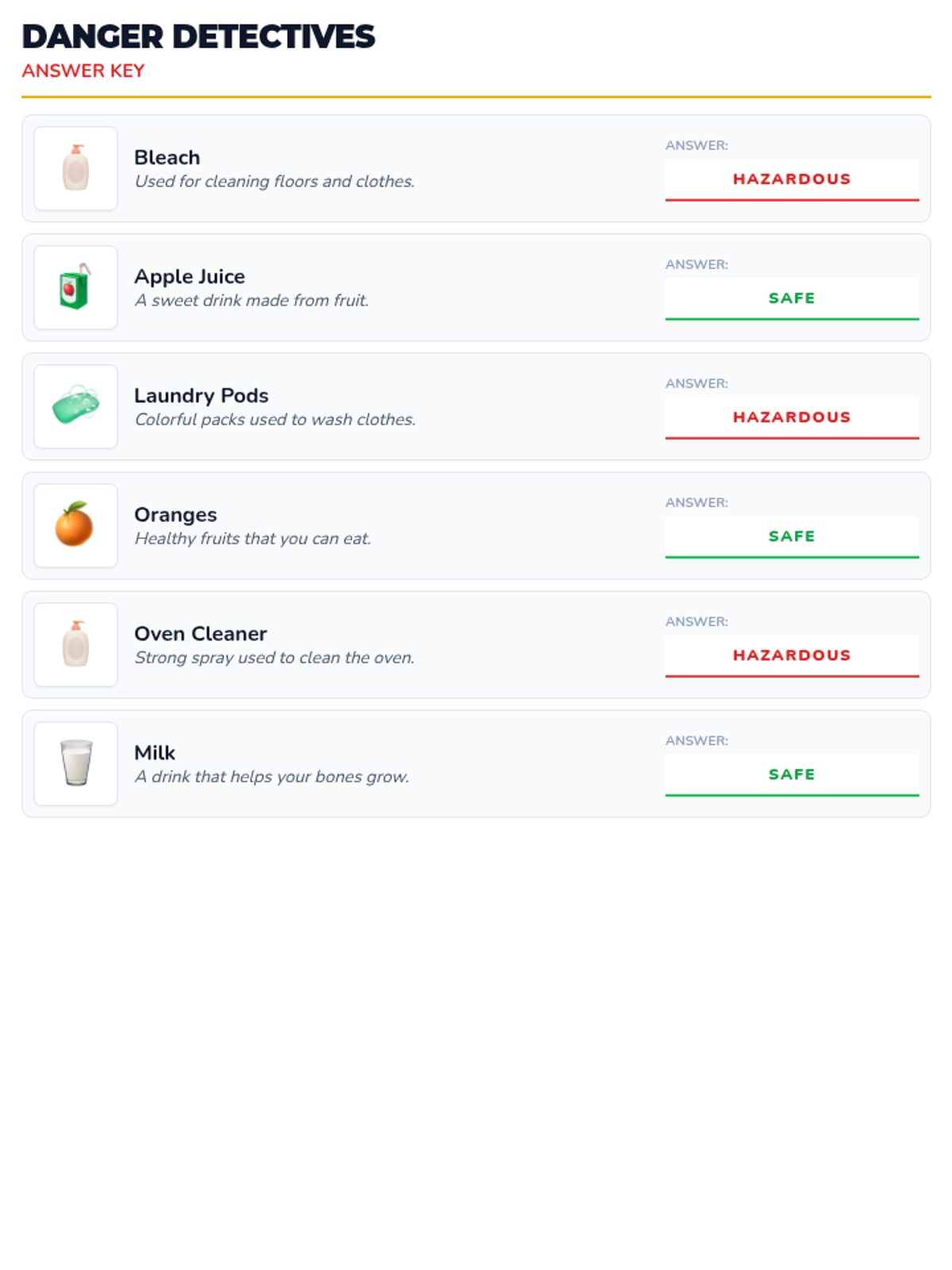
Students learn to distinguish between safe household items and hazardous substances through visual identification and descriptive clues.
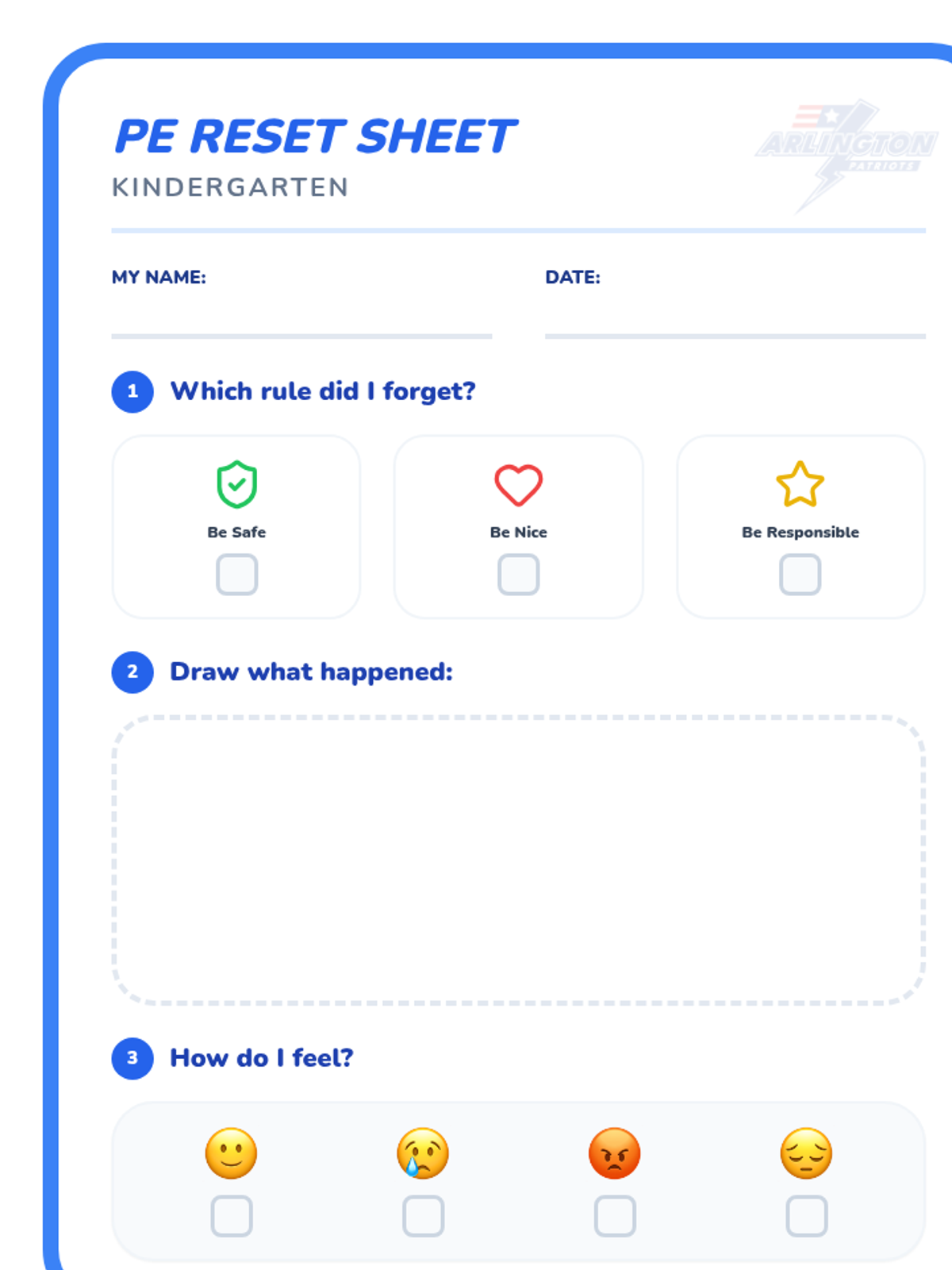
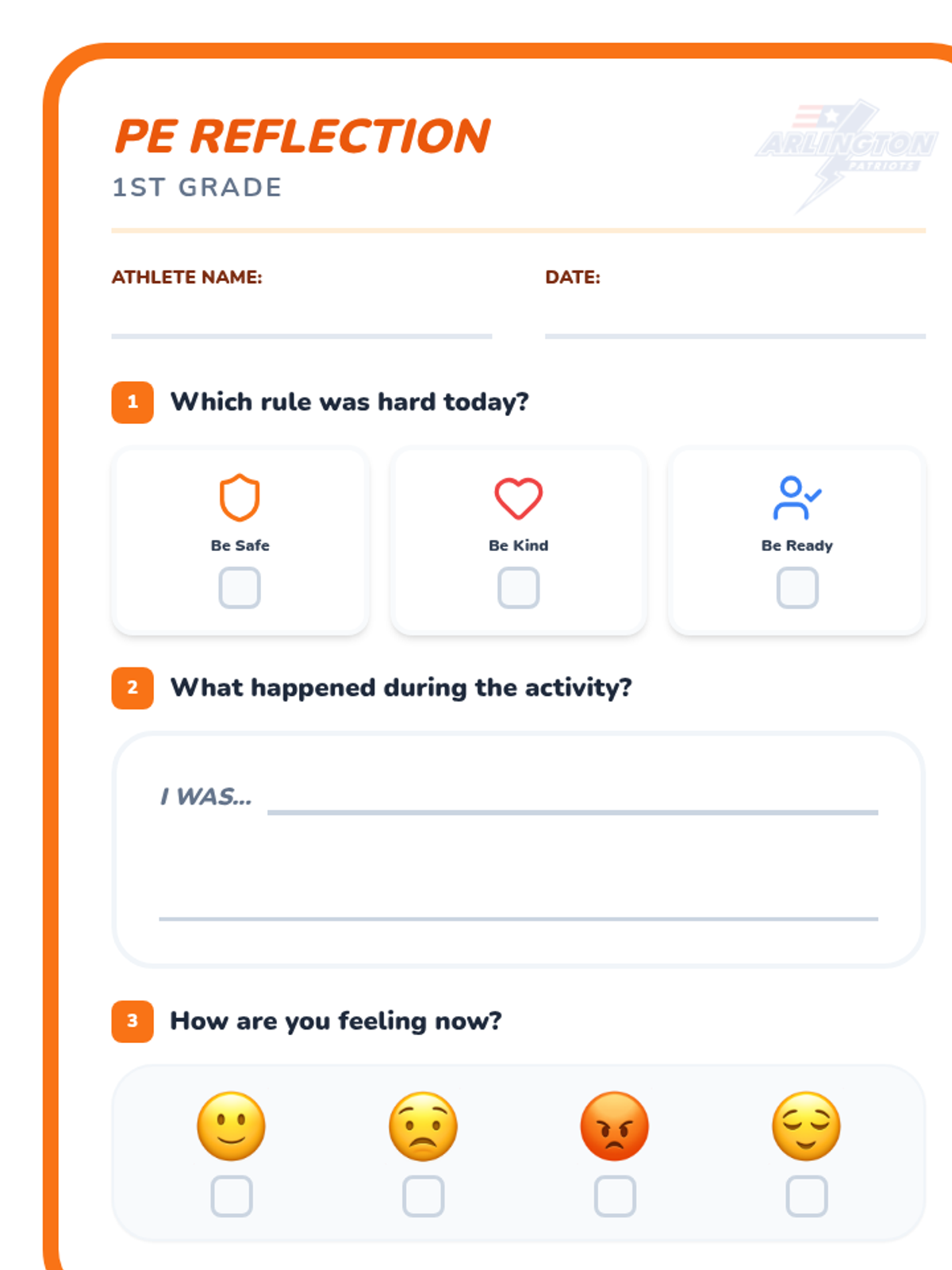
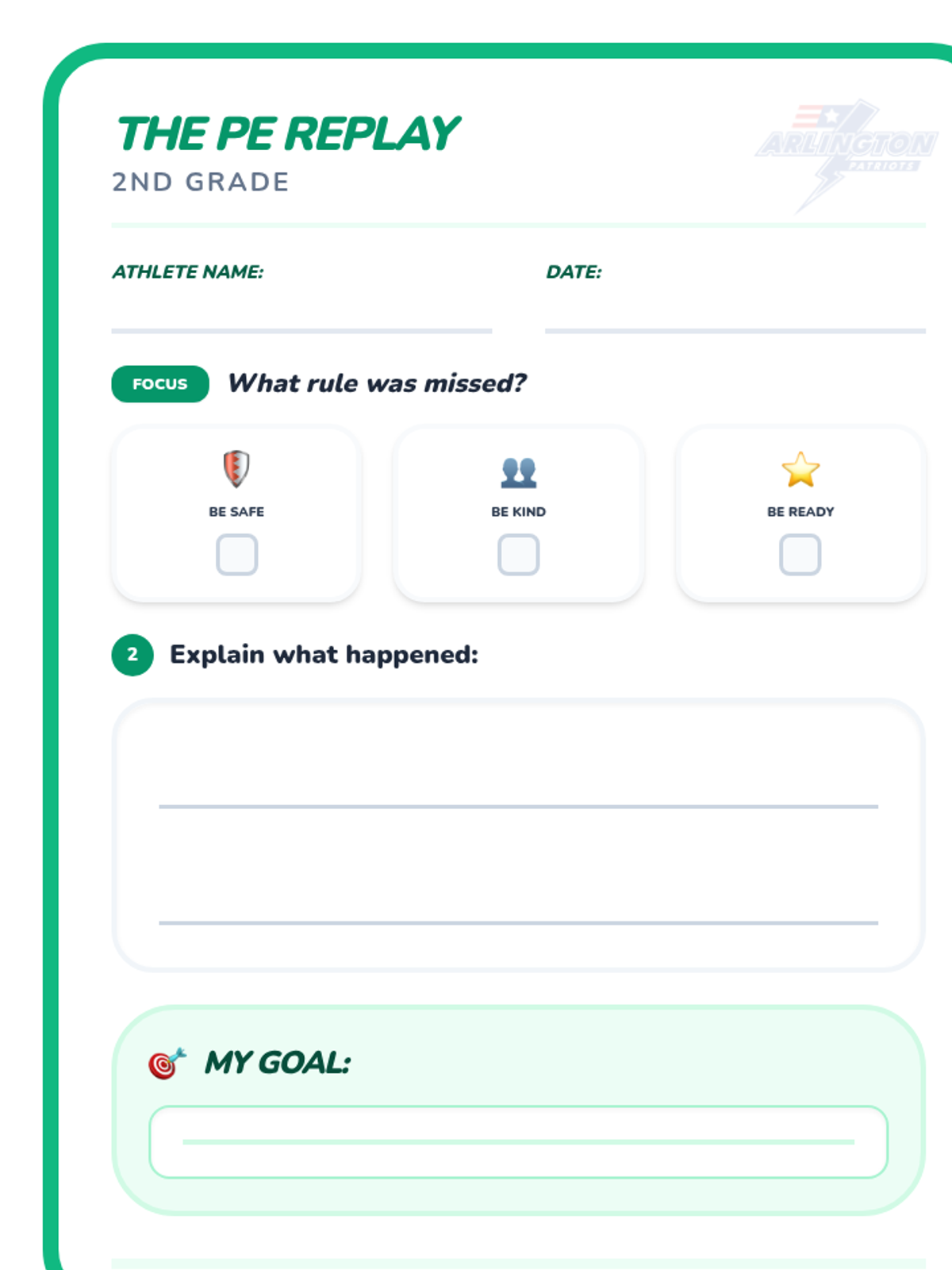
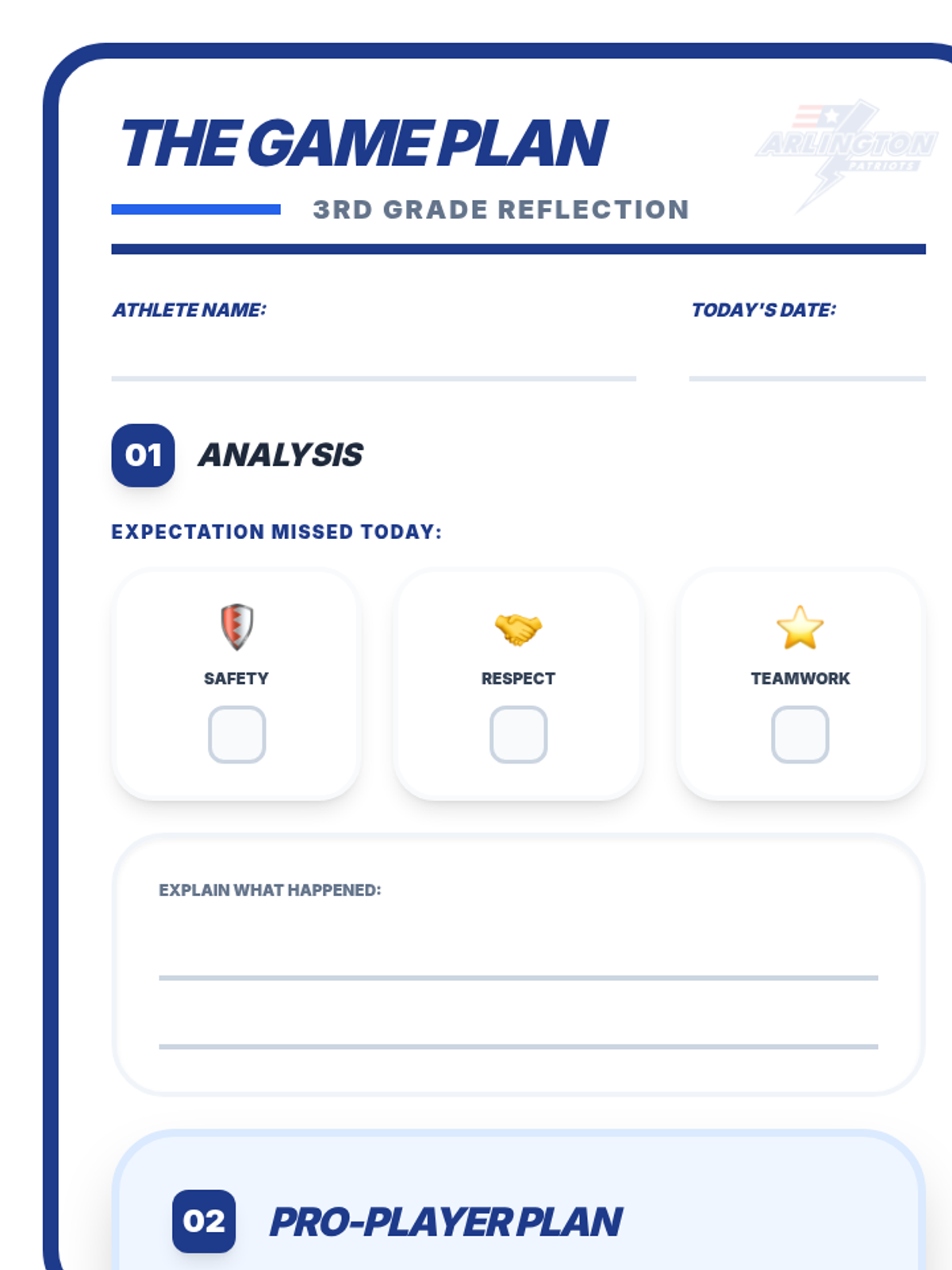
A collection of age-appropriate reflection sheets for Physical Education, designed to help students from Kindergarten through 3rd grade reflect on behavior and expectations.
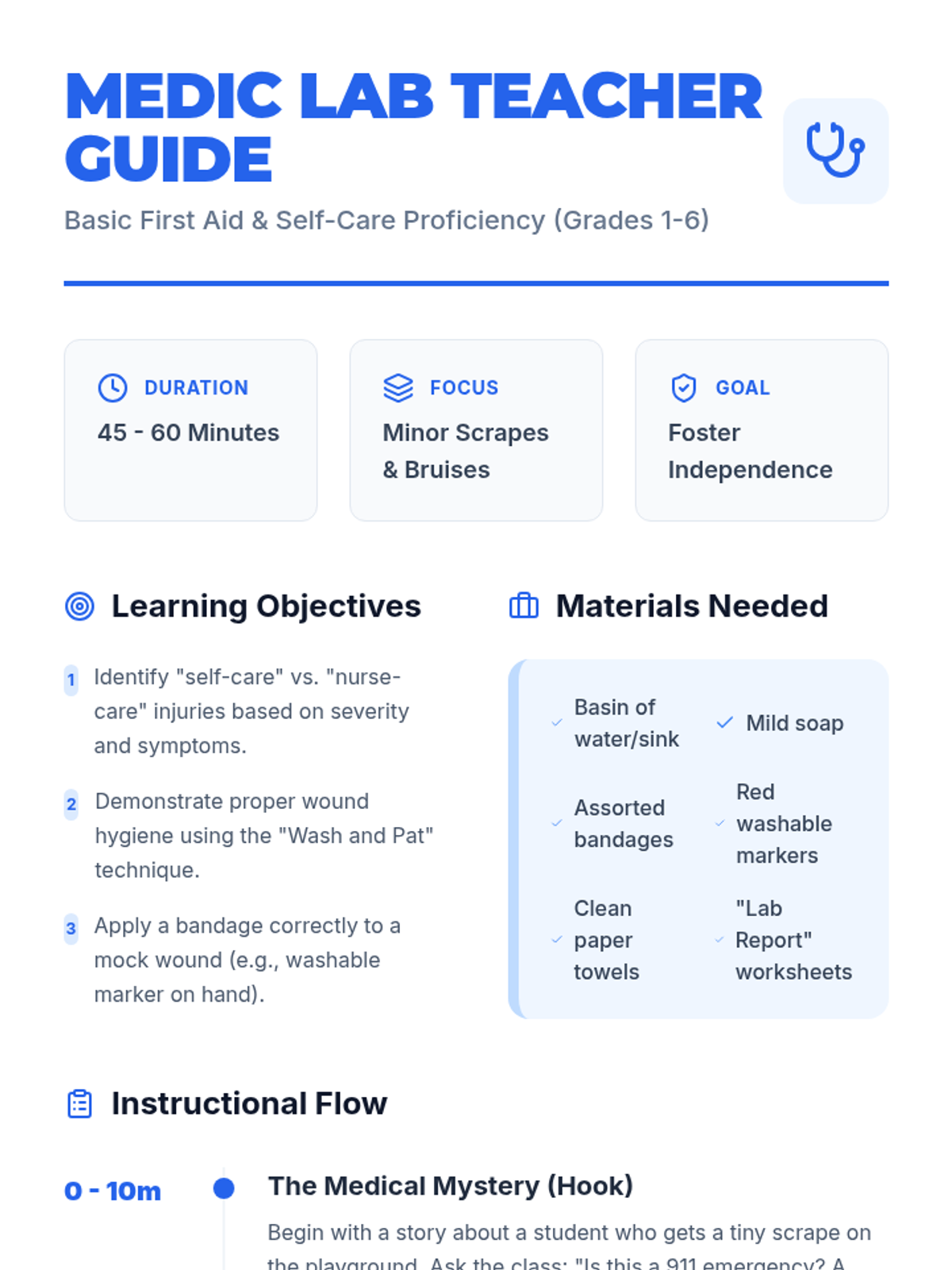
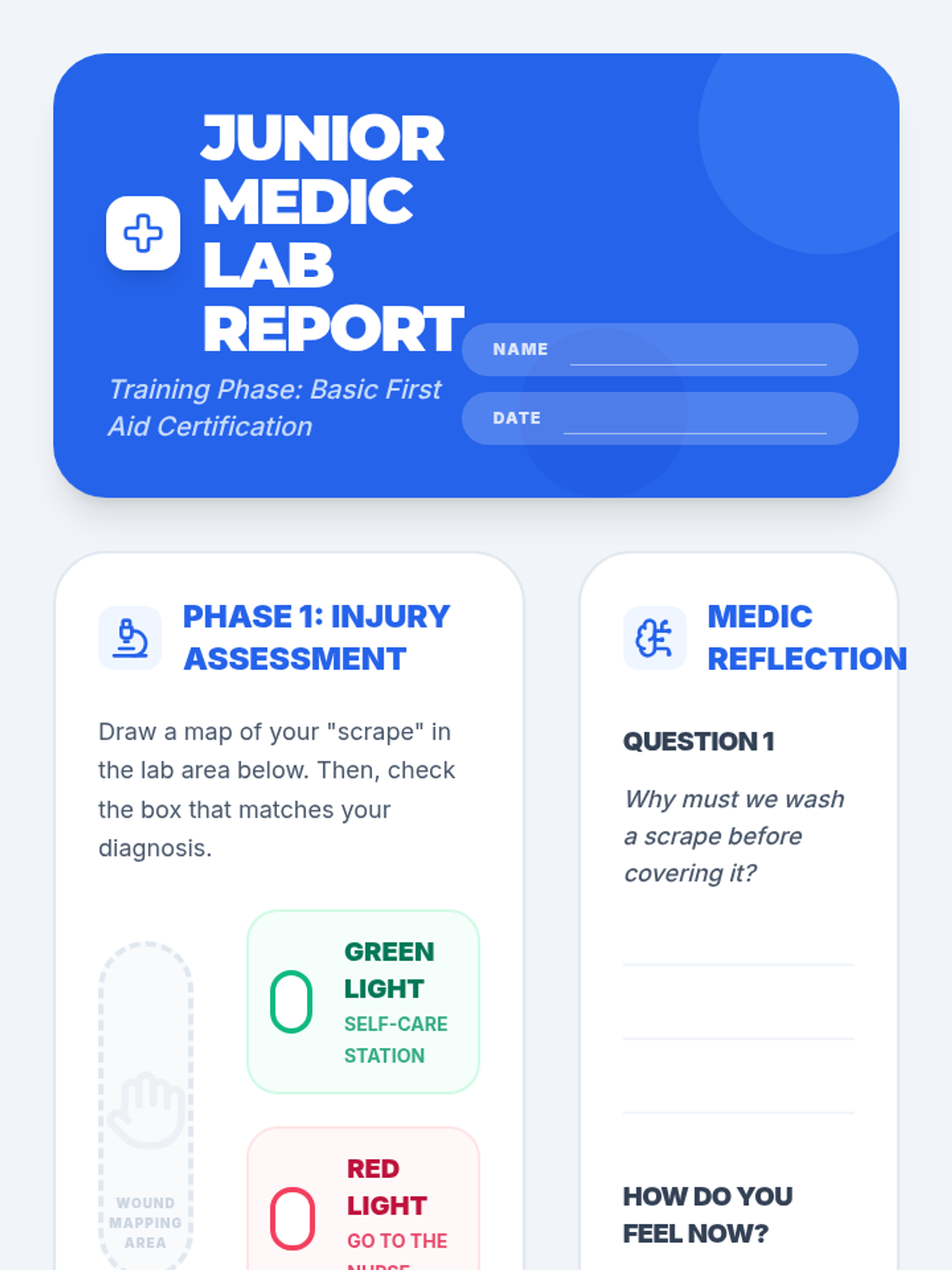
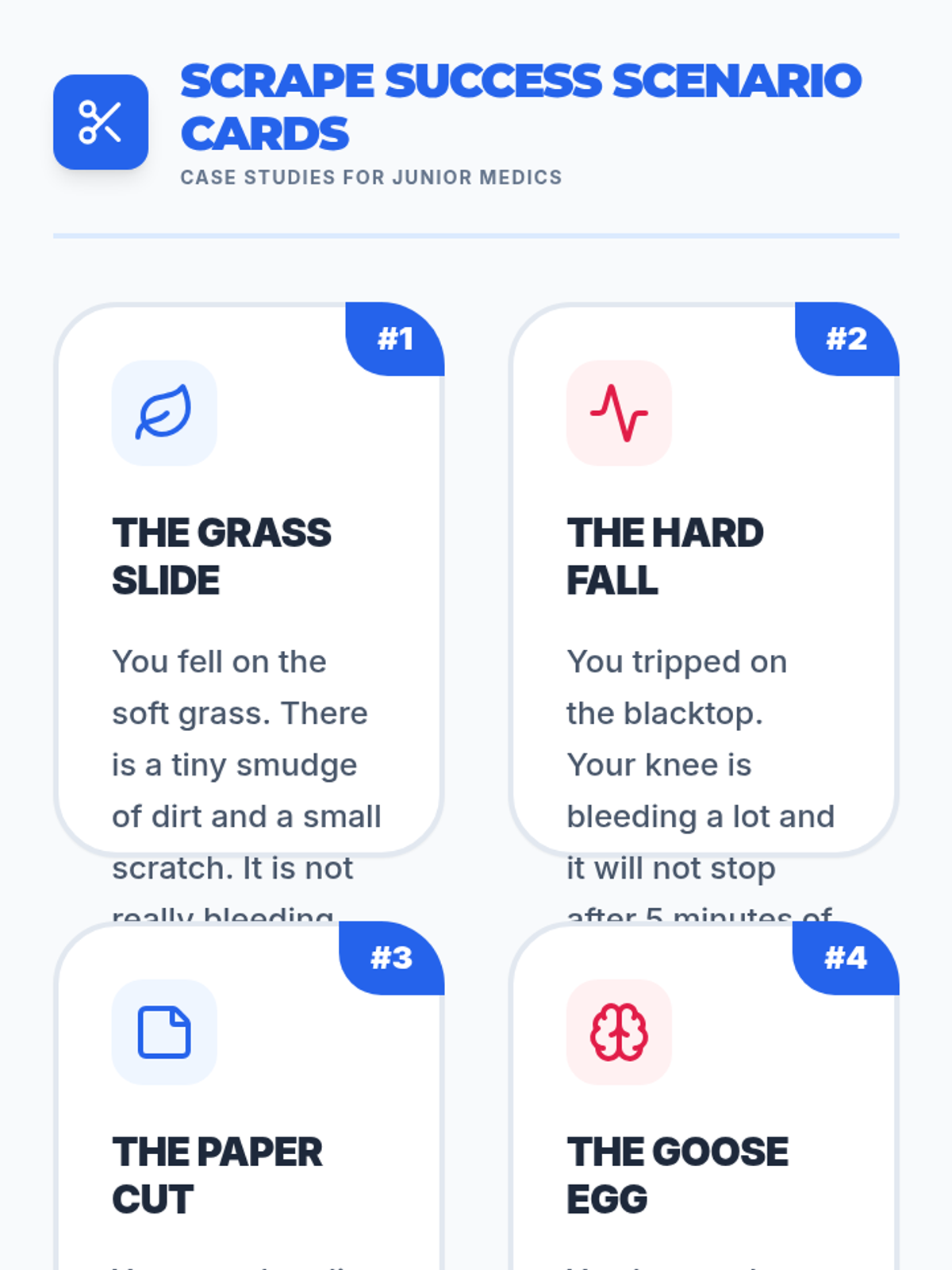
A hands-on introductory lesson to basic first aid for minor scrapes and bruises, teaching students how to identify 'self-care' situations versus when to seek adult help. Students practice cleaning and bandaging techniques to build confidence and independence.
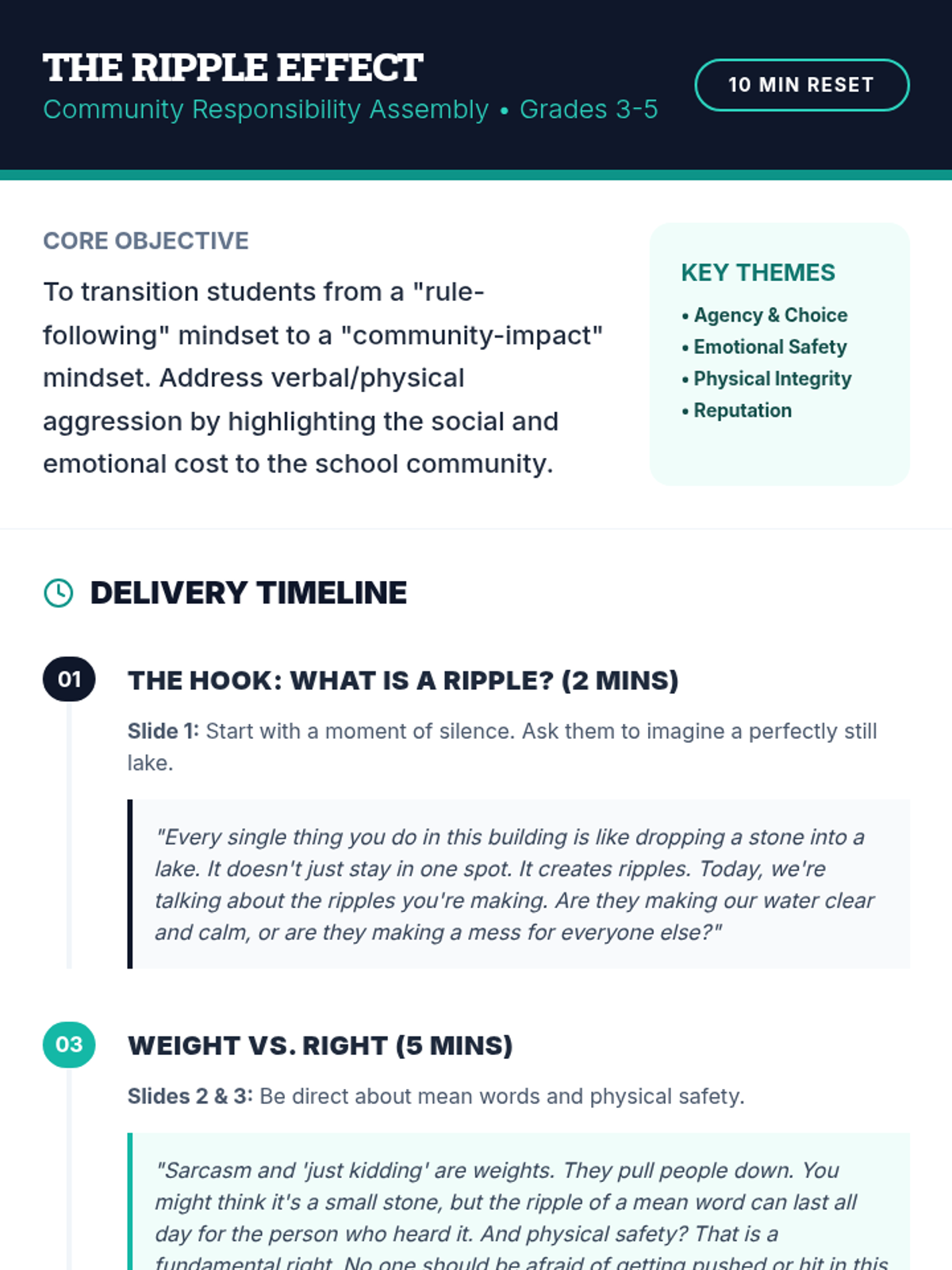
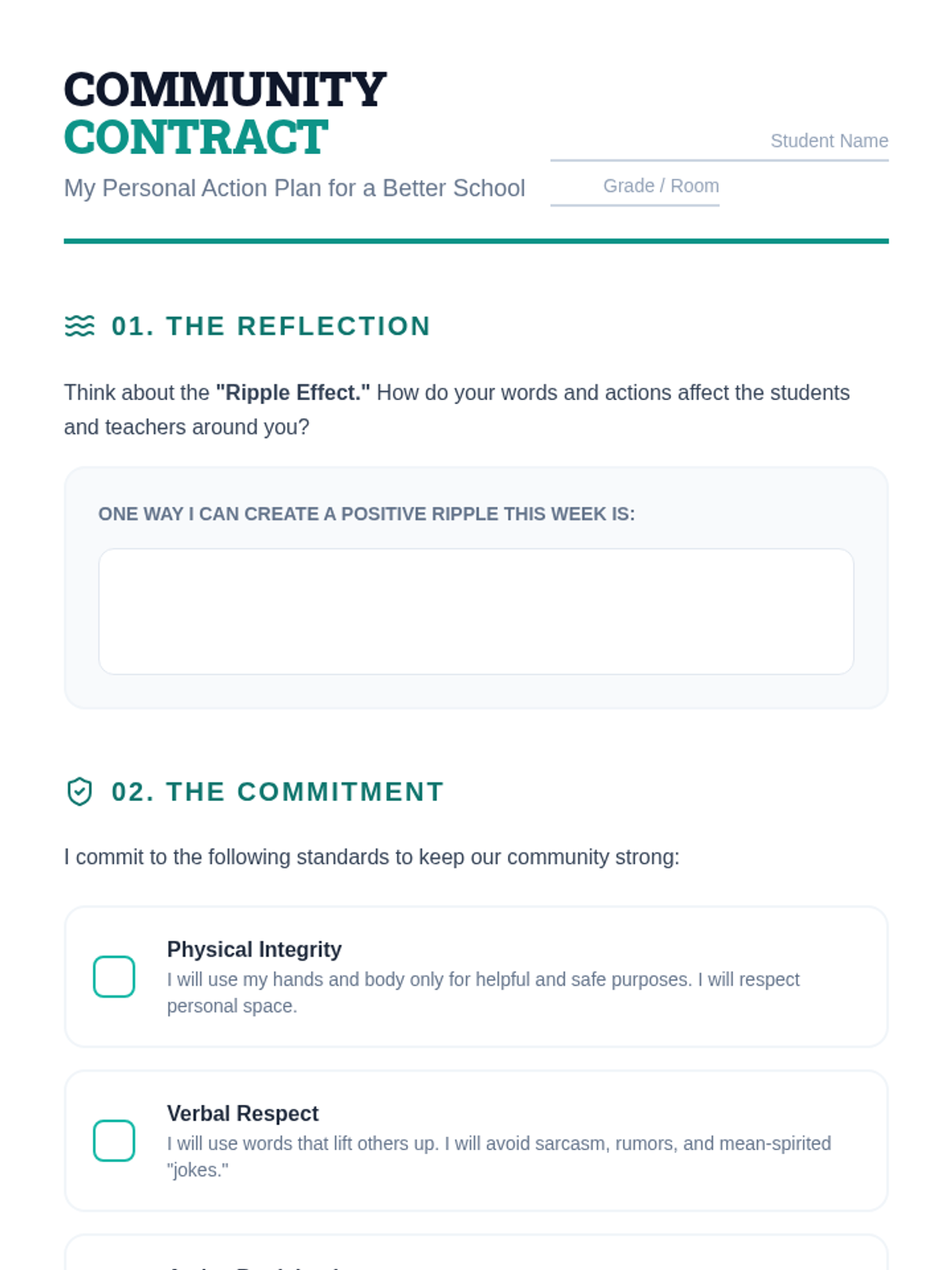
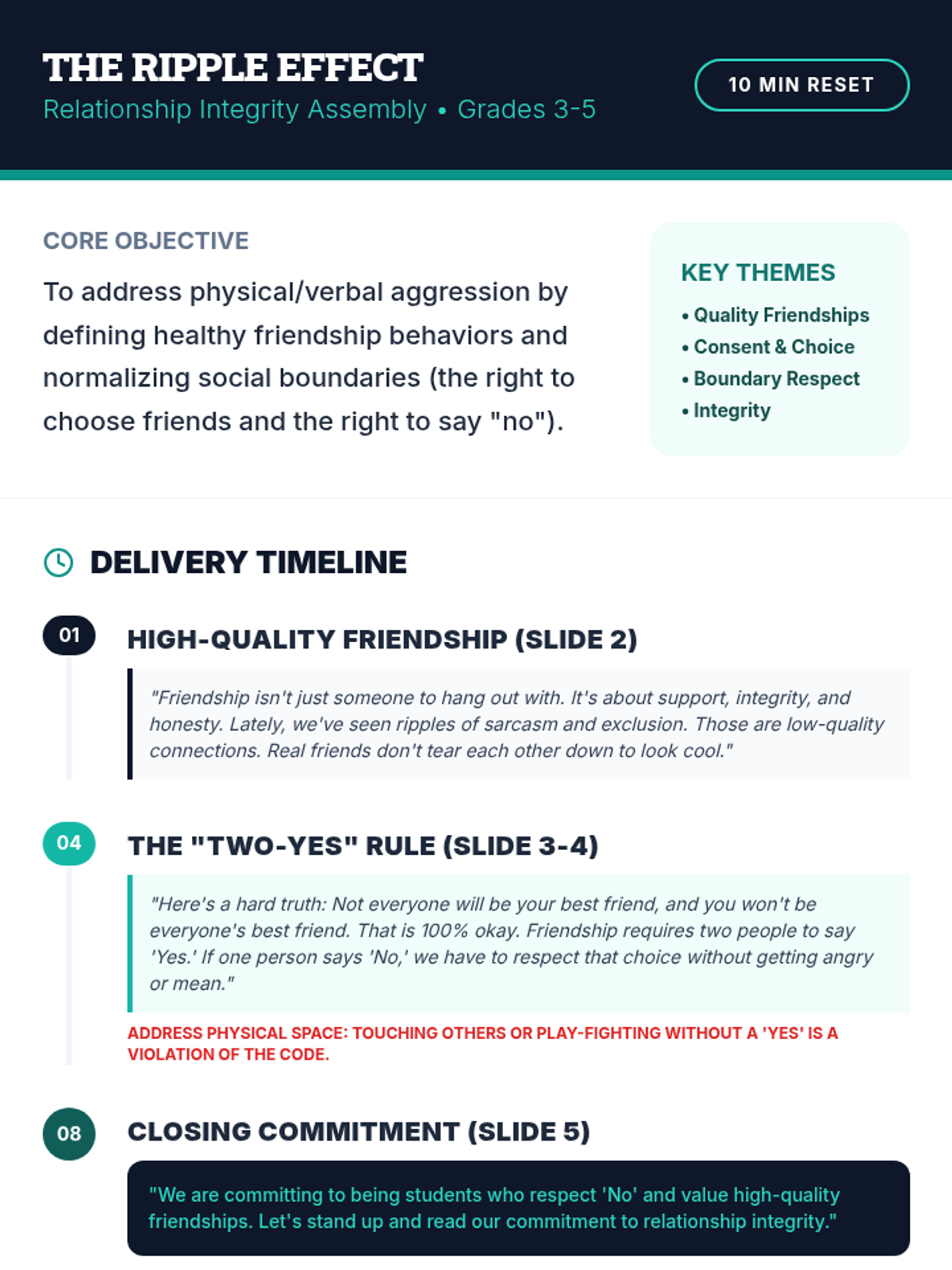
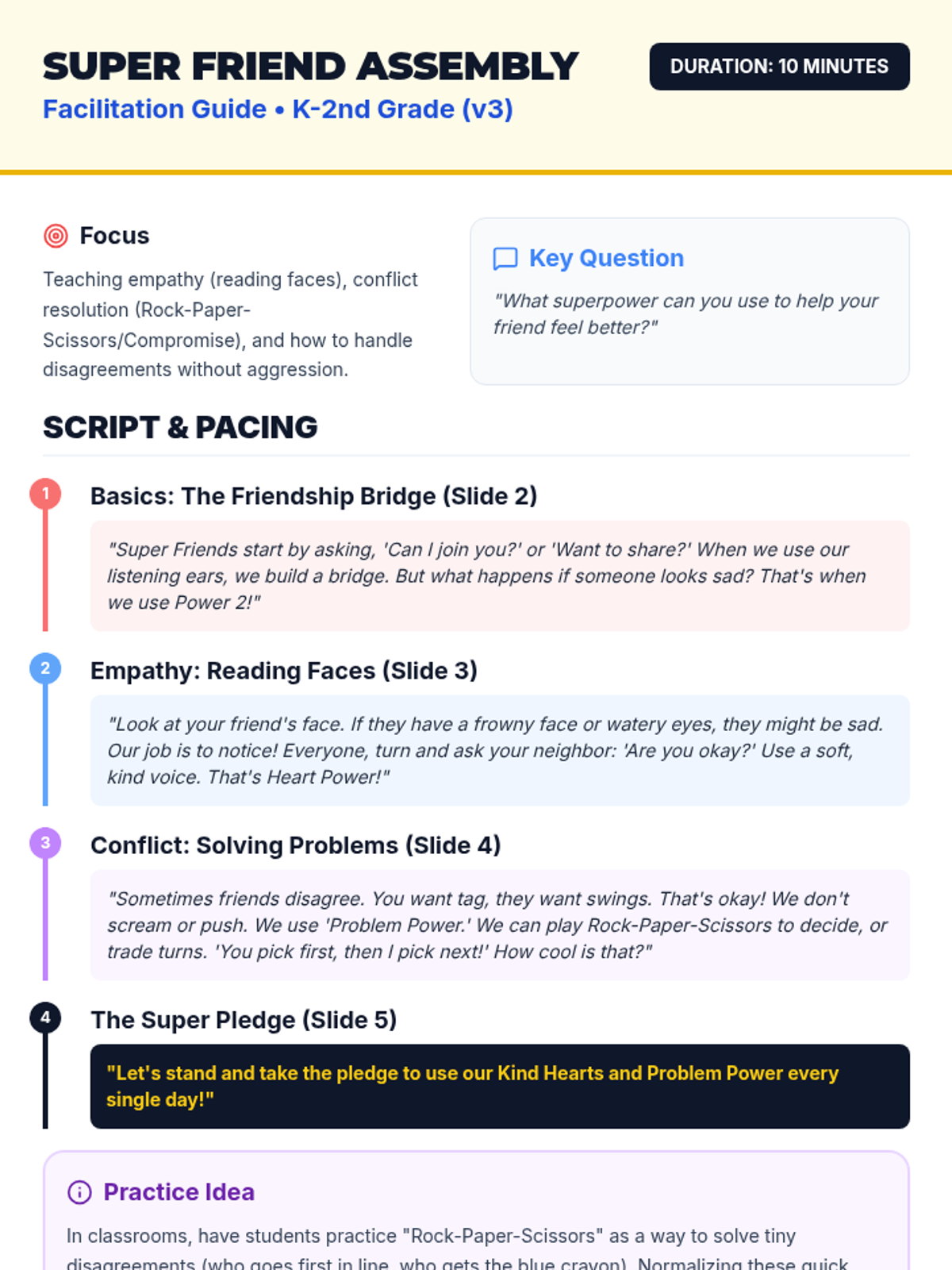
A 10-minute assembly for upper elementary students focusing on the impact of their choices on the school community and building a culture of respect.
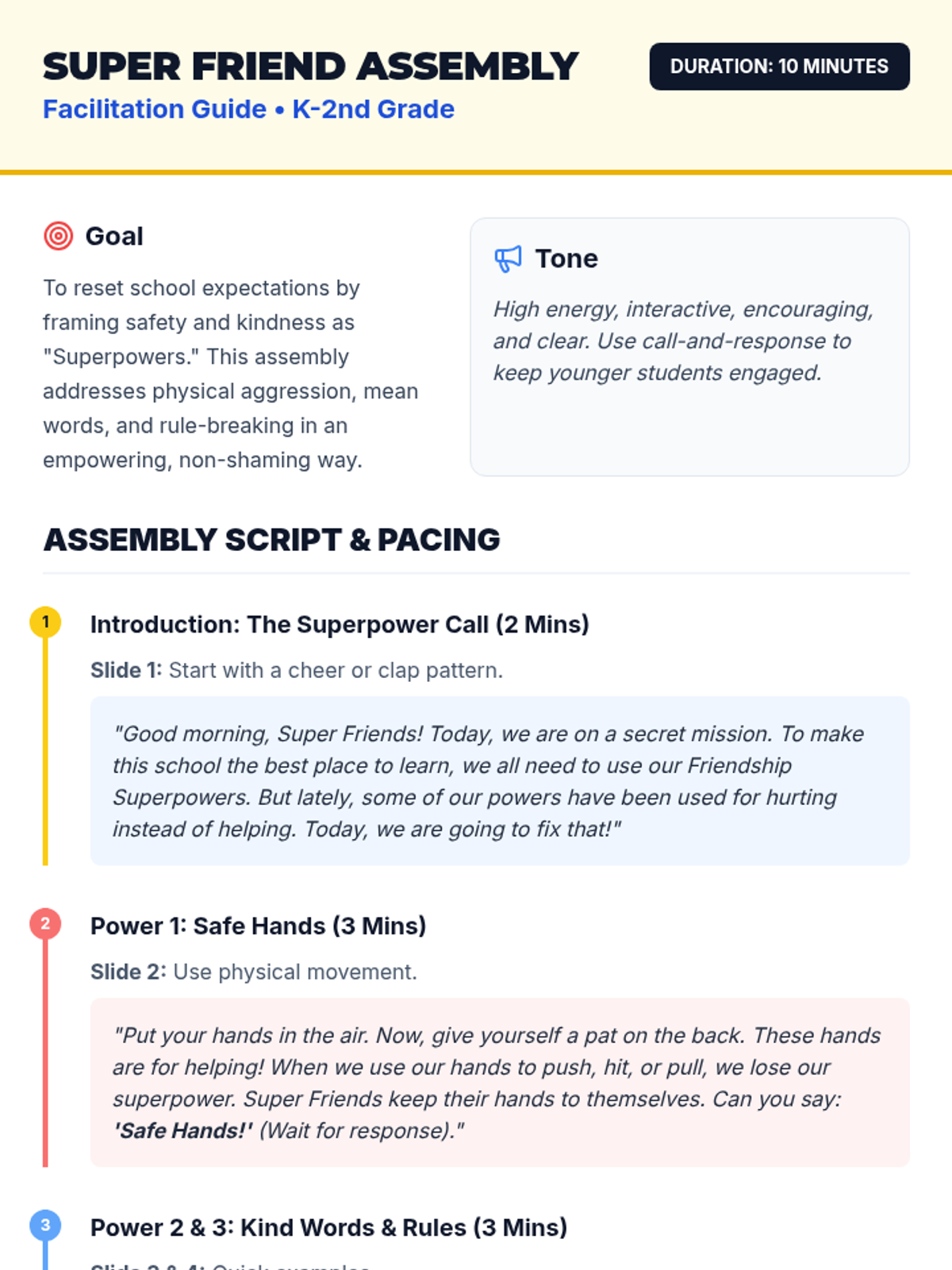
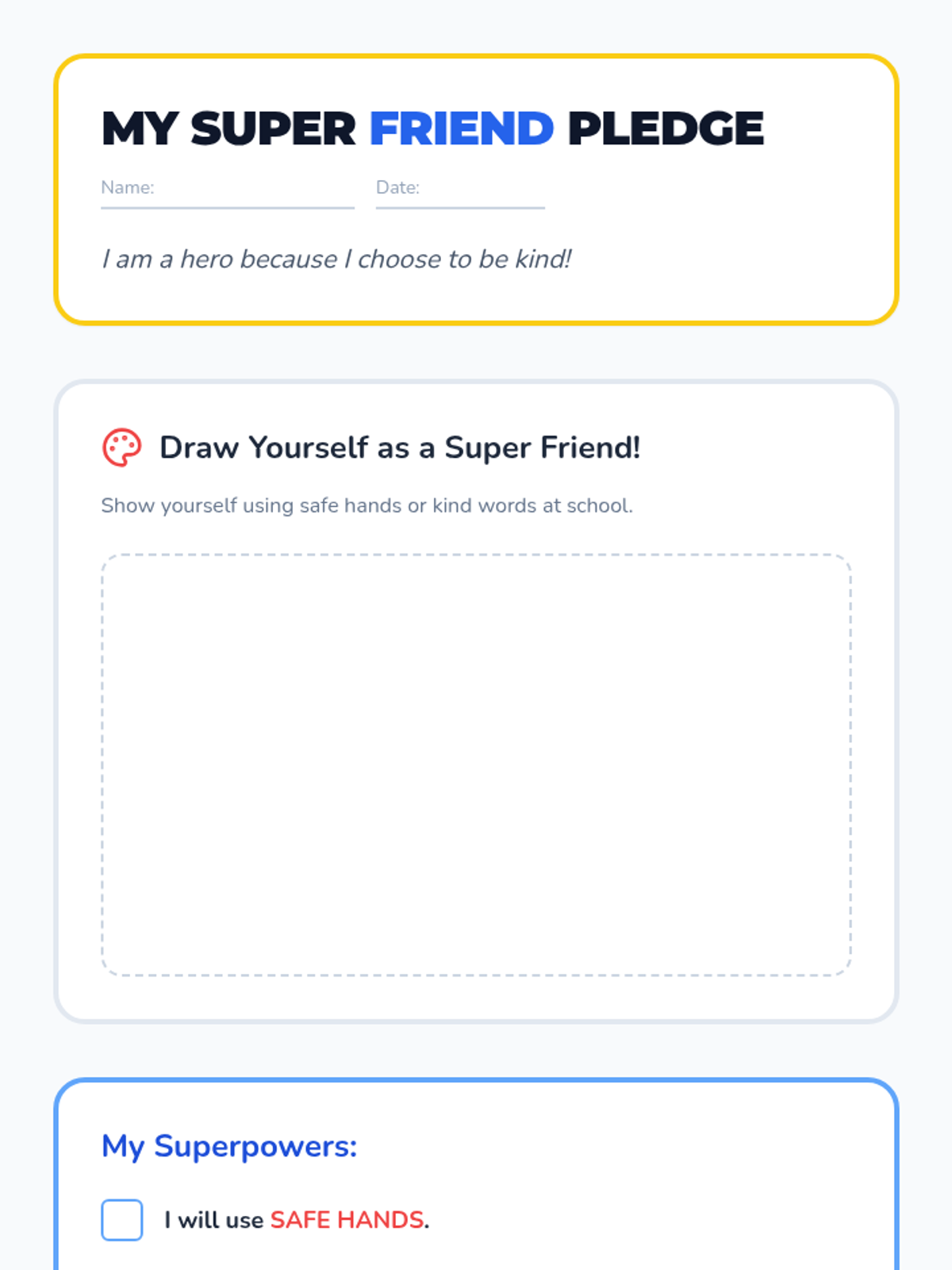
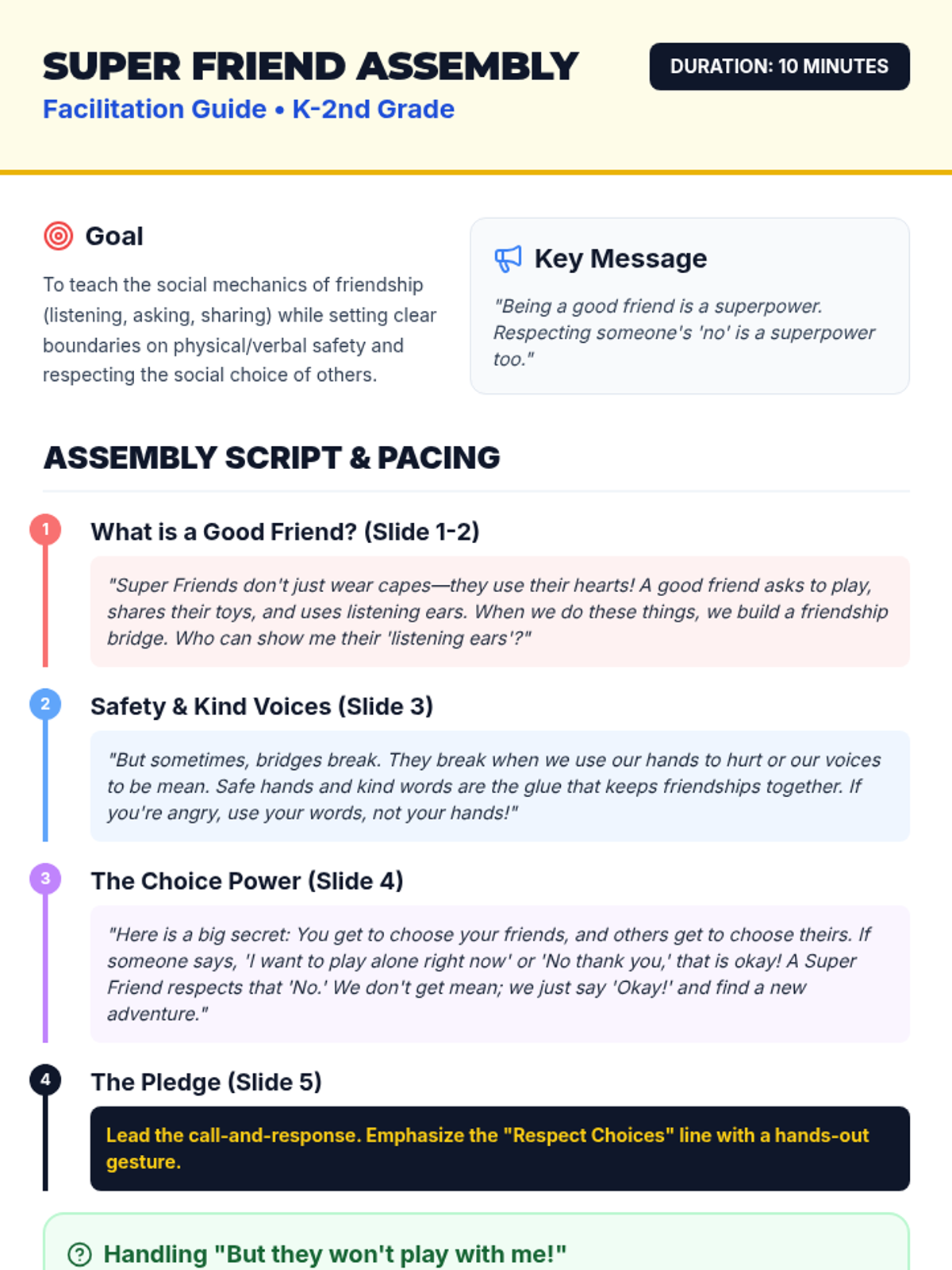
A high-energy, visual 10-minute assembly focused on basic rules, safe hands, and kind words for younger students.
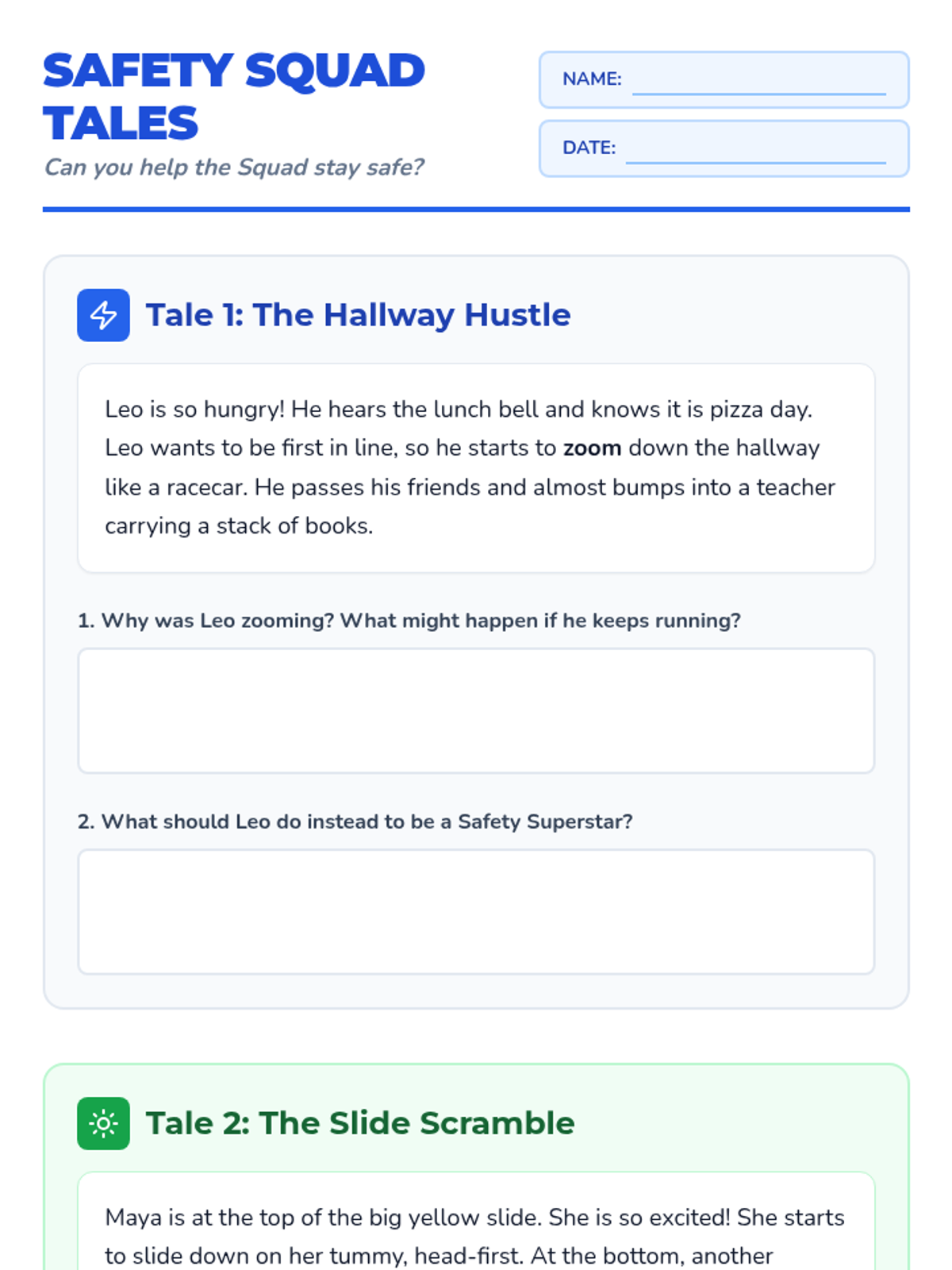
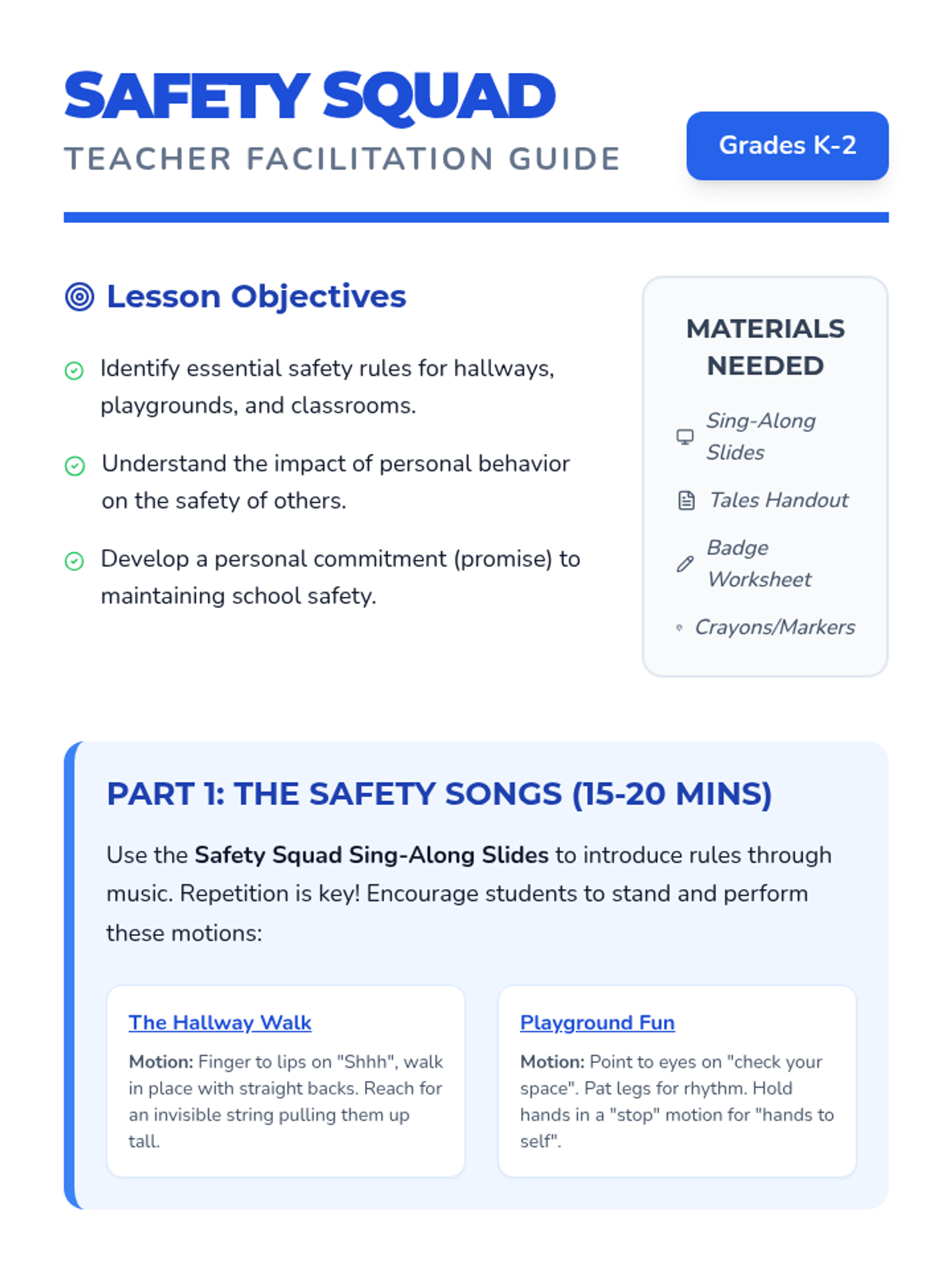
A fun and engaging lesson that uses catchy songs and relatable stories to teach students how to stay safe in school hallways, classrooms, and playgrounds.
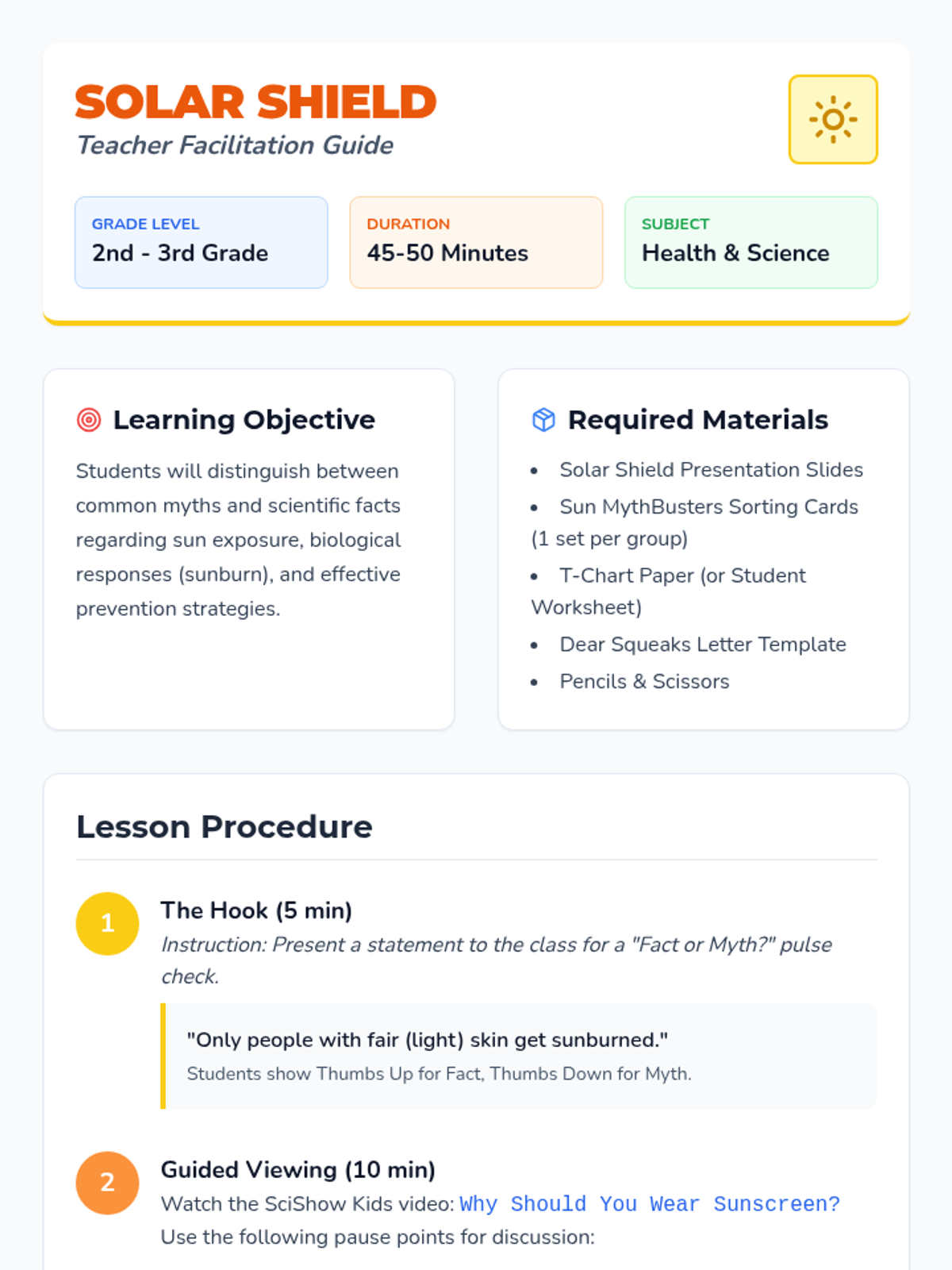
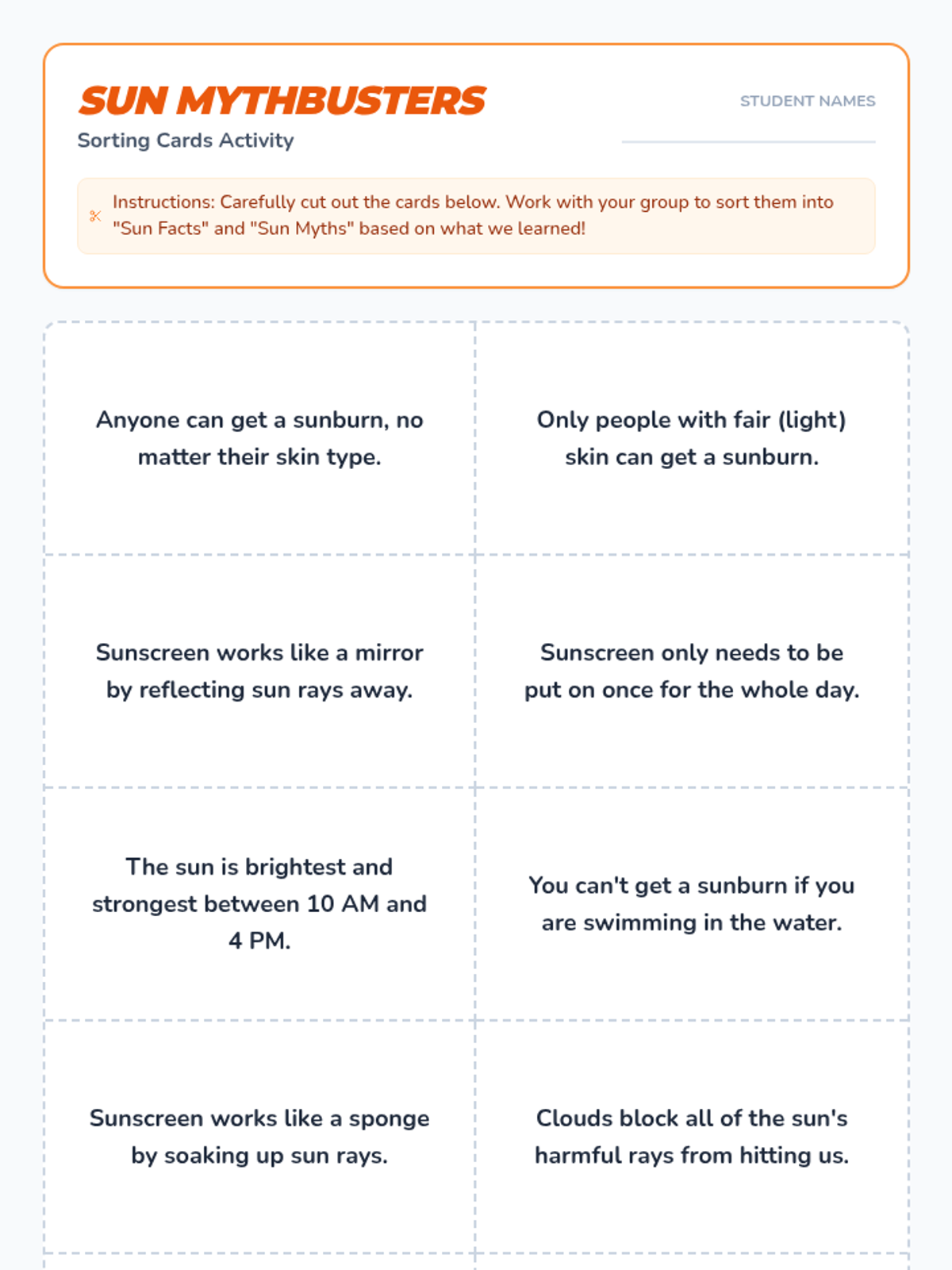
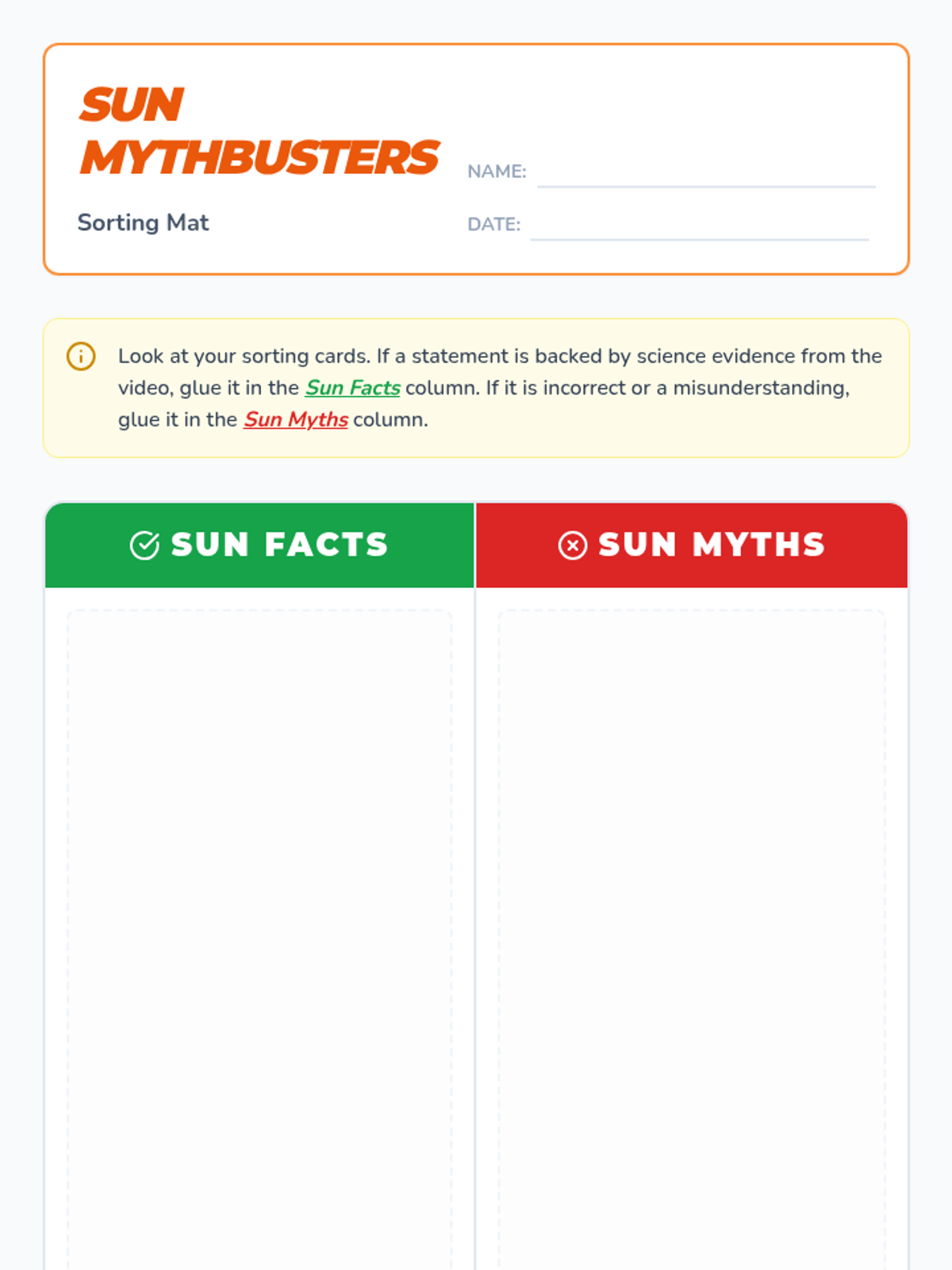
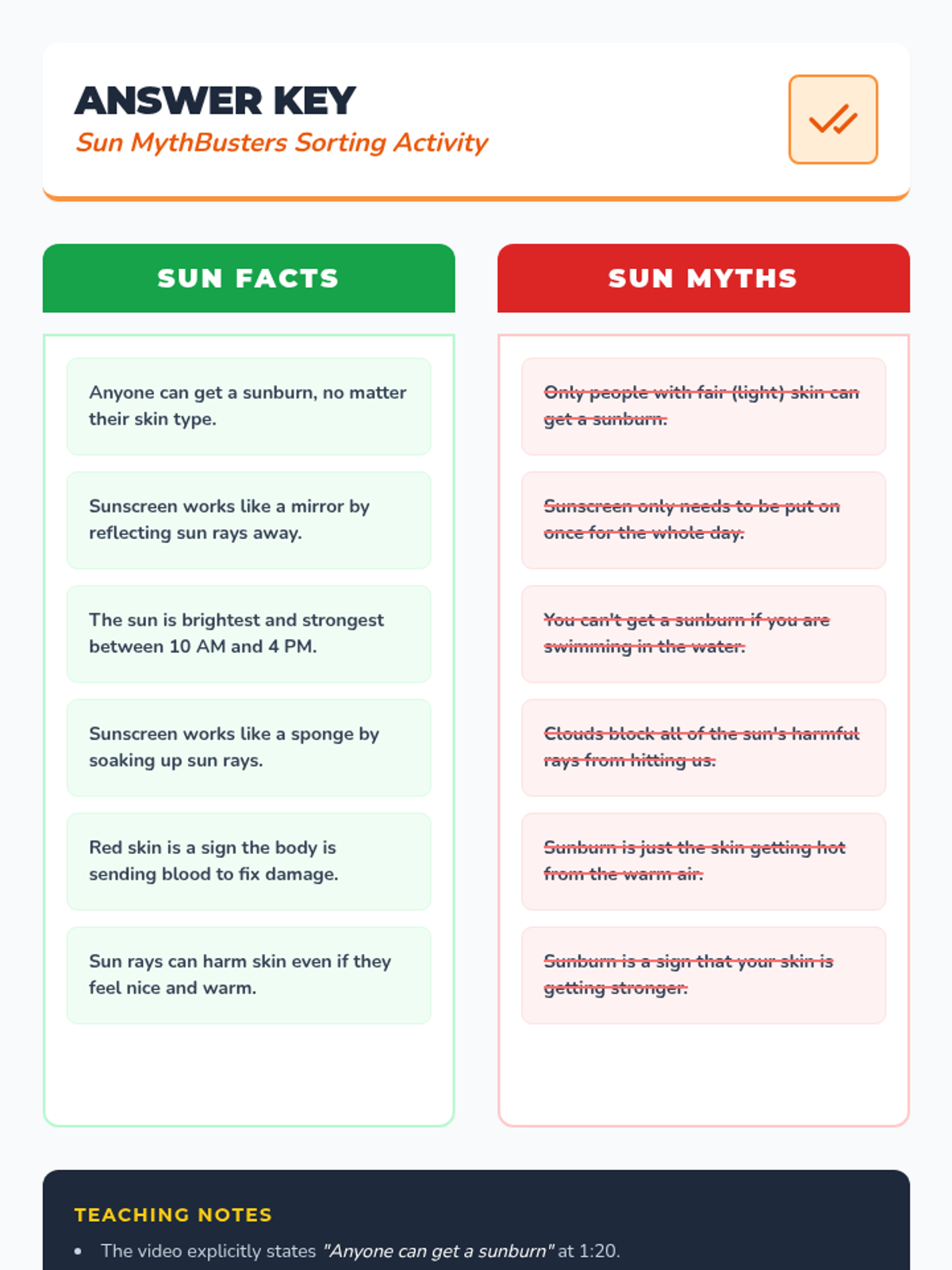
A sun safety lesson where students investigate myths and facts about sun exposure, explore the biology of sunburns, and learn prevention strategies through a SciShow Kids video and sorting activity.
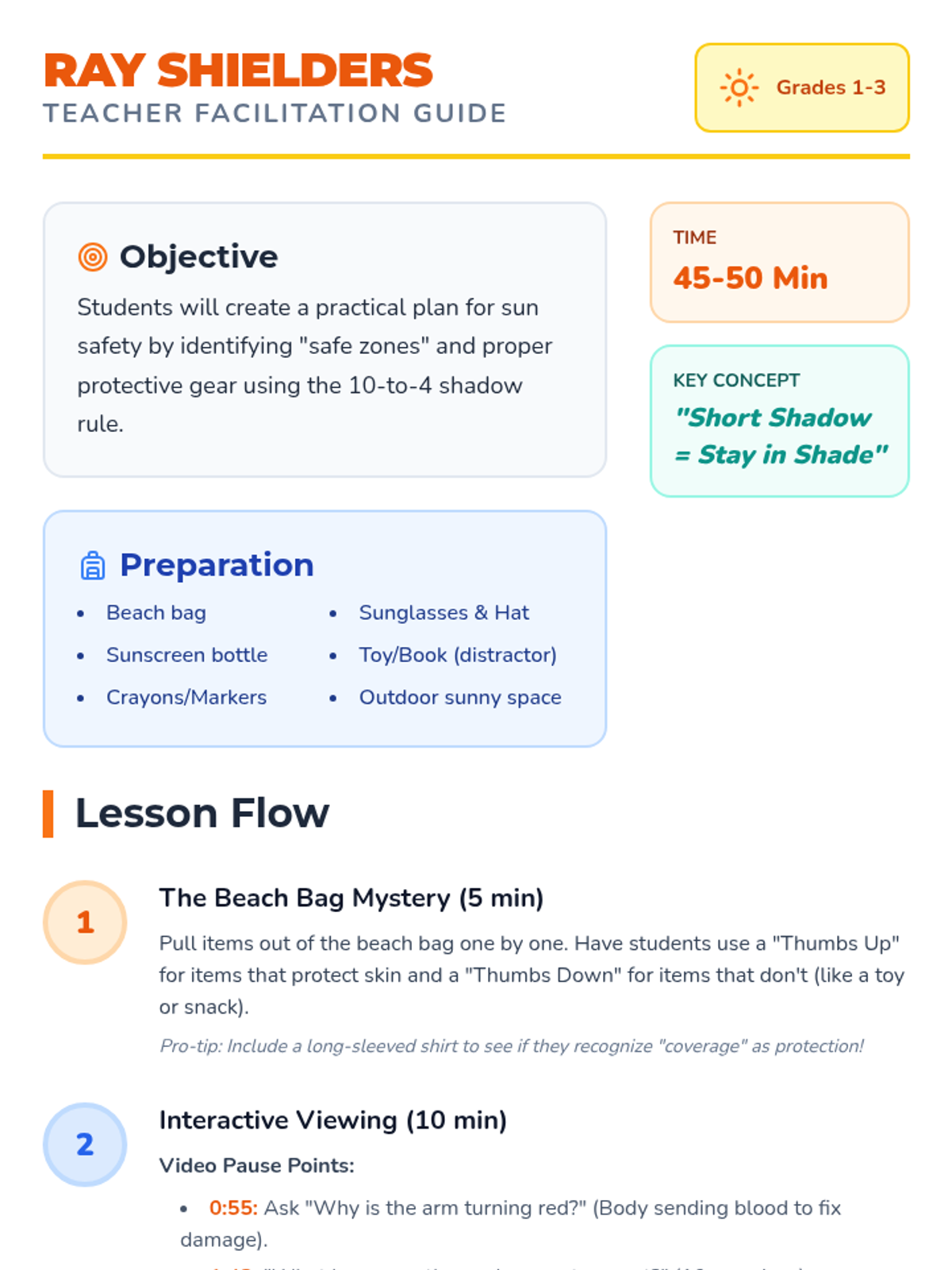
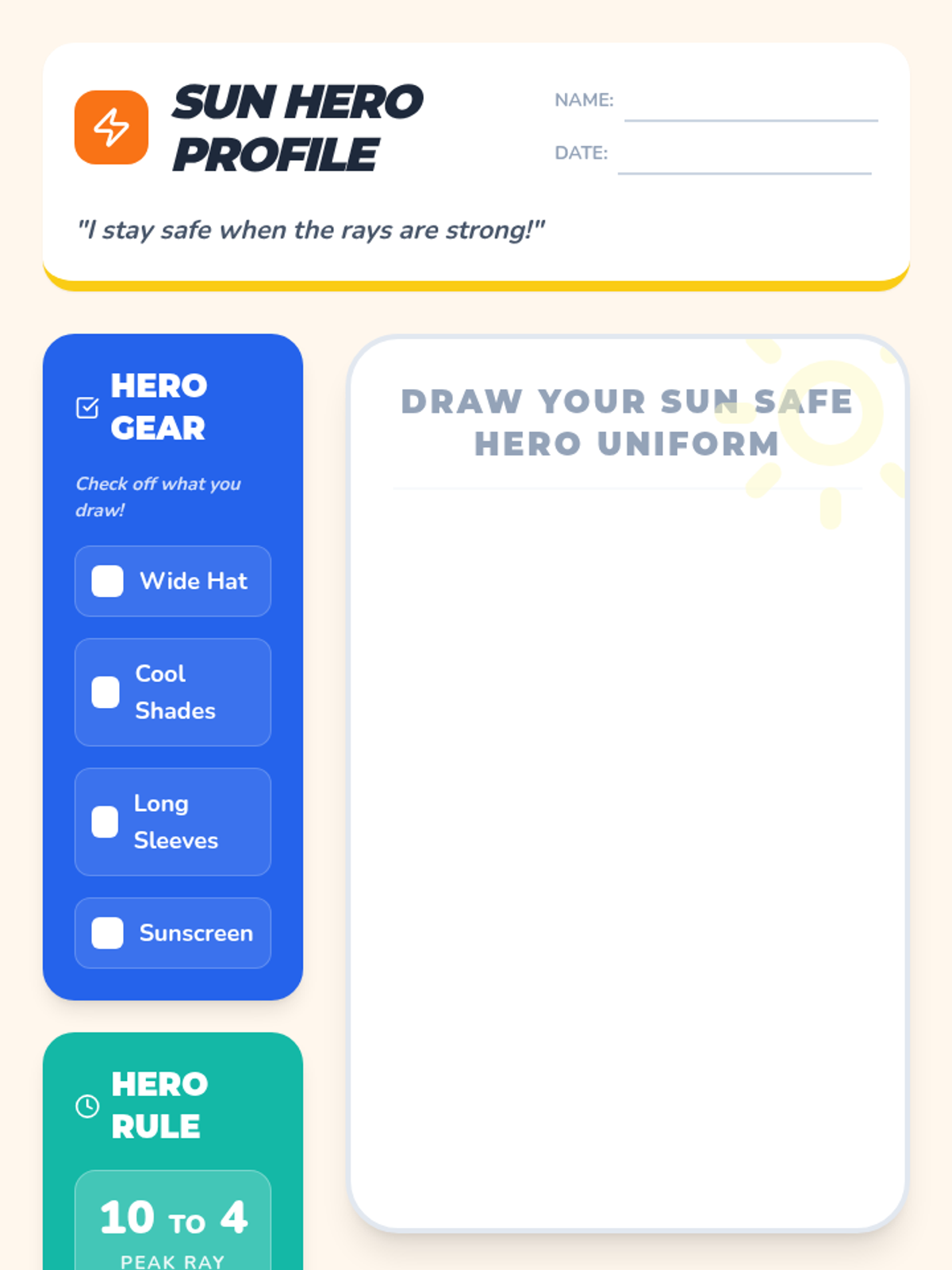
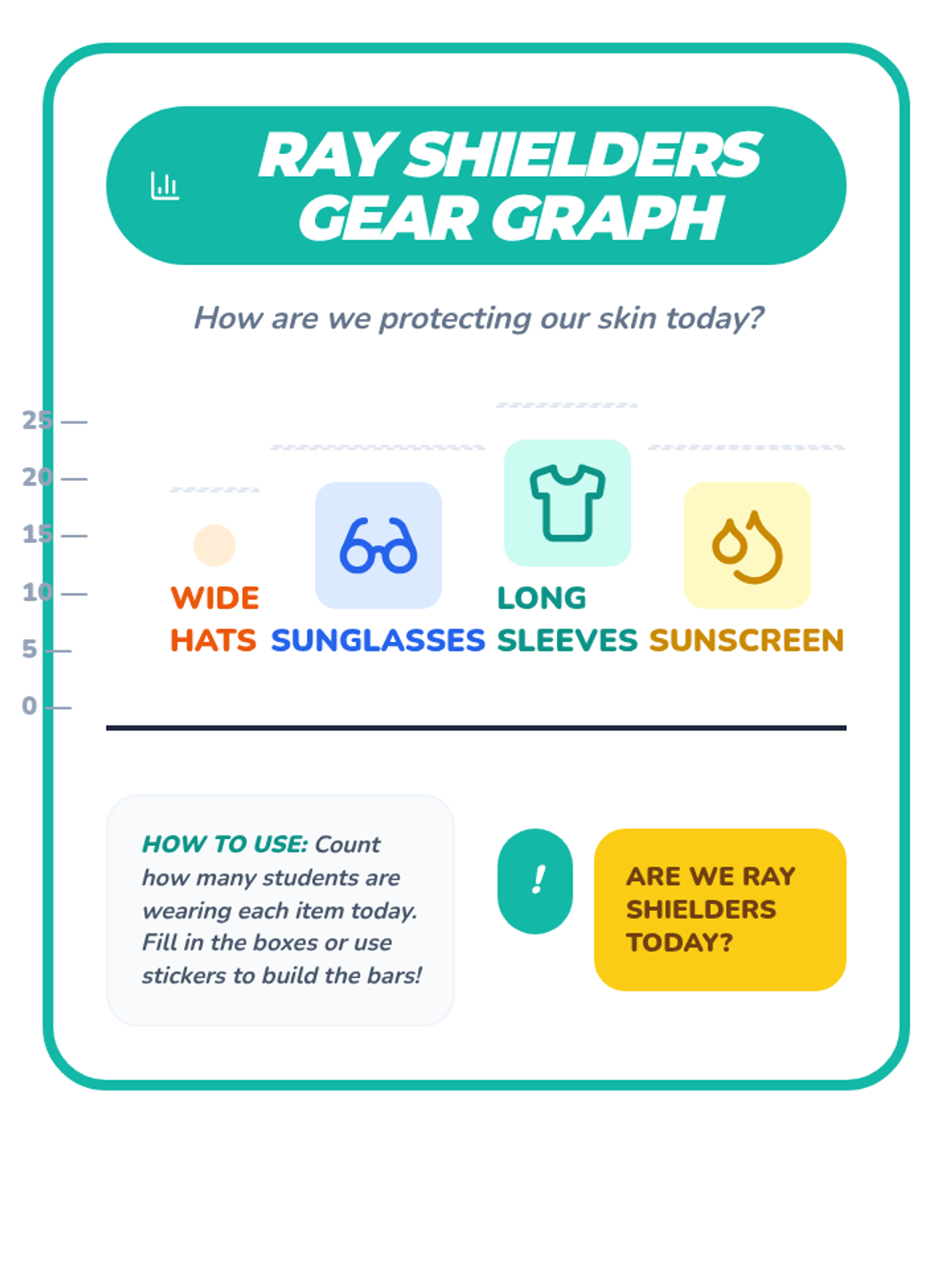
A high-energy sun safety lesson where students learn the '10-to-4 rule', identify peak sun hours through shadow observation, and design their own 'Sun Safe Hero' persona to practice real-world prevention strategies.
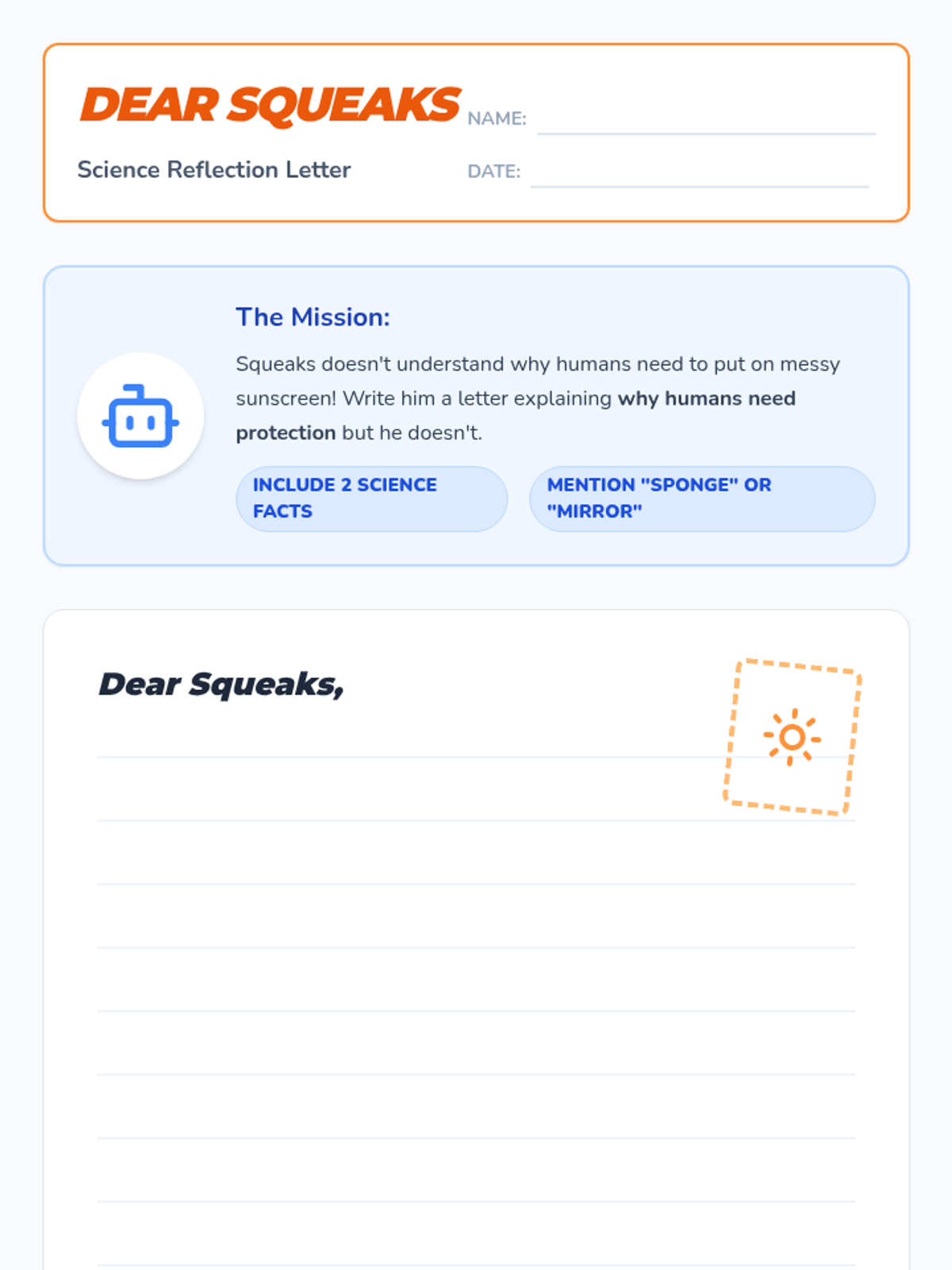
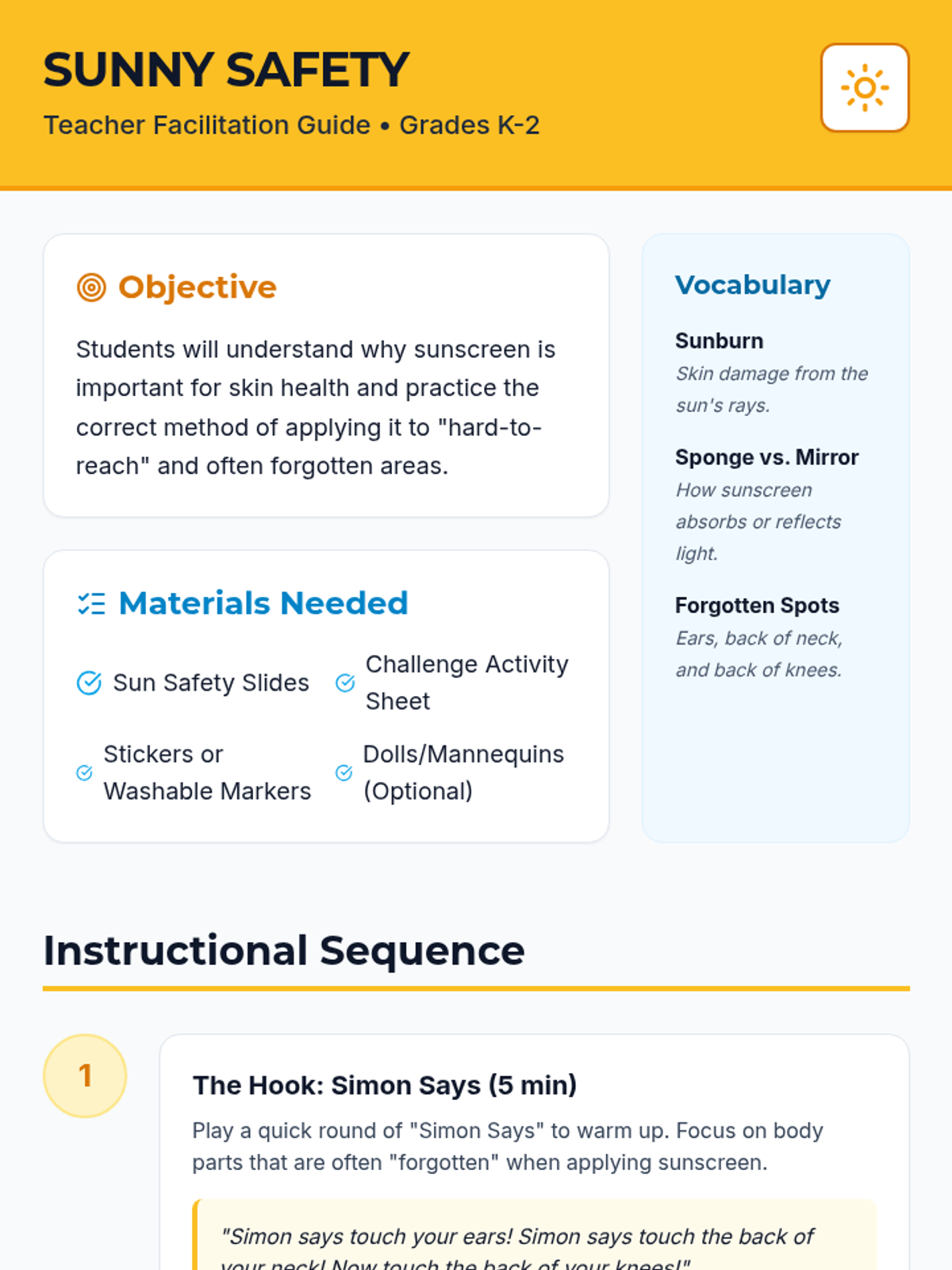
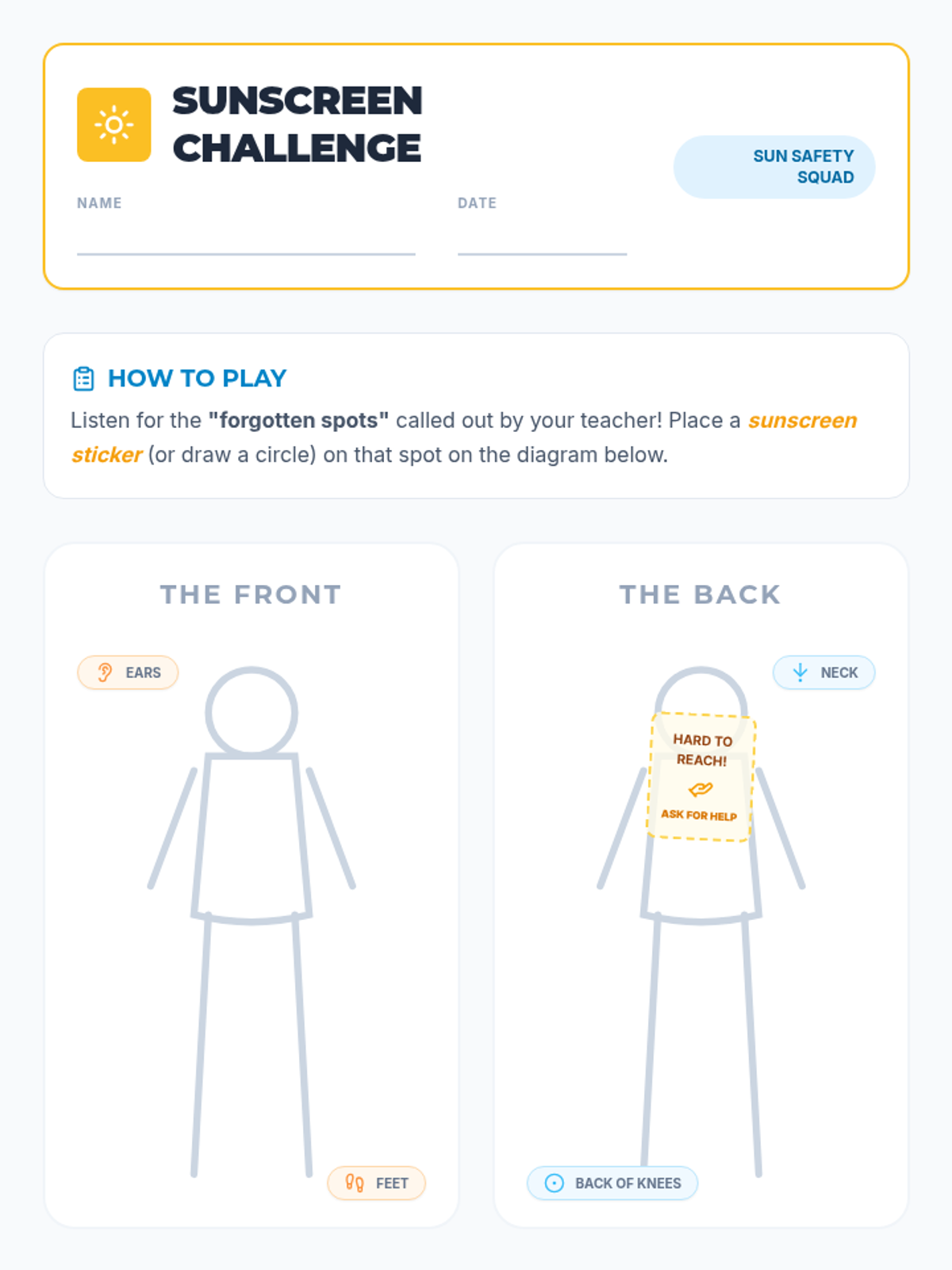
A fun, interactive lesson for K-2 students on how to protect their skin from the sun, featuring the "Sunscreen Challenge" and the "Sponge vs. Mirror" analogy.
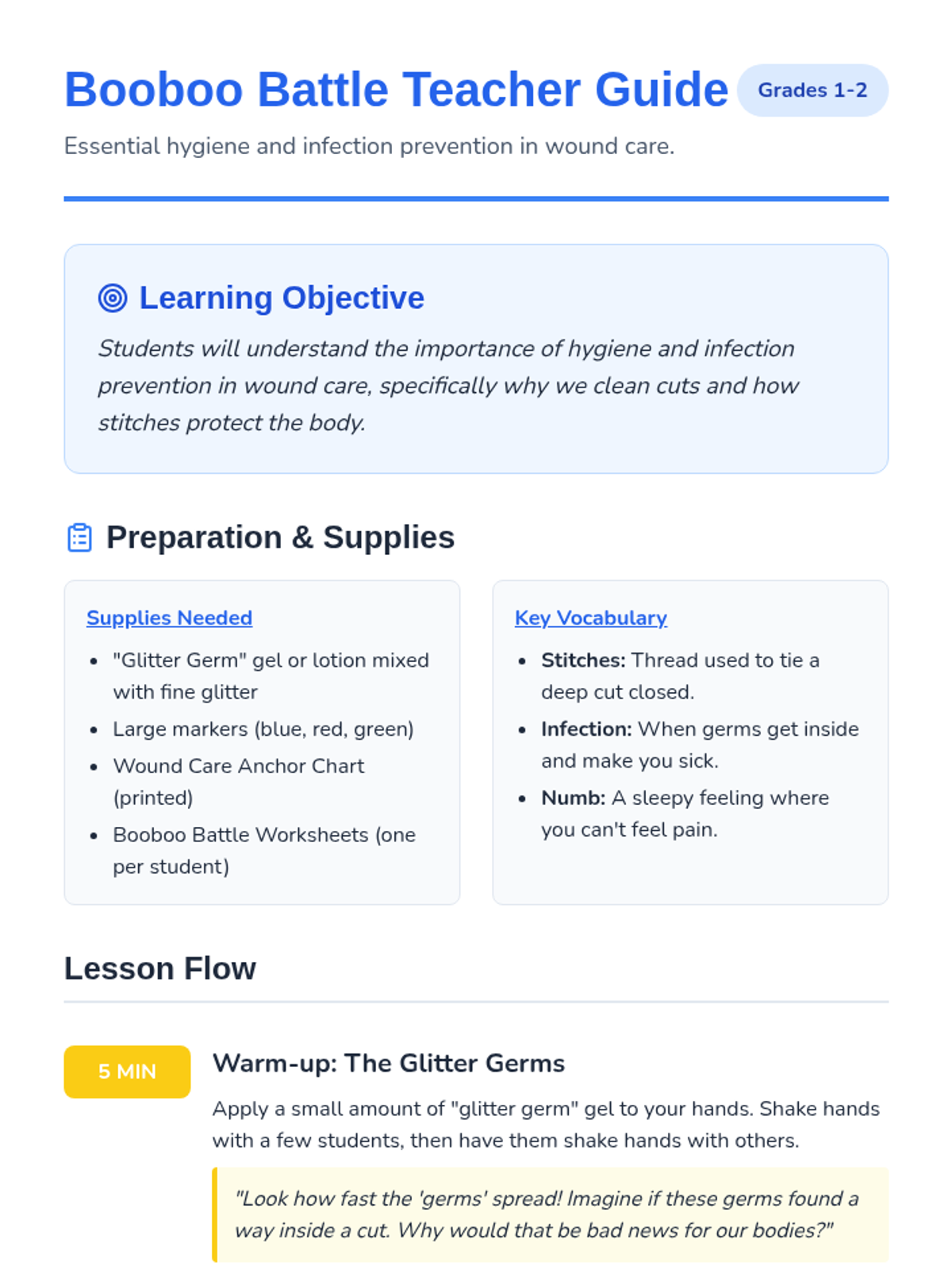
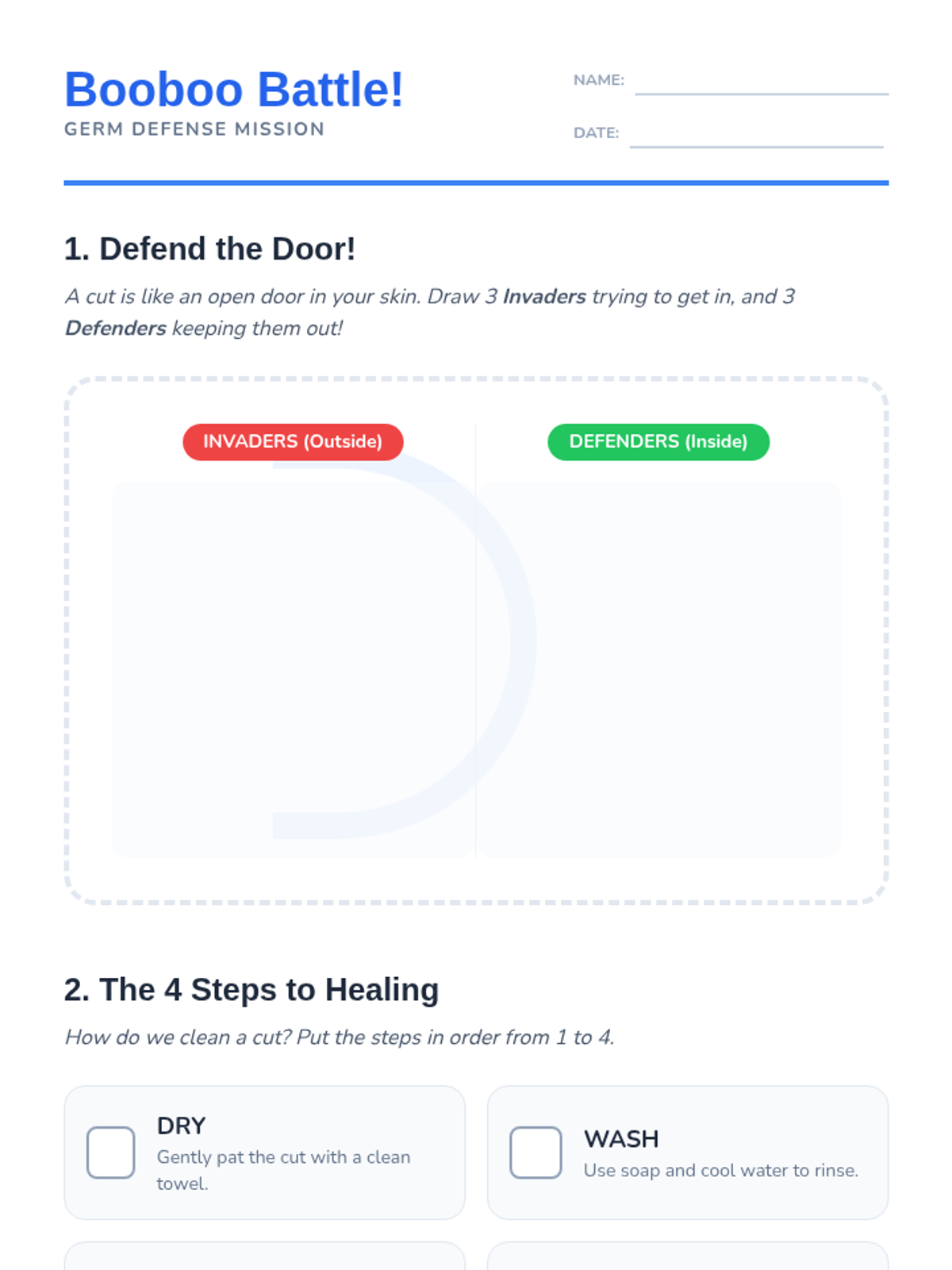
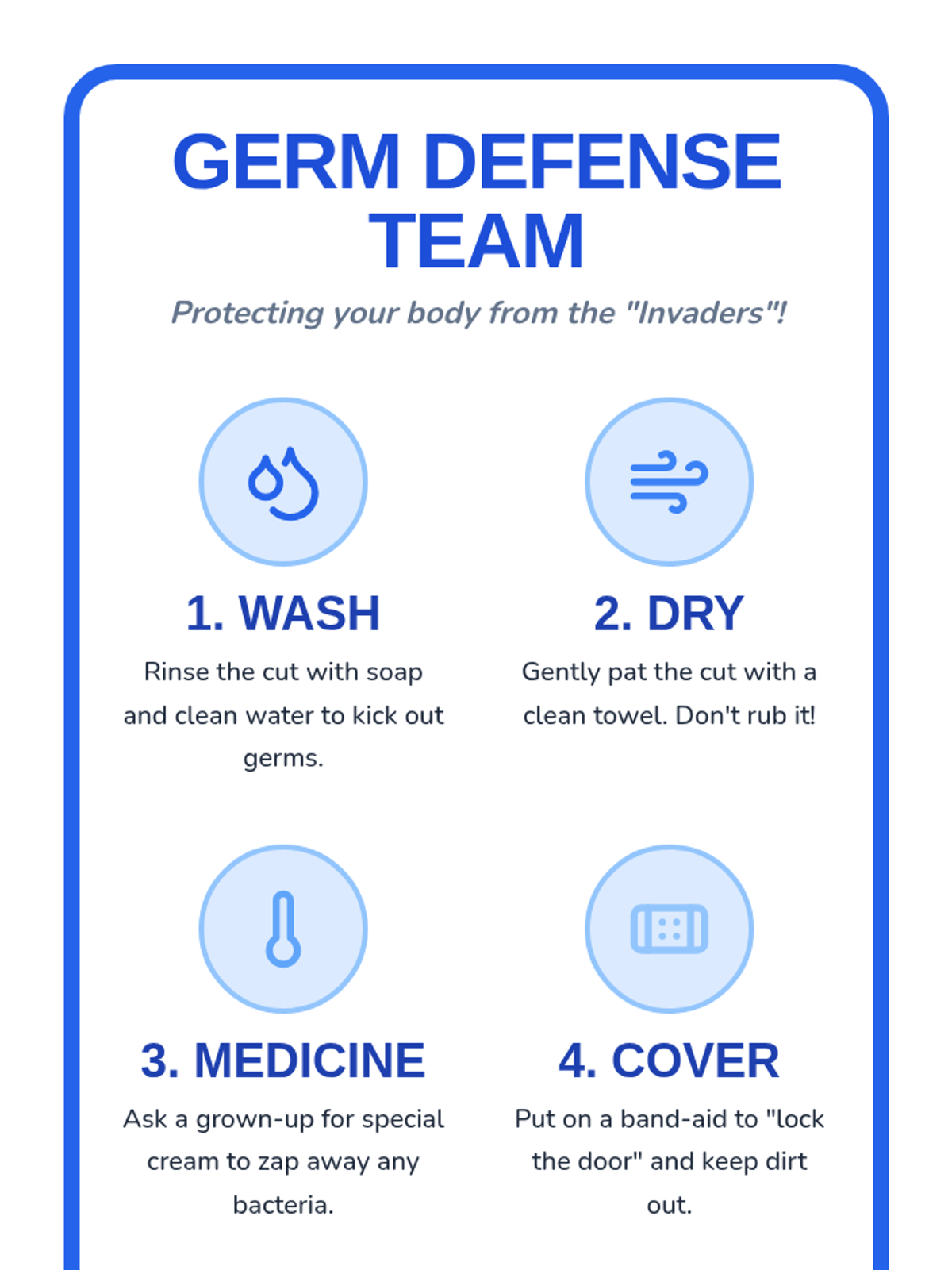
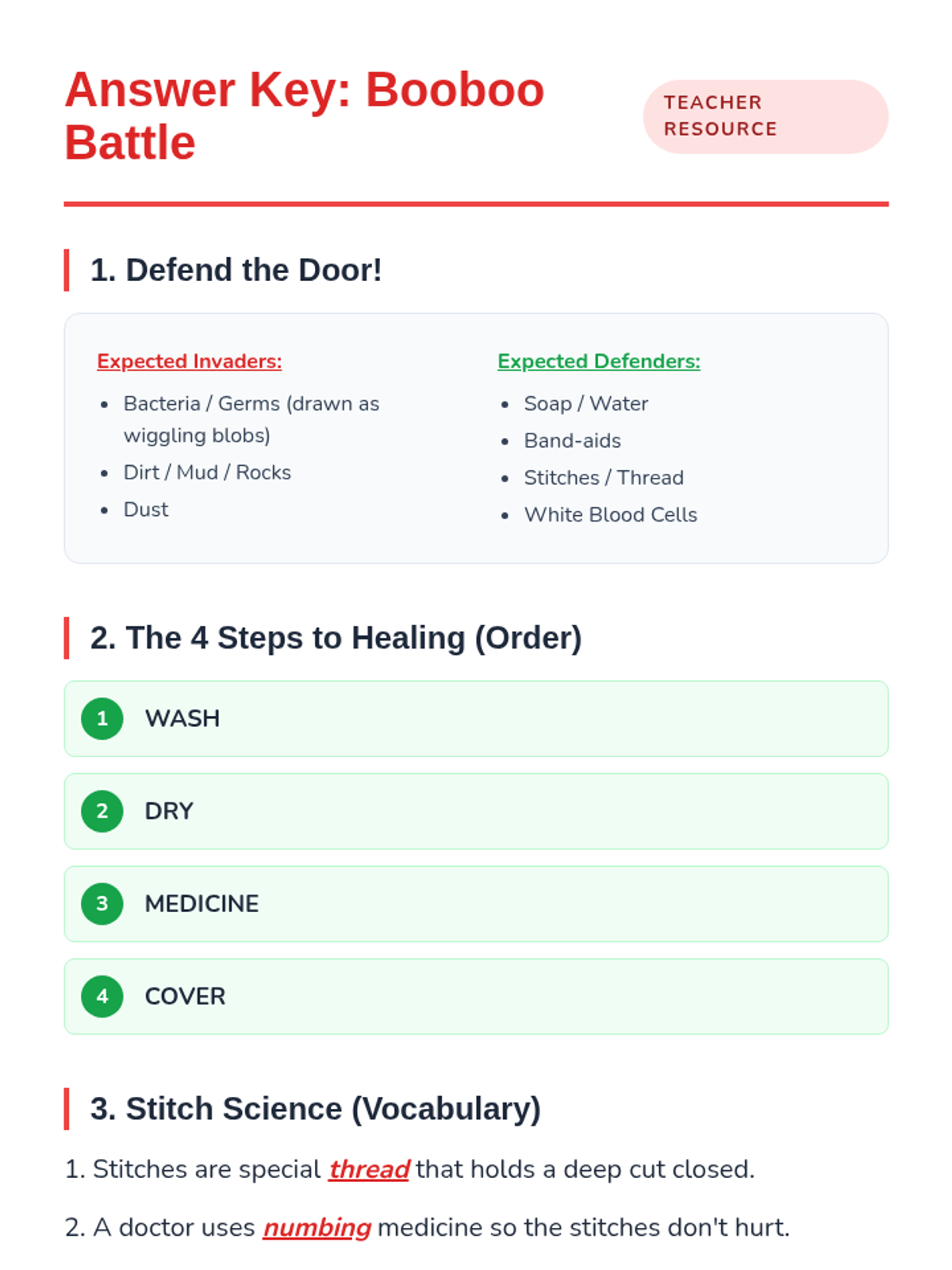
A lesson for 1st-2nd graders on wound care hygiene, focusing on why we clean cuts and how stitches help the body heal while keeping 'invaders' like germs out.
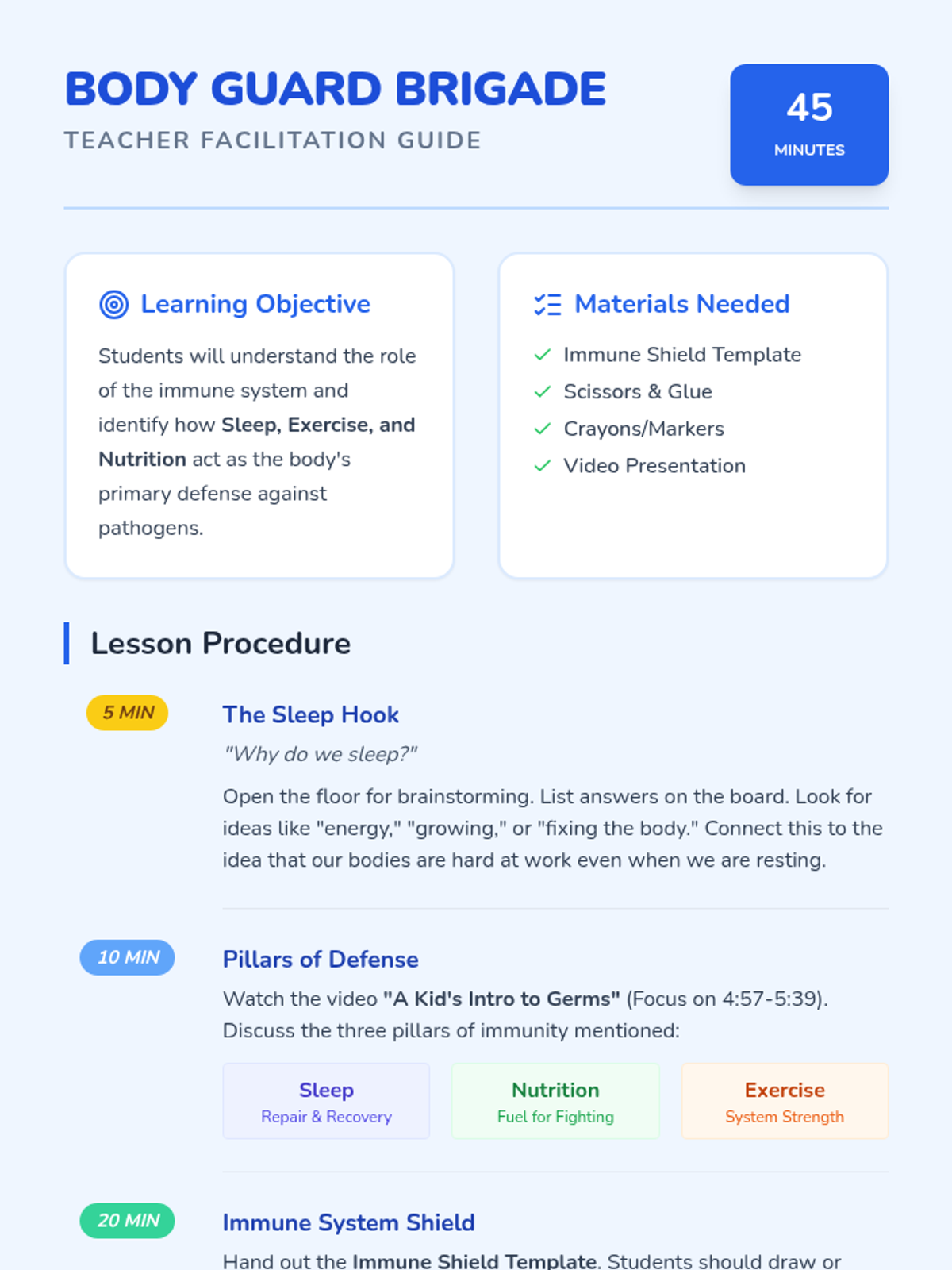
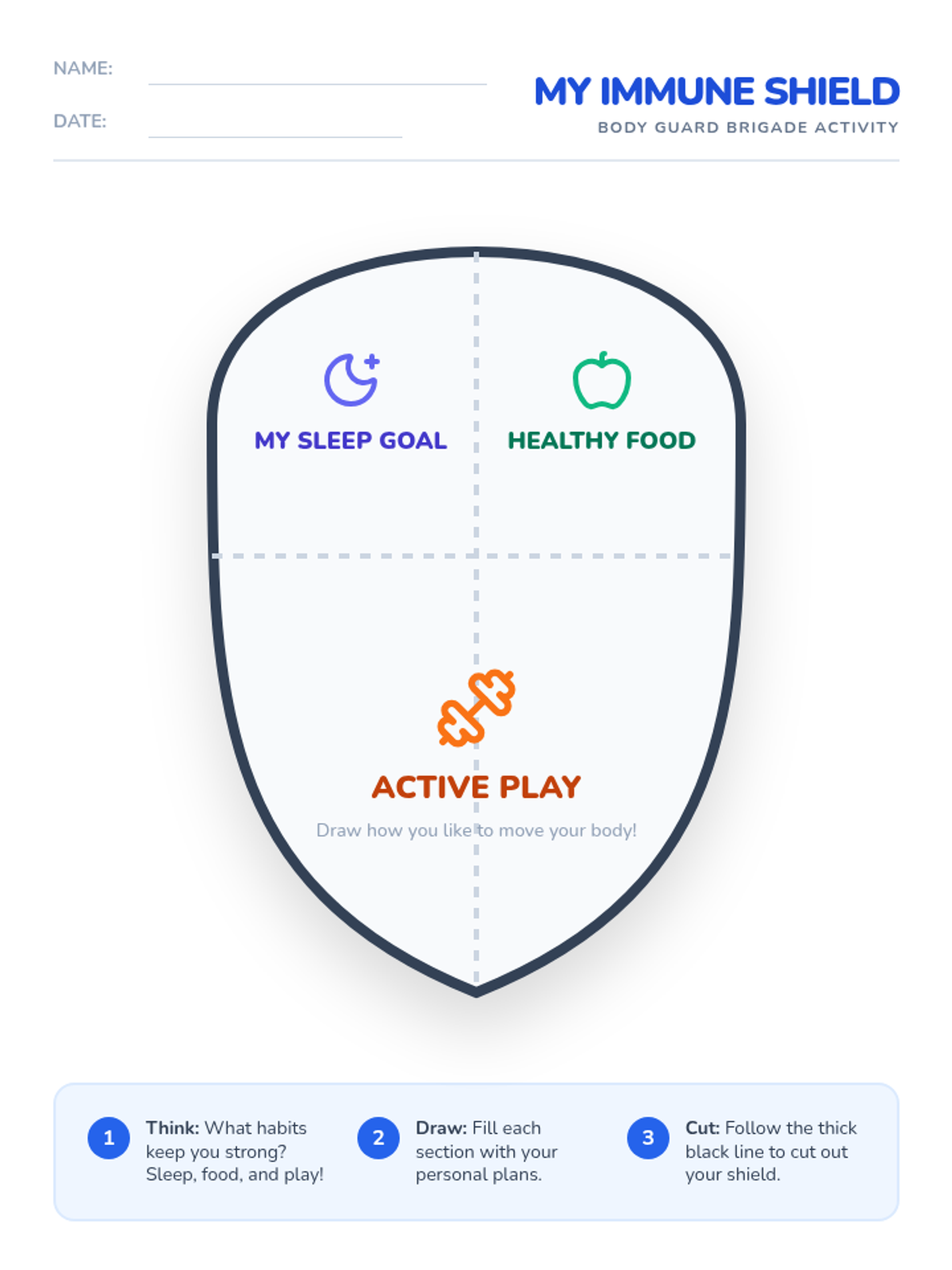
A lesson where students learn how sleep, exercise, and nutrition form an 'immune shield' to protect them from germs. Students create personal health goals and form a 'Defense Line' to share their plans.
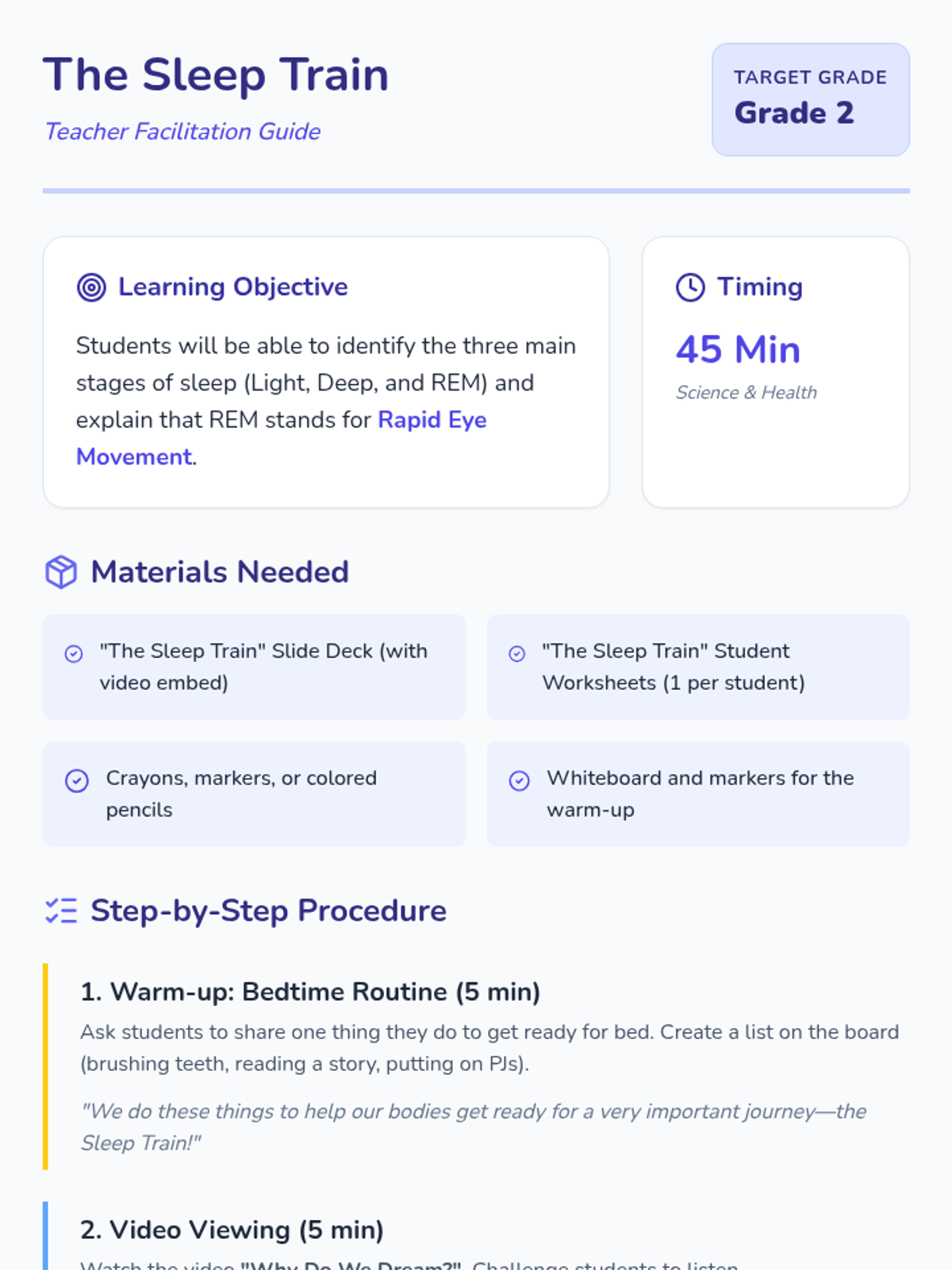
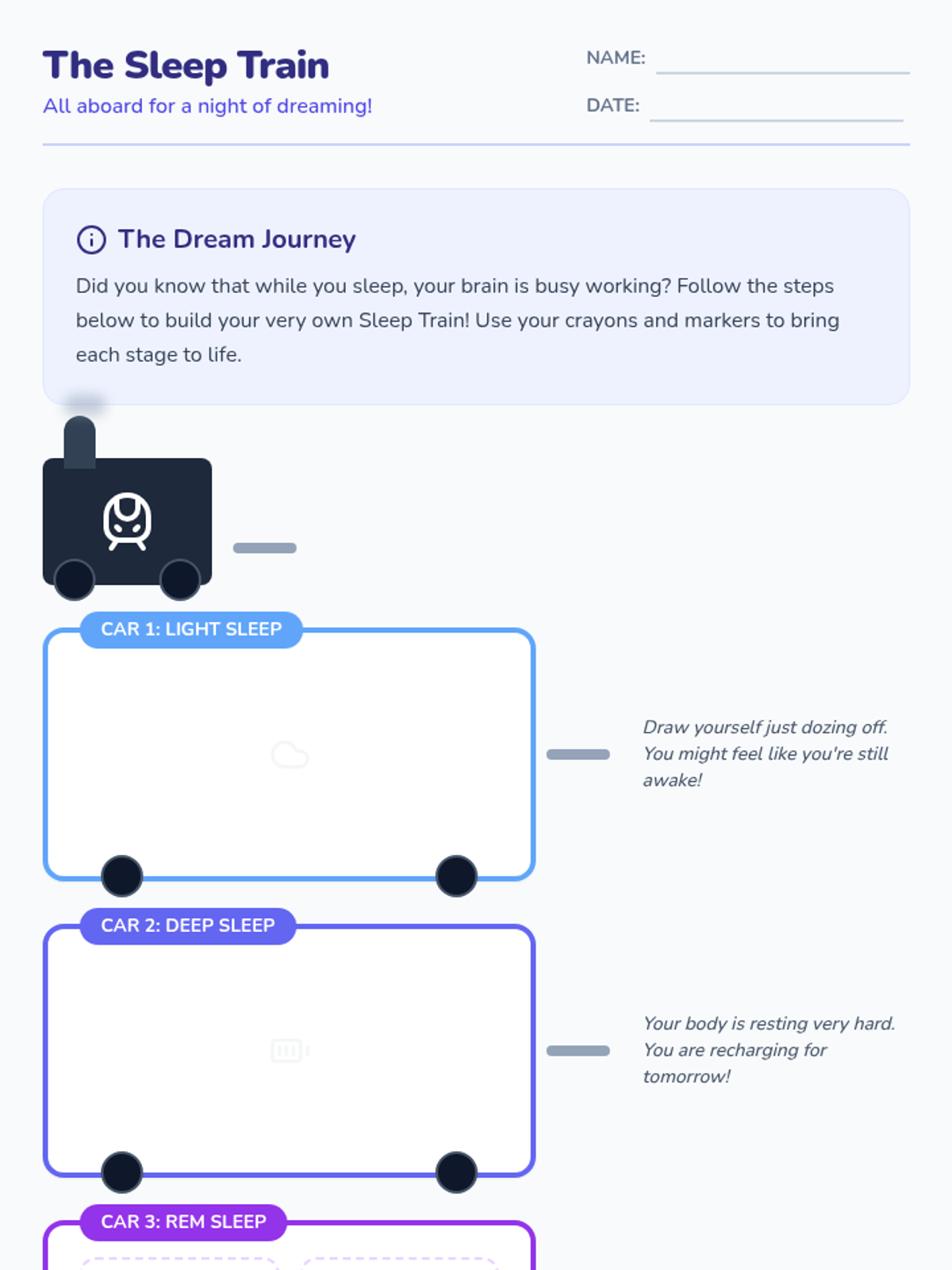
A dreamy lesson for 2nd graders to understand the three stages of sleep—Light, Deep, and REM—through a visual train metaphor and a creative drawing activity based on the science of dreams.
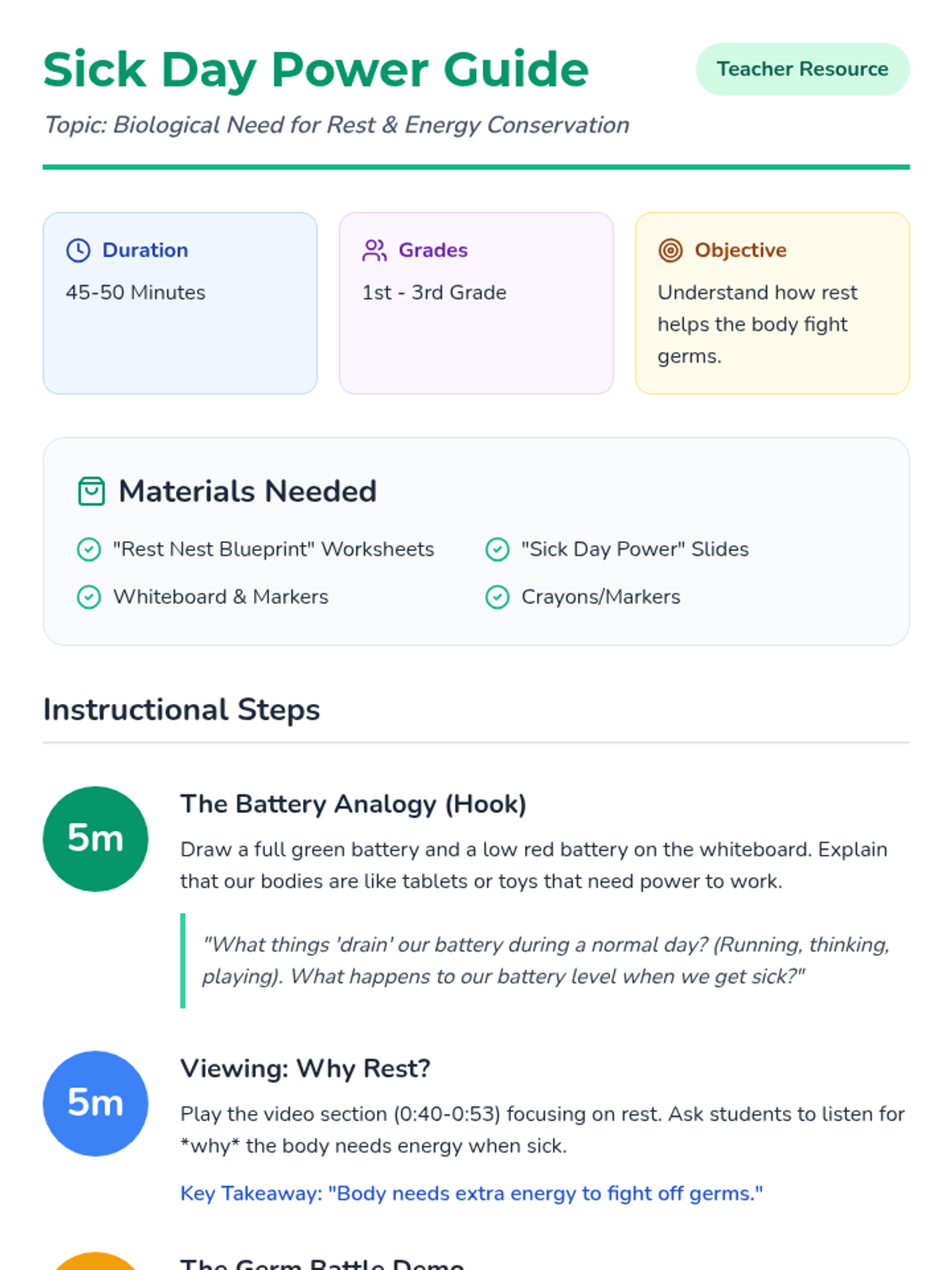
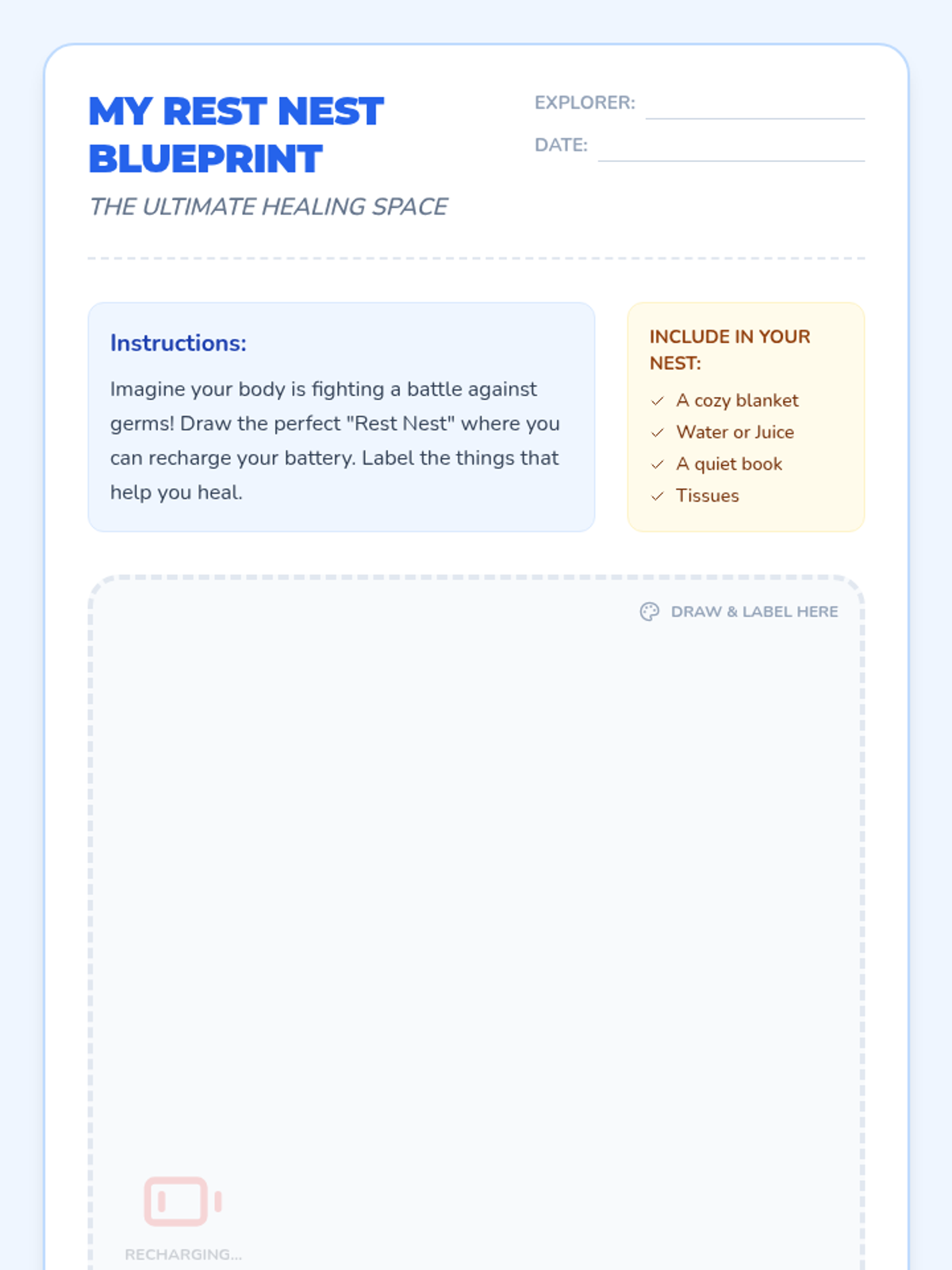
A lesson for 1st-3rd grade students on why the body needs rest to fight illness, featuring the 'Battery Analogy' and a creative design activity.
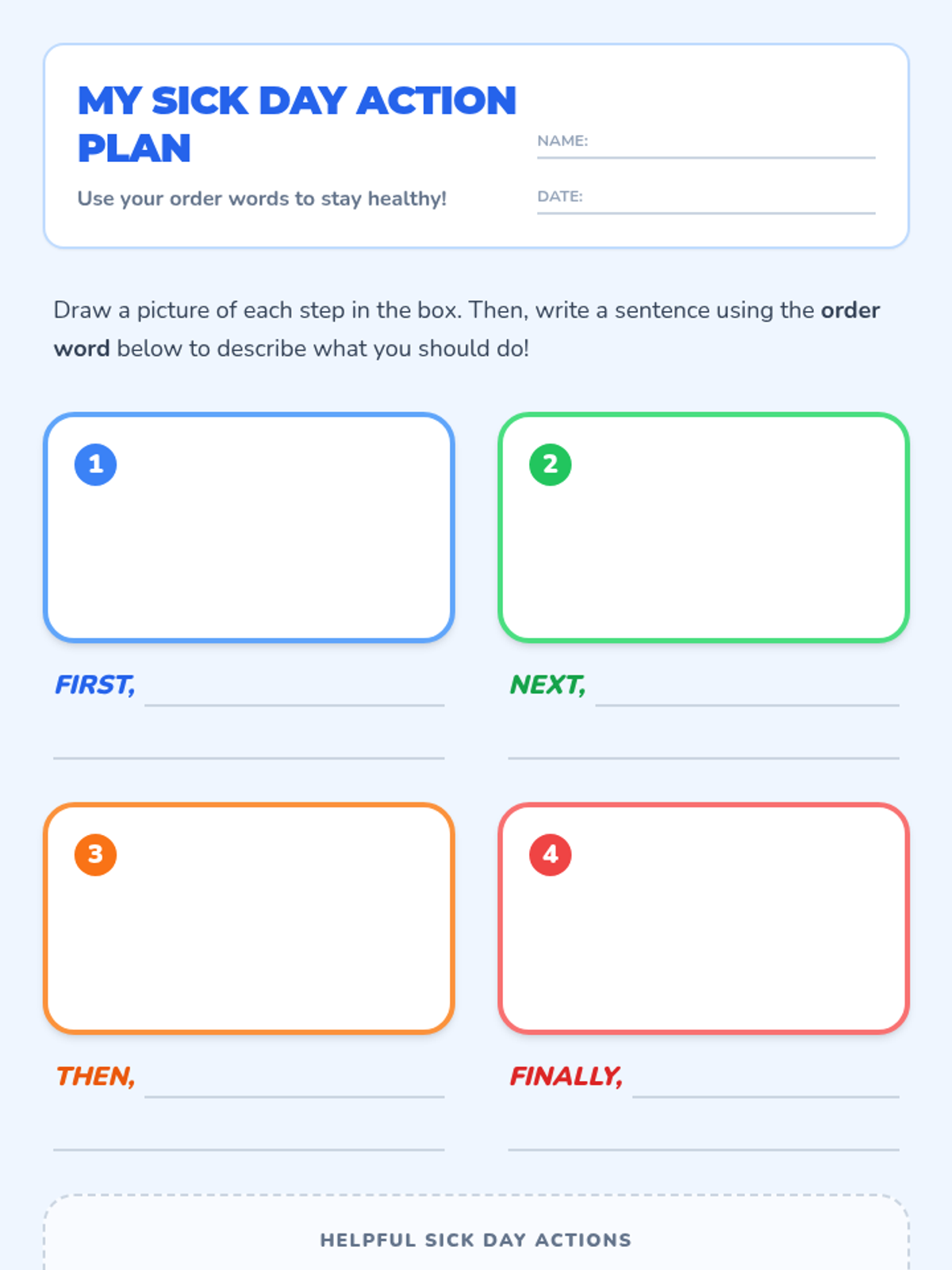
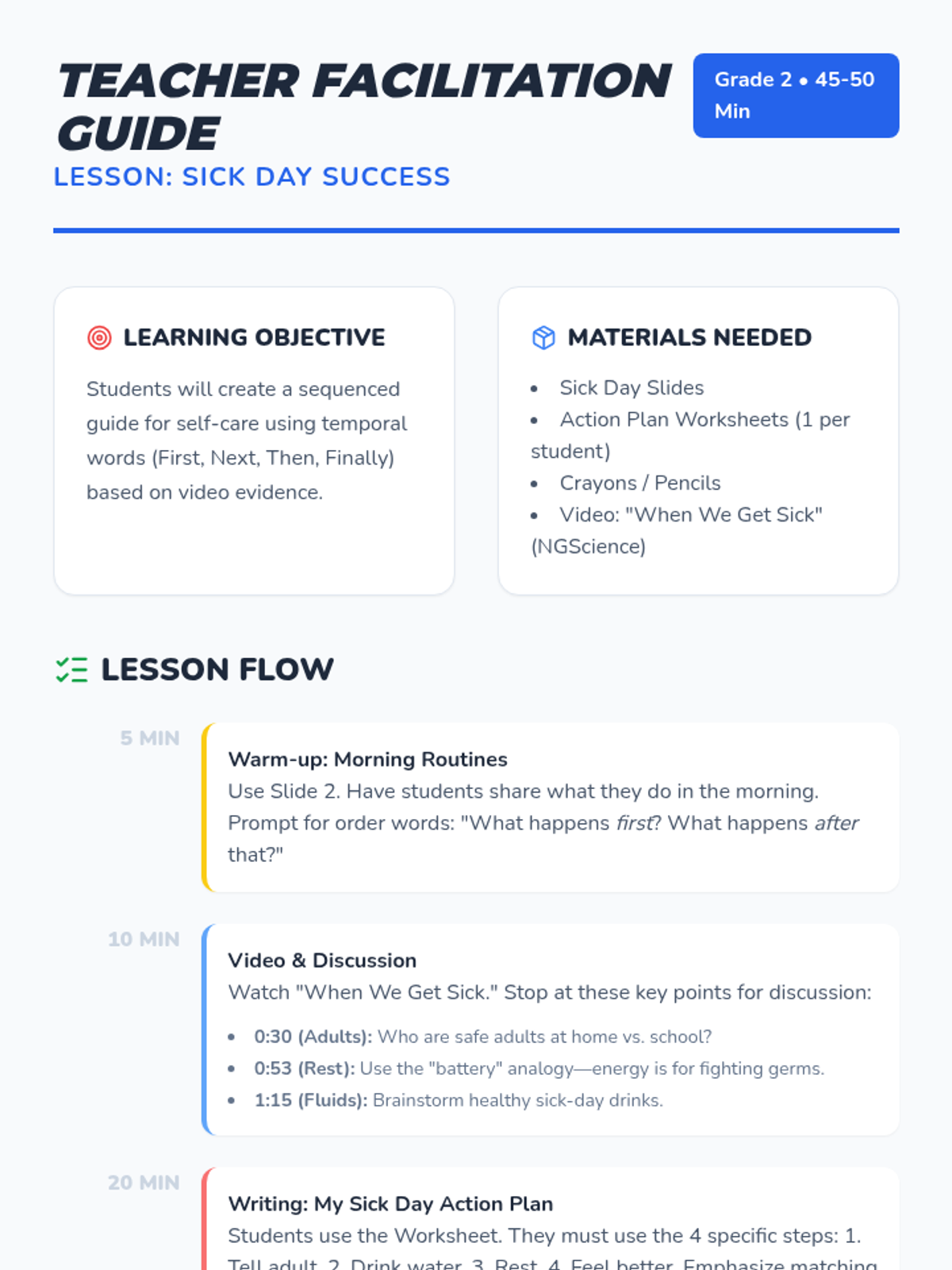
In this 2nd-grade lesson, students learn to sequence self-care steps using temporal words (First, Next, Then, Finally) after watching a video about what to do when they get sick.
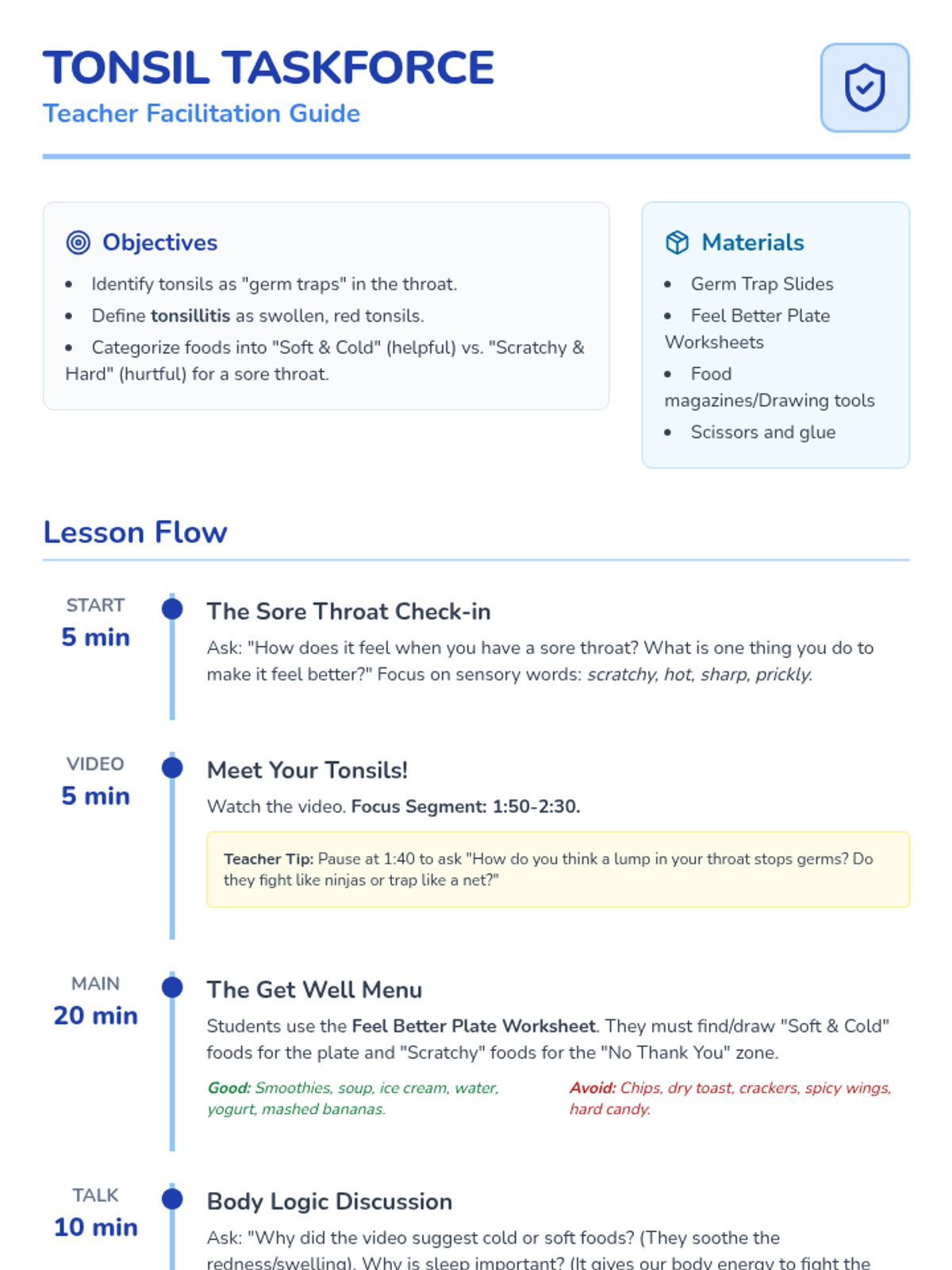
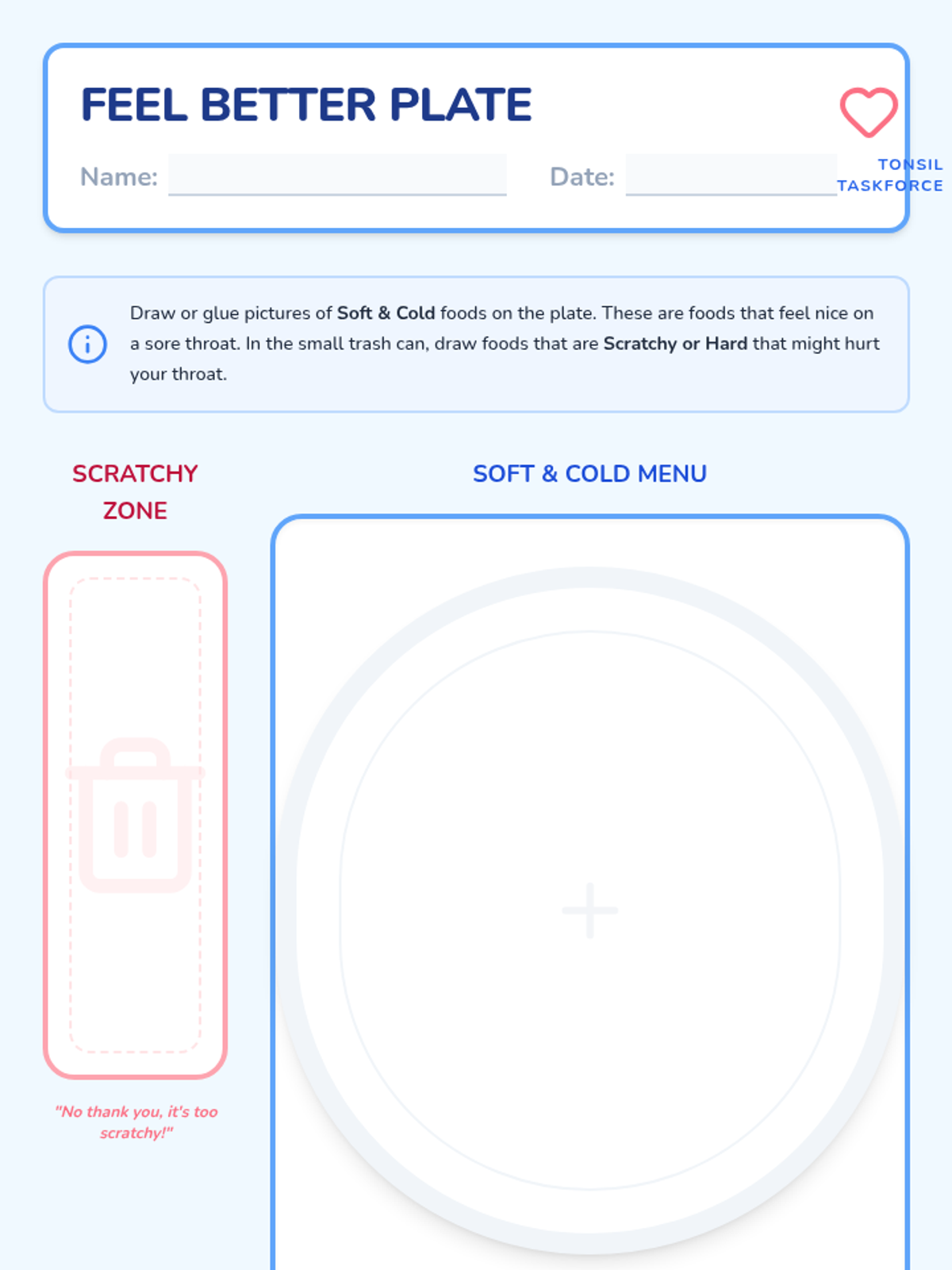
A health-focused lesson for K-3 students about how tonsils protect the body from germs and how to care for them during tonsillitis using a 'soft and cold' care plan.
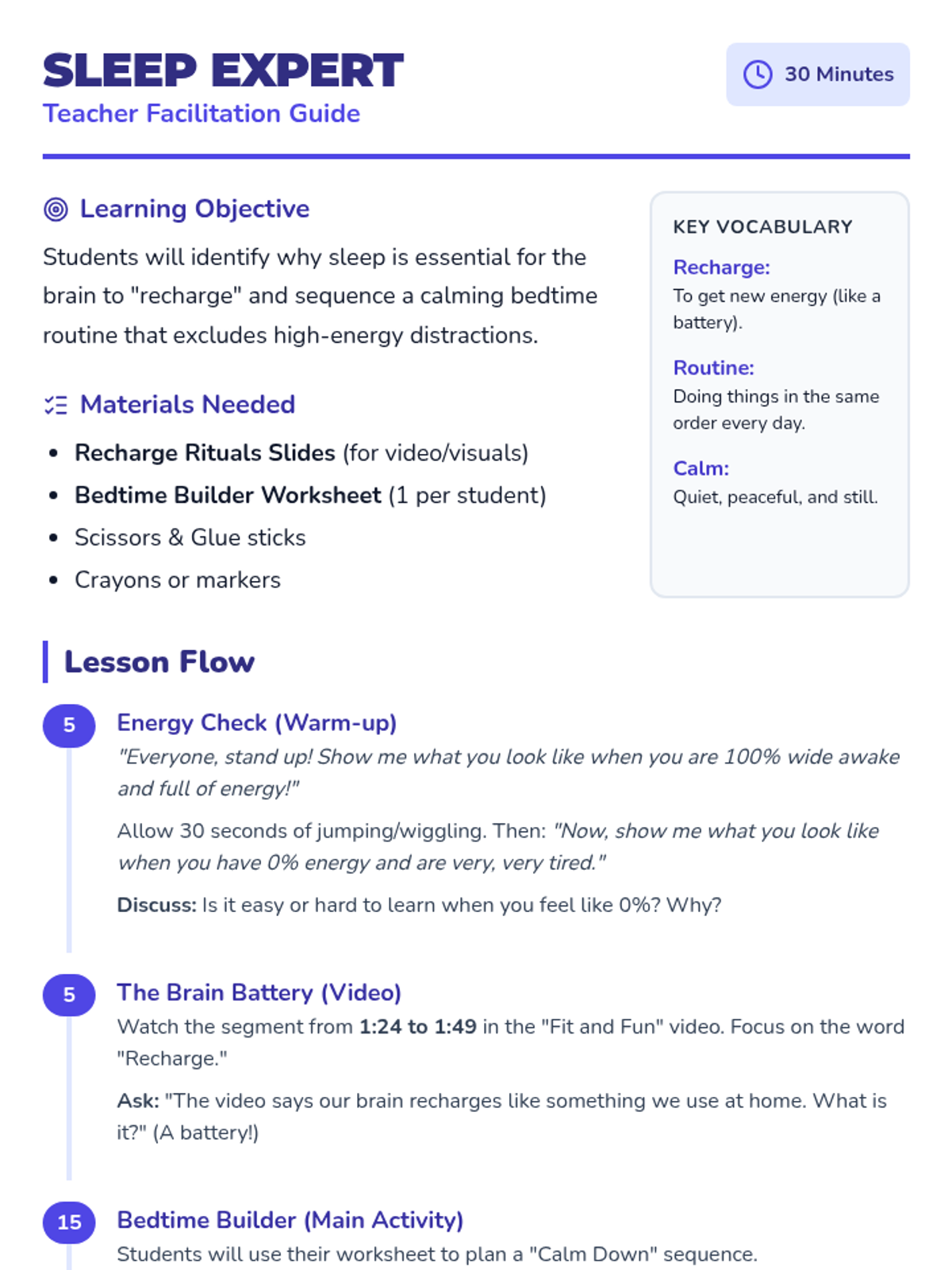
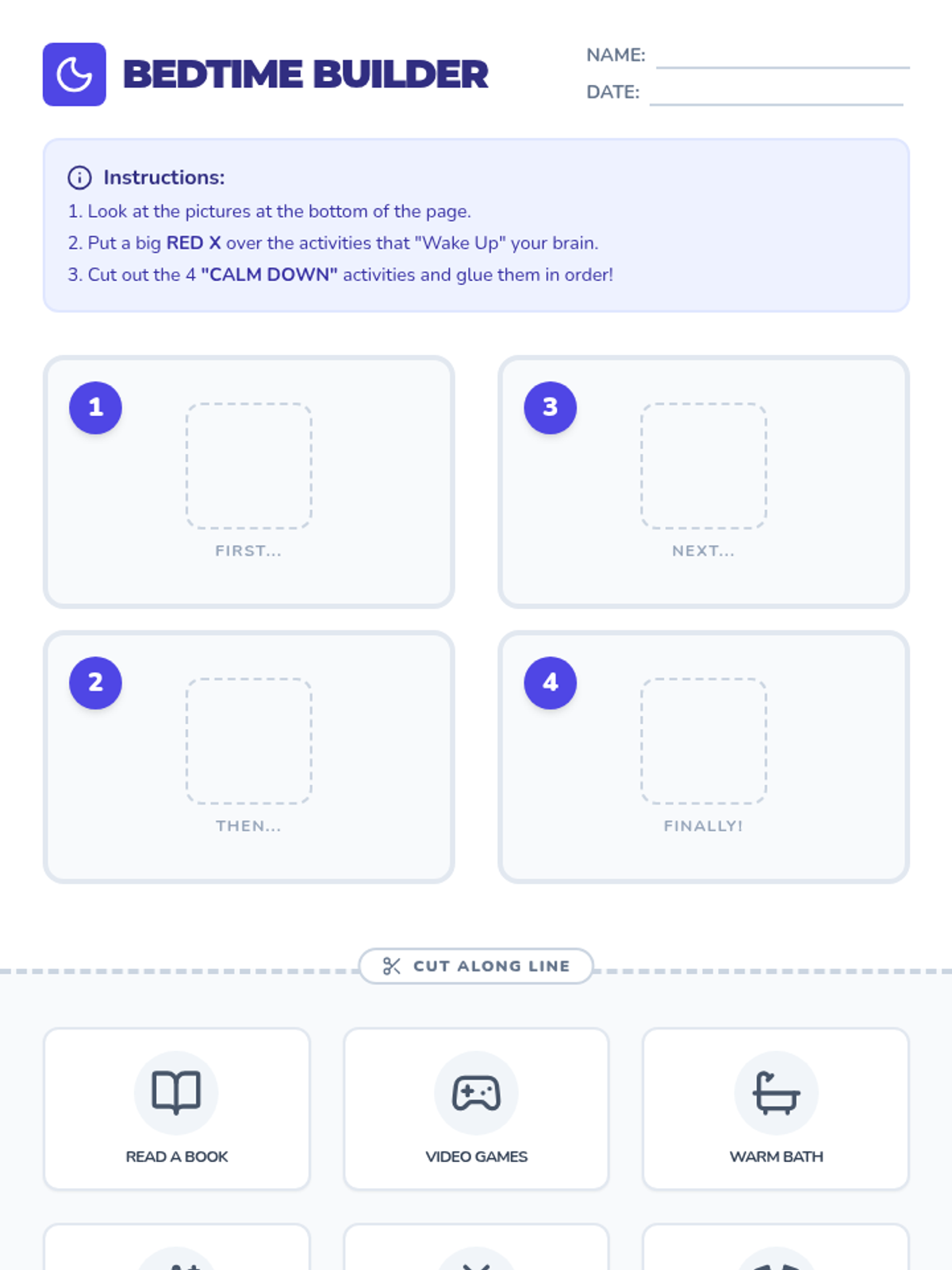
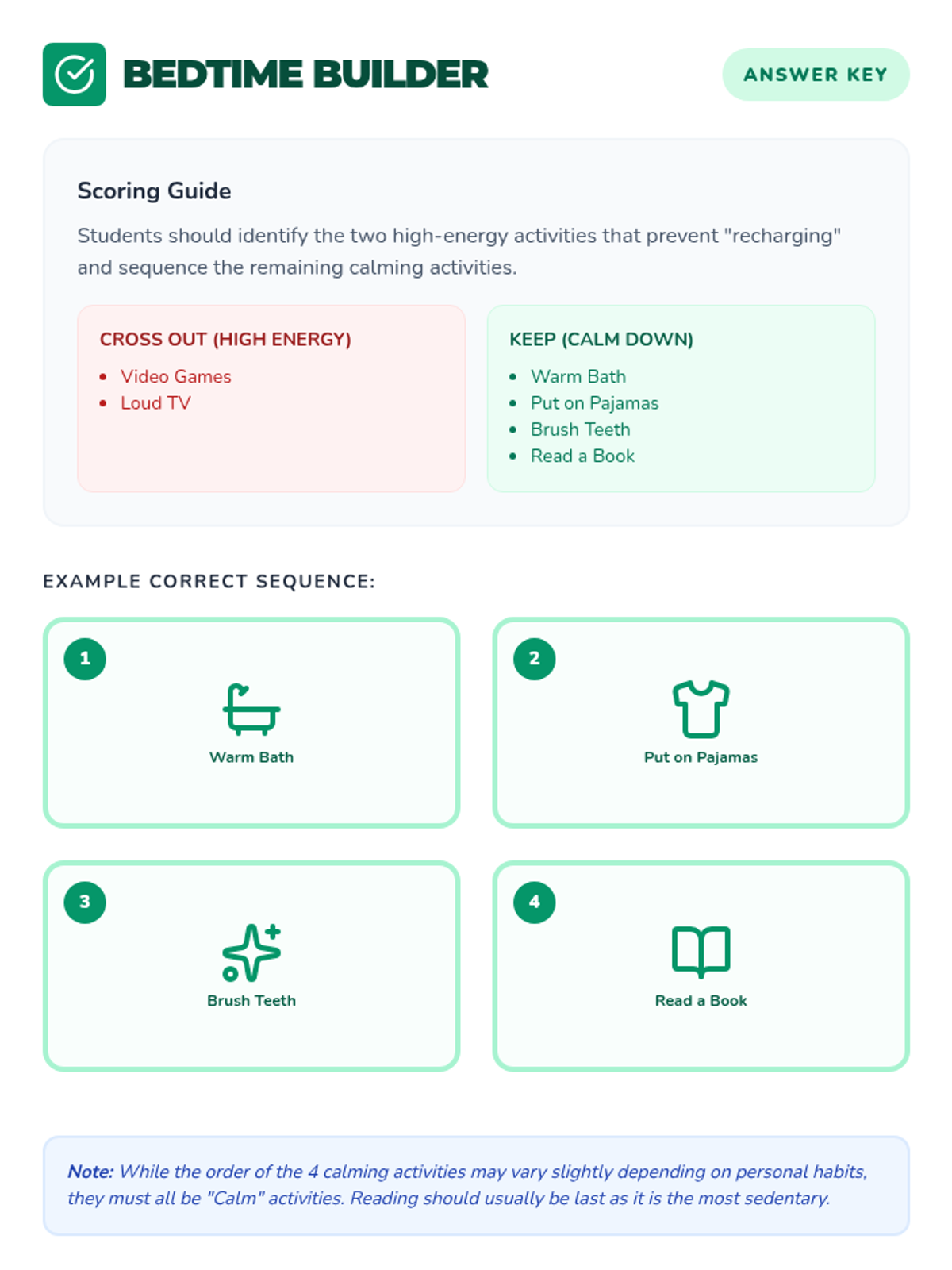
A 1st-2nd grade lesson focused on the biological necessity of sleep and the creation of effective, calming bedtime routines to help the brain 'recharge'.
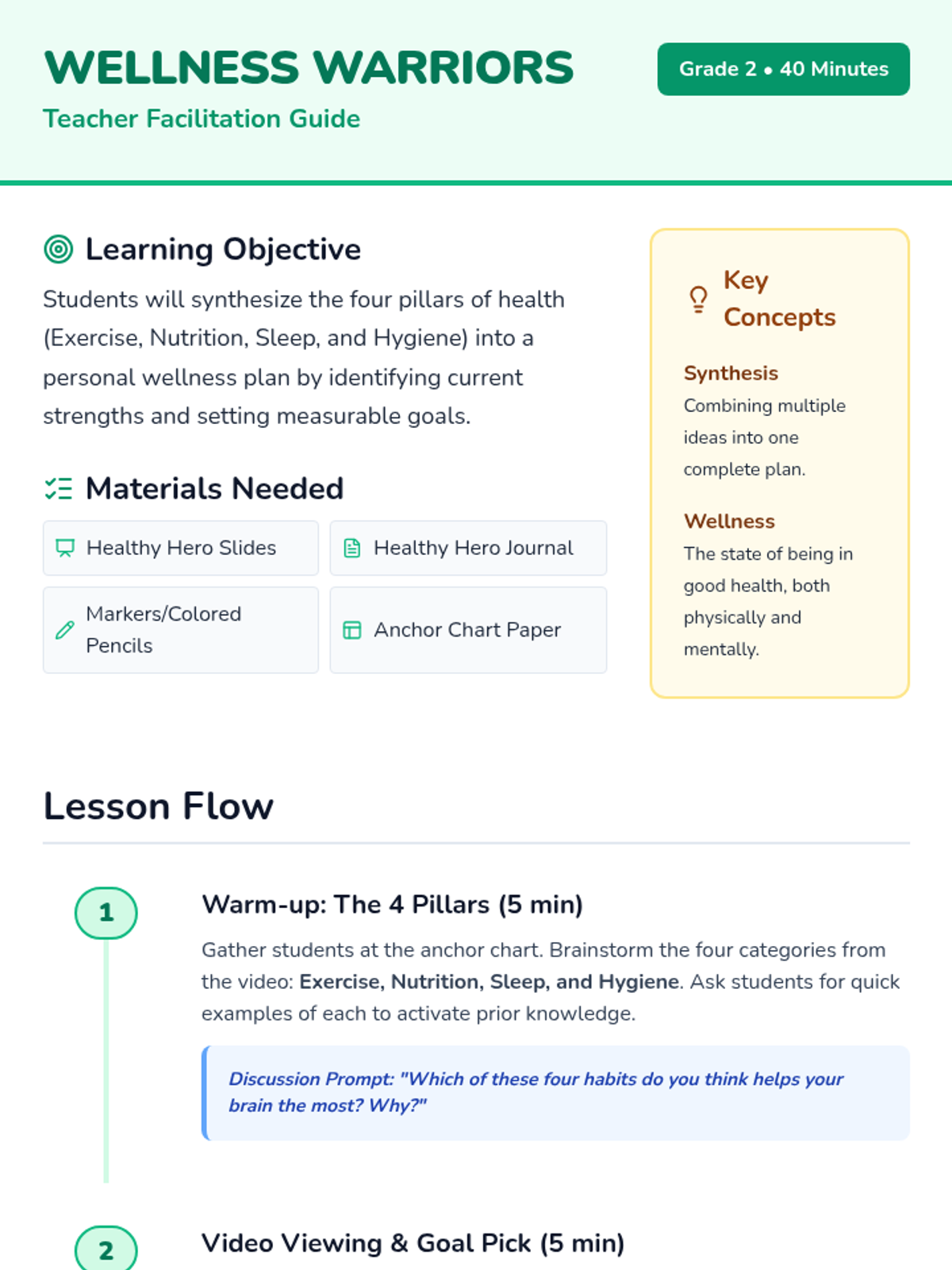
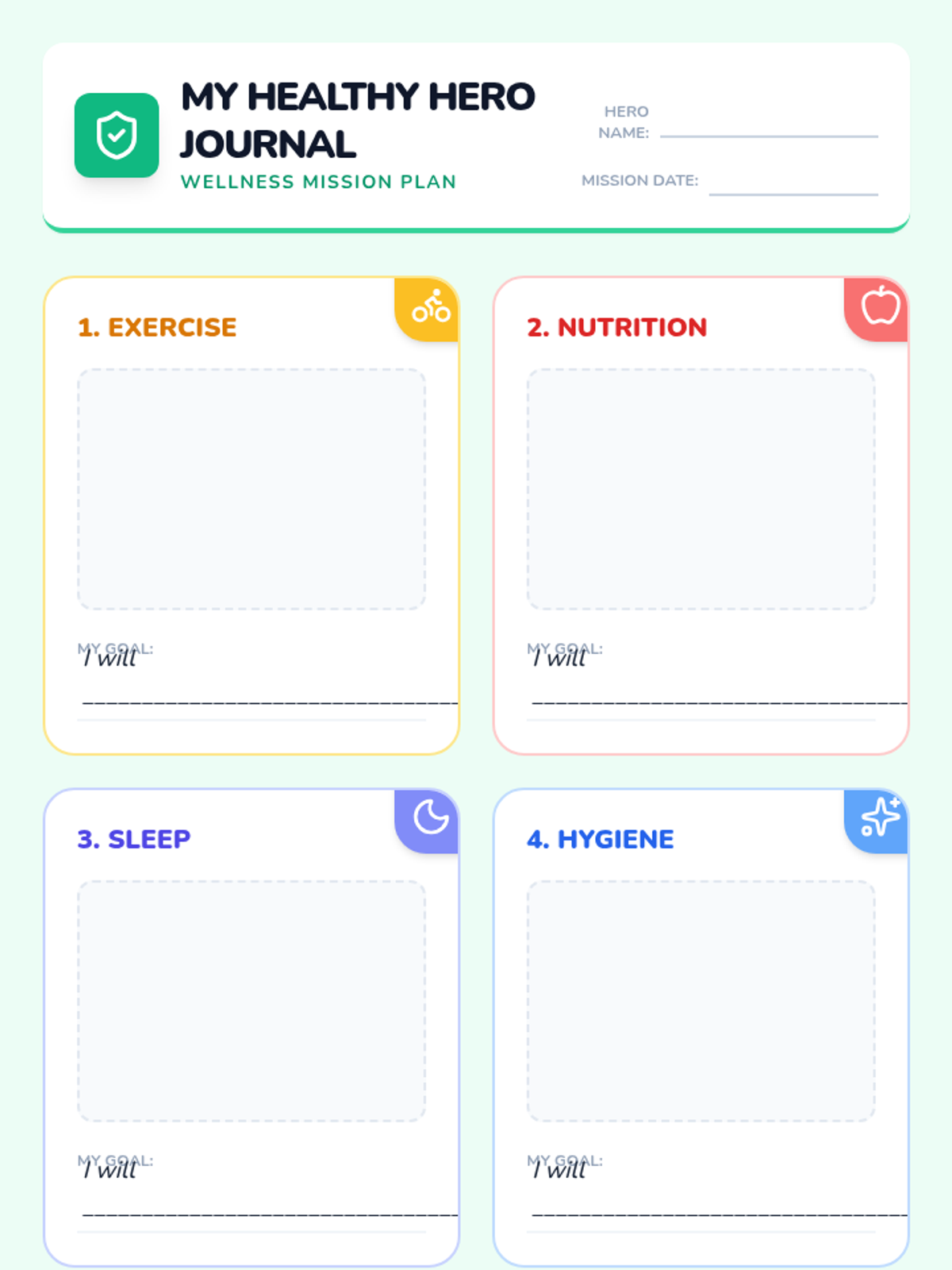
A high-energy lesson where students synthesize knowledge of exercise, nutrition, sleep, and hygiene to create their own personal 'Healthy Hero' wellness plan.
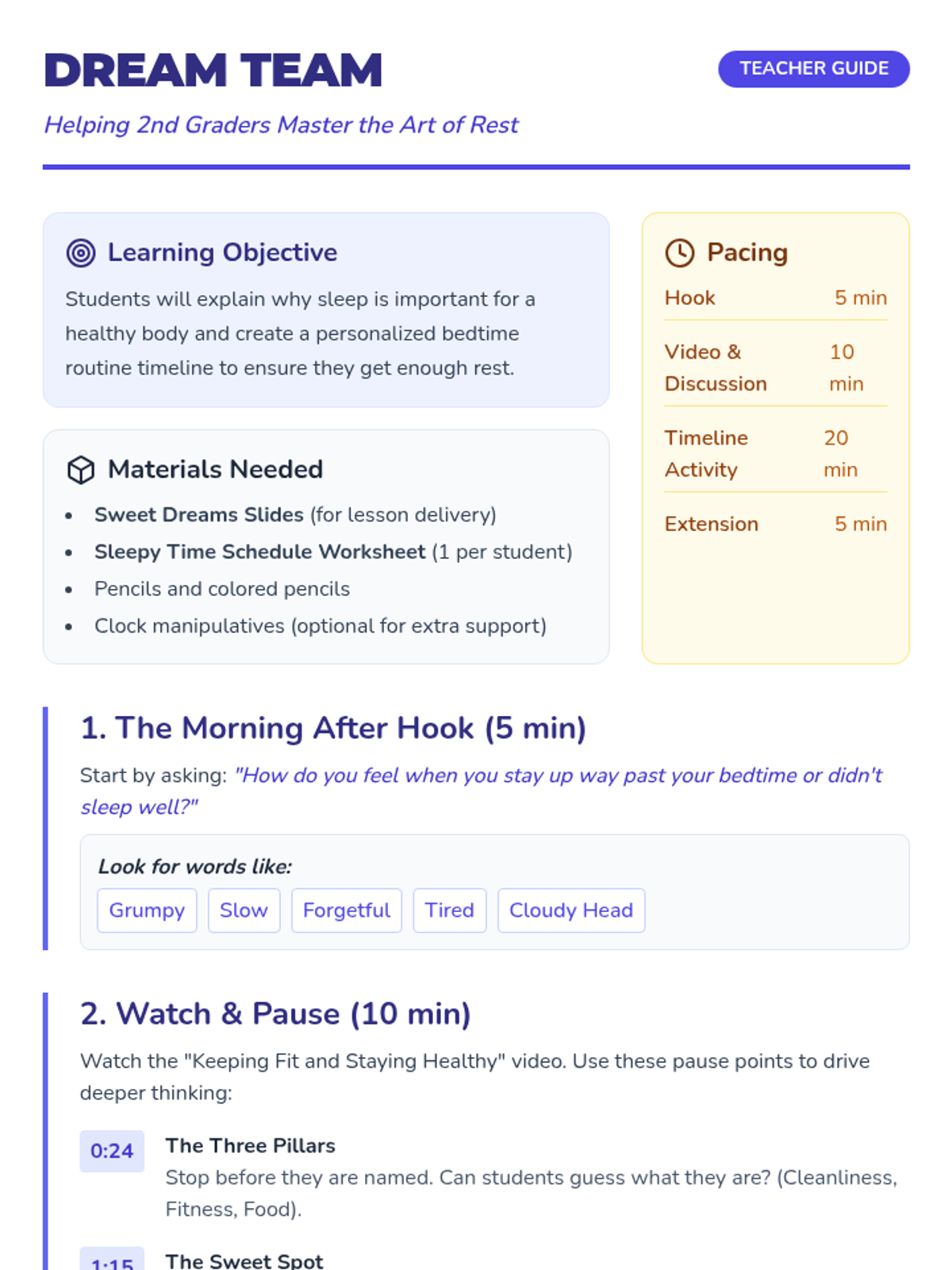
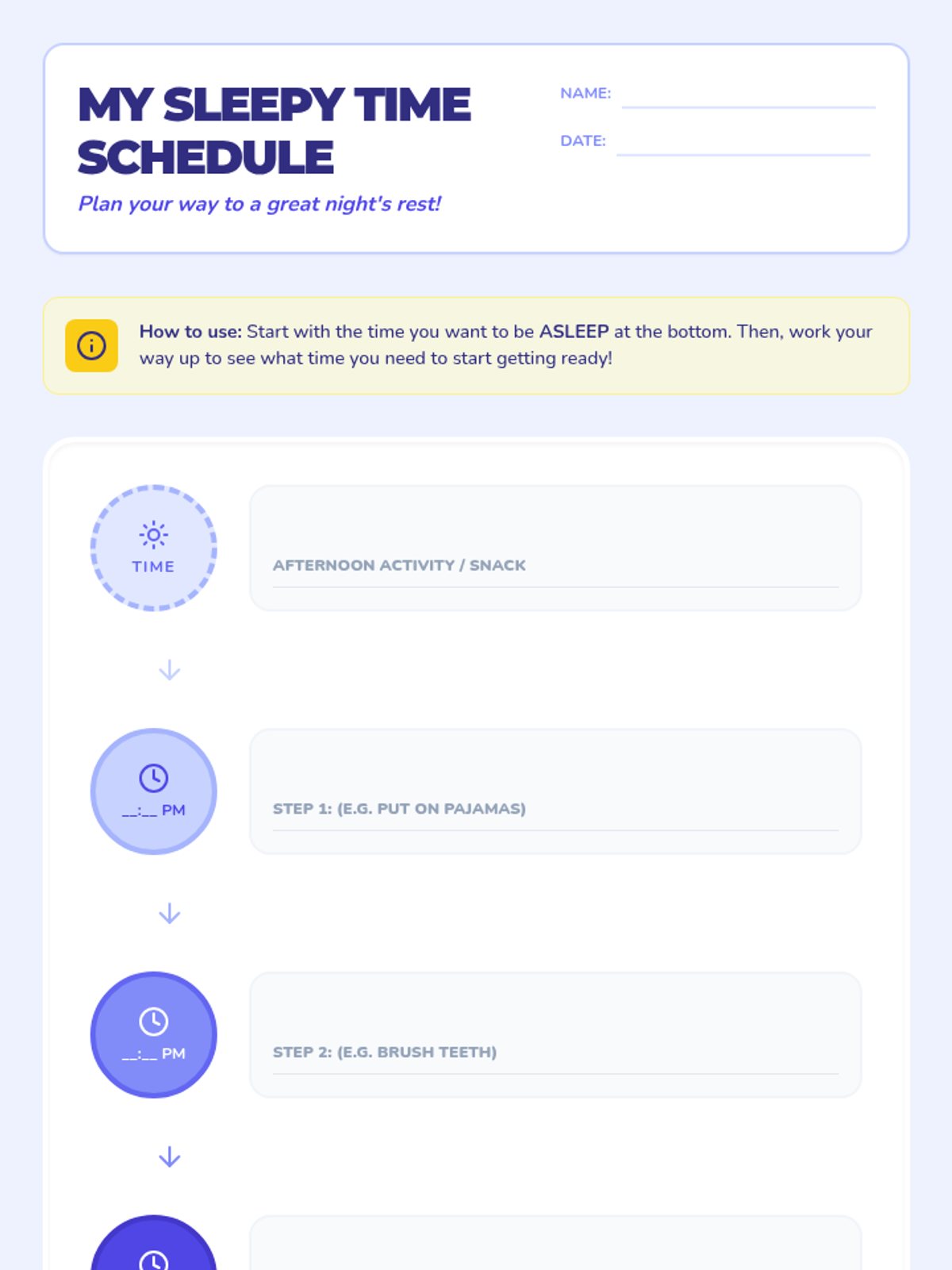
Students discover the importance of a good night's sleep and develop a personal bedtime routine through interactive discussion, a video analysis, and a timeline activity.
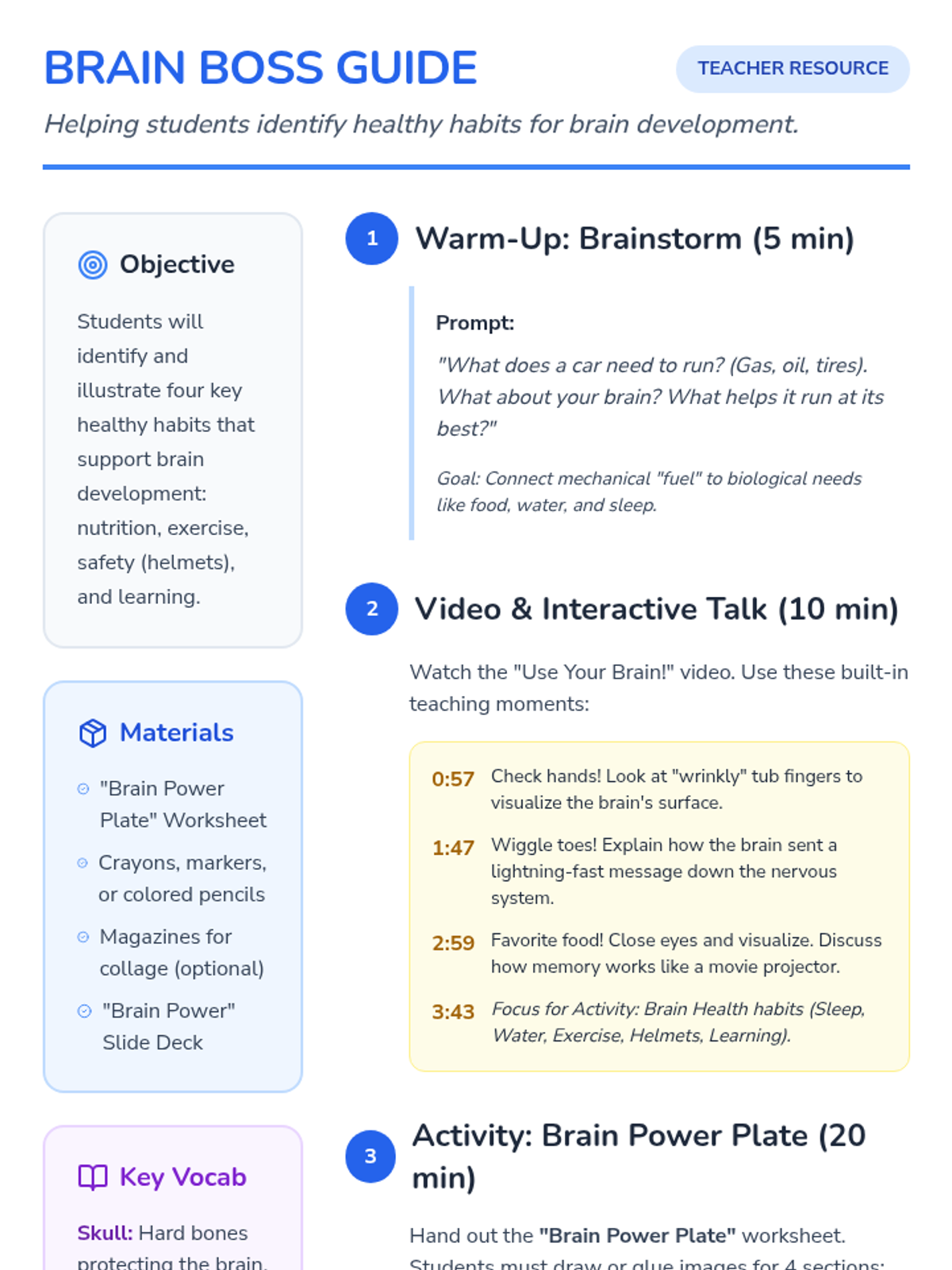
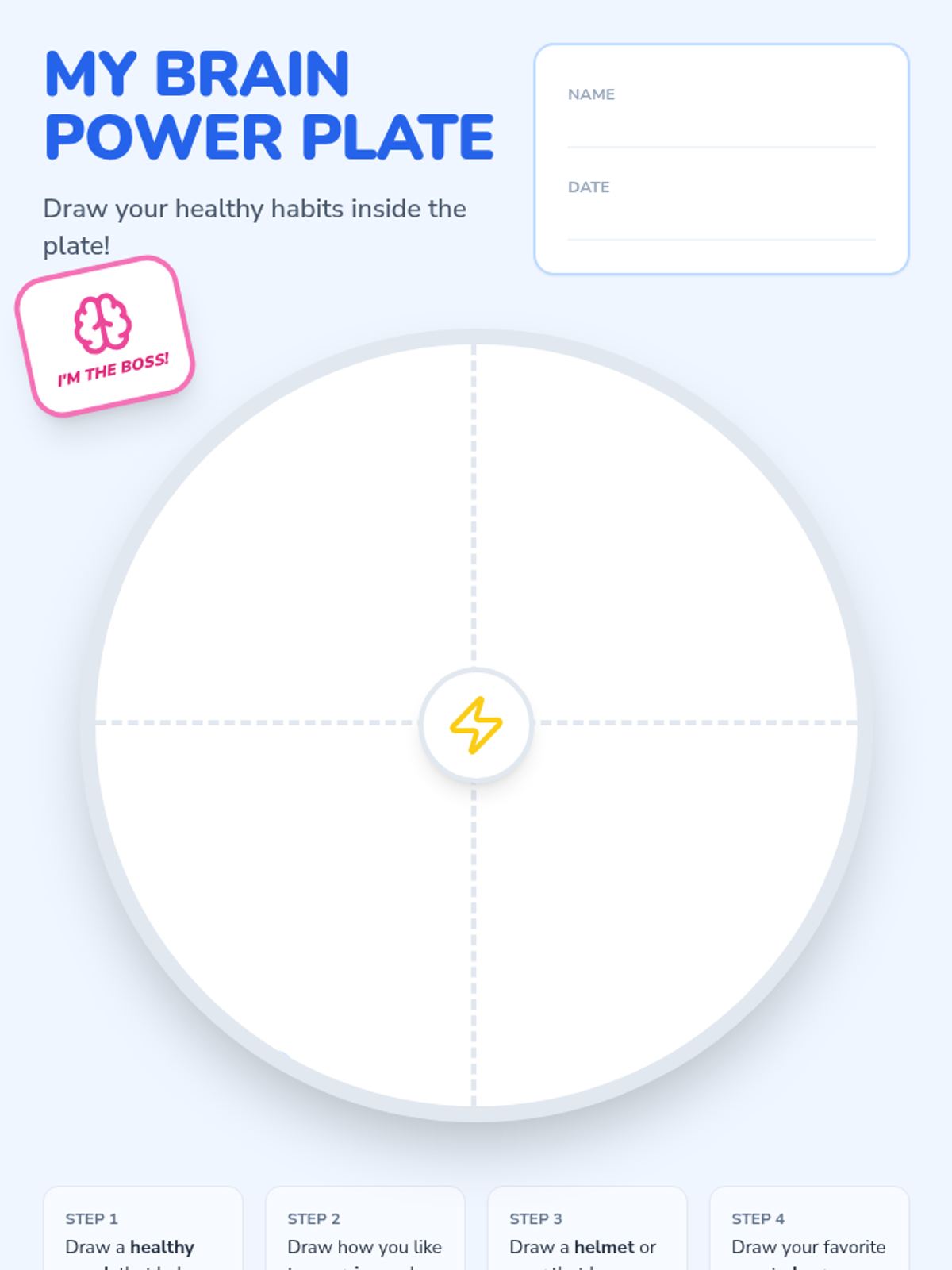
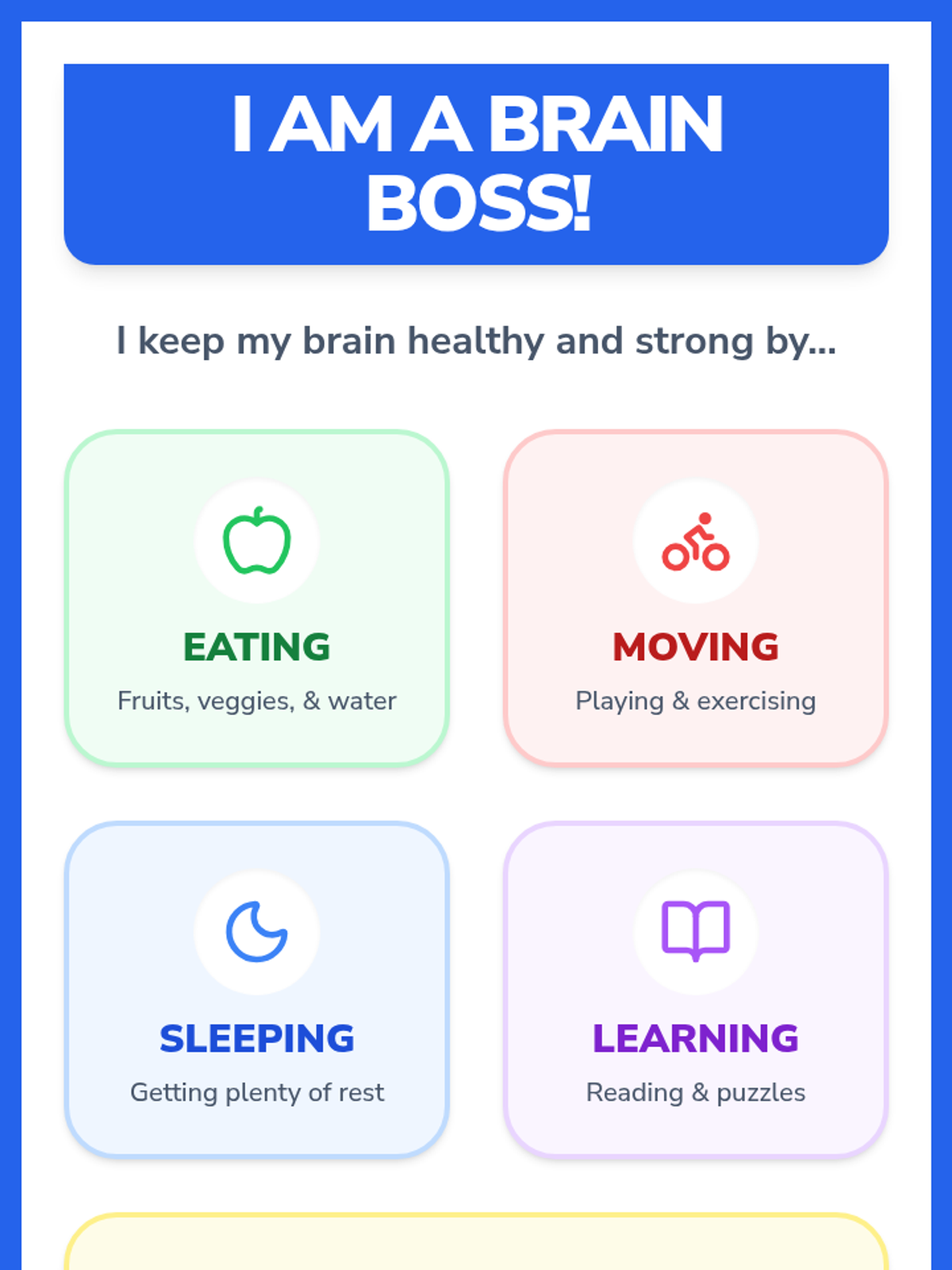
A lesson for 1st-2nd graders to discover how their brain works and how to keep it healthy through nutrition, exercise, sleep, safety, and learning.
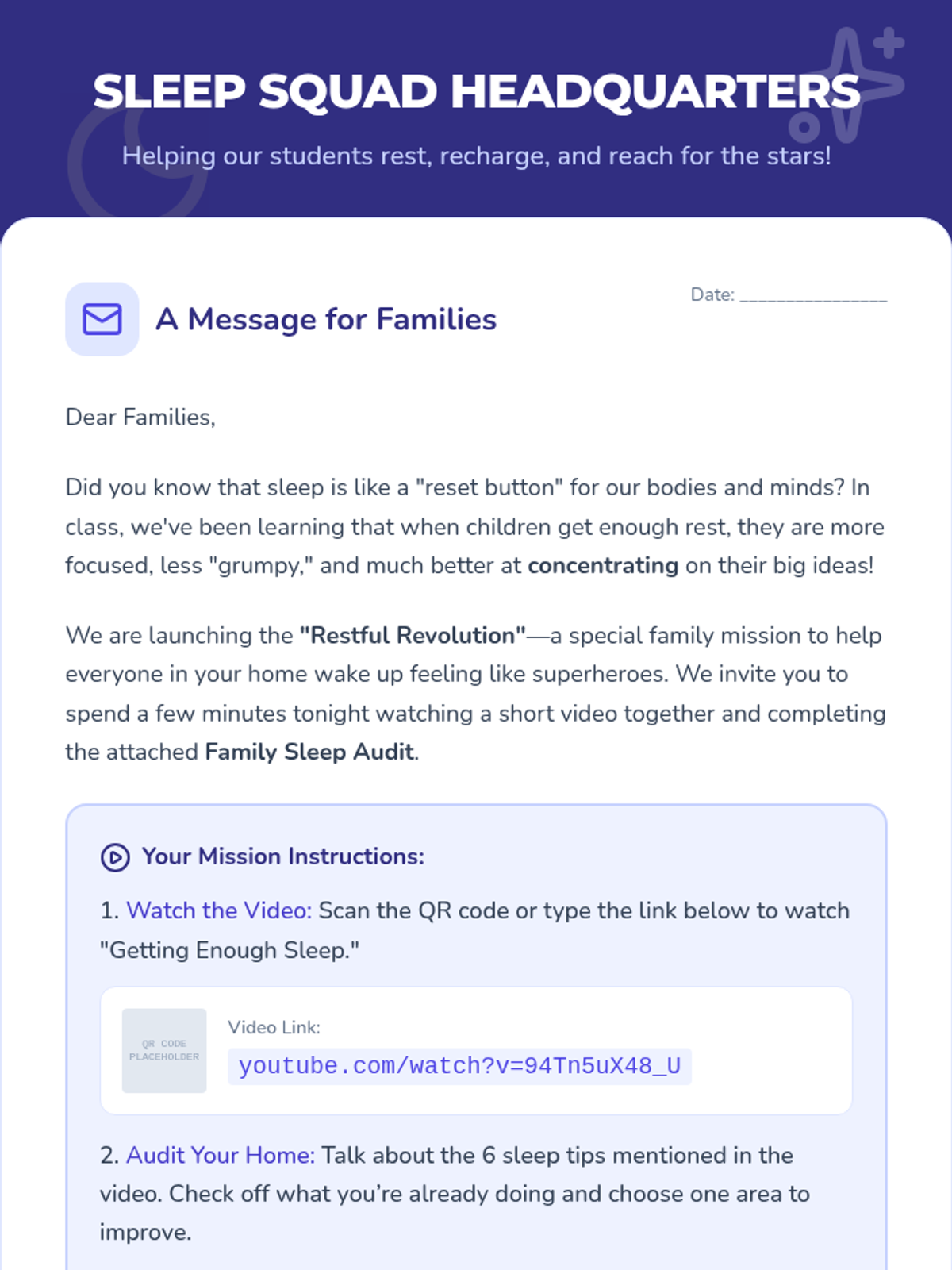
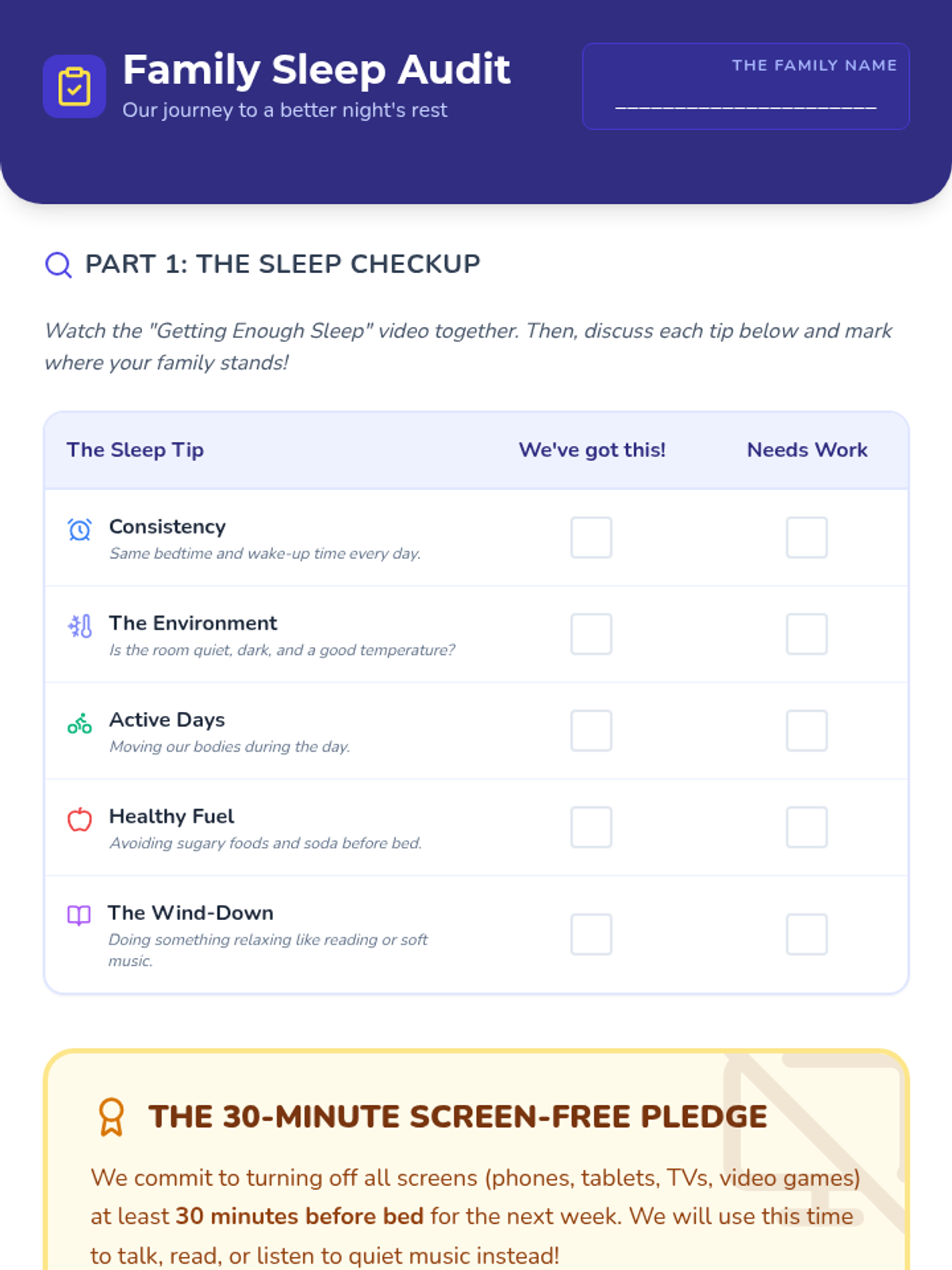
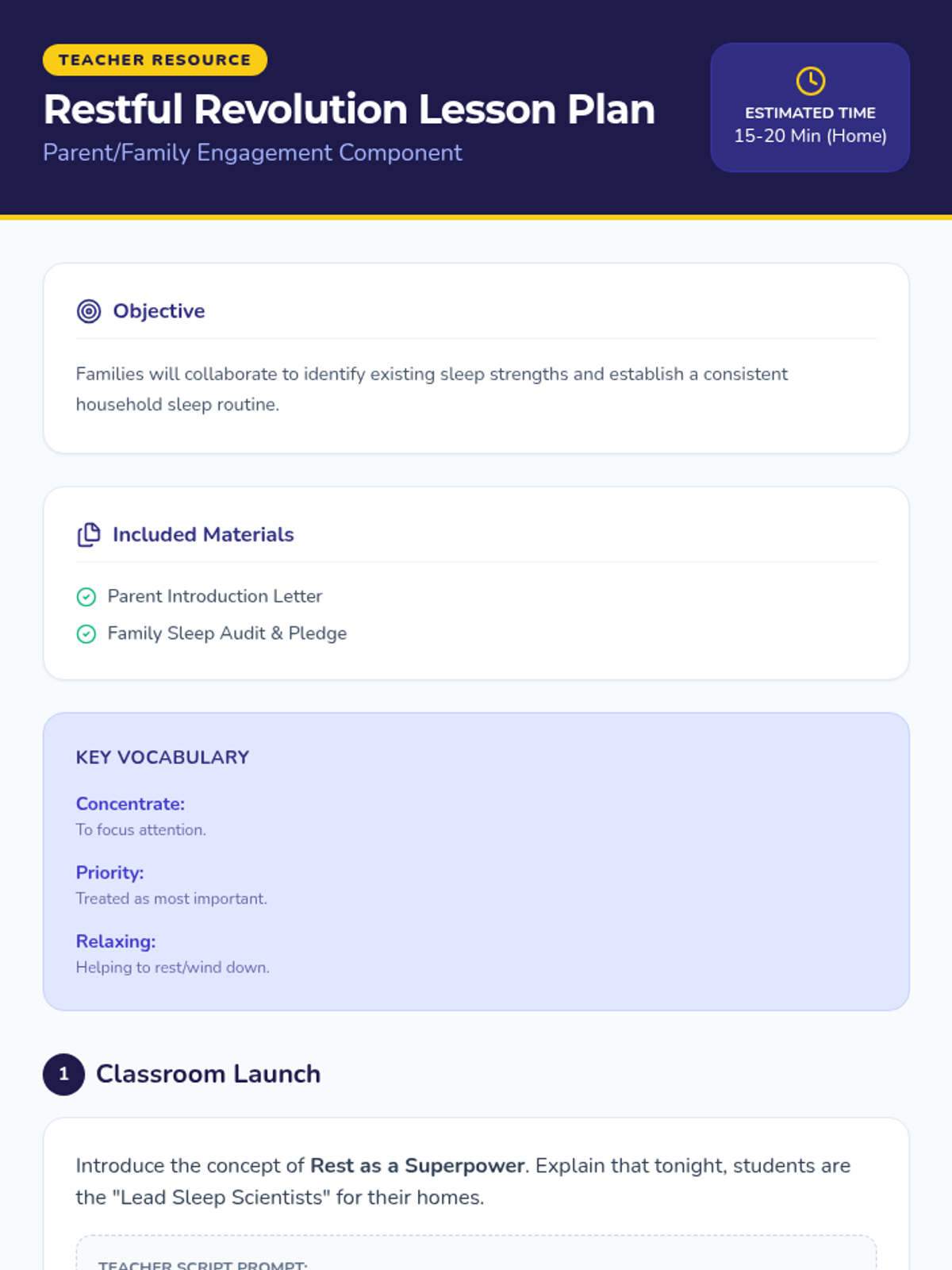
A home-connection lesson designed to help families establish healthy sleep habits through a shared video viewing, a household audit, and a screen-free commitment.
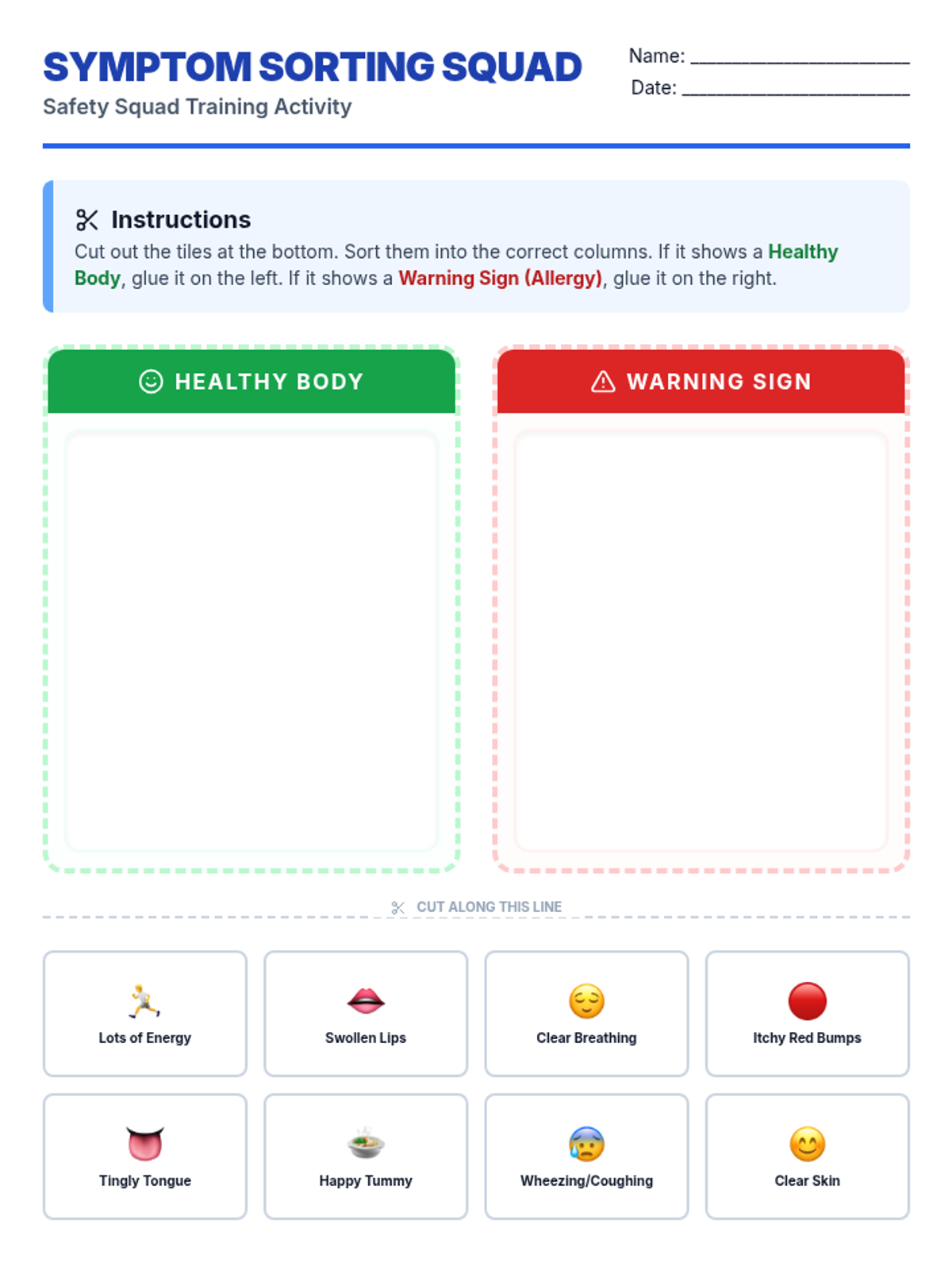
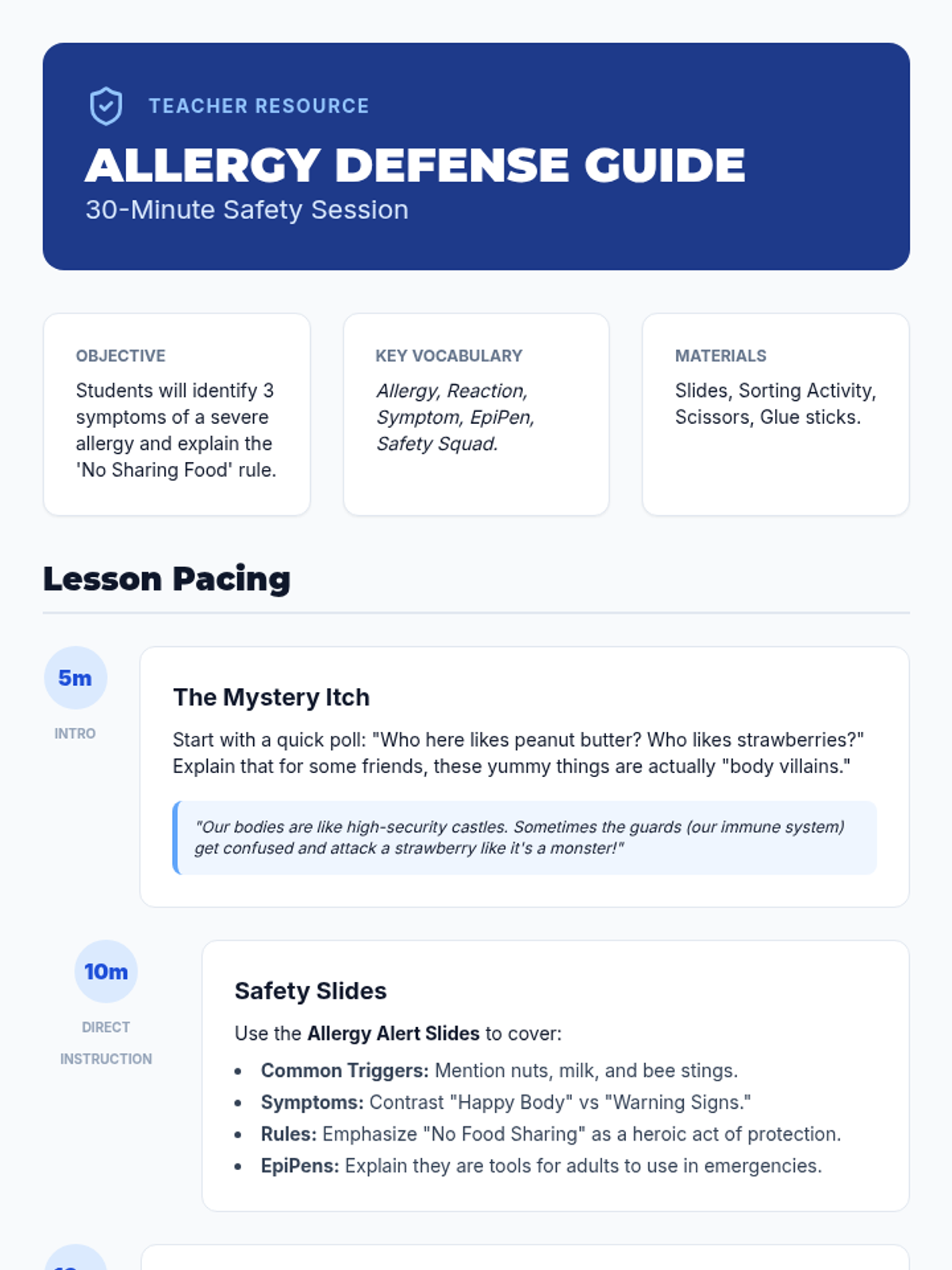
A 30-minute lesson focusing on identifying common allergy symptoms, understanding food safety rules, and recognizing the importance of EpiPens for emergency response.
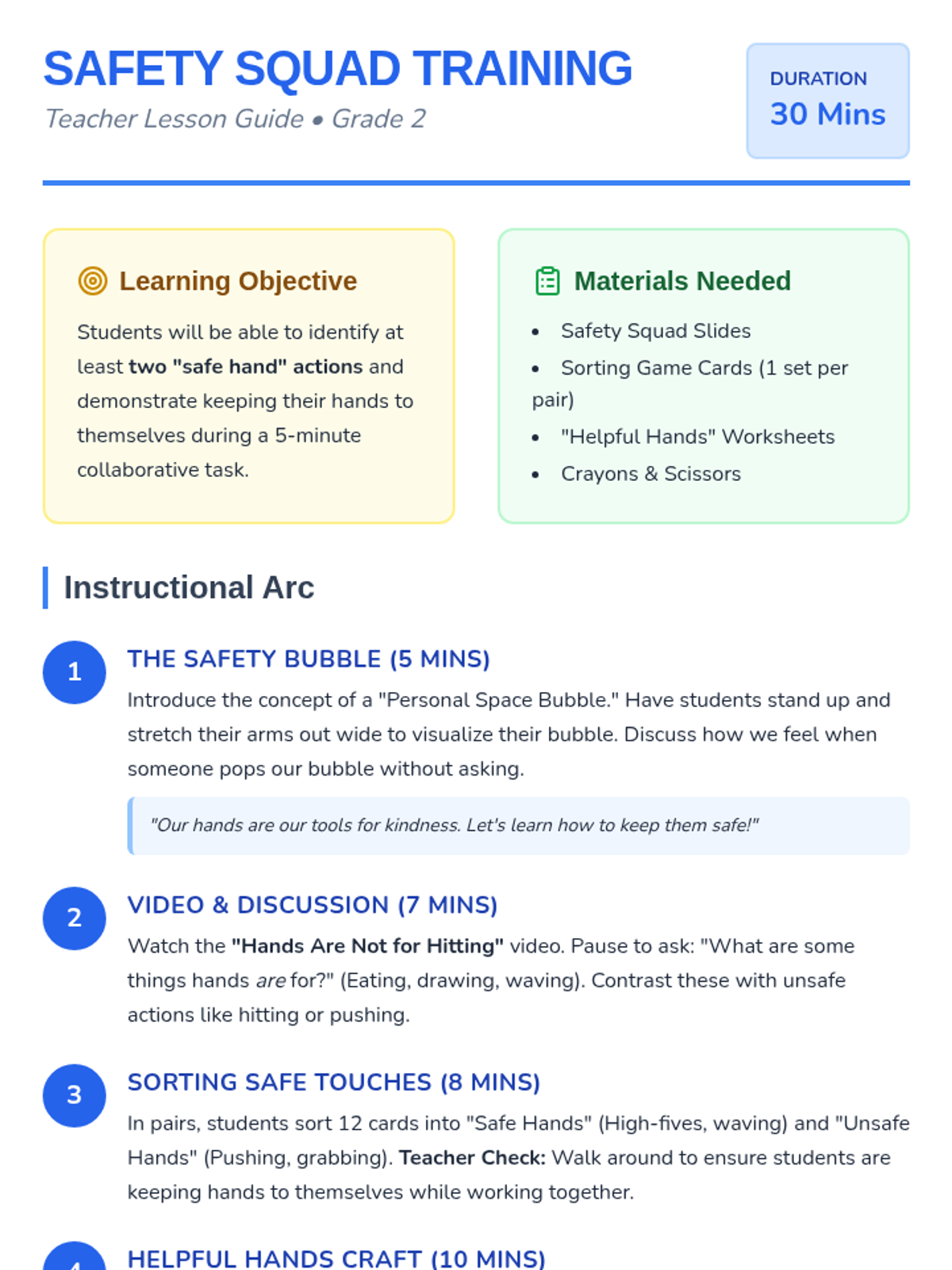
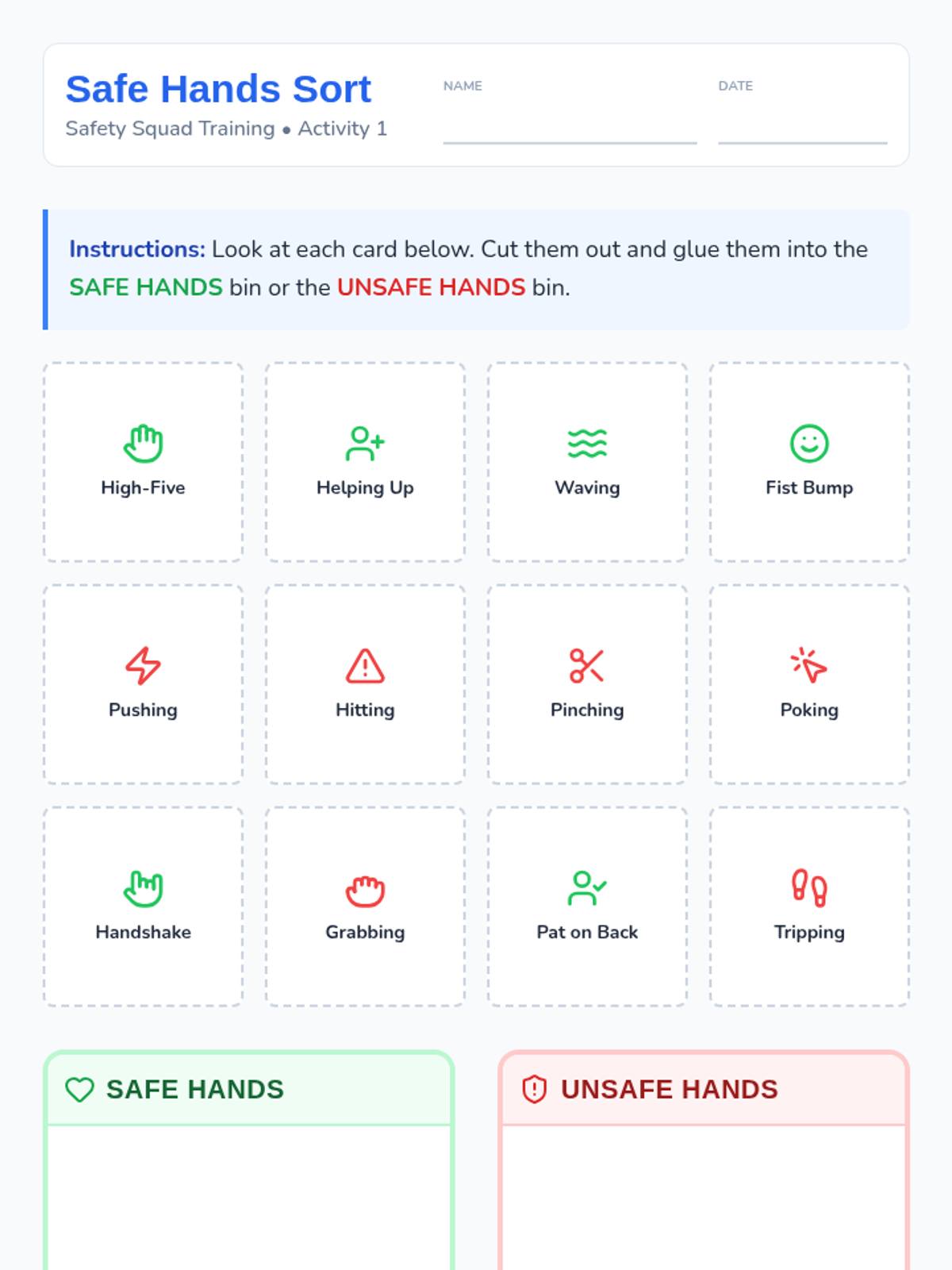
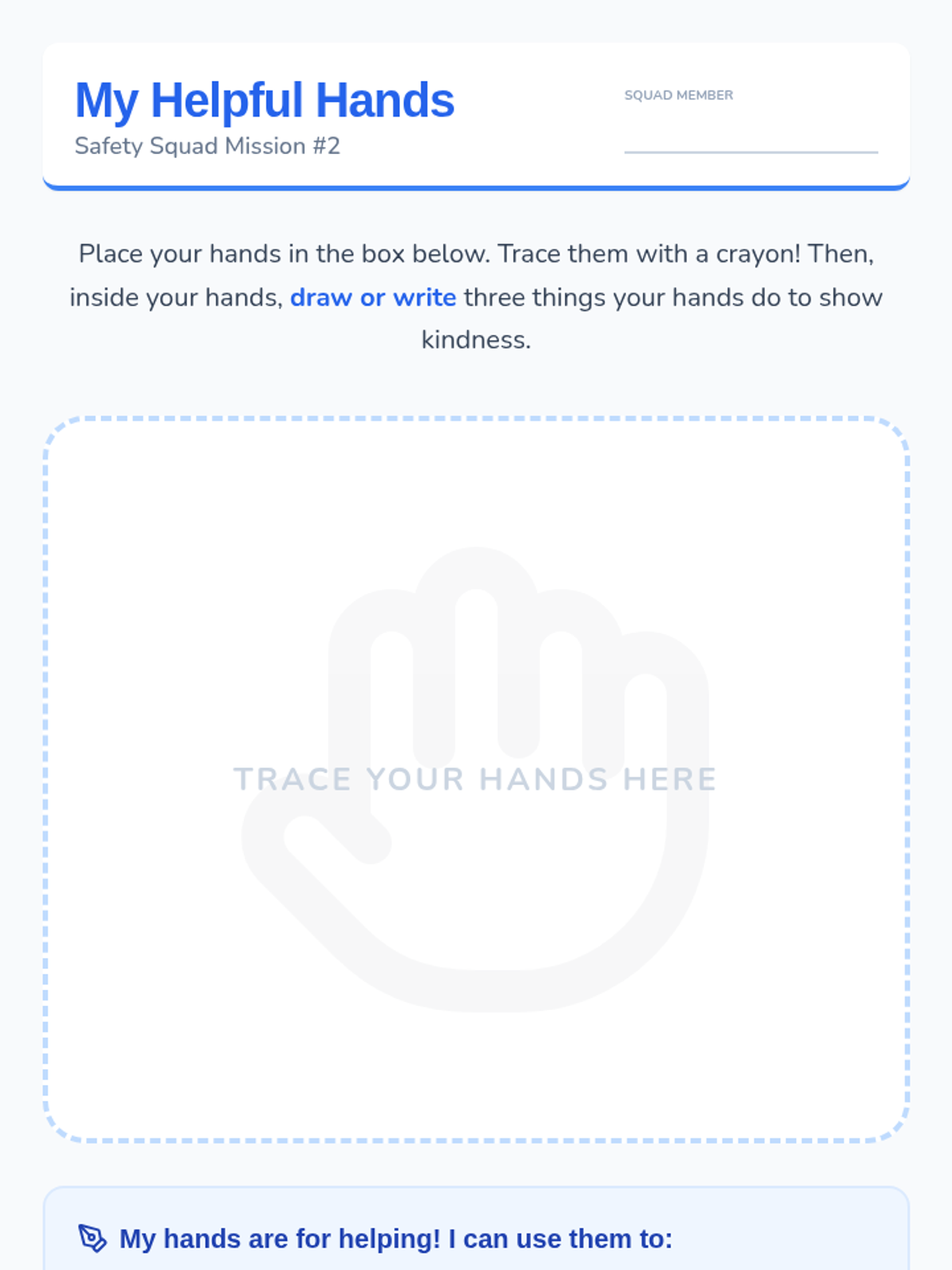
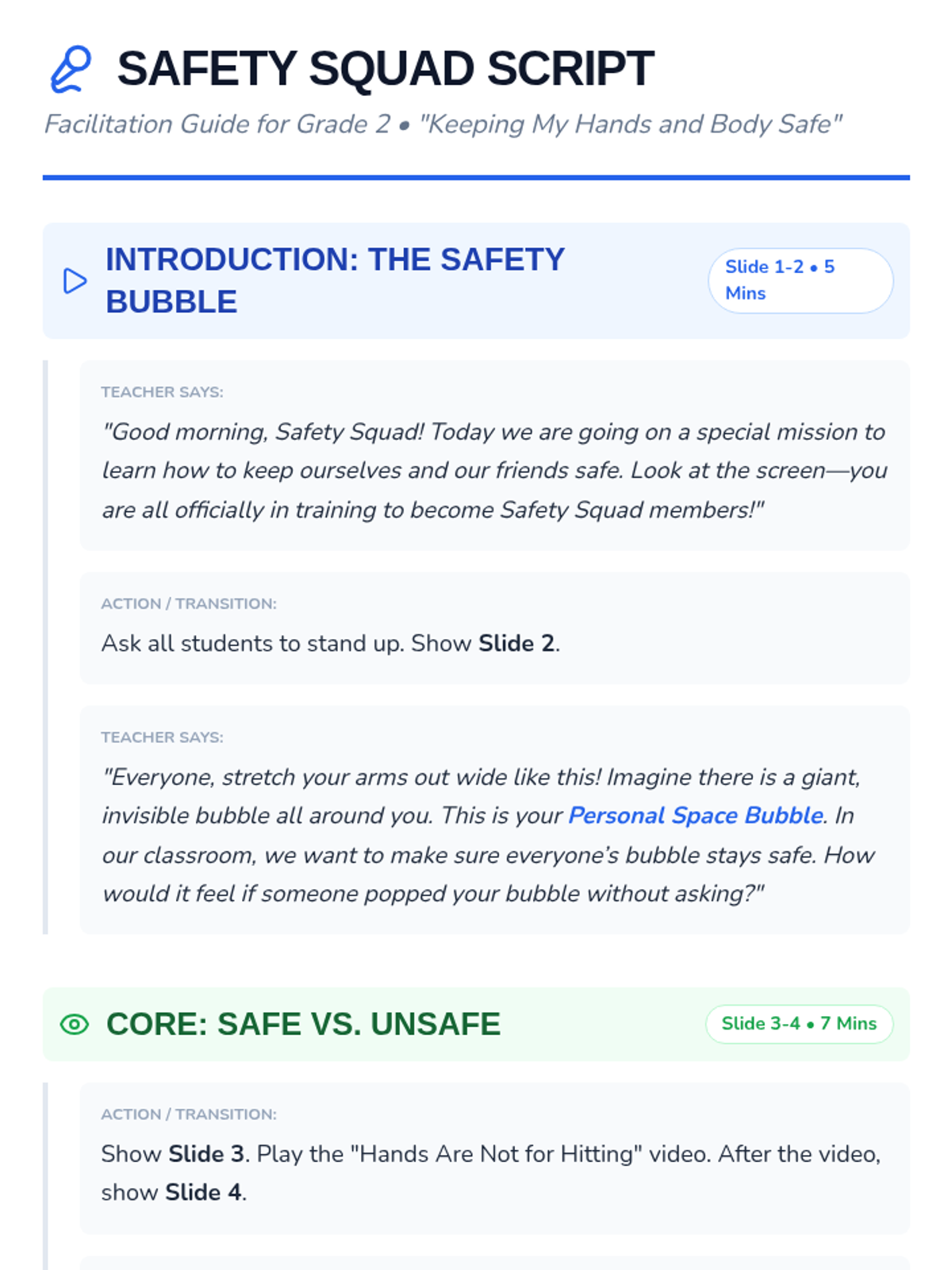
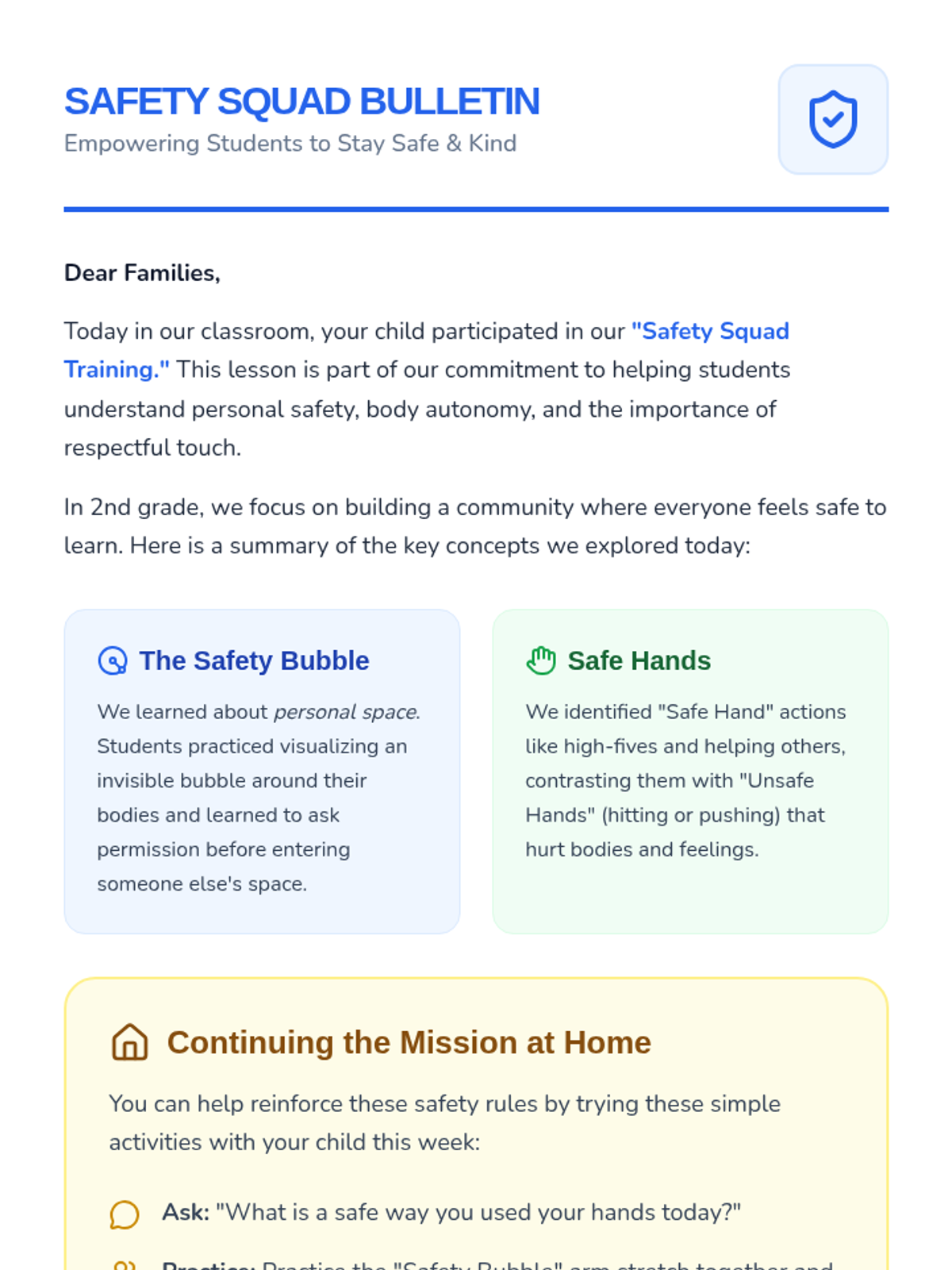
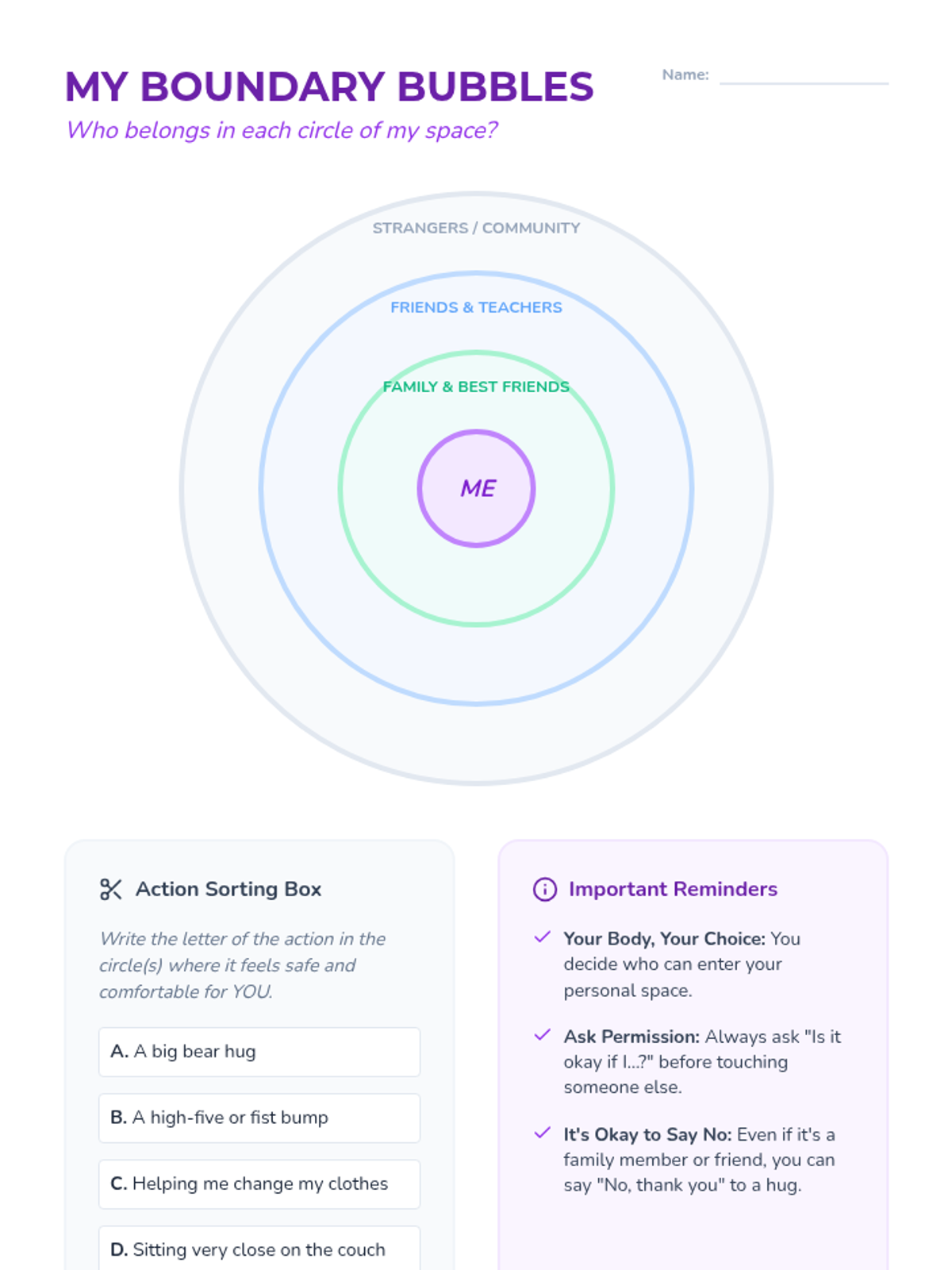
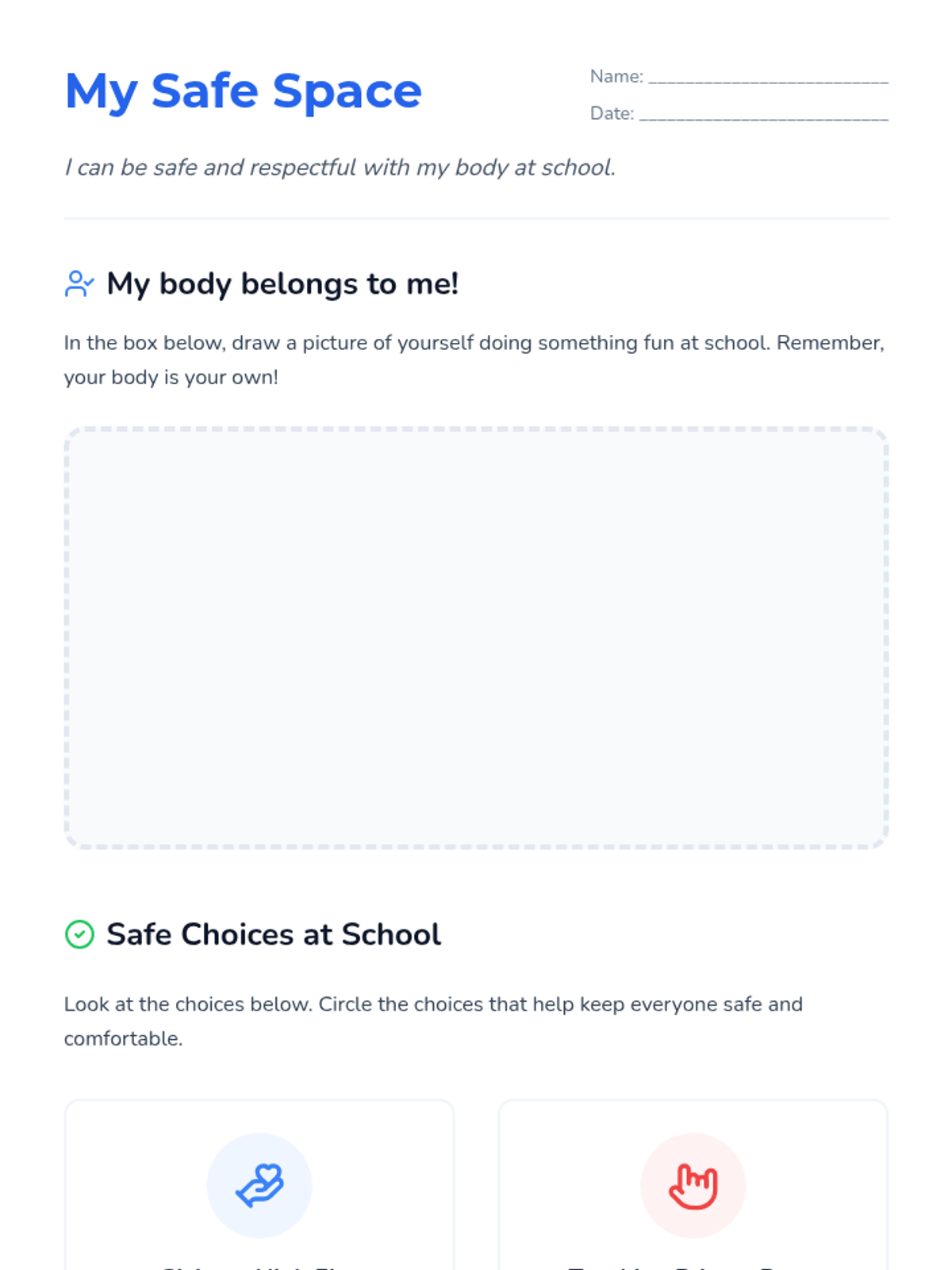
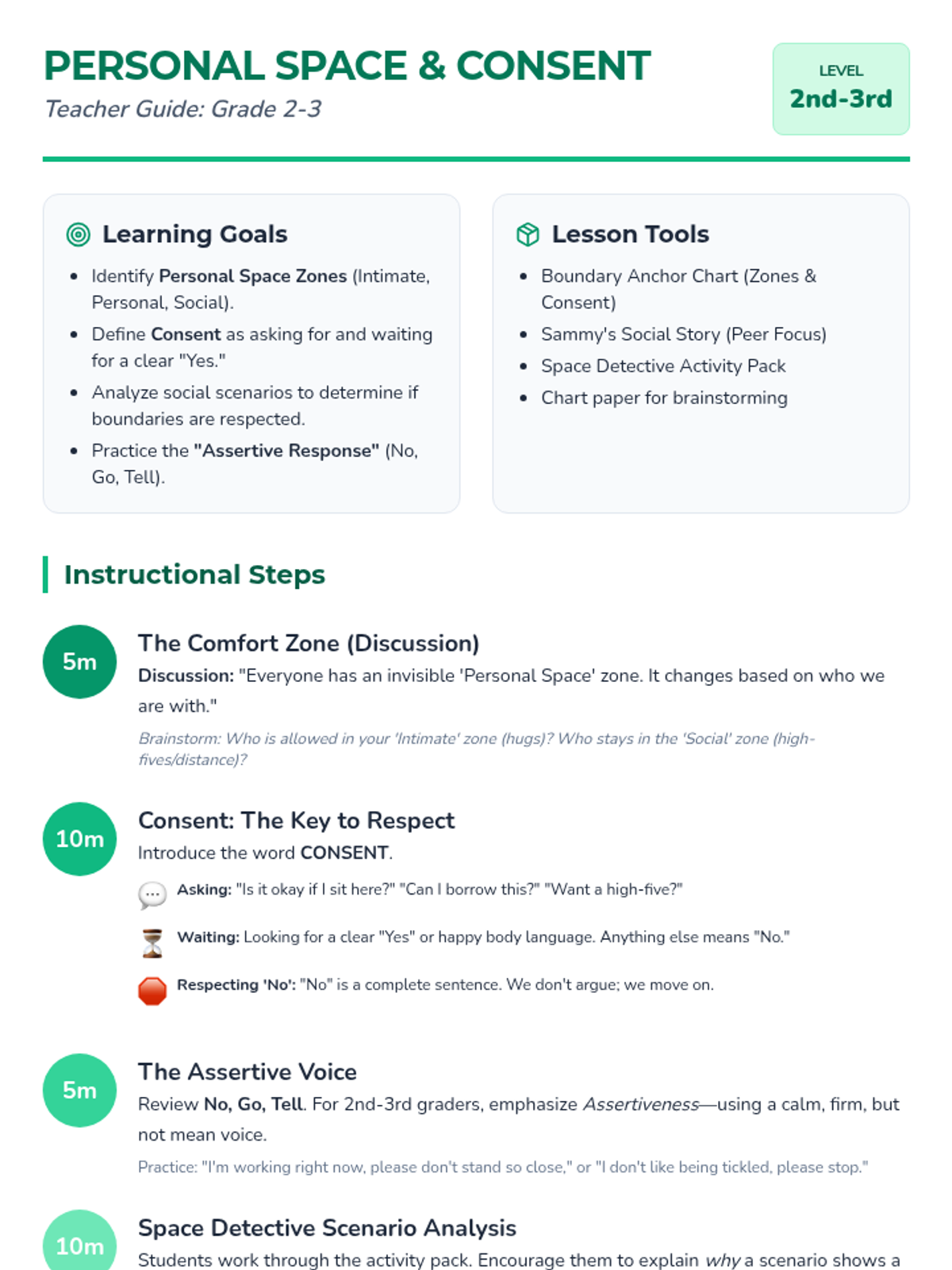
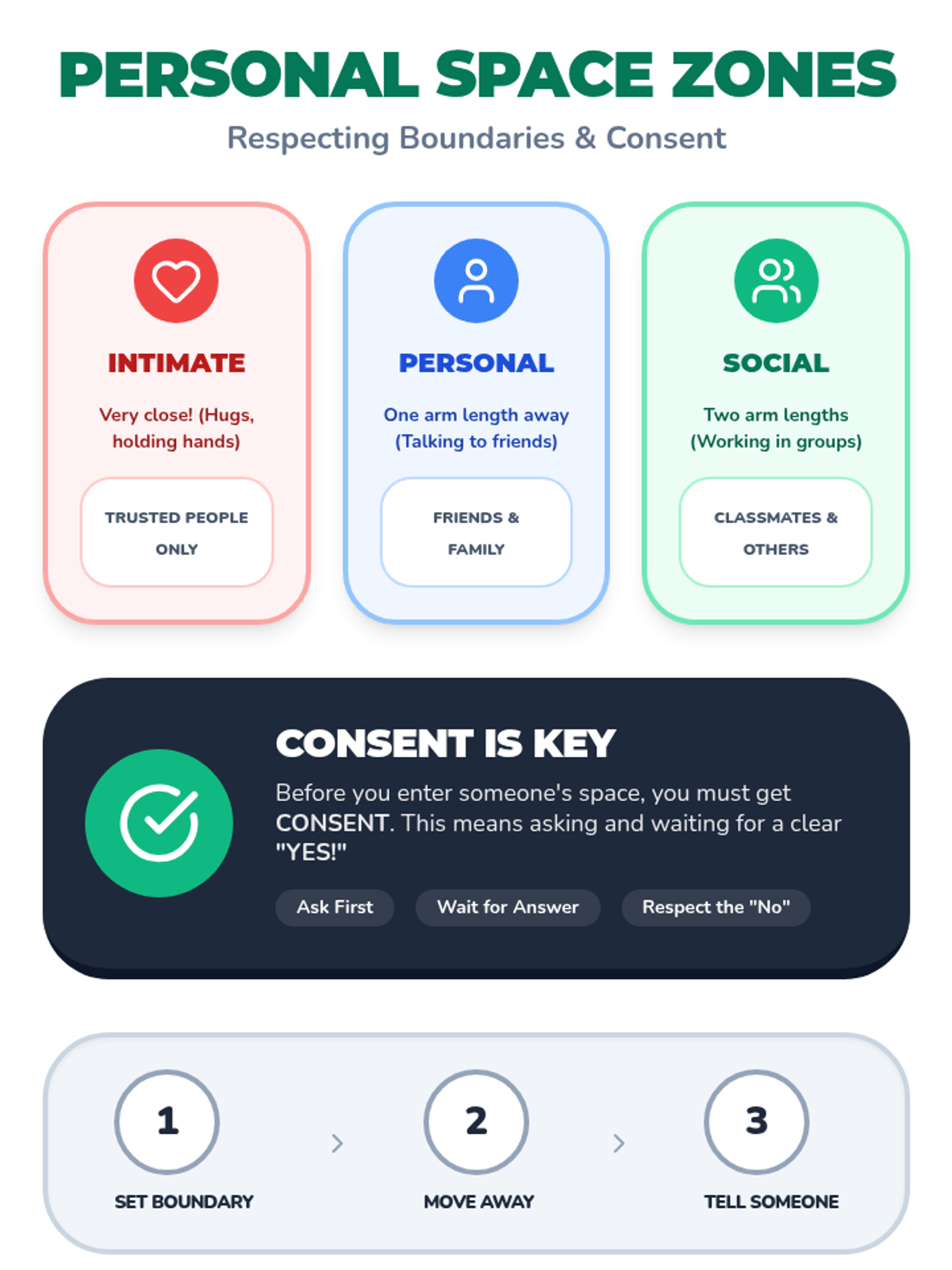
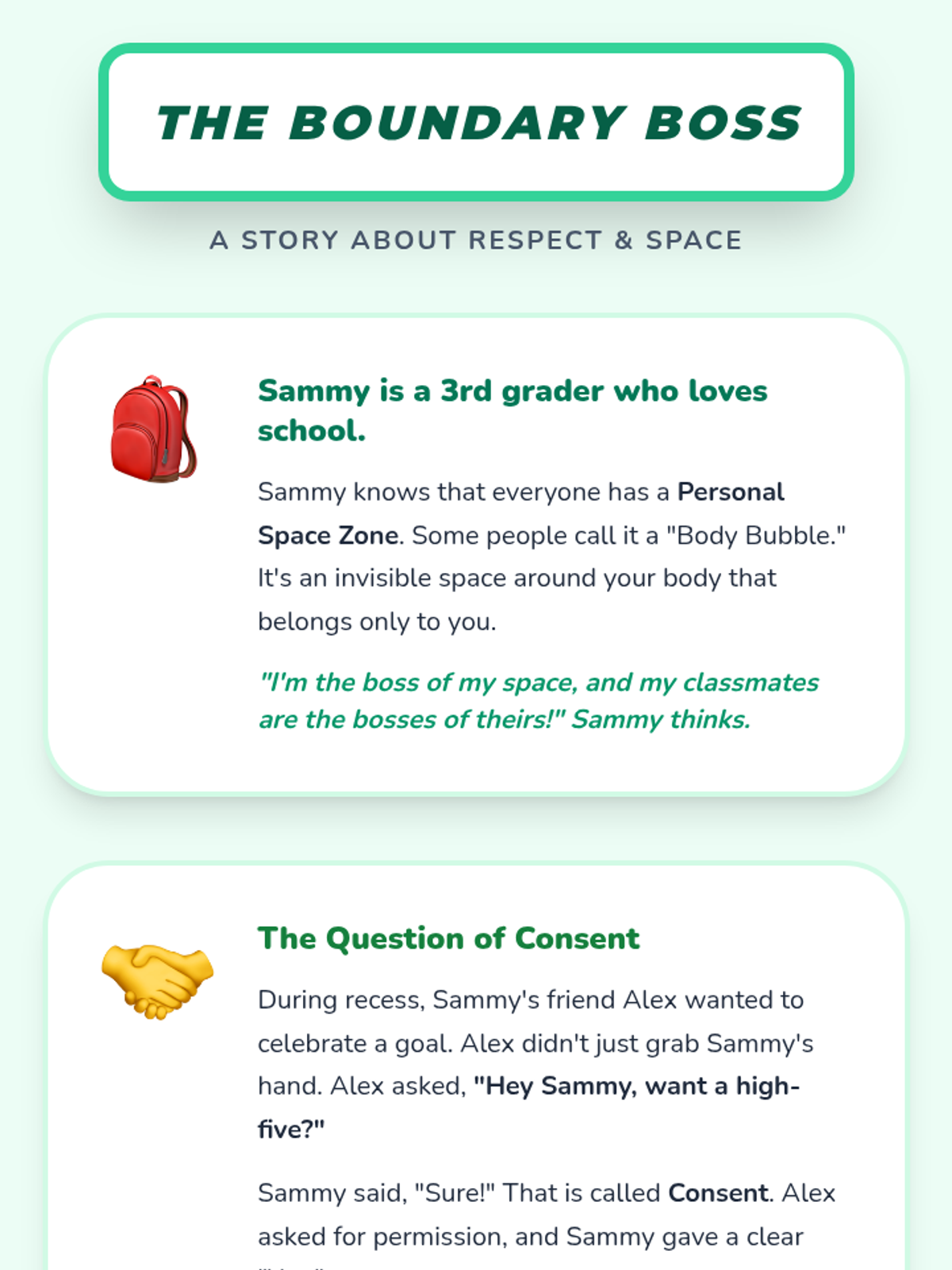
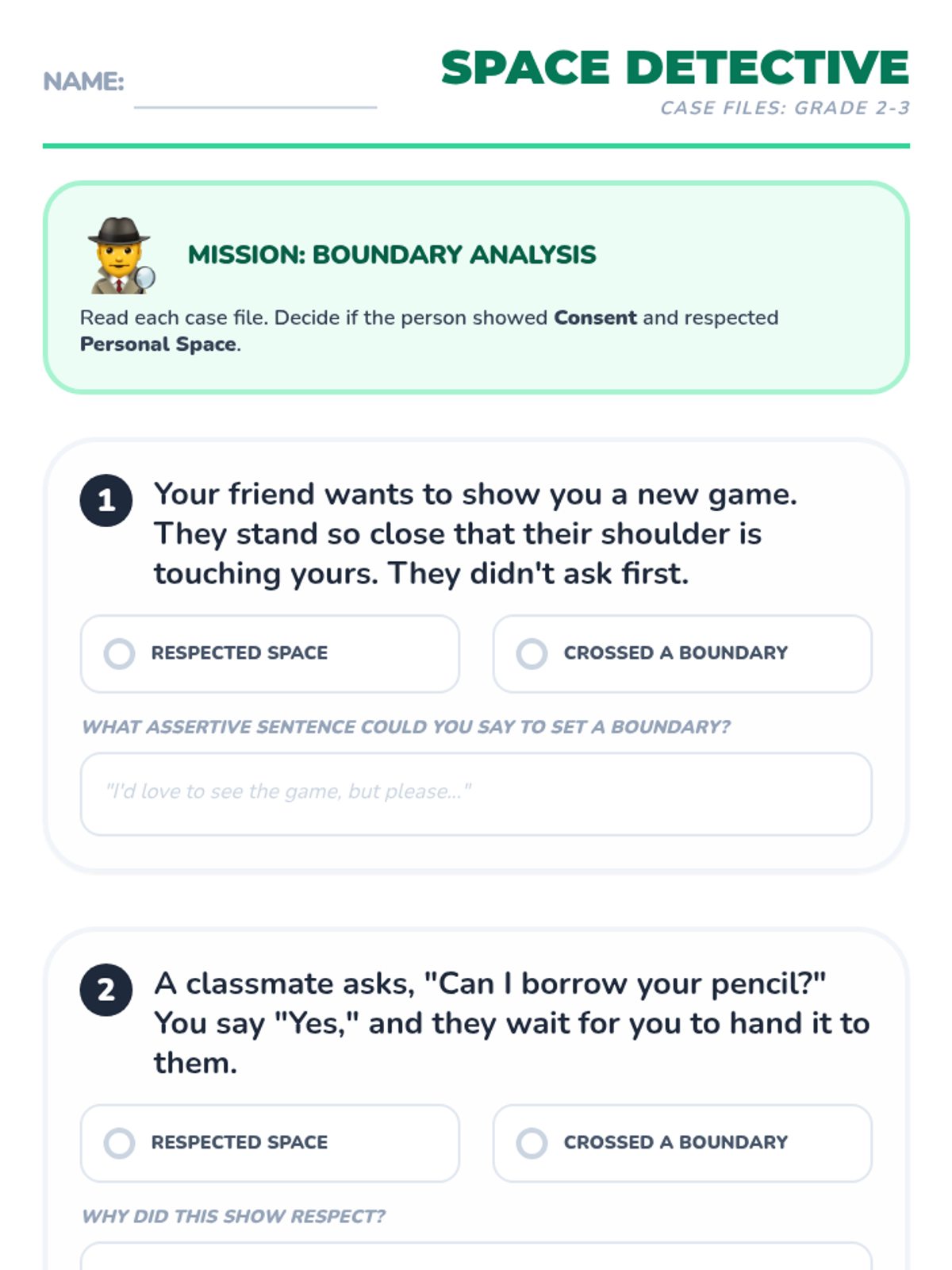
A 30-minute introductory lesson for 2nd graders to understand personal space, identify safe/unsafe touches, and practice keeping hands to themselves through interactive sorting and creative activities.
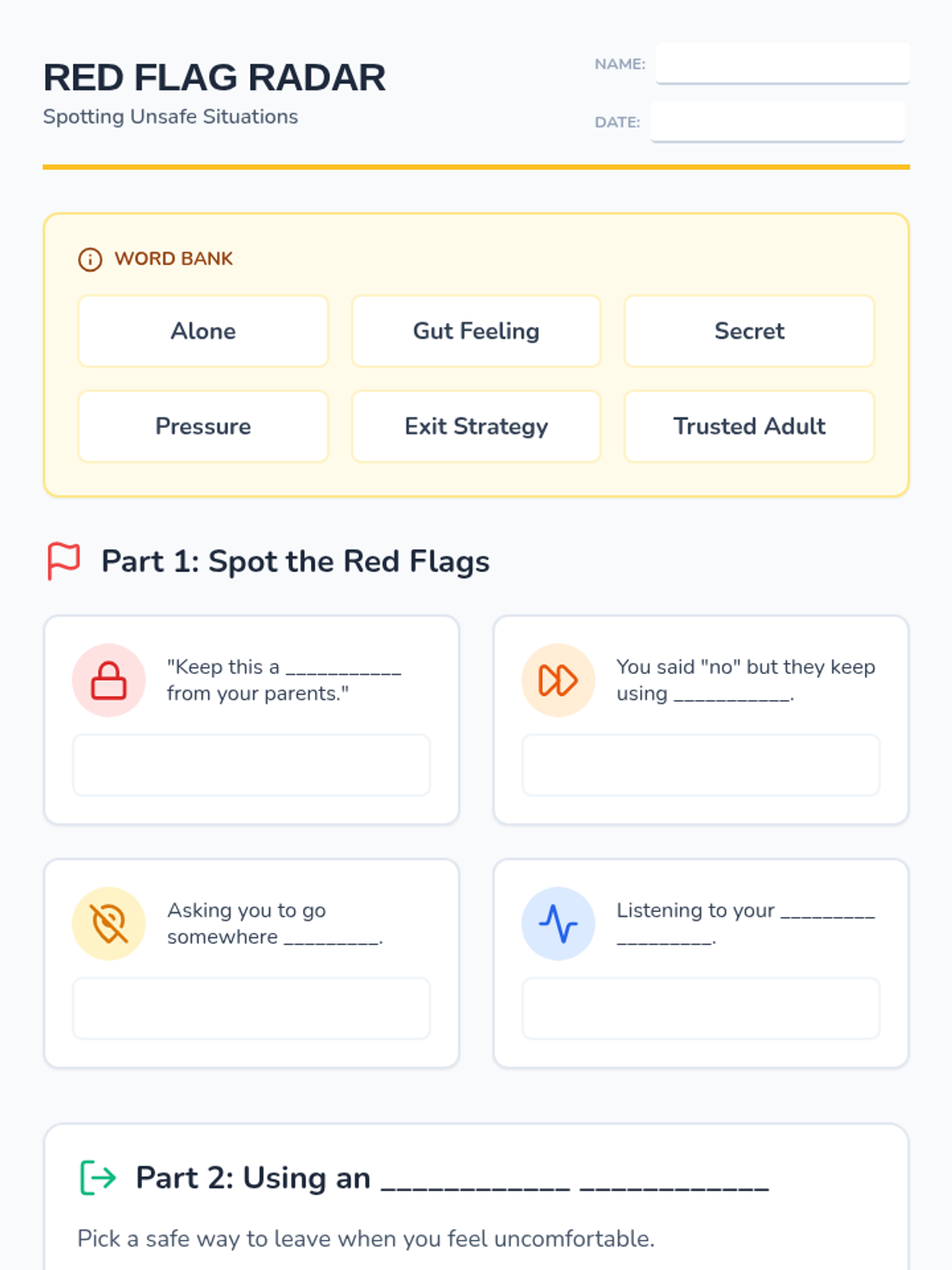
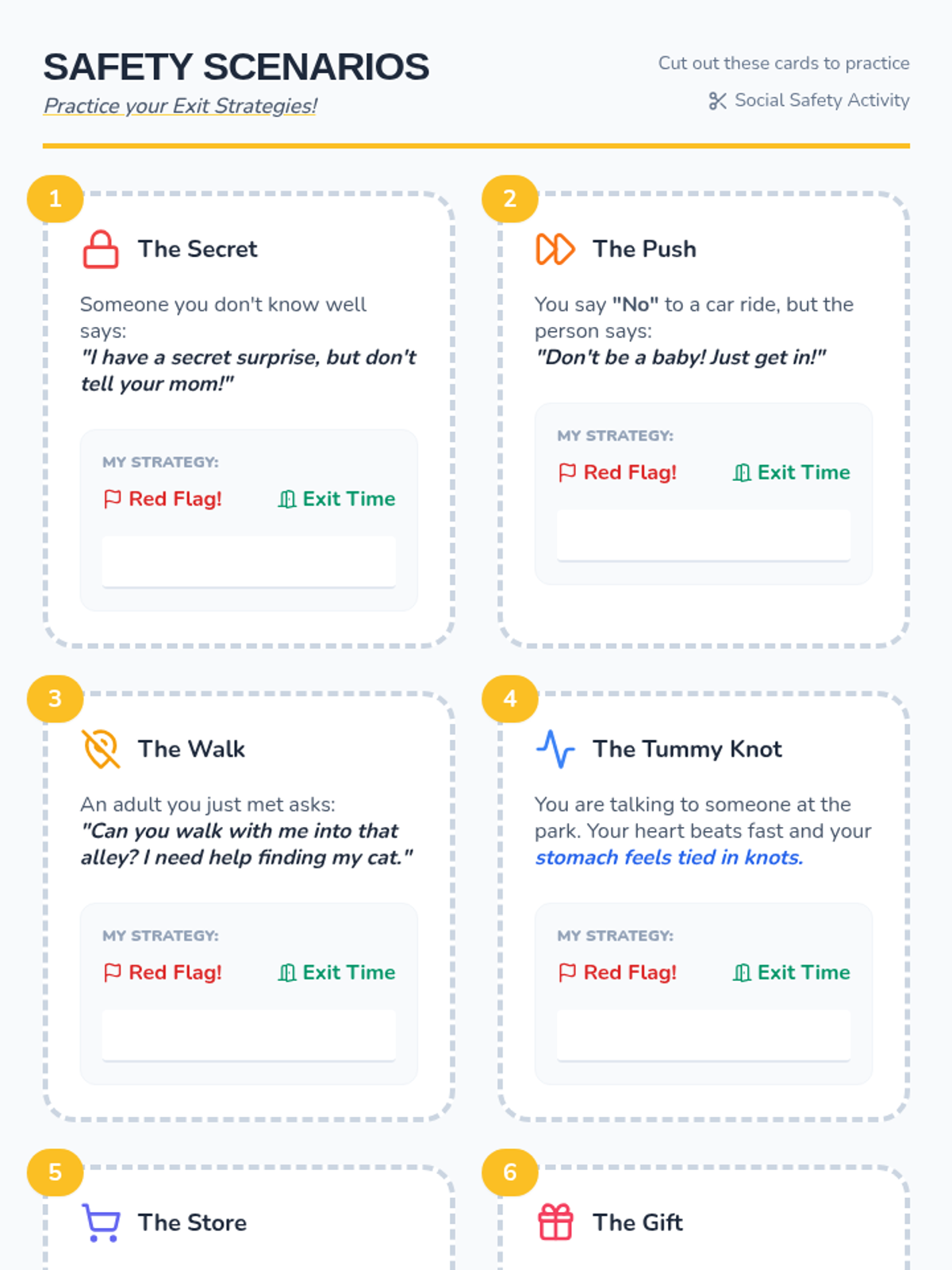
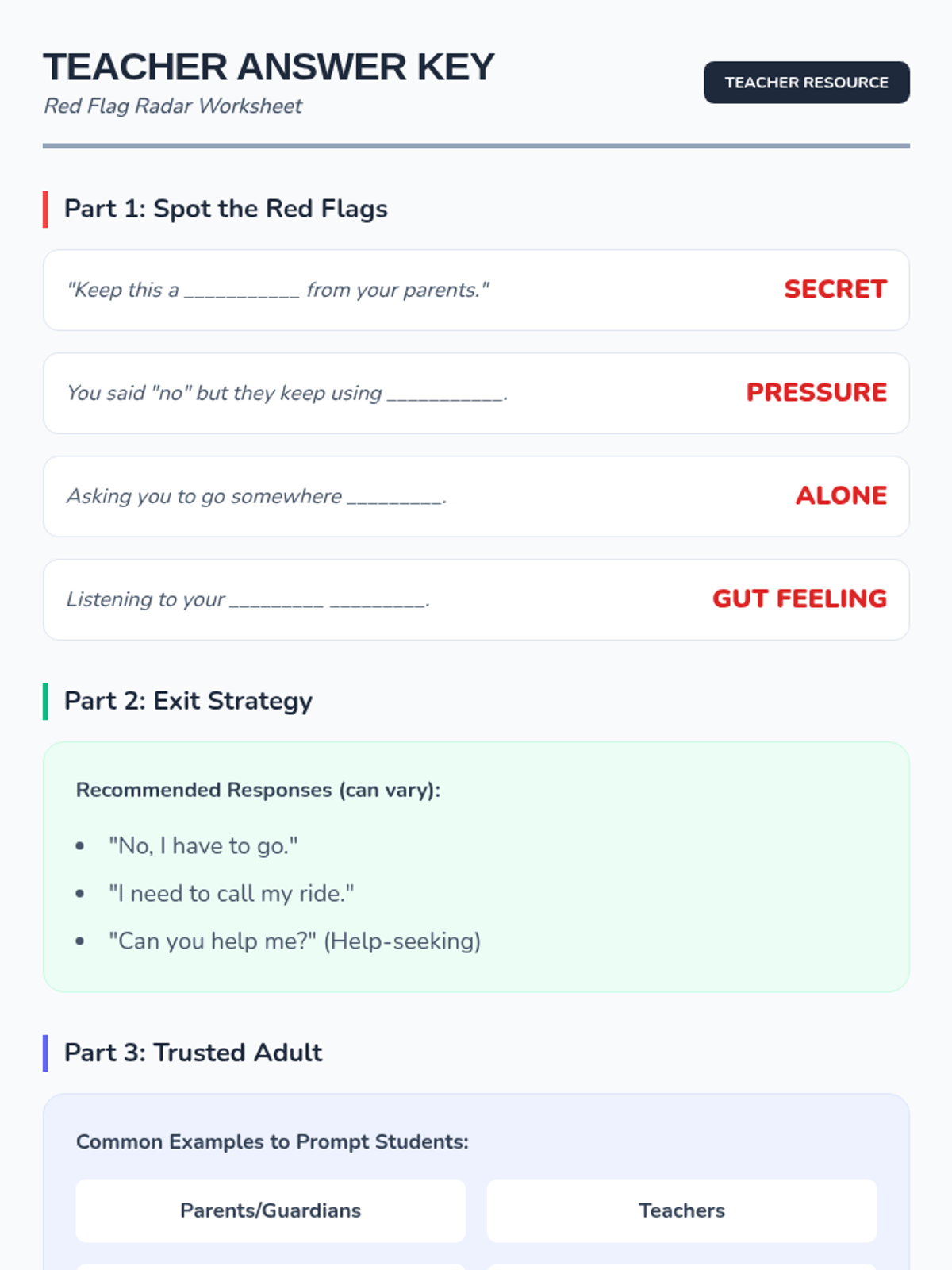
This lesson focuses on identifying 'red flags' in social situations, understanding the importance of 'gut feelings', and practicing exit strategies to move to safety. Students will learn to recognize subtle warning signs and identify trusted adults they can turn to for help.
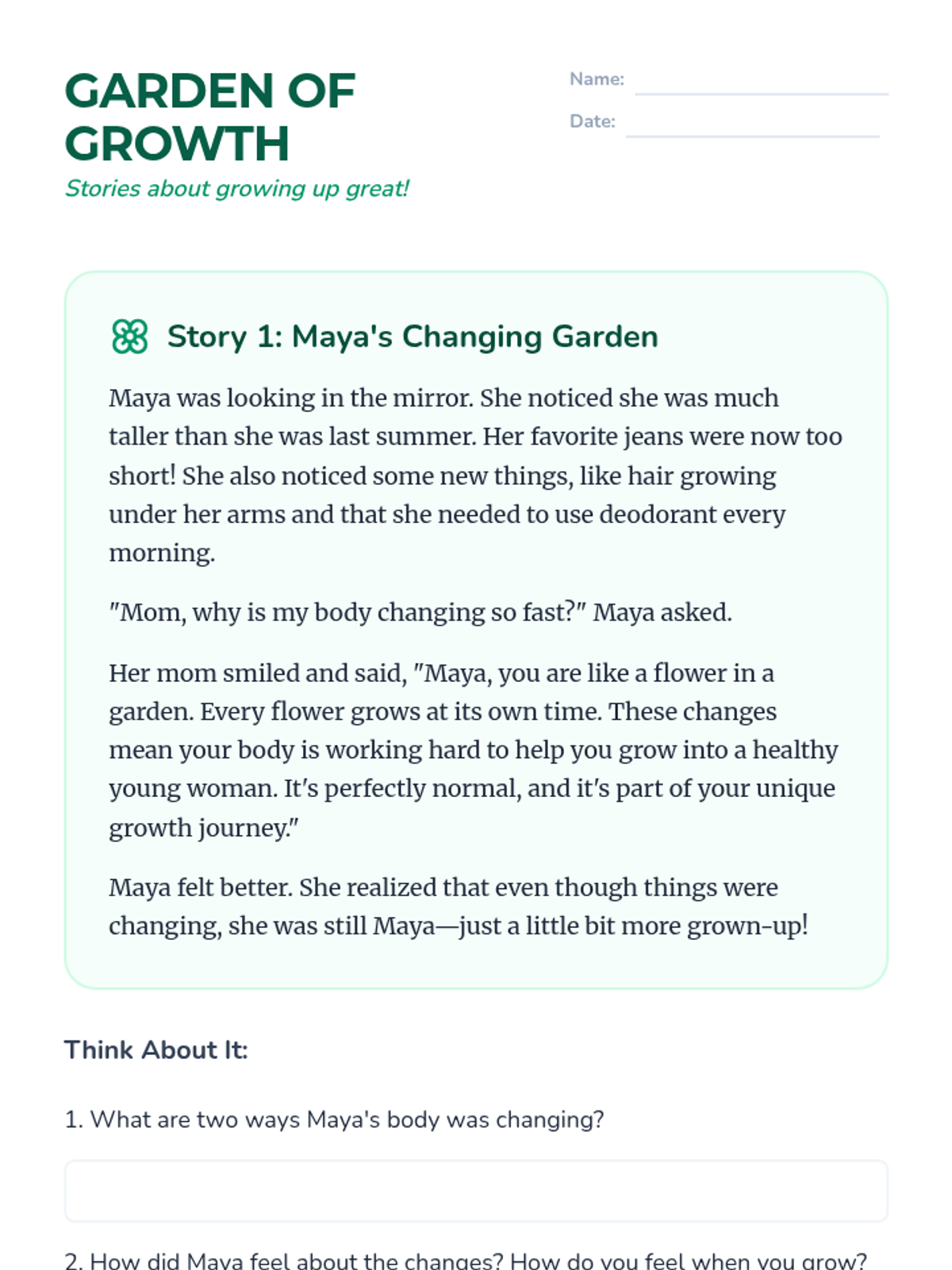
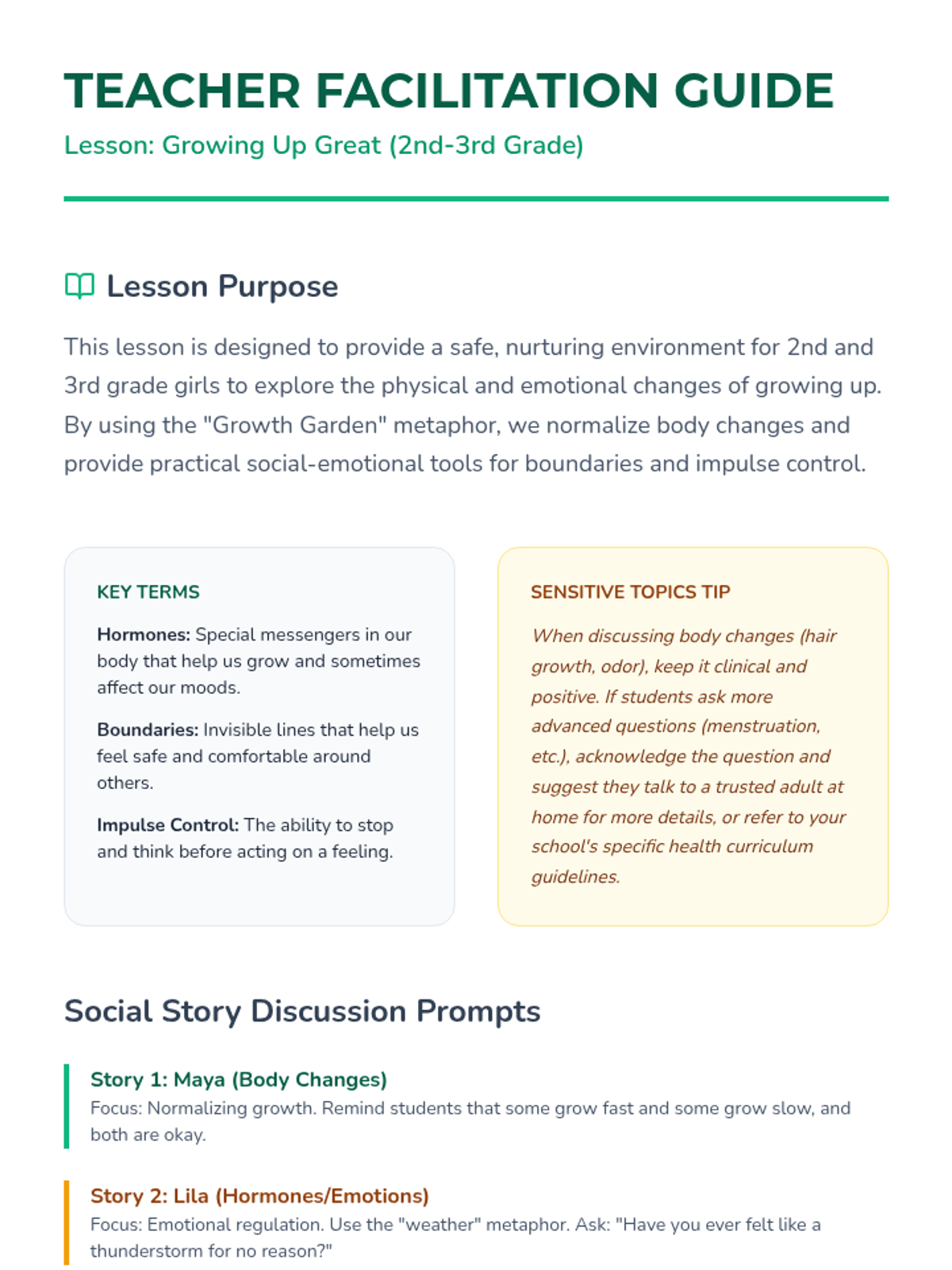
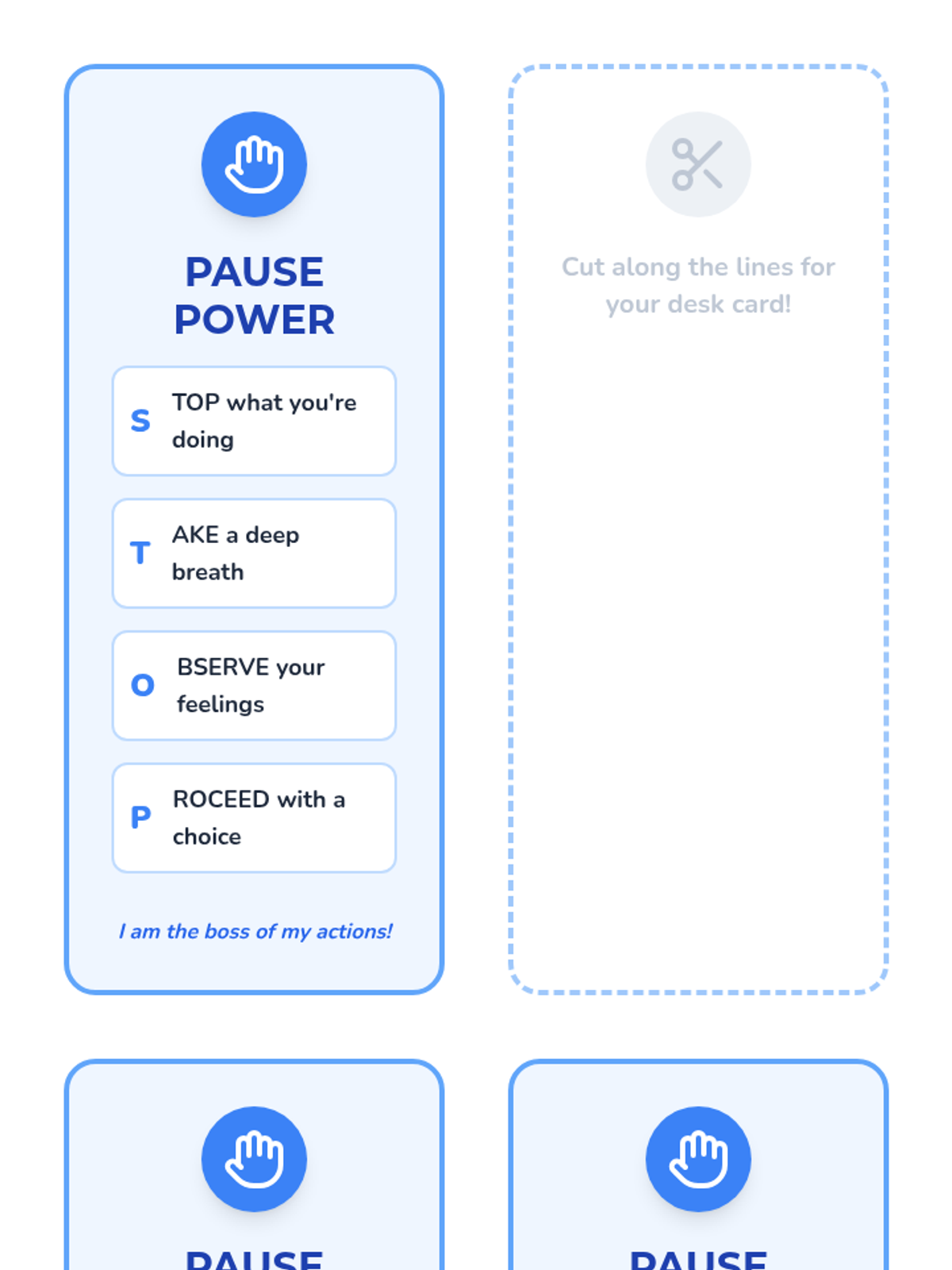
A supportive and age-appropriate lesson for 2nd-3rd grade girls focusing on physical growth, emotional regulation, and personal boundaries through the lens of a 'Growth Garden'. Students will explore social stories that normalize body changes and provide practical tools for impulse control and respecting personal space.
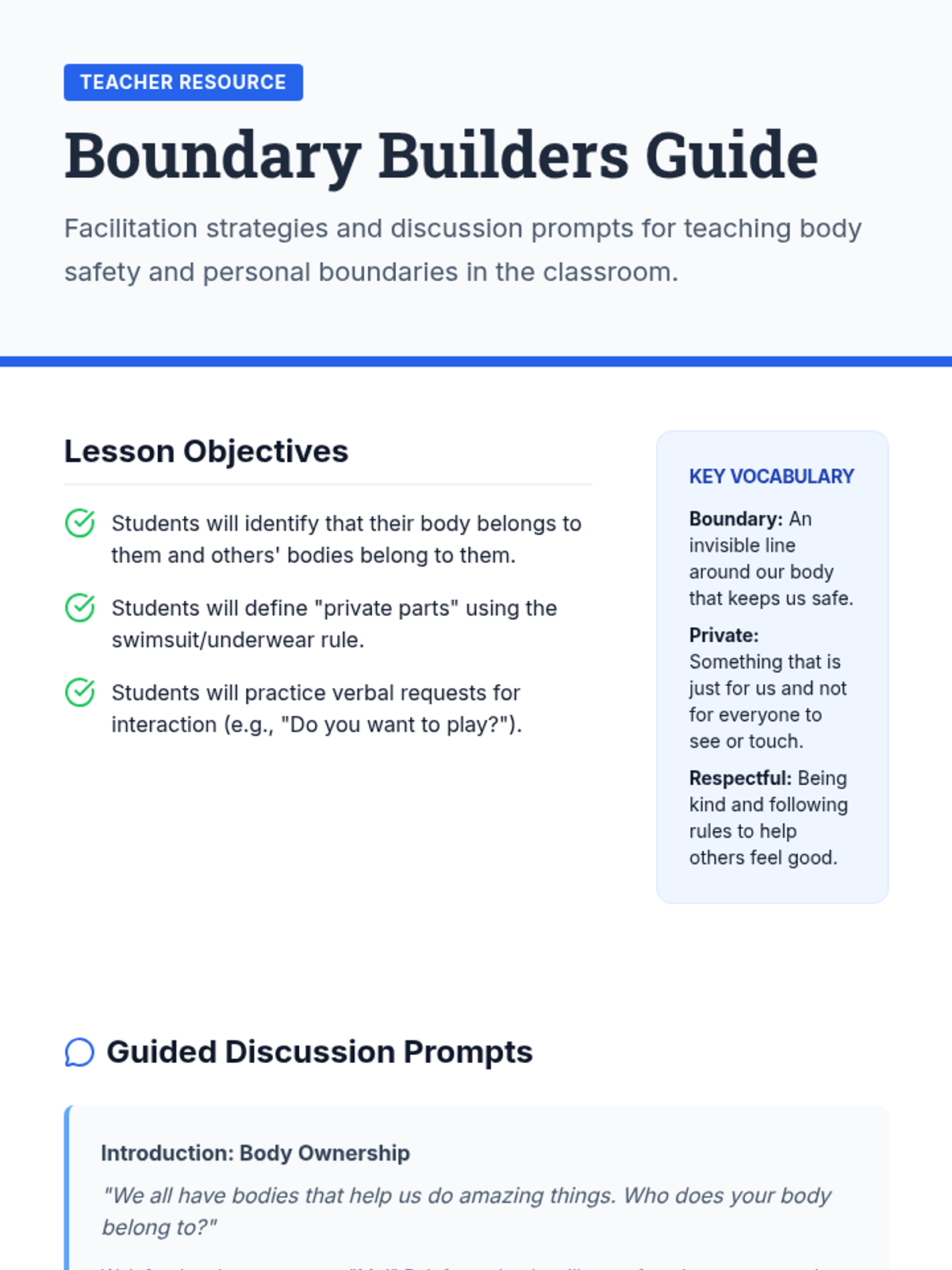
A foundational lesson introducing the concept of personal space, body ownership, and the distinction between private and public body parts.
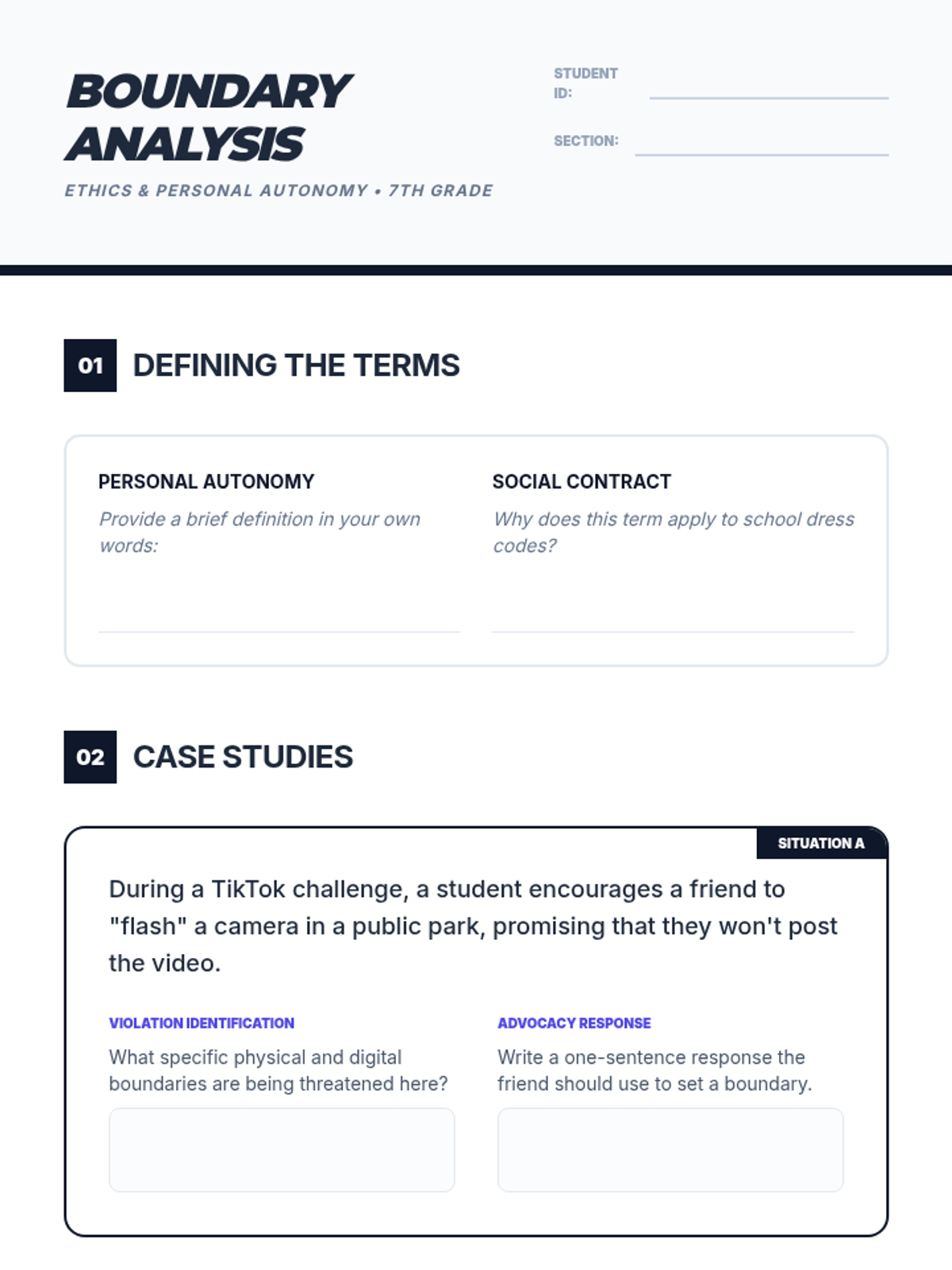
A 30-minute introductory lesson on personal boundaries, body ownership, and differentiating between safe and unsafe touch. Students learn to identify trusted adults and practice communication skills for setting boundaries.
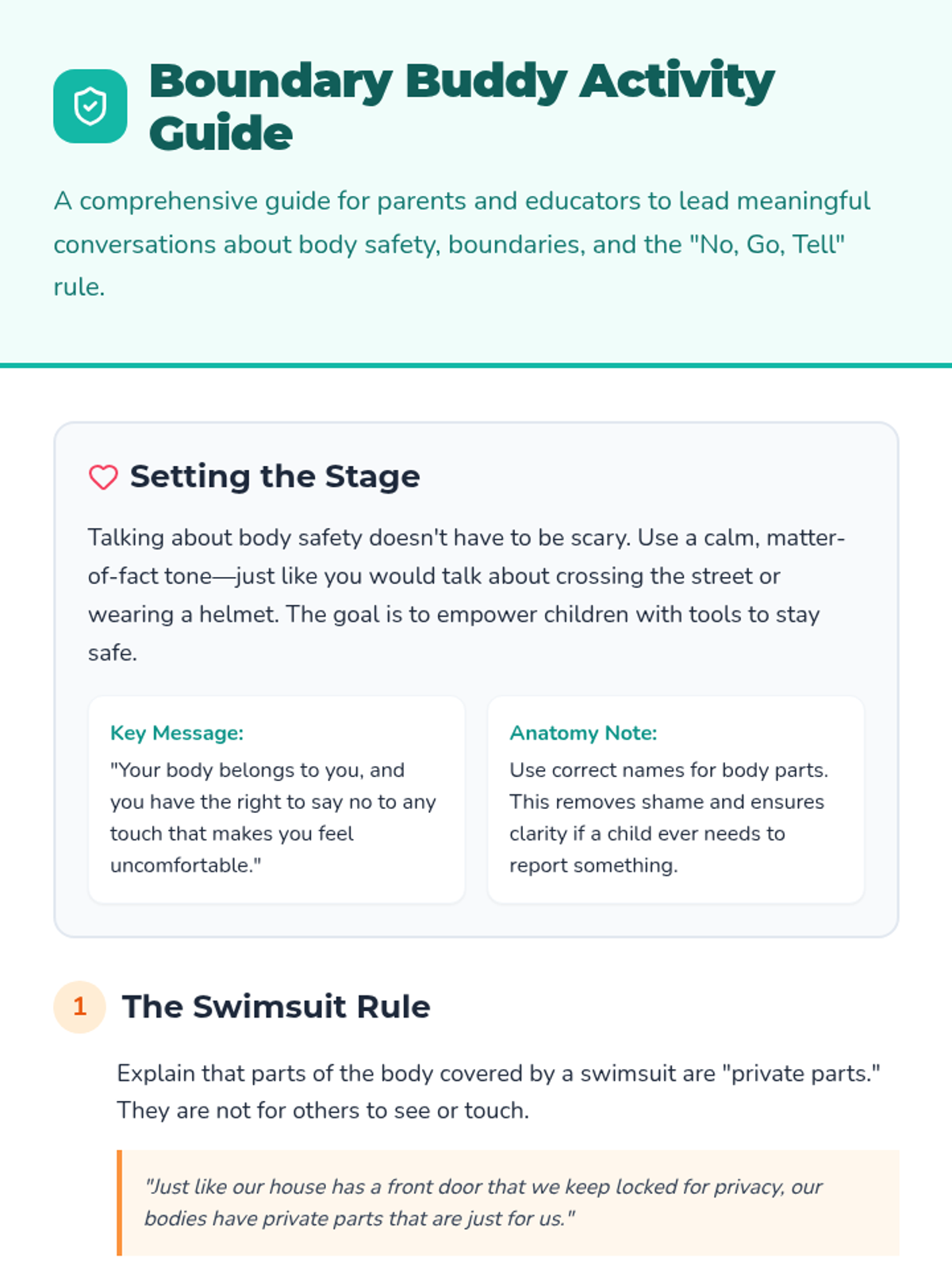
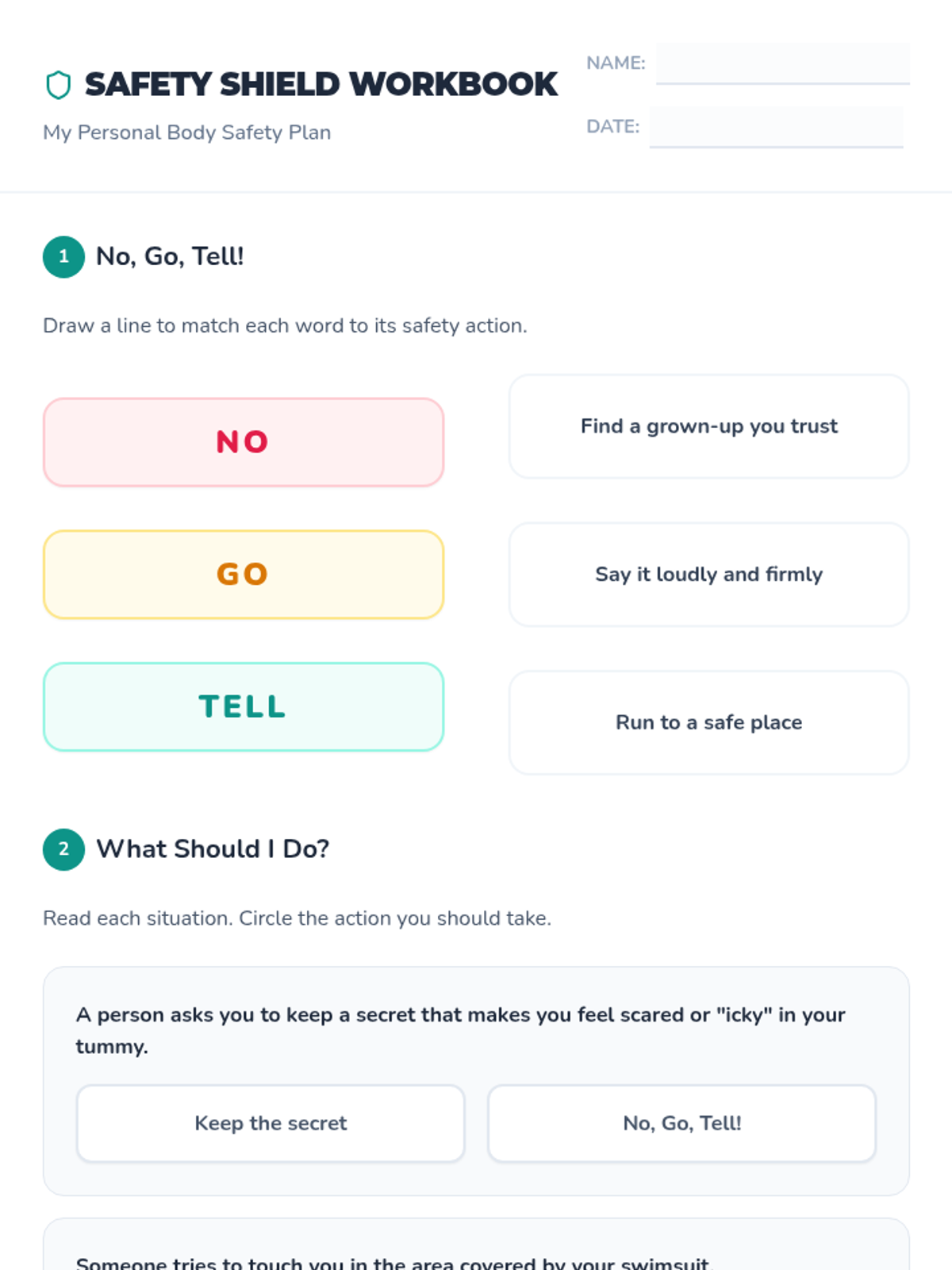
This lesson teaches children vital body safety rules, including the 'No, Go, Tell' strategy and understanding personal boundaries. Through interactive activities and visual reminders, kids learn to identify trusted adults and respond confidently to uncomfortable situations.
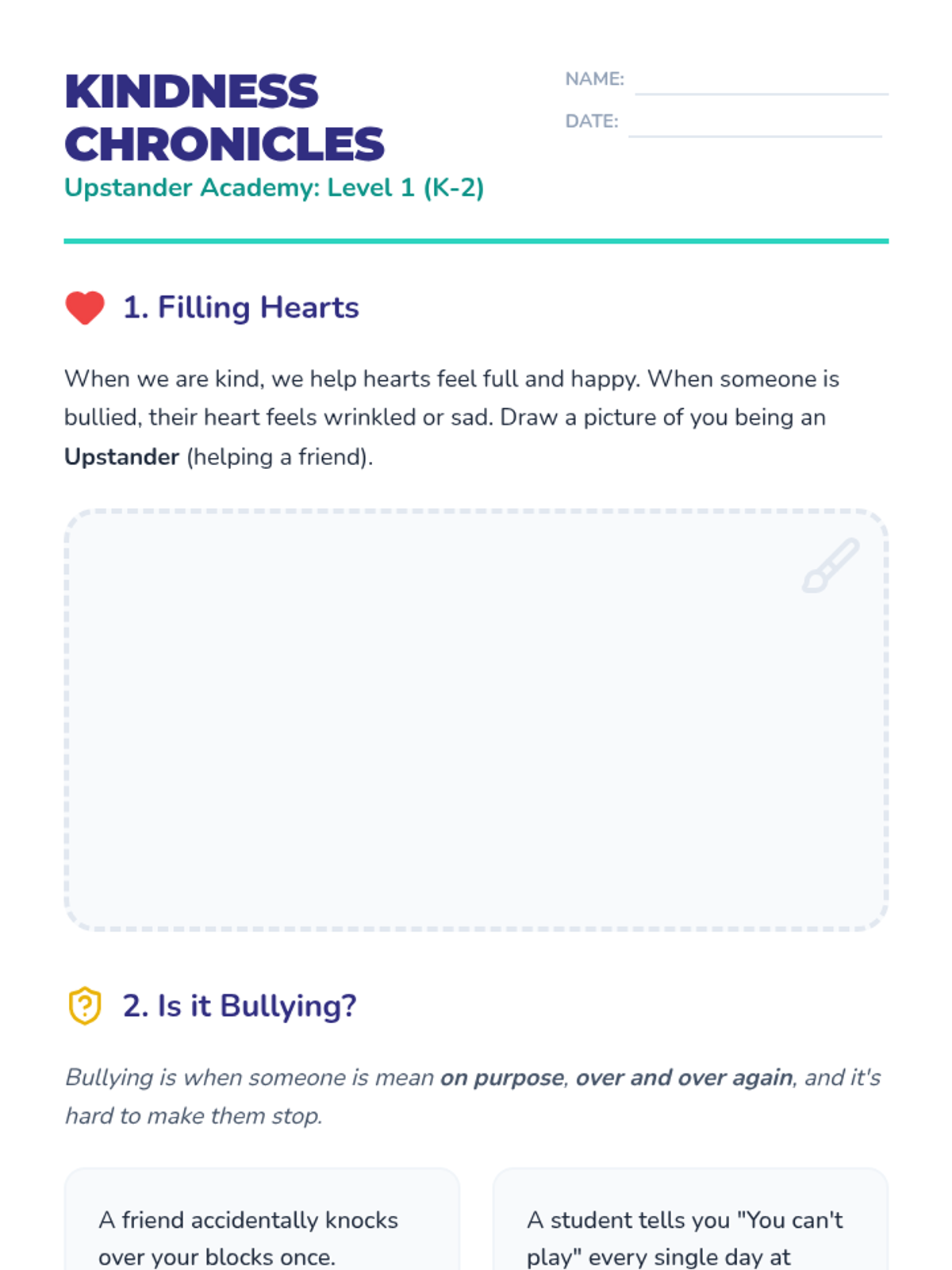
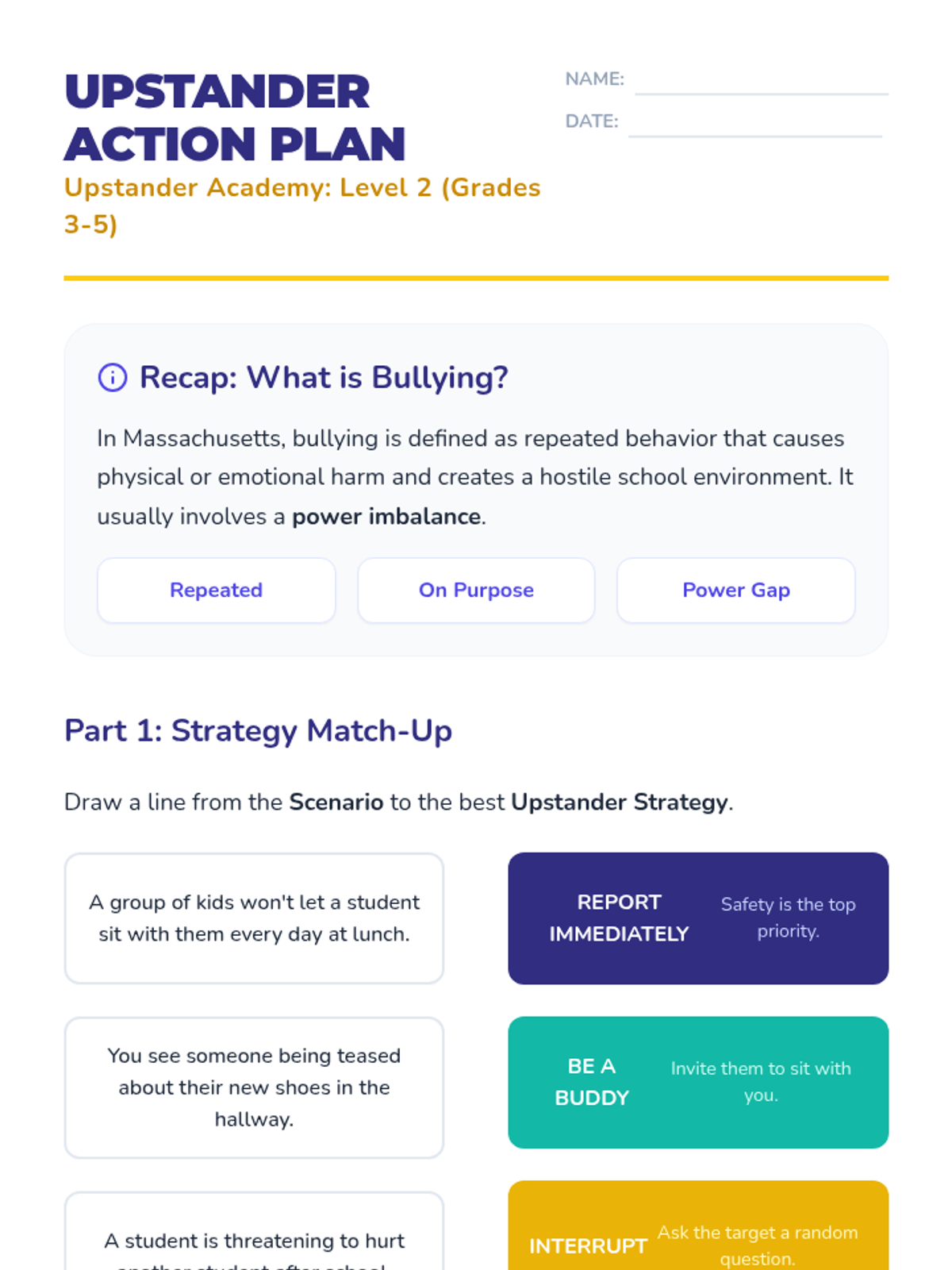
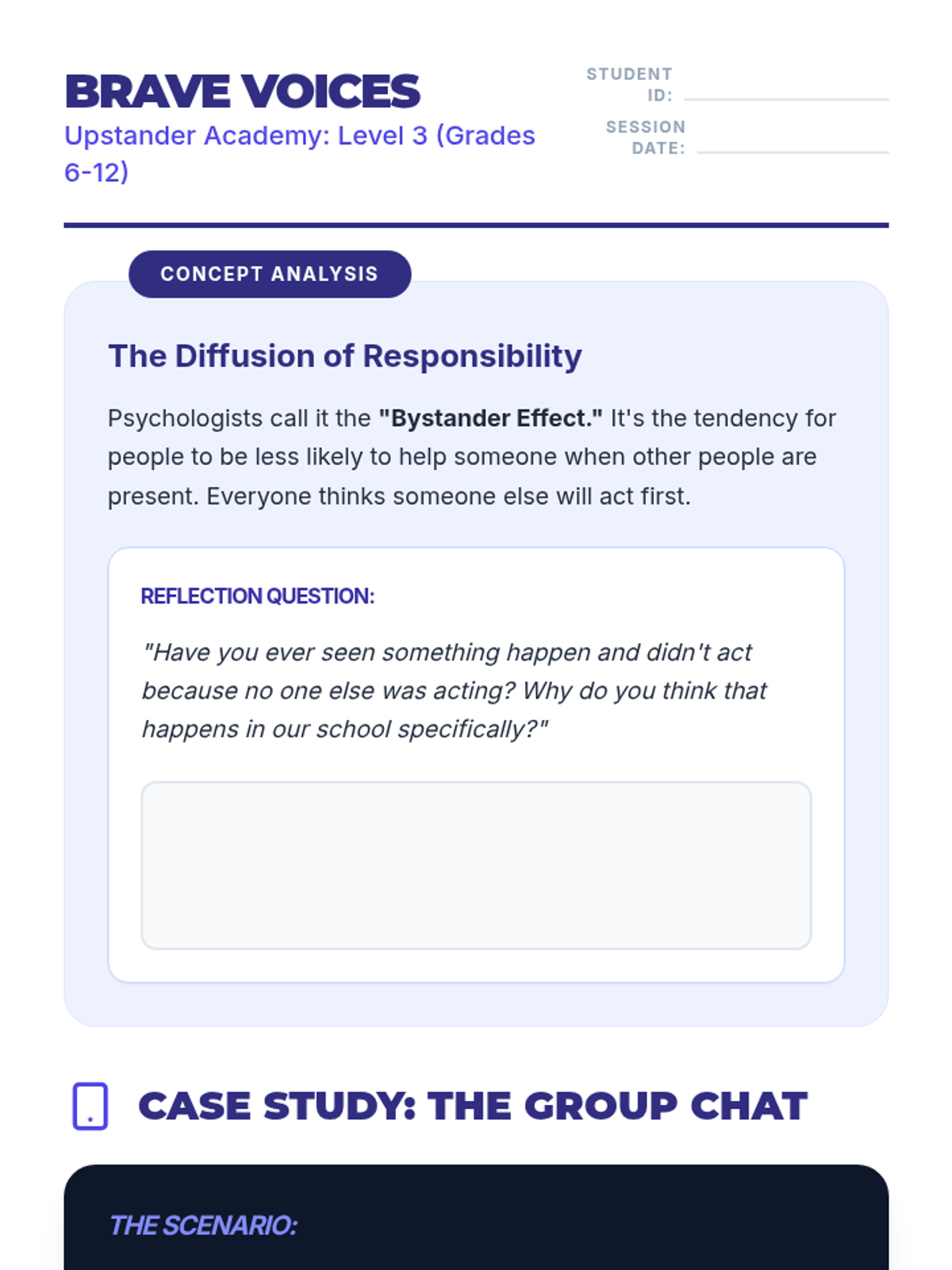
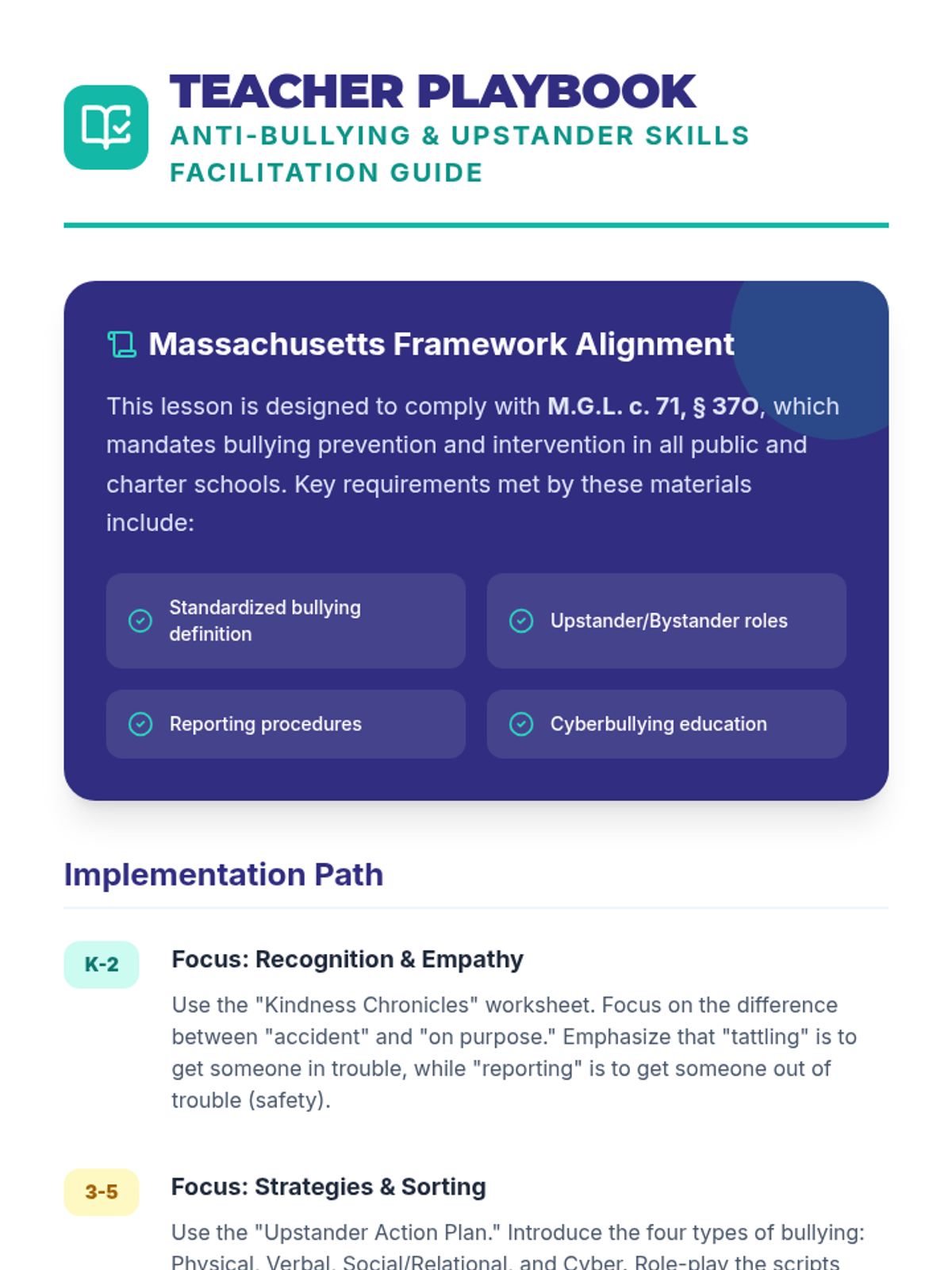
A comprehensive anti-bullying and upstander skills lesson designed for K-12 students. It focuses on identifying bullying, developing empathy, and providing concrete reporting strategies aligned with Massachusetts state frameworks.
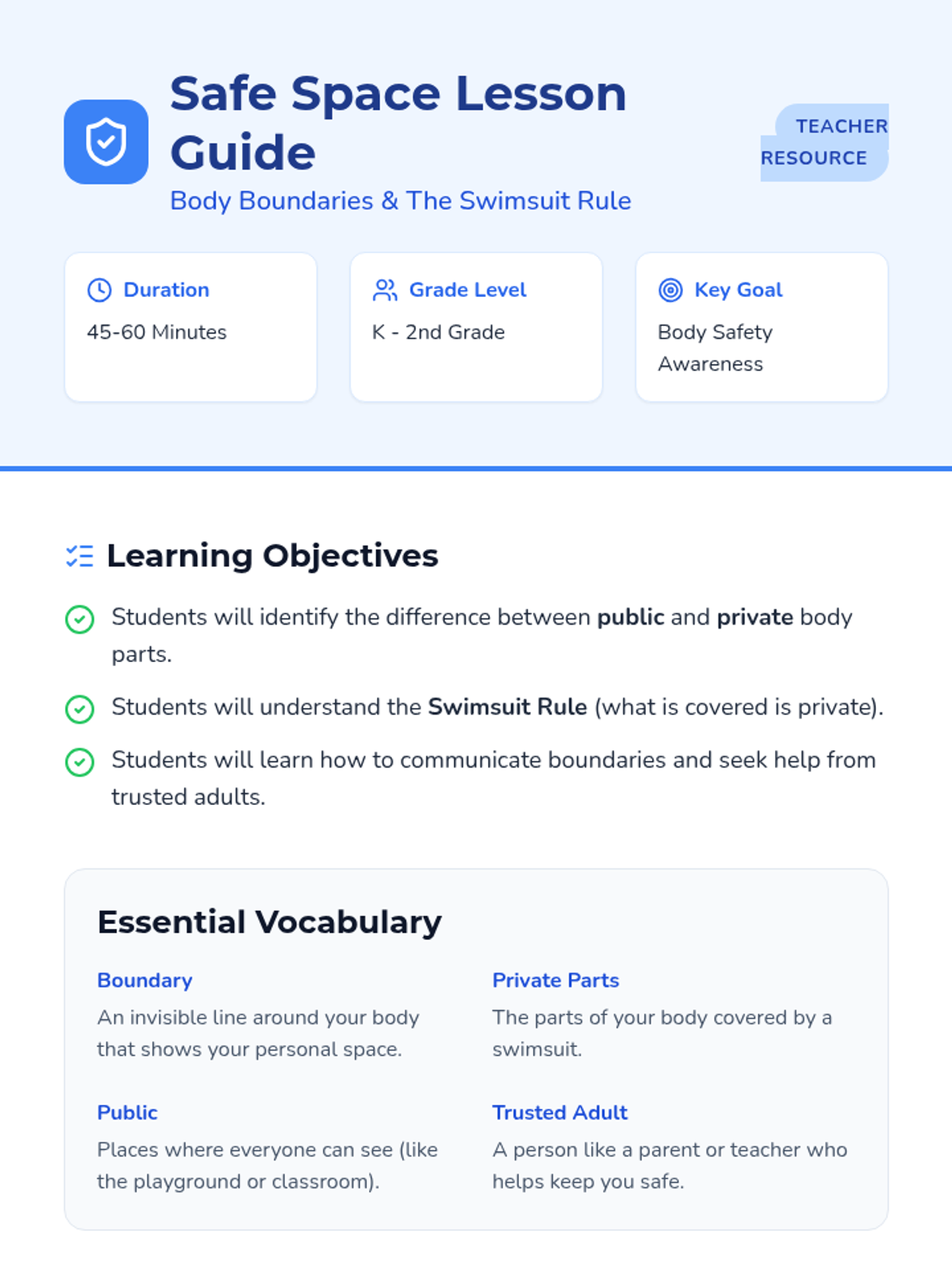
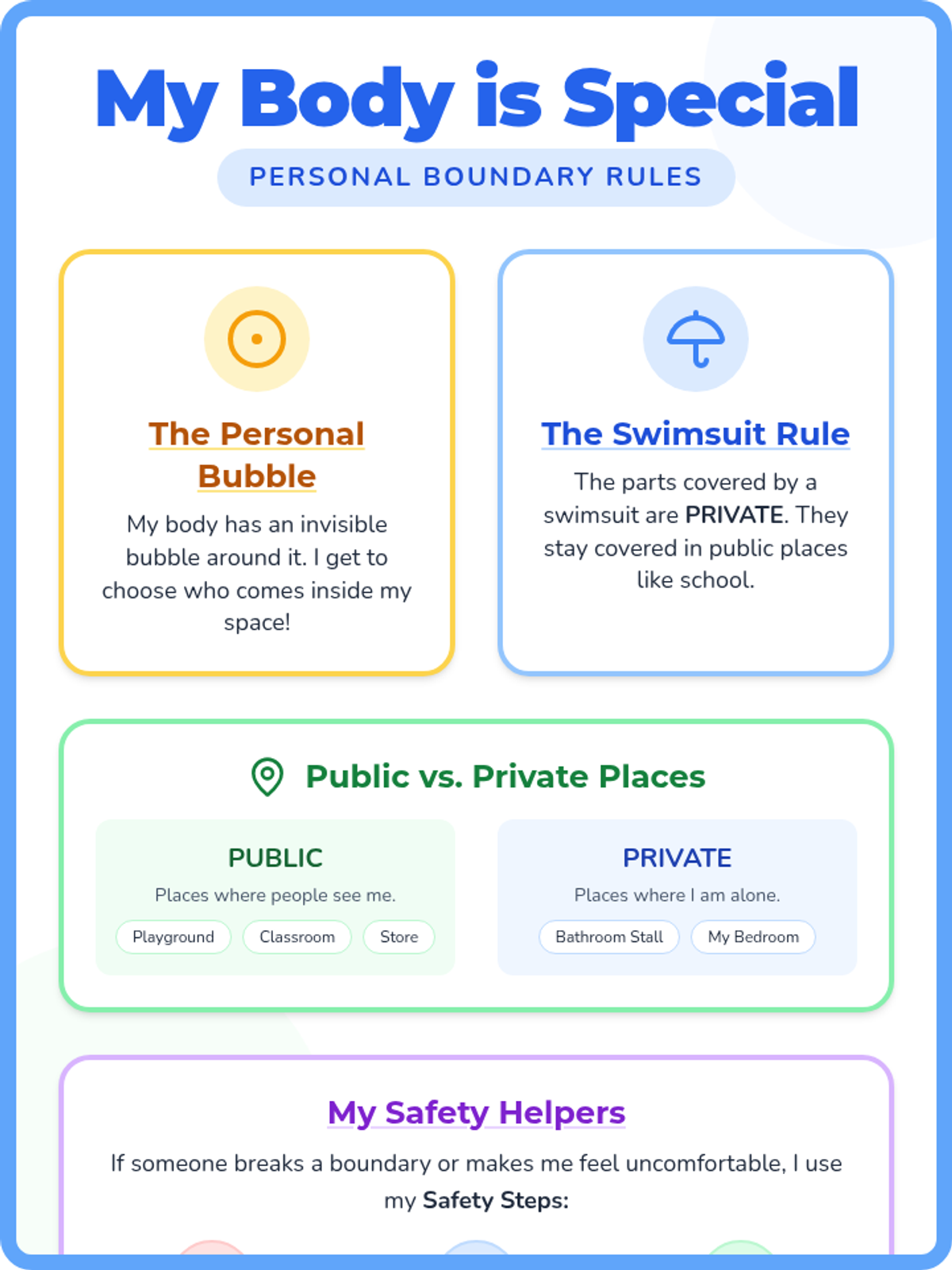
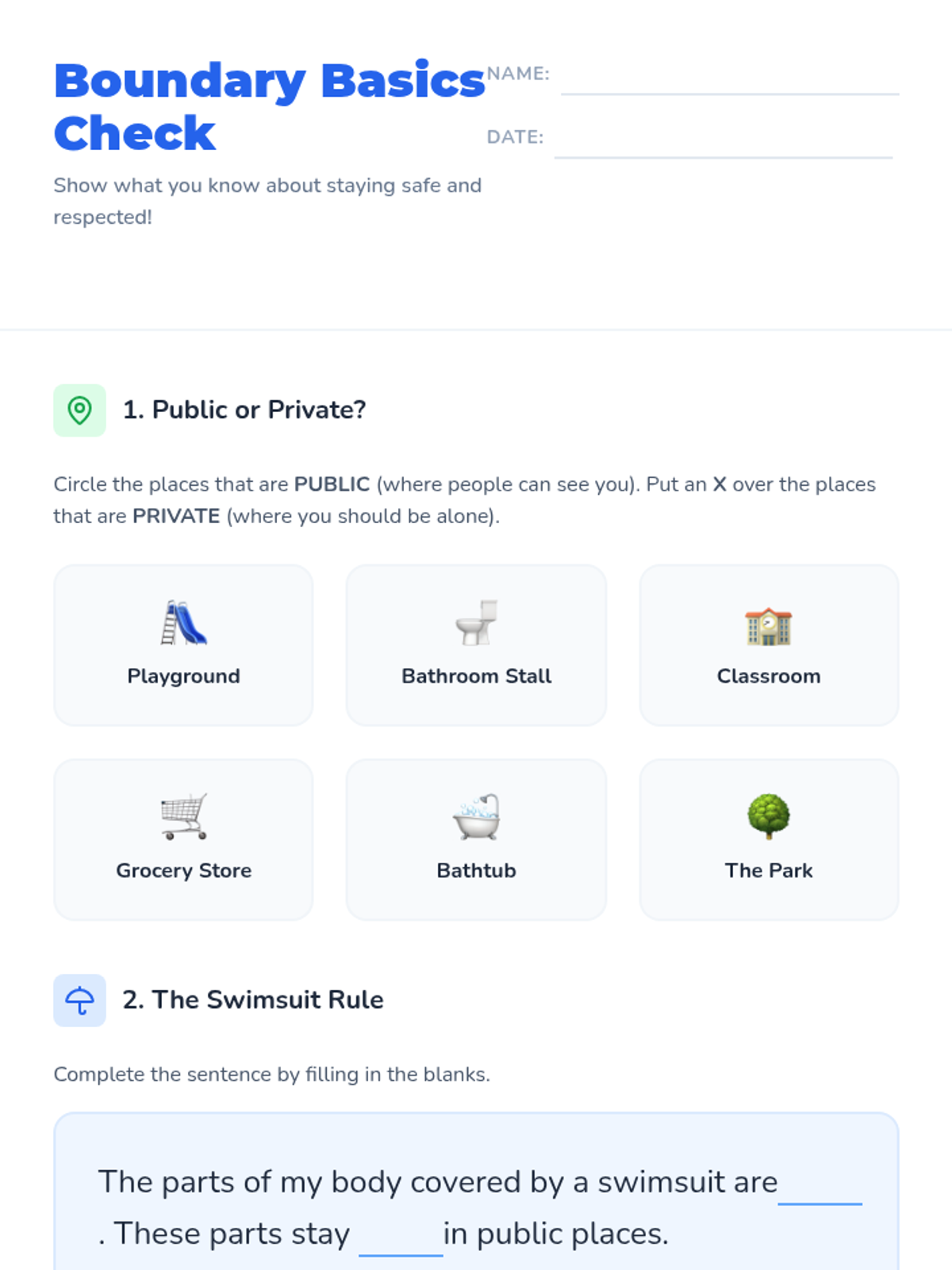
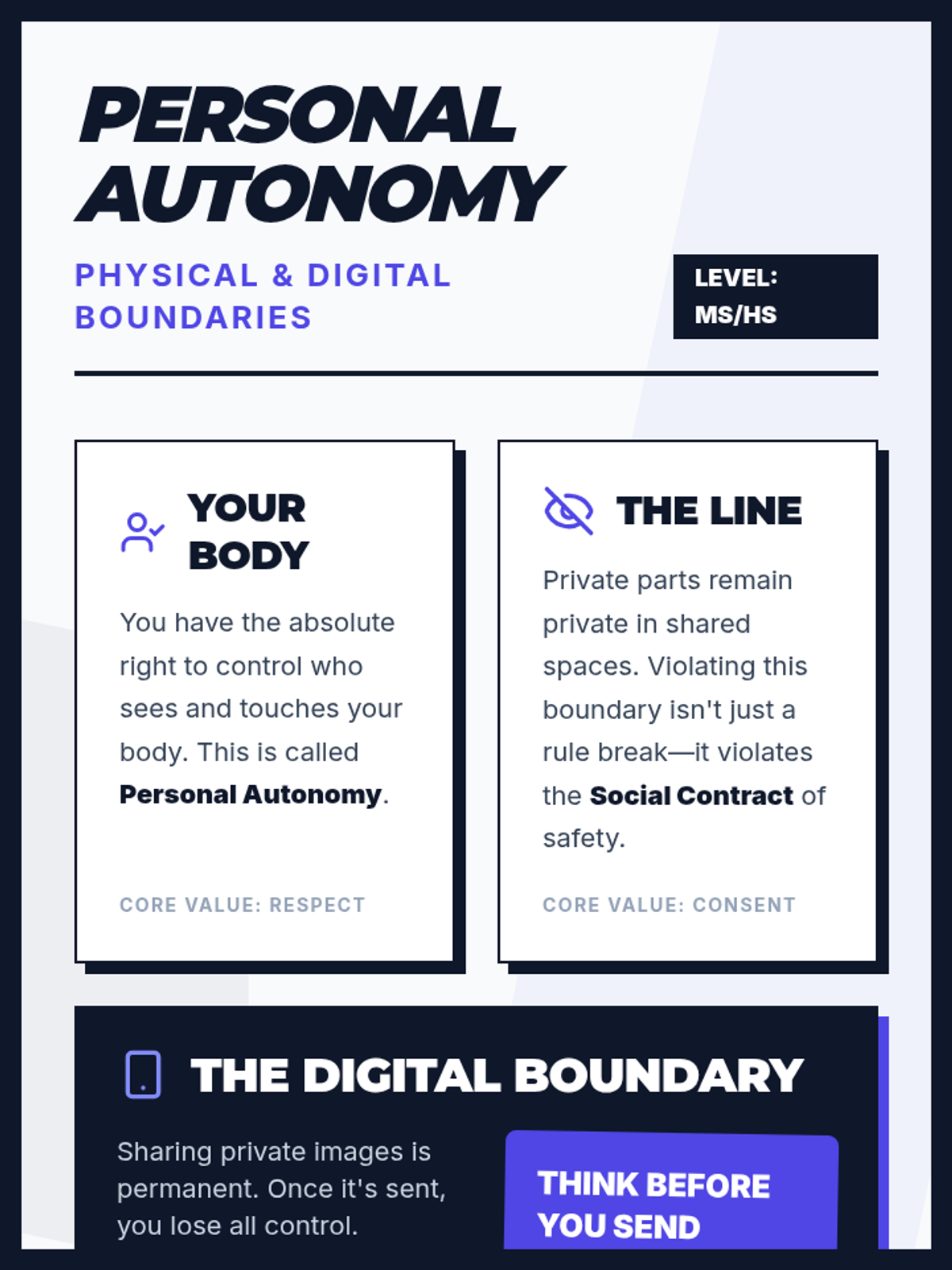
A comprehensive lesson on personal boundaries, body safety, and the importance of keeping private parts covered, using the Swimsuit Rule as a central framework.
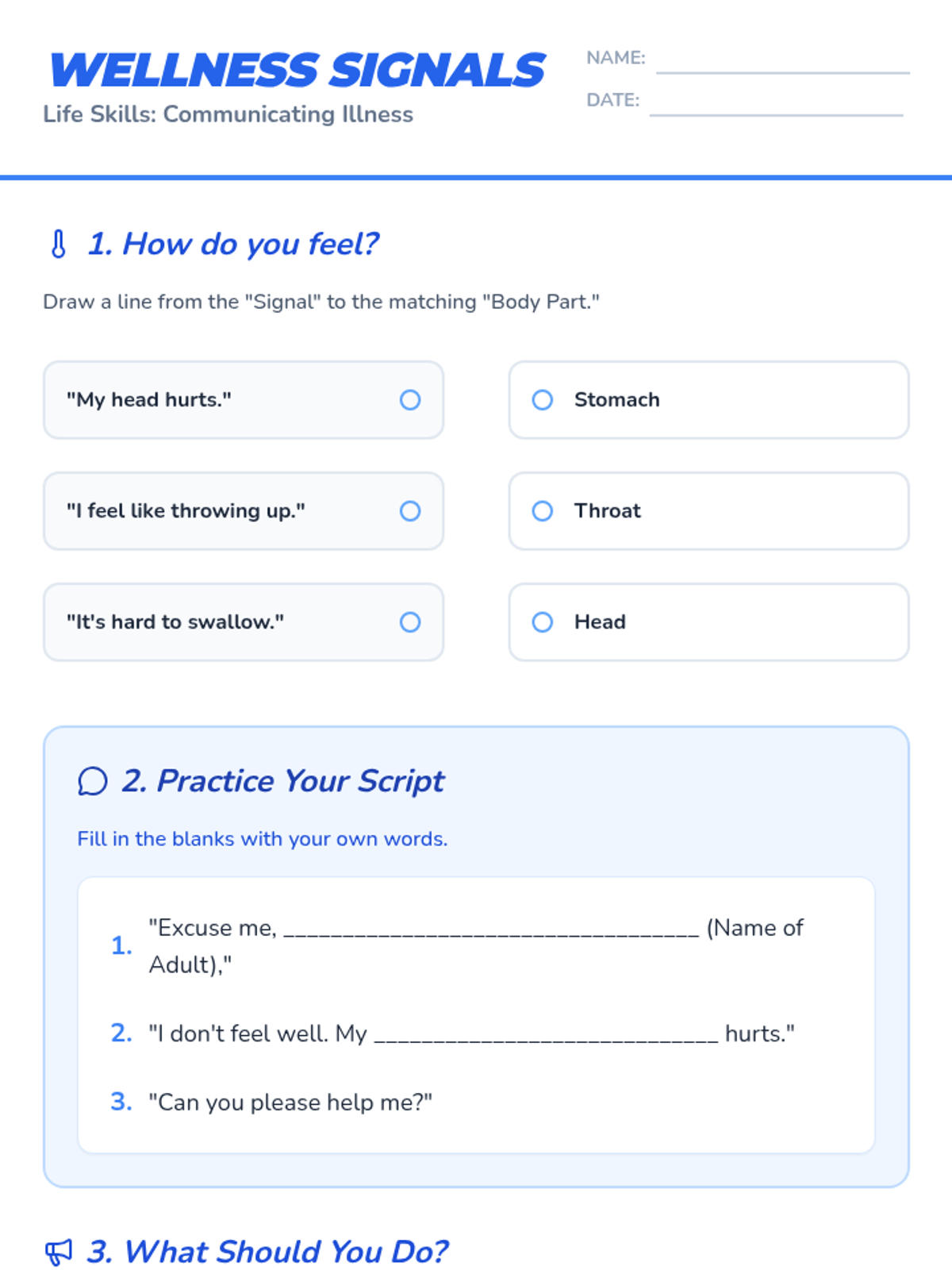
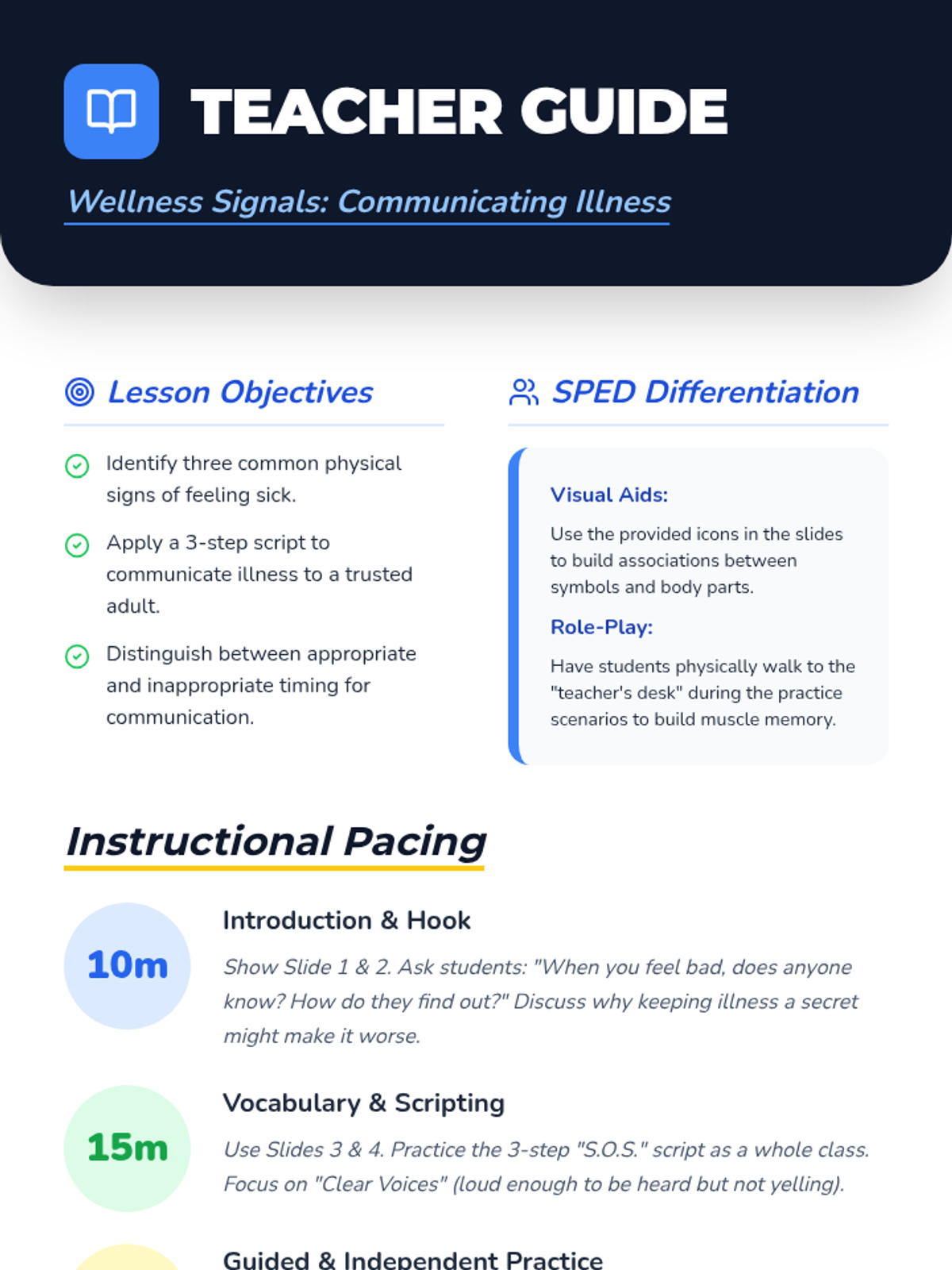
A lesson focused on identifying symptoms of illness and effectively communicating those symptoms to trusted adults at home or school using clear language and sentence starters.
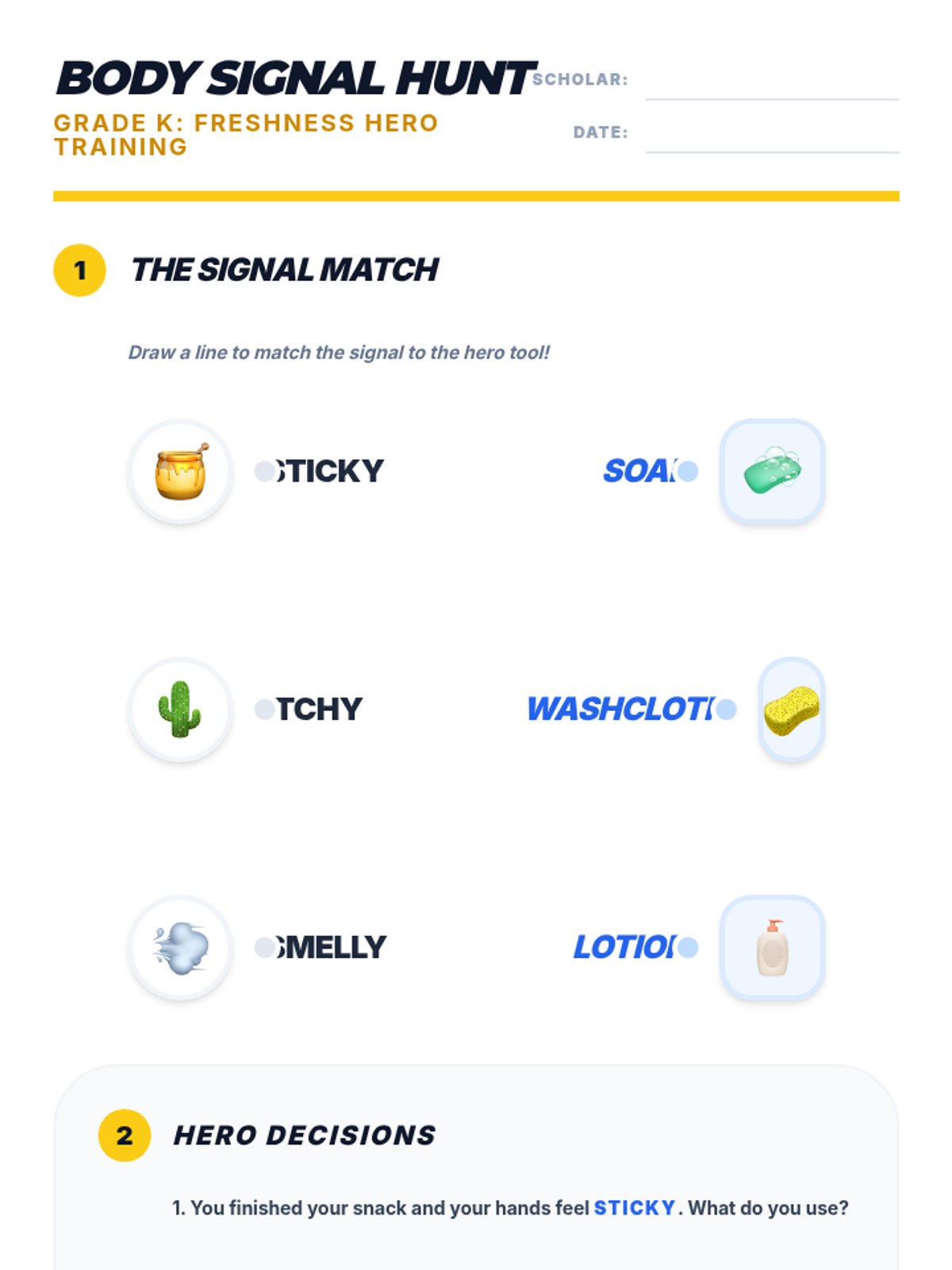
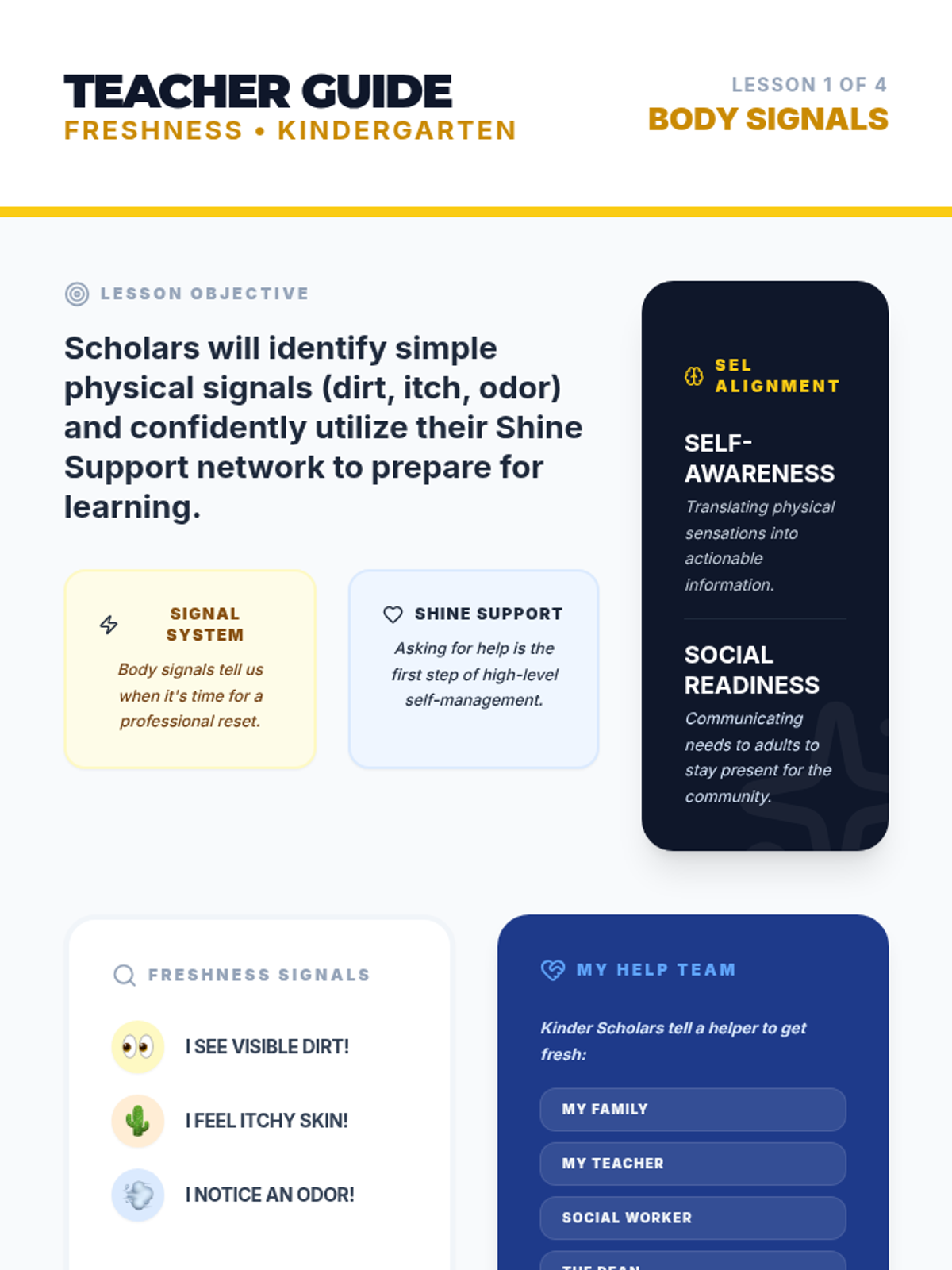
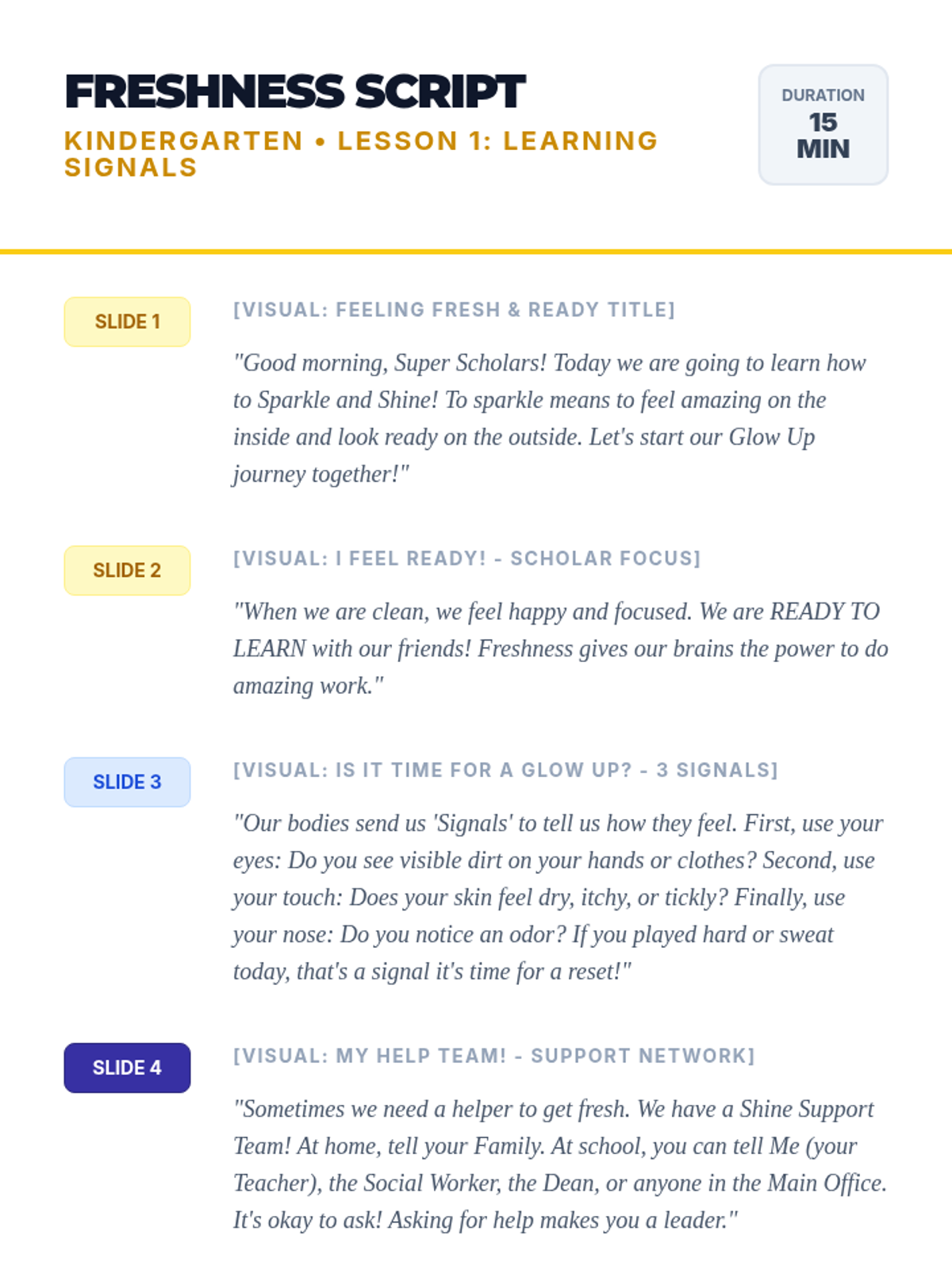
Focuses on identifying how our bodies feel when they are clean and recognizing basic body signals (sticky, itchy) for Kindergarten students.
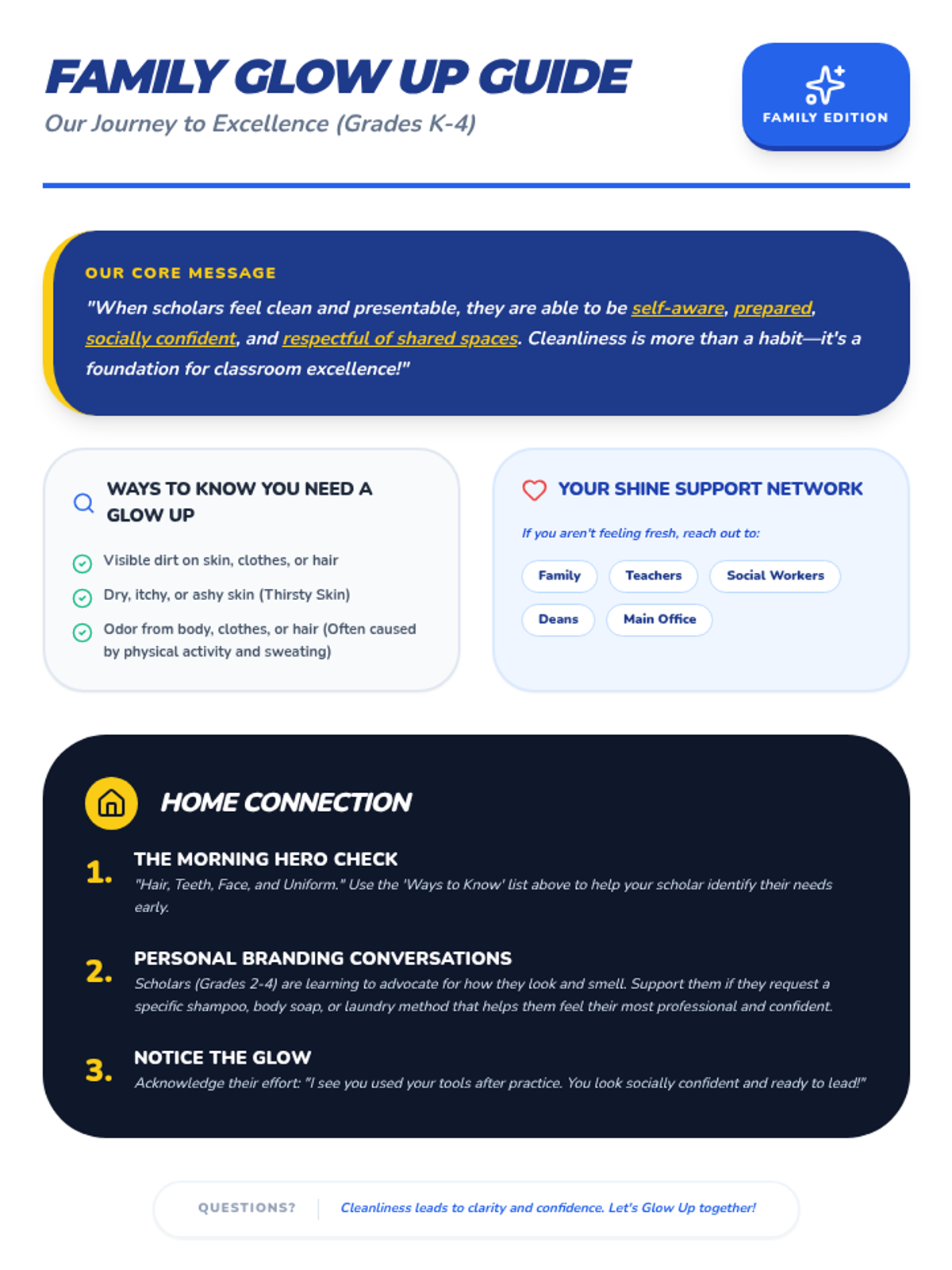
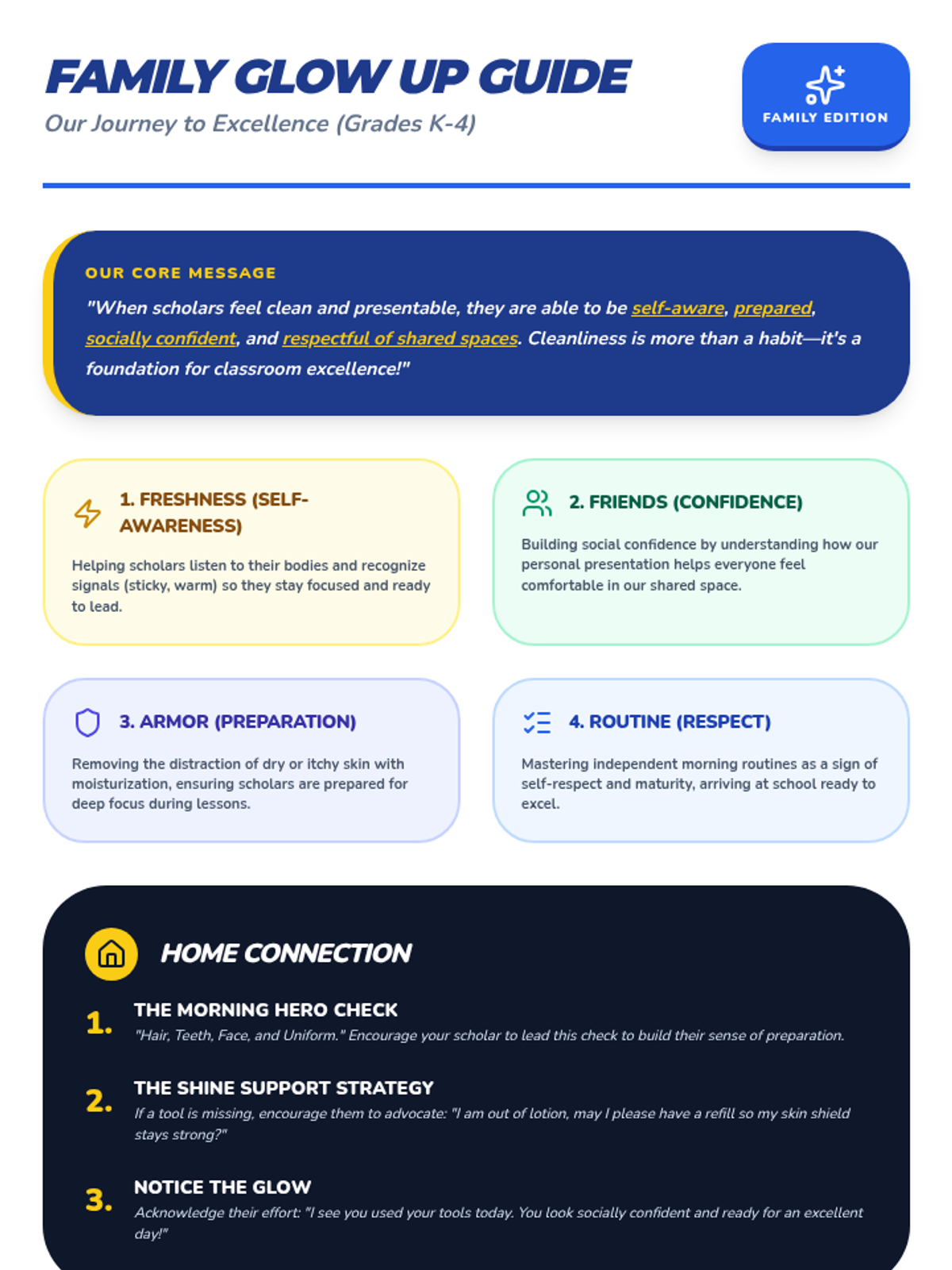
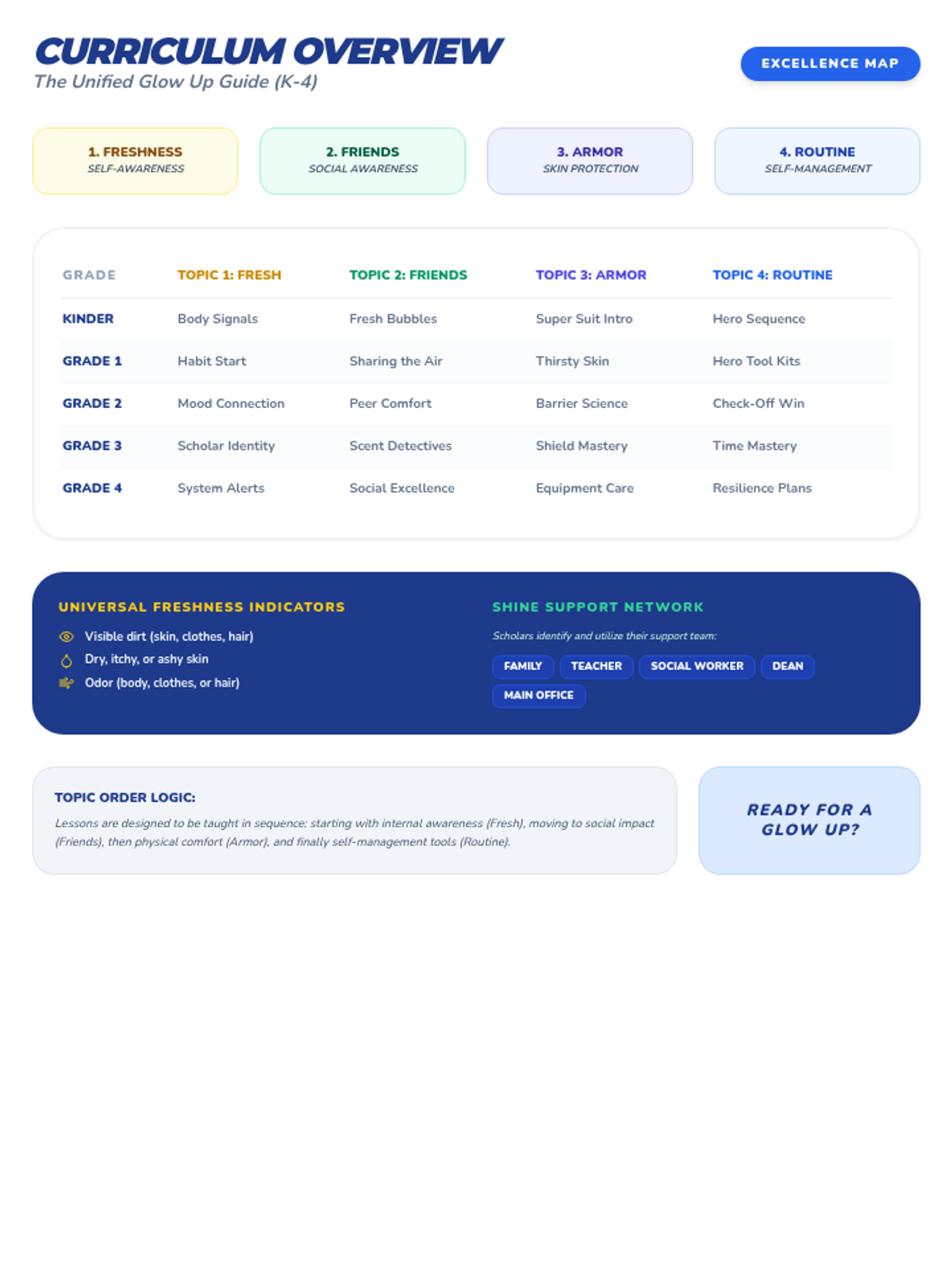
General resources and curriculum mapping for the Glow Up Guide hygiene program.
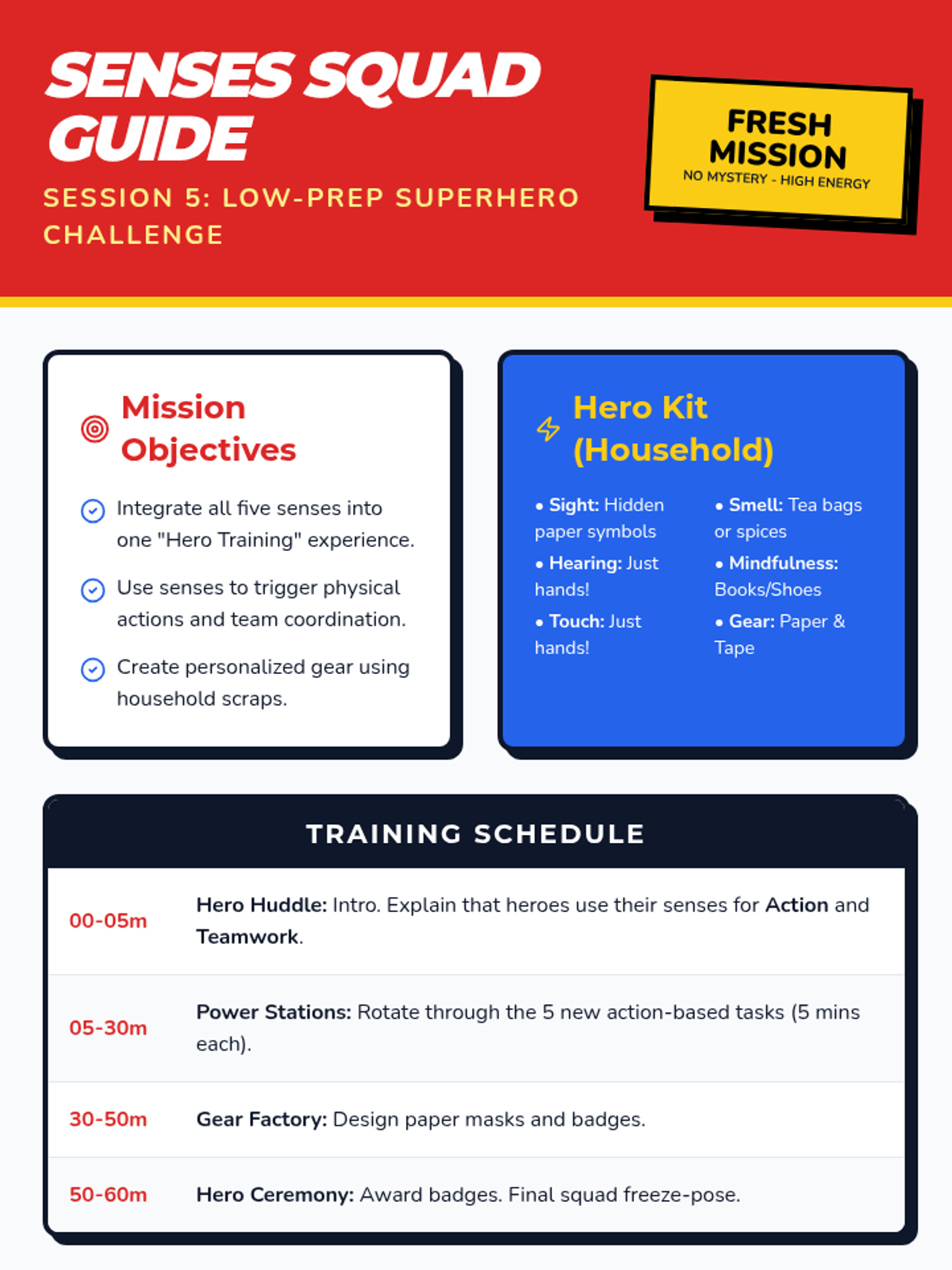
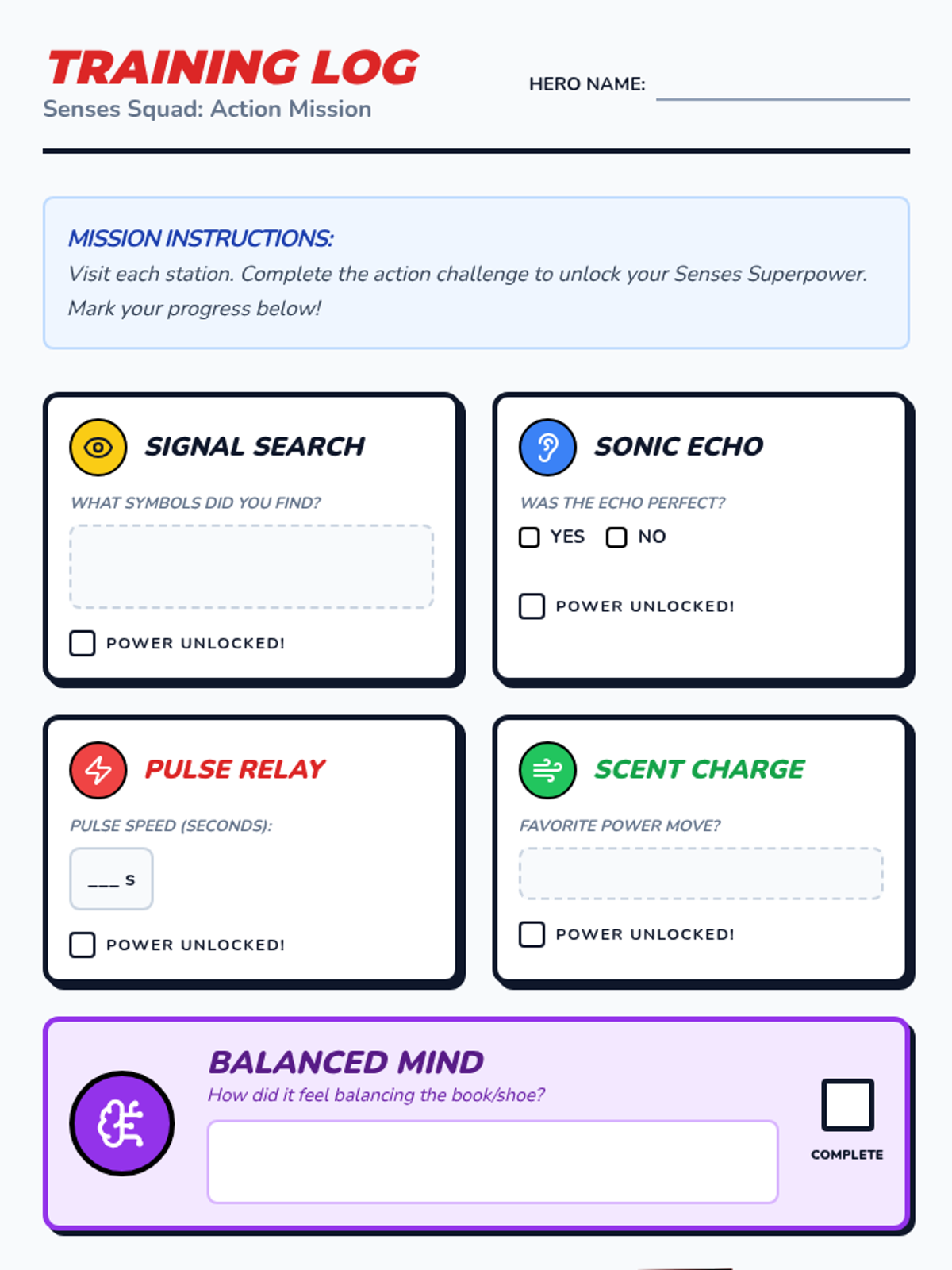
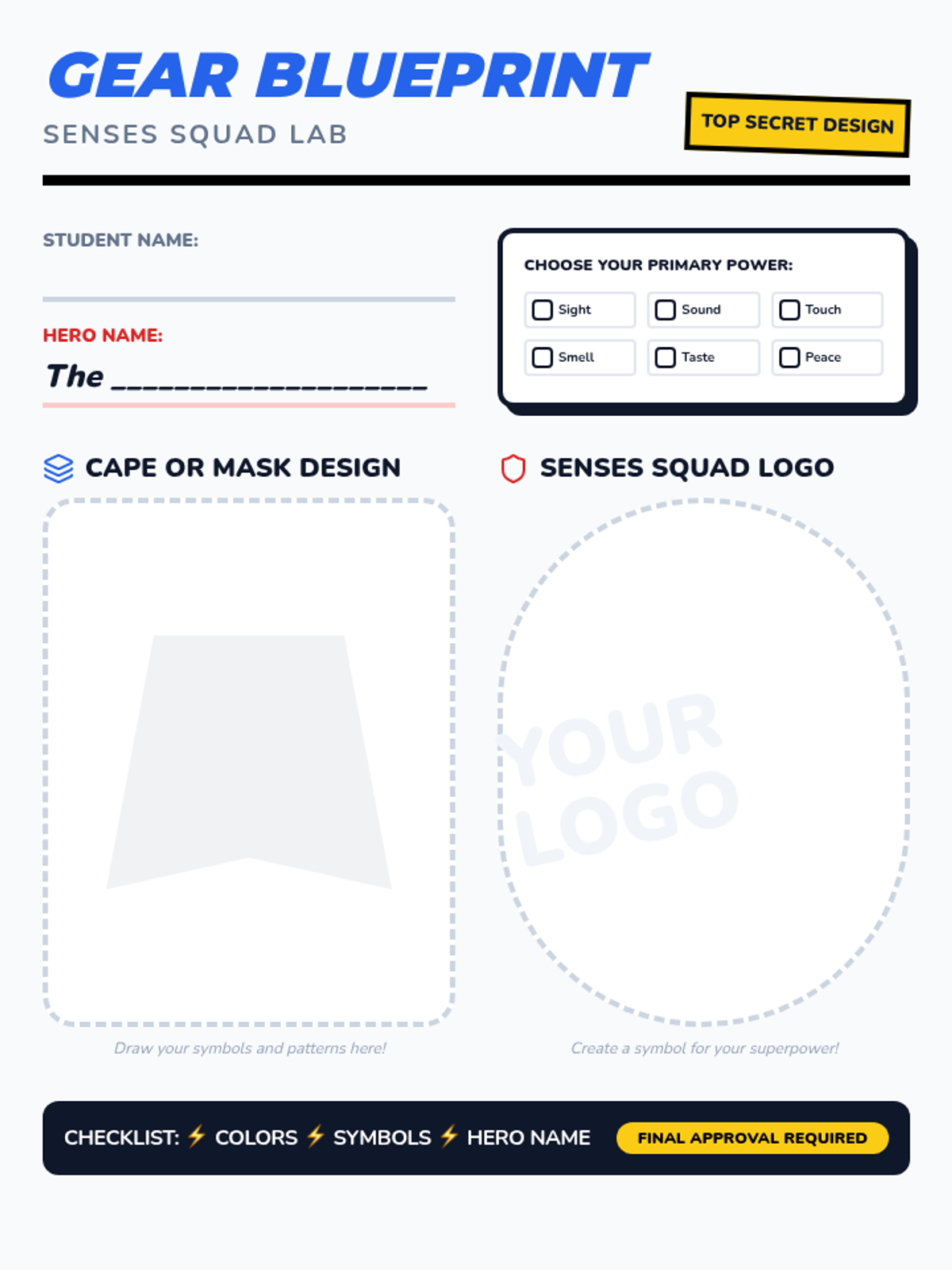
A high-energy wrap-up session for K-2 students to integrate their knowledge of the five senses and mindfulness through a superhero-themed training challenge. Students rotate through sensory stations and create their own superhero gear to represent their 'Senses Superpowers'.