Employment laws, safety protocols, and legal protections against workplace harassment and discrimination. Connects regulatory requirements to practical understandings of pay stubs, insurance benefits, and employee advocacy.
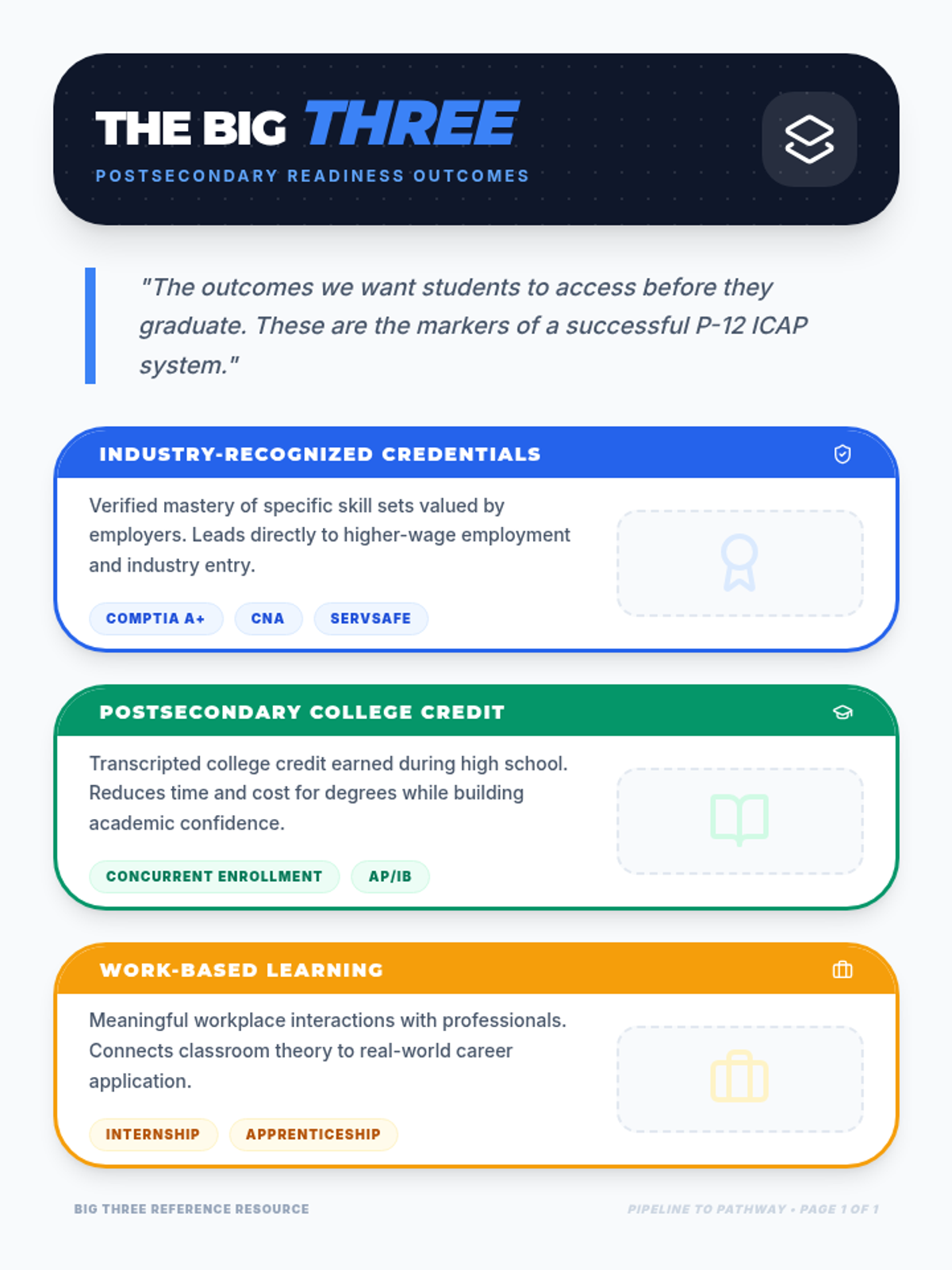
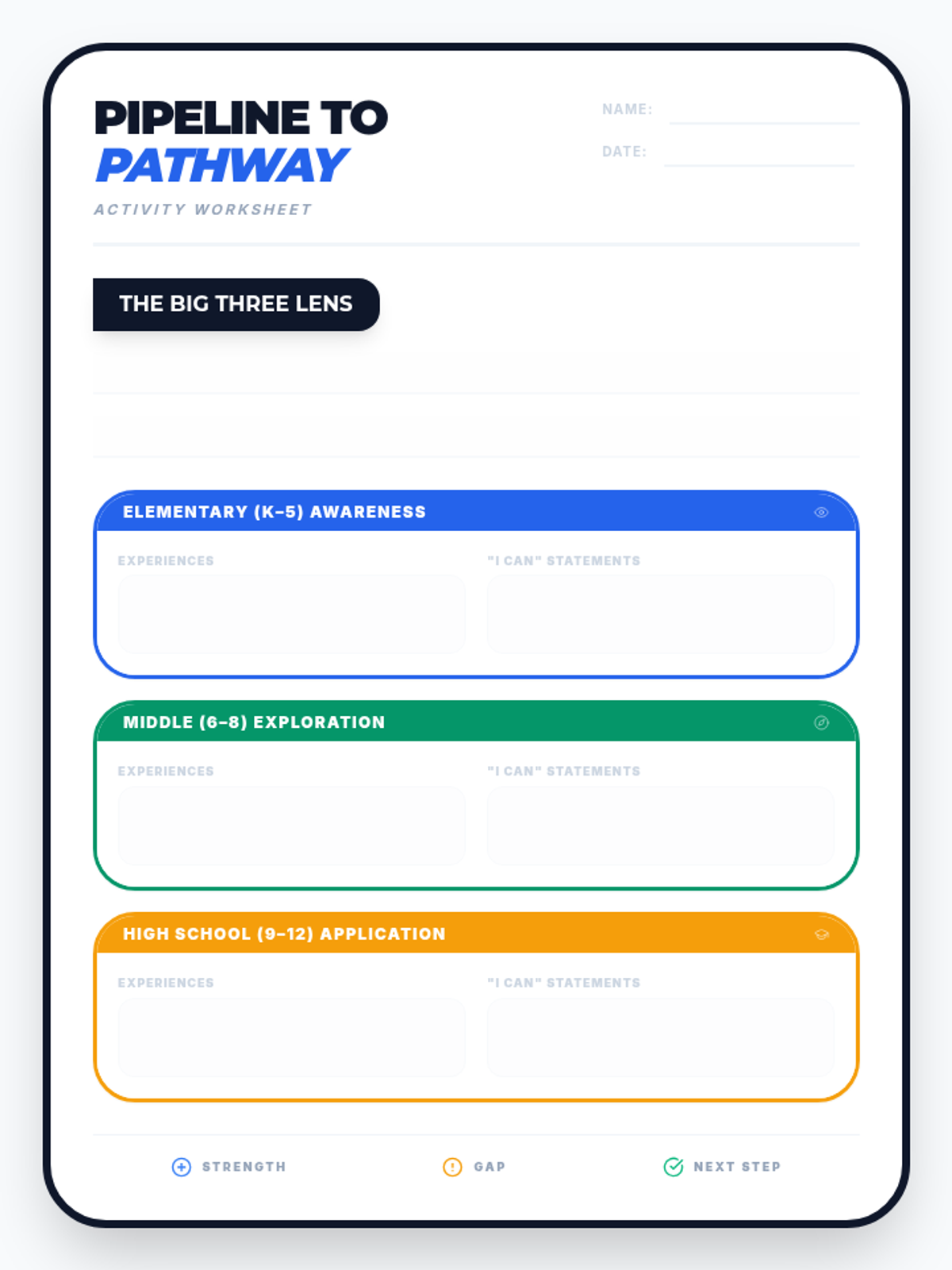
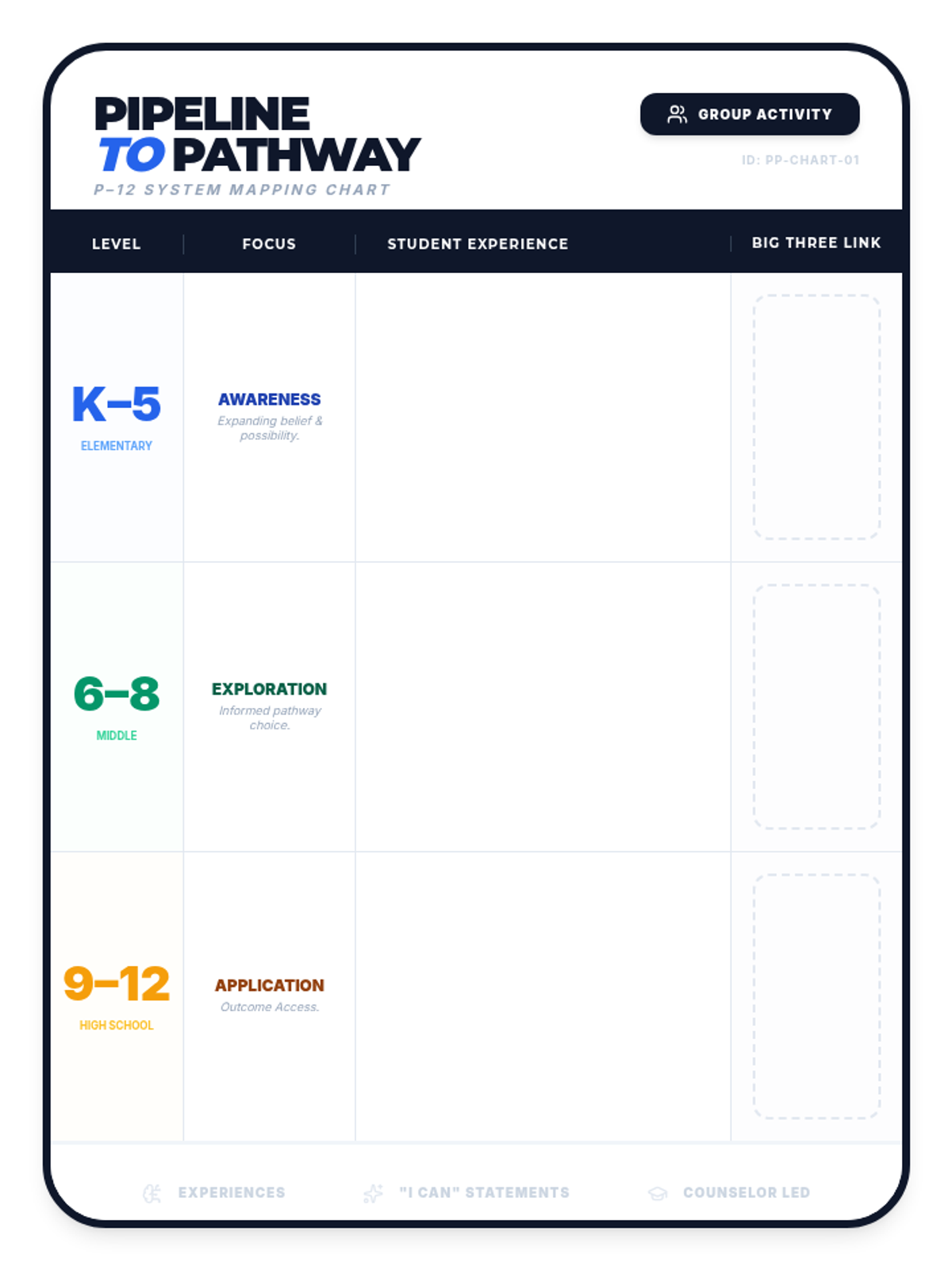
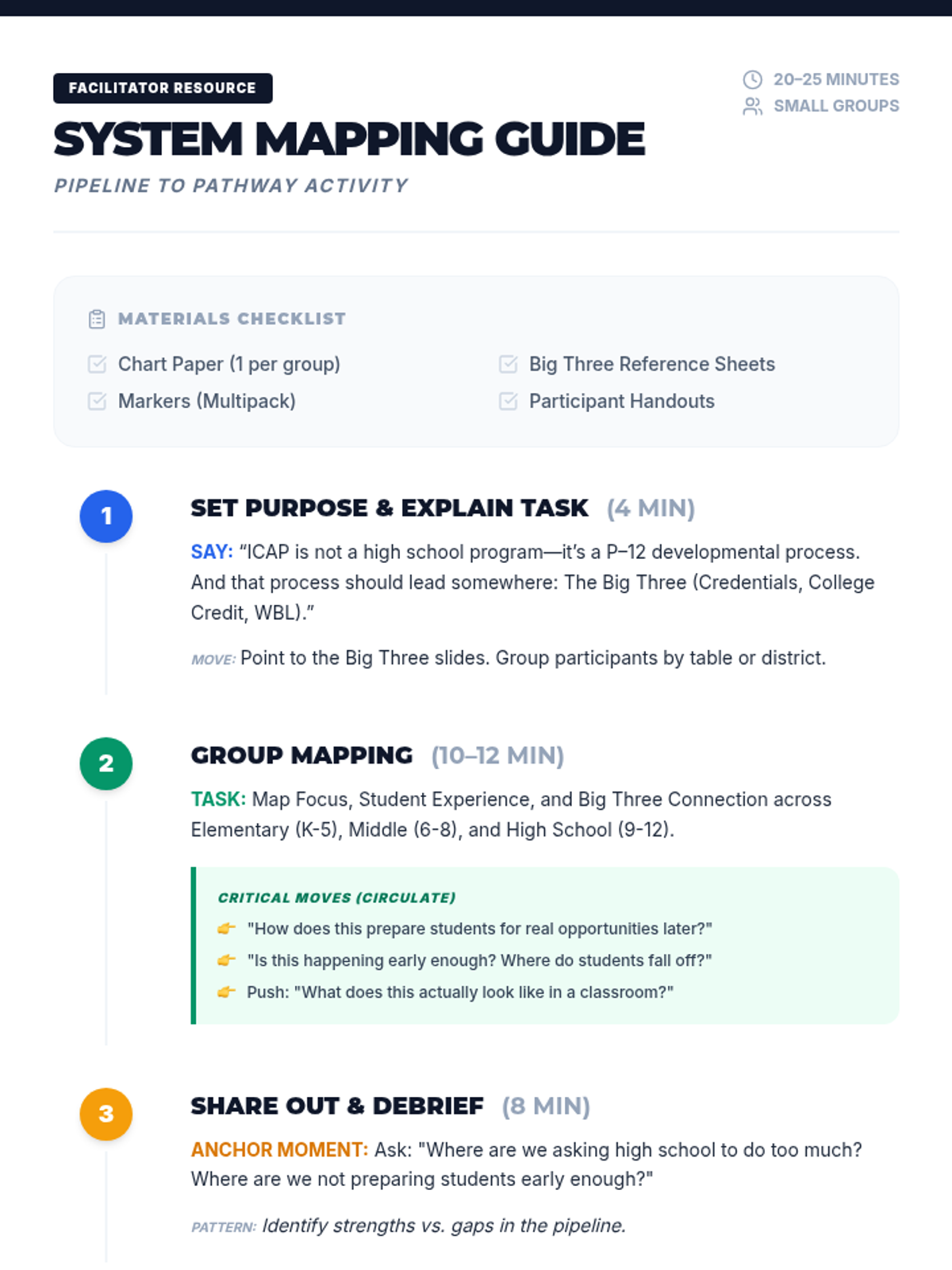
A comprehensive professional development sequence focused on building a P-12 ICAP system that leads to the Big Three outcomes: Industry Credentials, College Credit, and Work-Based Learning.
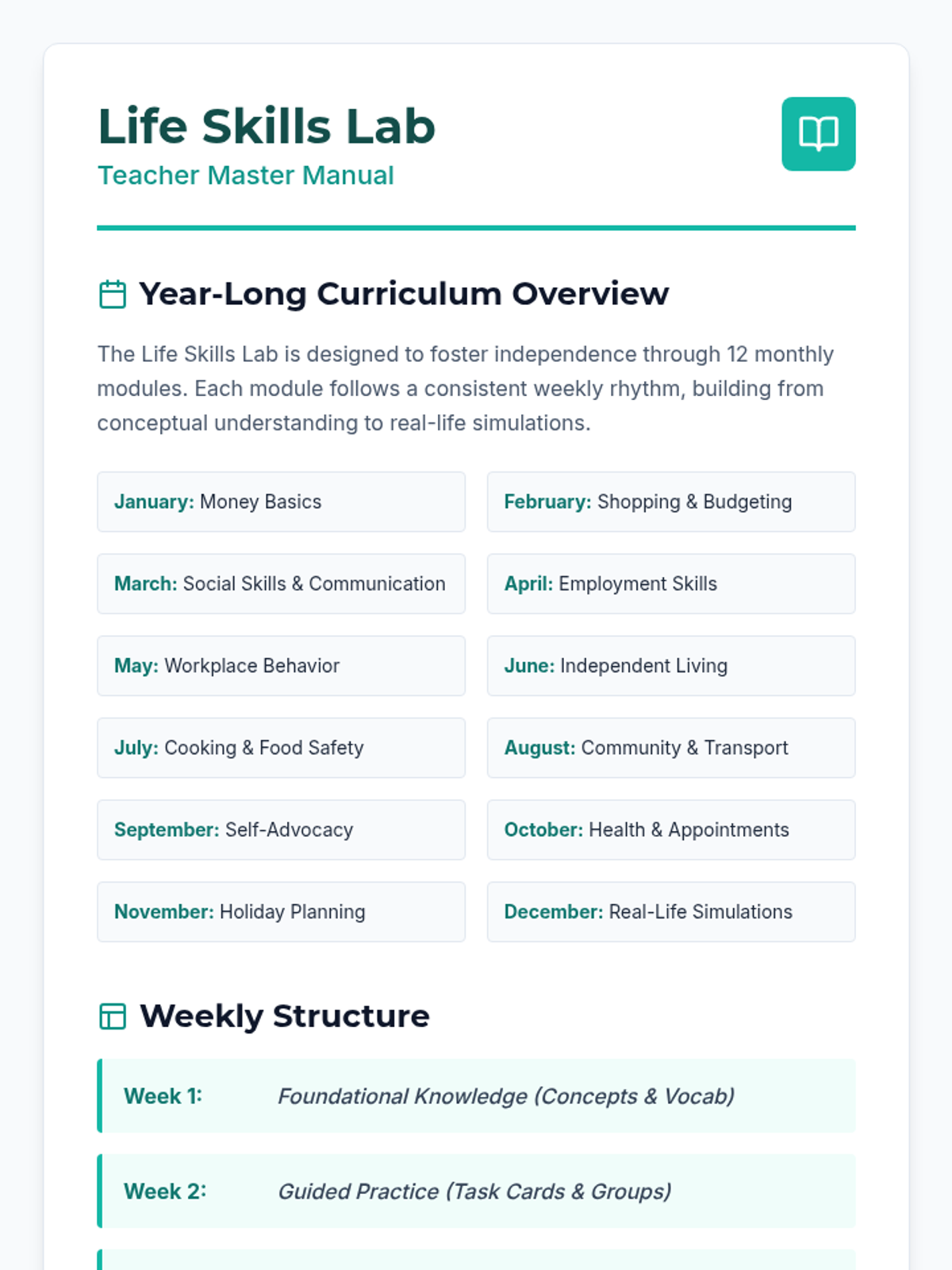
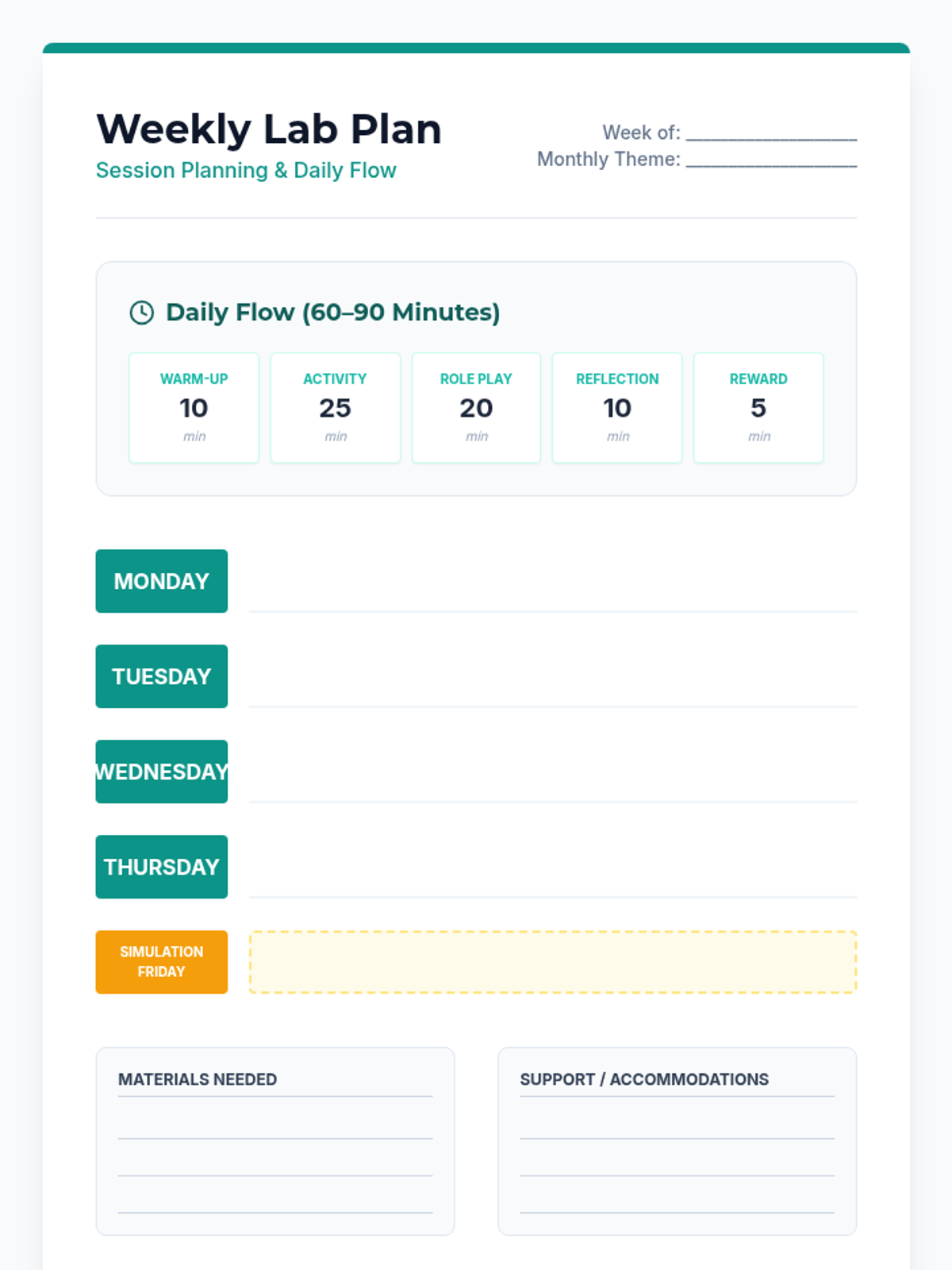
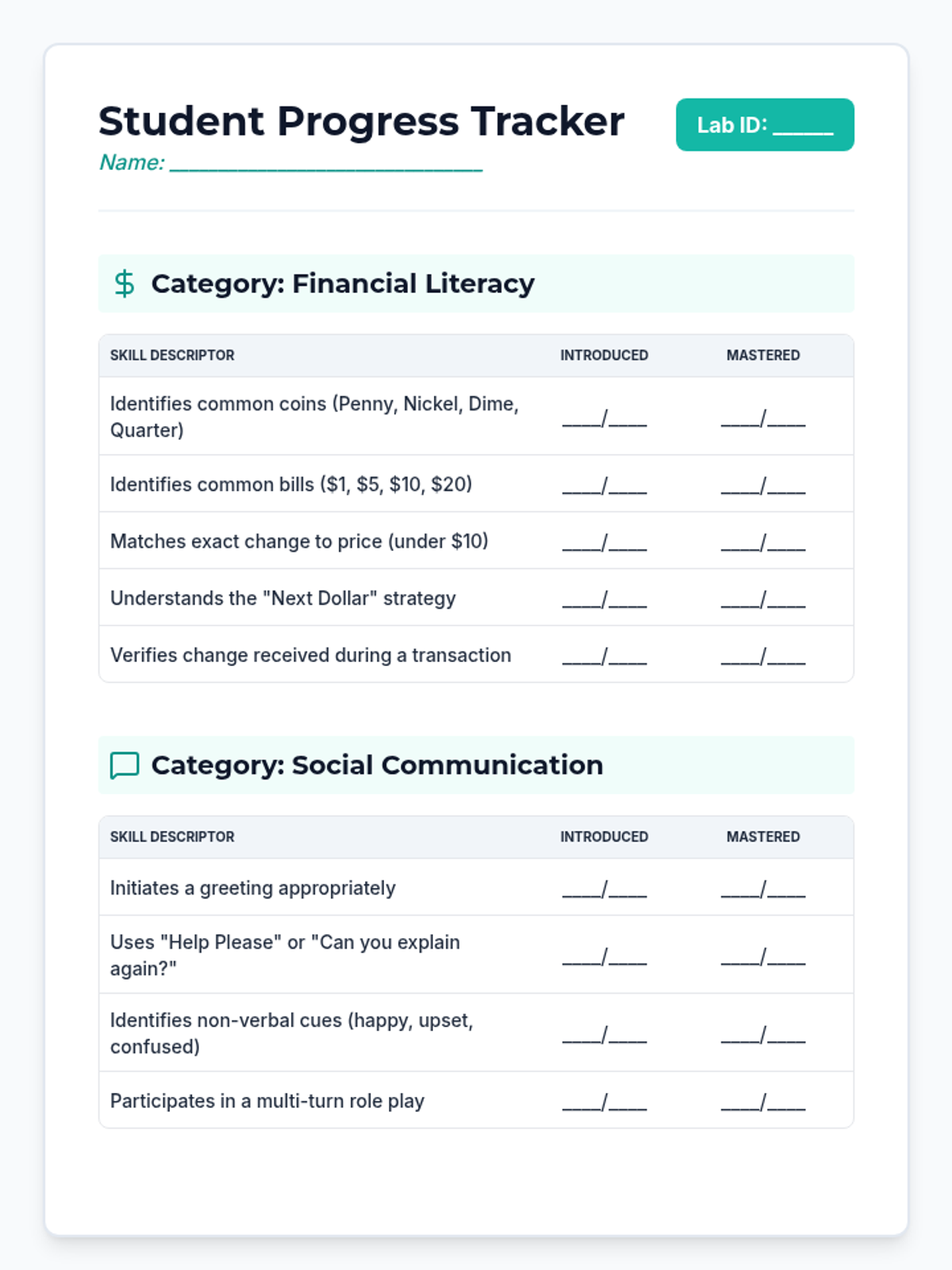
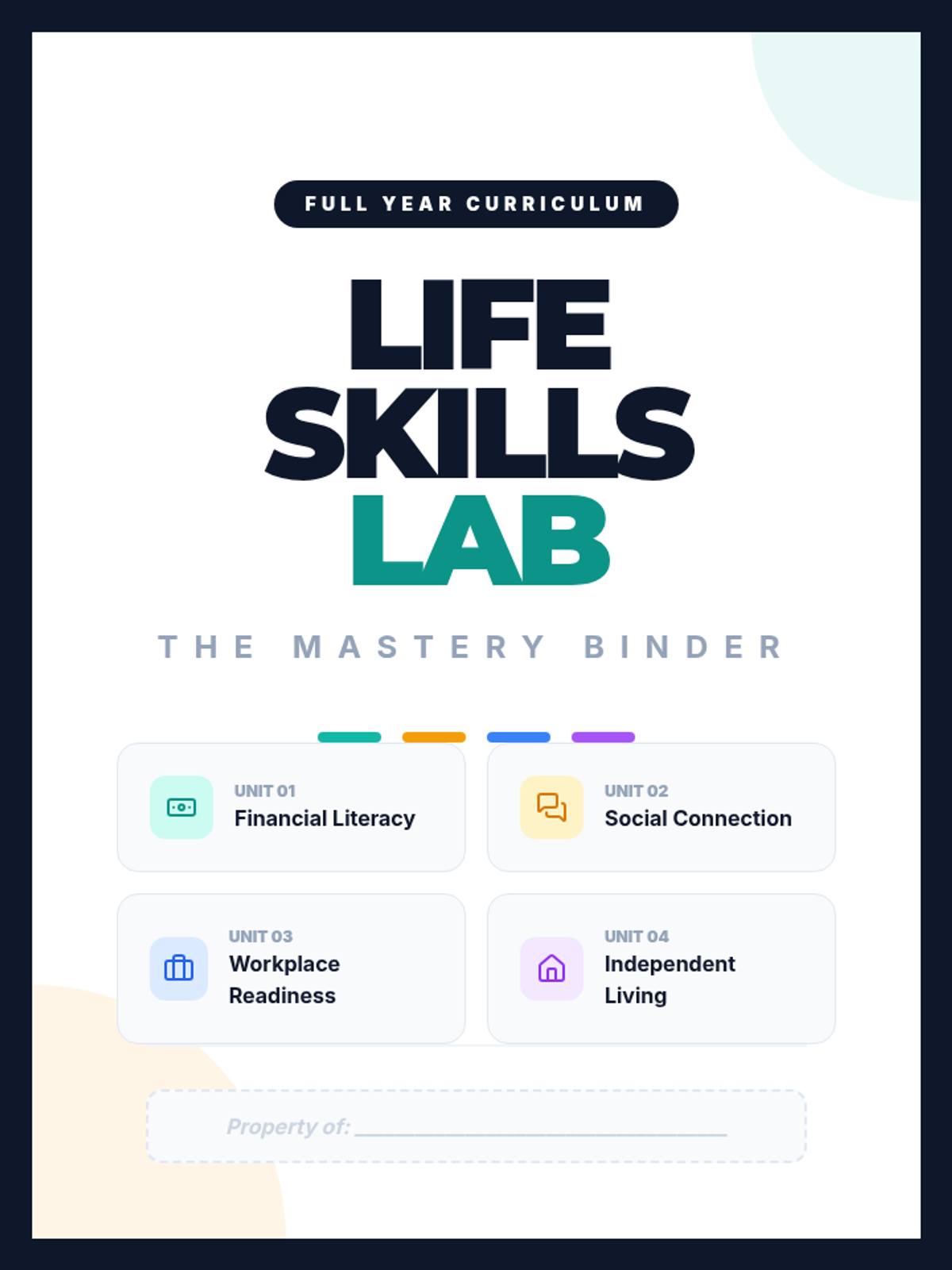
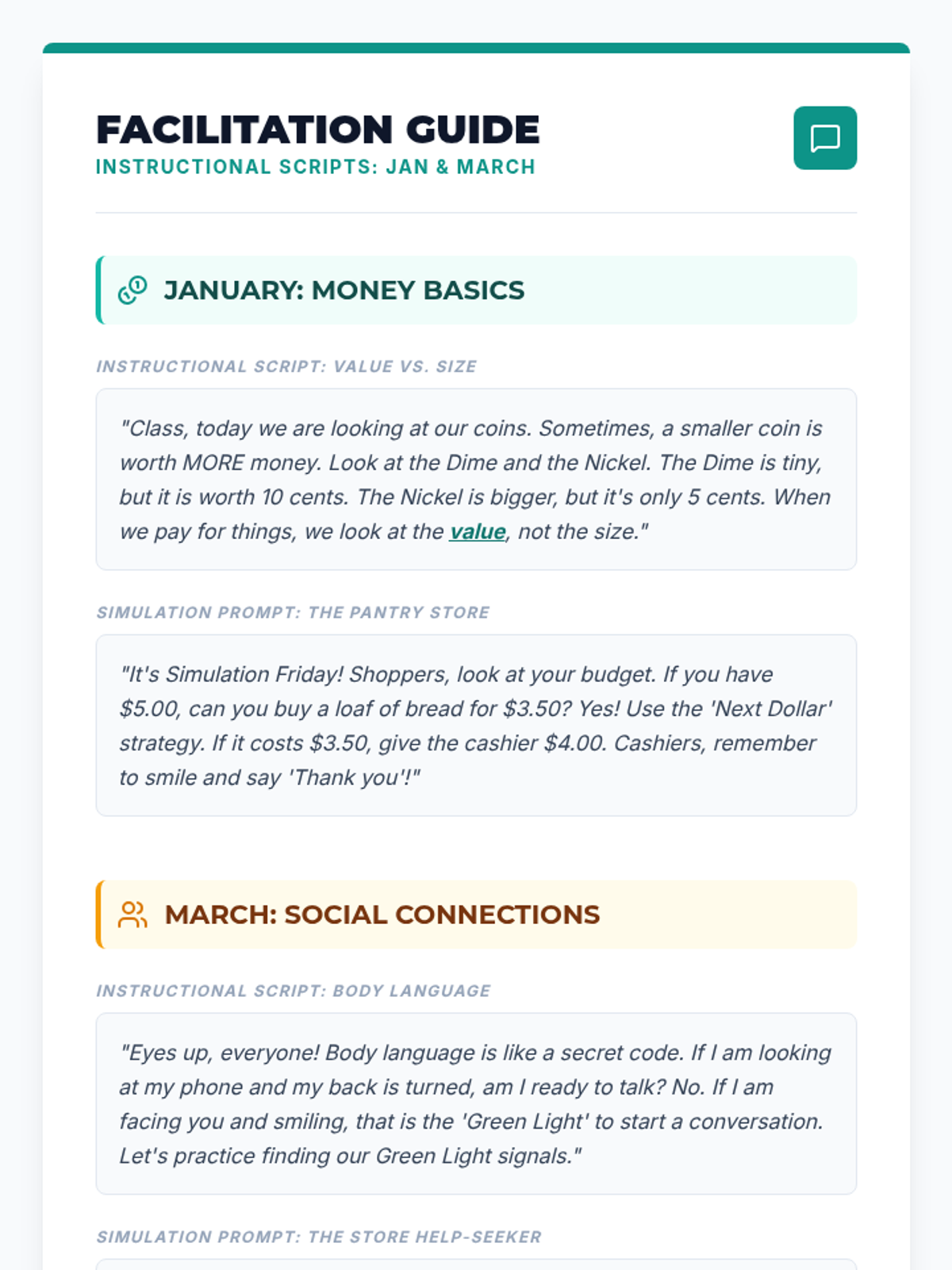
A comprehensive year-long curriculum designed to empower students with essential life skills for independence, focusing on financial literacy, social communication, and real-world simulations.
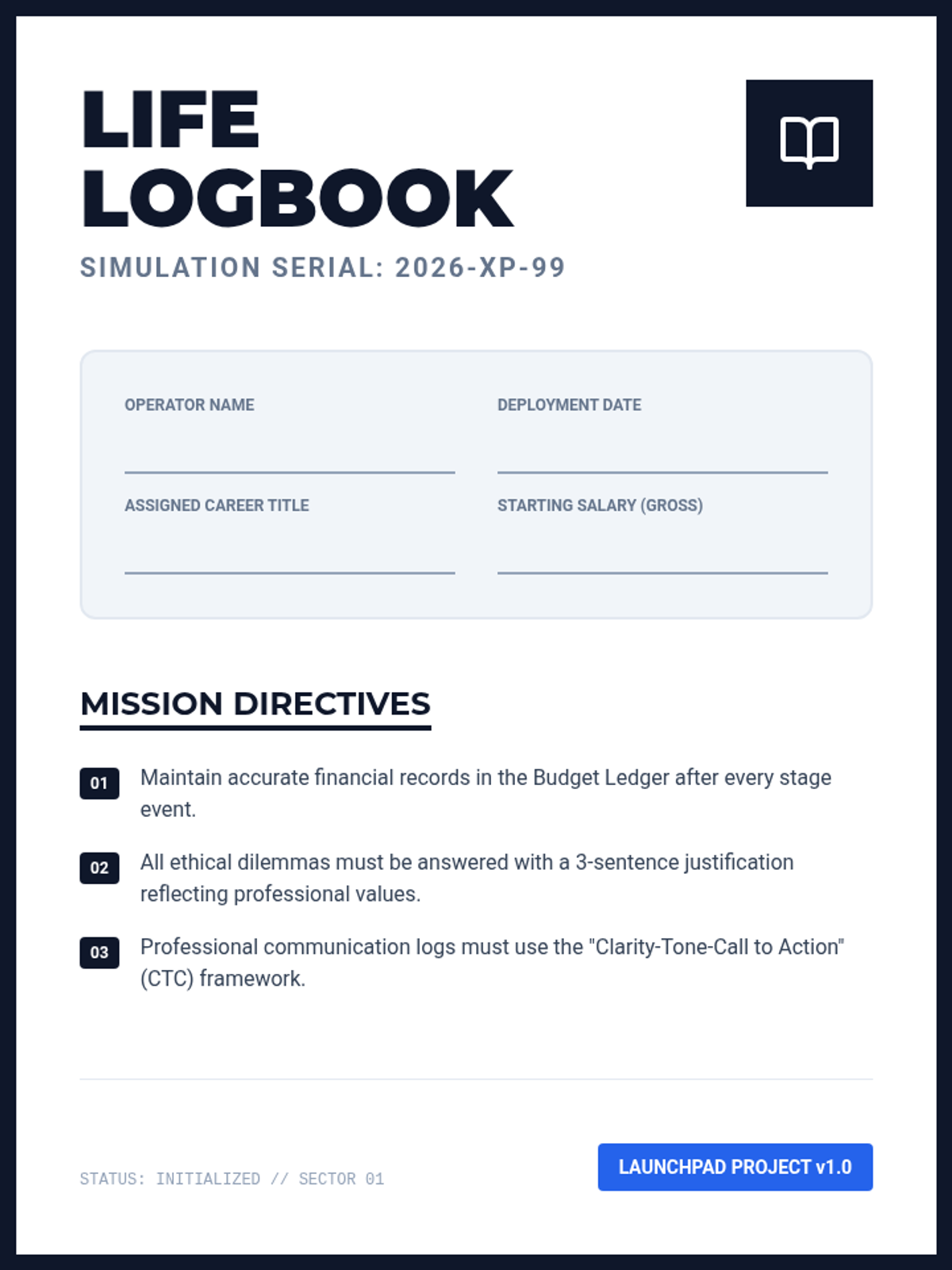
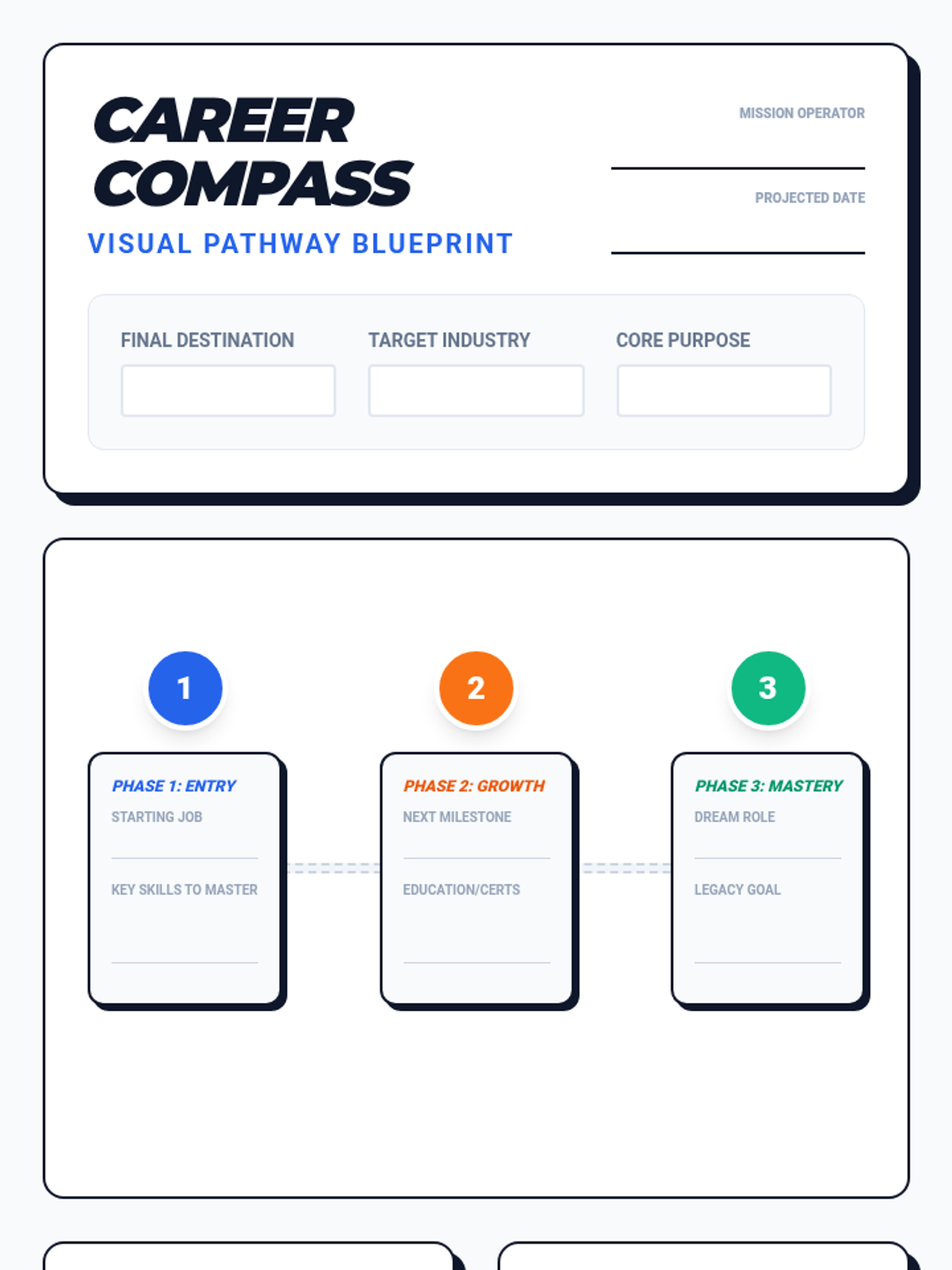
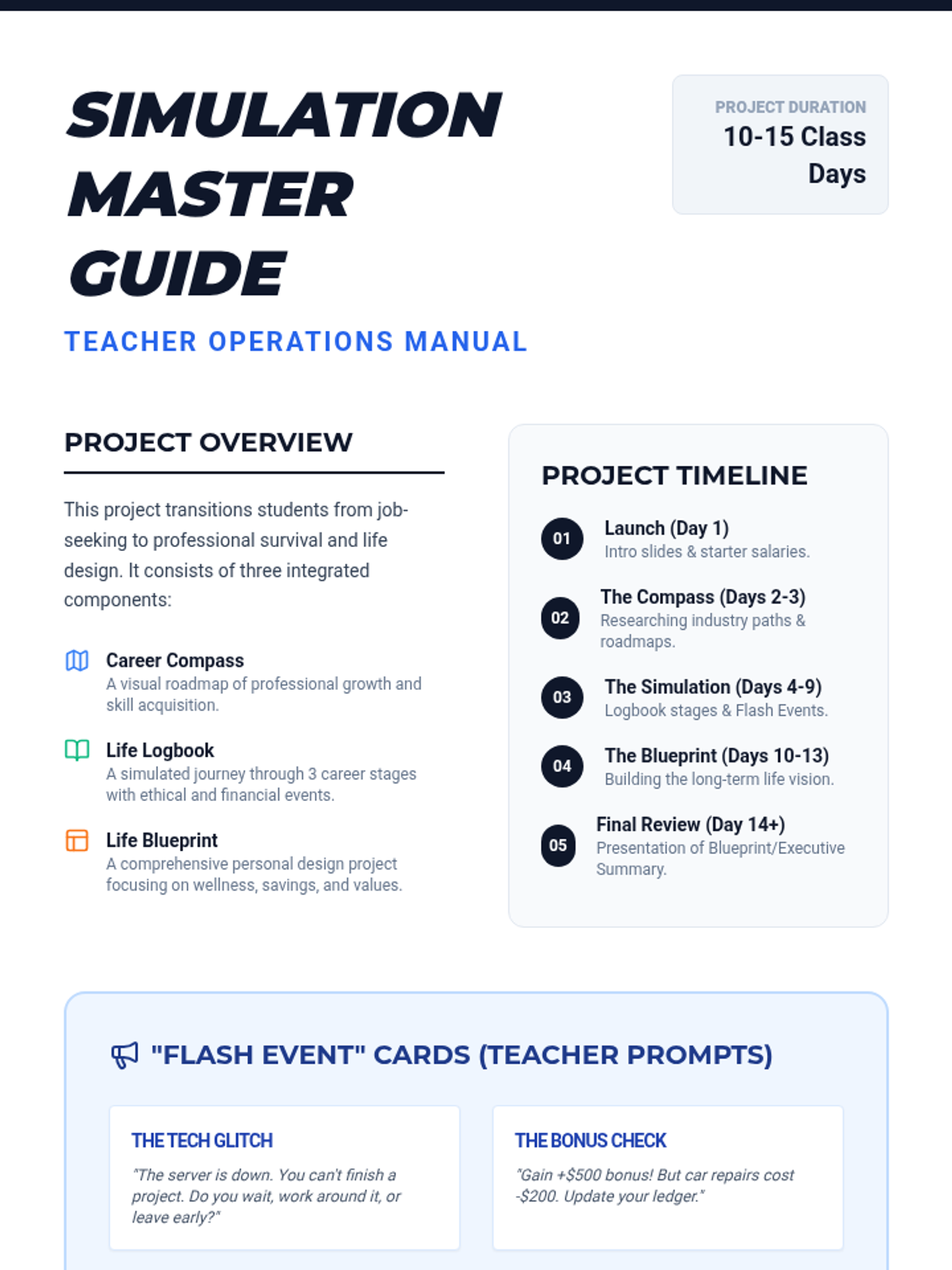
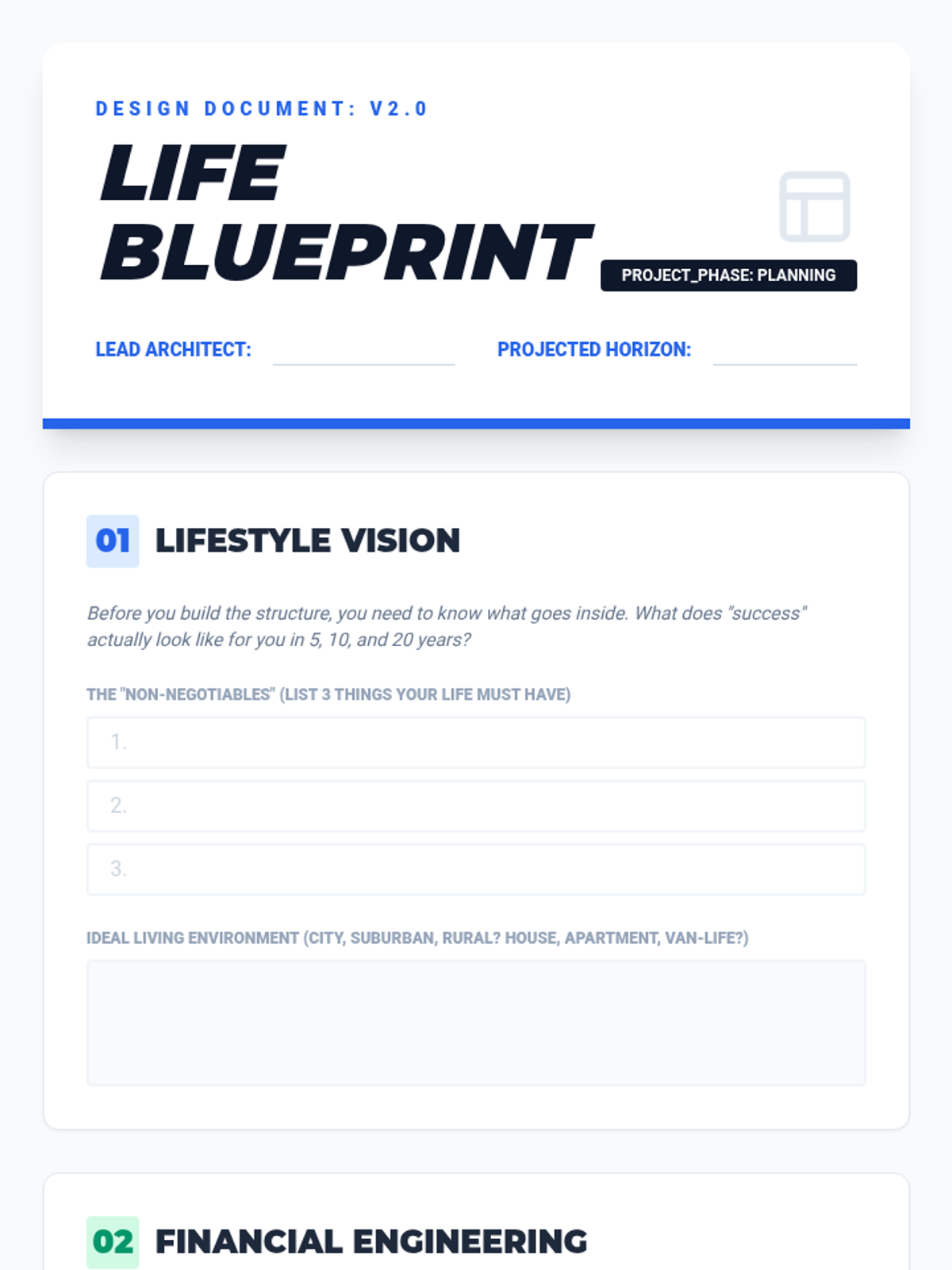
A series of lessons and projects designed to transition students from job-seeking skills to workplace success and independent living, focusing on professional ethics, communication, and long-term planning.
A series of lessons focused on professional communication and career readiness, helping students master the written and verbal skills needed for the workplace.
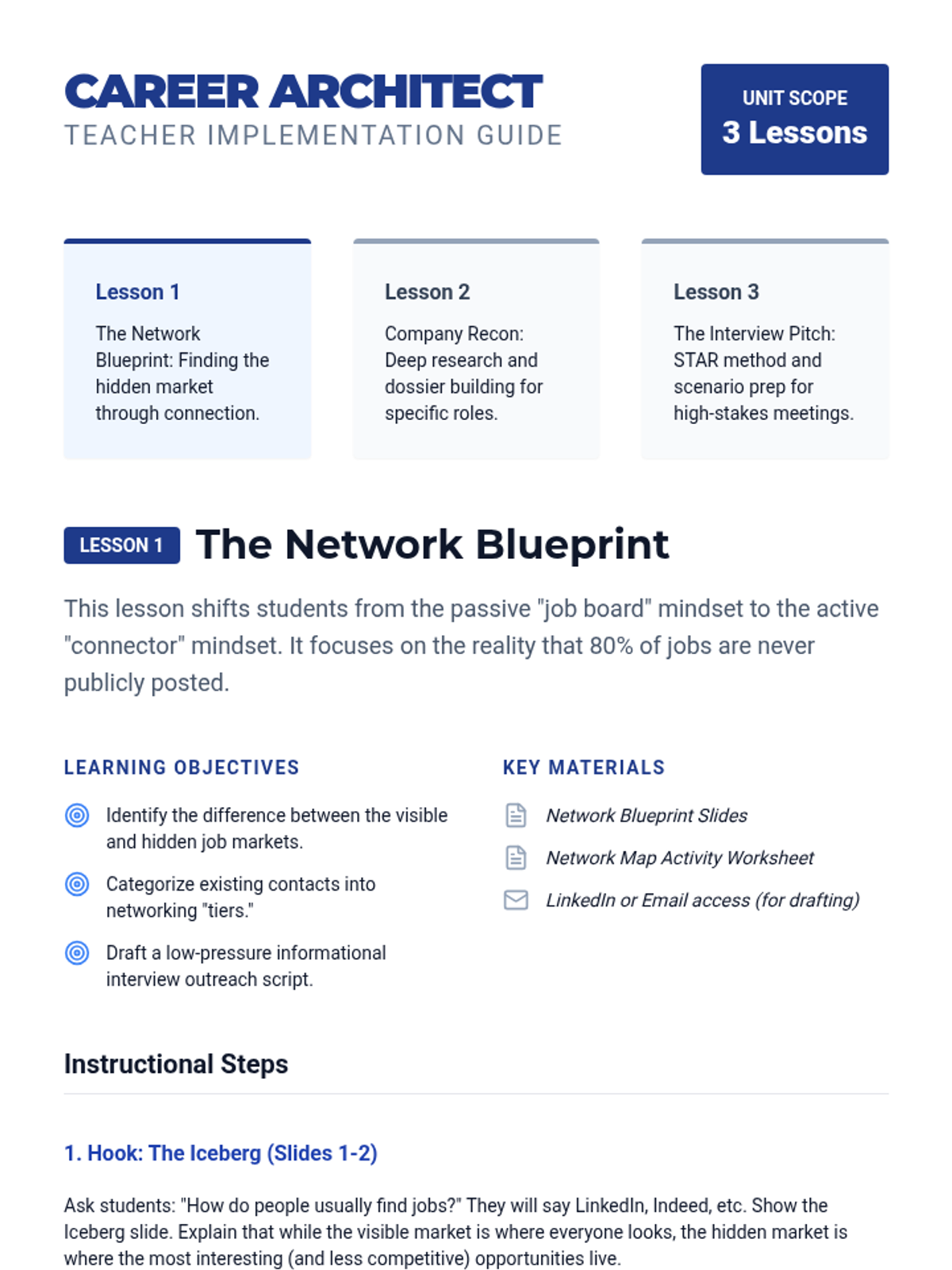
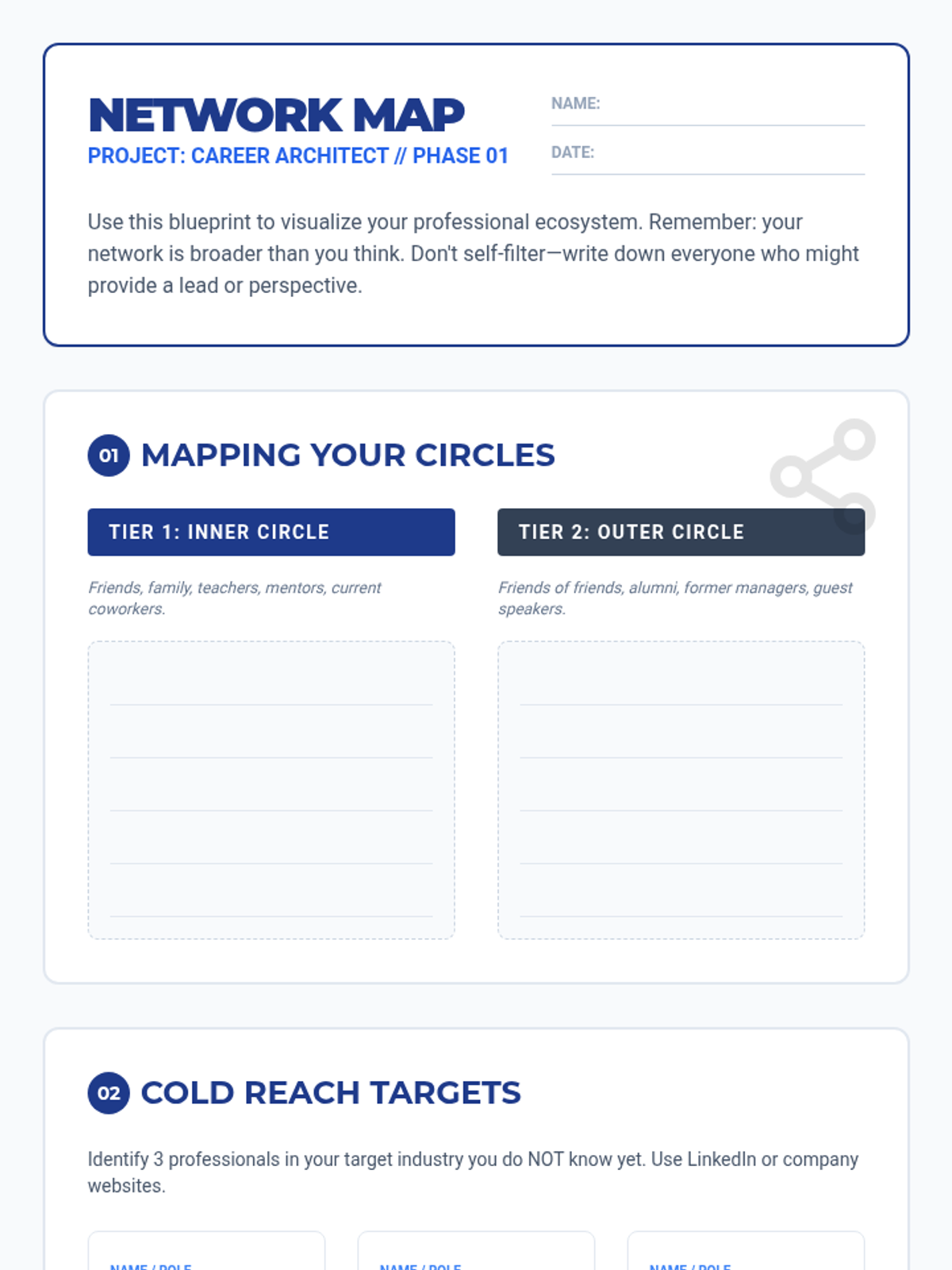
A comprehensive unit designed to guide students through the modern job application process, focusing on strategic networking, deep company research, and high-stakes interview preparation. Students will learn to build professional connections and tailor their approach to specific company cultures and scenarios.
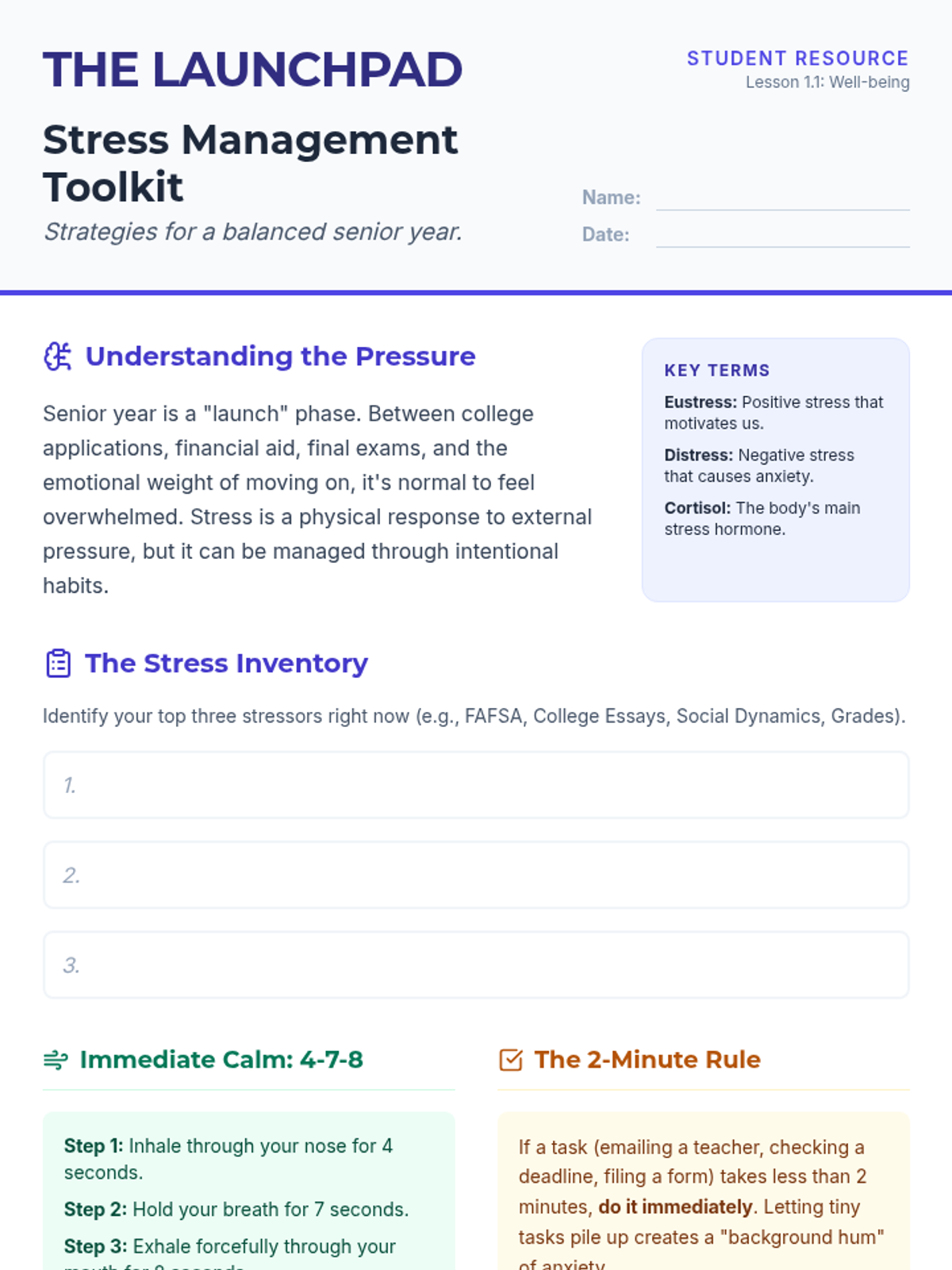
A comprehensive year-long curriculum for high school seniors focusing on college readiness, career planning, financial literacy, and social-emotional well-being. This sequence guides students through the complexities of post-secondary transitions with a special focus on arts-based pathways.
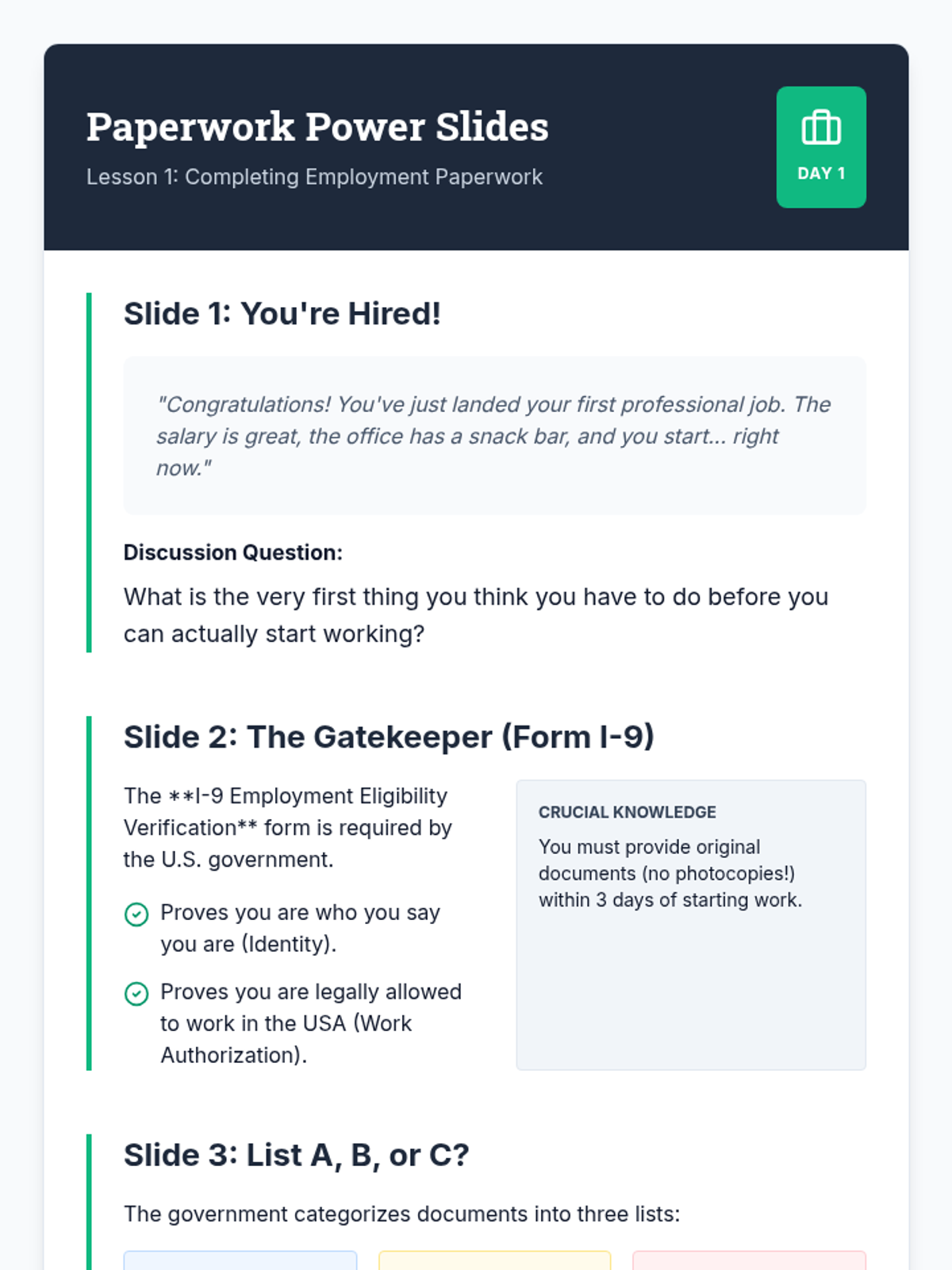
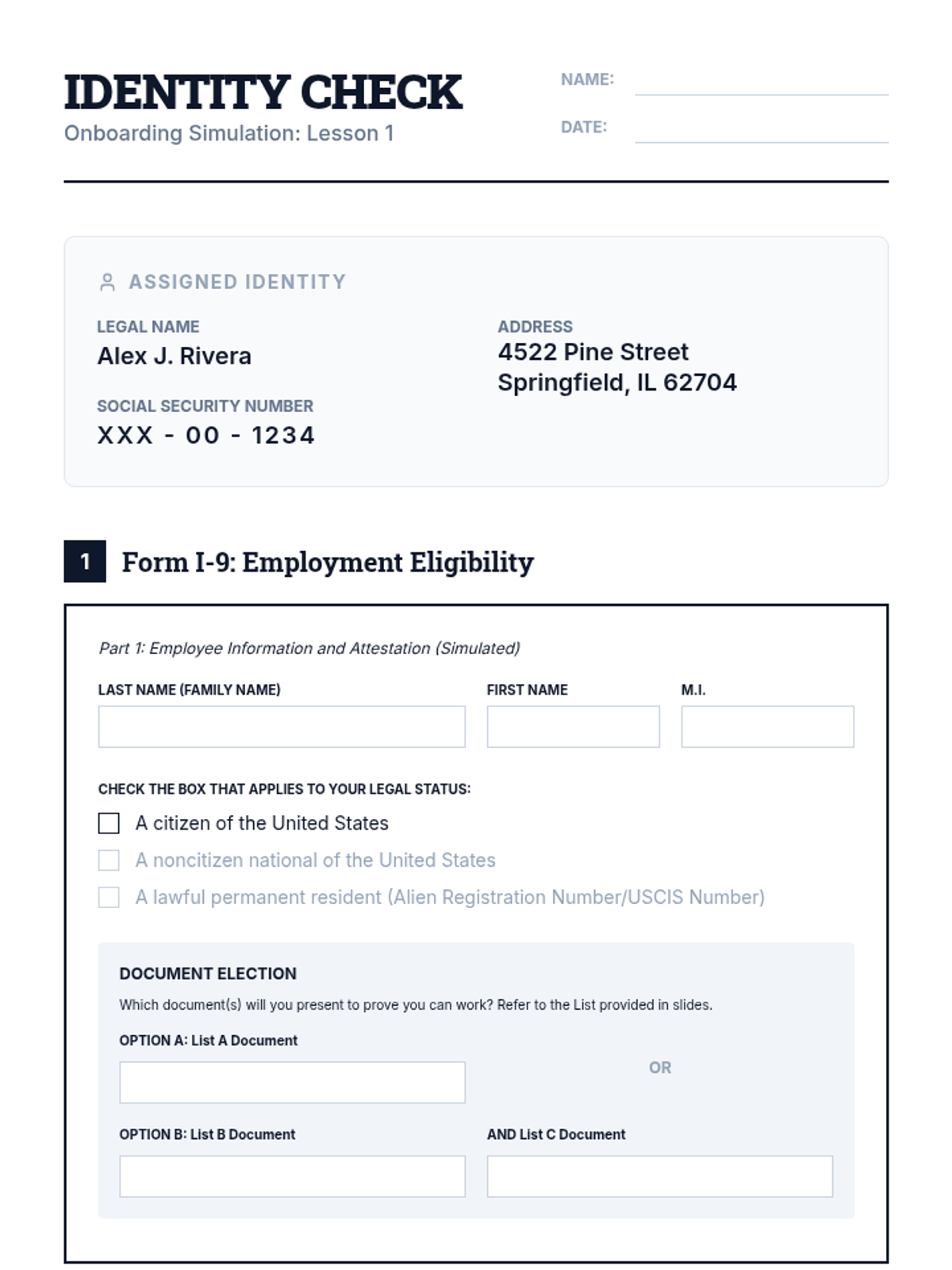
An immersive simulation where students navigate the onboarding process of a new job, making critical decisions about taxes, benefits, and workplace rights to understand their impact on a final paycheck.
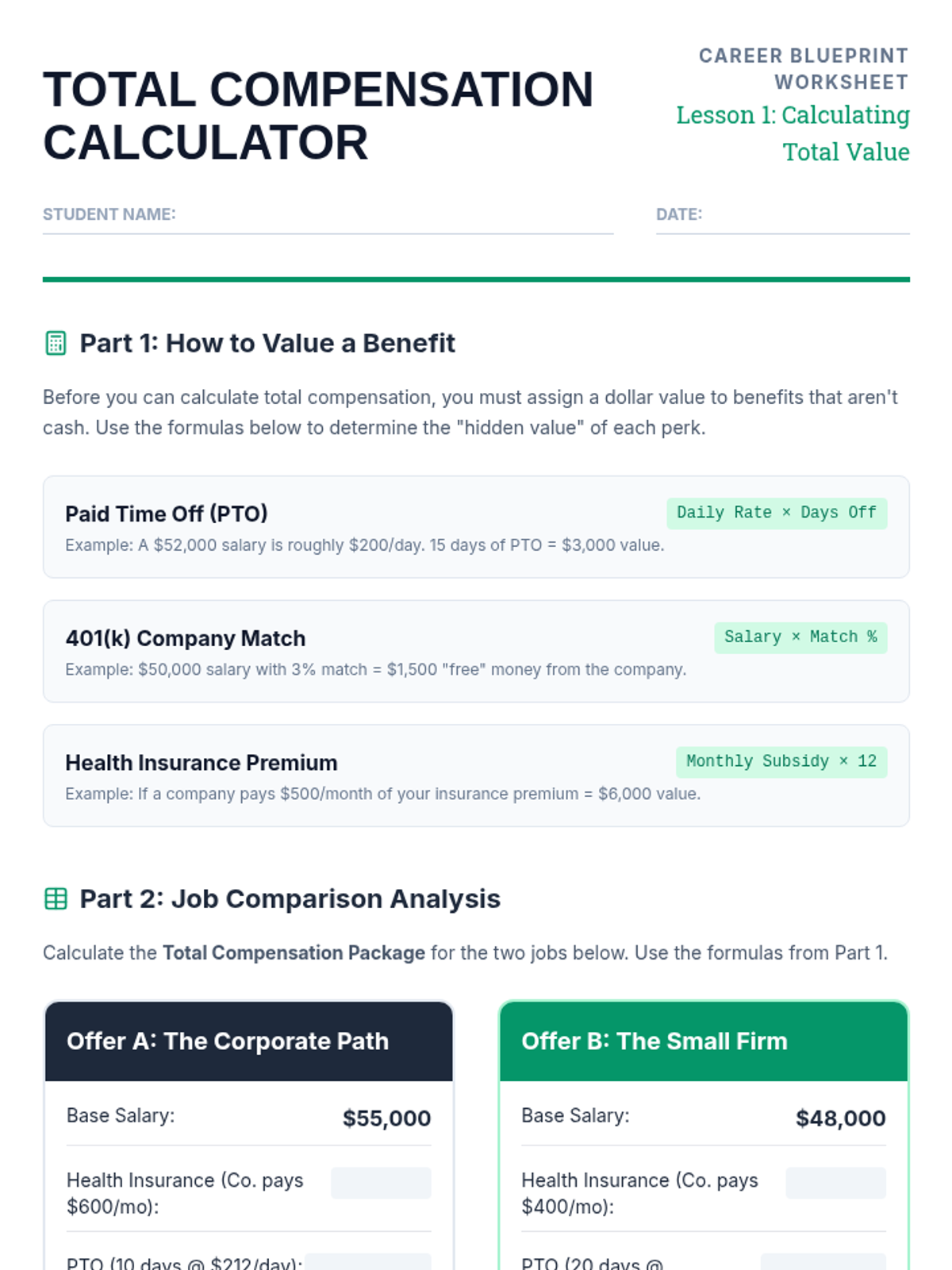
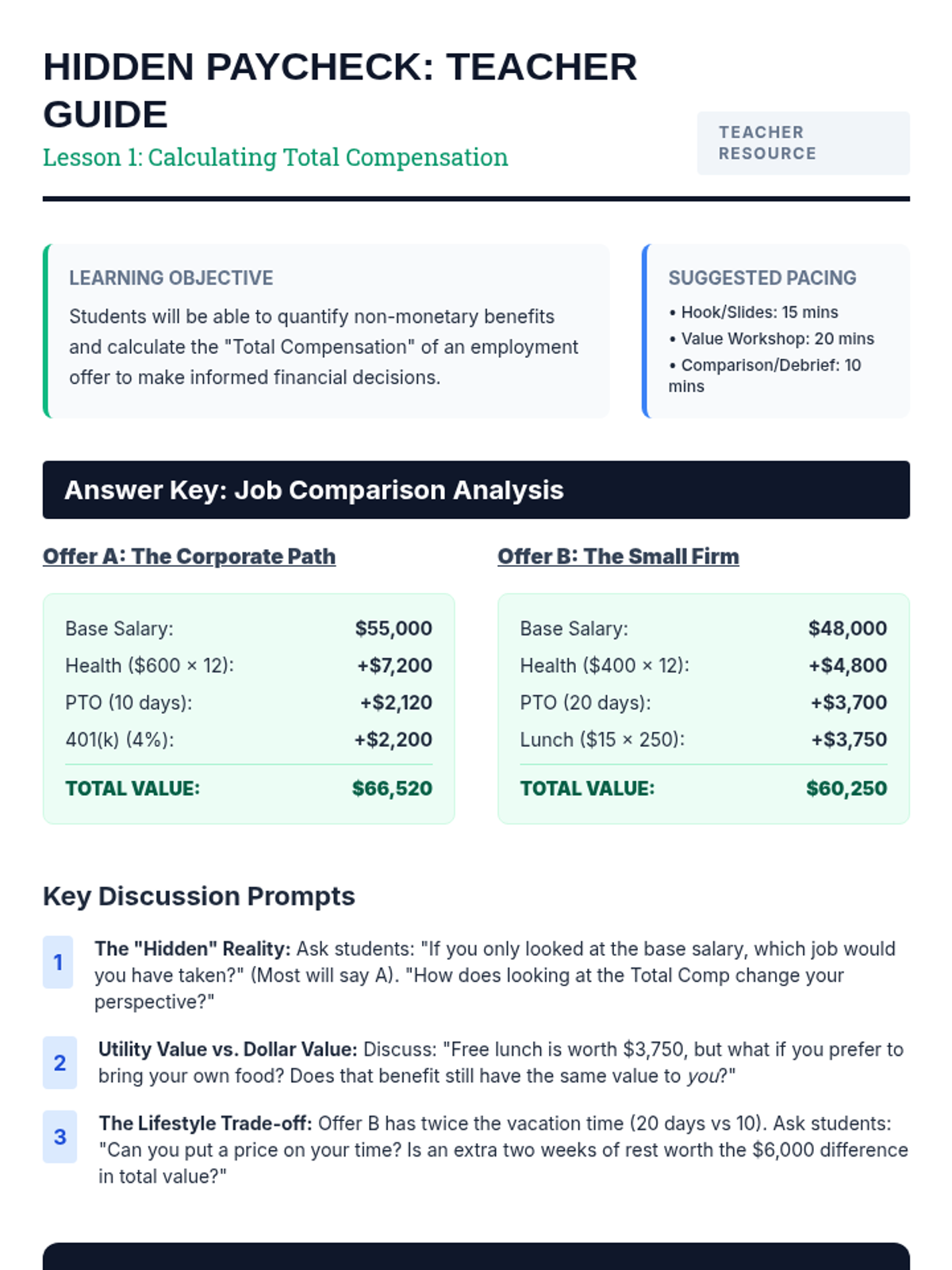
A 5-lesson unit for 9th graders exploring total compensation, including health insurance, paid time off, and retirement benefits, culminating in a comparative analysis of job offers.
A comprehensive sequence for 12th-grade students on evaluating and negotiating employment offers. Students move from basic financial literacy (calculating total compensation) to critical analysis of benefits, culminating in a professional negotiation simulation.
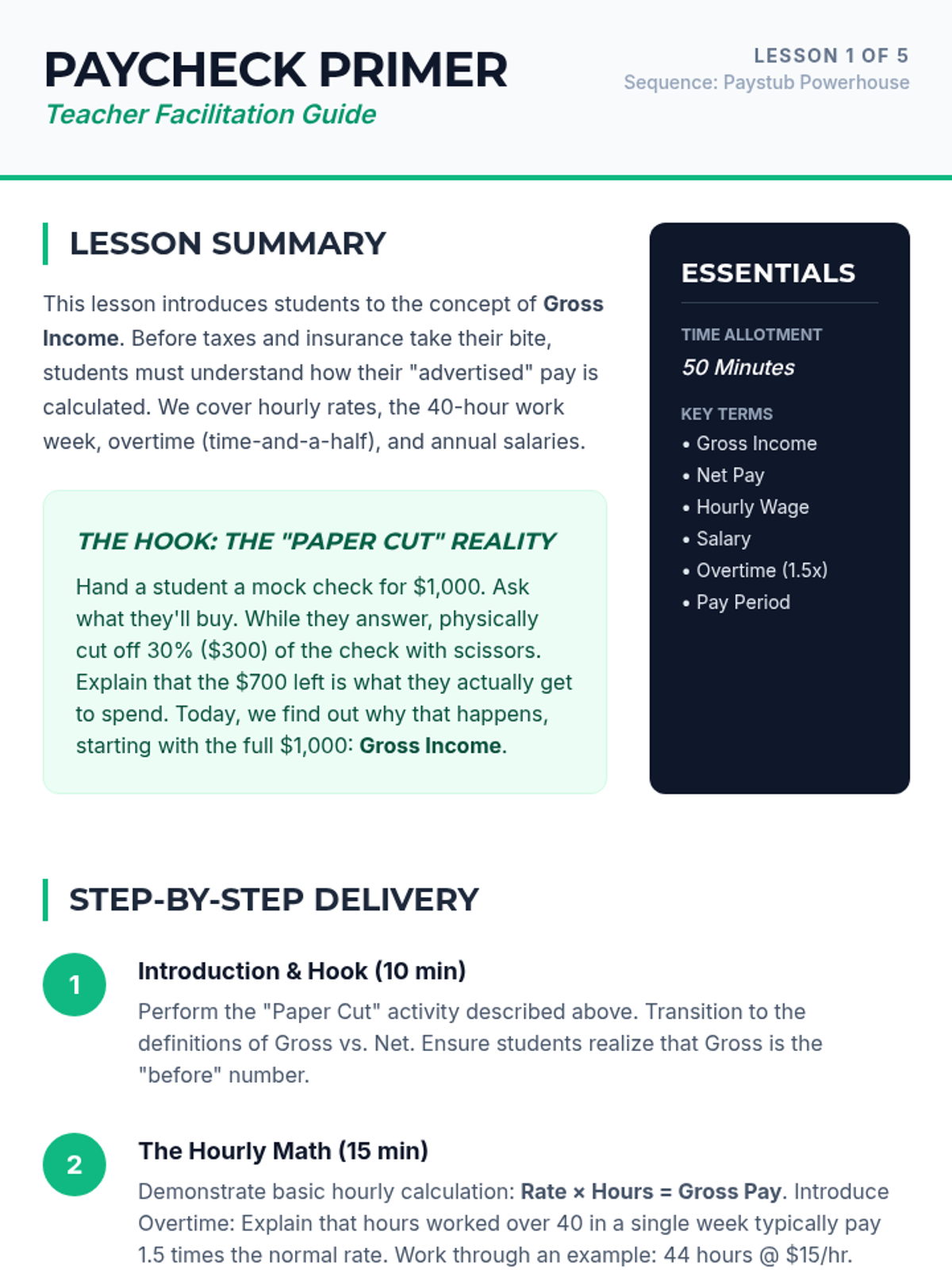
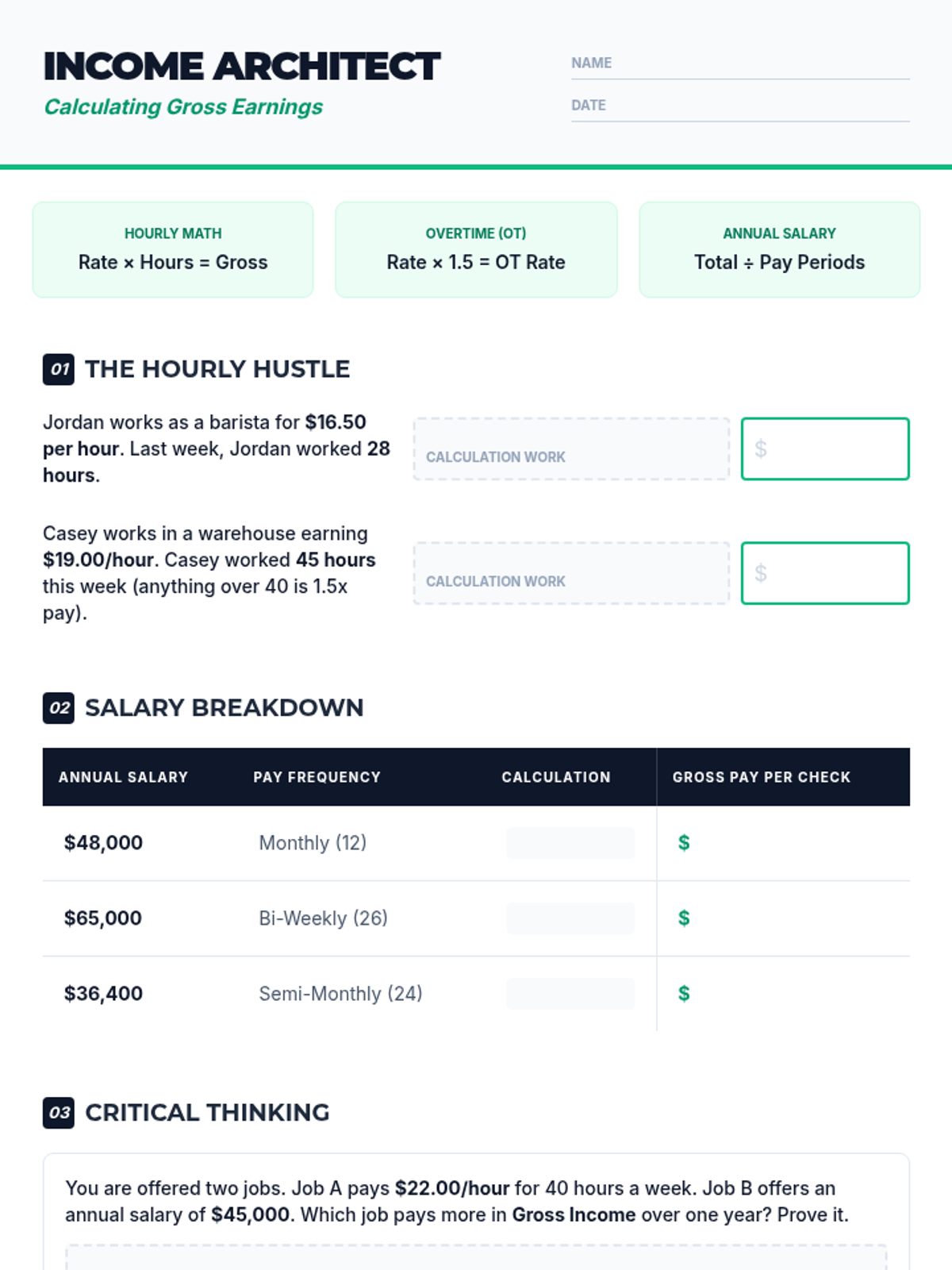
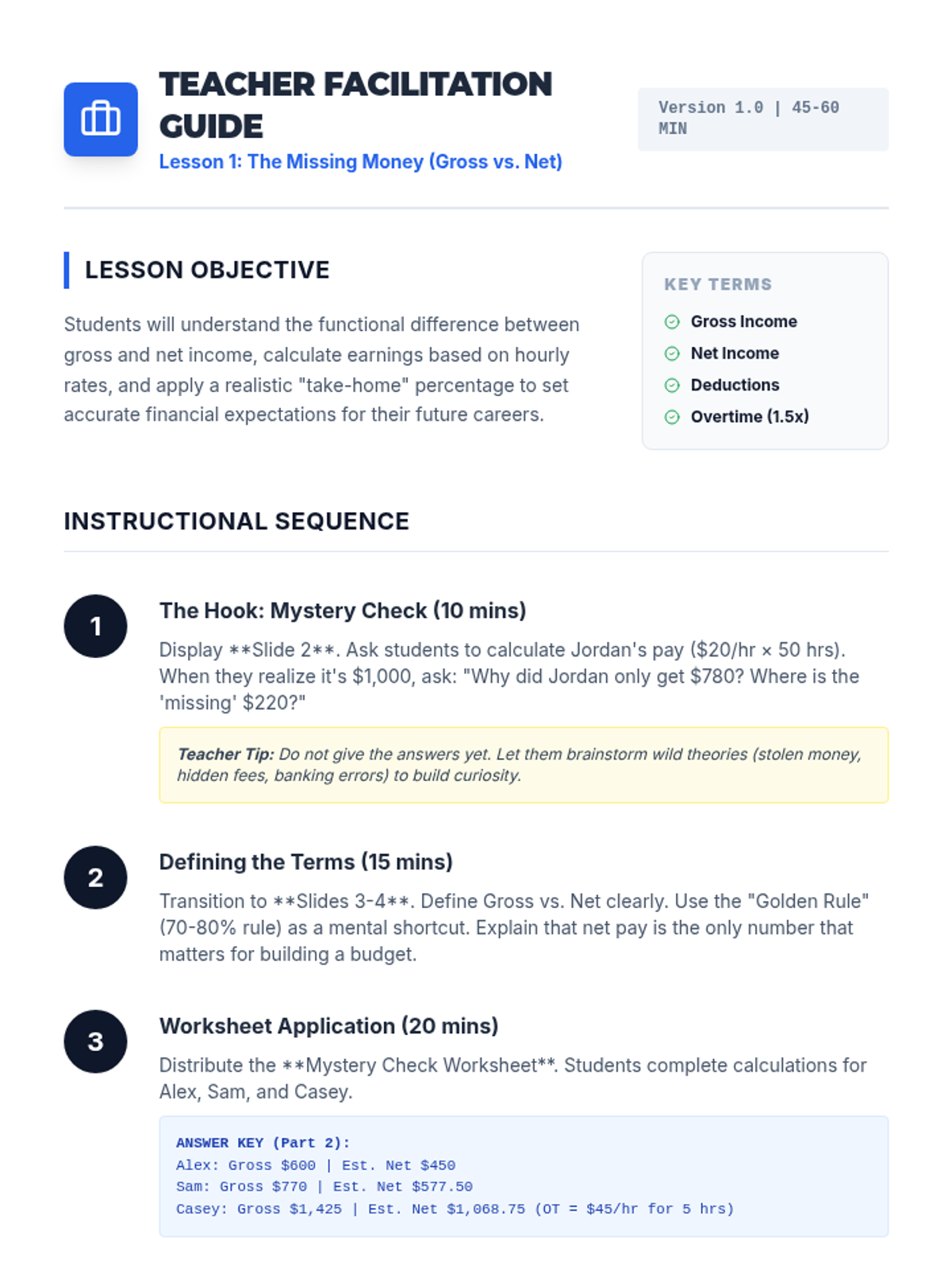
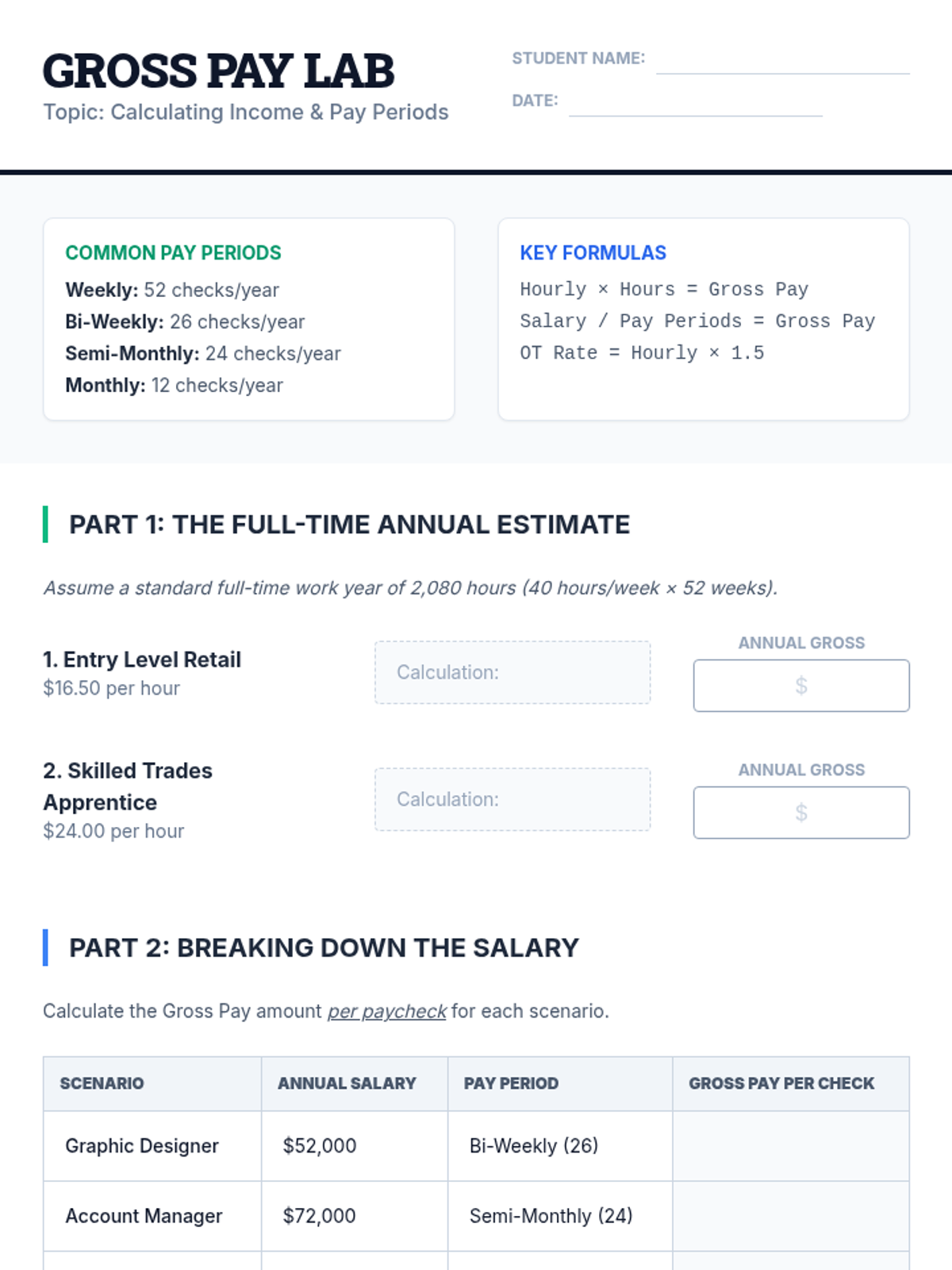
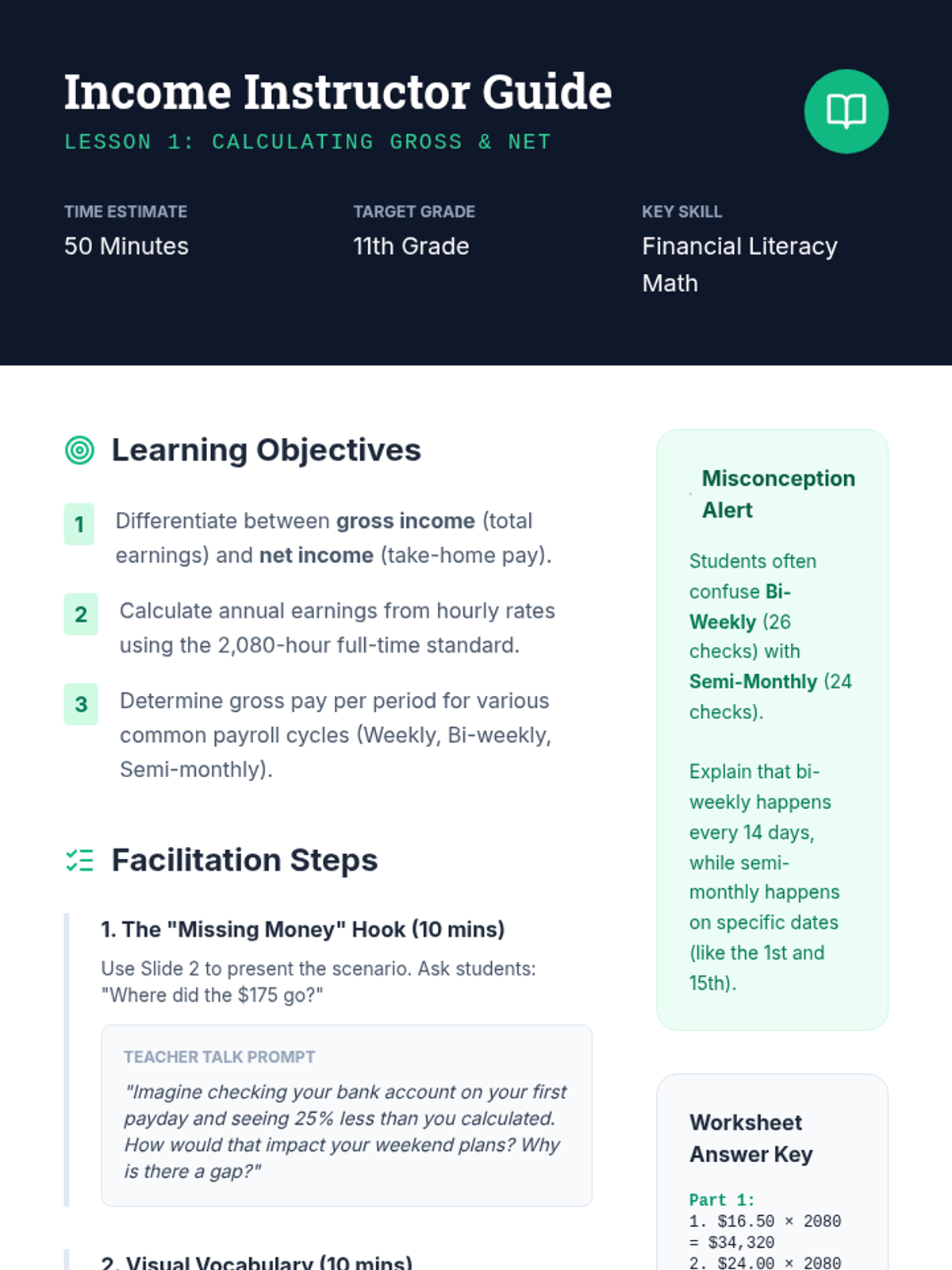
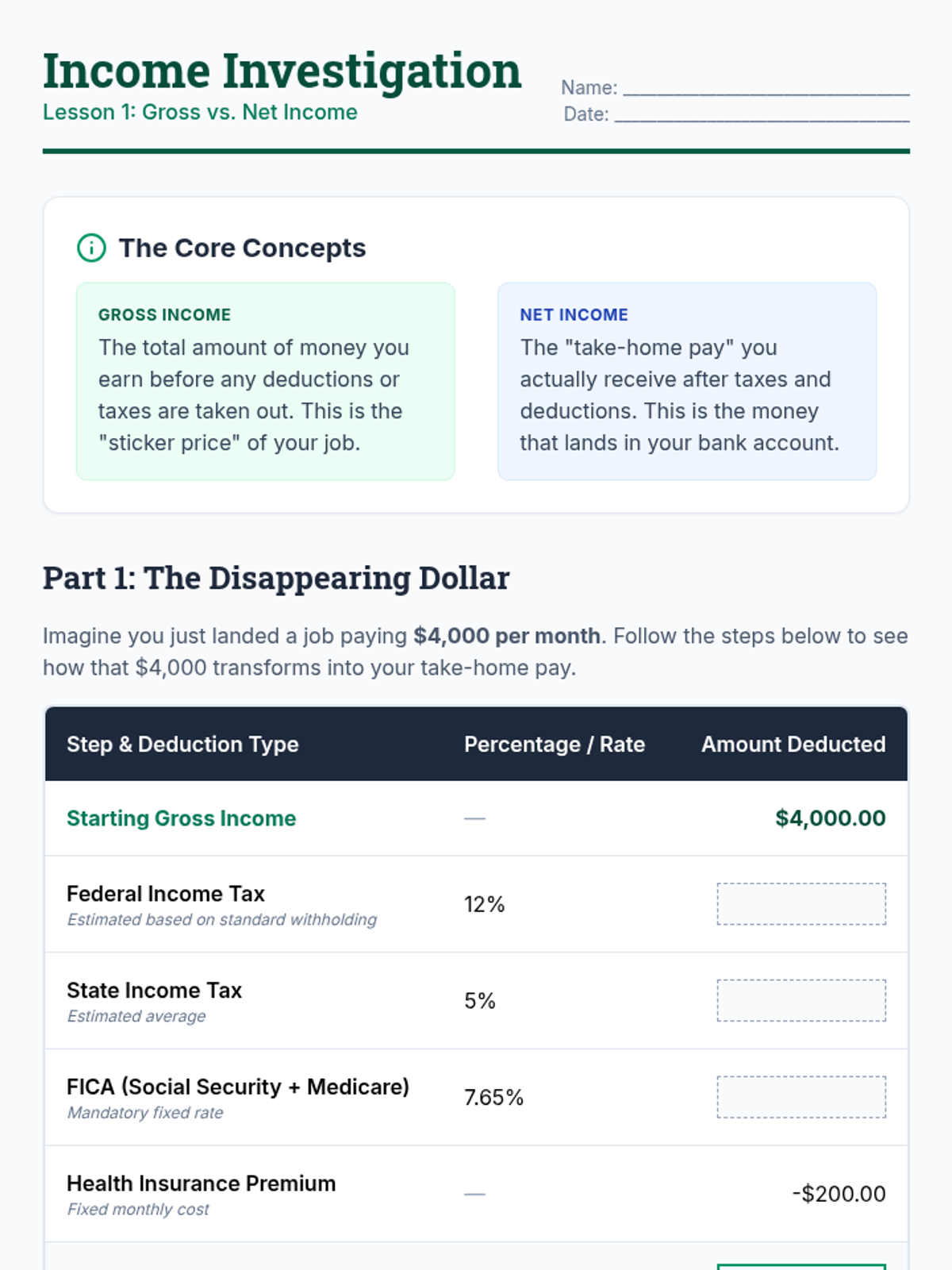
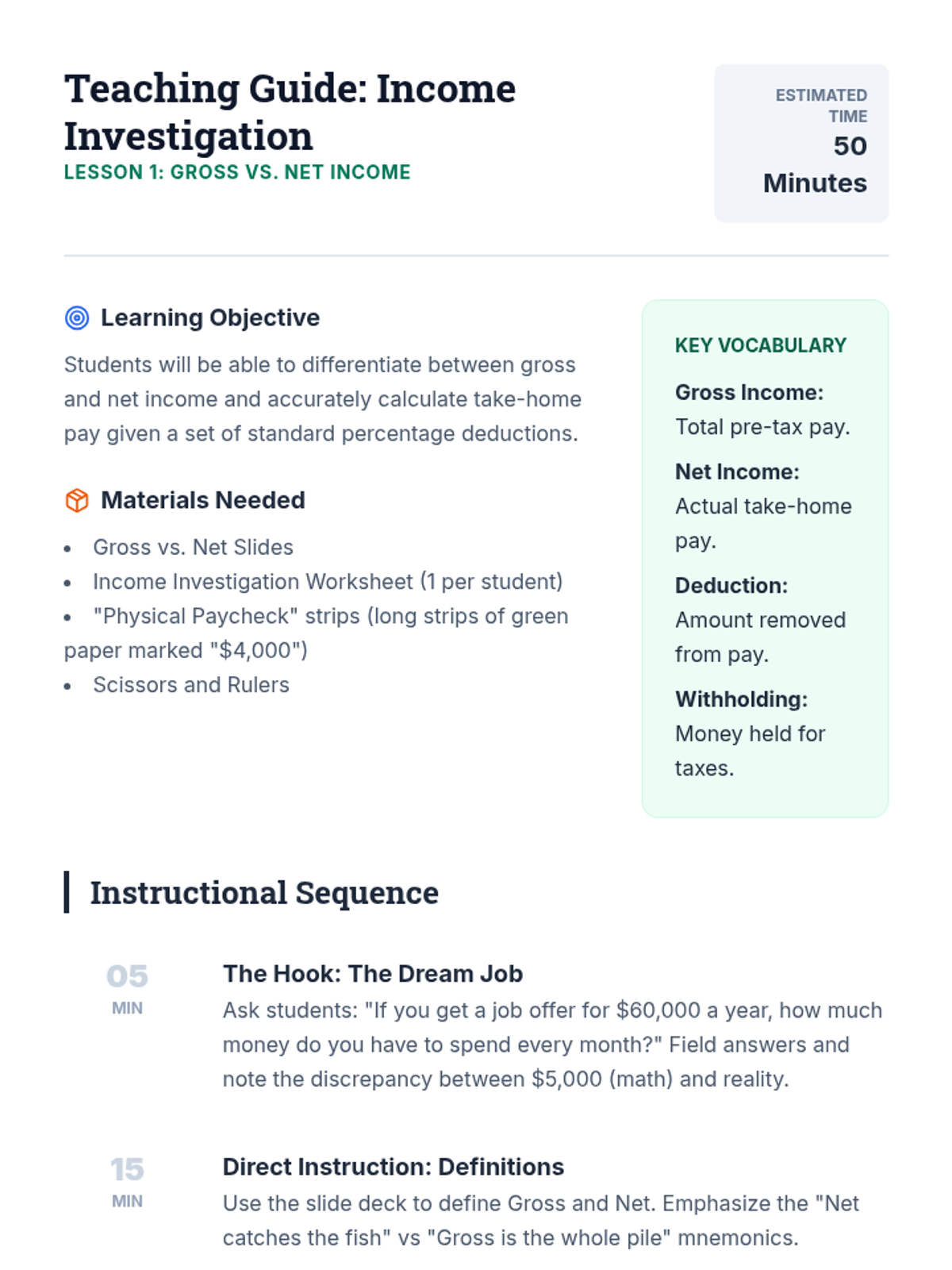
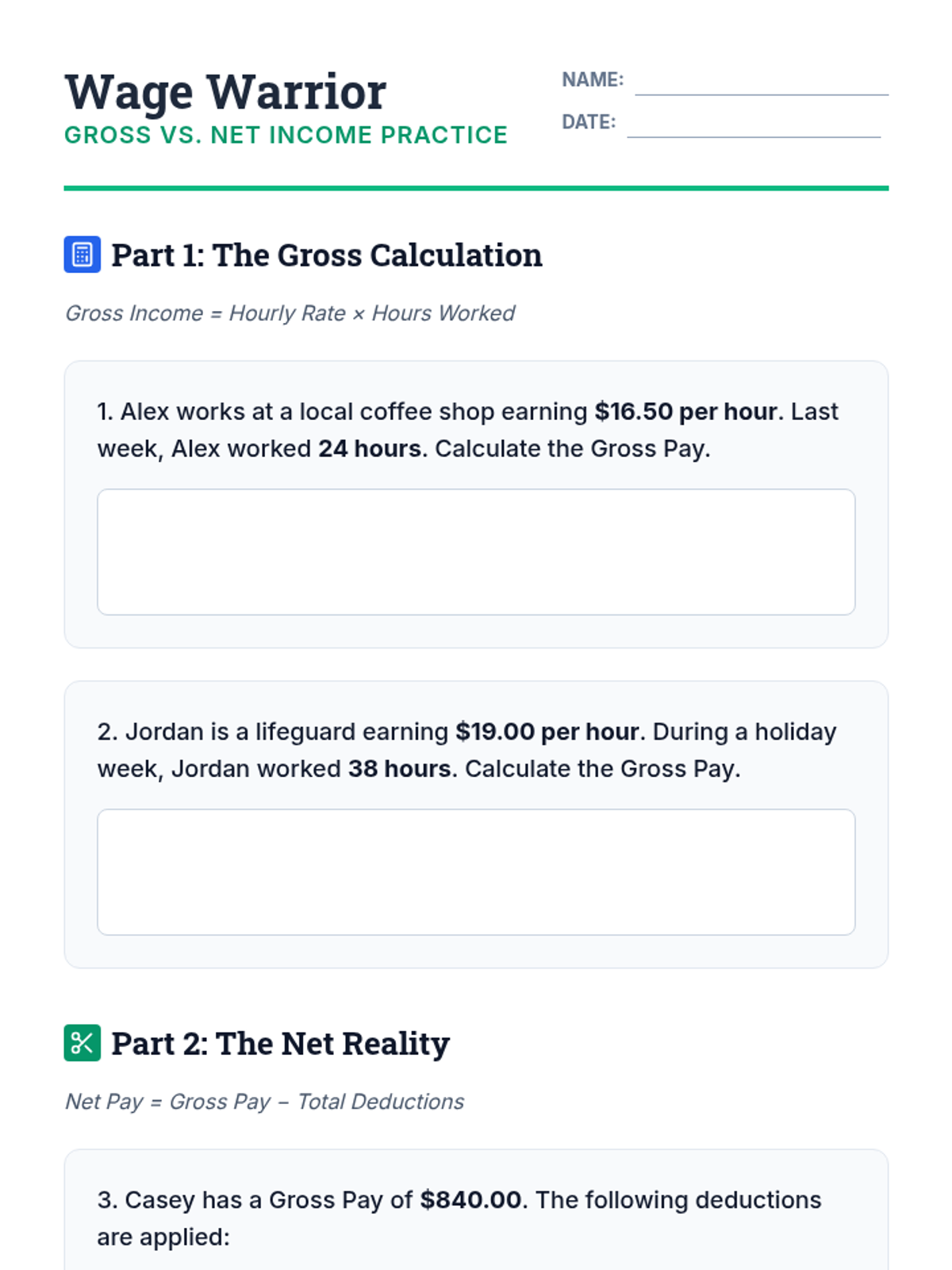
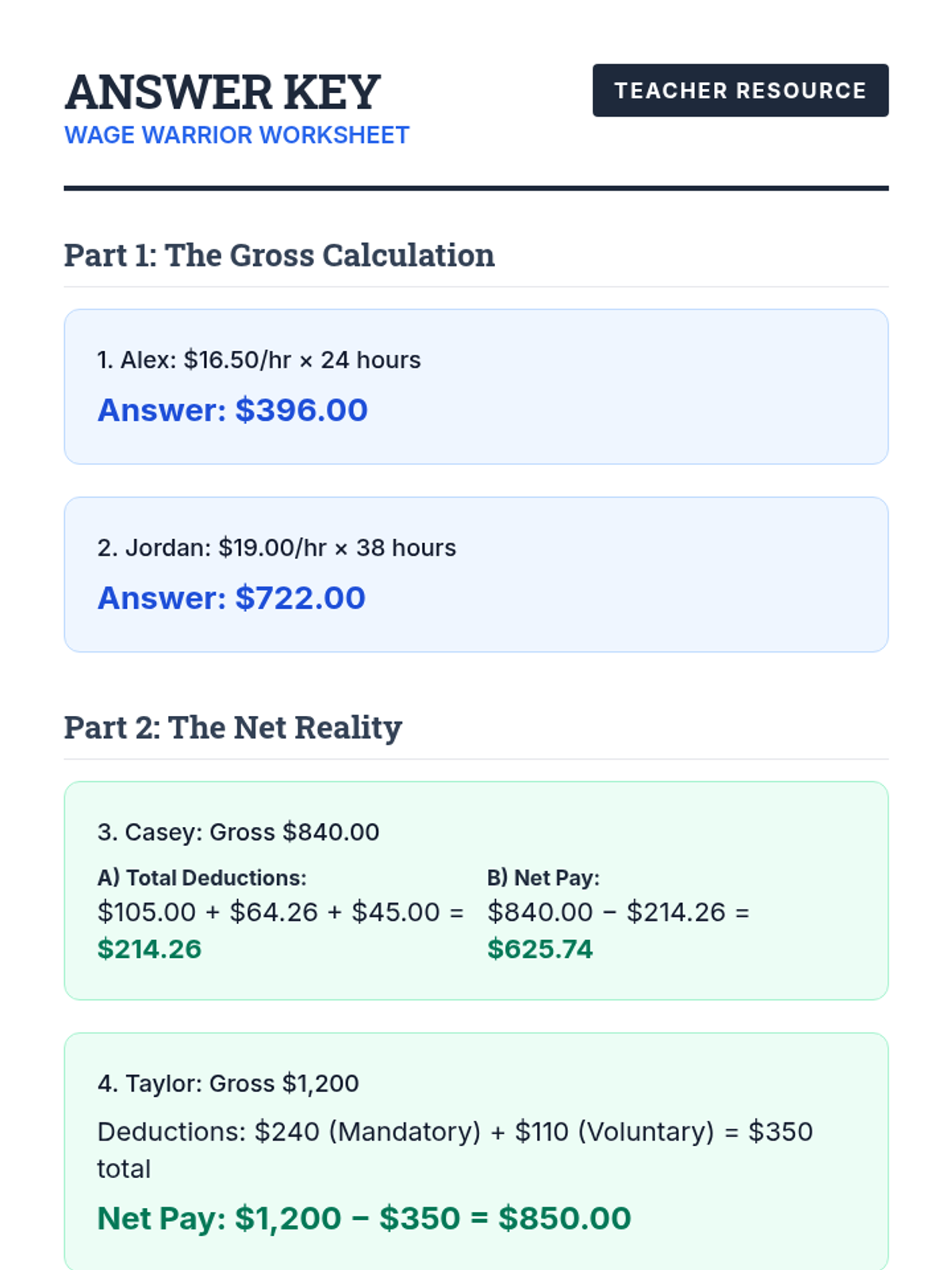
This unit demystifies the transition from gross salary to net take-home pay, helping students understand earnings, mandatory taxes, and deductions. Students will learn to calculate gross pay, interpret tax forms, and audit their own paystubs for accuracy.
This sequence guides 12th-grade students through the essentials of long-term financial planning, focusing on retirement accounts, employer matching, tax strategies, and vesting schedules to maximize future wealth.
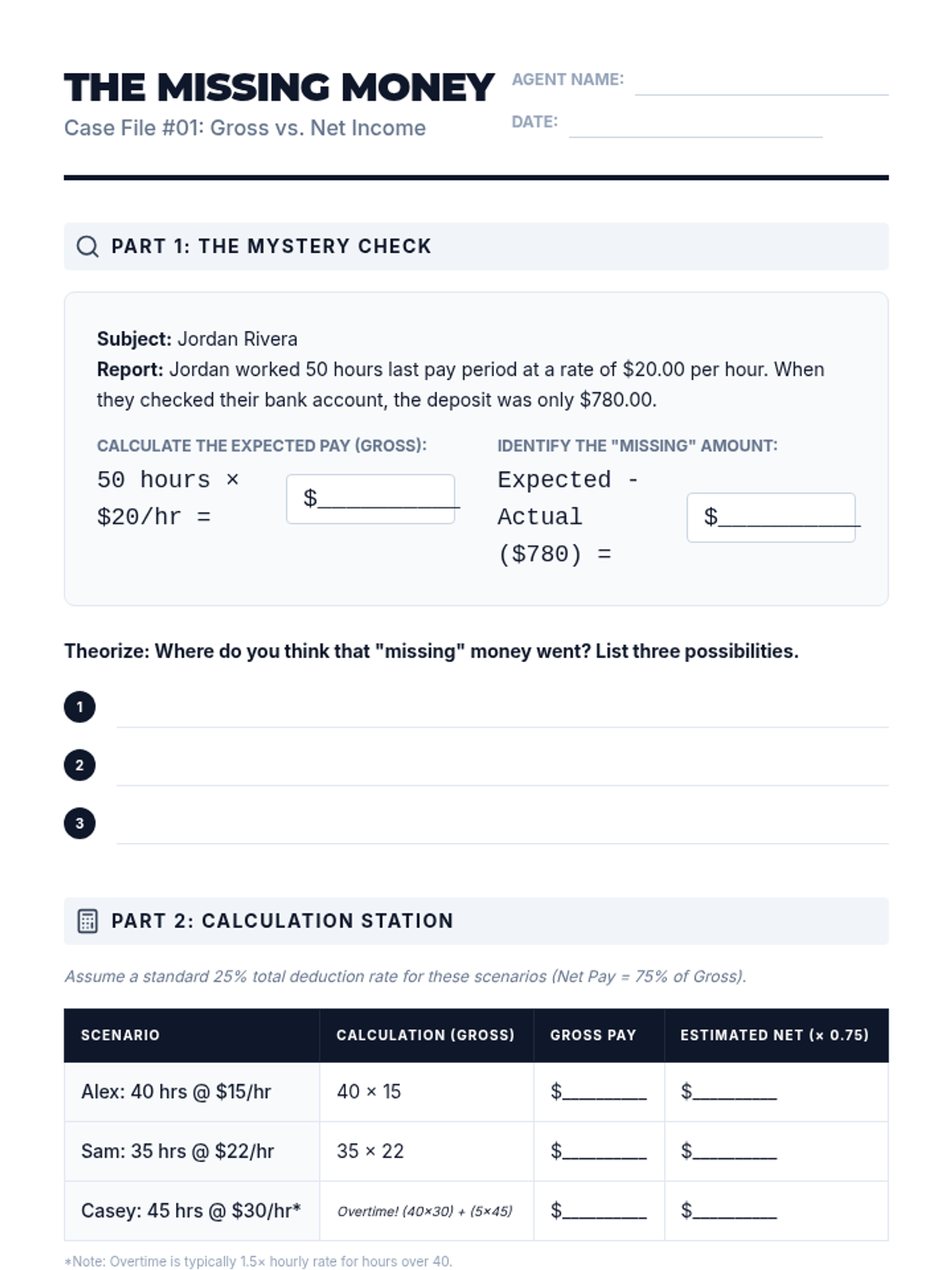
This sequence guides 12th-grade students through the complexities of payroll earnings, deductions, and tax forms. Students act as 'Paycheck Detectives' to uncover the reasons behind the difference between gross and net income, master the W-4 form, and learn to audit financial documents for errors.
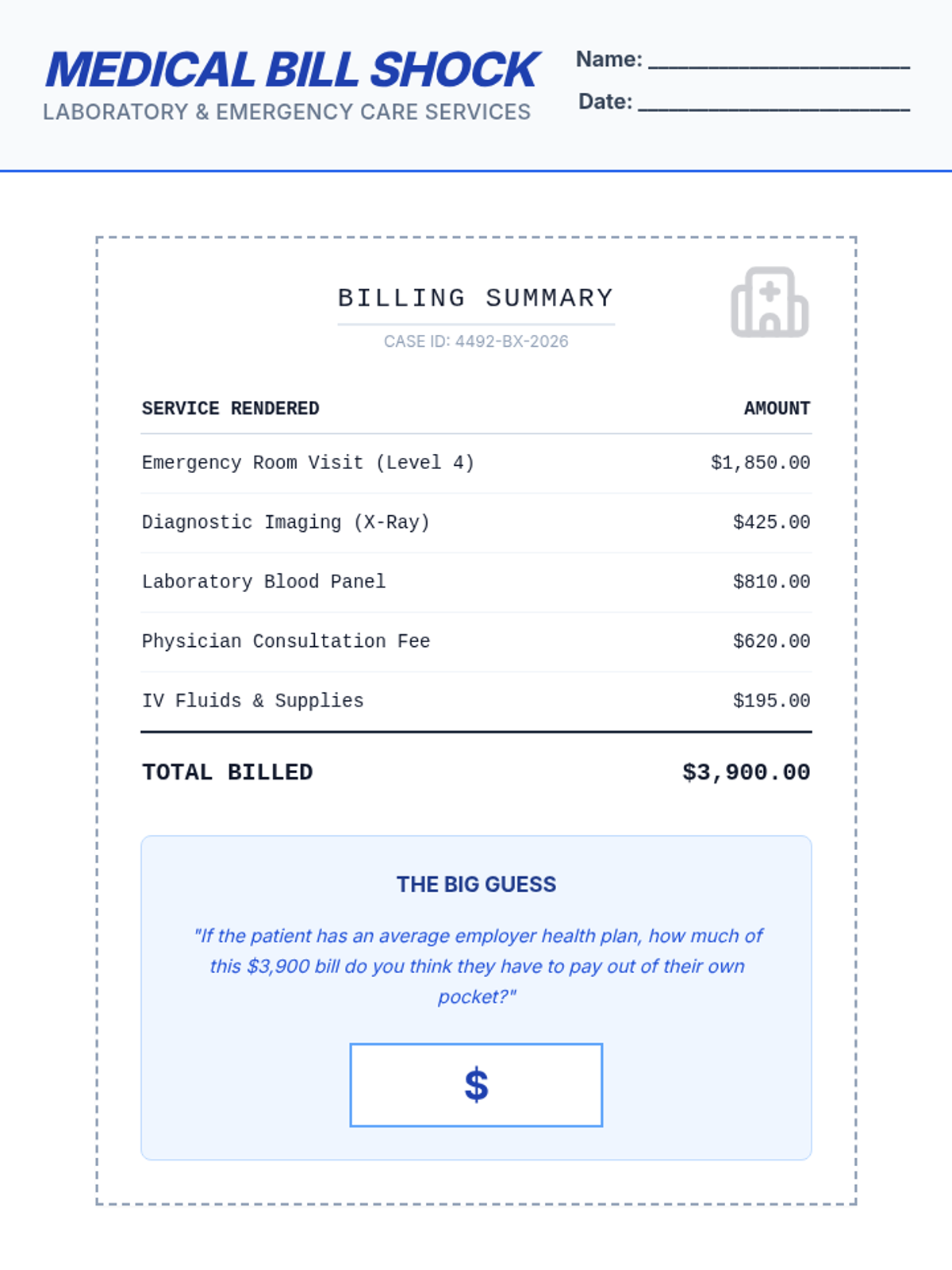
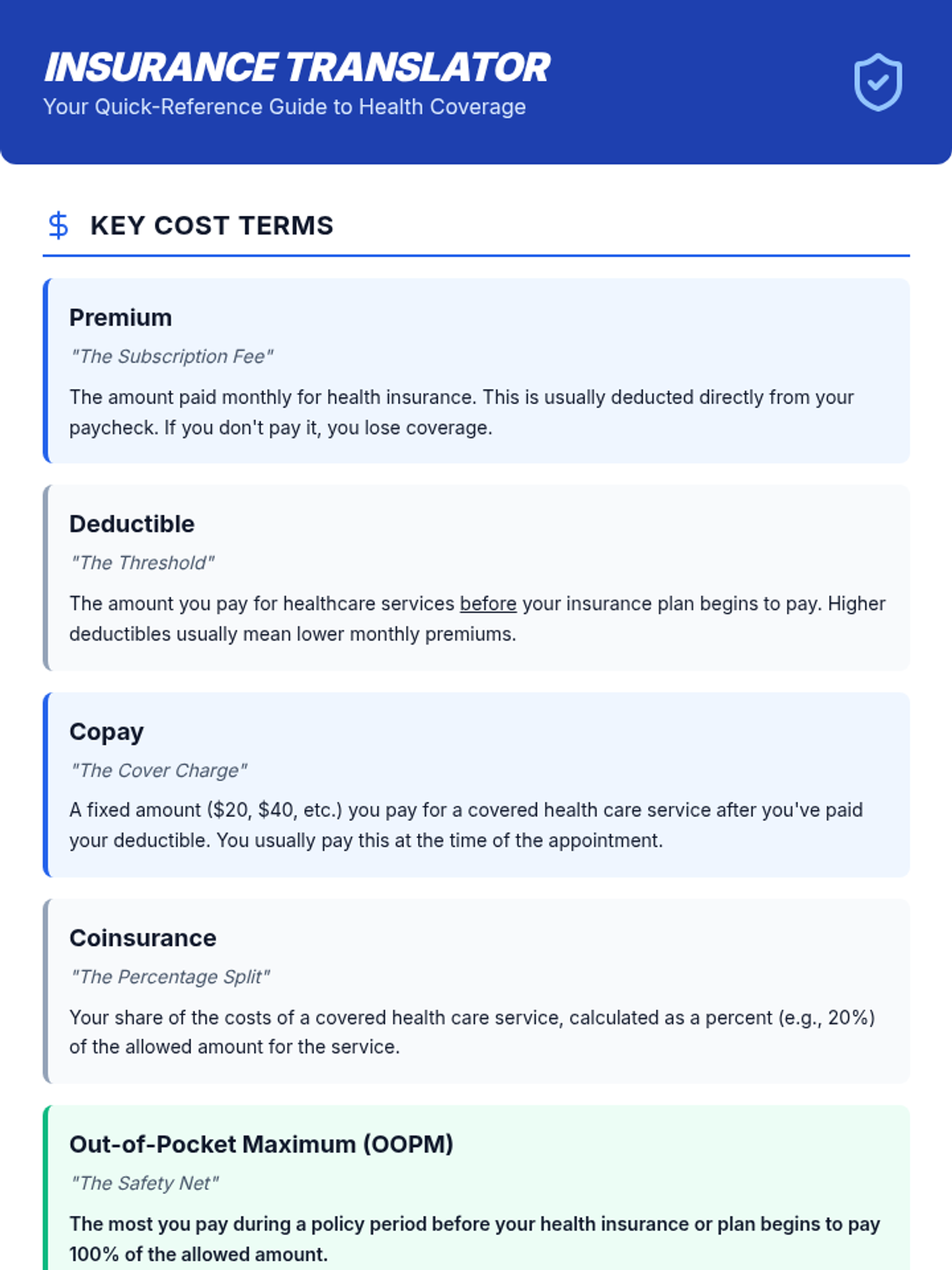
A comprehensive unit for seniors to navigate the complexities of employer-sponsored health and insurance benefits, moving from basic vocabulary to full-scale benefit selection simulations.
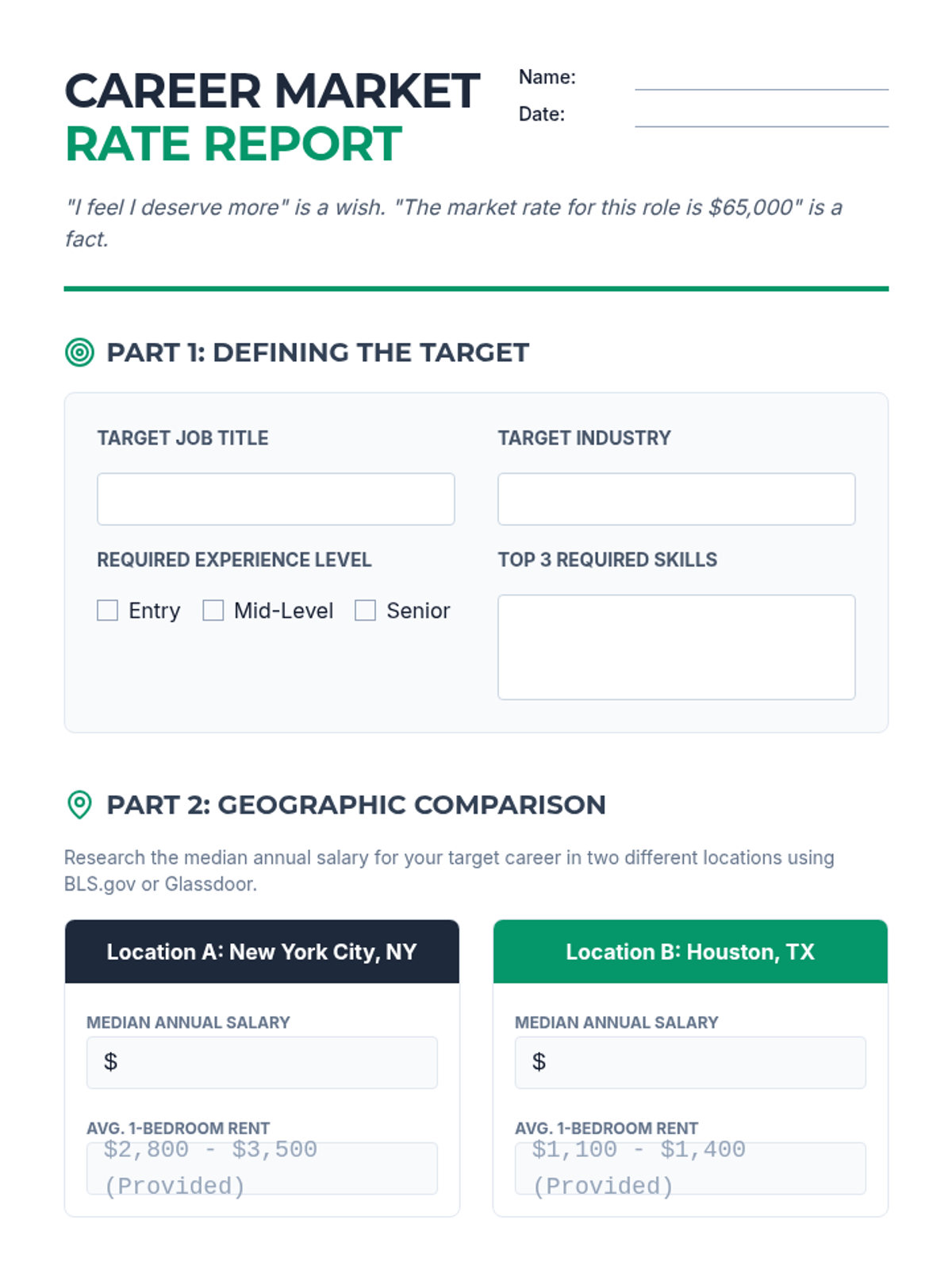
A comprehensive 11th-grade sequence on workplace rights and compensation, covering market research, labor laws, benefit analysis, and negotiation strategies. Students progress from baseline research to active advocacy and contract finalization.
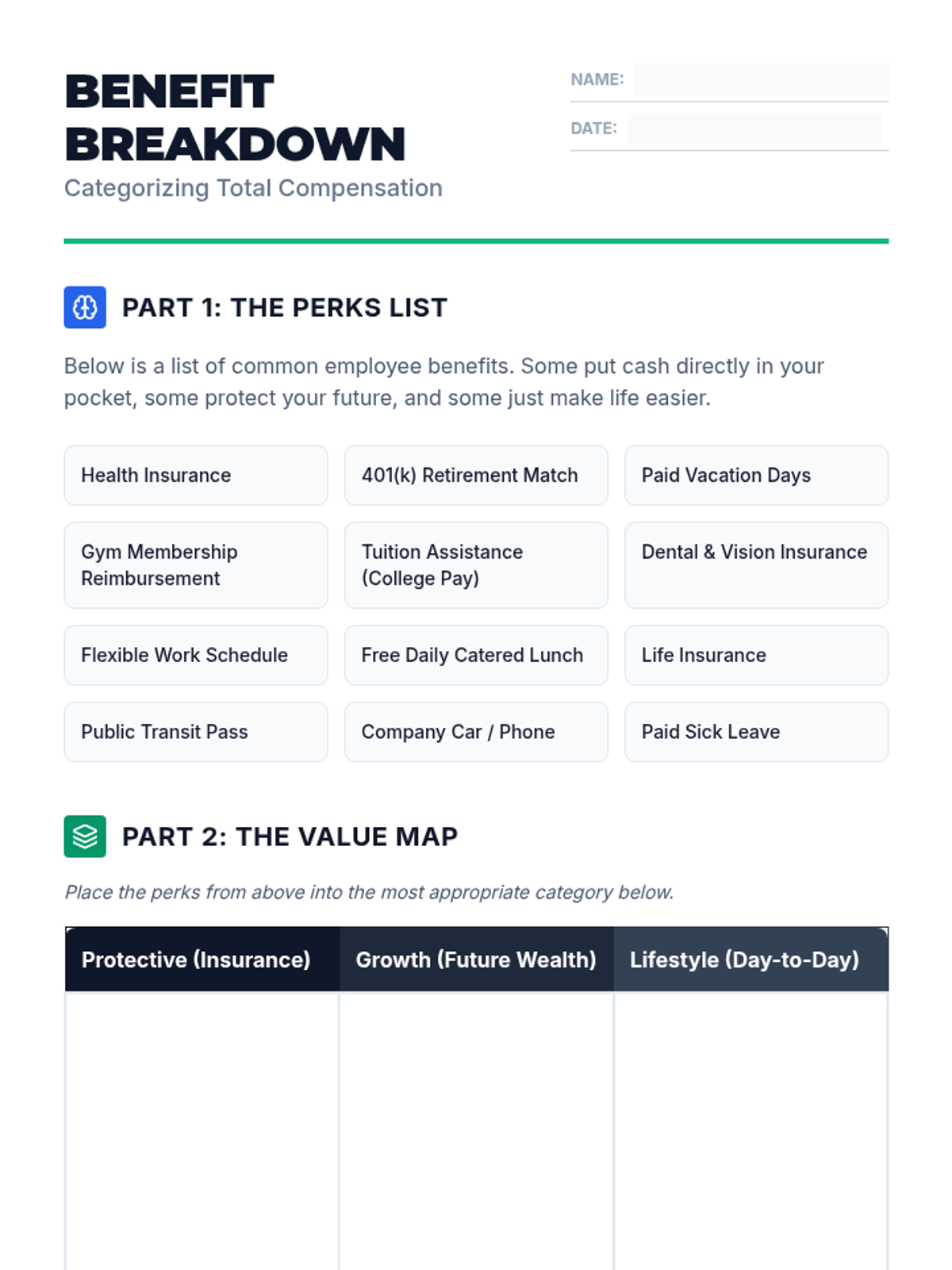
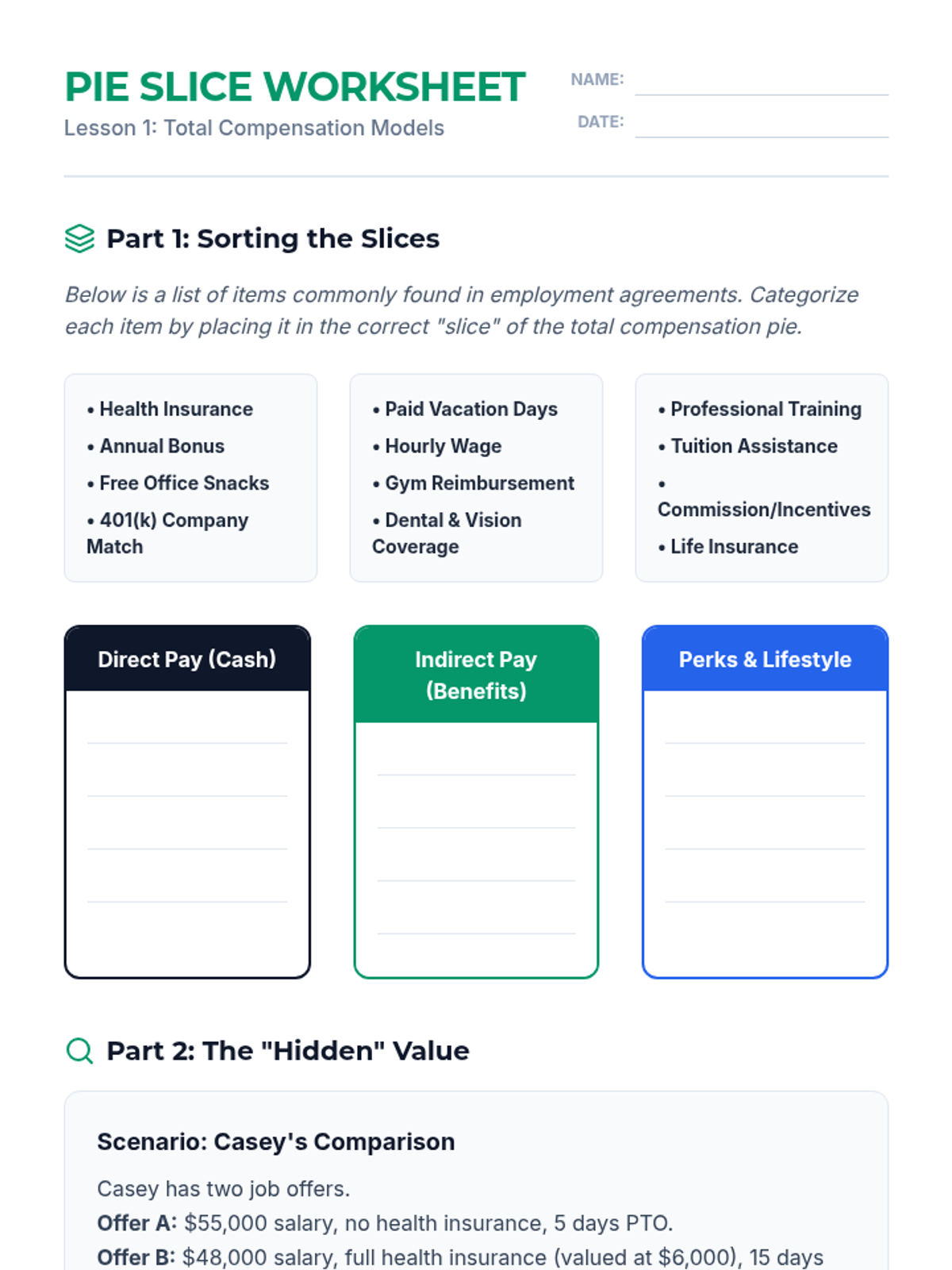
This sequence explores workplace benefits beyond salary, focusing on health insurance, retirement matching, and paid leave to help students calculate the true total compensation of a job offer.
A comprehensive sequence for 11th-grade students exploring the mechanics of payroll, including gross vs. net income, tax withholdings, FICA contributions, and W-4 completion. Students develop the financial literacy skills needed to audit their own paystubs and understand the gap between earnings and take-home pay.
This sequence immerses 10th-grade students in the mechanics of workplace compensation, tracking the journey from gross salary to take-home pay. Students master tax form completion, calculate mandatory and voluntary deductions, and learn to audit paystubs for accuracy, equipping them with essential technical financial literacy for their future careers.
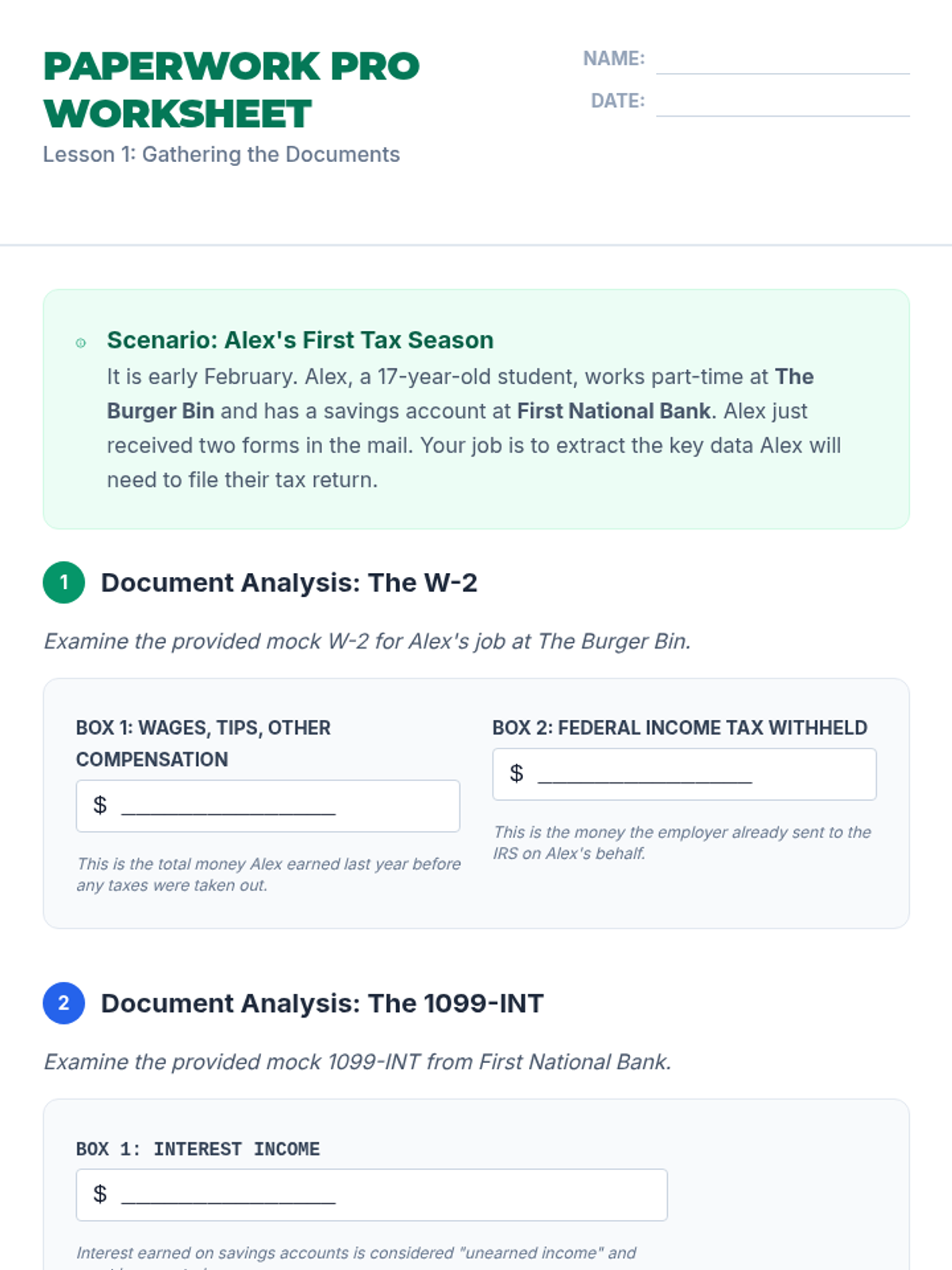
A comprehensive guide for 9th-grade students to master the basics of tax filing. Students progress from identifying key tax documents to completing a full 1040 simulation, understanding deductions, and learning filing logistics.
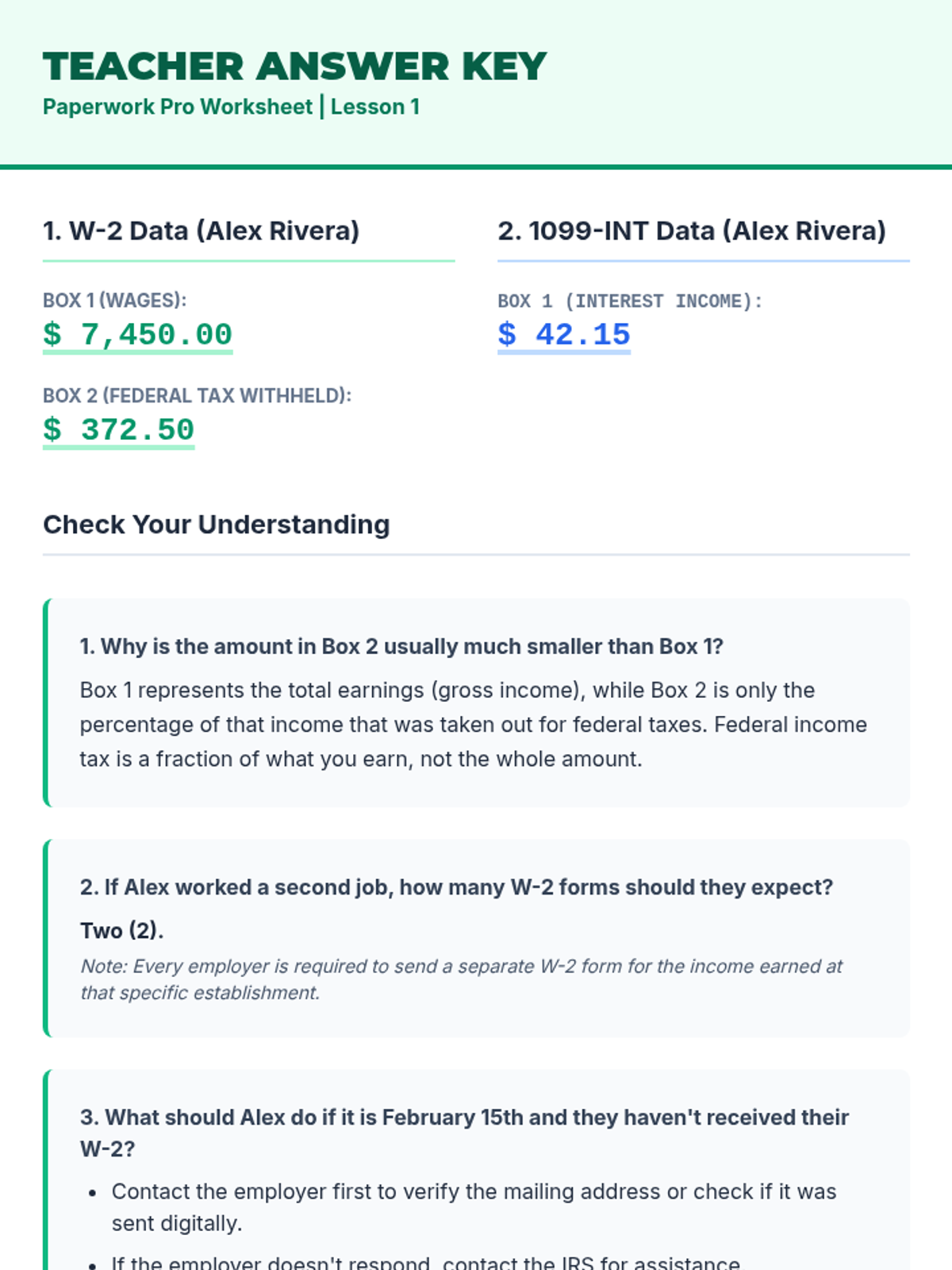
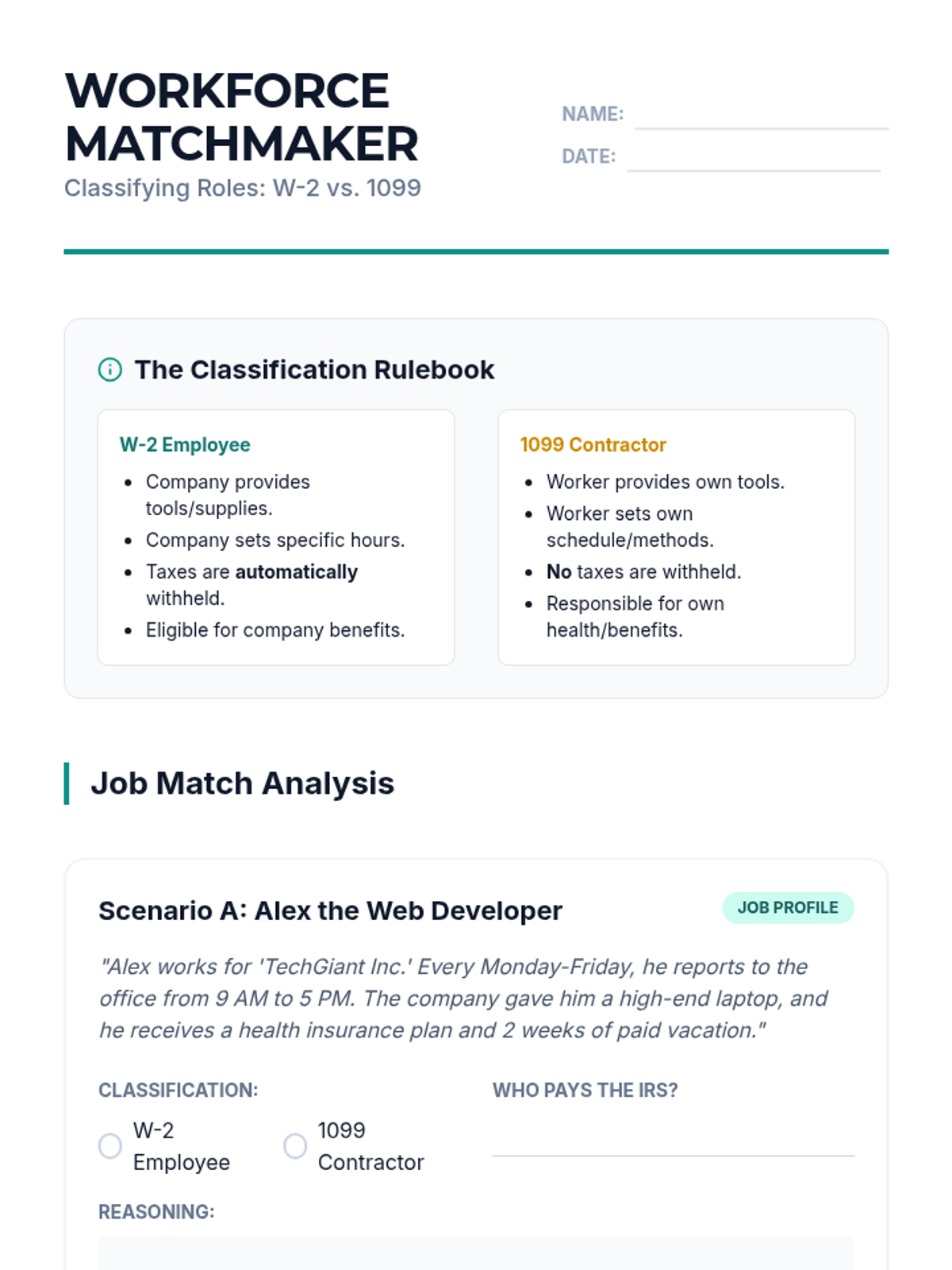
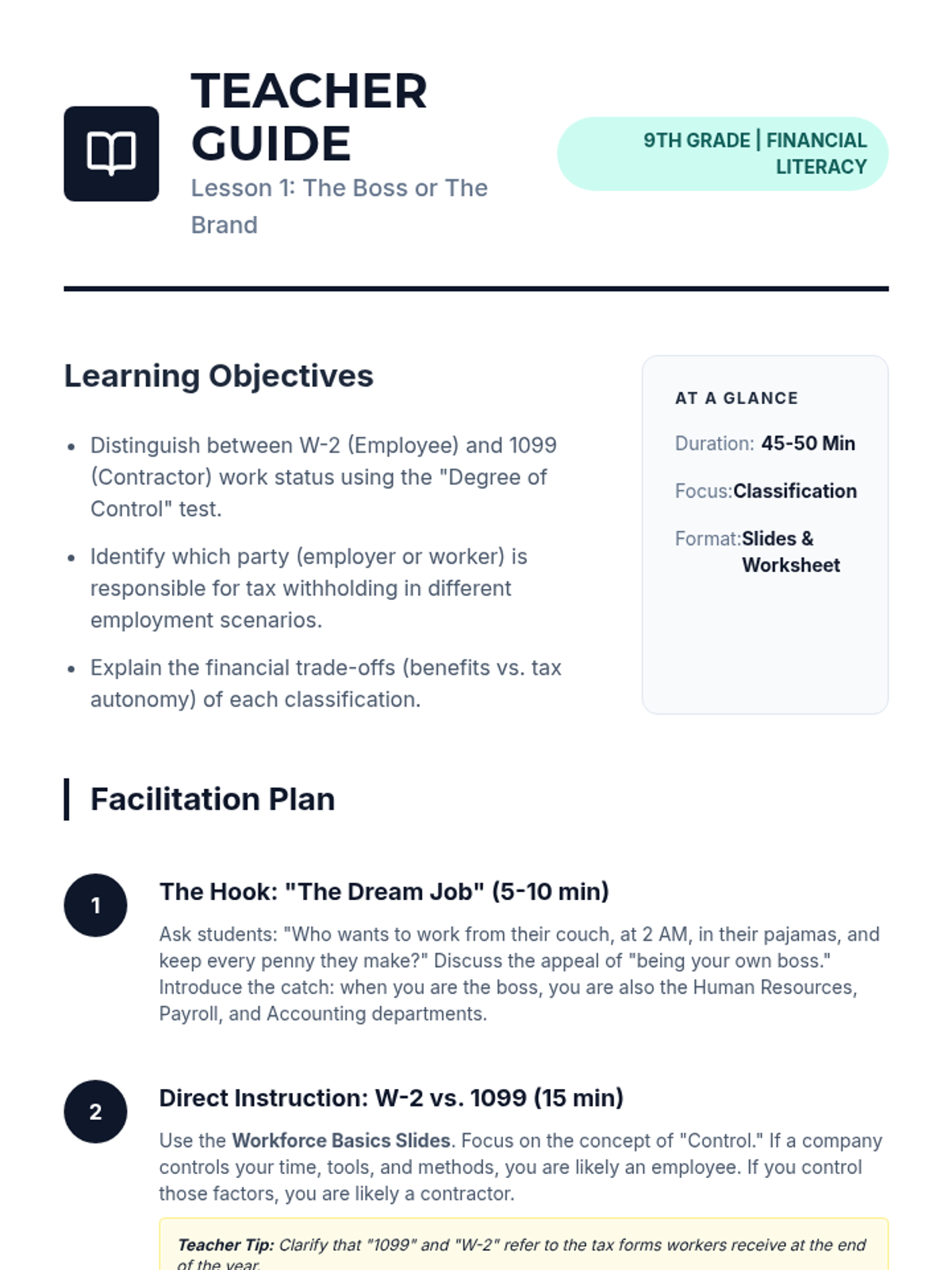
This sequence introduces 9th-grade students to the tax implications of the gig economy. It covers the differences between W-2 and 1099 work, the self-employment tax rate, expense tracking, and quarterly estimated payments, culminating in a tax strategy project.
This sequence introduces 9th-grade students to the mechanics of payroll taxes, the distinction between gross and net income, and the practical skills needed to navigate employment documentation like pay stubs and W-4 forms. Students will learn to calculate withholdings, decode tax acronyms, and audit paychecks for accuracy.
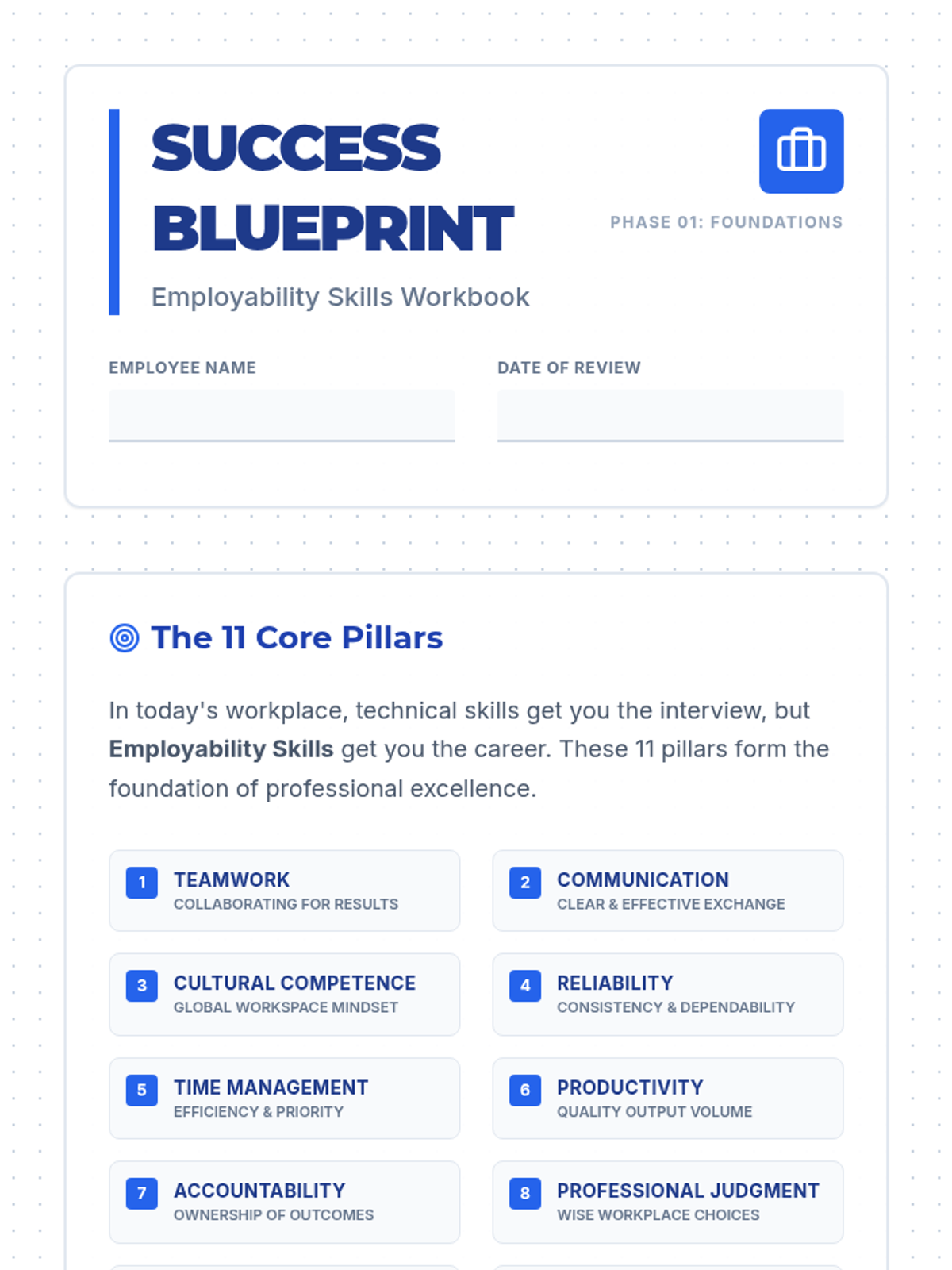
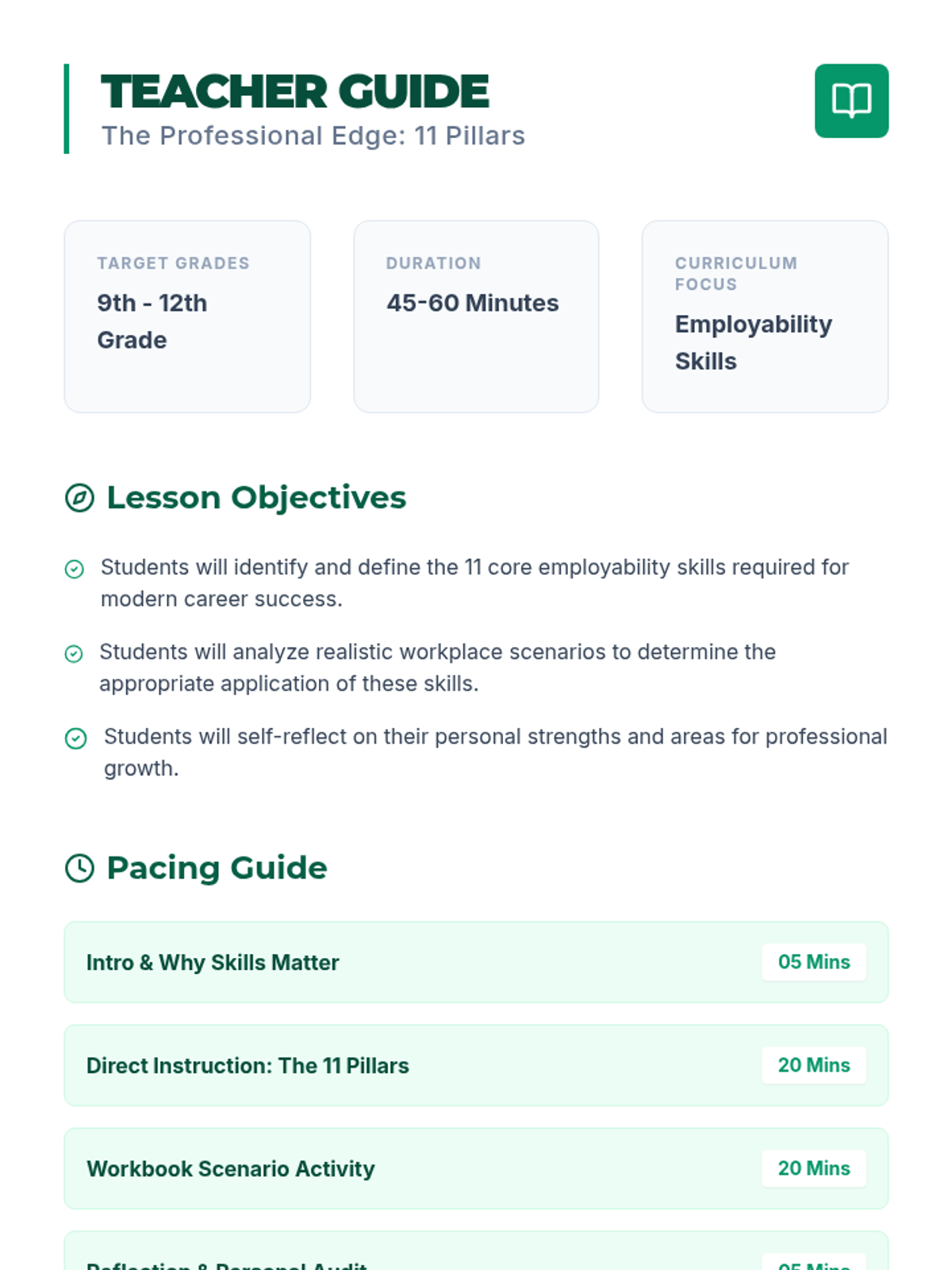
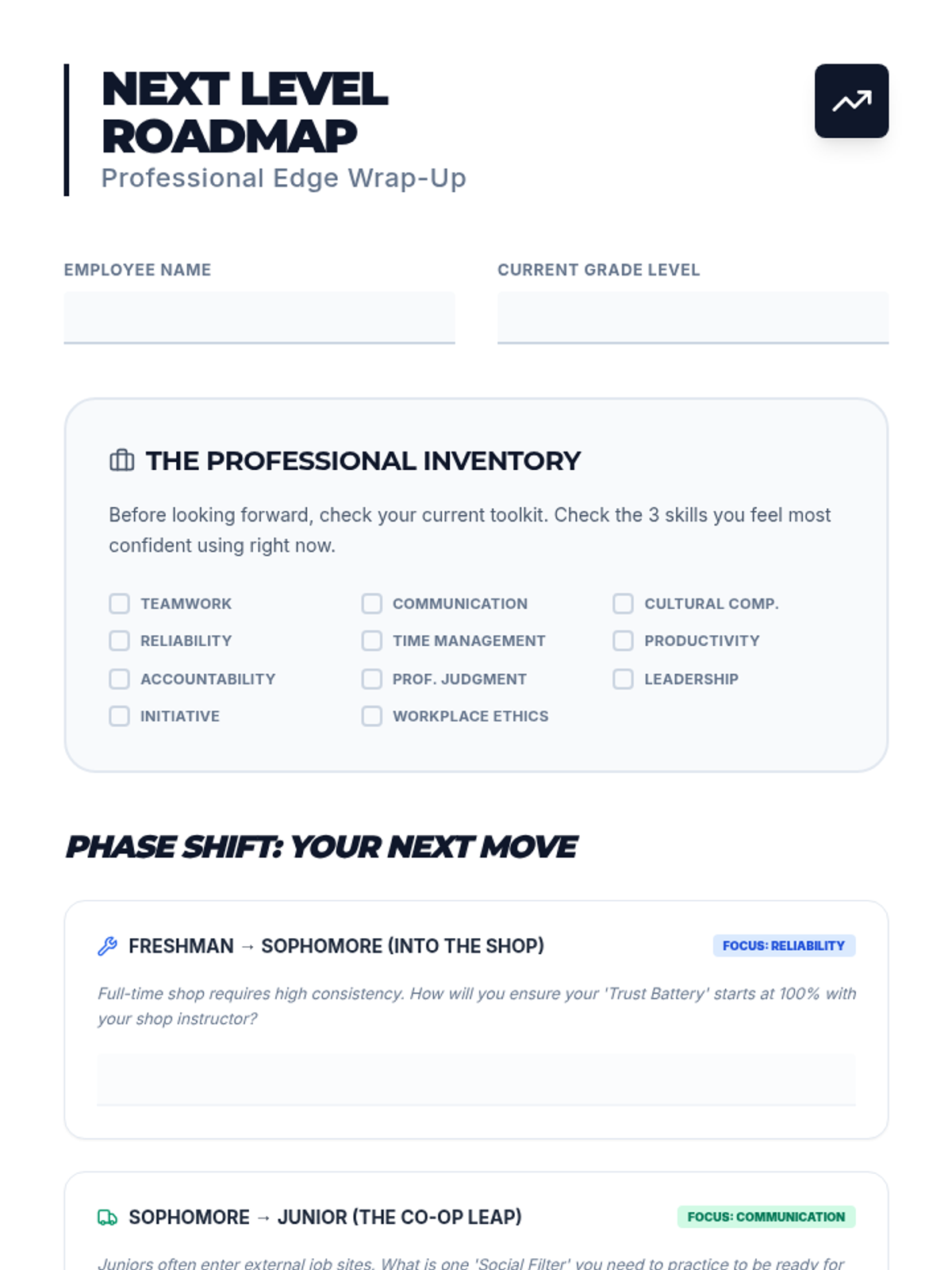
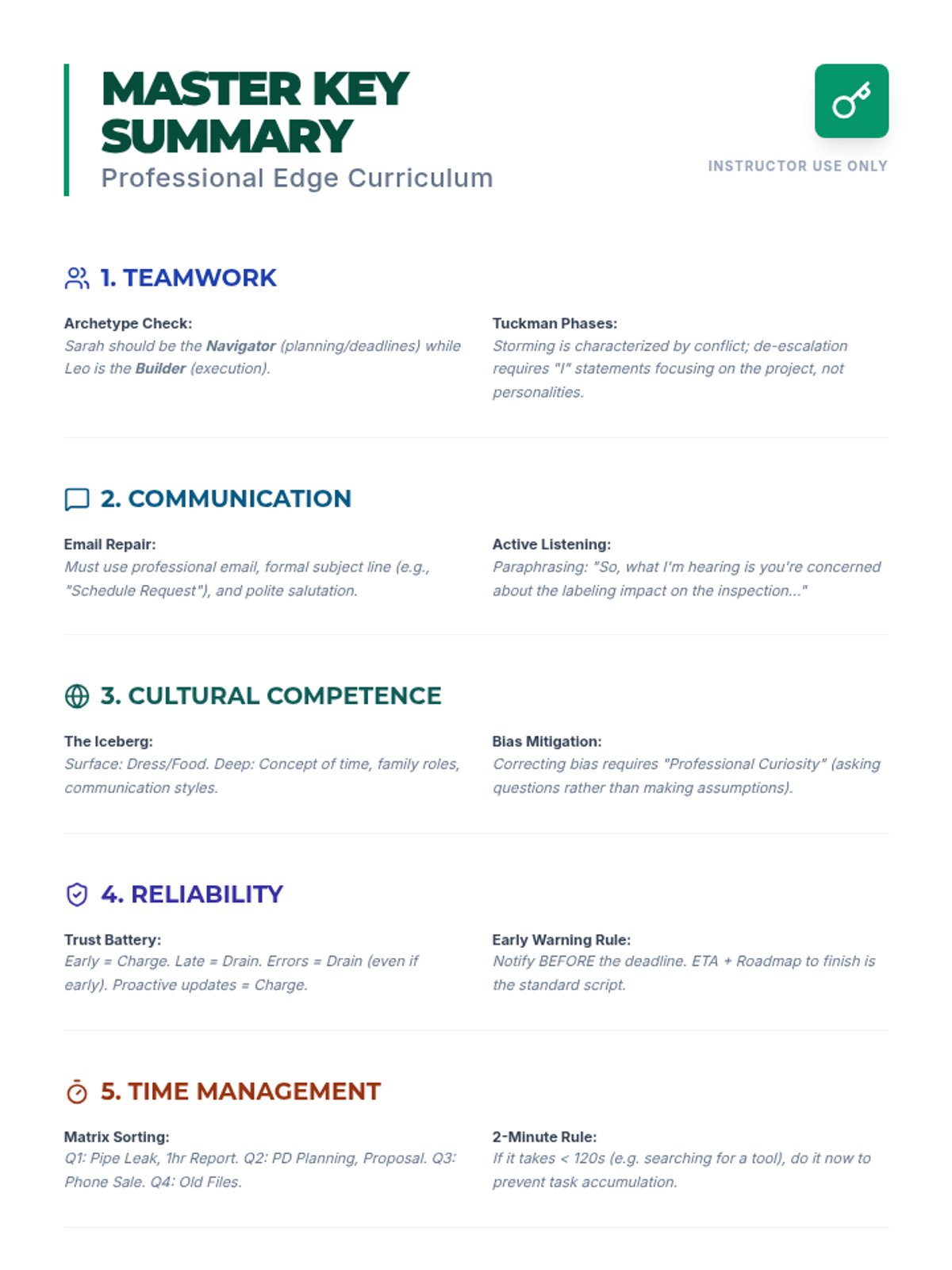
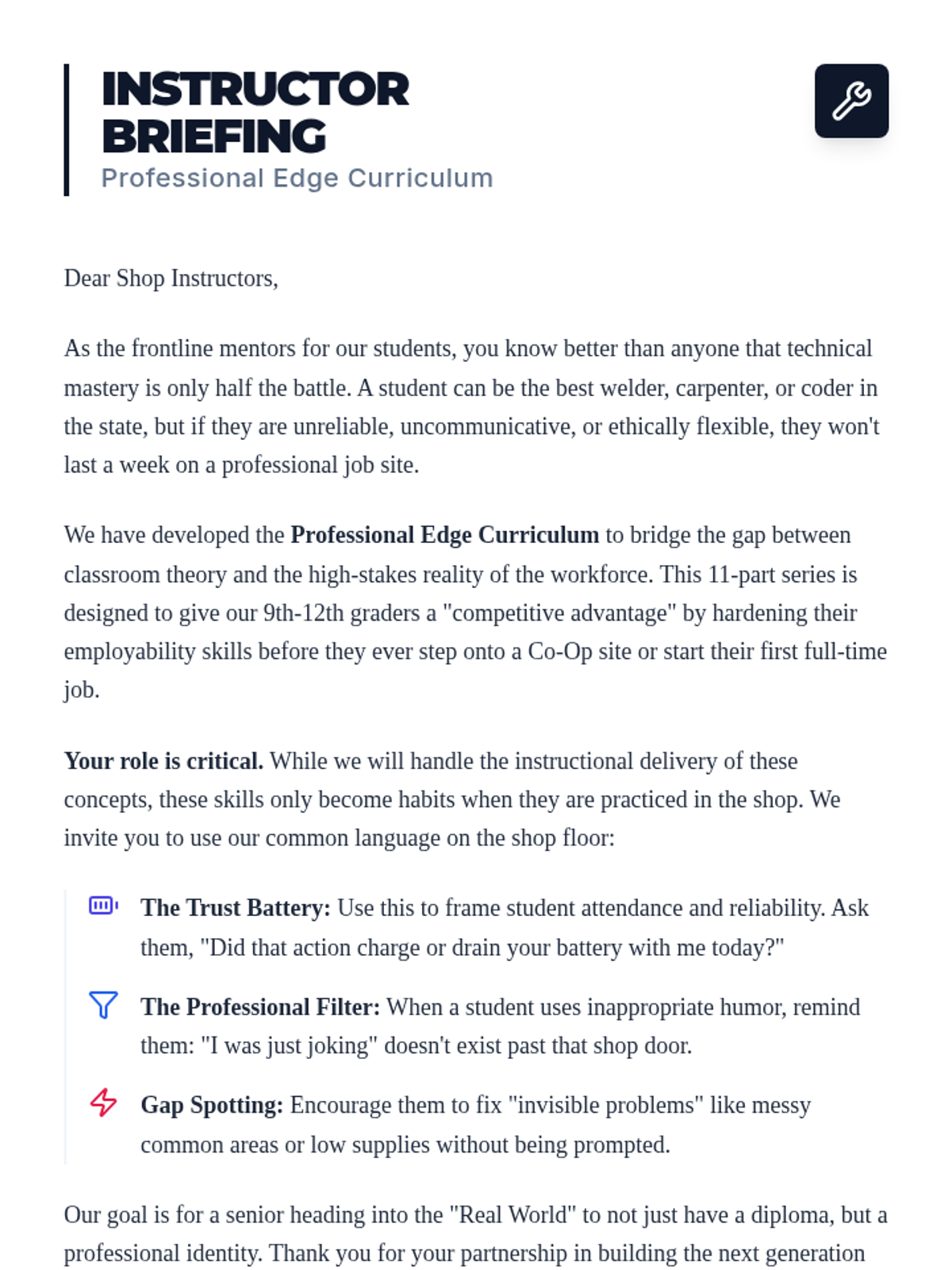
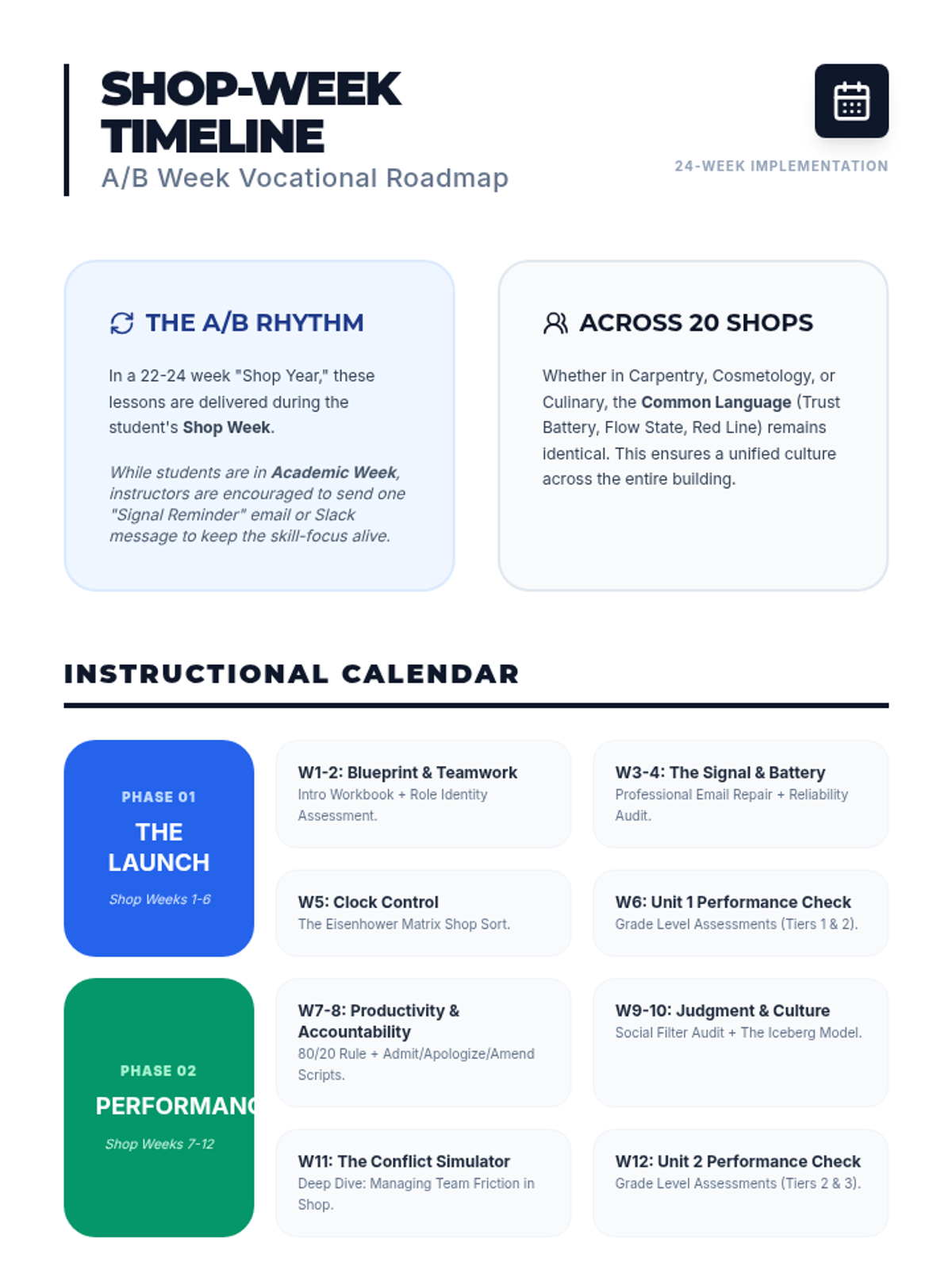
A comprehensive high school curriculum covering 11 essential employability skills, from foundational concepts to advanced application in professional settings. Includes instructional slides, student worksheets, and teacher guides for every skill.
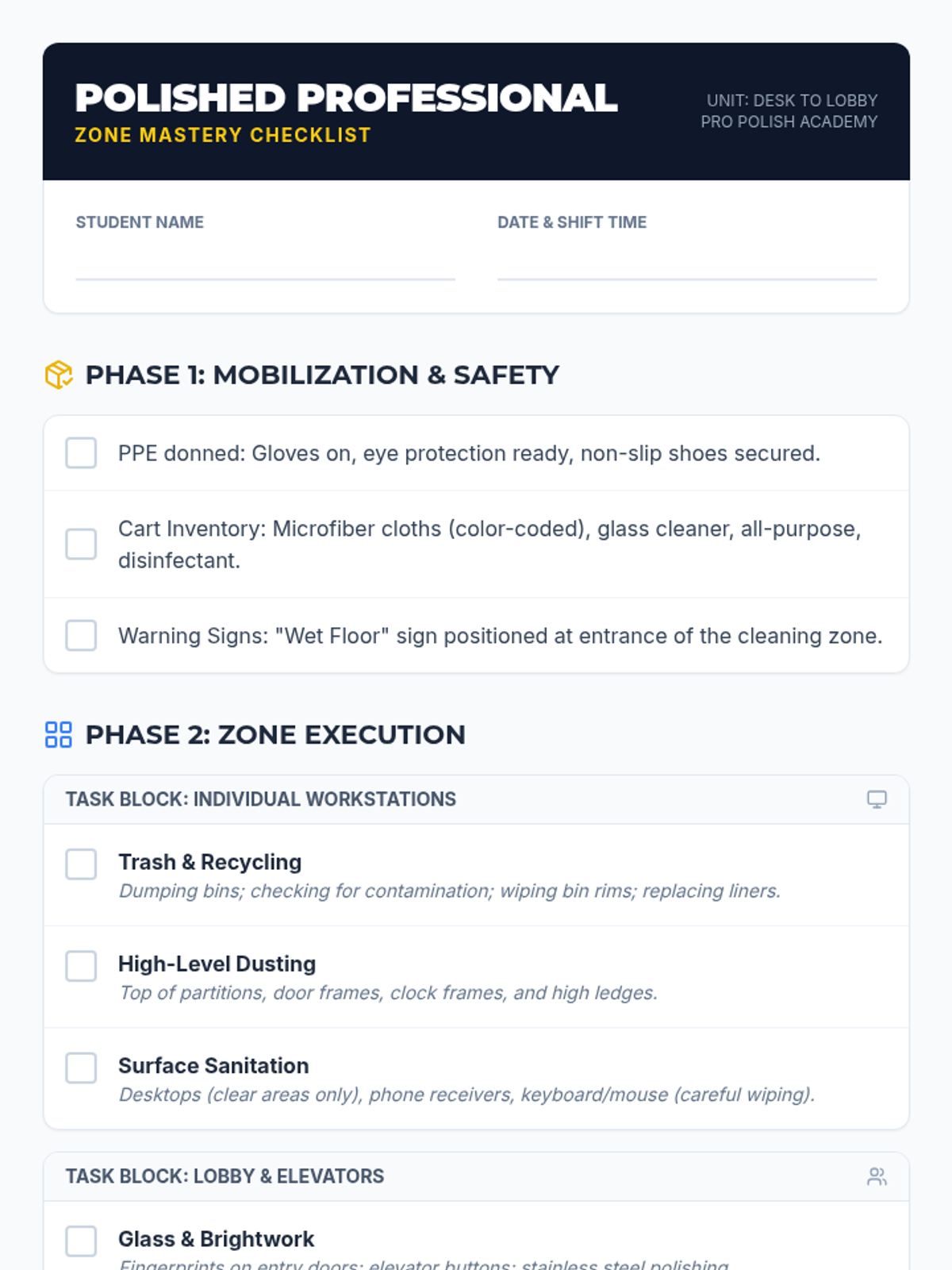
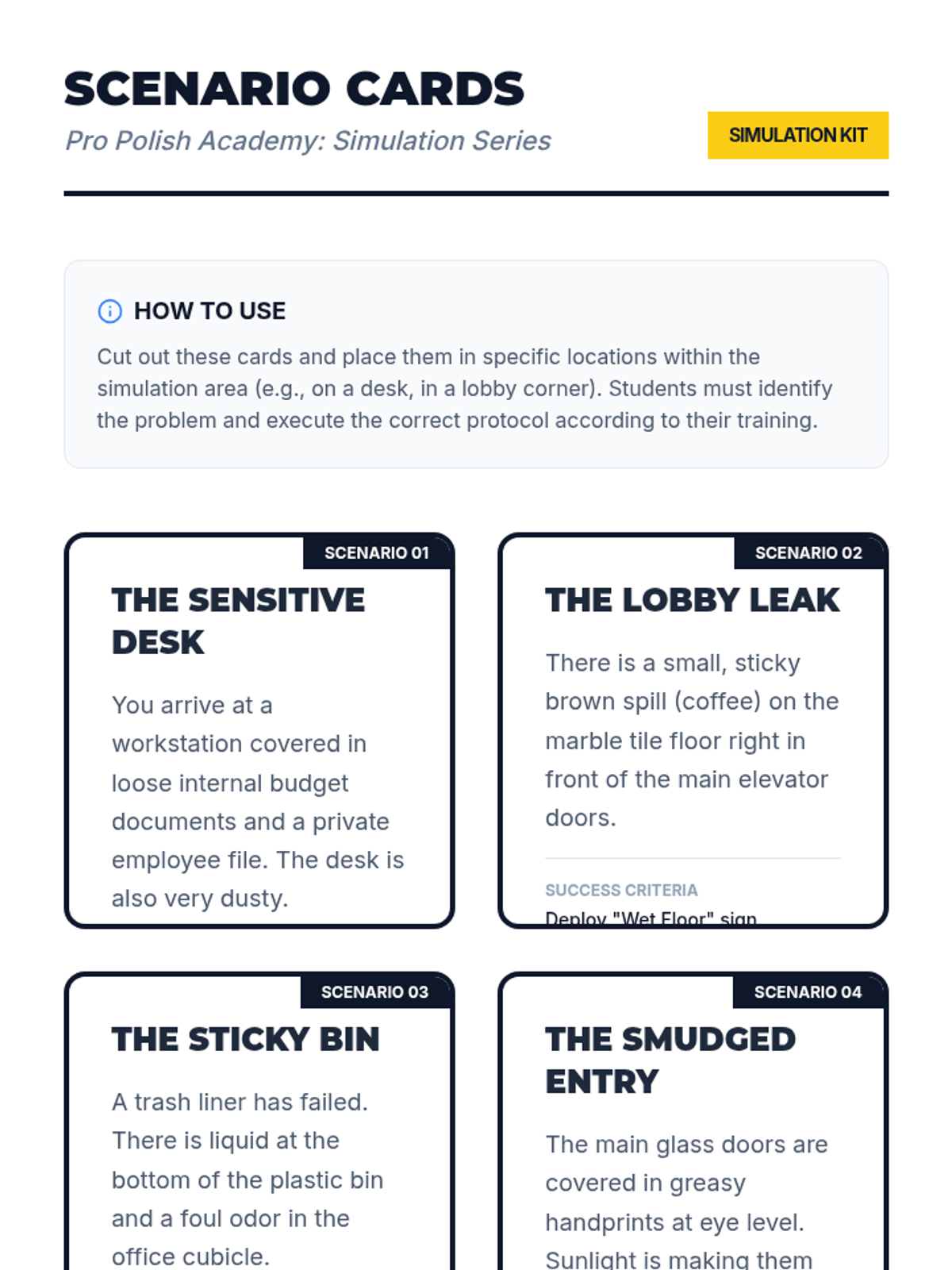
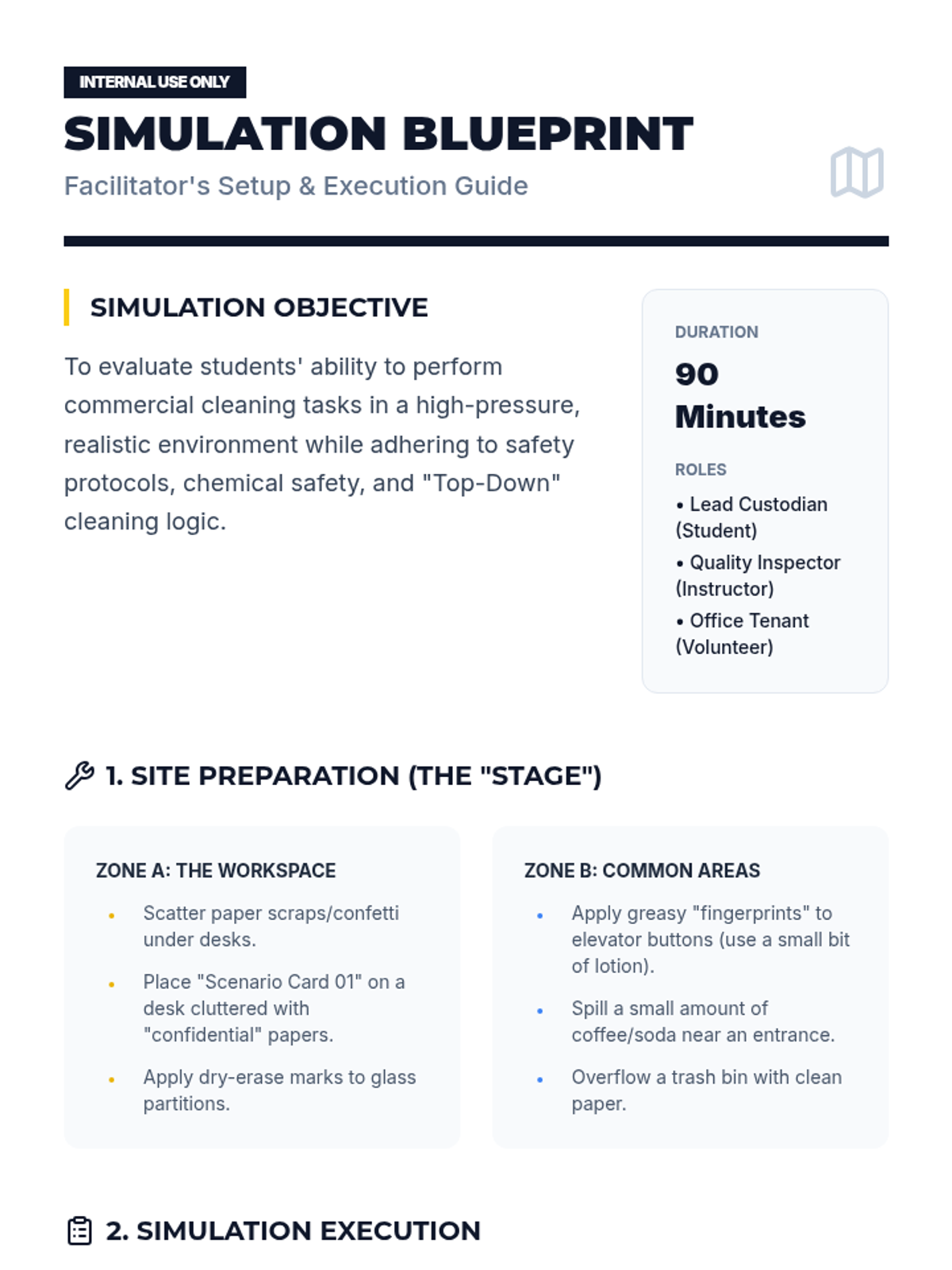
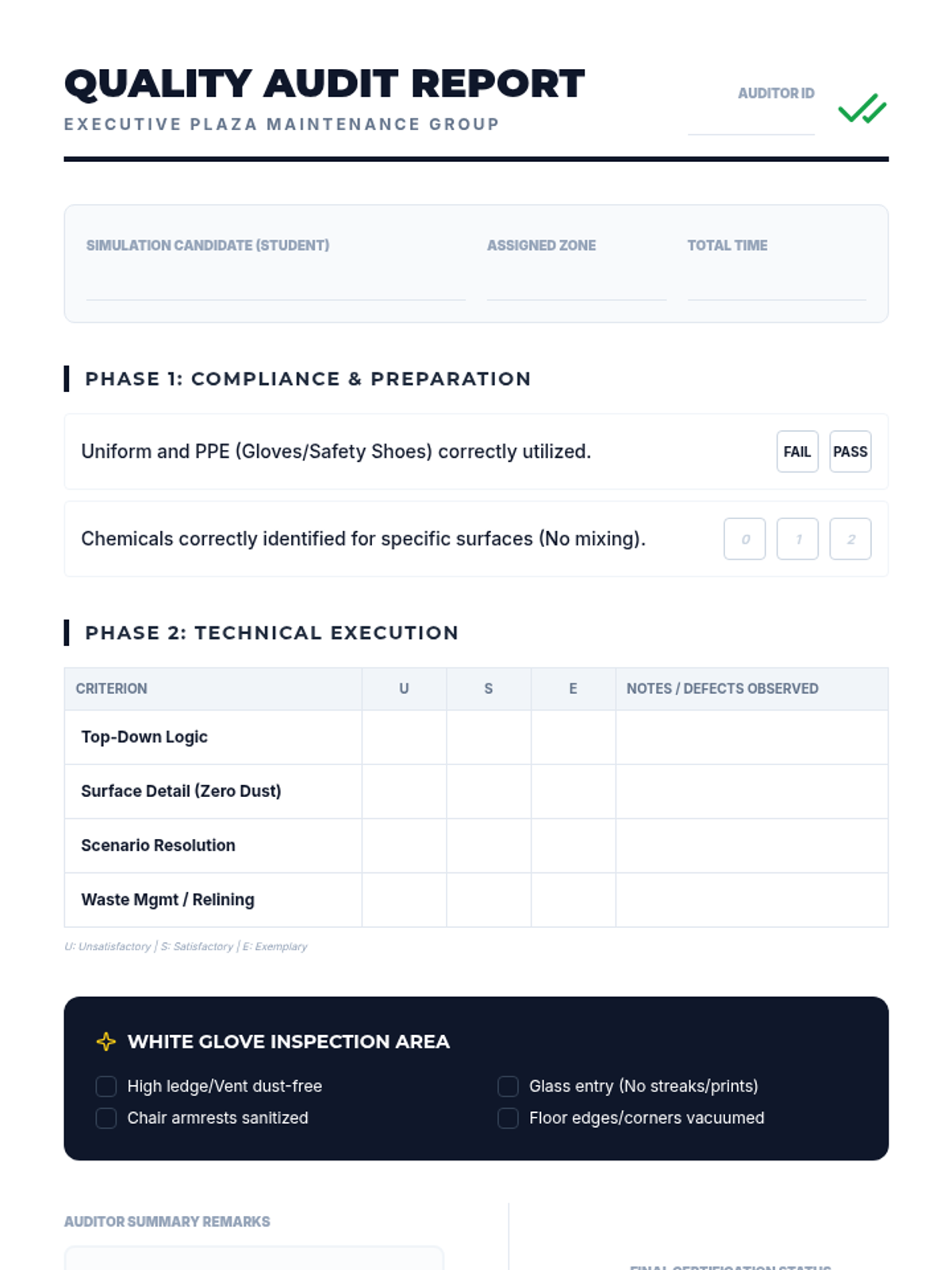
A vocational training series designed to prepare individuals for employment in the commercial cleaning and facilities maintenance industry.
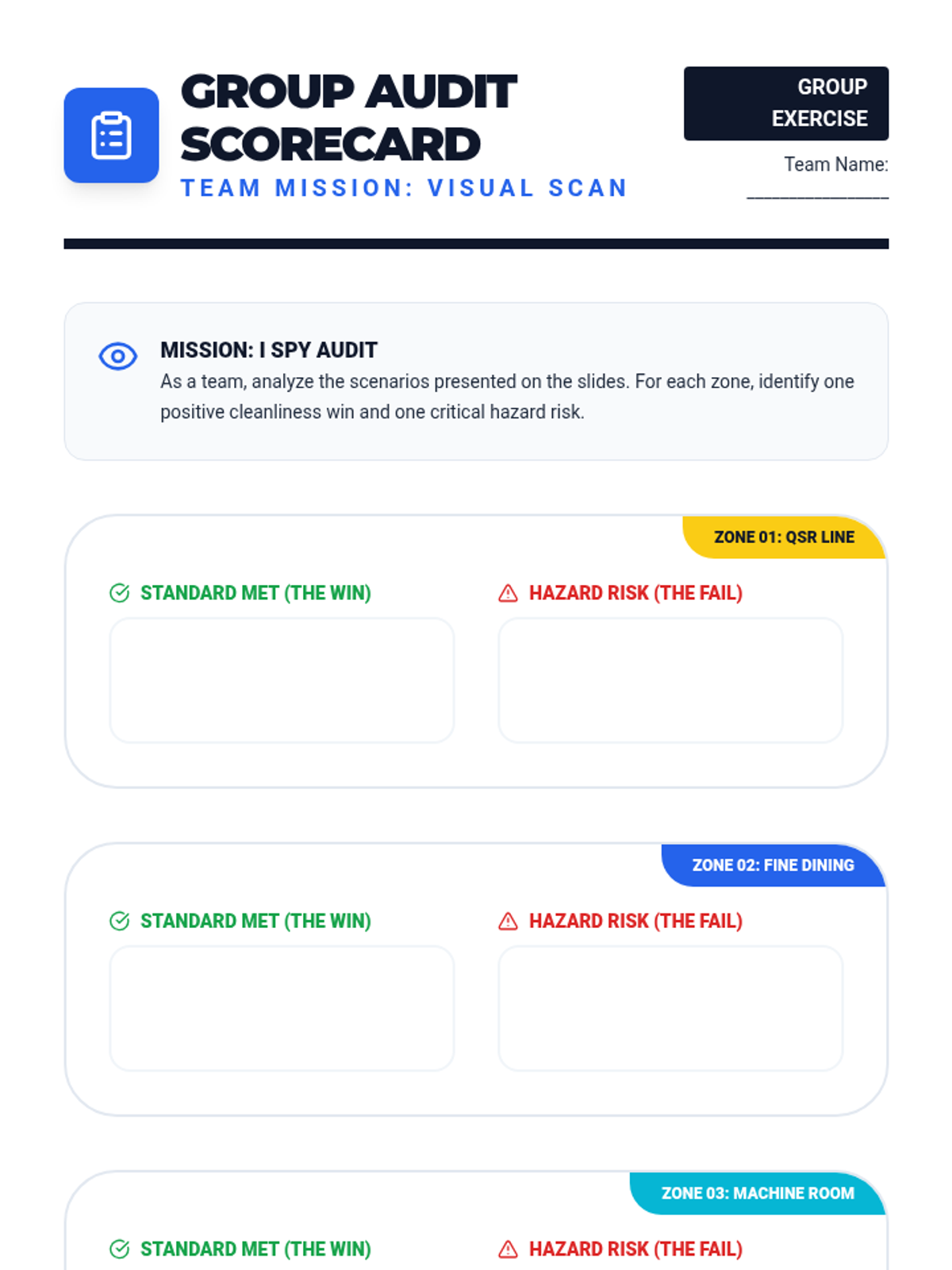
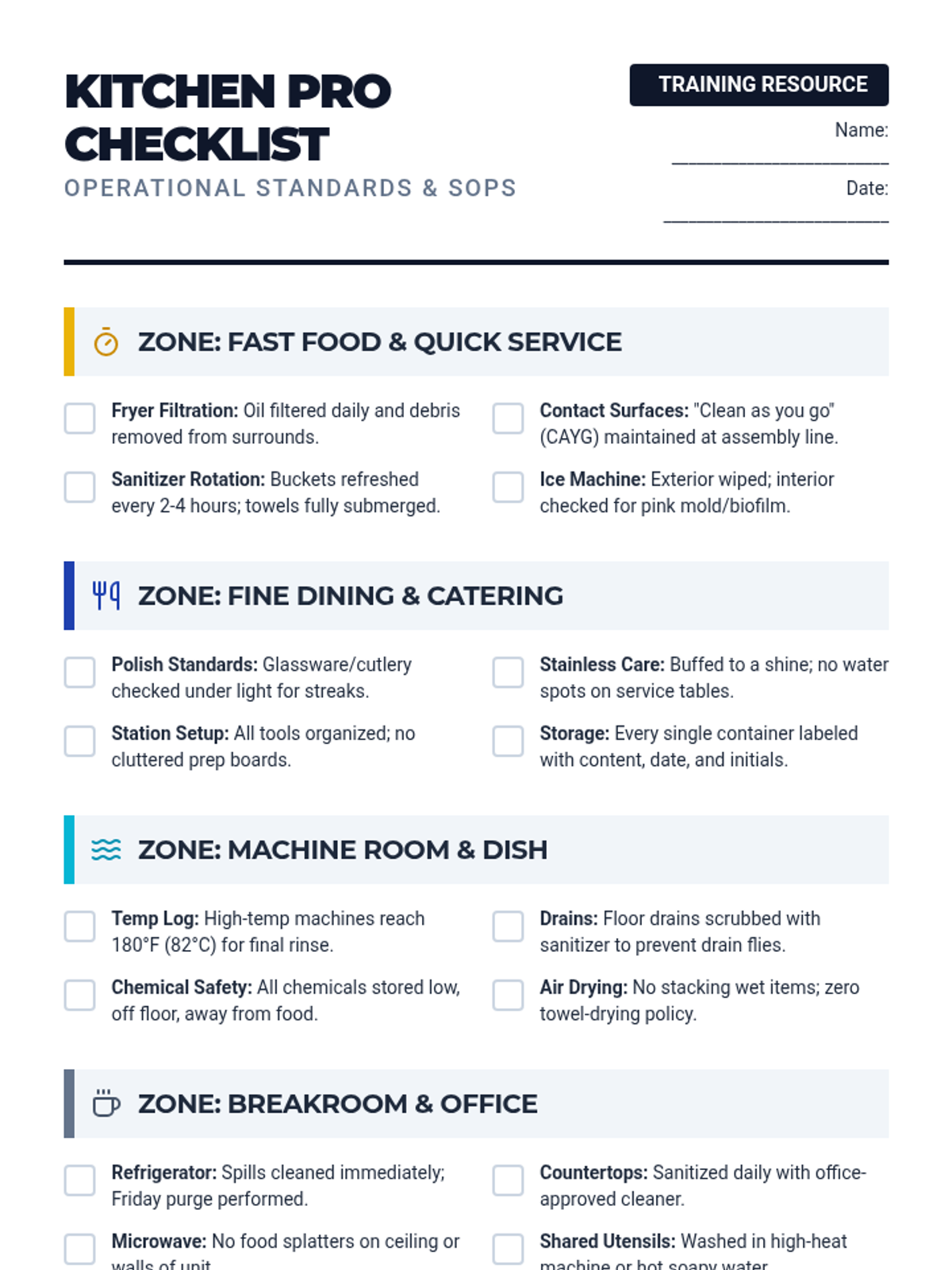
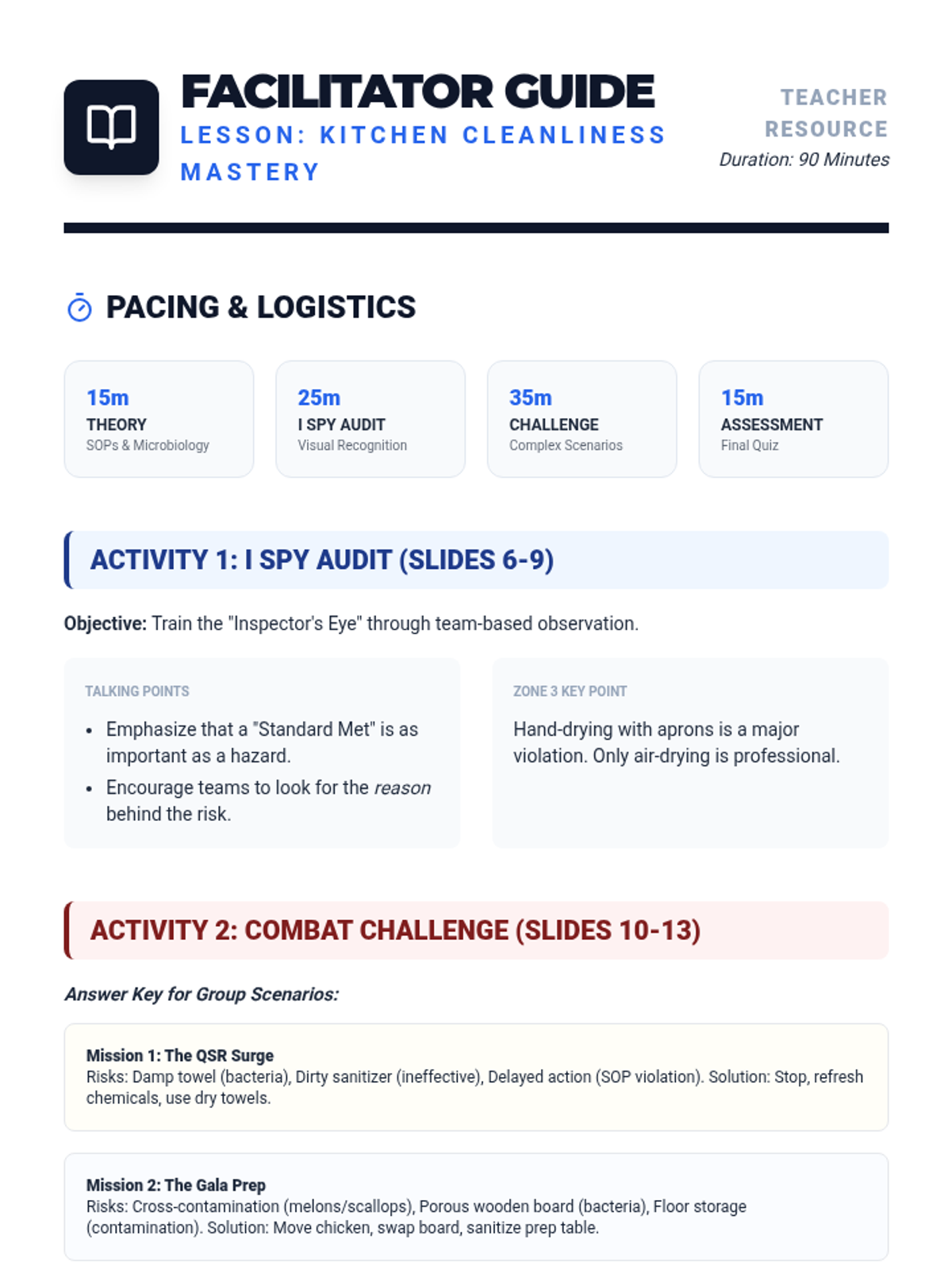
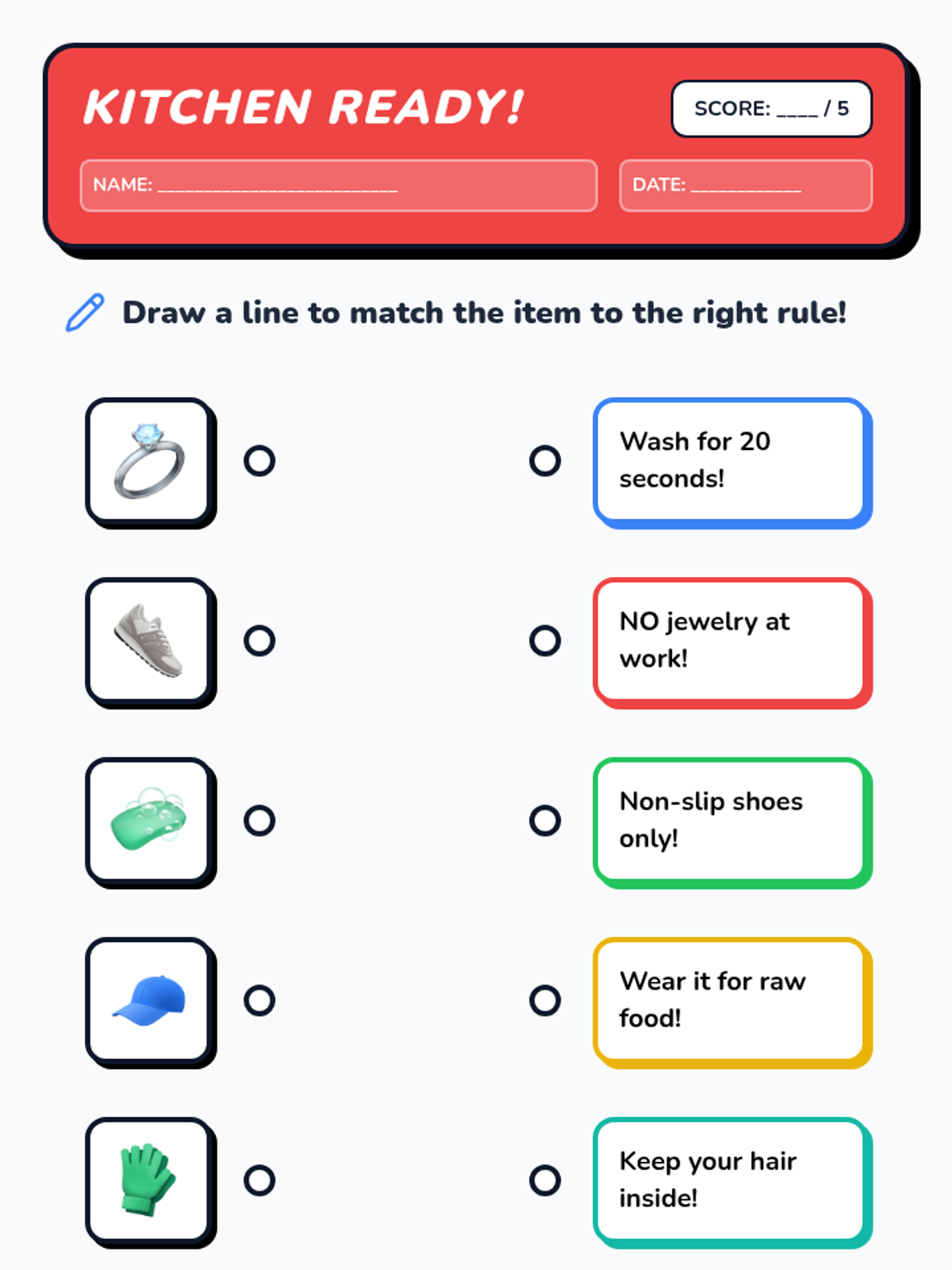
An employment training series focused on professional hygiene, safety protocols, and operational excellence in culinary and hospitality environments.
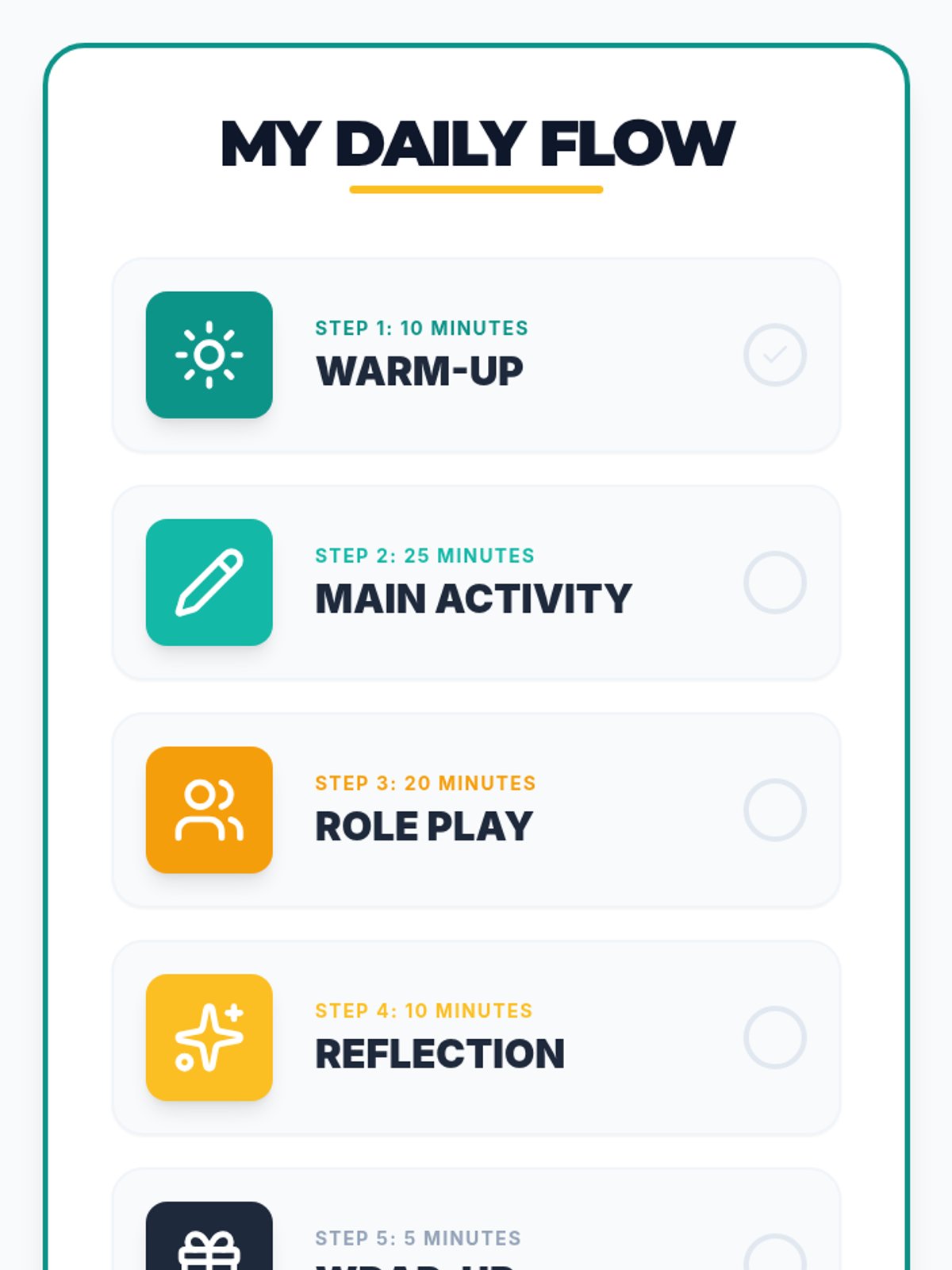
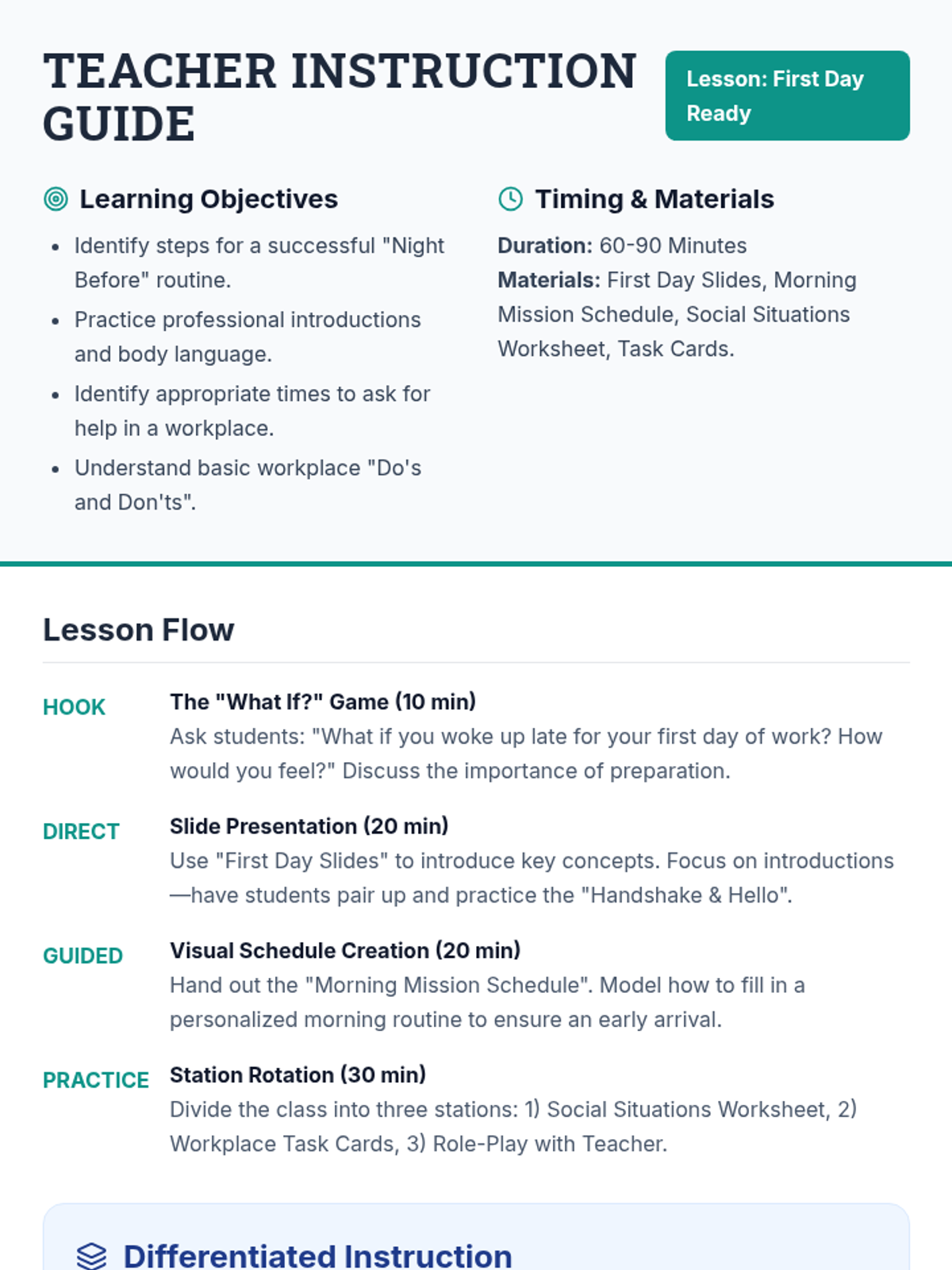
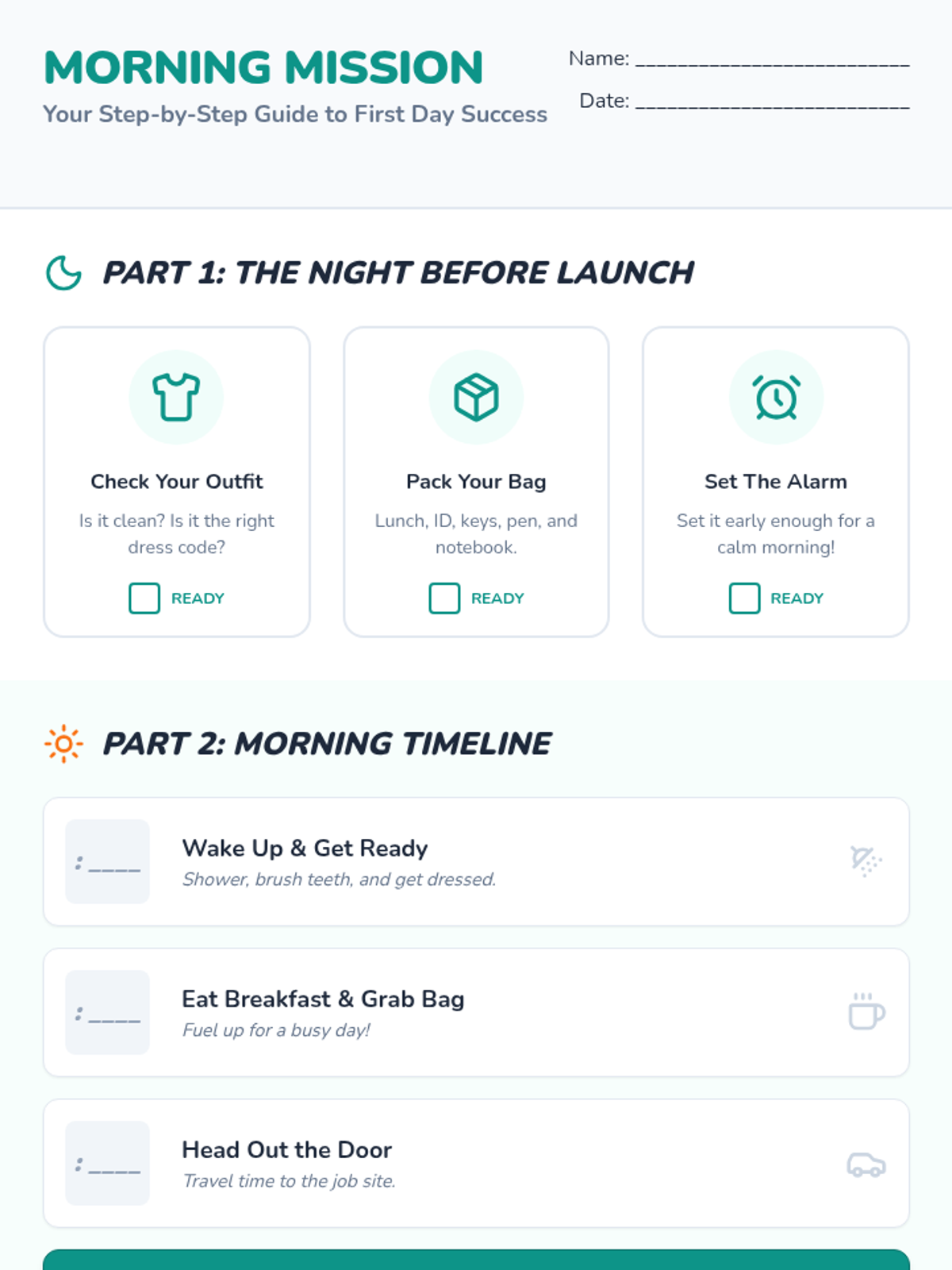
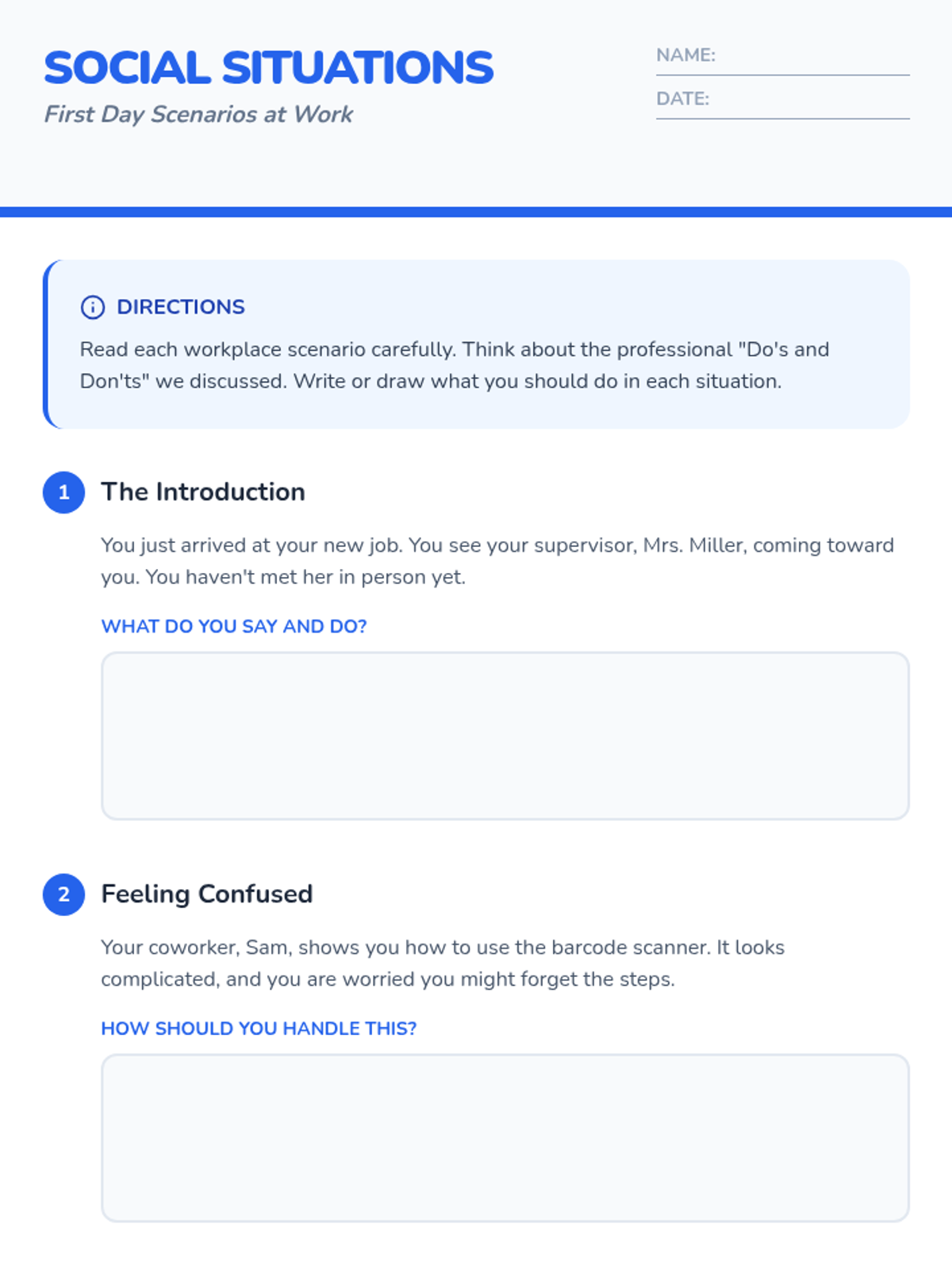
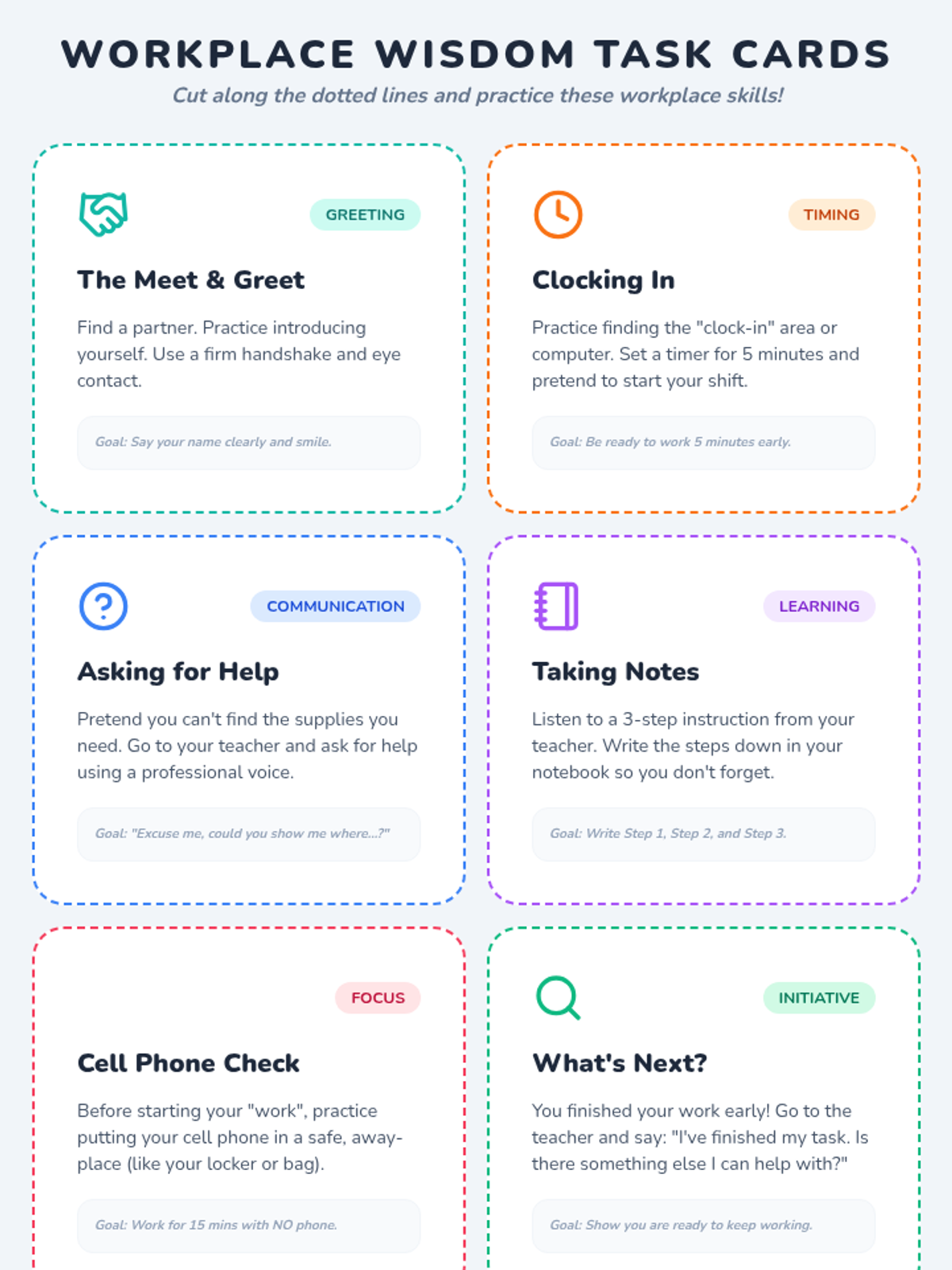
A comprehensive series of lessons designed to equip students with the essential life skills needed to transition into the workforce, focusing on preparation, professionalism, and daily routines.
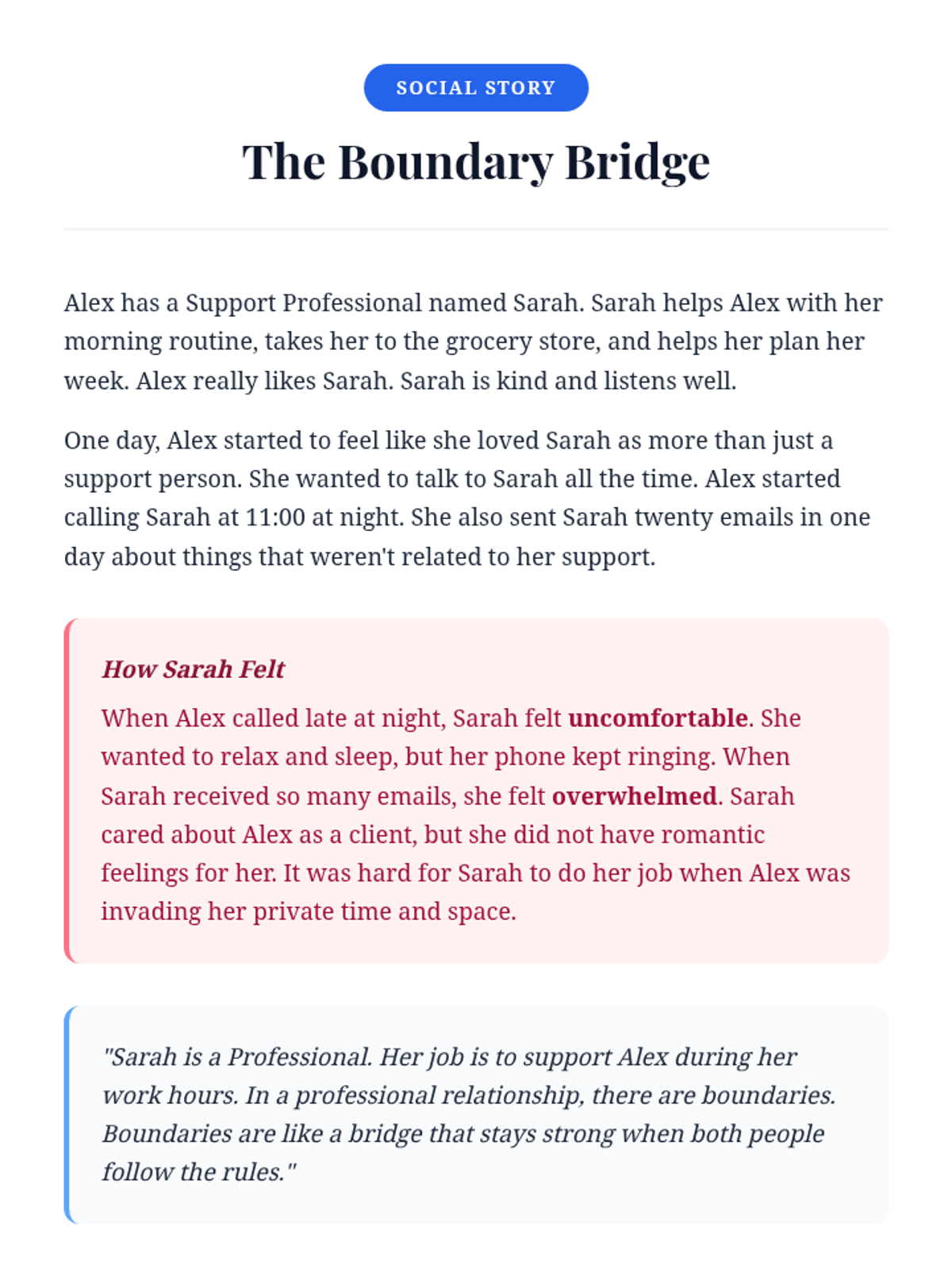
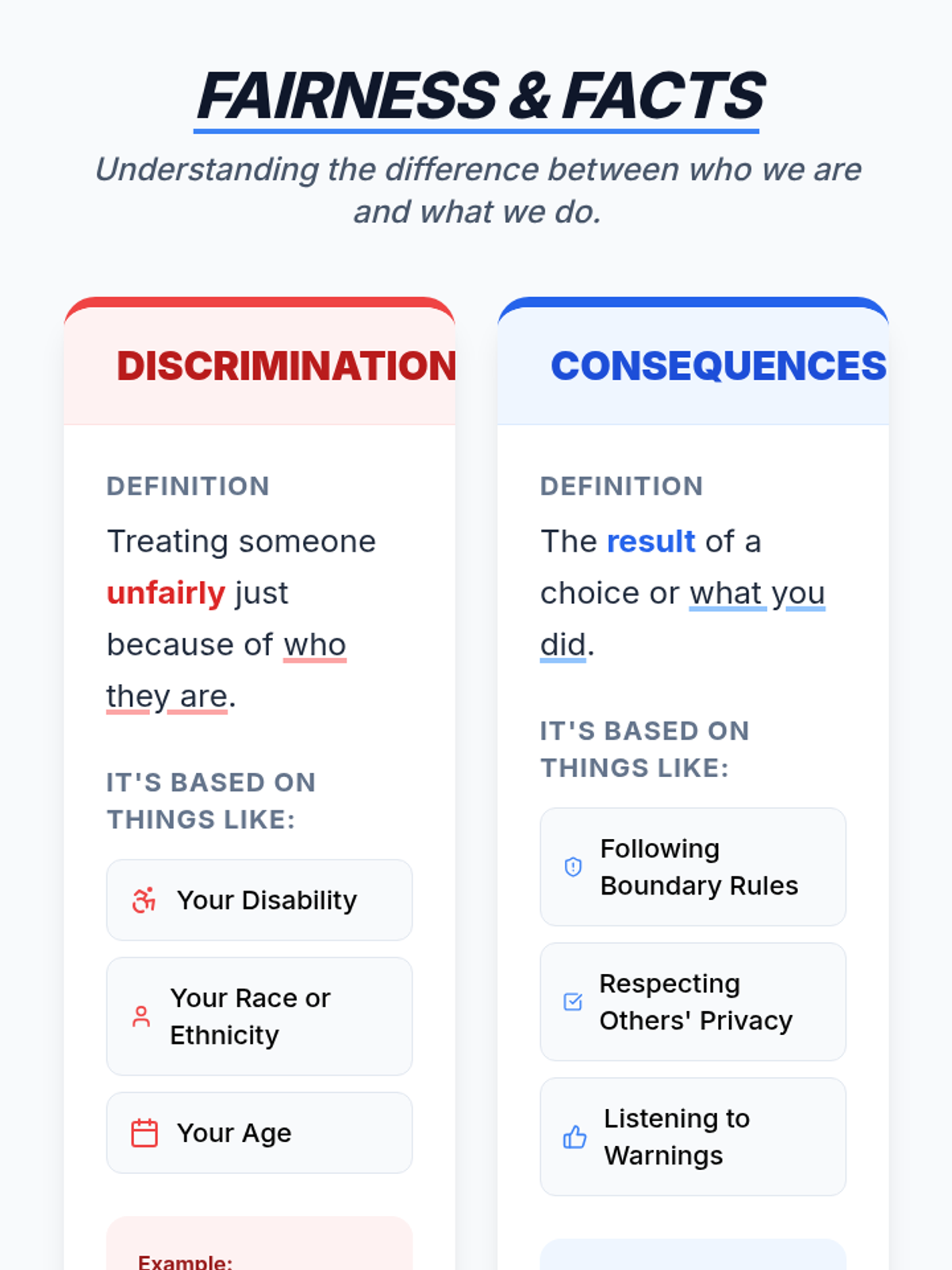
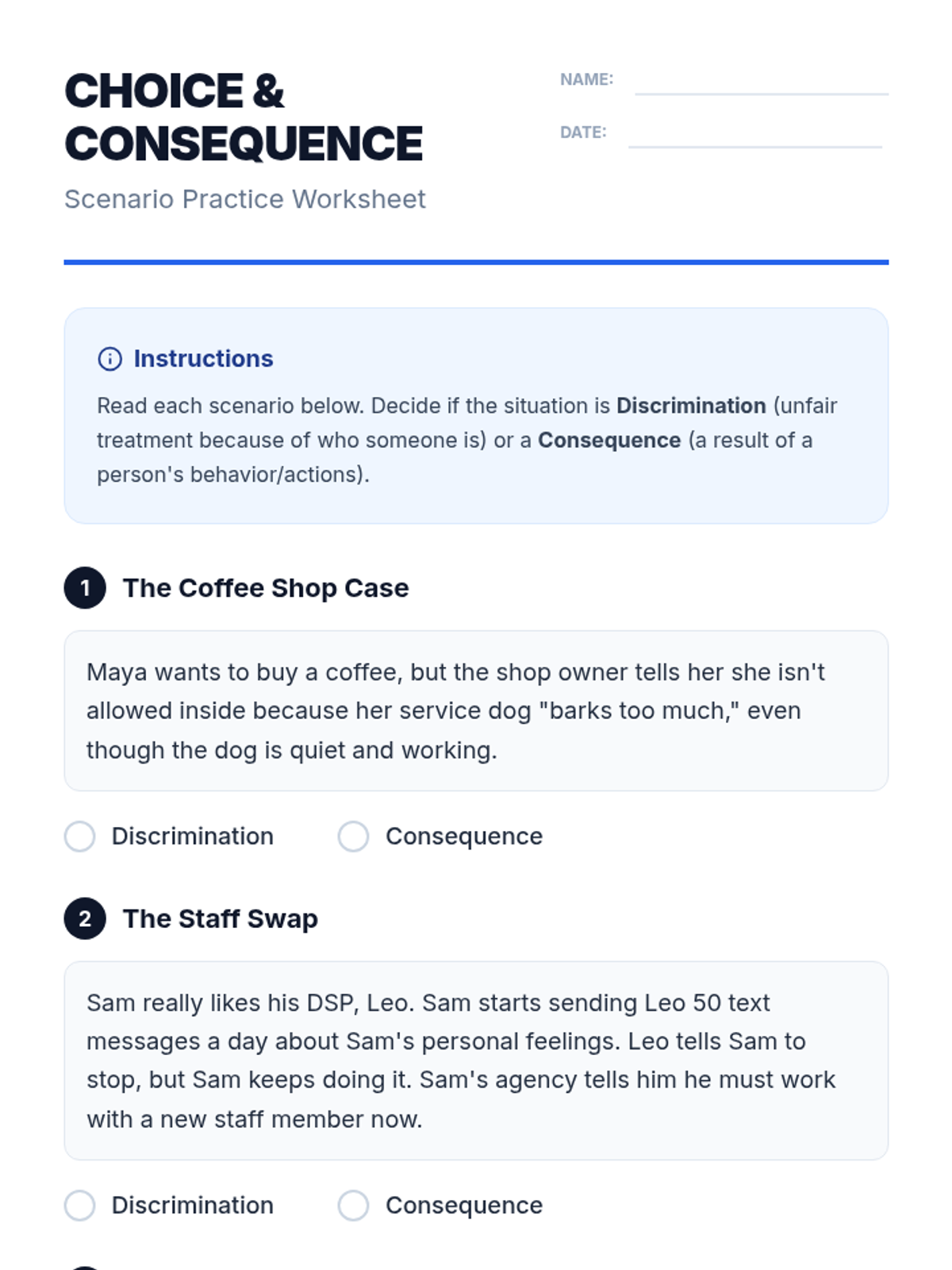
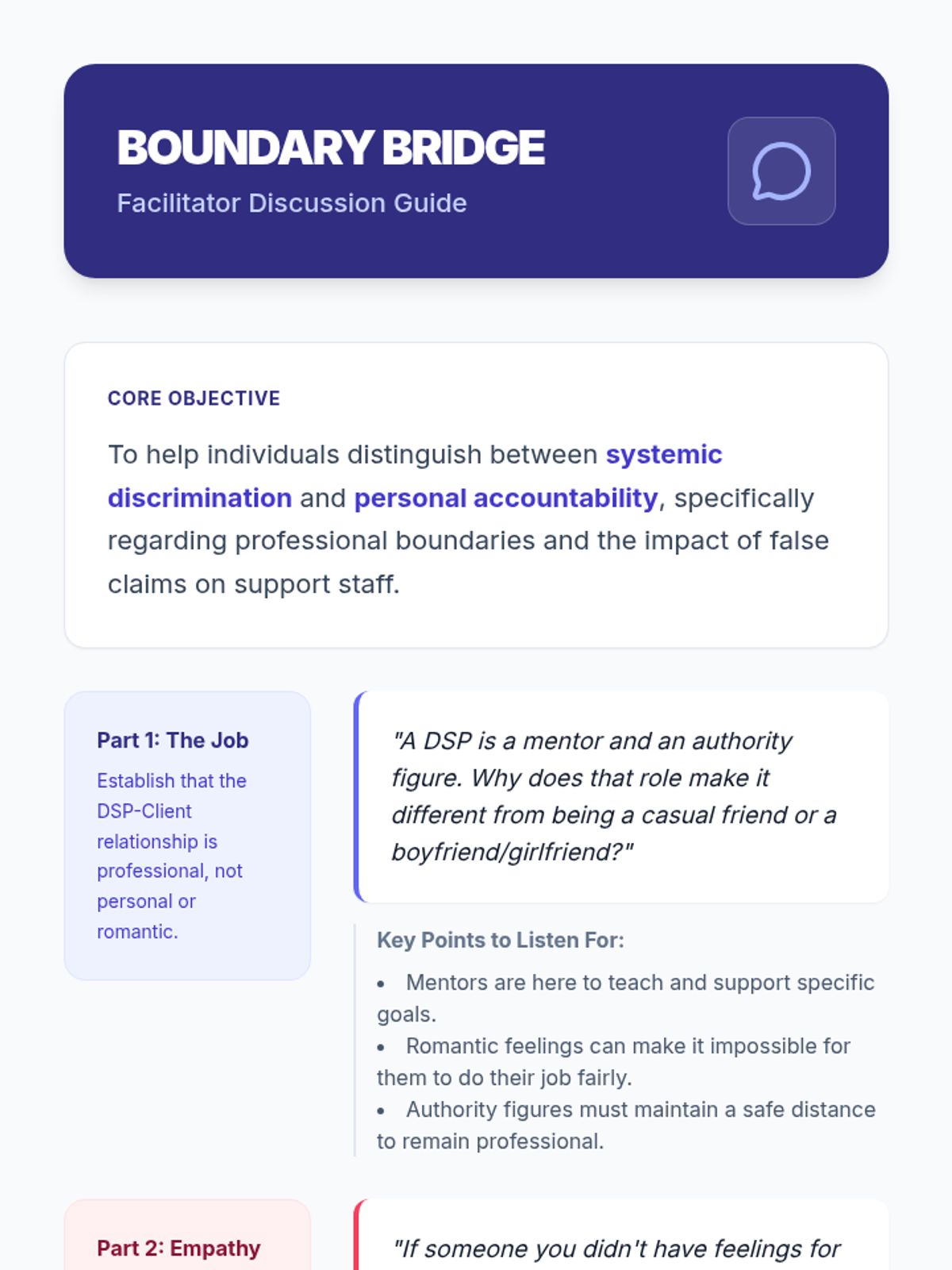
A series of lessons designed to help individuals understand the difference between discrimination and the consequences of personal behavior, focusing on professional boundaries and the impact of false claims.
A comprehensive program designed to guide students through the essentials of career exploration, professional document preparation, and the job application process.
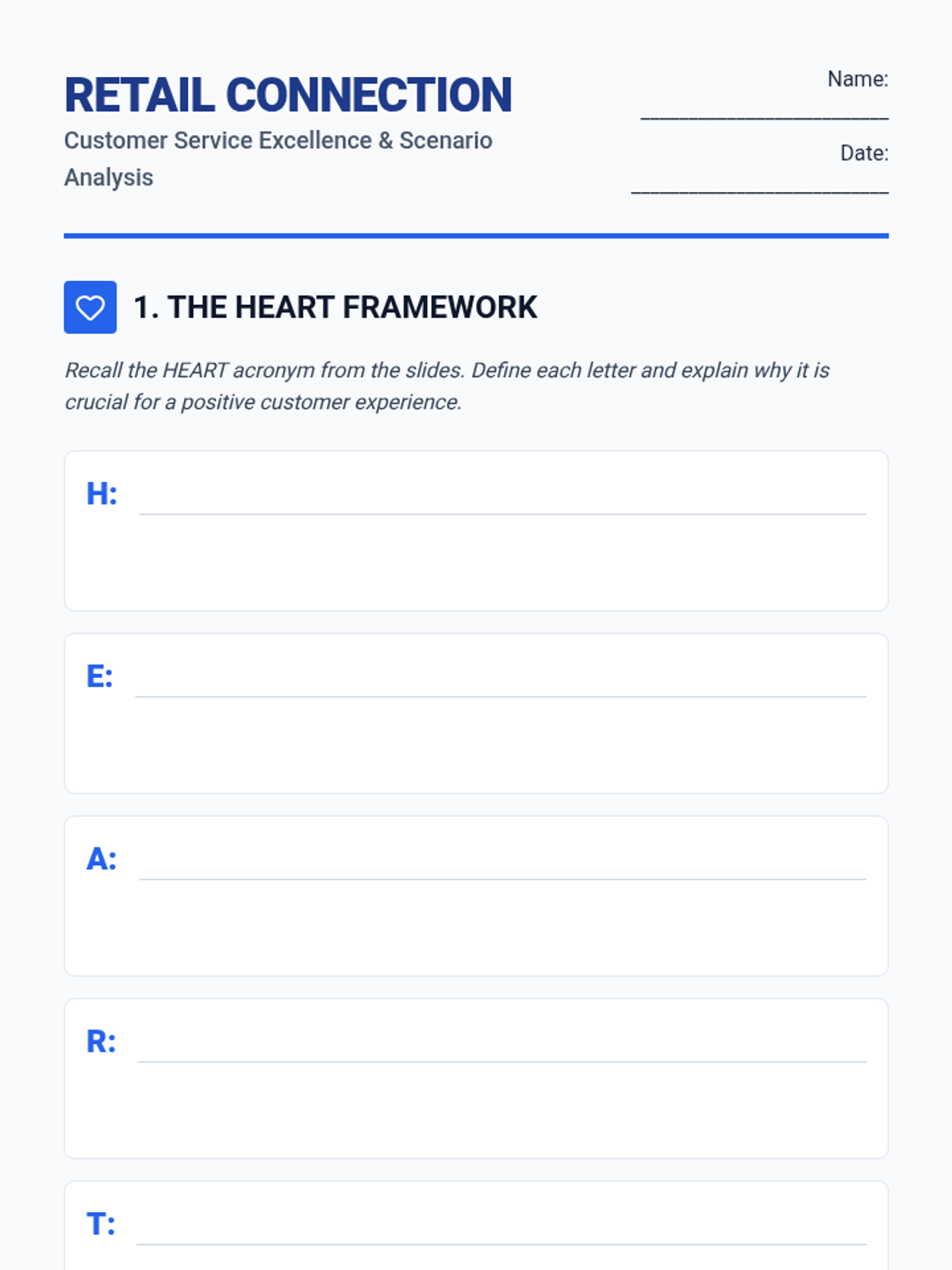
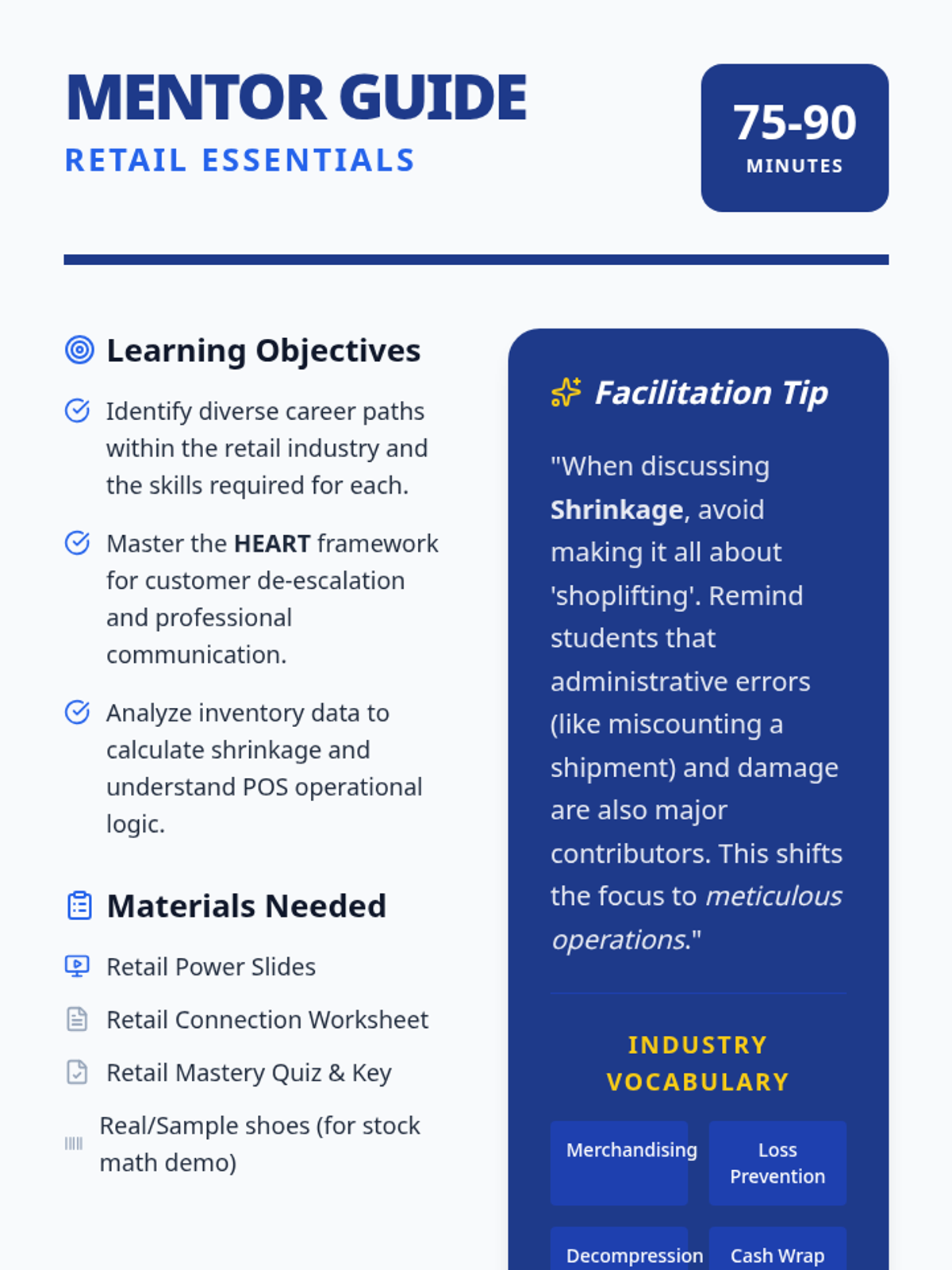
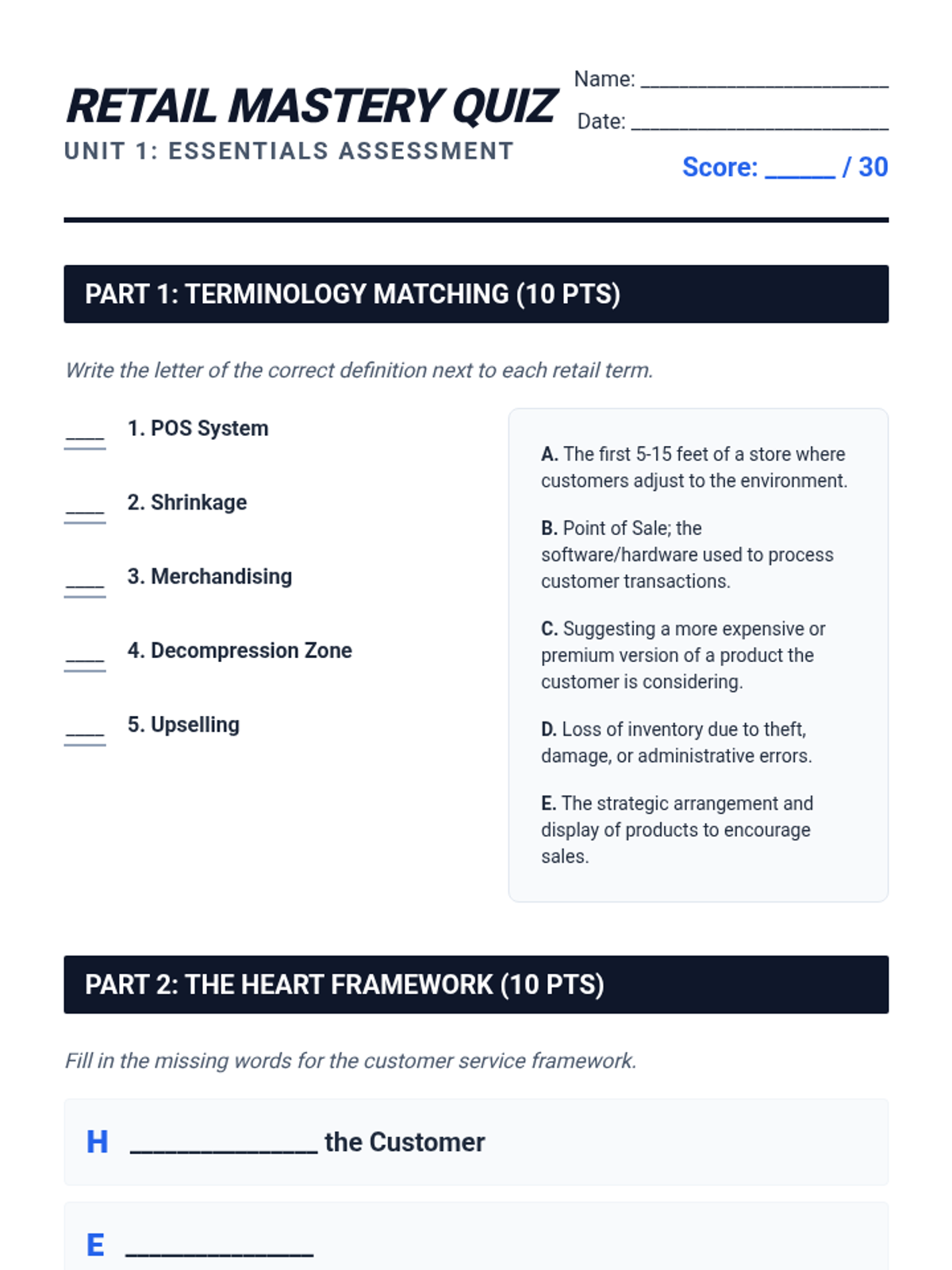
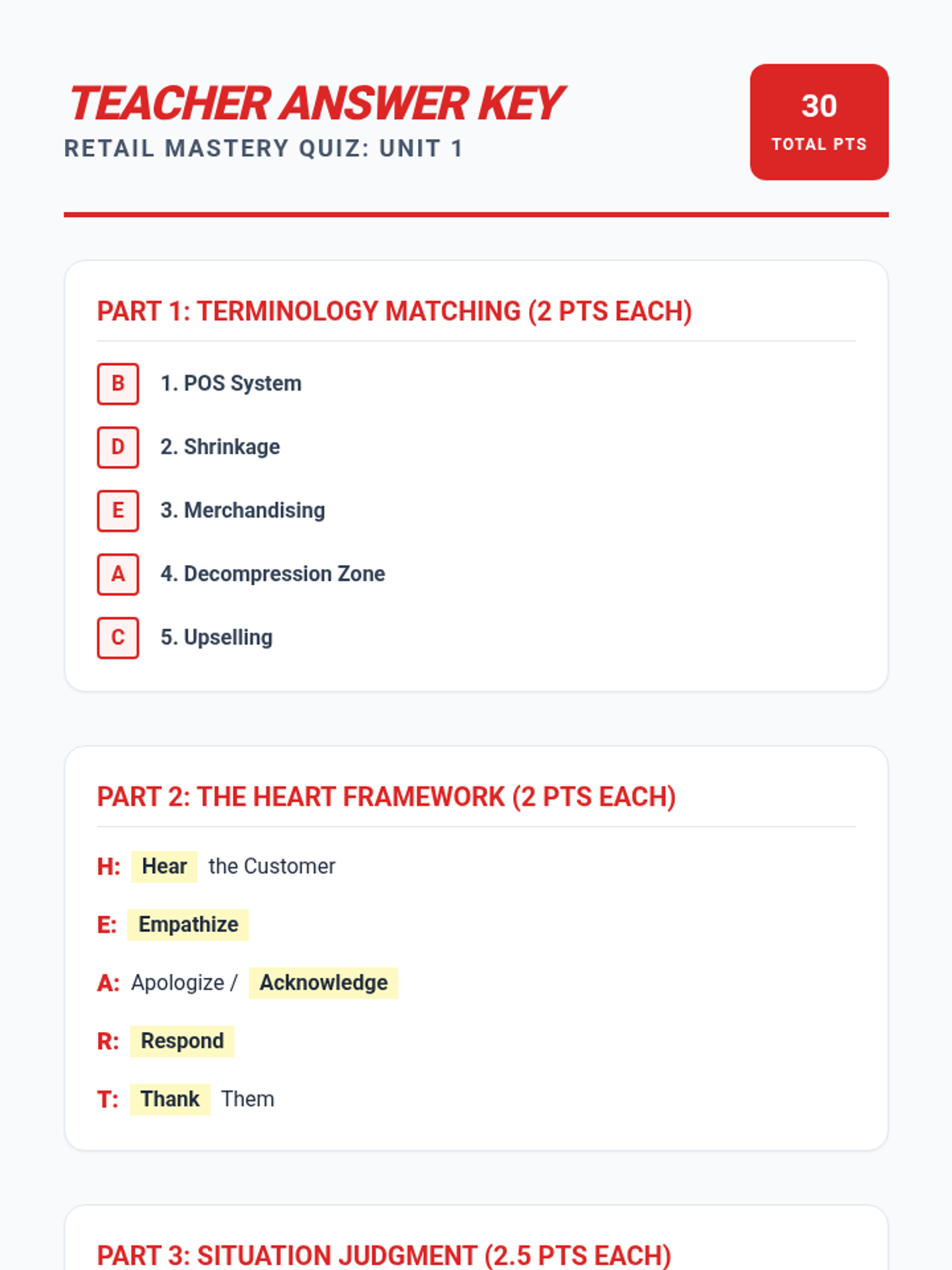
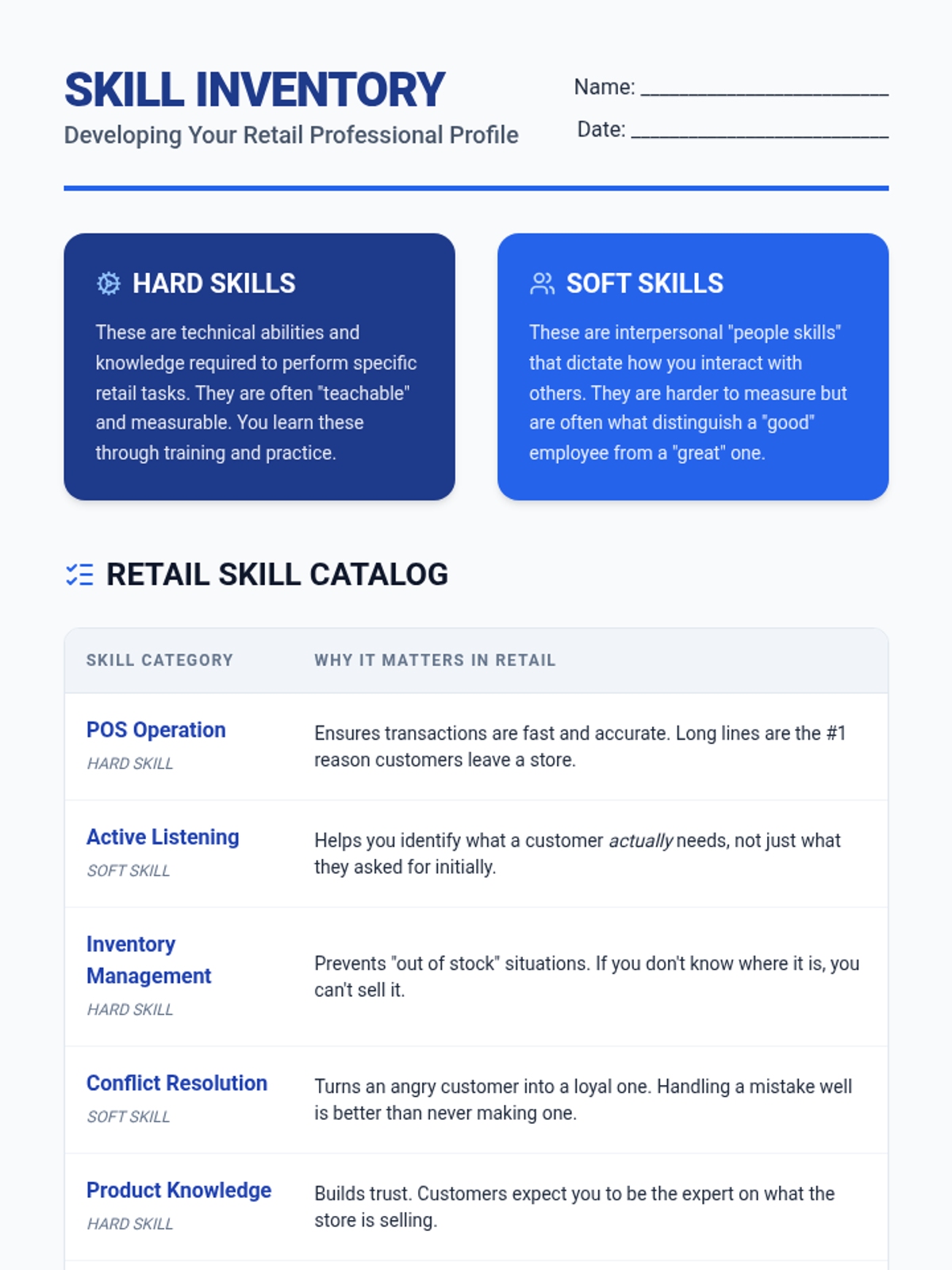
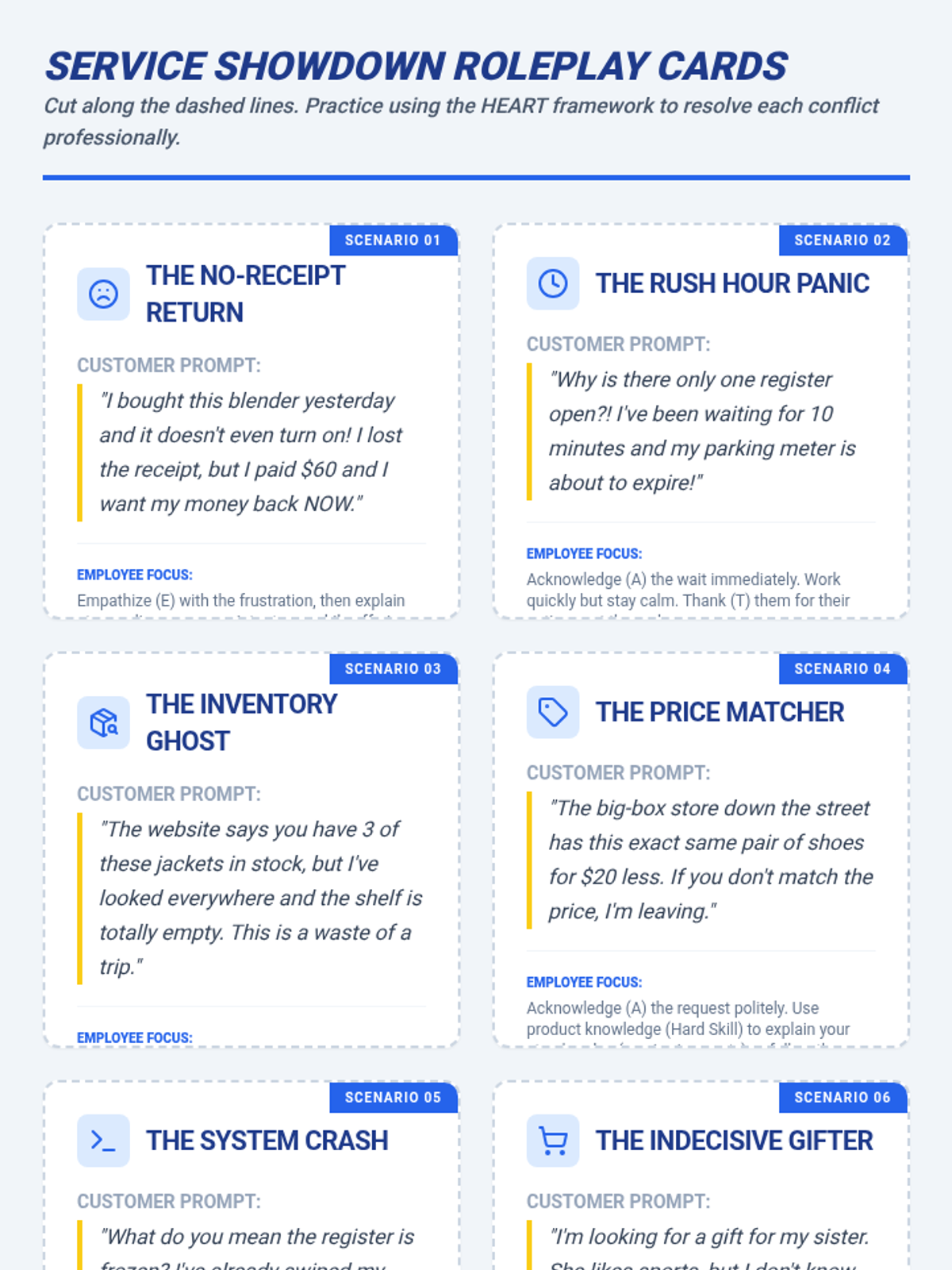
A hands-on career exploration unit focusing on the dynamic world of retail. Students will master customer service excellence, learn retail operations like inventory and POS systems, and design their own retail floor plan and brand strategy.
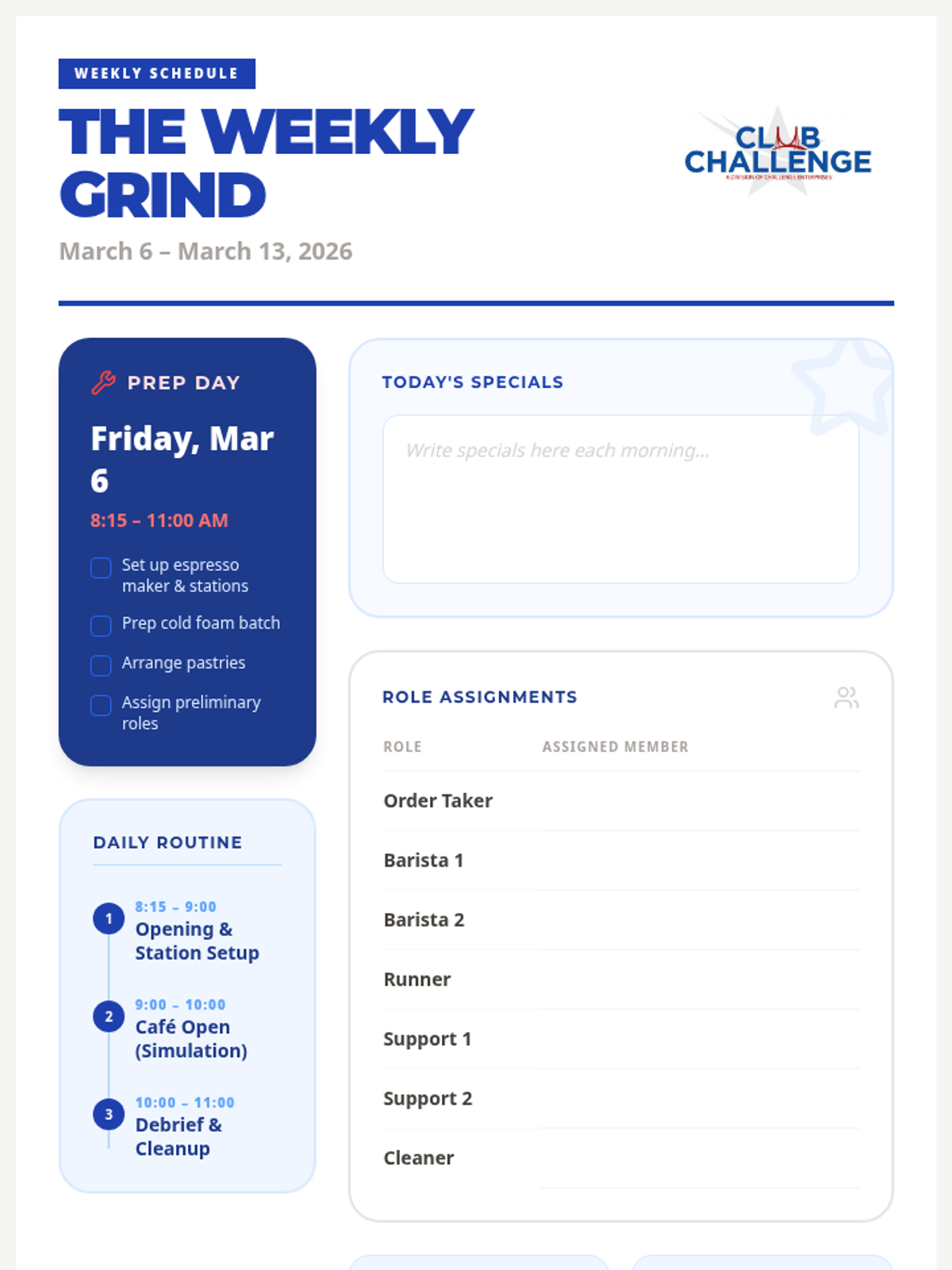
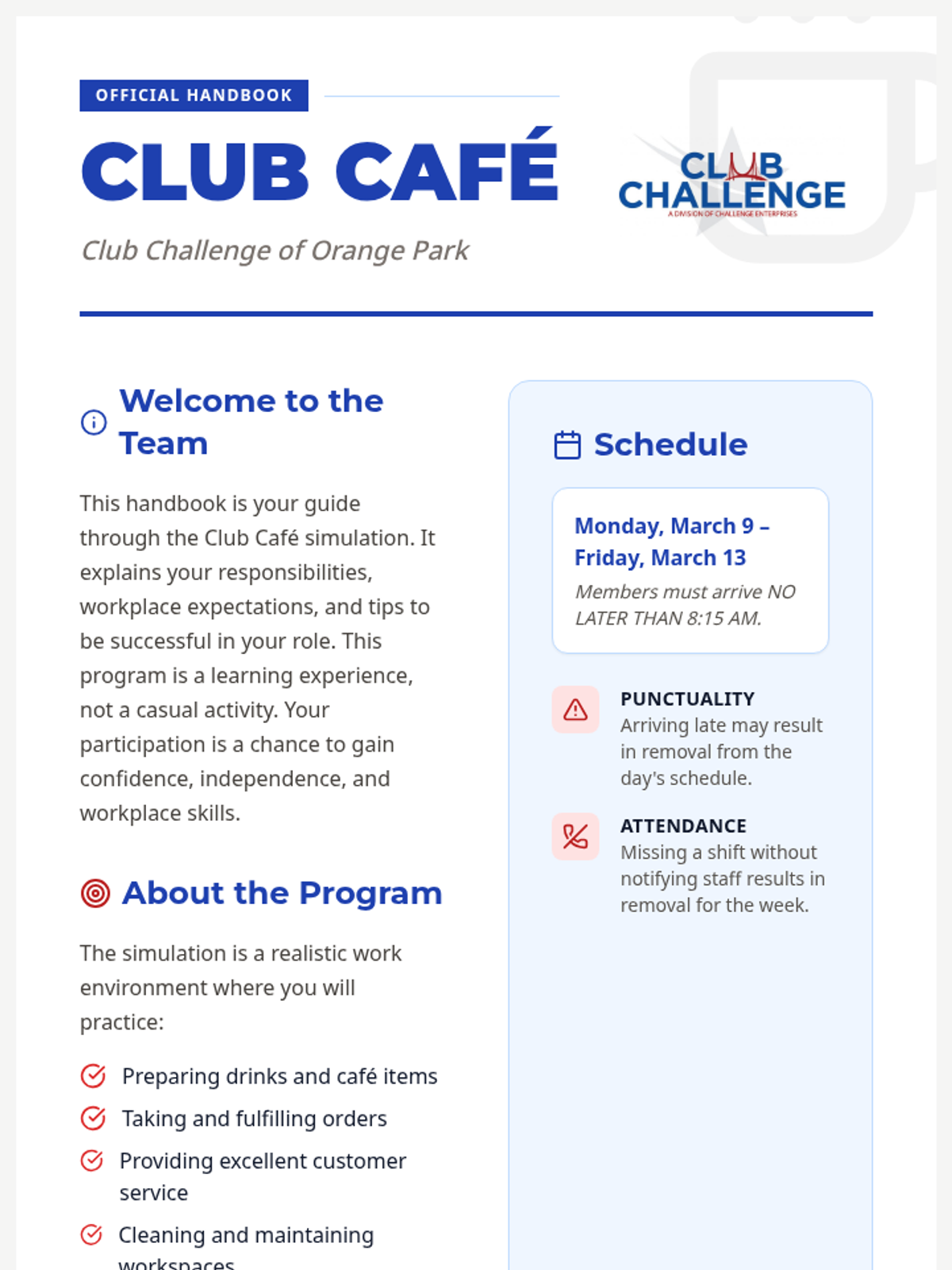
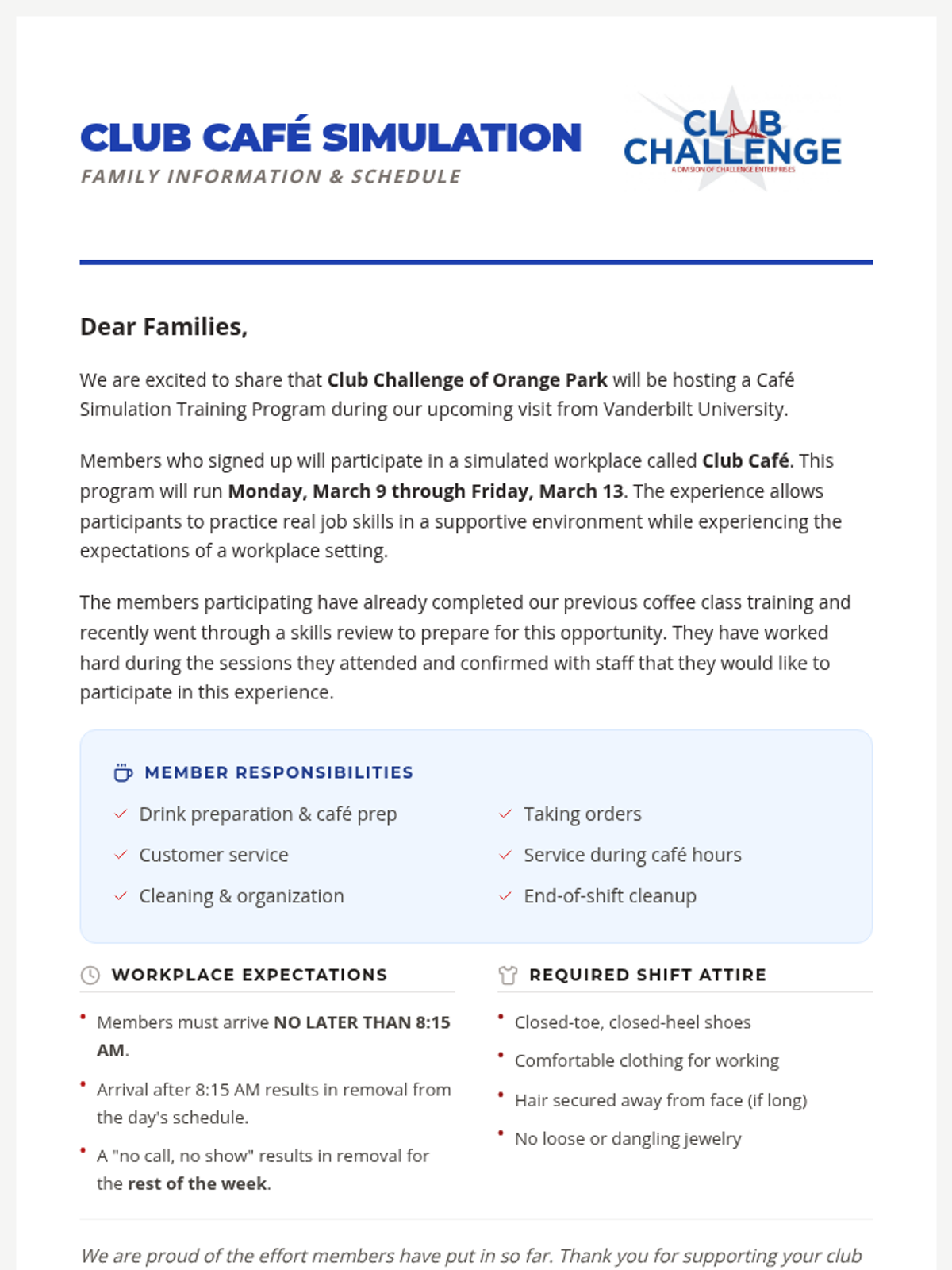
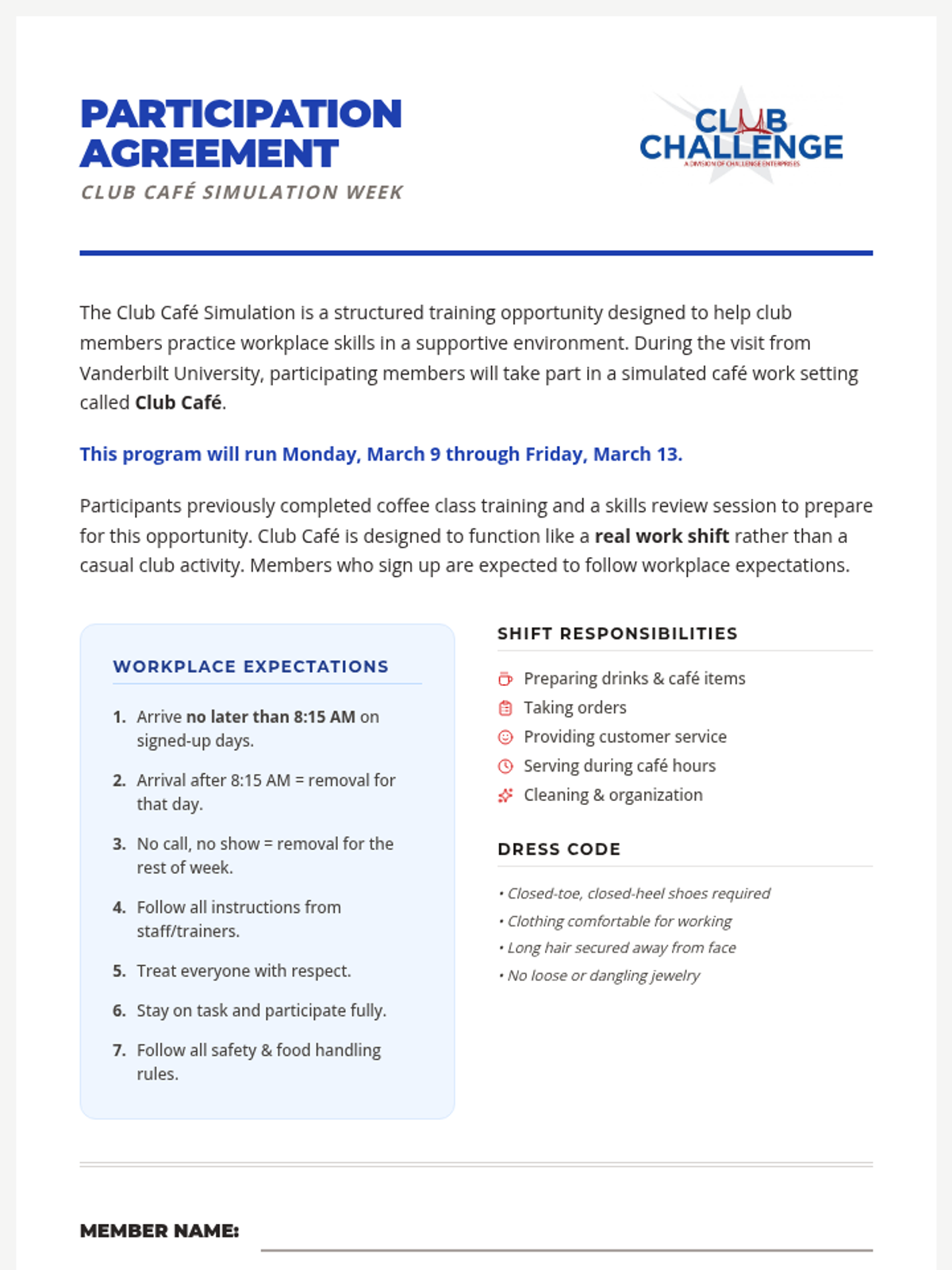
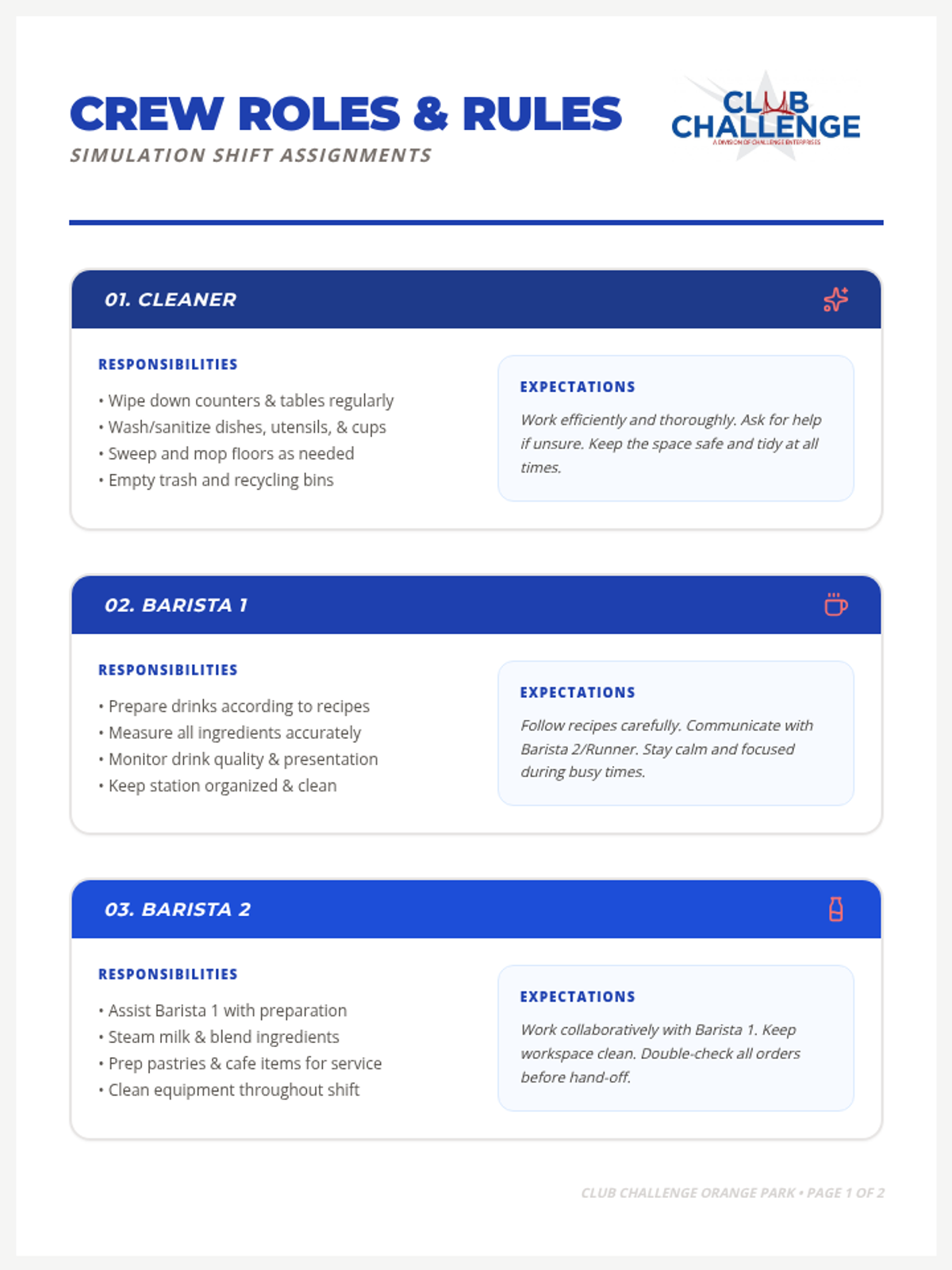
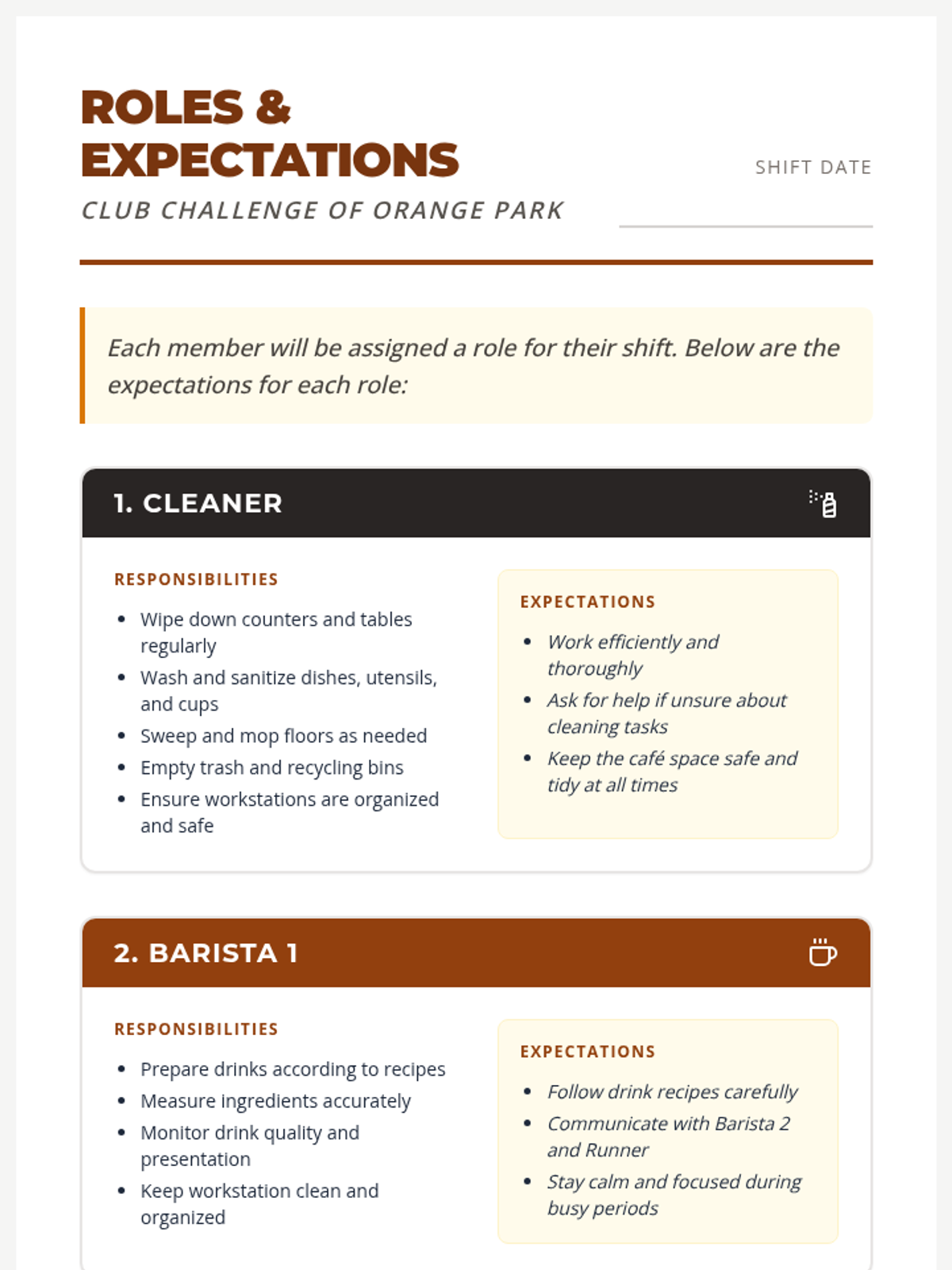
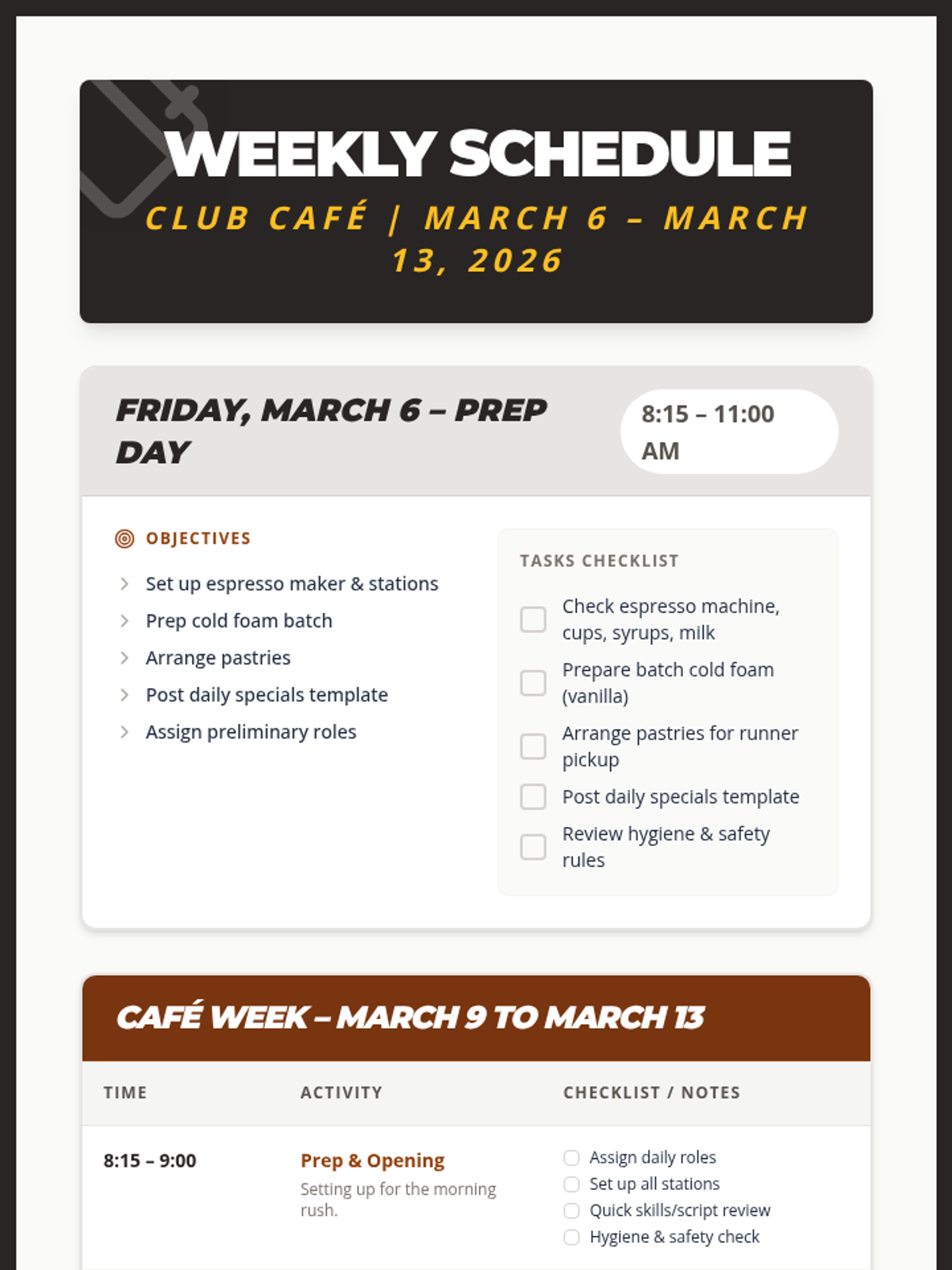
A comprehensive workplace simulation program for Club Challenge of Orange Park, designed to teach vocational skills through a realistic café environment. The sequence includes orientation materials, operational tools for students, and tracking resources for staff.
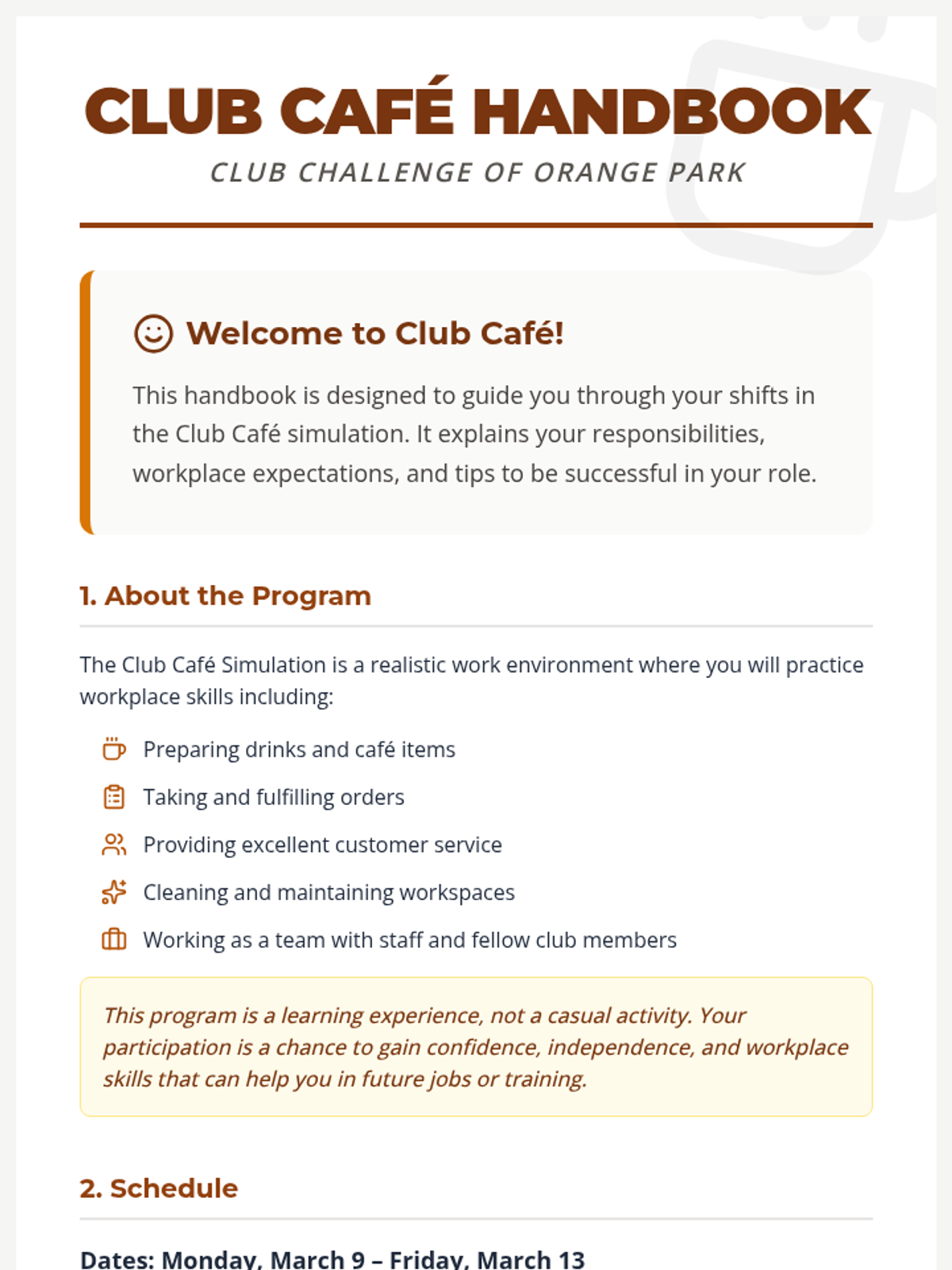
A comprehensive vocational training program for members to practice workplace skills through a realistic café simulation, covering everything from drink preparation to customer service and team coordination.
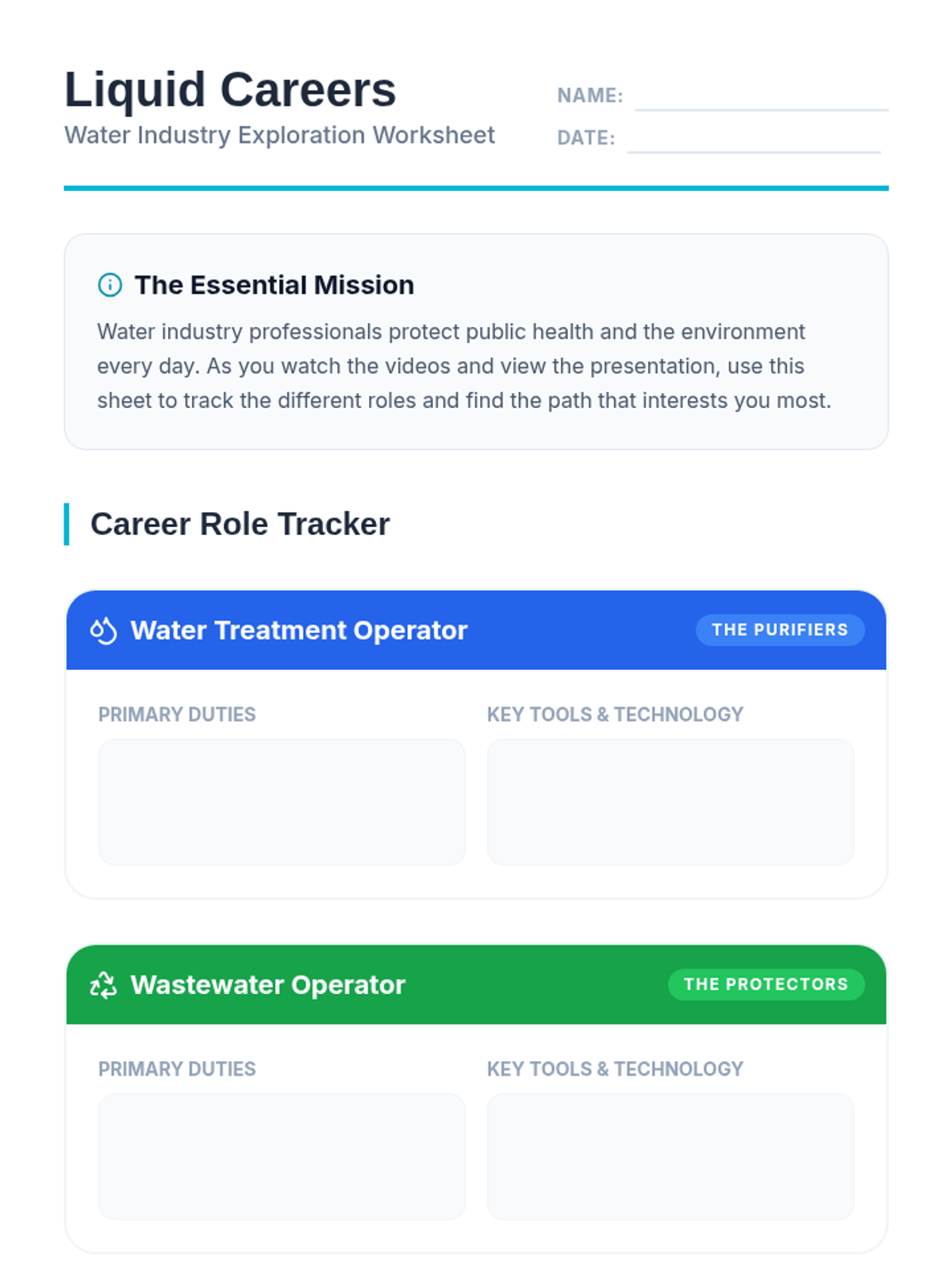
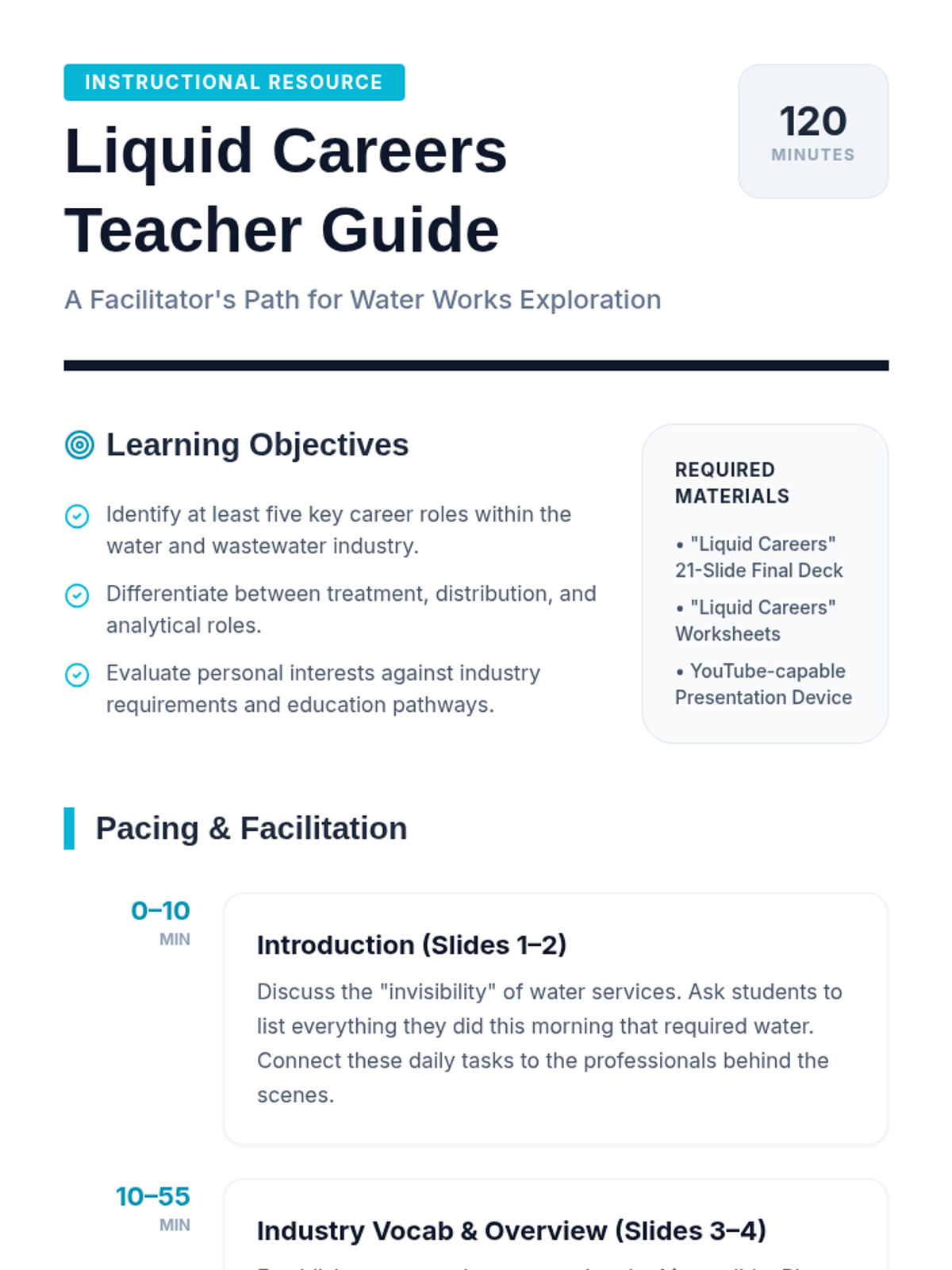
A comprehensive look into the water industry, covering the vital roles, infrastructure, and technology that ensure clean water delivery and safe wastewater management. Students learn about the science, engineering, and fieldwork involved in modern water systems.
A comprehensive food safety training program designed for 18+ special education students, focusing on the essential skills needed to earn a food handlers card through visual learning and simplified concepts.
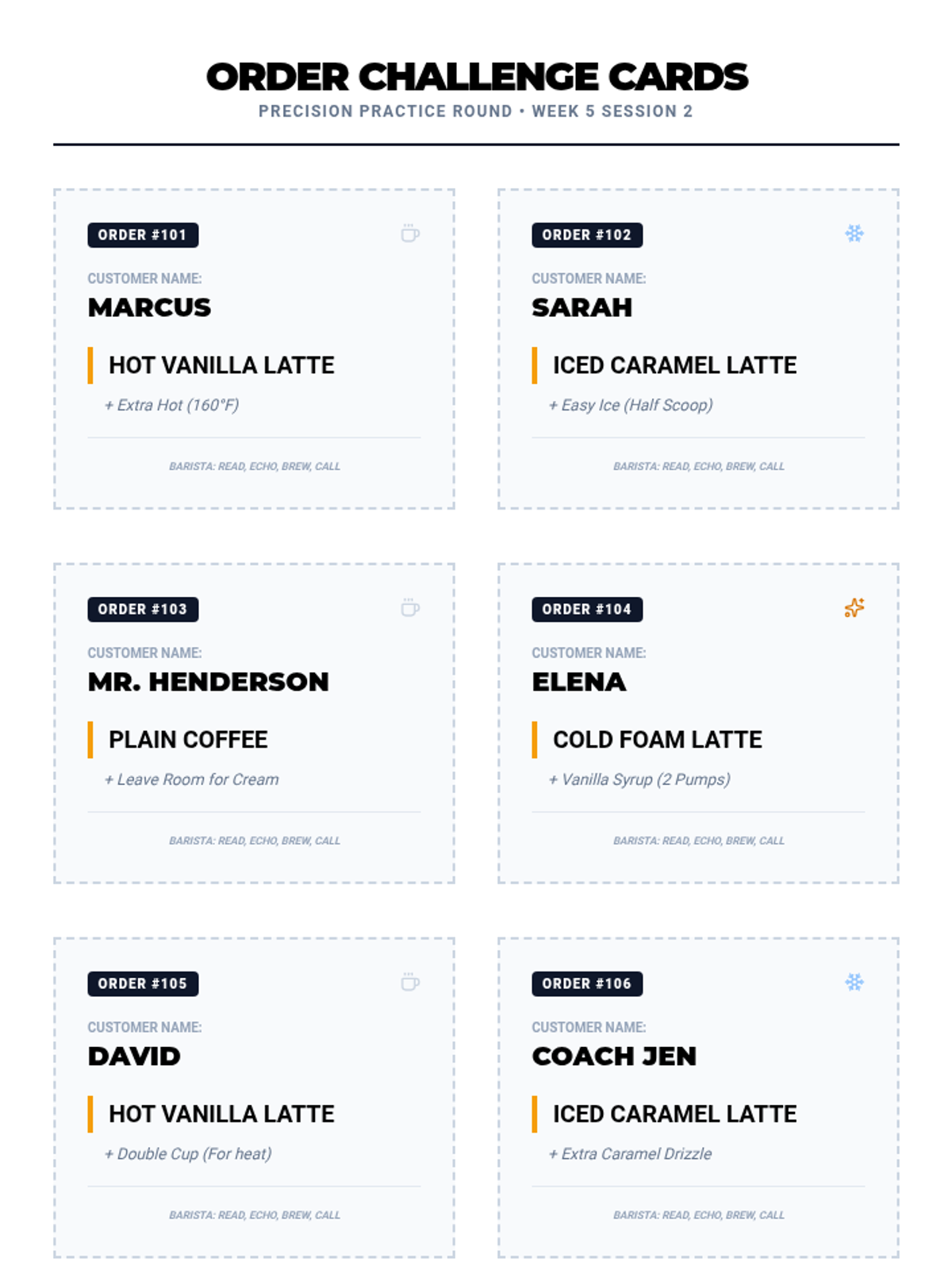
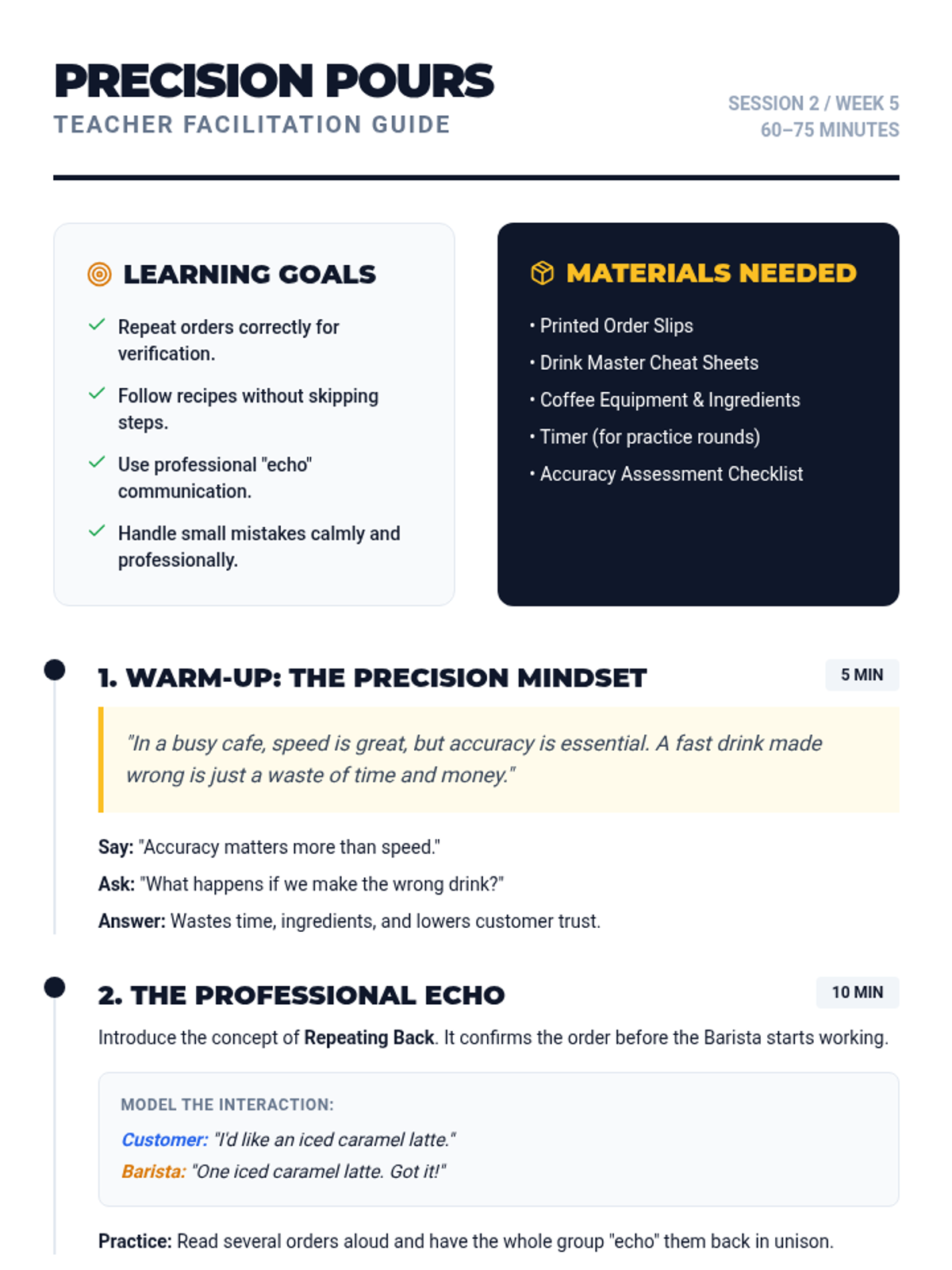
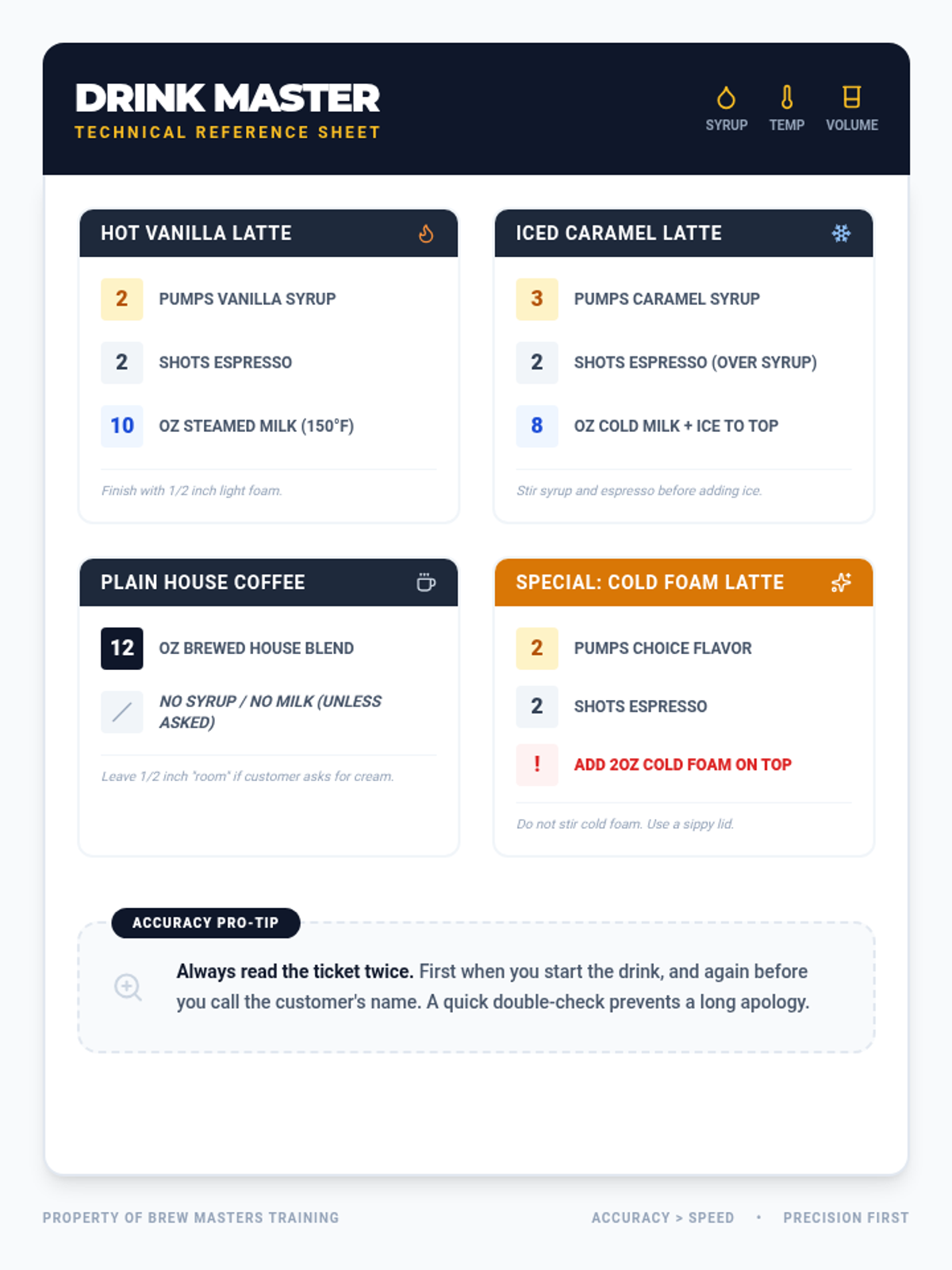
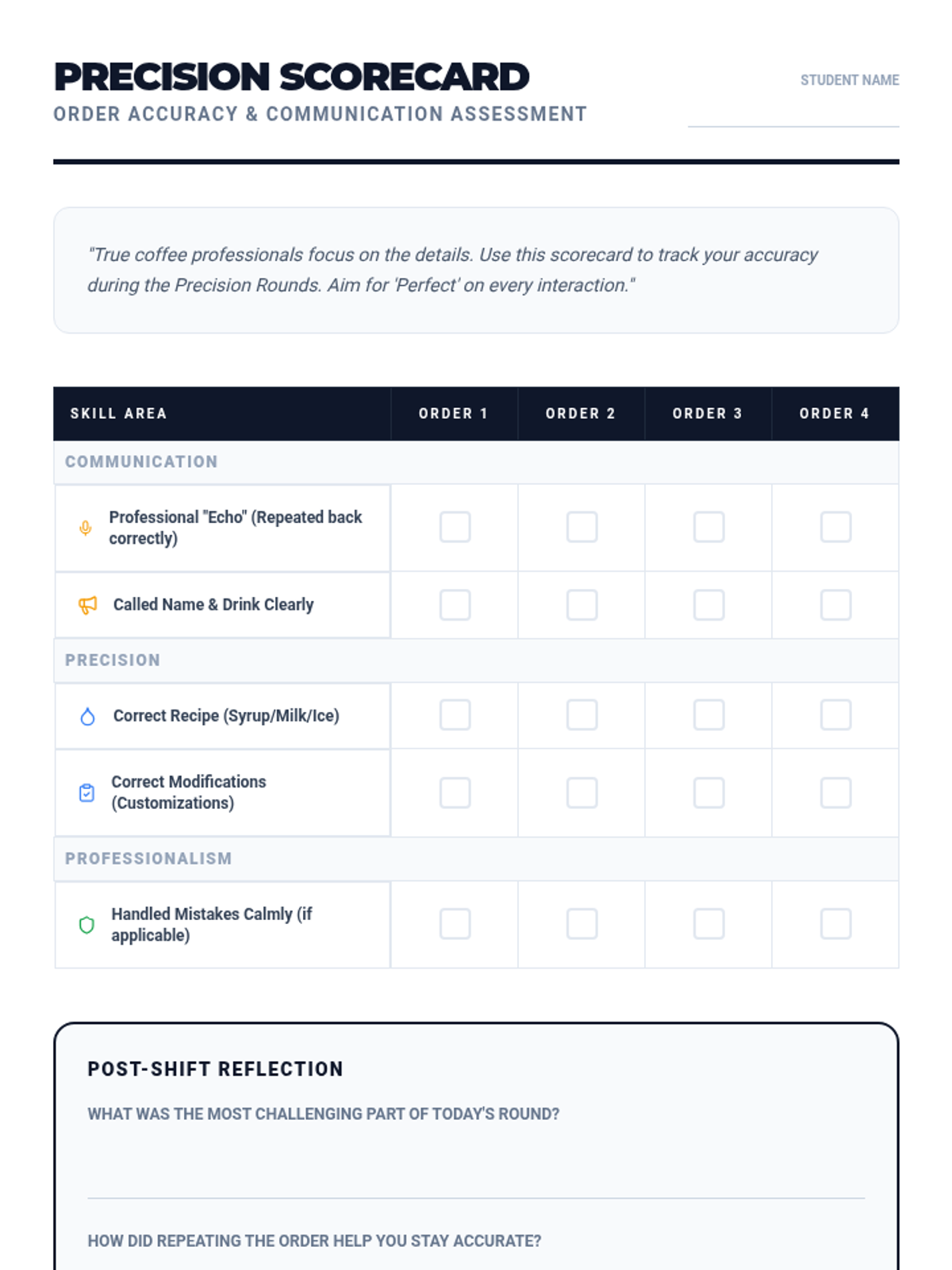
A comprehensive training program for aspiring cafe professionals, focusing on operational roles, communication, and drink preparation accuracy. Students progress from basic role understanding to master professional communication and precision in every pour.
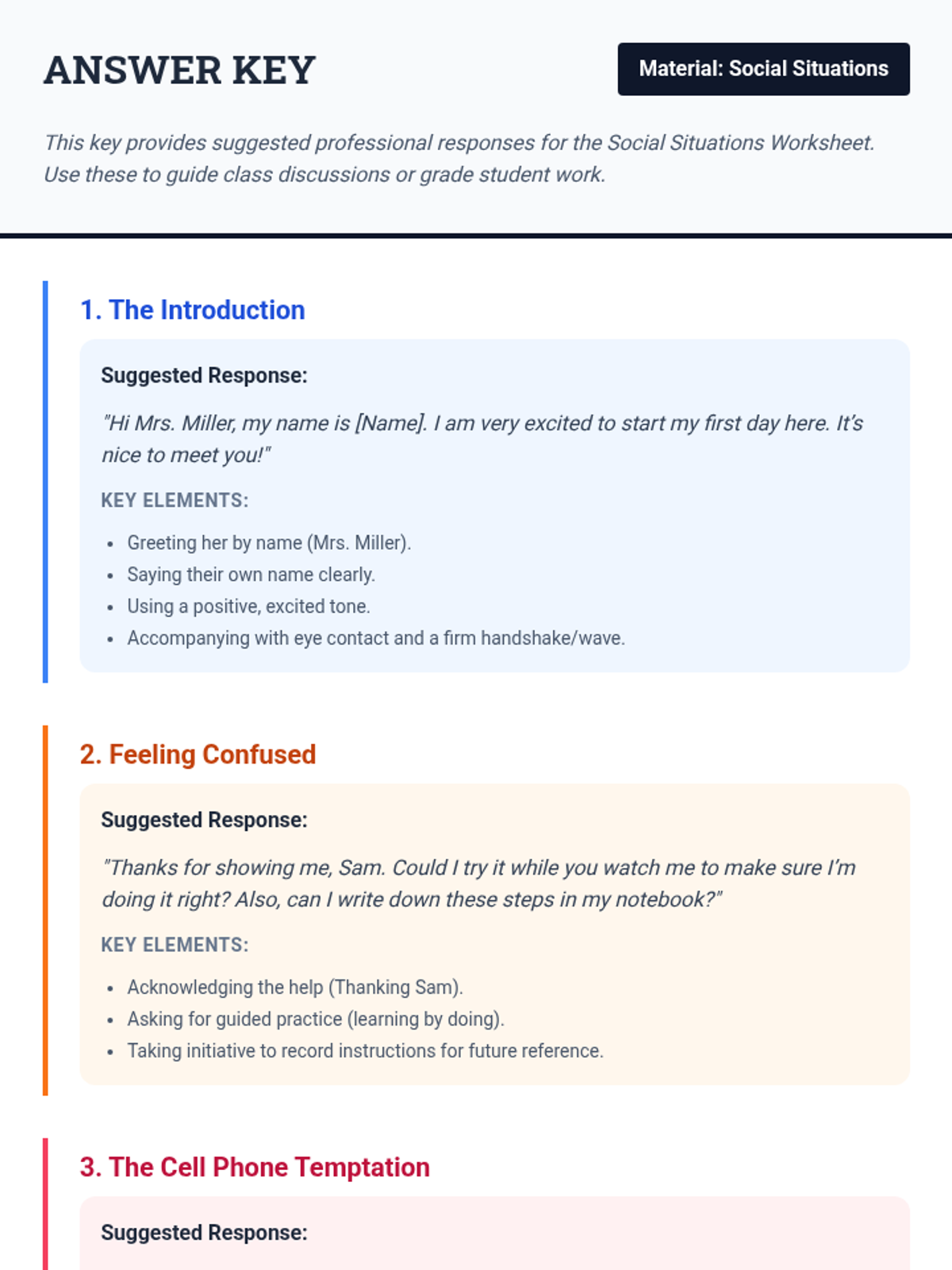
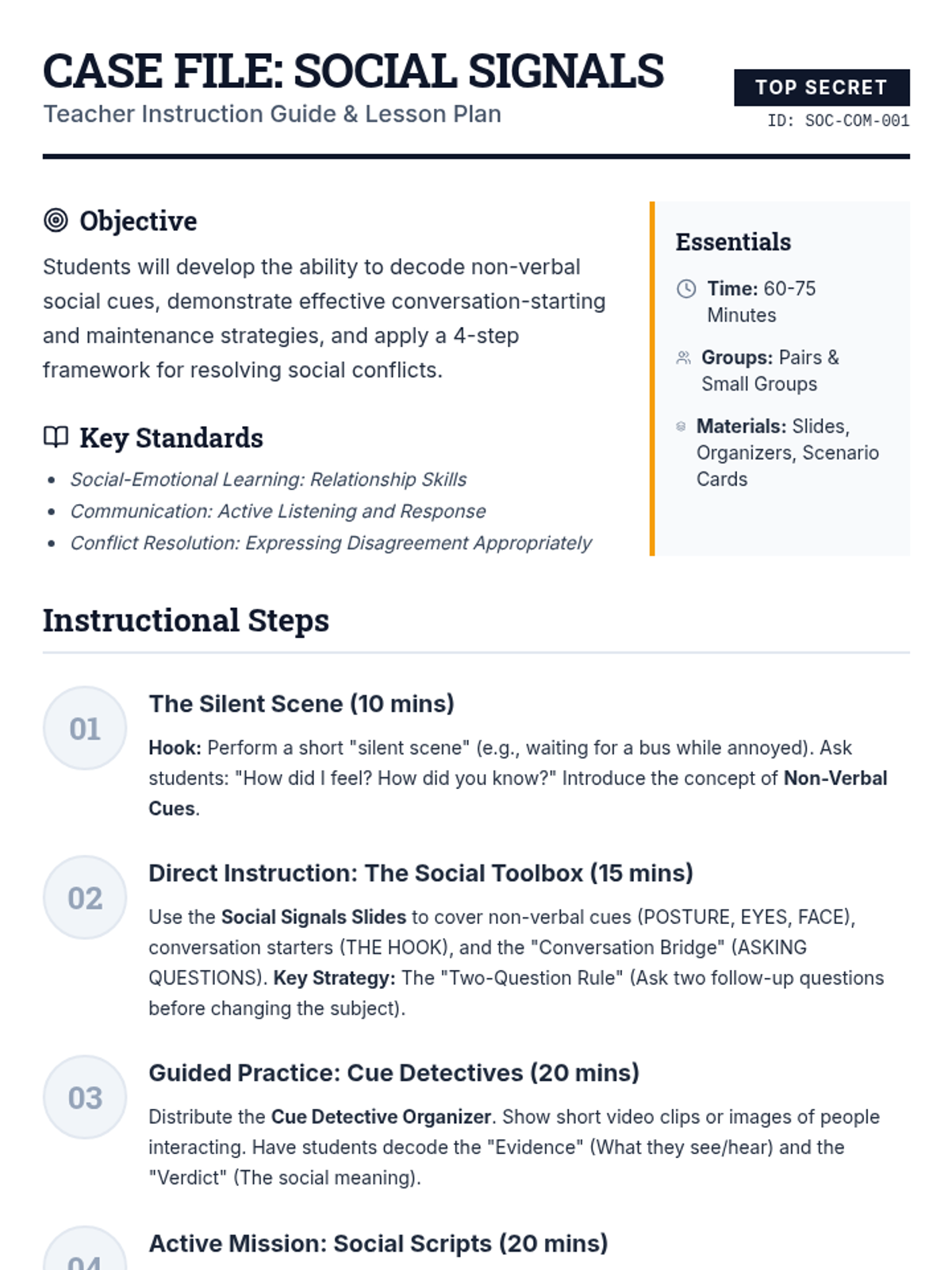
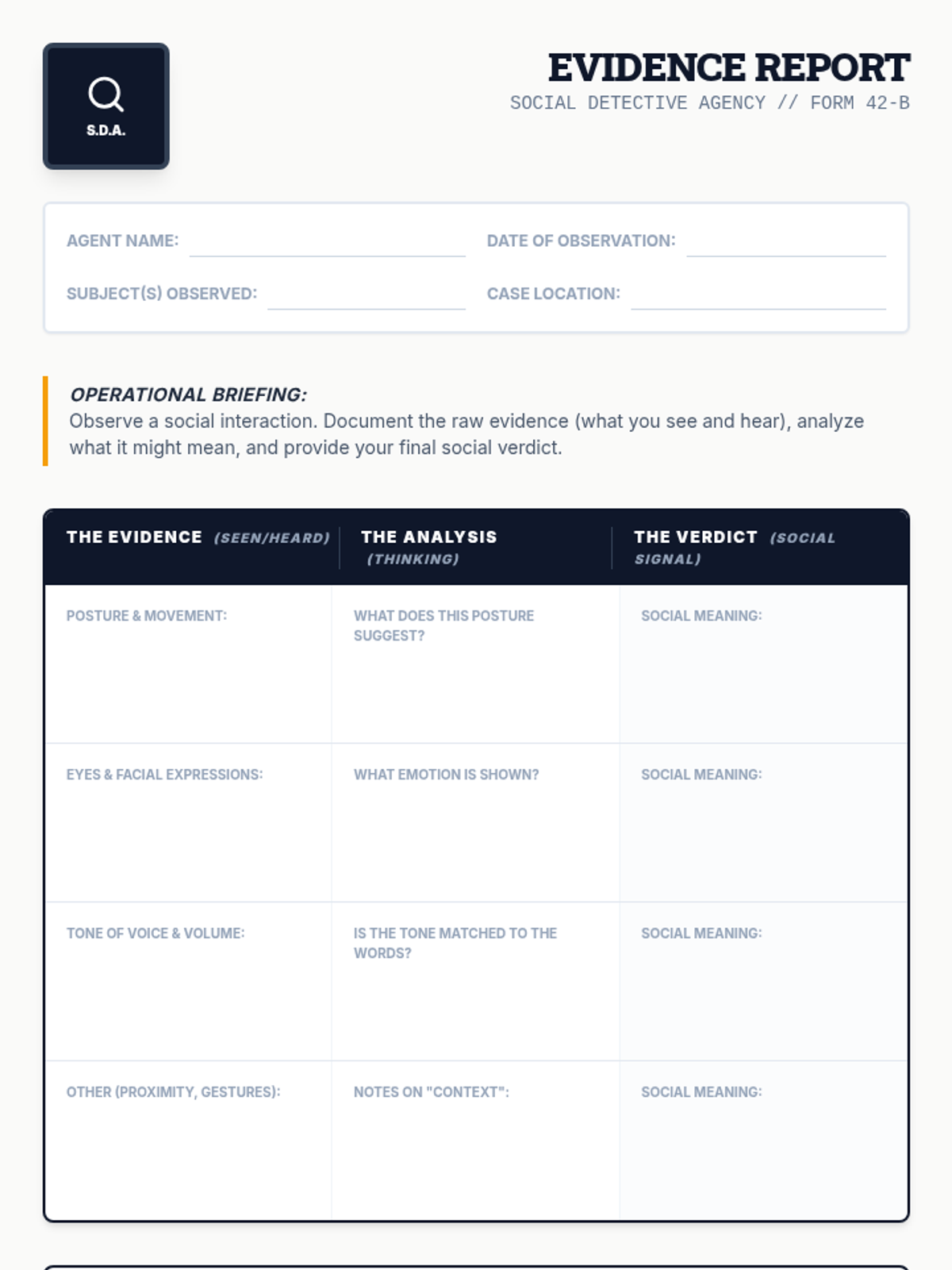
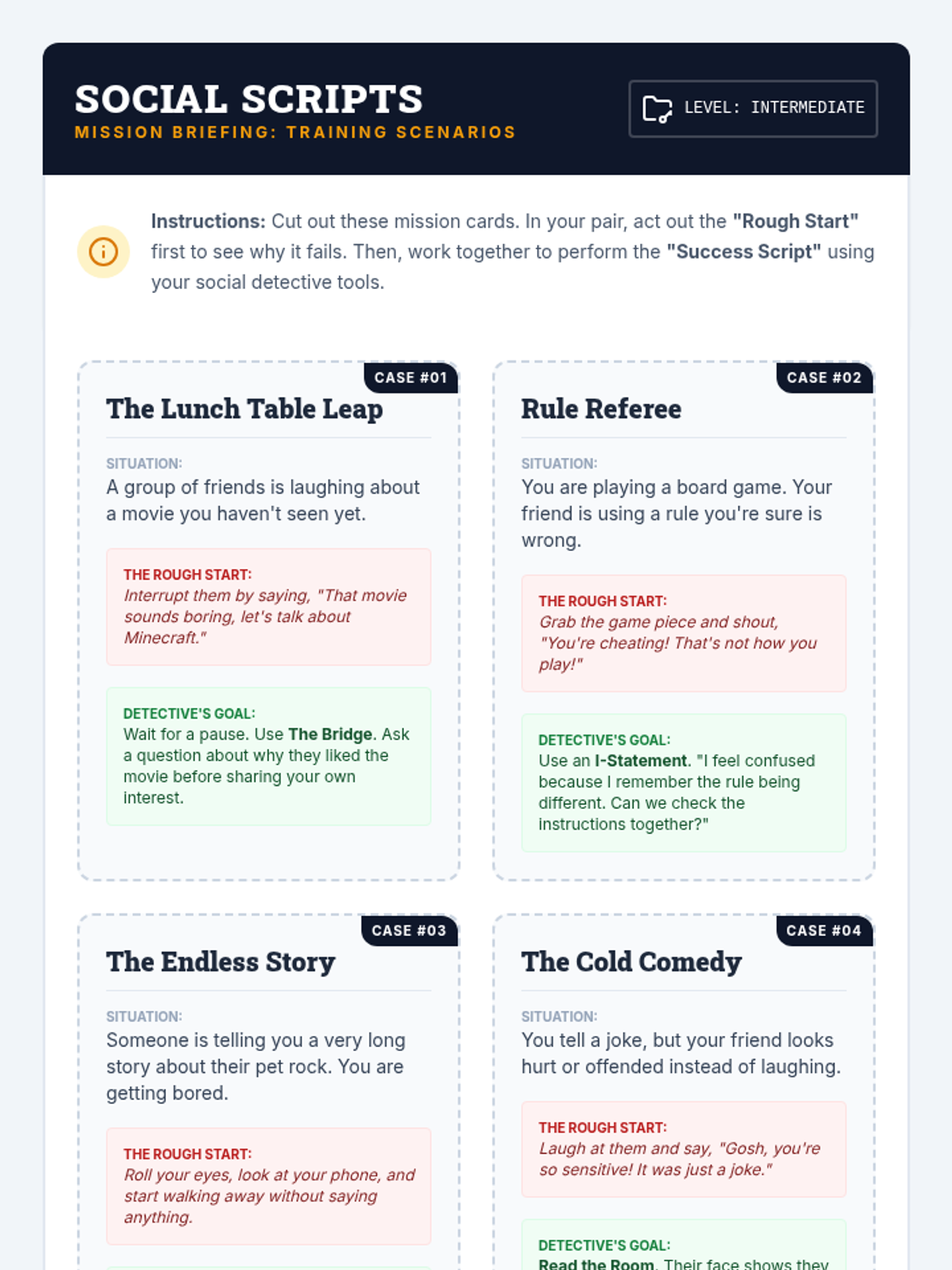
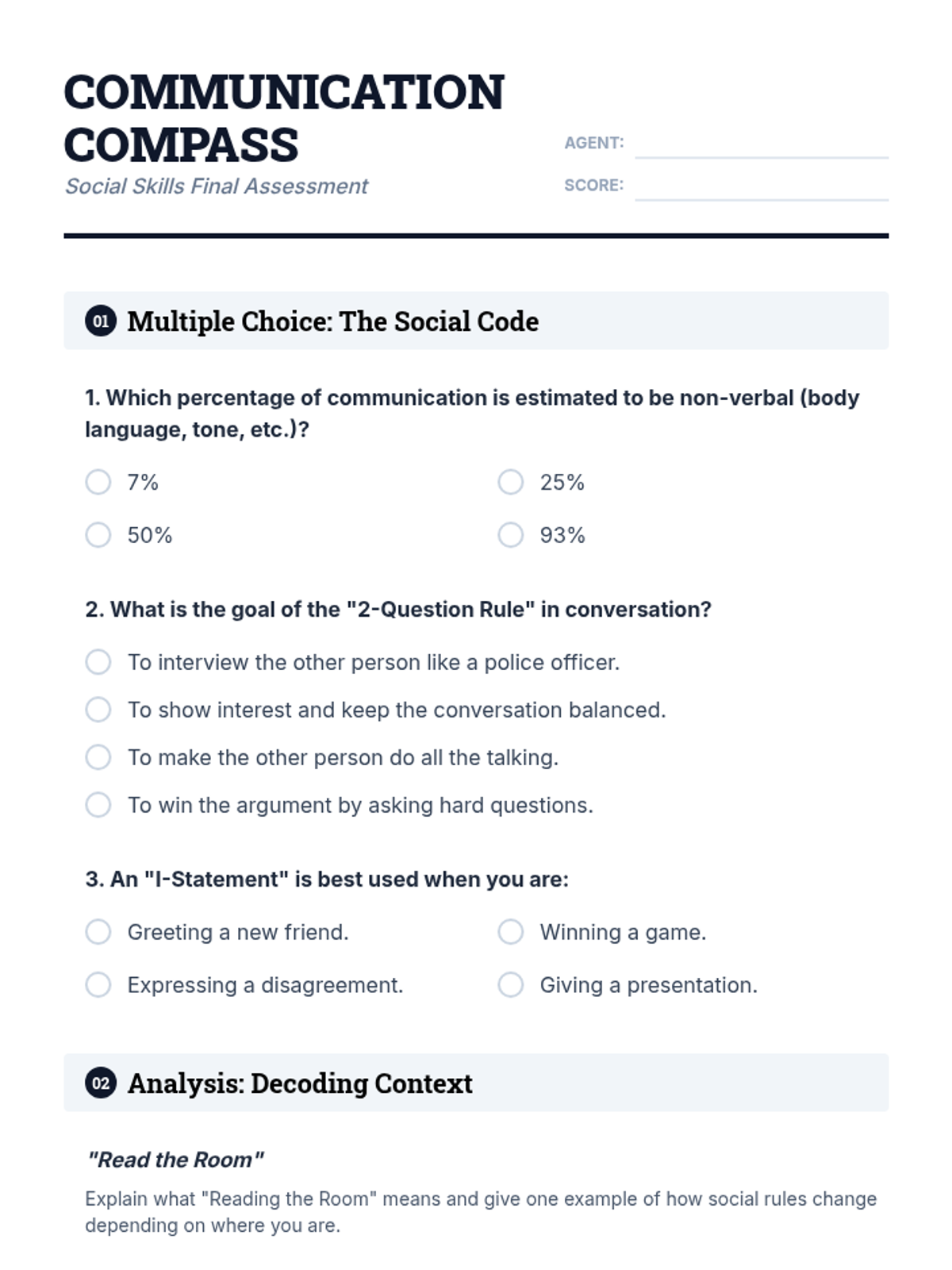
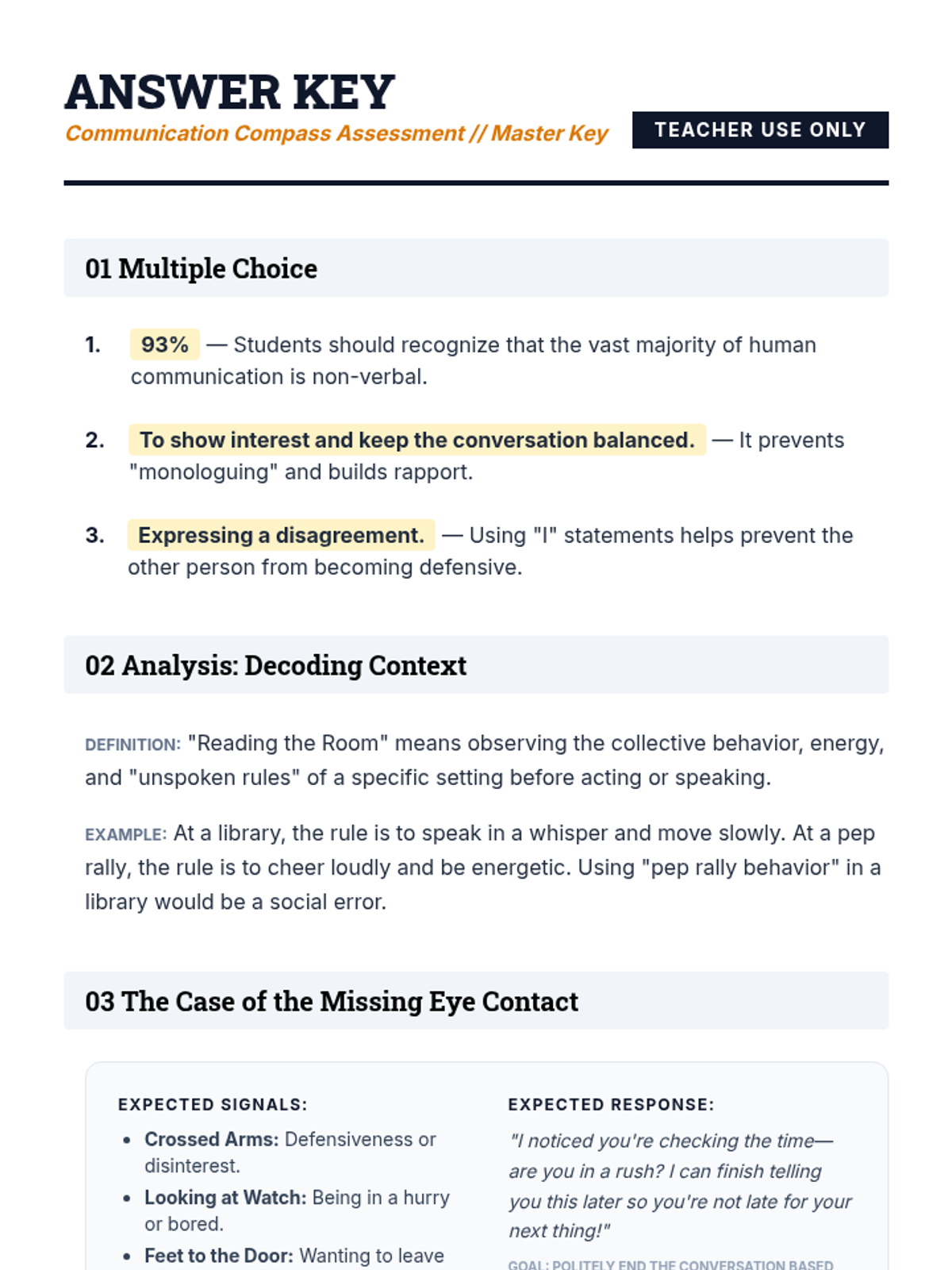
A sequence focused on developing social and professional communication skills, covering general social signals and their specific applications in the workplace.
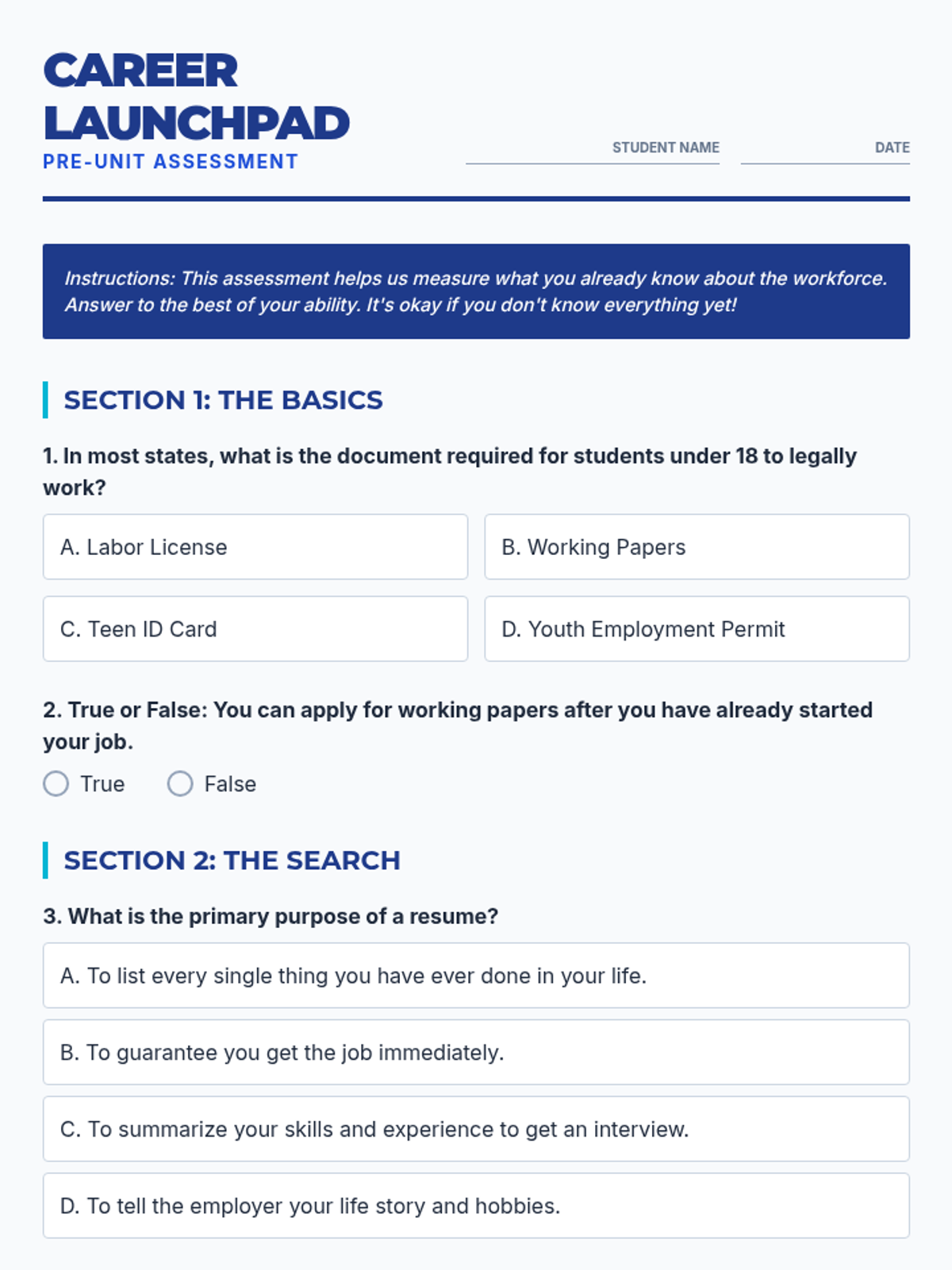
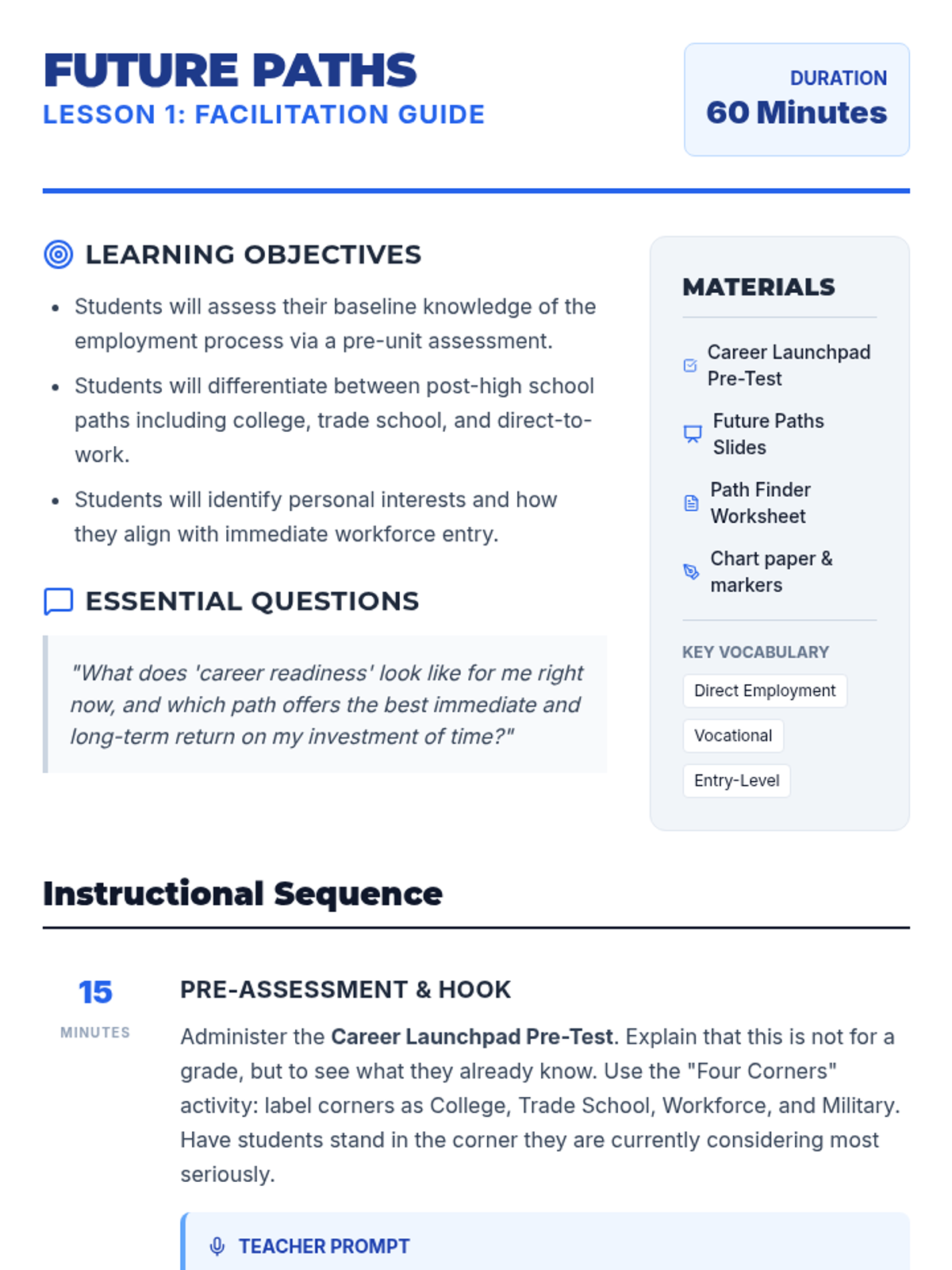
An 8-week comprehensive unit designed to prepare high school students for entering the workforce, covering everything from legal working papers and job applications to interview techniques and long-term career planning.
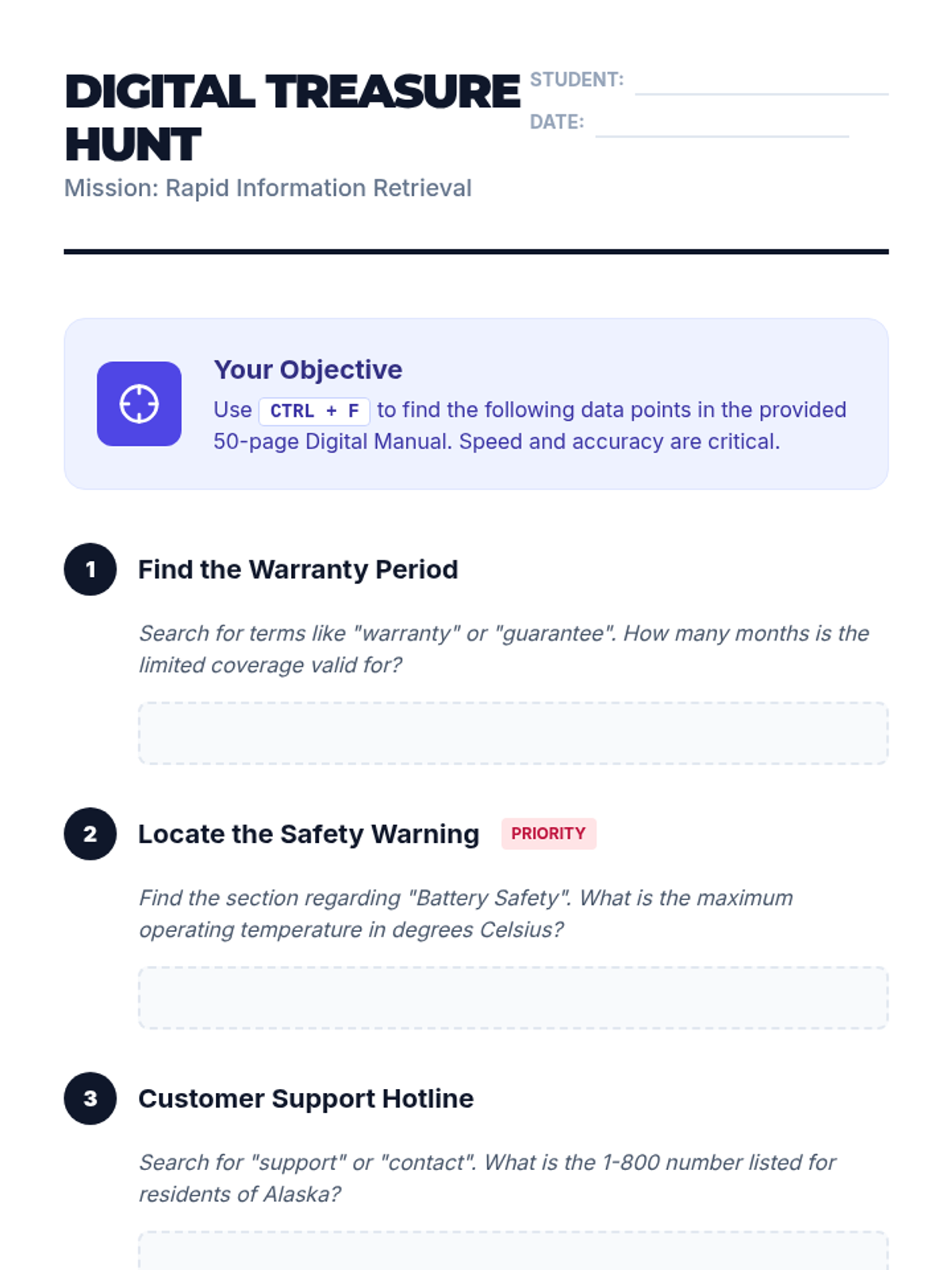
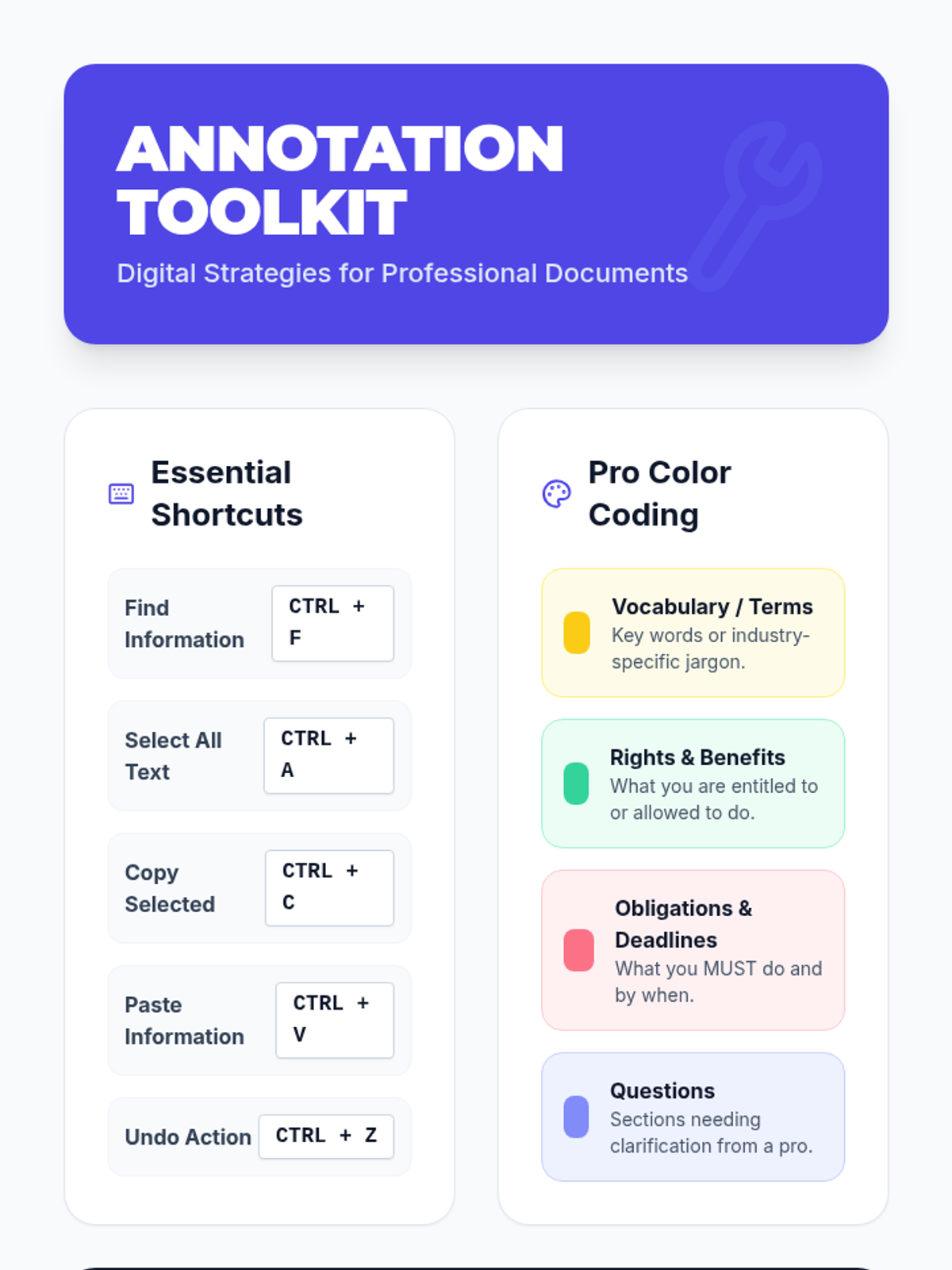
A comprehensive unit for 12th-grade students focusing on translating traditional annotation skills to digital interfaces and professional documents. Students will learn to navigate digital tools, manage non-linear web texts, analyze legal leases, collaborate in shared documents, and troubleshoot using technical manuals to prepare for post-secondary life.
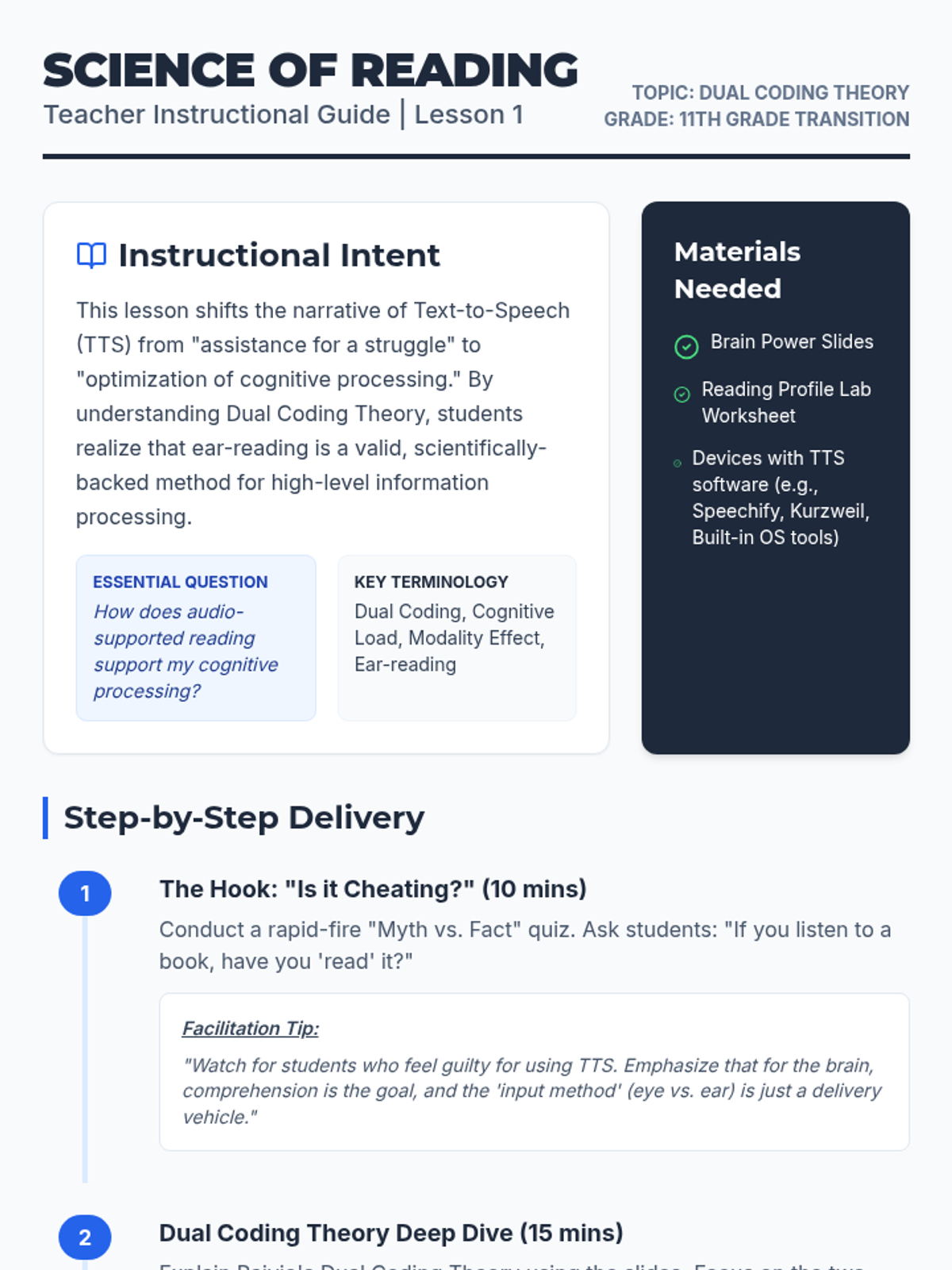
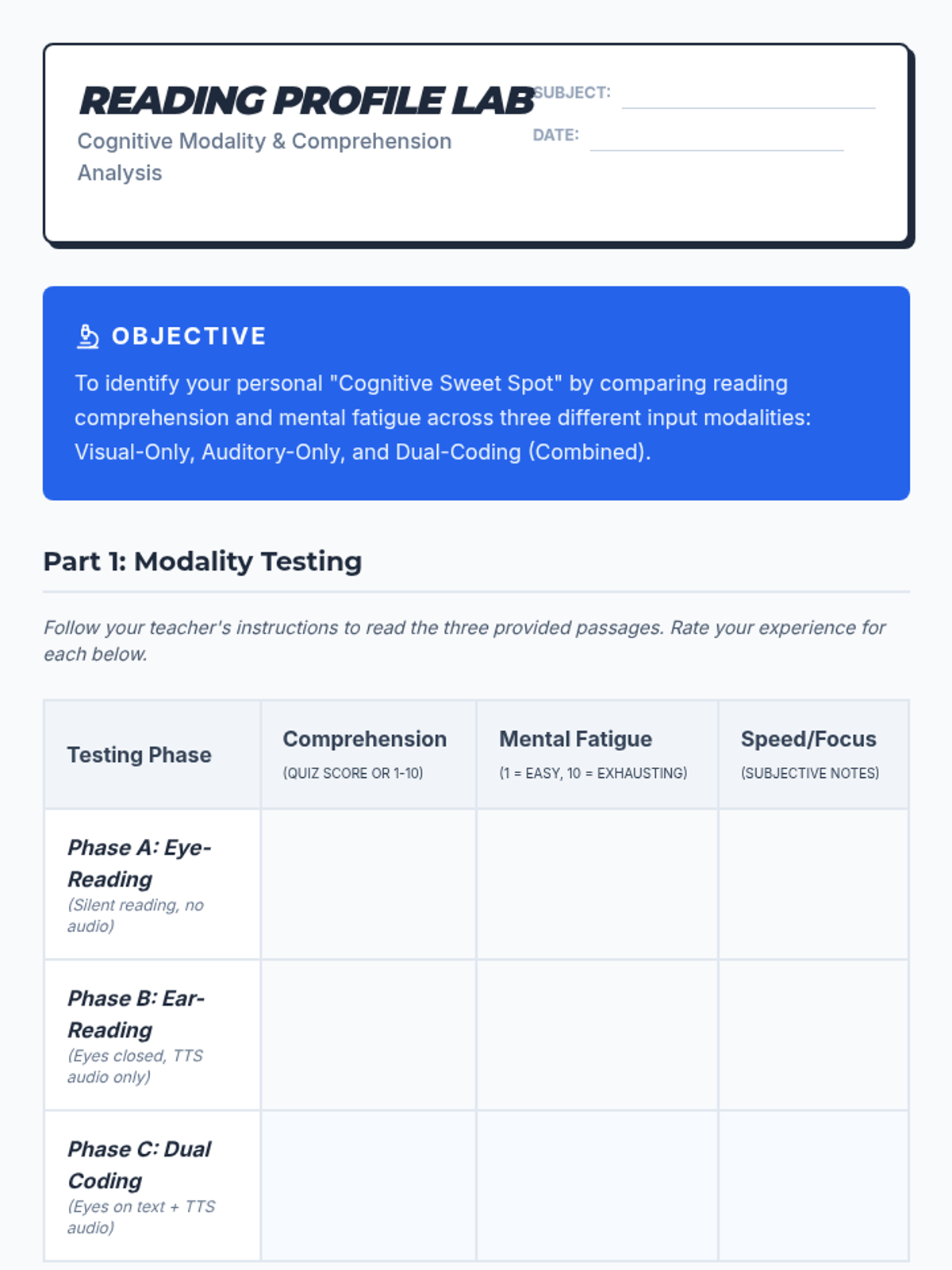
A comprehensive sequence for 11th-grade students focusing on the metacognitive and self-advocacy skills needed for using Text-to-Speech (TTS) technology in post-secondary environments. Students investigate cognitive science, legal frameworks, and practical communication strategies to ensure accessibility in college and career.
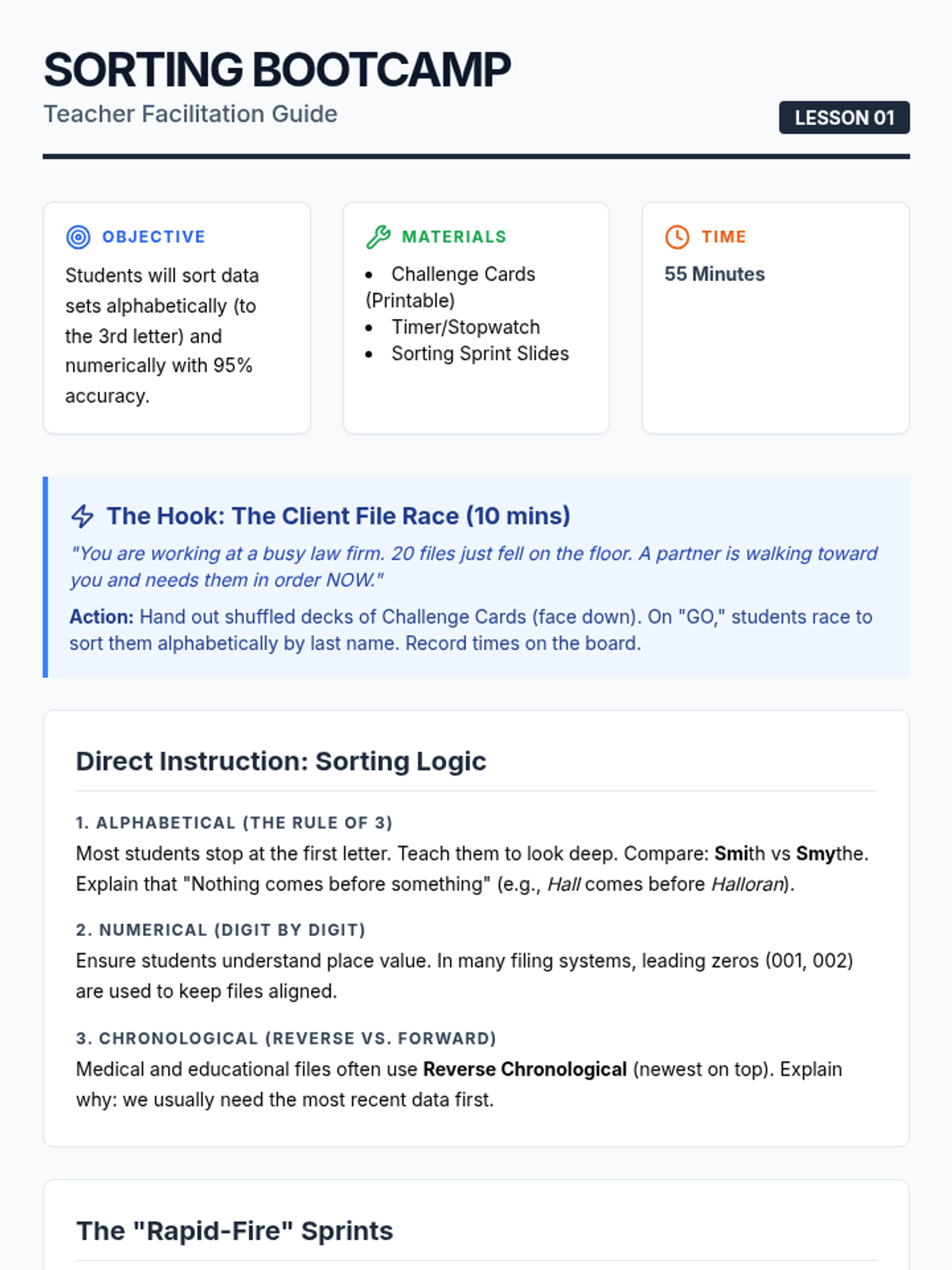
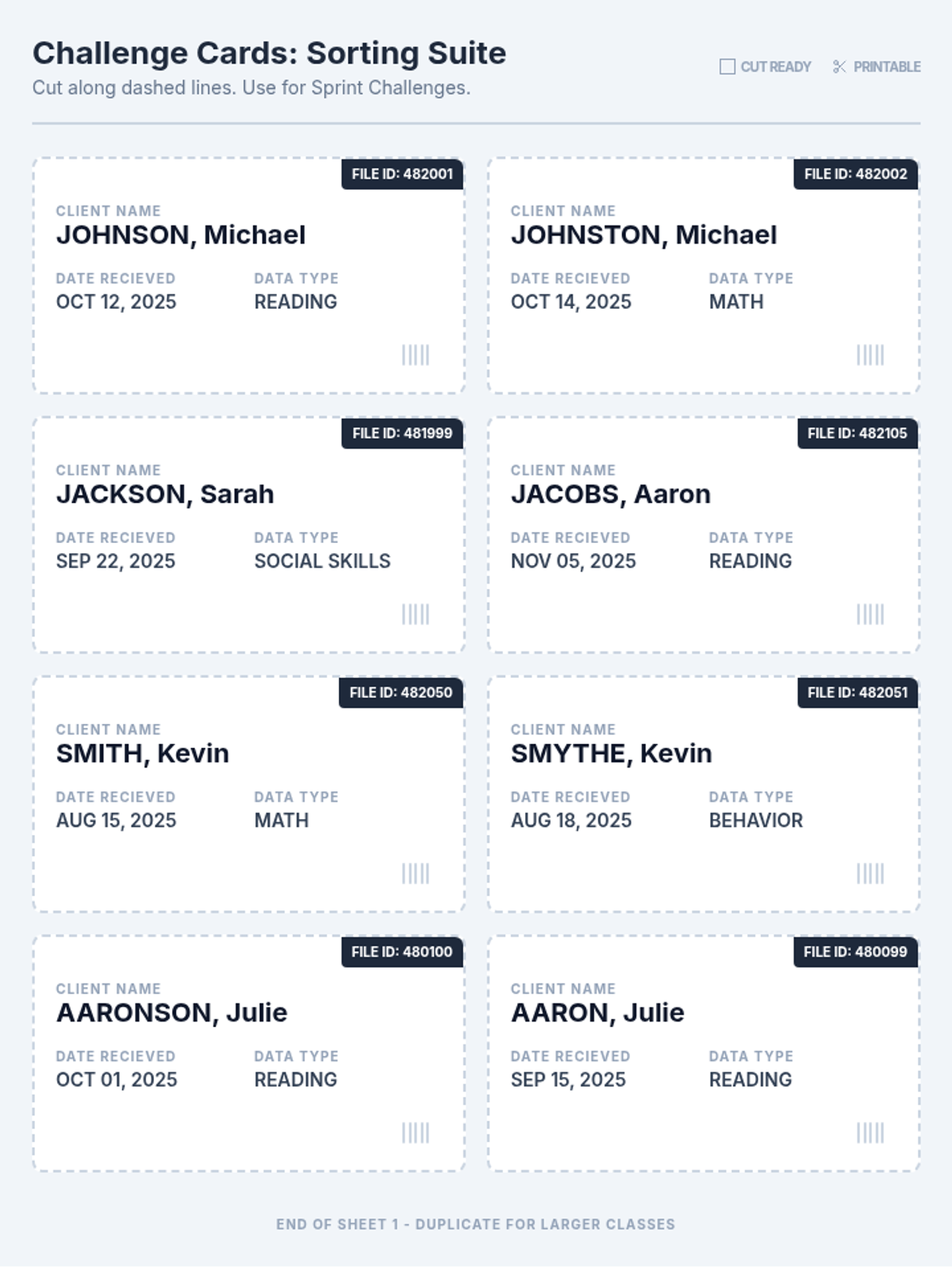
A comprehensive sequence focused on professional clerical skills, teaching students to master alphabetical, numerical, and color-coded filing systems, alongside data tracking and confidentiality protocols.
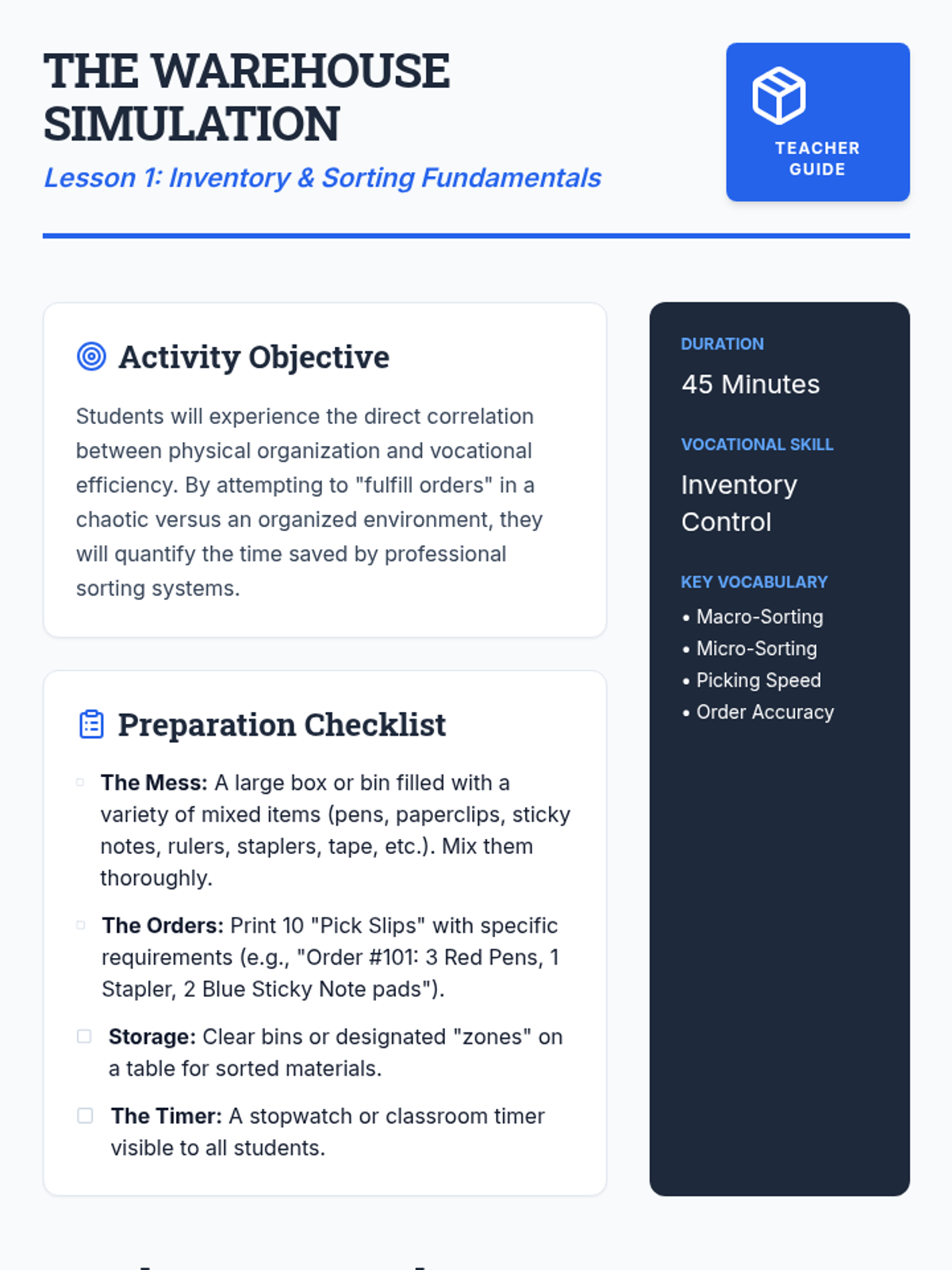
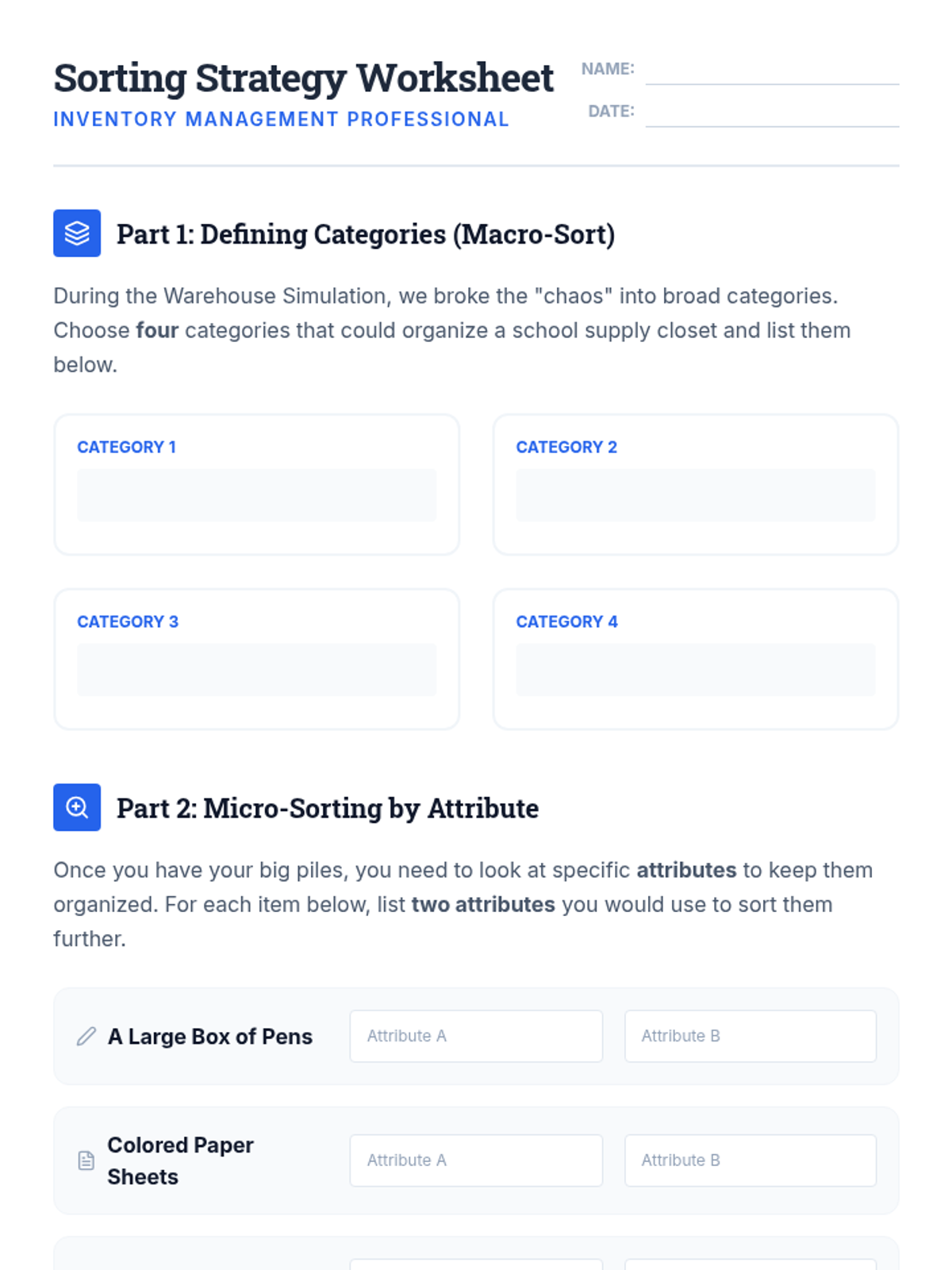
This sequence focuses on vocational and executive function skills, treating organization as a professional competency. Students simulate roles like office managers or resource coordinators to learn sorting, filing, ergonomics, and hybrid digital-physical tracking.
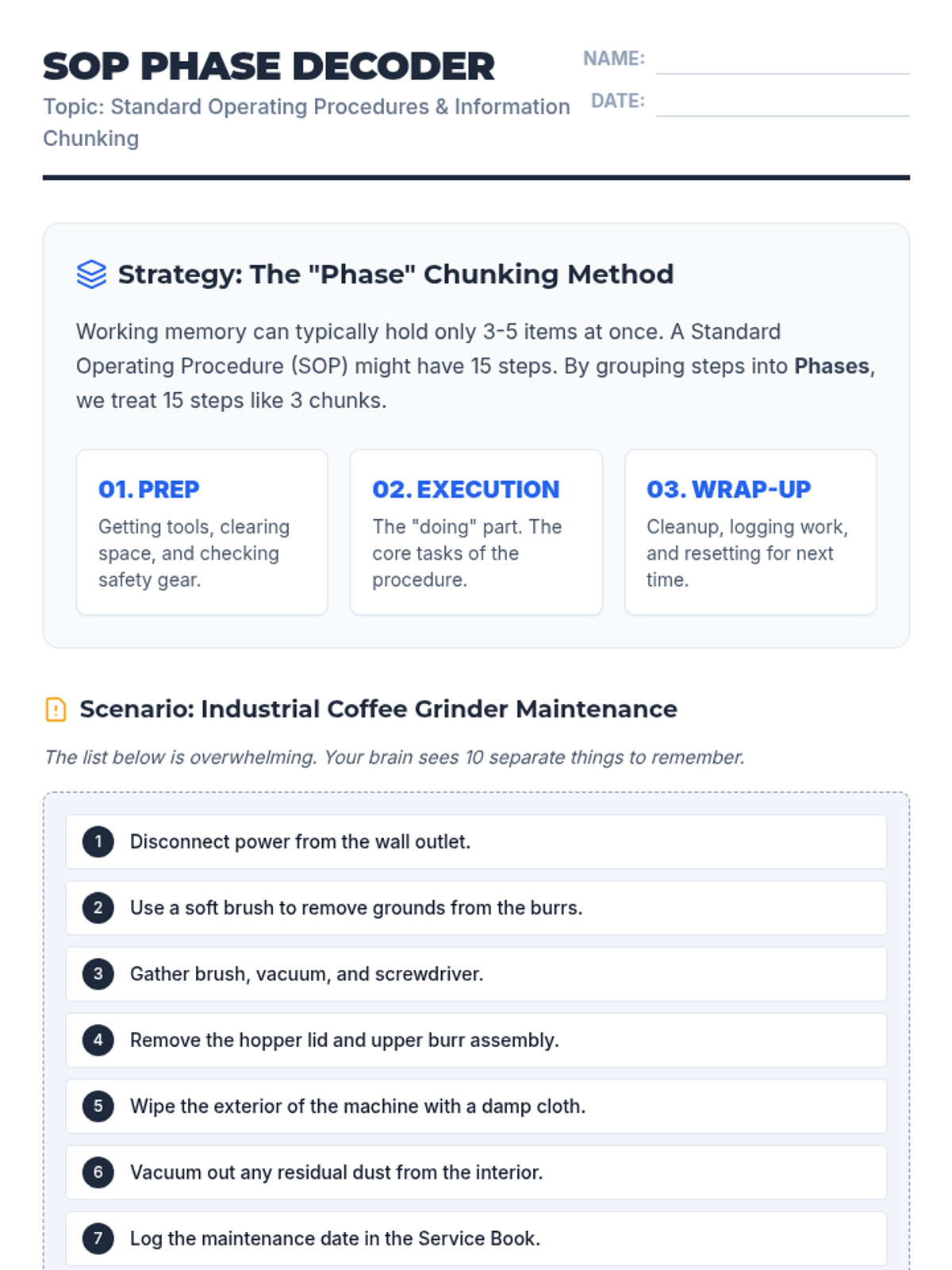
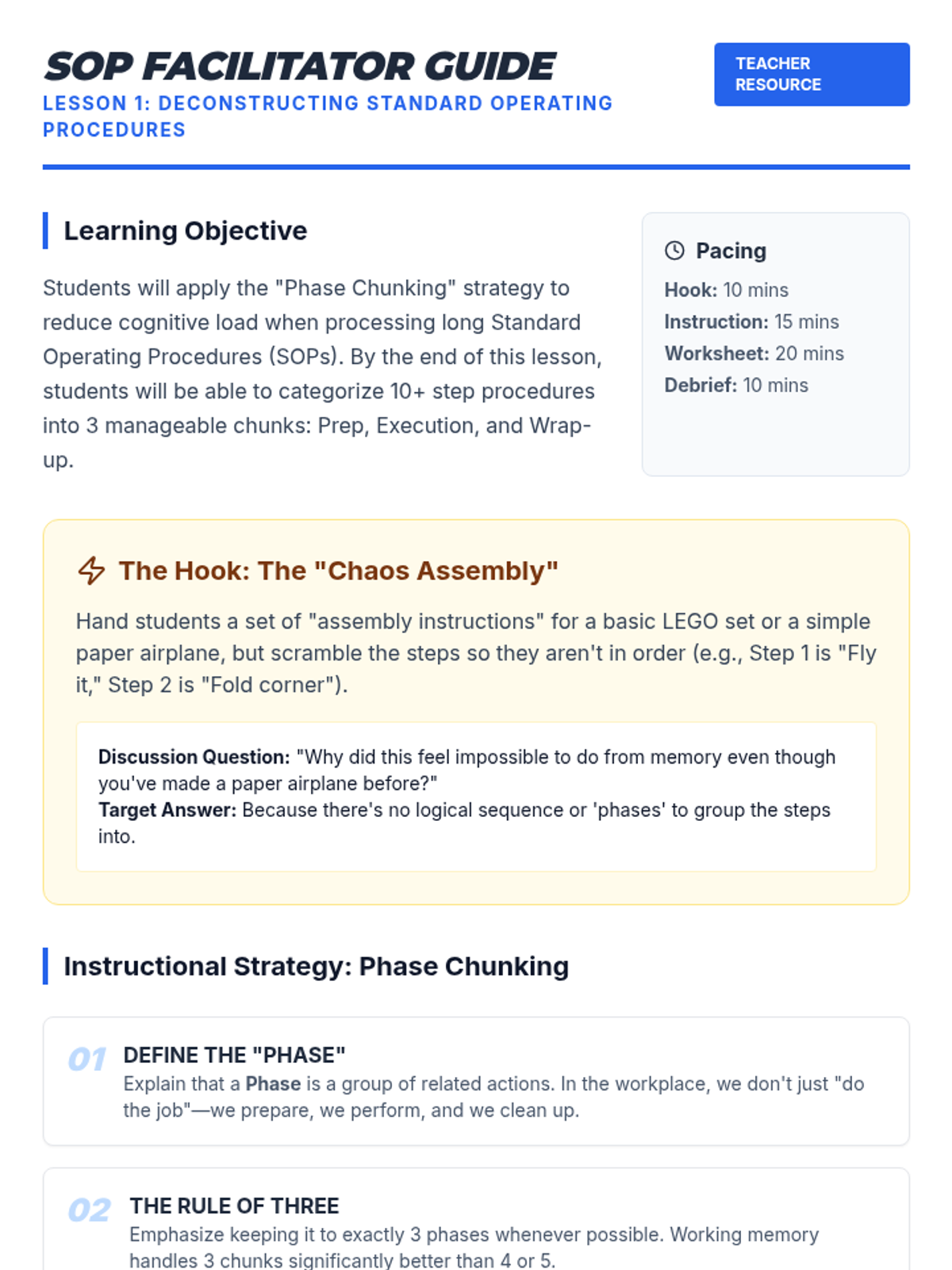
A career-readiness sequence for 12th-grade students focusing on information chunking and working memory strategies to manage complex workplace protocols and verbal instructions.
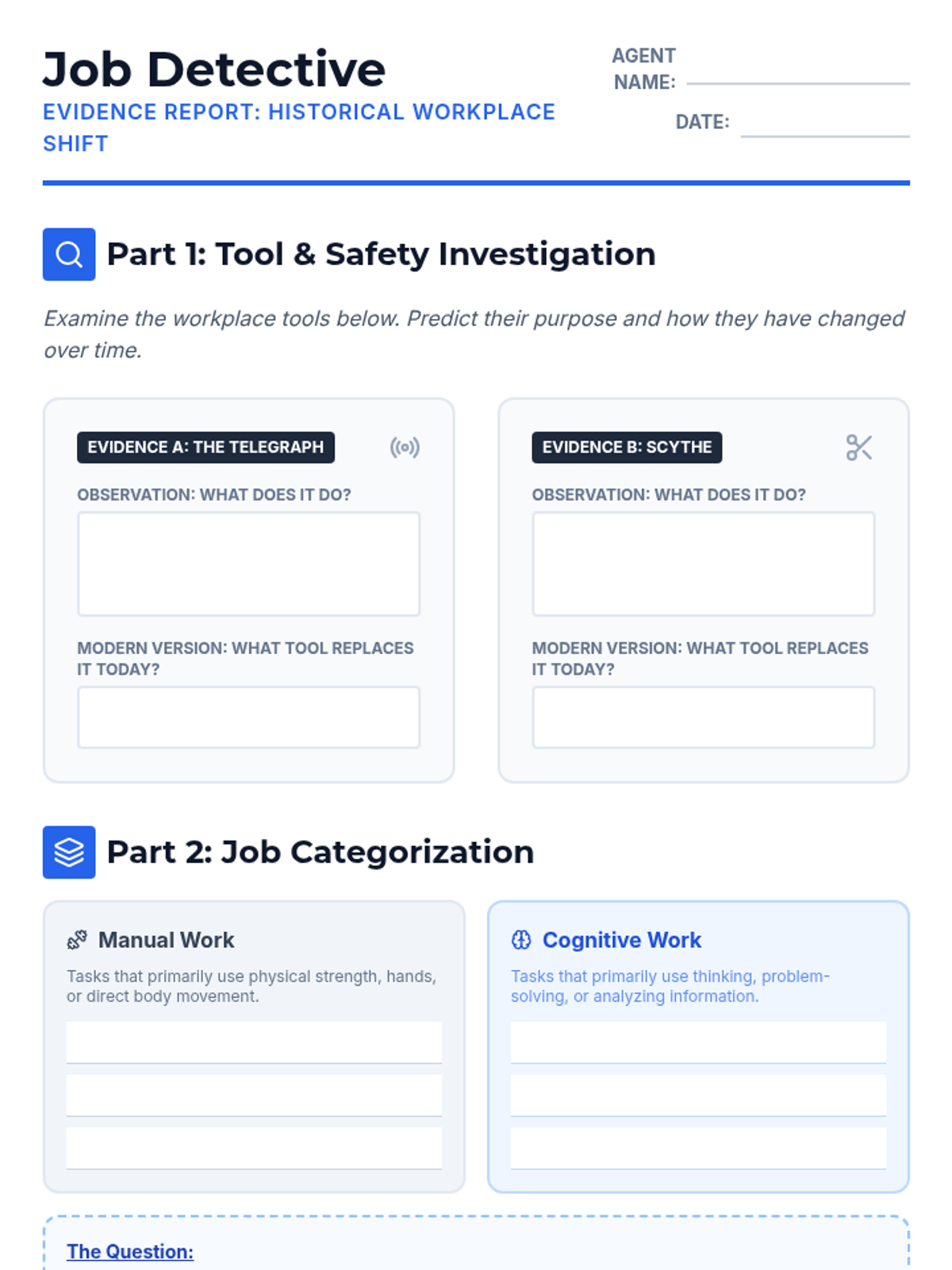
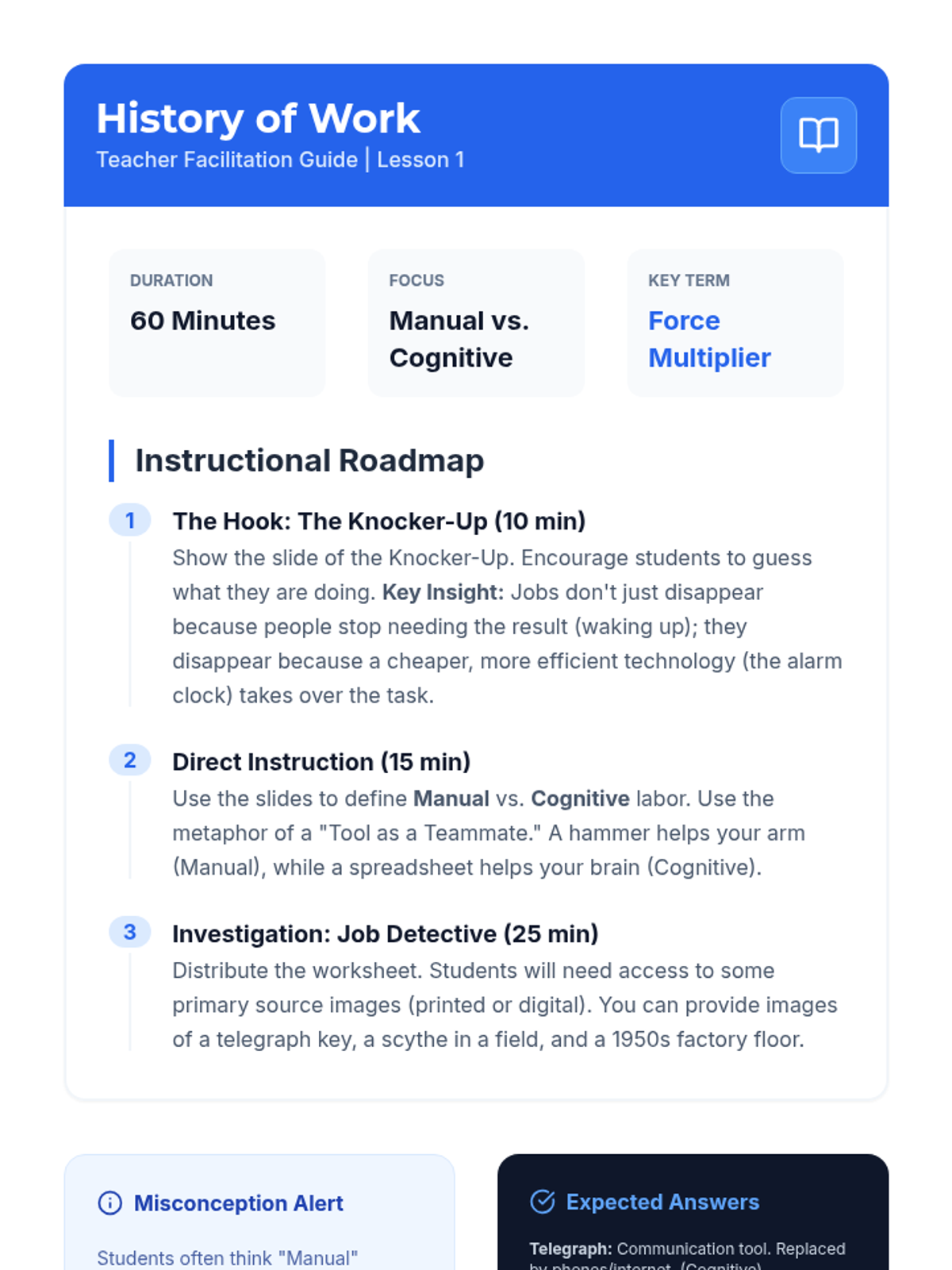
Students investigate the evolution of labor from manual industry to the modern digital economy. They explore how technology, automation, and globalization reshape work tasks, skills, and employment structures.
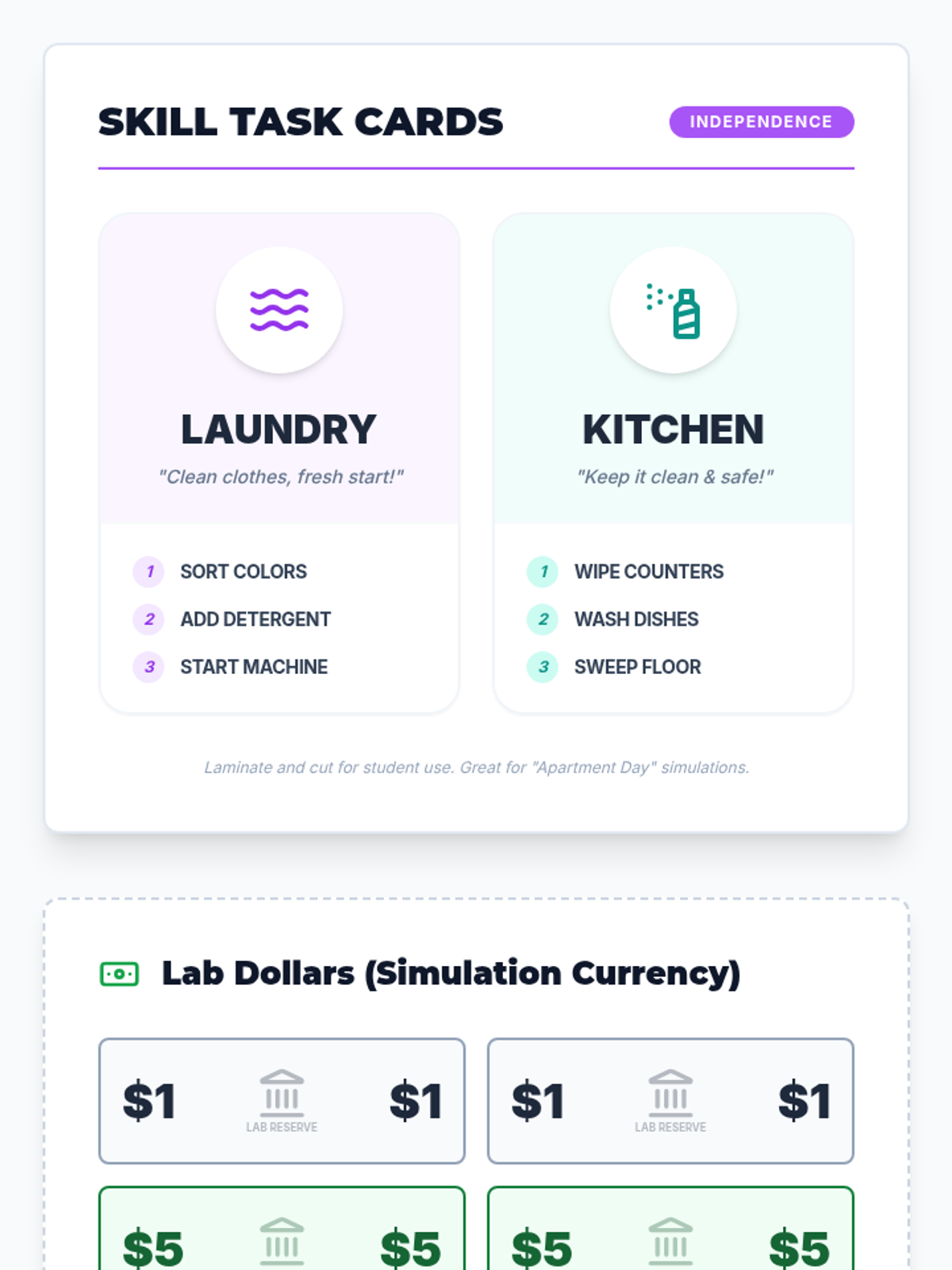
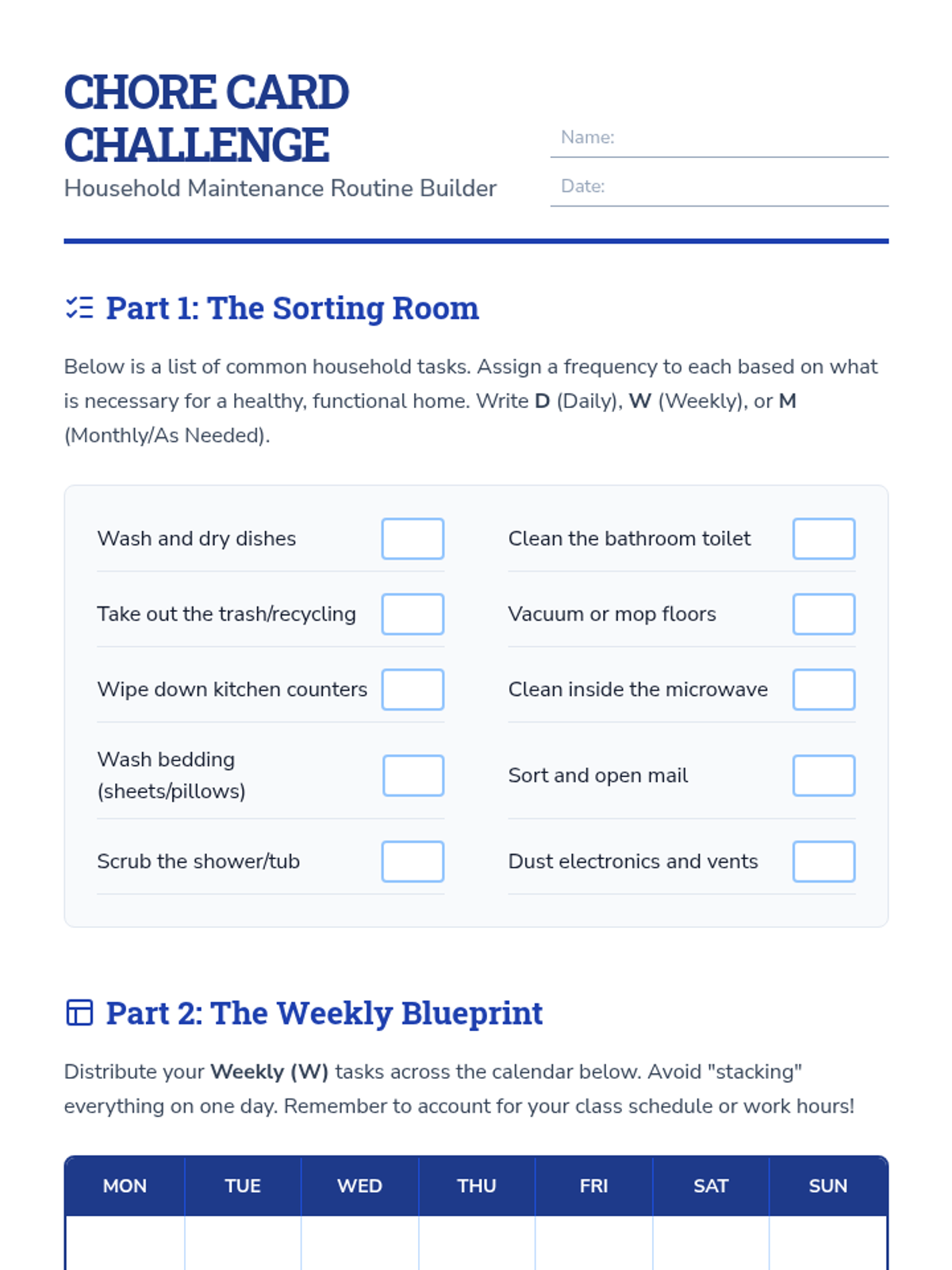
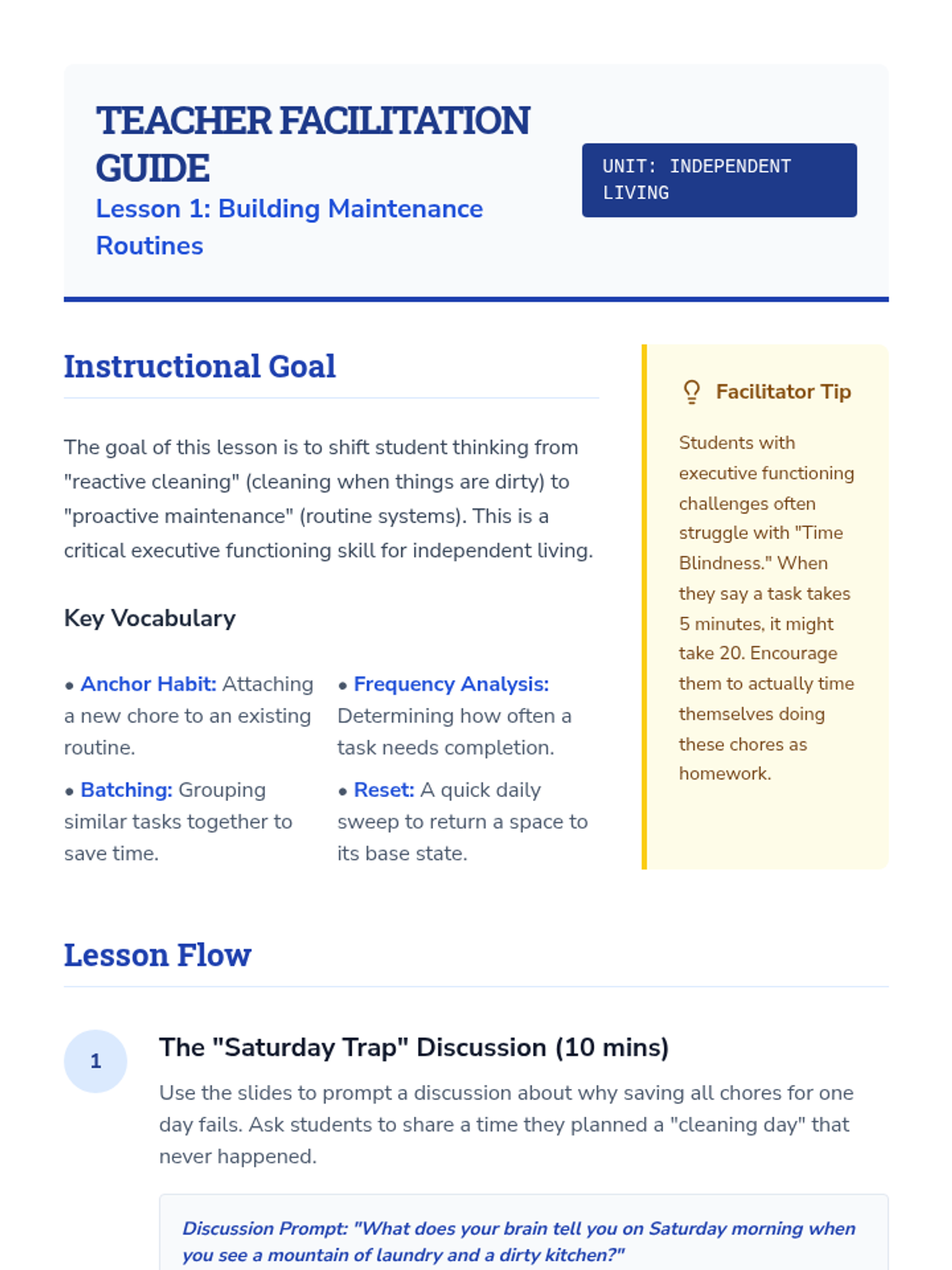
This sequence focuses on executive functioning skills for household management, transitioning students from task-specific training to systemic maintenance. Students will learn to create routines, manage clothing care, troubleshoot minor home issues, analyze lease agreements, and advocate for their rights as tenants.
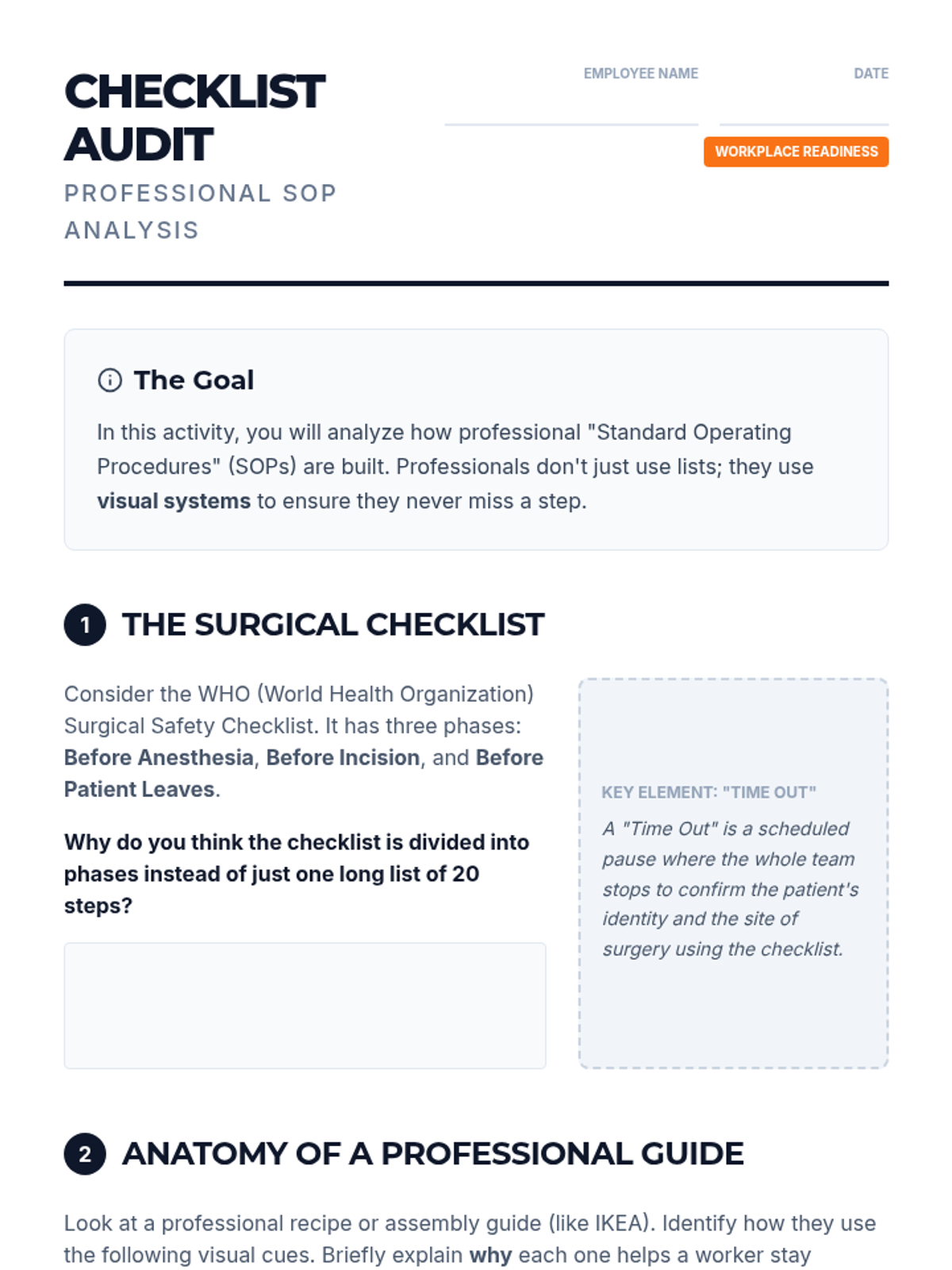
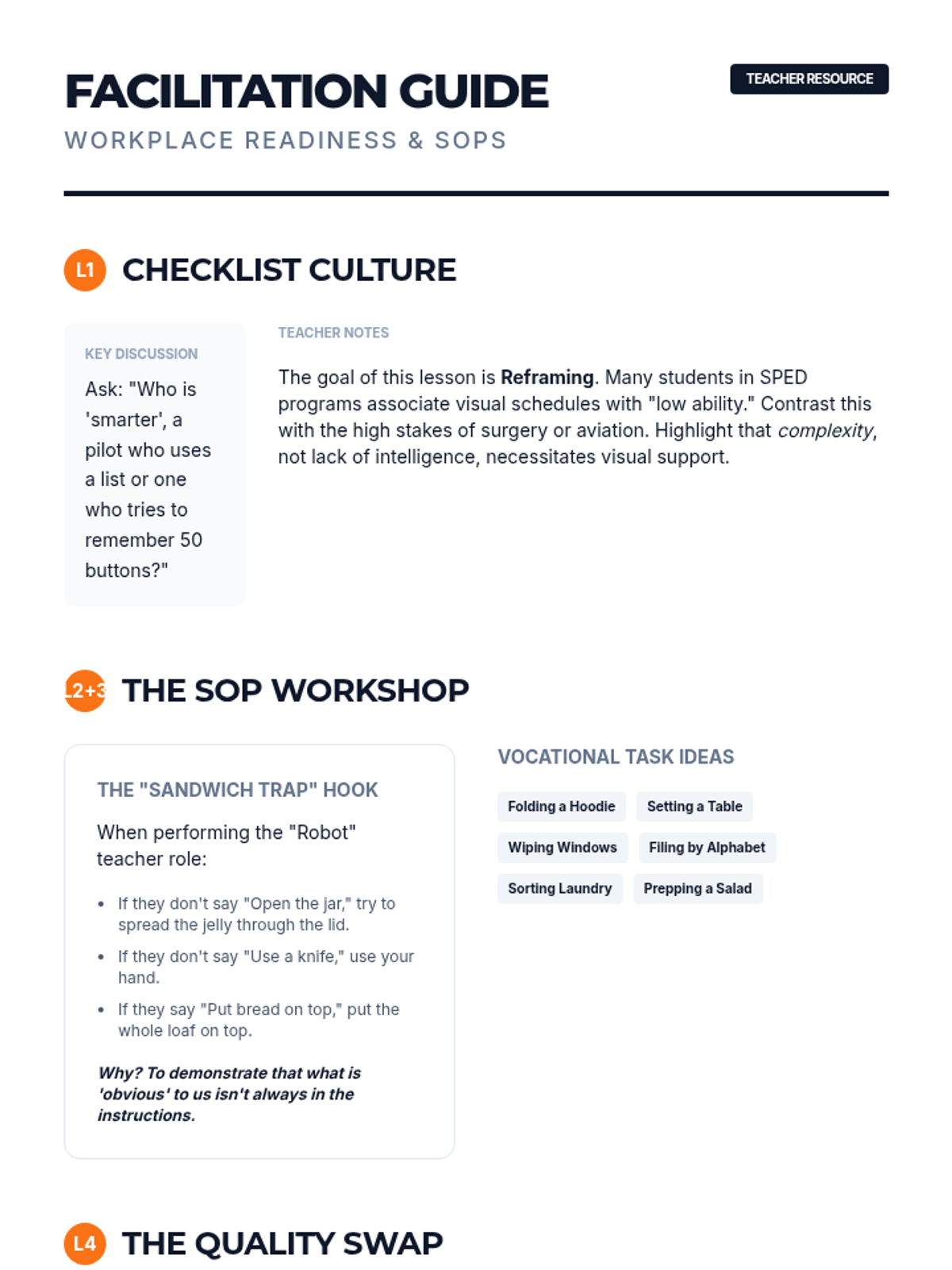
This sequence reframes visual schedules and checklists as professional Standard Operating Procedures (SOPs). Students explore how high-stakes professionals use visual supports, perform task analyses, and create their own SOPs to demonstrate workplace readiness and independence.
This curriculum equips transition-age learners (18–22) with essential life and work skills needed for independence and community engagement, covering daily living, financial literacy, job readiness, and more.
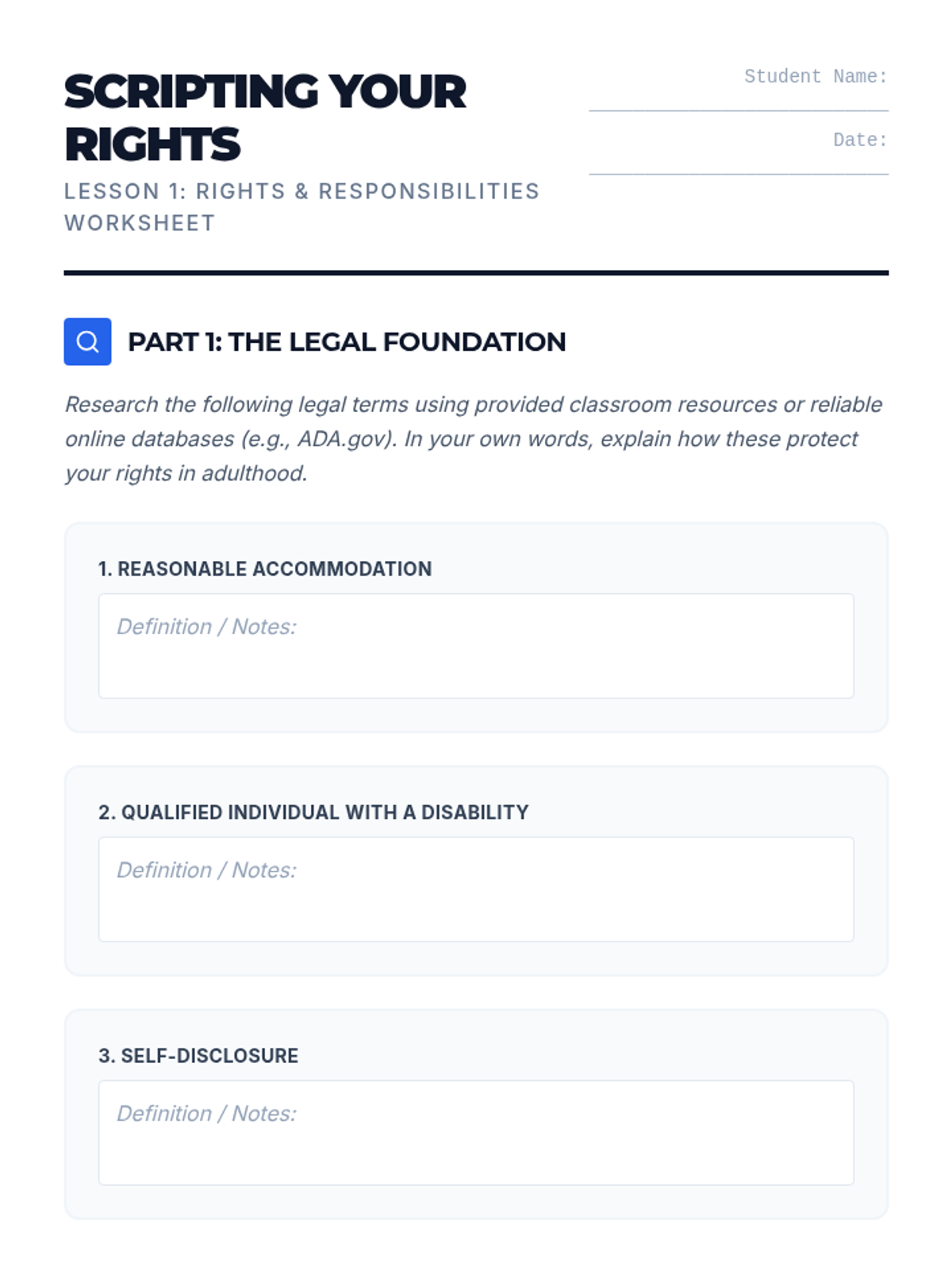
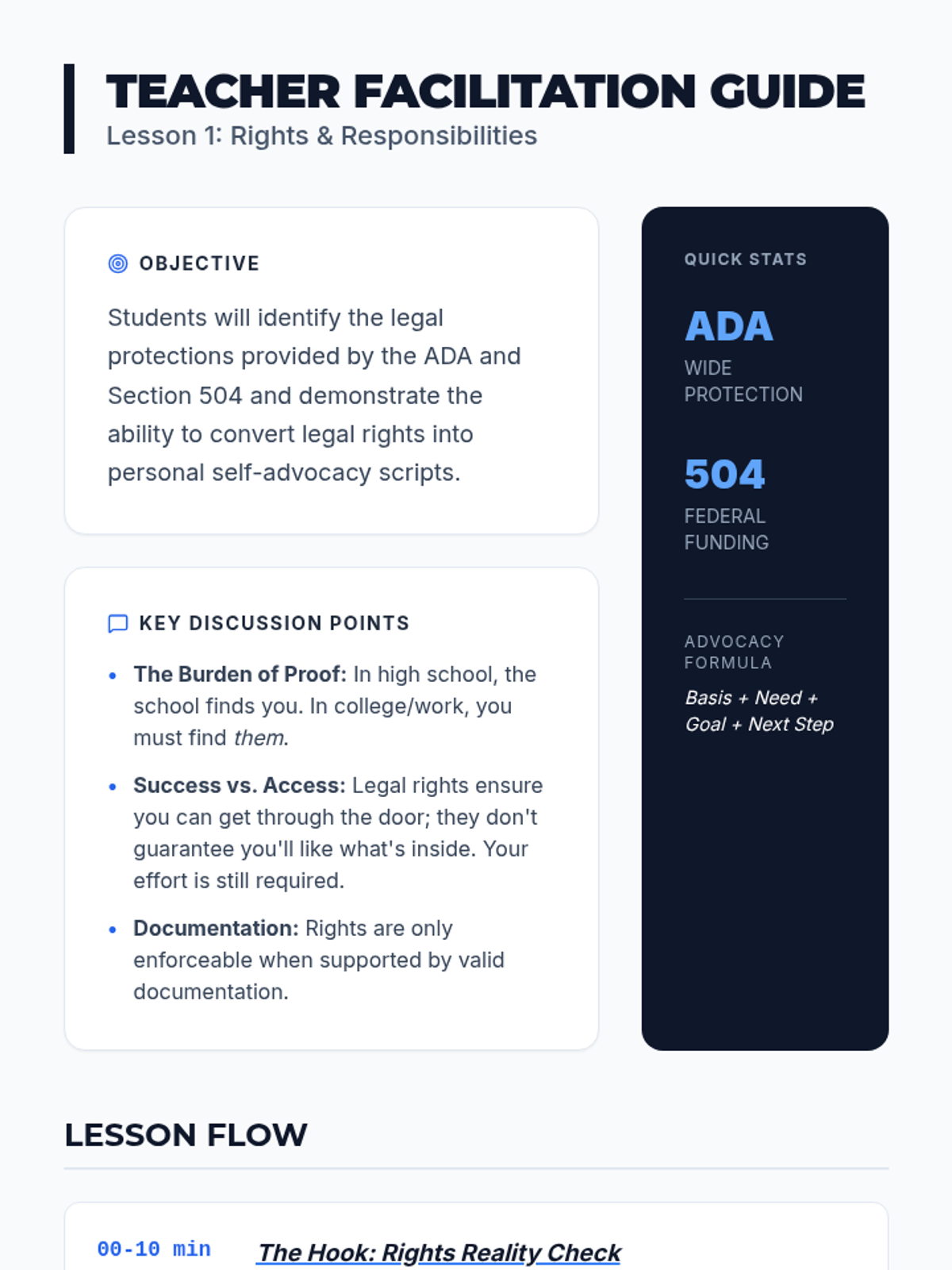
A comprehensive transition sequence for 12th-grade students focused on disability rights, the nuances of disclosure, and the practical application of self-advocacy scripts in post-secondary and workplace settings.
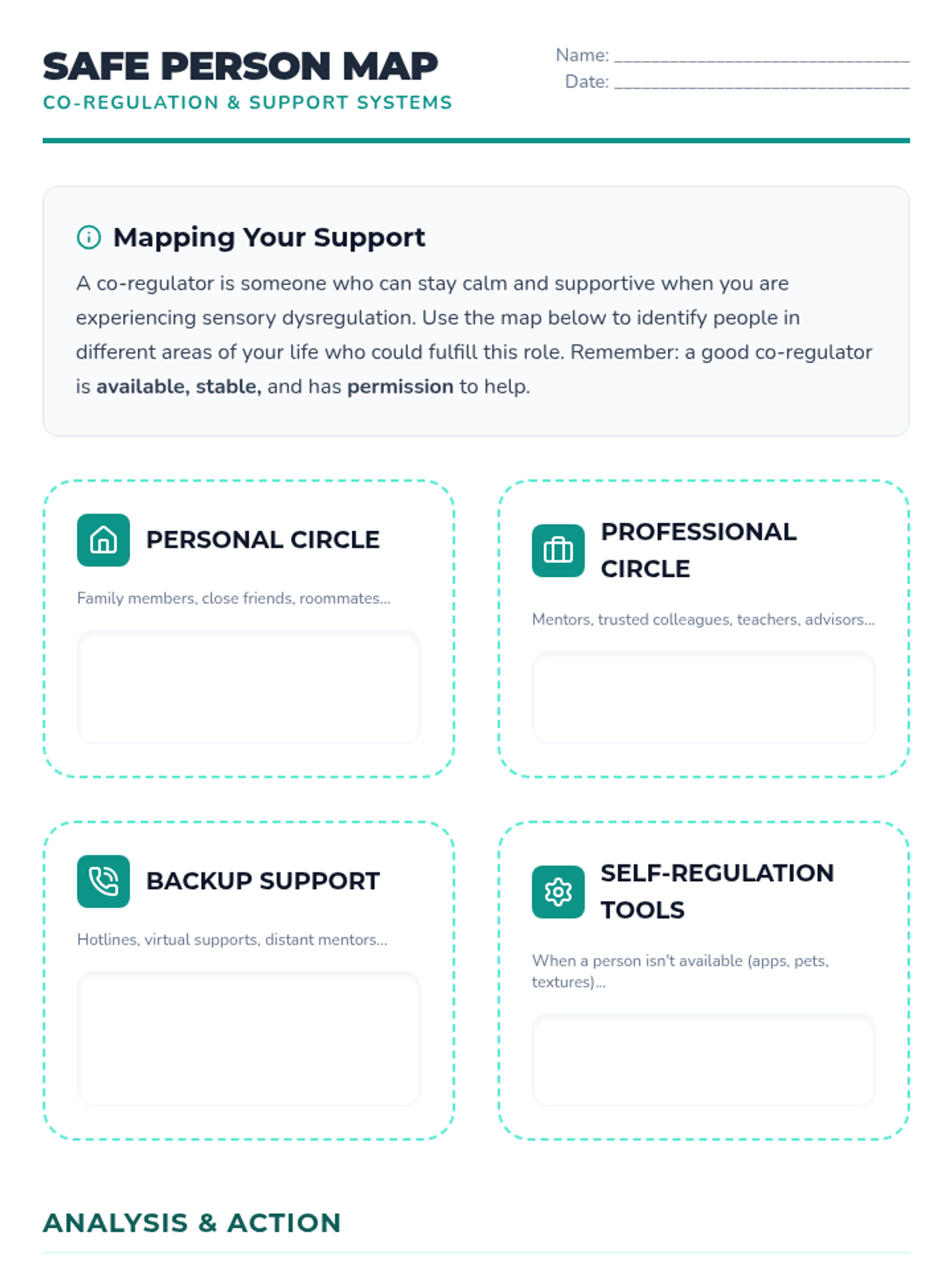
A comprehensive sequence for 12th-grade students focused on navigating interpersonal dynamics during and after sensory dysregulation. Students develop skills in identifying co-regulators, using non-verbal signals, advocating for professional accommodations, and managing relationship repair post-crisis.
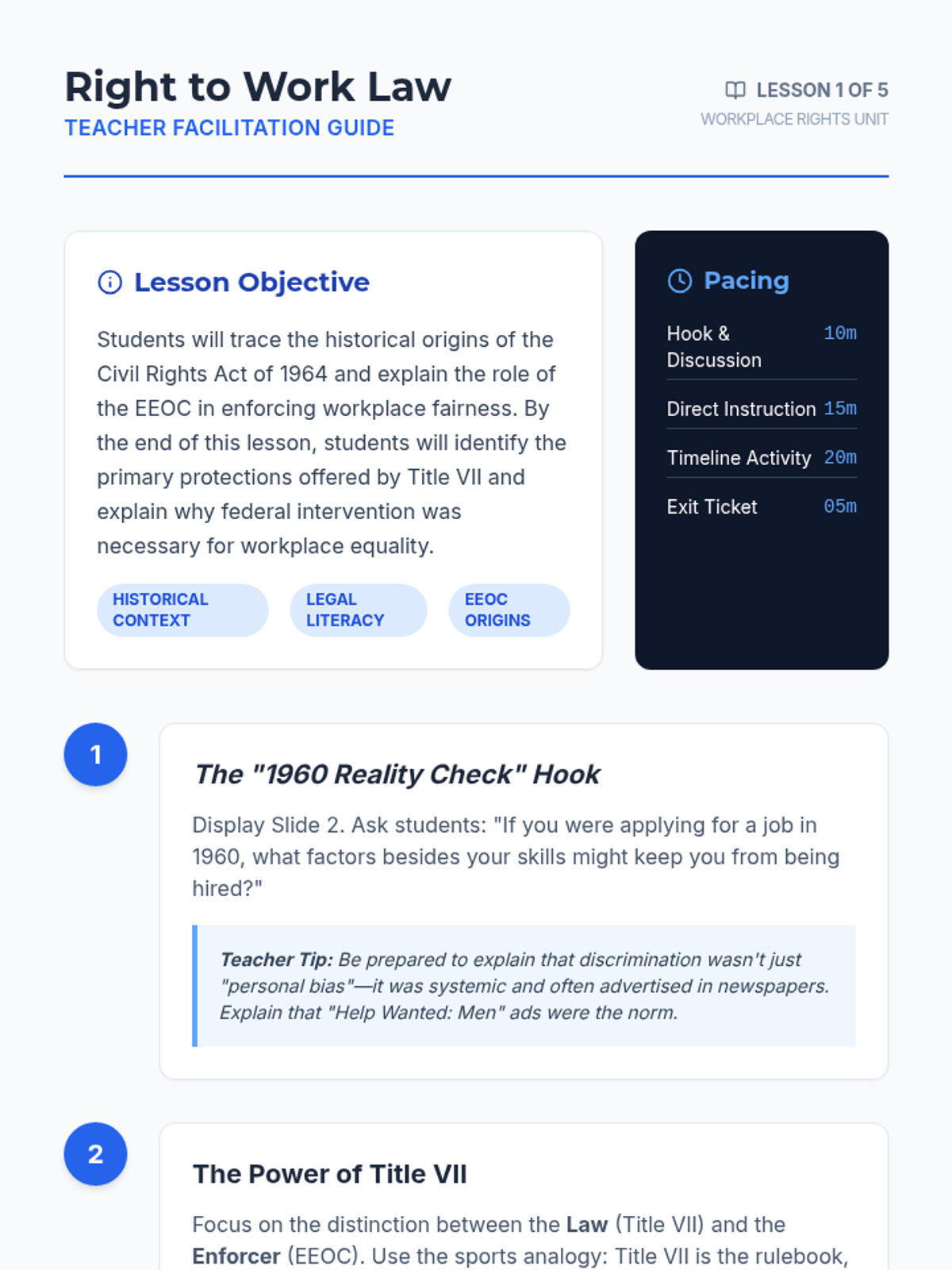
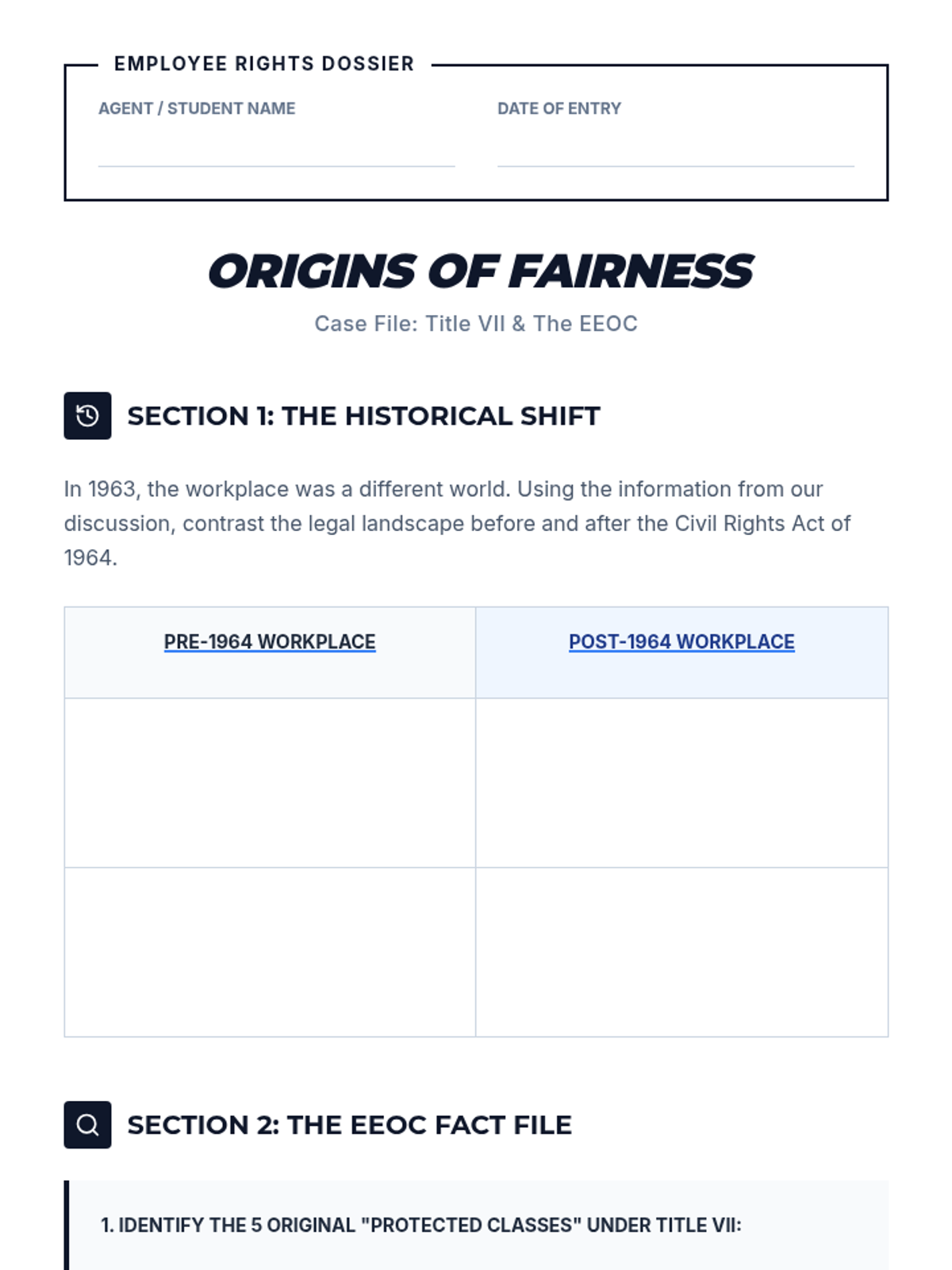
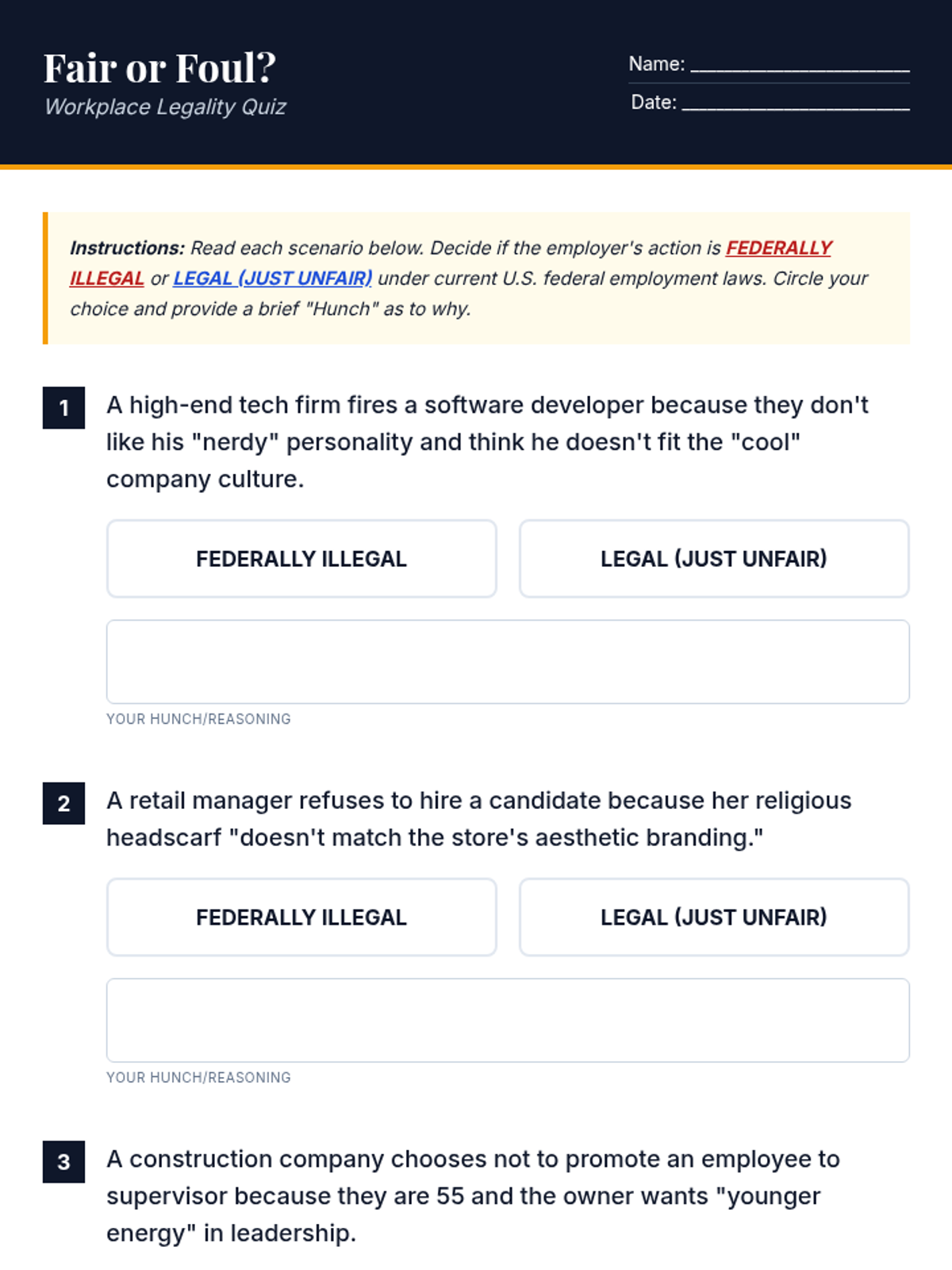
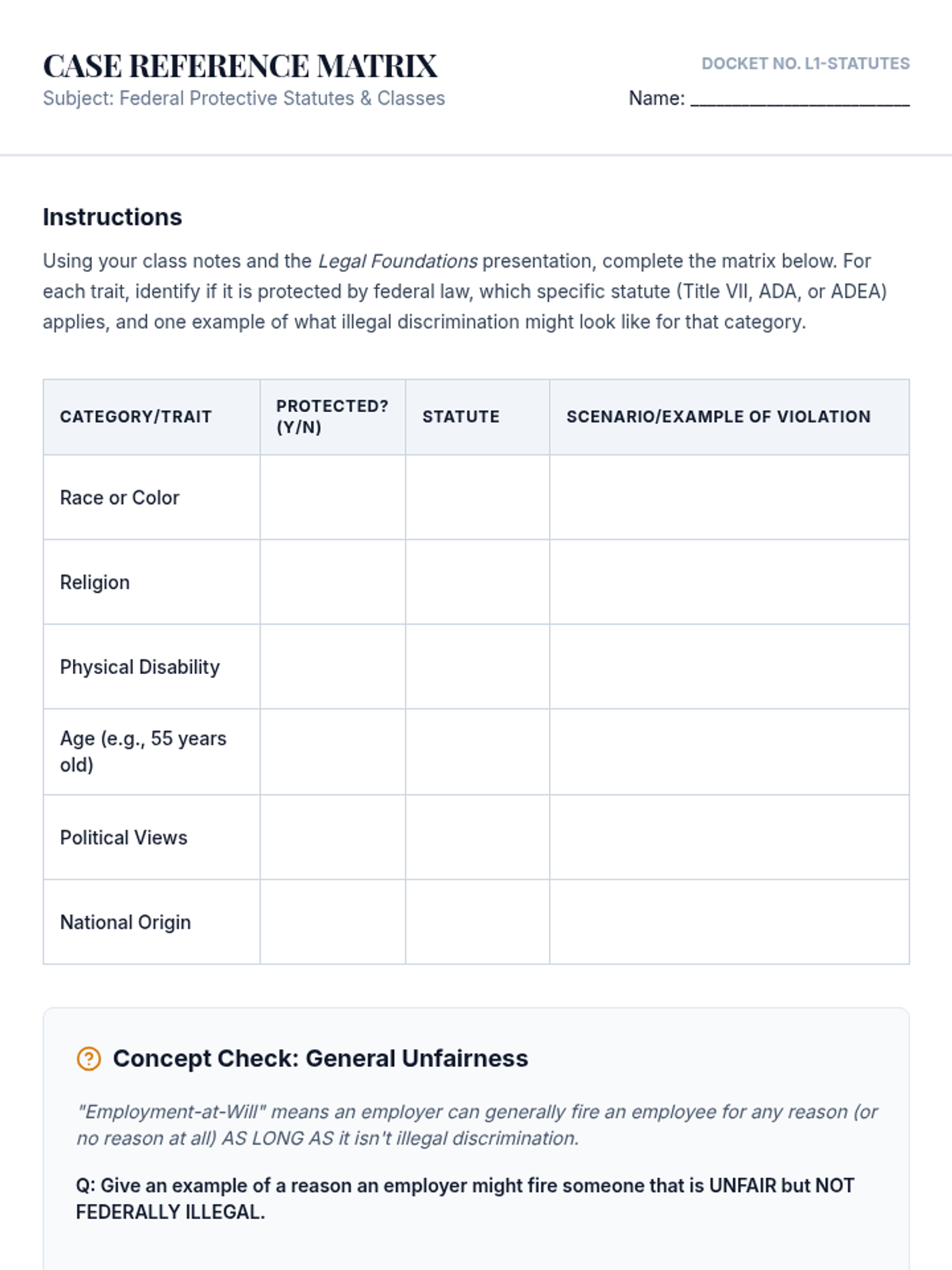
A 5-lesson unit for 9th graders exploring the legal framework of workplace rights in the United States. Students will investigate the EEOC, Title VII, ADA, ADEA, and landmark Supreme Court cases to understand their rights and protections in the modern workforce.
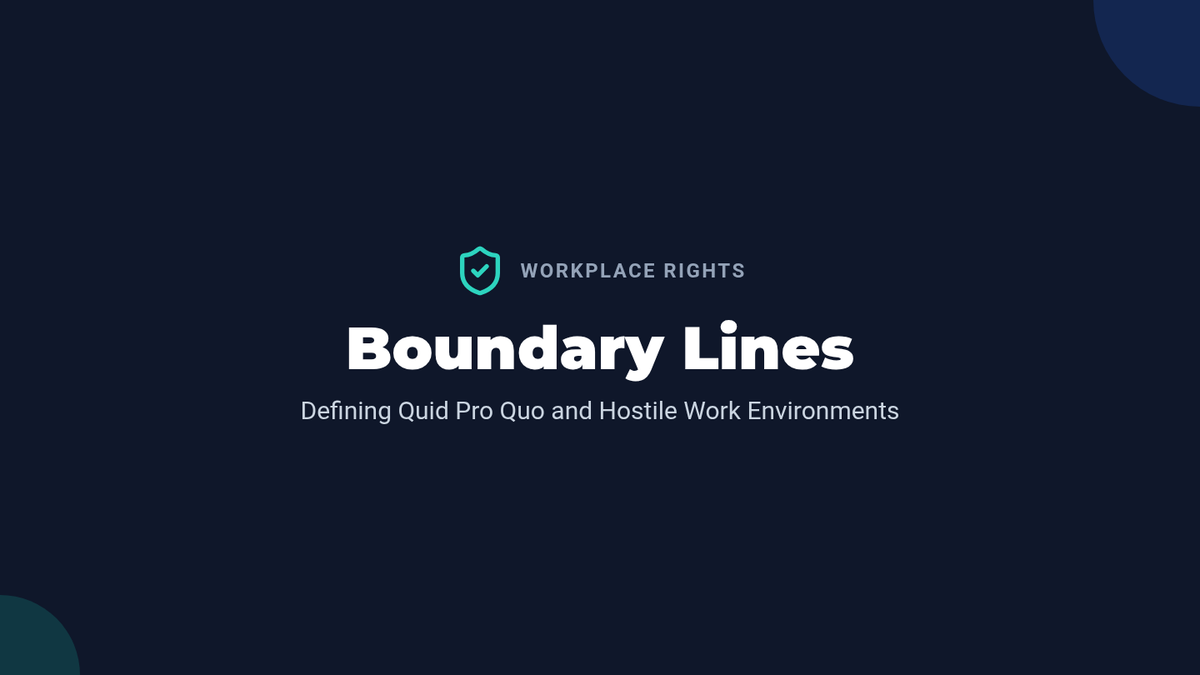
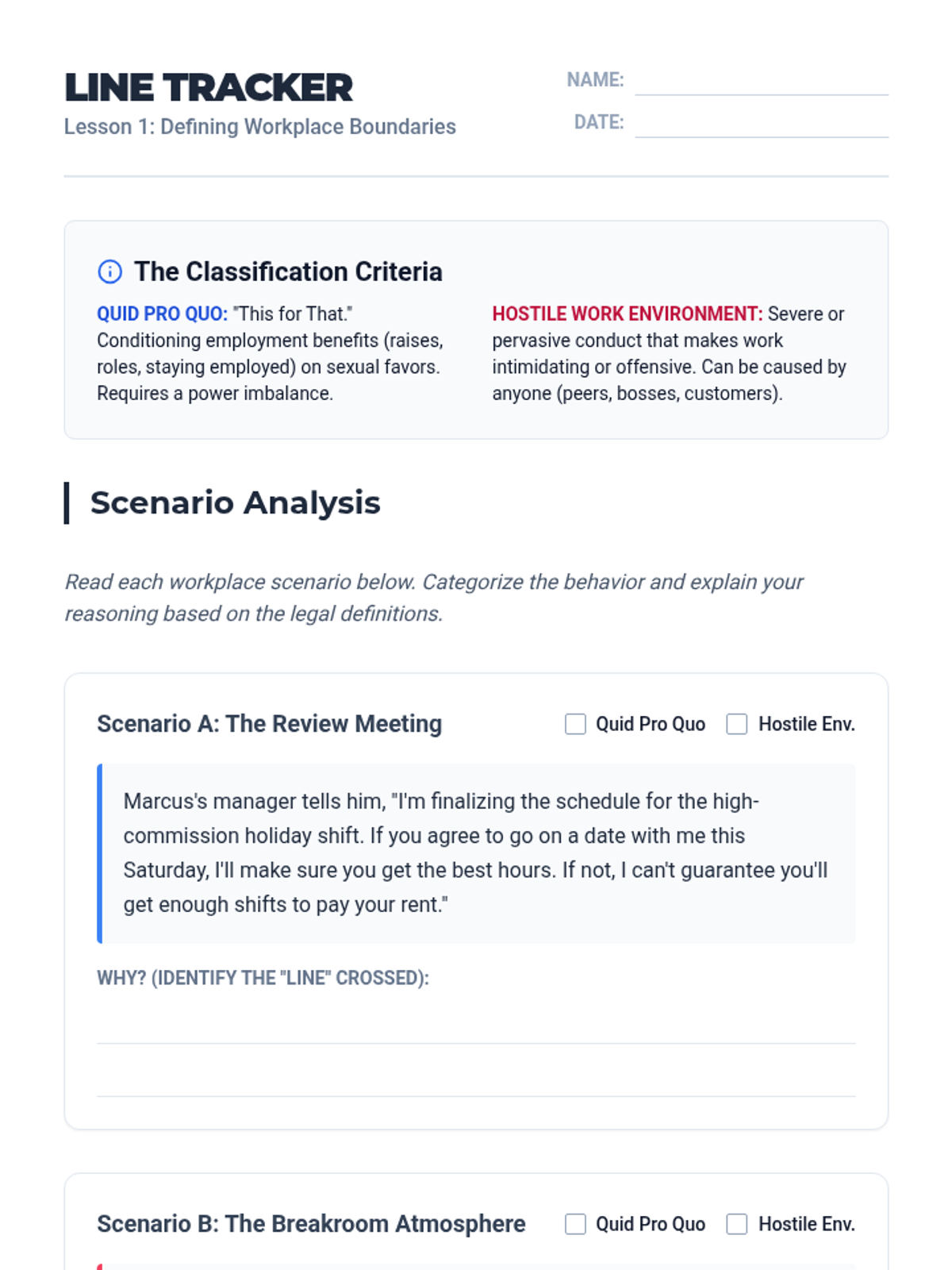
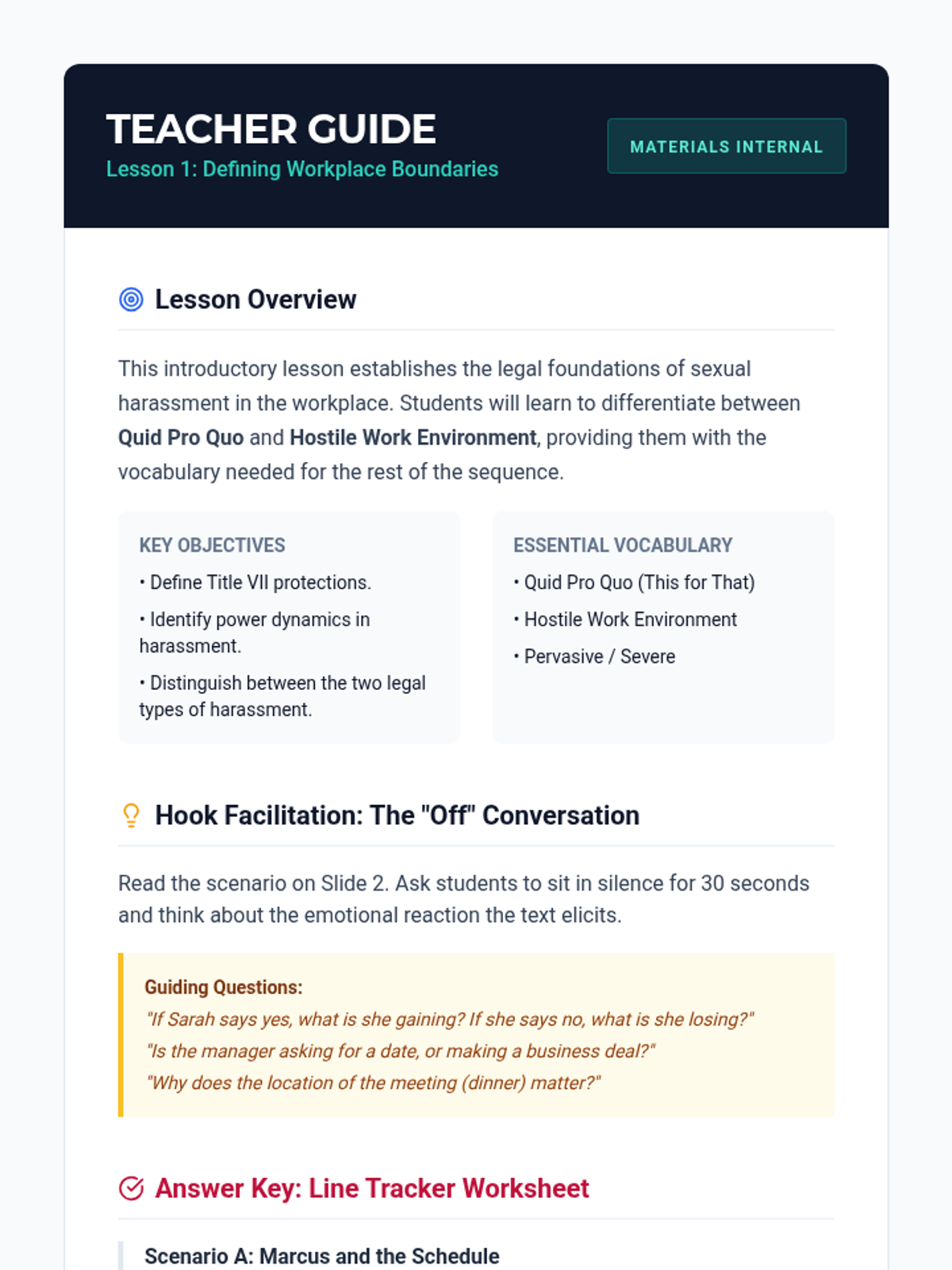
A comprehensive sequence for 9th-grade students exploring the legal definitions, impacts, and identification of sexual harassment and hostile work environments in the professional world. Students move from basic legal definitions to nuanced evaluations of intent versus impact and digital professional conduct.
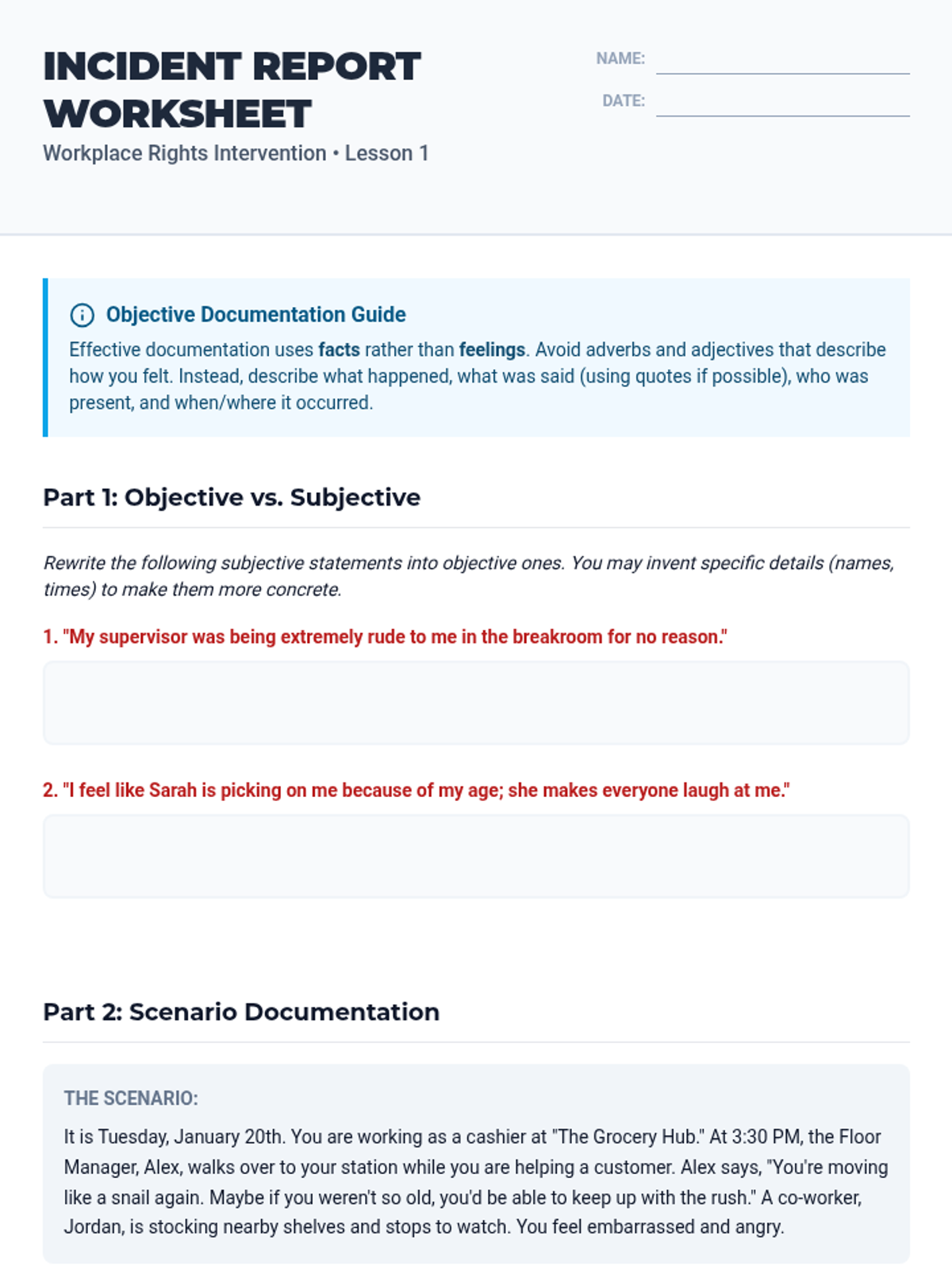
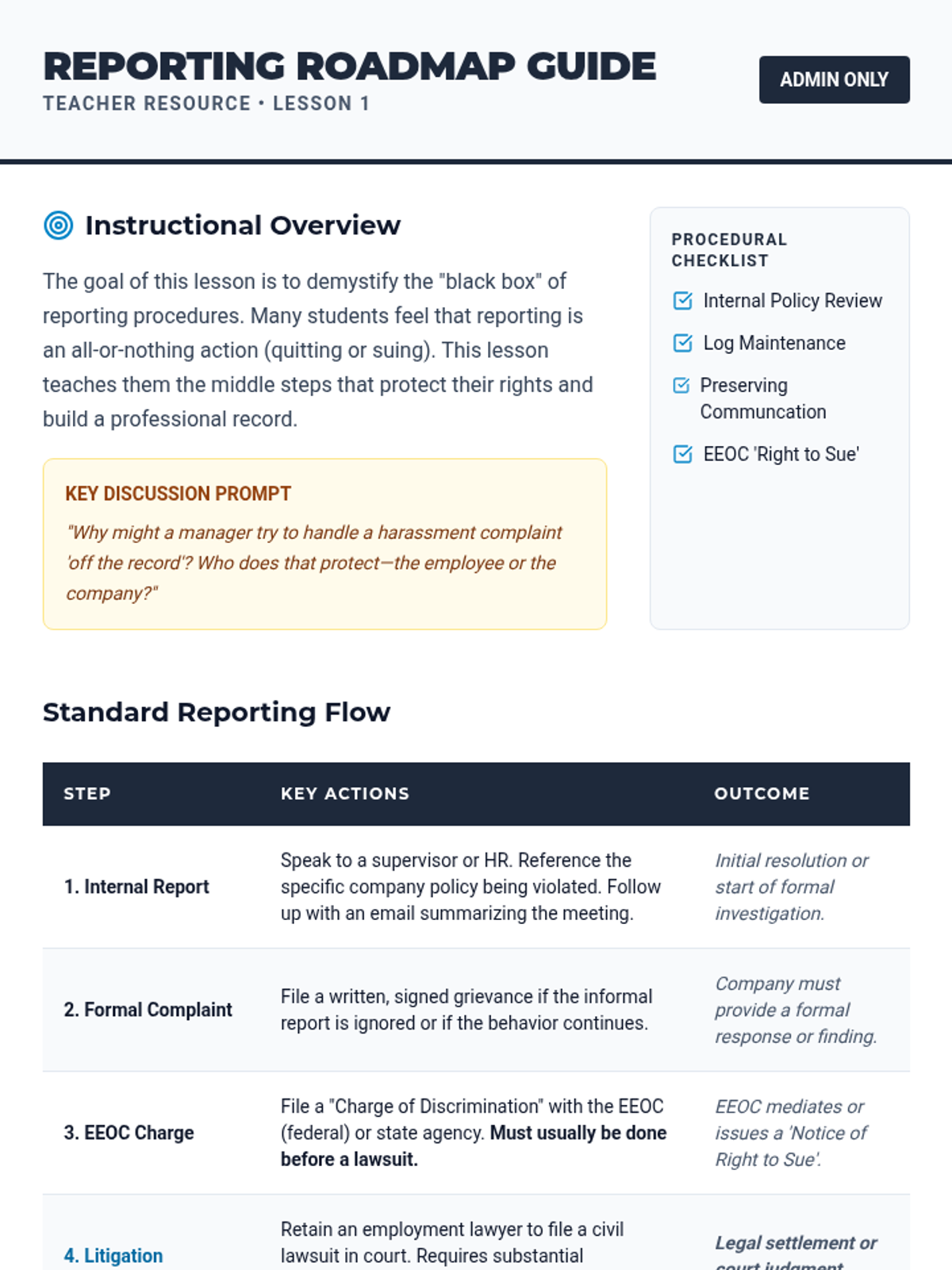
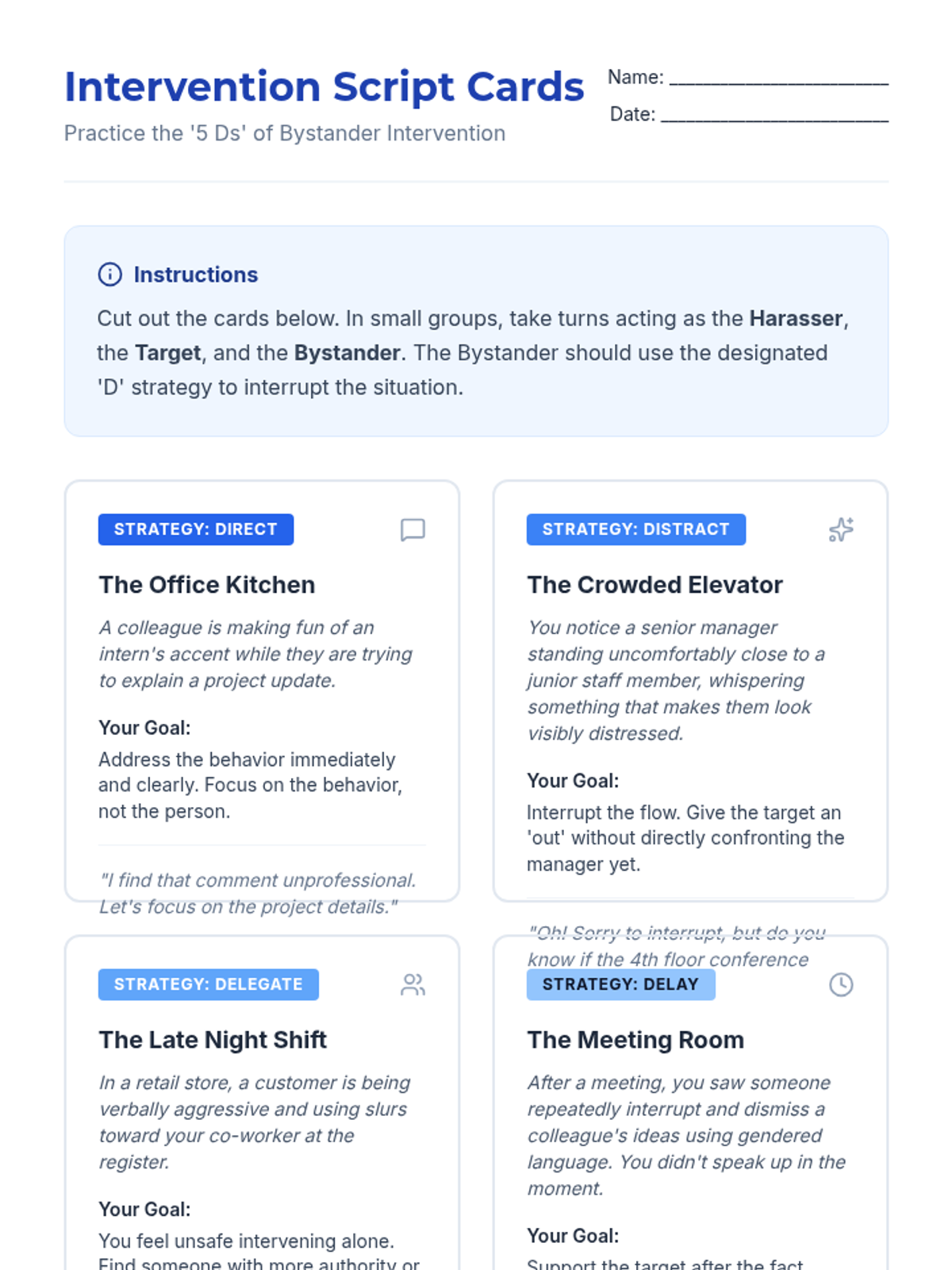
This sequence shifts from identification to action, equipping students with the tools to report misconduct and intervene safely. Students learn the formal mechanisms for reporting discrimination, protections against retaliation, and the '4 Ds' of bystander intervention.
This sequence equips 11th-grade students with actionable skills for workplace safety, focusing on bystander intervention, formal reporting procedures, and understanding legal protections against retaliation. Students move from individual intervention to systemic policy design, preparing them to foster professional environments free from harassment.
Students explore federal legal frameworks defining workplace discrimination and harassment, moving from identifying protected classes to adjudicating complex cases based on legal standards like 'severe or pervasive' and 'reasonable accommodation'.
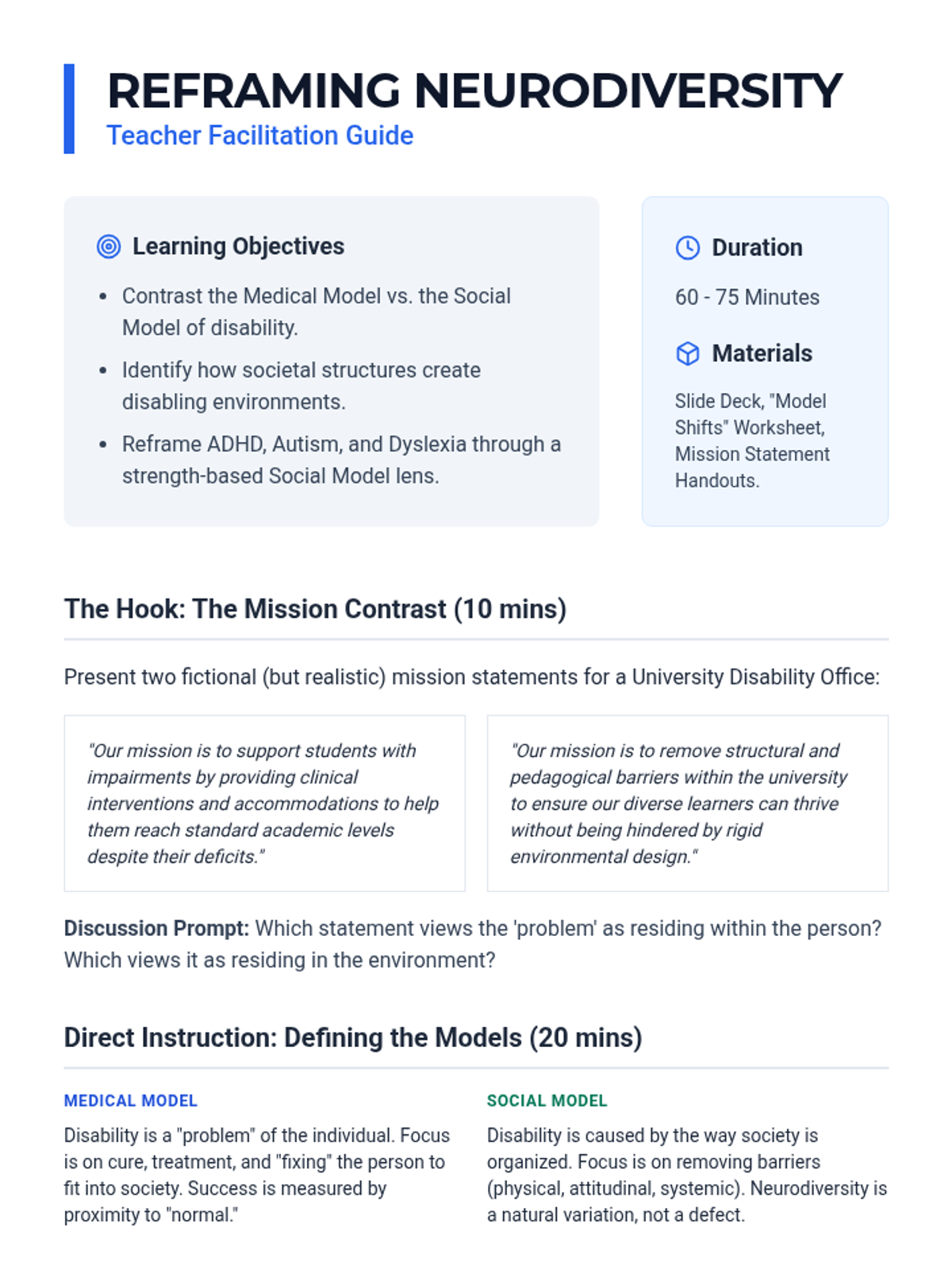
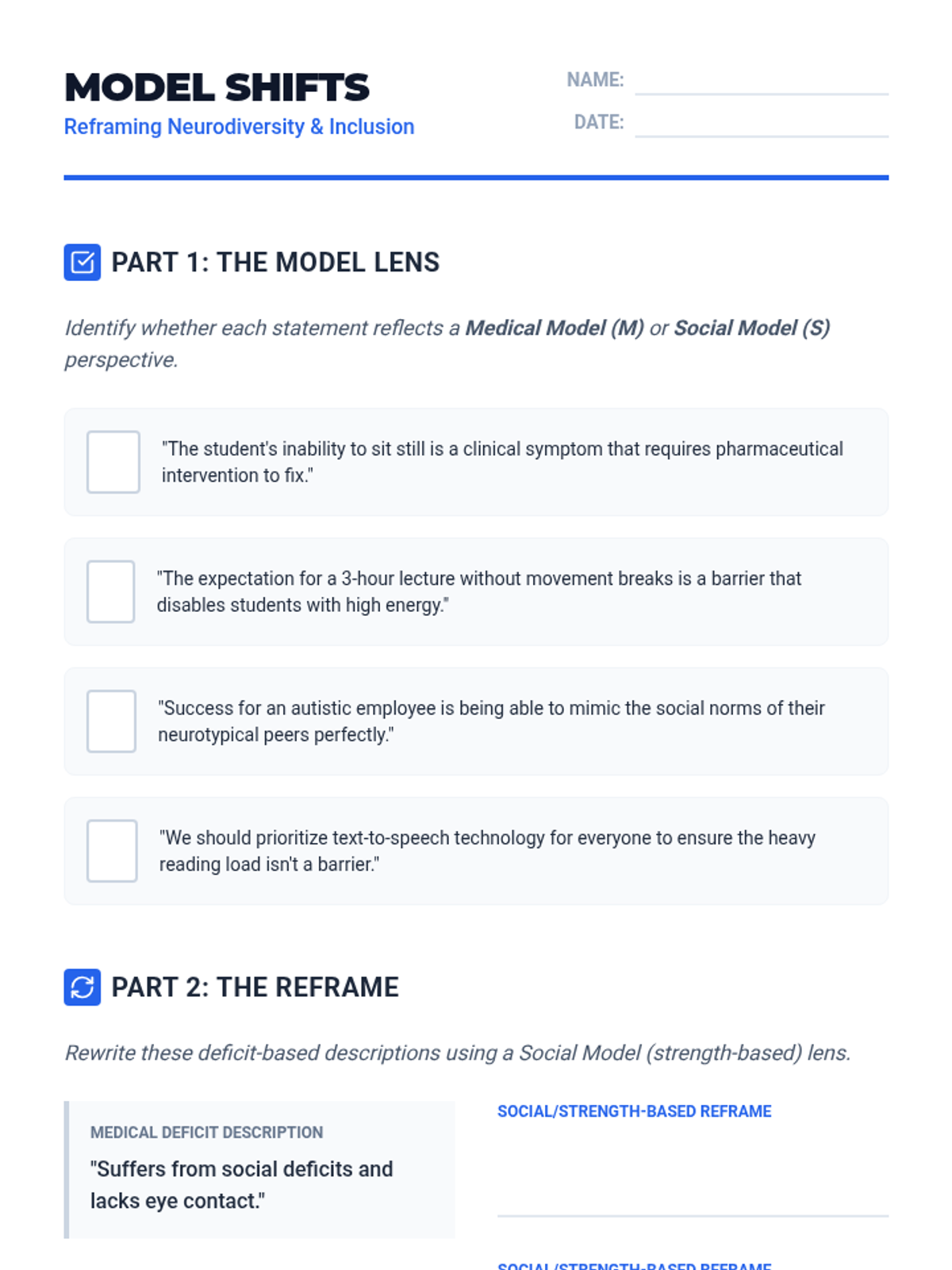
This sequence explores neurodiversity through the Social Model of disability, challenging traditional norms of professionalism and designing inclusive environments. Students will move from theoretical understanding to practical application in organizational policy and advocacy.
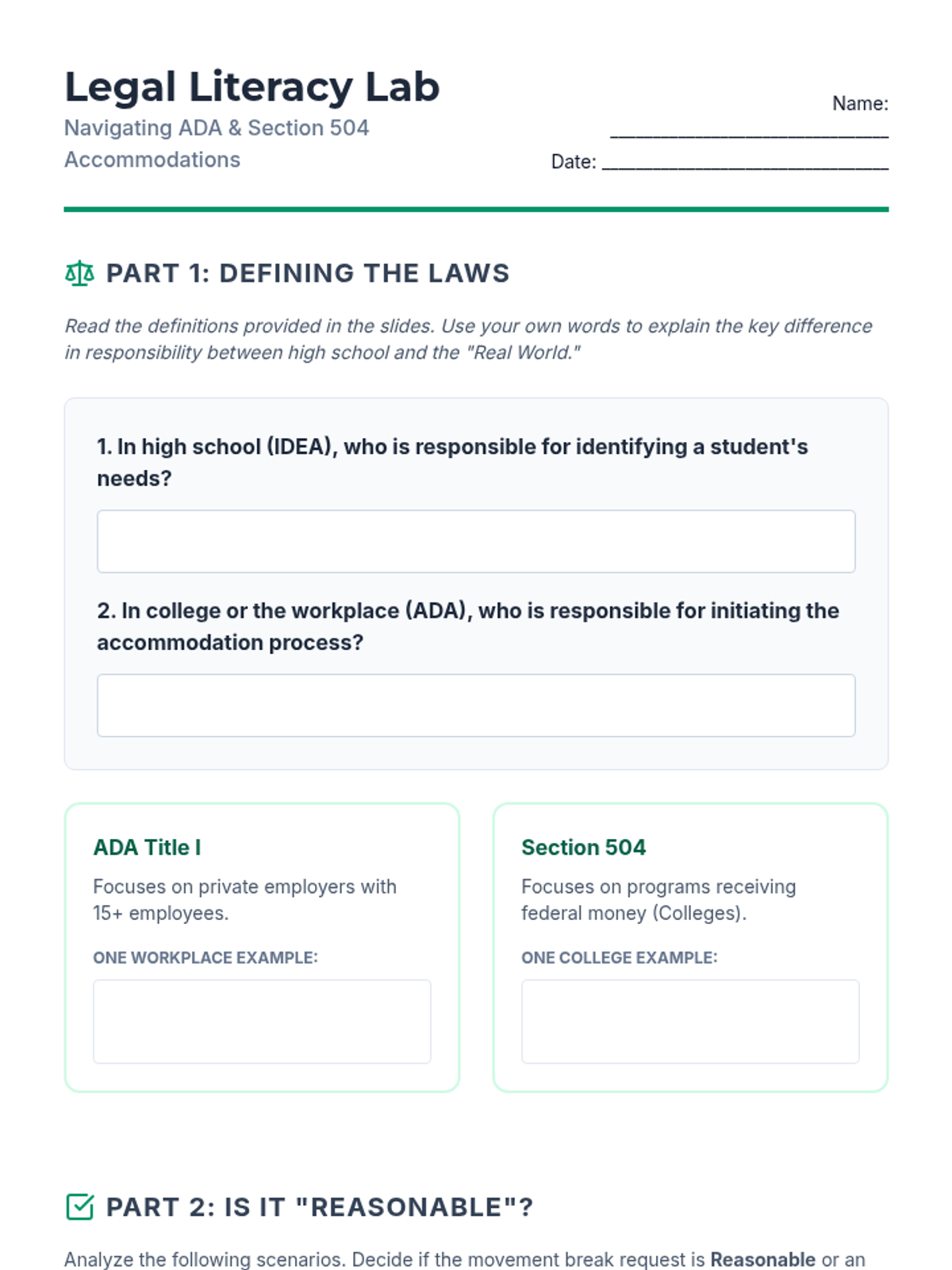
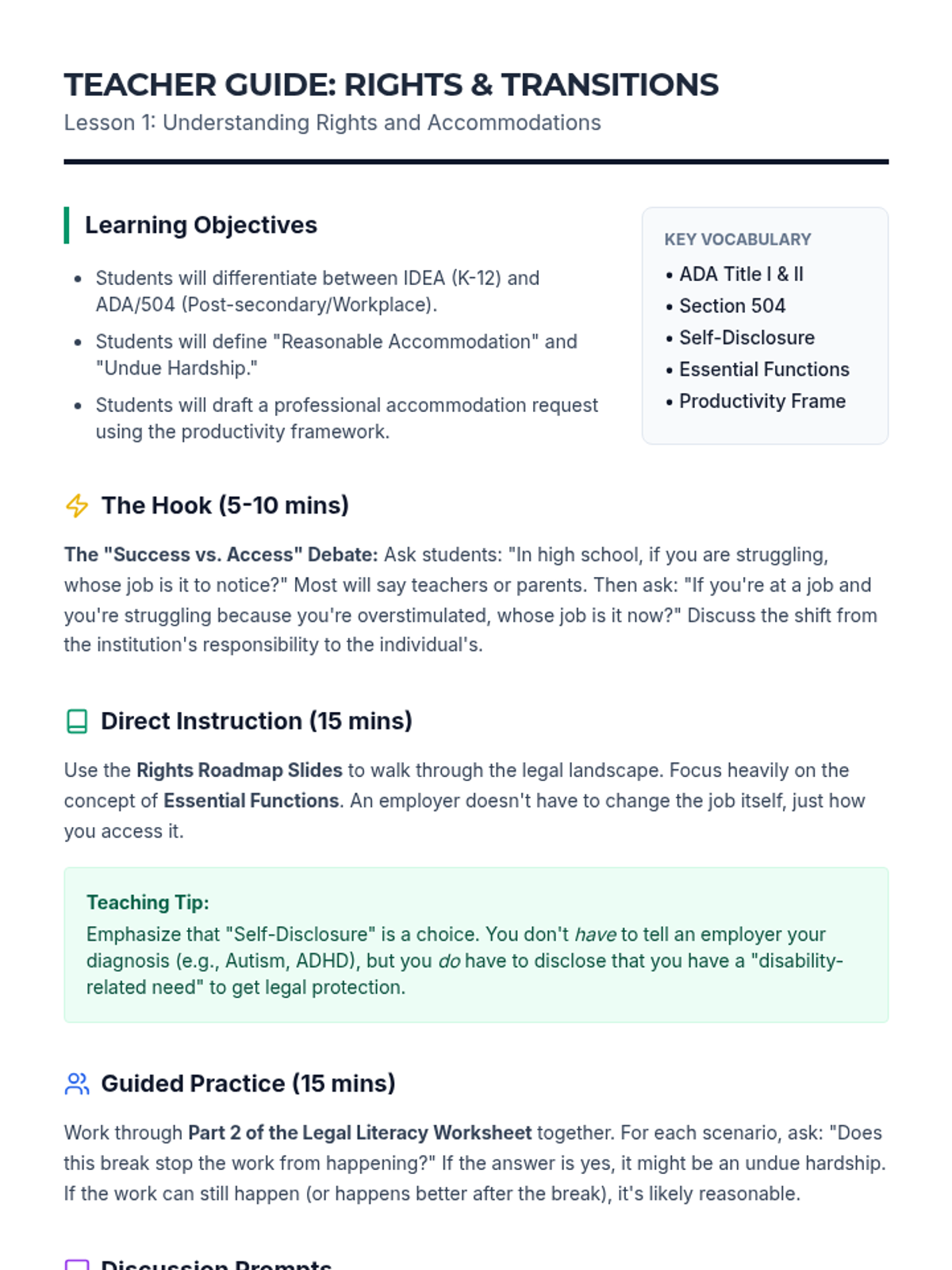
This sequence prepares 11th-grade students to advocate for their sensory and movement needs in post-secondary and professional environments. It covers legal rights under the ADA, professional communication skills, situational awareness, and the development of a personal regulation plan for workplace success.
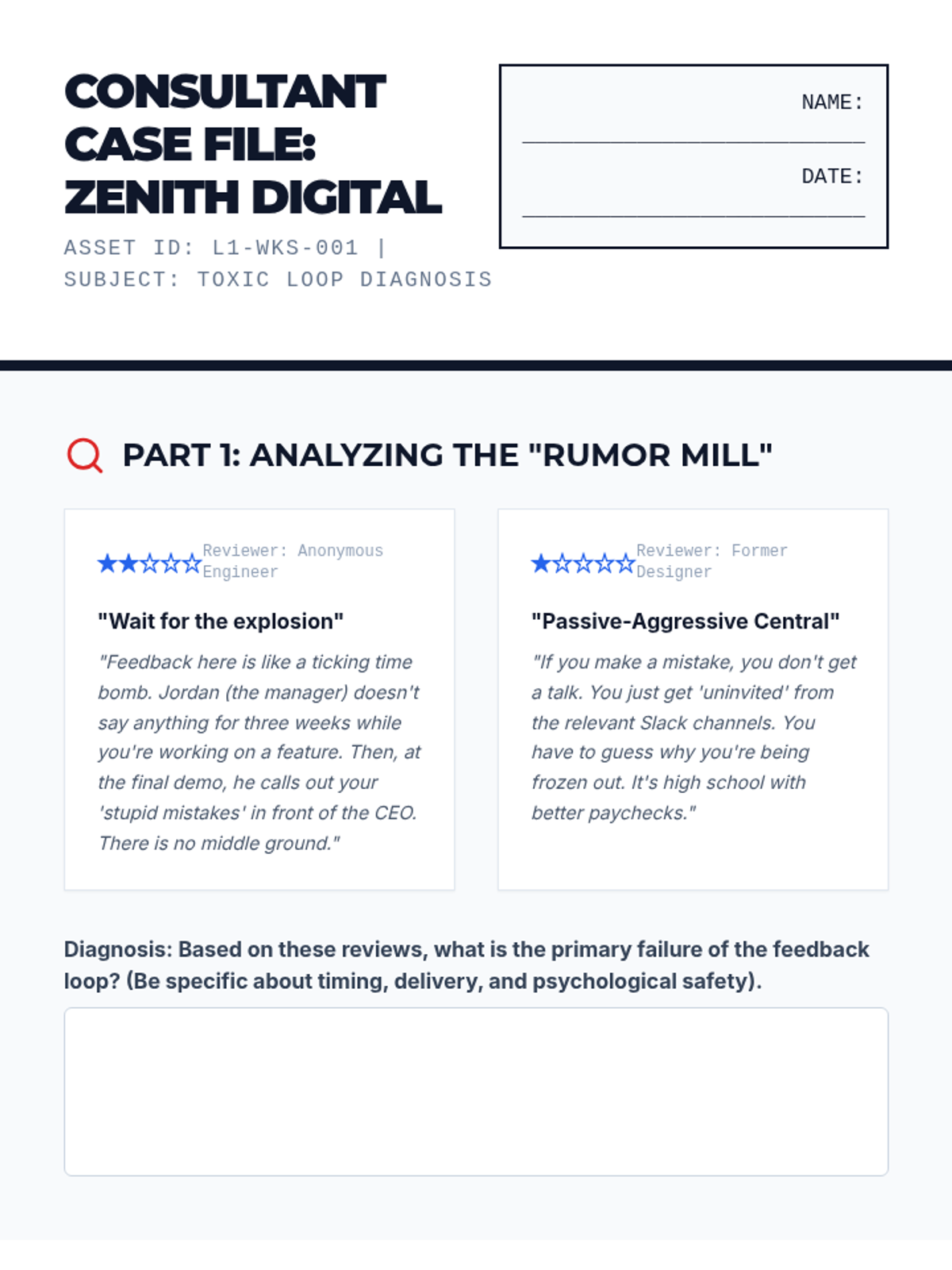
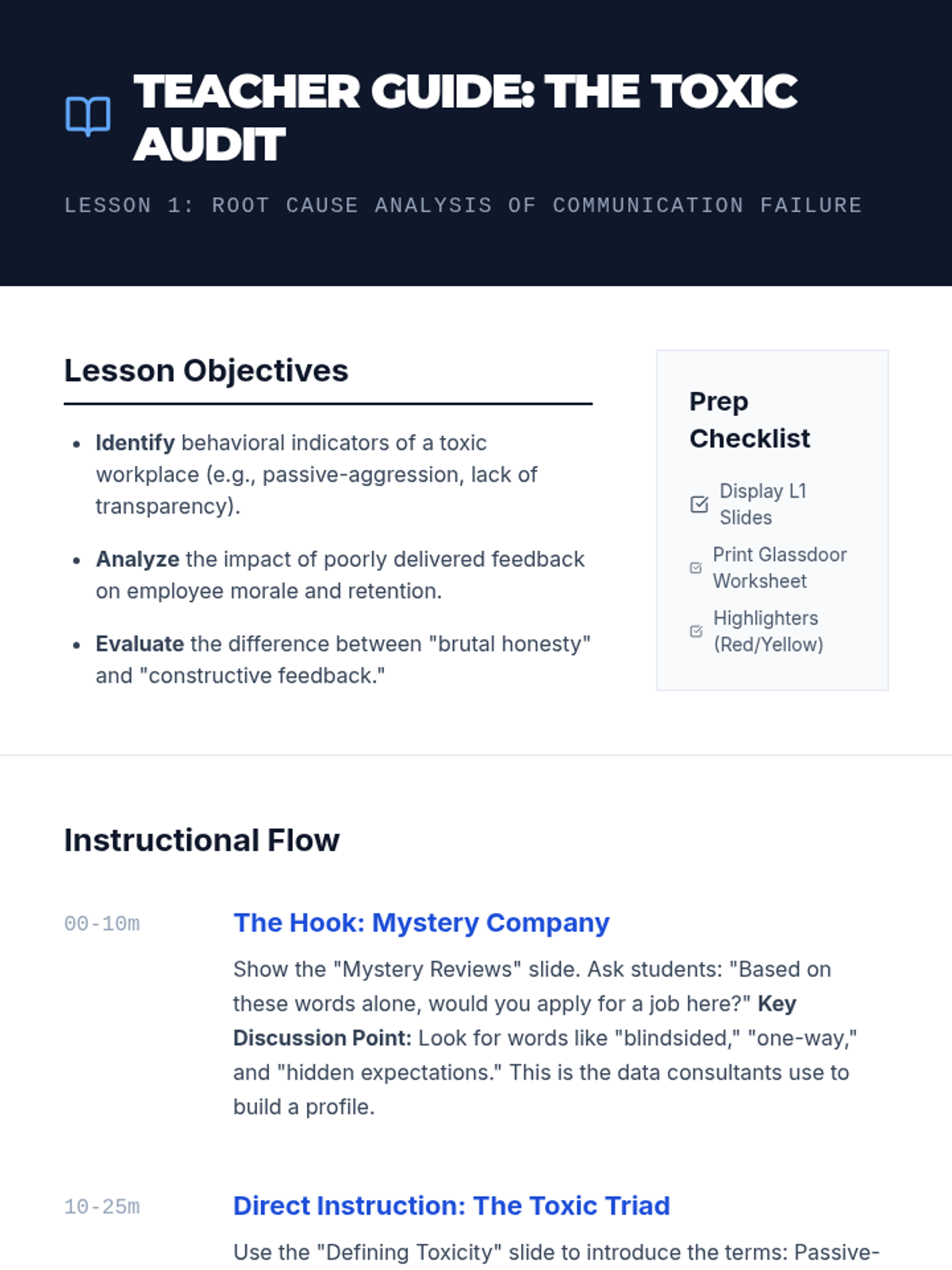
A case-study-driven sequence where students act as external consultants to diagnose communication breakdowns, analyze feedback systems like 360-degree reviews and PIPs, and design a positive corporate culture.
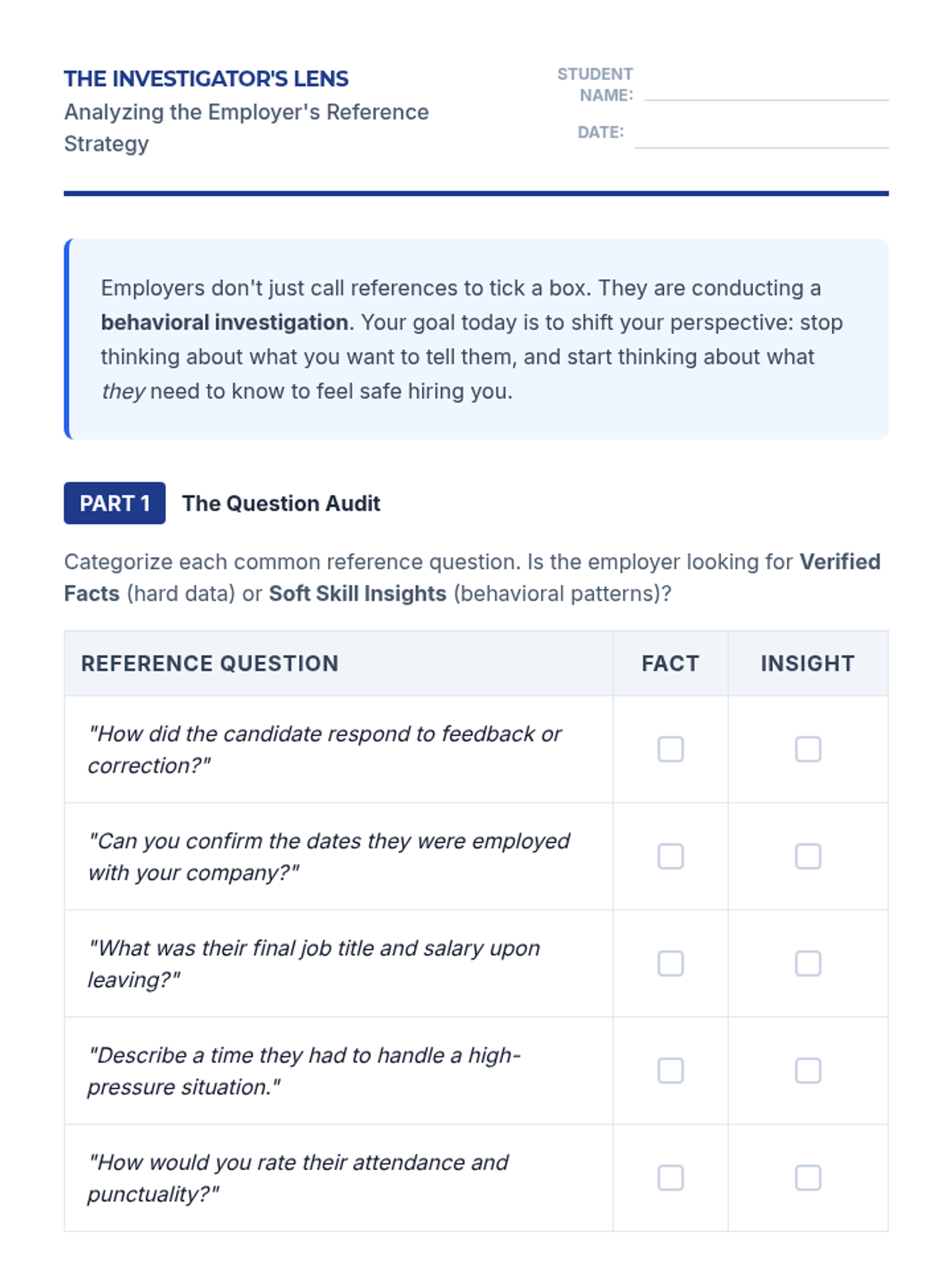
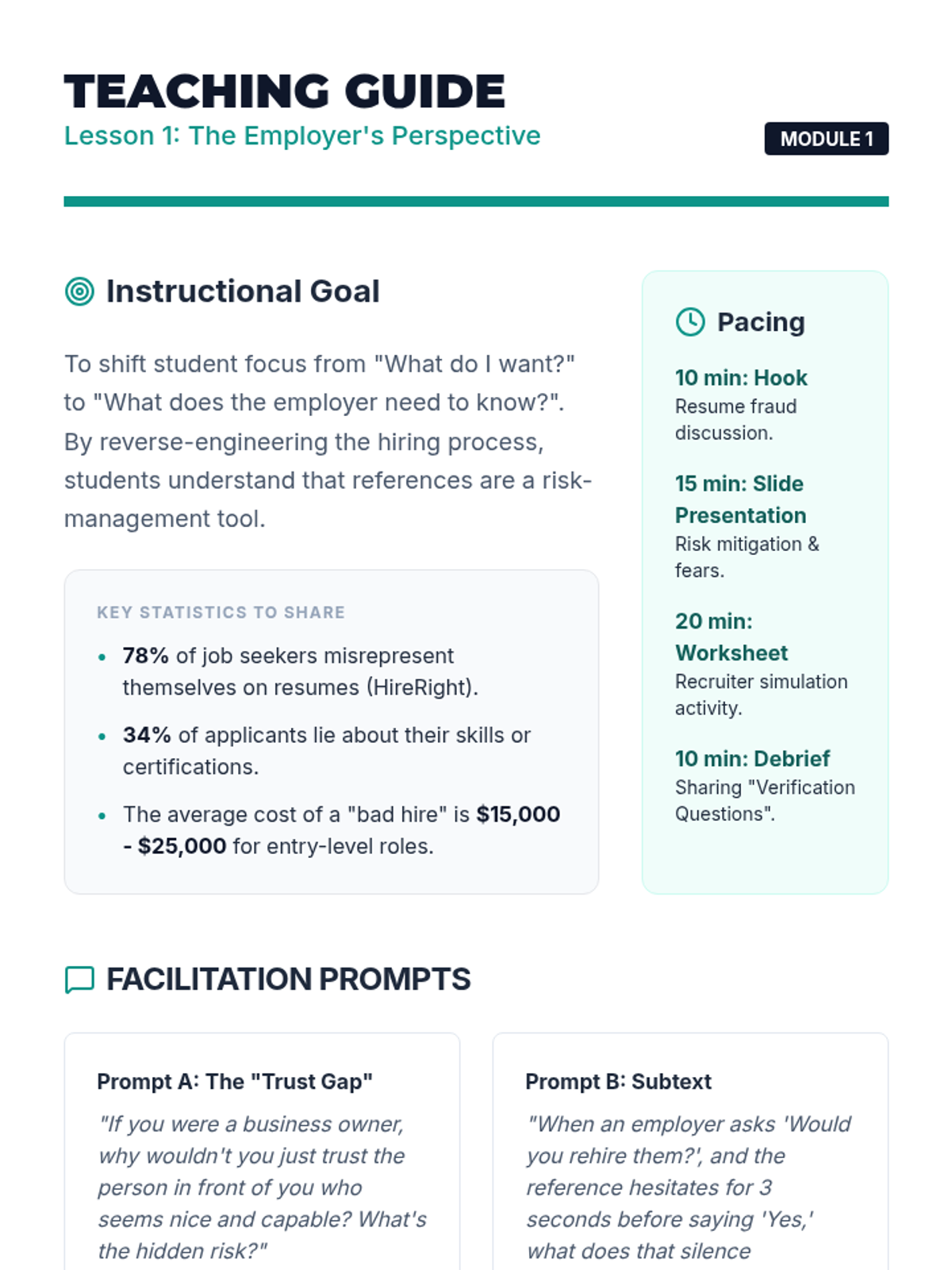
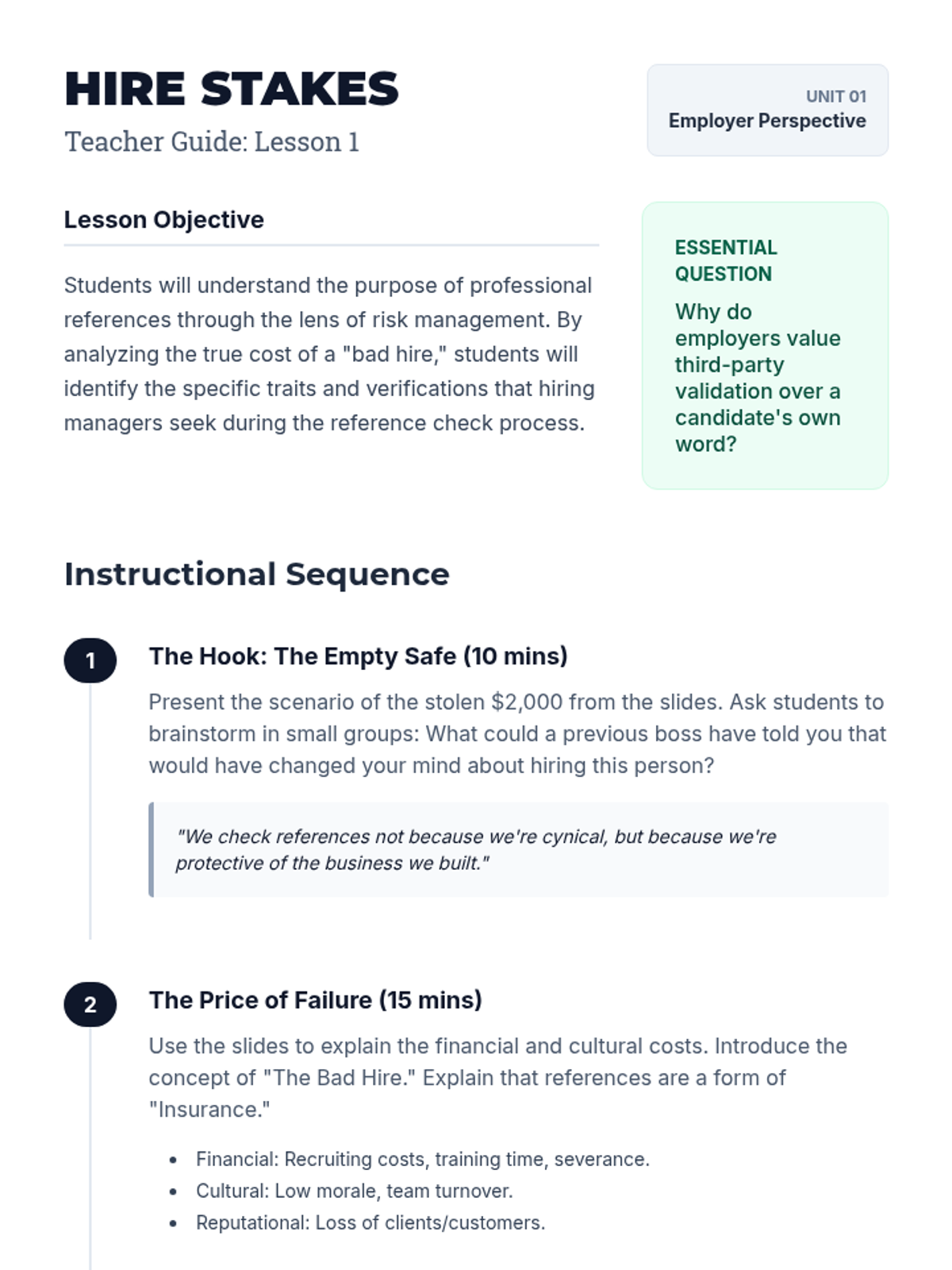
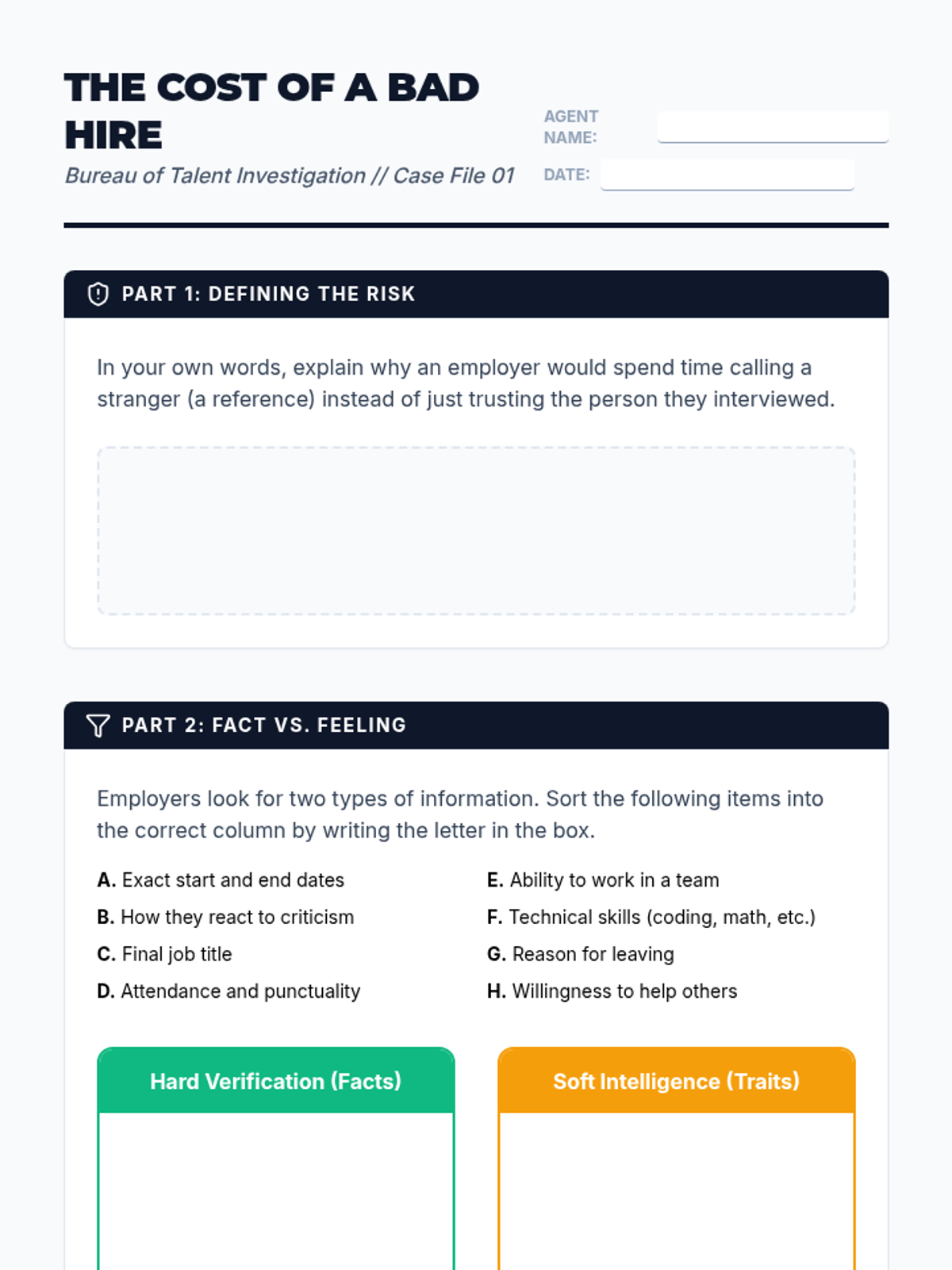
A comprehensive sequence designed for 12th-grade students to master the nuances of professional references from the employer's perspective. Students analyze the strategic intent behind reference checks, learn to identify red flags, navigate the legalities of disclosure, and evaluate their own professional advocates to ensure they are career-ready.
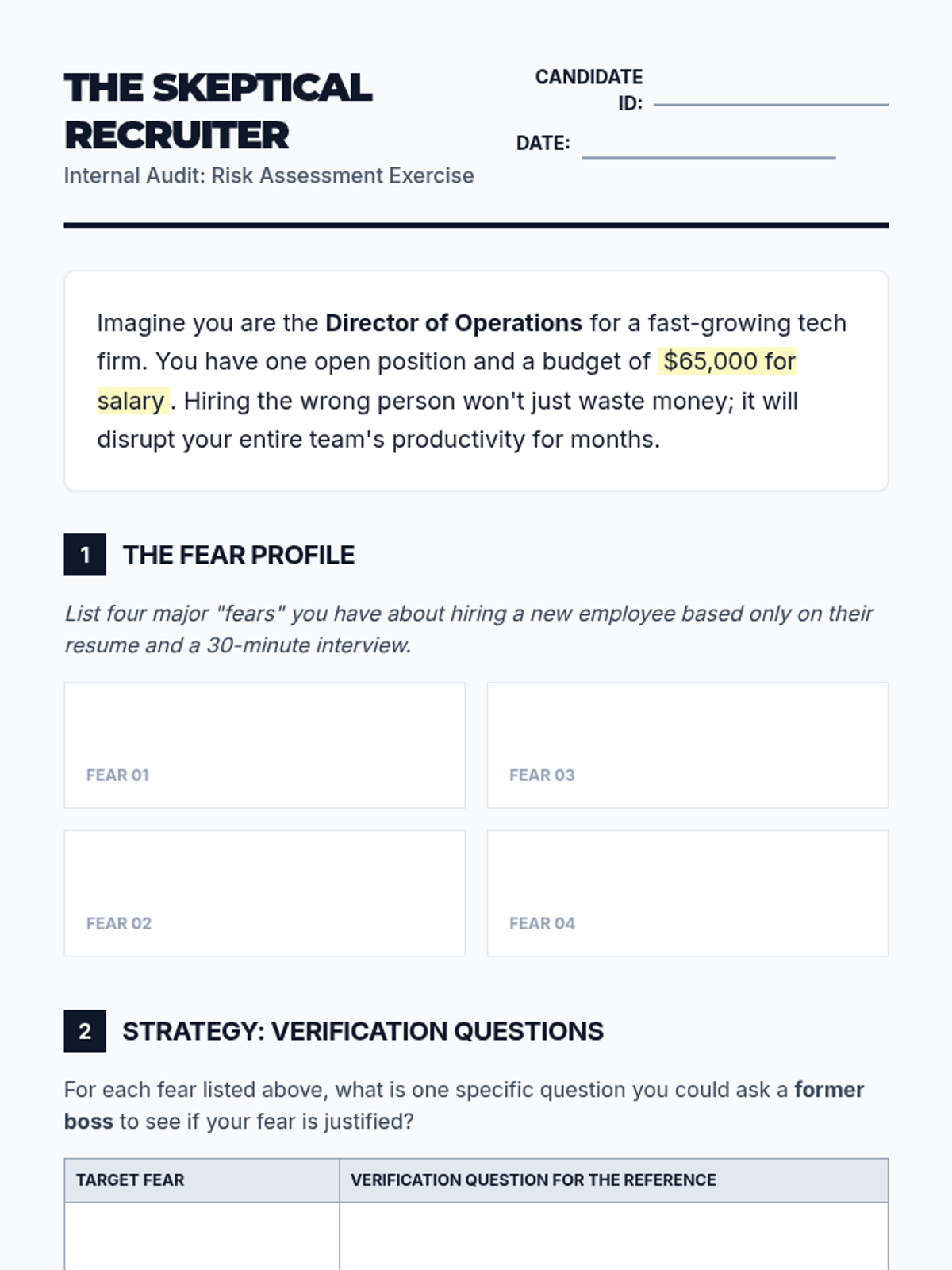
This simulation-heavy sequence places students in the shoes of hiring managers to demystify the background check process. Students learn to reverse-engineer the reference process by identifying employer needs, legal boundaries, and strategic preparation techniques.
A 9th-grade sequence that flips the script on professional references, teaching students to evaluate candidates from an employer's perspective. Students analyze risk, decode reference transcripts, and learn the strategic, legal, and ethical nuances of professional recommendations to better prepare their own future applications.
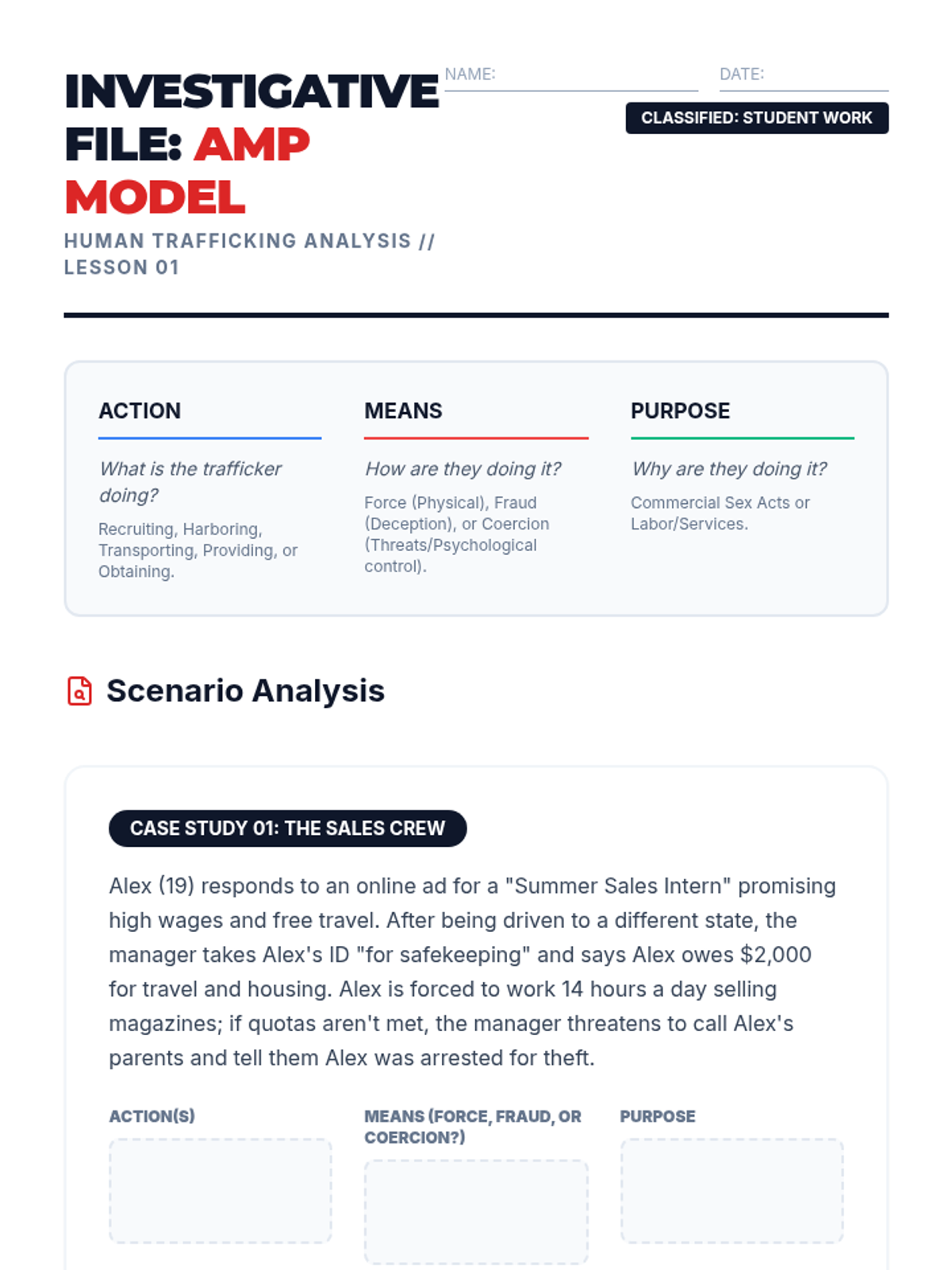
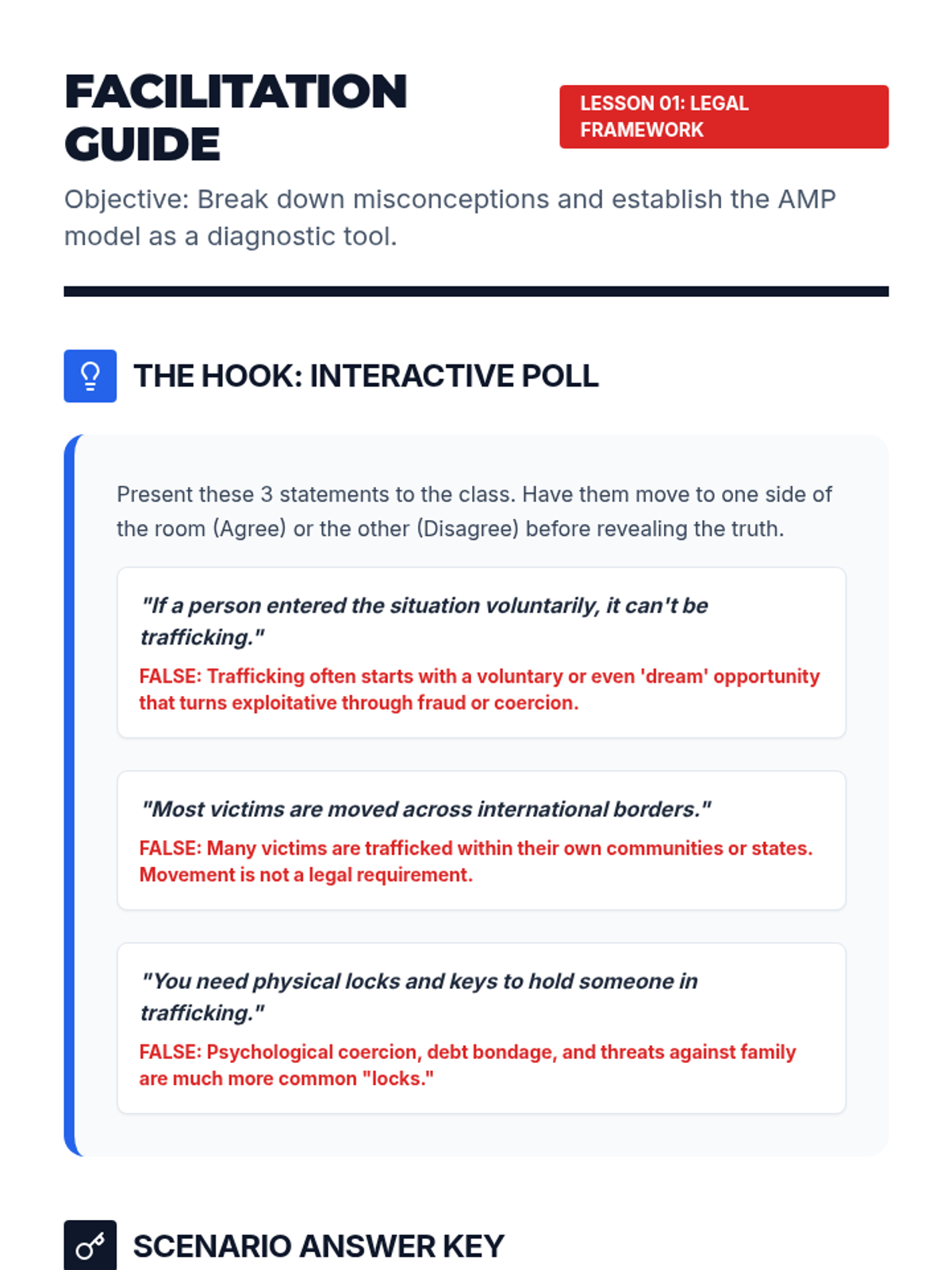
This sequence equips graduating seniors with the critical analytical skills necessary to identify and prevent human trafficking as they transition to independent living. Students analyze legal frameworks, grooming cycles, digital recruitment tactics, and labor exploitation indicators to develop actionable safety plans and reporting protocols.
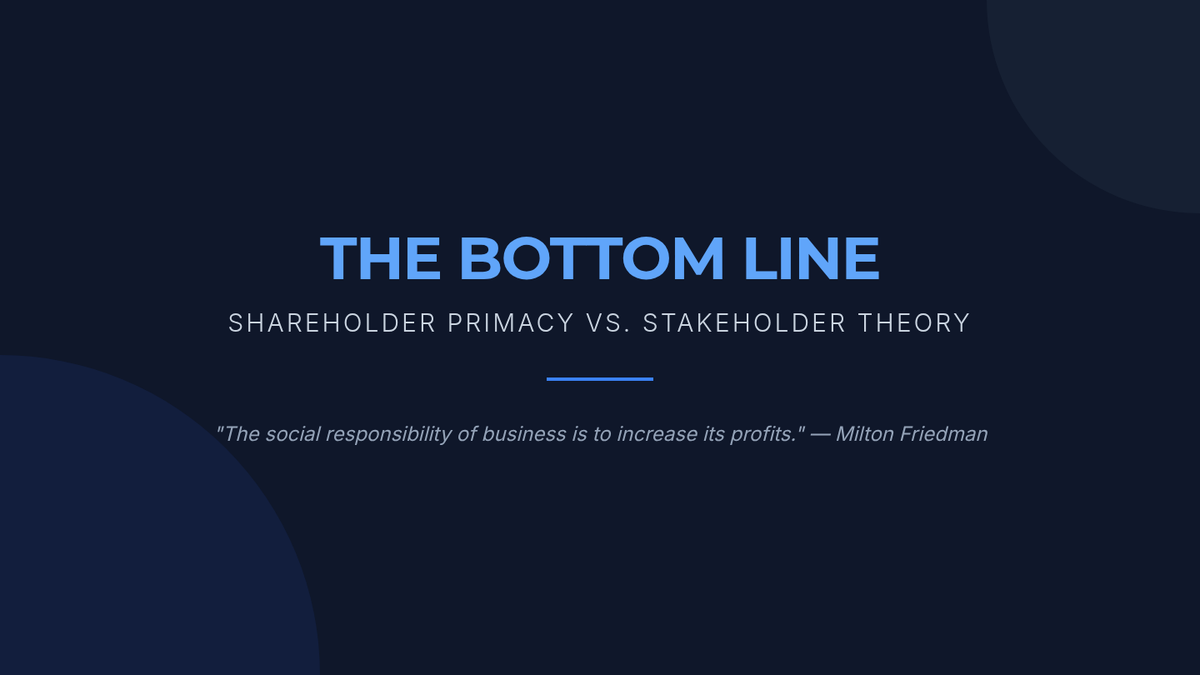
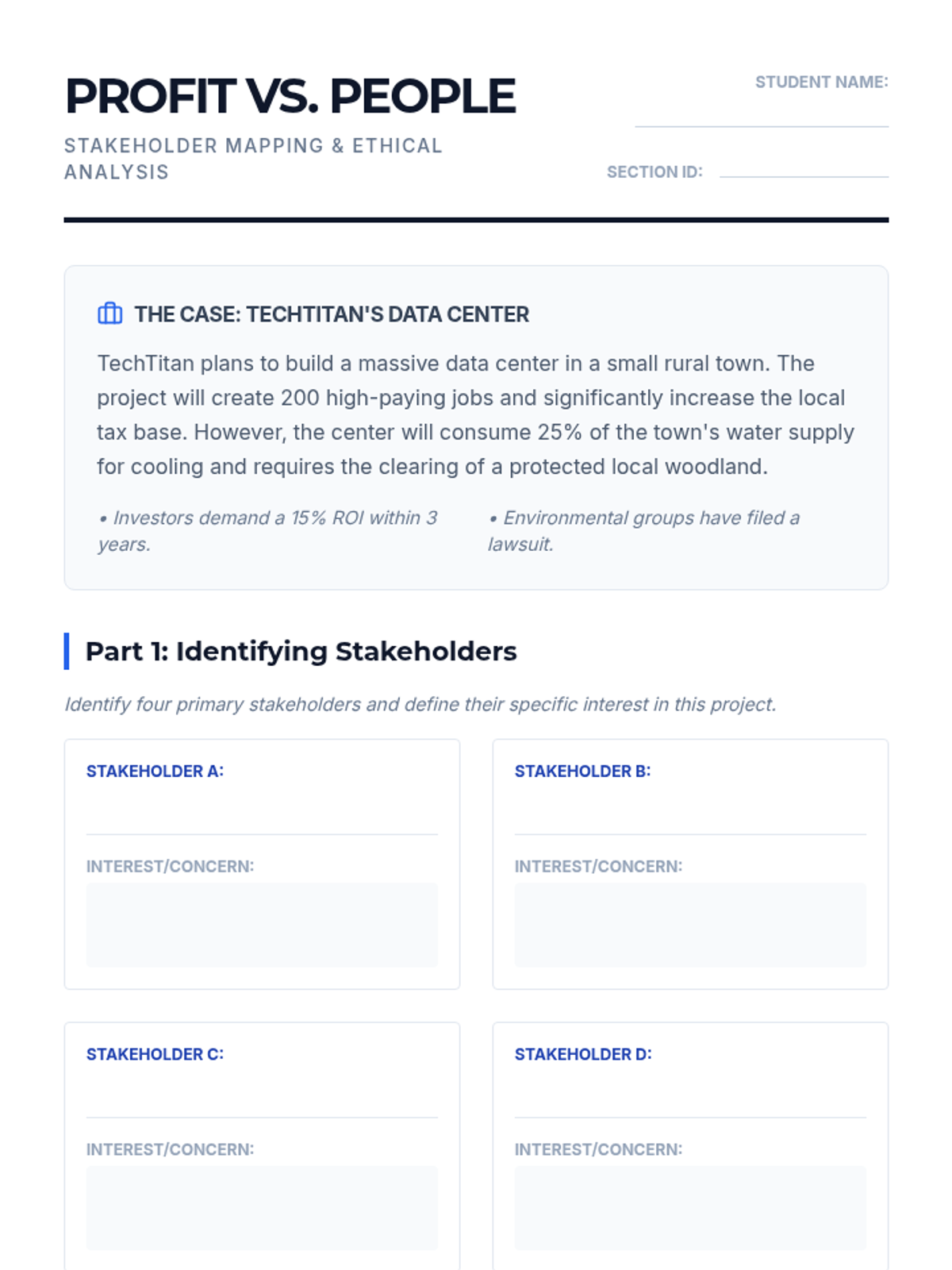
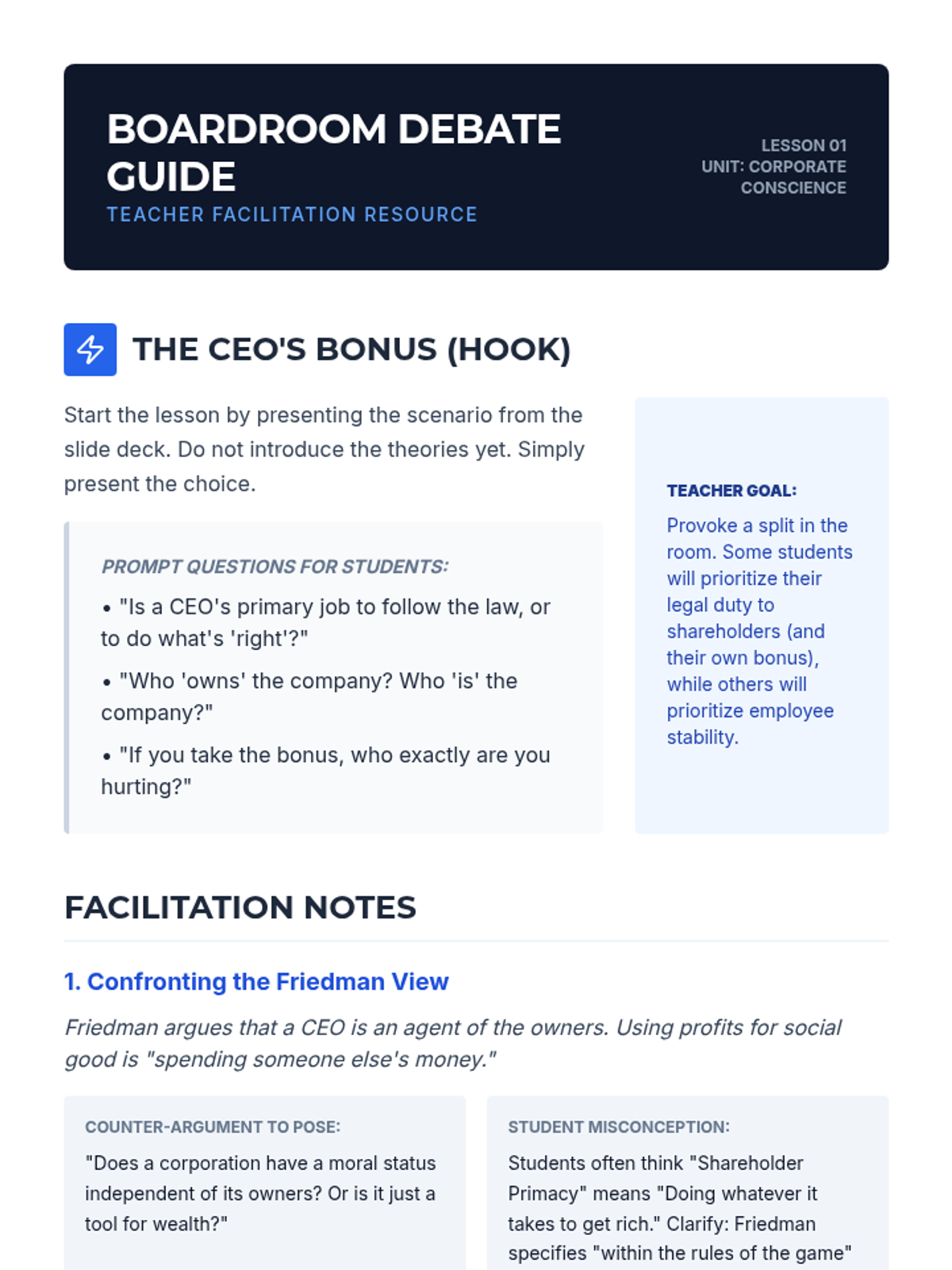
This sequence explores the ethical complexities of professional and corporate environments, focusing on the tension between profit and moral obligation. Students analyze shareholder vs. stakeholder theories, corporate scandals, and the ethics of whistleblowing, culminating in a two-part crisis management simulation.
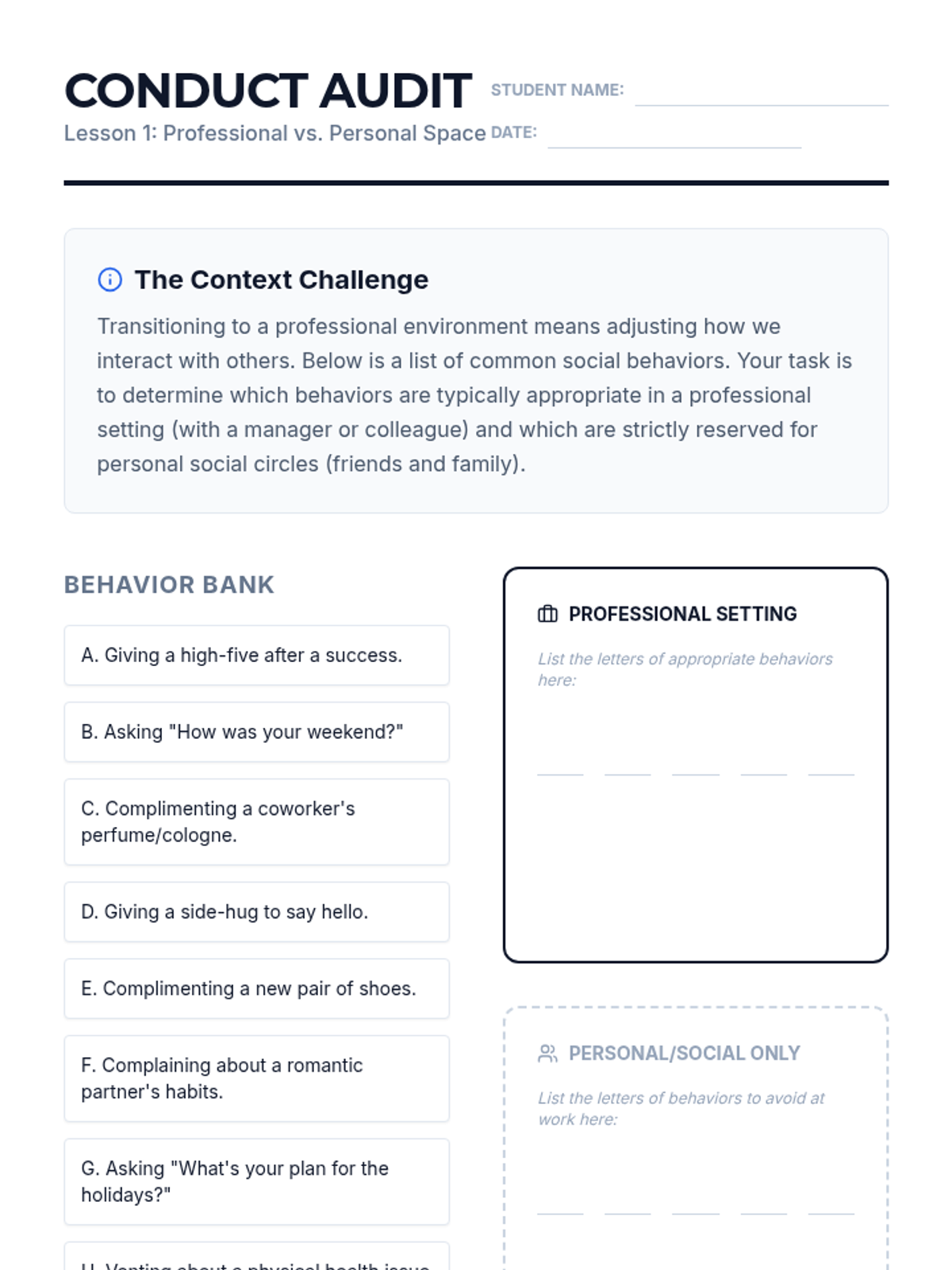
A comprehensive 12th-grade sequence focused on setting professional and personal boundaries in the workplace and shared living environments. Students learn to navigate hierarchies, identify harassment, script assertive responses, and manage digital availability.