Fundamental principles of force, motion, and energy across classical and modern contexts. Examines matter properties, wave behavior, thermodynamics, and electromagnetism through mechanics and atomic studies.
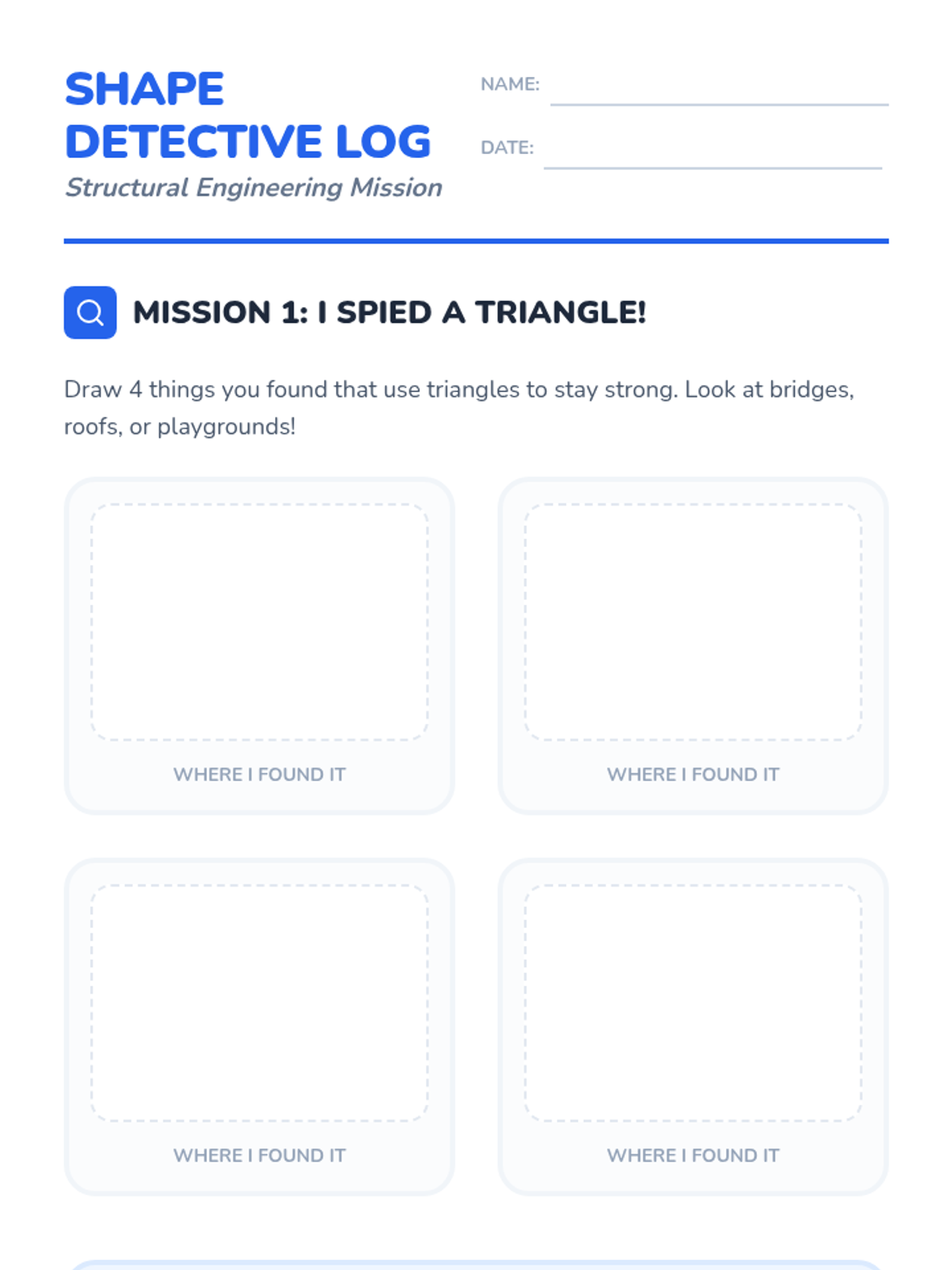
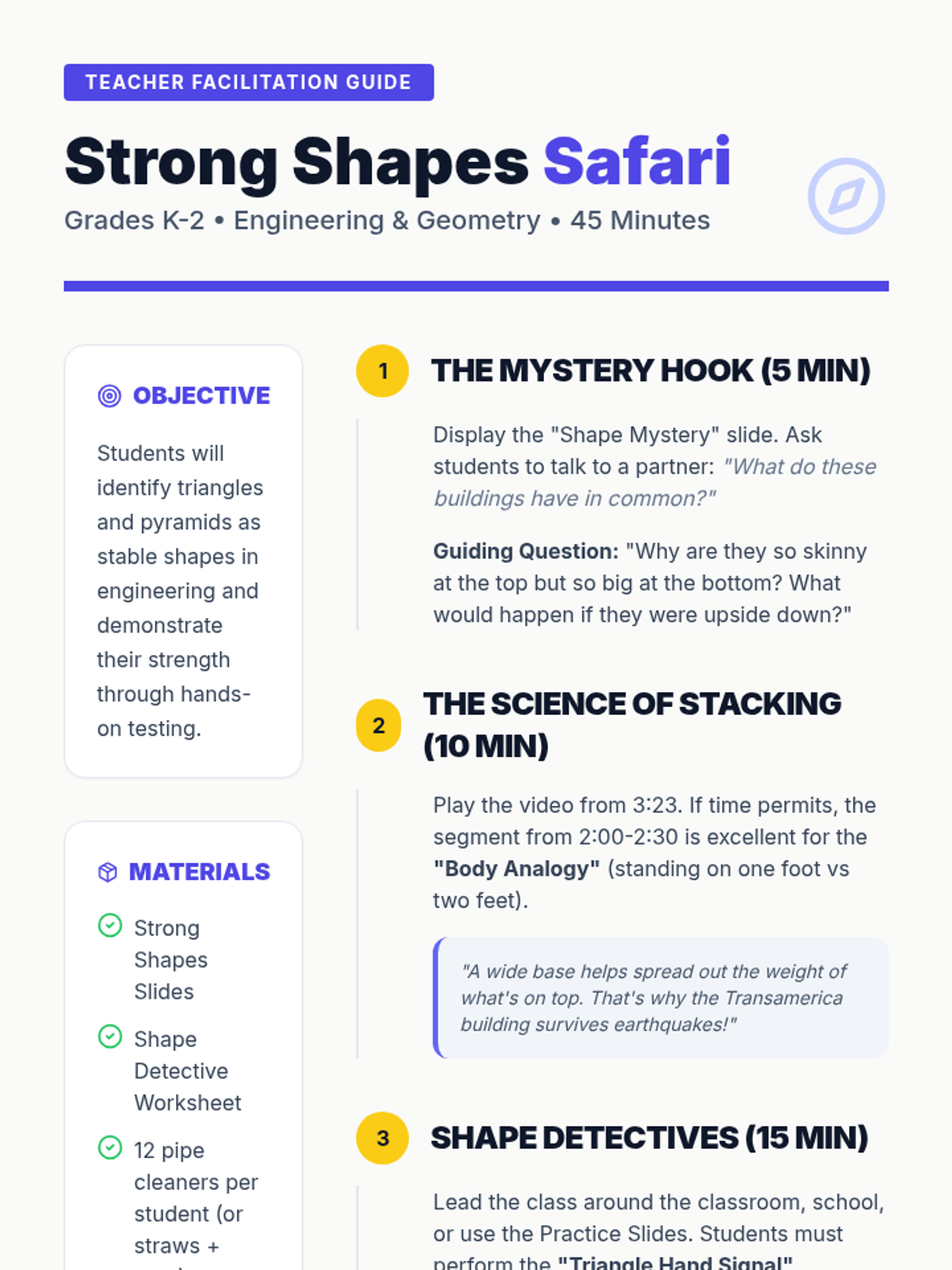
Students will discover the power of triangles and pyramids in engineering, identifying stable shapes in famous buildings and their own environment through a 'Shape Detective' activity and a hands-on construction challenge.
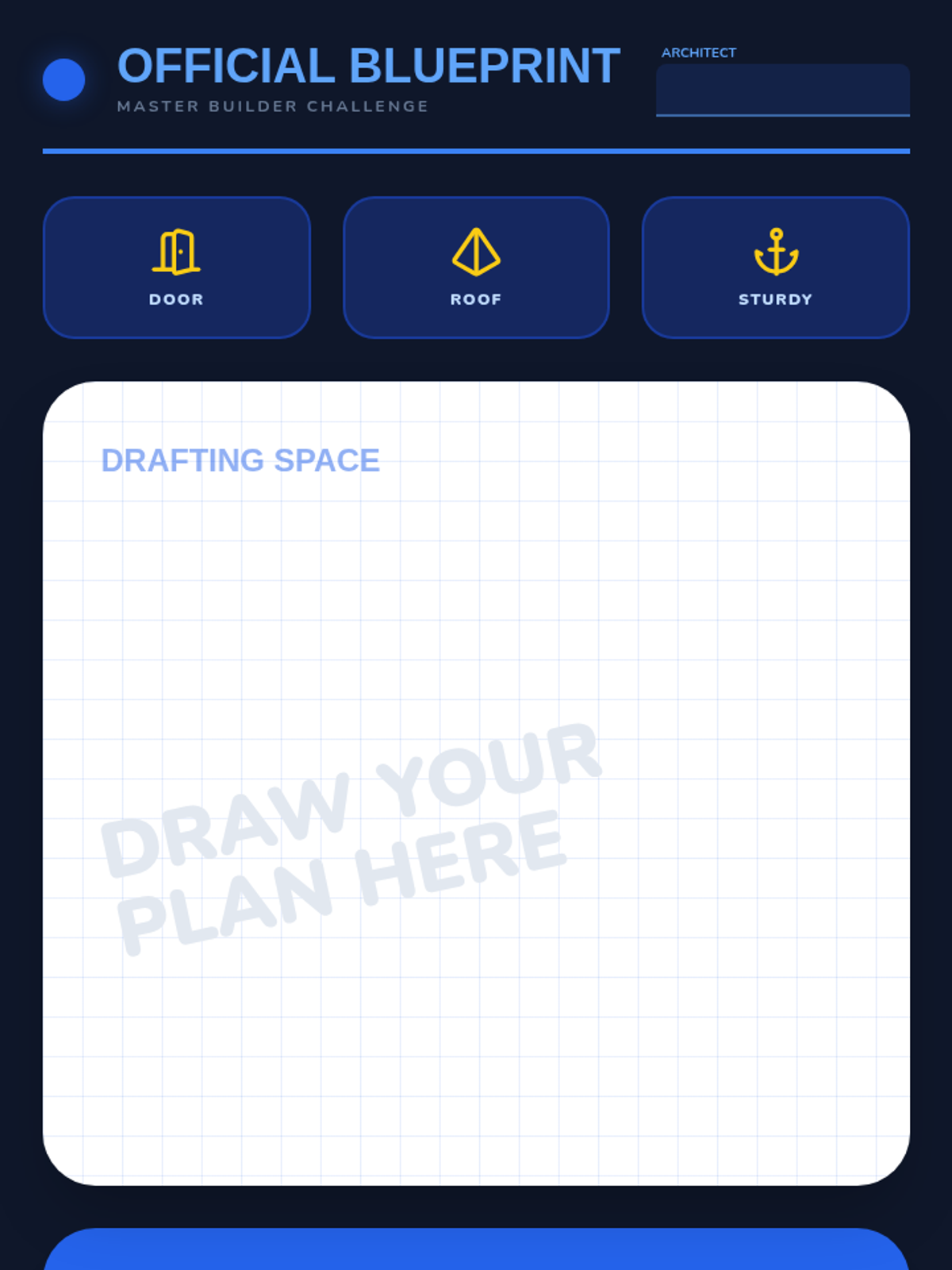
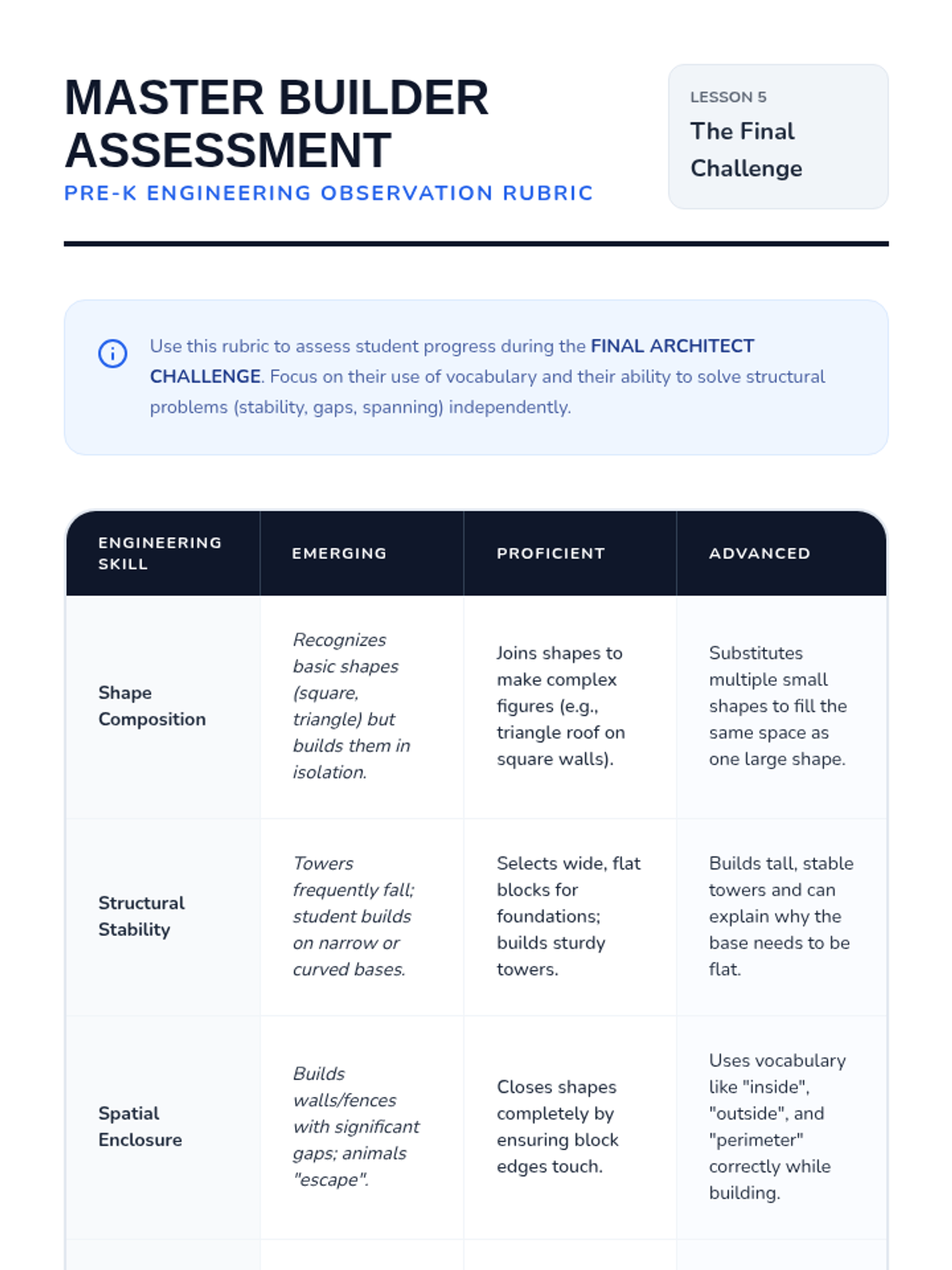
In this synthesis activity, students plan and build a structure that meets specific criteria like a door and a roof.
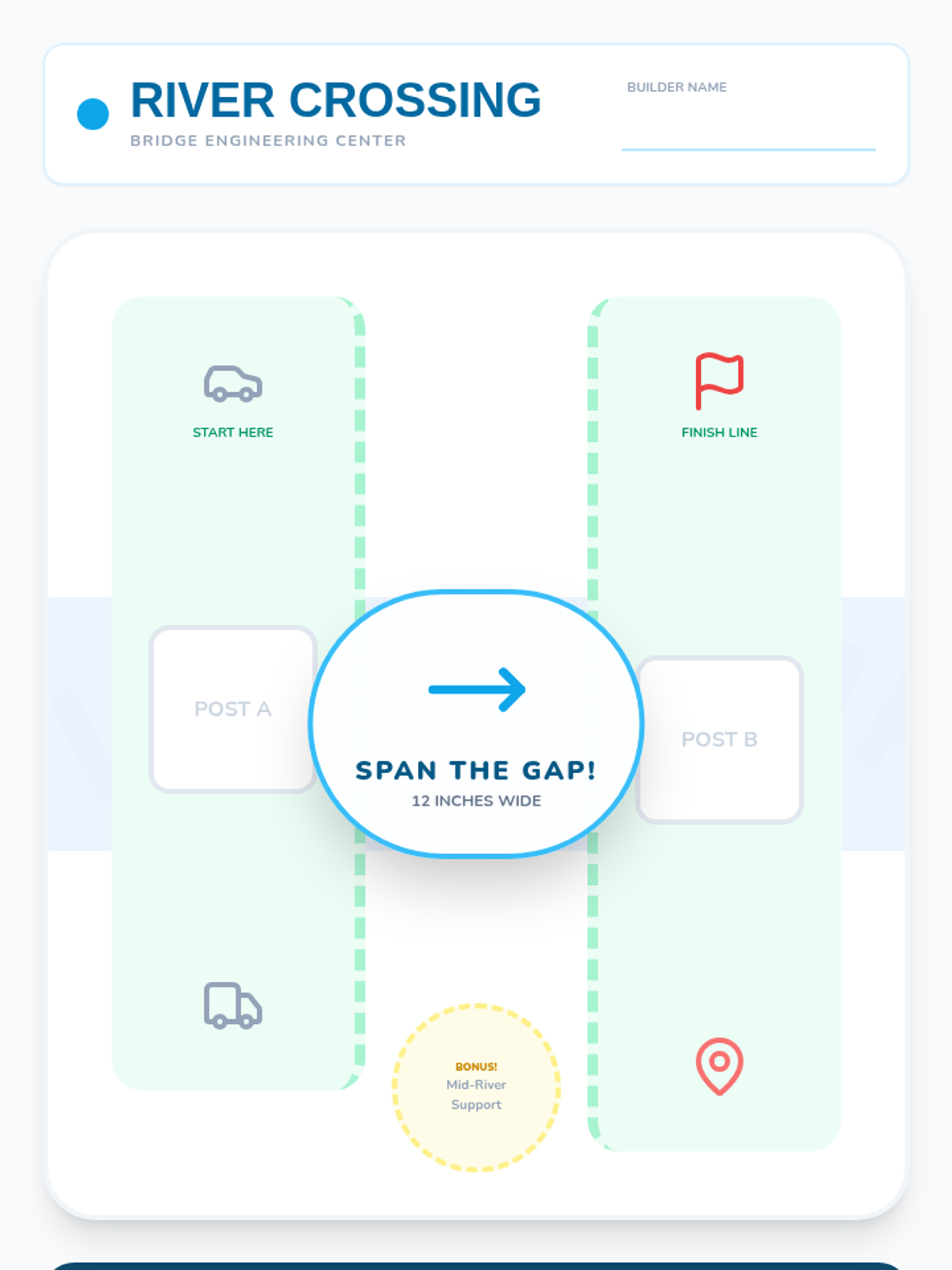
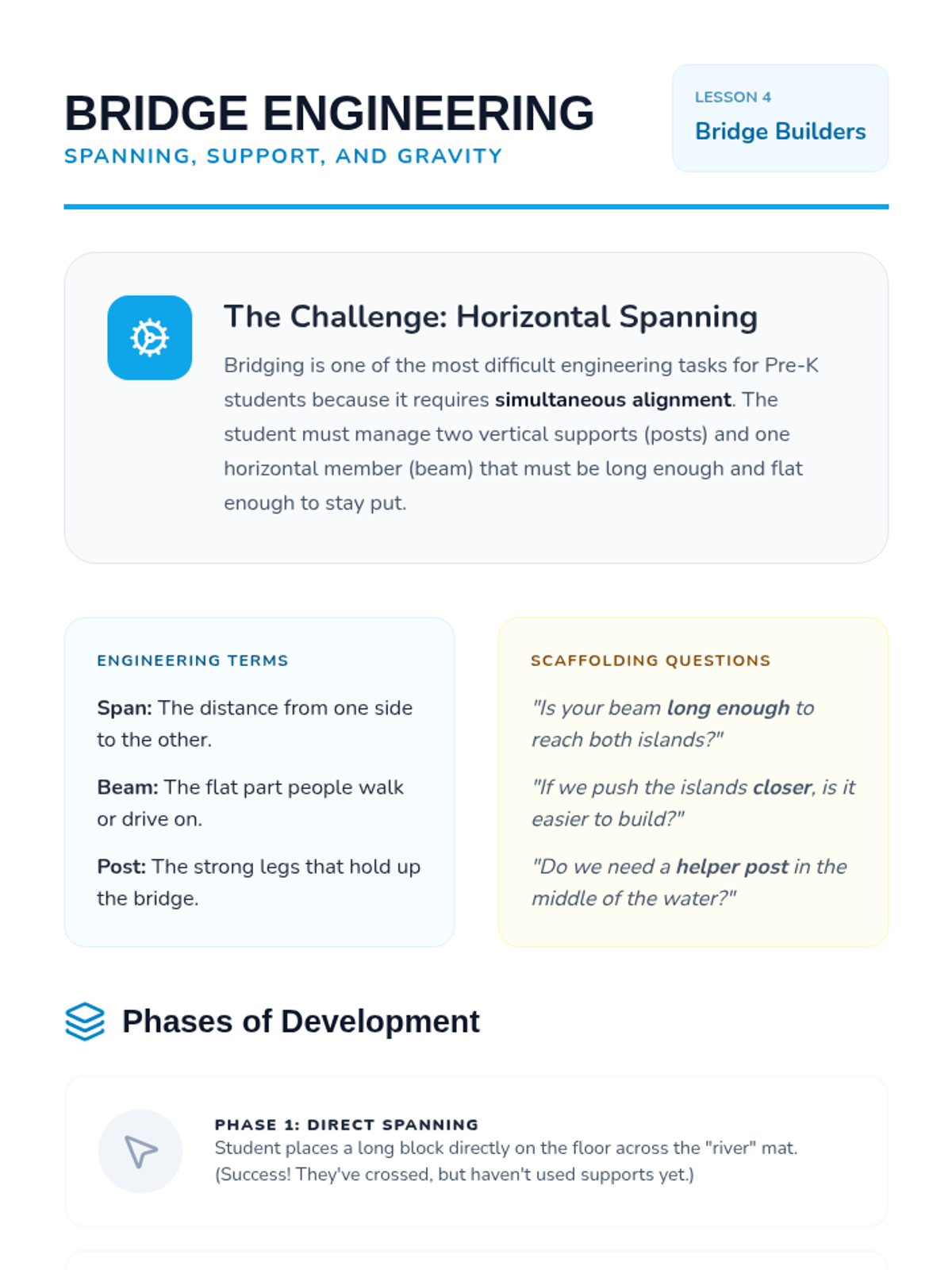
Students face an engineering challenge: spanning a gap between two structures using beams and appropriate shape selection.
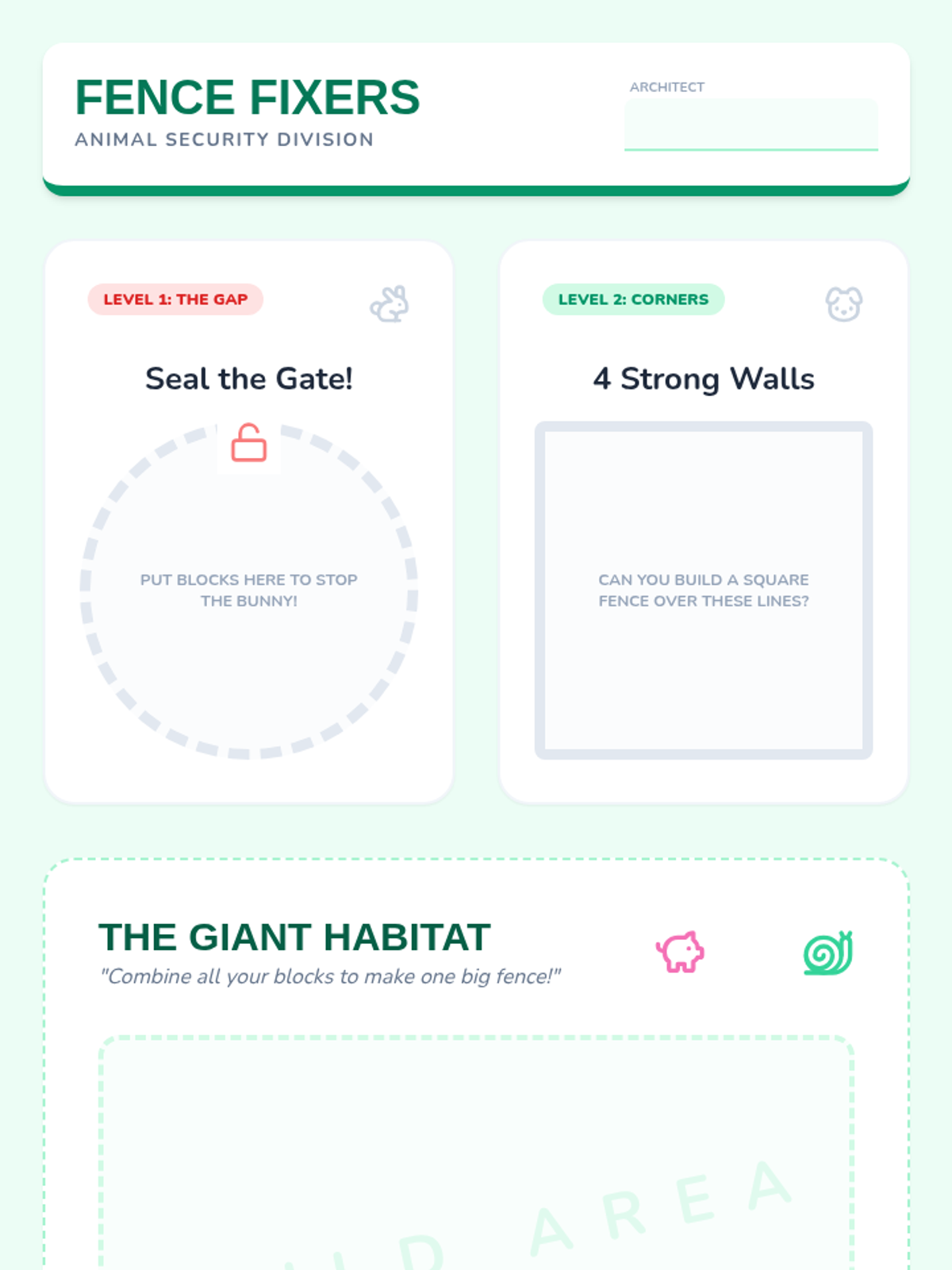
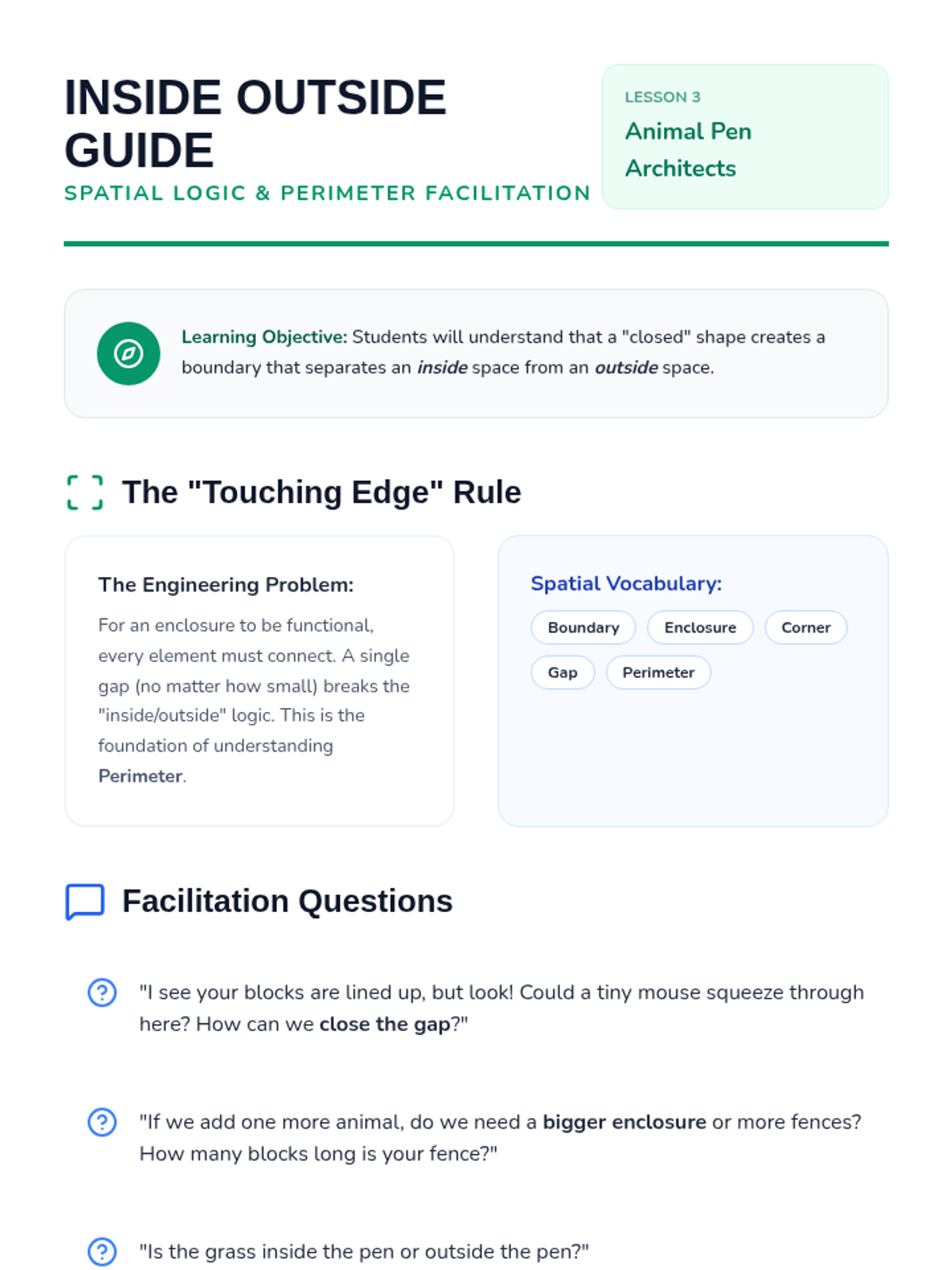
Learners focus on perimeter and interior space by arranging blocks to create closed figures for toy animals.
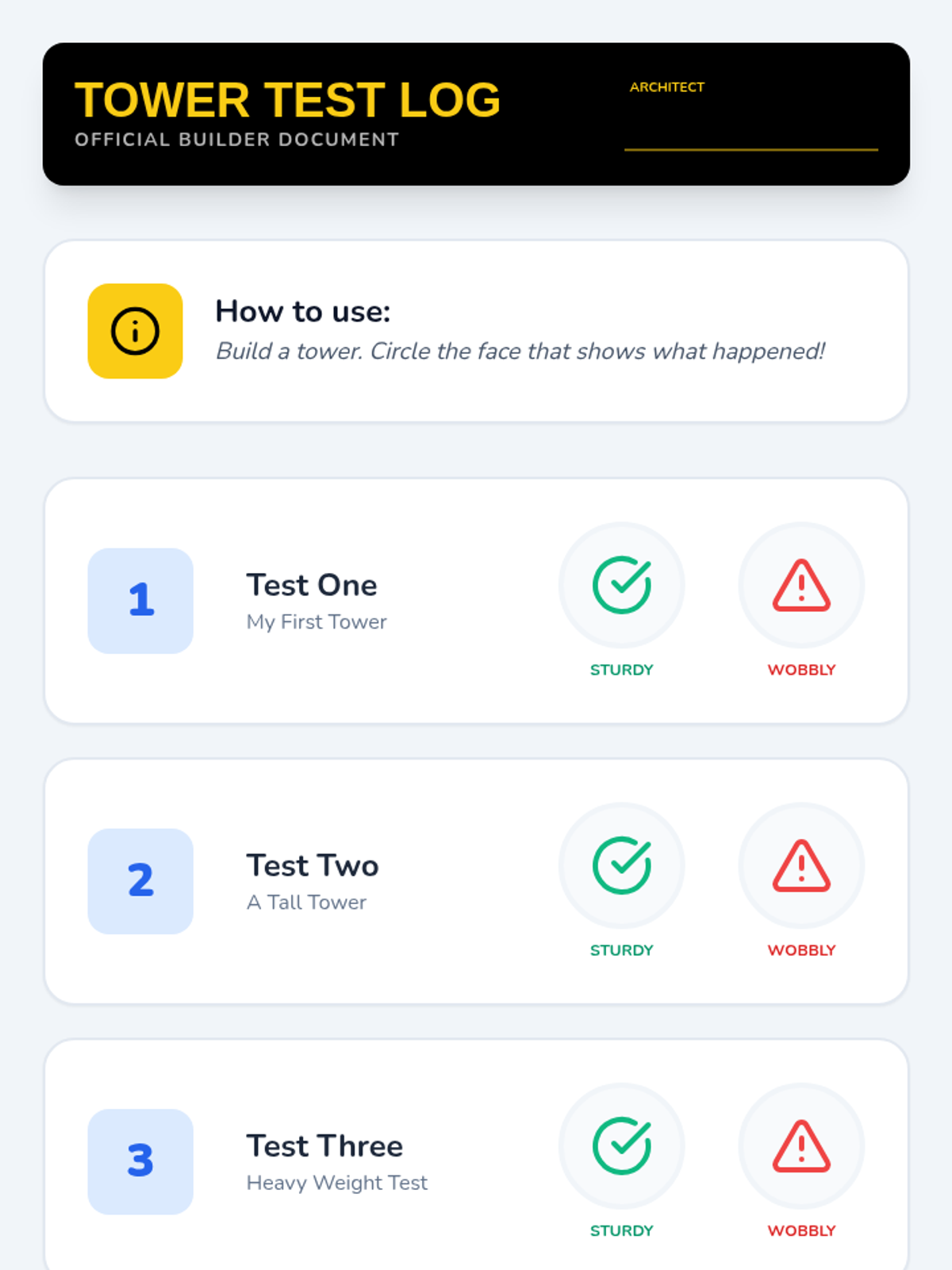
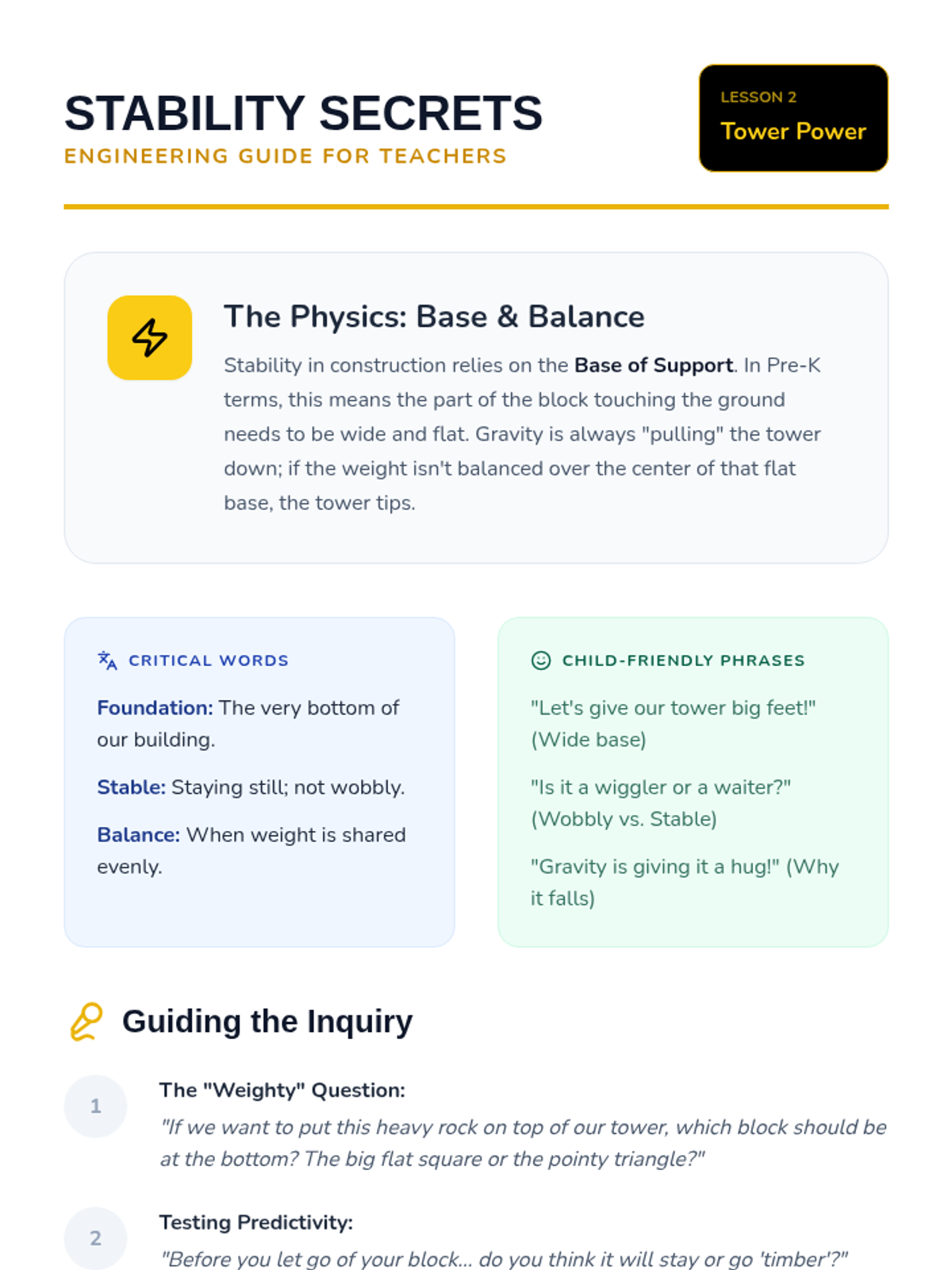
Students experiment with different shapes as bases for towers to learn which shapes provide the most stability for supporting weight.
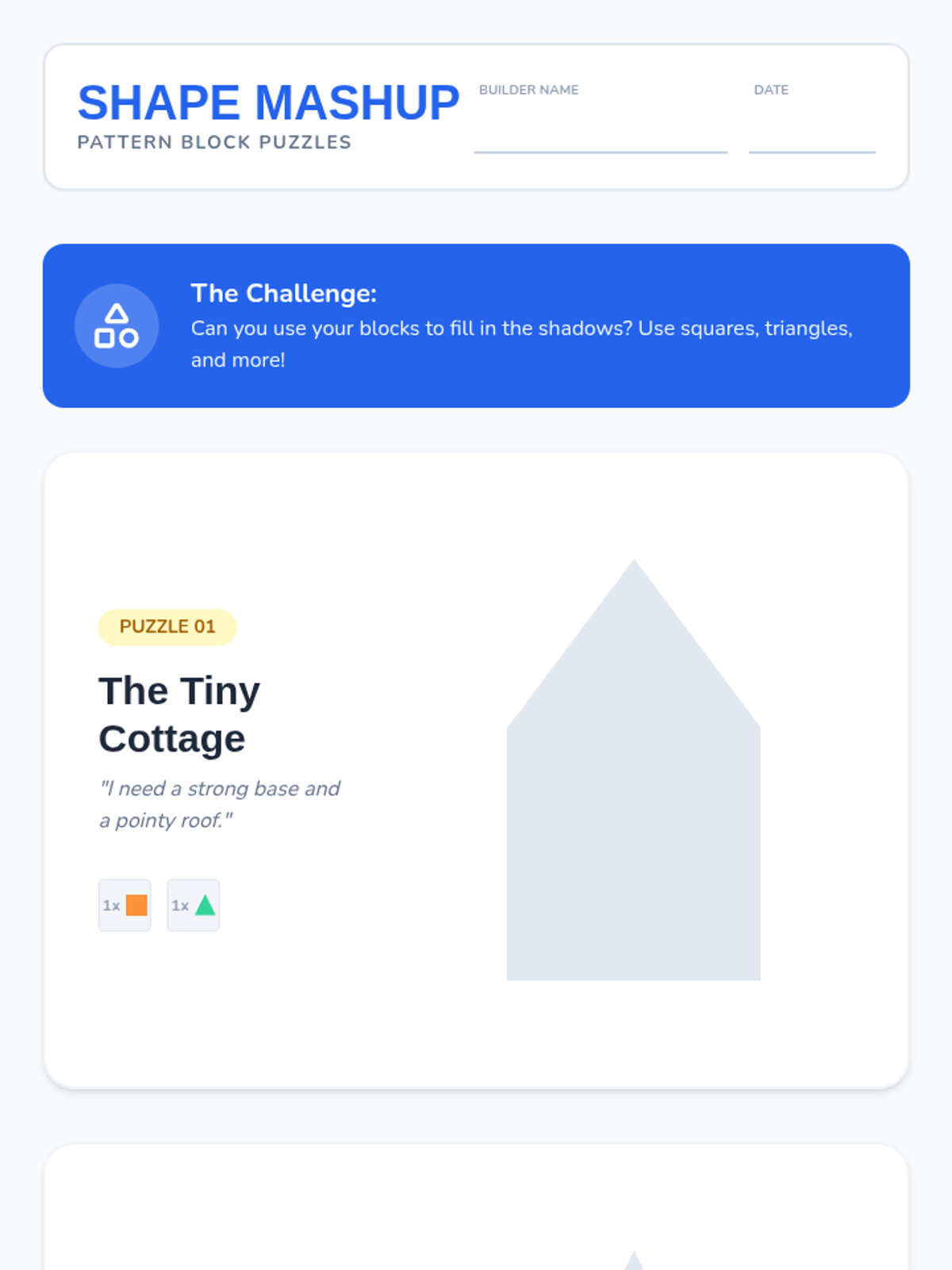
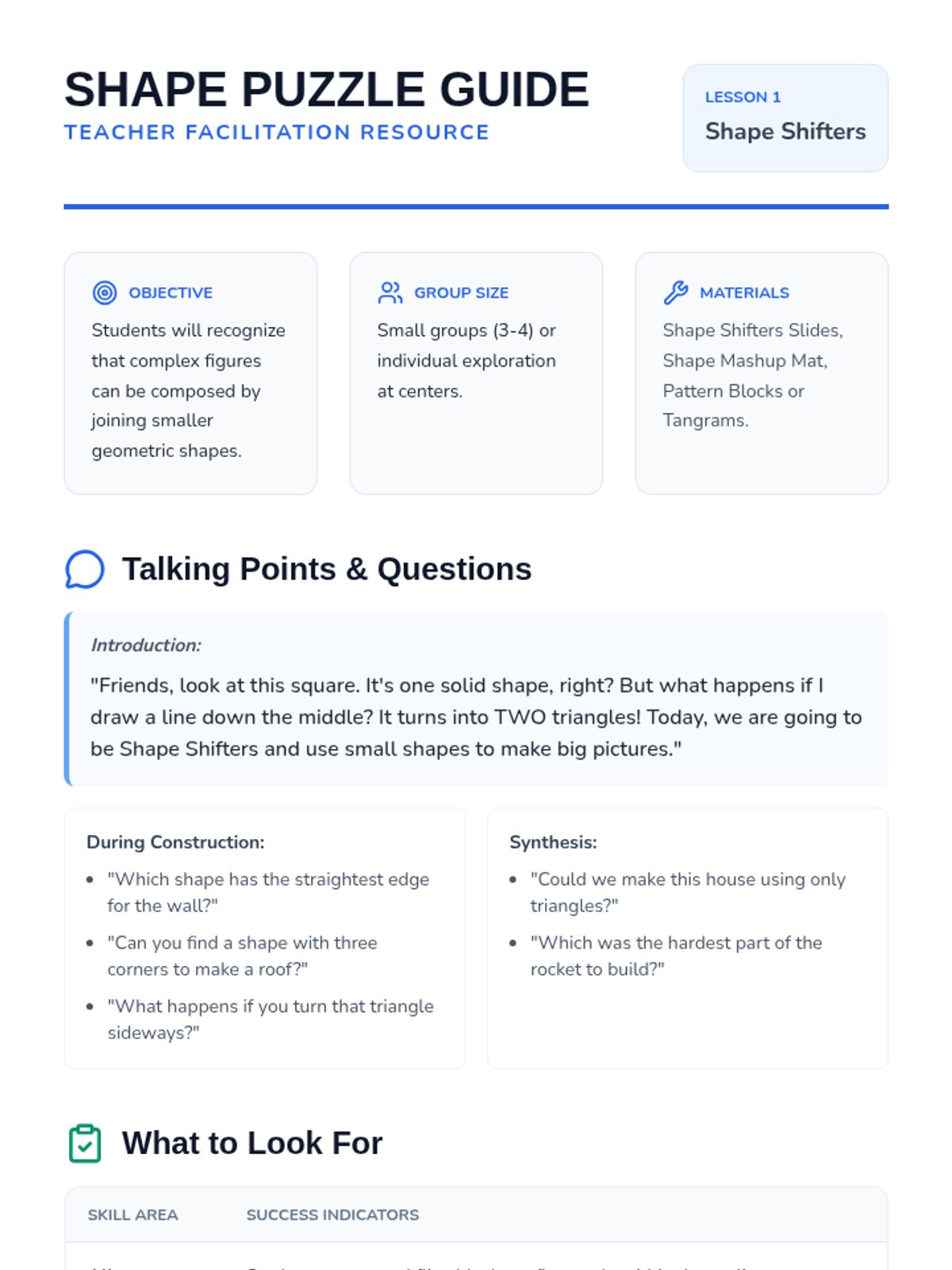
Students use pattern blocks or tangrams to combine simple shapes into larger images, learning that complex shapes are made of smaller geometric parts.
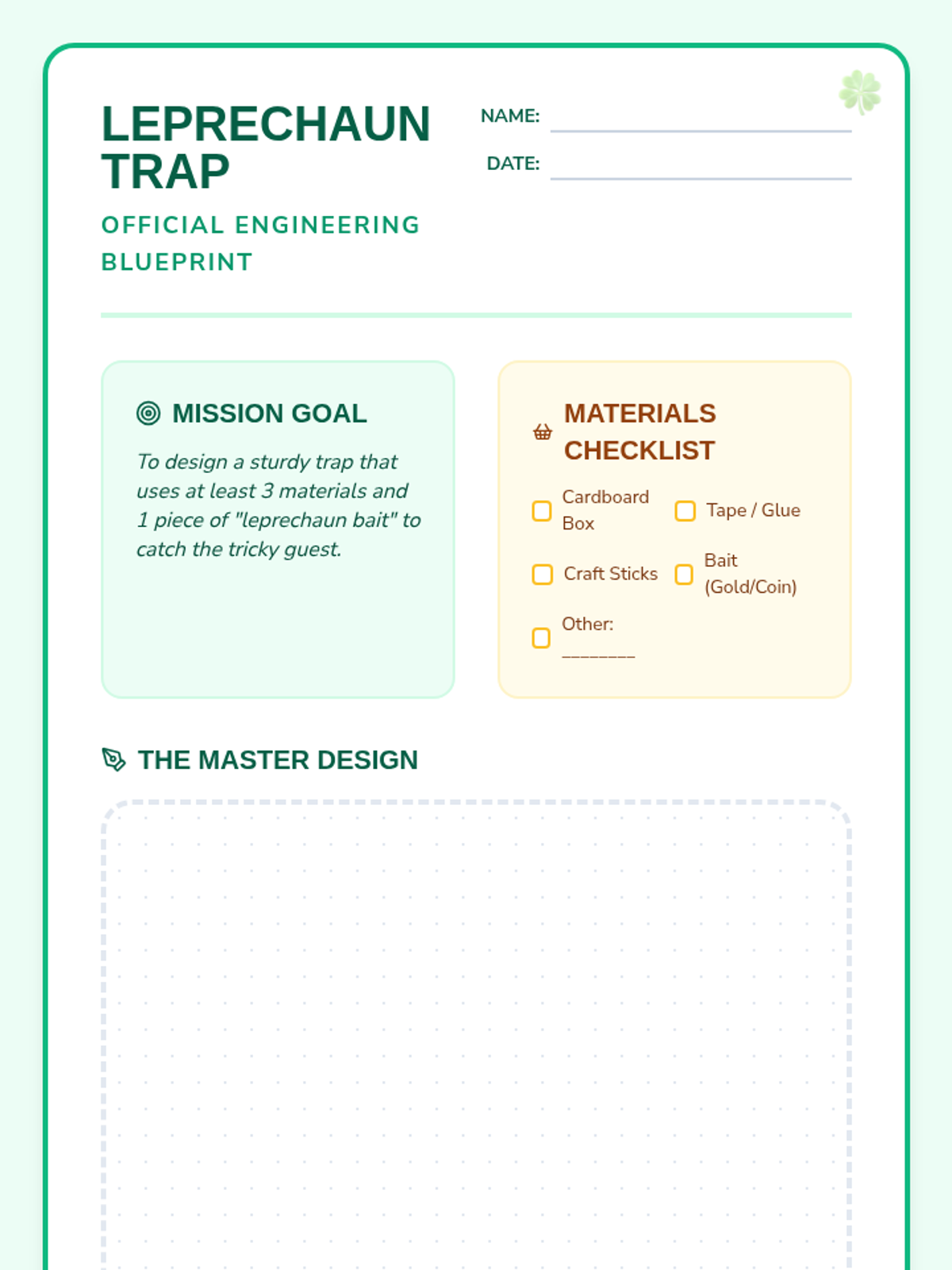
Students design and build a STEM leprechaun trap inspired by 'How to Catch a Leprechaun', focusing on multi-step directions and problem-solving through the engineering design process.
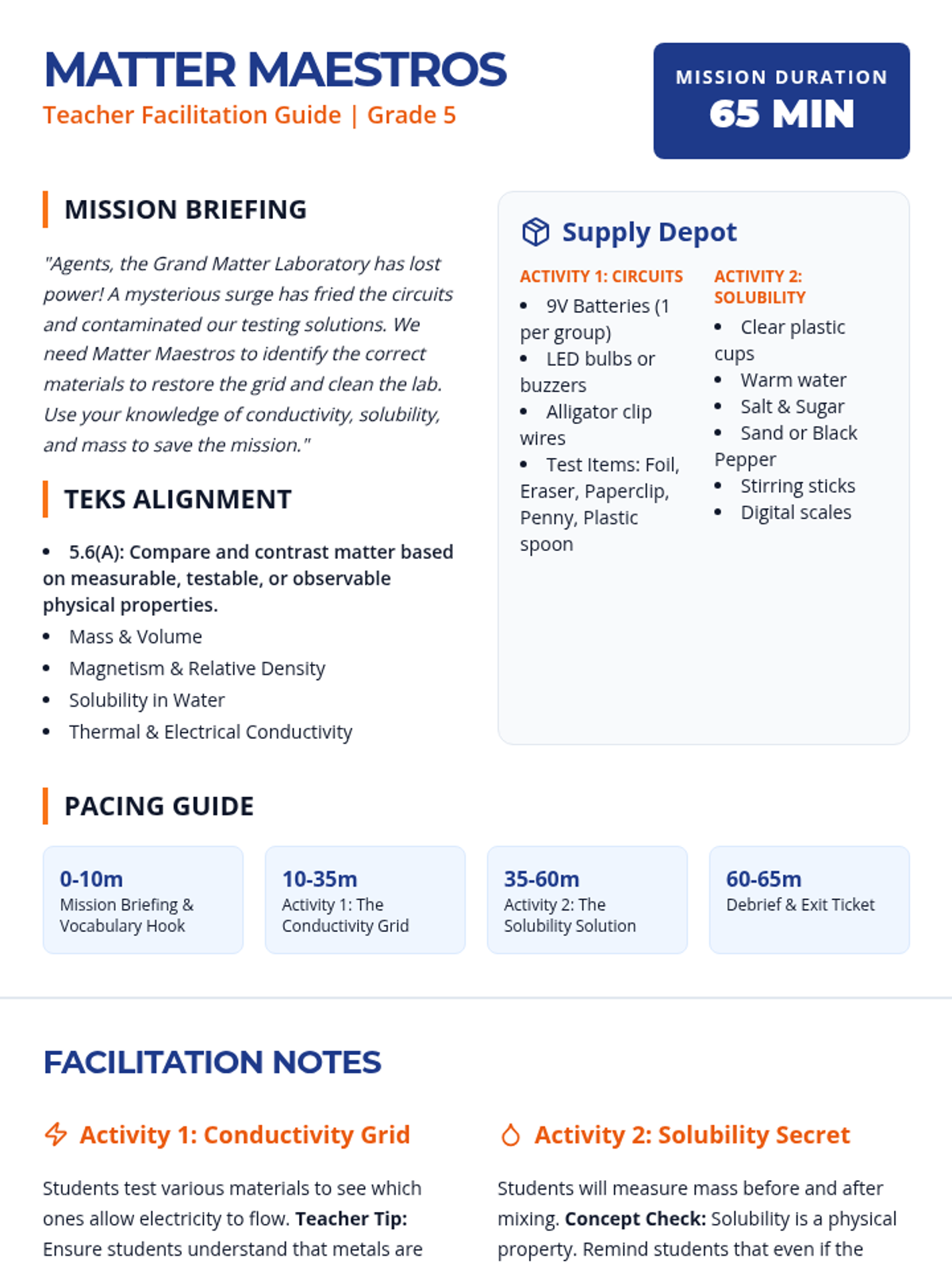
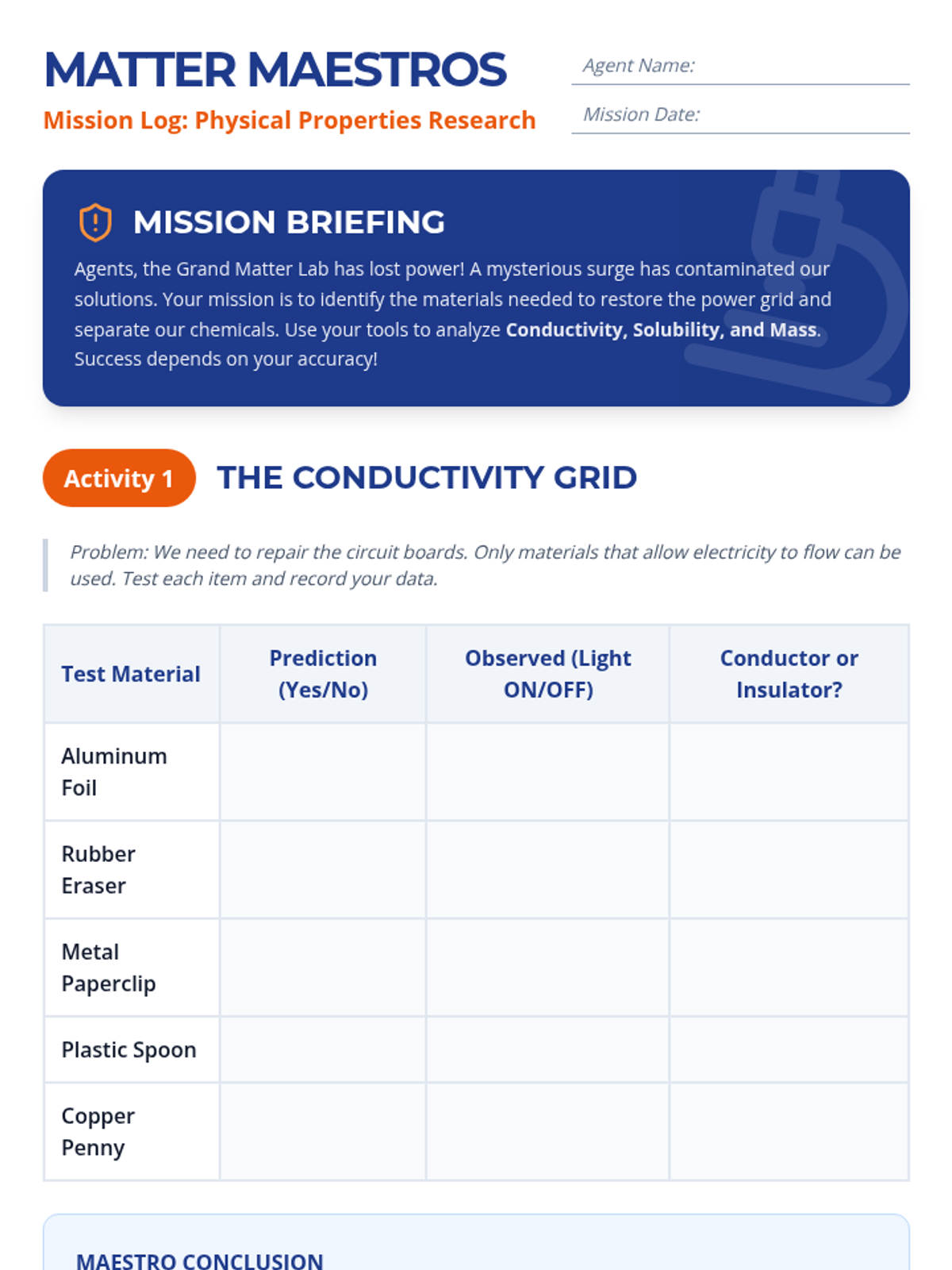
Fifth-grade maestros perform advanced testing on conductivity, solubility, and mass to restore power to a science lab. Comprehensive STAAR review and engineering design.
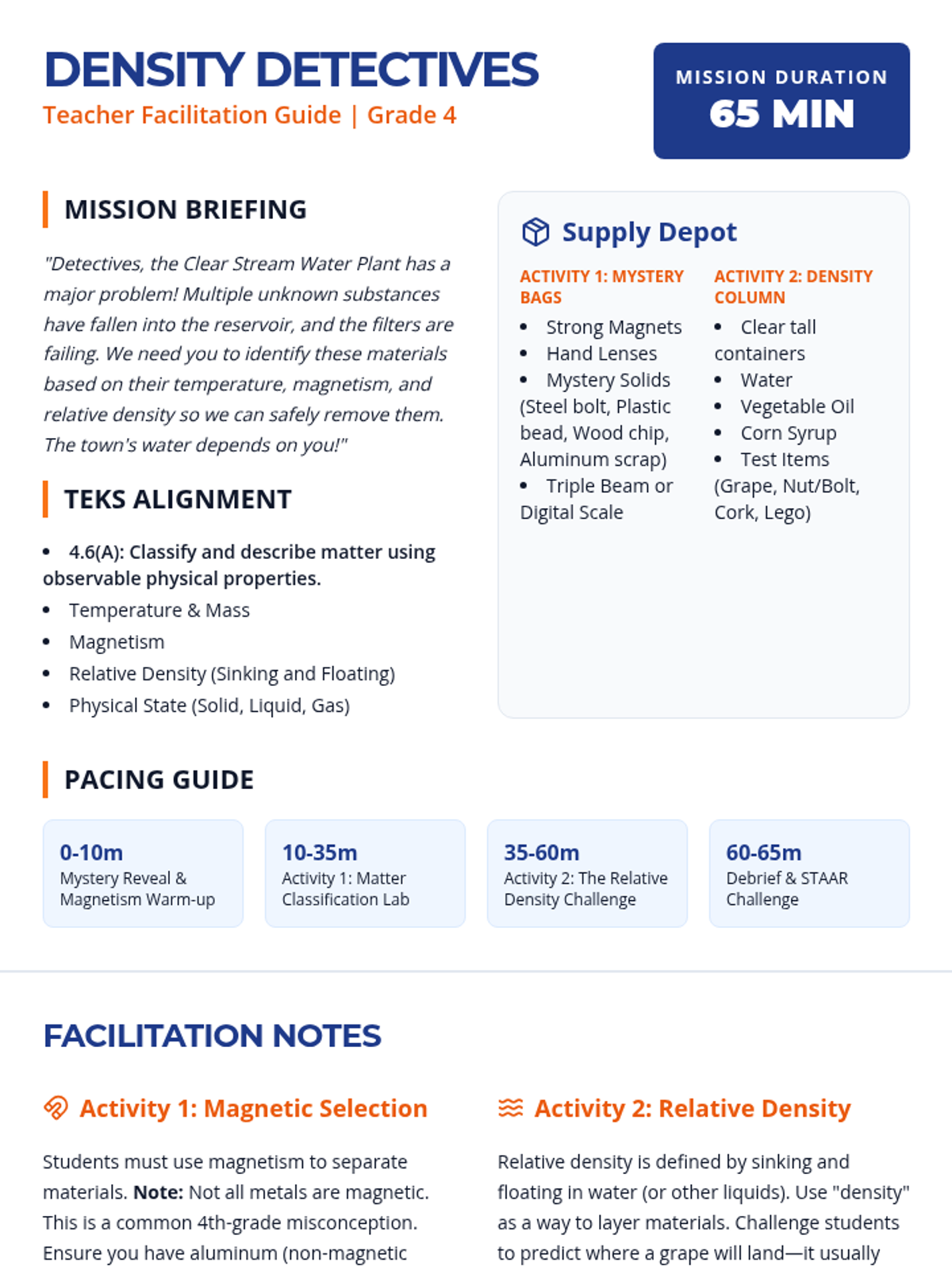
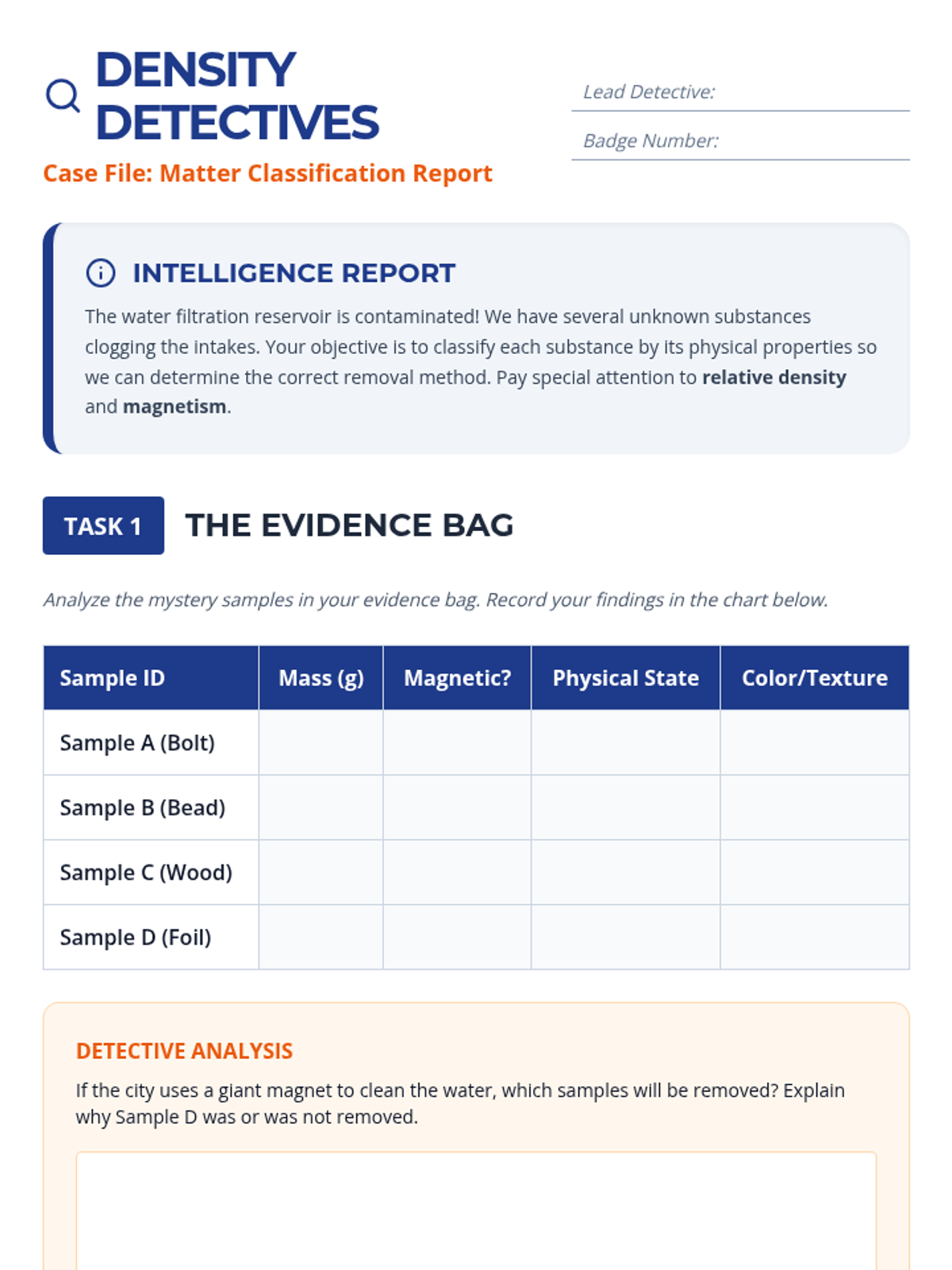
Fourth-grade detectives classify matter using temperature, magnetism, and relative density to solve a water filtration mystery. Includes STAAR-aligned assessment questions.
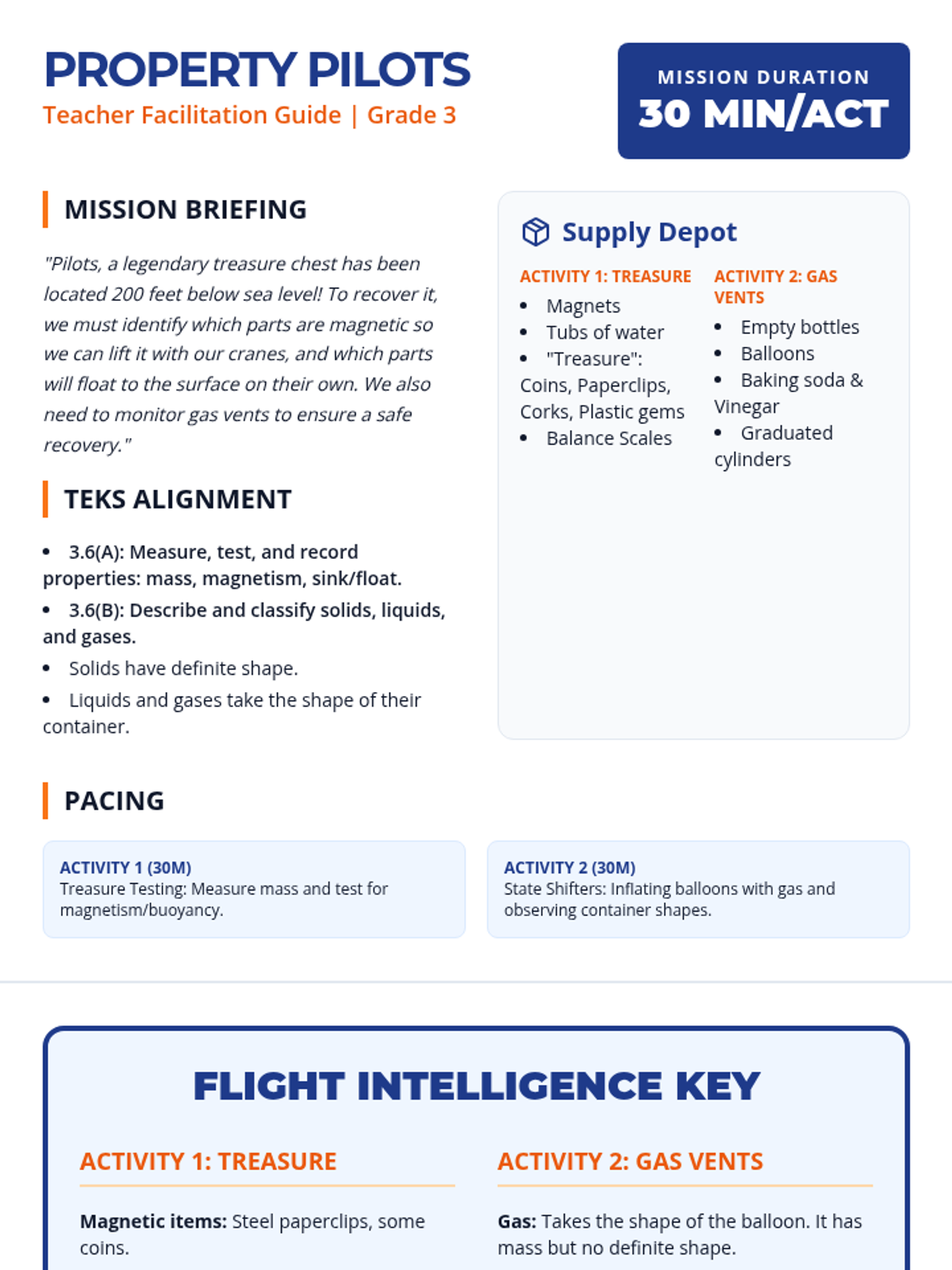
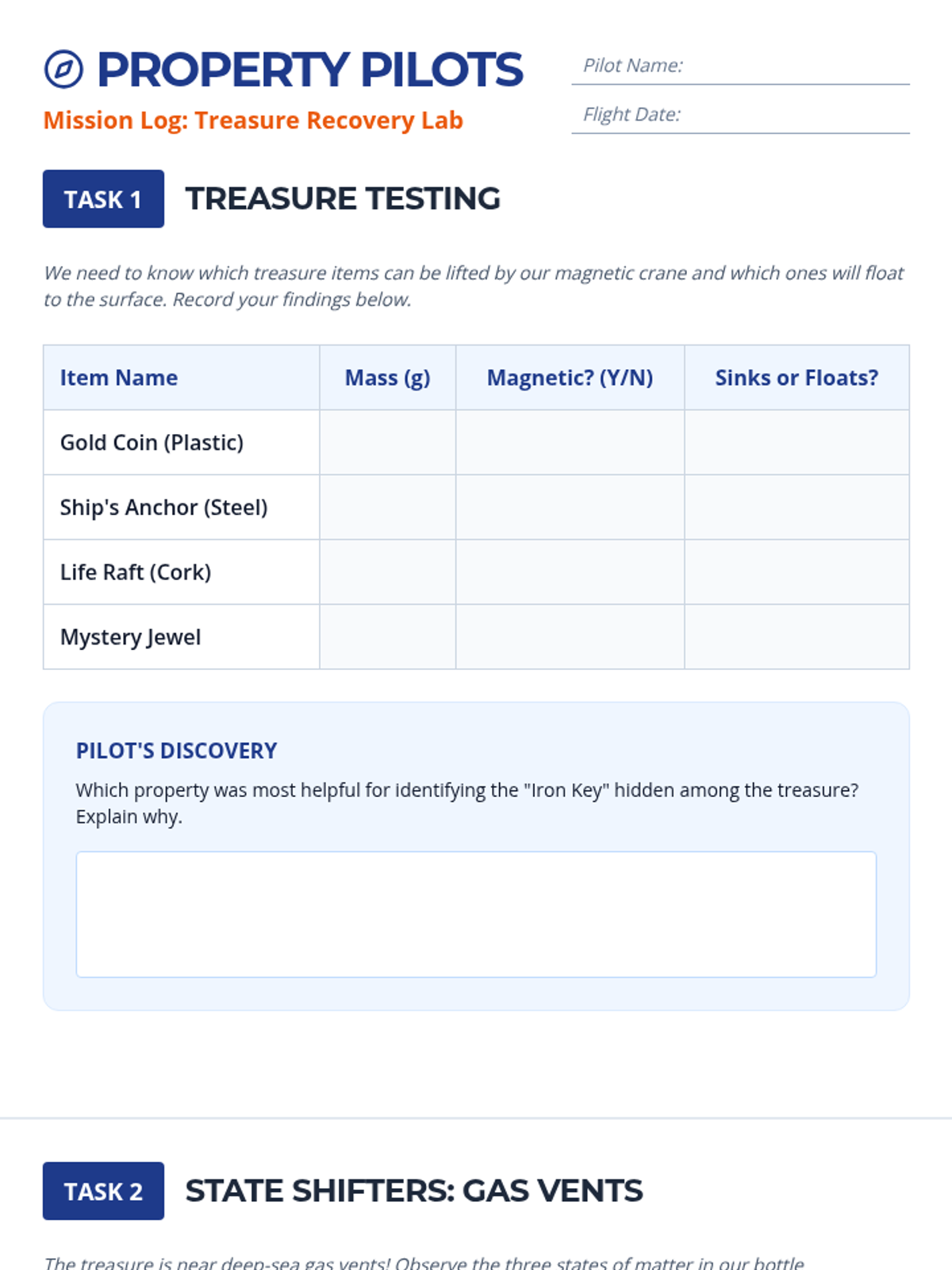
Third-grade pilots test mass, magnetism, and buoyancy to recover sunken treasure. Explores the properties of solids, liquids, and gases including shape and volume.
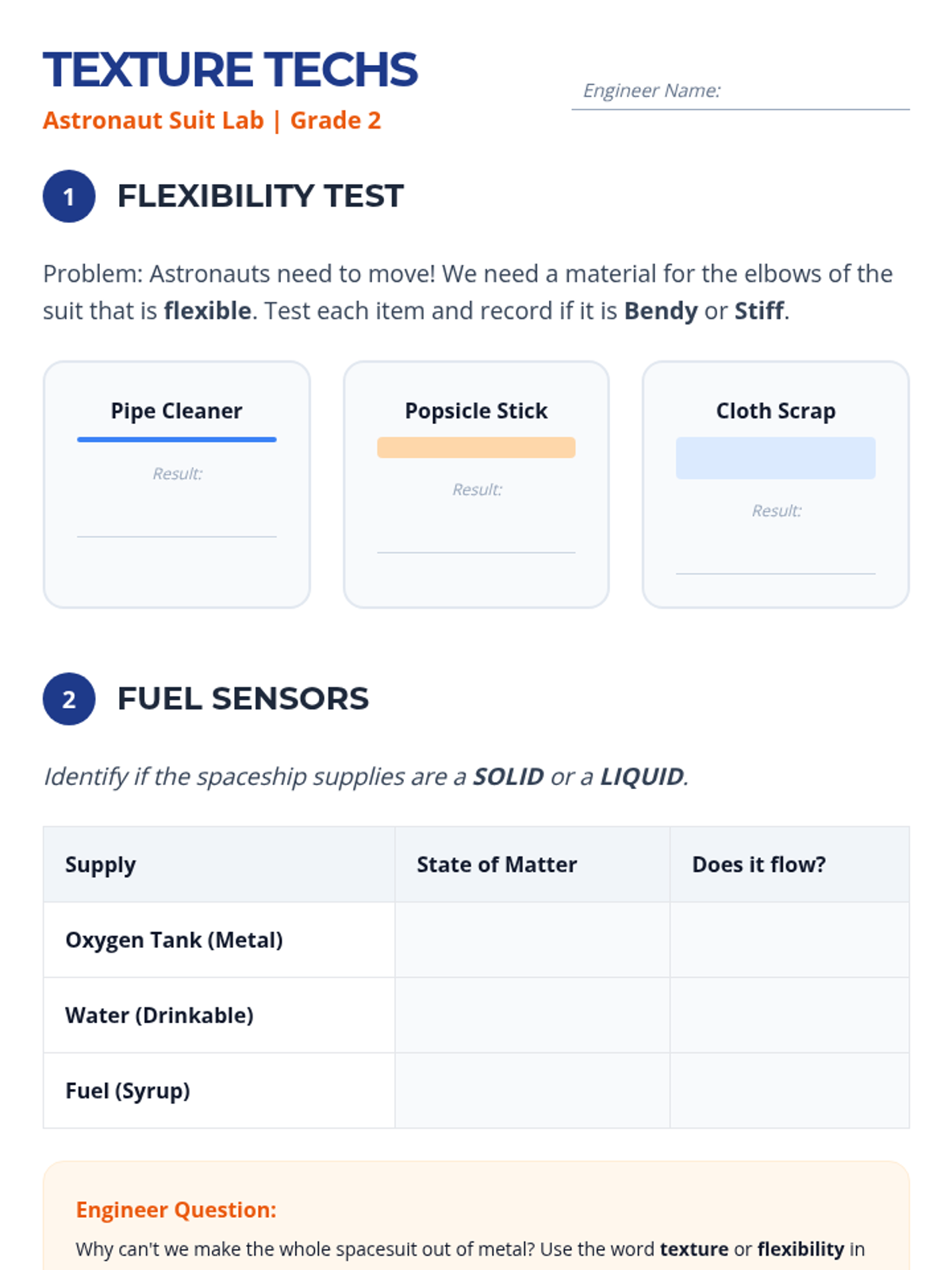
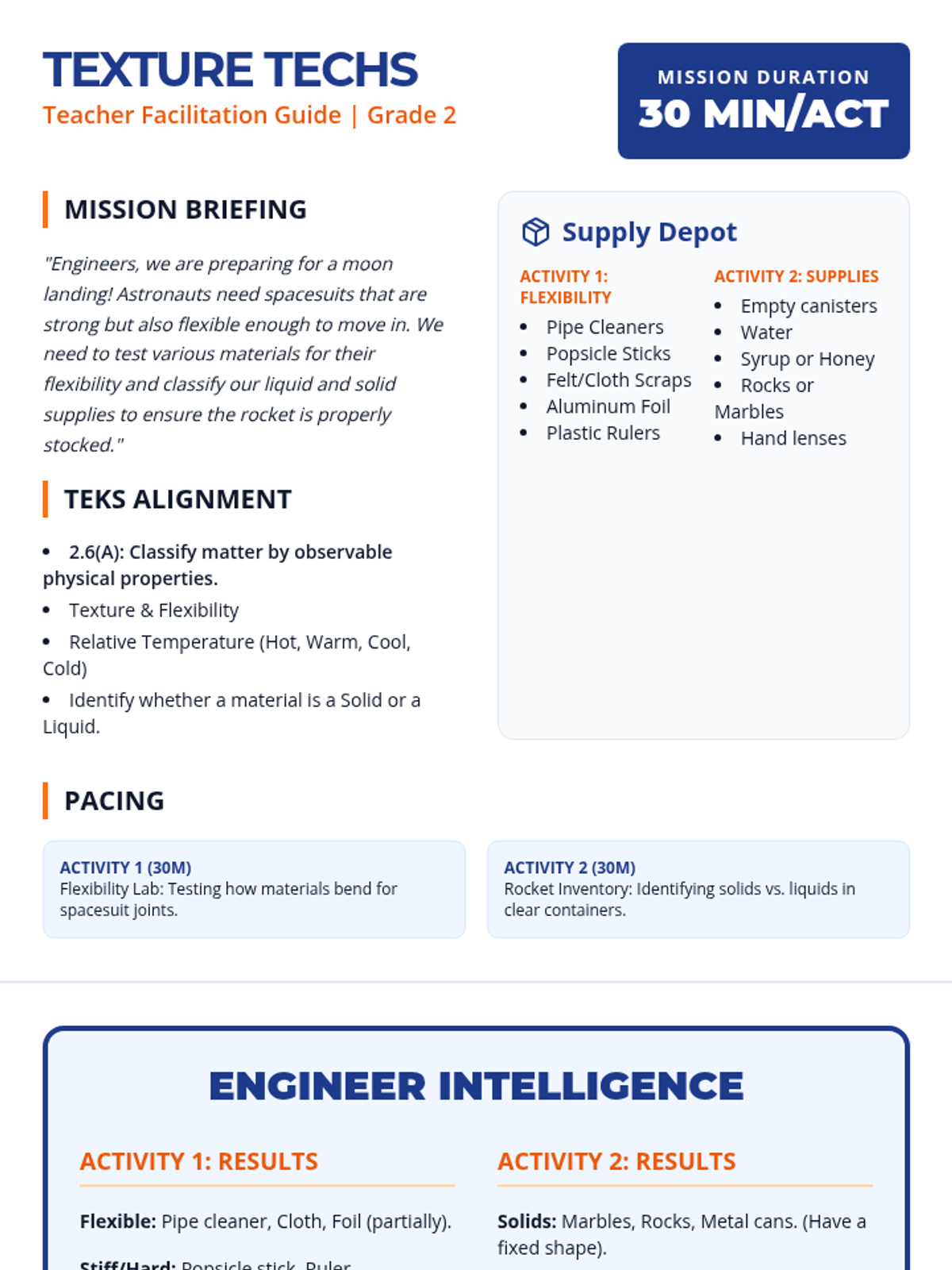
Second-grade engineers investigate texture, flexibility, and physical states of matter to design components for an astronaut's spacesuit. Distinguishes between solids and liquids.
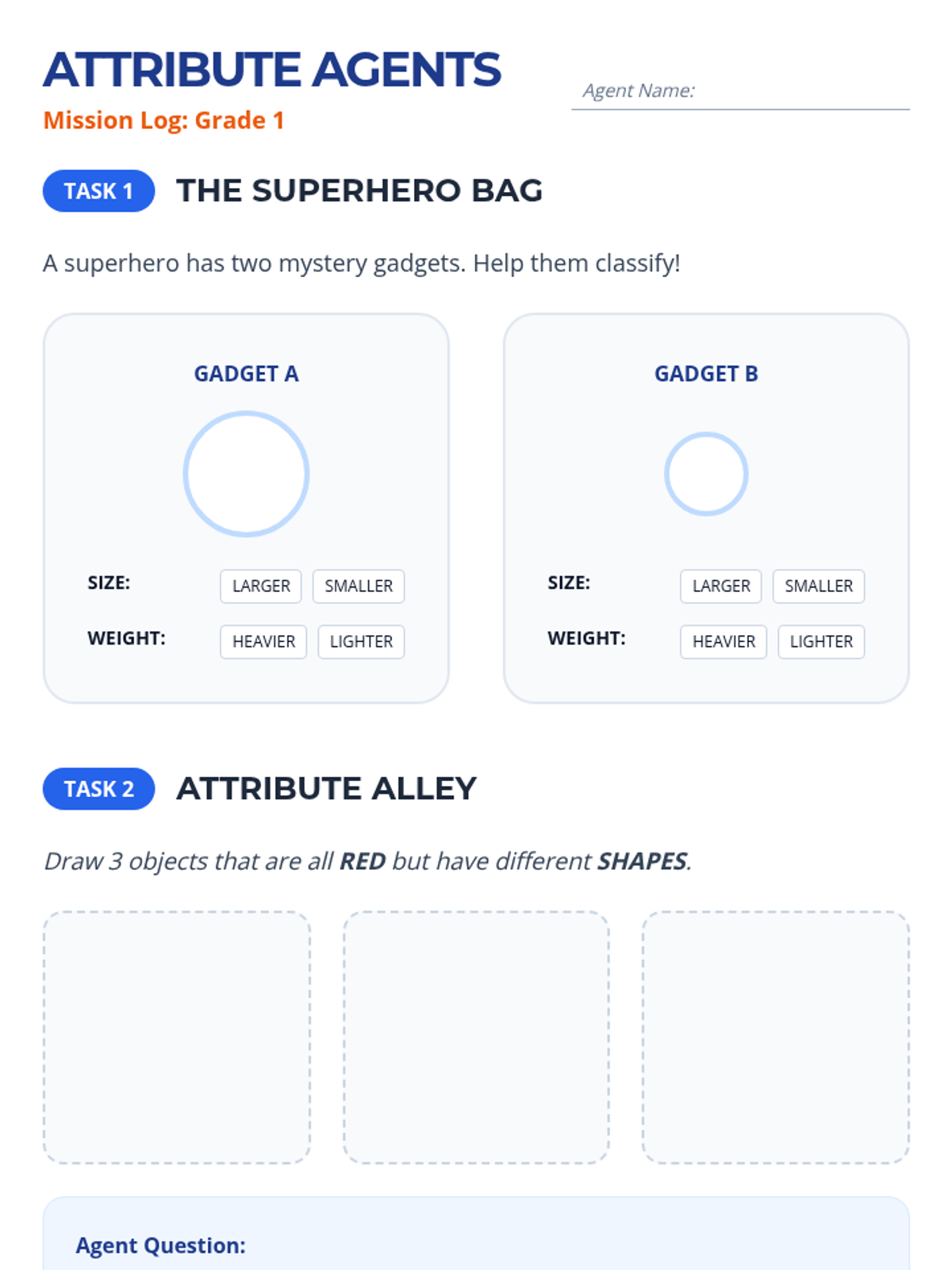
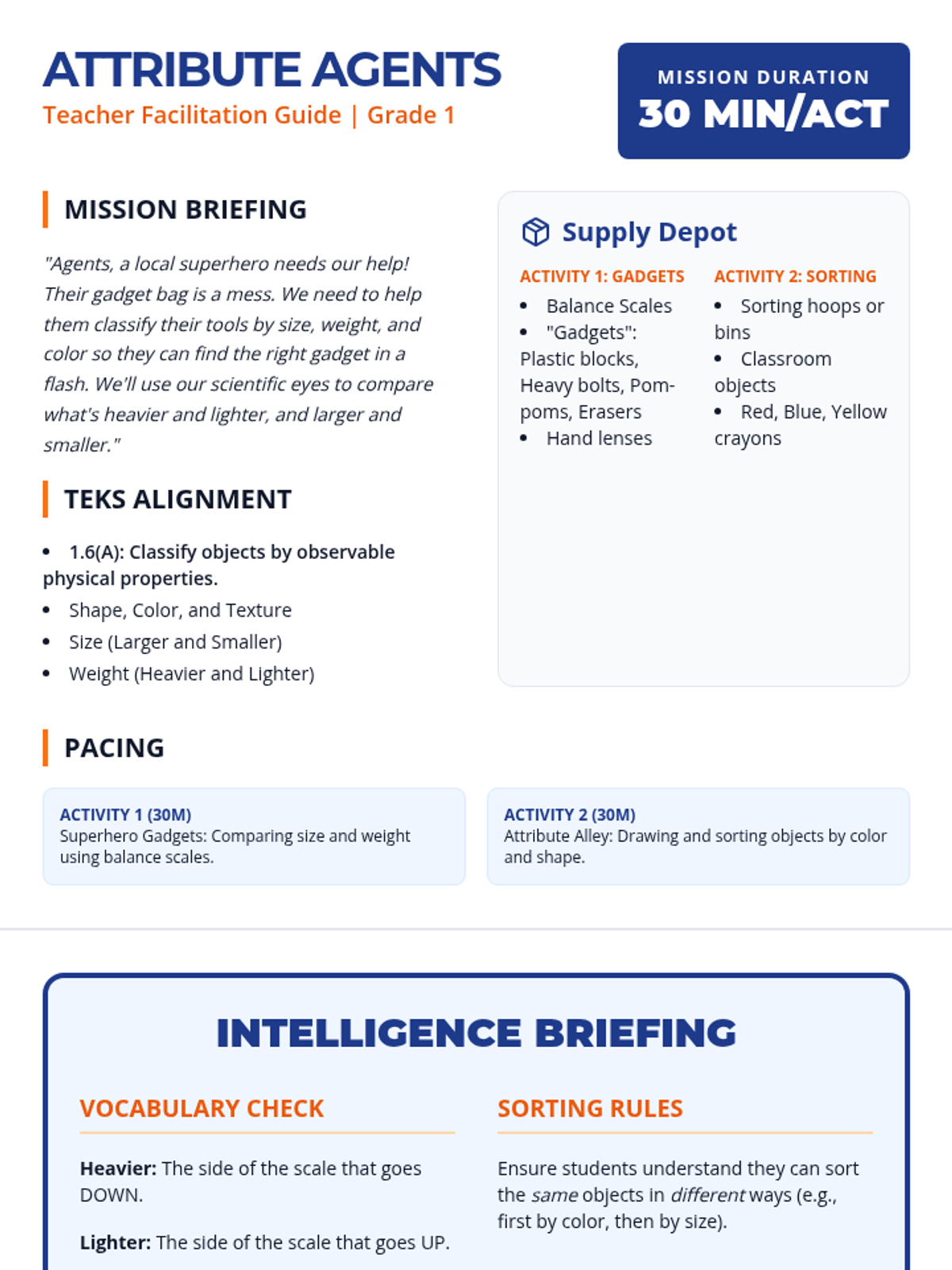
First-grade agents classify objects by size, weight, and multiple observable attributes to help a superhero organize their gadget bag. Focuses on heavier vs. lighter and larger vs. smaller.
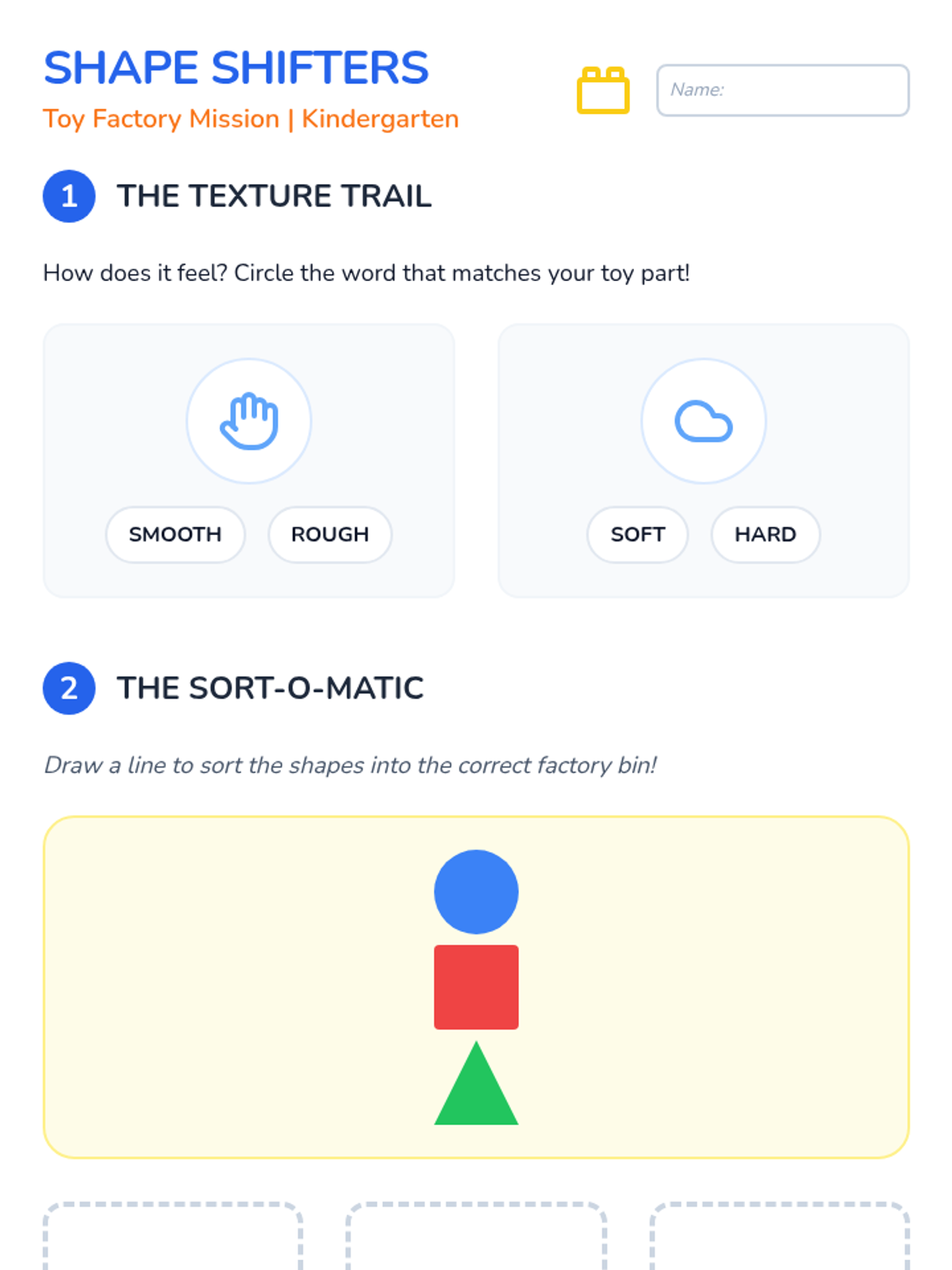
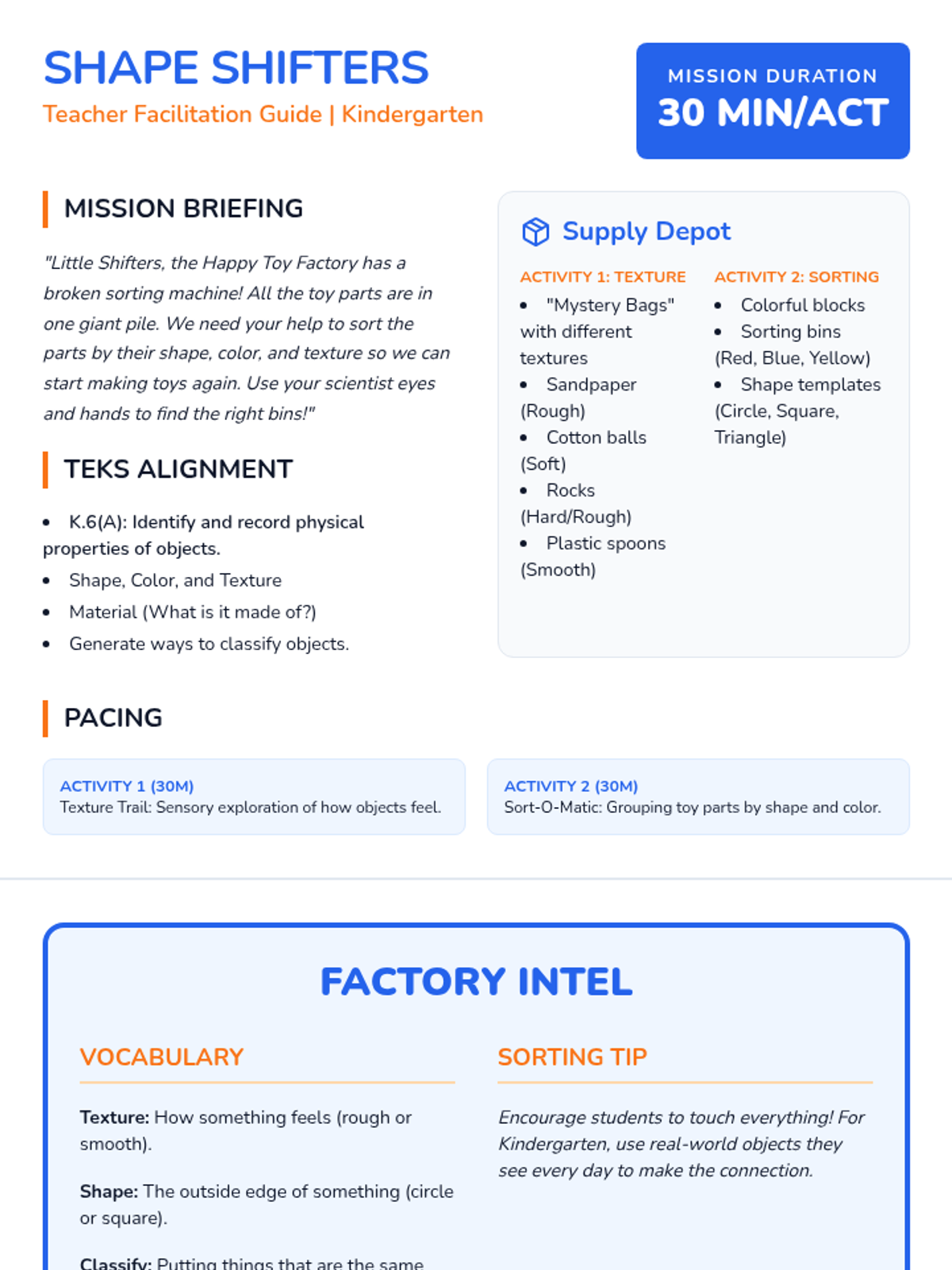
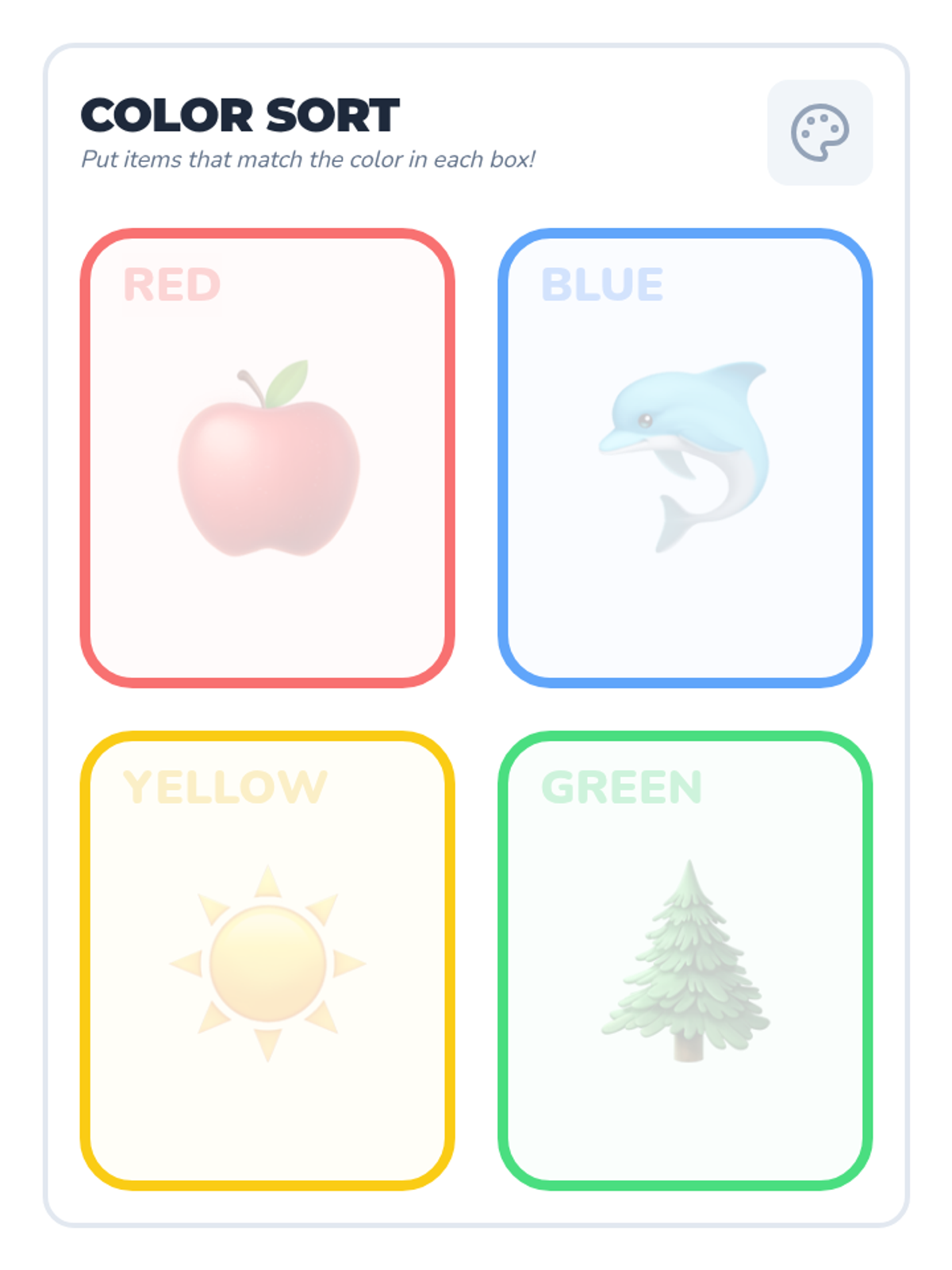
Kindergarten students explore physical properties like shape, color, texture, and material to help a broken toy factory sort its inventory. Includes hands-on sorting and sensory exploration.
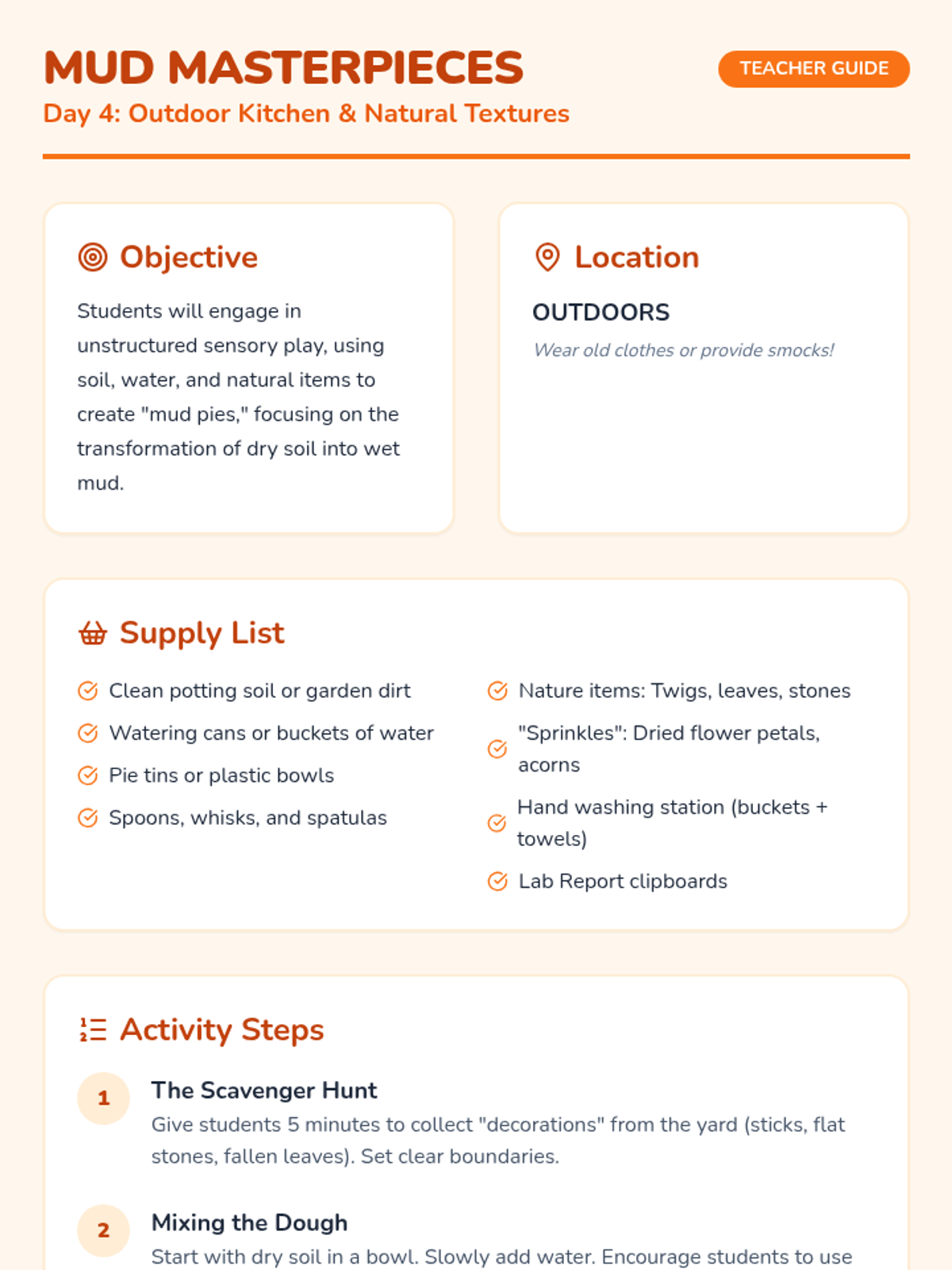
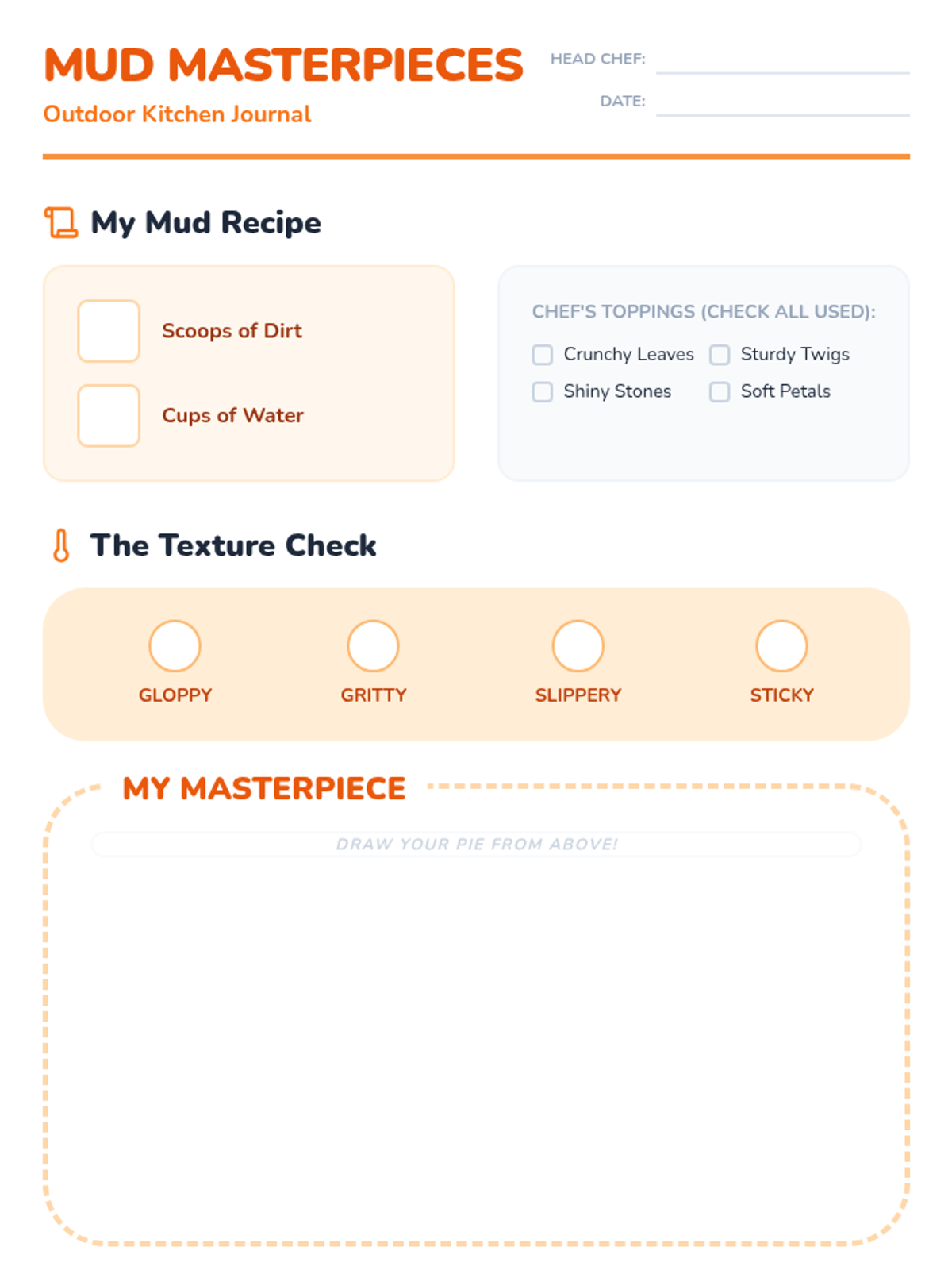
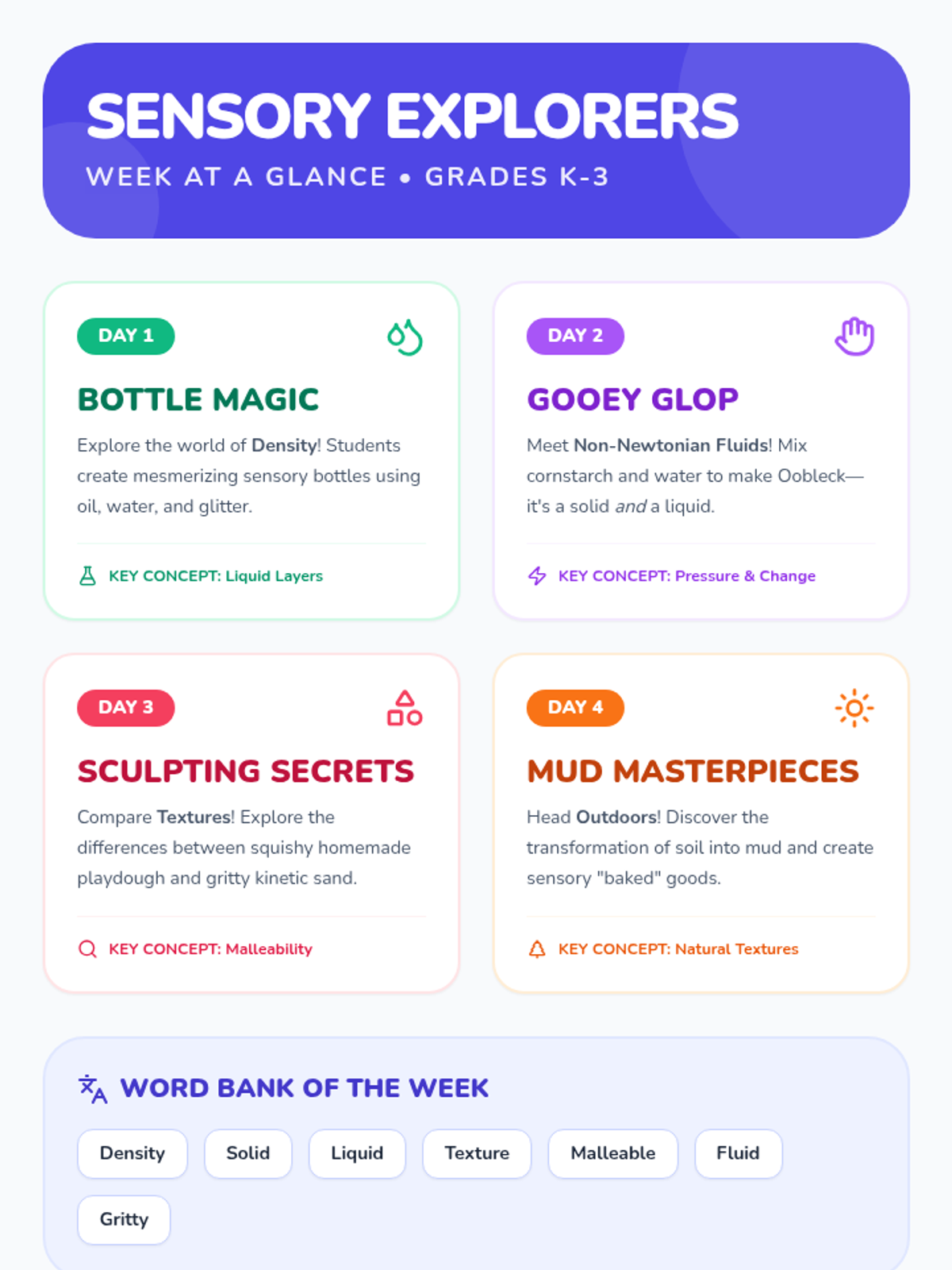
An outdoor sensory experience where students use natural materials to create 'mud pies,' focusing on texture, composition, and imaginative play.
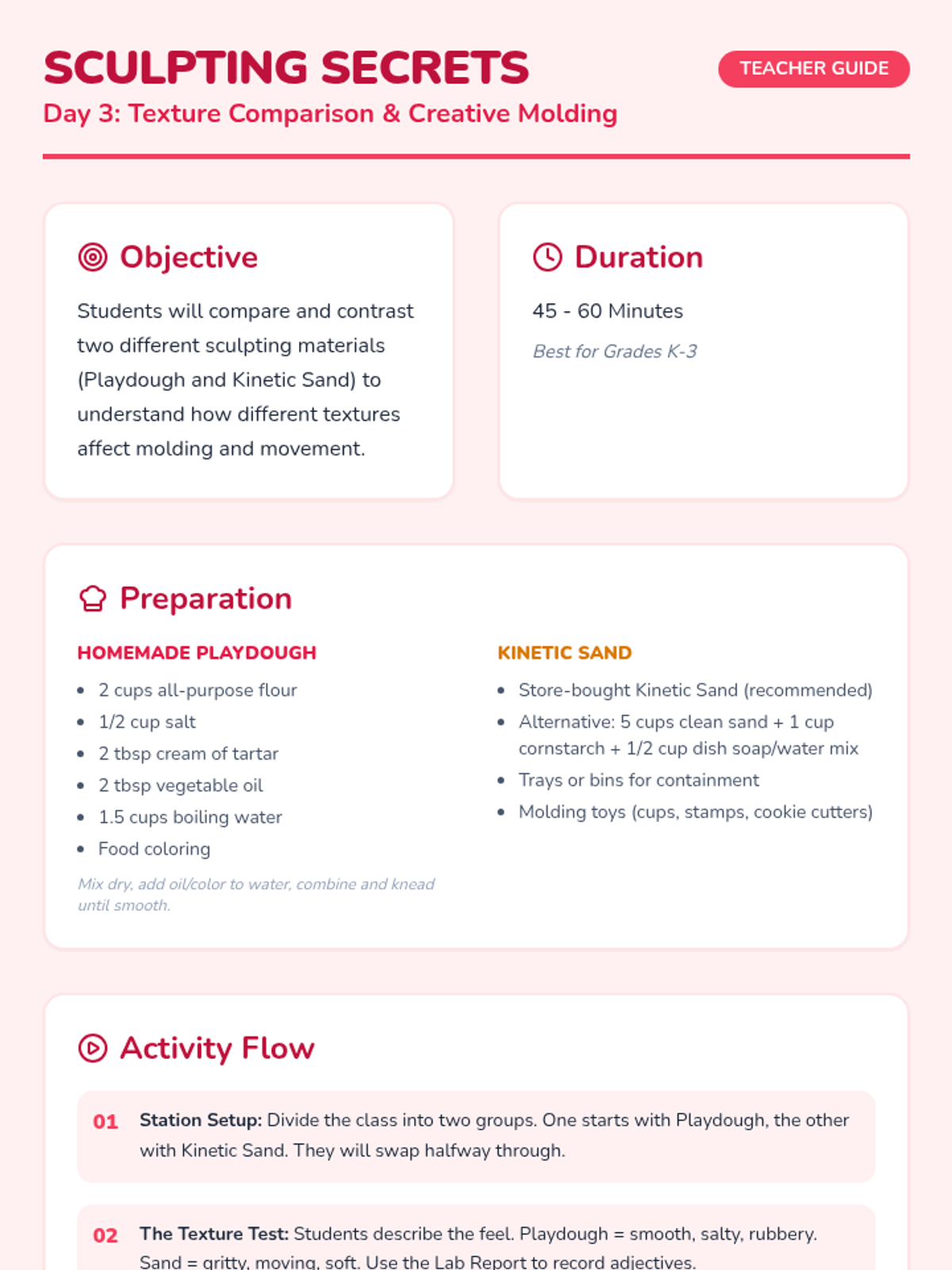
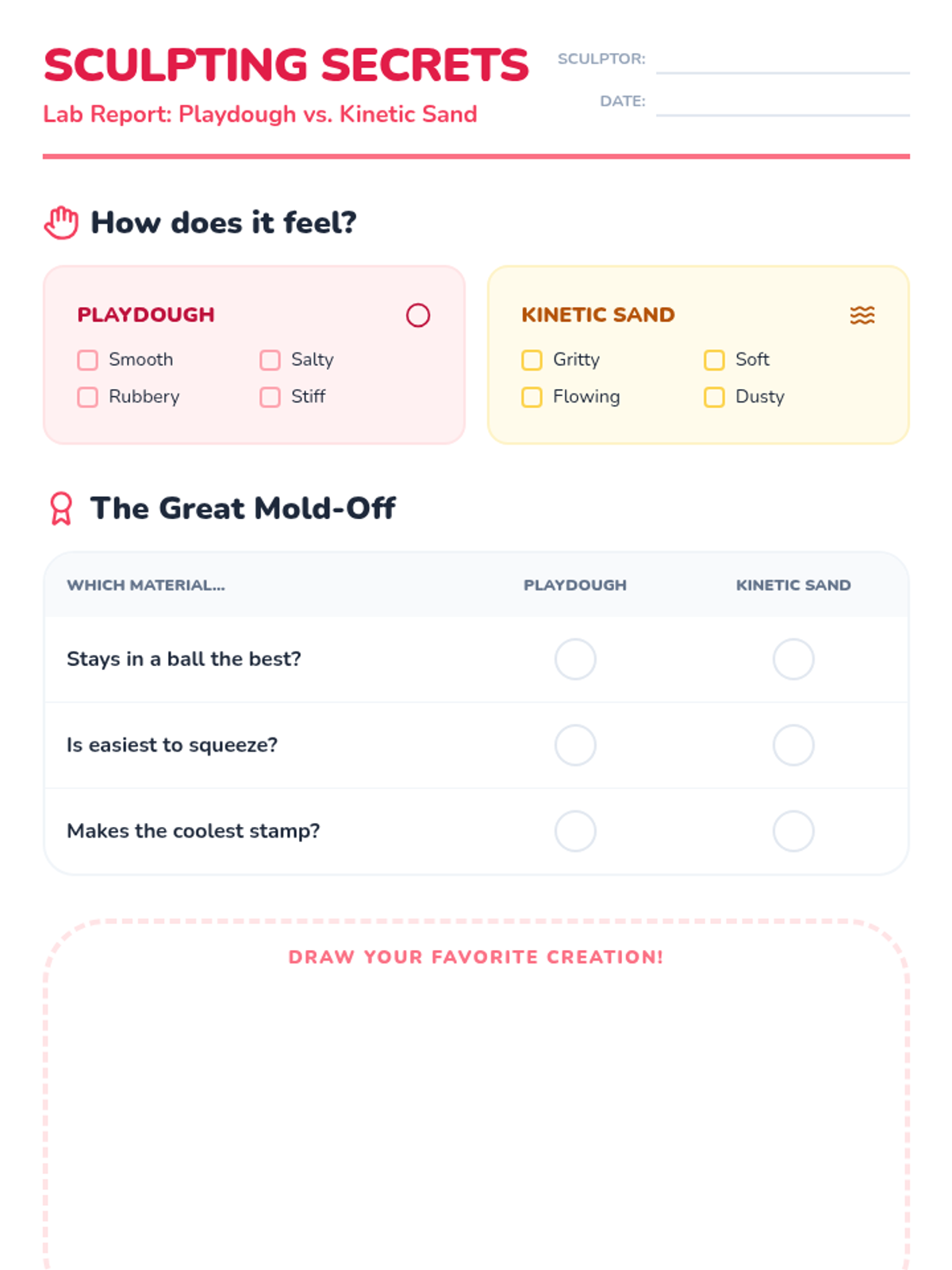
Students compare and contrast the textures and molding properties of homemade playdough and kinetic sand through tactile exploration.
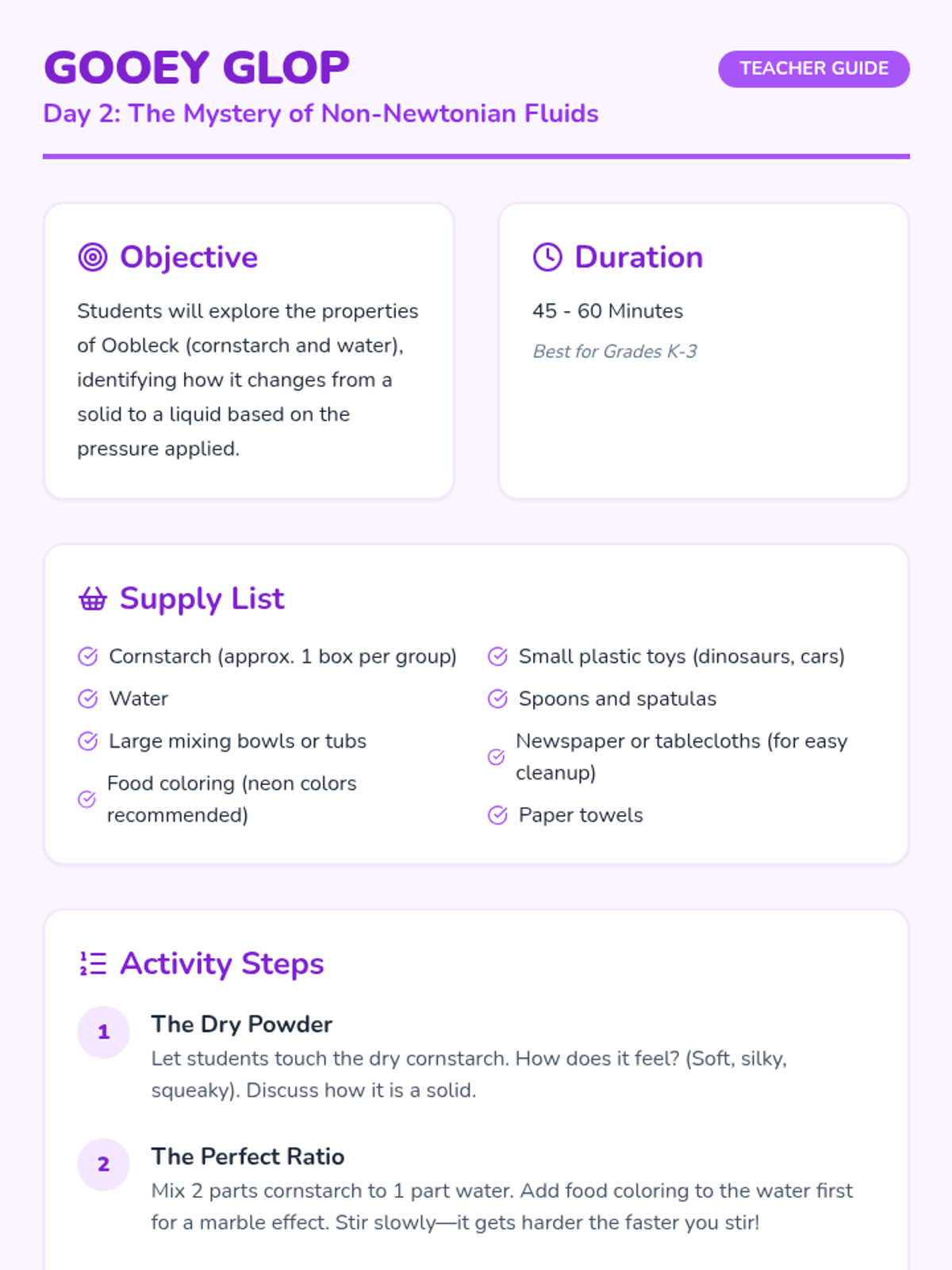
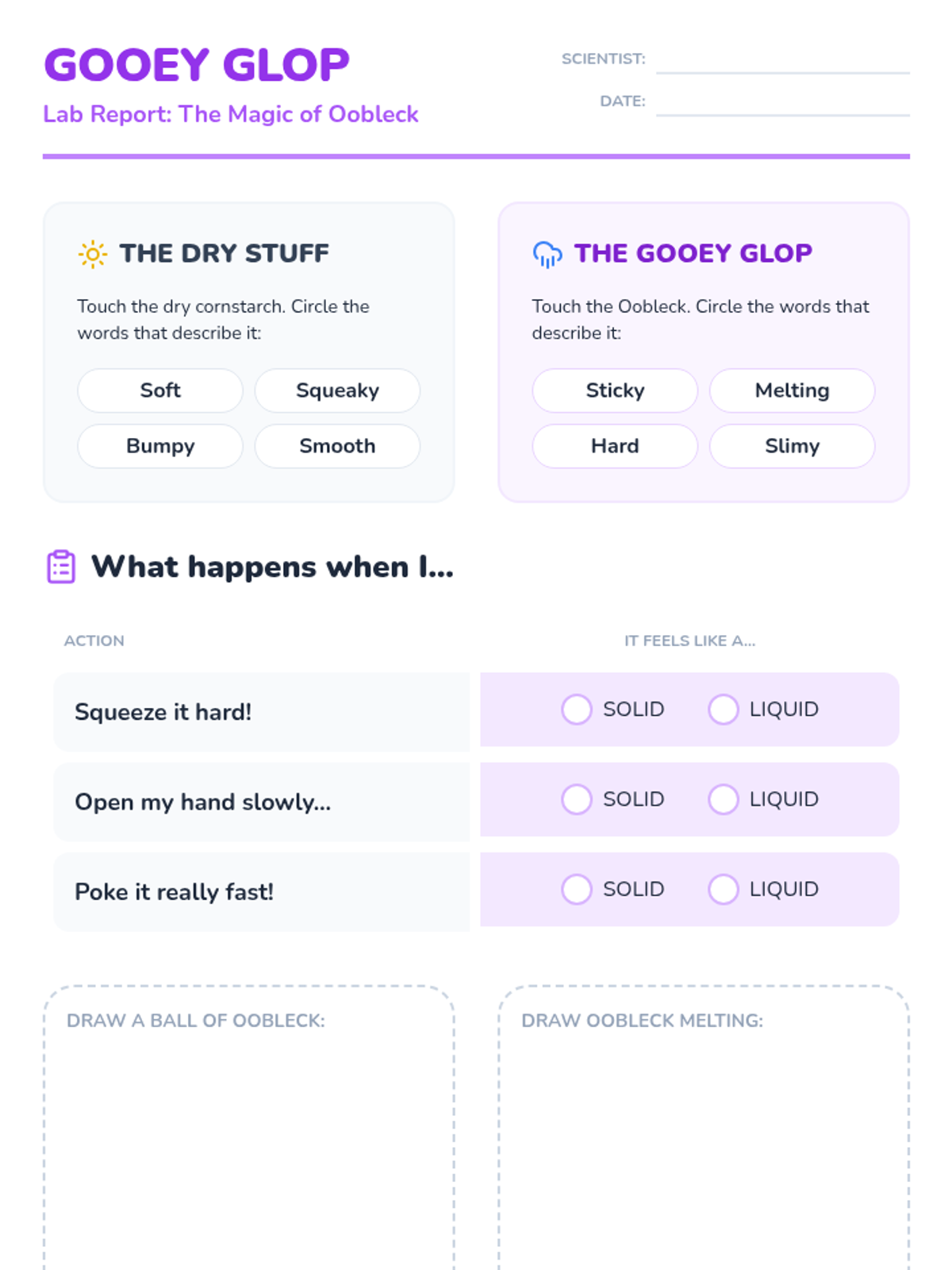
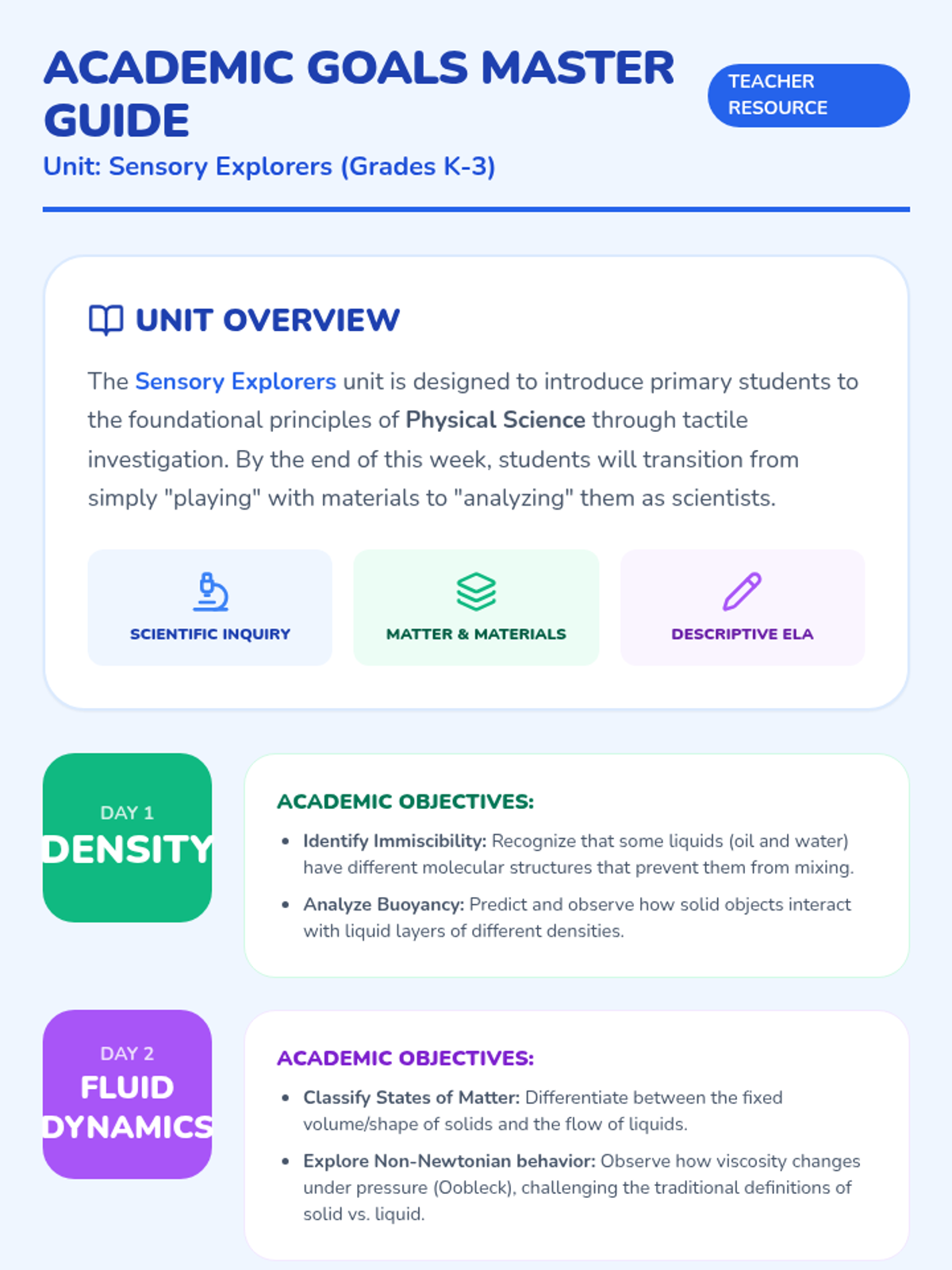
A deep dive into non-Newtonian fluids as students mix cornstarch and water to create oobleck, exploring how it changes from solid to liquid.
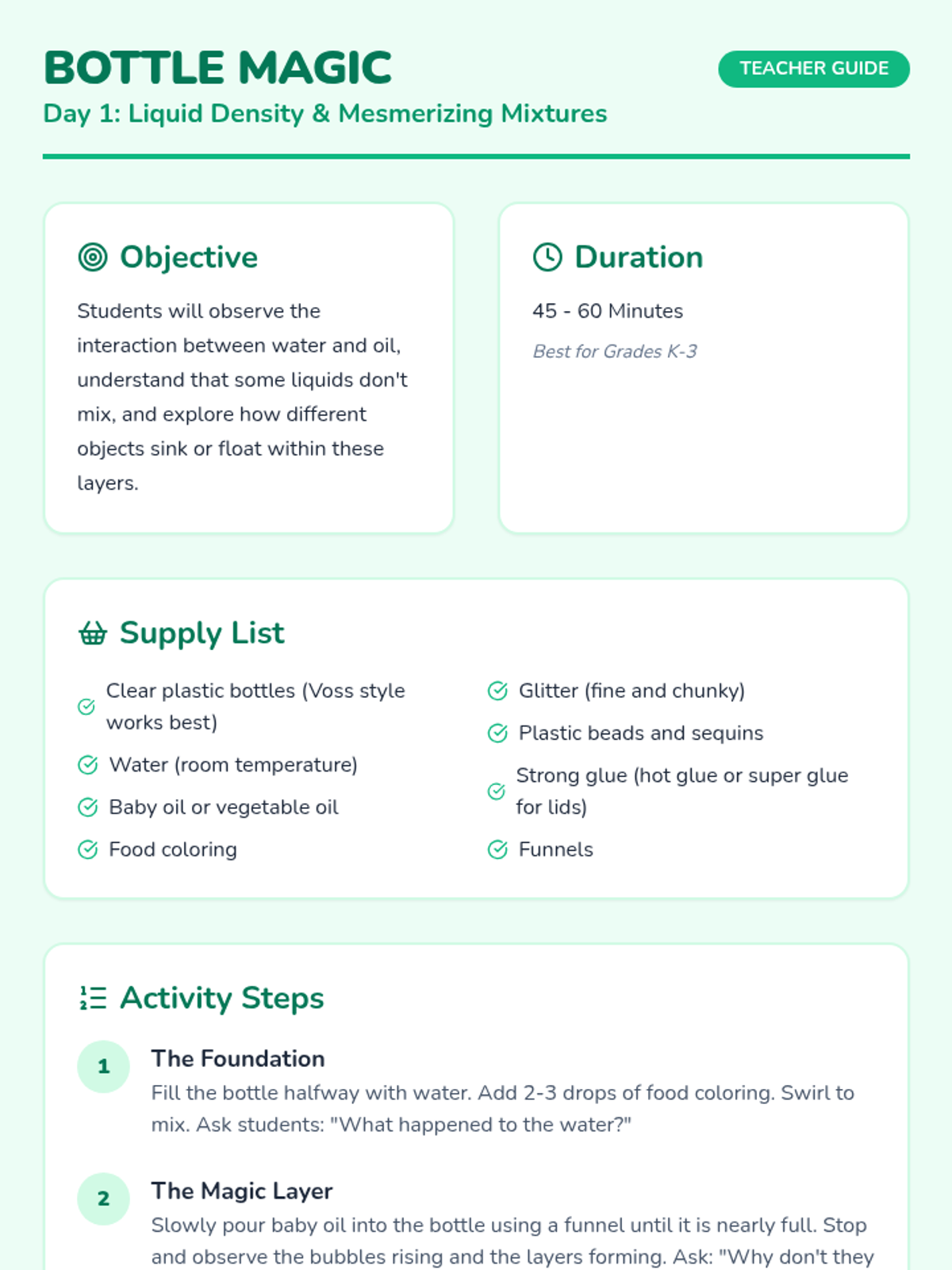
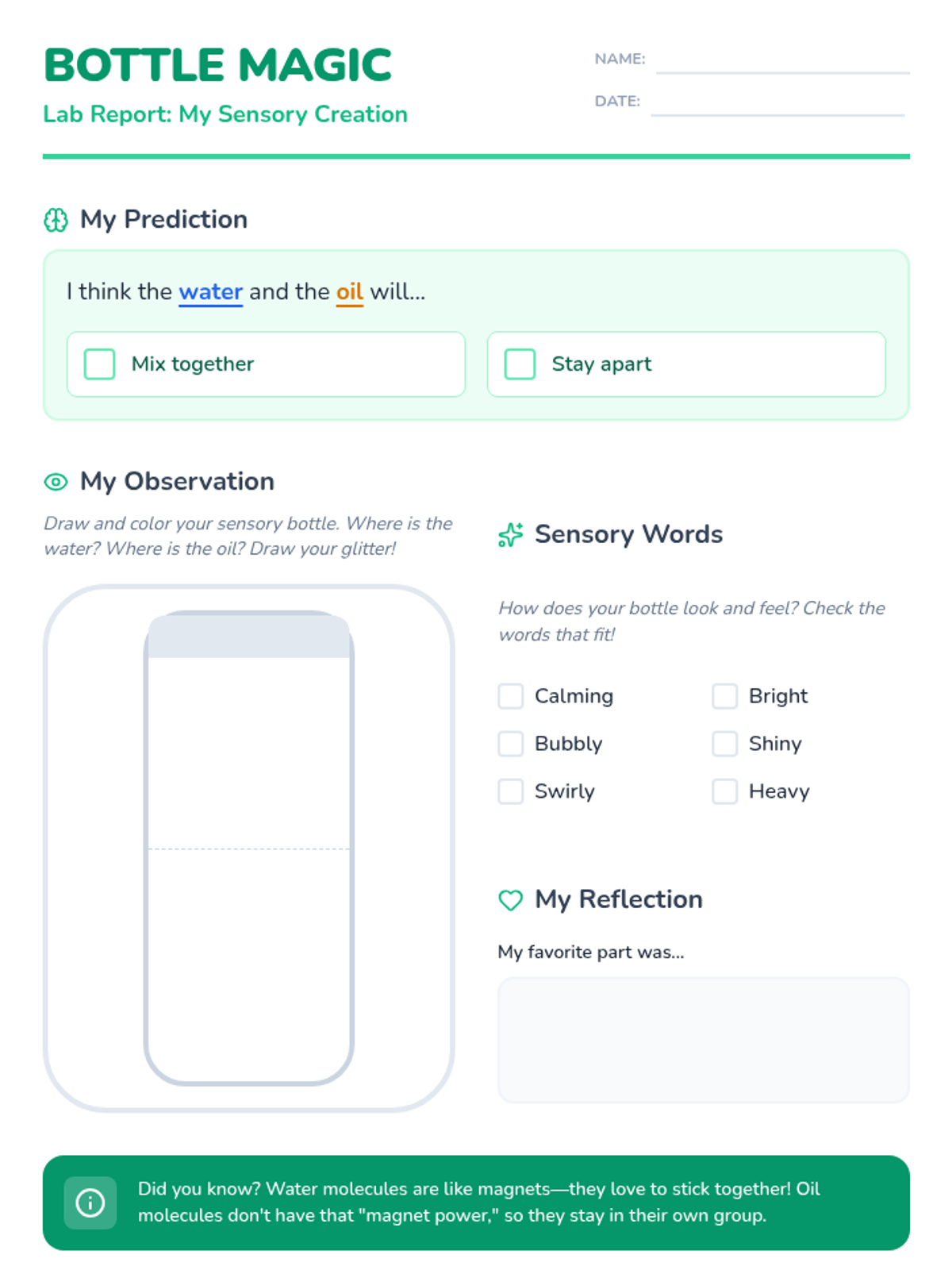
Students explore density and mixtures by creating mesmerizing sensory bottles using oil, water, and various floating objects.
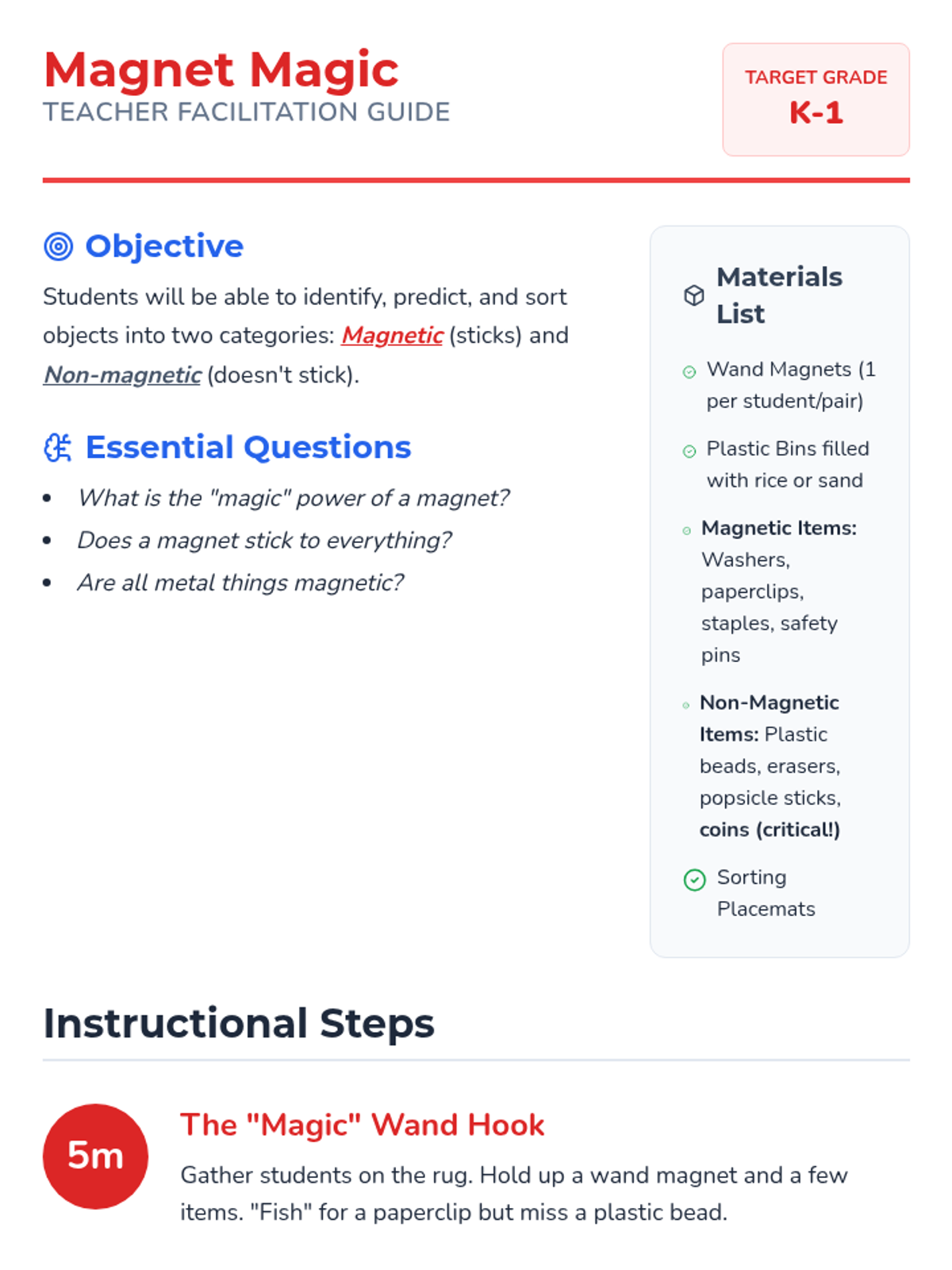
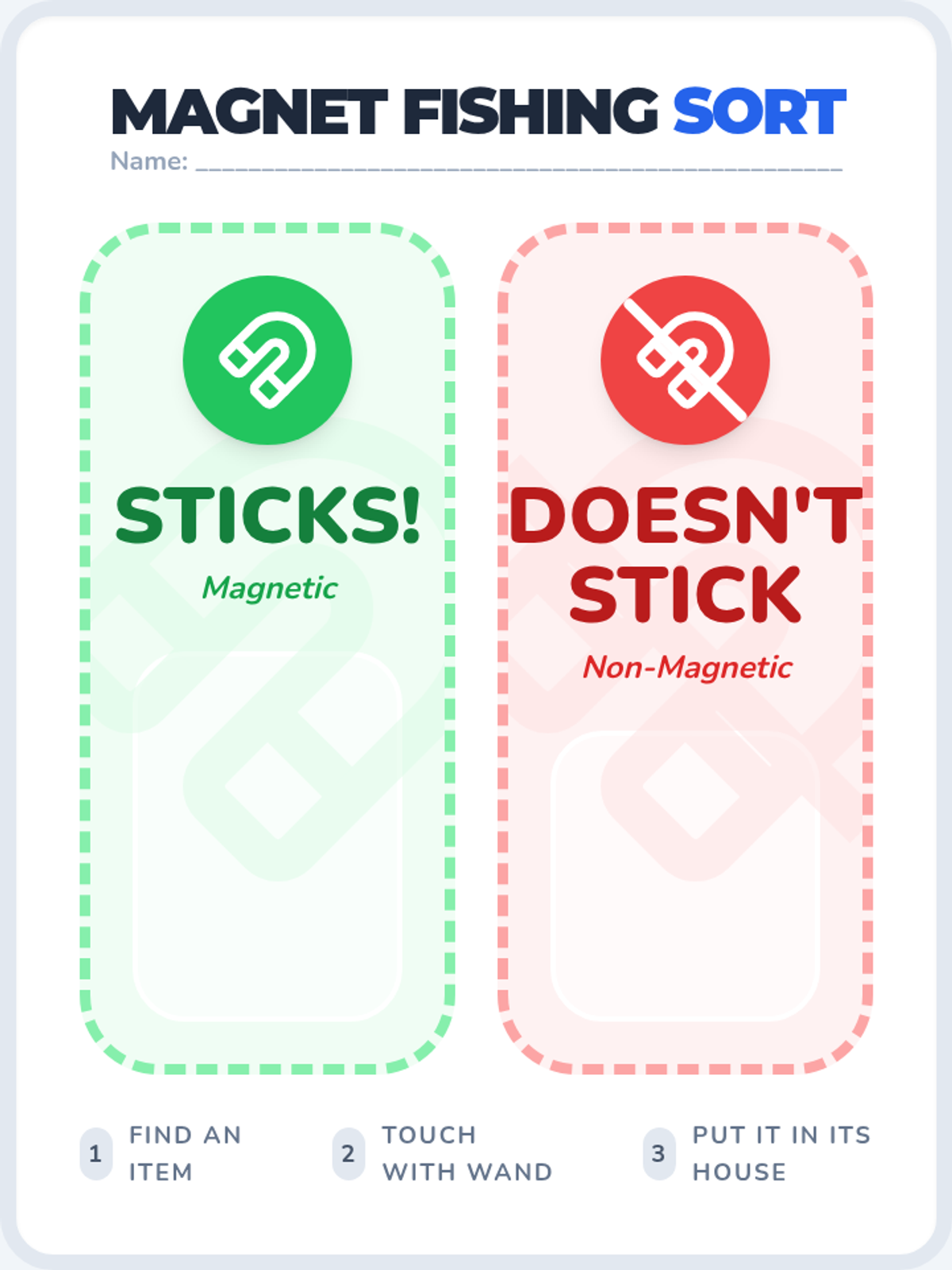
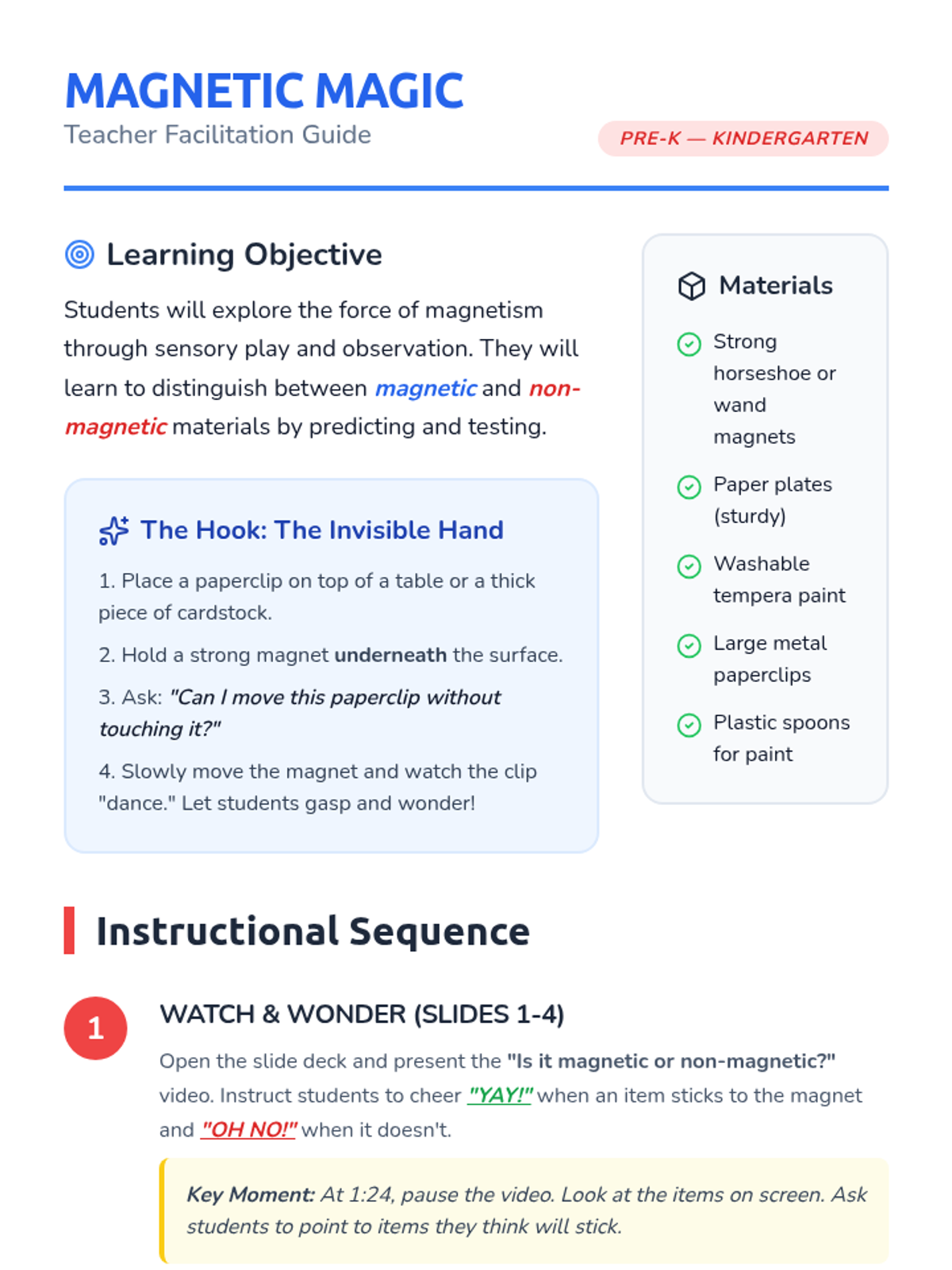
An introductory lesson on magnetism for K-1 students where they use 'magic' wand magnets to discover which materials are attracted to magnets and learn that not all metals are magnetic.
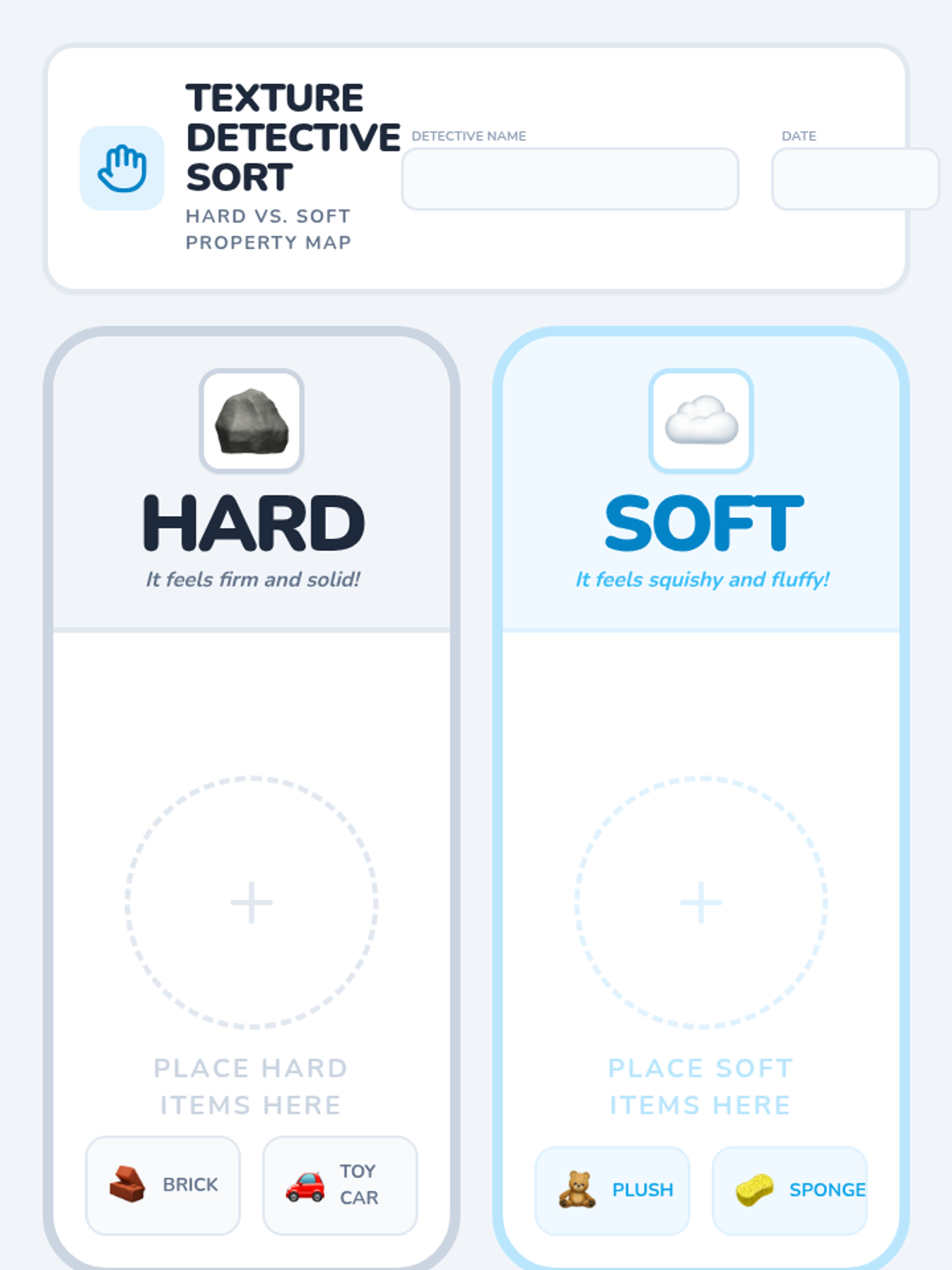
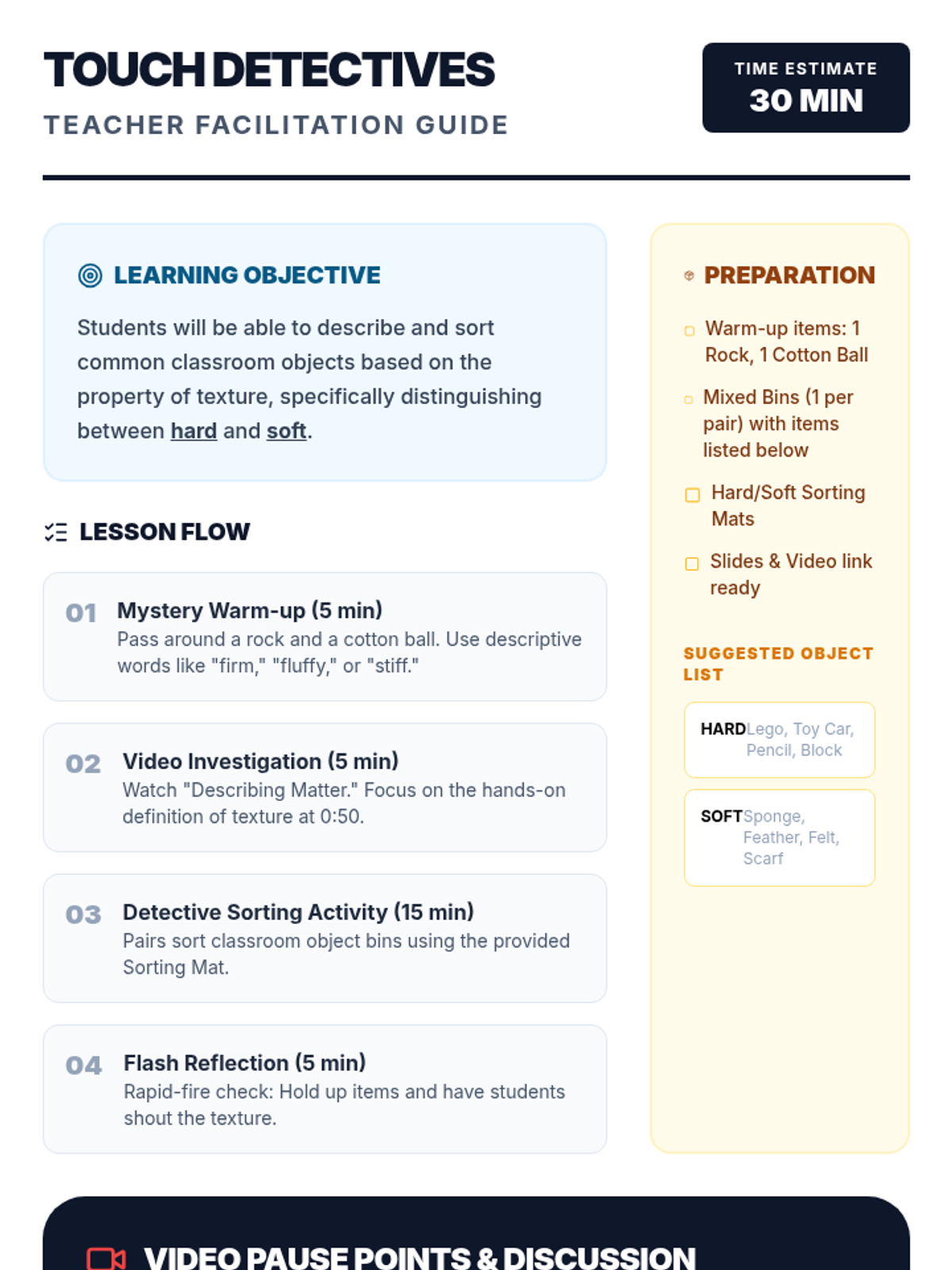
A hands-on kindergarten lesson where students explore the property of texture by sorting classroom objects into 'hard' and 'soft' categories using a video guide and interactive sorting mats.
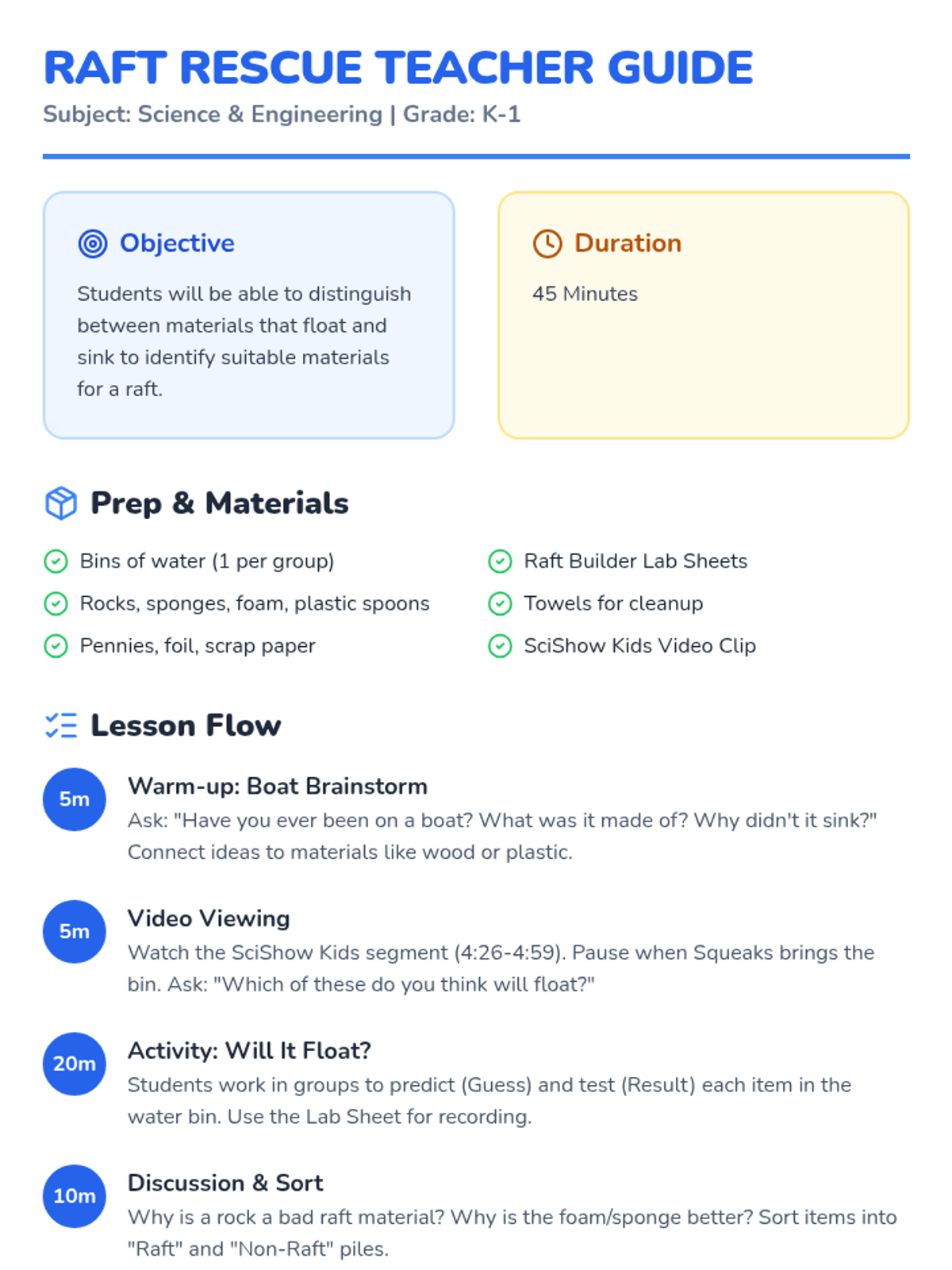
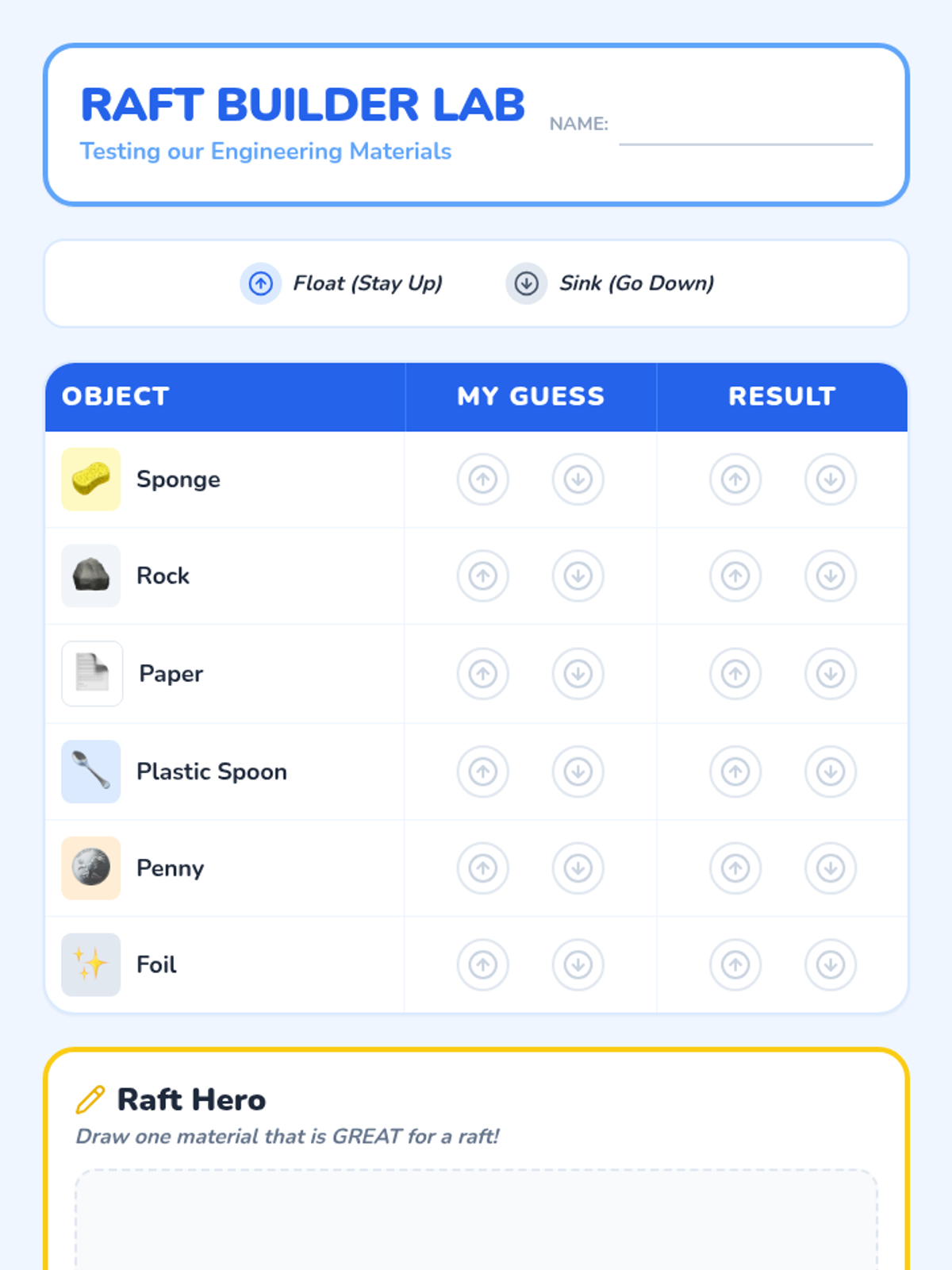
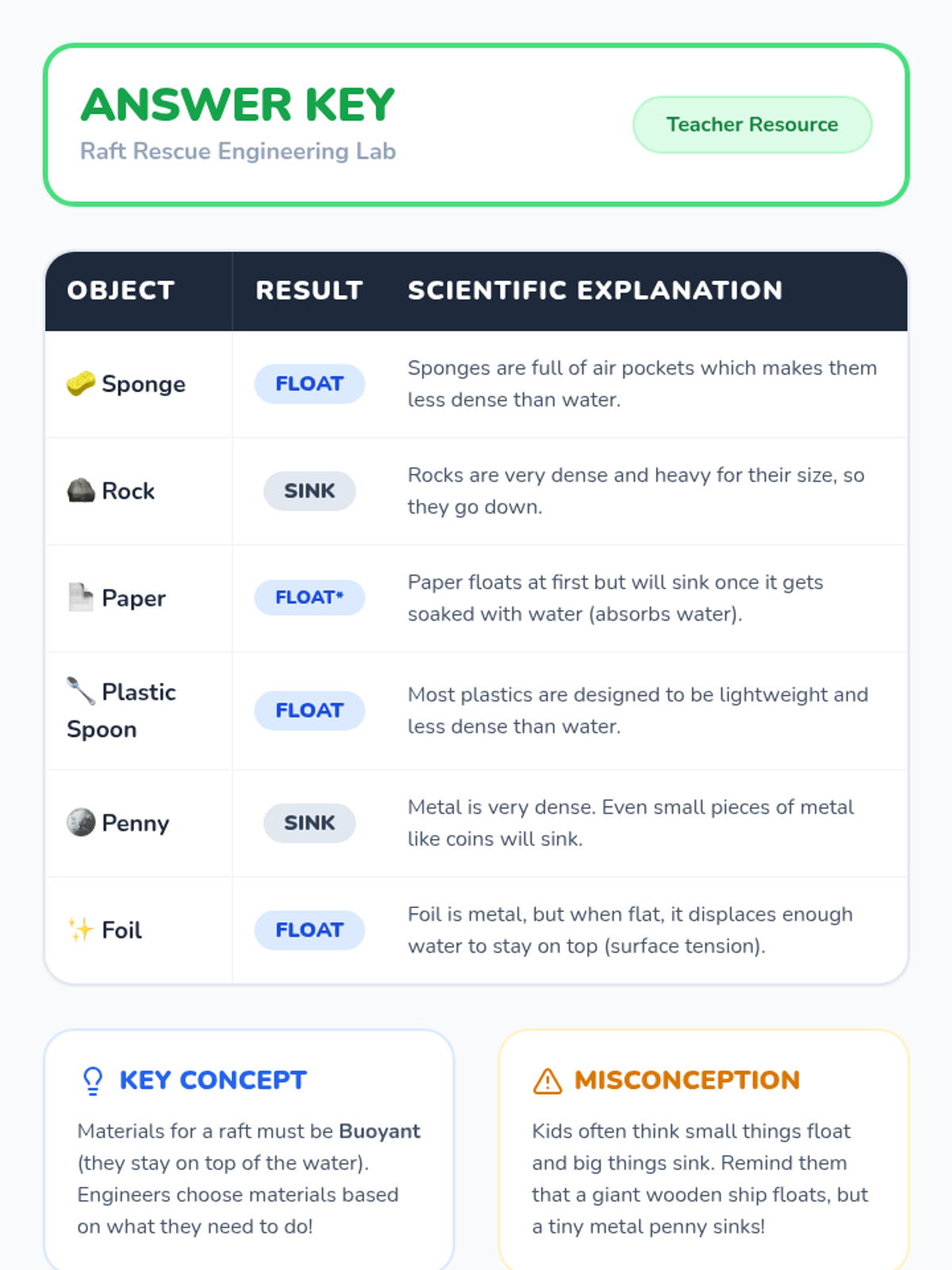
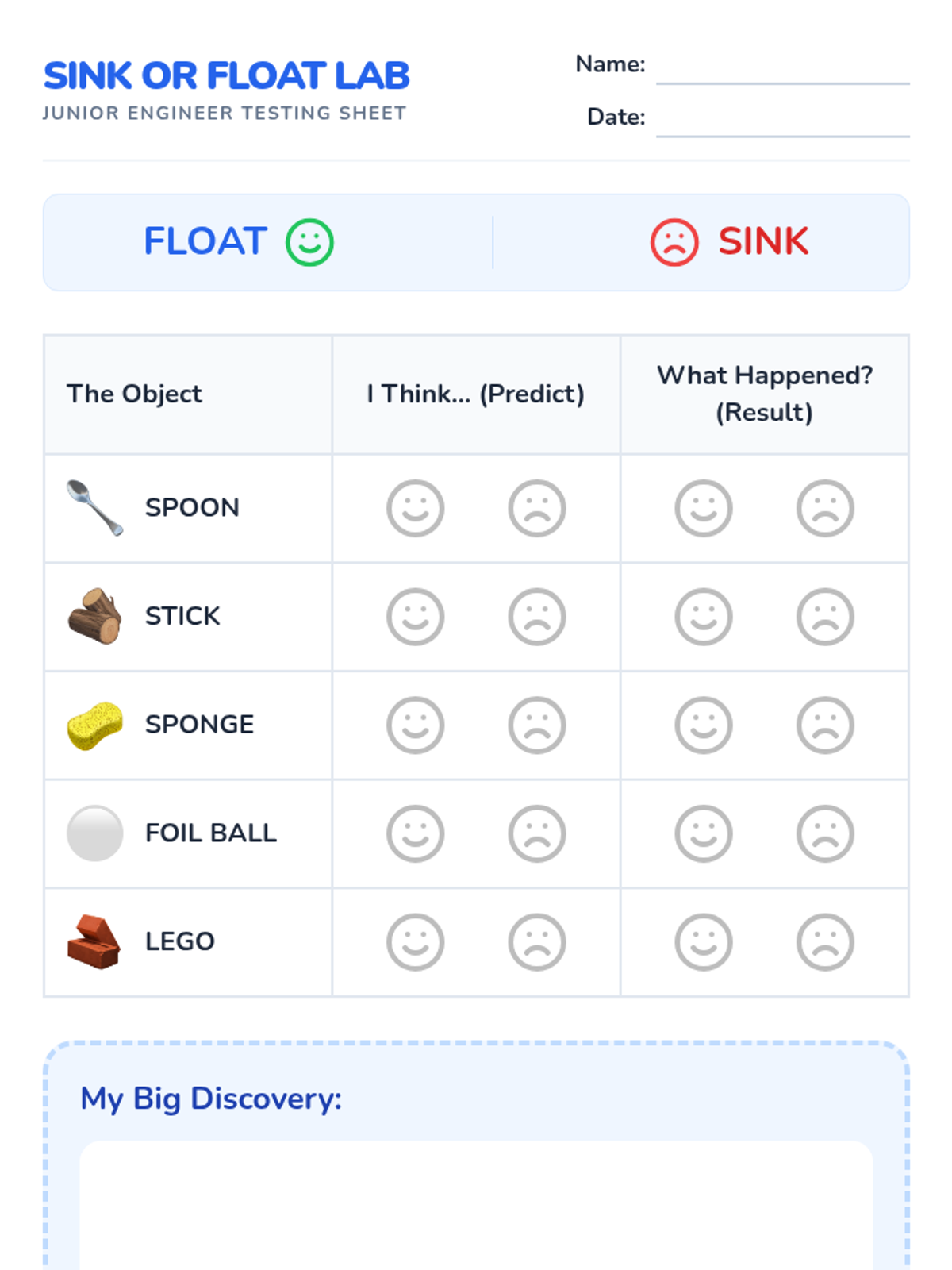
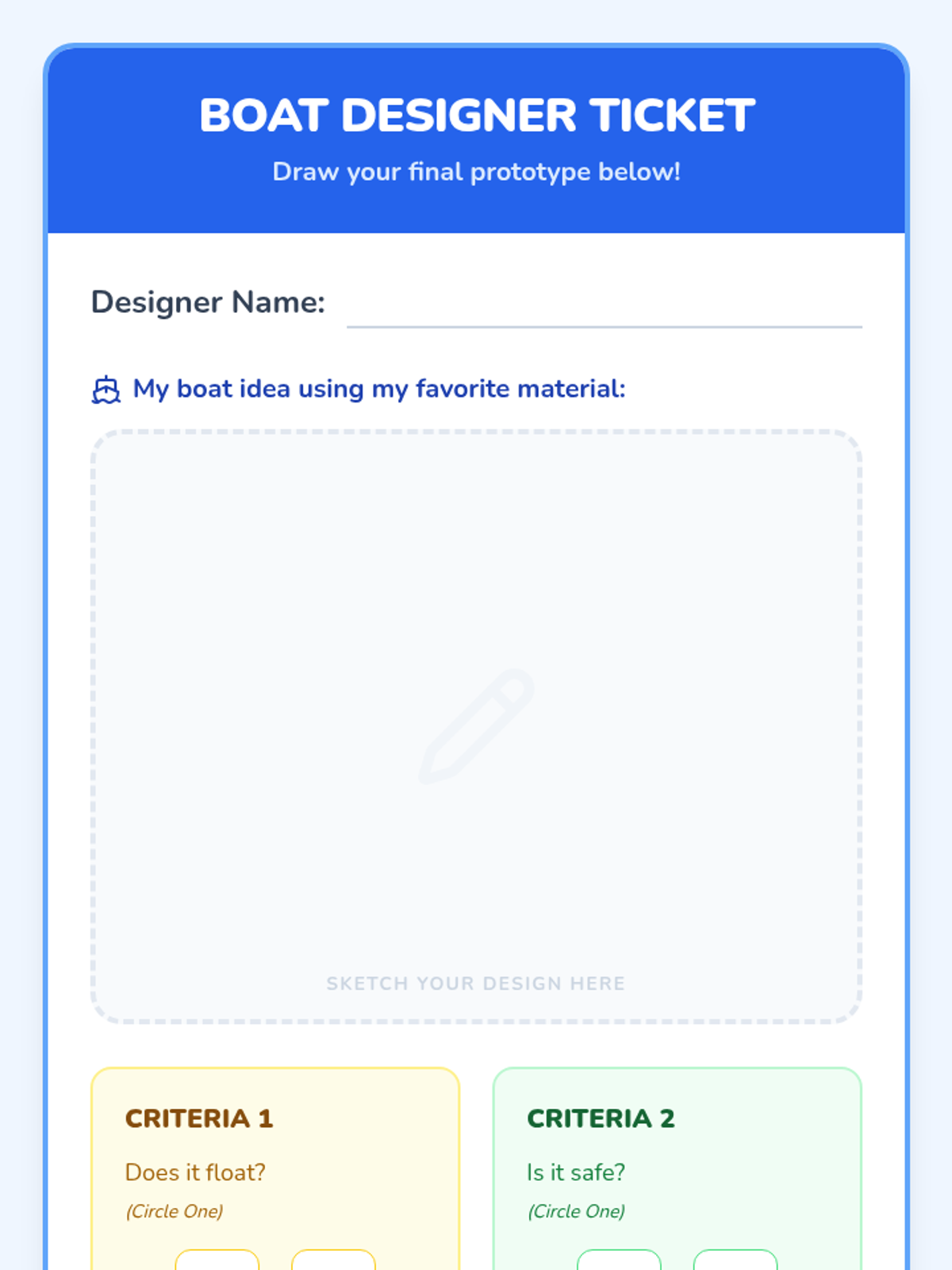
In this lesson, Kindergarten and 1st-grade students explore buoyancy to help a character named Juniper build a raft. They will predict and test various materials to determine which float and which sink, ultimately selecting the best materials for engineering a safe boat.
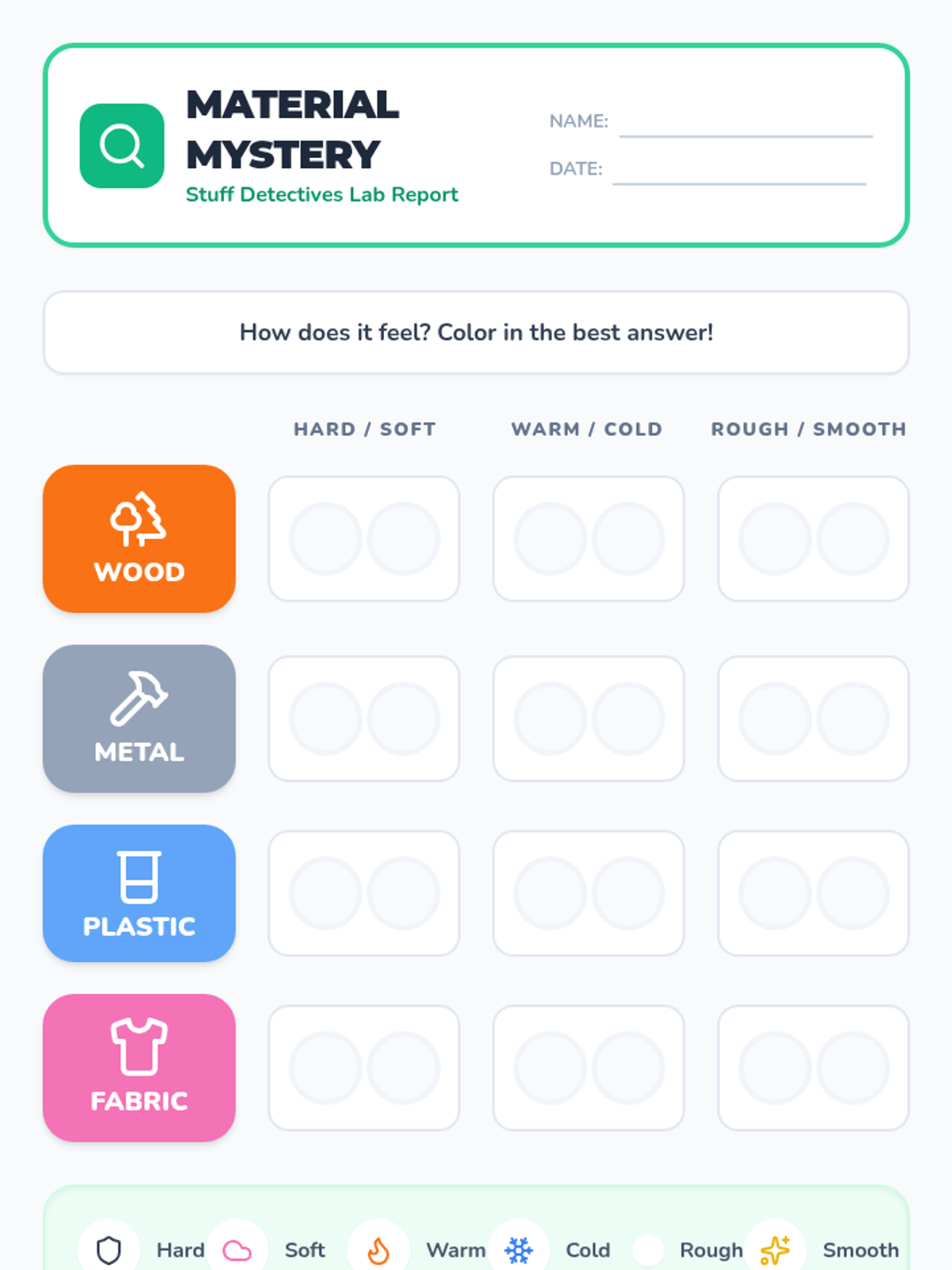
A hands-on kindergarten science lesson where students explore the physical properties of wood, metal, plastic, and fabric using their senses. Includes a video-based vocabulary introduction and a collaborative sensory station activity.
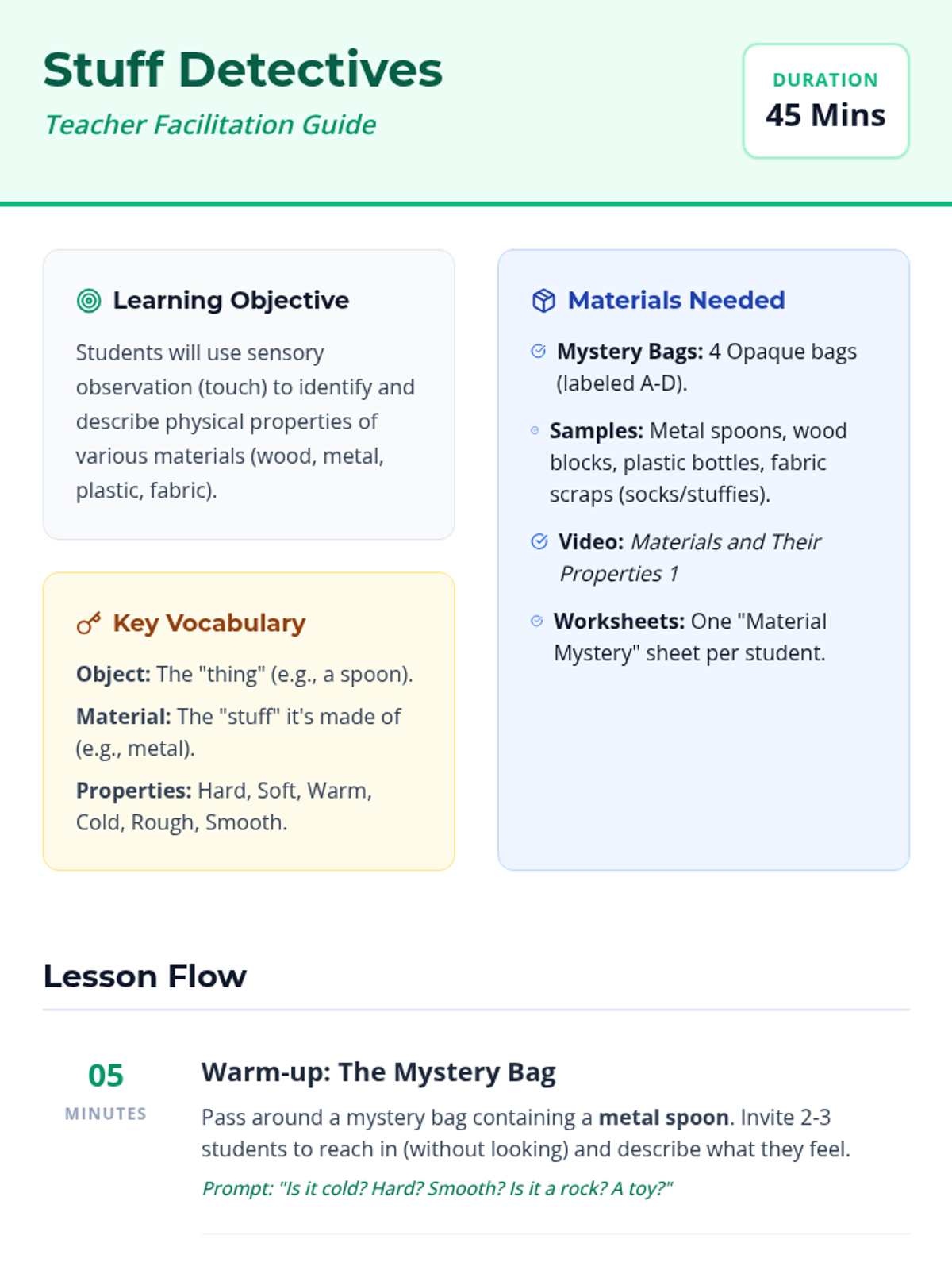
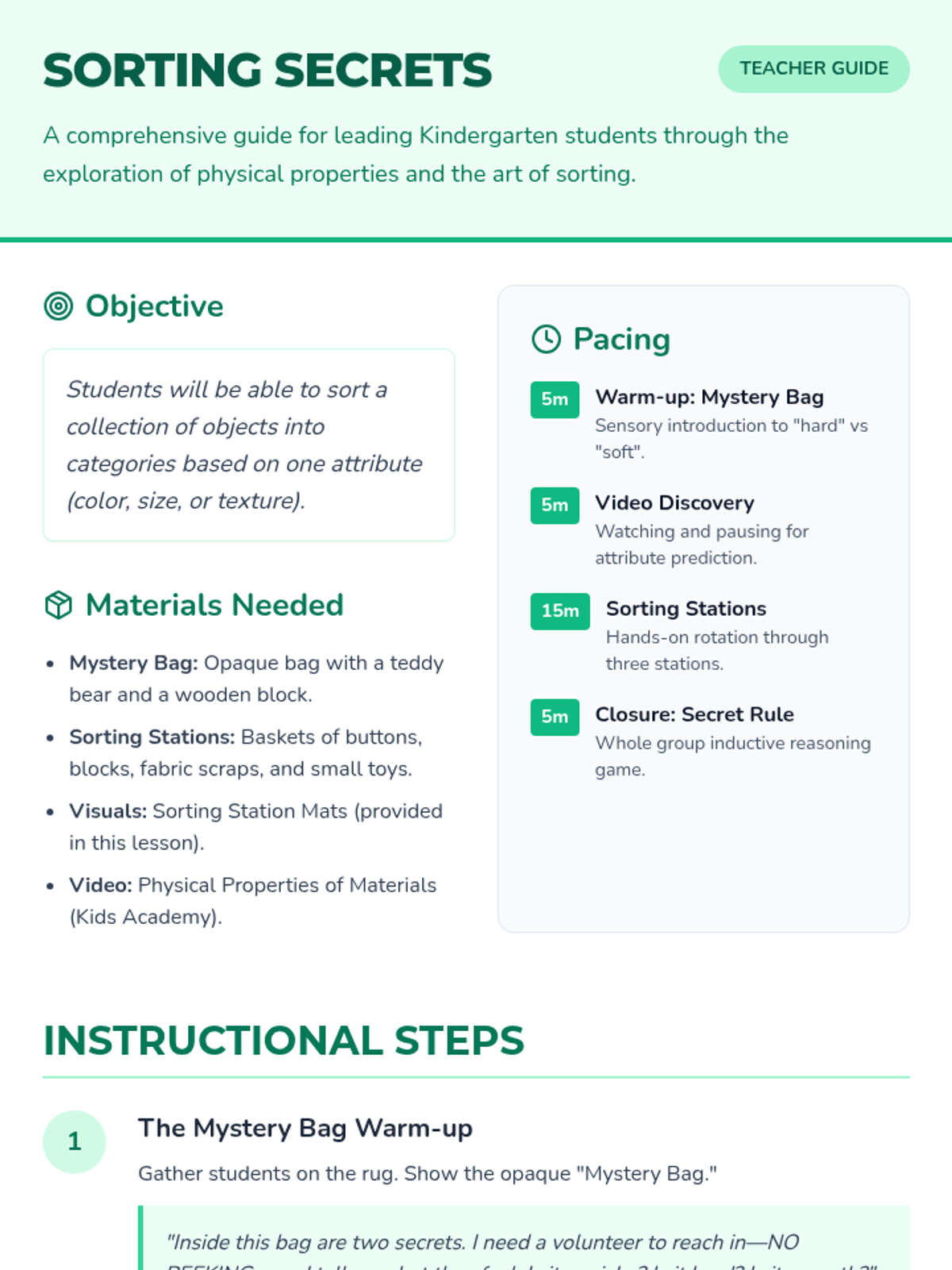
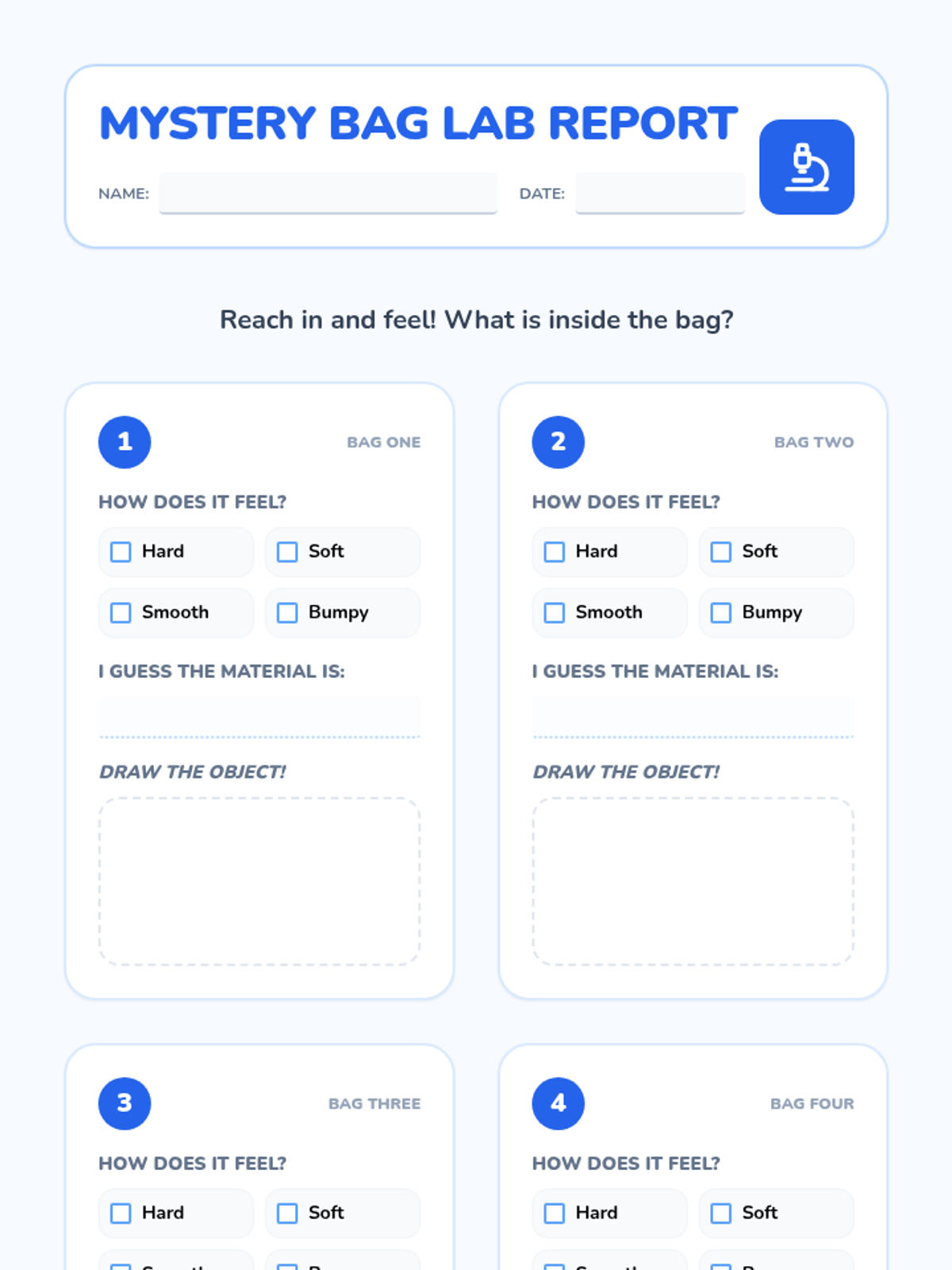
A hands-on introduction to sorting by attributes like color, size, and texture for Kindergarten students, featuring a 'Mystery Bag' warm-up and interactive sorting stations.
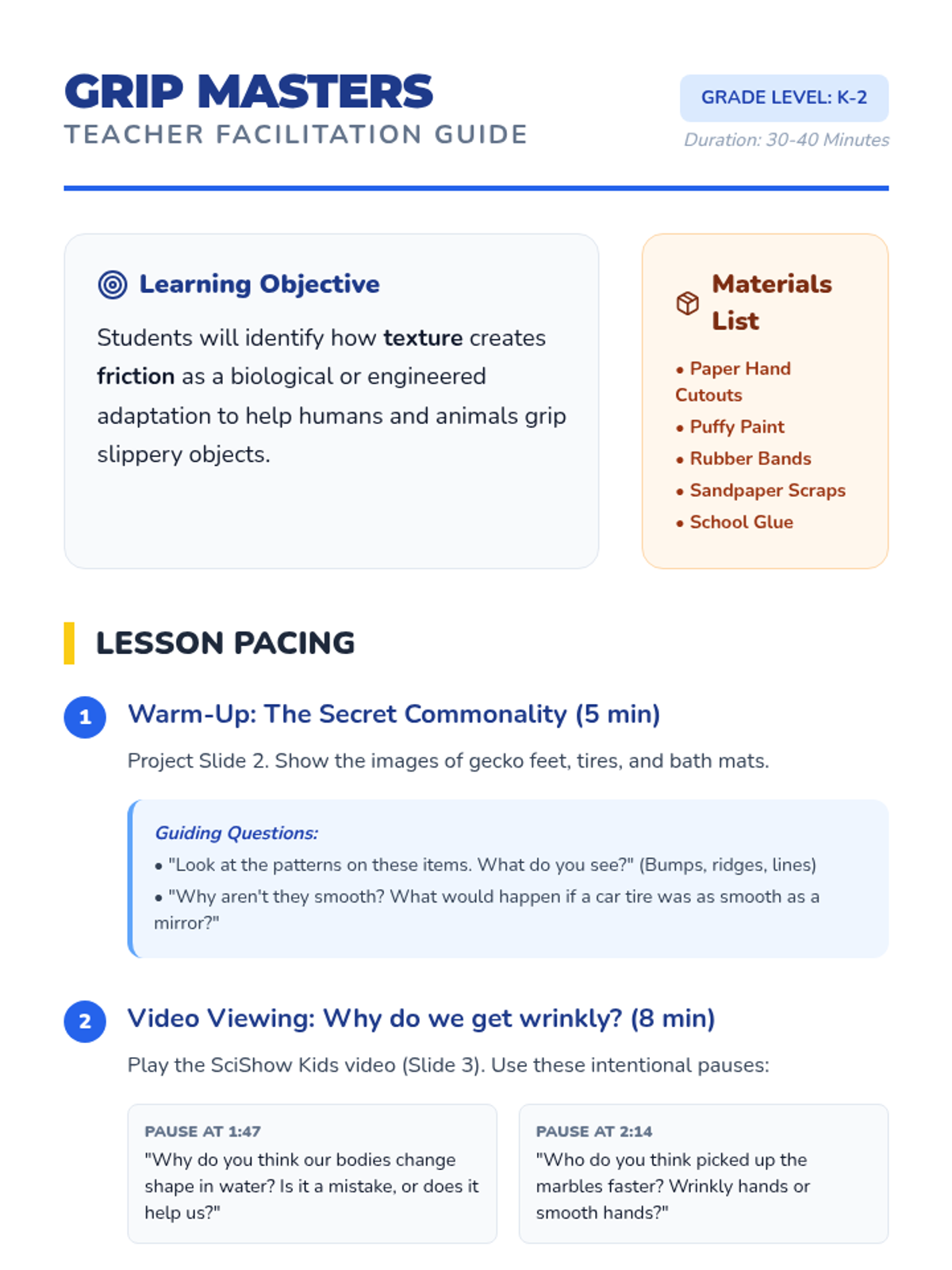
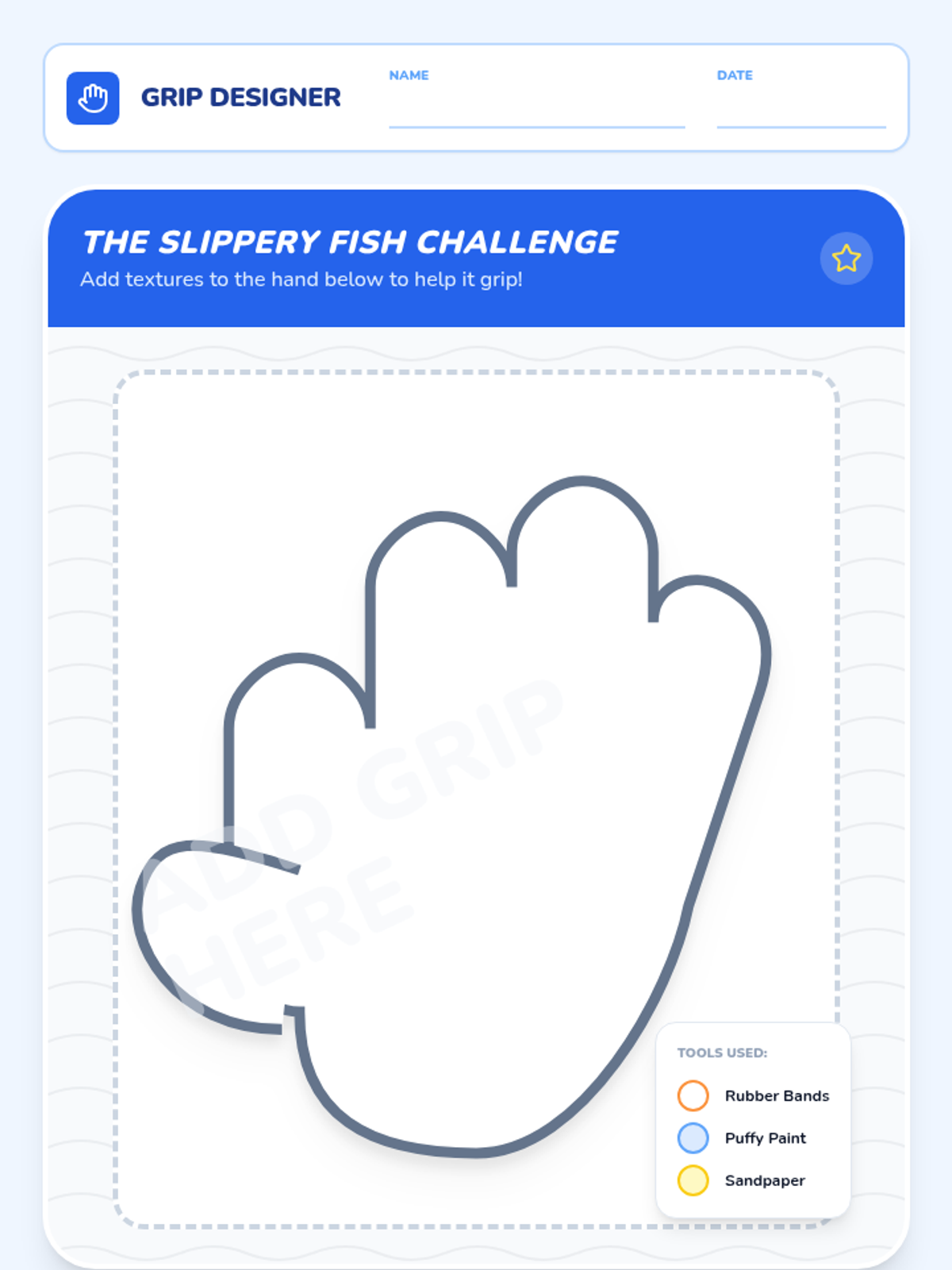
Students explore how nature and humans use texture to create friction and grip. They watch a video about wrinkly fingers, analyze animal adaptations, and design their own 'grippy' glove to catch slippery fish.
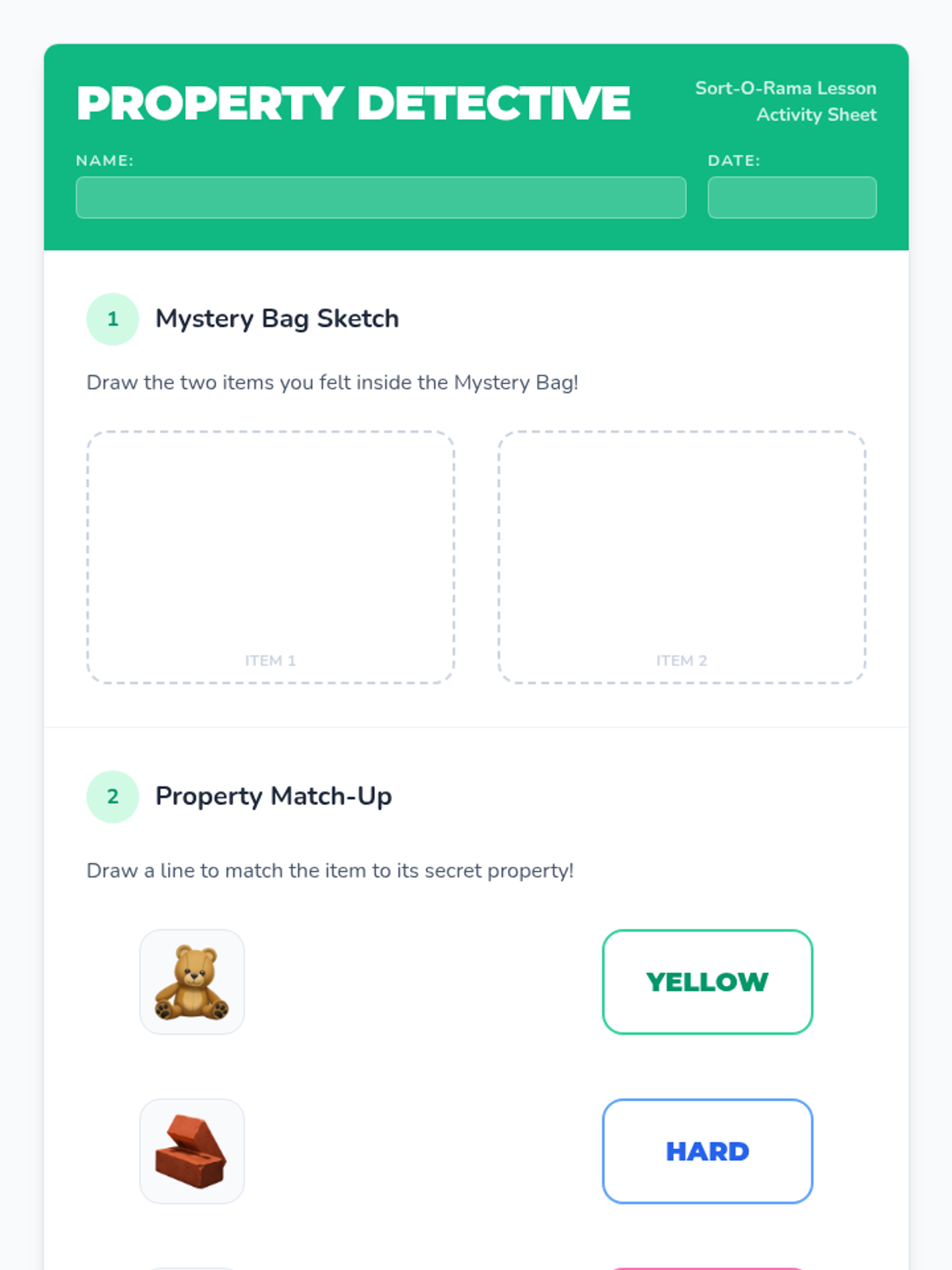
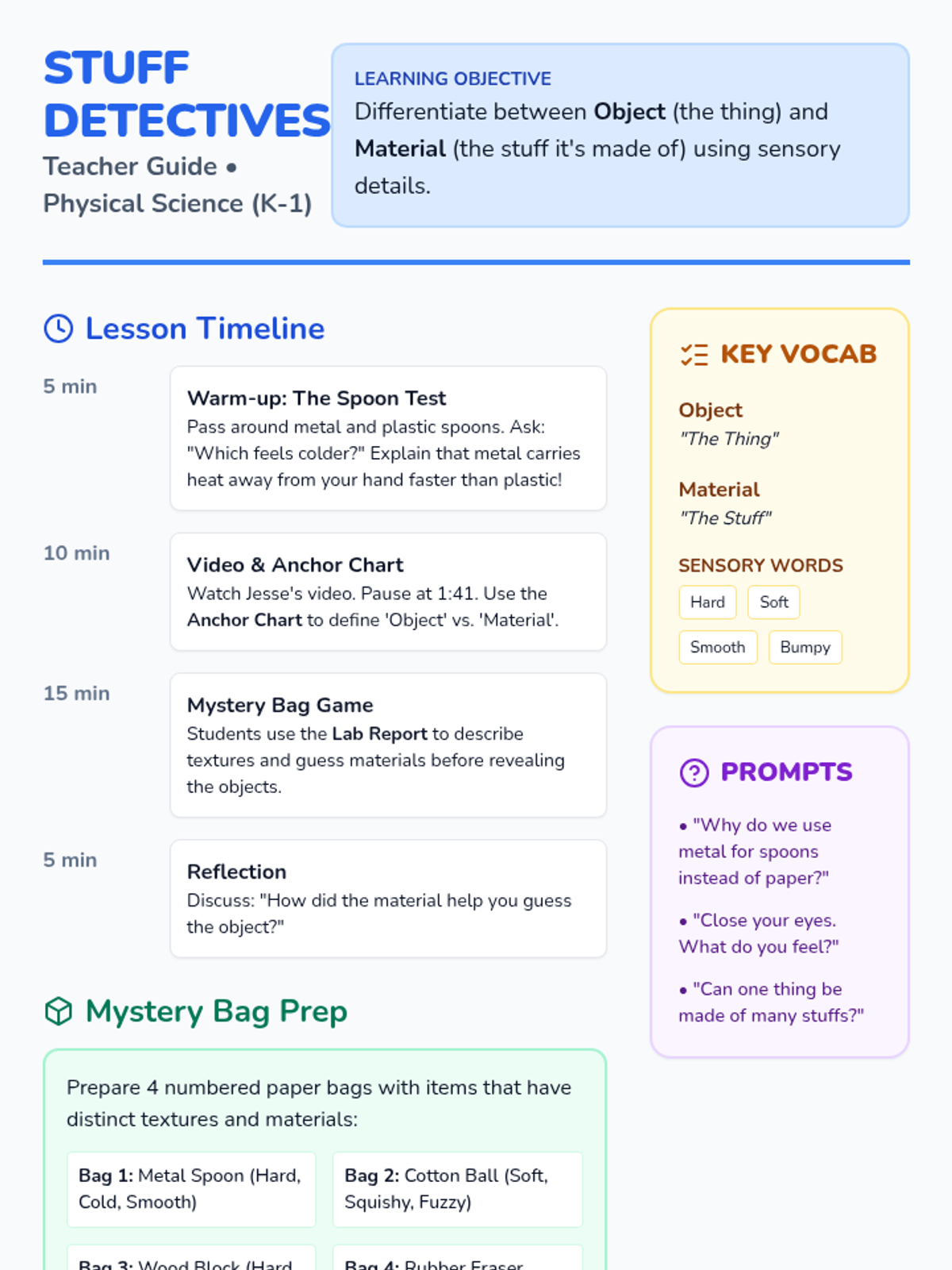
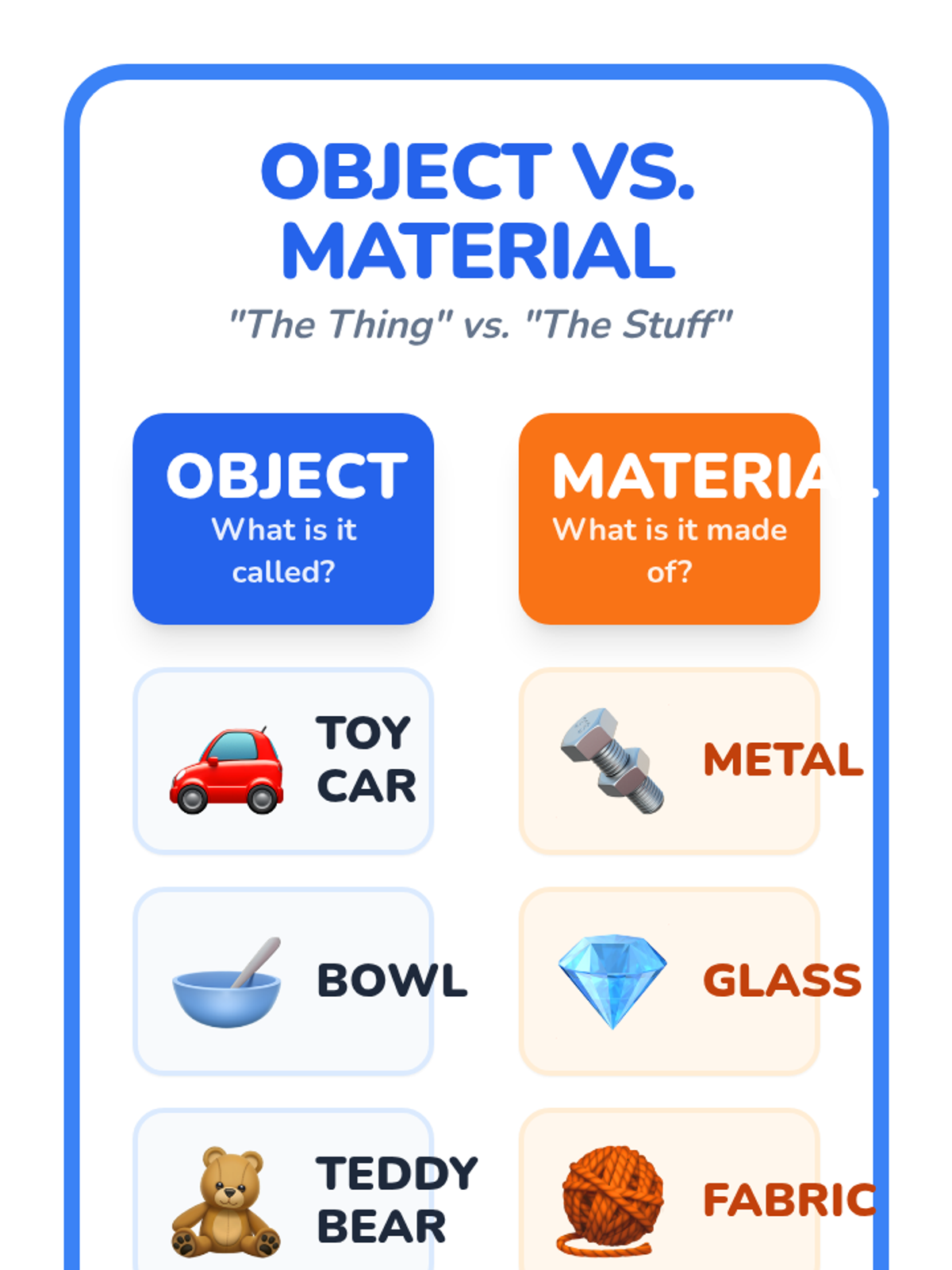
A foundational physical science lesson for K-1 students that uses sensory exploration and a mystery guessing game to distinguish between objects and the materials they are made of.
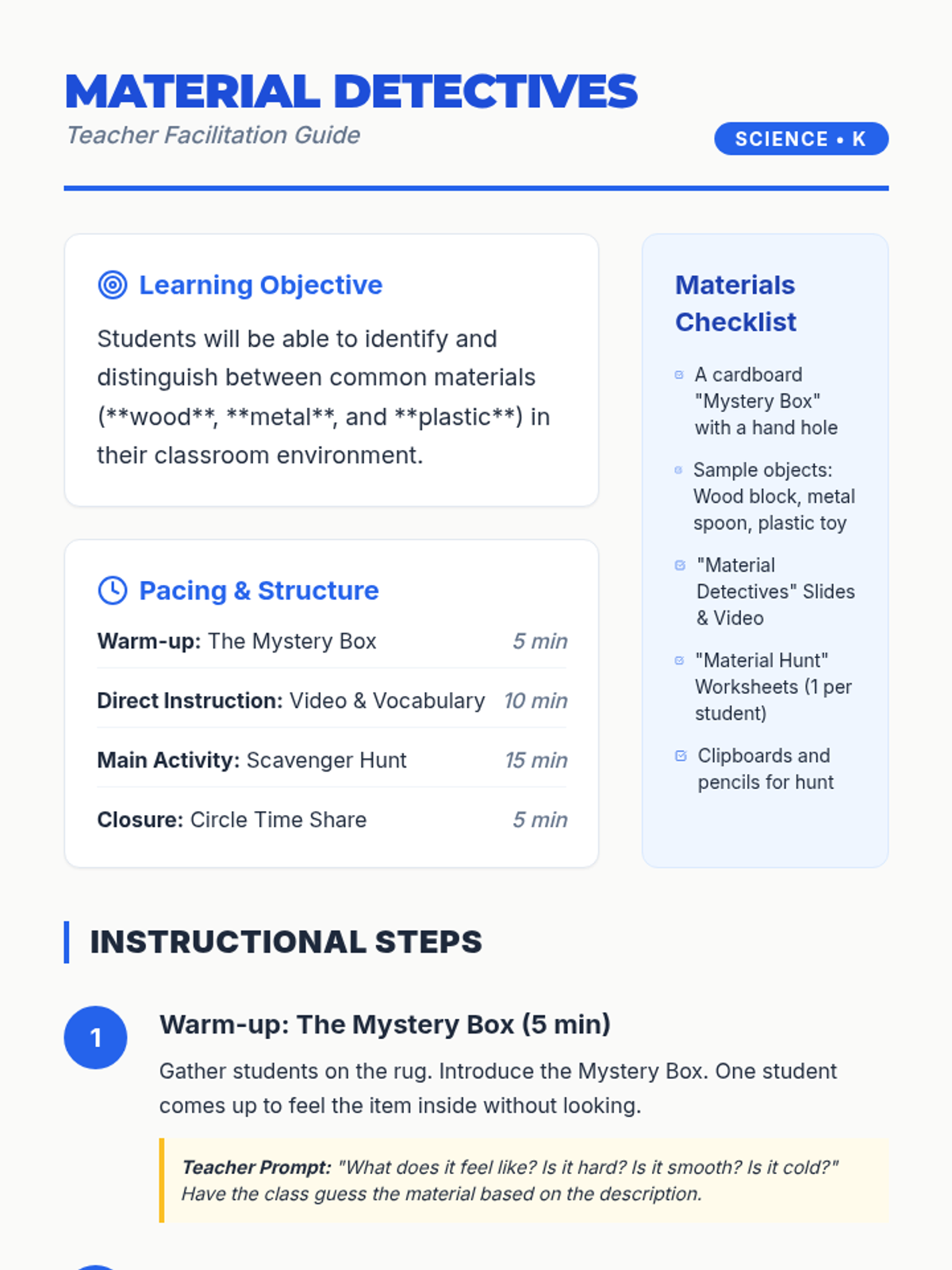
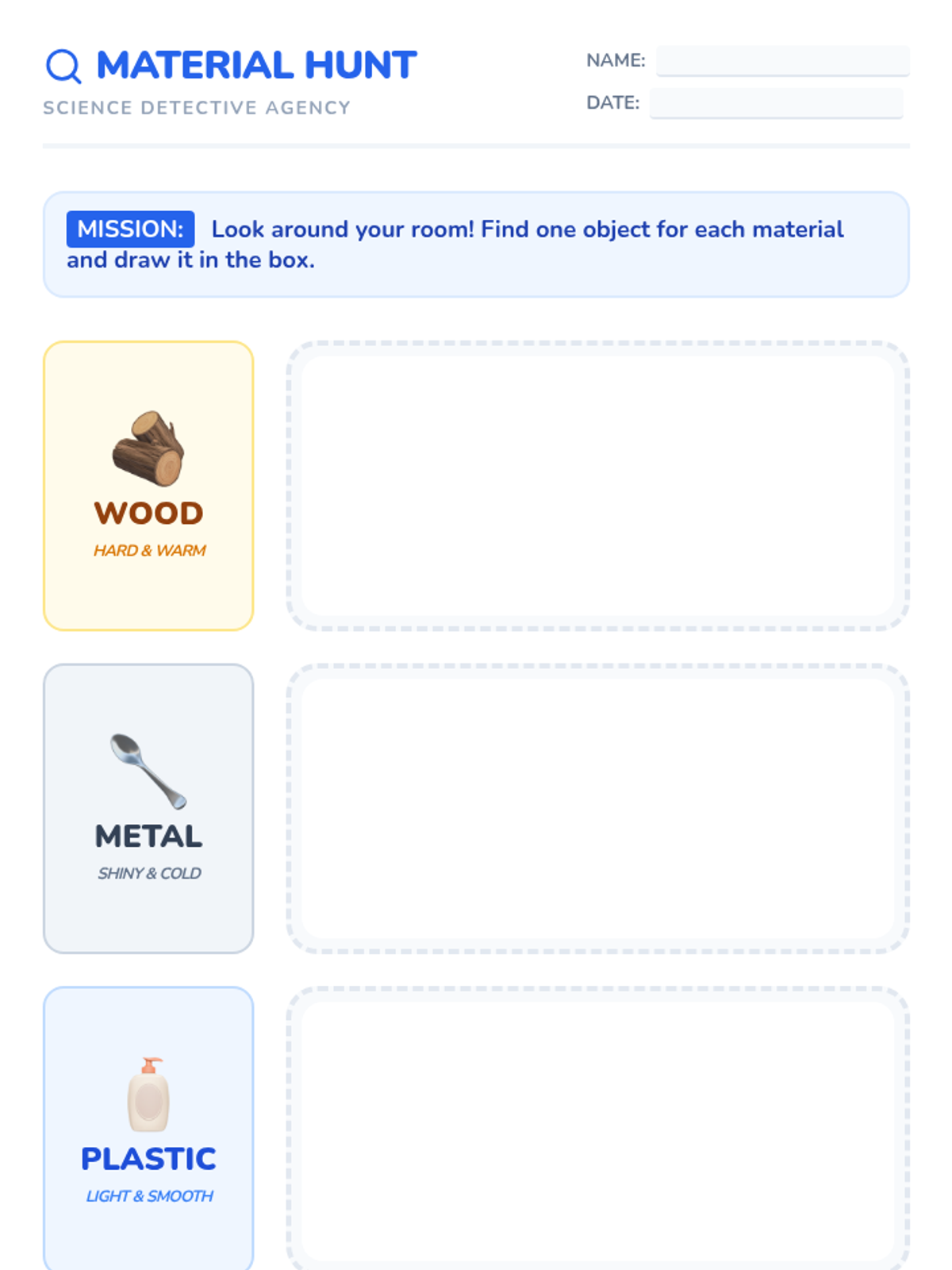
A foundational science lesson for Kindergarten students to distinguish between 'objects' and 'materials' (wood, metal, plastic) through tactile exploration, video analysis, and a classroom scavenger hunt.
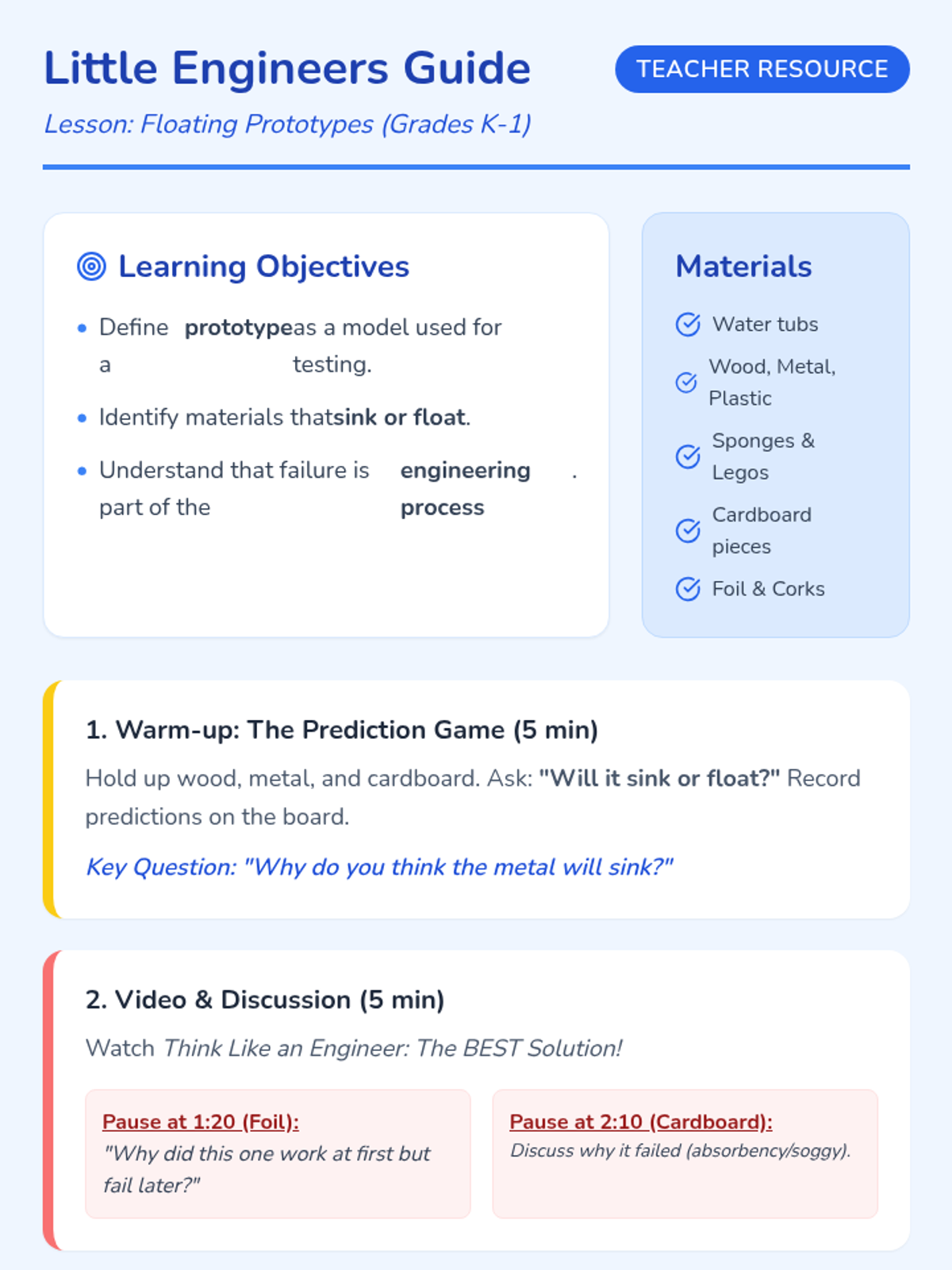
A hands-on engineering lesson for K-1 students focusing on the concept of prototypes and material properties like buoyancy and absorbency. Students test objects, watch a video about iteration, and design their own floating solutions.
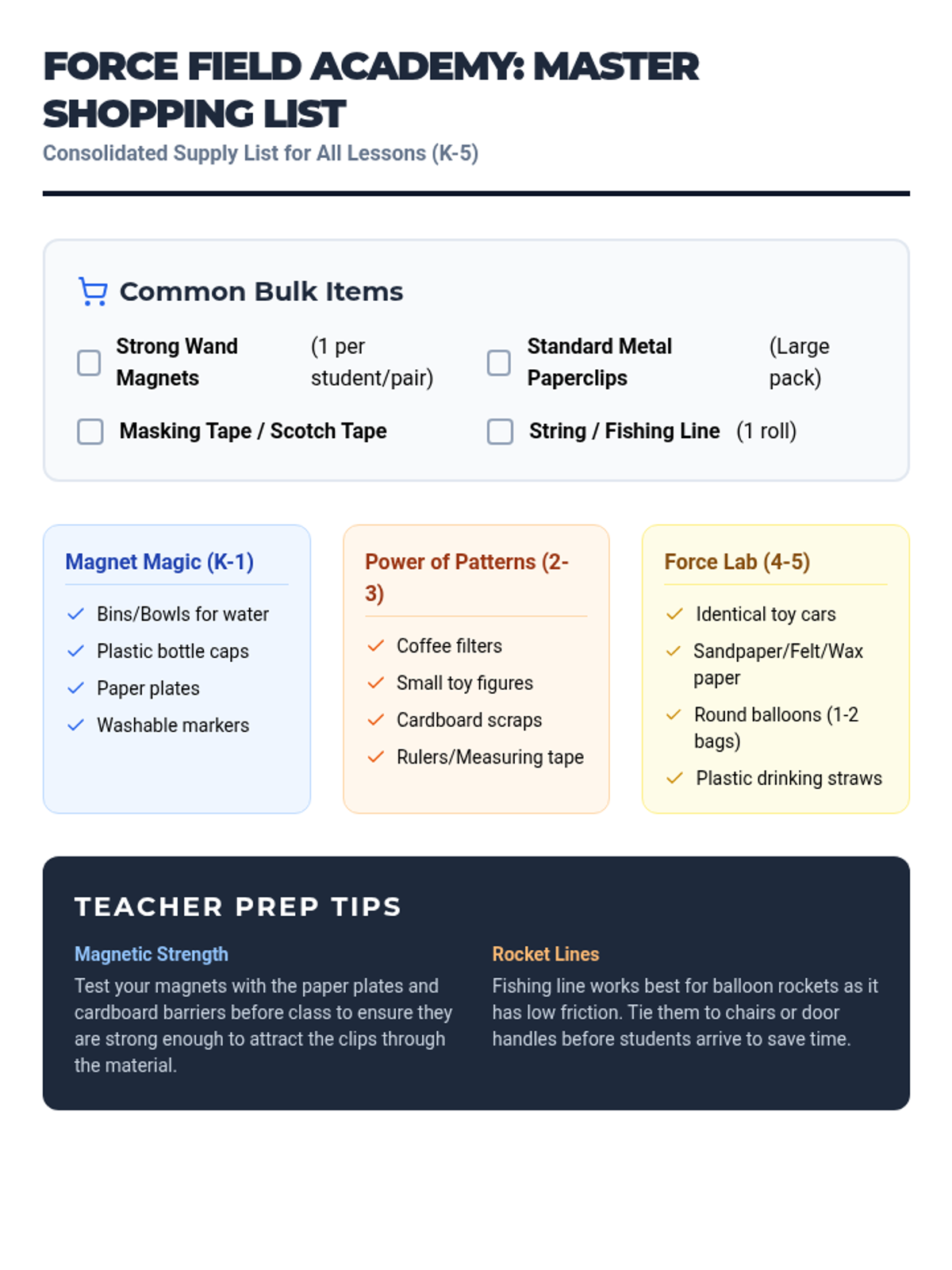
A collection of unit-wide resources for the Force Field Academy, including a master shopping list and student achievement certificates.
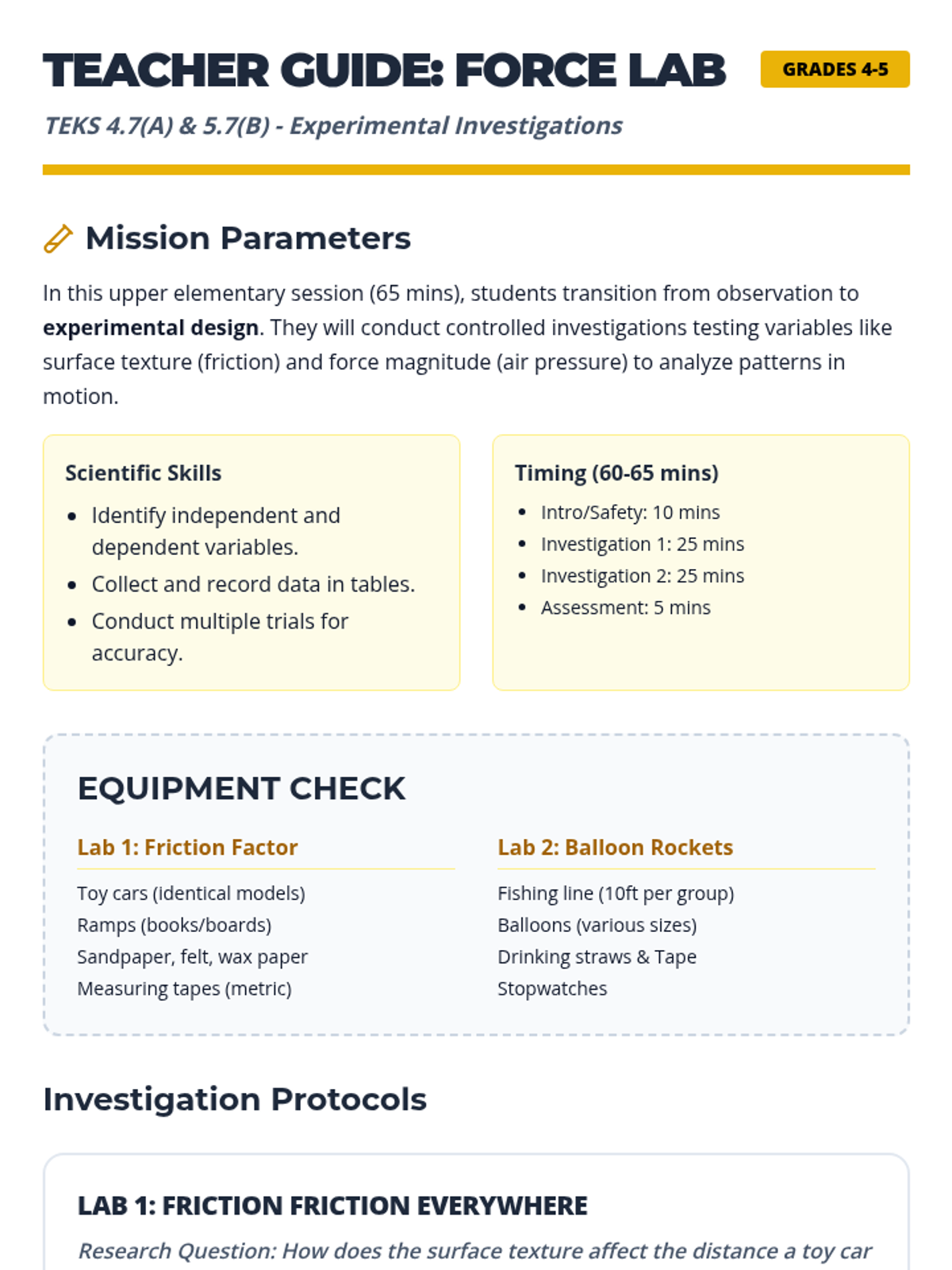
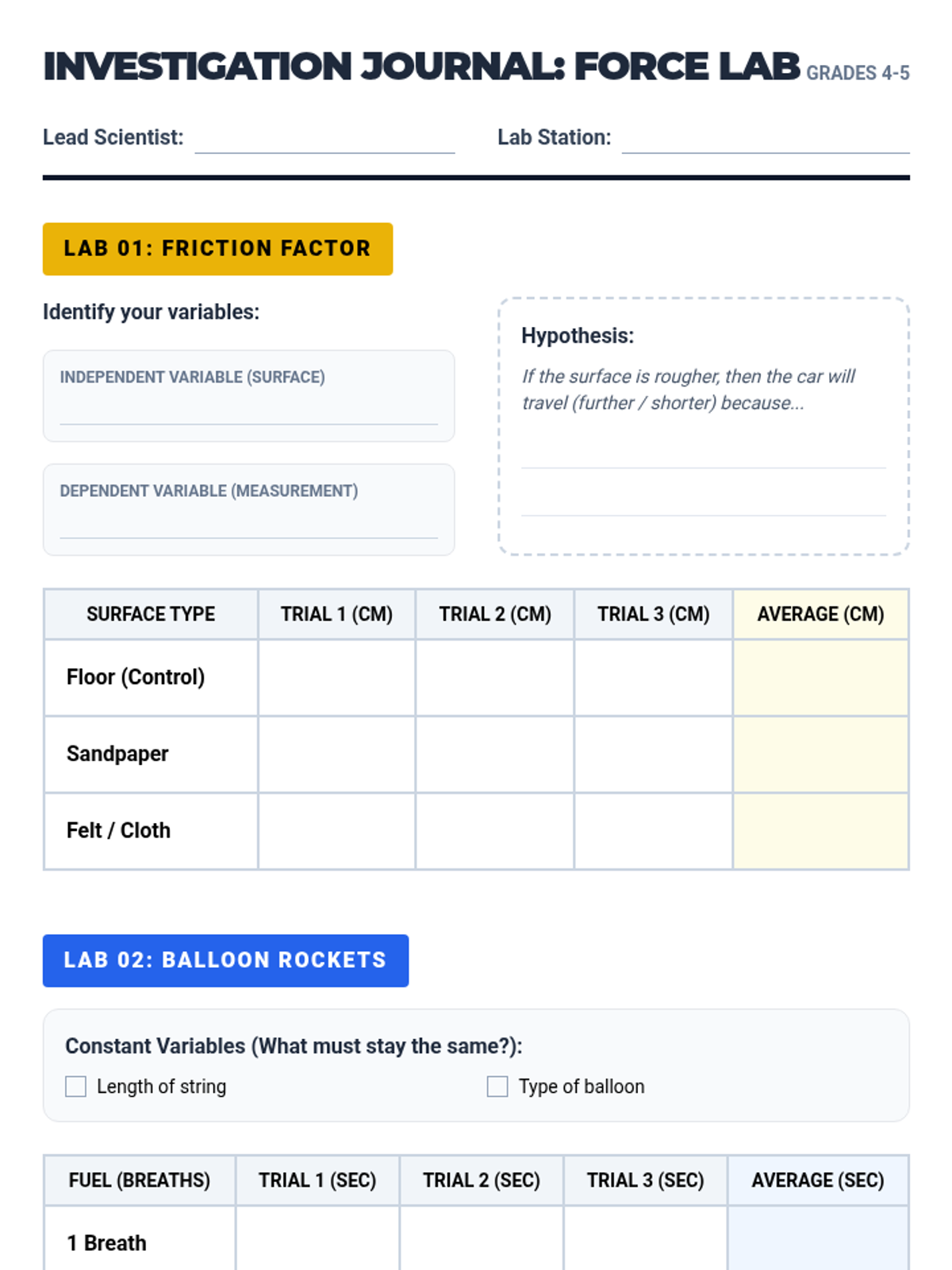
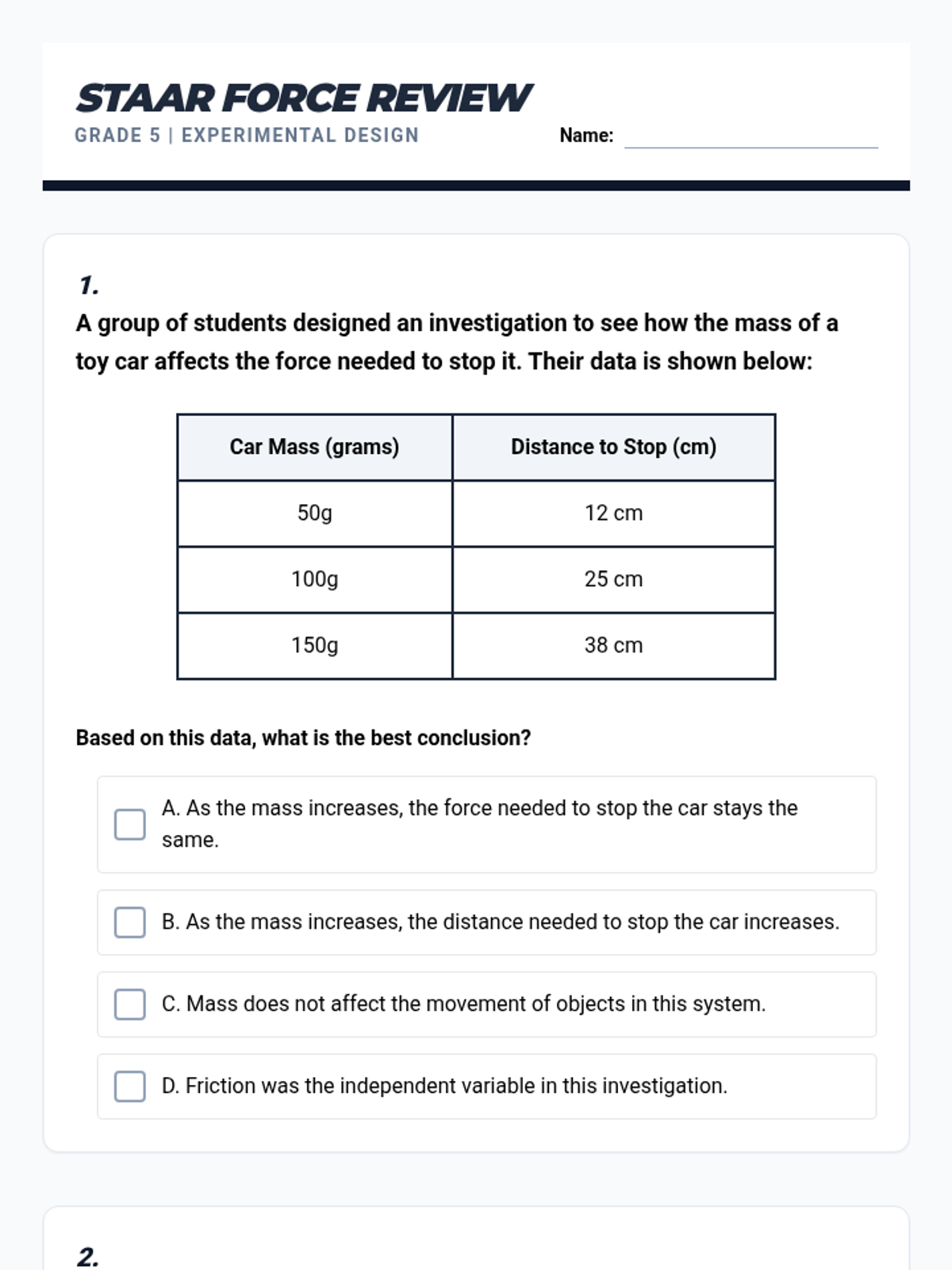
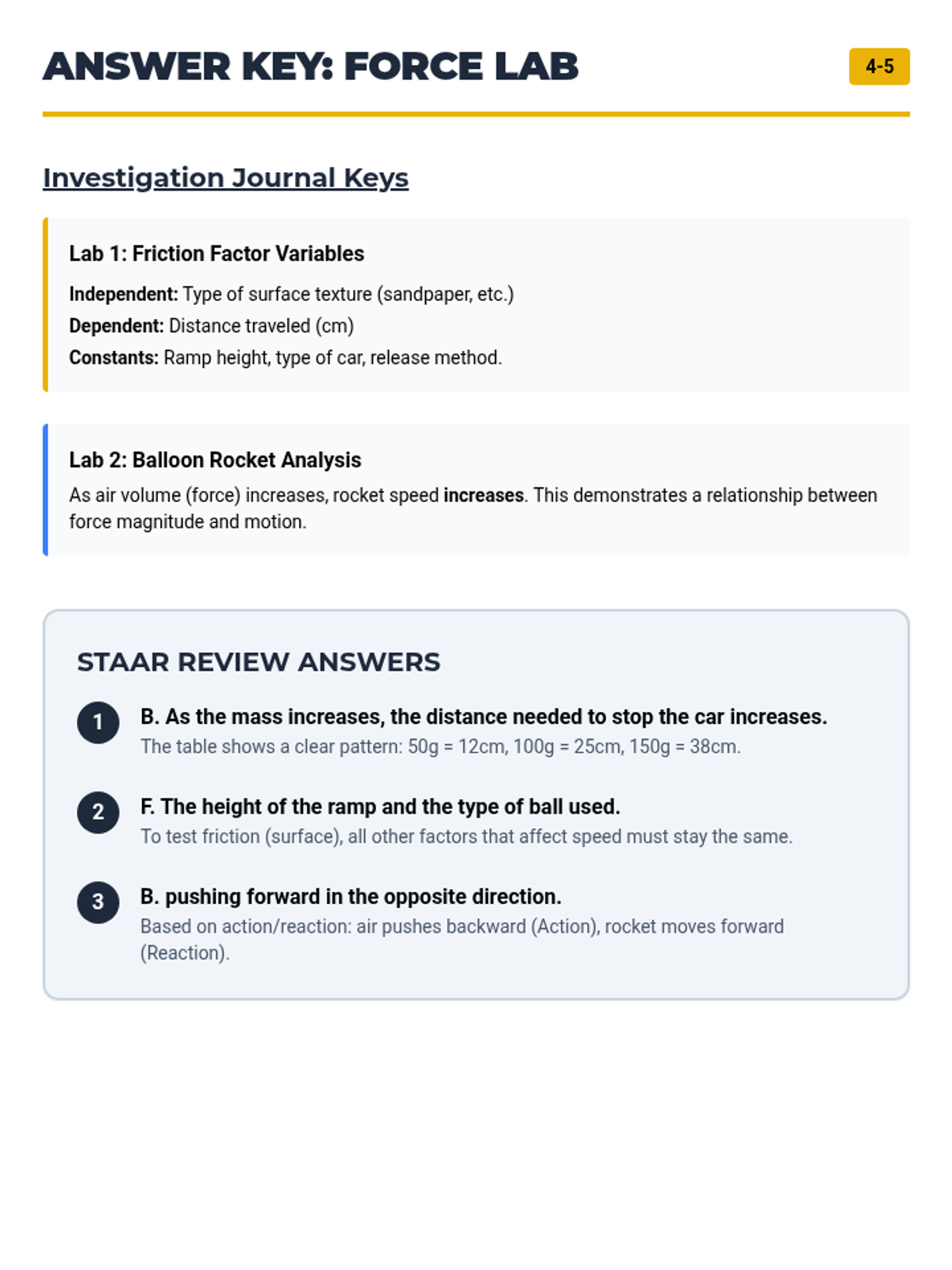
Upper elementary students design and conduct experimental investigations to test the effects of friction, gravity, and force on systems like cars and rockets. Alignment: TEKS 4.7(A), 5.7(B).
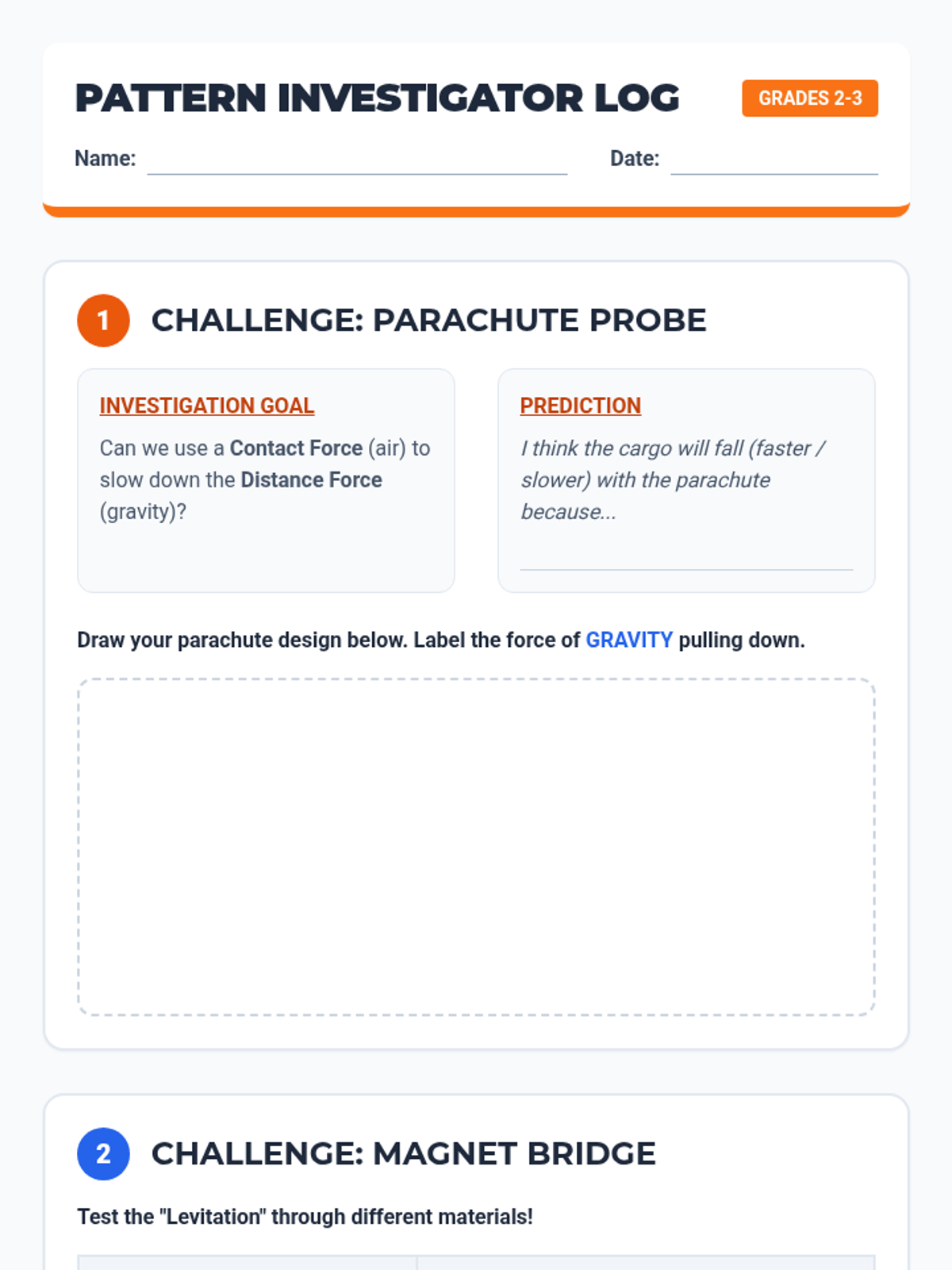
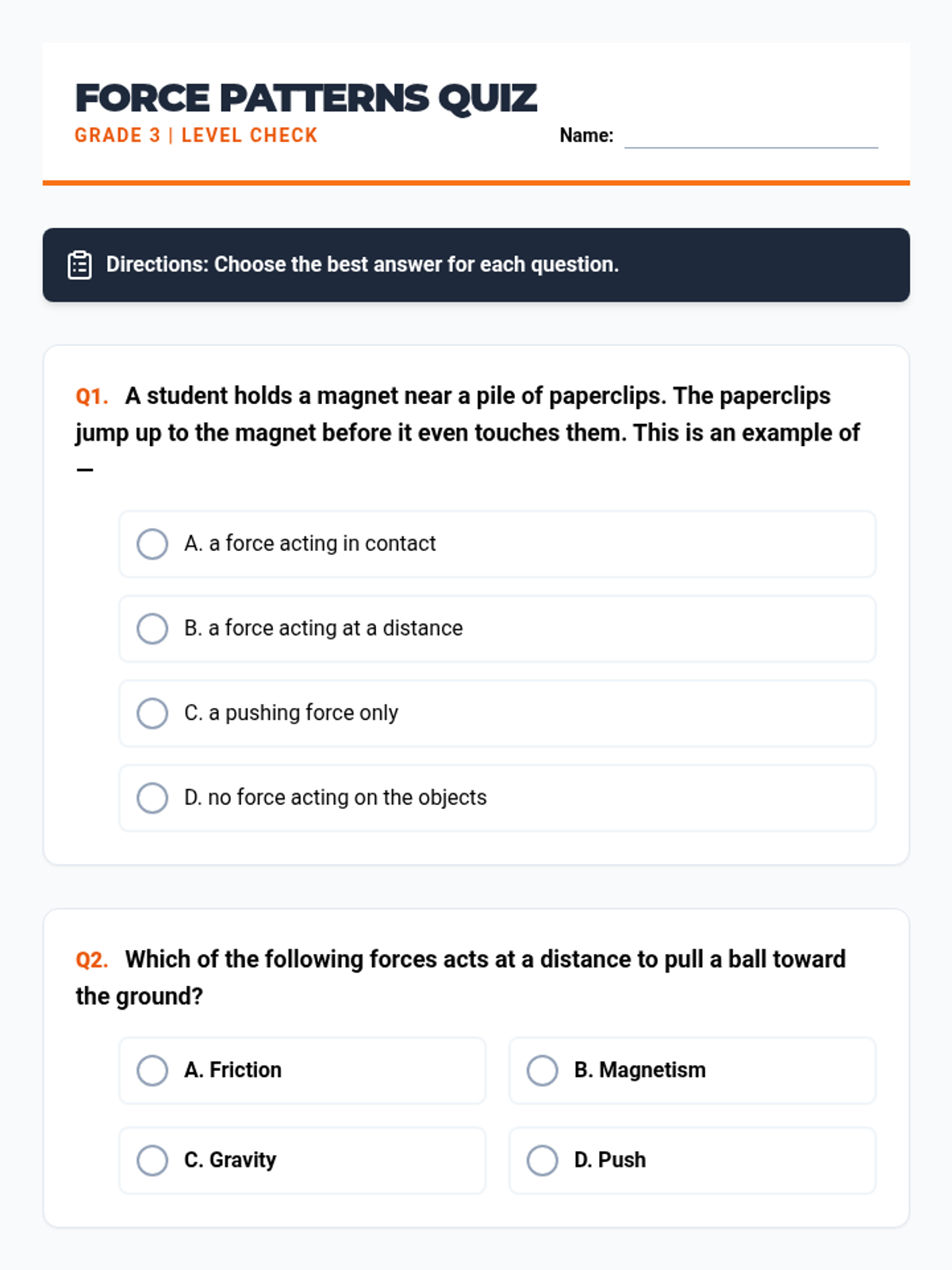
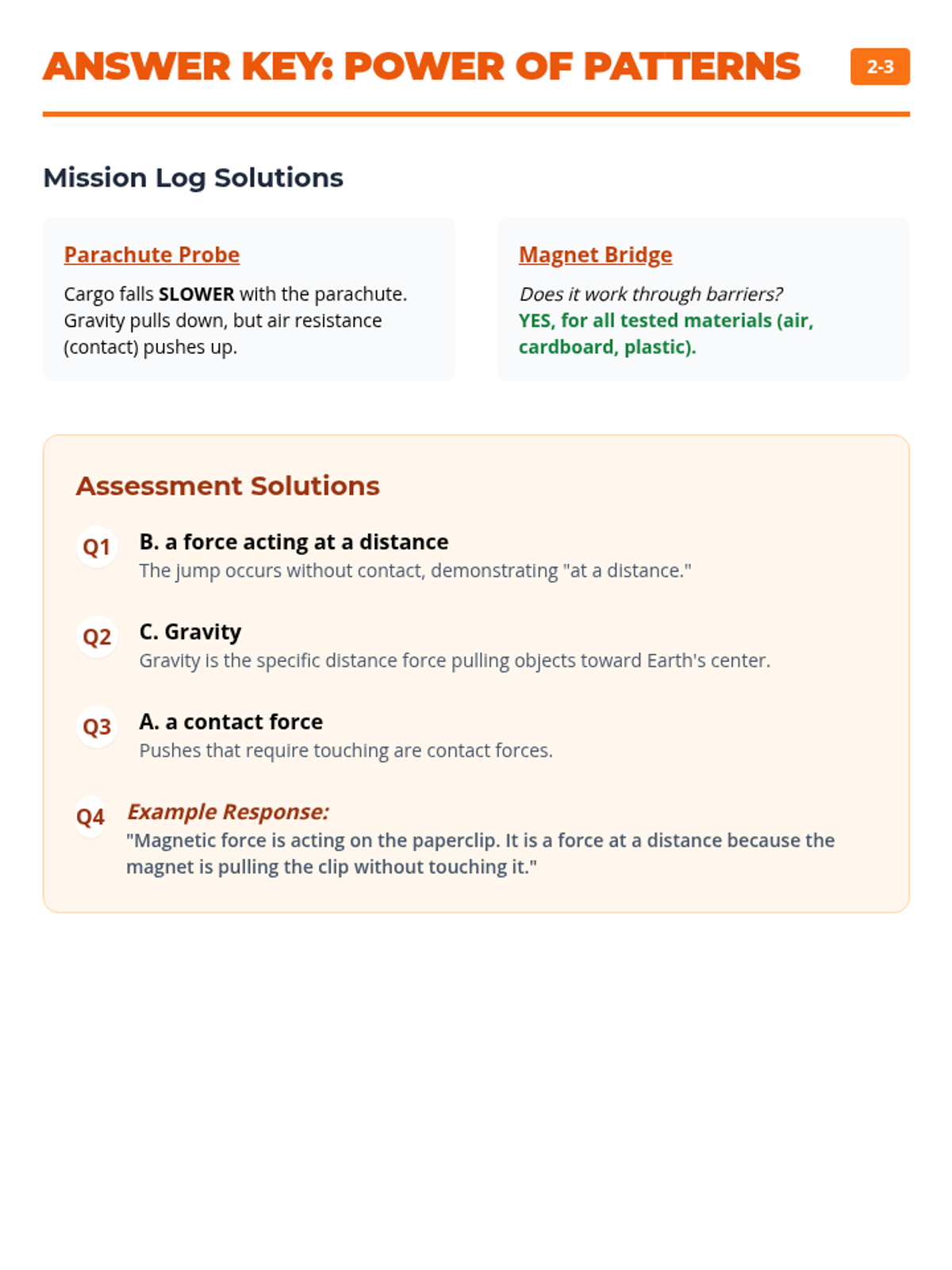
Students demonstrate forces in contact and at a distance, exploring gravity and magnetism through engineering challenges that require precise control of invisible forces. Alignment: TEKS 3.7(A).
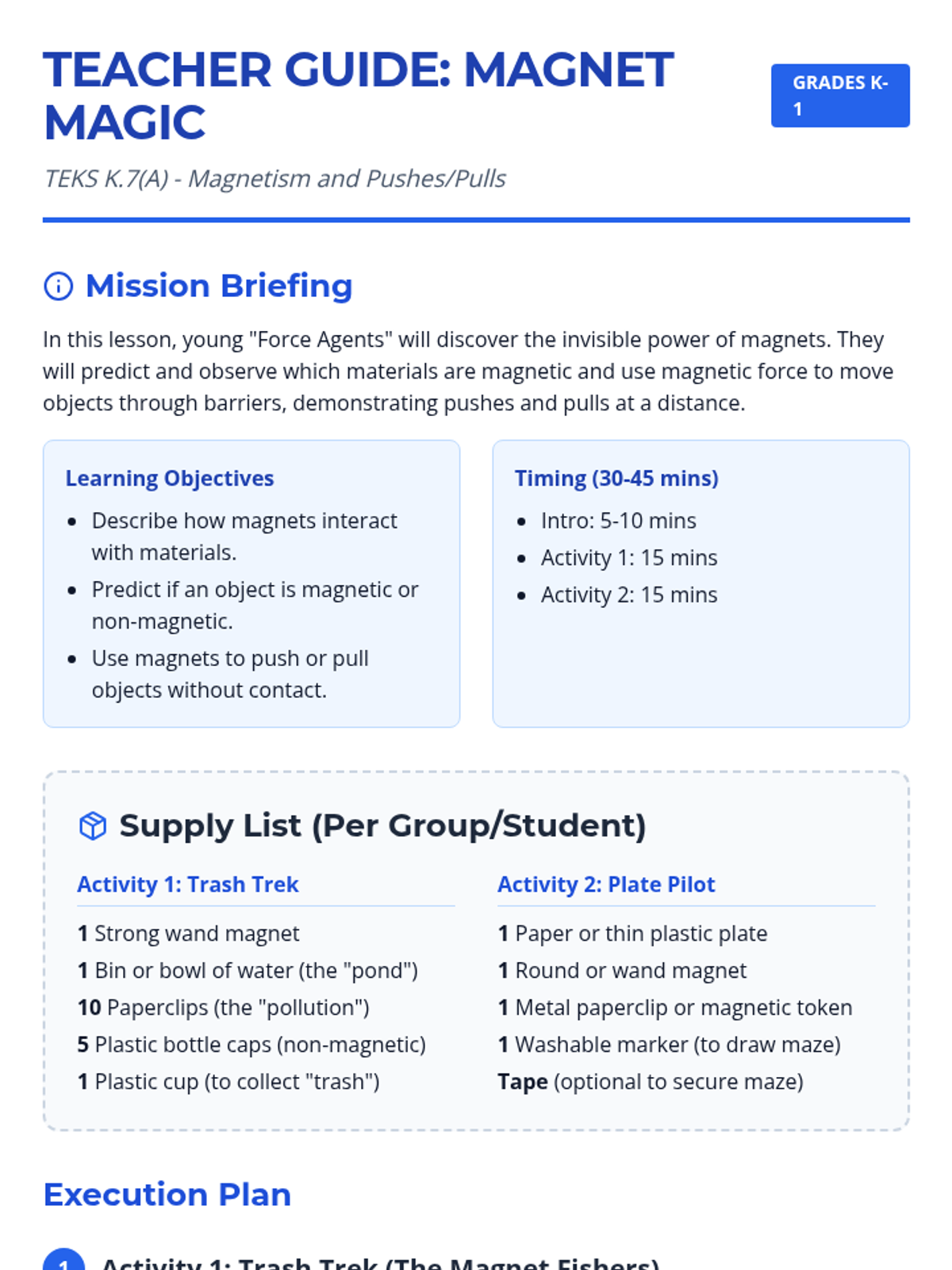
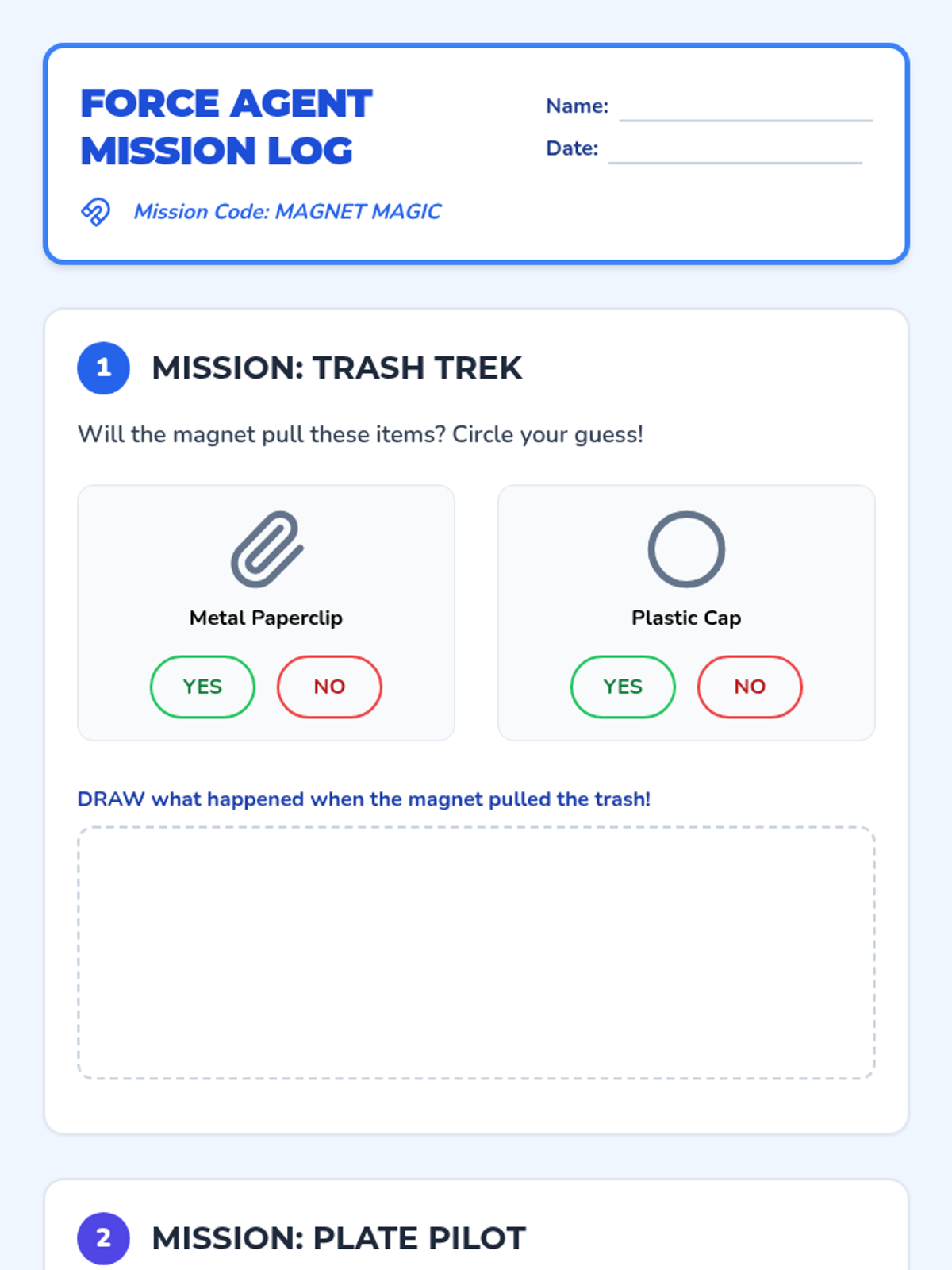
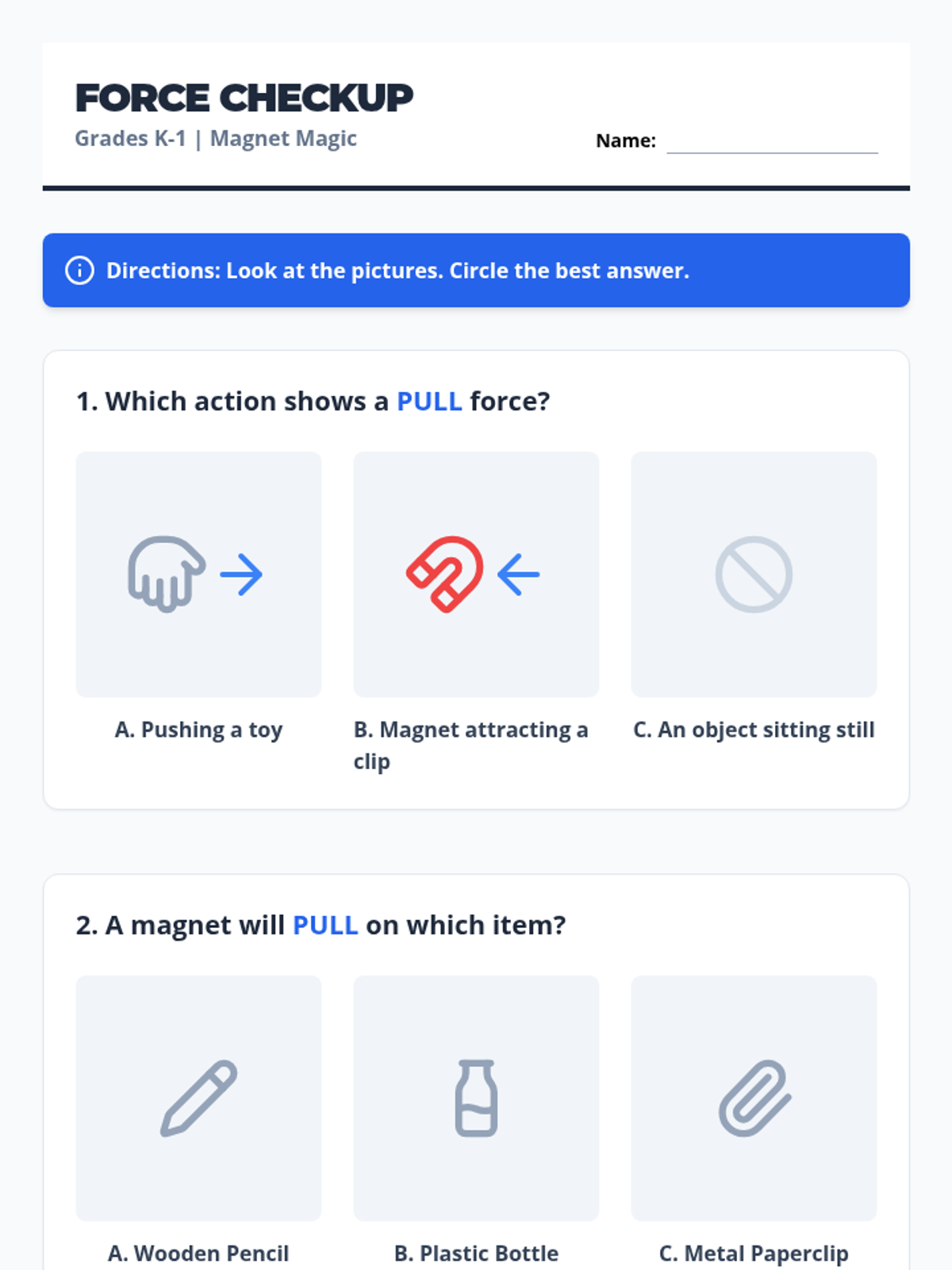
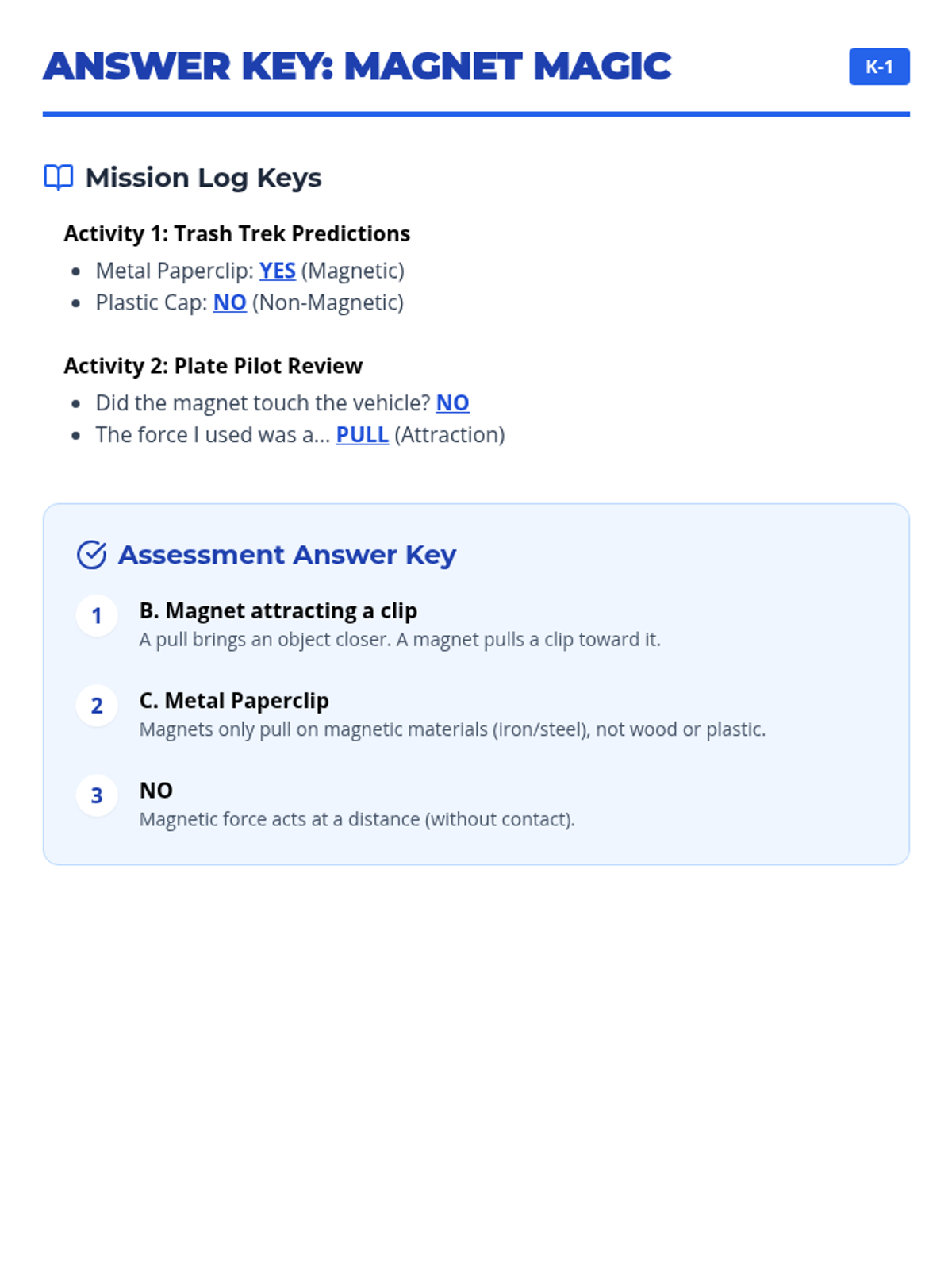
Students explore how magnets interact with various materials and use magnetism to push and pull objects through fun, hands-on challenges. Alignment: TEKS K.7(A).
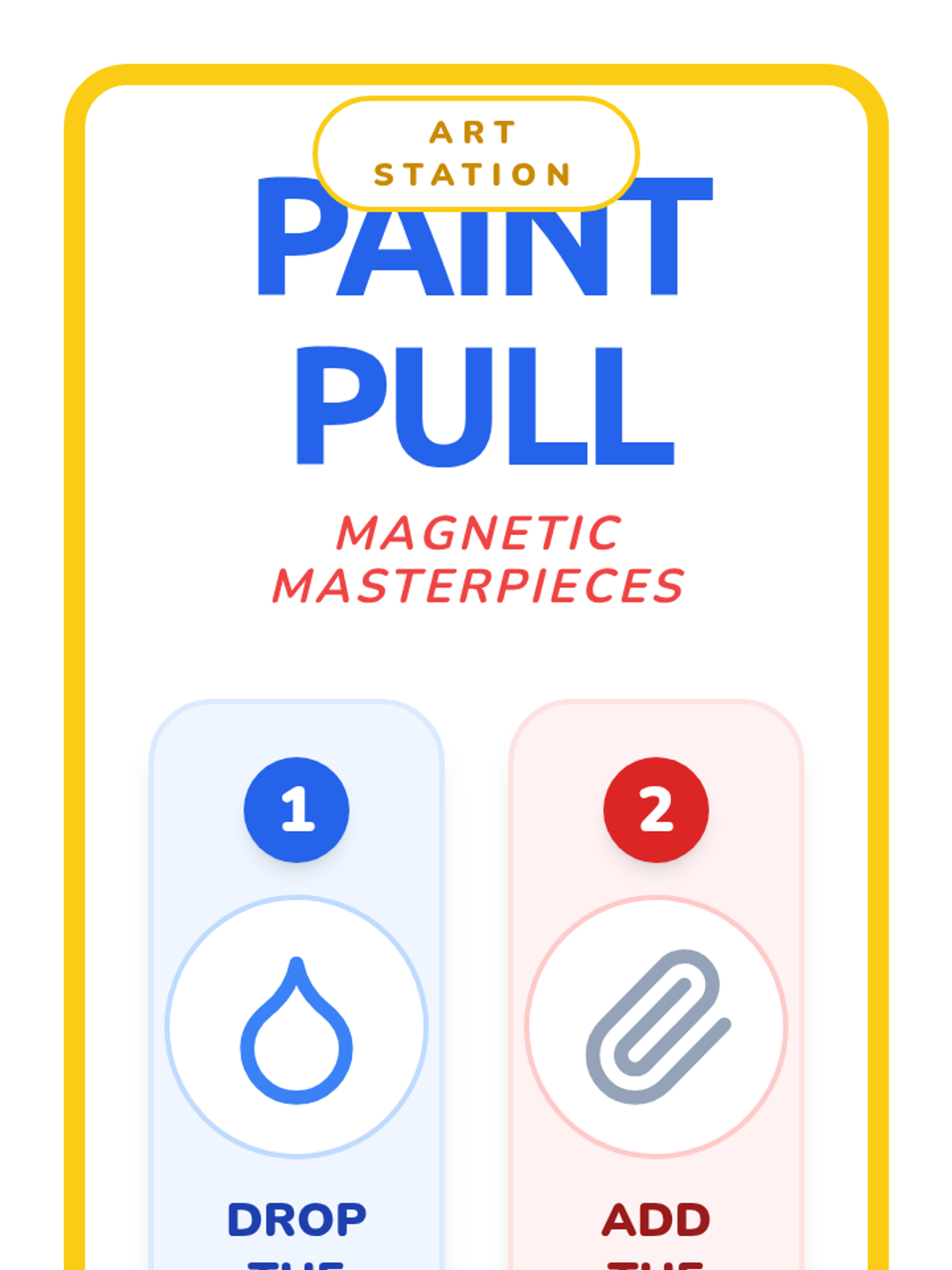
Students will explore the invisible force of magnetism through a hands-on 'Magnetic Painting' activity and a virtual sorting lab. They will learn to predict and test whether items are attracted to magnets while creating unique process art.
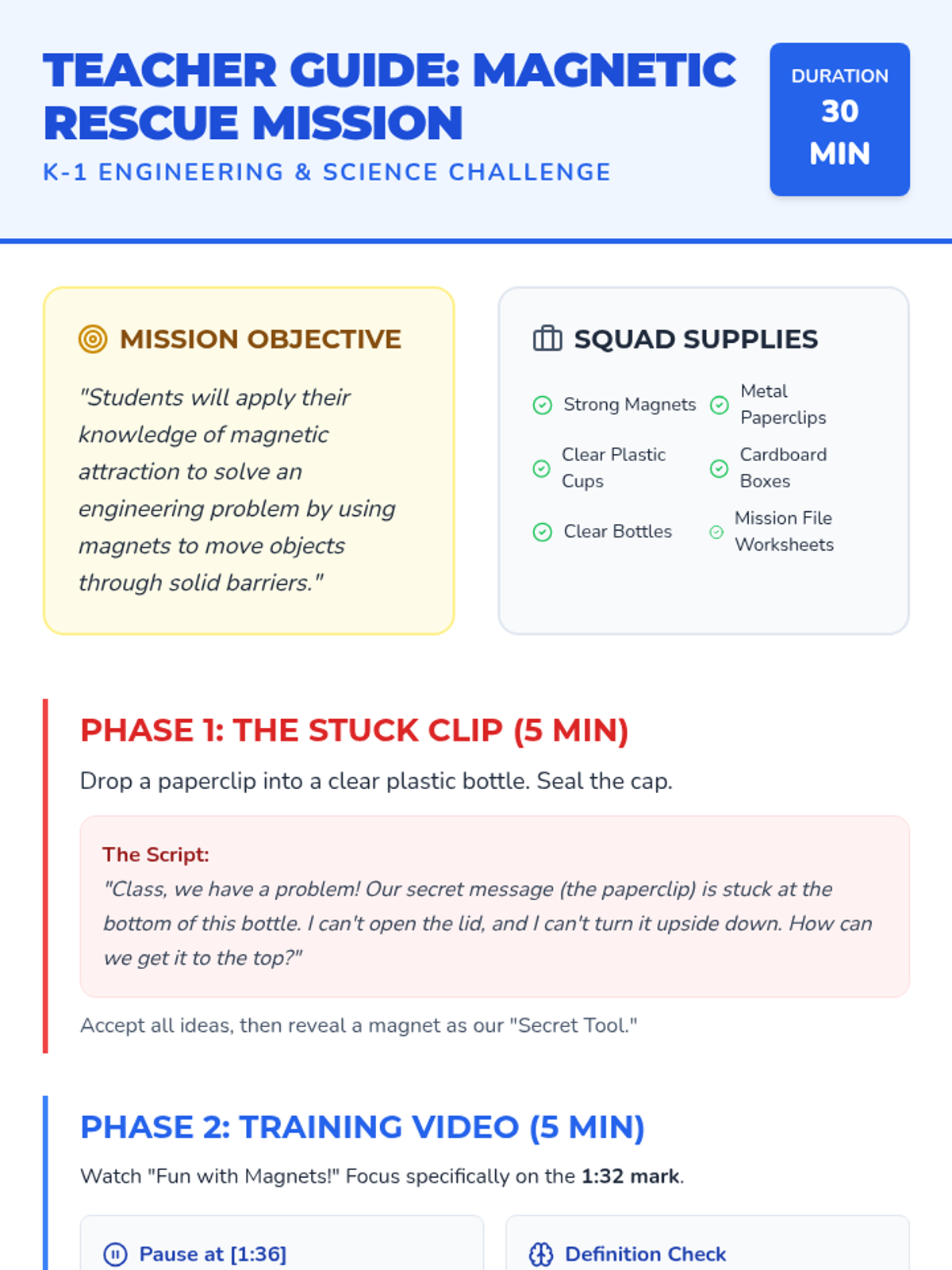
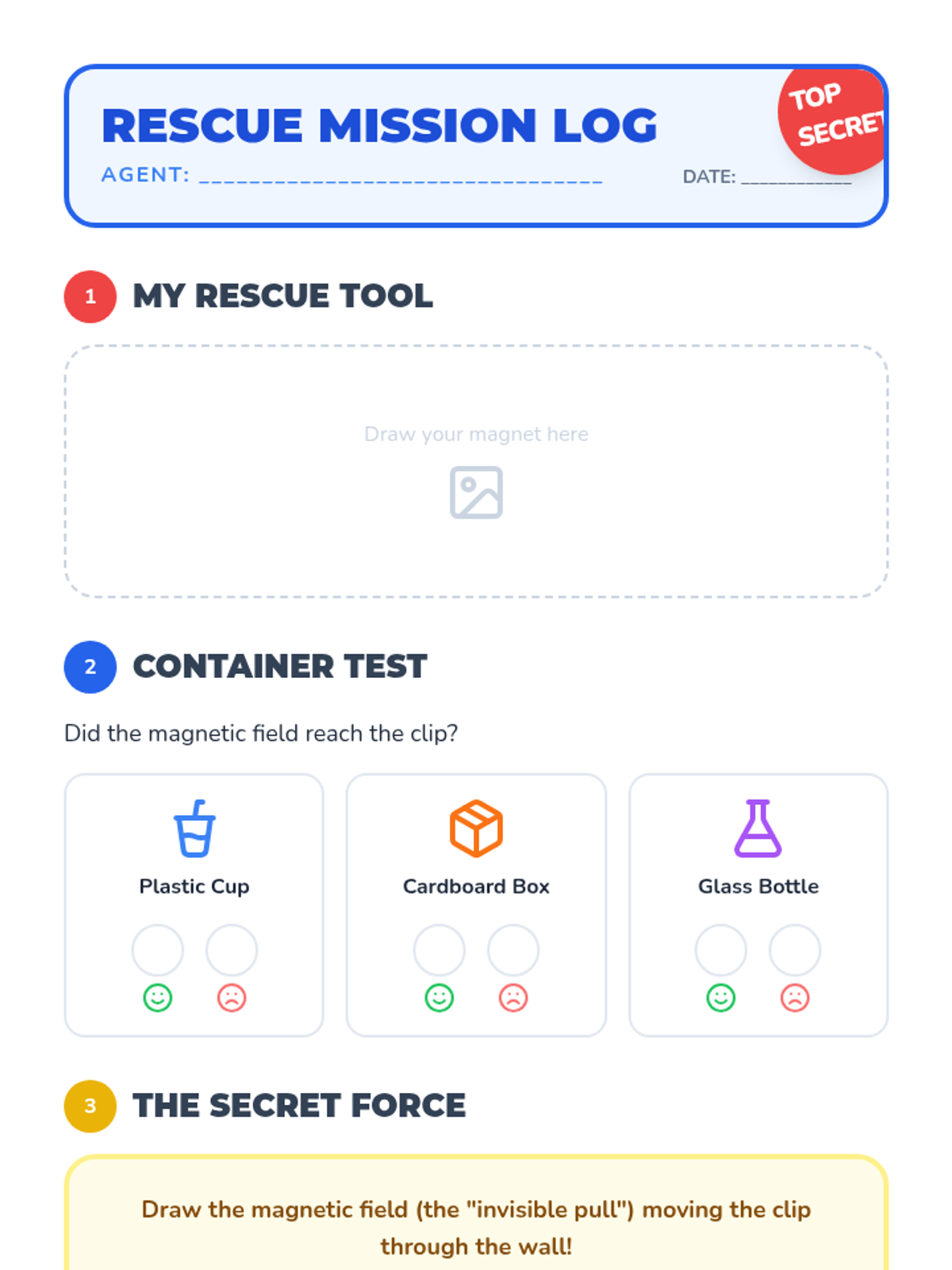
Students will investigate the 'invisible force' of magnets and apply their understanding of magnetic fields to solve an engineering challenge: rescuing a paperclip from the bottom of various containers without touching it directly.
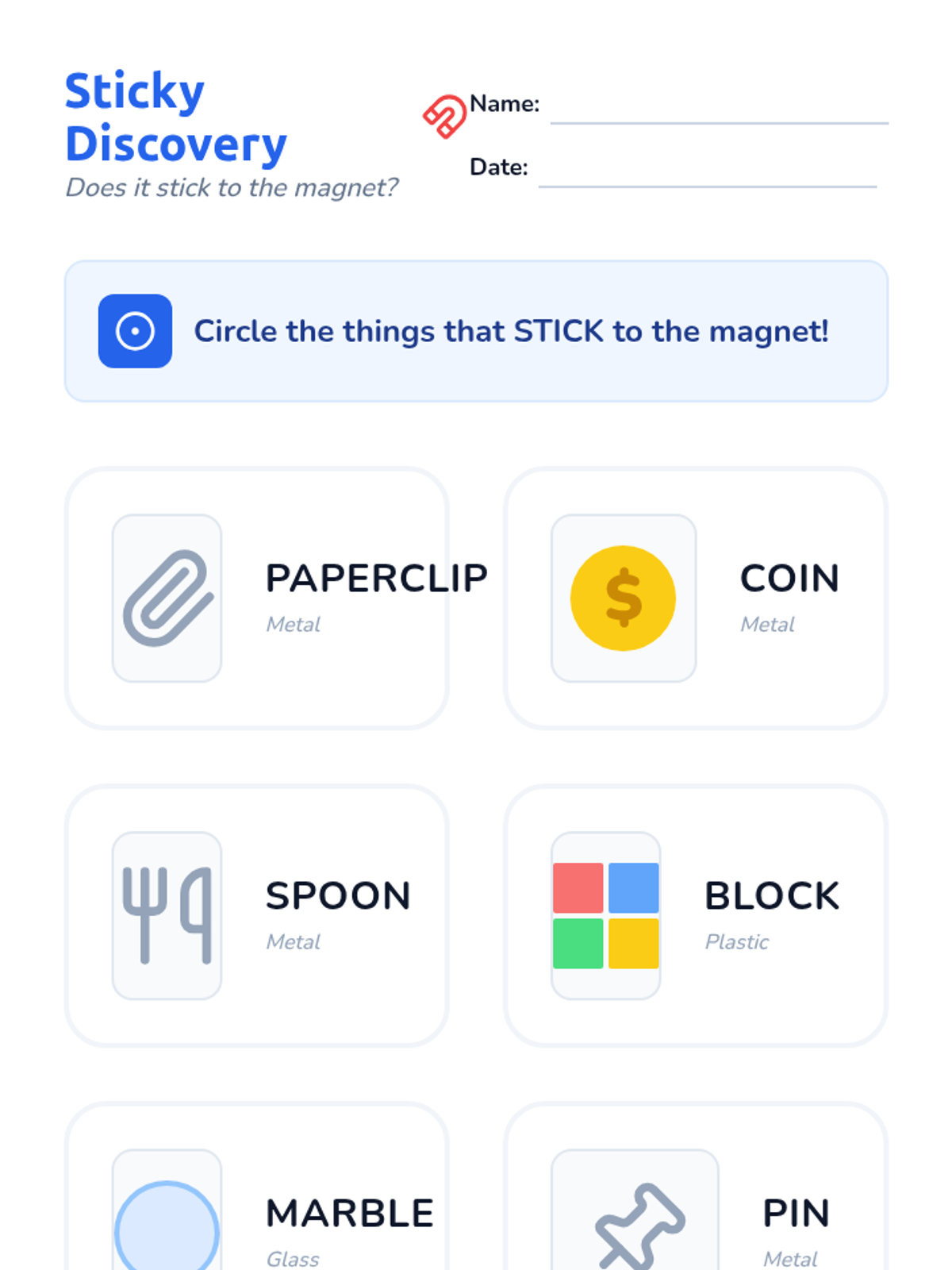
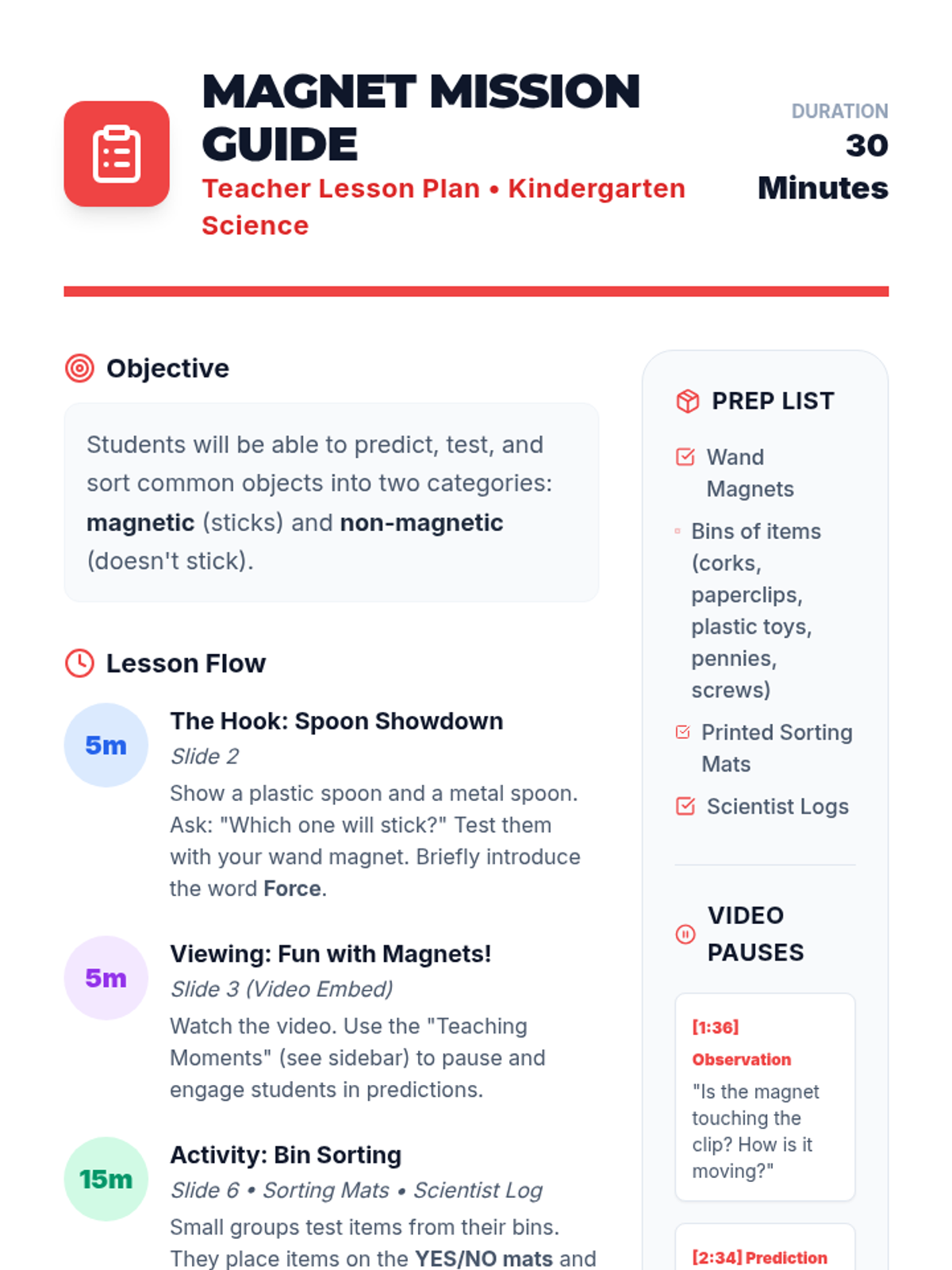
A hands-on Kindergarten science lesson introducing magnets through sorting and exploration. Students predict and test which common objects are attracted to magnets, discovering that only certain metals (iron) stick.
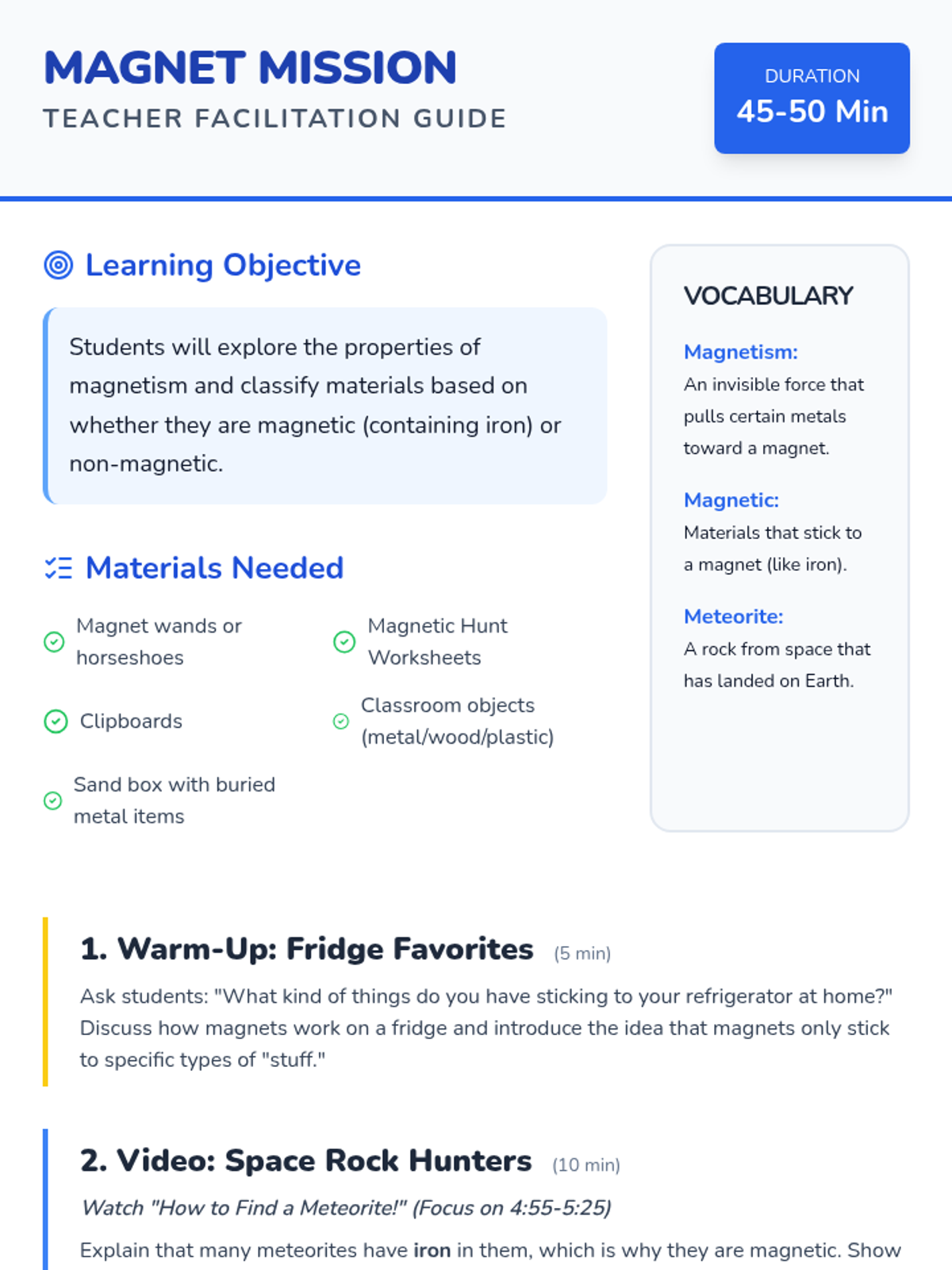
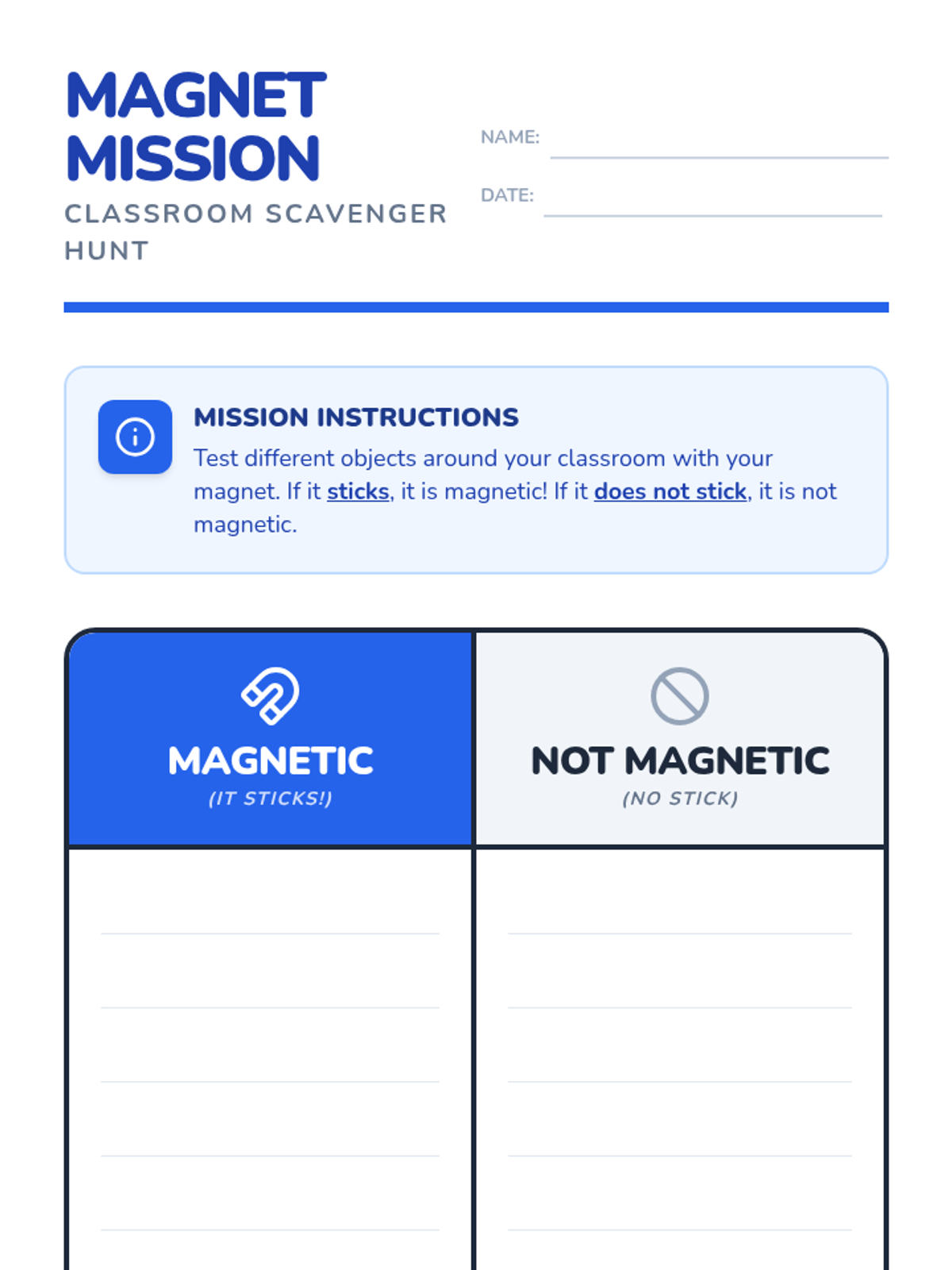
A hands-on science lesson where students explore the properties of magnetism through the lens of meteorite hunting, using a scavenger hunt to classify classroom objects.
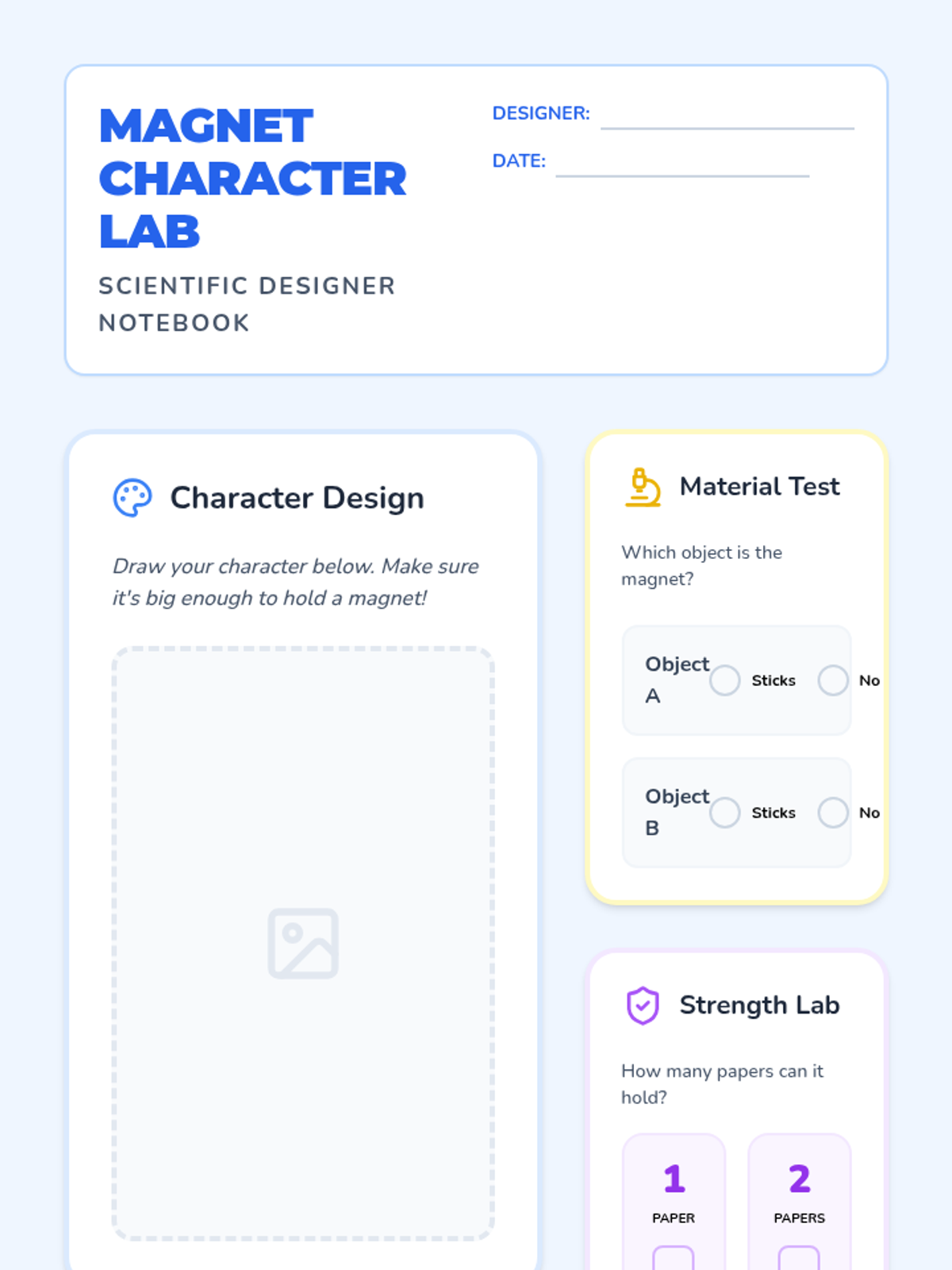
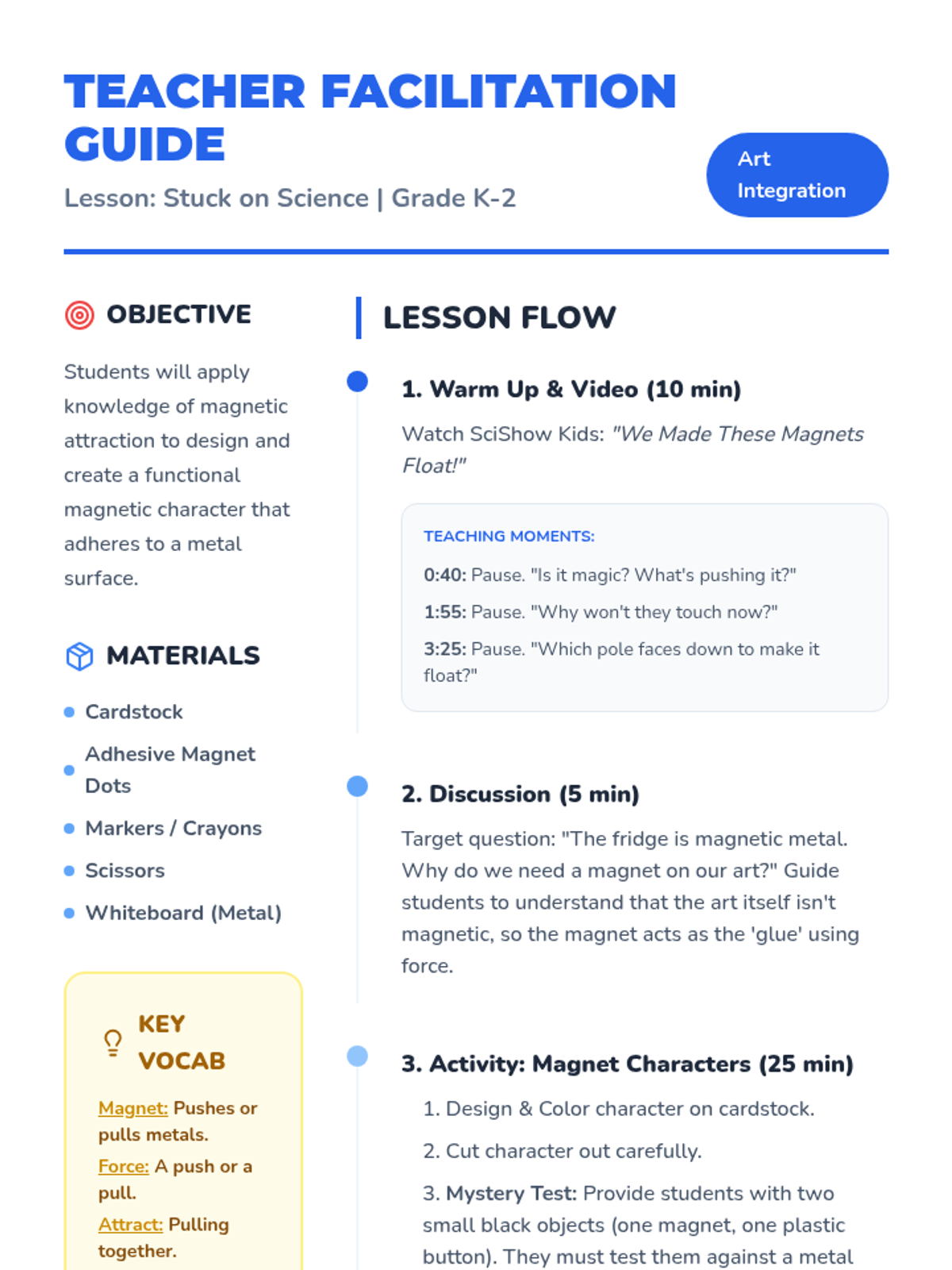
Students explore the basics of magnetism and use their knowledge to design and create a functional magnetic character for a classroom 'fridge gallery'.
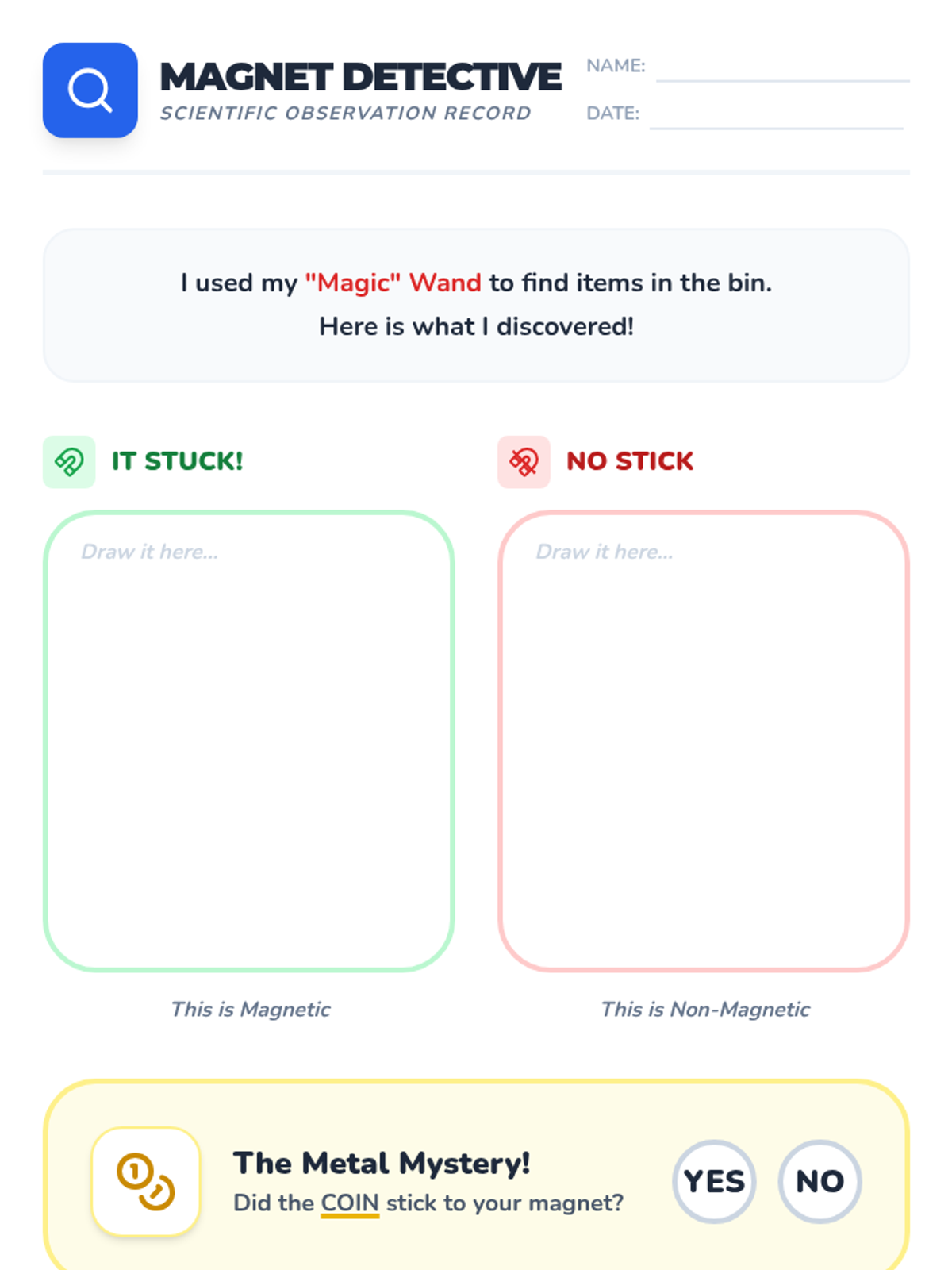
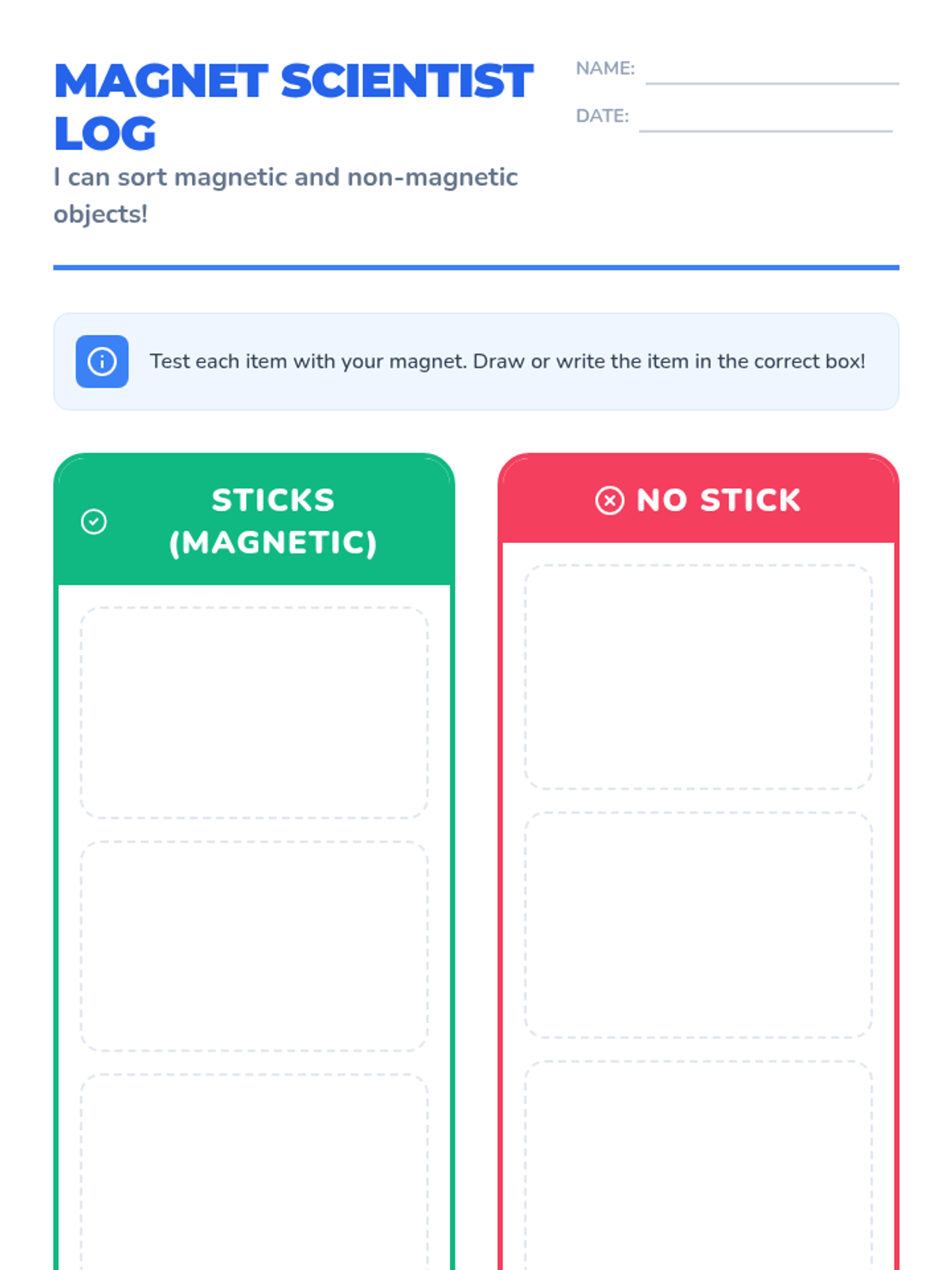
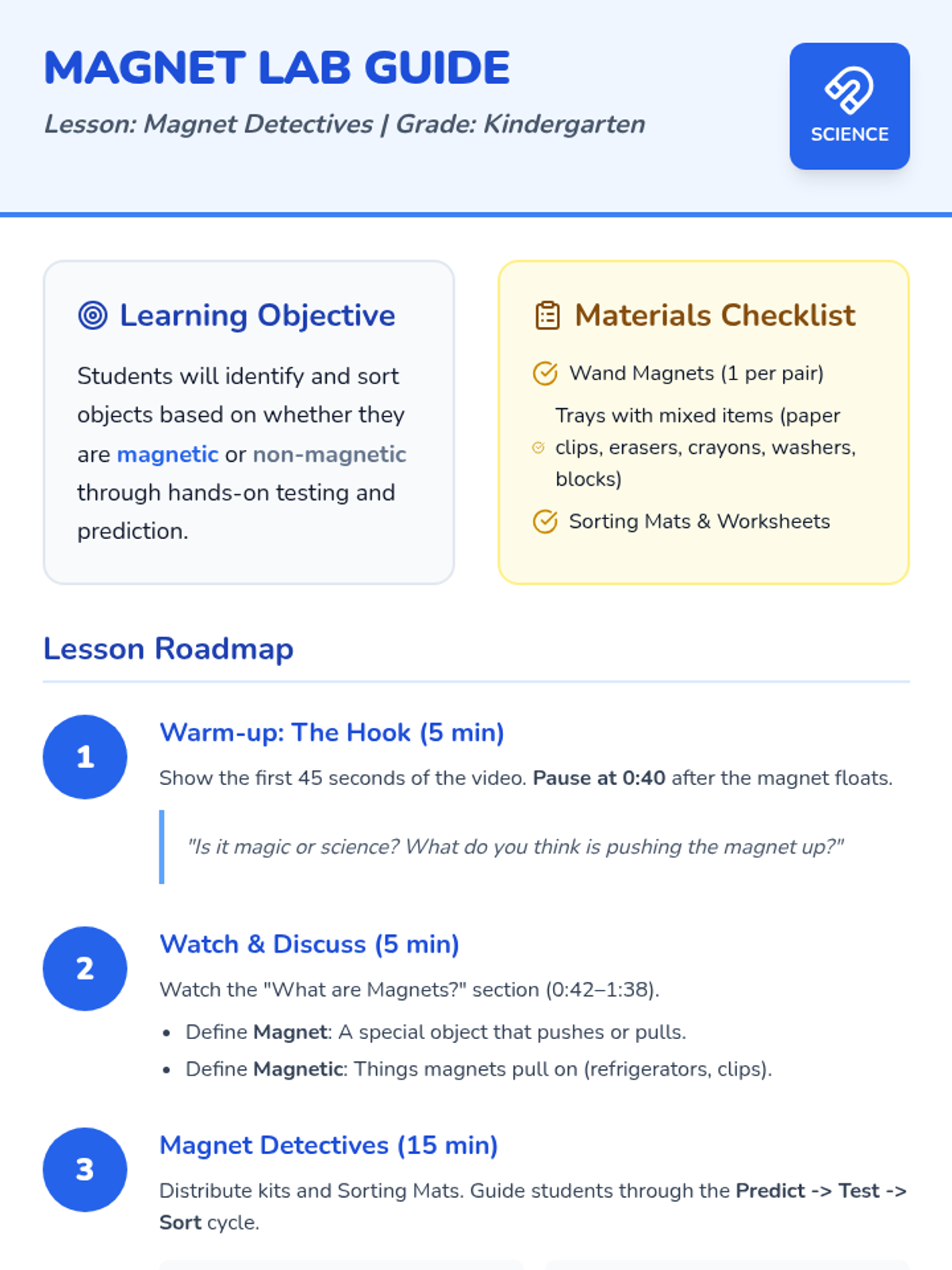
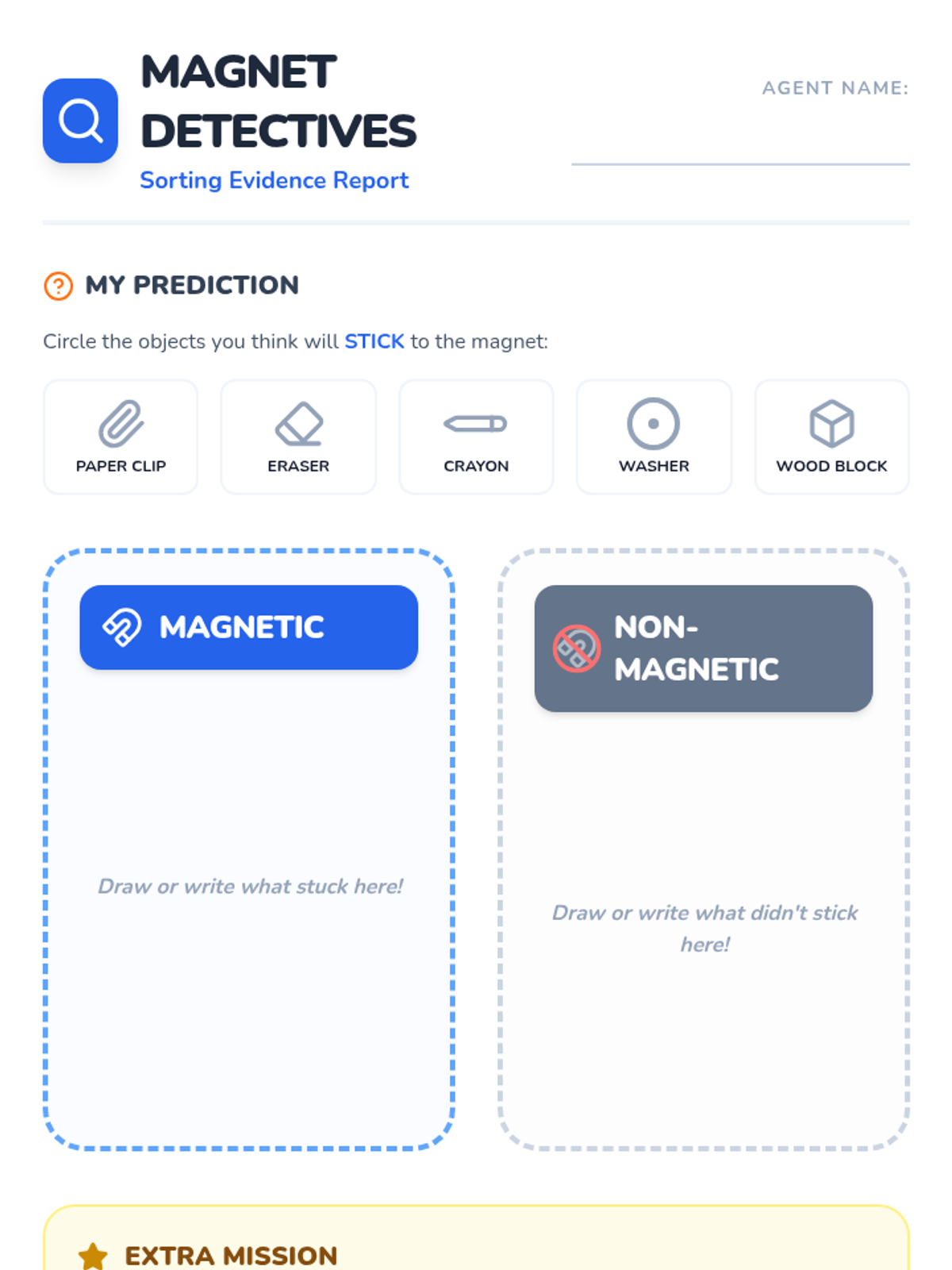
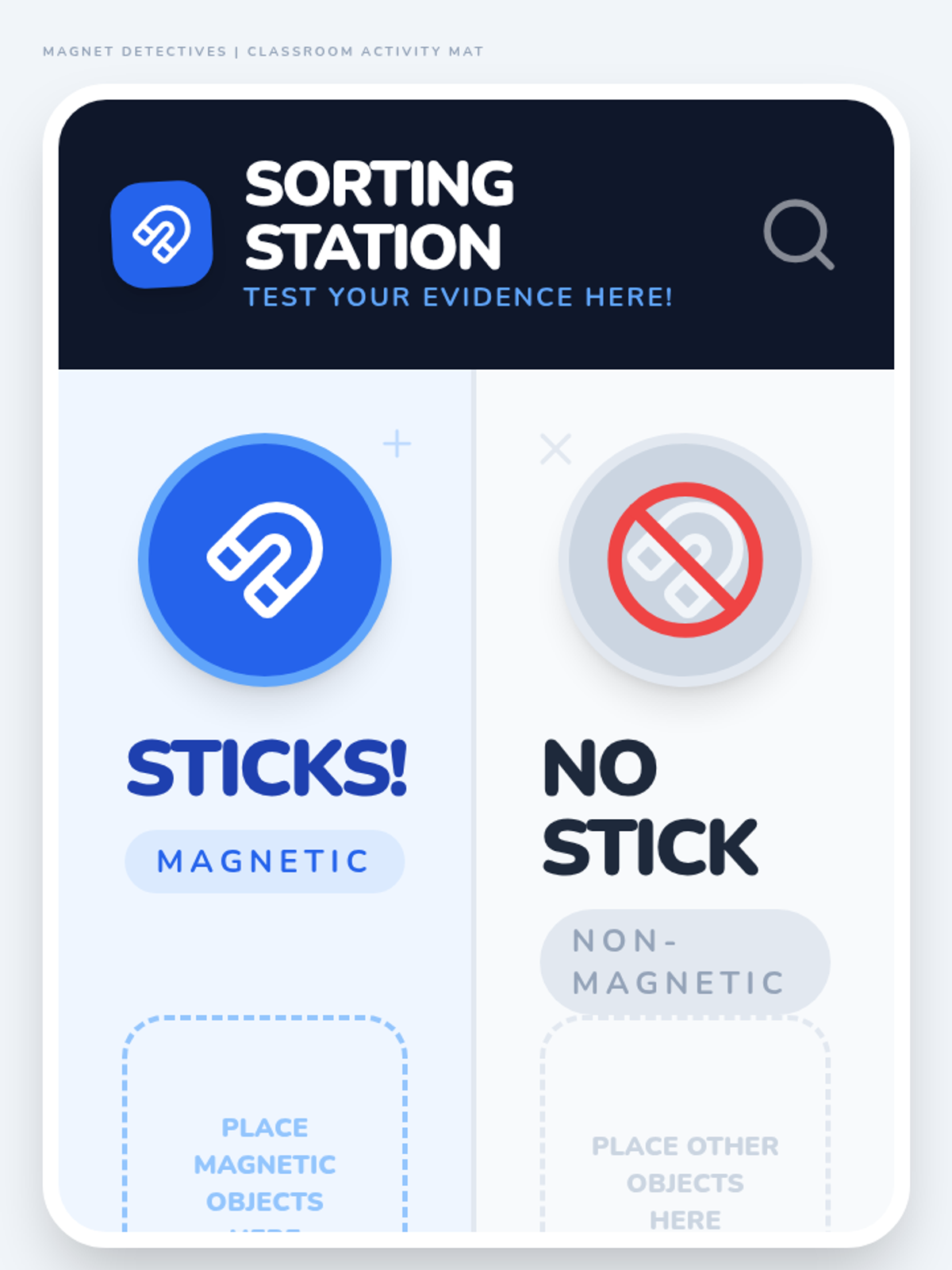
Students explore the invisible force of magnetism by testing common classroom objects and sorting them into magnetic and non-magnetic categories using a 'Magnet Detective' theme.
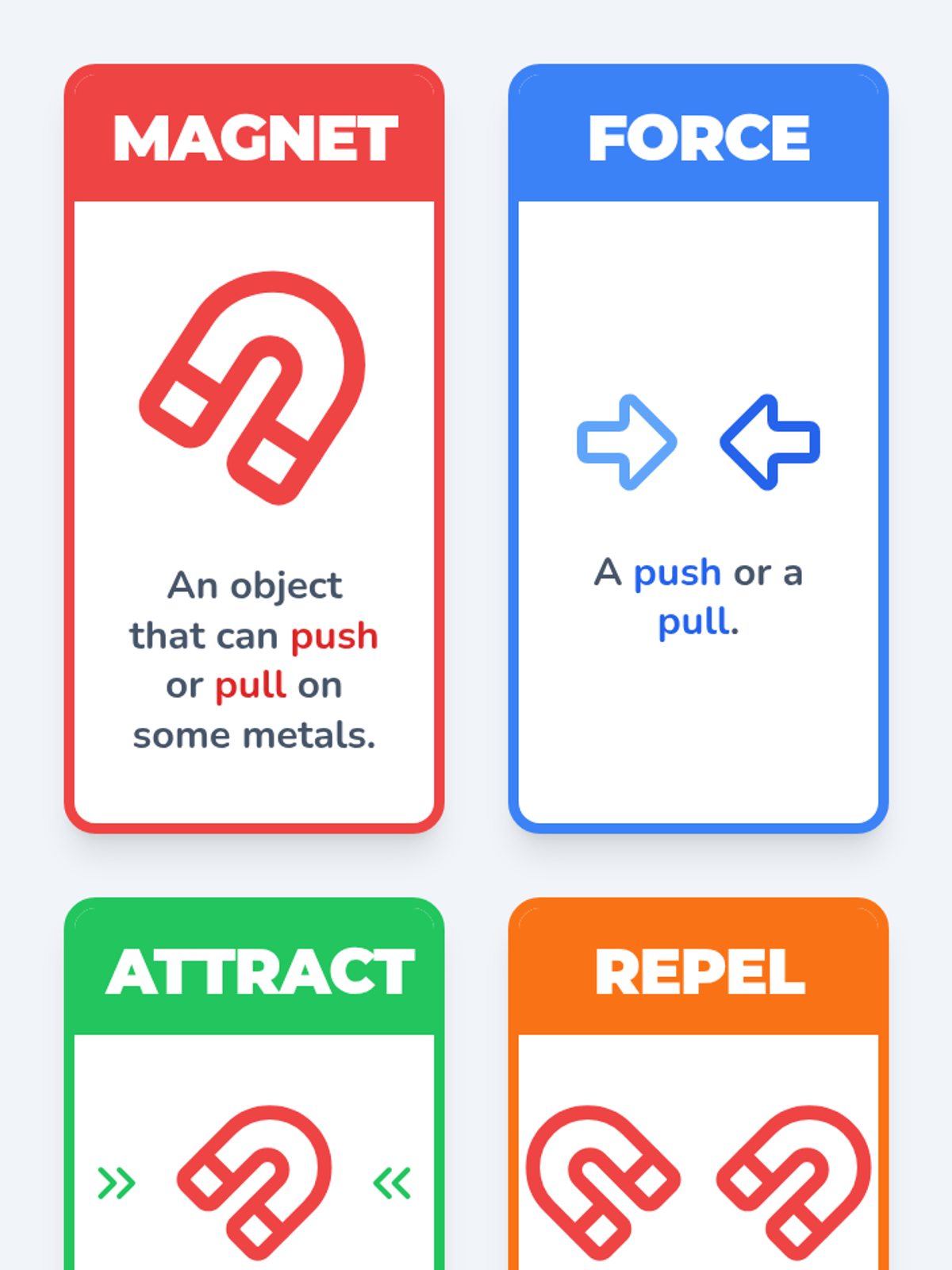
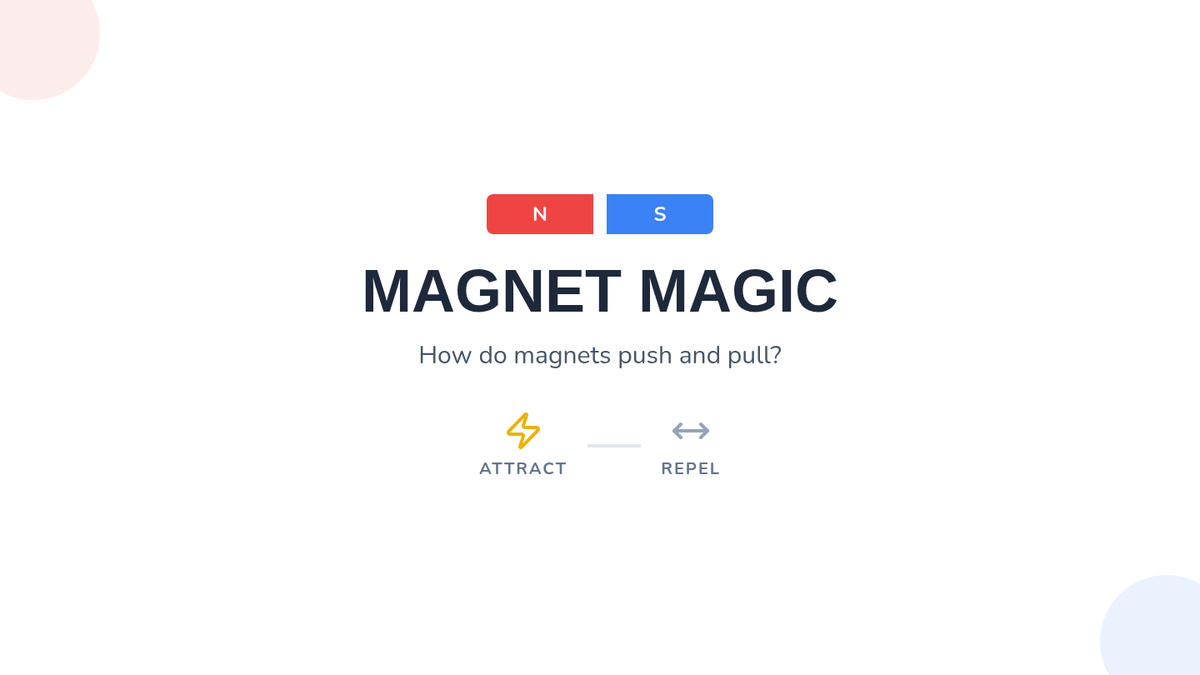
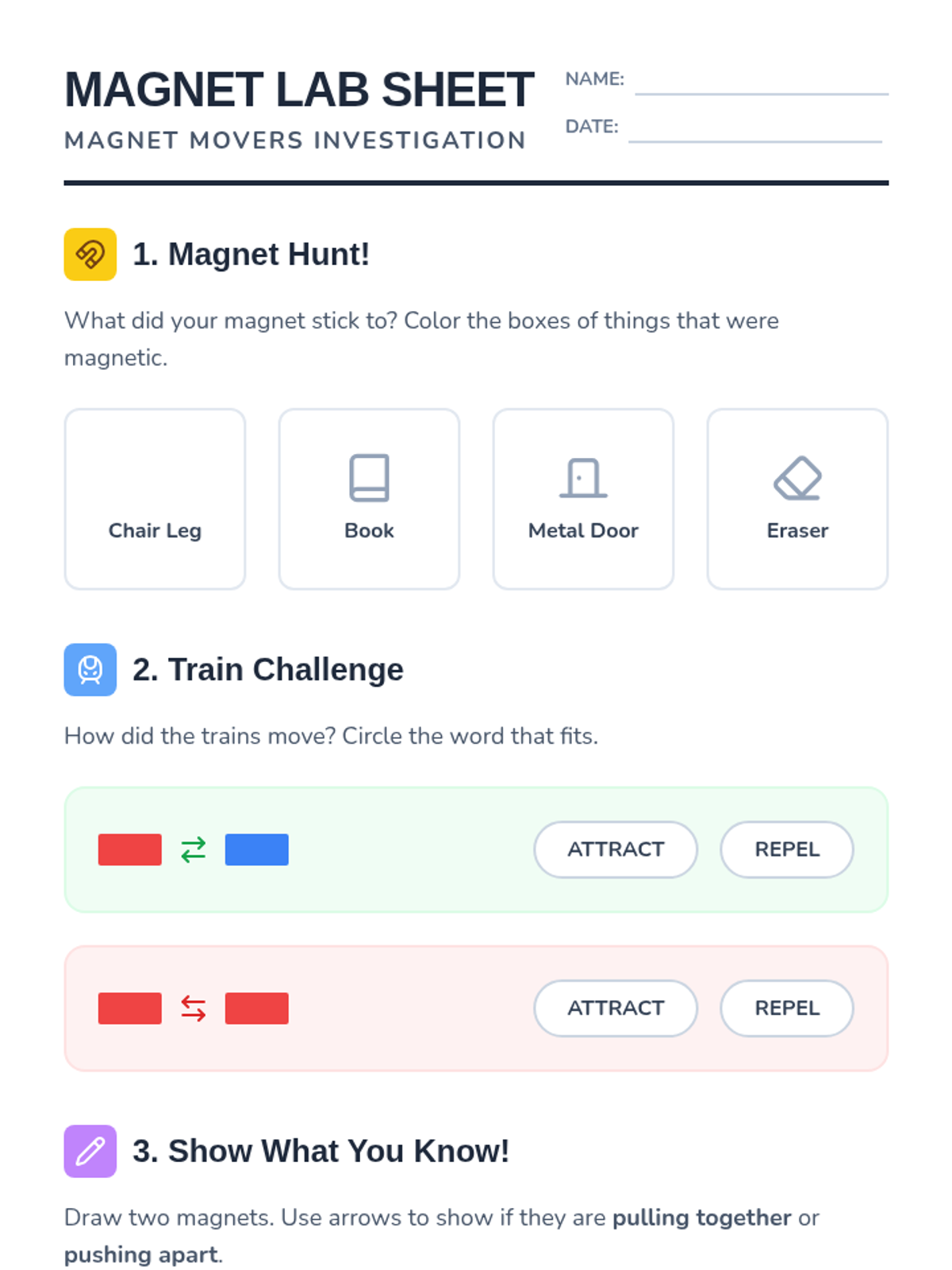
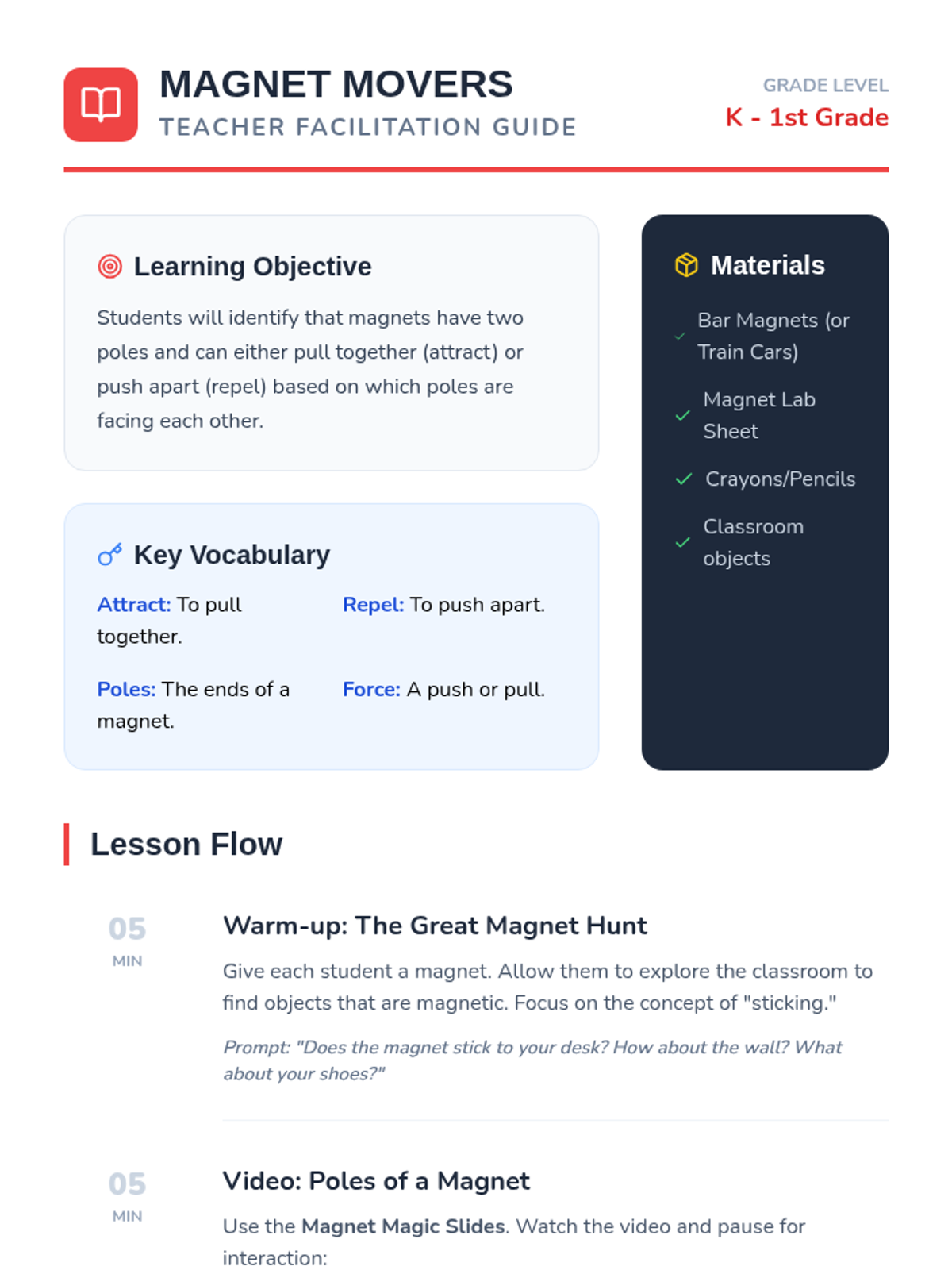
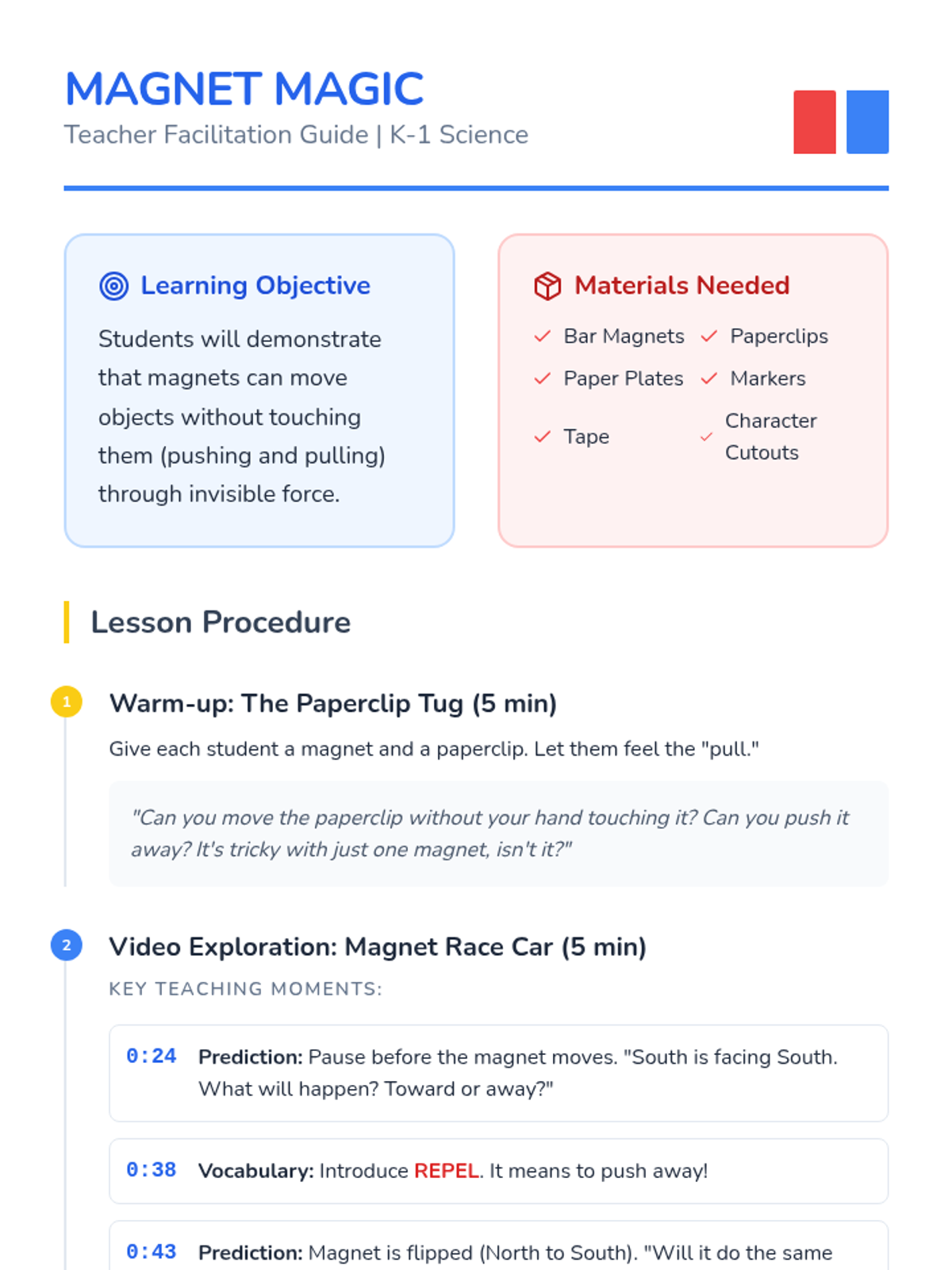
An introductory lesson for Kindergarten and 1st-grade students to explore magnetic forces. Students will learn the concepts of 'attract' and 'repel' through a guided video viewing, hands-on experimentation with magnetic trains, and a classroom scavenger hunt.
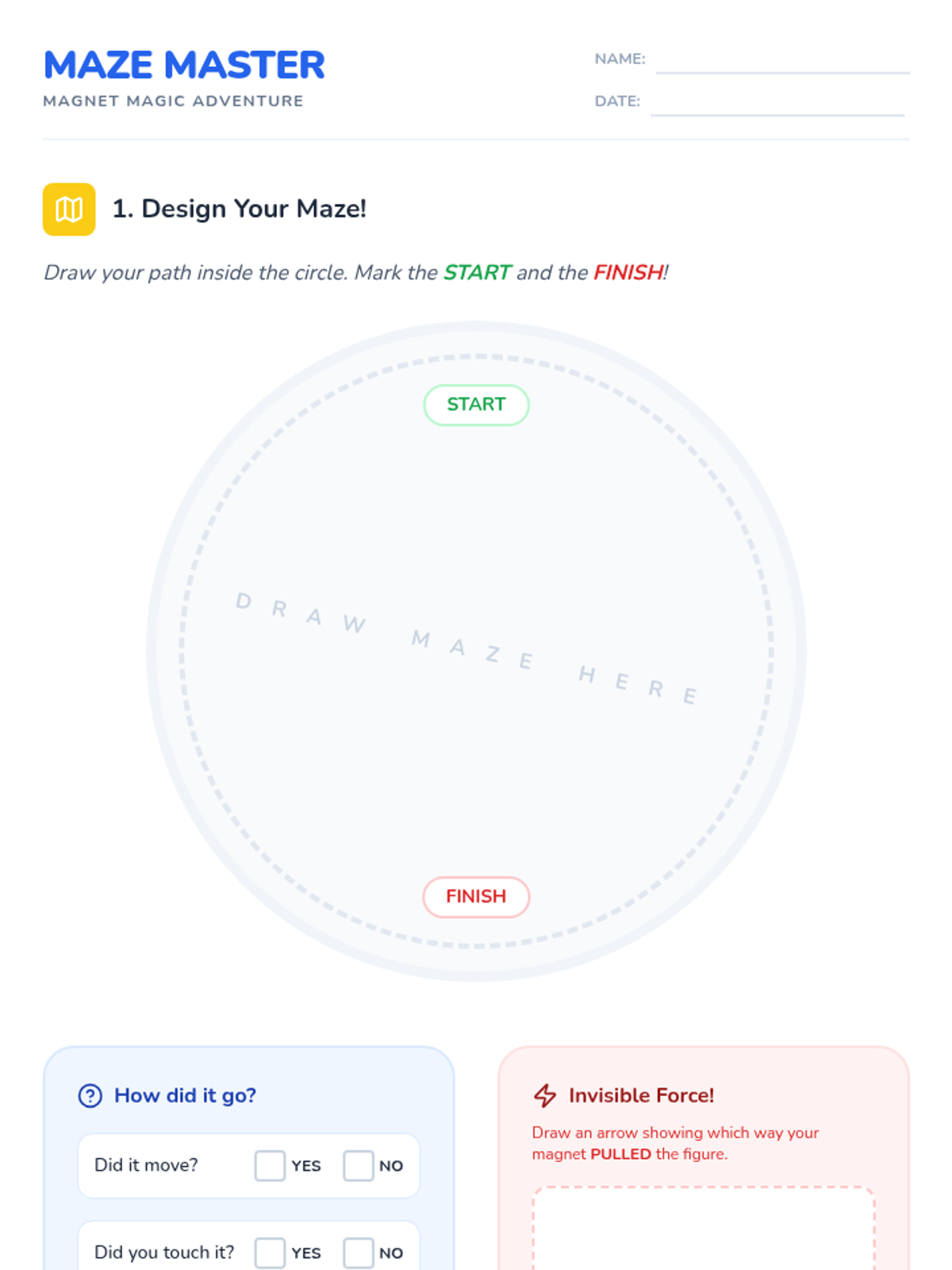
A hands-on introductory lesson for Kindergarten and 1st Grade students to explore magnetism as a non-contact force that can push and pull objects. Students will use magnets to navigate mazes and watch a demonstration of magnetic repulsion and attraction.
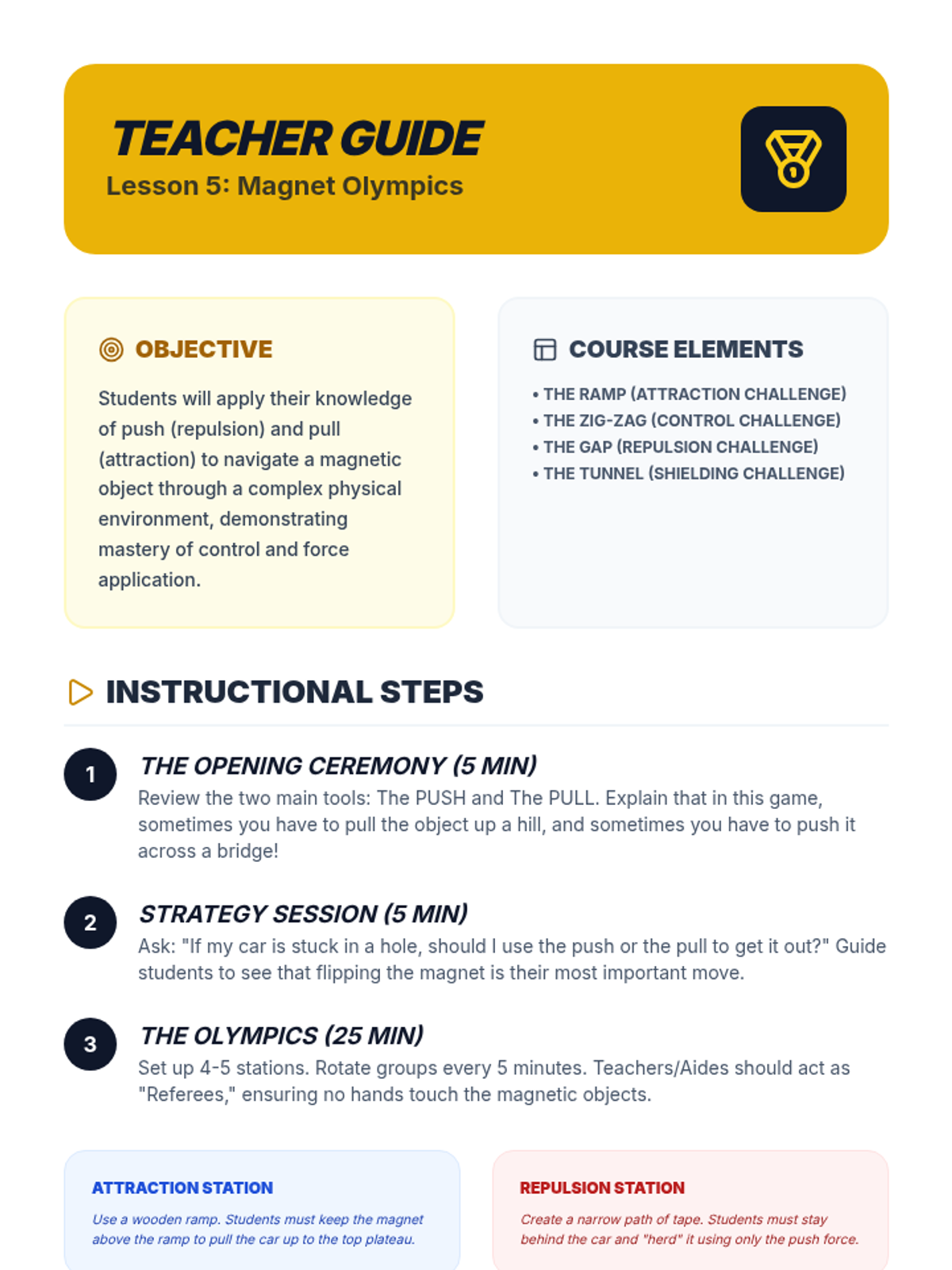
A culminating game where students navigate a magnetic object through an obstacle course, switching between using attraction (pull) and repulsion (push).
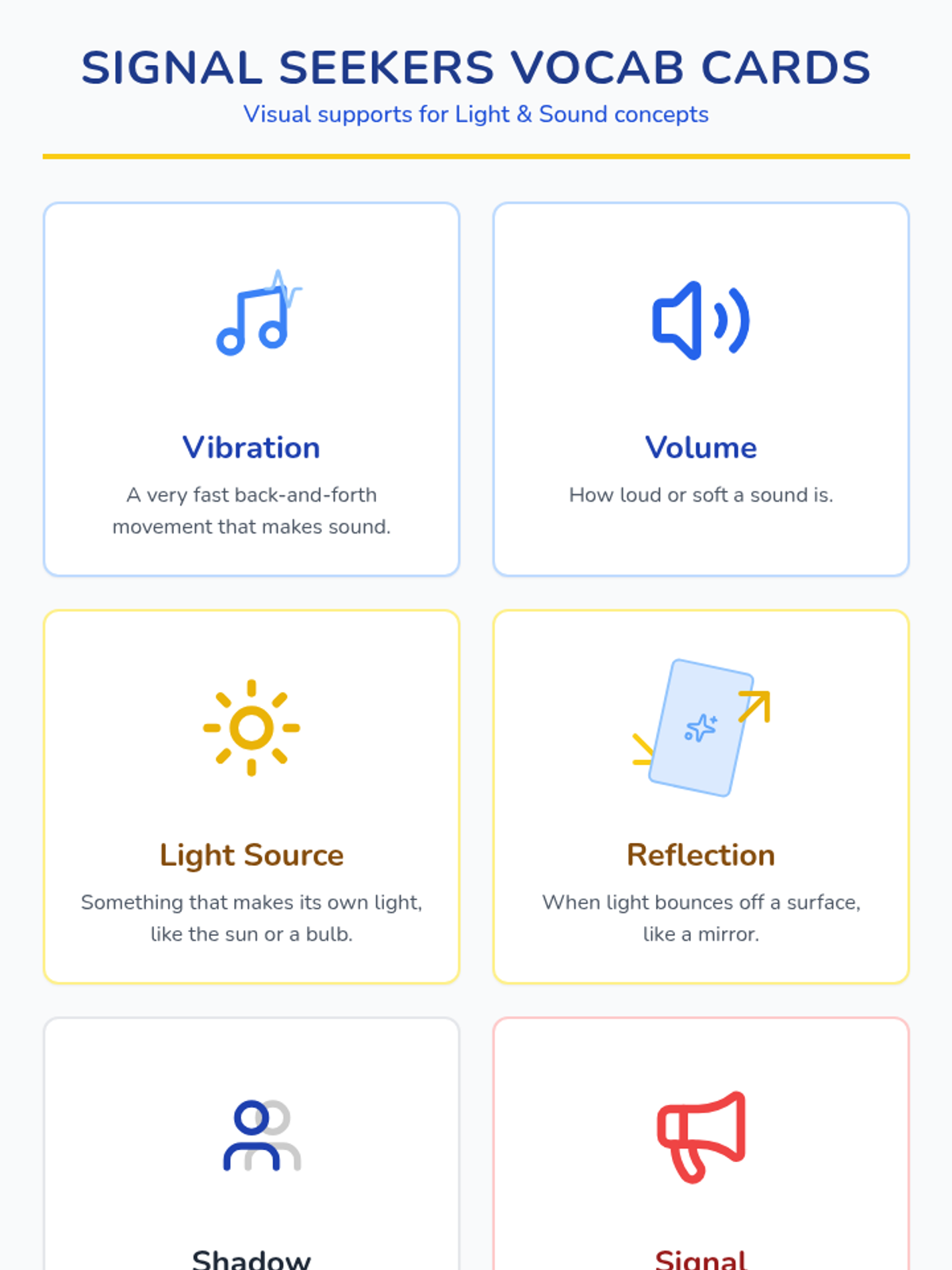
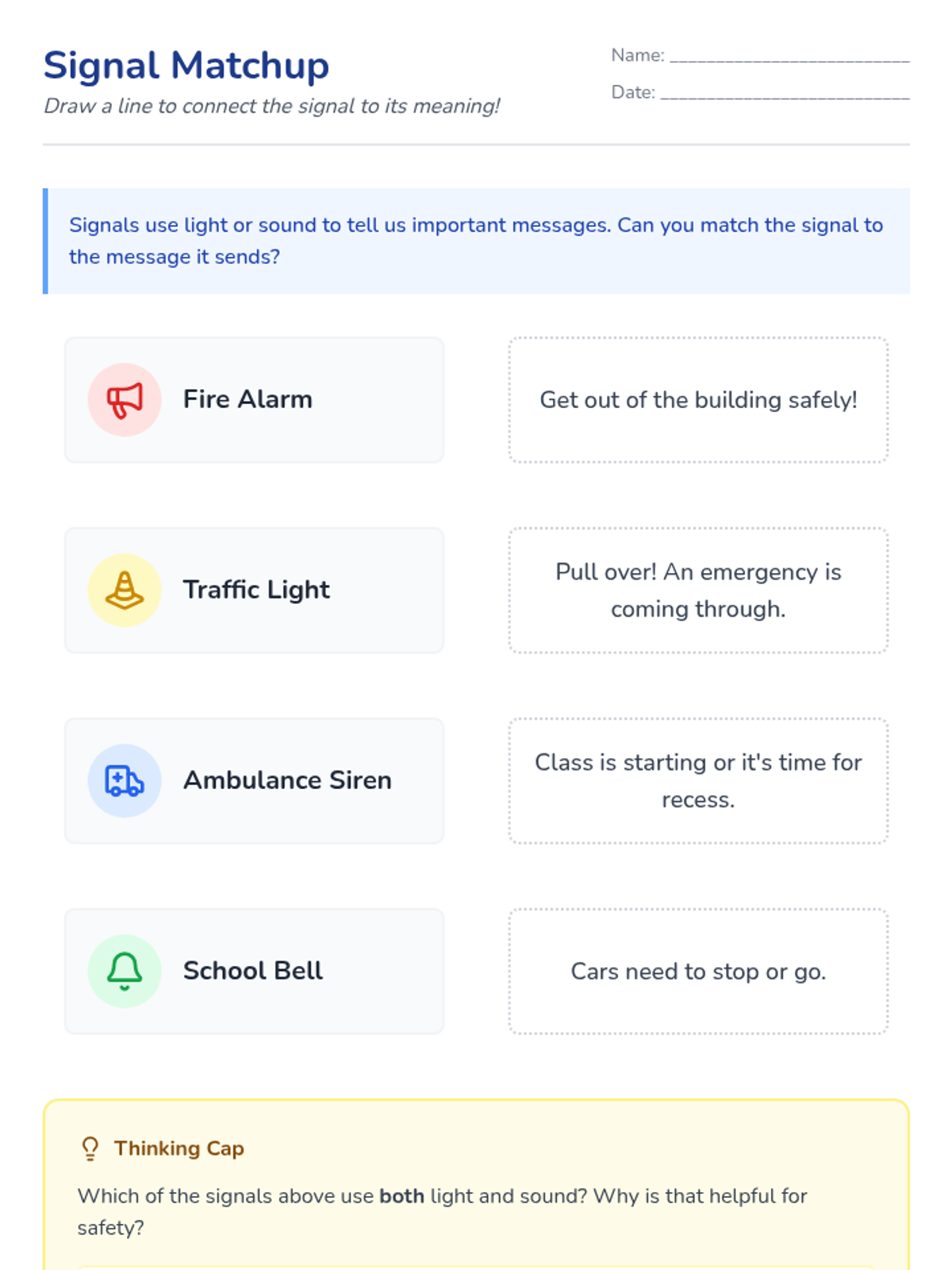
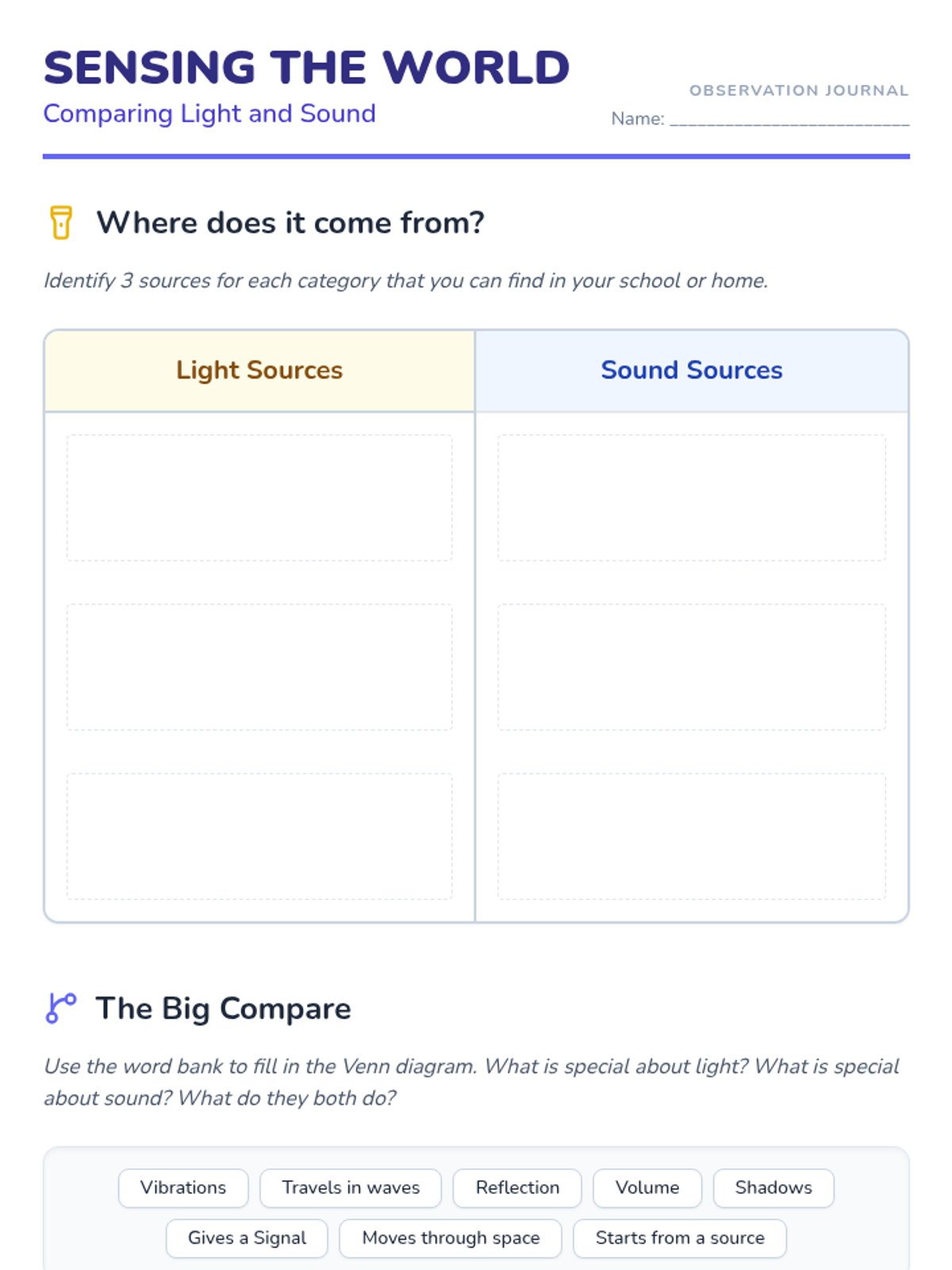
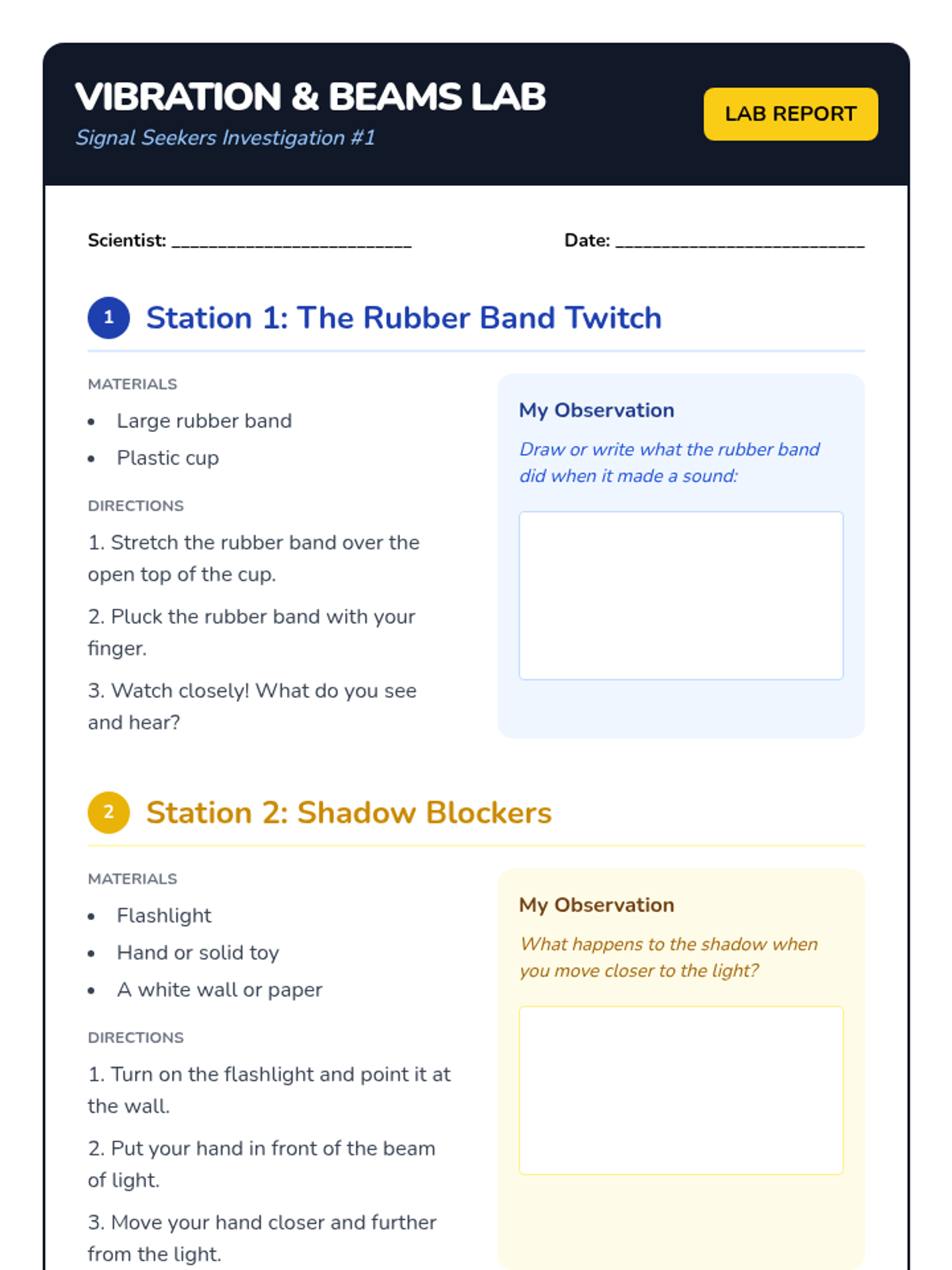
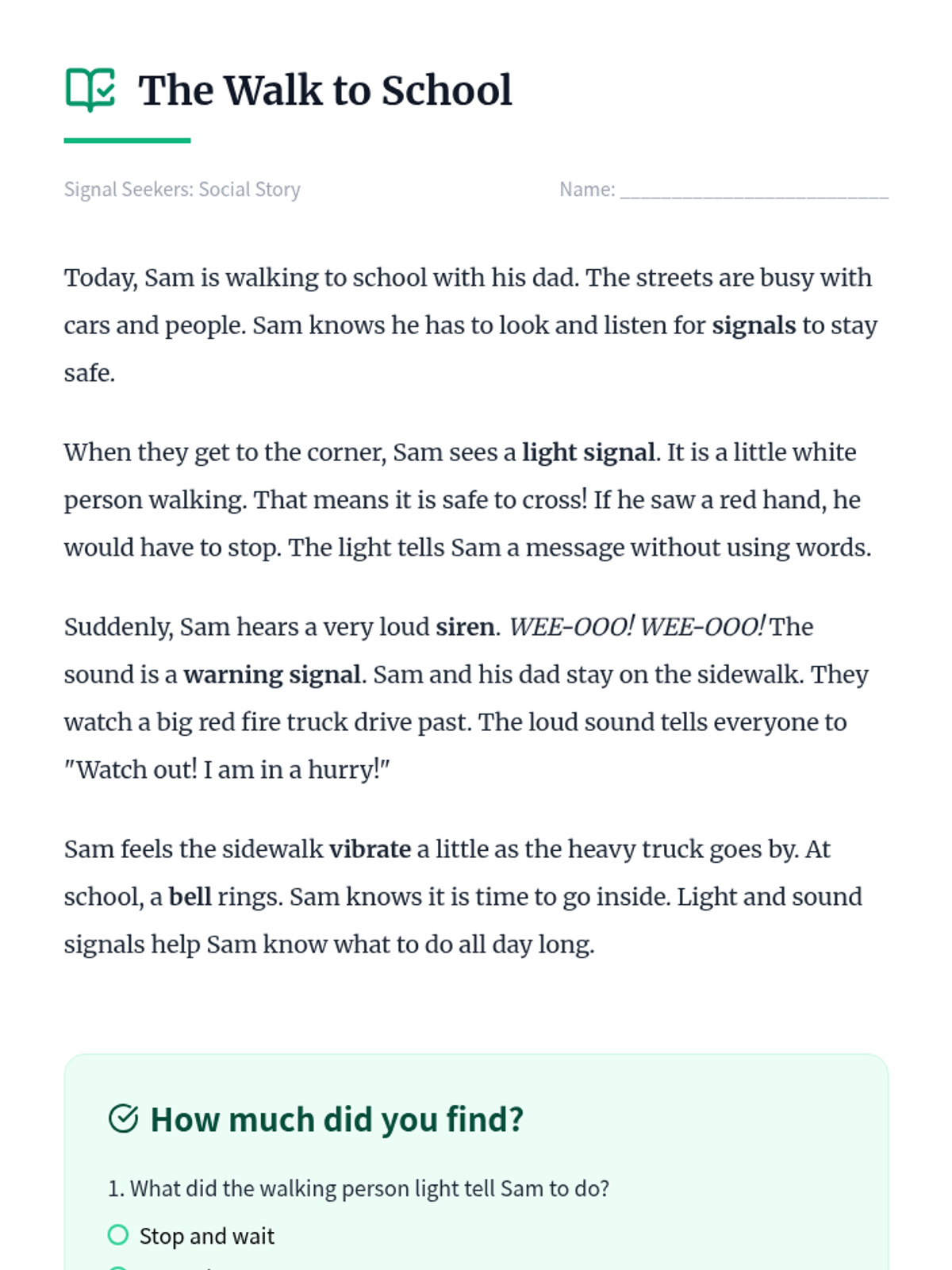
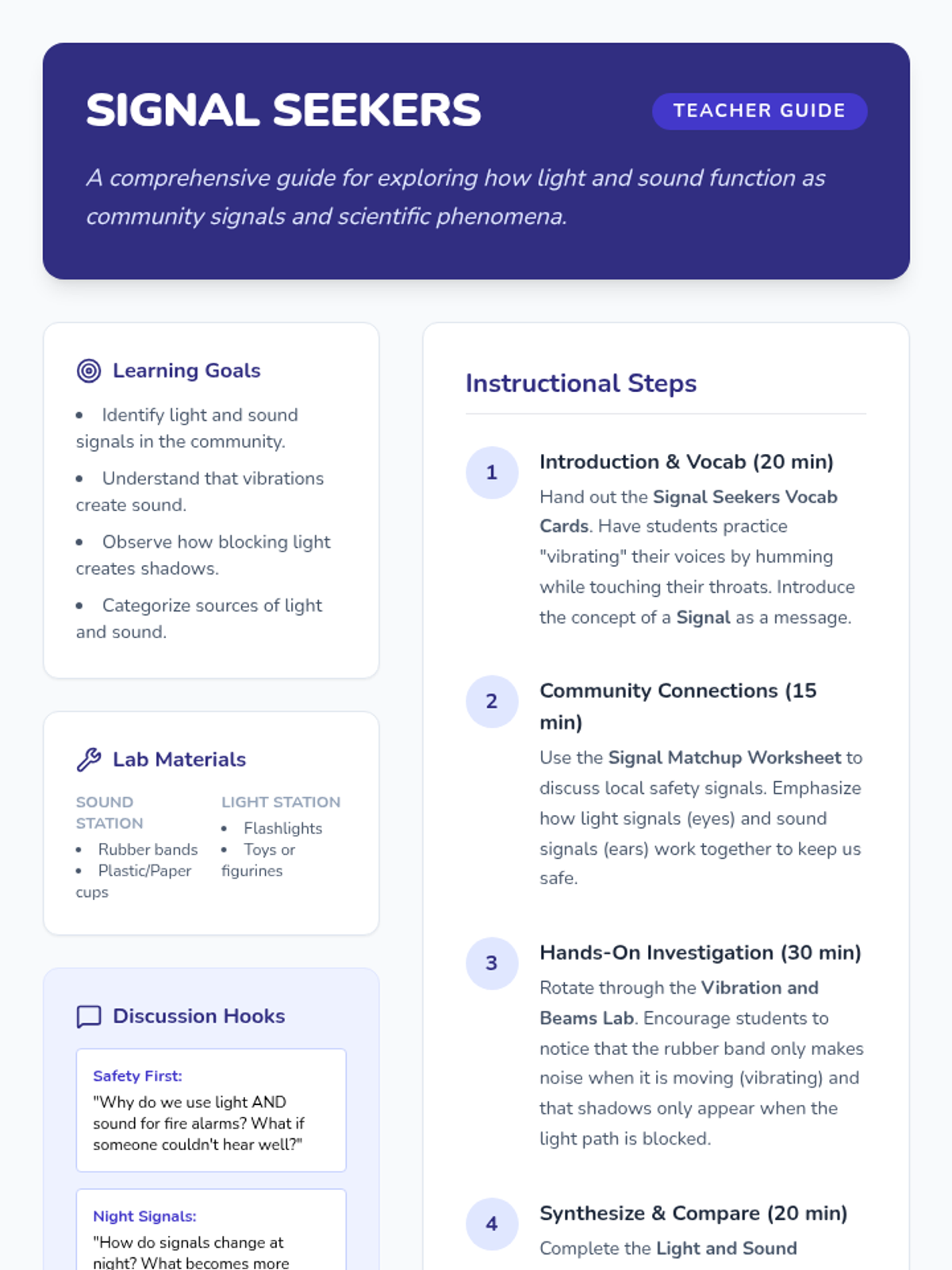
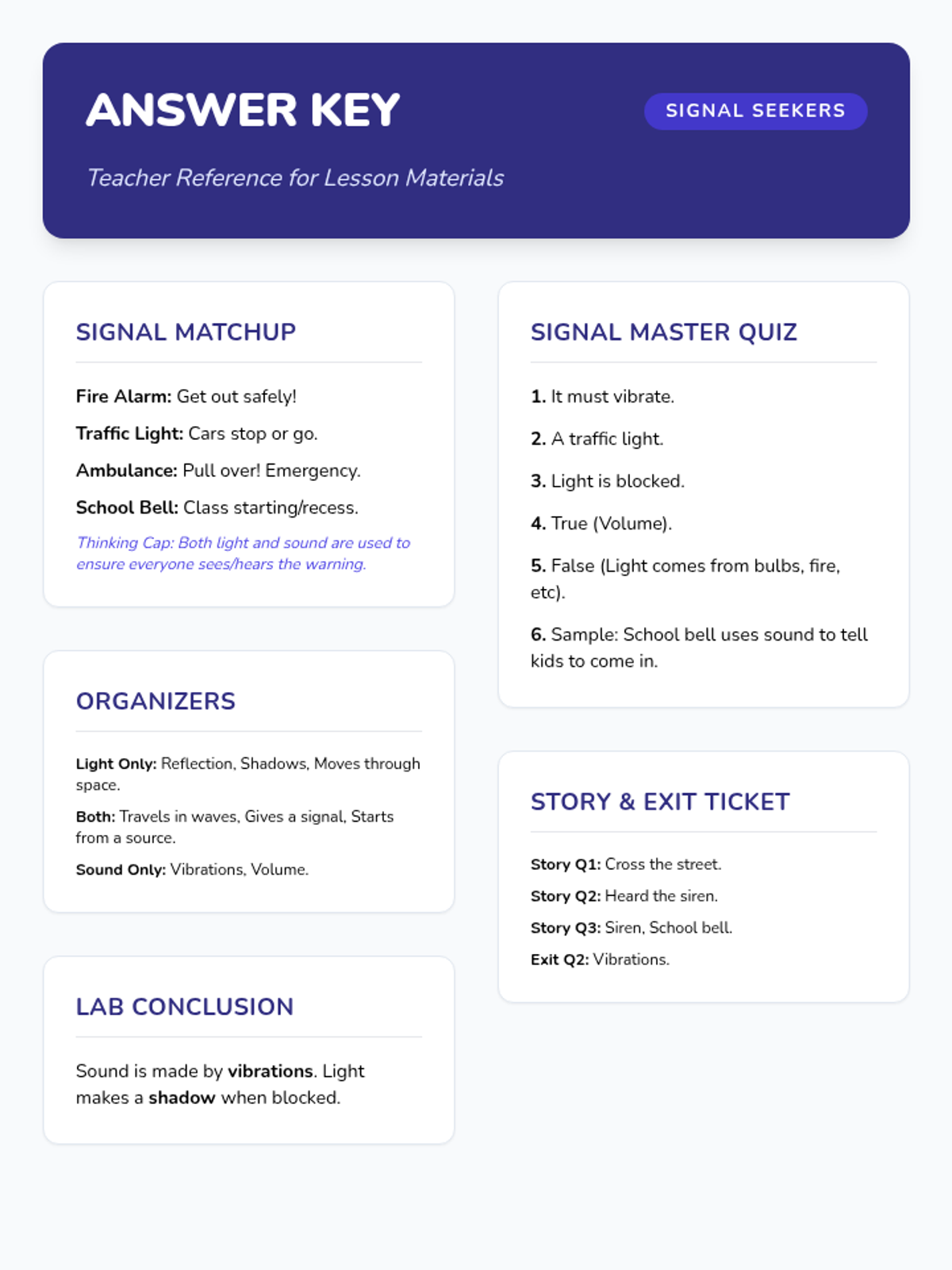
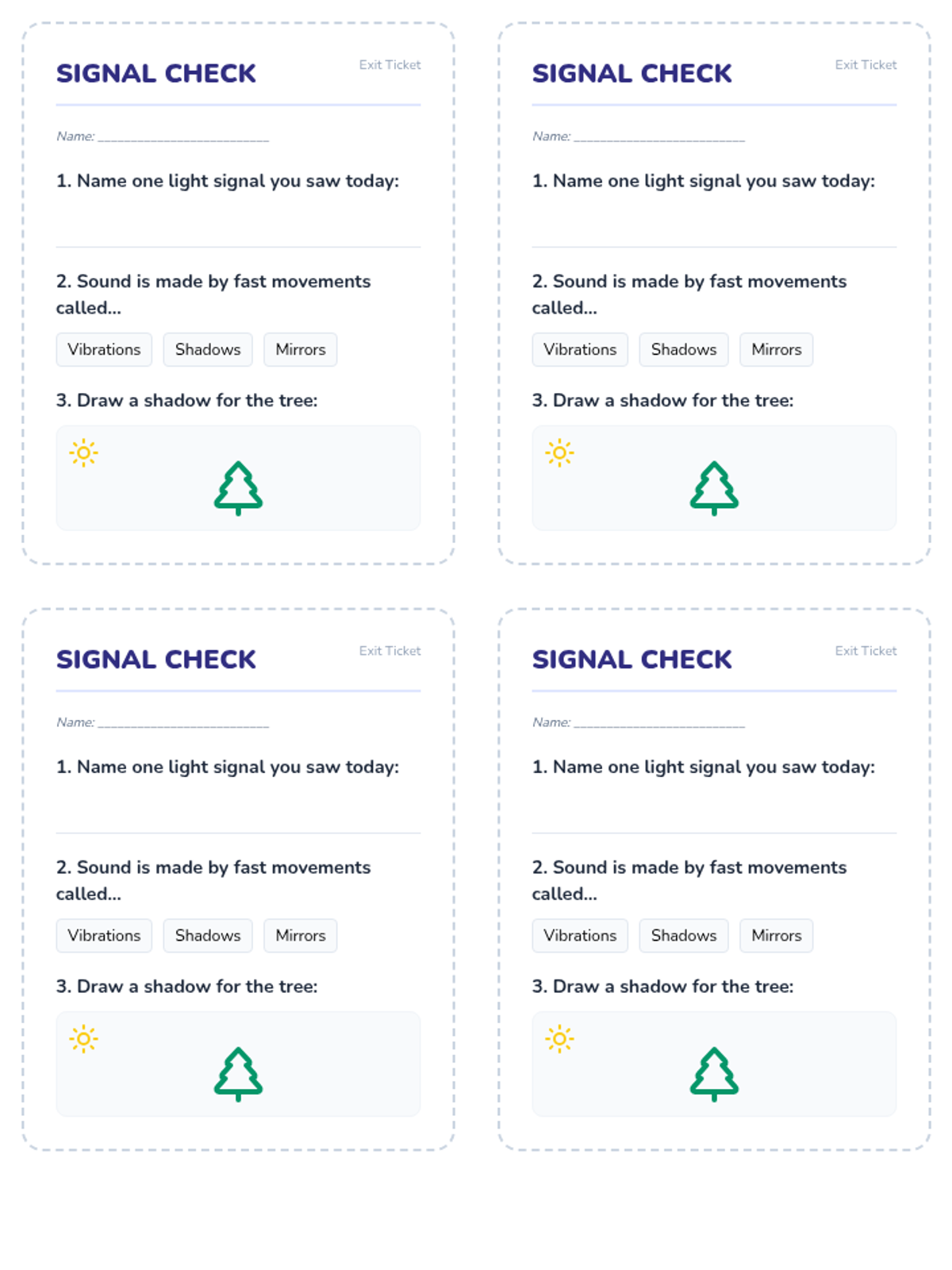
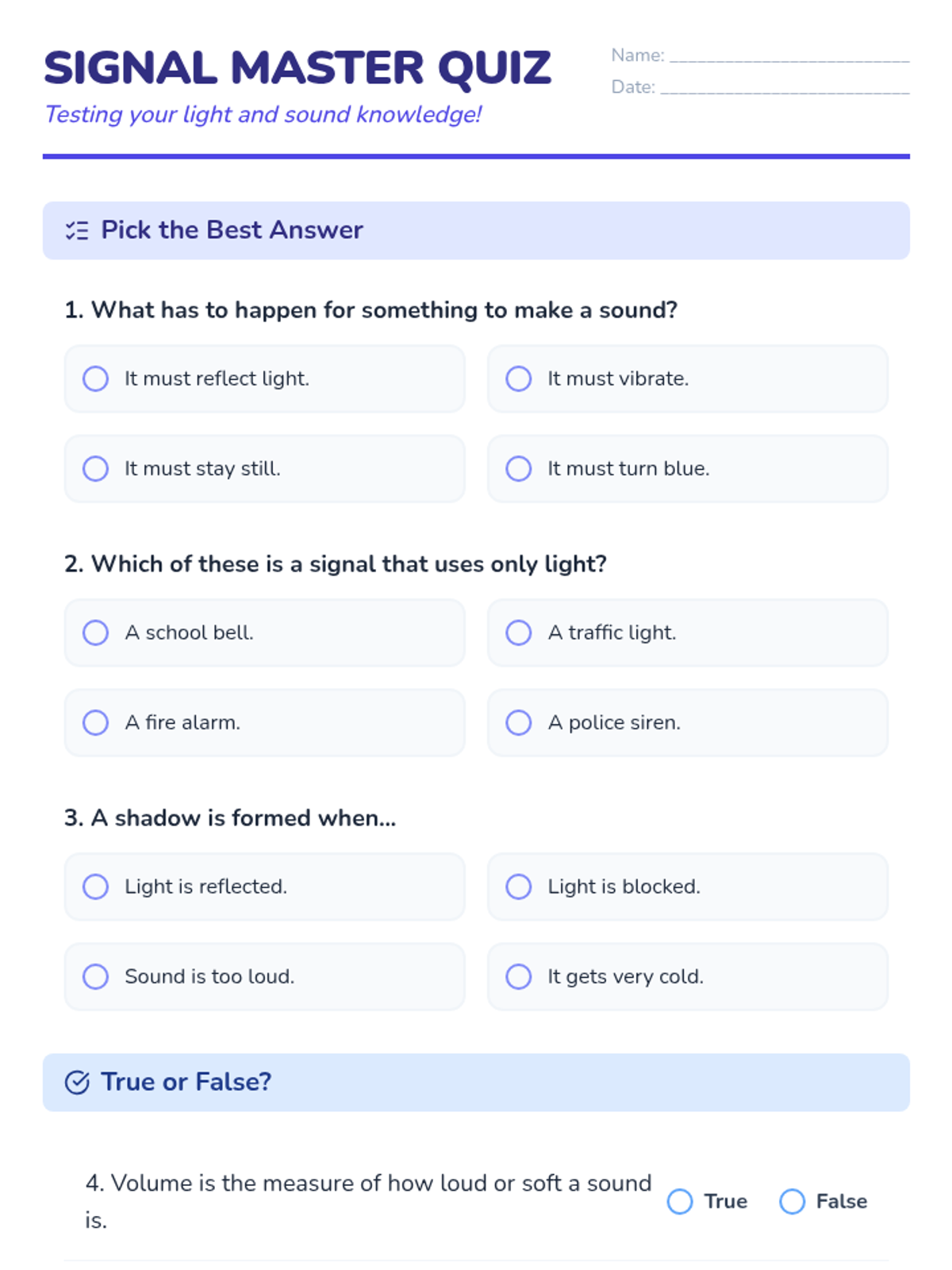
A comprehensive lesson exploring how light and sound function as signals in our community, how they are produced through vibrations and sources, and the unique properties of shadows and volume.
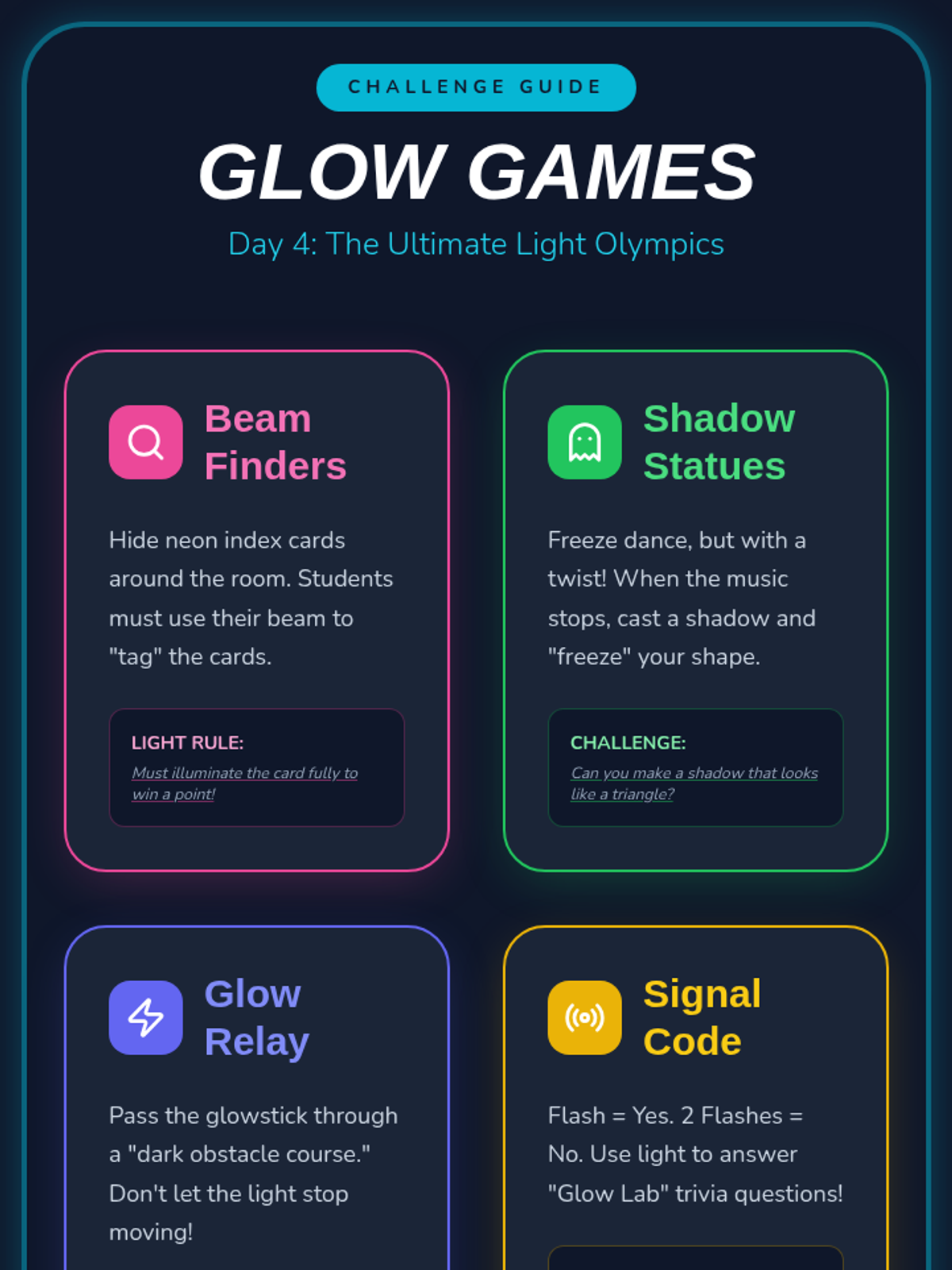
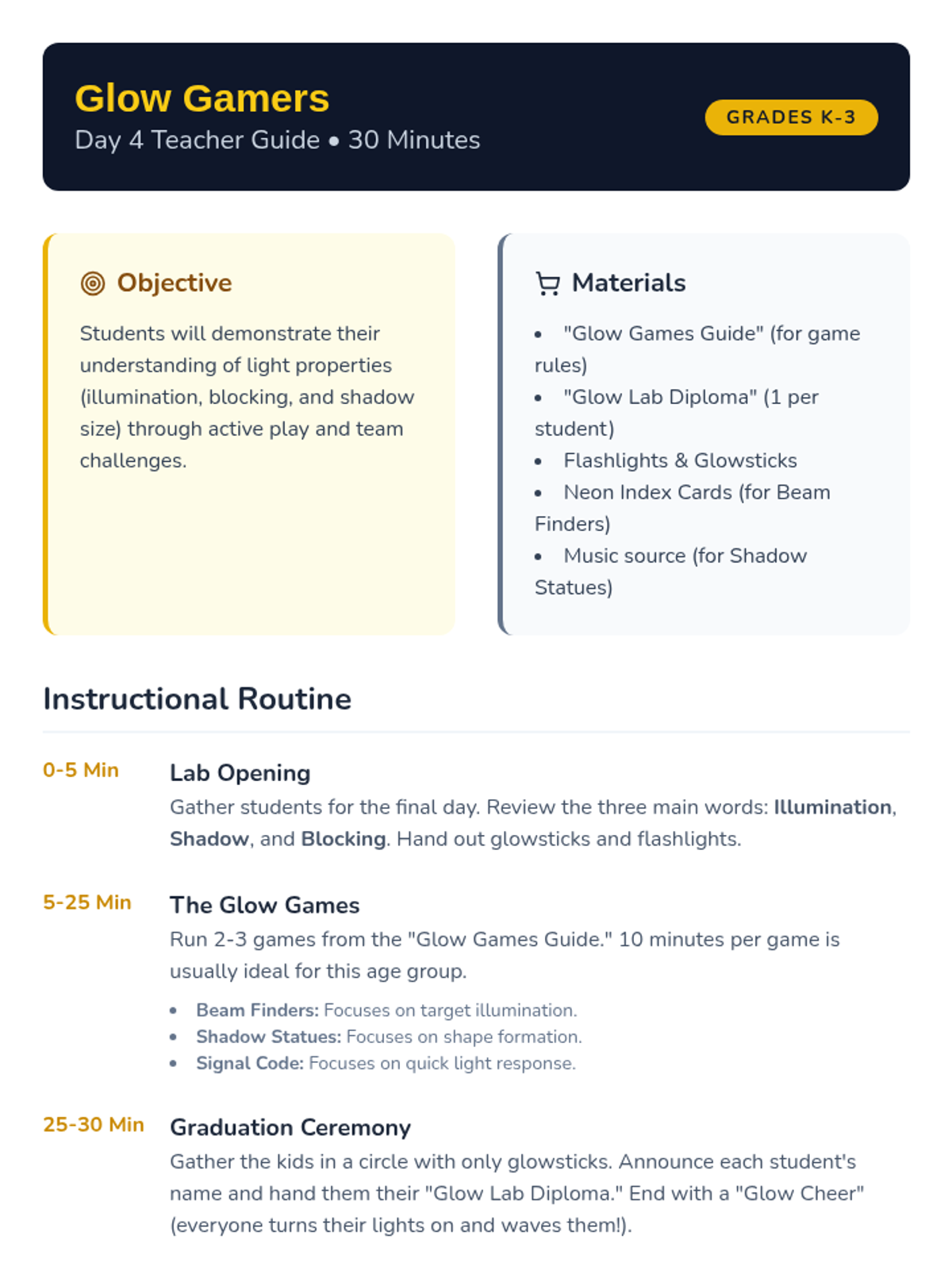
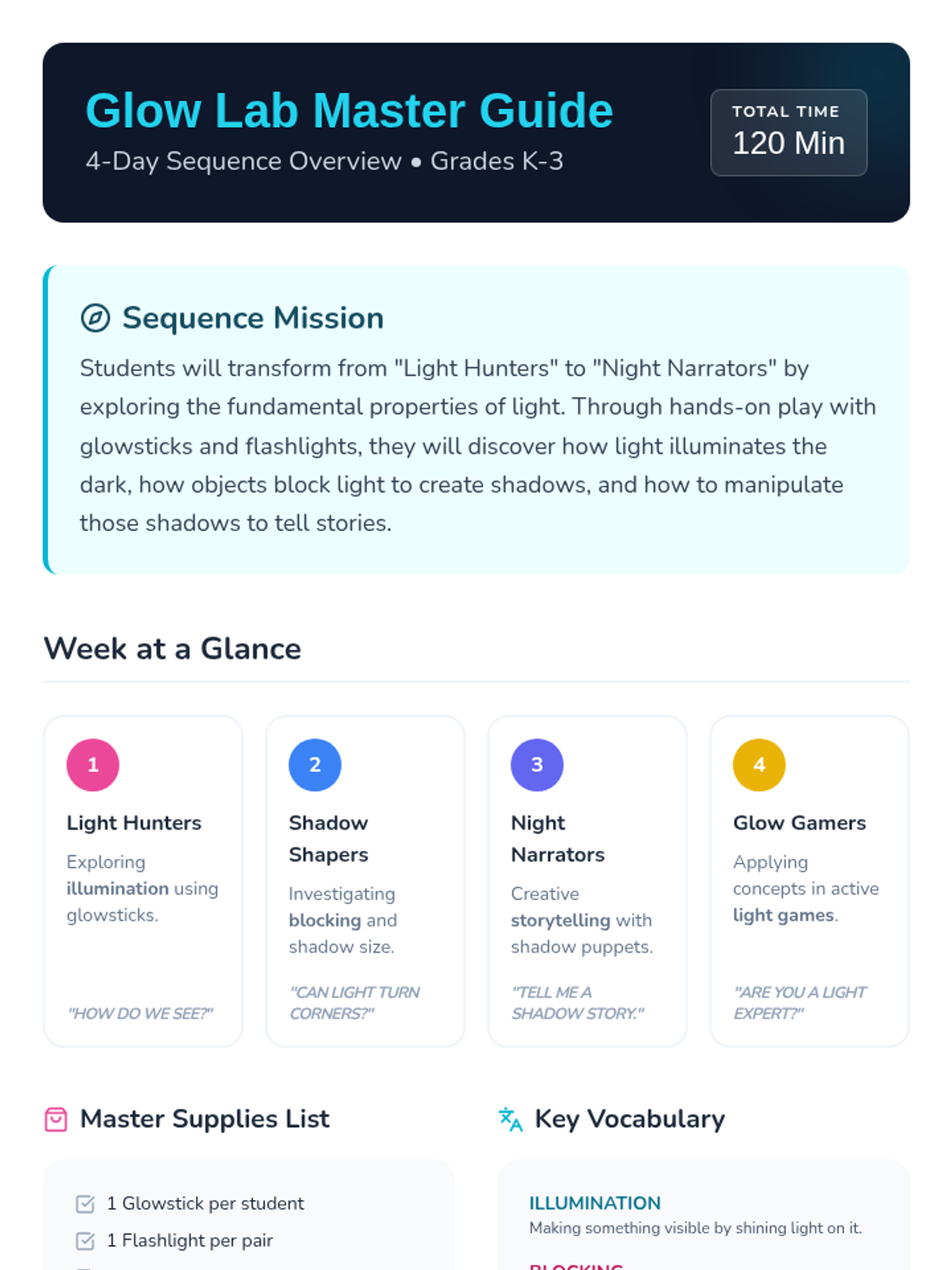
A culminating session of light-based games and challenges designed to reinforce concepts of illumination and shadow in a fun, active format.
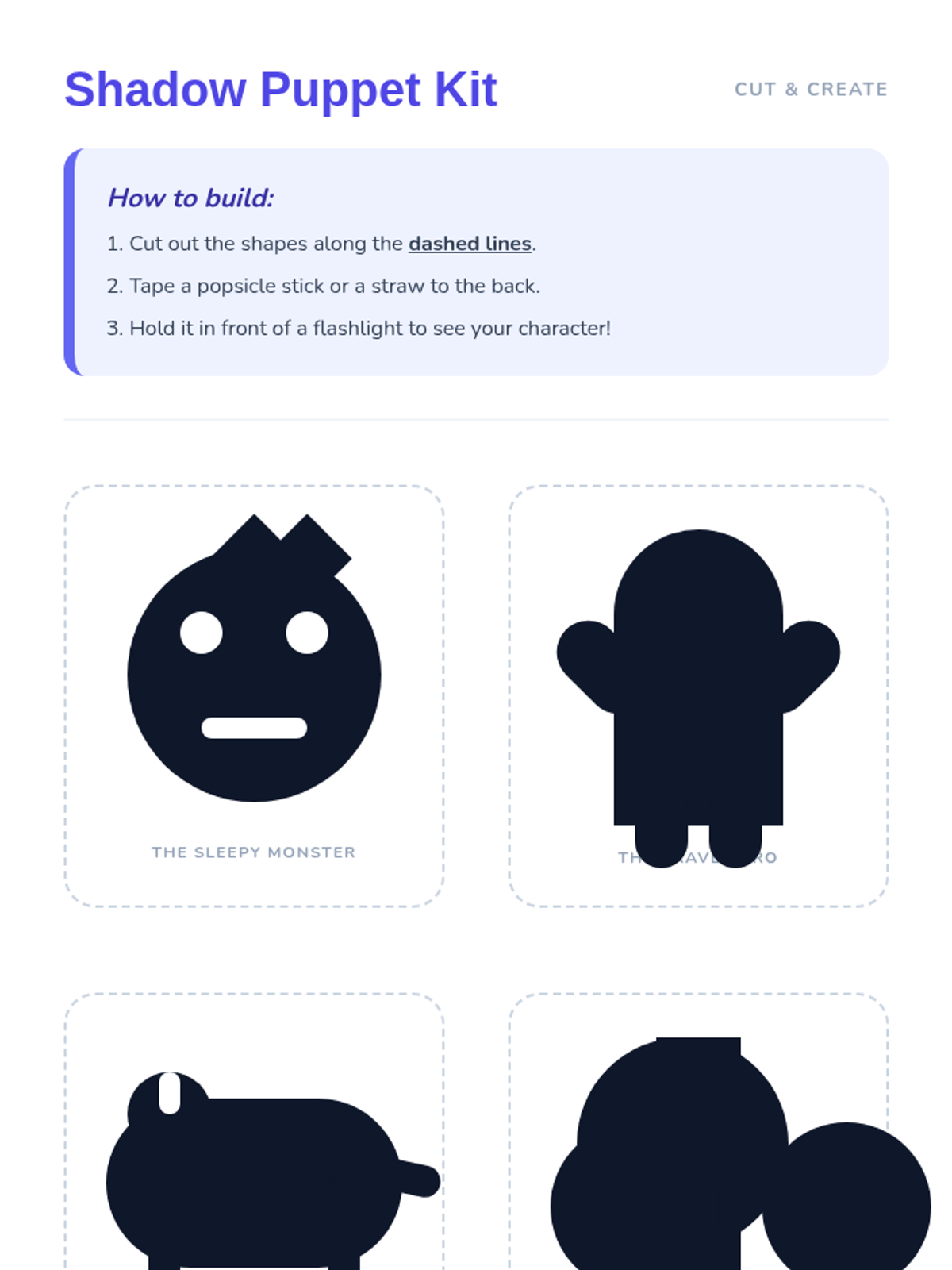
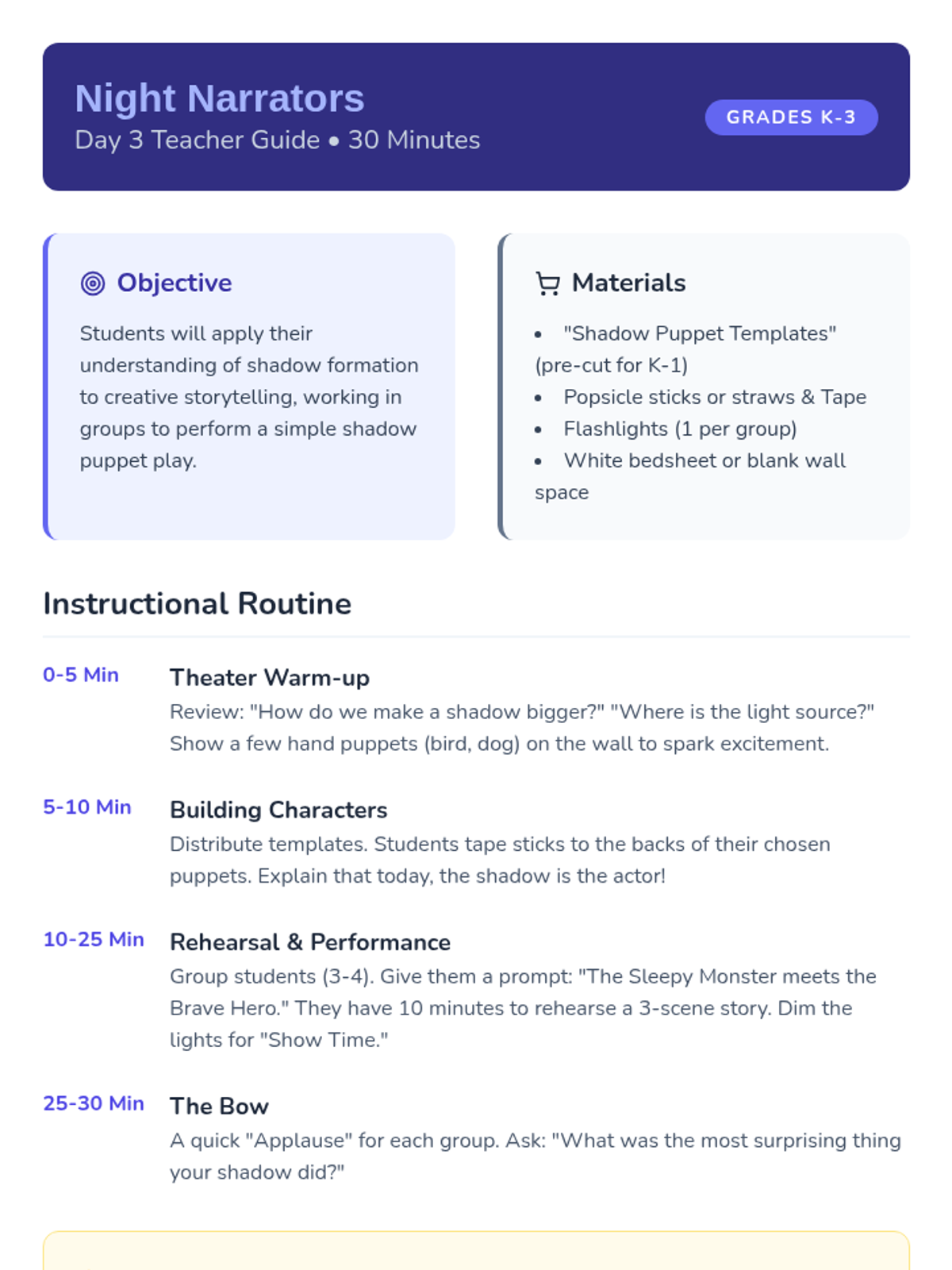
Students apply their knowledge of shadows to create shadow puppets and perform short group stories using light as a medium.
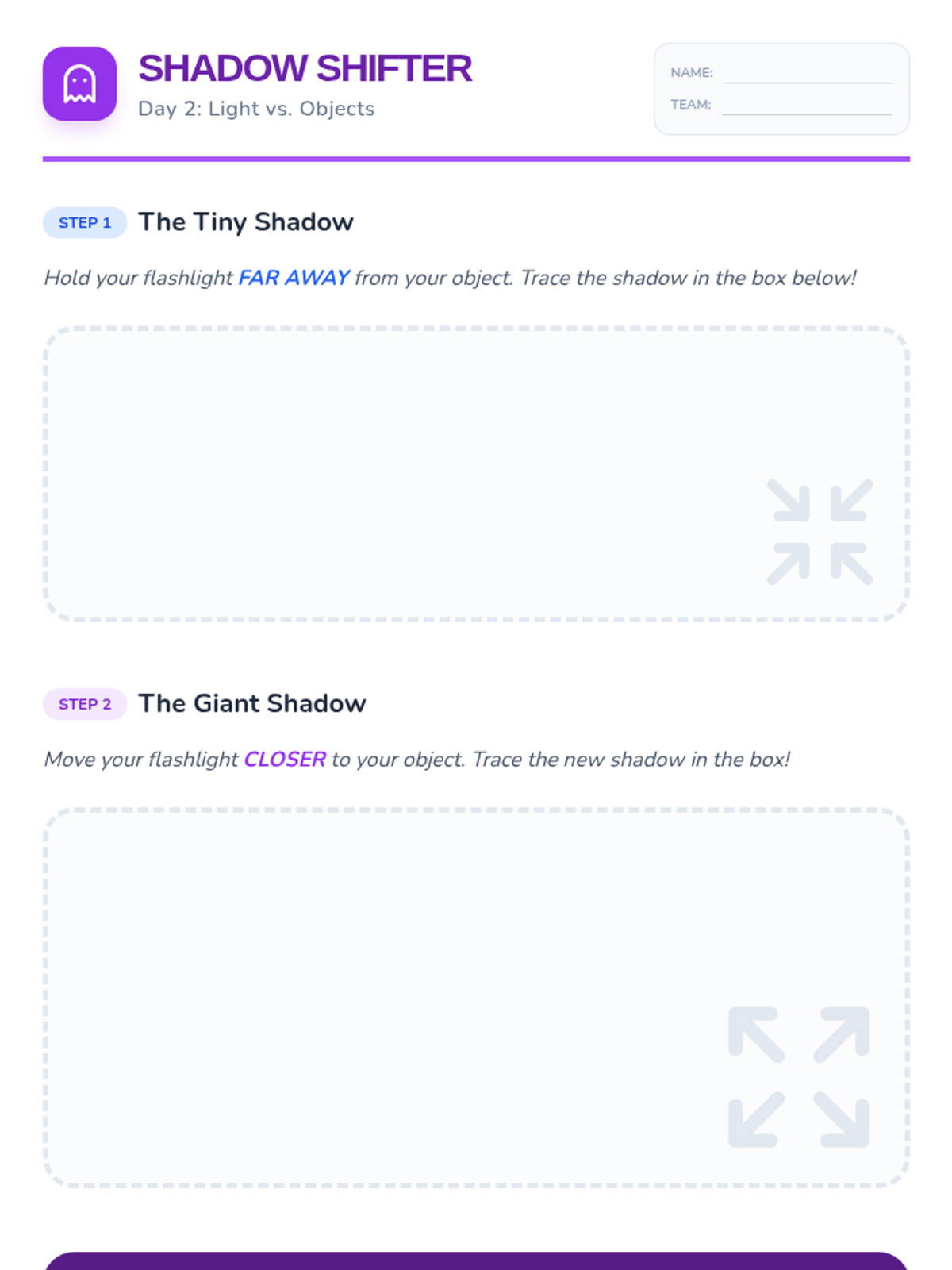
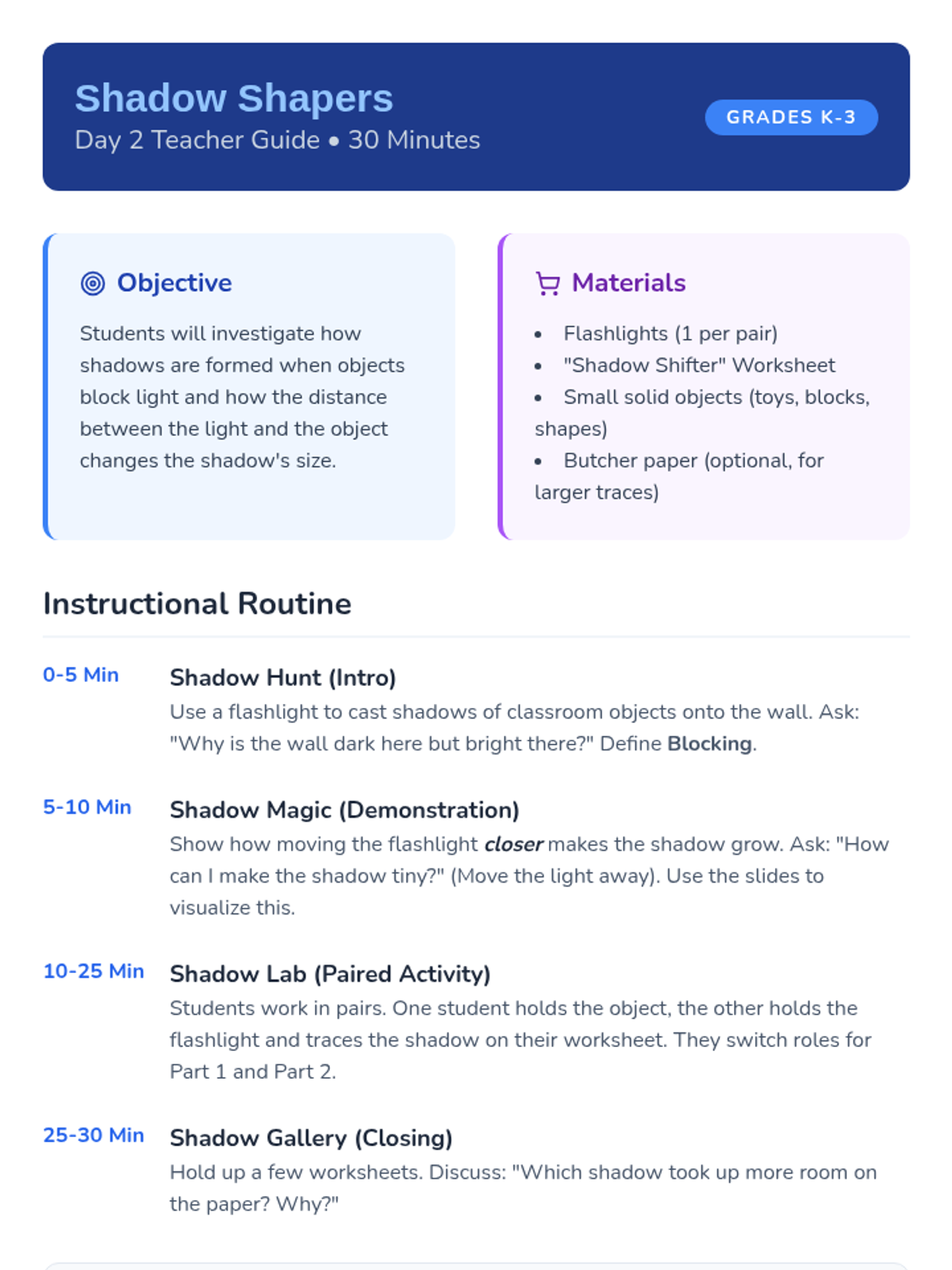
An exploration of shadow formation where students use flashlights to manipulate the size and shape of shadows by moving light sources.
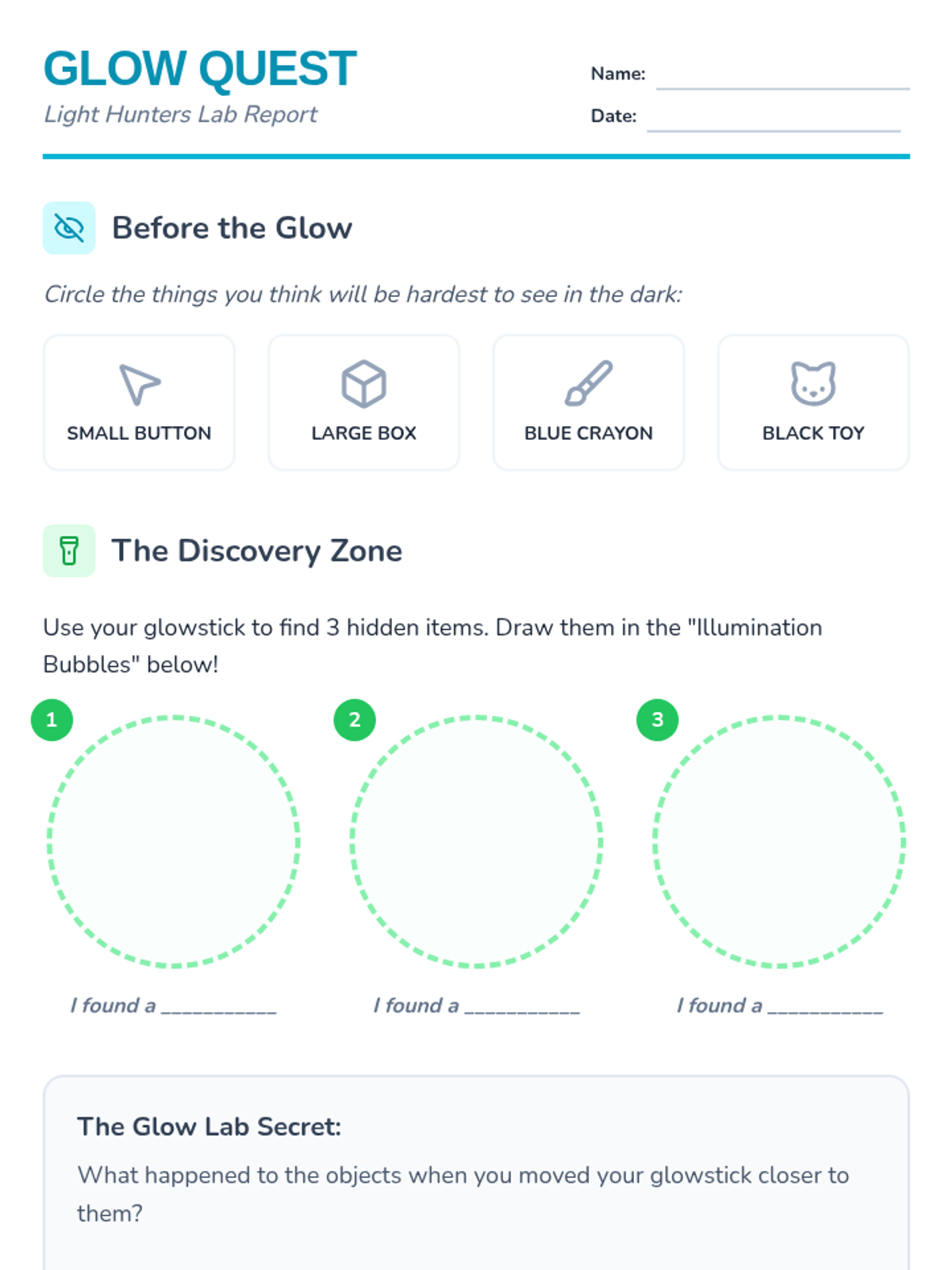
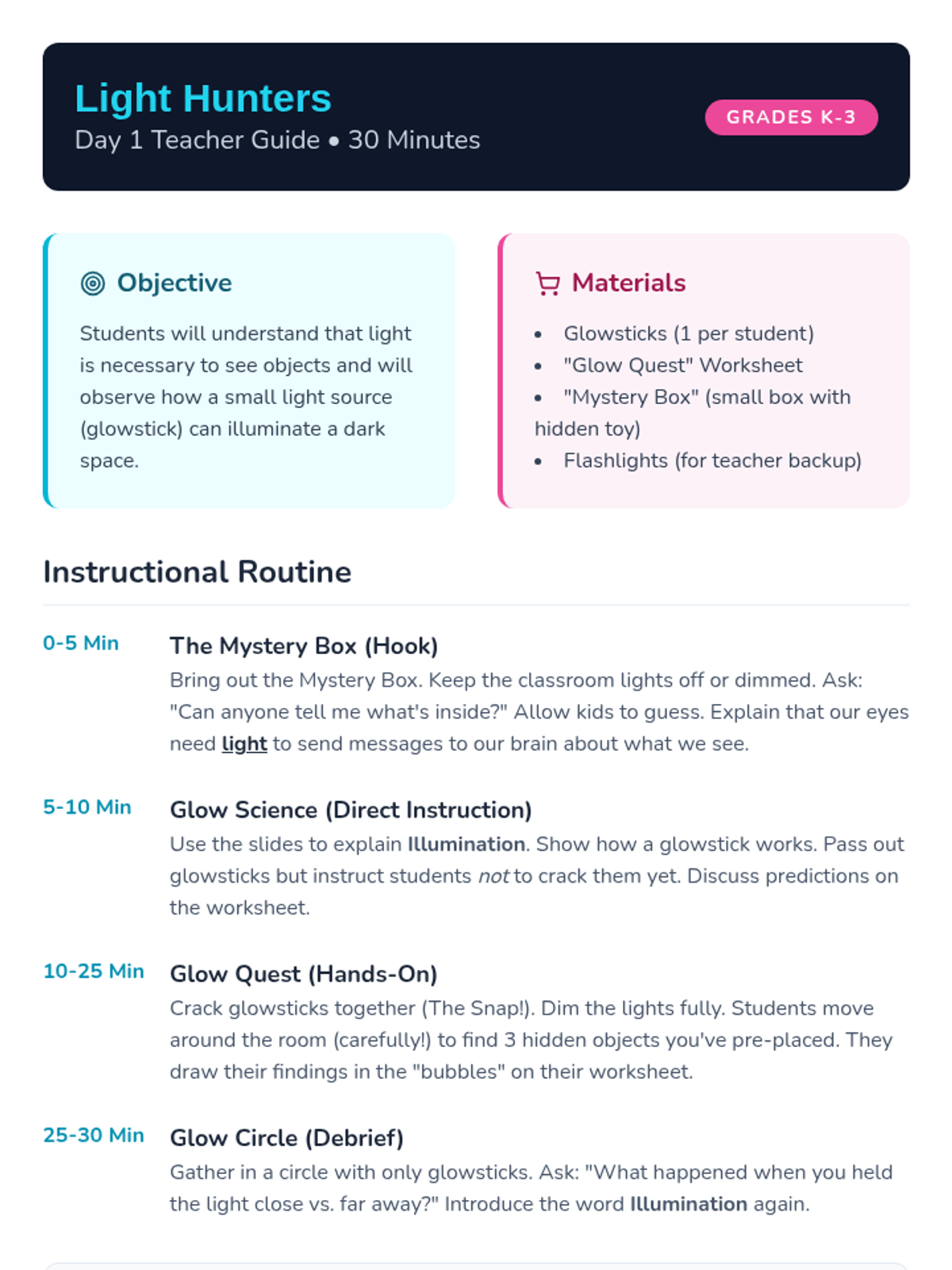
Students explore the concept of illumination using glowsticks to discover how light makes the invisible visible in a dark classroom environment.
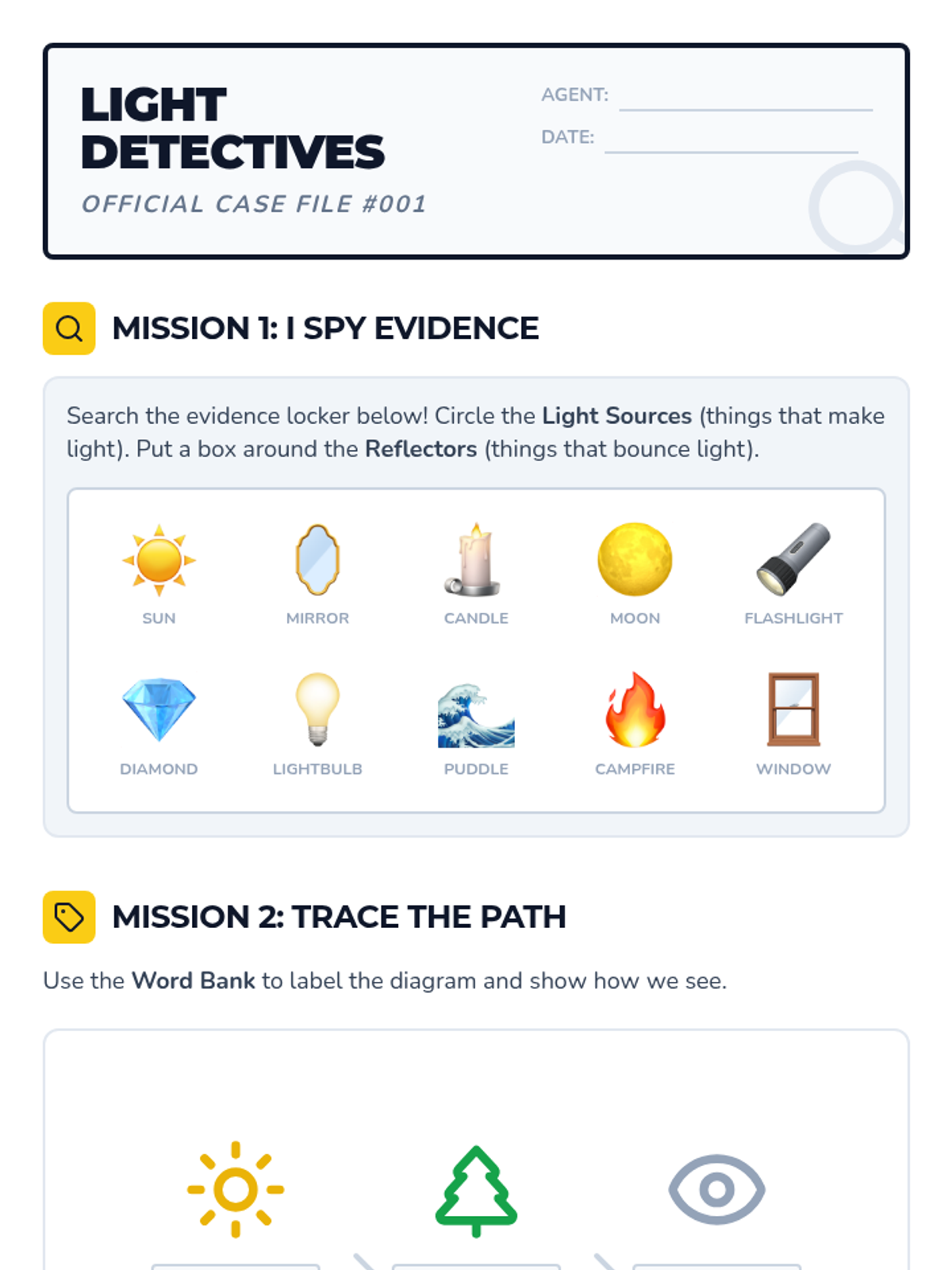
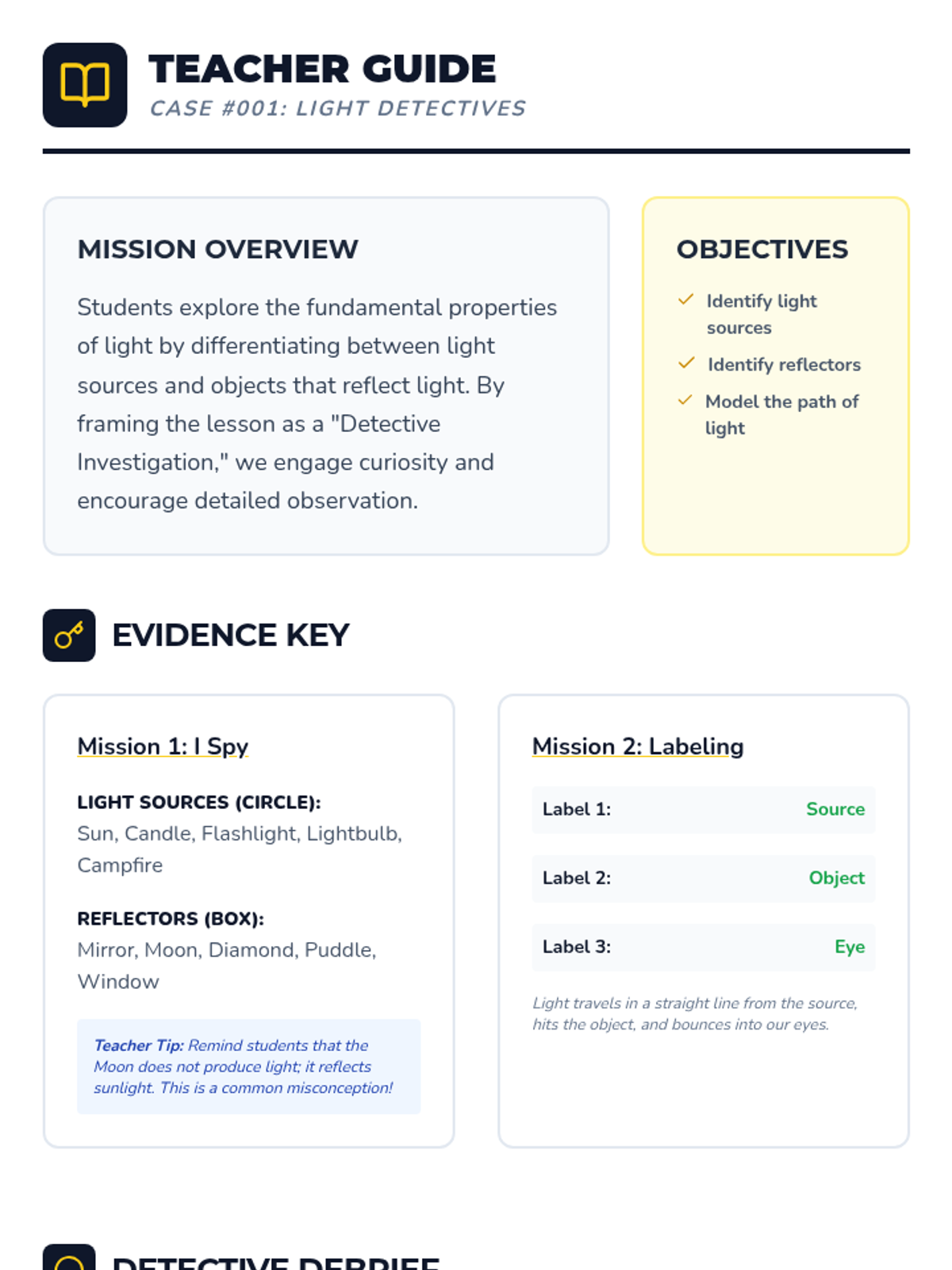
Students learn to distinguish between light sources and reflections and understand the basic path light takes from a source to the eye.
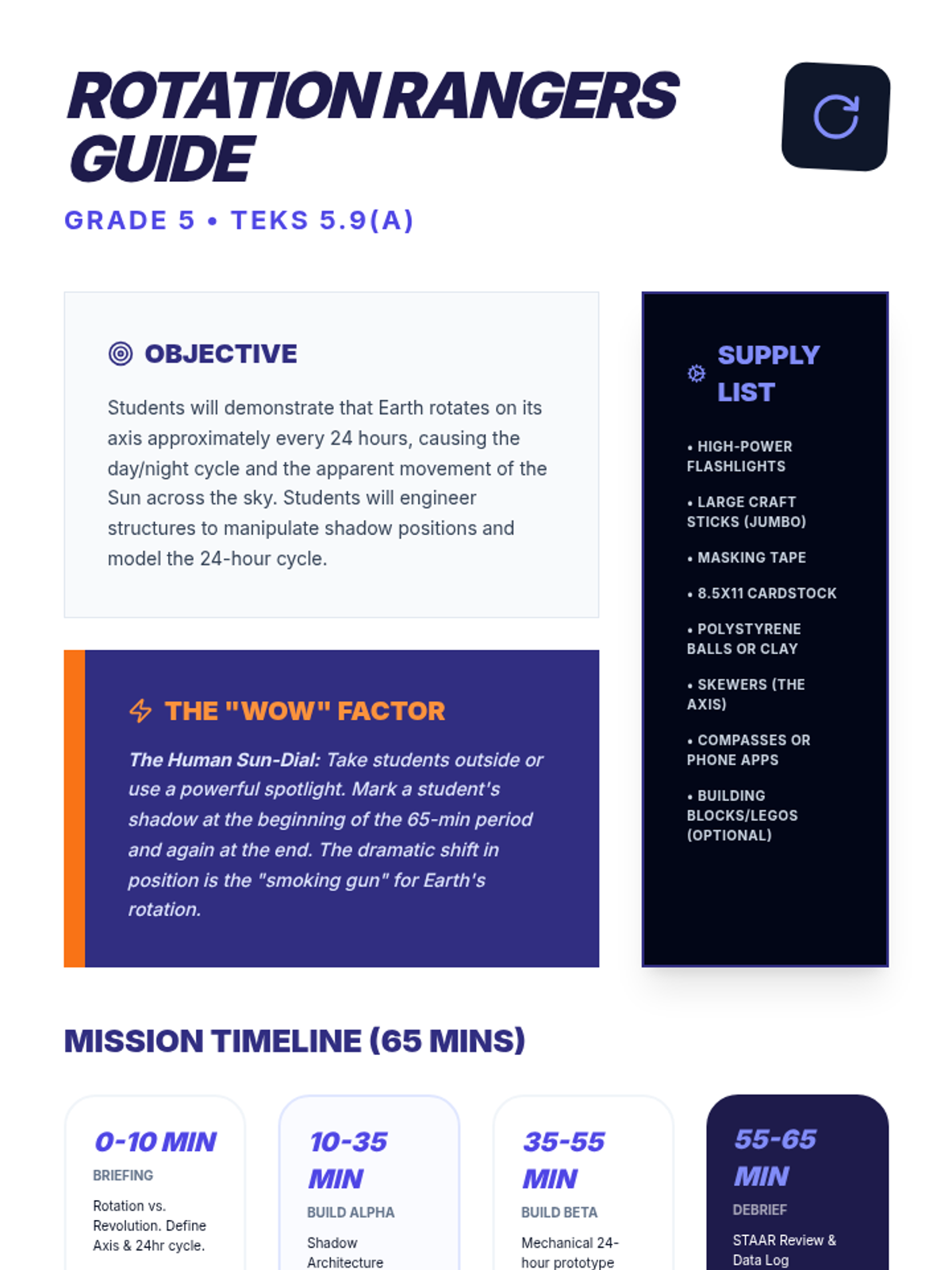
Fifth graders demonstrate Earth's 24-hour rotation and its effect on day/night cycles and shadow movements through architectural engineering challenges. Includes TEKS 5.9(A) alignment and STAAR preparation.
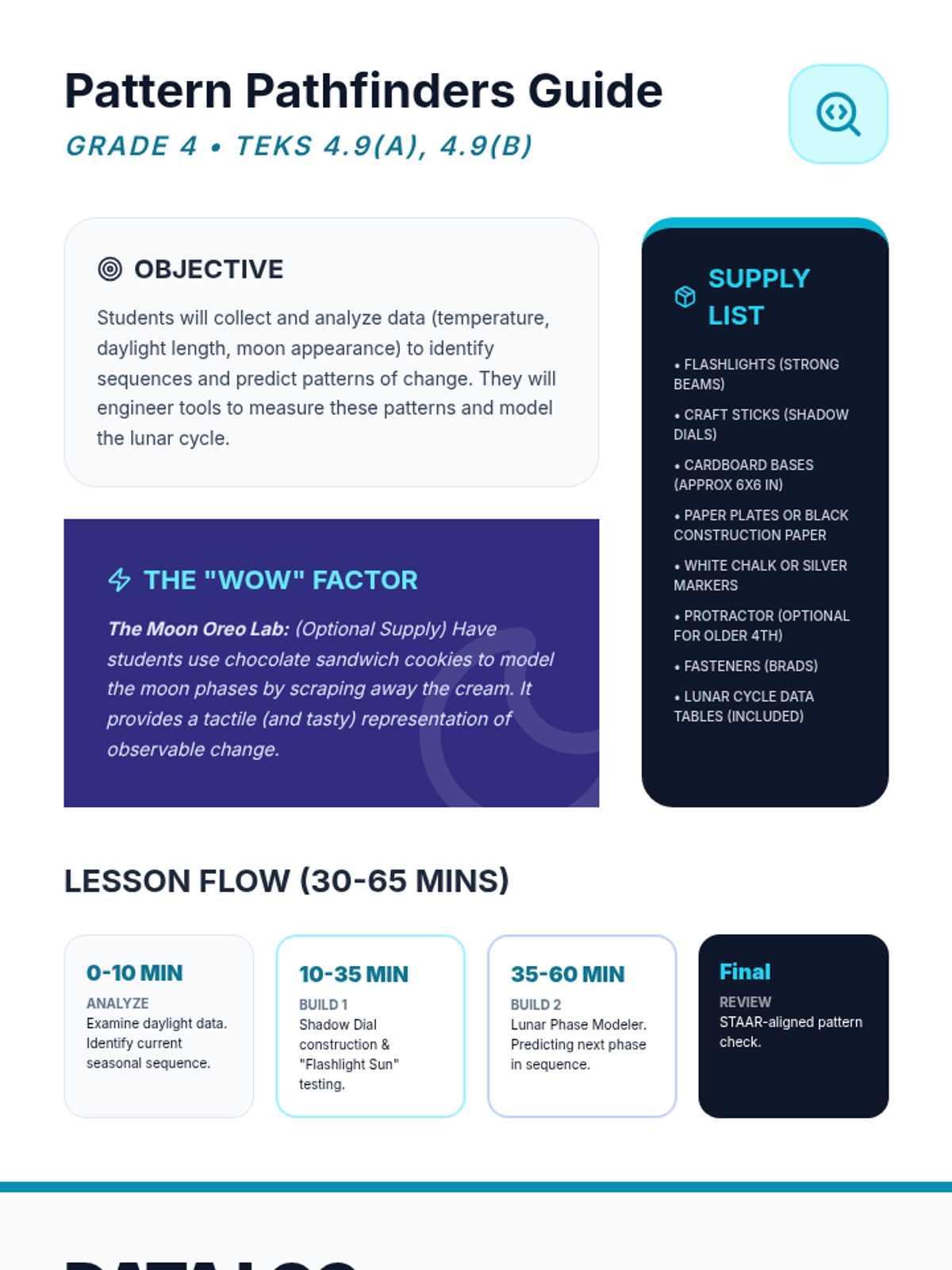
Fourth graders analyze data to predict seasonal daylight patterns and model the observable changes in the Moon's appearance. Includes TEKS 4.9(A) and 4.9(B) alignment.
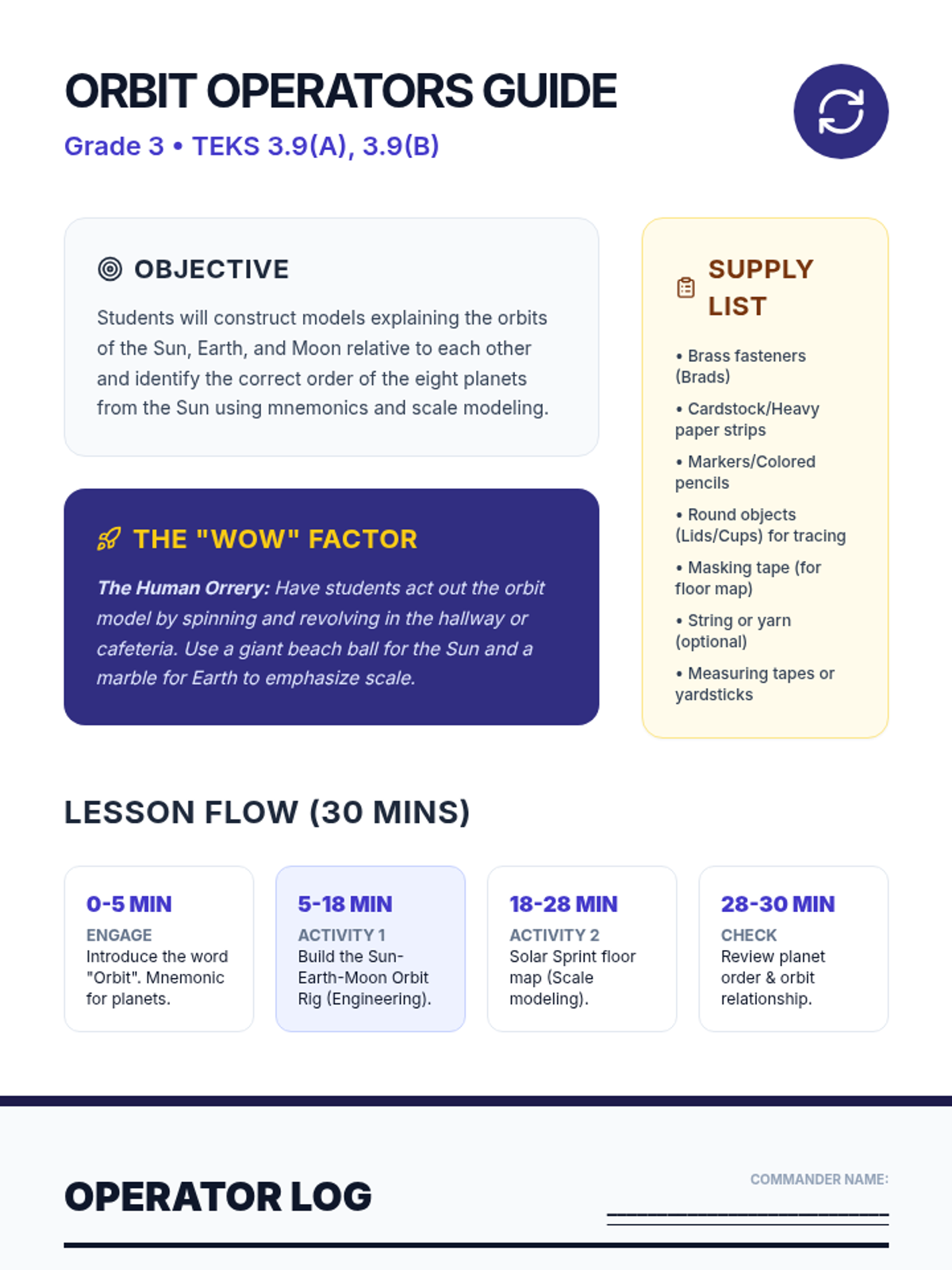
Third graders construct models of the Sun, Earth, and Moon orbits and identify the order of planets in our solar system. Includes TEKS 3.9(A) and 3.9(B) alignment.
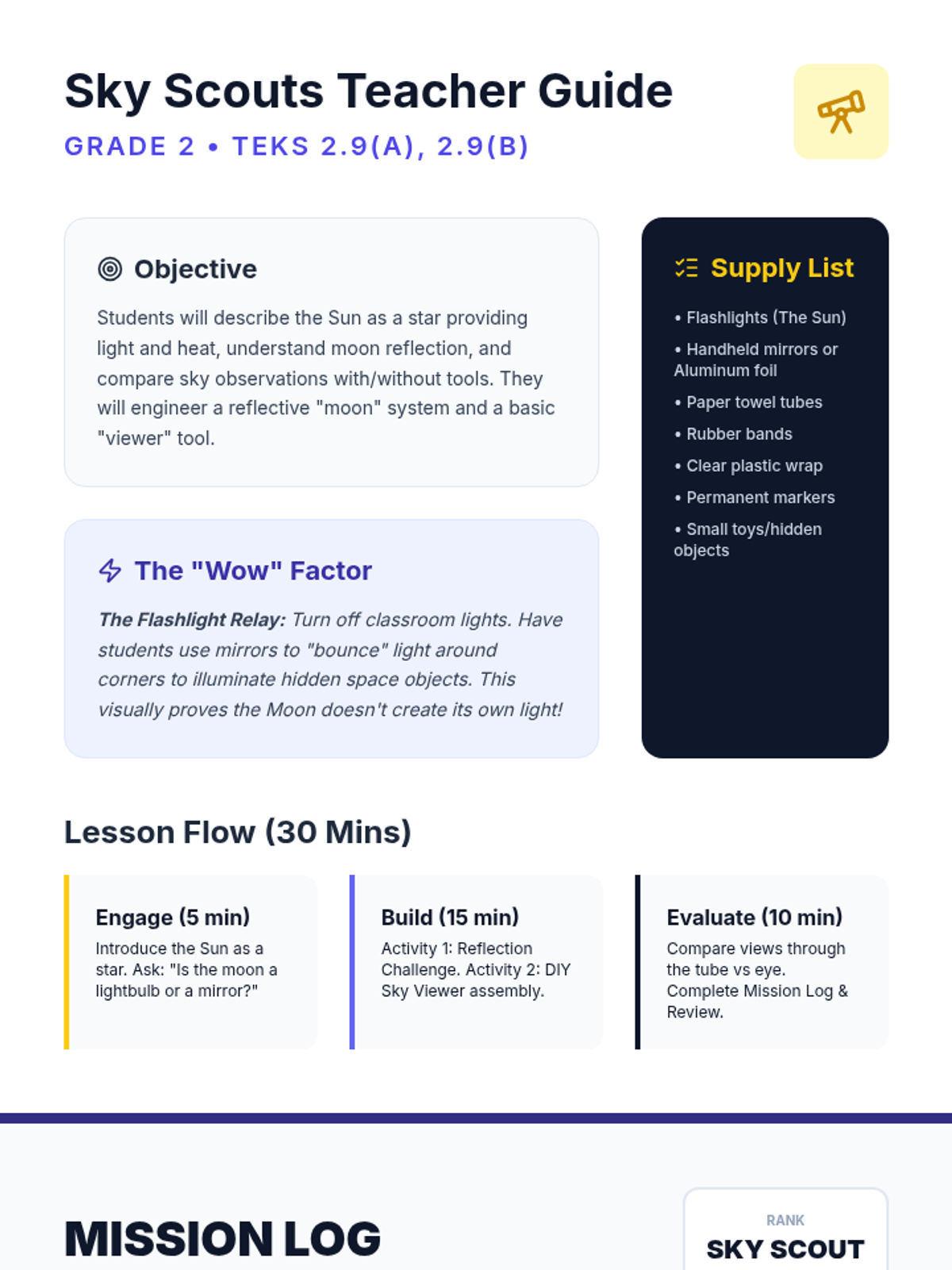
Second graders investigate the Sun as a star and the Moon's reflective properties, including the engineering of sky-viewing tools. Includes TEKS 2.9(A) and 2.9(B) alignment.
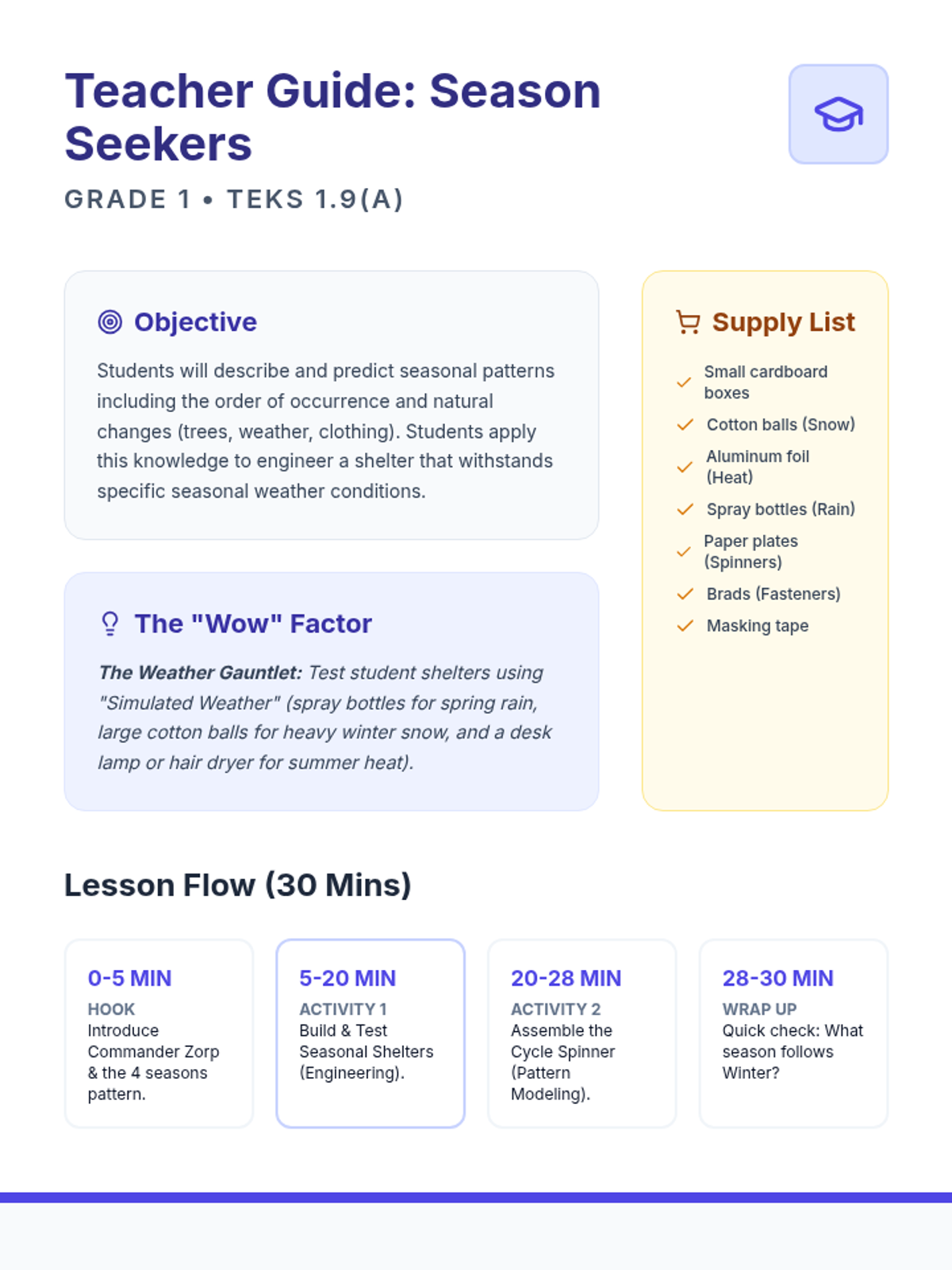
Students explore the four seasons by engineering protective shelters and modeling the seasonal cycle to predict changes in nature. Includes TEKS 1.9(A) alignment for first grade.
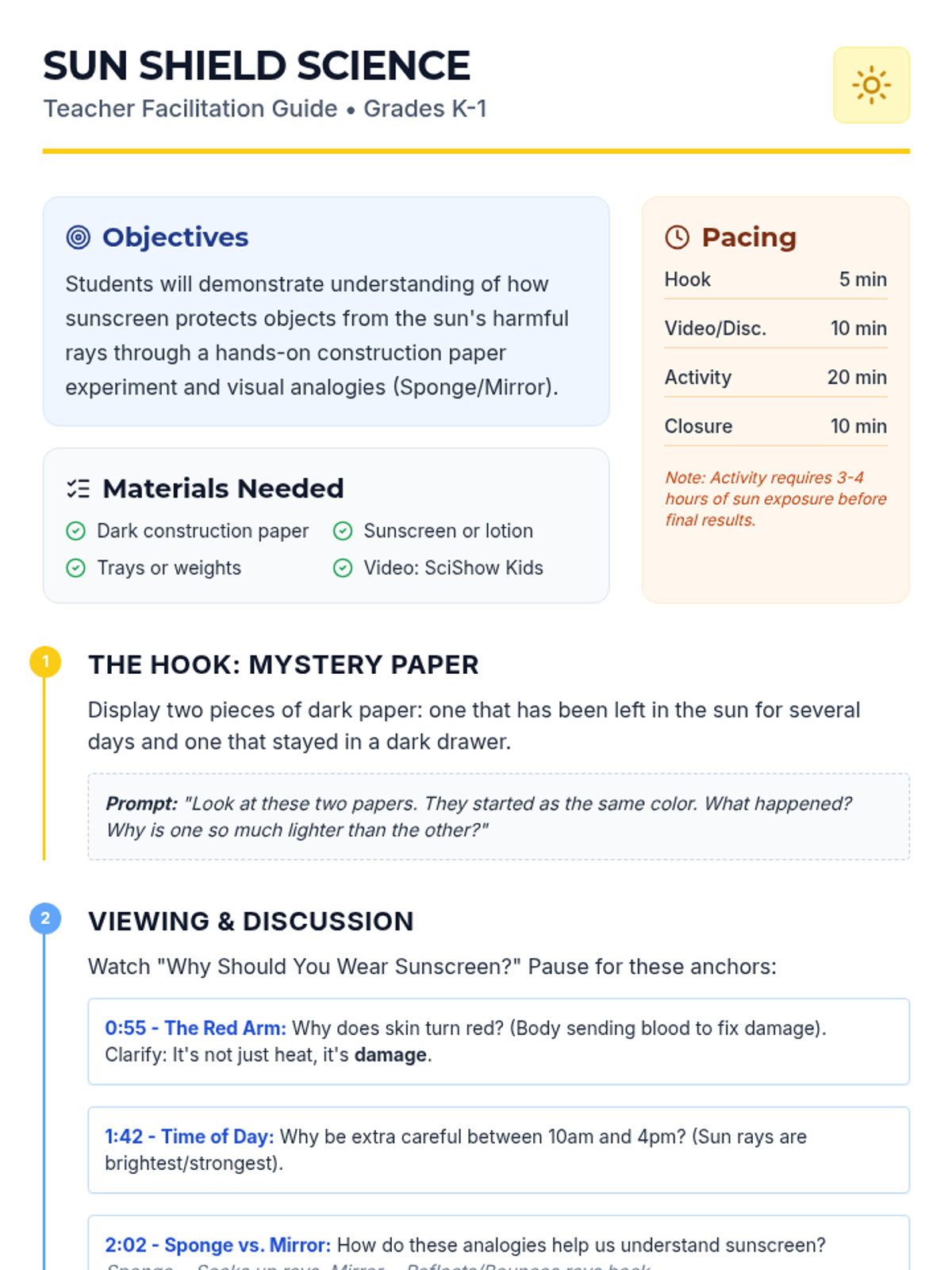
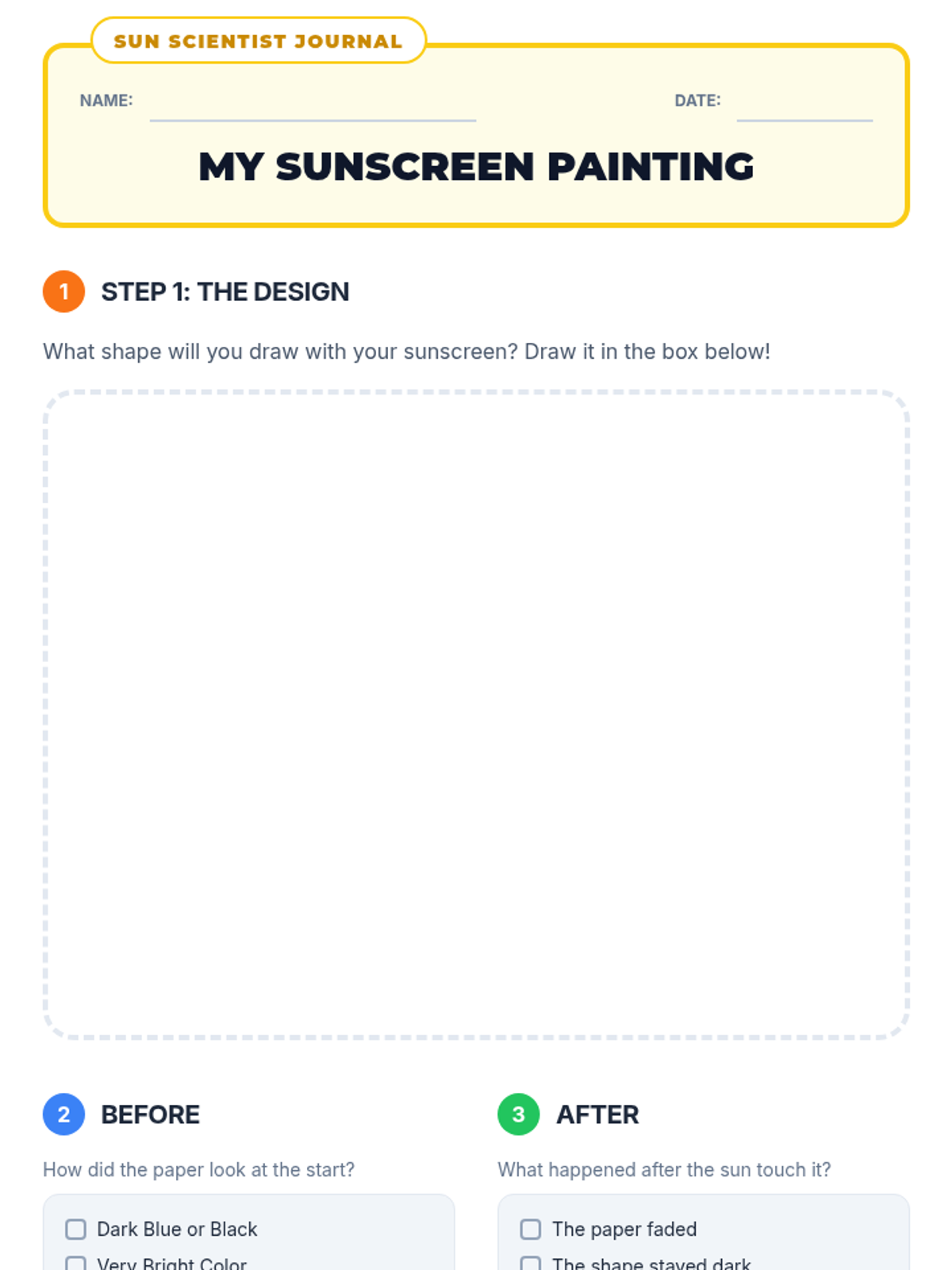
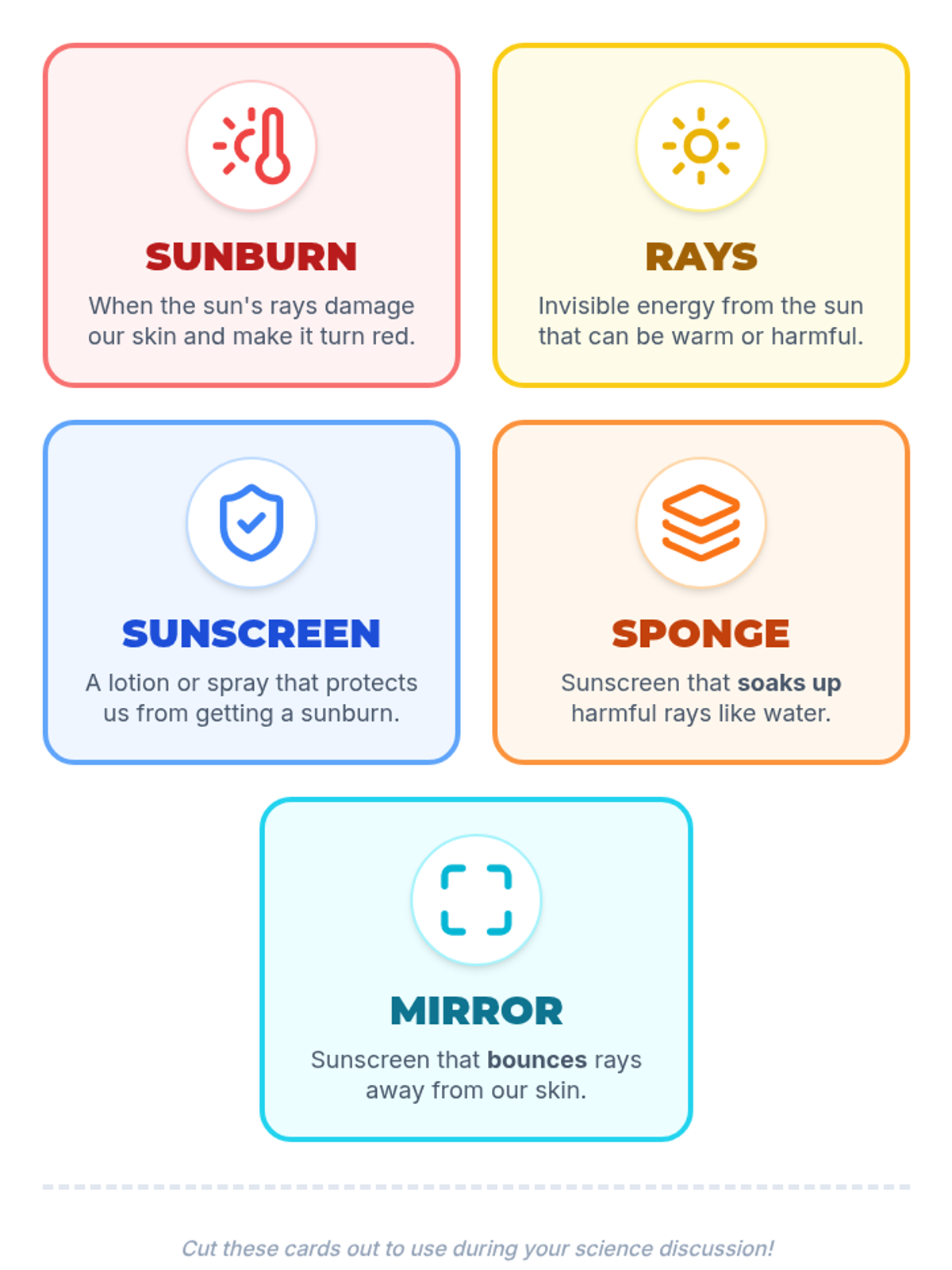
A hands-on science lesson for Kindergarten and 1st grade students to understand how sunscreen protects skin using a 'Sunscreen Painting' experiment and the SciShow Kids video. Students will explore the 'sponge and mirror' analogy and observe the effects of sunlight on construction paper.
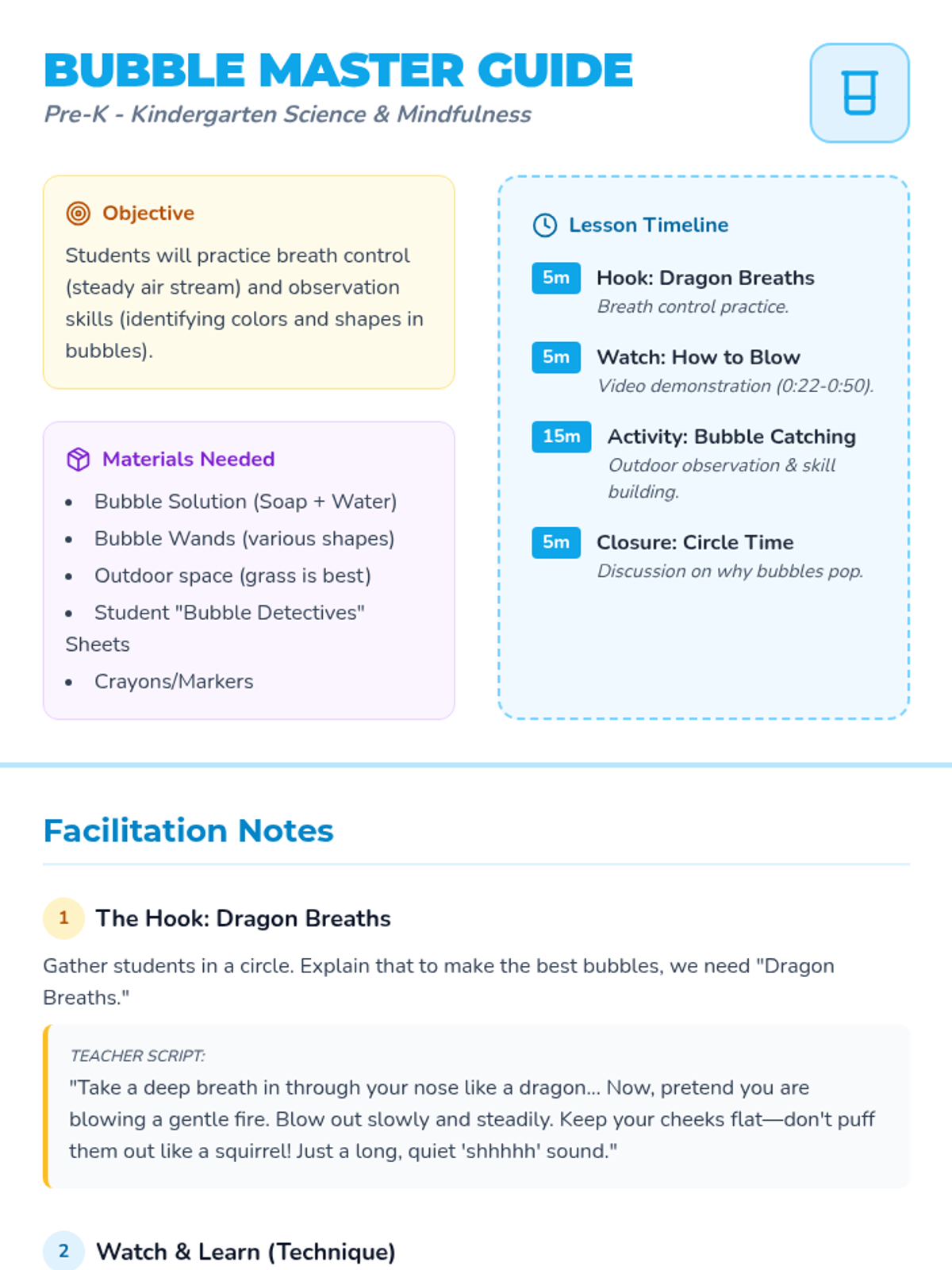
A playful science and mindfulness lesson for Pre-K and Kindergarten students focused on breath control and observation through the magic of bubbles. Students learn the physics of why bubbles are round and practice the art of gentle 'Dragon Breaths' to create them.
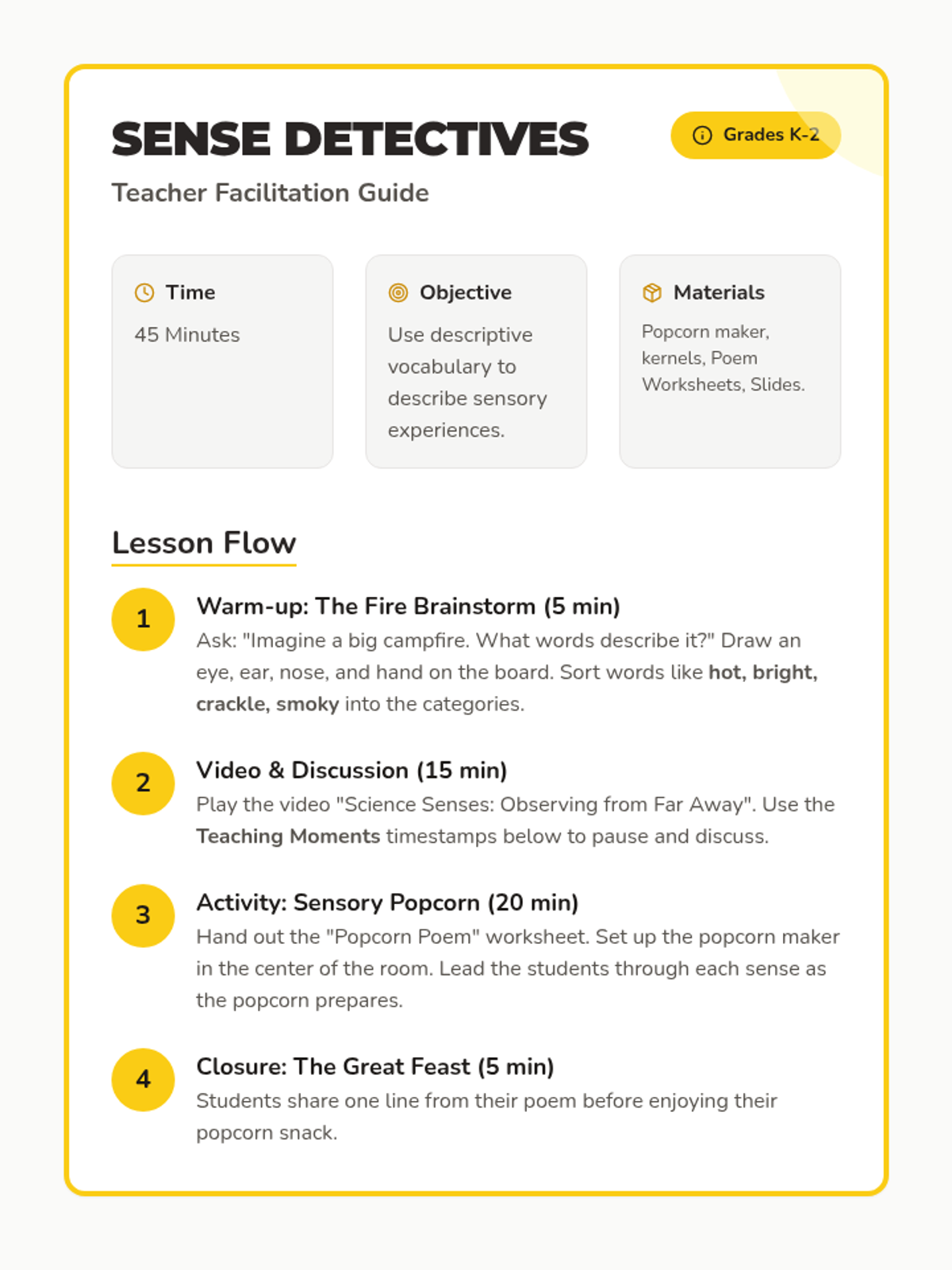
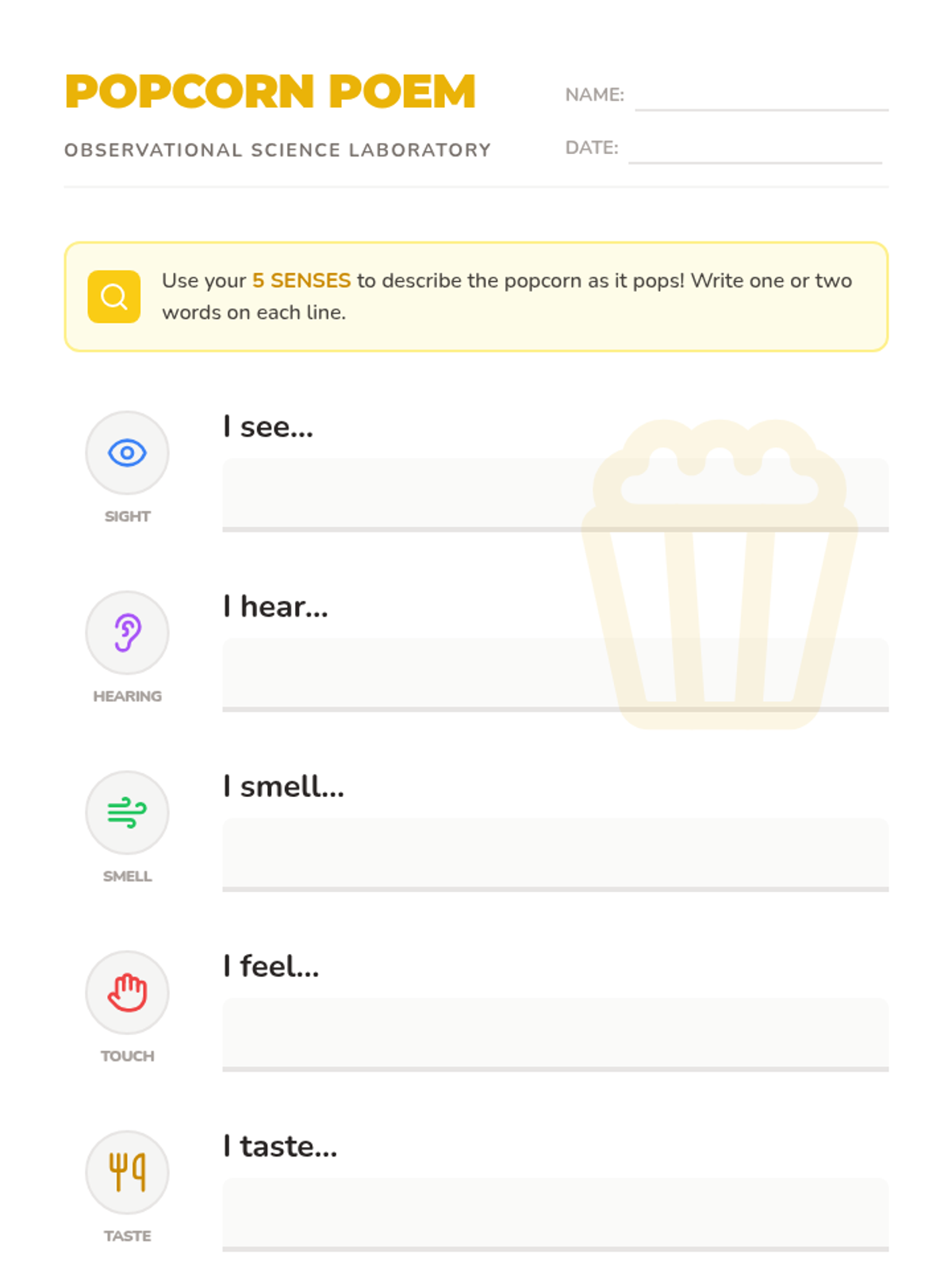
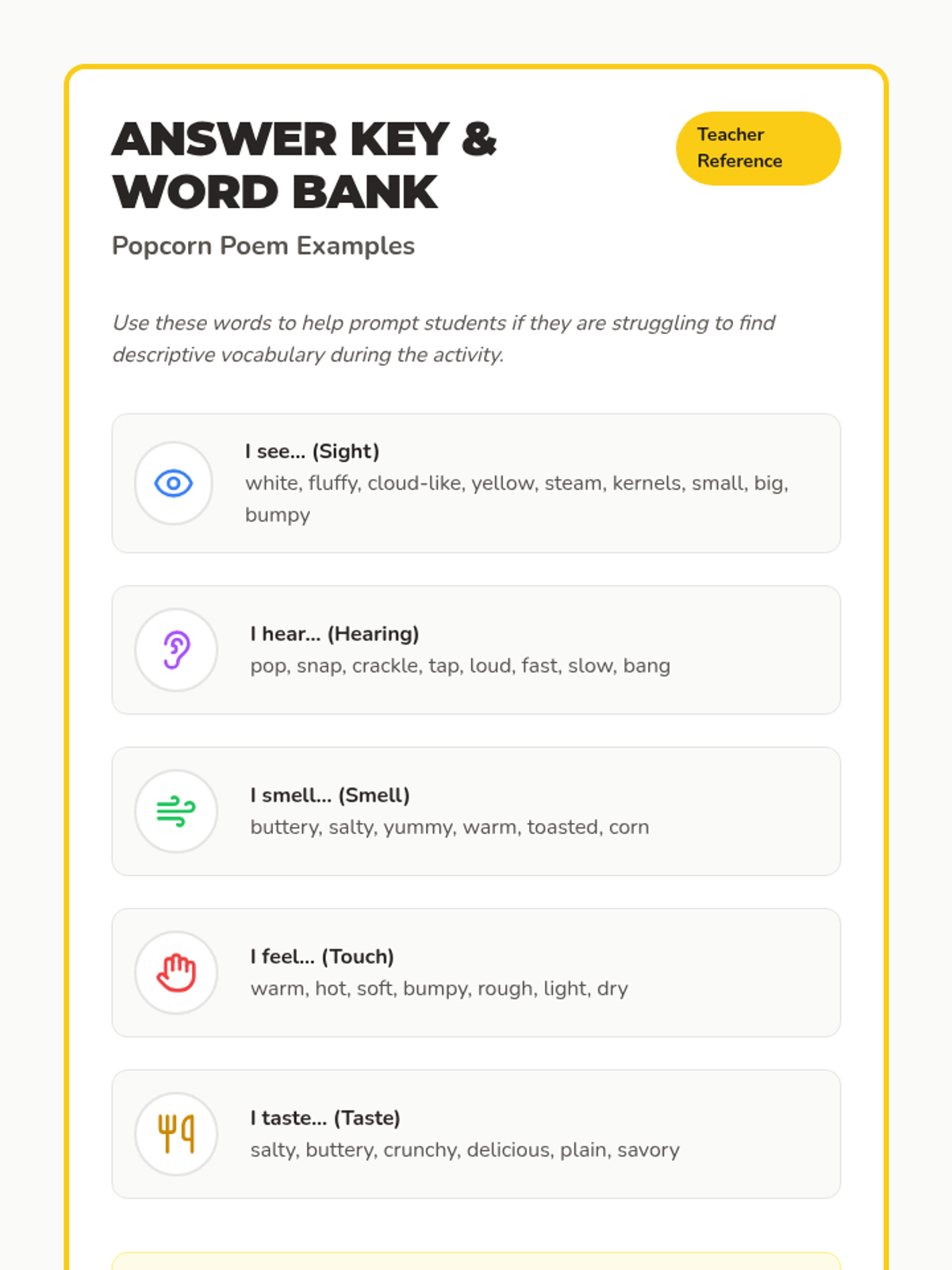
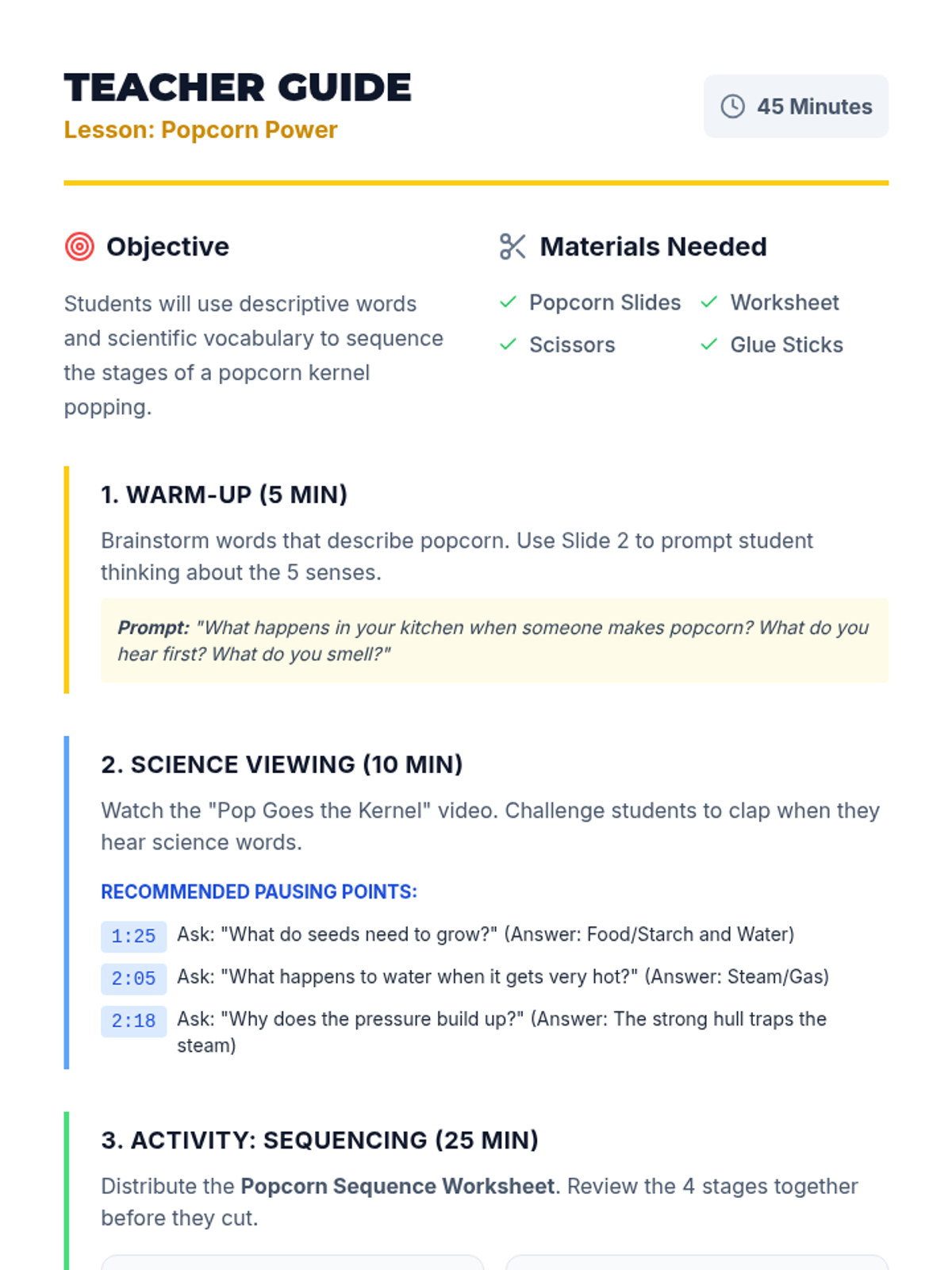
Students explore the five senses by observing a campfire (video) and participating in a multi-sensory popcorn popping activity, focusing on descriptive vocabulary and the science of observation.
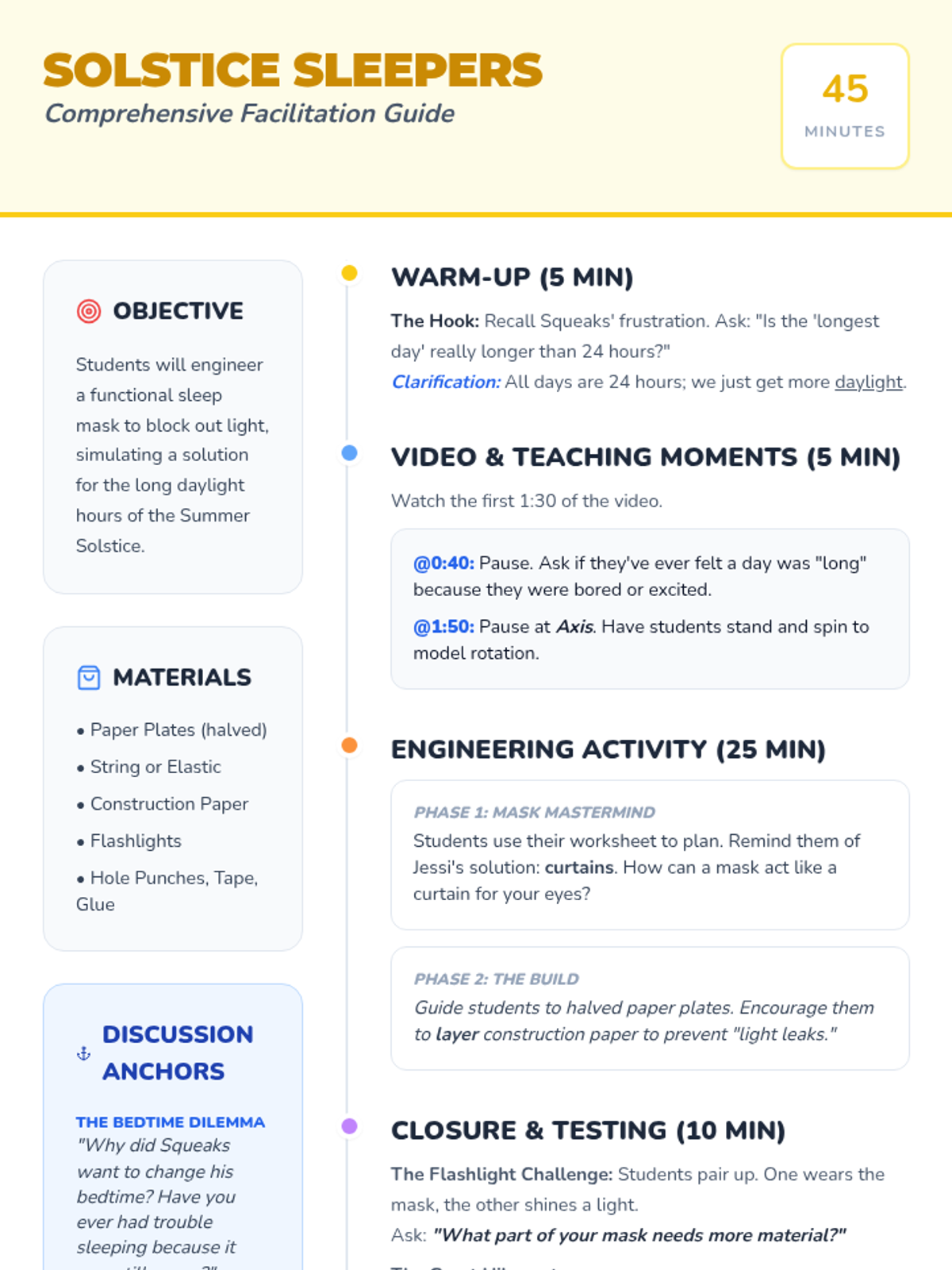
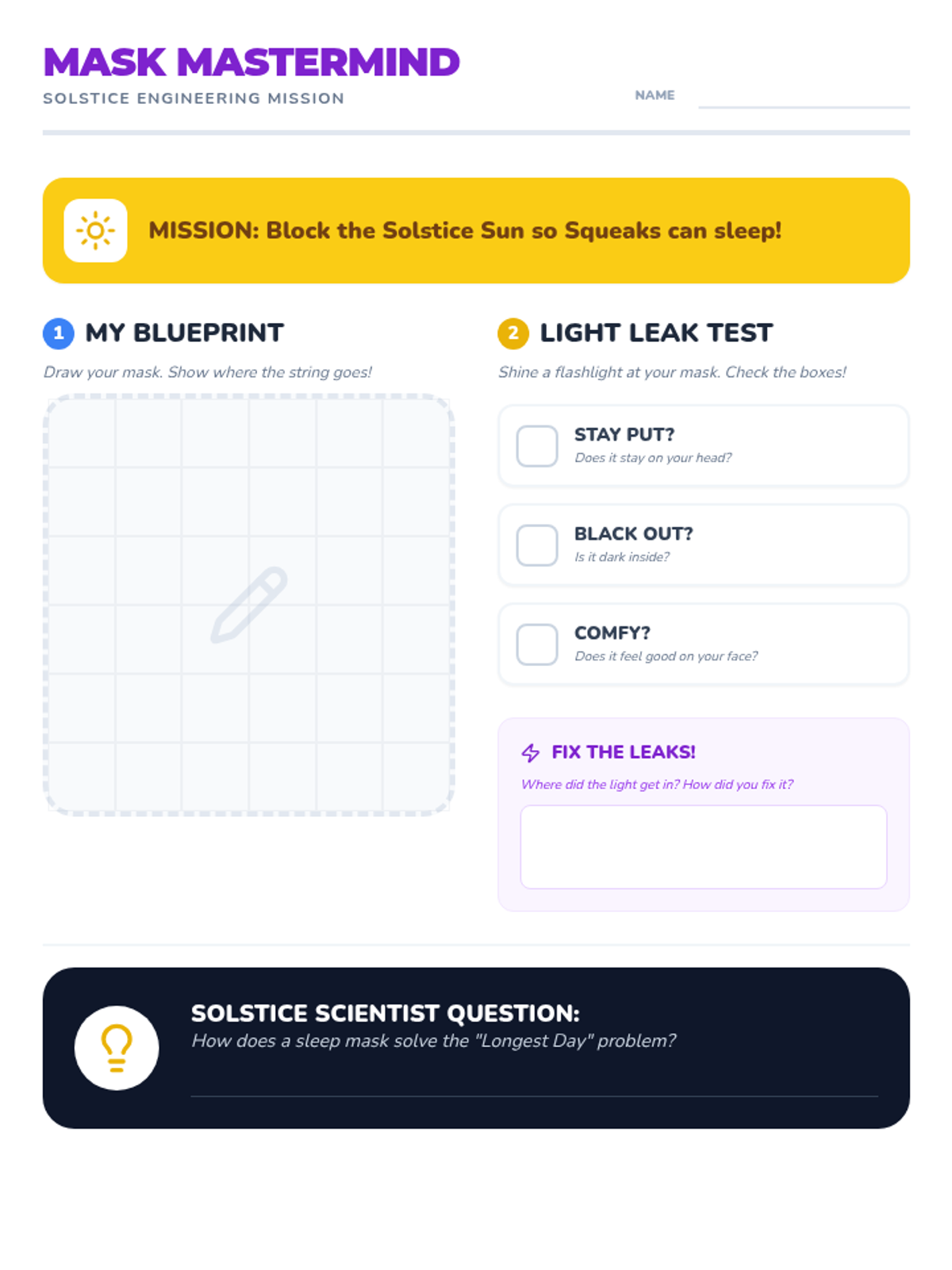
A hands-on engineering lesson where students design and test sleep masks to solve the problem of sleeping during the long daylight hours of the summer solstice.
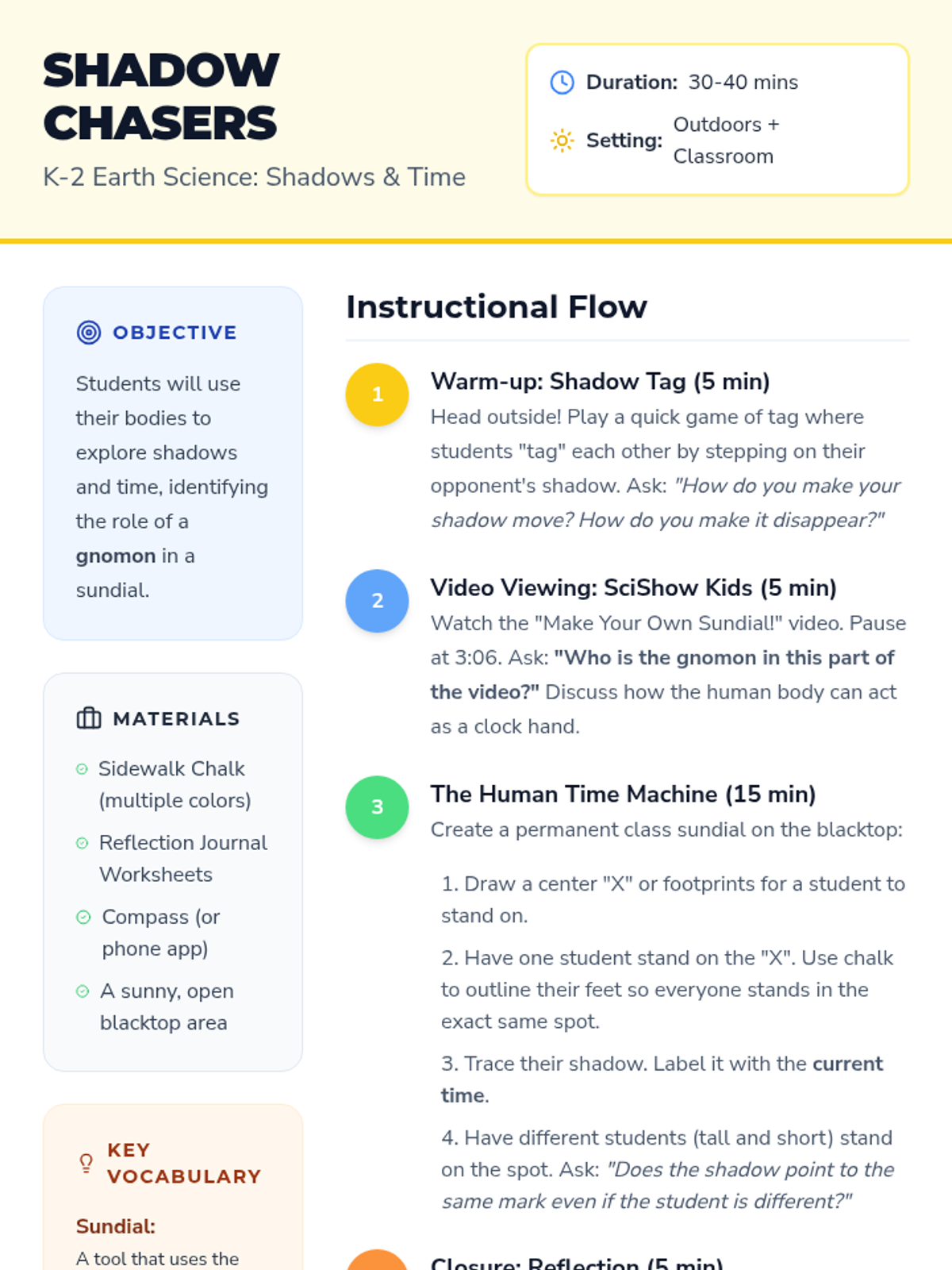
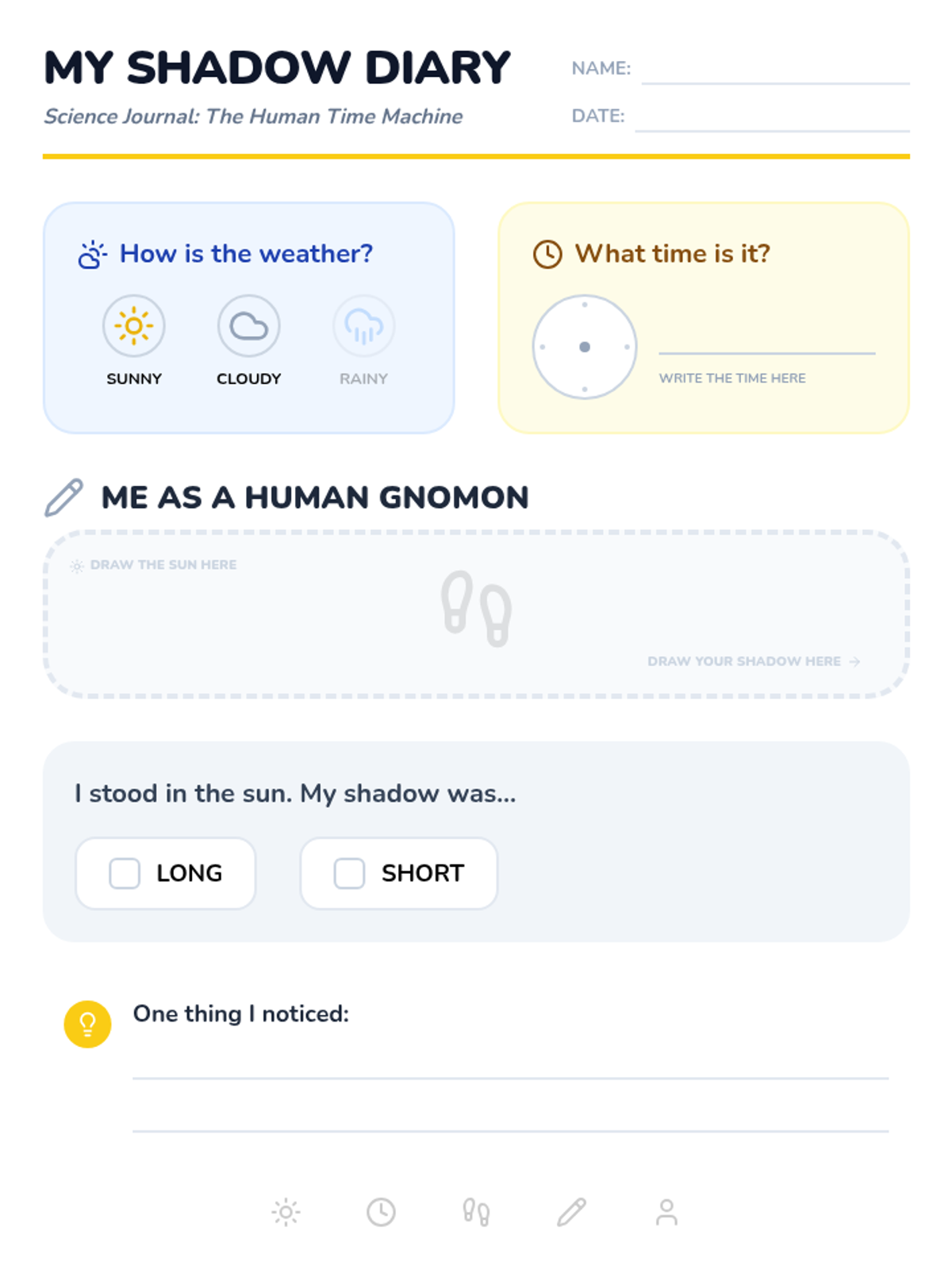
Students explore how shadows move with the sun by becoming 'human gnomons' in a giant blacktop sundial. This hands-on lesson connects physical movement to the Earth's rotation and the history of timekeeping.
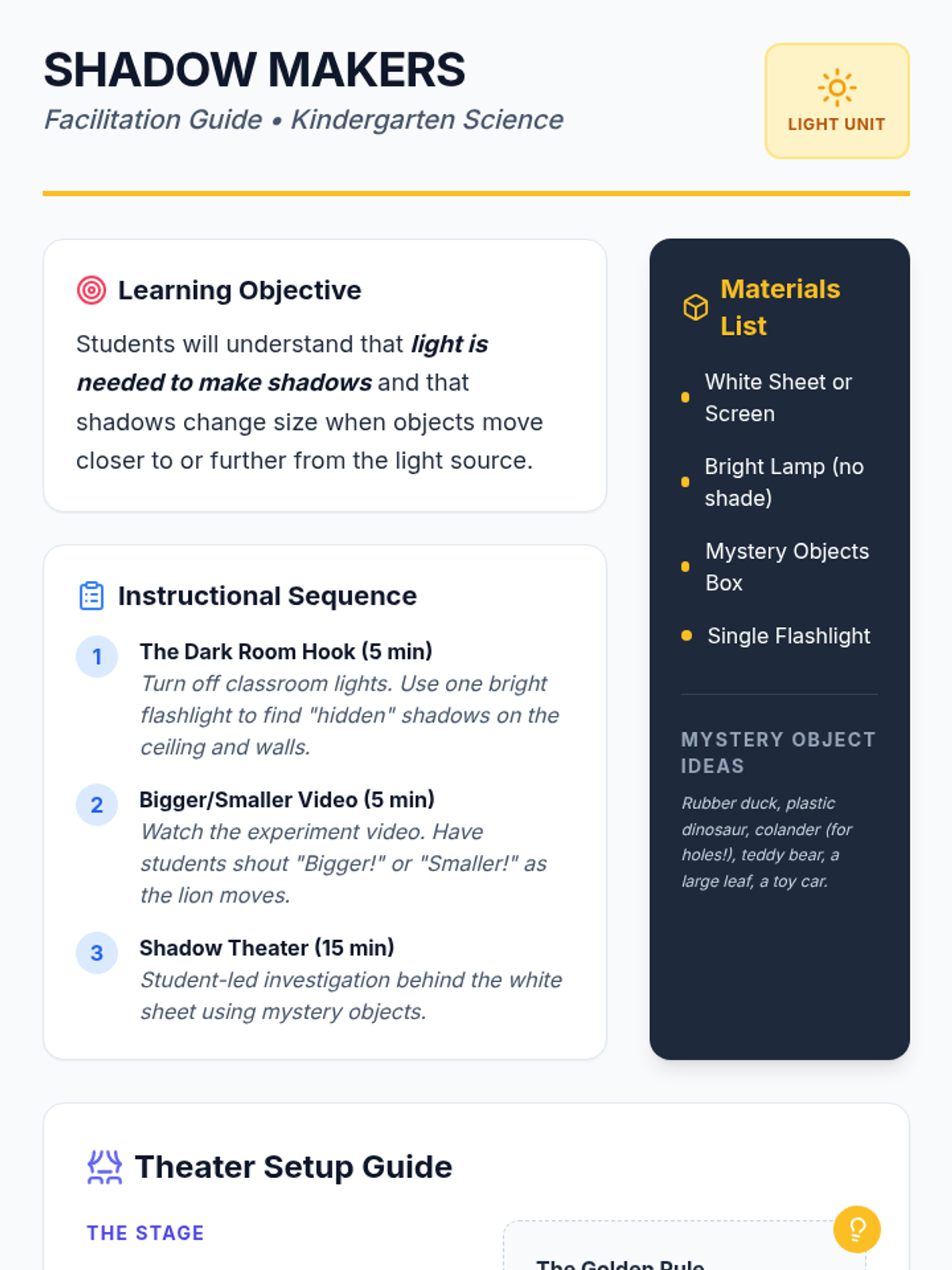
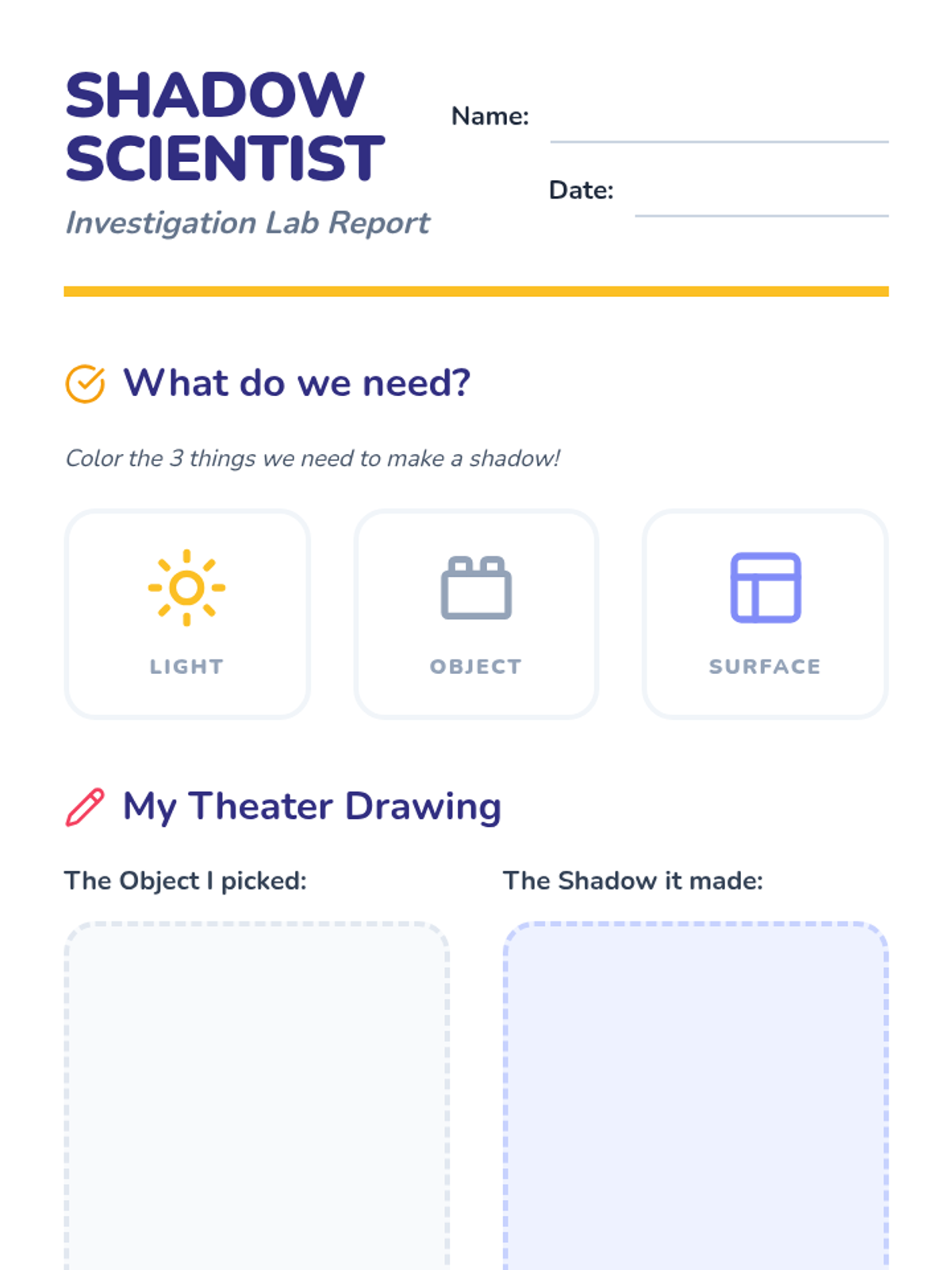
A hands-on introduction to light and shadows for Kindergarteners. Students will explore how light creates shadows and how moving objects changes their size through a "Shadow Theater" activity.
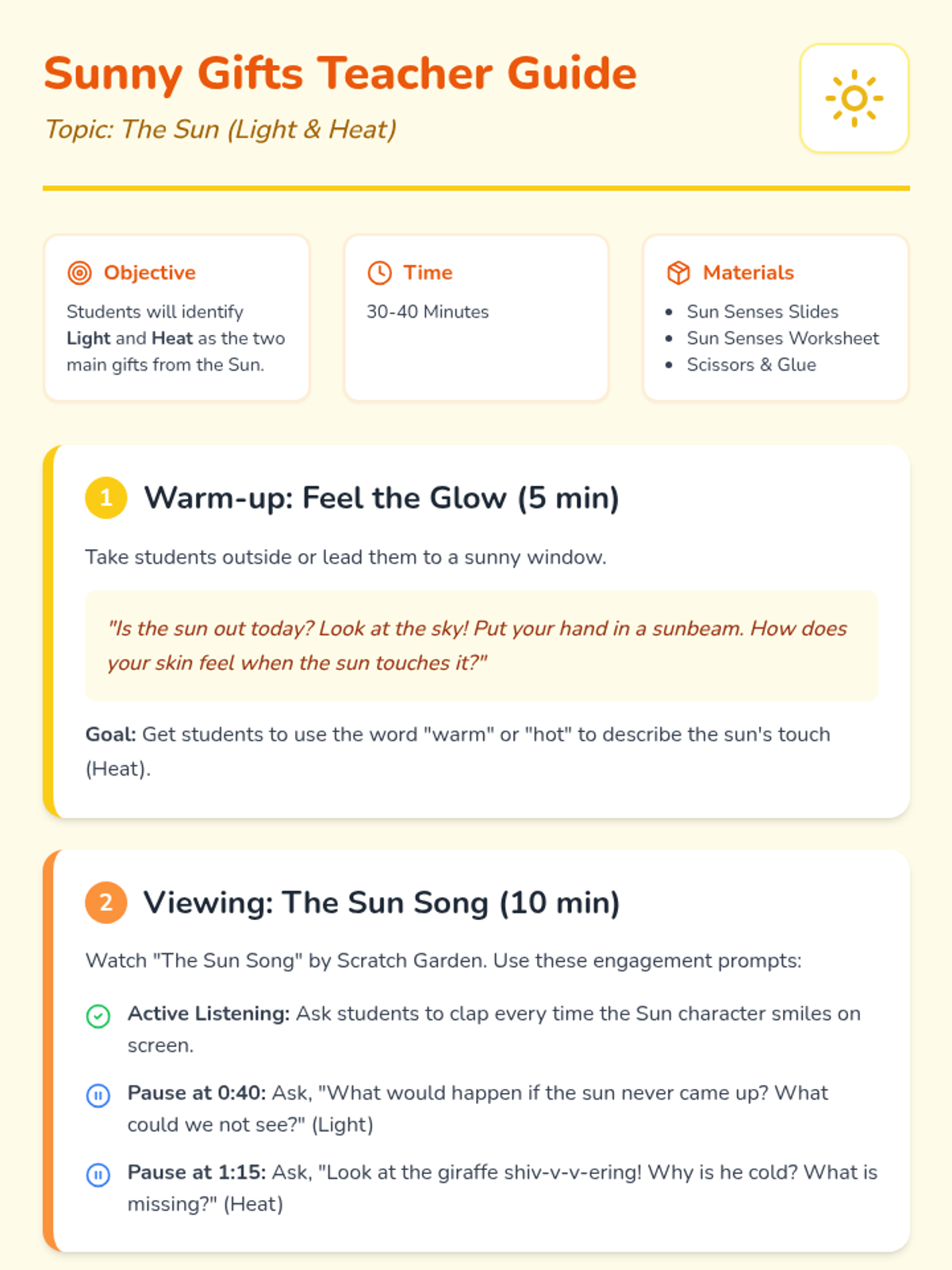
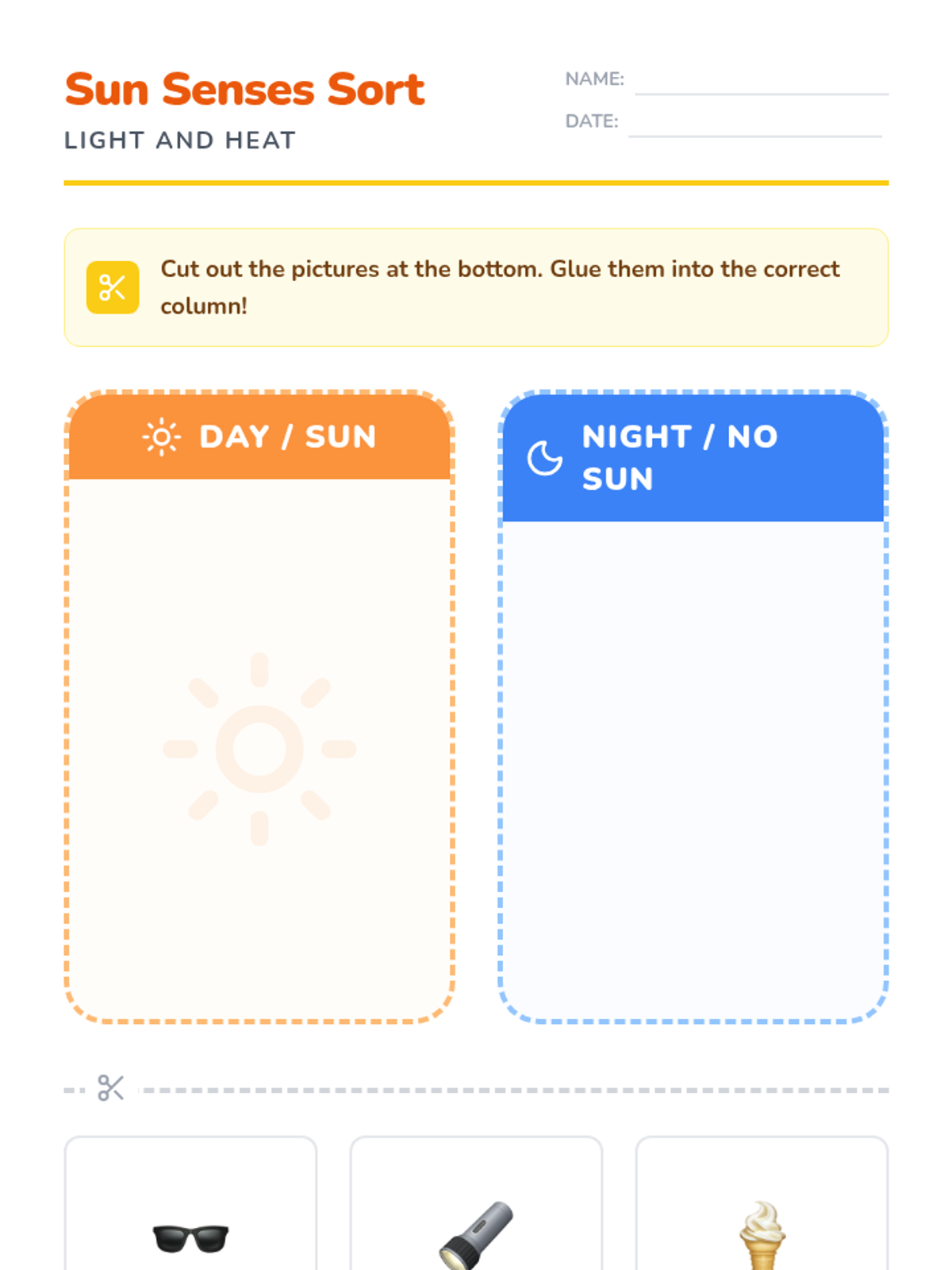
A fun, introductory lesson for Pre-K and Kindergarten students to identify the two main gifts of the Sun: light and heat. Includes a catchy song, sensory observations, and a sorting activity.
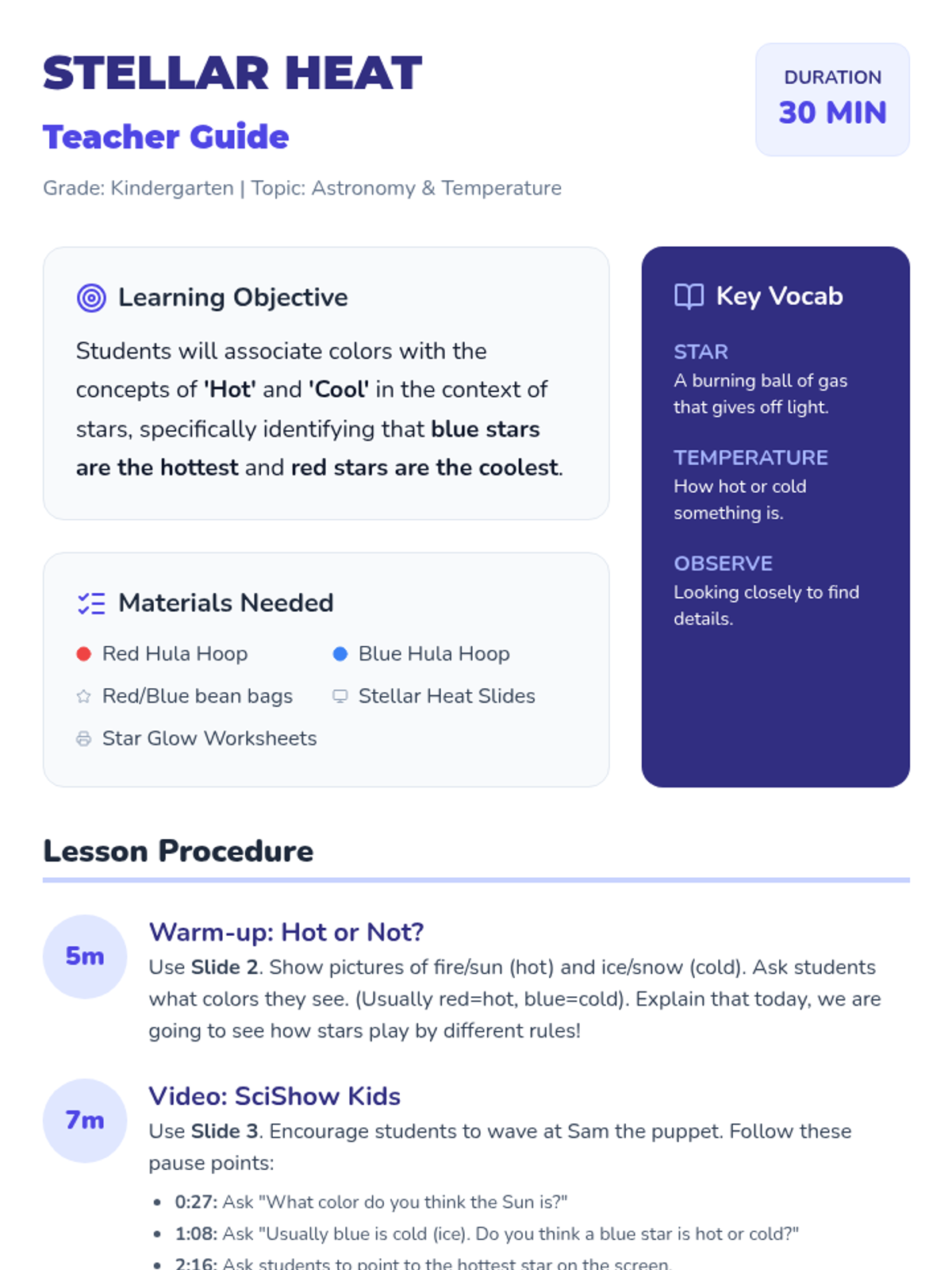
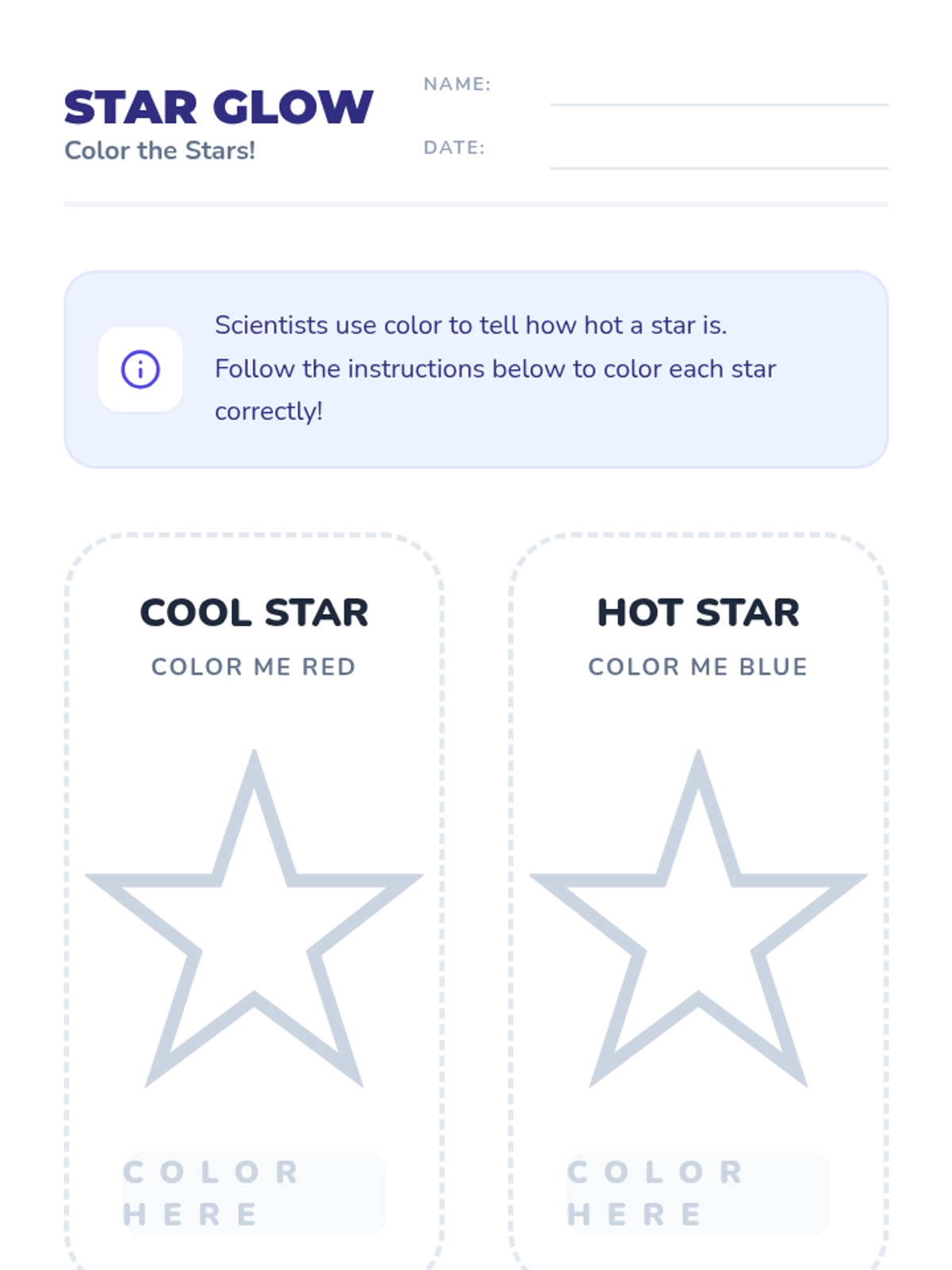
In this lesson, Kindergarten students discover that the color of a star tells us how hot it is, reversing their typical associations by learning that blue stars are the hottest and red stars are the coolest.
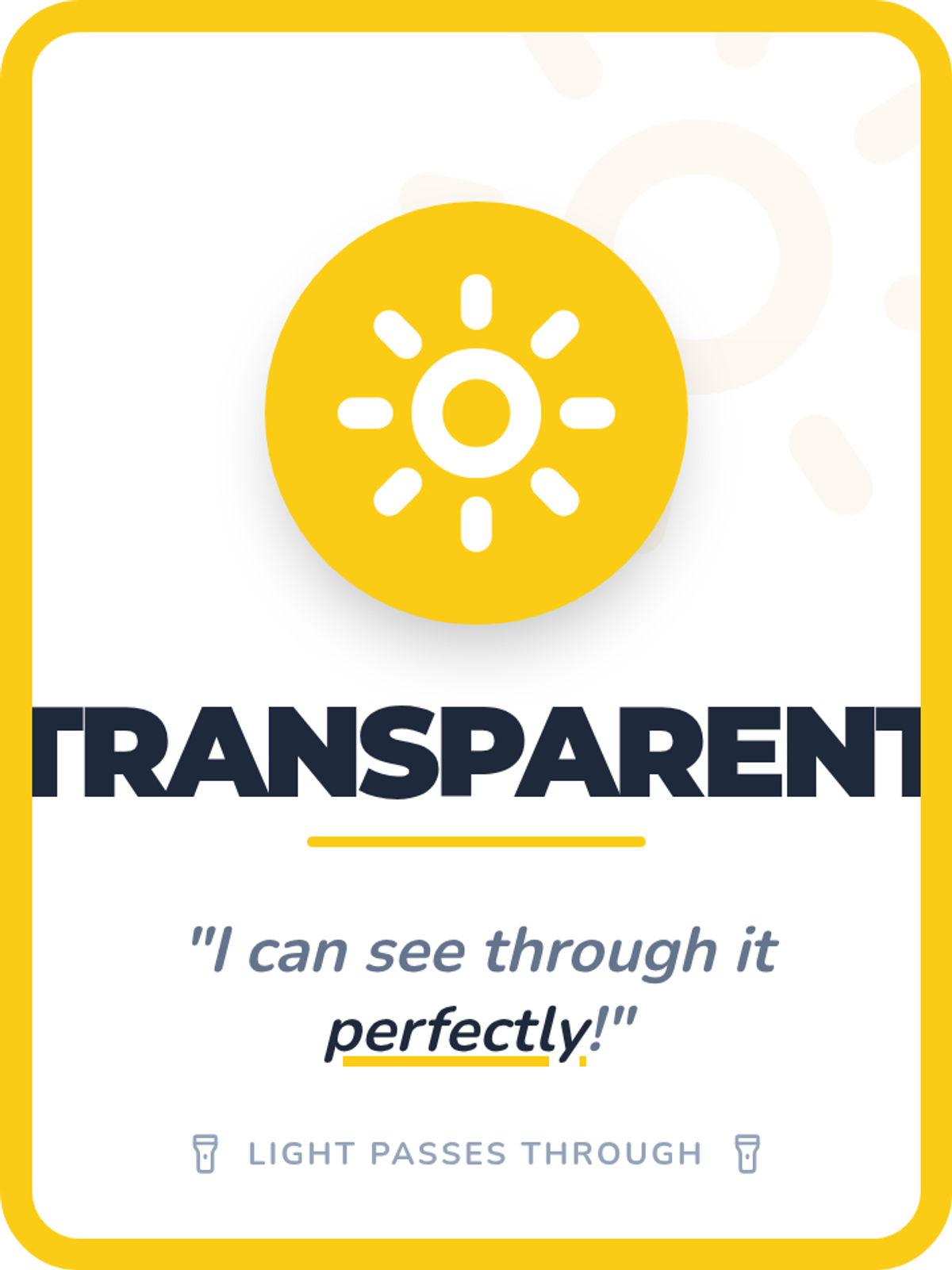
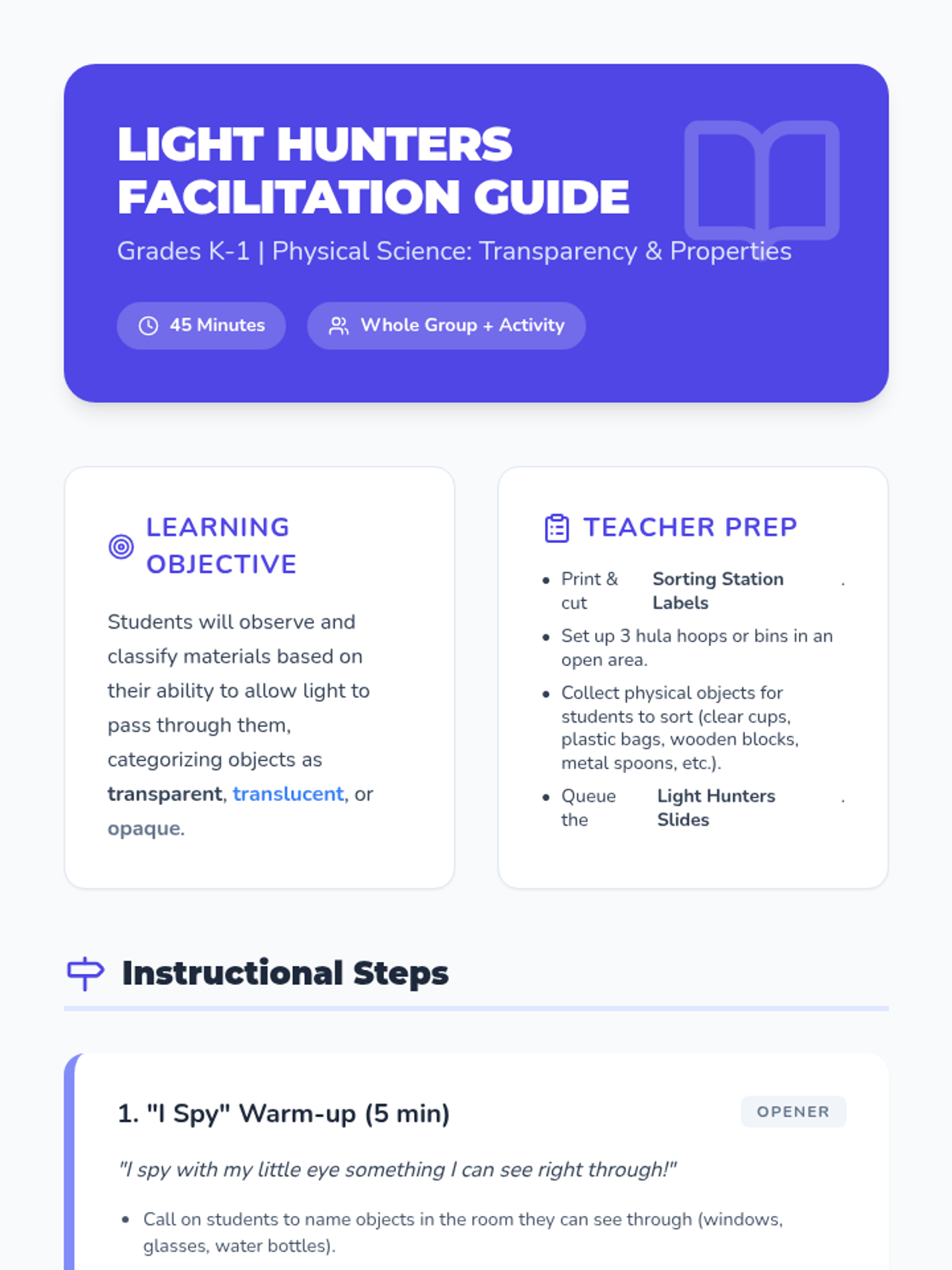
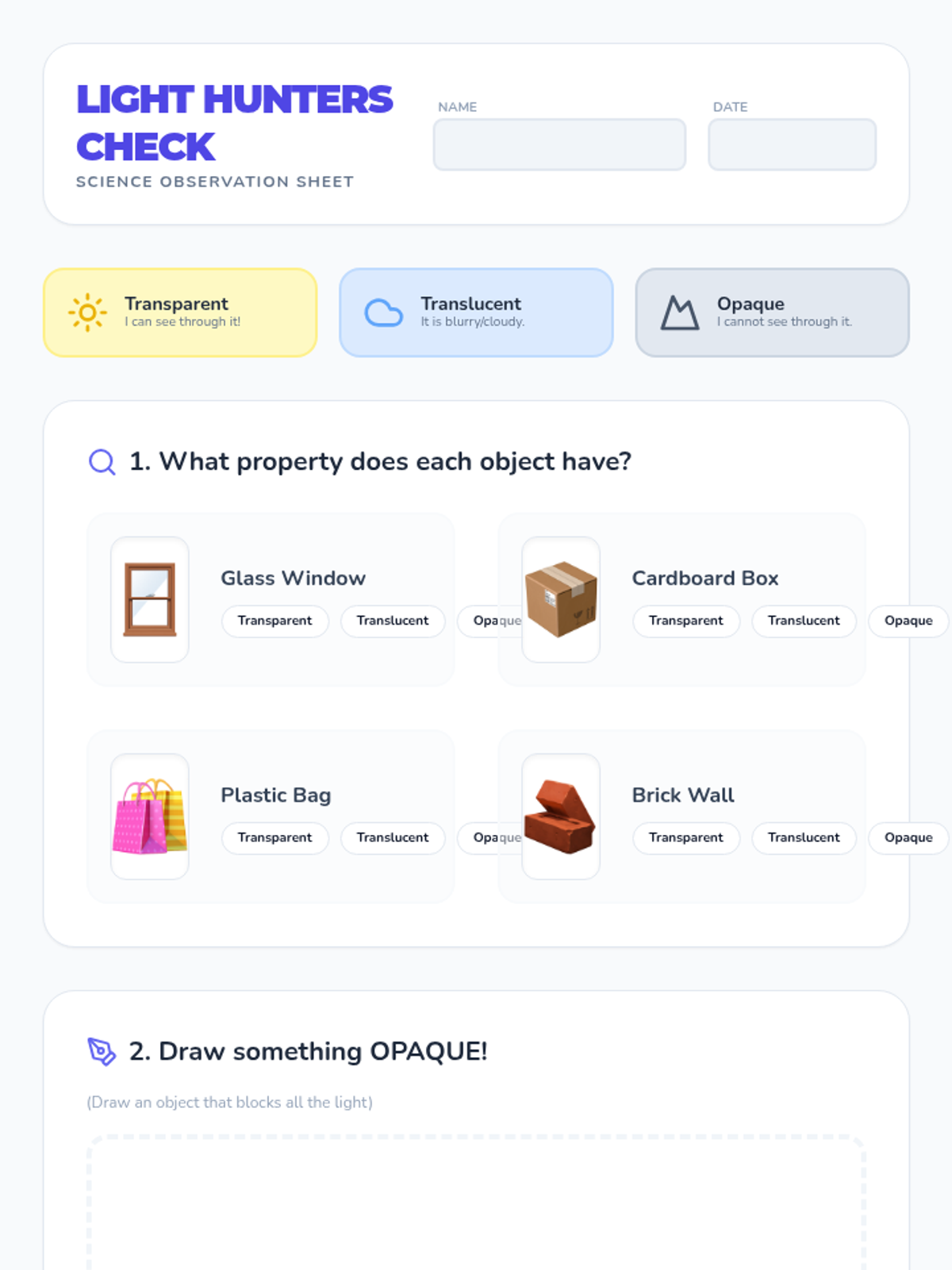
Students explore how light interacts with different materials by sorting objects into transparent, translucent, and opaque categories through a video-led discussion and a hands-on sorting station activity.
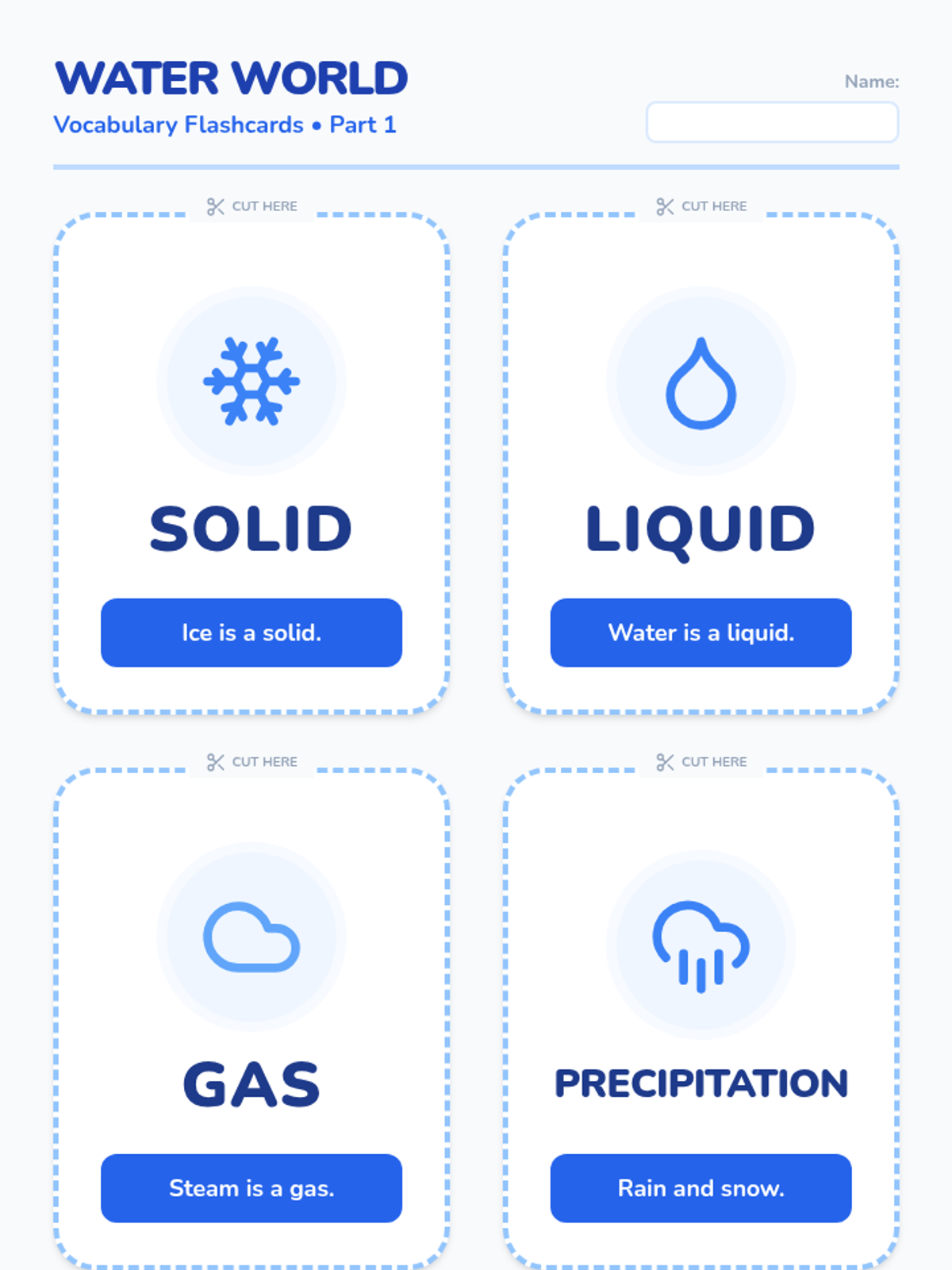
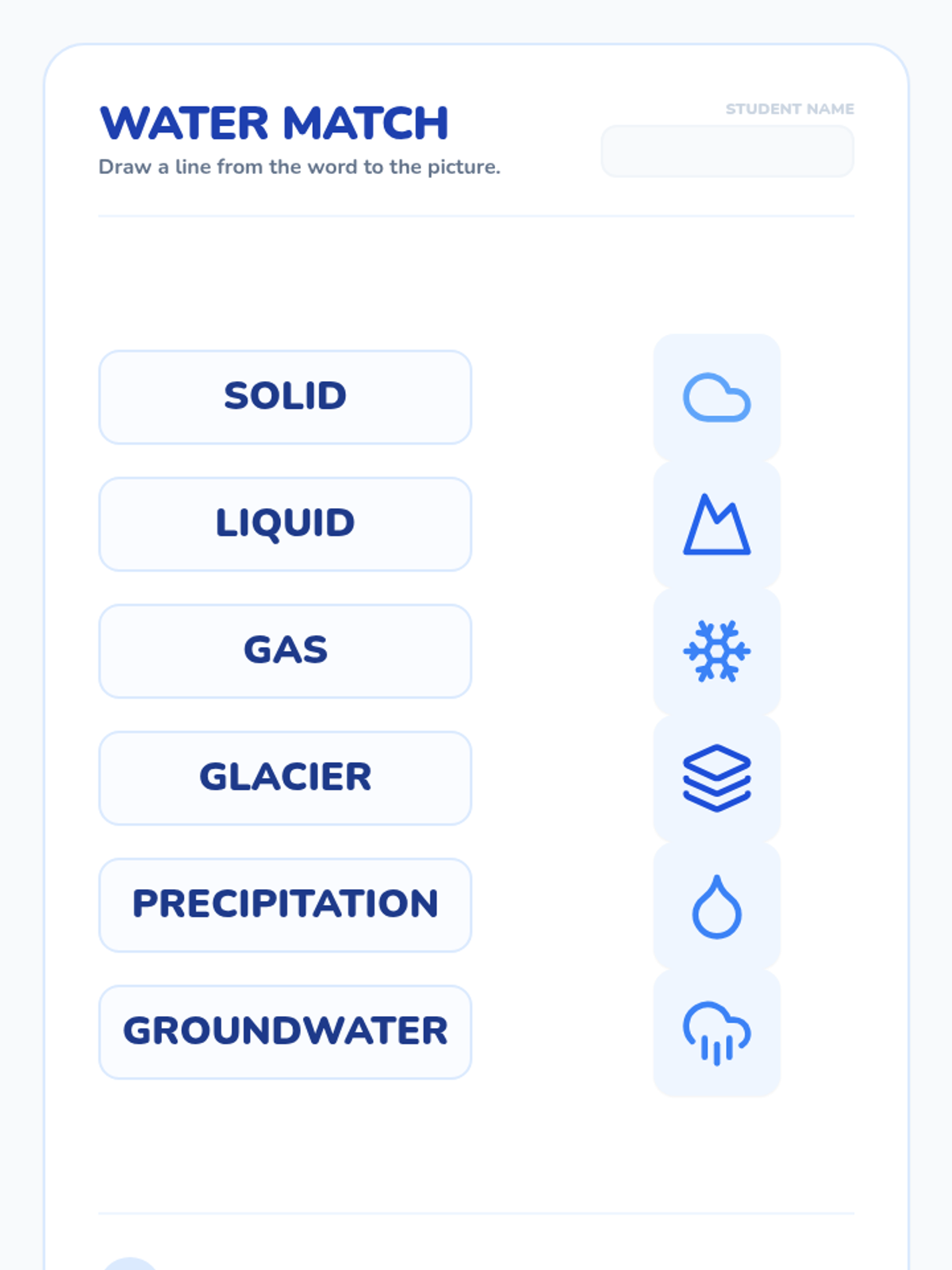
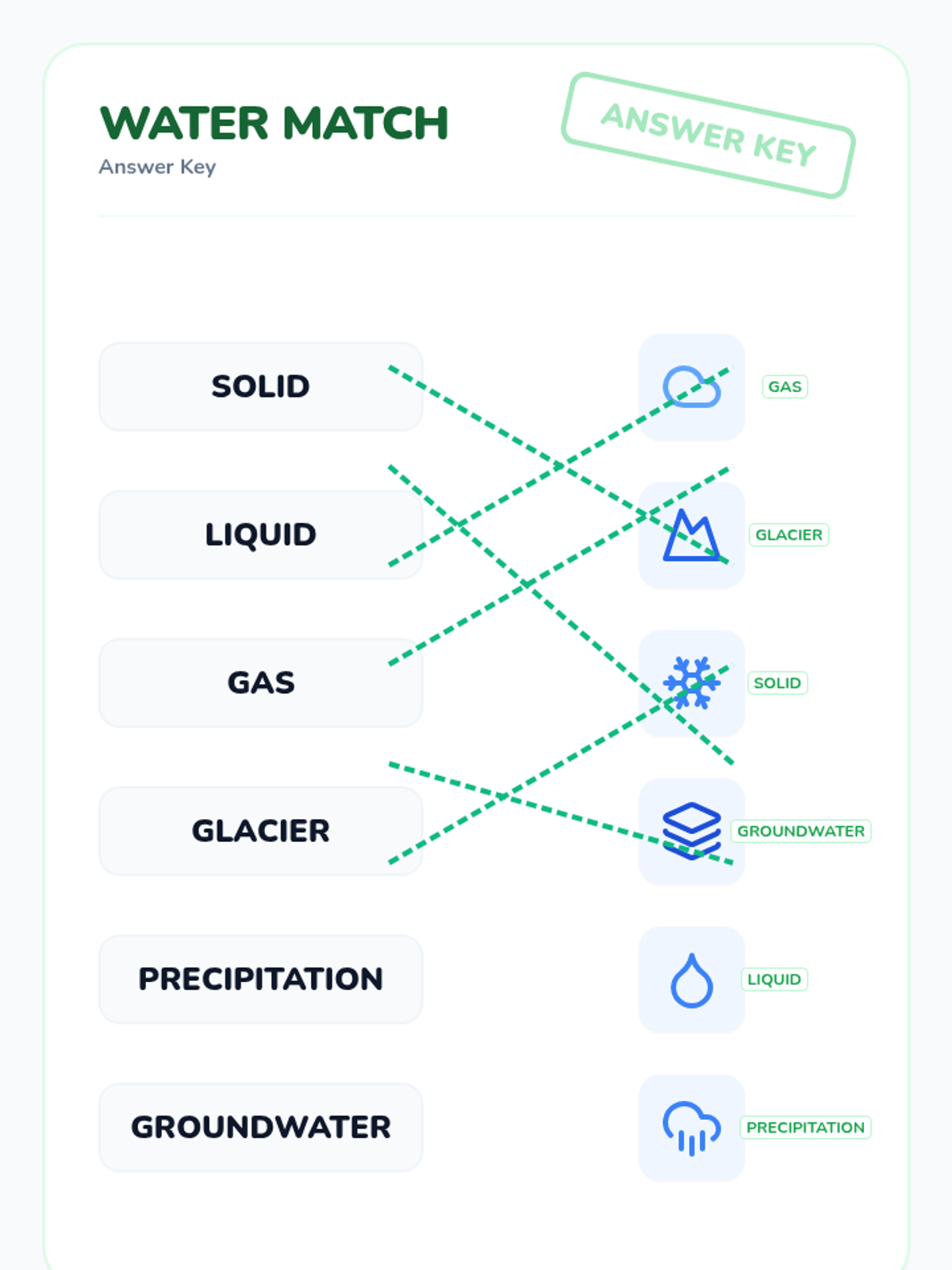
A visual-heavy introduction to water-related vocabulary for ESL students, focusing on the states of matter and natural water forms.
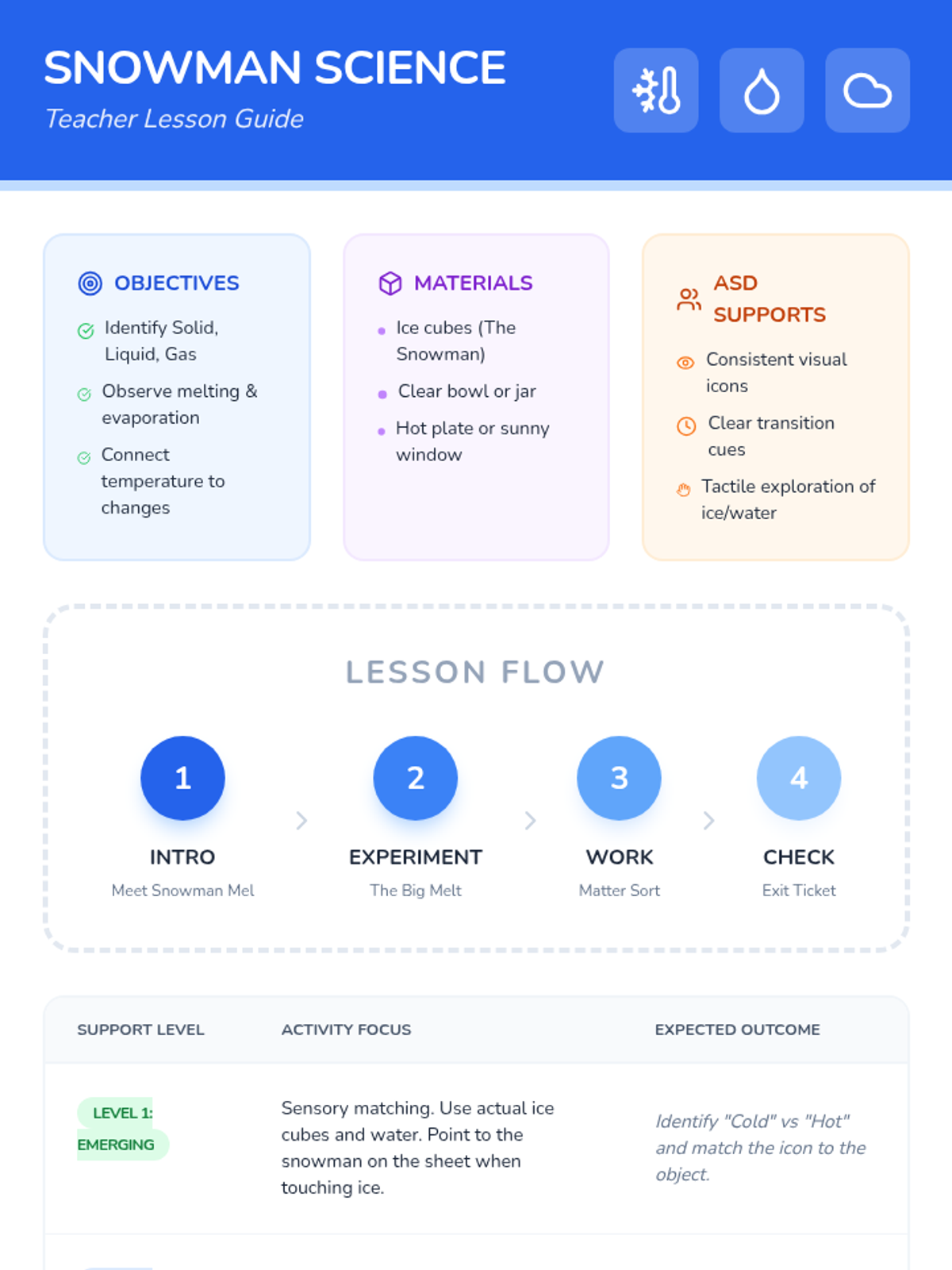
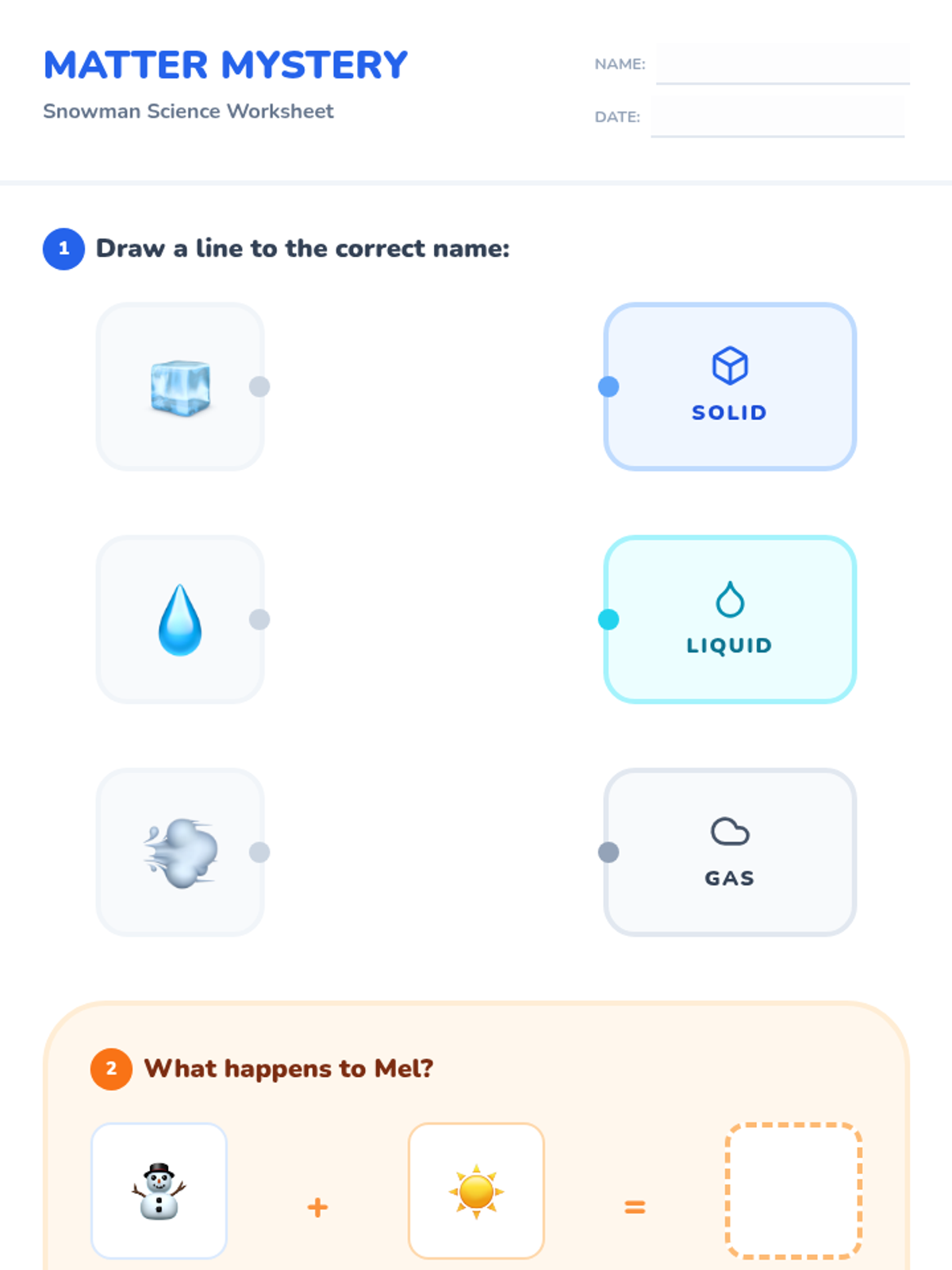
A visual, snowman-themed lesson designed for autistic elementary students to explore the three states of matter (solid, liquid, gas) through hands-on experimentation and clear visual aids.
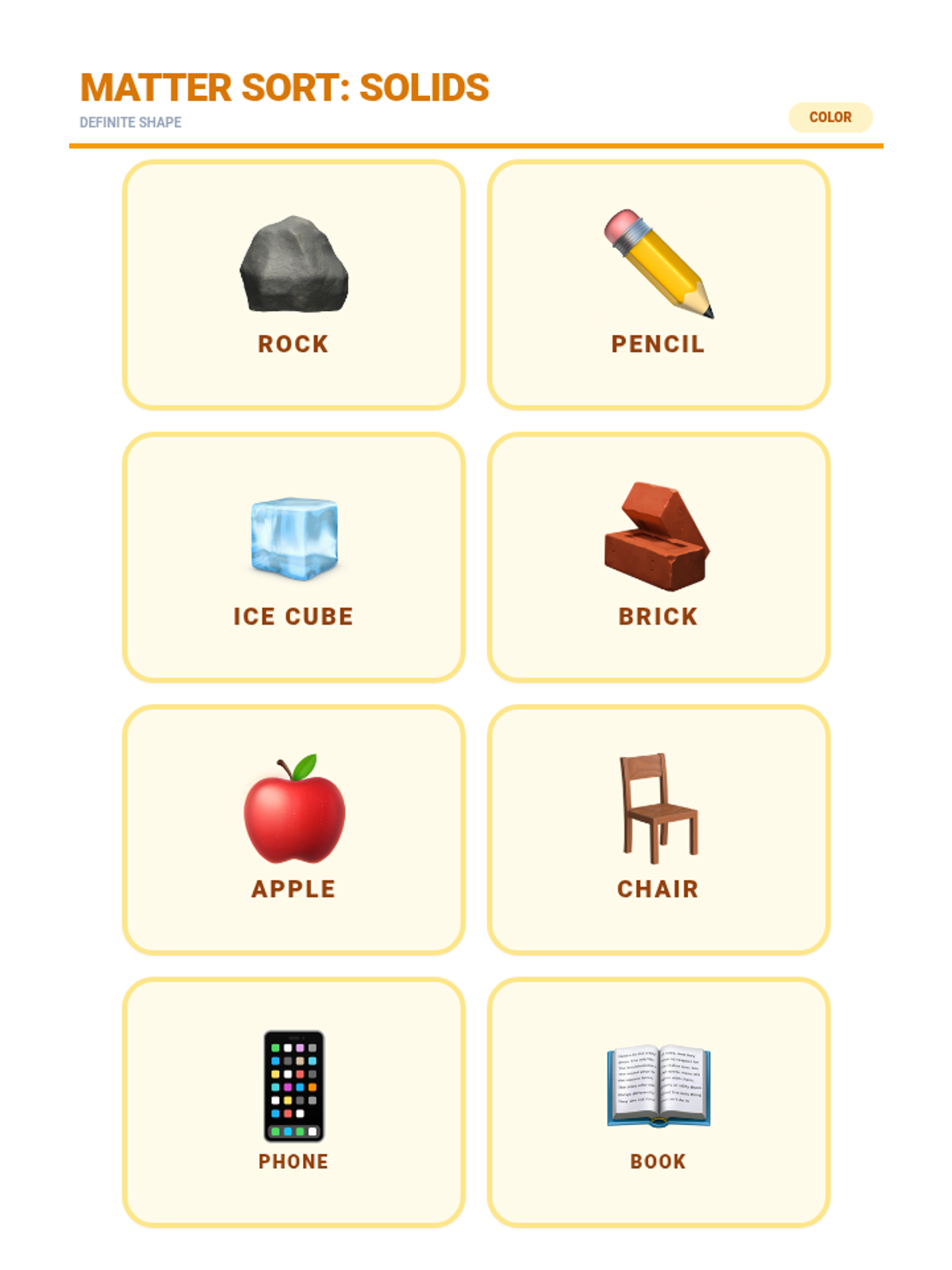
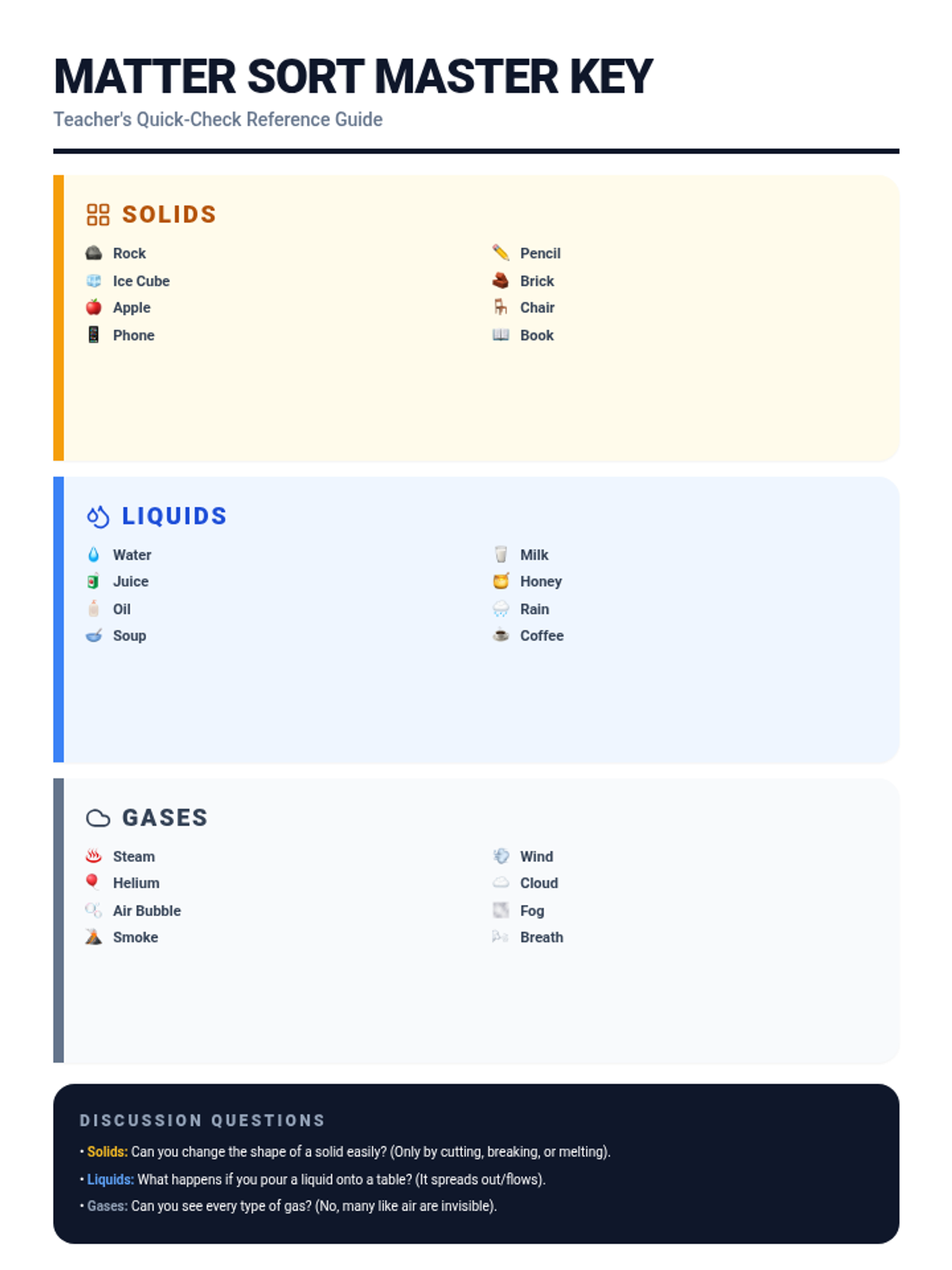
An interactive sorting activity where students categorize various objects into solids, liquids, and gases. This hands-on game uses visual cues to reinforce the fundamental properties of the states of matter.
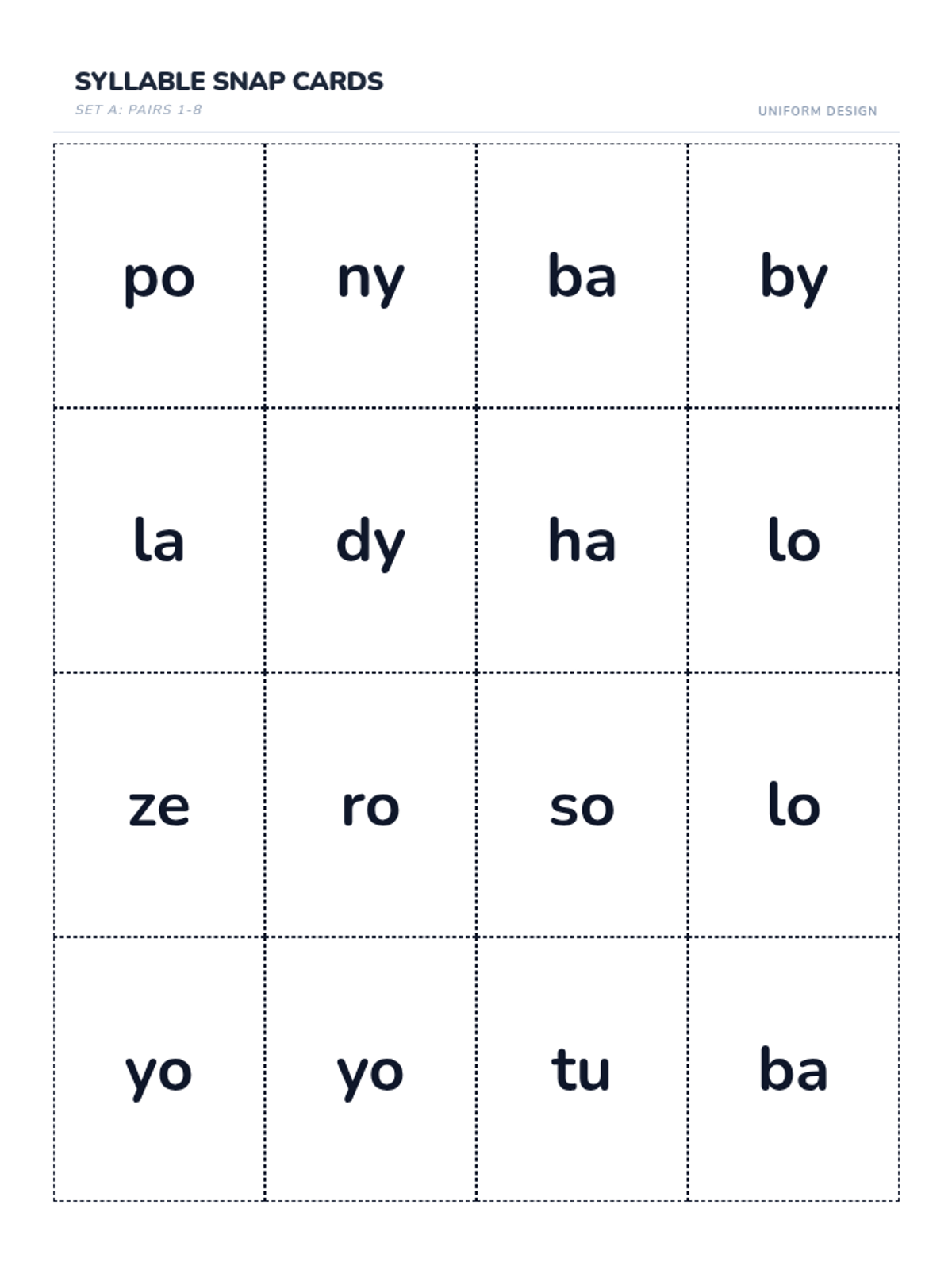
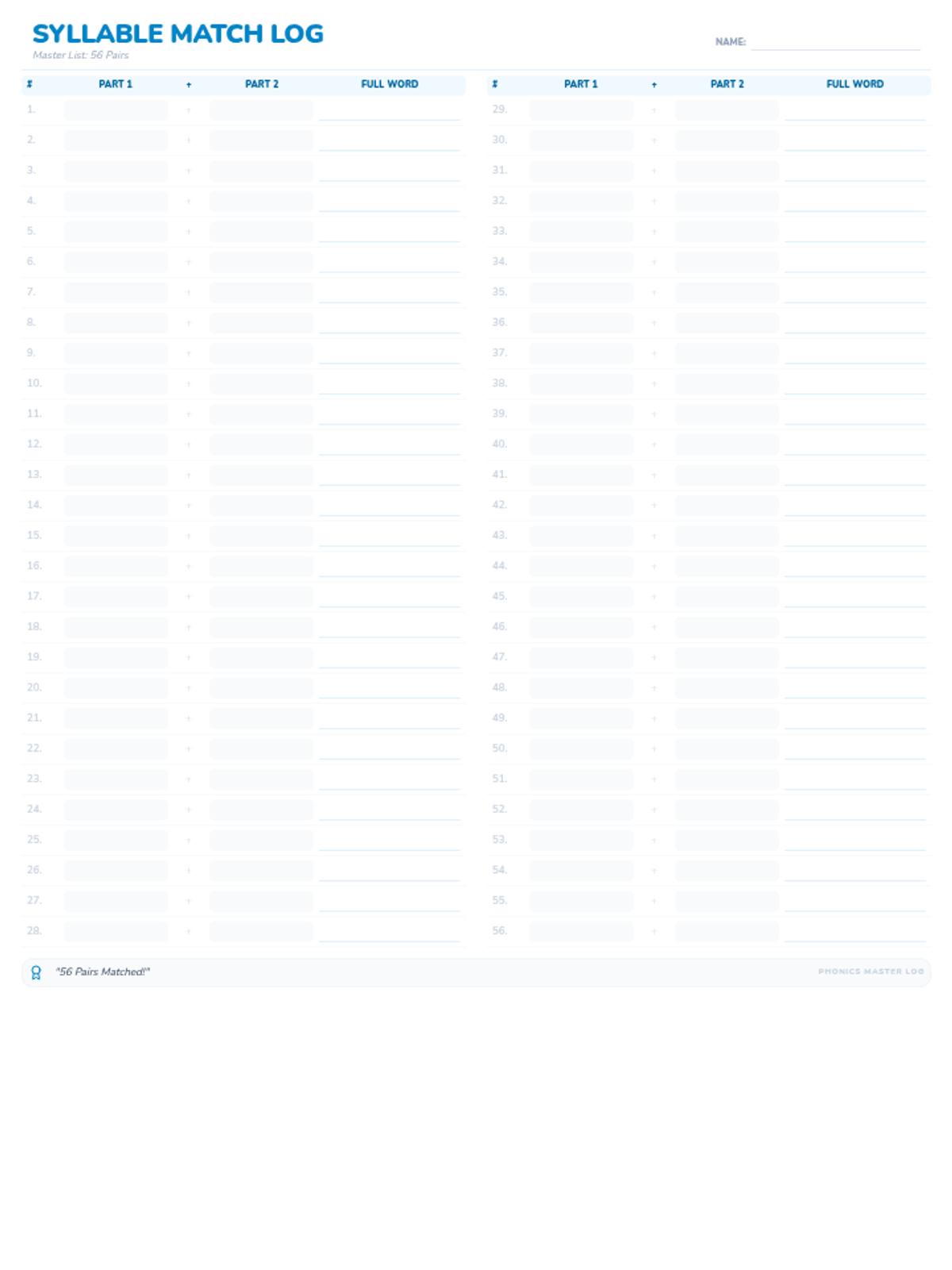
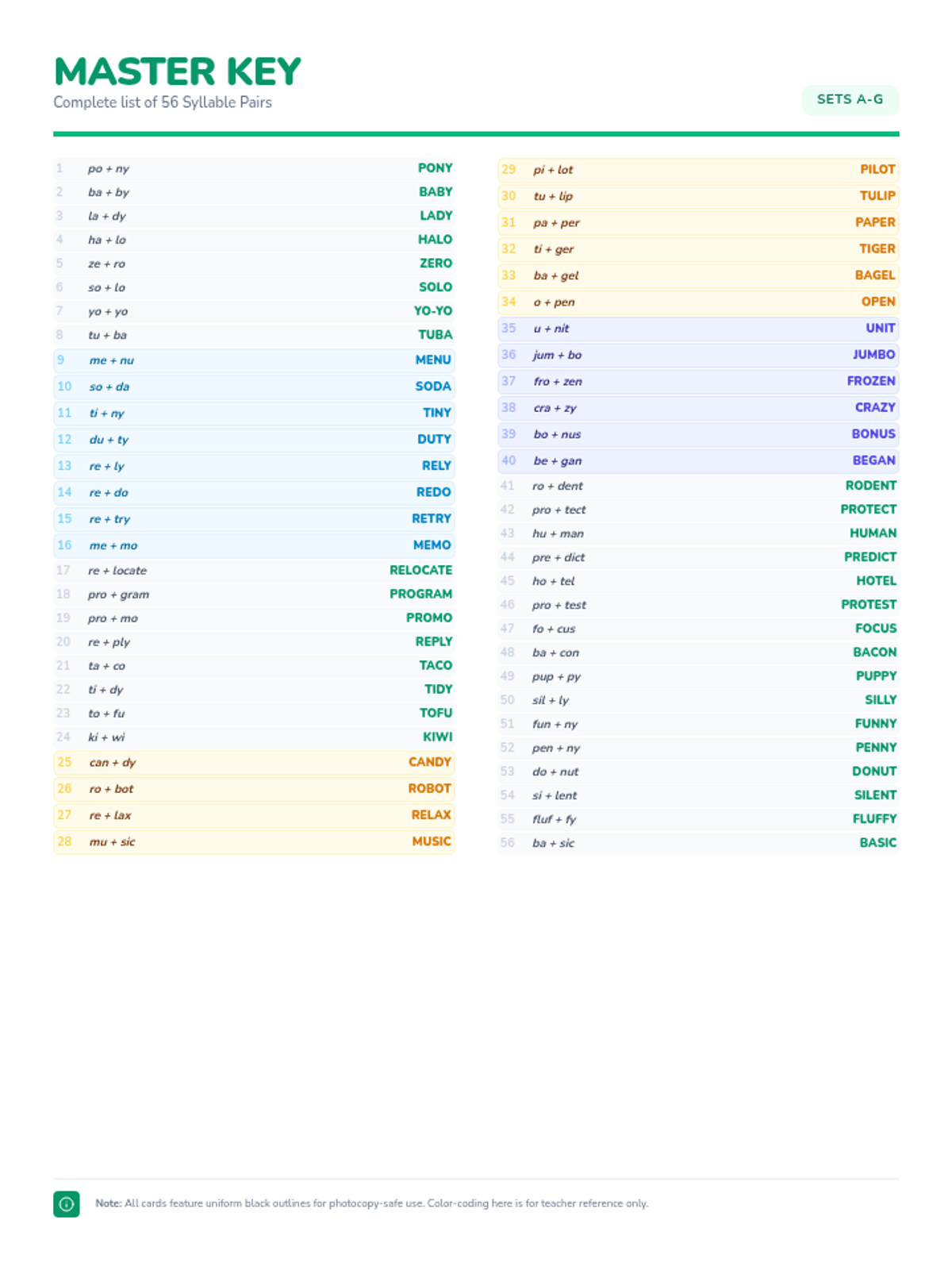
A set of engaging memory cards and supporting materials designed to help students master two-syllable words where both syllables are open. Students will match syllable pairs to form complete words, reinforcing phonics and decoding skills.
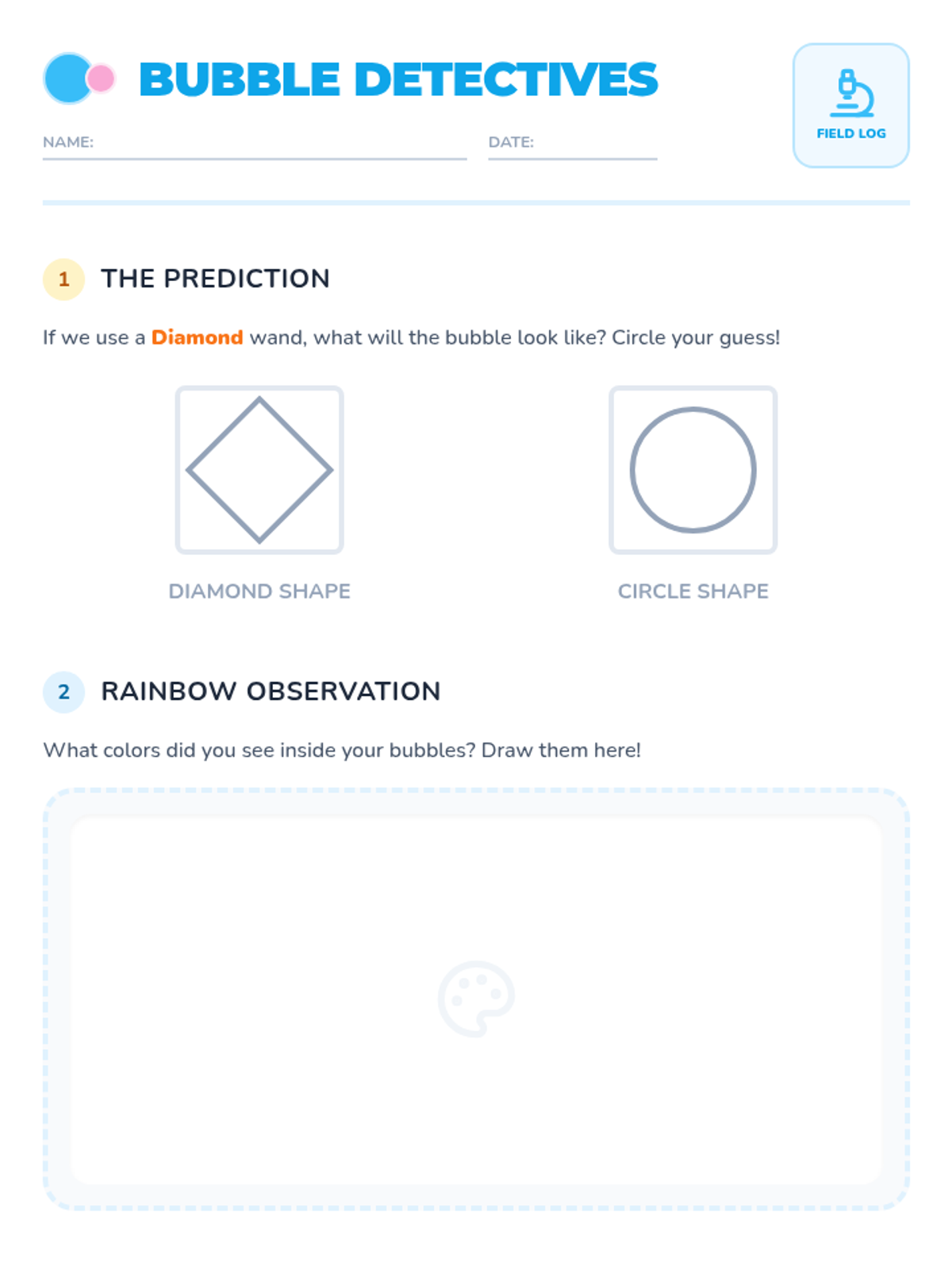
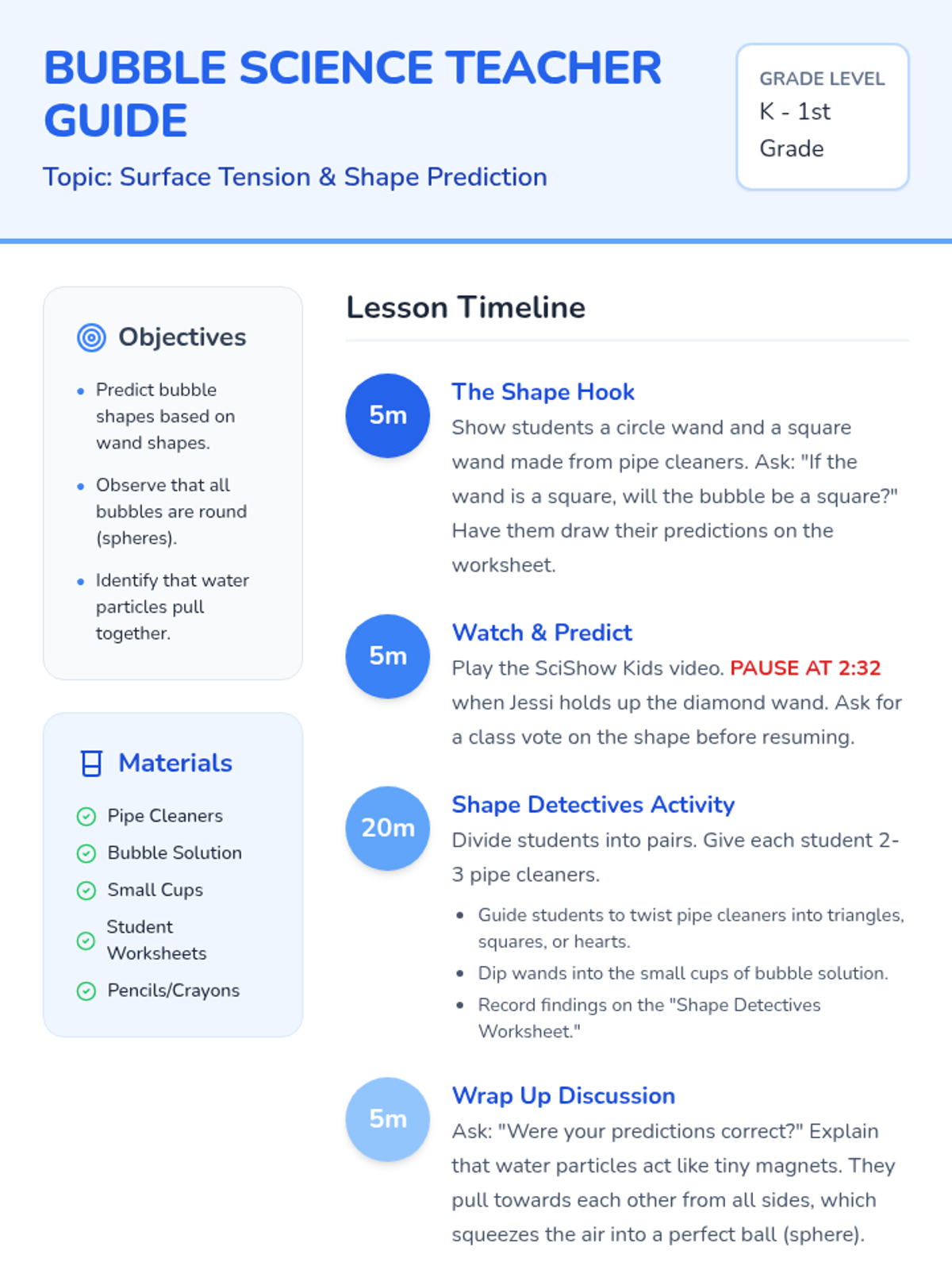
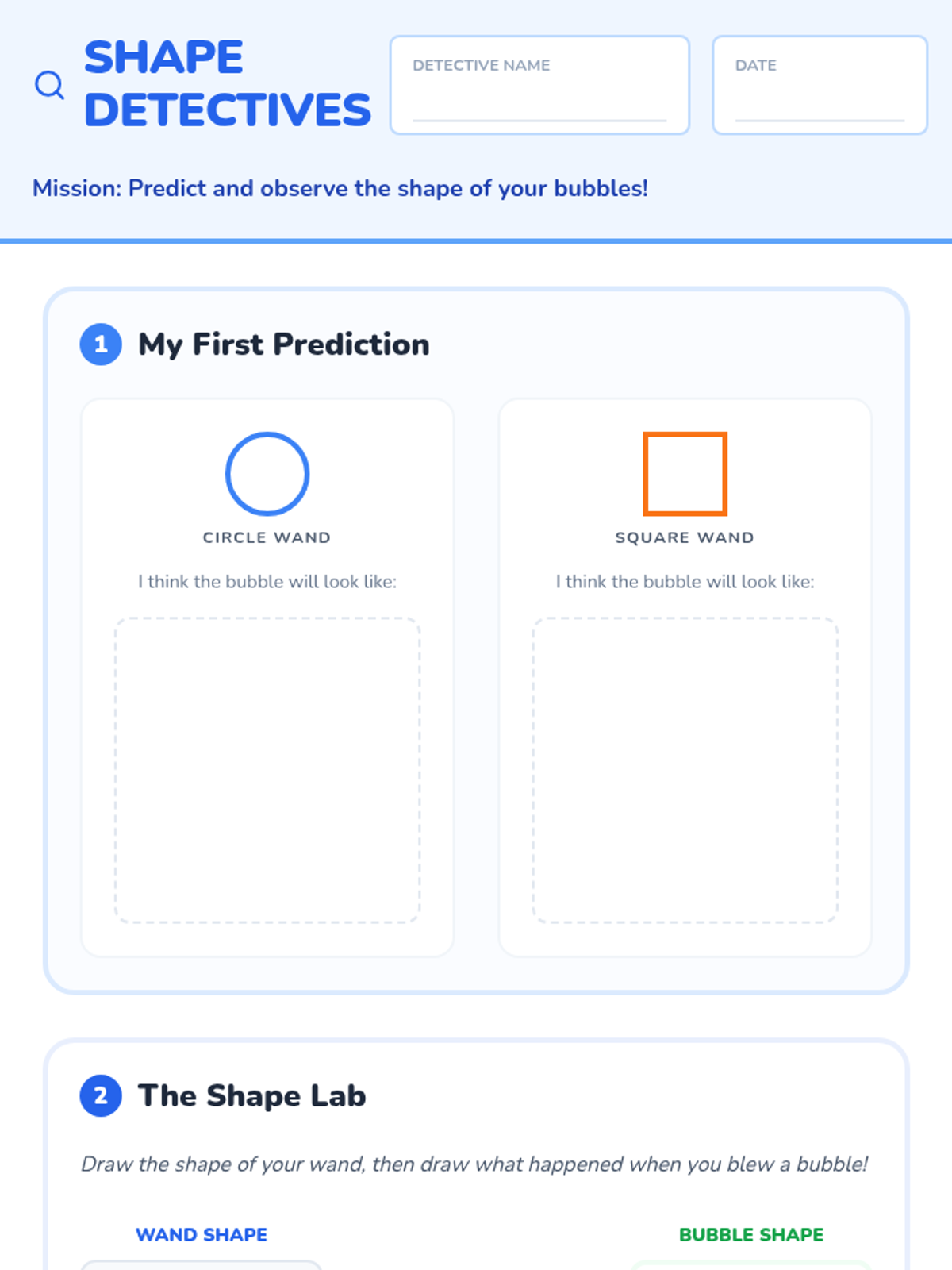
A hands-on science lesson for Kindergarten and 1st-grade students to explore the physics of bubbles. Students will use pipe cleaner wands of various shapes to discover that bubbles always form spheres due to the attraction of water particles.
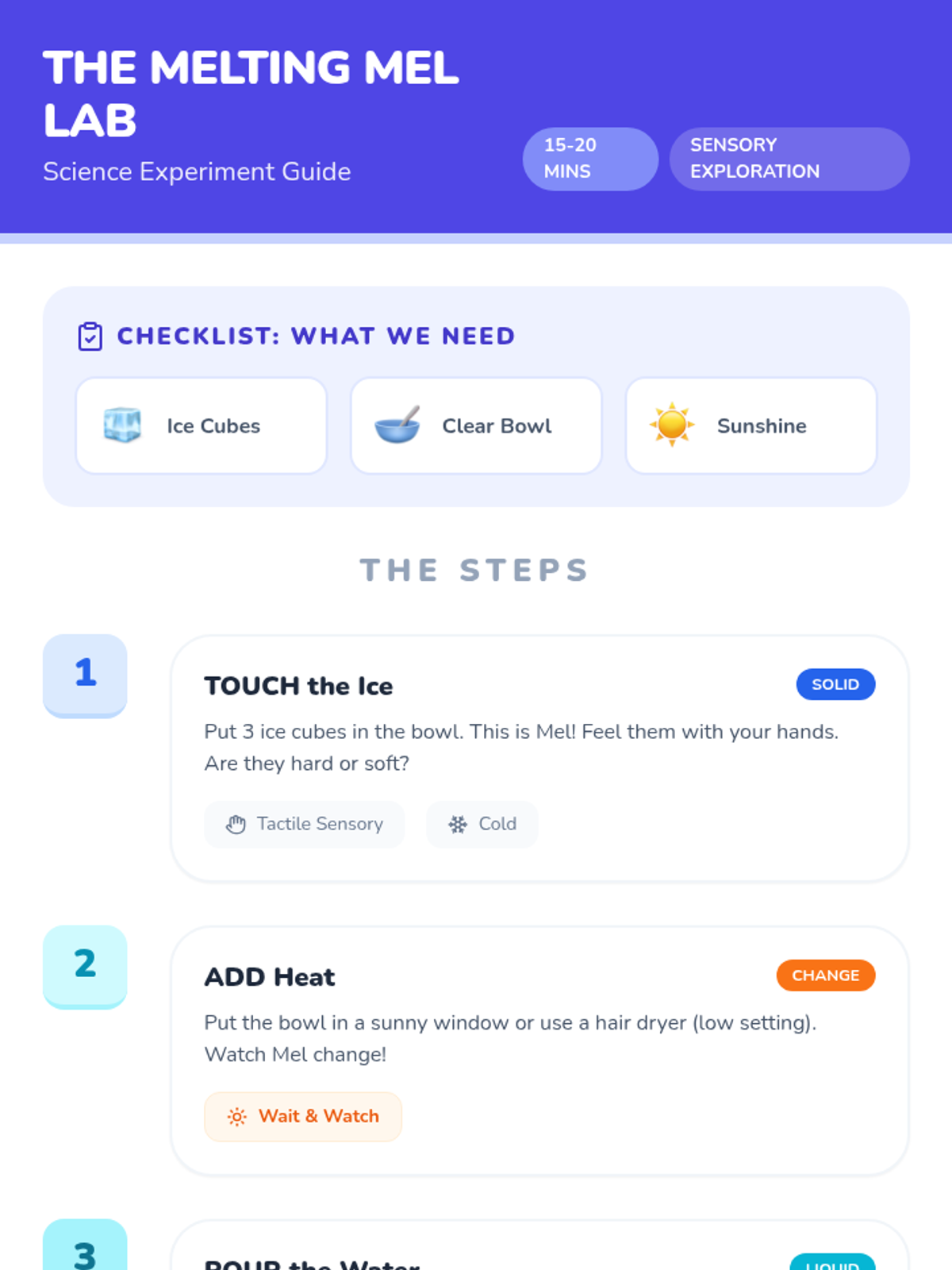
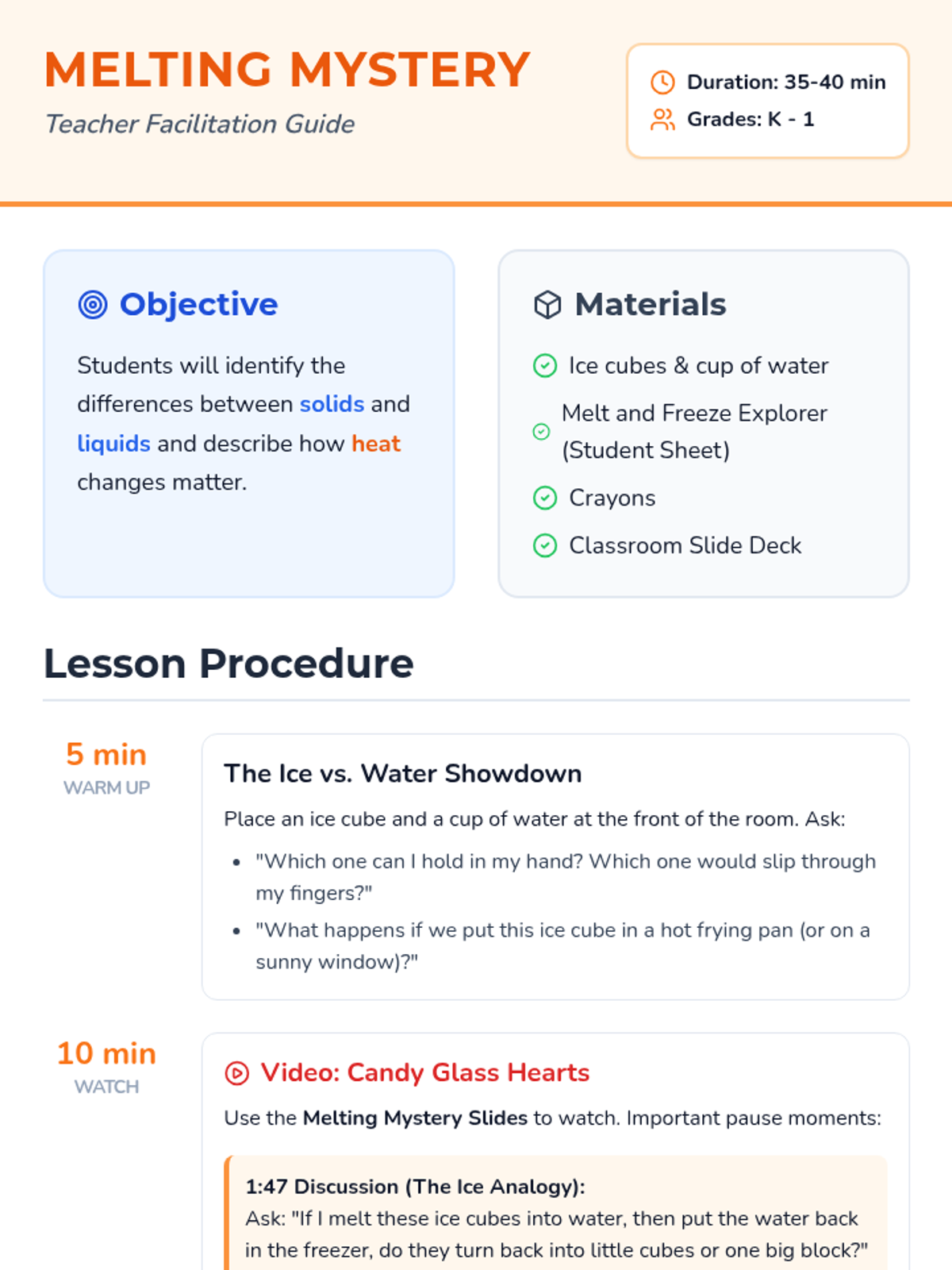
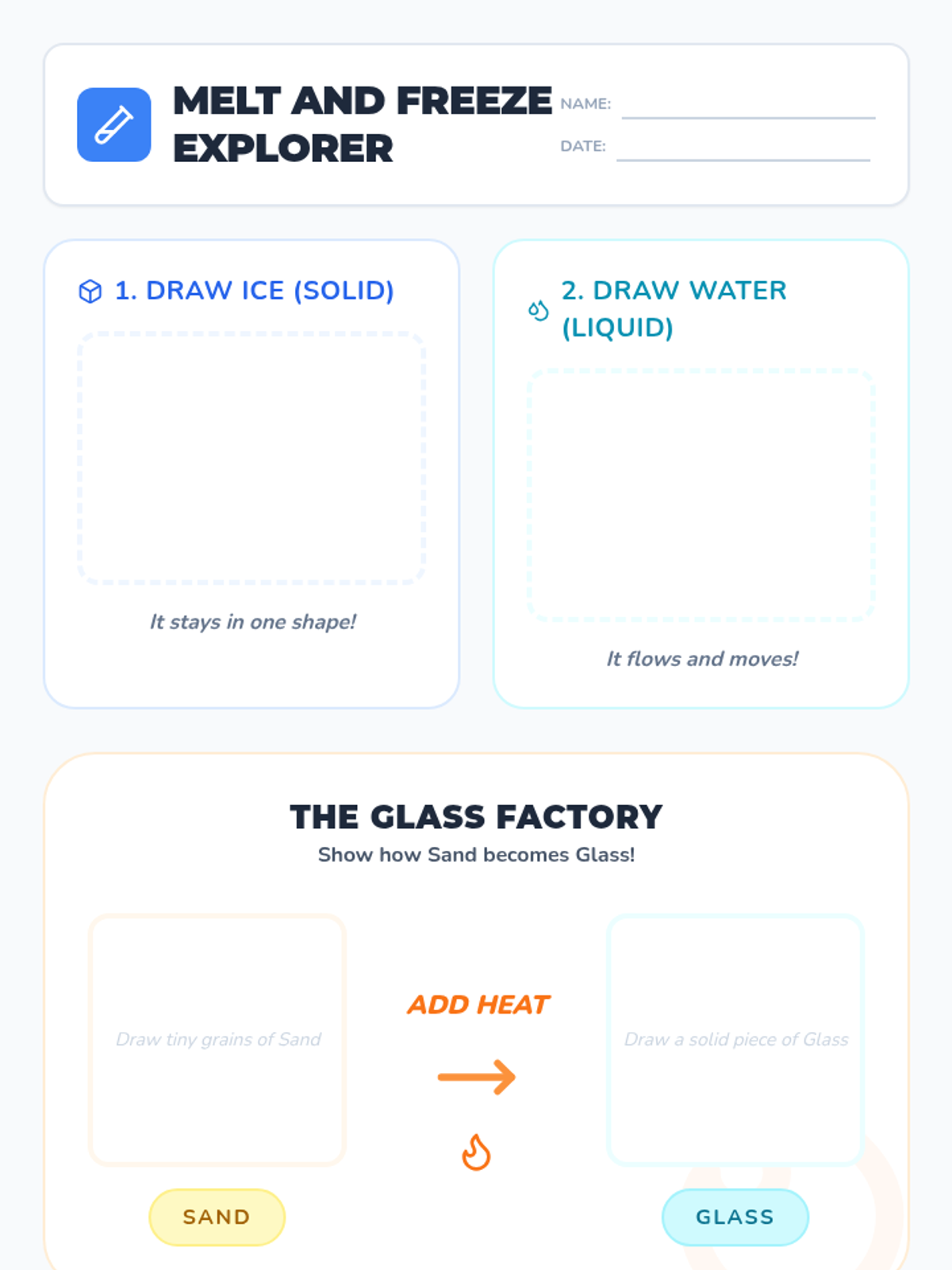
A hands-on introduction to solids and liquids using ice, water, and the science of making glass (and candy hearts) to show how heat causes phase changes.
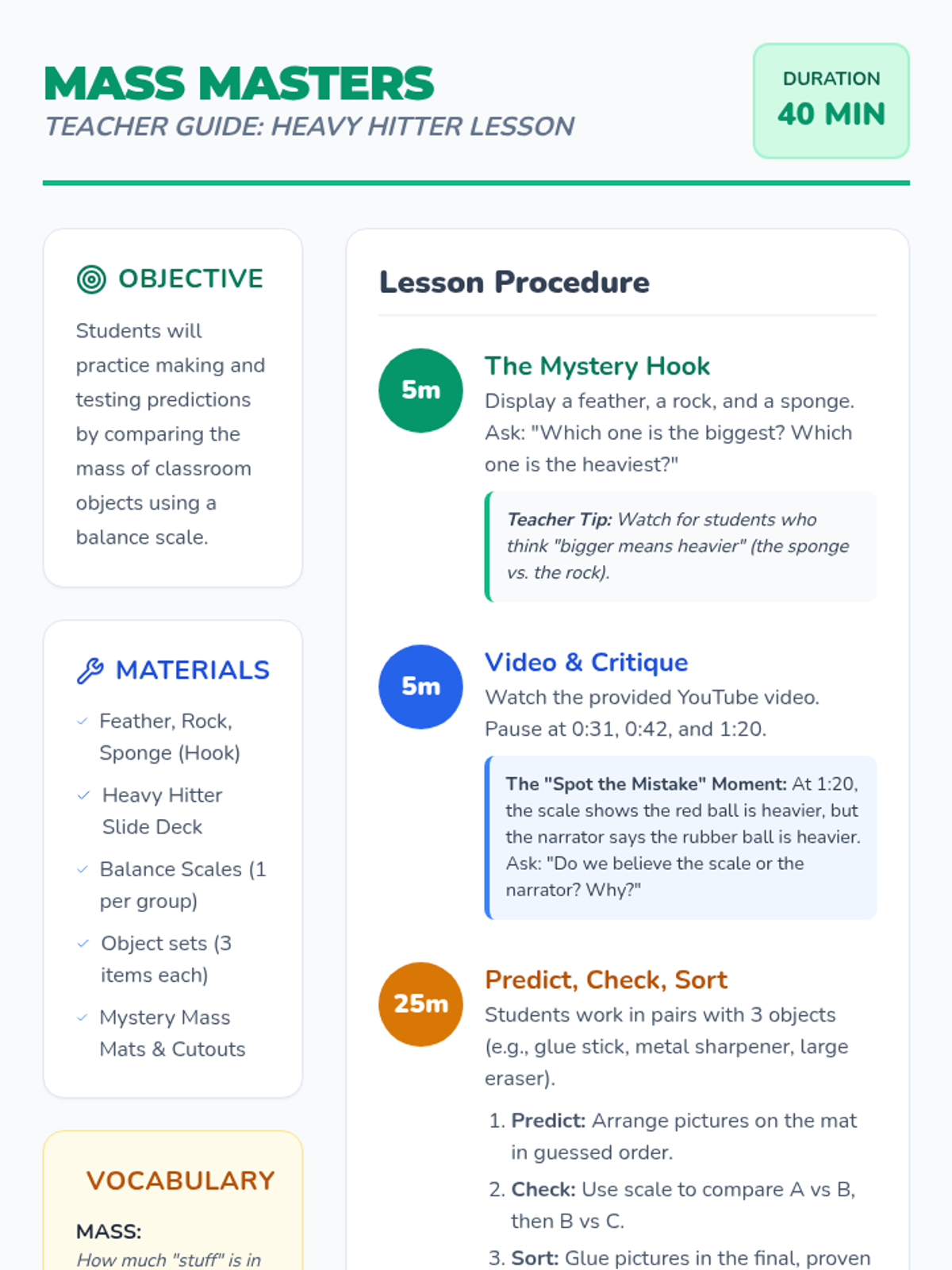
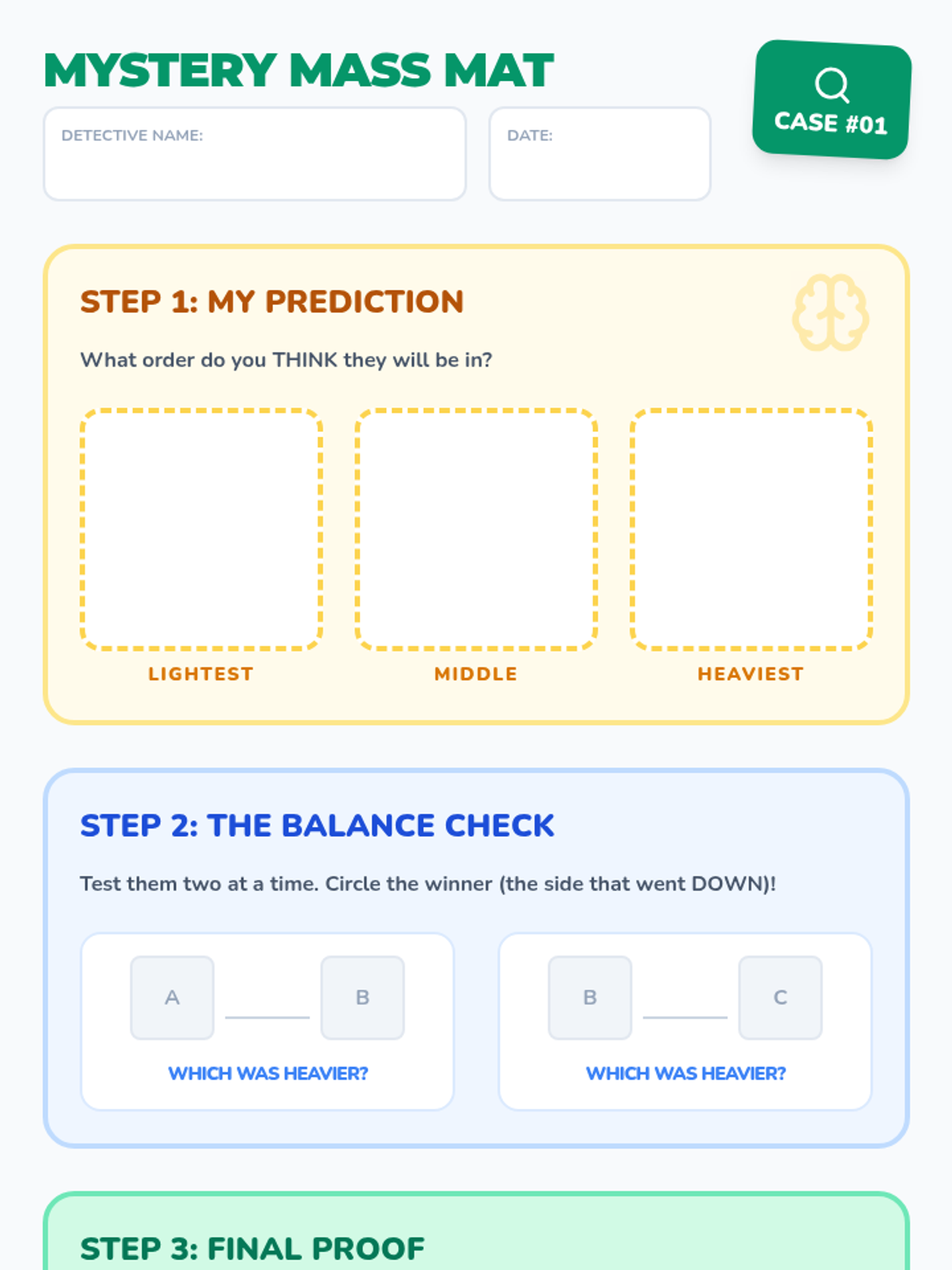
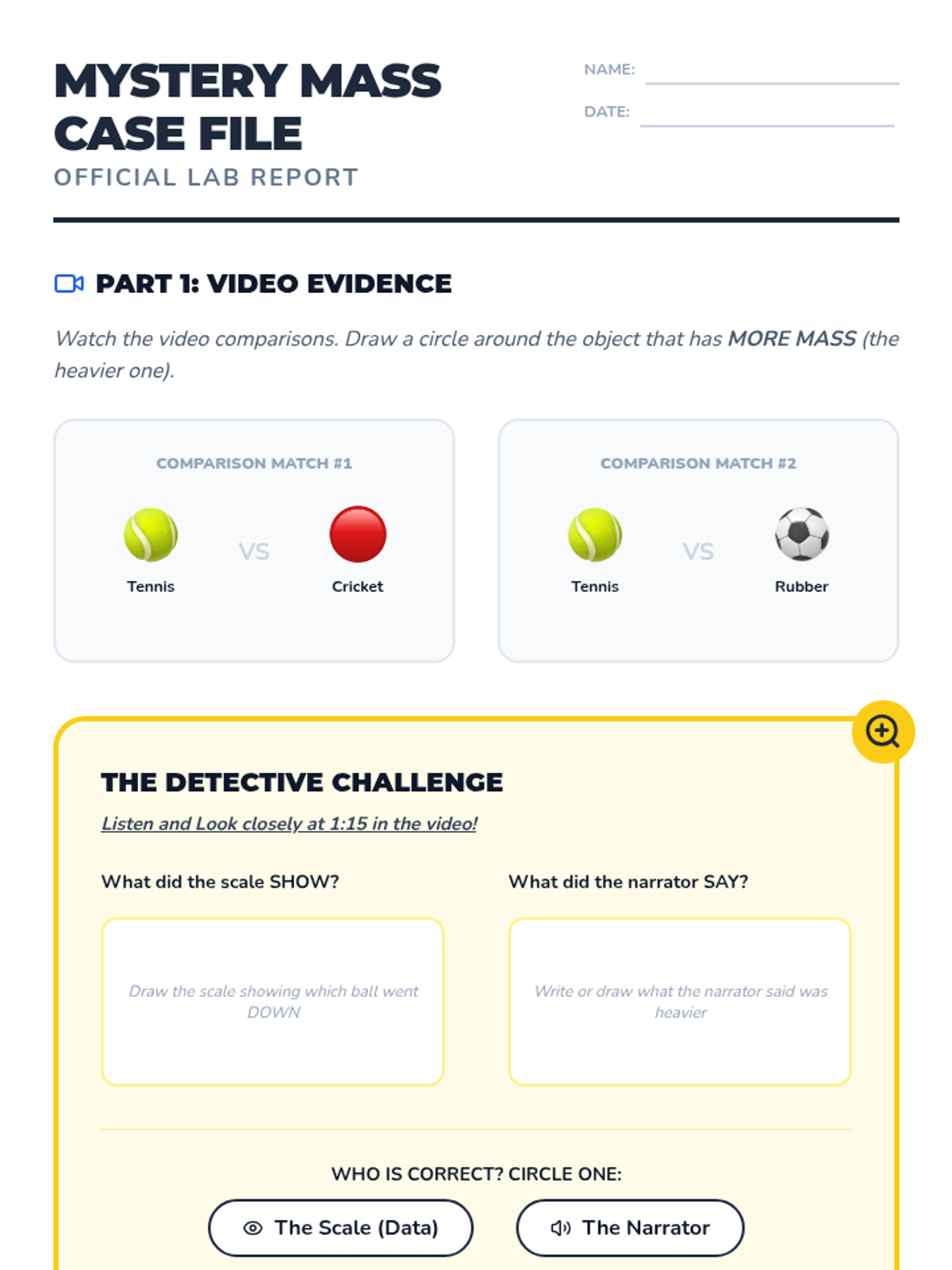
Students will practice making and testing predictions about the mass of objects using a balance scale, including a critical analysis of video evidence and a hands-on 'Predict, Check, Sort' activity.
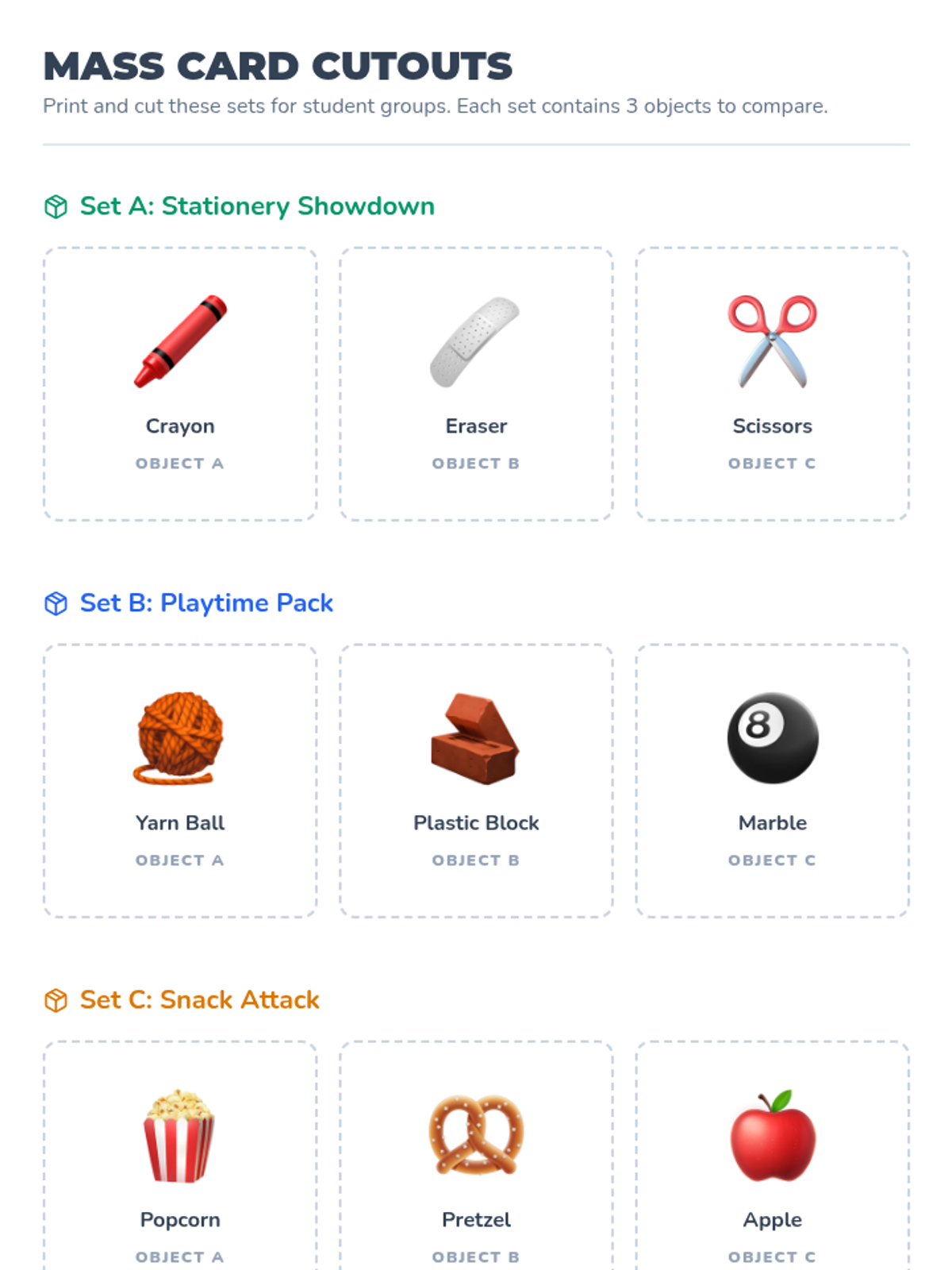
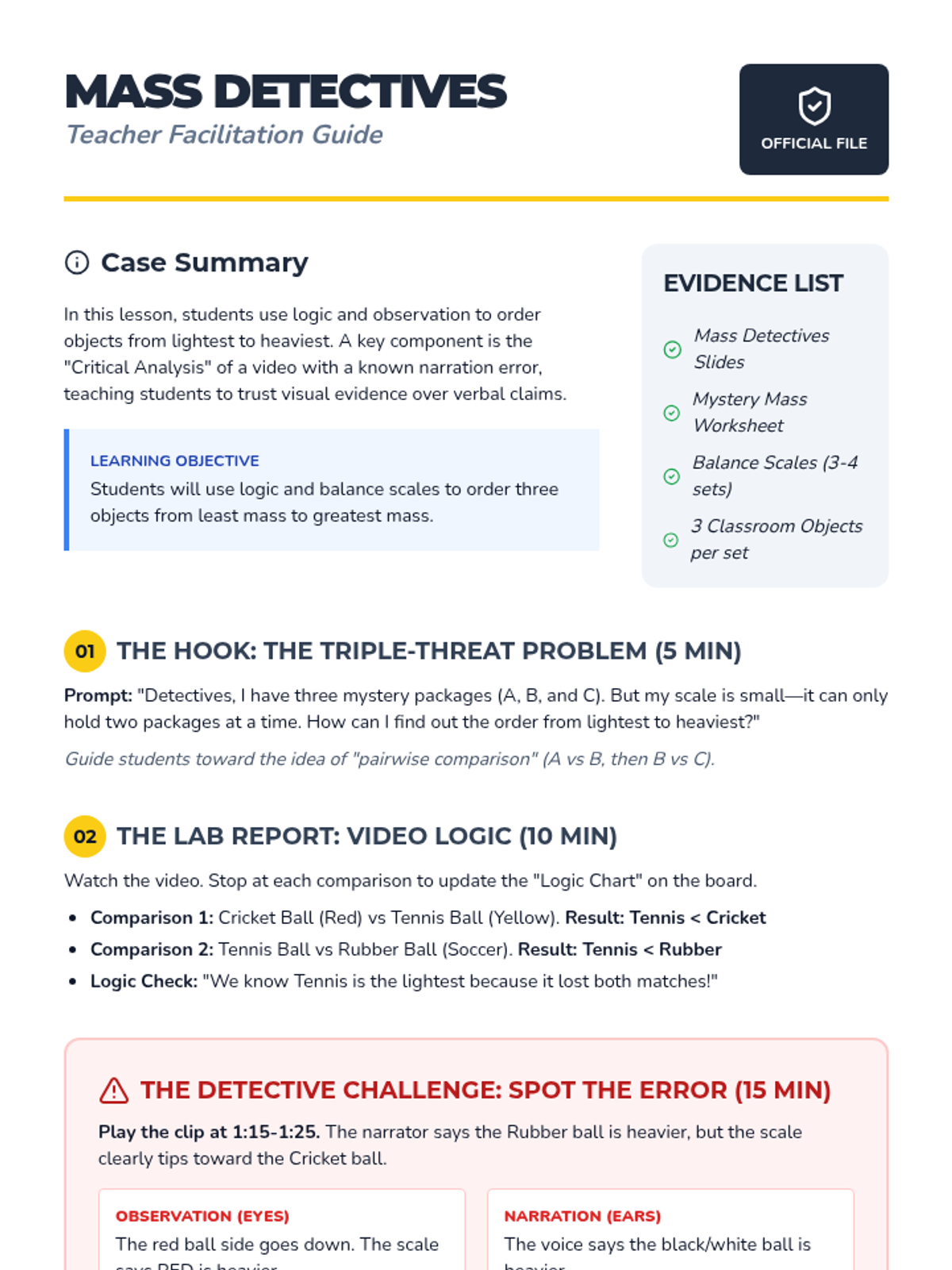
Students act as 'Science Detectives' to order objects by mass using a balance scale and logical reasoning, including a critical analysis of a video with a narration-visual discrepancy.
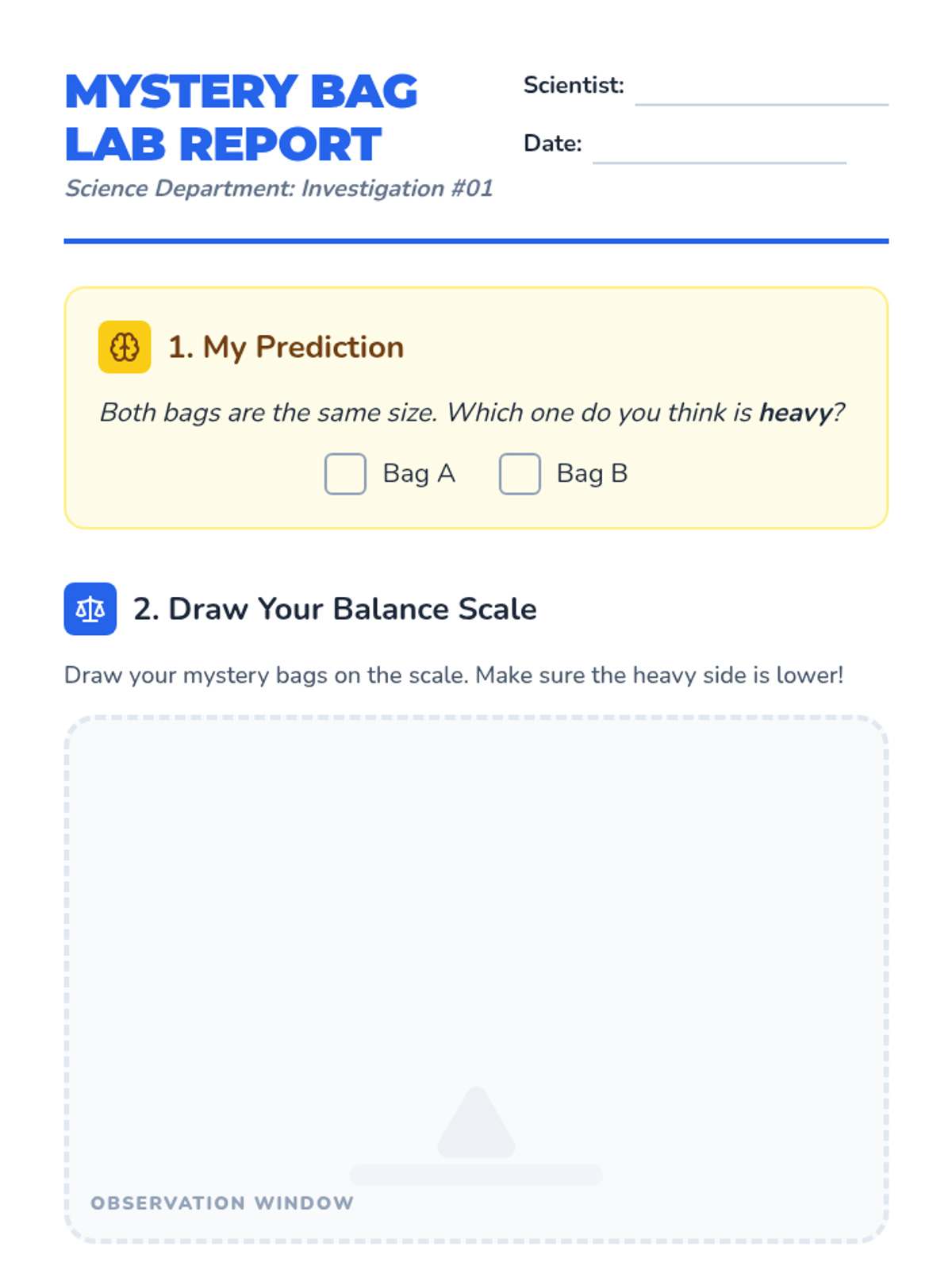
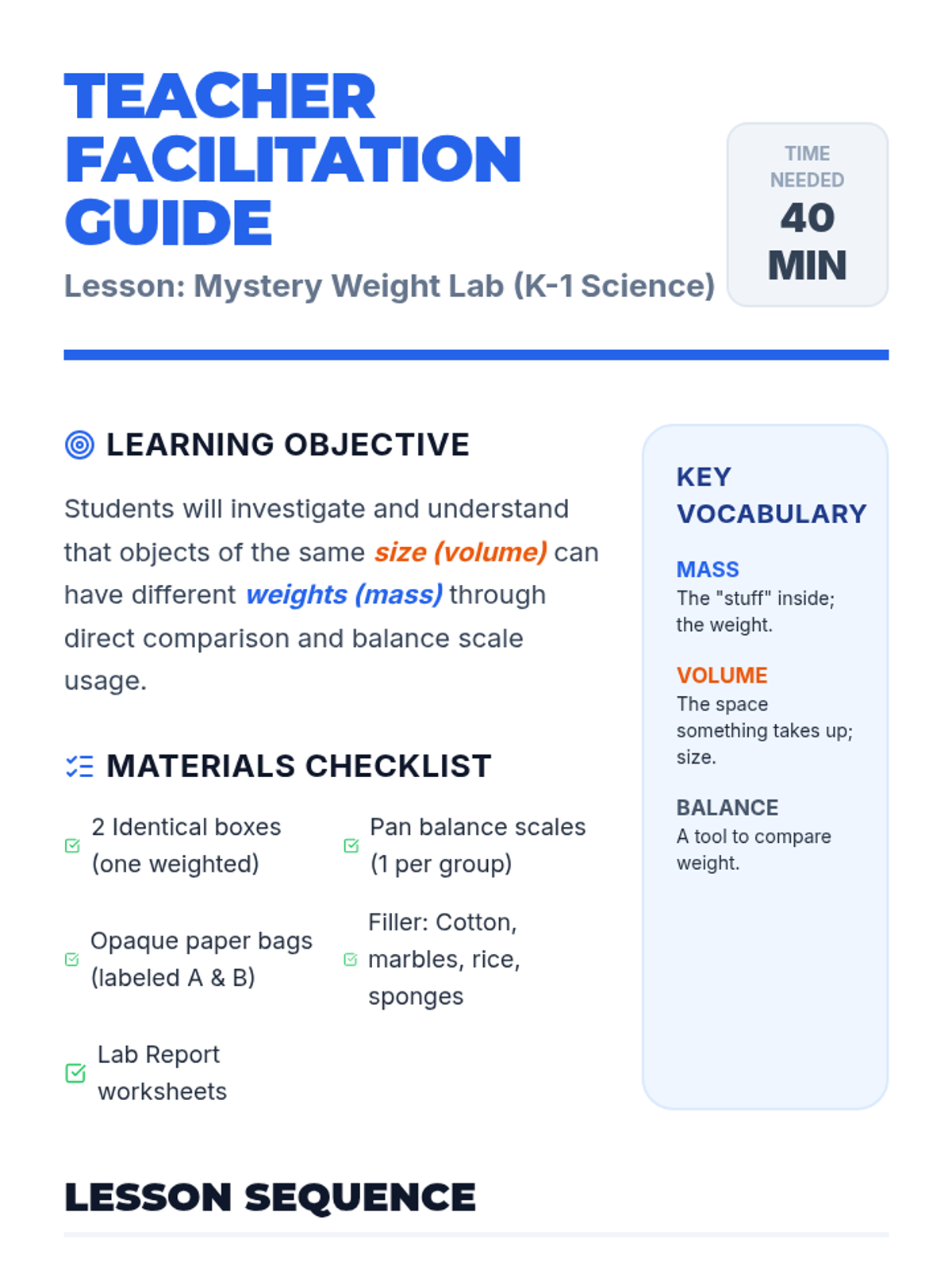
A hands-on science lesson for K-1 students exploring the relationship between size (volume) and weight (mass) using mystery bags and balance scales. Students use observational skills and tools to discover that items of the same size can have different weights.
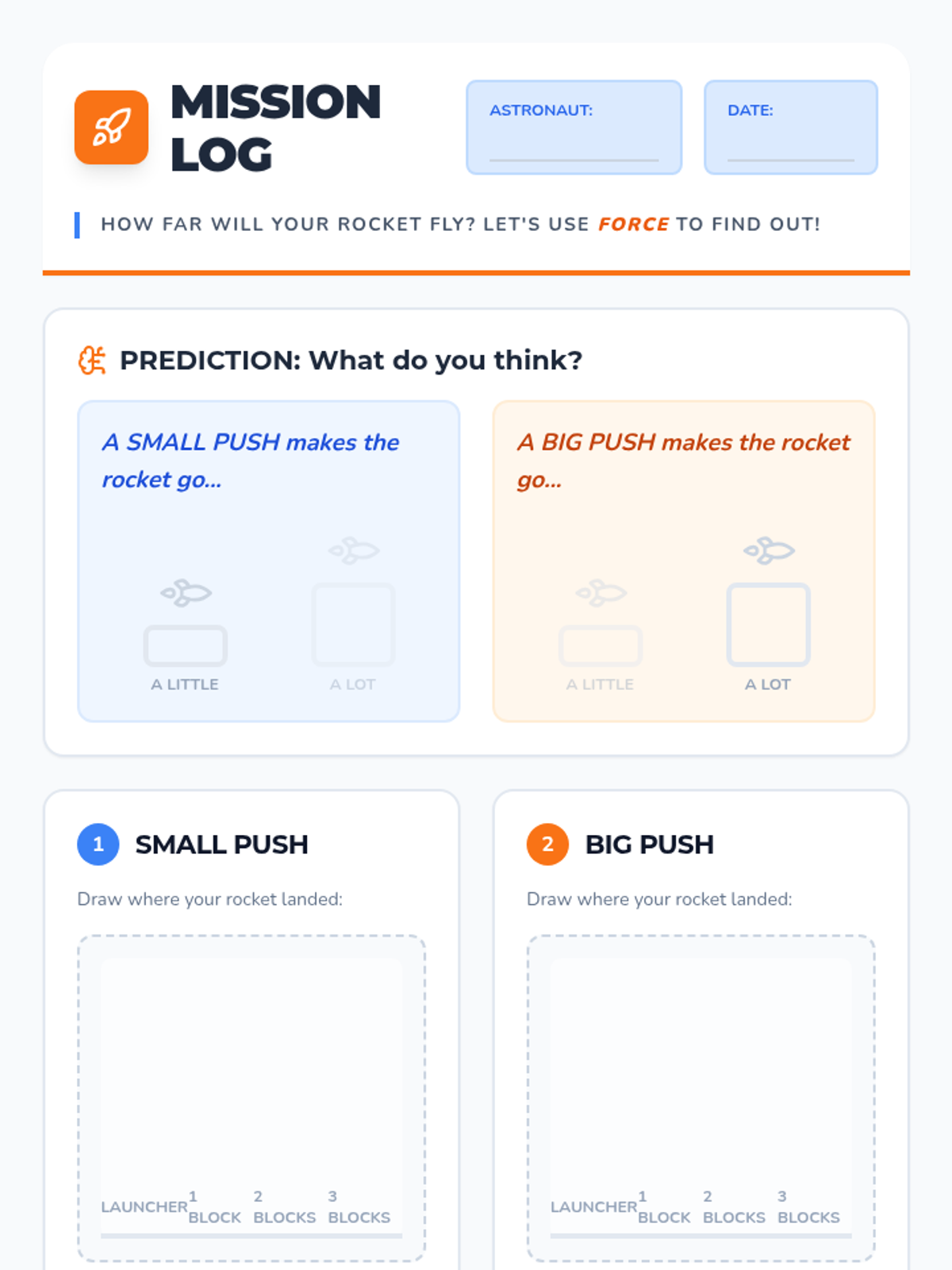
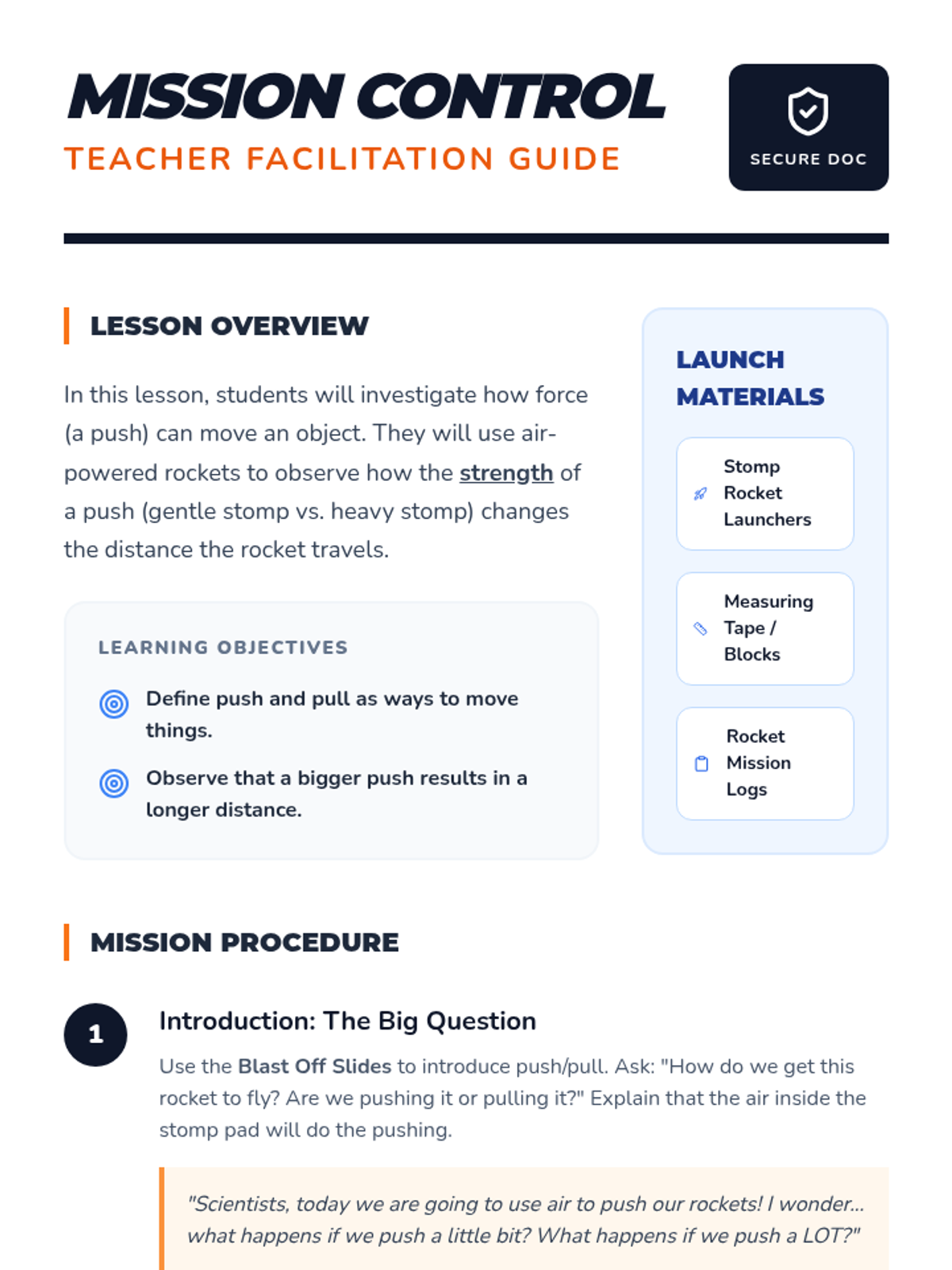
A hands-on exploration of force using air rockets, where kindergarteners learn about pushes and how the strength of a push changes an object's motion.
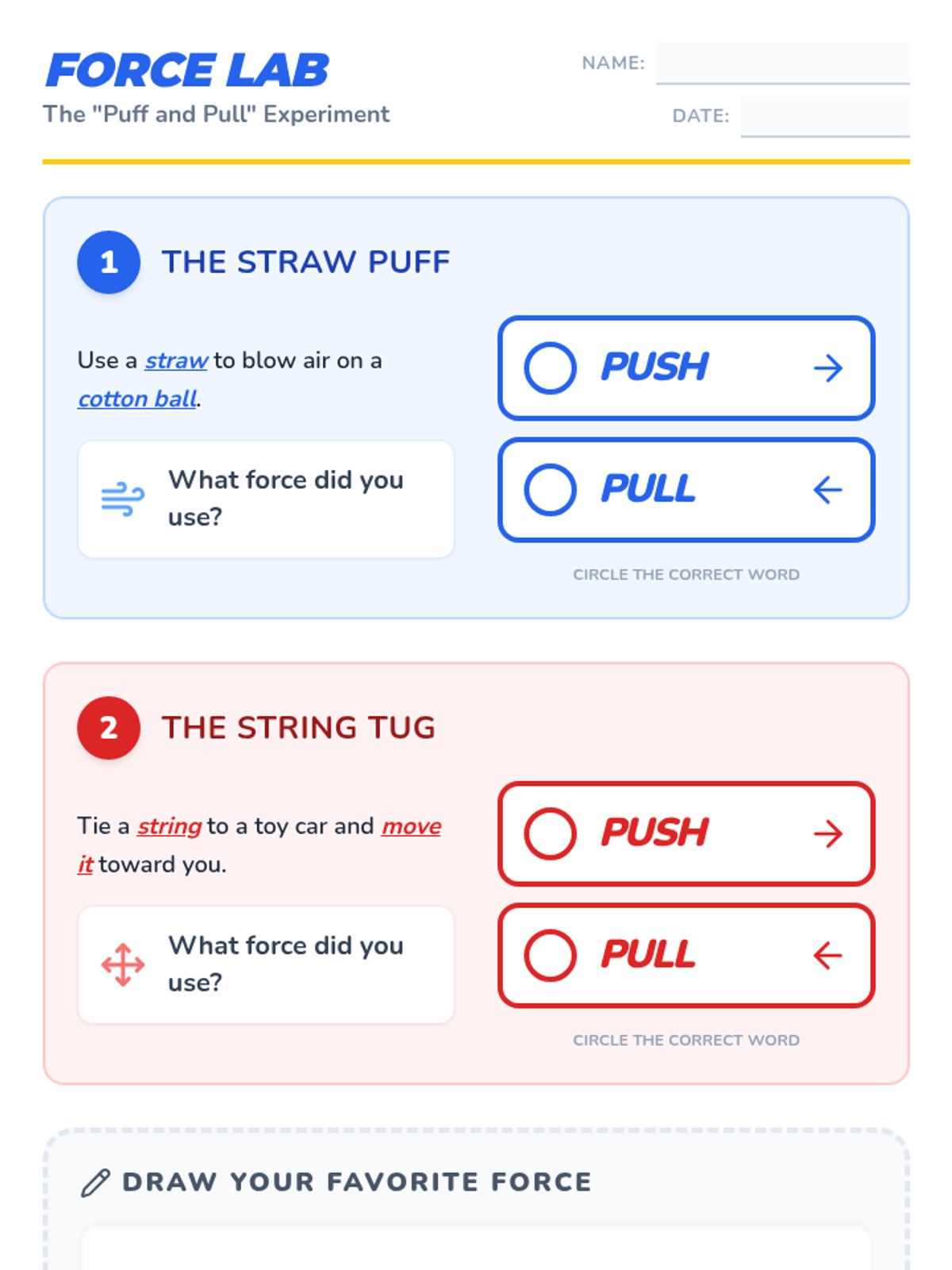
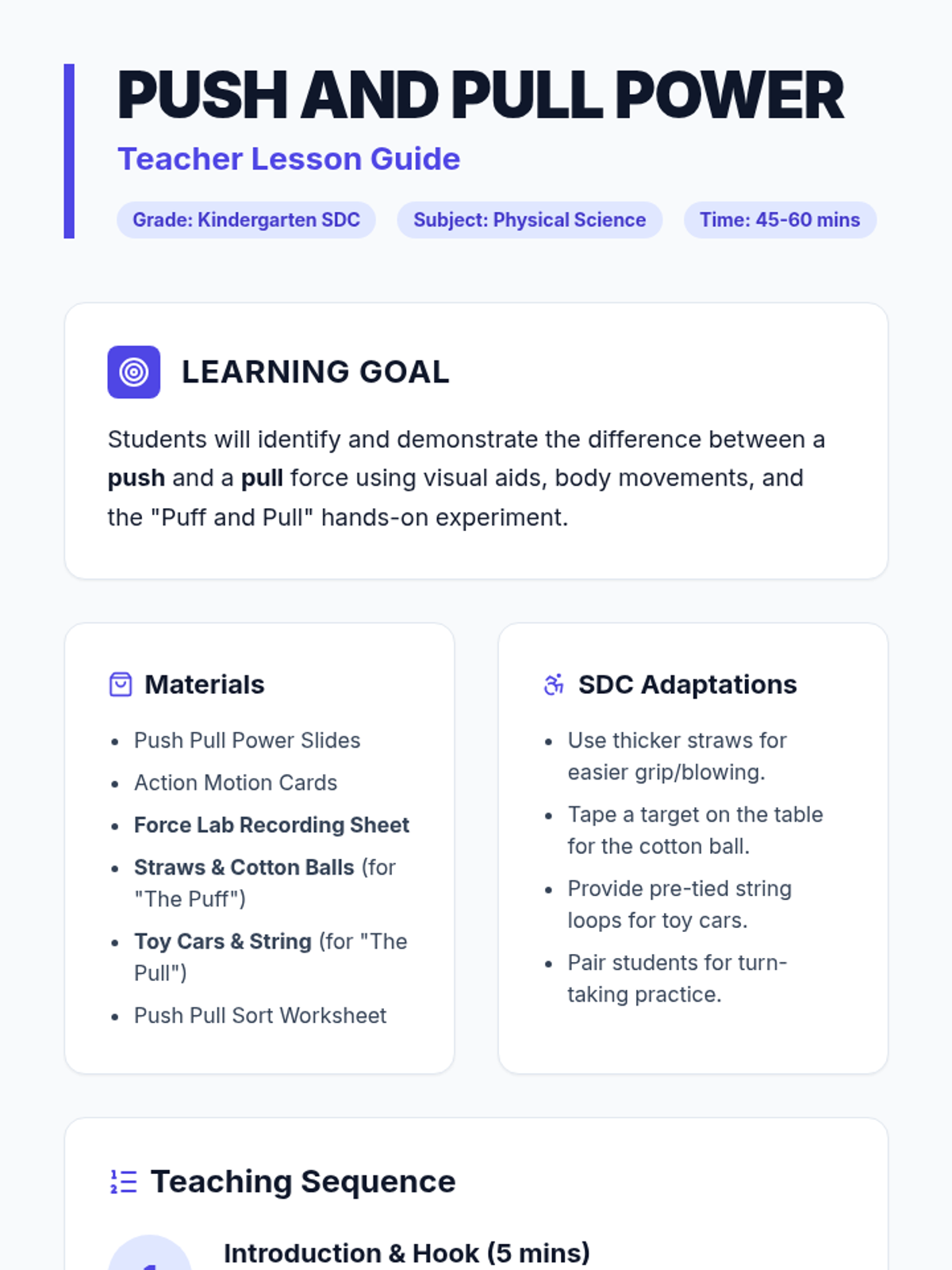
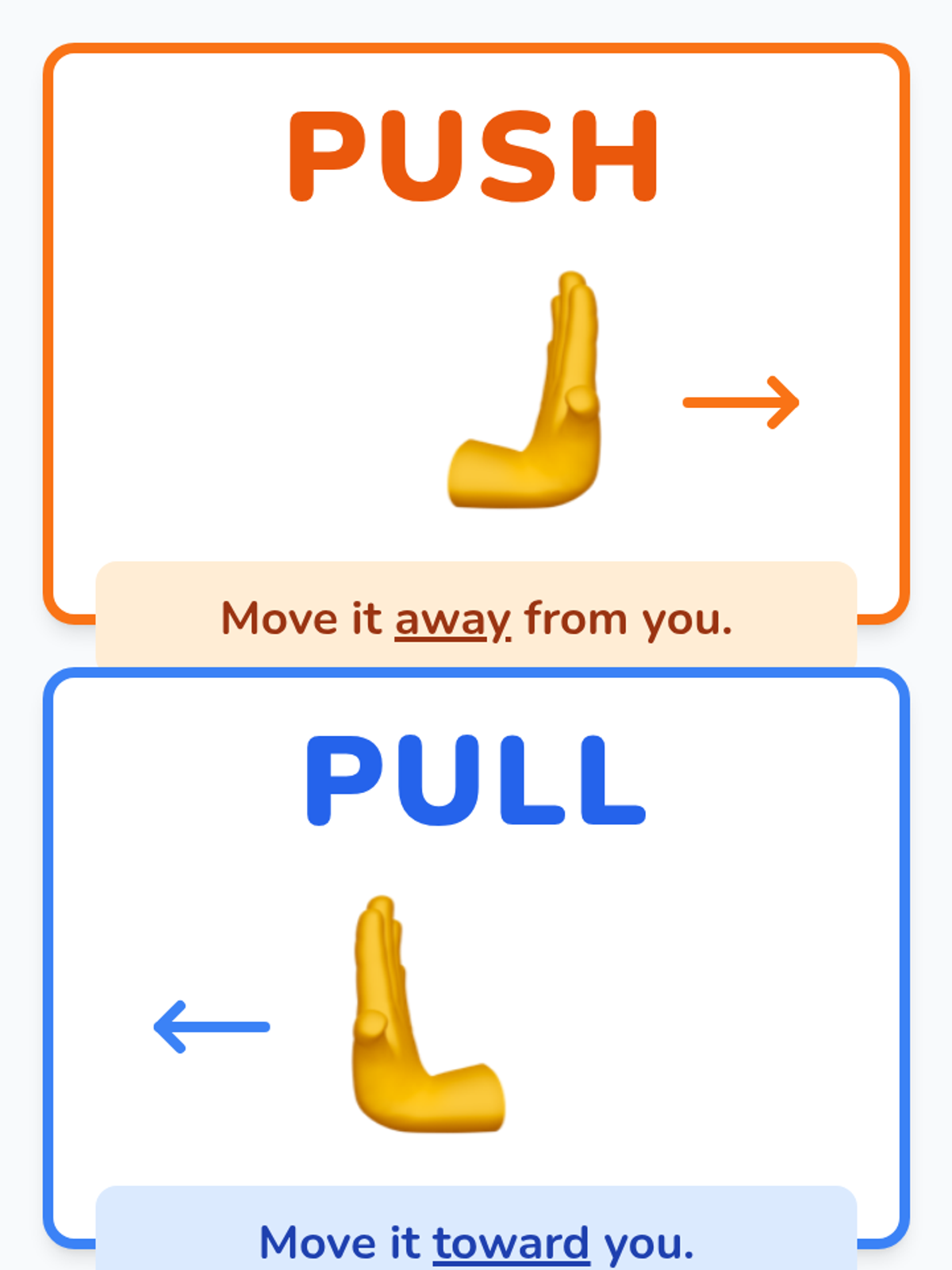
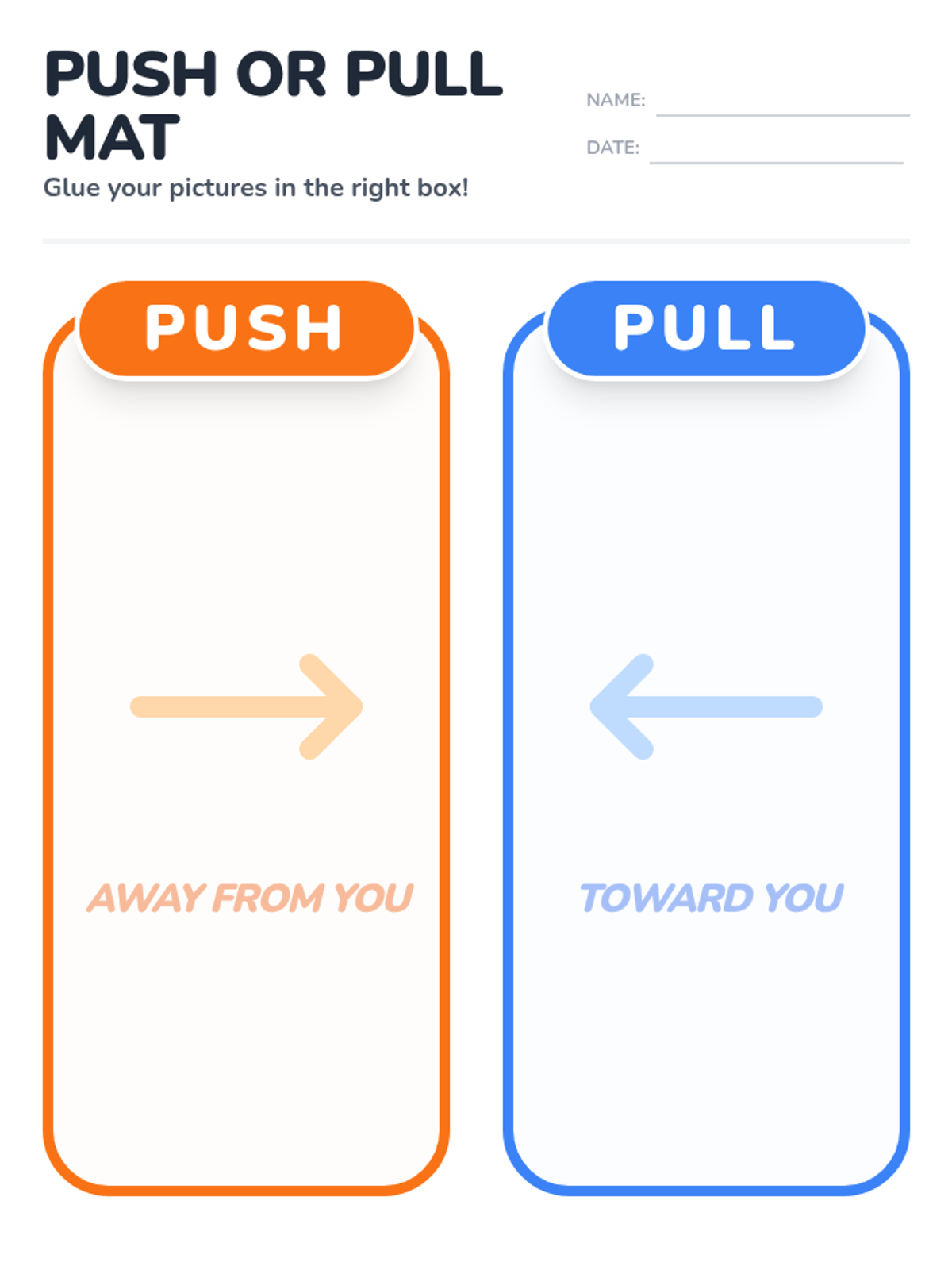
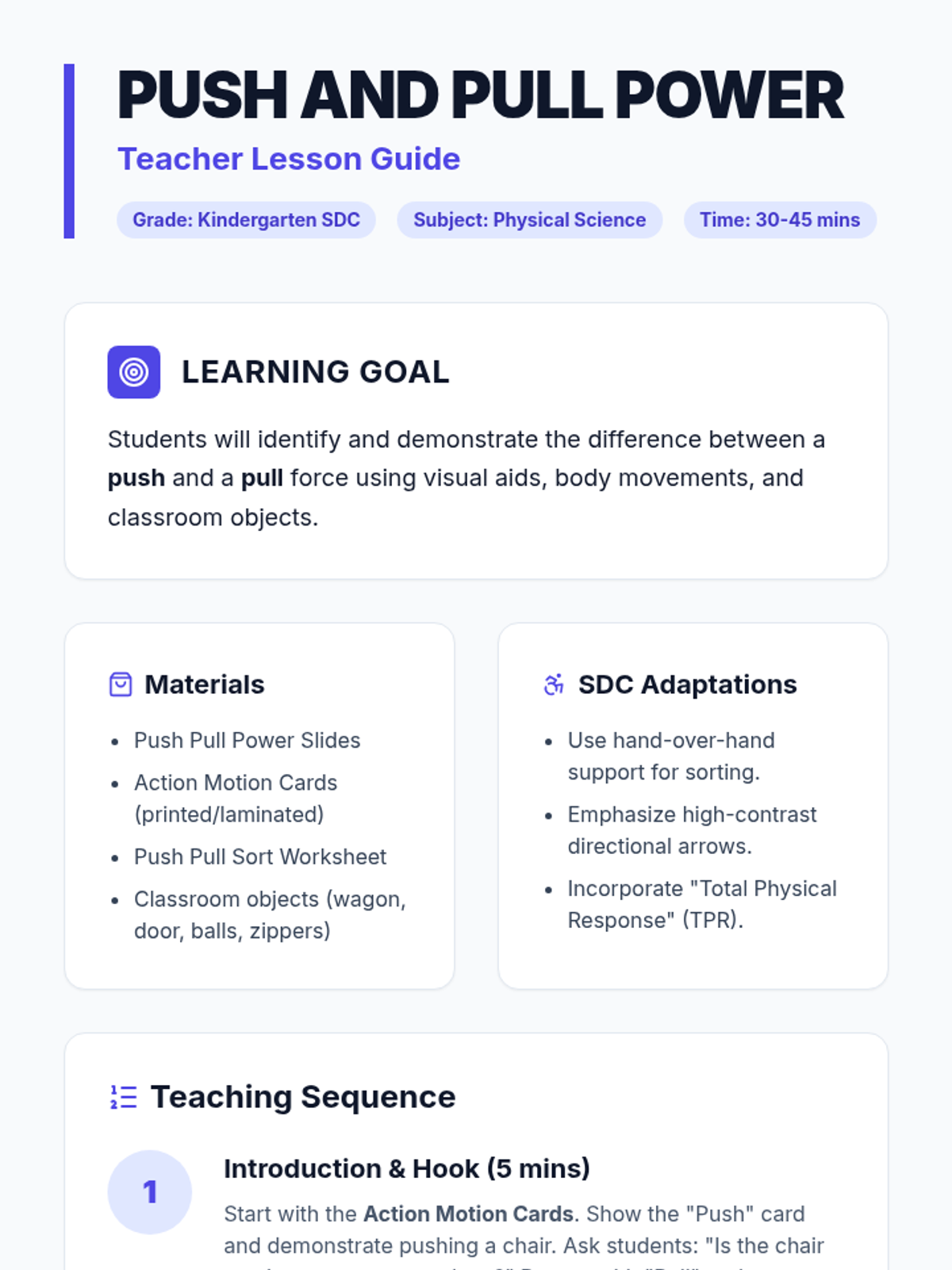
A foundational science lesson for Kindergarten students to identify and demonstrate the forces of pushing and pulling through visual aids and hands-on movement.
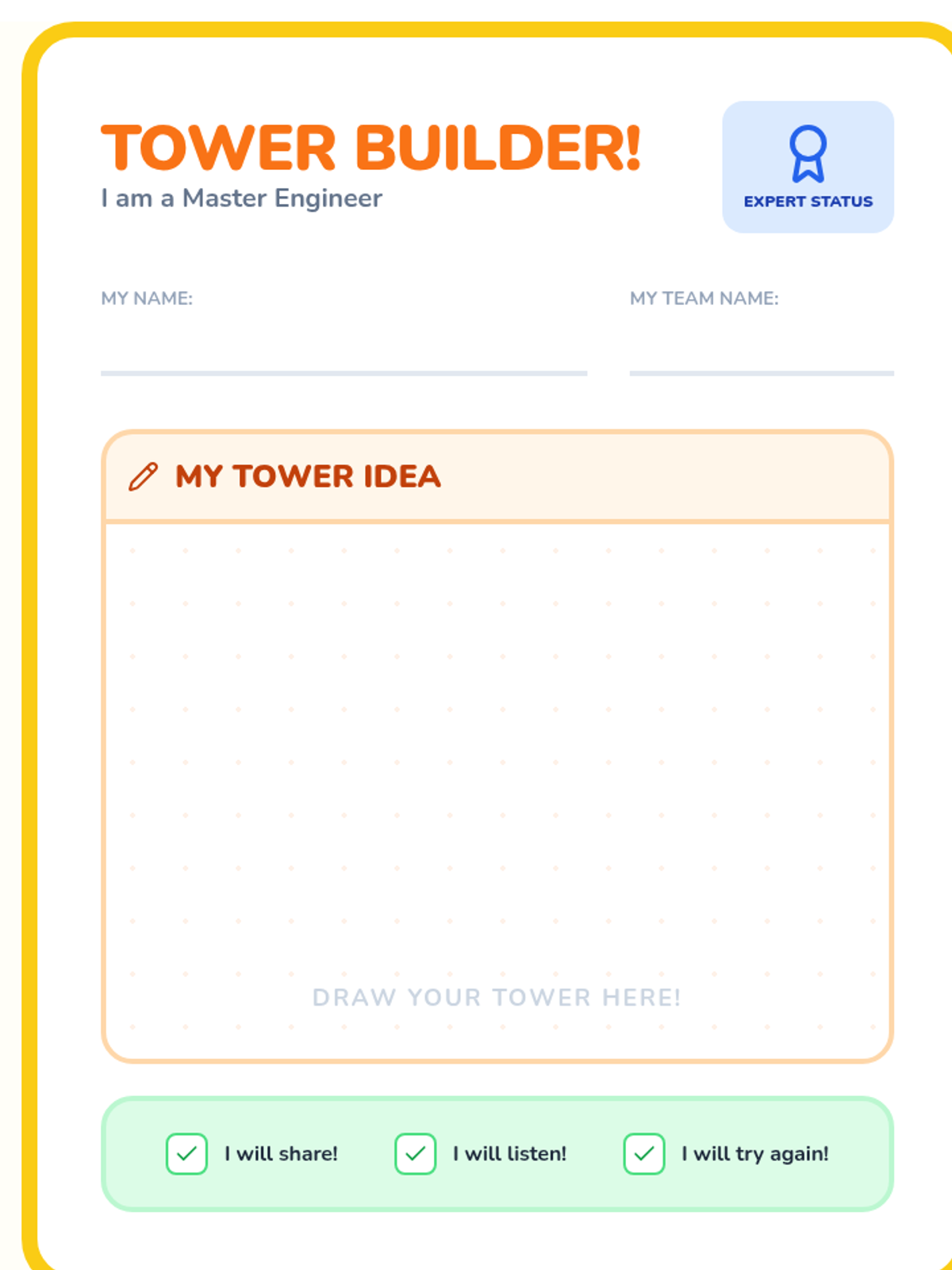
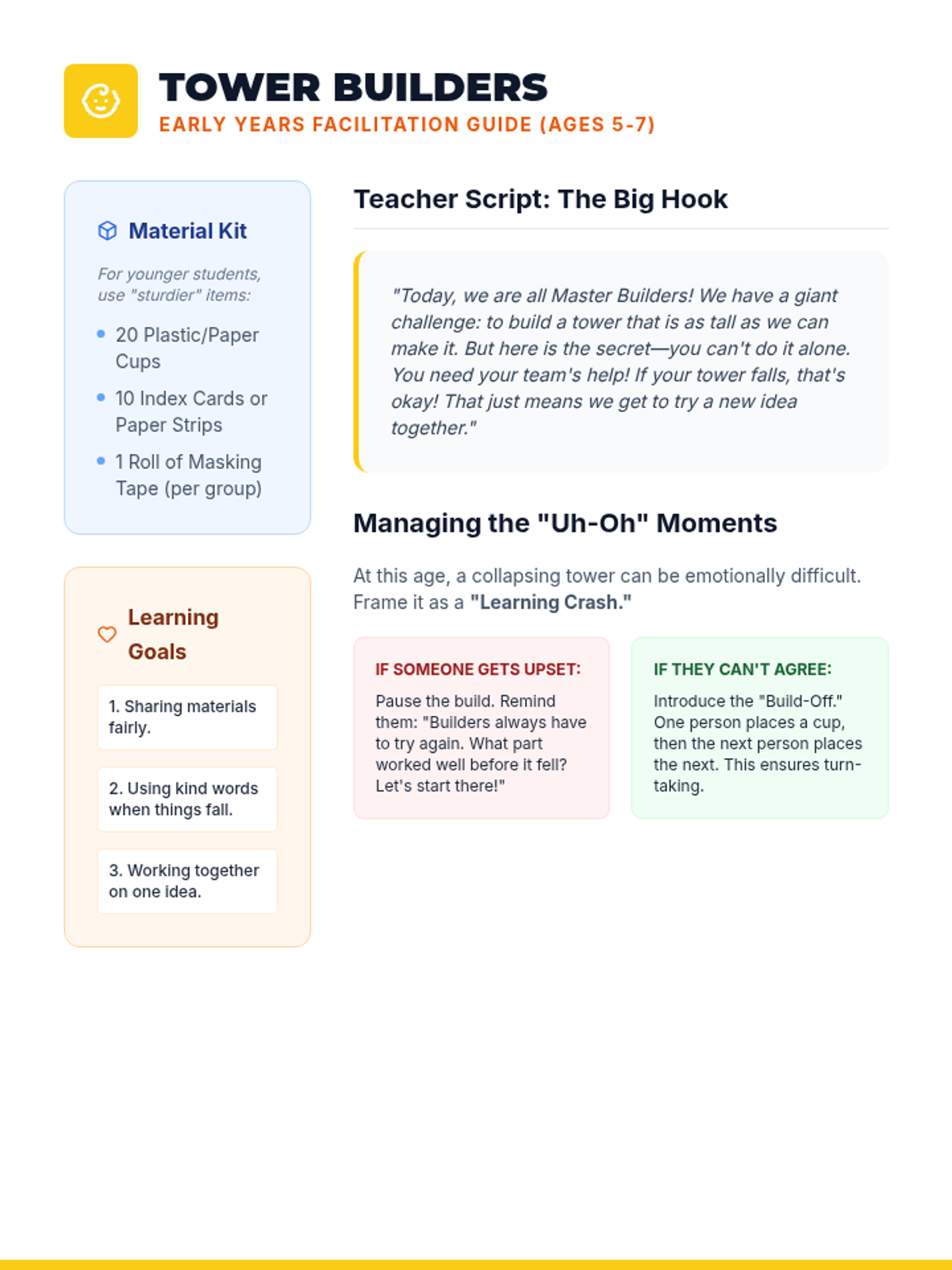
A fun, playful building challenge for early learners. Small teams work together to build the tallest tower they can using simple materials, focusing on sharing, taking turns, and trying again.
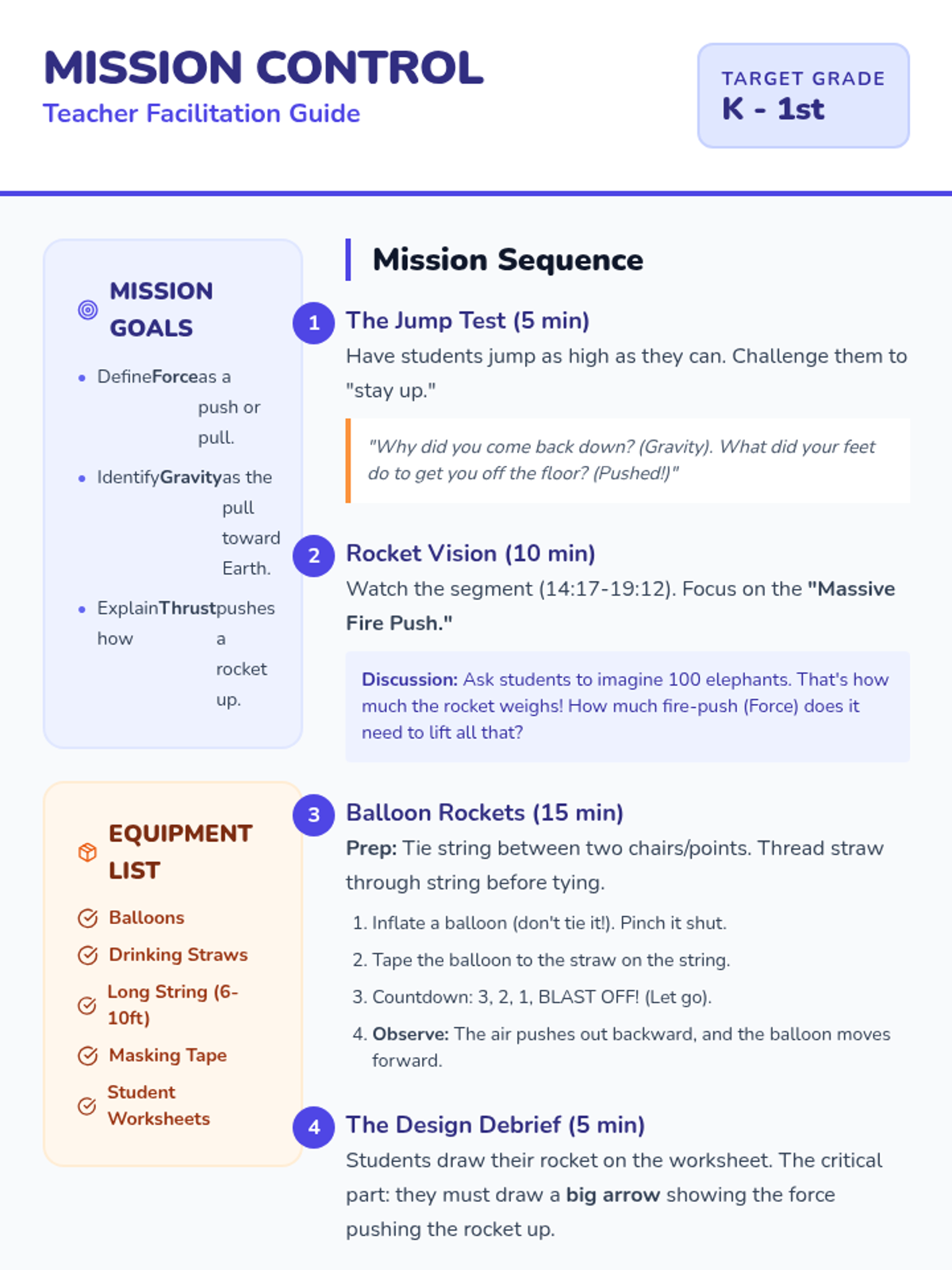
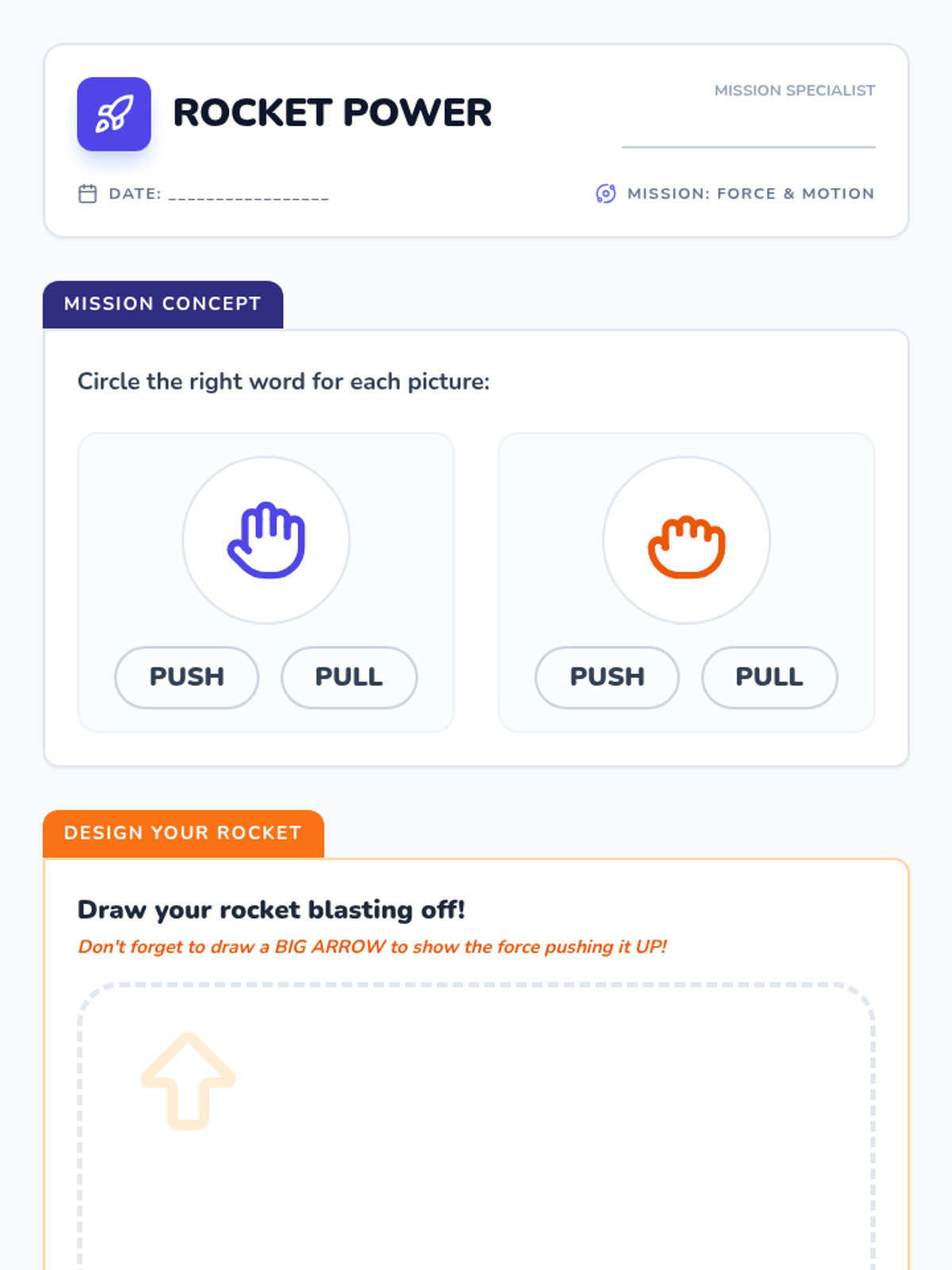
Students will explore the concept of force through the lens of rockets, understanding how a massive push (thrust) overcomes gravity. The lesson includes a video segment, a hands-on balloon rocket activity, and a drawing reflection.
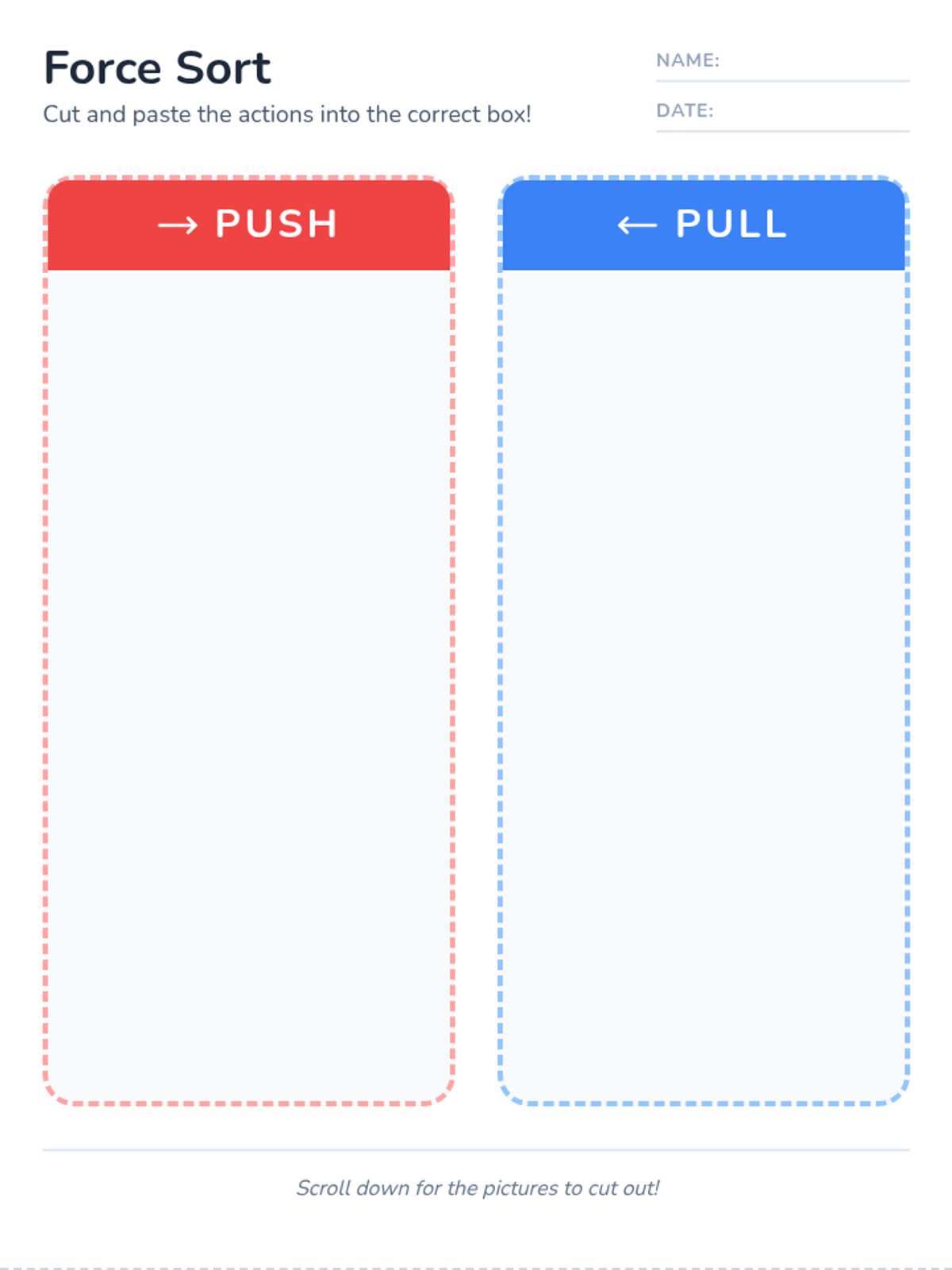
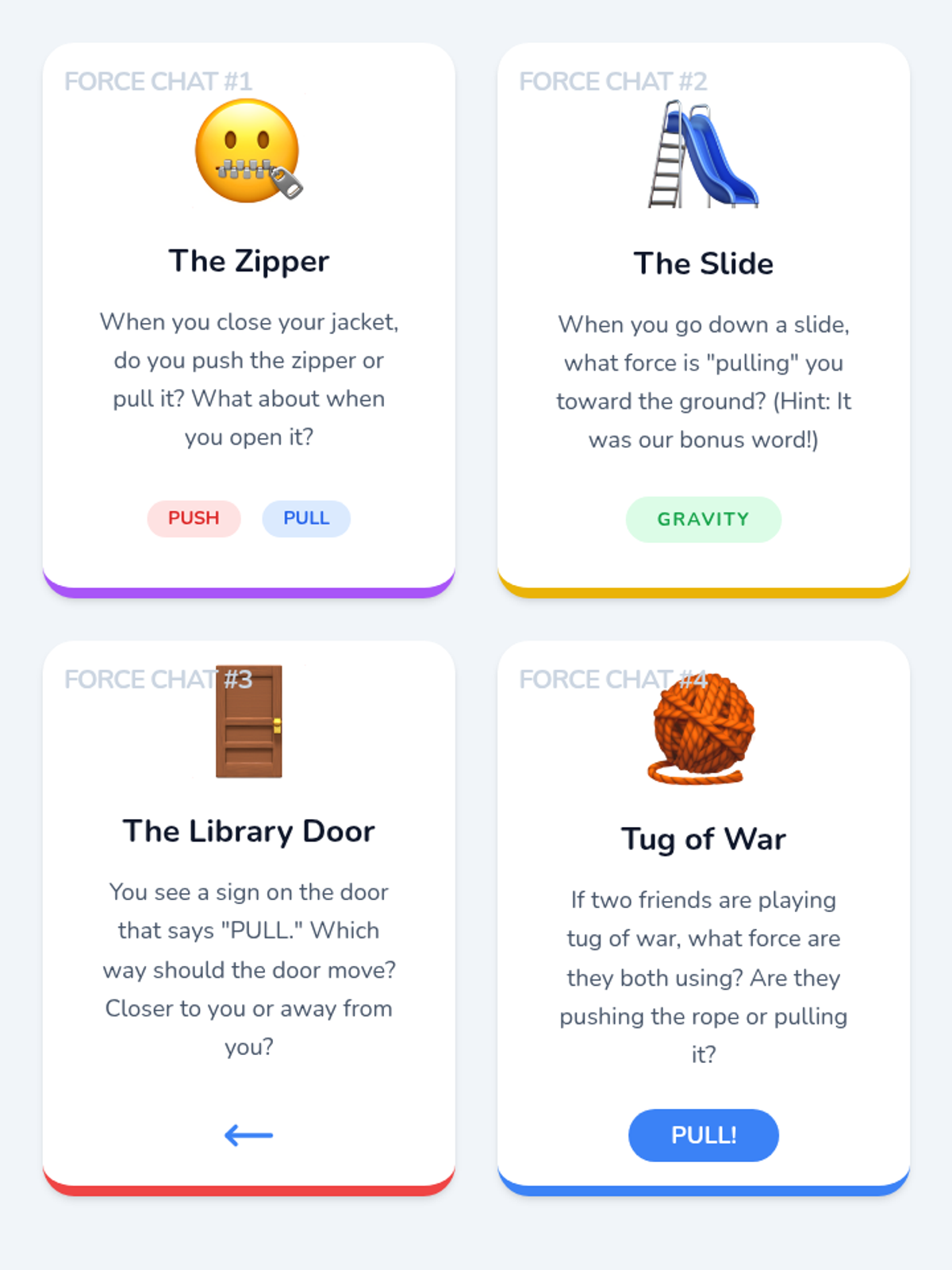
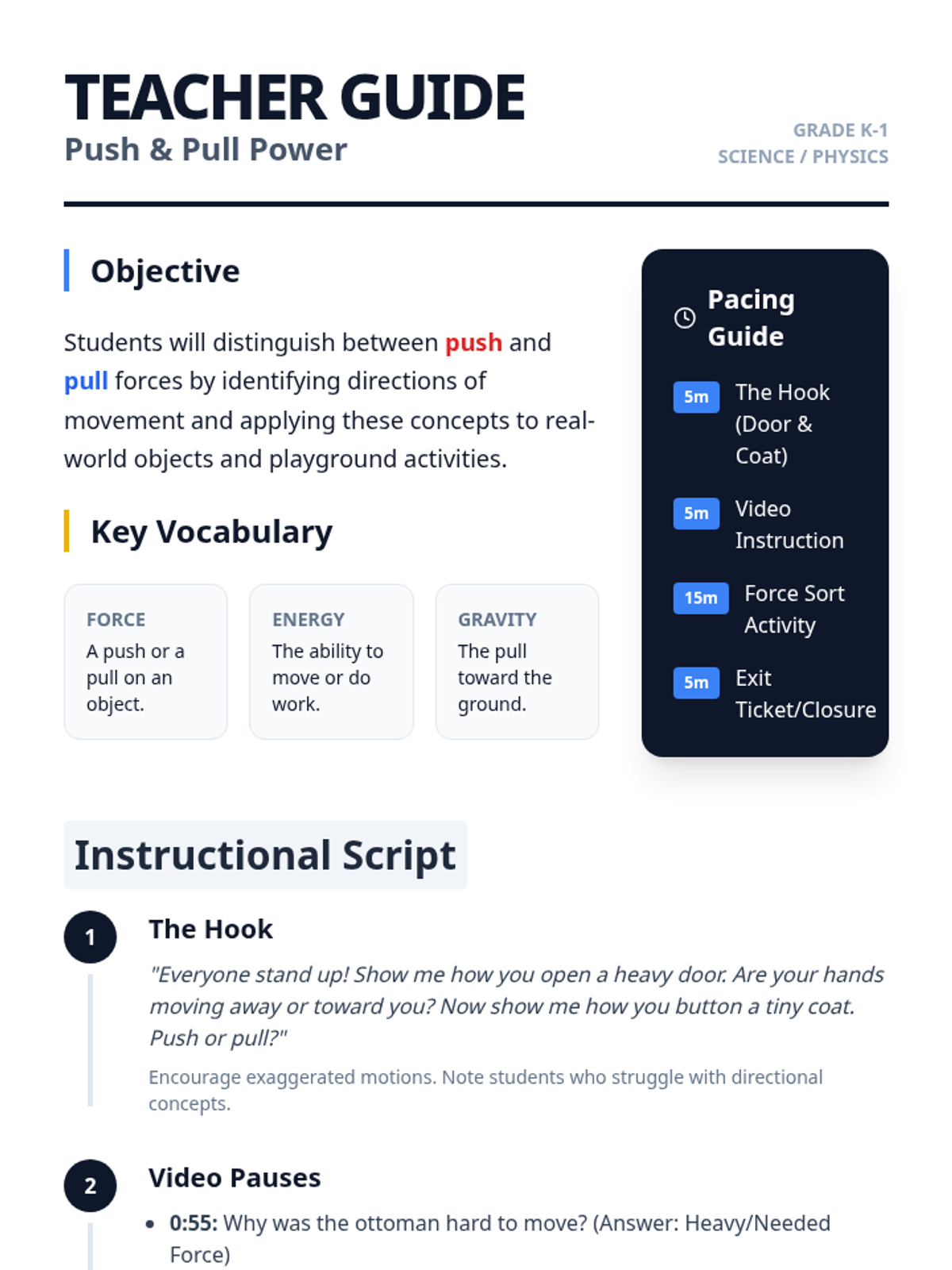
Students will explore the physics of motion by distinguishing between push and pull forces using real-world examples, interactive demonstrations, and a video-guided sorting activity.
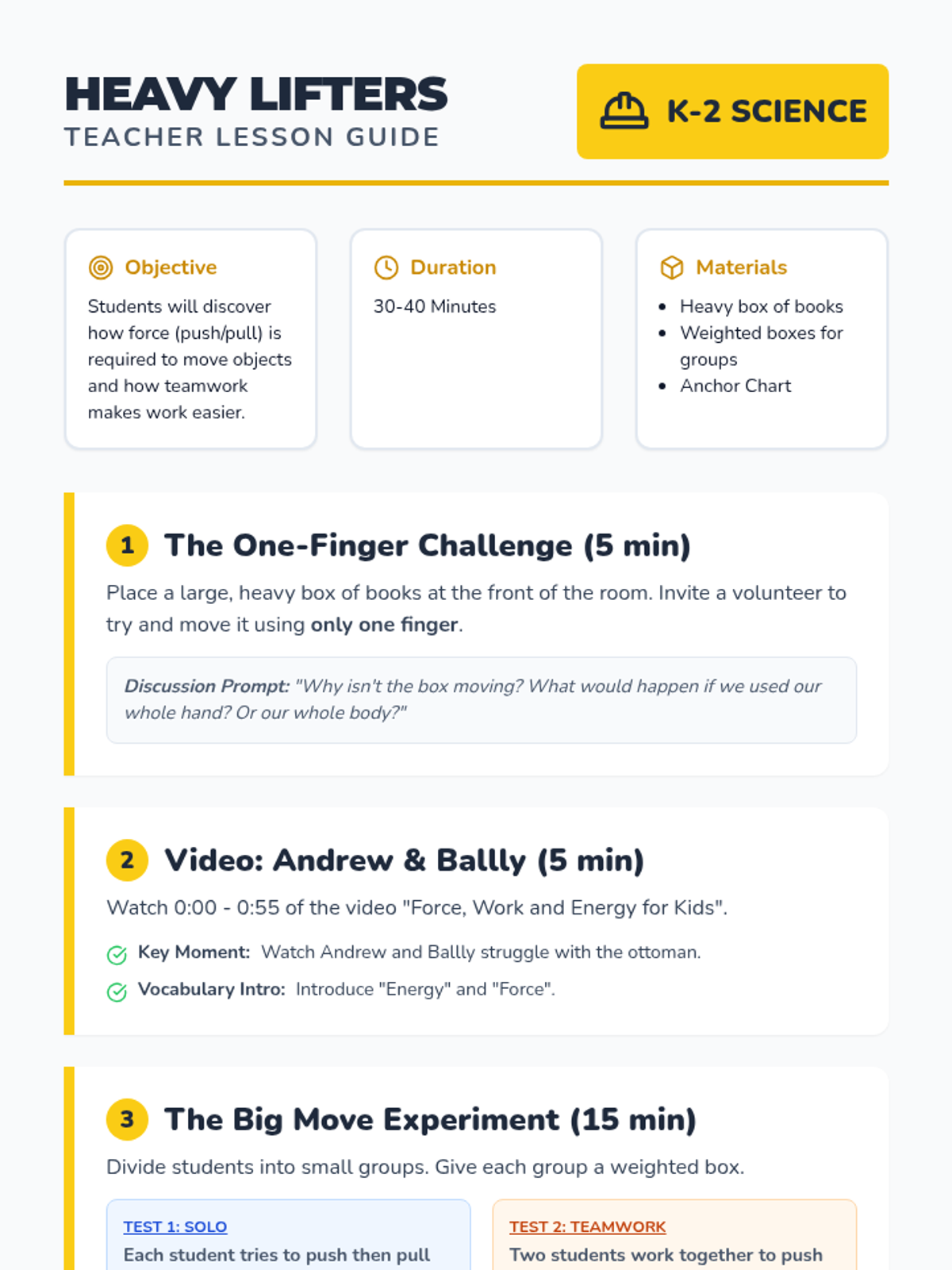
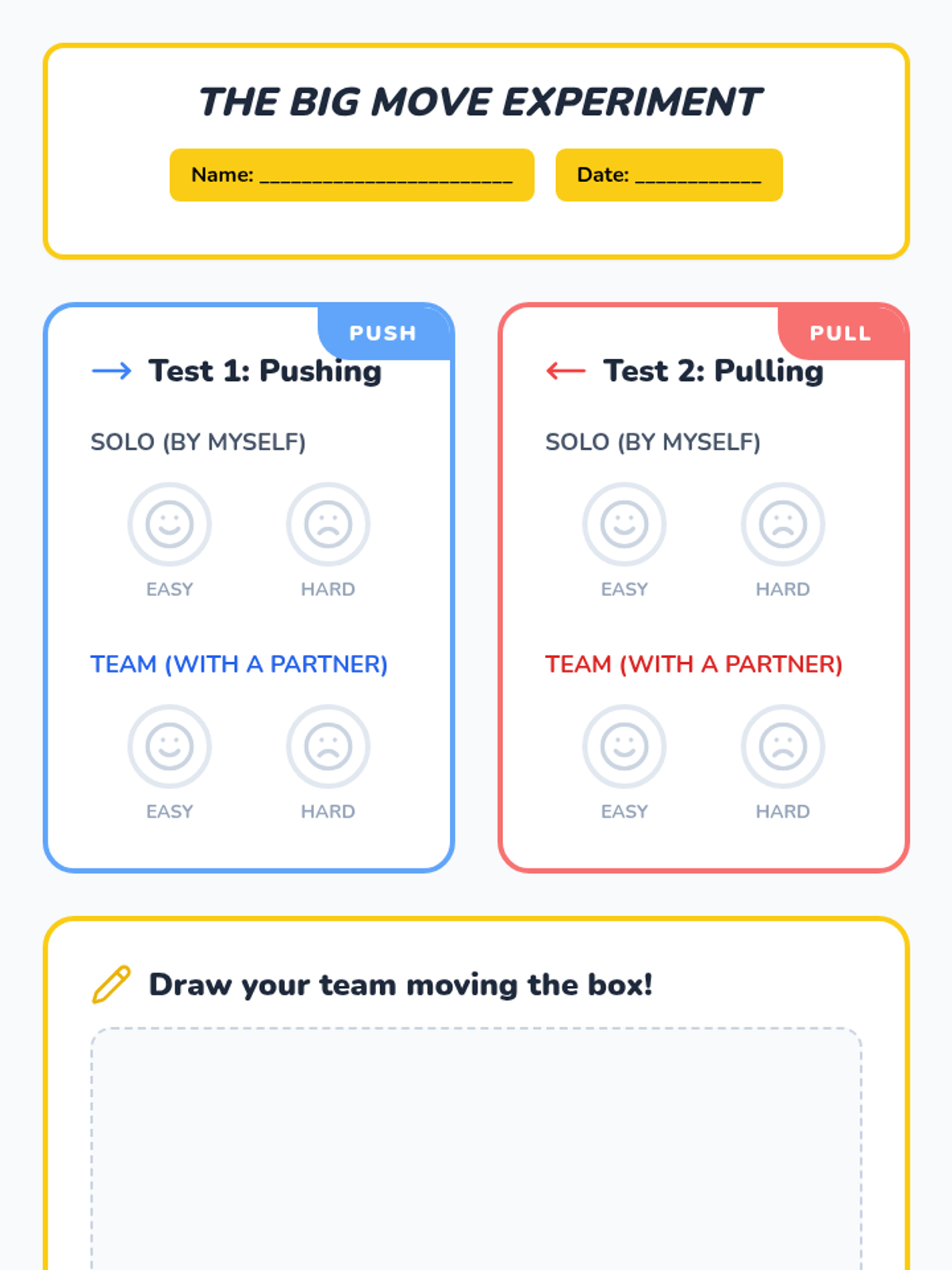
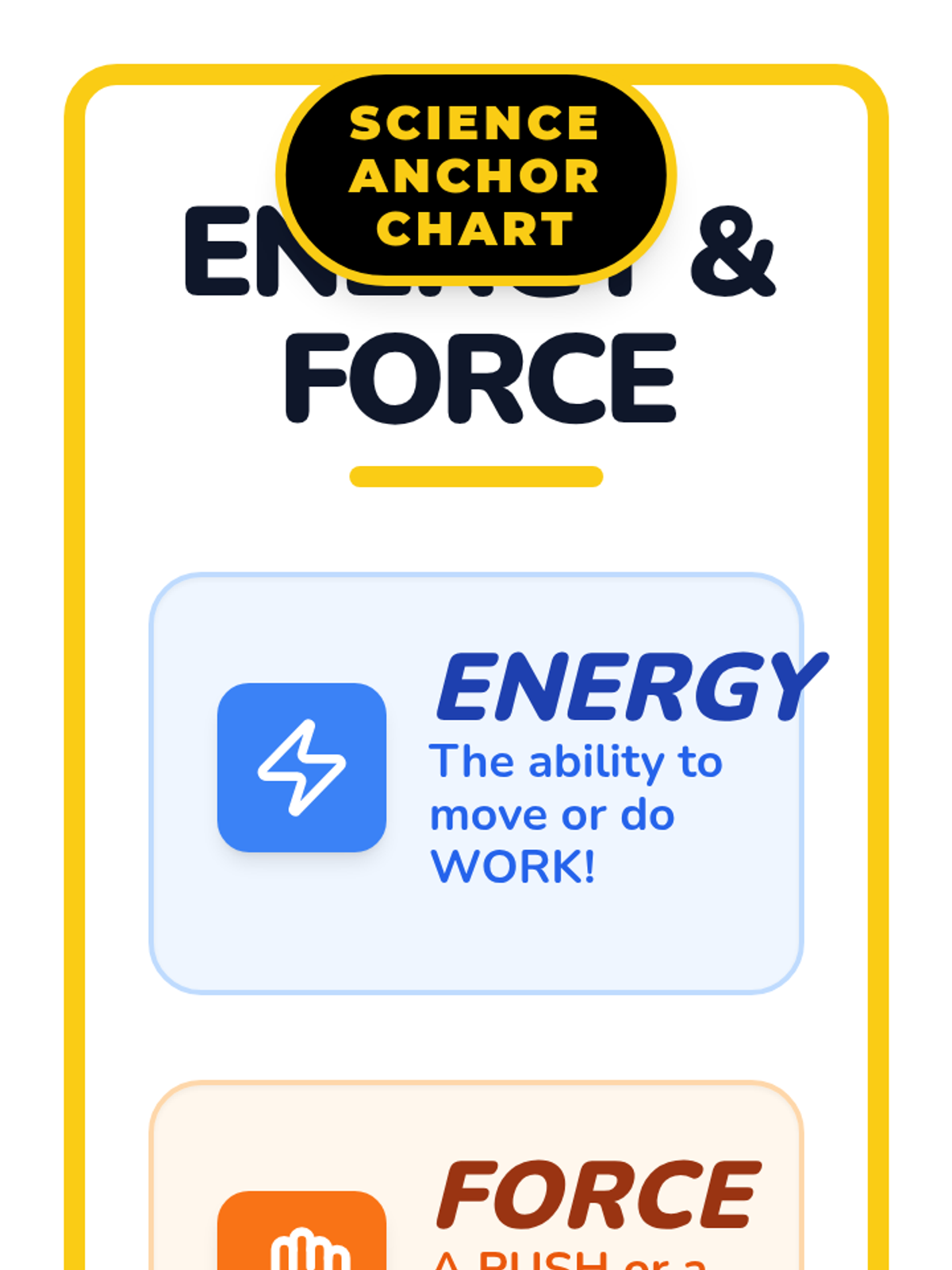
A hands-on physics lesson for K-2 students exploring the concepts of force (pushing and pulling), energy, and the power of teamwork to move heavy objects. Students will experiment with moving weighted boxes and connect their findings to real-world examples.
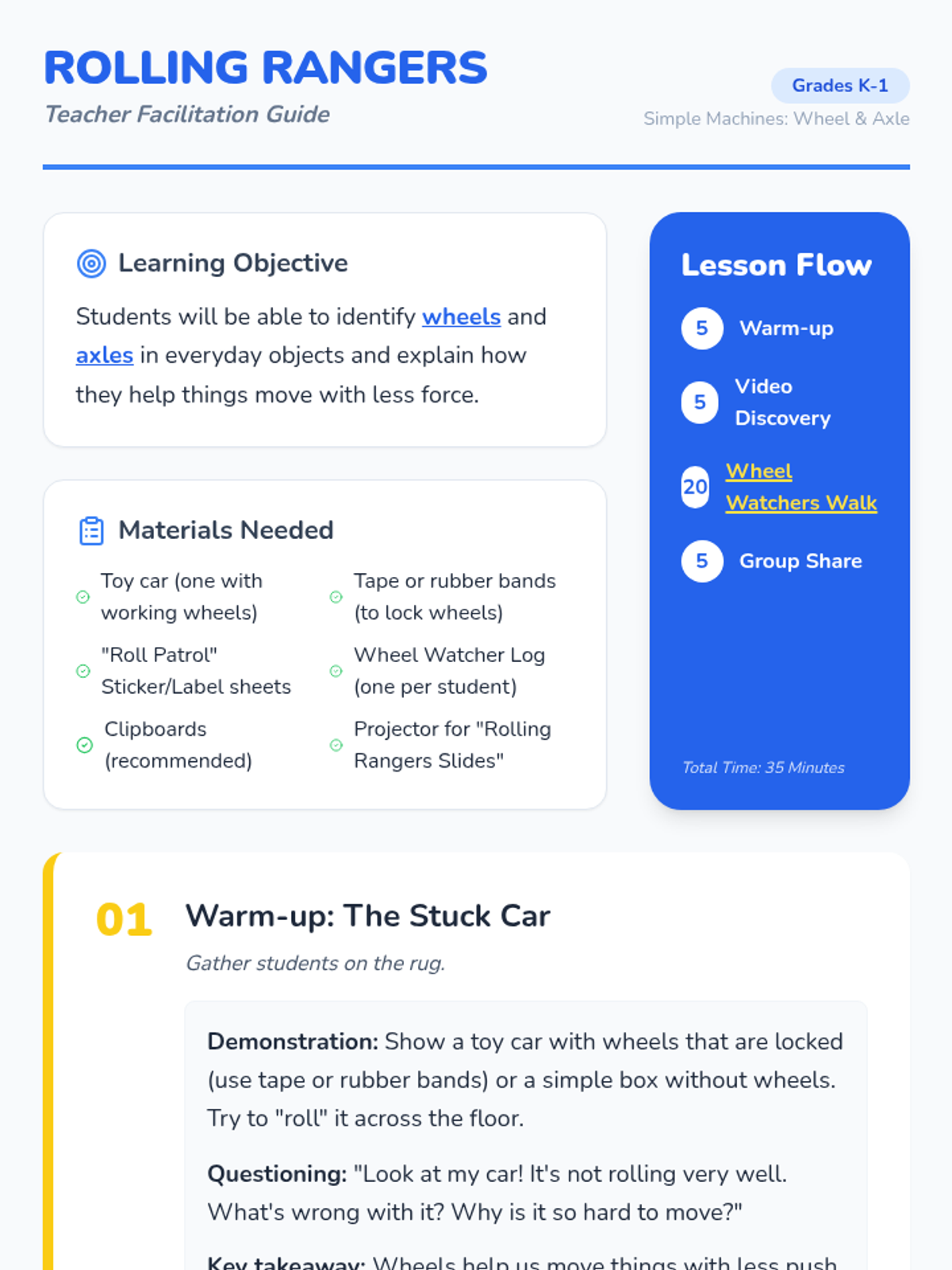
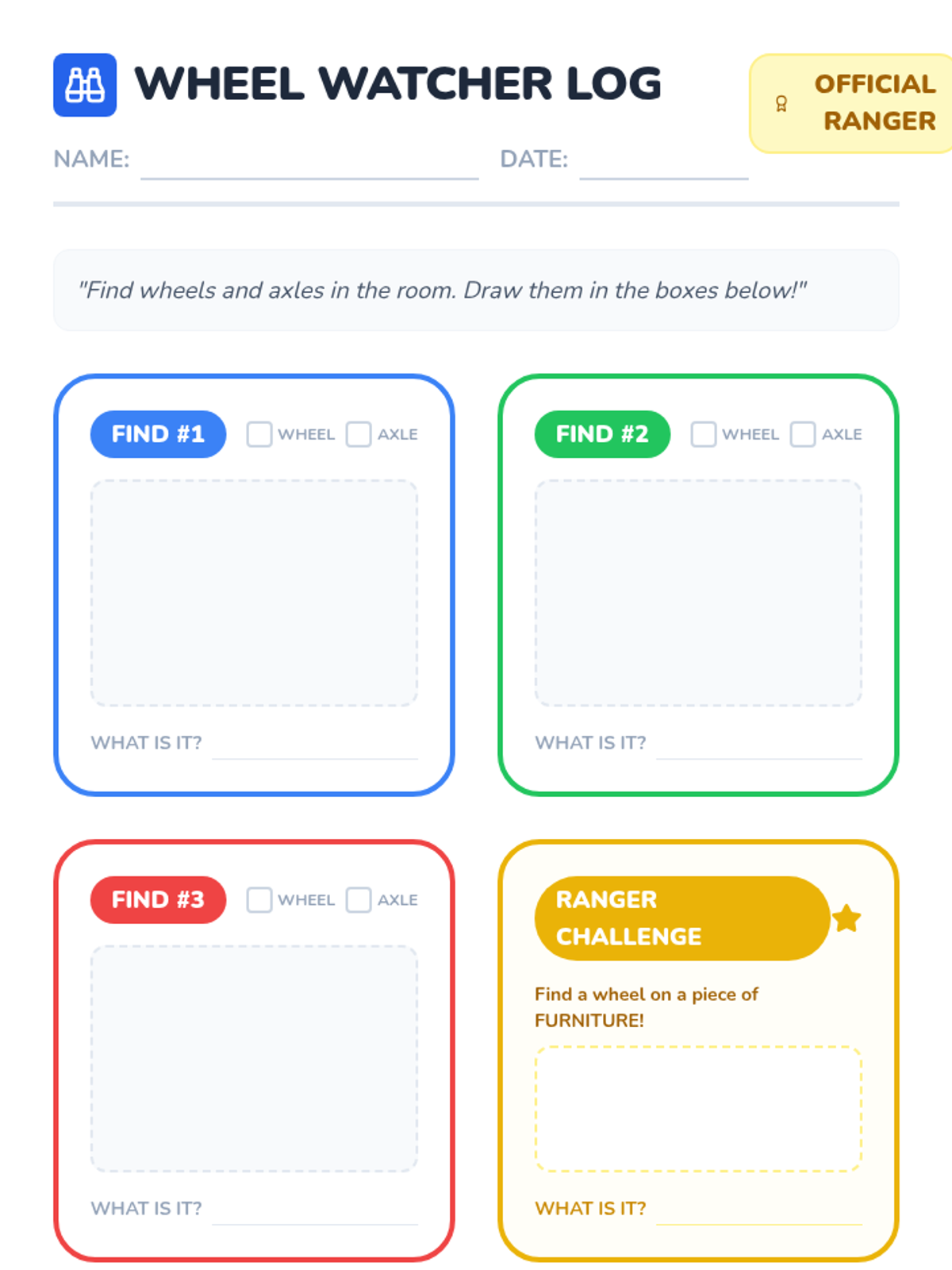
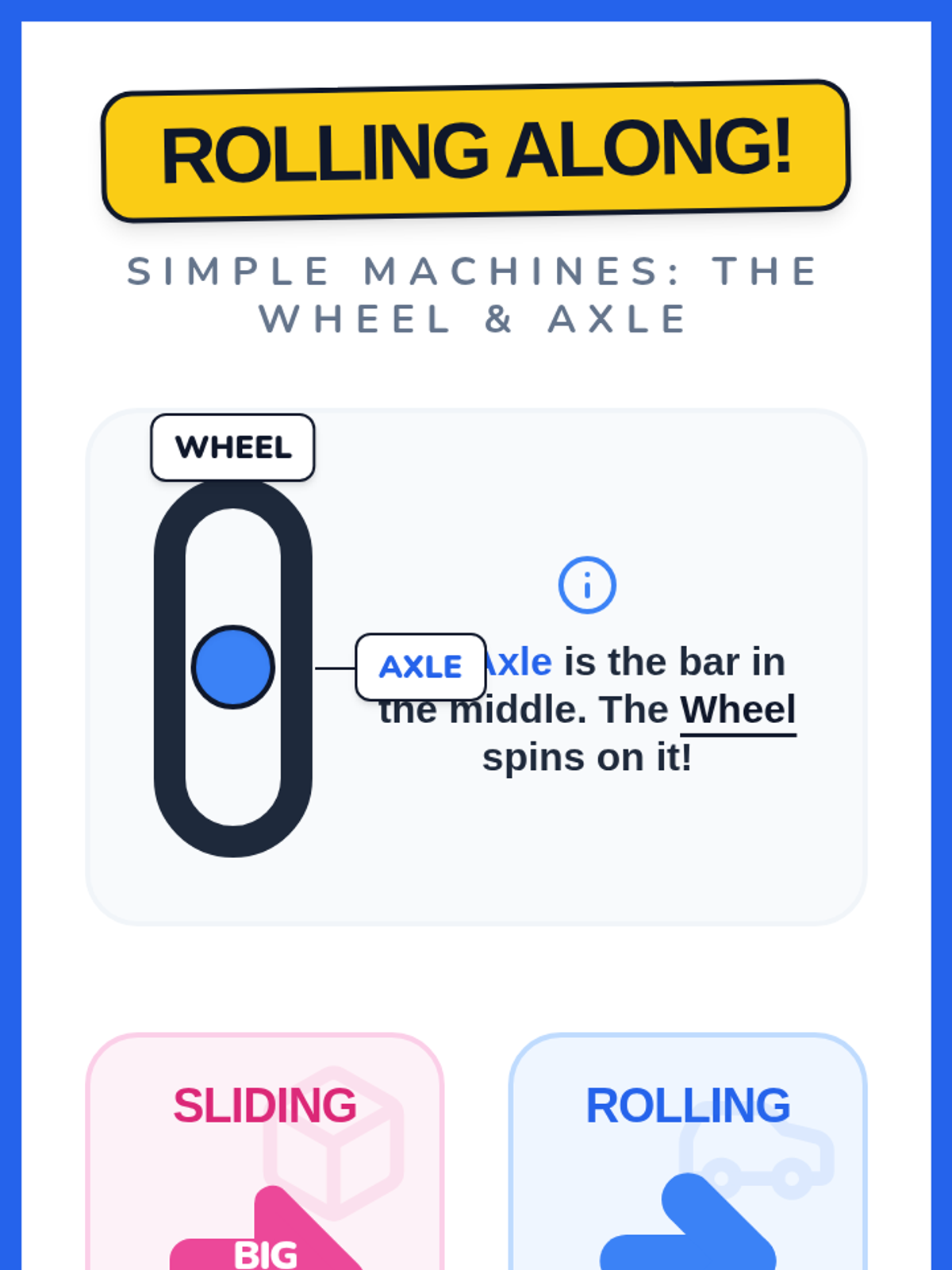
A hands-on introductory lesson for Kindergarten and 1st Grade students to identify wheels and axles in their environment through observation and active exploration.
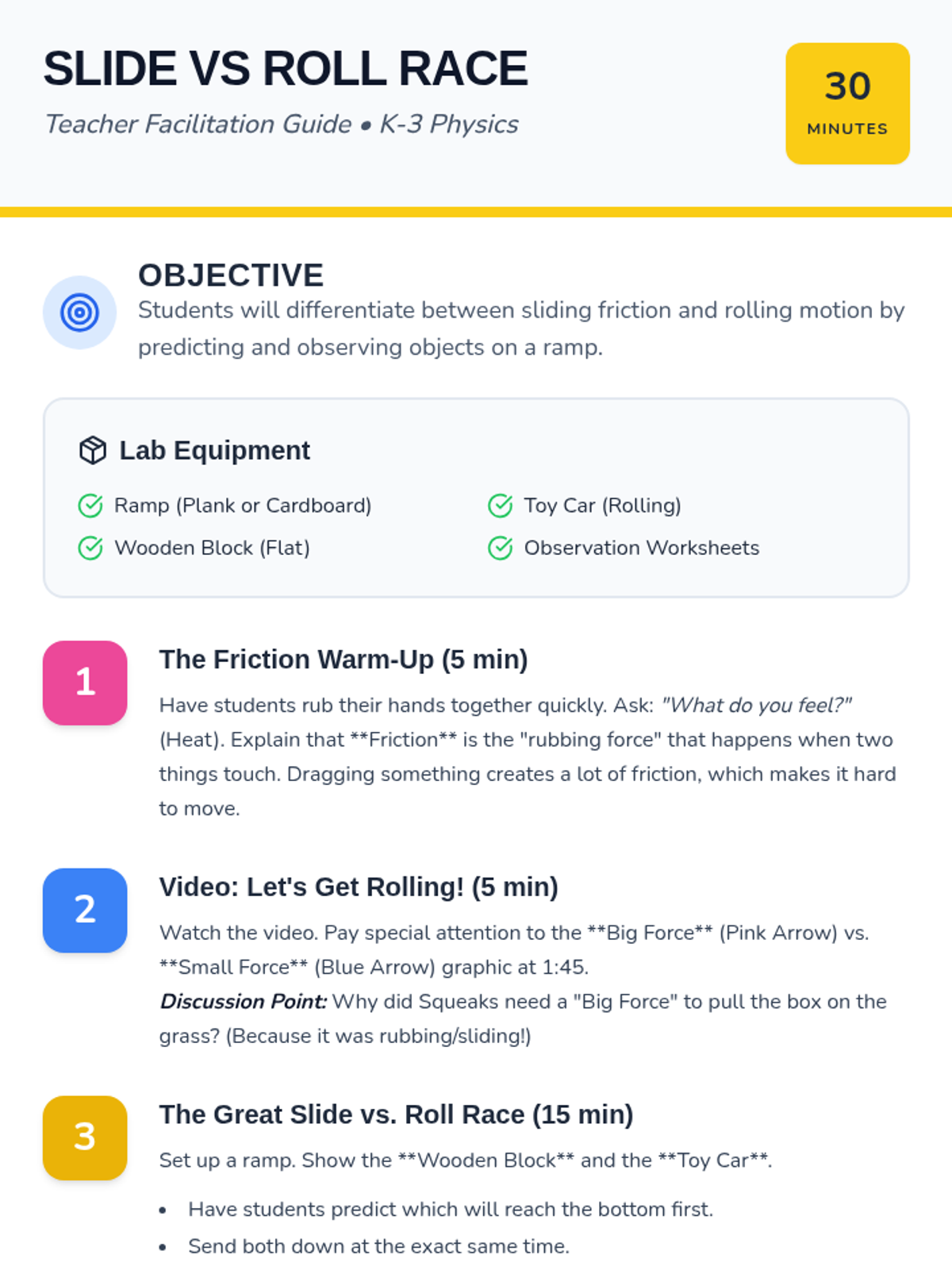
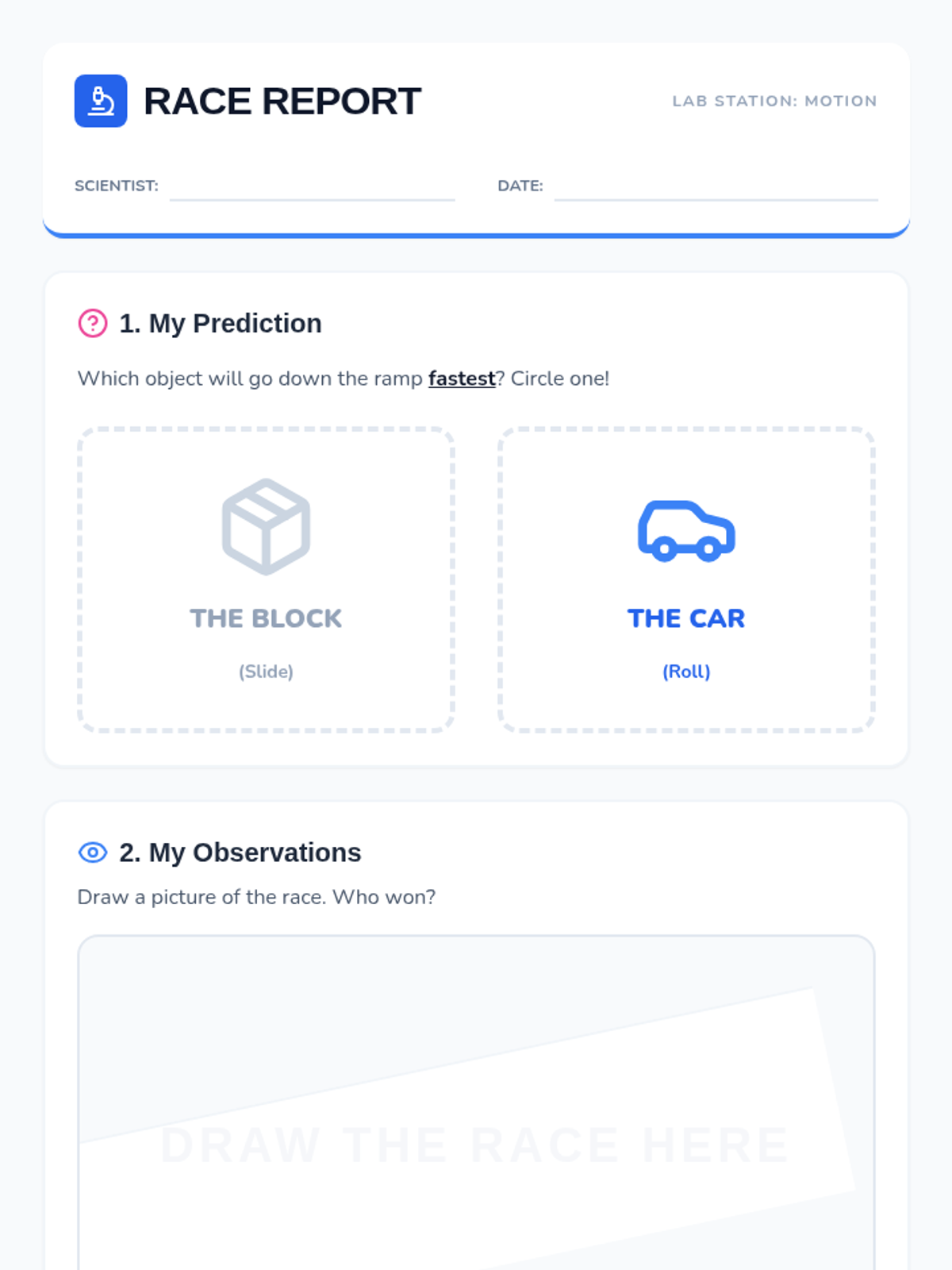
A hands-on physics lesson for K-3 students exploring how wheels reduce friction by comparing sliding and rolling motion through an experimental race.
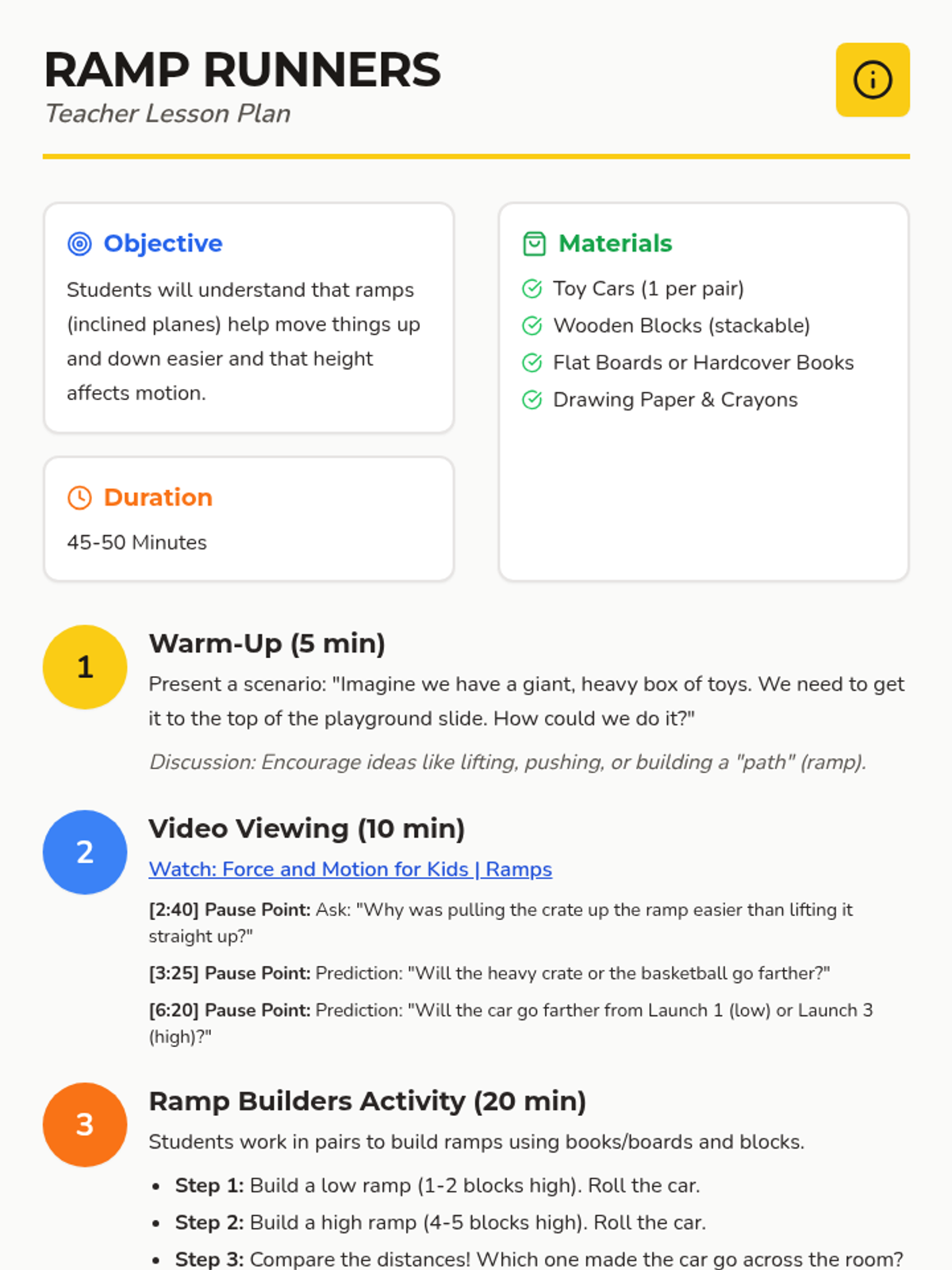
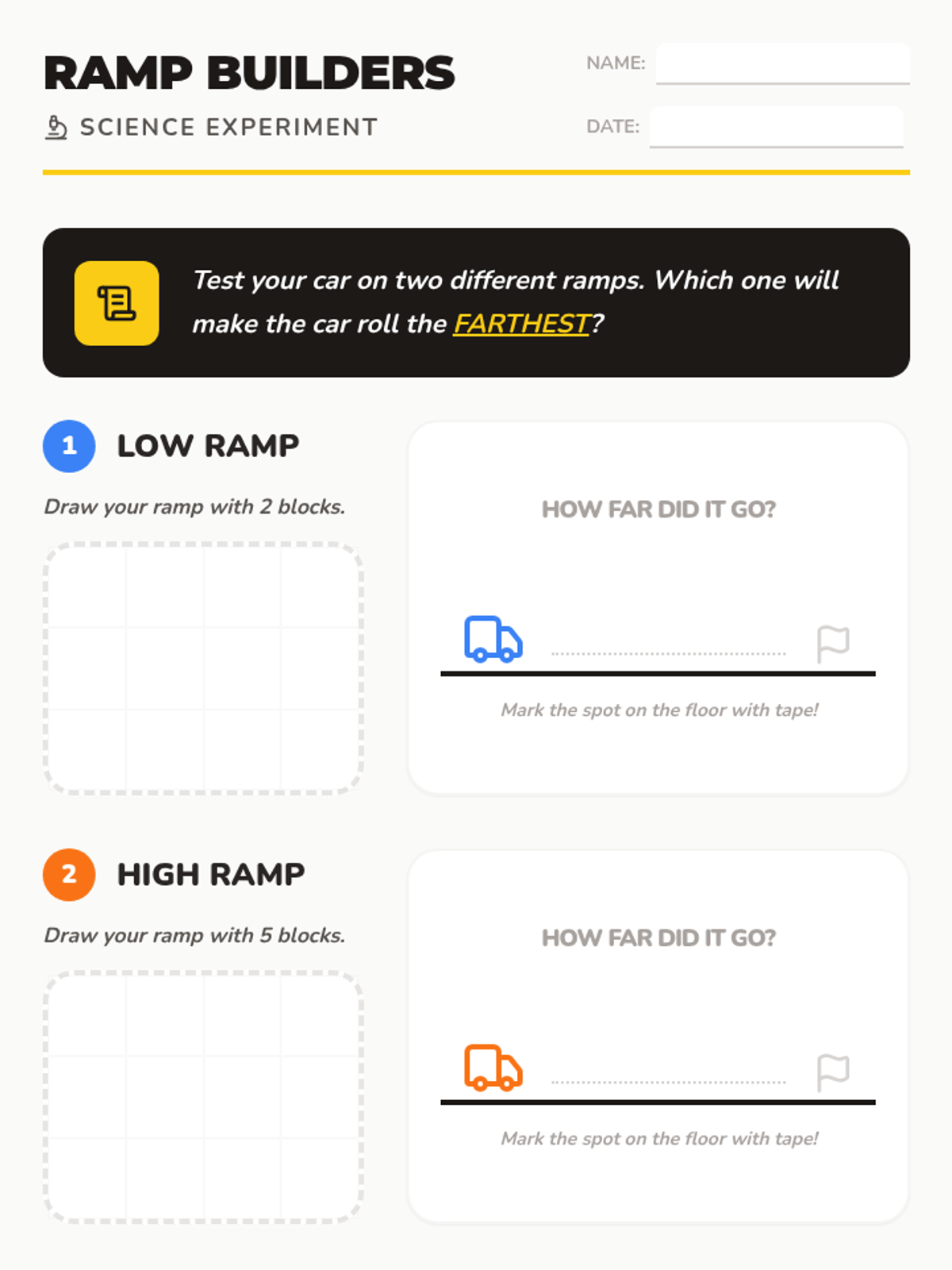
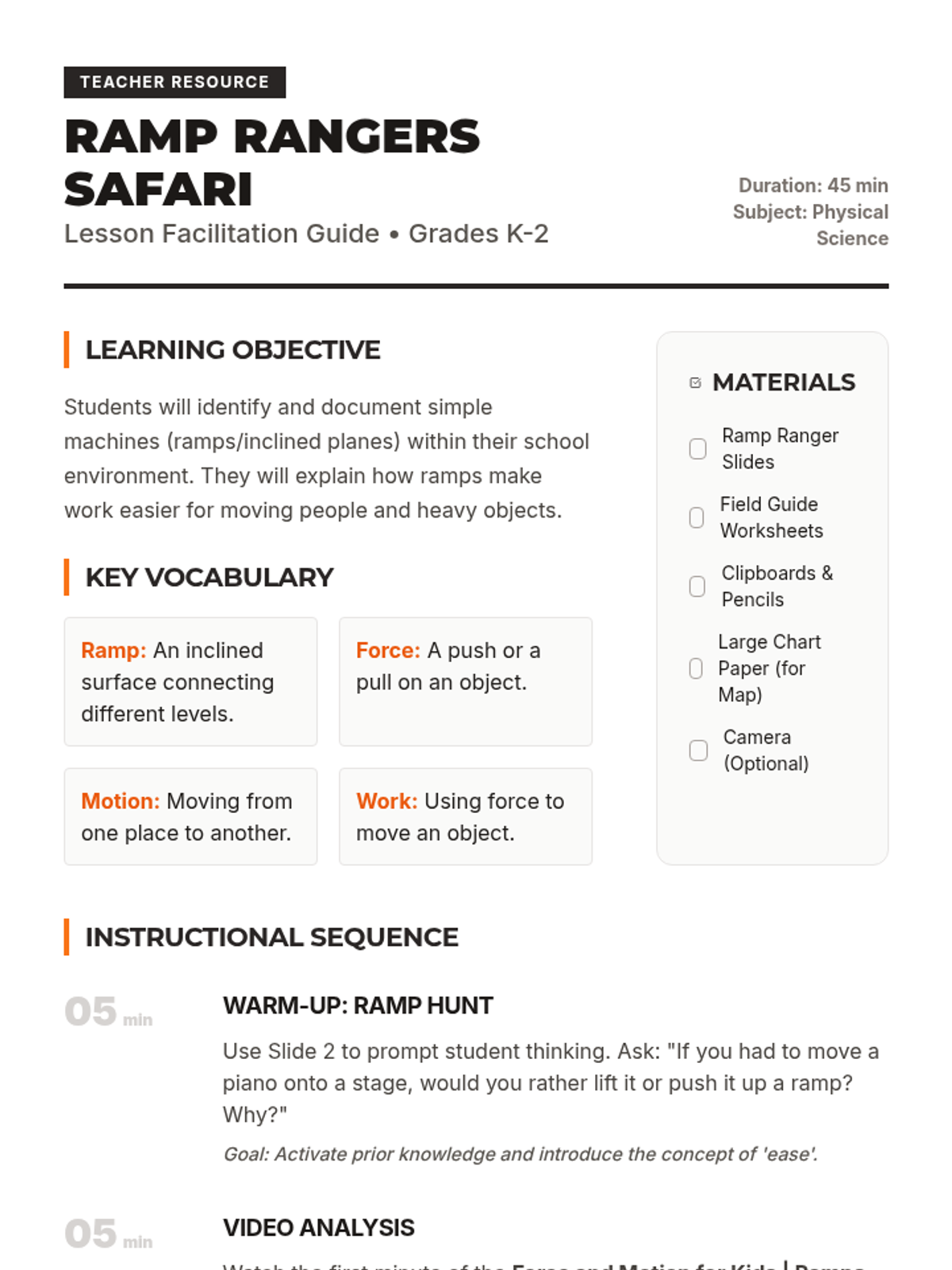
A hands-on science lesson for K-1 students exploring how ramps (inclined planes) make moving heavy objects easier and how height affects the distance an object travels.
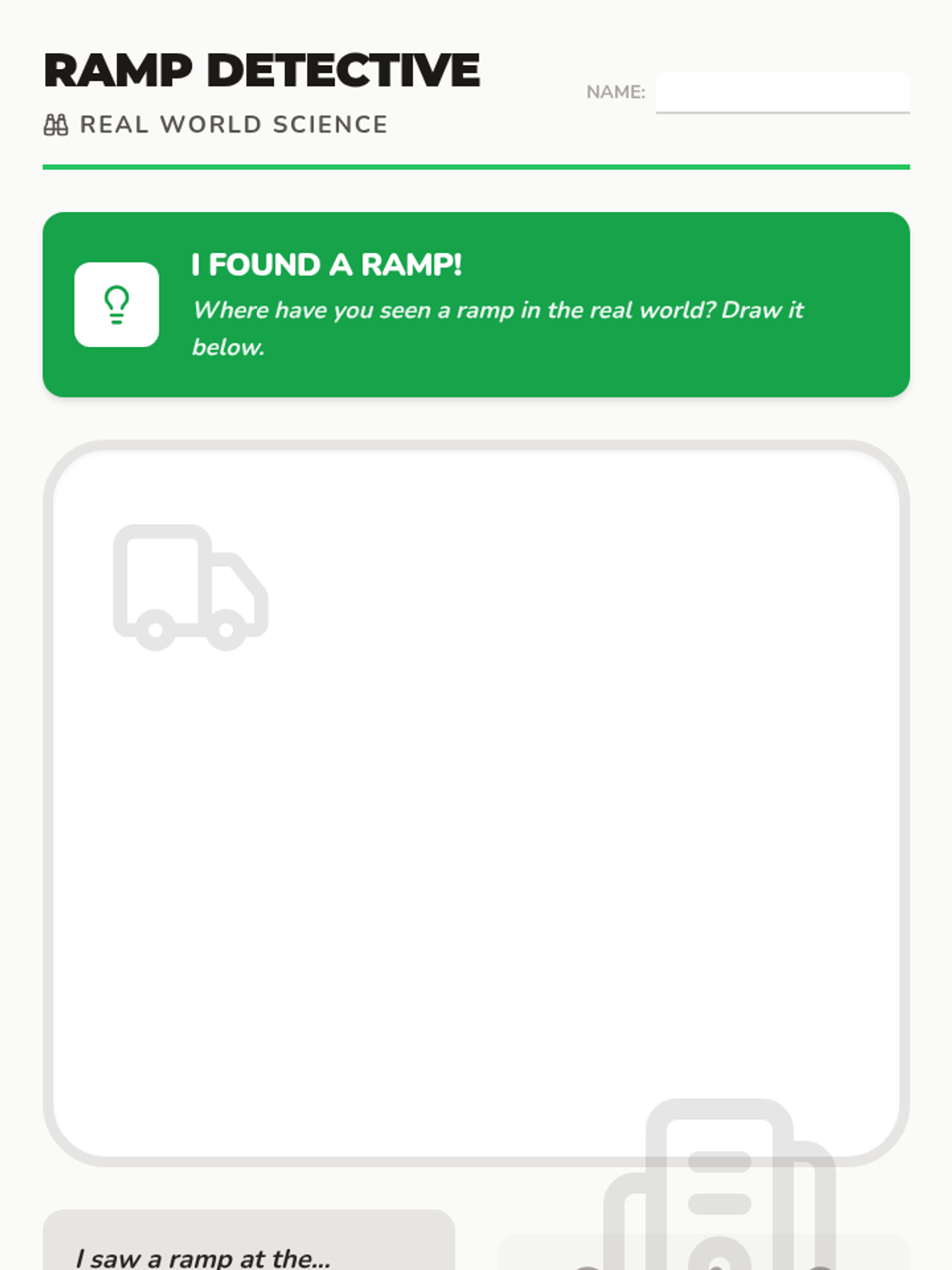
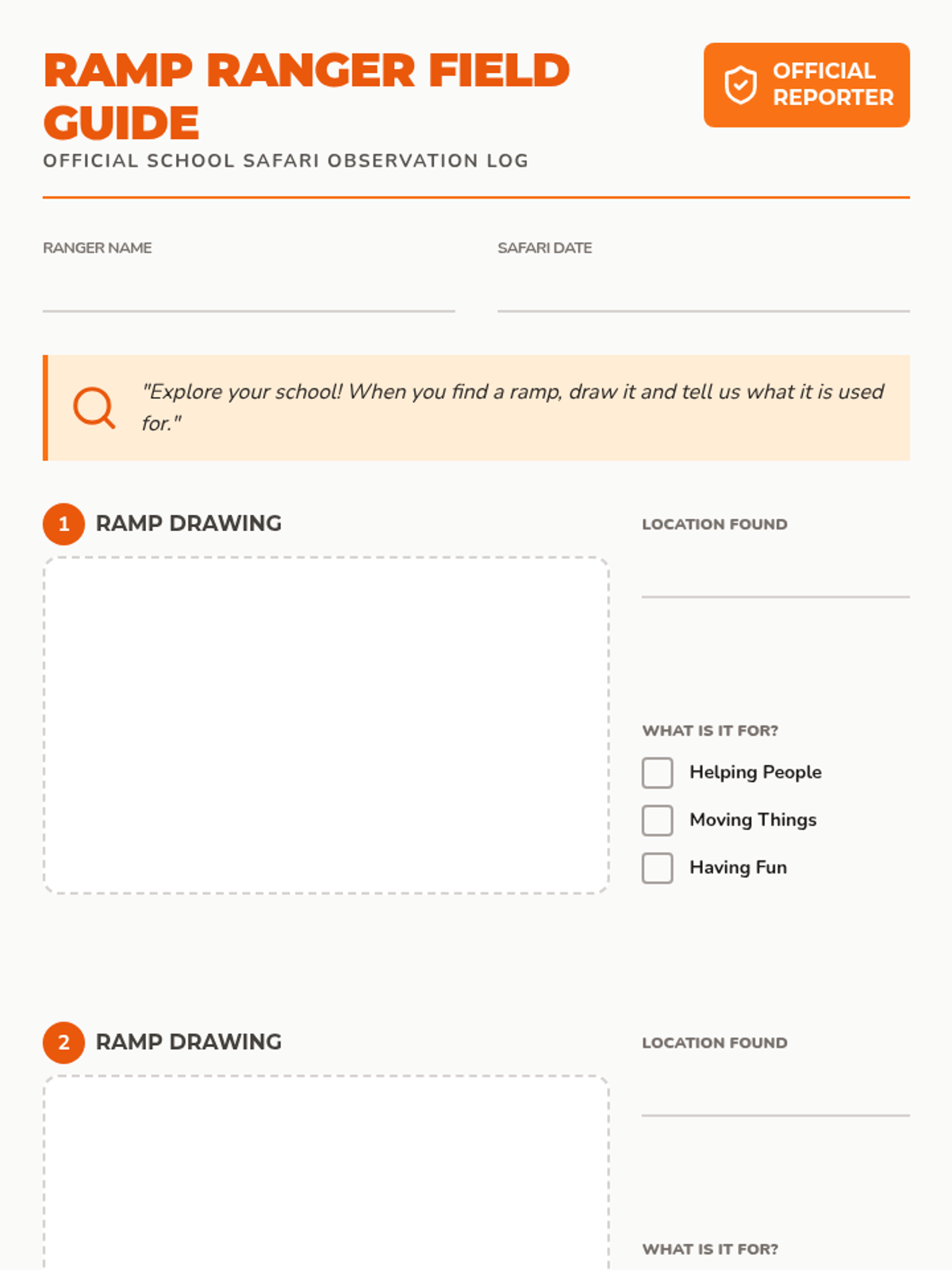
Students will explore their school environment to identify and document various types of ramps (inclined planes), understanding their purpose in making work easier and improving accessibility.
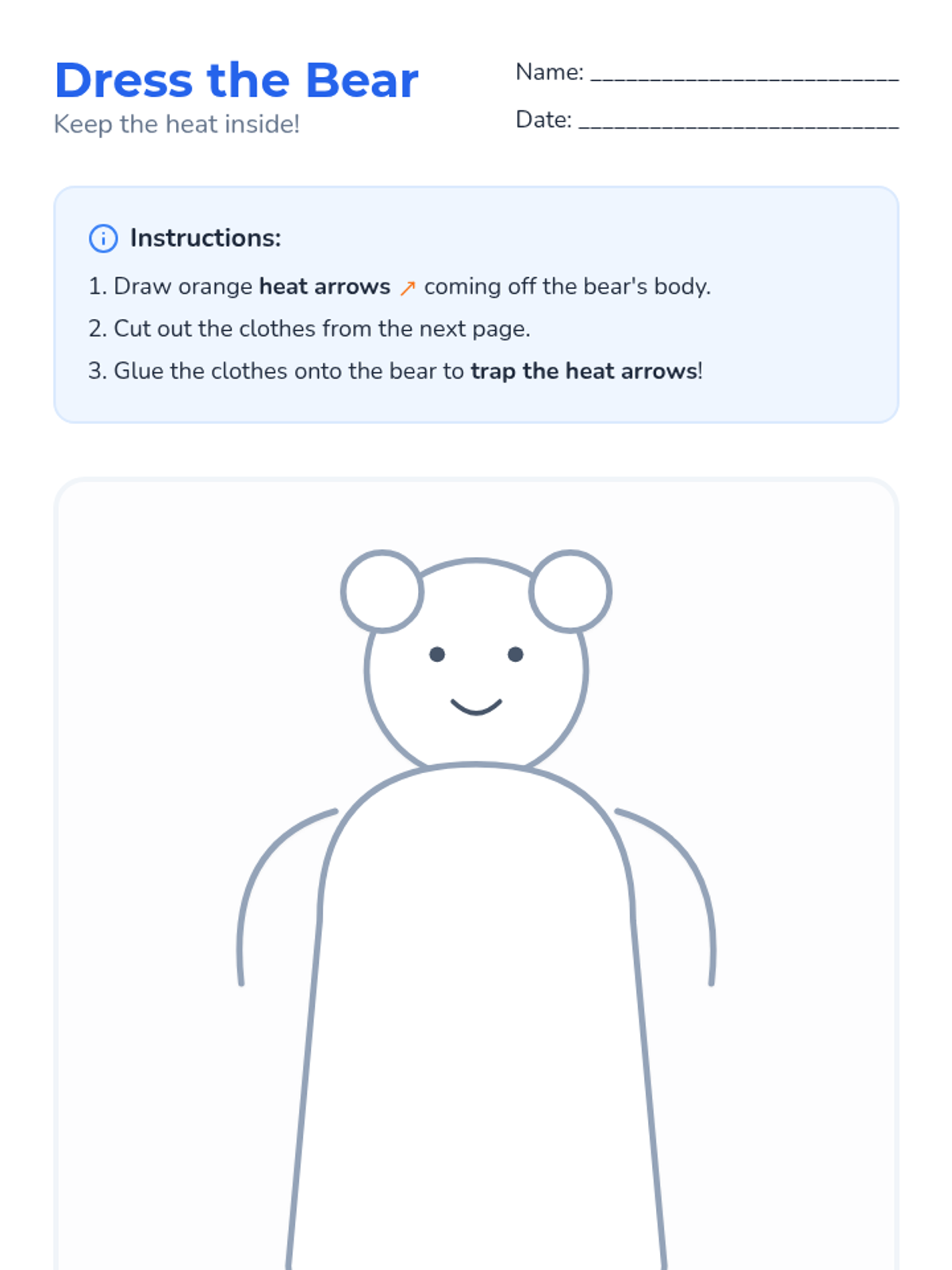
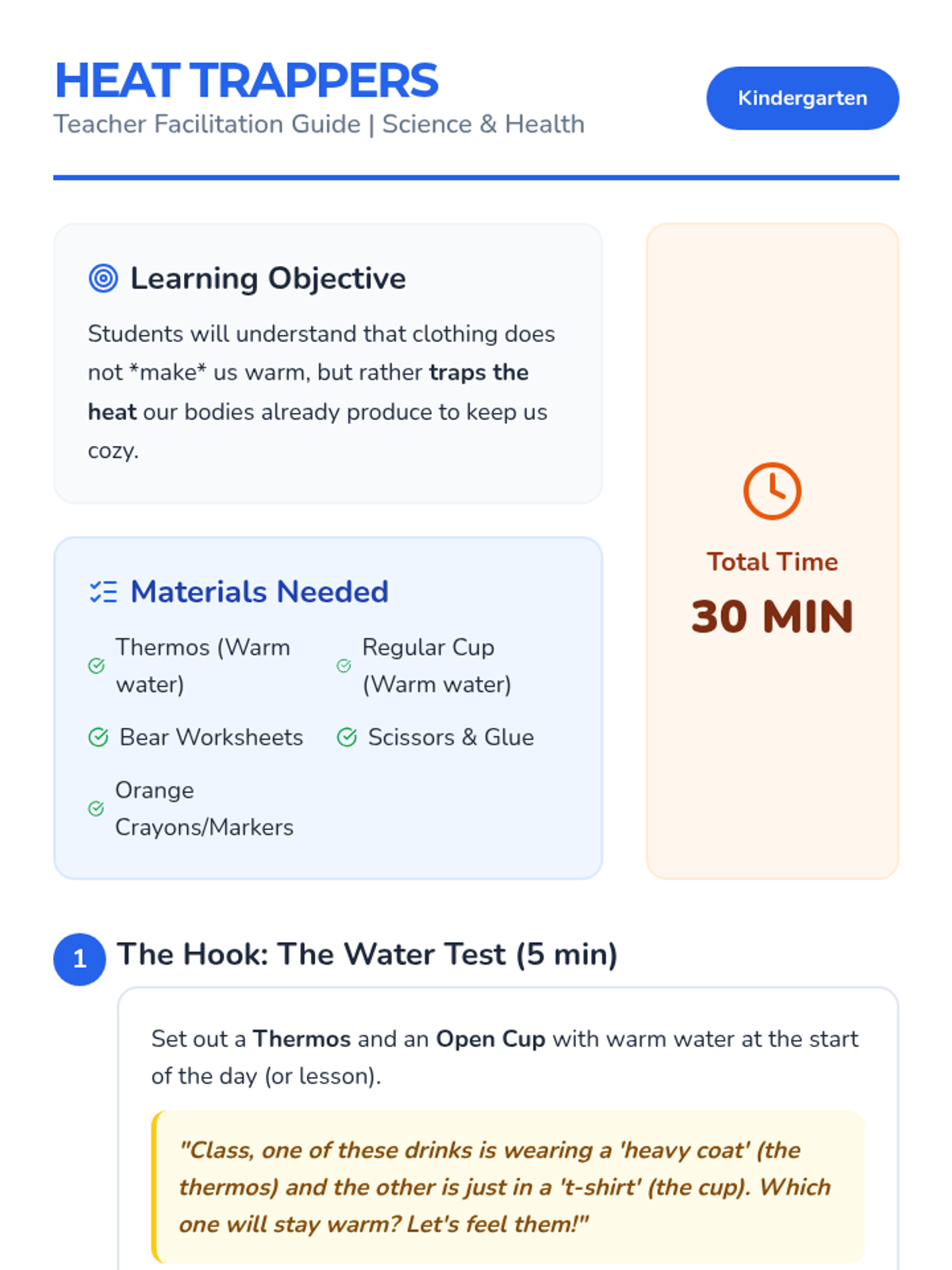
A Kindergarten lesson exploring how clothing acts as insulation by trapping body heat. Students will compare heat loss in different containers, watch a SciShow Kids video, and complete a 'Dress the Bear' activity to visualize heat arrows being trapped by layers.
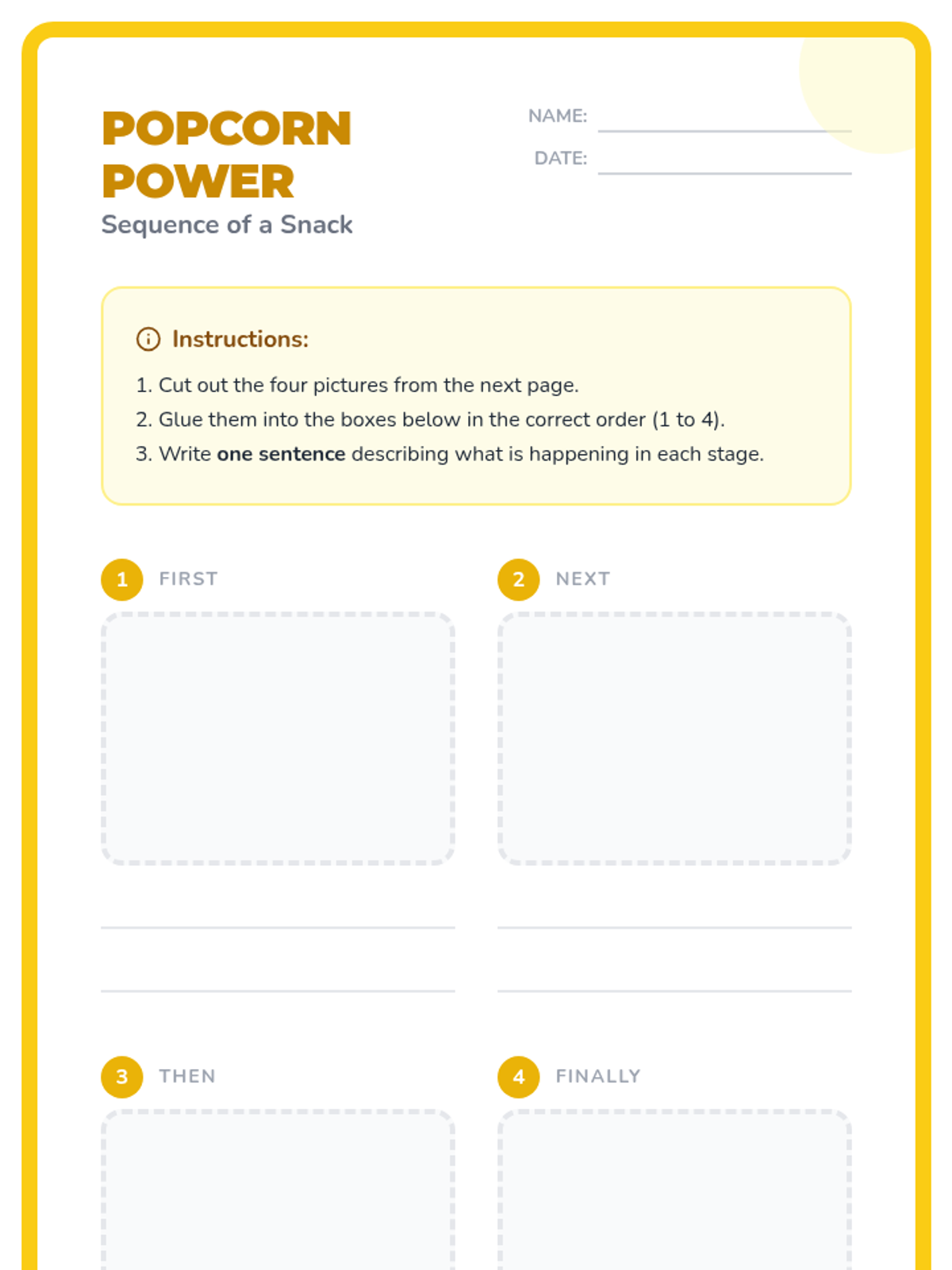
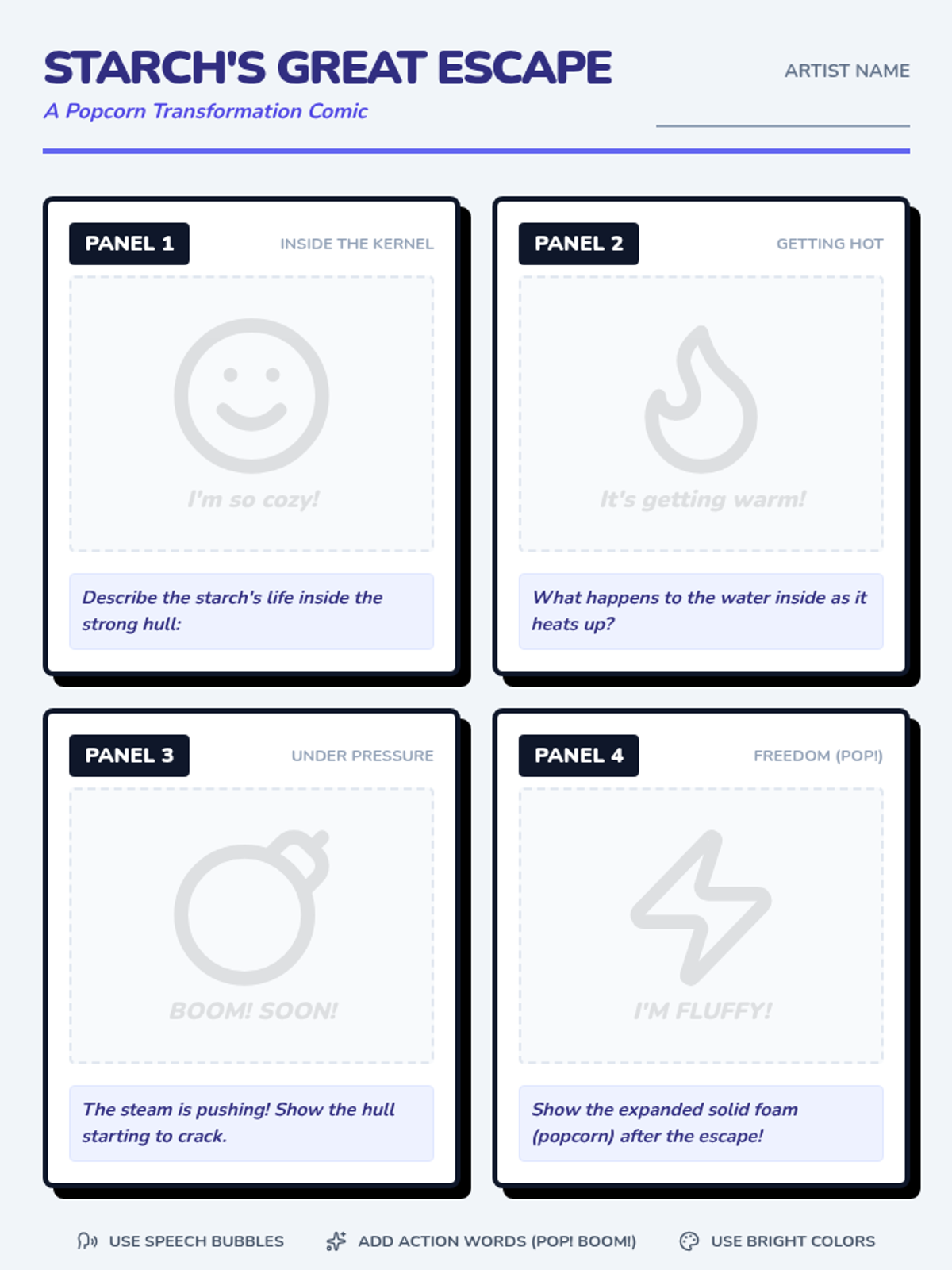
Students investigate the science of popcorn, sequencing its life cycle from seed to snack while using descriptive language and scientific vocabulary.
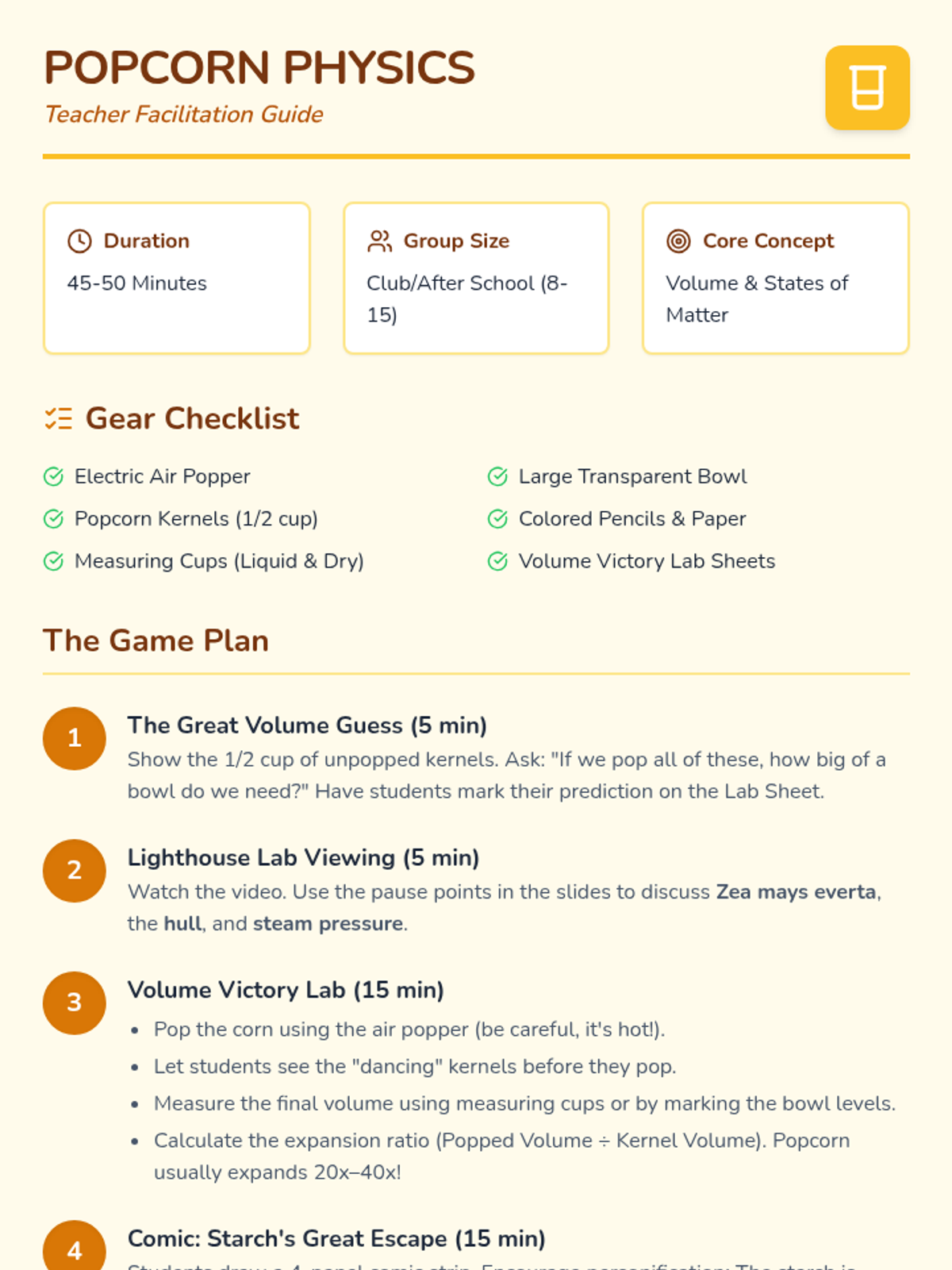
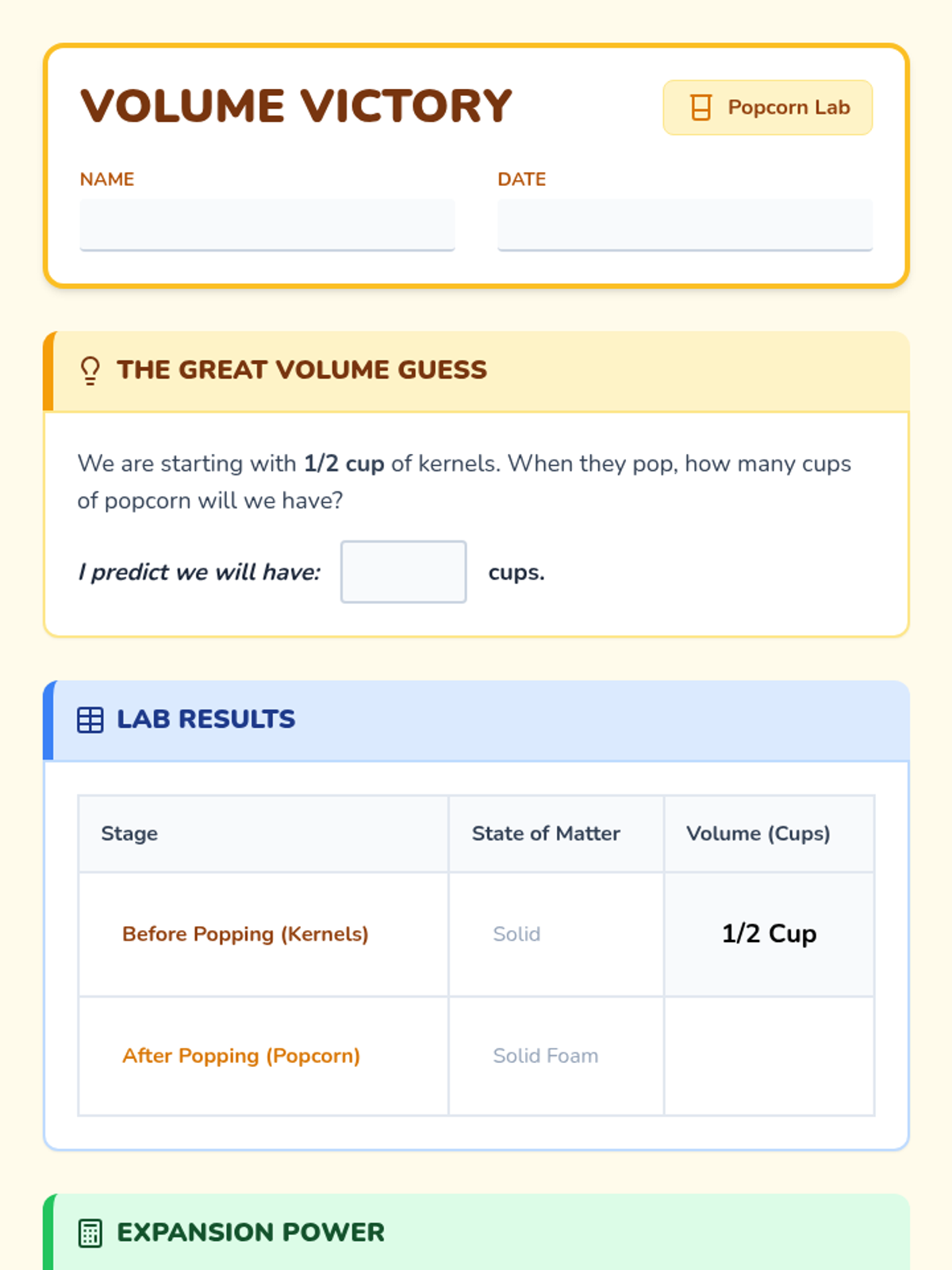
A fun, hands-on exploration of states of matter and volume expansion through the science of popcorn. Students predict, observe, and measure the physical change from hard kernels to fluffy foam.
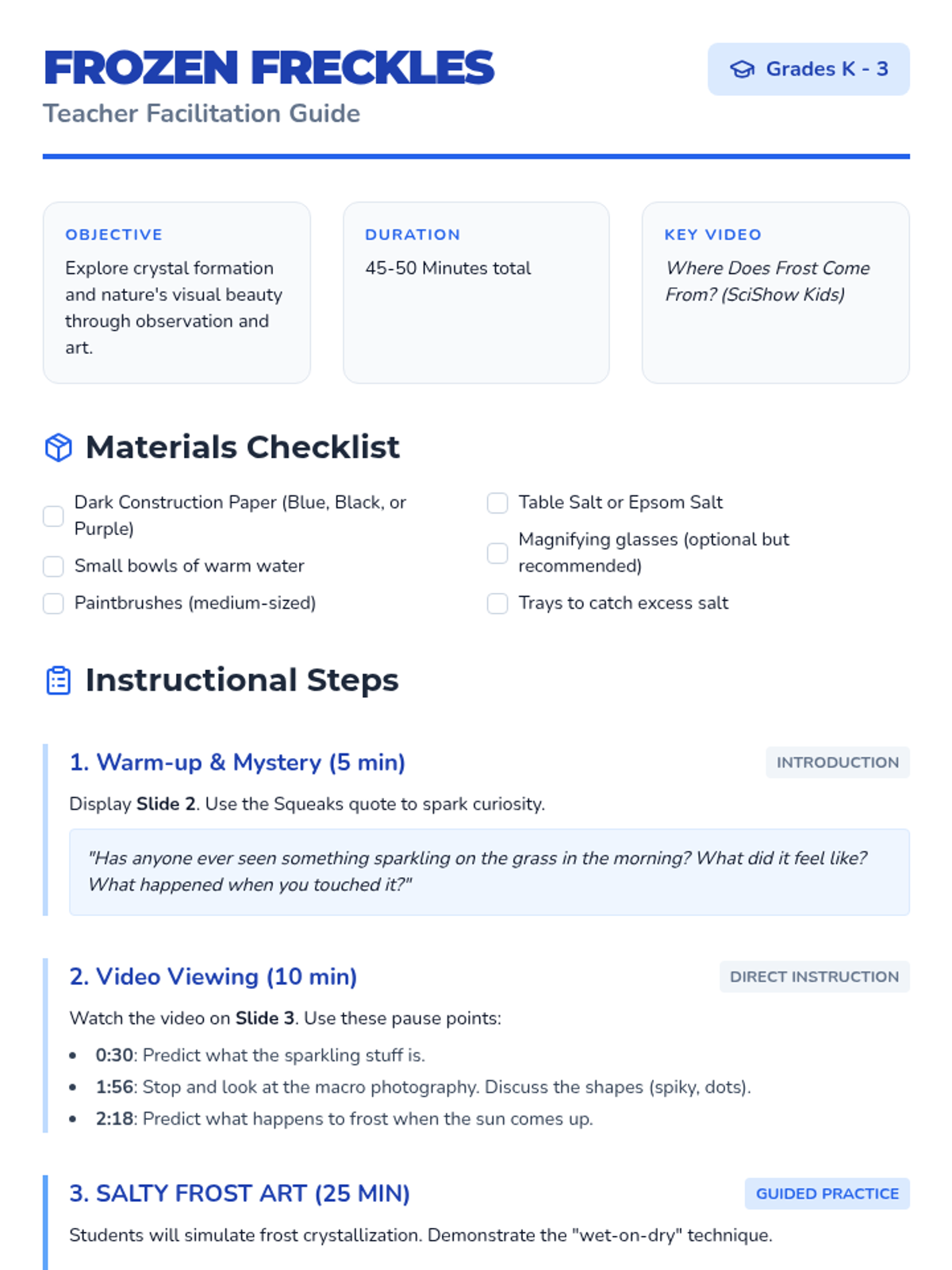
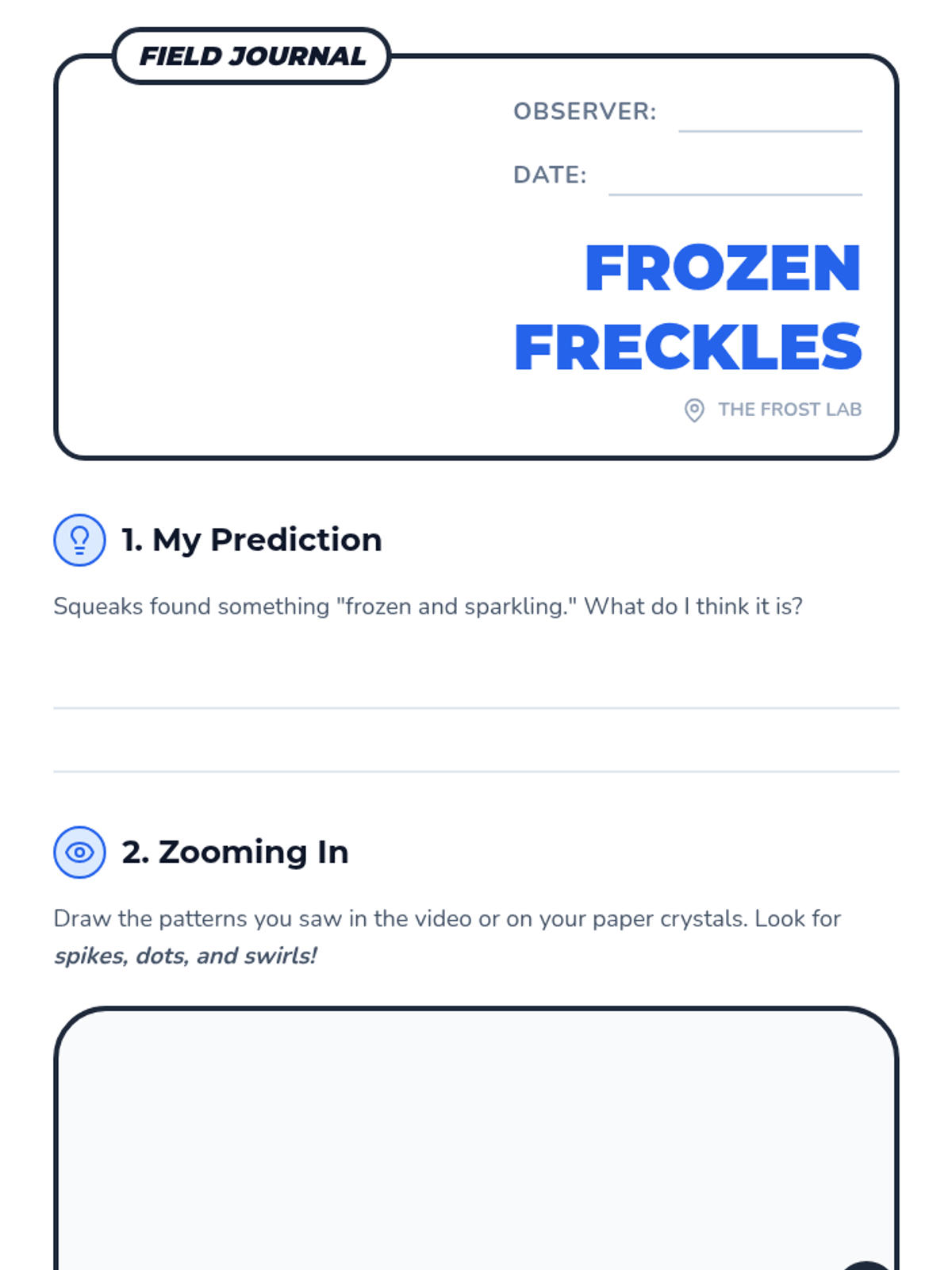
Students explore the science of frost through video observation and a salt-crystallization art activity that simulates ice crystal formation on leaves.
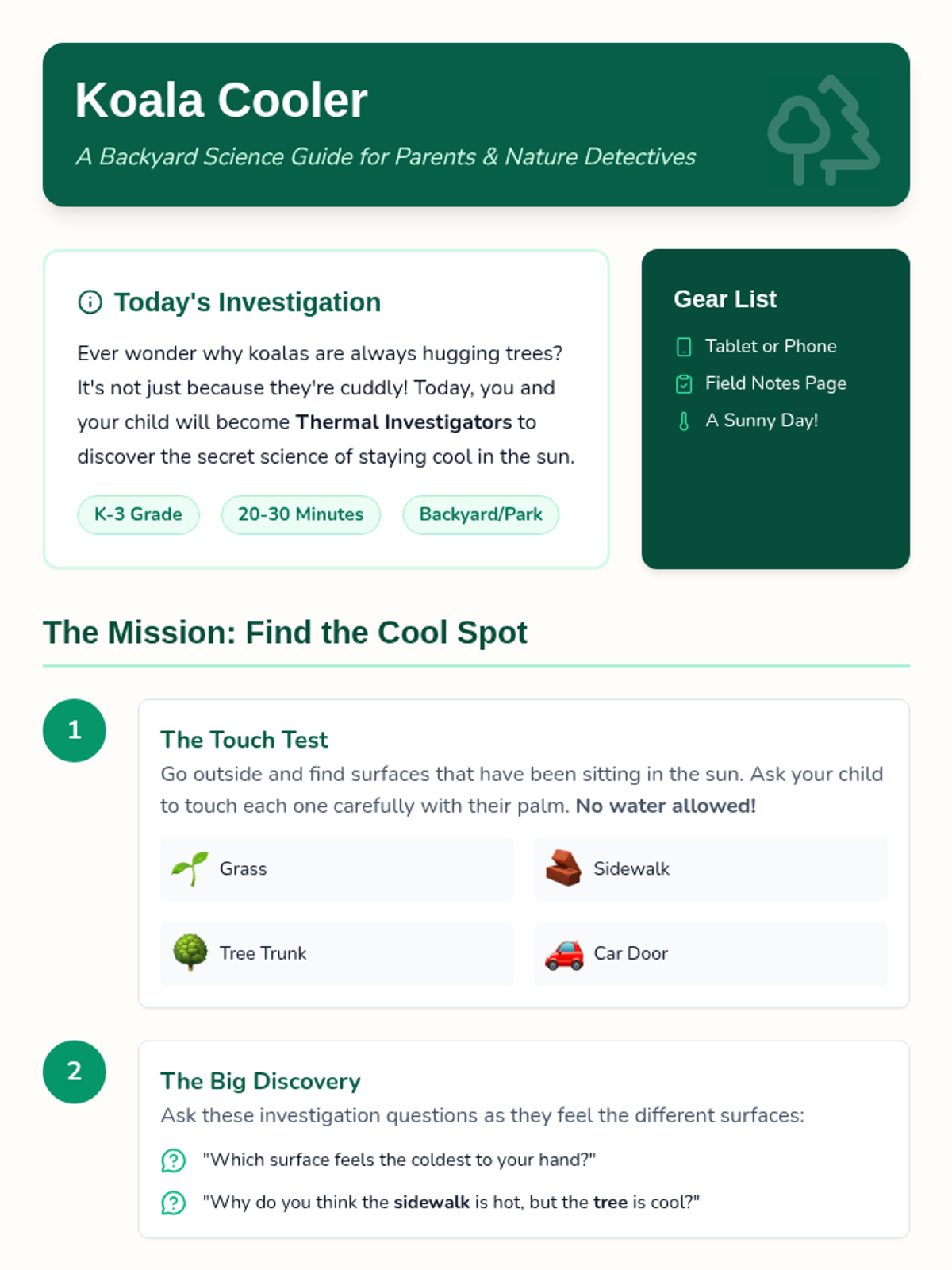
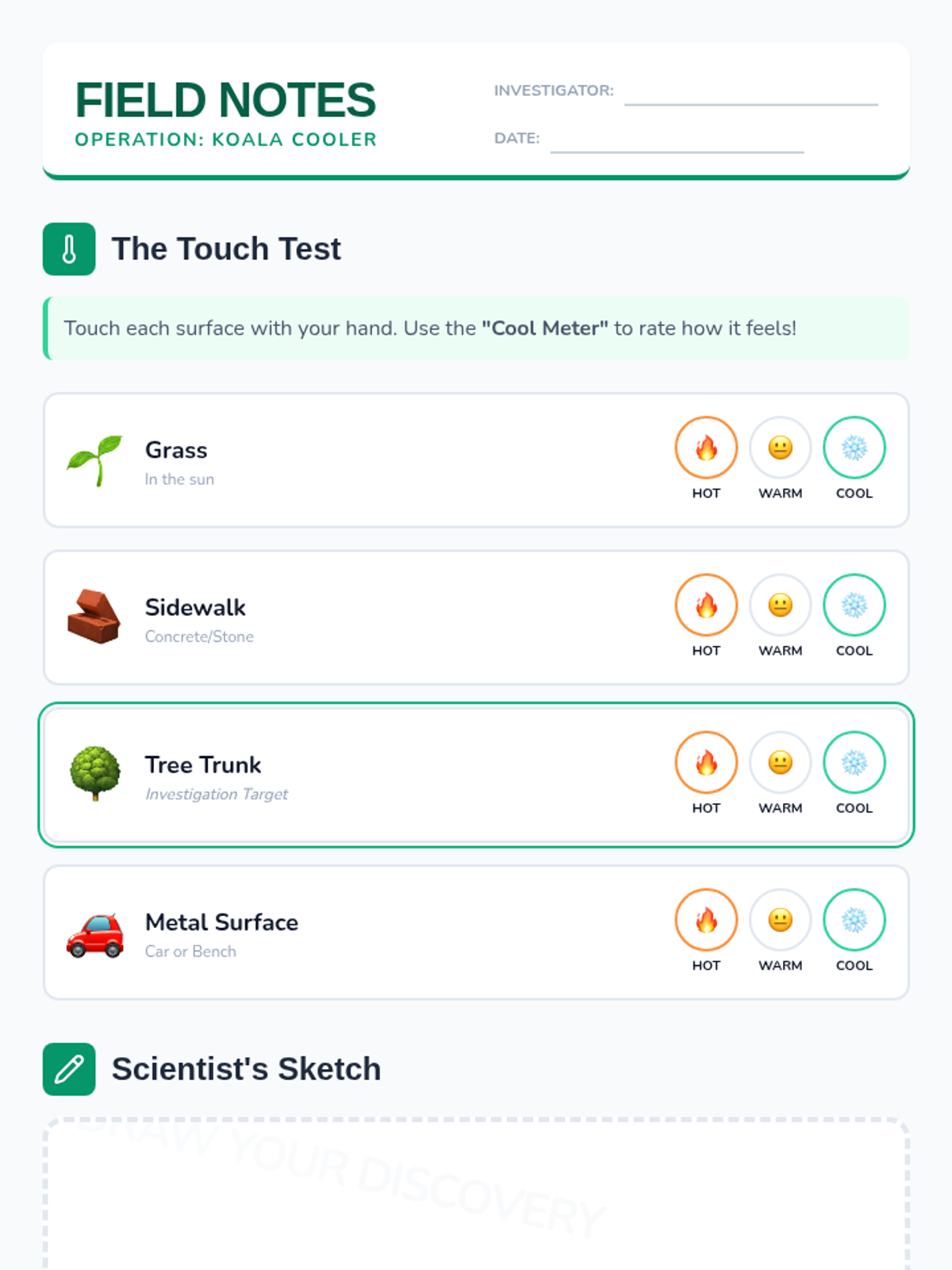
A hands-on backyard science investigation for parents and children (K-3) to explore how animals stay cool, centered on the unique adaptation of koalas hugging trees.
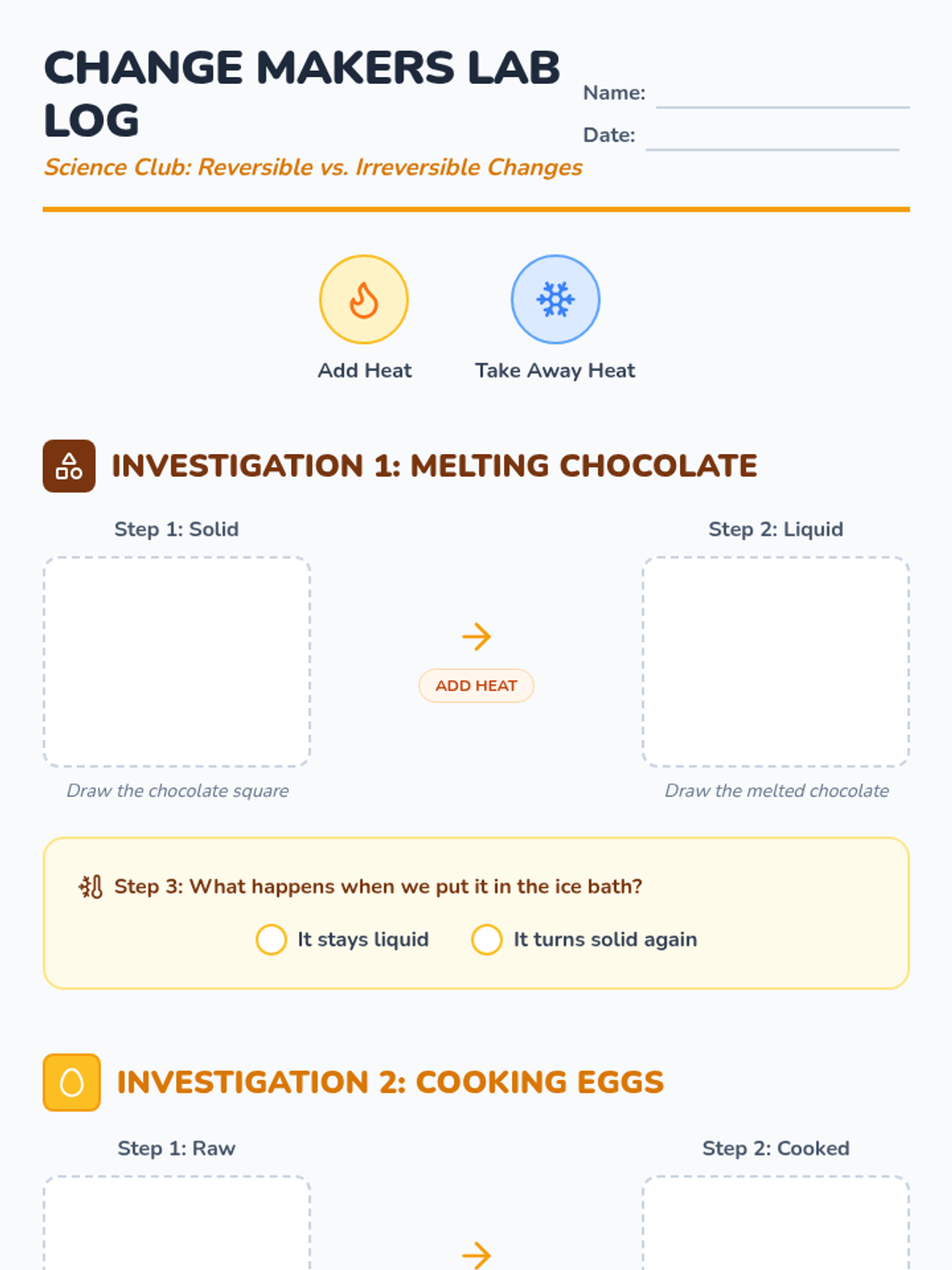
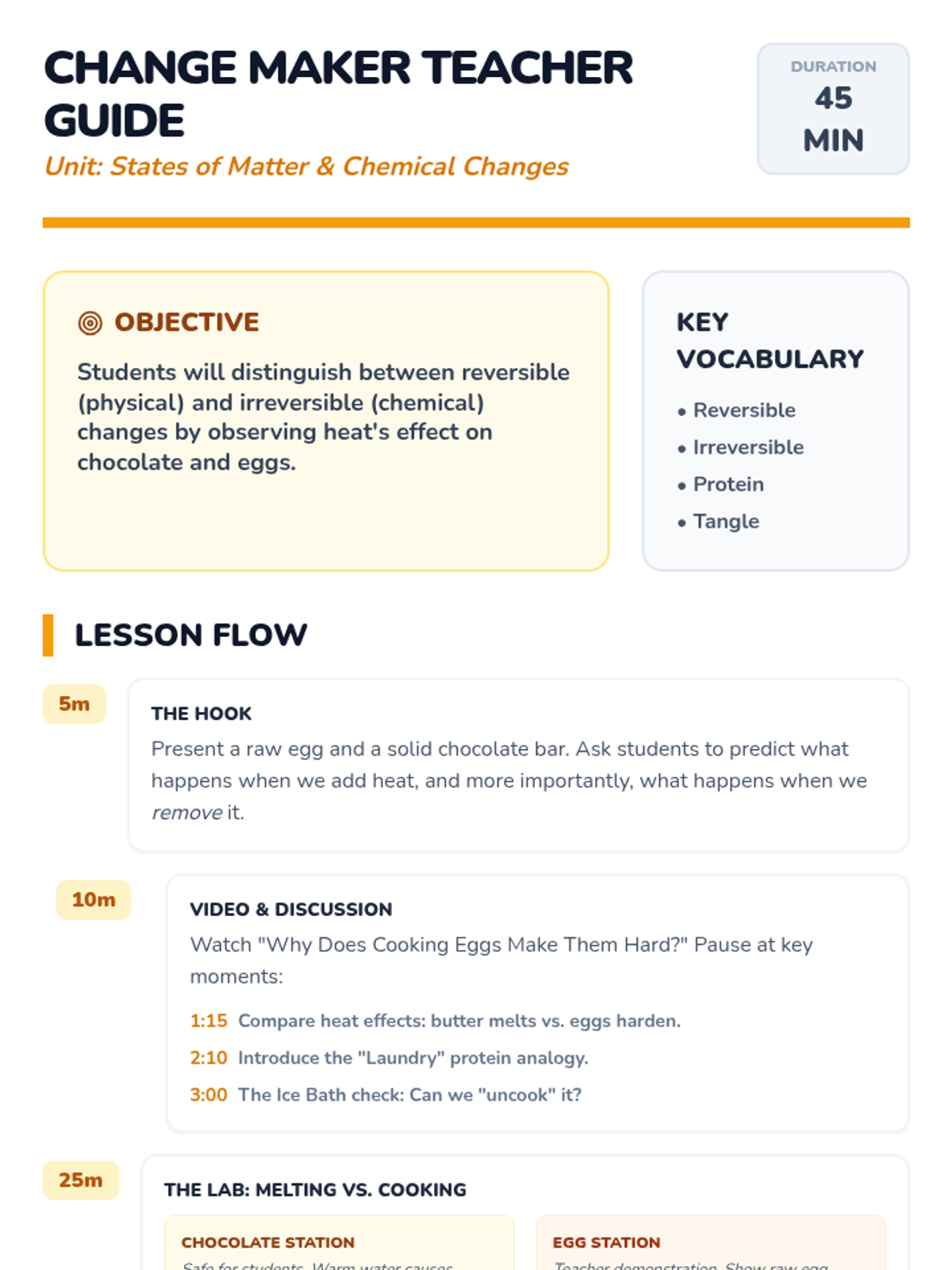
A hands-on science lesson for K-3rd graders exploring reversible and irreversible changes using chocolate and eggs. Students investigate how heat transforms matter and use a 'protein tangle' analogy to understand why some changes can't be undone.
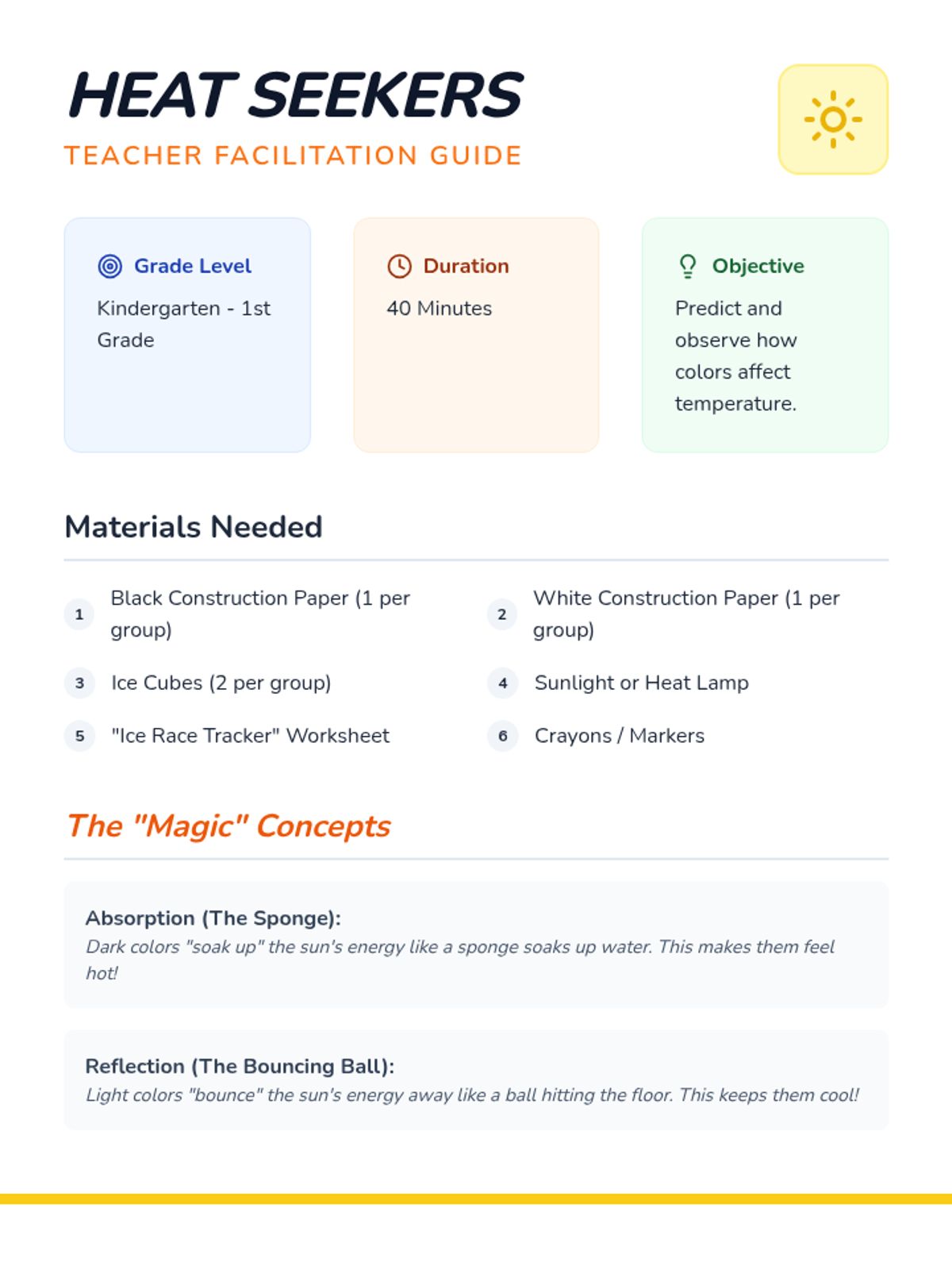
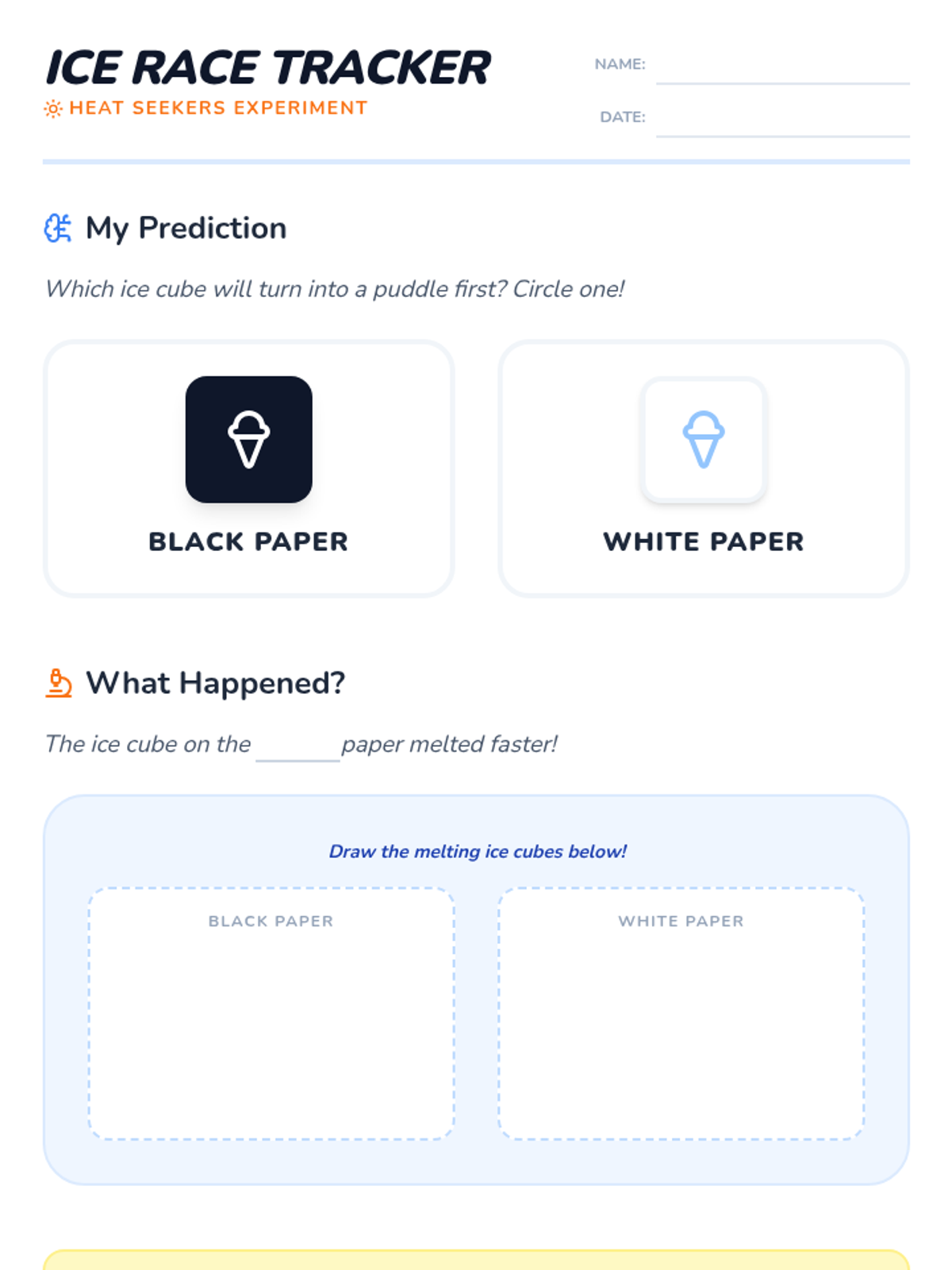
A Kindergarten - 1st Grade lesson exploring how colors absorb heat using a fun ice-melting experiment and a 'Save the Snowman' theme. Students learn about absorption and reflection through hands-on play and visual analogies.
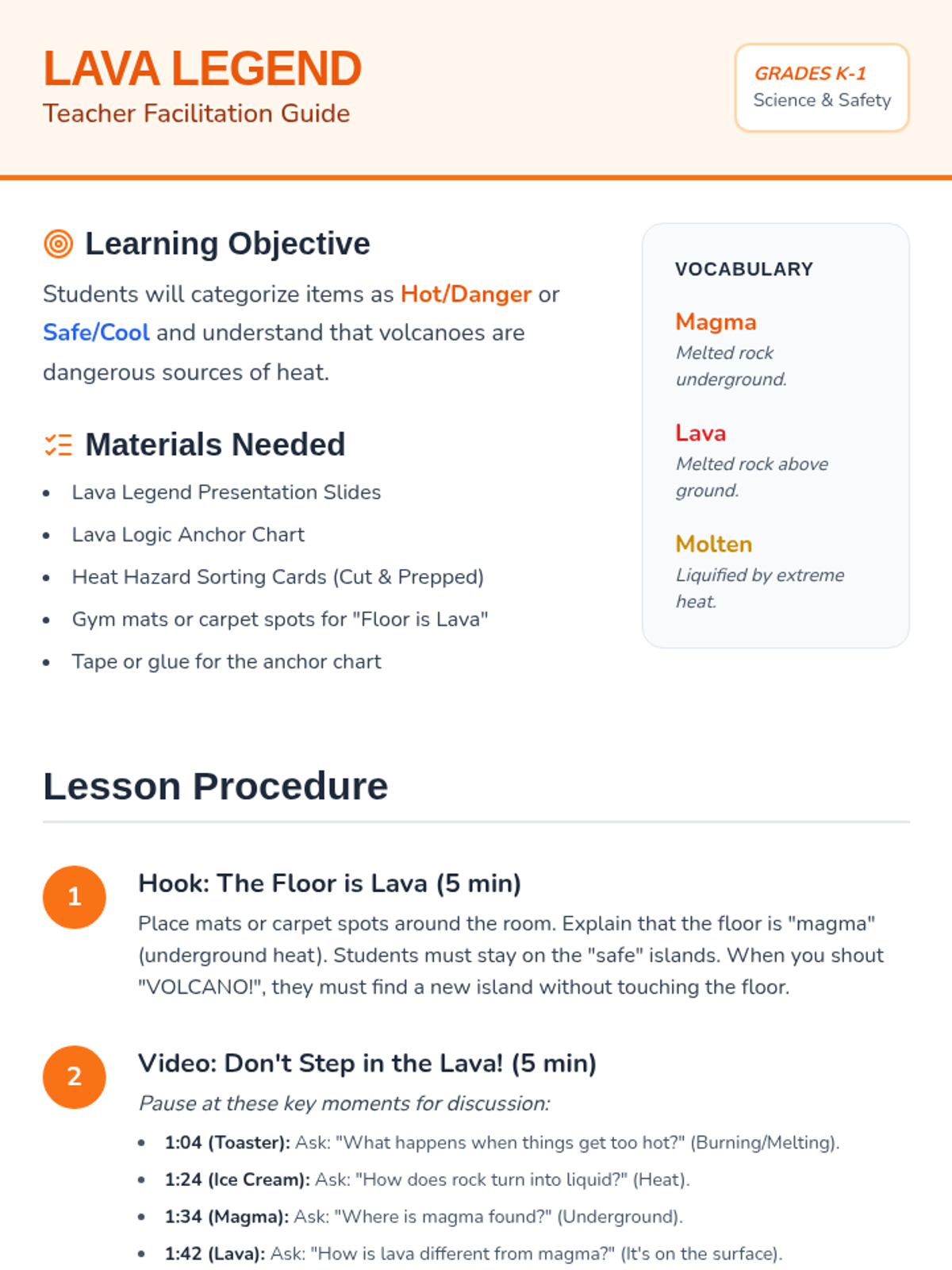
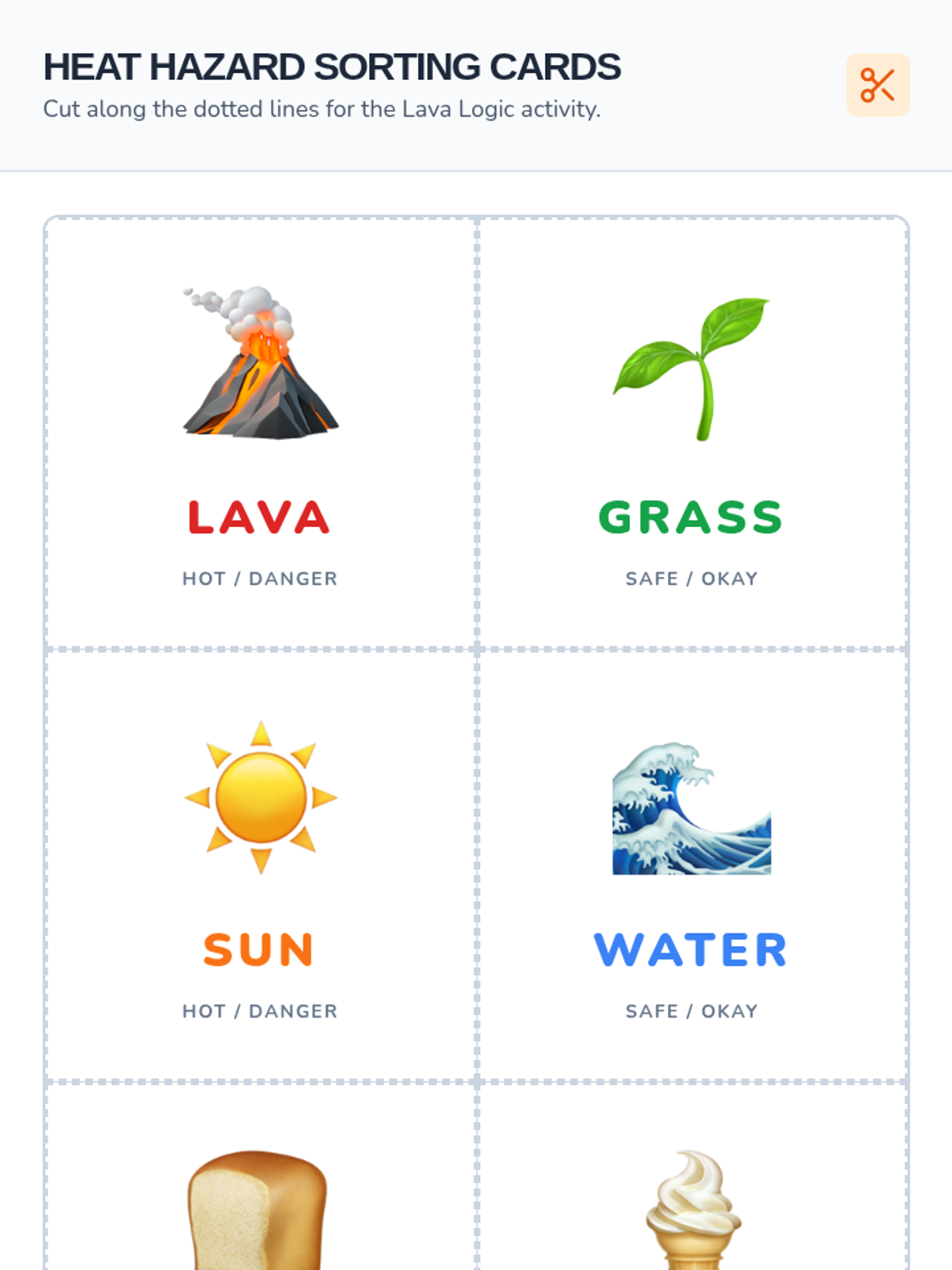
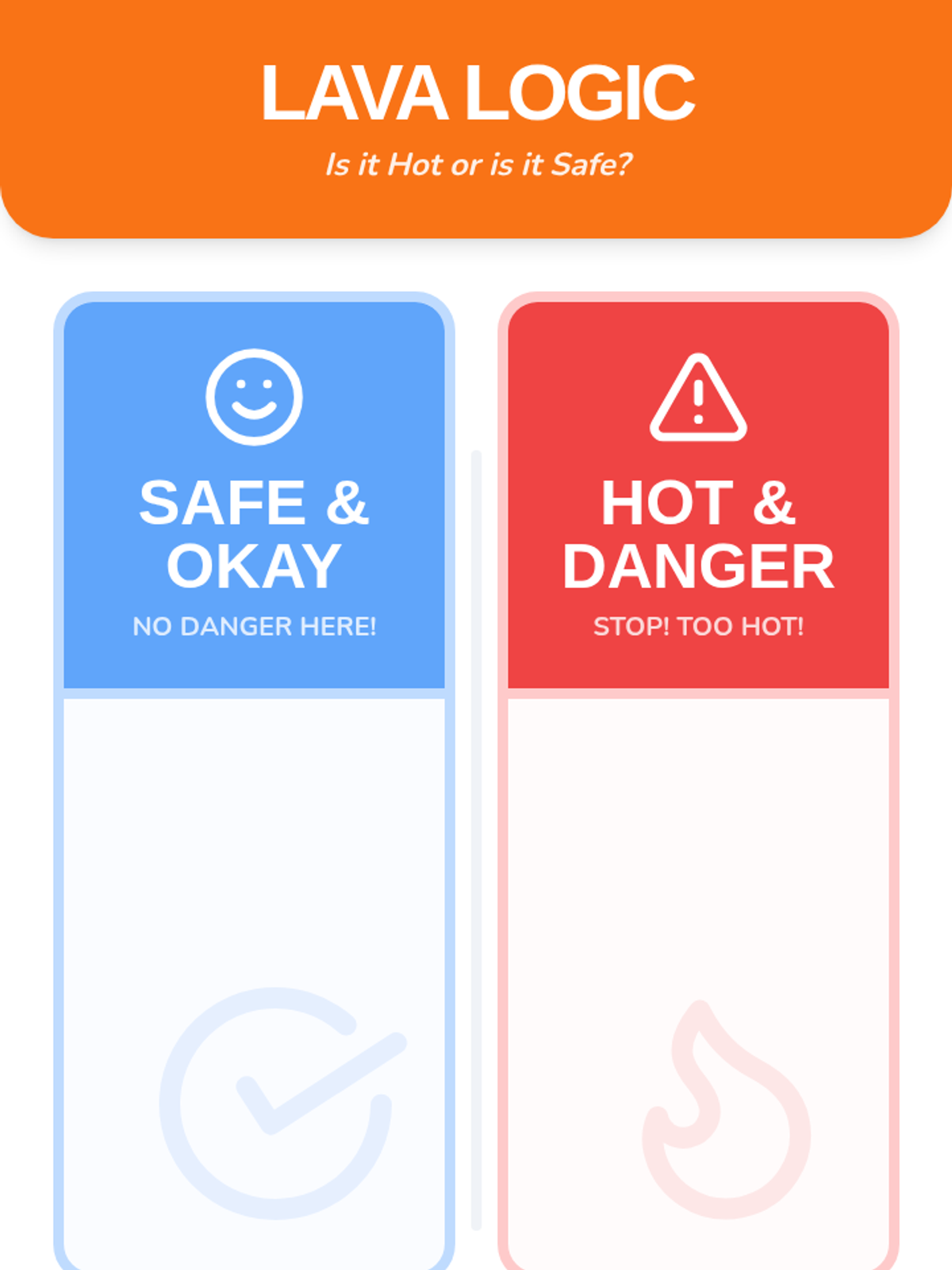
A high-energy science and safety lesson for Kindergarten and 1st Grade students to distinguish between 'Hot' and 'Safe' items using the Scratch Garden 'Lava is Hot' song. Students will learn basic volcanic science and practice safety categorization through movement and sorting.
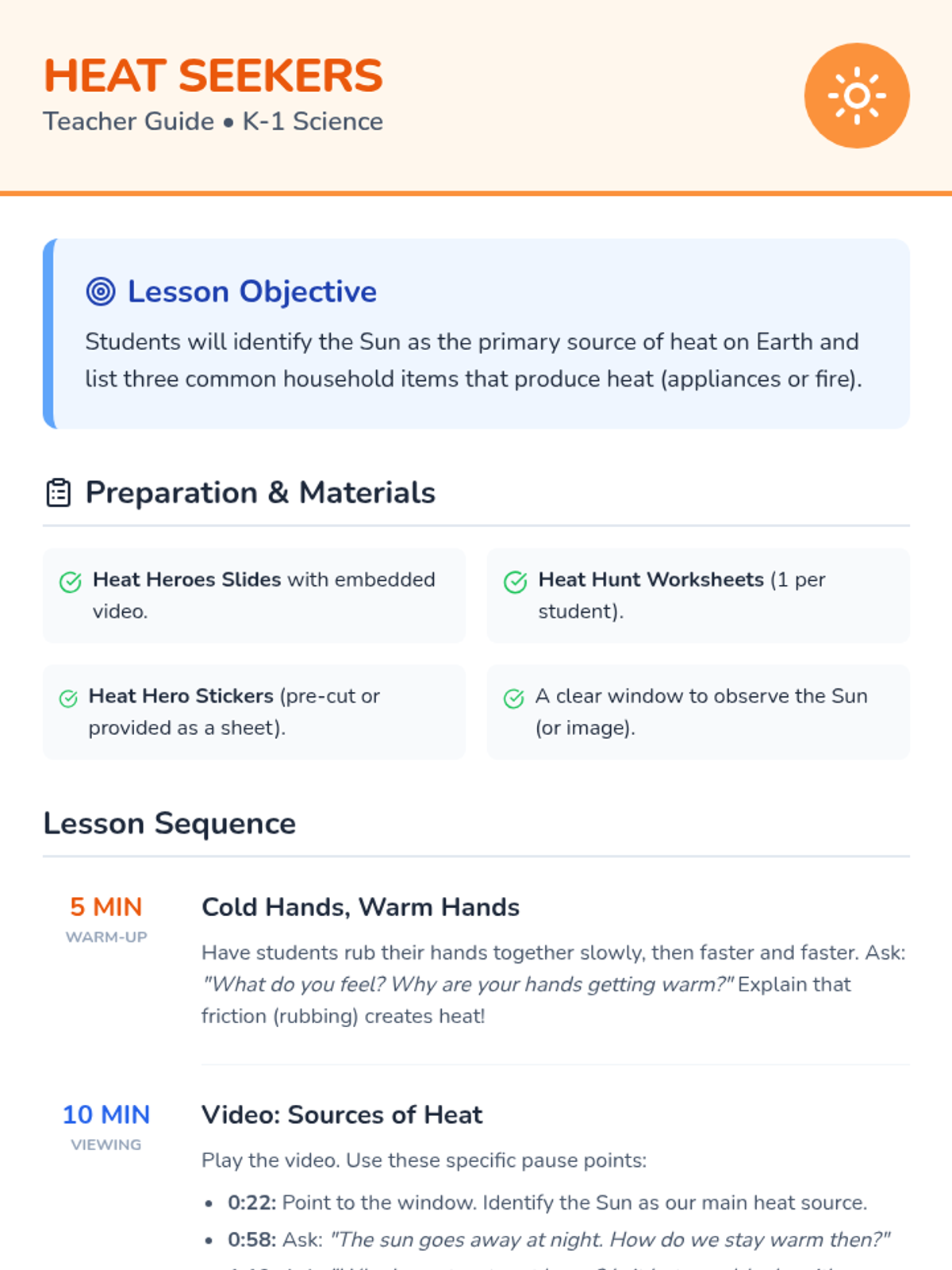
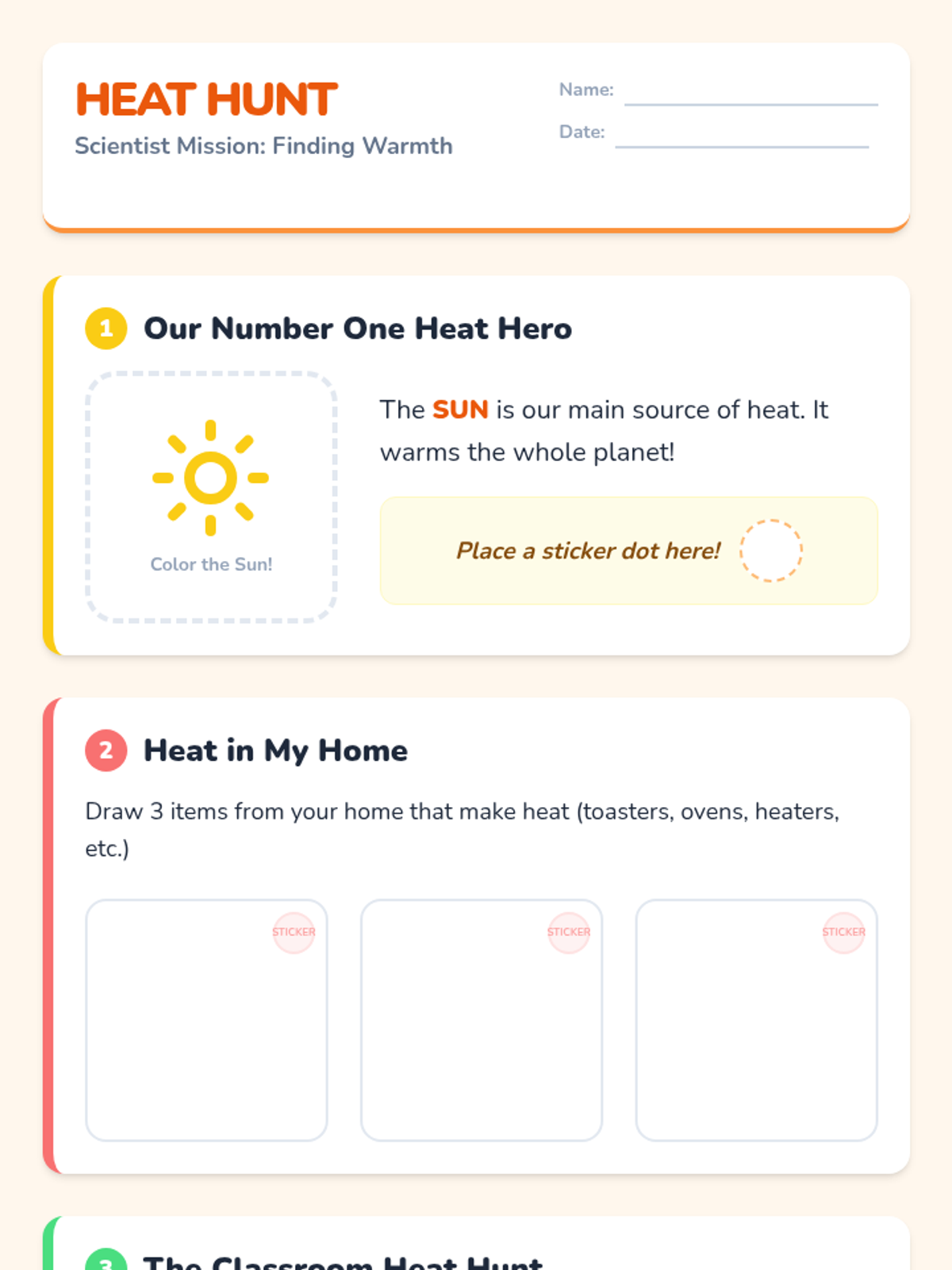
A sunny and interactive lesson for K-1 students to discover that the Sun is our main source of heat and identify common household appliances that keep us warm.
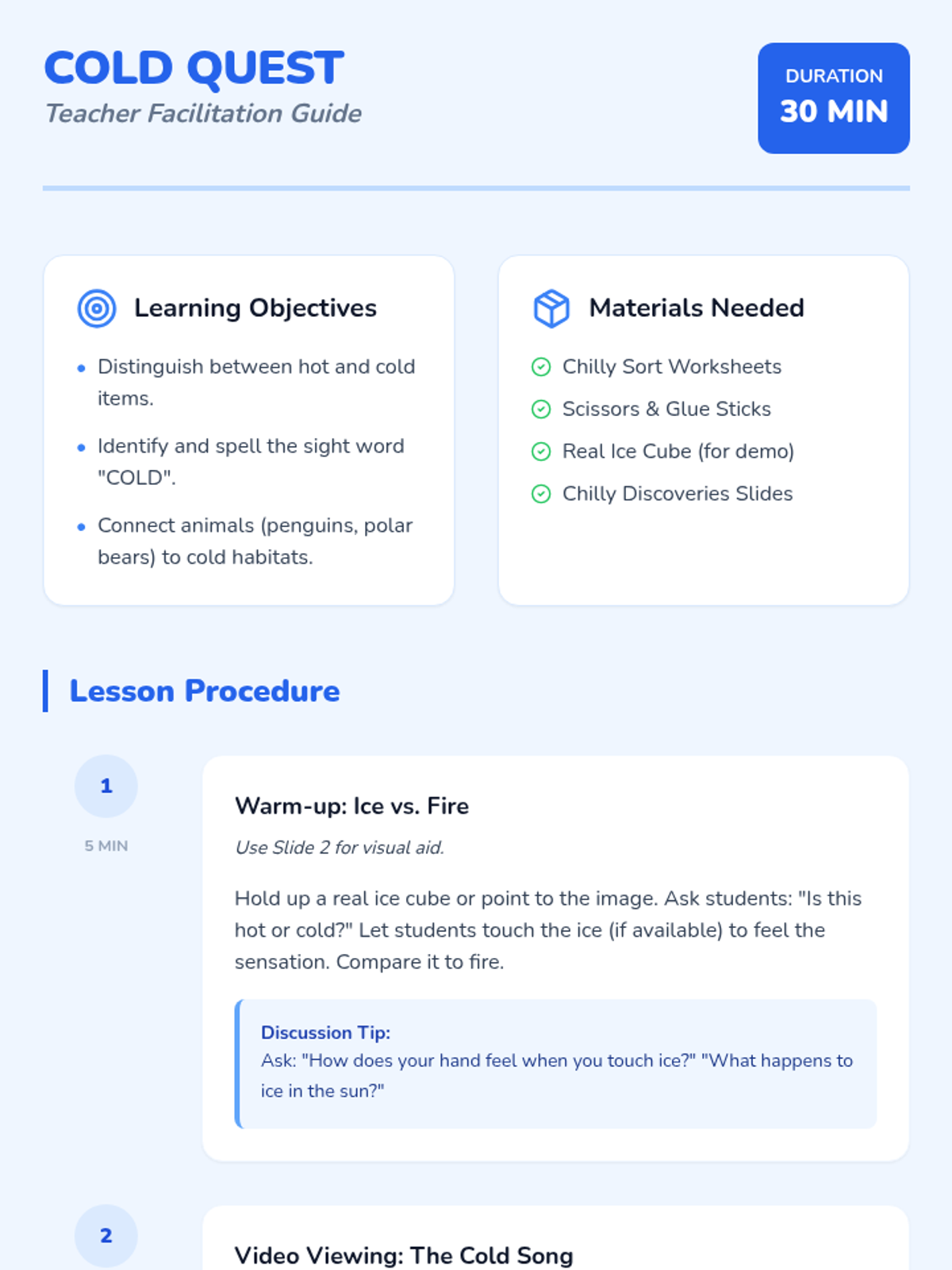
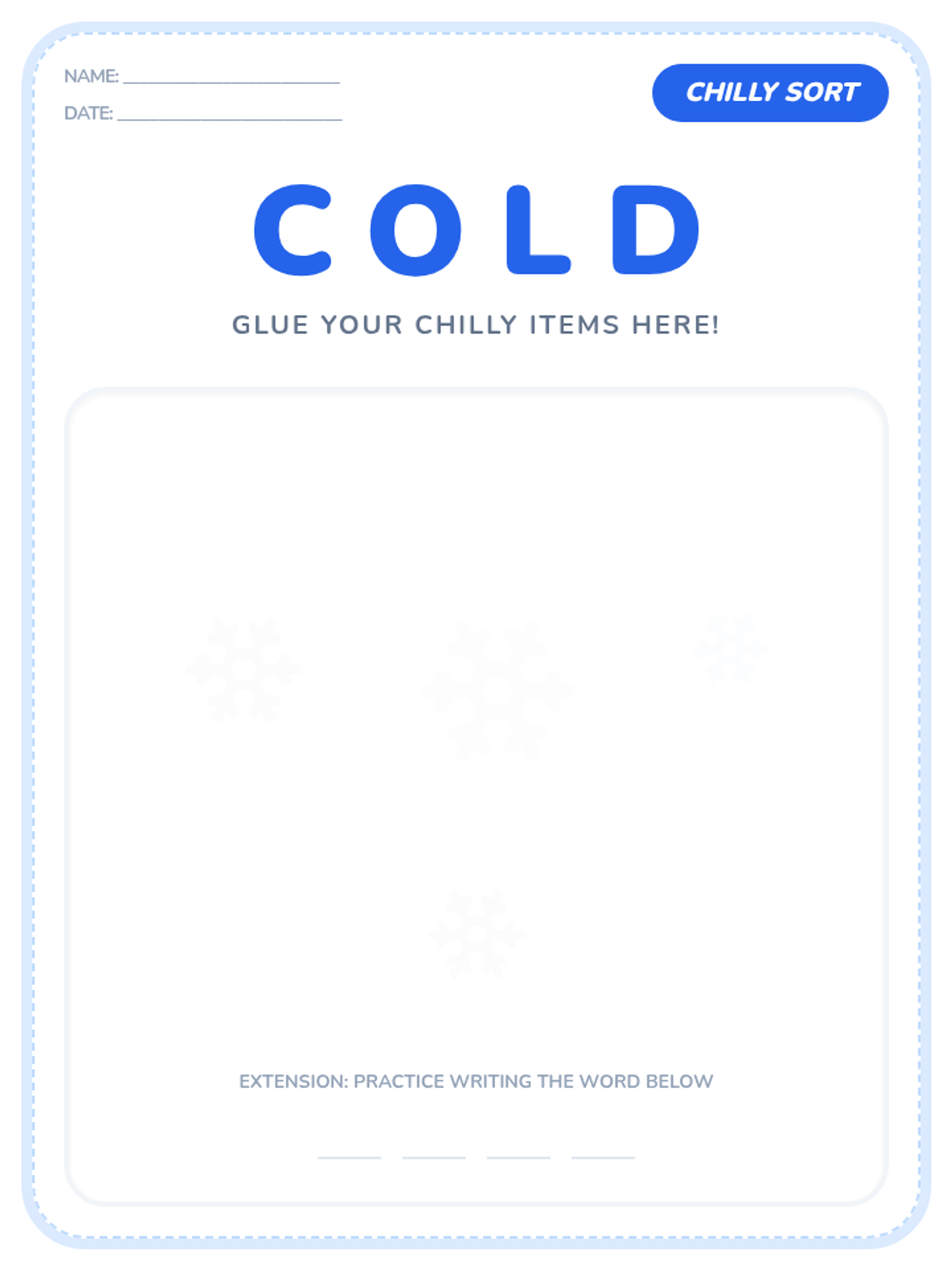
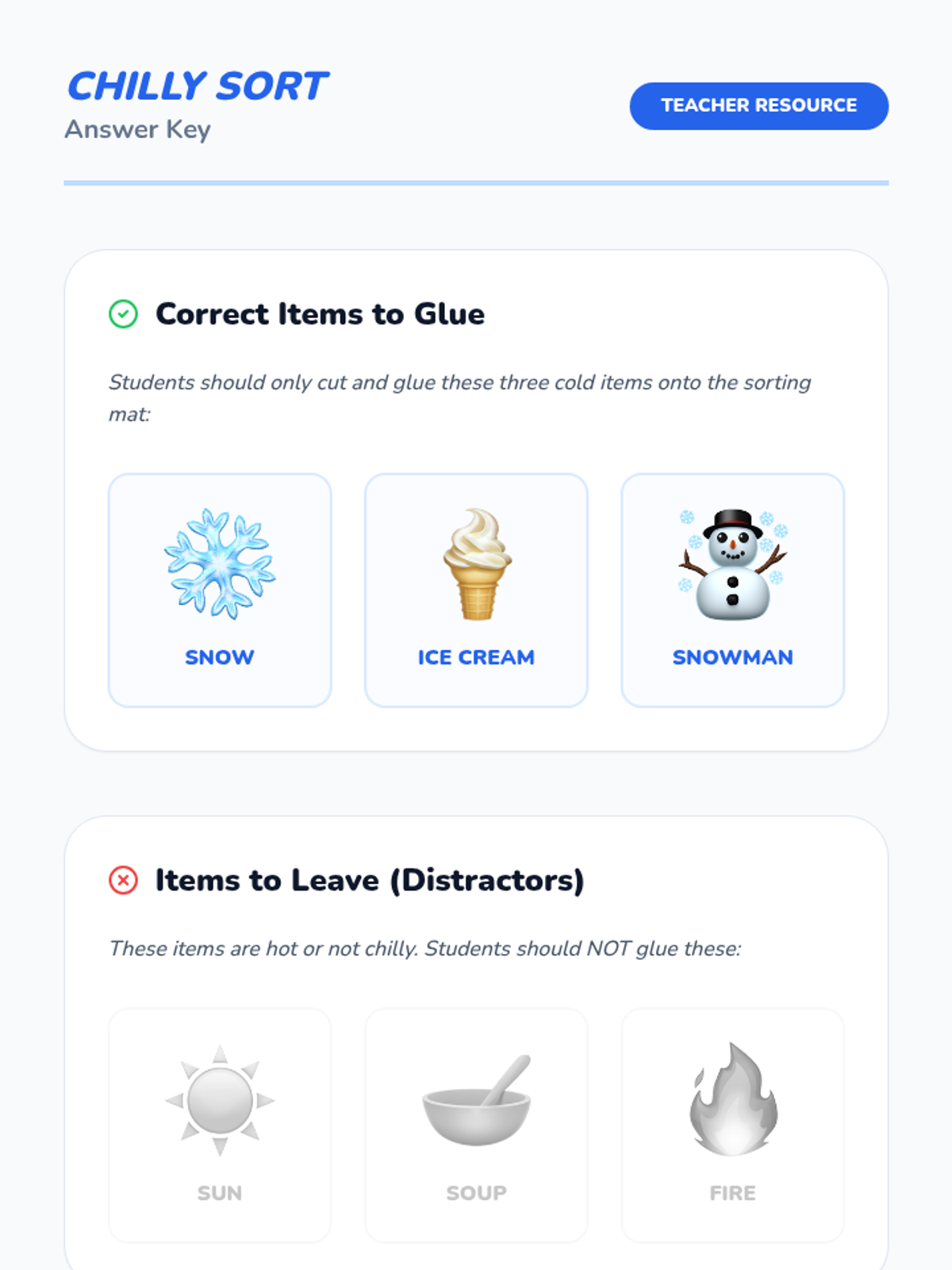
A foundational science and literacy lesson where Kindergarten students explore the concept of temperature by identifying cold items and learning to spell the sight word 'COLD'.
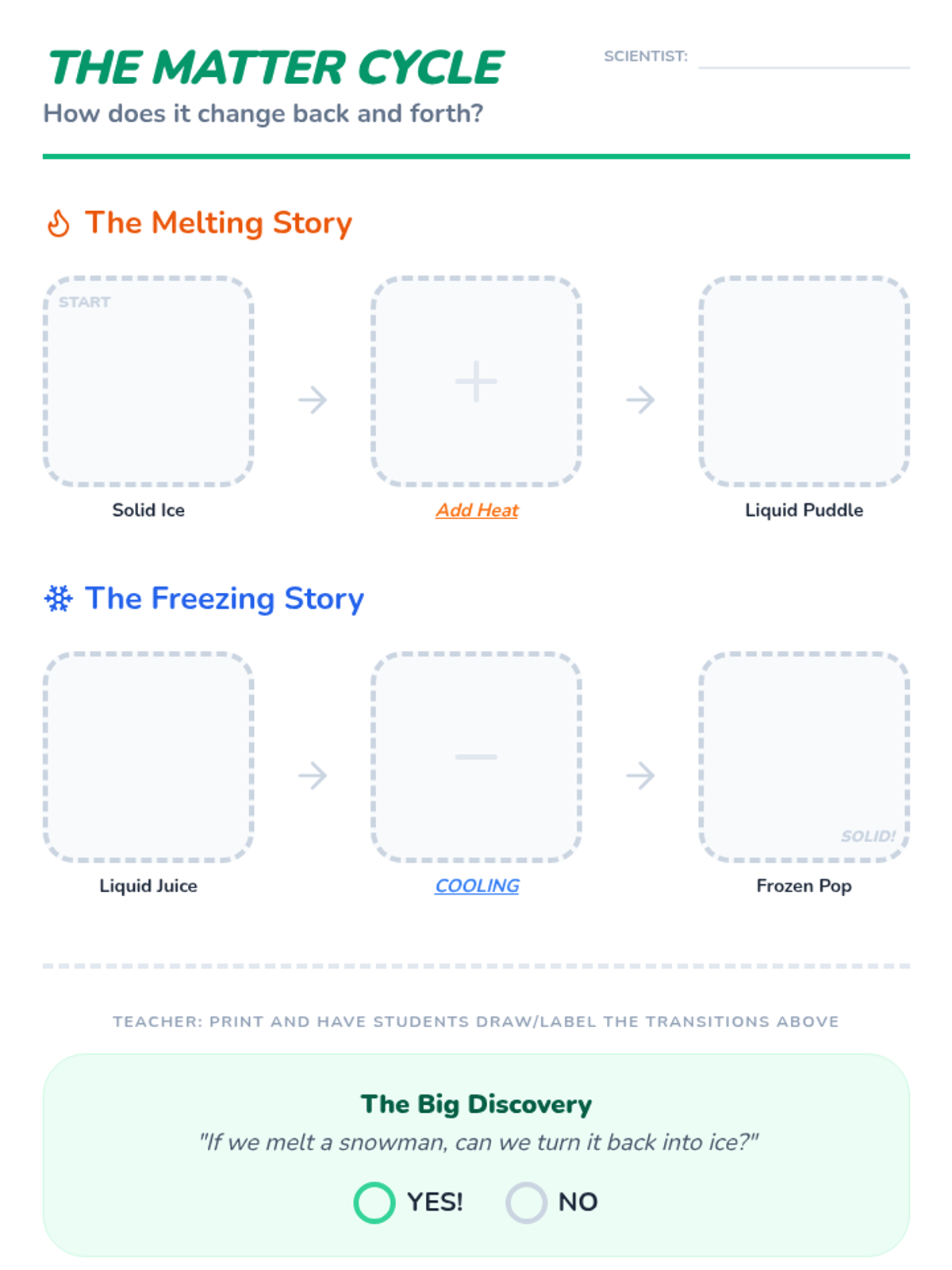
Students sequence the process of melting and freezing to understand the reversible nature of these changes.
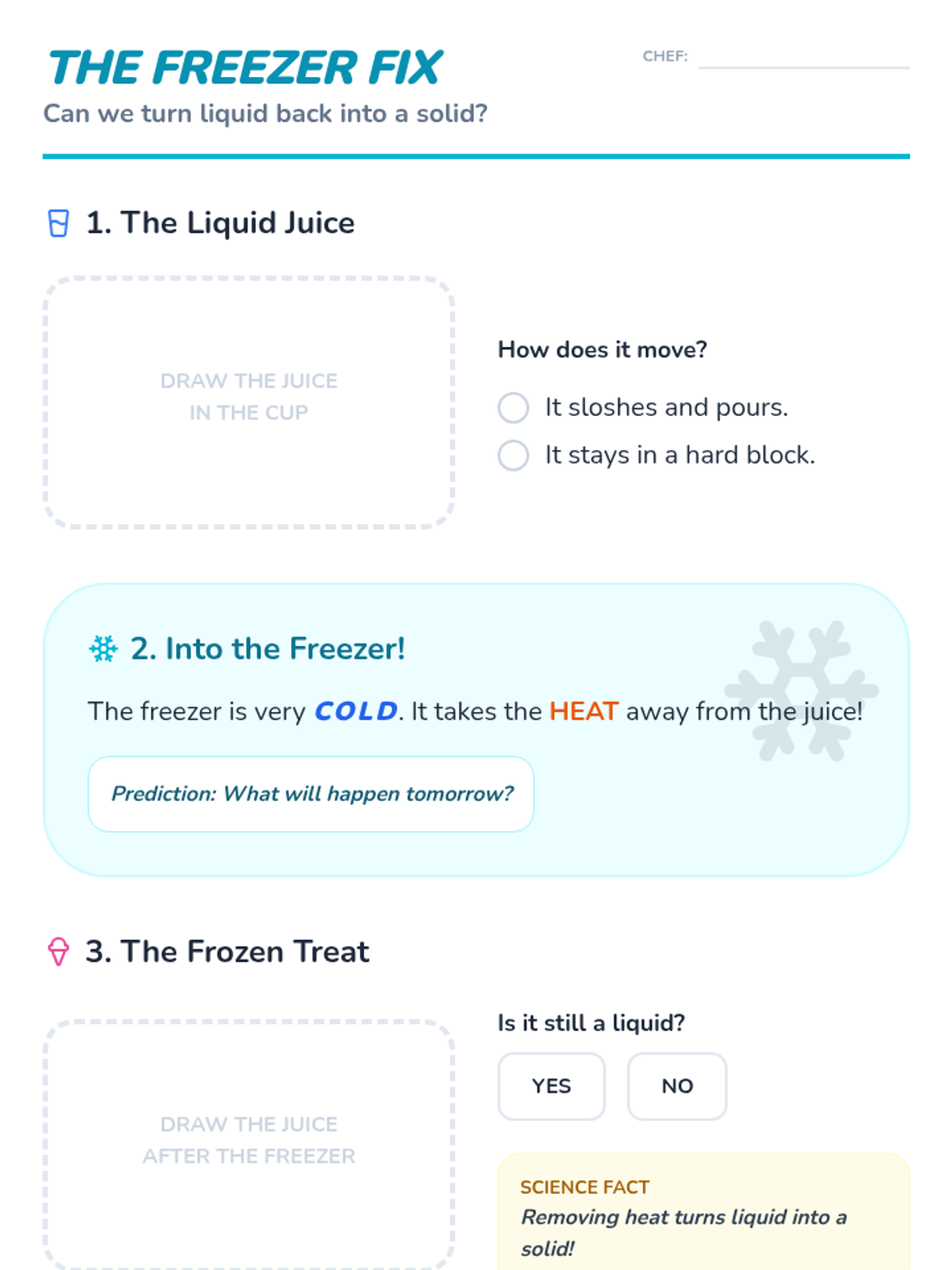
Students investigate the reverse process of turning liquids into solids by freezing juice.
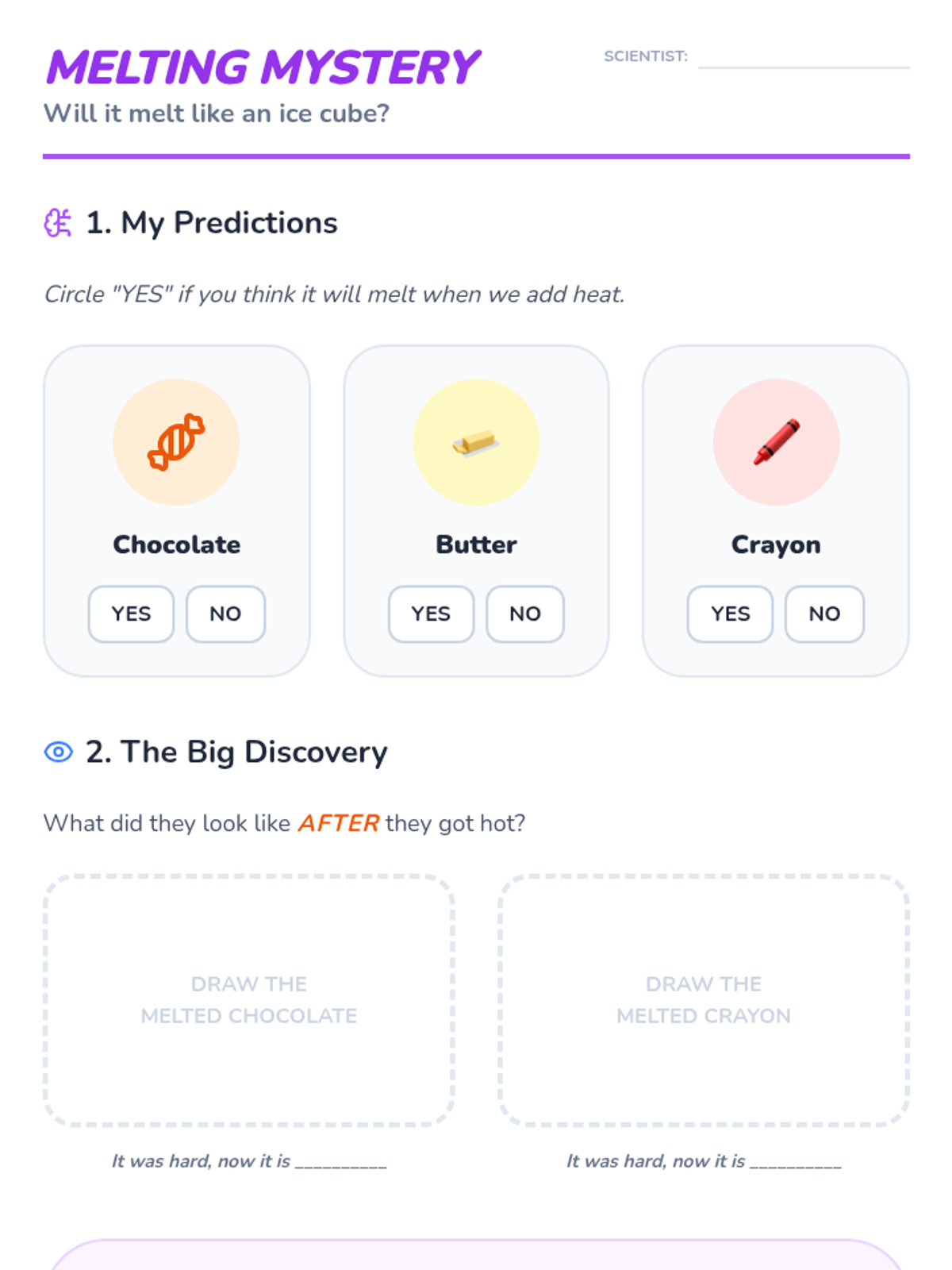
A demonstration-based lesson where students predict and observe how butter, chocolate, and crayons change when heated.
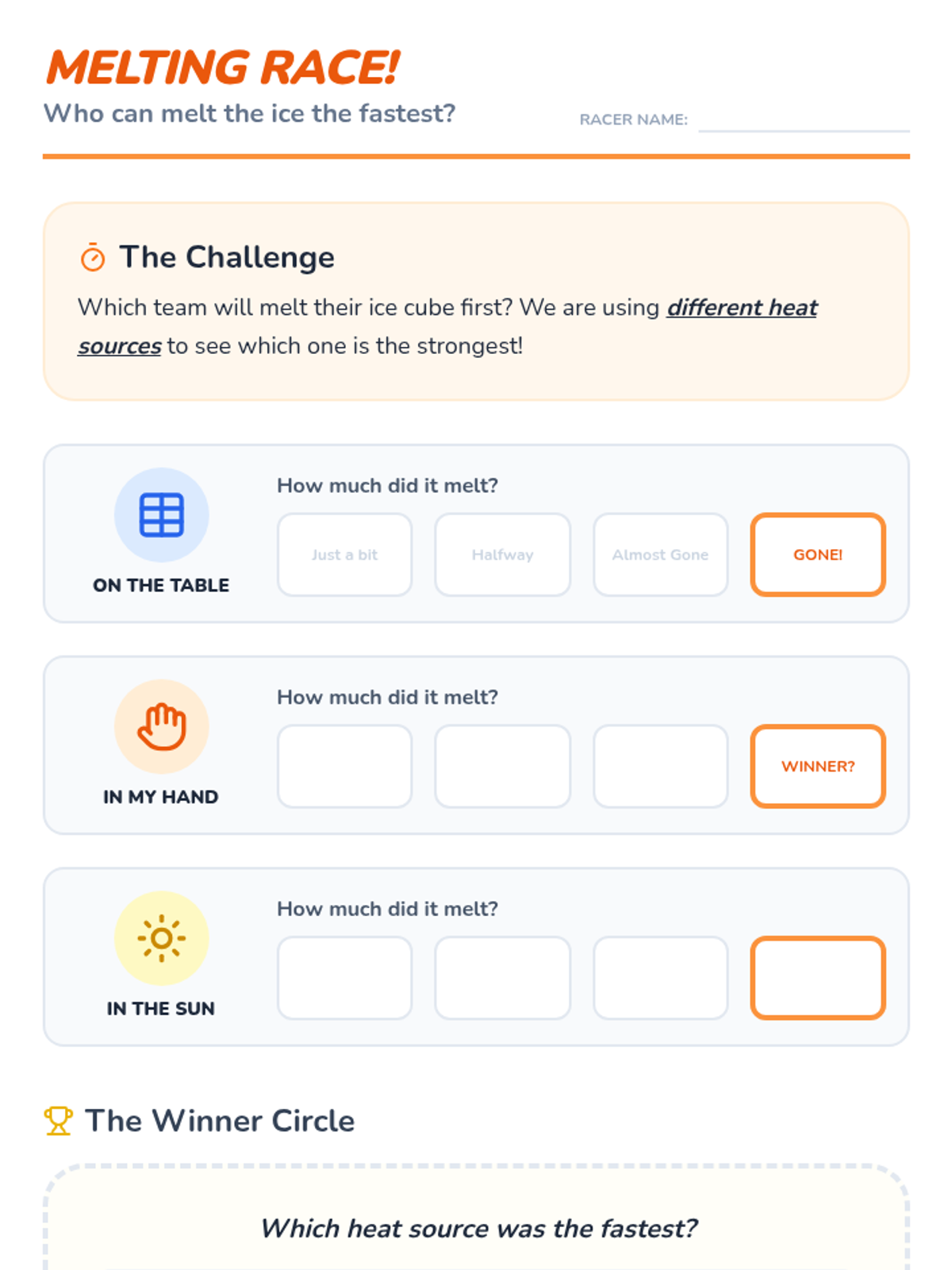
Students experiment with different heat sources to see how they affect the speed of melting.
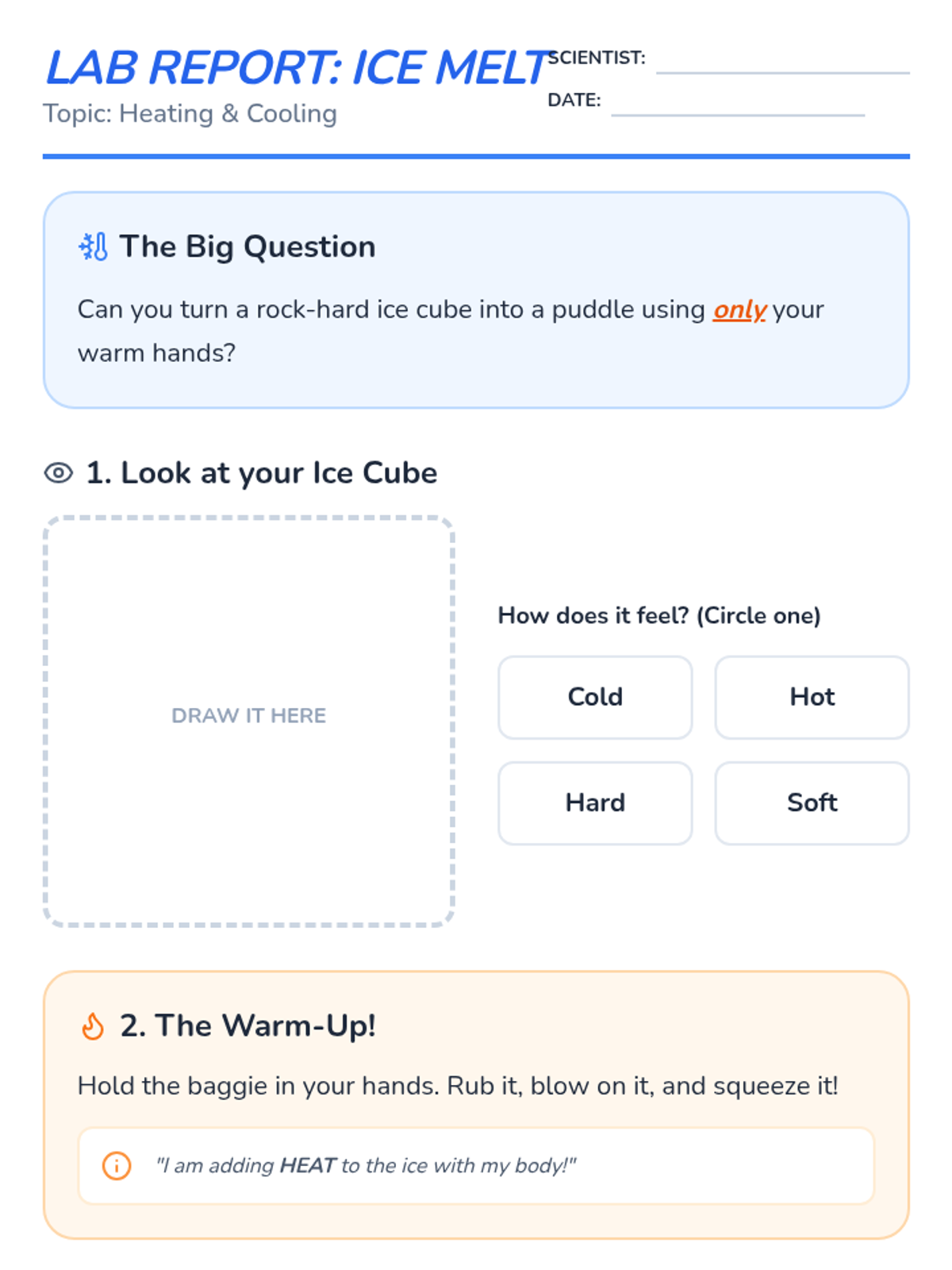
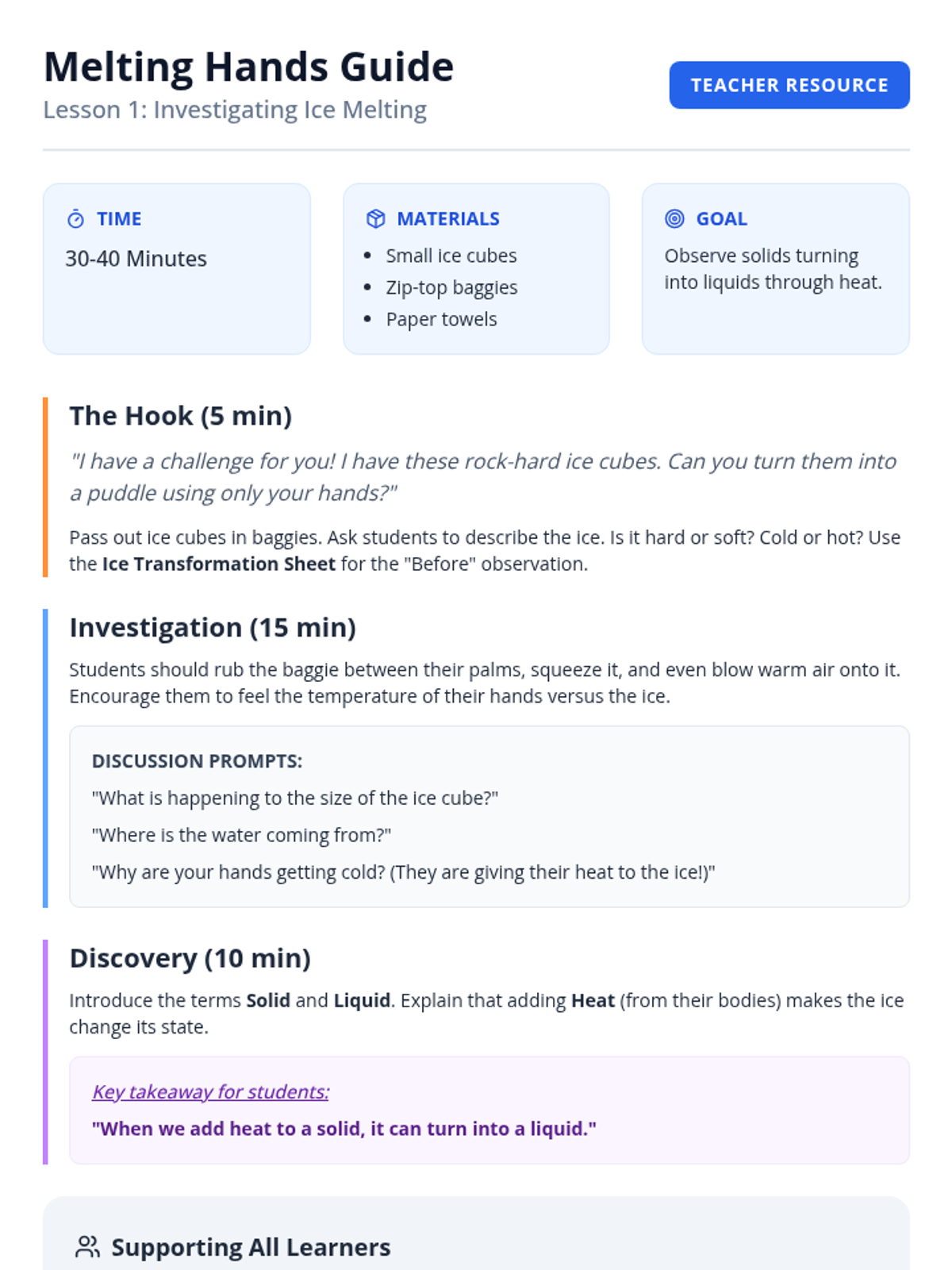
Students observe an ice cube melting in their hands to understand that heat turns solids into liquids.
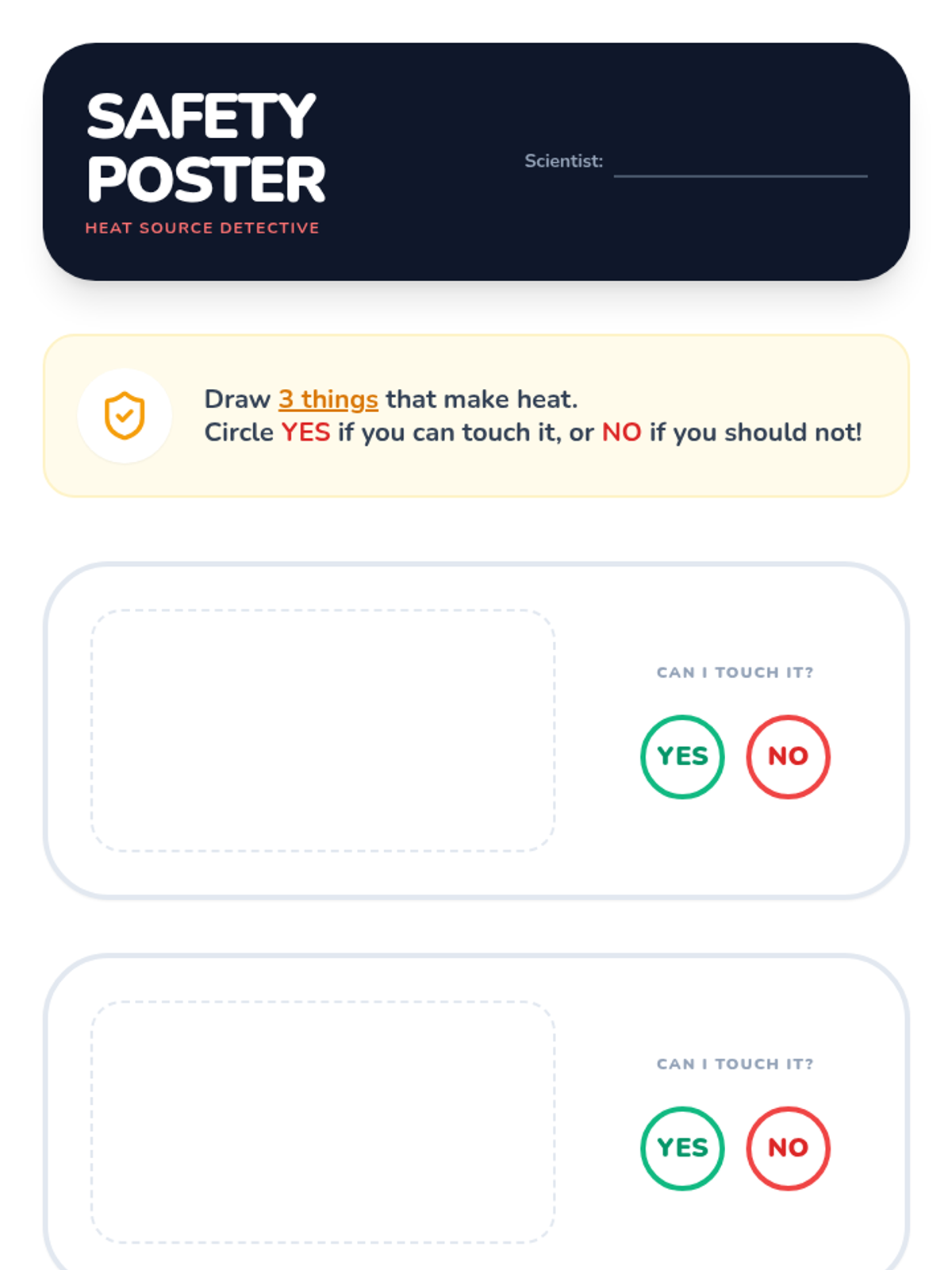
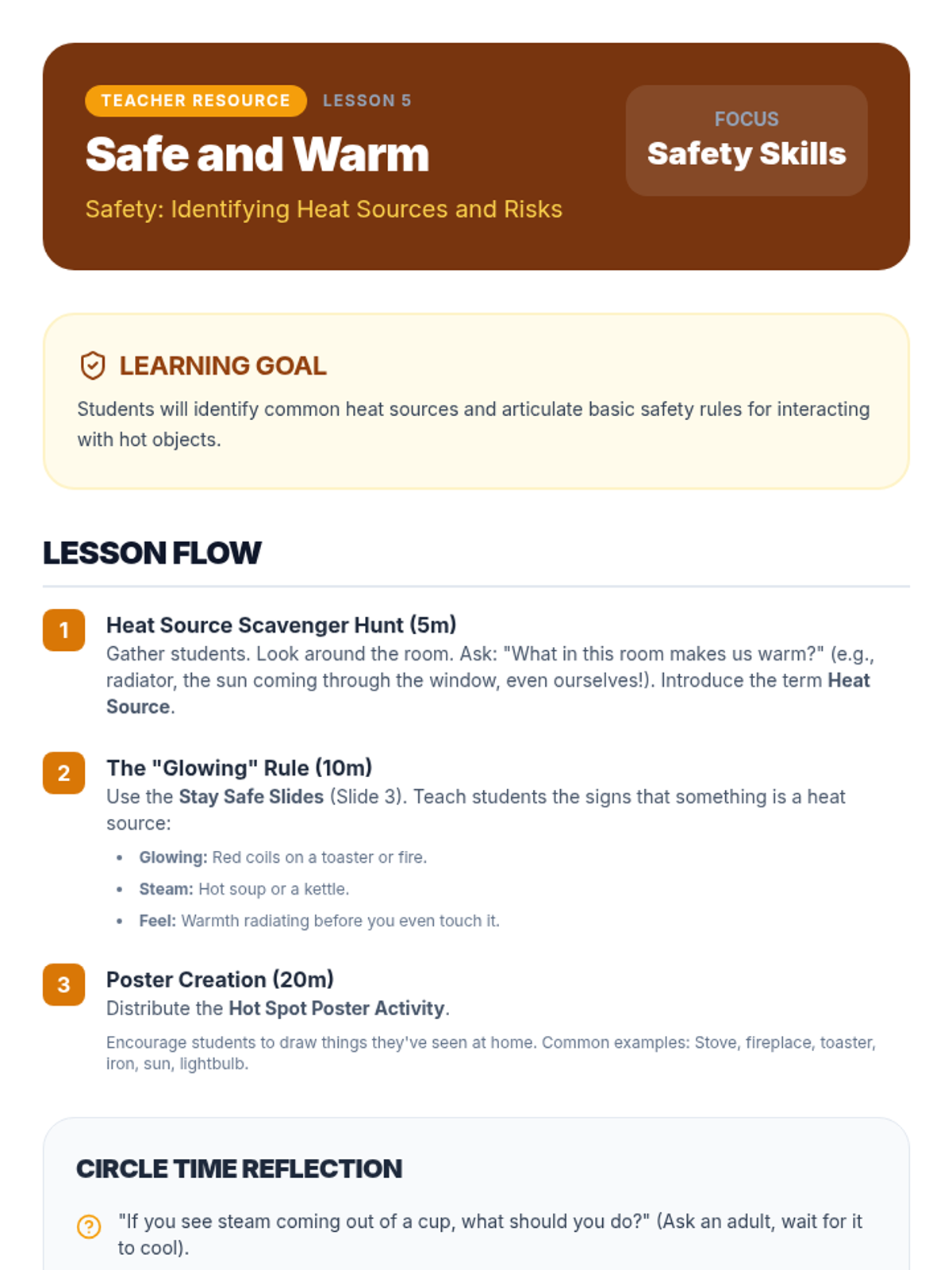
Identifying daily heat sources and creating safety rules for handling hot objects.
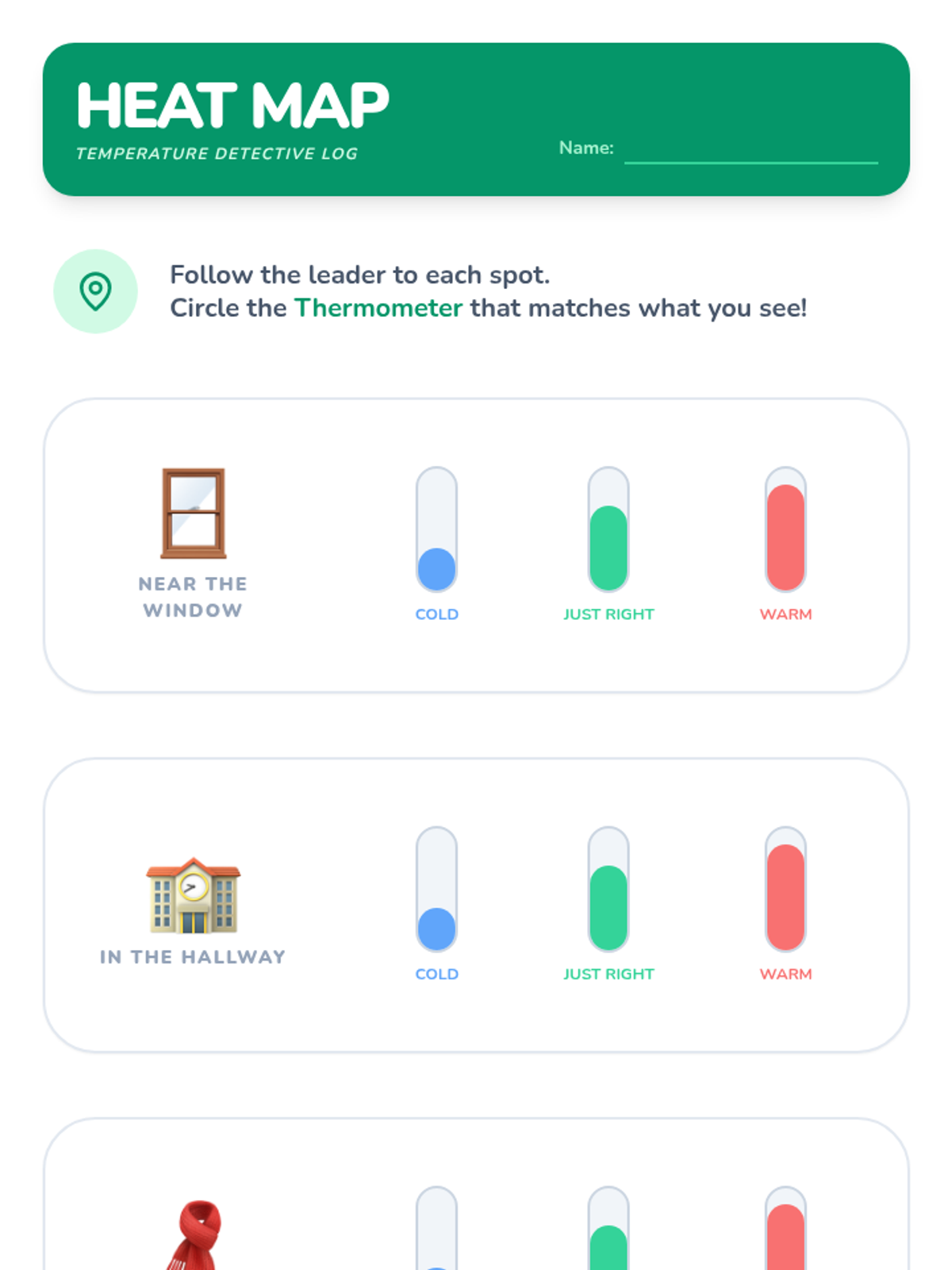
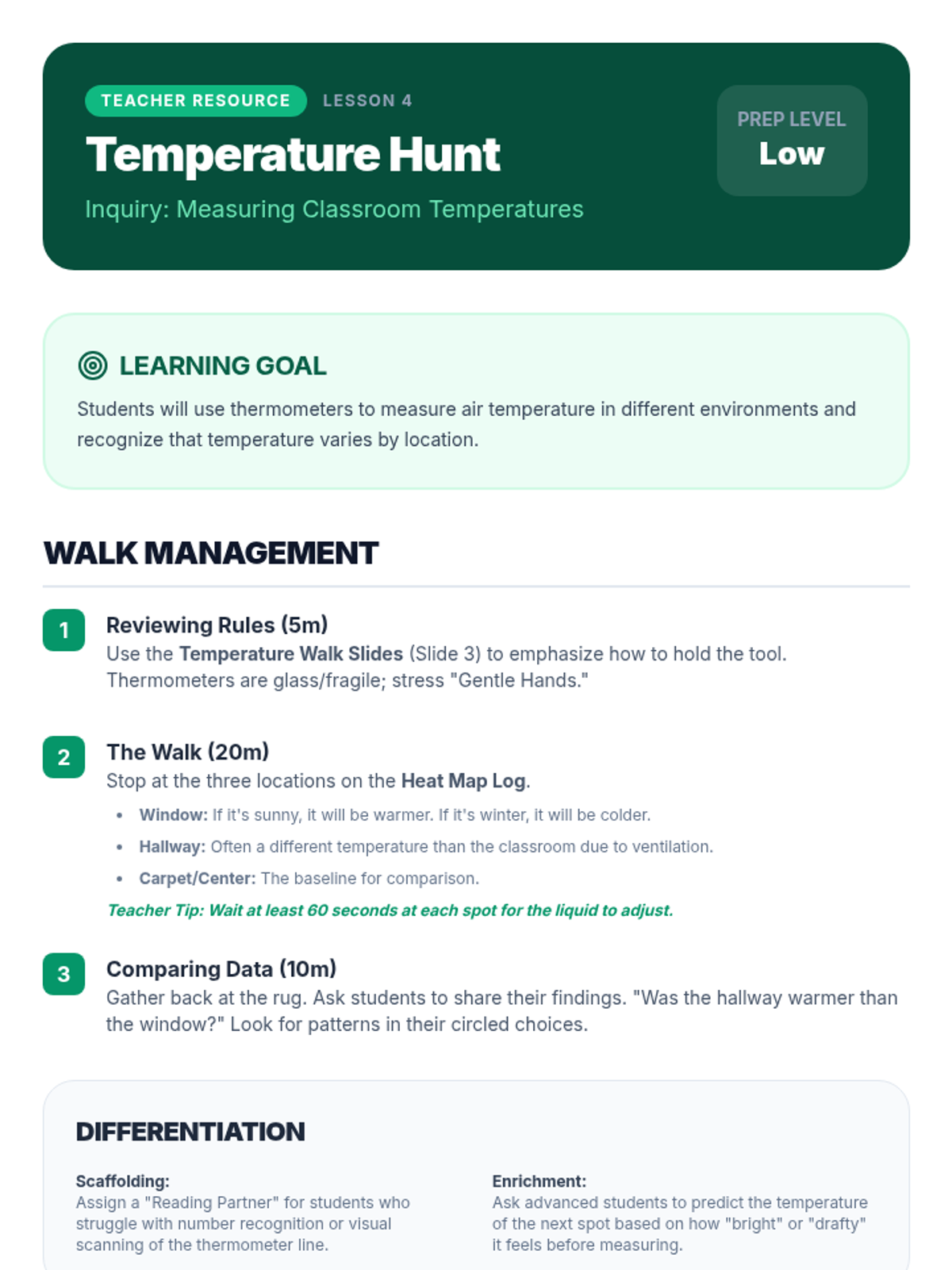
A classroom 'temperature walk' where students measure and record air temperature in different locations.
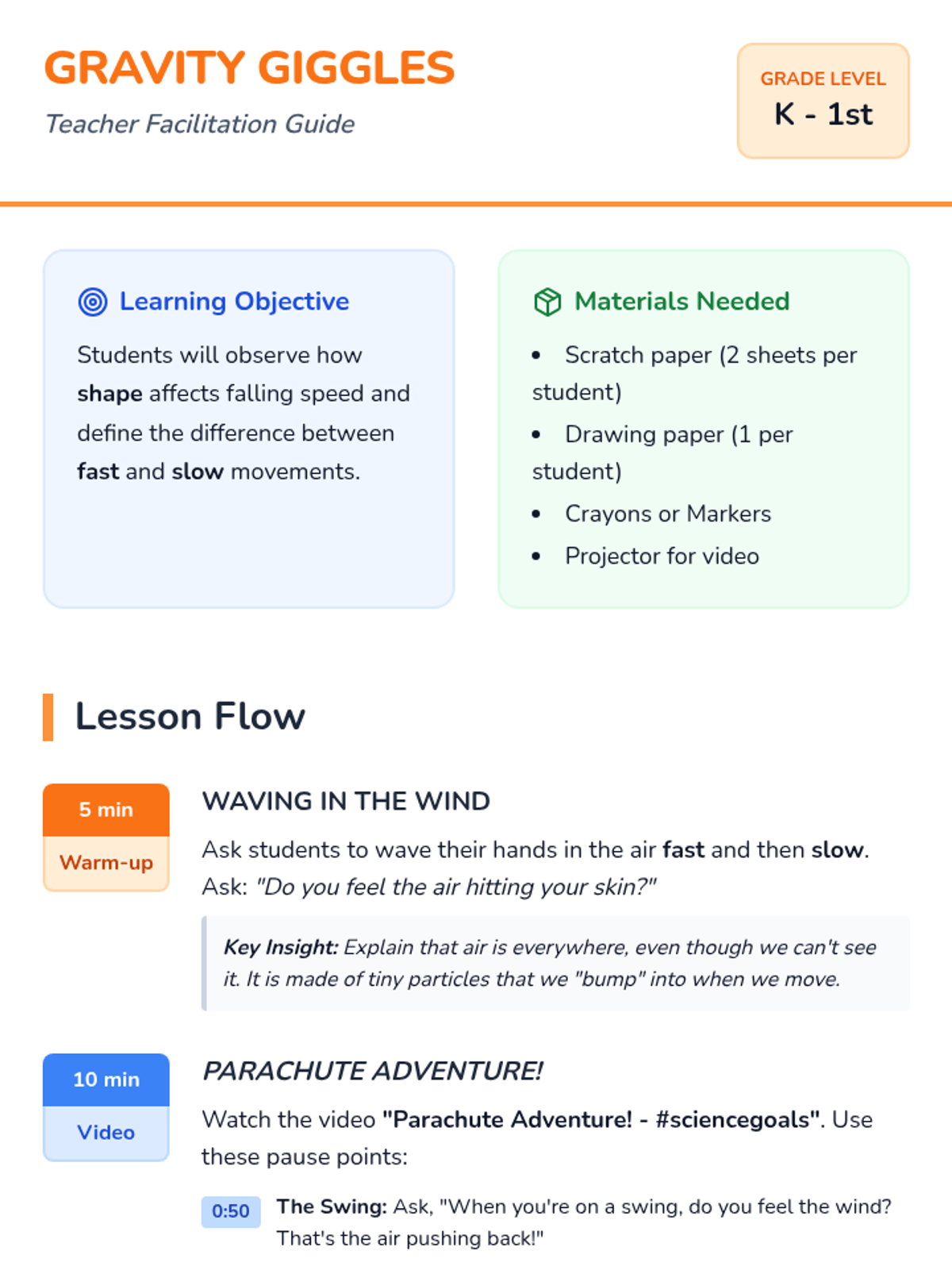
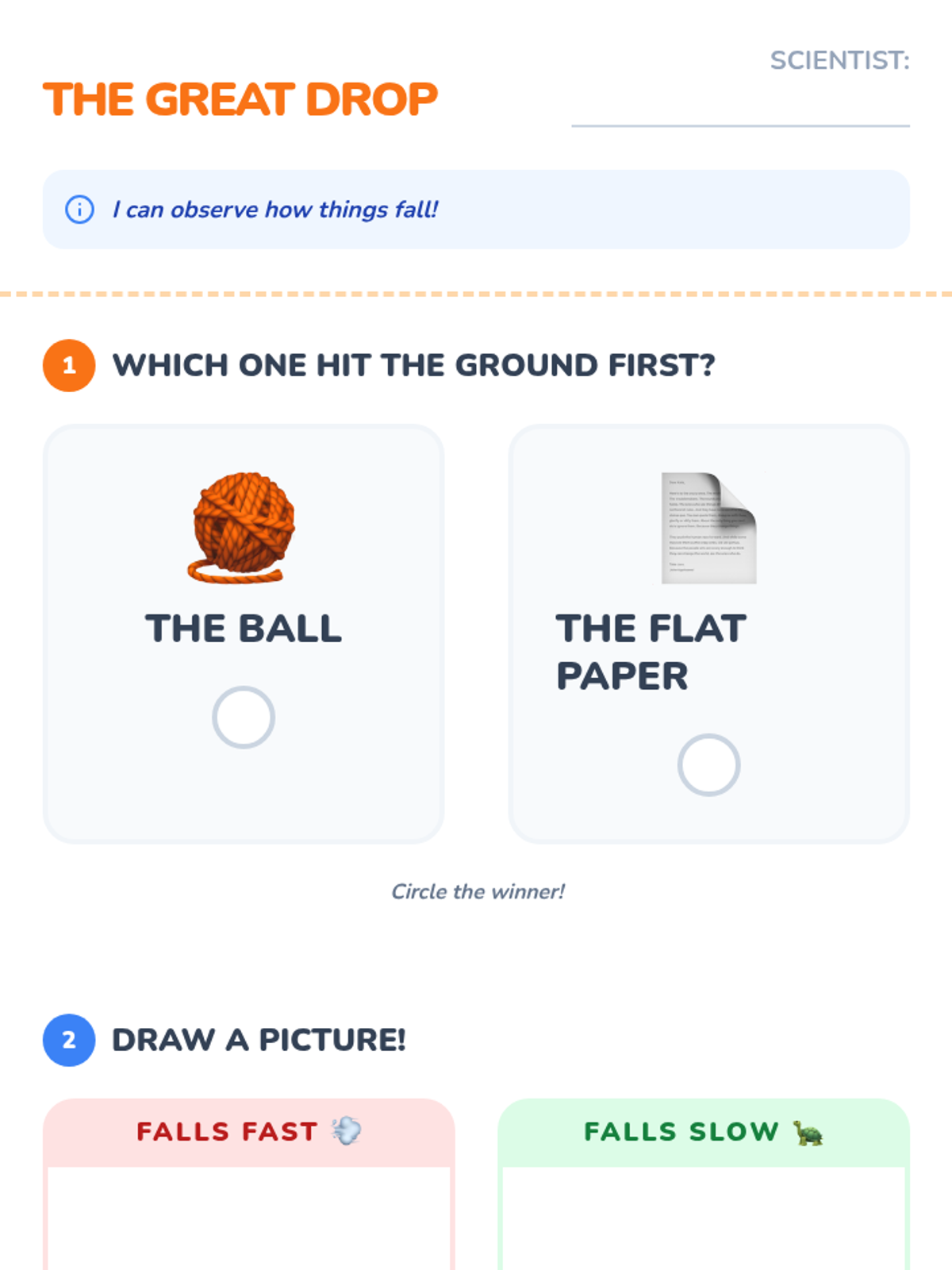
A Kindergarten and 1st Grade lesson exploring gravity and air resistance. Students investigate how the shape of an object changes its falling speed through a hands-on paper drop experiment and a video about parachutes.
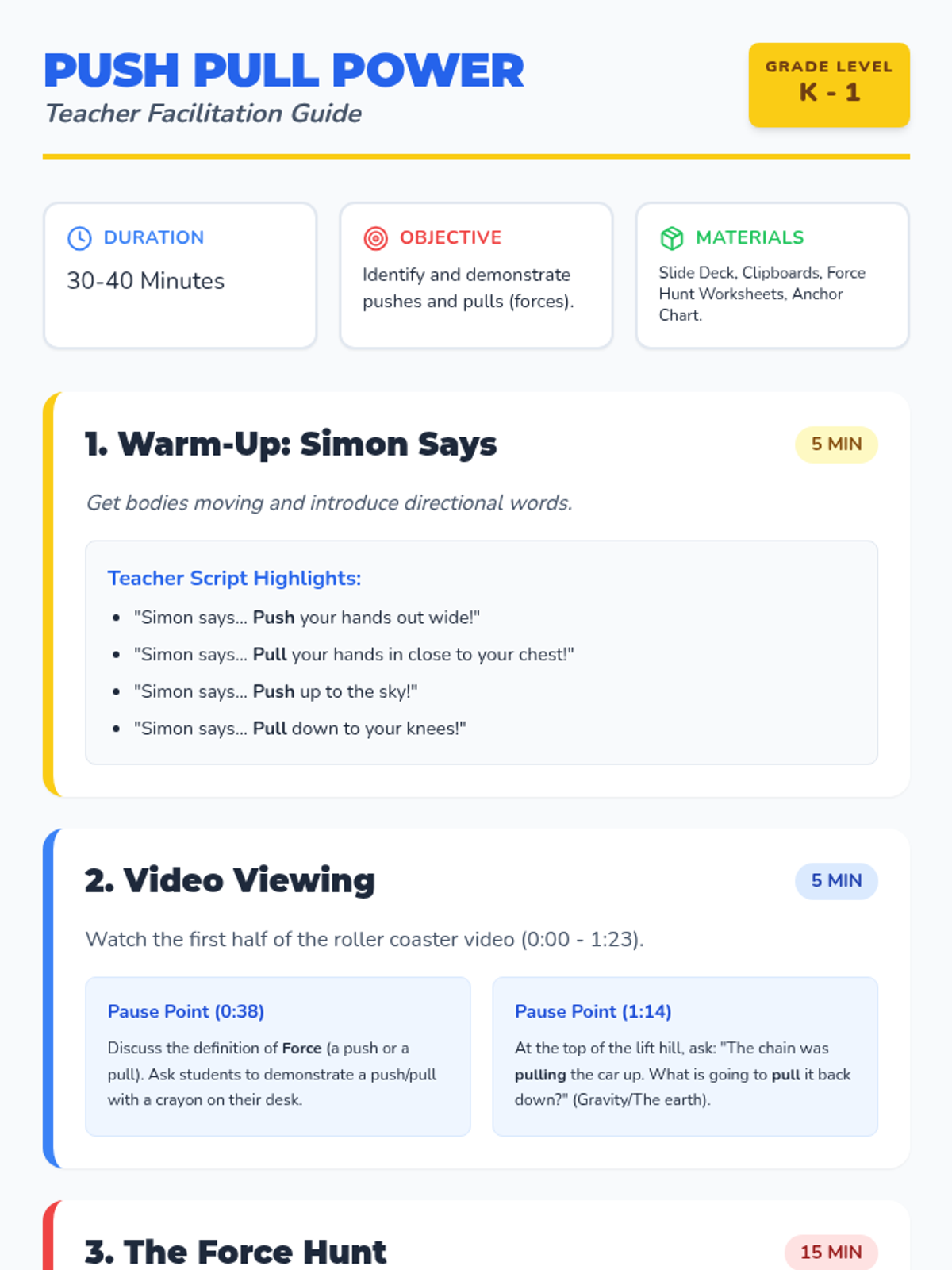
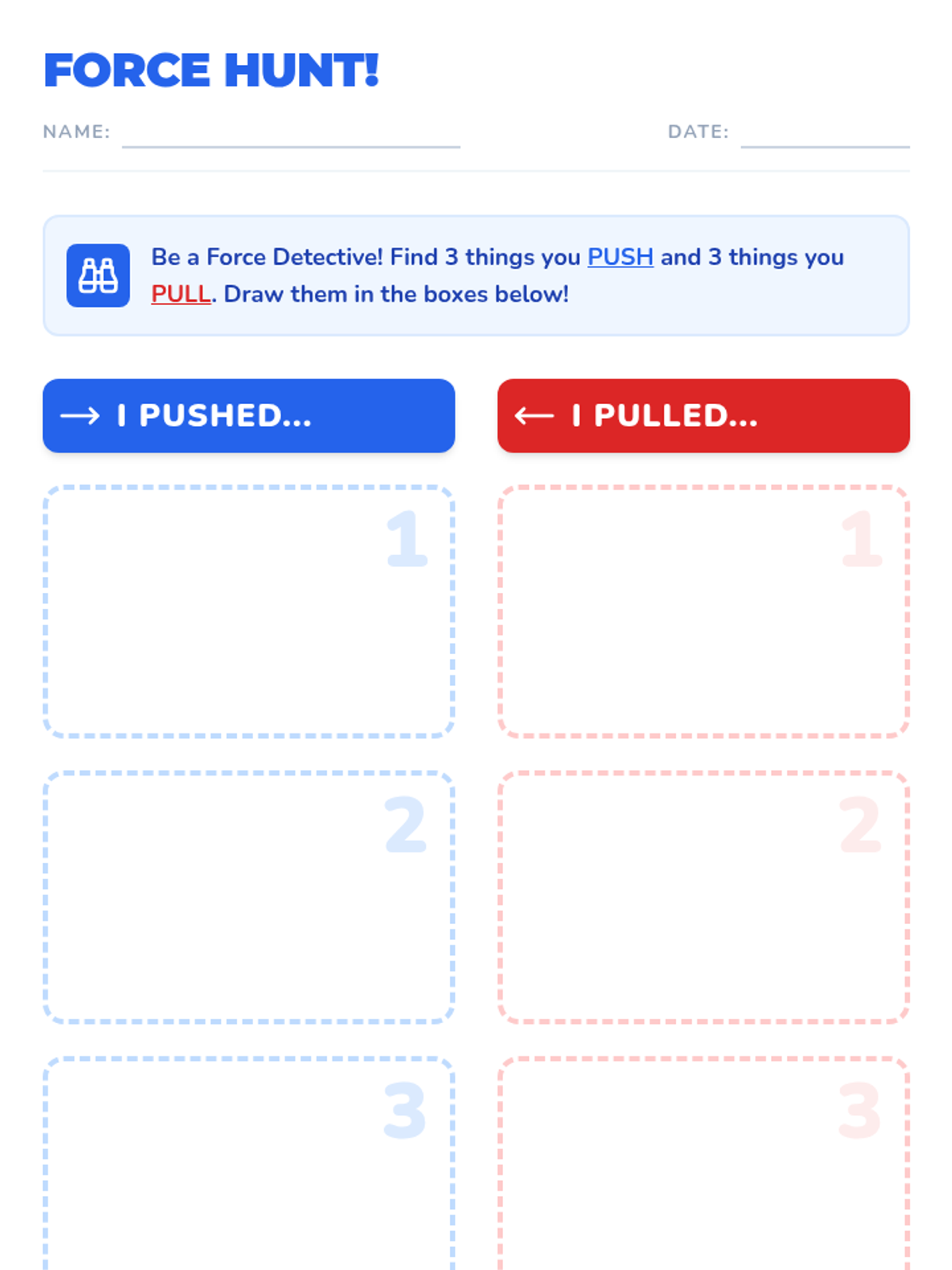
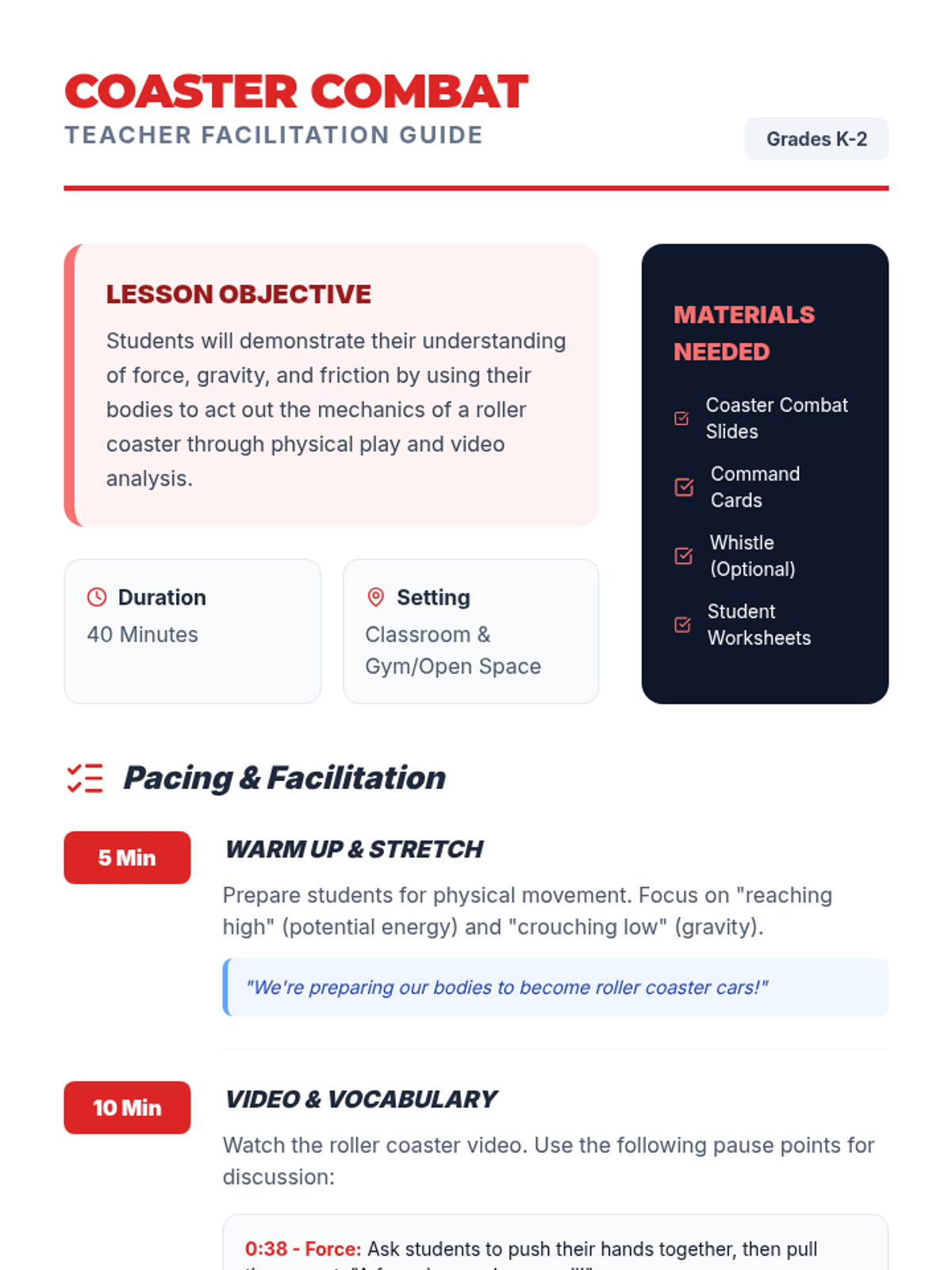
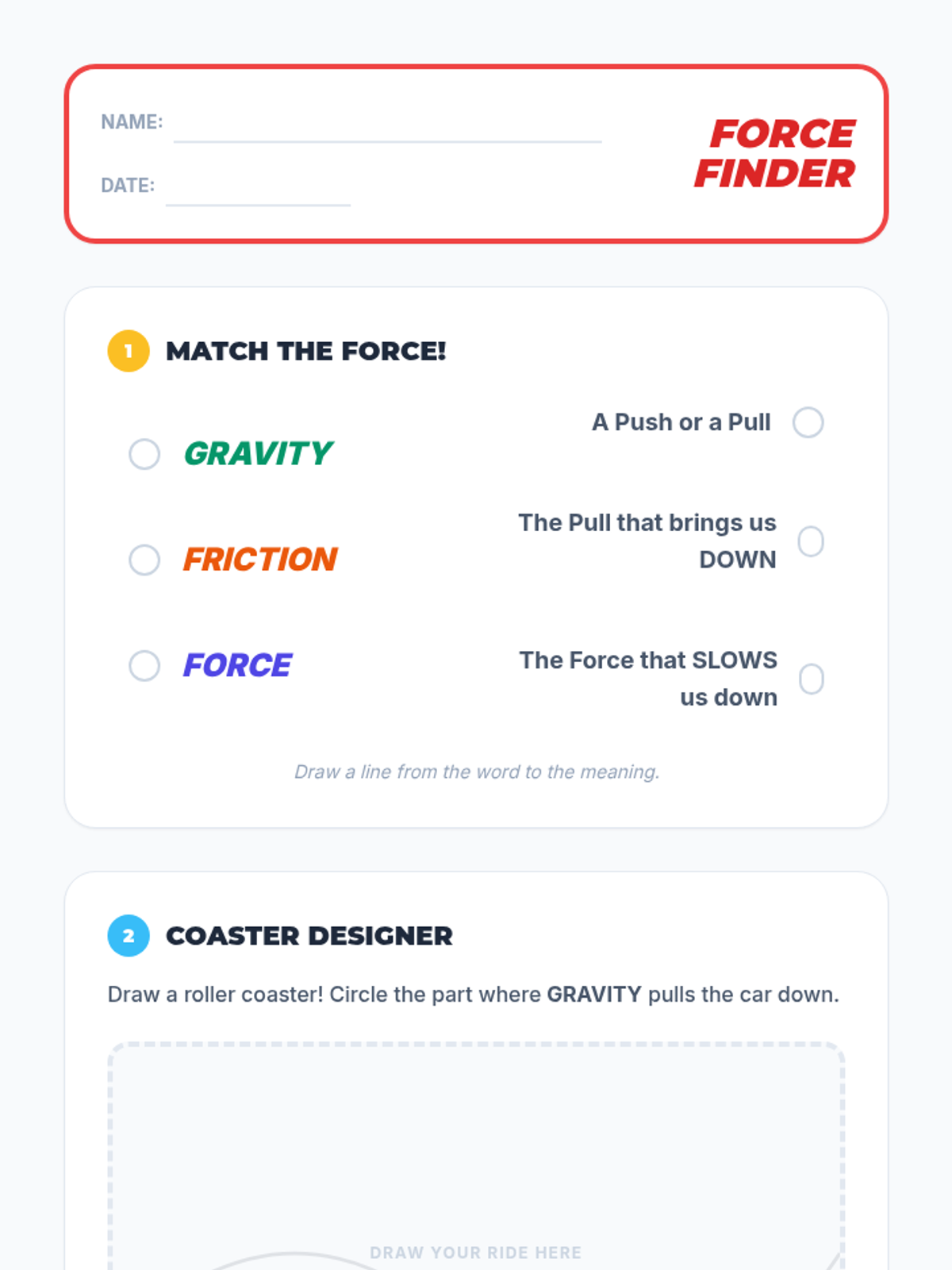
A Kindergarten to 1st-grade lesson introducing the concept of forces through a fairground theme, featuring a hands-on 'Force Hunt' and a roller coaster video.
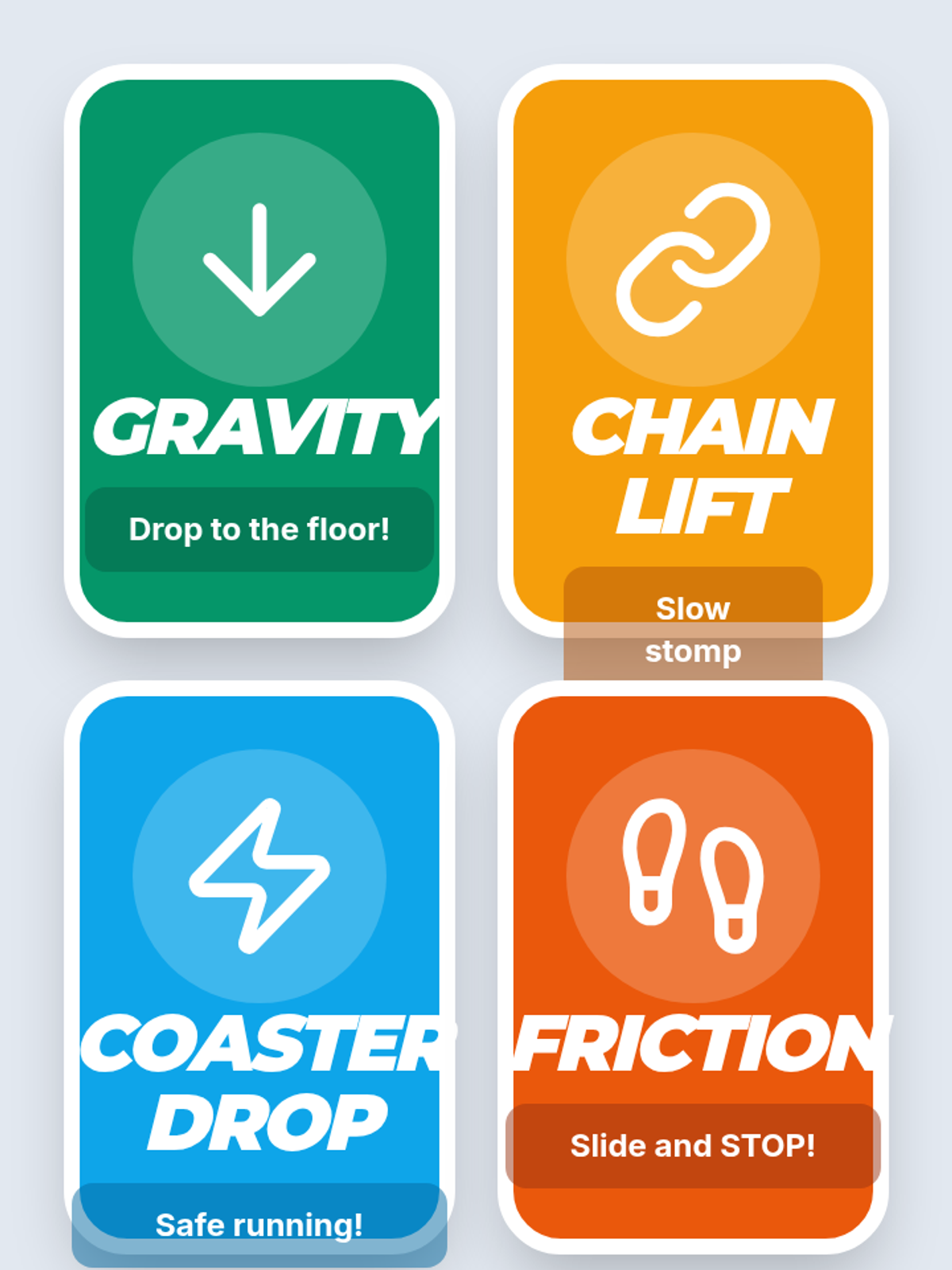
Students explore the forces of gravity and friction through movement and a roller coaster video, concluding with a physics-themed 'Red Light, Green Light' game.
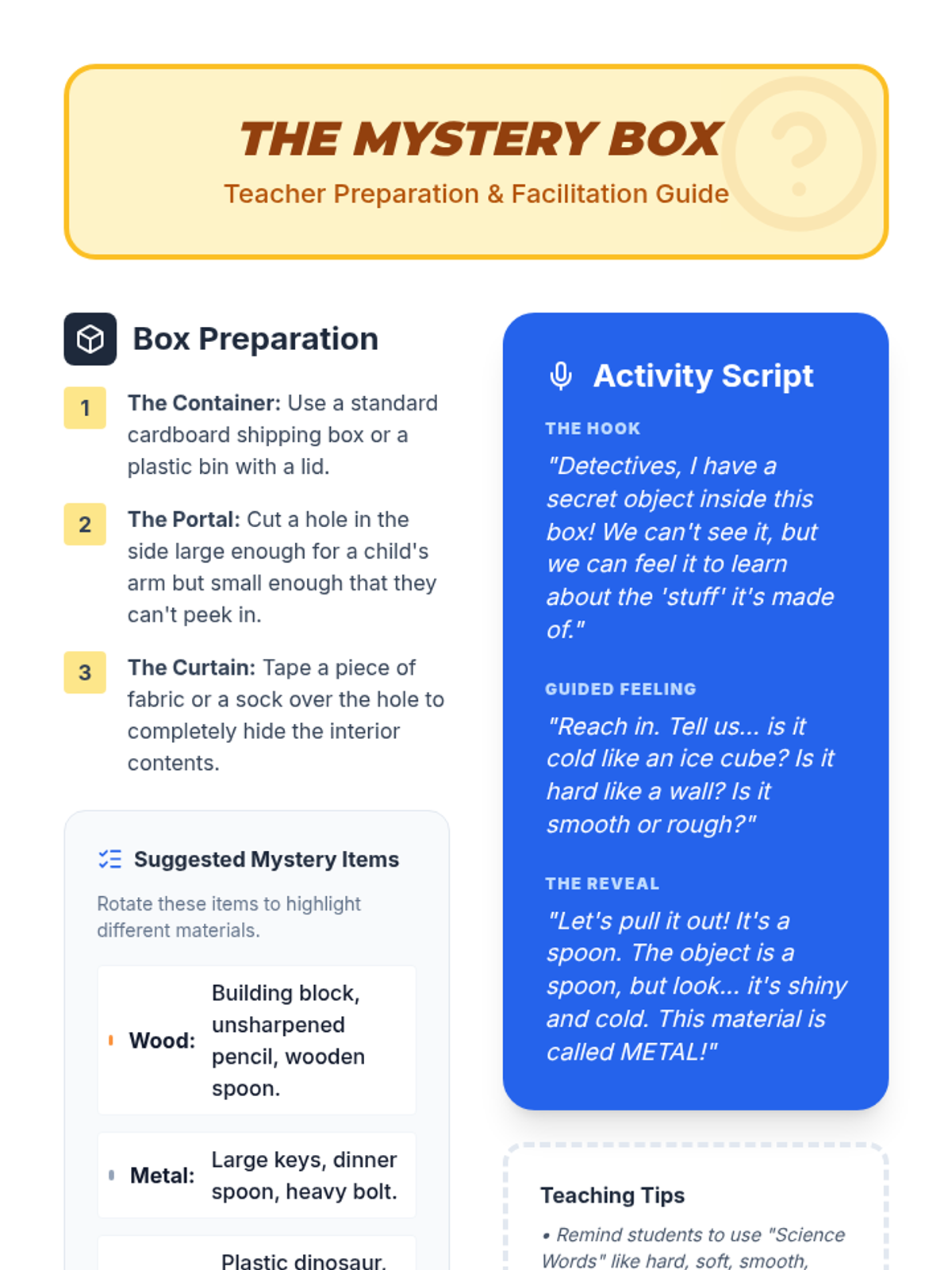
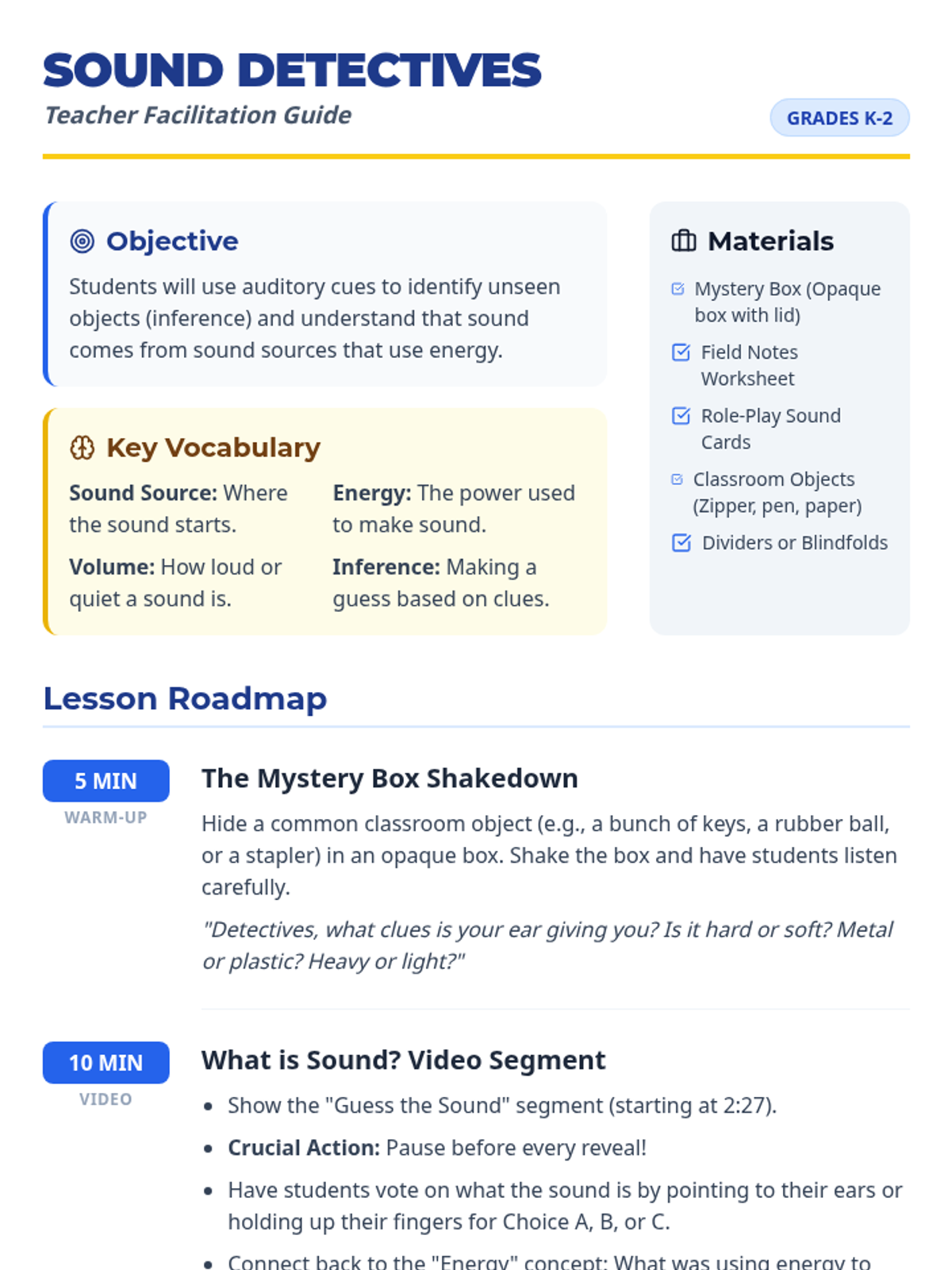
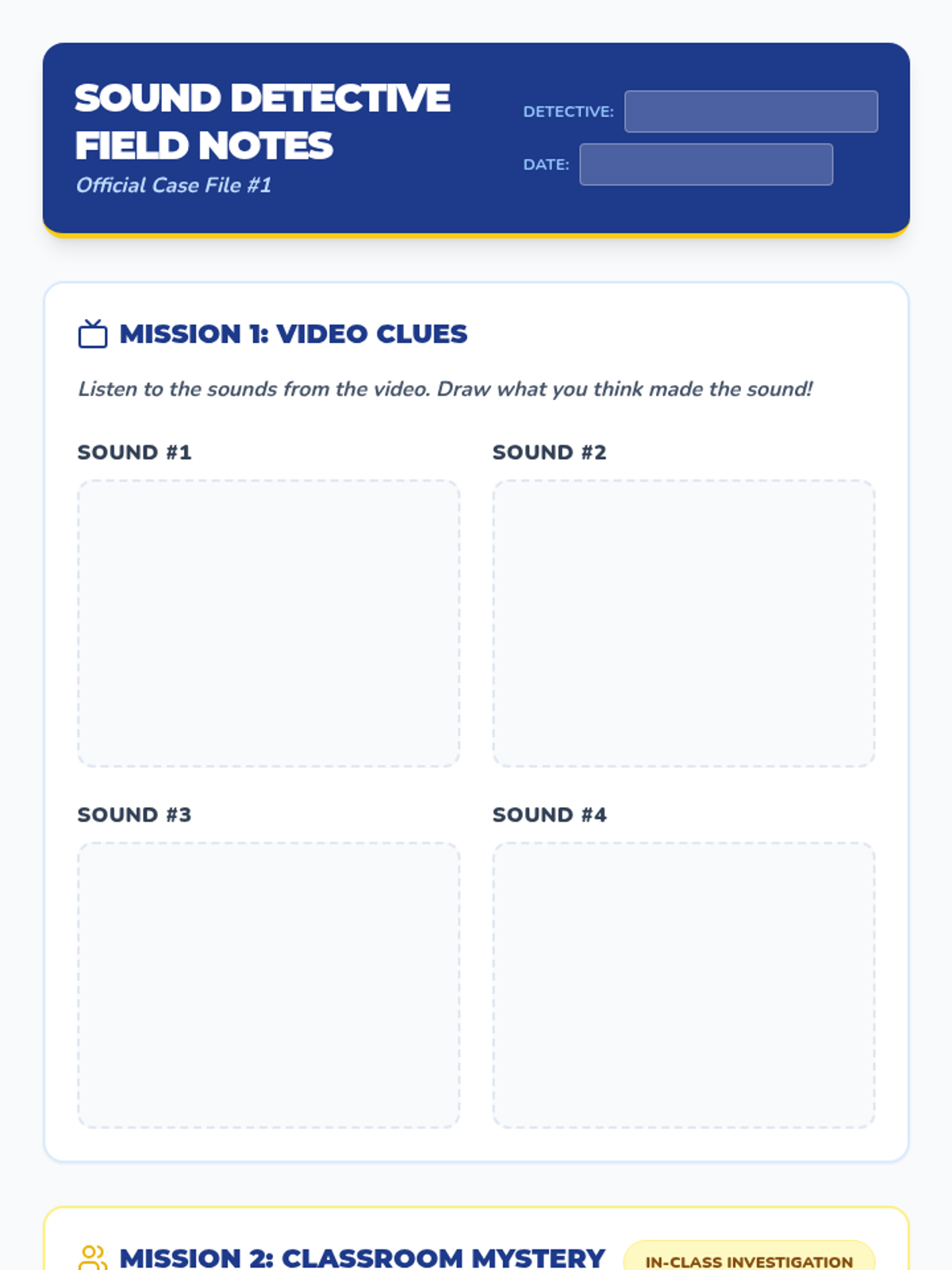
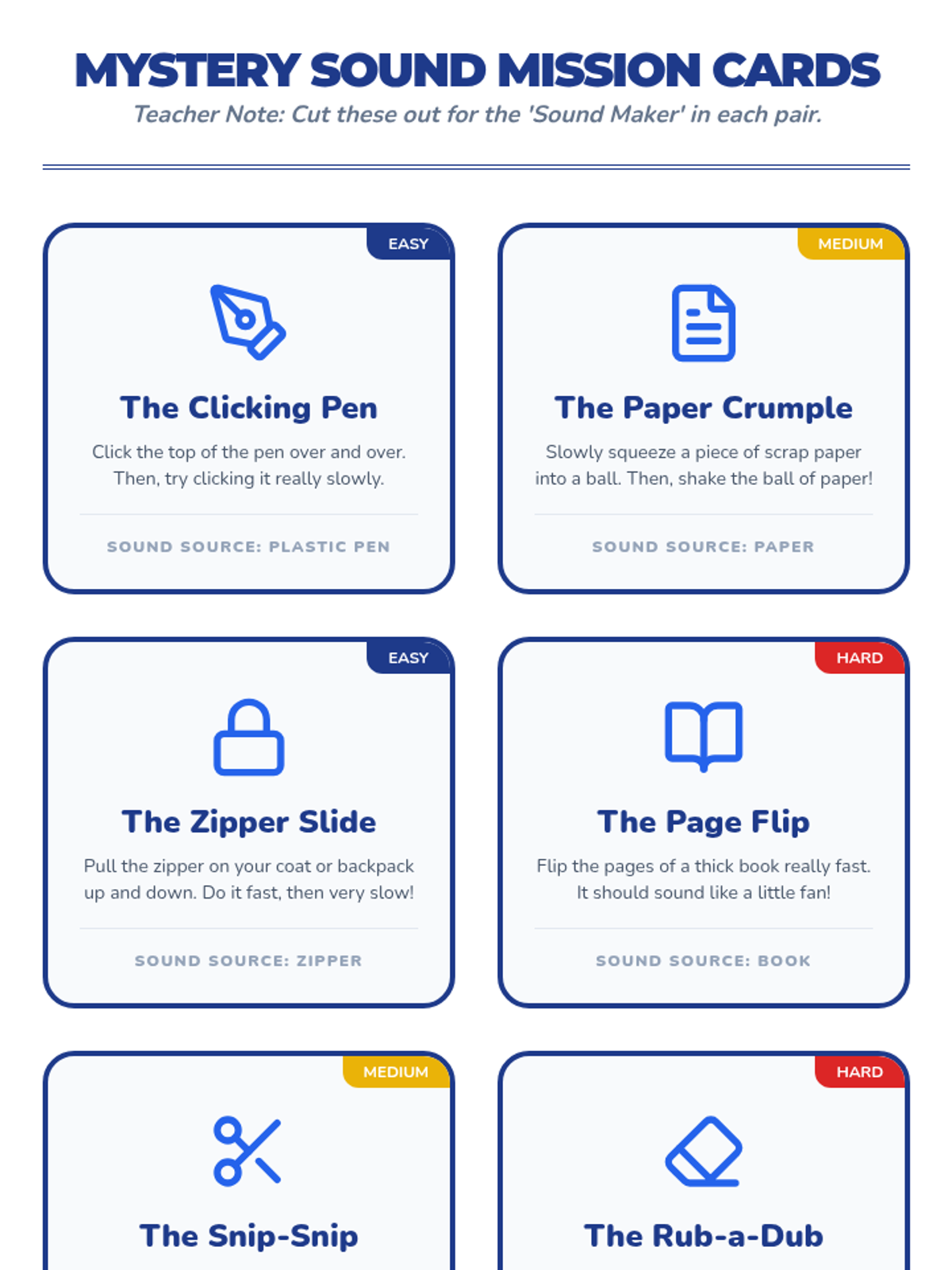
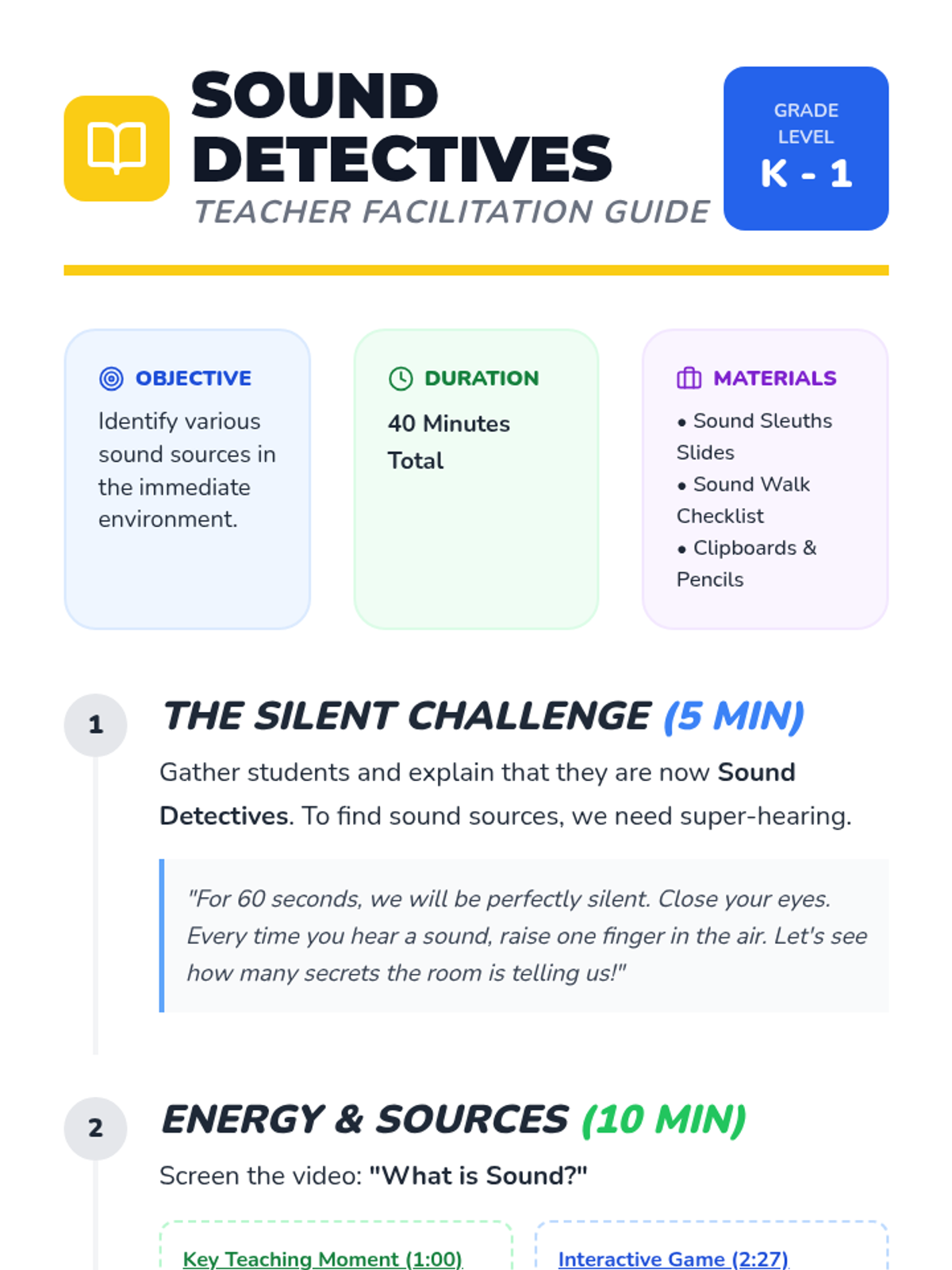
A Kindergarten to 2nd grade lesson focused on using auditory cues to identify unseen objects and understanding the concept of sound sources and energy. Students act as 'Sound Detectives' to investigate hidden sounds through a mystery box warm-up, an interactive video guessing game, and a collaborative hands-on activity.
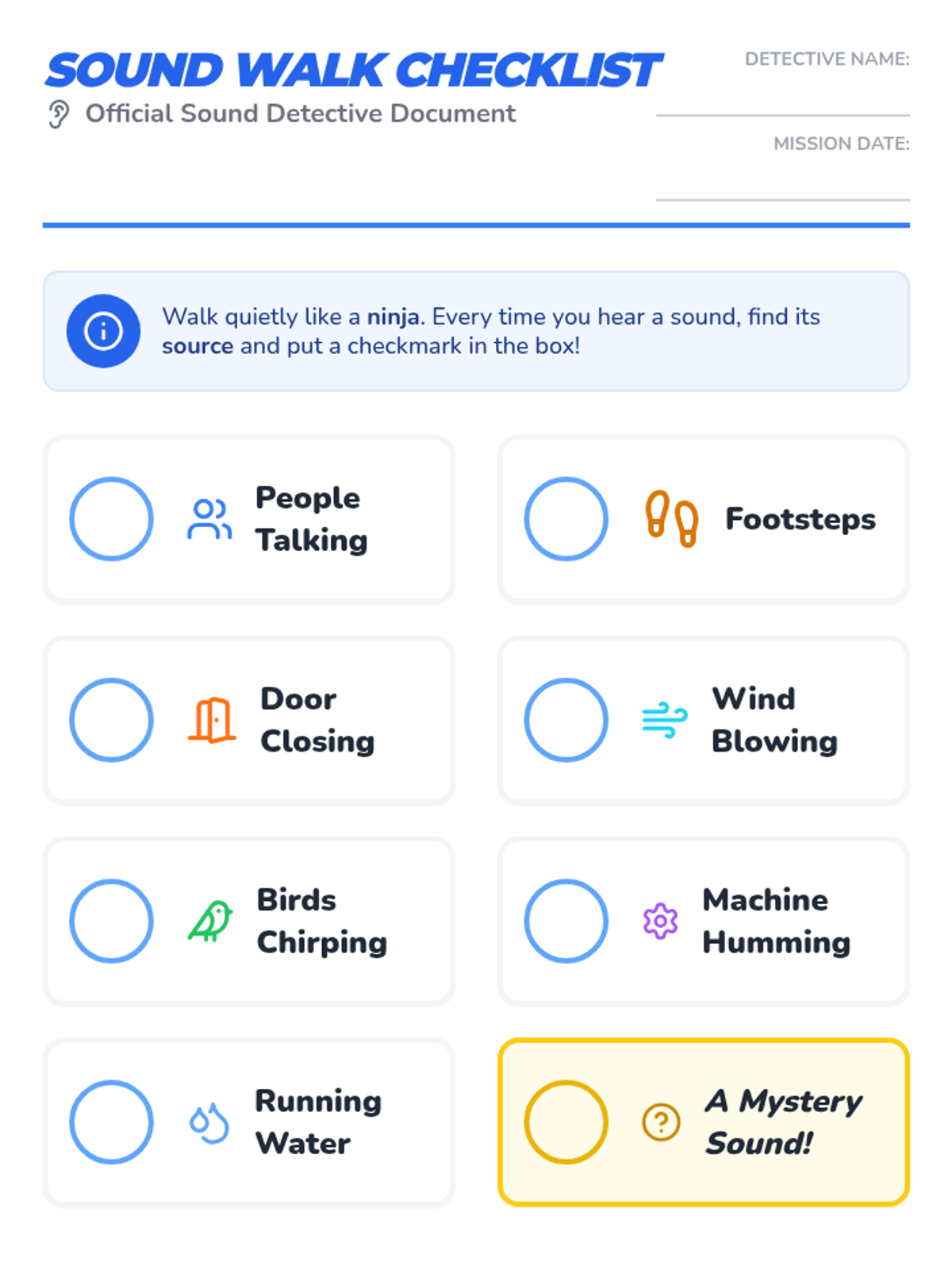
An introductory science lesson for Kindergarten and 1st Grade students to identify and categorize various sound sources in their environment through a 'Sound Walk' activity.
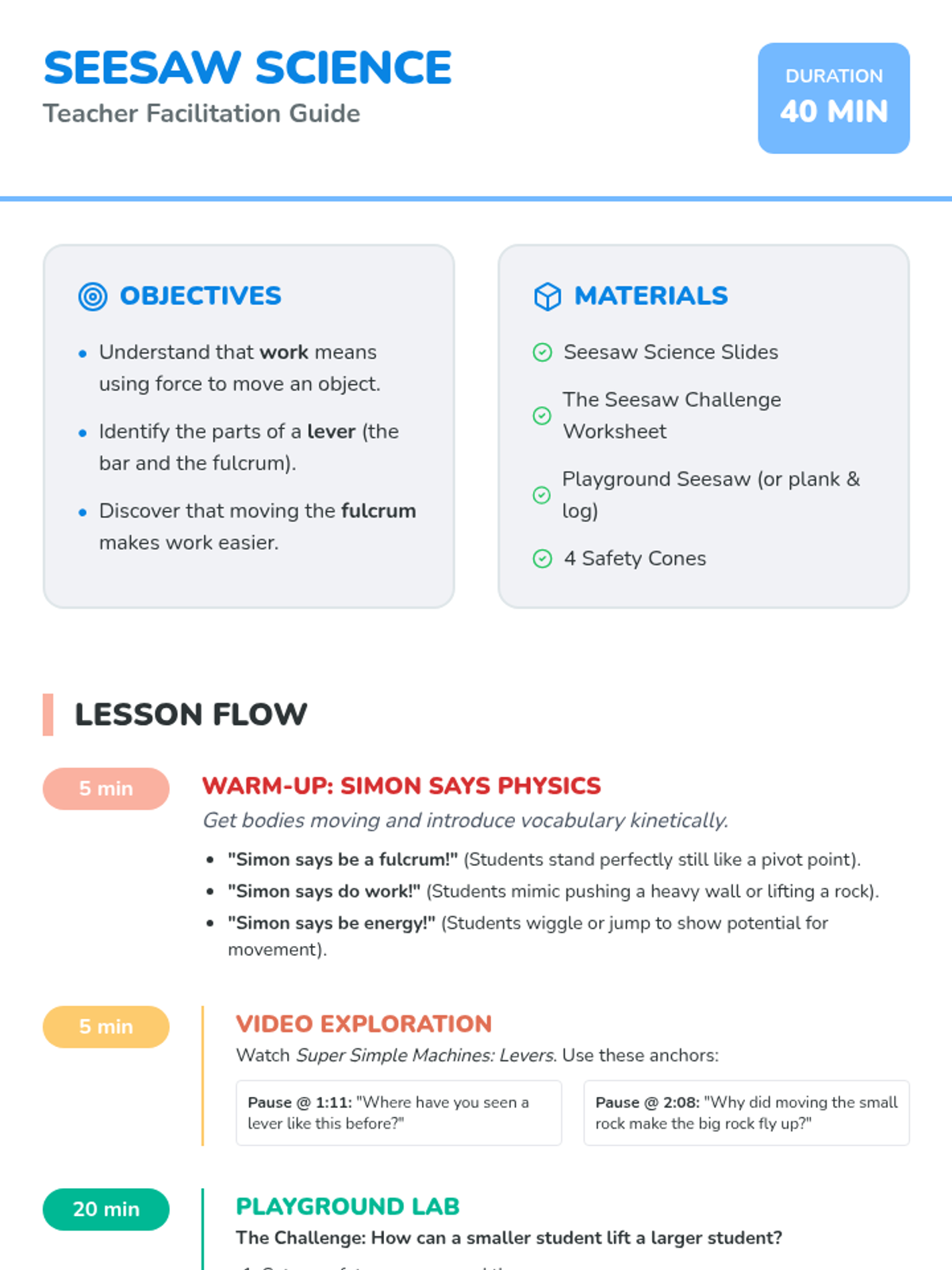
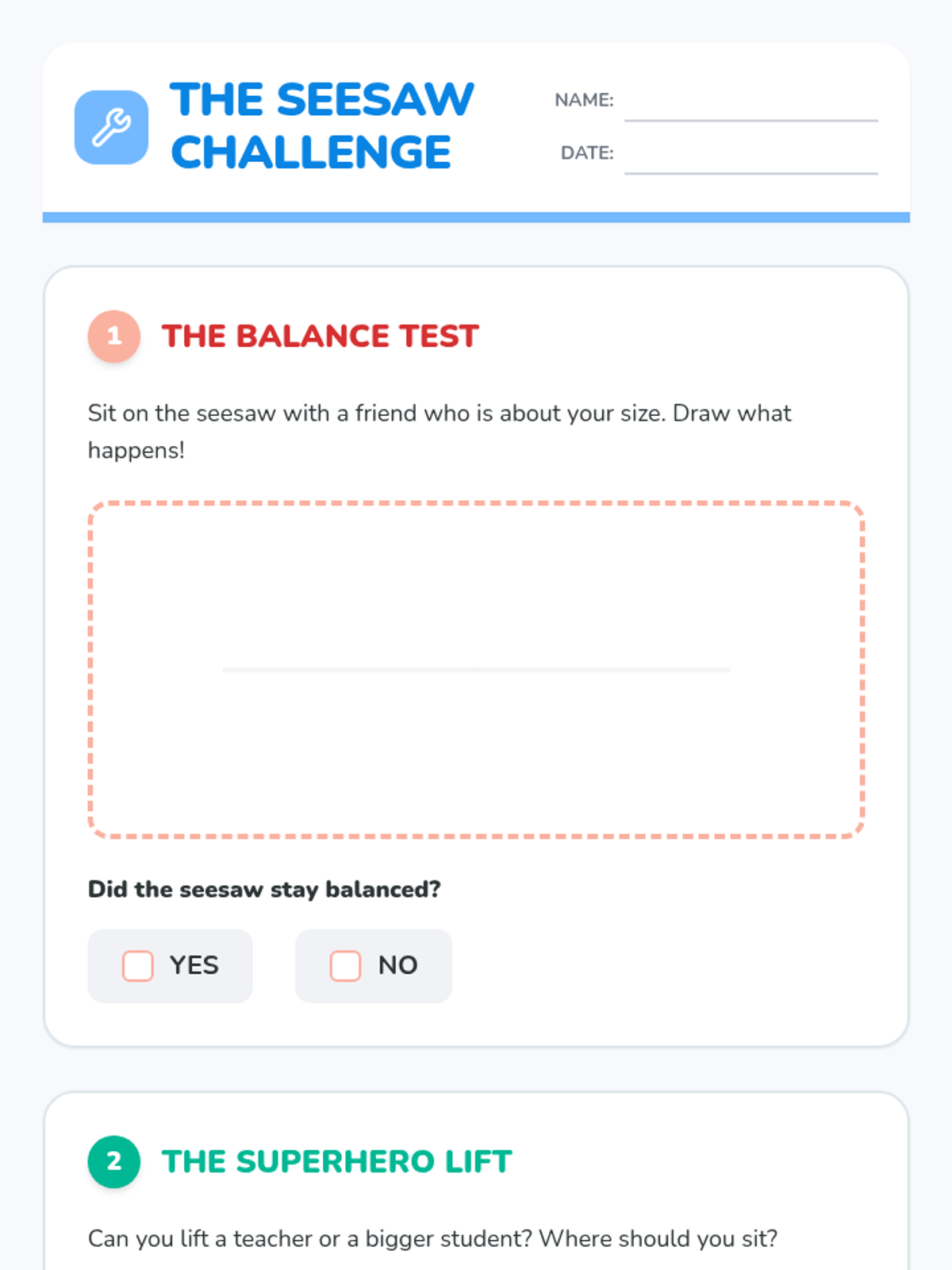
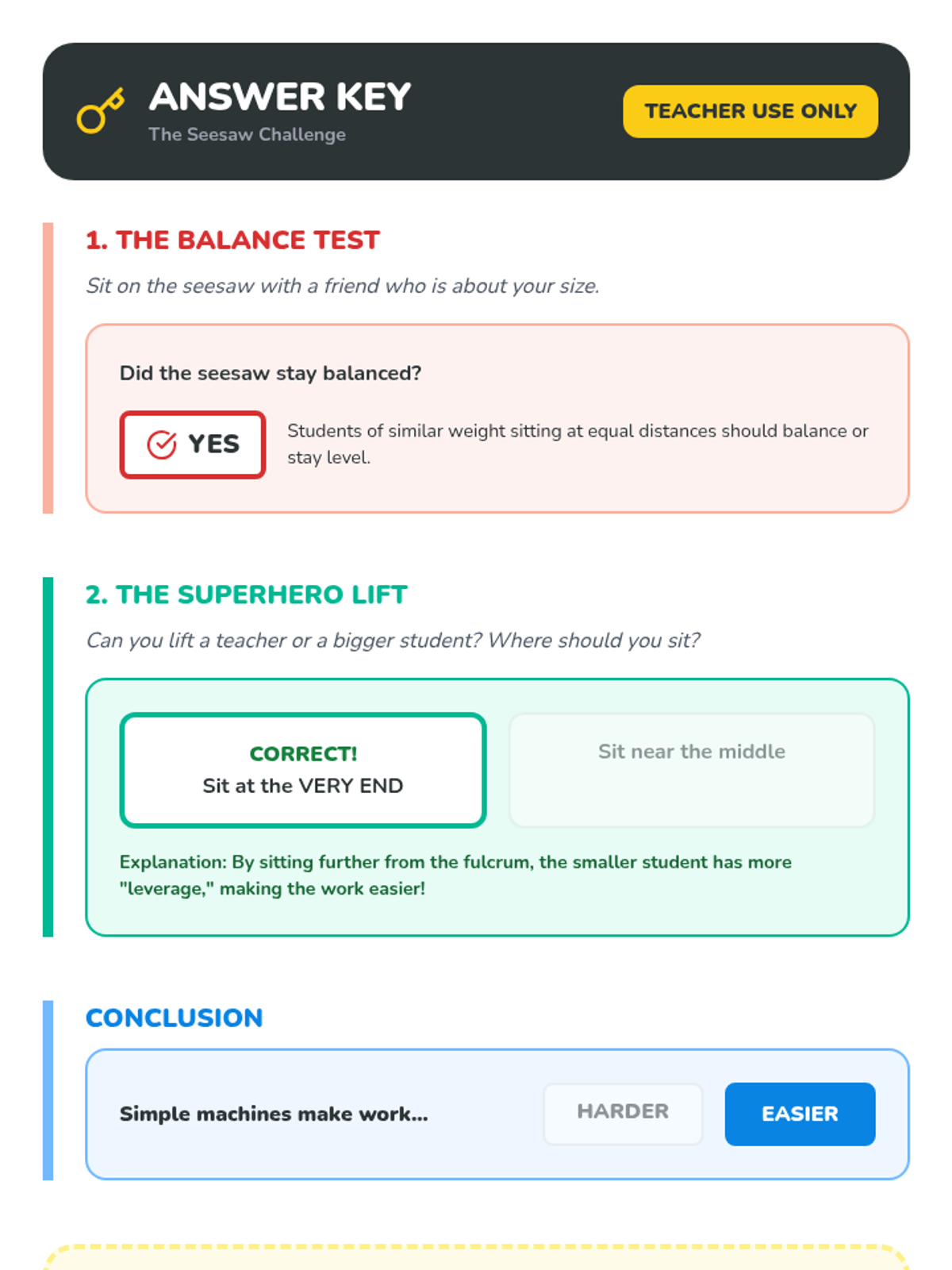
A hands-on physics lesson for K-2nd graders exploring work and energy using levers and playground seesaws. Students learn through a kinetic warm-up, a video exploration, and an outdoor 'Playground Lab'.
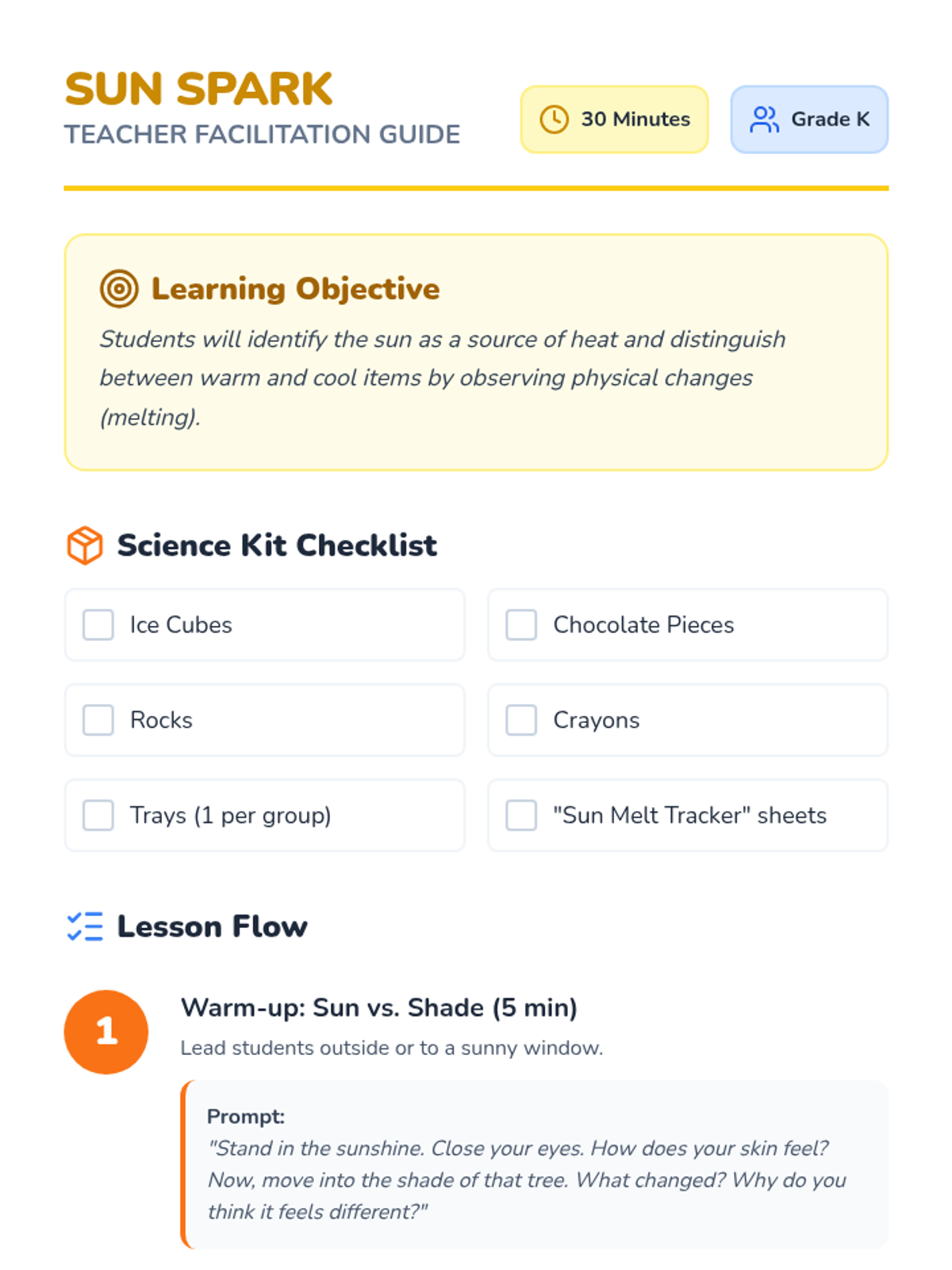
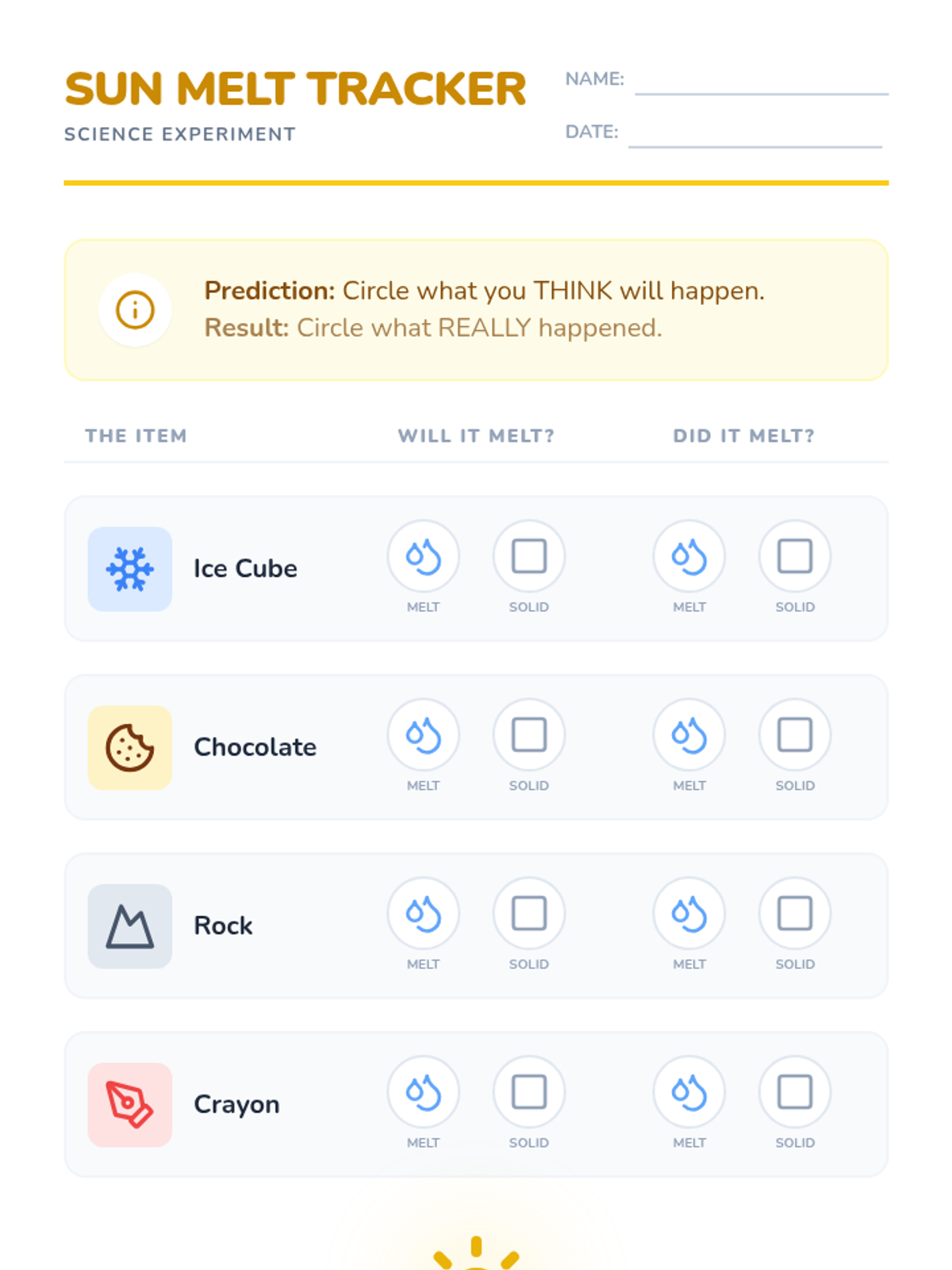
A hands-on Kindergarten science lesson where students explore the sun's role as a heat source through observation, video, and a 'Sun Melt' experiment.
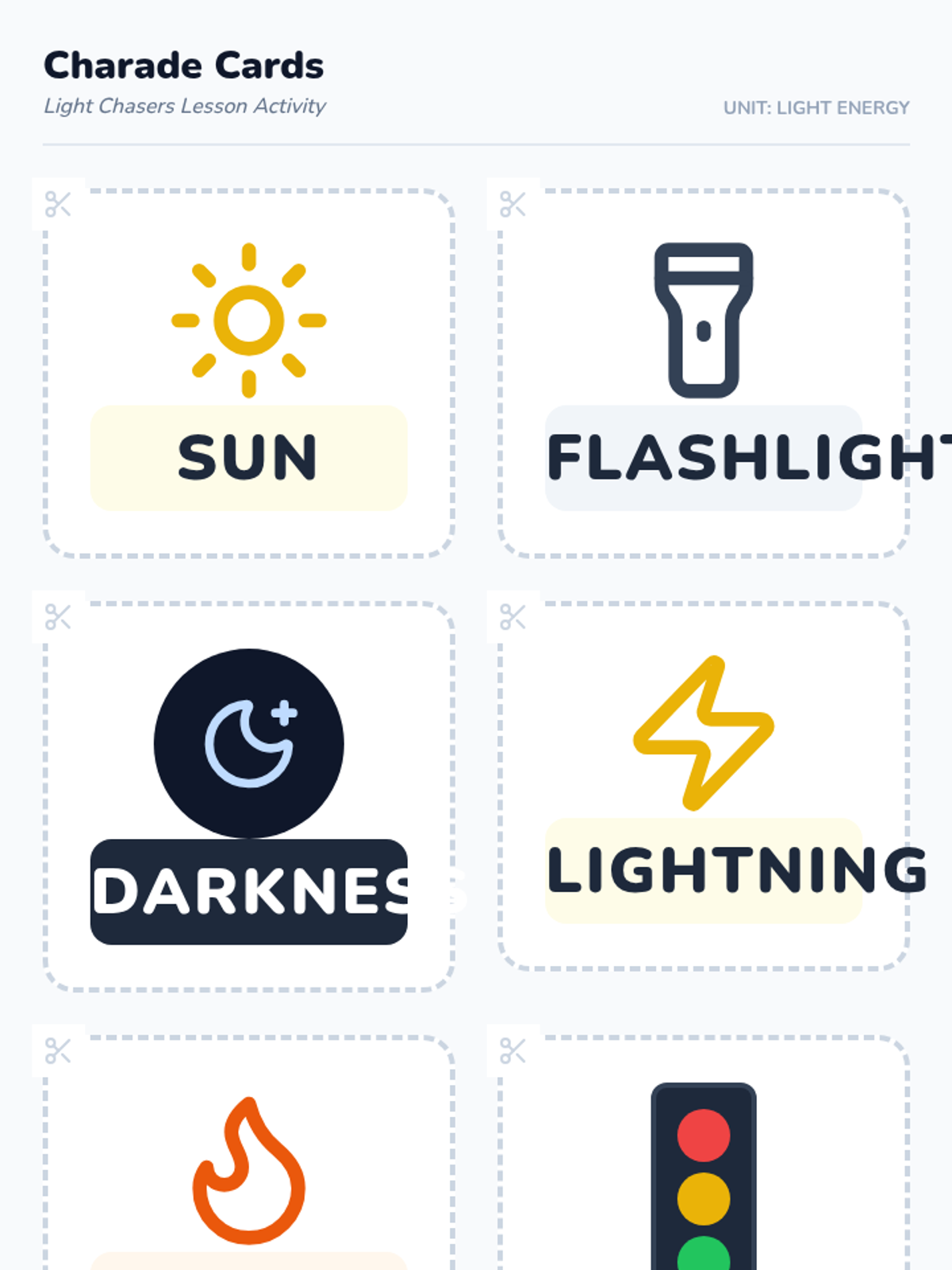
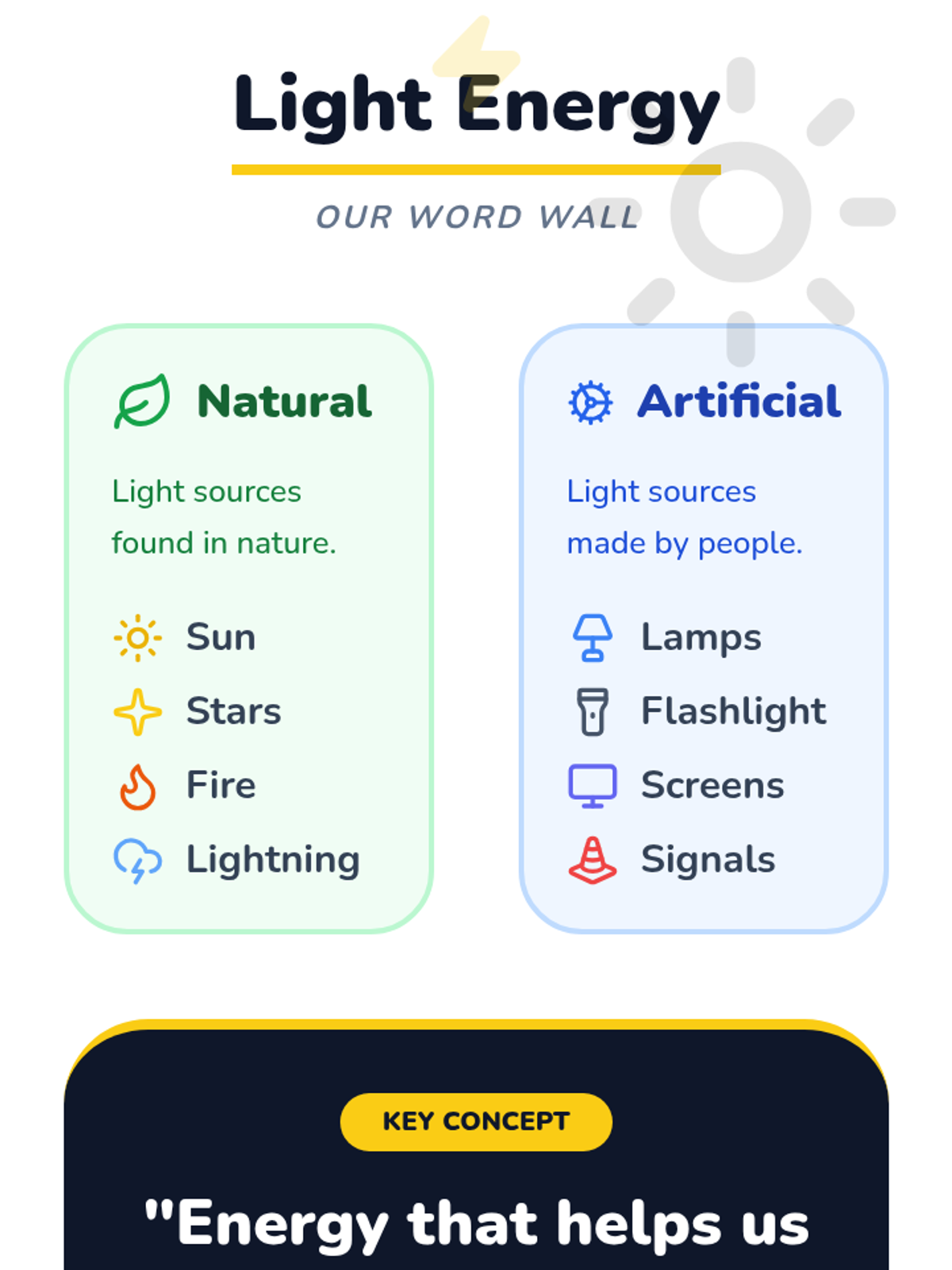
A Kindergarten and 1st Grade lesson exploring the concepts of light energy, natural and artificial sources, and darkness through interactive video viewing and charades.
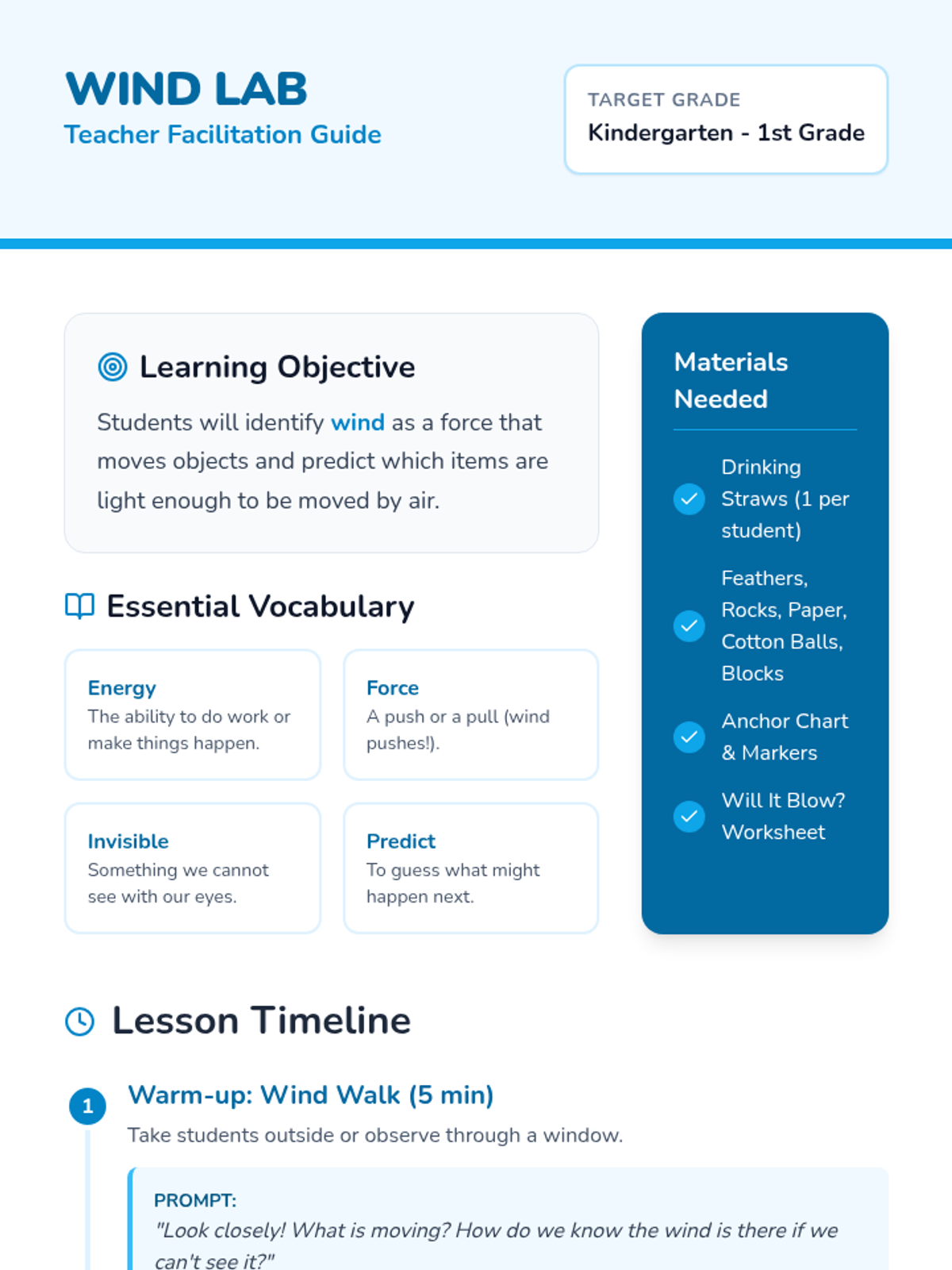
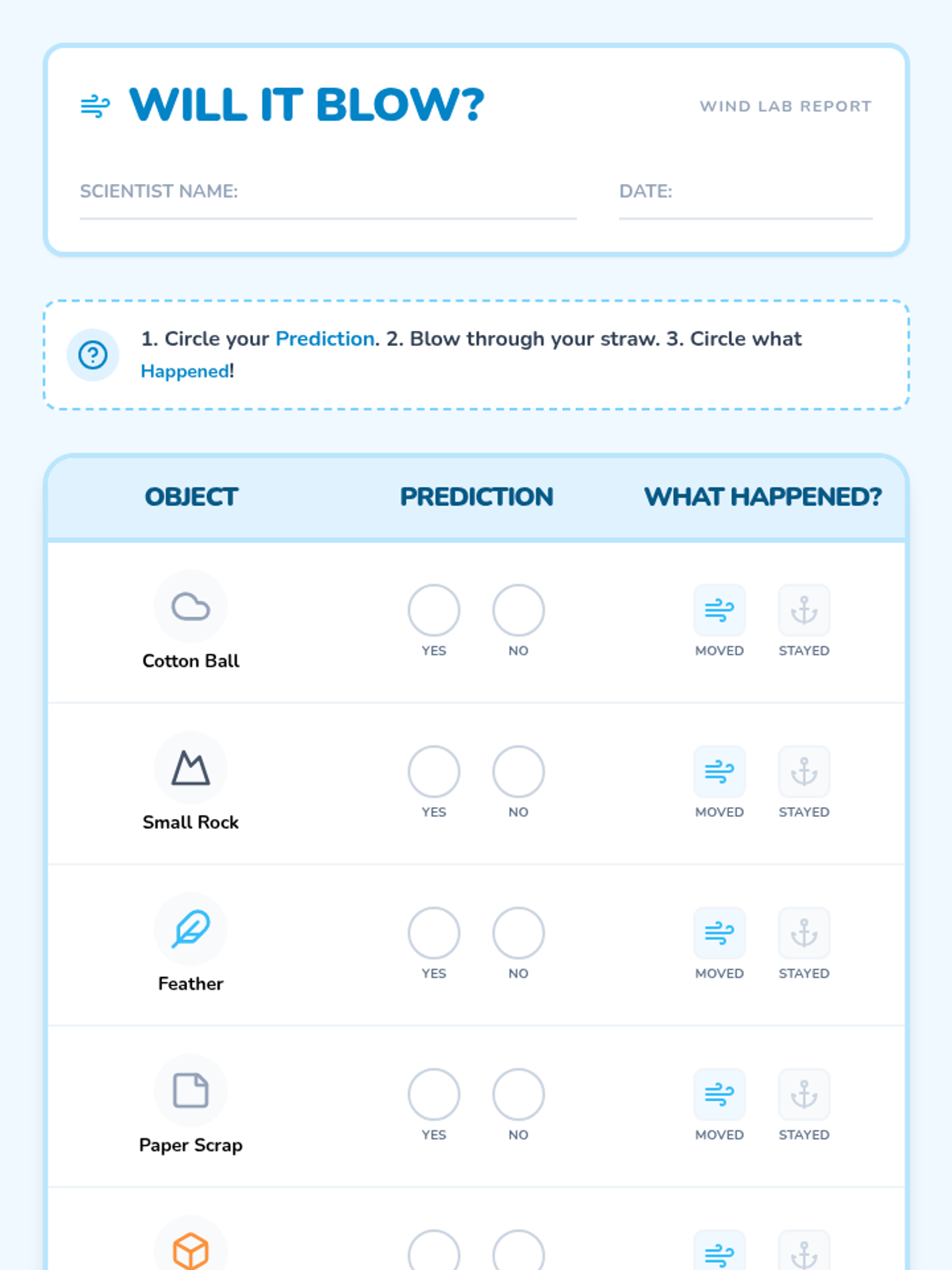
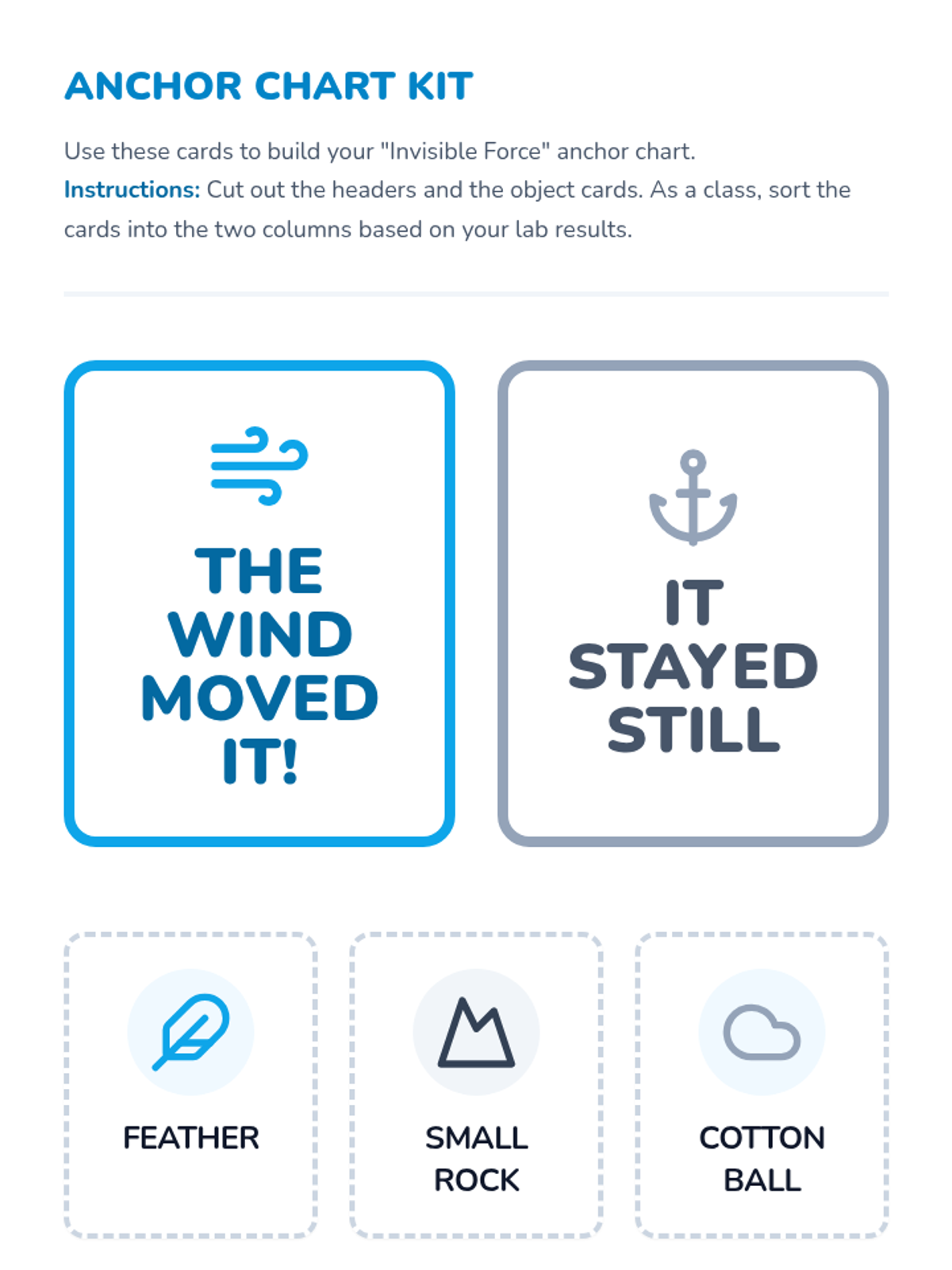
A Kindergarten and 1st Grade lesson exploring wind as a physical force. Students observe wind in nature, watch a demonstration of wind energy, and conduct their own 'wind tunnel' experiments using straws to move objects of varying weights.
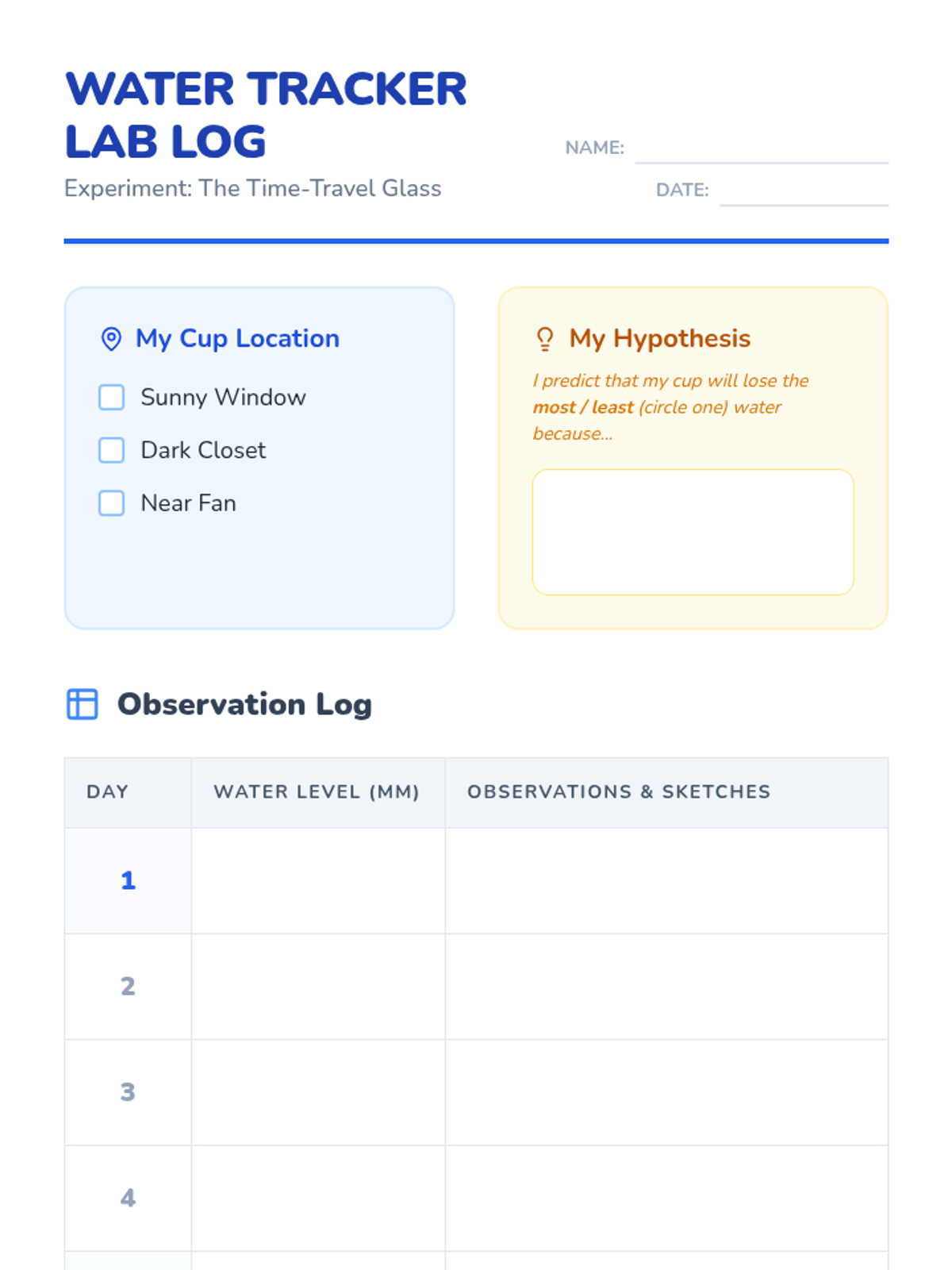
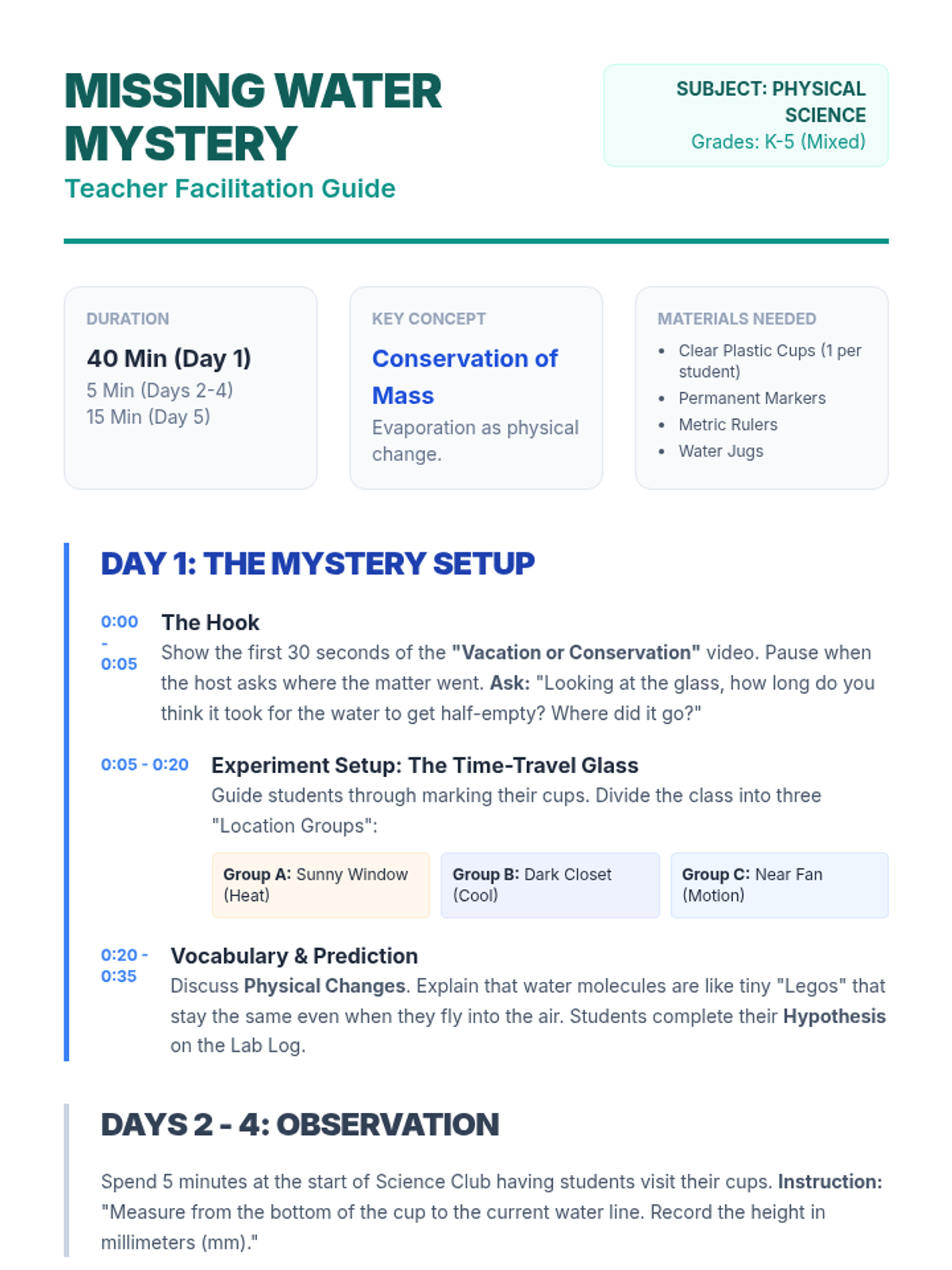
A hands-on experiment where students track evaporation rates across different environments to understand the conservation of mass and the behavior of water molecules.
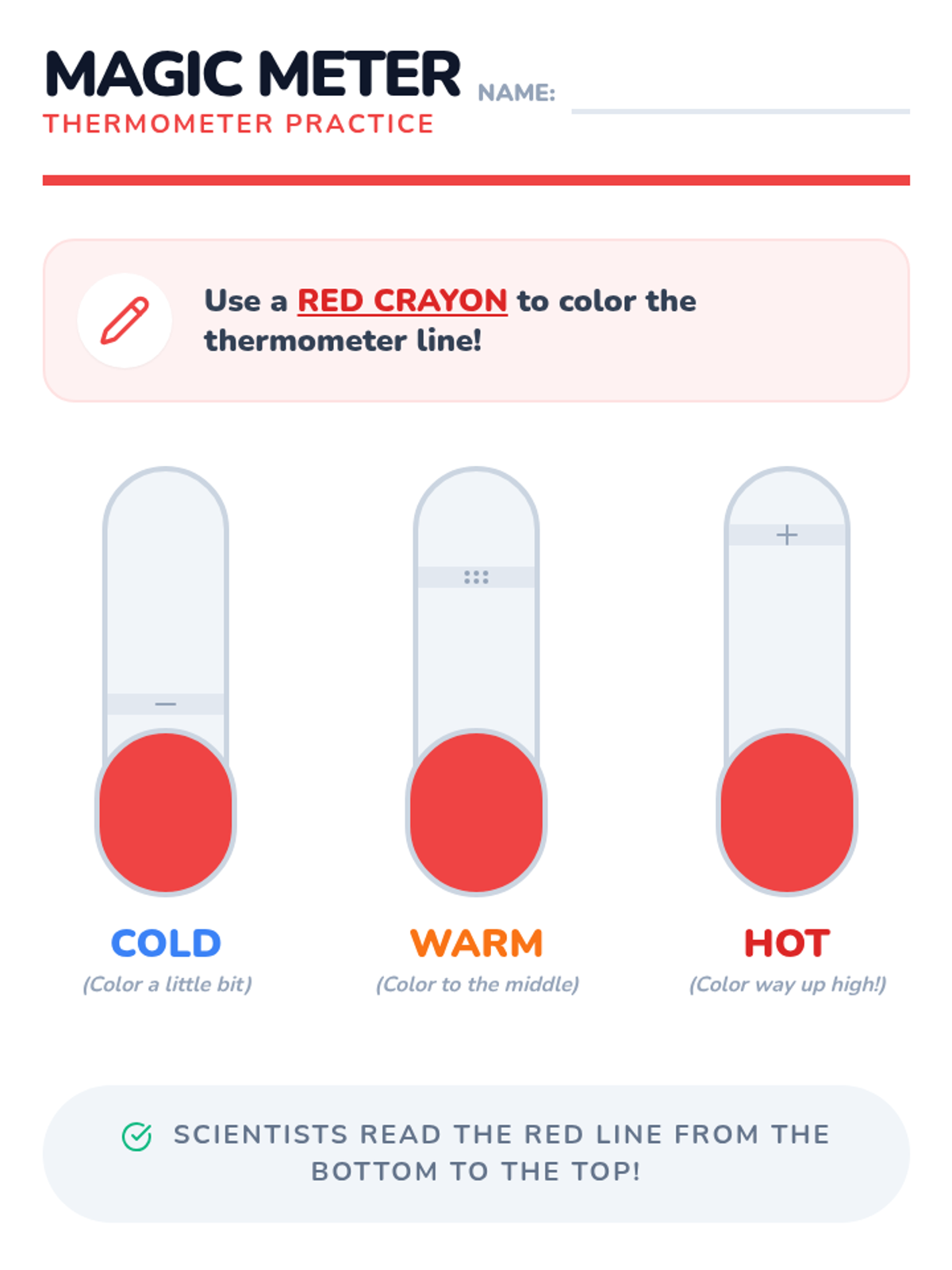
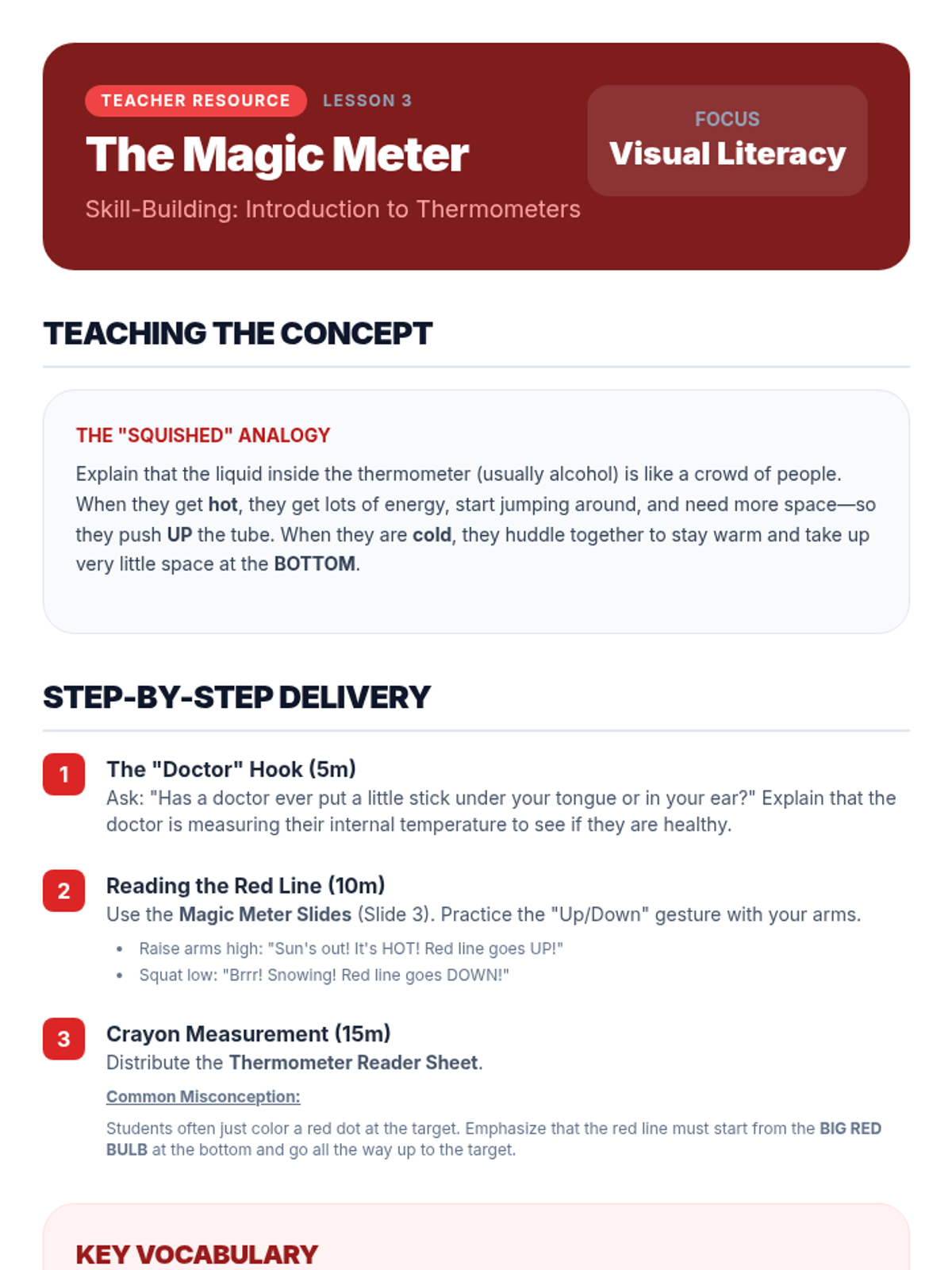
introduction to the thermometer as a tool for measuring temperature, focusing on reading simple numbers and colors.
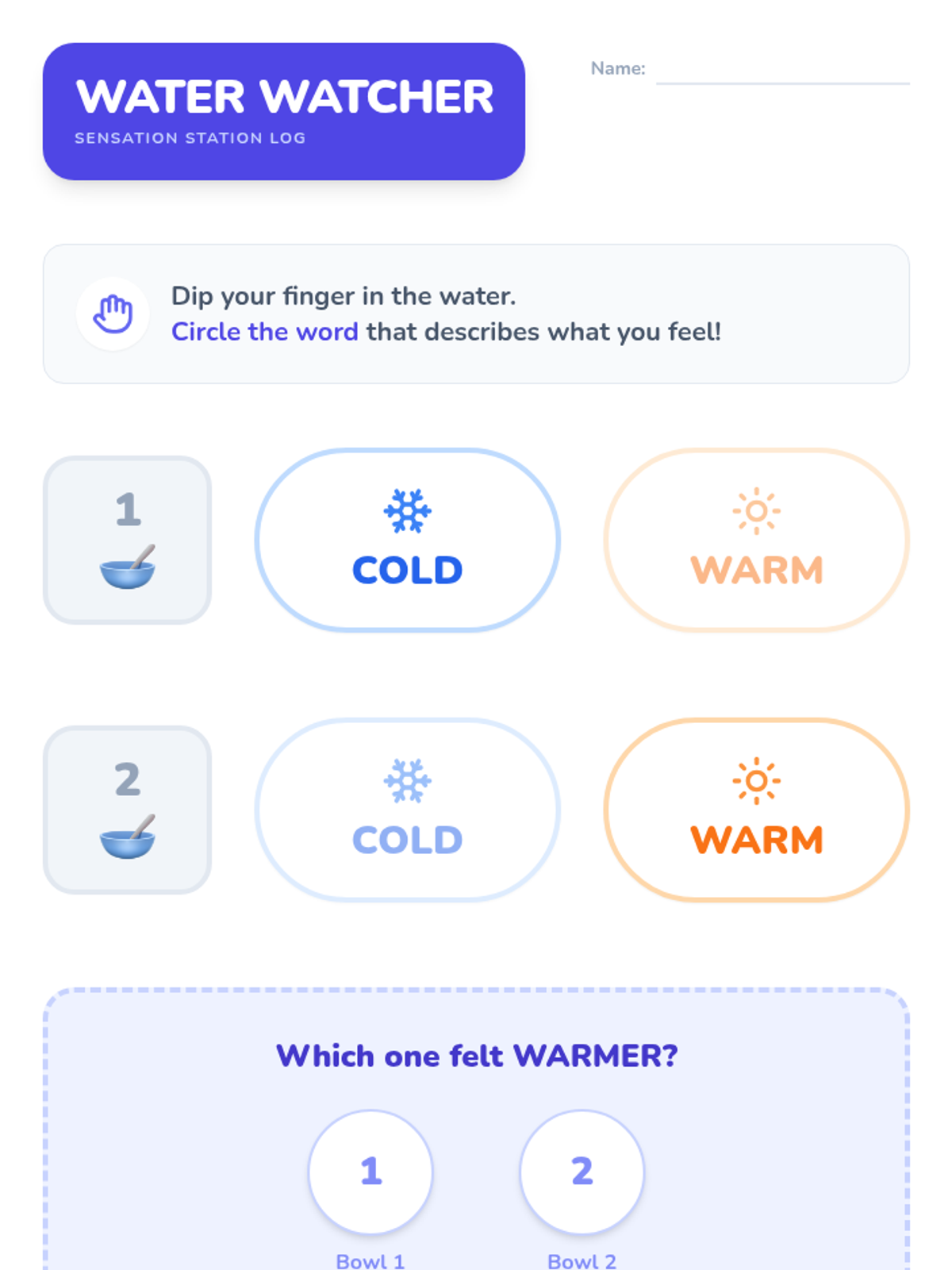
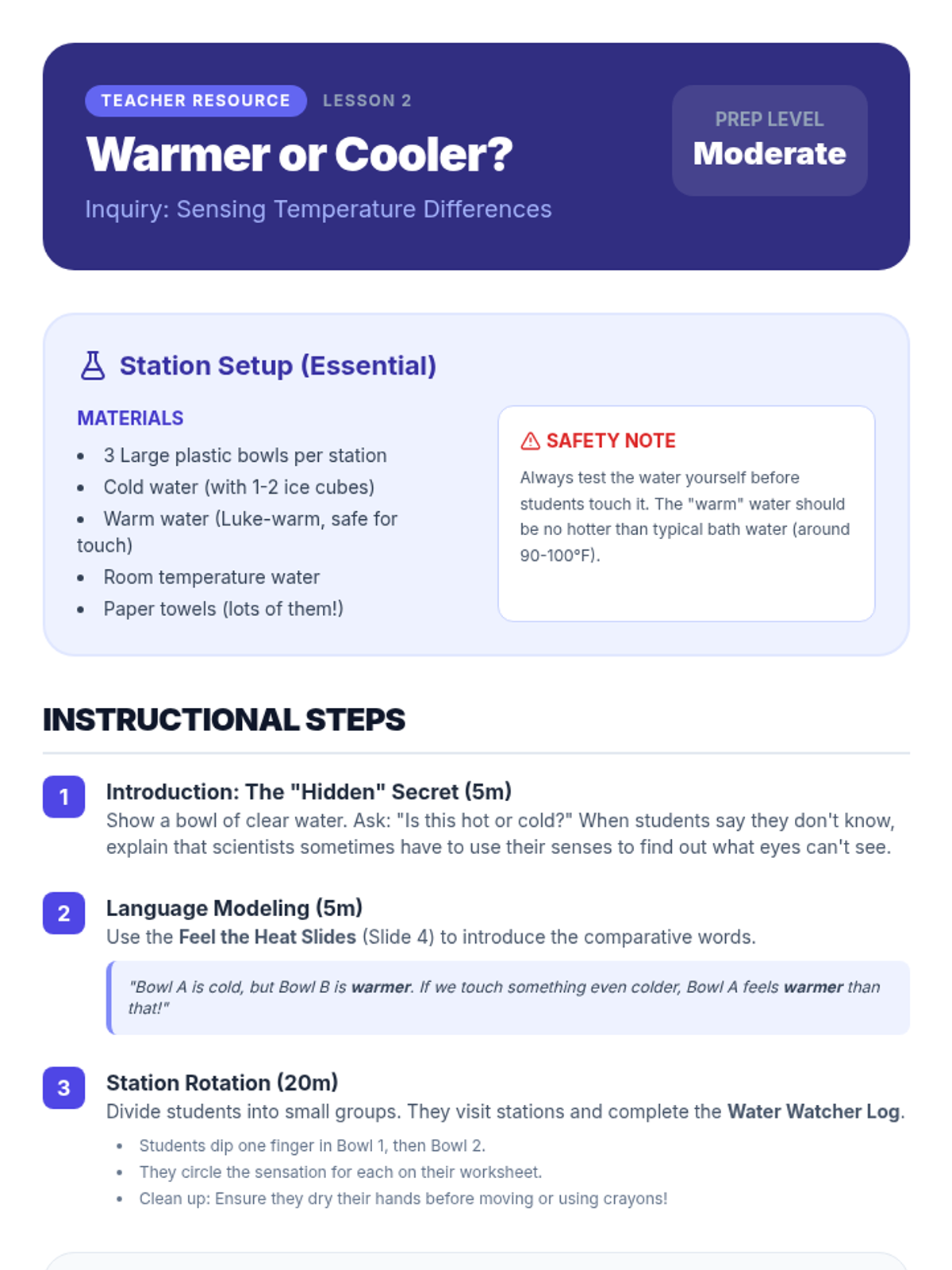
Students use their sense of touch to describe water at different safe temperatures, practicing comparative language.
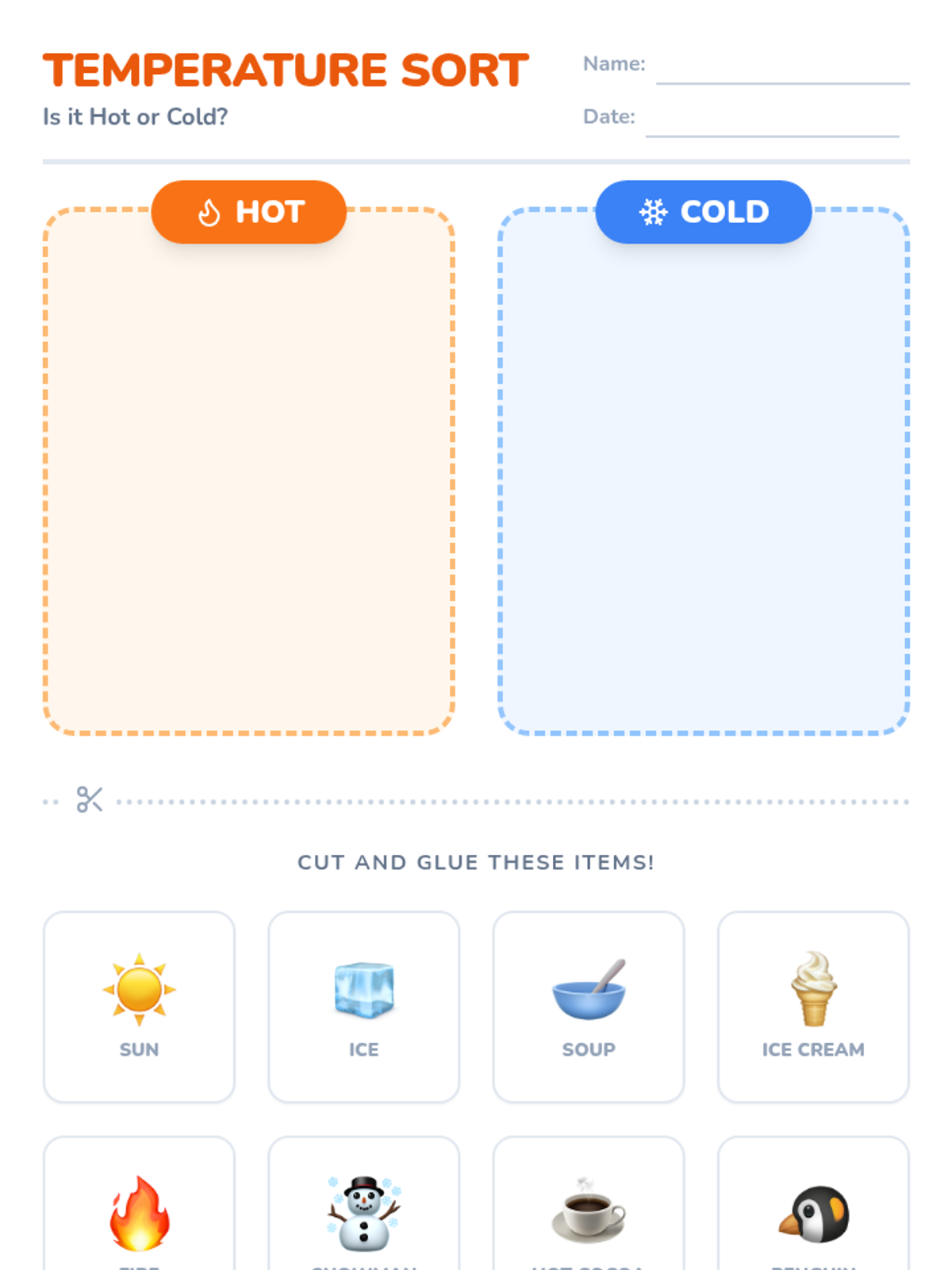
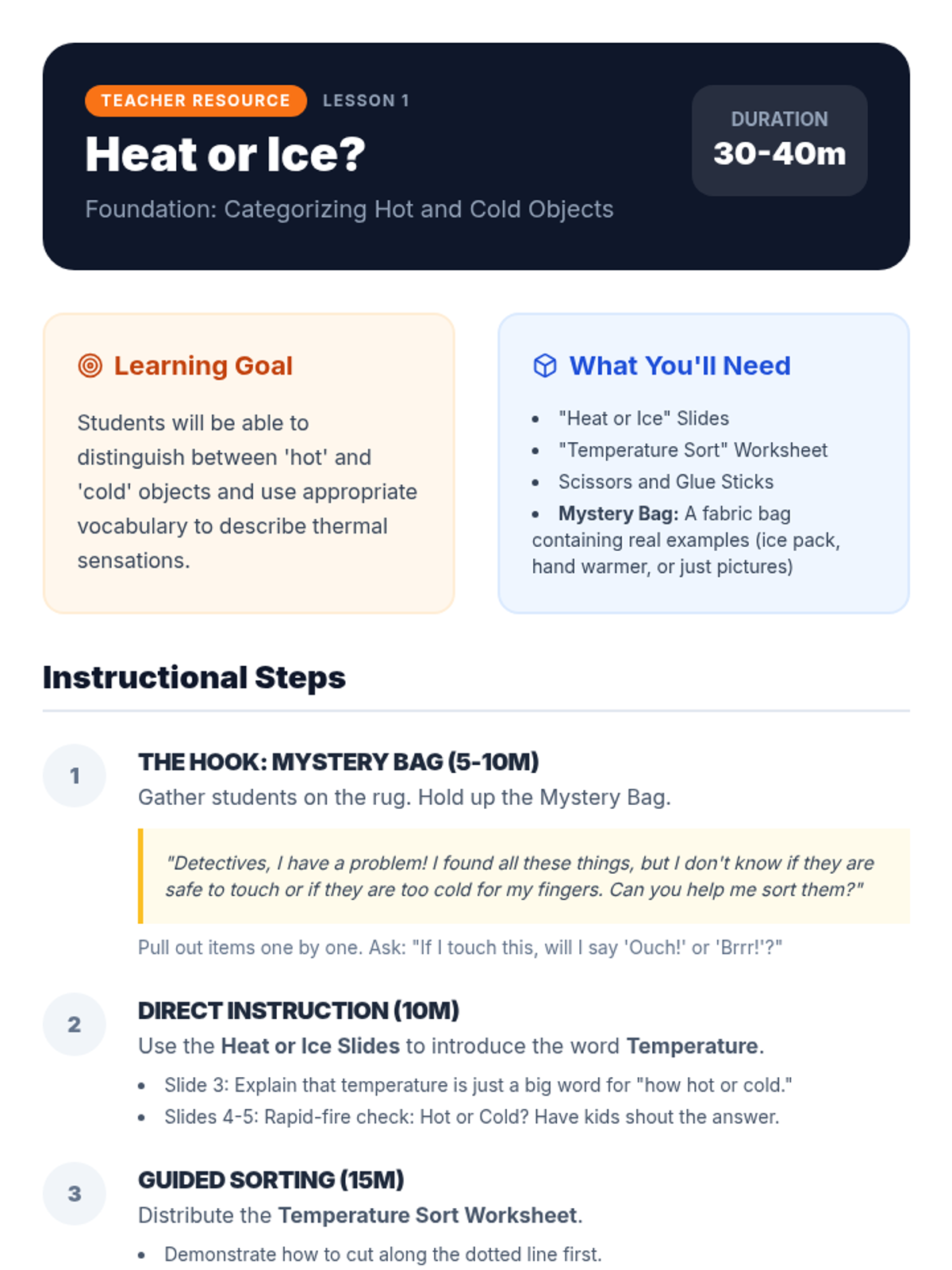
Students sort pictures of various items into 'hot' and 'cold' categories to build foundational vocabulary.
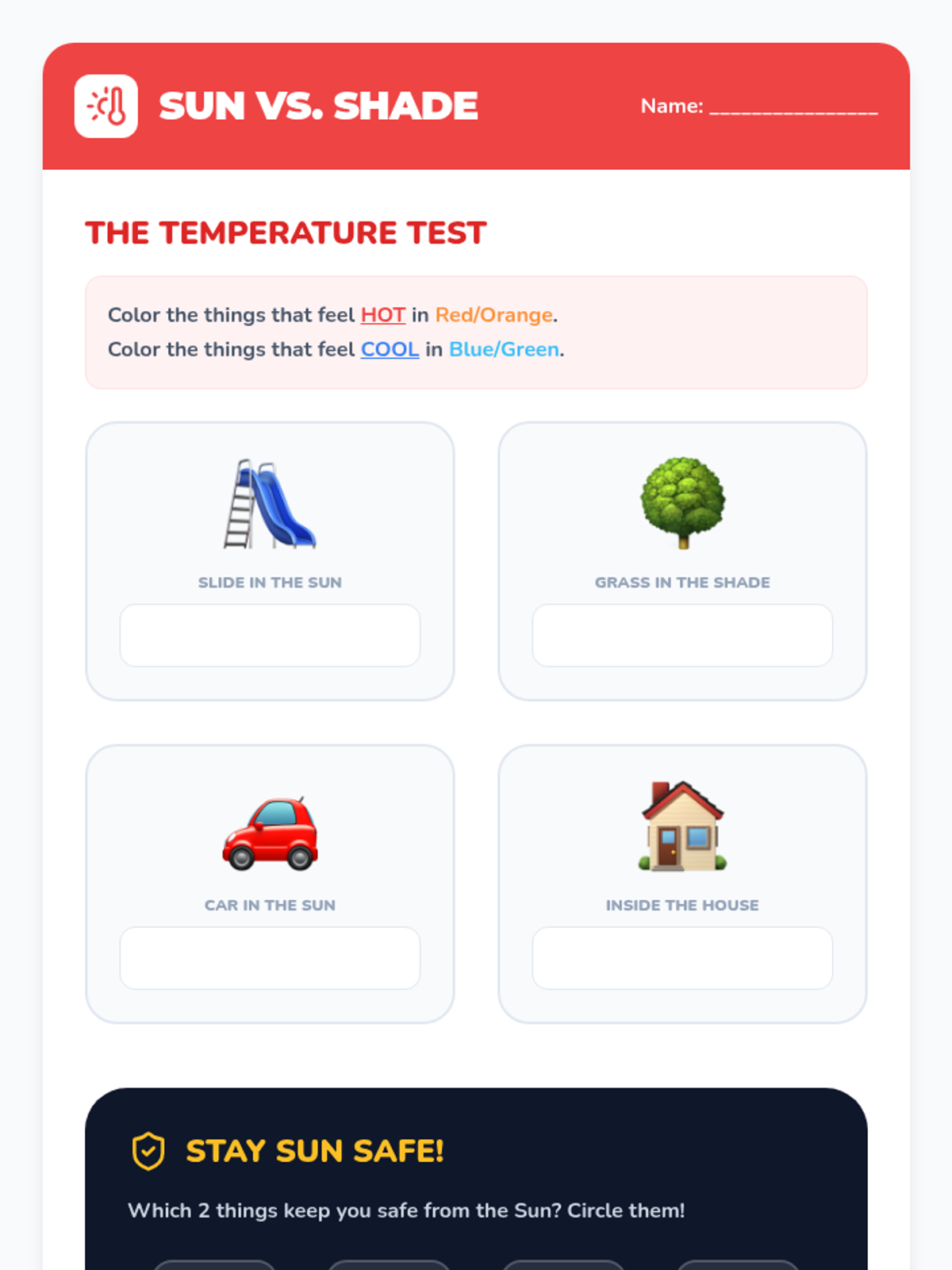
Students investigate the Sun's heat by comparing objects in sun and shade, while learning about sun safety.
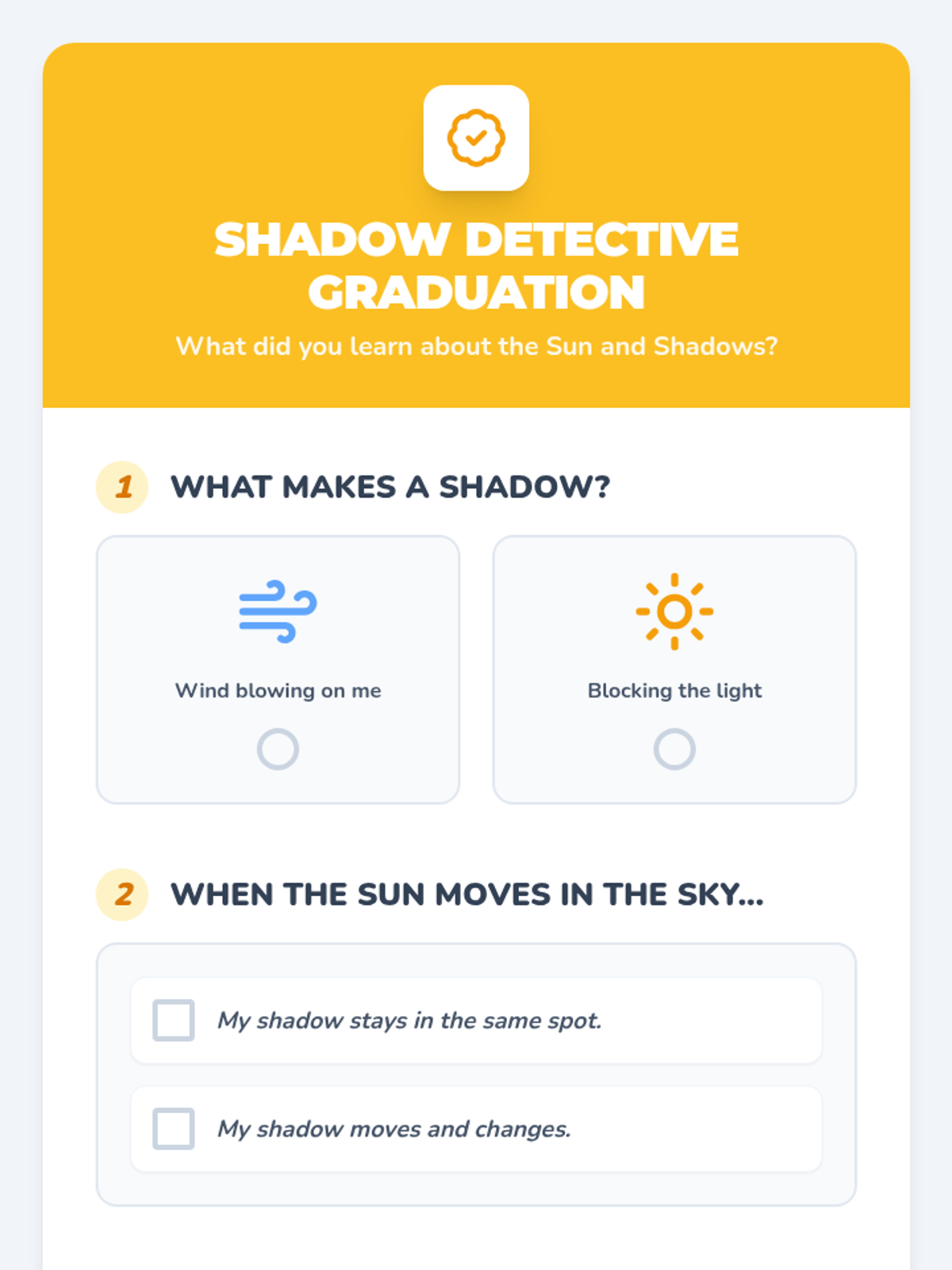
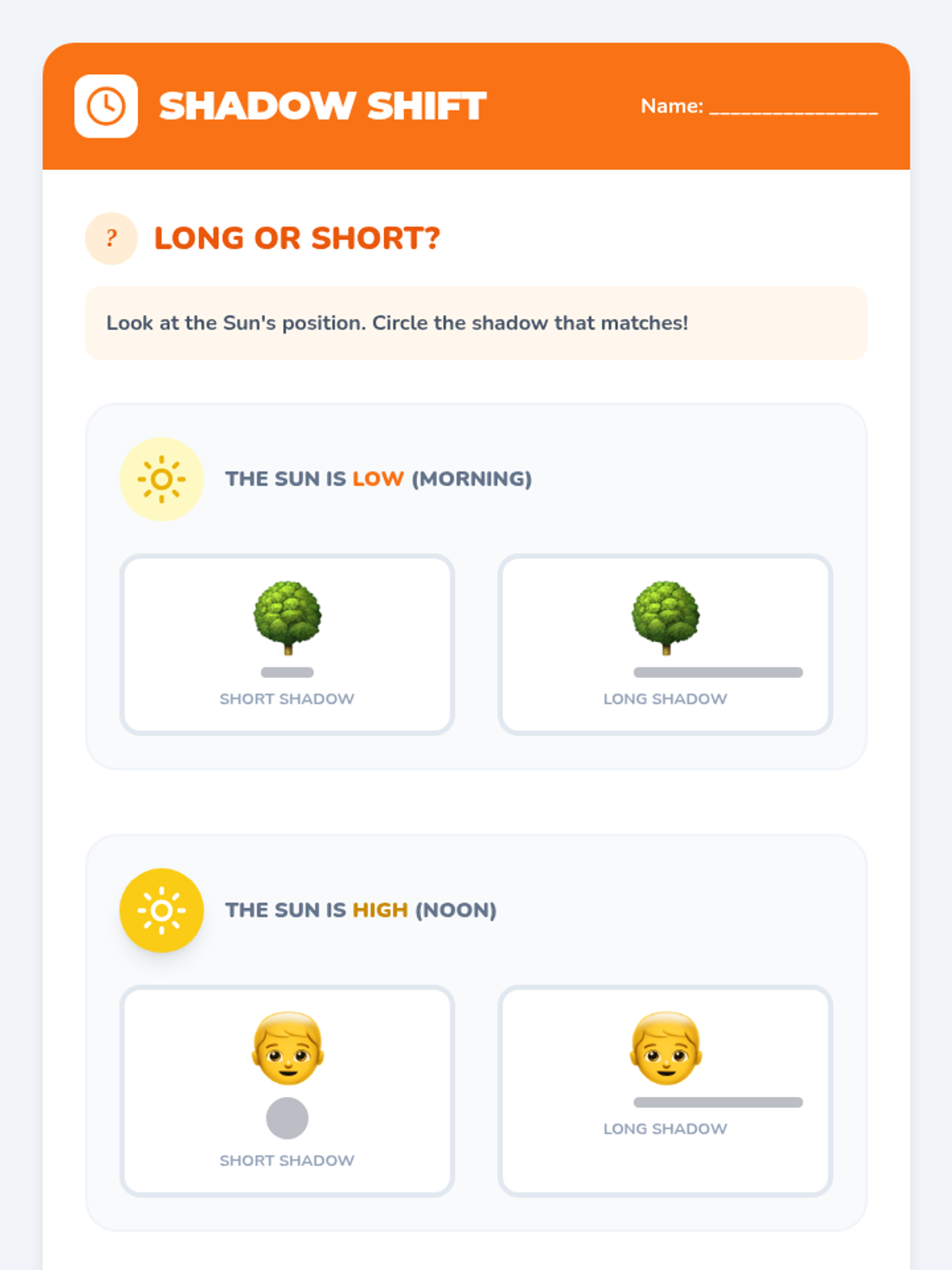
Students observe how shadows move and change size throughout the day as the Sun's position changes.
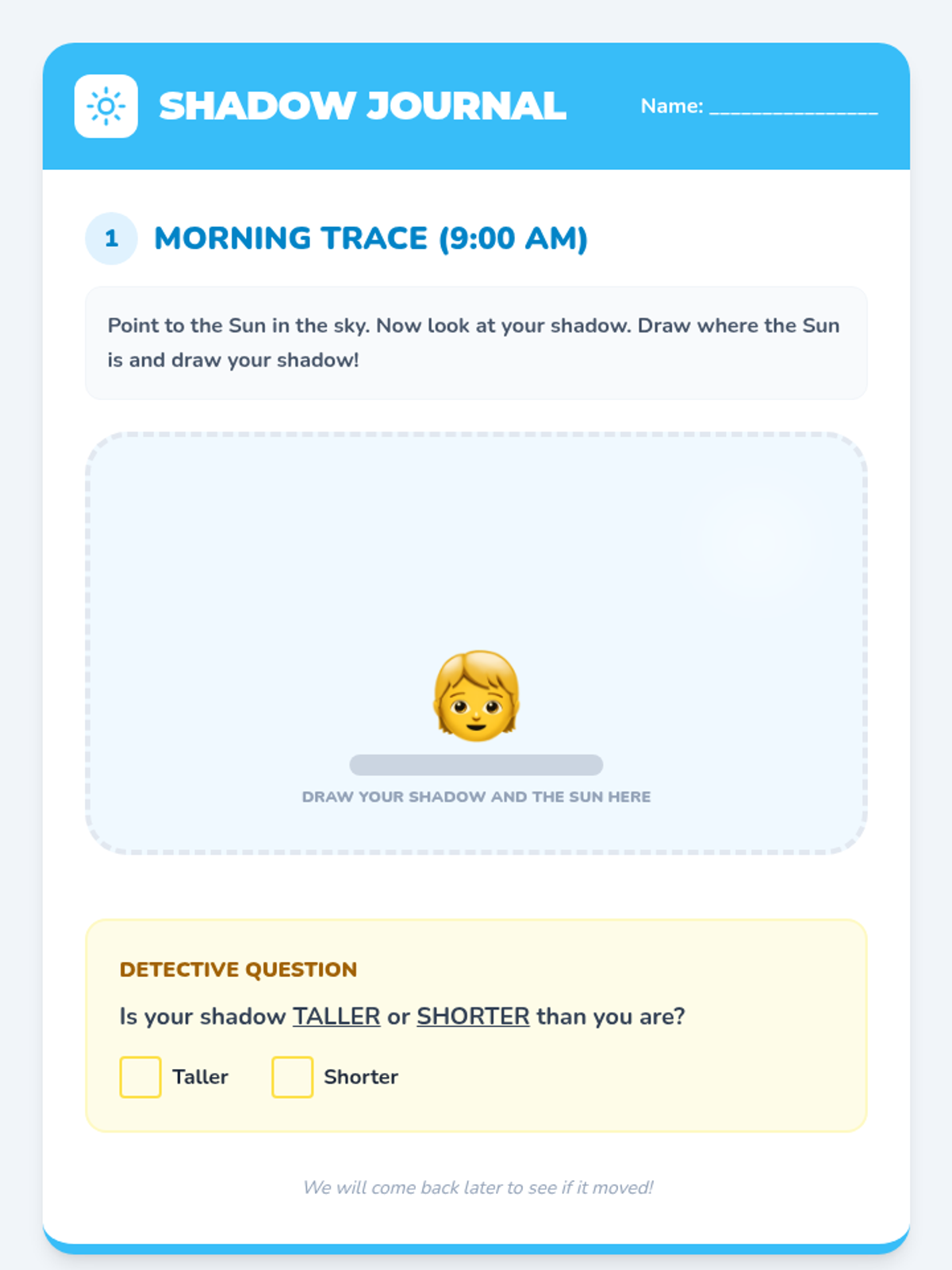
Students go outside in the morning to trace shadows and observe the Sun's position relative to the shadow.
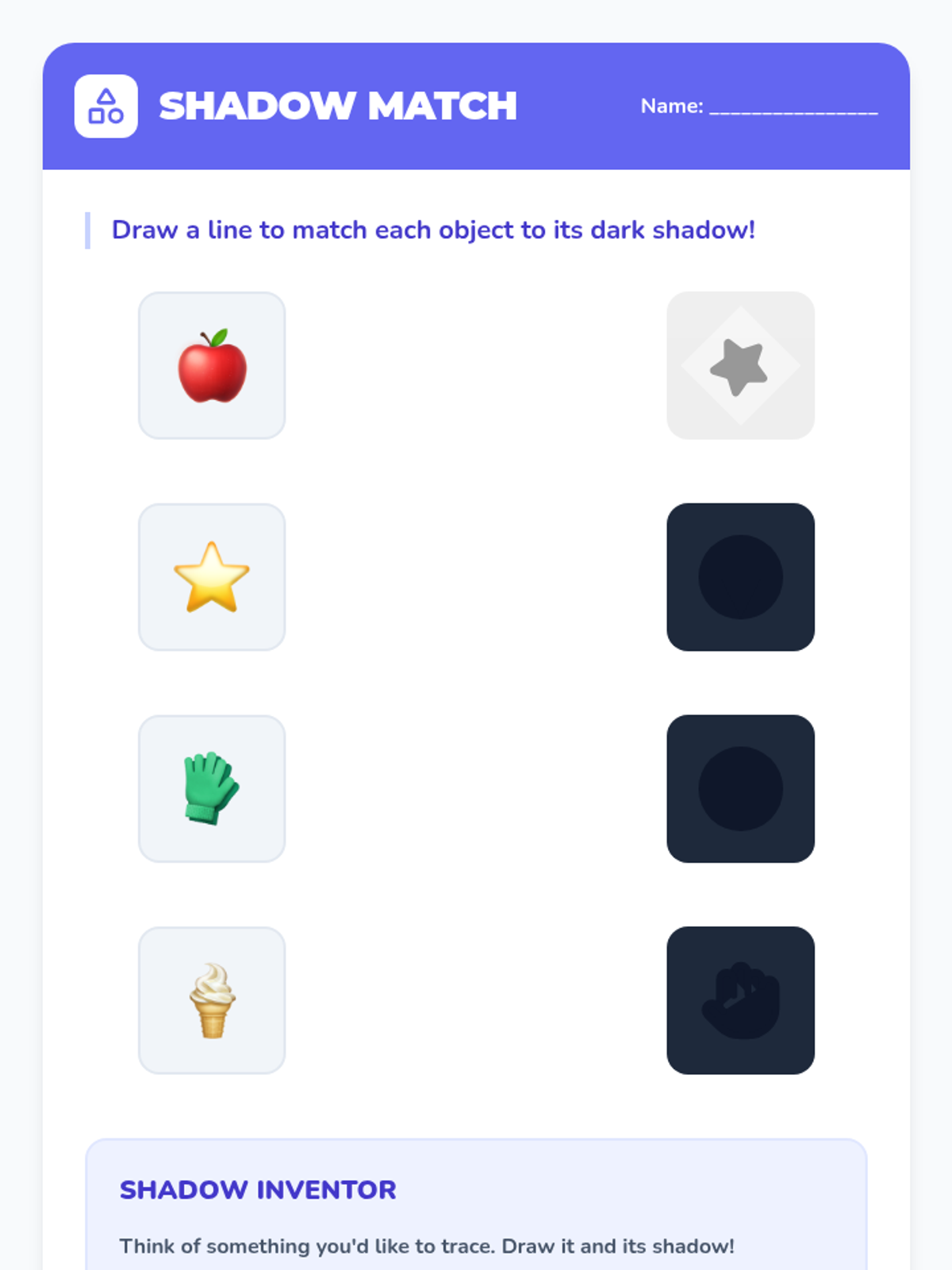
Students use various objects to create shadows, predicting and verifying that the shadow matches the shape of the object.