Fundamental concepts of emotional intelligence, stress reduction, and relaxation exercises. Develops skills for healthy relationships, digital balance, and resilience while establishing pathways for help-seeking and support systems.
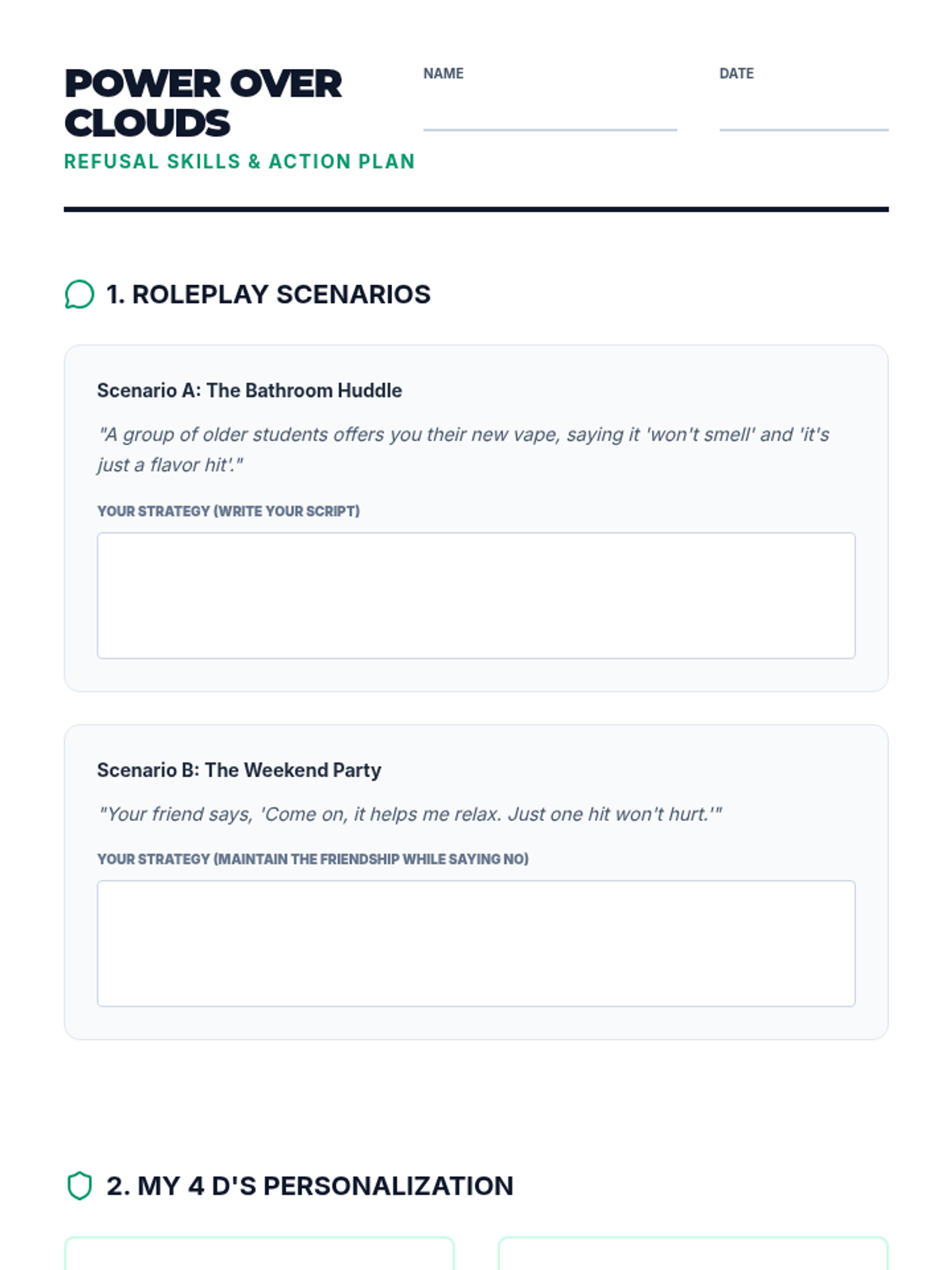
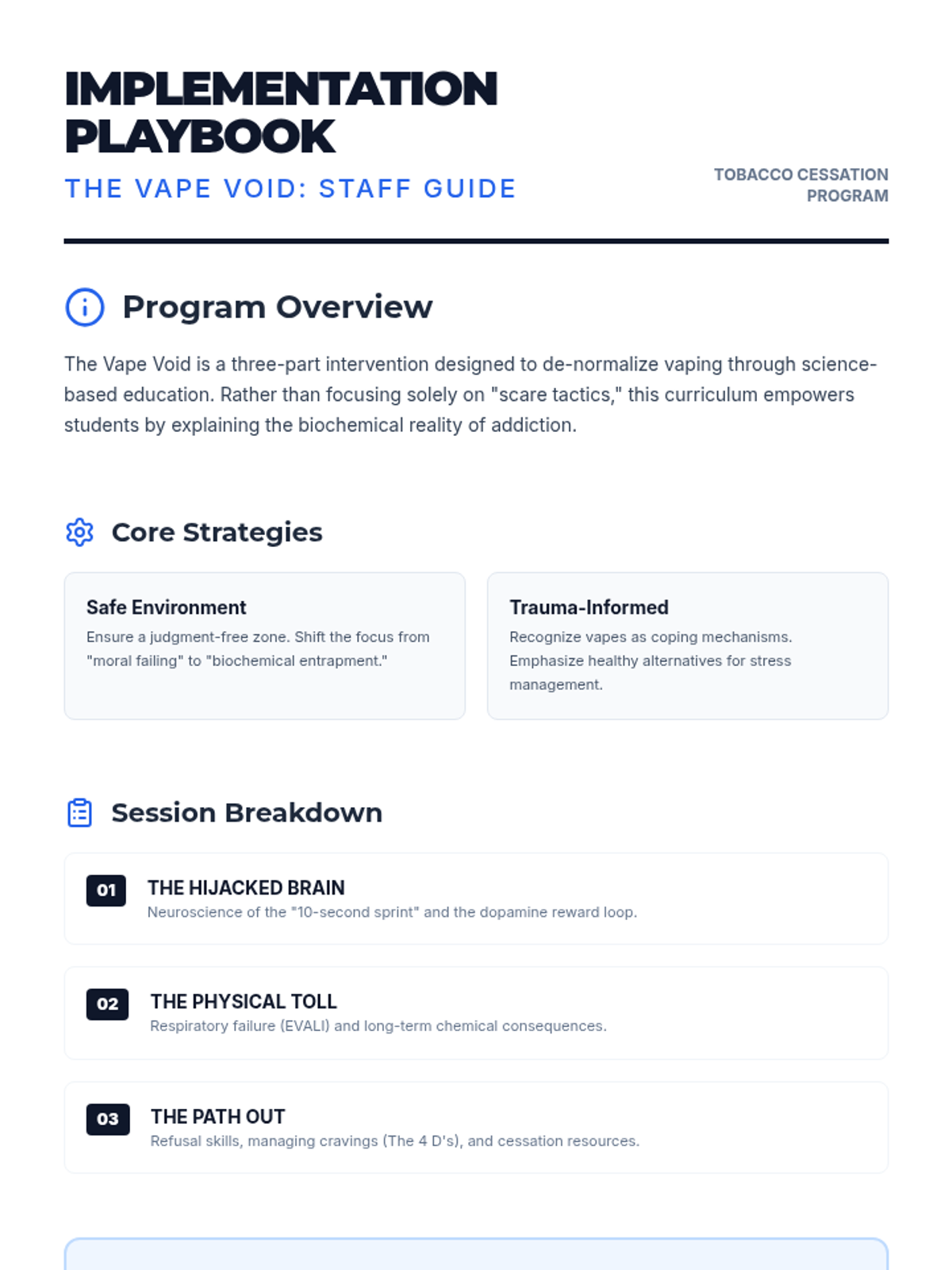
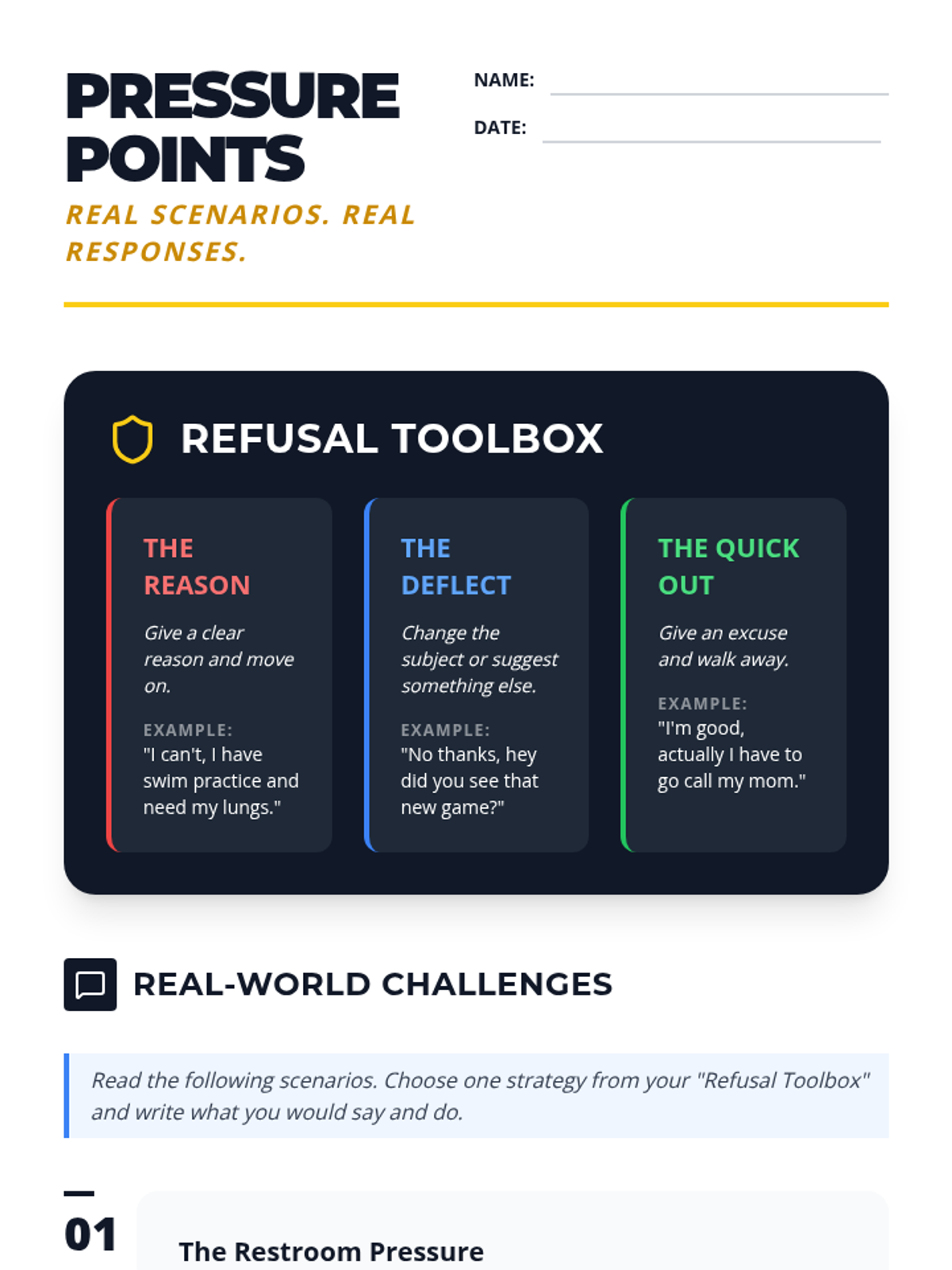
Equips students with refusal skills and provides a step-by-step framework for cessation and supporting peers.
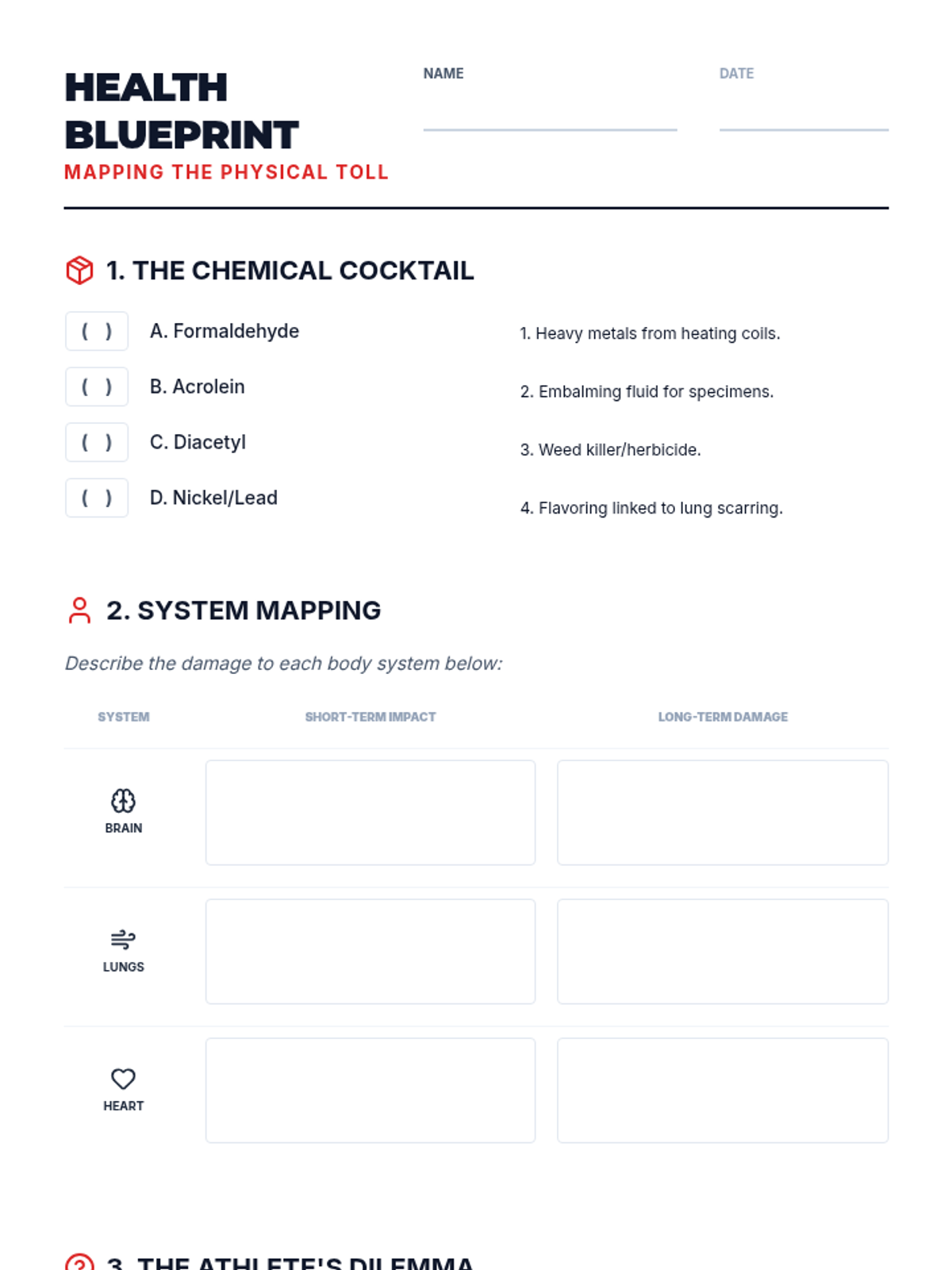
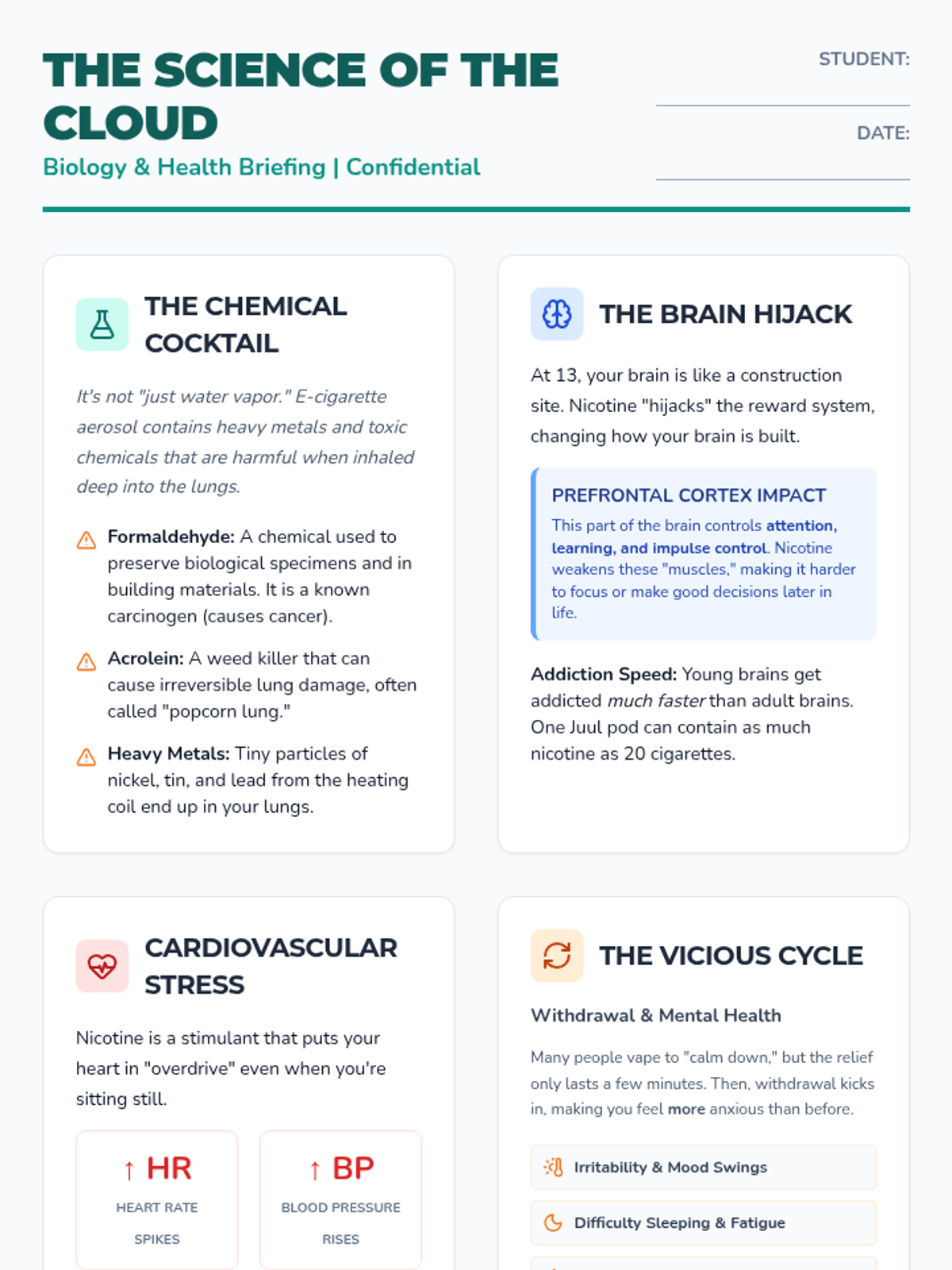
Examines the multi-system physical consequences of long-term vaping and tobacco use, from respiratory damage to cardiovascular risks.
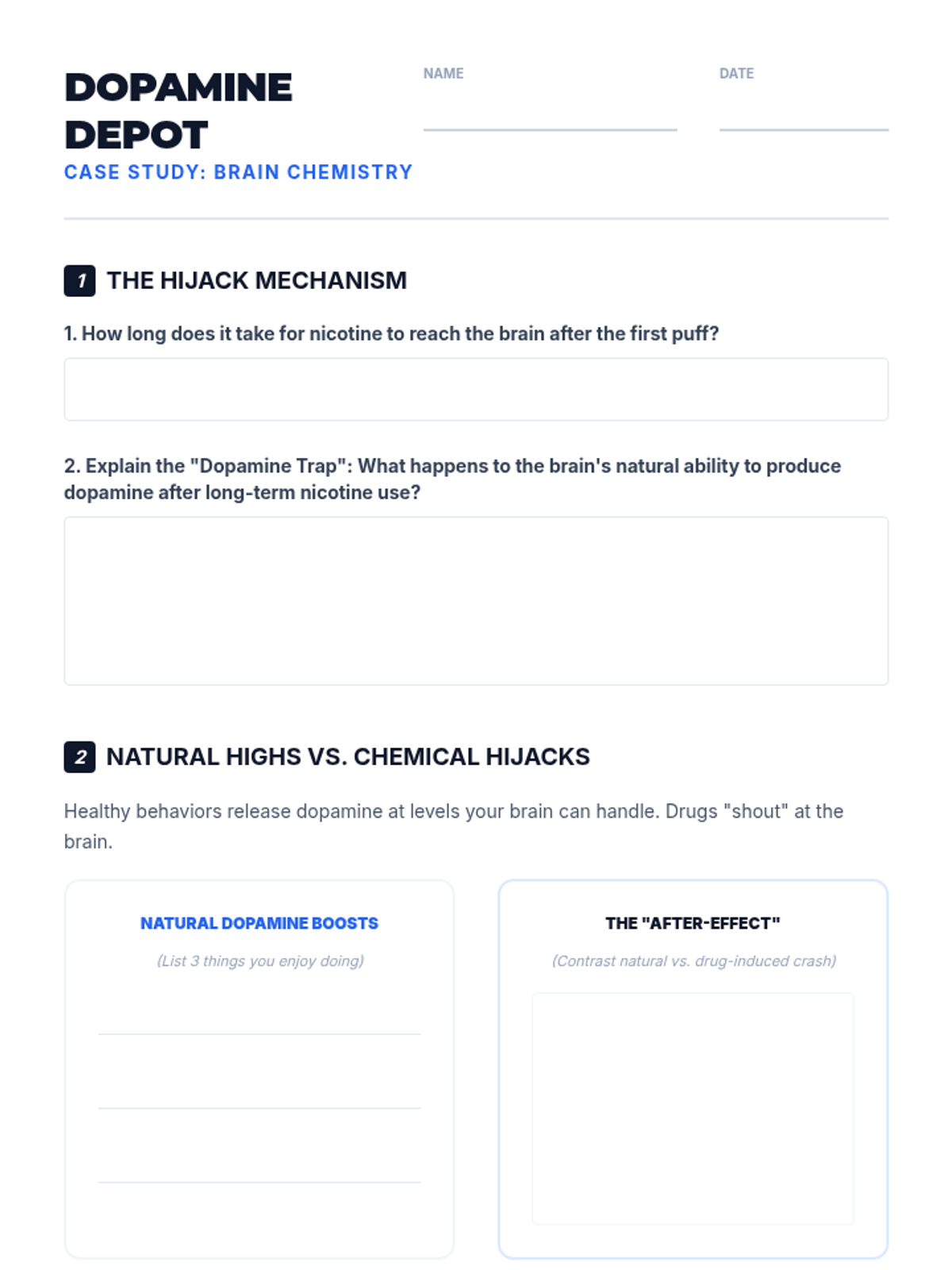
Explores the neuroscience of nicotine addiction, focusing on how vaping chemicals hijack the brain's reward system.
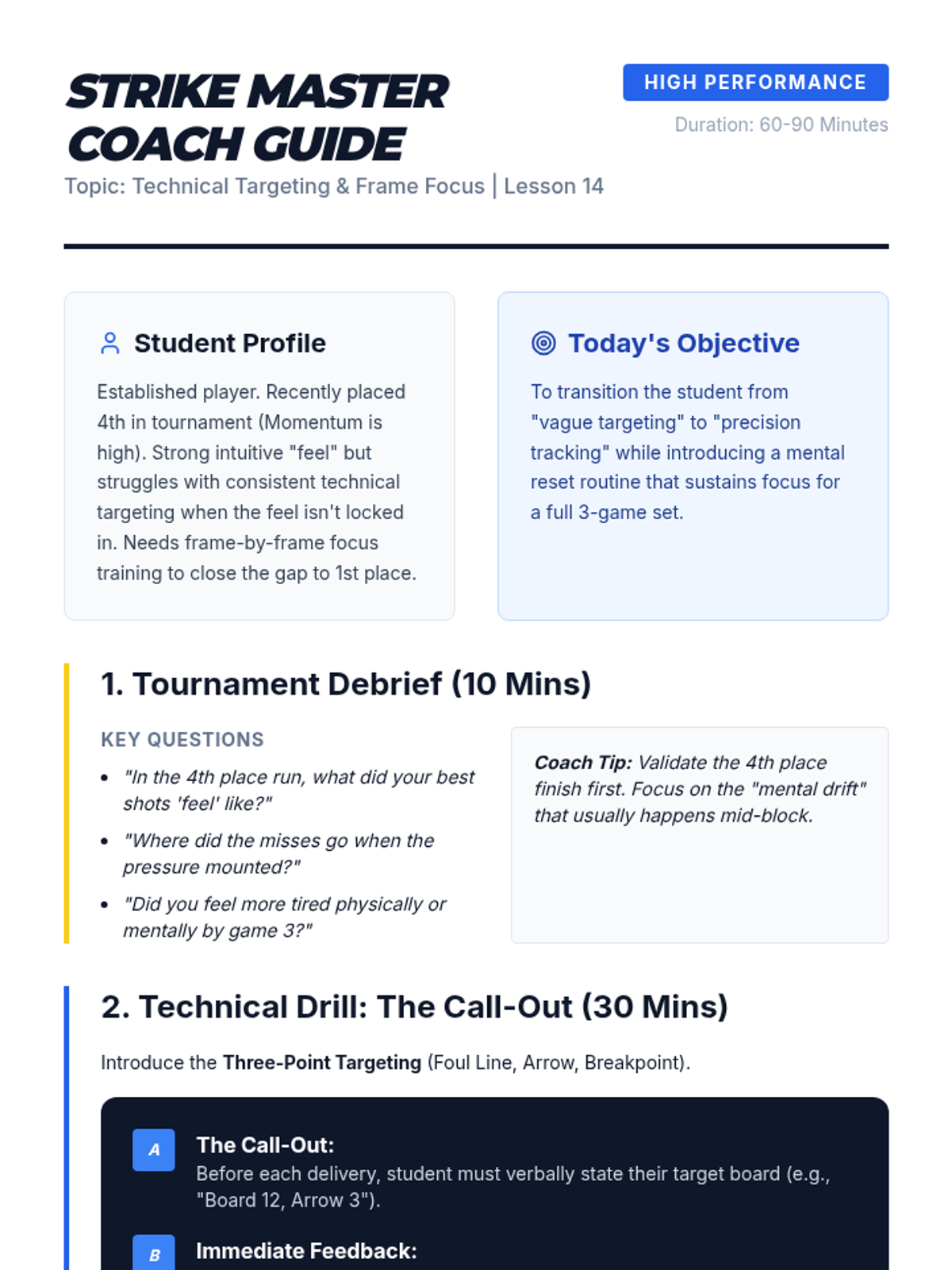
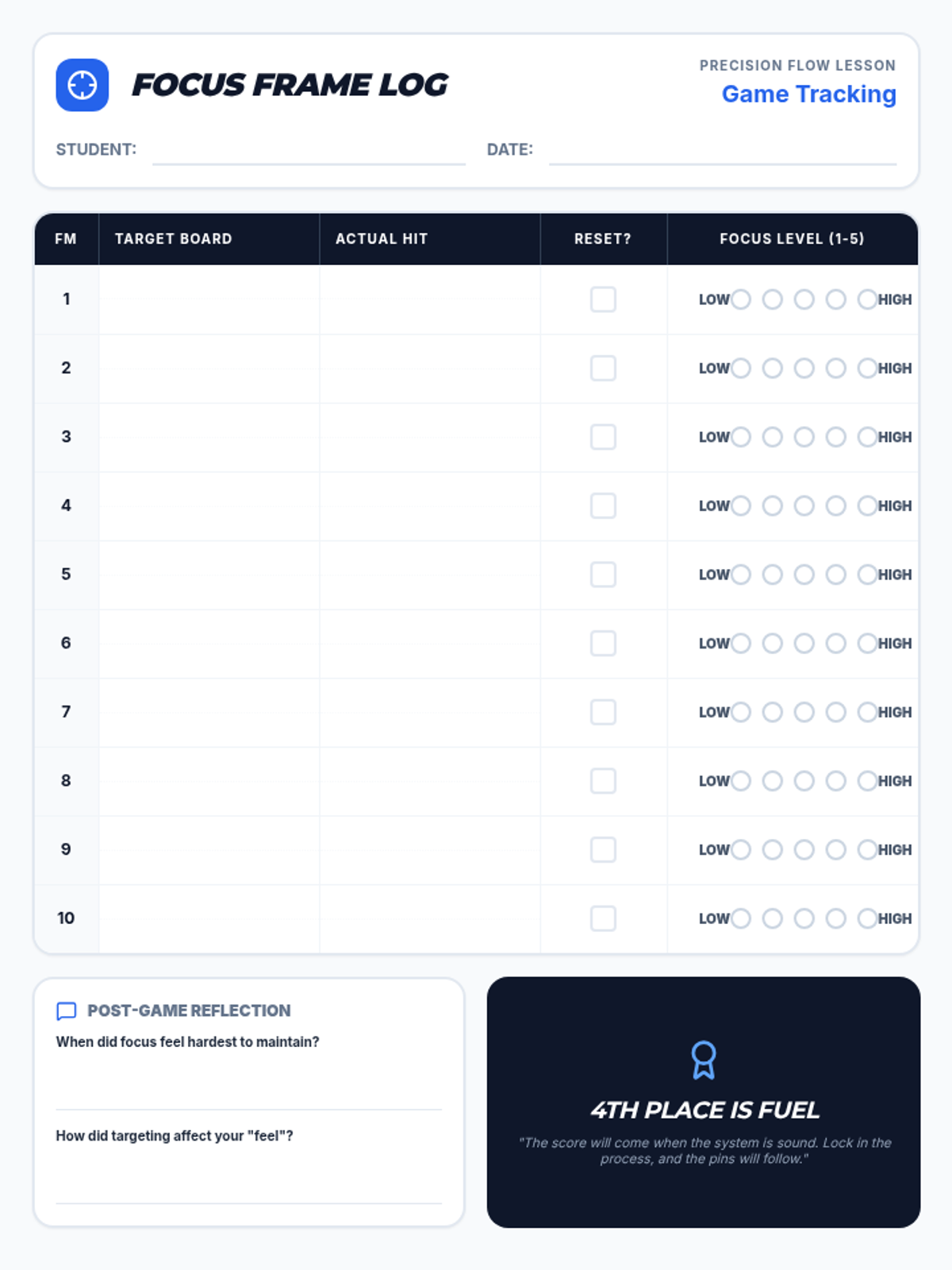
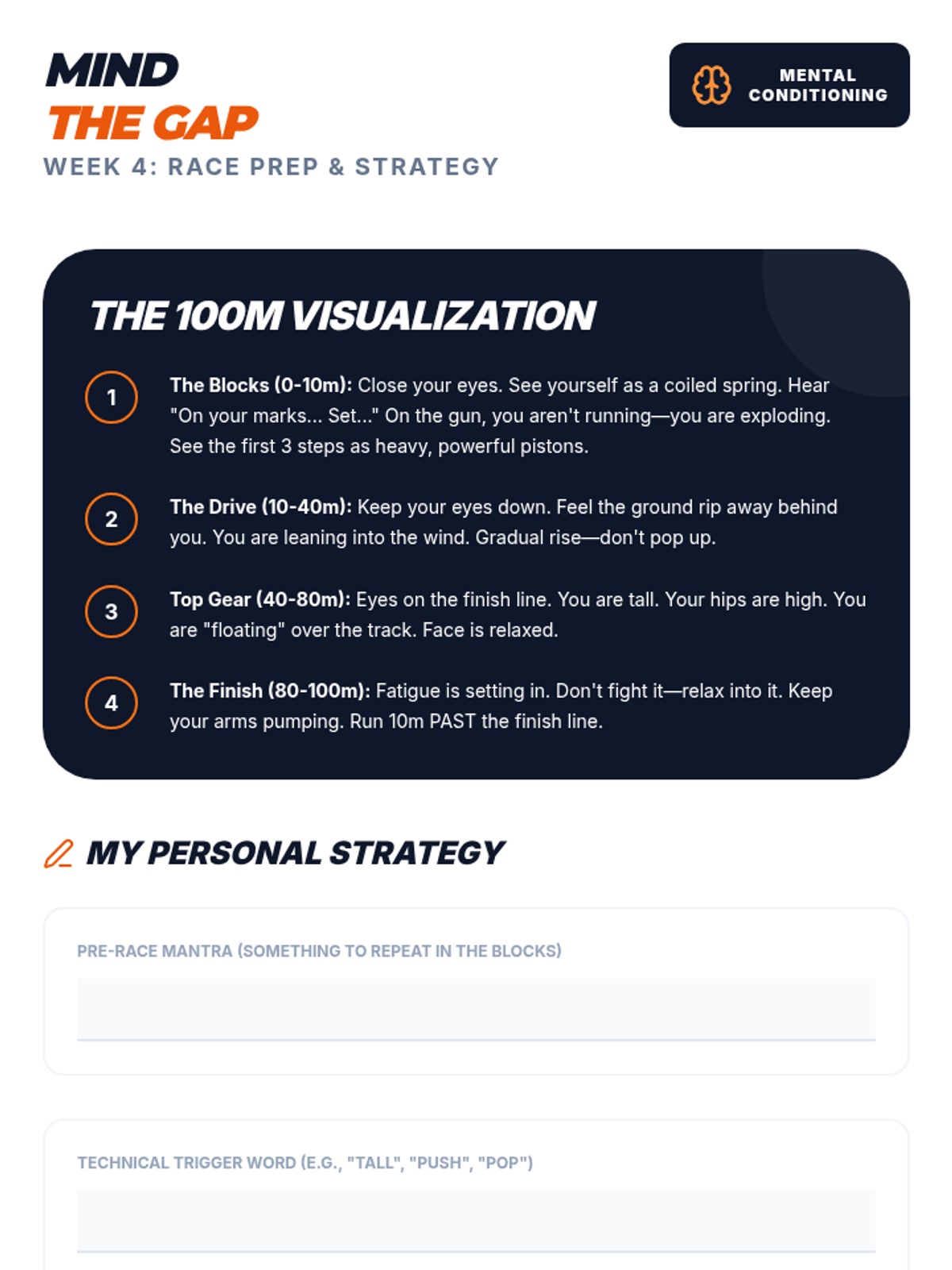
A high-performance bowling lesson designed to bridge the gap between intuitive 'feel' and technical precision targeting. Focused on maintaining mental stamina and frame-by-frame consistency for competitive athletes.
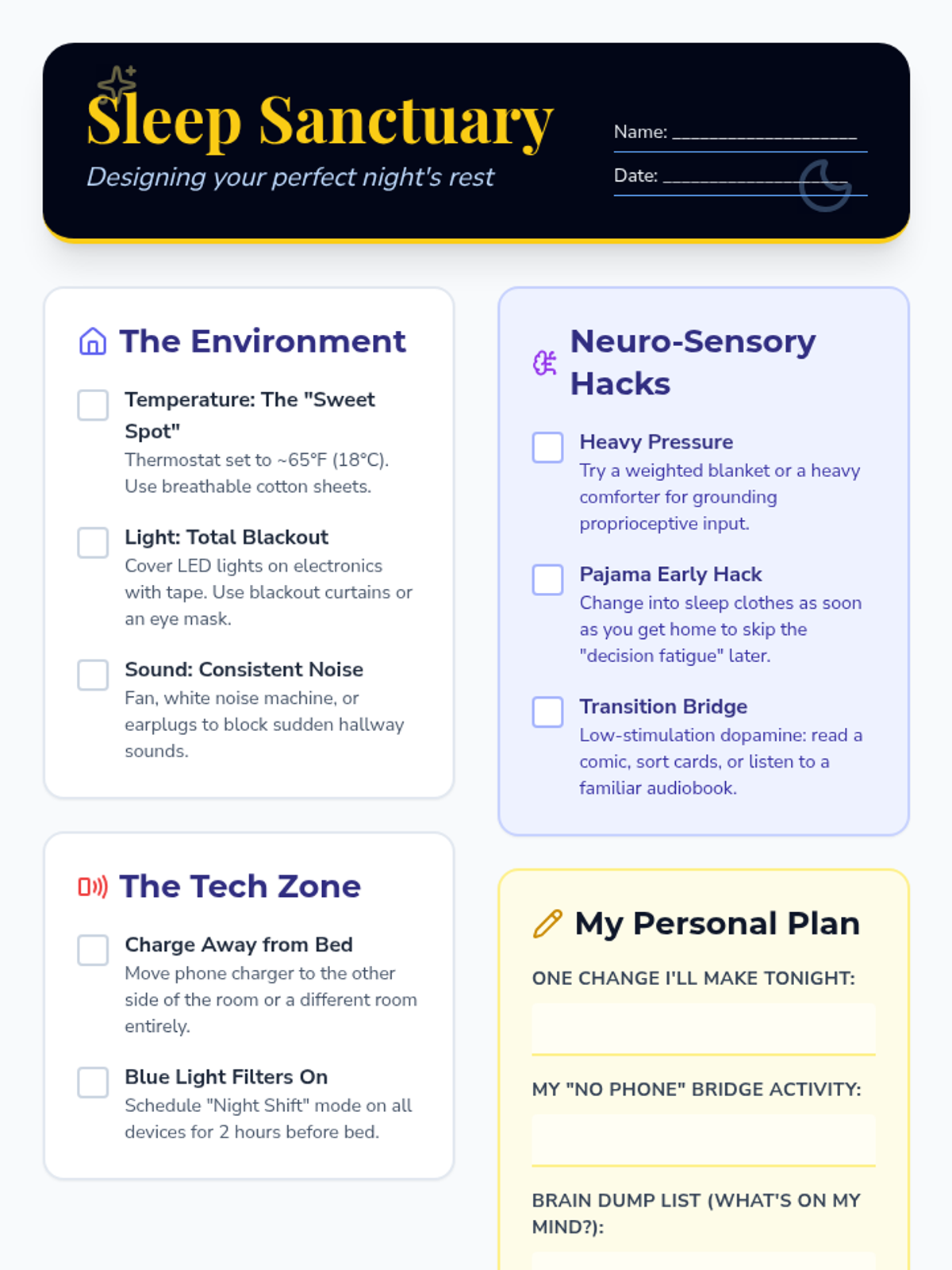
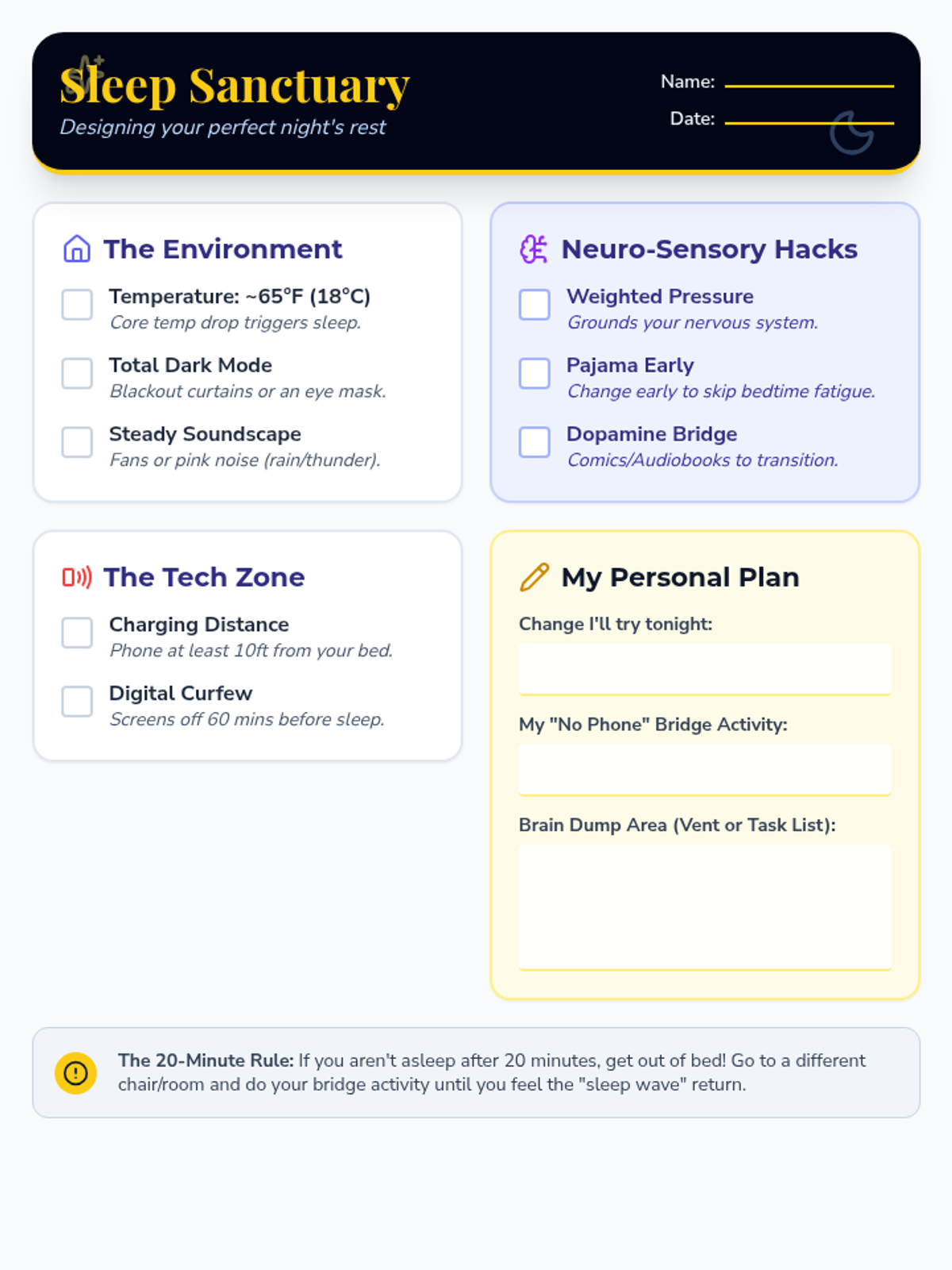
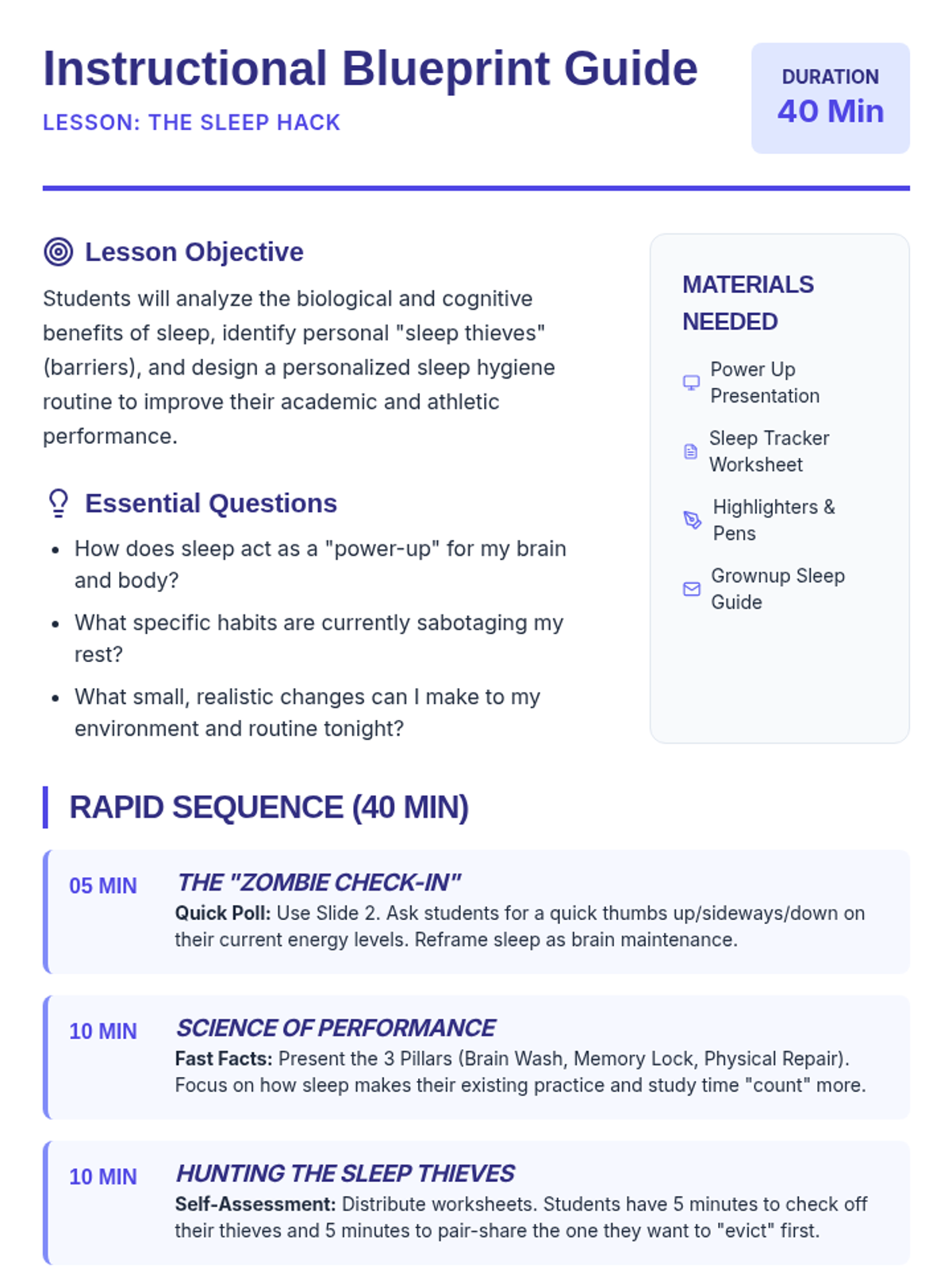
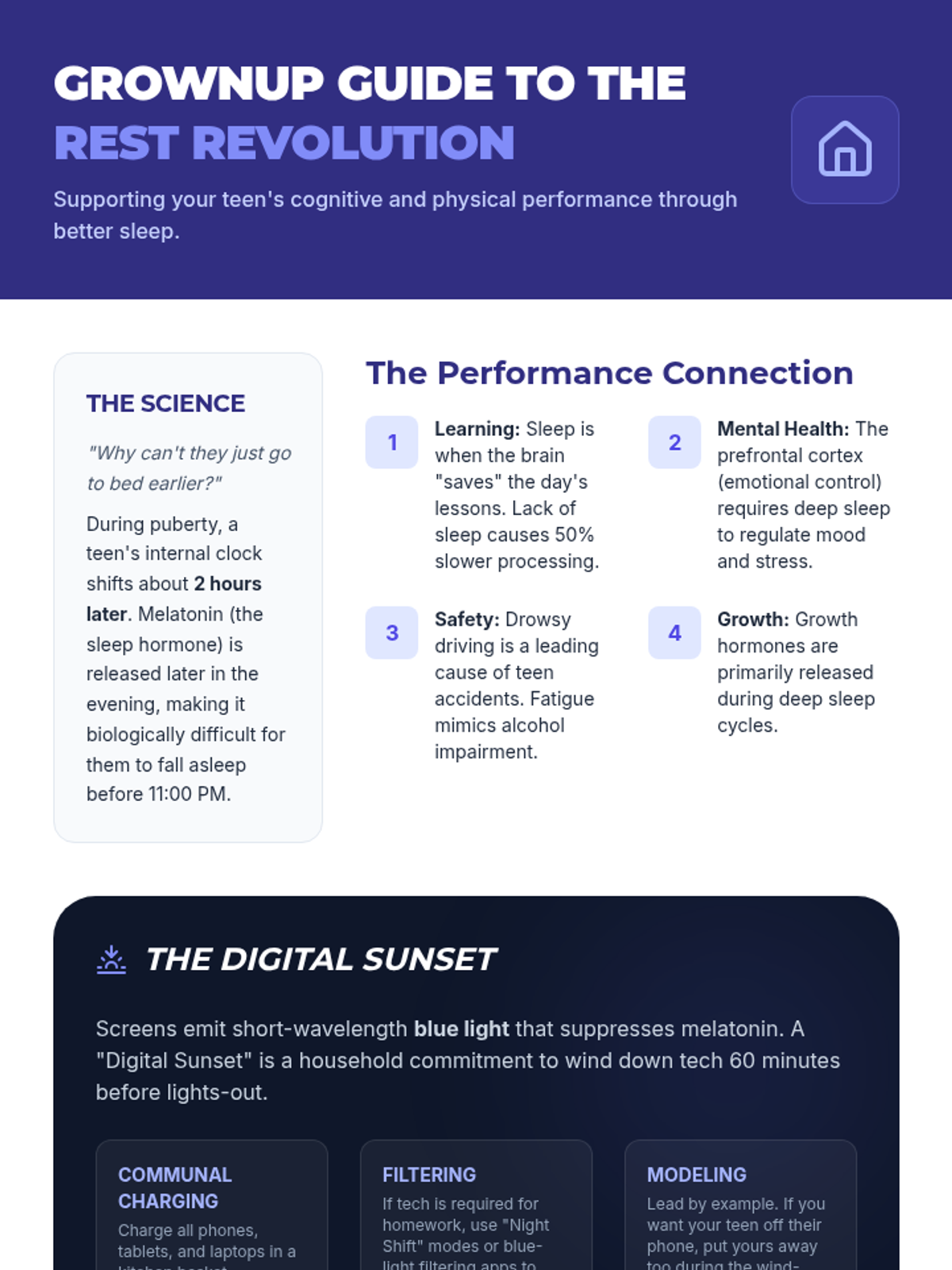
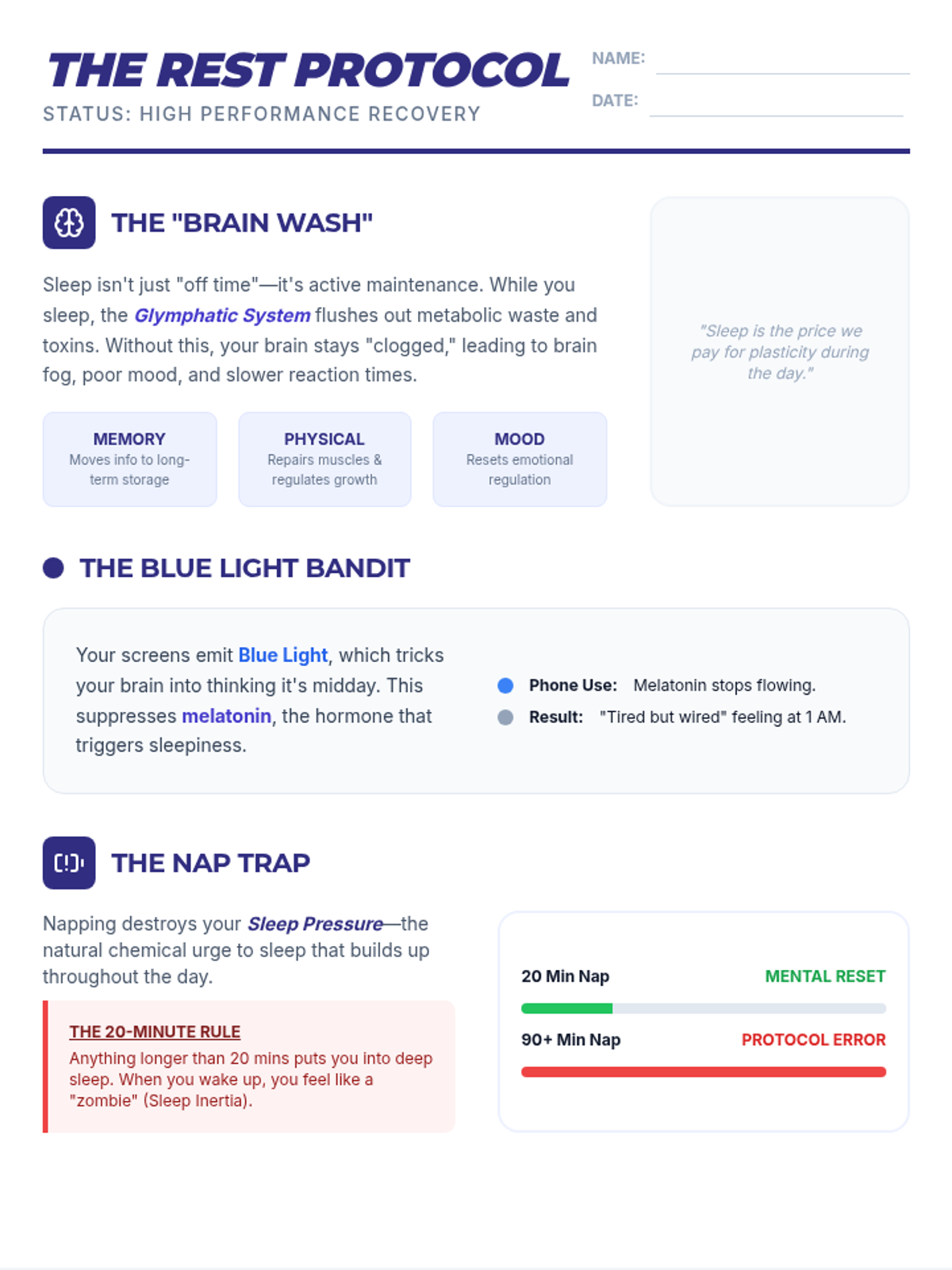
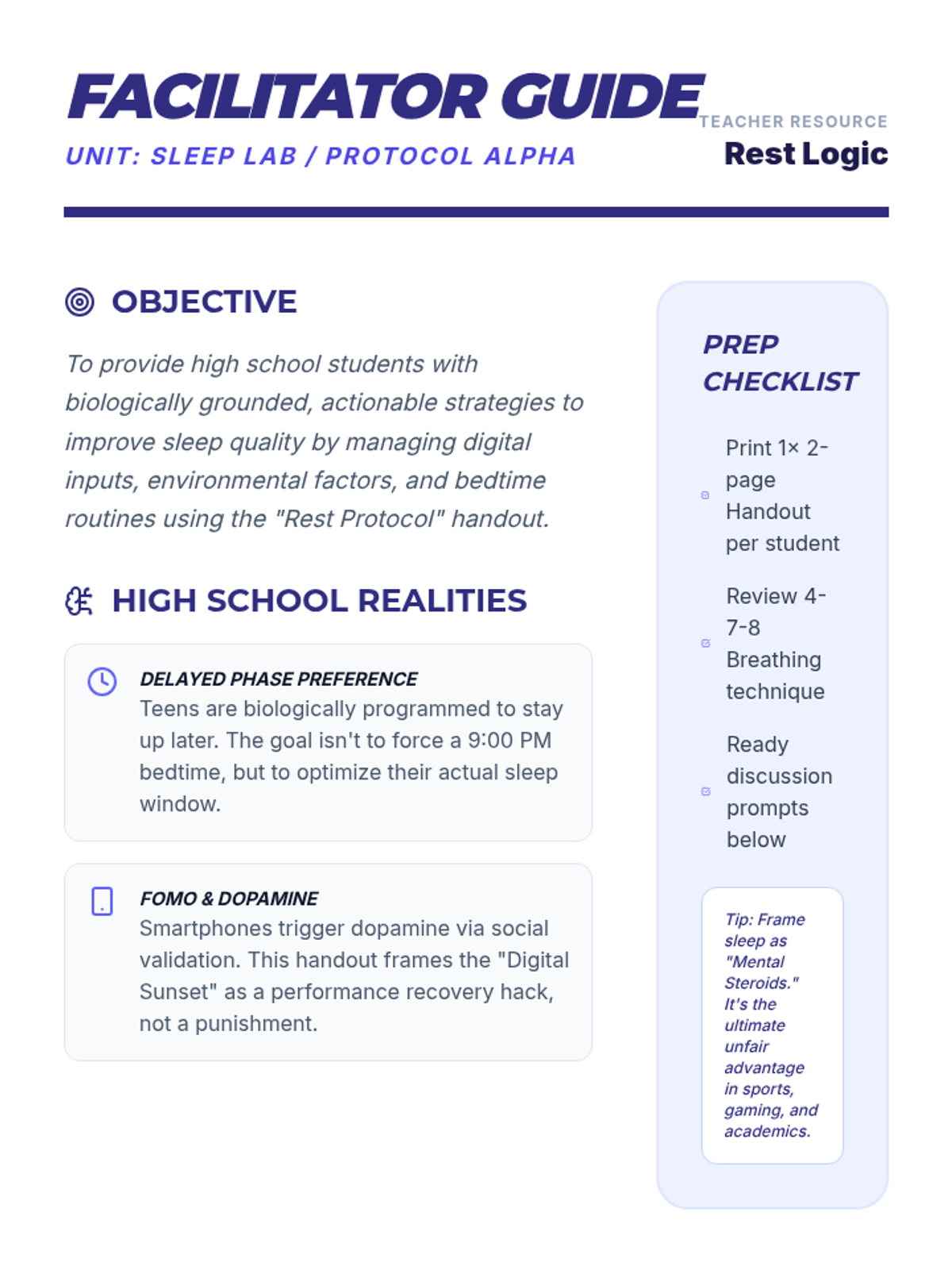
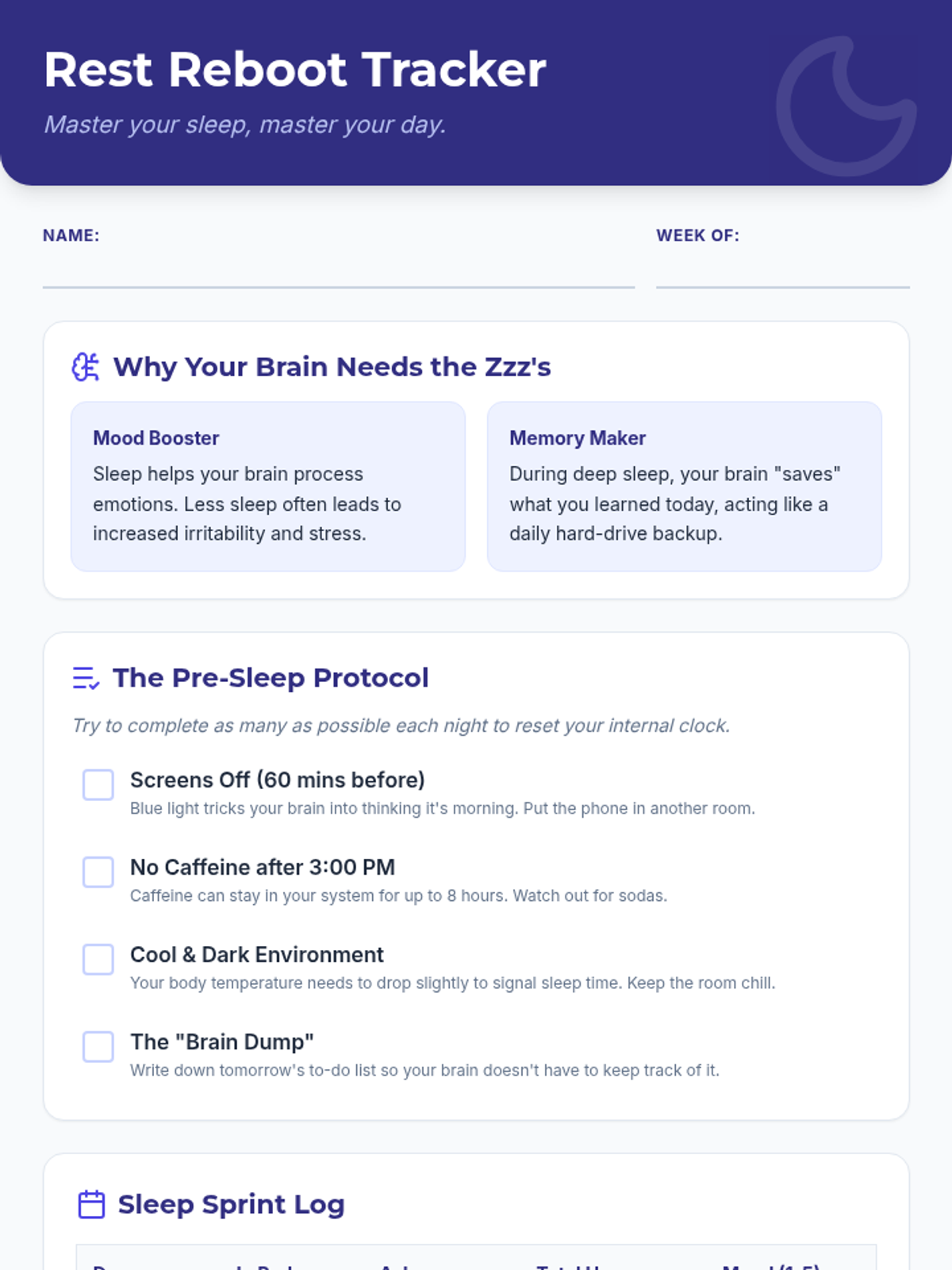
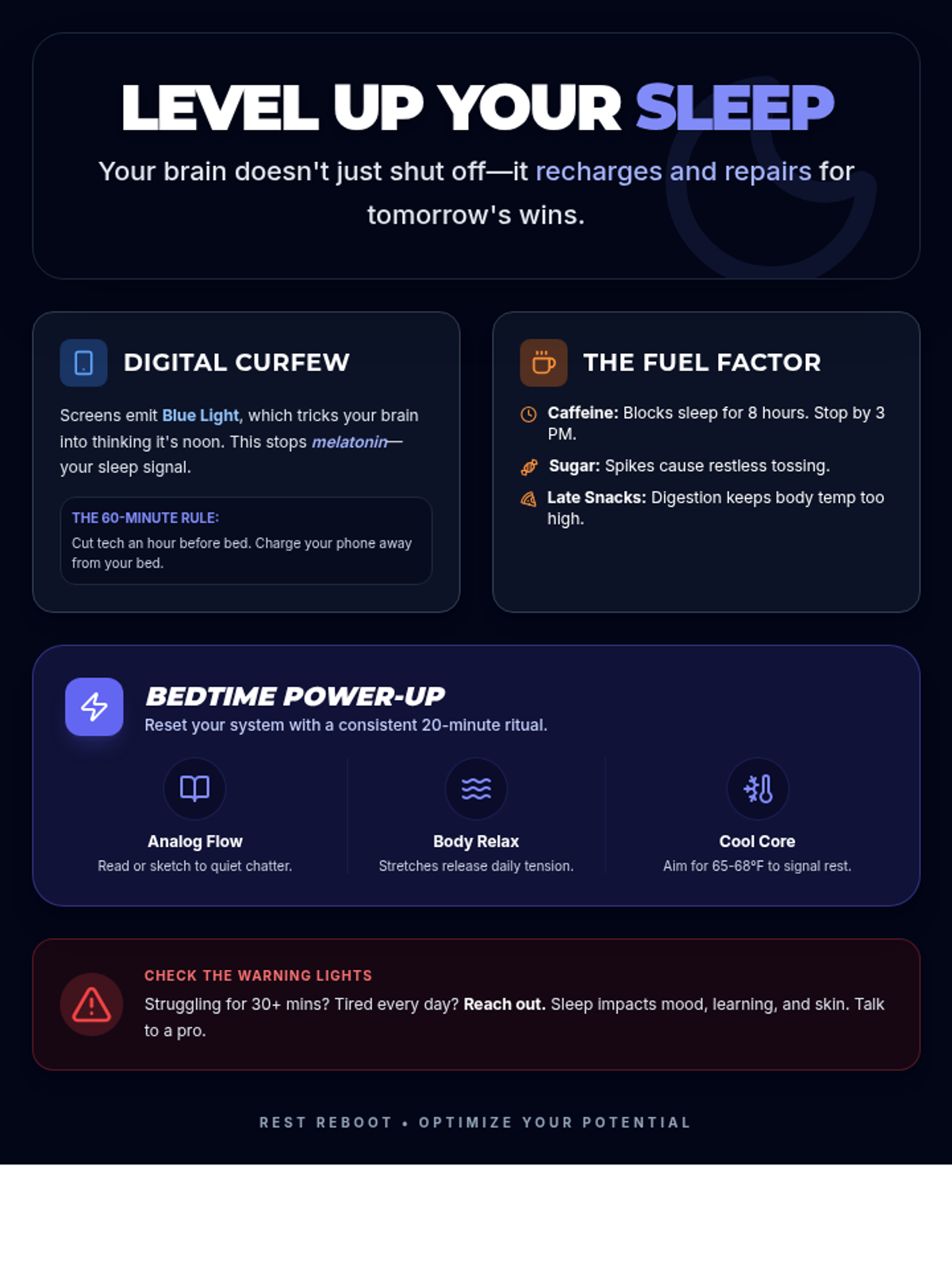
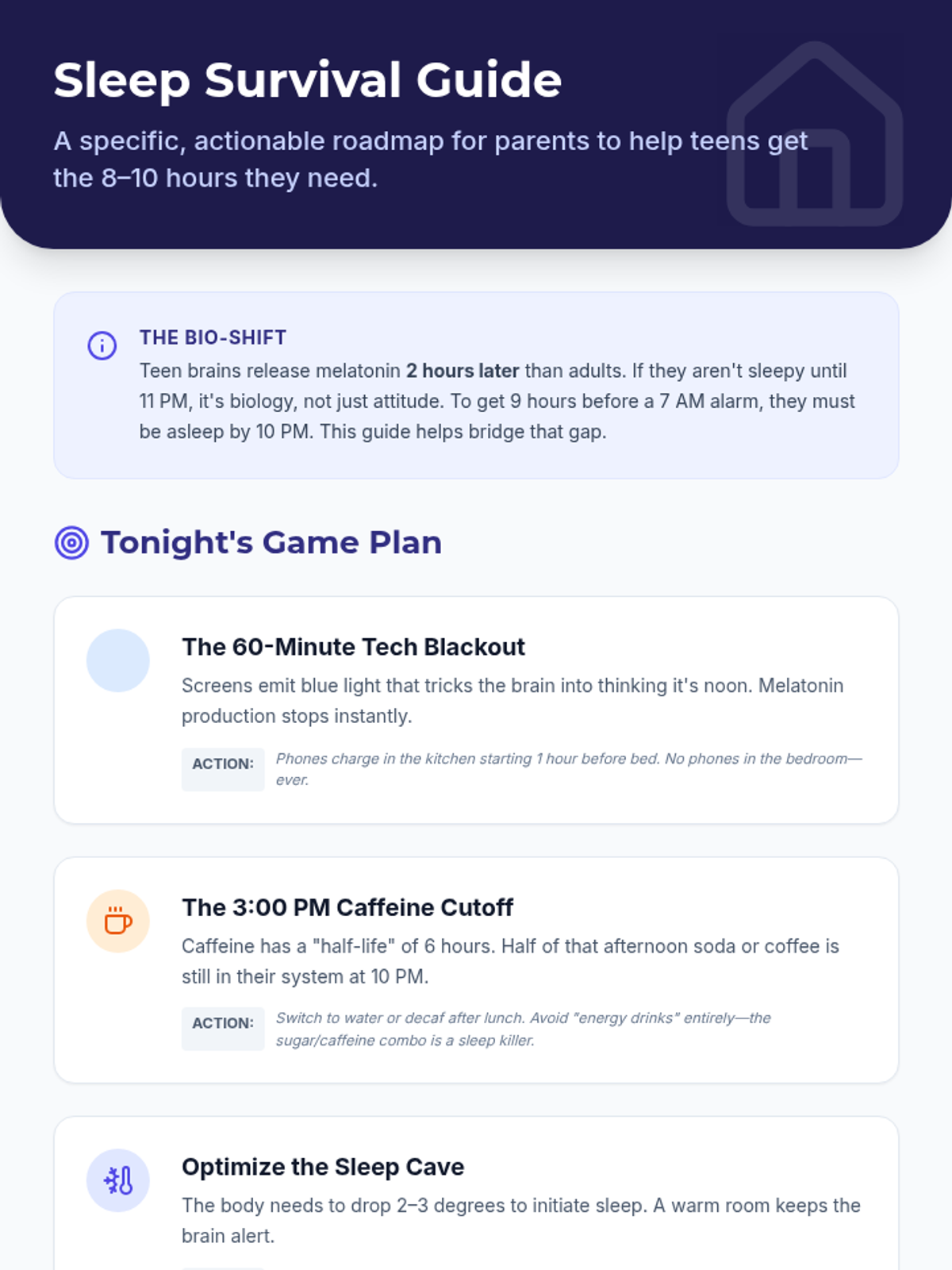
A lesson designed for high schoolers to understand the physiological and cognitive importance of sleep, along with practical sleep hygiene strategies.
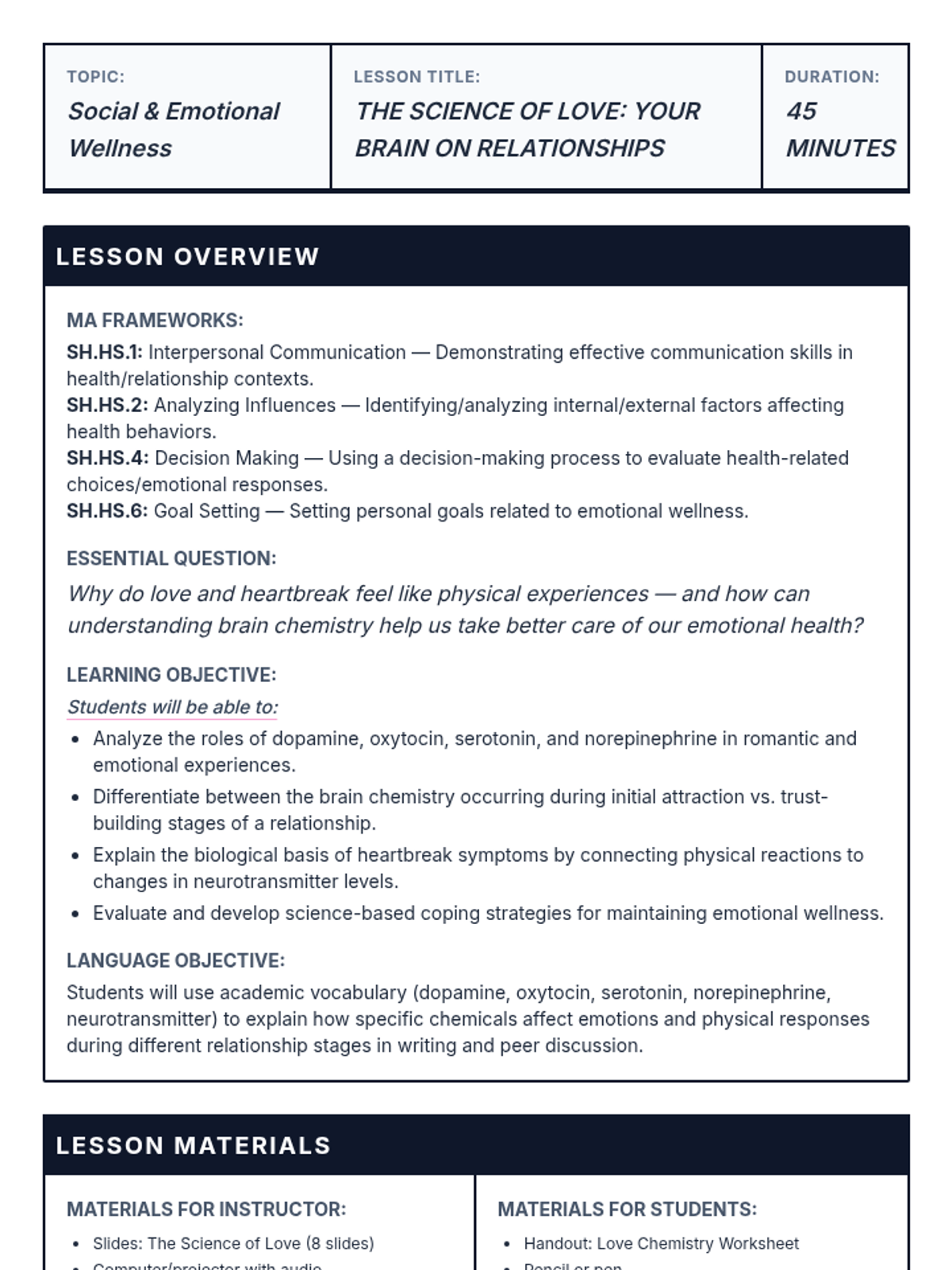
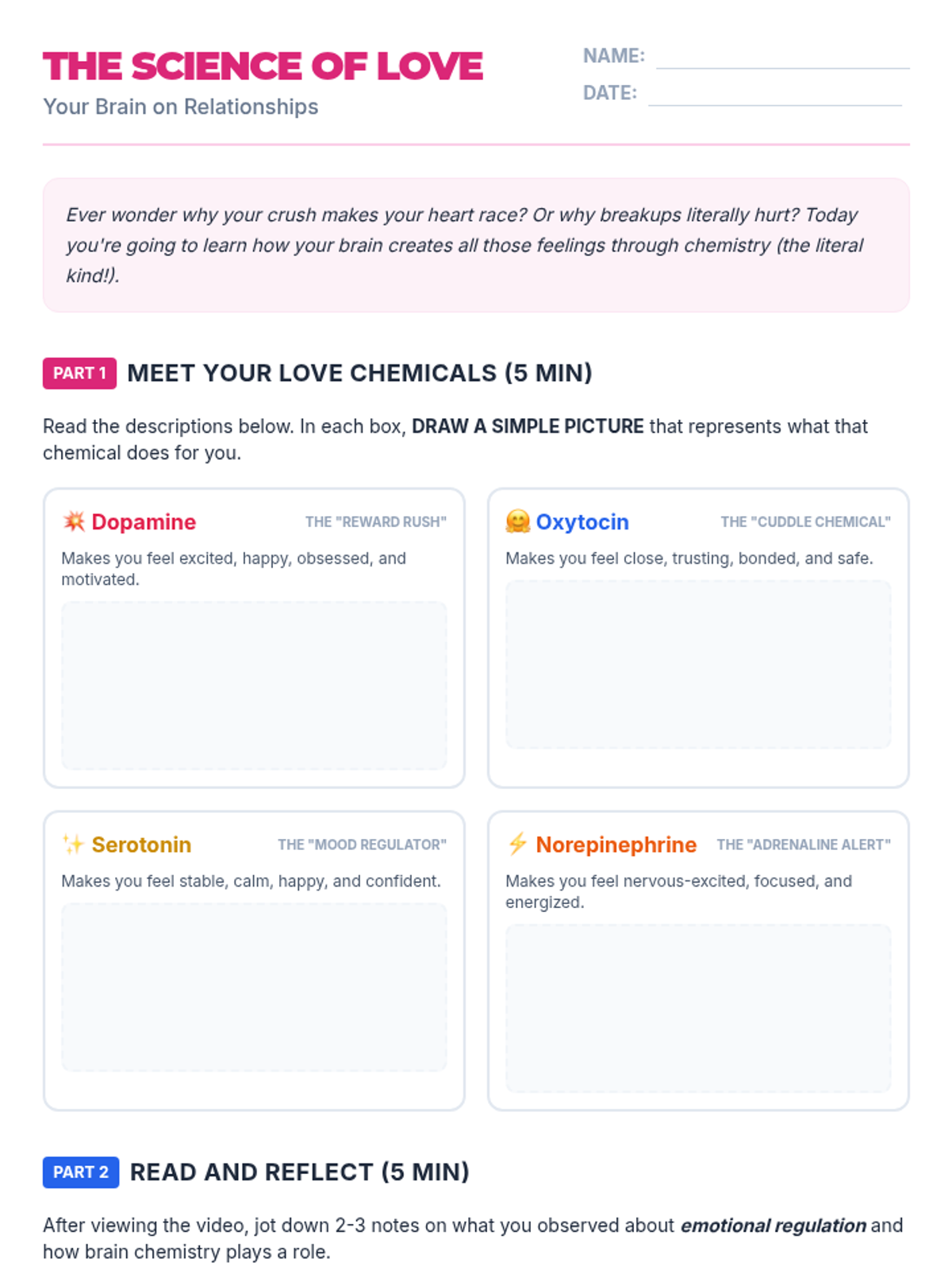
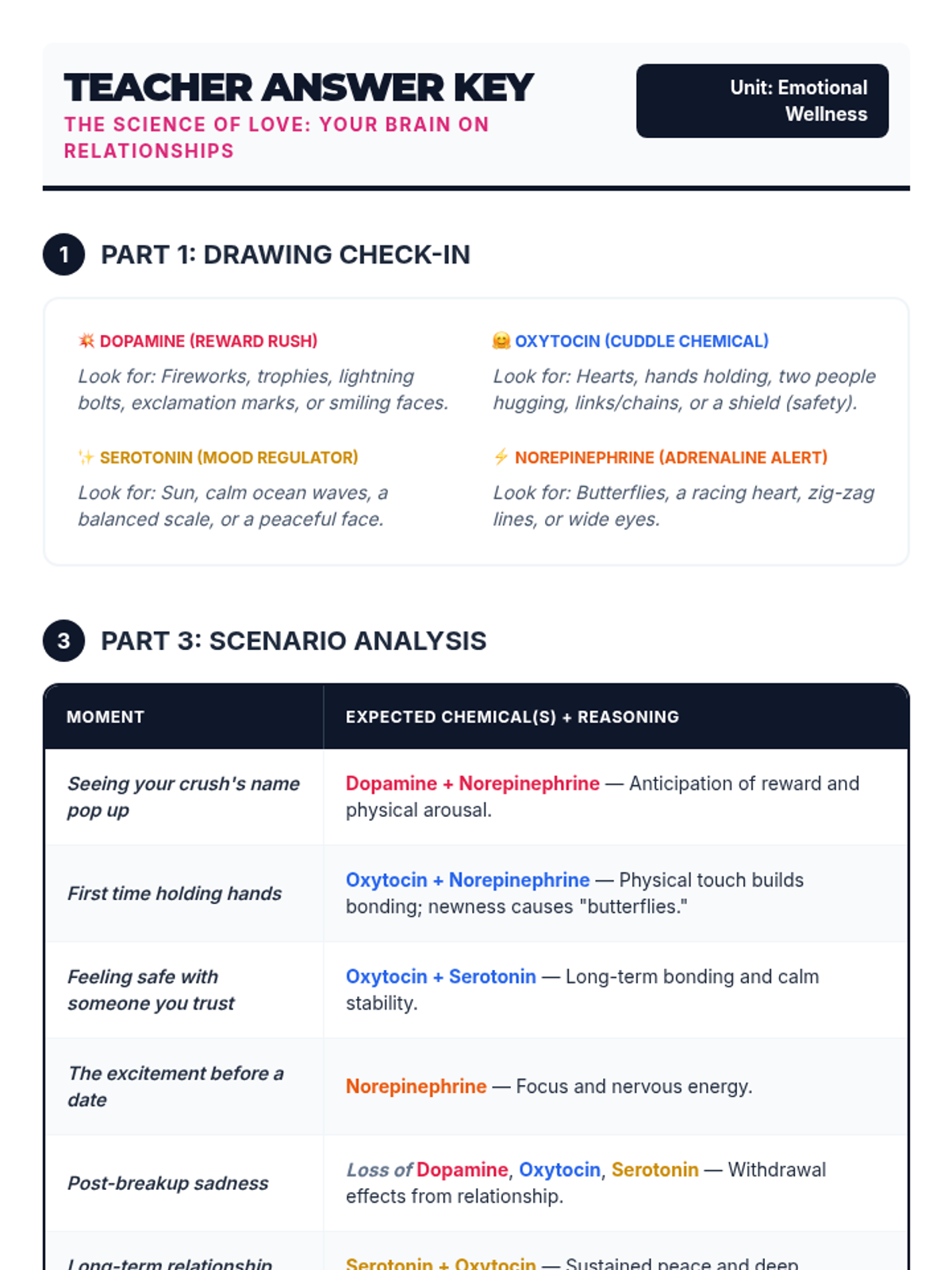
A 45-minute health and science lesson exploring the neurochemistry of romantic attraction, long-term bonding, and heartbreak. Students learn about dopamine, oxytocin, serotonin, and norepinephrine and apply this knowledge to create science-based coping strategies for emotional wellness.
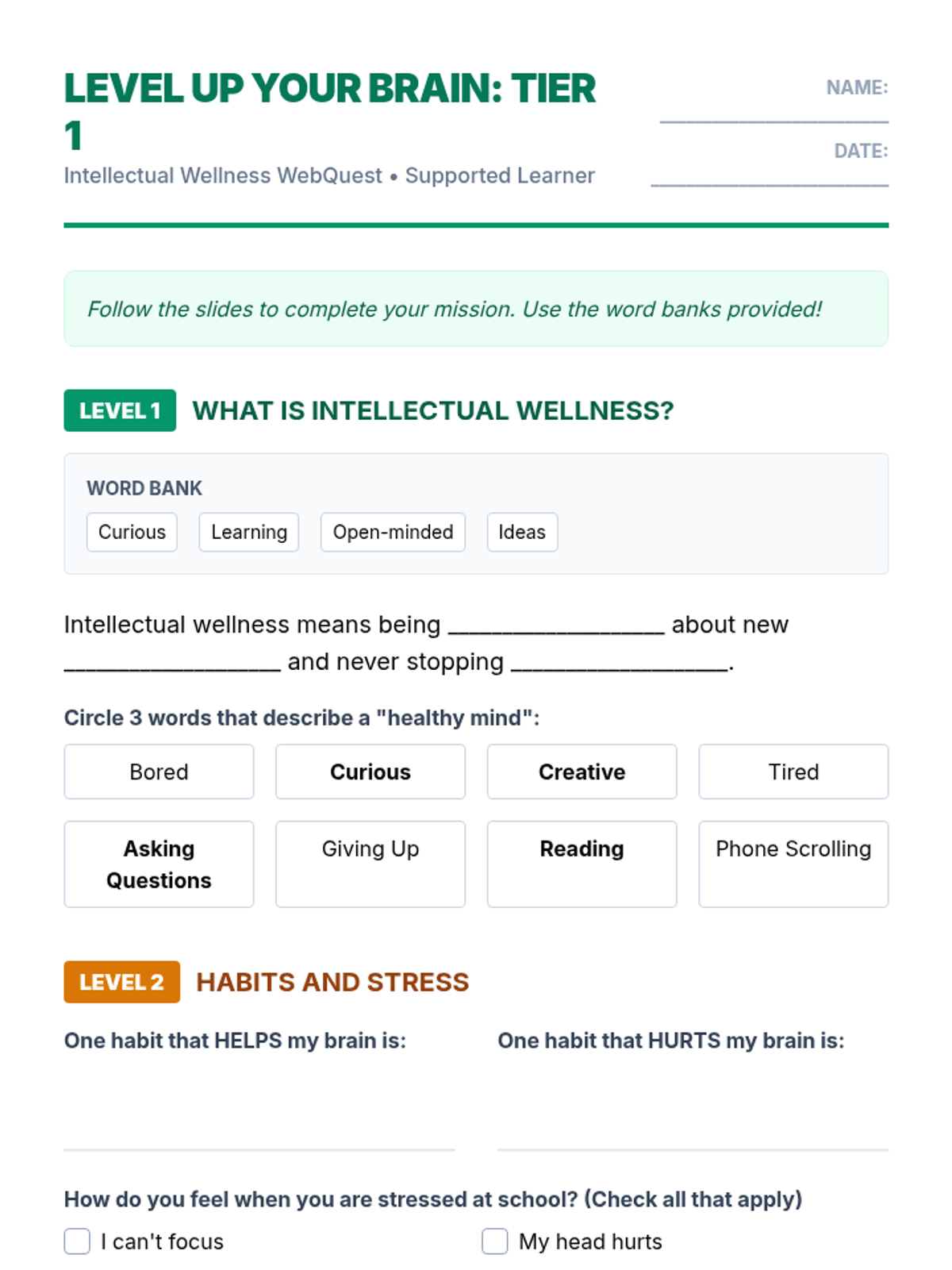
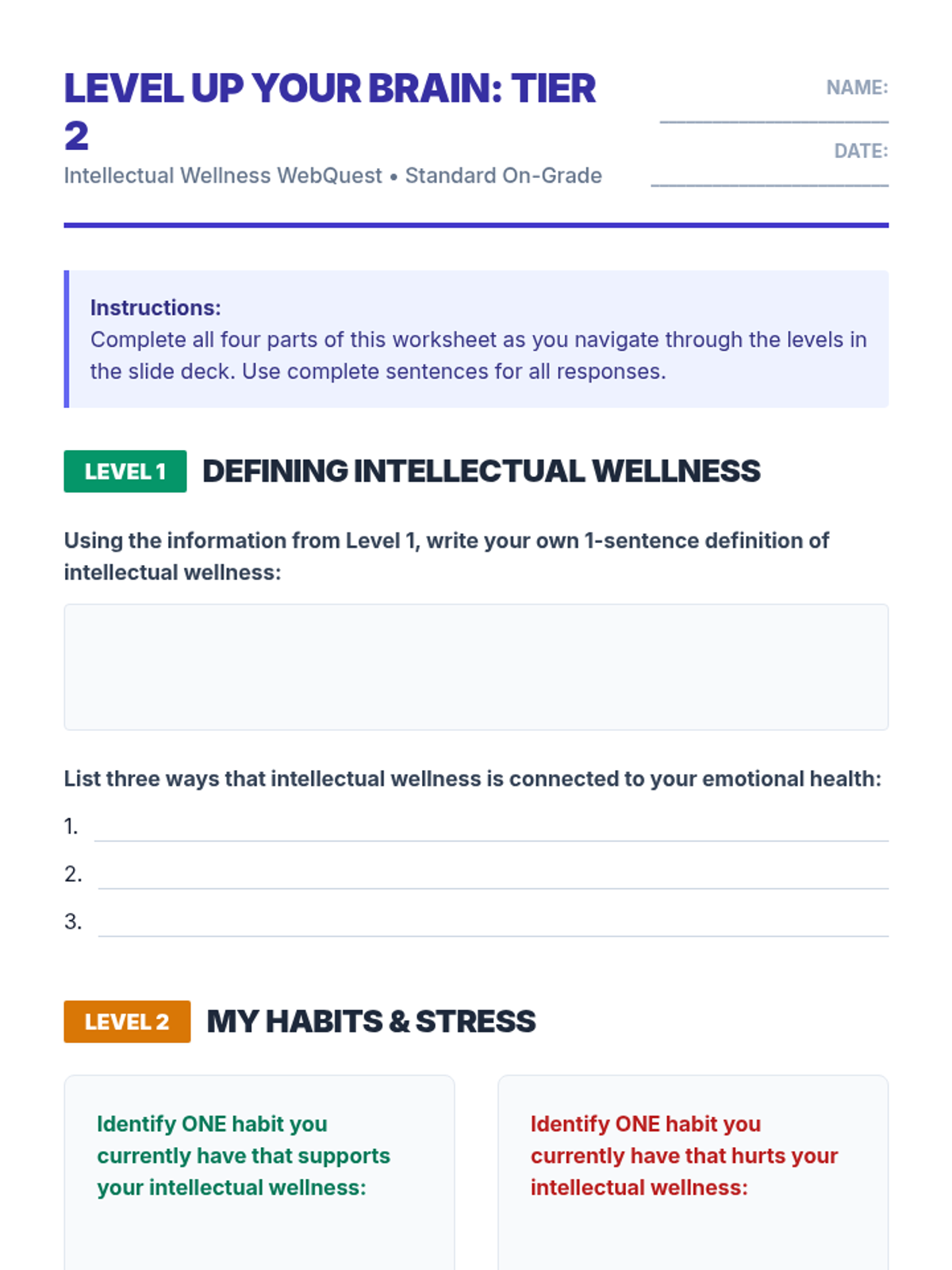
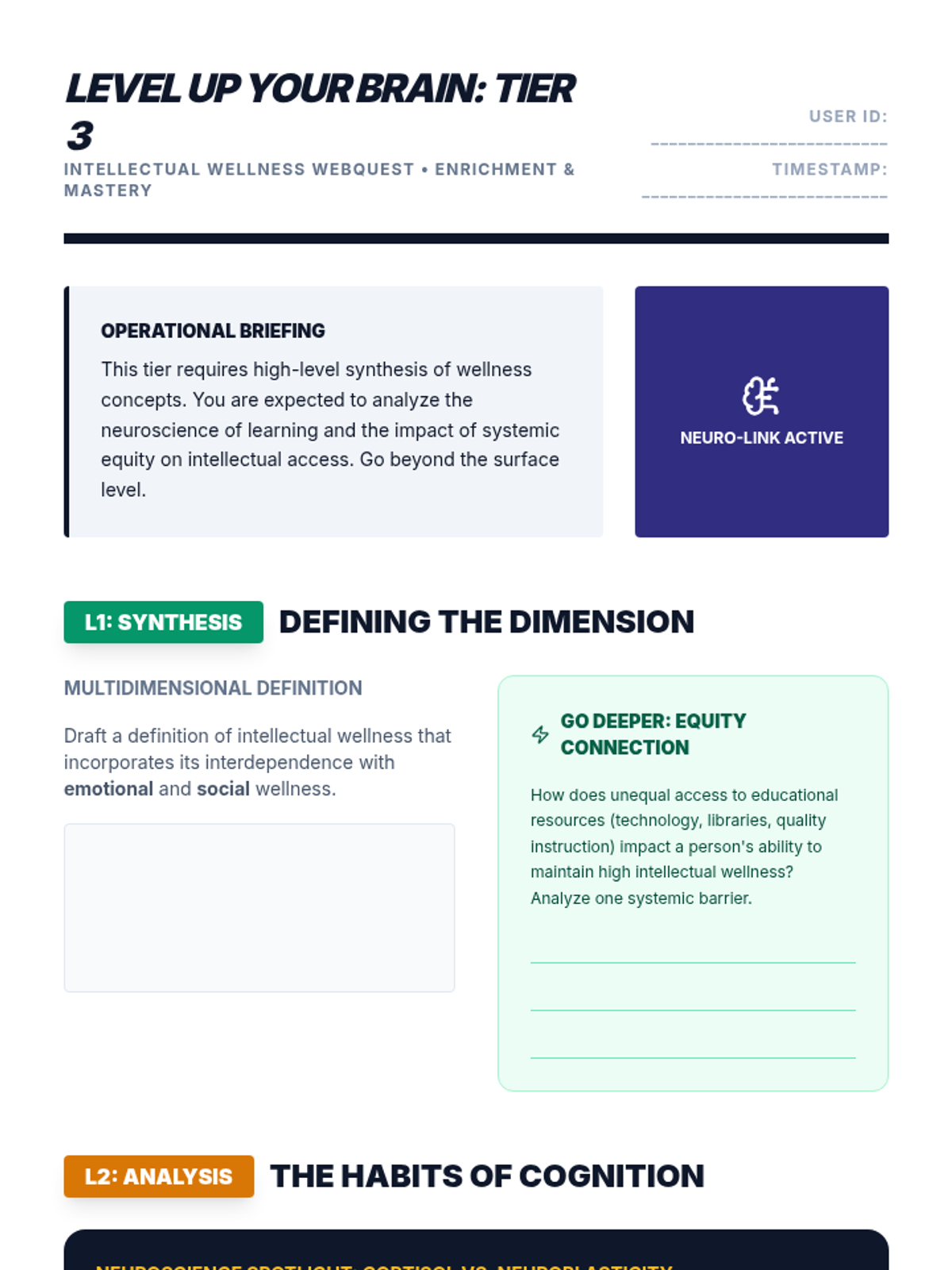
An interactive webquest where students 'level up' their intellectual wellness through four challenge levels, focusing on mindset, habits, and goal-setting. Includes differentiated worksheets to support varied learning needs.
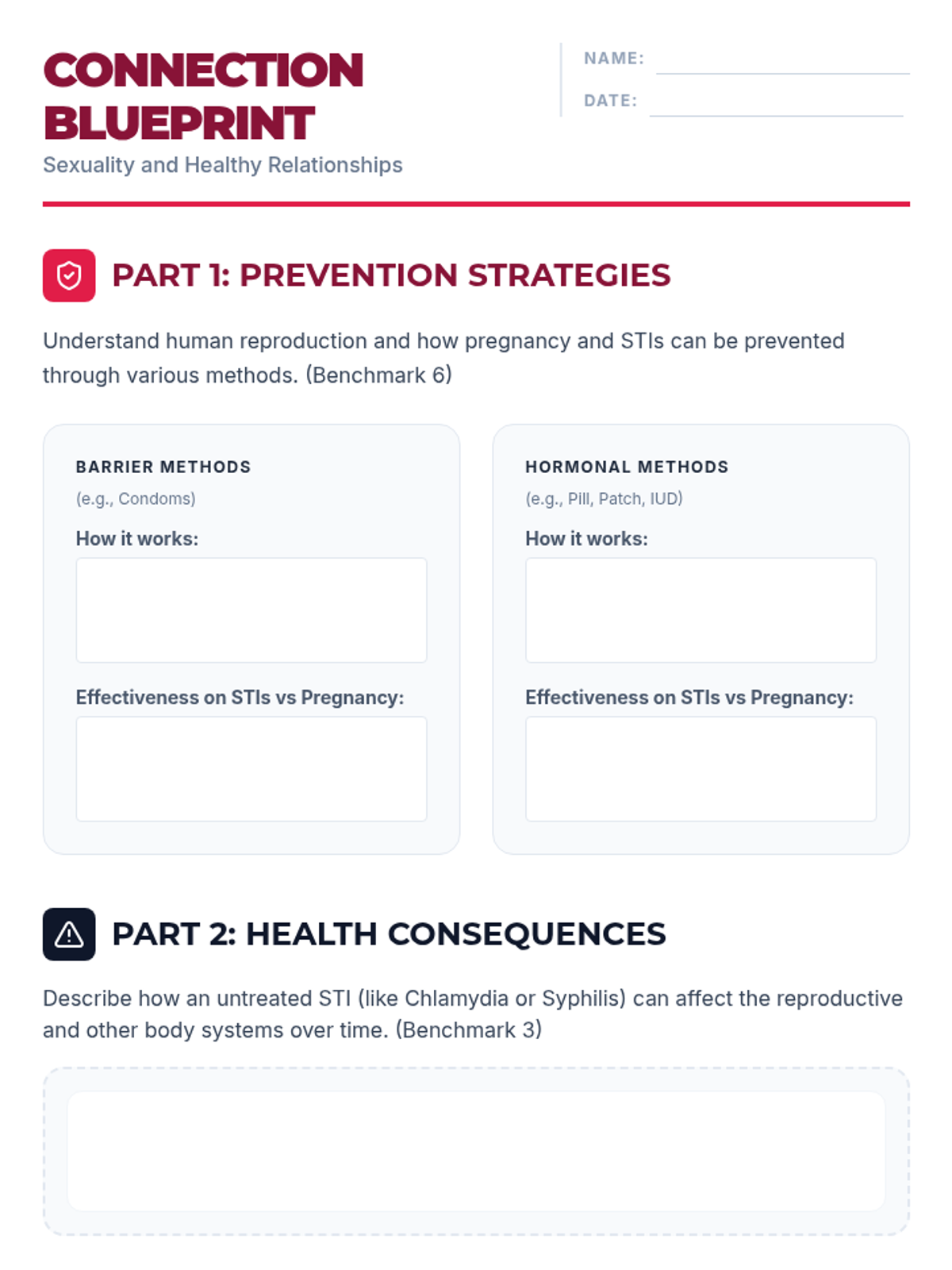
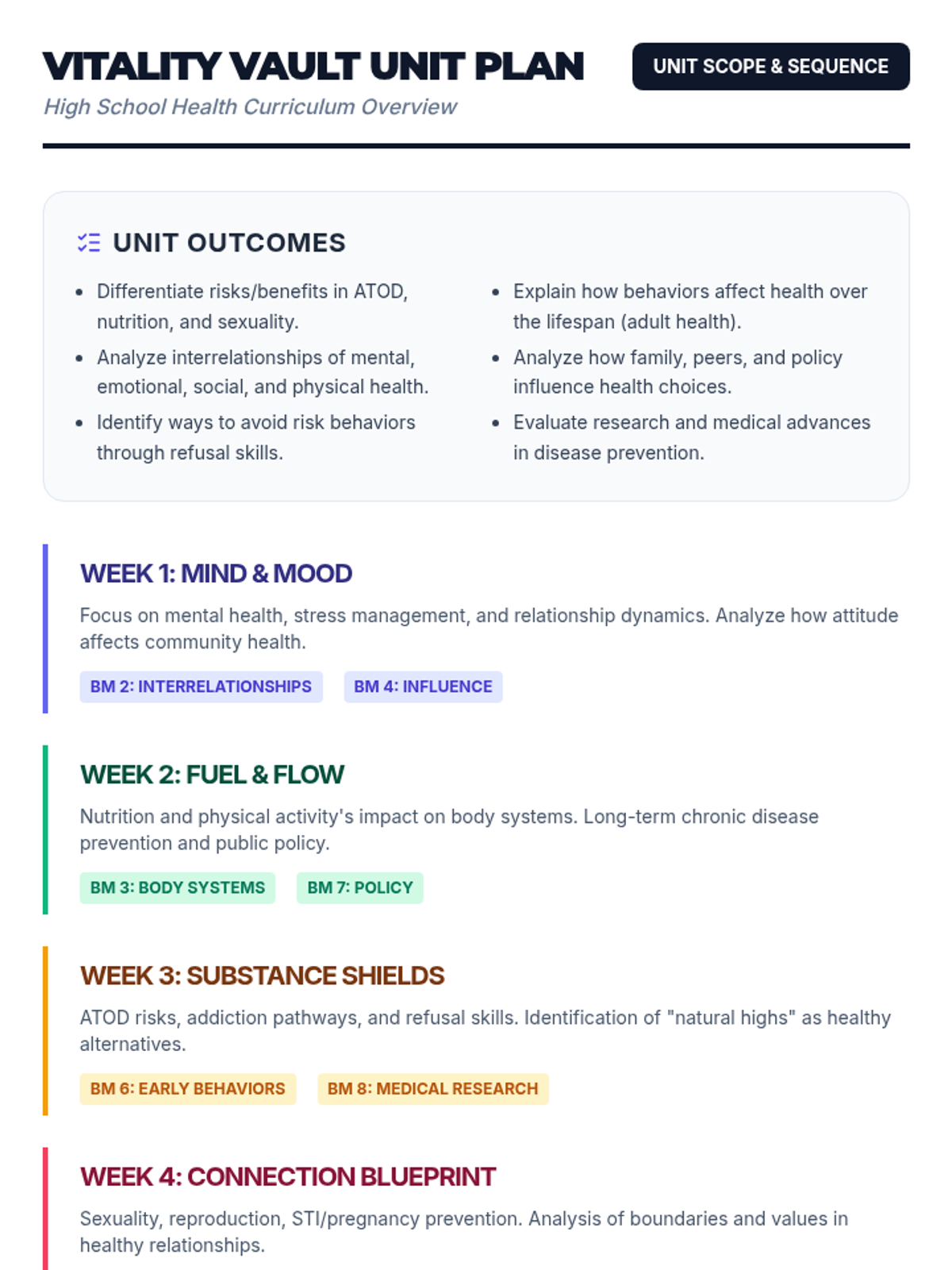
Covers human reproduction, pregnancy prevention, and STI awareness. Students analyze healthy boundaries, consent, and how early behaviors impact adult health outcomes.
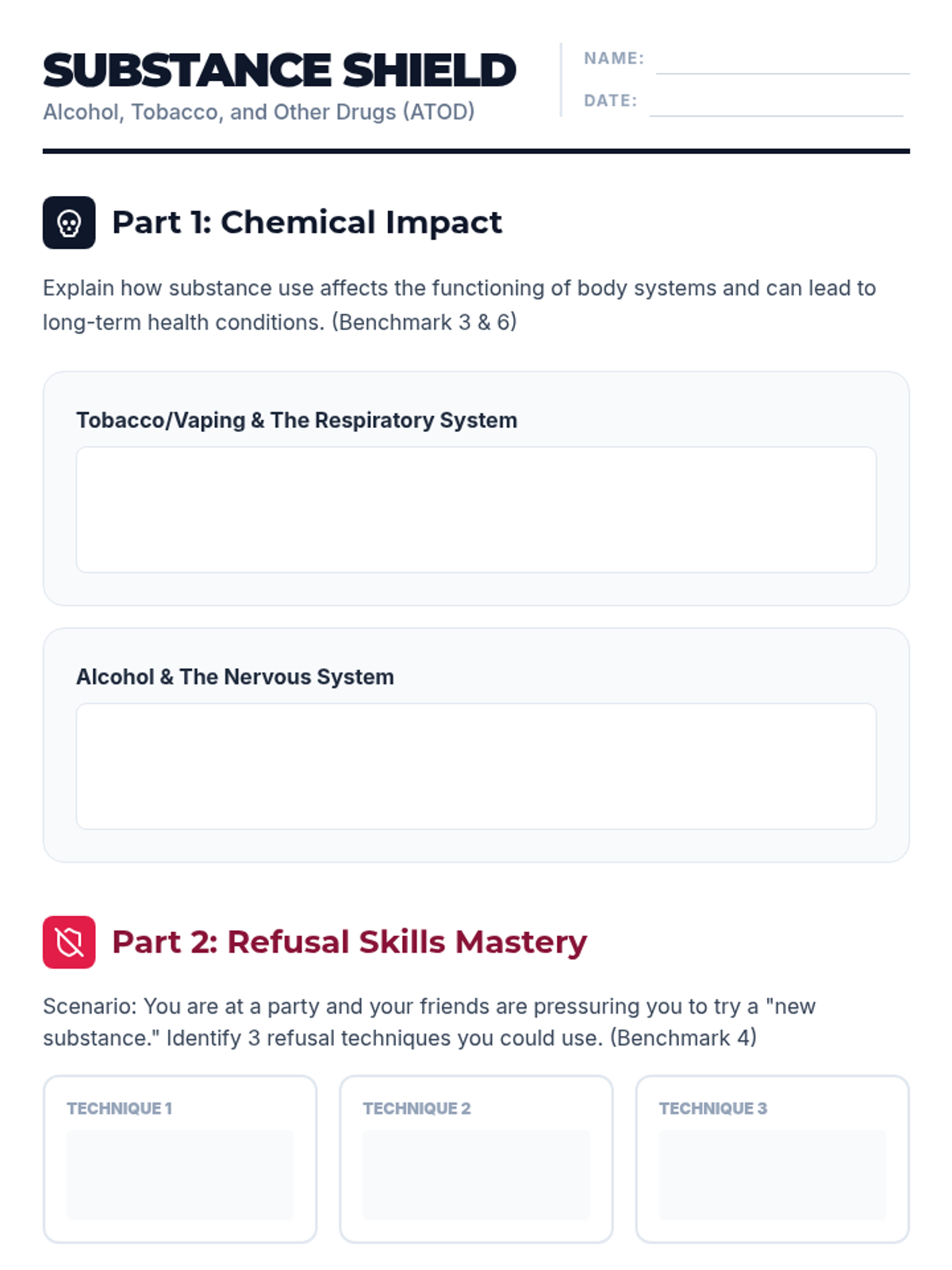
Examines the impact of alcohol, tobacco, and other drugs on the body and social health. Students develop refusal skills and analyze how public regulations and personal choices influence risk behaviors.
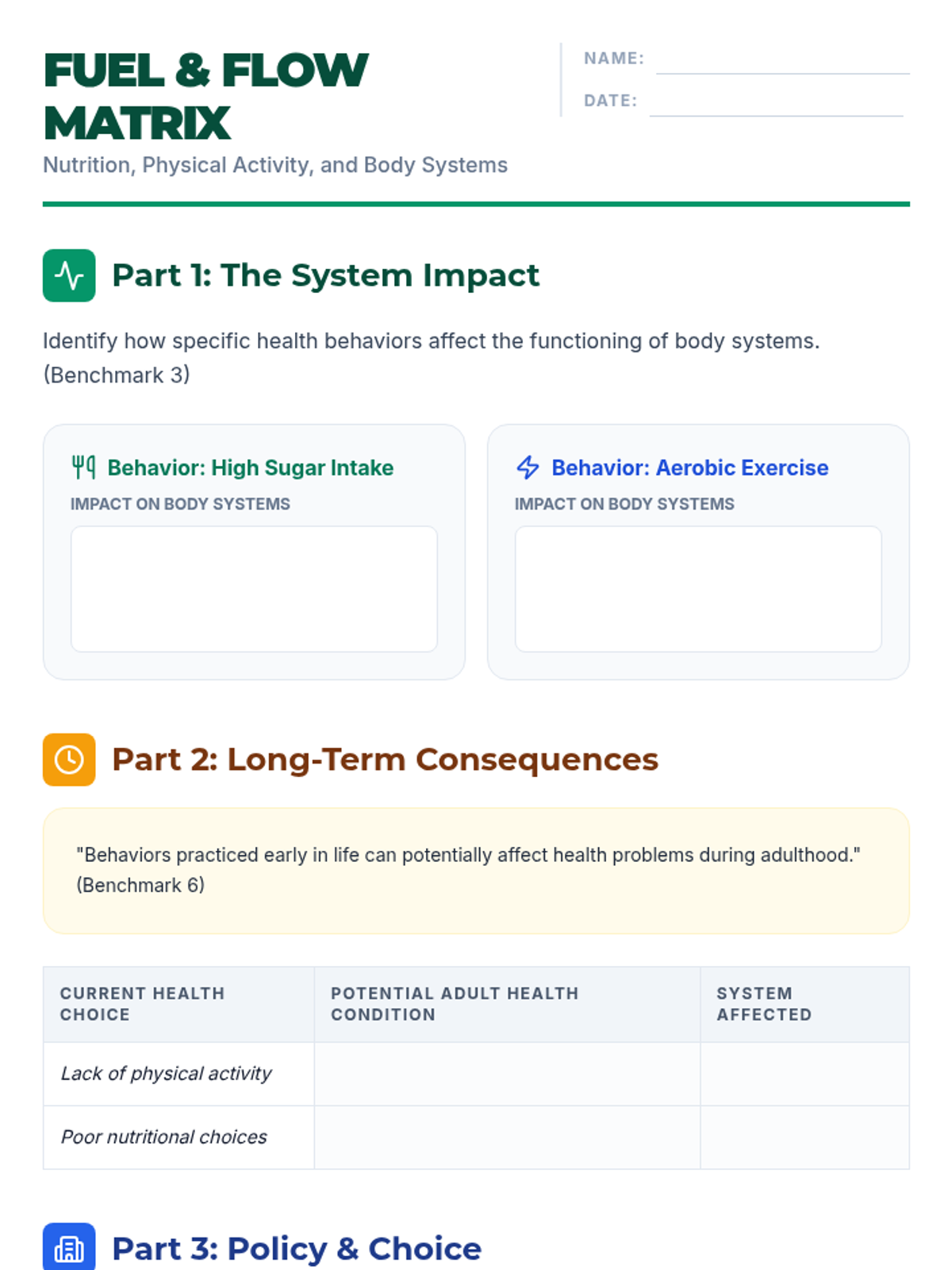
Explores how nutrition and physical activity impact body systems and long-term health. Students analyze public health policies and the role of research in promoting physical wellness.
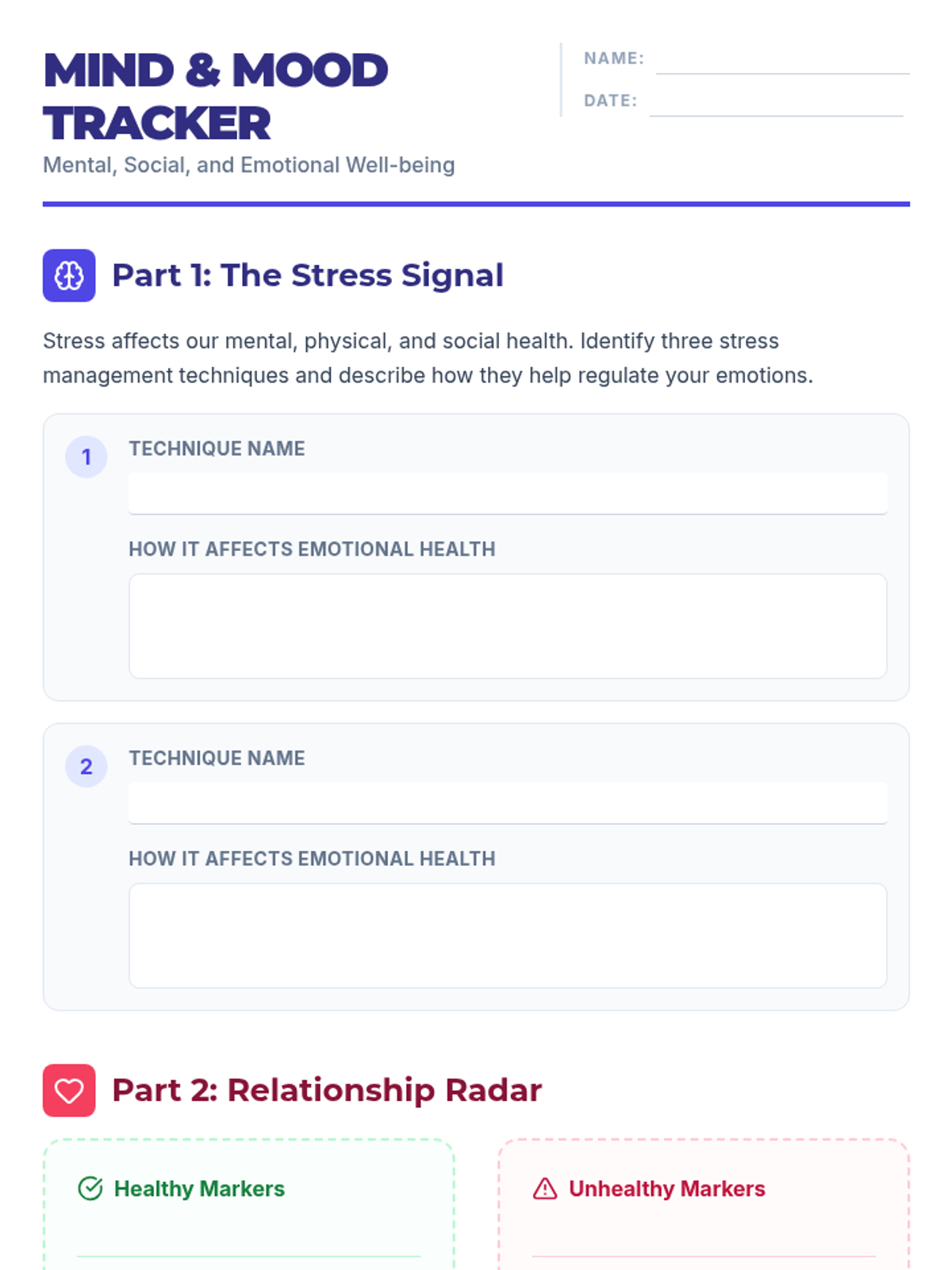
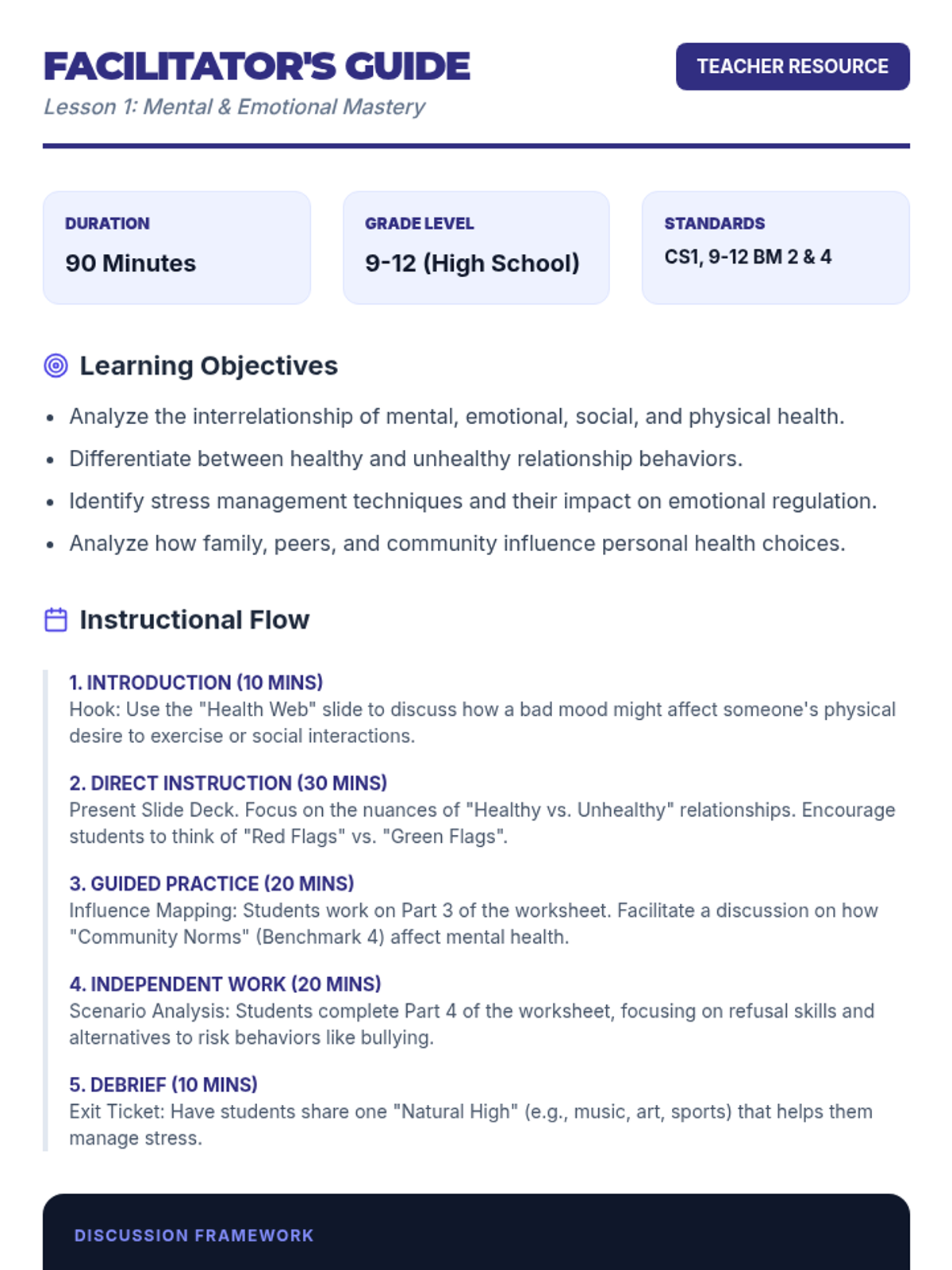
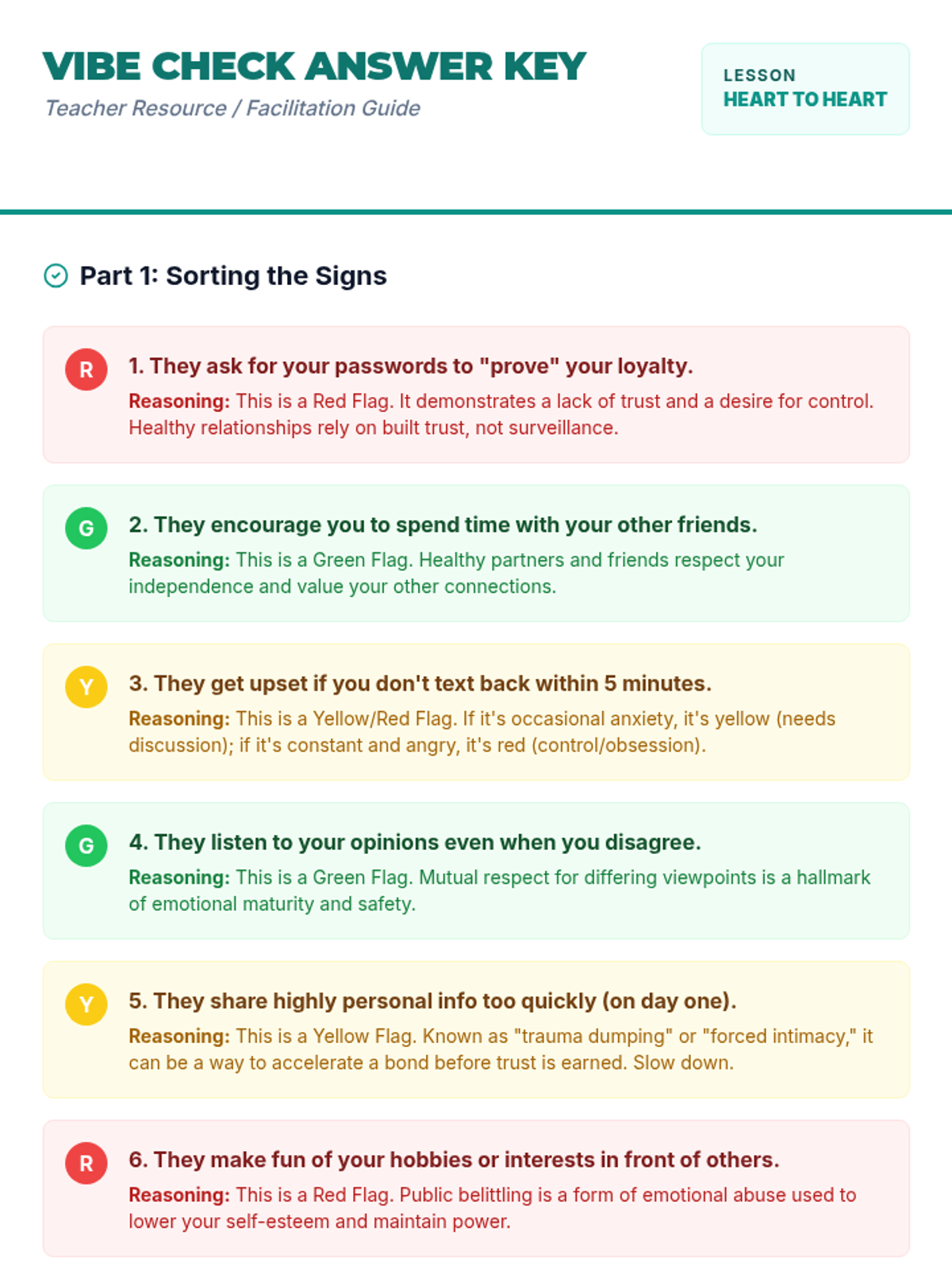
Focuses on stress management, relationship dynamics, and the interrelationship between mental, emotional, and social health. Students identify healthy vs. unhealthy relationship markers and analyze social influences on emotional well-being.
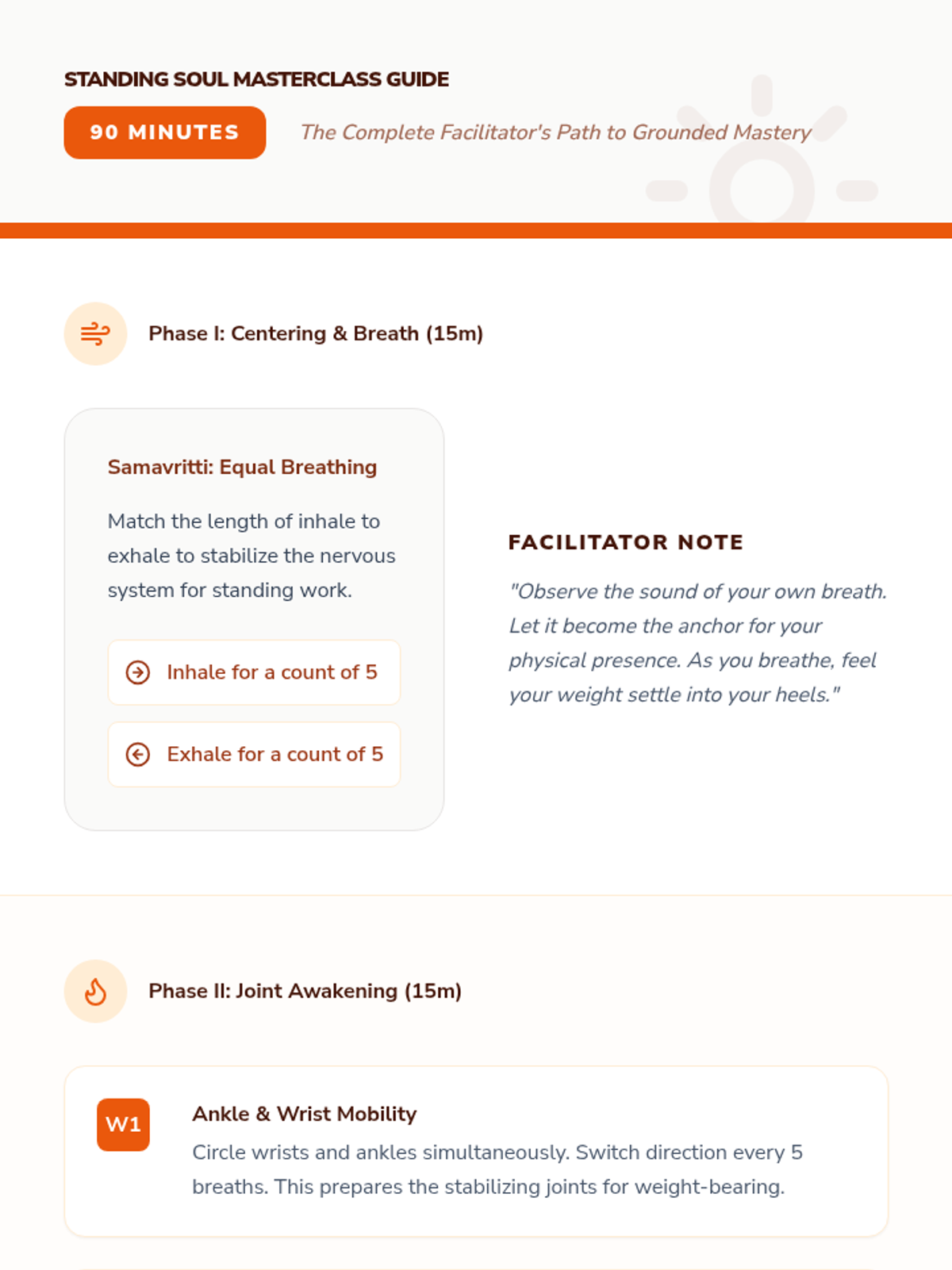
A beginner-friendly 90-minute standing yoga session focused on grounding, balance, and fundamental postures to transition from seated to standing practice.
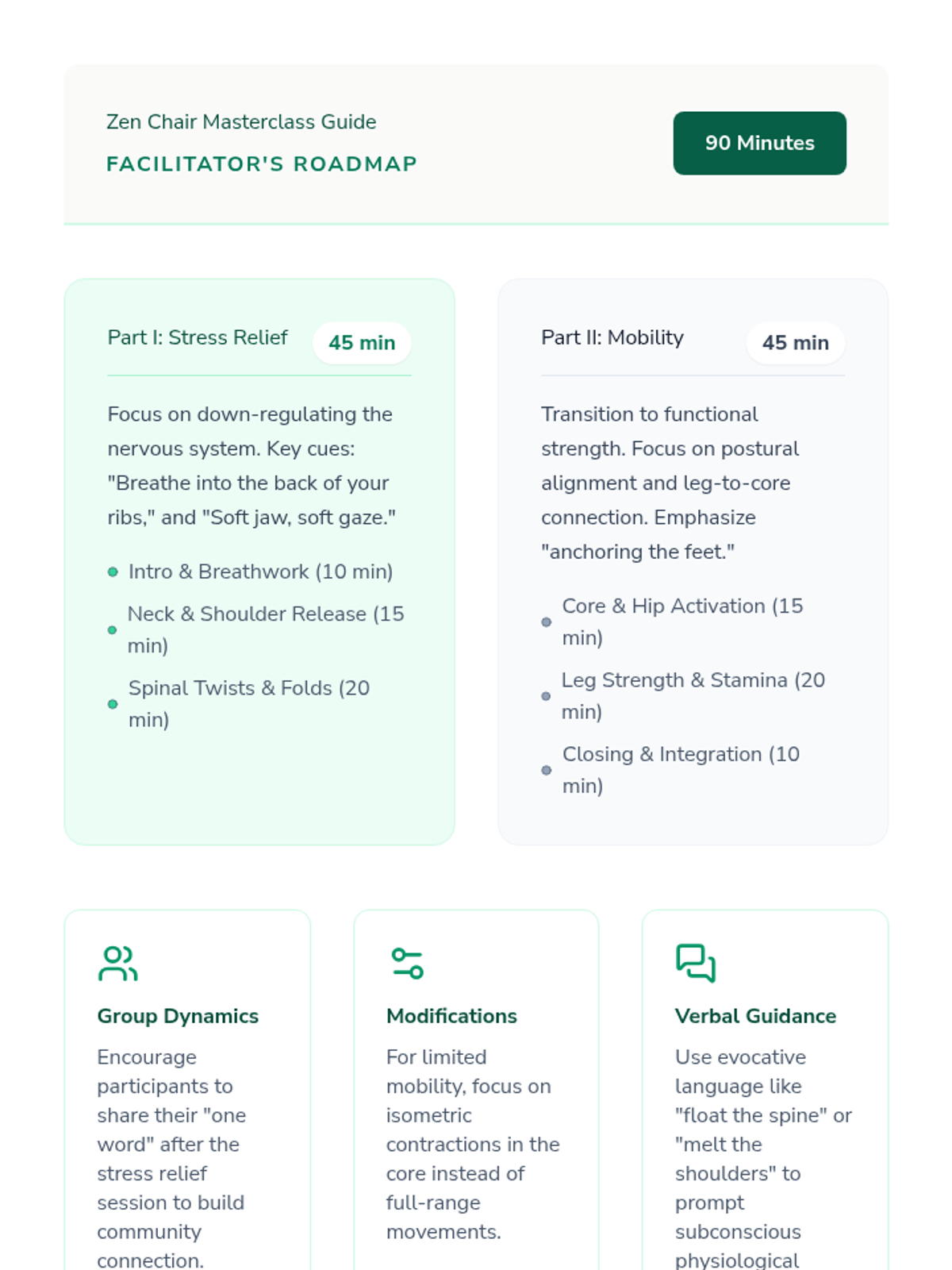
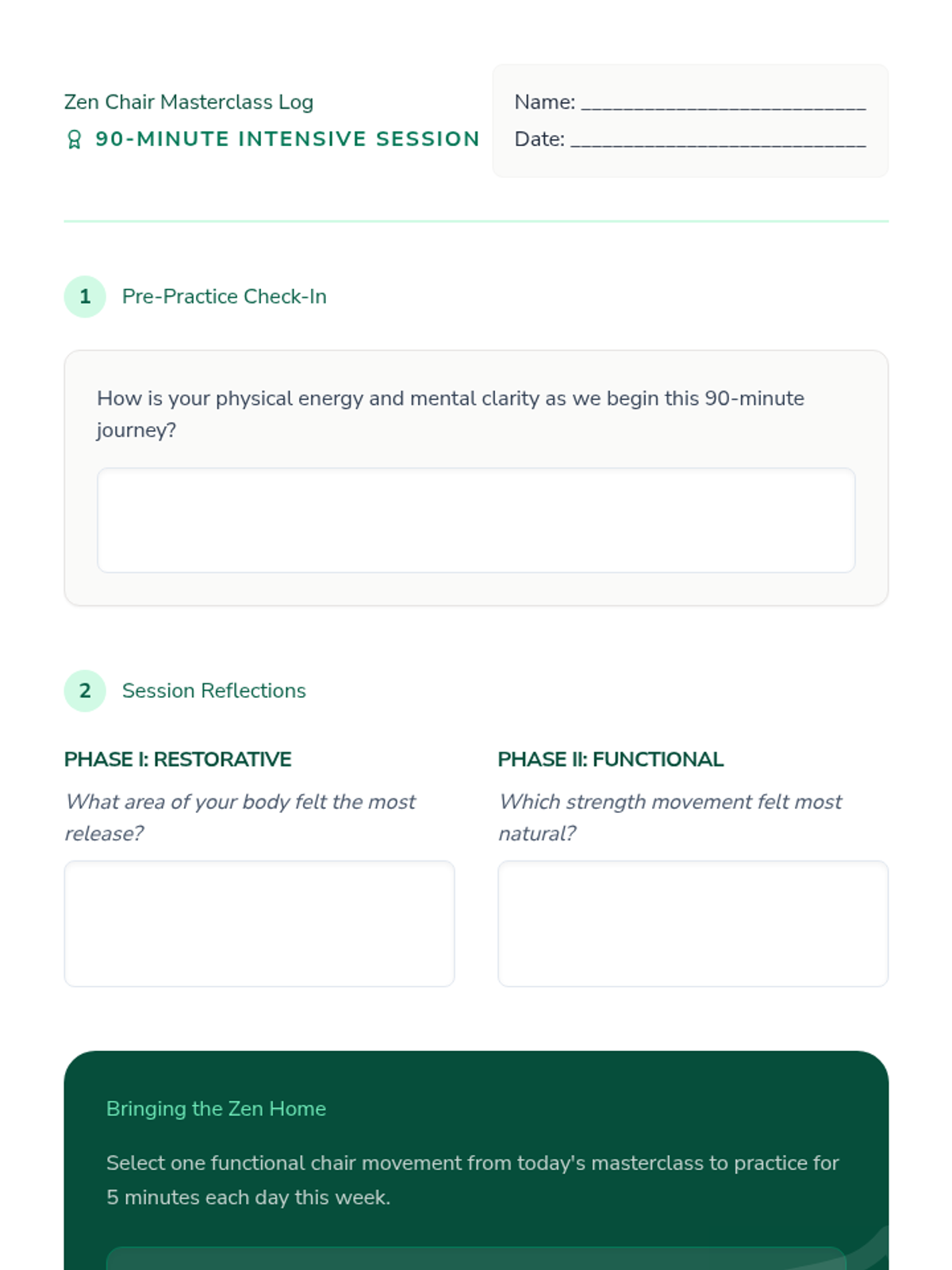
A deep-dive chair yoga experience combining stress relief and functional mobility, featuring two full-length guided practice videos. This 90-minute masterclass is designed to build both mental calm and physical strength.
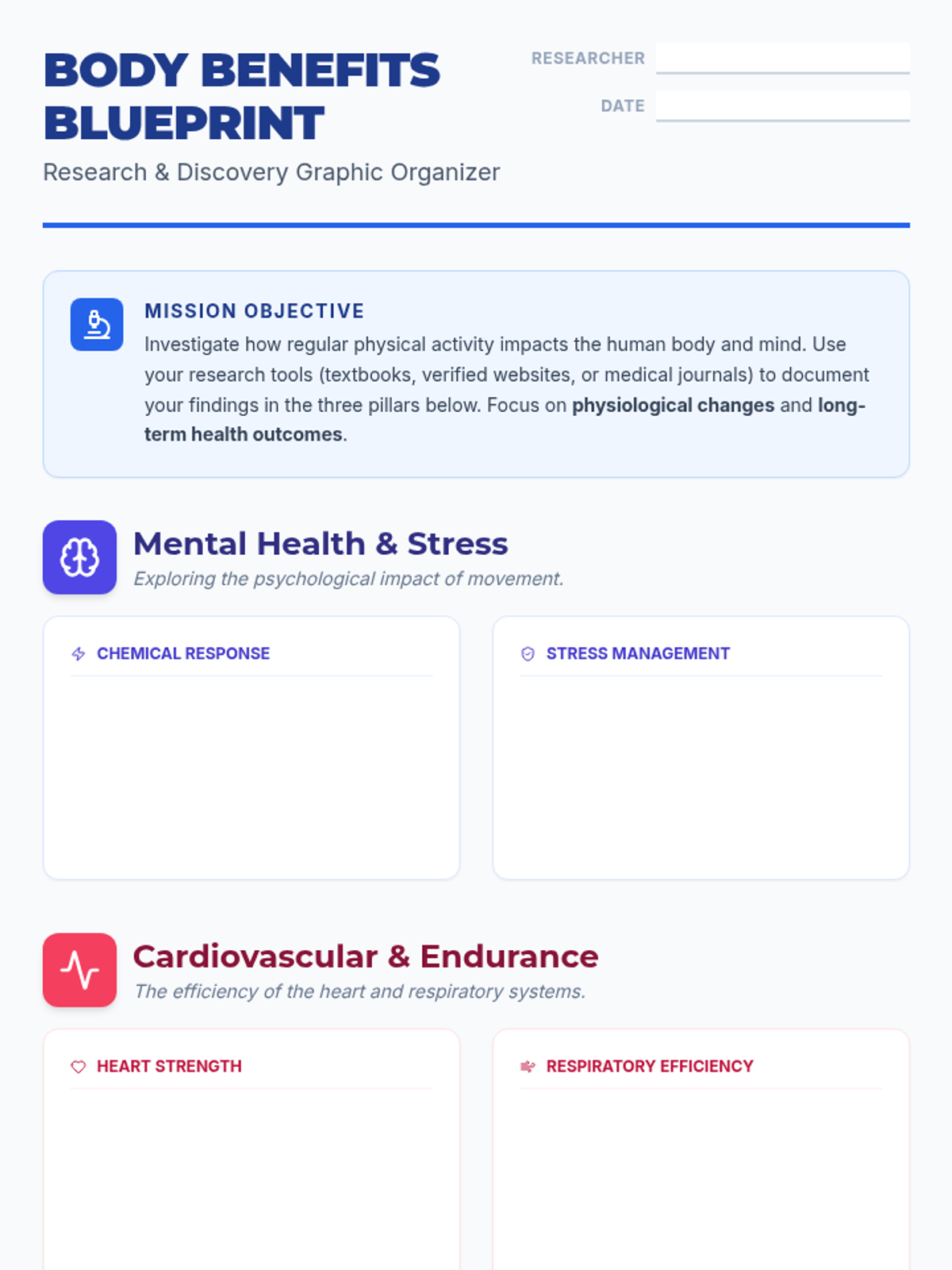
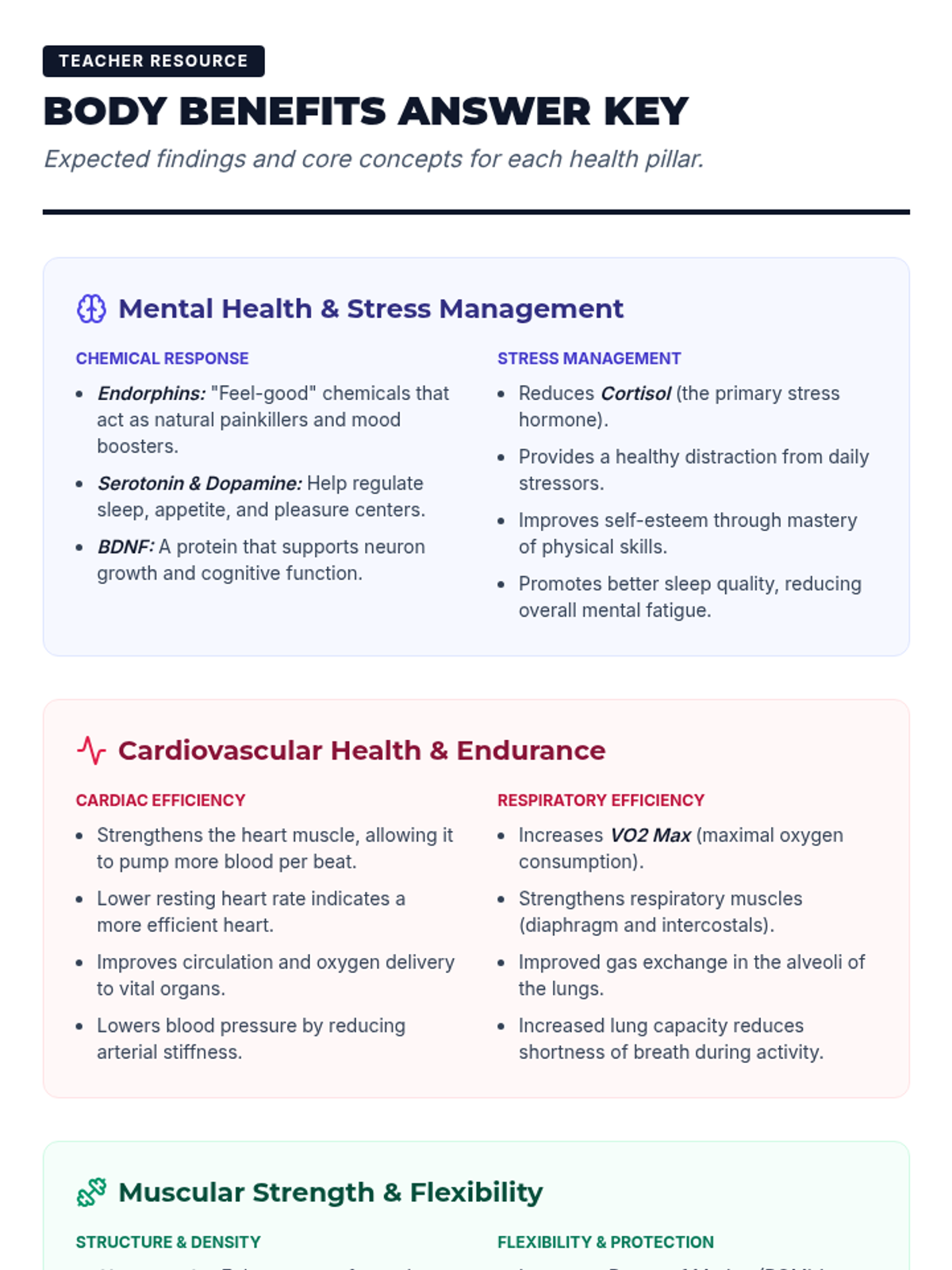
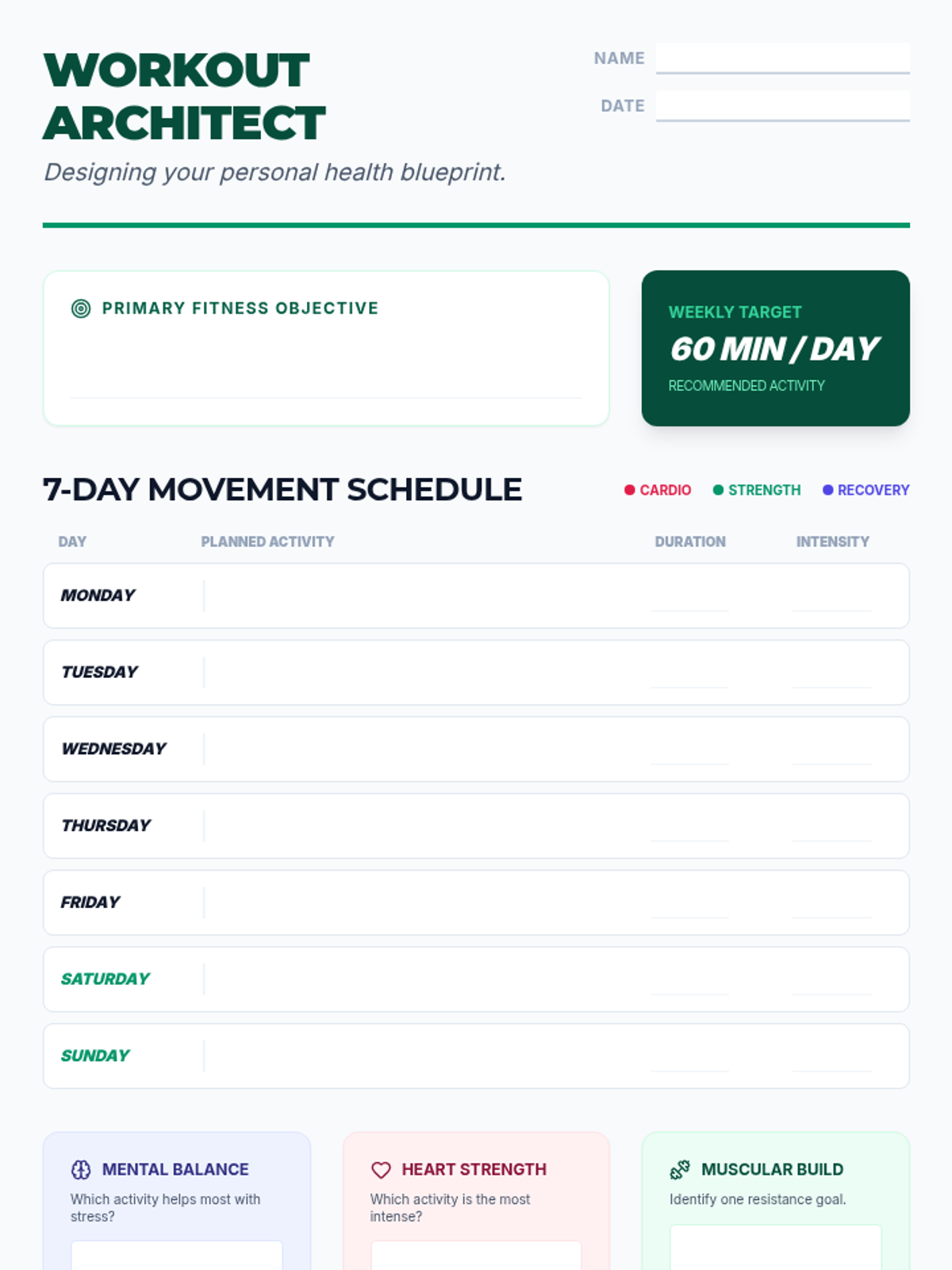
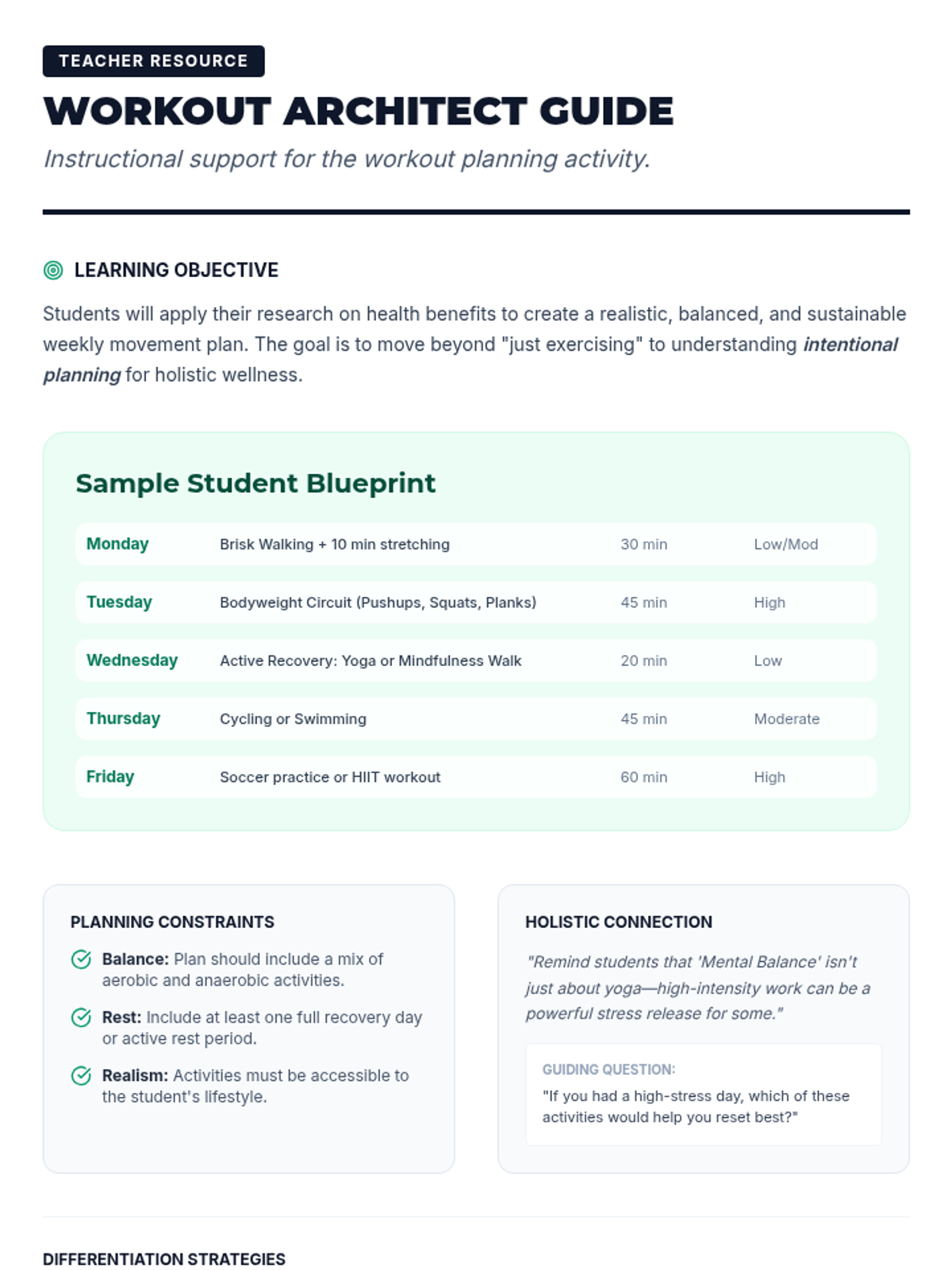
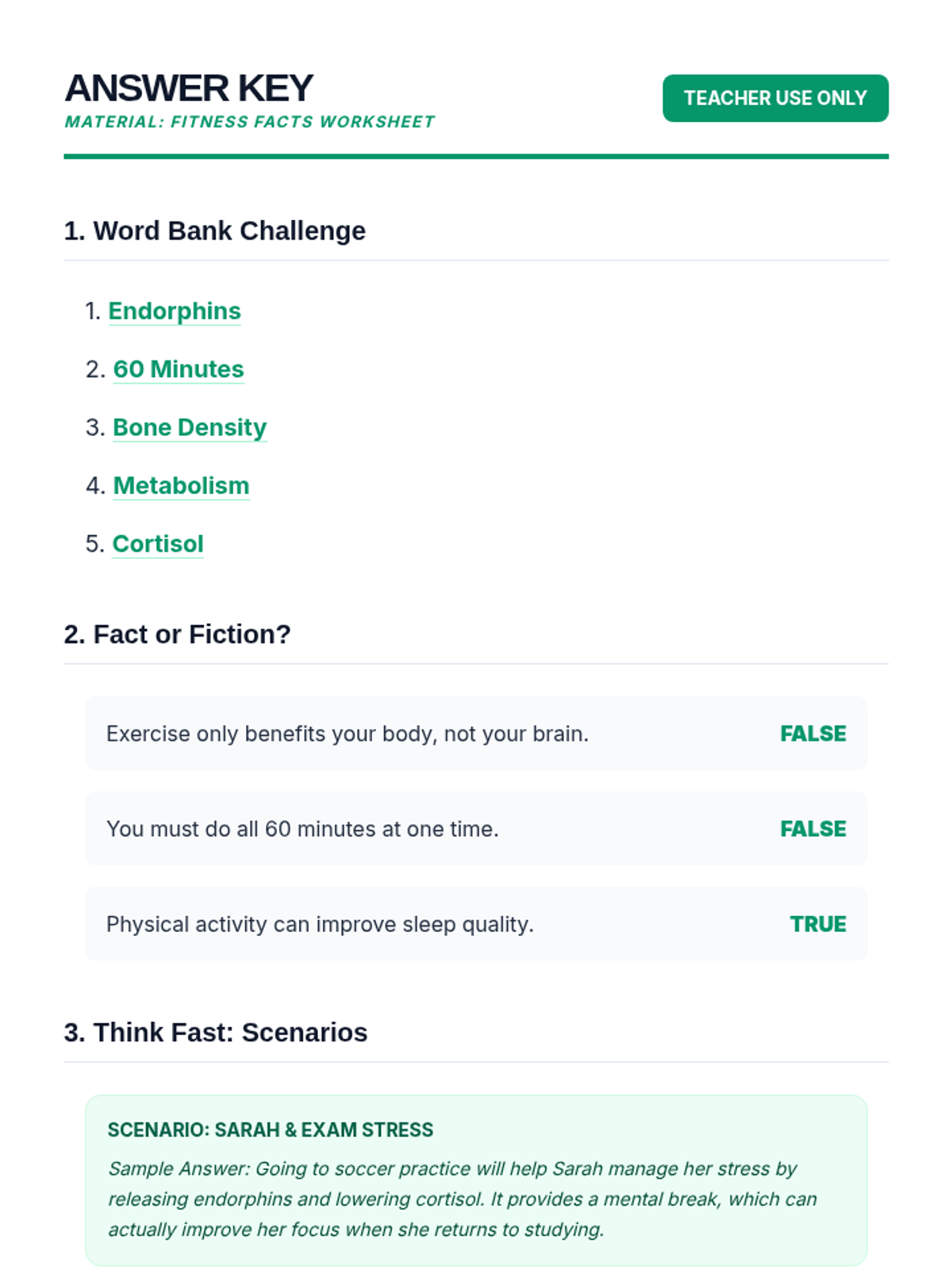
Students research and categorize the various physiological and psychological benefits of regular physical activity, focusing on three key pillars: mental health, cardiovascular health, and muscular fitness.
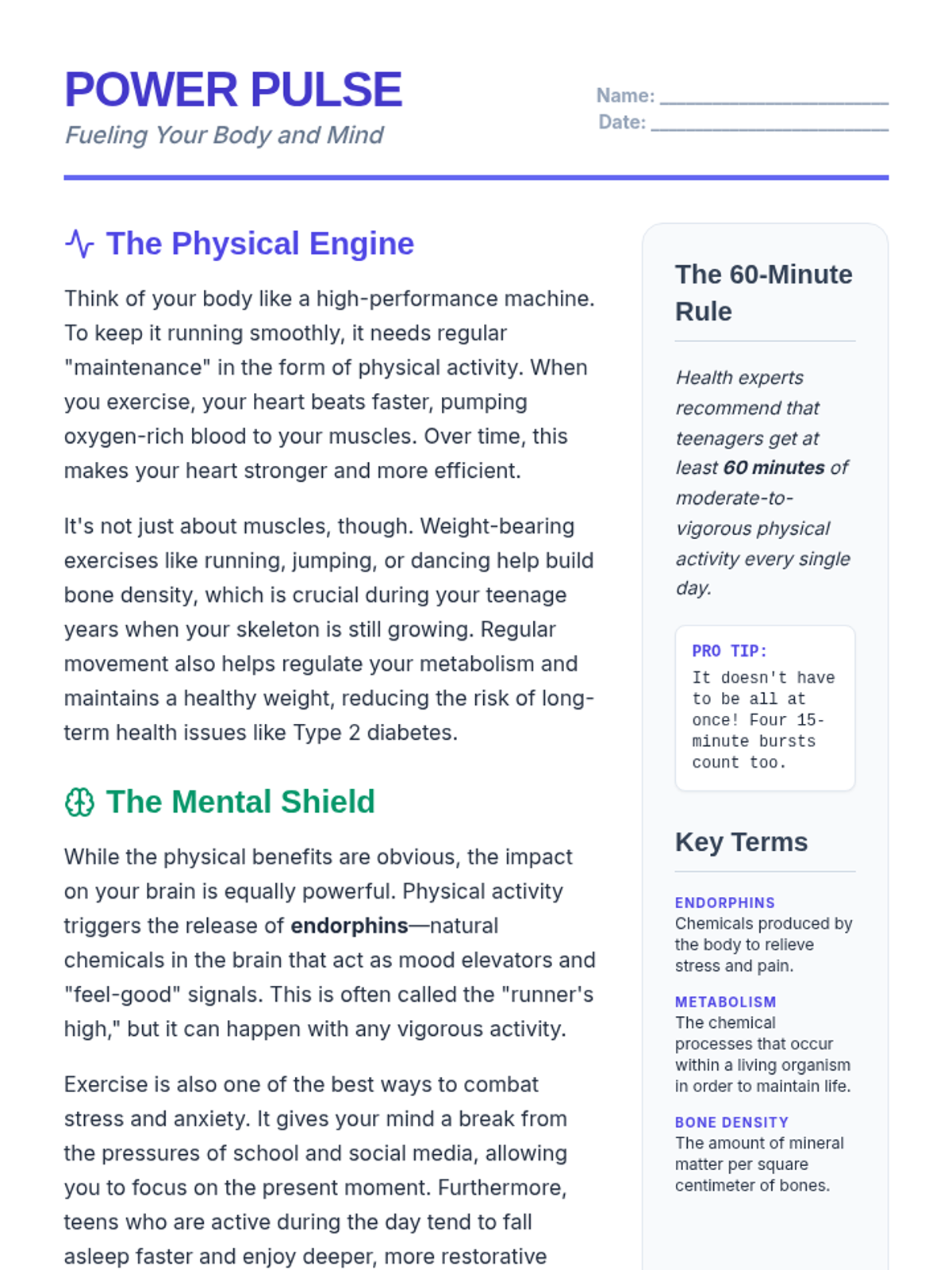
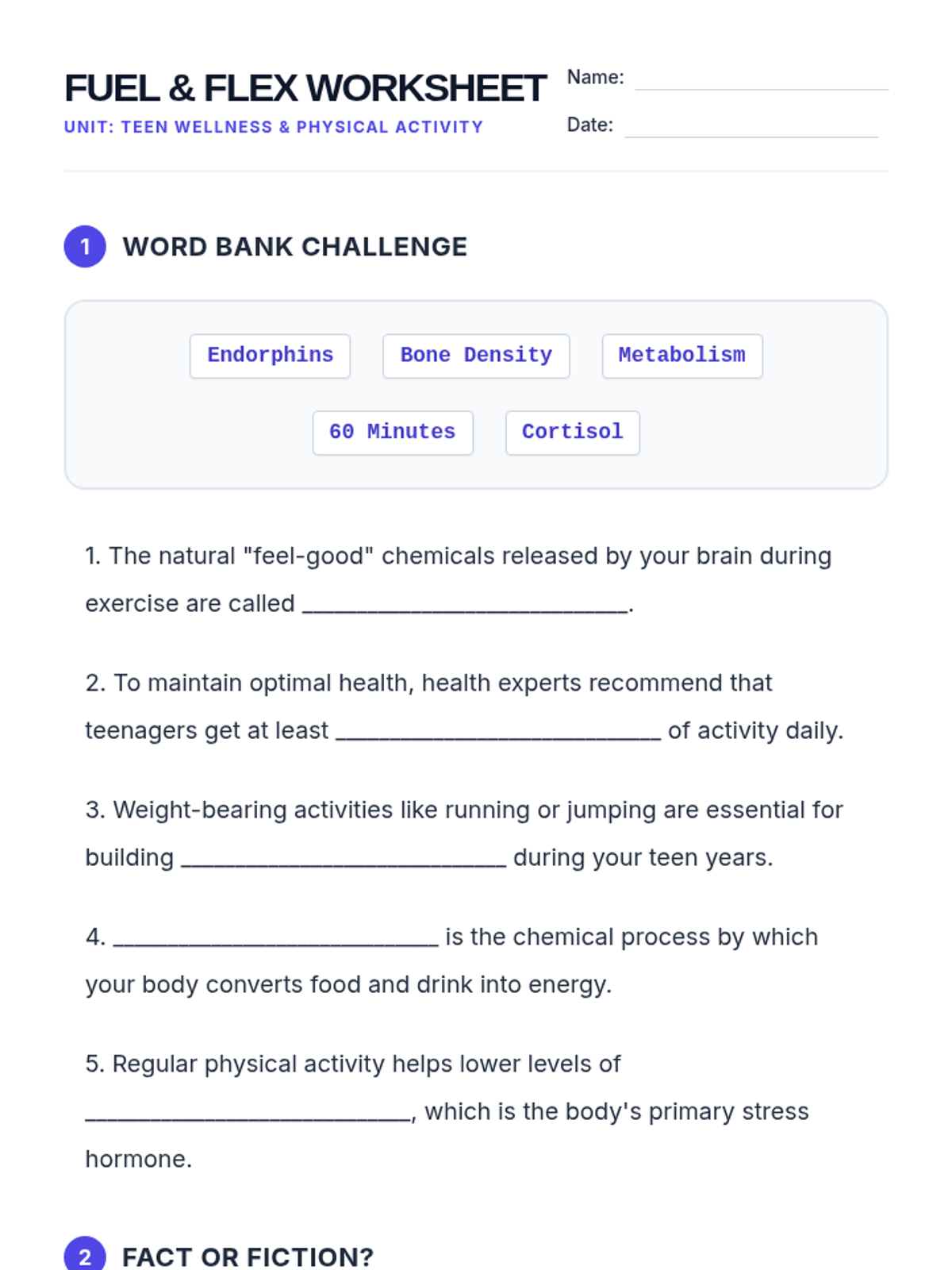
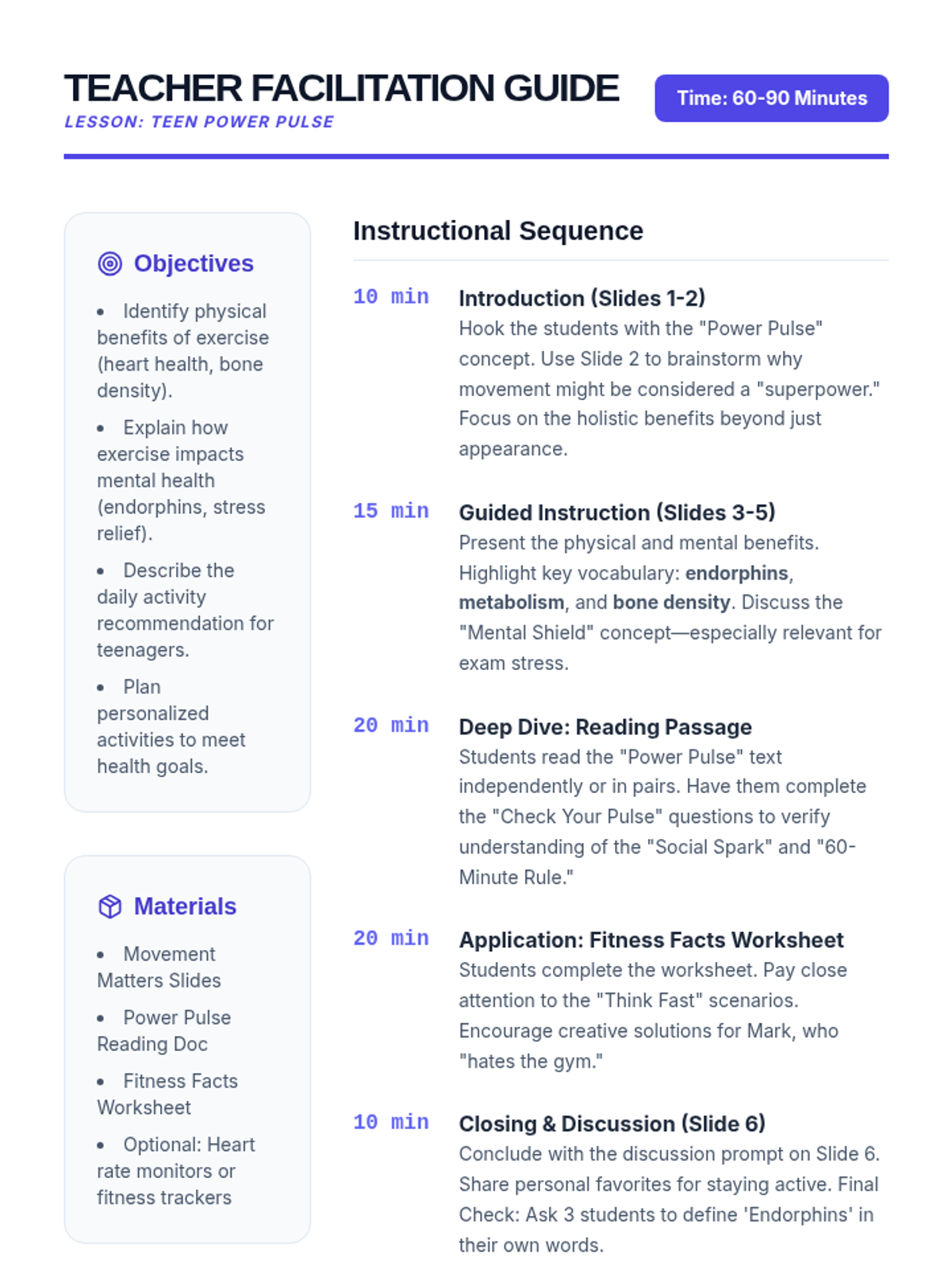
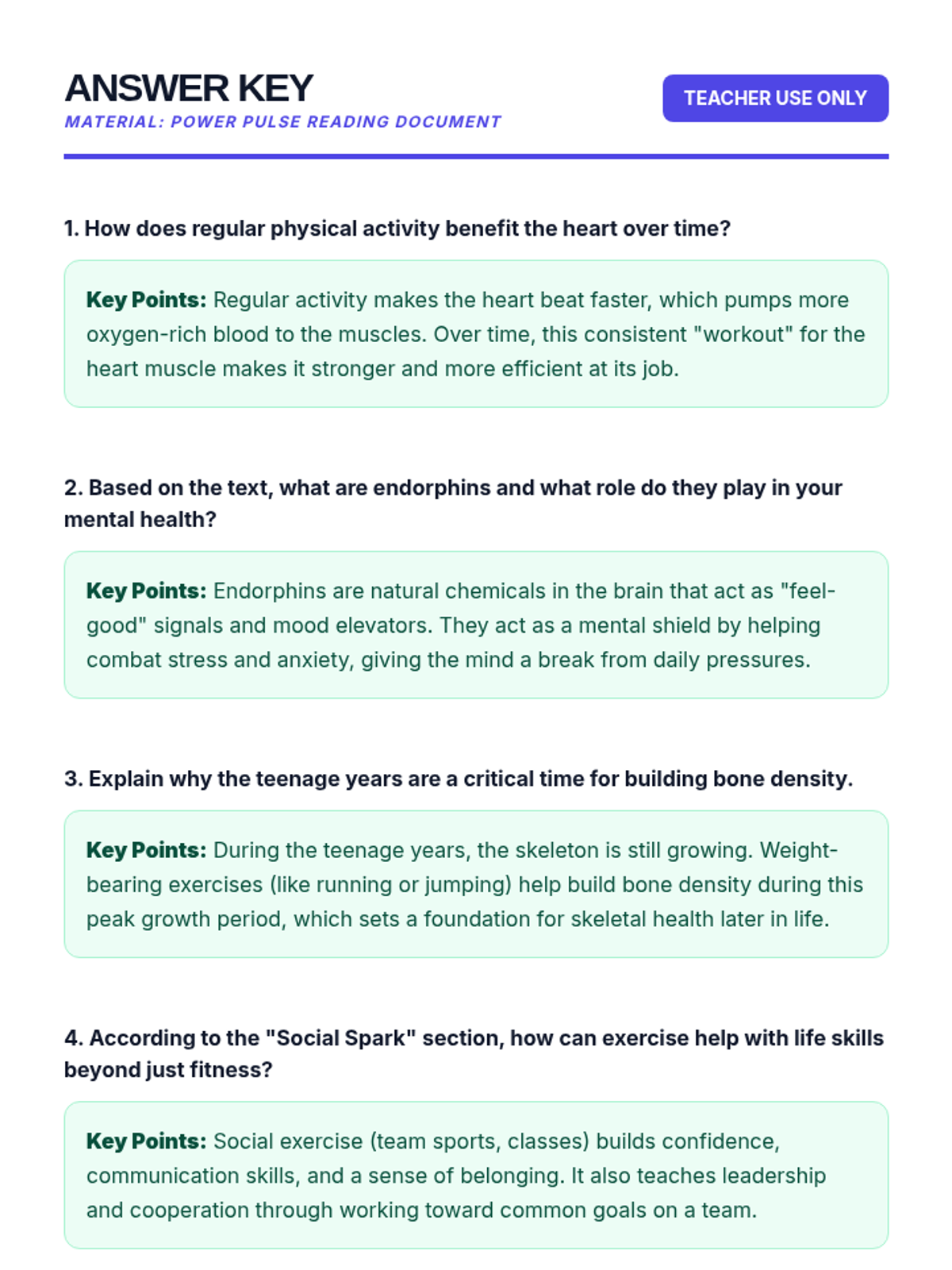
A comprehensive lesson exploring how physical activity boosts both the physical body and mental well-being of teenagers, featuring interactive slides and reading comprehension.
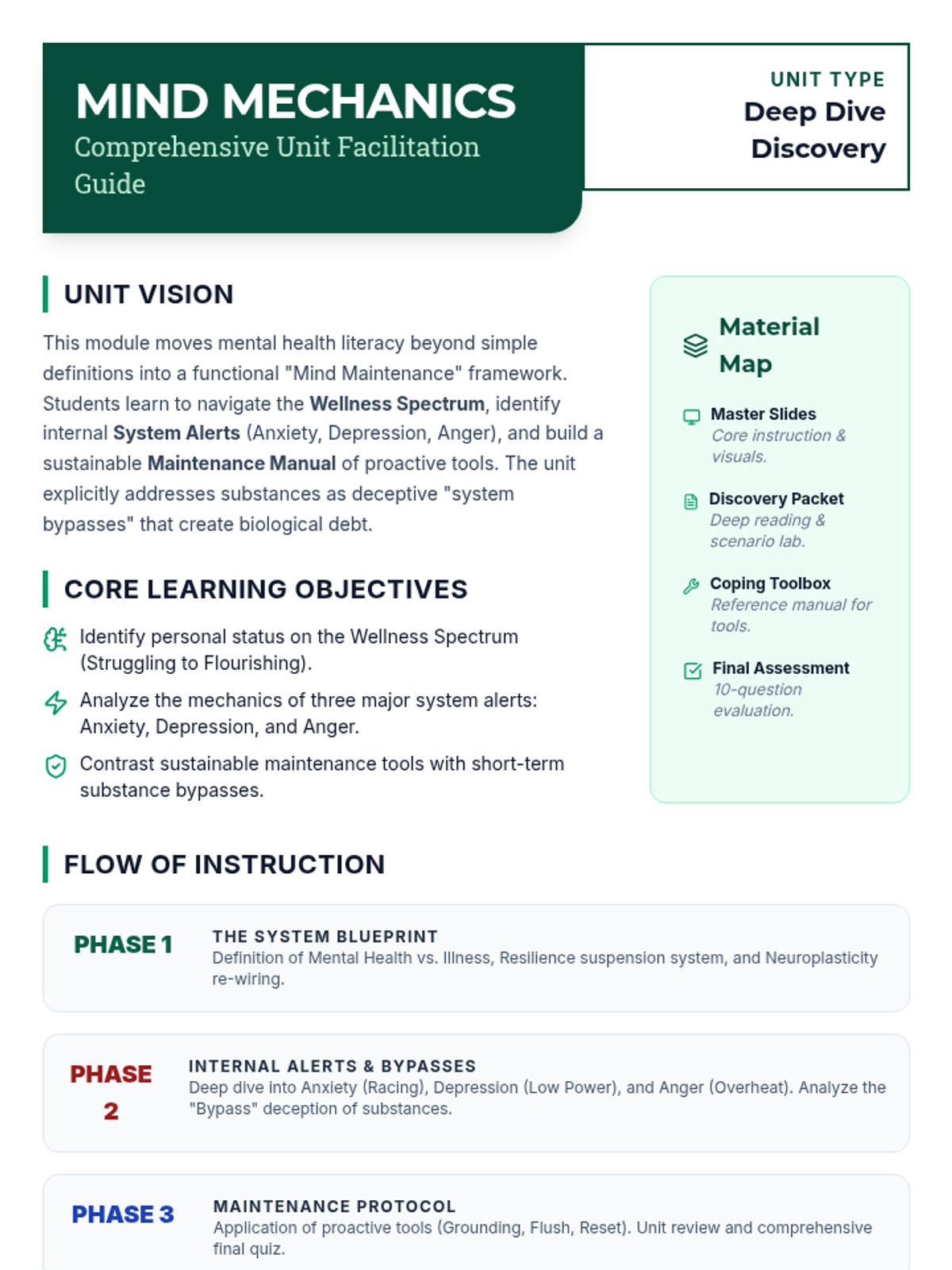
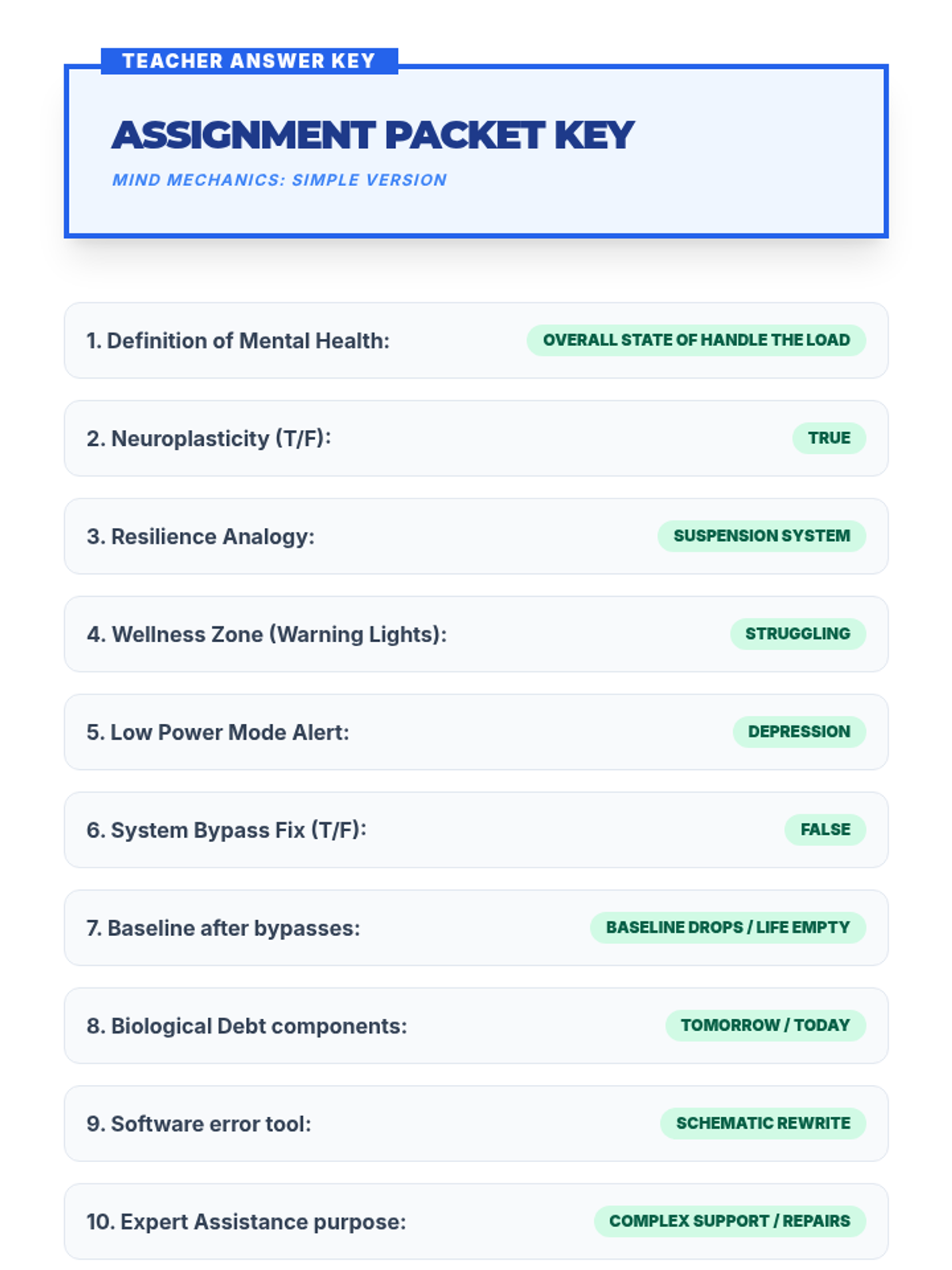
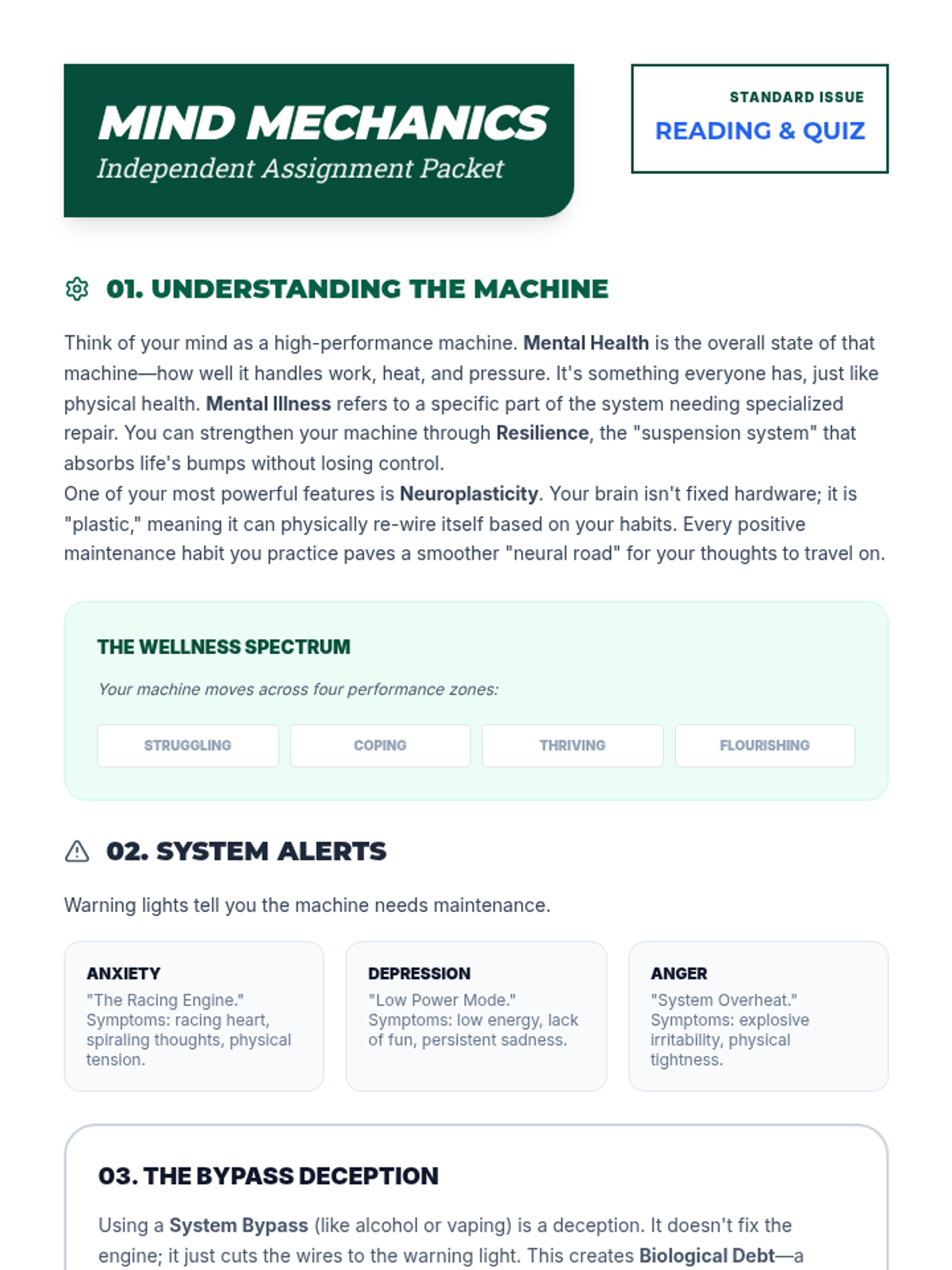
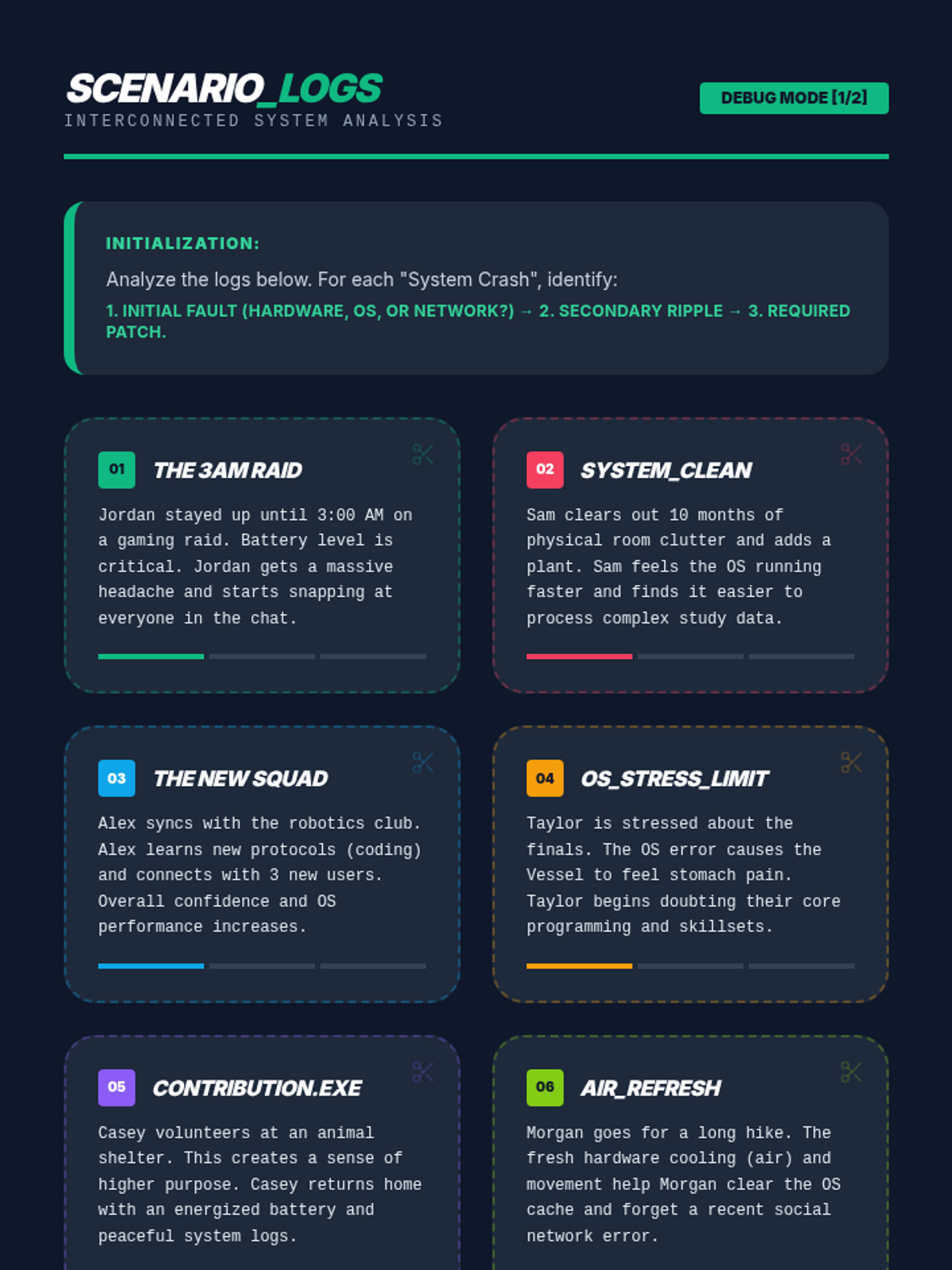
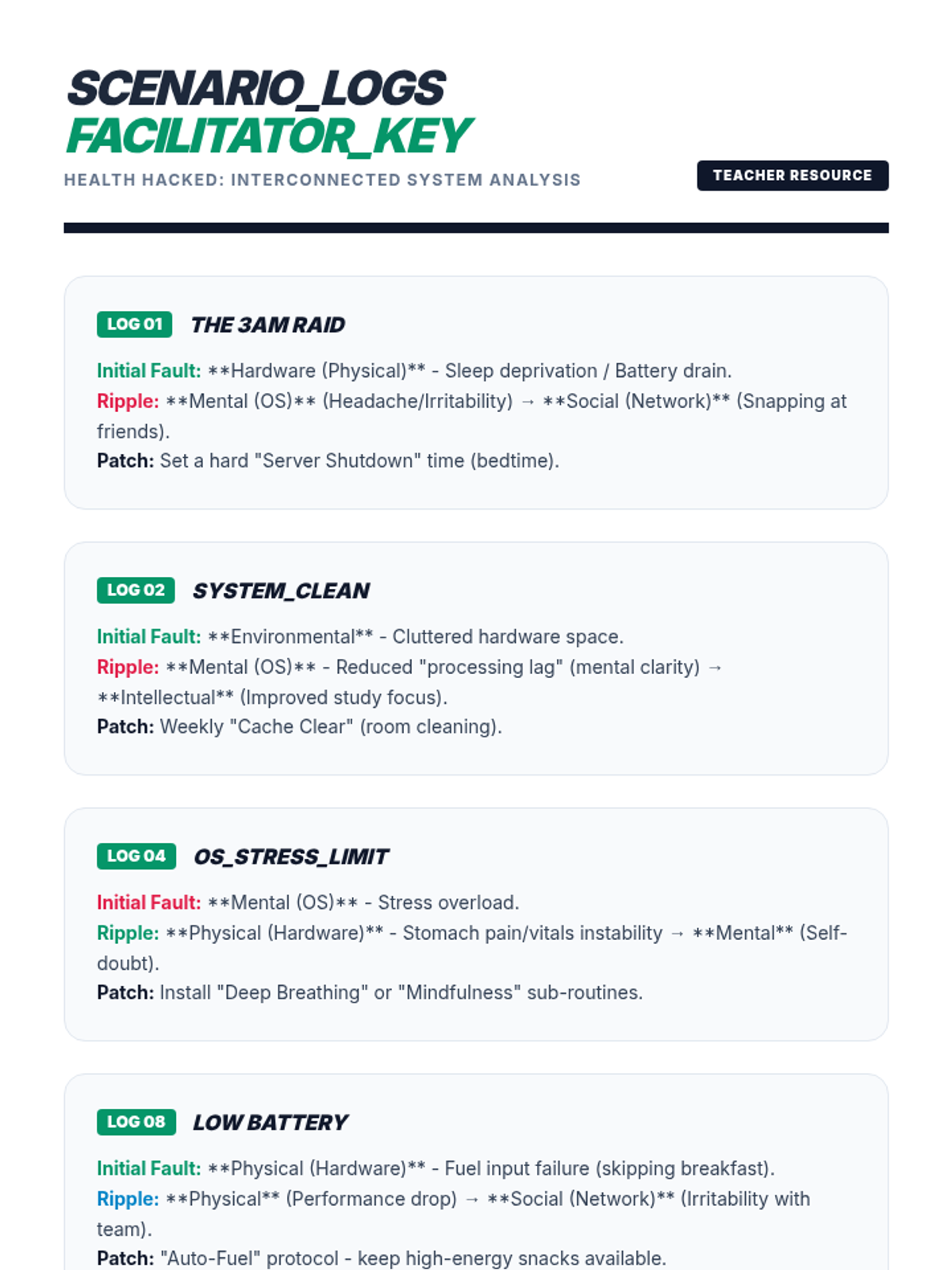
A comprehensive, in-depth unit on mental health literacy, identifying system alerts (Anxiety, Depression, Anger), and building a proactive coping toolkit. Includes detailed reading, scenario analysis, and a 10-question final assessment.
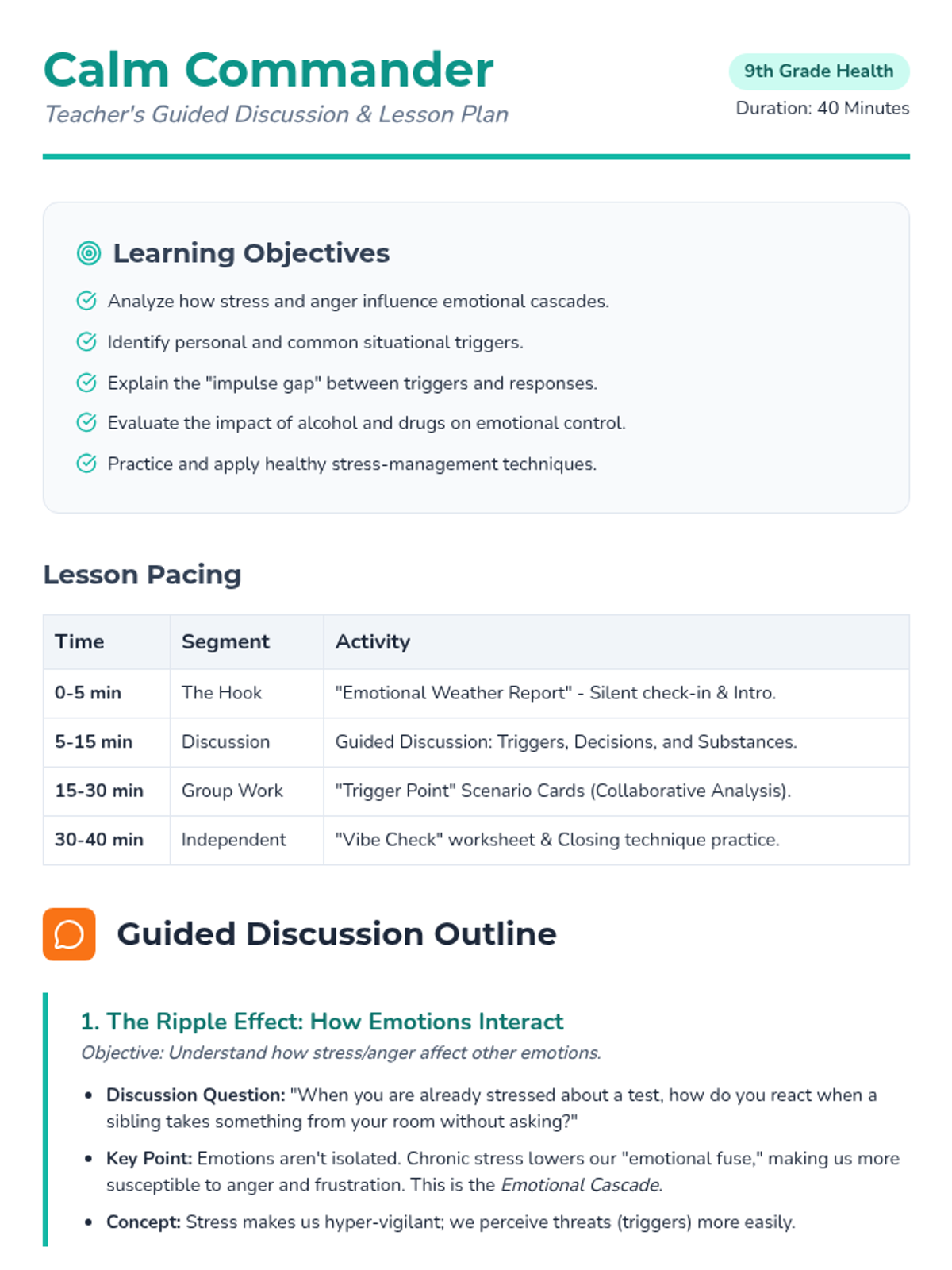
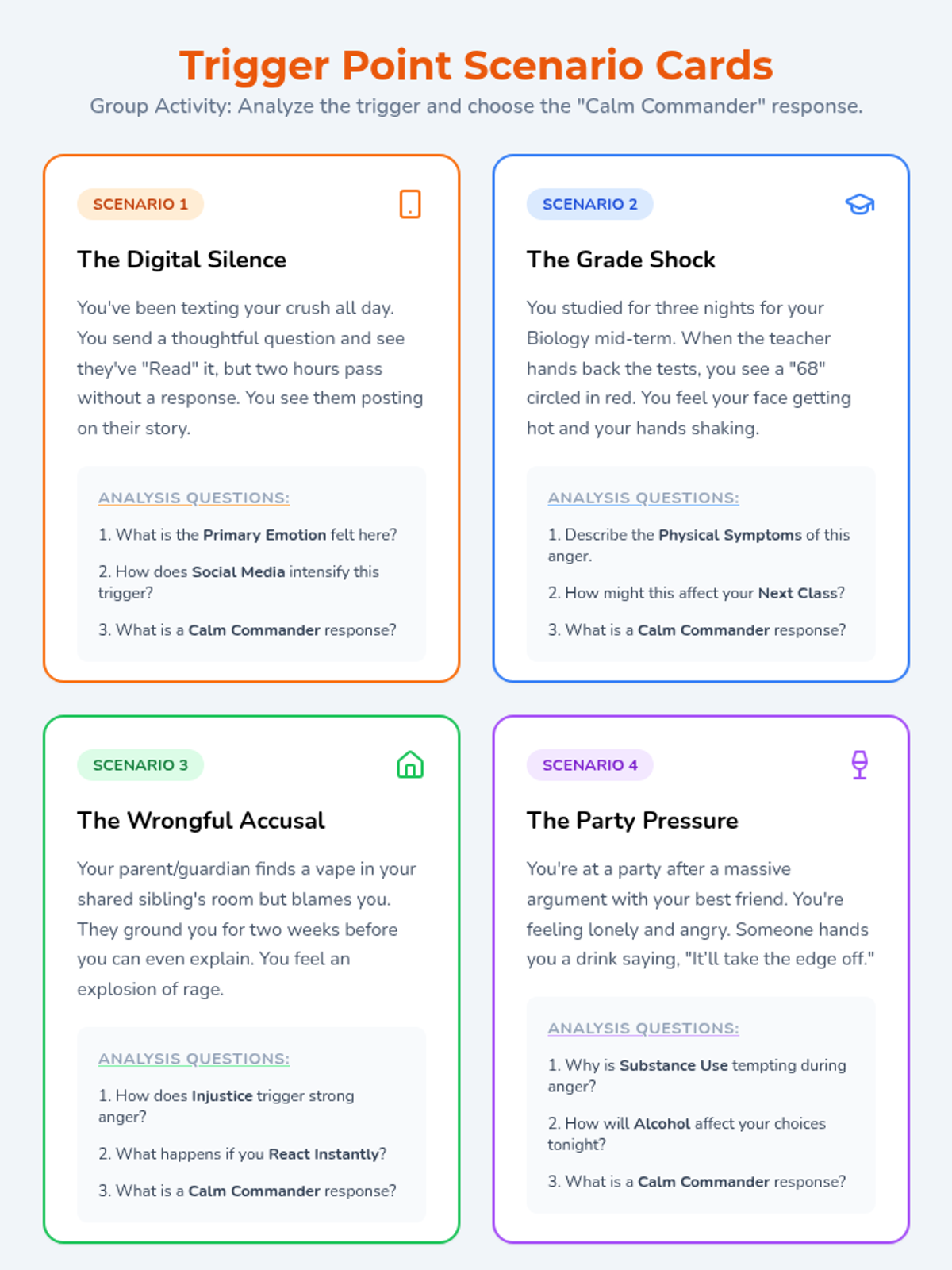
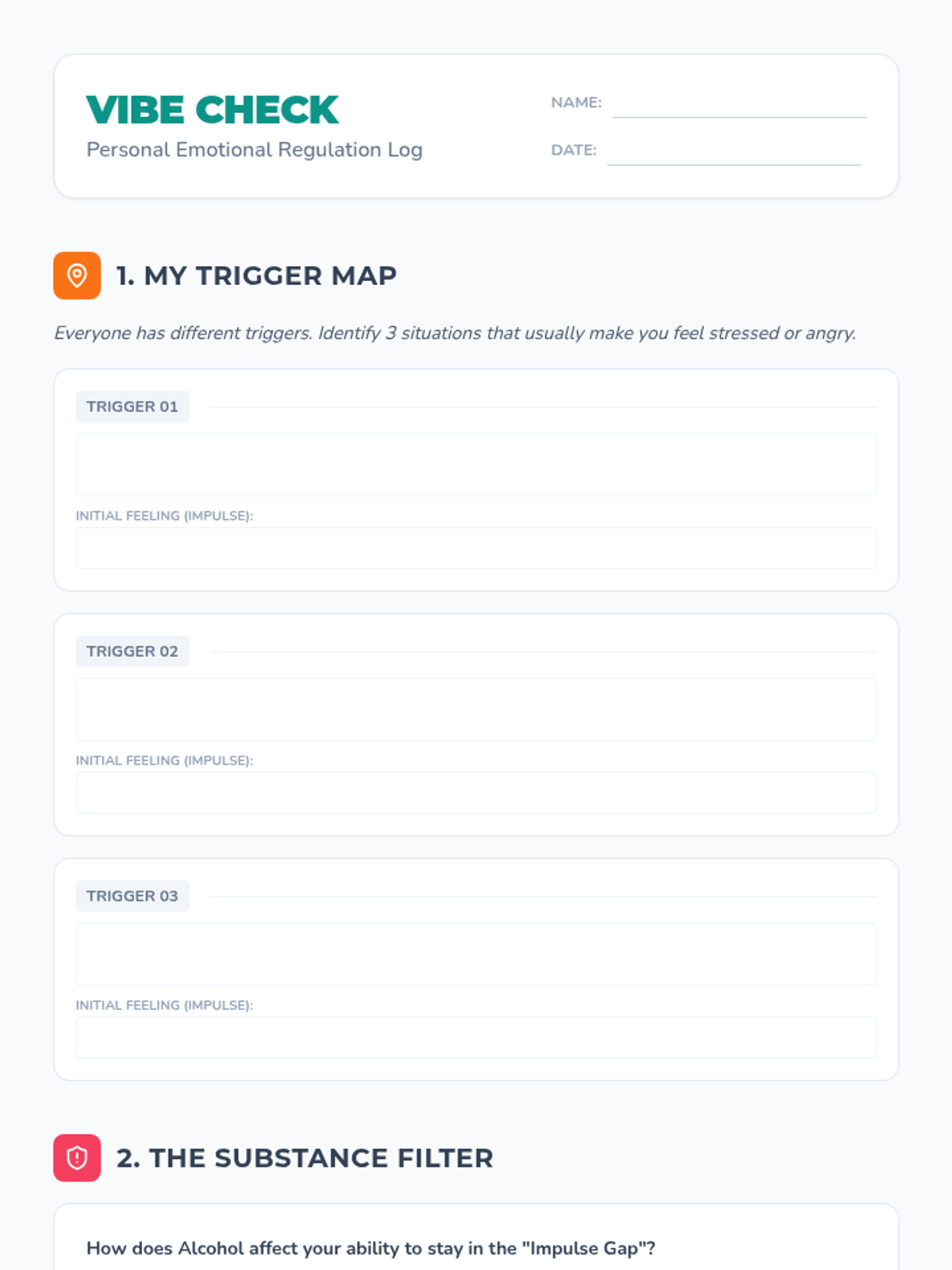
A 40-minute health lesson for 9th graders focusing on identifying emotional triggers, the impact of substances on emotional regulation, and mastering healthy coping strategies for stress and anger.
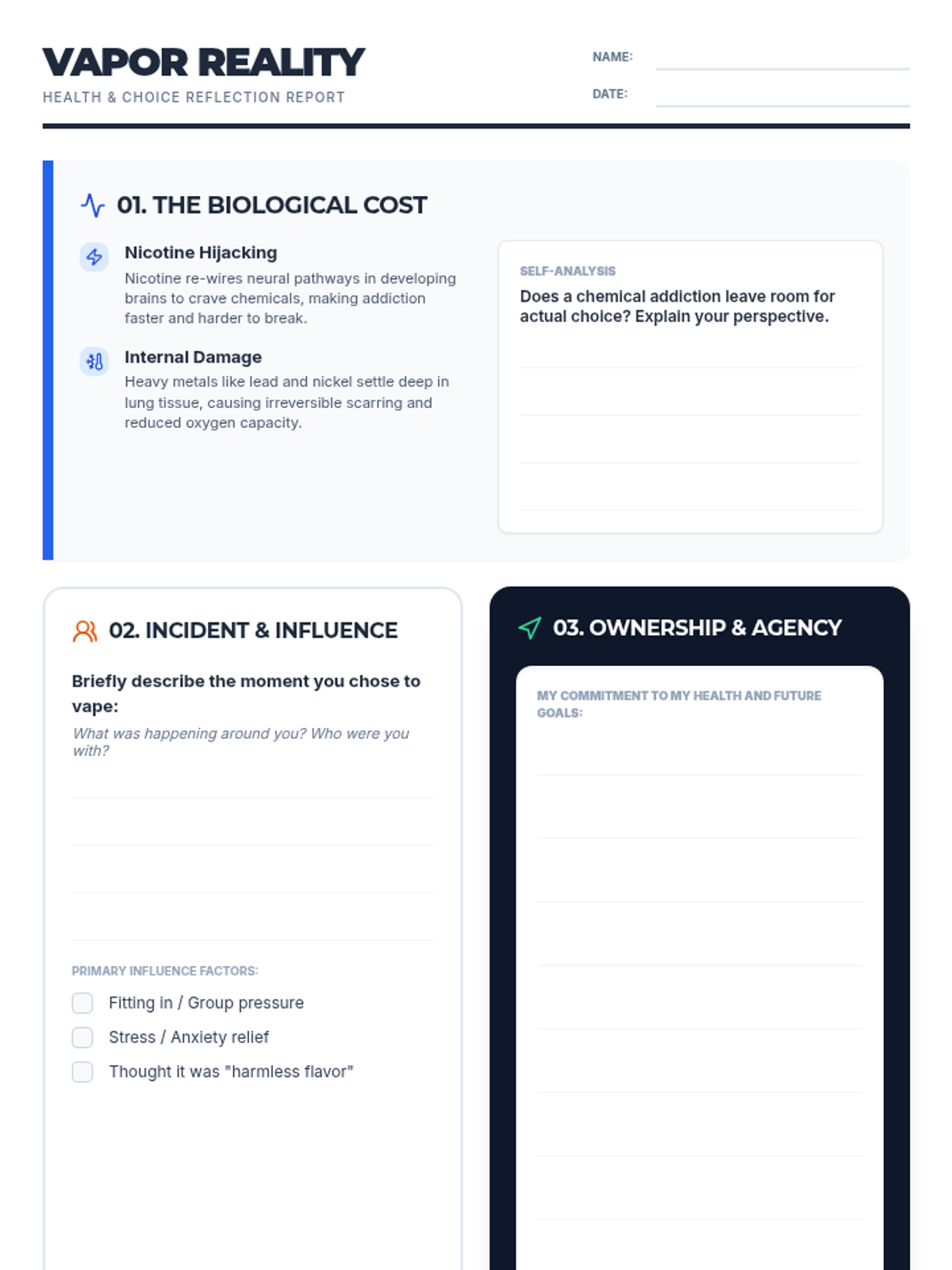
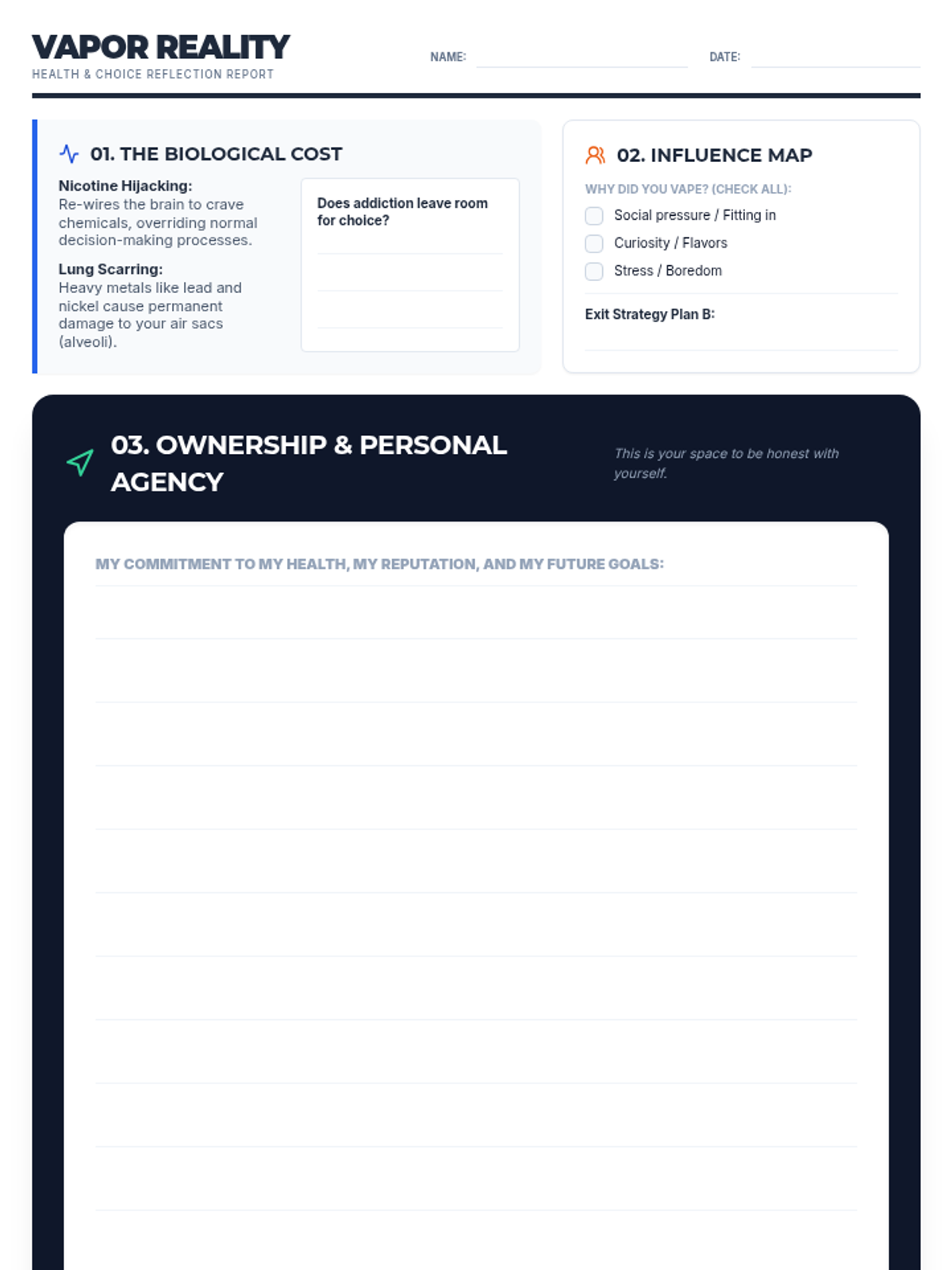
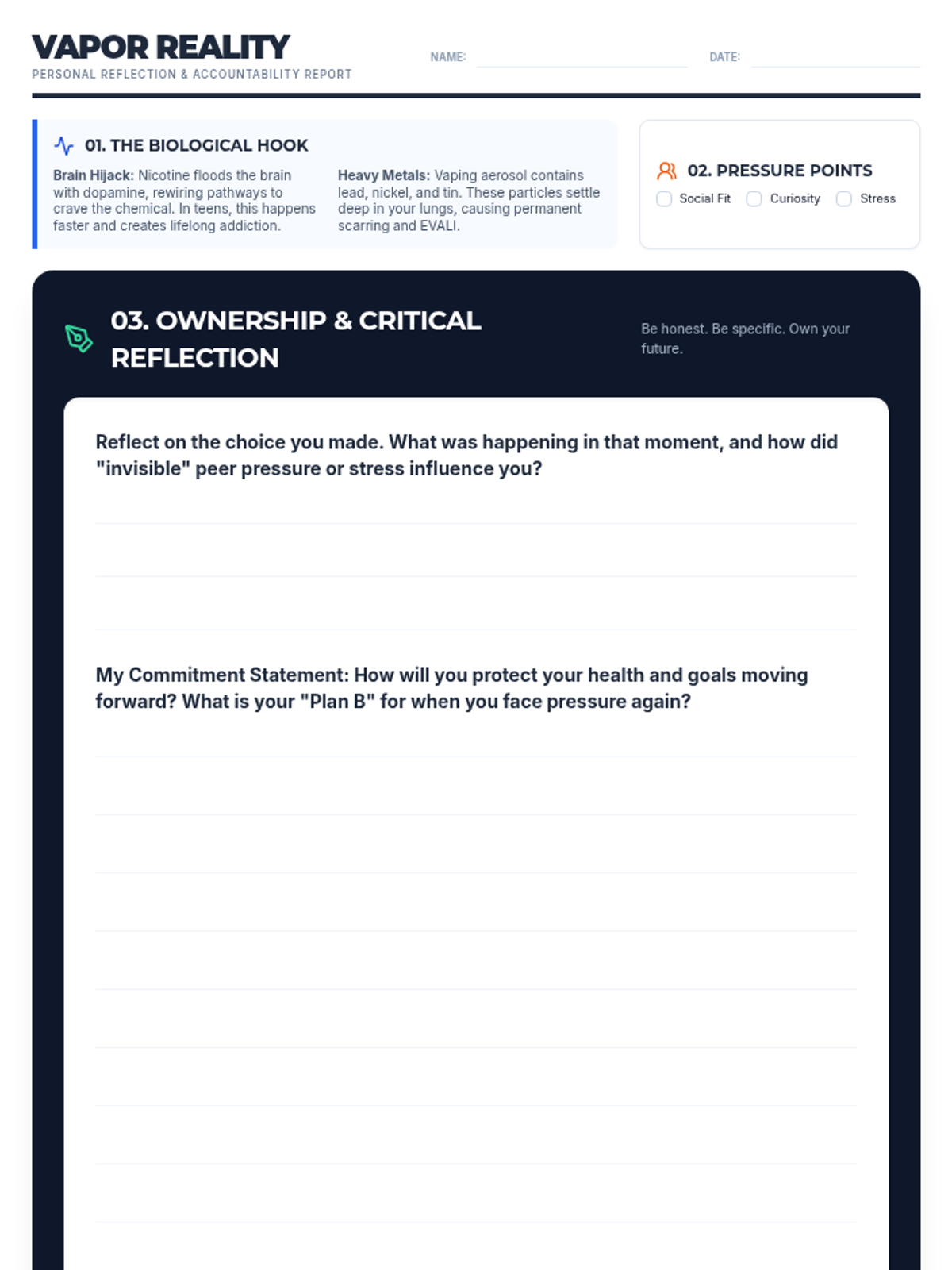
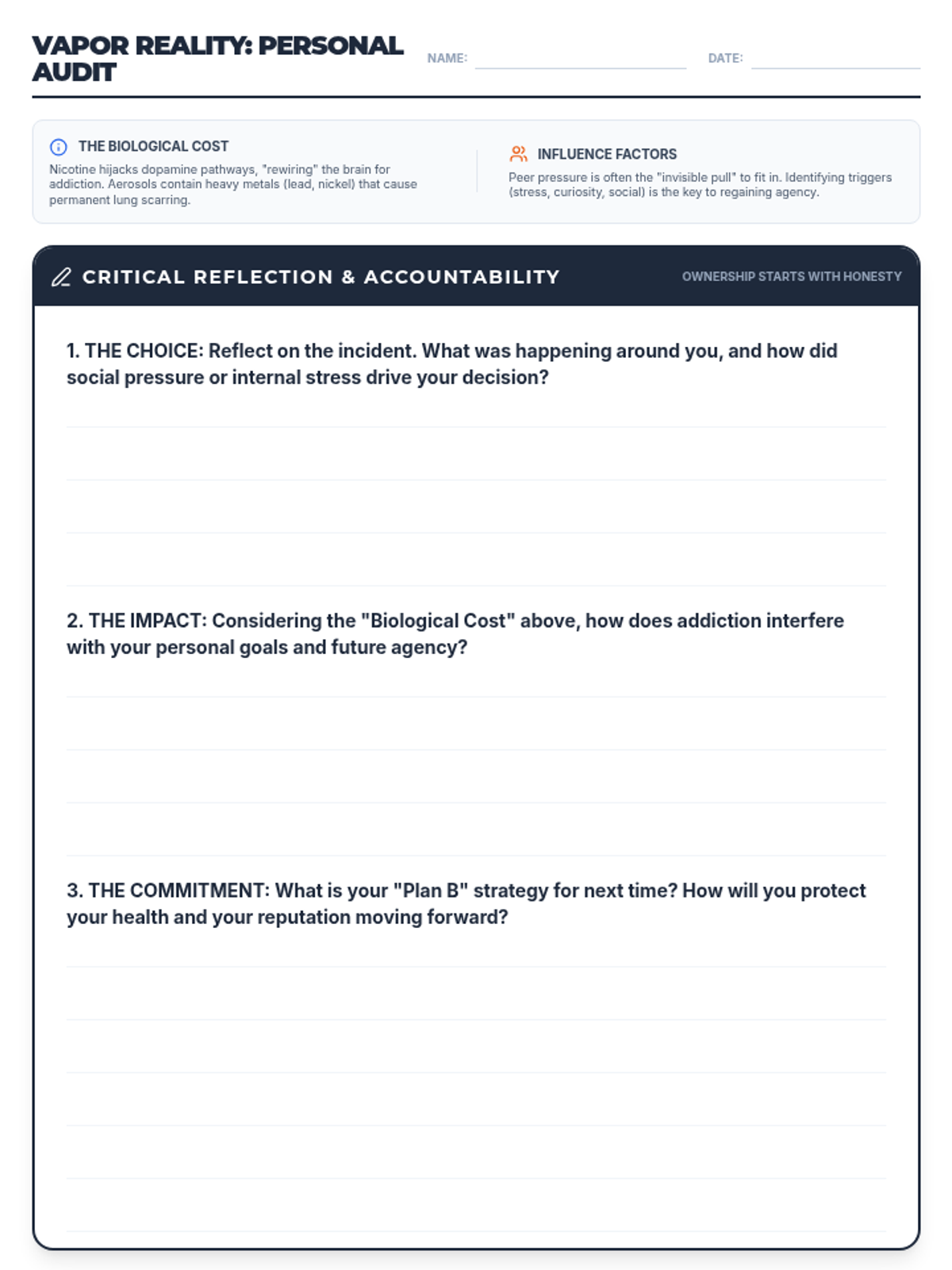
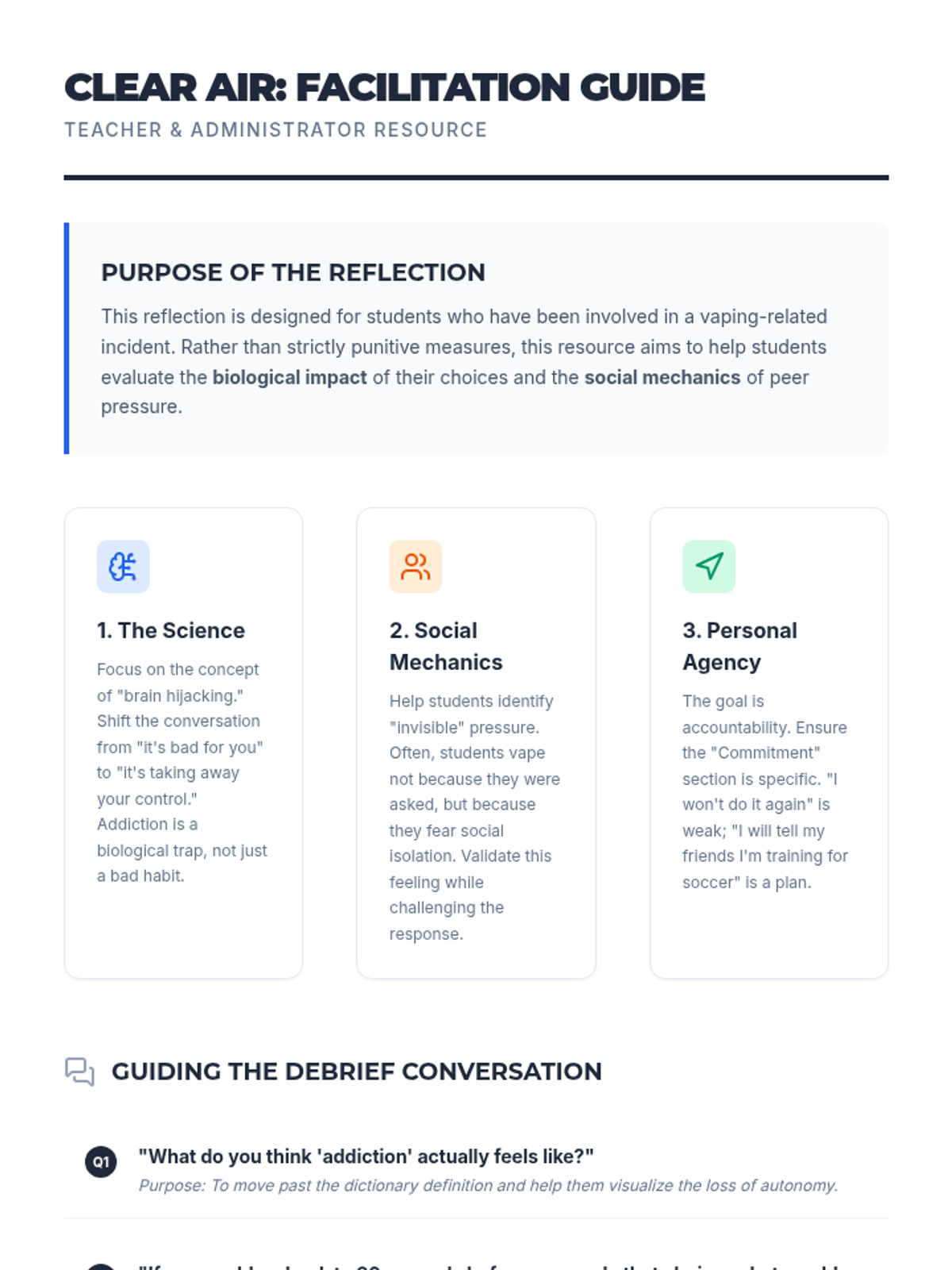
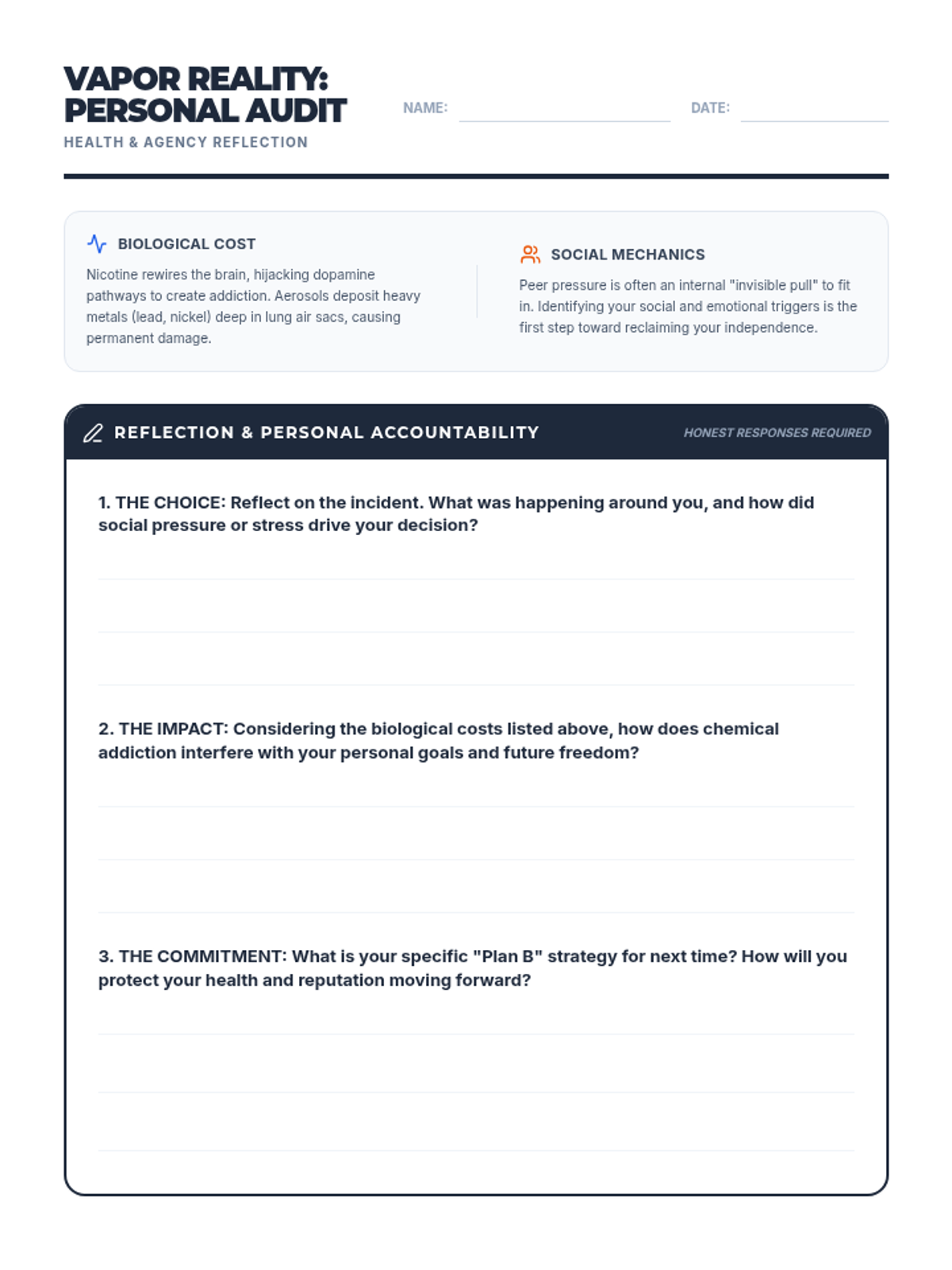
A reflective lesson designed for students to evaluate the health risks of vaping and the social pressures that lead to it, focusing on long-term consequences and personal agency.
A 40-minute lesson for high school students exploring the multi-dimensional nature of wellness, addressing common barriers, and creating a sustainable personal maintenance plan.
A lesson focused on understanding and implementing stress management techniques to improve sleep quality and hygiene.
This lesson introduces 9th-grade health students to the holistic benefits of yoga, focusing on physical fitness, stress management, and emotional regulation. Students will explore how yoga acts as a tool for overall wellness and mental clarity during the high school years.
A high school health lesson focusing on understanding anxiety, practicing grounding techniques, and applying cognitive restructuring to manage stress effectively. Aligned with Massachusetts Mental Health standards.
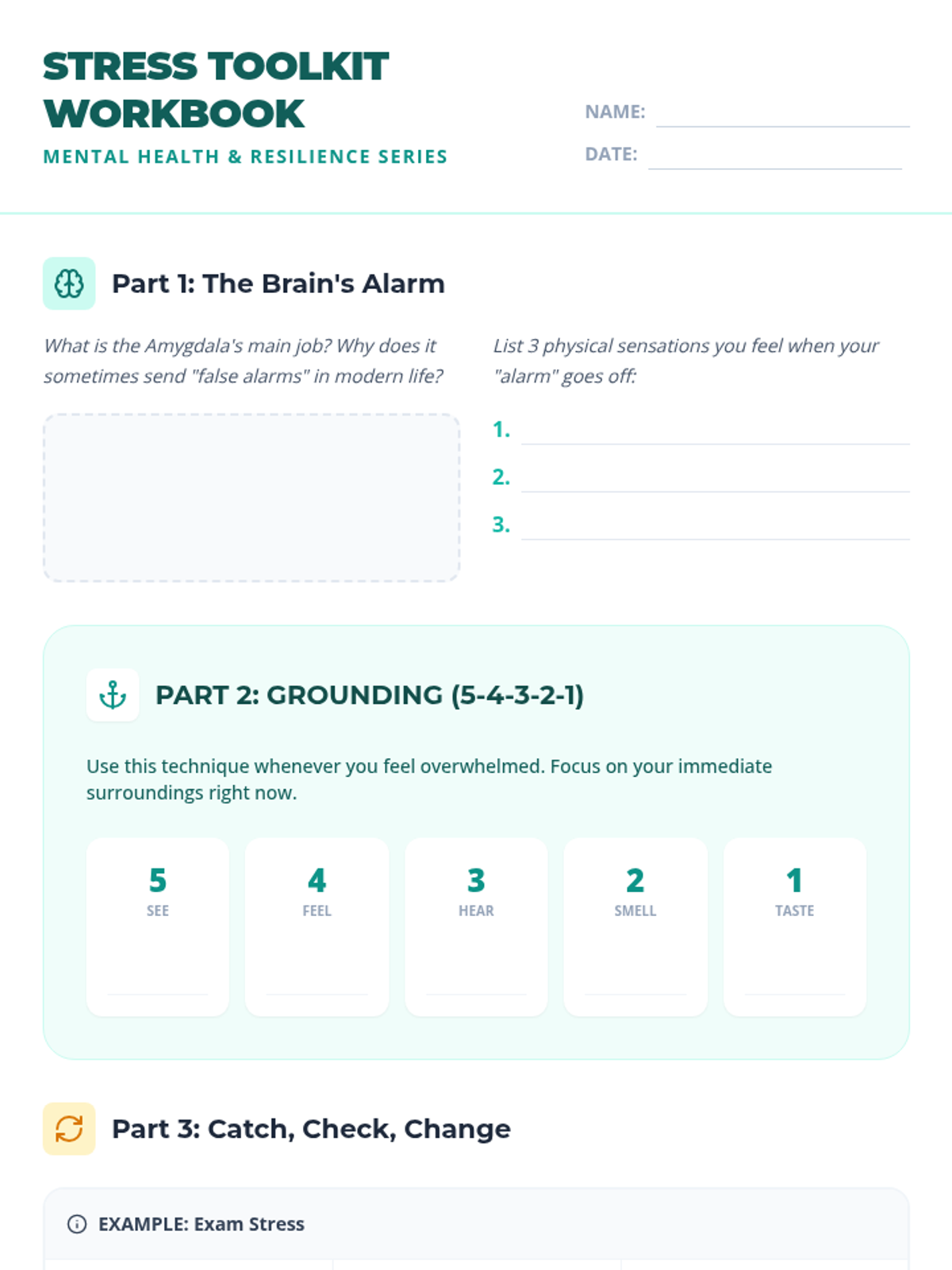
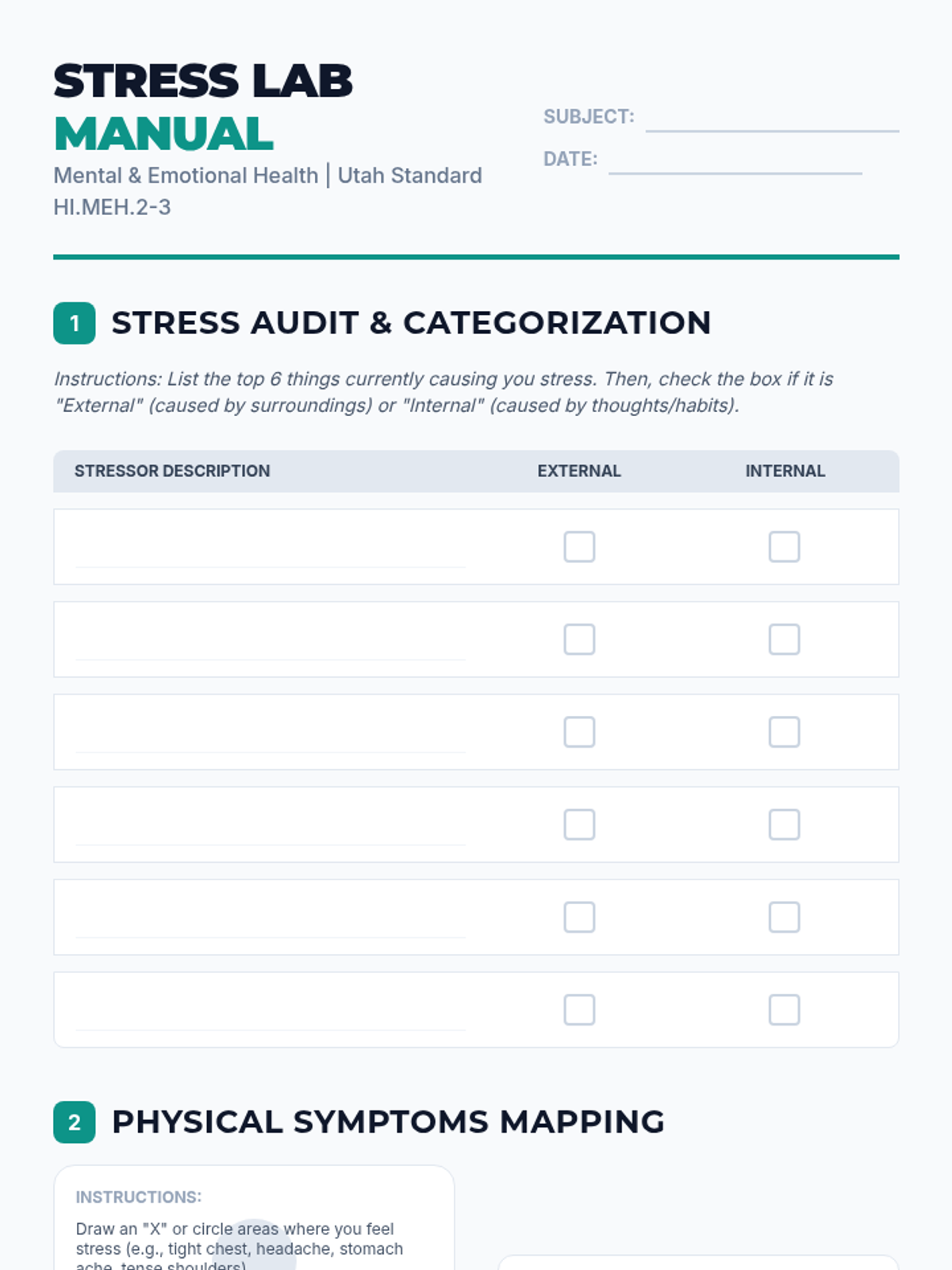
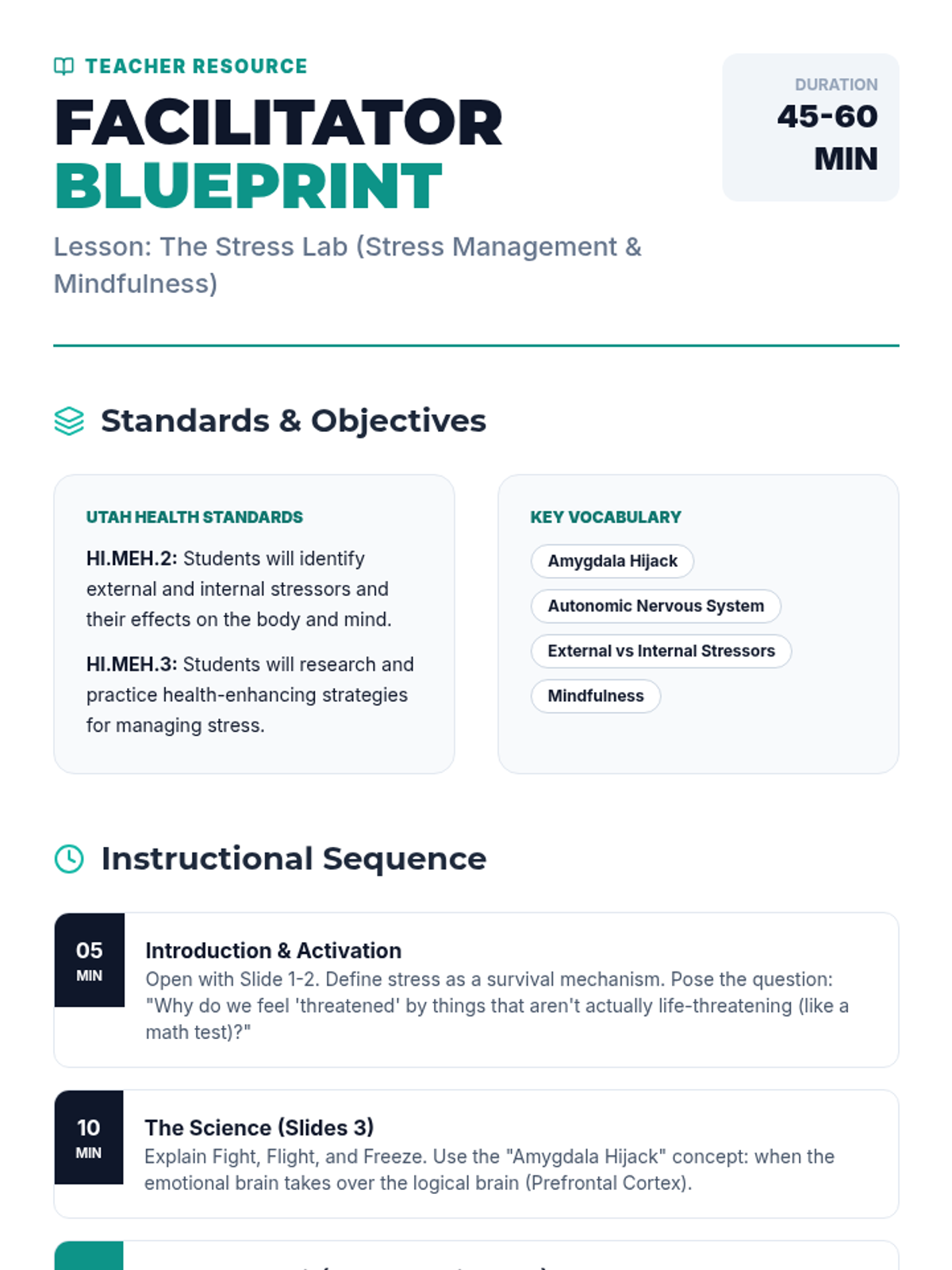
A high school mental health lesson focusing on identifying stressors and practicing mindfulness techniques, aligned with Utah Health Education Standards. Students will conduct a stress audit and learn specific breathing strategies.
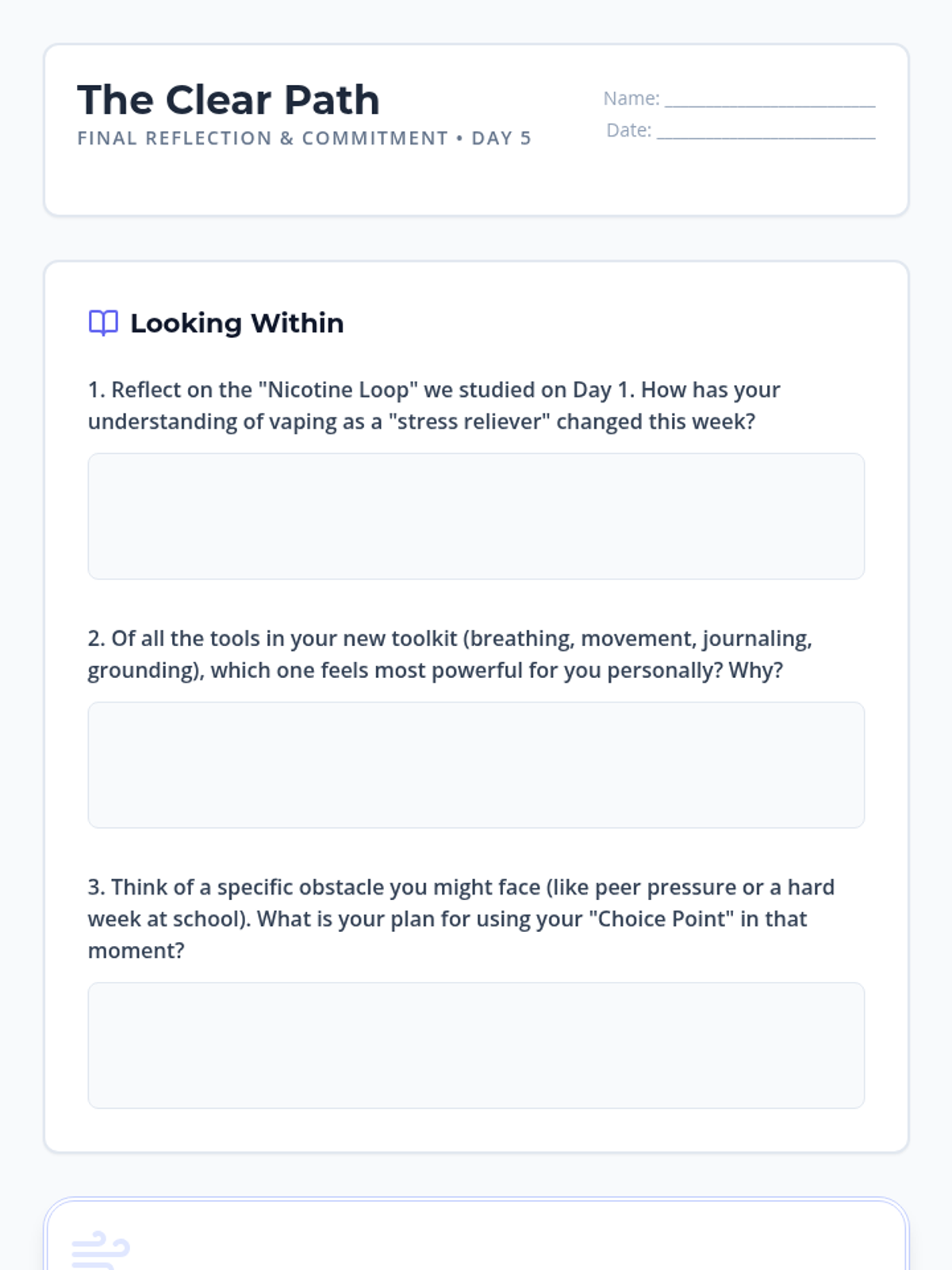
Synthesizing learning through reflection and the creation of a personal commitment plan.
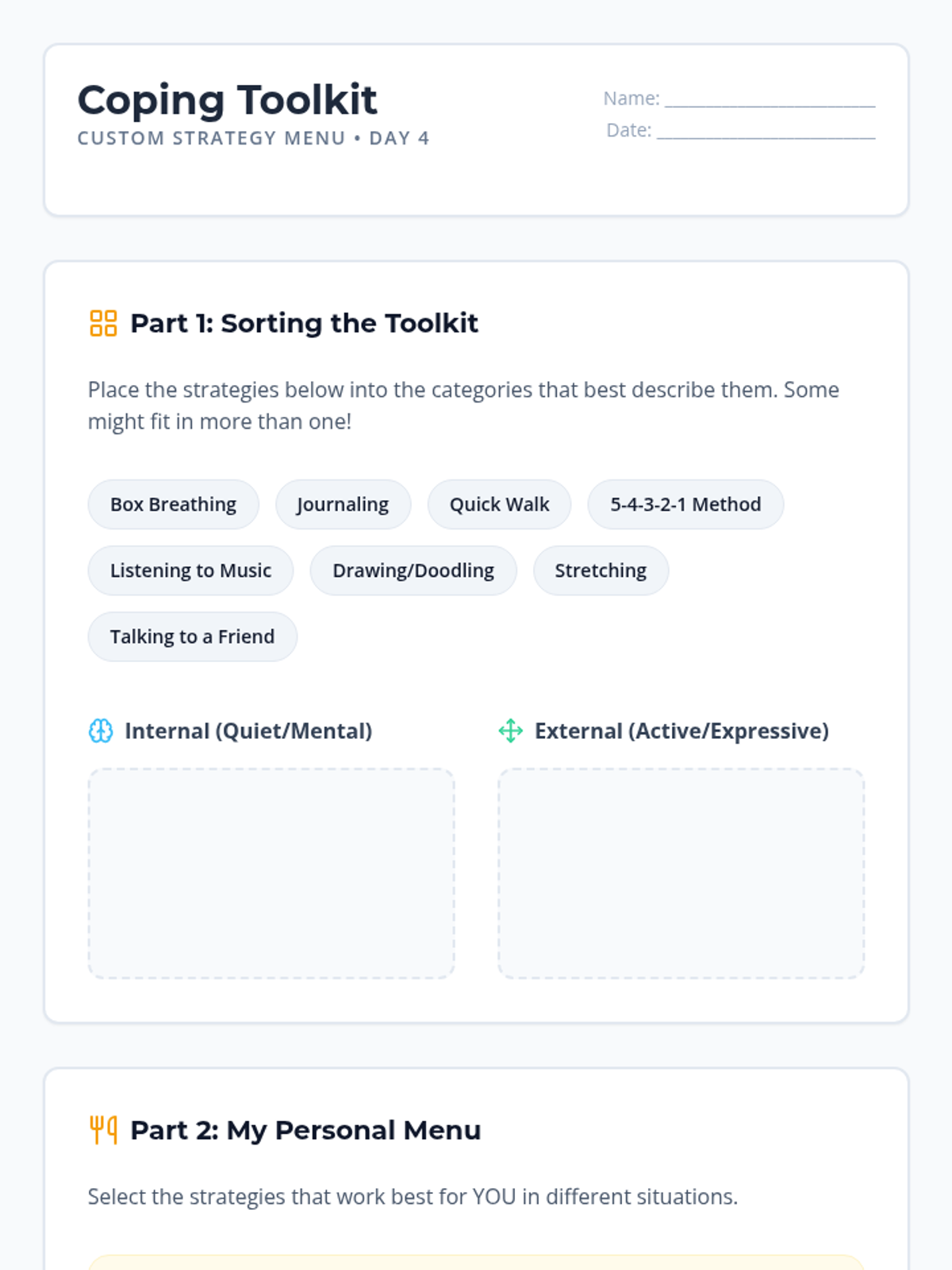
Expanding the toolkit to include journaling, physical movement, and creative outlets.
A deep dive into the science and practice of deep breathing as a primary physiological reset.
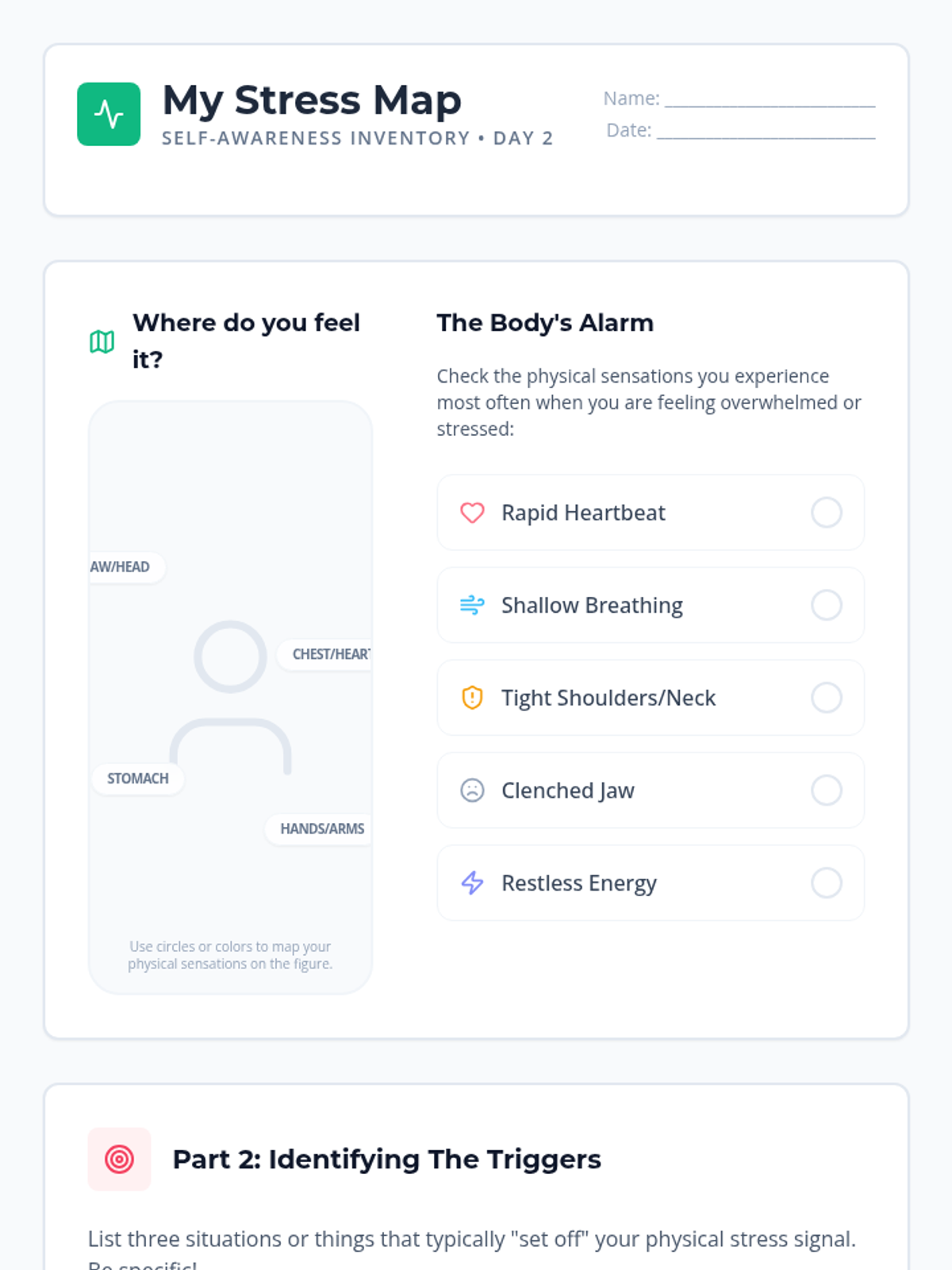
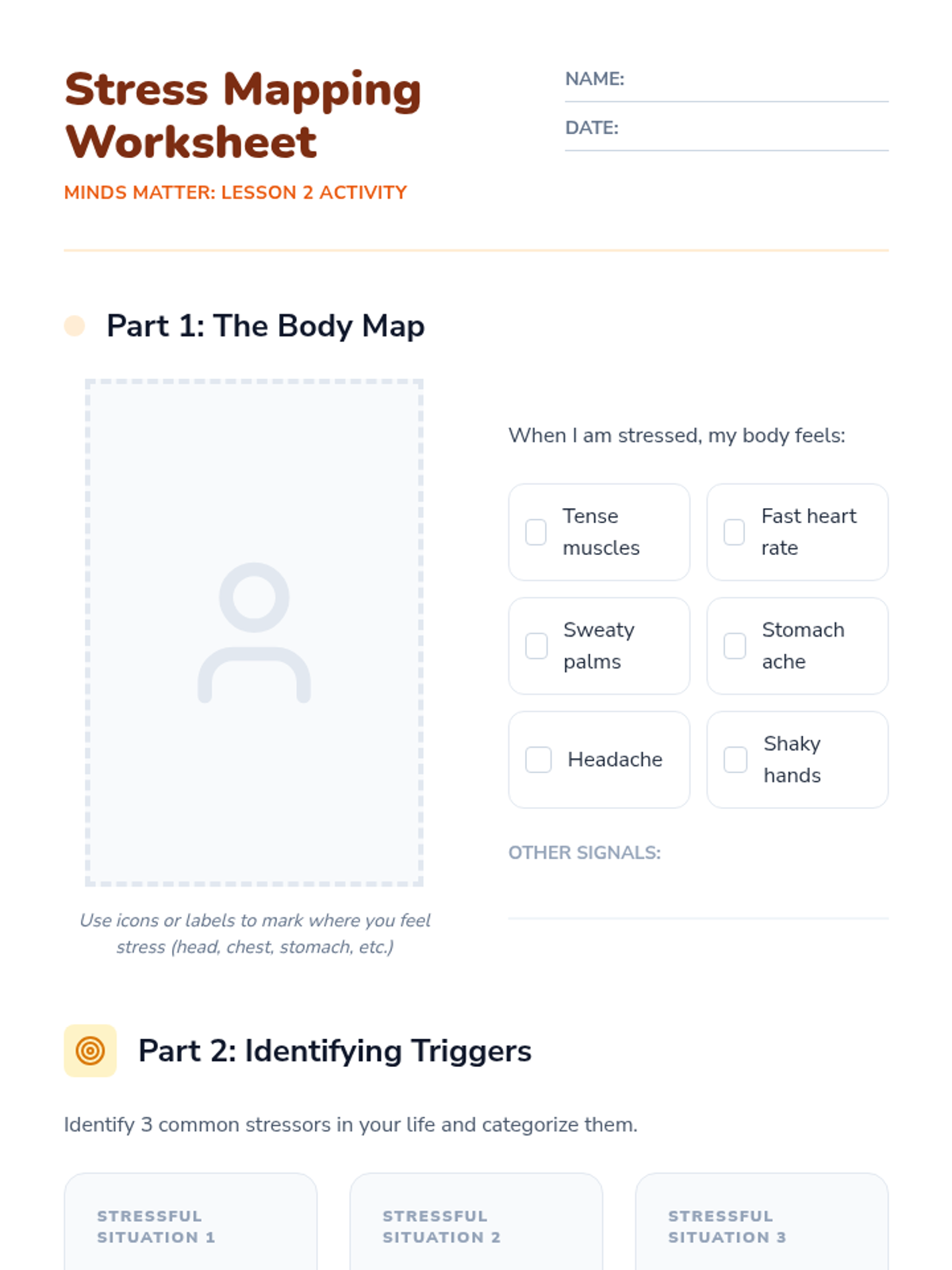
Identifying personal stress triggers and understanding the physical sensations of stress in the body.
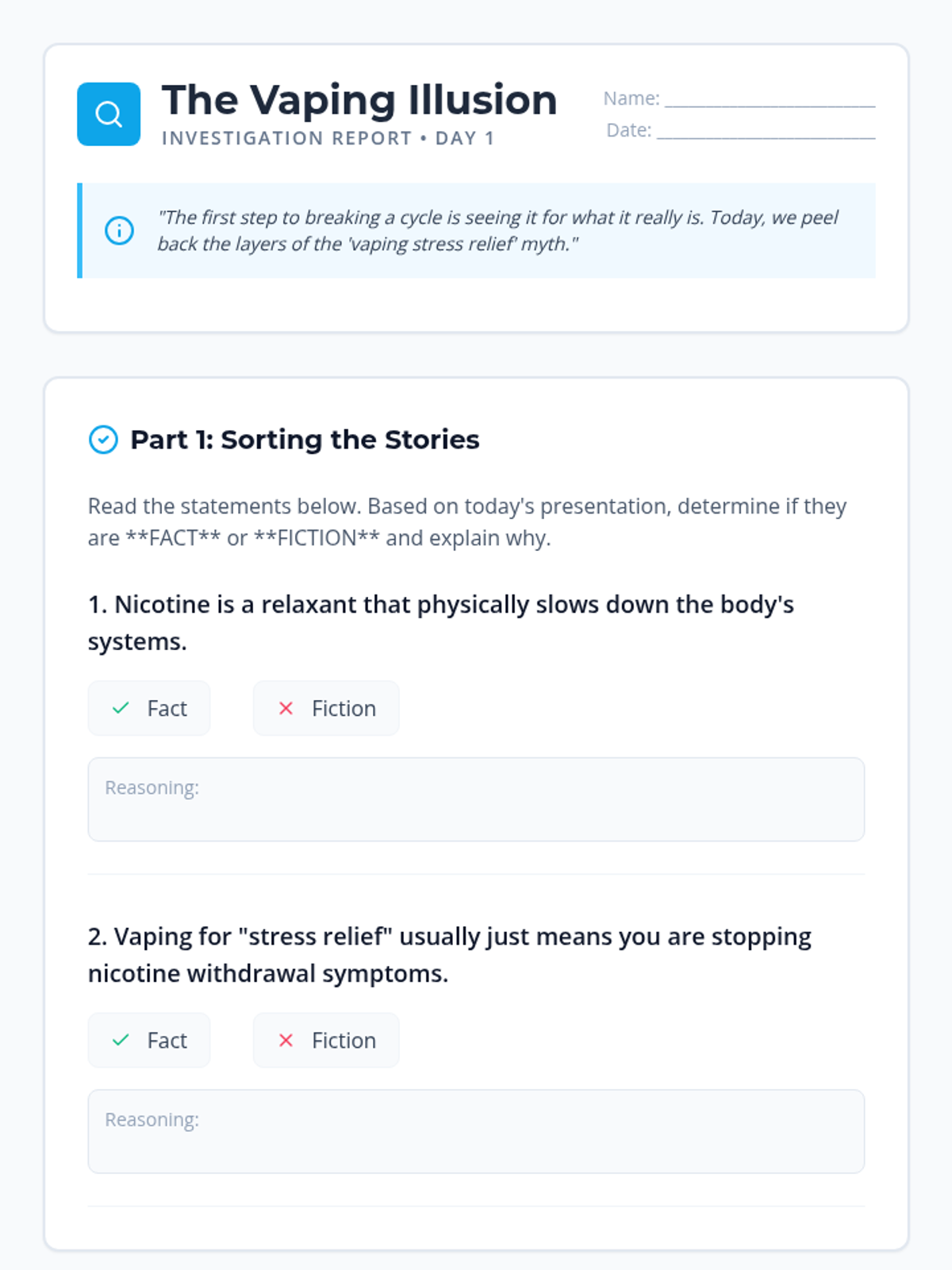
Students explore the chemical reality of nicotine and how it creates a cycle of stress rather than relieving it.
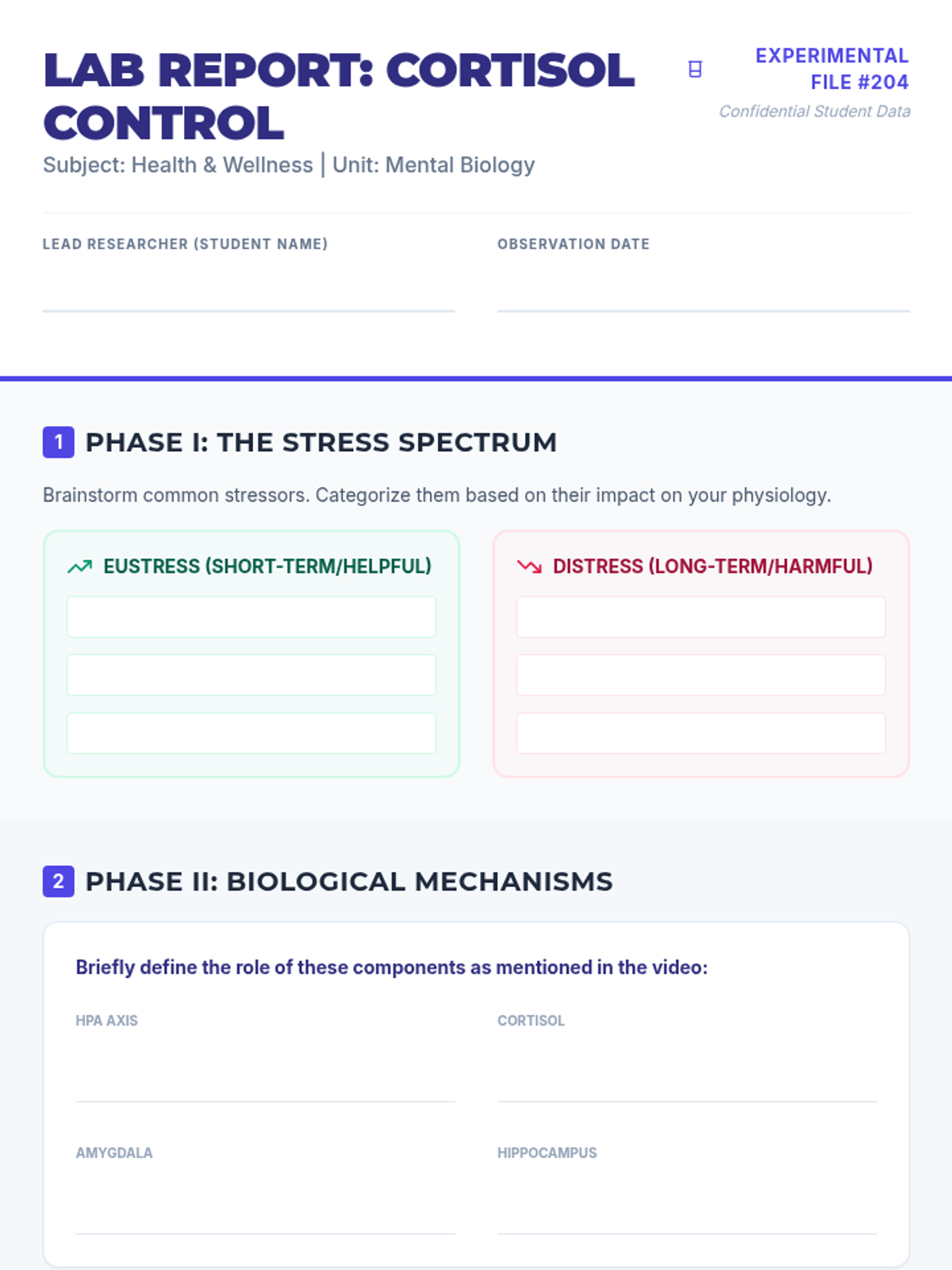
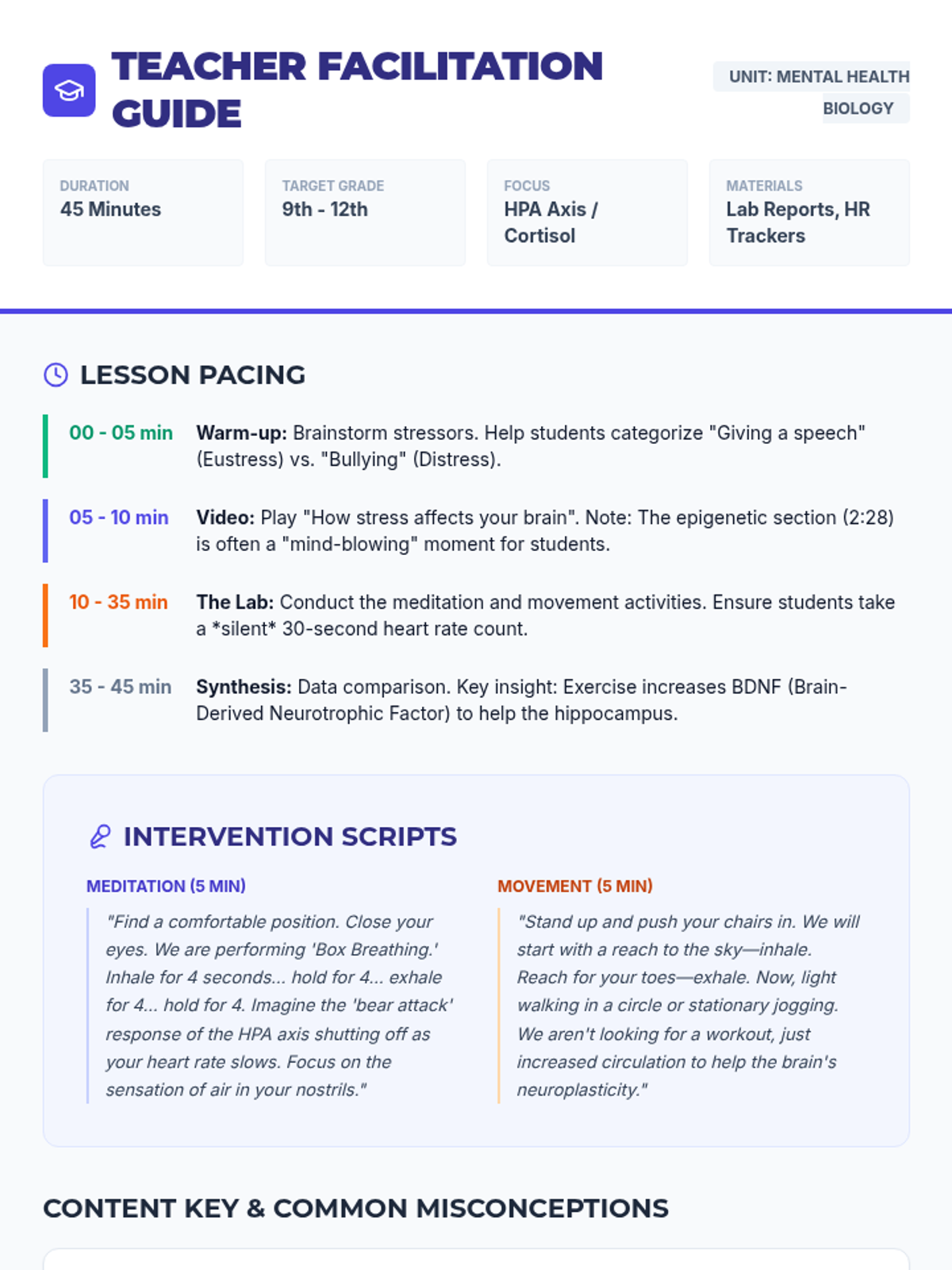
Students differentiate between eustress and distress, analyze the biological mechanism of the HPA axis through a video, and conduct a self-experiment ('Cortisol Control Lab') to test meditation and movement as stress-reduction strategies.
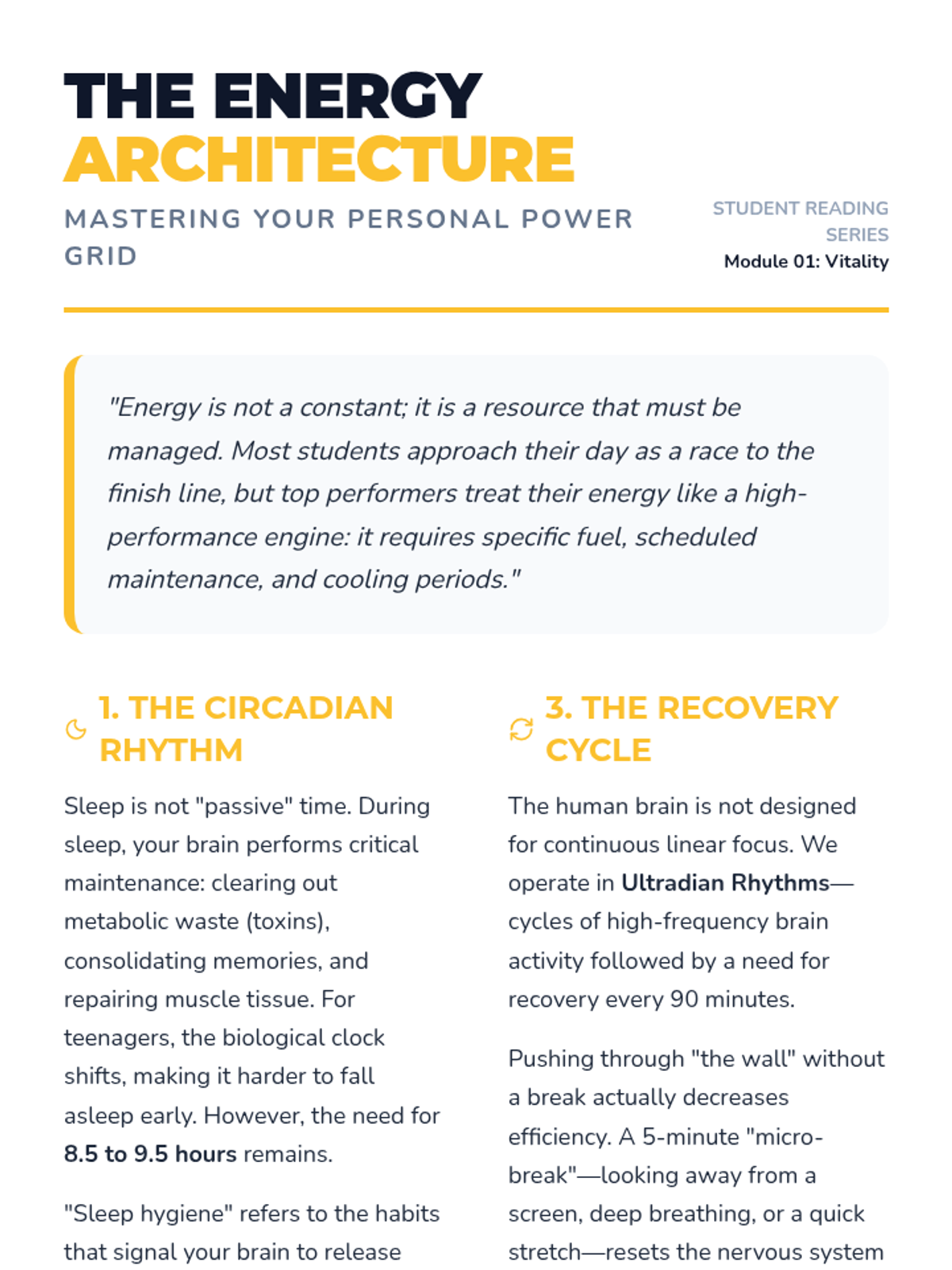
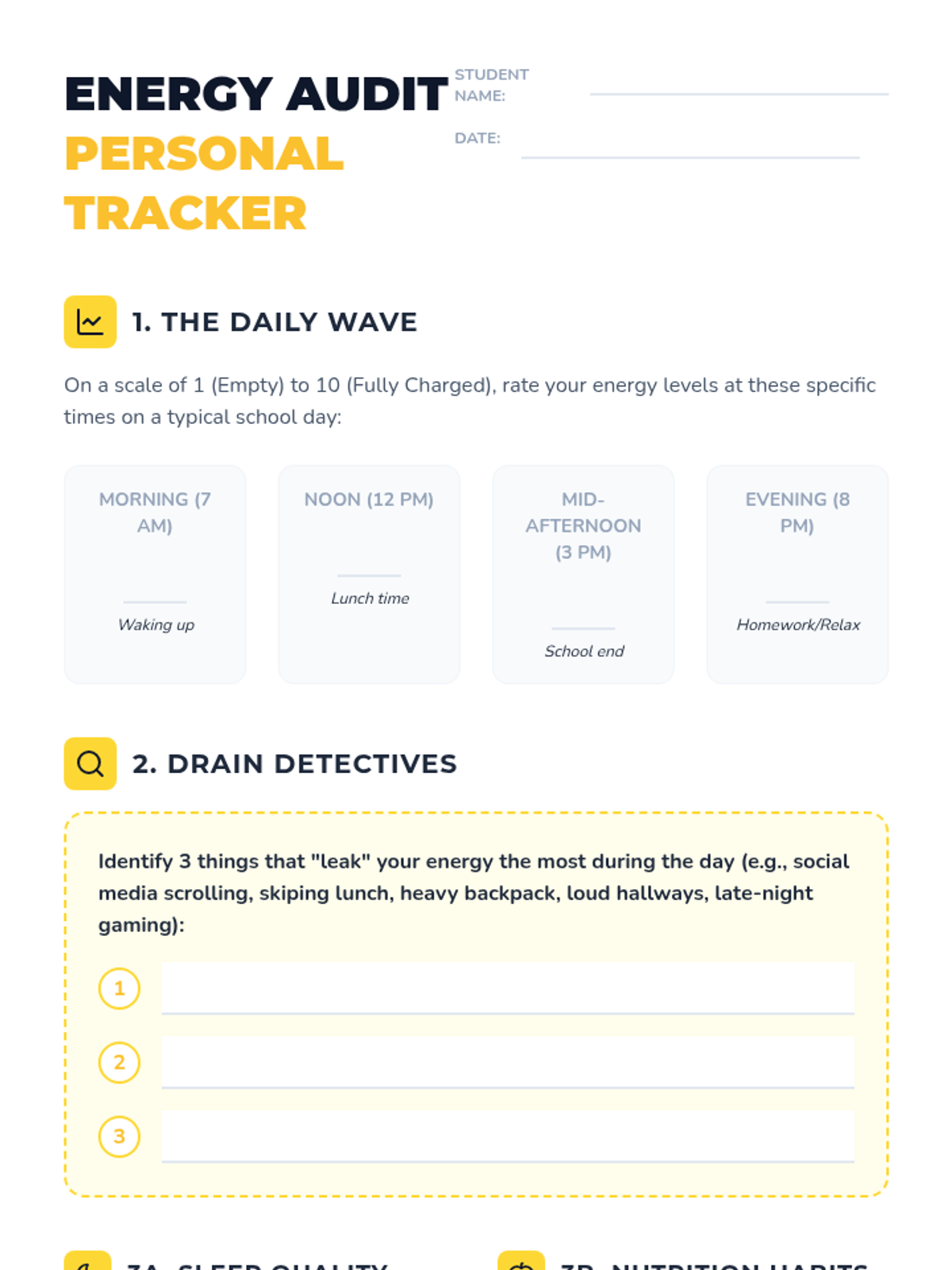
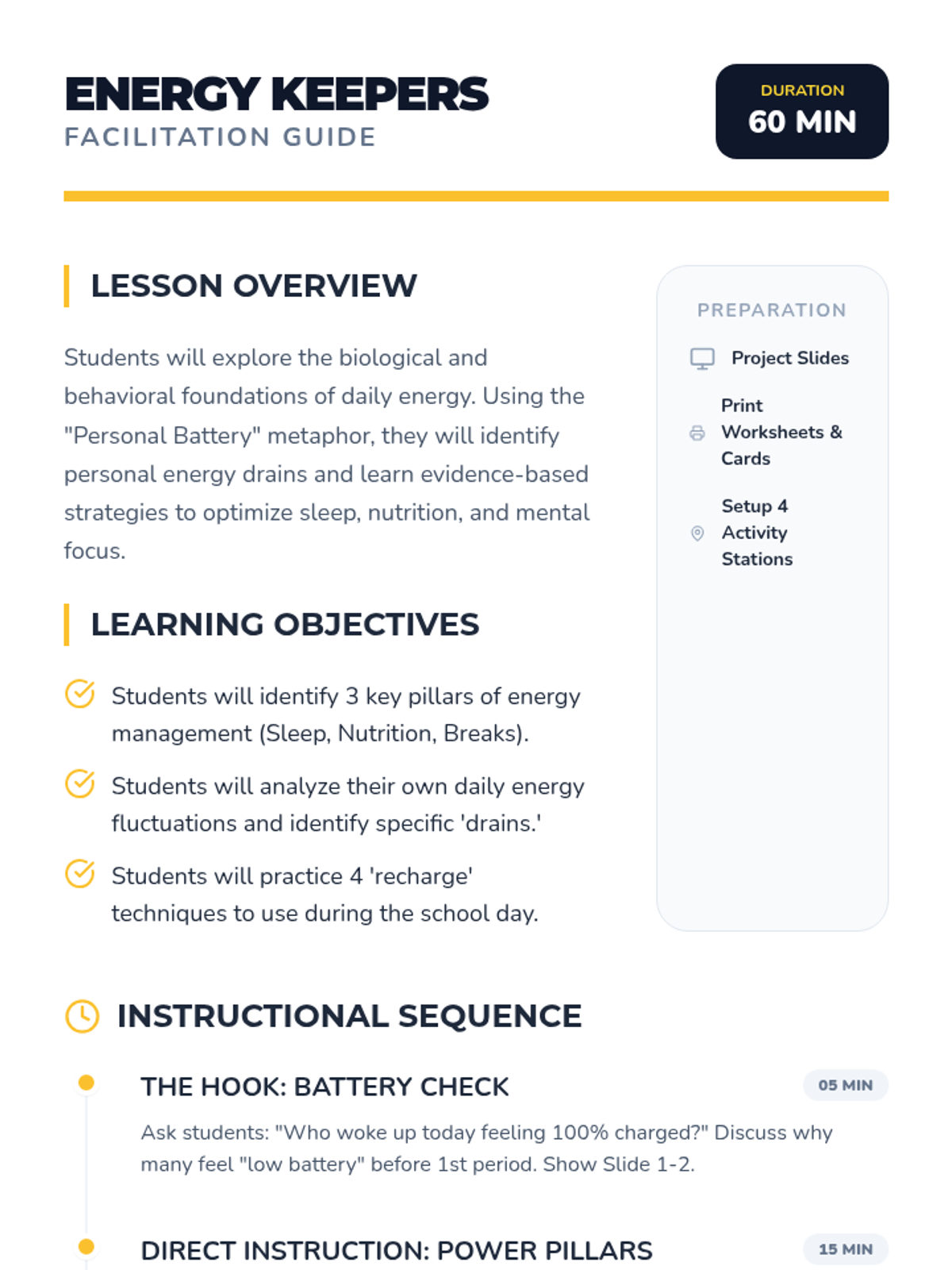
A comprehensive lesson designed for middle and high school students to master their daily energy. Through sleep hygiene, nutrition, and mindful breaks, students learn to monitor their 'personal battery' and optimize their performance and well-being.
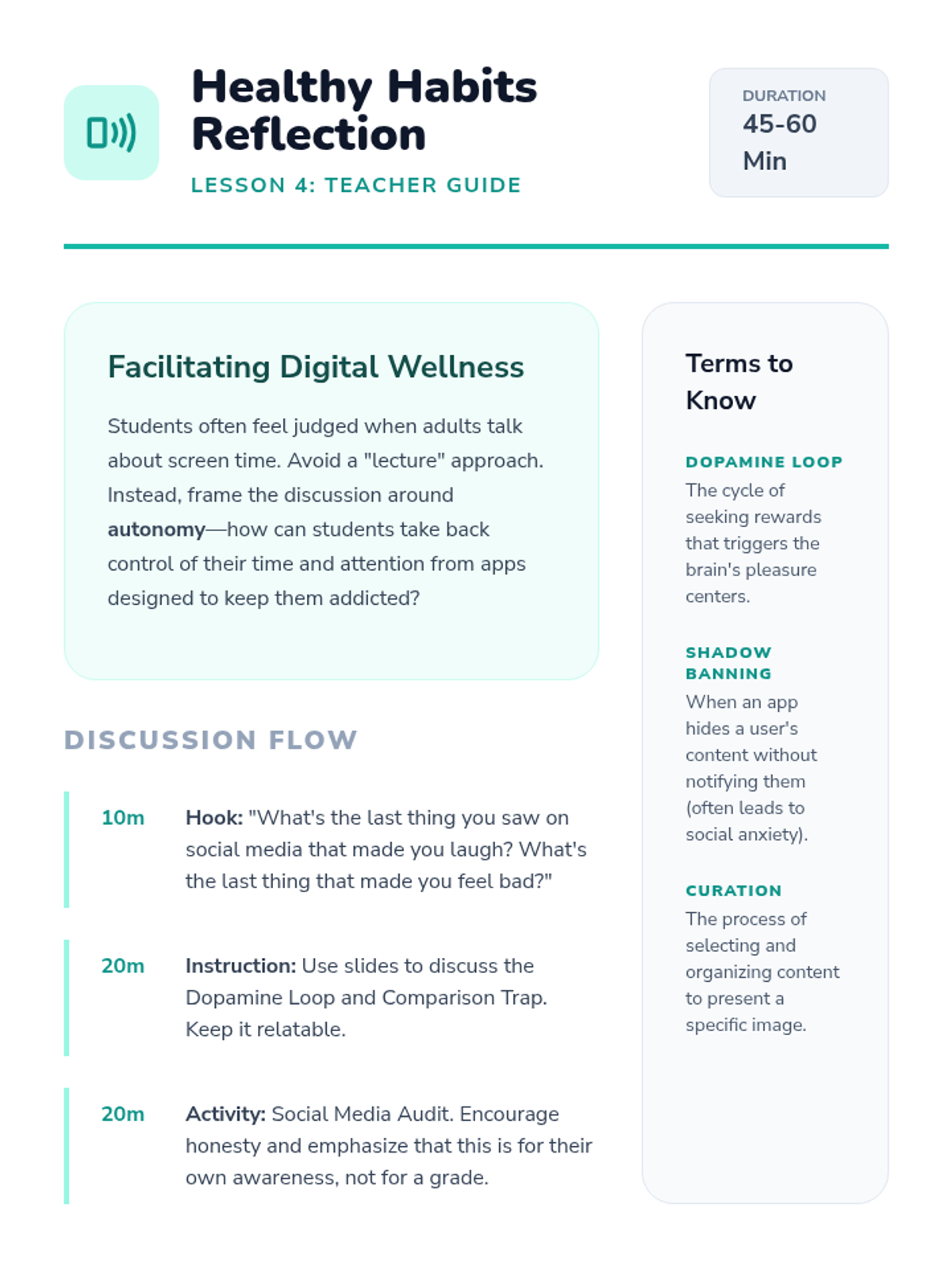
Analyzing the relationship between social media use and mental health, with practical strategies for creating a more balanced and positive digital environment.
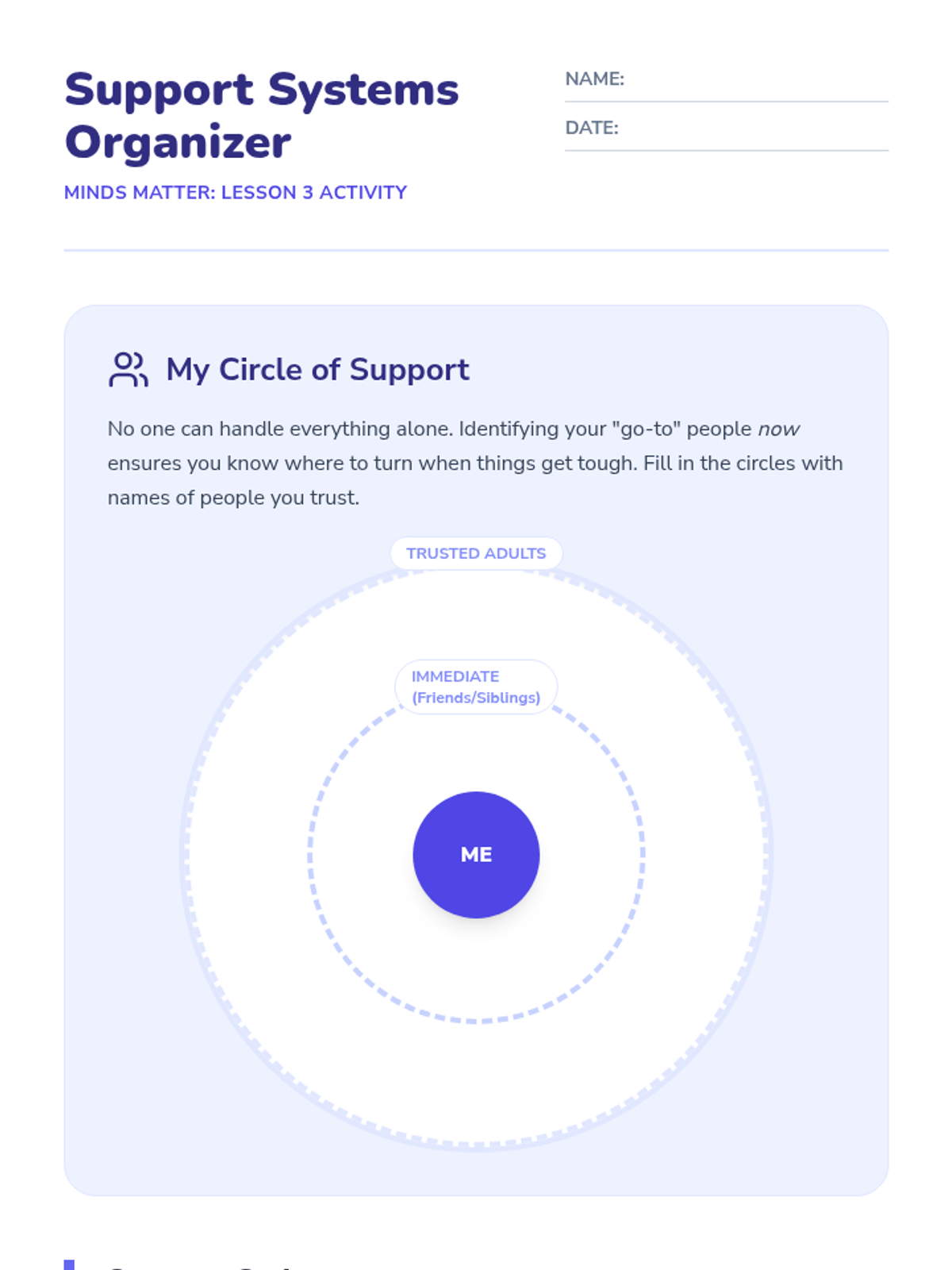
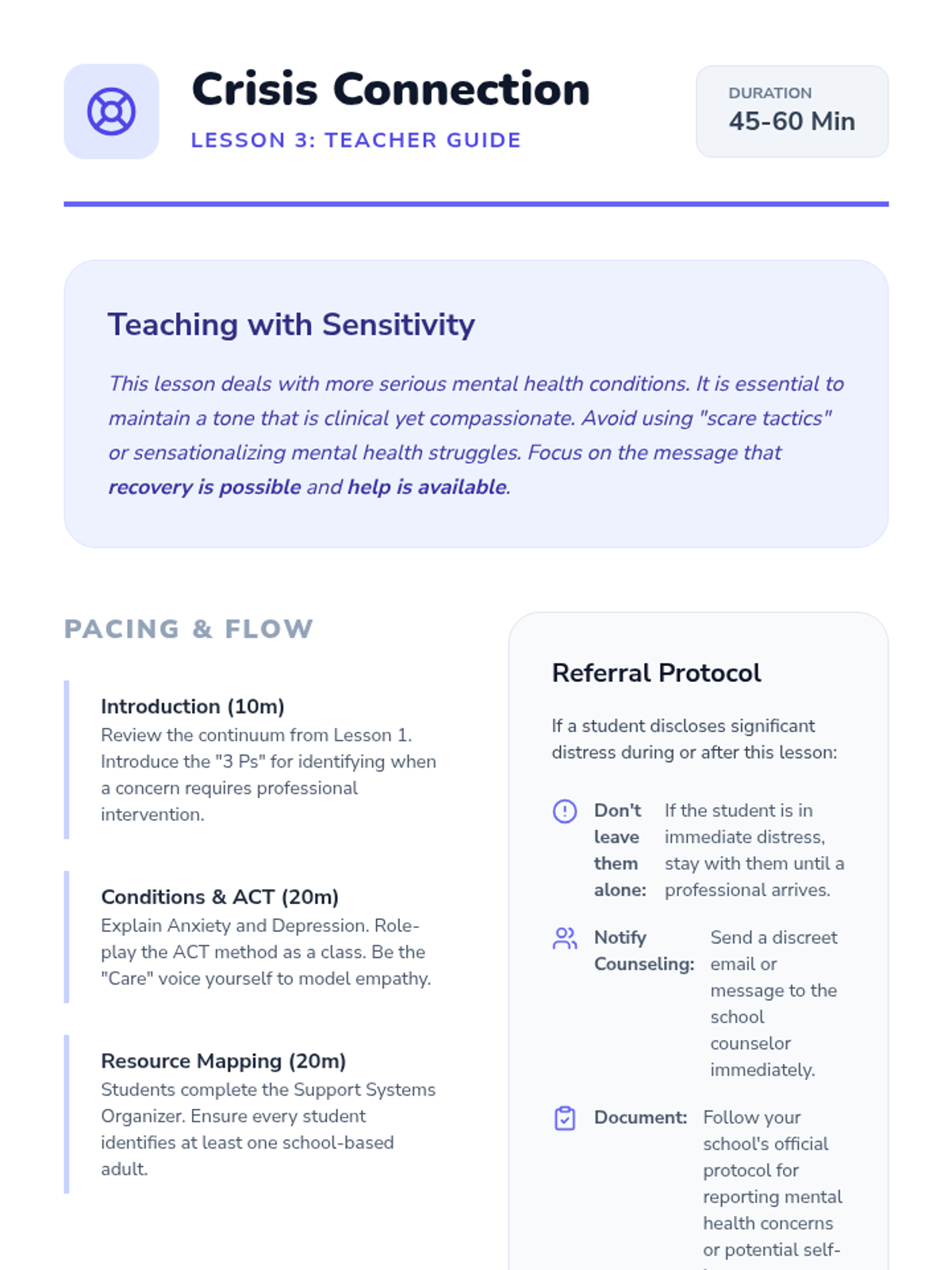
An overview of common mental health conditions like anxiety and depression, emphasizing the importance of professional support and how to help a friend in need.
An exploration of how stress affects the body and mind, with a focus on identifying personal triggers and developing a repertoire of healthy coping strategies.
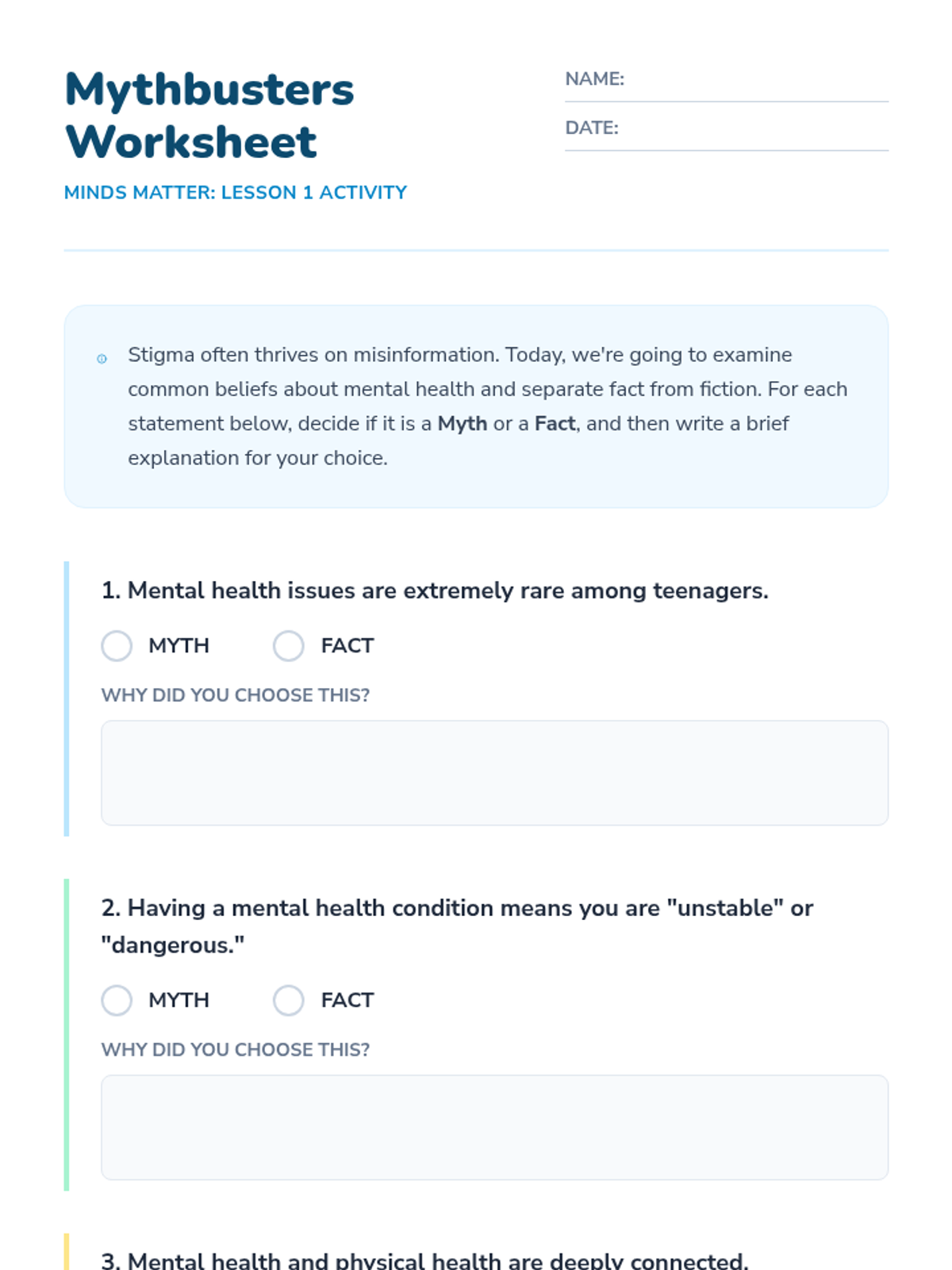
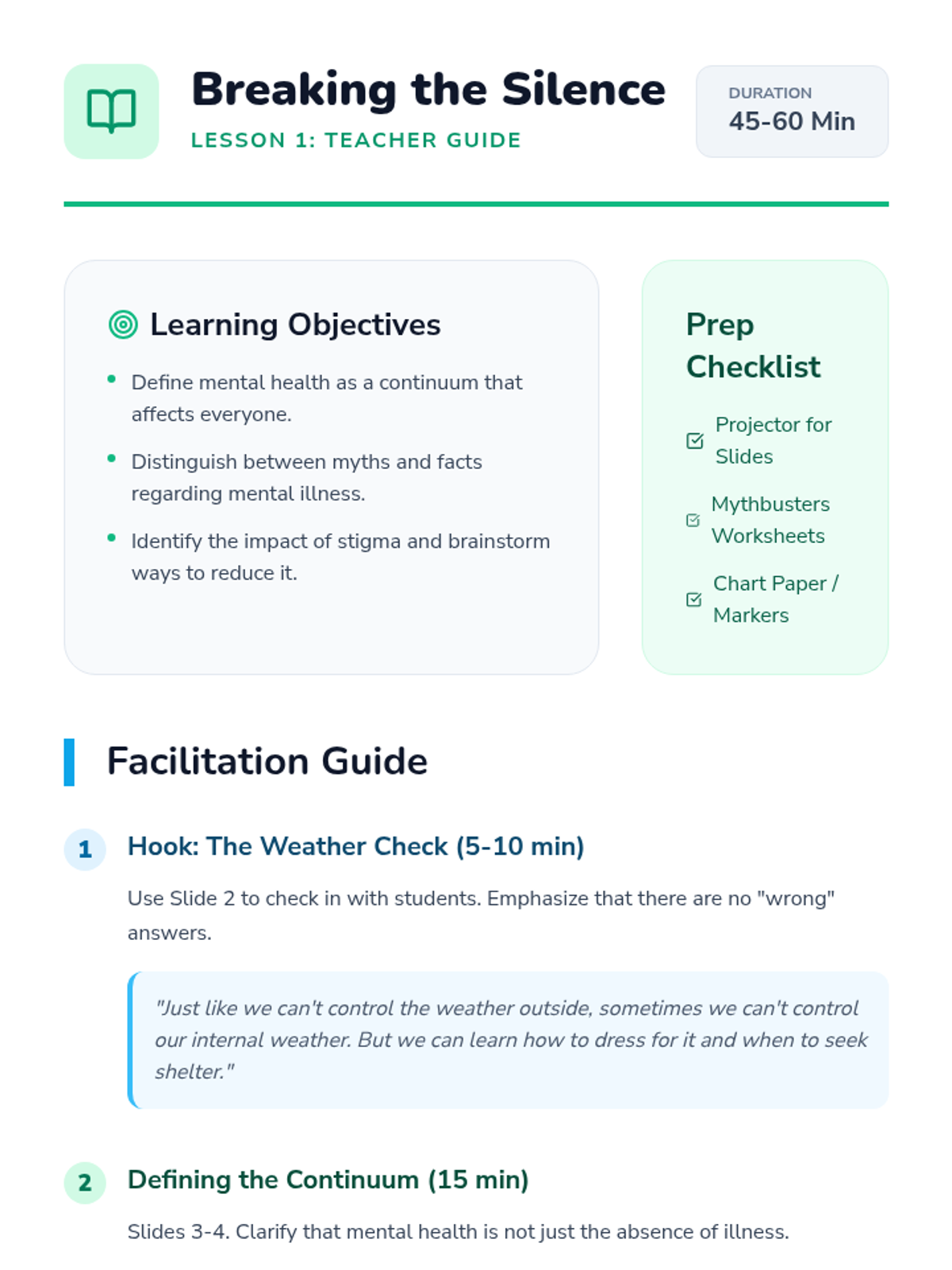
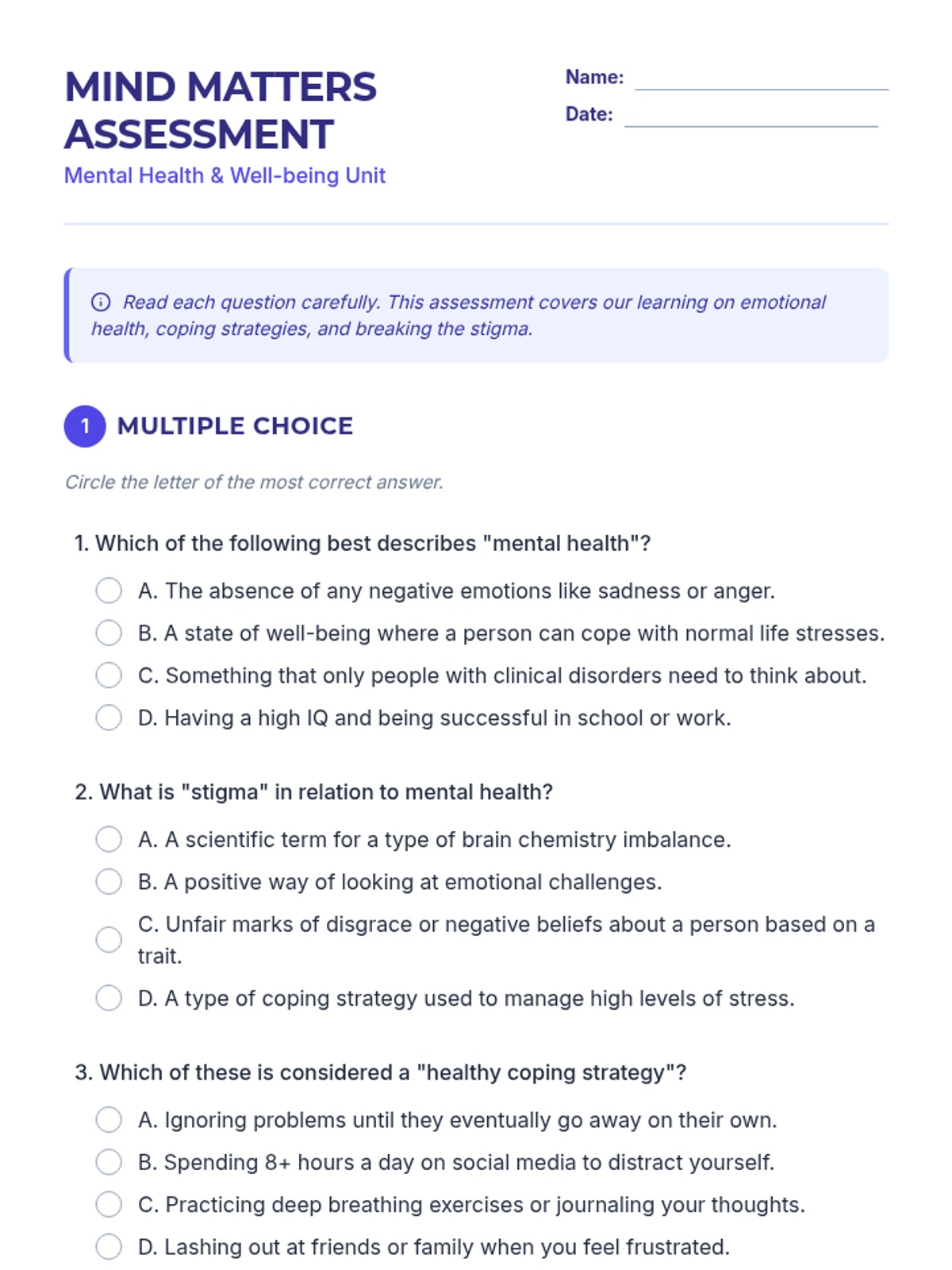
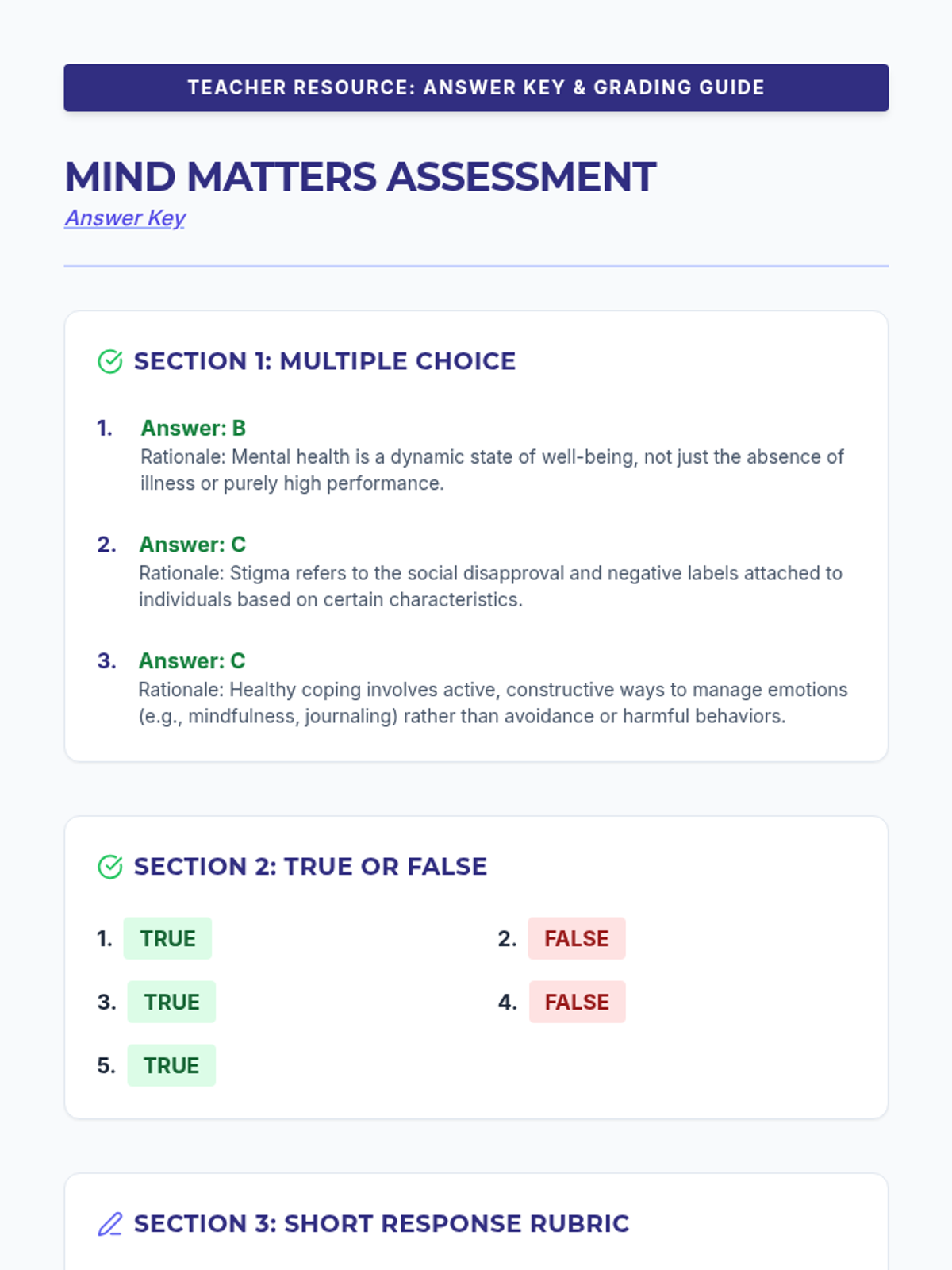
Students will define mental health, distinguish it from mental illness, and explore how stigma impacts our ability to talk about and seek support for mental health concerns.
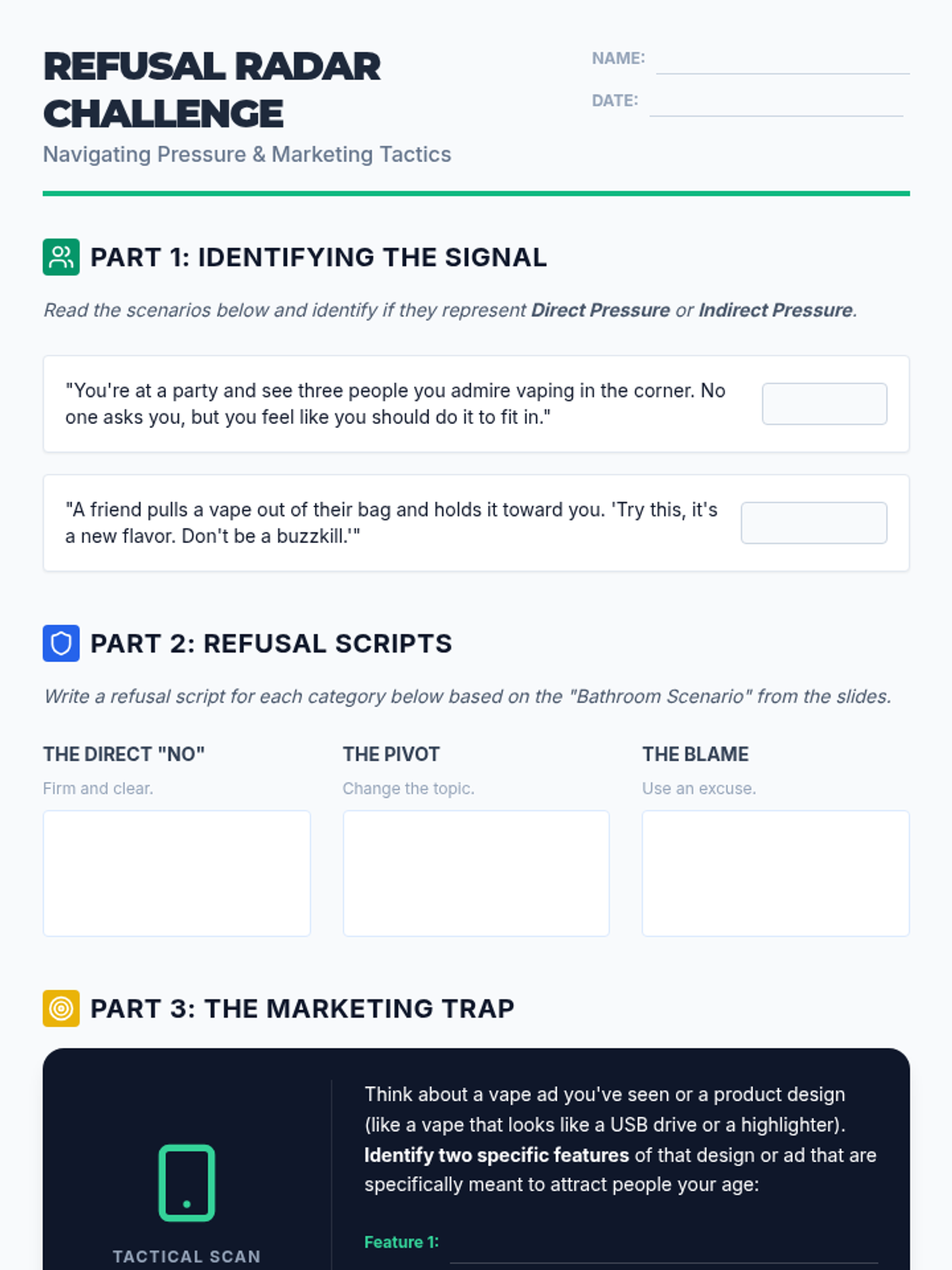
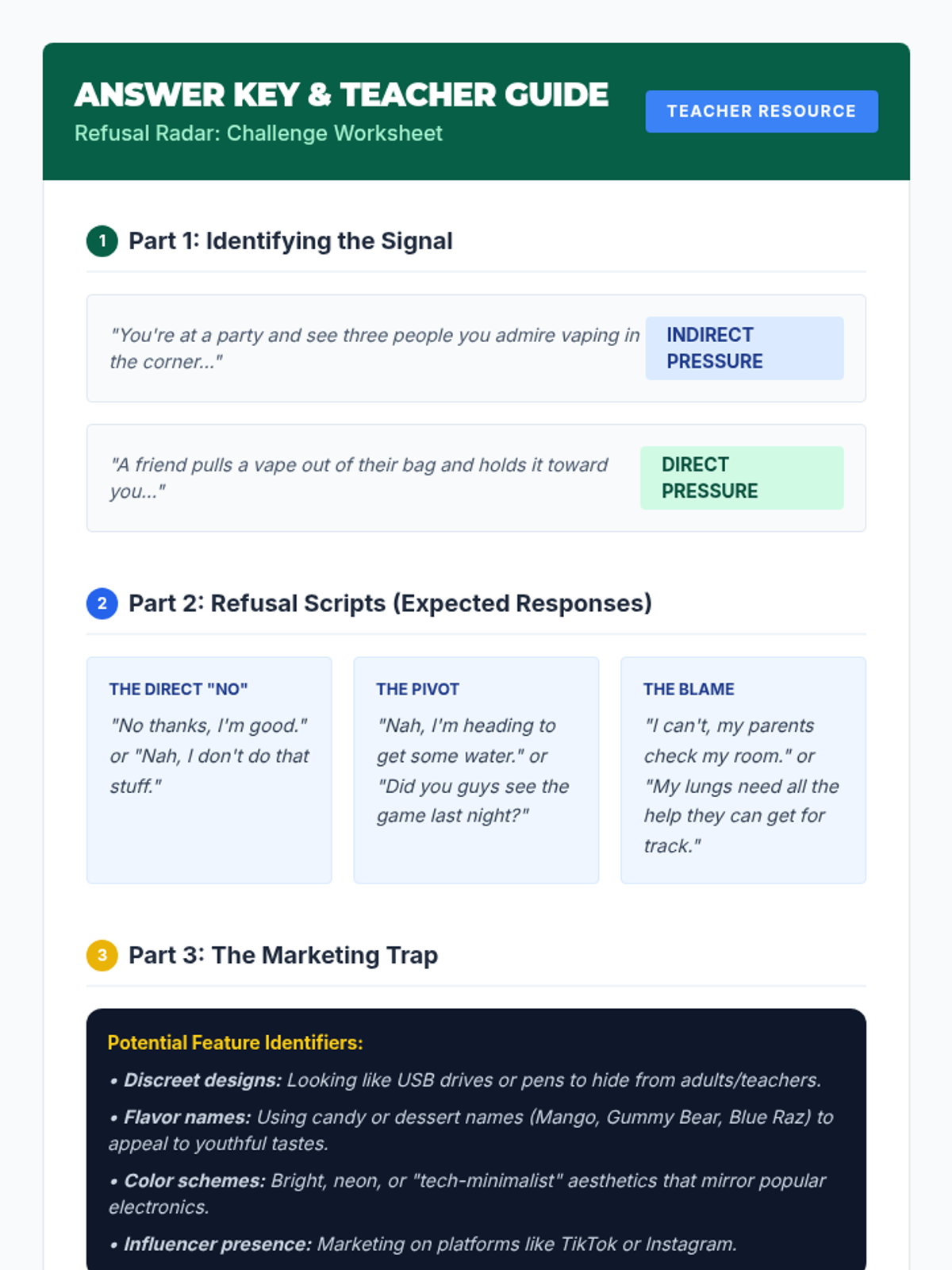
Students identify social pressures and marketing tactics, practicing assertive refusal strategies to navigate real-world situations involving vaping.
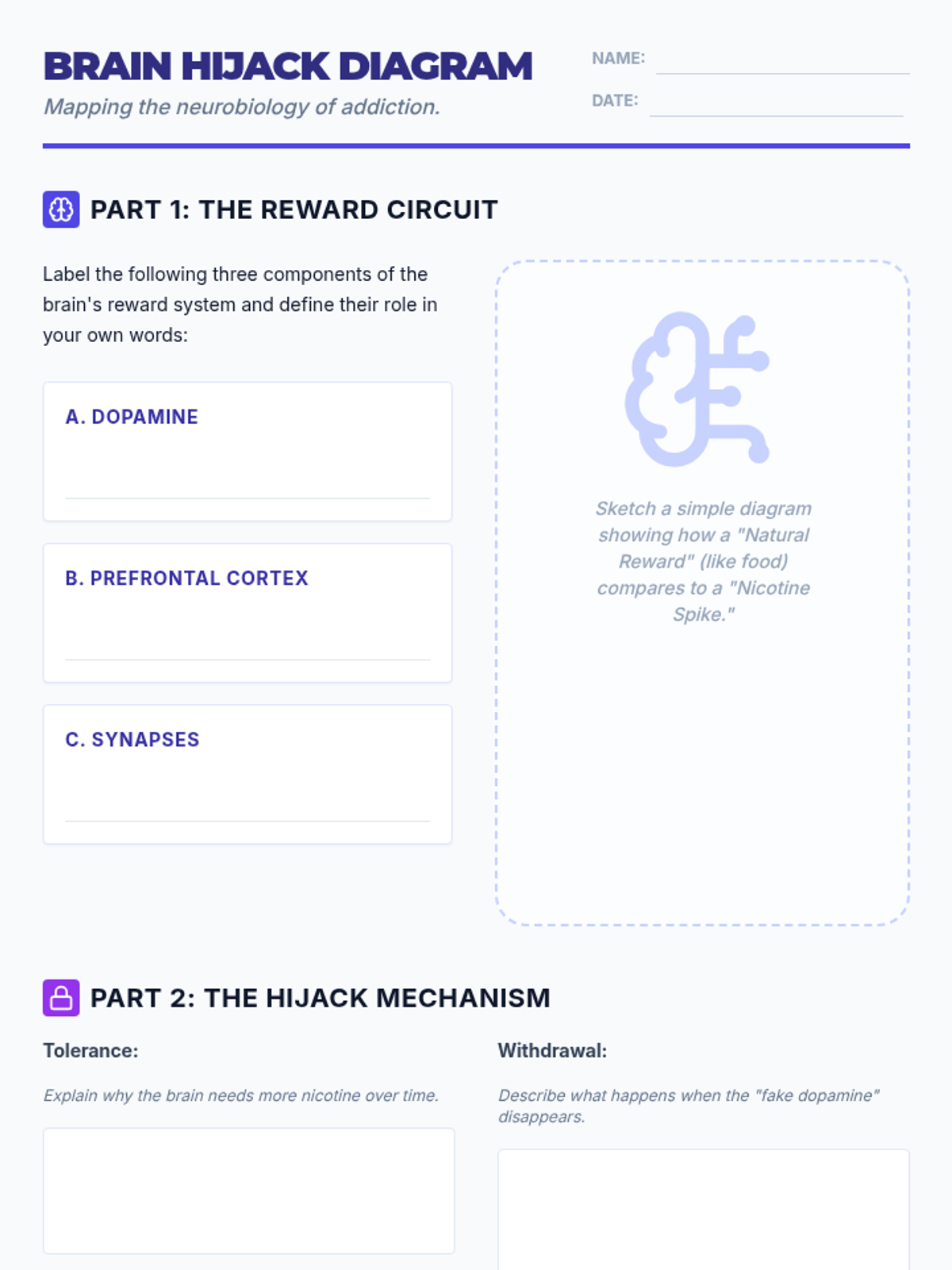
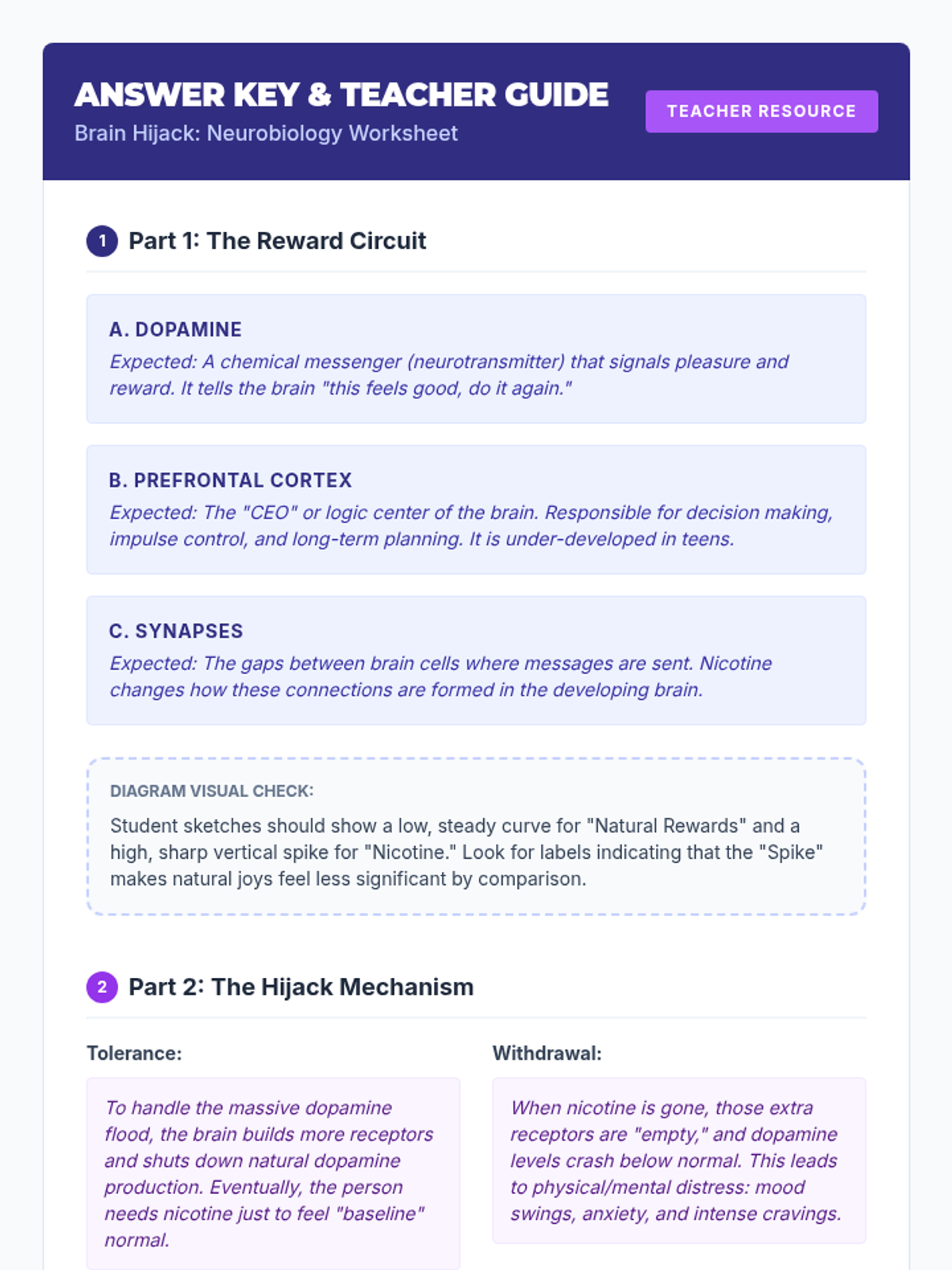
Students explore the neurobiology of nicotine addiction, learning how it 'hijacks' the brain's reward system and affects adolescent development.
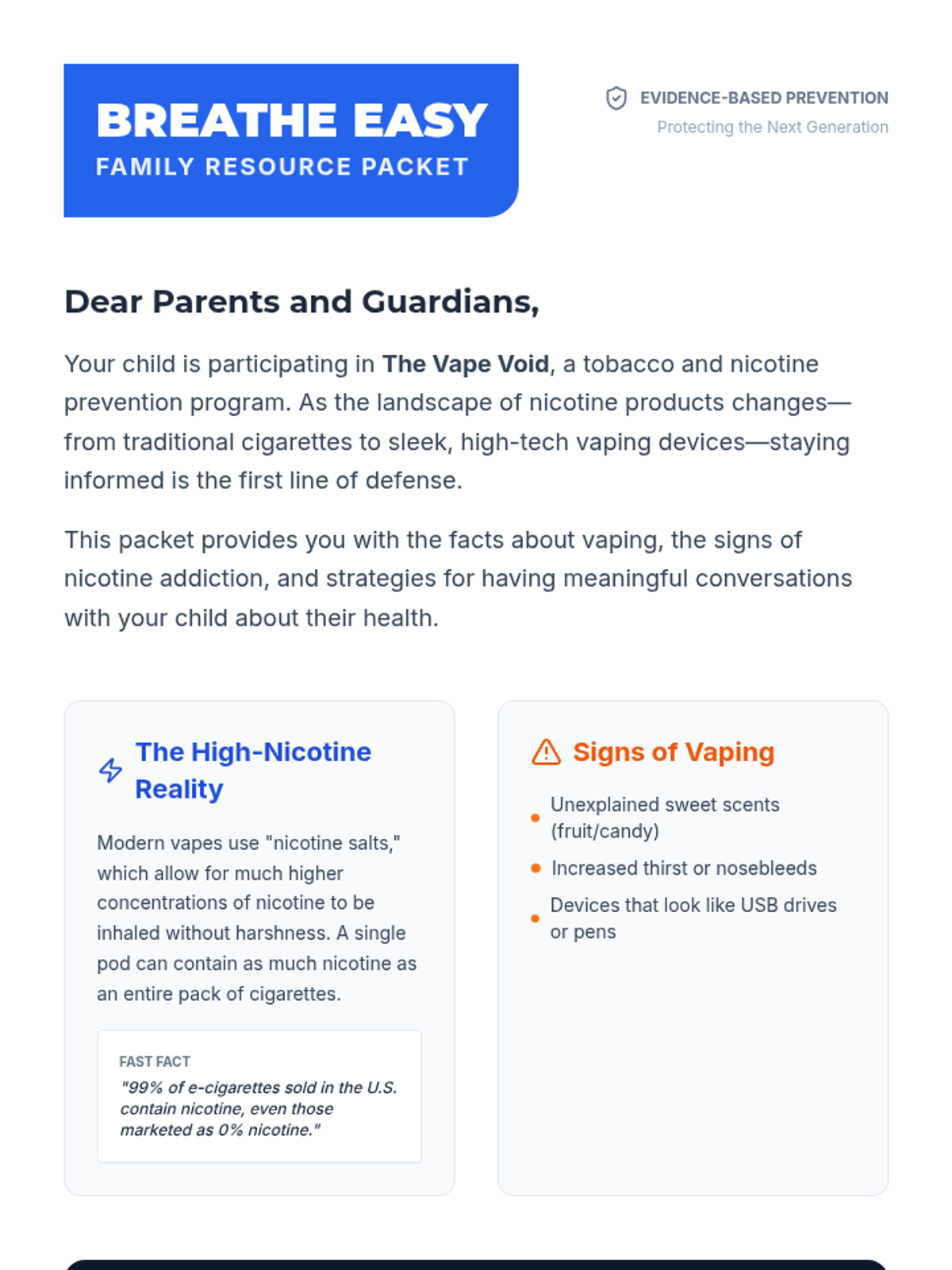
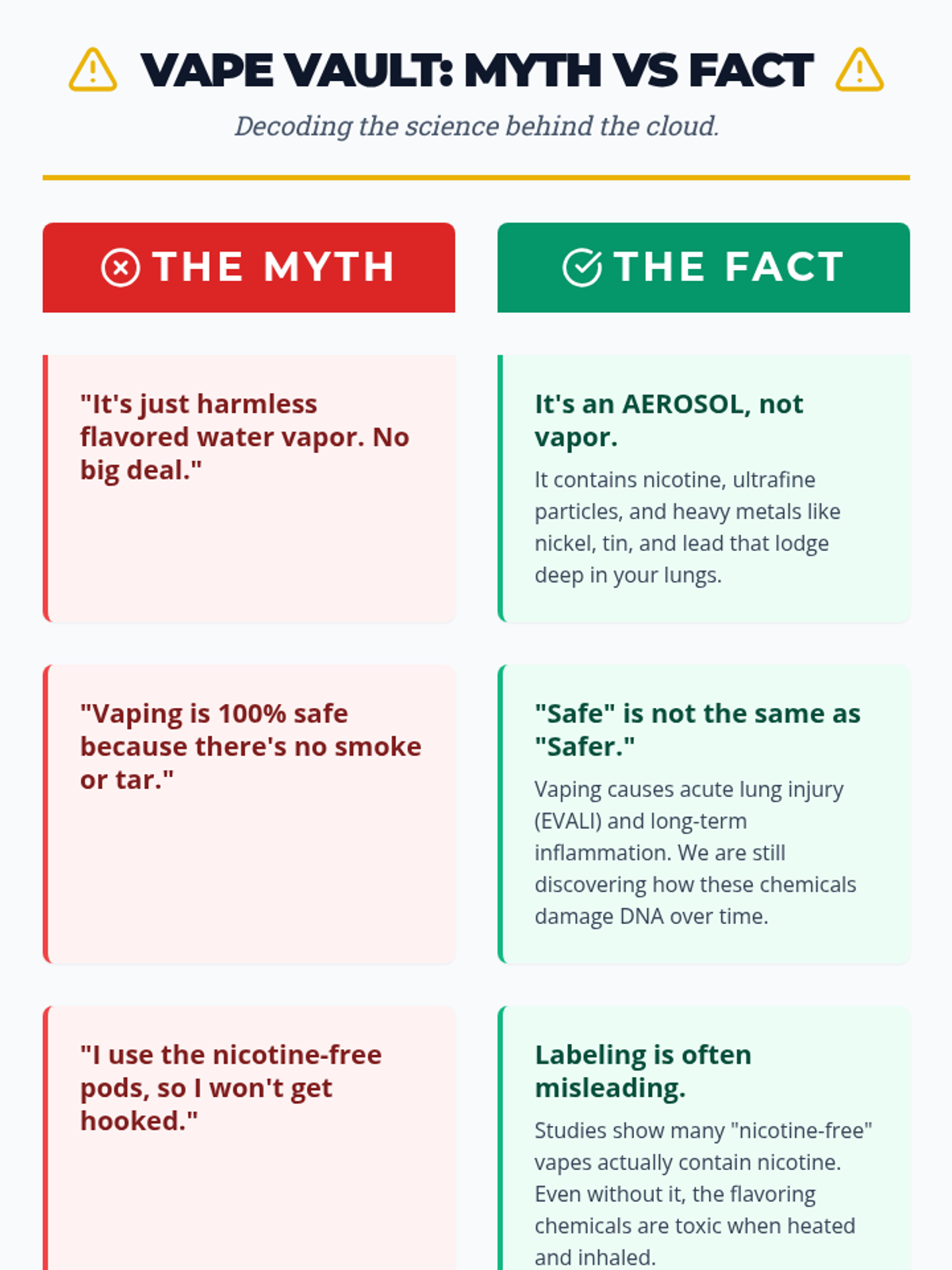
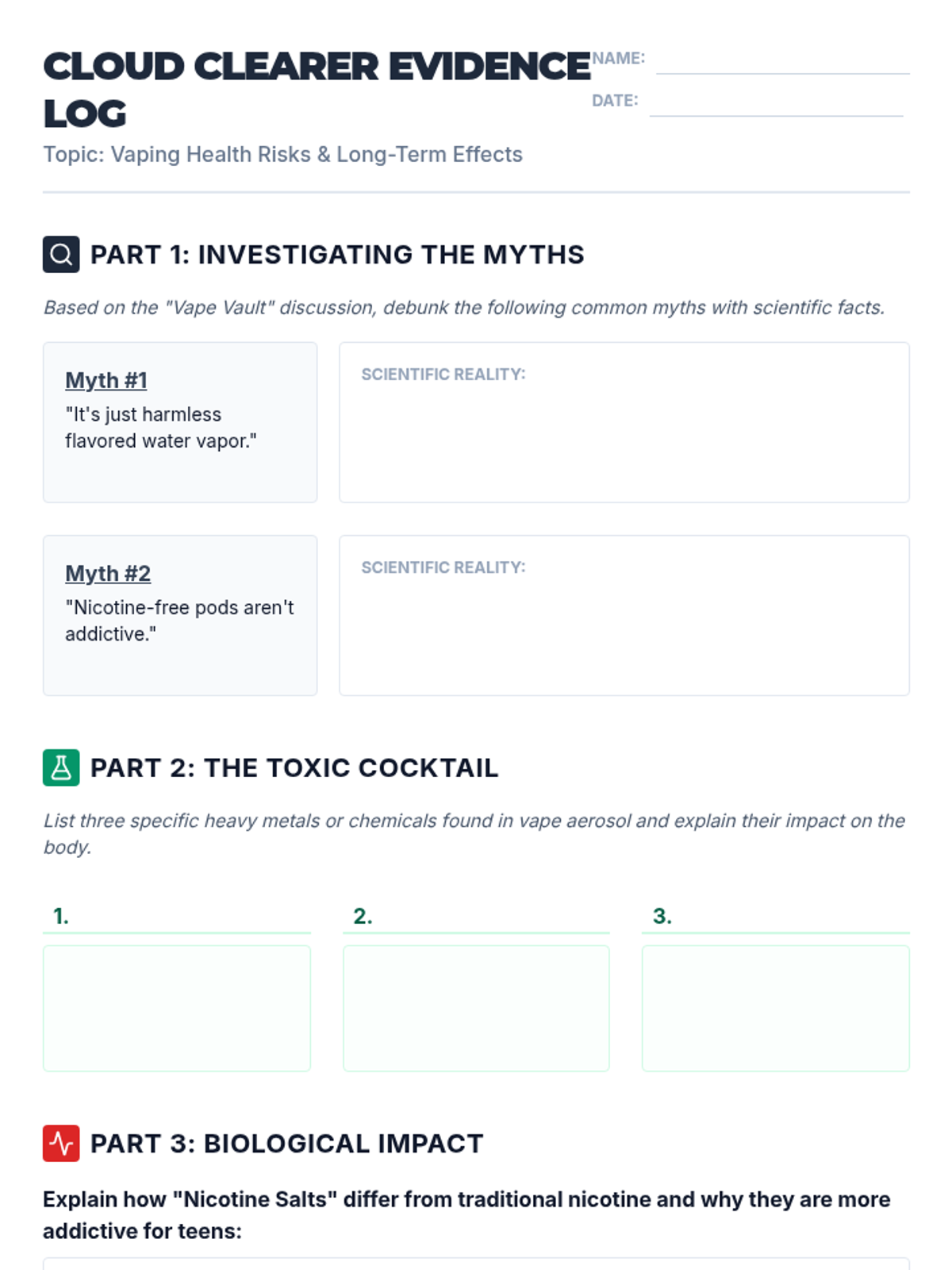
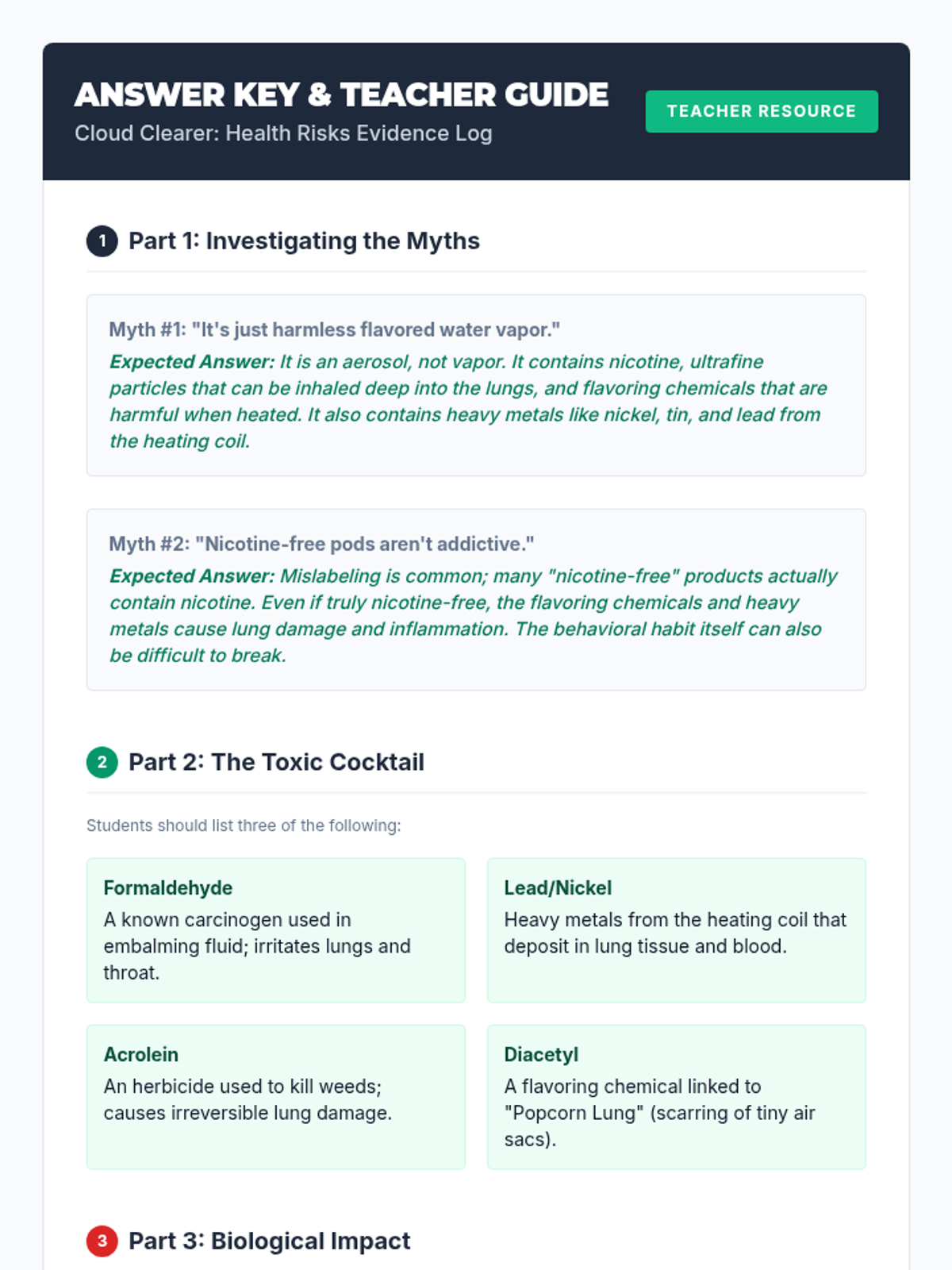
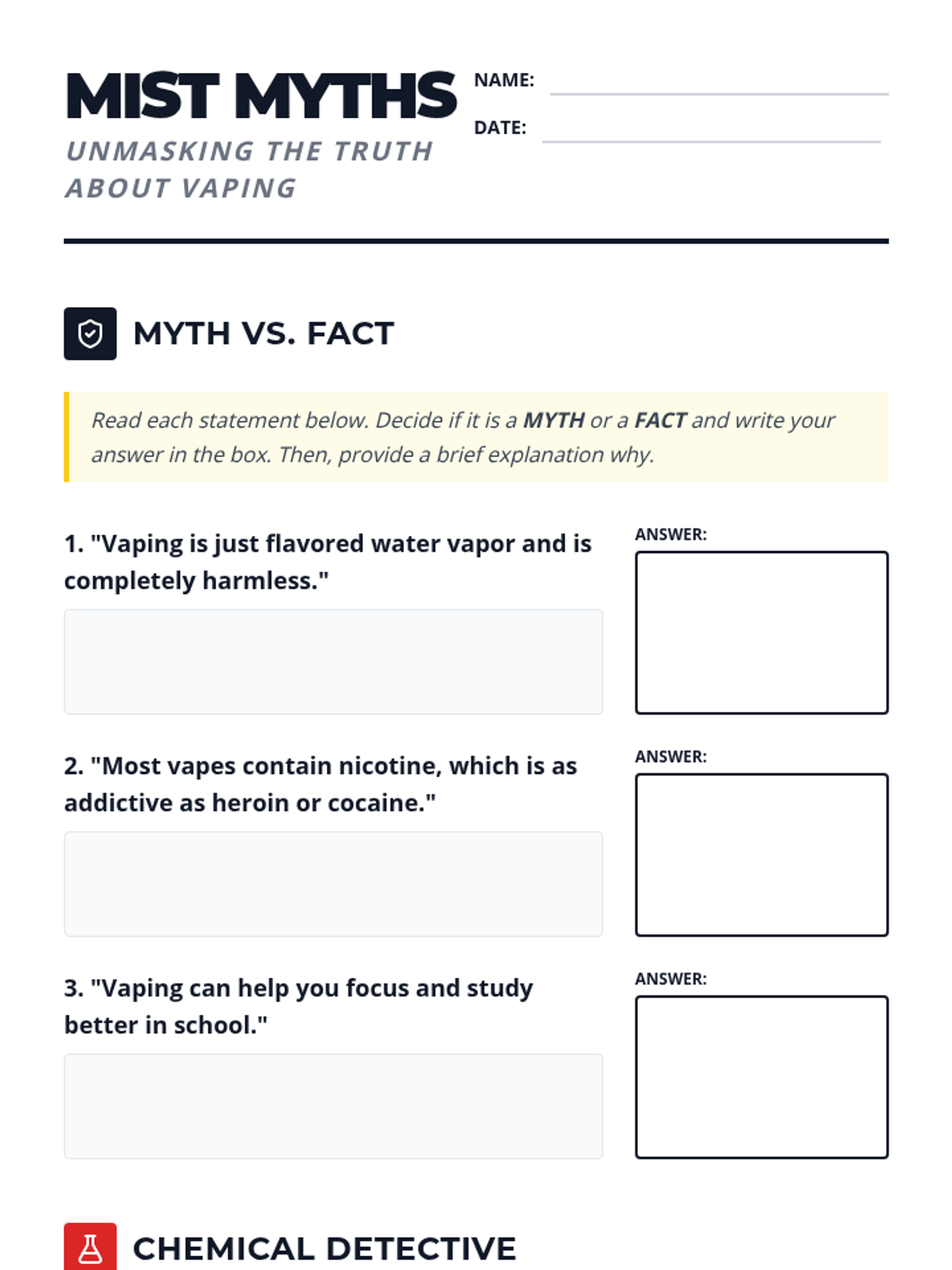
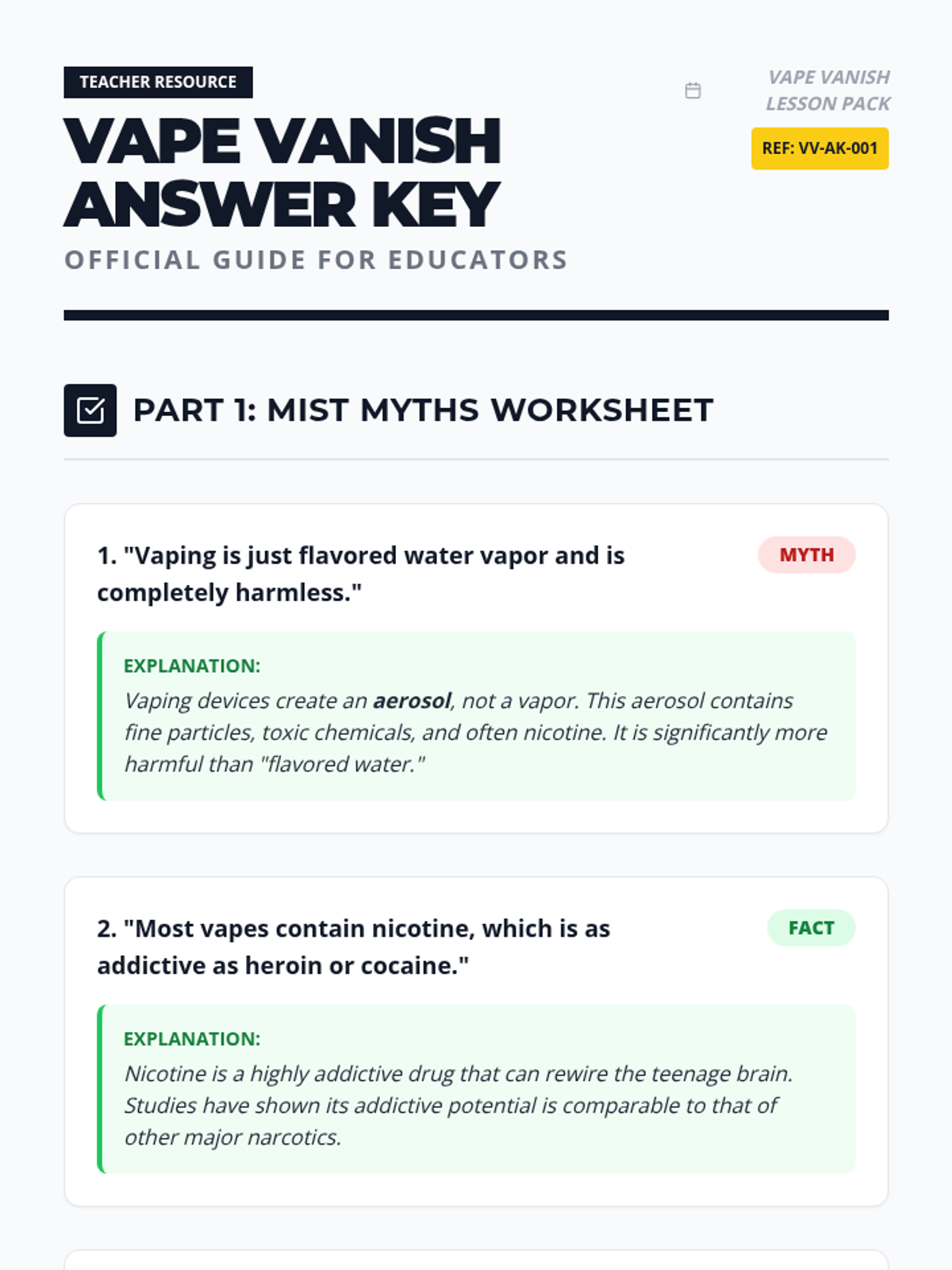
Students investigate the truth behind common vaping myths and explore the long-term health risks associated with e-cigarette use.
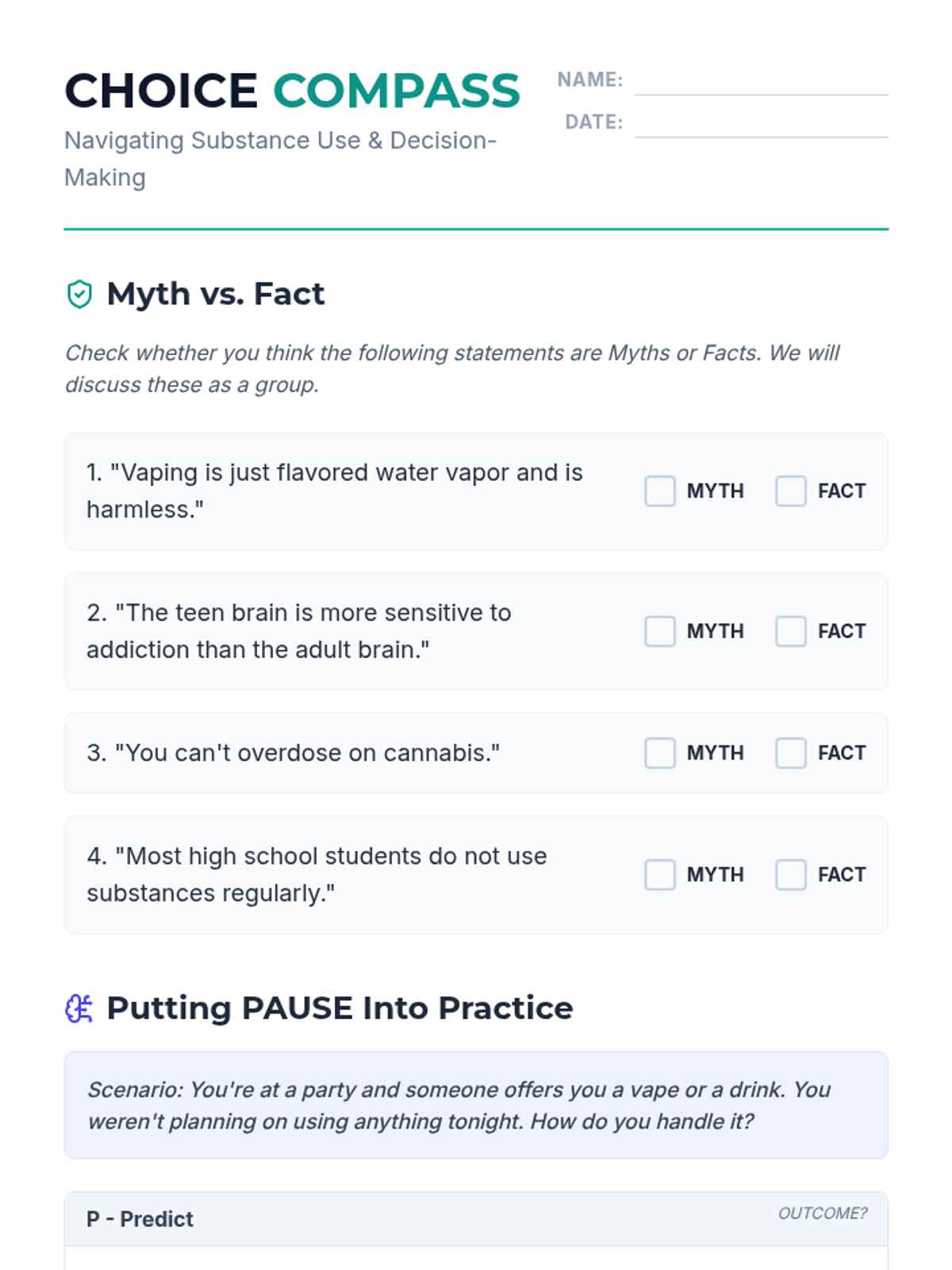
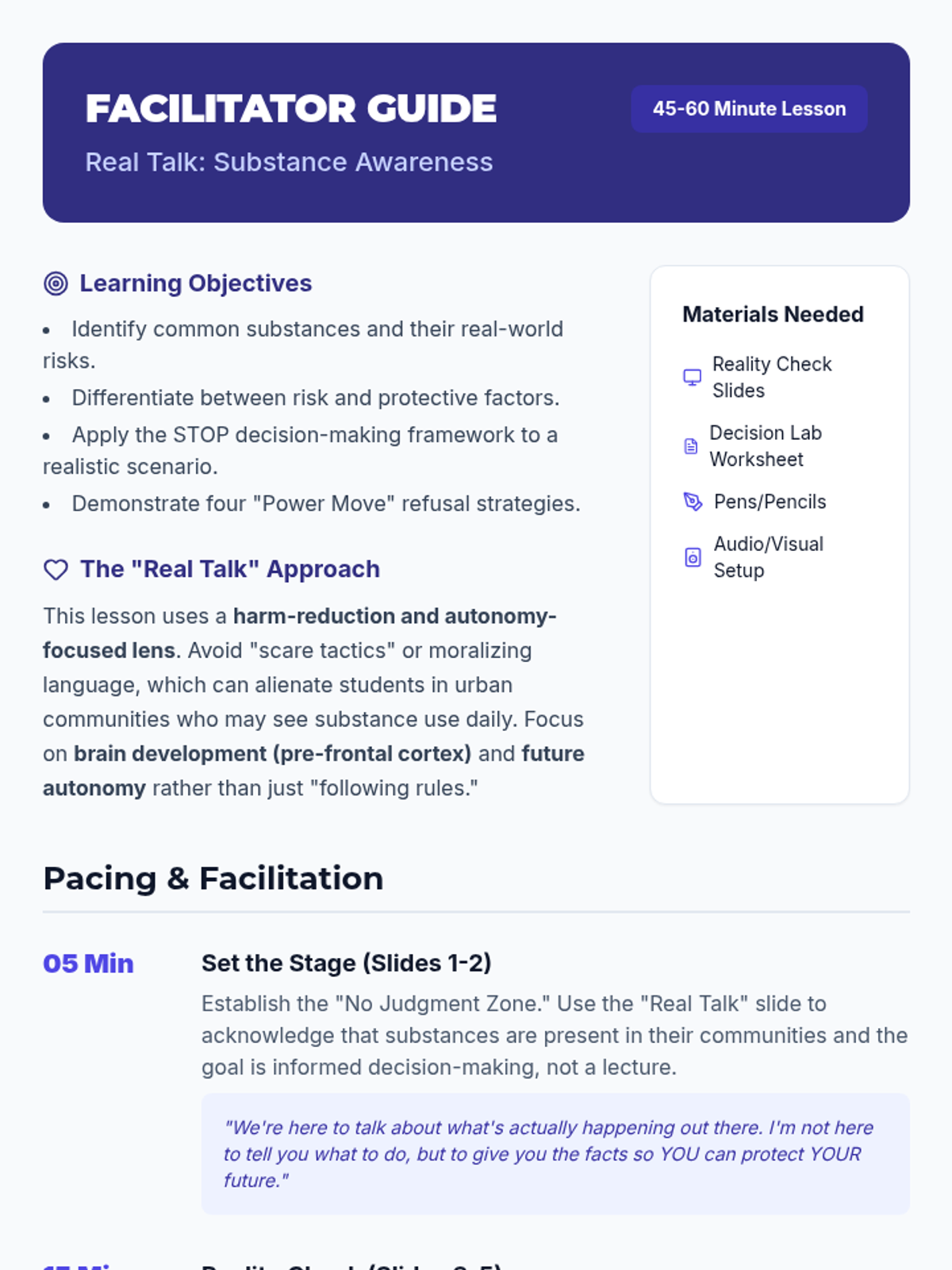
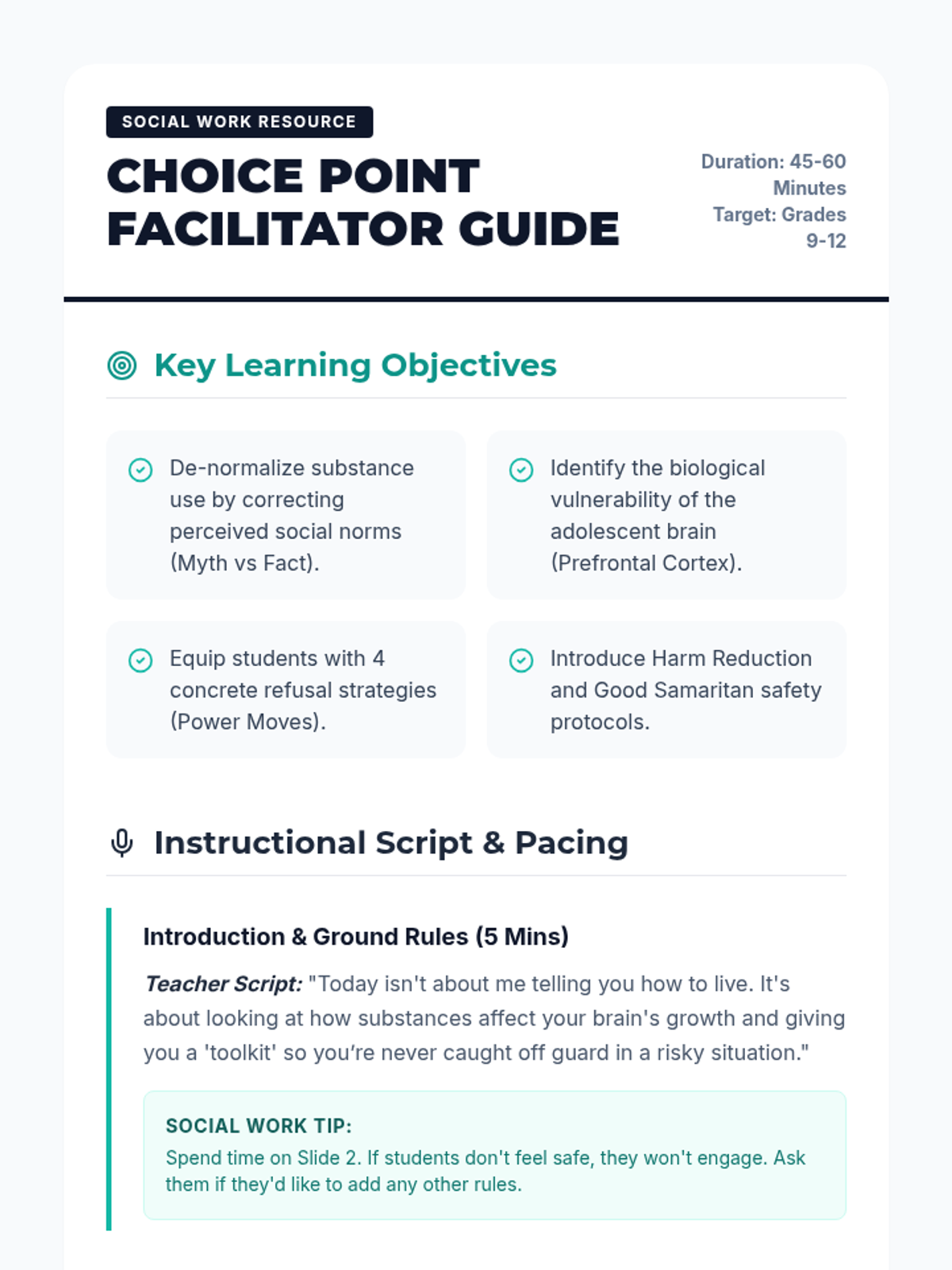
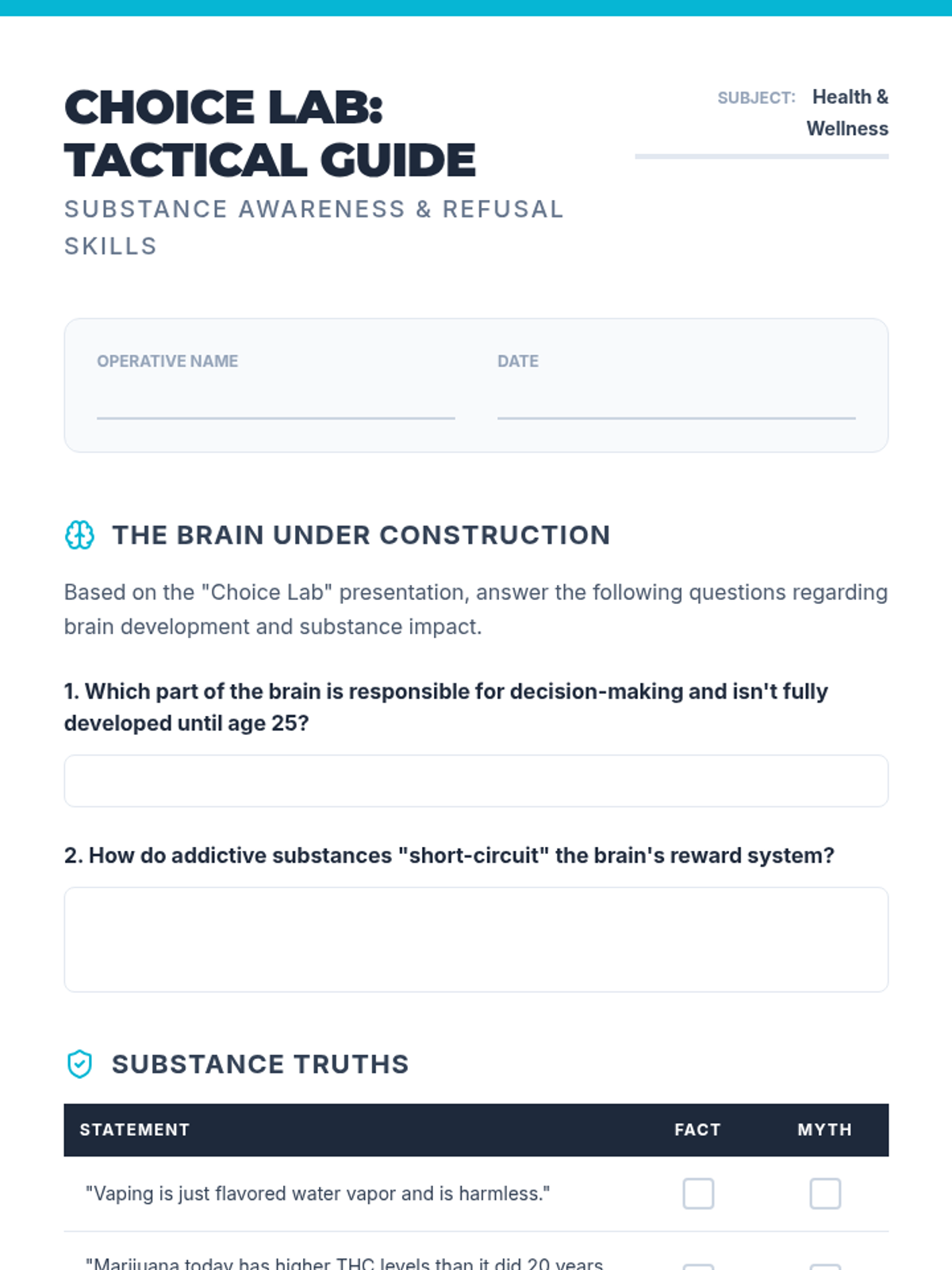
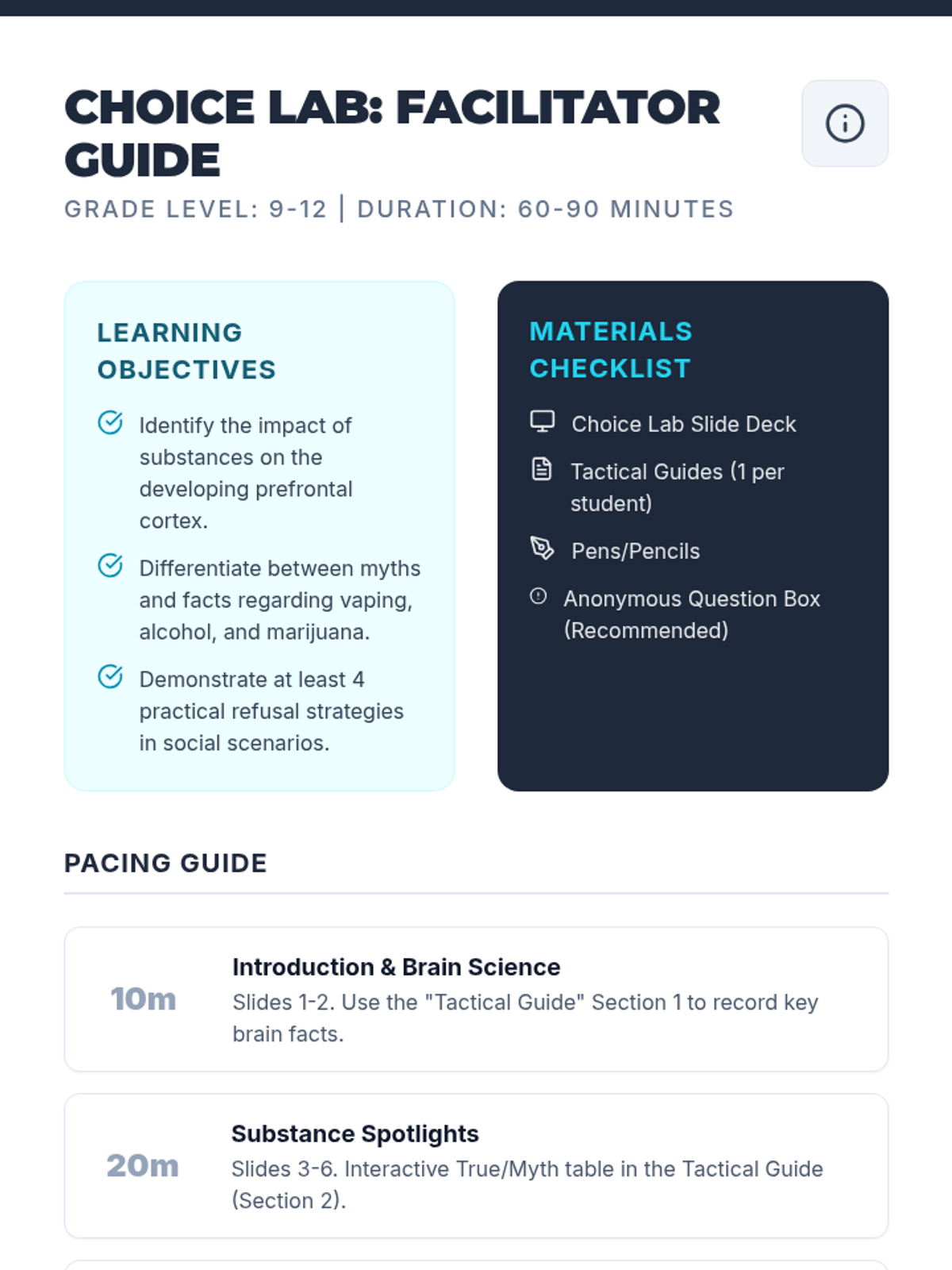
A 45-minute evidence-informed lesson for secondary students focusing on substance use awareness, brain development, harm reduction, and decision-making skills through a non-judgmental lens.
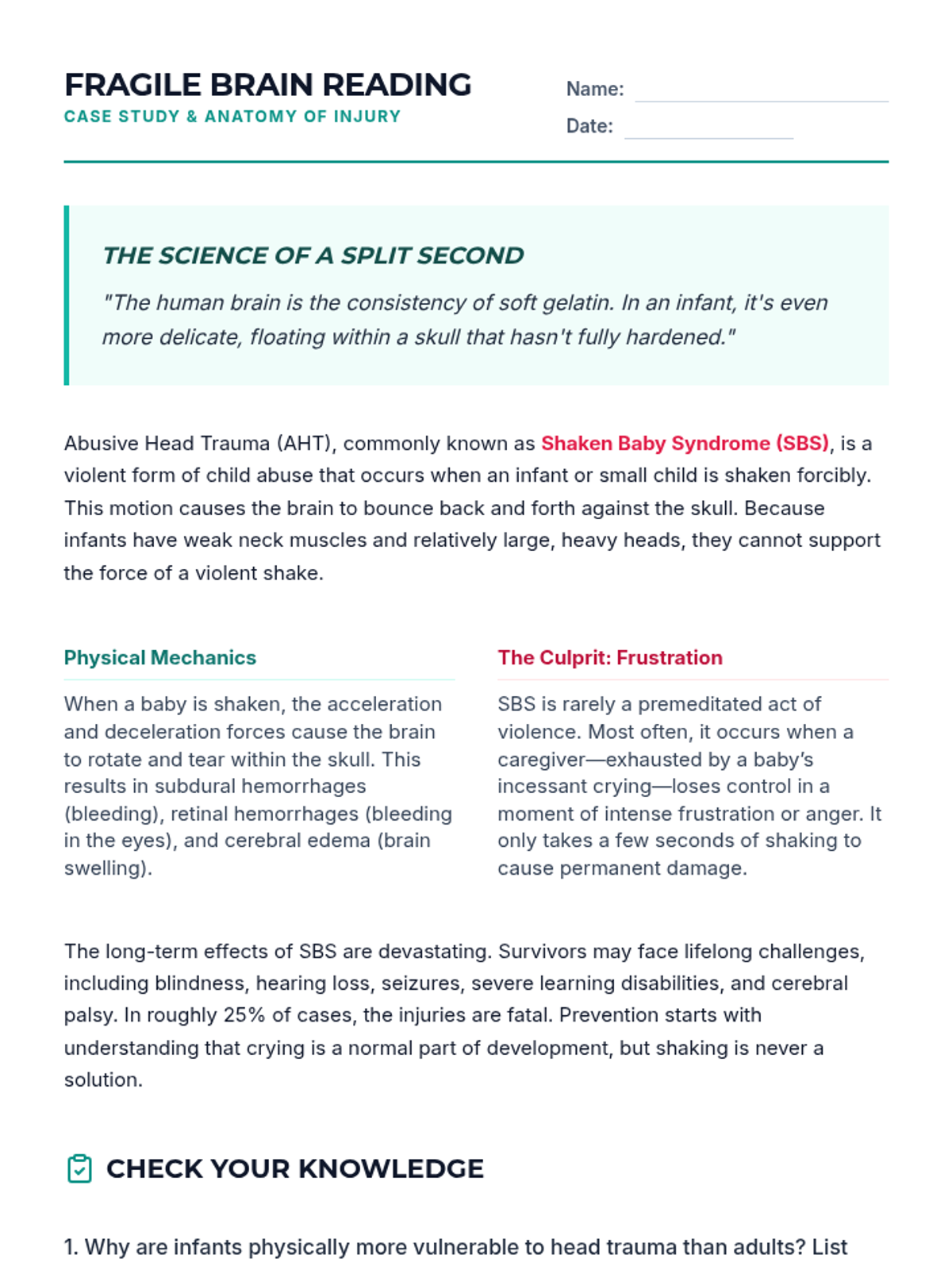
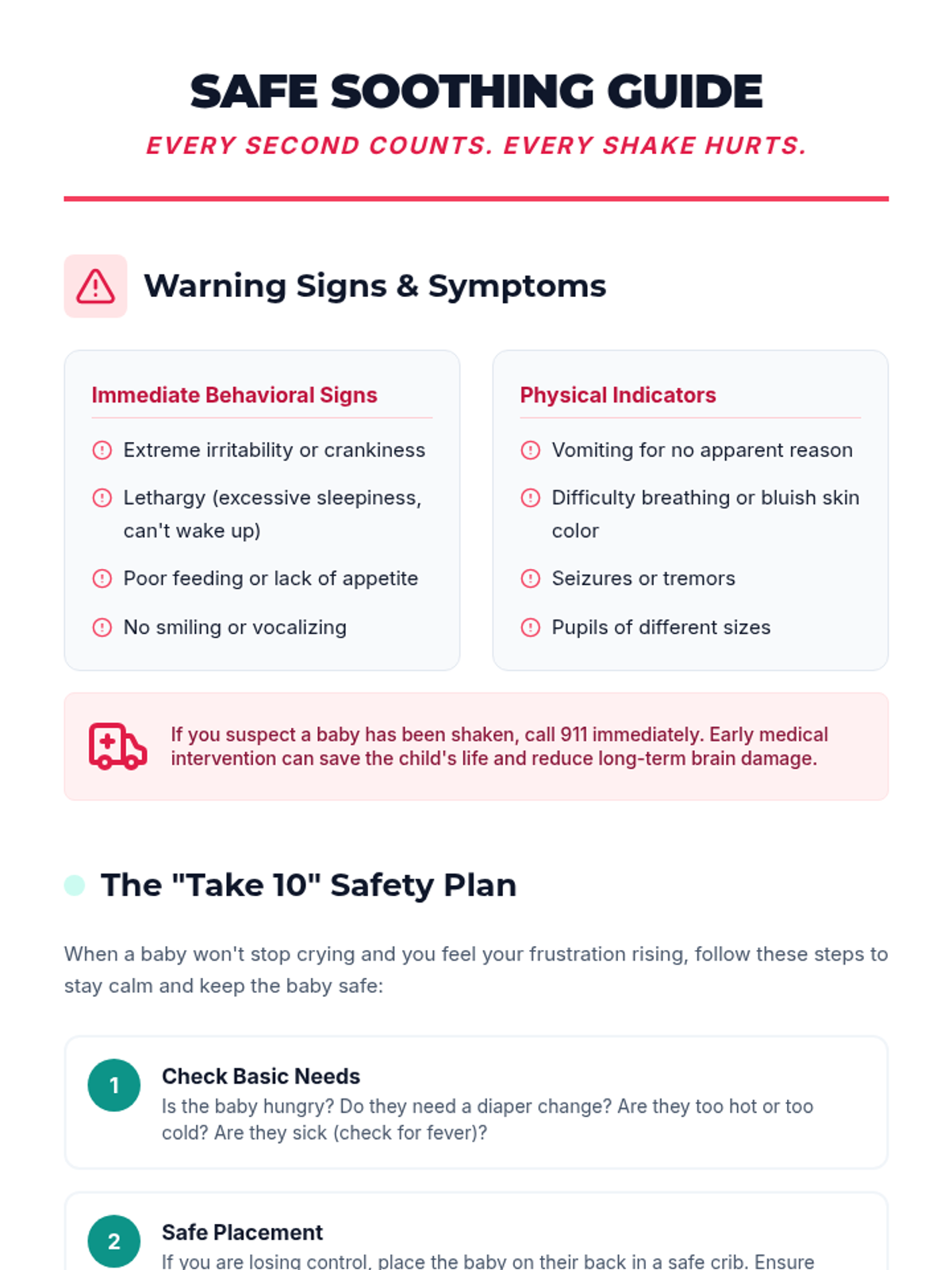
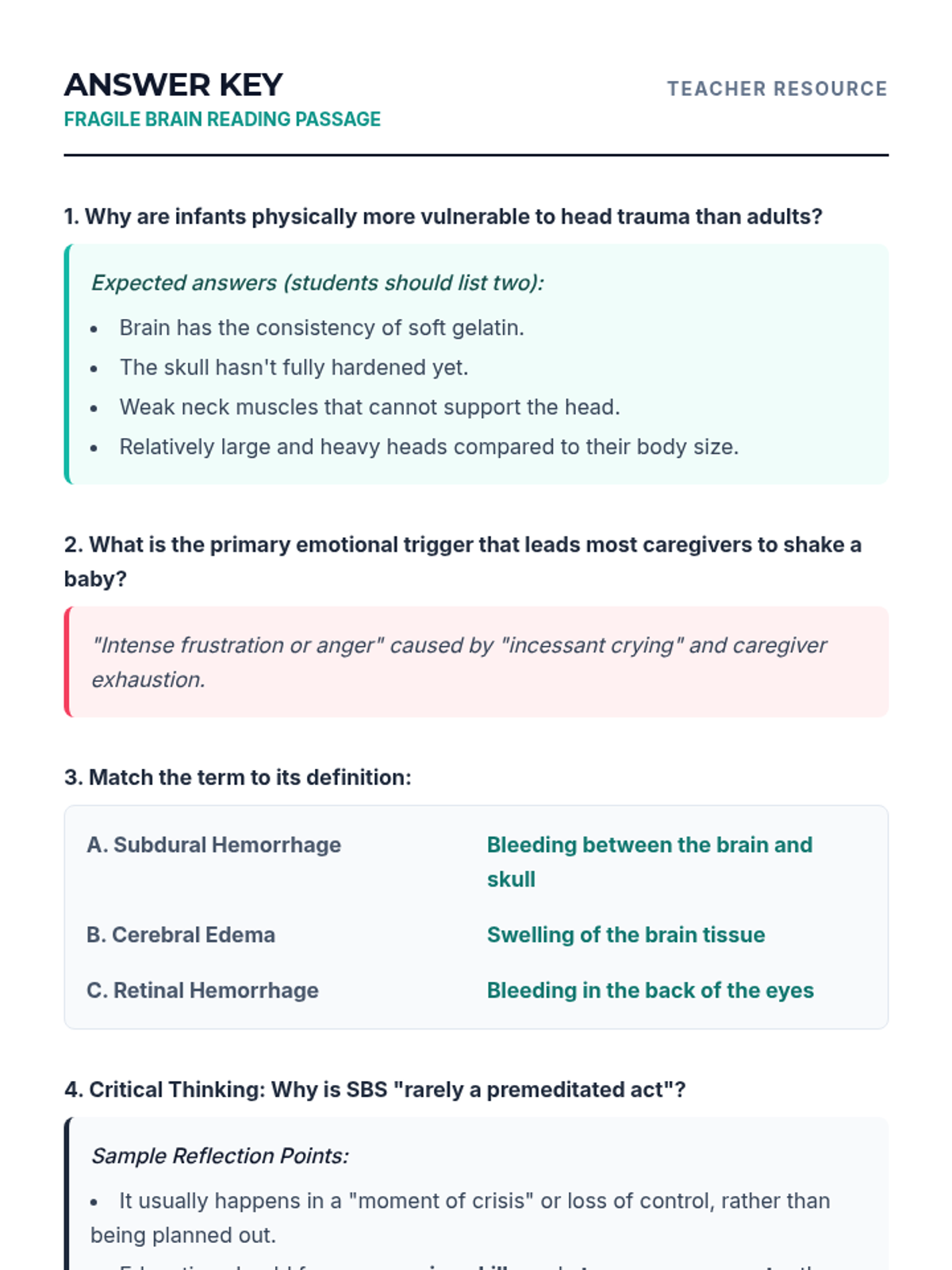
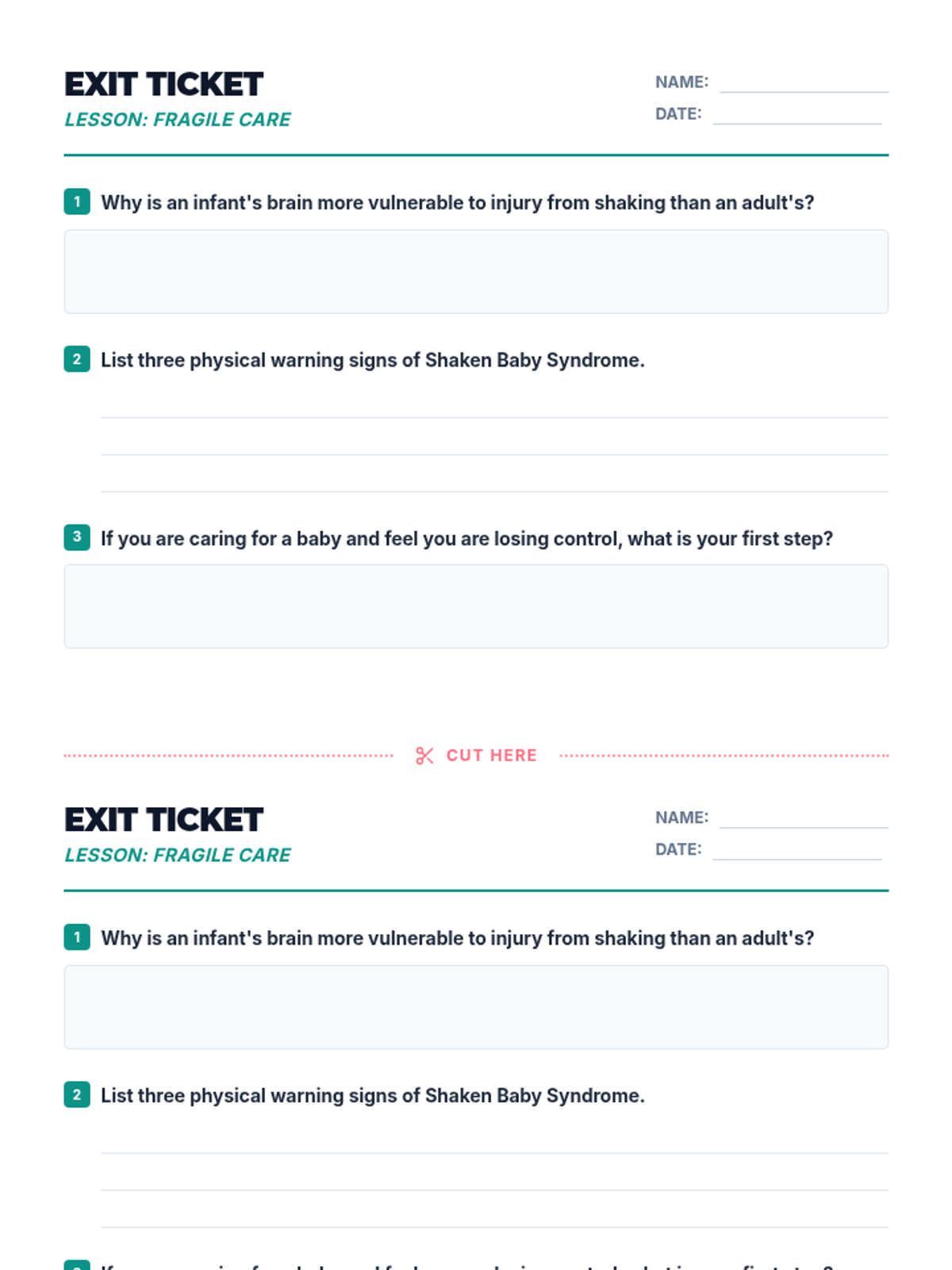
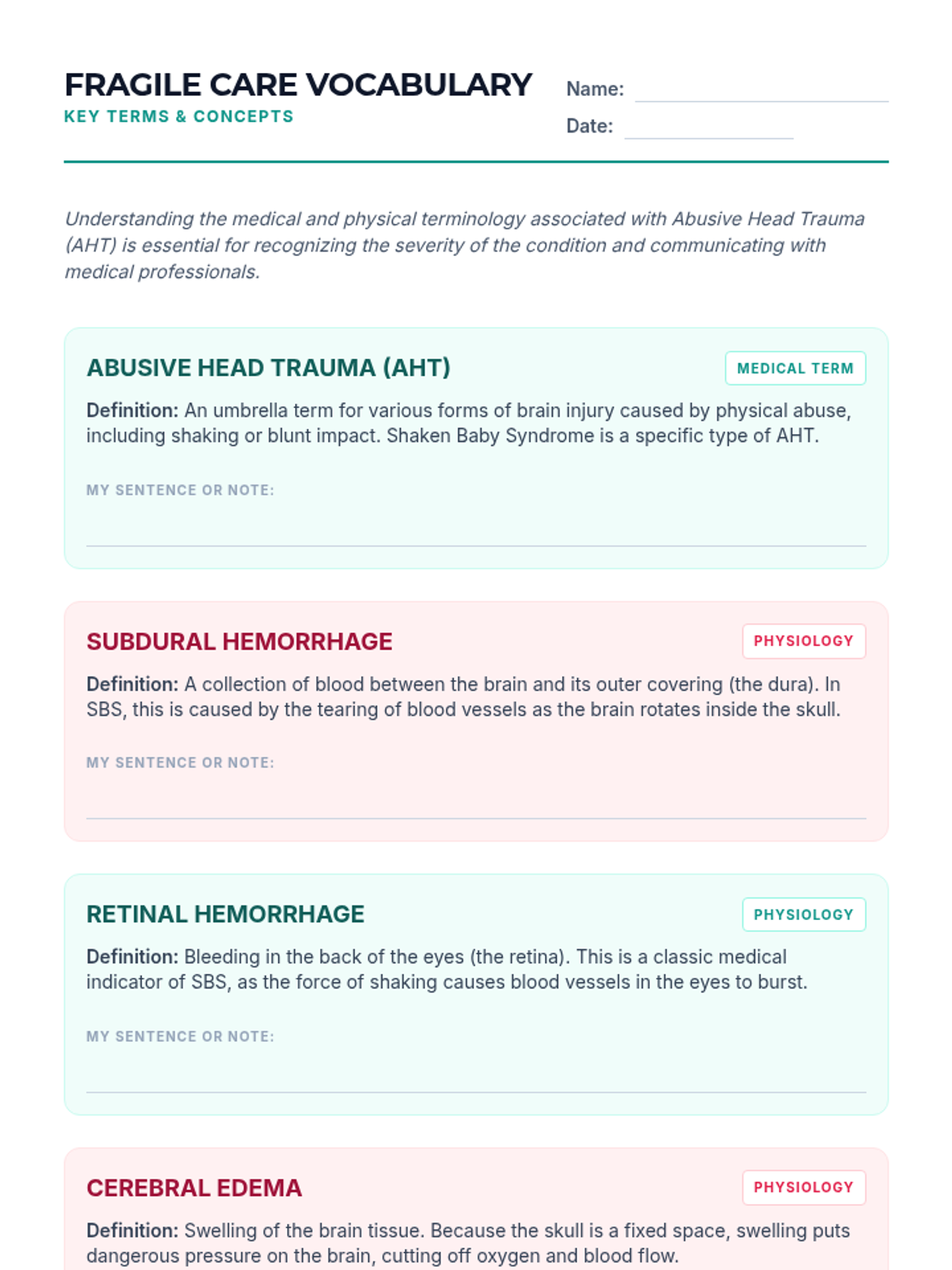
A mini-lesson designed for high school health or child development classes, covering the biological causes, physical warning signs, and prevention strategies for Shaken Baby Syndrome (SBS). Students will explore the physics of infant brain injury and learn practical coping mechanisms for caregiver stress.
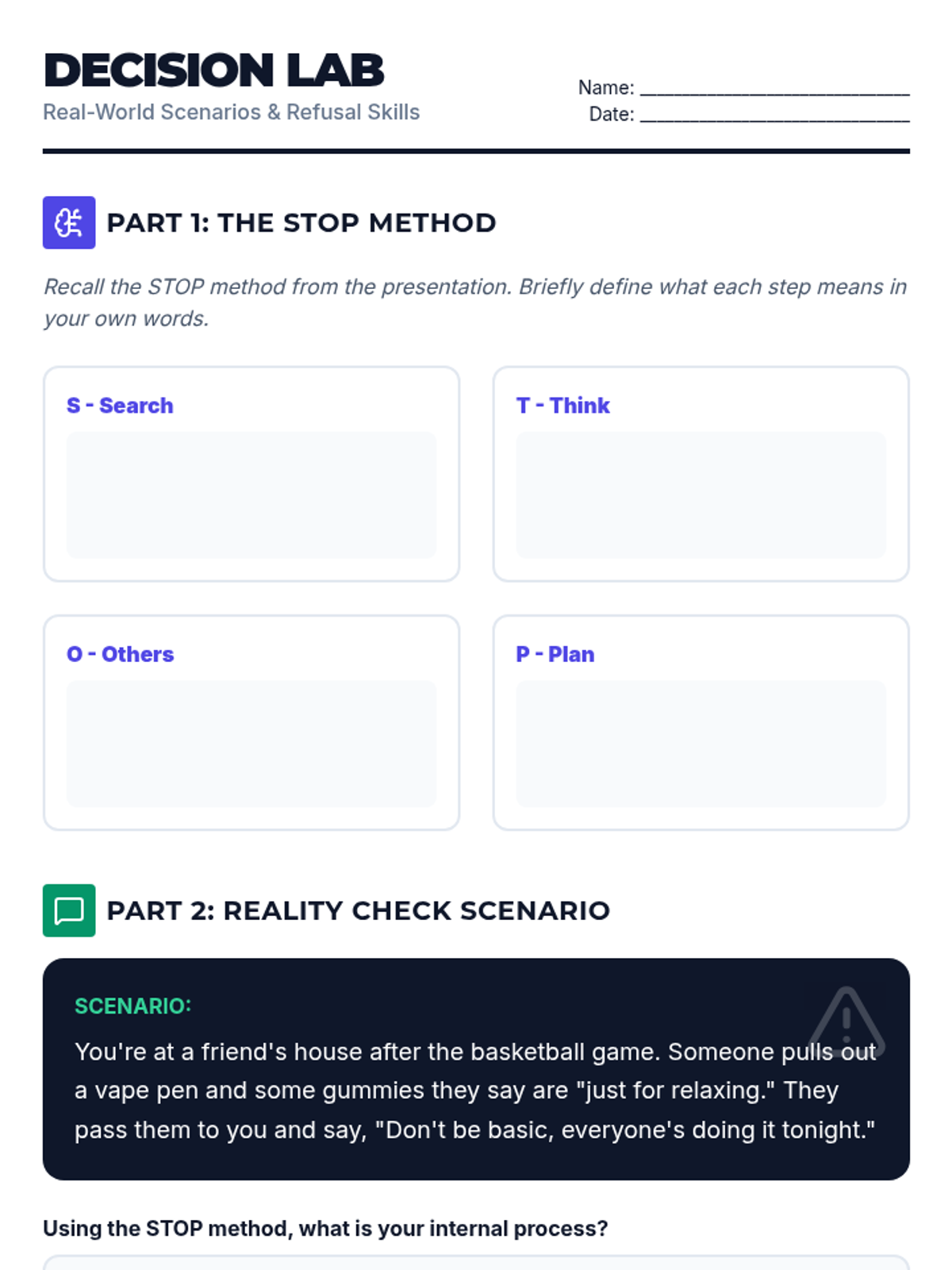
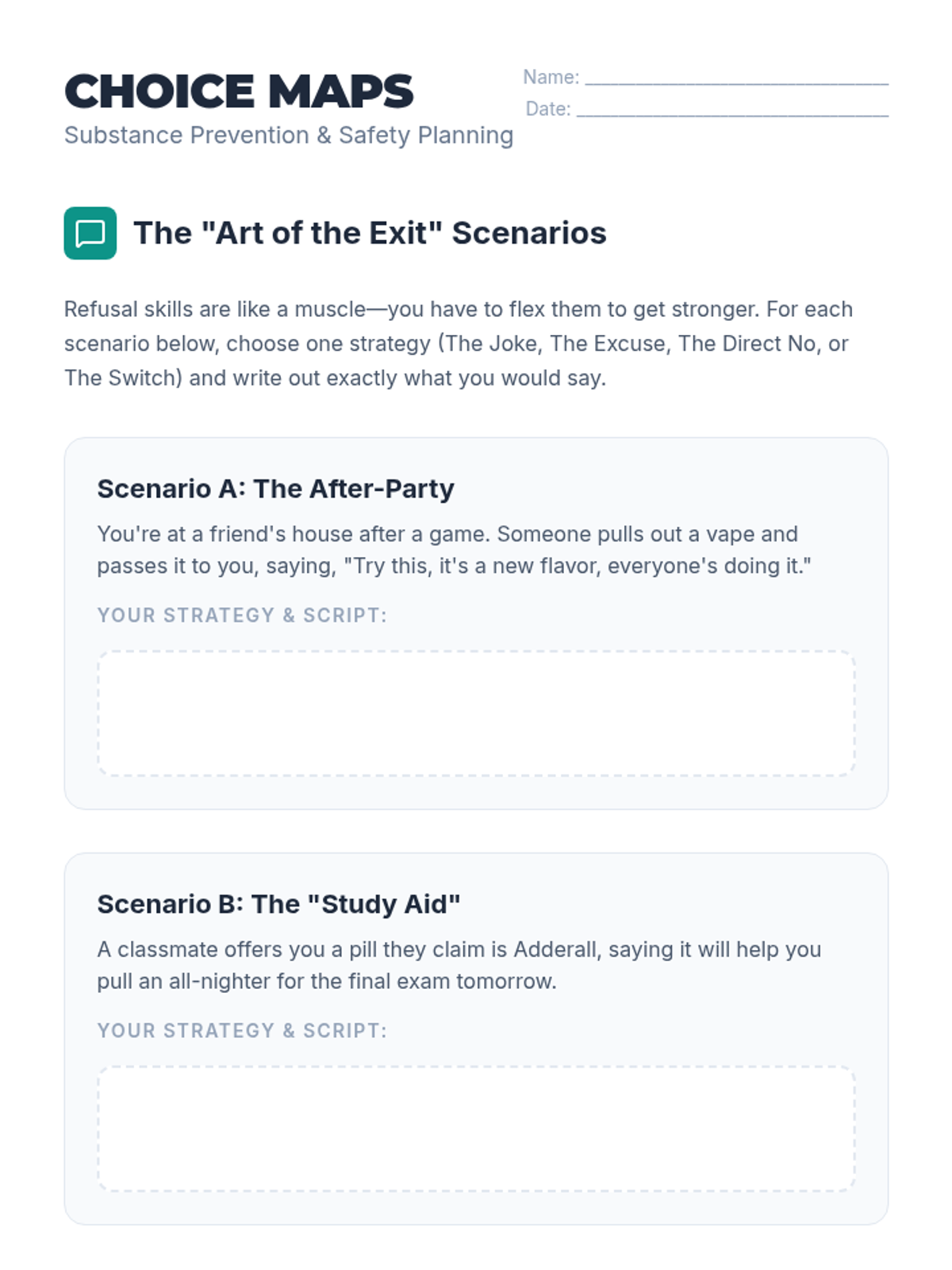
A comprehensive SEL lesson for high school students focusing on substance abuse prevention through an honest, non-judgmental, and culturally responsive lens, emphasizing decision-making and real-world refusal skills.
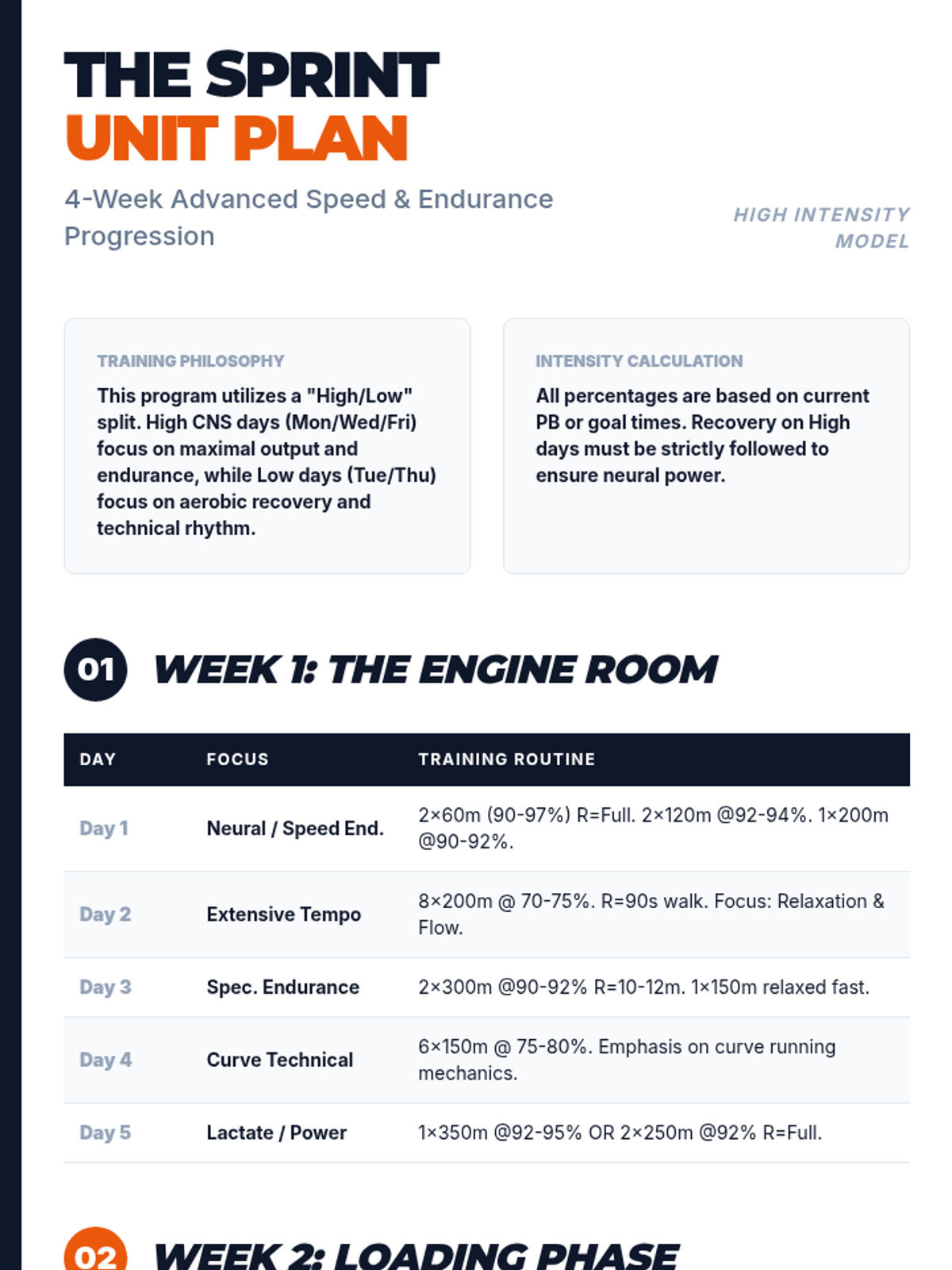
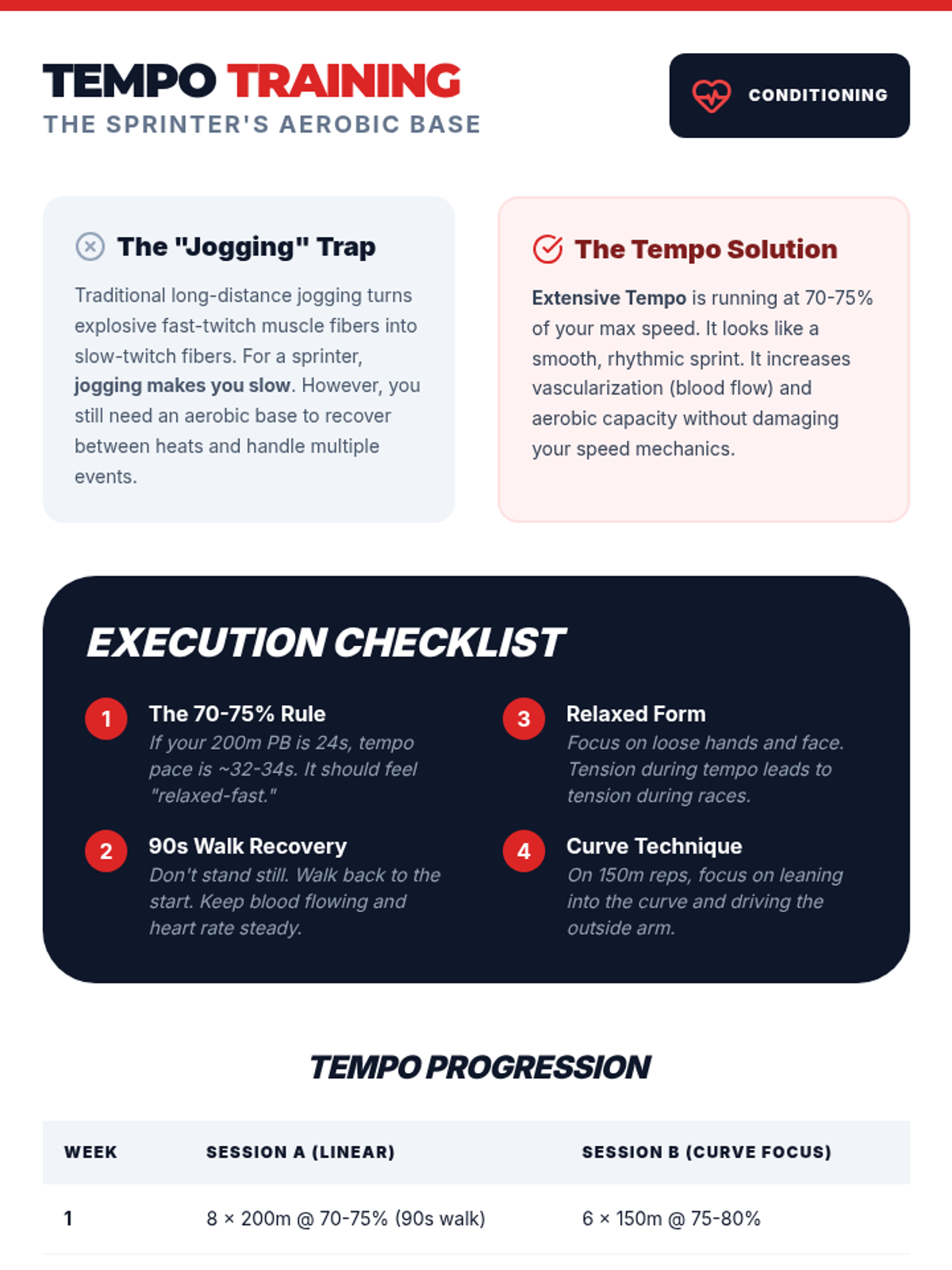
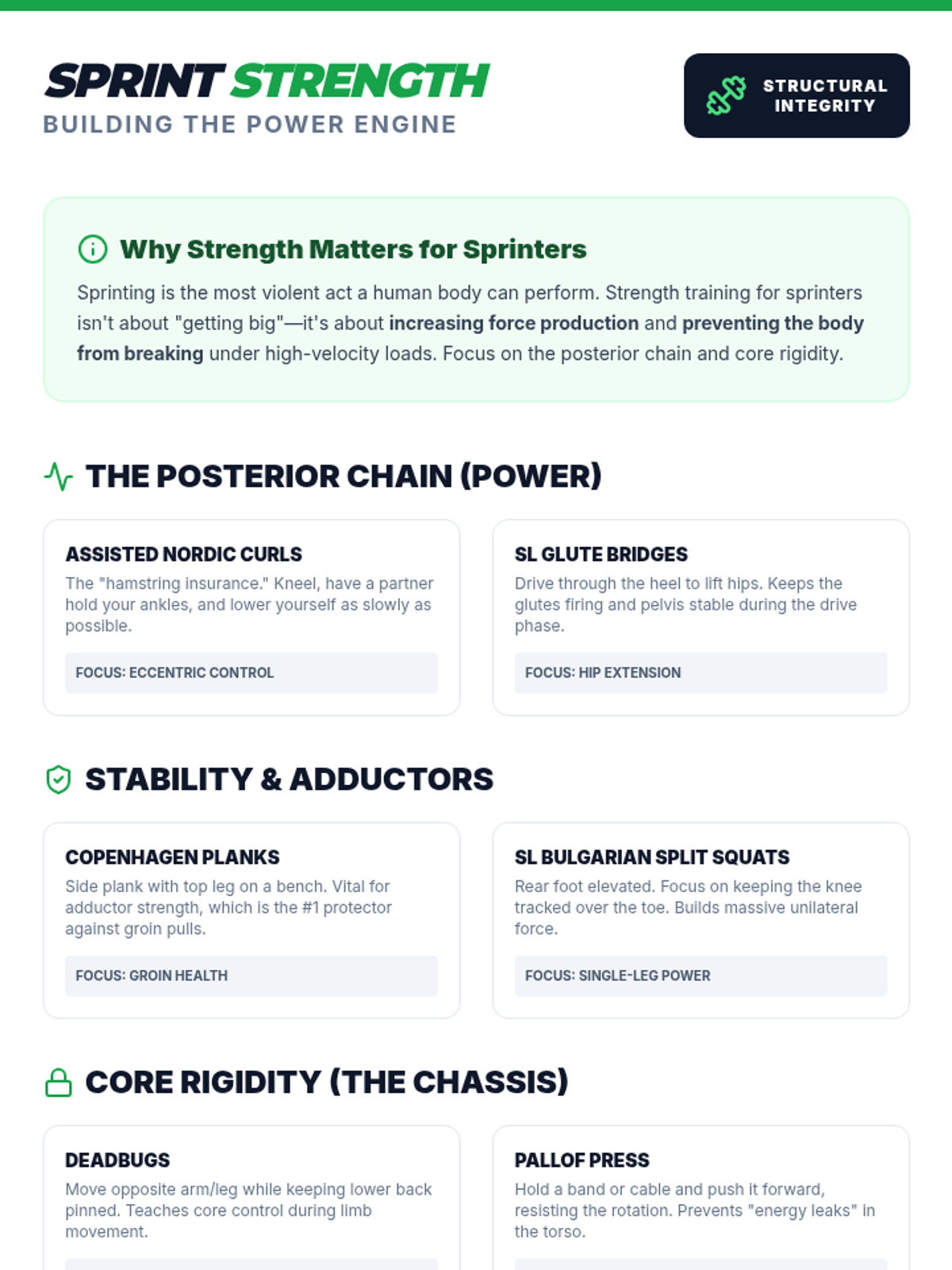
Fine-tuning starts, speed endurance intervals, and preparing for competition-style sprinting.
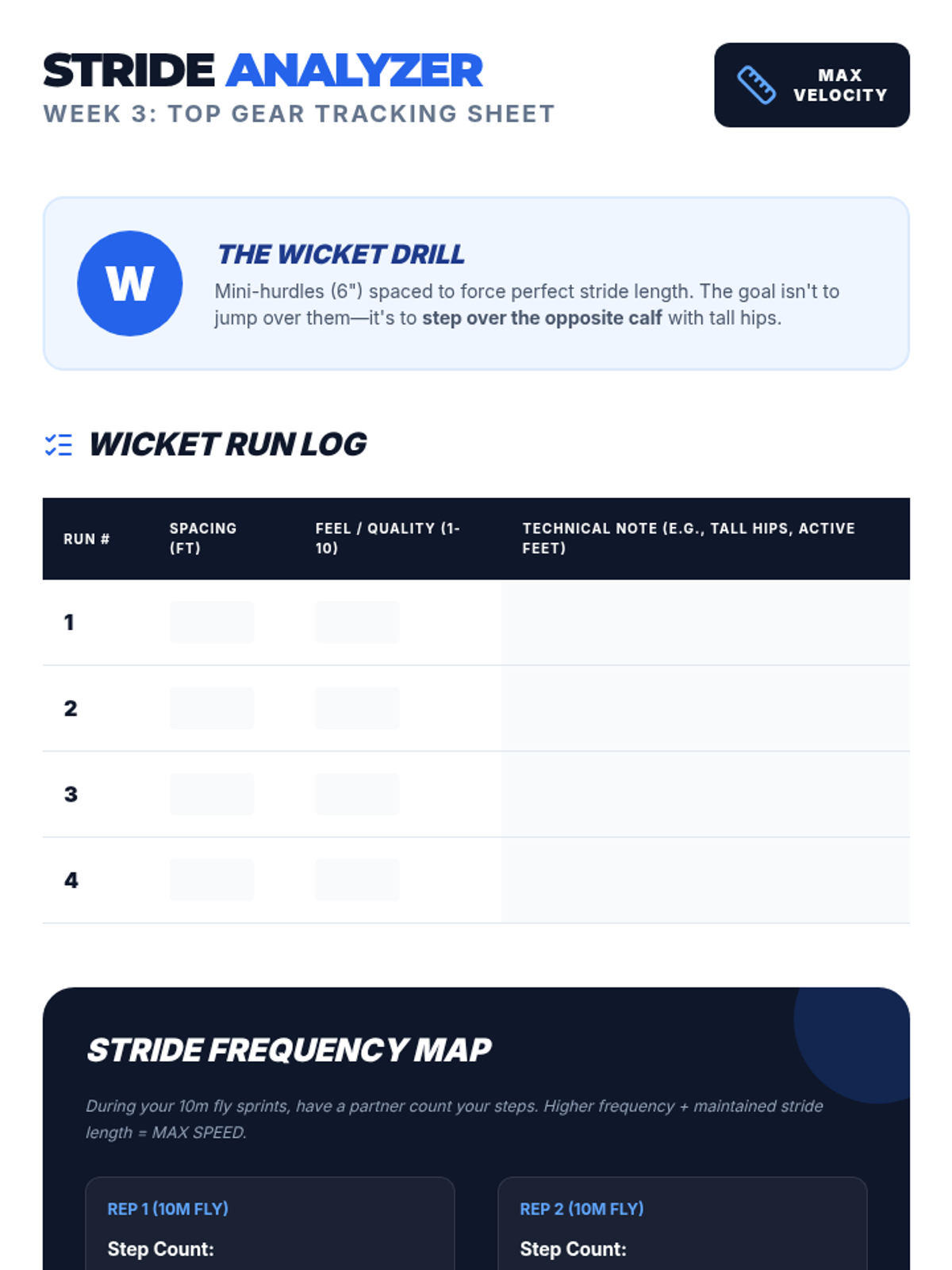
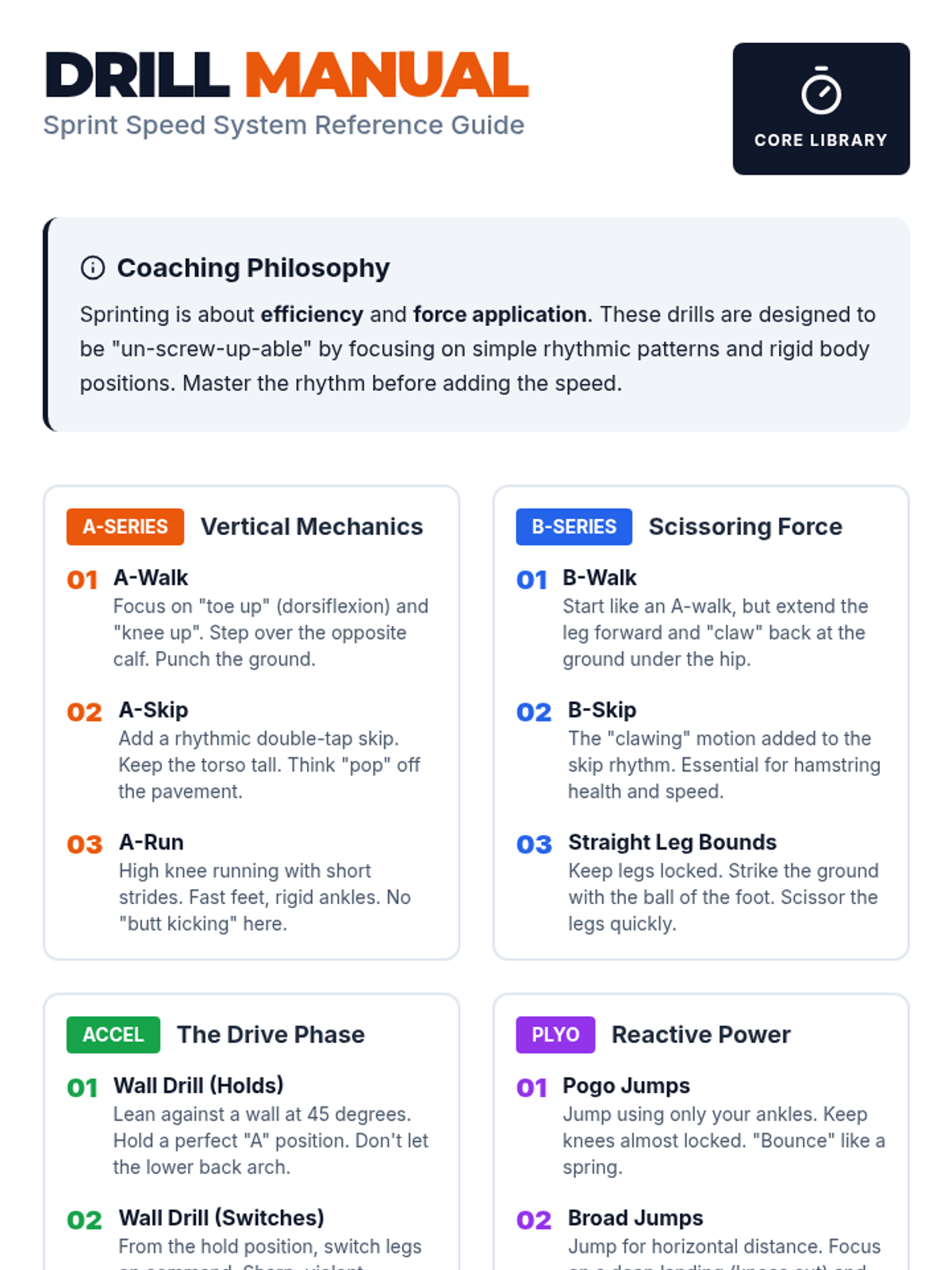
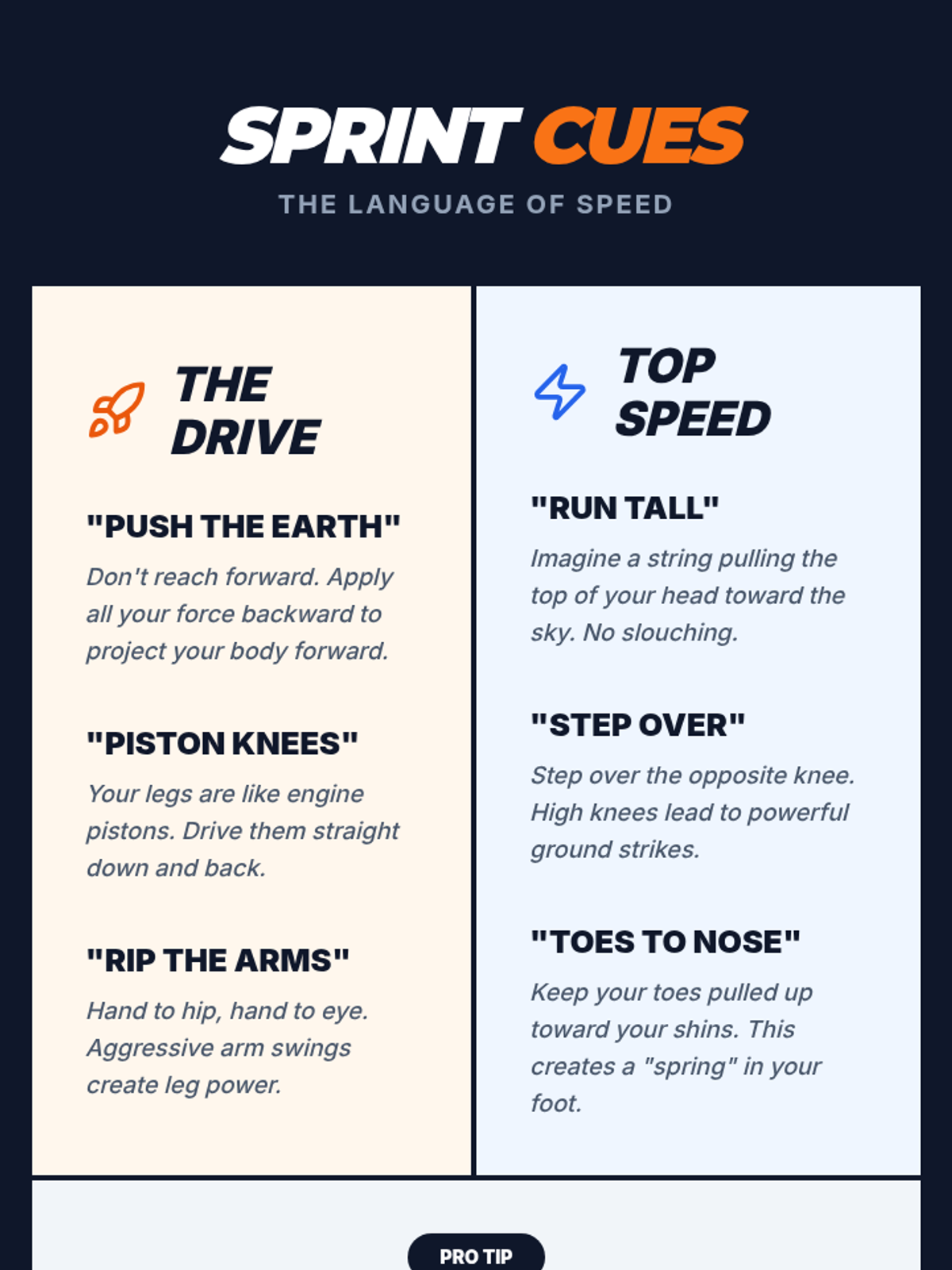
Training upright sprinting mechanics, stride frequency through wicket drills, and maximum velocity maintenance.
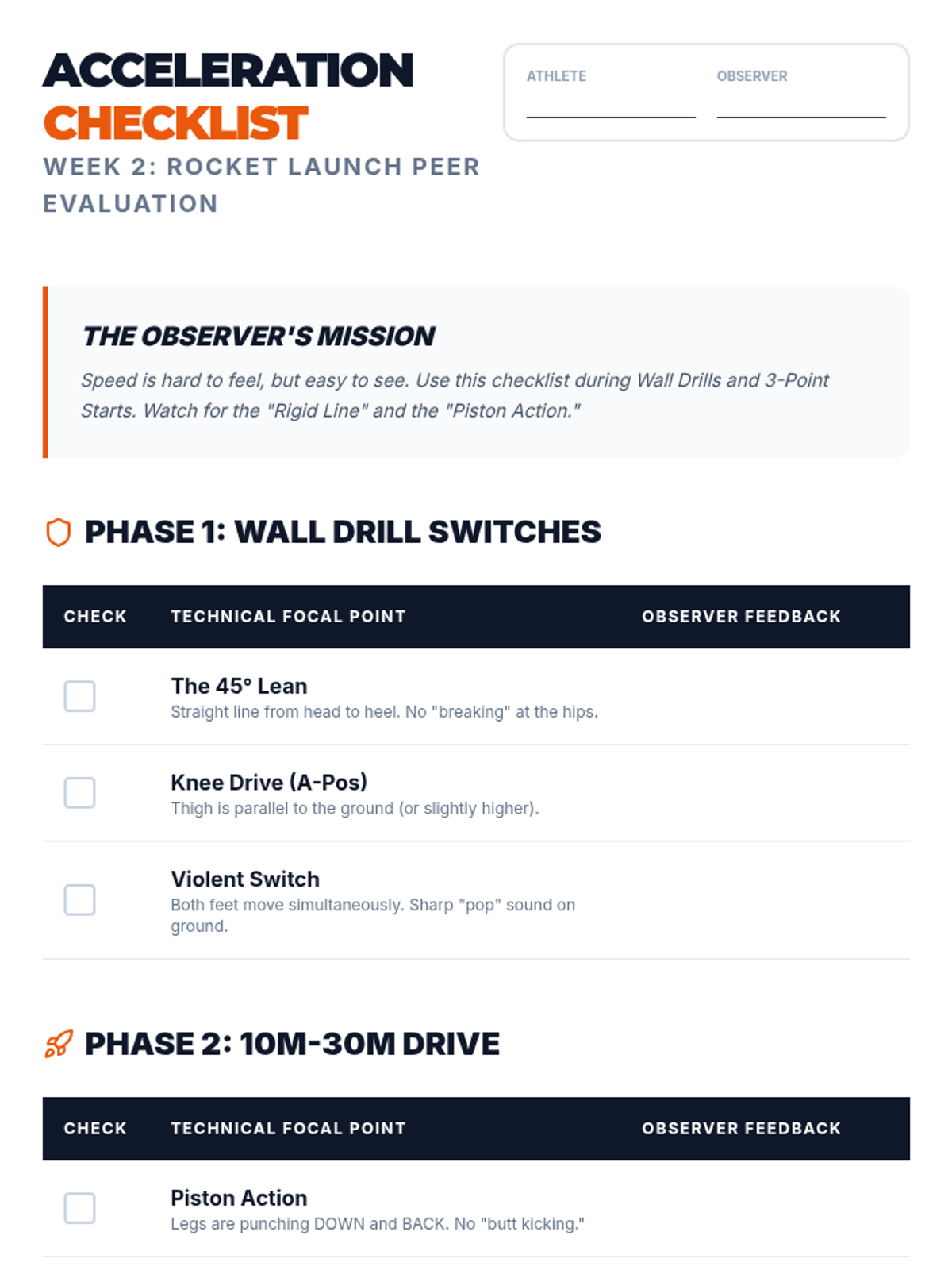
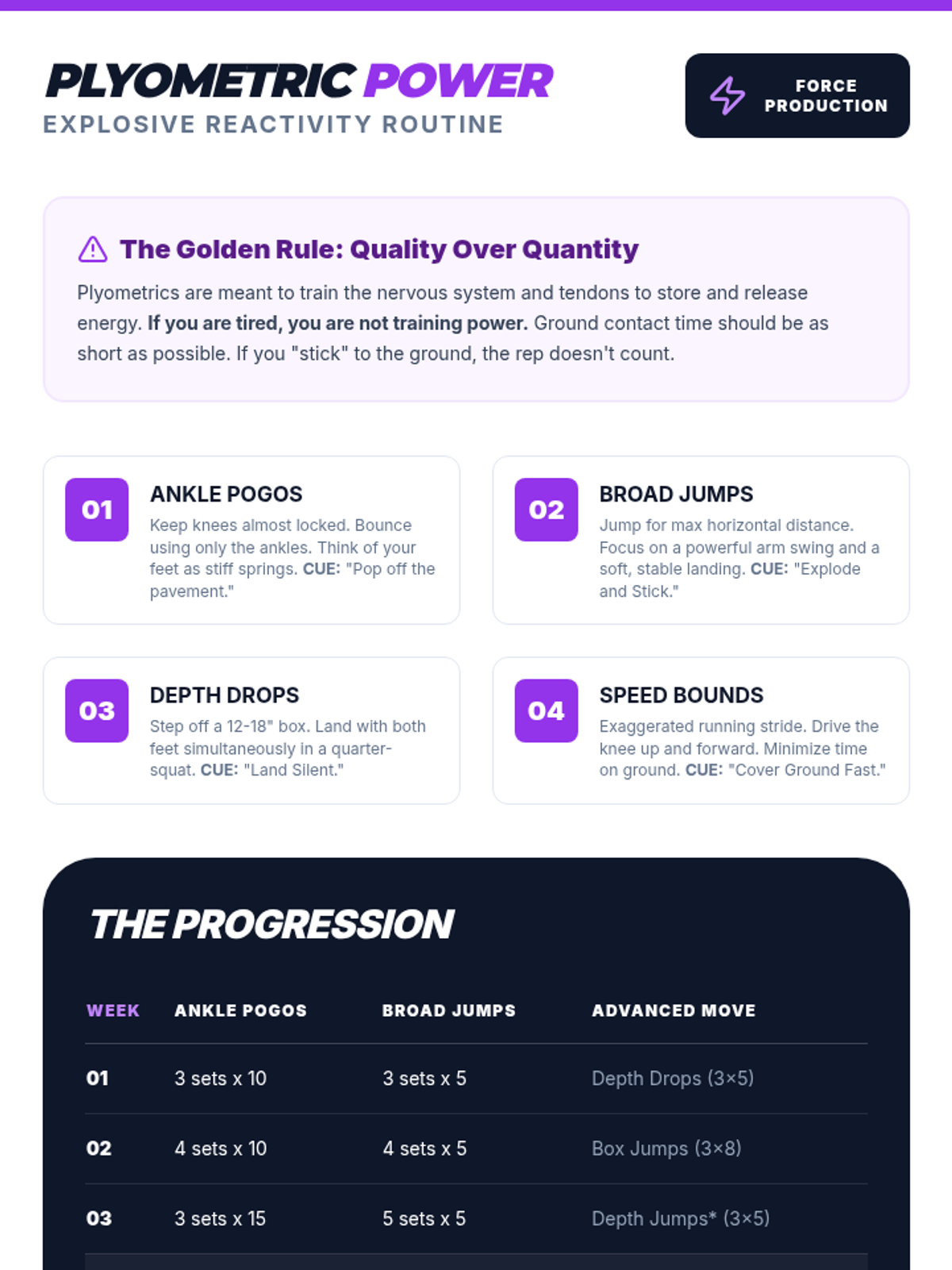
Introducing the drive phase, explosive wall drills, and higher-intensity plyometrics to build raw power.
Focus on establishing proper sprint posture, rhythmic drills (A-skips), and basic core strength to prevent injury.
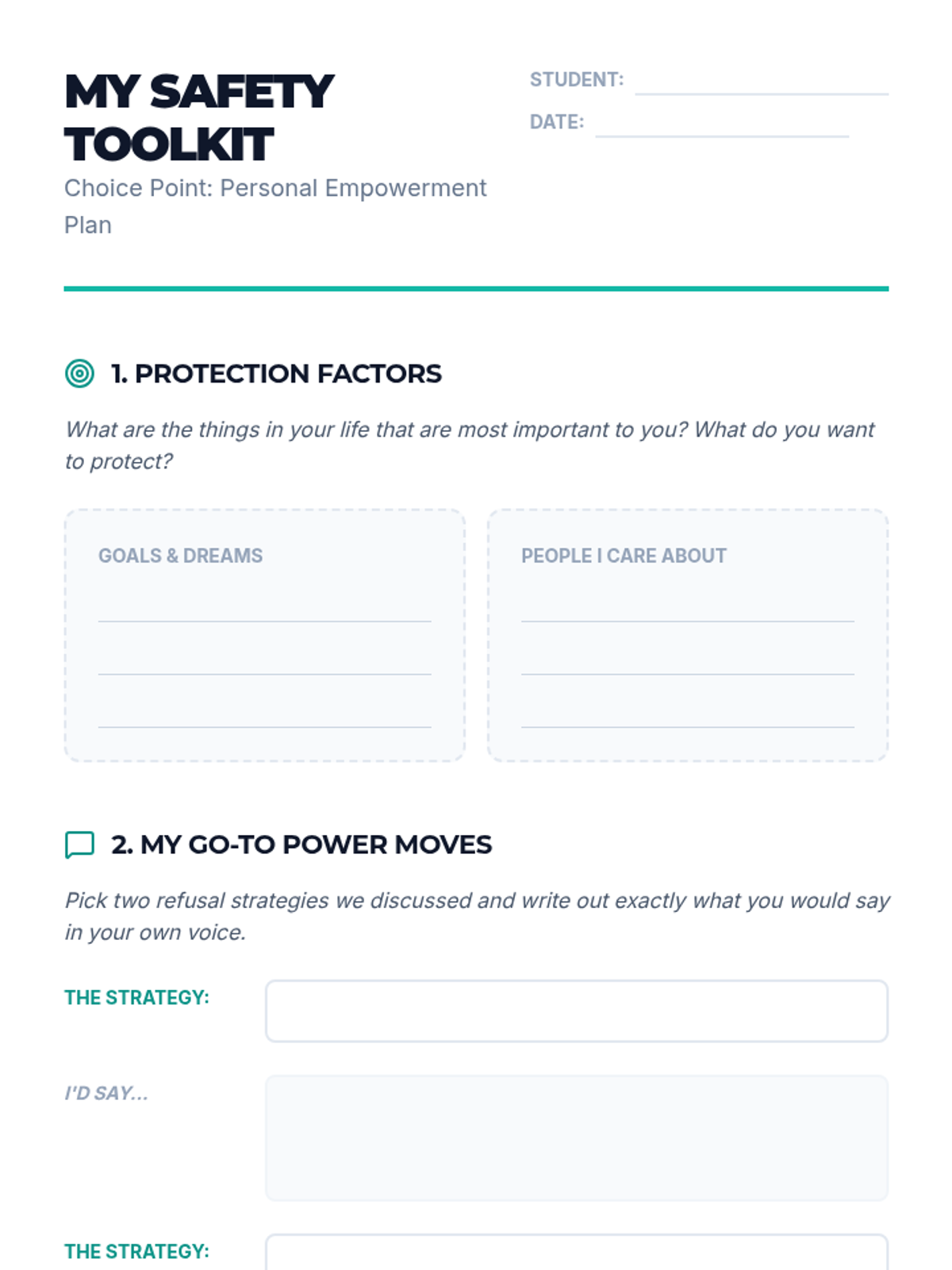
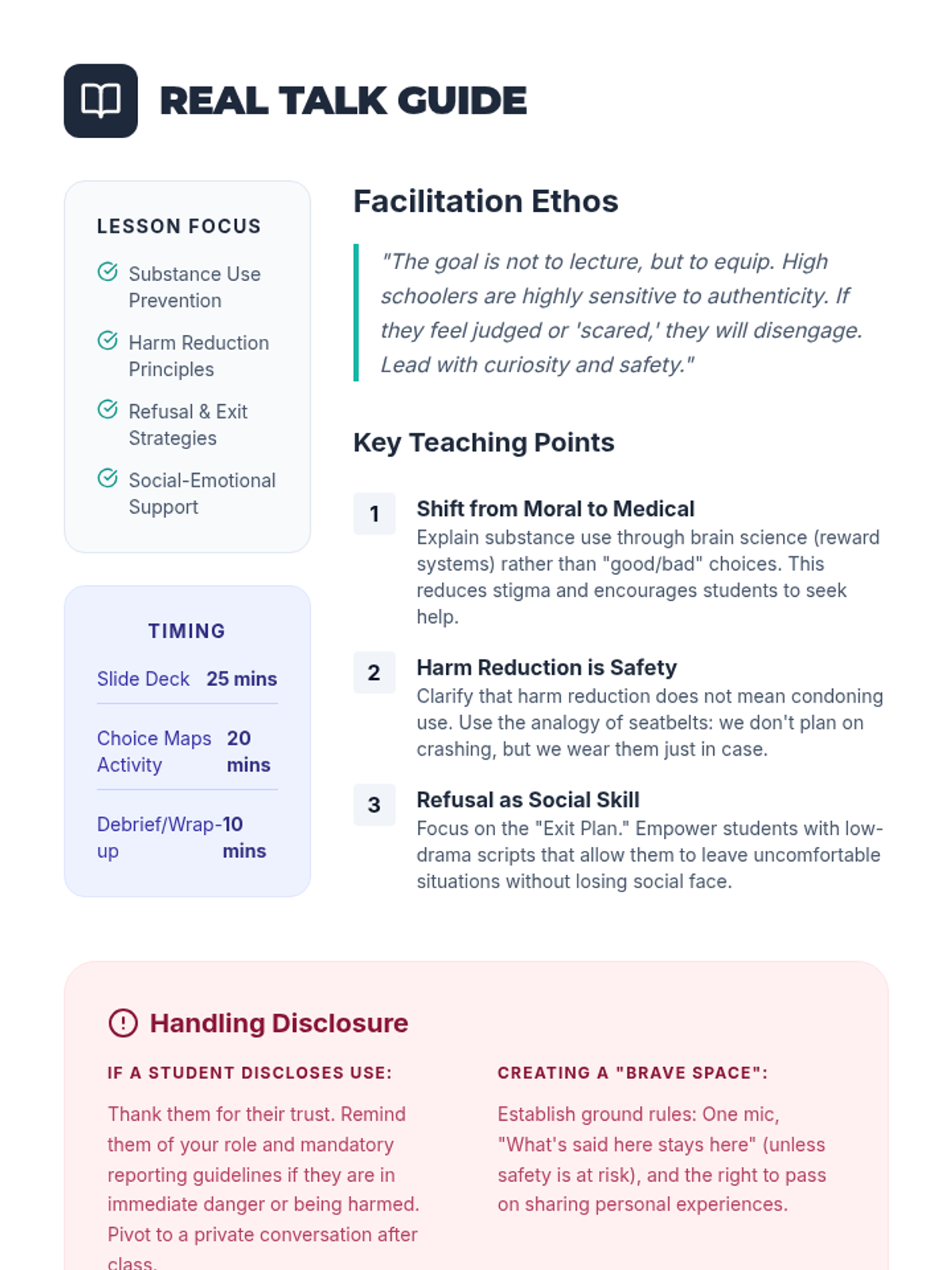
A student-centered, evidence-based lesson on substance use prevention and harm reduction for high schoolers. Focuses on risk factors, refusal skills, and realistic safety strategies using a non-judgmental social work lens.
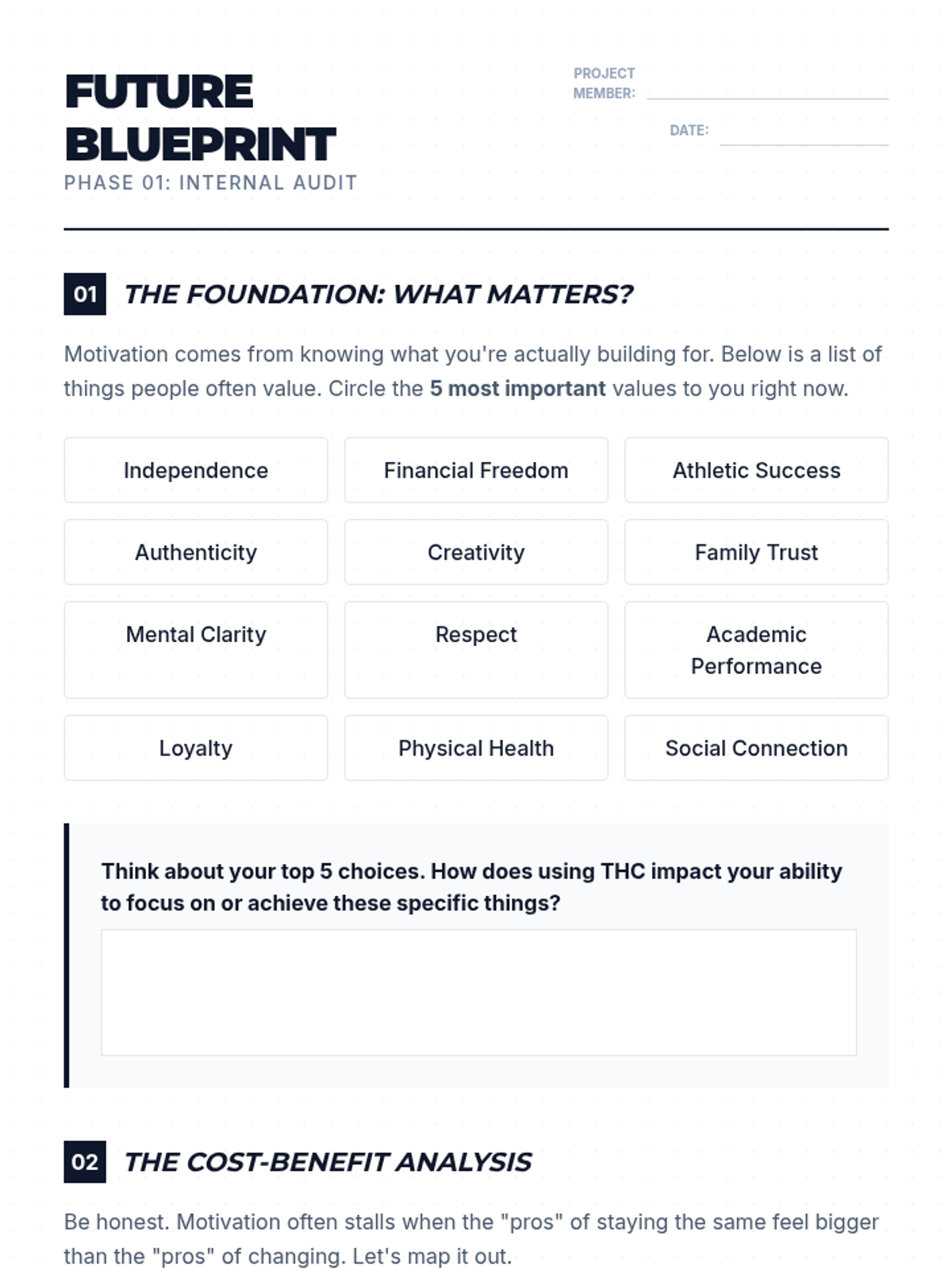
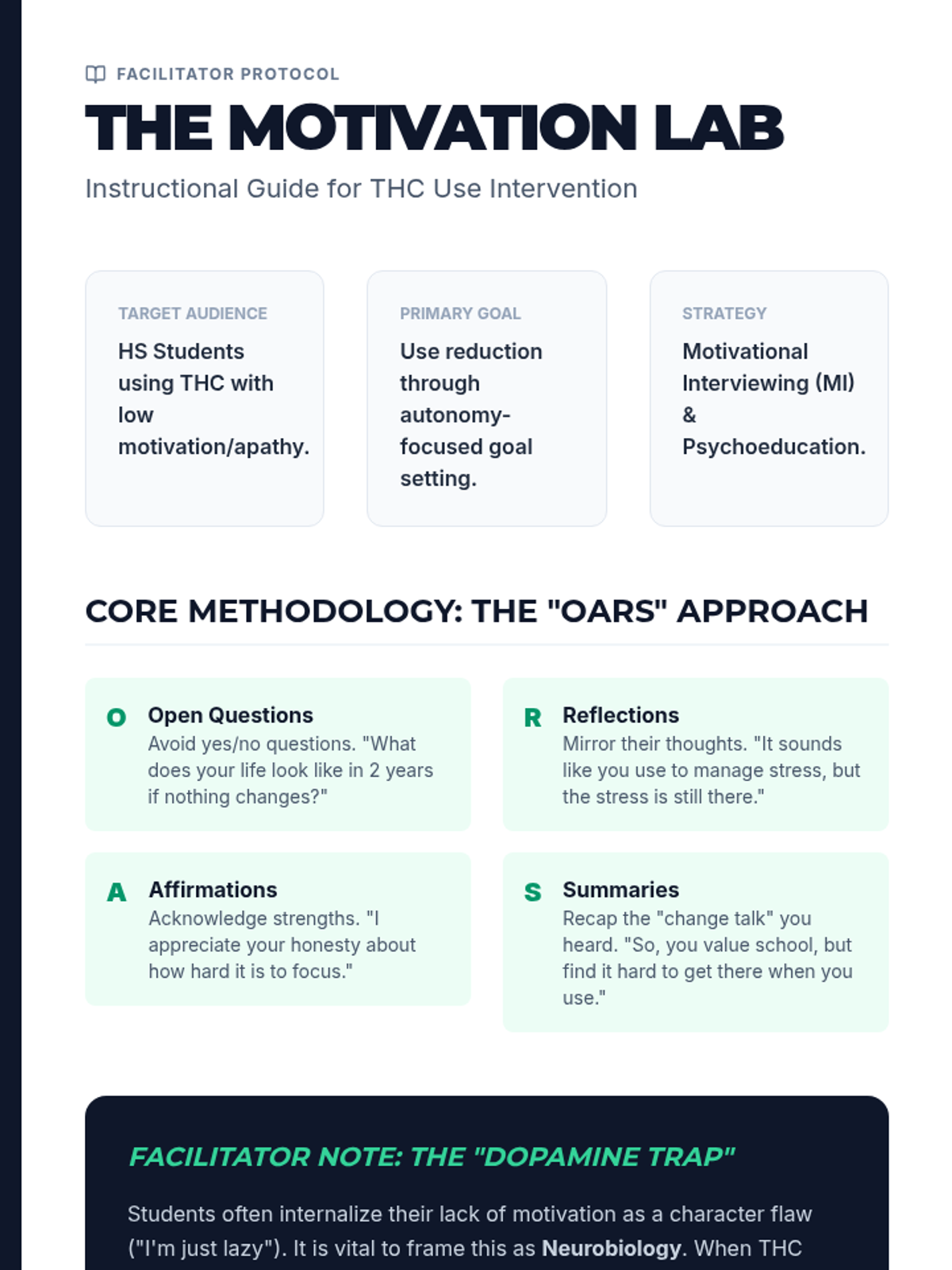
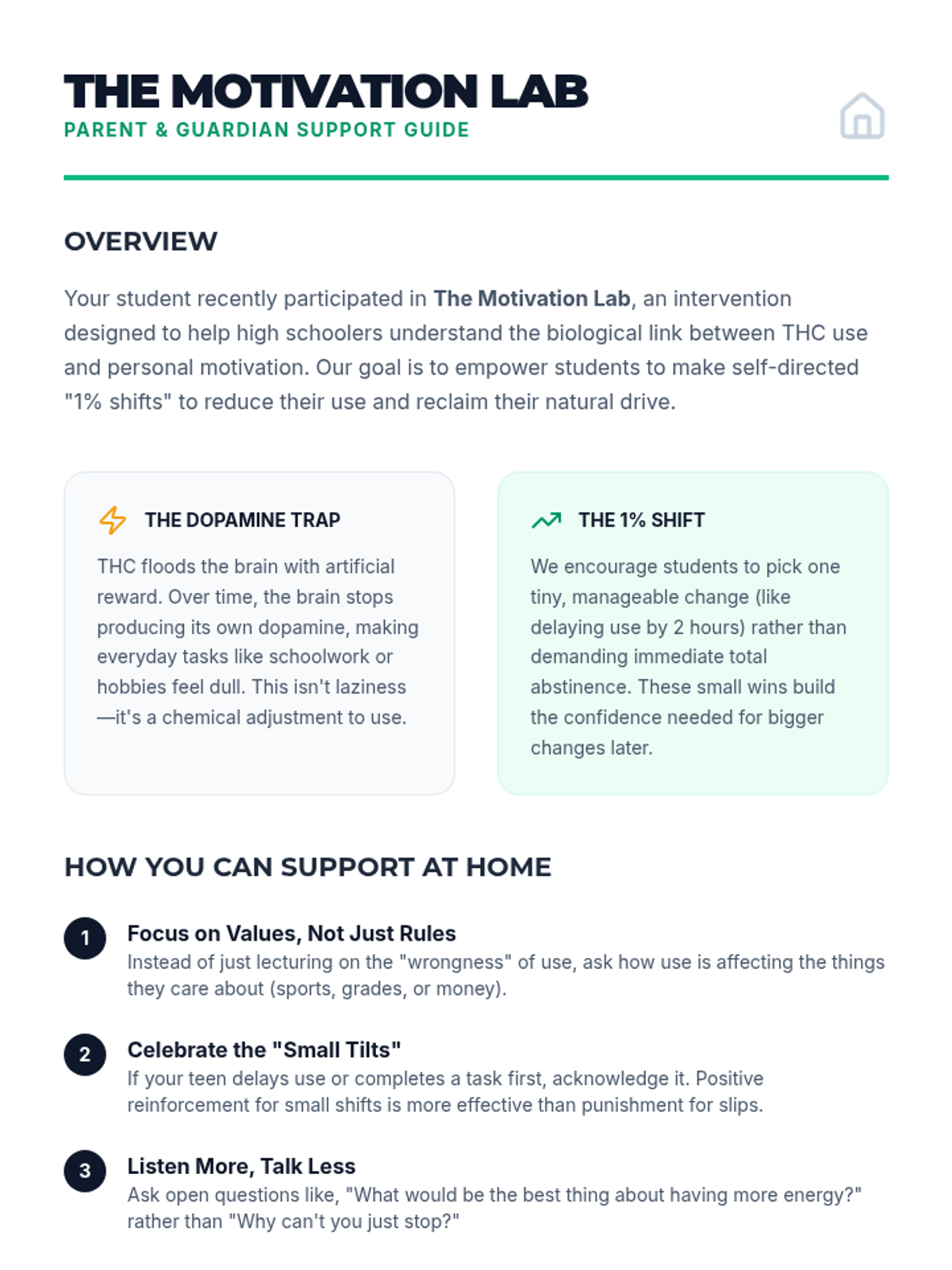
A substance intervention lesson designed for high school students to explore the relationship between THC use and personal motivation, utilizing Motivational Interviewing techniques to encourage use reduction.
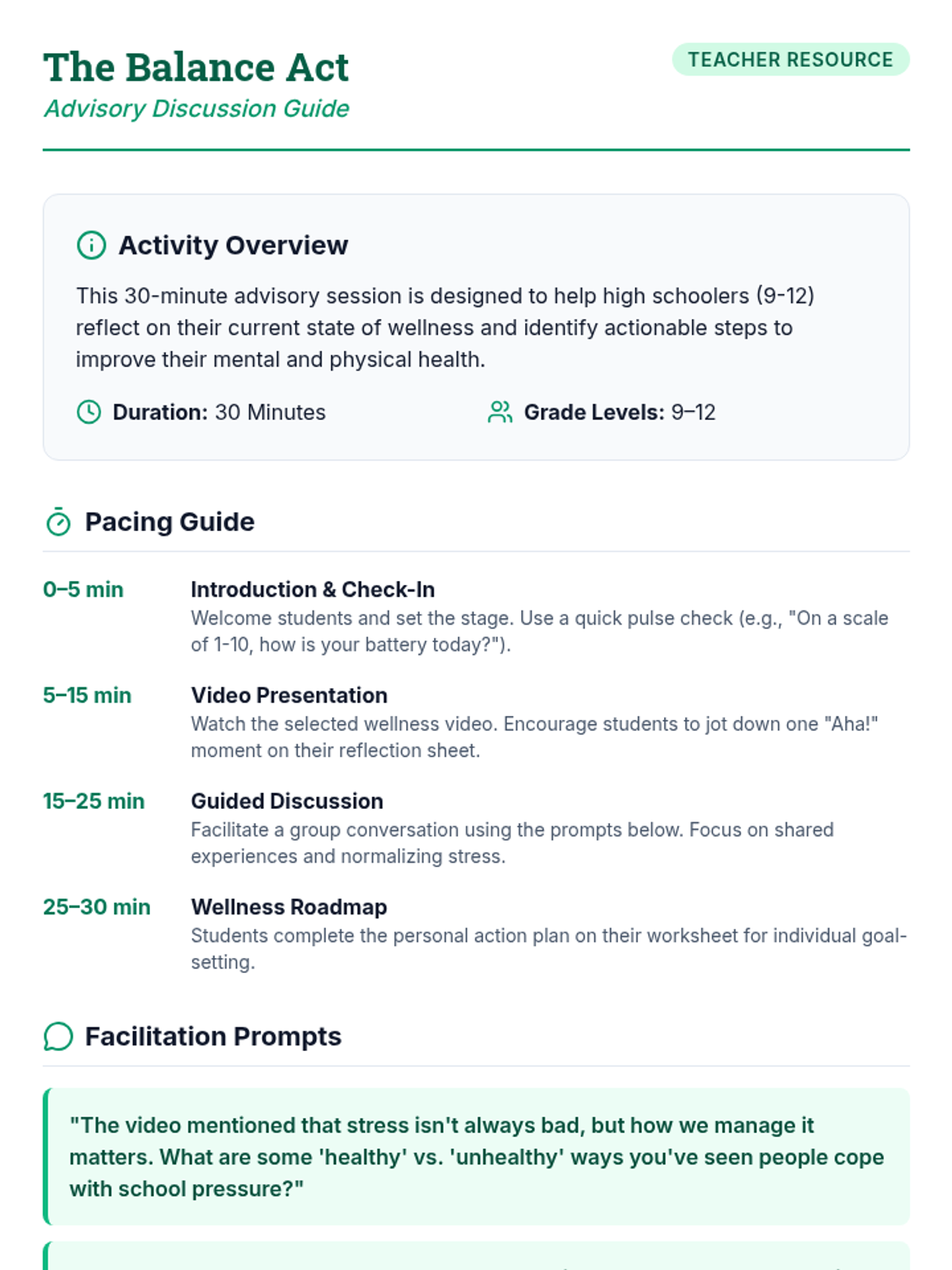
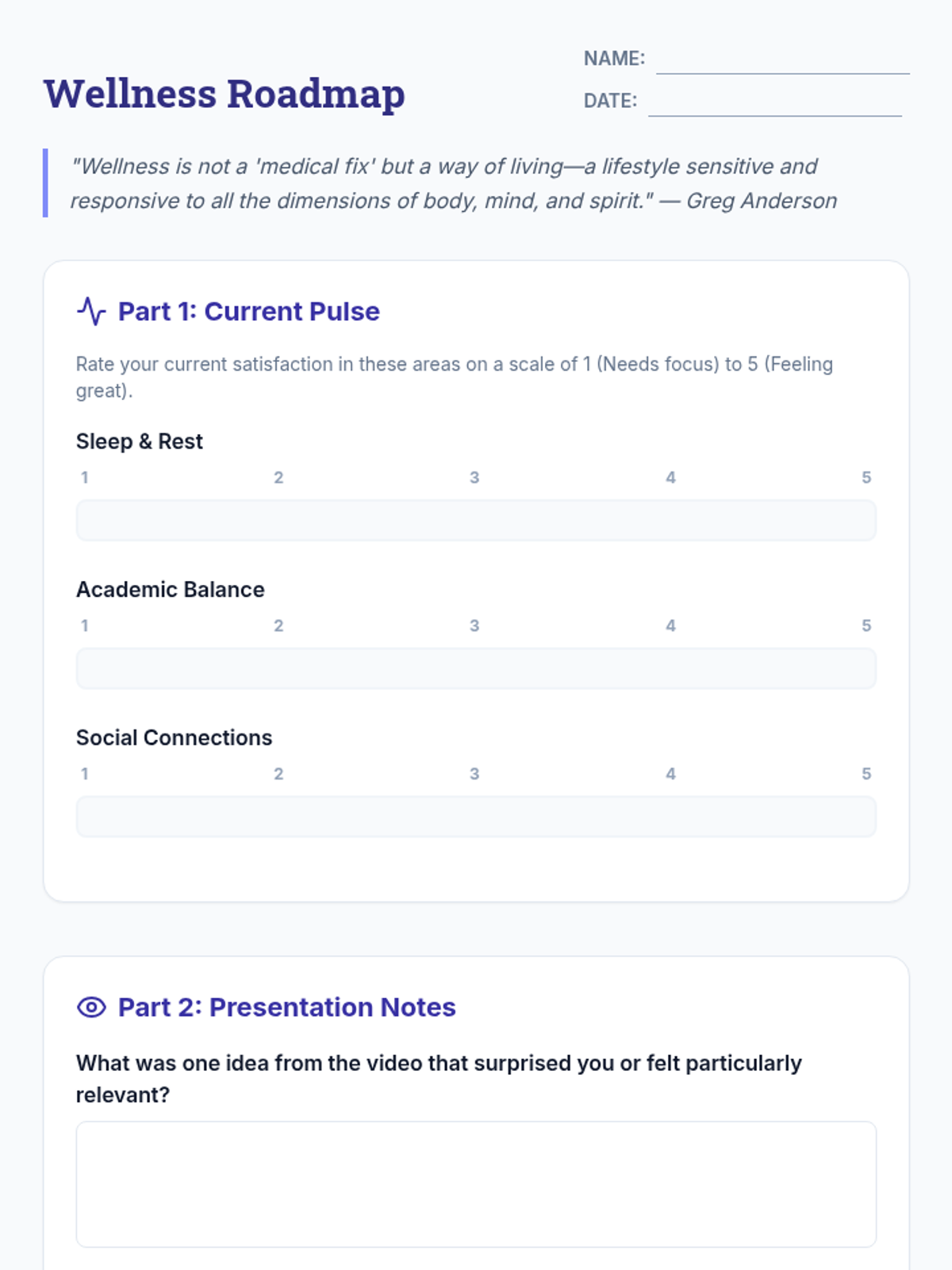
A 30-minute advisory session focusing on identifying stressors and developing personalized wellness strategies for high schoolers.
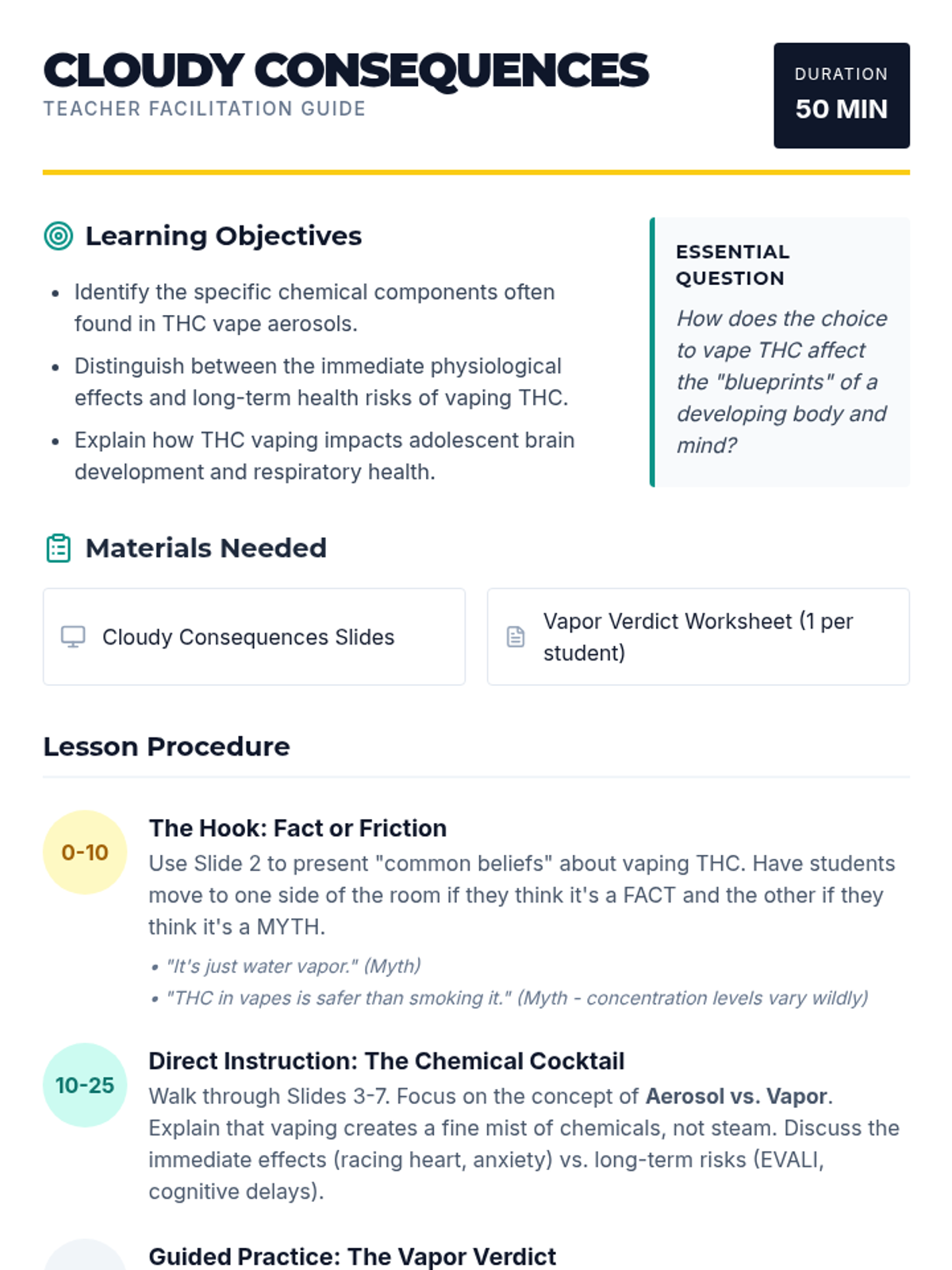
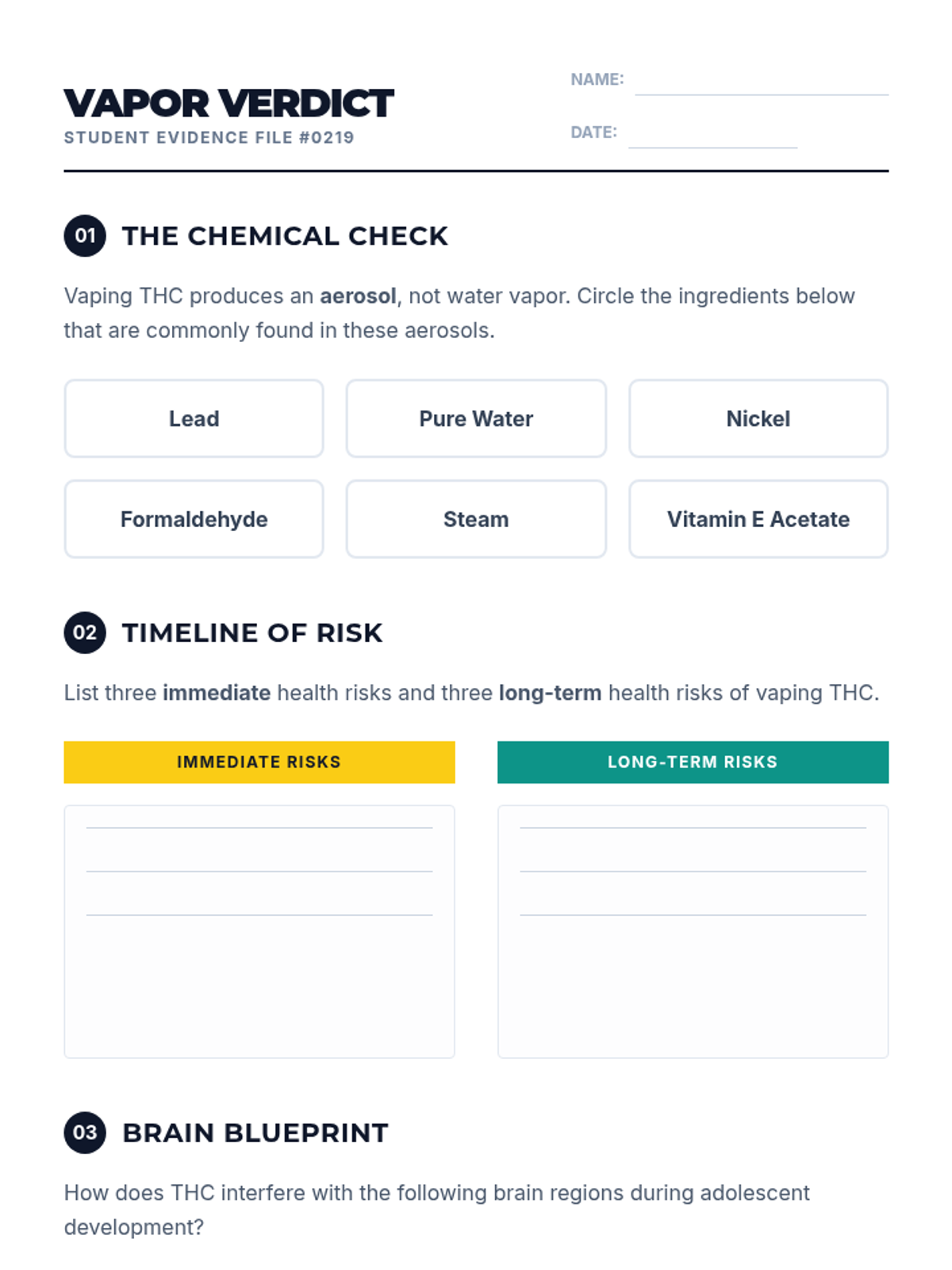
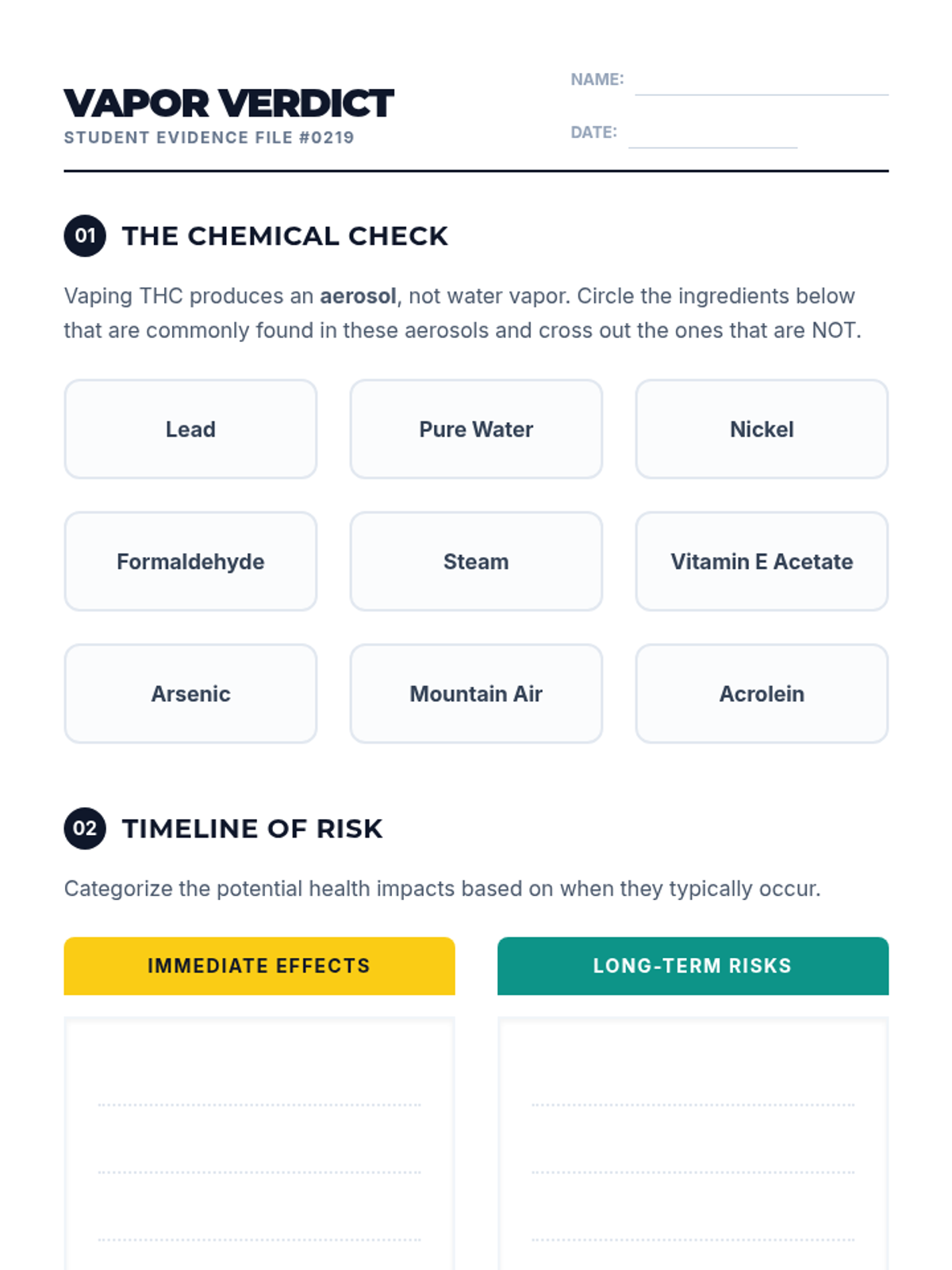
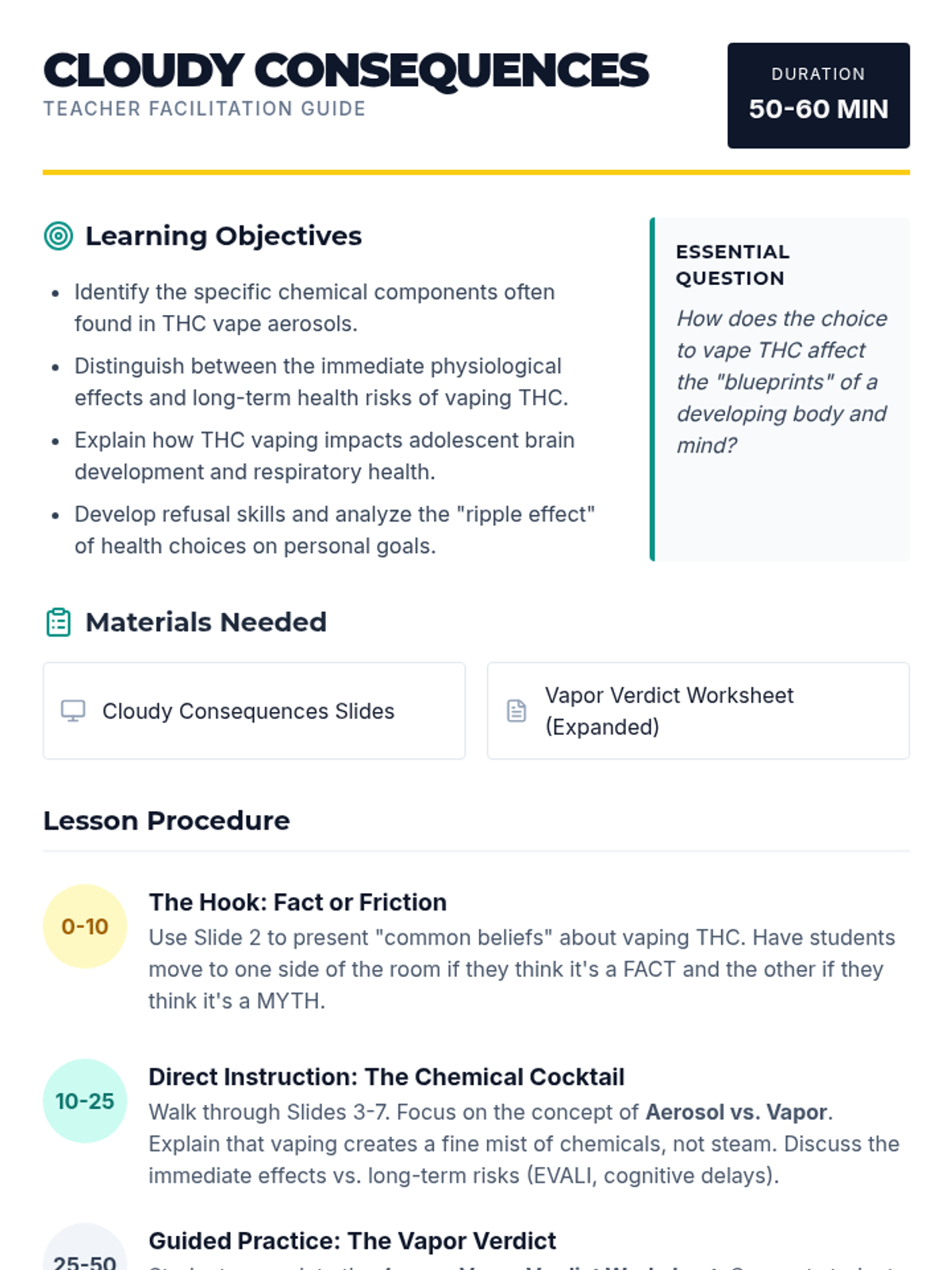
This lesson explores the immediate and long-term health risks associated with vaping THC, focusing on the physiological impact on the respiratory and nervous systems. Students will analyze the chemical components of vape aerosols and evaluate the potential consequences for their health and future.
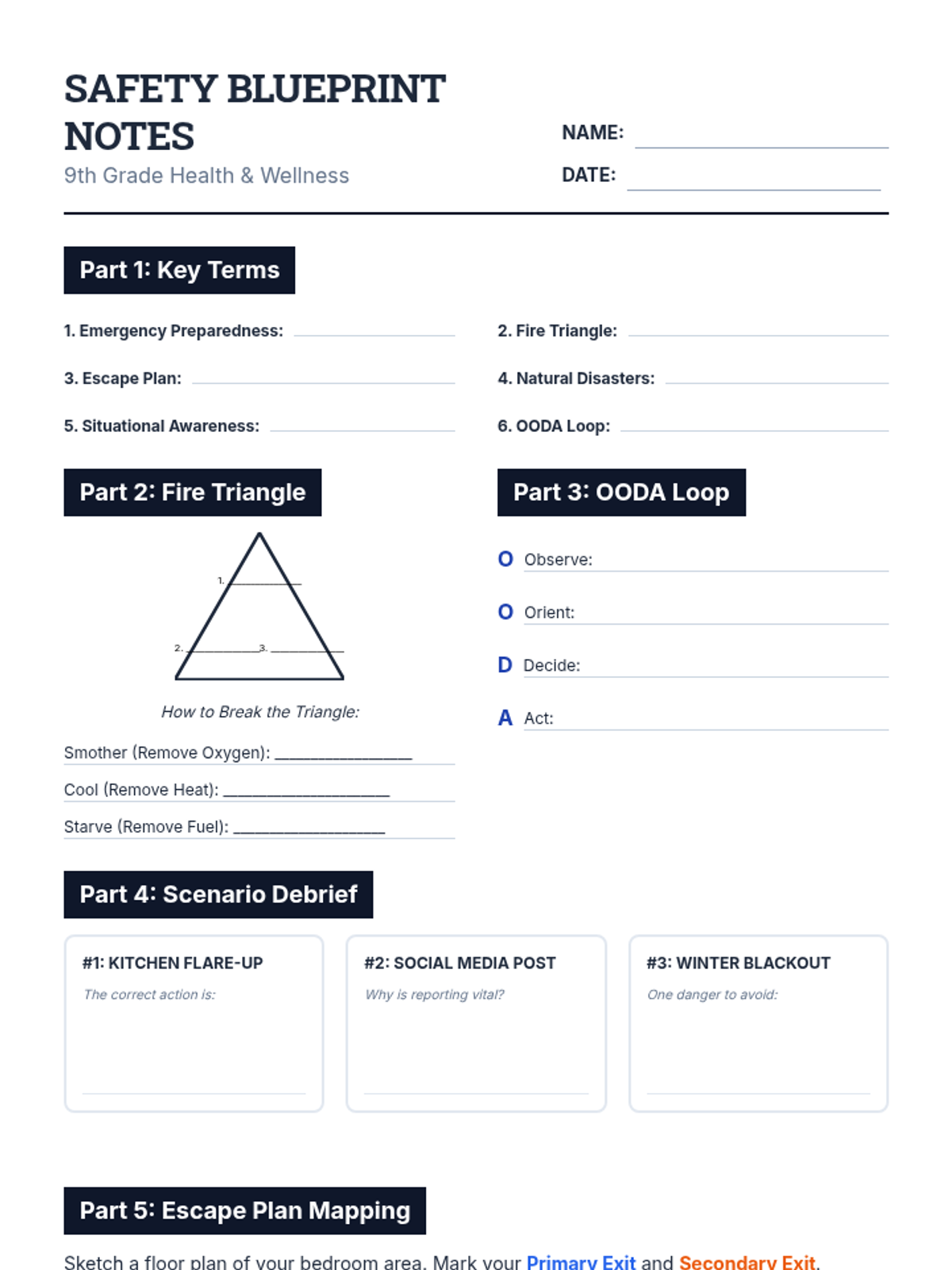
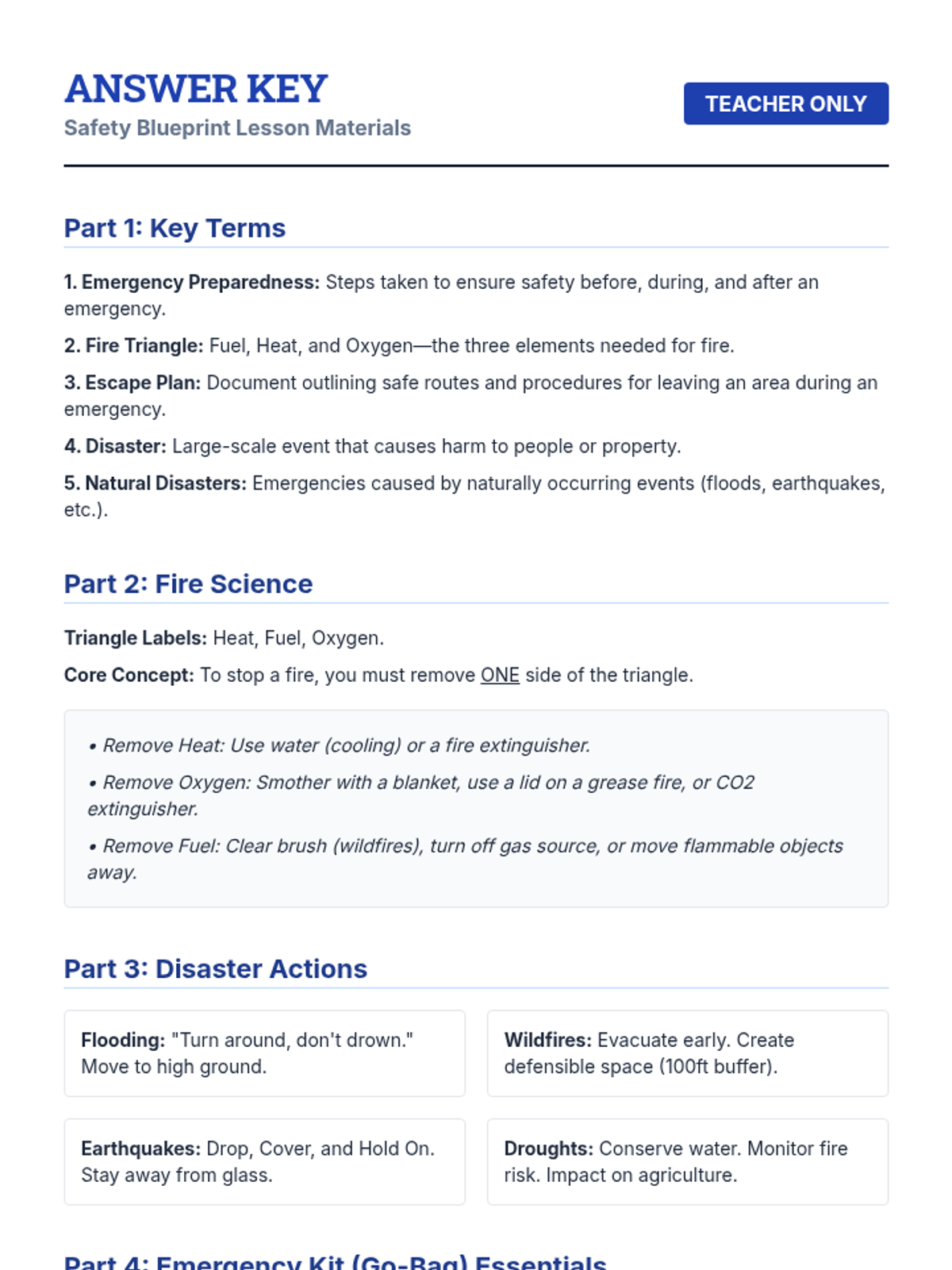
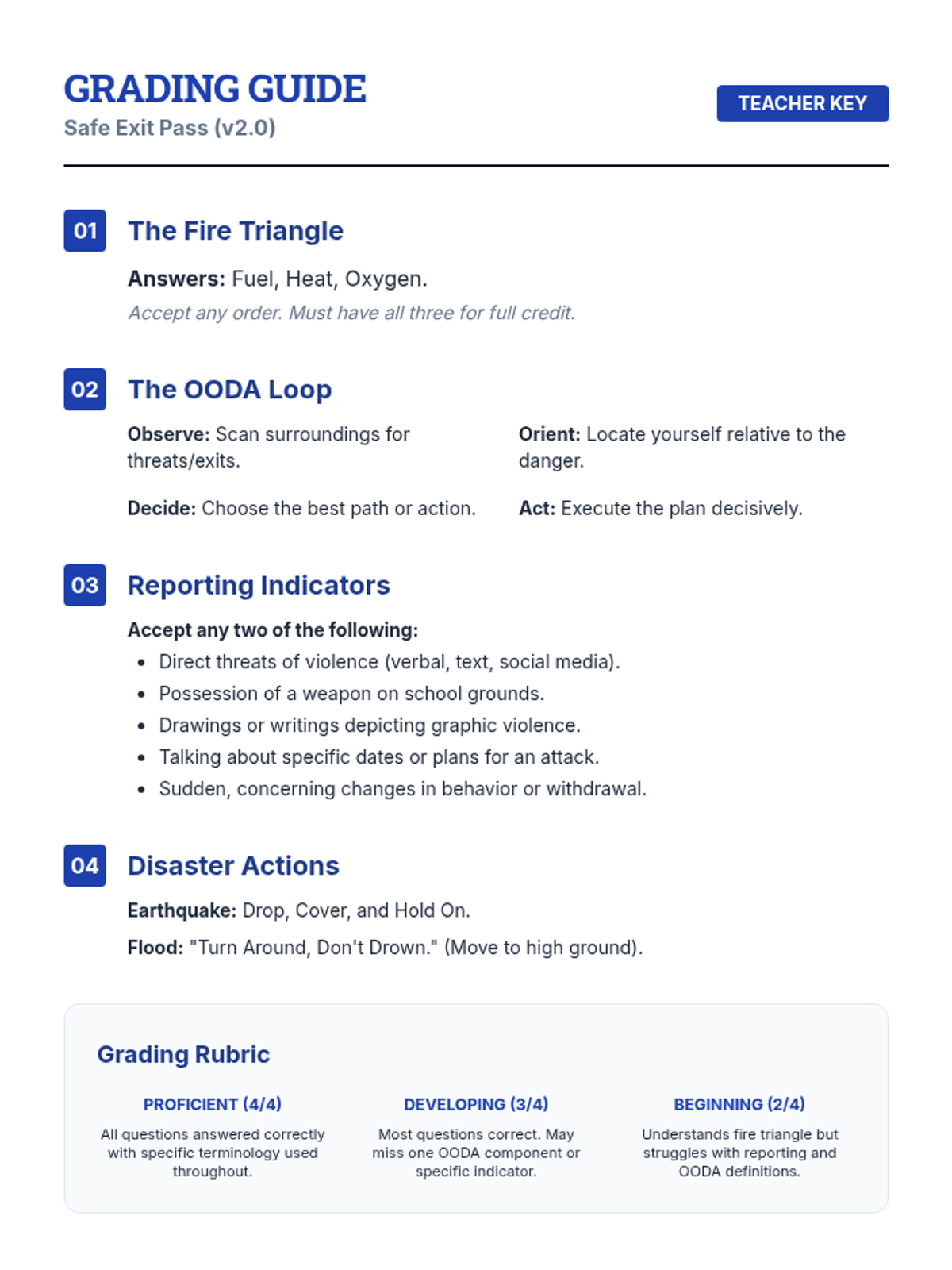
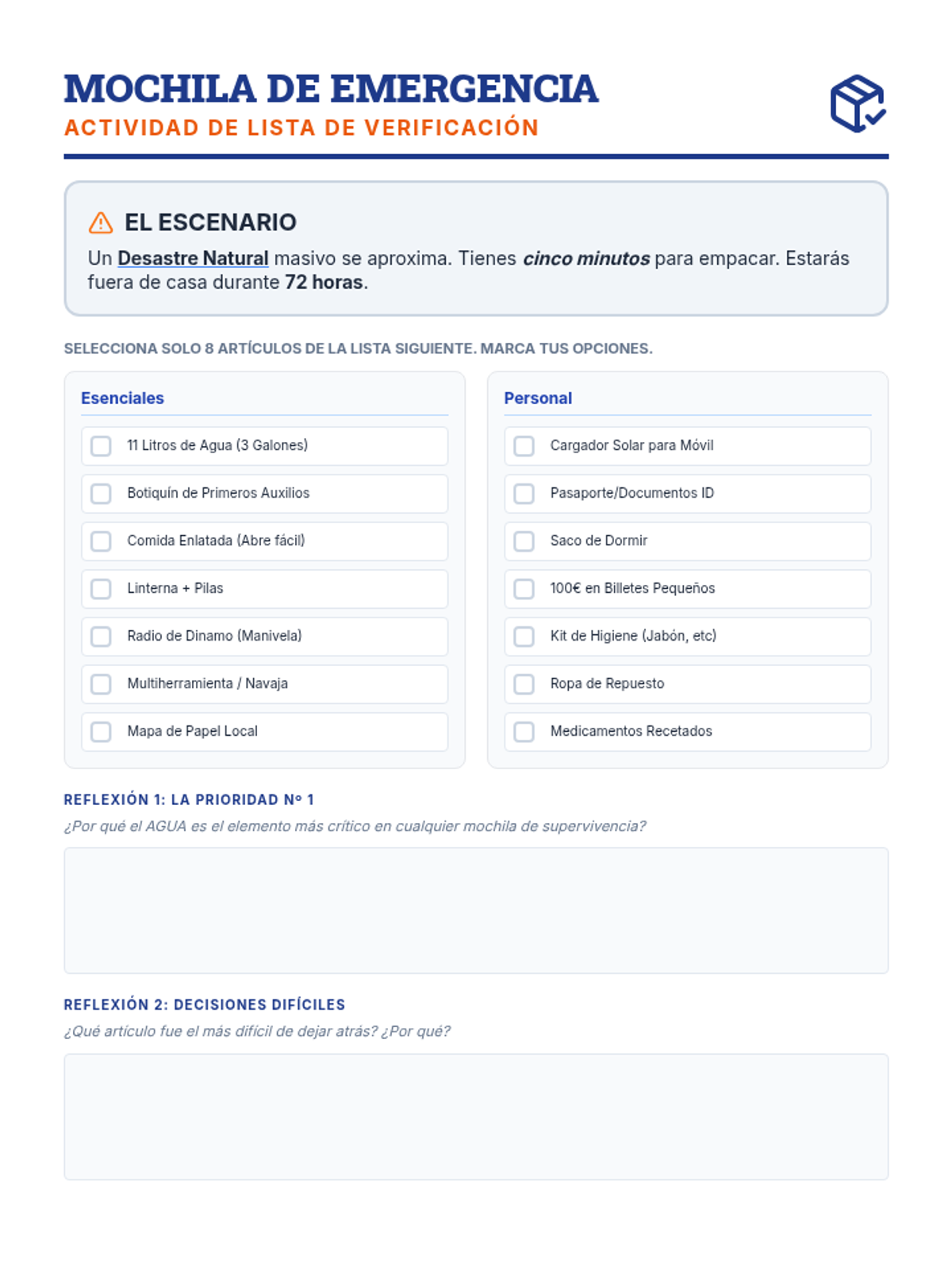
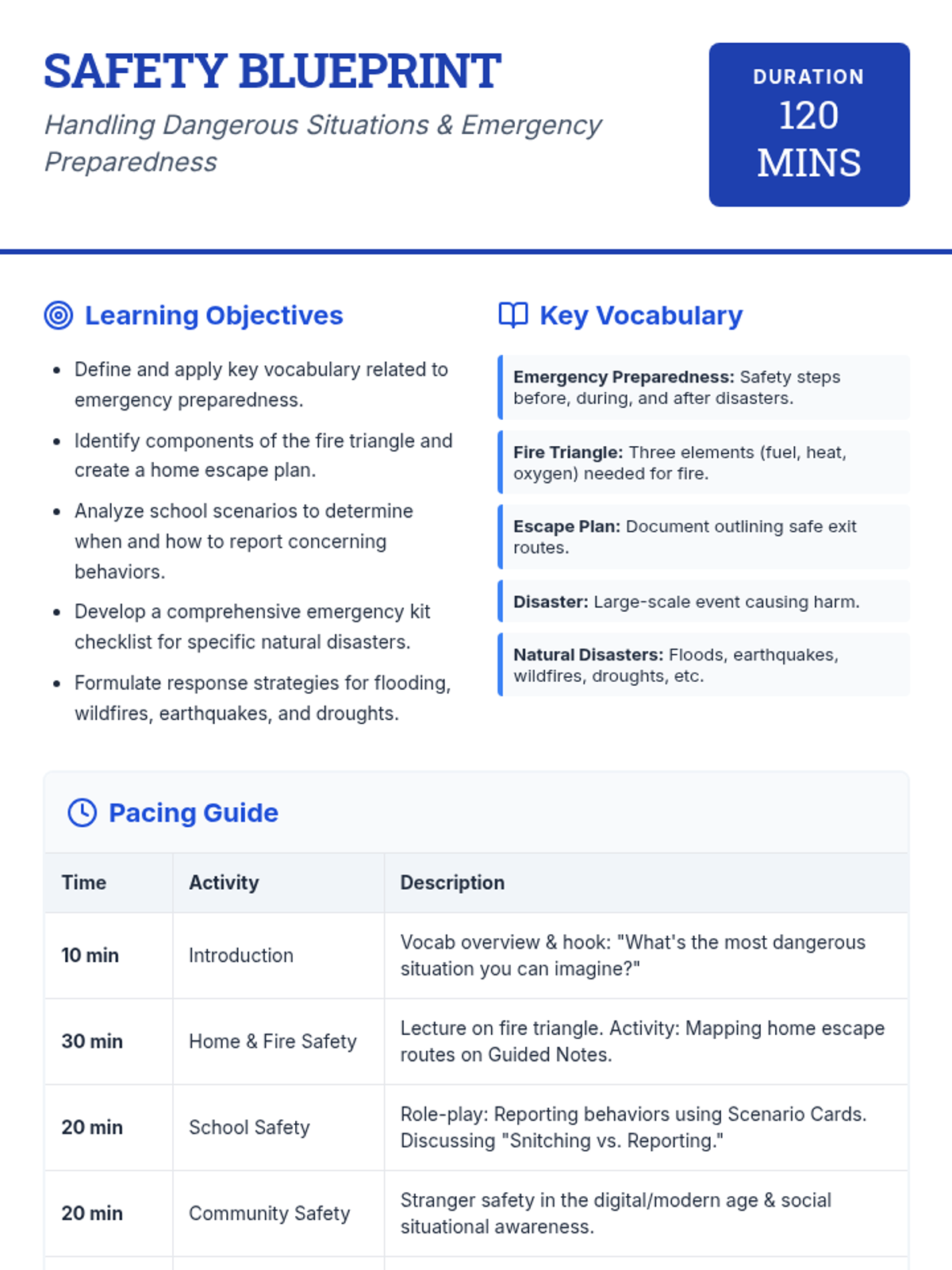
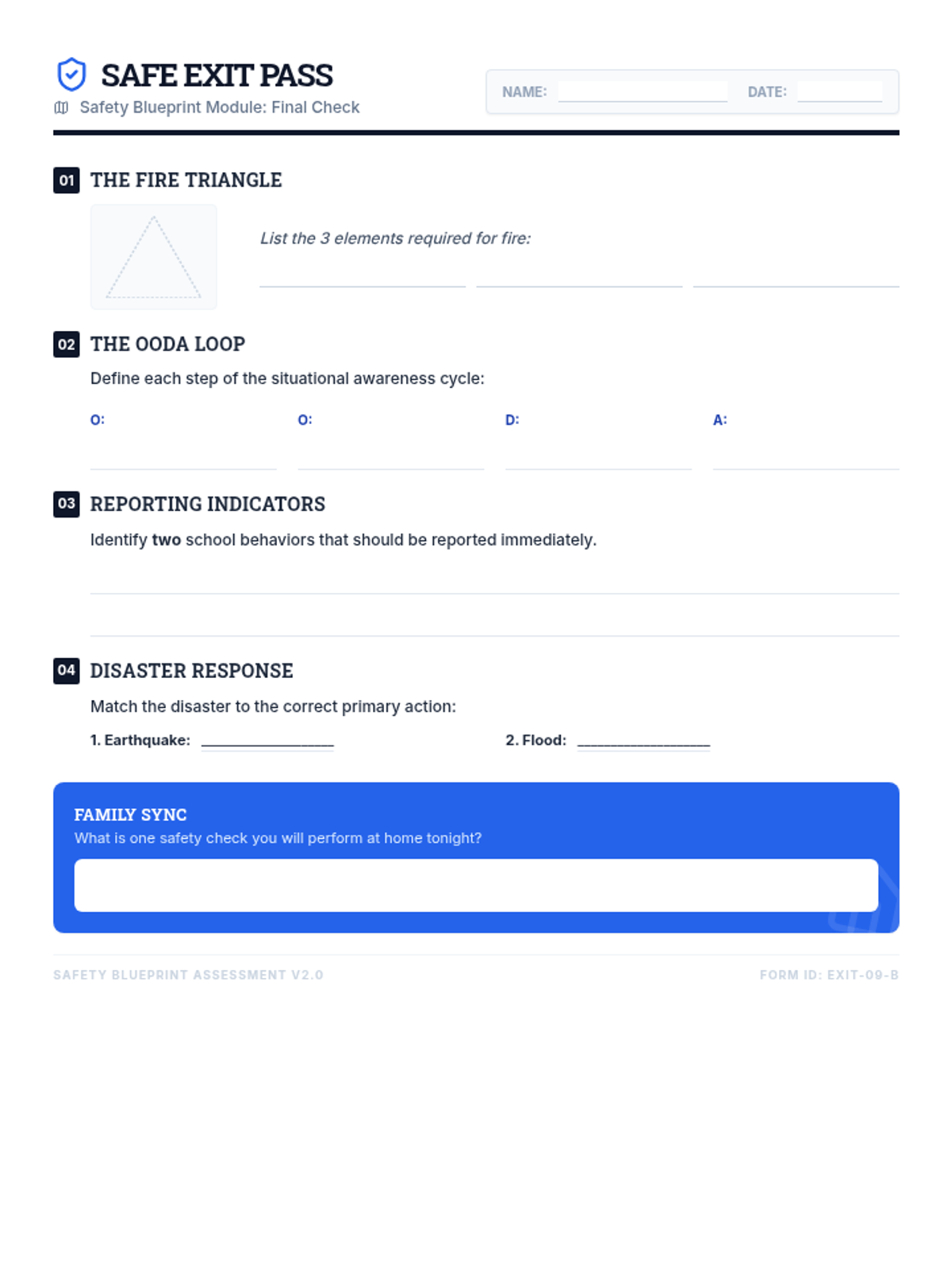
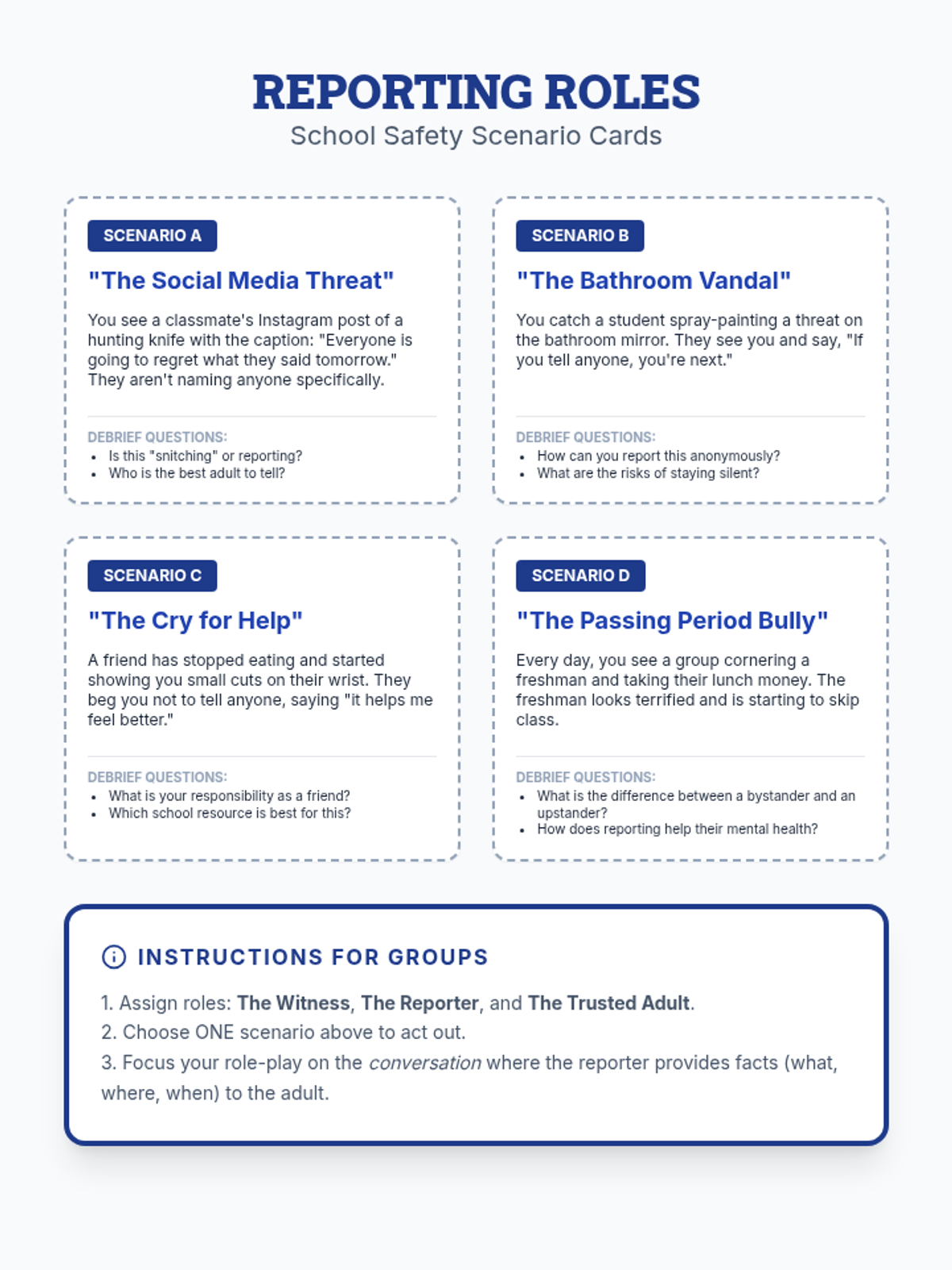
A comprehensive 2-hour lesson for 9th graders on identifying and responding to dangerous situations at home, school, and in the community, including emergency and disaster preparedness.
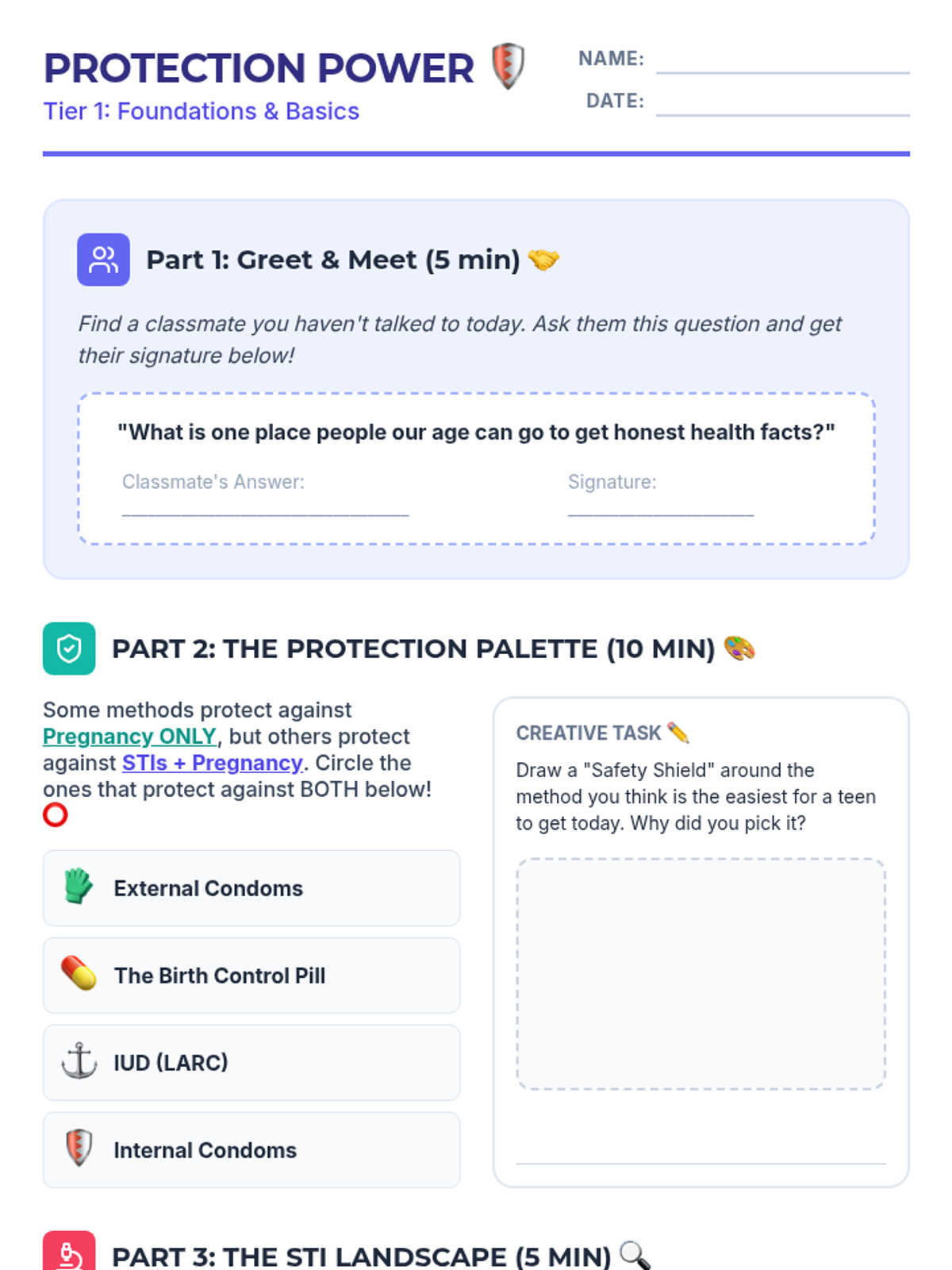
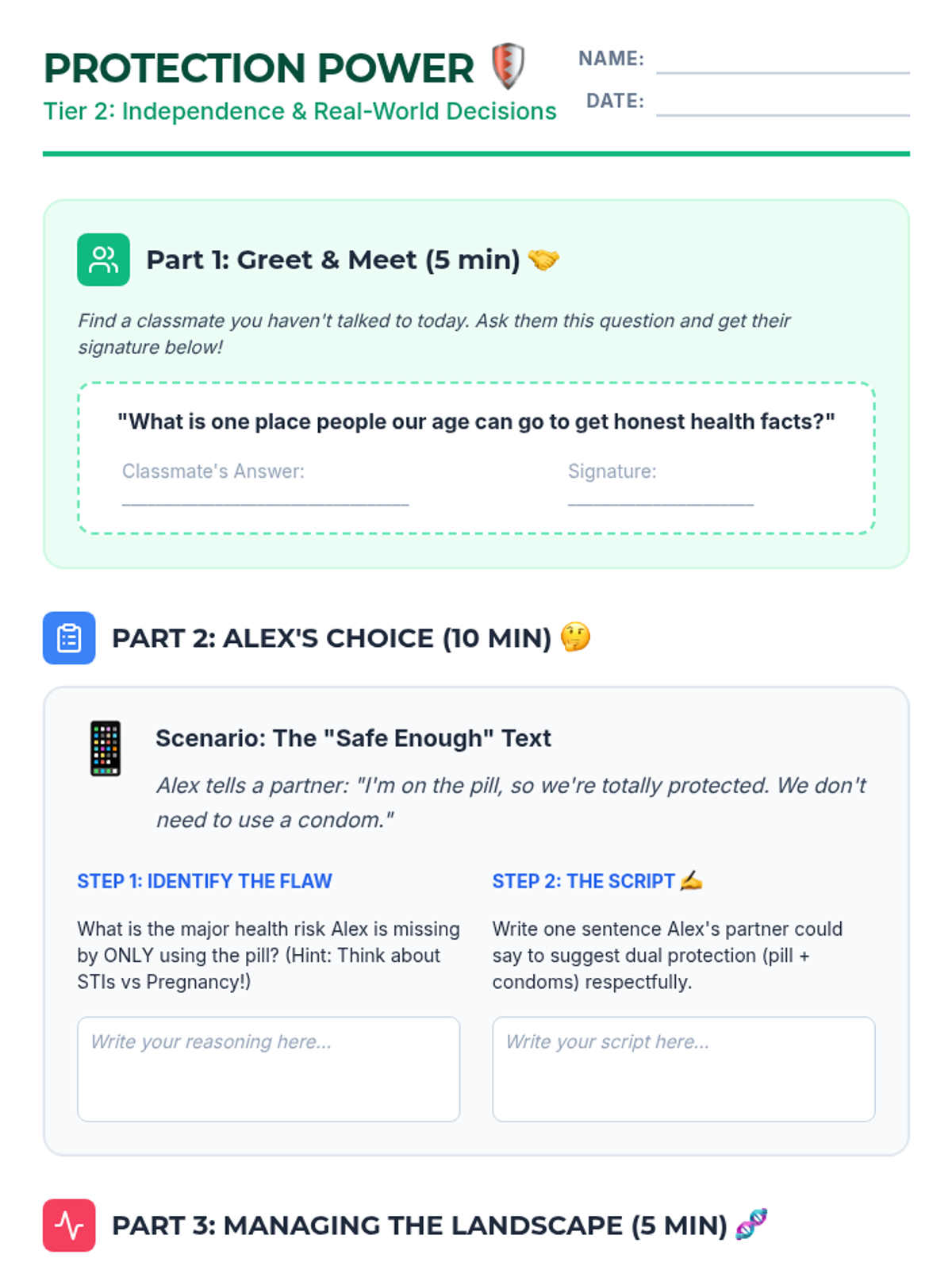
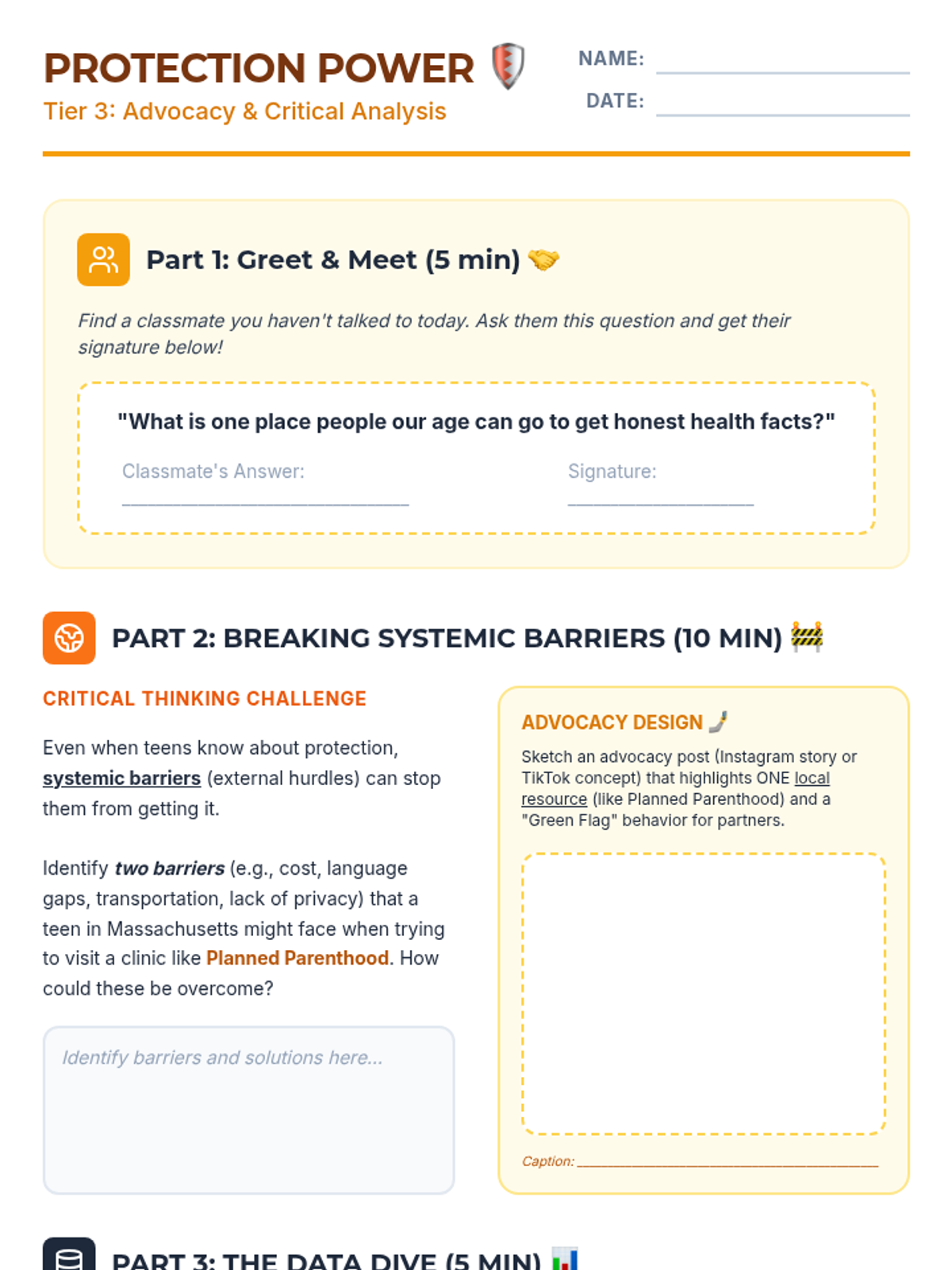
A three-tiered lesson on contraception and sexual health focused on decision-making, STI prevention, and communication skills, aligned with Massachusetts health standards.
A comprehensive lesson exploring the health risks of vaping, debunking common myths, and practicing refusal skills through real-world scenarios.
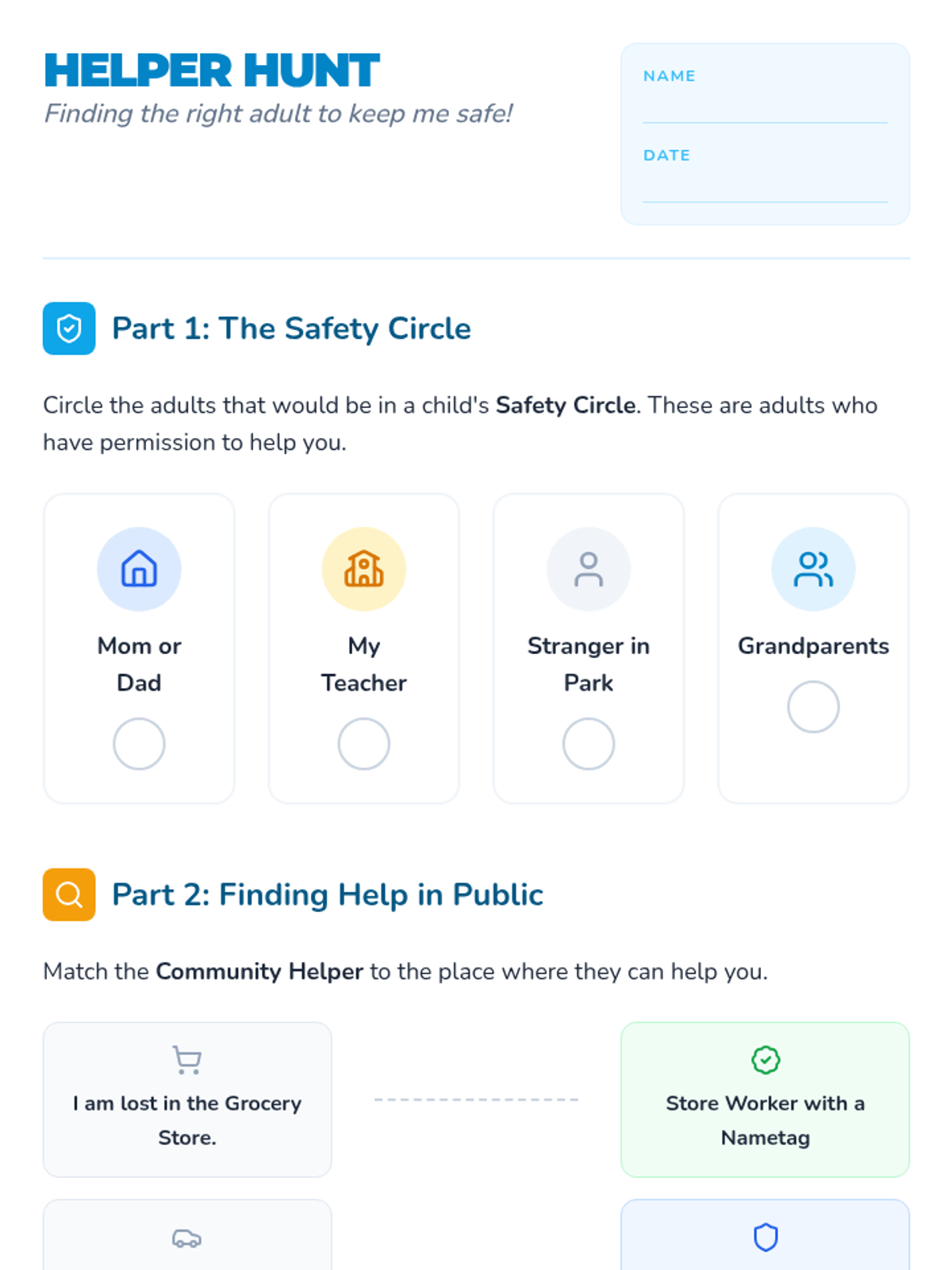
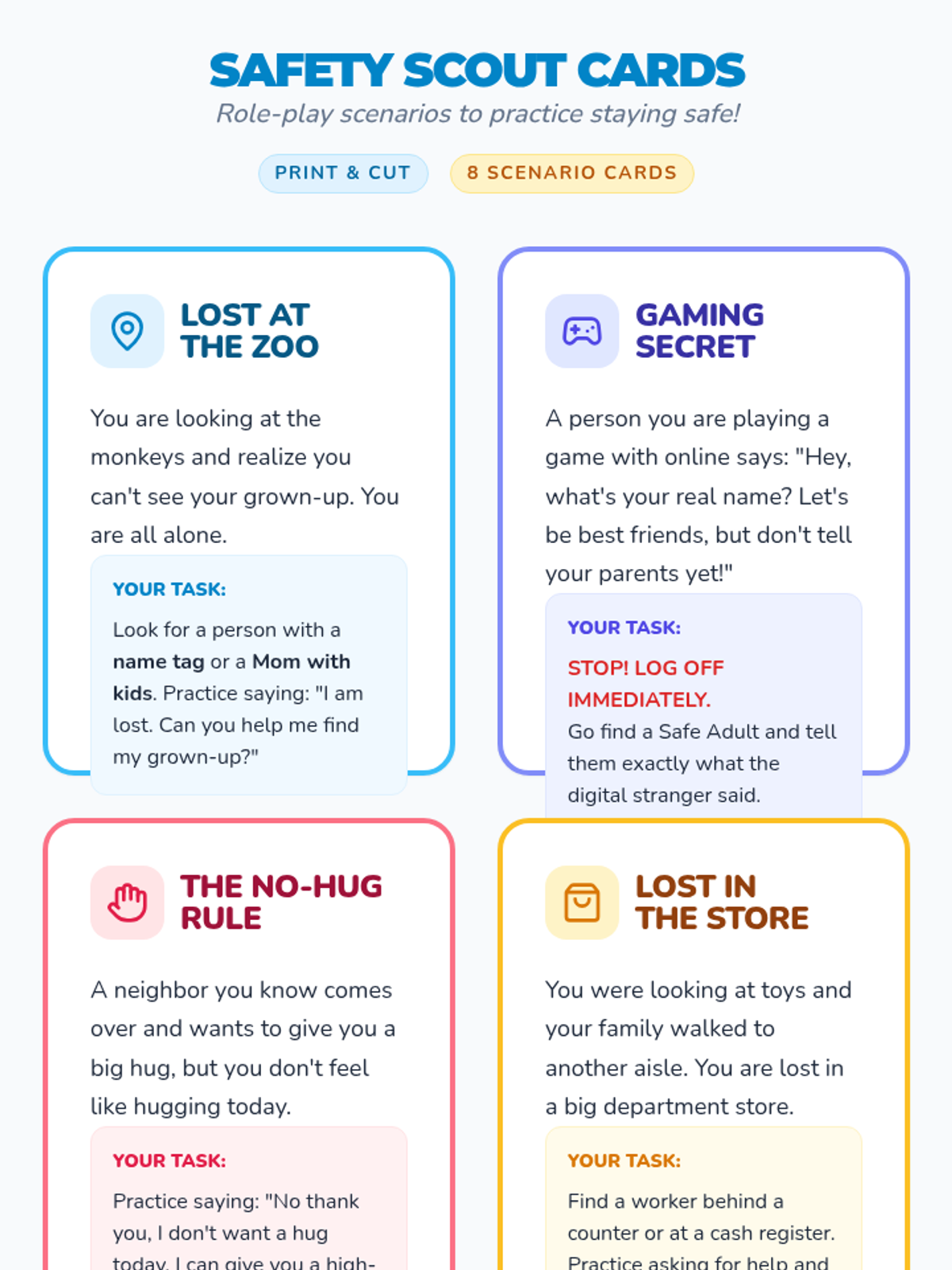
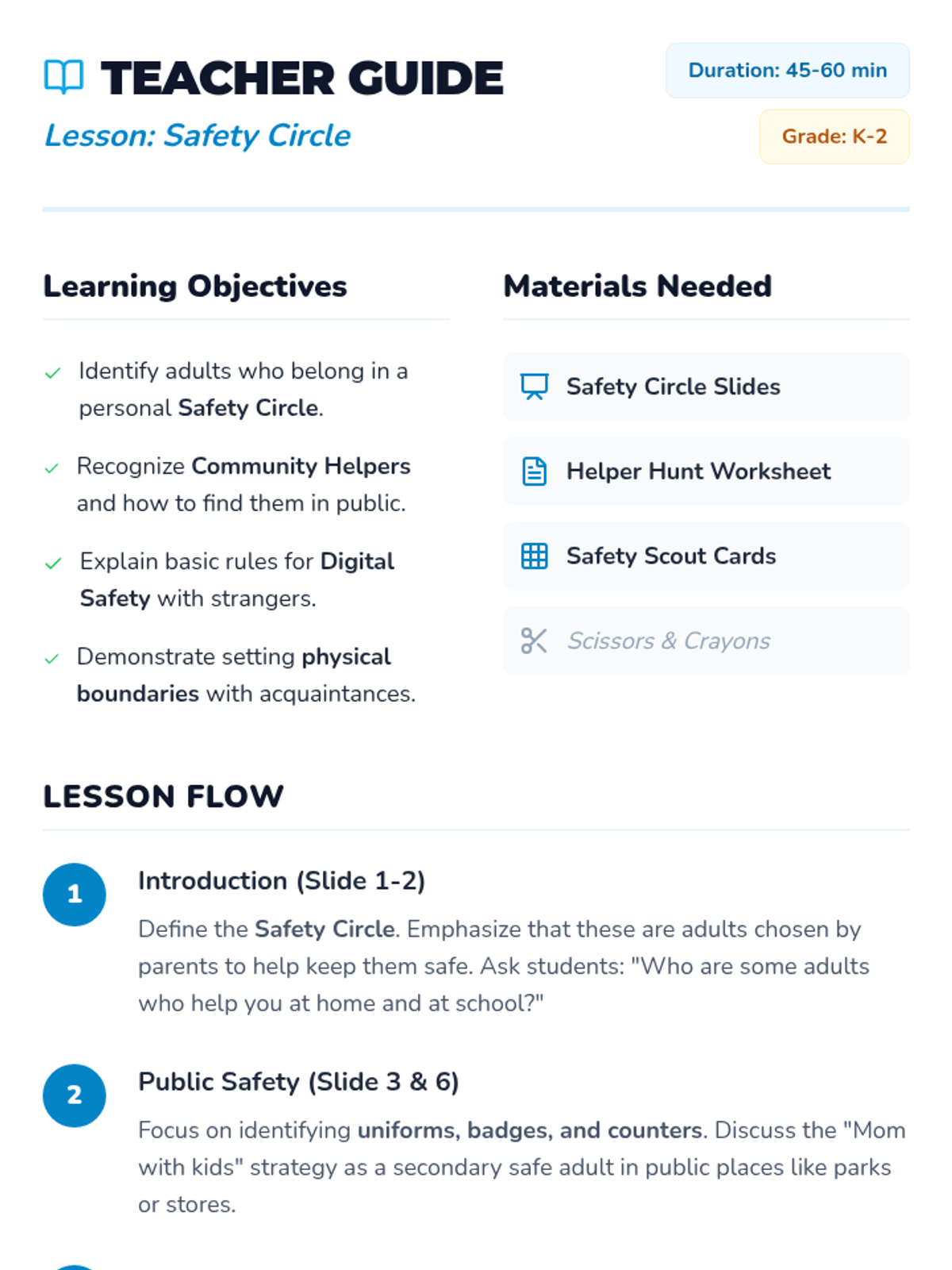
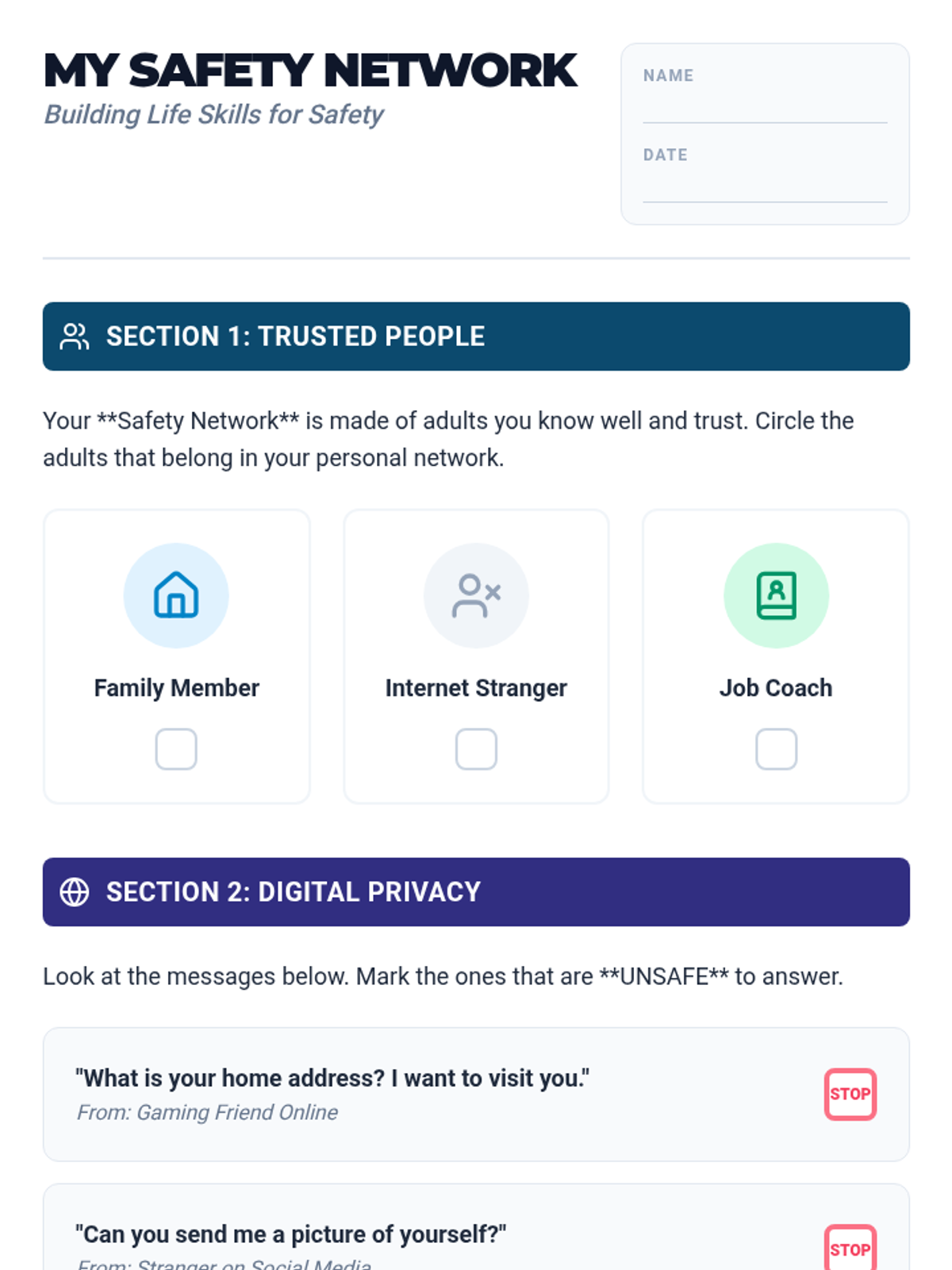
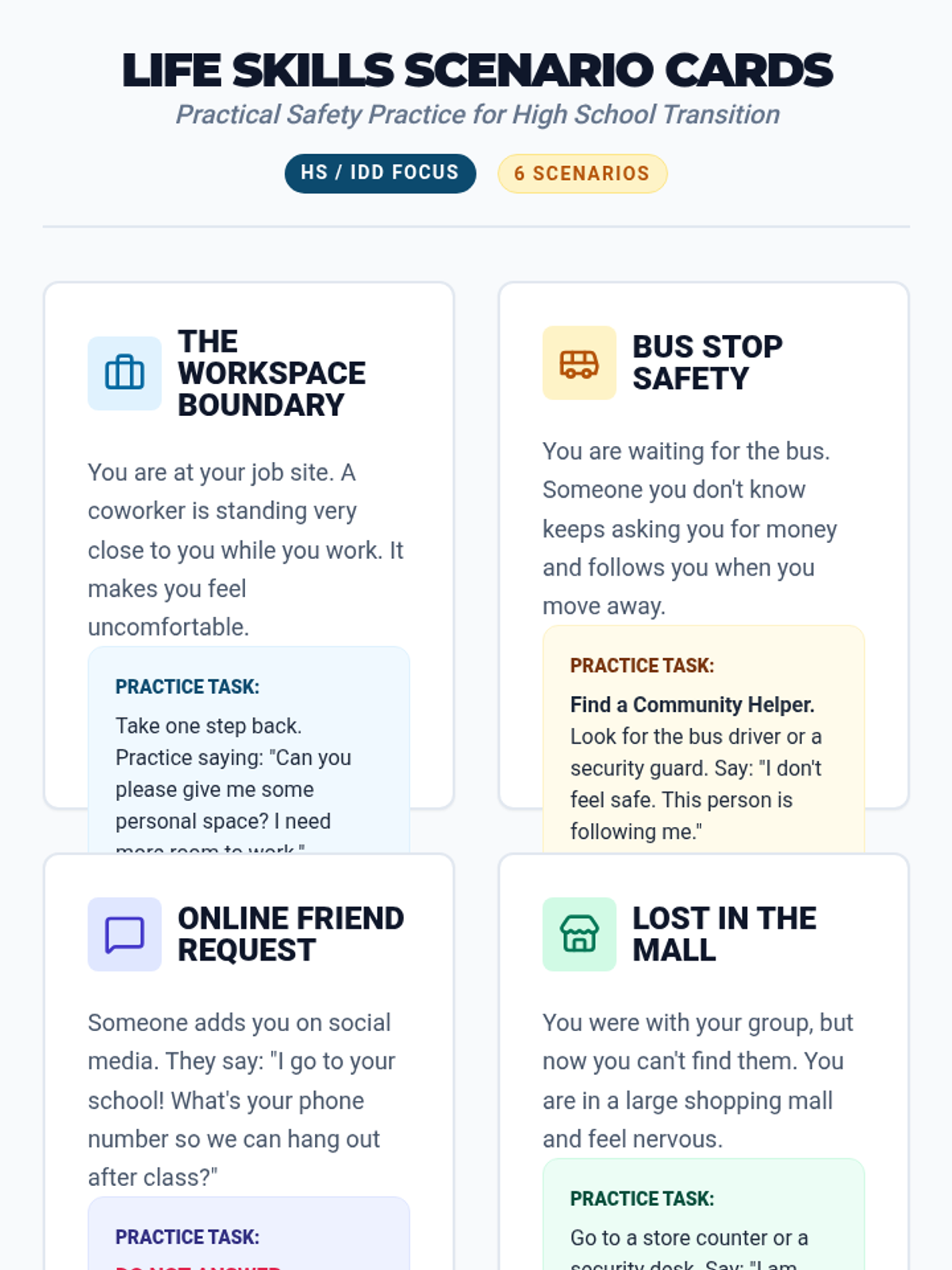
A comprehensive lesson teaching students how to identify safe adults, navigate digital interactions, ask for help in public, and maintain healthy boundaries with acquaintances.
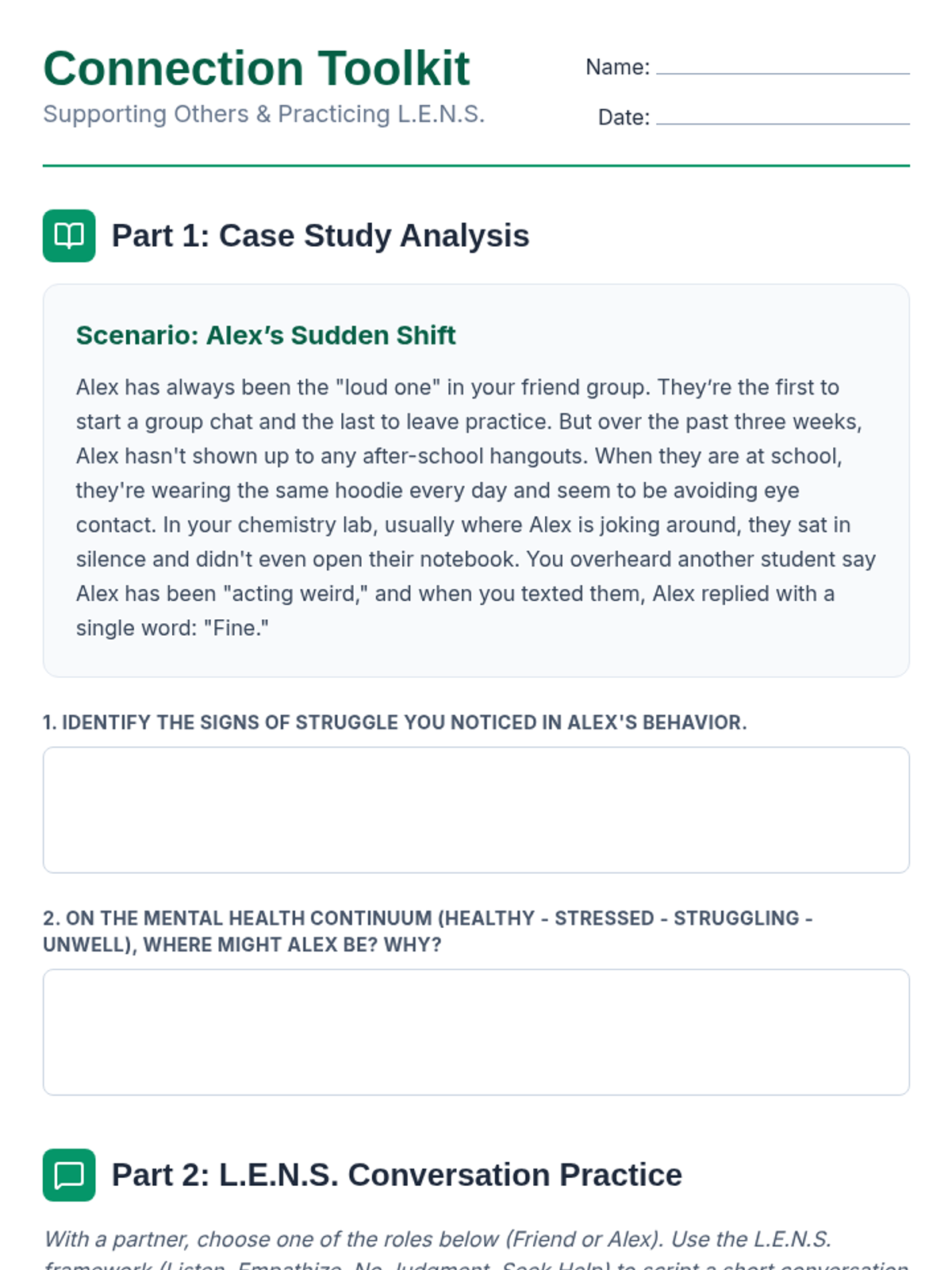
A comprehensive 45-minute lesson for high school students focusing on the mental health continuum, supportive communication, and student-led advocacy. Students engage in case studies and role-plays to build practical skills for supporting peers and promoting mental wellness in their community.
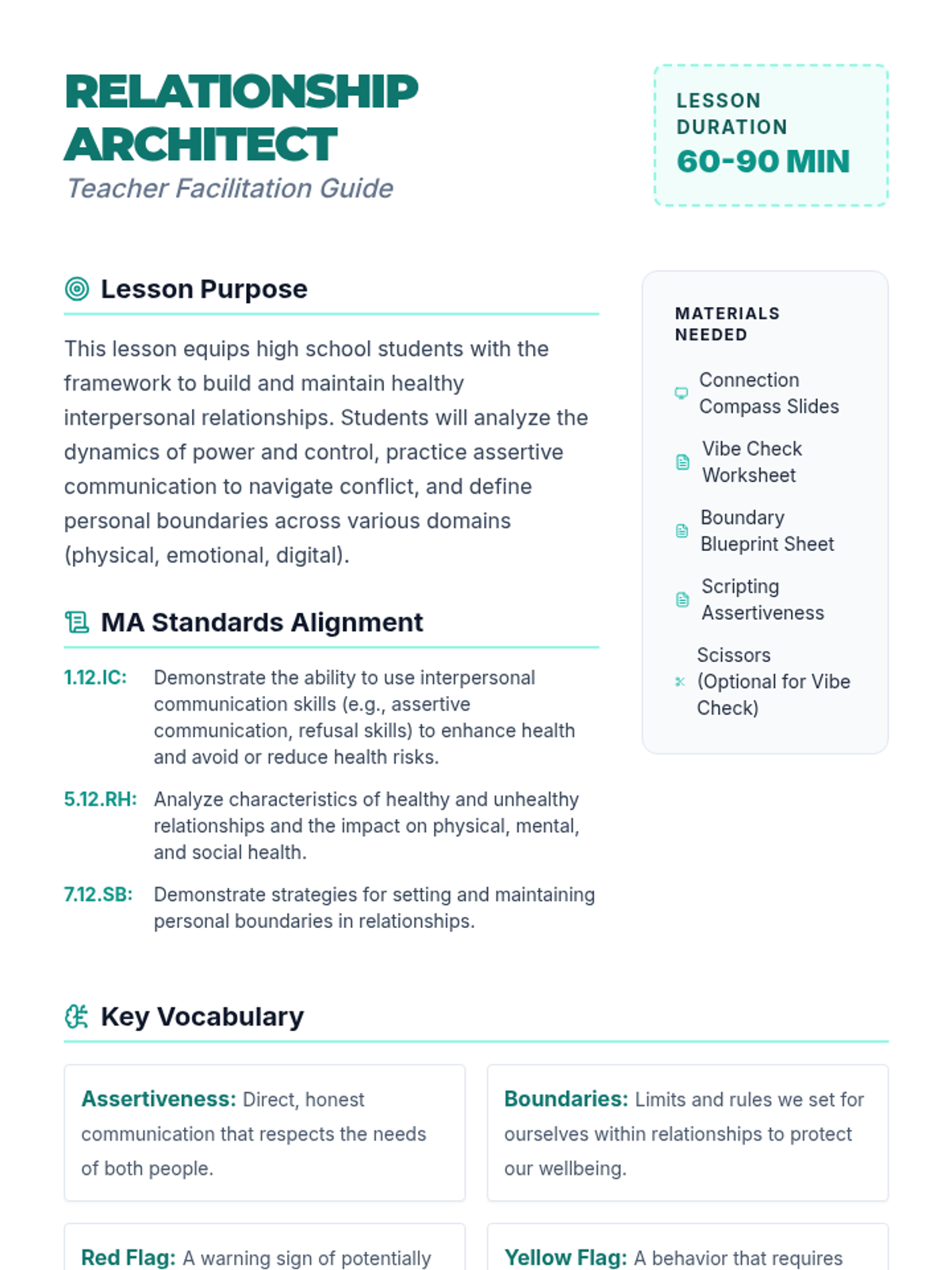
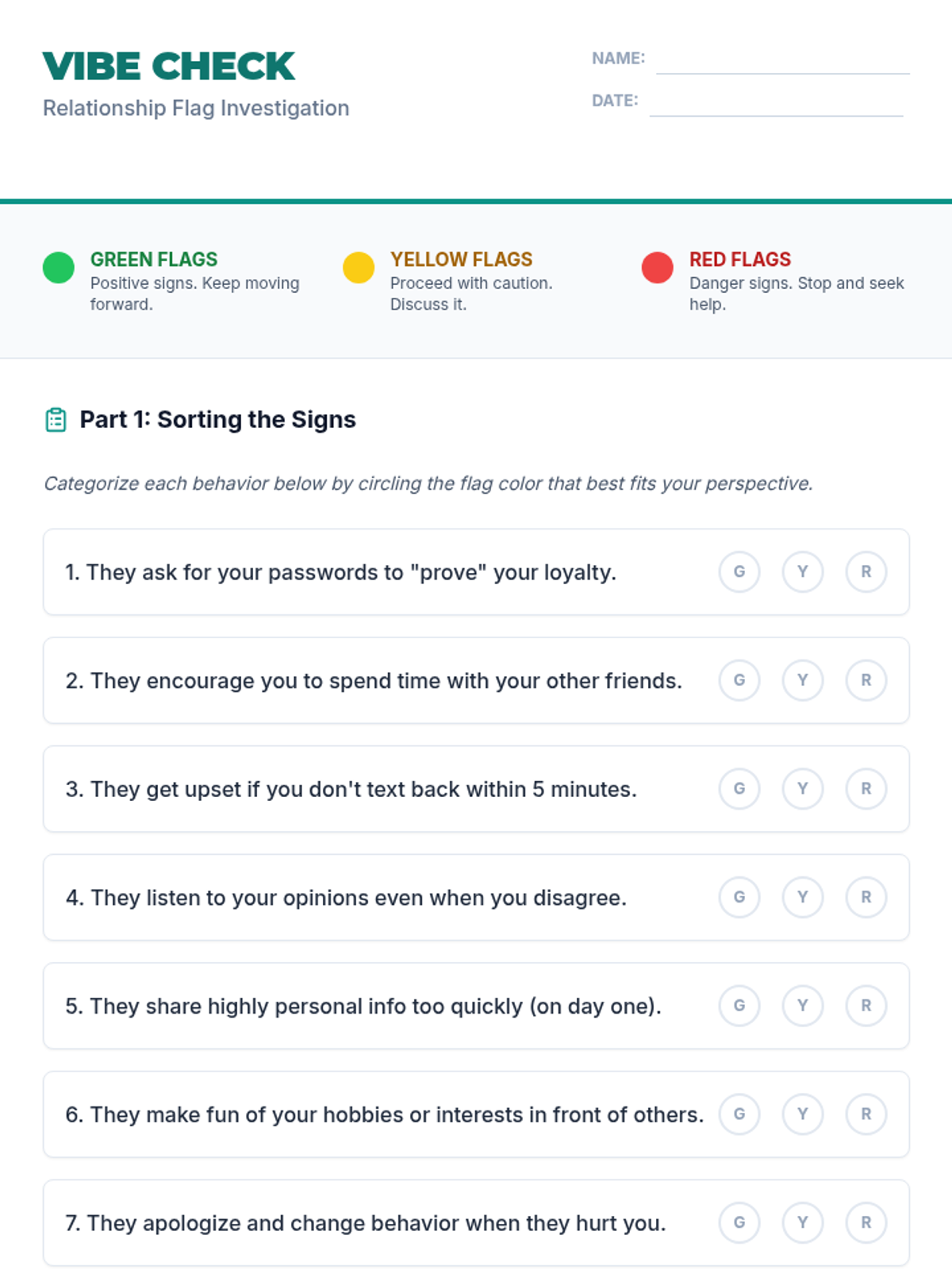
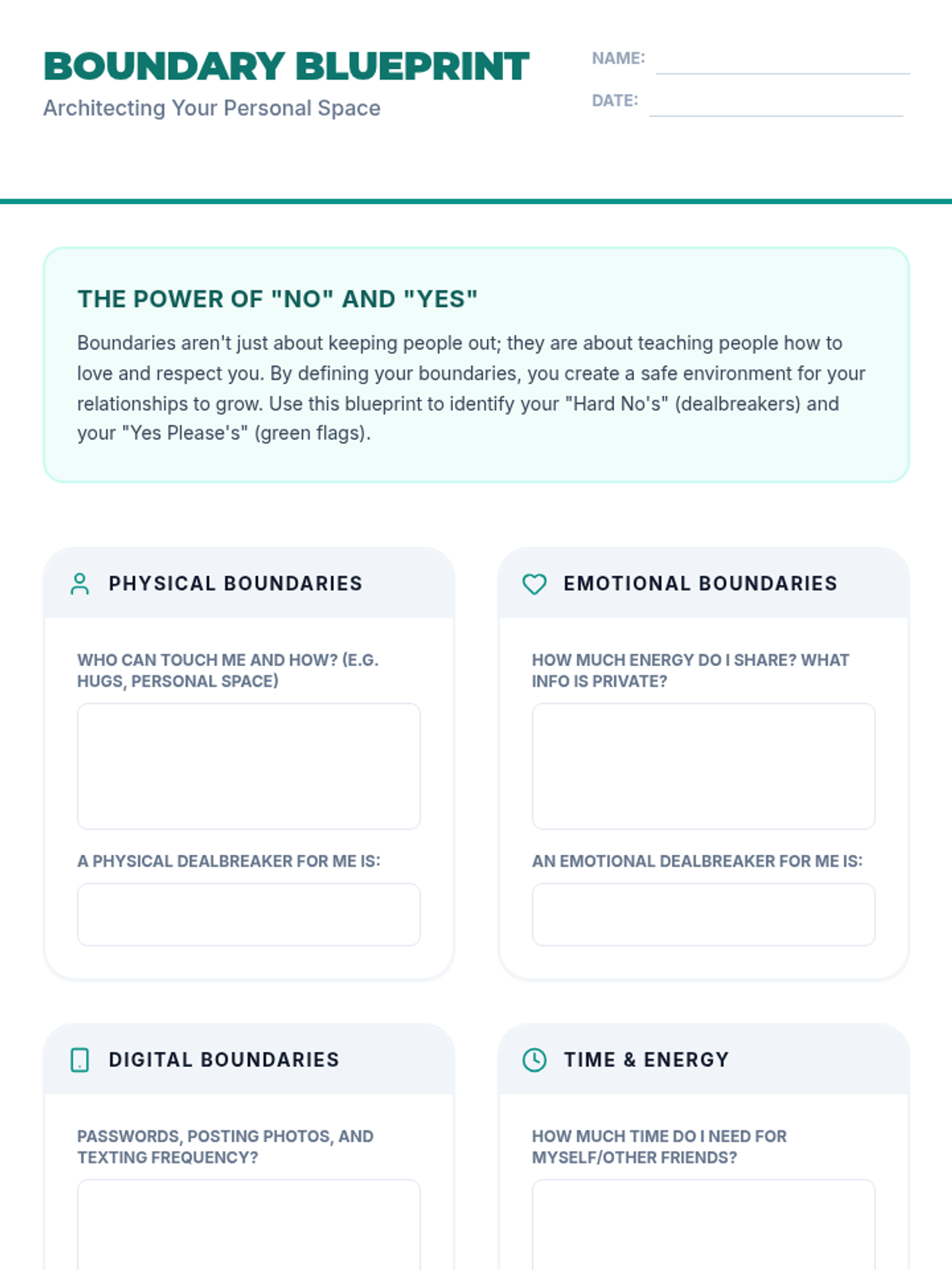
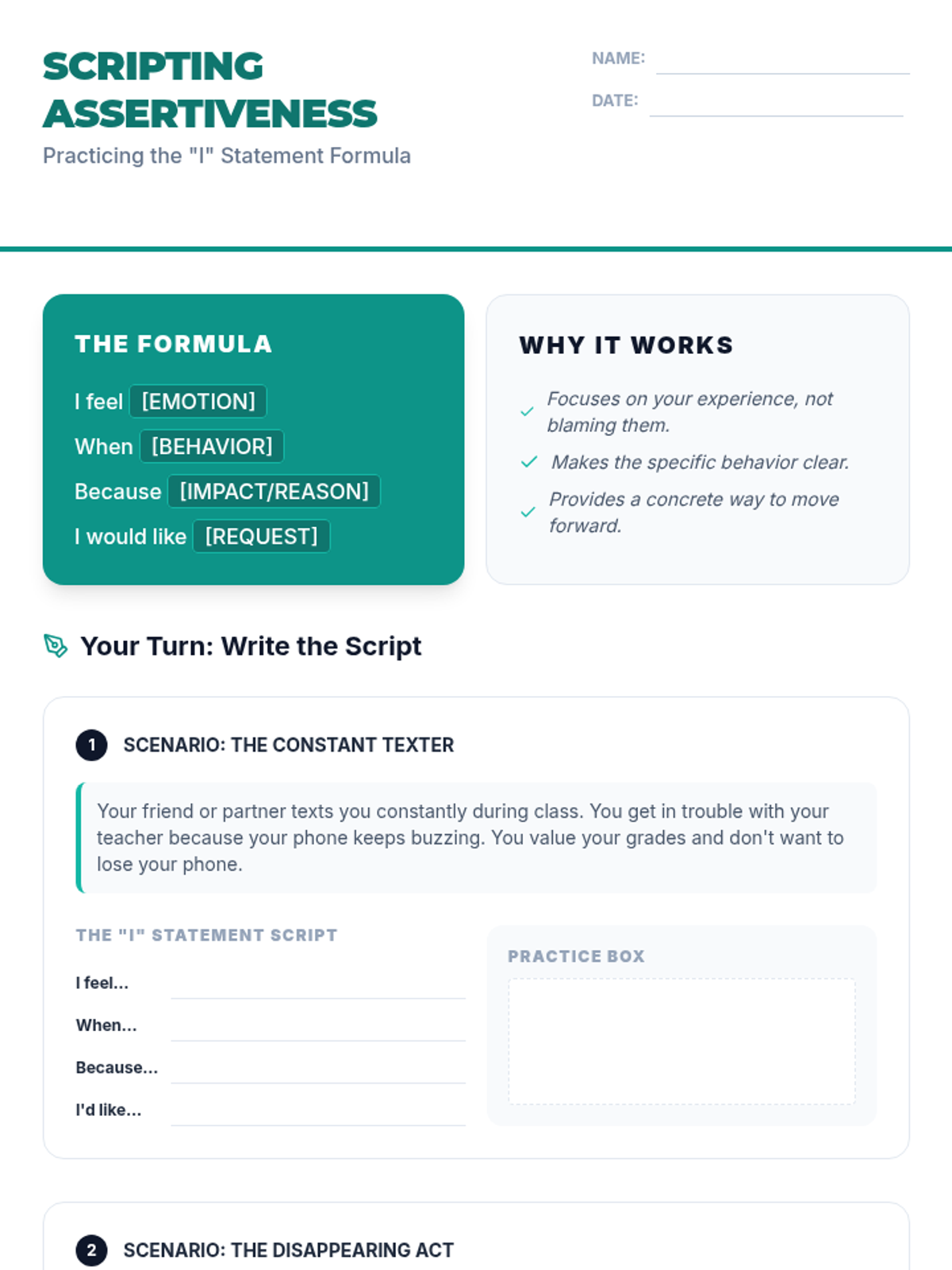
A comprehensive high school lesson focused on developing the skills needed for healthy interpersonal relationships, including boundary setting, assertive communication, and identifying relationship warning signs. Aligned with Massachusetts Health Education standards for interpersonal communication and relationship health.
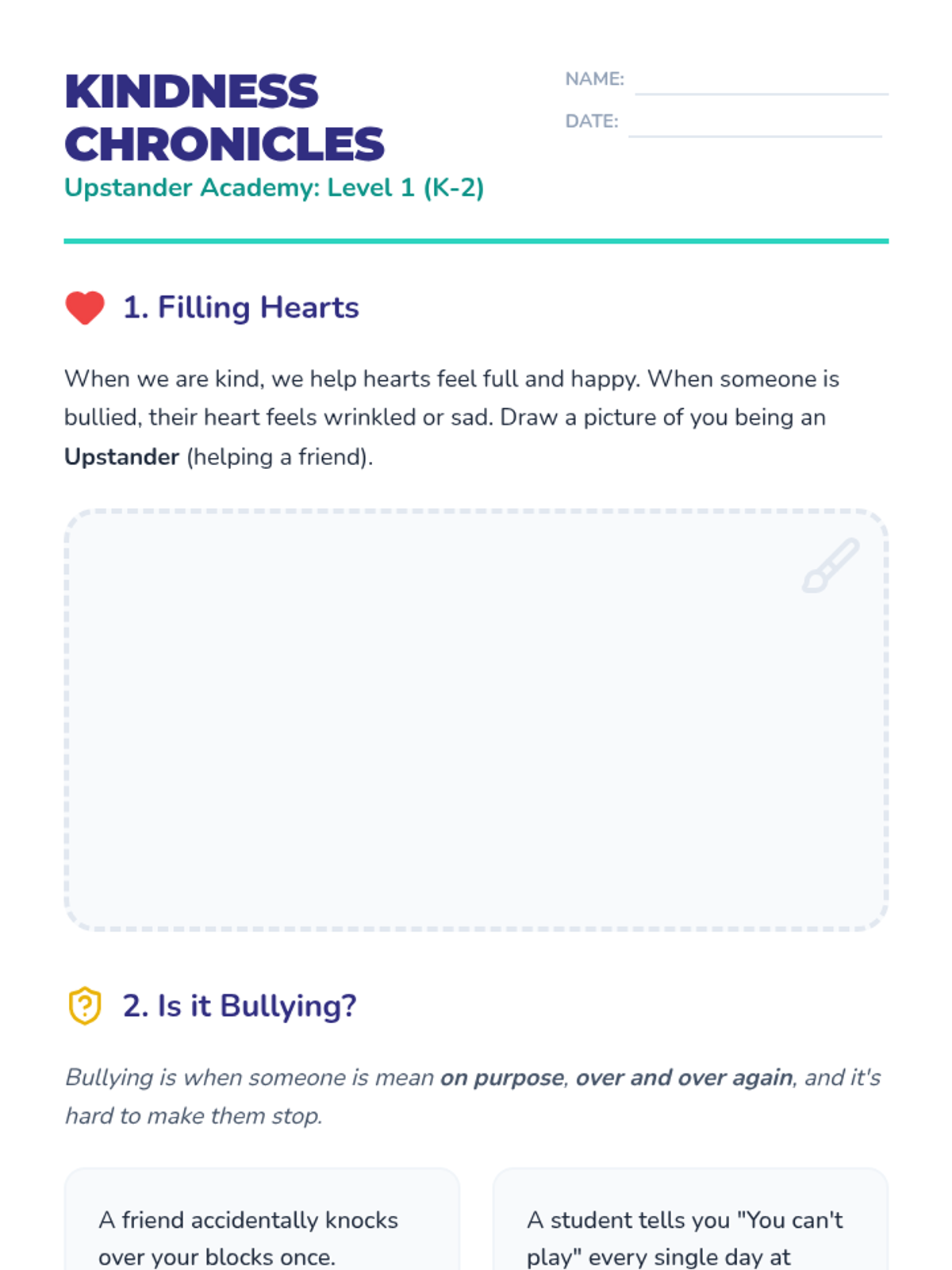
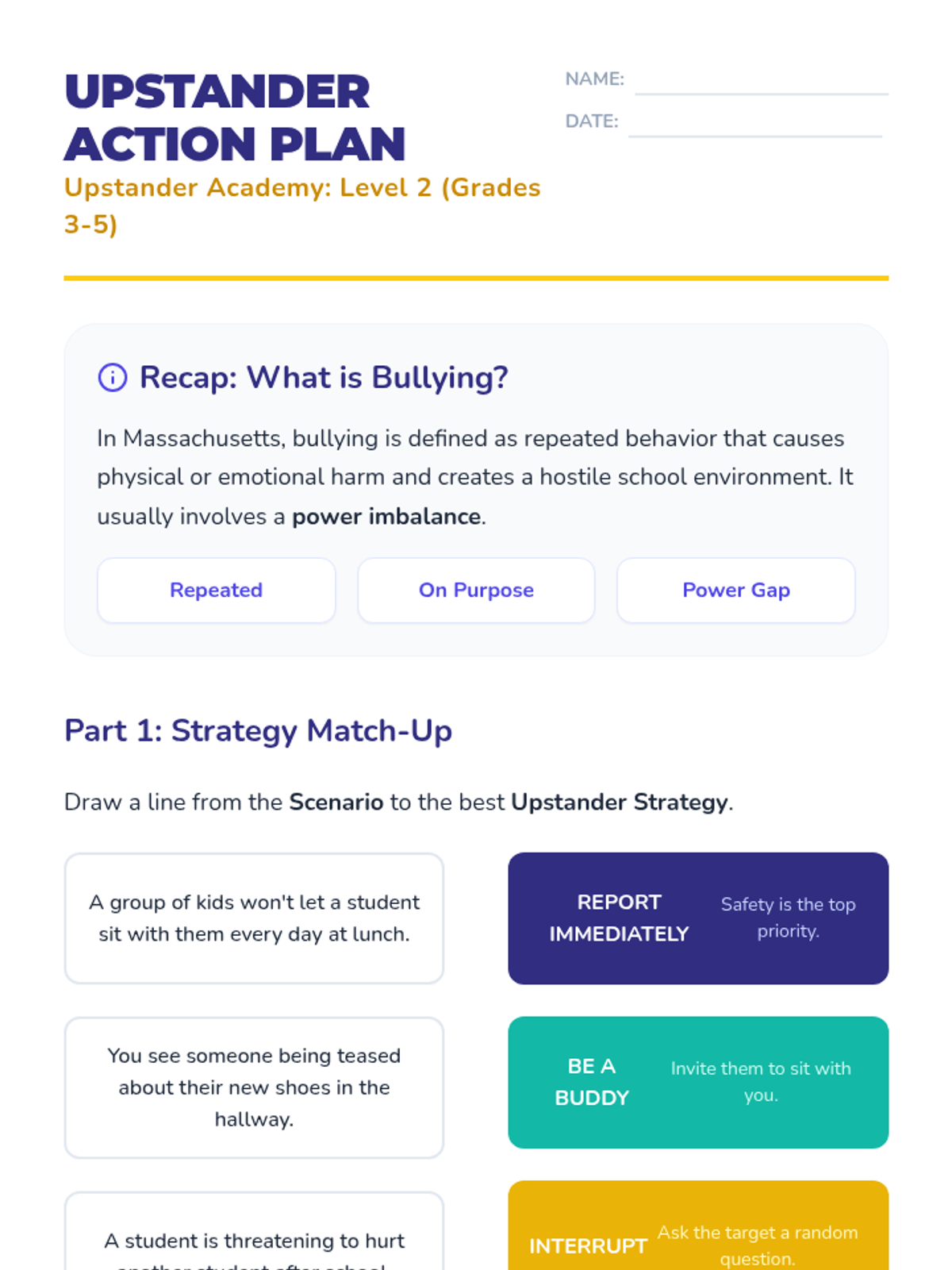
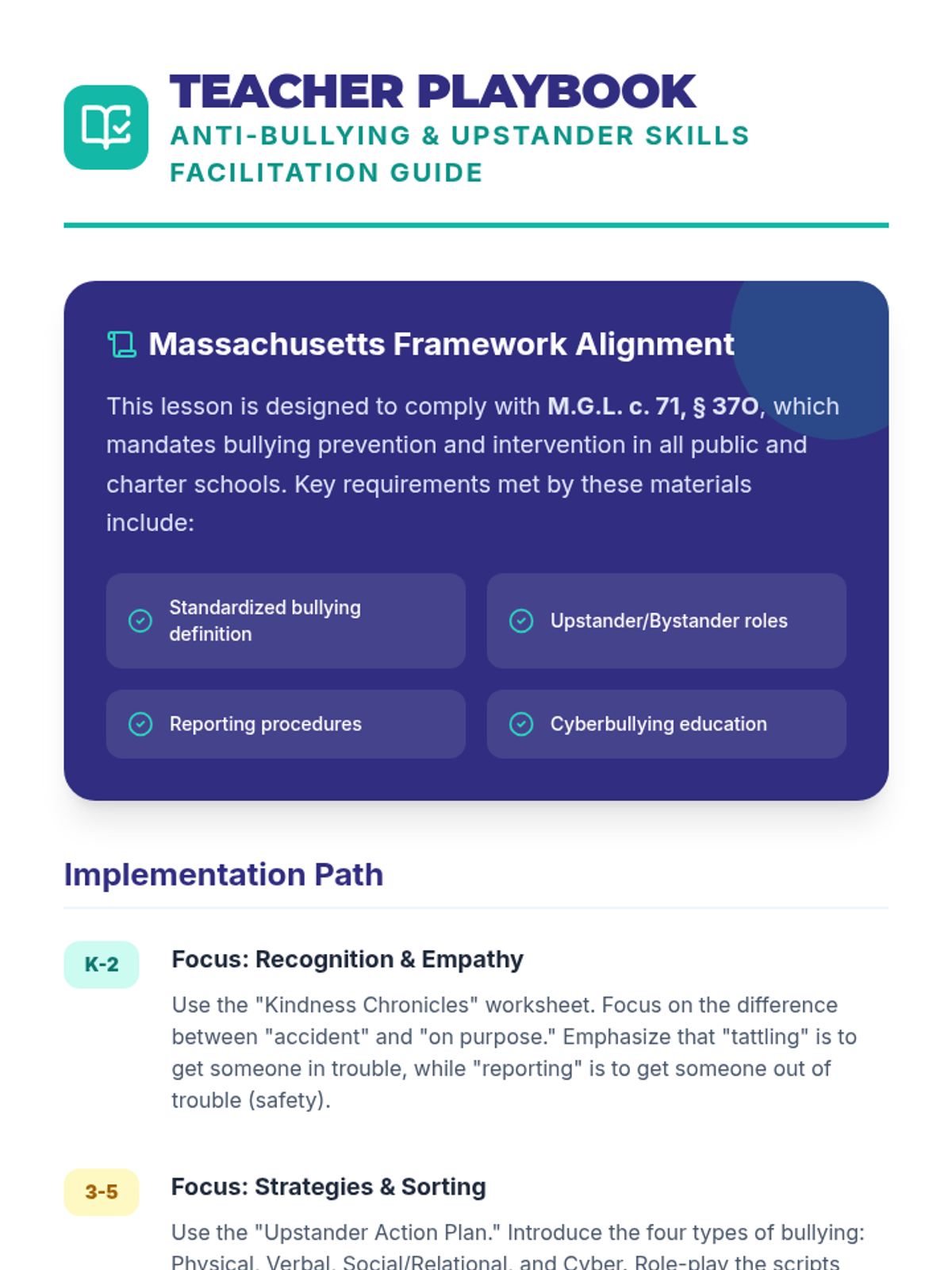
A comprehensive anti-bullying and upstander skills lesson designed for K-12 students. It focuses on identifying bullying, developing empathy, and providing concrete reporting strategies aligned with Massachusetts state frameworks.
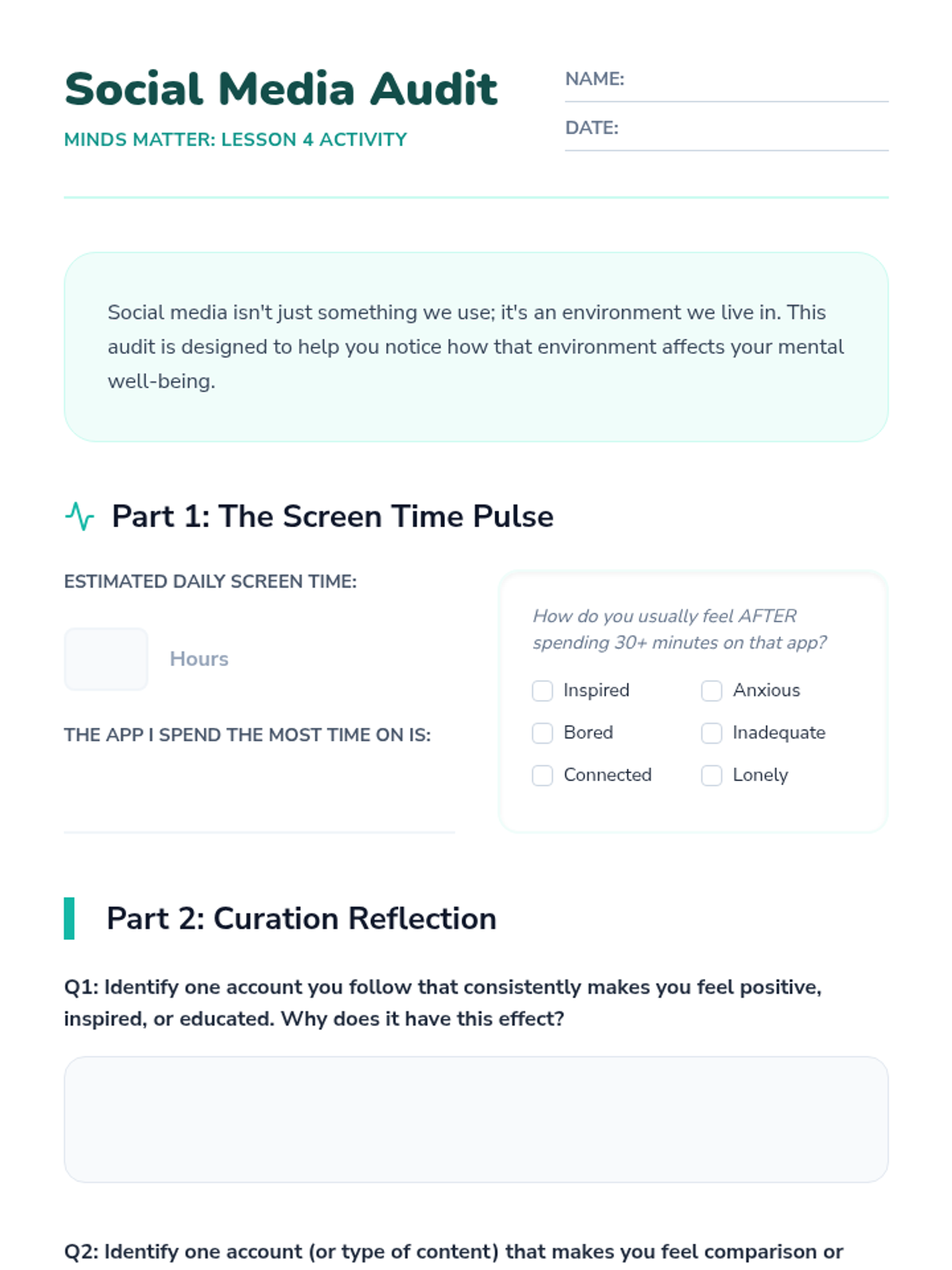
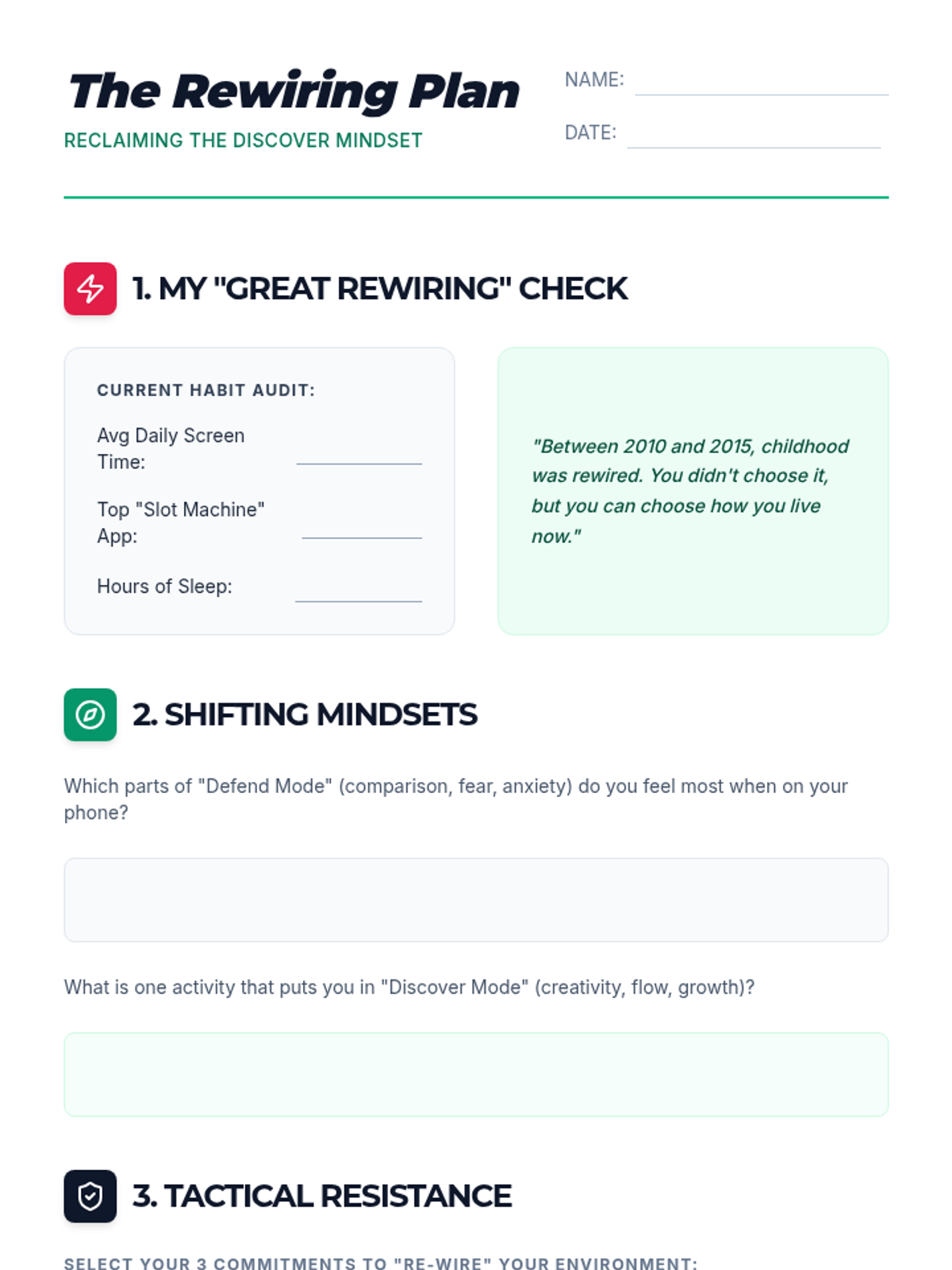
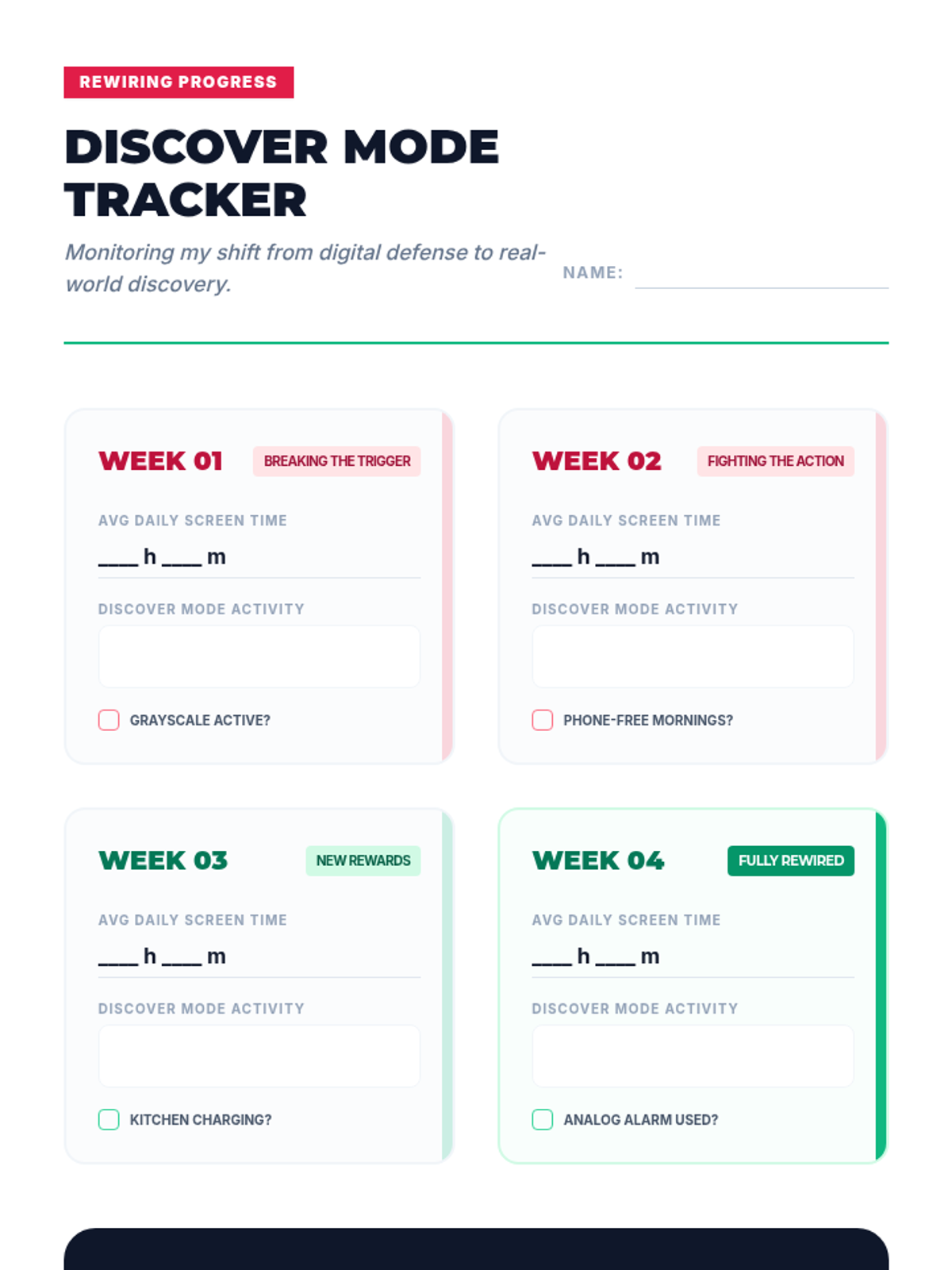
A 30-minute workshop designed for upper high school students to evaluate their digital habits and construct a personalized plan for reducing screen time in favor of real-world engagement.
A high school social work lesson focused on substance use prevention and harm reduction. This lesson provides evidence-based information on risk factors and brain science, teaches practical refusal skills, and introduces harm reduction strategies through a non-judgmental, student-centered lens.
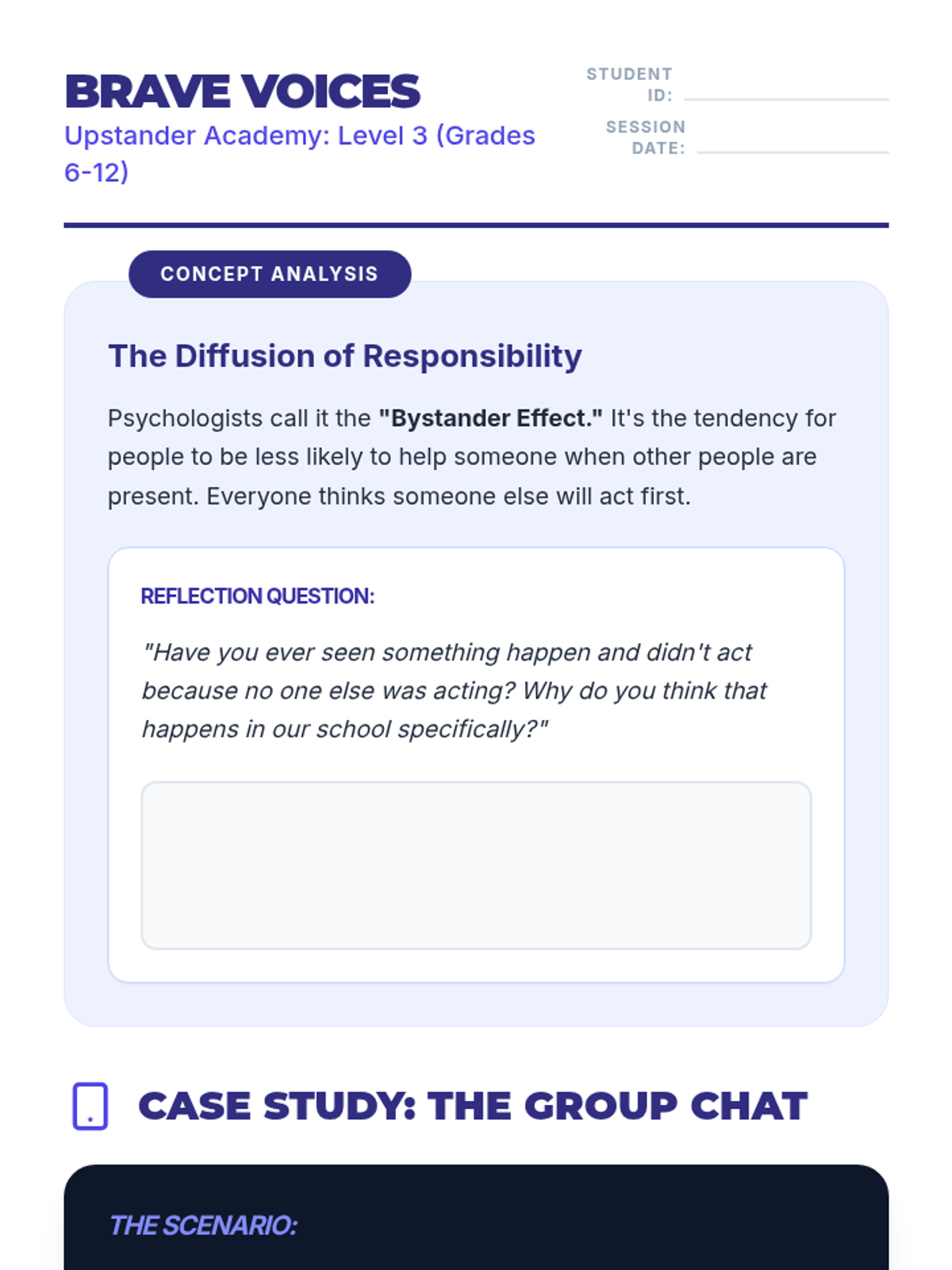
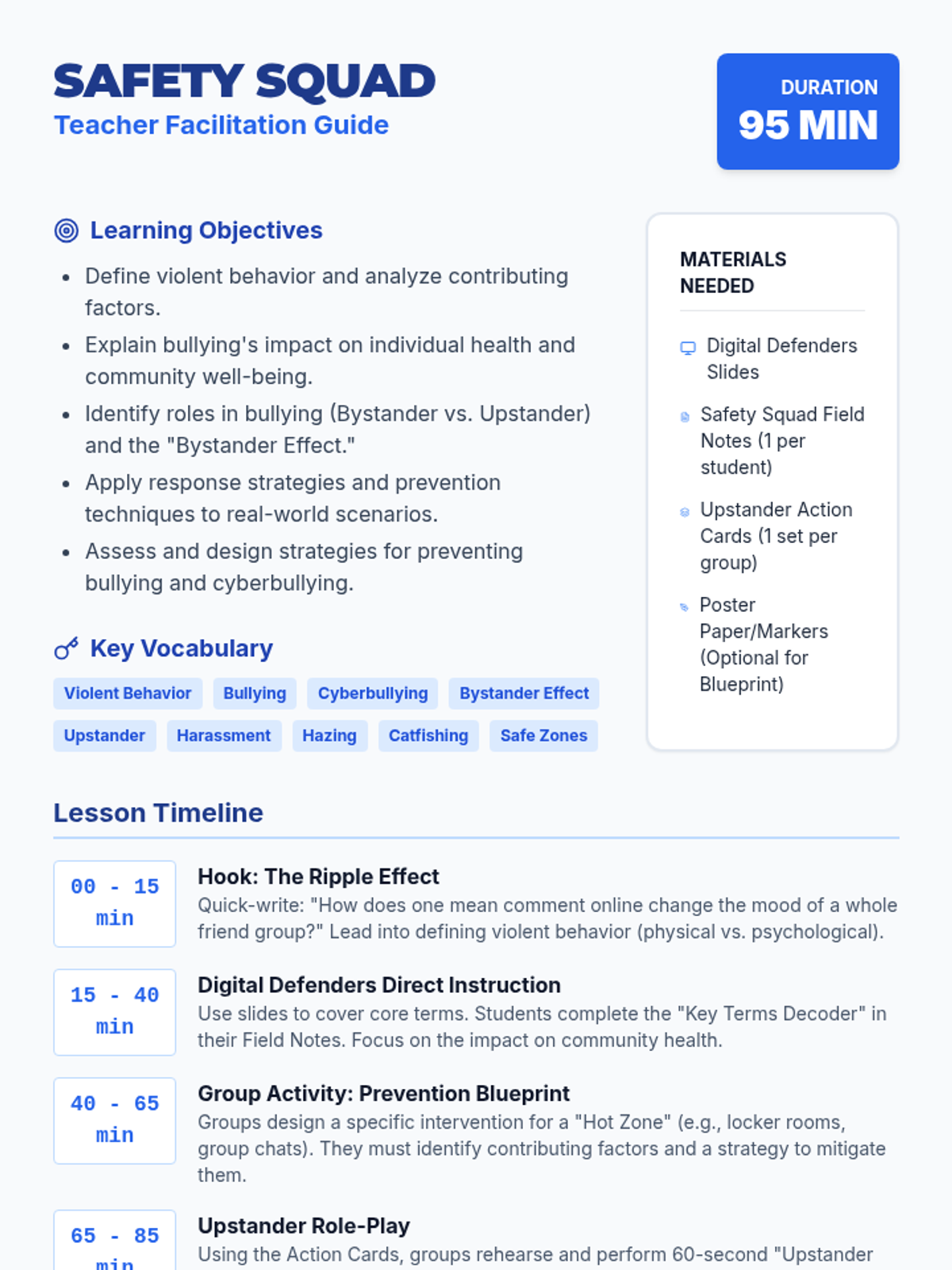
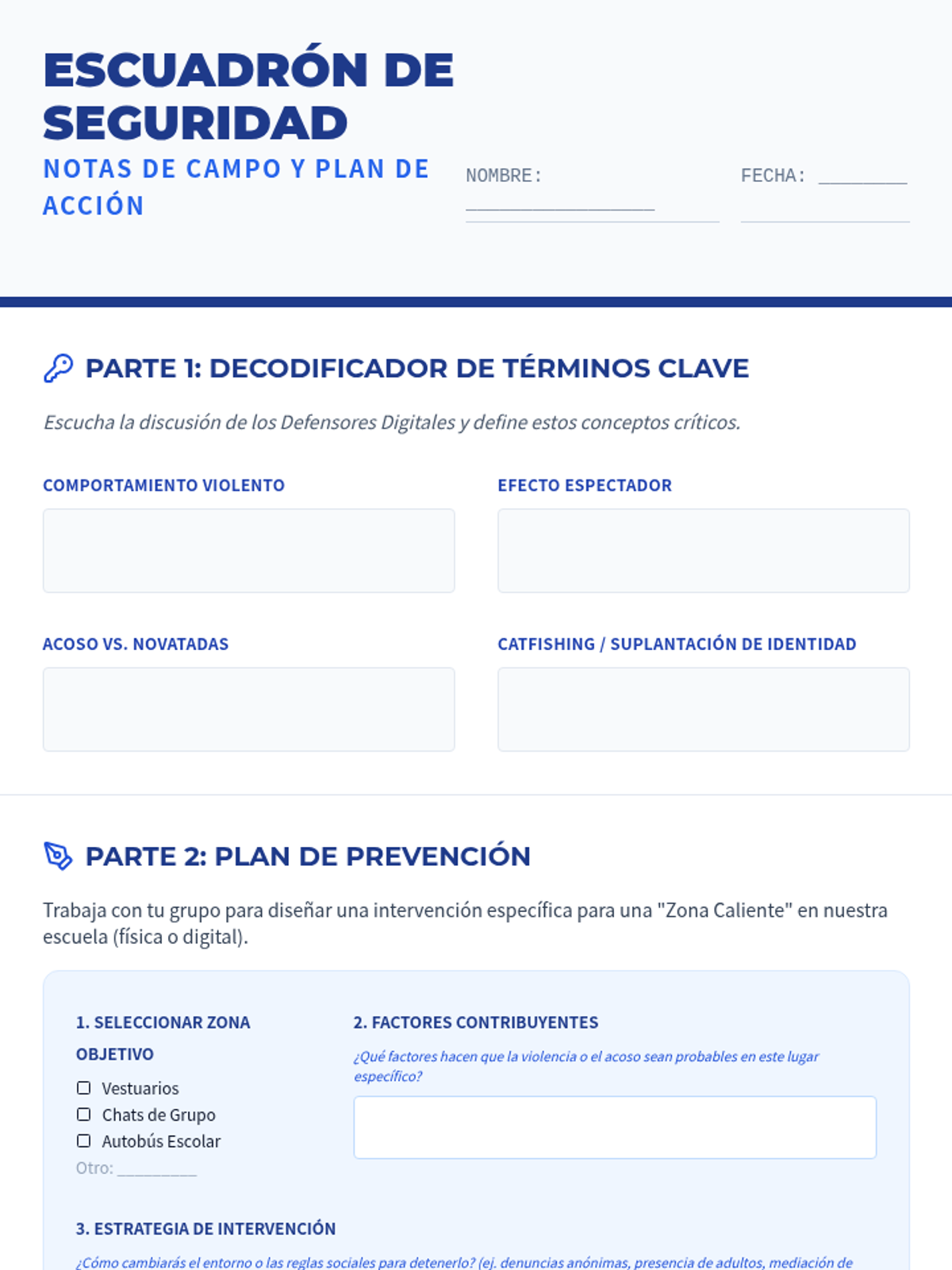
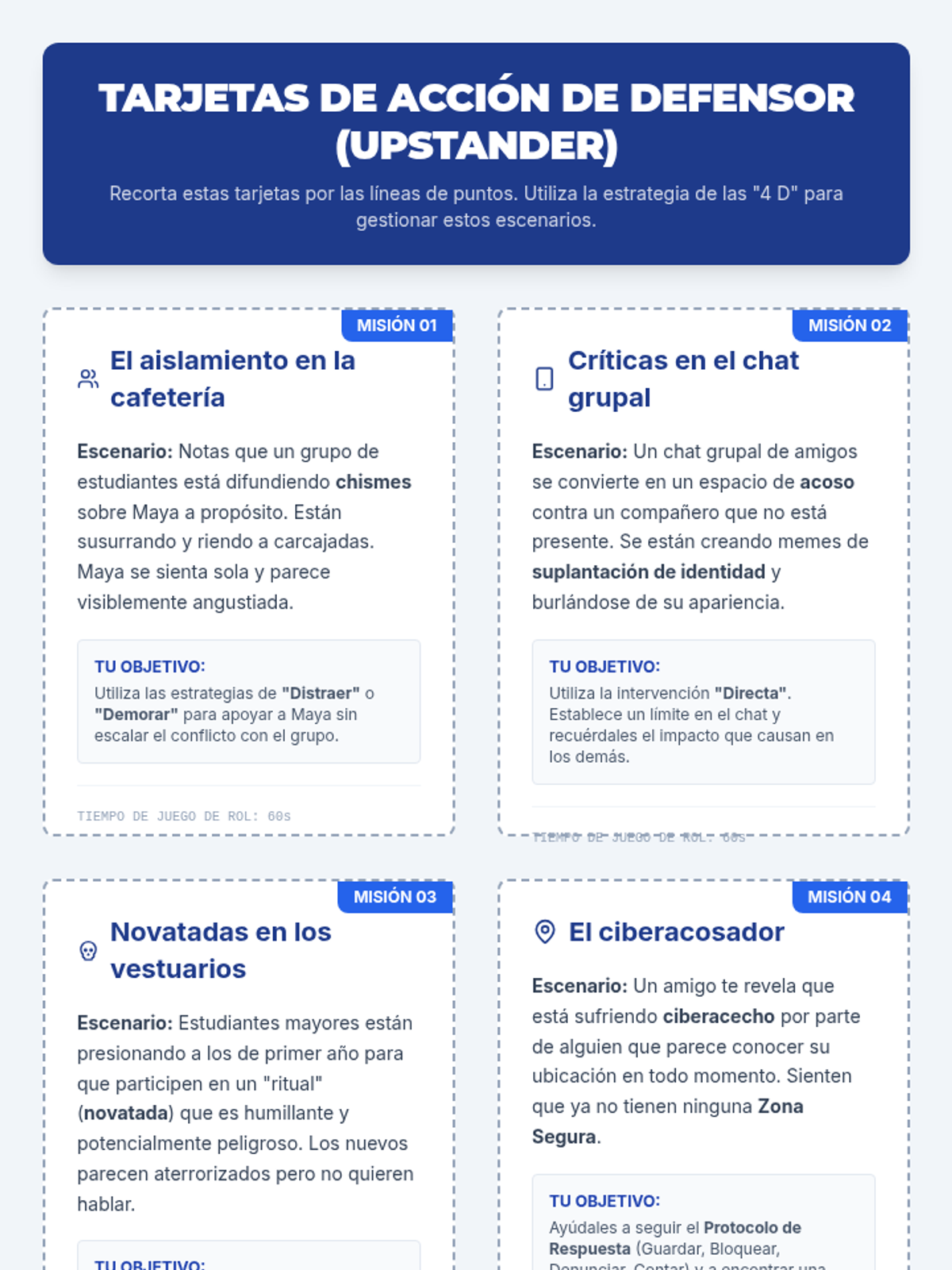
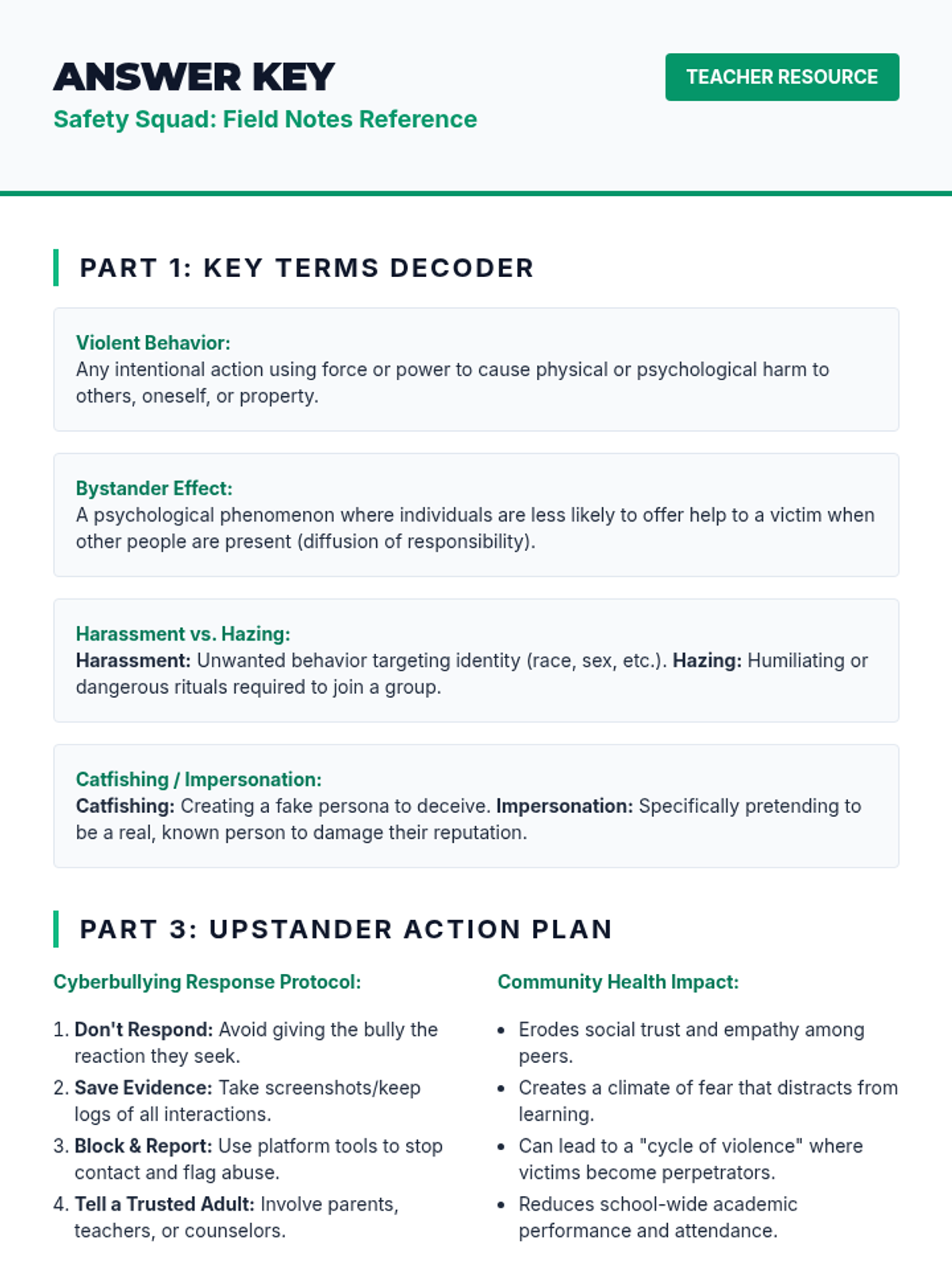
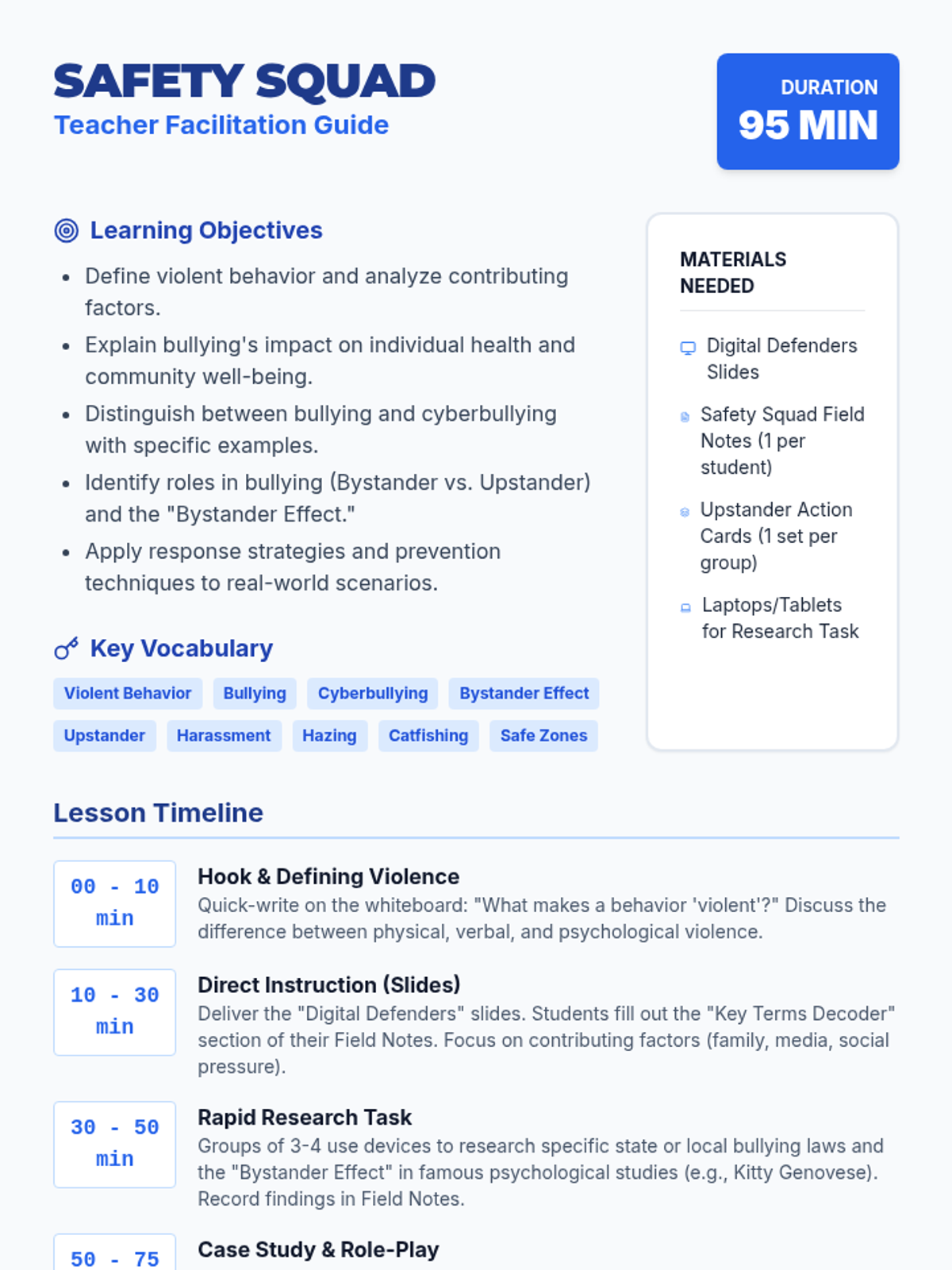
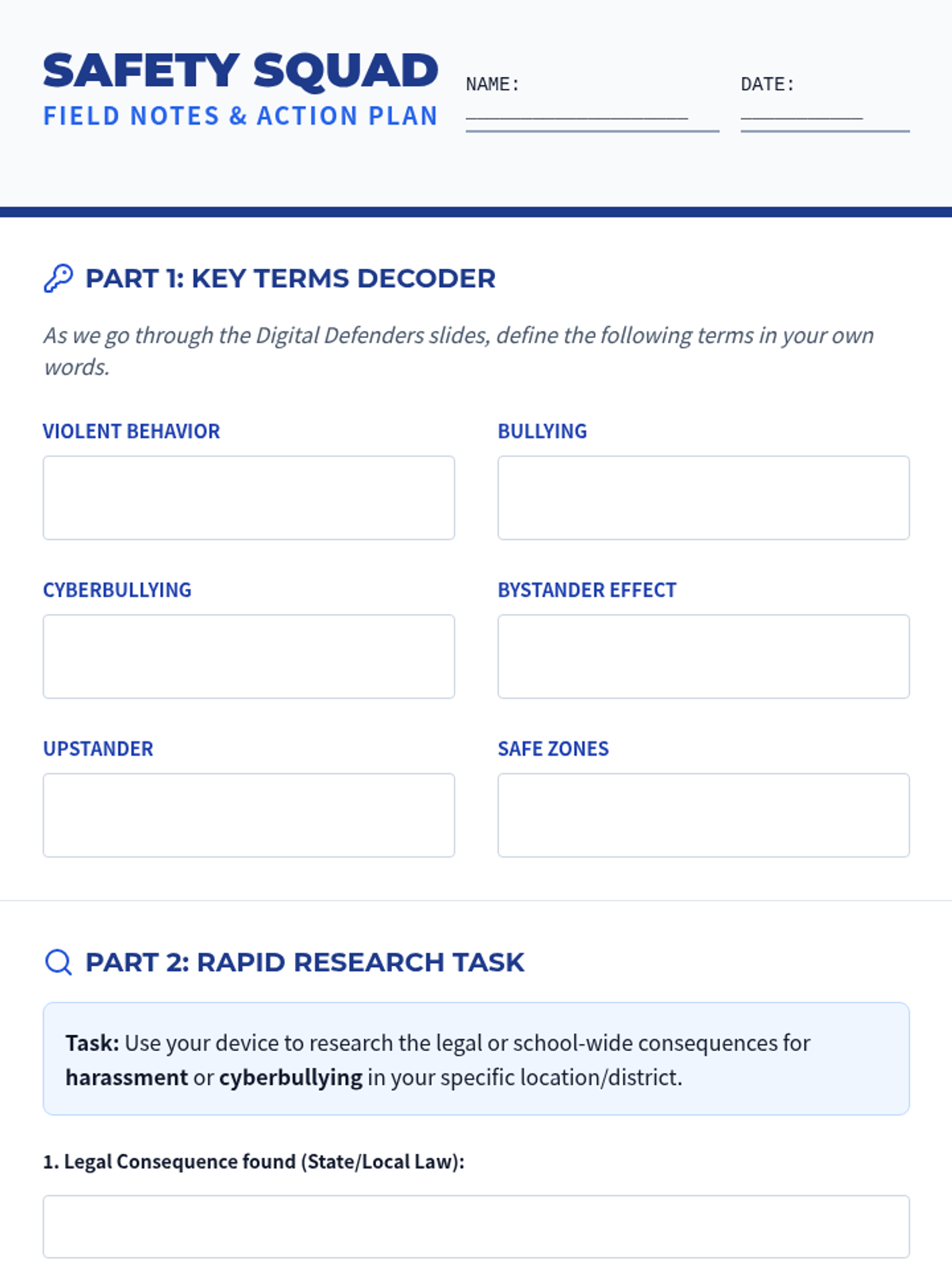
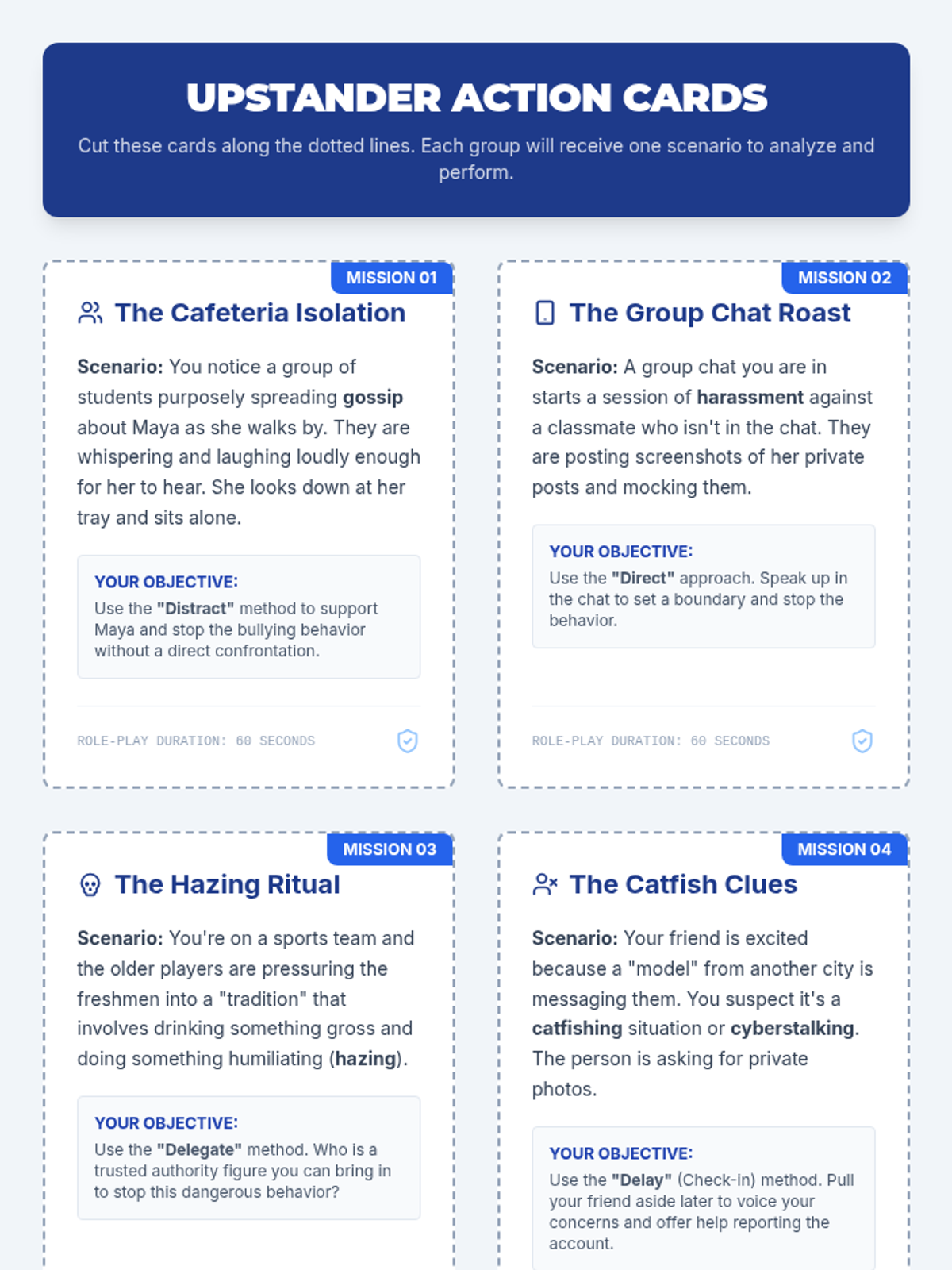
A comprehensive 95-minute lesson for 9th graders focusing on defining violent behavior, understanding the impacts of bullying and cyberbullying, and developing upstander skills through case studies and role-playing.
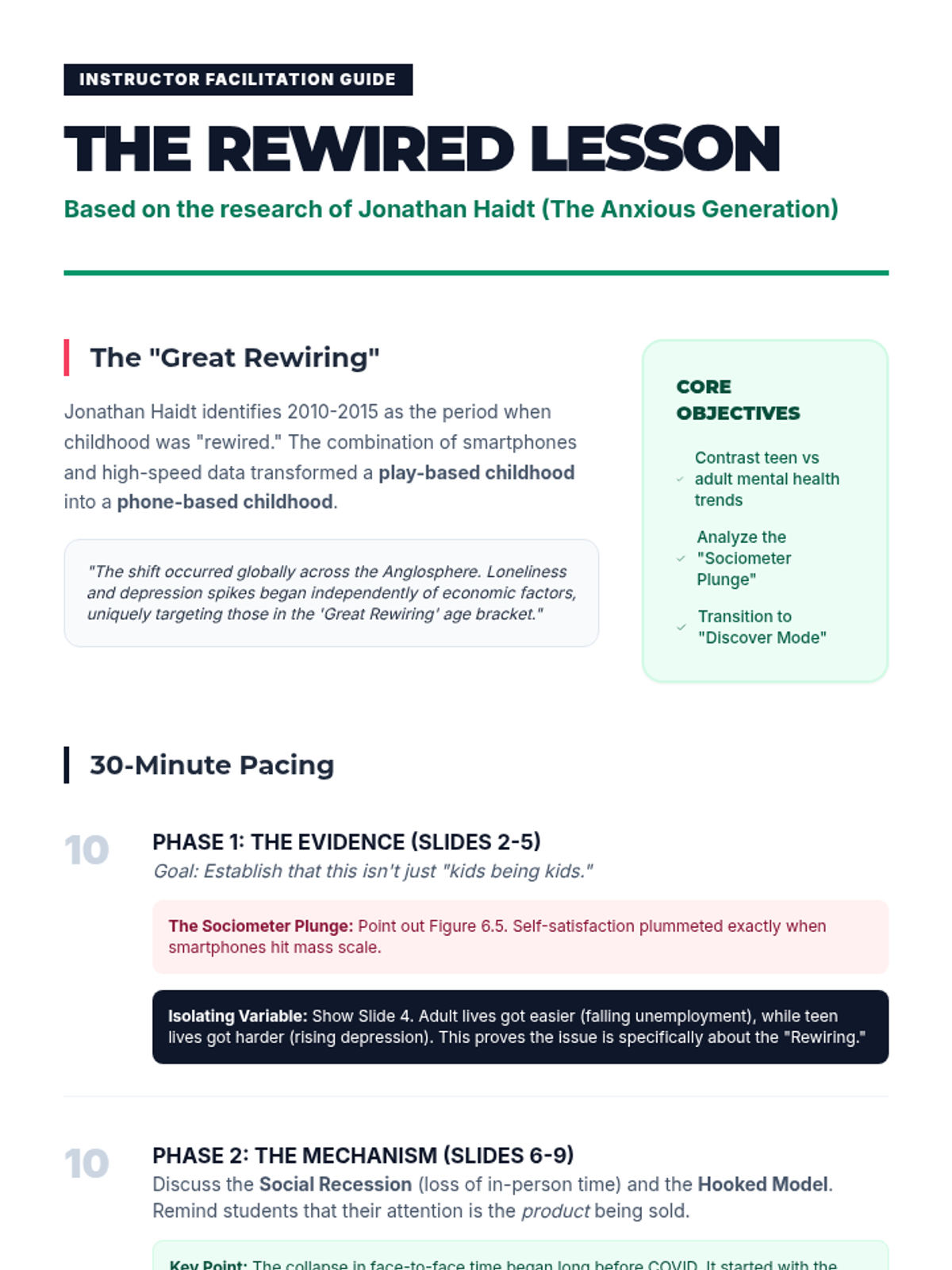
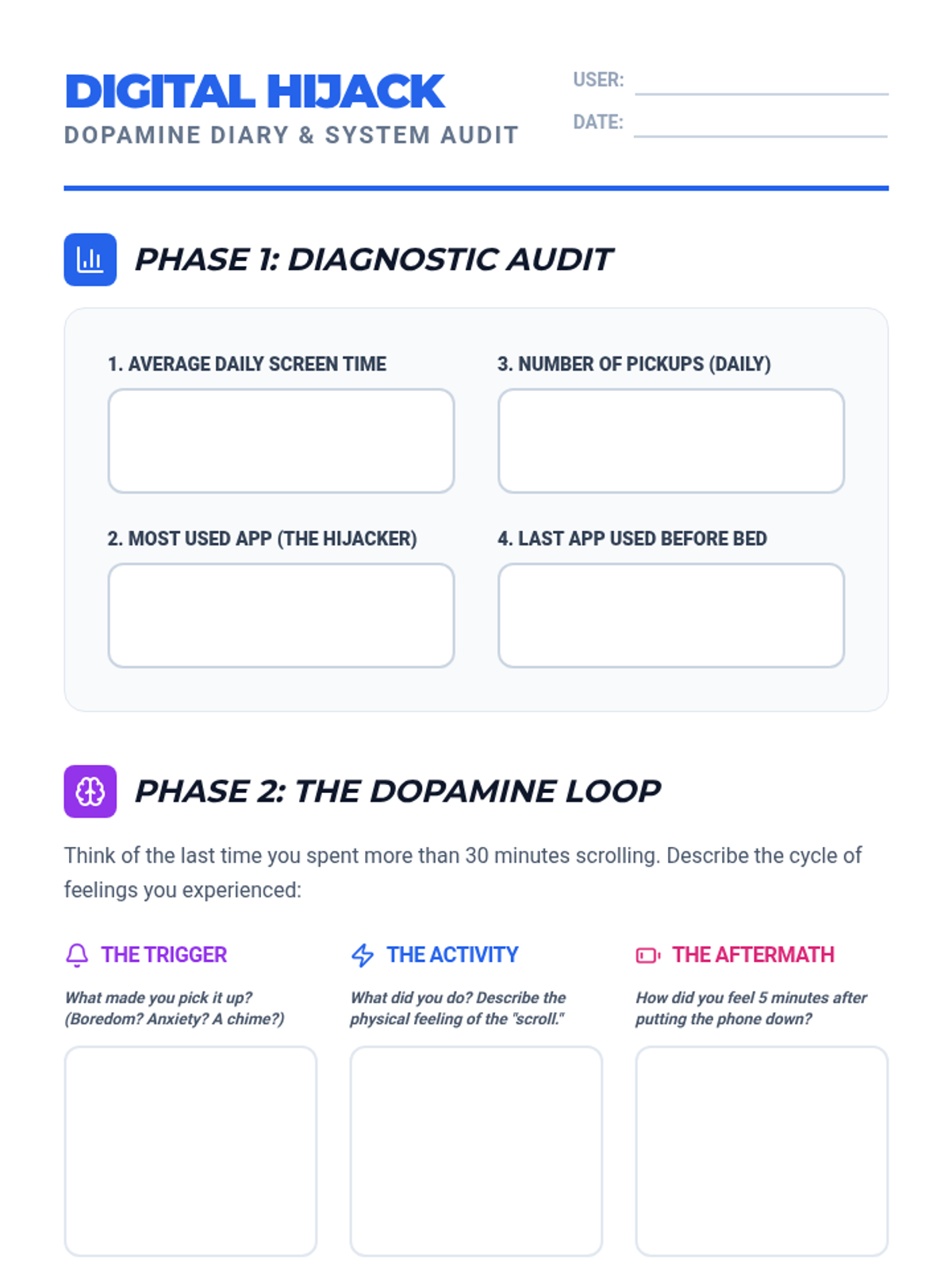
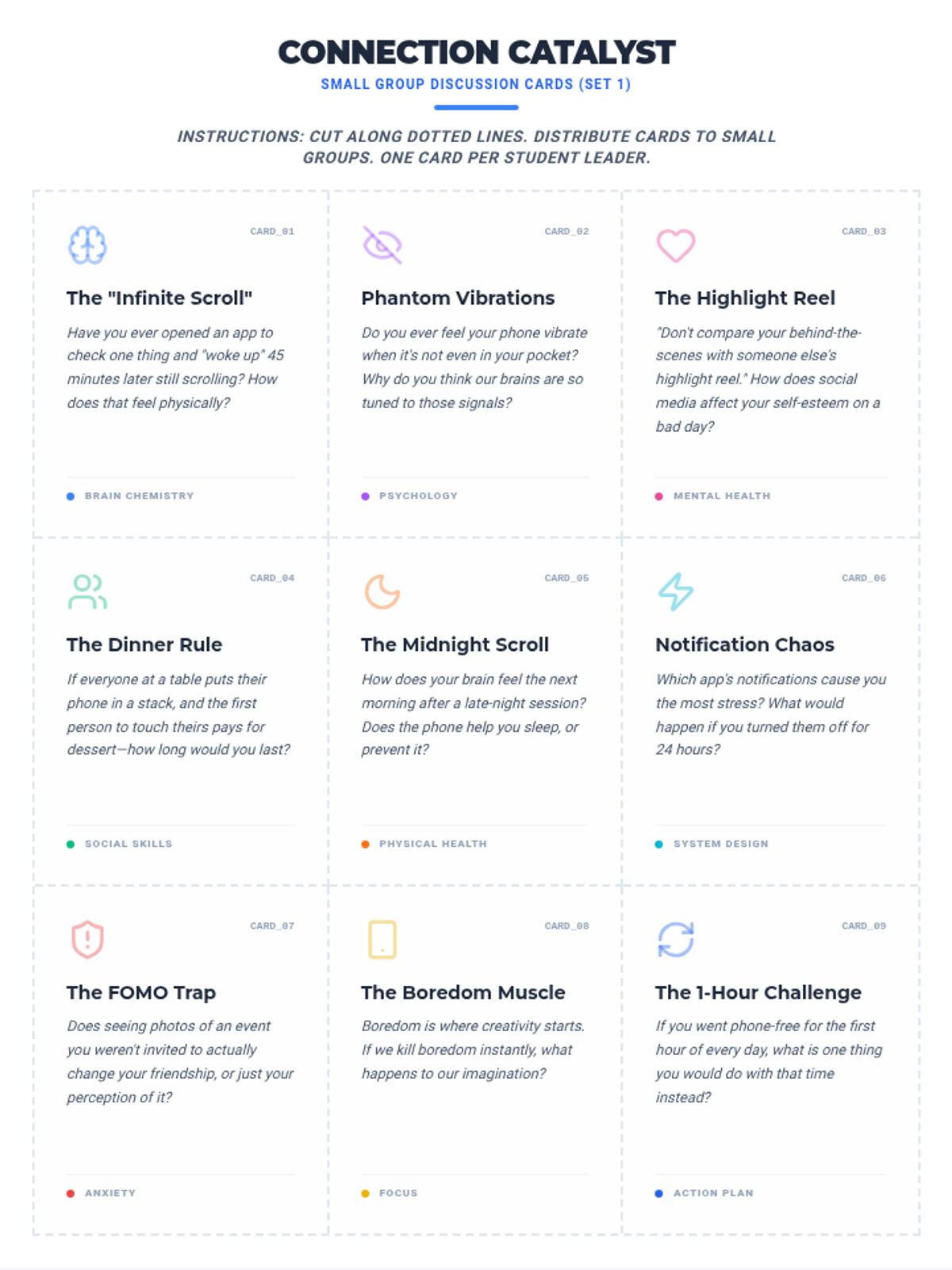
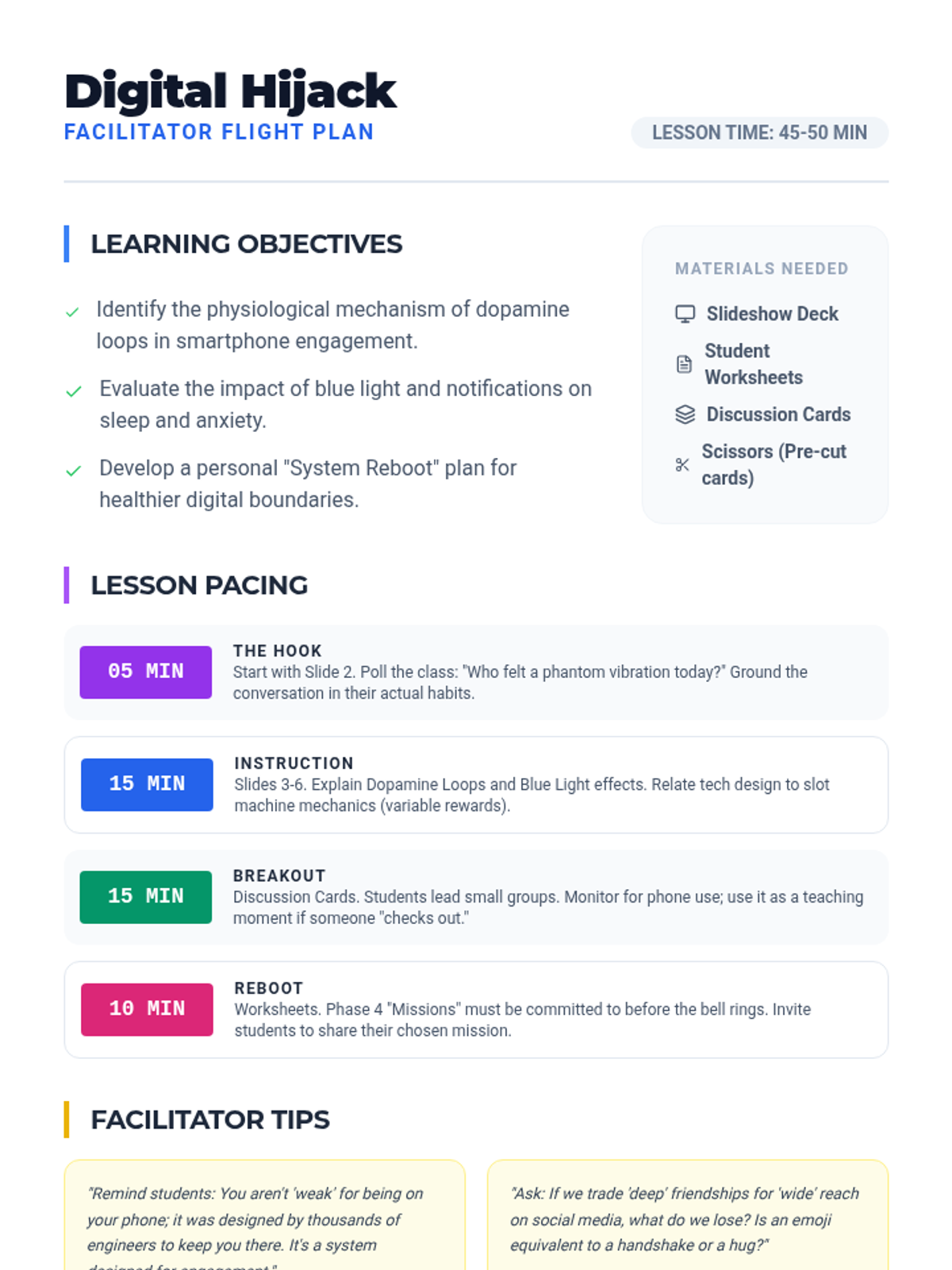
A comprehensive lesson for teenagers exploring the physiological and psychological impacts of smartphone addiction, covering dopamine loops, sleep disruption, anxiety, and social isolation.
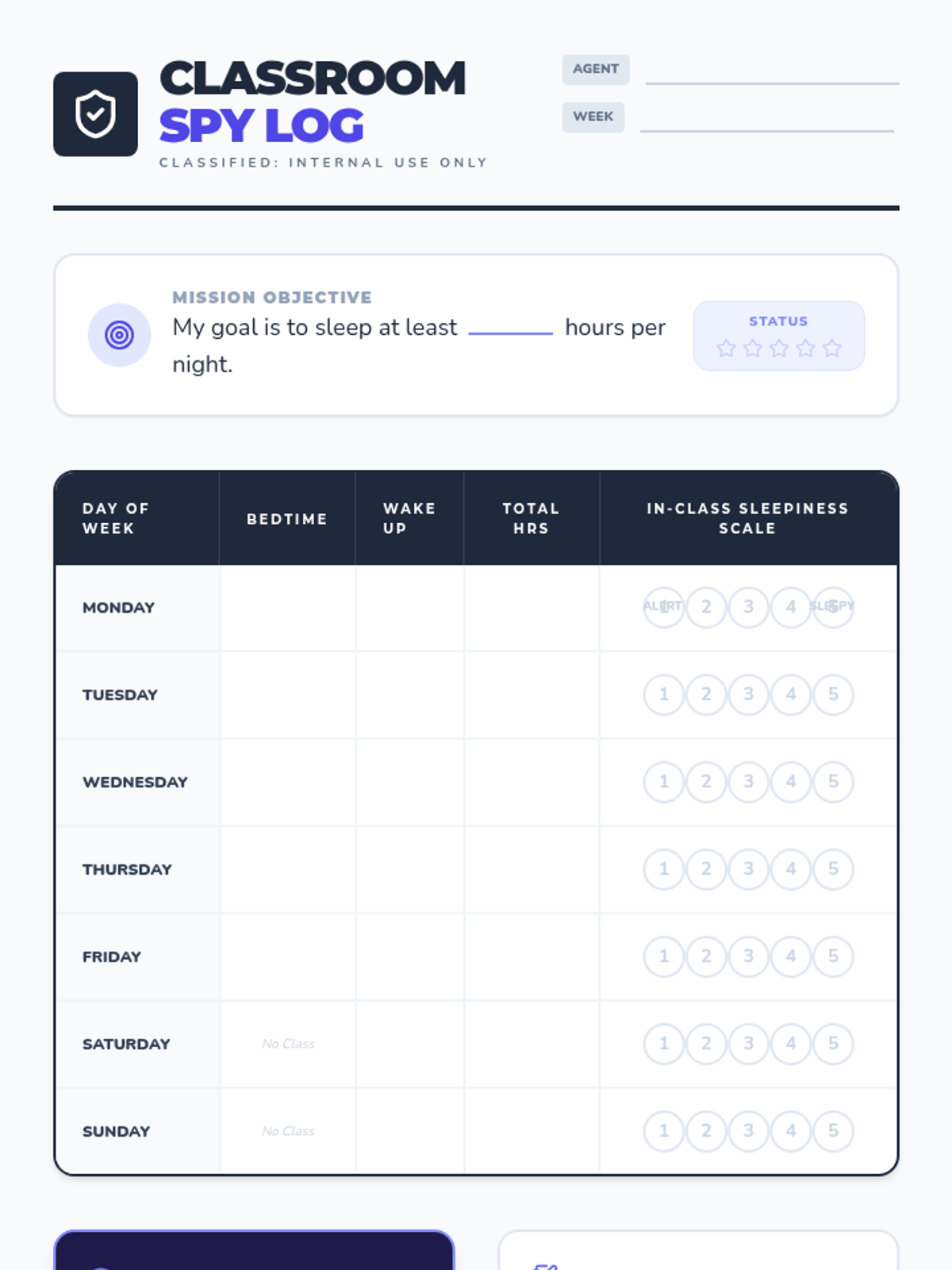
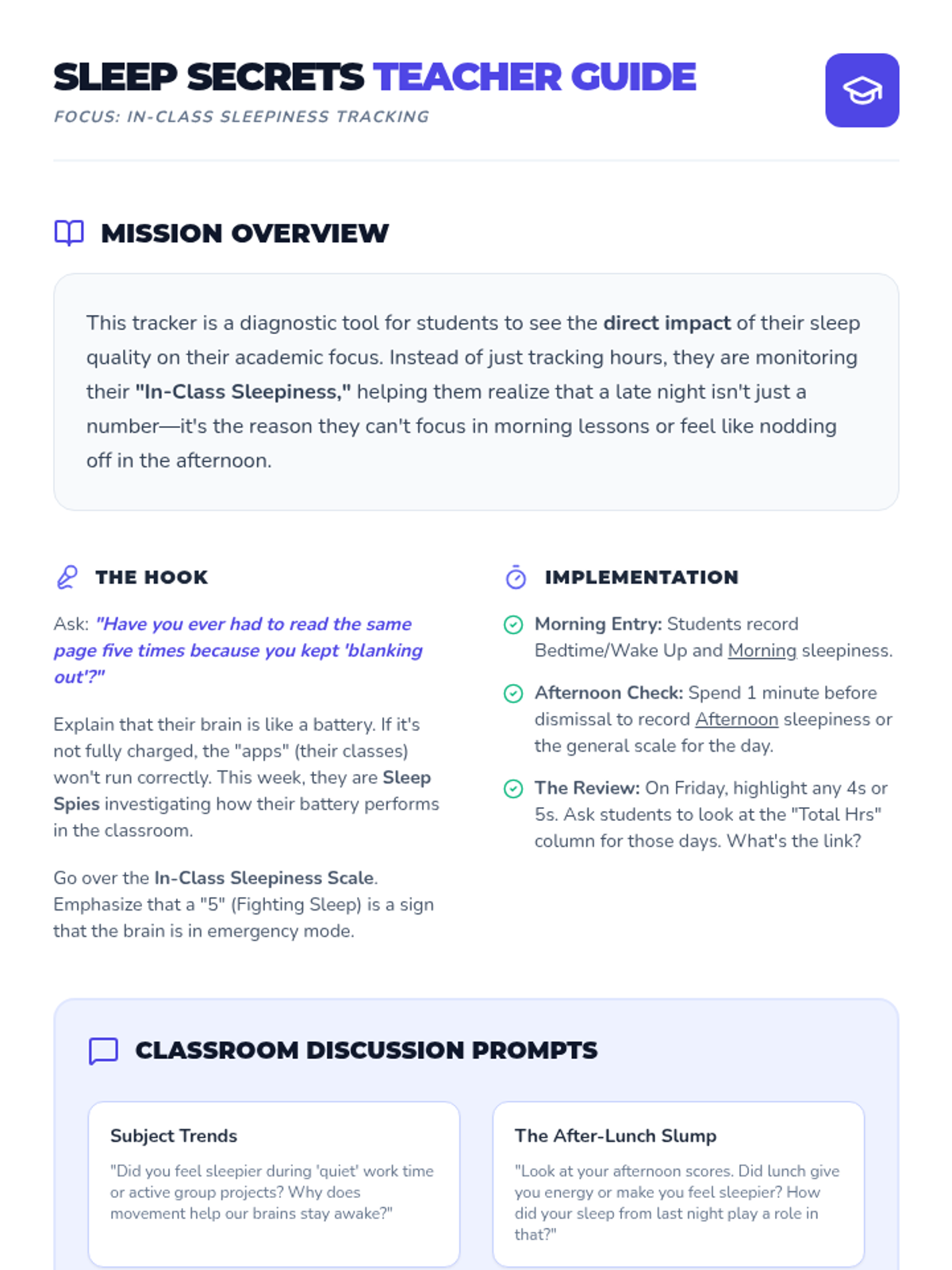
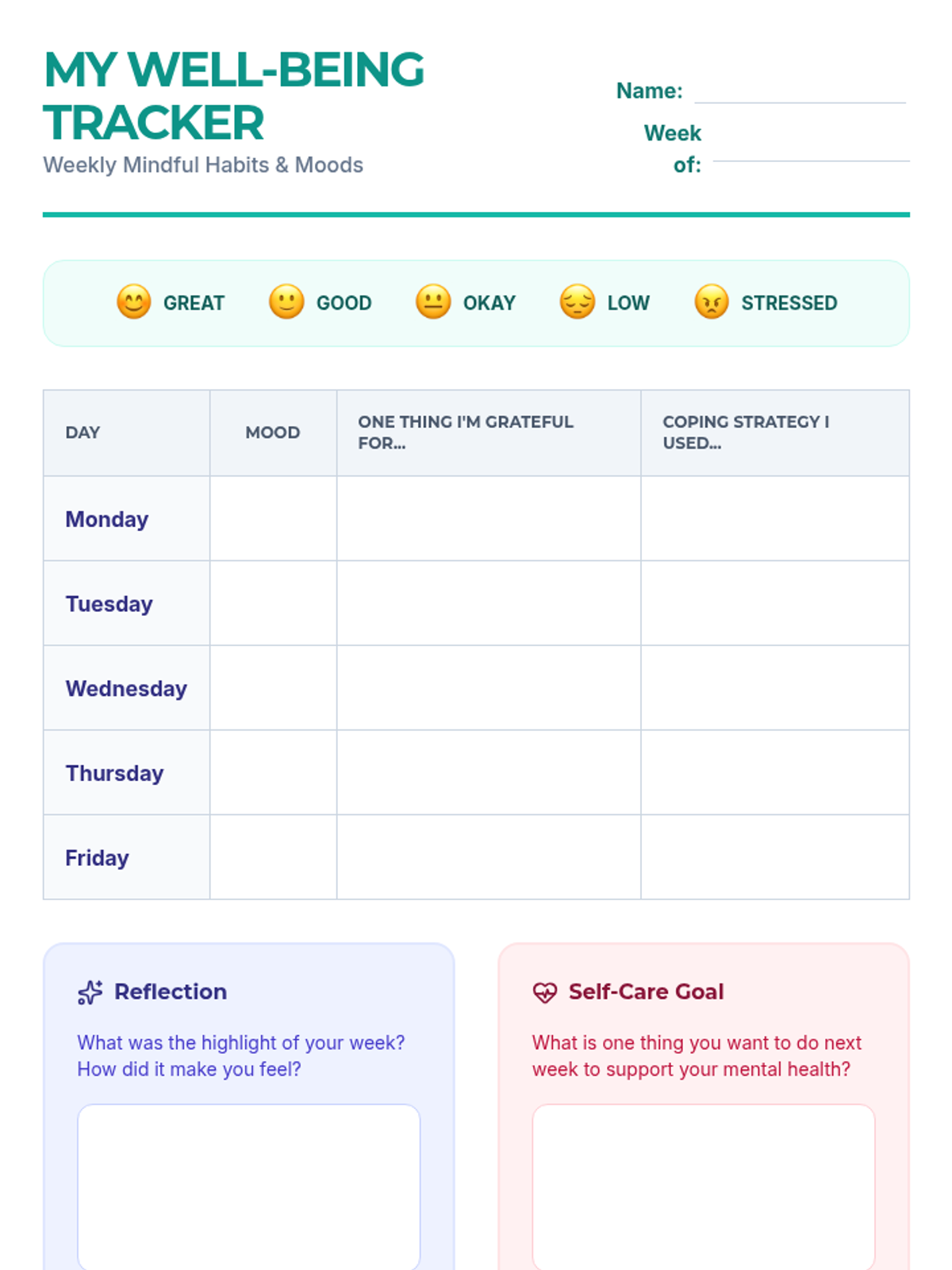
A lesson focused on helping students track and analyze their sleep patterns to understand the impact of rest on their daily energy and mood.
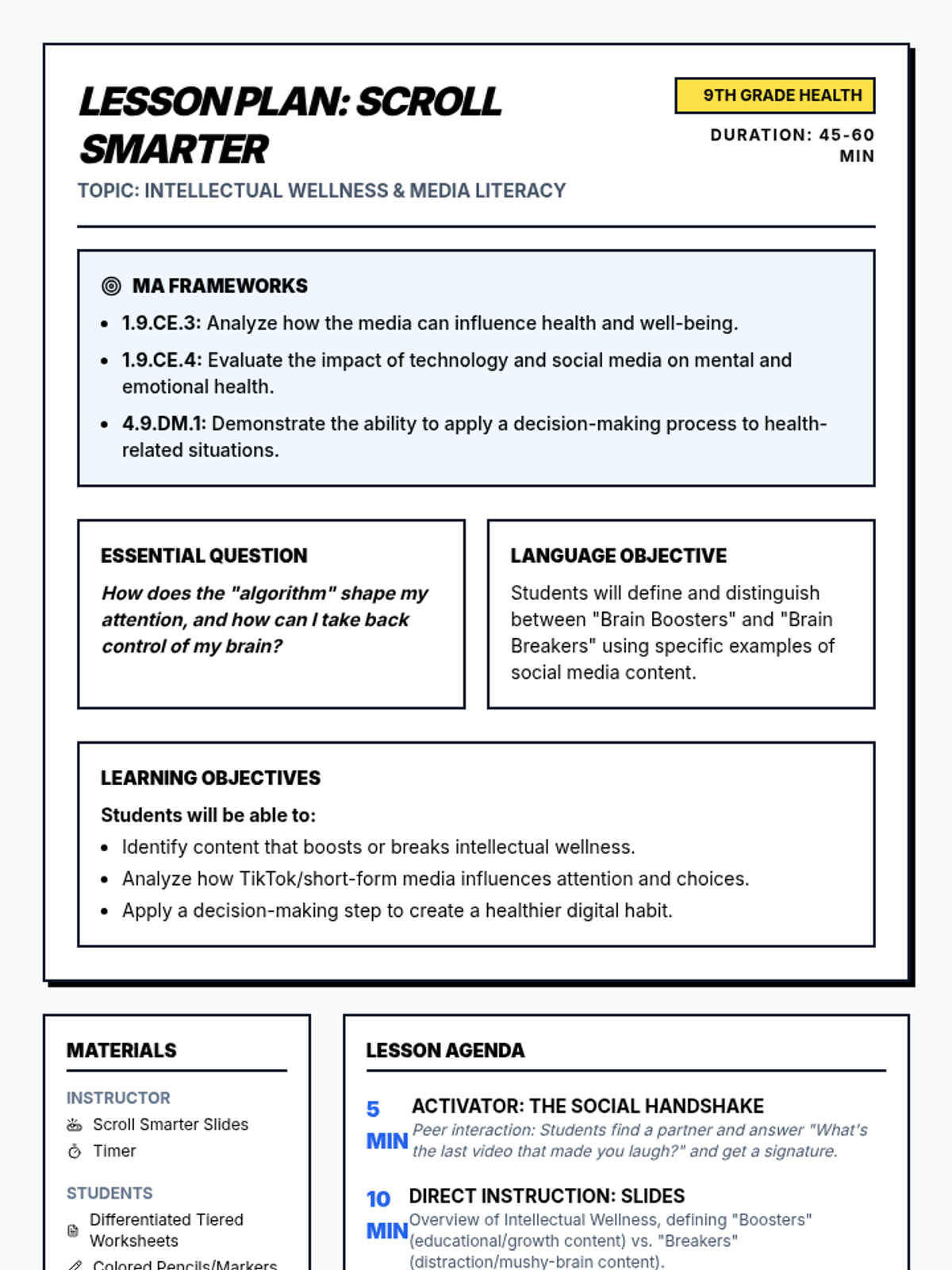
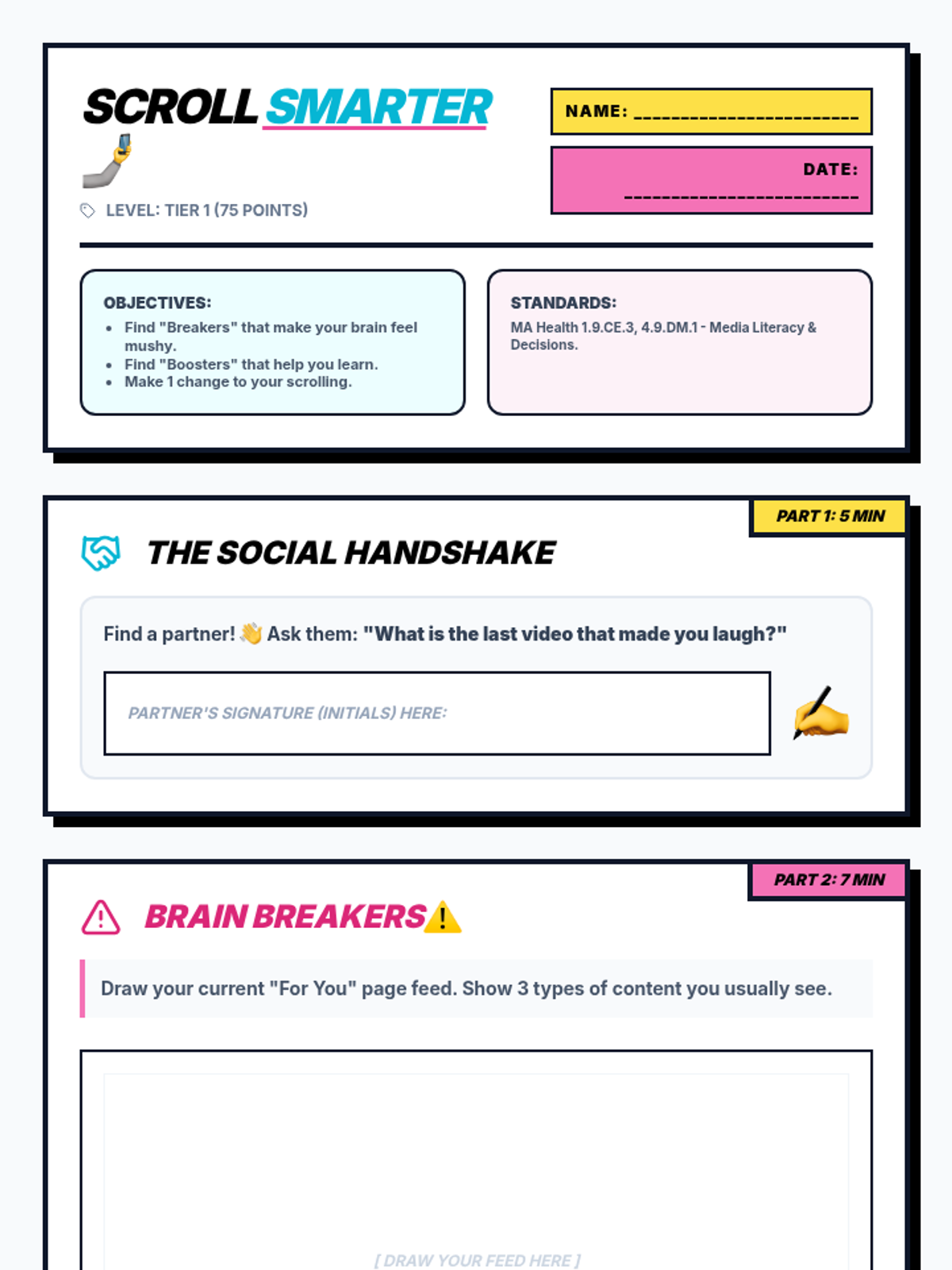
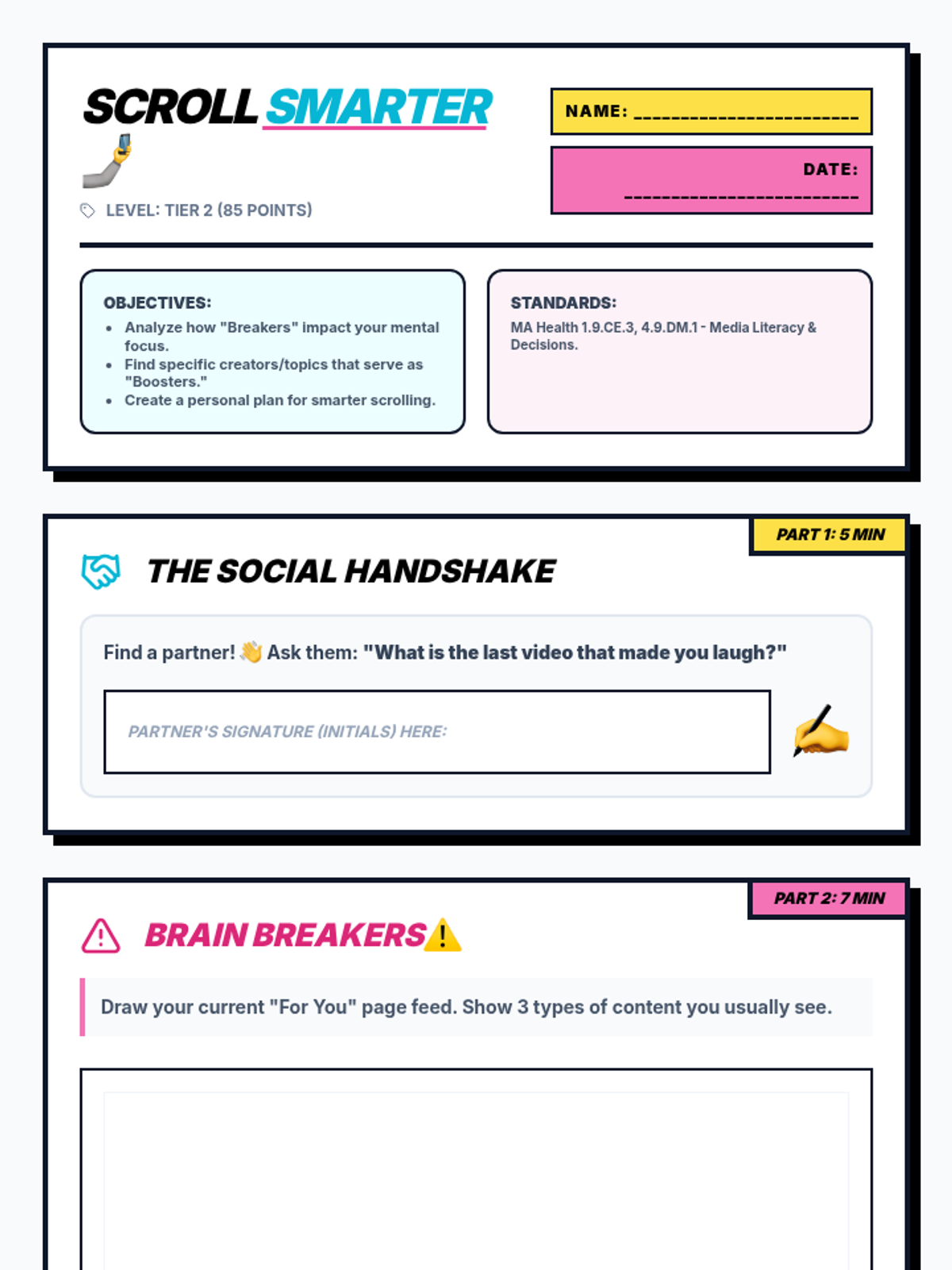
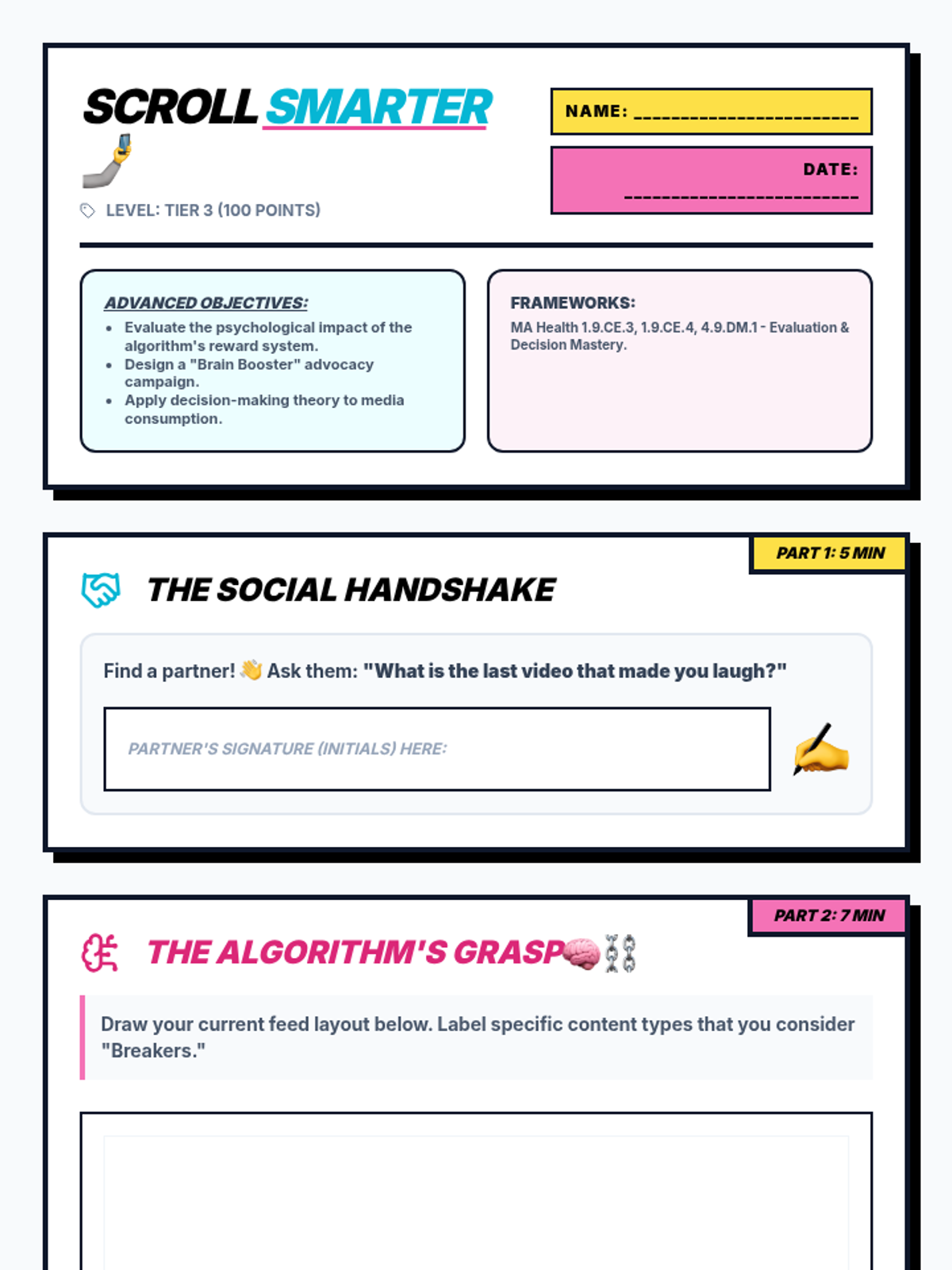
A 9th-grade health lesson focused on media literacy and intellectual wellness, specifically looking at how TikTok and short-form video content can 'boost' or 'break' brain health. Students will analyze their own scrolling habits, interact with peers to share strategies, and commit to one healthy media change.
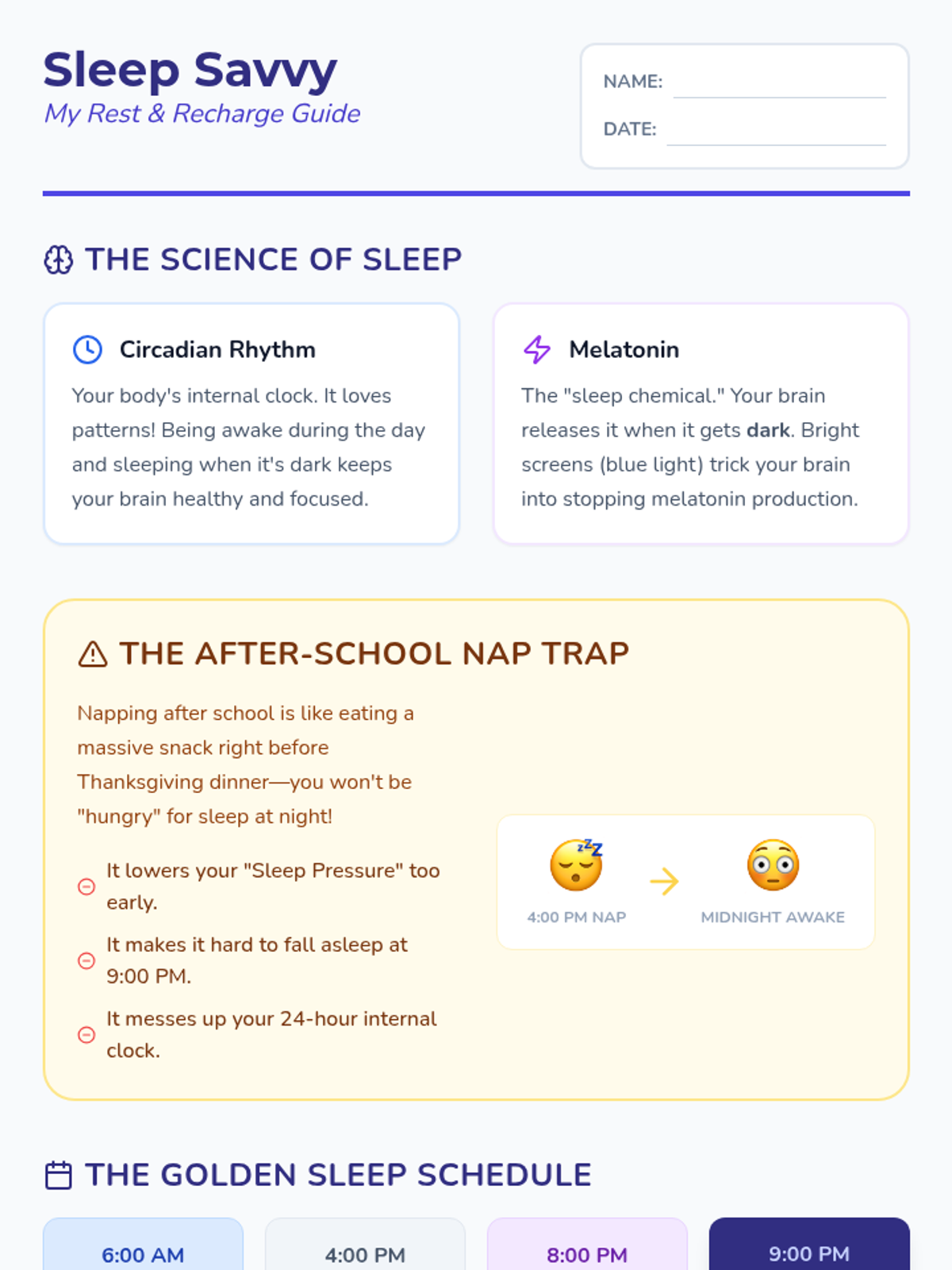
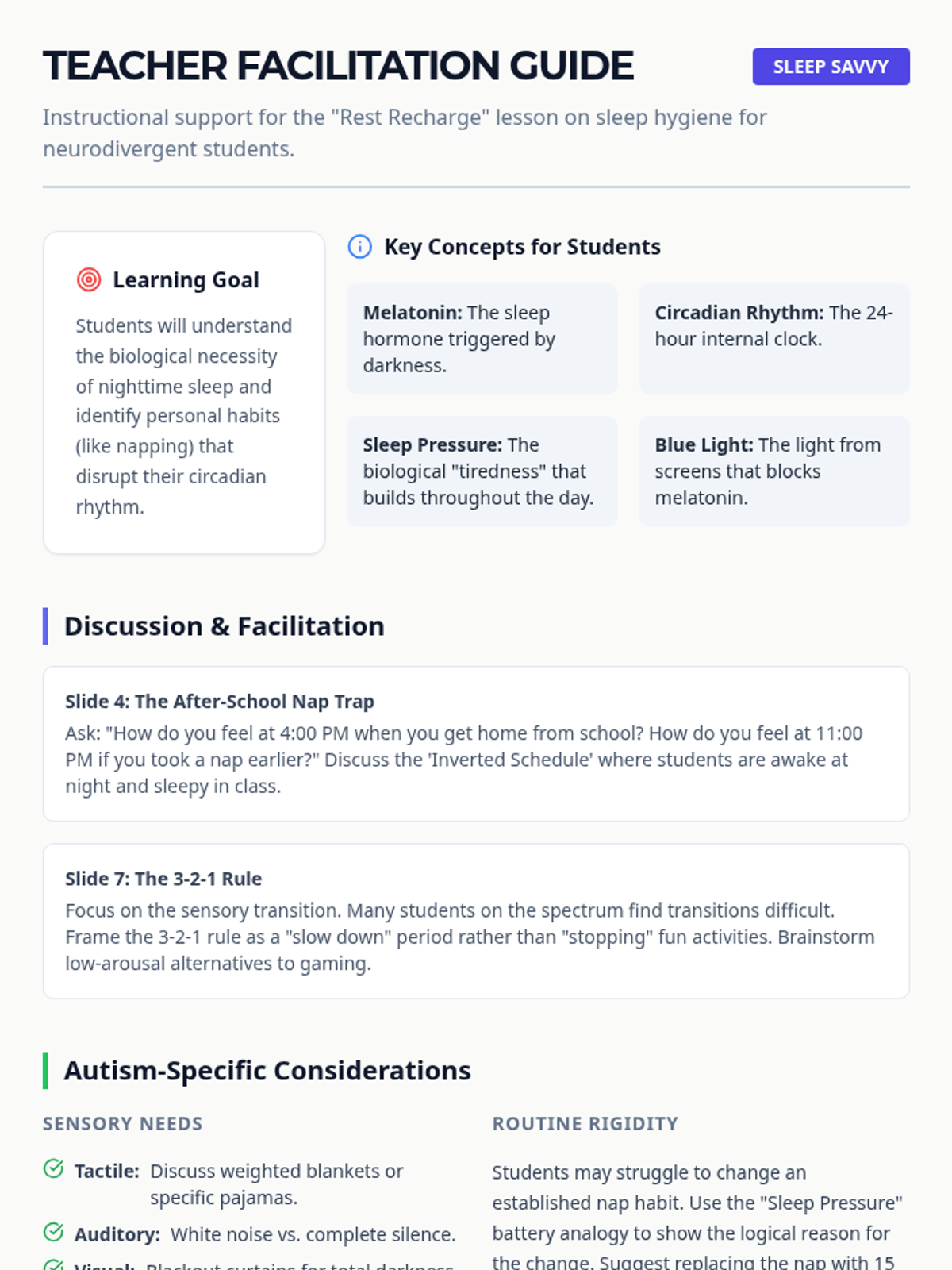
A comprehensive guide for teenagers on the autism spectrum to understand the science of sleep hygiene, the importance of circadian rhythms, and how to maintain a consistent nighttime schedule.
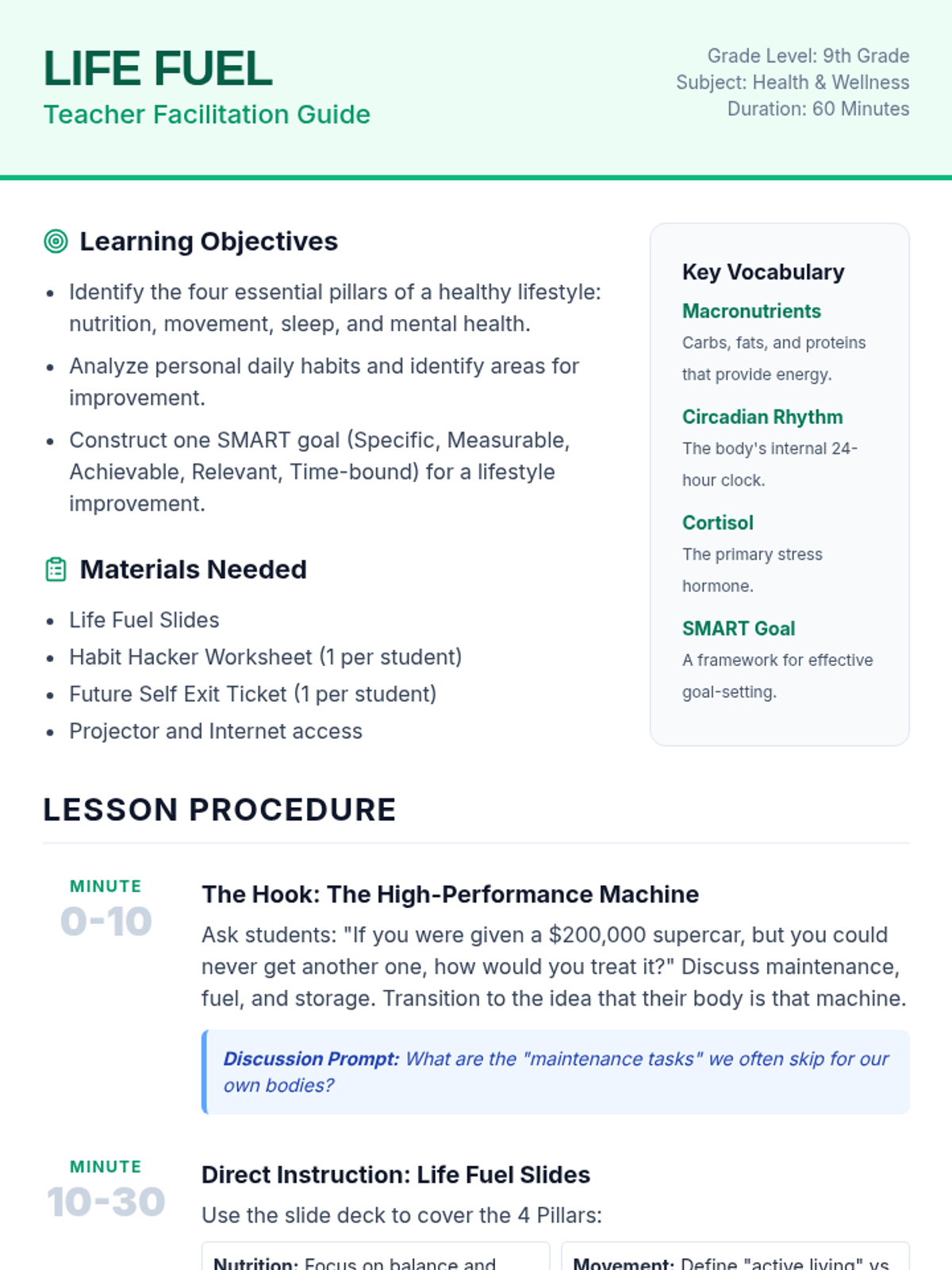
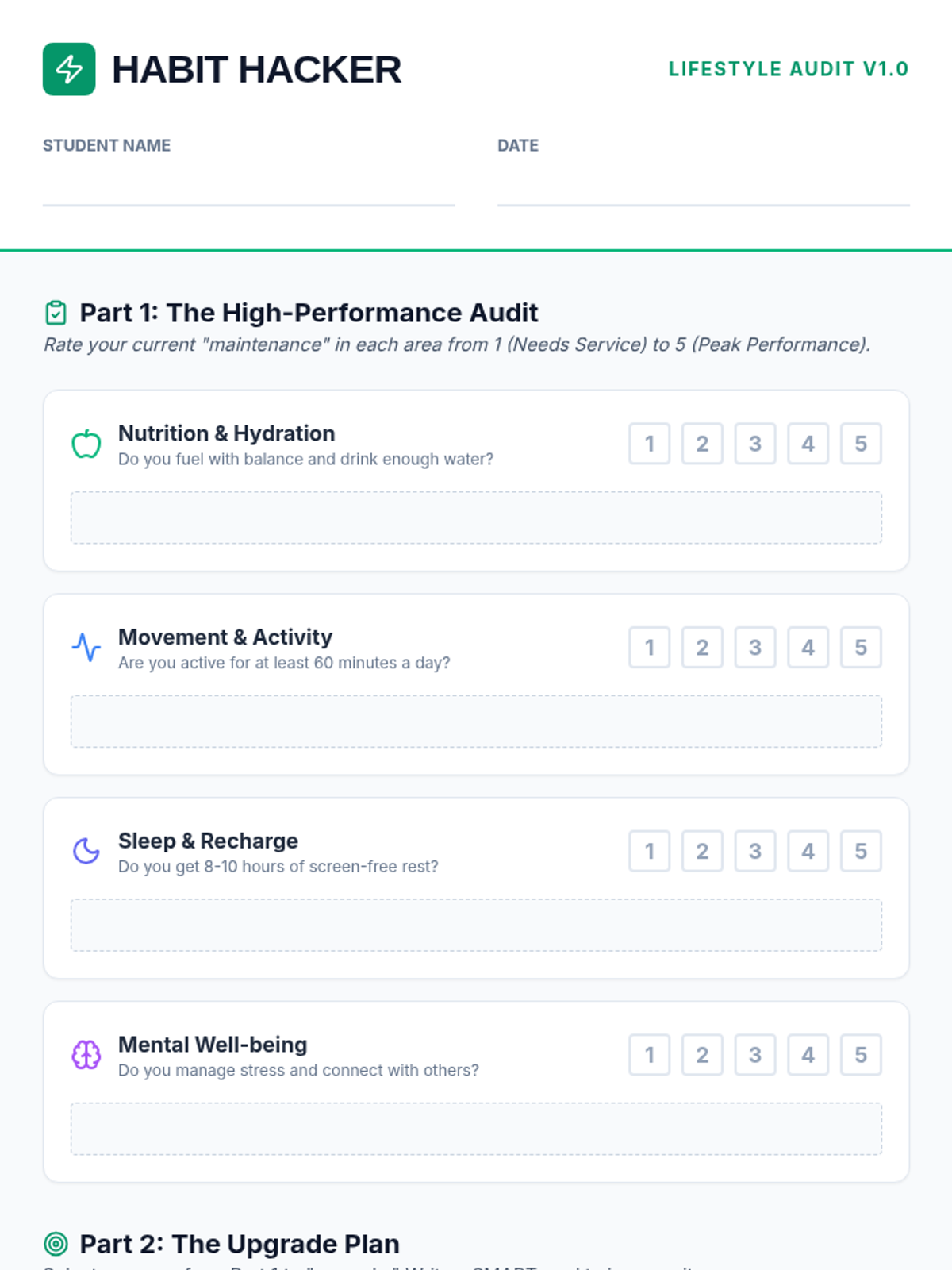
A comprehensive look at the four pillars of a healthy lifestyle: nutrition, physical activity, sleep, and mental well-being. Students analyze their current habits and design a sustainable personal wellness plan.
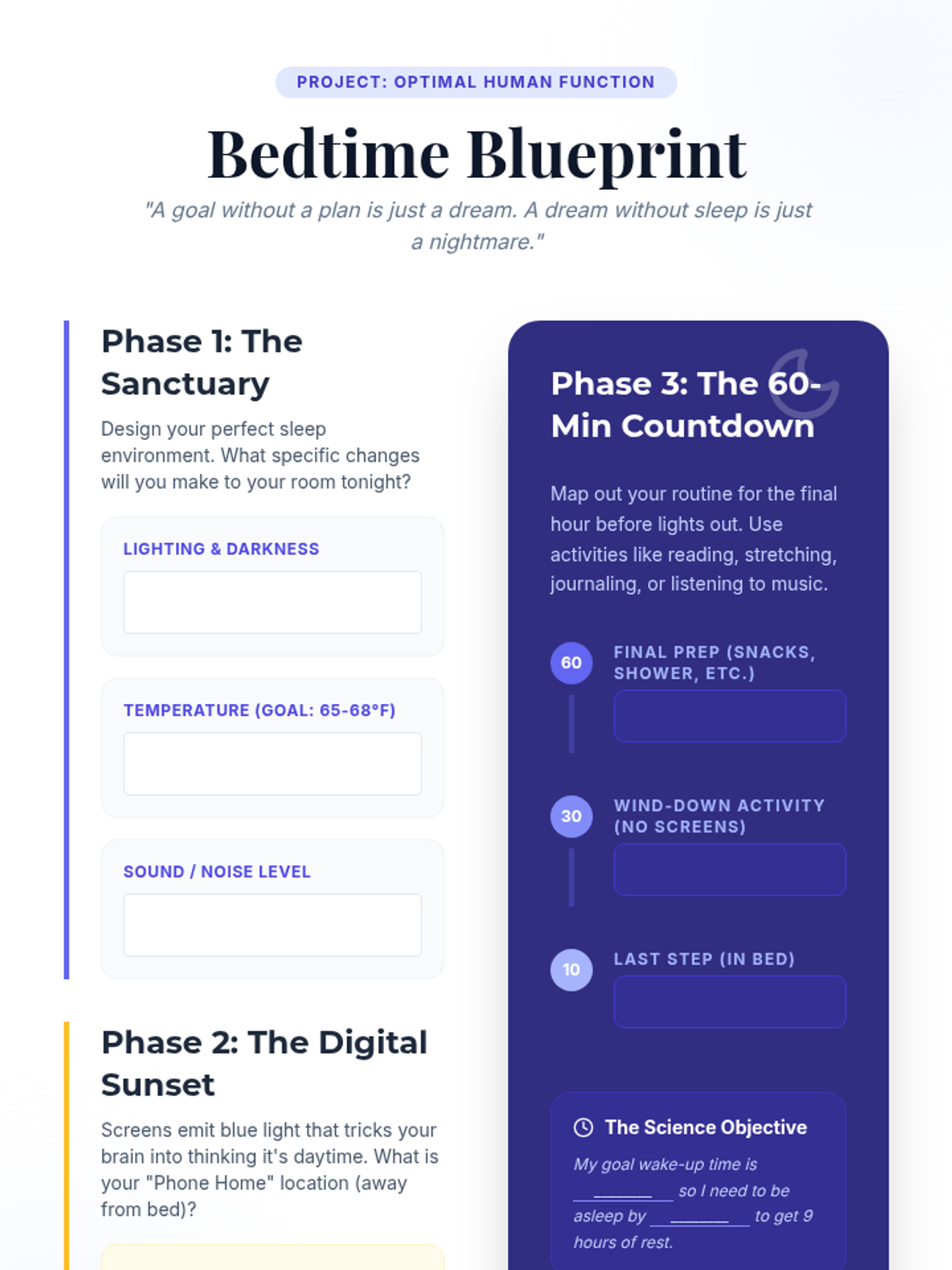
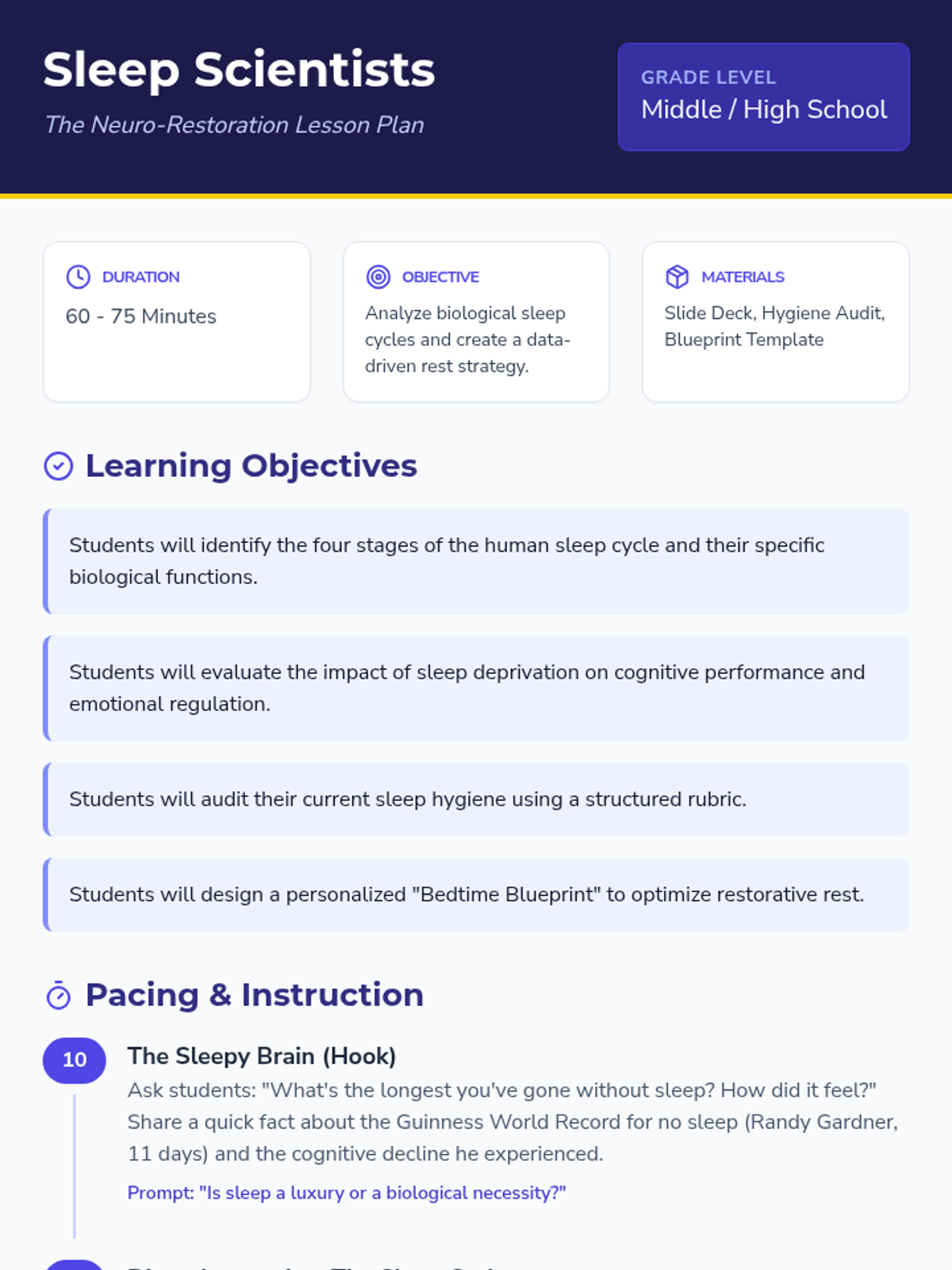
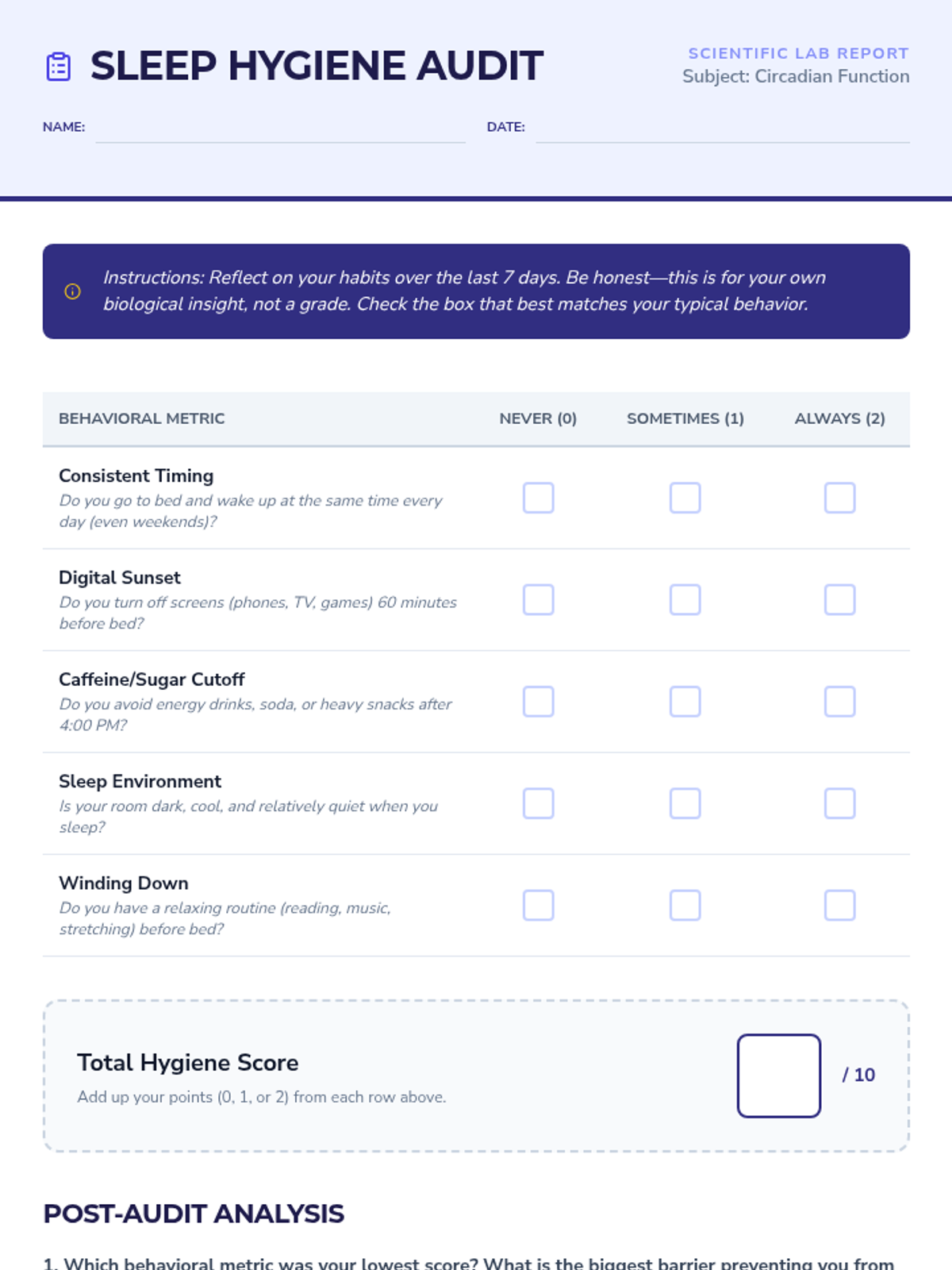
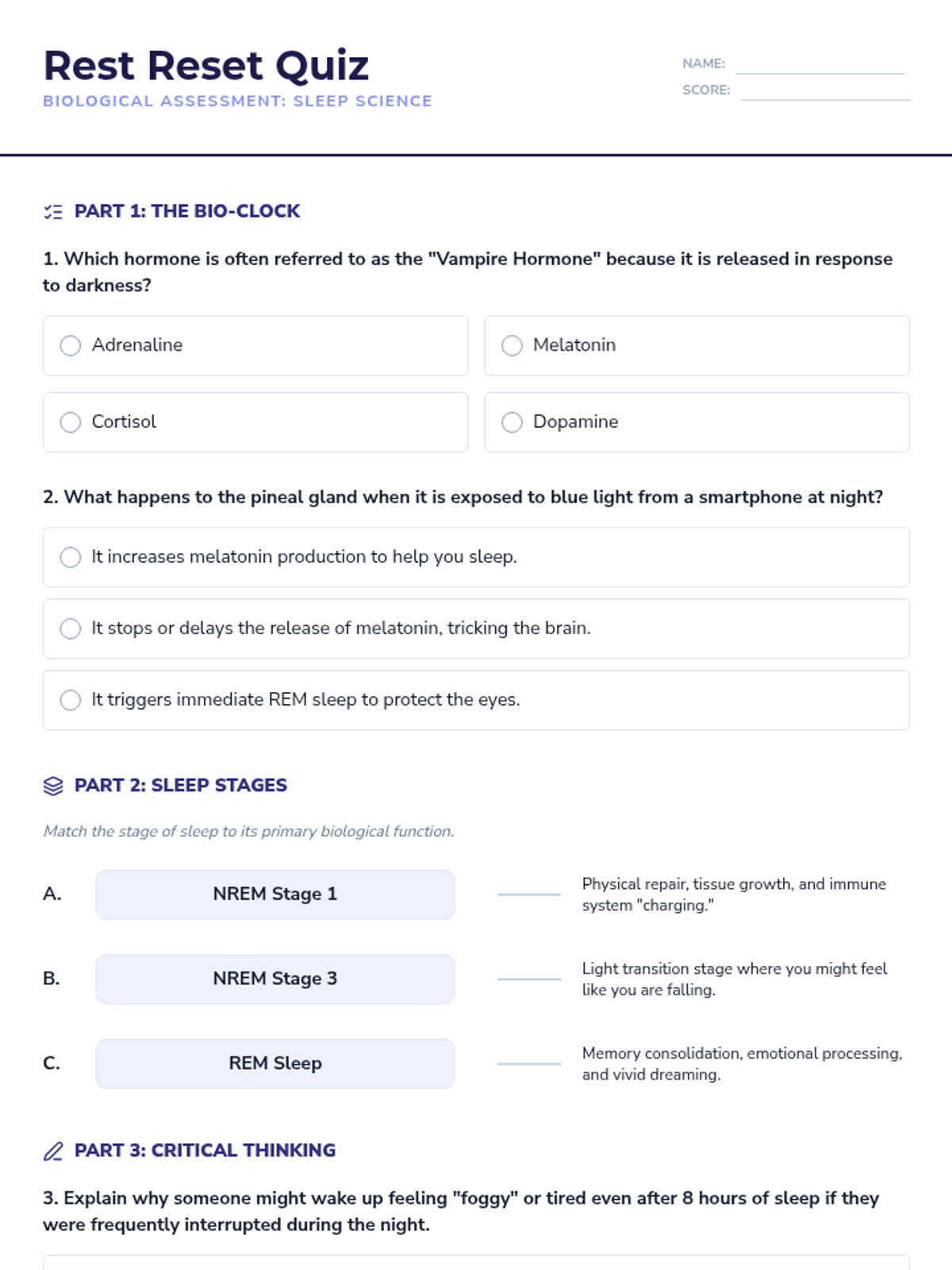
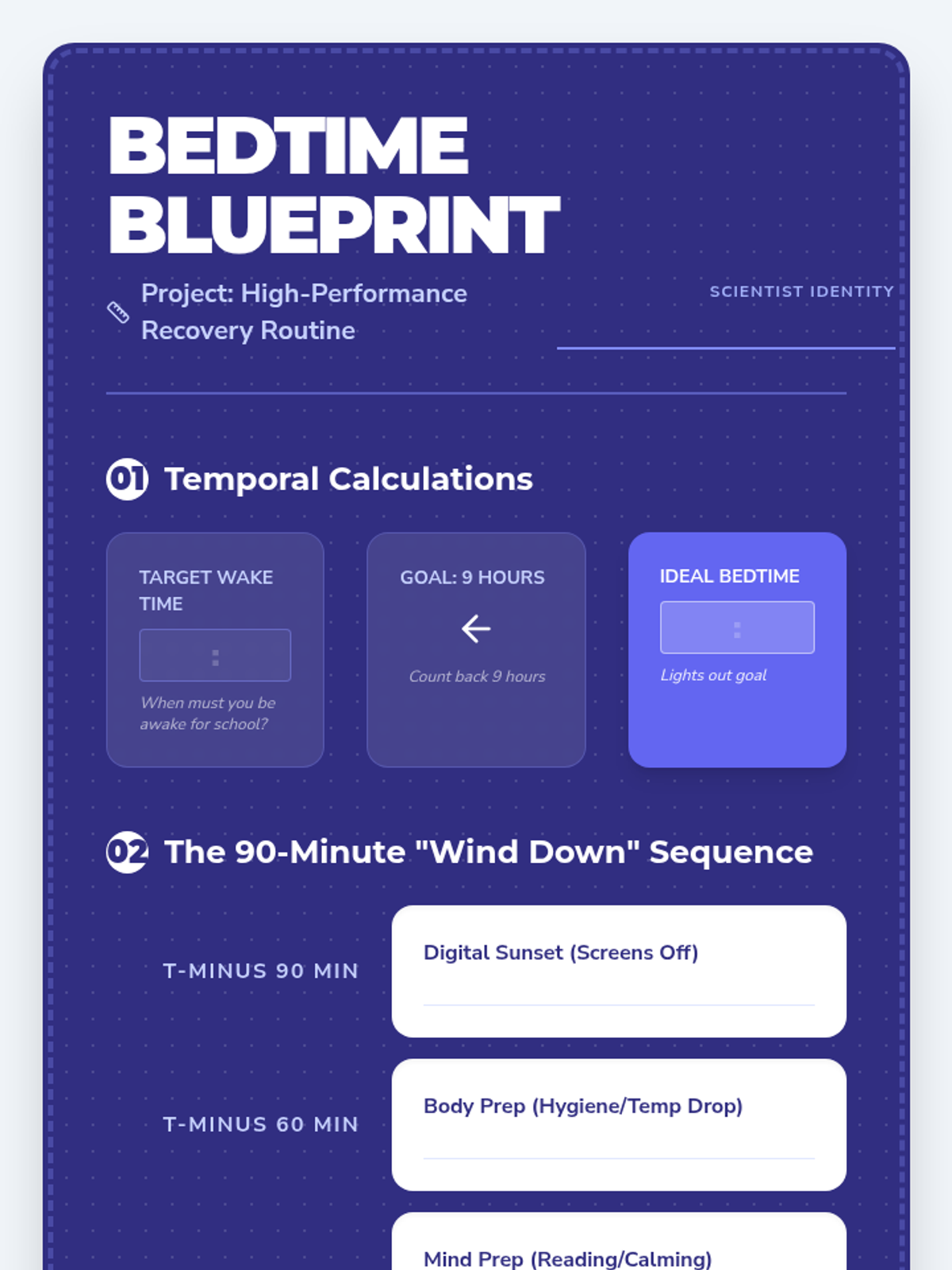
This lesson explores the biological necessity of sleep, the stages of the sleep cycle, and how rest impacts cognitive function and emotional regulation. Students will analyze their own sleep hygiene and develop a 'bedtime blueprint' to improve their quality of rest.
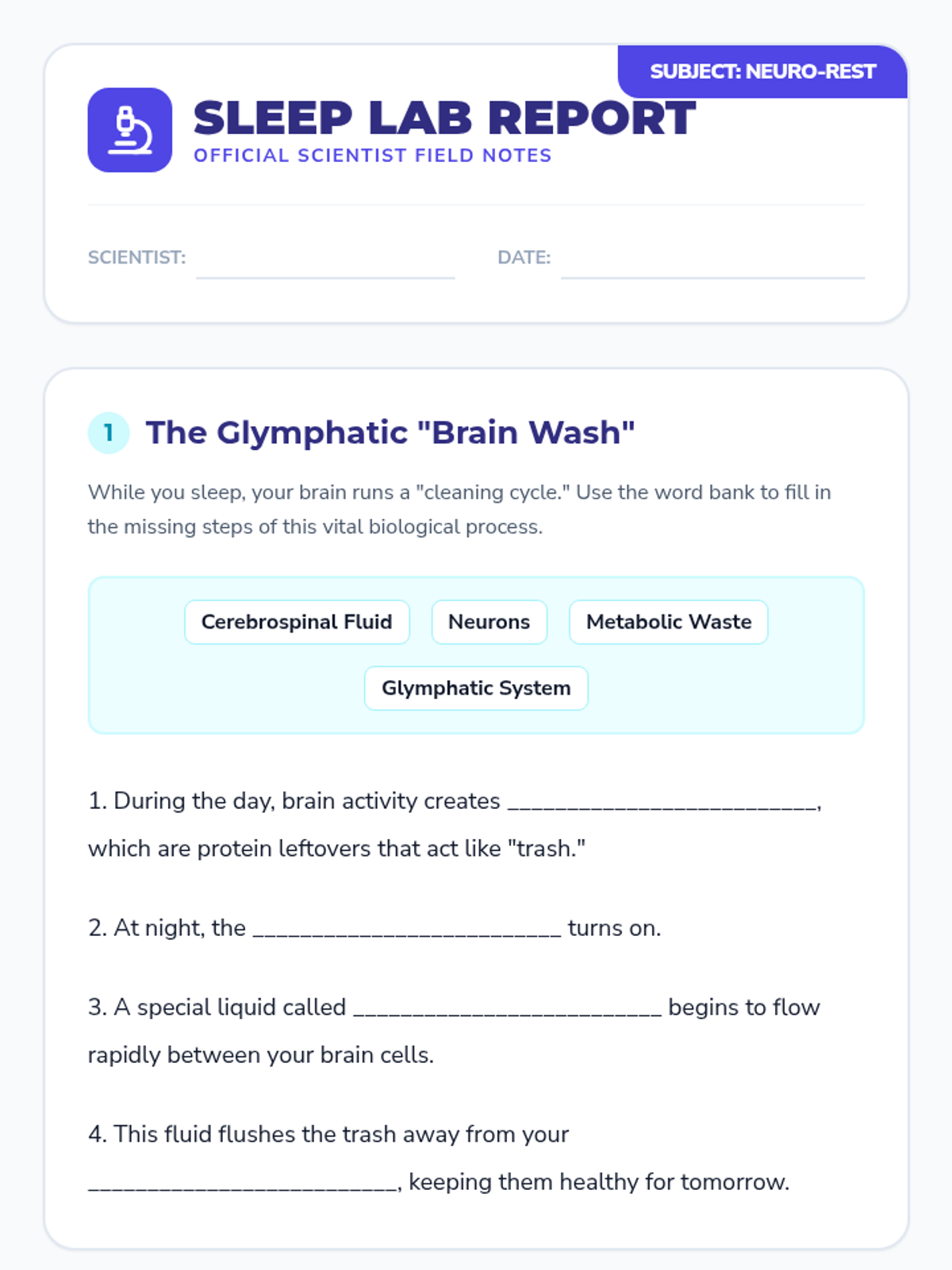
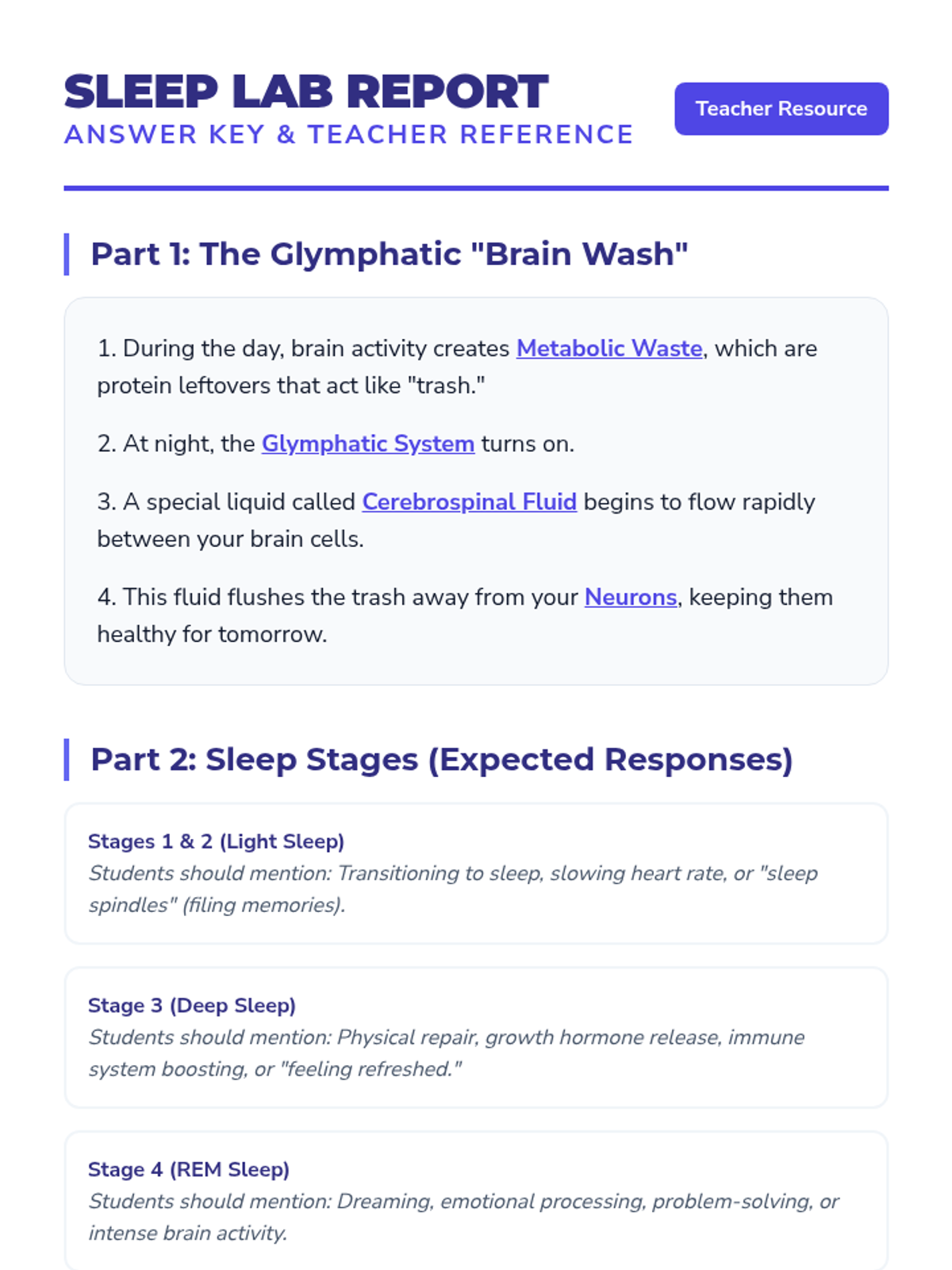
This lesson transforms students into Sleep Scientists to explore the biological necessity of rest. Students will learn about the four stages of sleep, the brain's "cleaning" process during the night, and the direct link between sleep hygiene and emotional/cognitive performance. The lesson culminates in students designing a personalized 'Bedtime Blueprint' to optimize their own recovery.
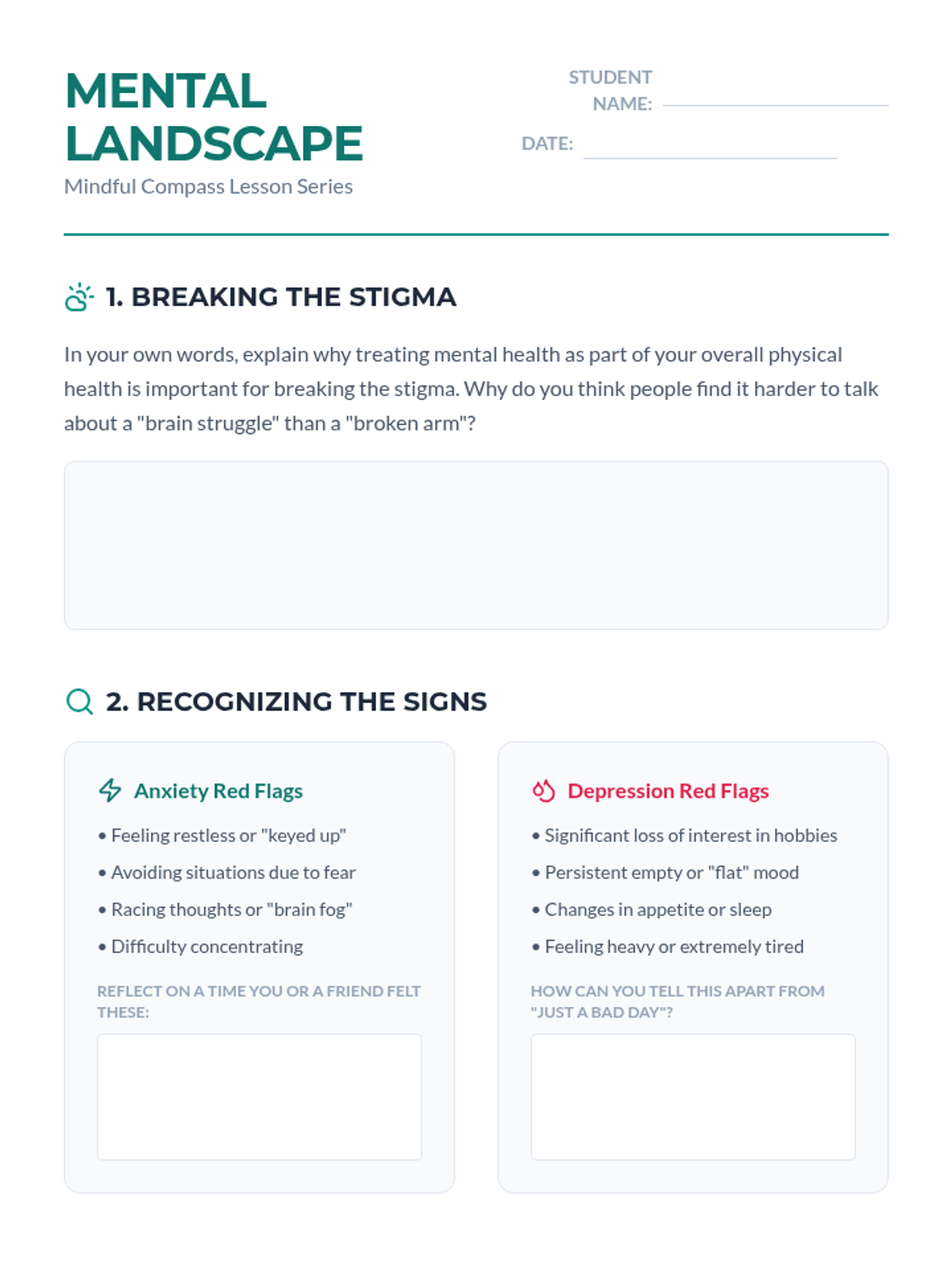
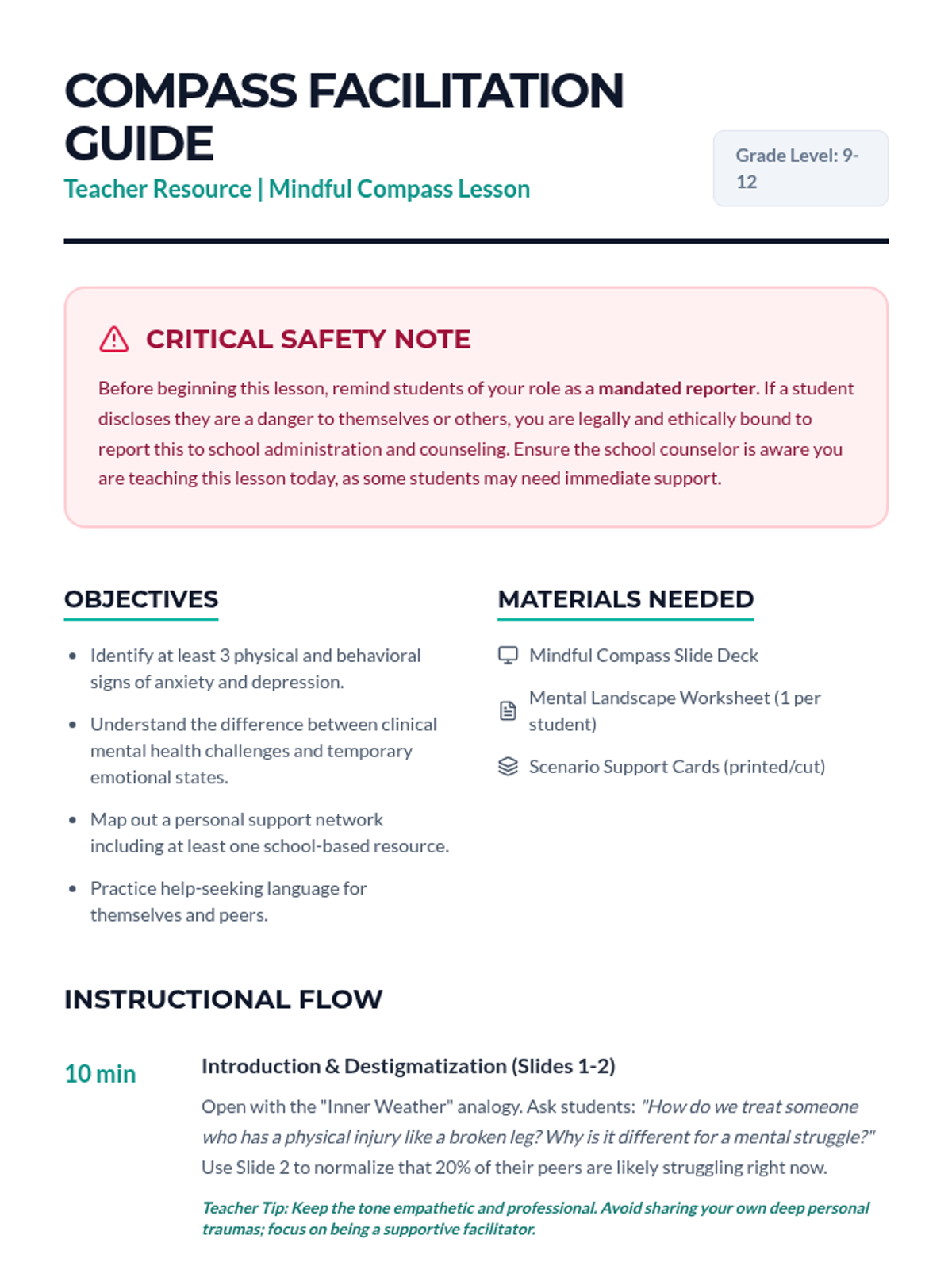
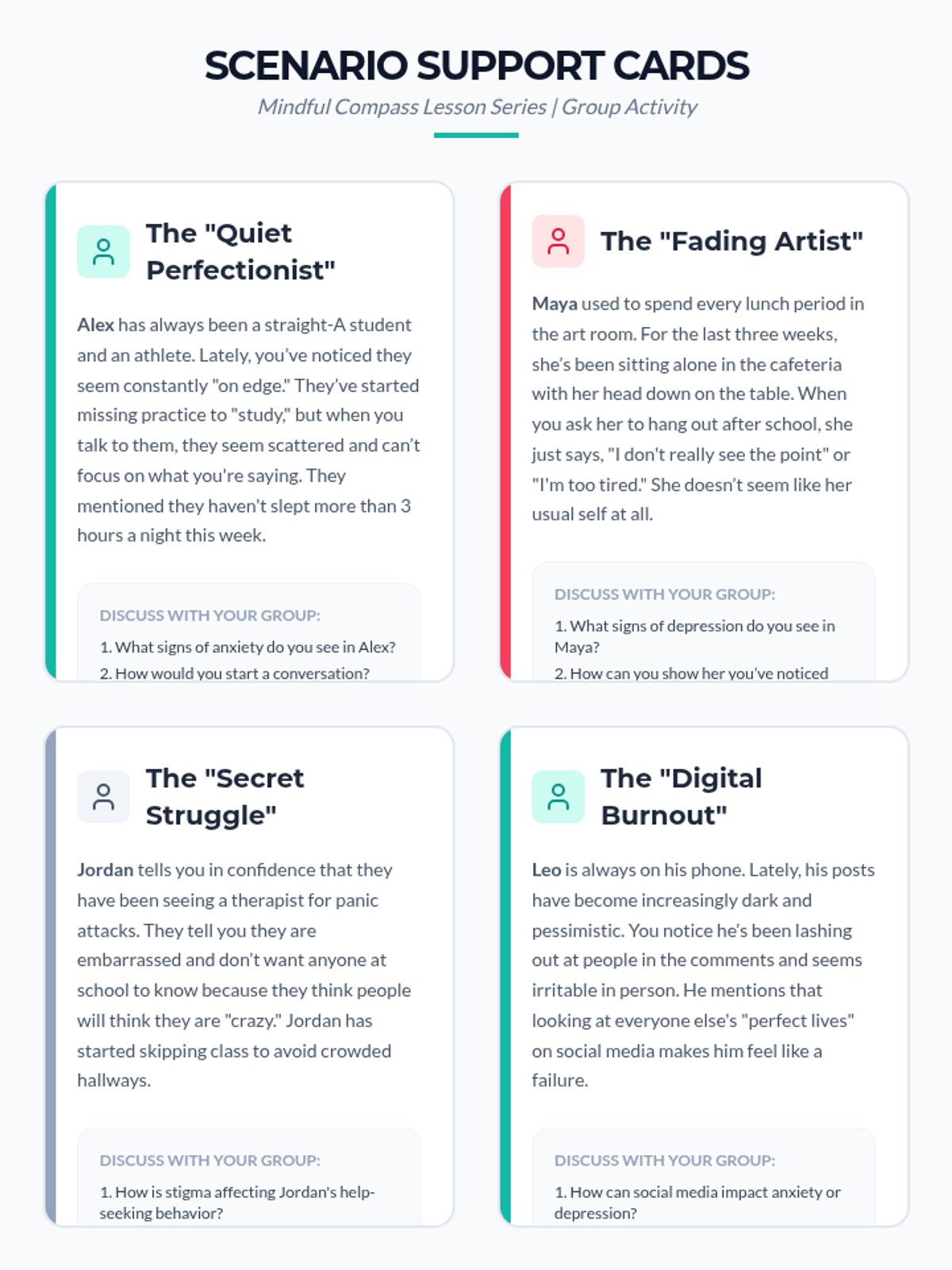
A comprehensive lesson for high schoolers on mental health awareness, focusing on identifying signs of anxiety and depression, breaking the stigma, and navigating support systems.
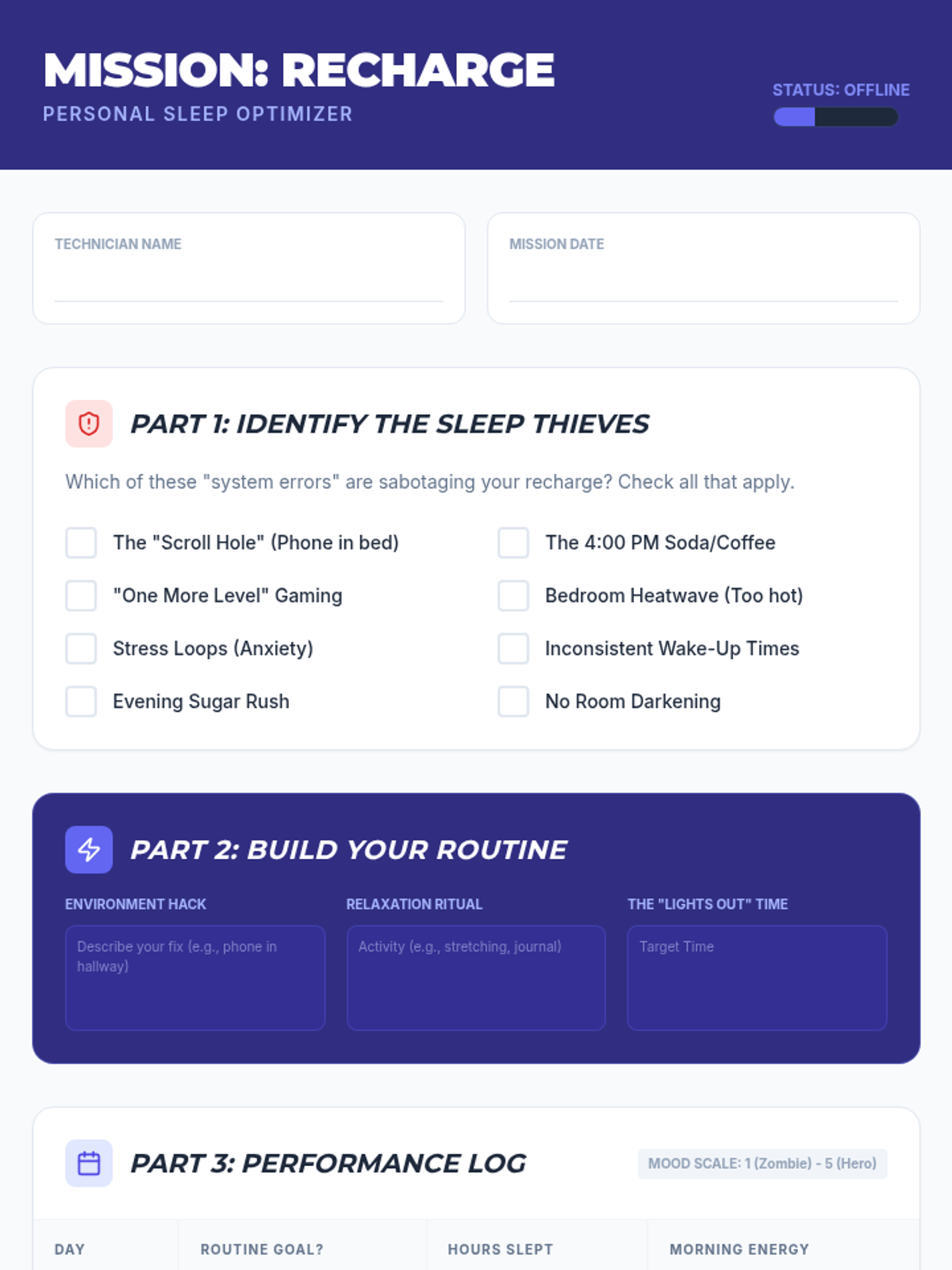
An engaging lesson that breaks down why sleep is a performance-enhancing 'hack' for students and provides practical tools for building a better bedtime routine.
This lesson explores the science of sleep hygiene tailored for high school students, focusing on the biological impact of technology and practical strategies for optimizing rest.
A lesson designed to help teenagers understand the science of sleep hygiene, develop healthy bedtime routines, and track their progress toward better rest for improved mood and learning.
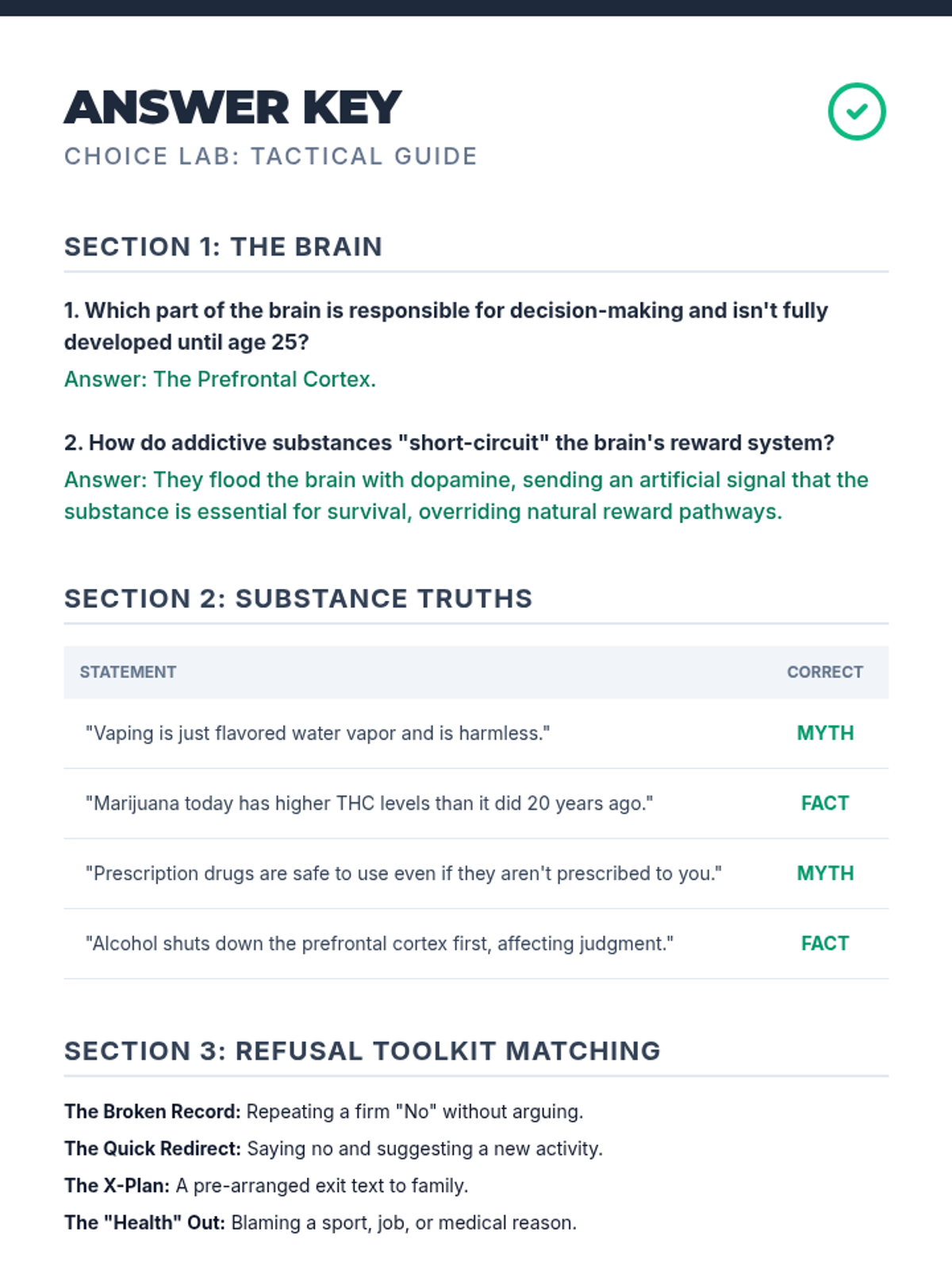
A comprehensive lesson for high school students on substance abuse awareness, focusing on the science of addiction, common substances like vaping and prescription drugs, and practical refusal skills.
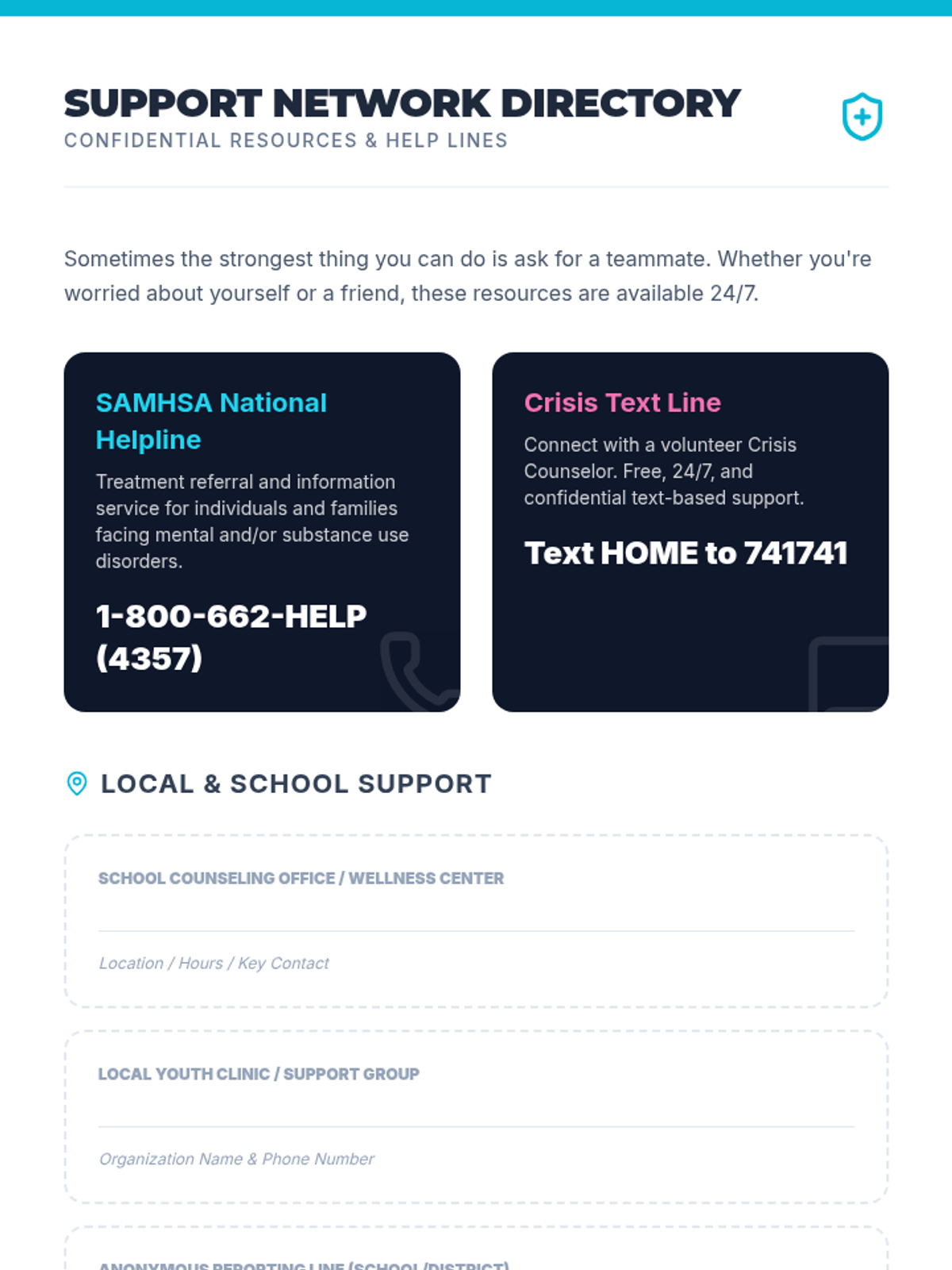
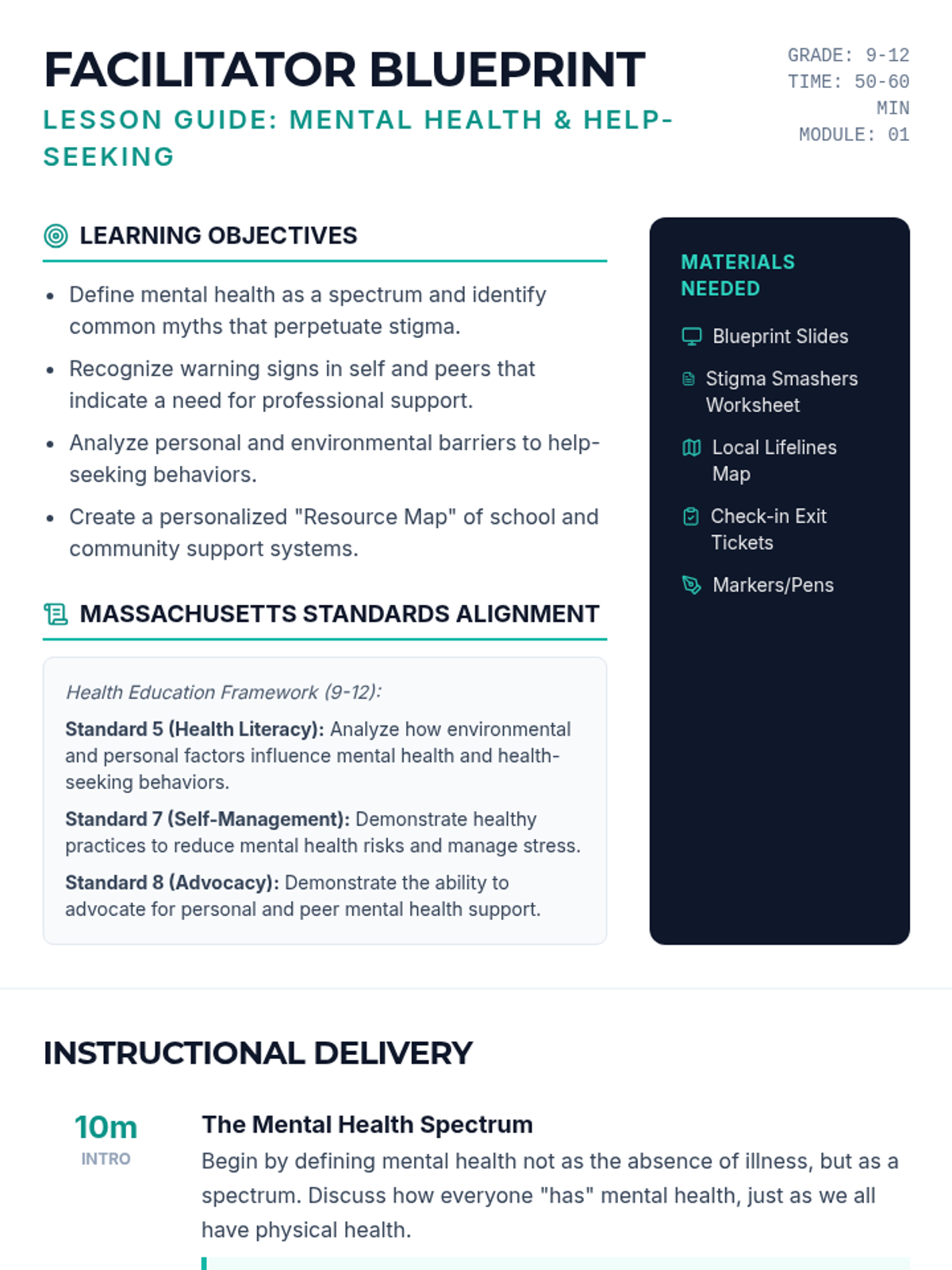
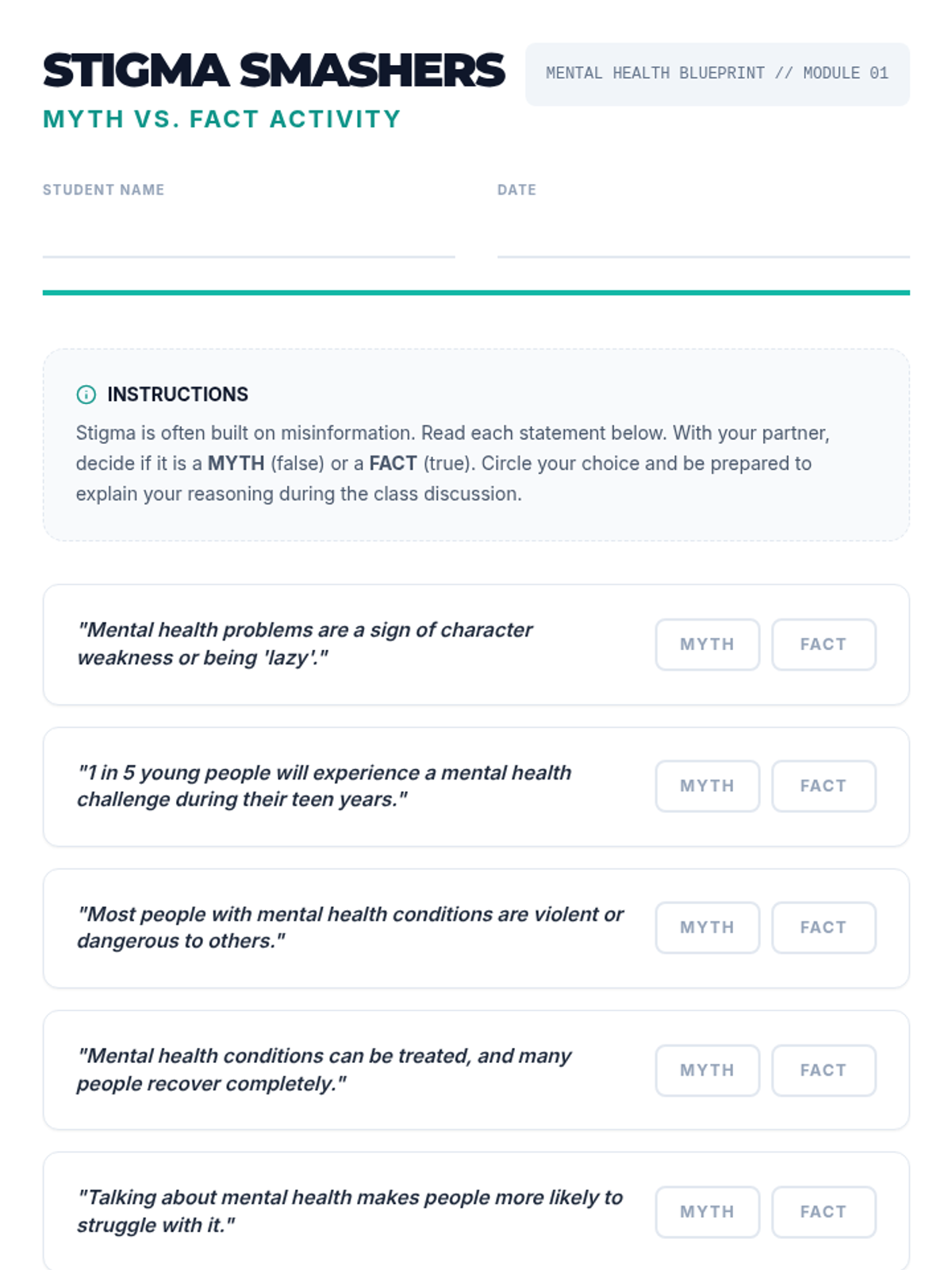
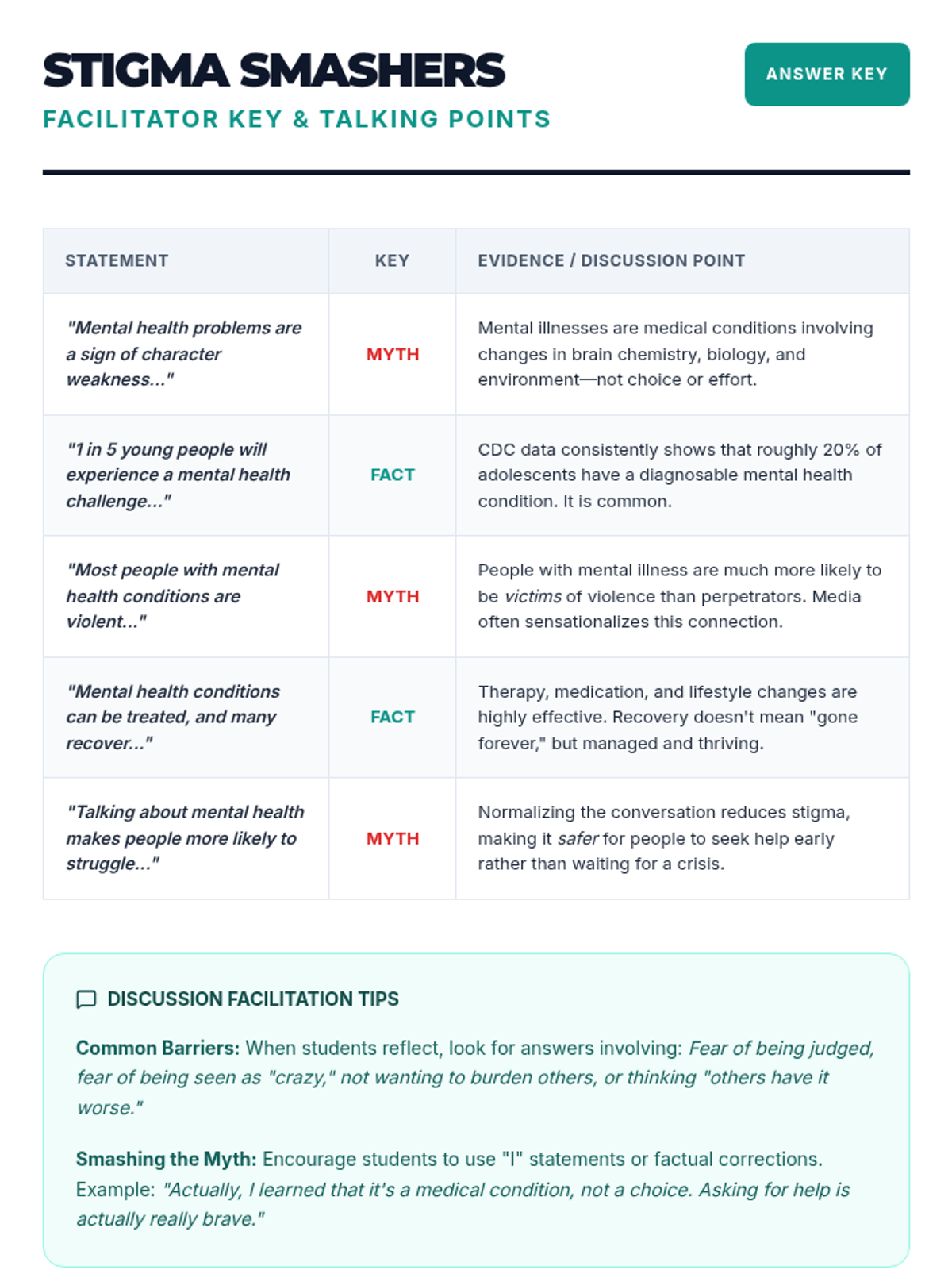
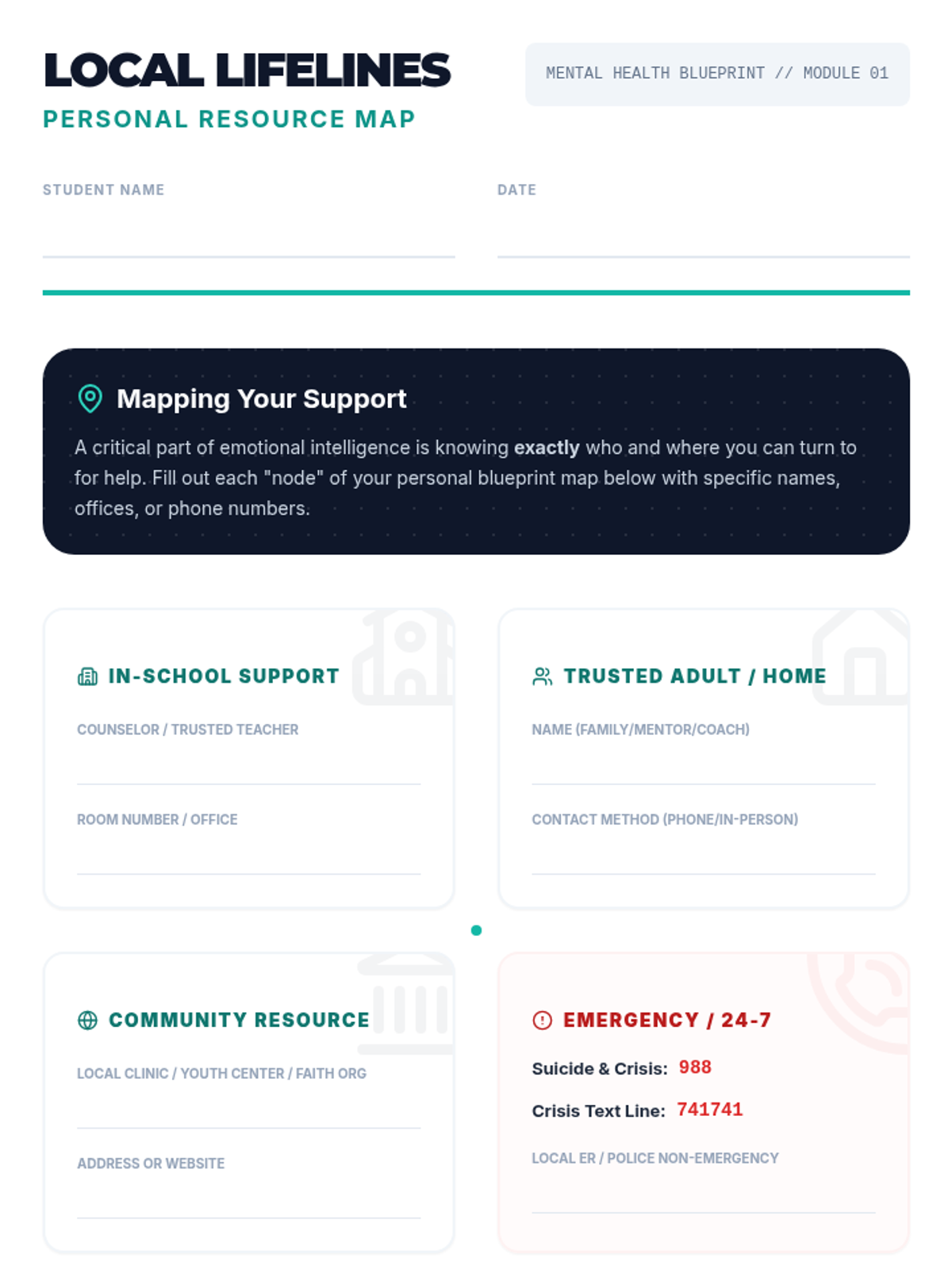
A comprehensive mental health awareness lesson for high schoolers, focusing on stigma reduction, identifying warning signs, and mapping out support resources. Aligned with Massachusetts Health Education Frameworks for Grades 9-12.
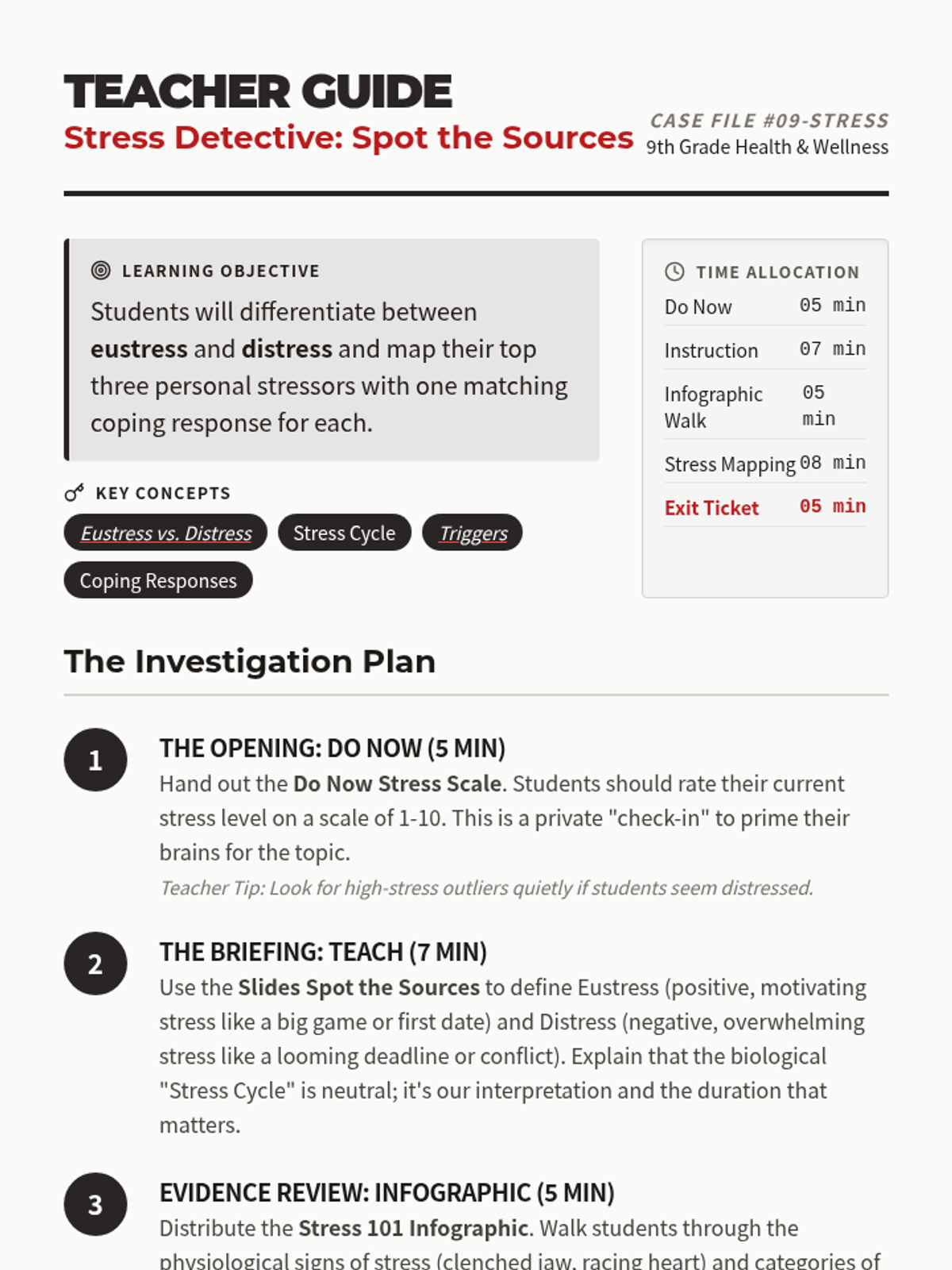
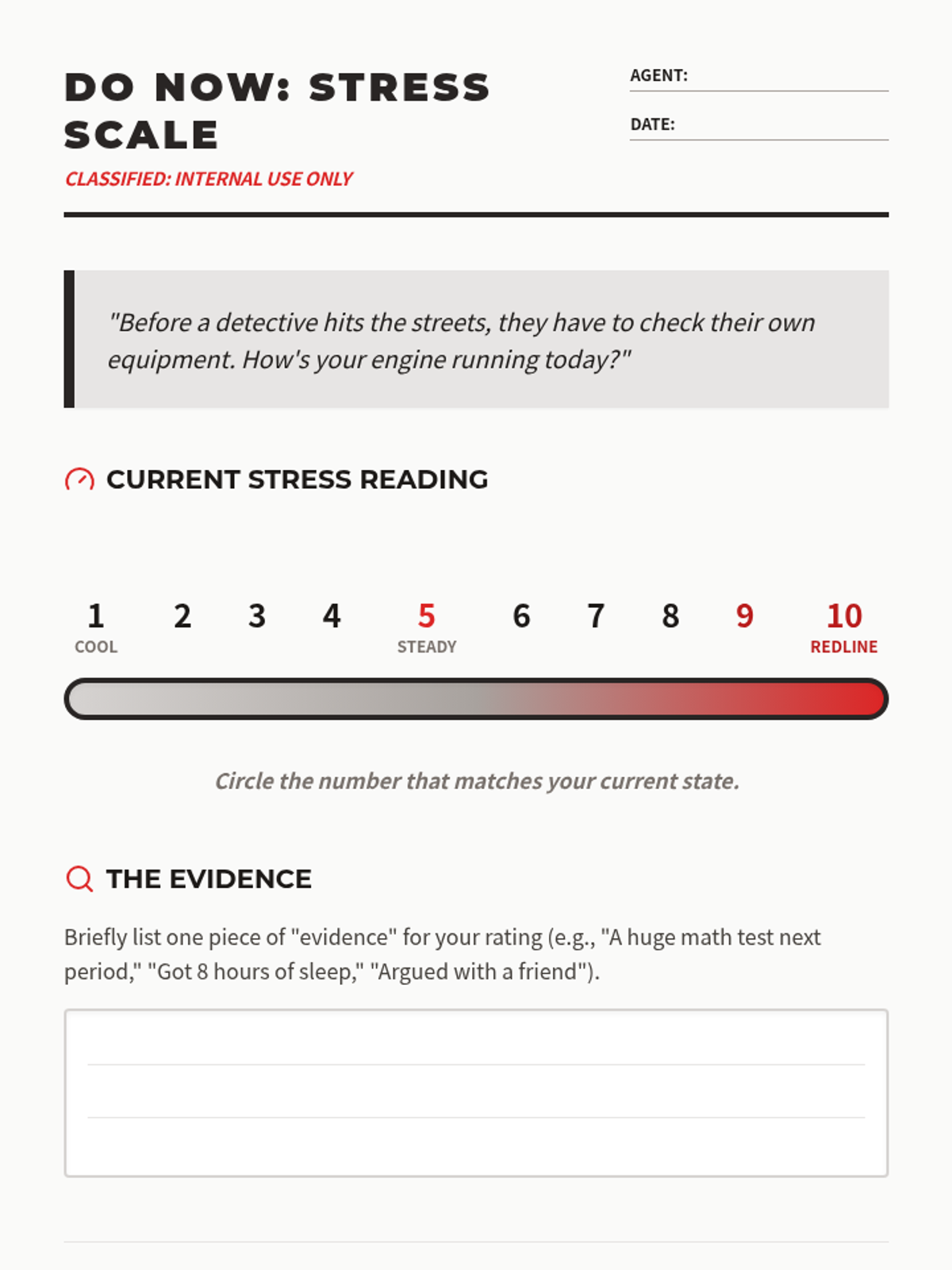
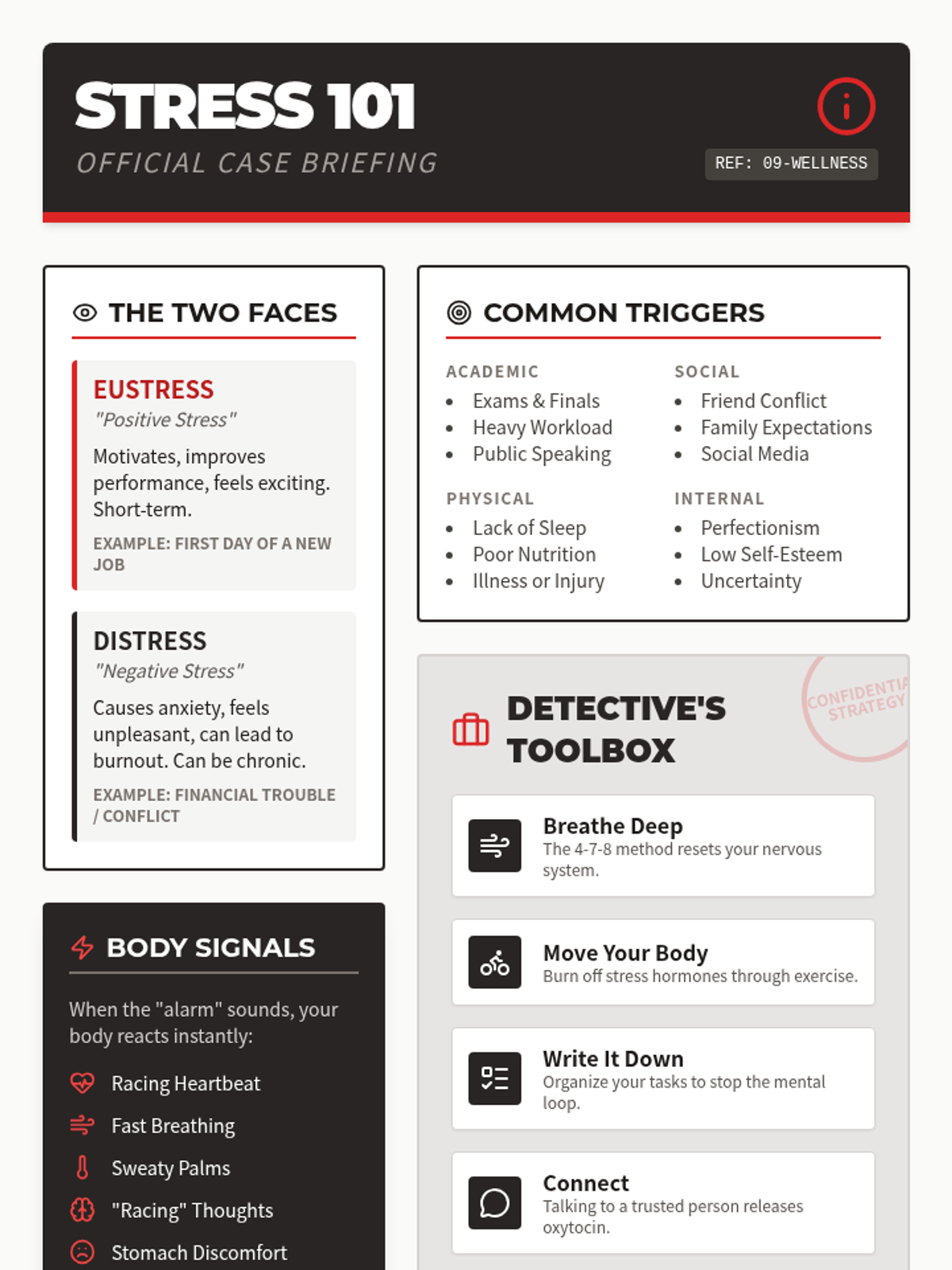
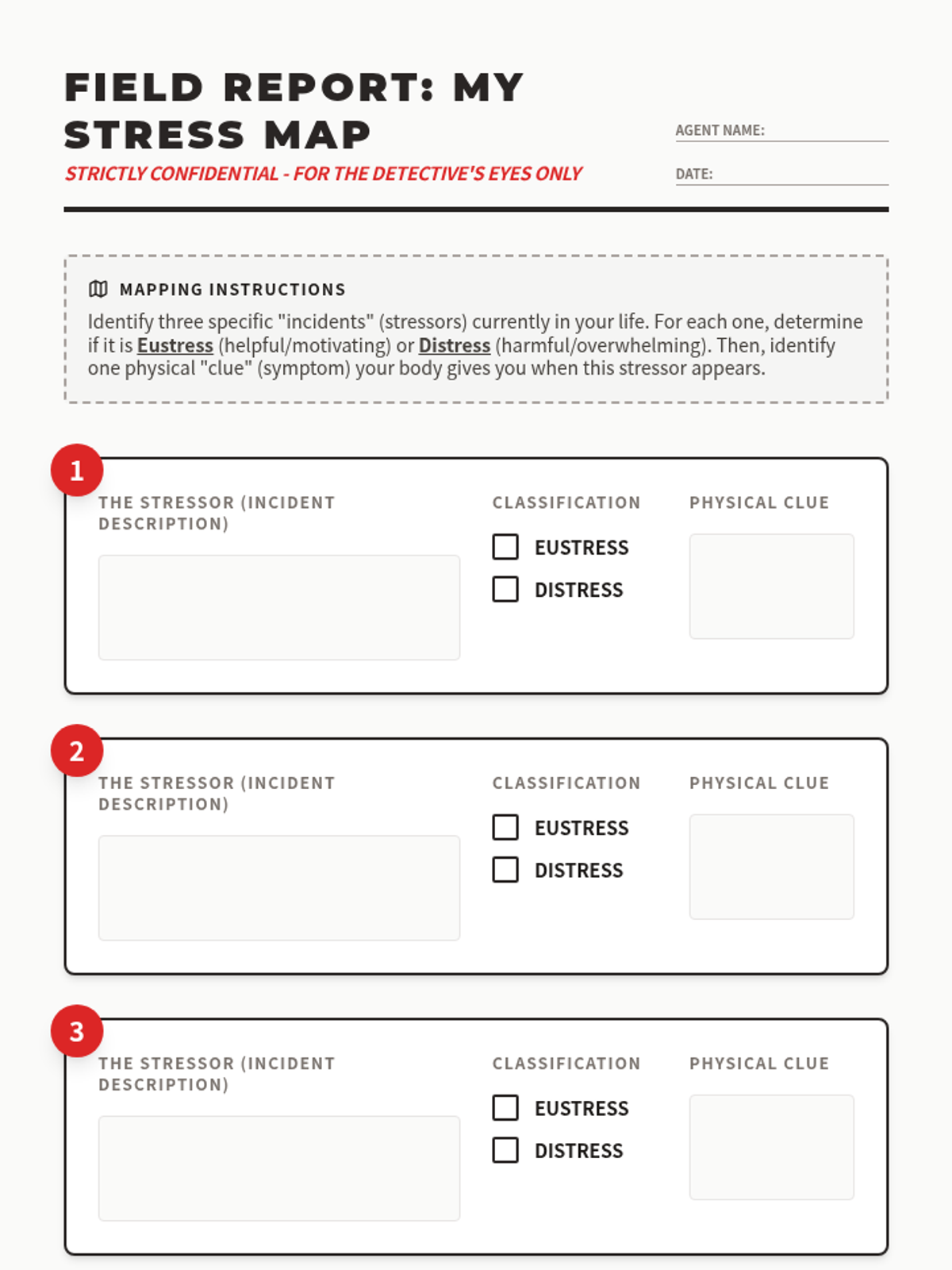
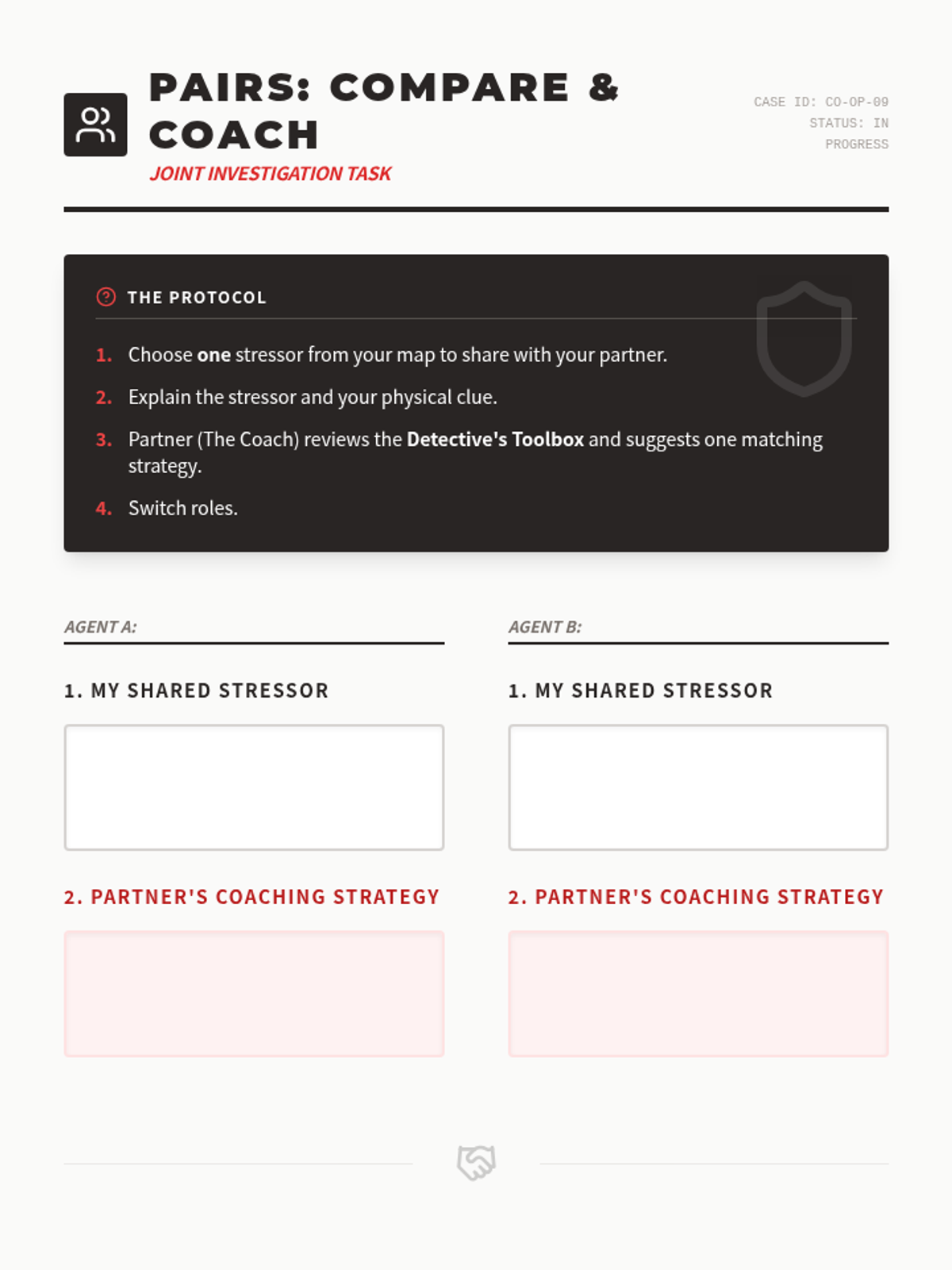
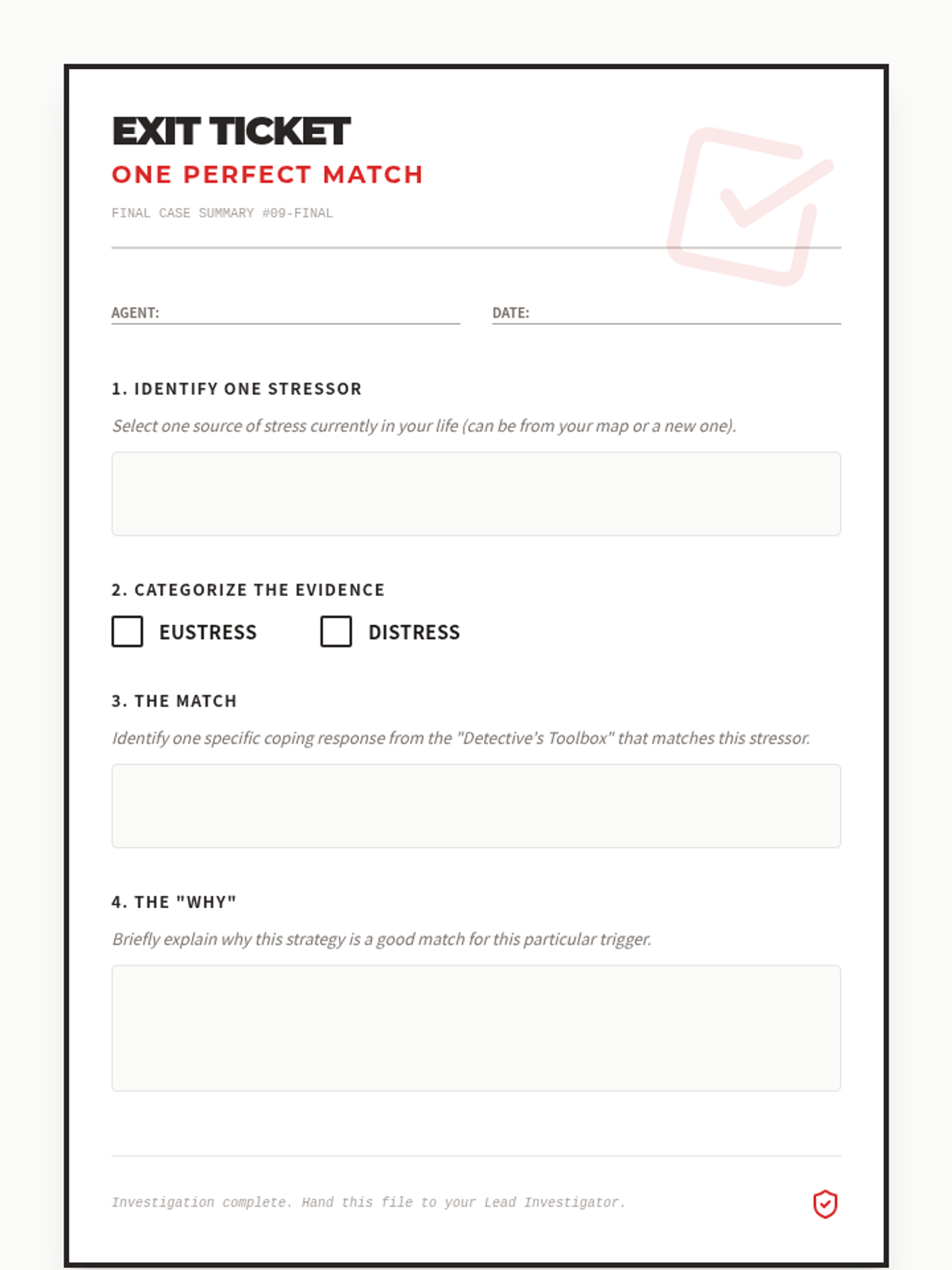
A 30-minute interactive lesson where students become 'Stress Detectives' to identify the difference between positive and negative stress, map their personal triggers, and match them with effective coping strategies.
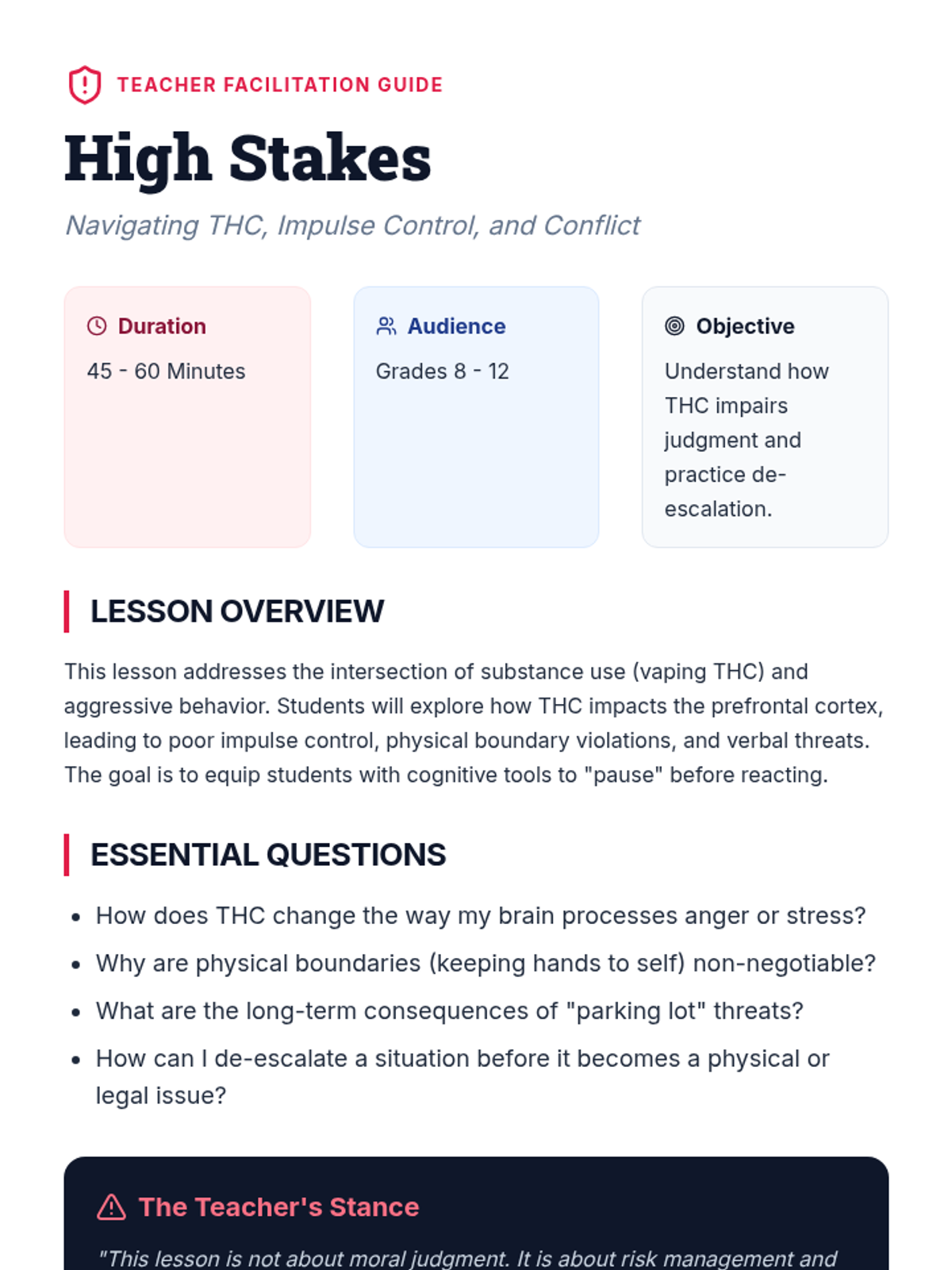
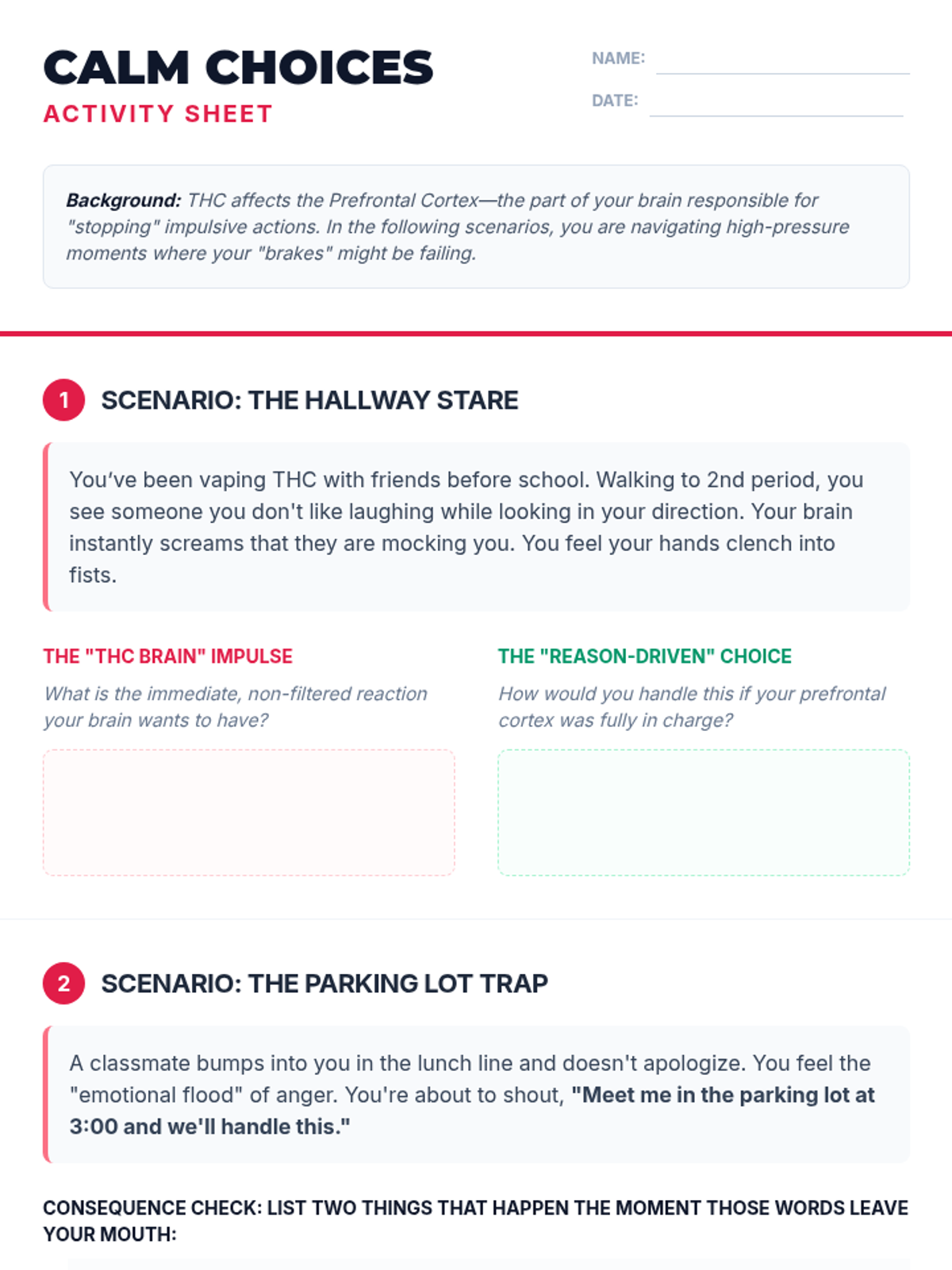
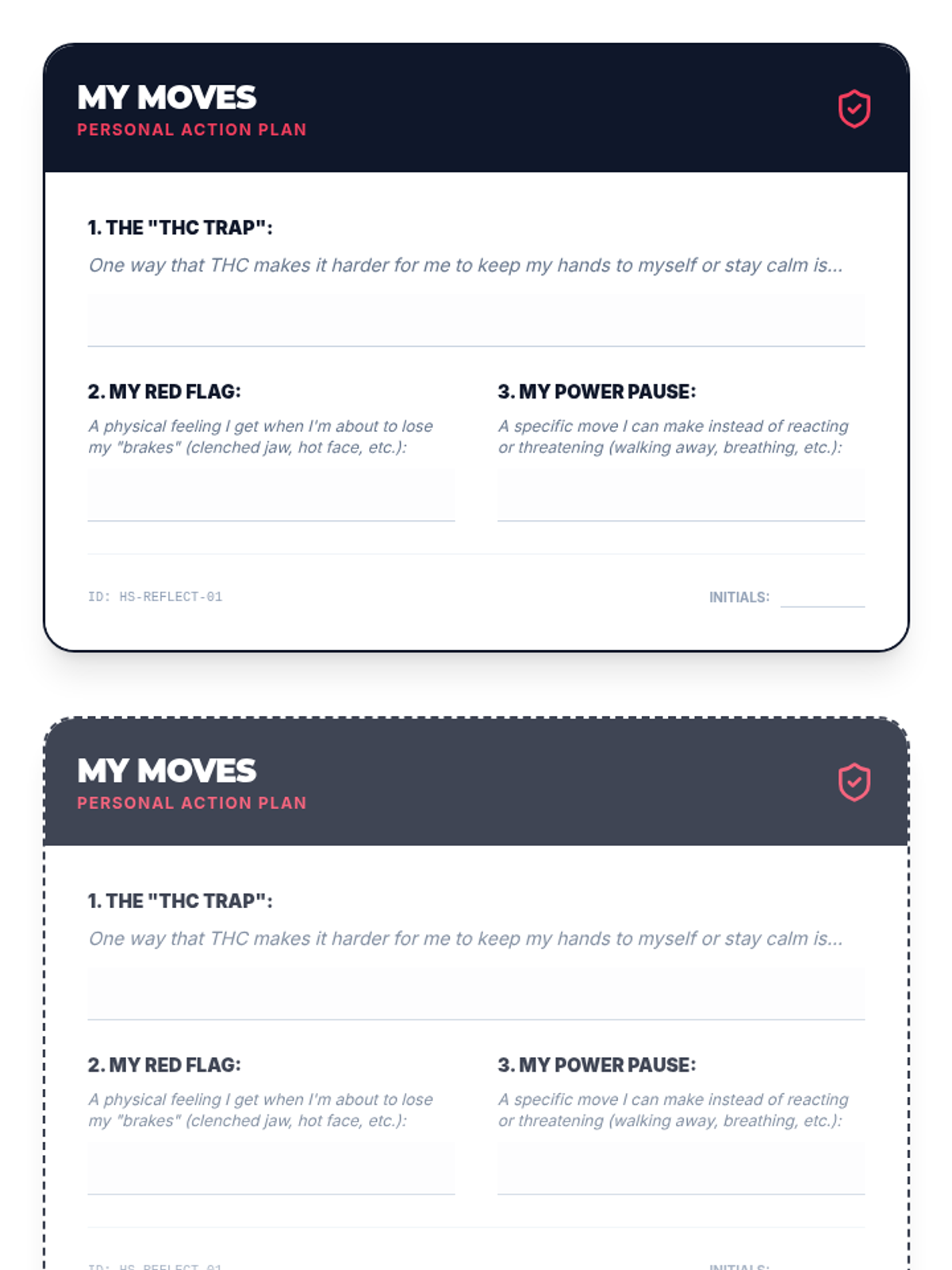
This lesson explores how vaping THC affects decision-making and impulse control, leading to a discussion on maintaining physical boundaries and resolving conflicts without threats or violence.
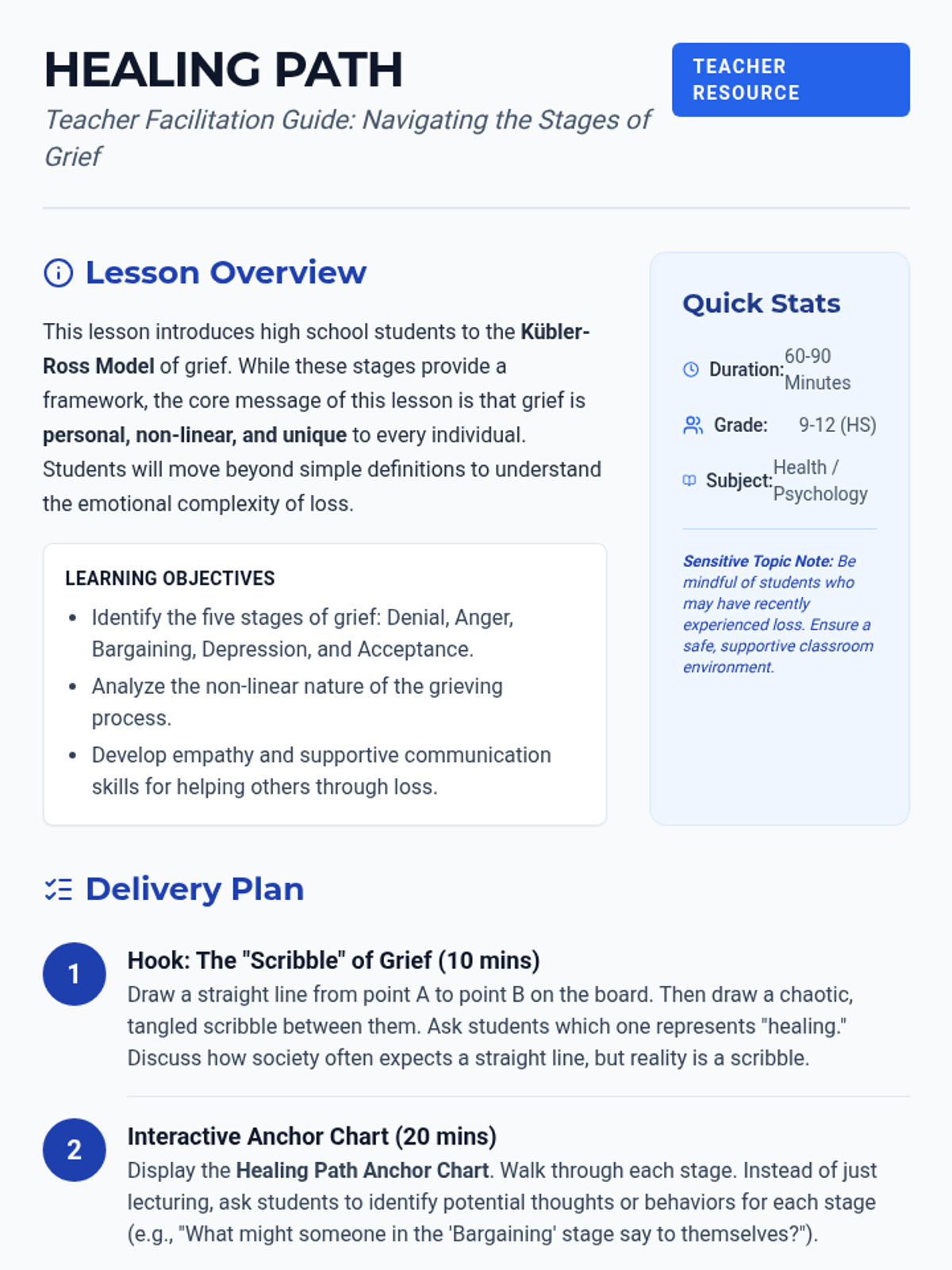
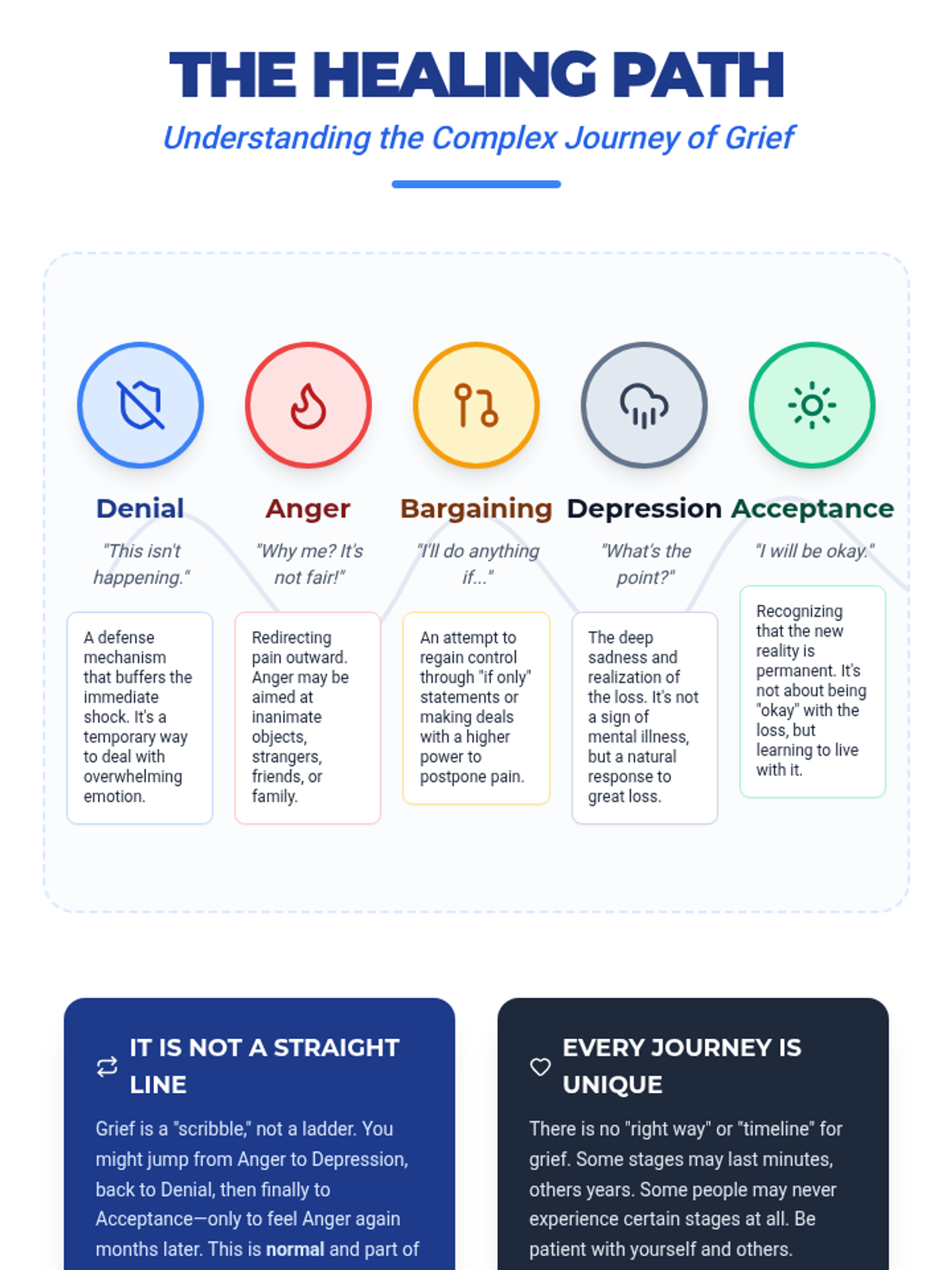
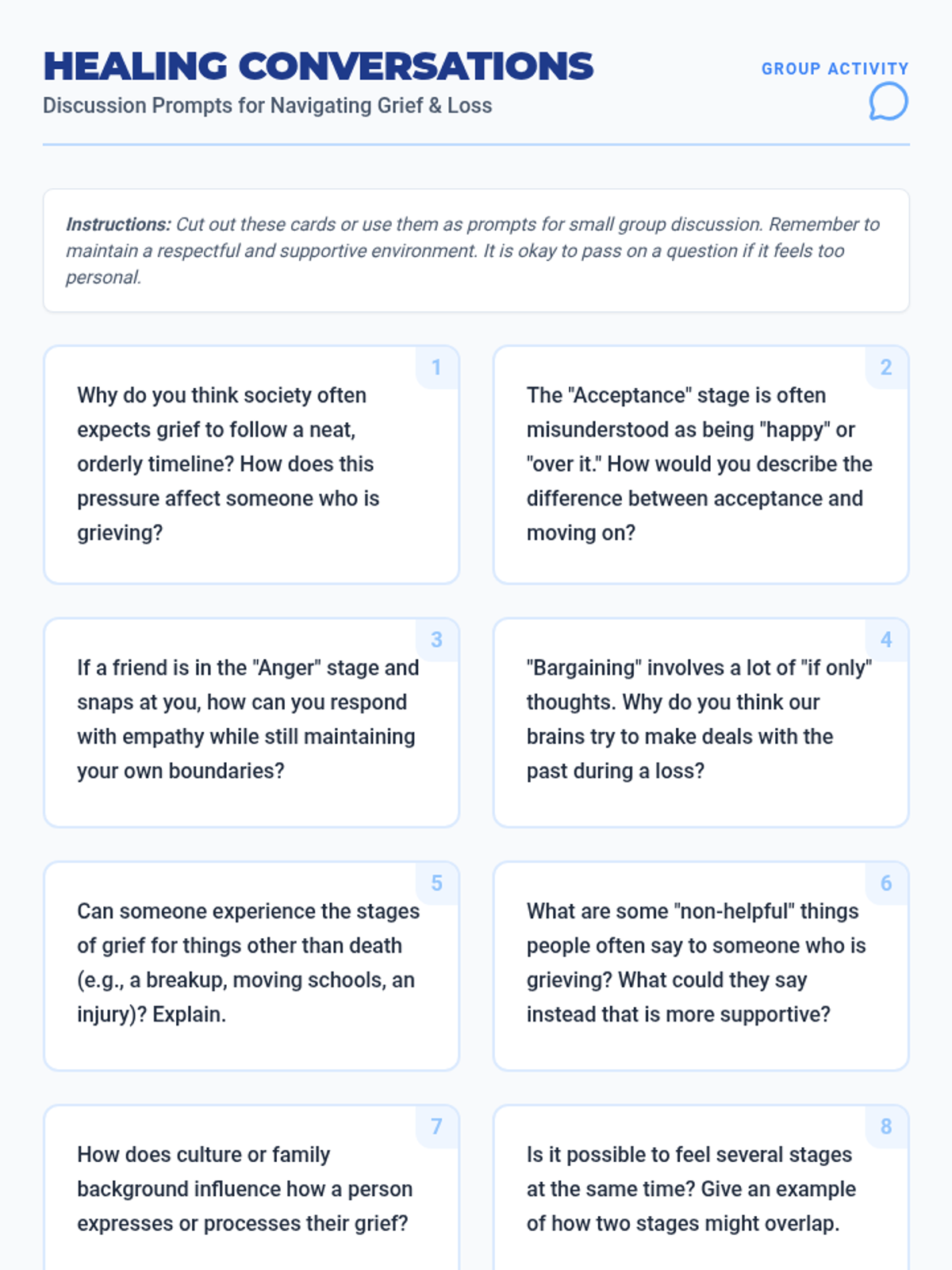
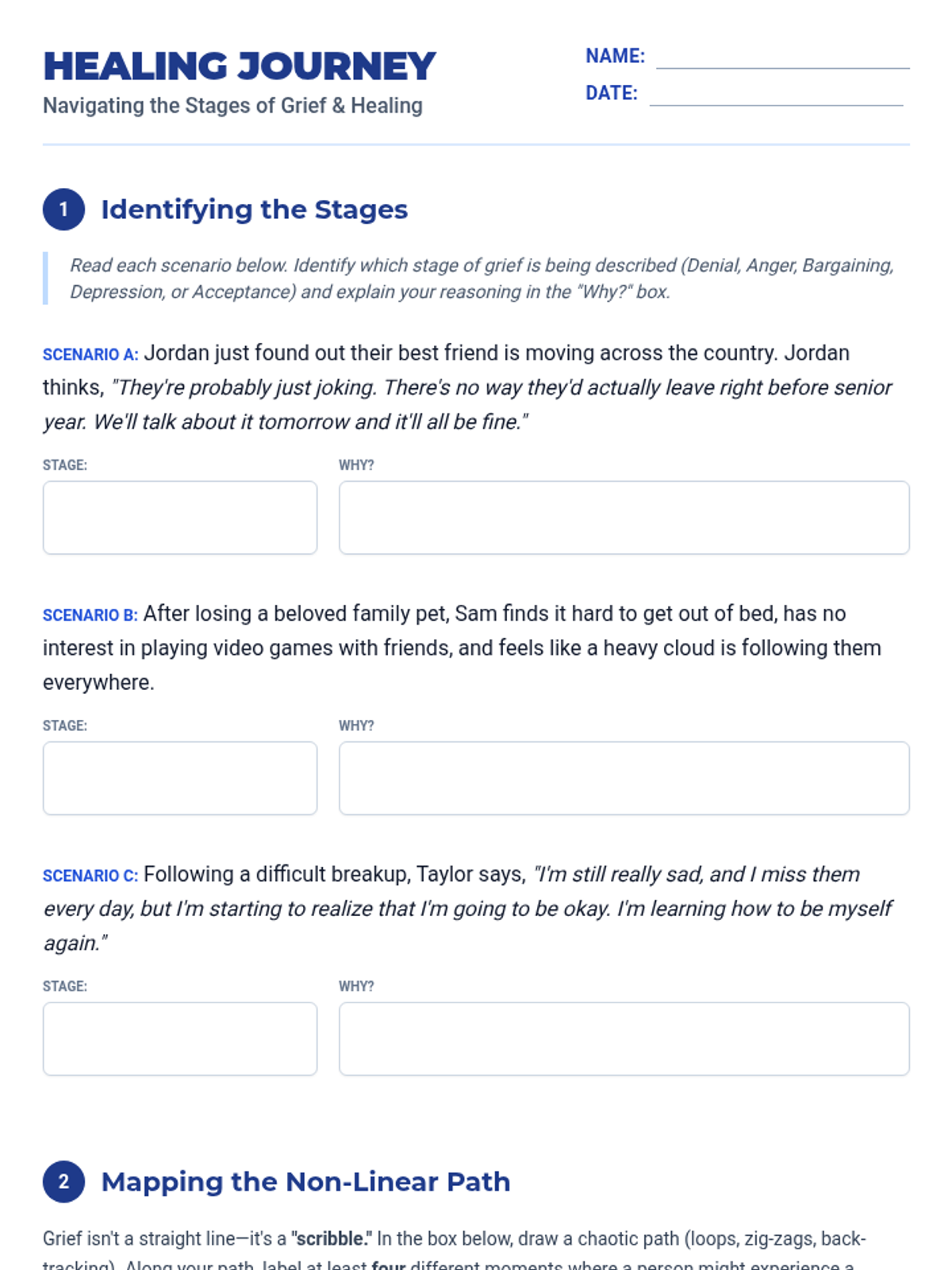
A comprehensive lesson for high school students exploring the Kübler-Ross stages of grief, emphasizing the non-linear nature of healing and providing tools for healthy processing.
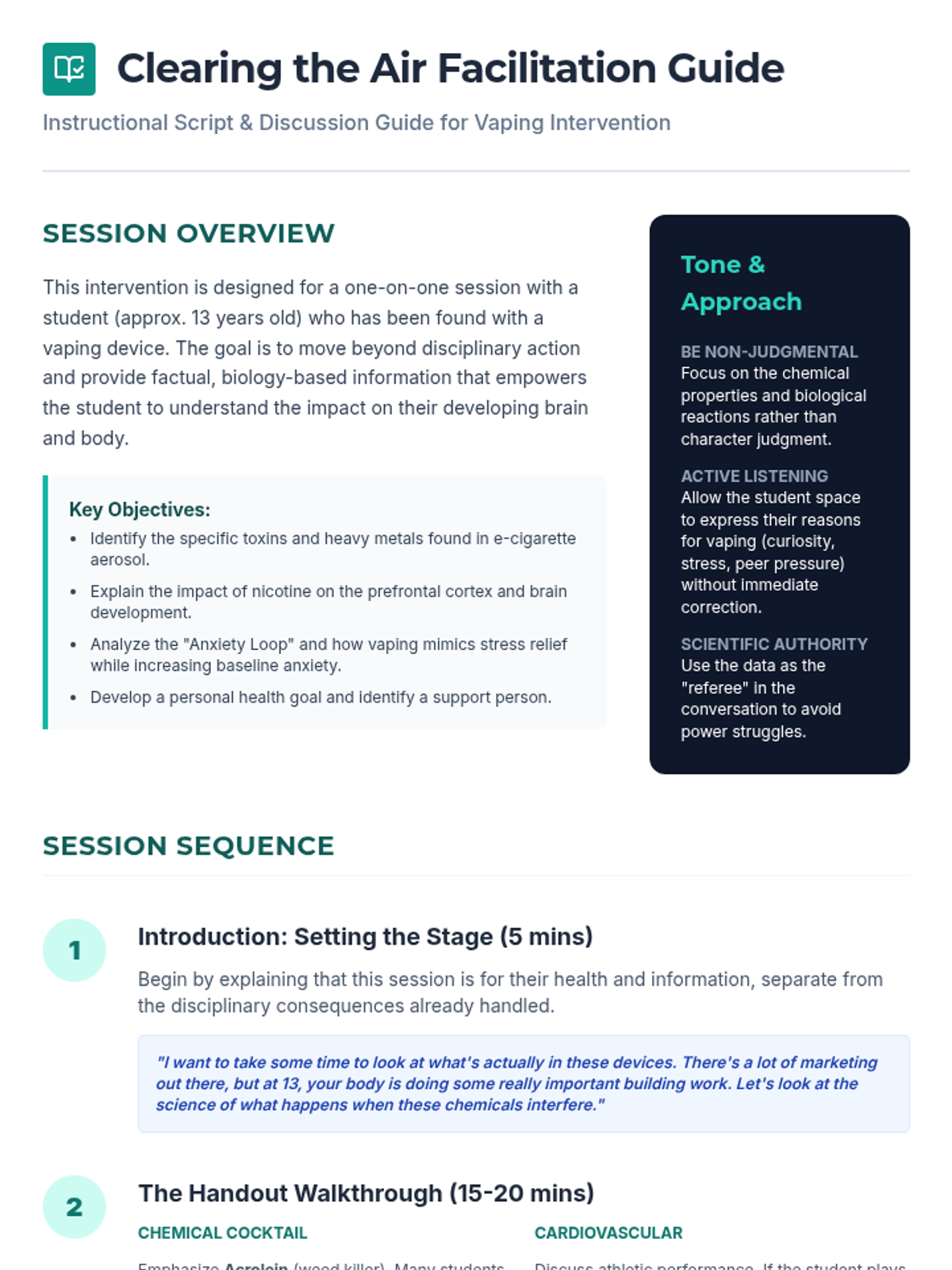
A focused intervention lesson for a student recently suspended for vaping, covering the biological and mental health impacts of nicotine and aerosol exposure.
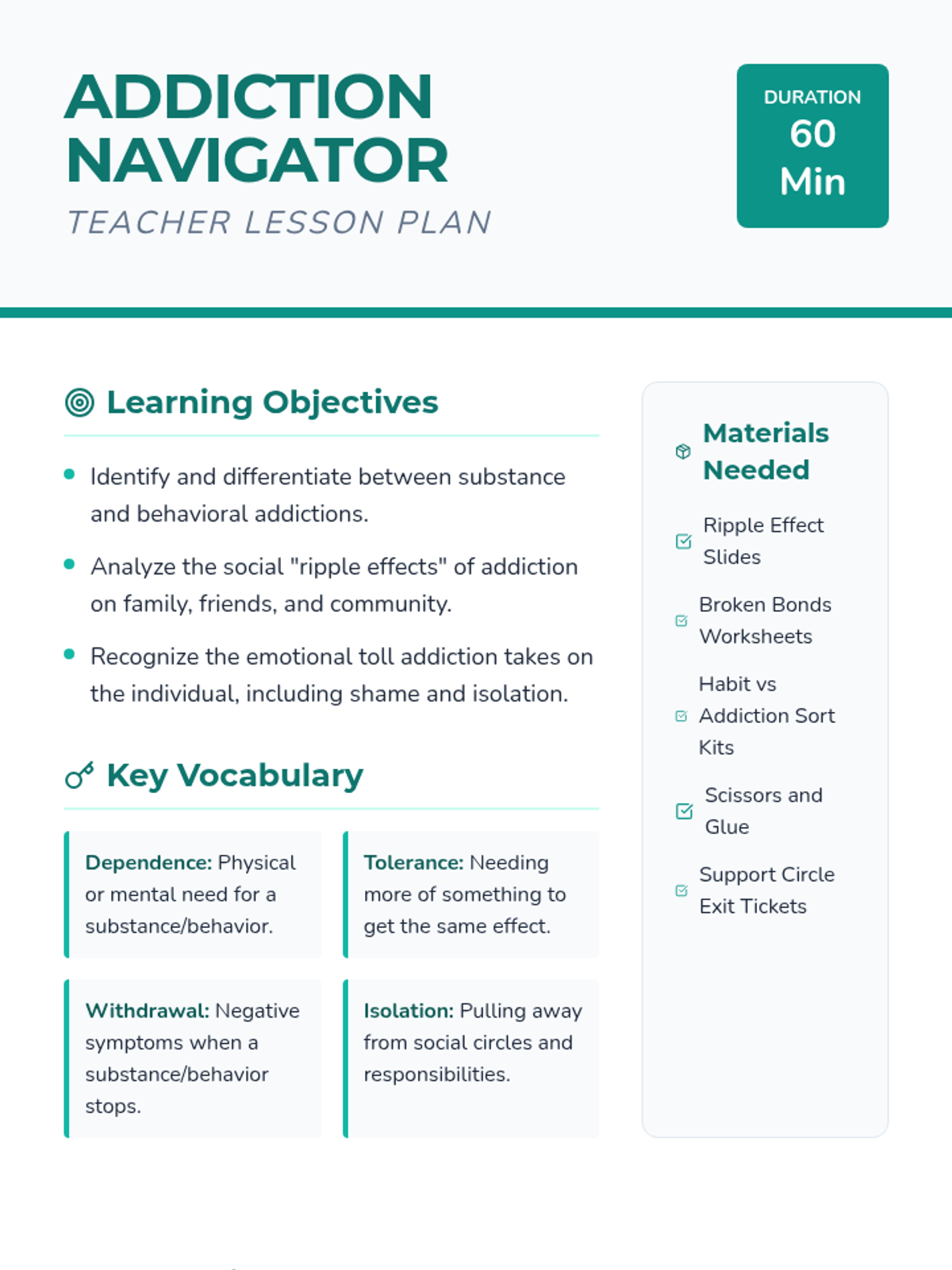
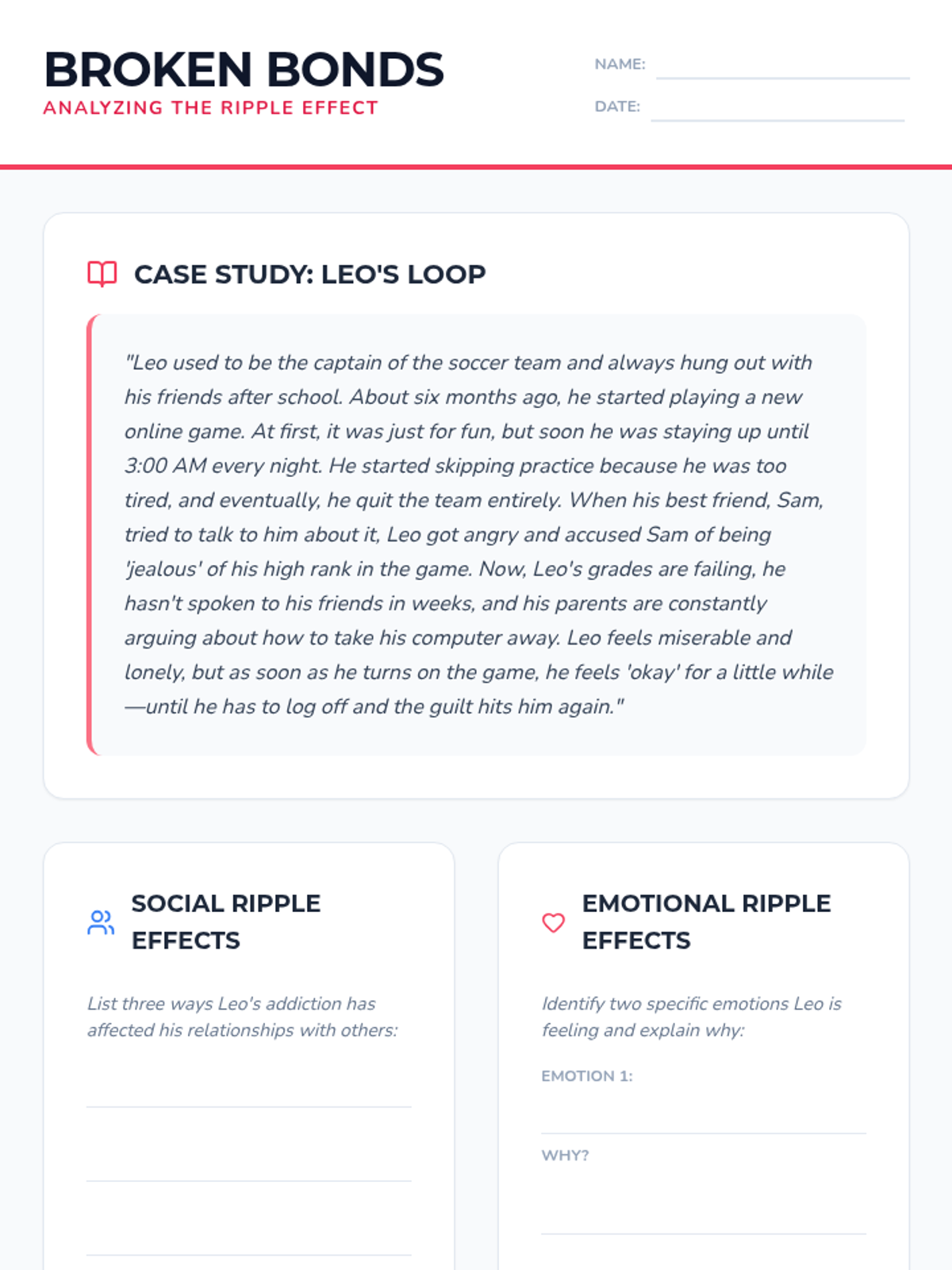
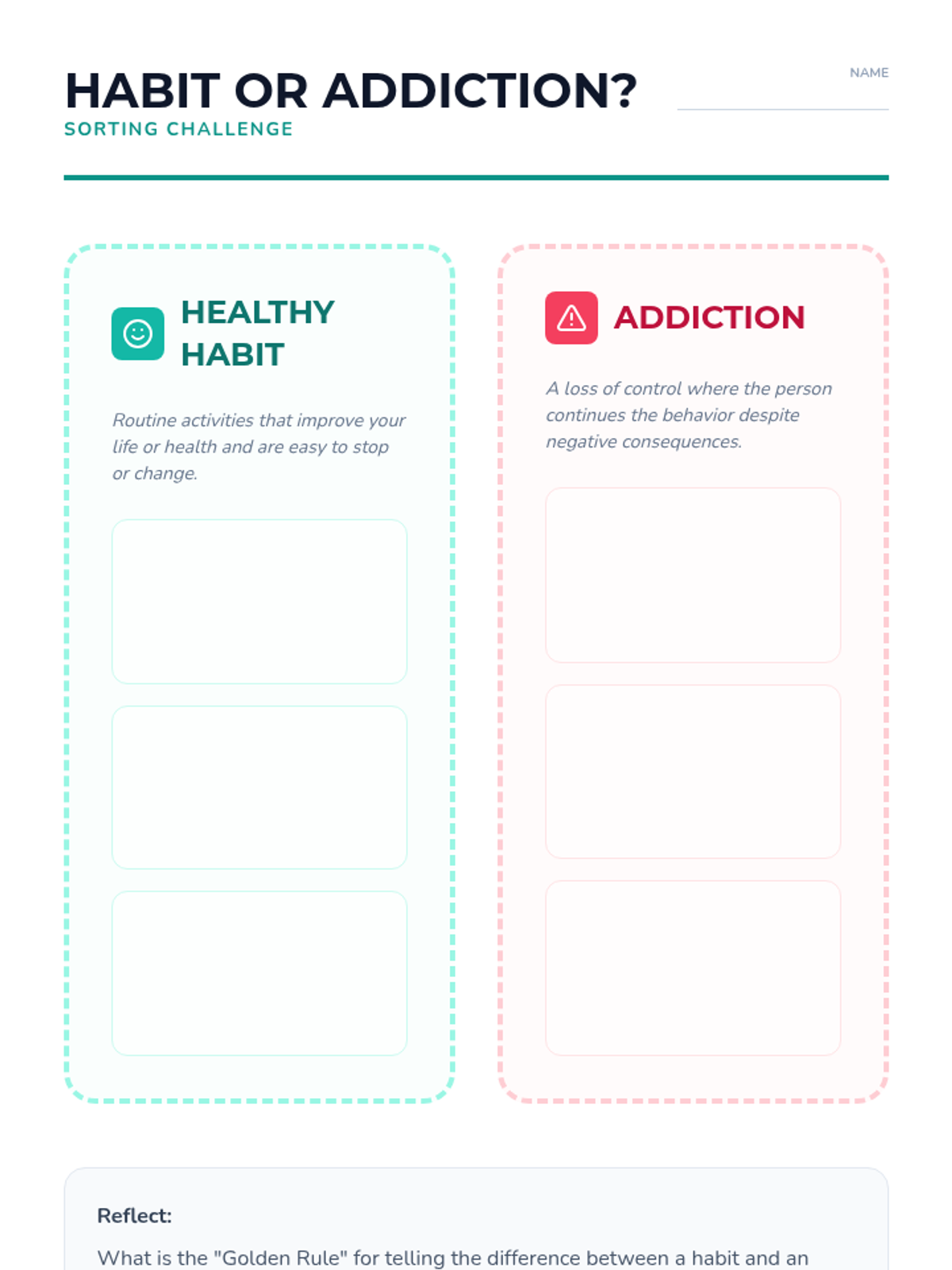
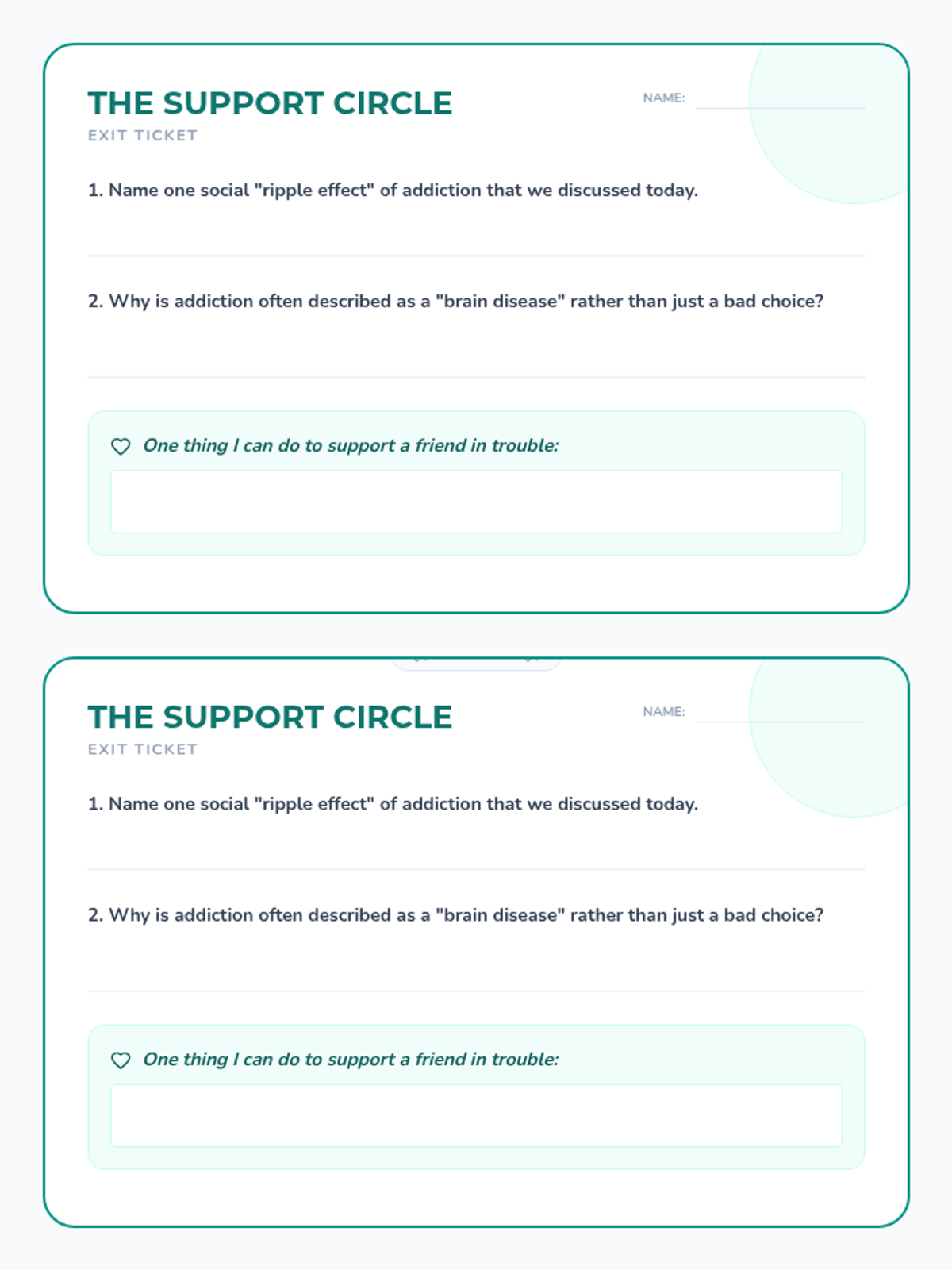
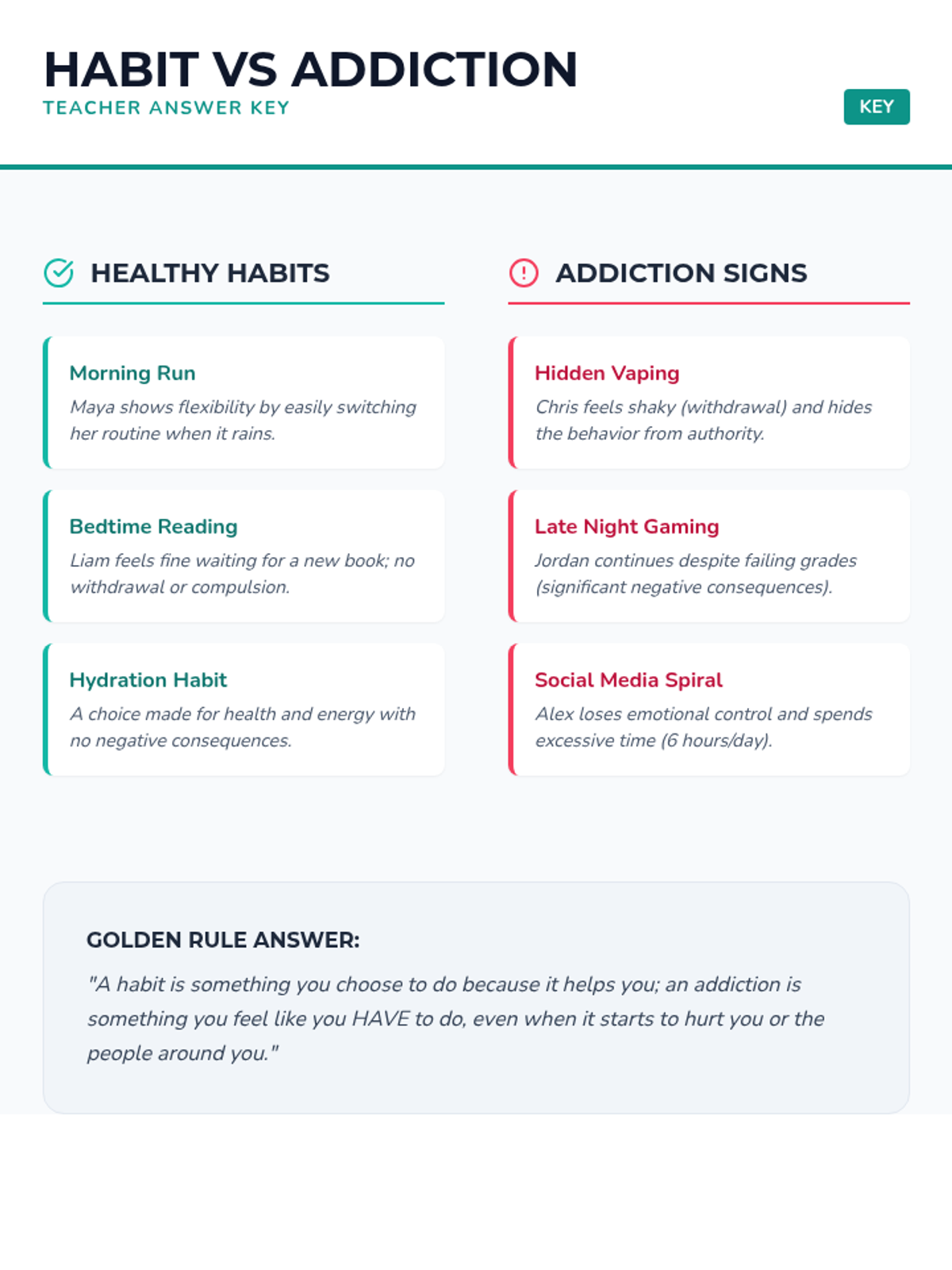
A comprehensive lesson exploring substance and behavioral addictions, focusing on their social and emotional impacts on individuals and their communities.
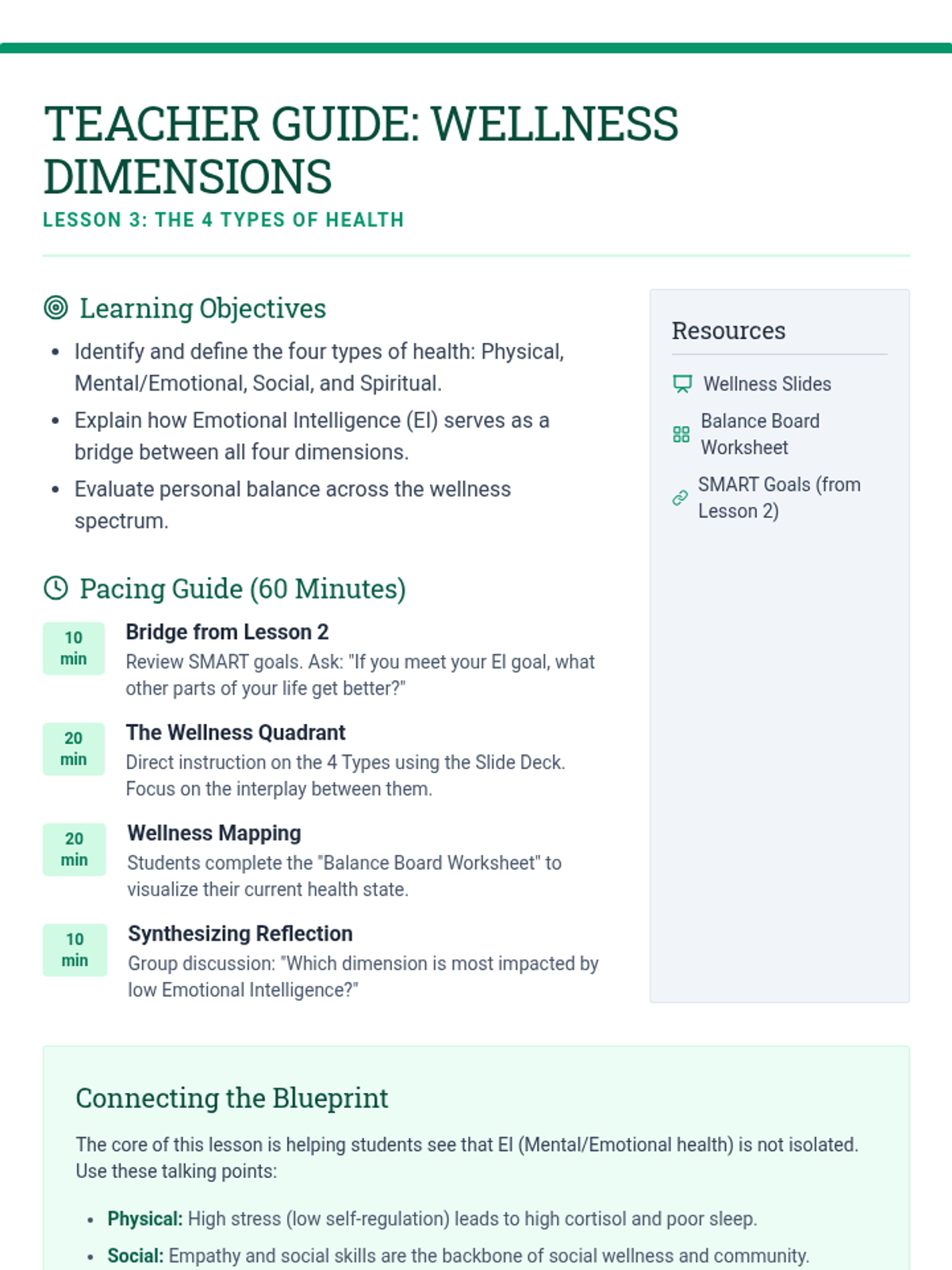
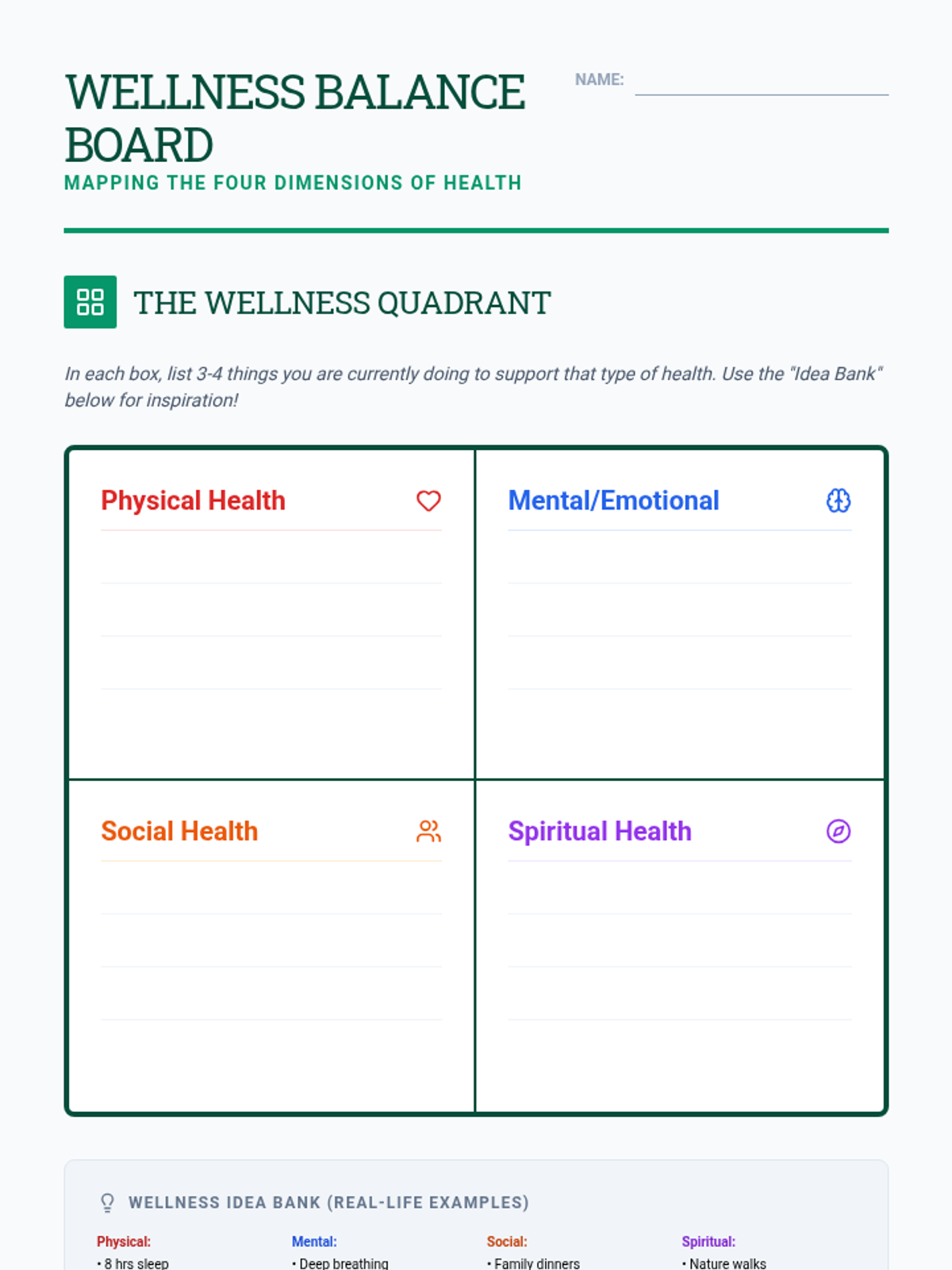
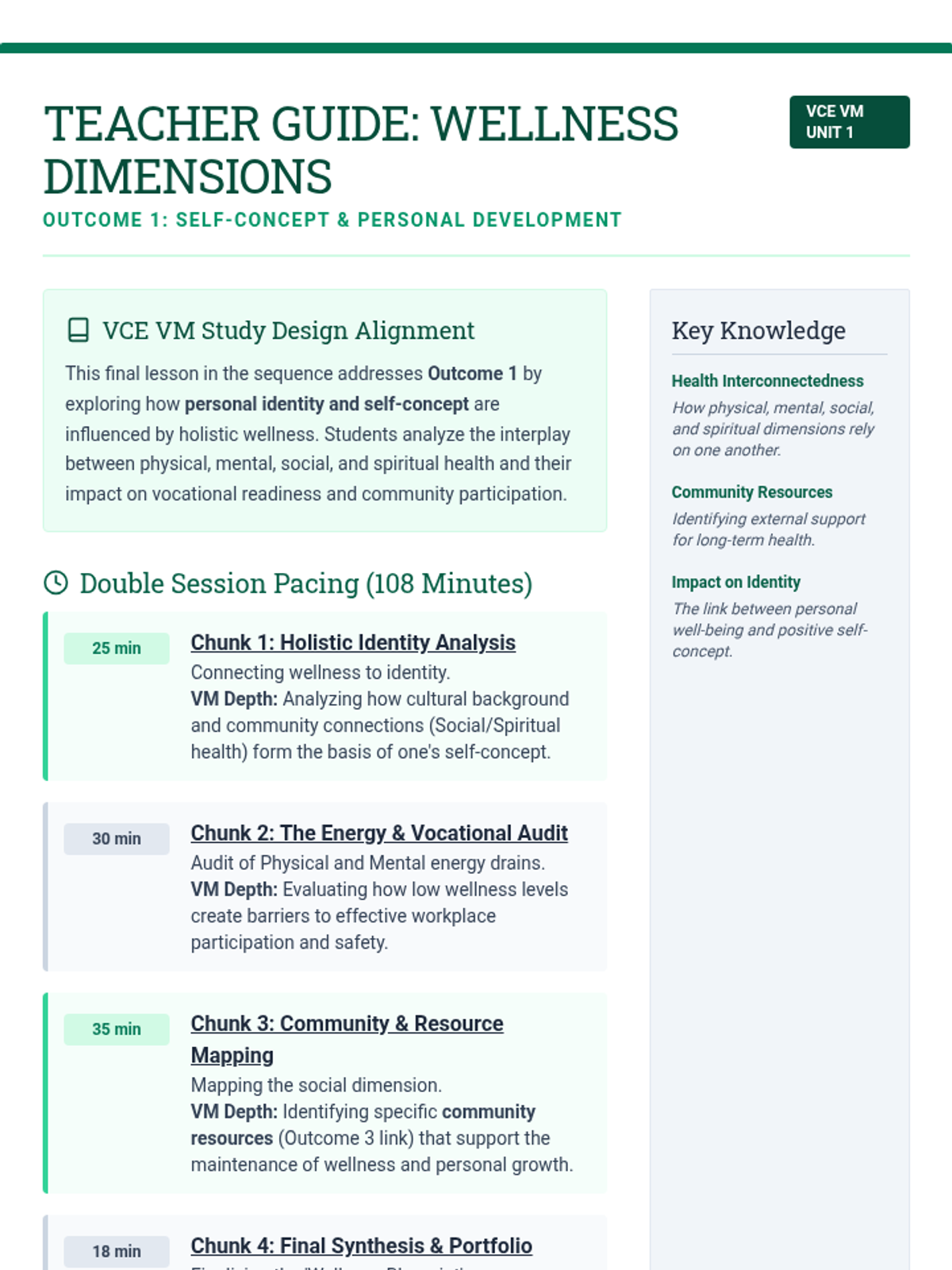
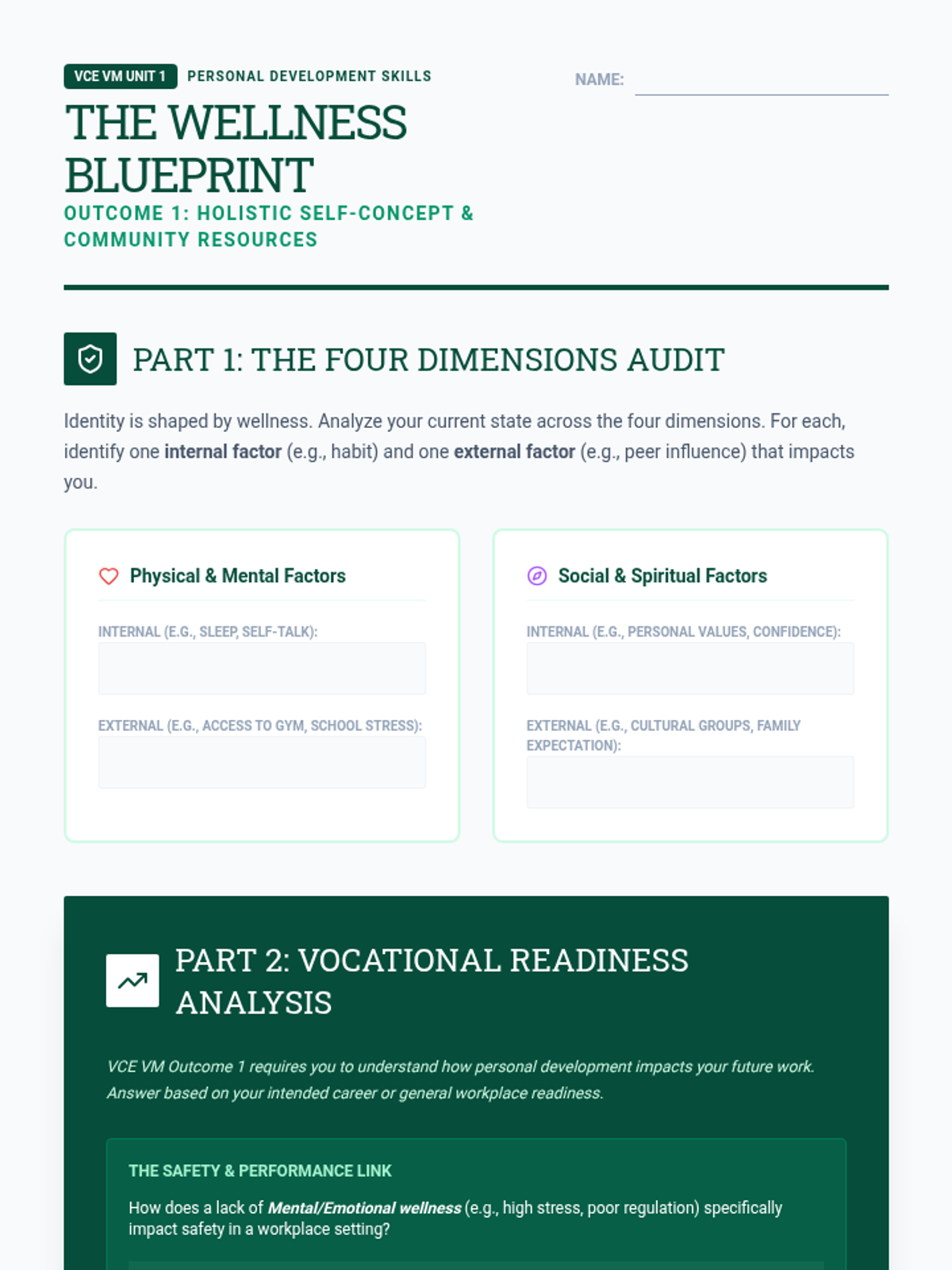
An exploration of holistic health through the four dimensions of well-being. Students analyze how their emotional intelligence goals support their overall health and balance.
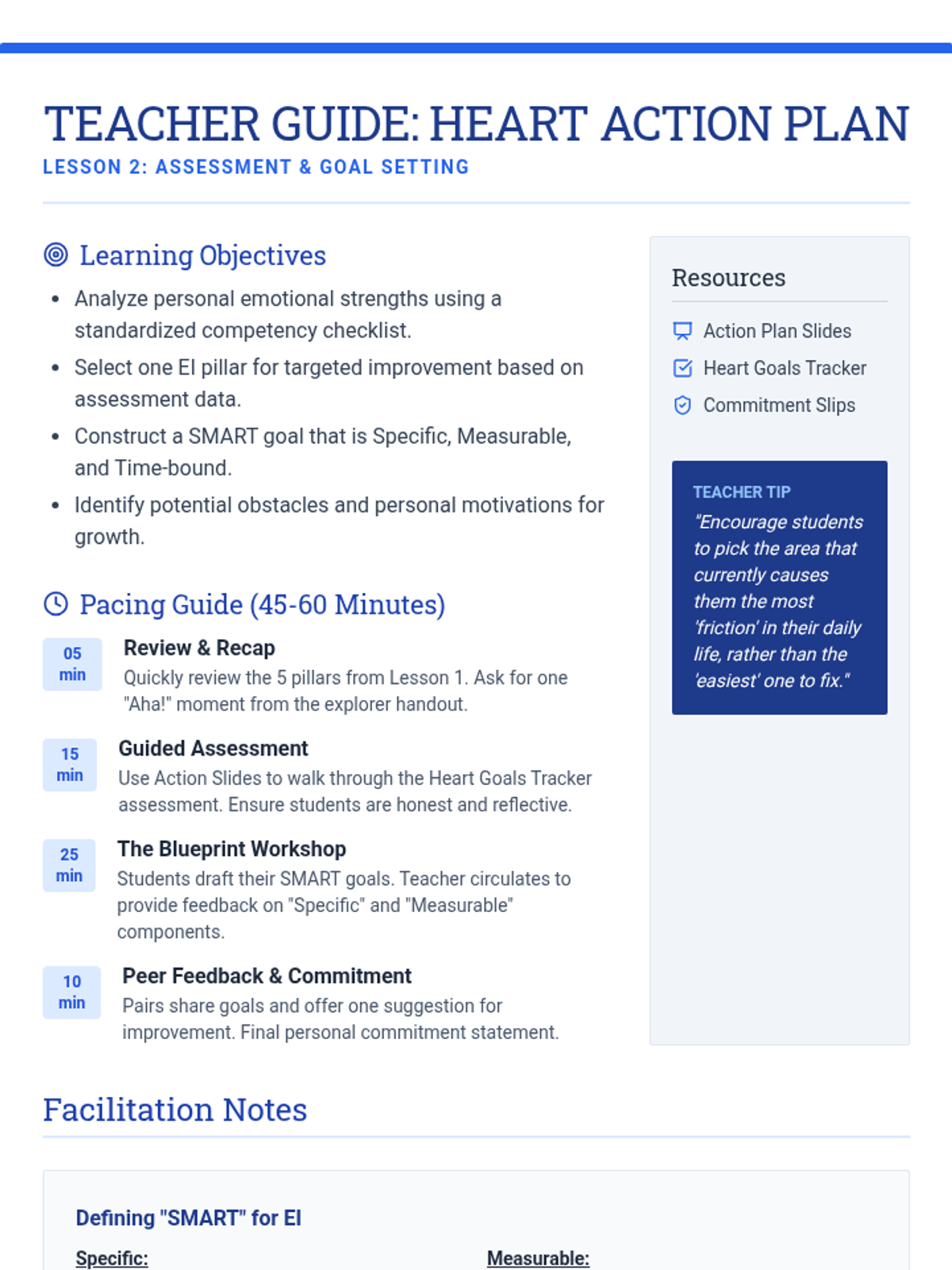
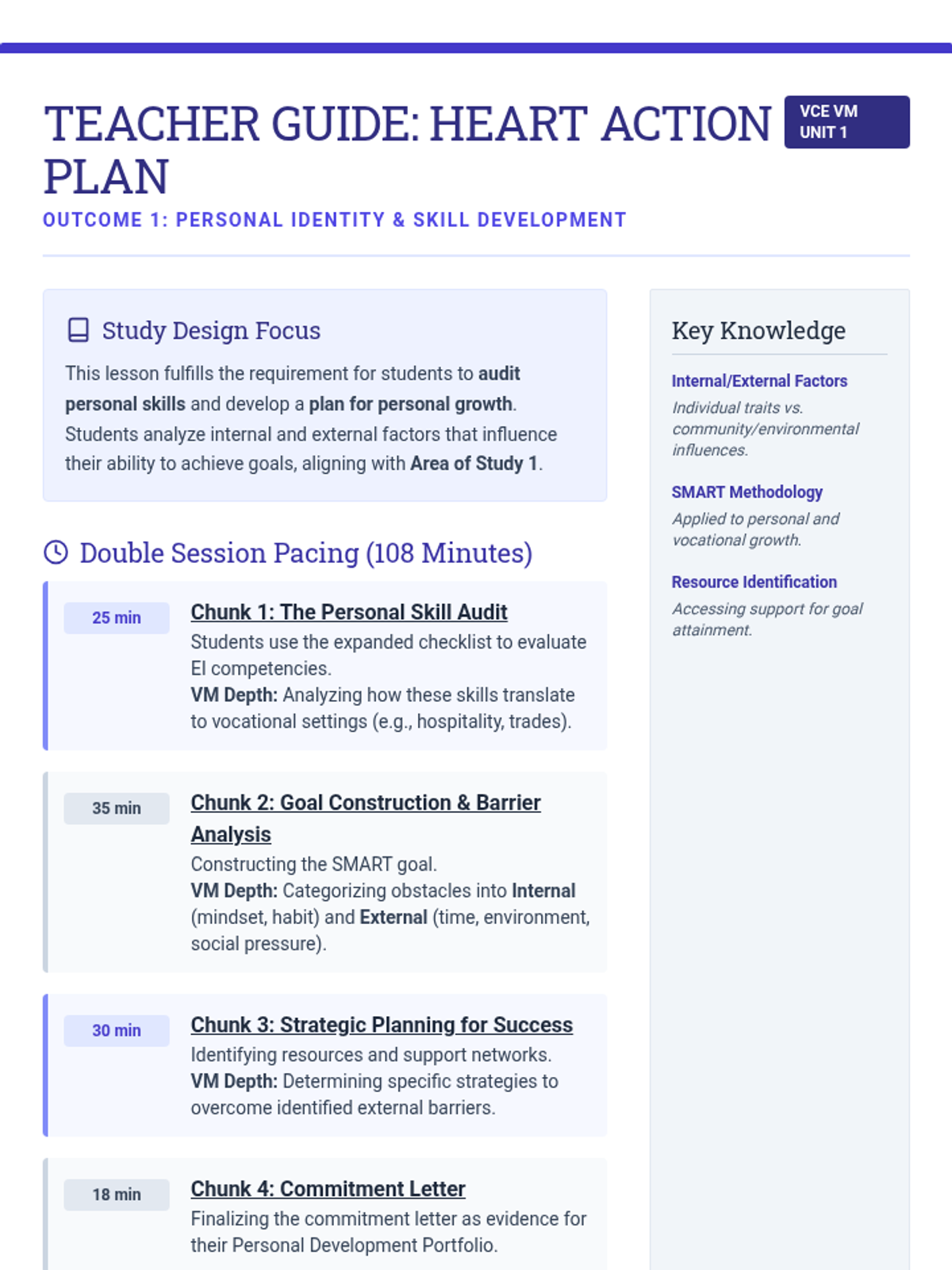
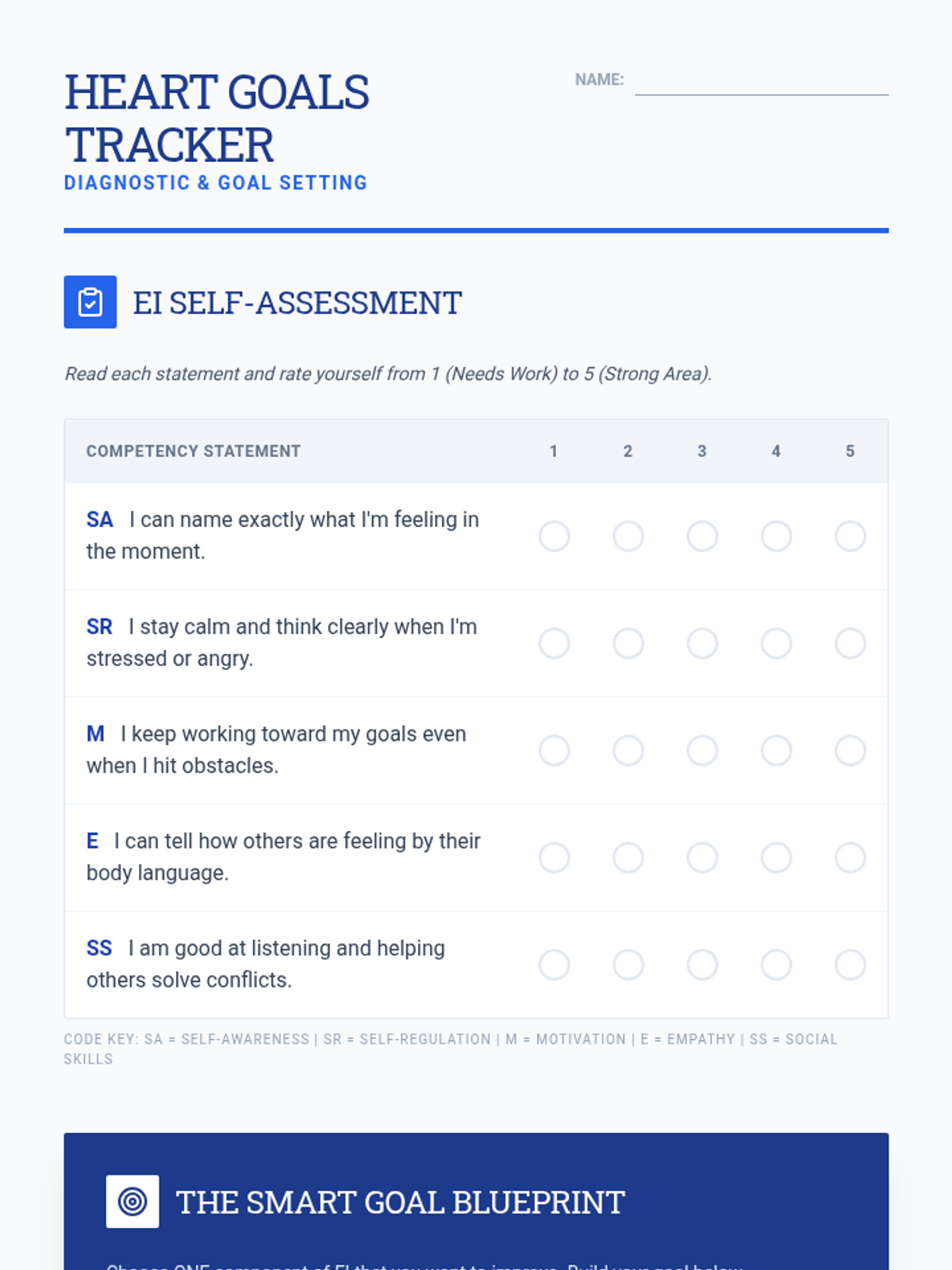
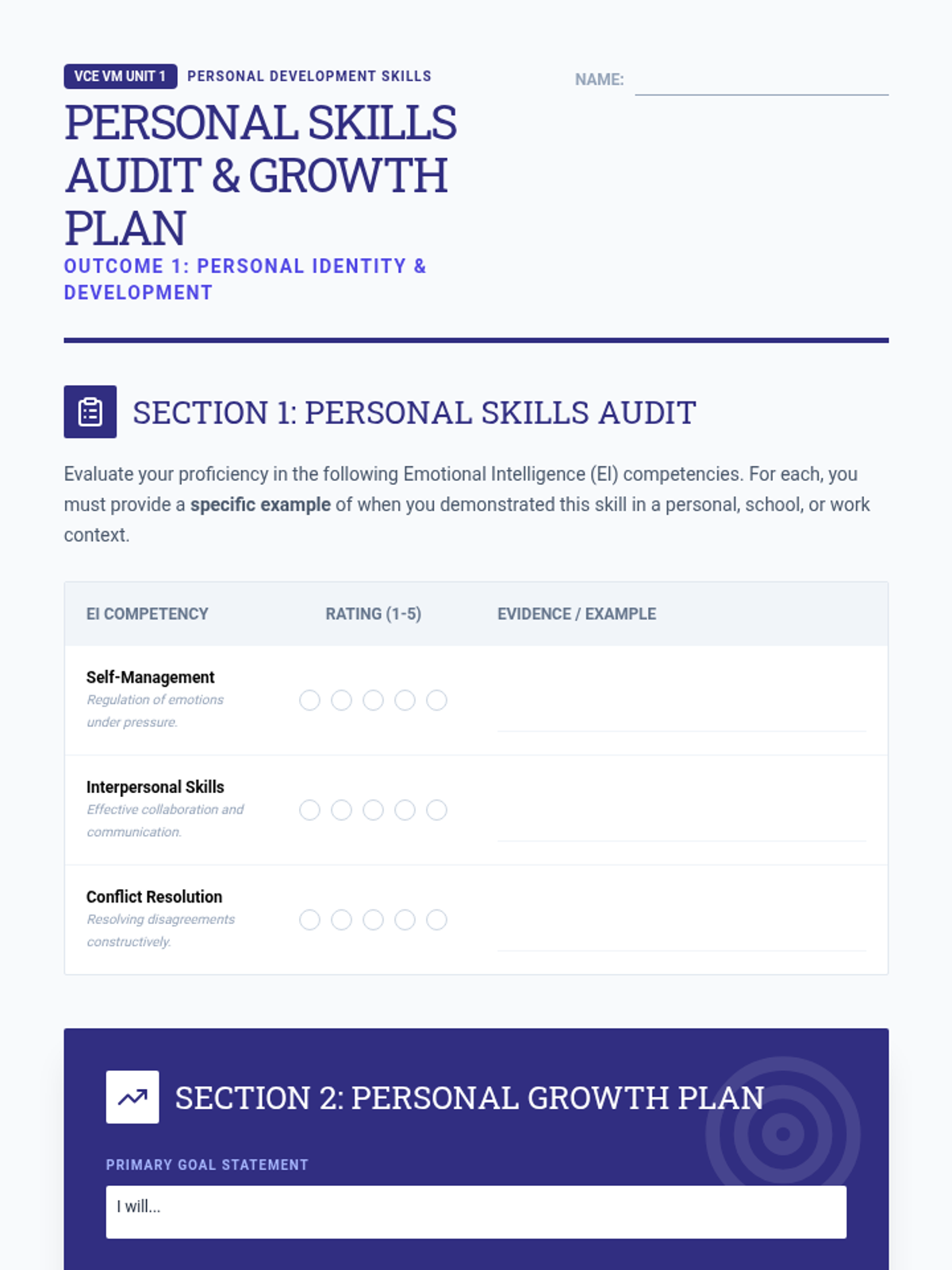
A follow-up workshop focused on personal application. Students perform a deep-dive self-assessment and construct a formal SMART goal plan for their emotional development.
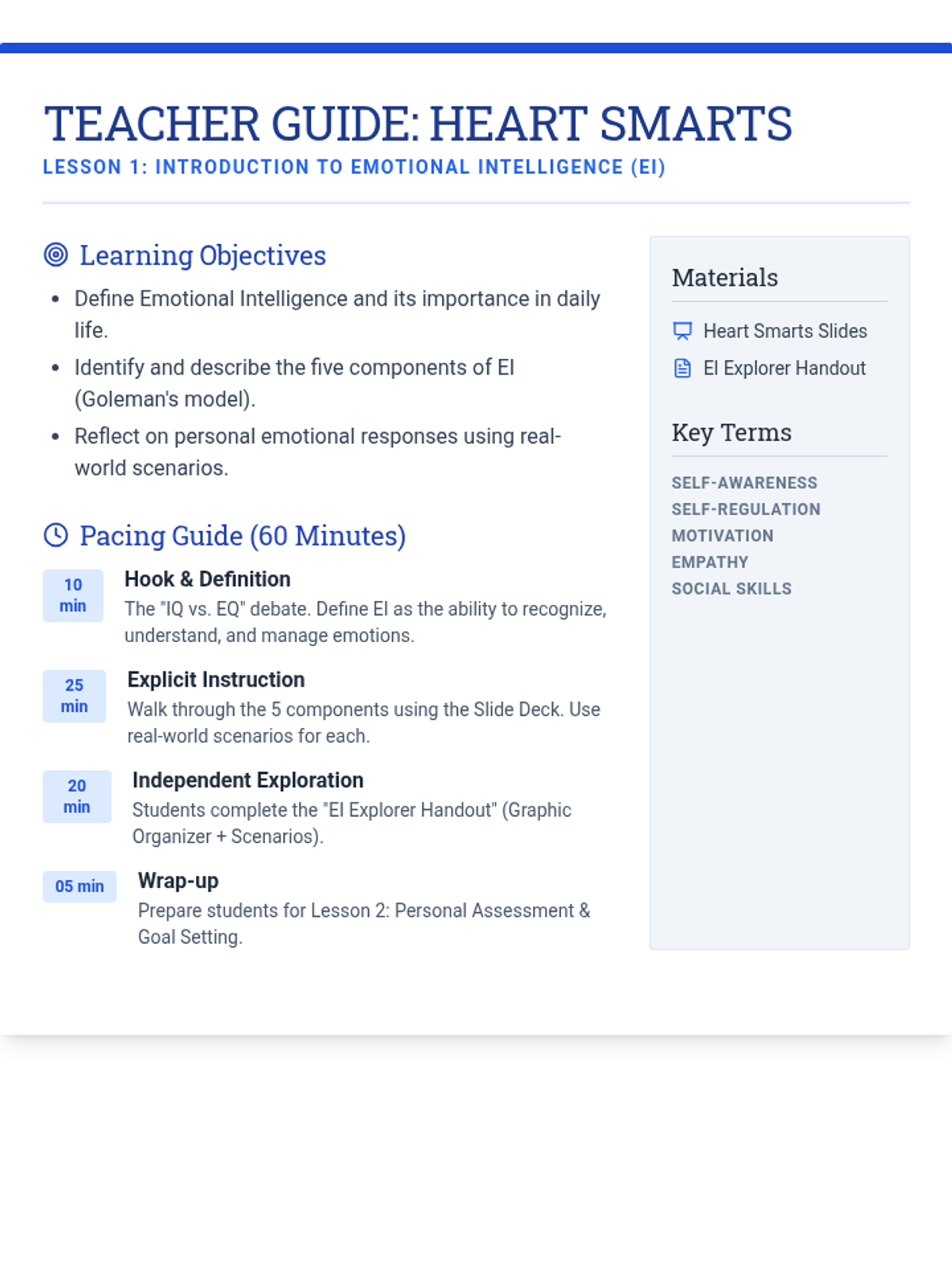
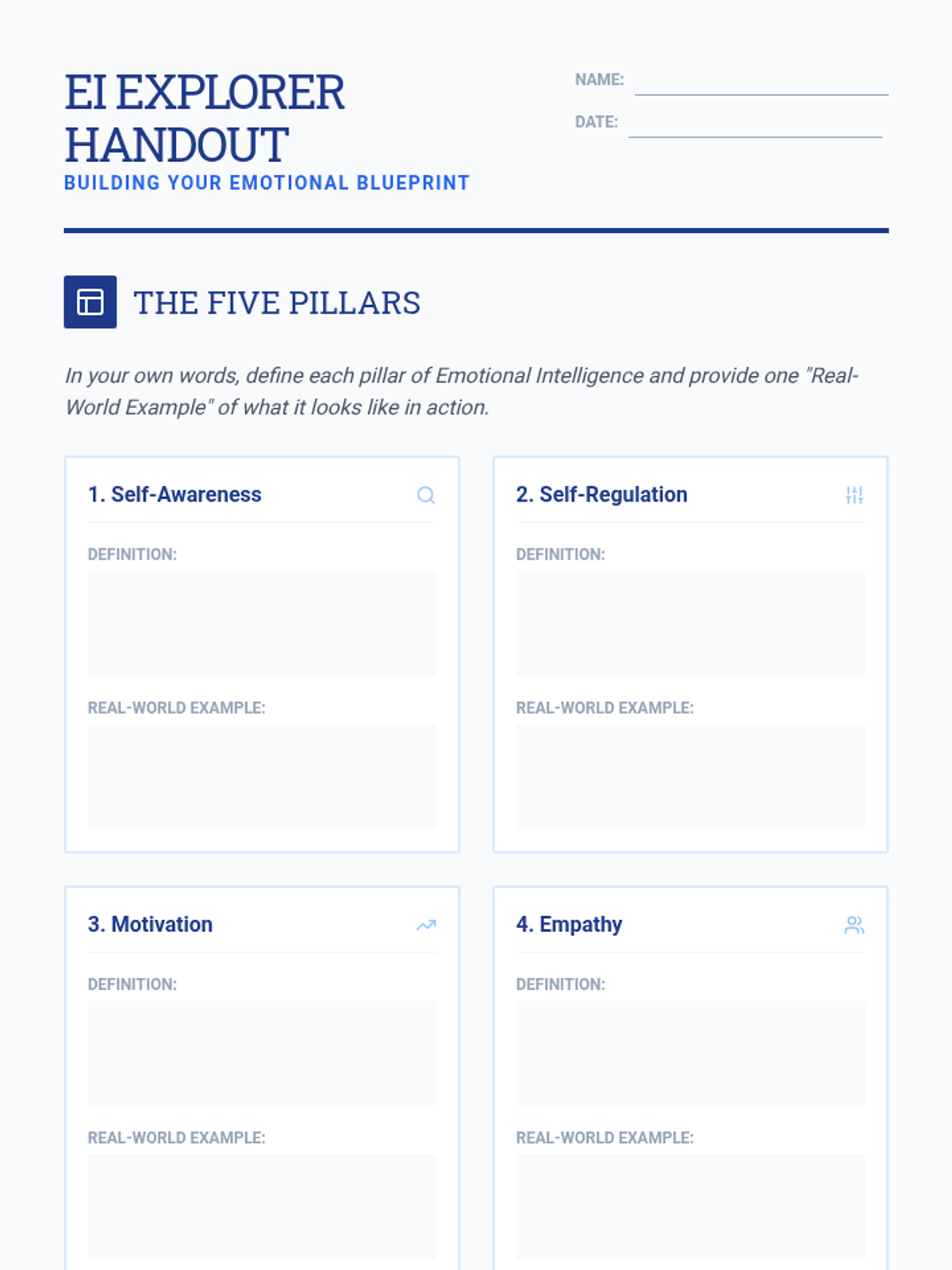
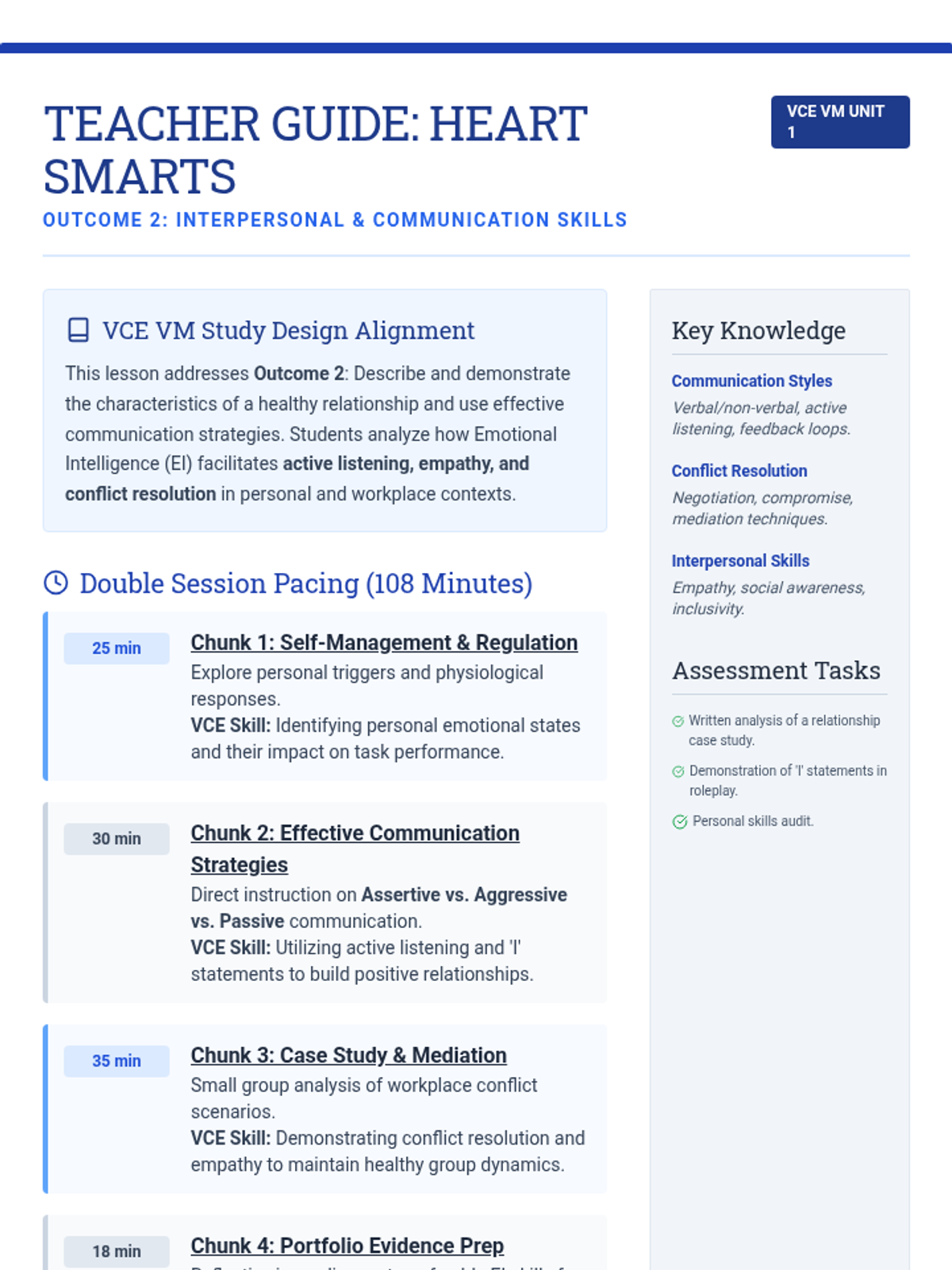
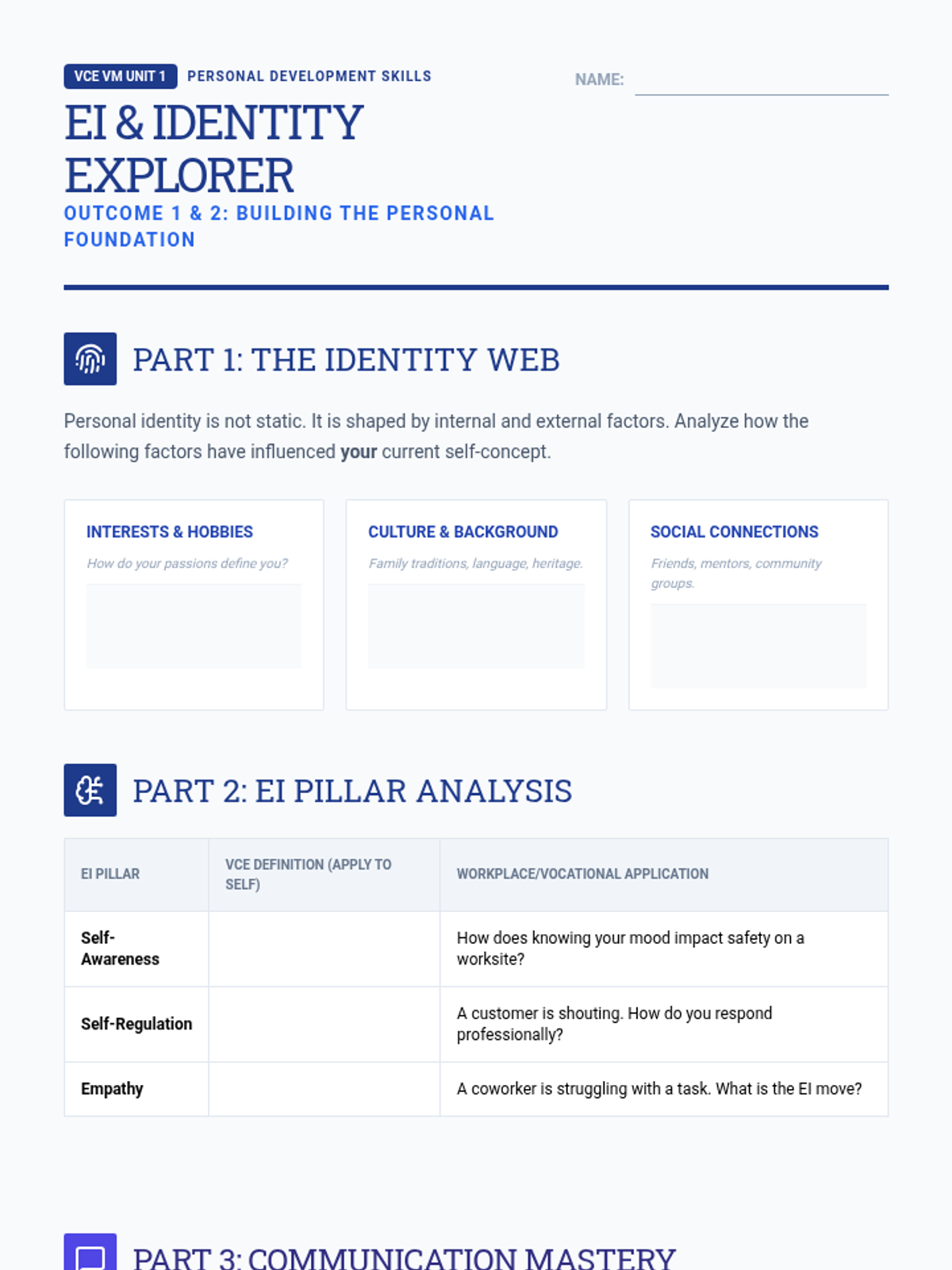
A comprehensive introduction to the five components of Emotional Intelligence: self-awareness, self-regulation, motivation, empathy, and social skills. Students engage through explicit instruction and independent reflection.
An introductory lesson on mental health and well-being, focusing on understanding emotions, identifying coping strategies, and reducing stigma. Students will learn how to maintain their mental health and when to seek support.
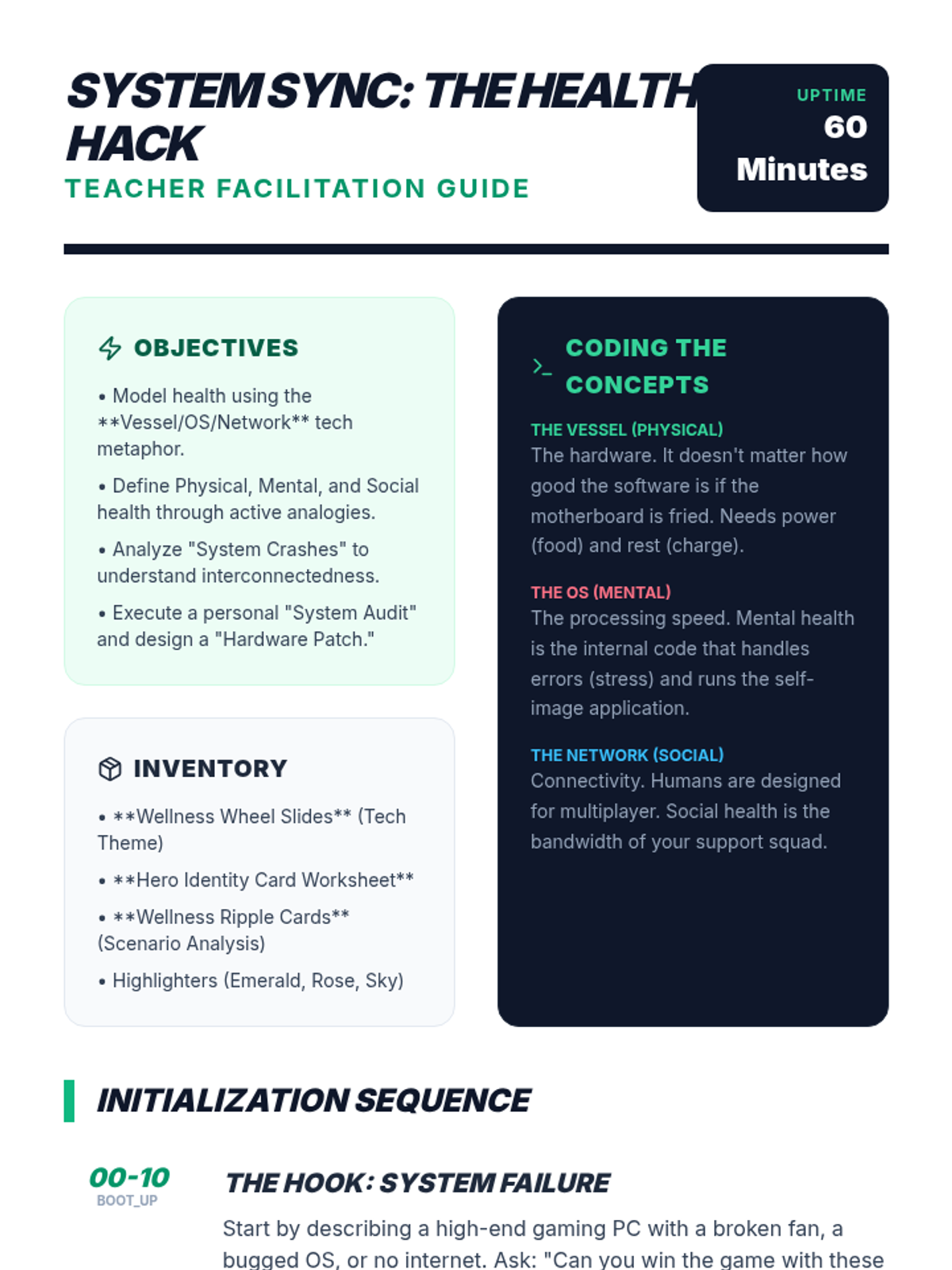
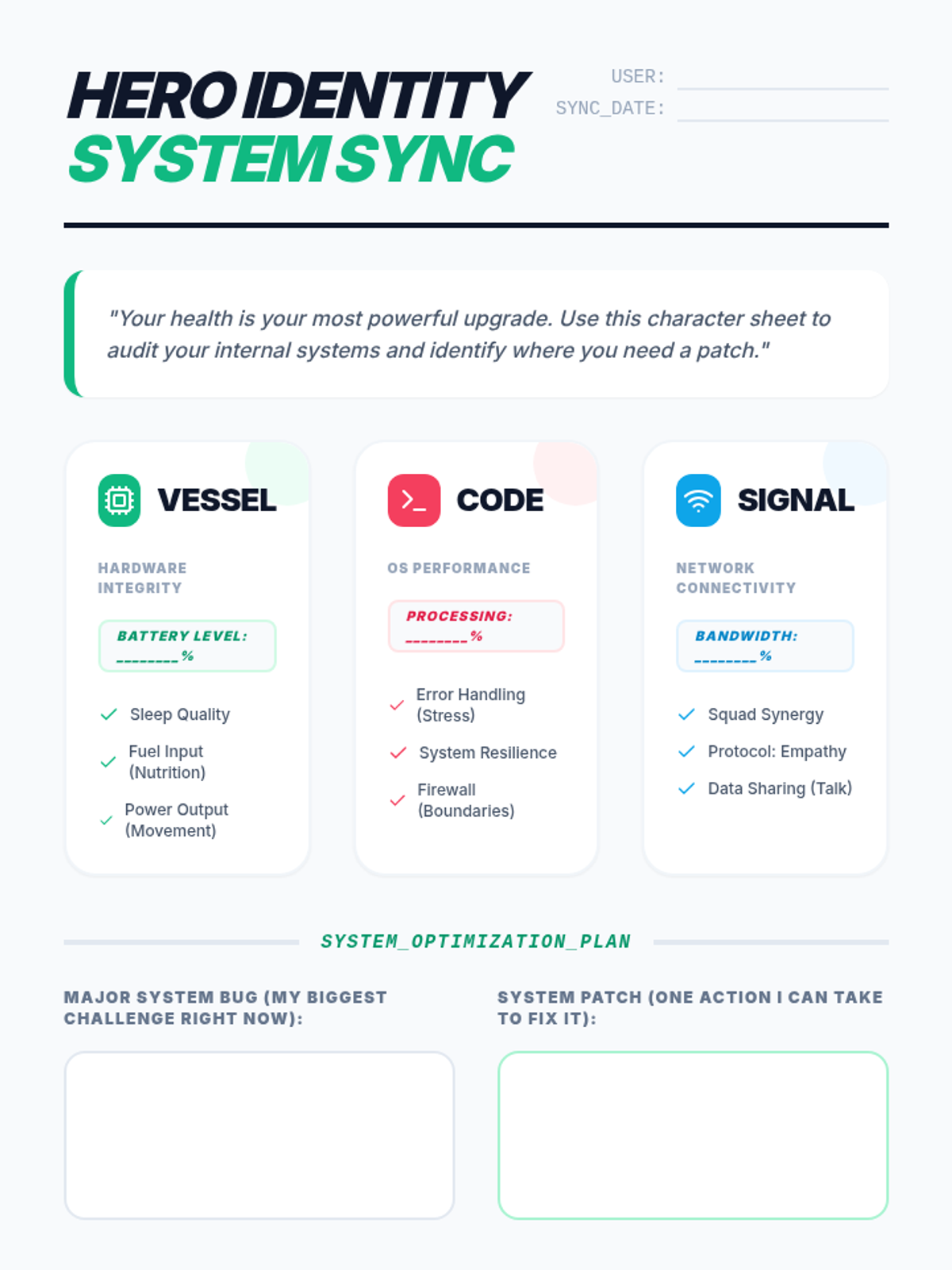
A comprehensive introduction to the six dimensions of health, focusing on how they interact to create overall well-being through the 'Wellness Wheel' model.
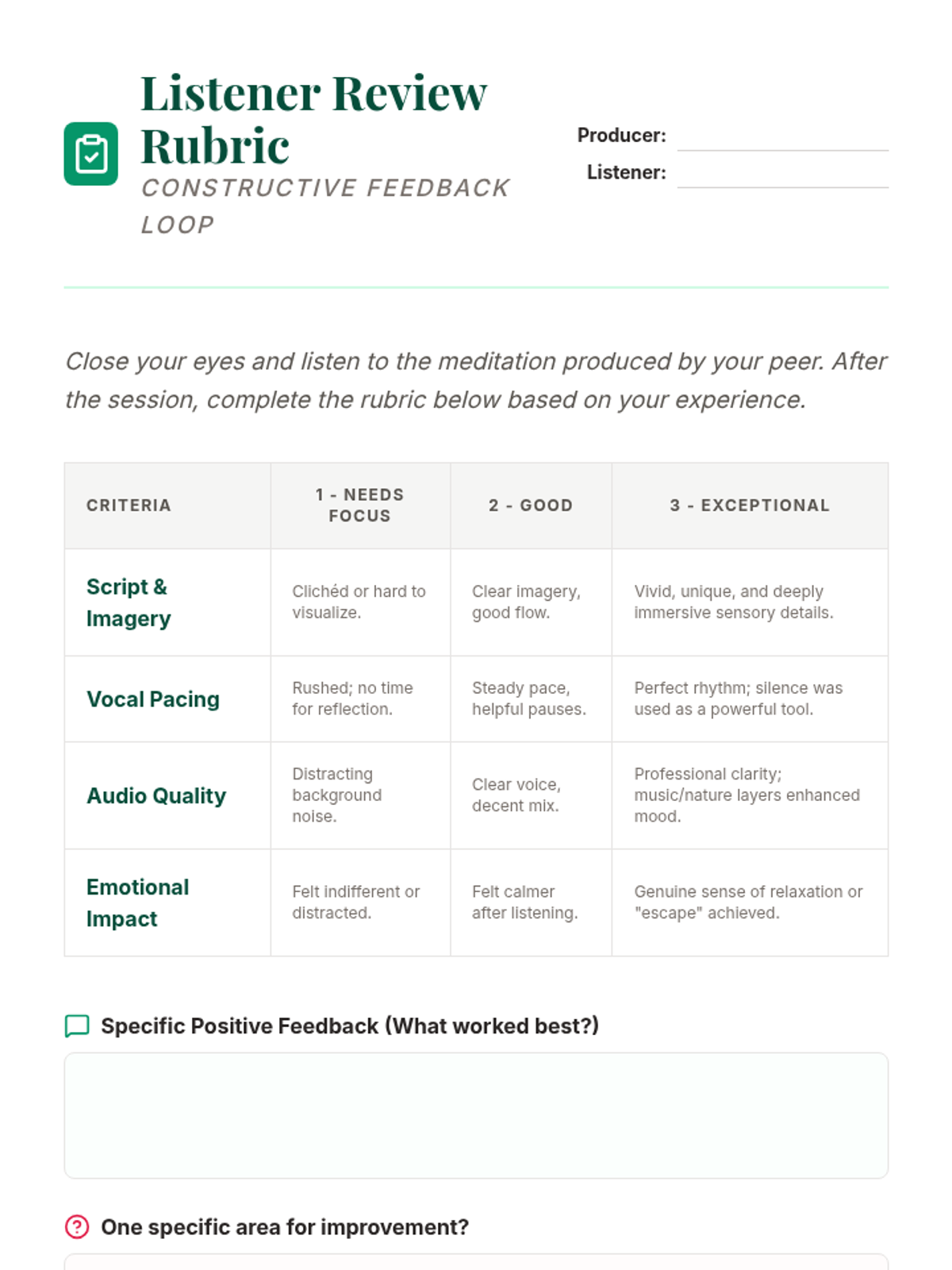
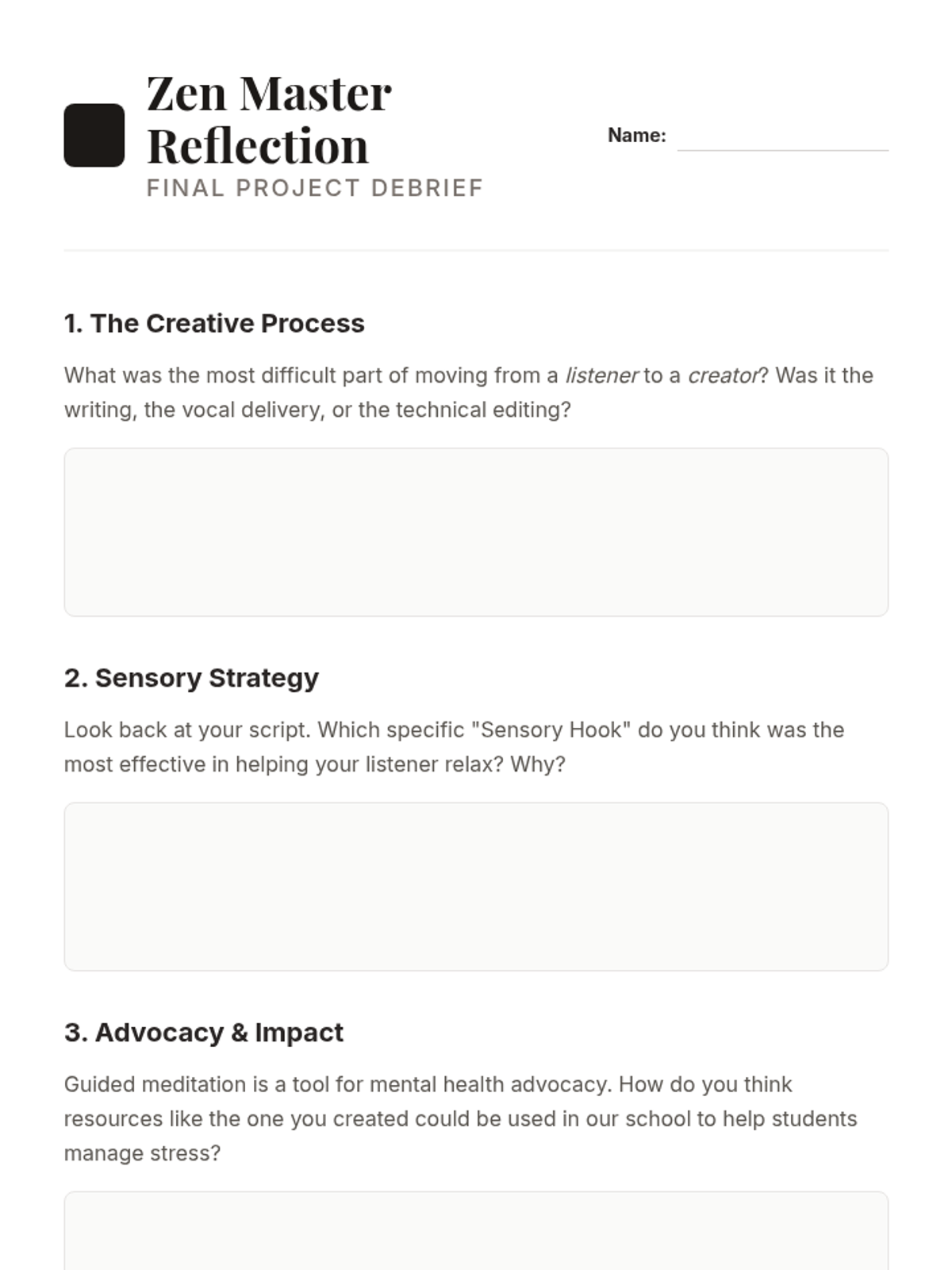
Students share their finished meditations for peer feedback and reflect on the experience of leading wellness sessions.
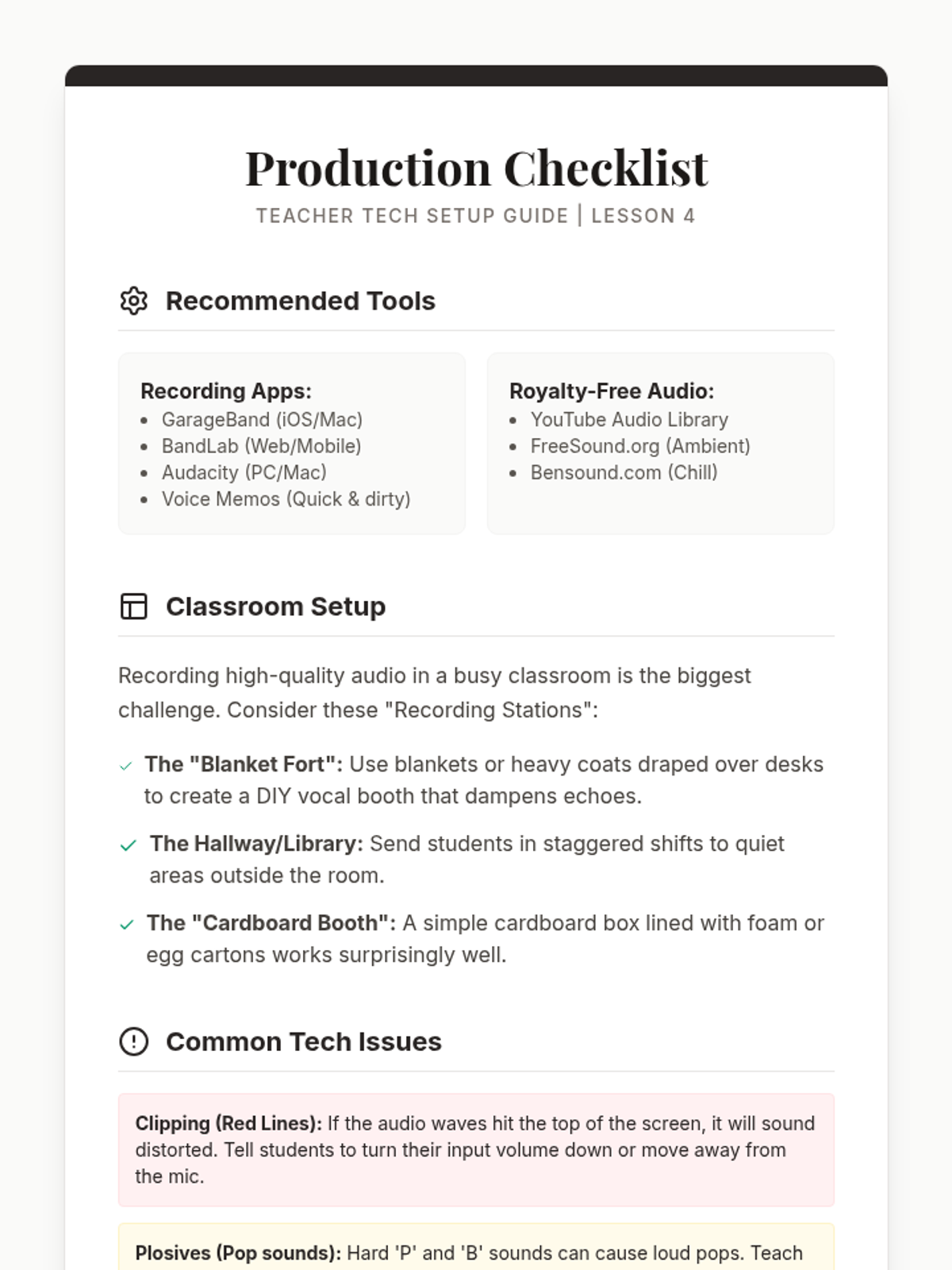
Students record their scripts and layer them with ambient background music or nature sounds, learning basic audio production skills.
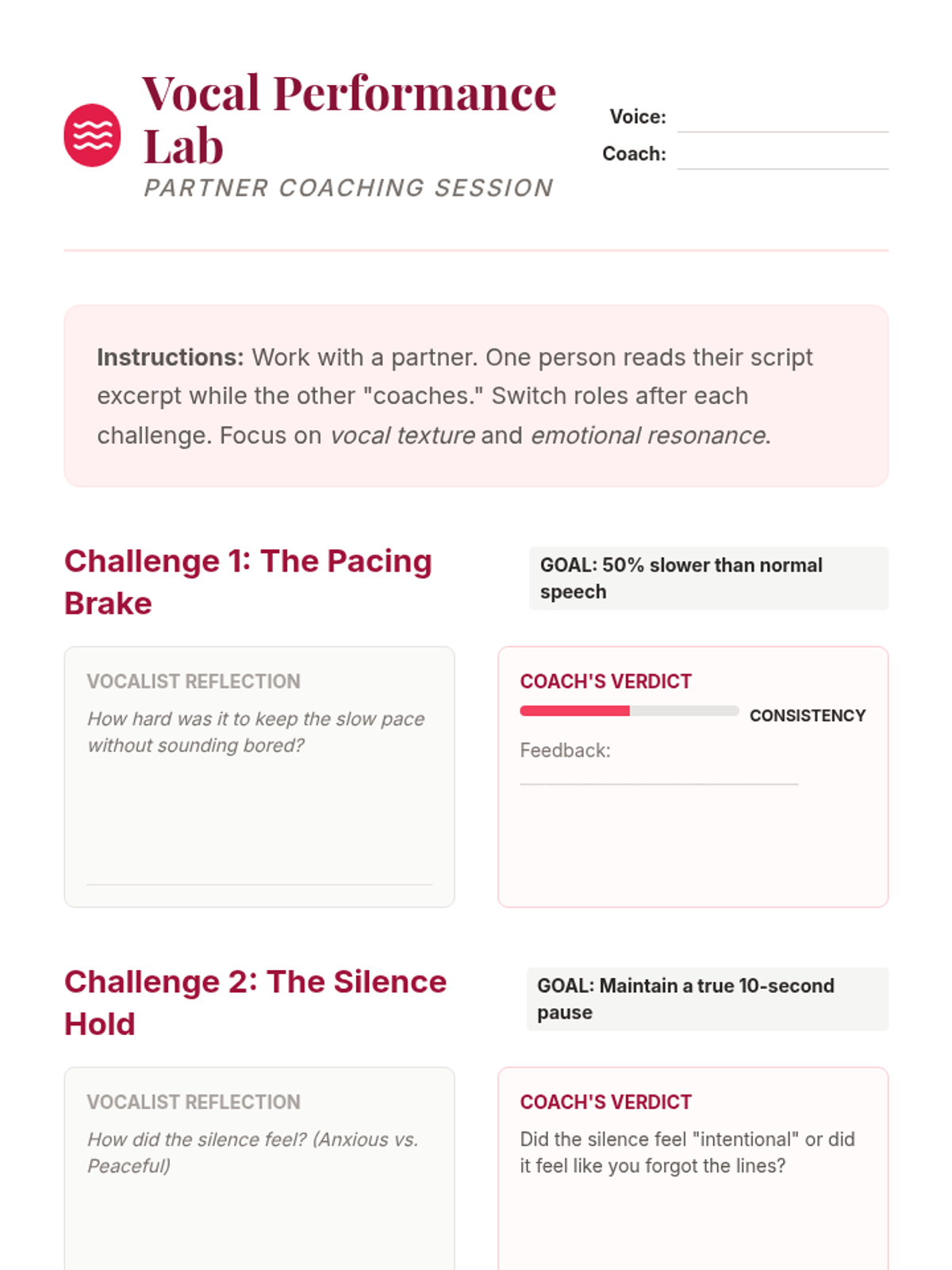
A vocal workshop where students experiment with volume, speed, and pauses to effectively deliver meditation scripts.
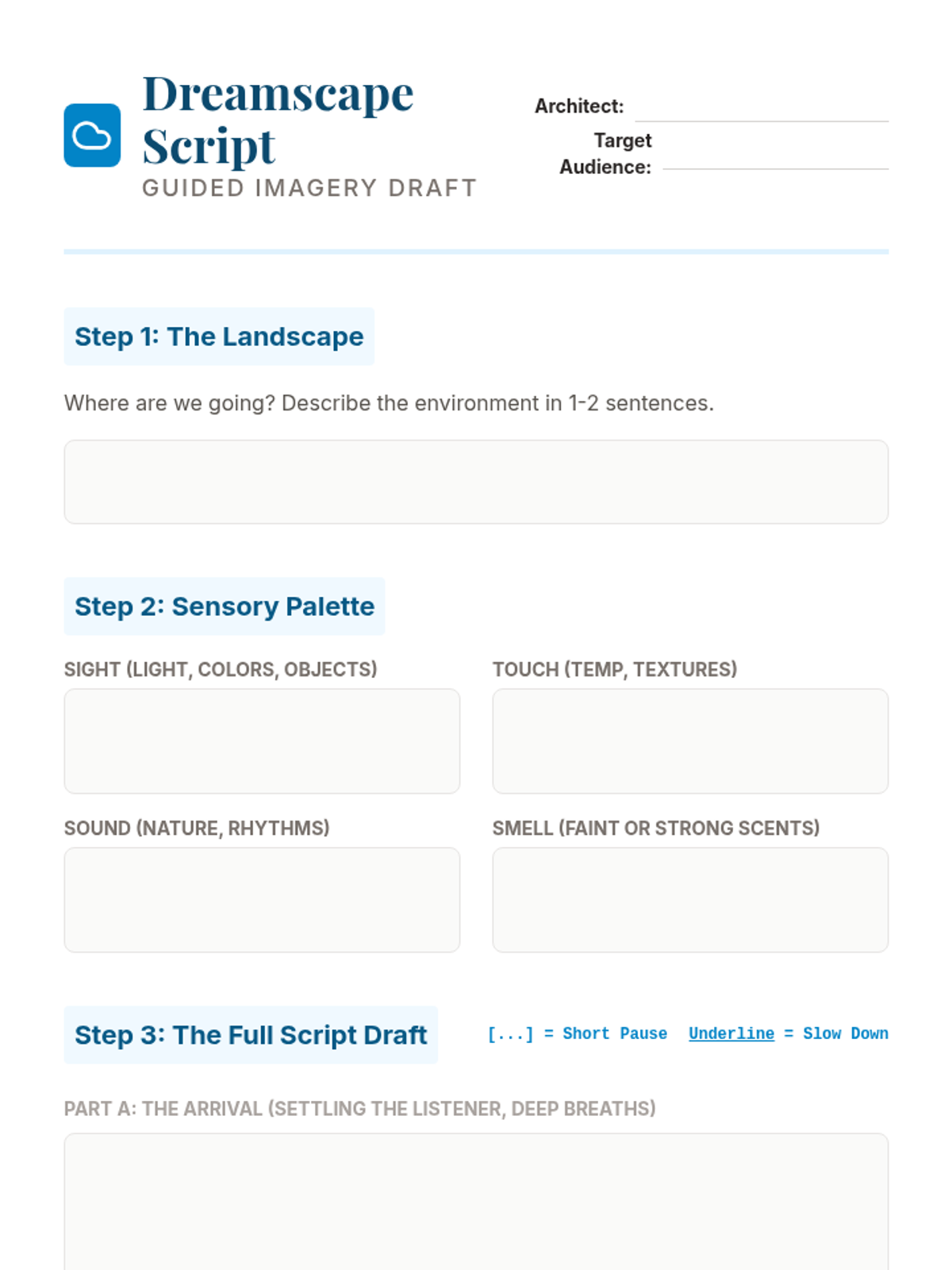
Students learn to draft guided imagery scripts, focusing on sensory details and pacing notations to create a mental 'safe place' for listeners.
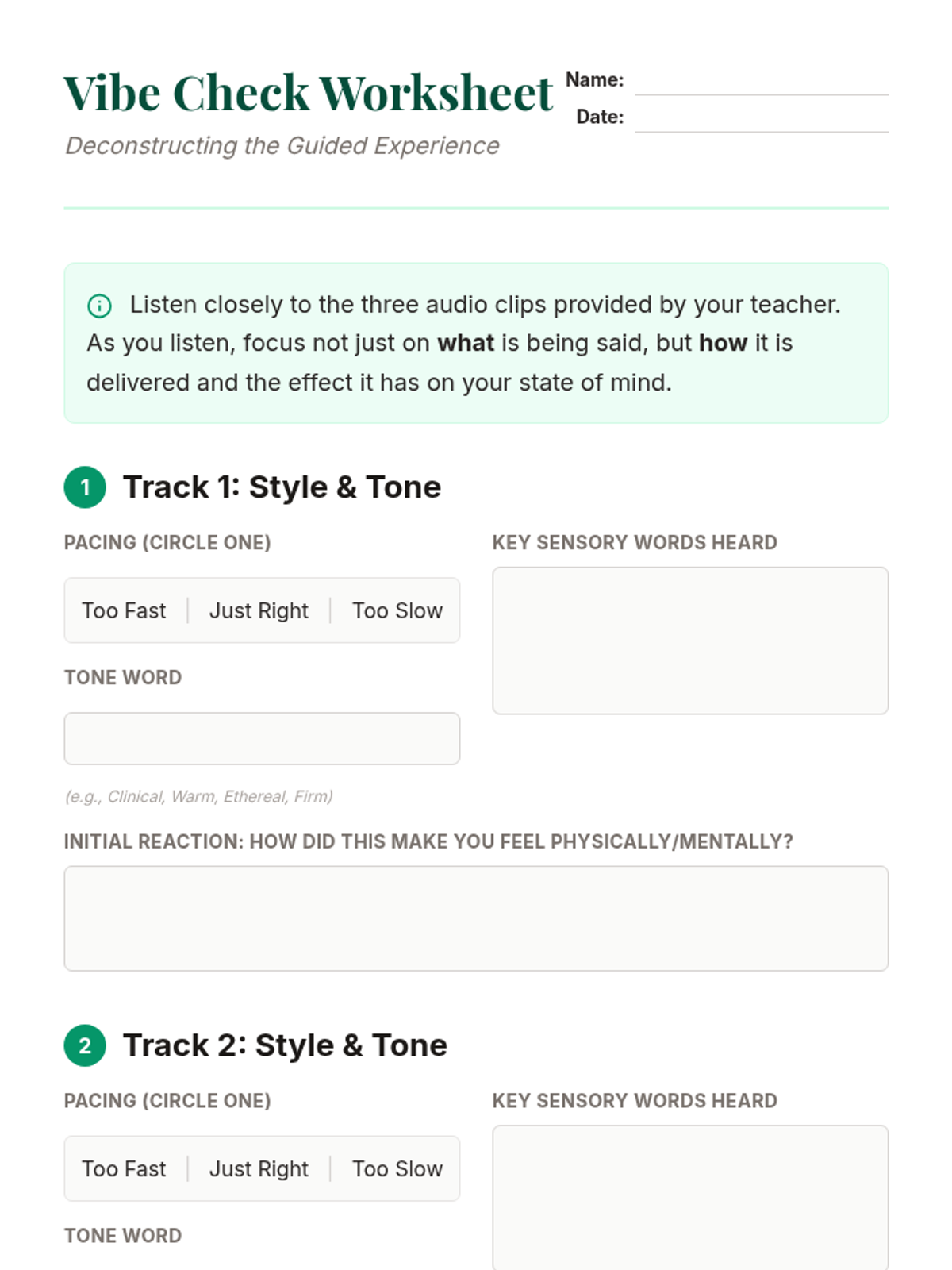
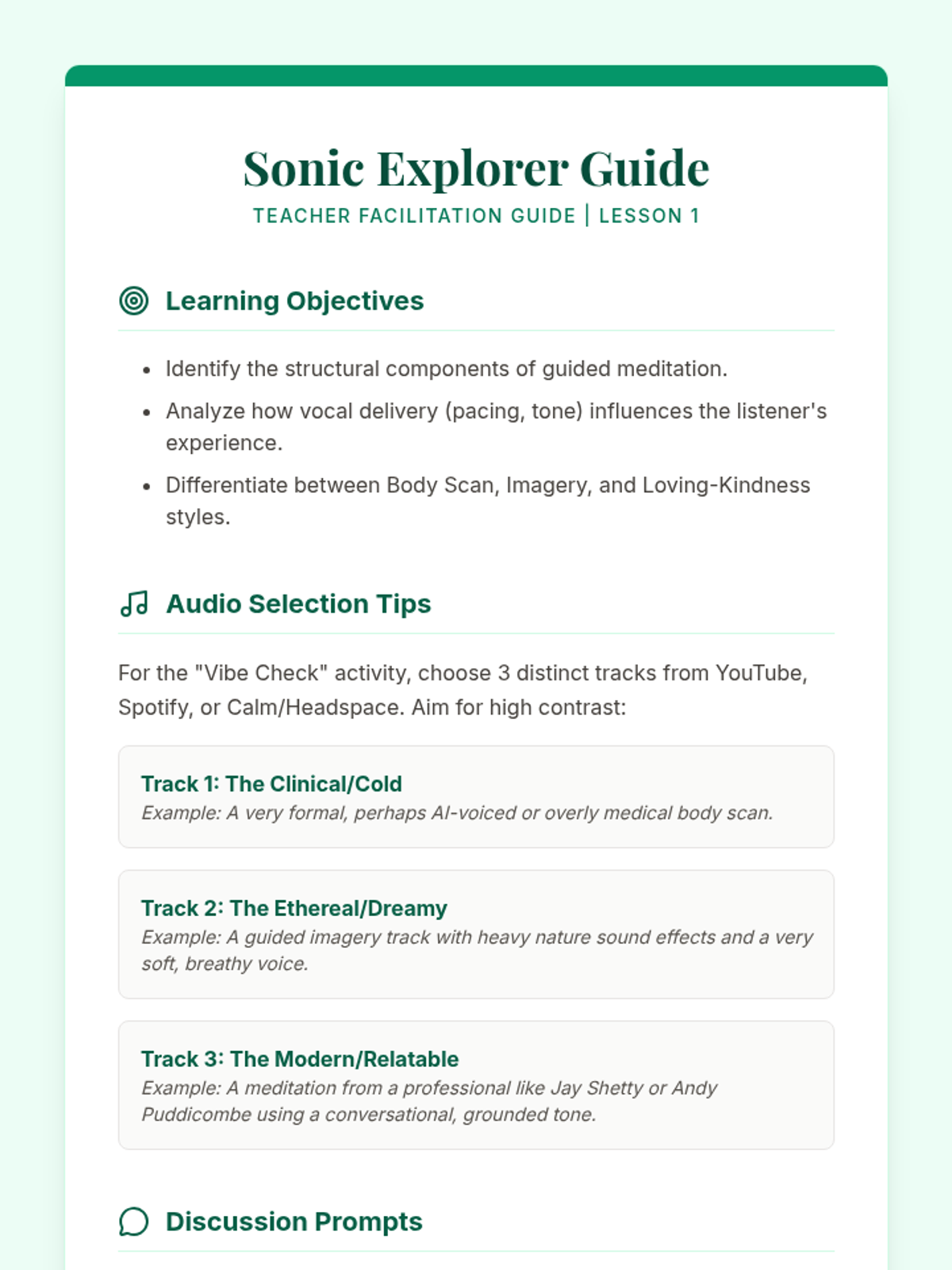
Students listen to and analyze various meditation styles (imagery, body scan, loving-kindness) to identify key components like silence, tone, and vocabulary.
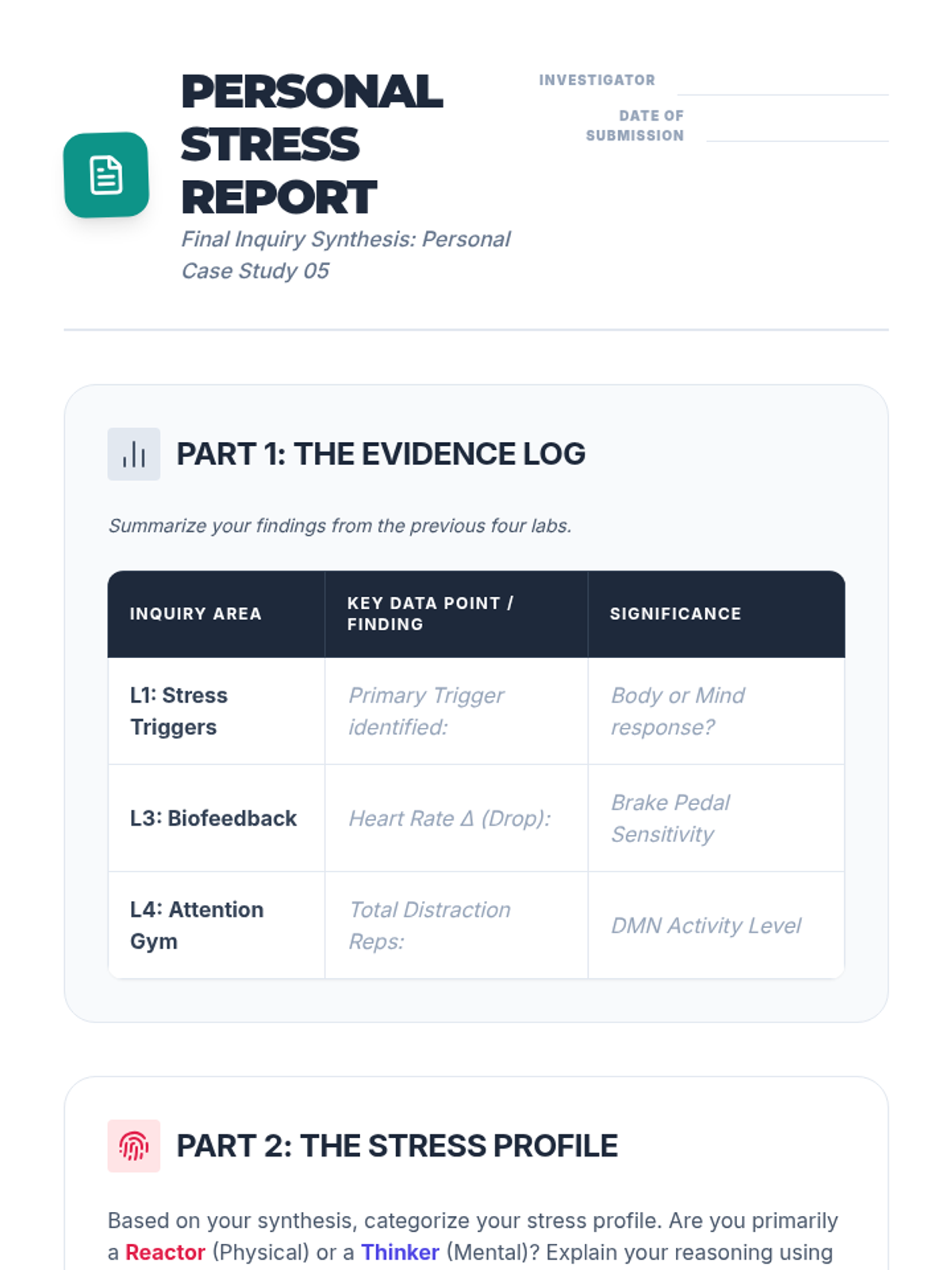
Students analyze their own data and stress profiles to determine the most effective mindfulness techniques for their physiology.
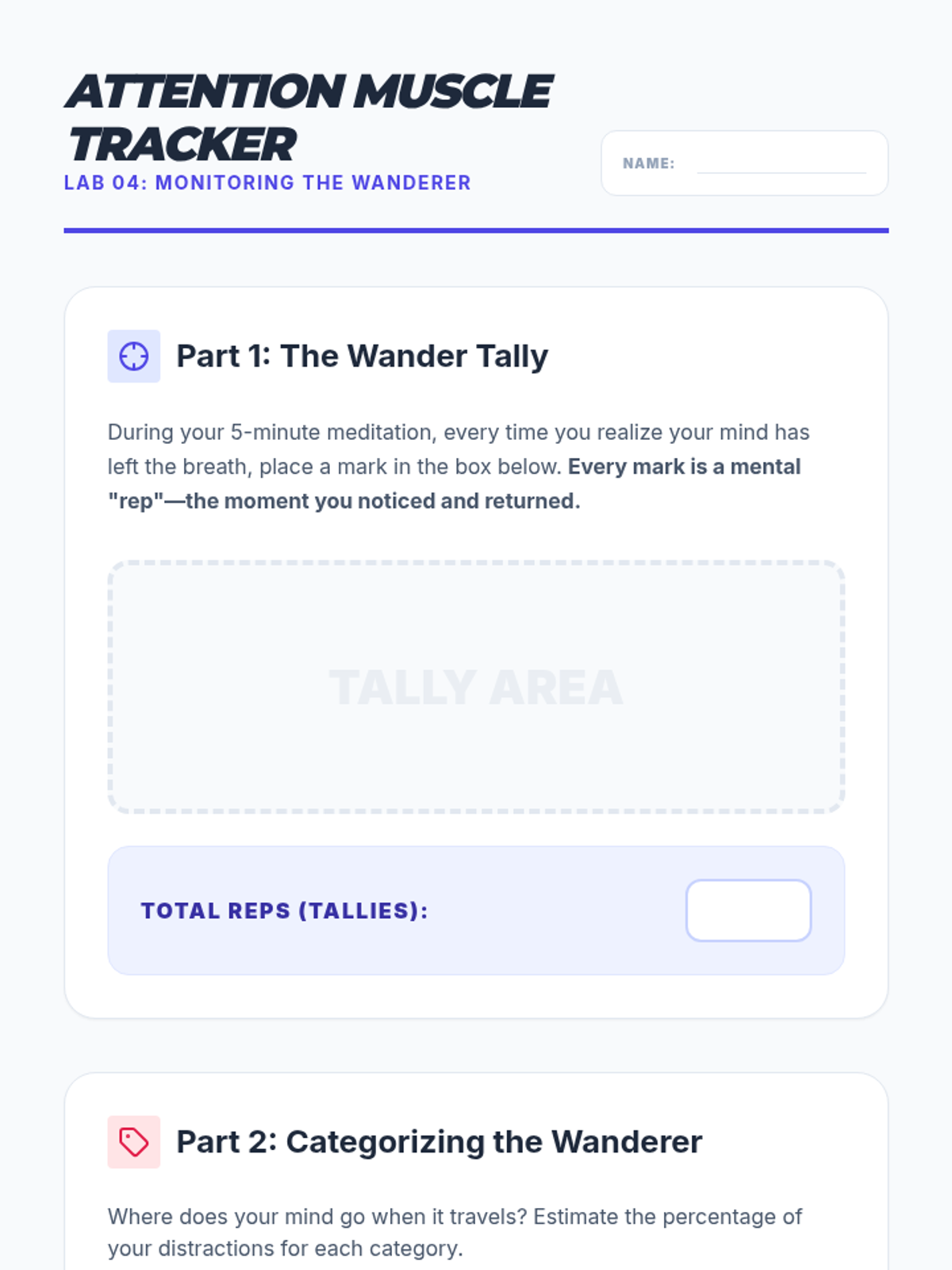
Exercises highlighting mind-wandering and the practice of non-judgmental returning of focus.
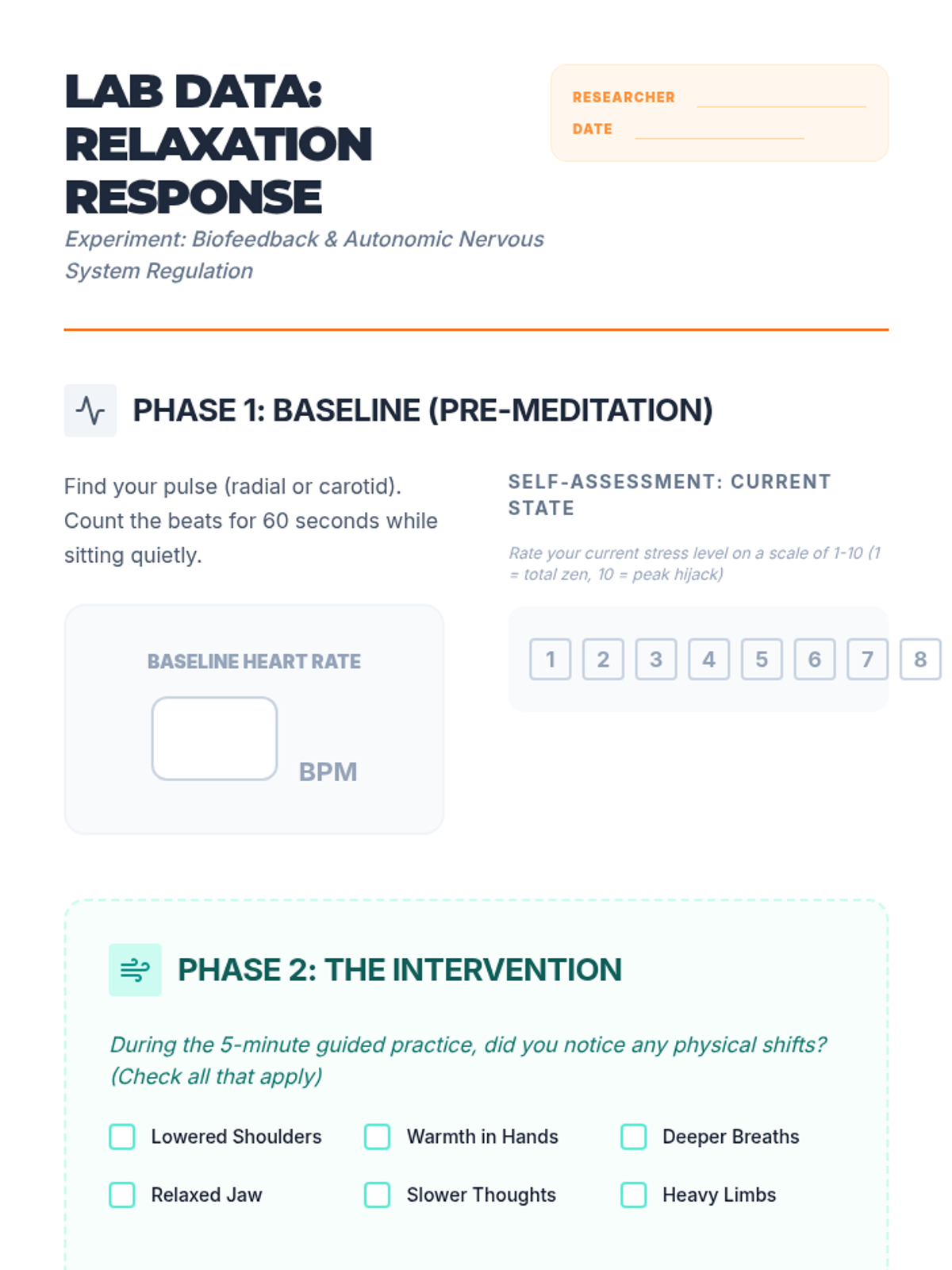
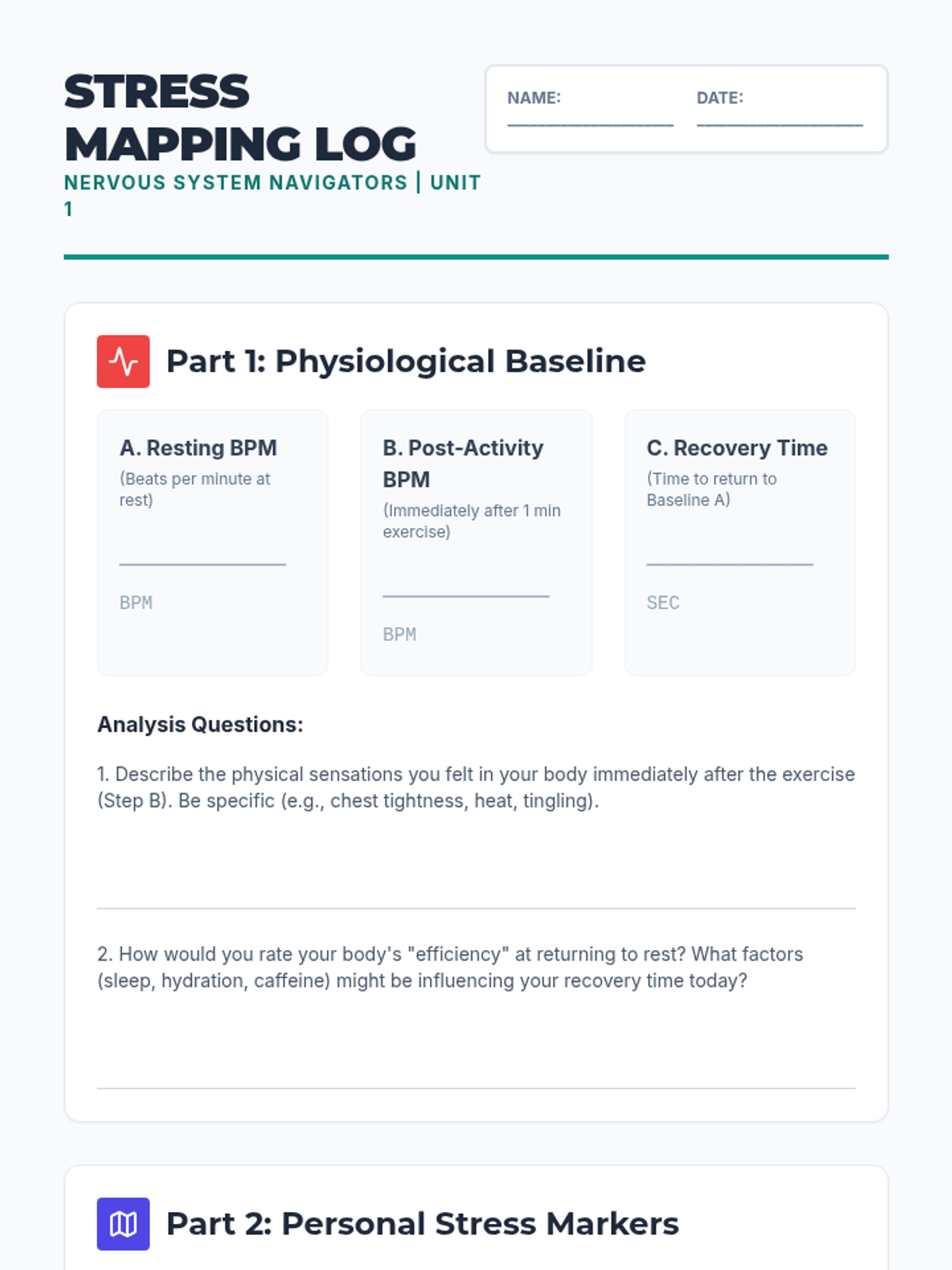
A biofeedback experiment where students measure heart rate changes before and after mindfulness practice.
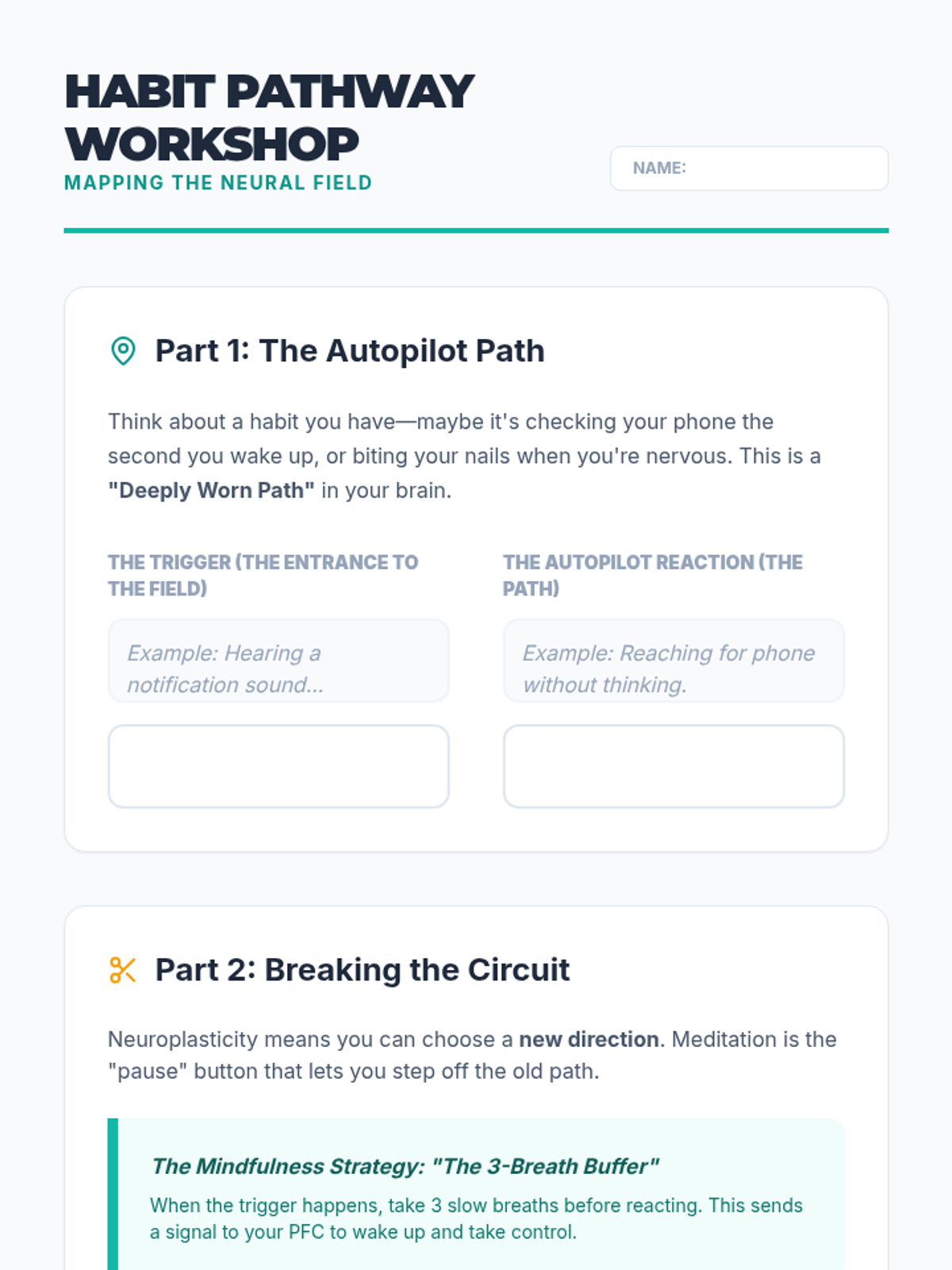
Students investigate neuroplasticity and how meditation builds new neural pathways to create healthier mental habits.
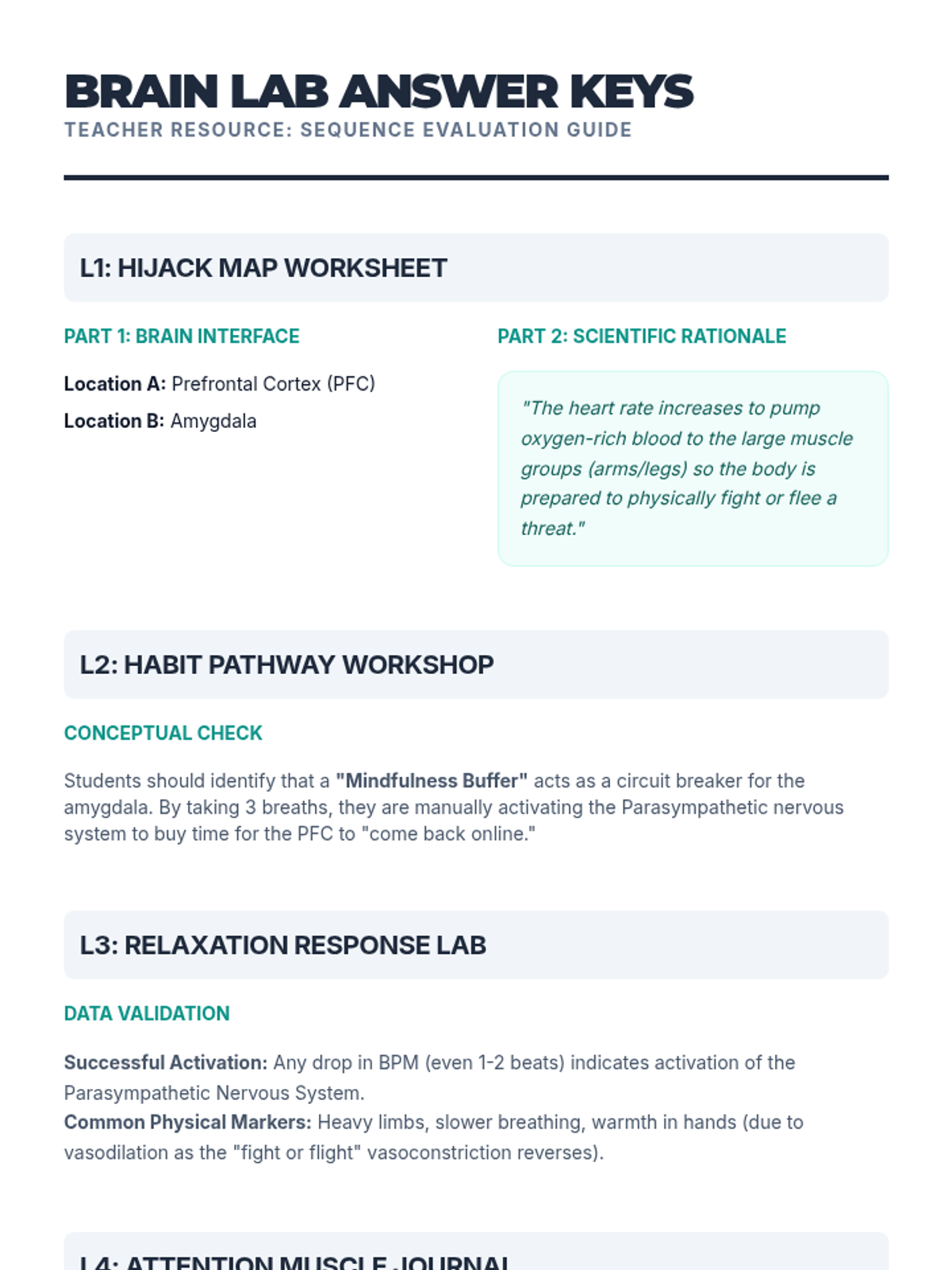
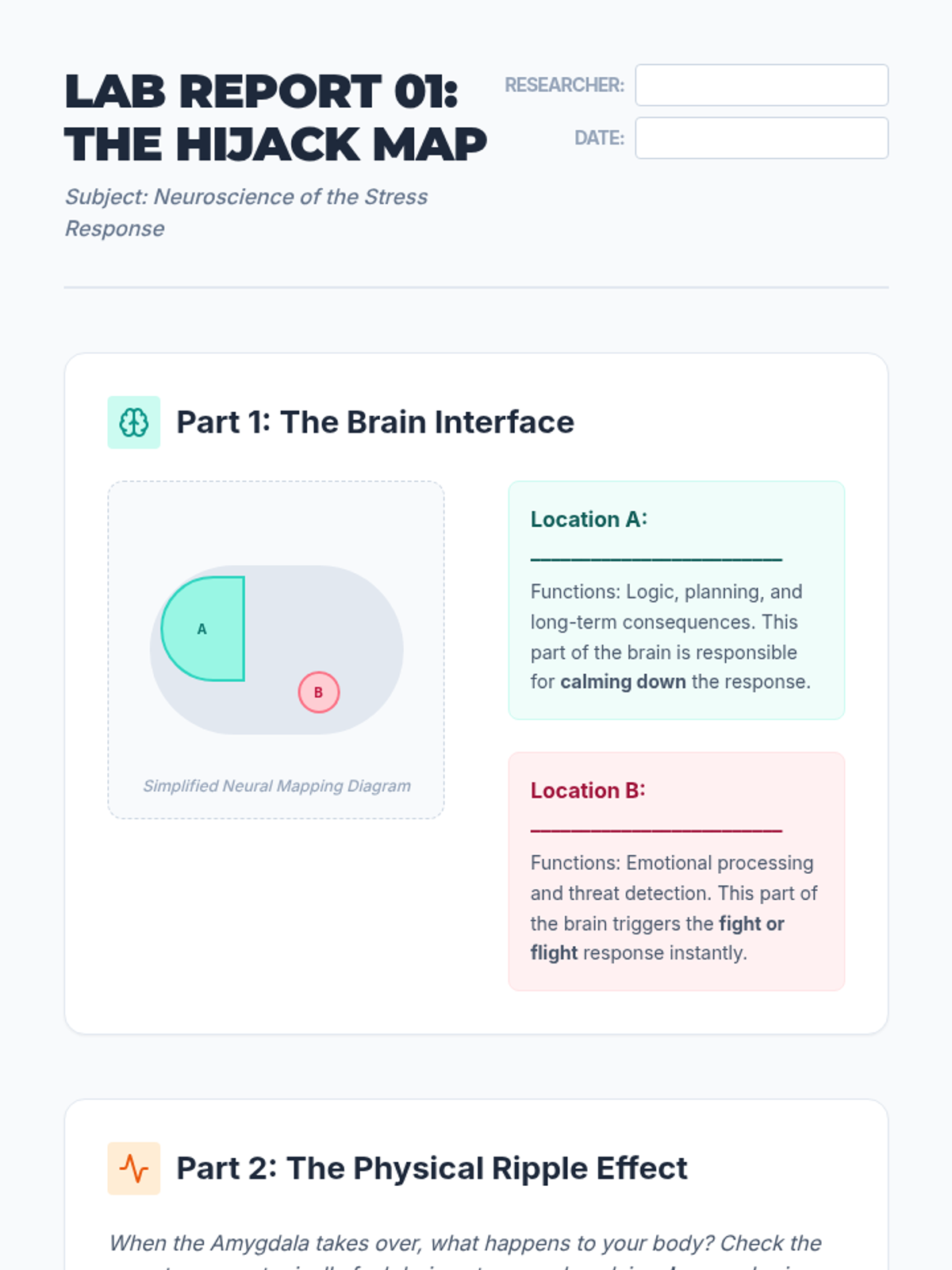
Students examine the roles of the amygdala and prefrontal cortex during stress, mapping the physiological 'fight or flight' response.
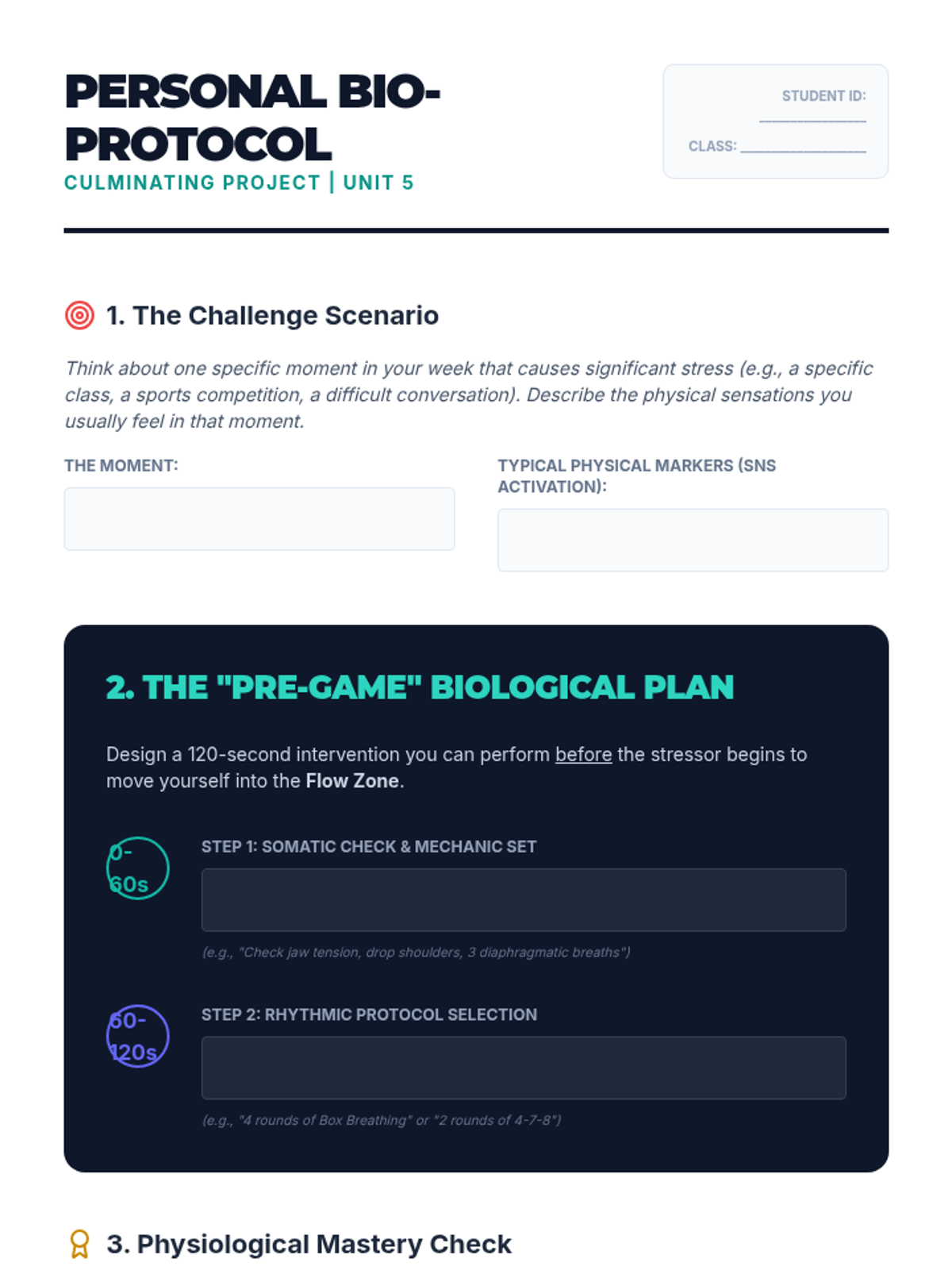
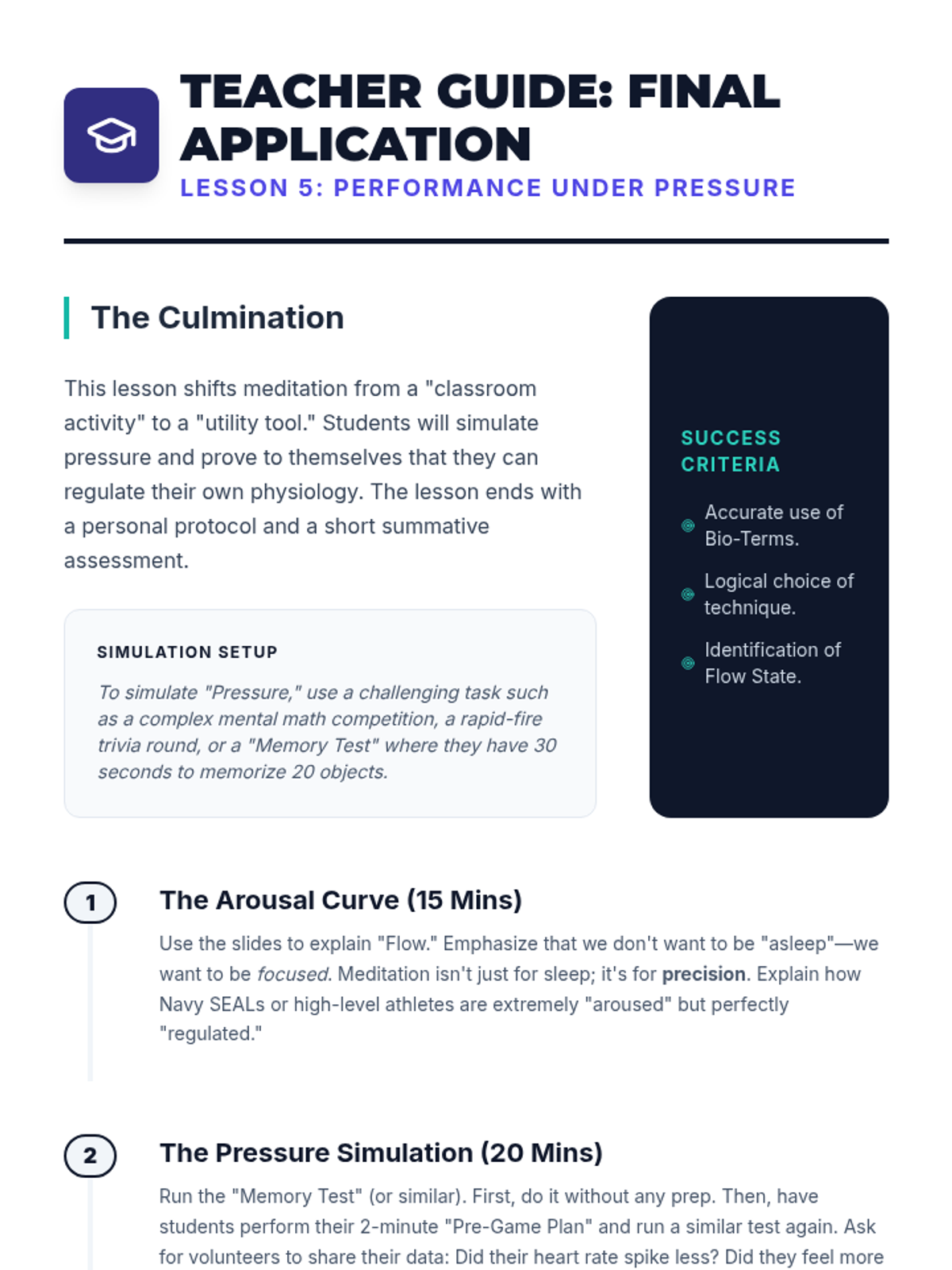
In this culminating lesson, students simulate high-pressure scenarios (mock test-taking or public speaking prep) and apply their breathing toolkit. They reflect on which techniques were most effective for their personal physiology.
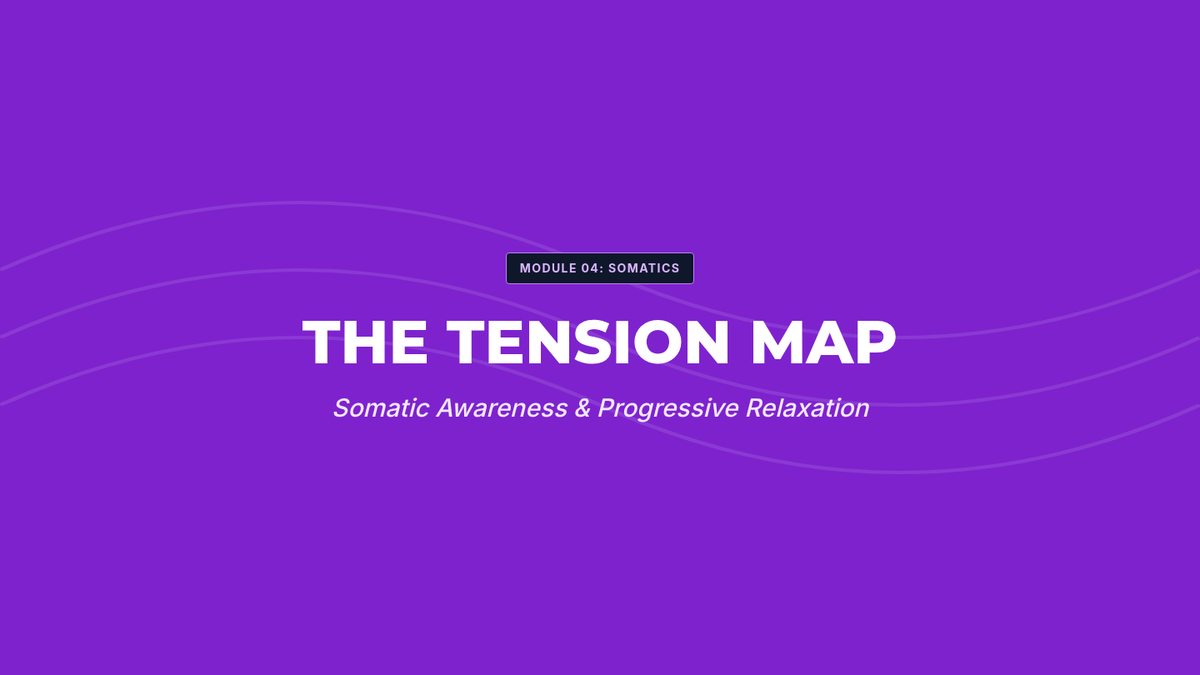
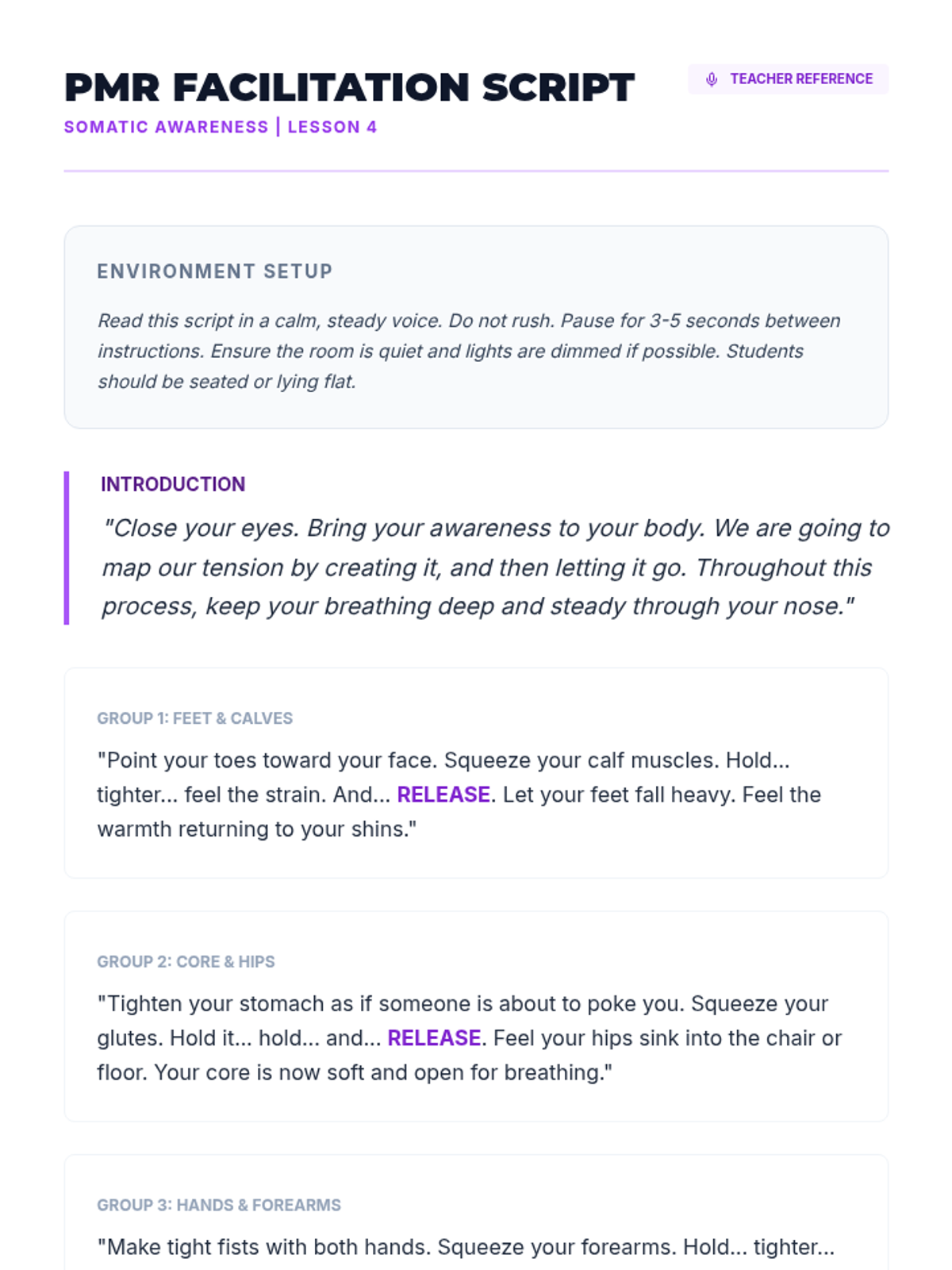
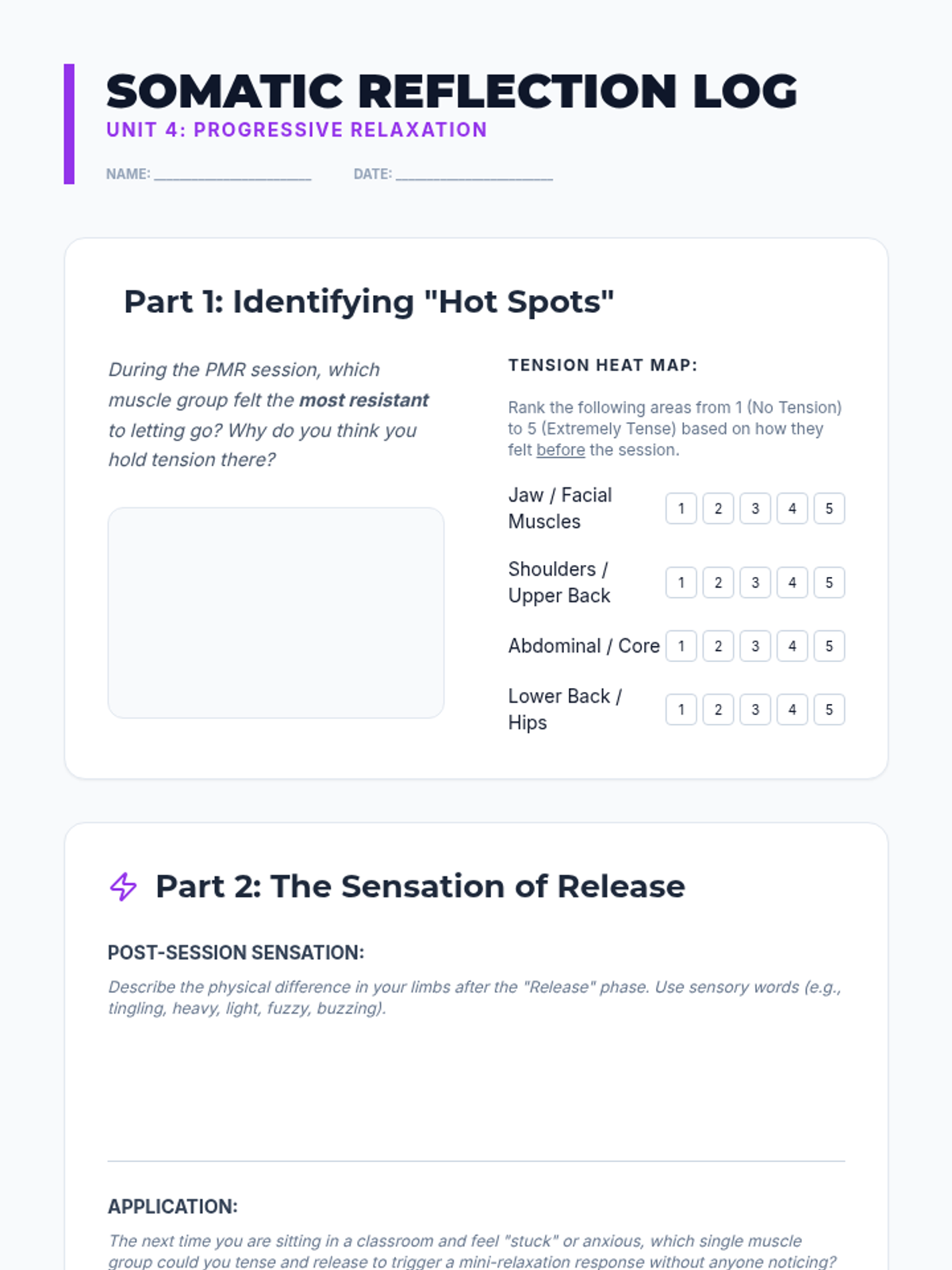
Moving from breath to body, students practice Progressive Muscle Relaxation (PMR) to identify and release physical tension. The lesson guides them through tensing and releasing muscle groups to heighten awareness of where they hold stress physically.
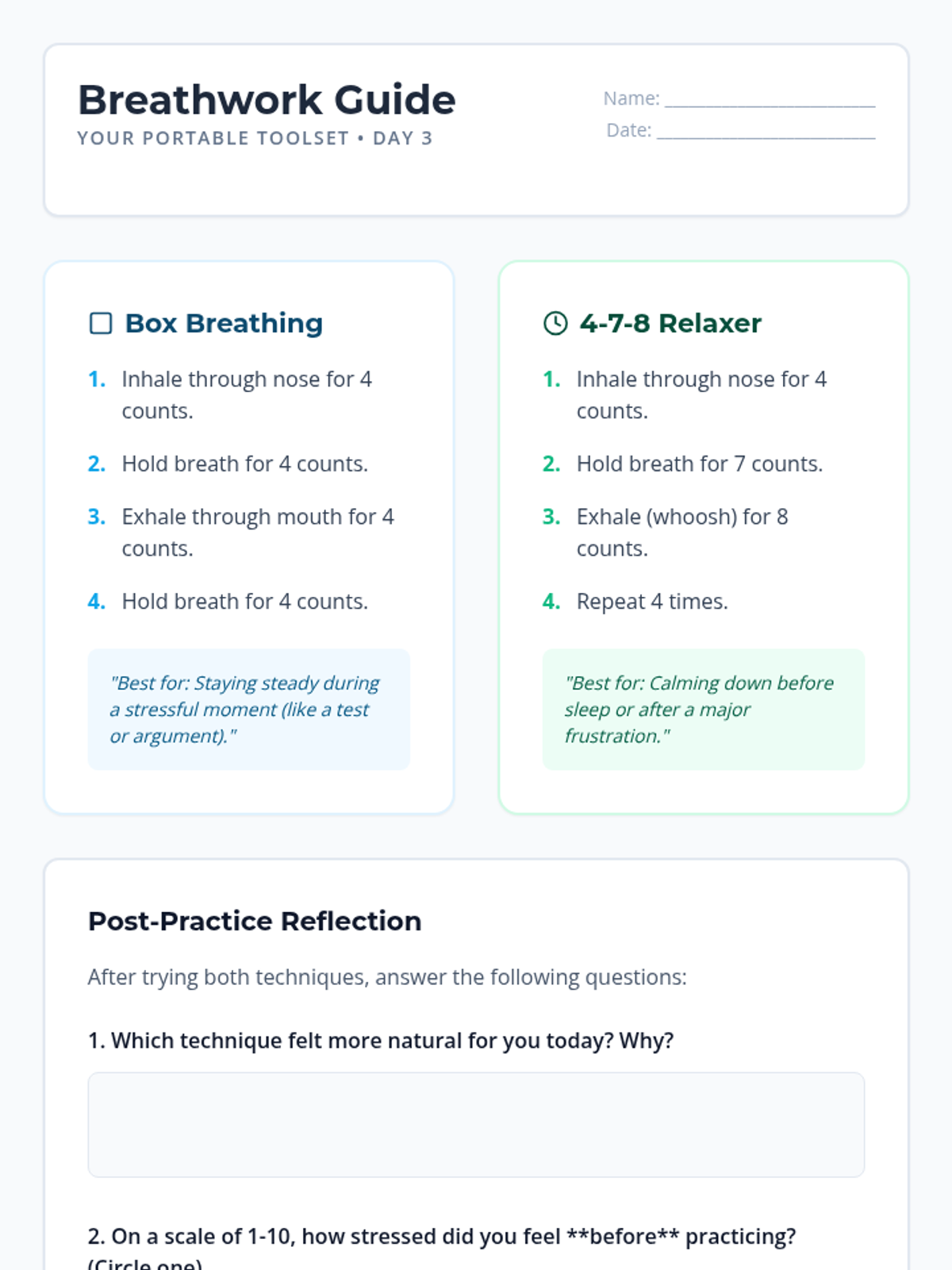
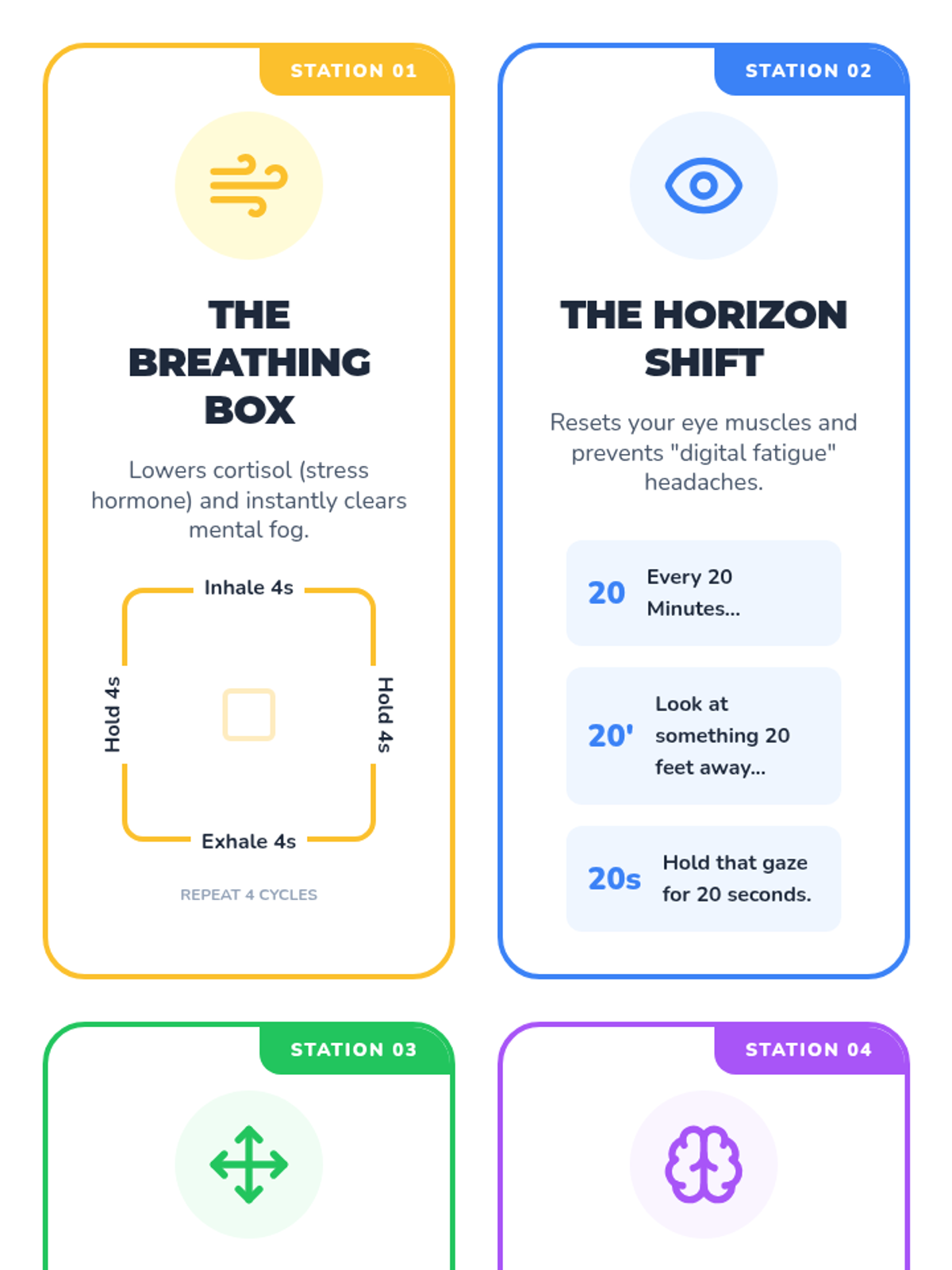
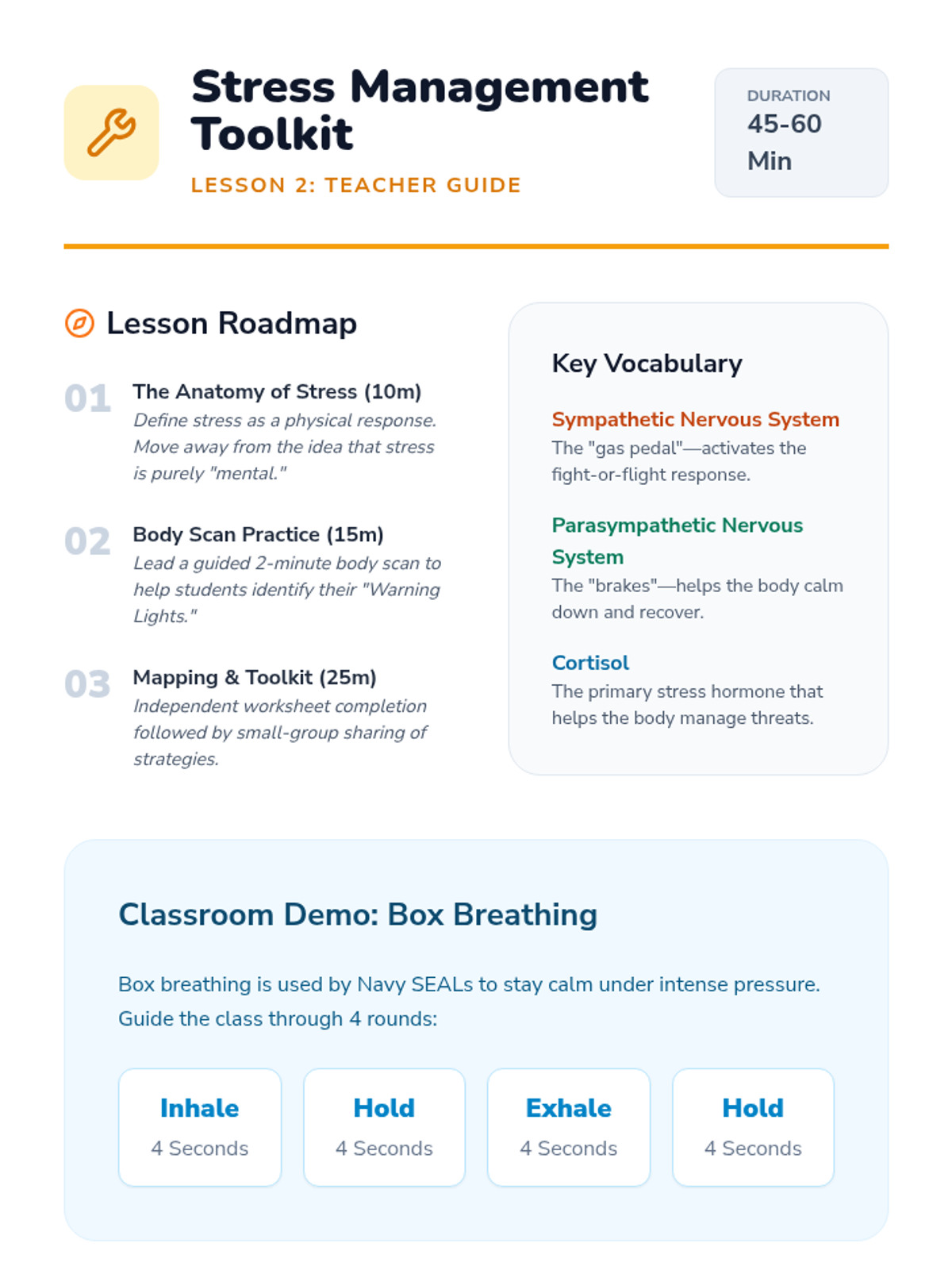
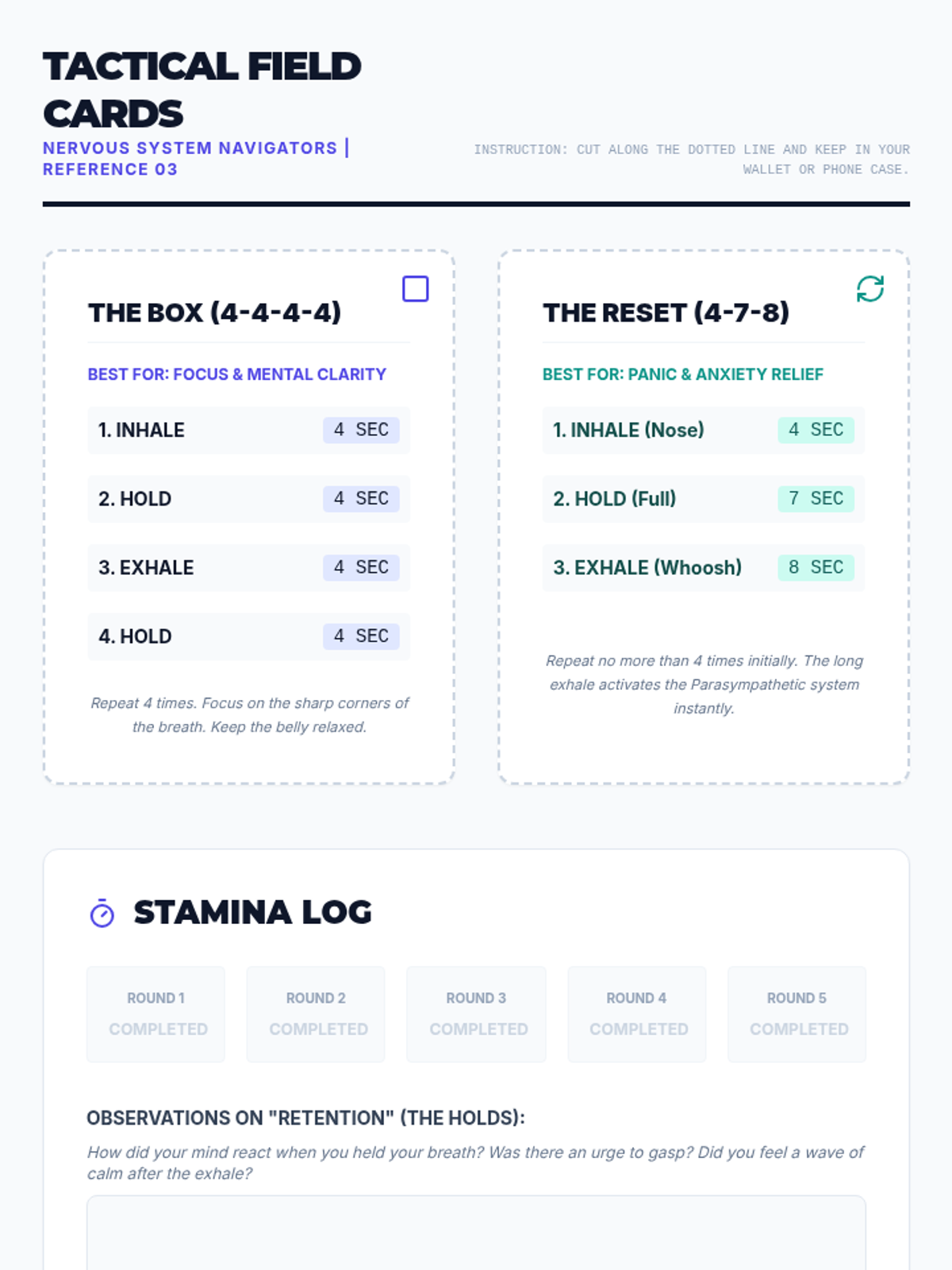
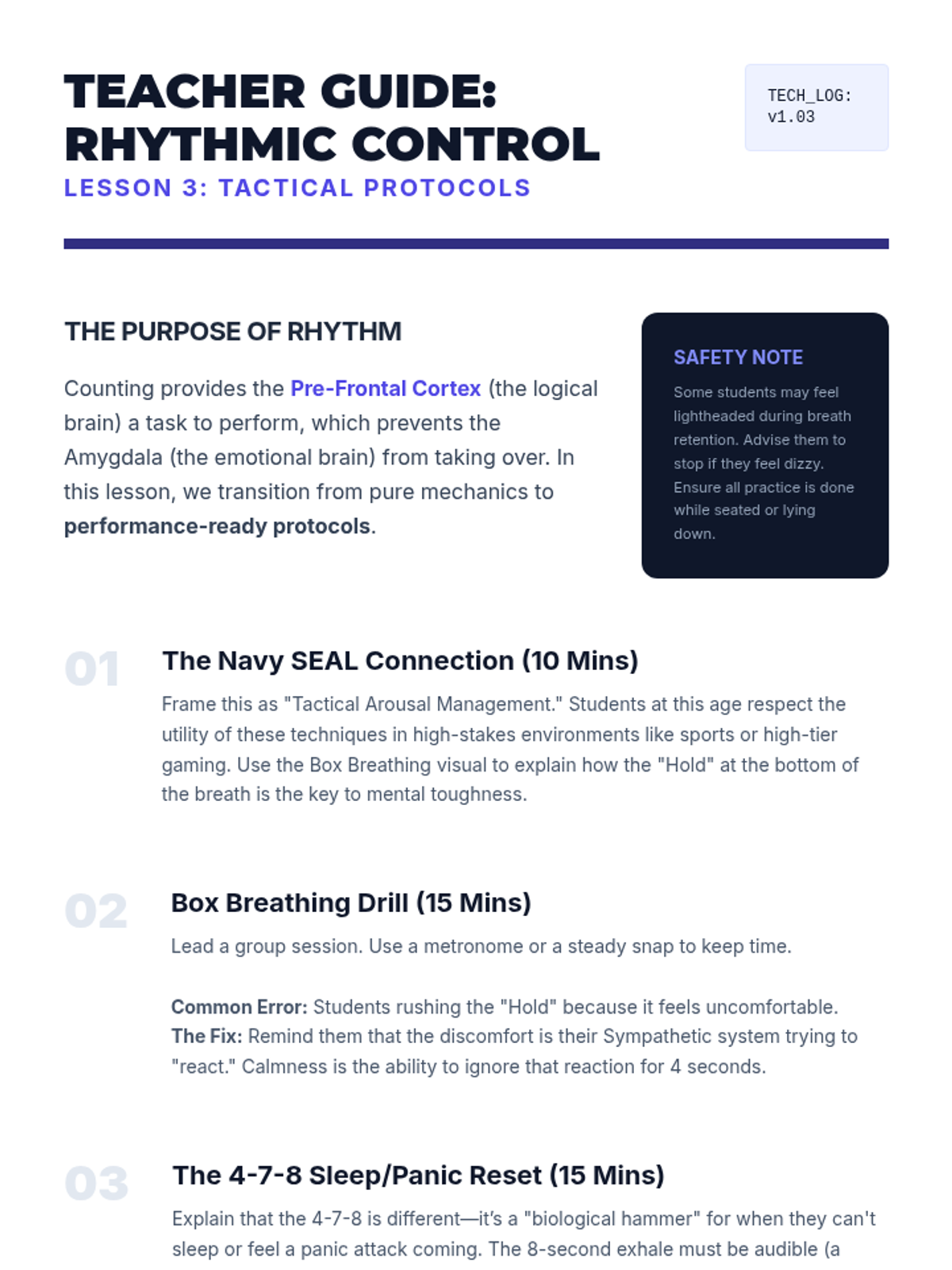
Students learn specific counting protocols, such as Box Breathing and the 4-7-8 technique, used by first responders and athletes to regain focus. They practice these techniques in timed intervals to build stamina and lung capacity.
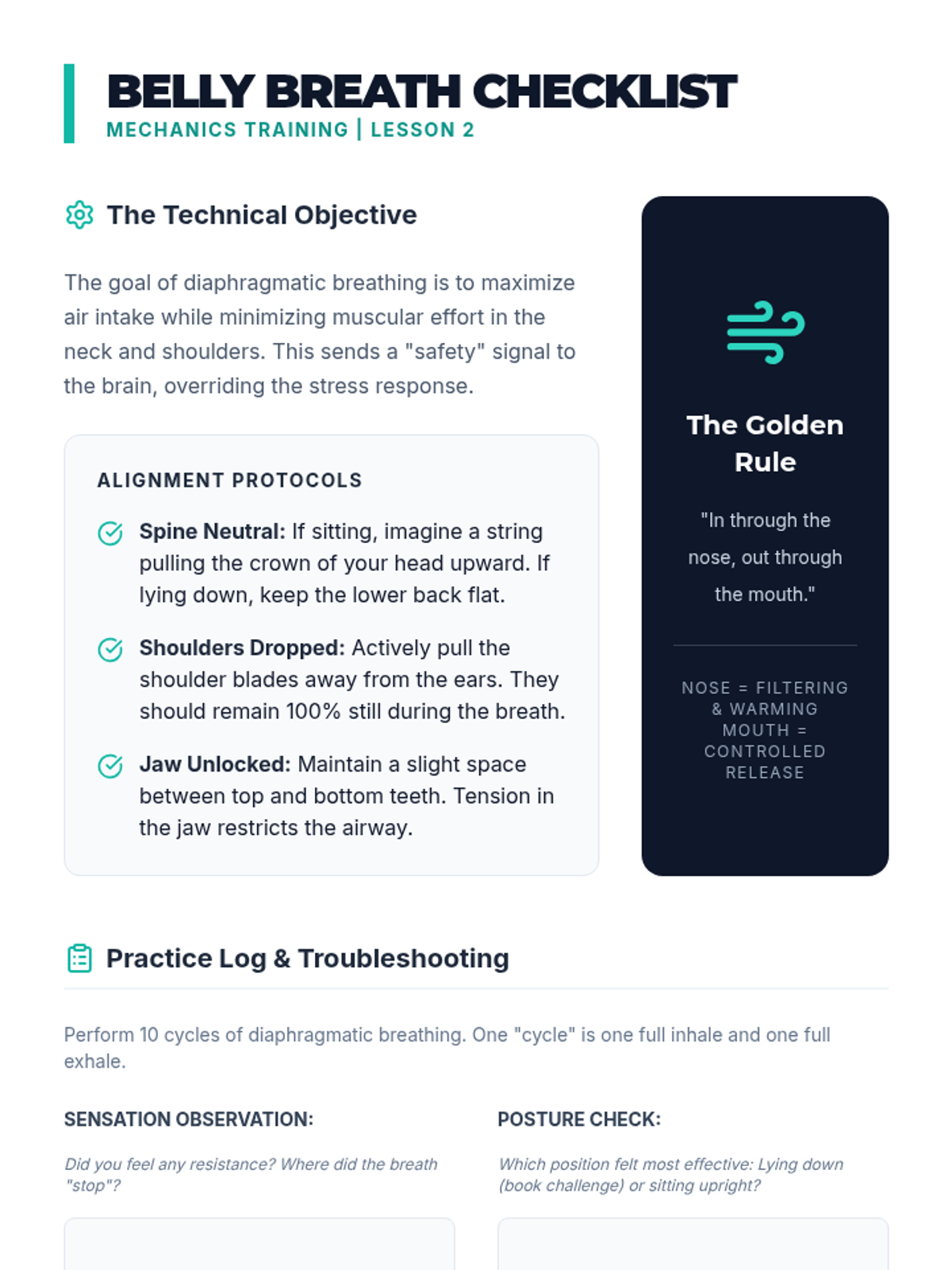
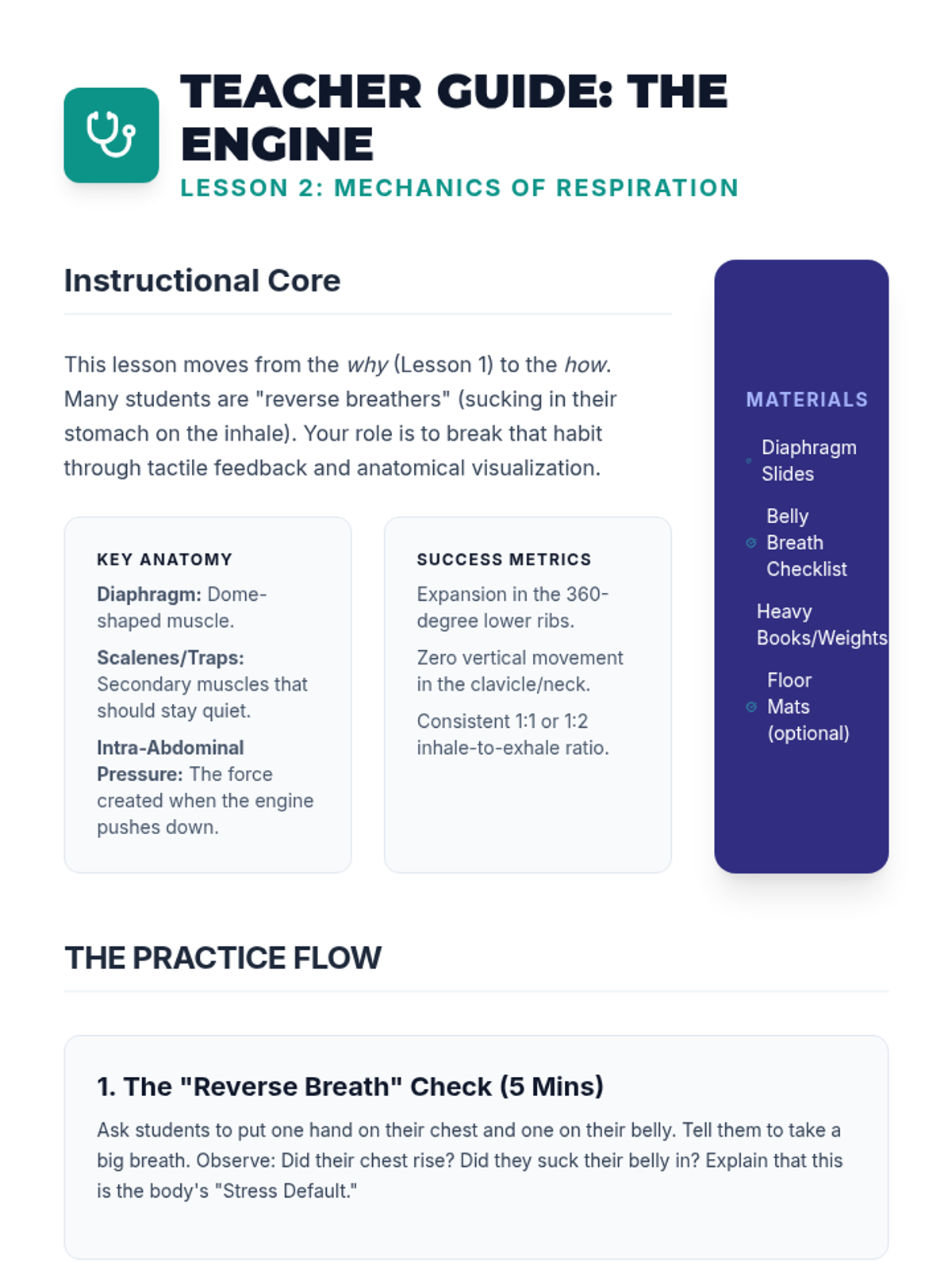
This lesson focuses on the physical mechanics of breathing, moving students away from shallow chest breathing toward deep diaphragmatic expansion. Students practice 'belly breathing' techniques and use tactile feedback to ensure proper muscle engagement.
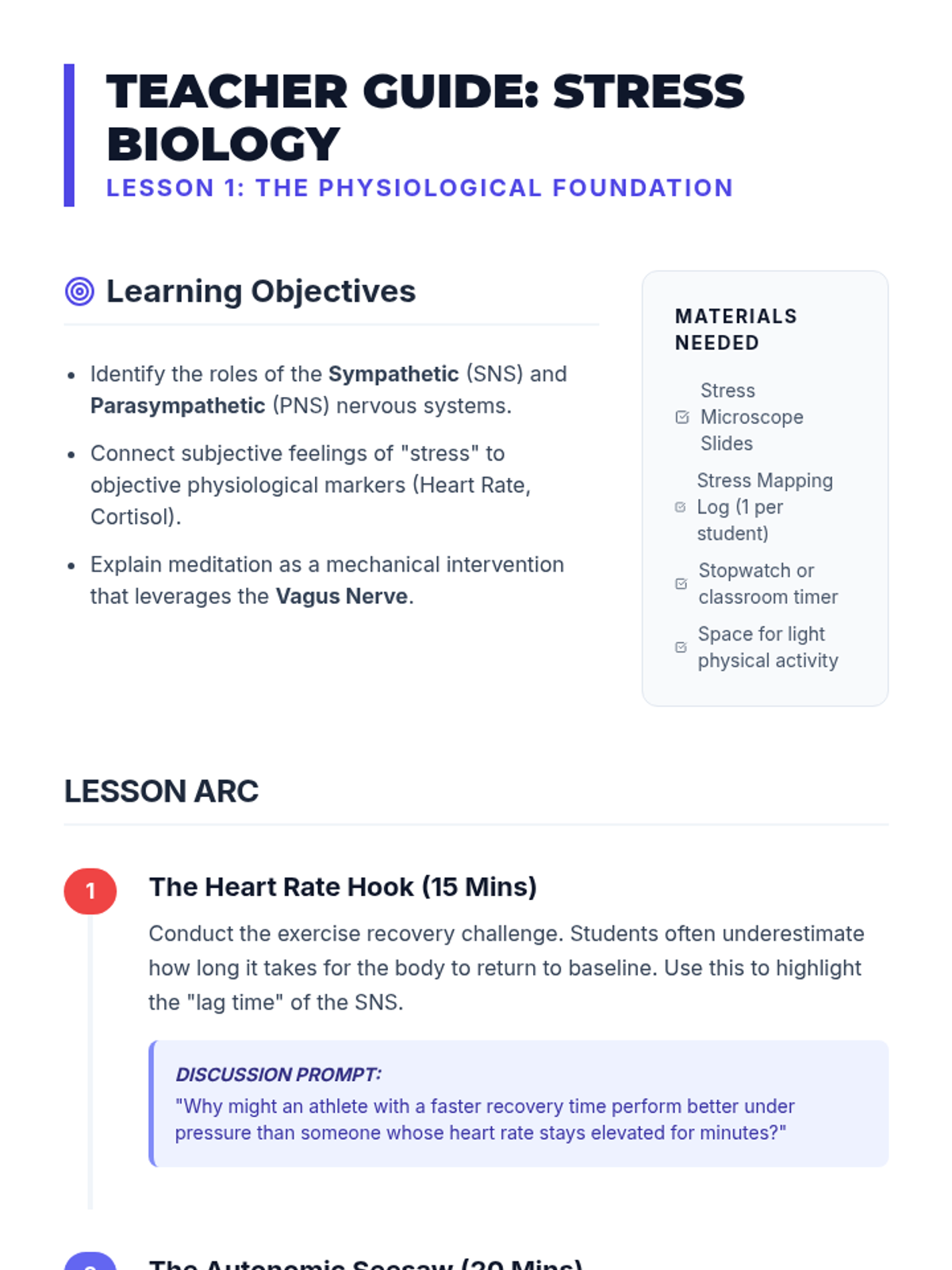
Students investigate the autonomic nervous system, specifically differentiating between sympathetic (fight or flight) and parasympathetic (rest and digest) responses. They map their own physical symptoms of stress and identify how meditation serves as a biological intervention.
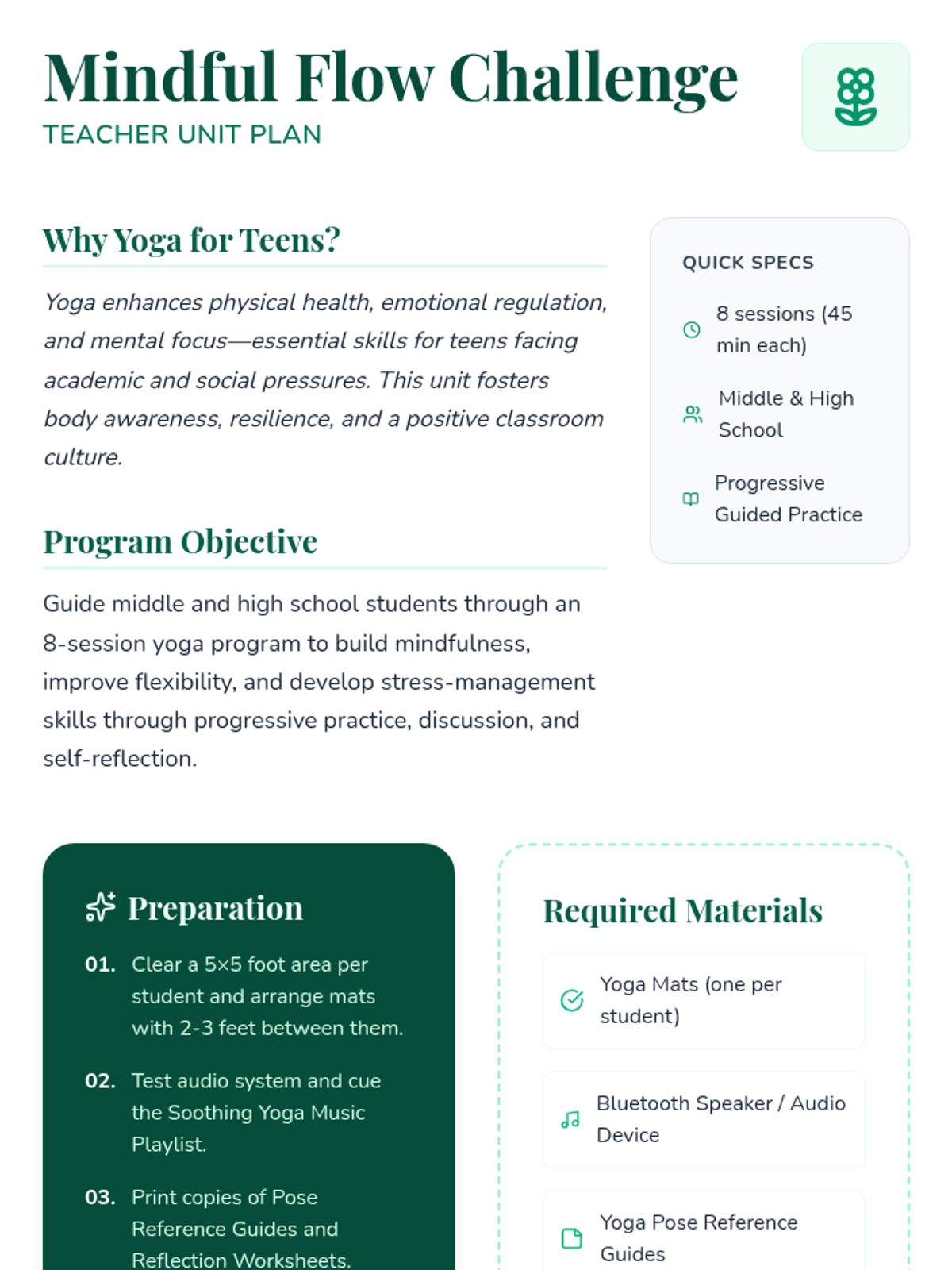
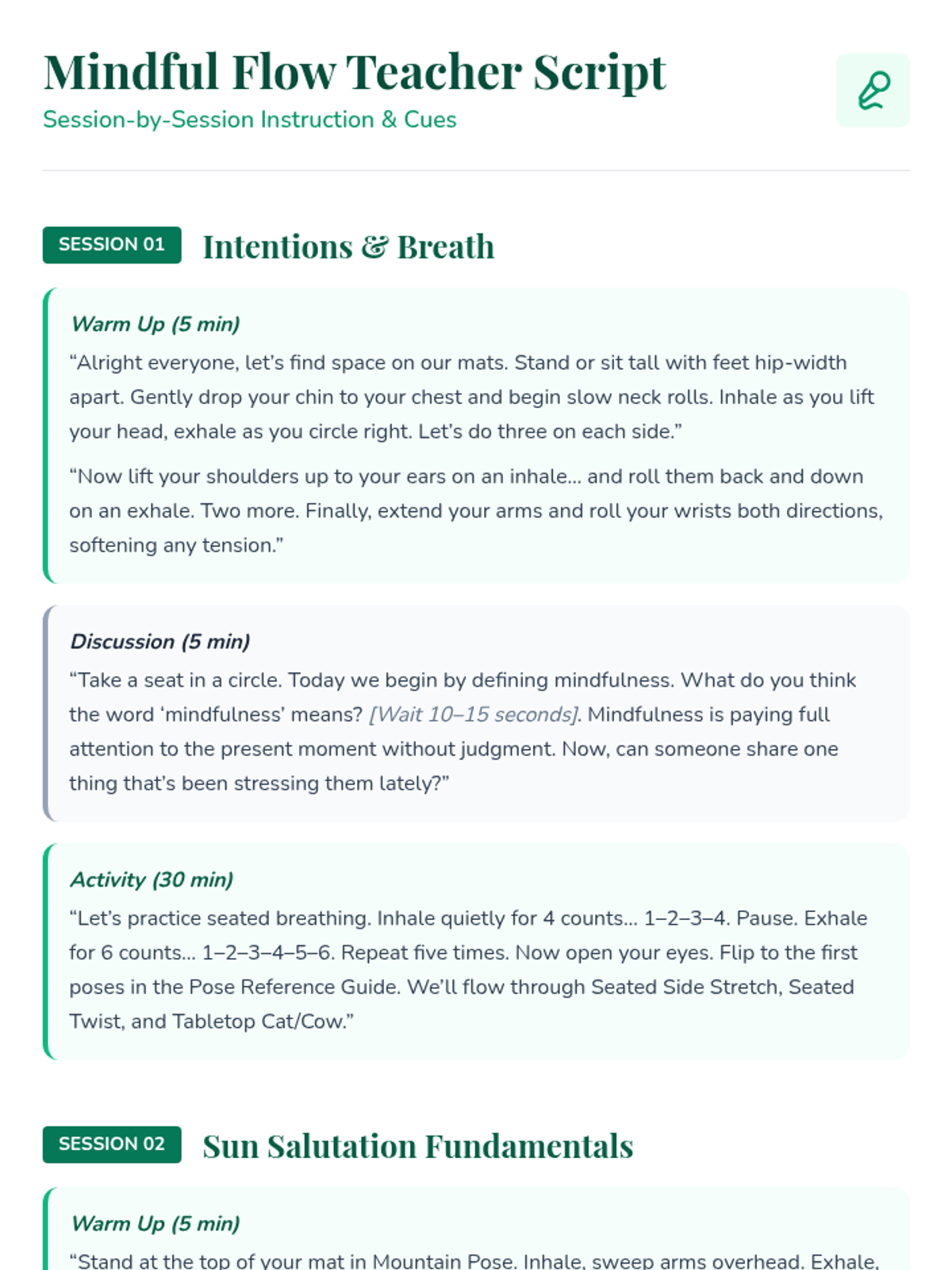
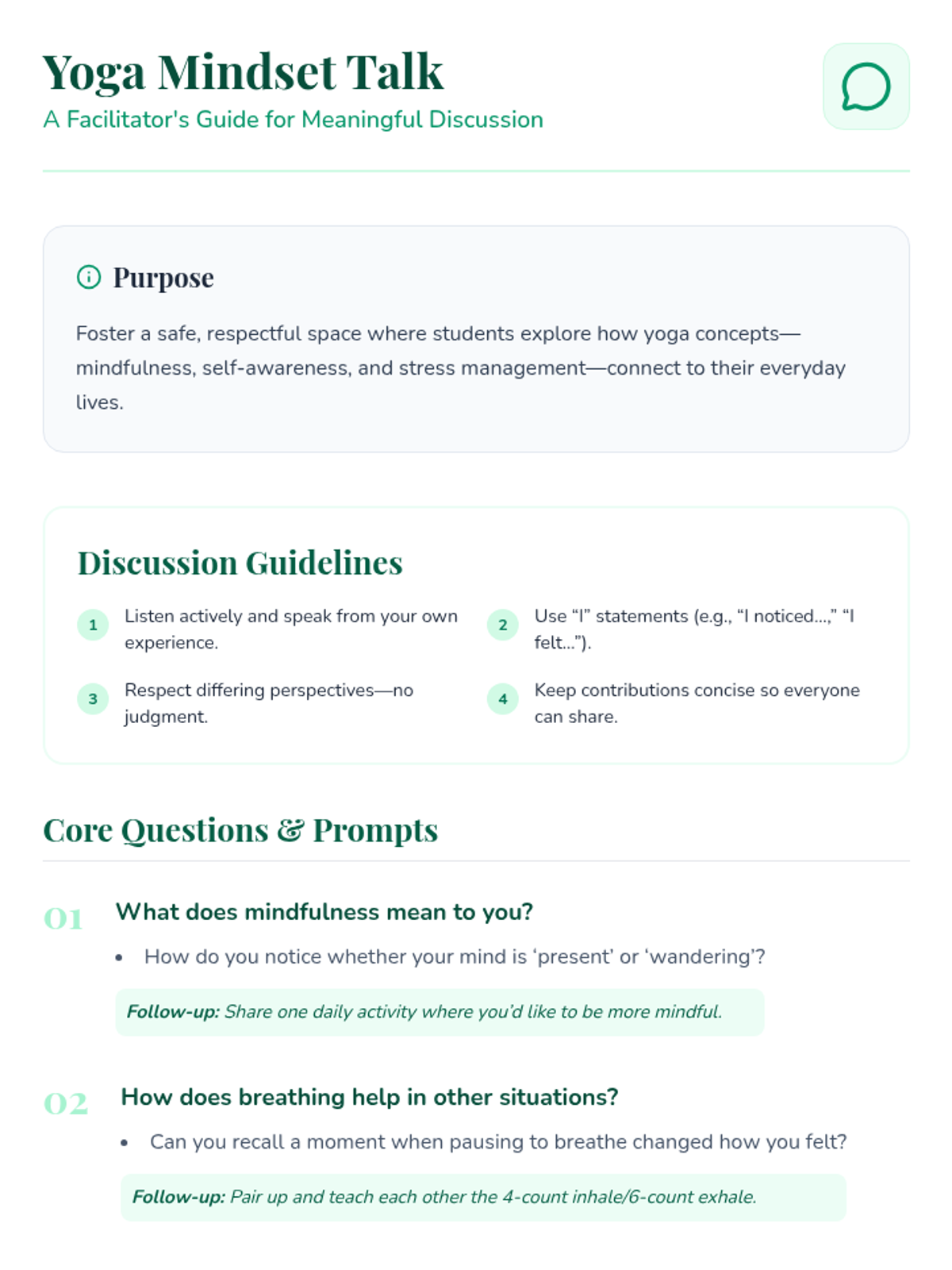
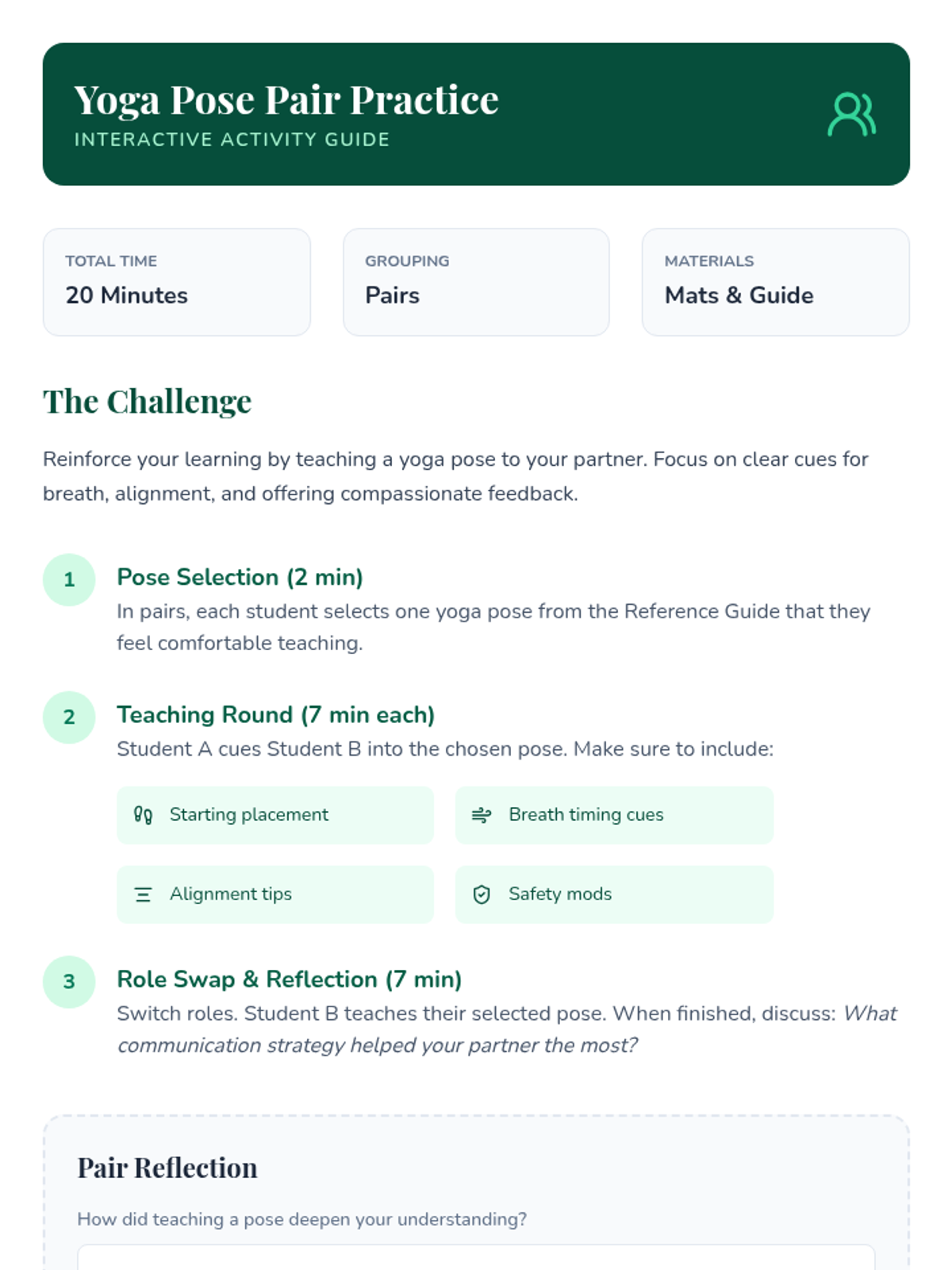
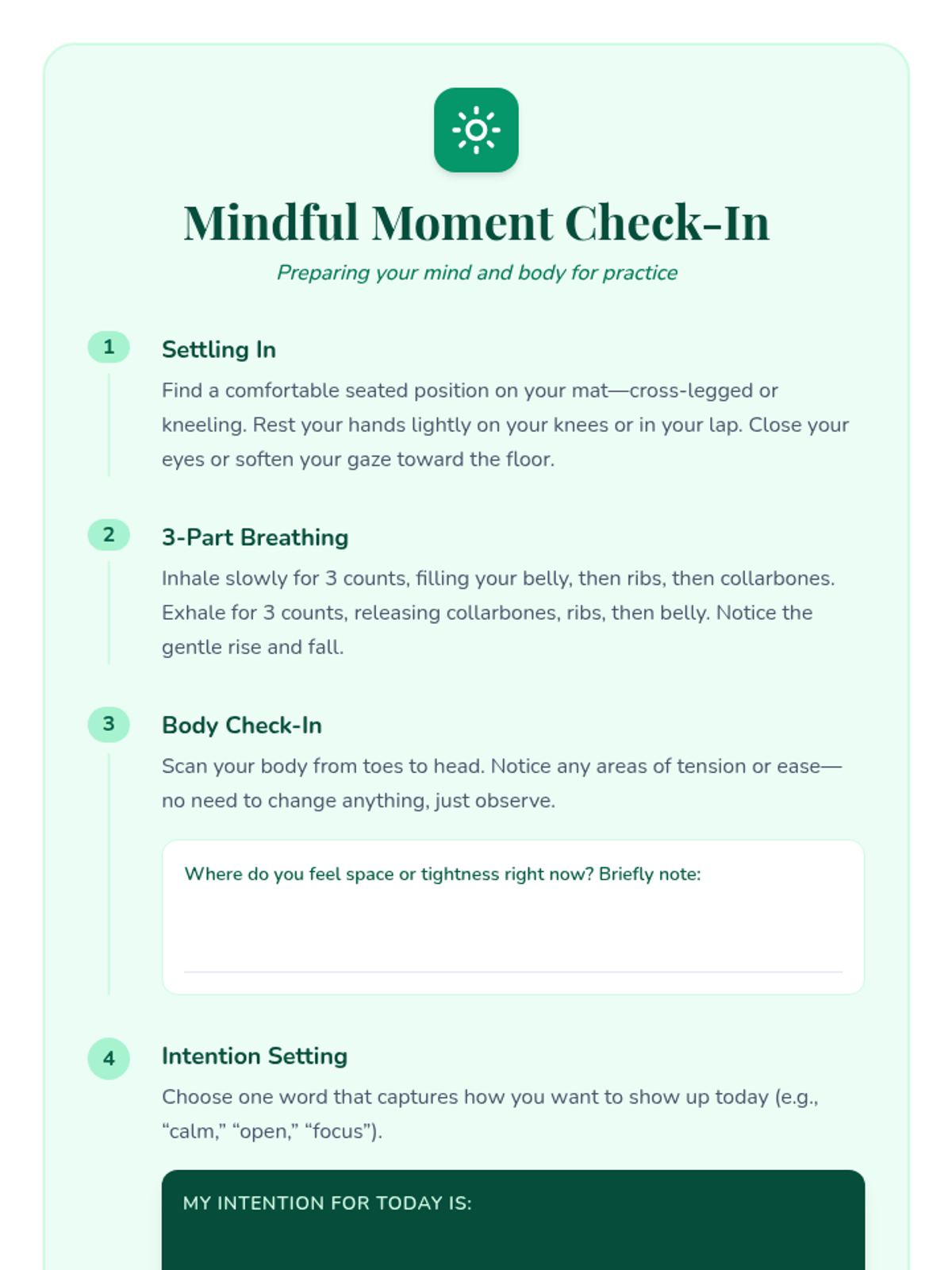
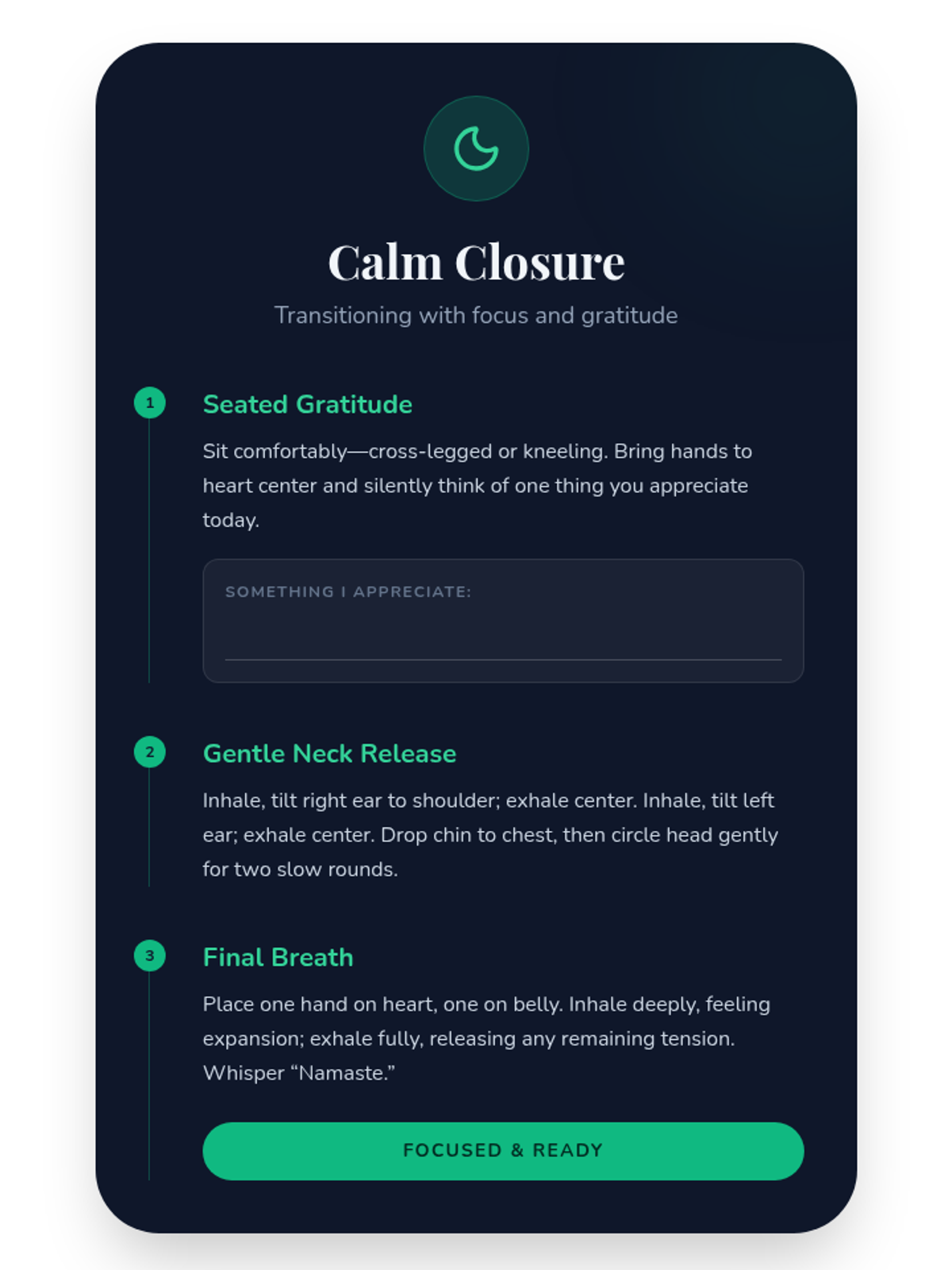
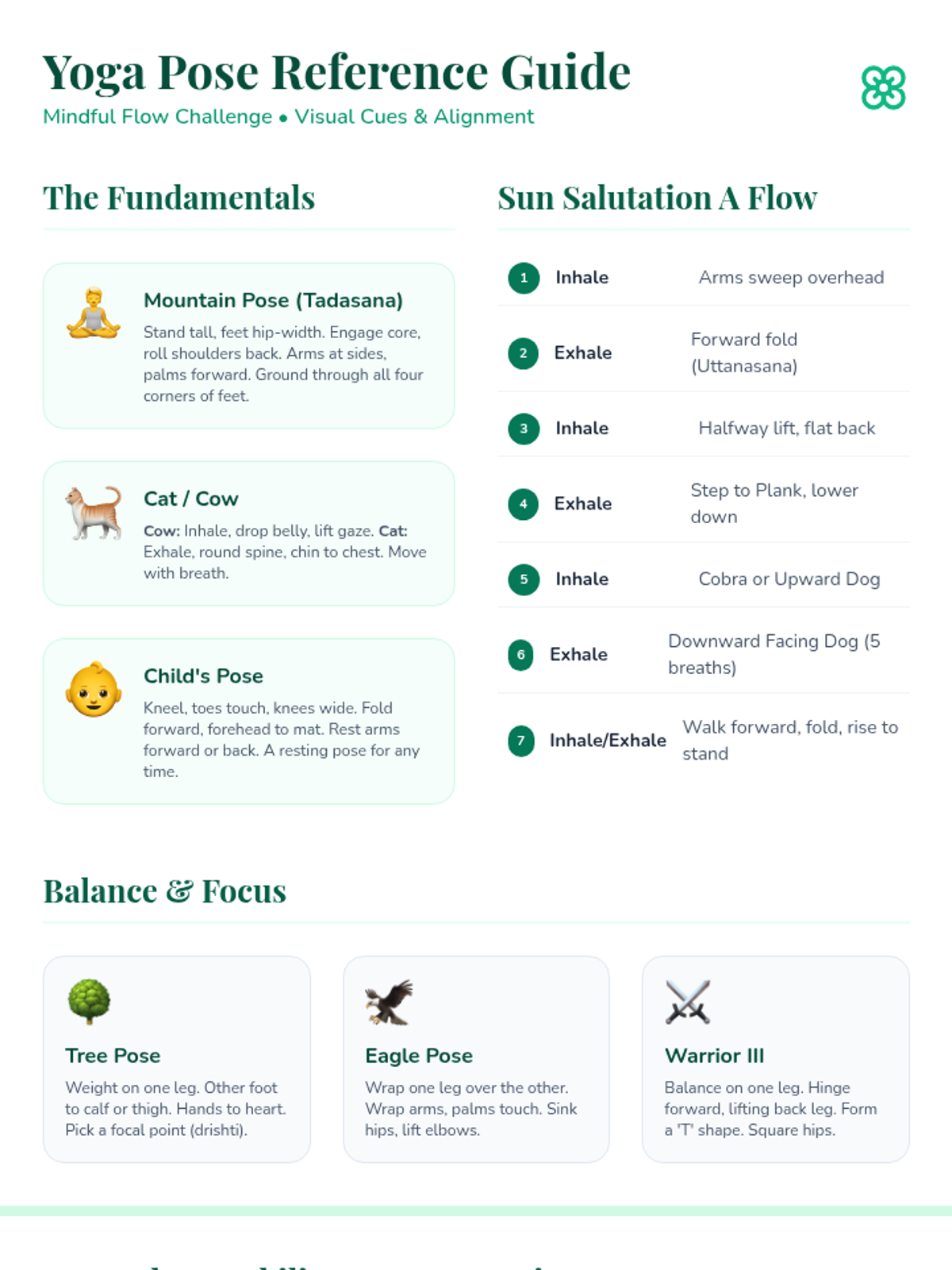
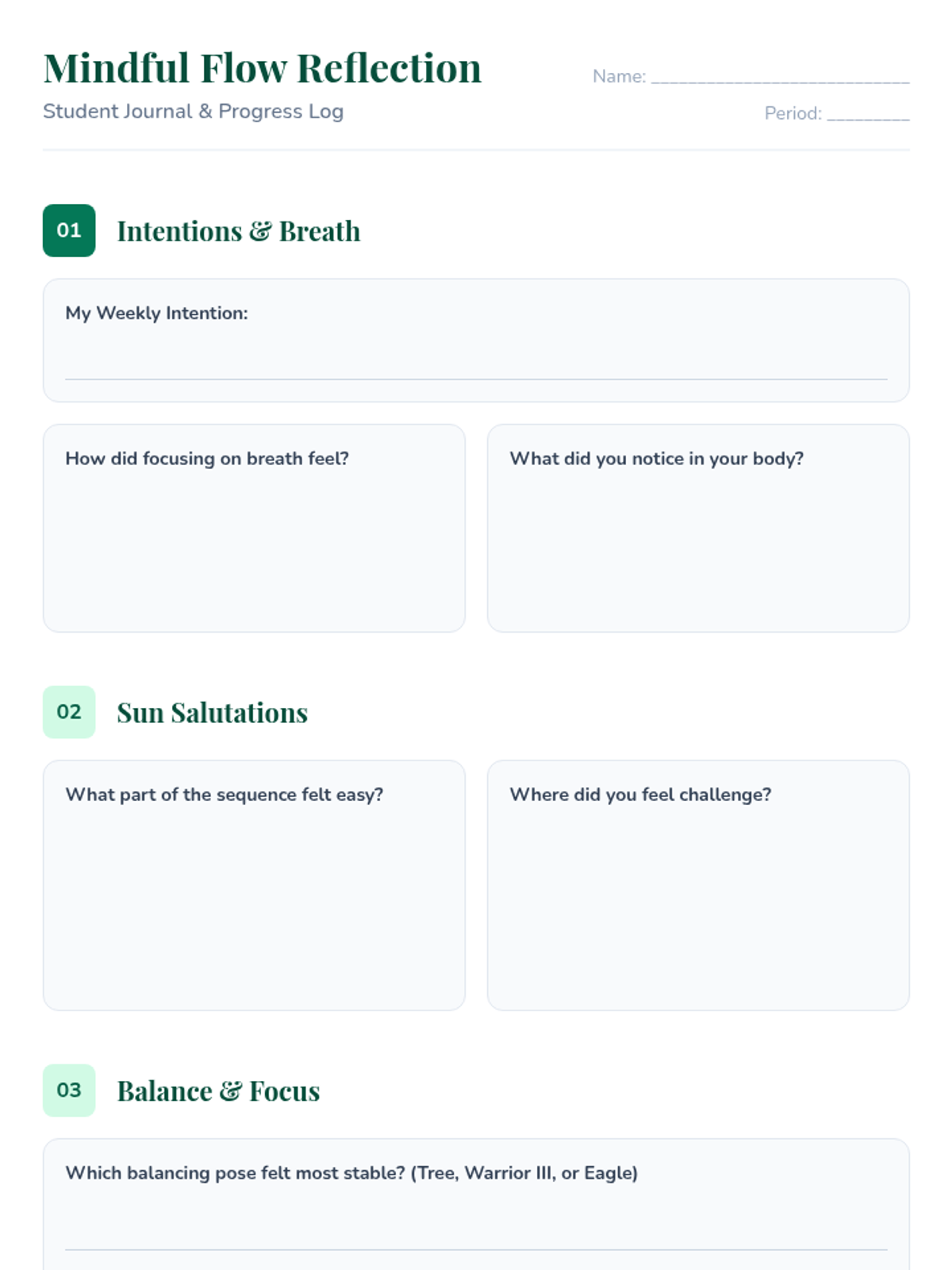
A comprehensive collection of instructional materials, scripts, and student resources for the 8-session Mindful Flow yoga program.
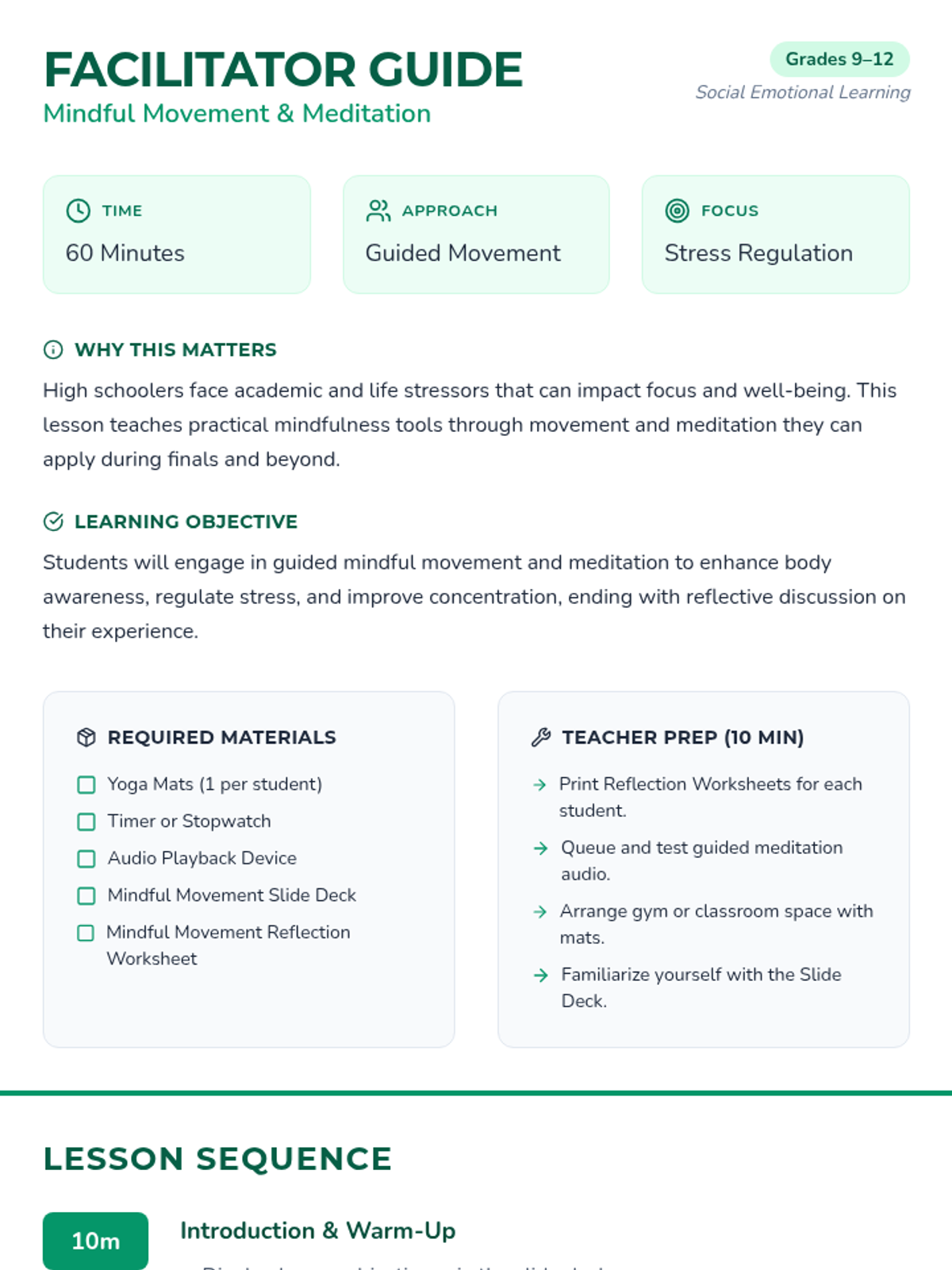
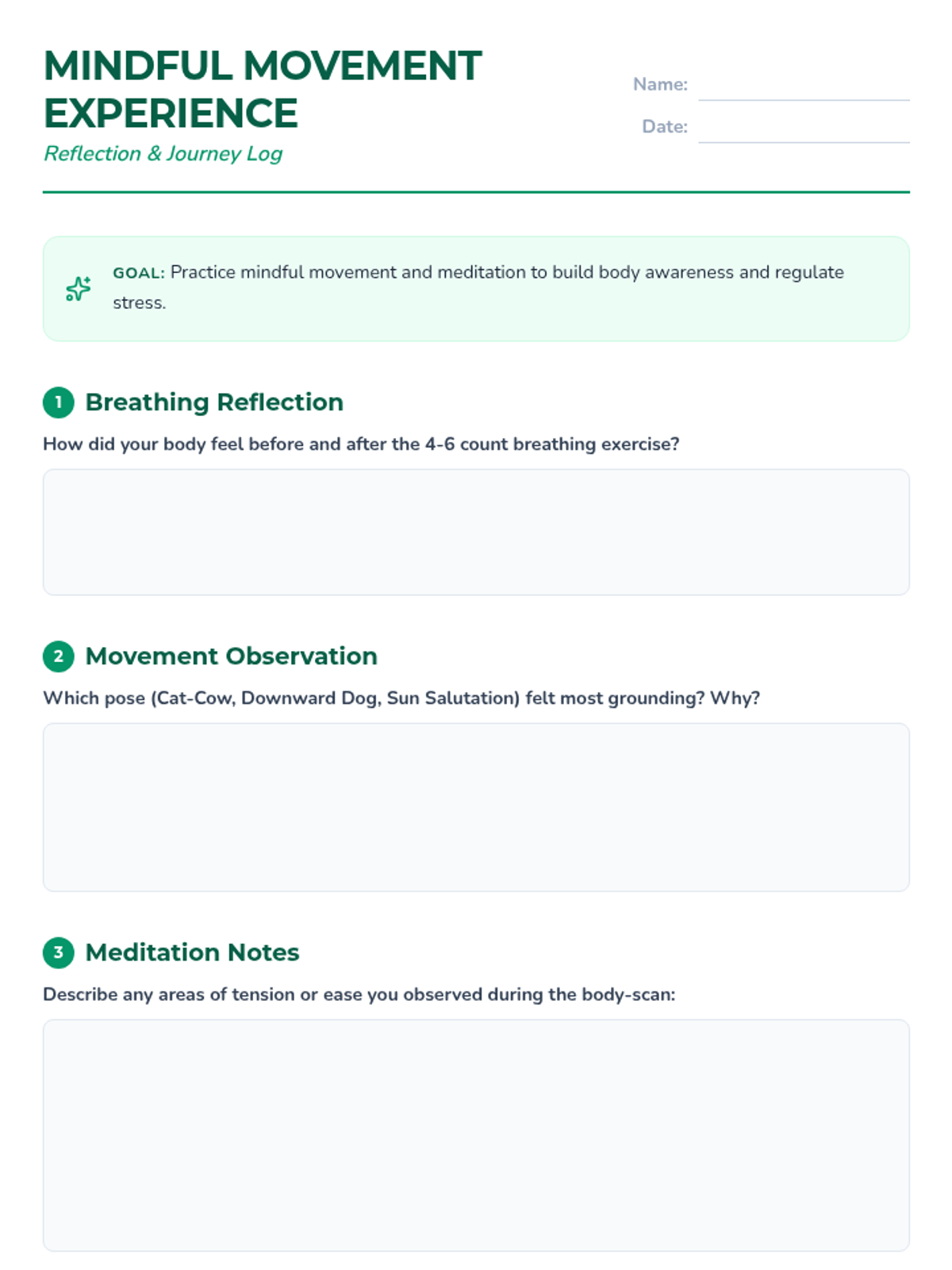
A comprehensive lesson for high schoolers to manage stress through diaphragmatic breathing, yoga sequences, and body-scan meditation. It includes a facilitator guide, visual slides, and a reflection worksheet designed for use during high-stress periods like finals.