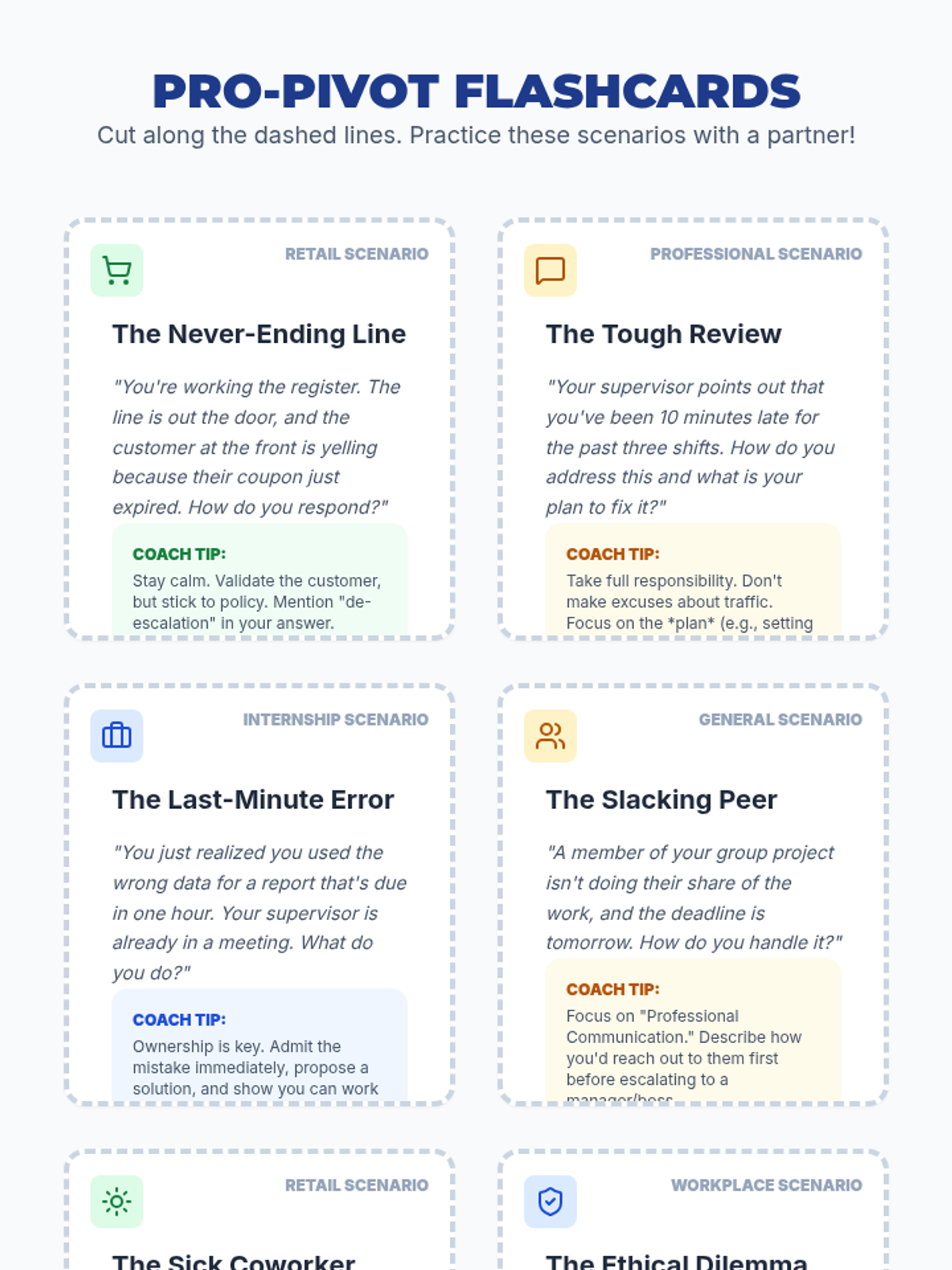
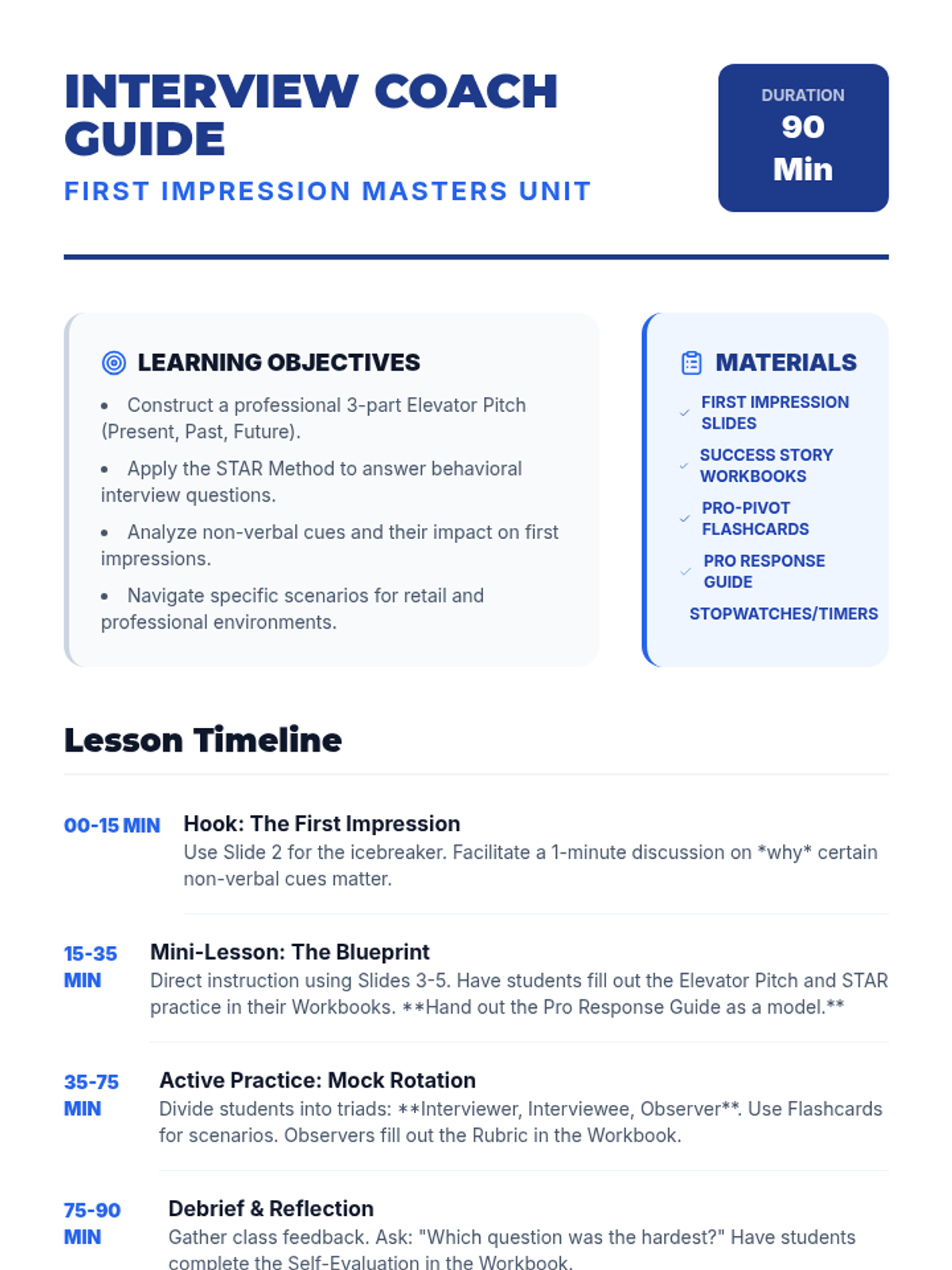
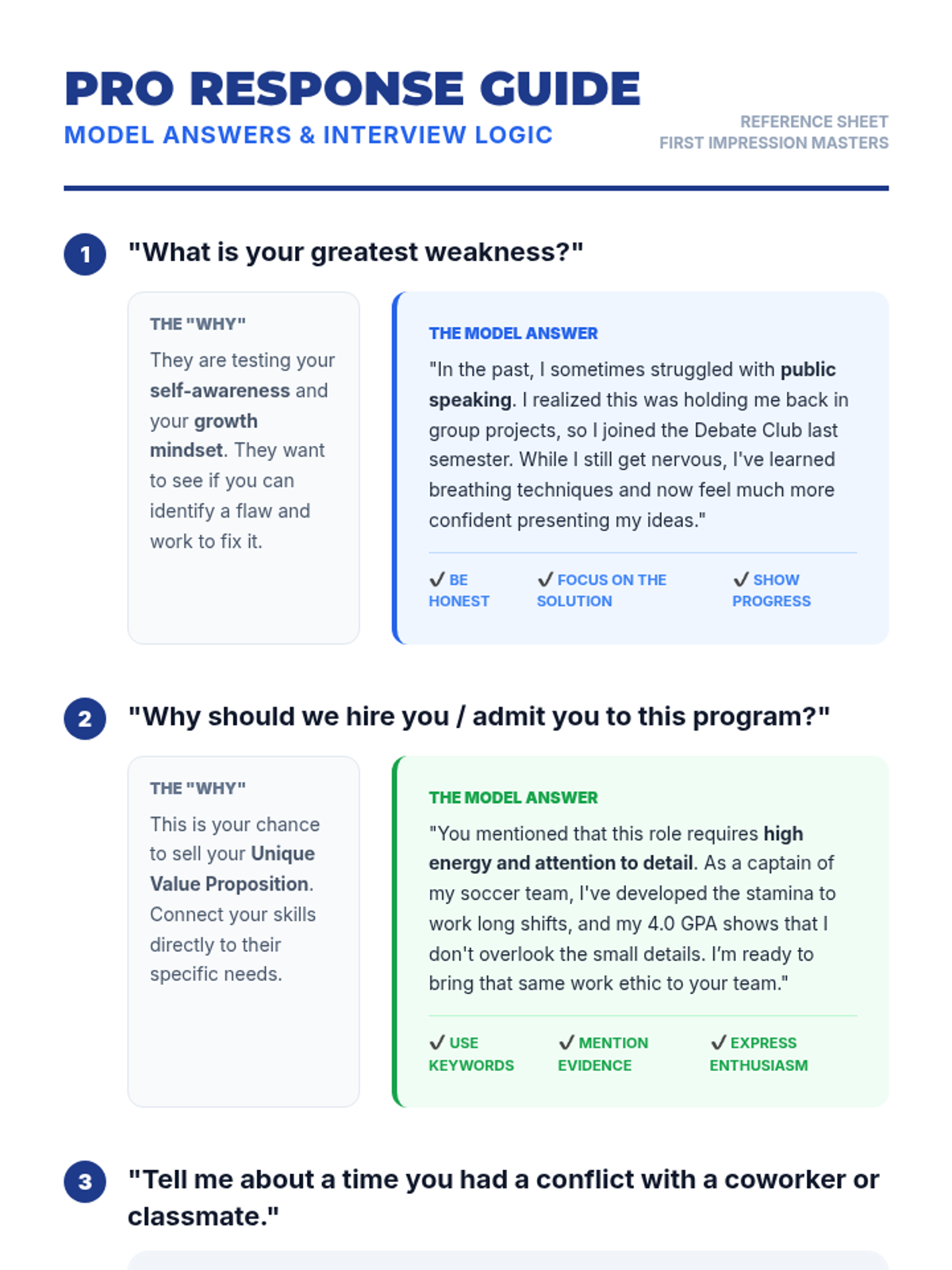
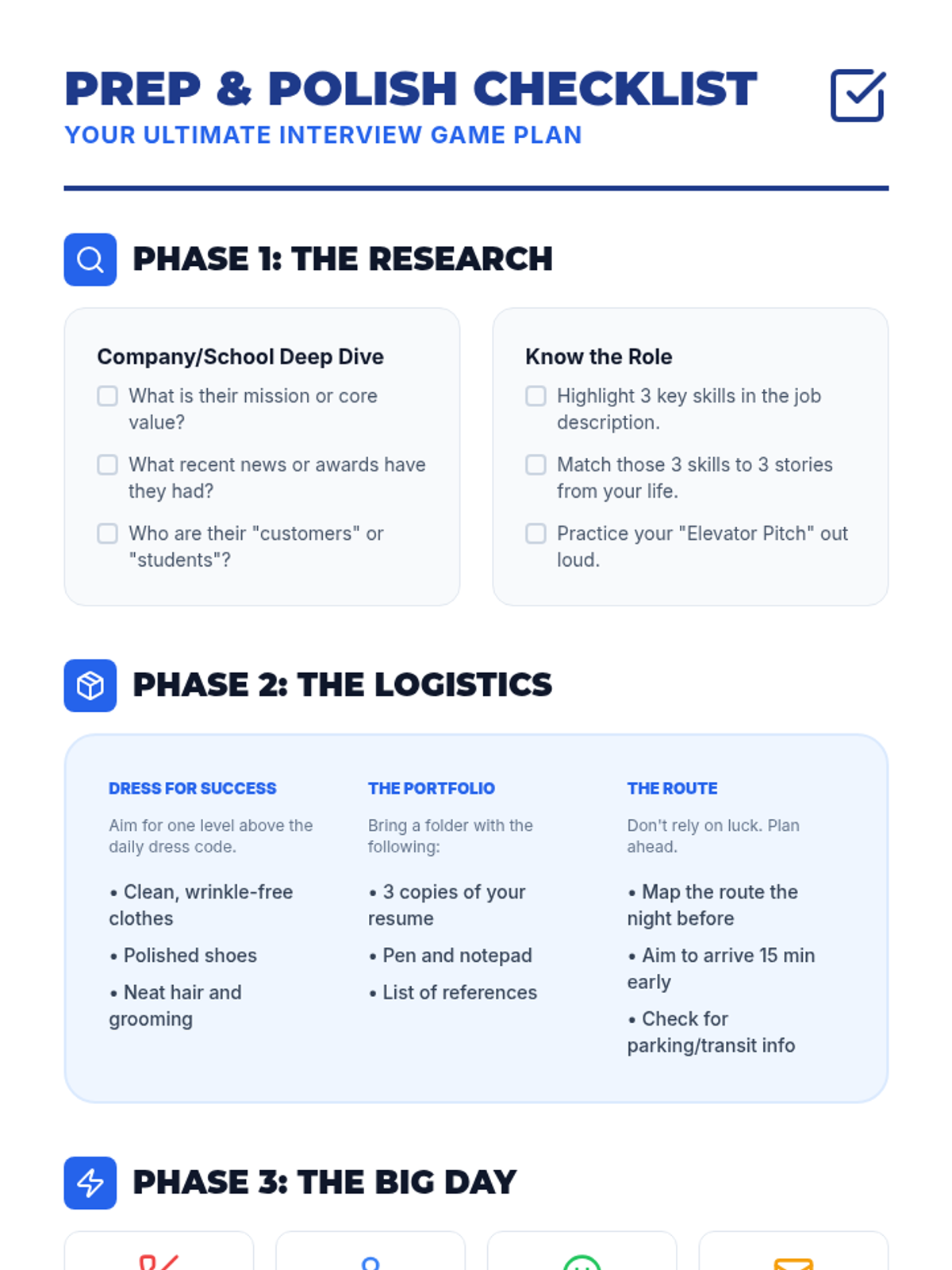
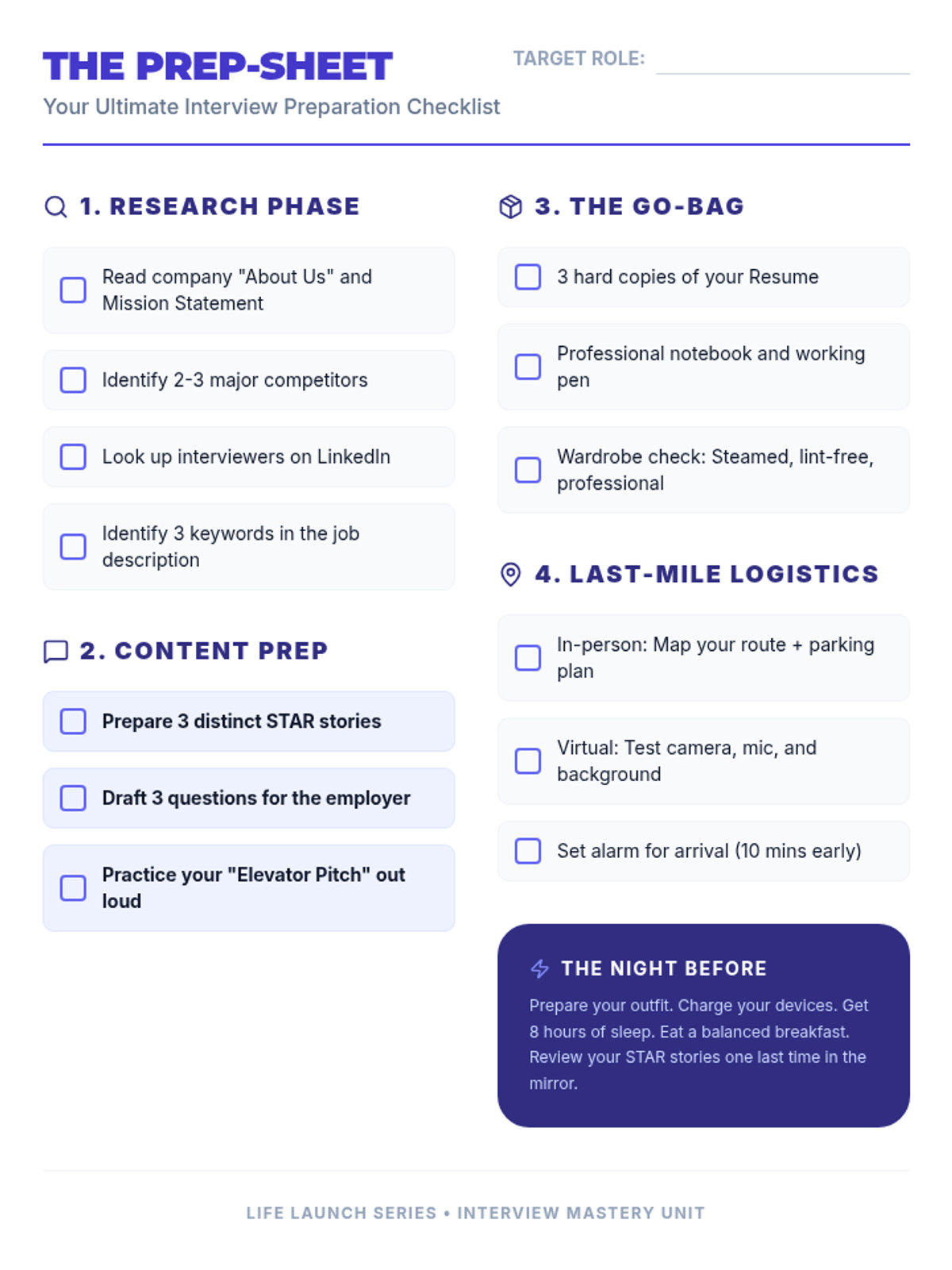
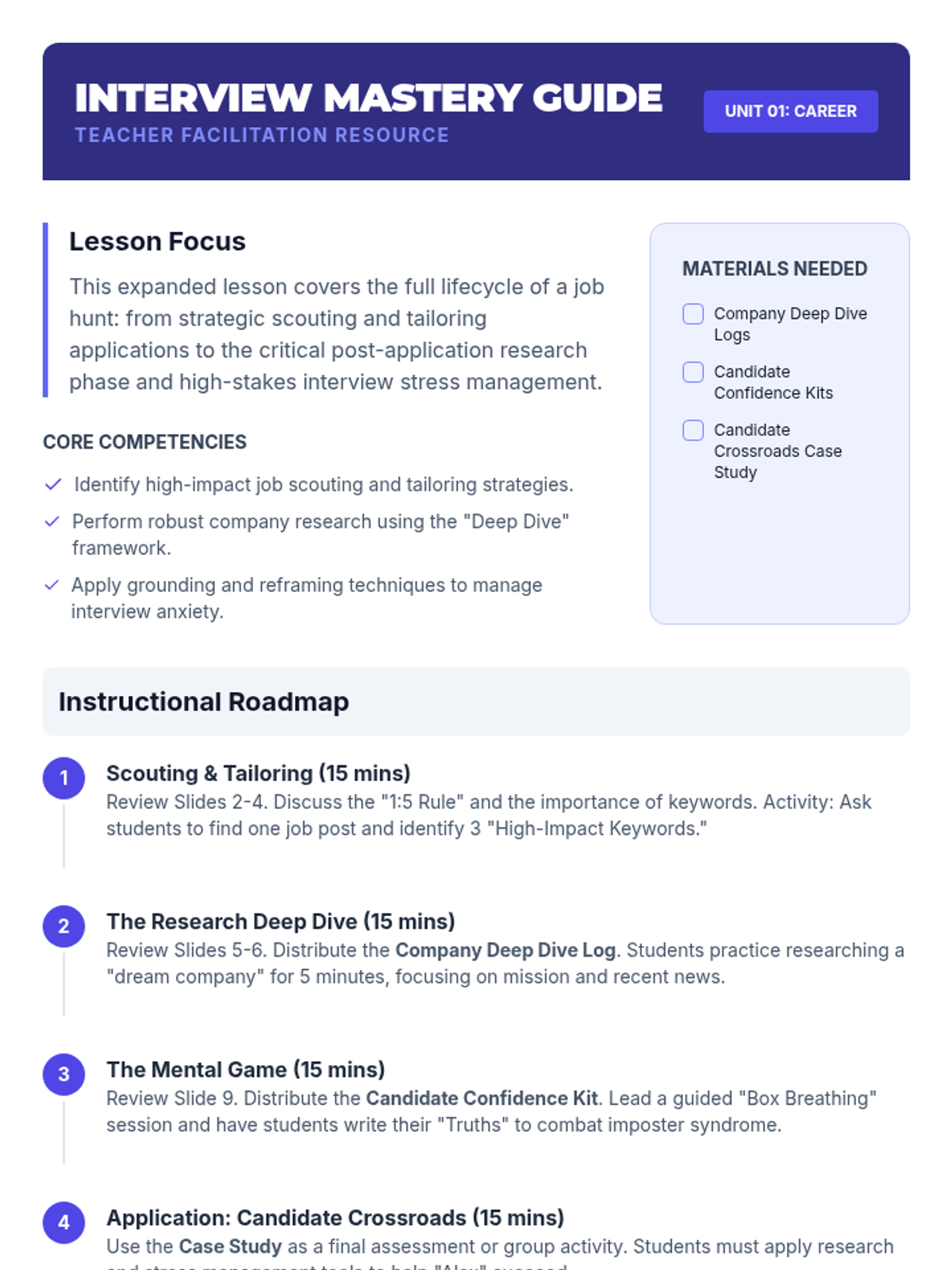
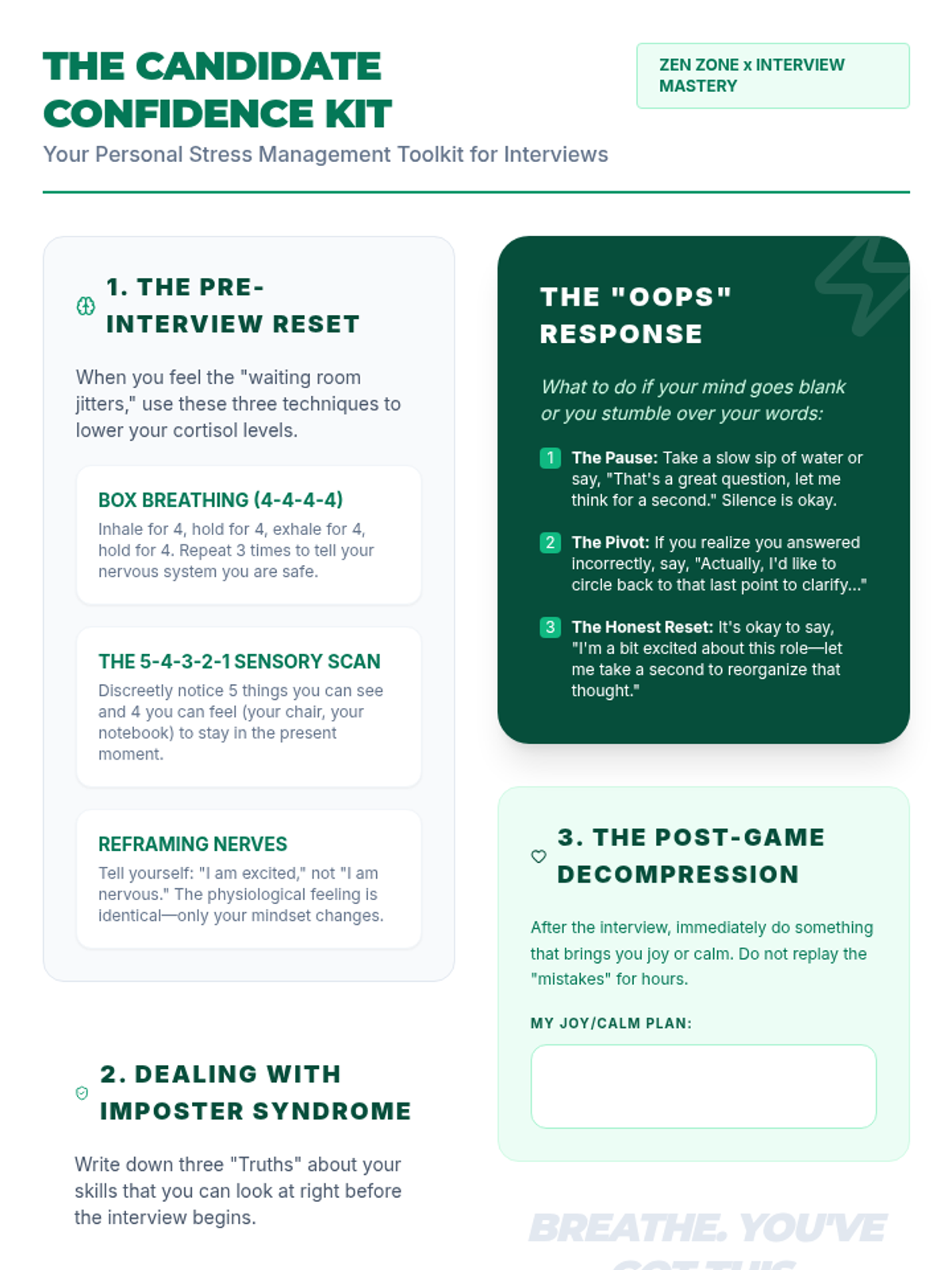
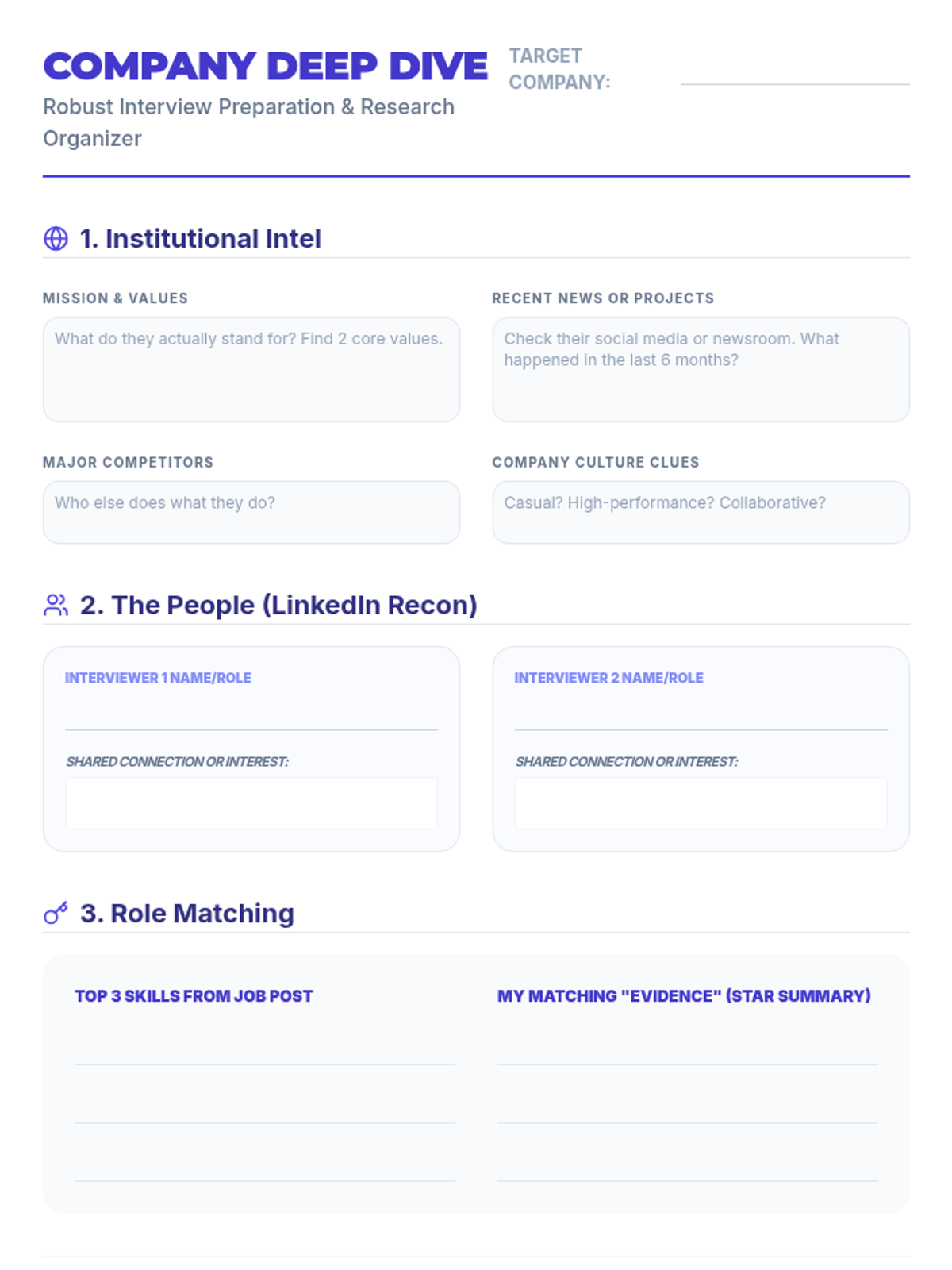
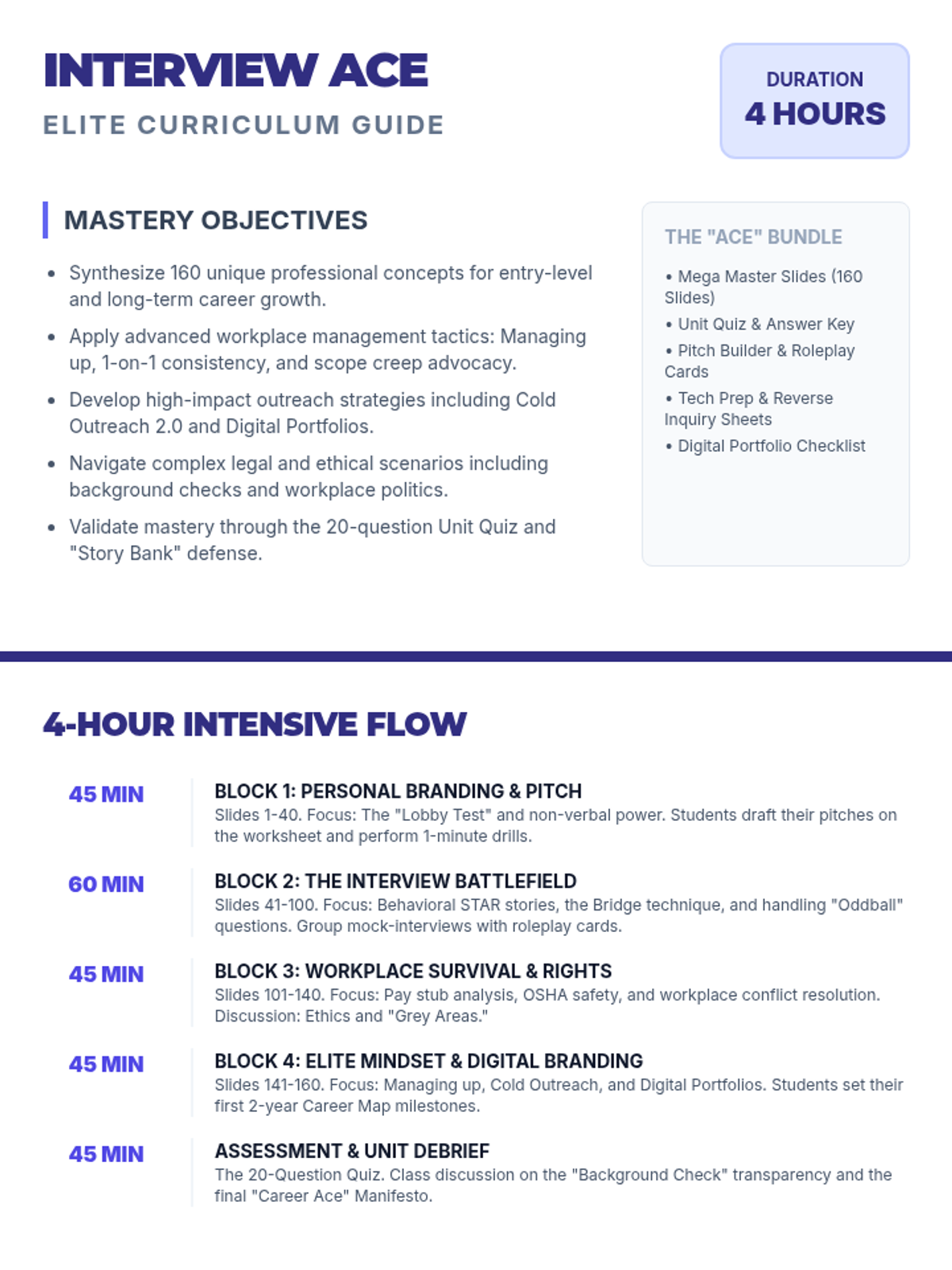
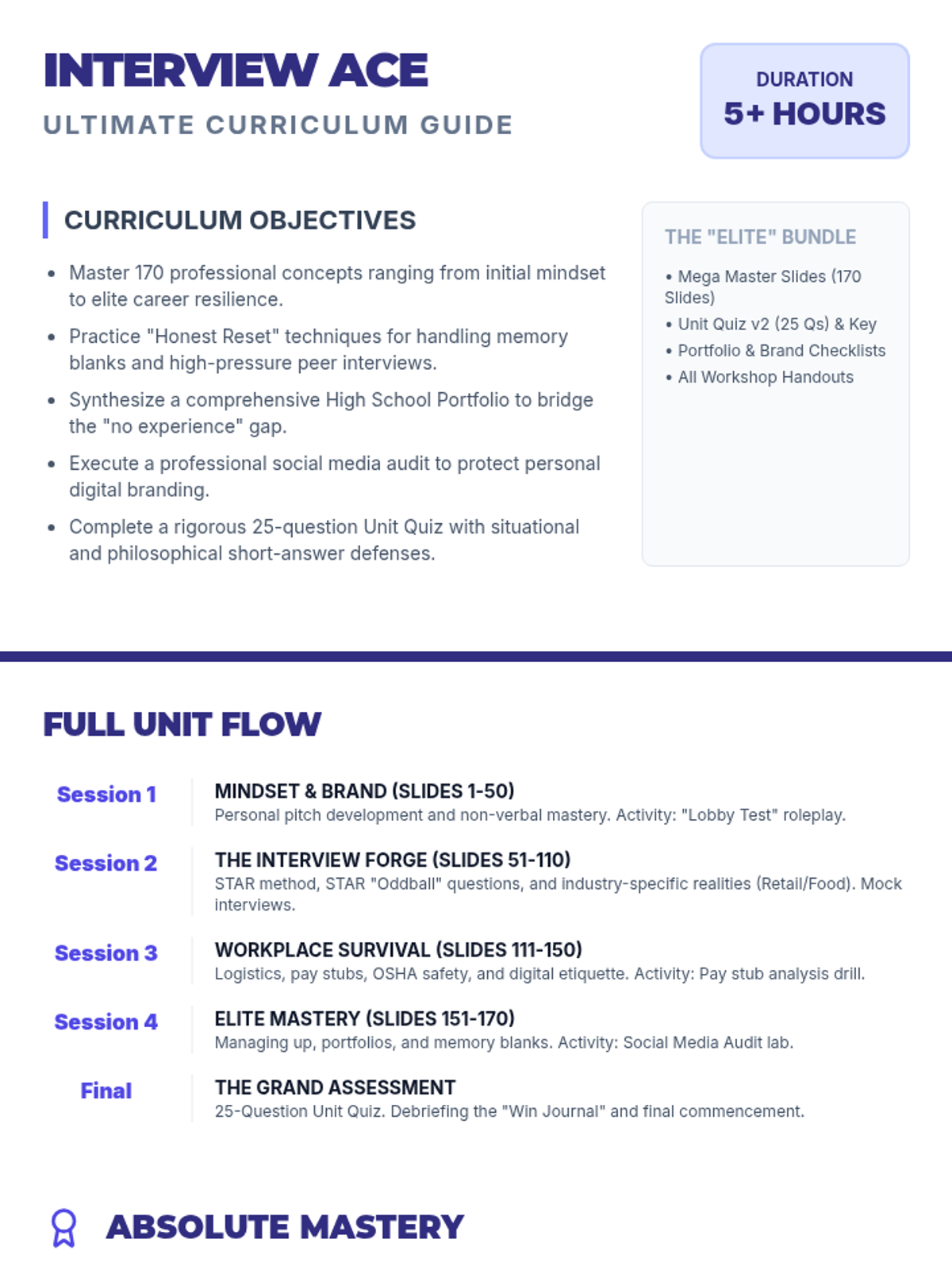
Employer research strategies and behavioral response techniques using the STAR method. Develops virtual interview etiquette, professional presence, and effective follow-up communication.
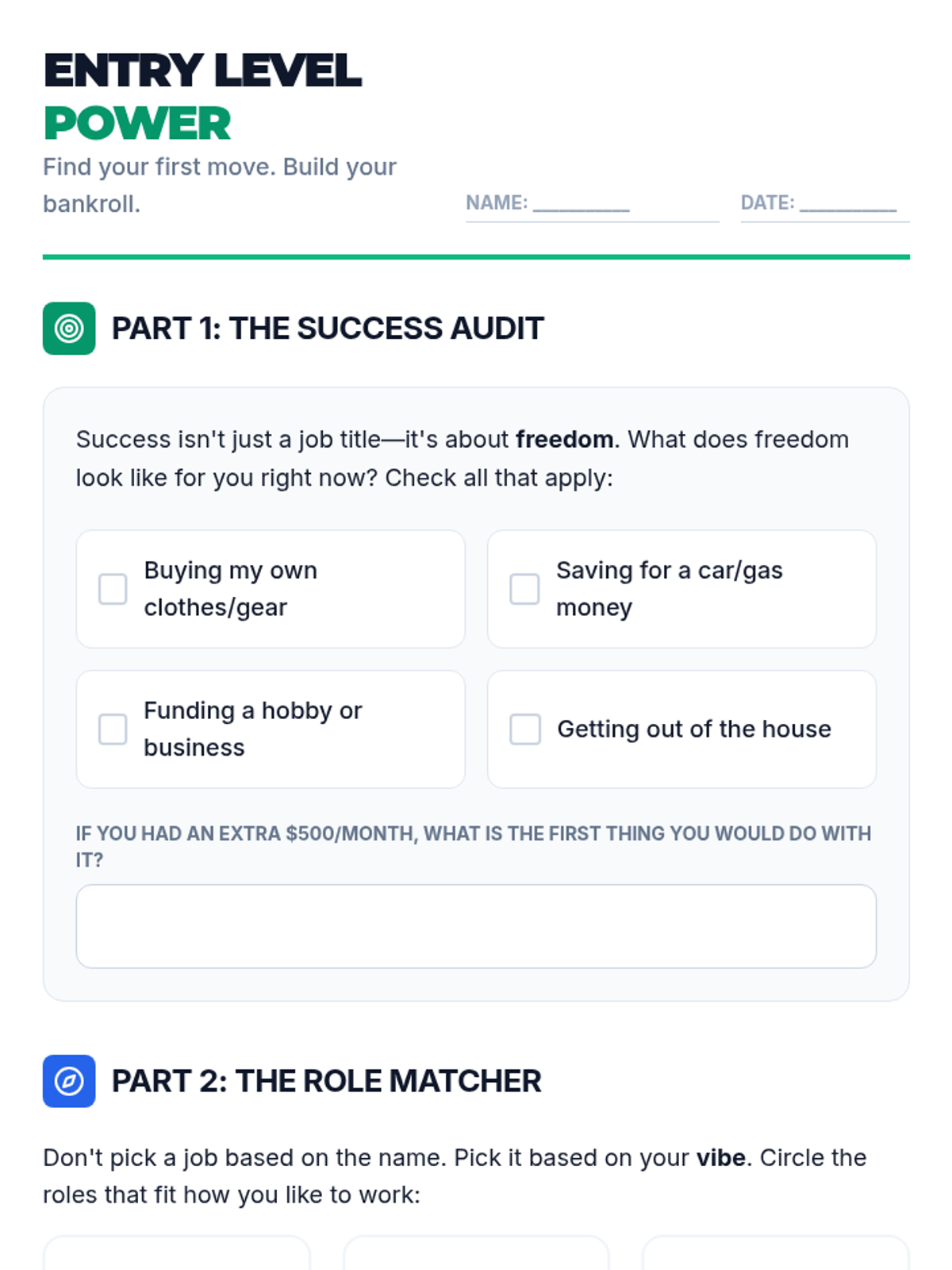
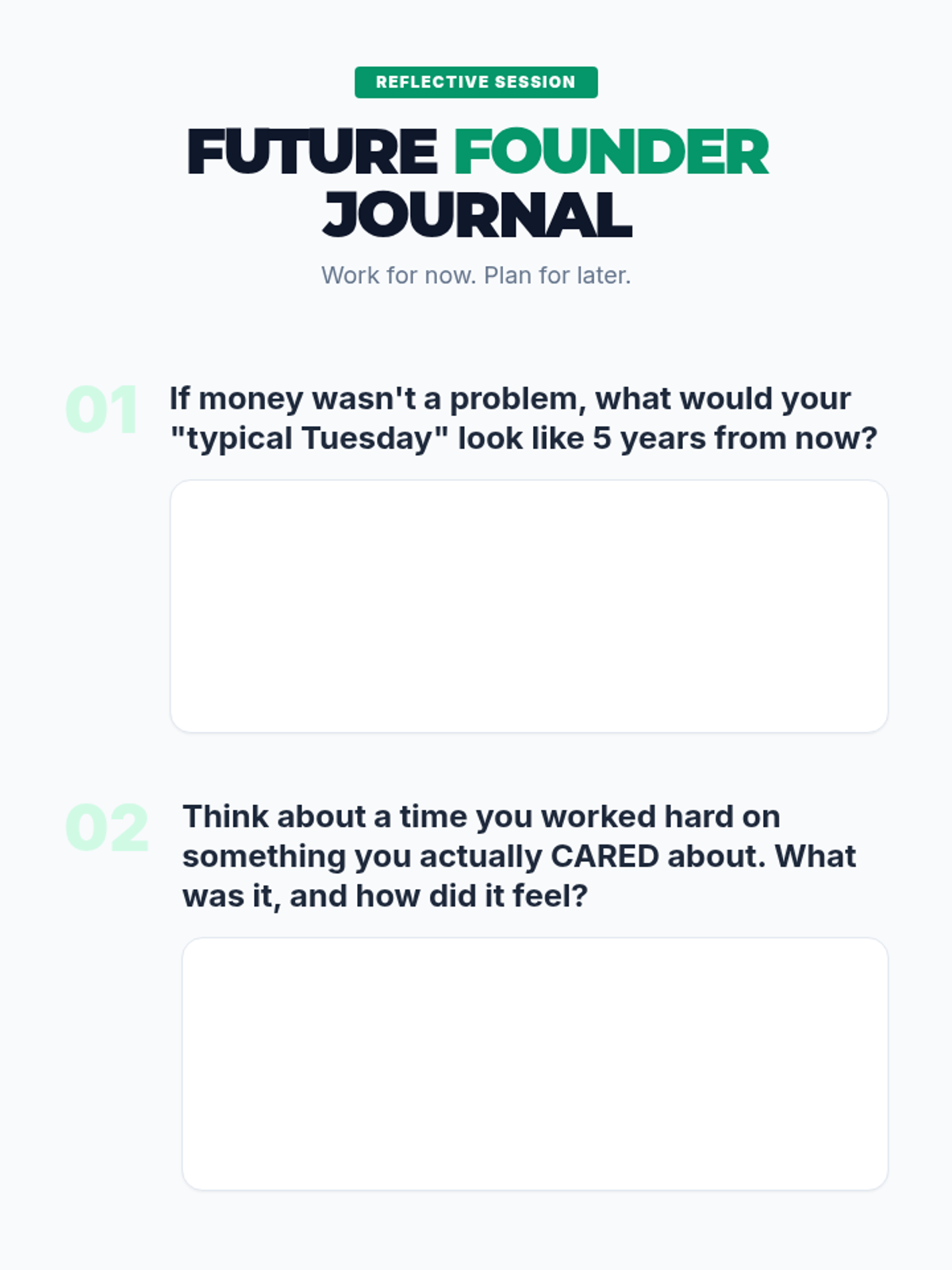
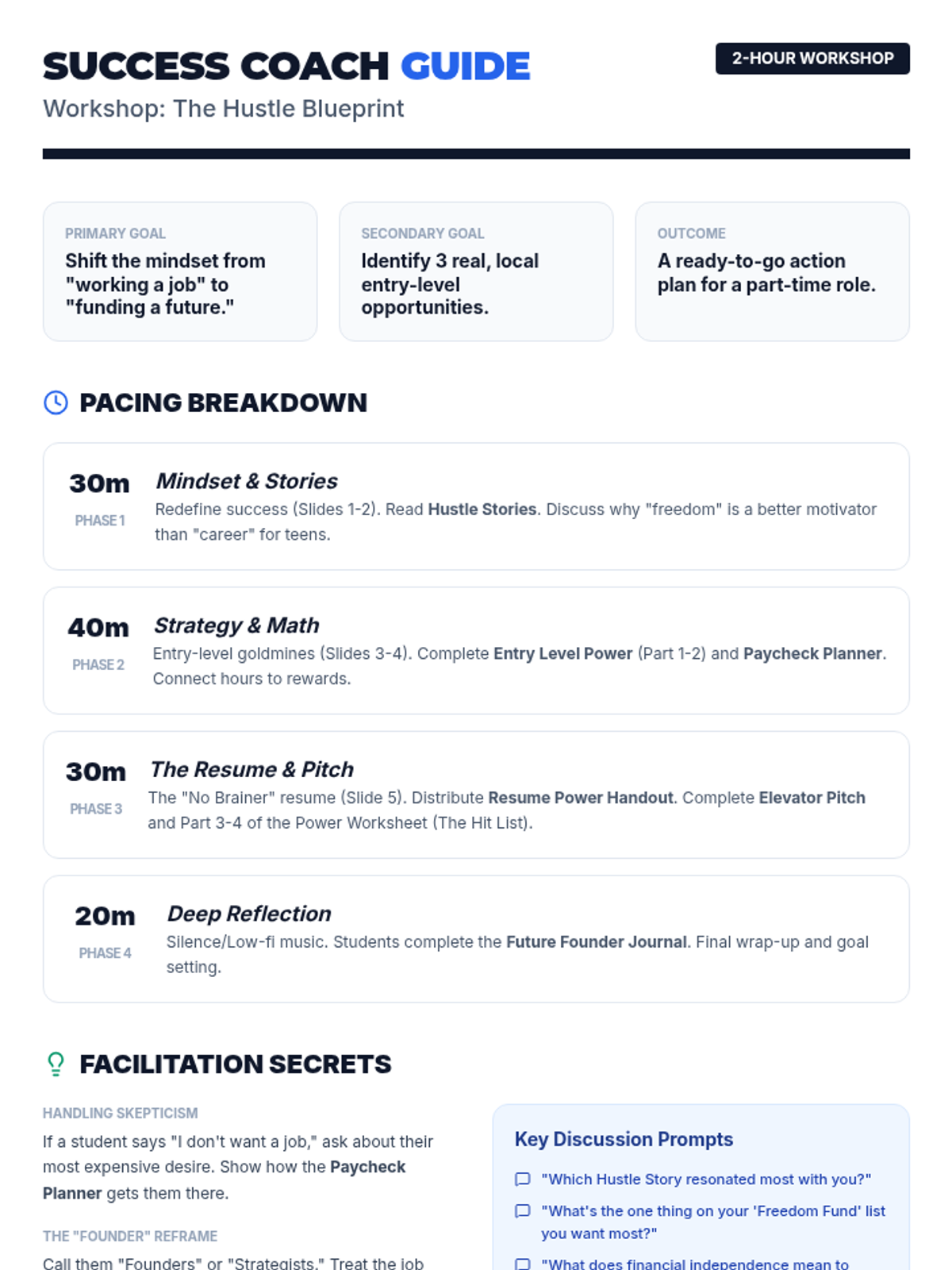
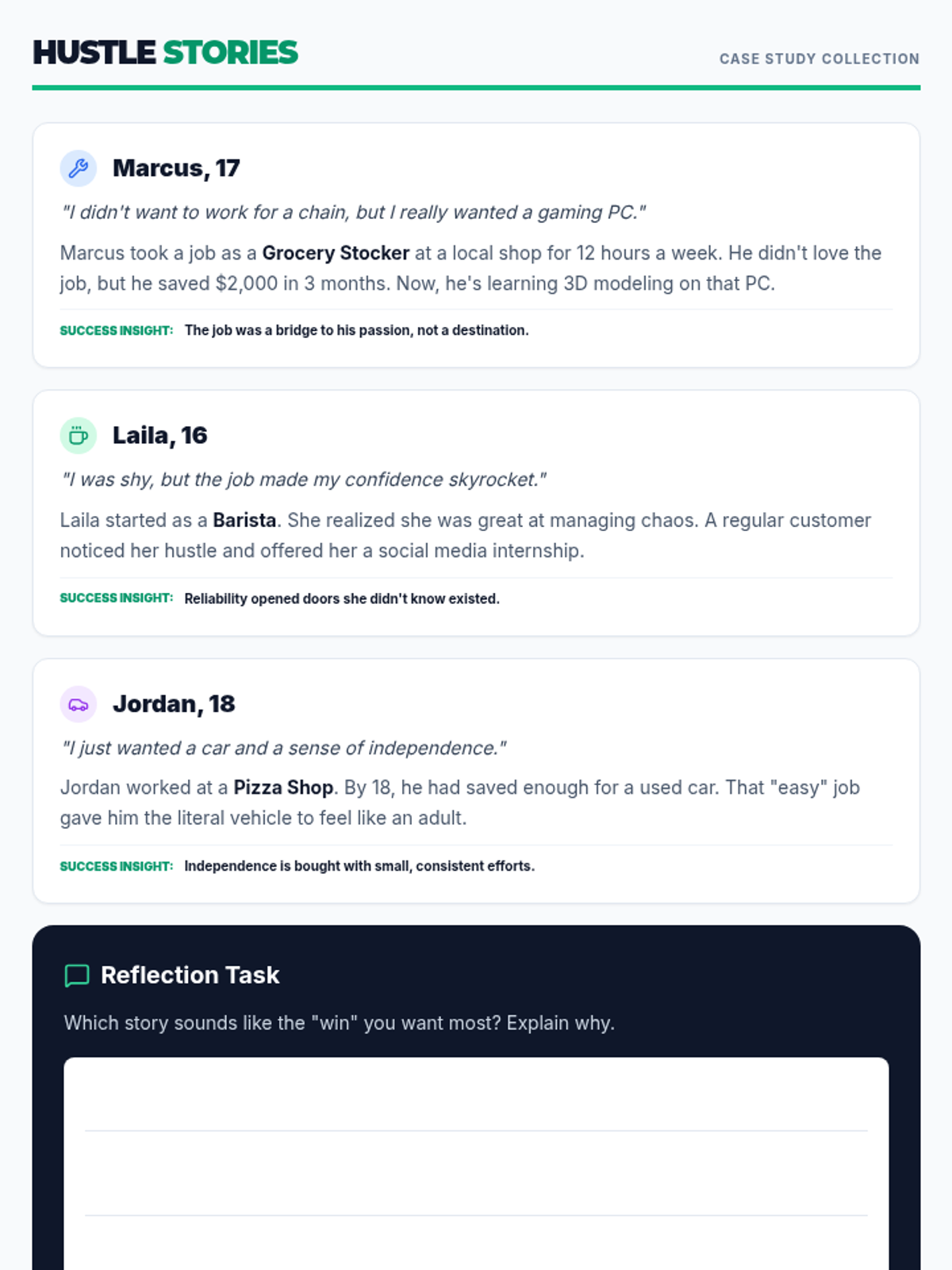
A 2-hour workshop designed for high schoolers to explore entry-level, part-time jobs as a strategic stepping stone toward personal success and independence. Students will redefine success, identify accessible roles that match their interests, and reflect on their long-term goals.
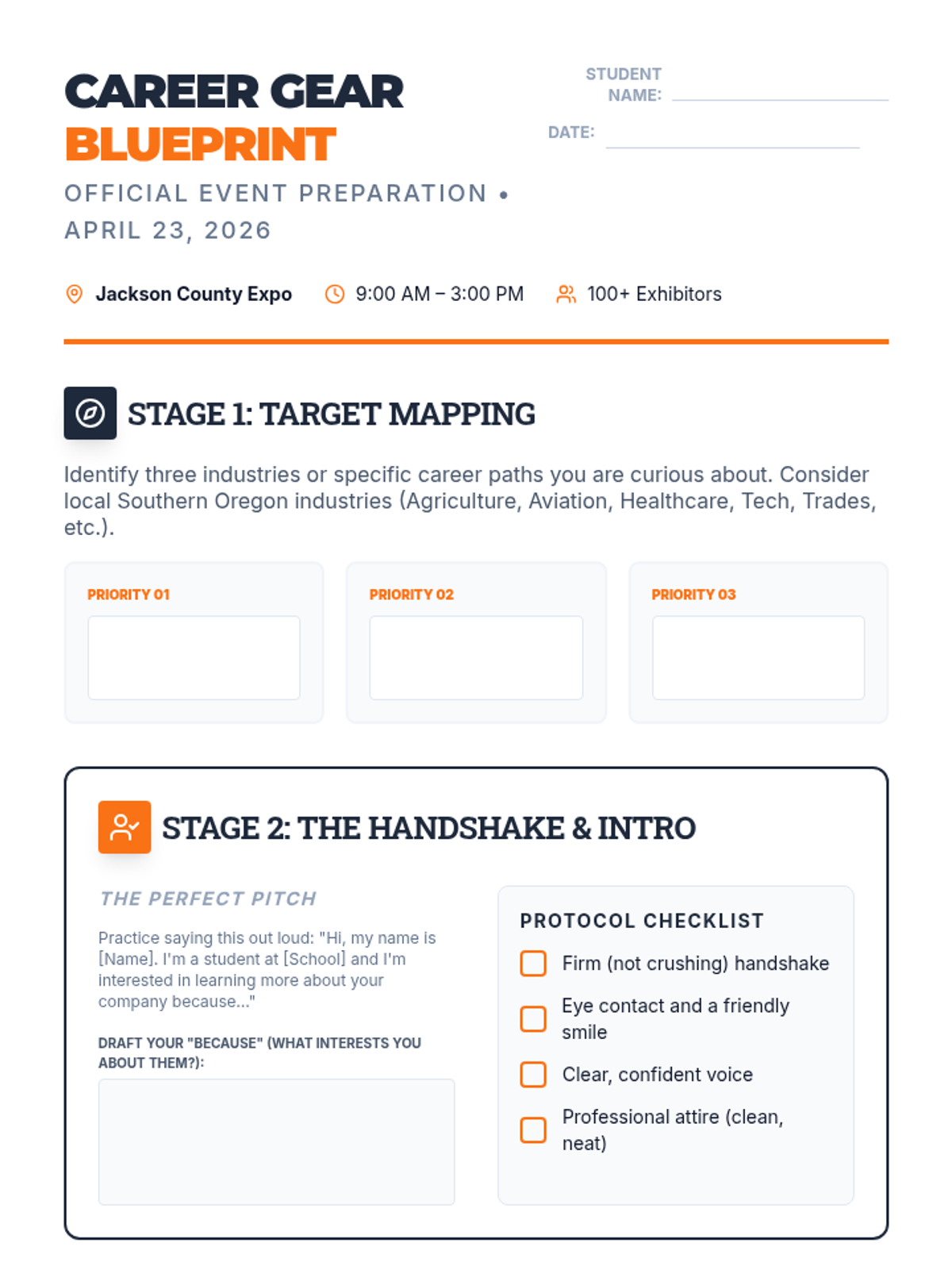
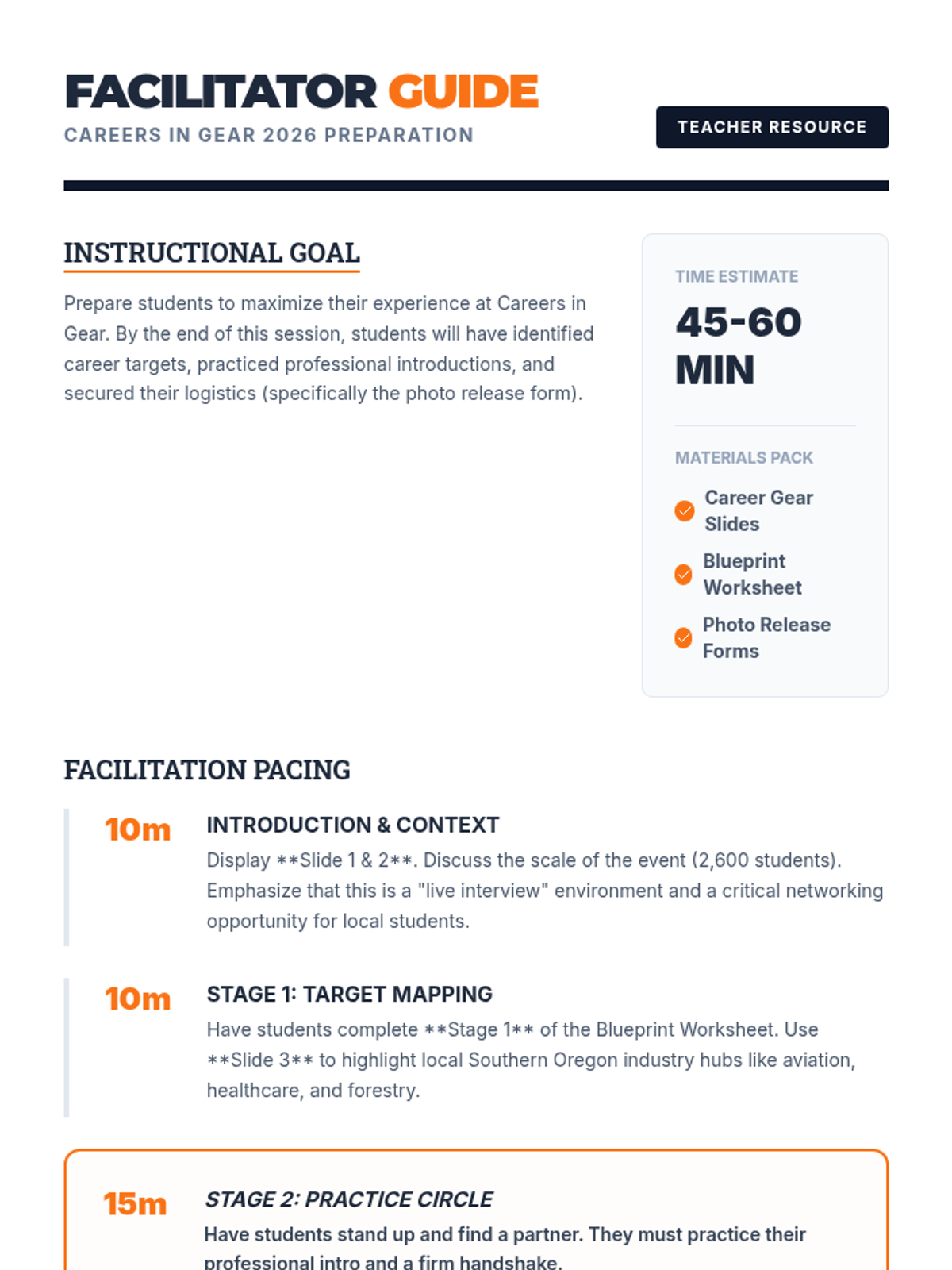
A preparation lesson for the Careers in Gear 2026 event, focusing on career interest identification, professional communication, and logistical readiness.
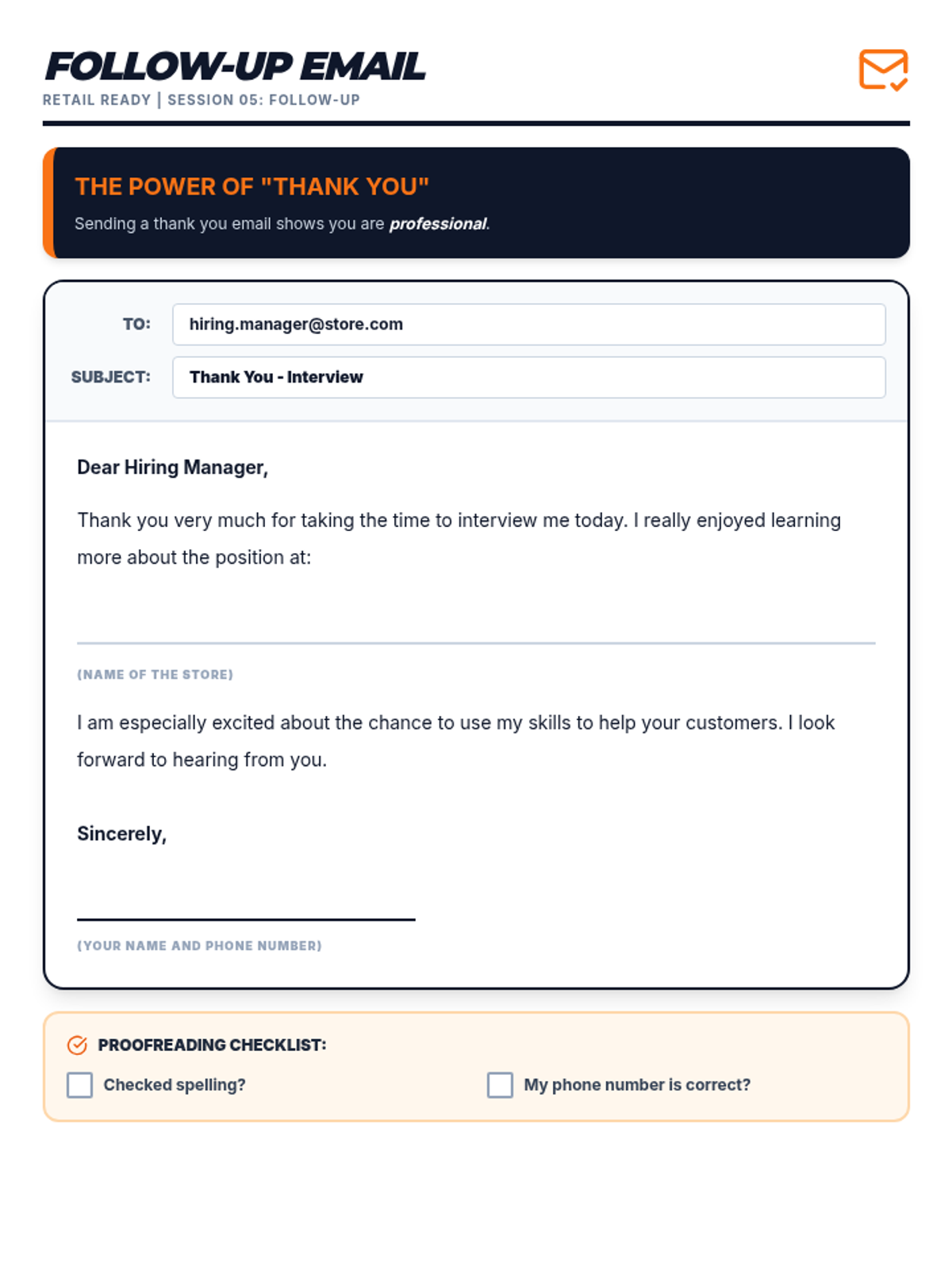
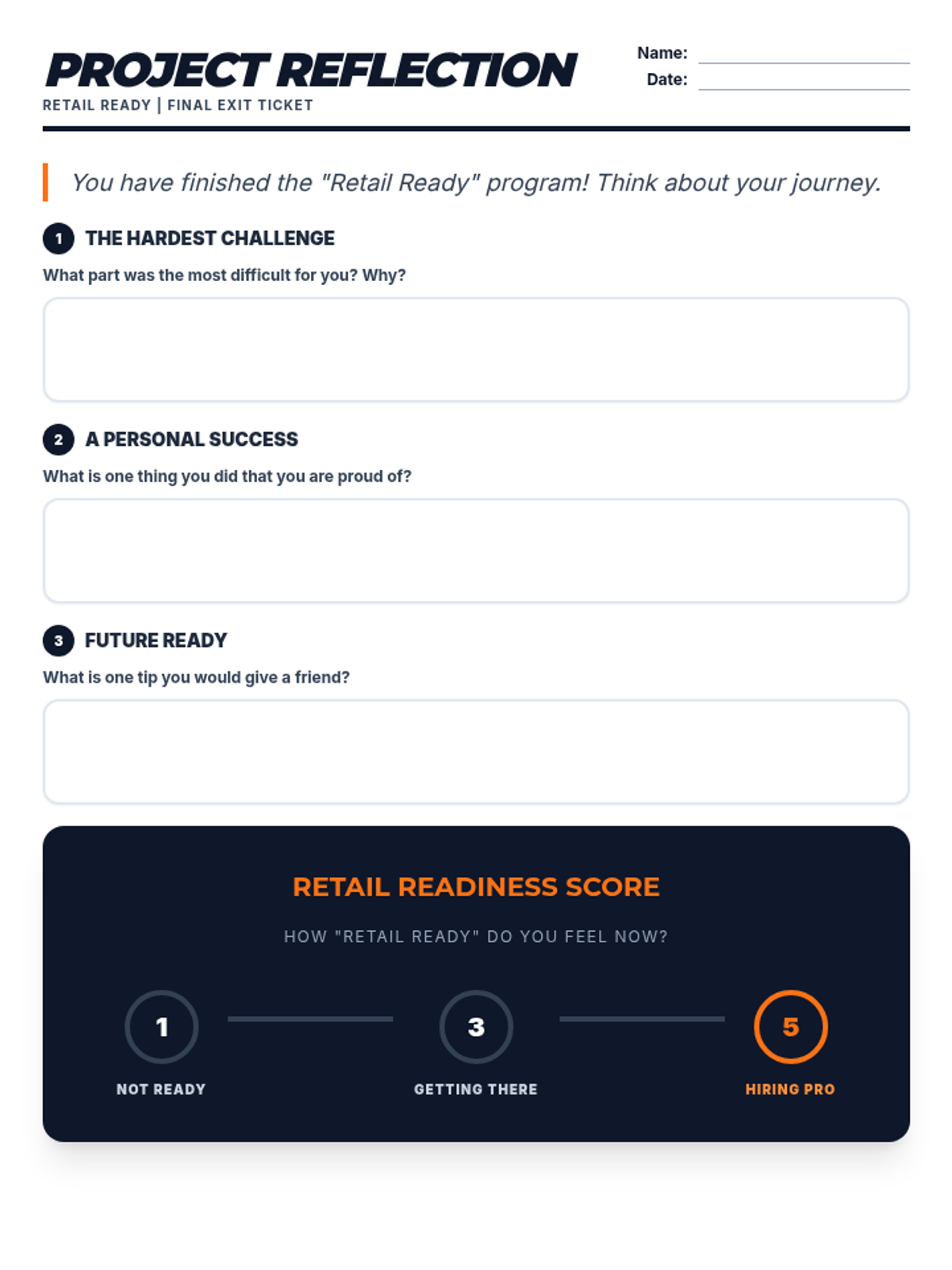
Students learn the importance of post-interview follow-up by writing thank-you emails and reflecting on their overall performance throughout the project.
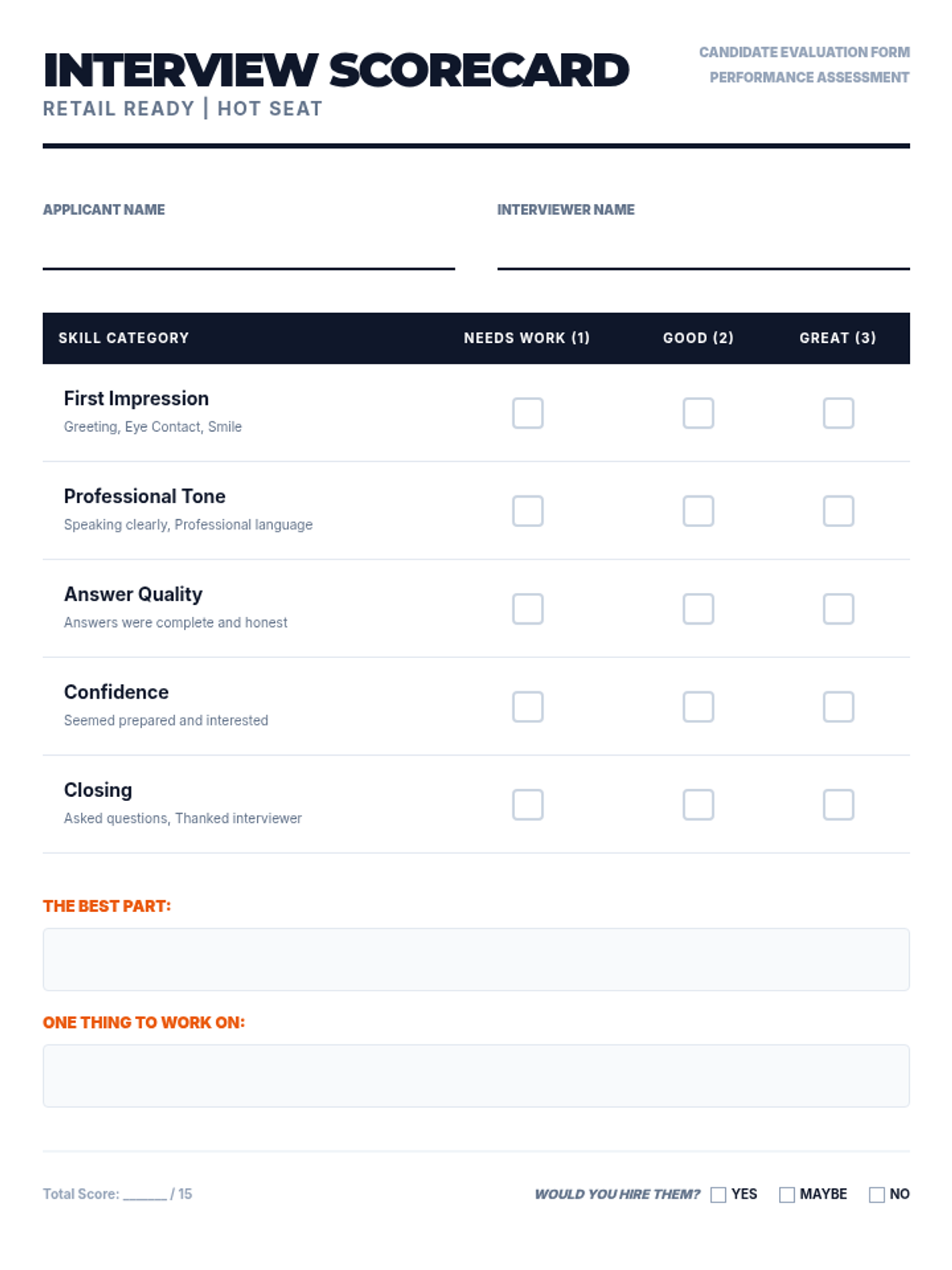
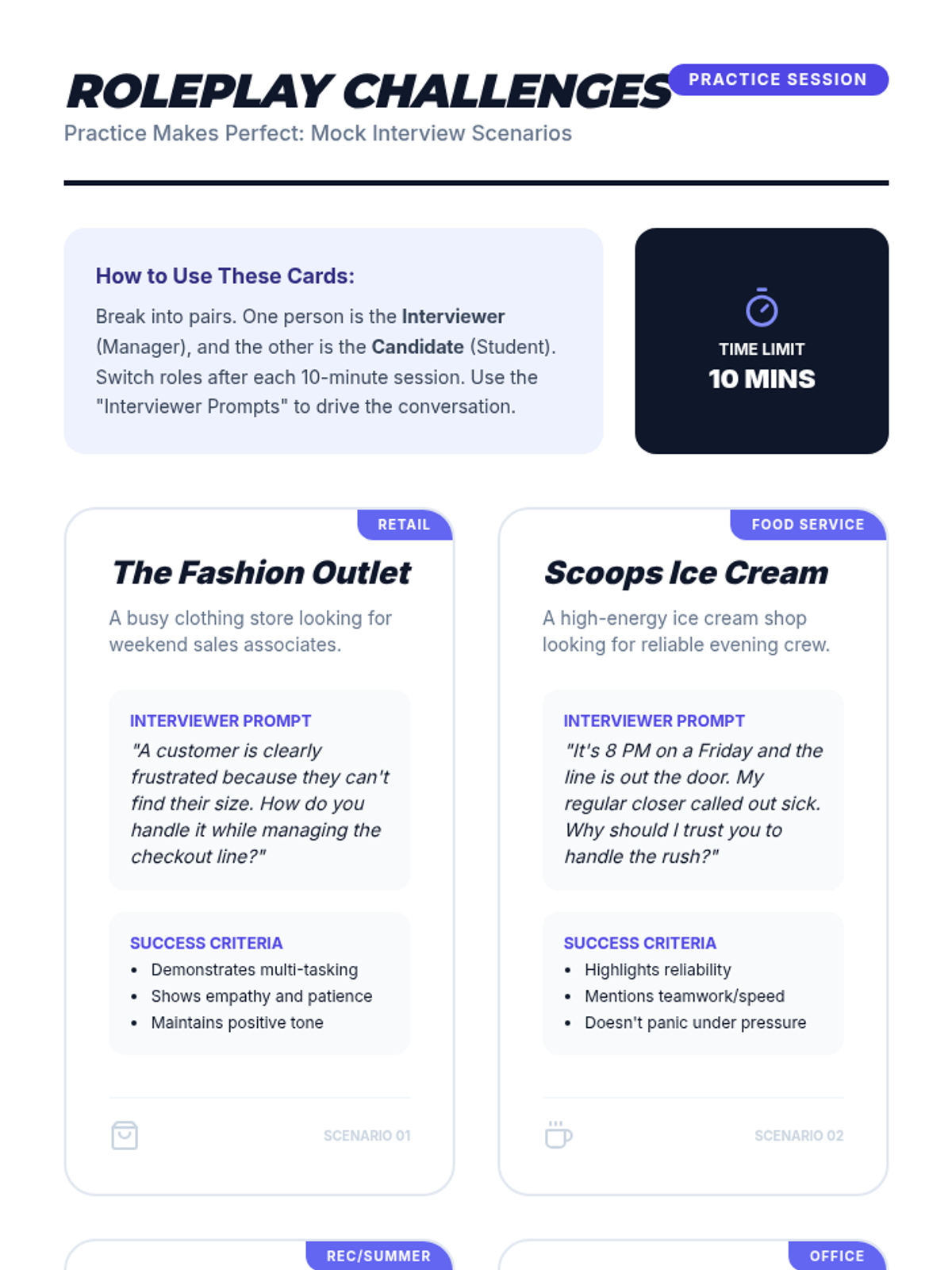
A hands-on day for mock interviews where students practice professional communication and receive constructive feedback.
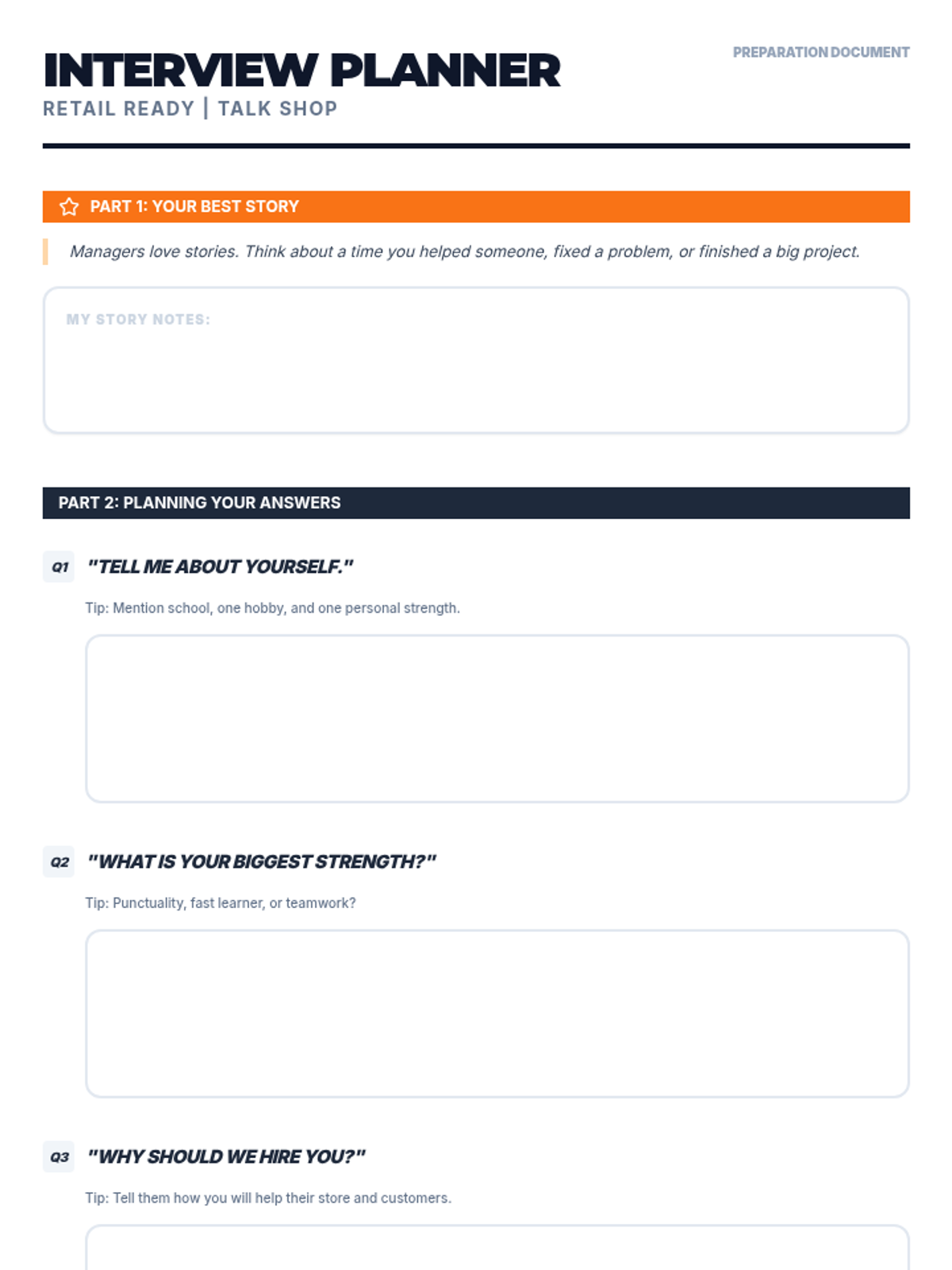
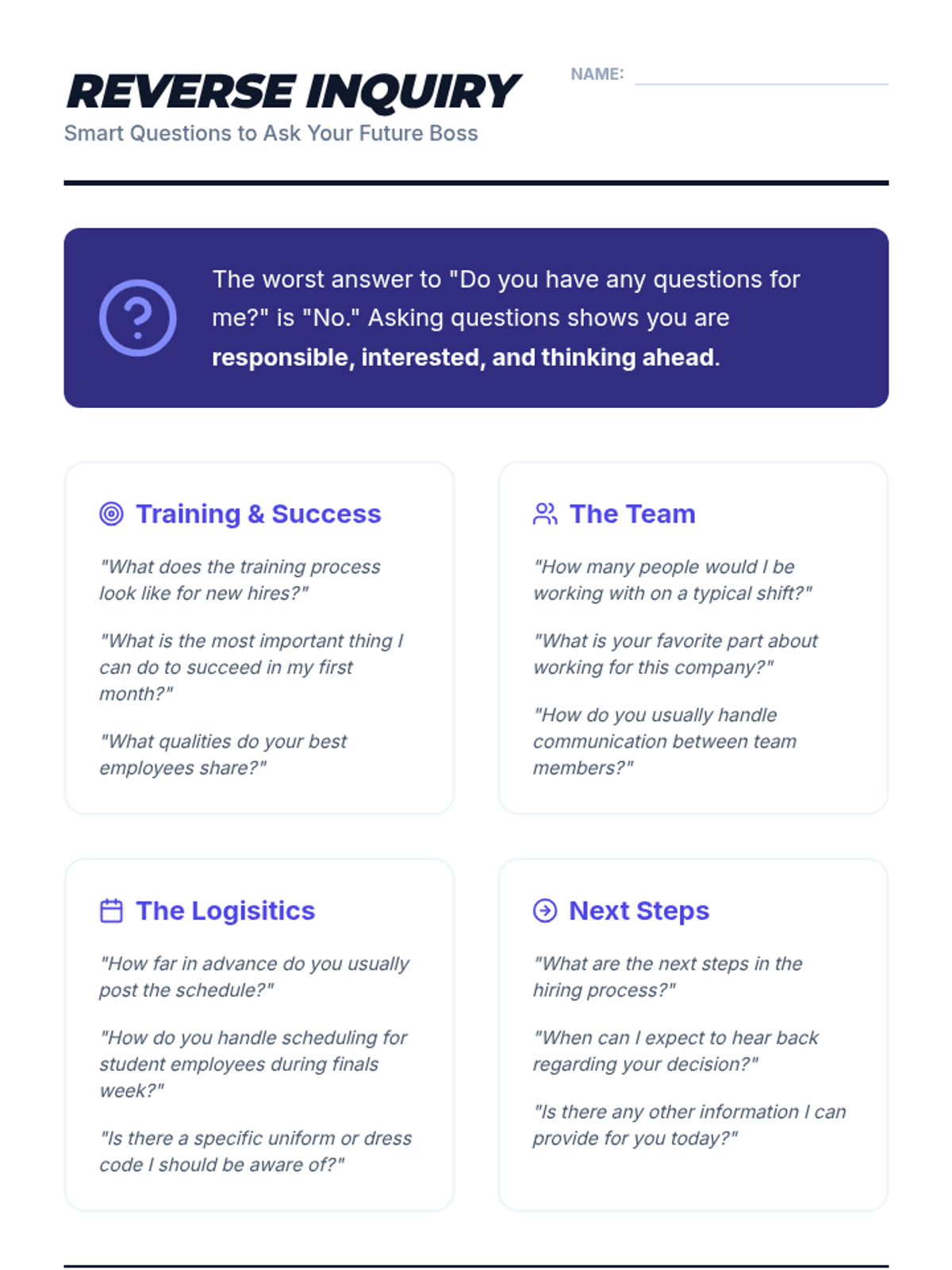
Students prepare for the social dynamics of an interview by researching common retail questions and planning their own inquiries for the employer.
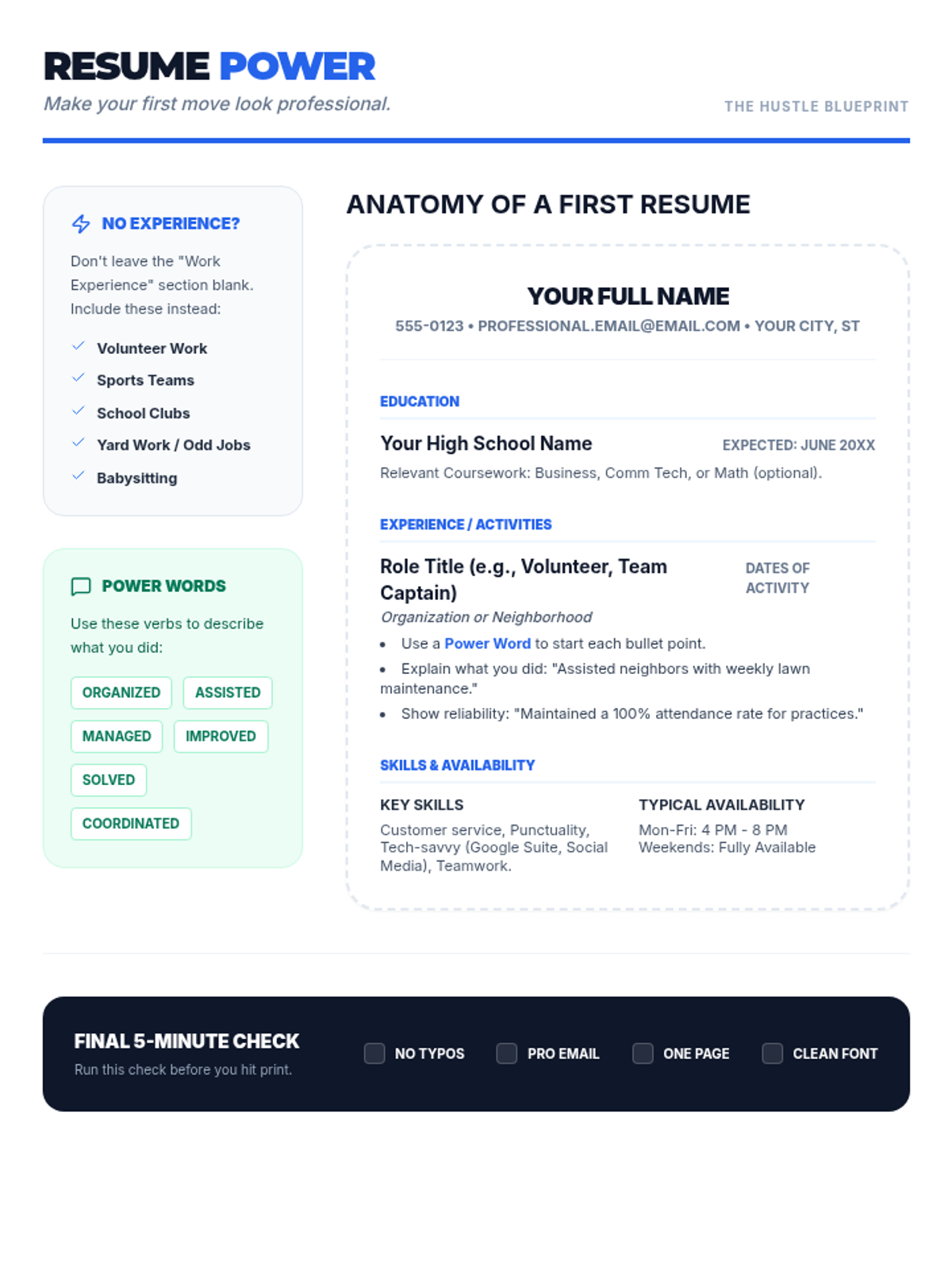
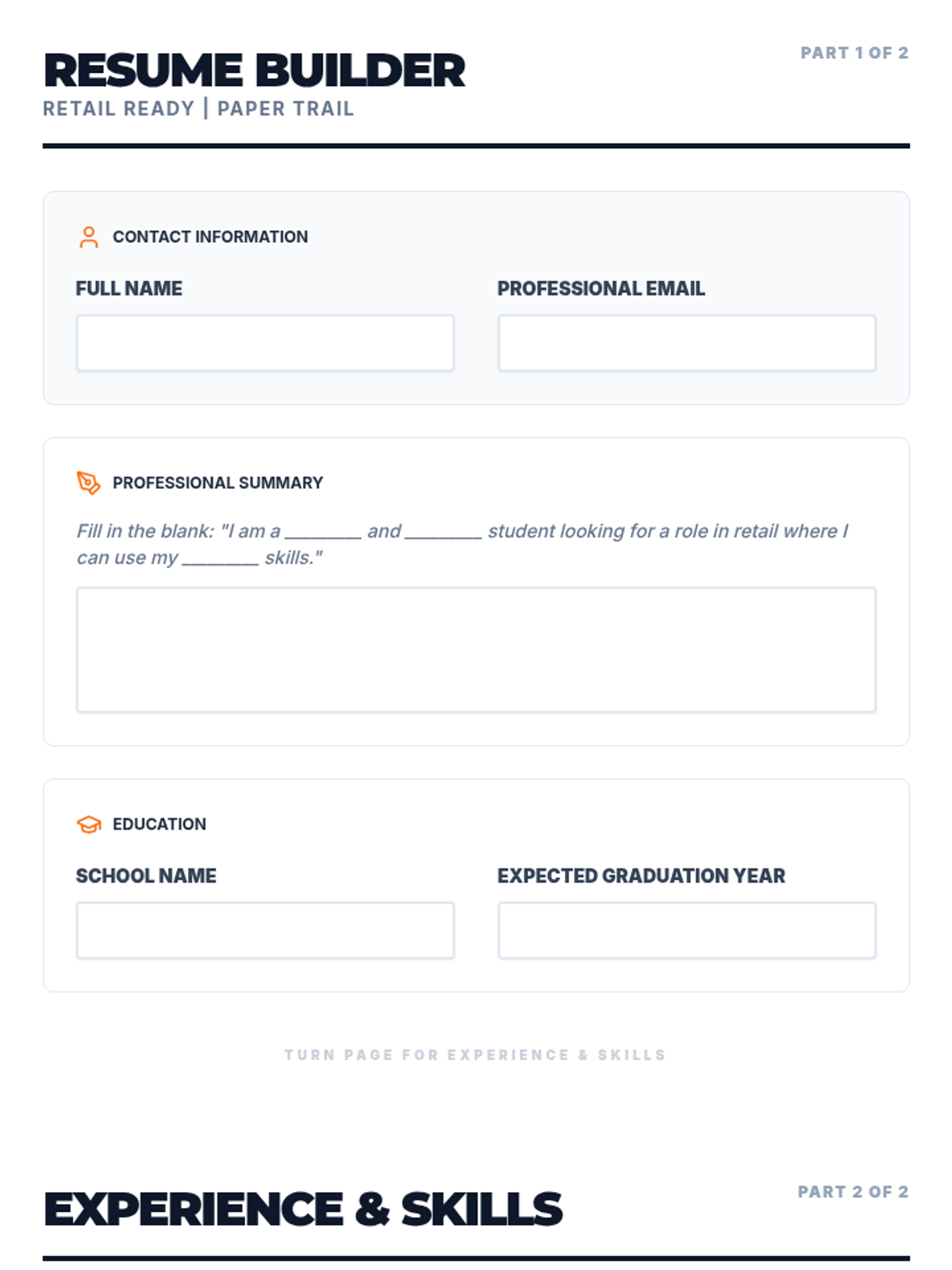
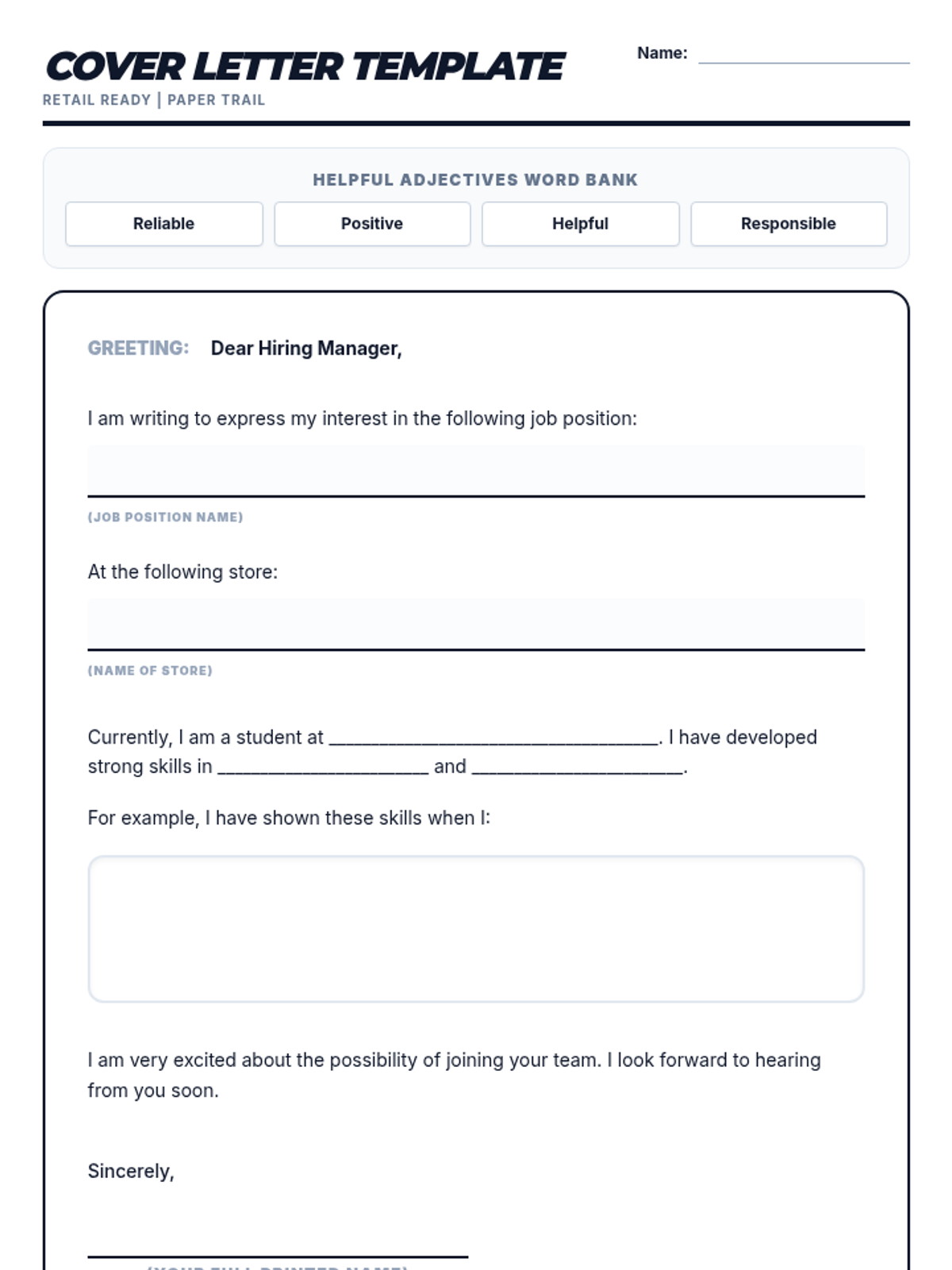
Focuses on translating personal experiences into a professional resume and drafting a concise cover letter using structured templates.
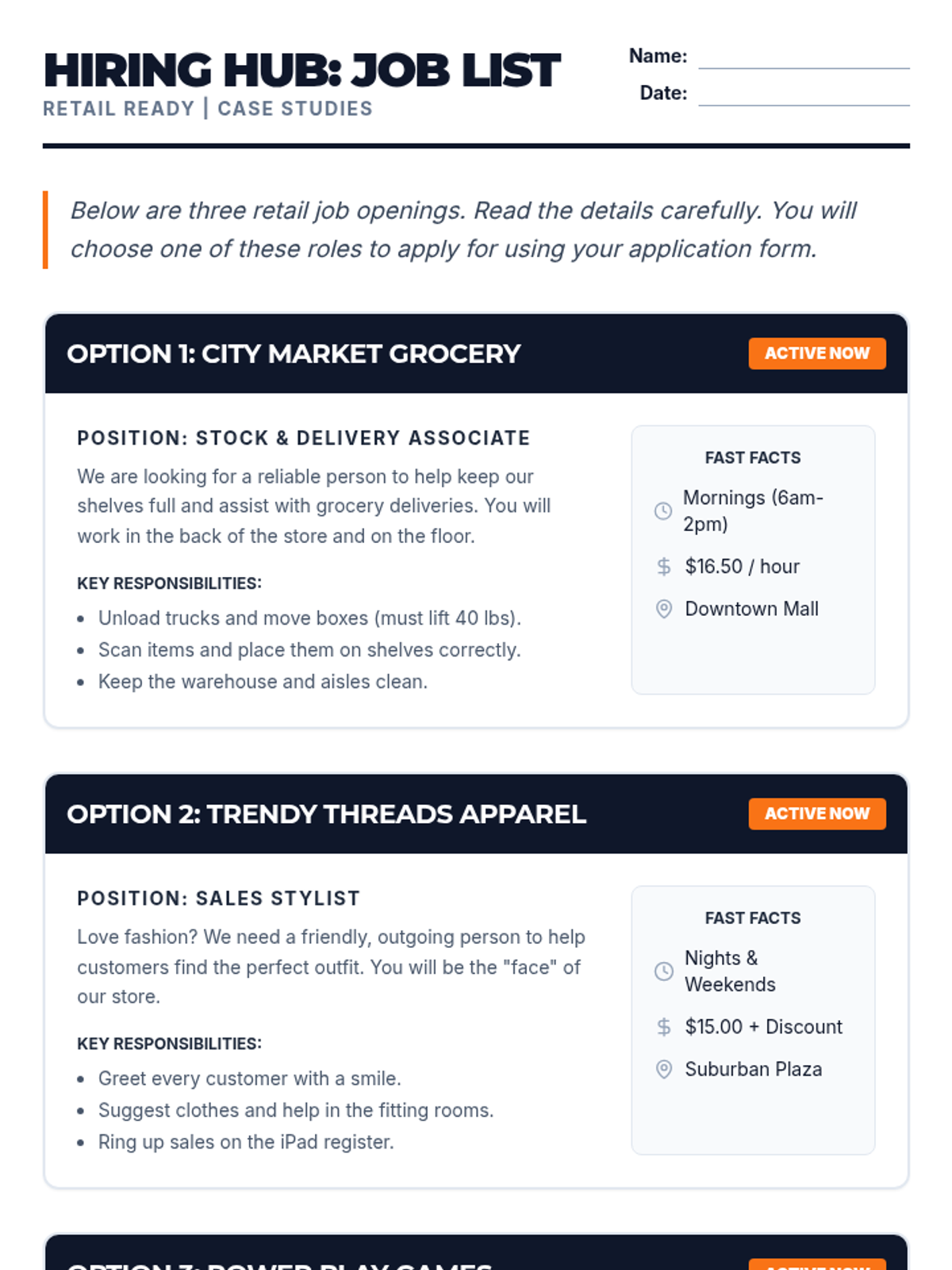
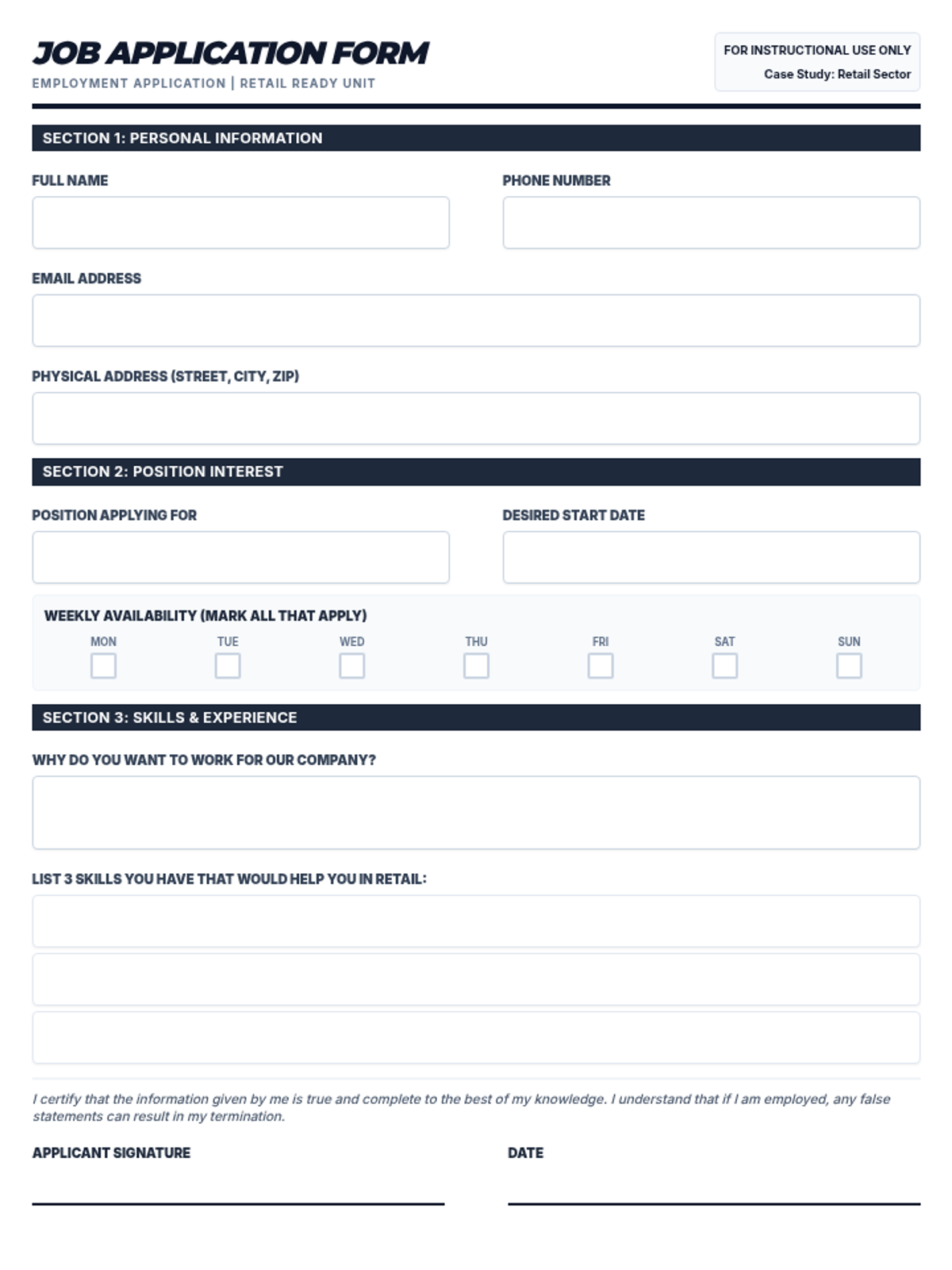
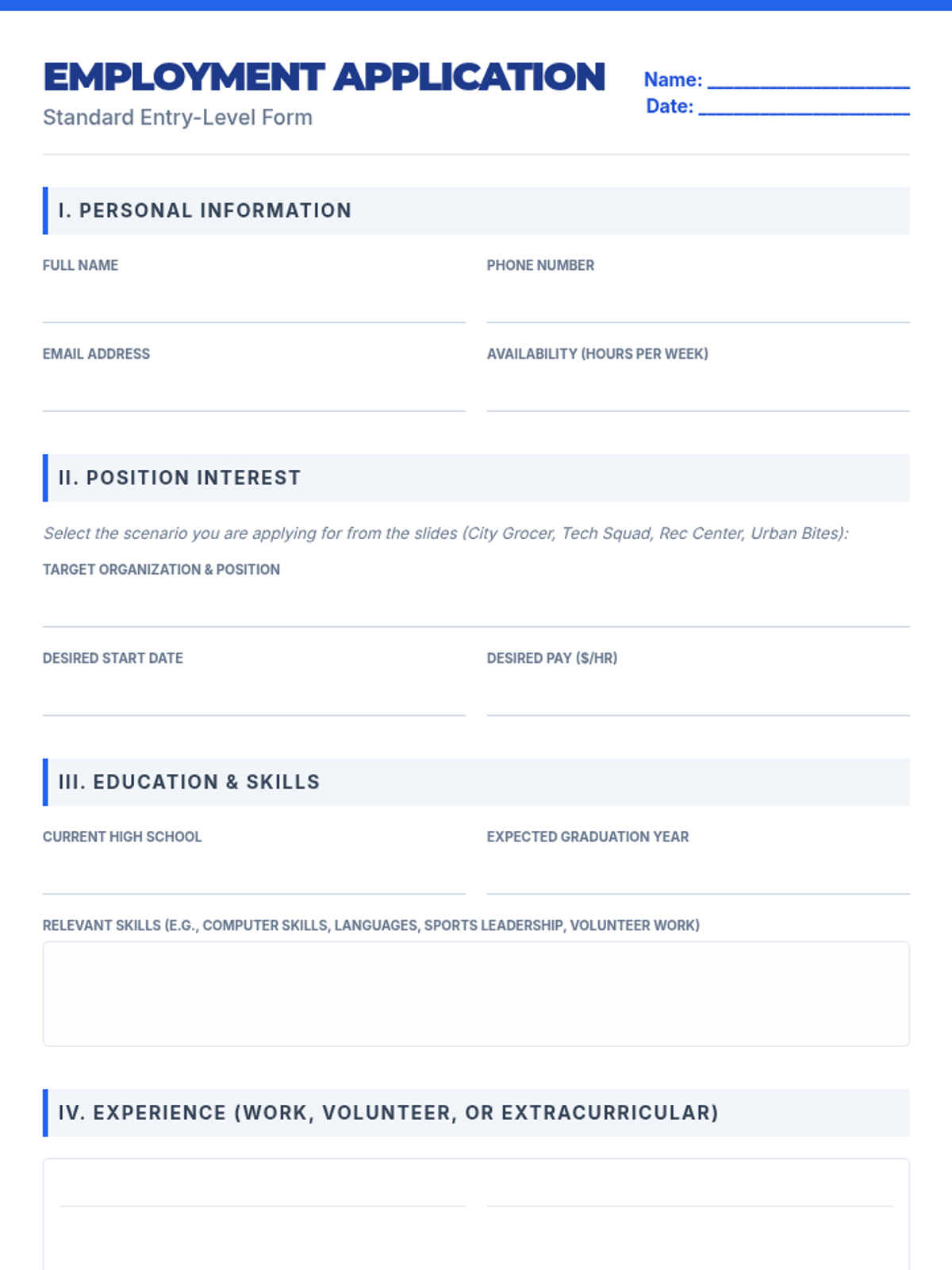
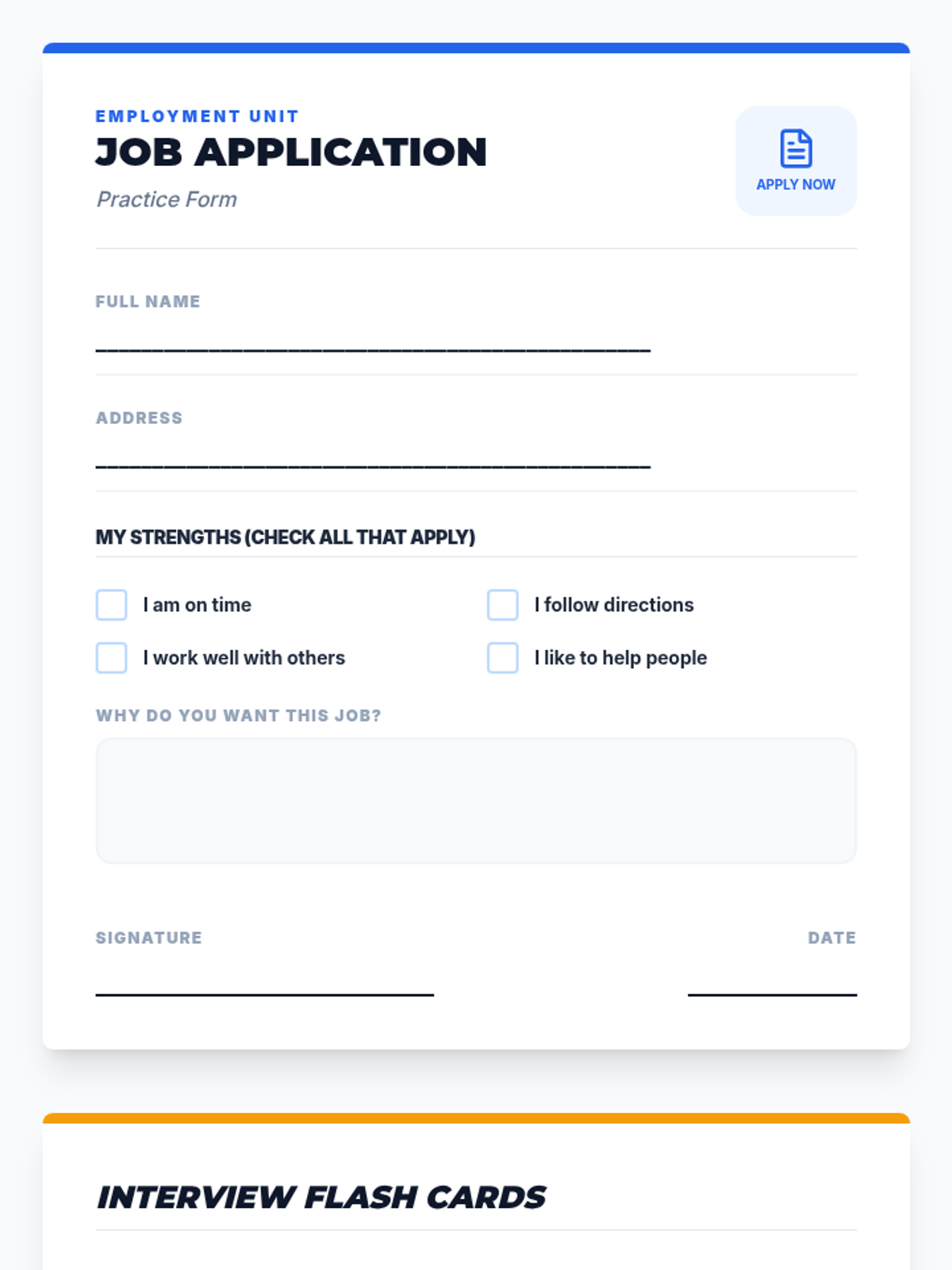
Students explore different retail roles, learn to read job descriptions, and practice completing a standard job application form with accuracy.
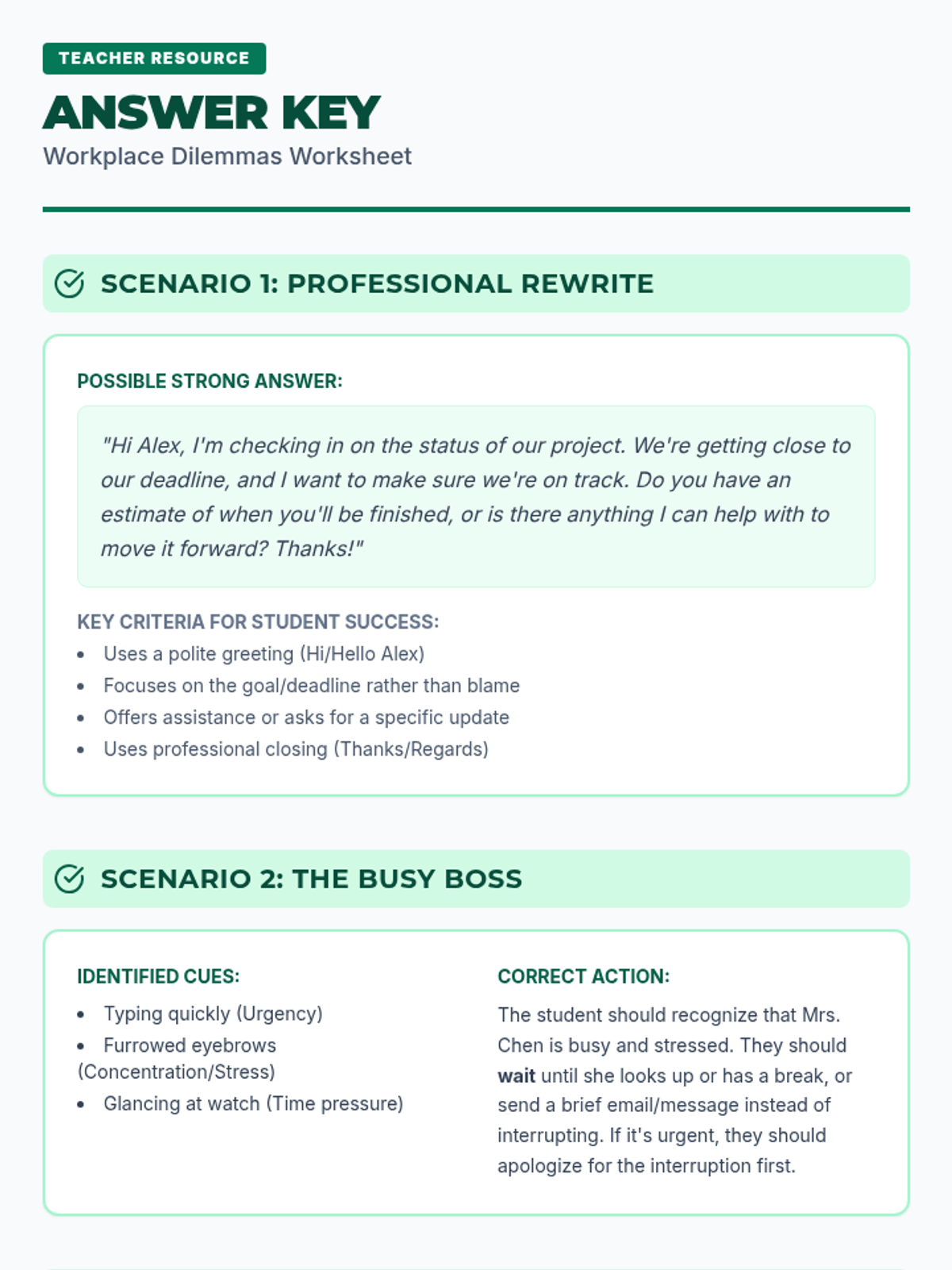
Master the transition from student to professional. This lesson covers workplace etiquette and the application process through engaging puzzles and reflective self-assessments.
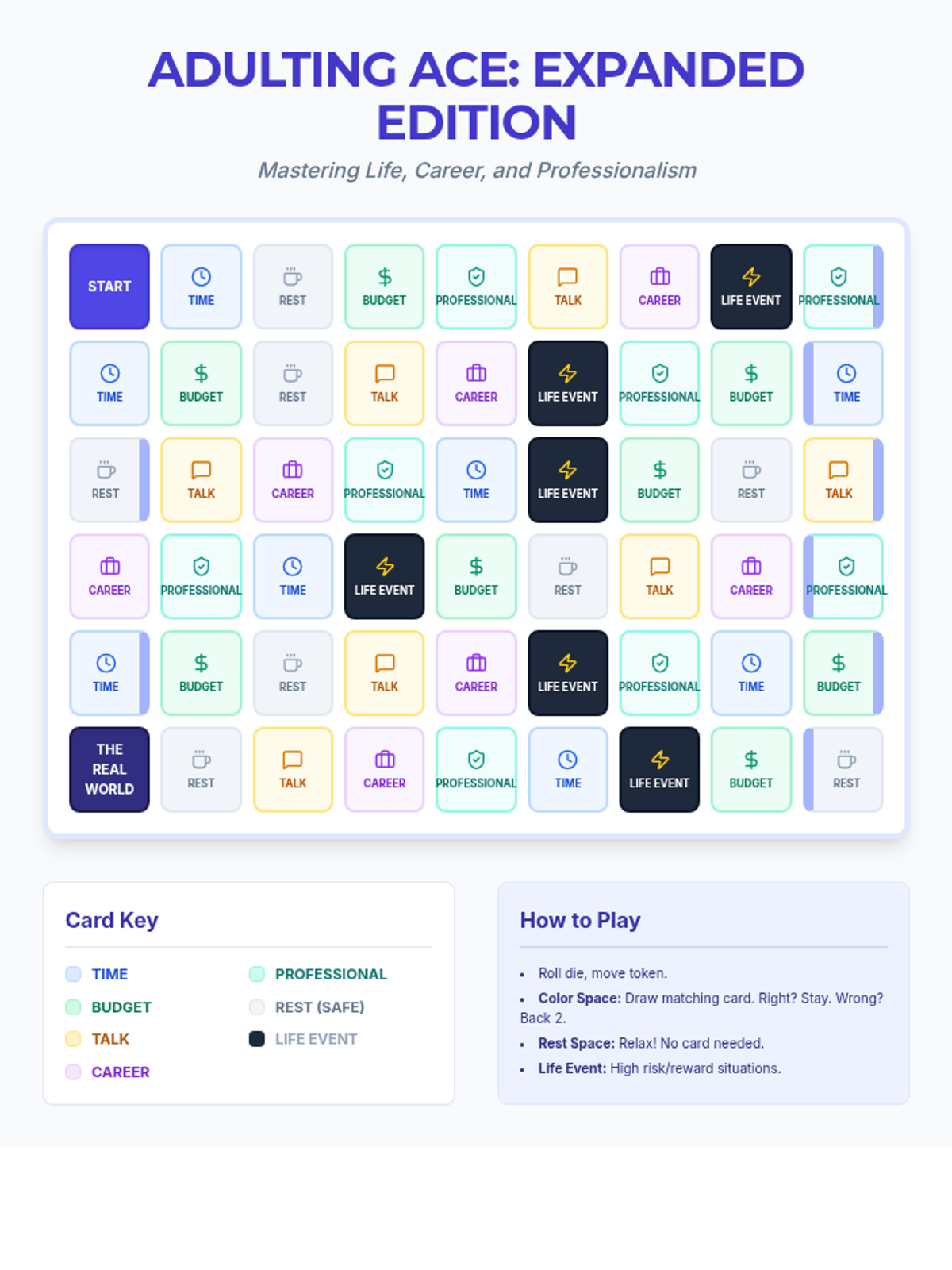
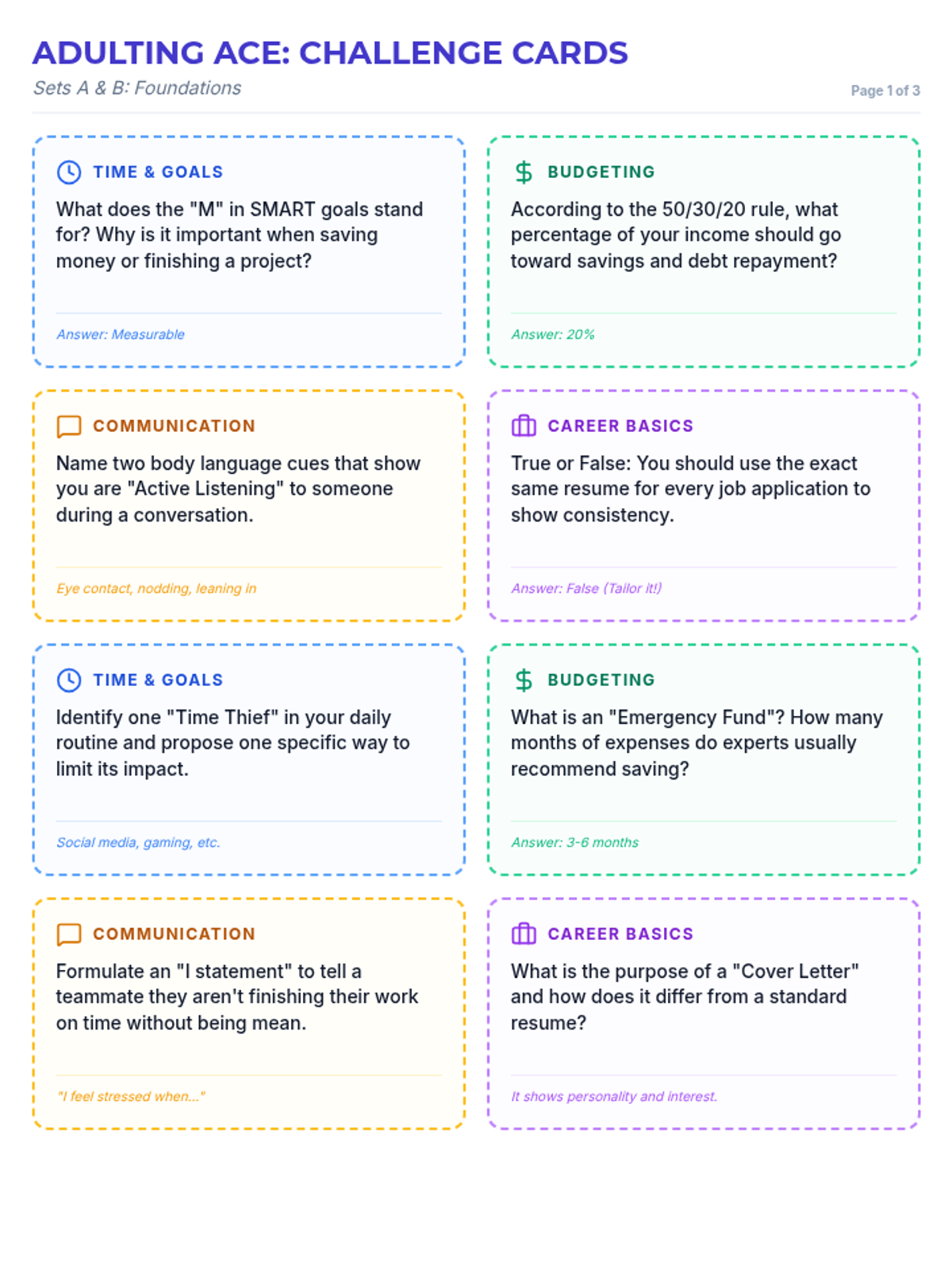
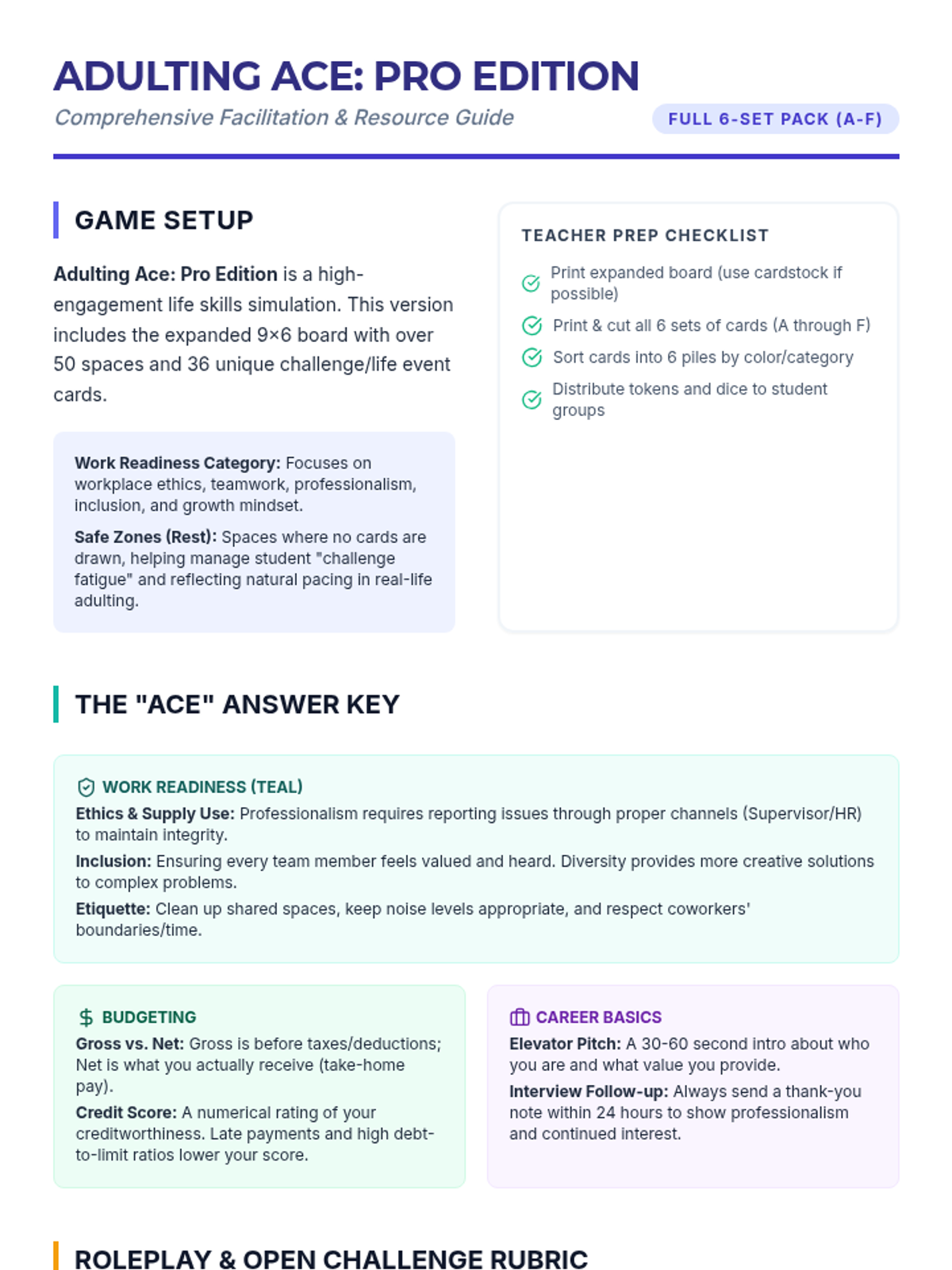
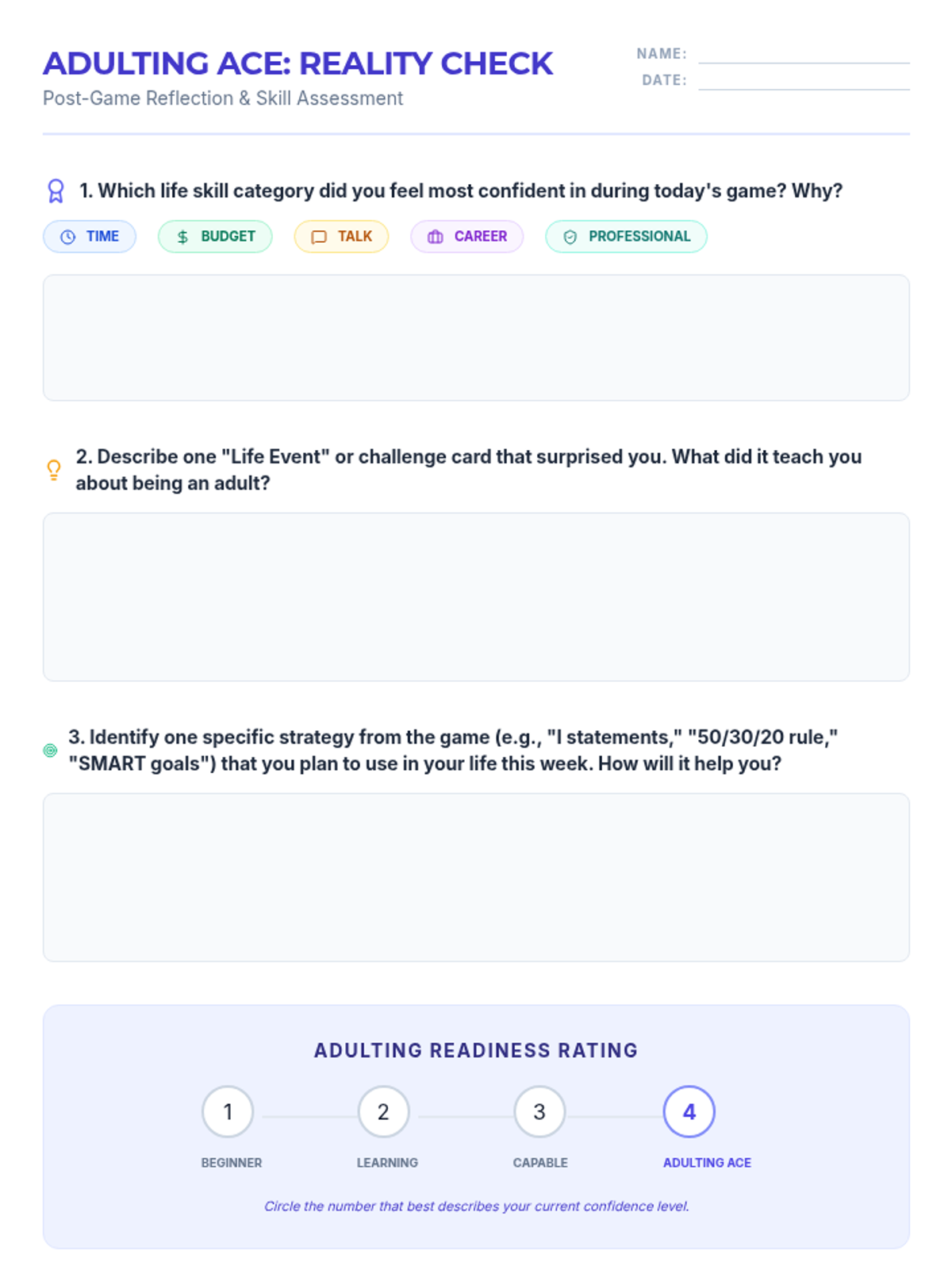
An interactive board game experience covering essential life skills including financial literacy, time management, communication, and career readiness.
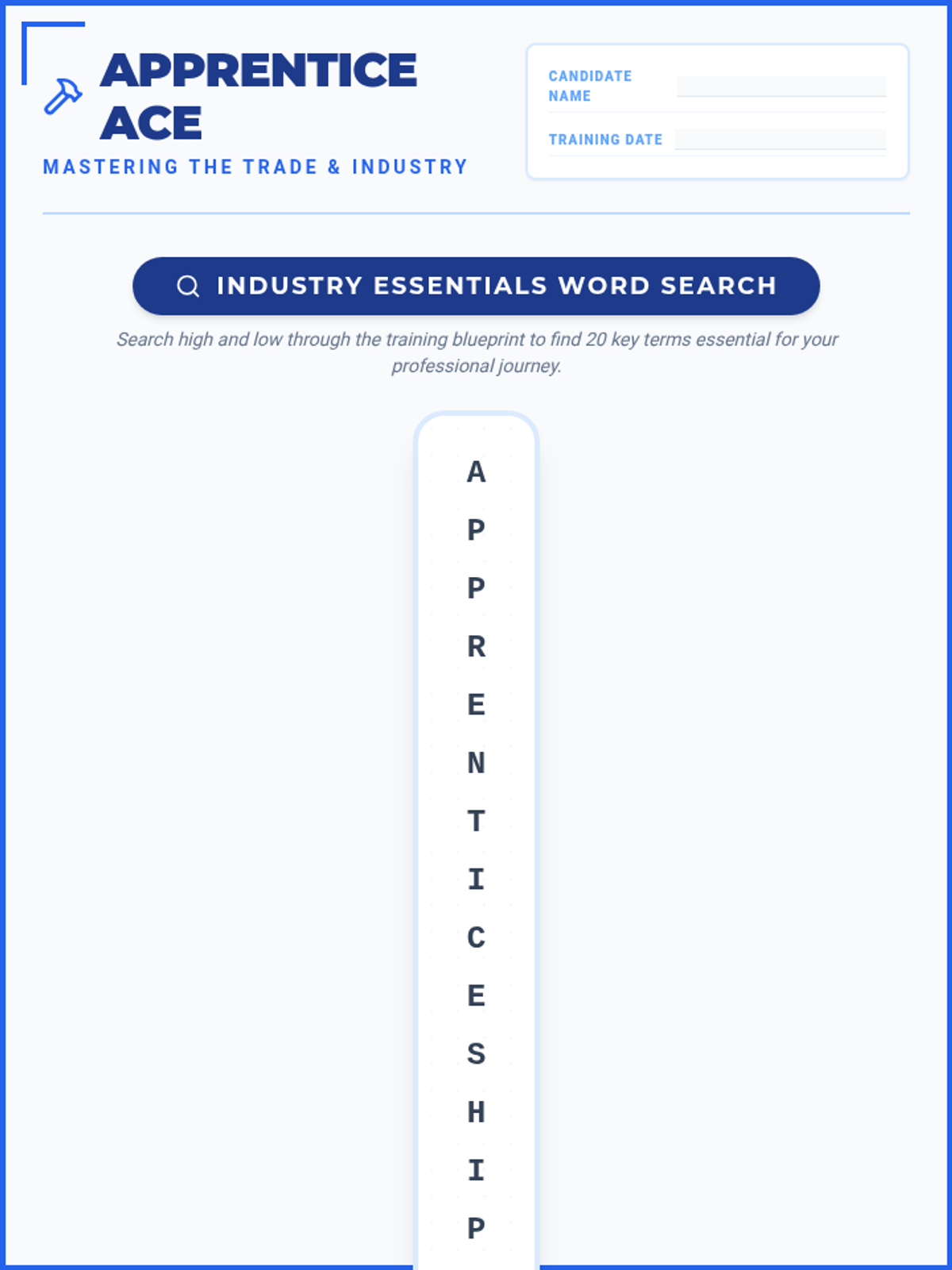
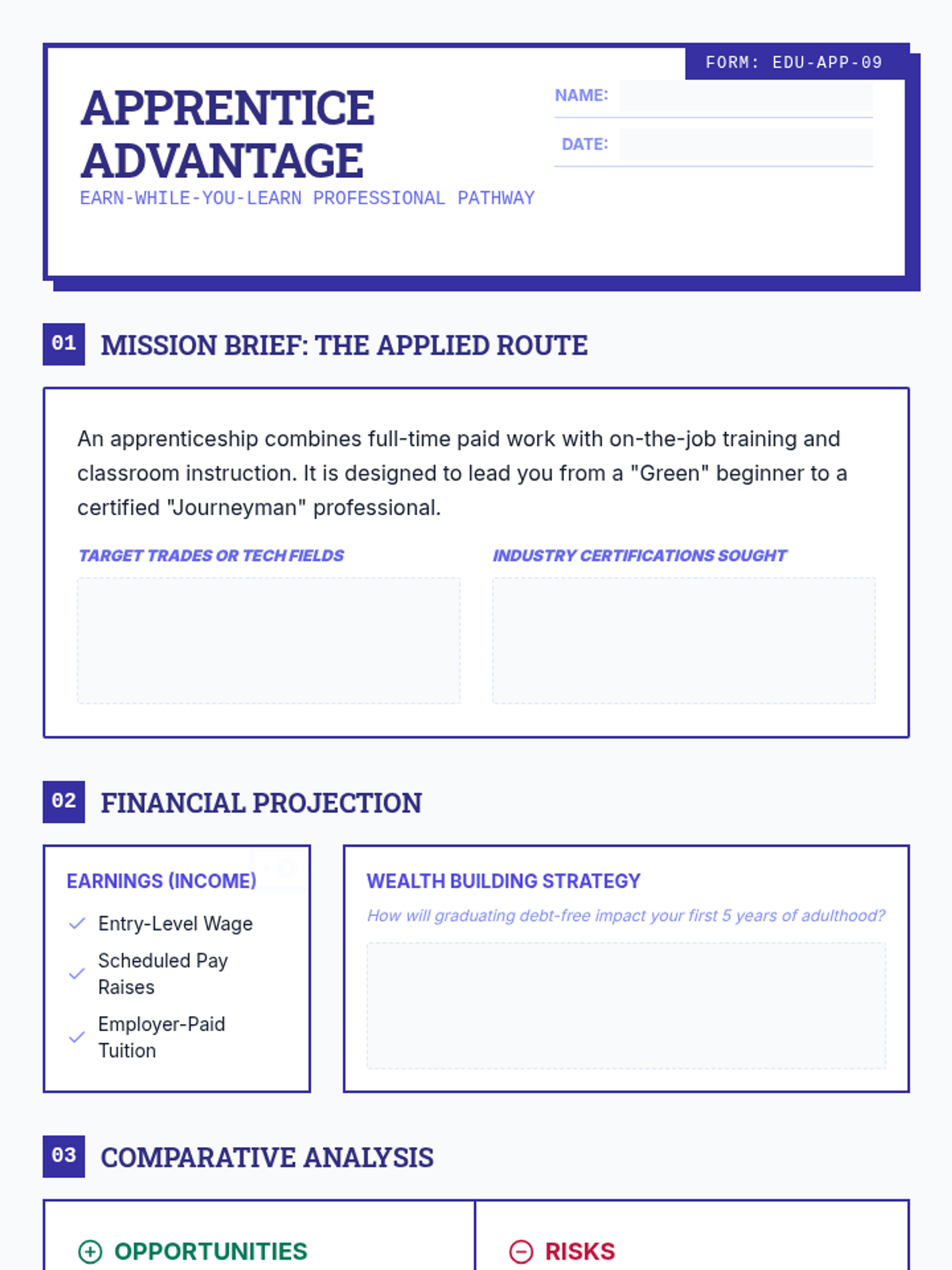
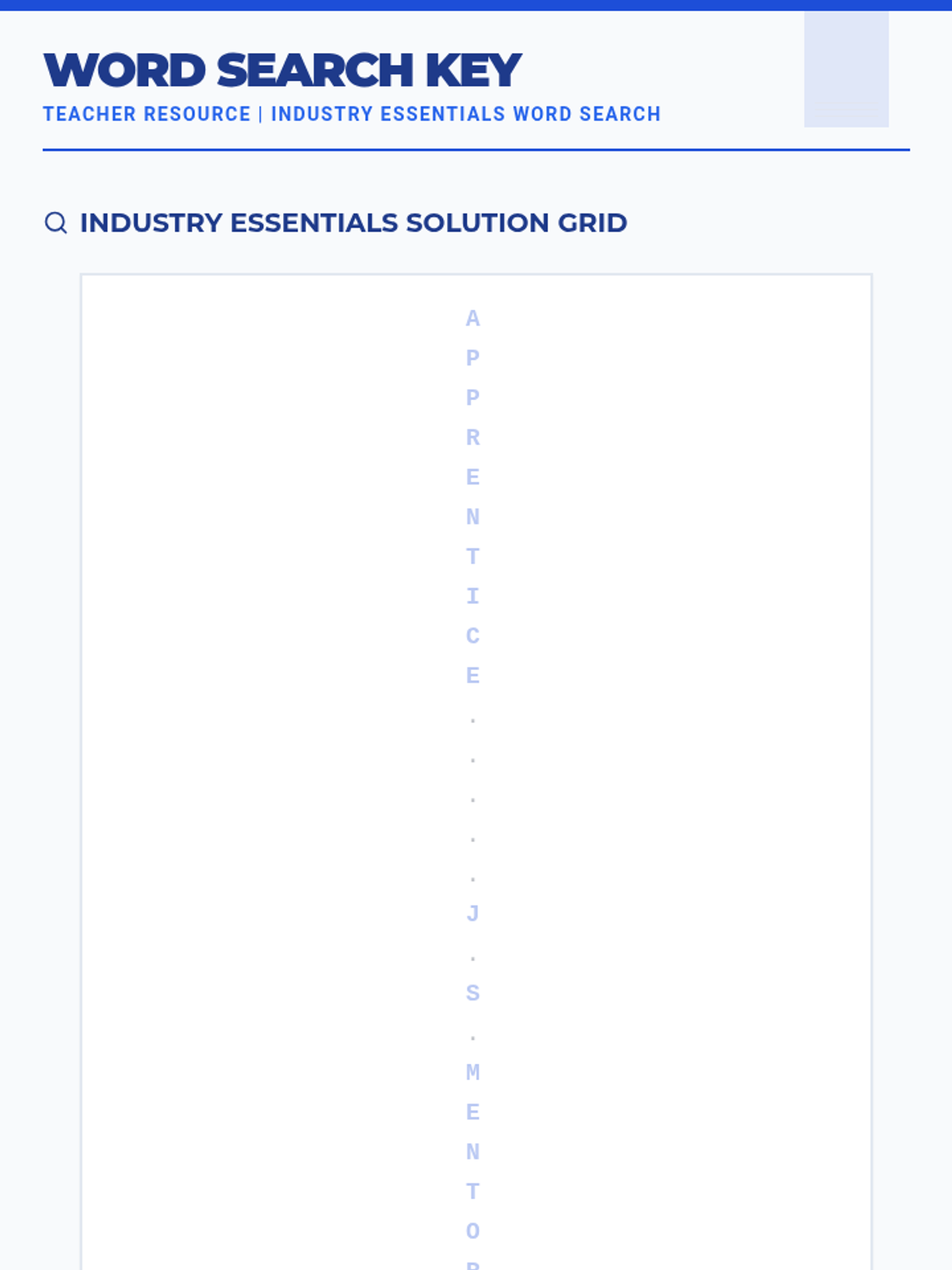
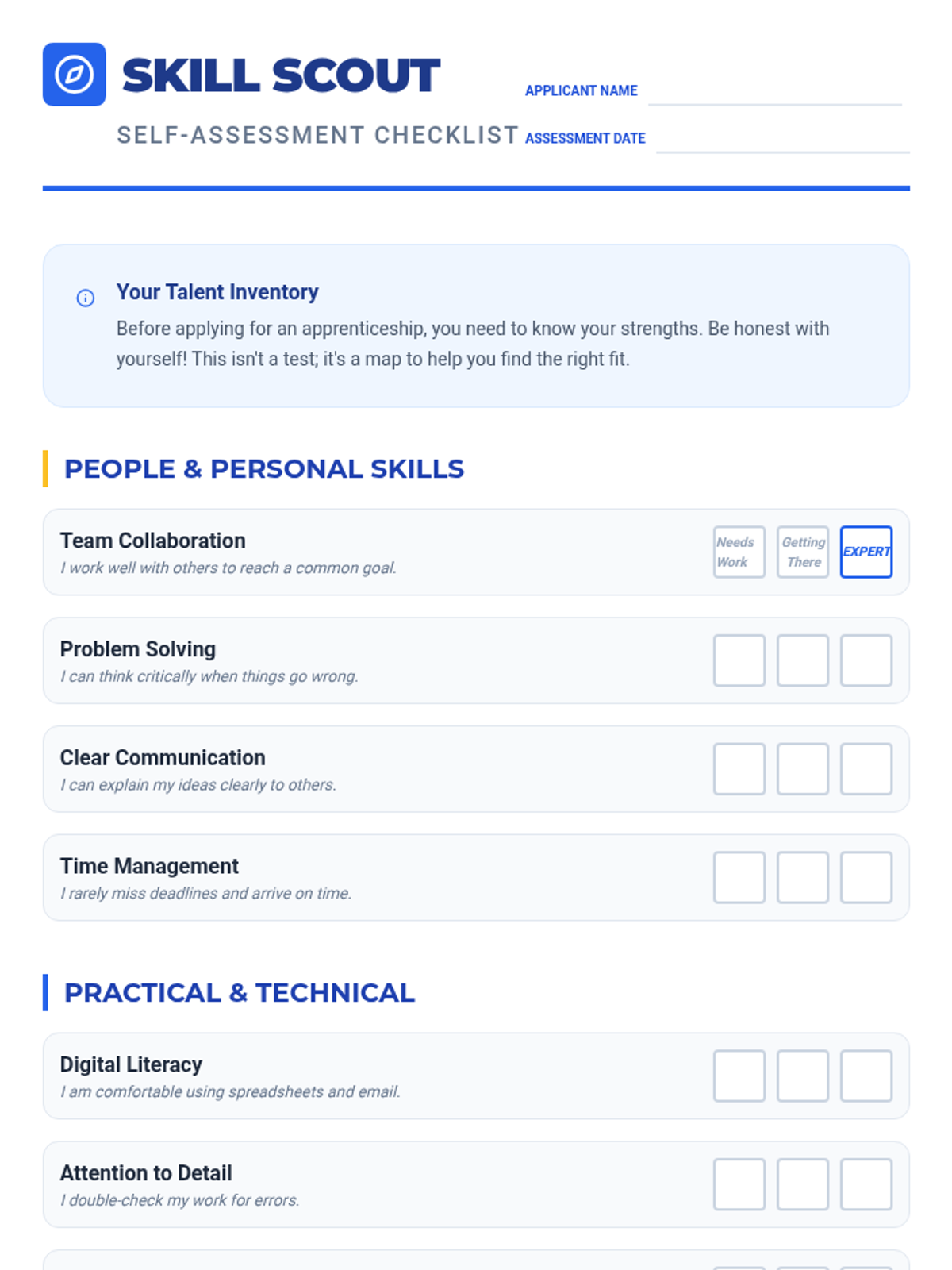
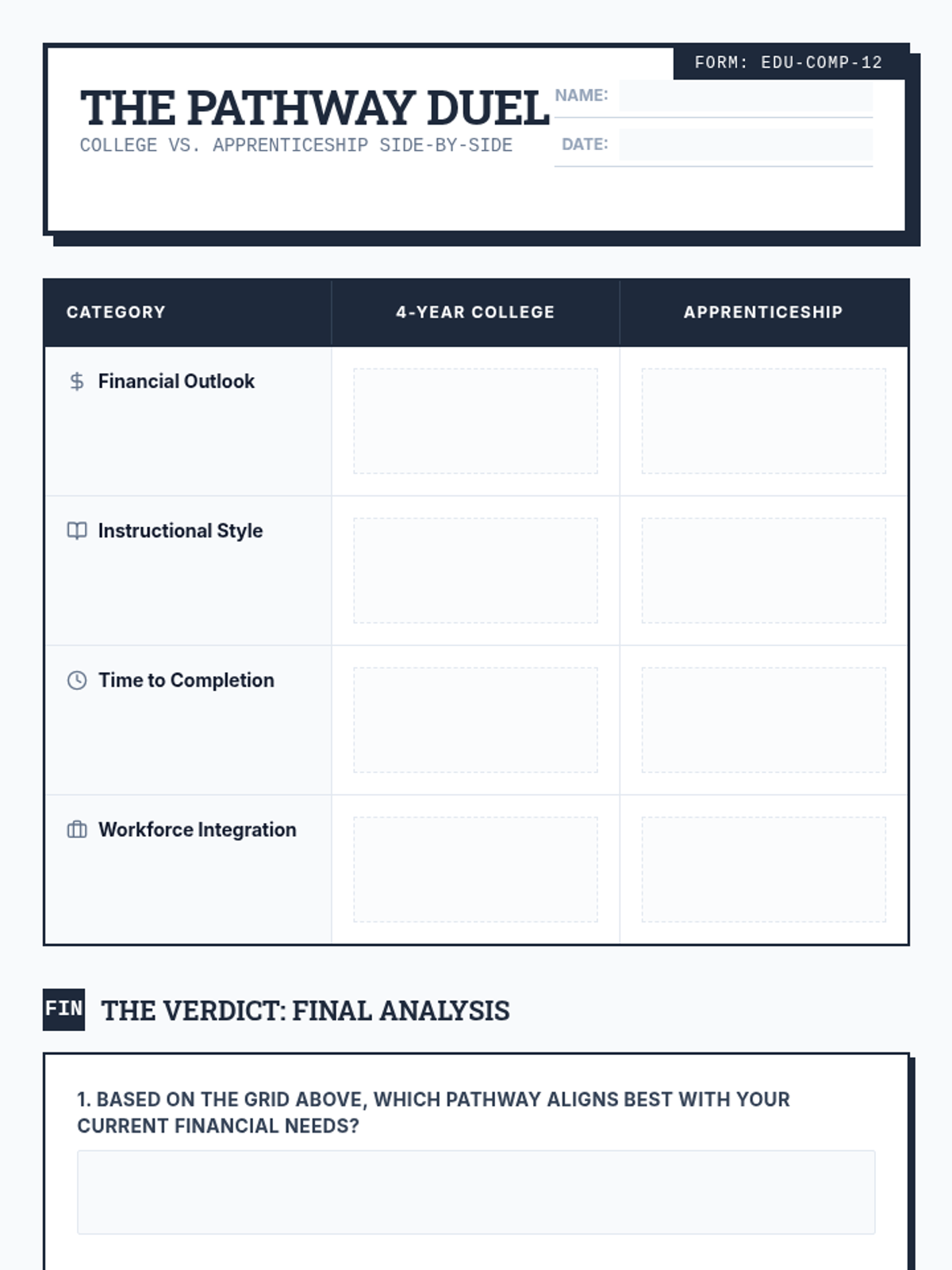
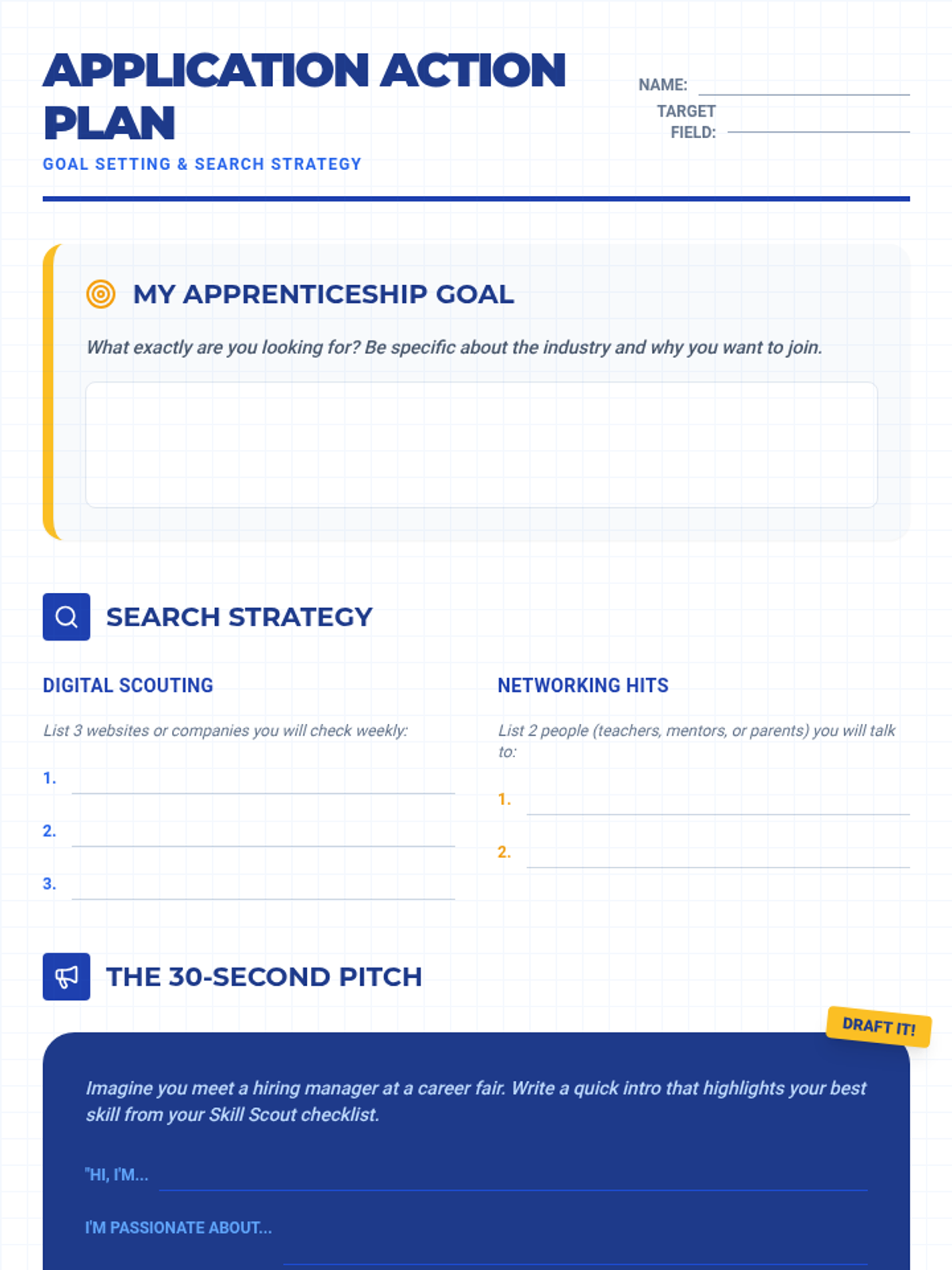
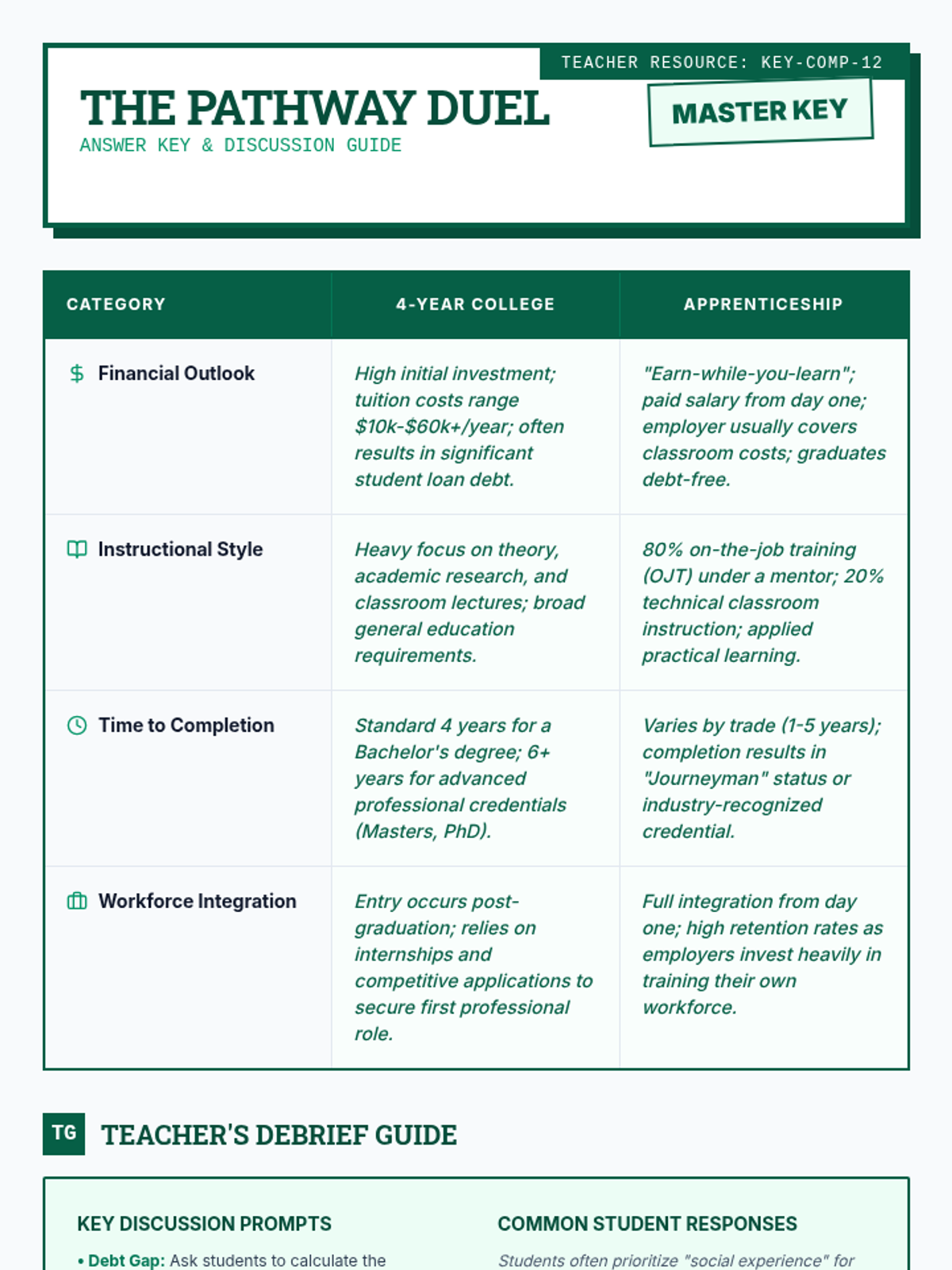
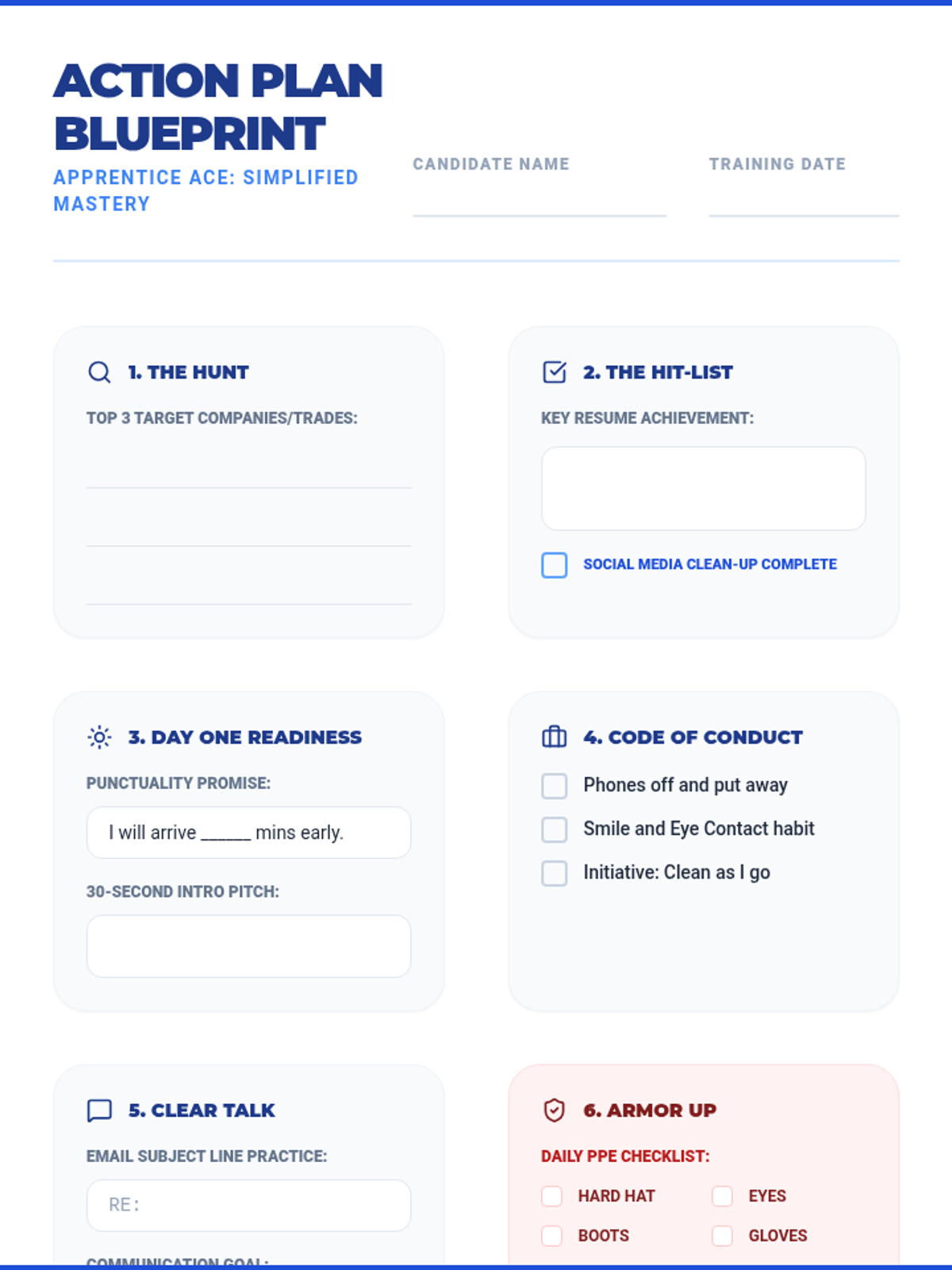
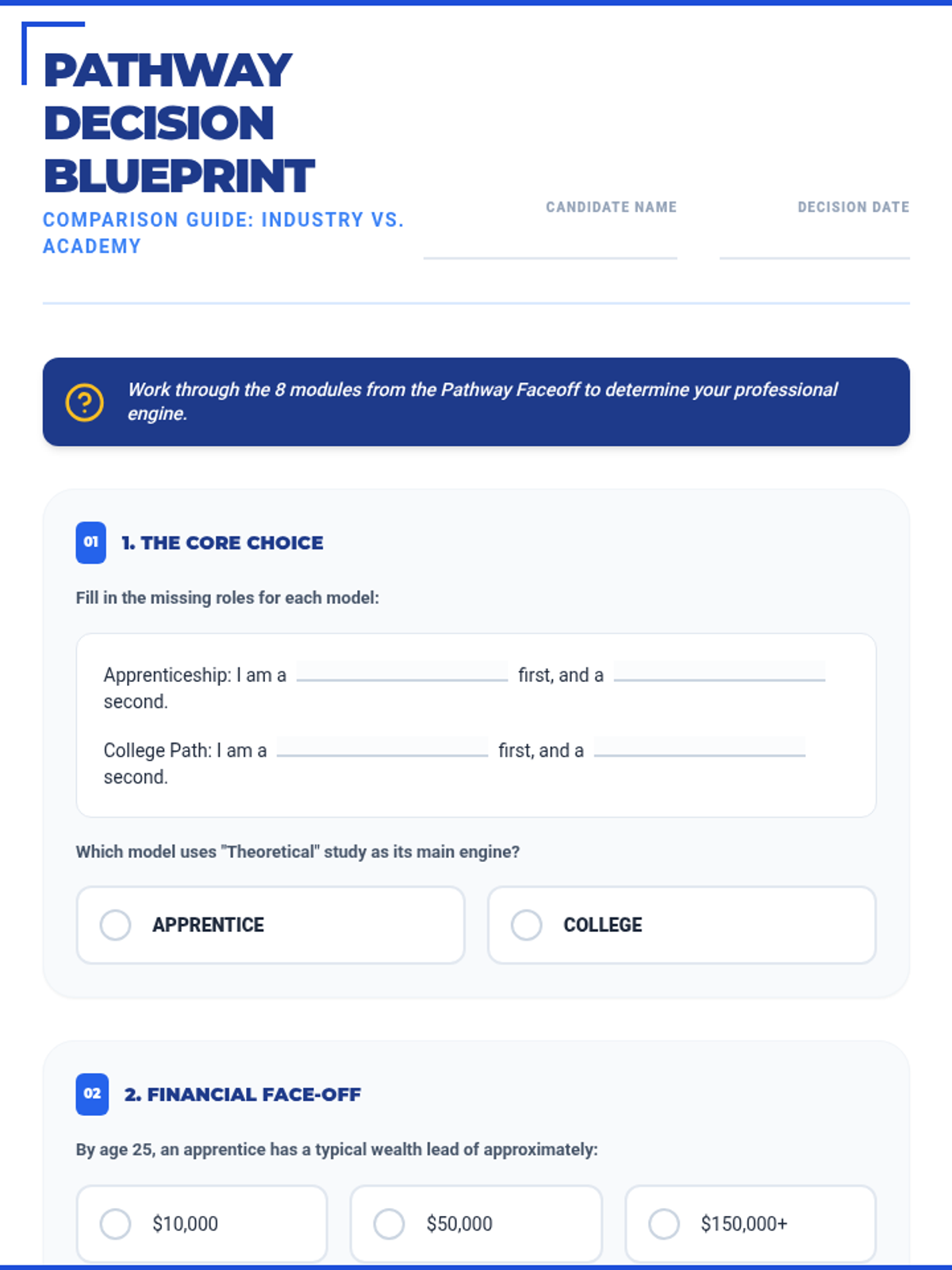
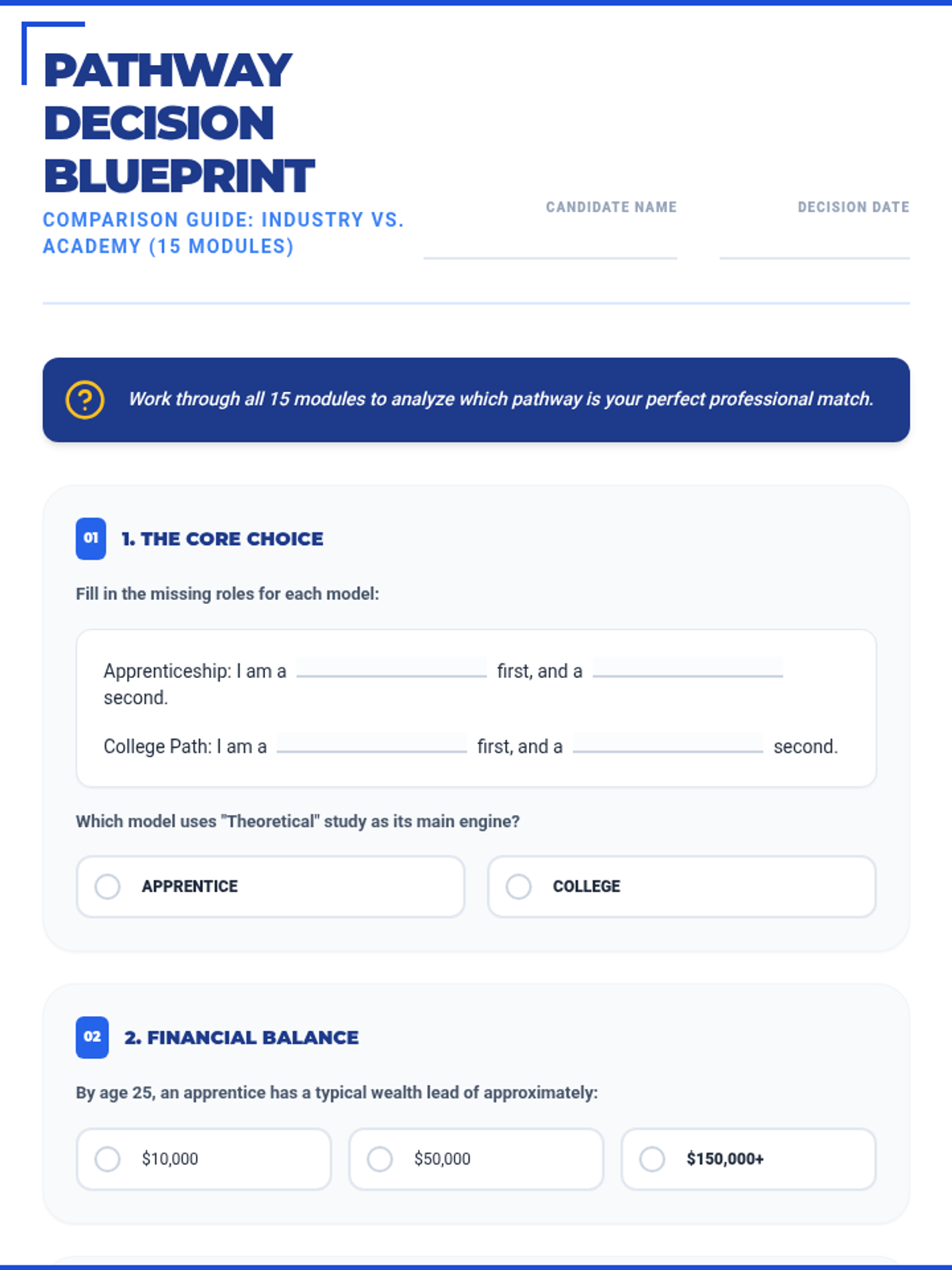
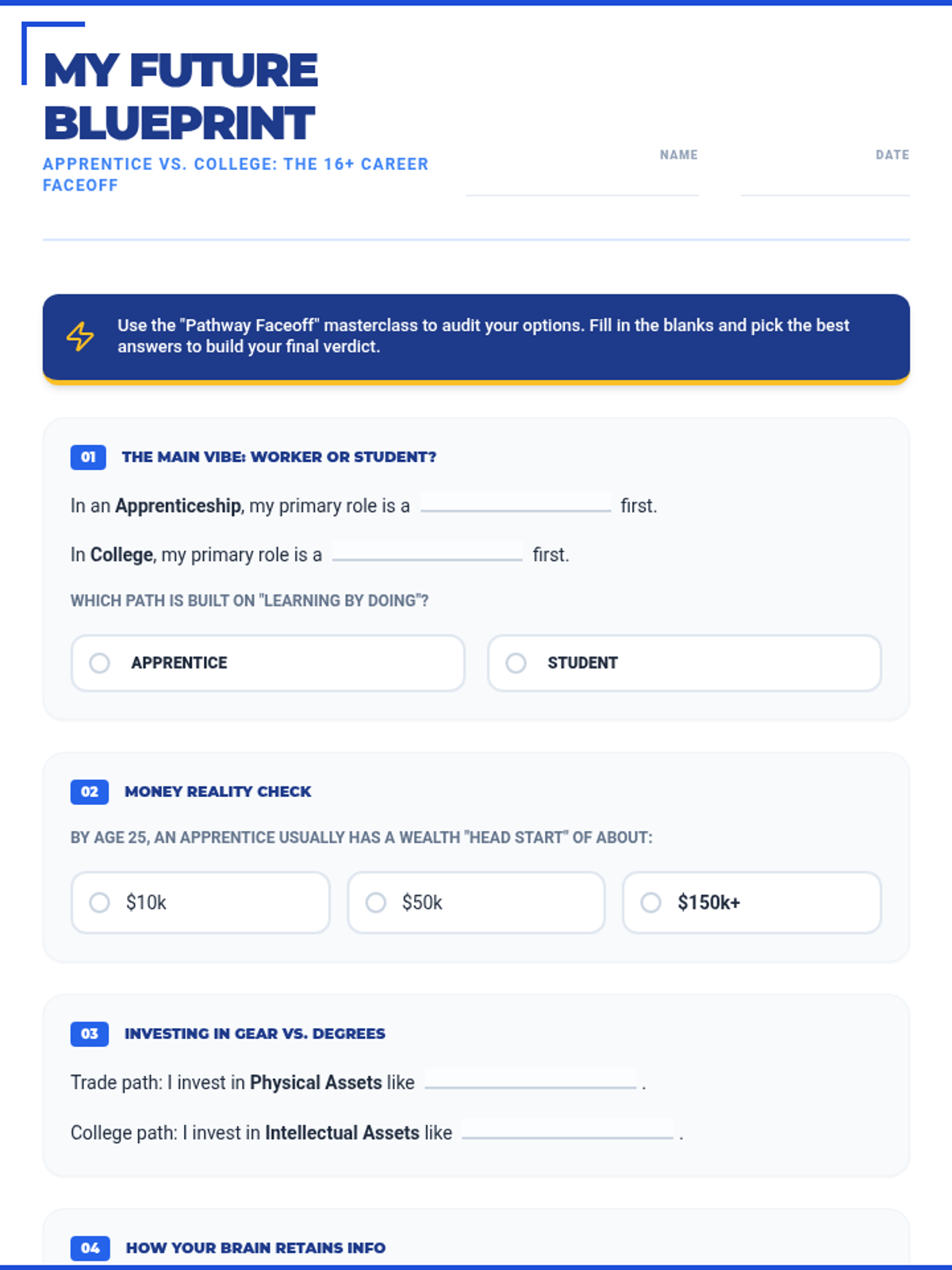
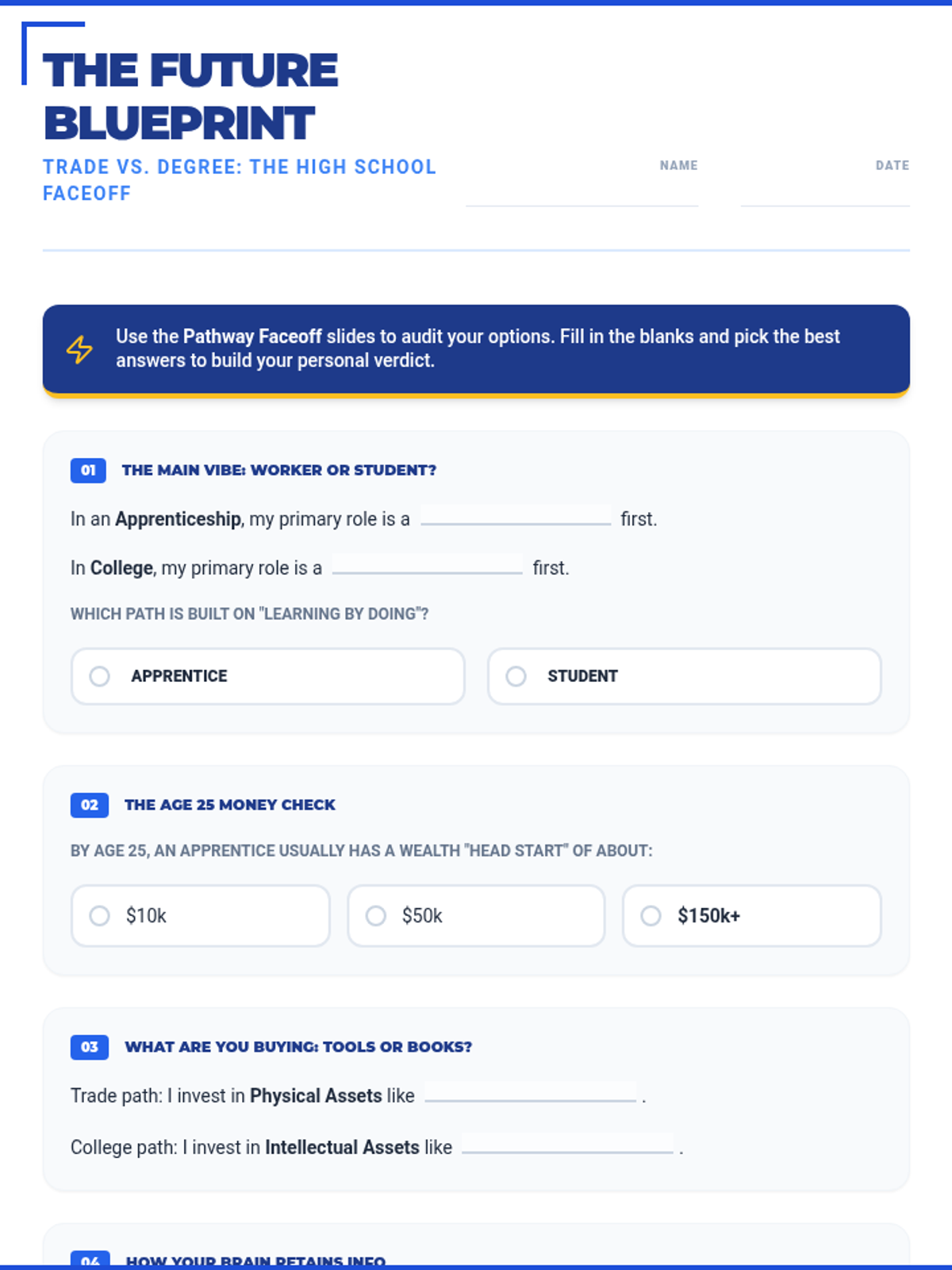
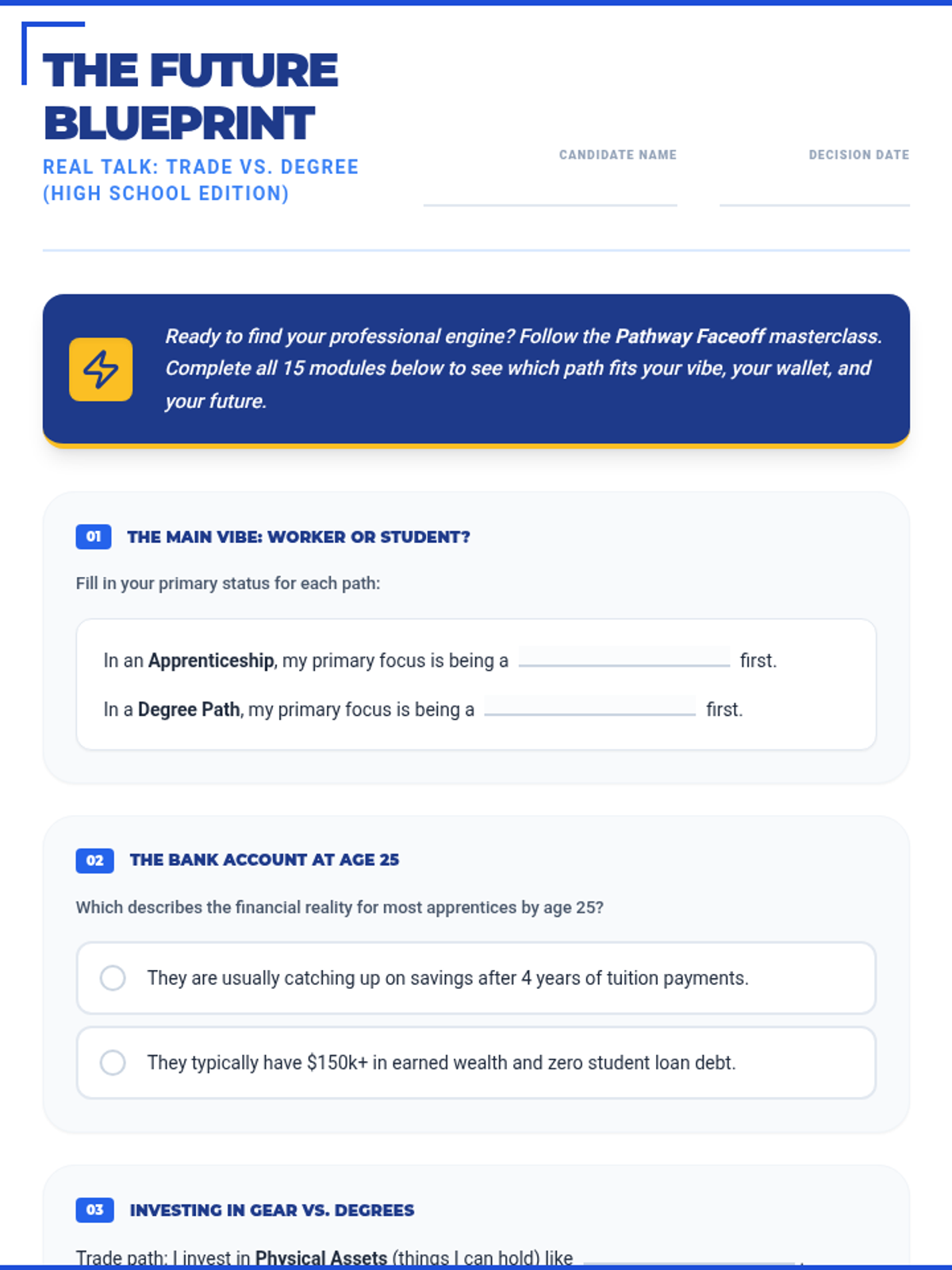
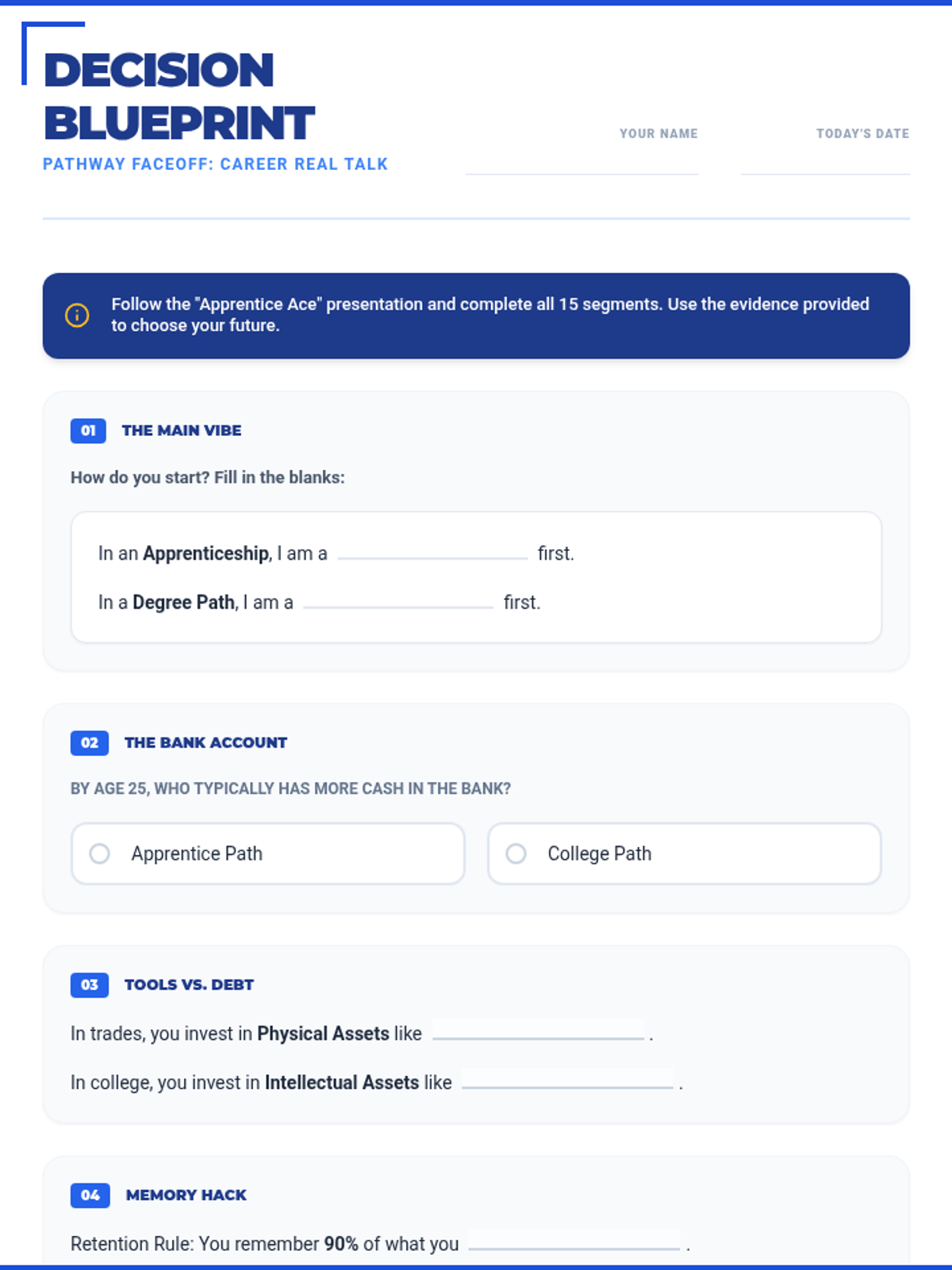
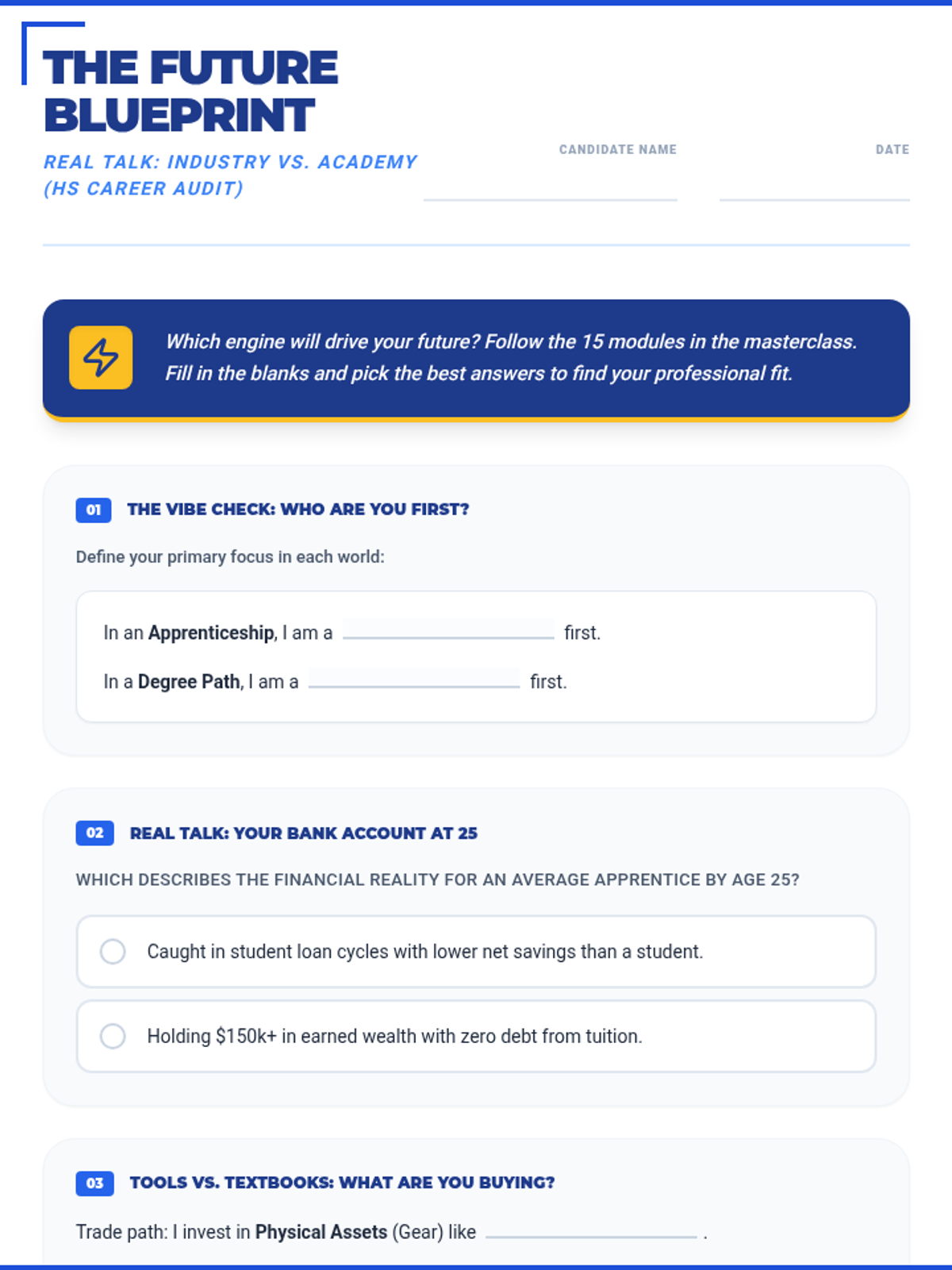
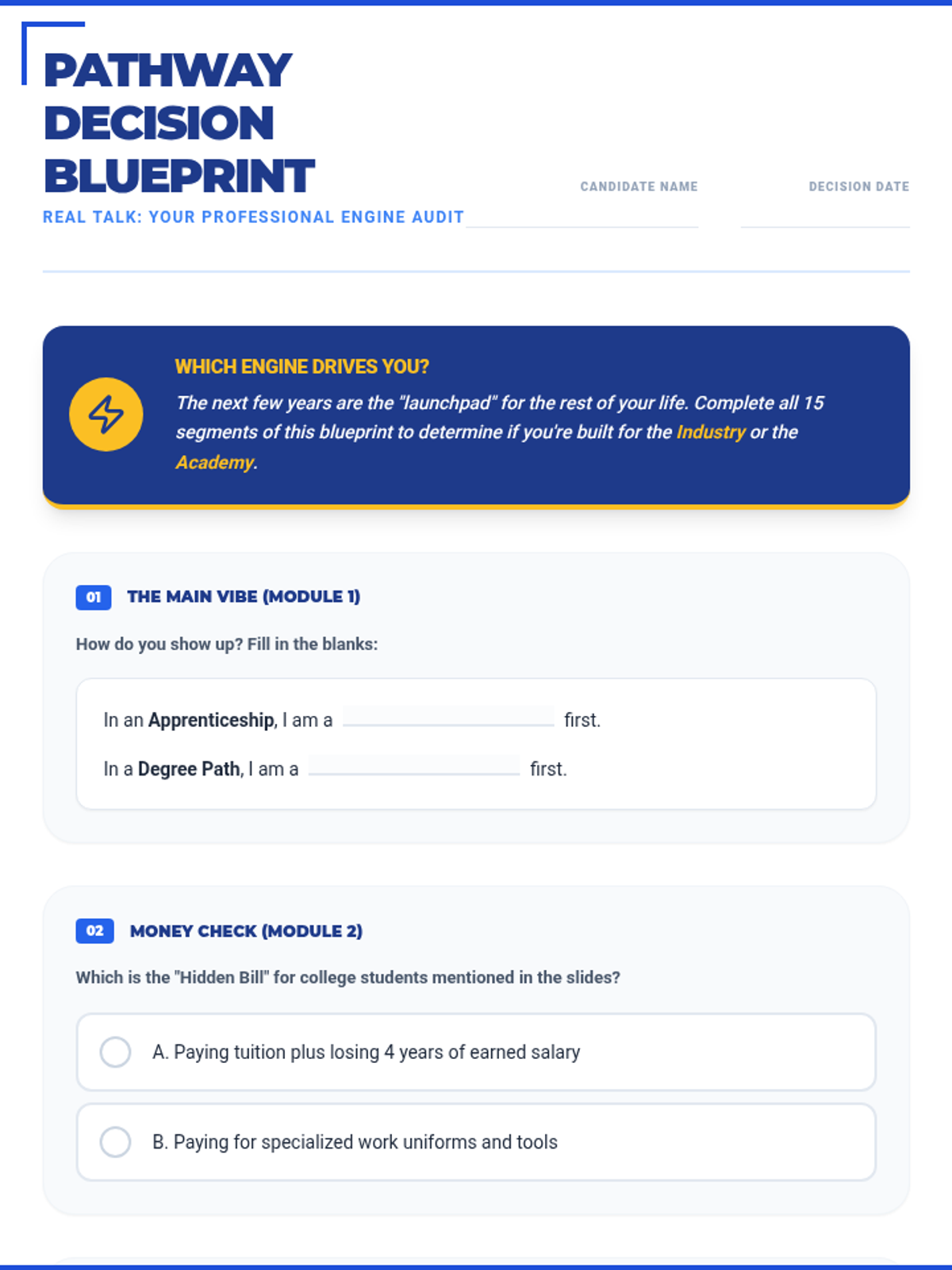
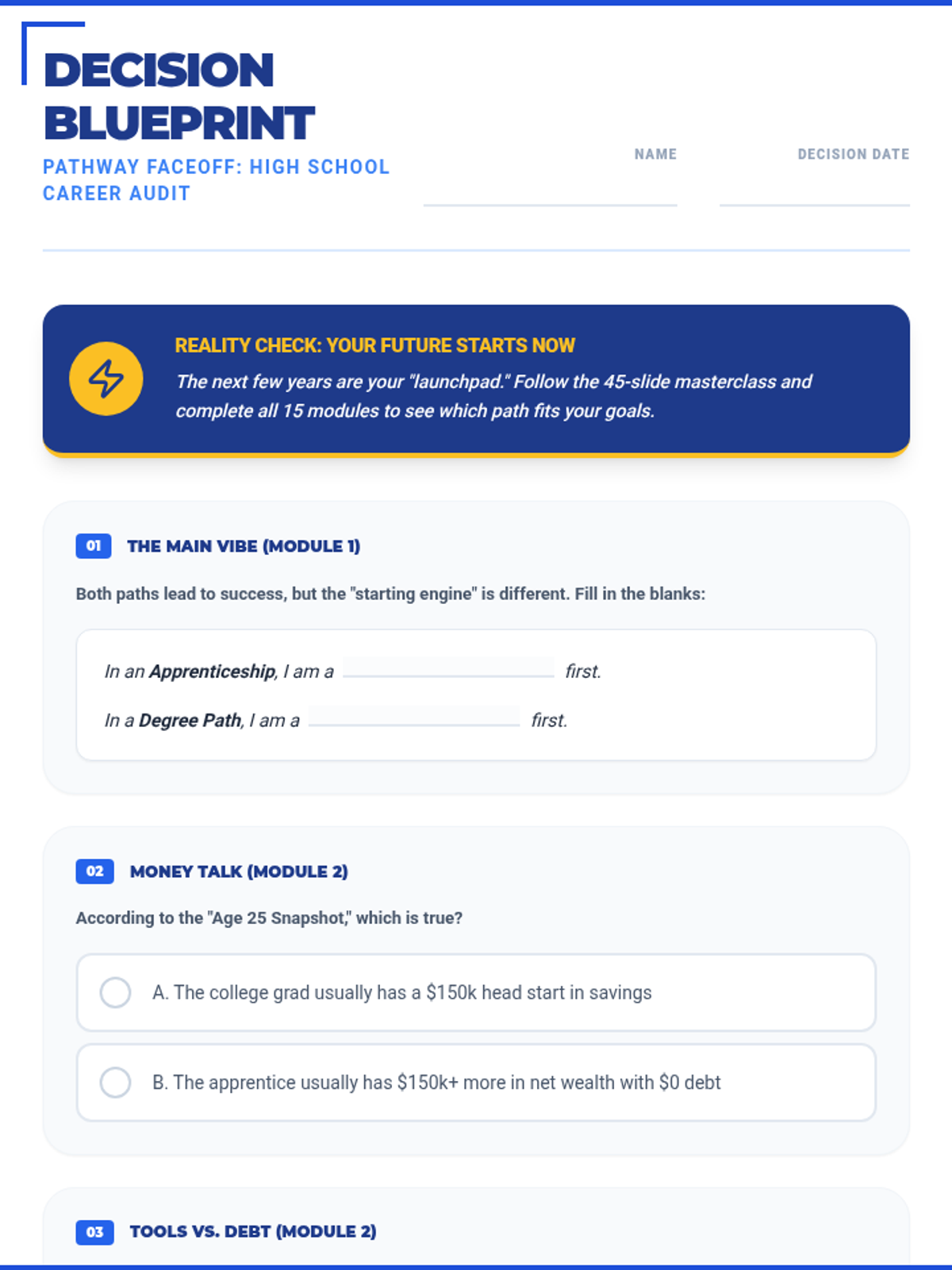
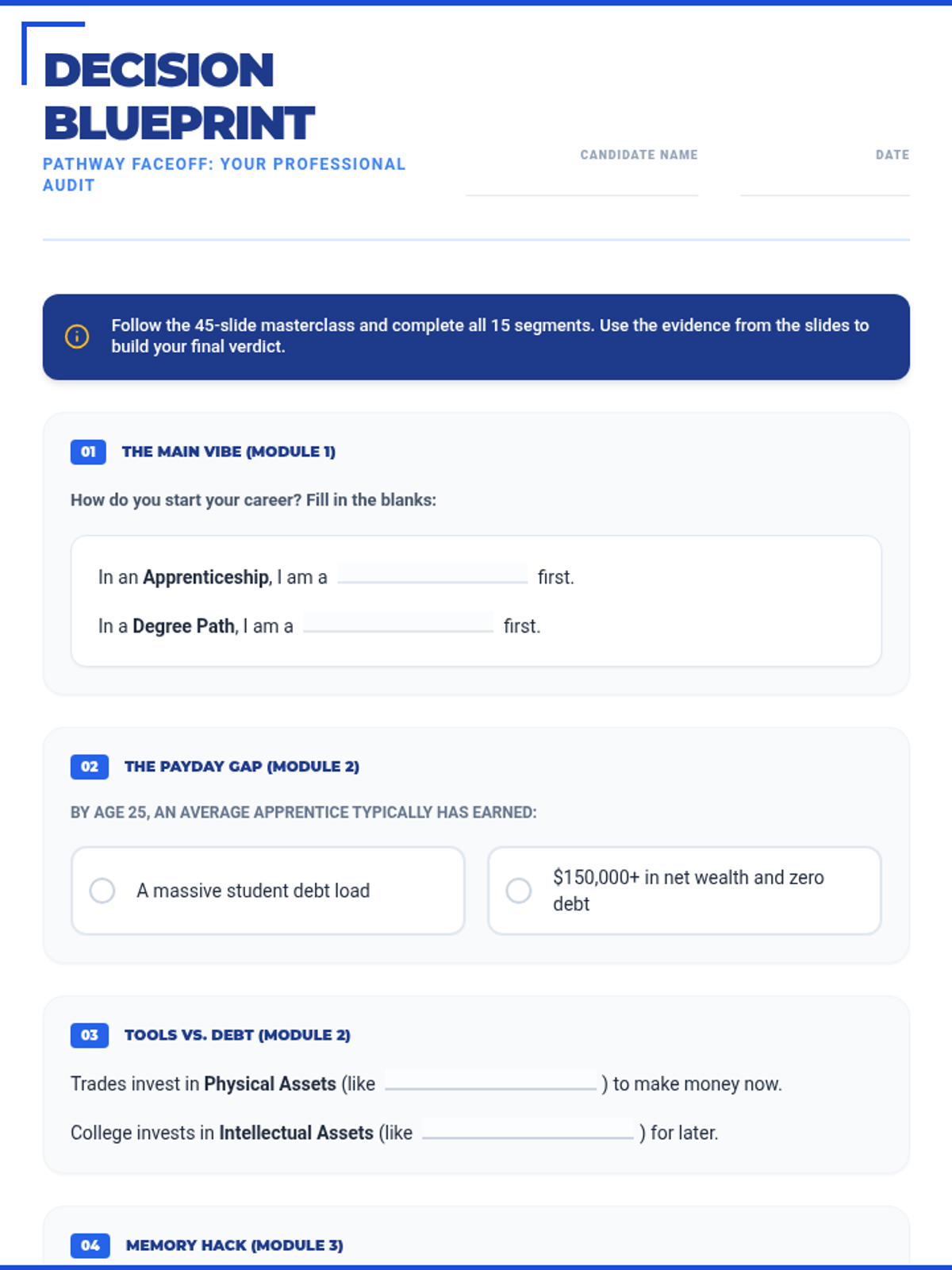
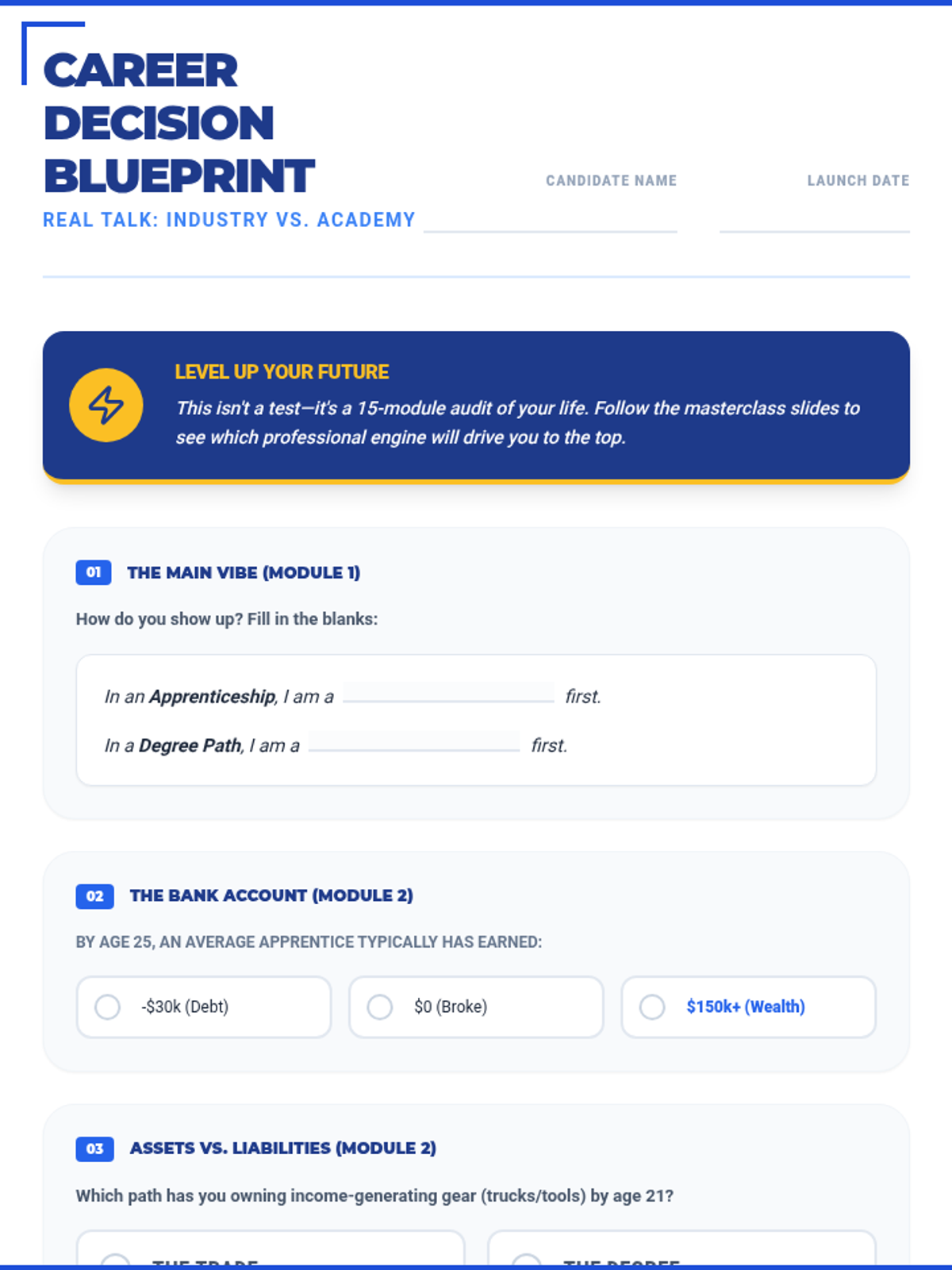
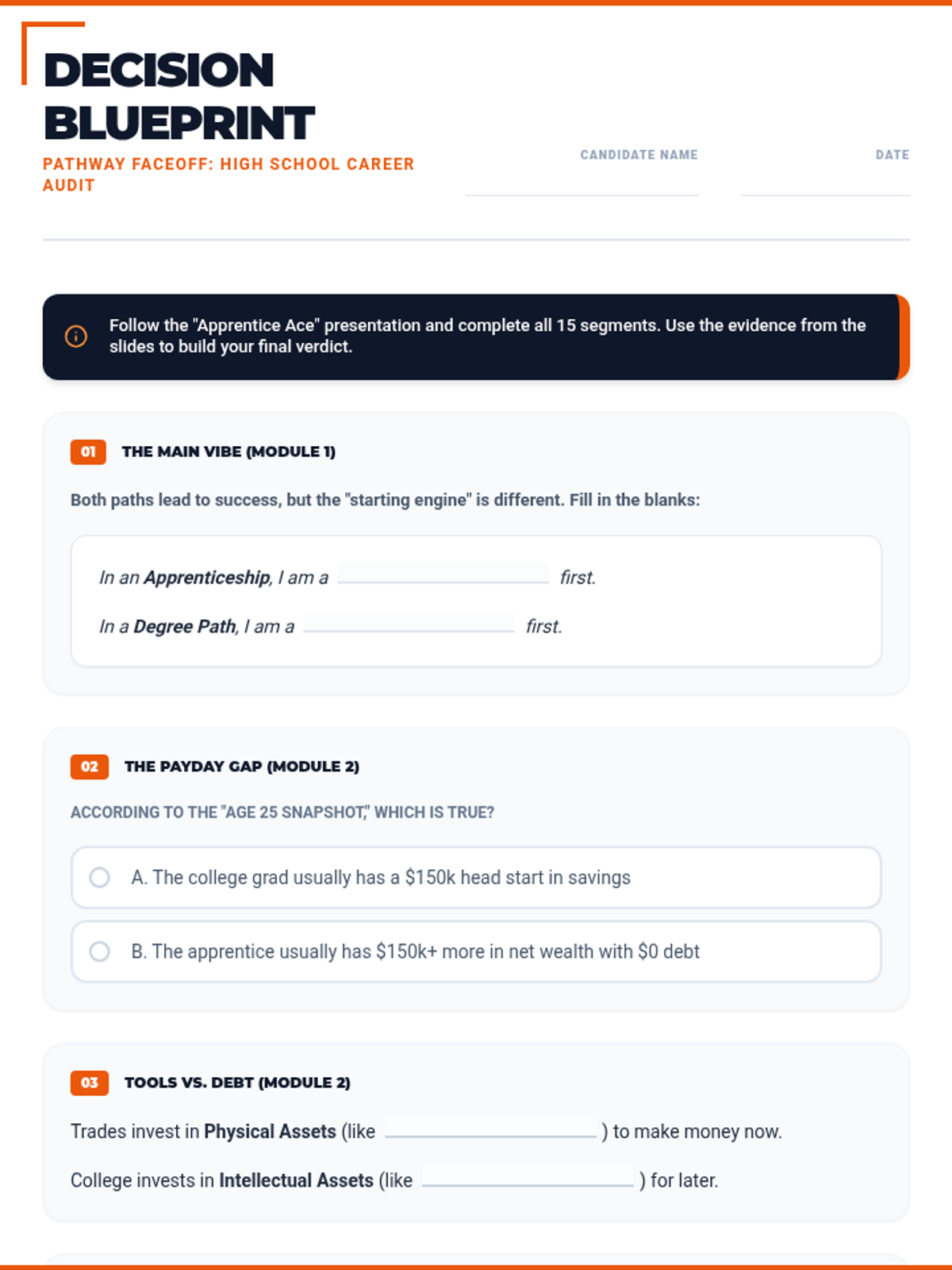
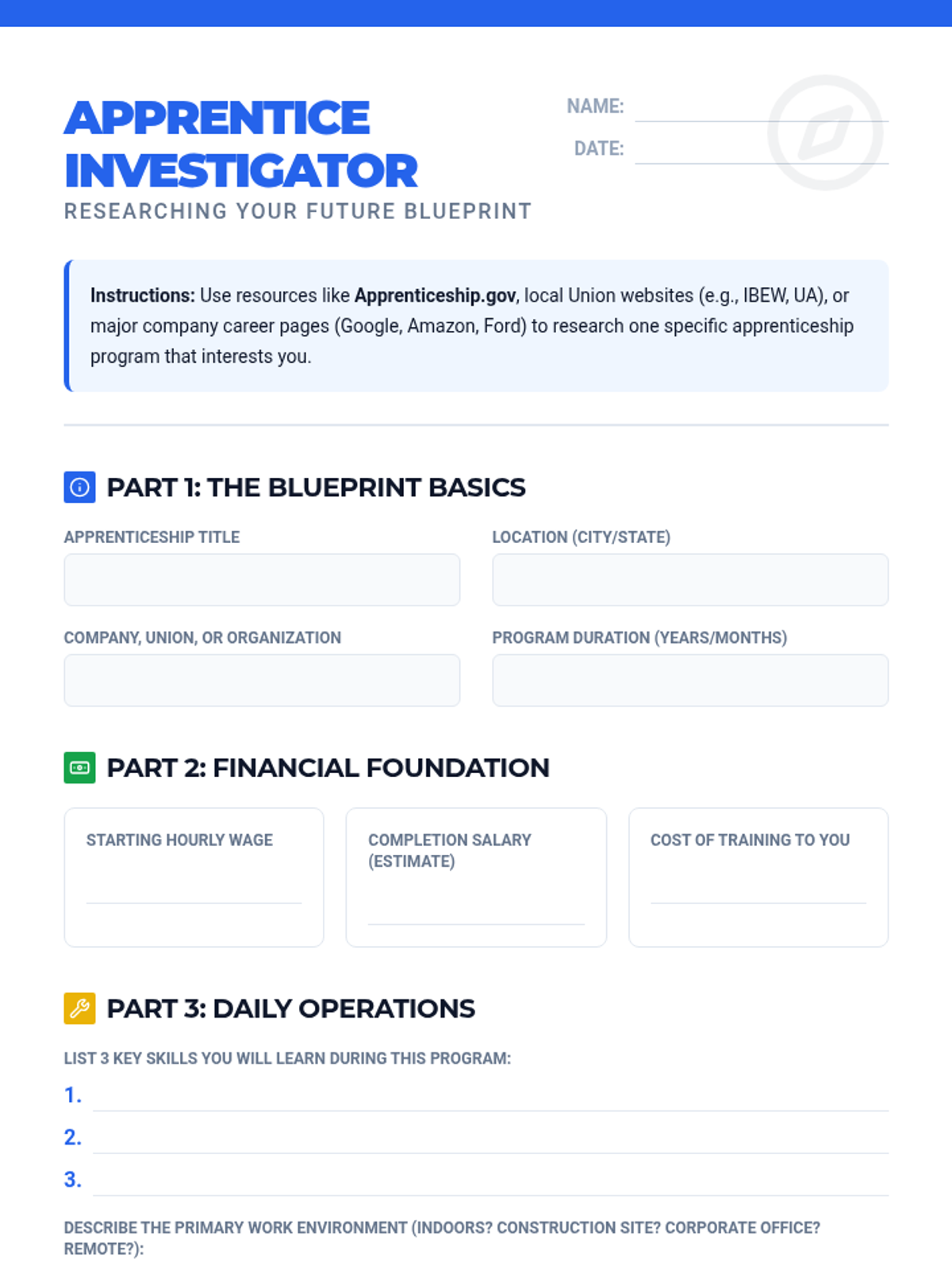
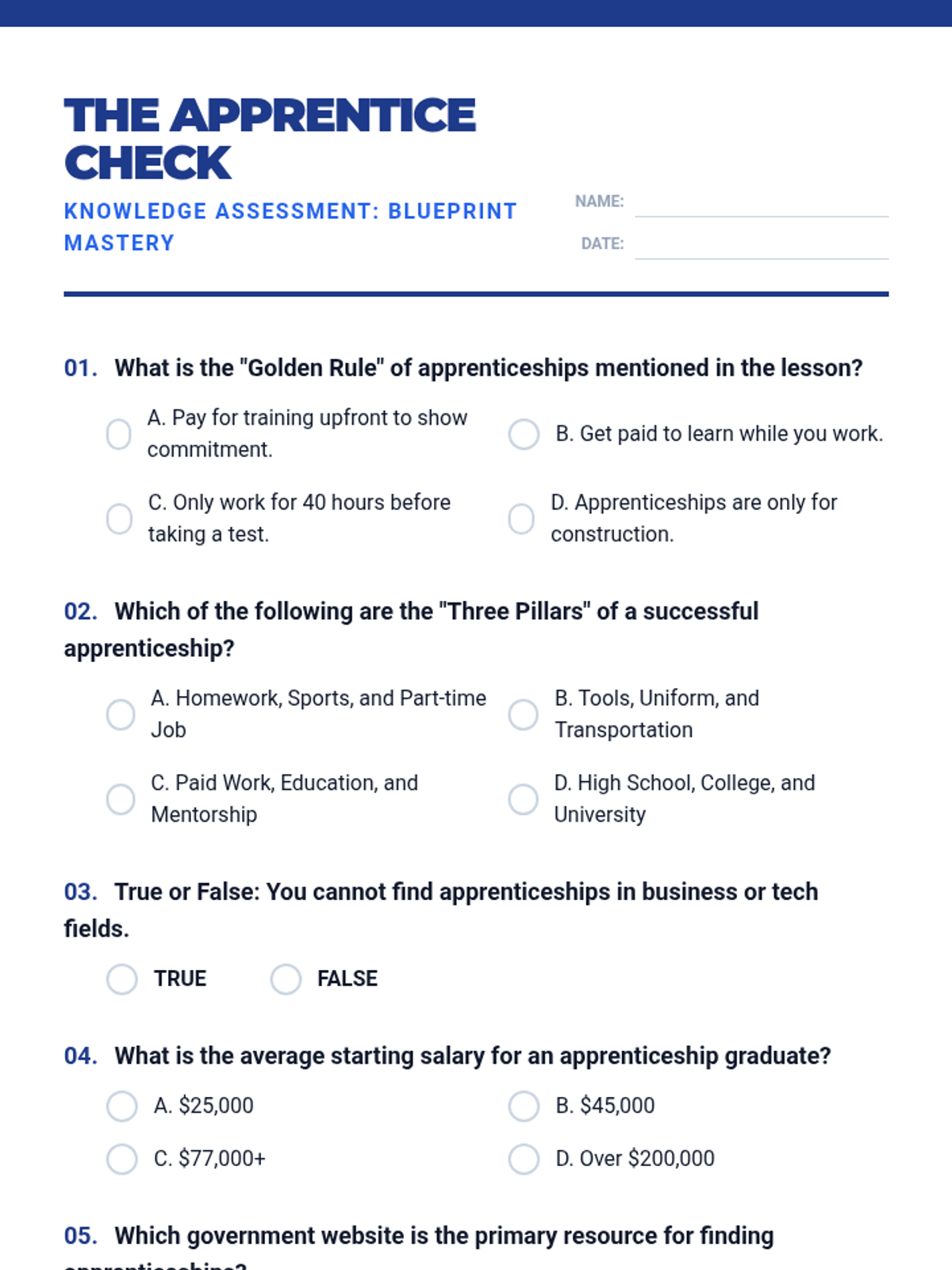
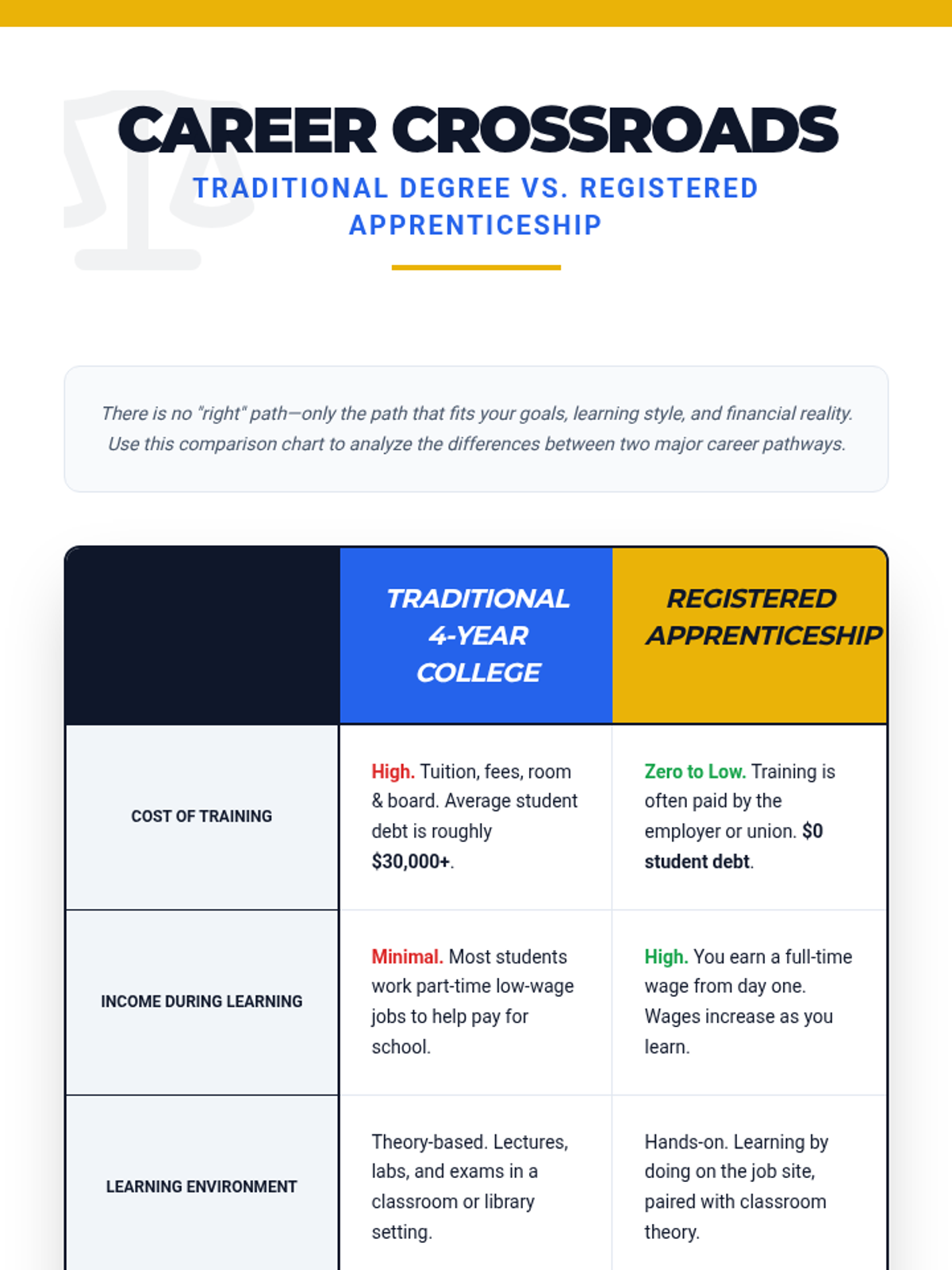
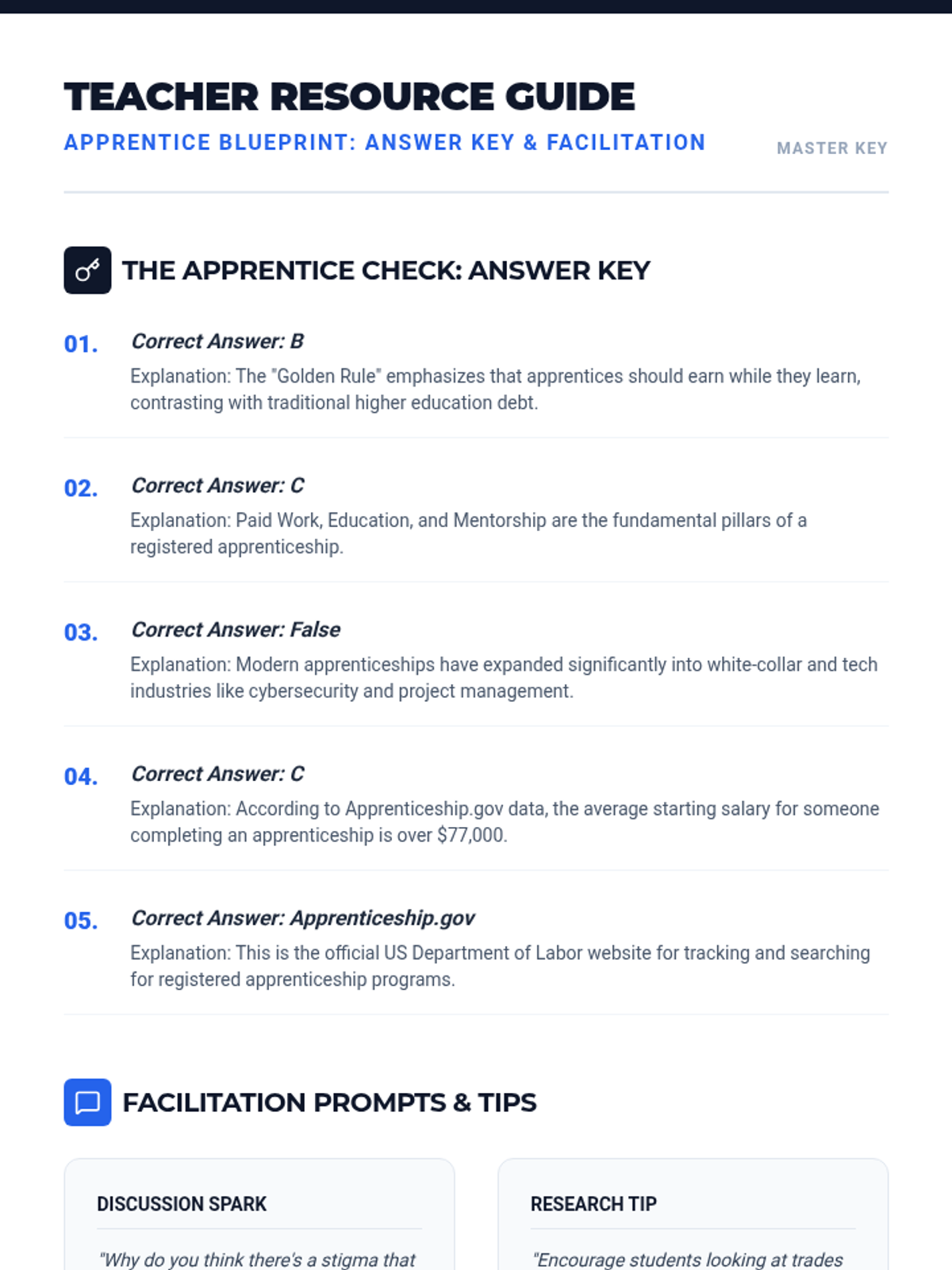
A comprehensive guide to understanding, finding, and securing apprenticeships in trades, business, and high-growth industries. This lesson covers the definition, benefits, and practical steps to starting a career through an apprenticeship.
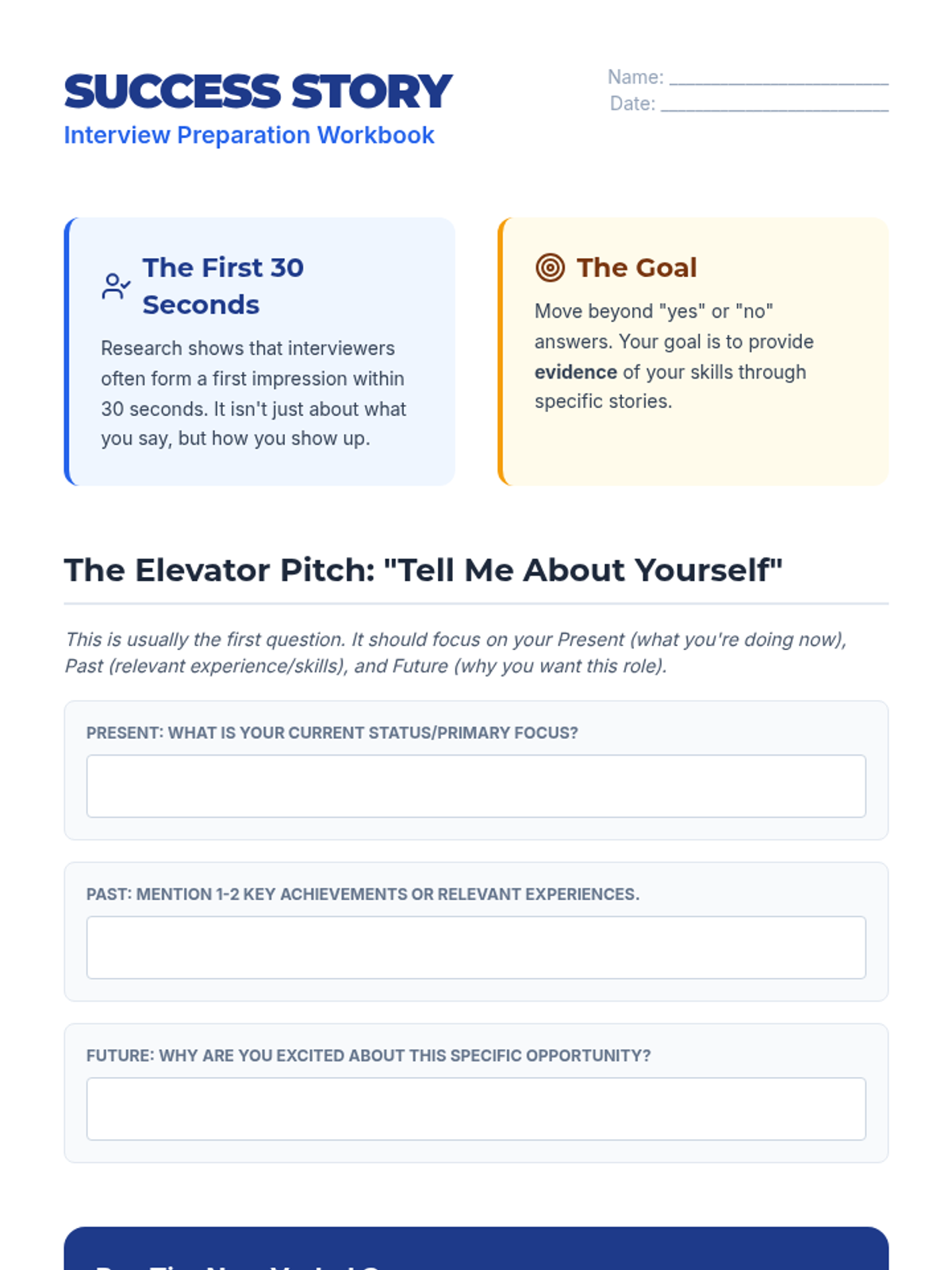
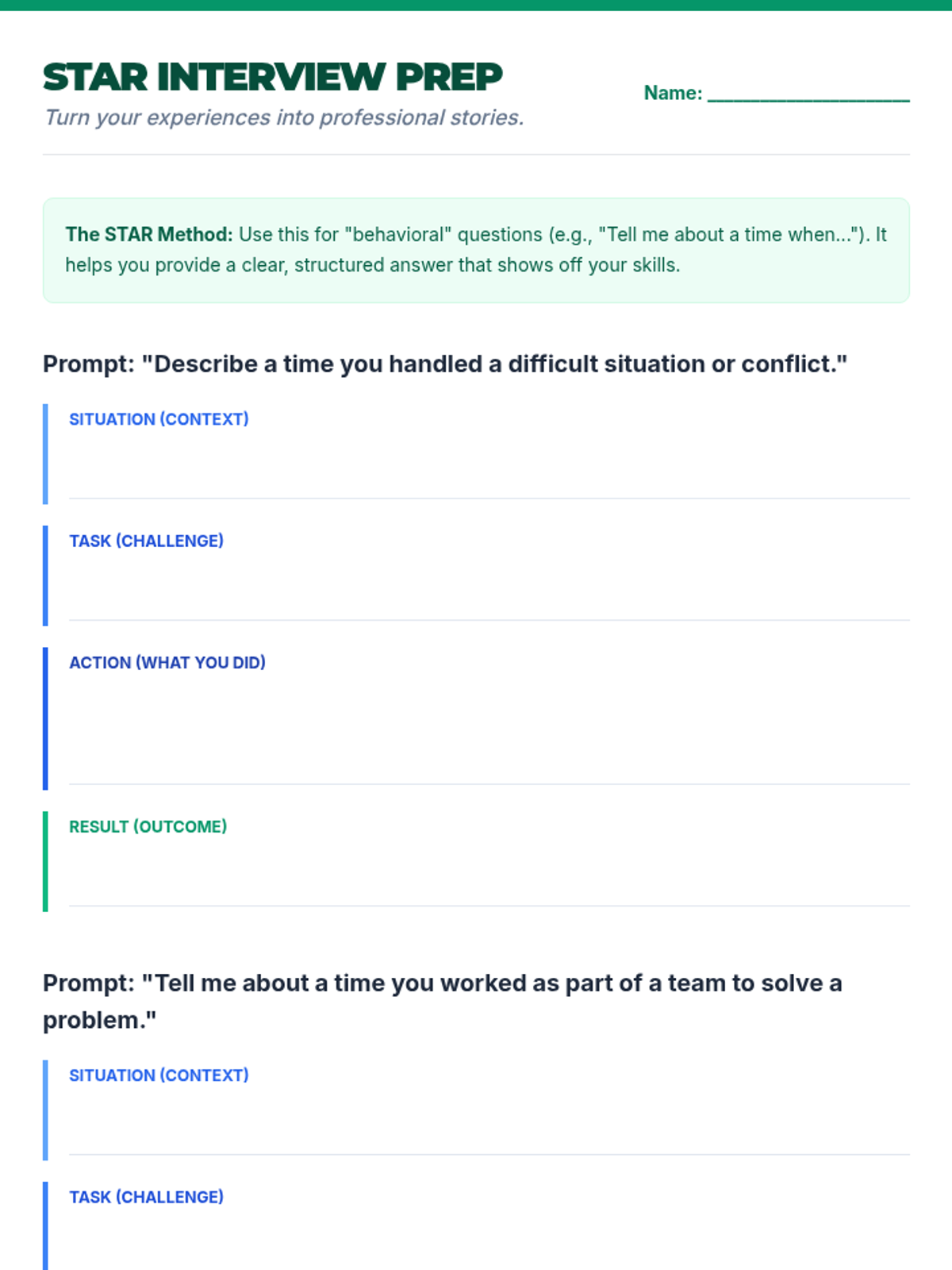
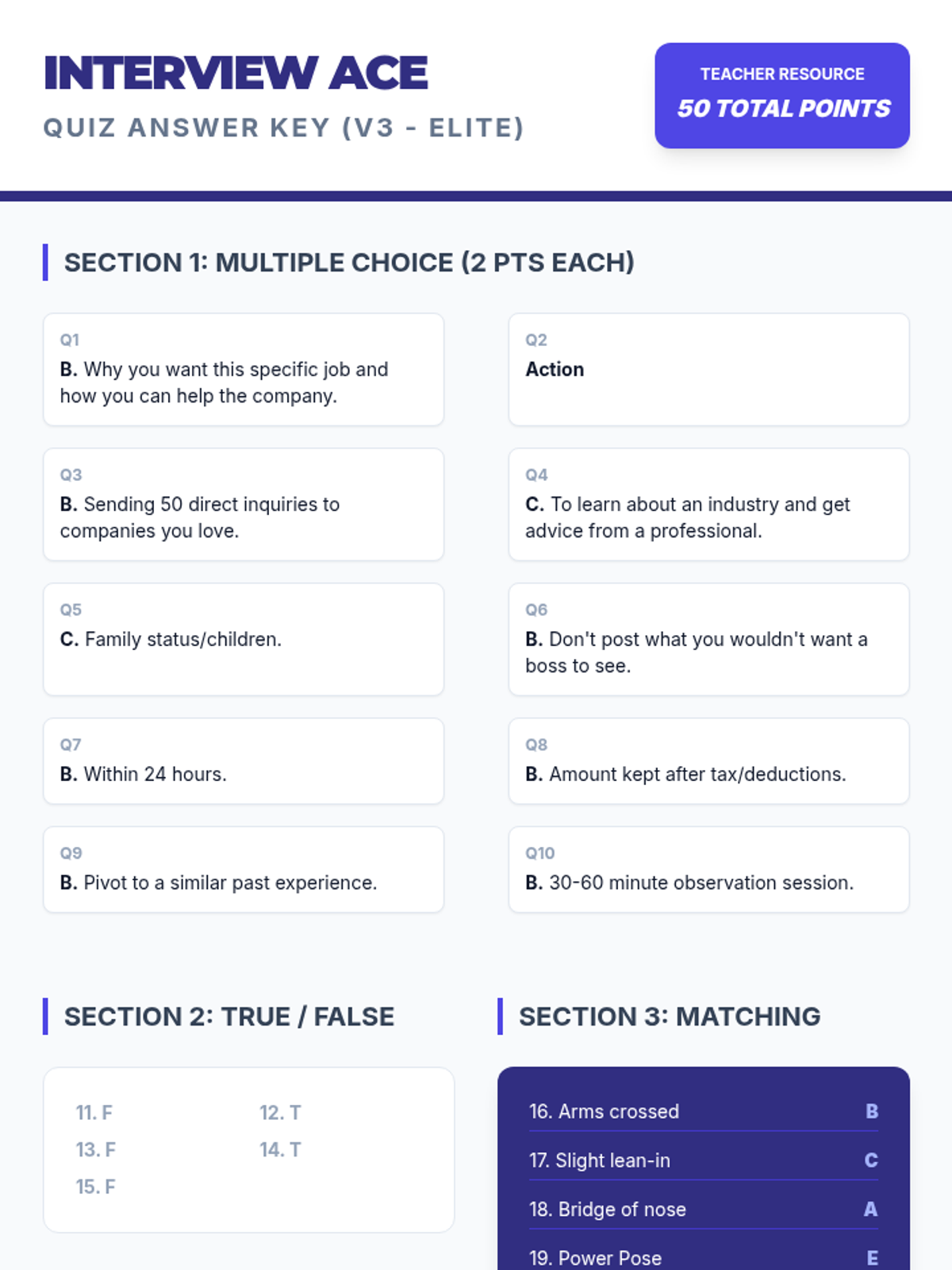
A comprehensive guide to mastering entry-level and academic interviews through the STAR method, practical scenarios, and self-reflection. Students will build a portfolio of stories to demonstrate their skills to future employers and admissions officers.
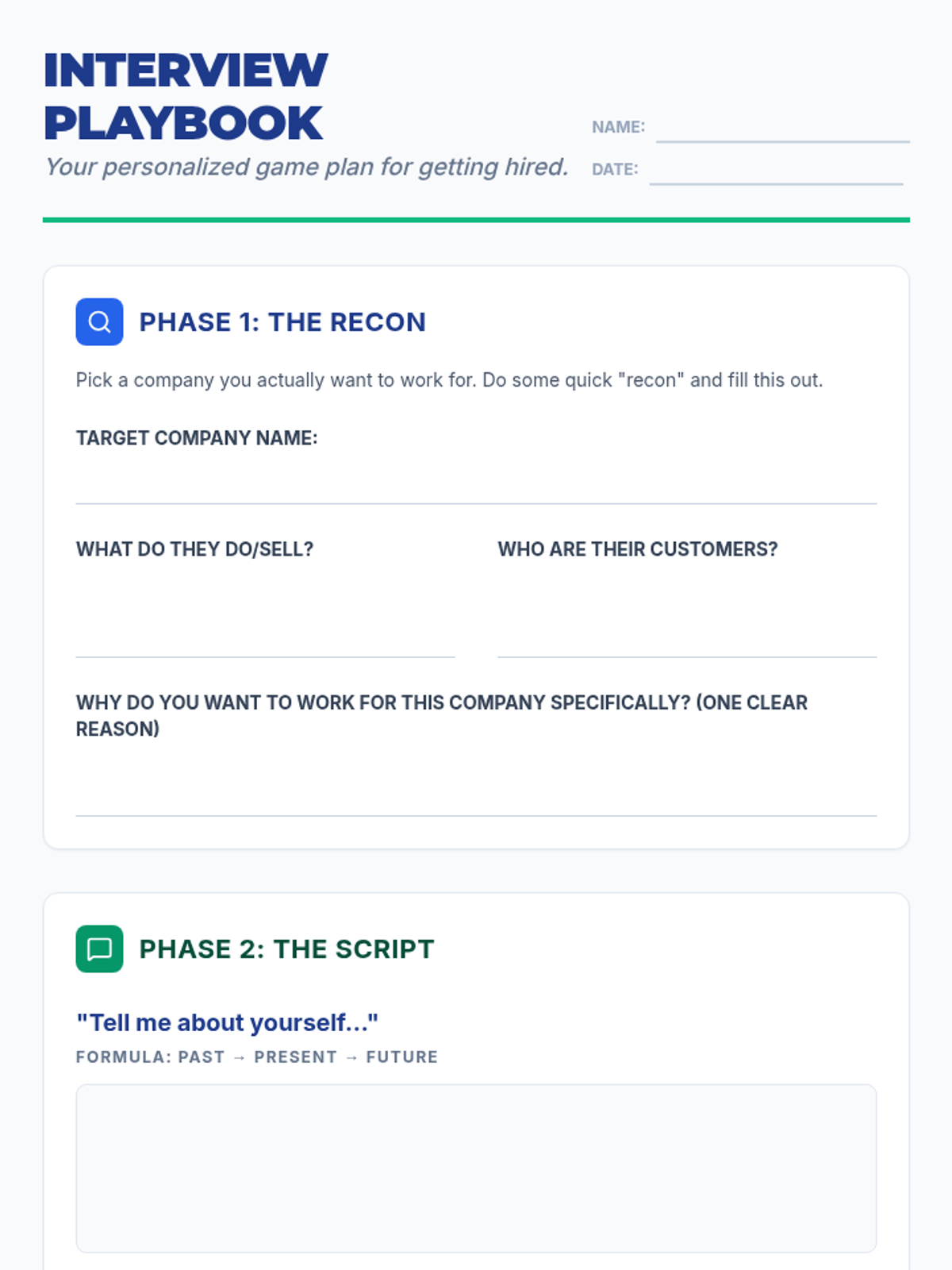
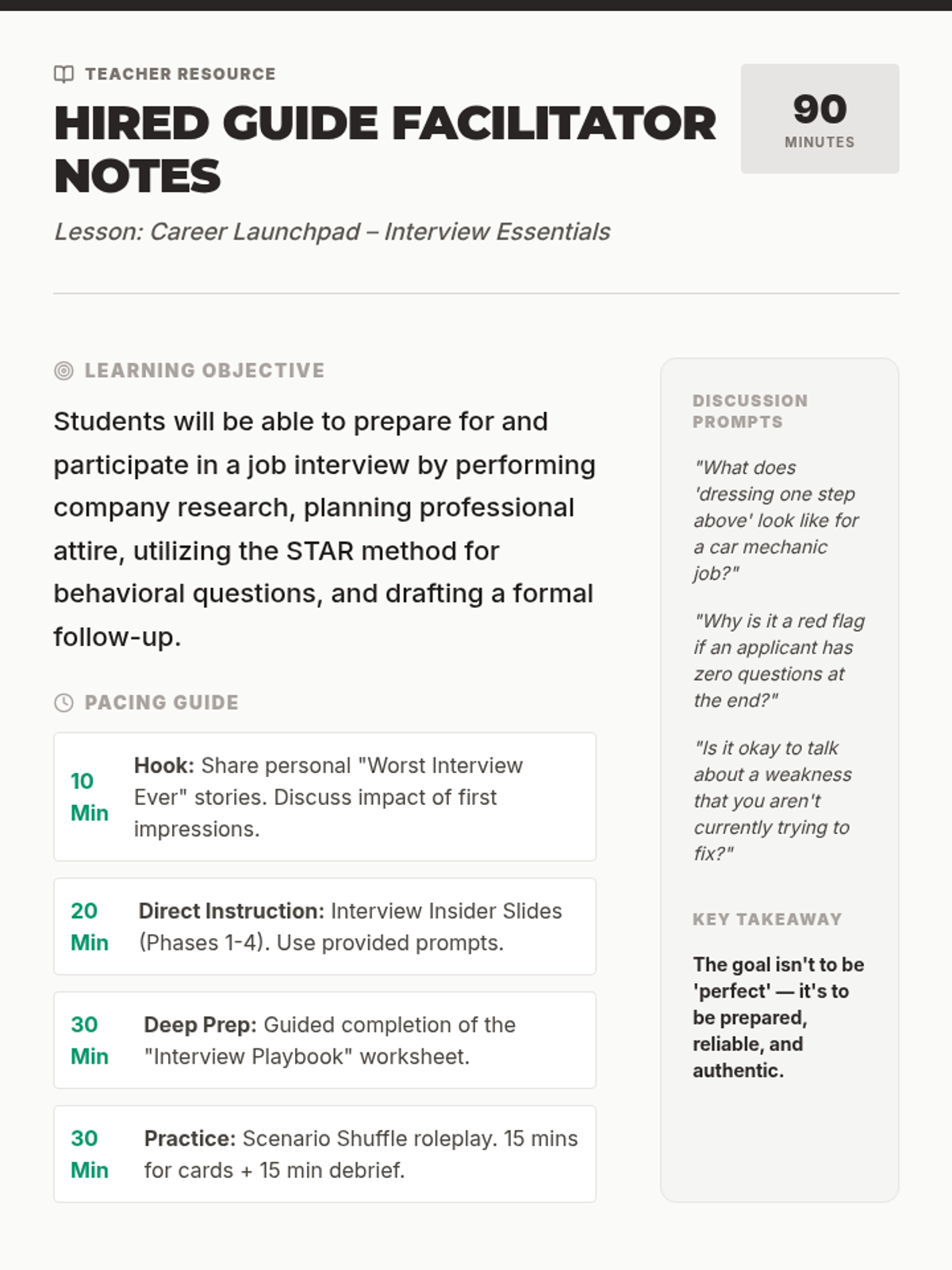
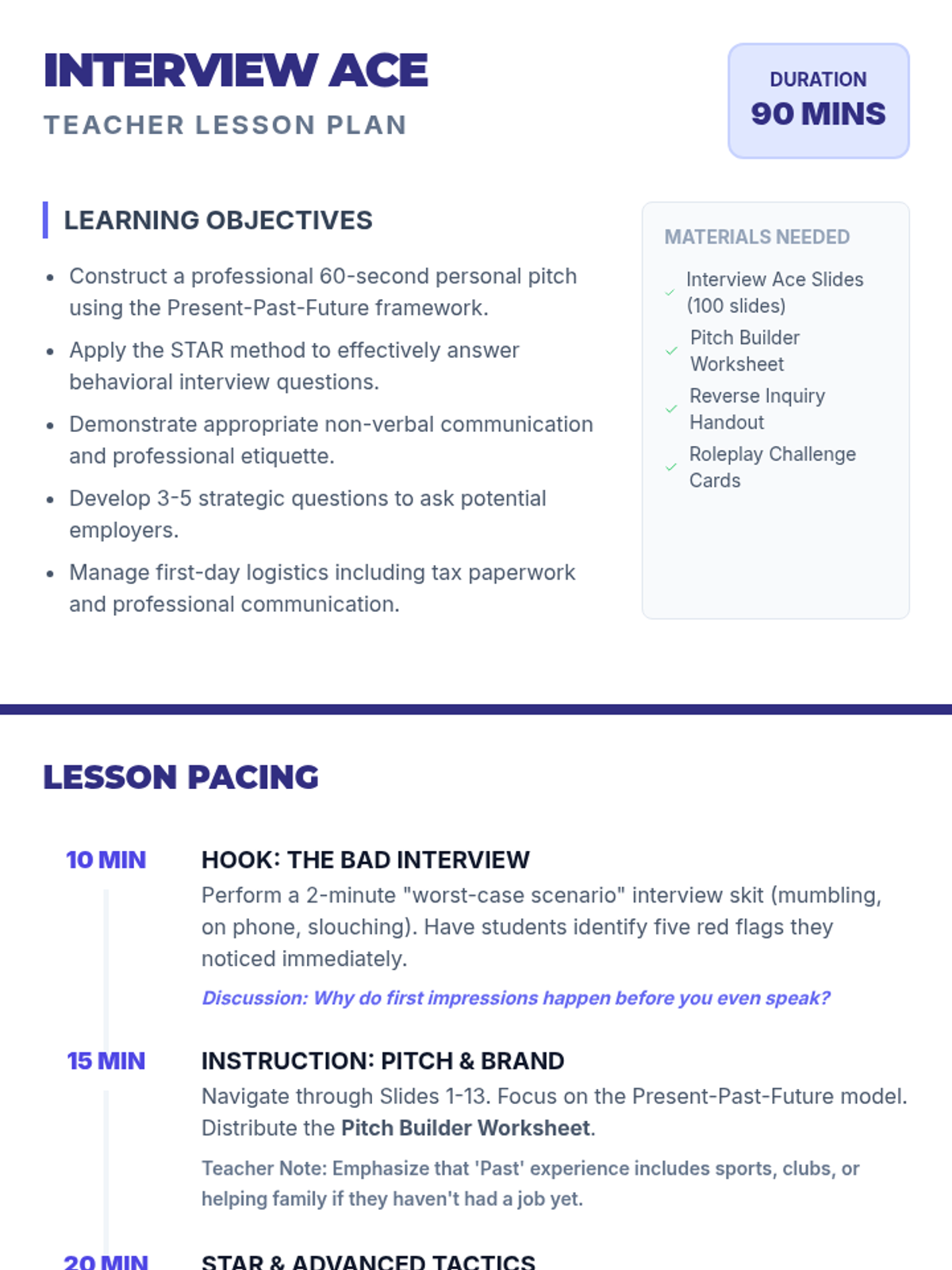
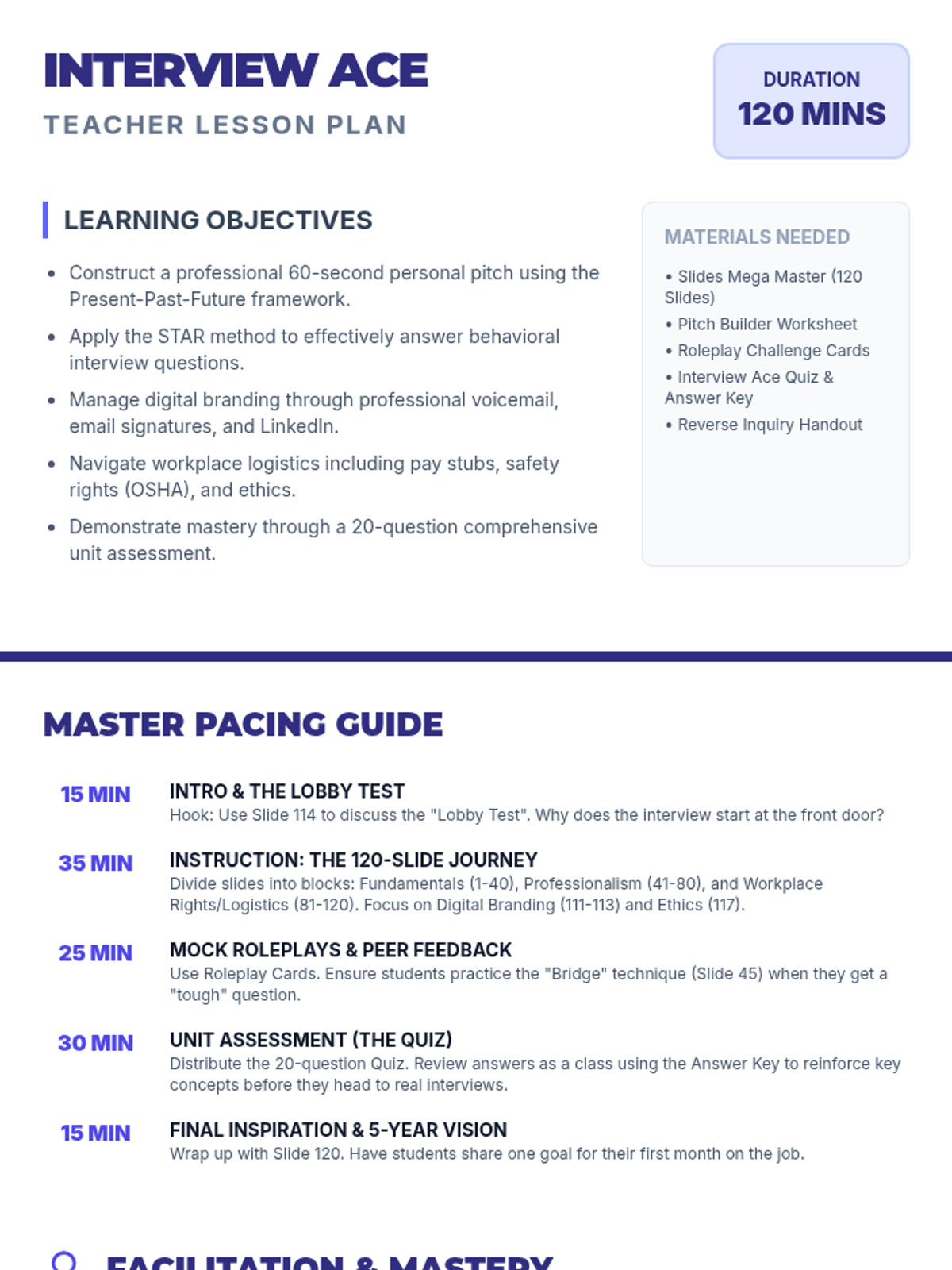
A comprehensive lesson designed for alternative education students to master the art of the job interview, covering everything from initial research to the final follow-up.
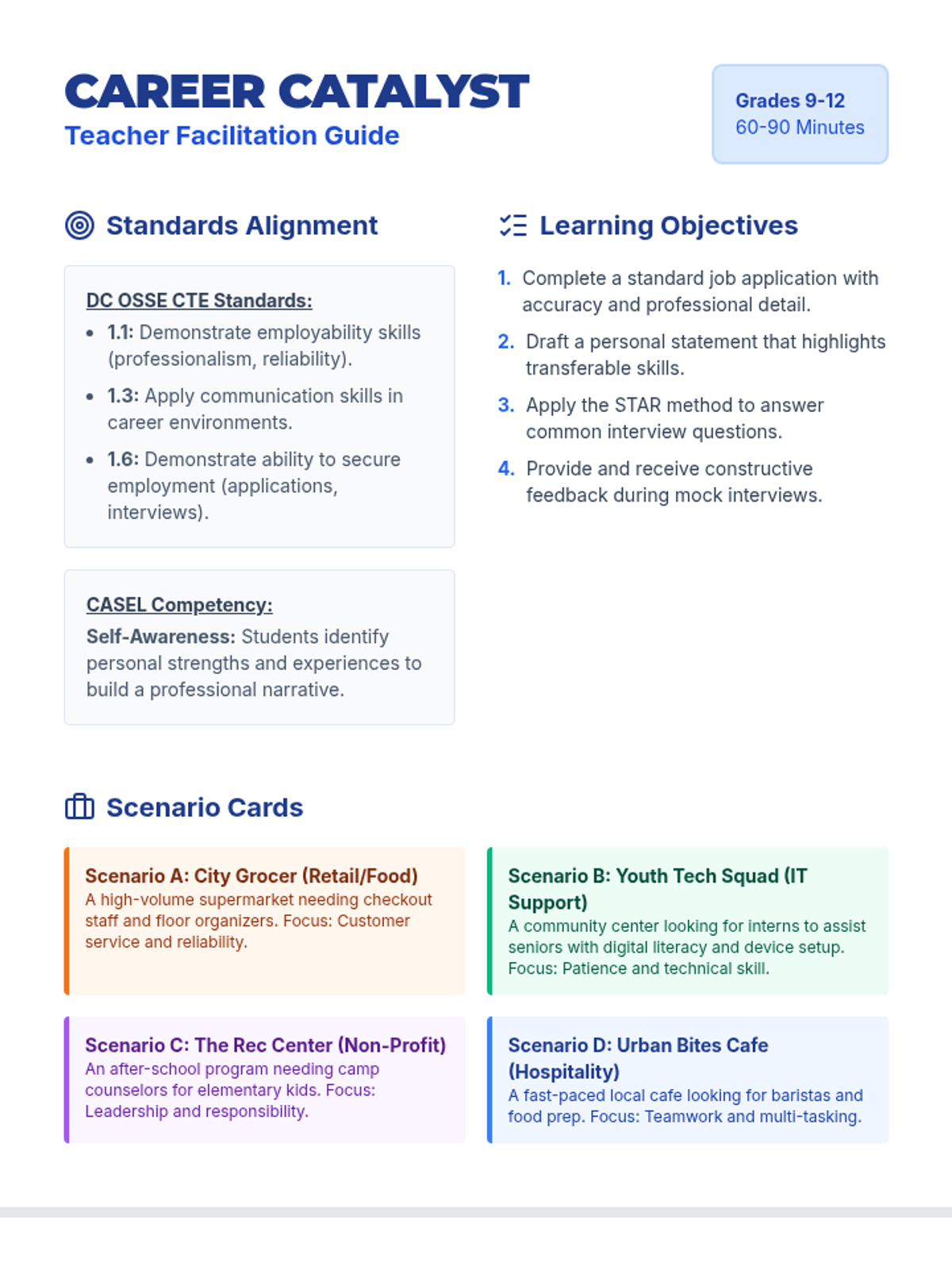
A comprehensive lesson on job readiness, covering job applications, personal statements, and the STAR method for interviews, specifically designed for urban high school students entering the workforce.
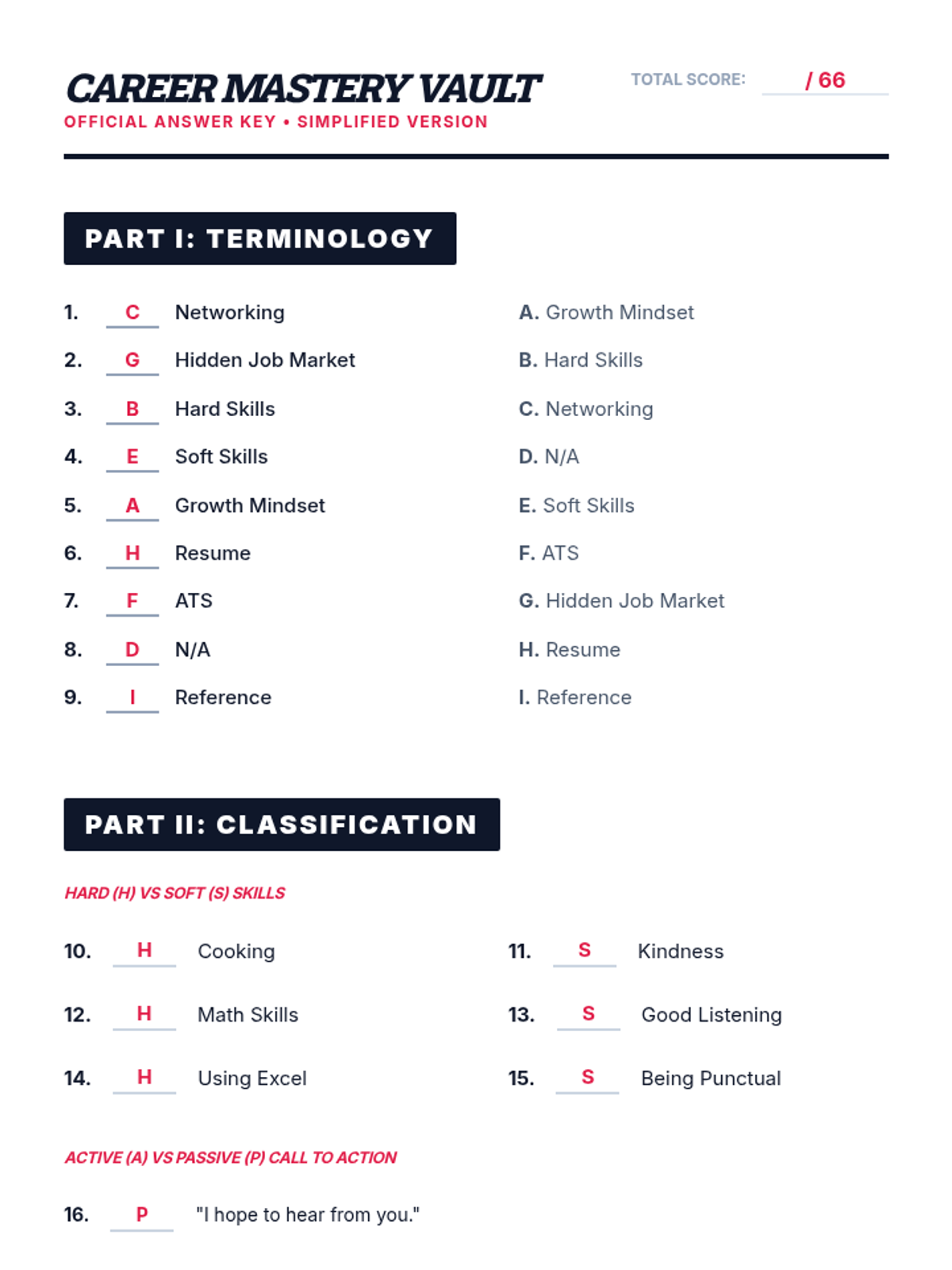
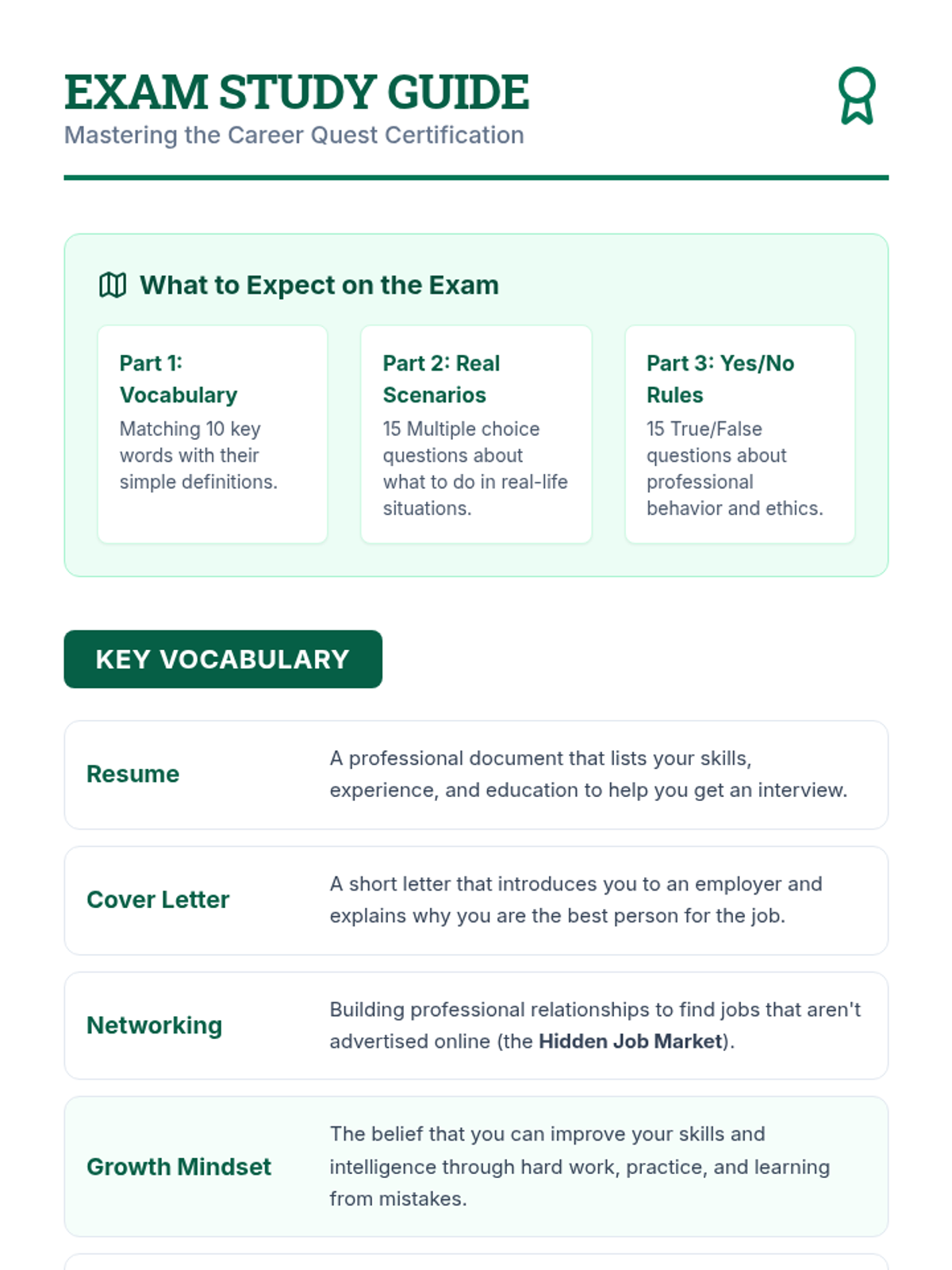
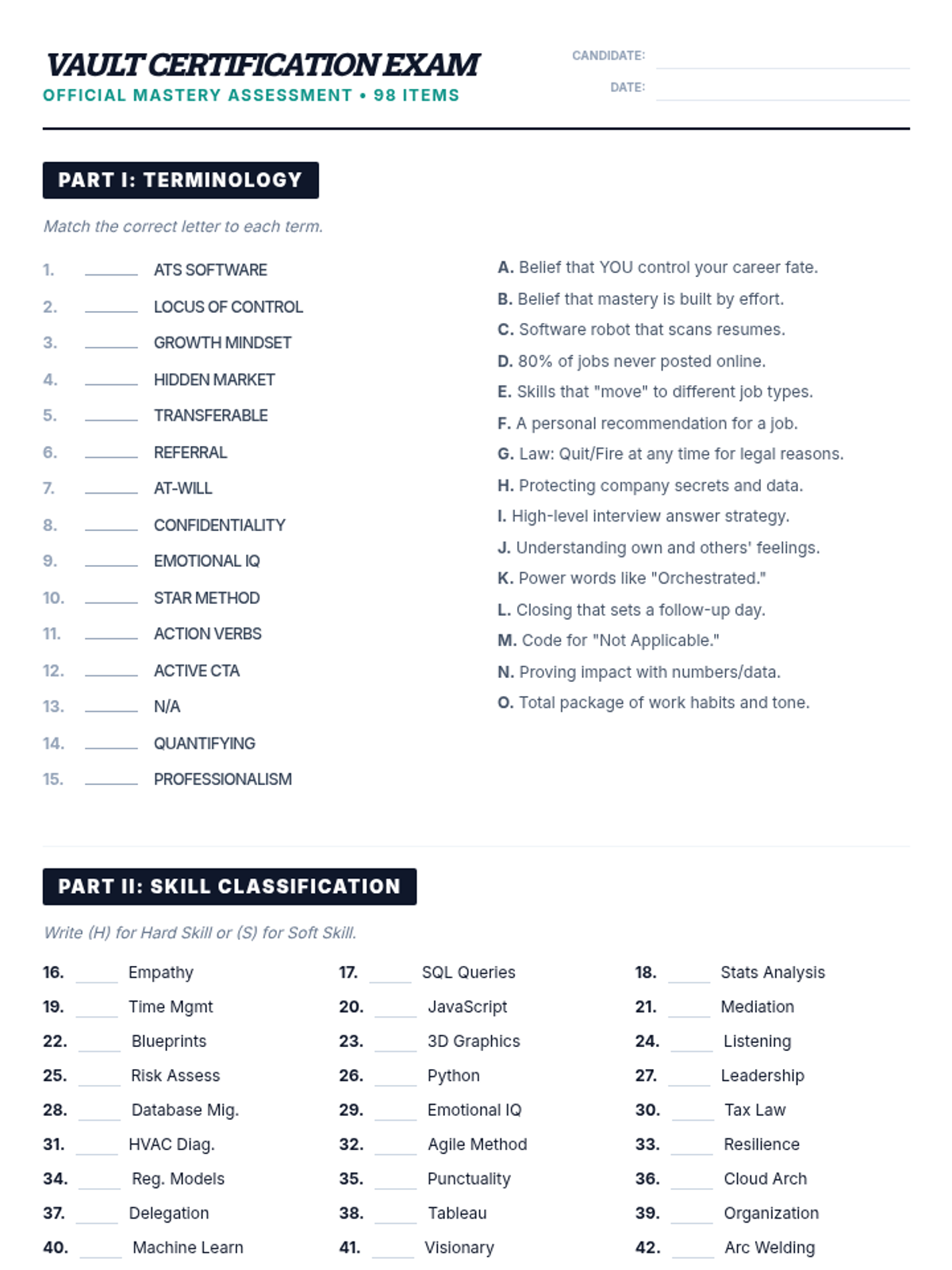
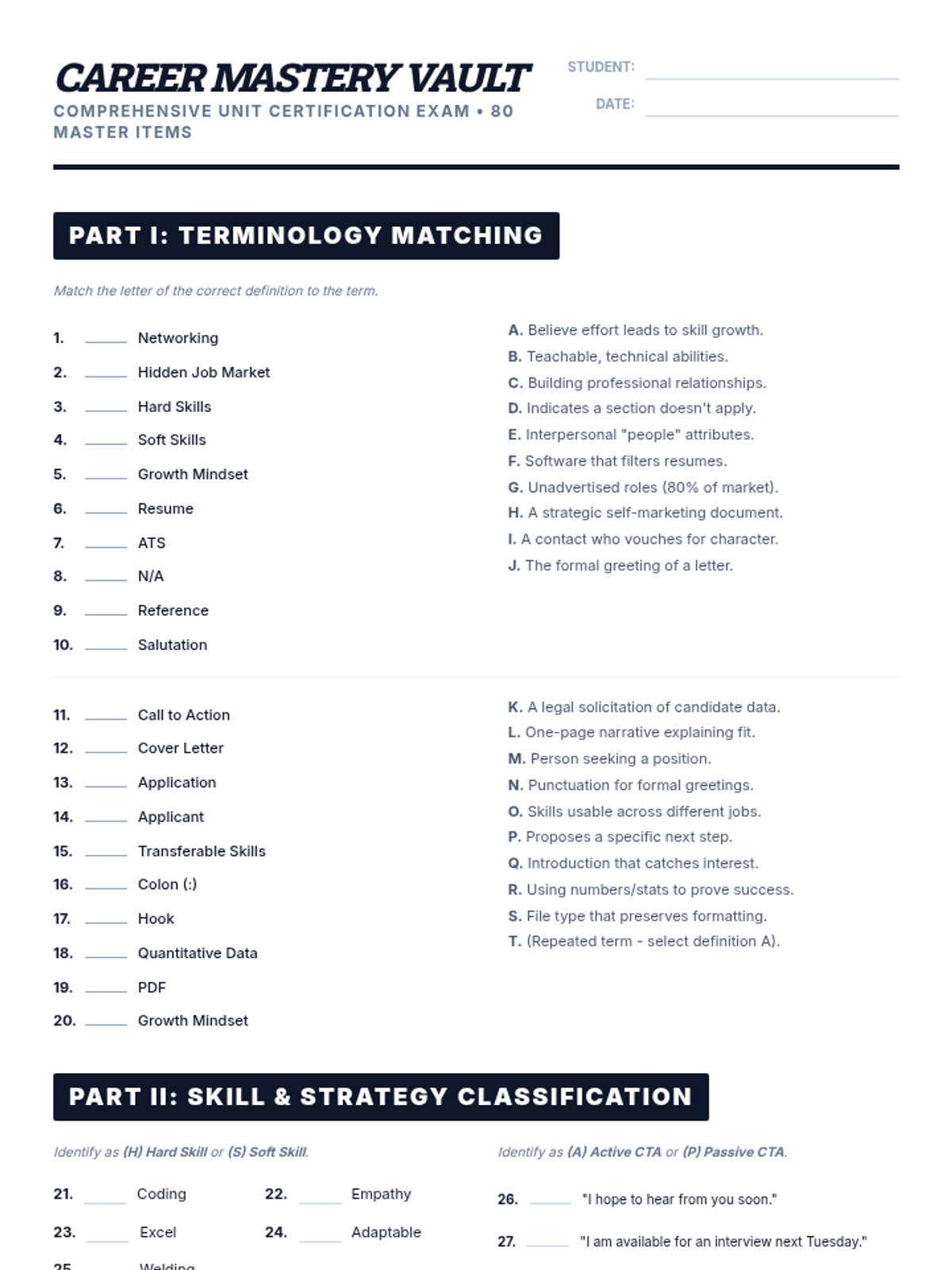
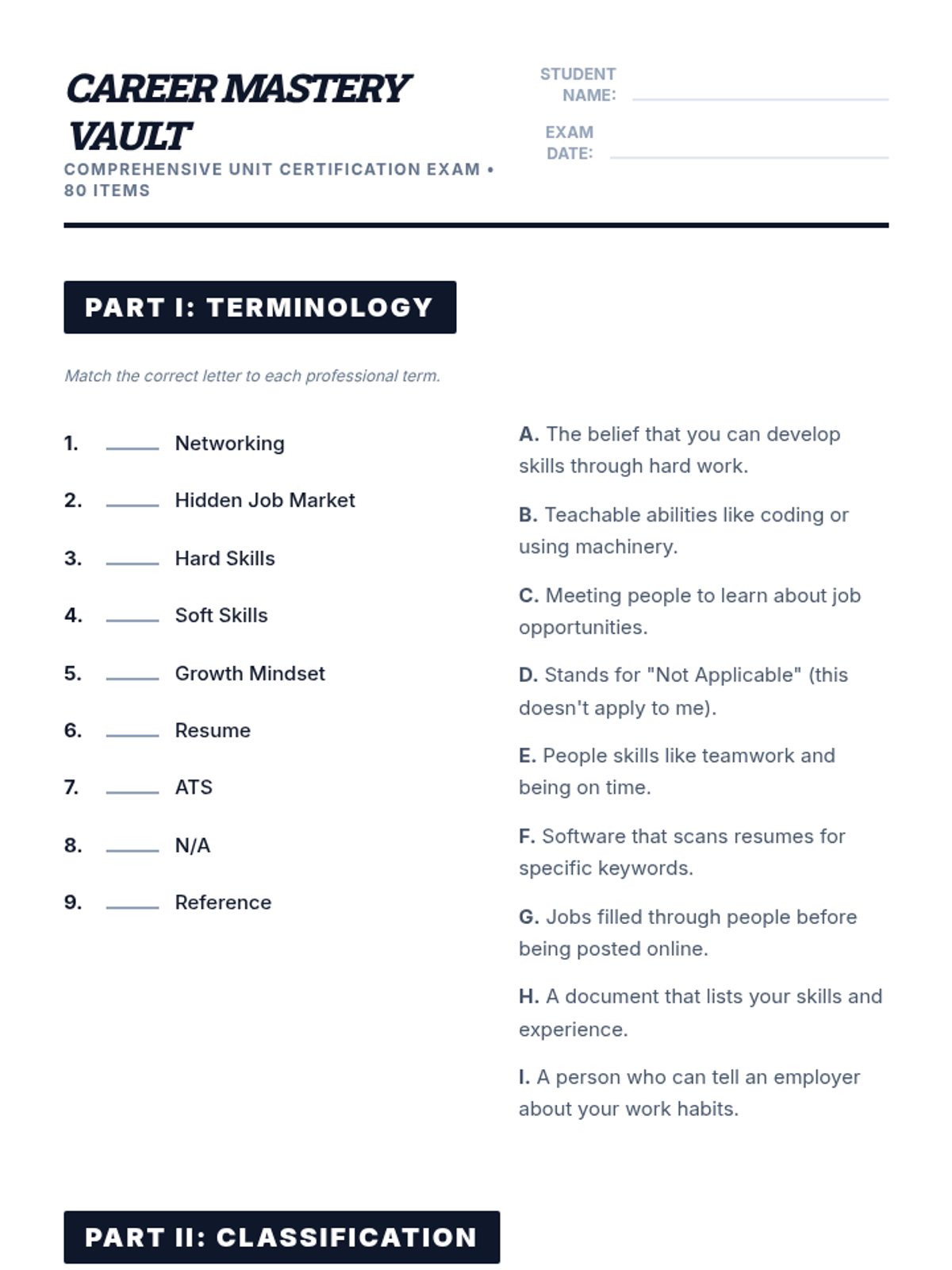
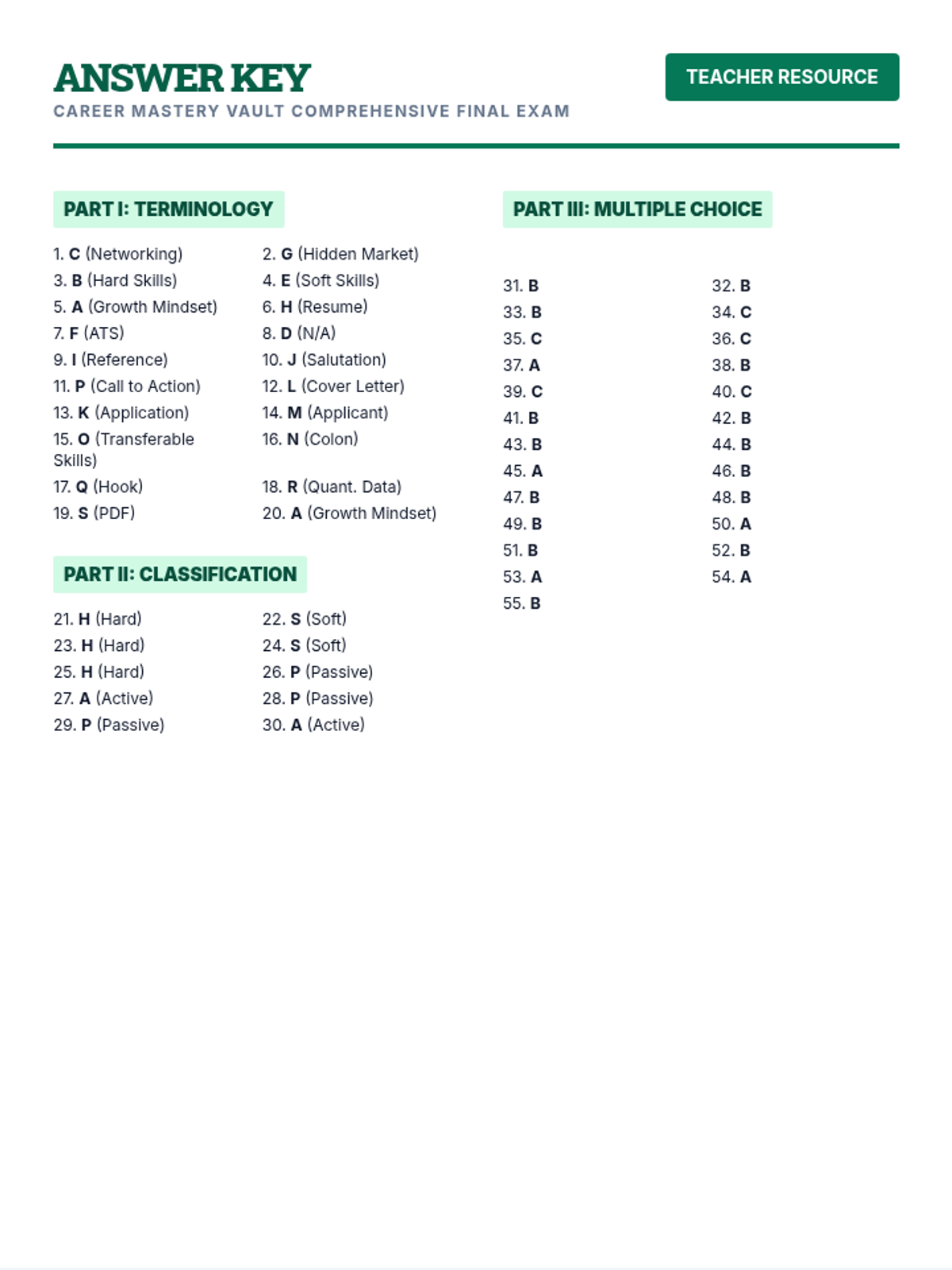
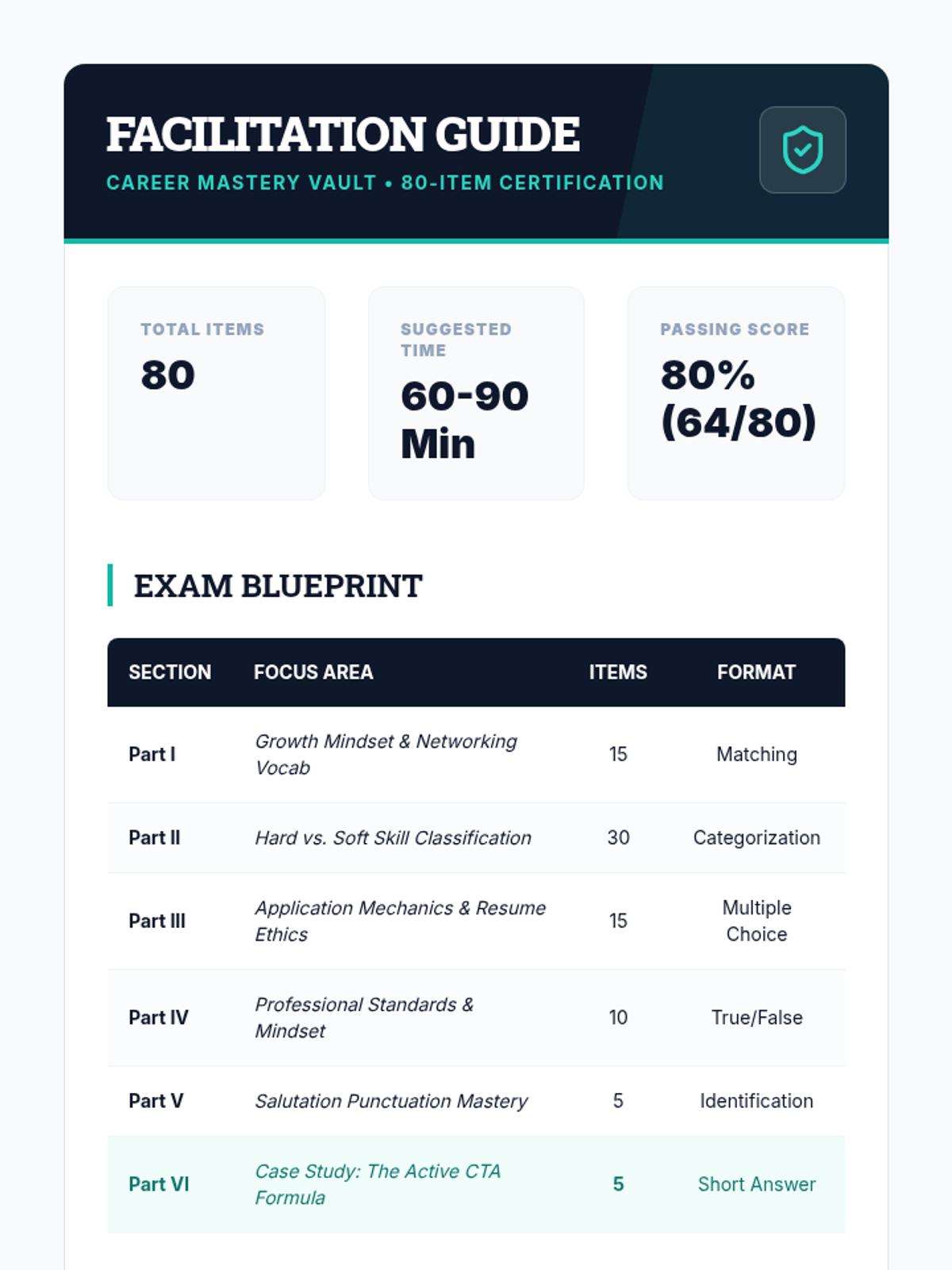
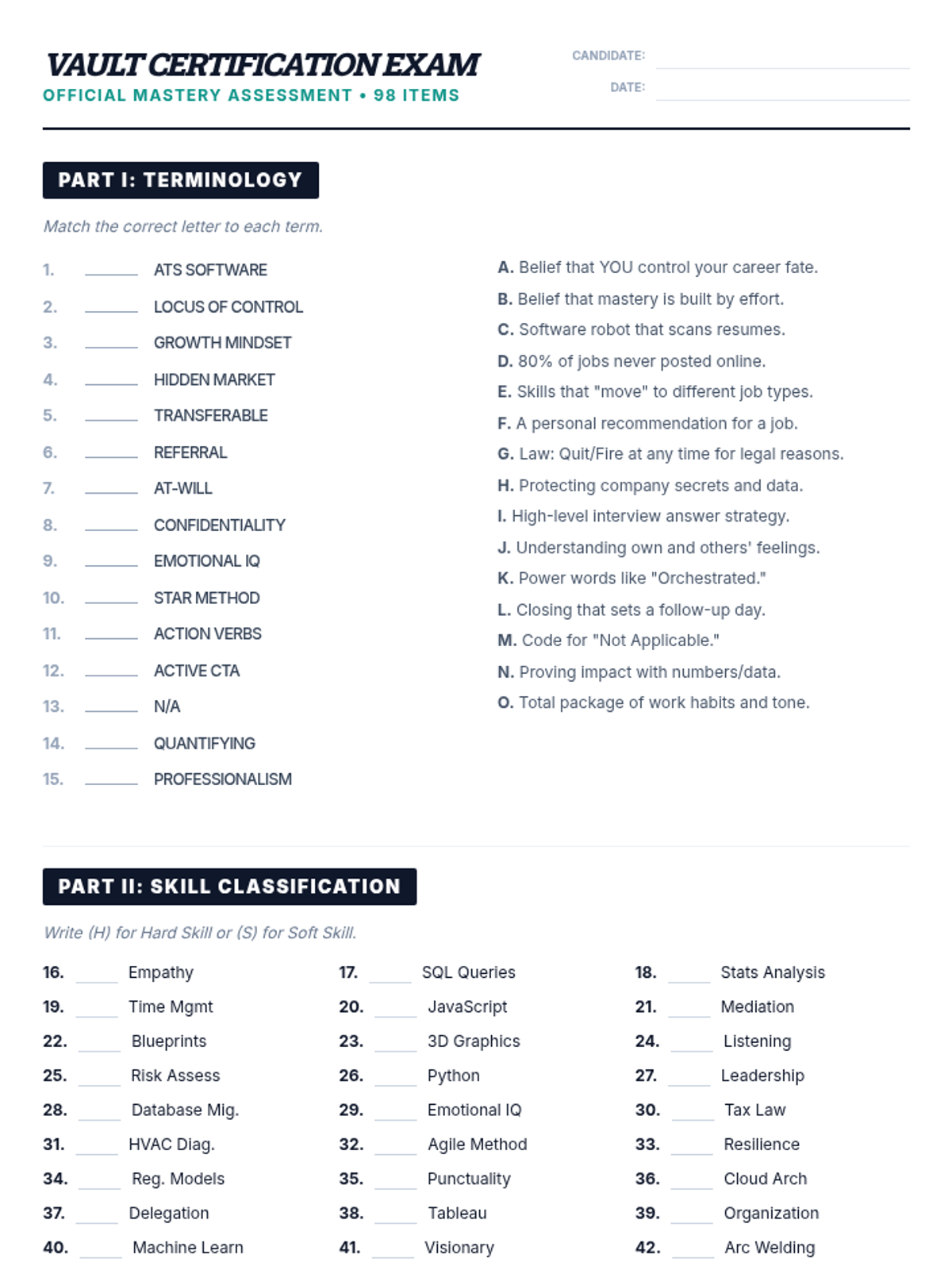
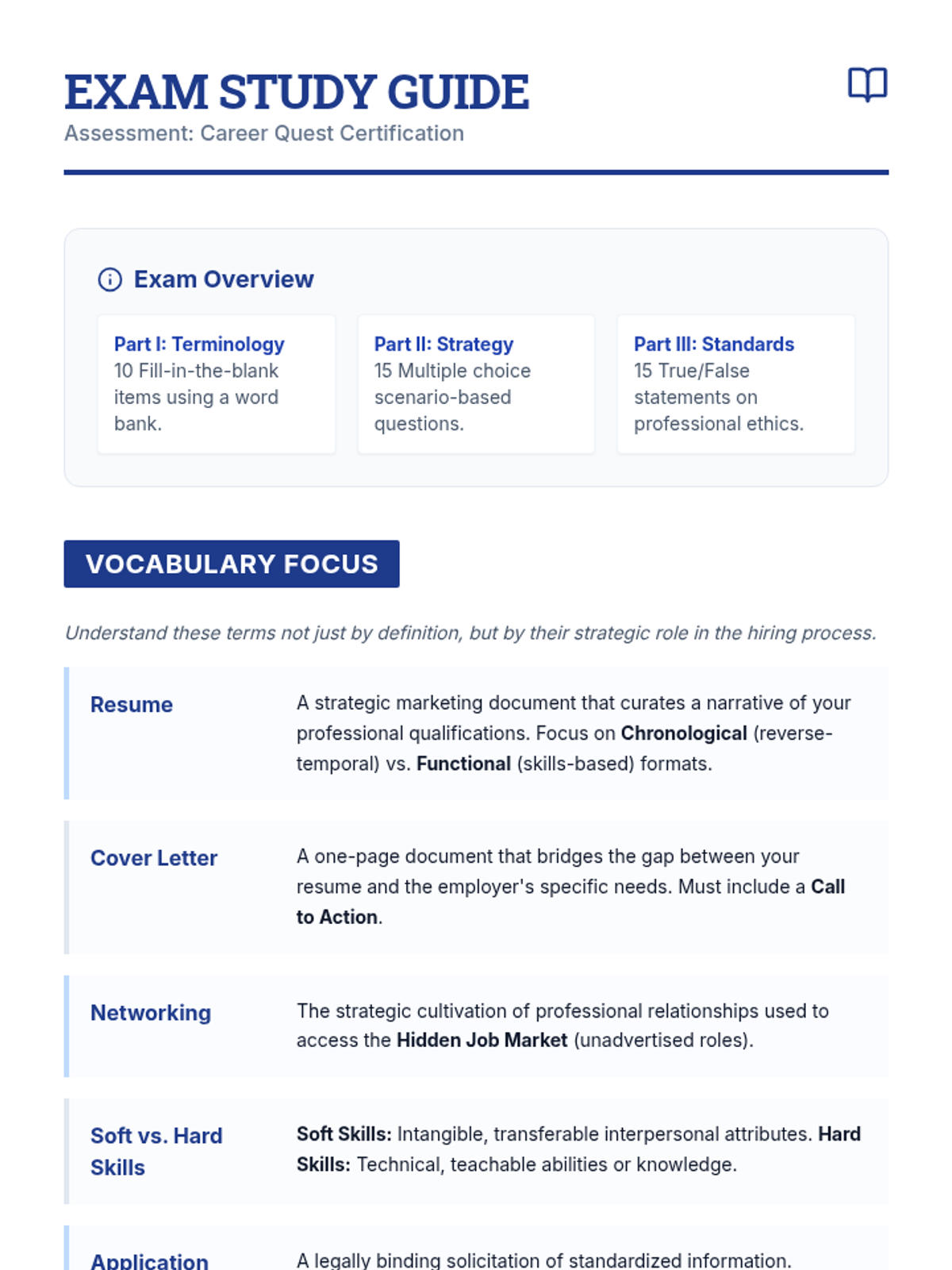
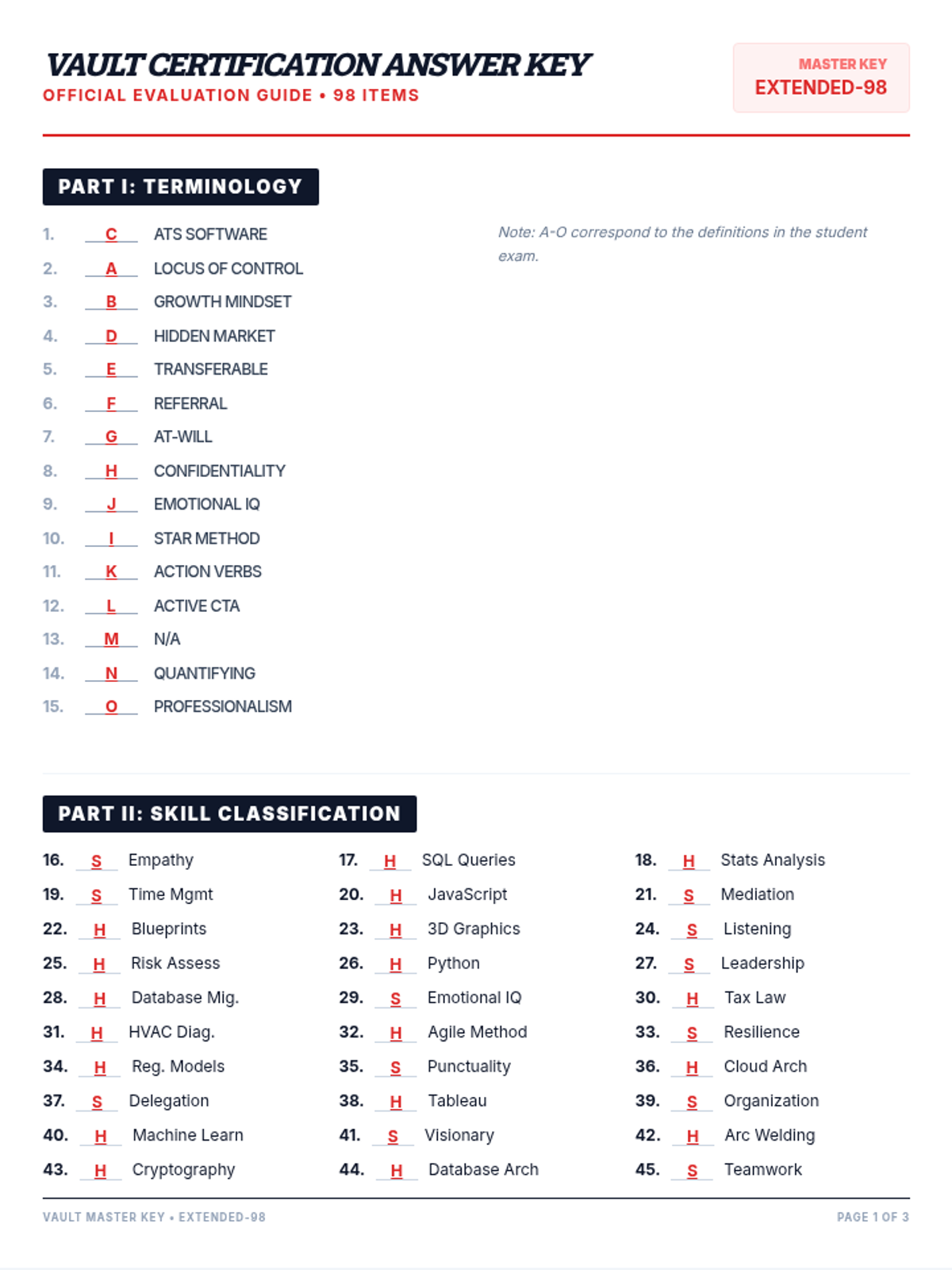
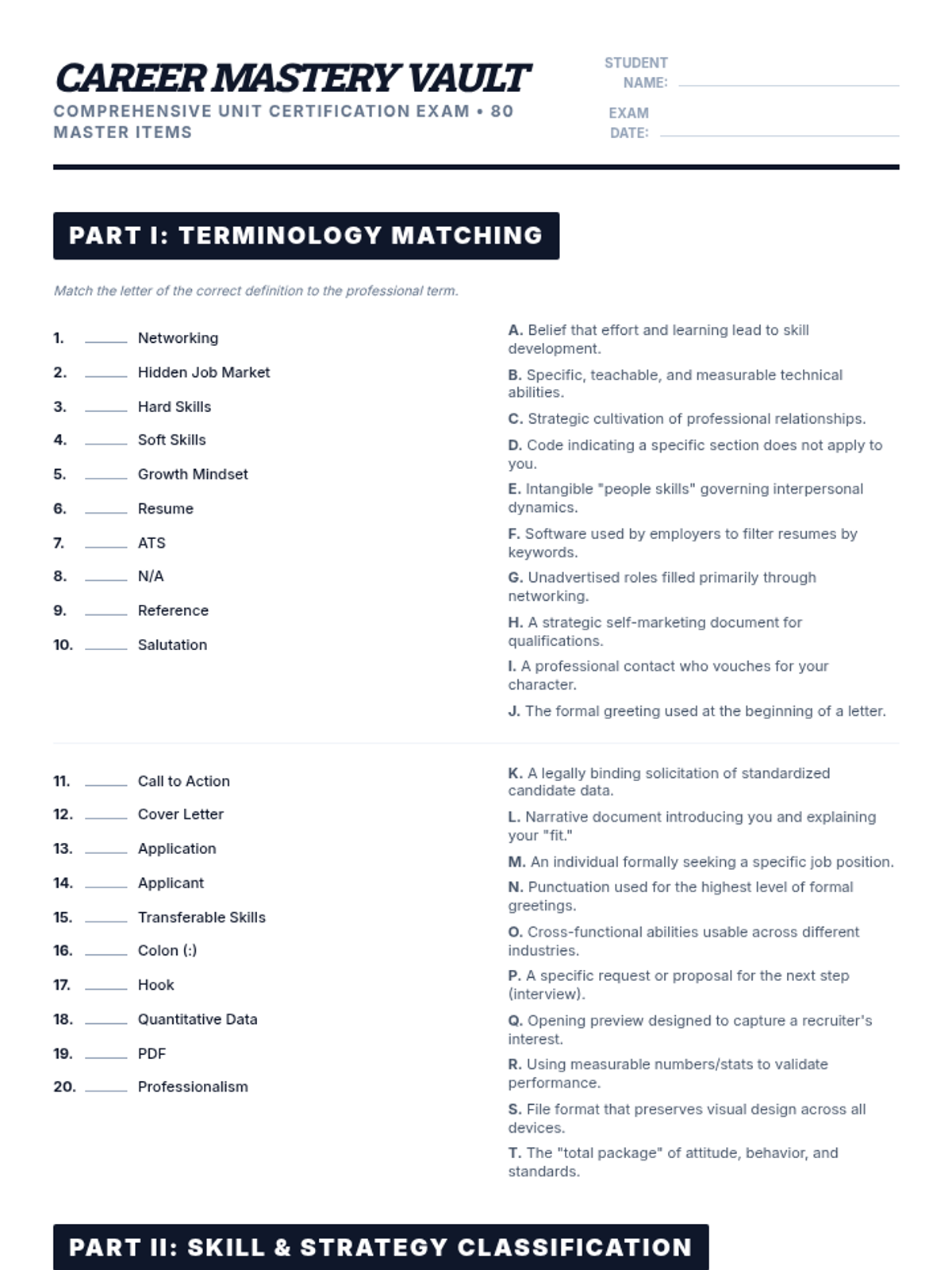
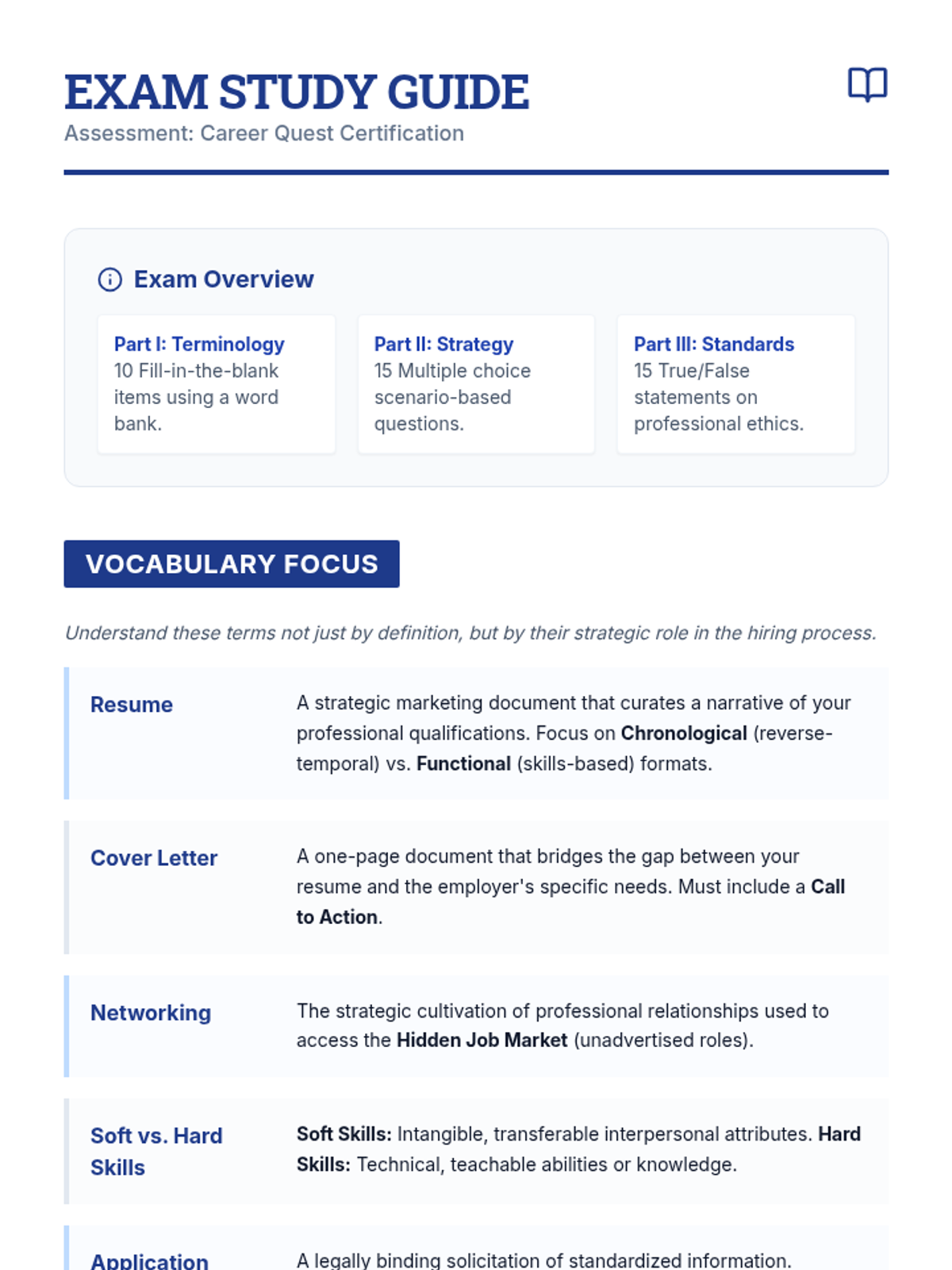
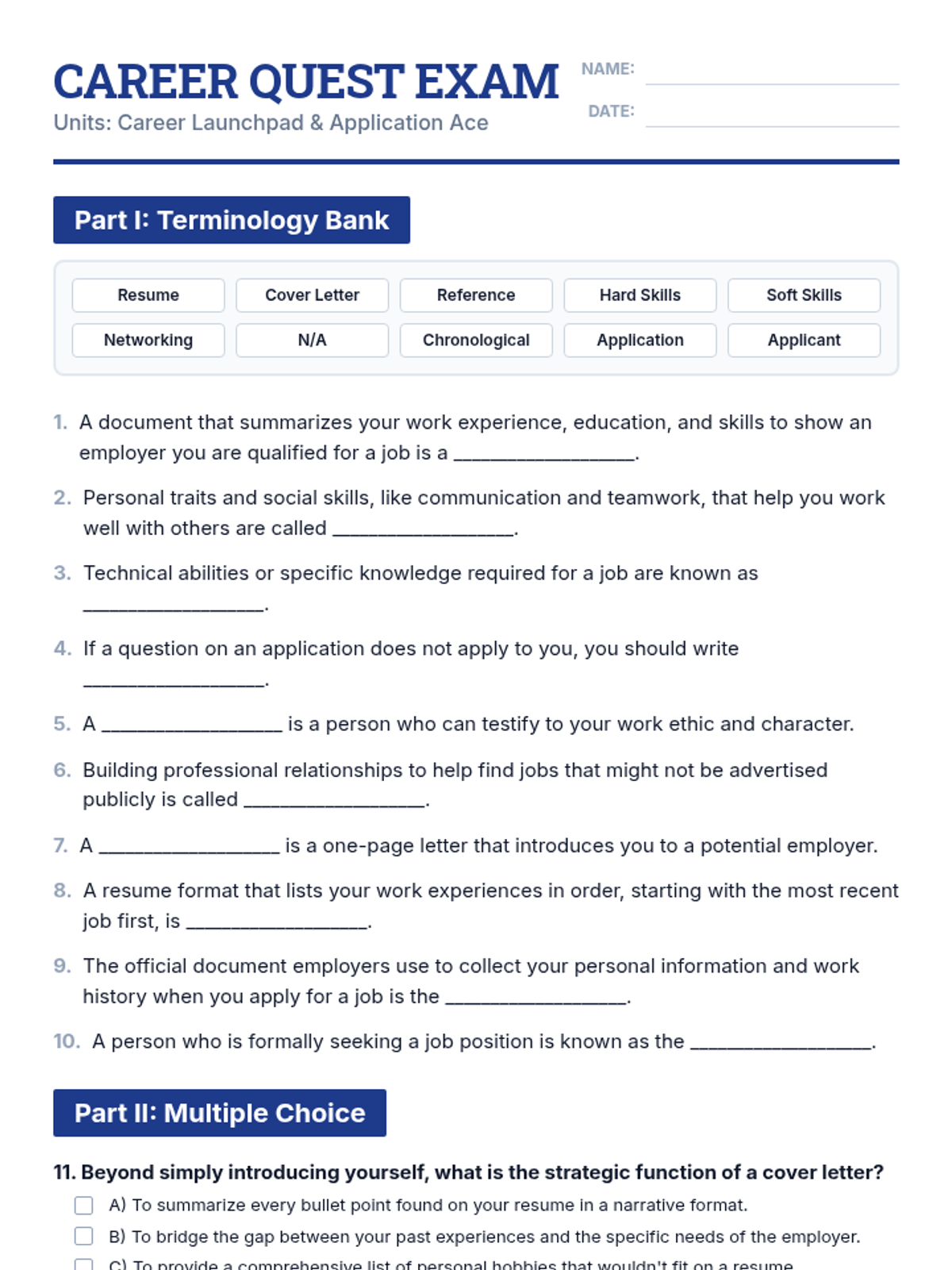
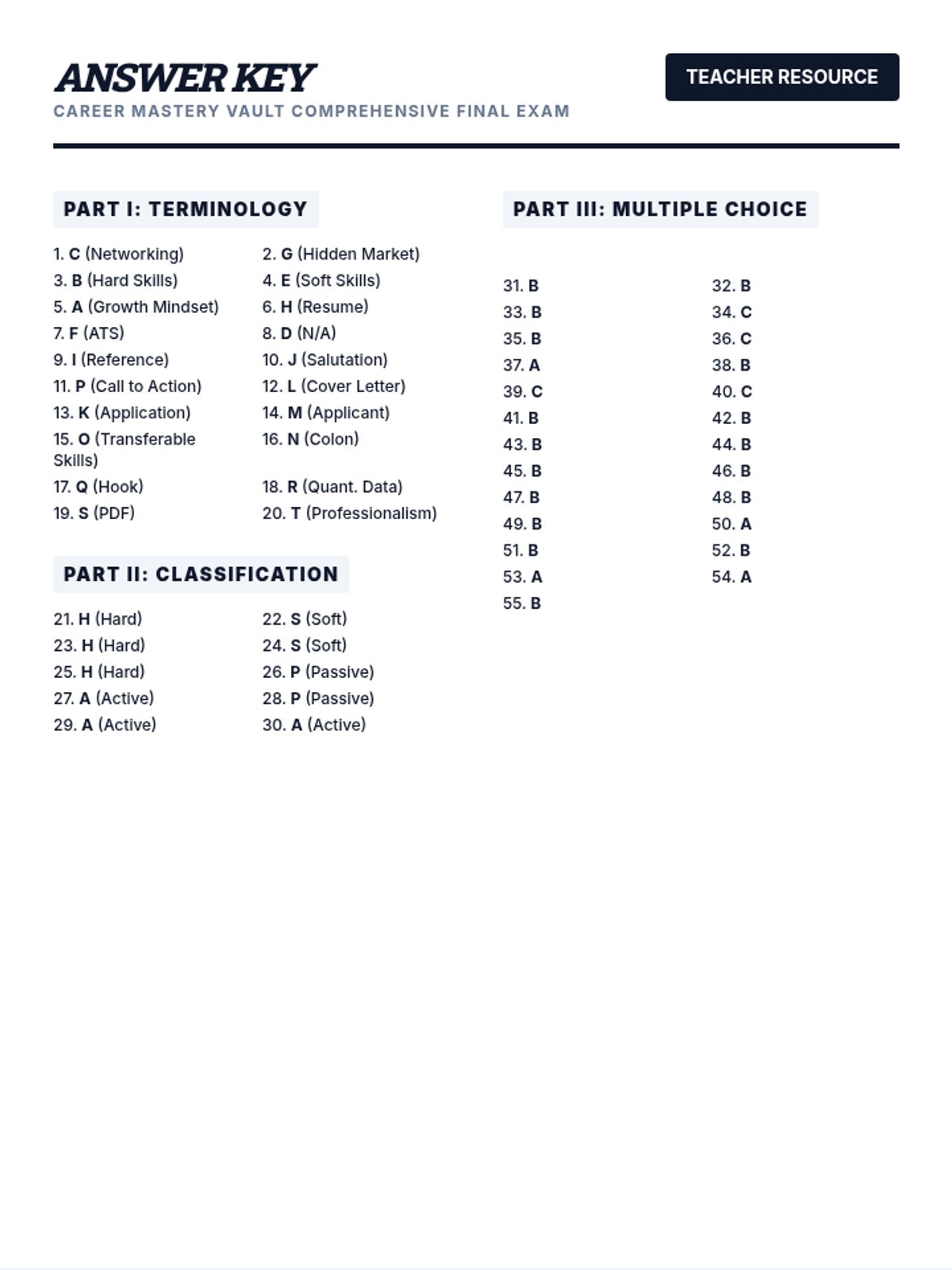
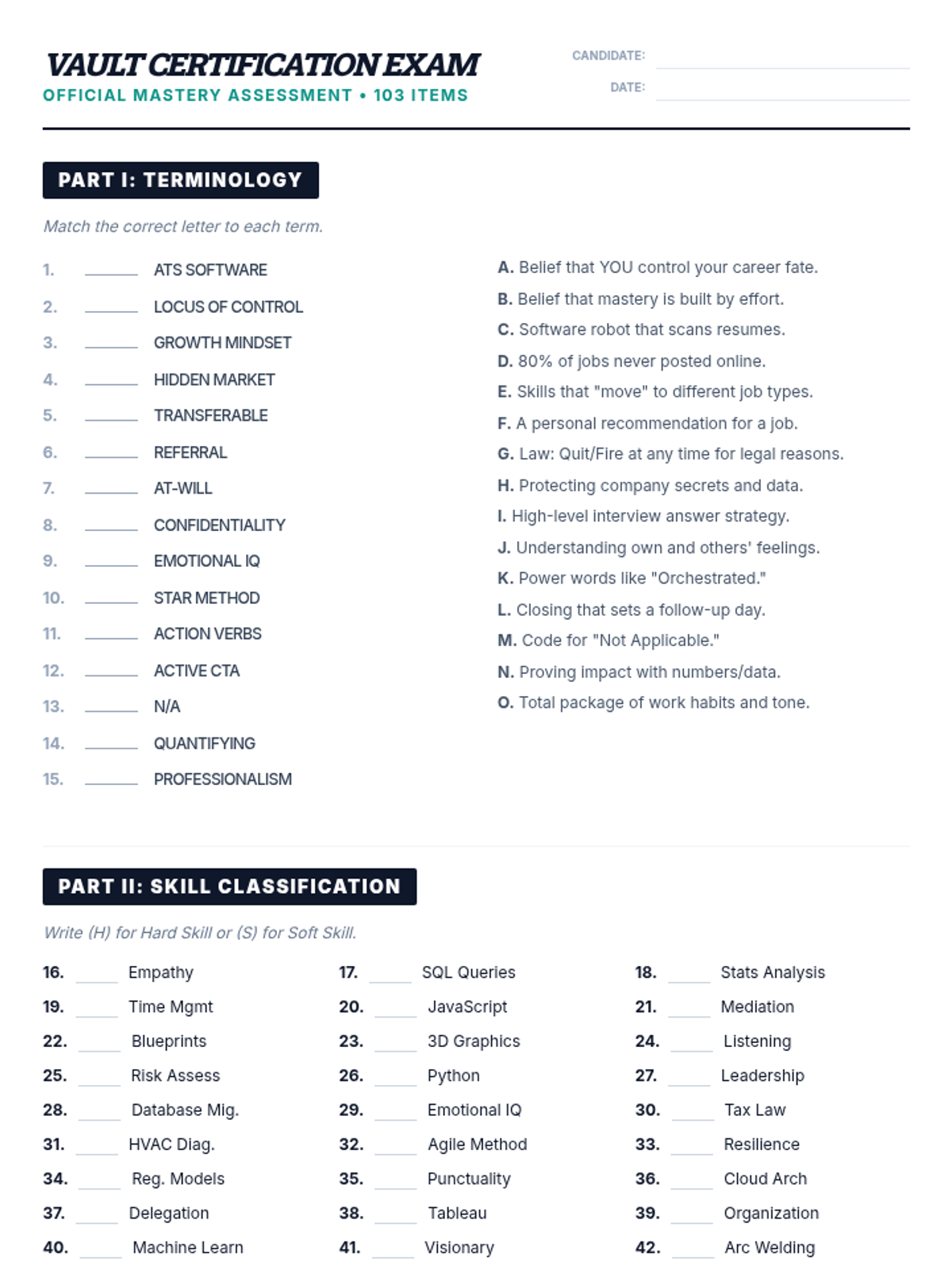
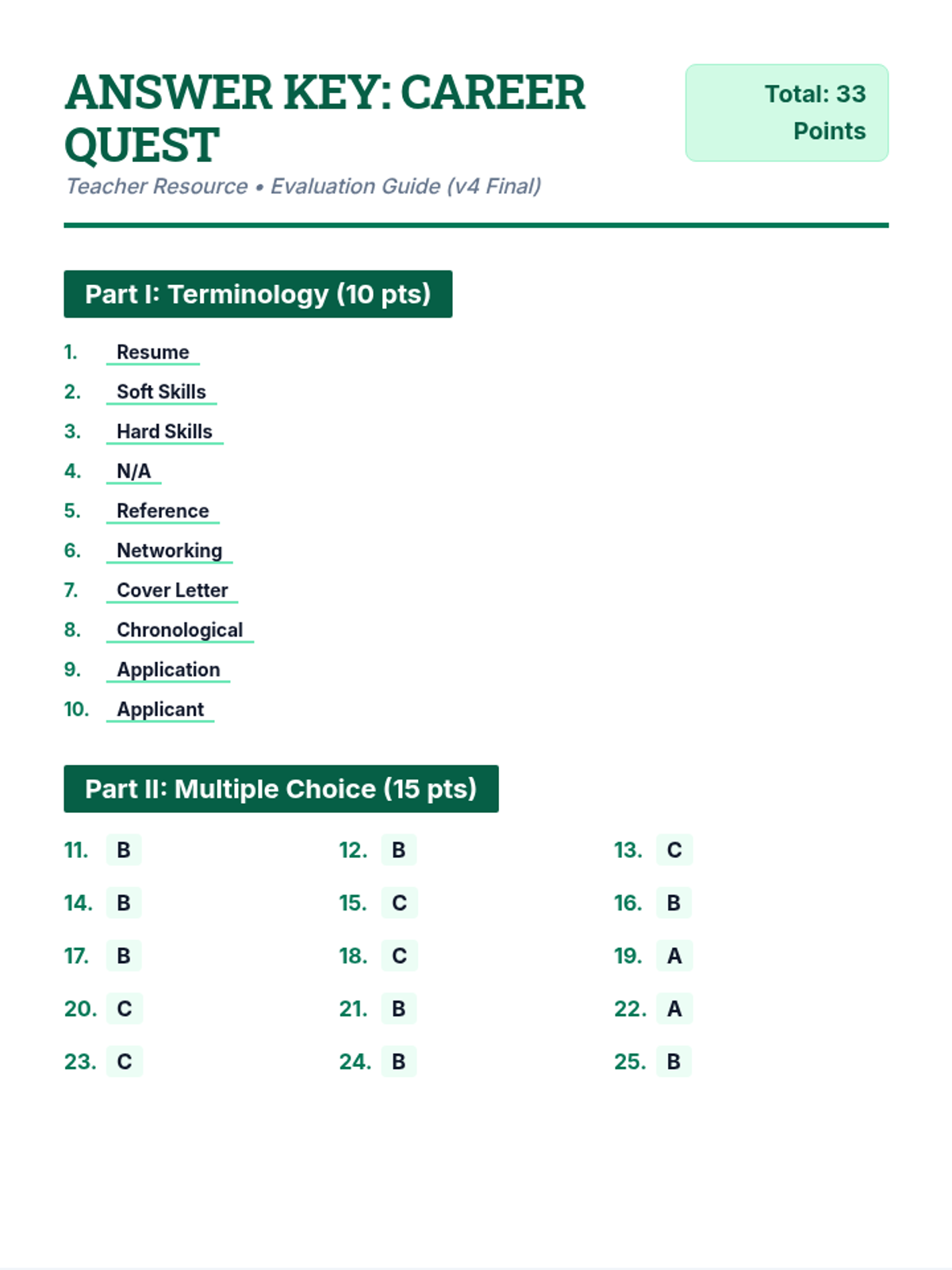
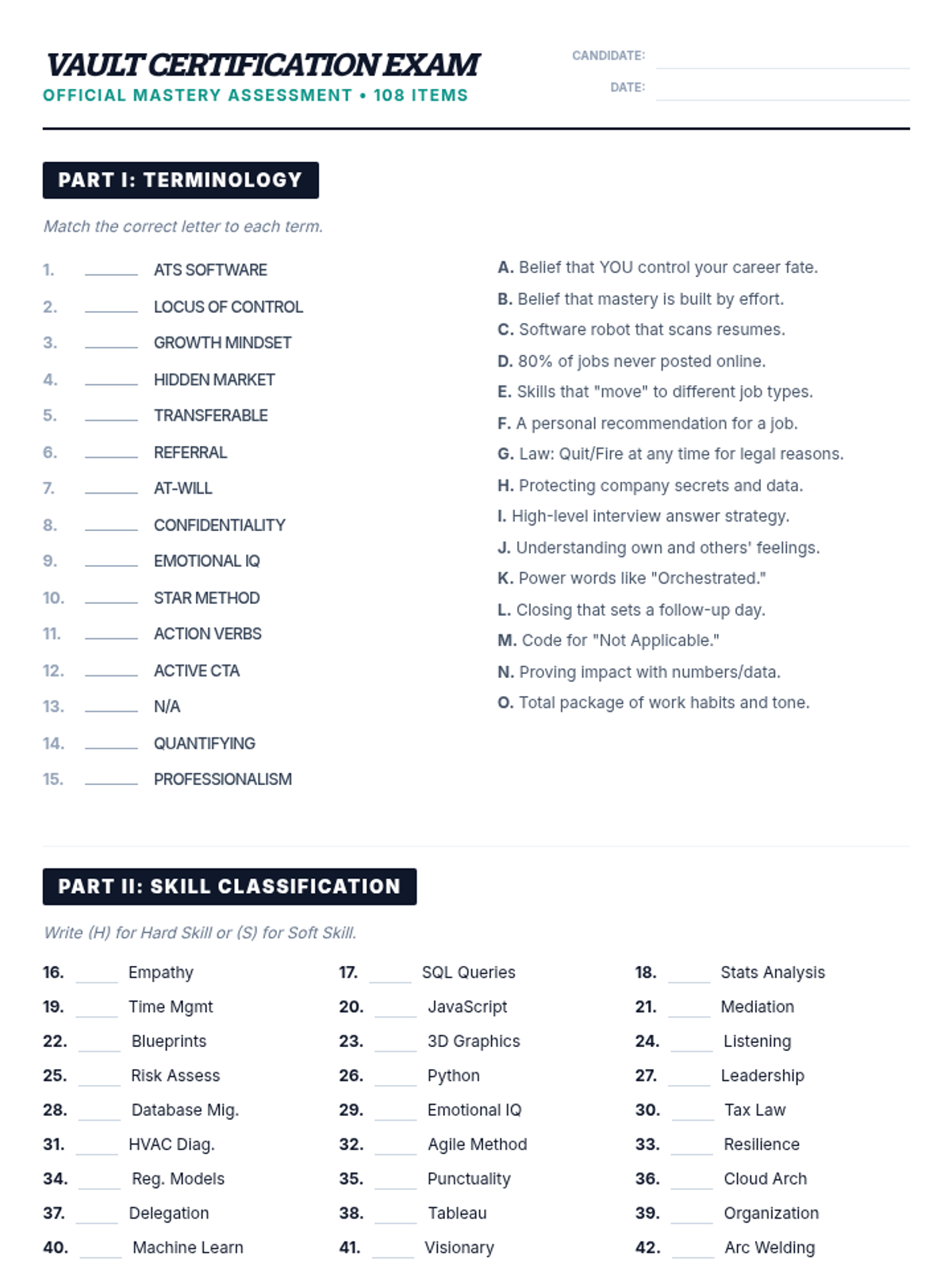
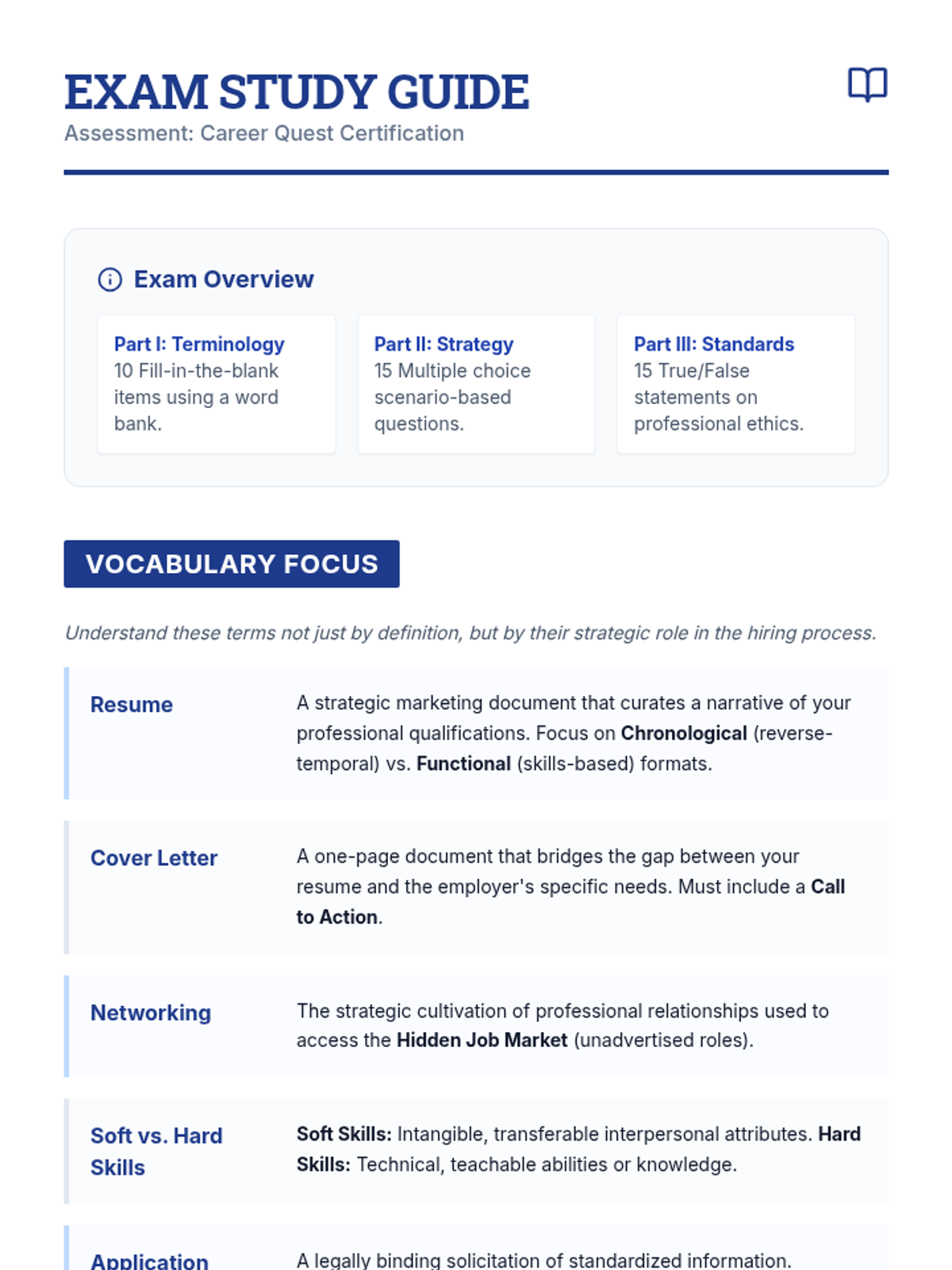
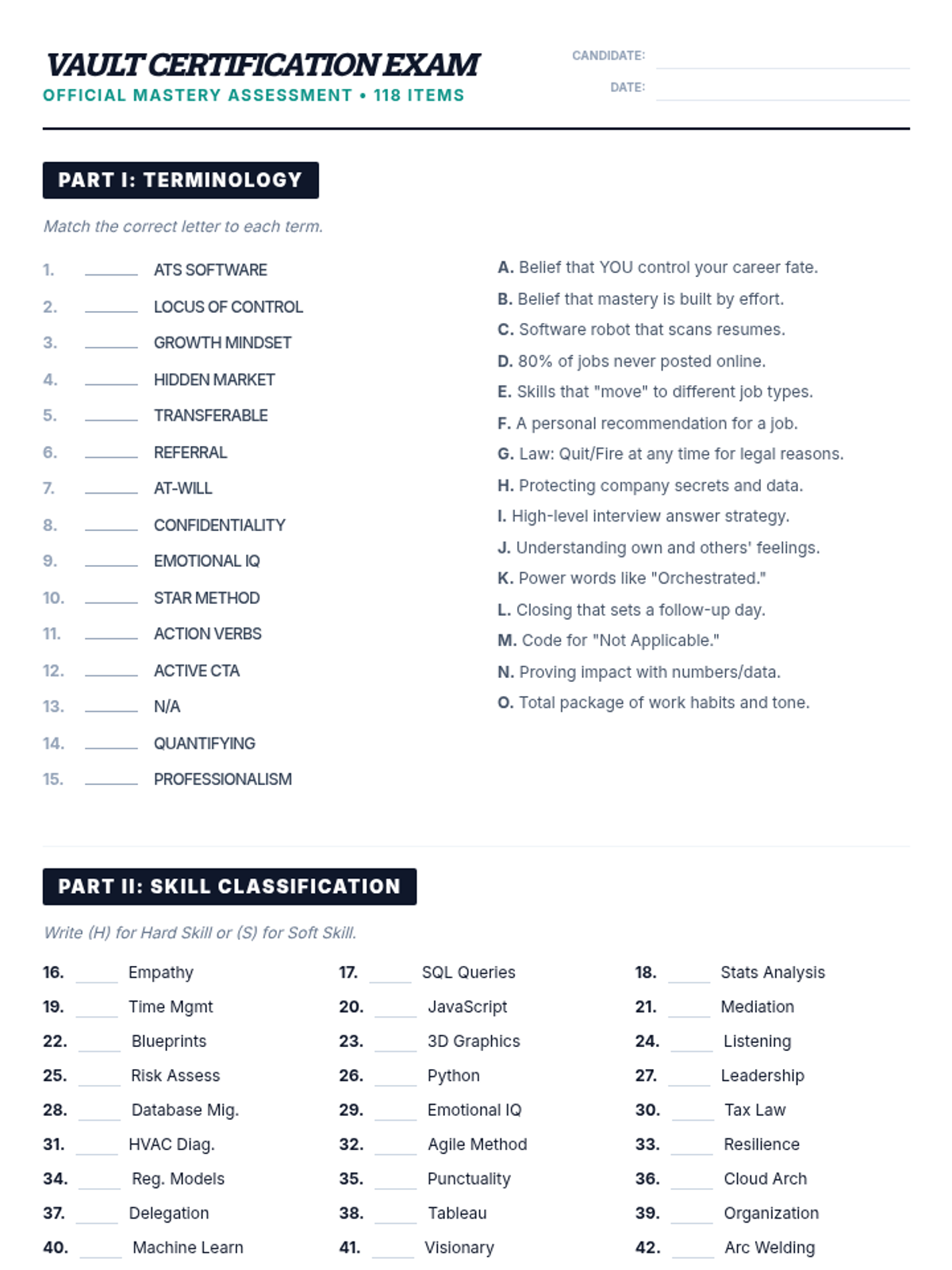
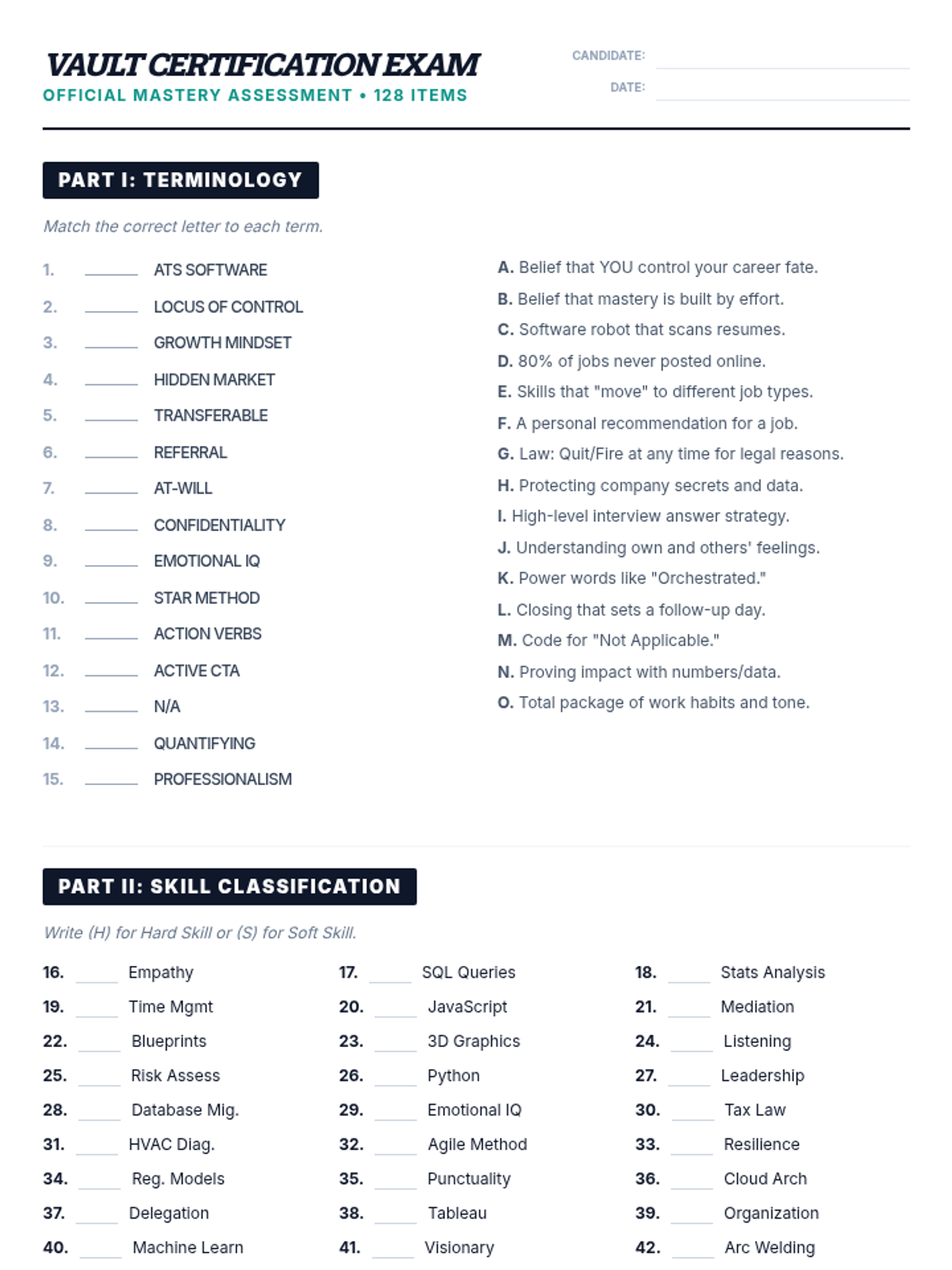
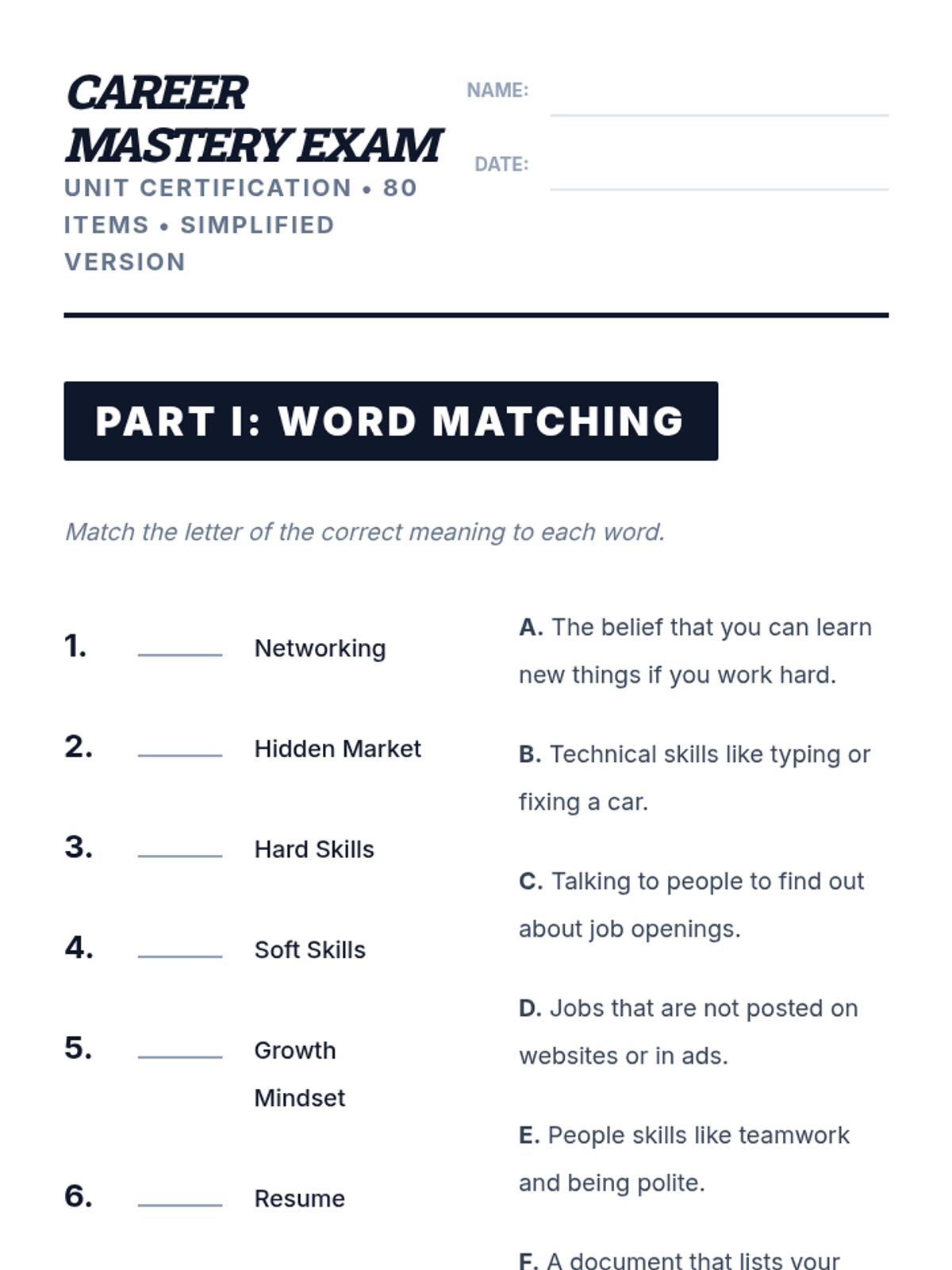
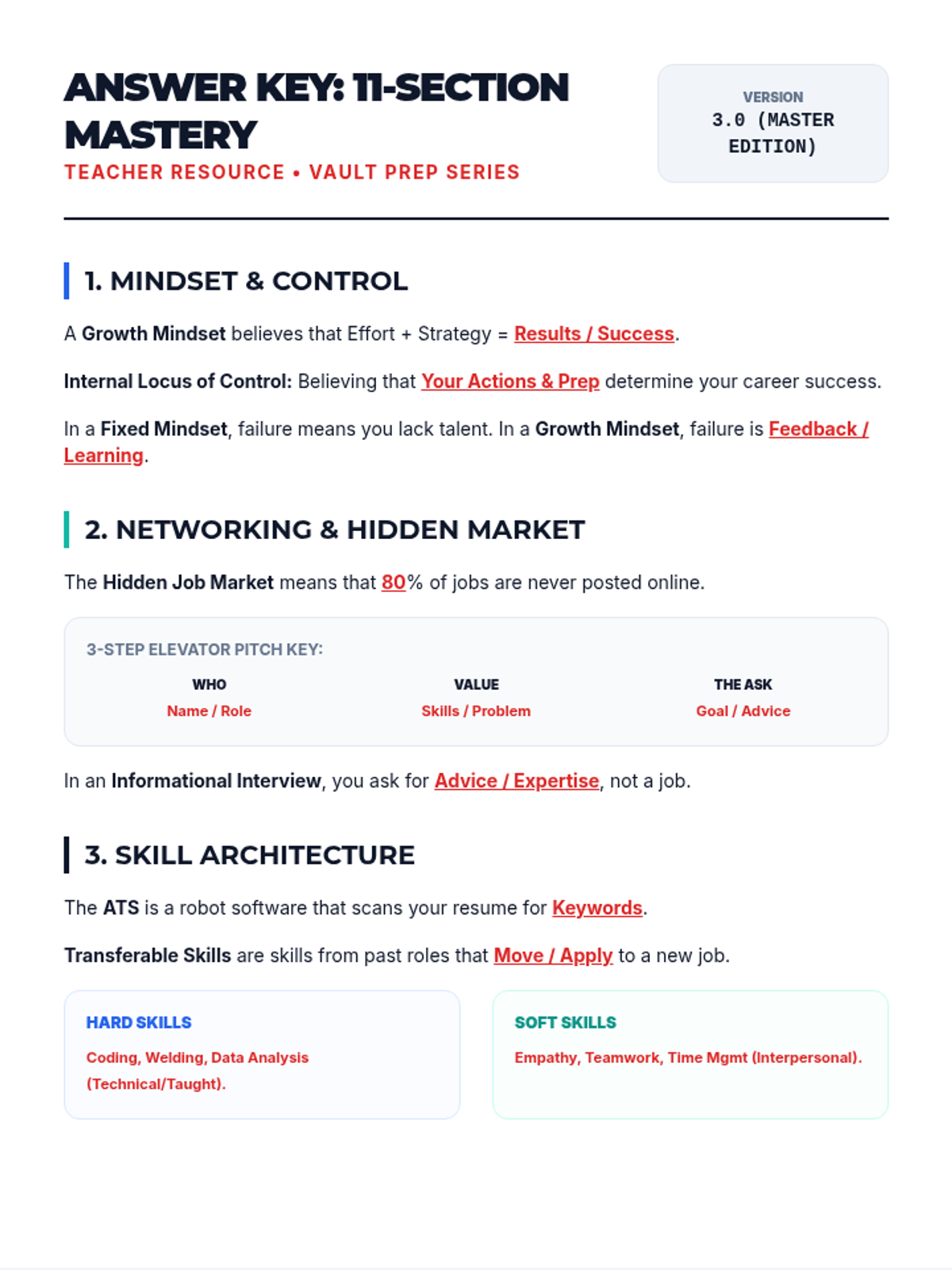
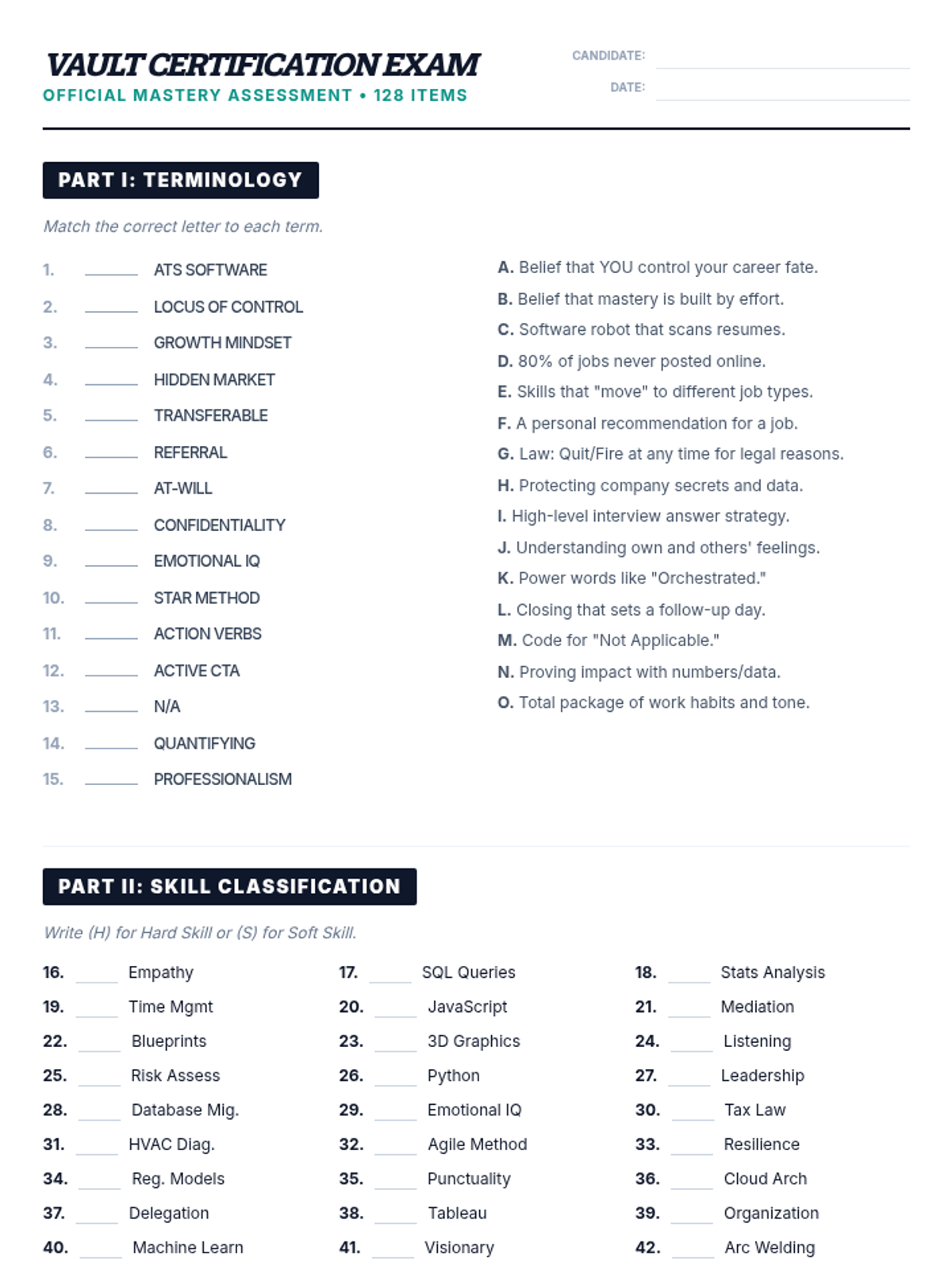
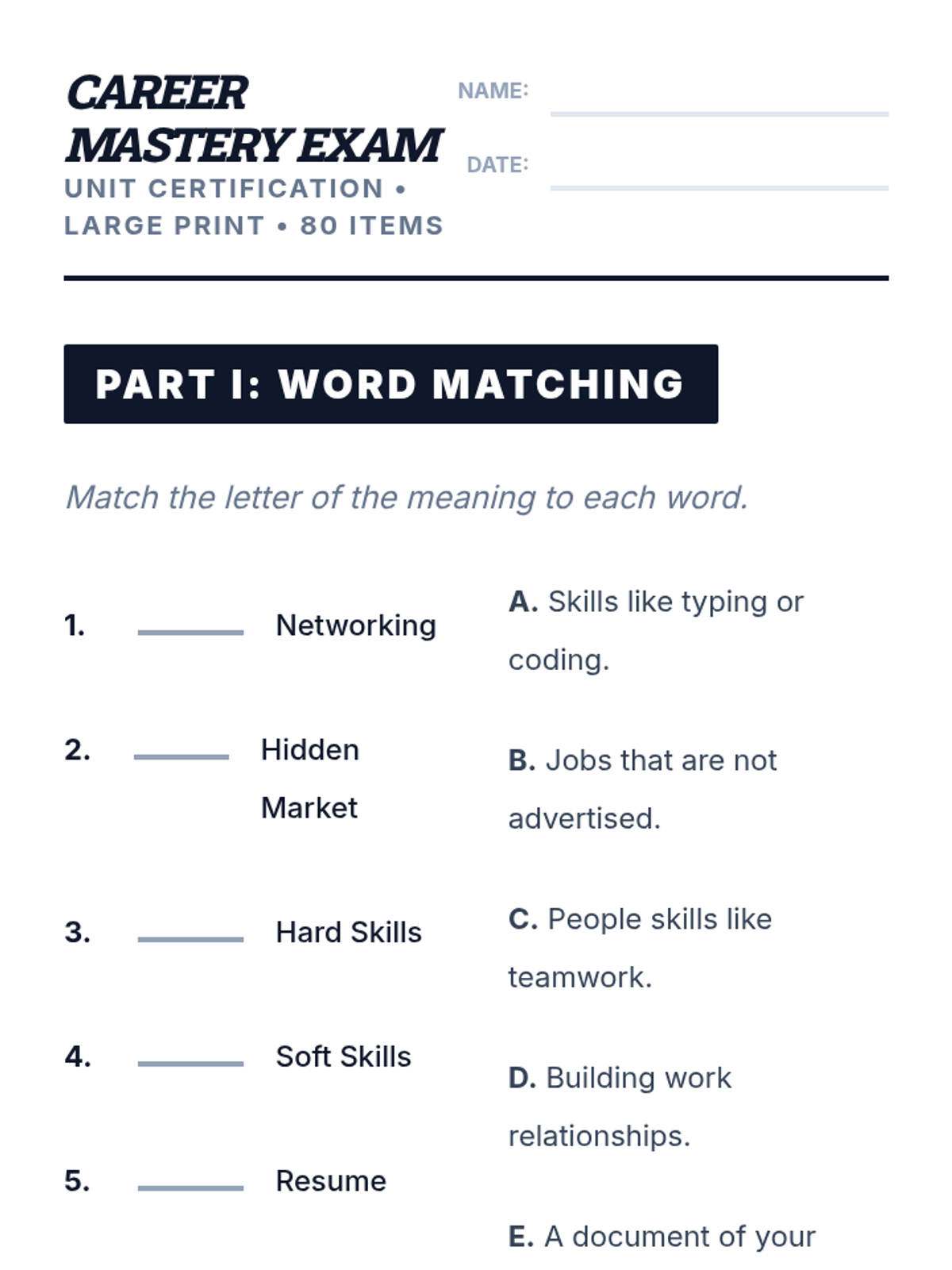
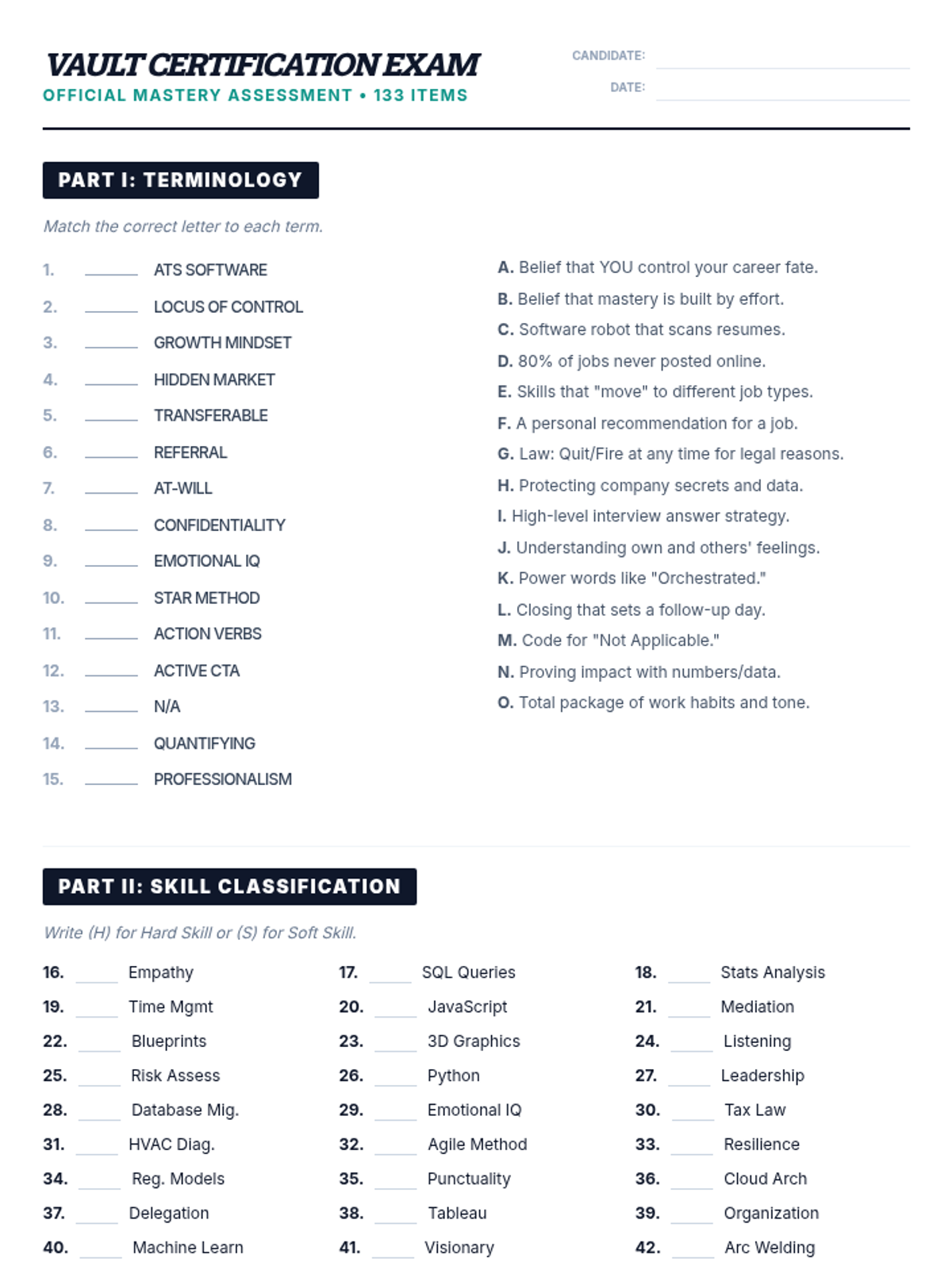
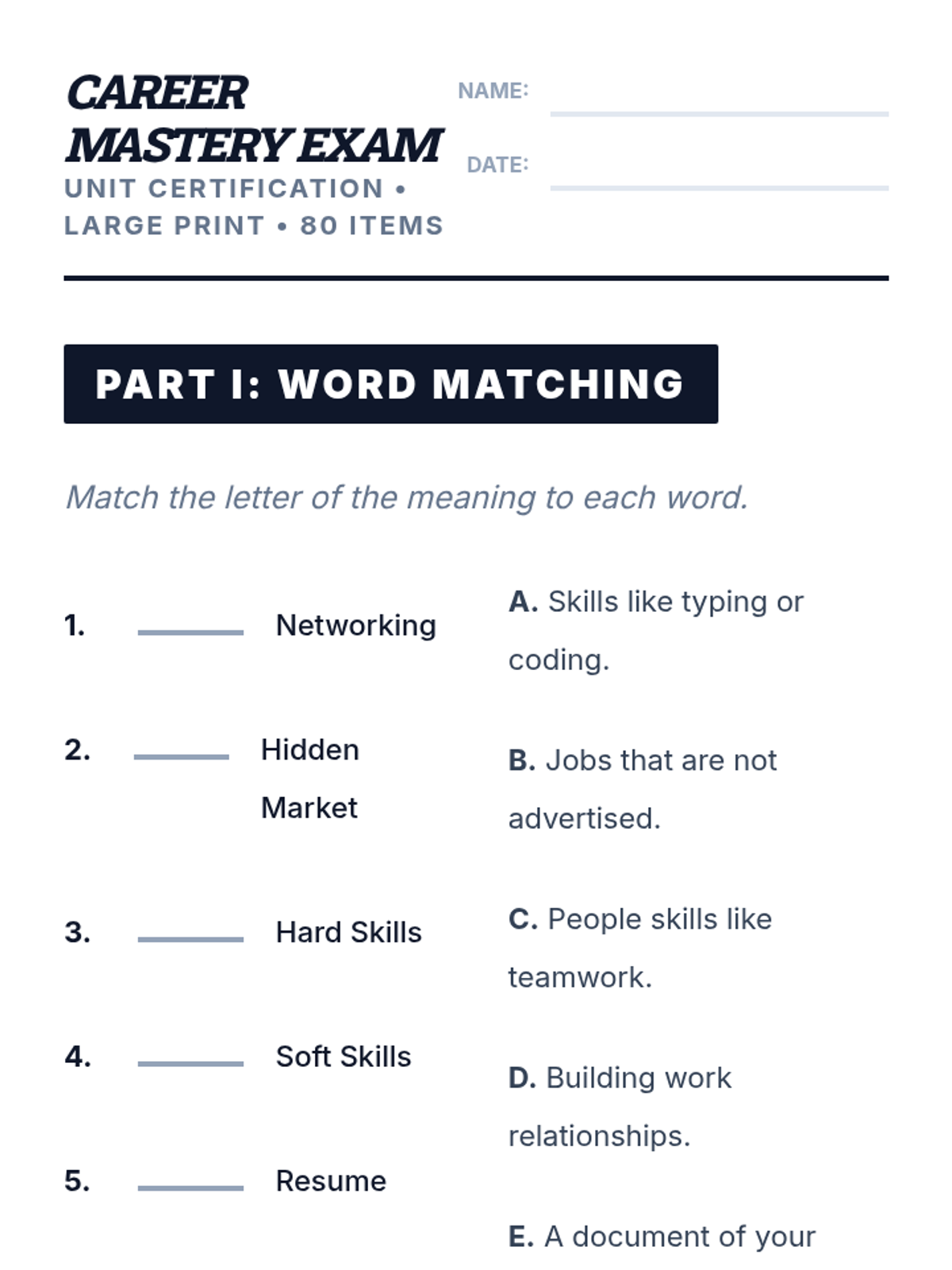
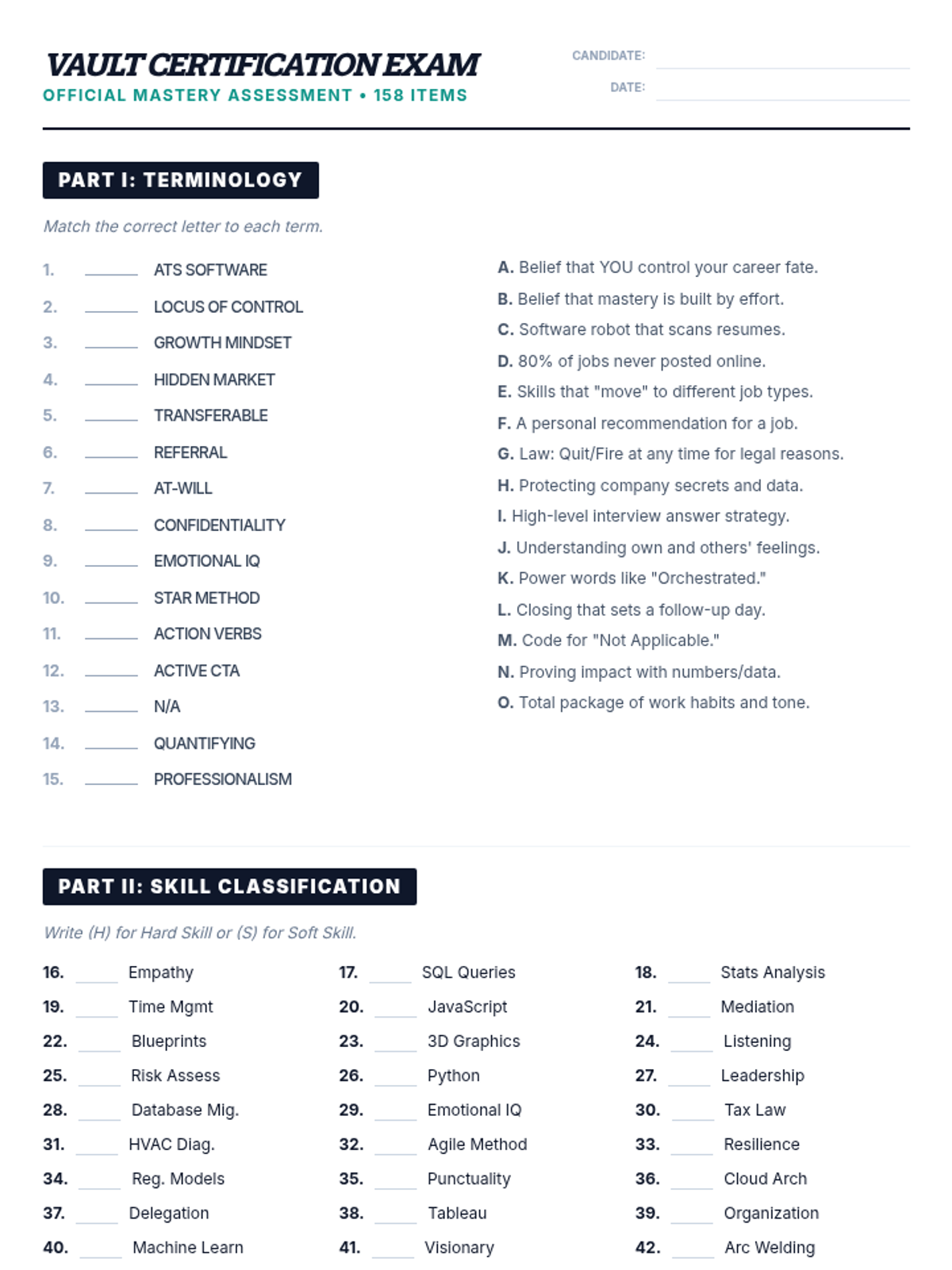
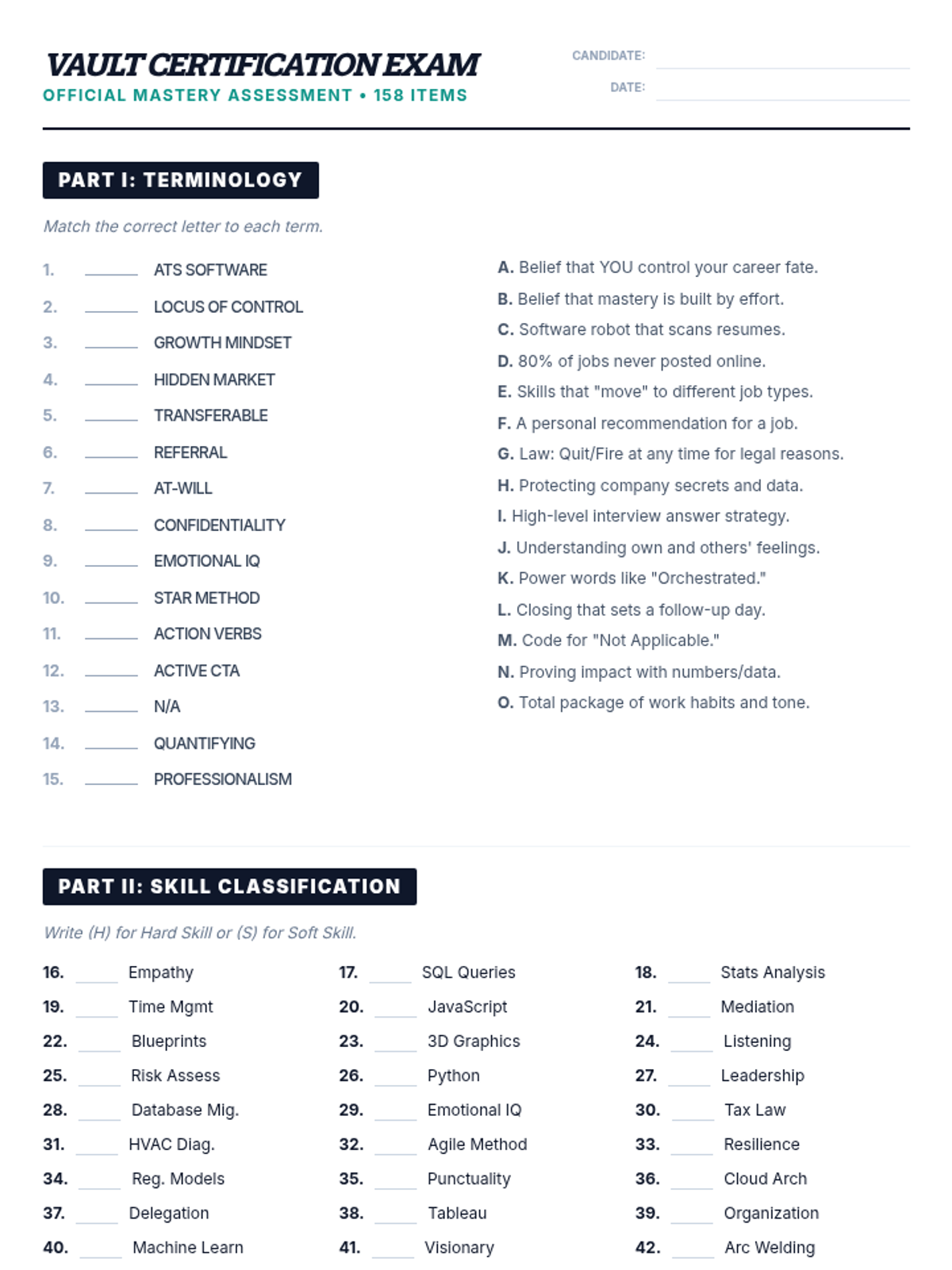
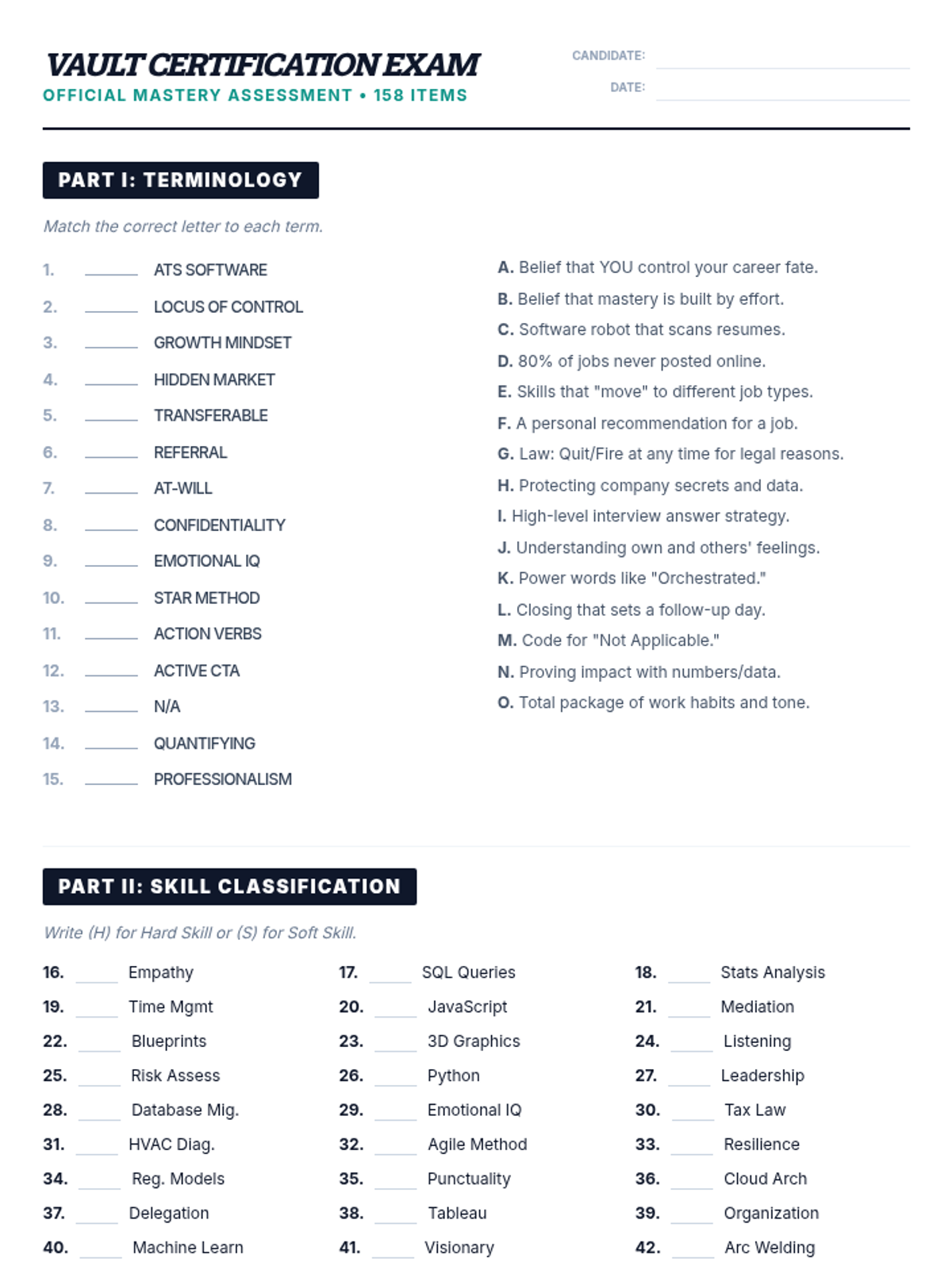
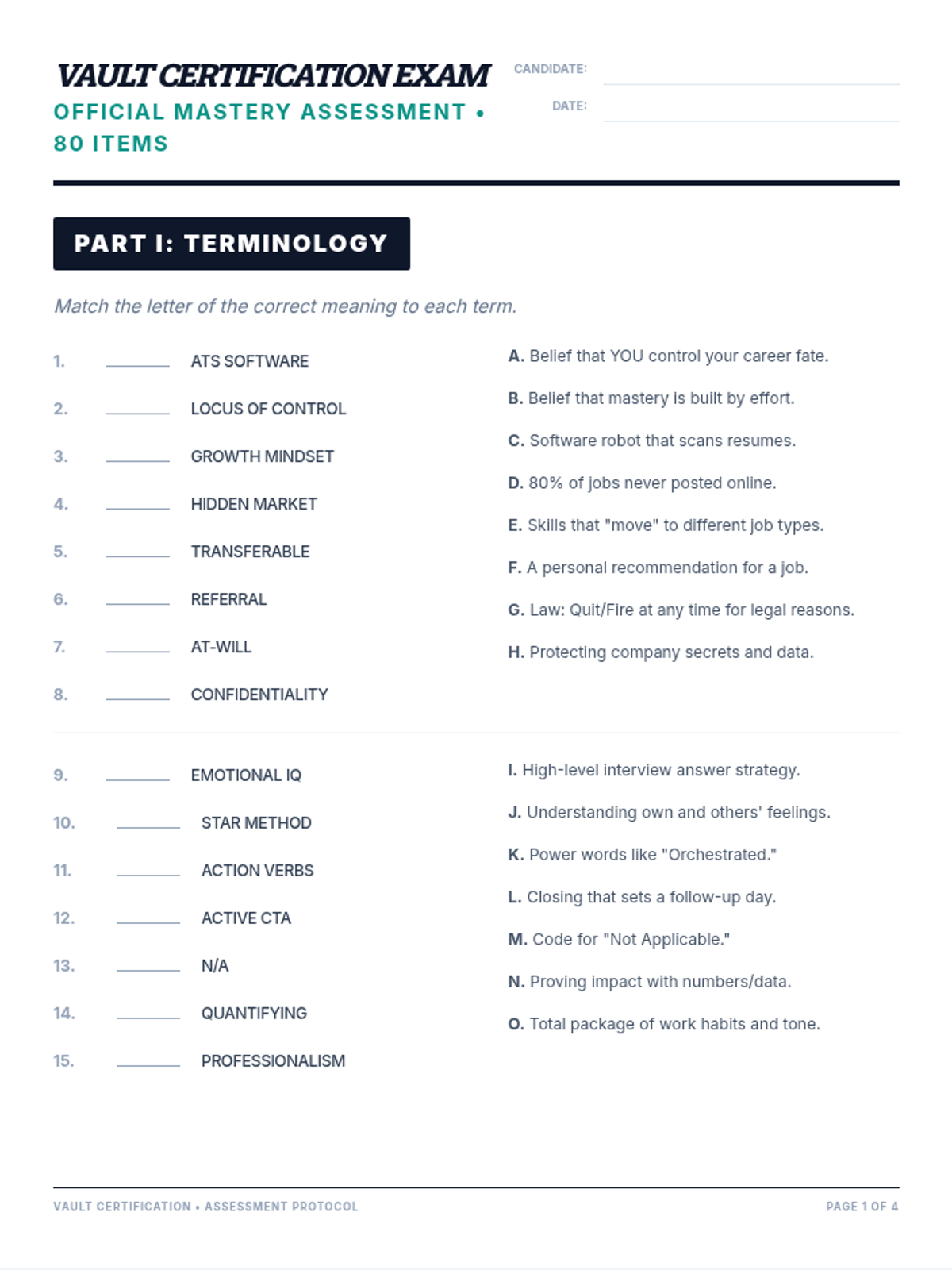
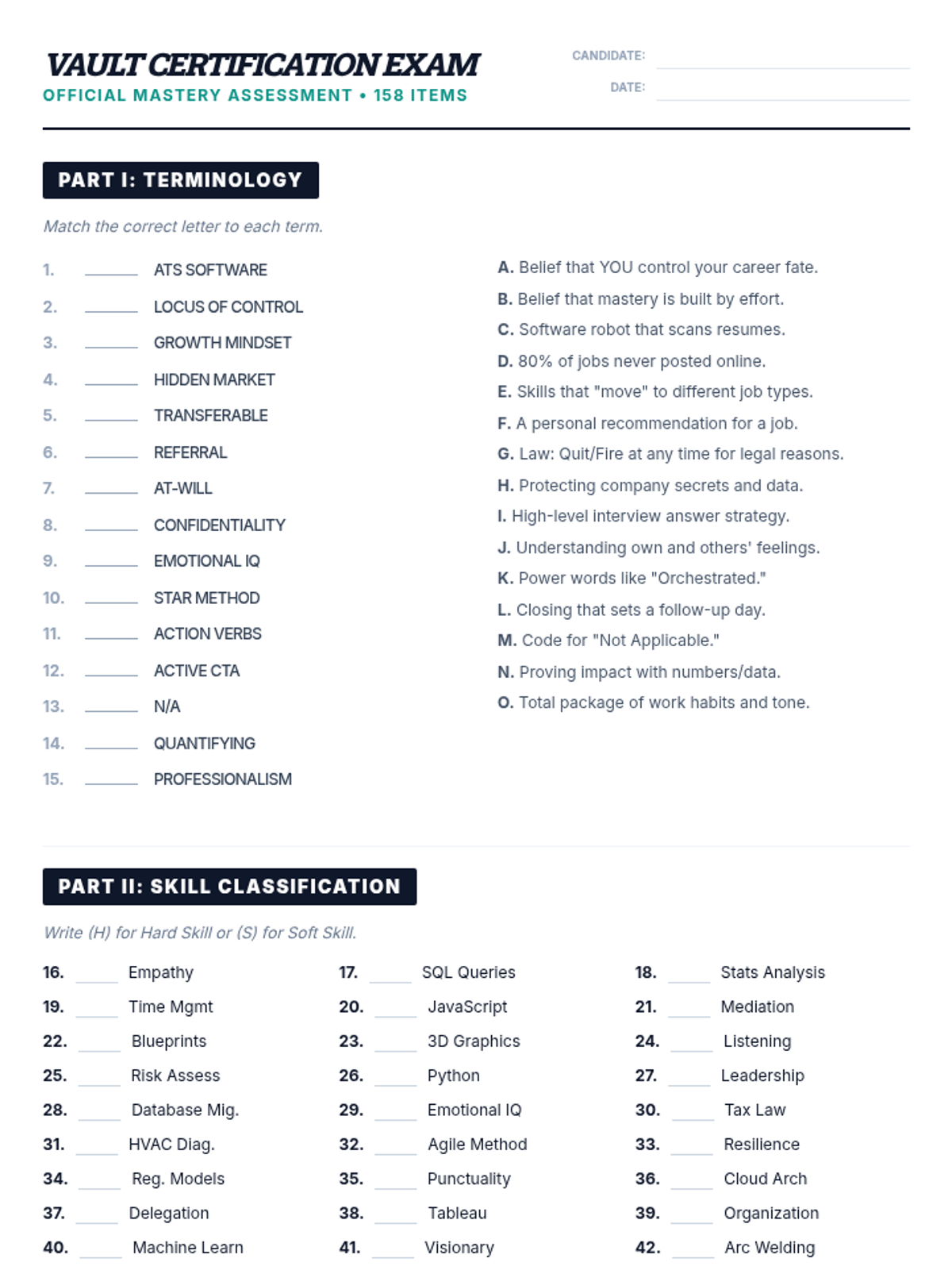
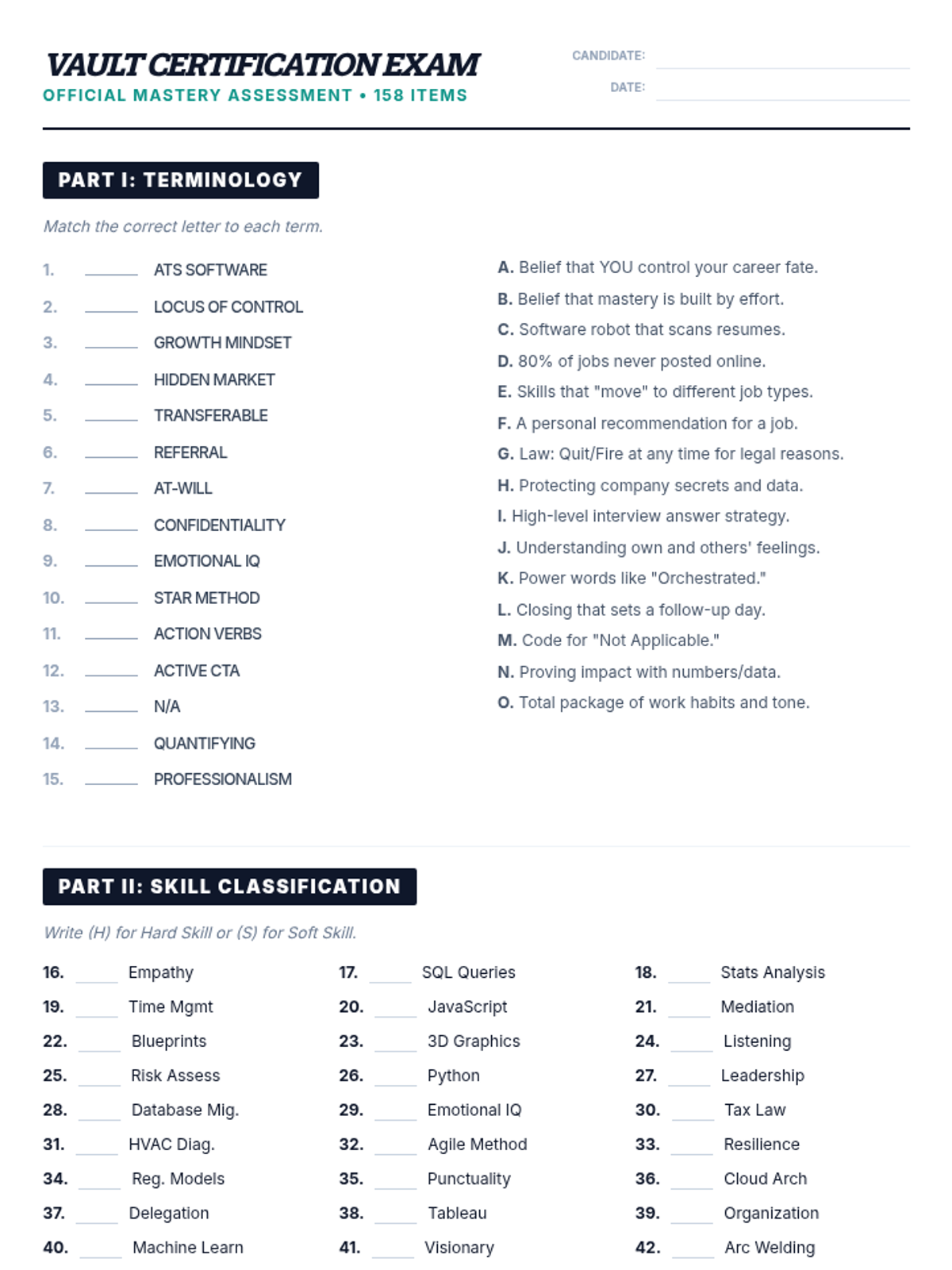
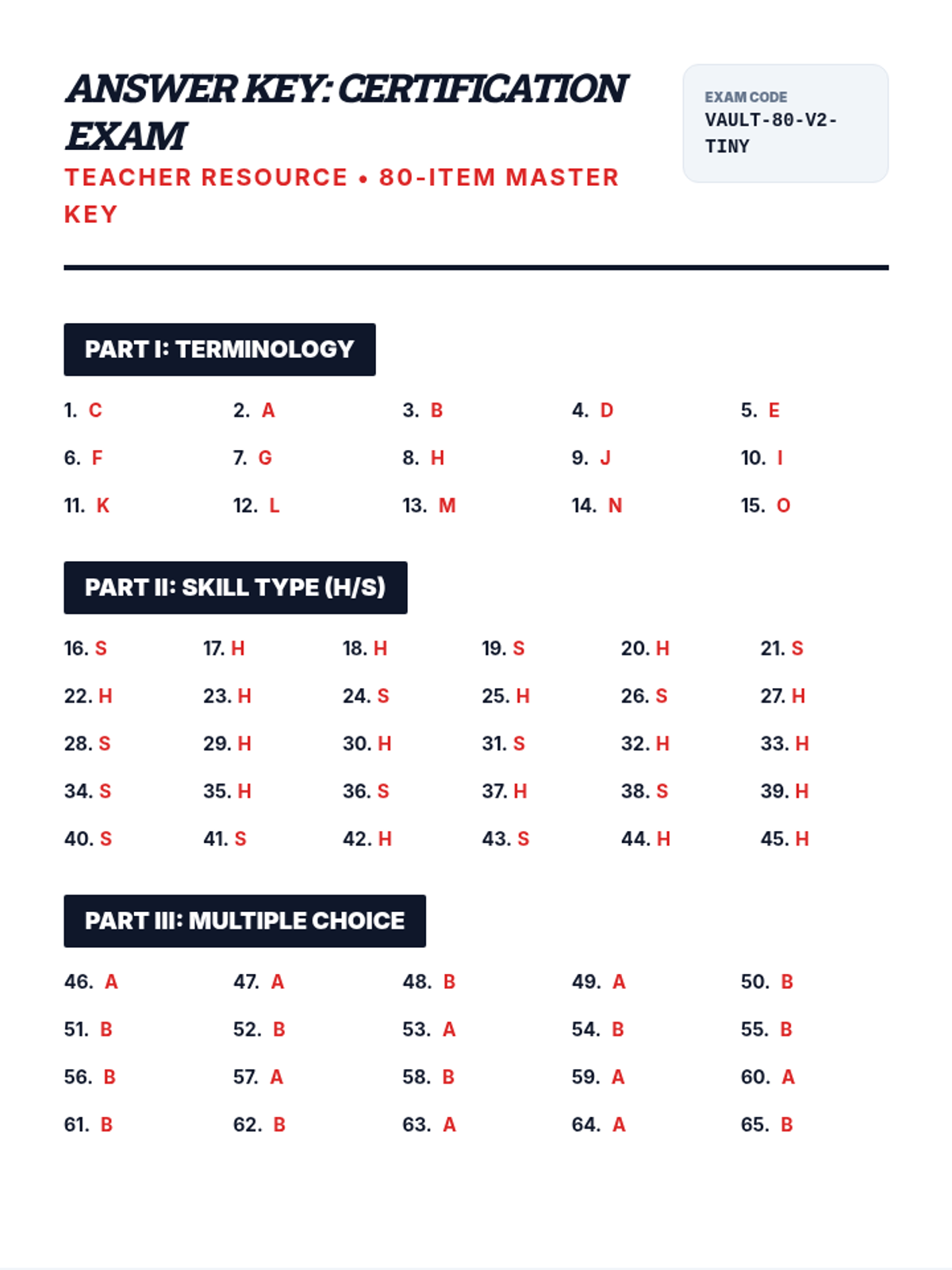
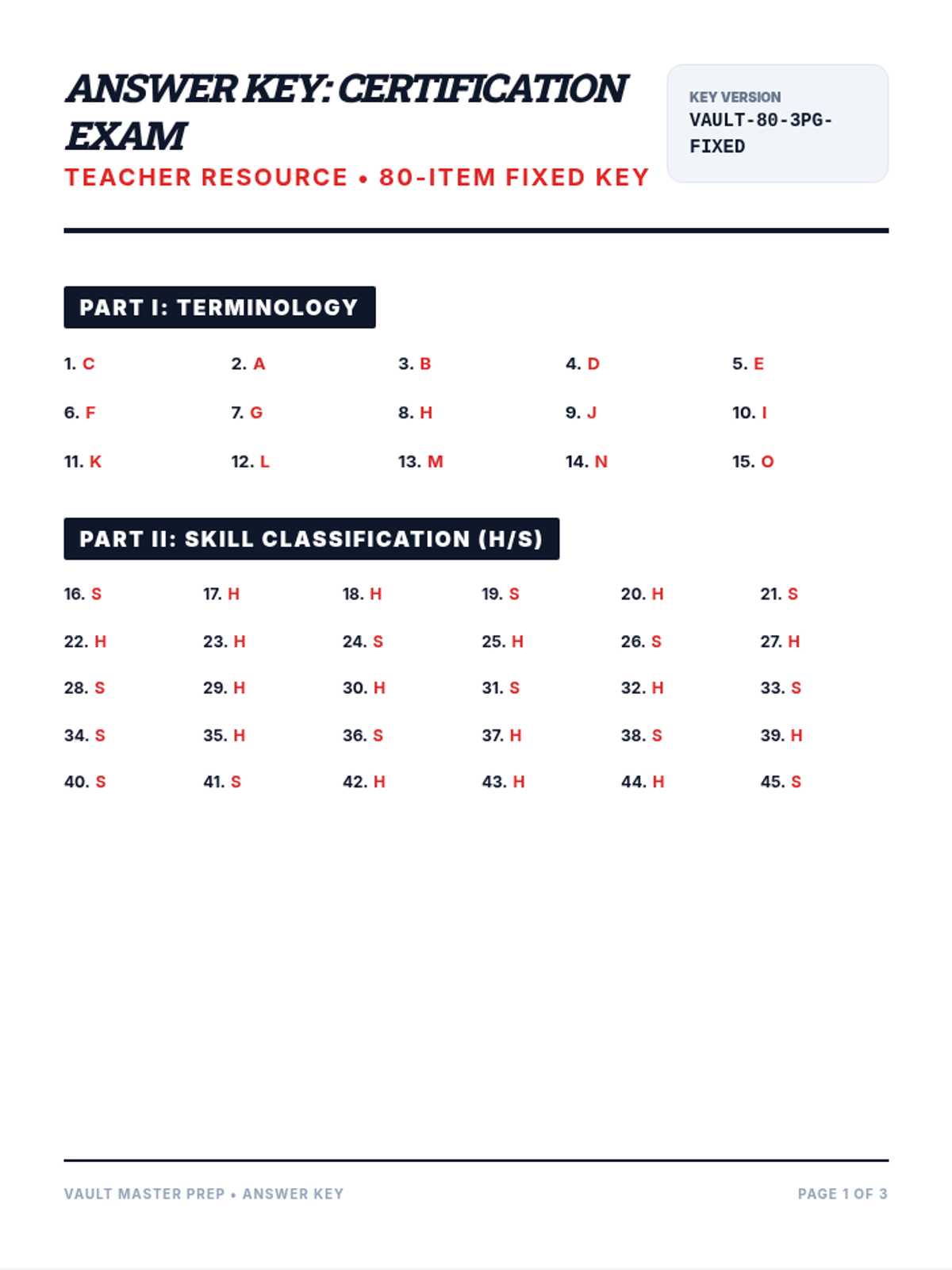
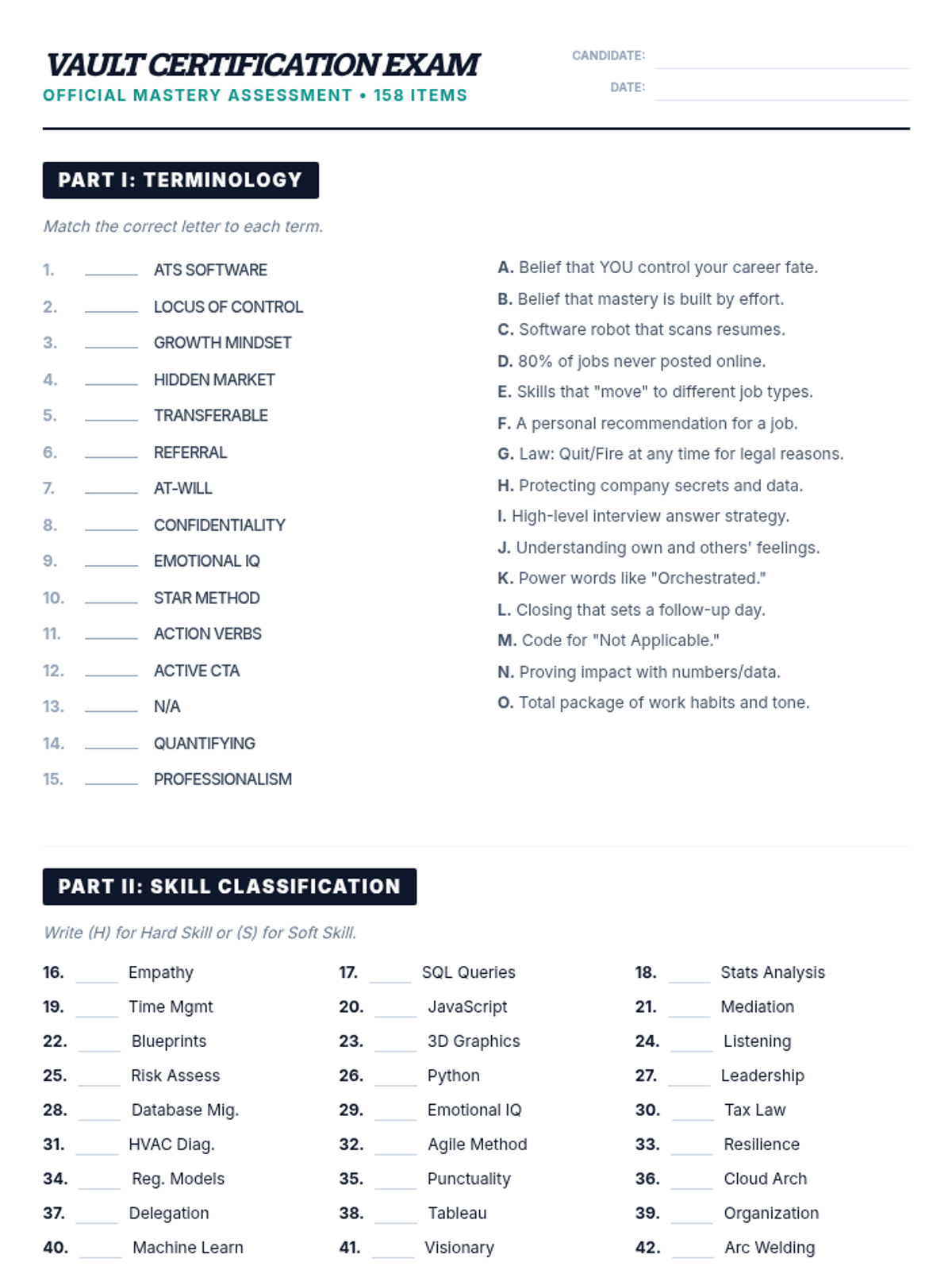
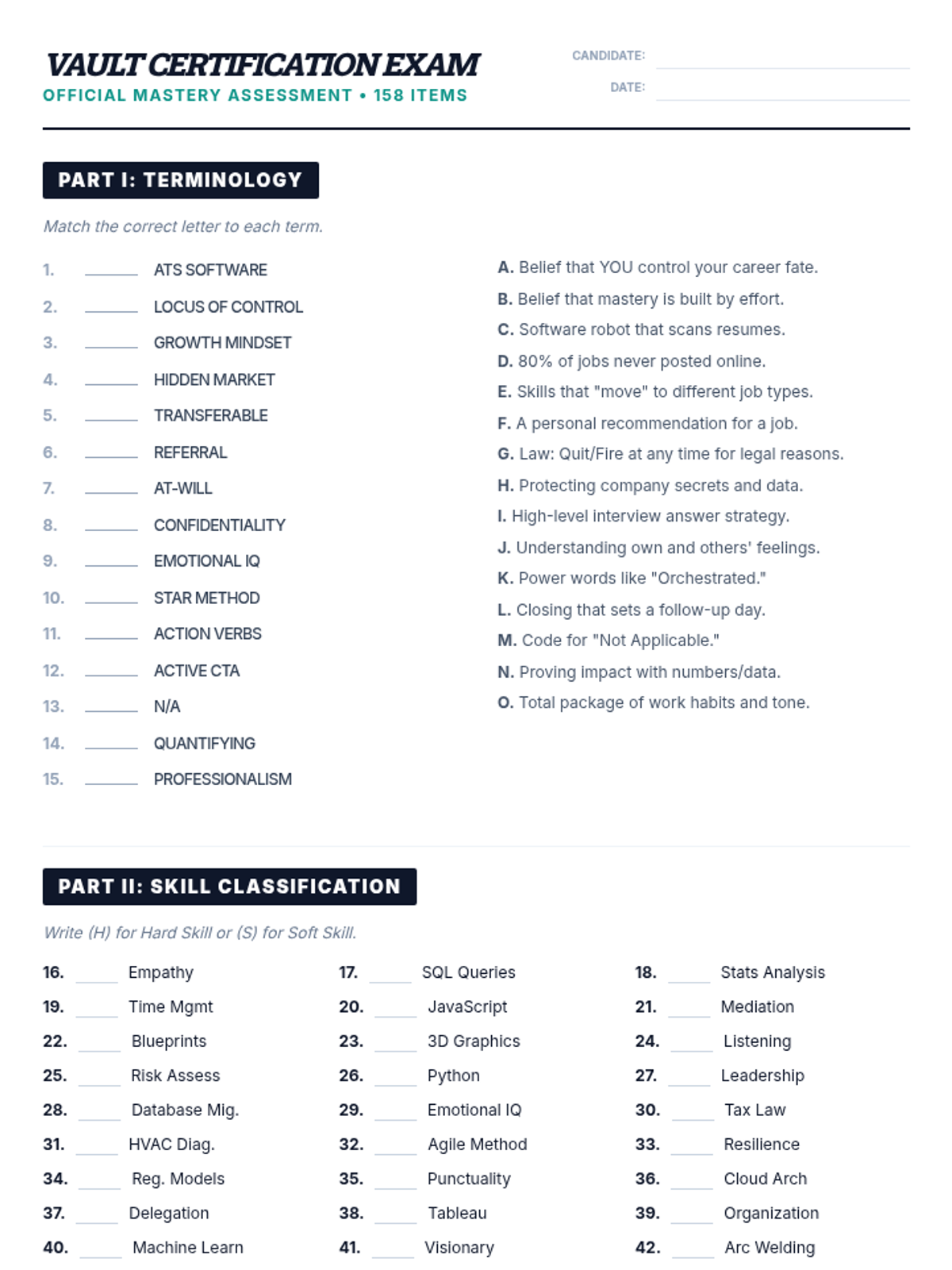
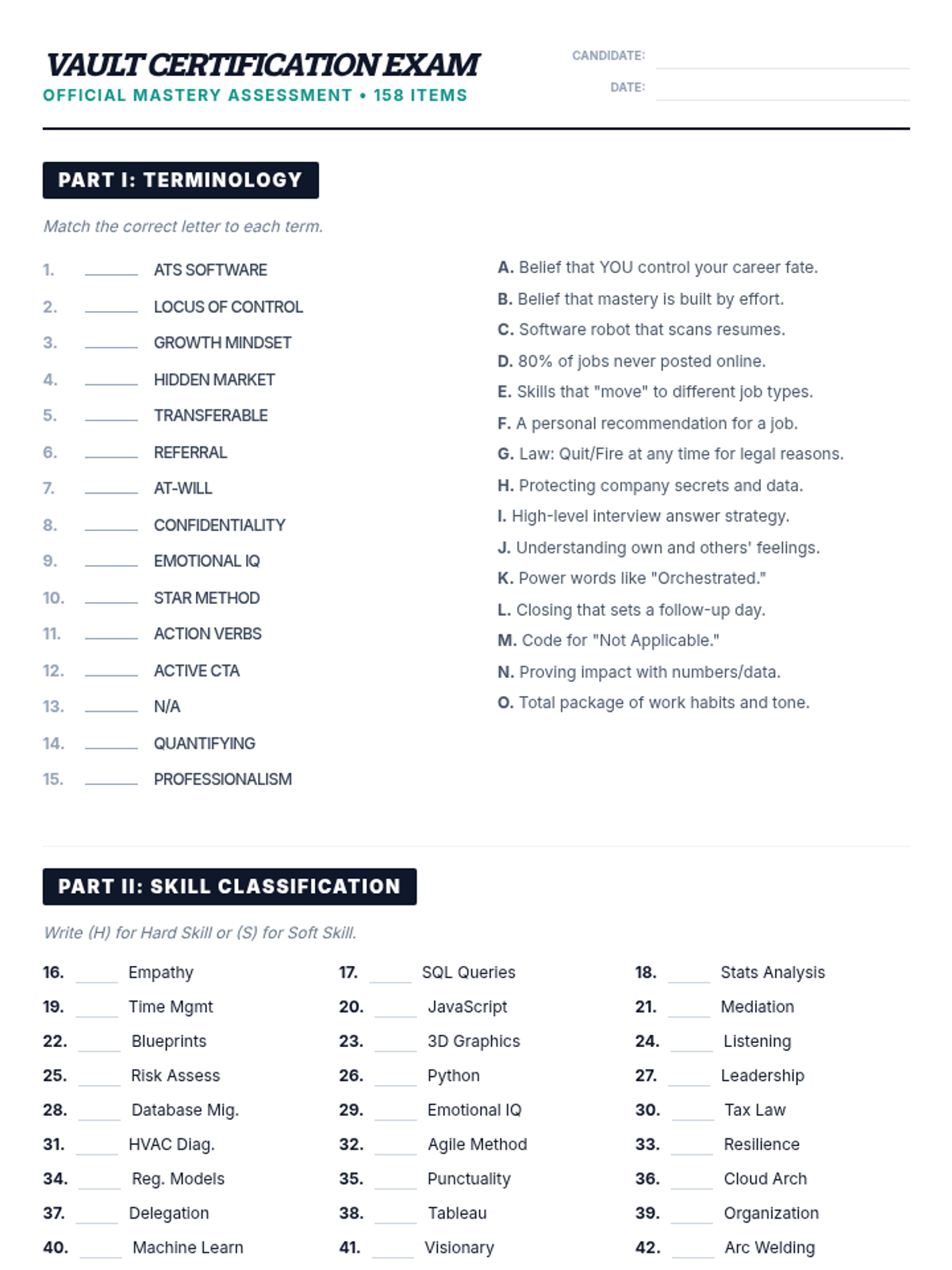
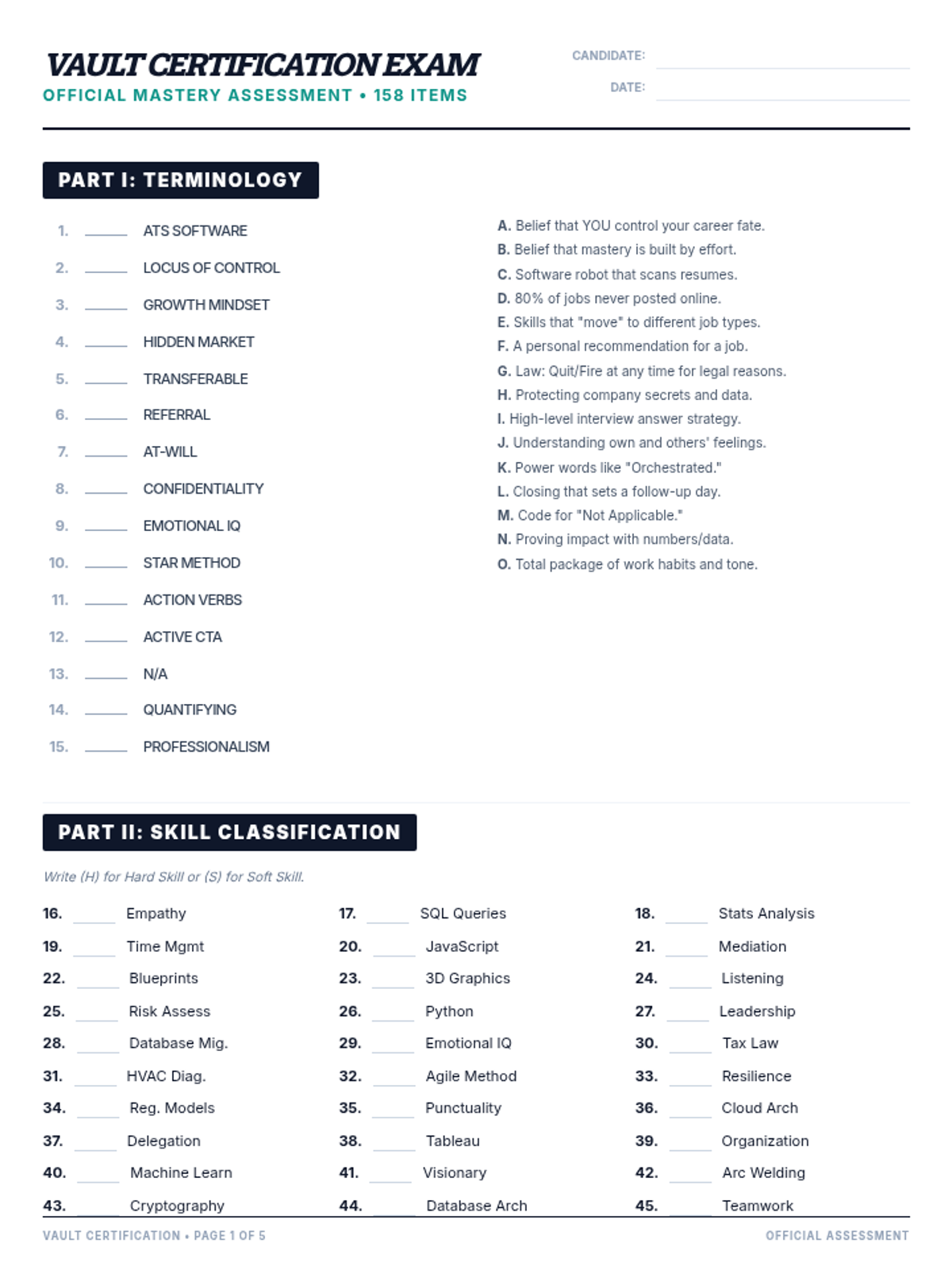
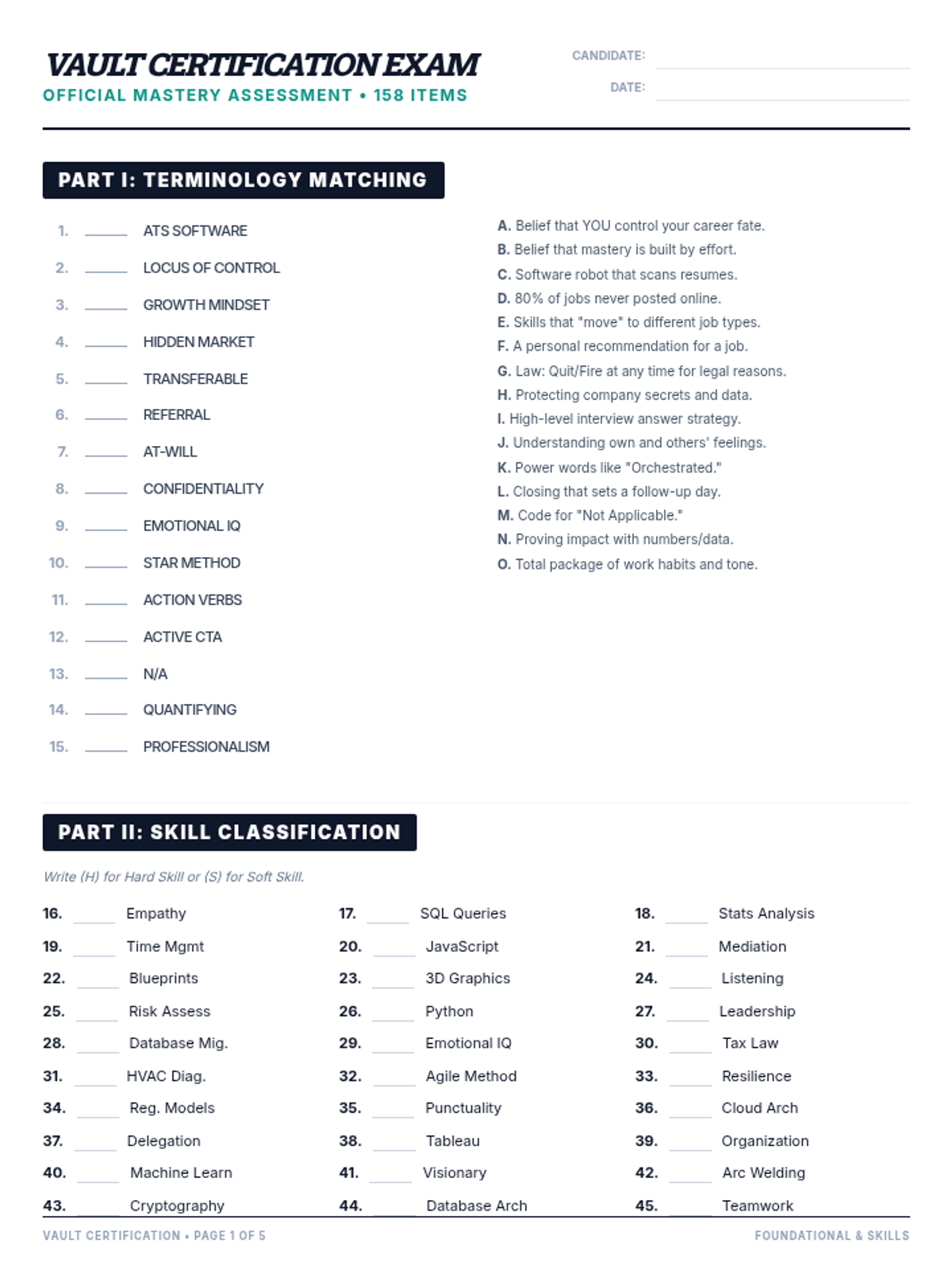
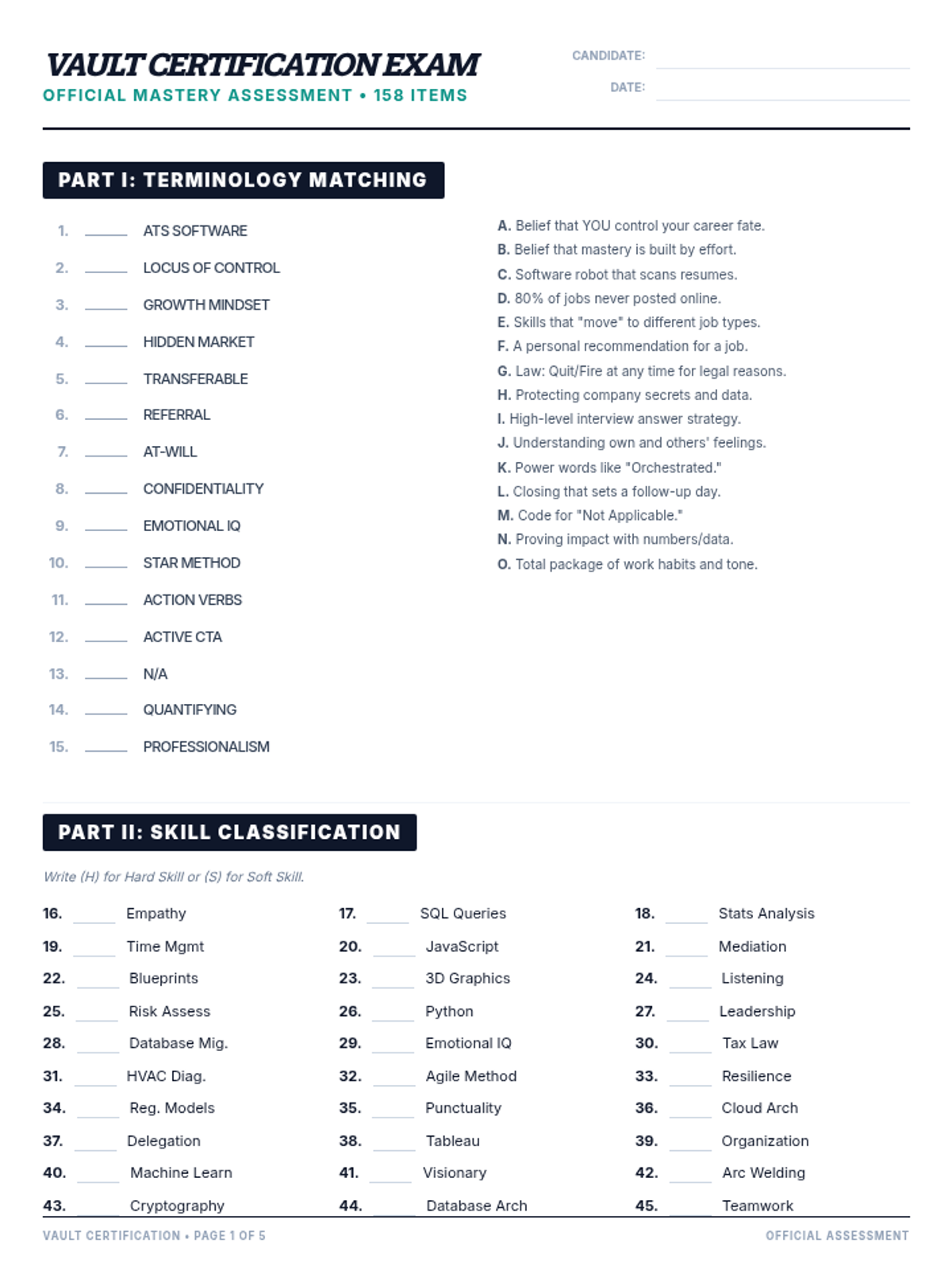
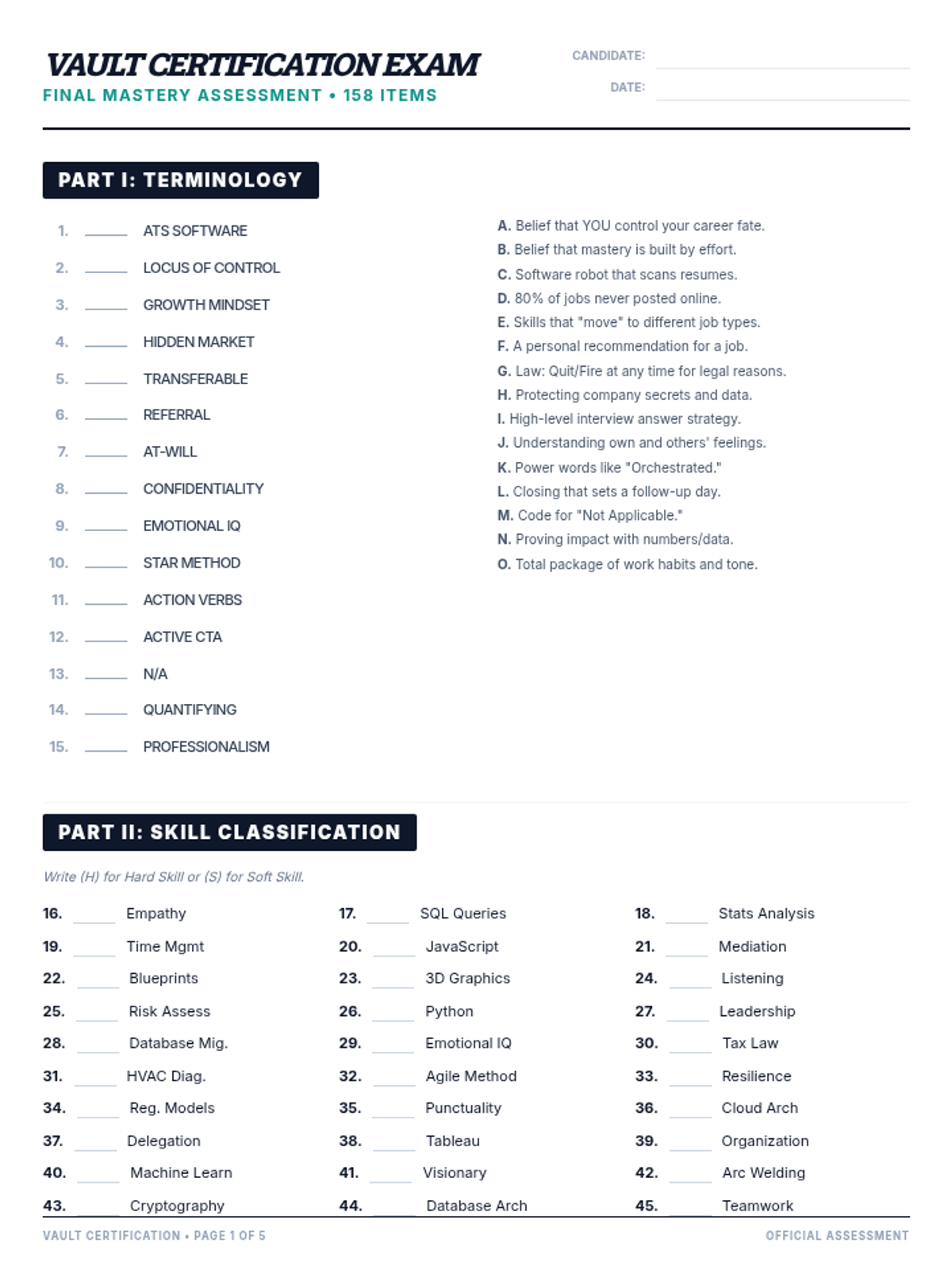
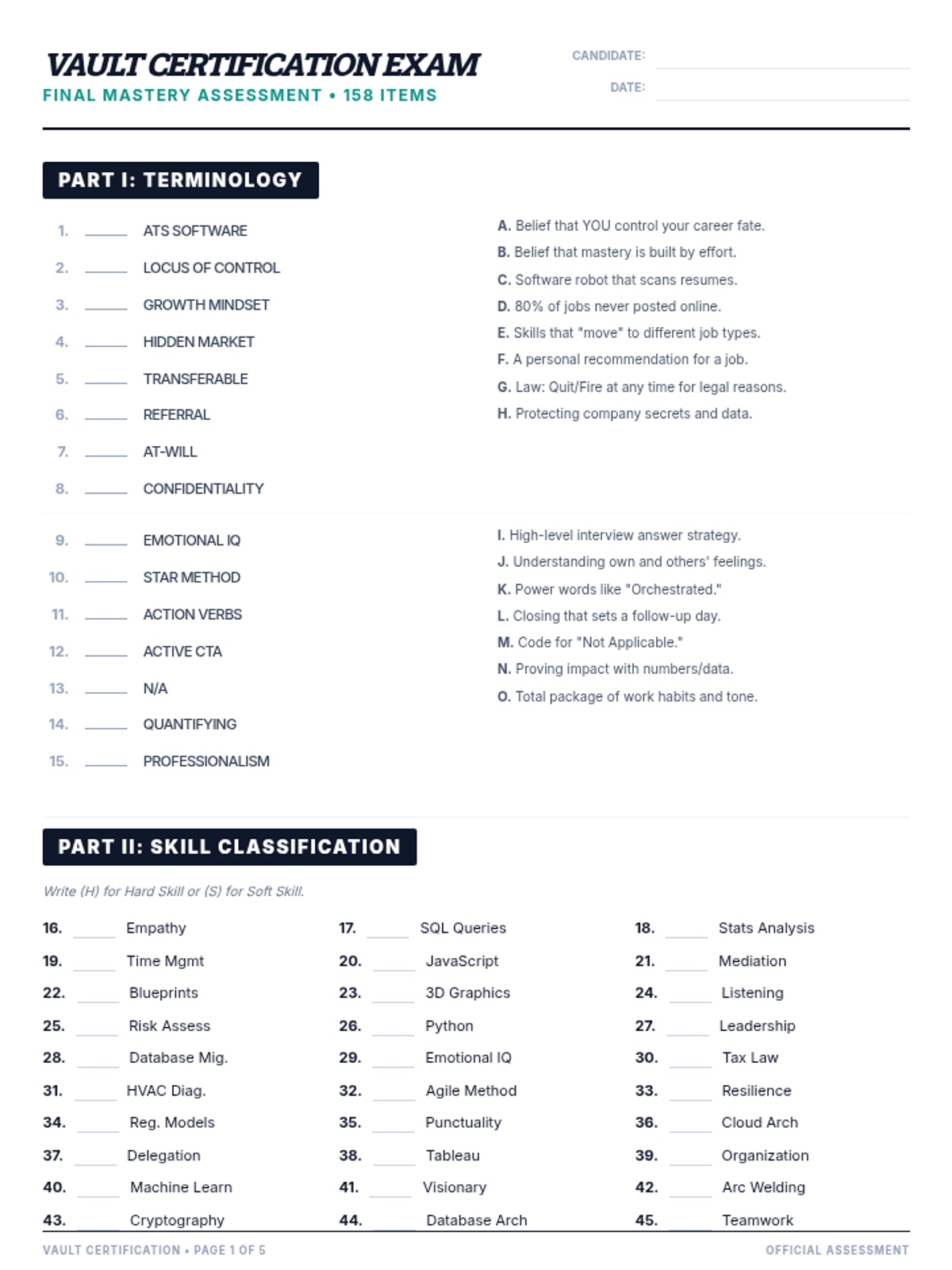
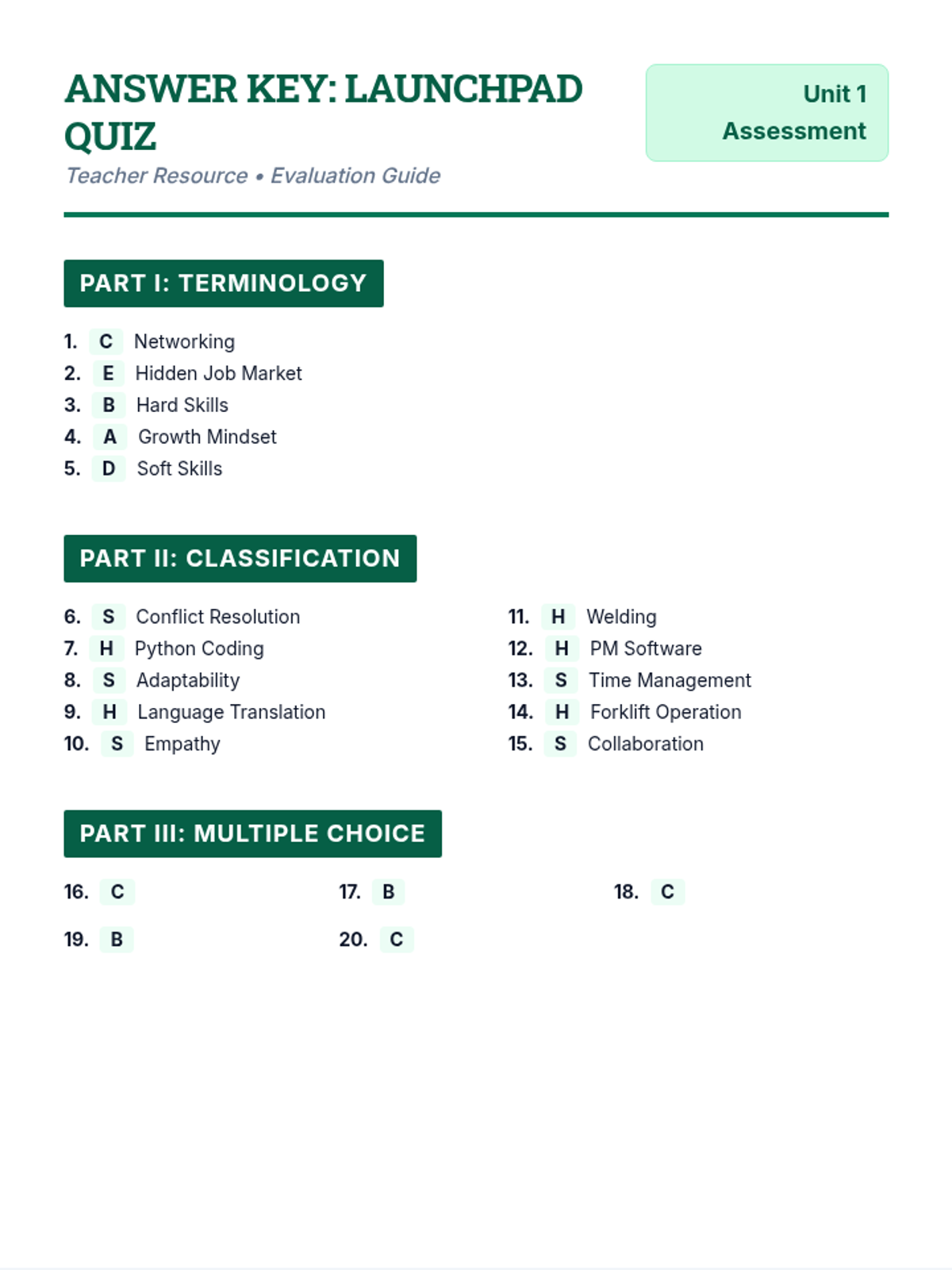
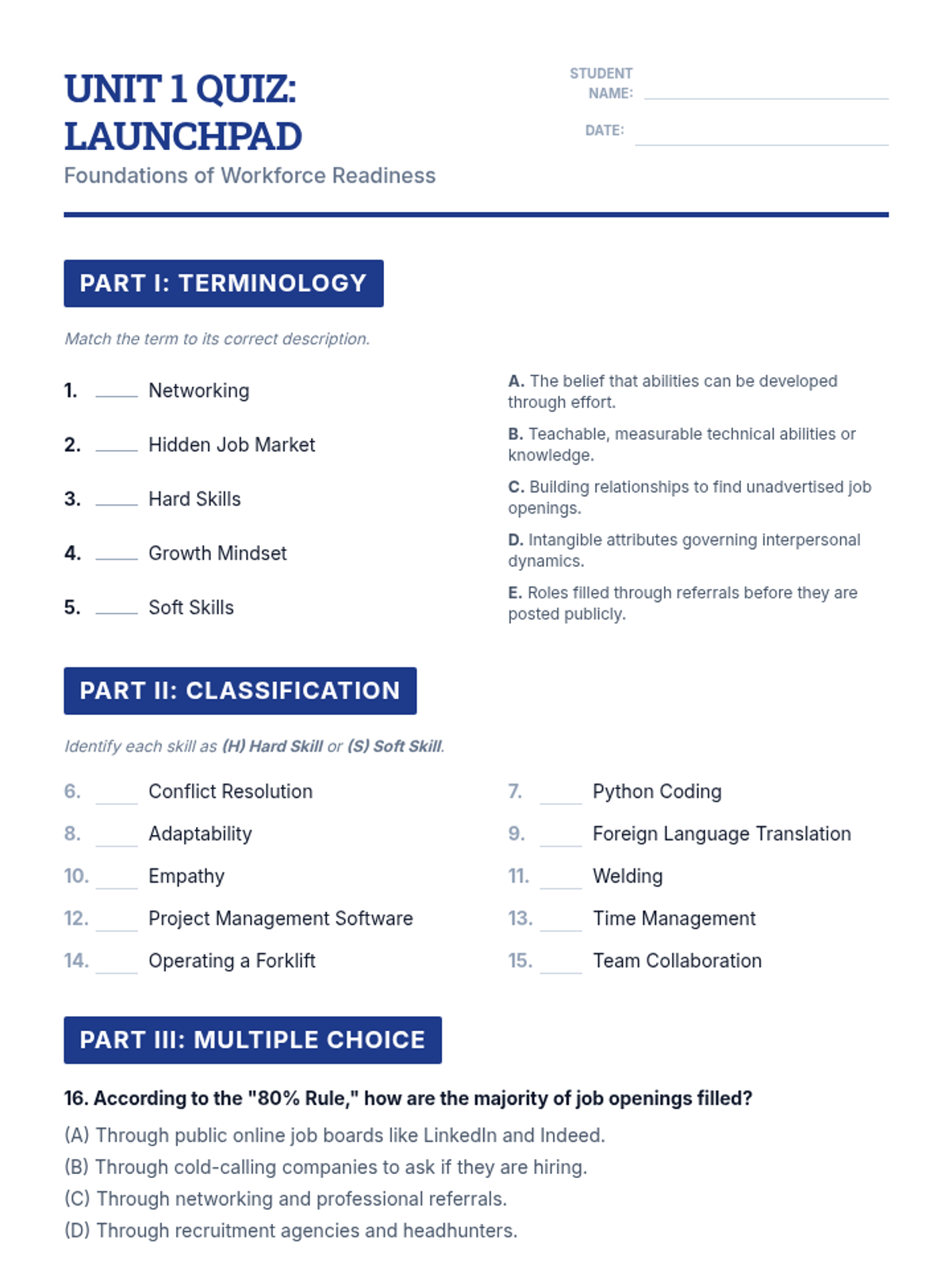
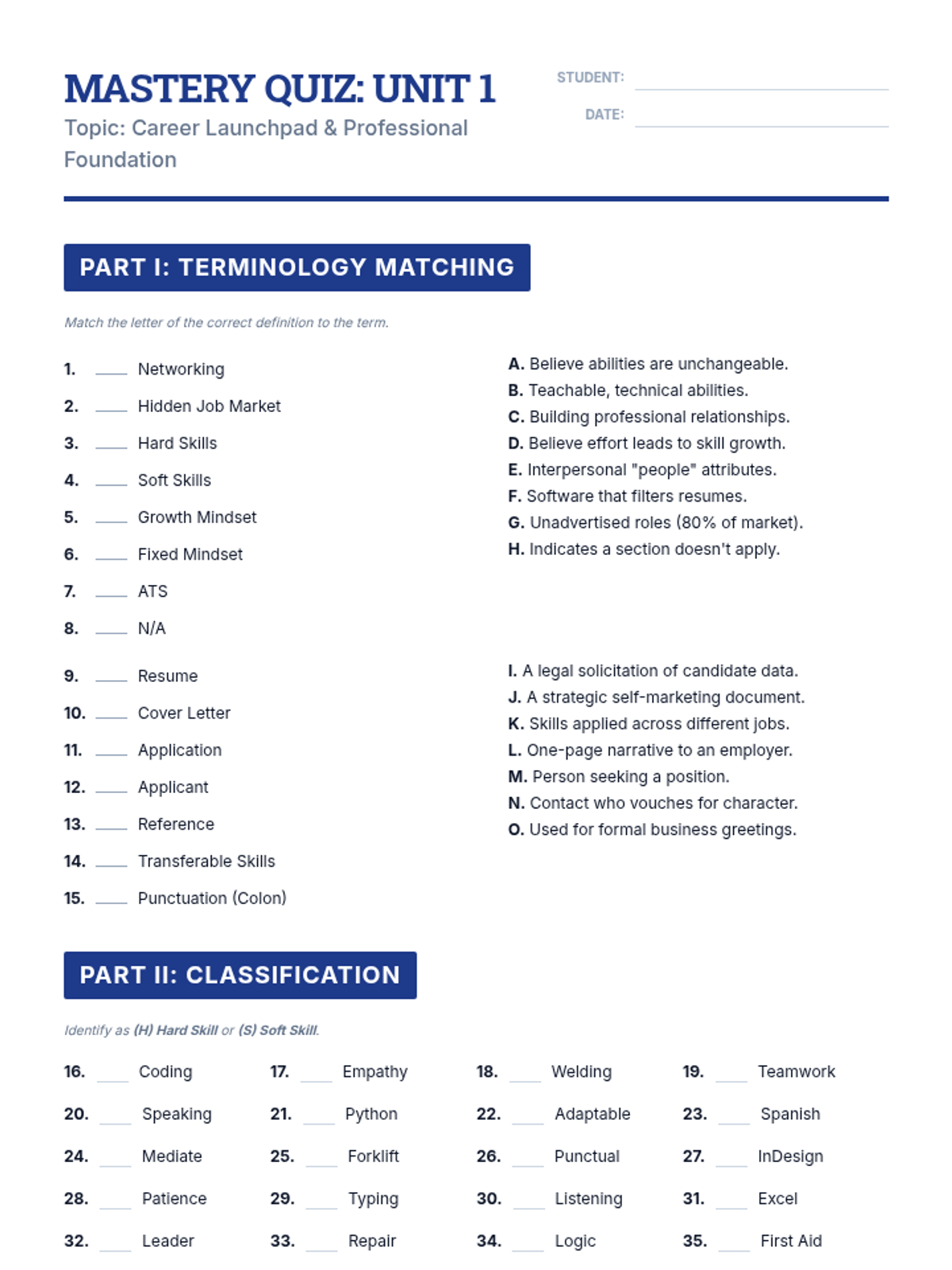
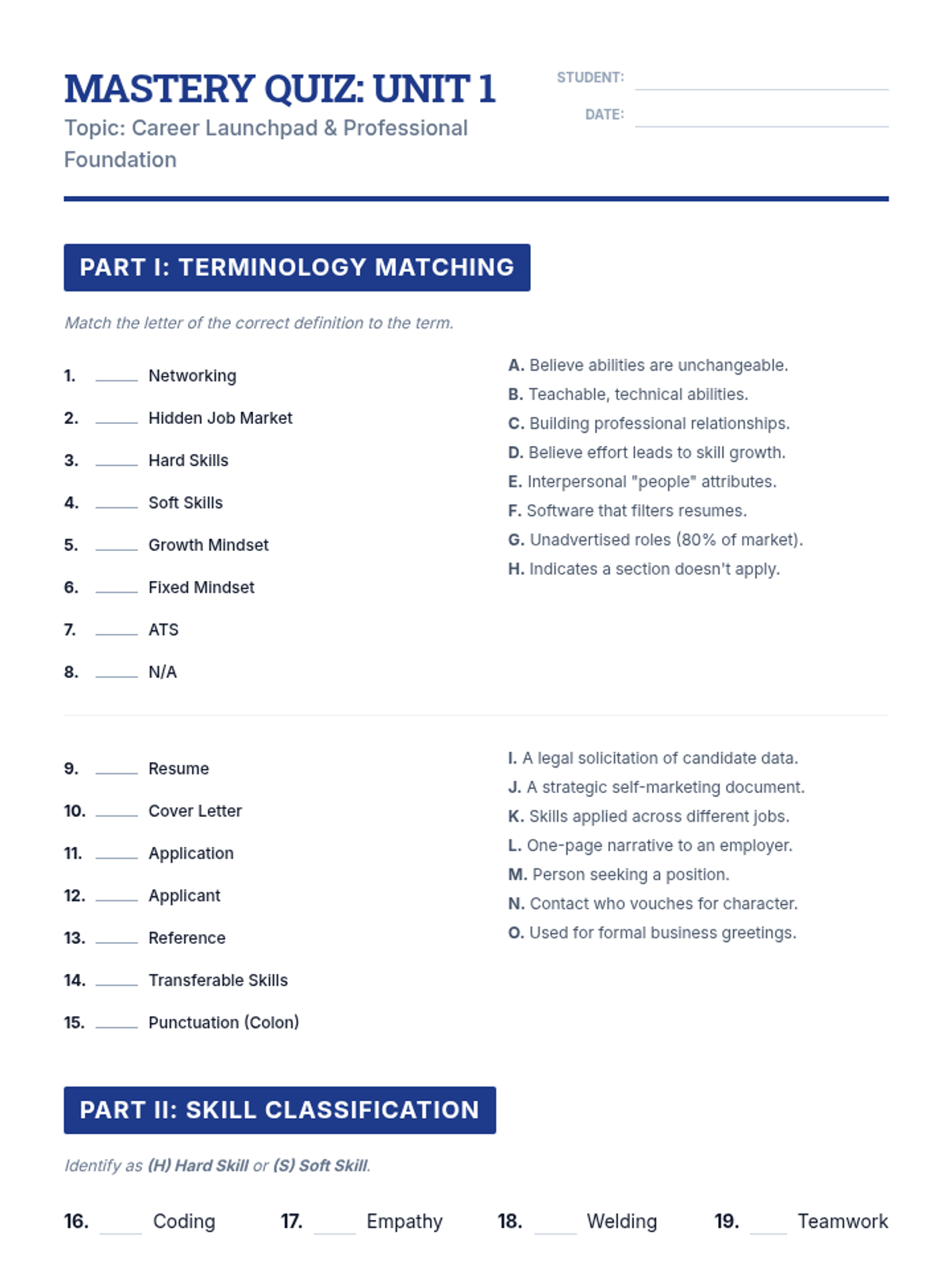
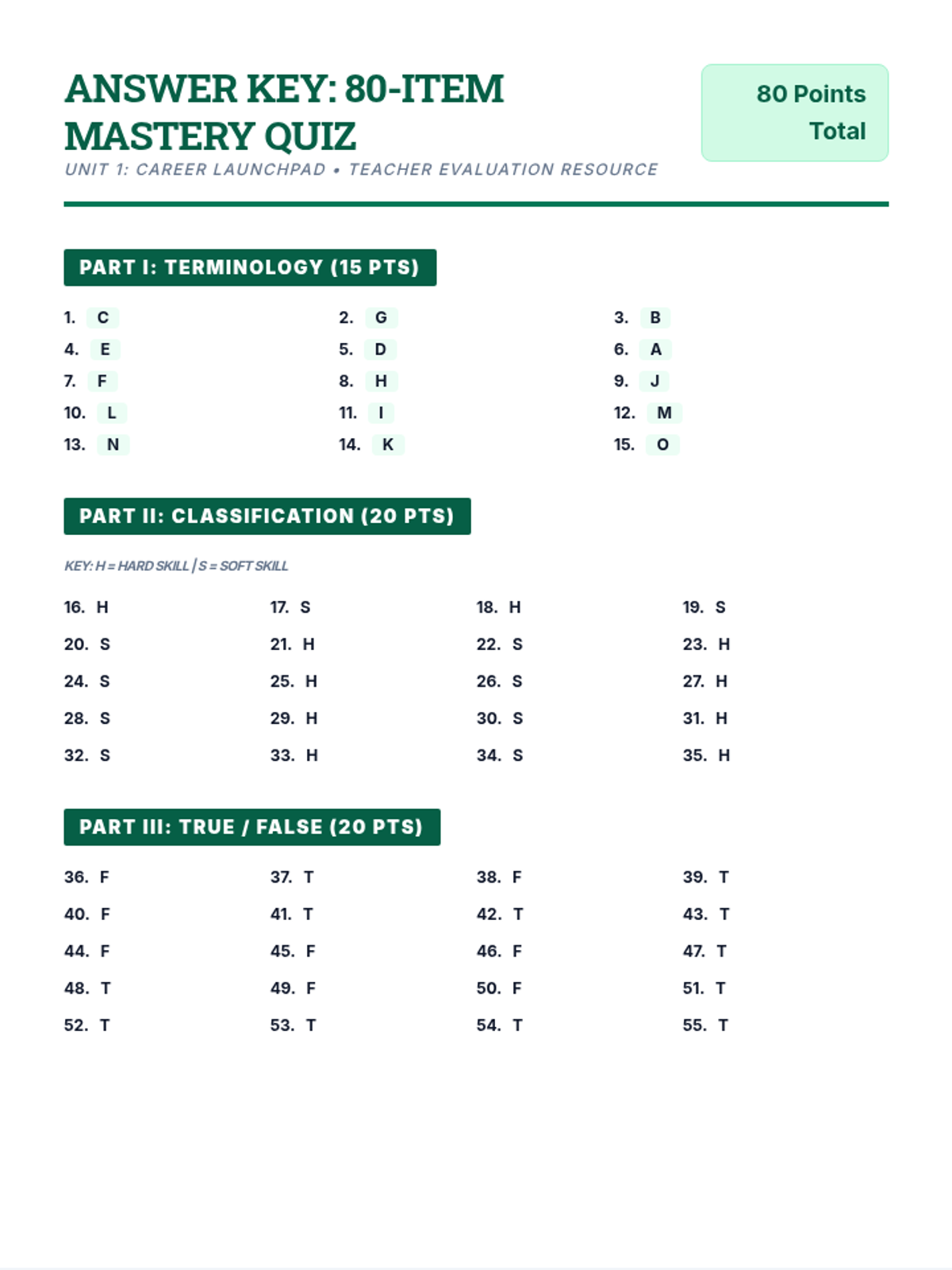
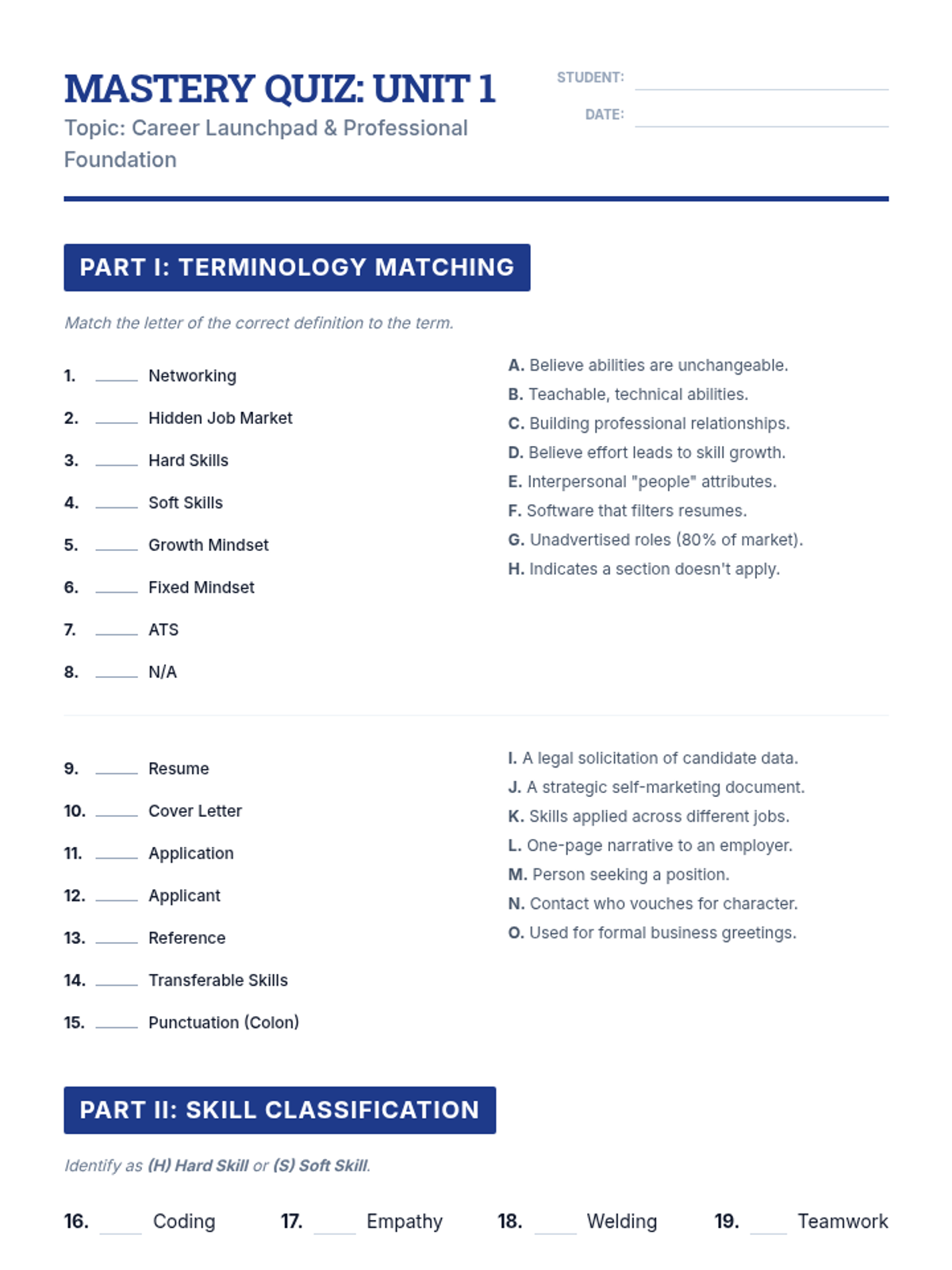
A final assessment module to evaluate student understanding of career readiness concepts and application proficiency.
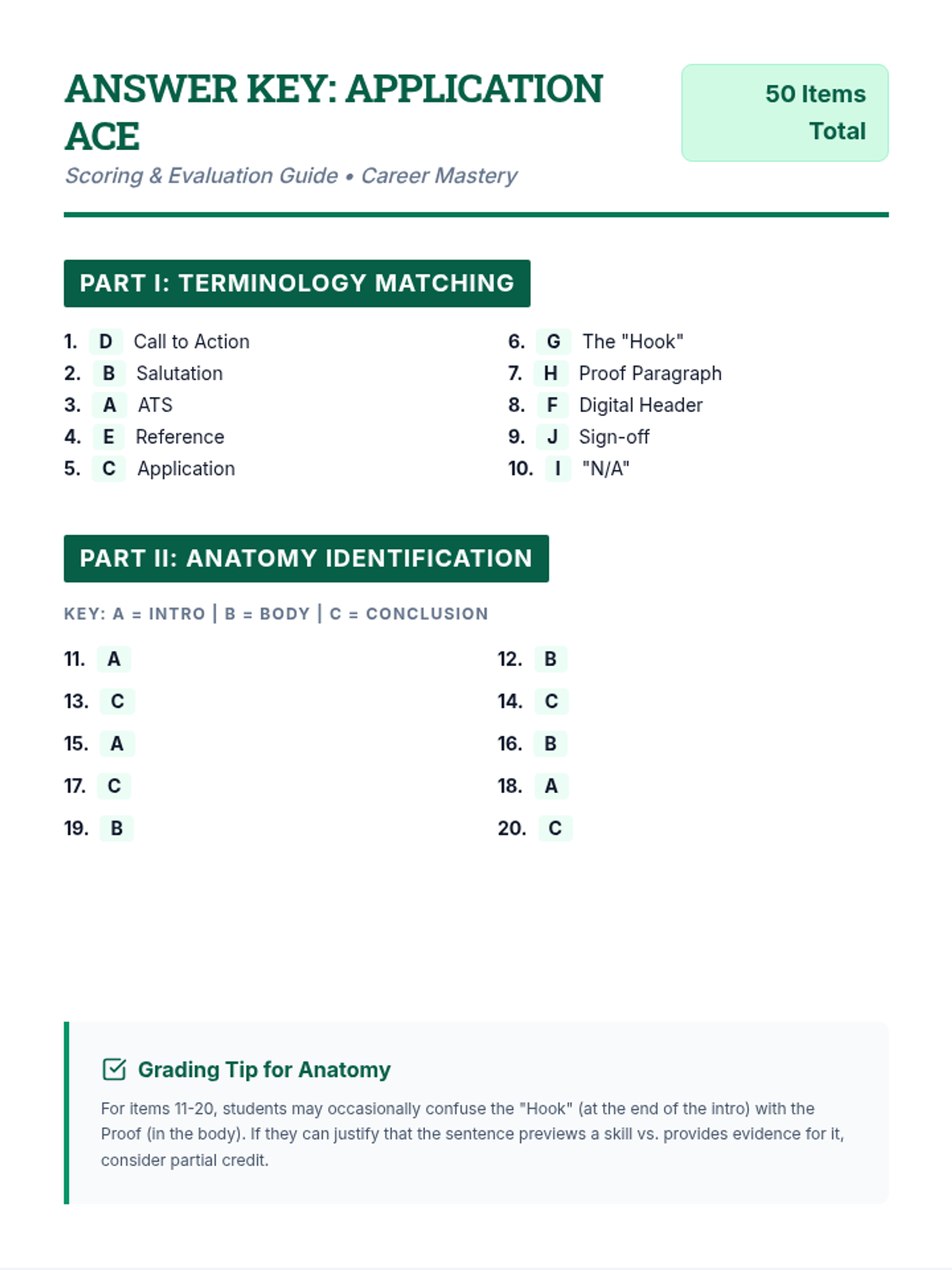
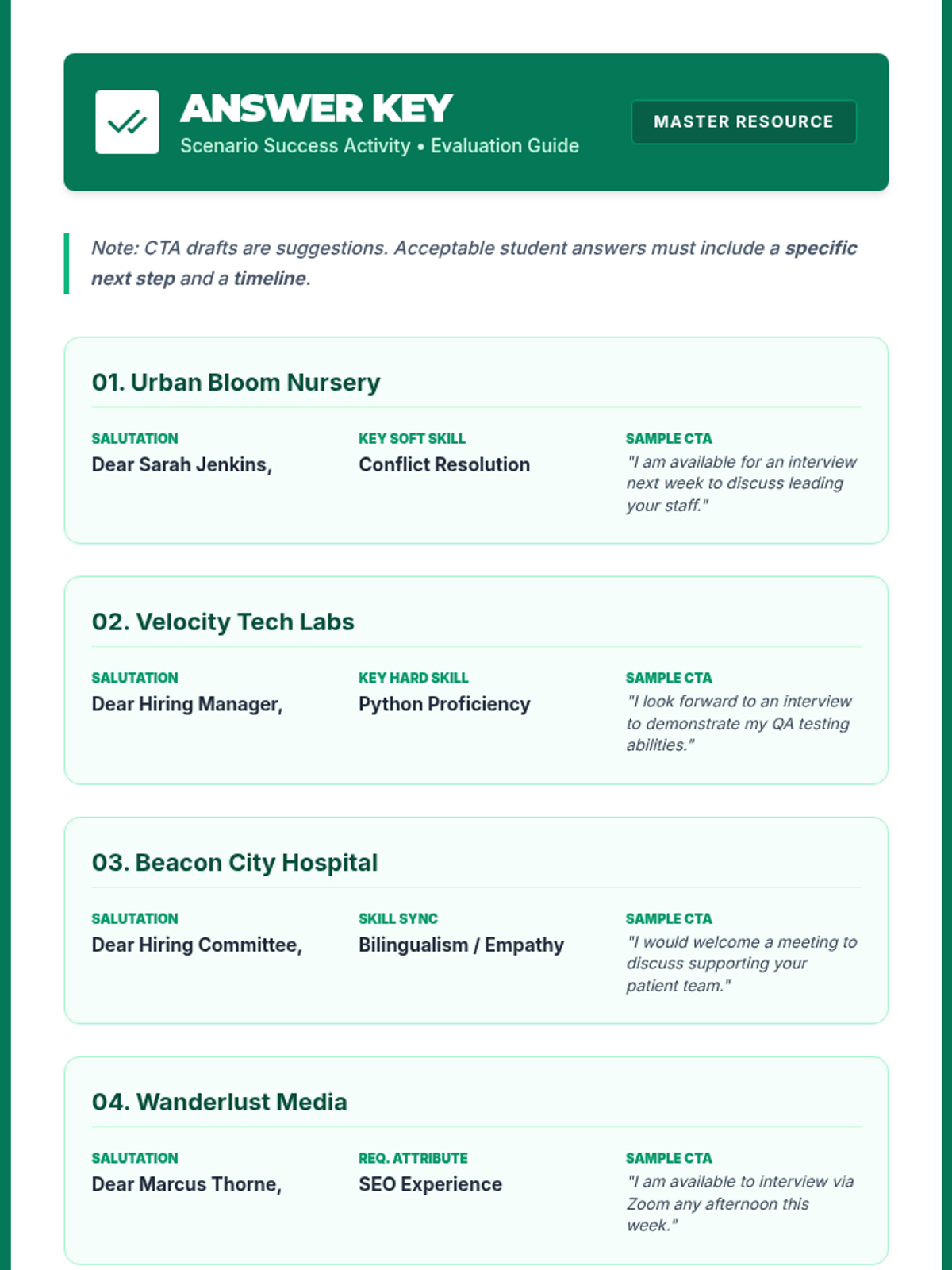
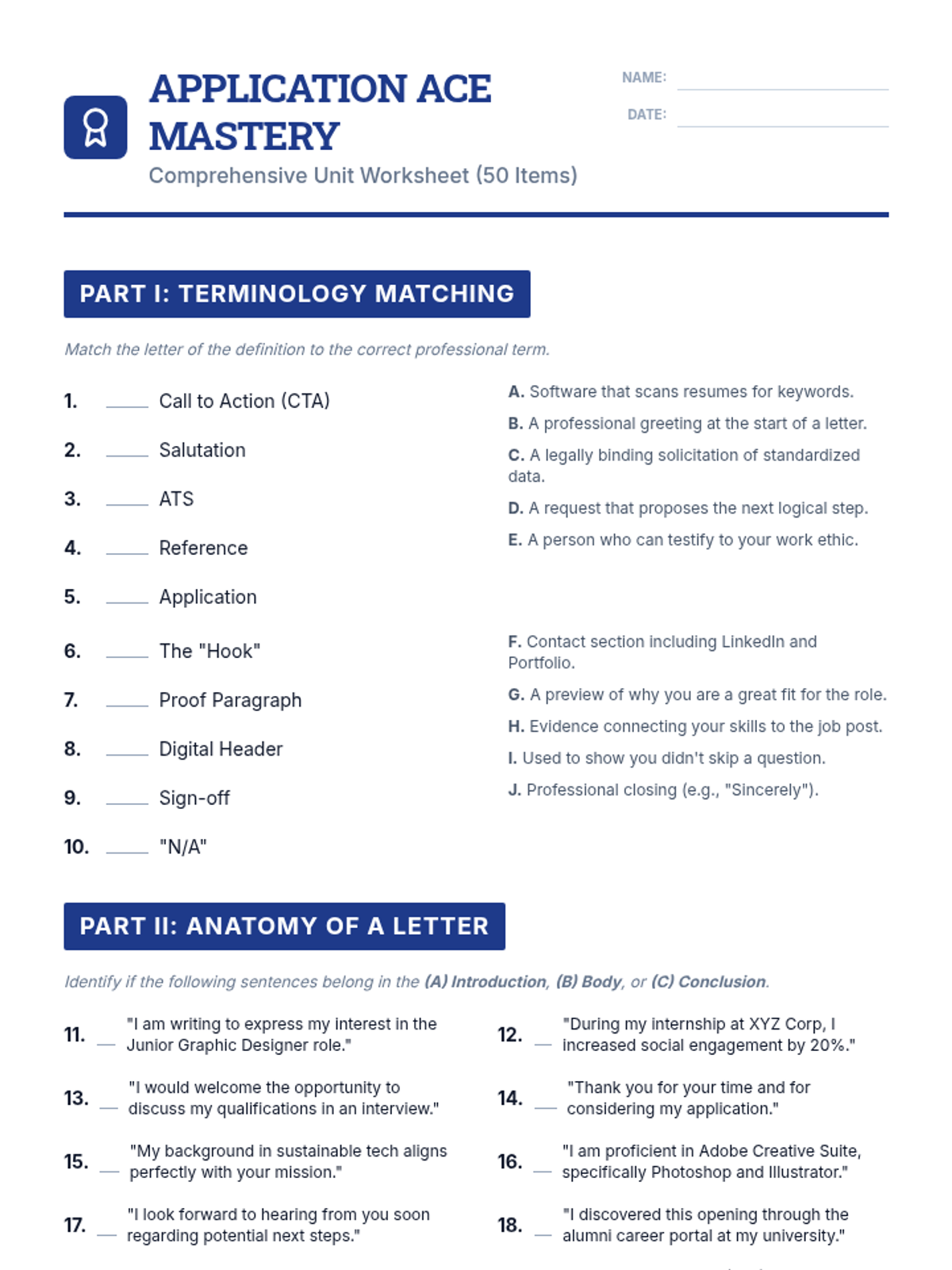
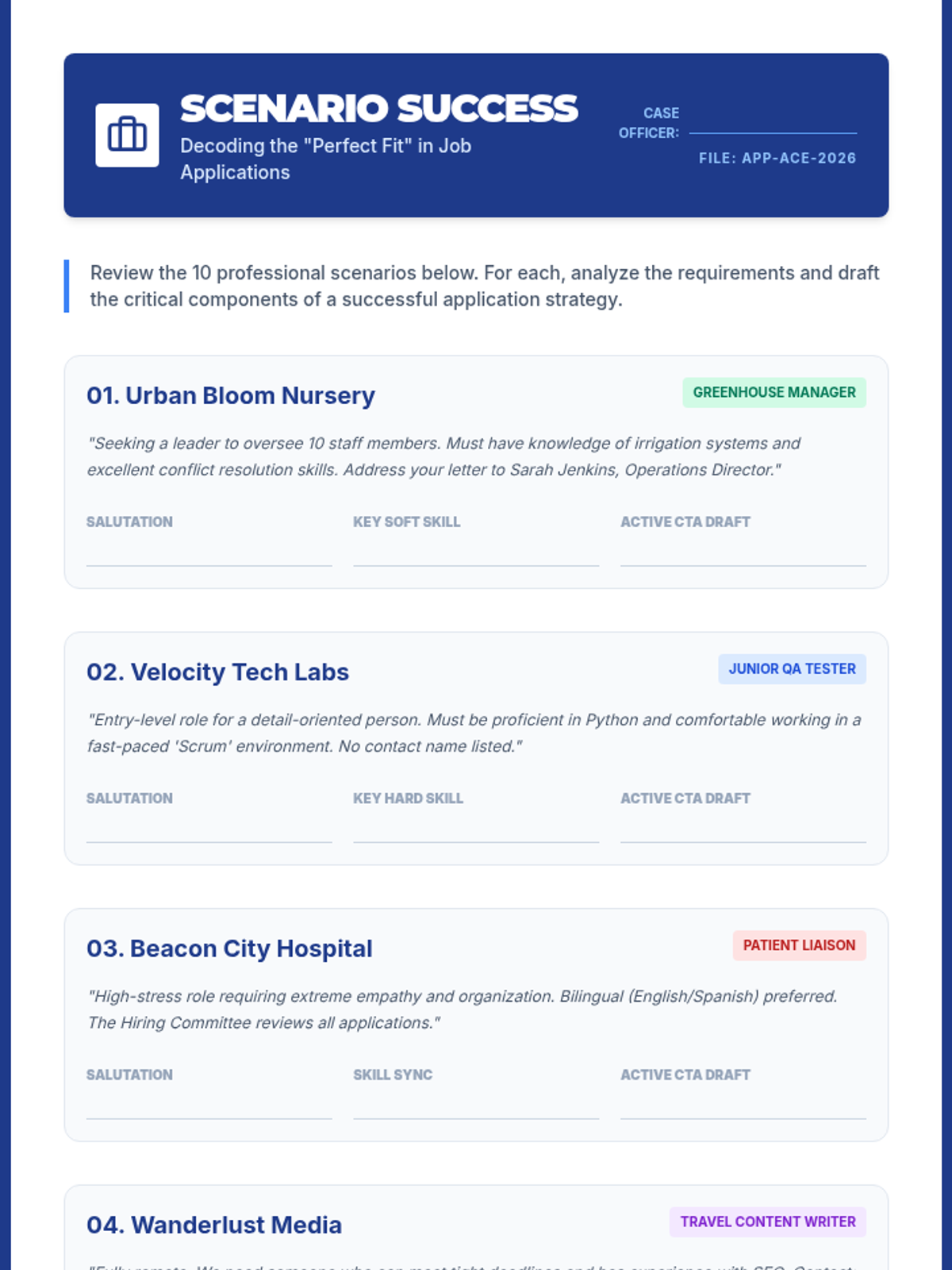
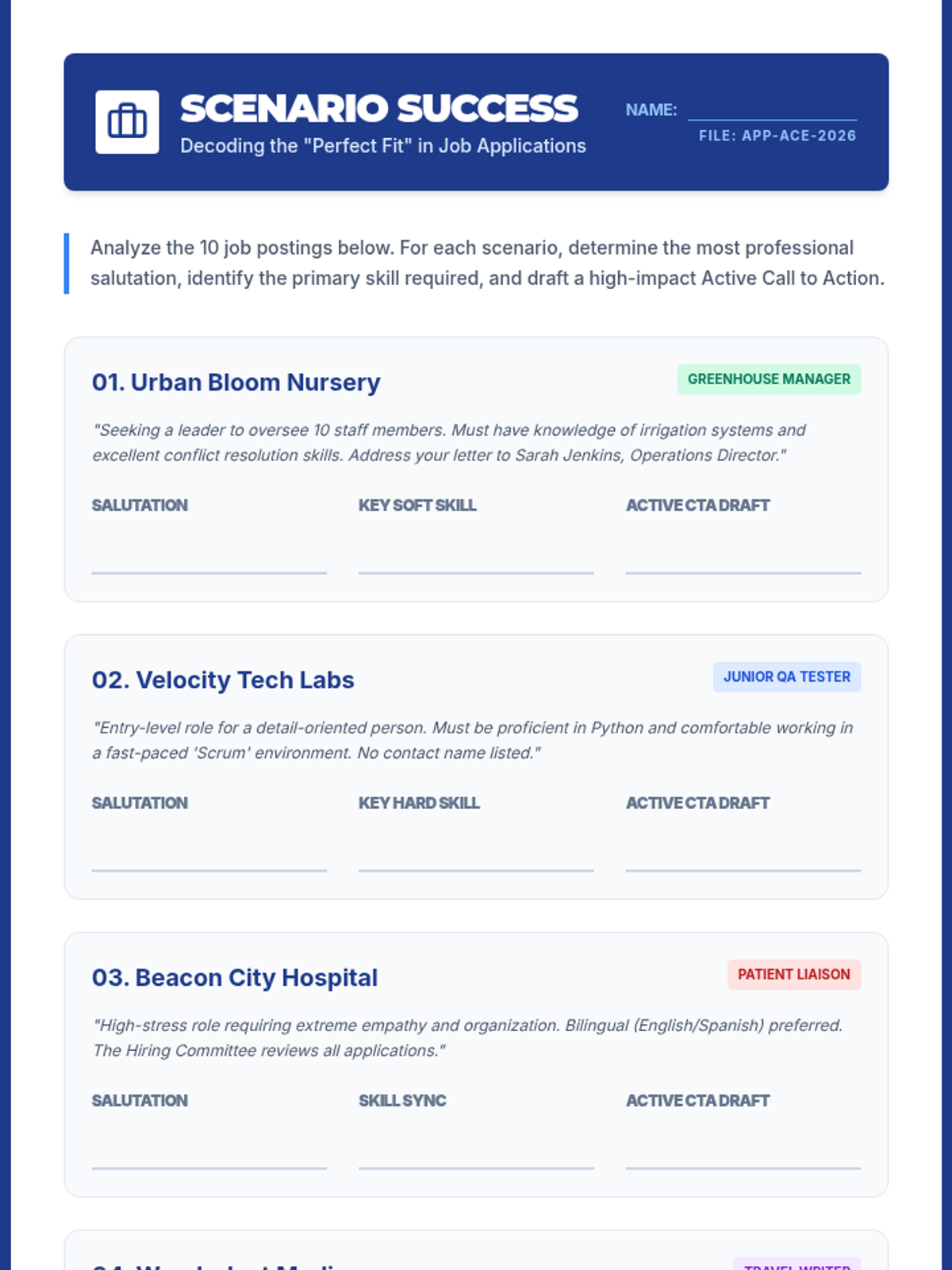
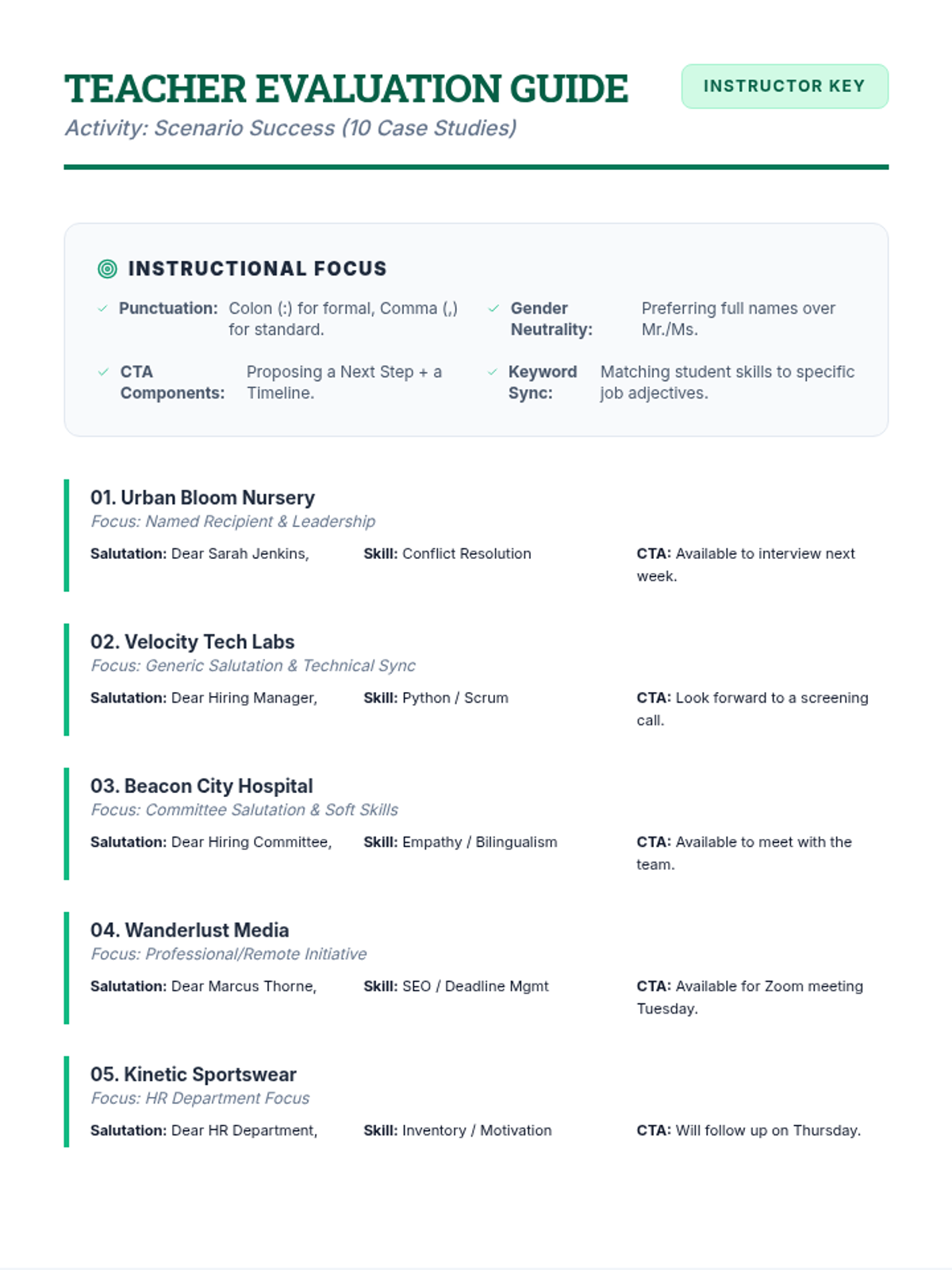
A deep dive into the mechanics of job applications, cover letter construction, and managing professional references.
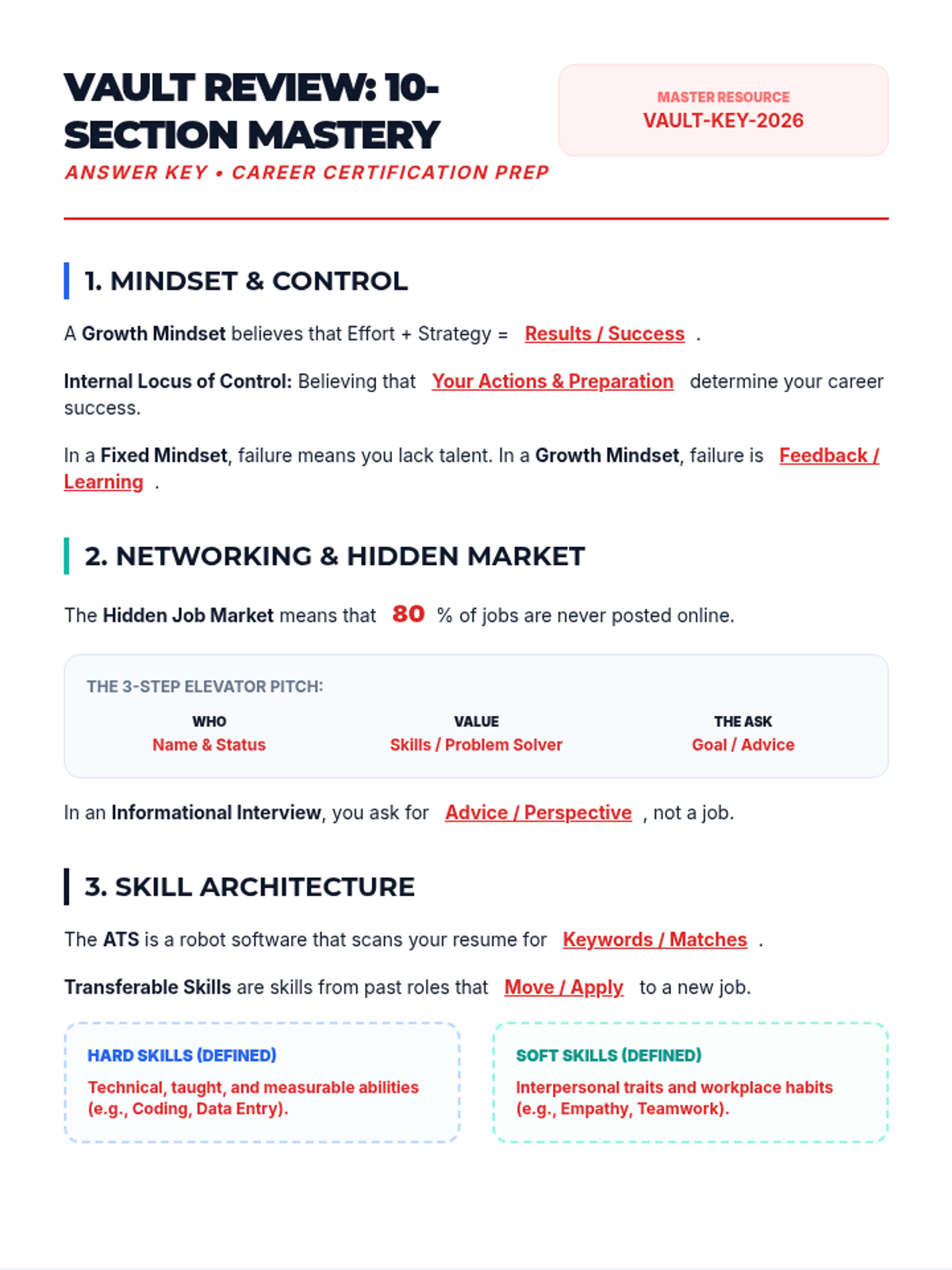
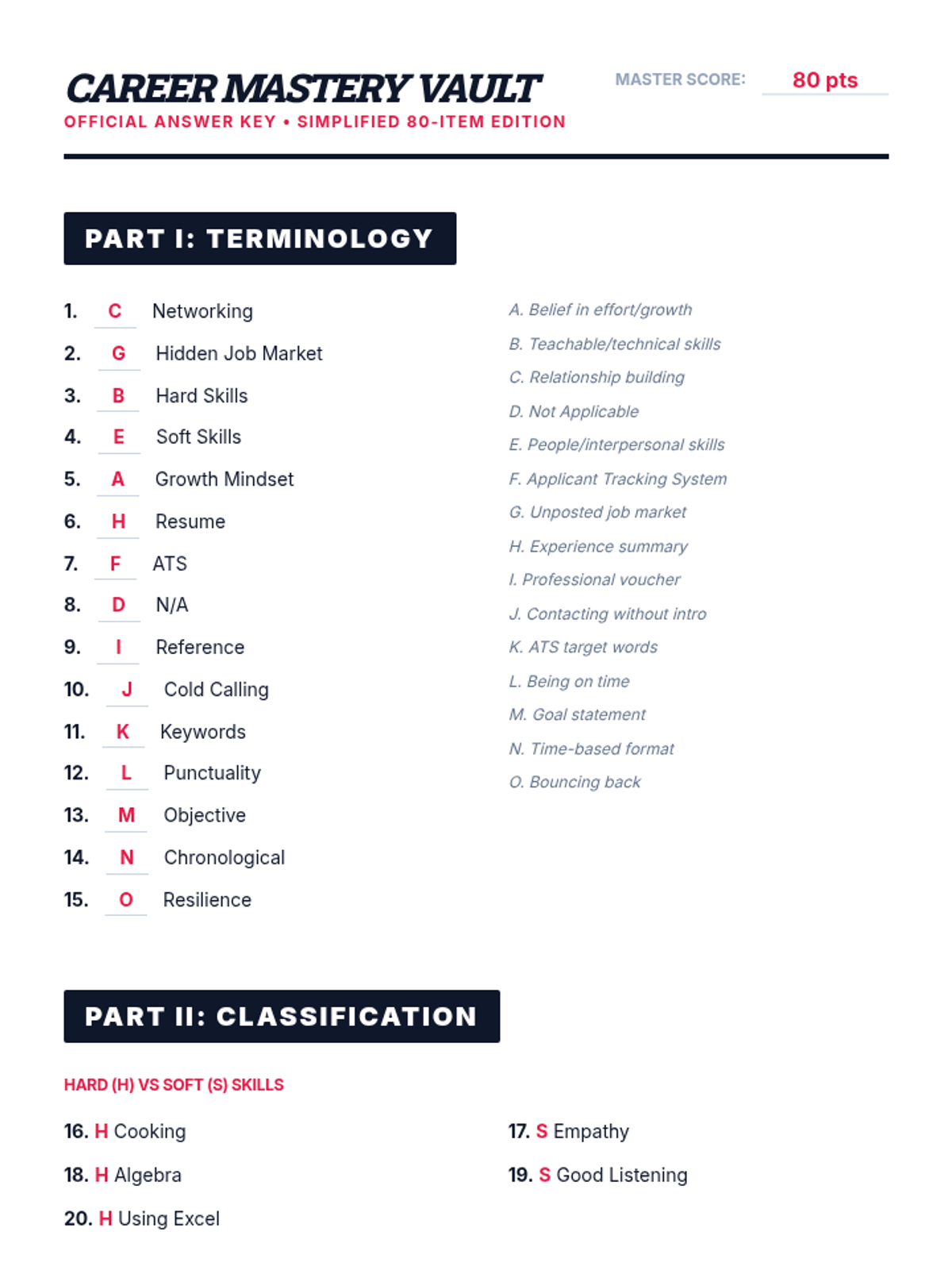
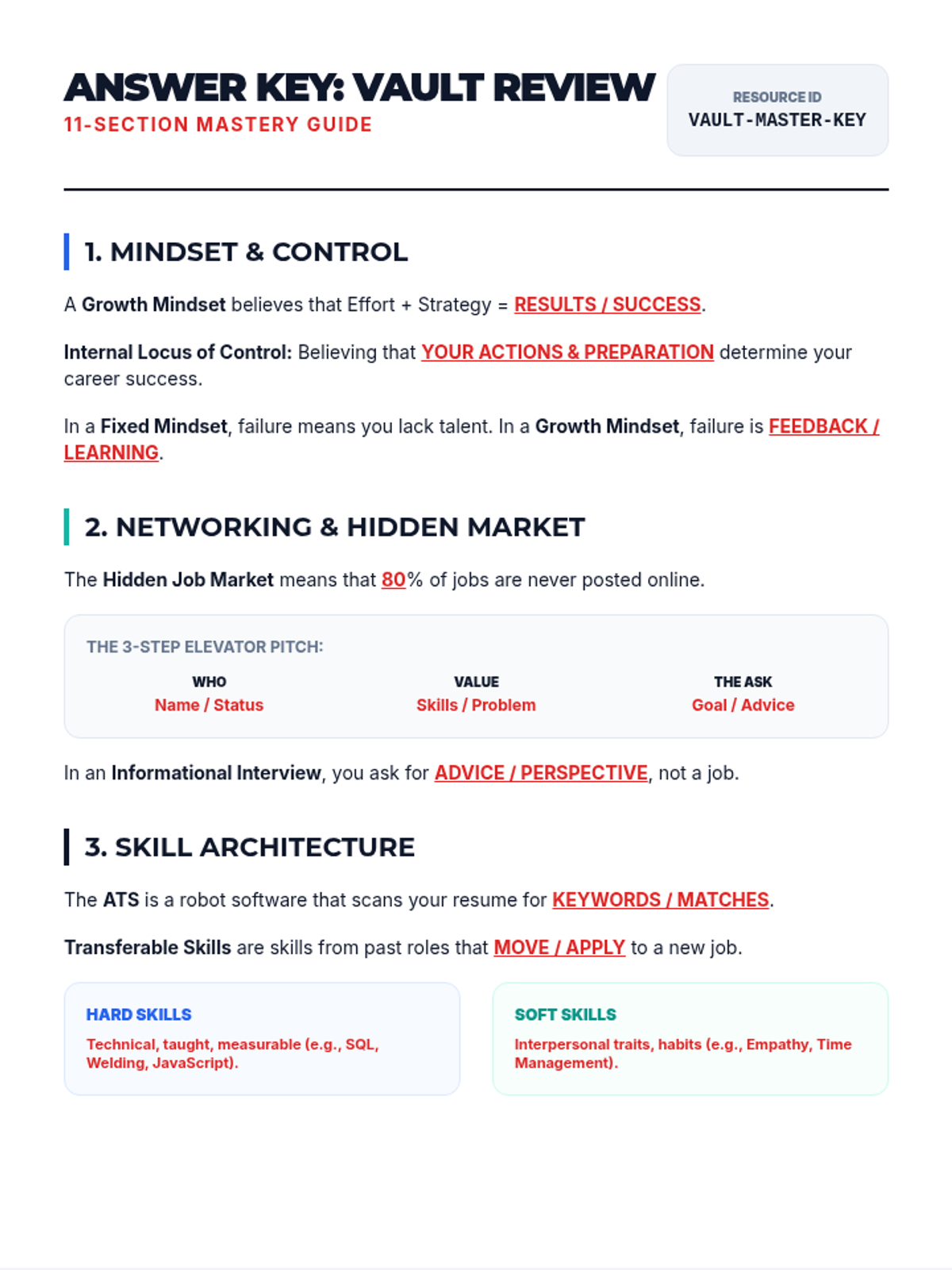
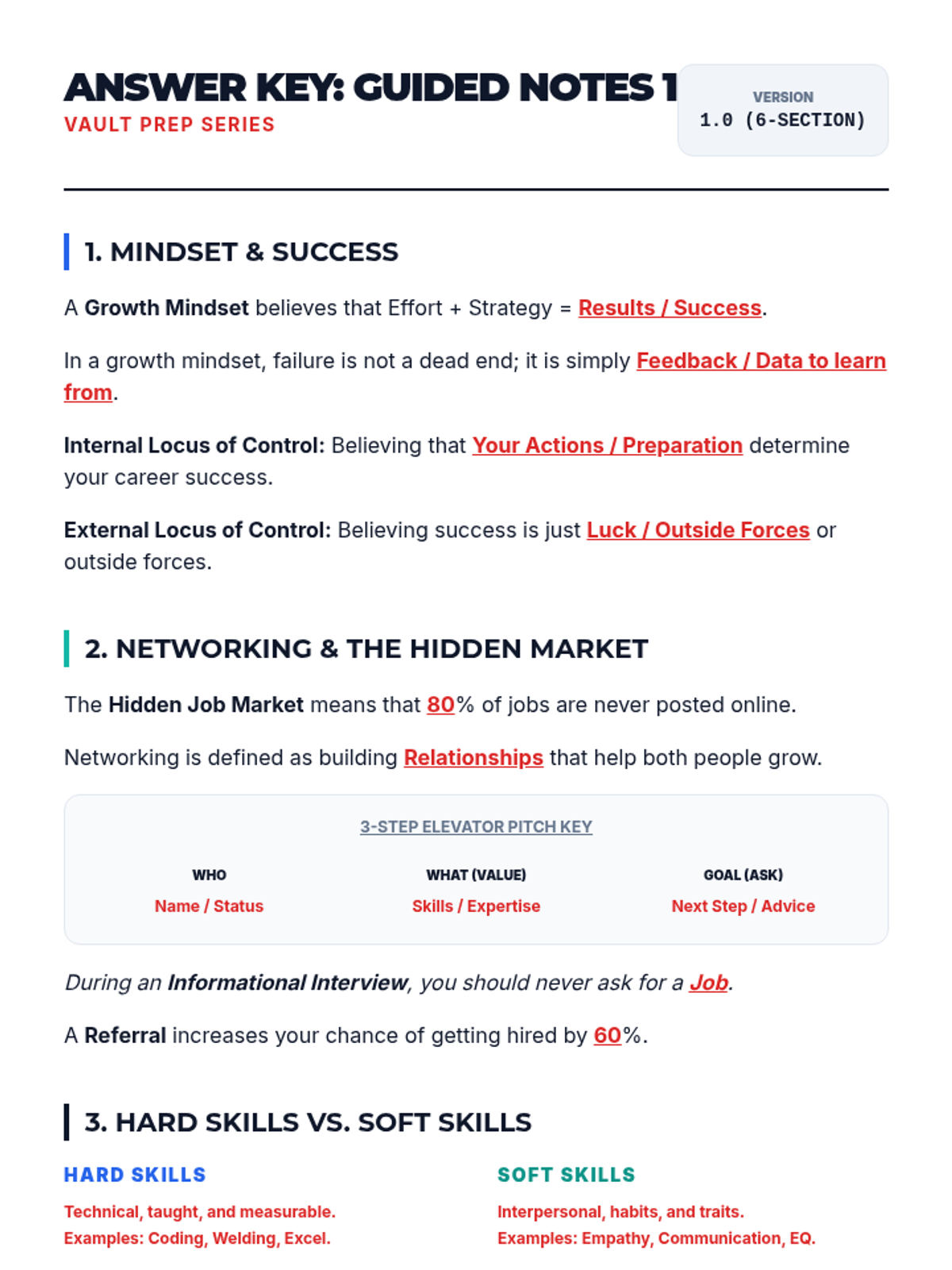
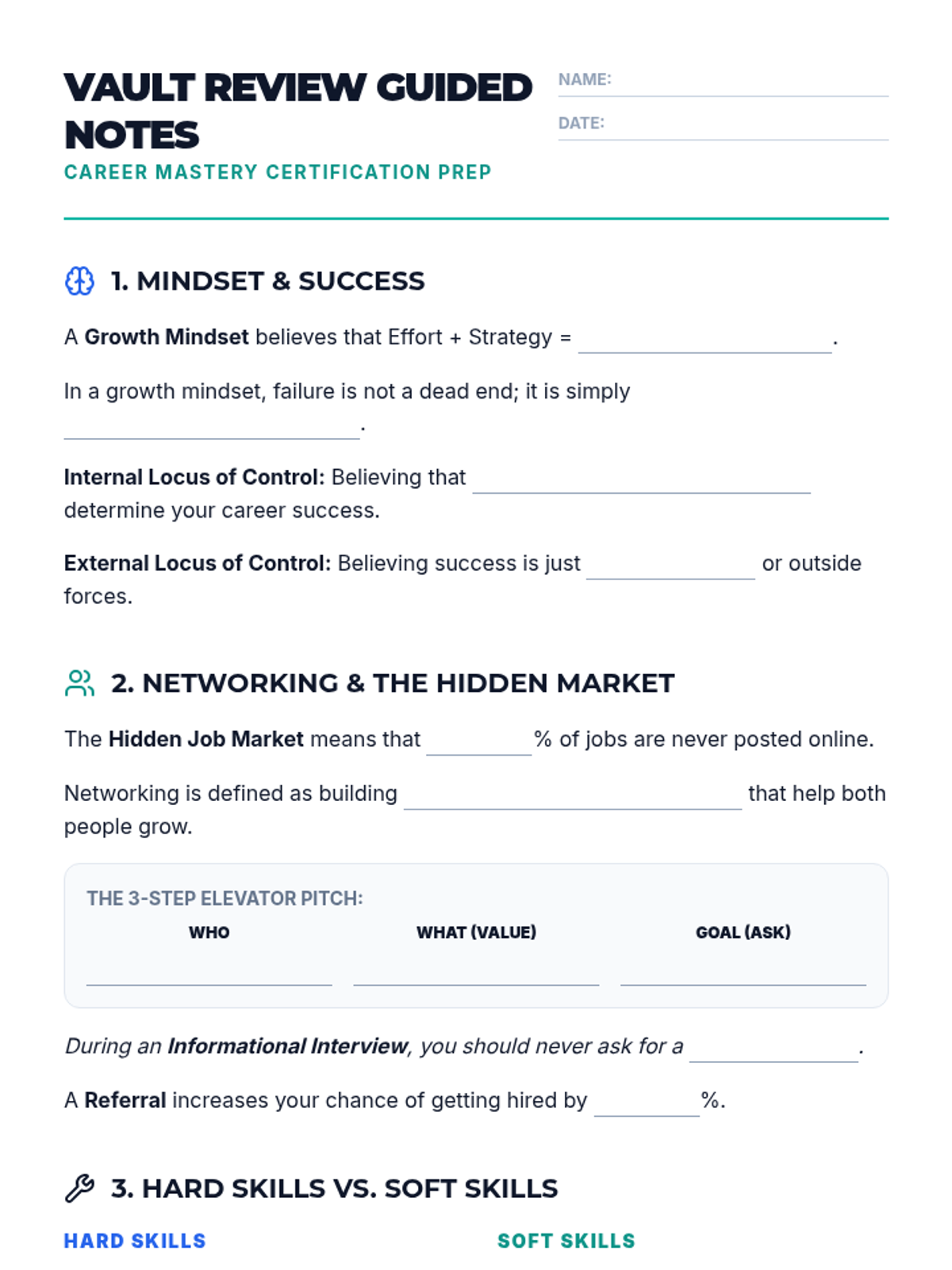
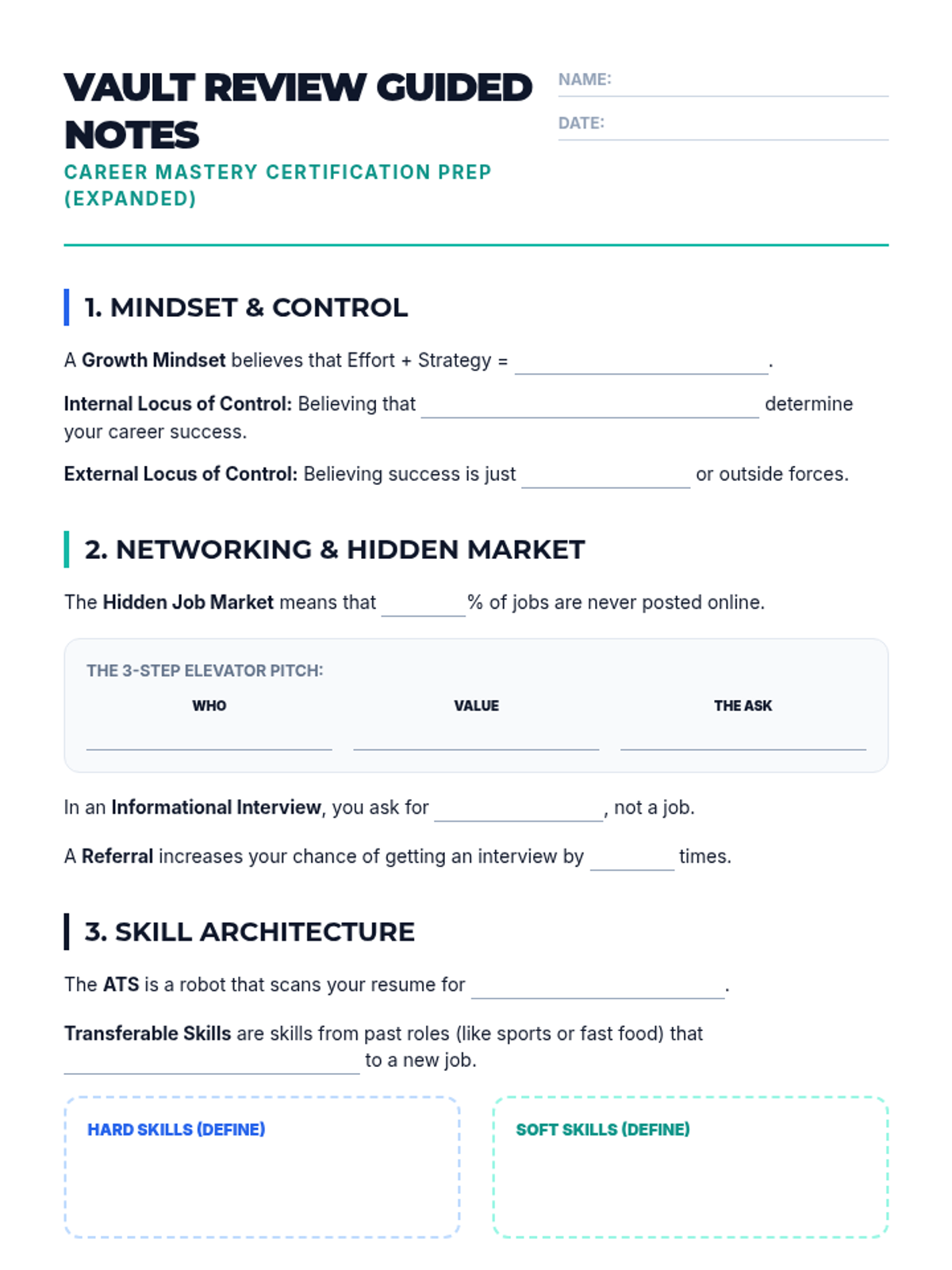
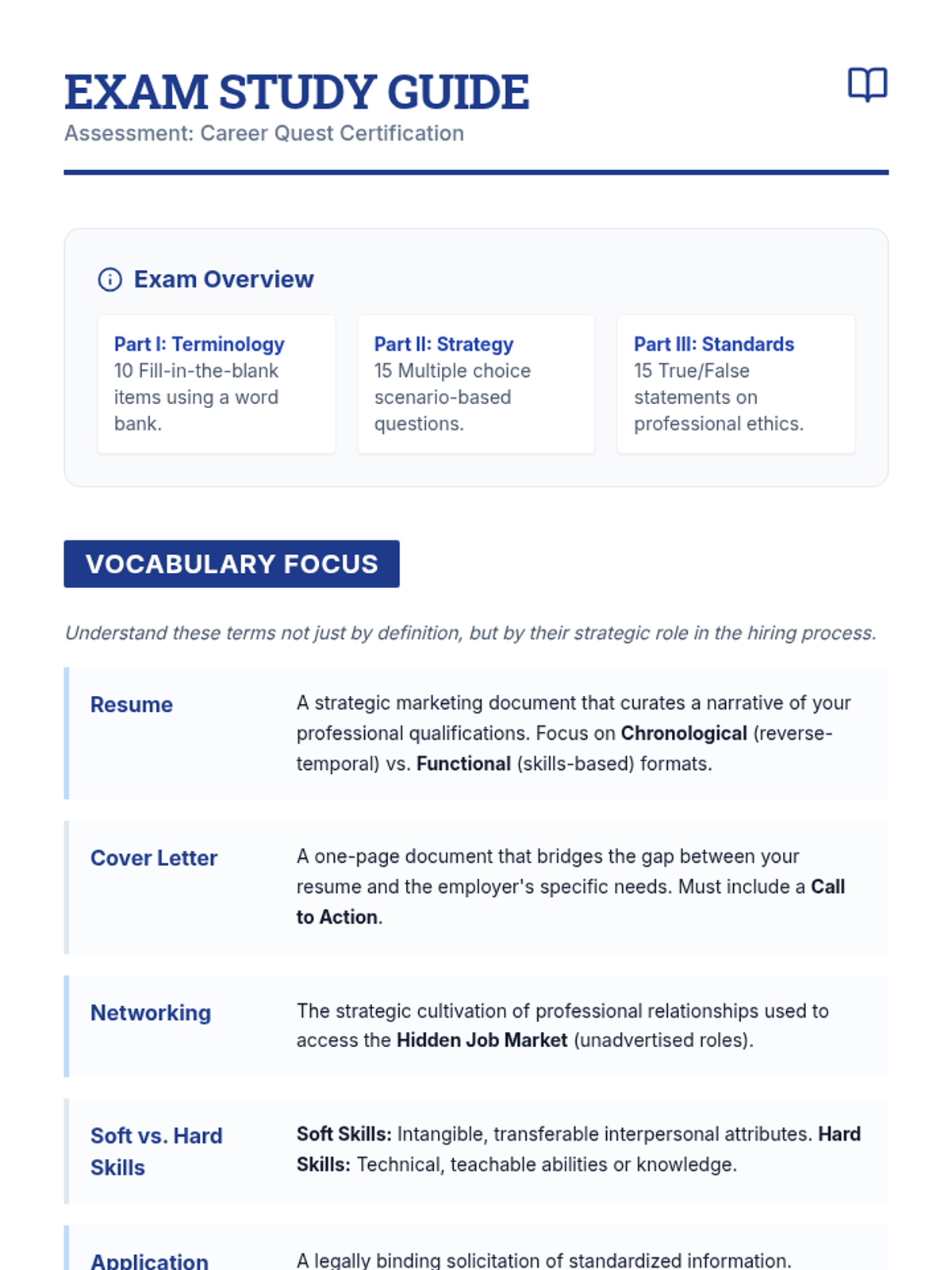
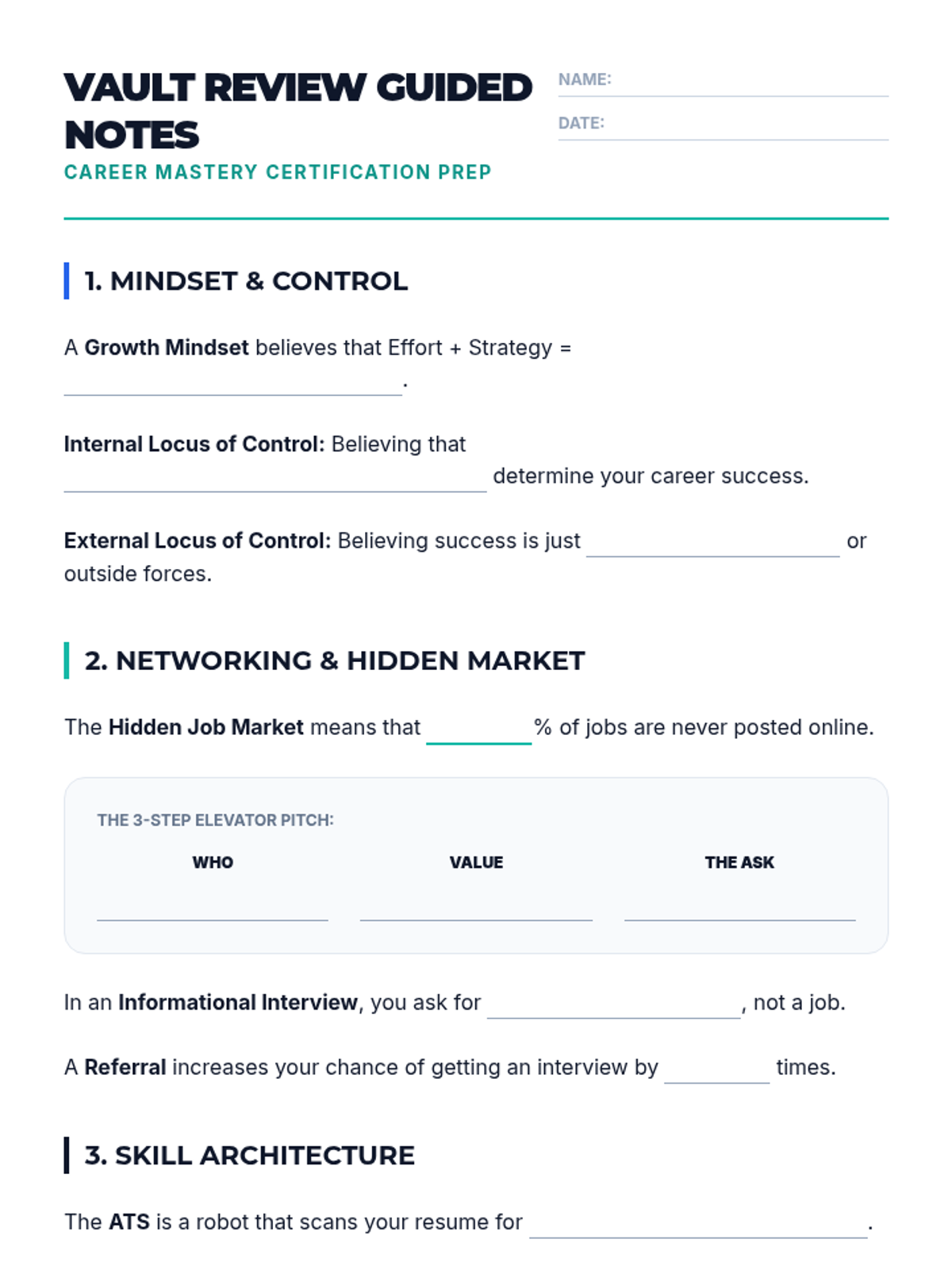
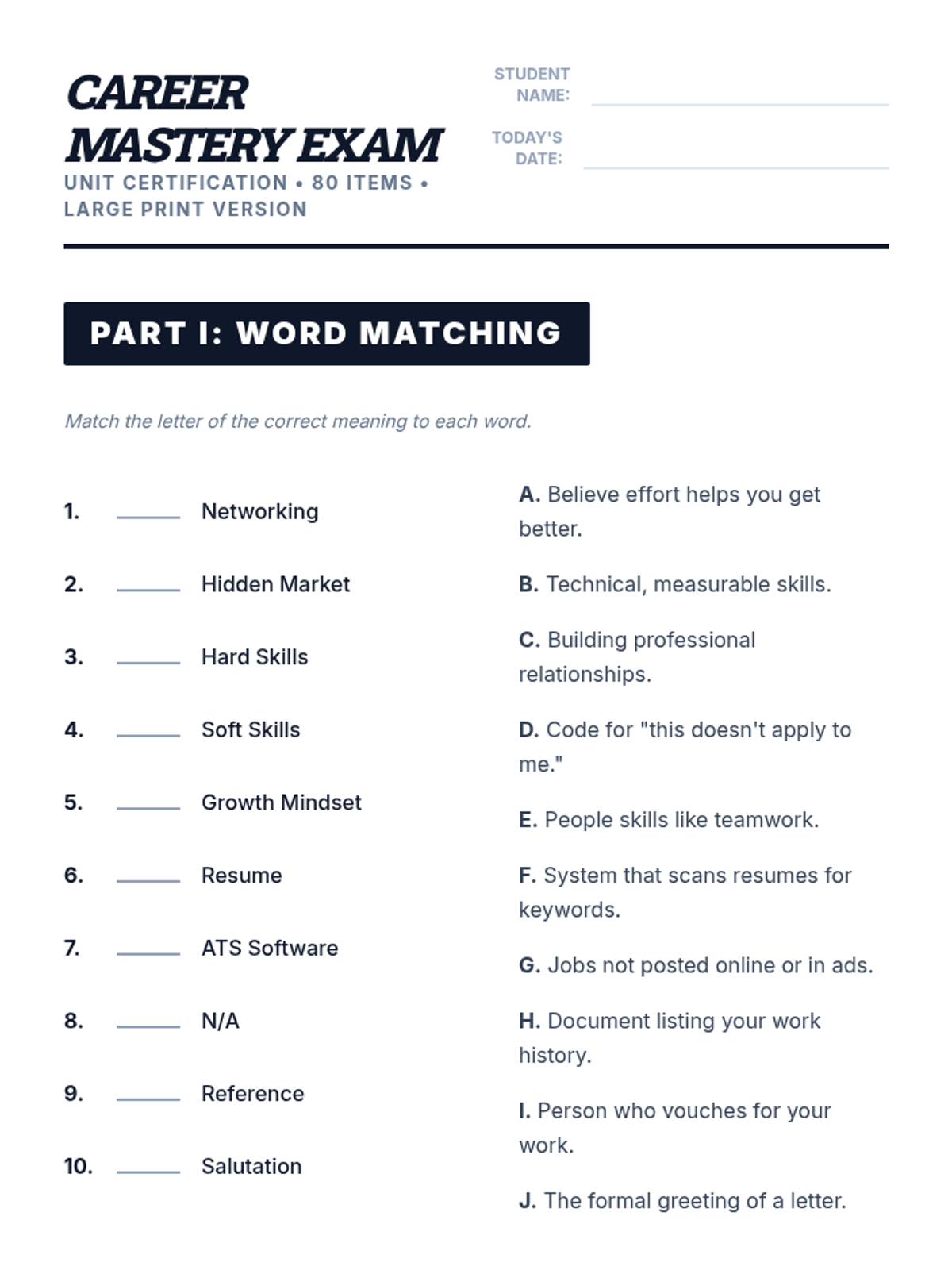
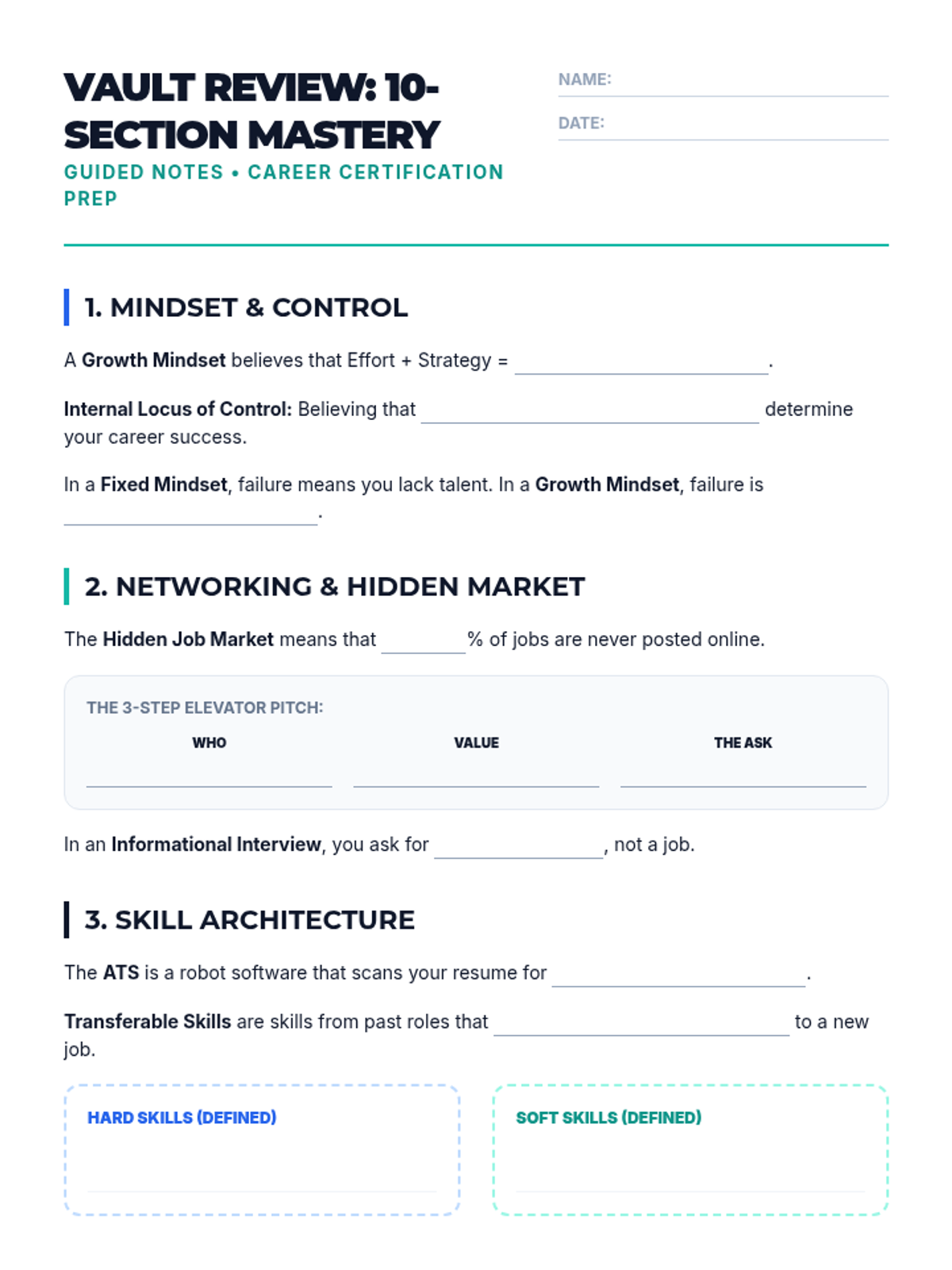
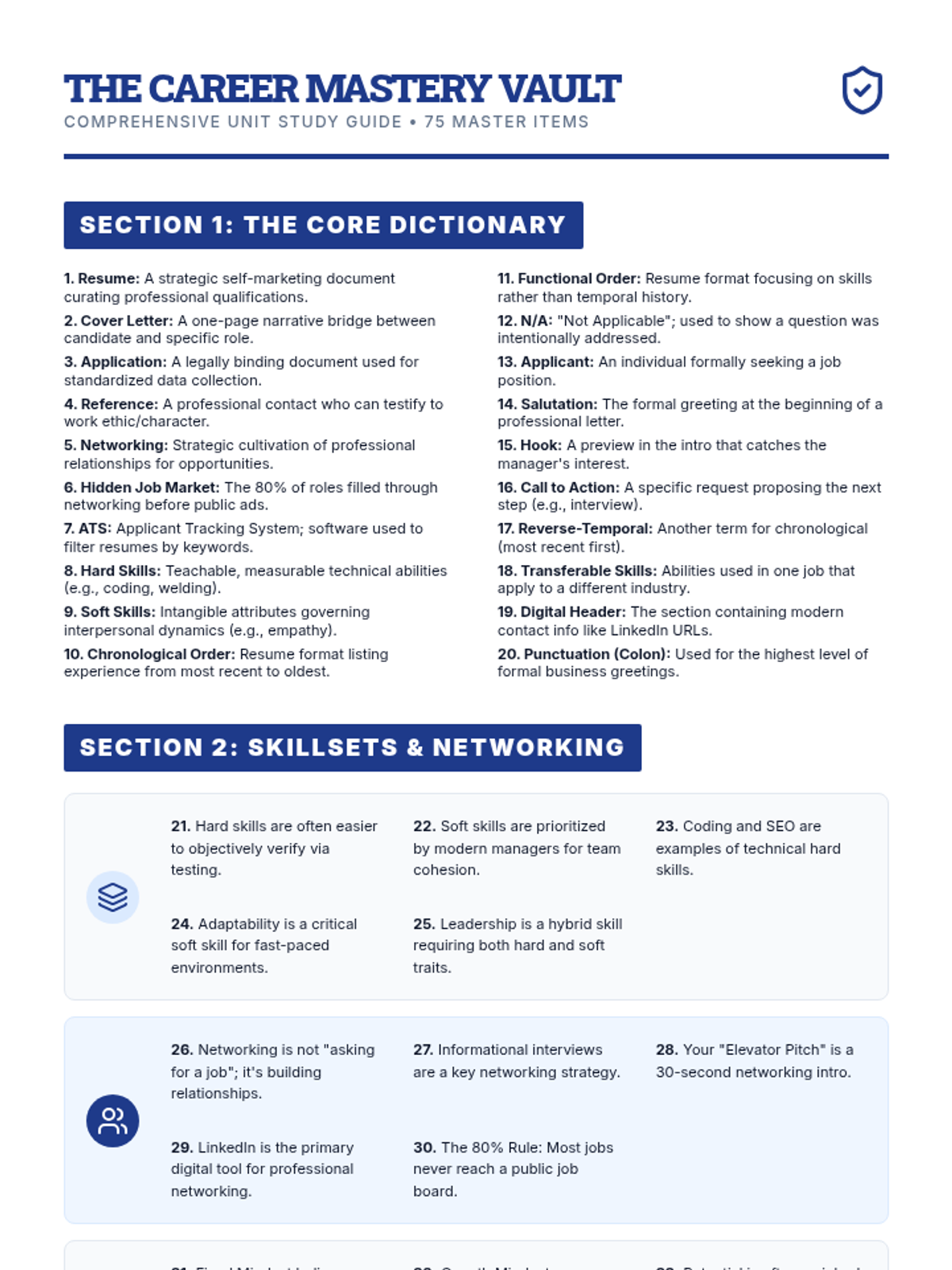
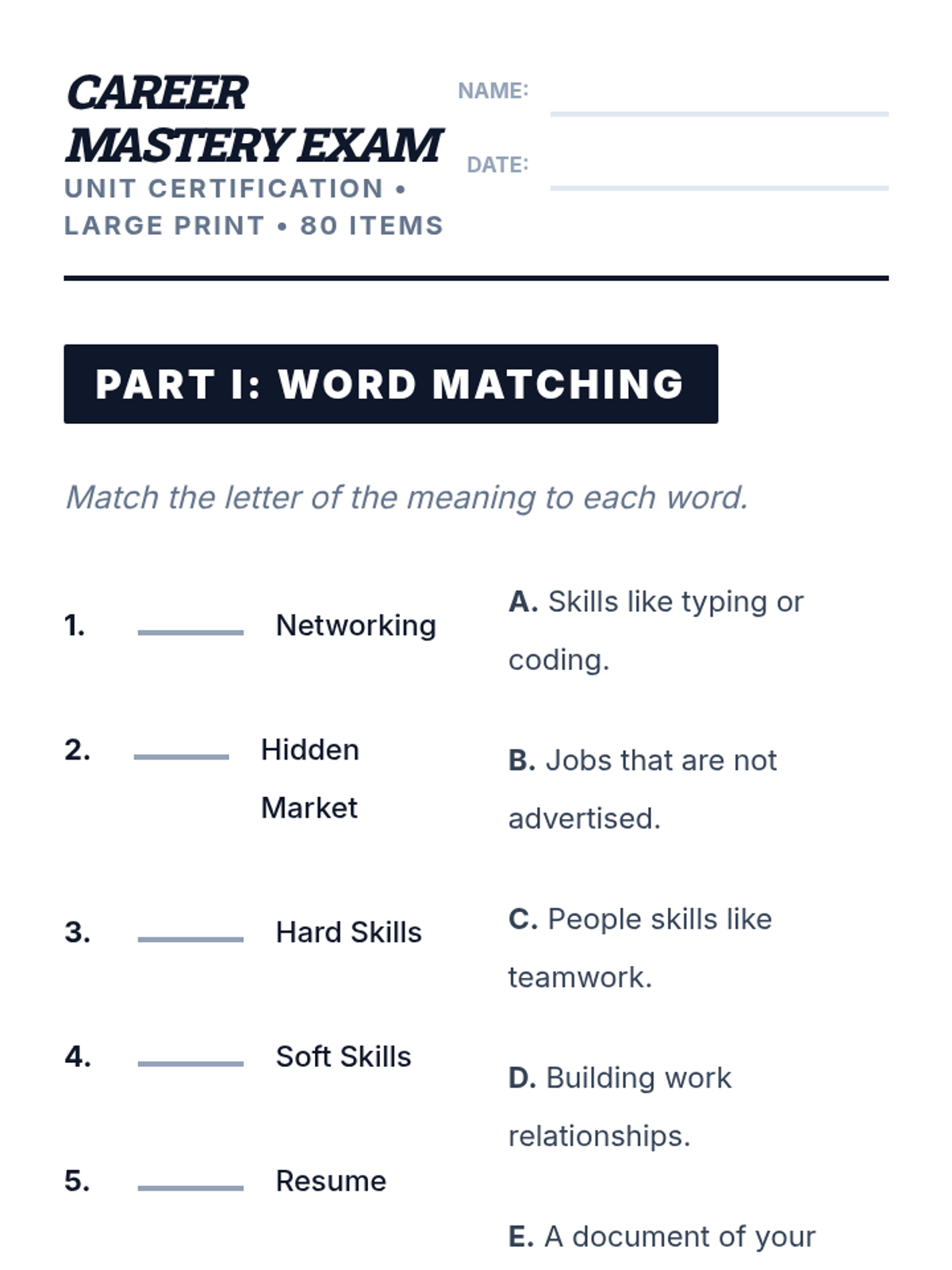
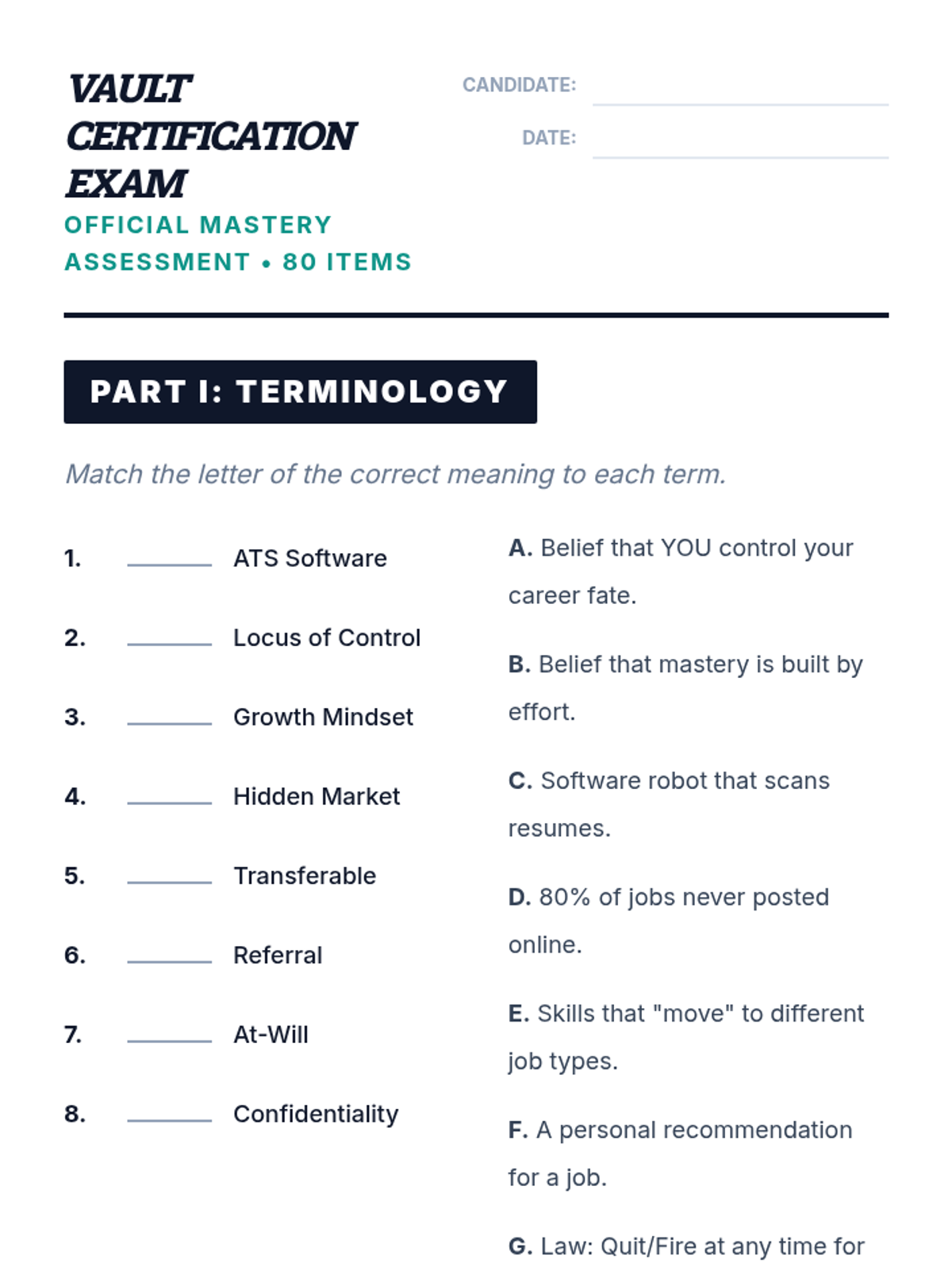
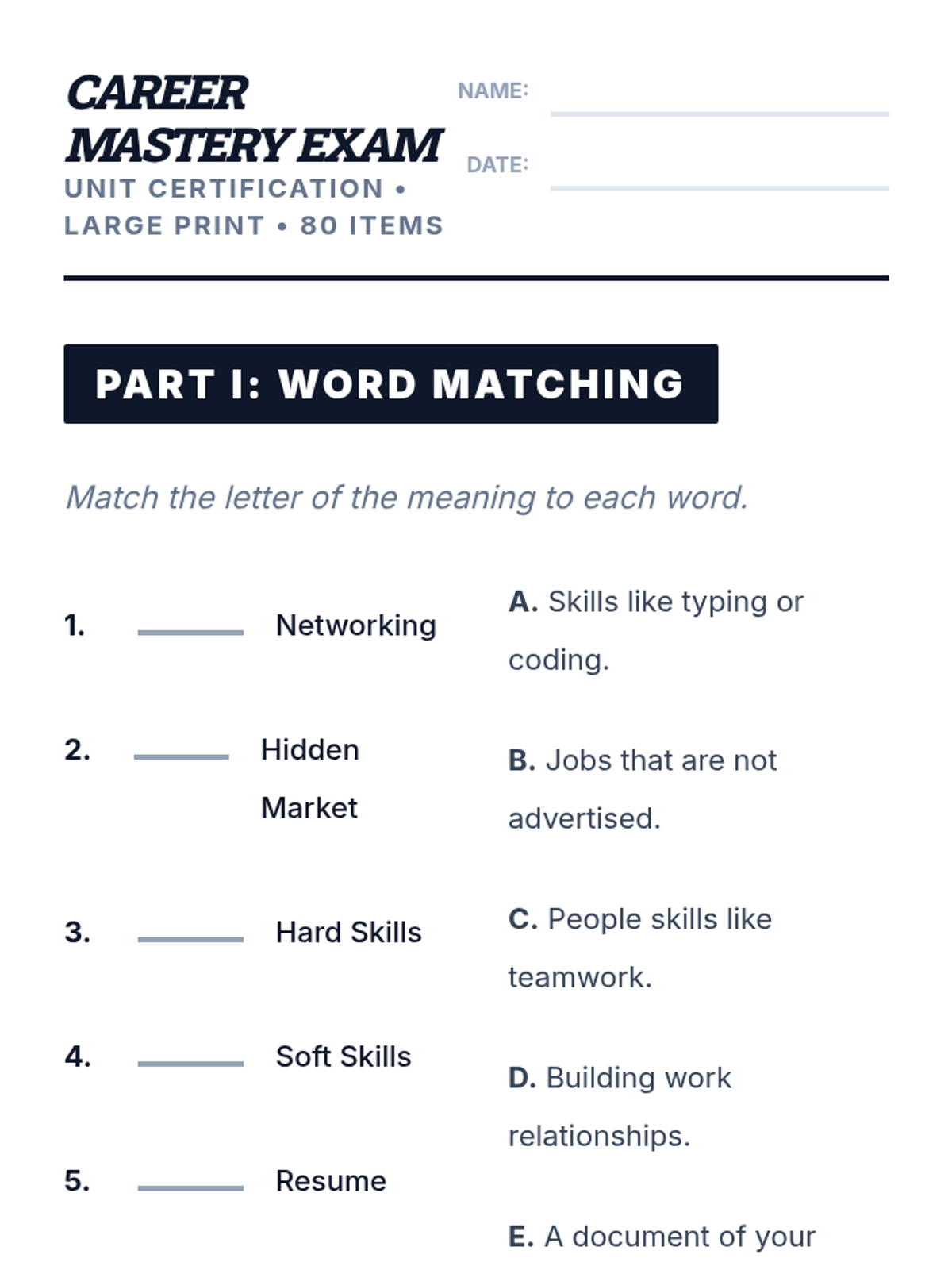
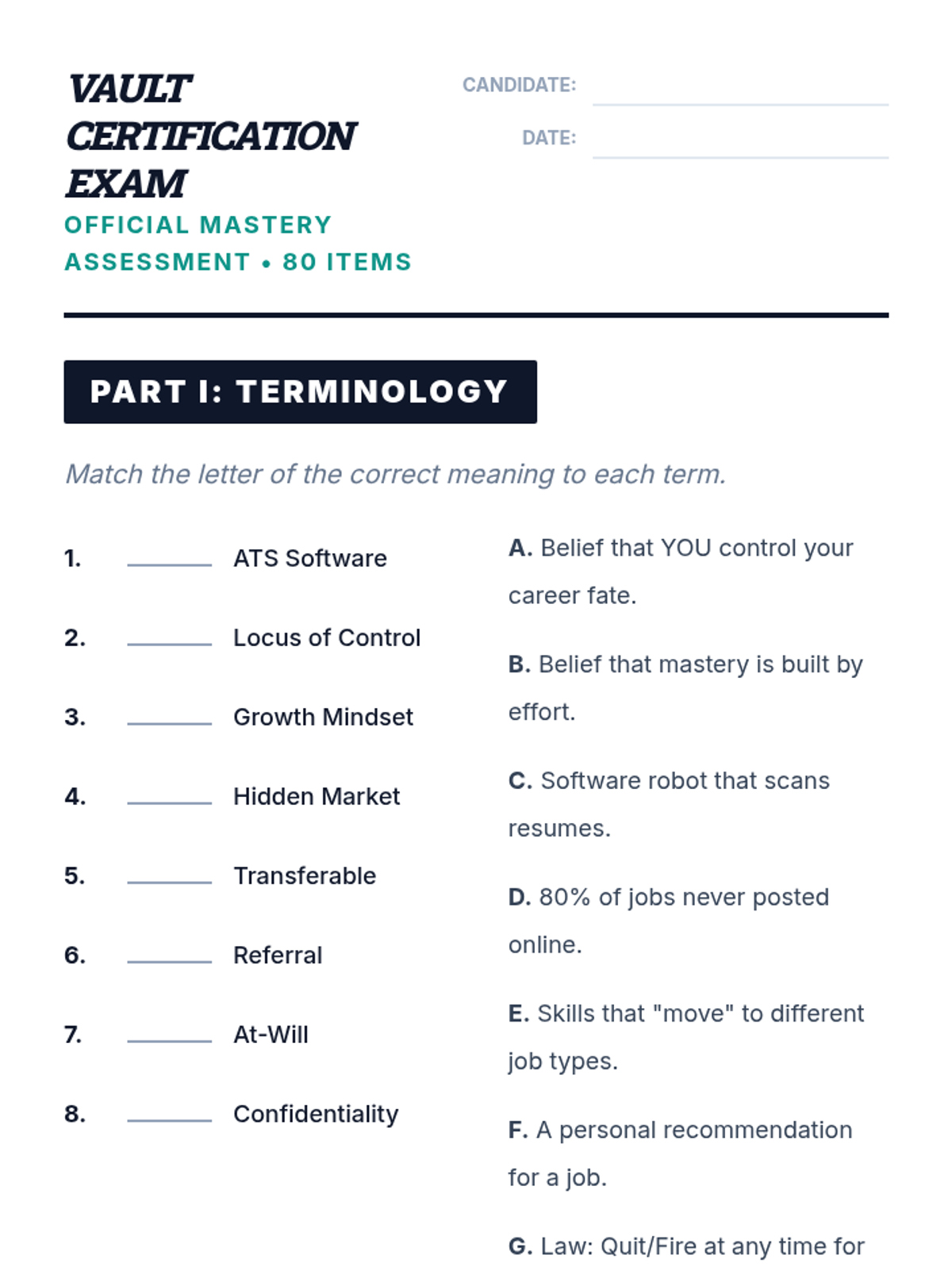
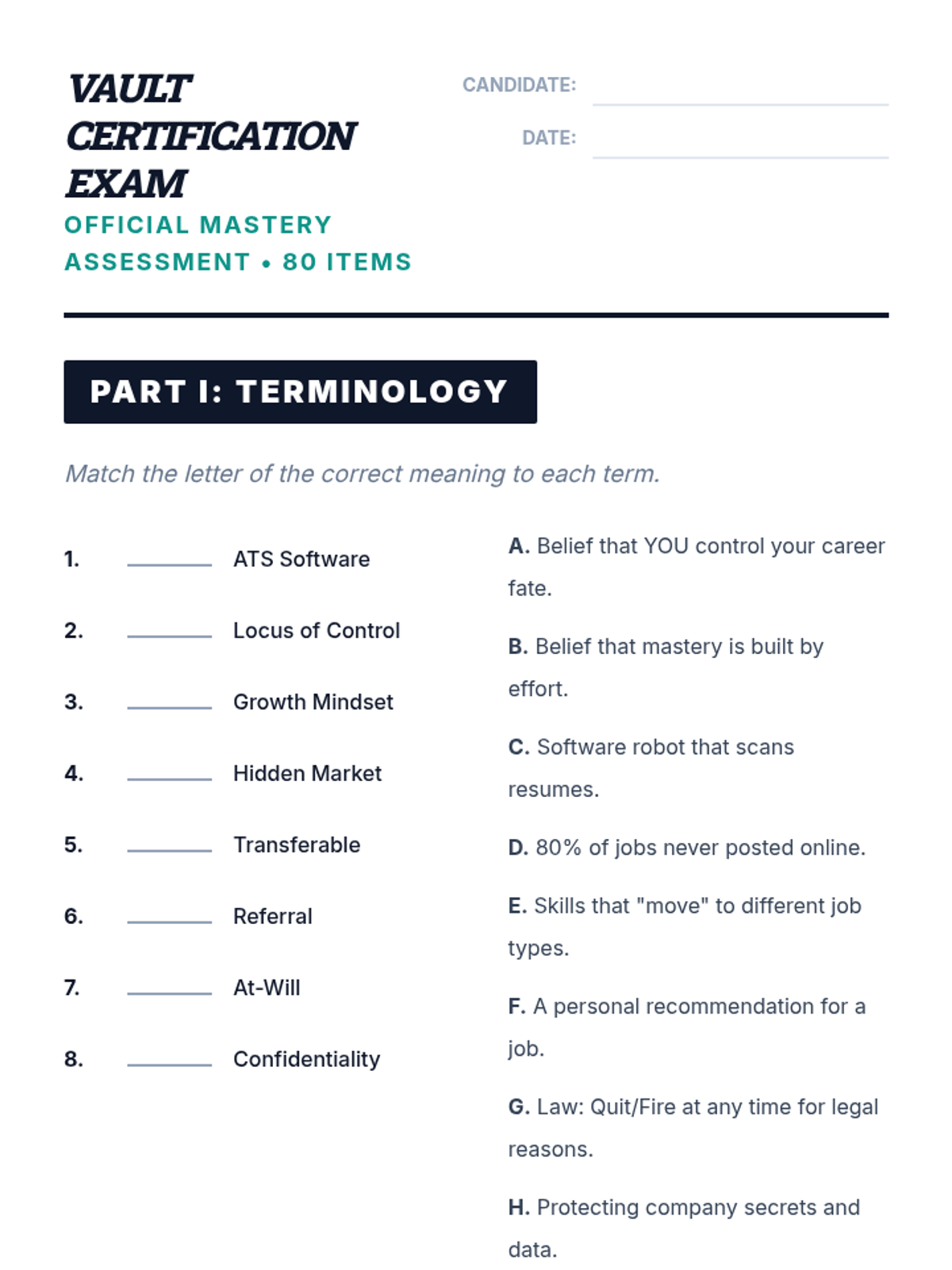
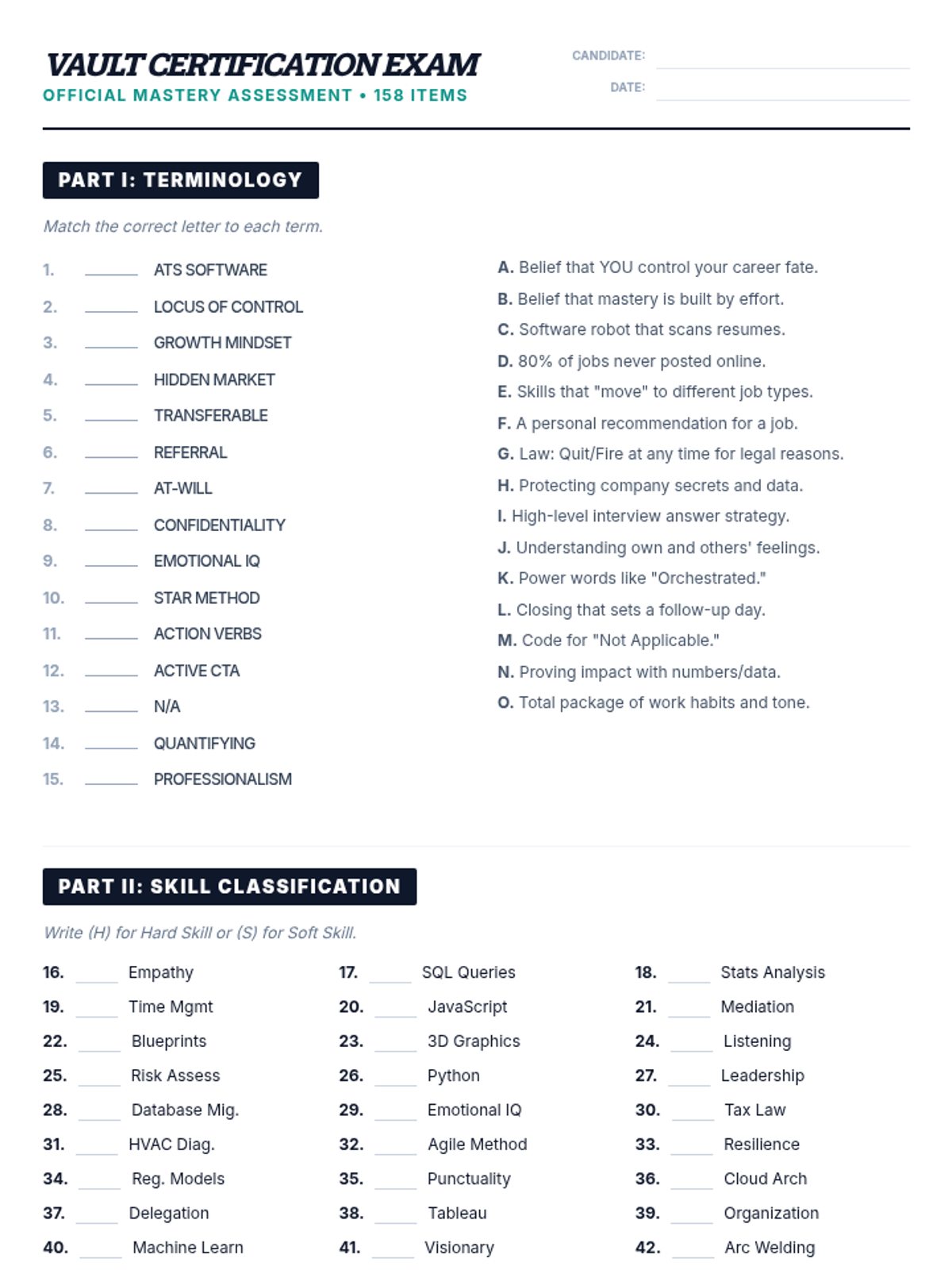
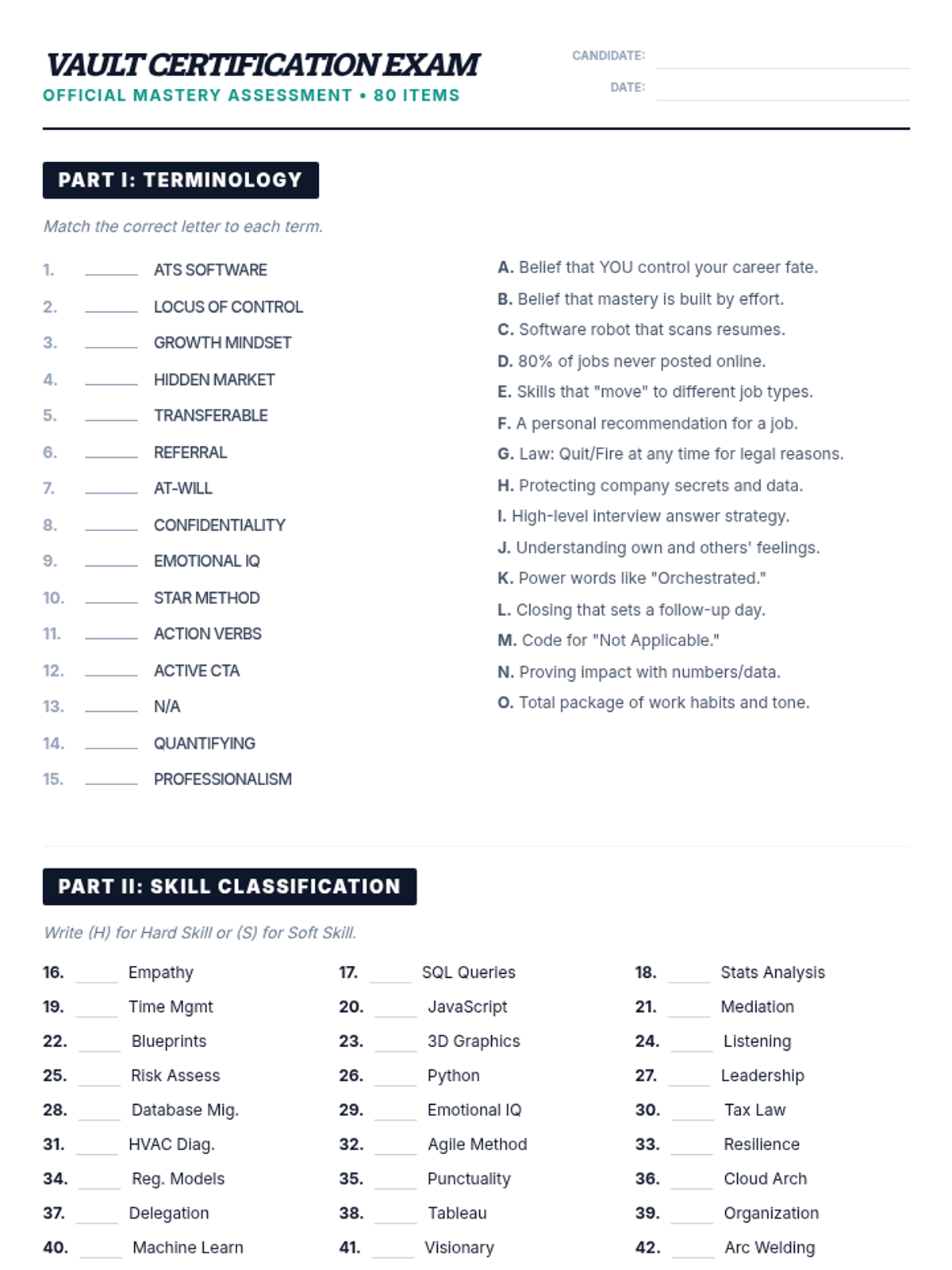
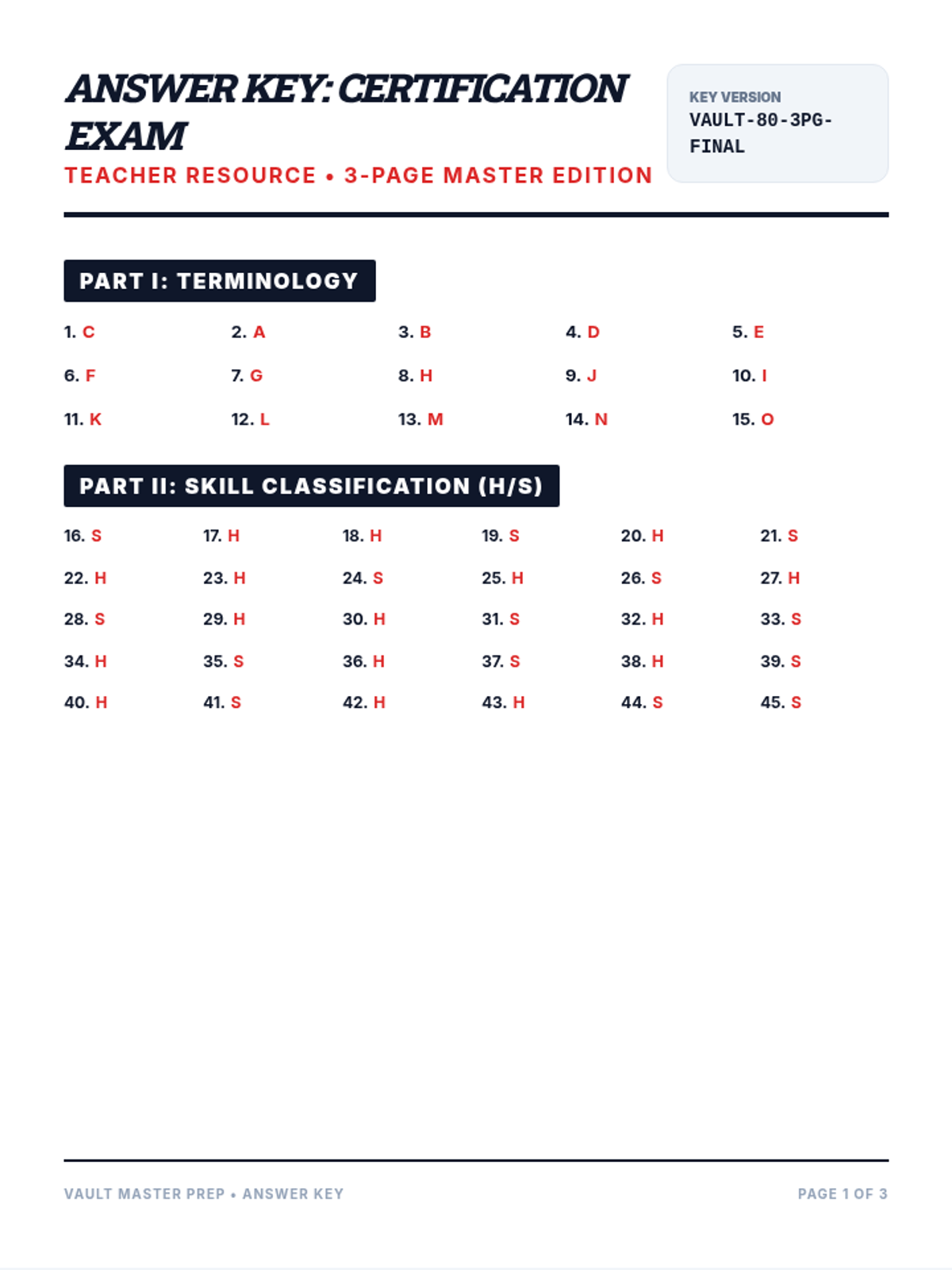
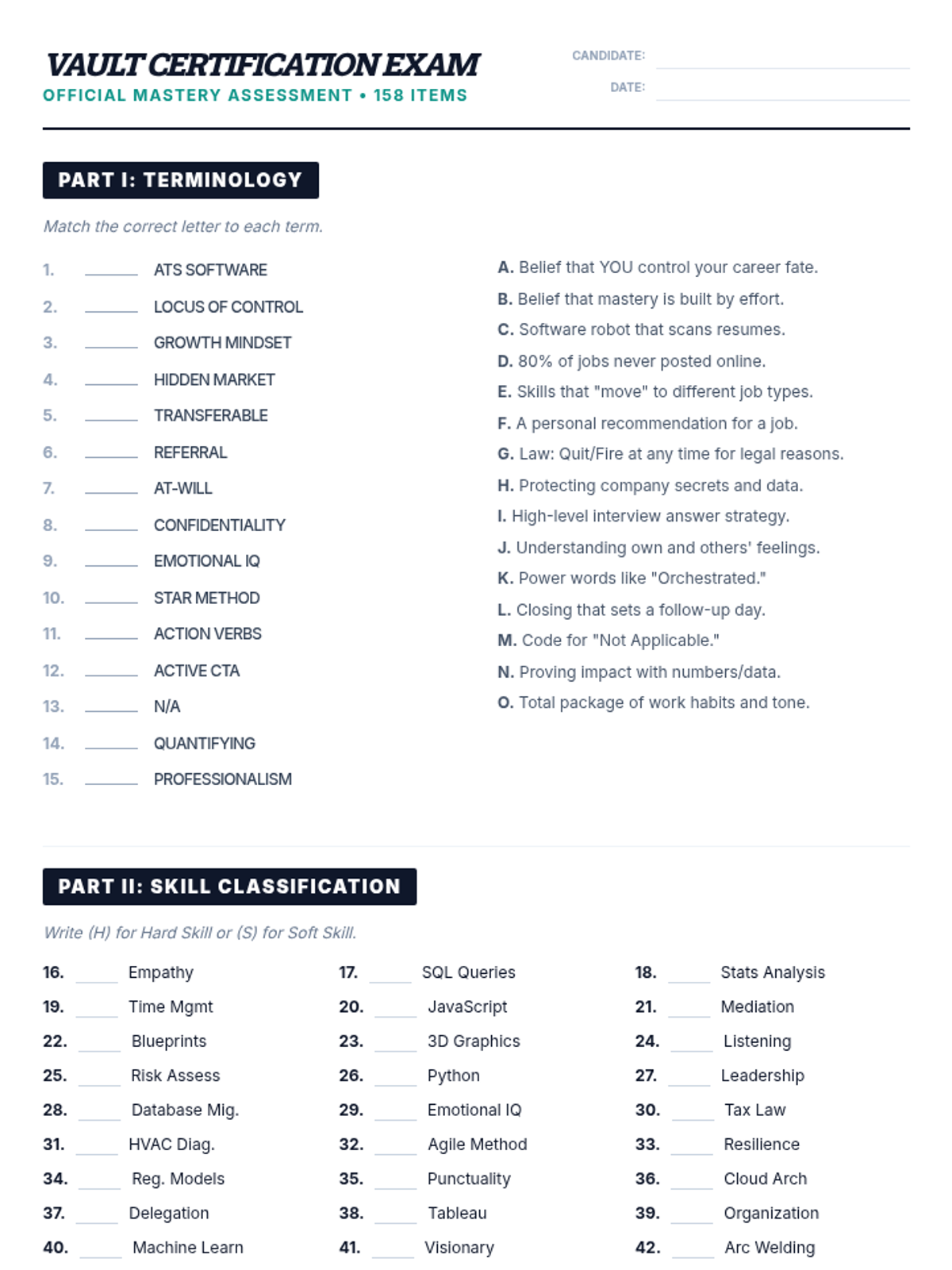
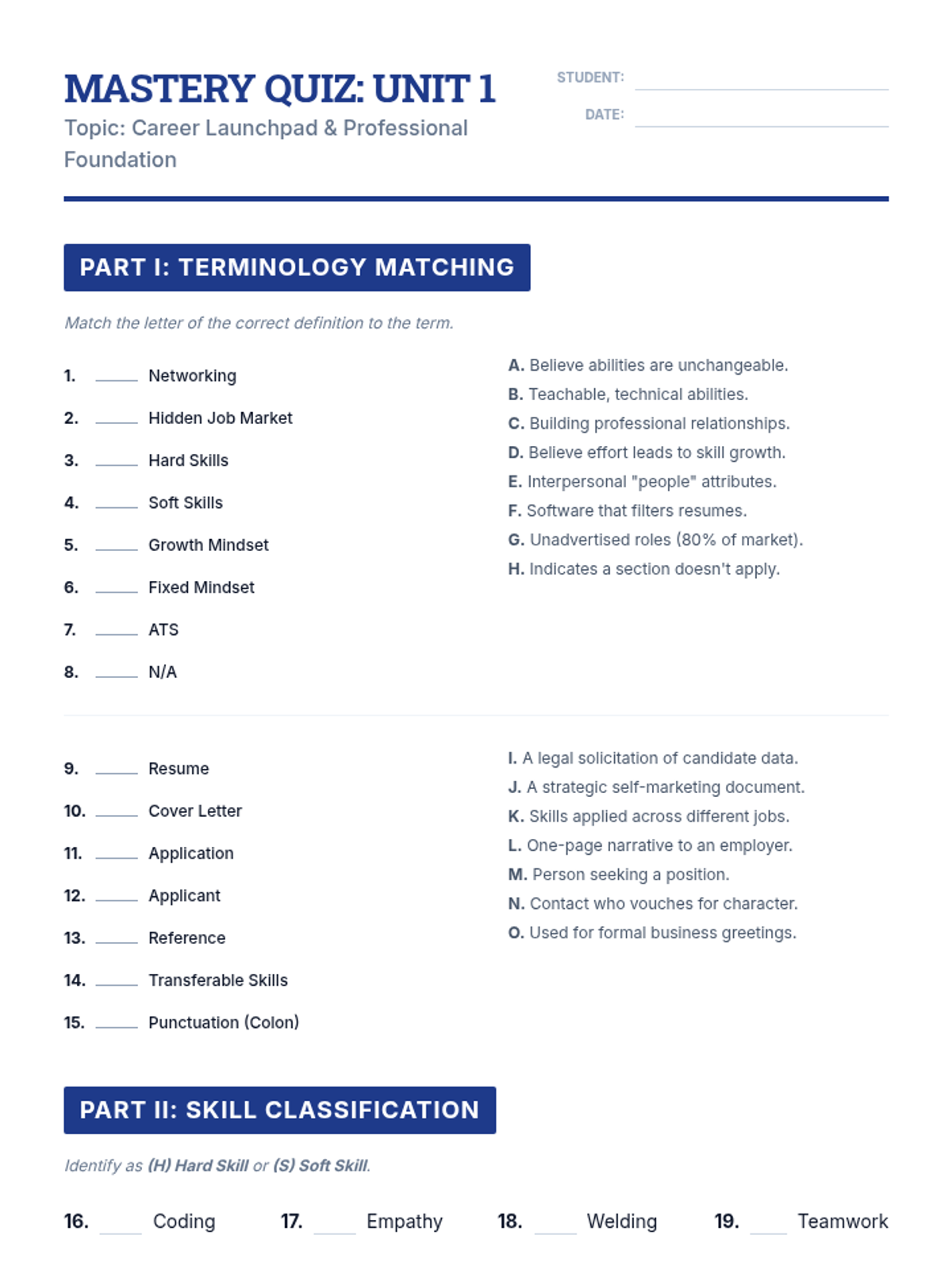
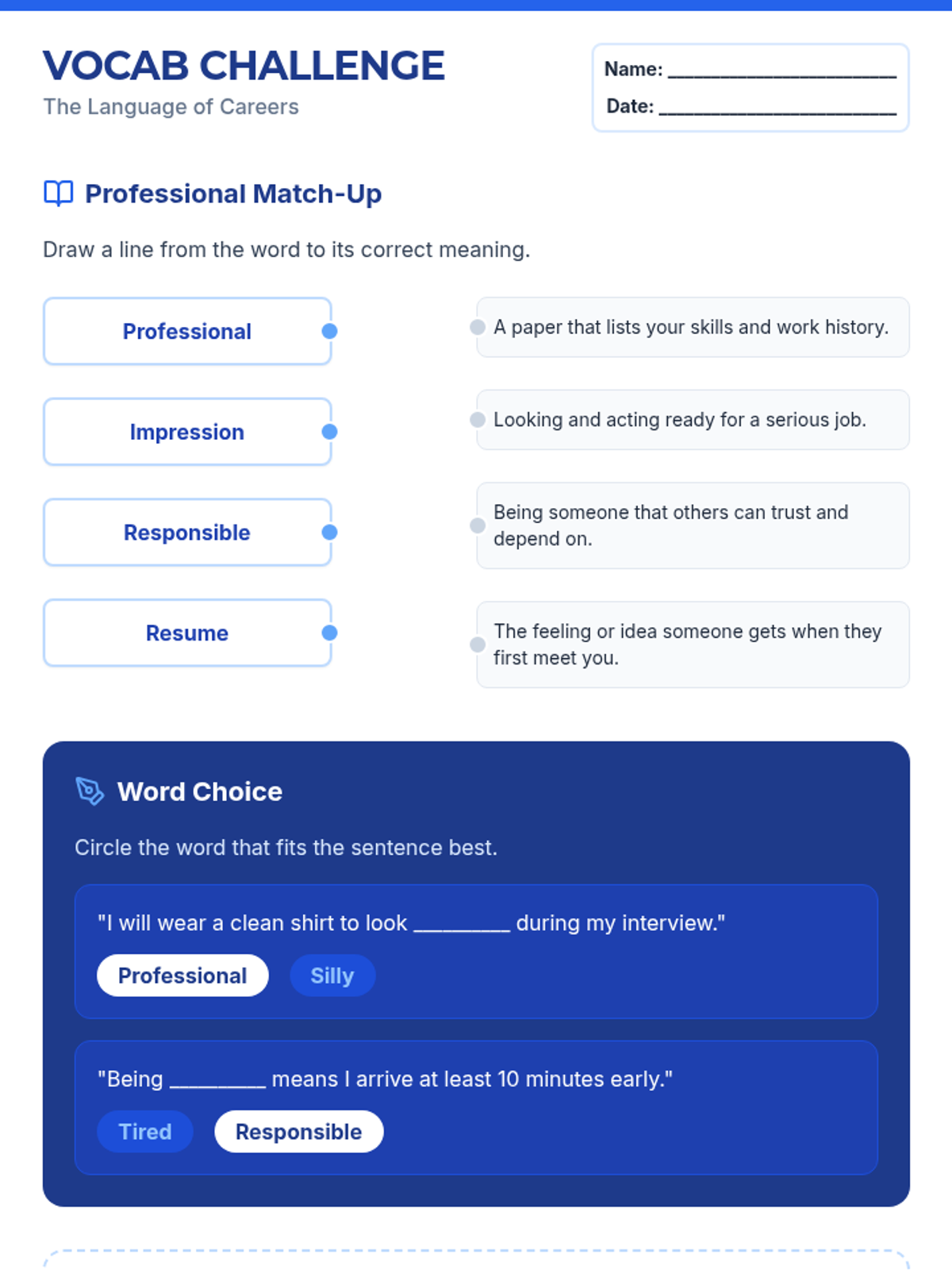
An introductory unit focusing on career terminology, professional mindset, and identifying personal strengths for the workforce.
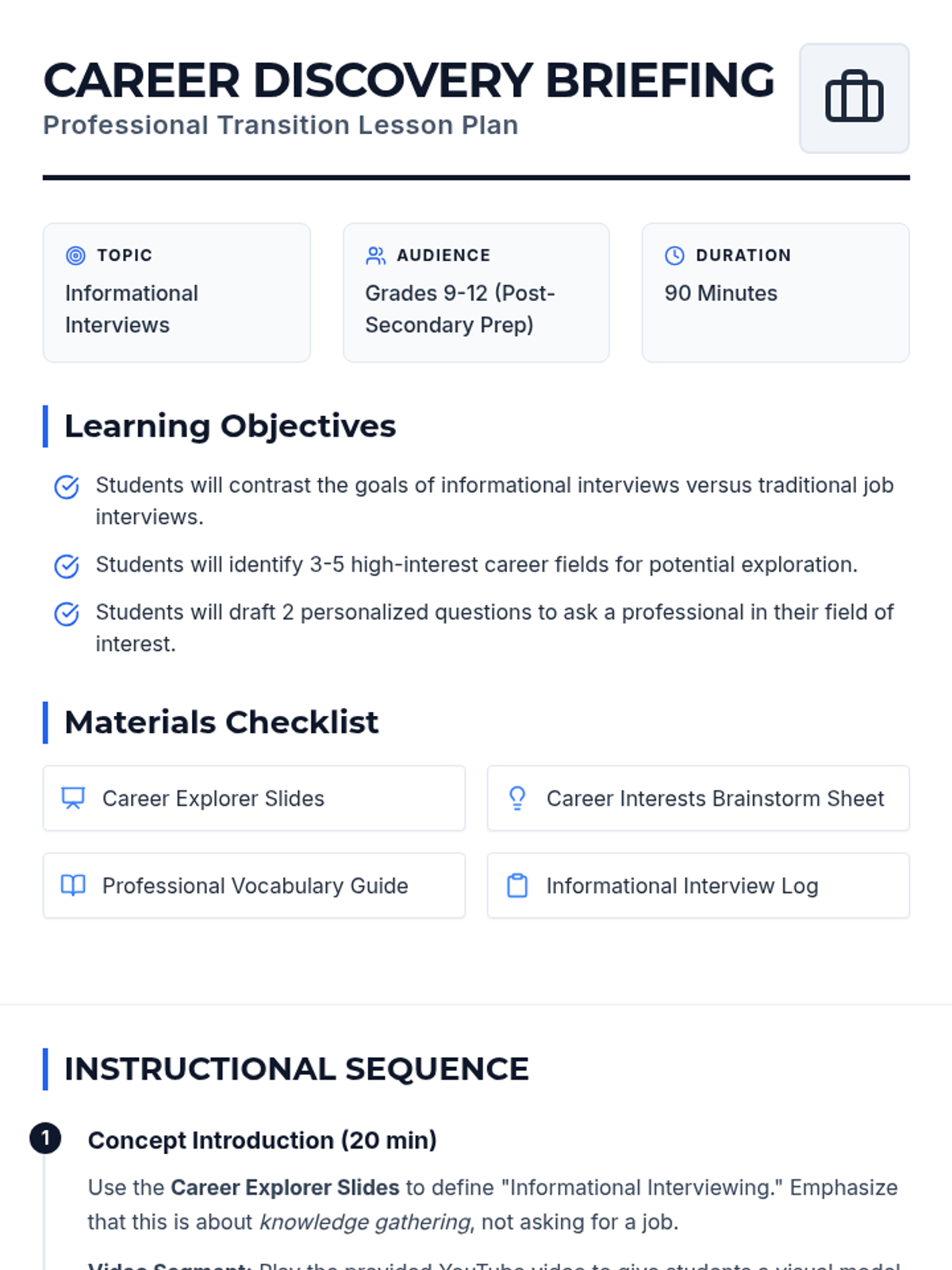
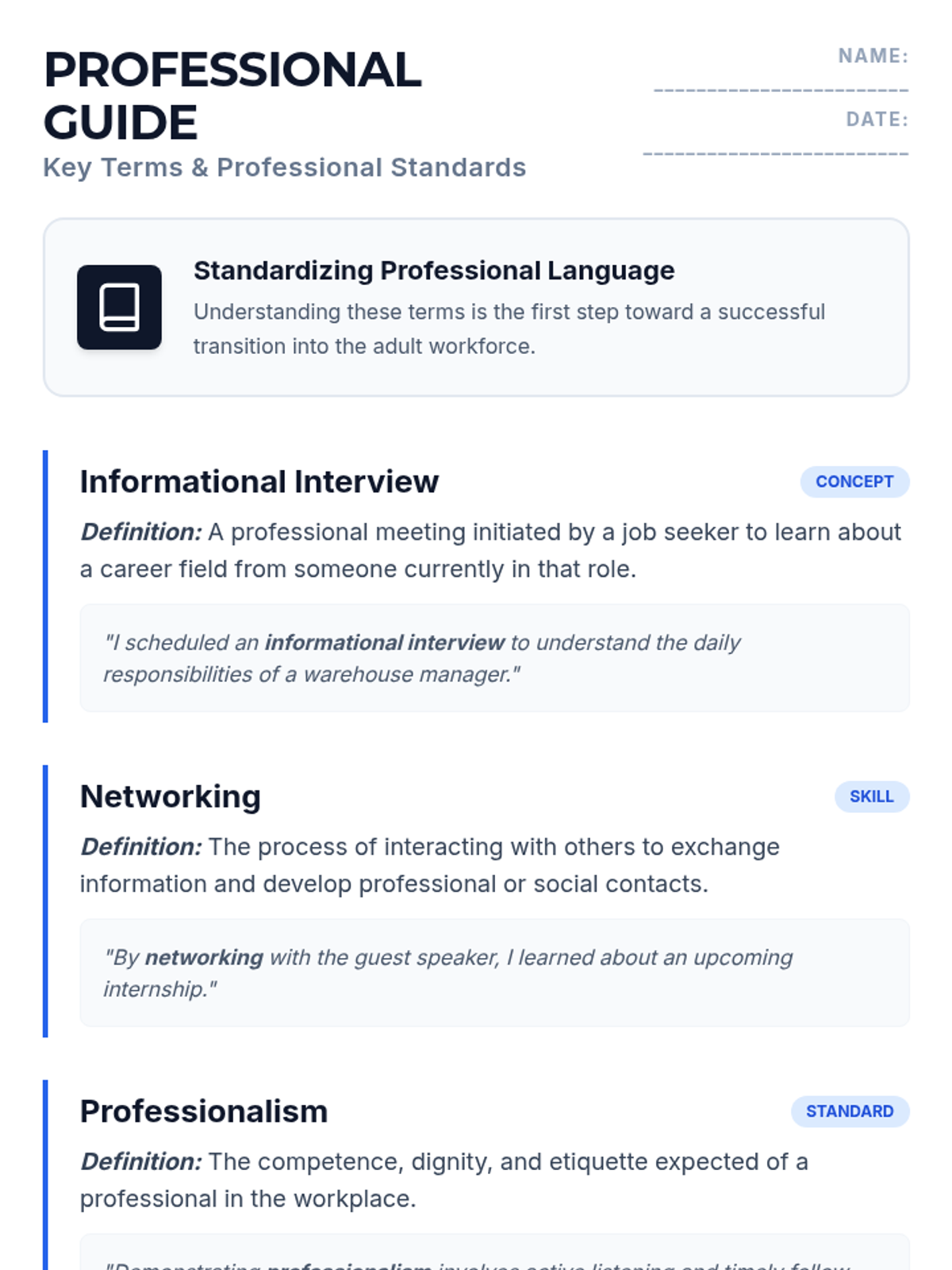
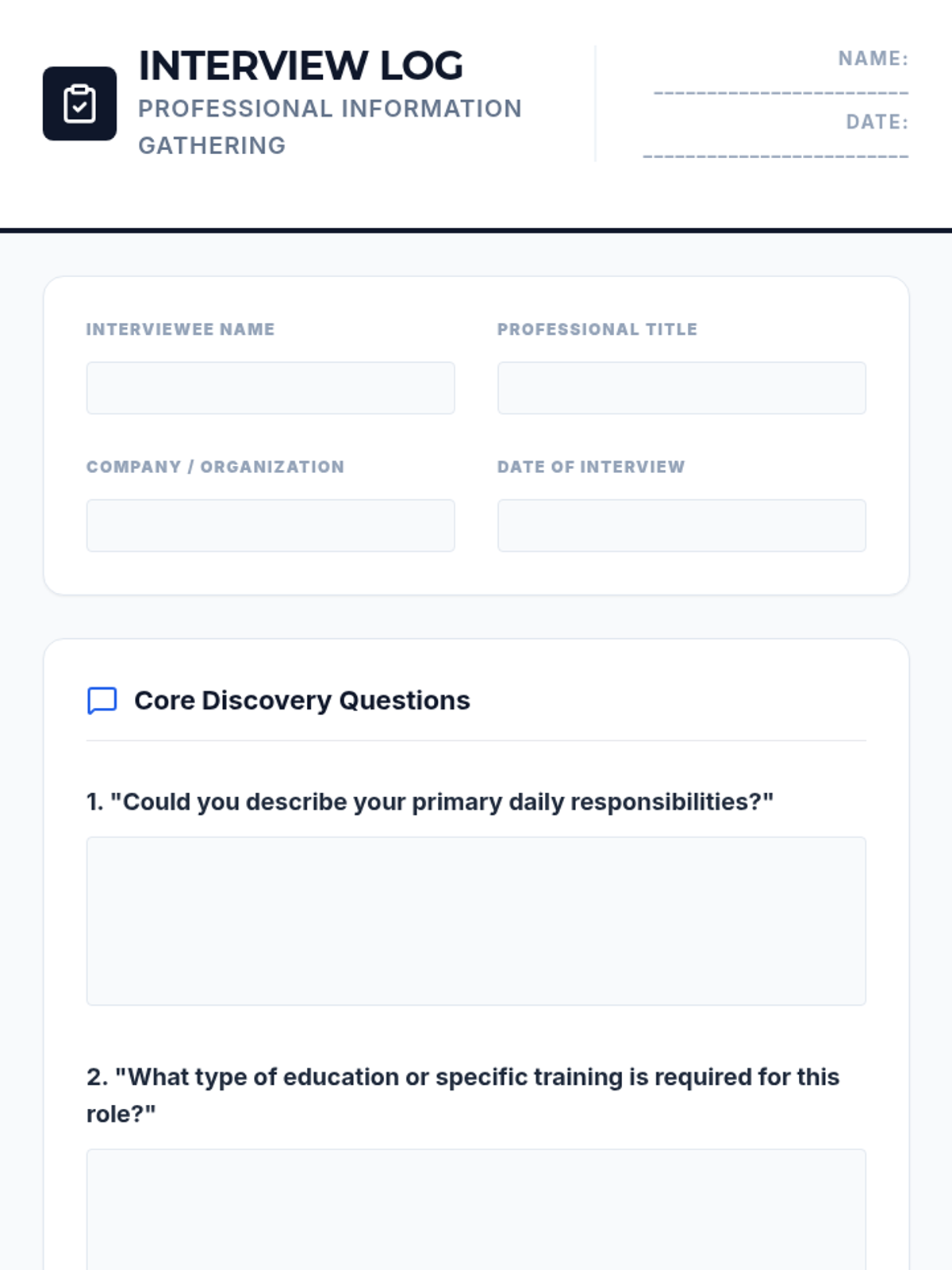
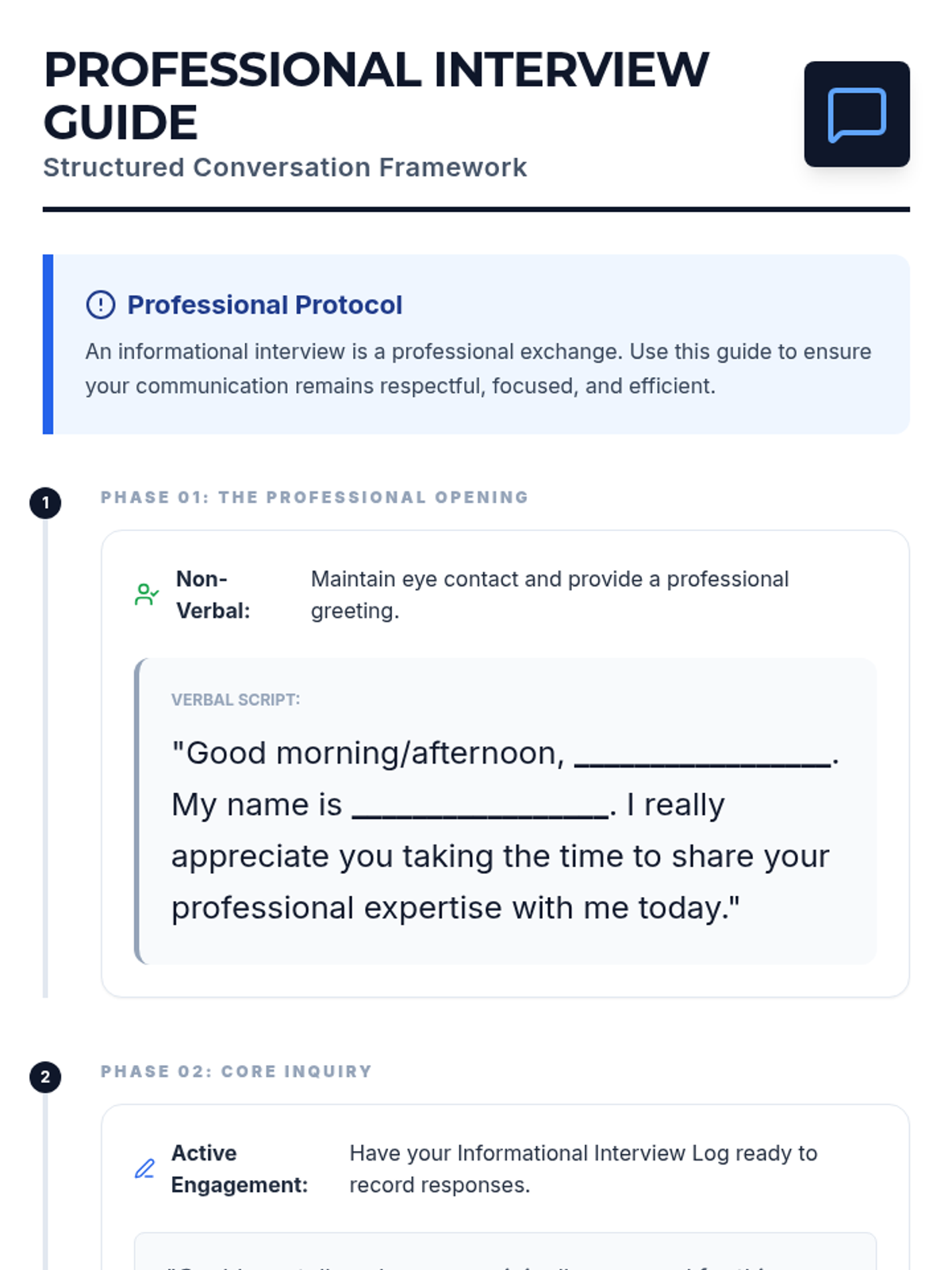
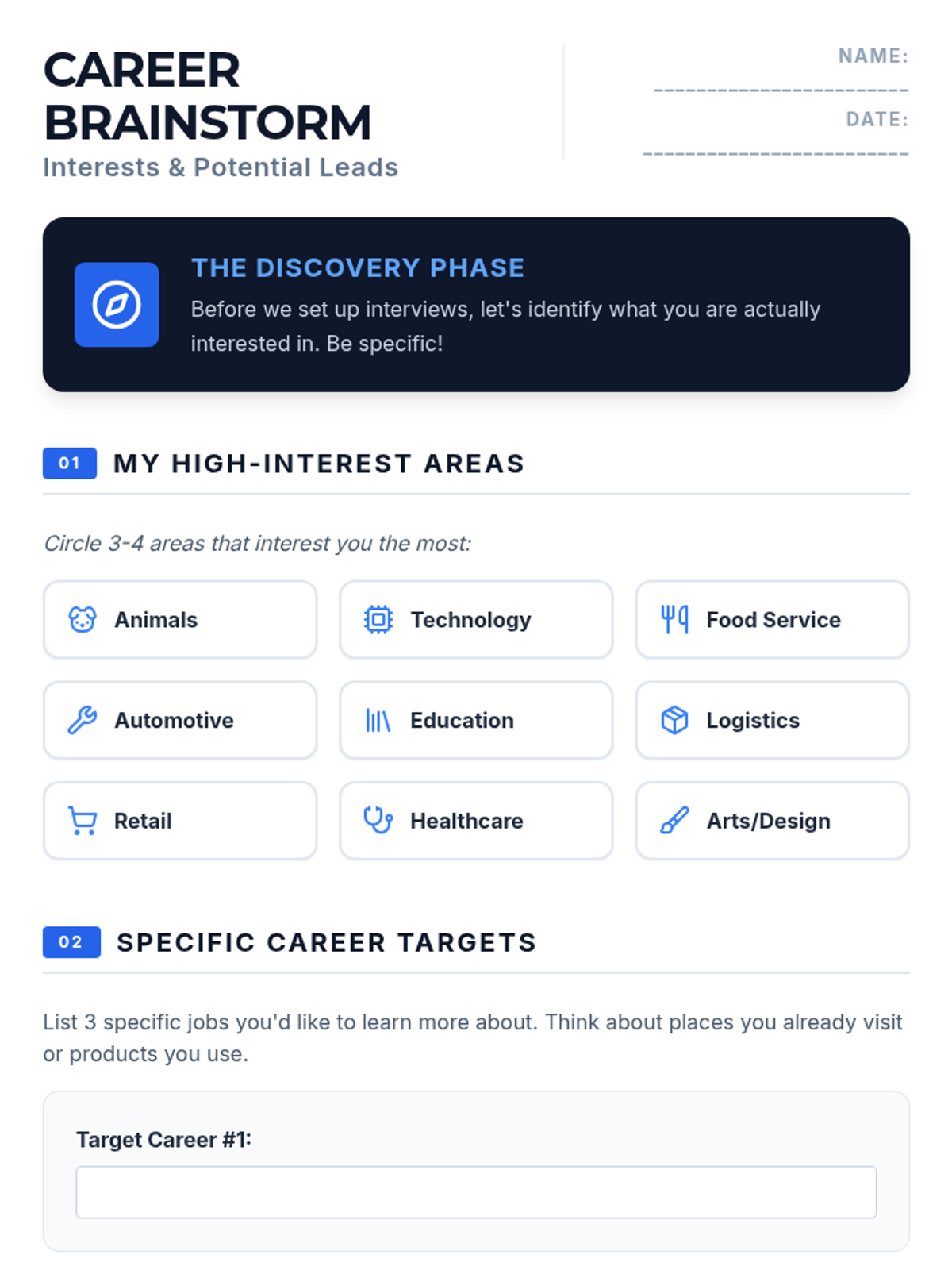
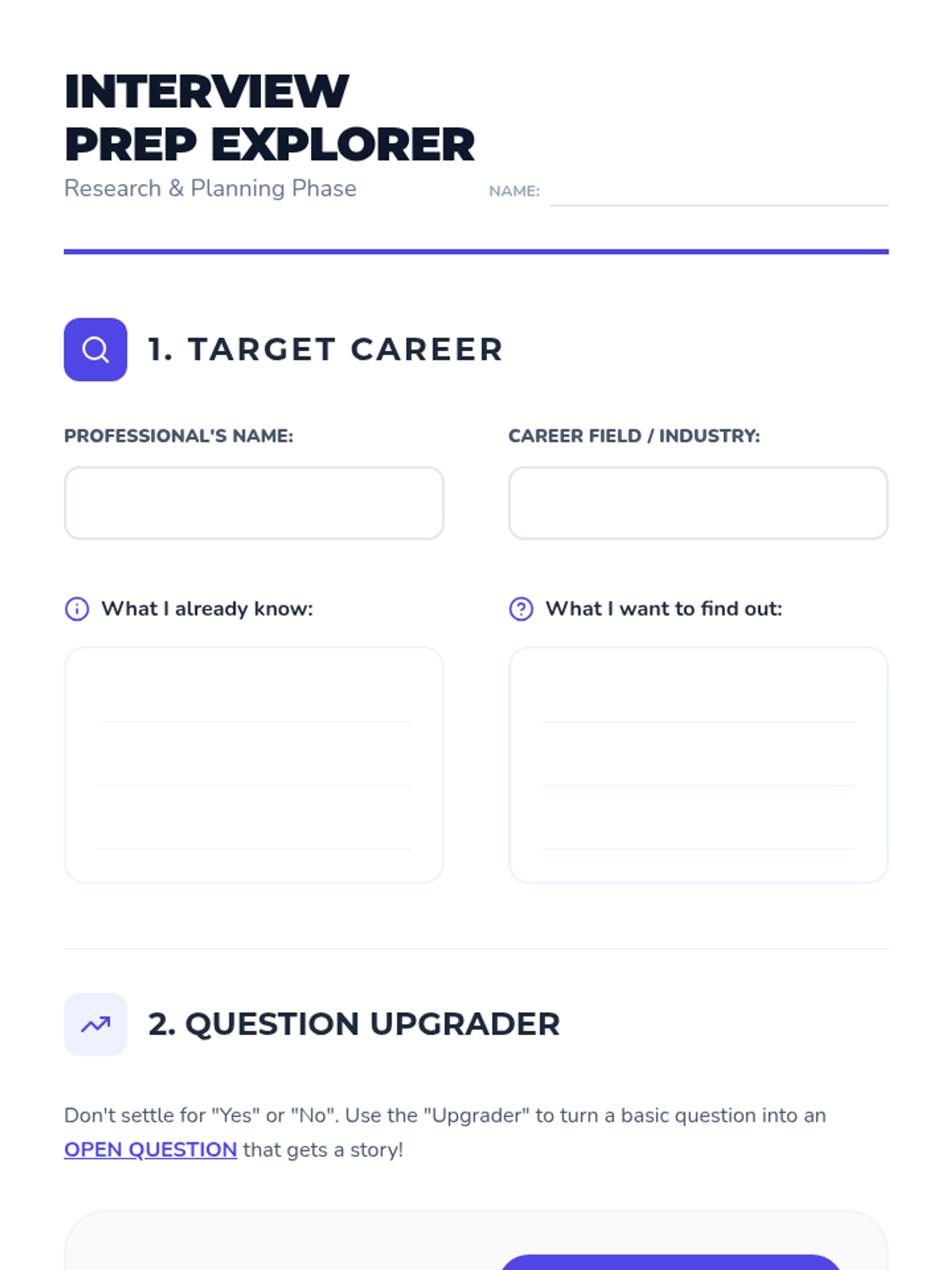
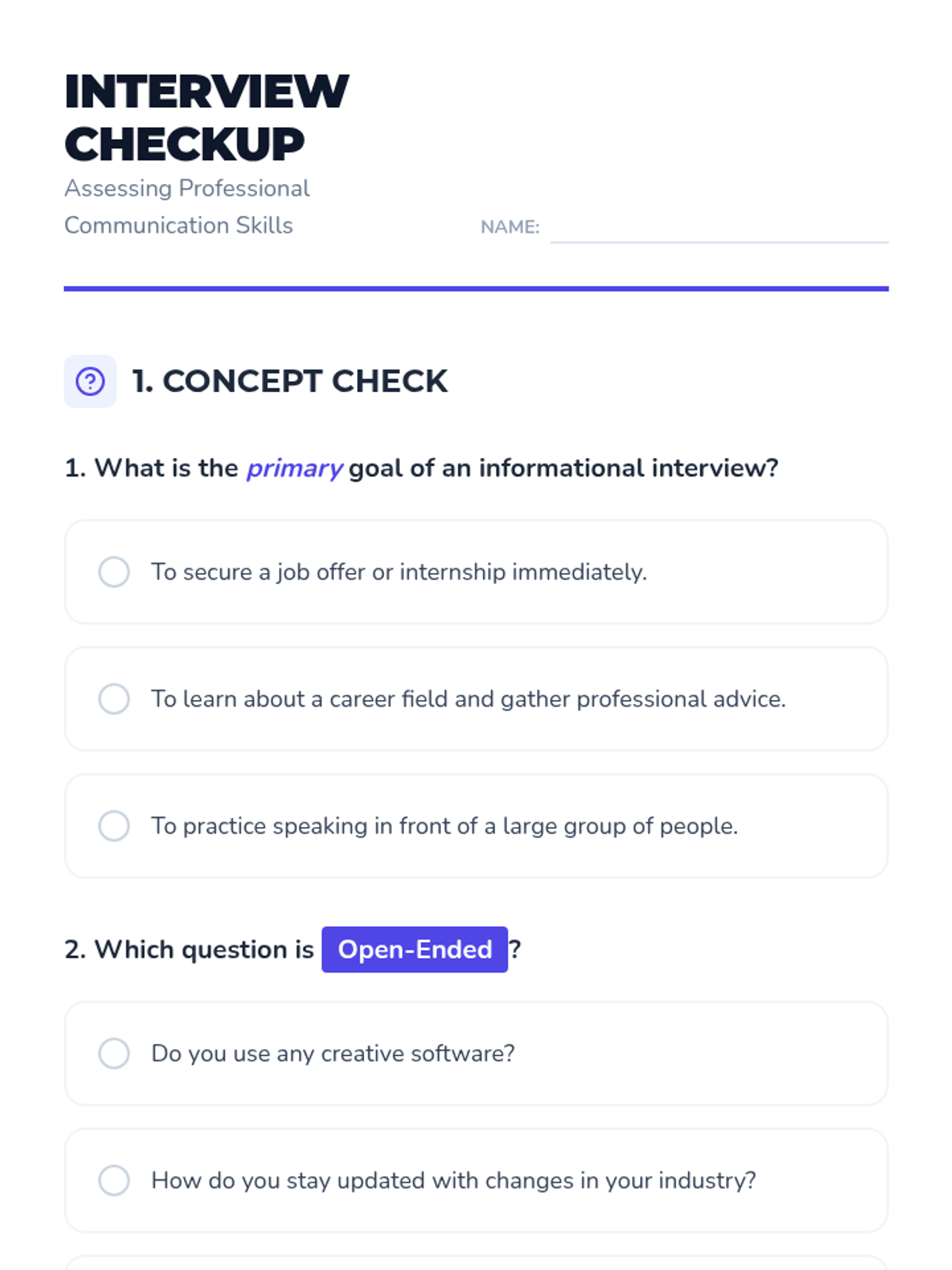
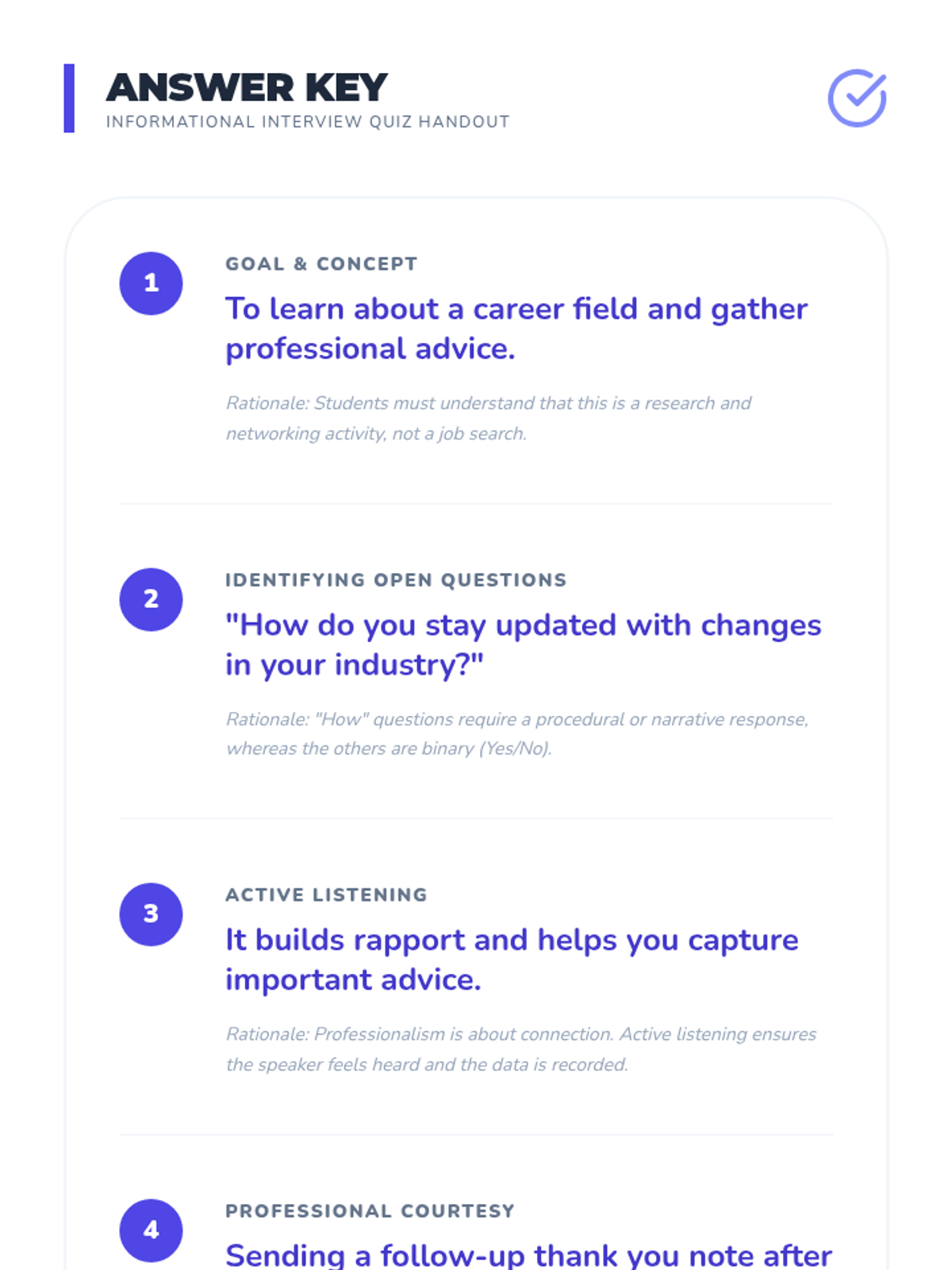
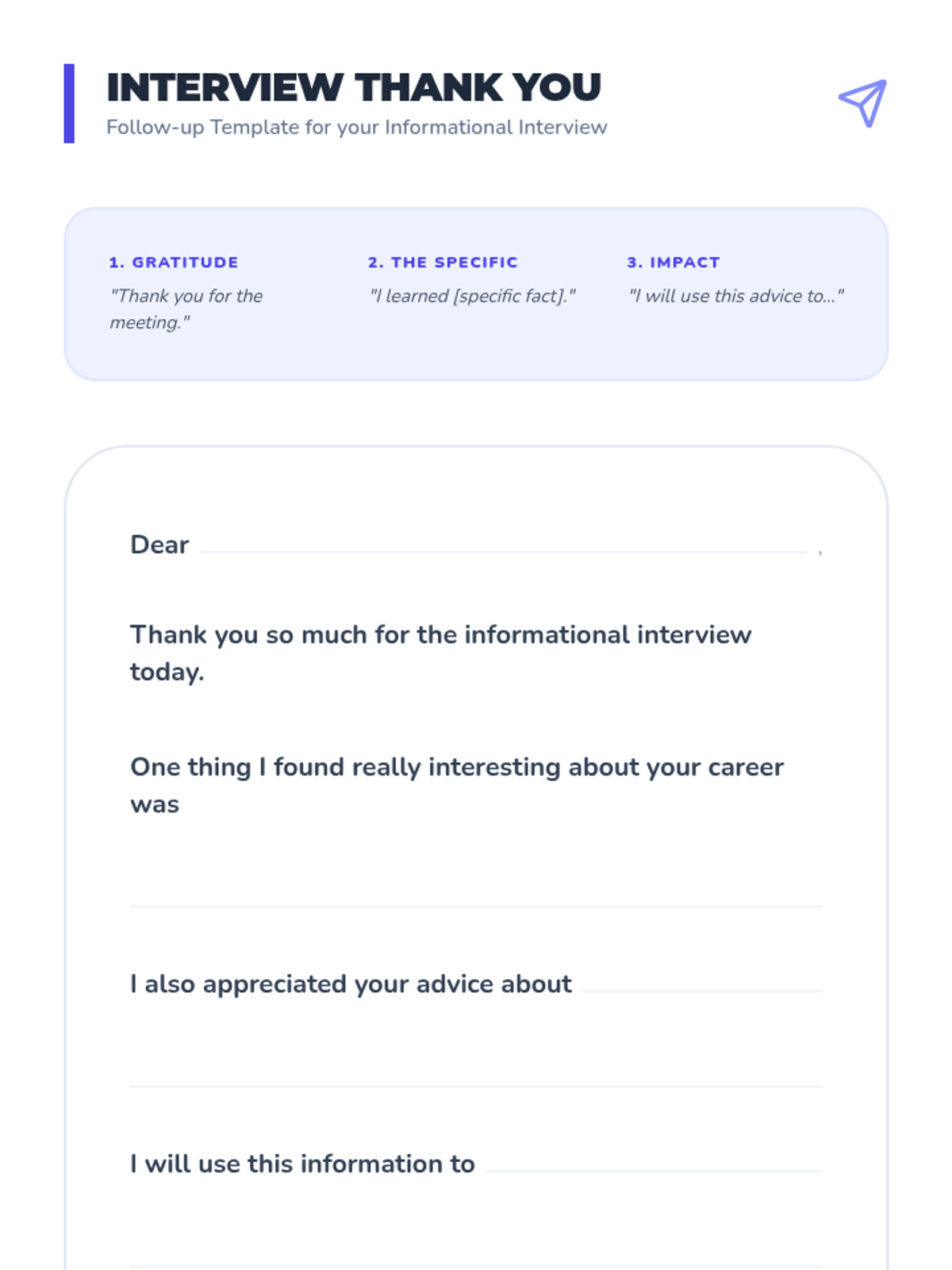
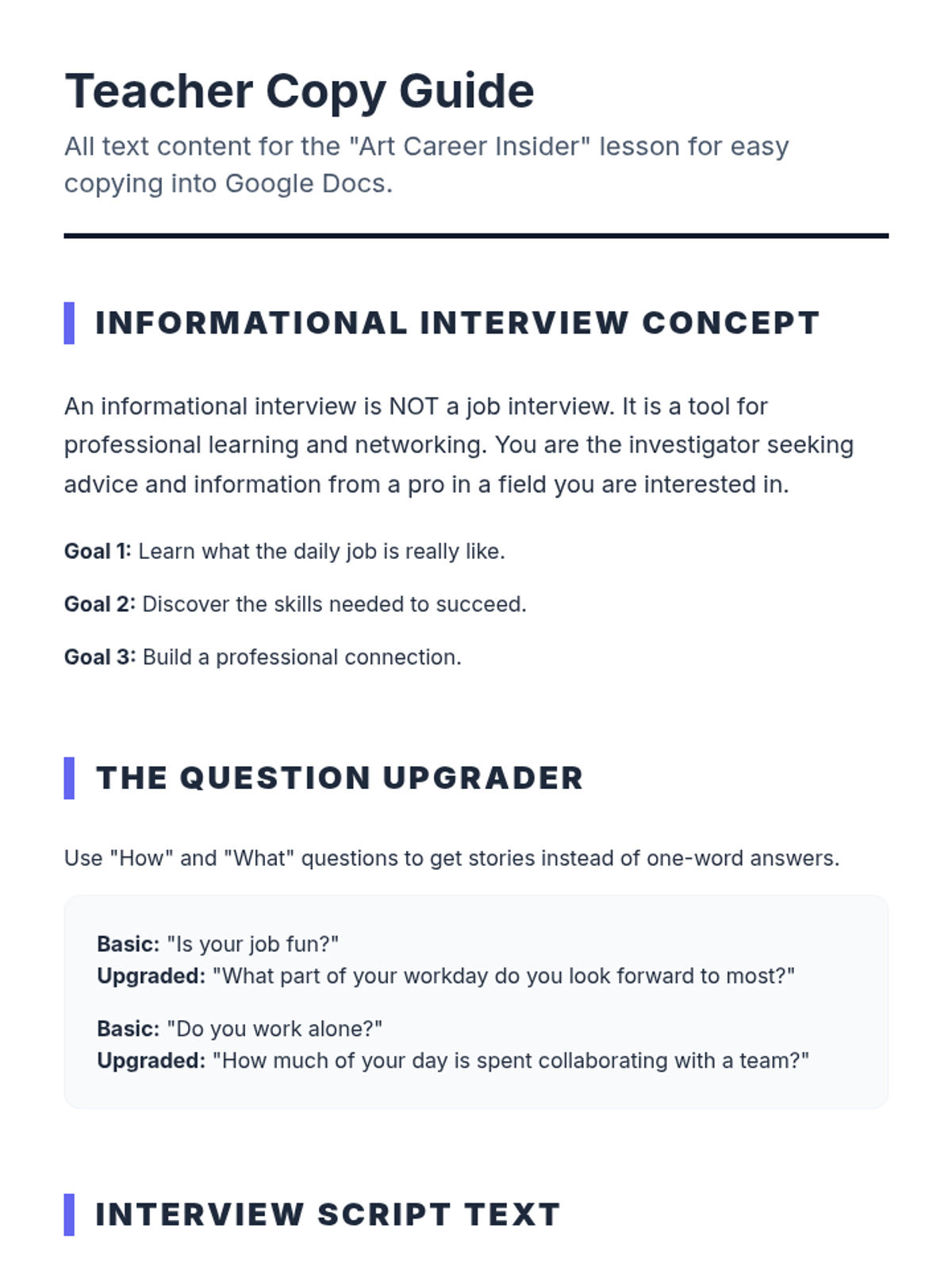
A lesson introducing students with IDD to informational interviews, focusing on curiosity, career exploration, and building professional connections.
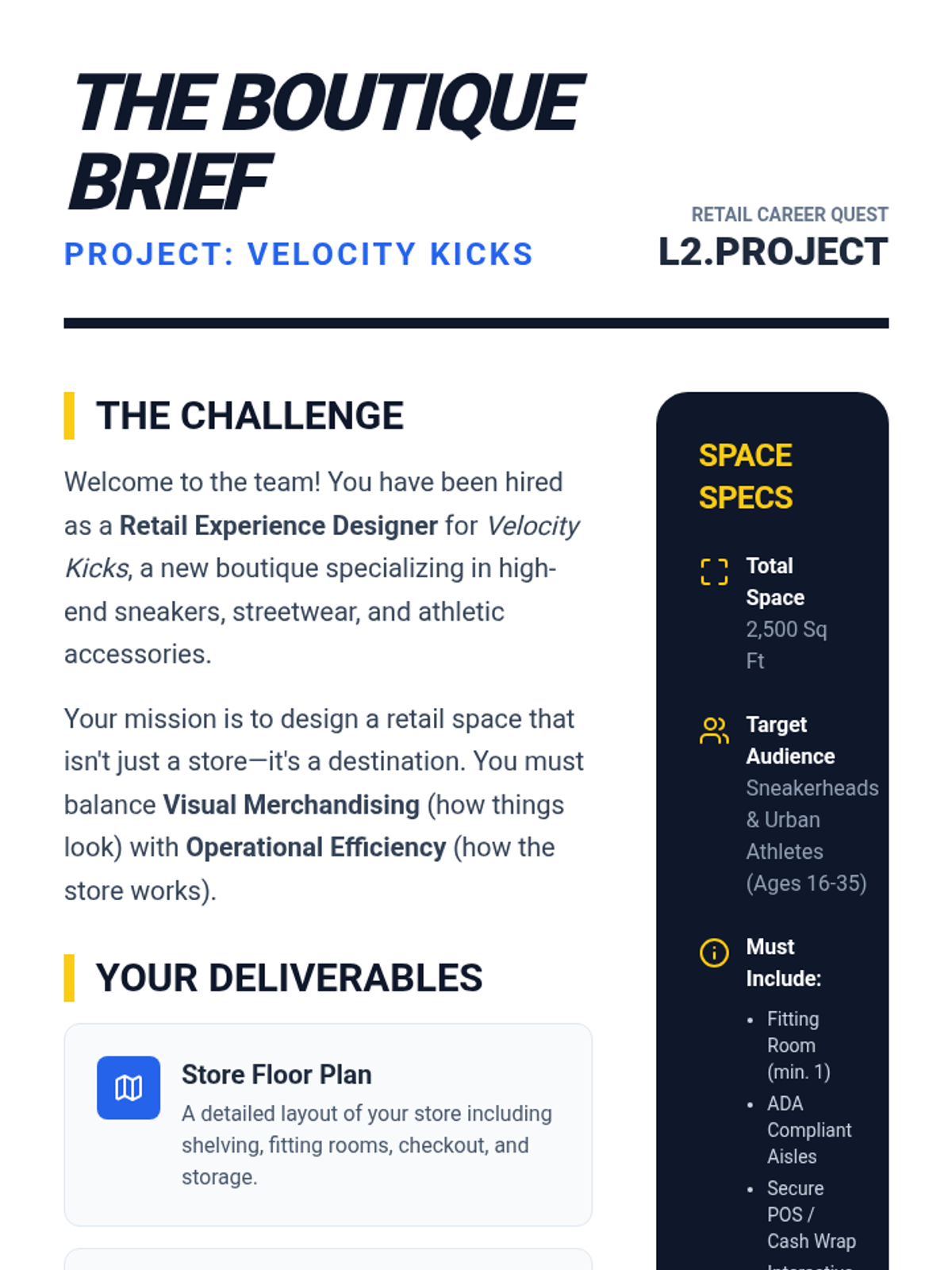
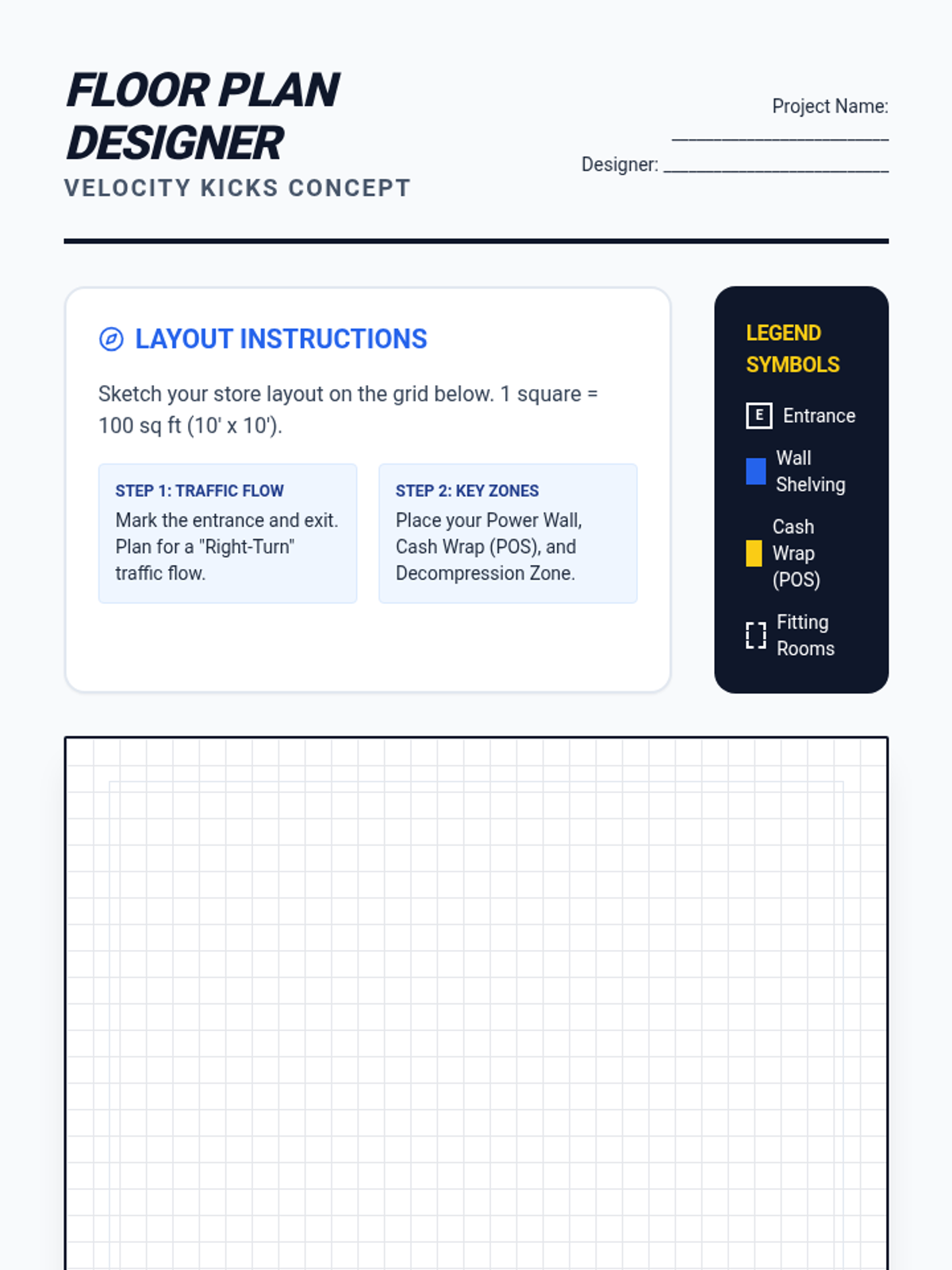
A practical project where students apply their knowledge to design a retail store, including product selection, floor layout, visual merchandising, and a promotional plan.
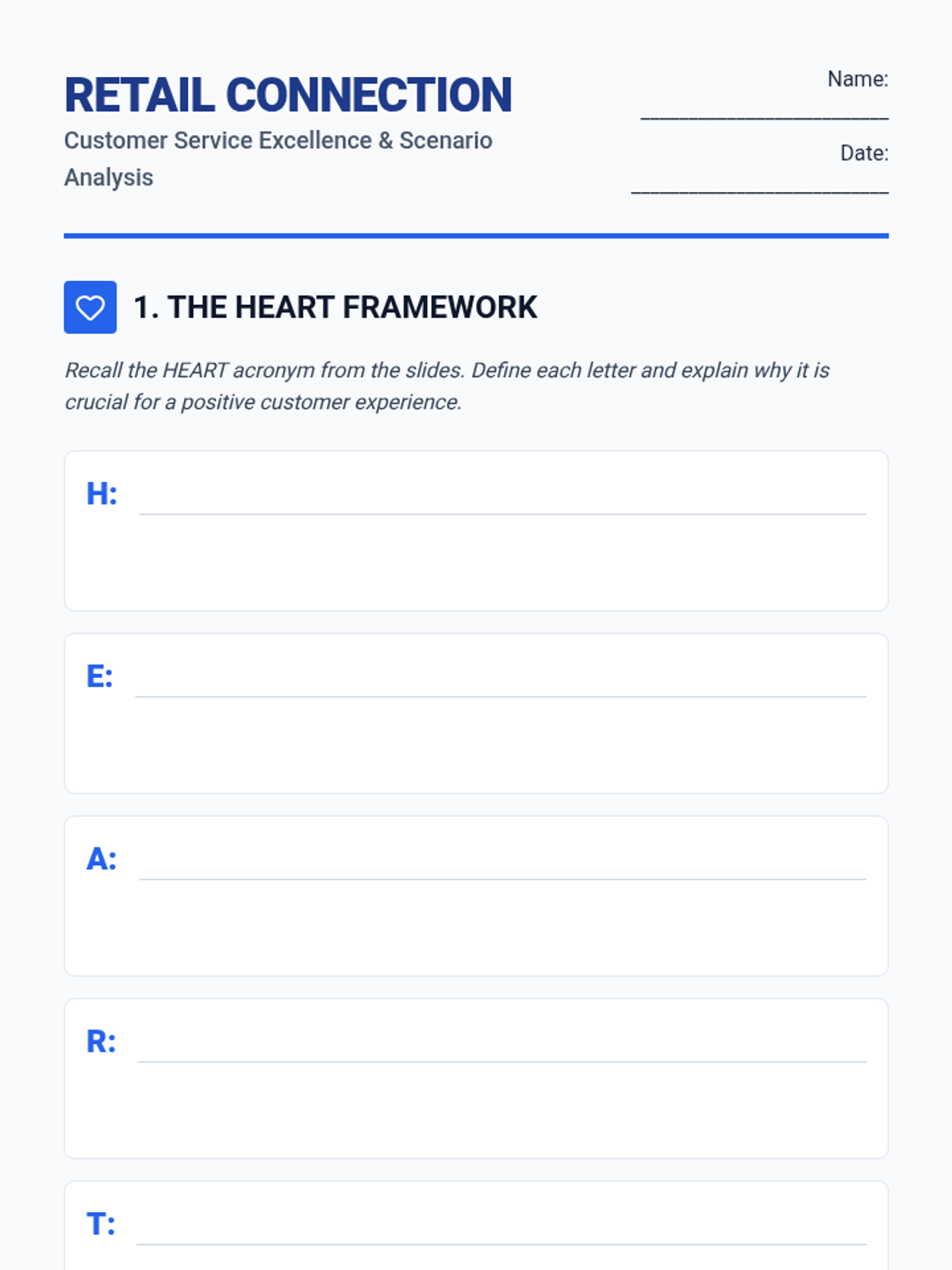
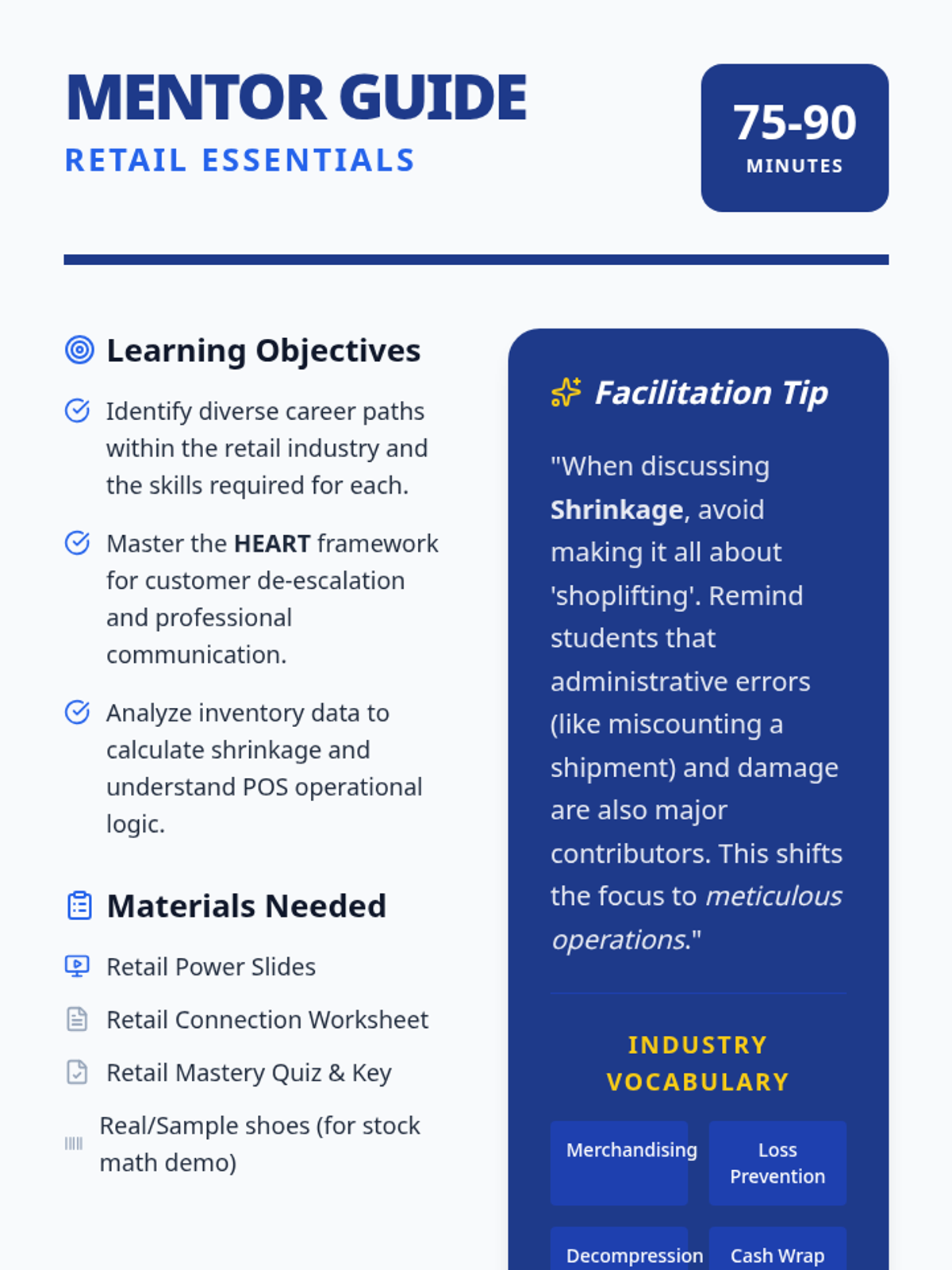
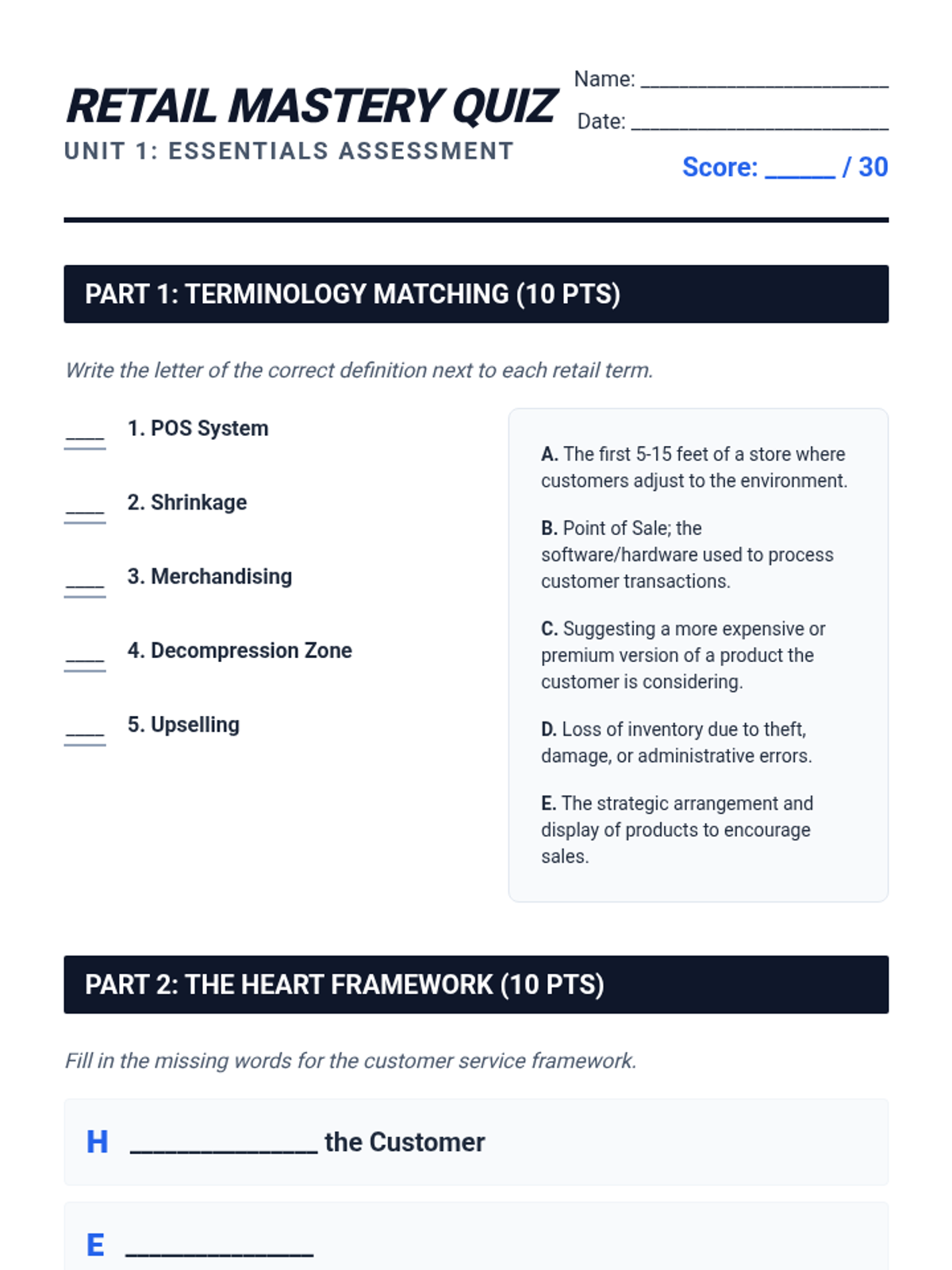
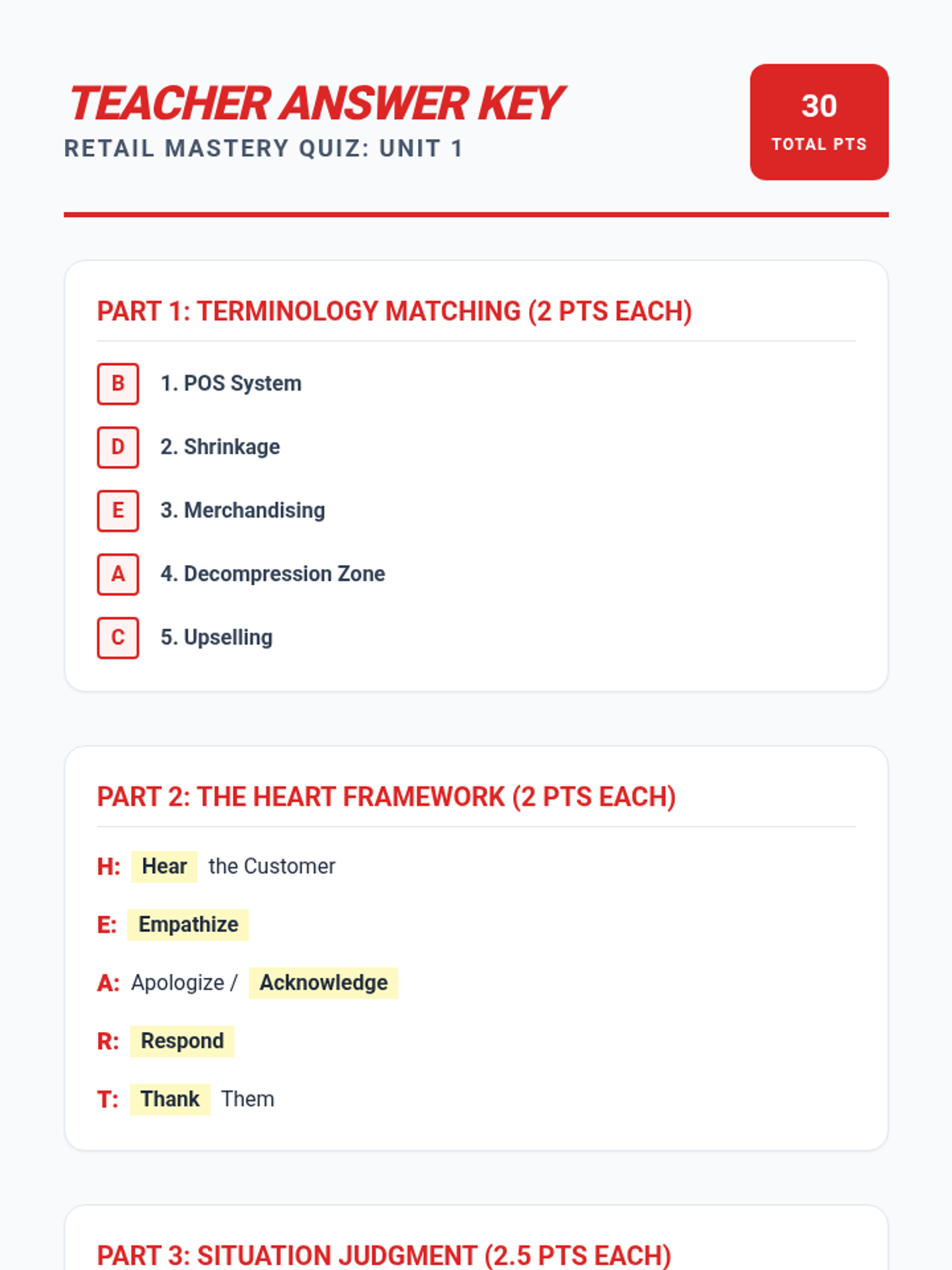
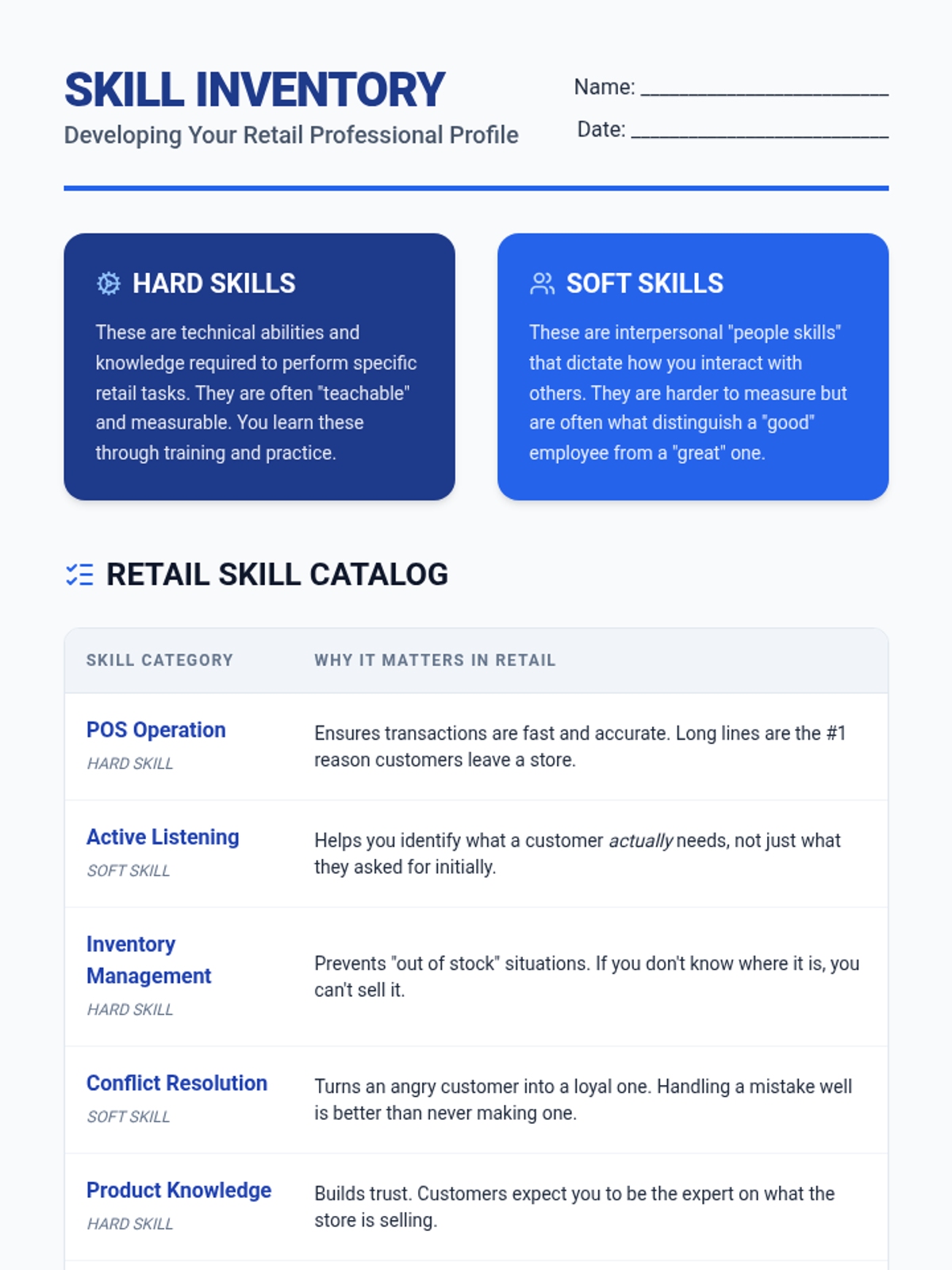
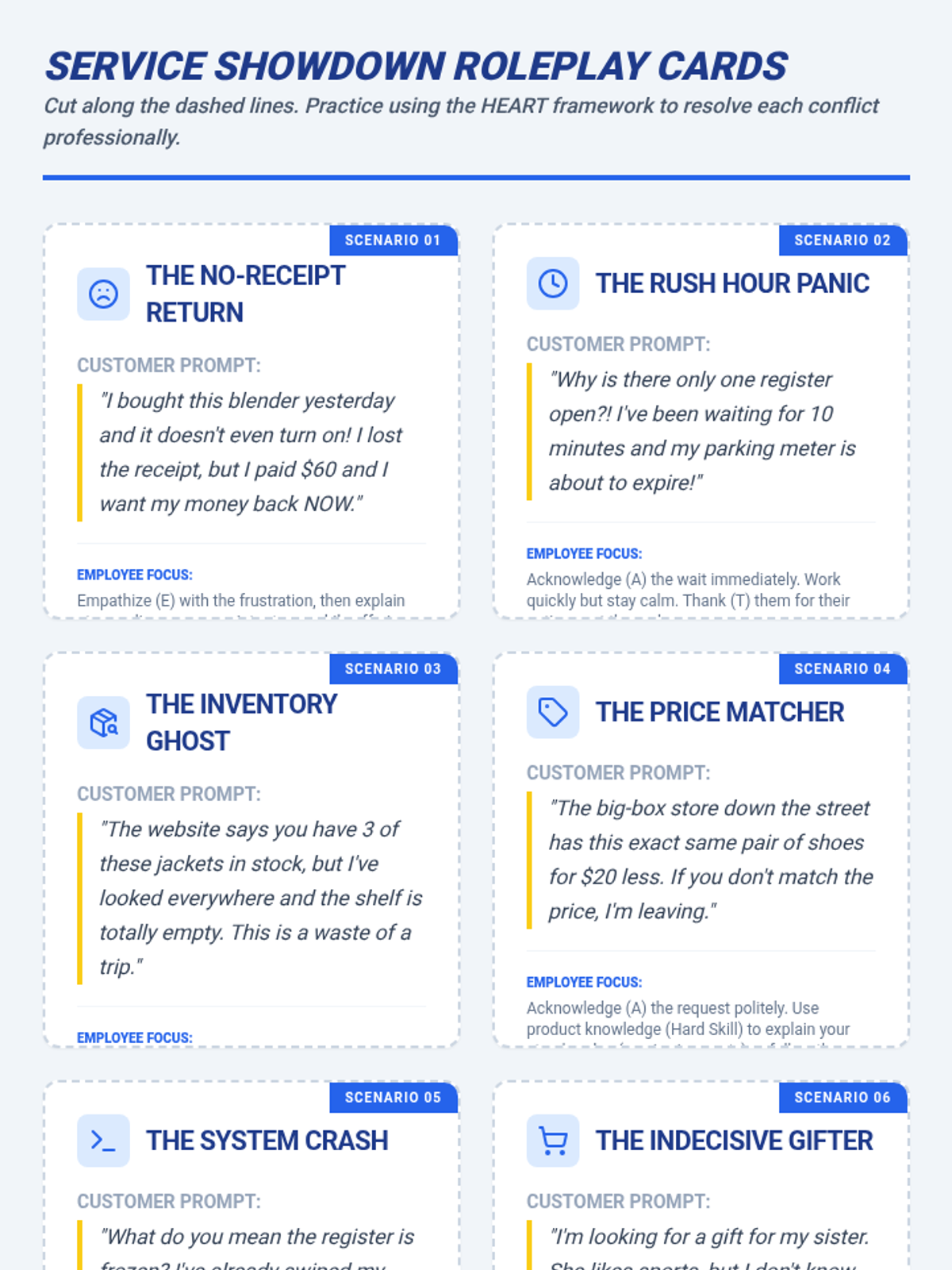
An introduction to the foundational skills of the retail industry, covering customer service techniques, cash handling, inventory management, and the professional communication required for successful sales.
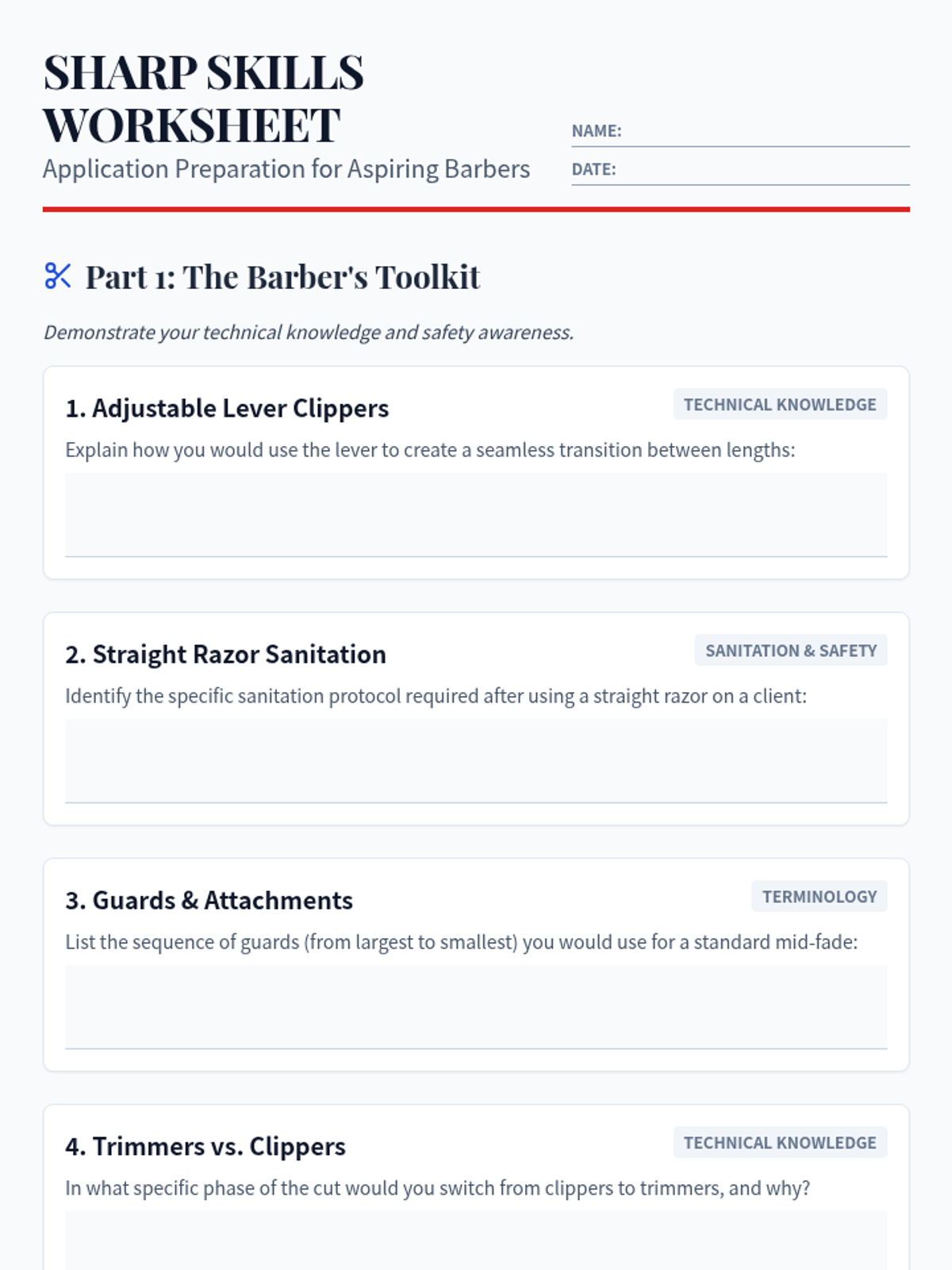
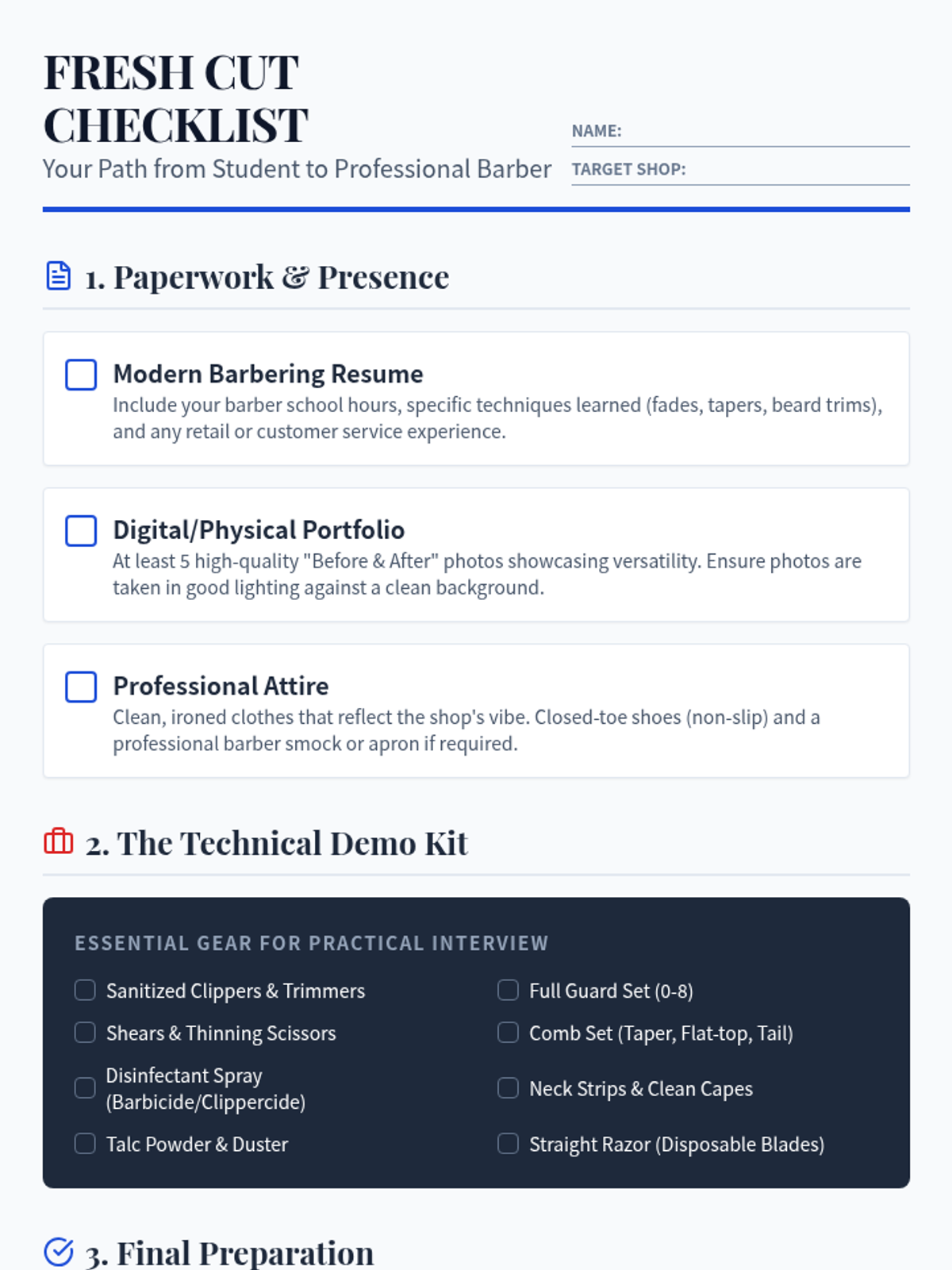
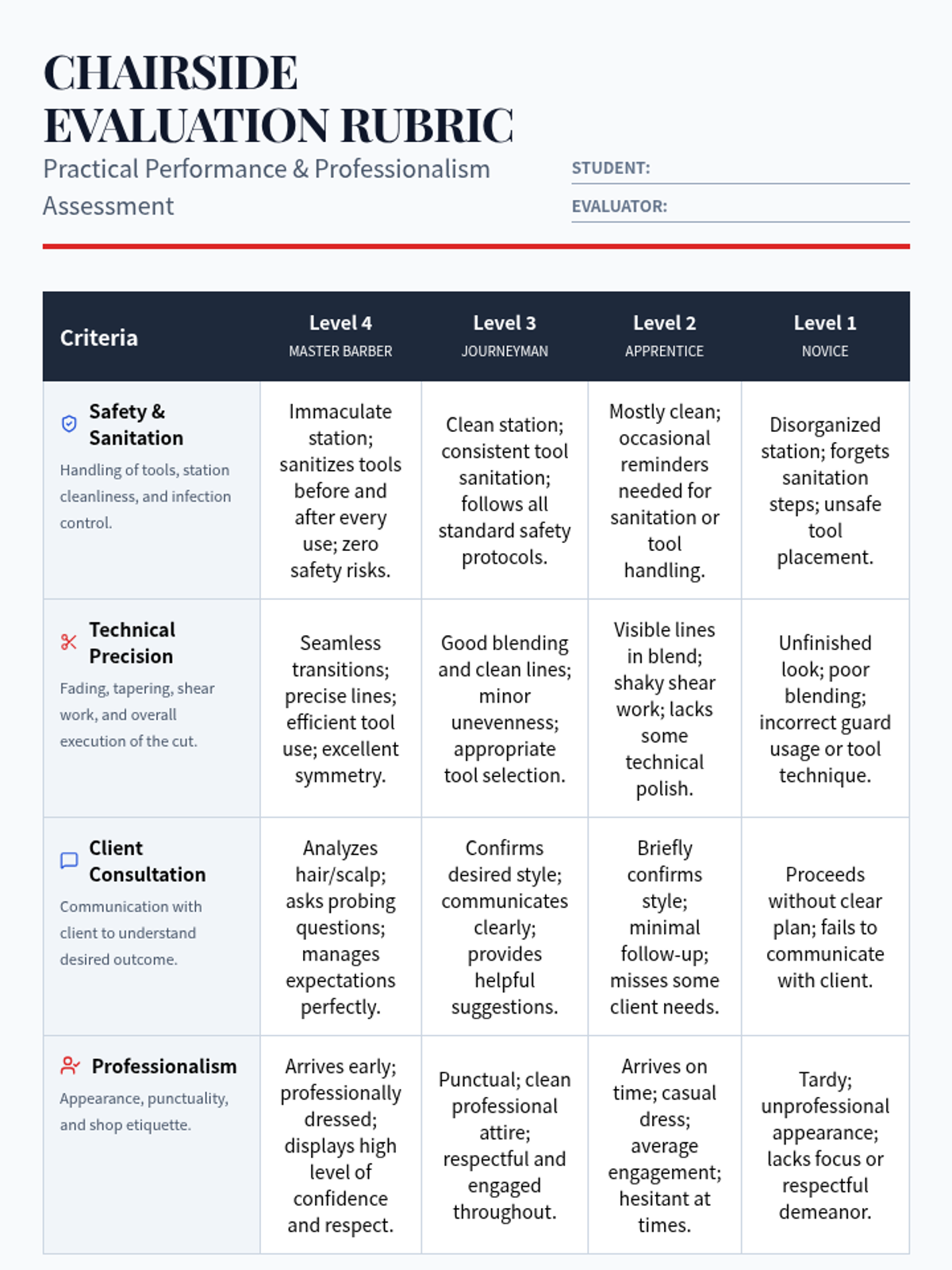
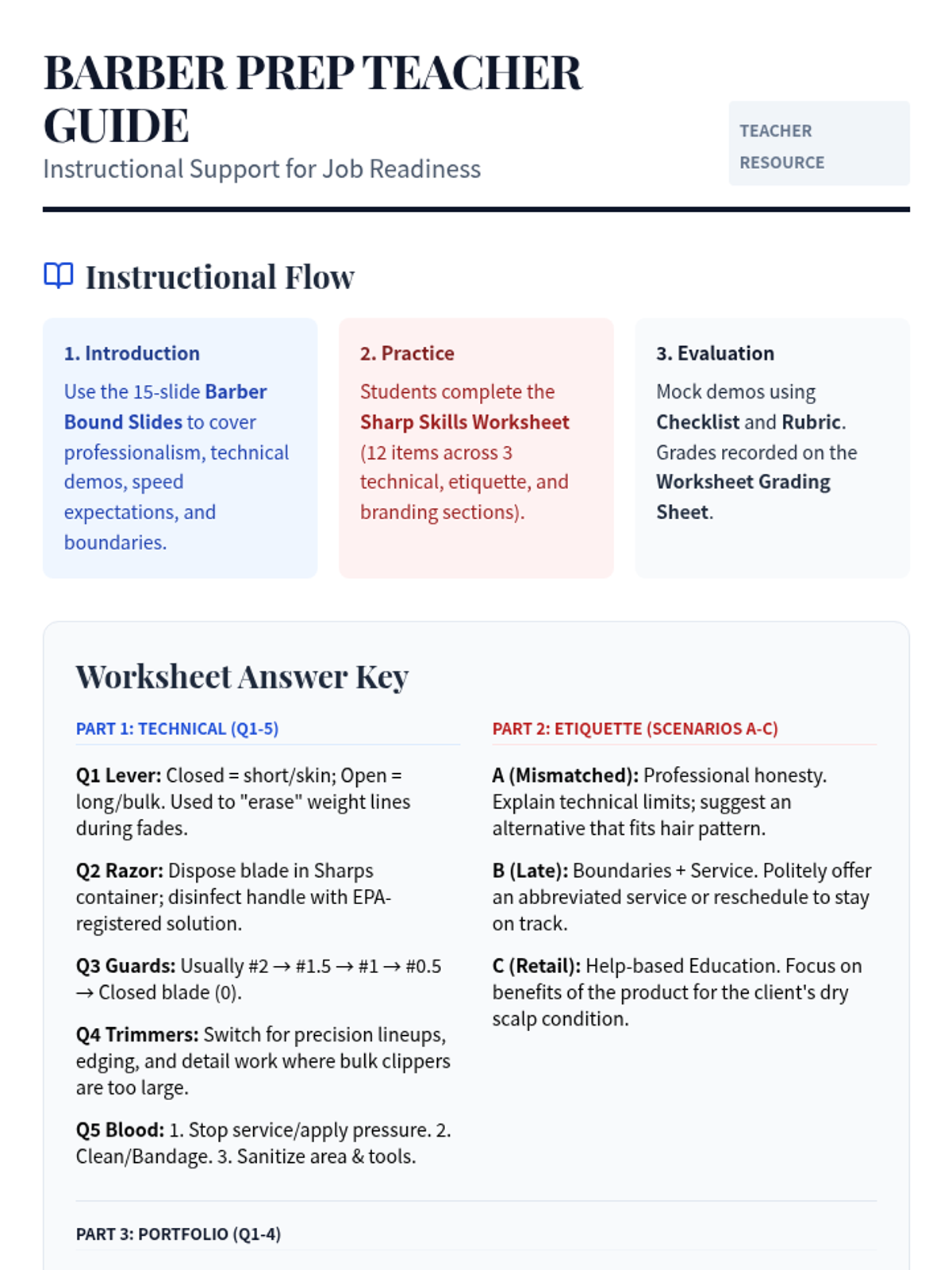
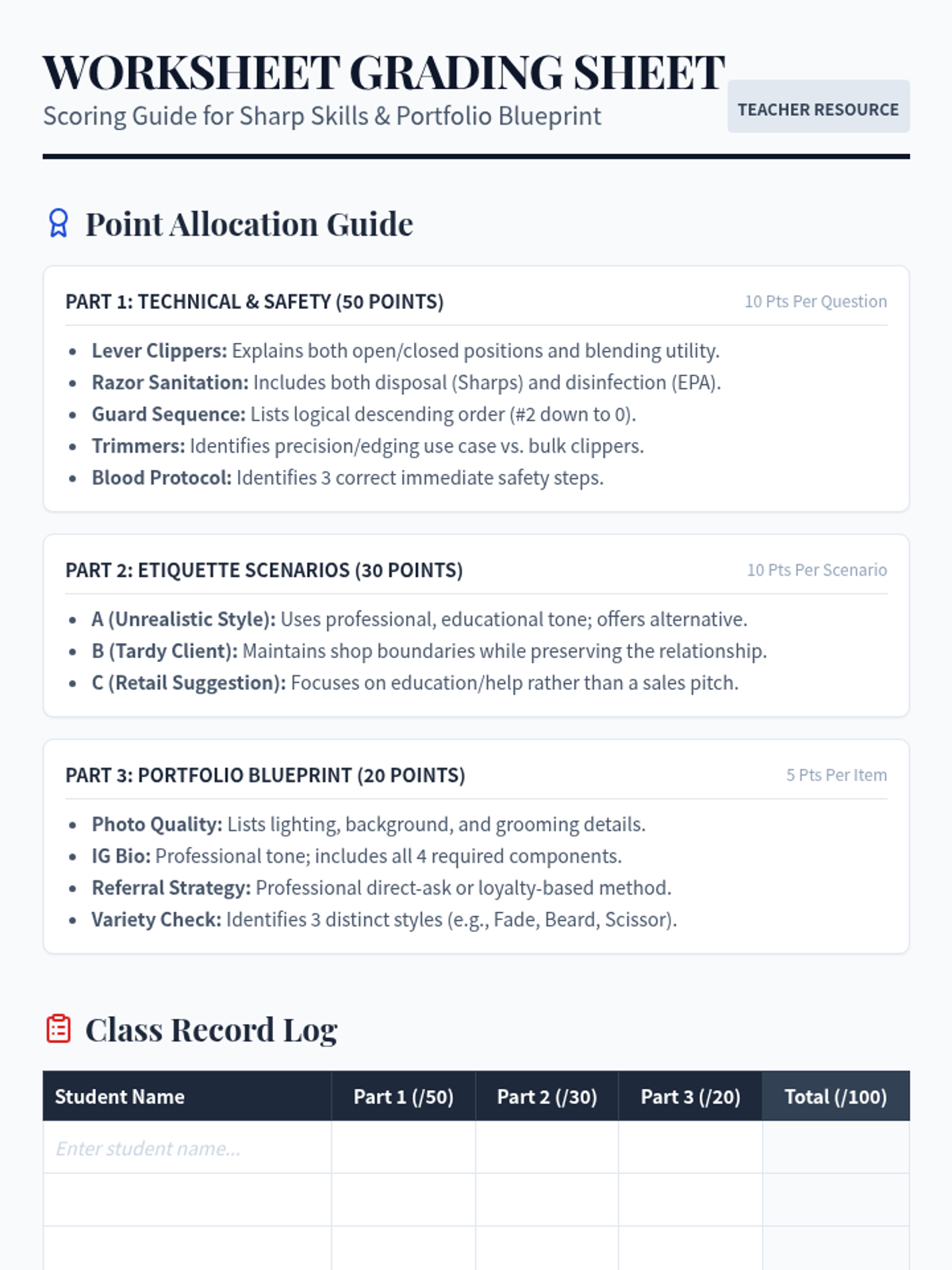
A comprehensive set of tools to help high school students prepare for their first job application in the barbering industry, focusing on technical knowledge, professional etiquette, and portfolio building.
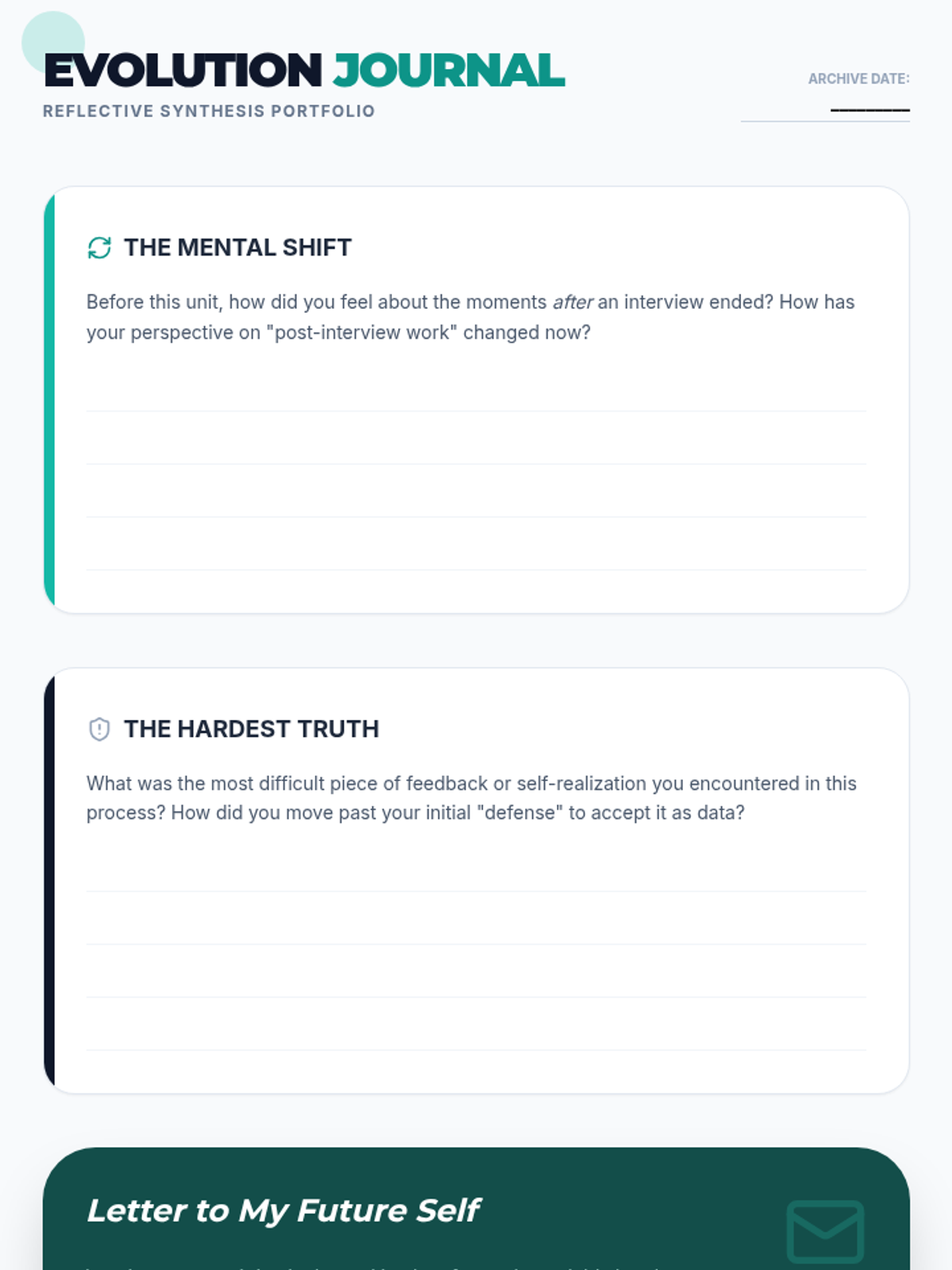
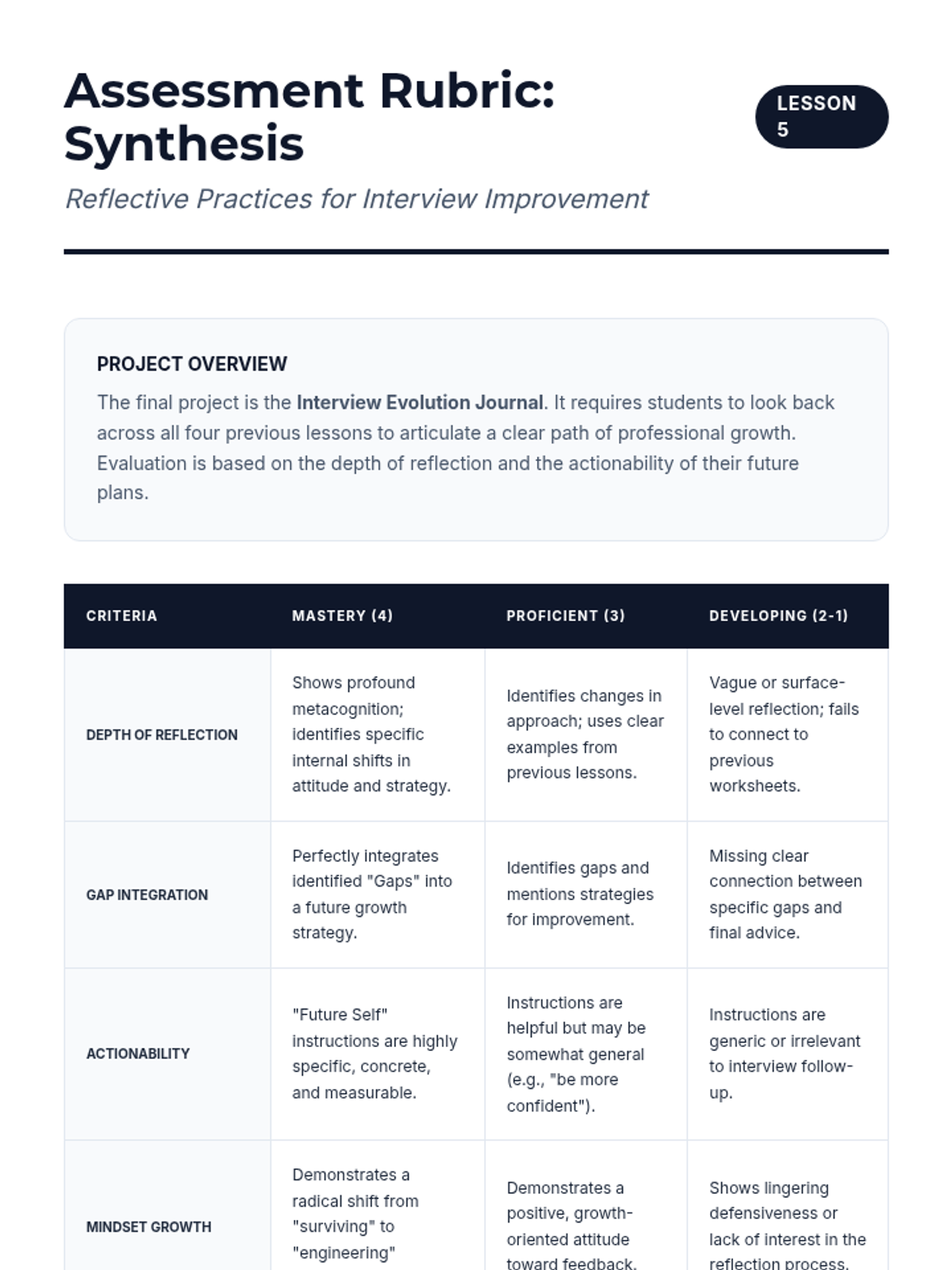
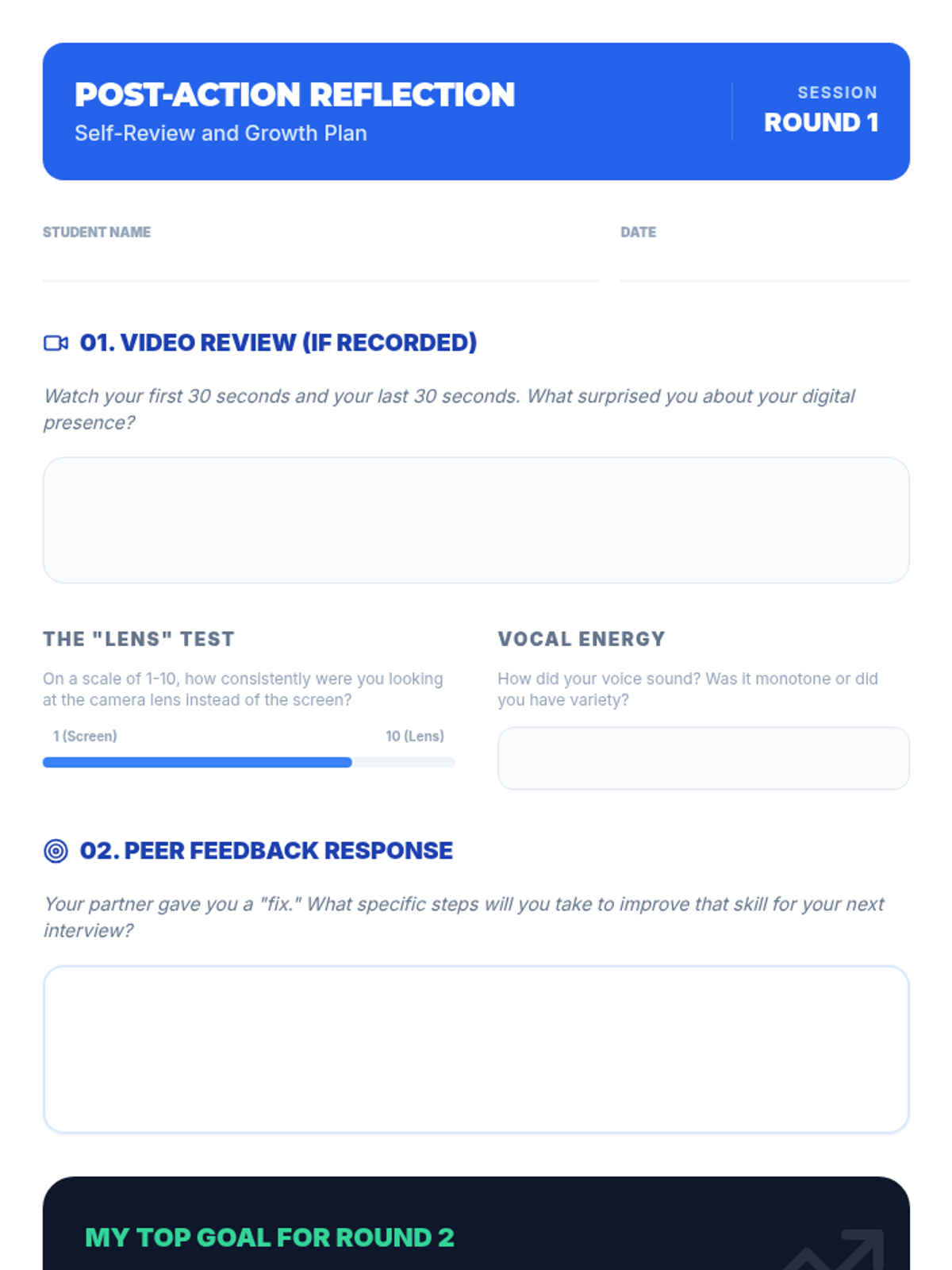
Students synthesize their reflections and growth plans into a final self-assessment. They reflect on how their interview approach has evolved through the inquiry and reflection process.
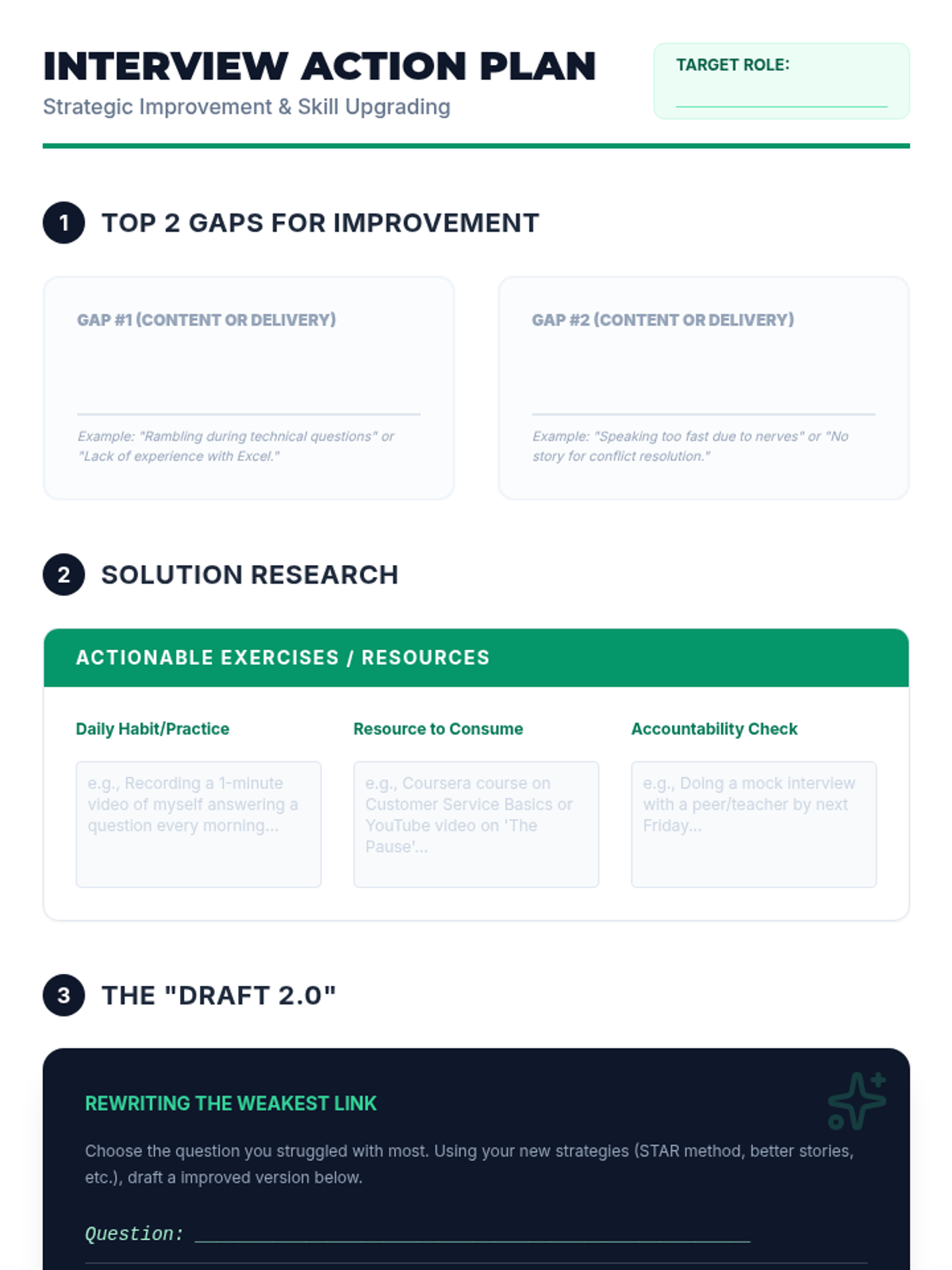
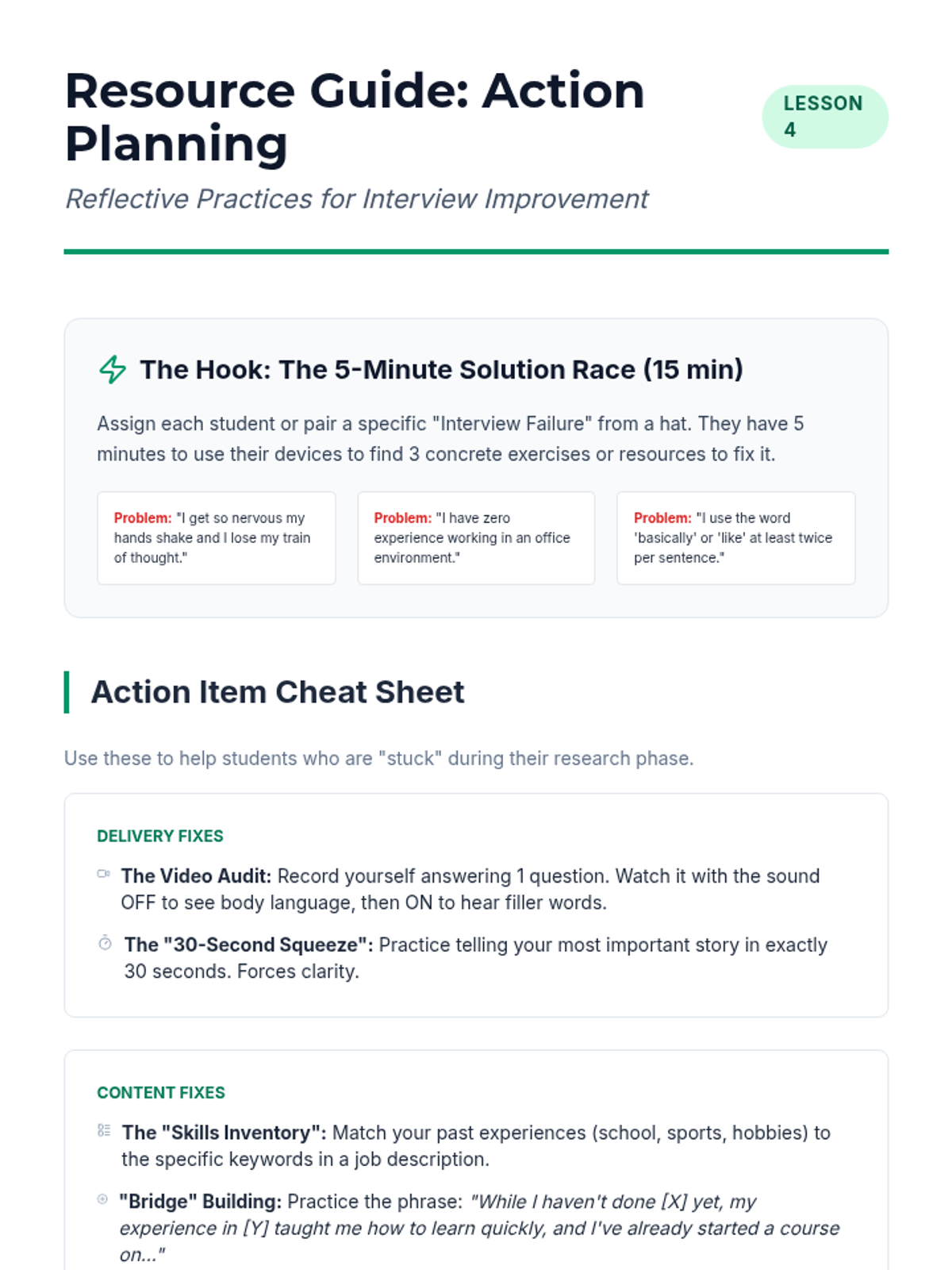
Students turn identified weaknesses into actionable growth strategies. They research specific methods to improve their interview skills and create a strategic plan for their next opportunity.
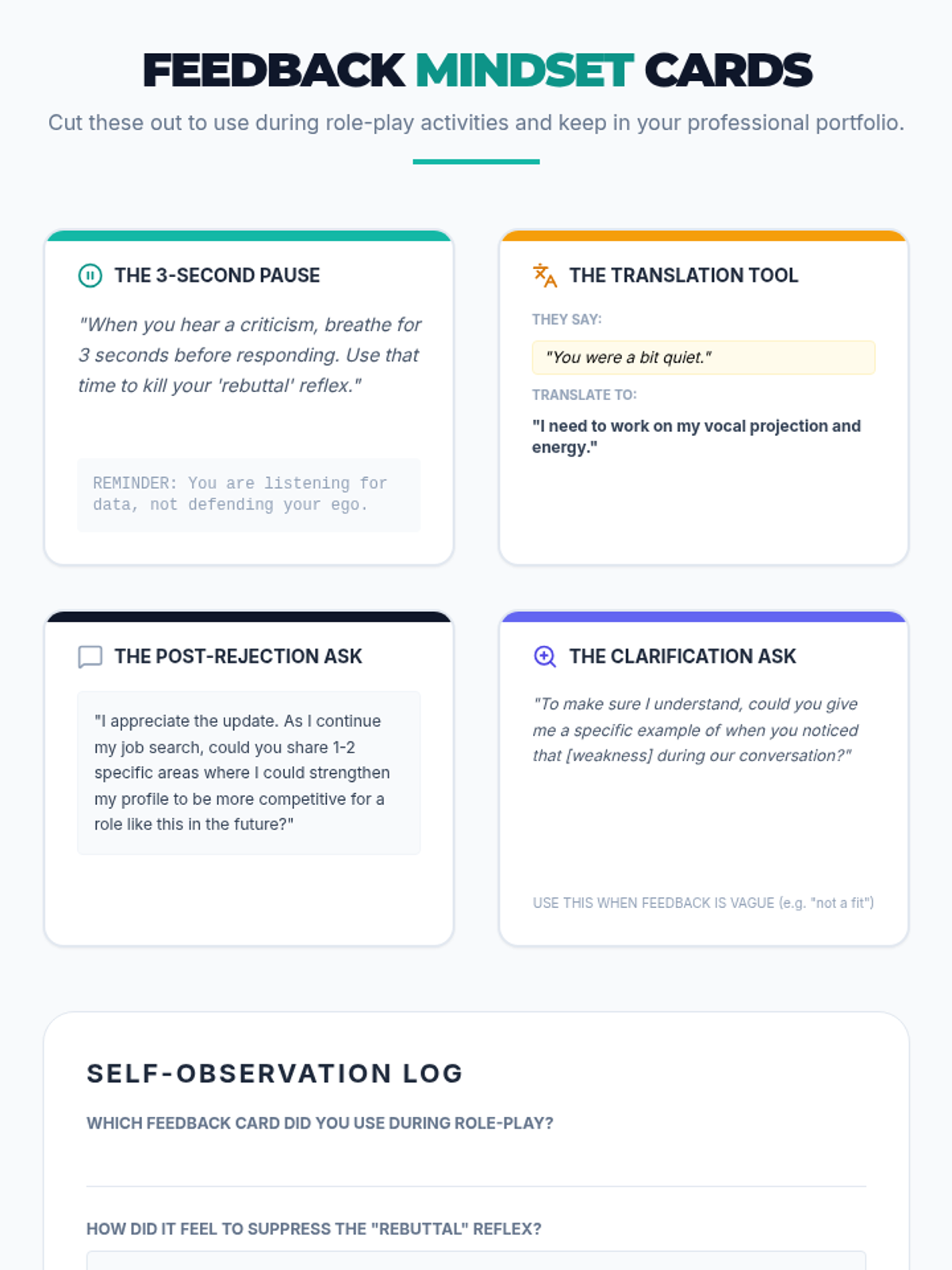
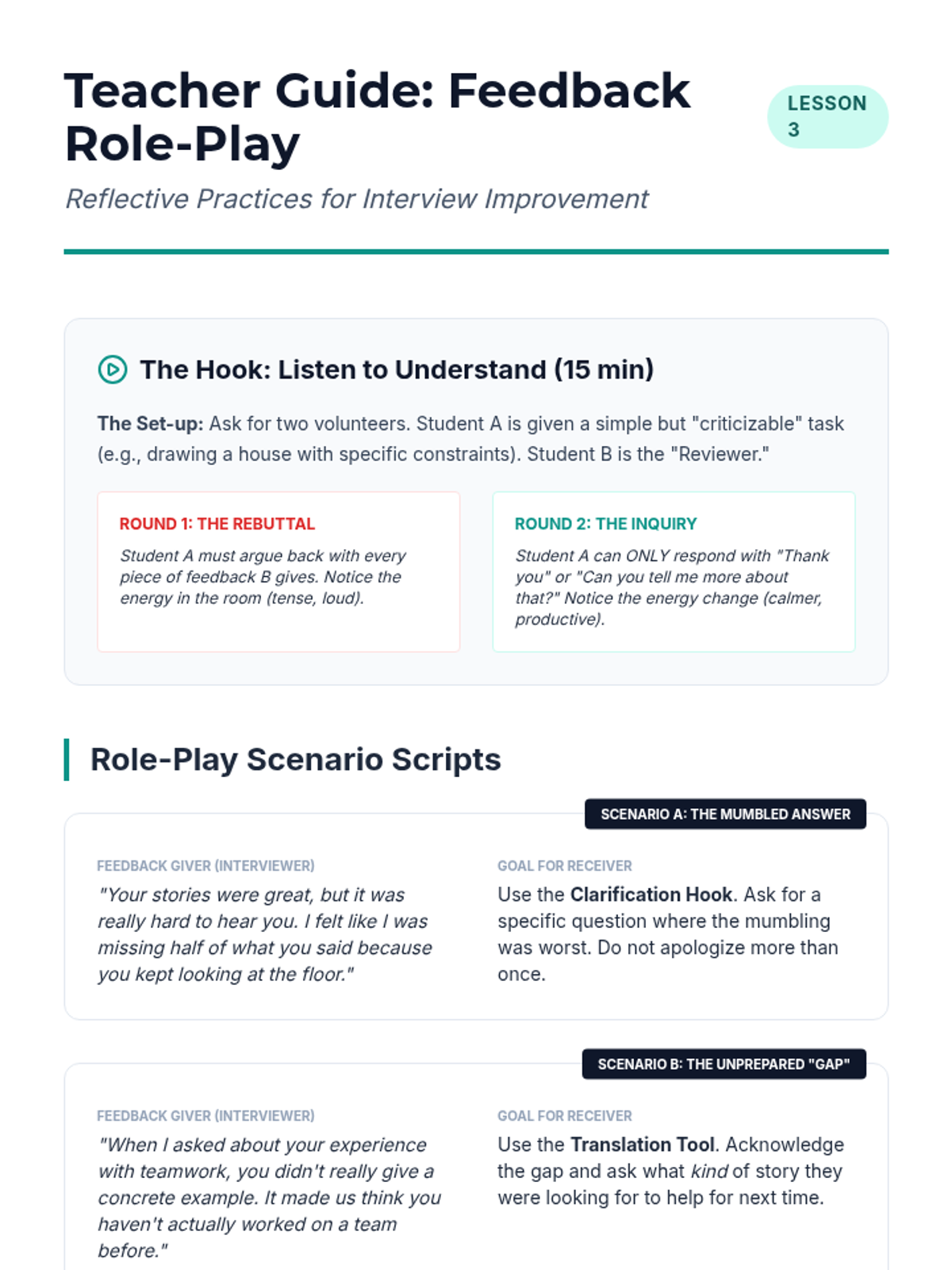
Students explore the art of requesting and receiving professional feedback. The focus is on developing a growth mindset and learning to listen for understanding rather than defensiveness.
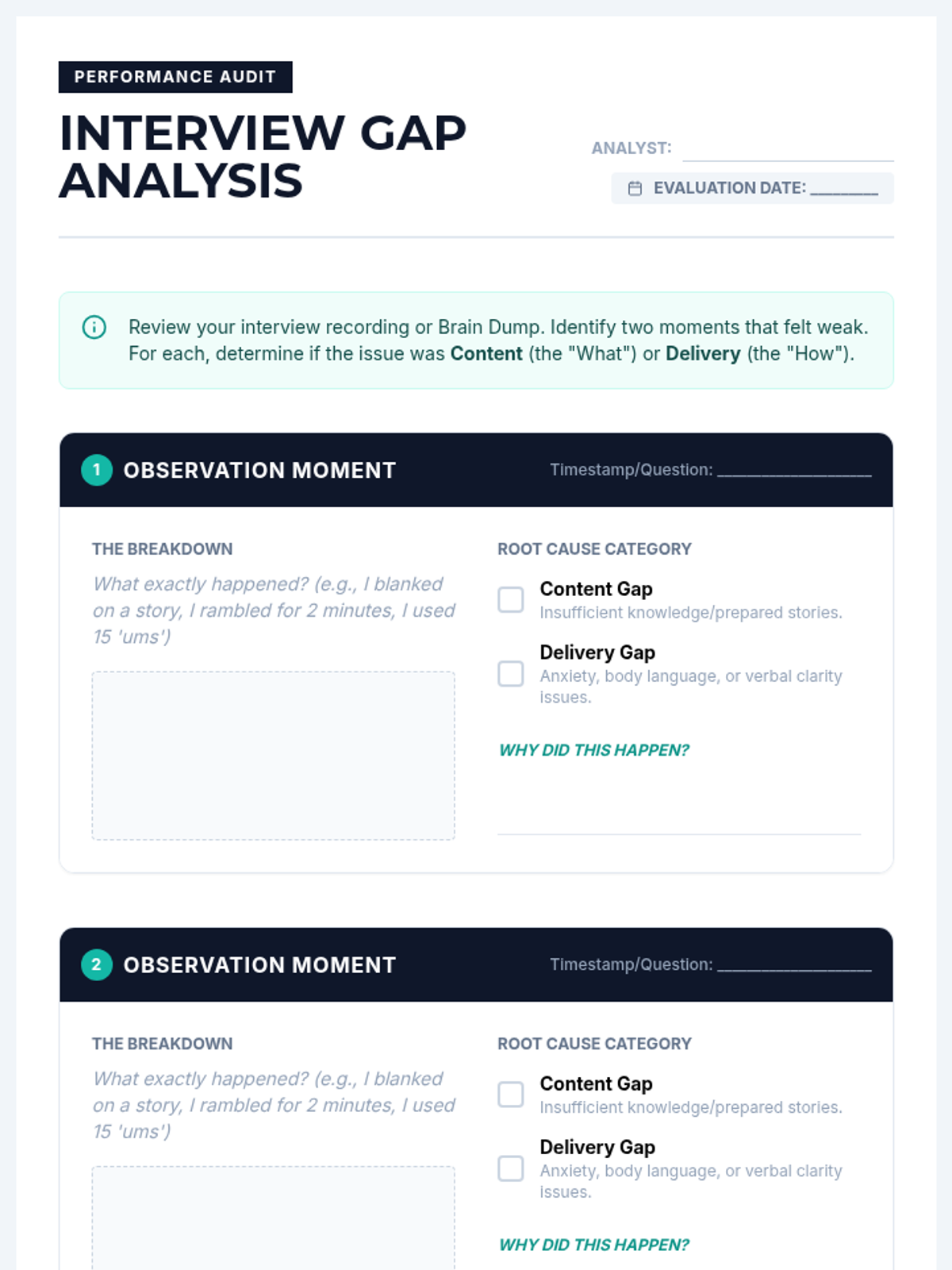
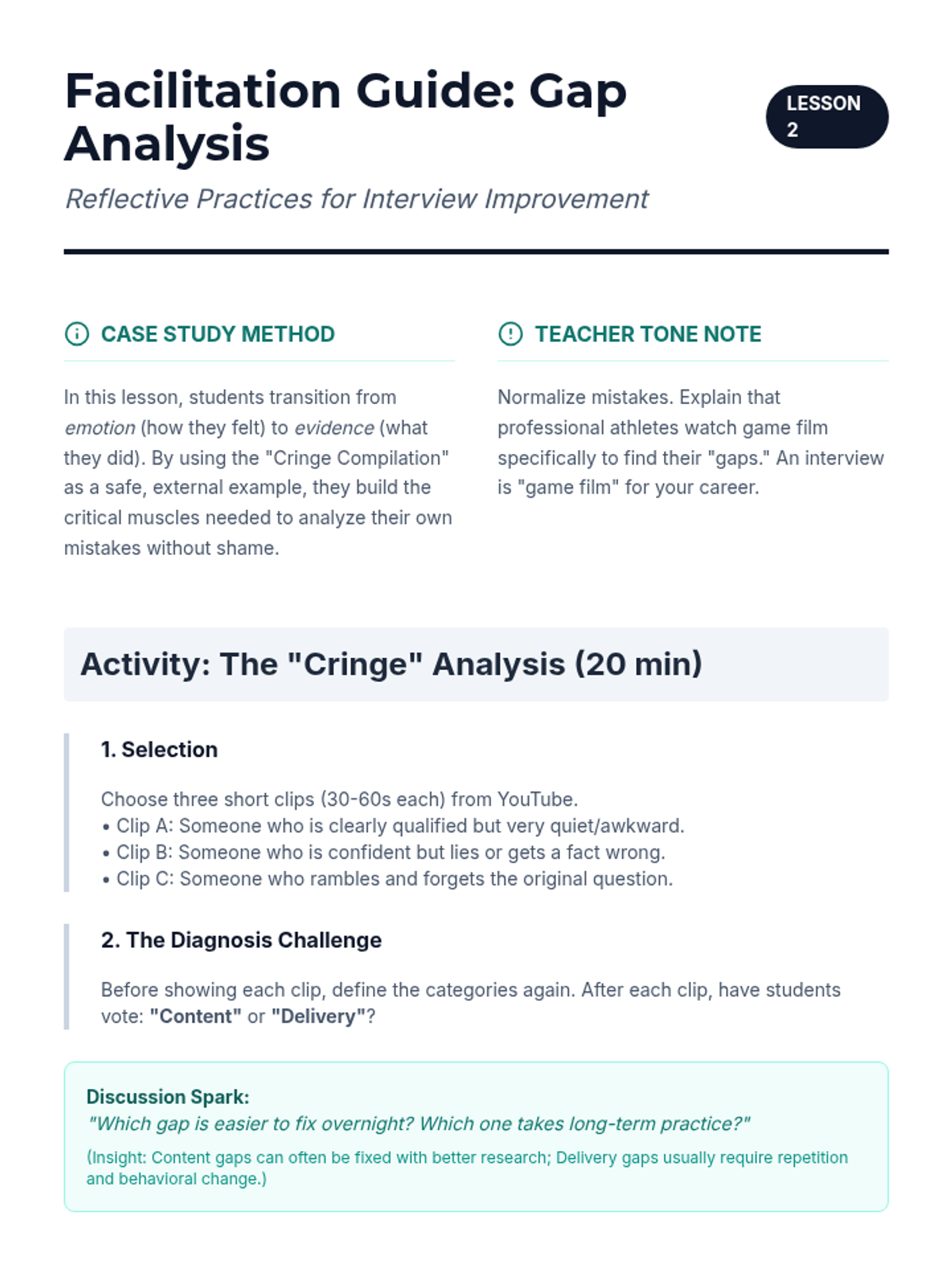
Students analyze mock interview performances to identify specific weaknesses in content and communication. They learn to categorize performance gaps to better target their improvement efforts.
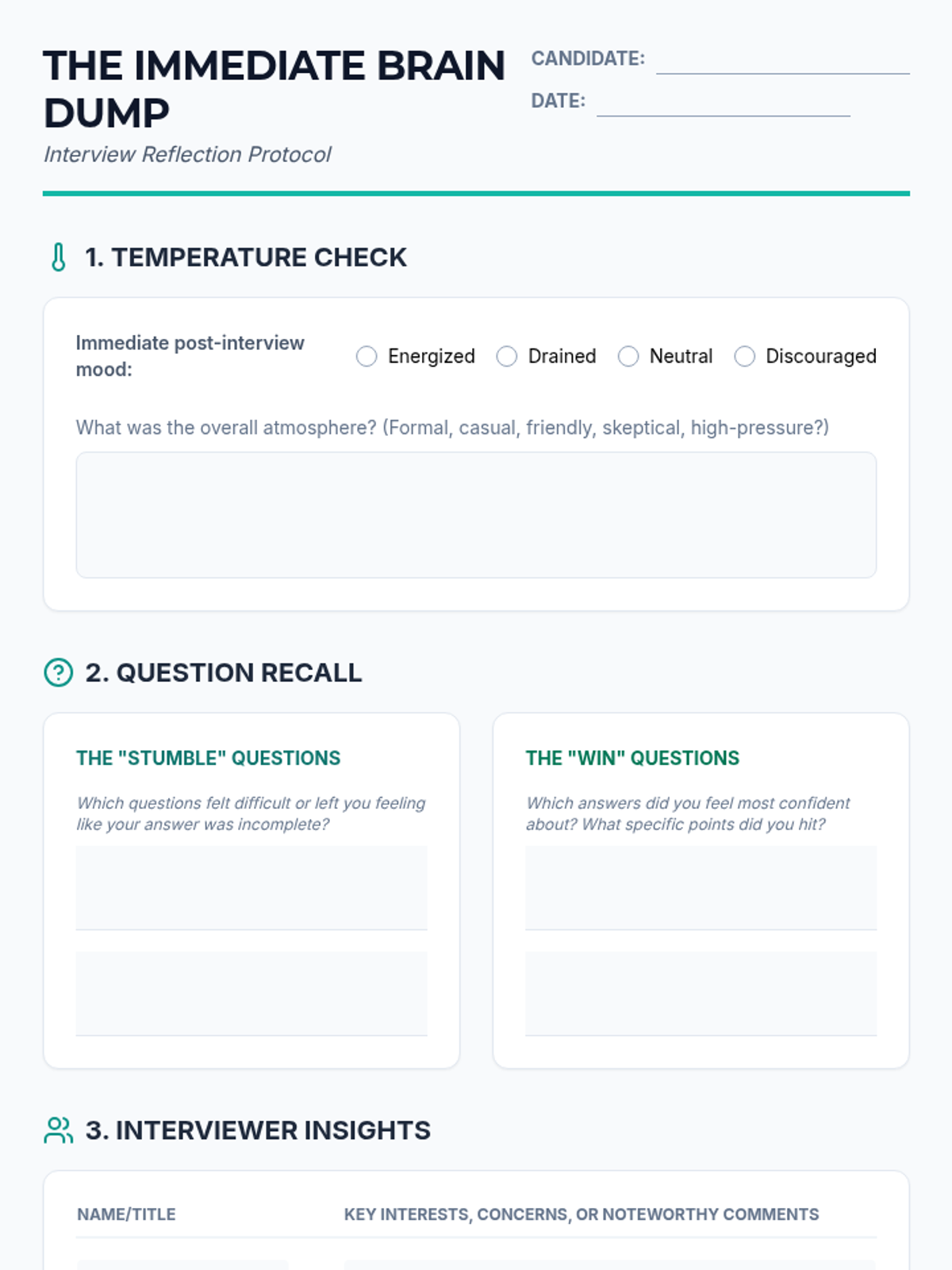
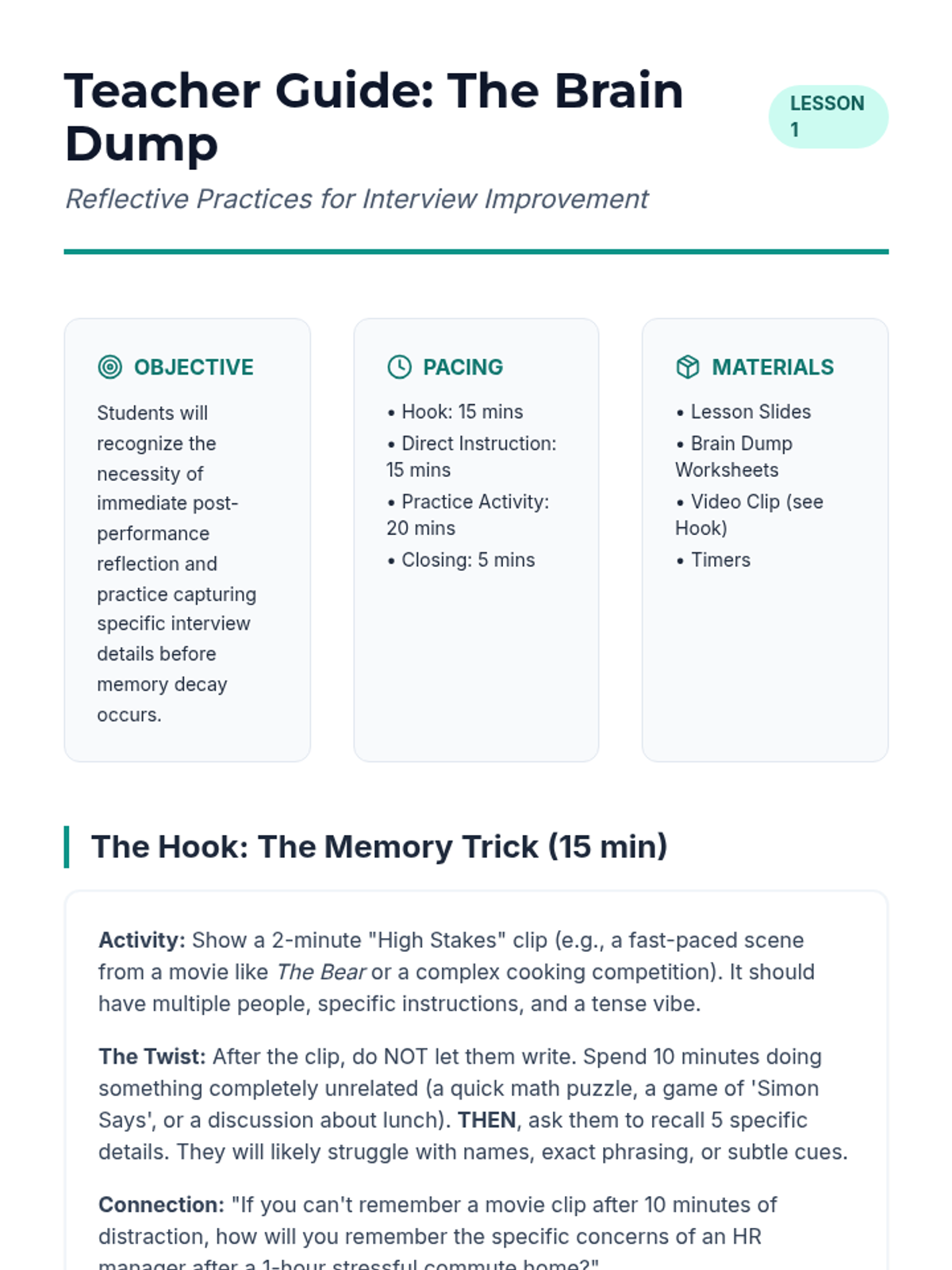
Students learn the technique of recording their thoughts immediately after an interview to capture critical details before they fade. They practice using a structured reflection template to identify tough questions and the overall atmosphere of the interaction.
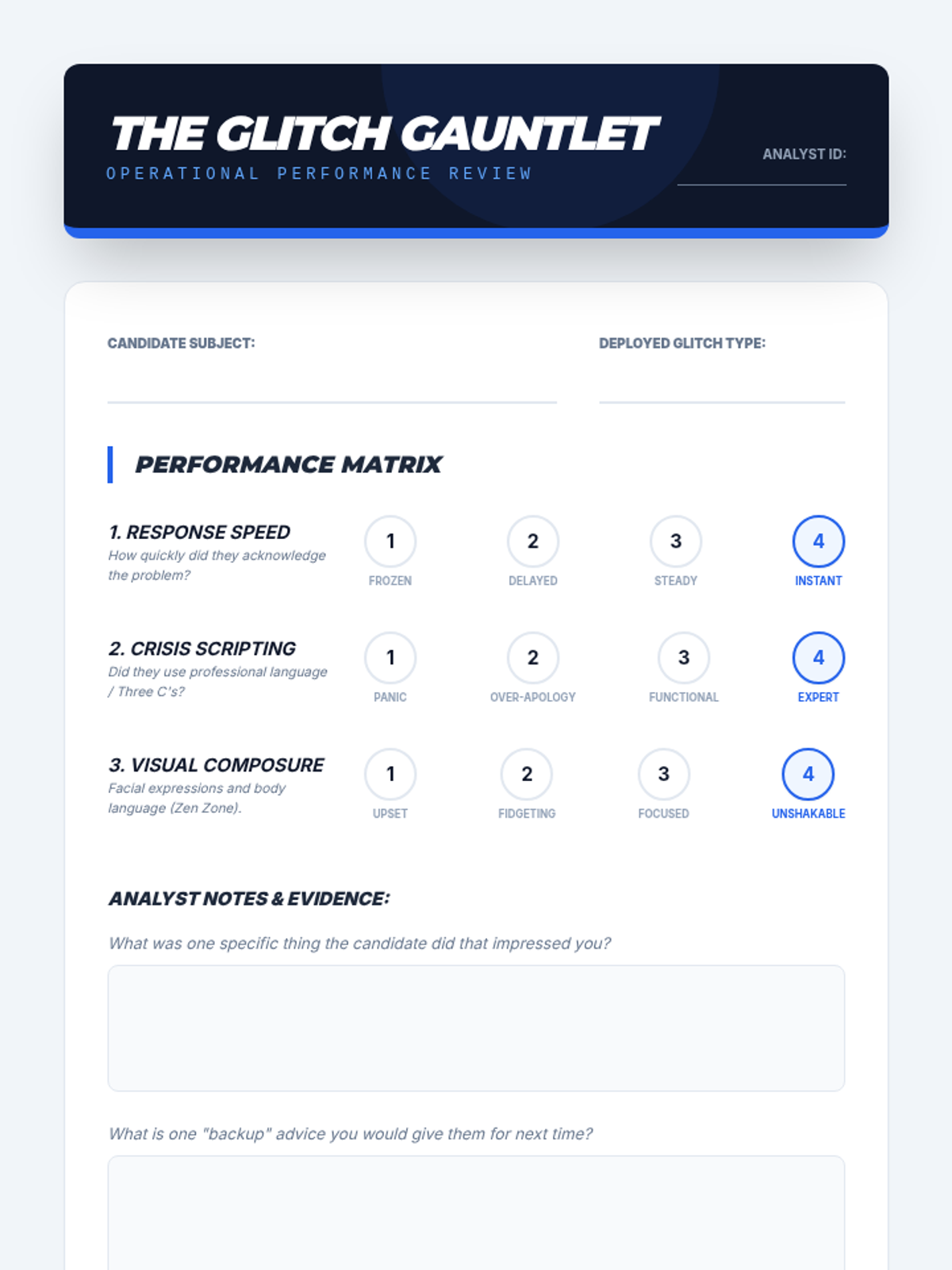
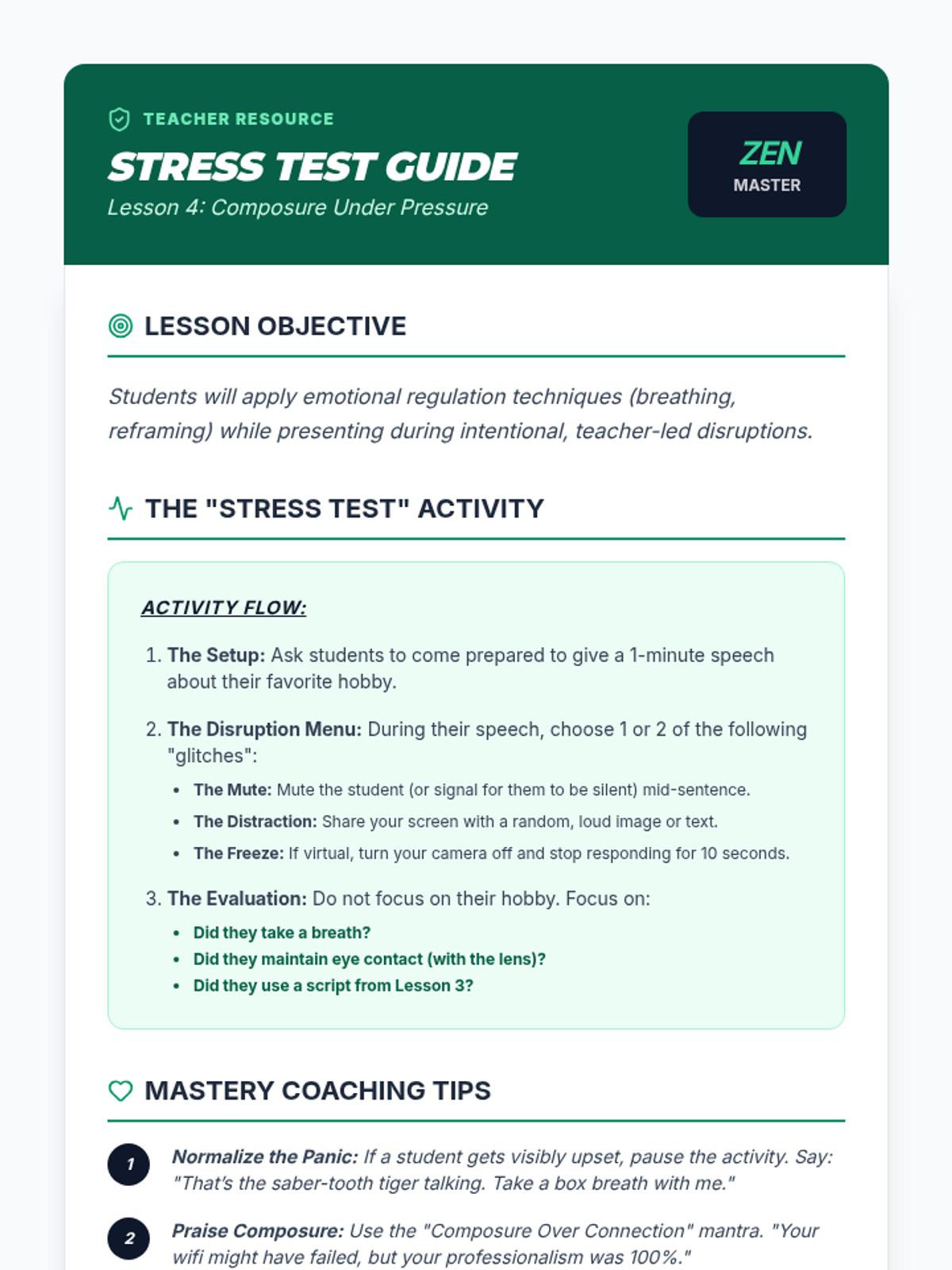
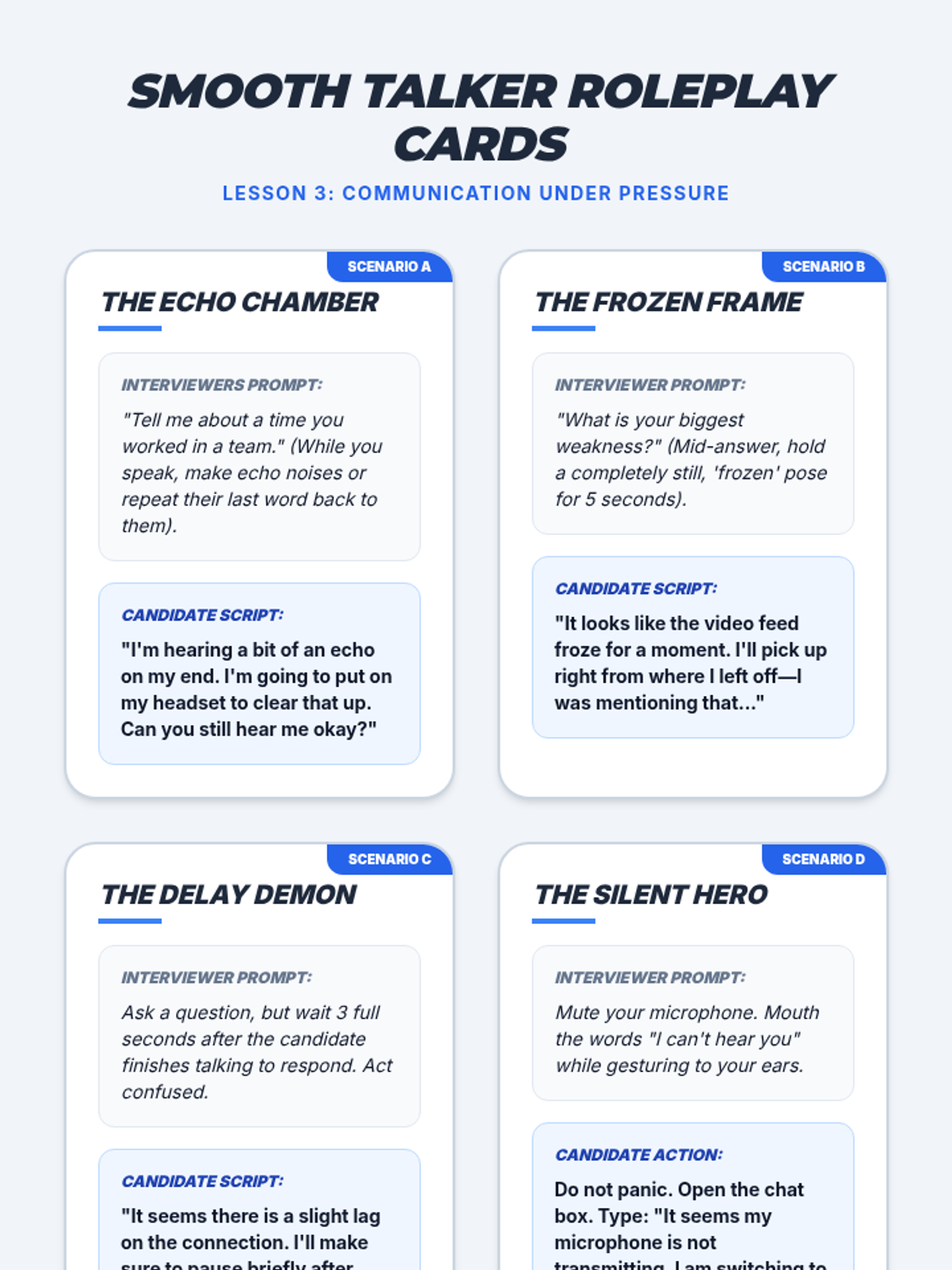
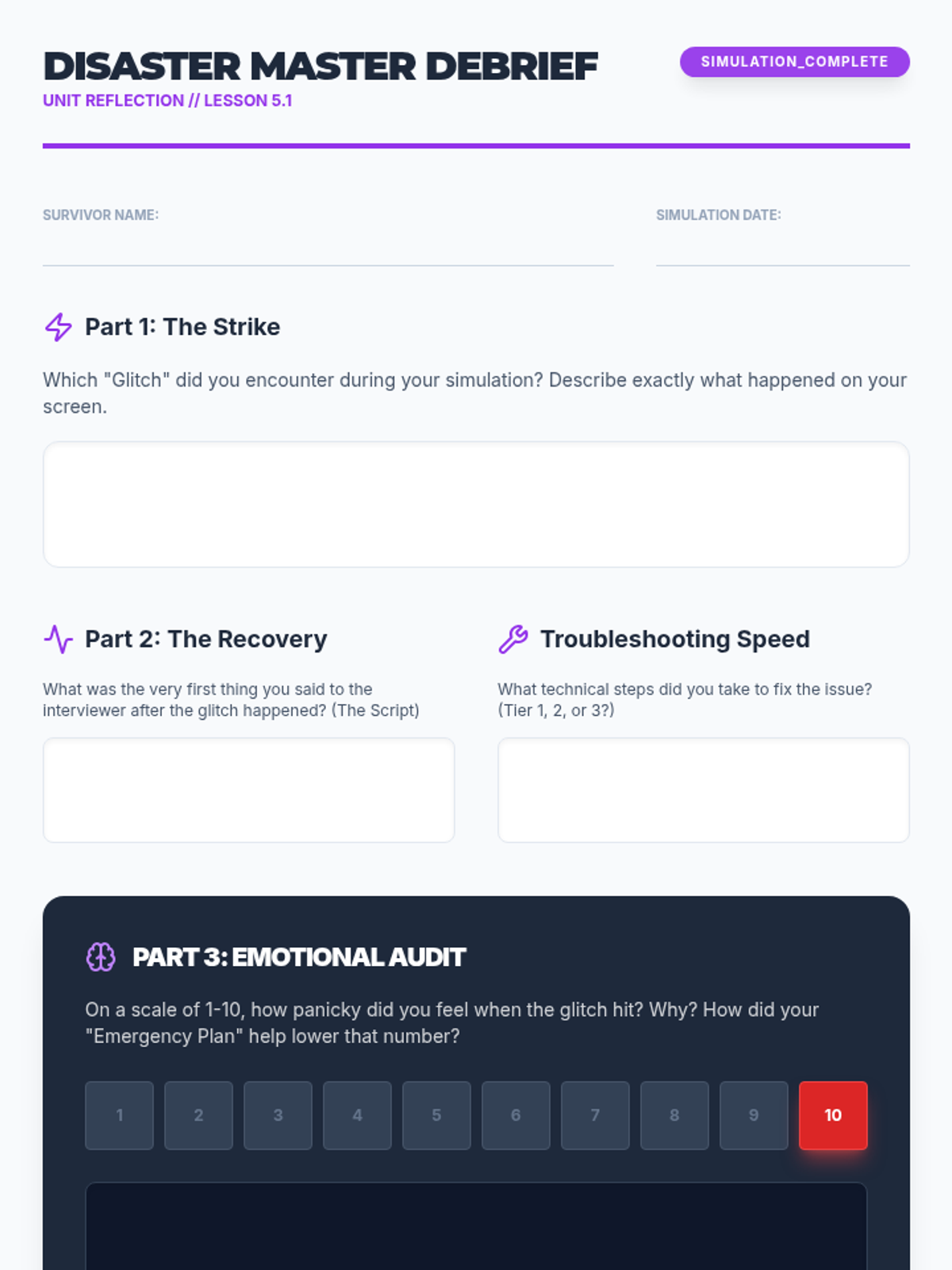
A high-stakes mastery lab where students navigate intentional technical failures during mock interviews to demonstrate troubleshooting and composure.
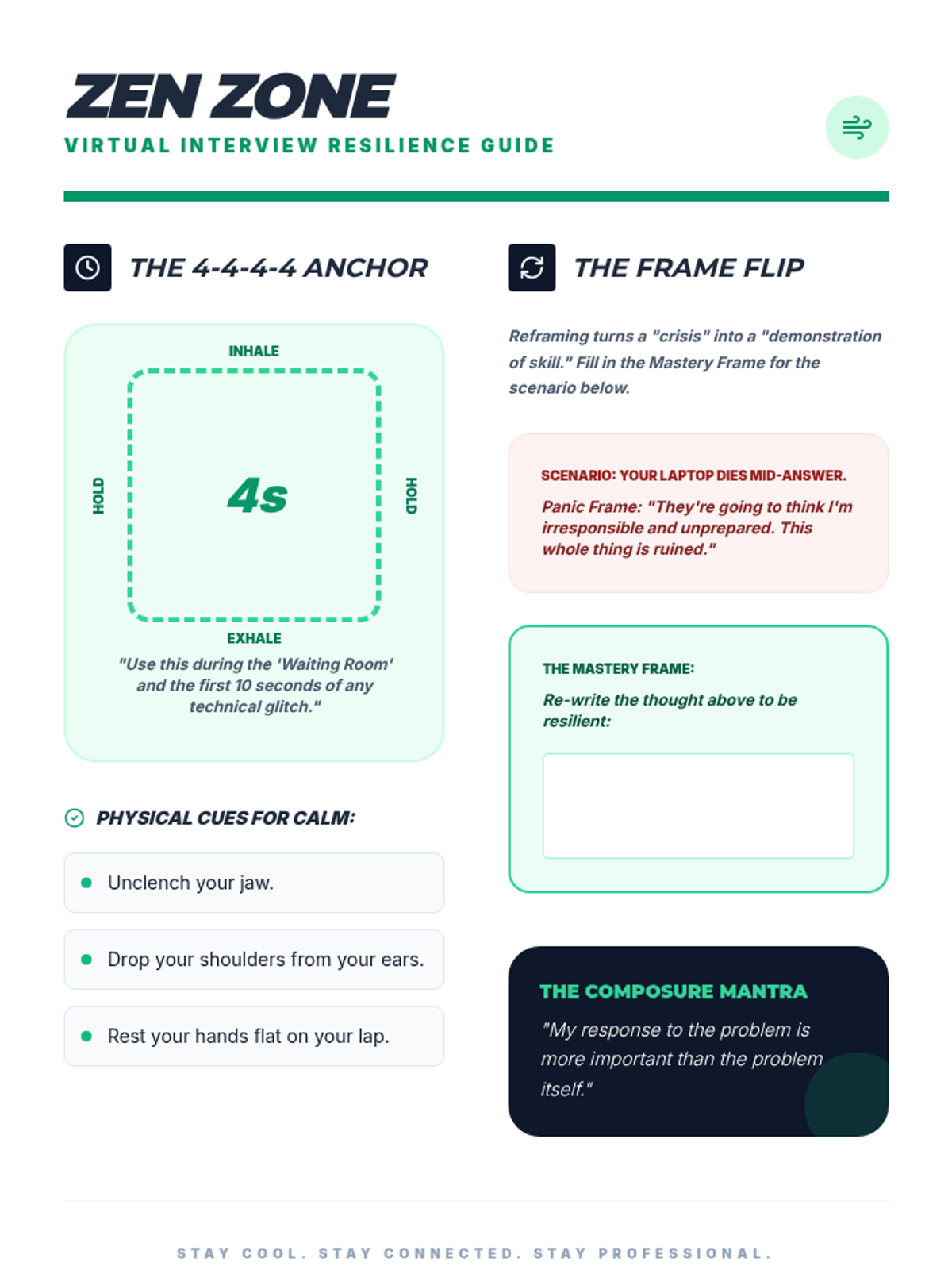
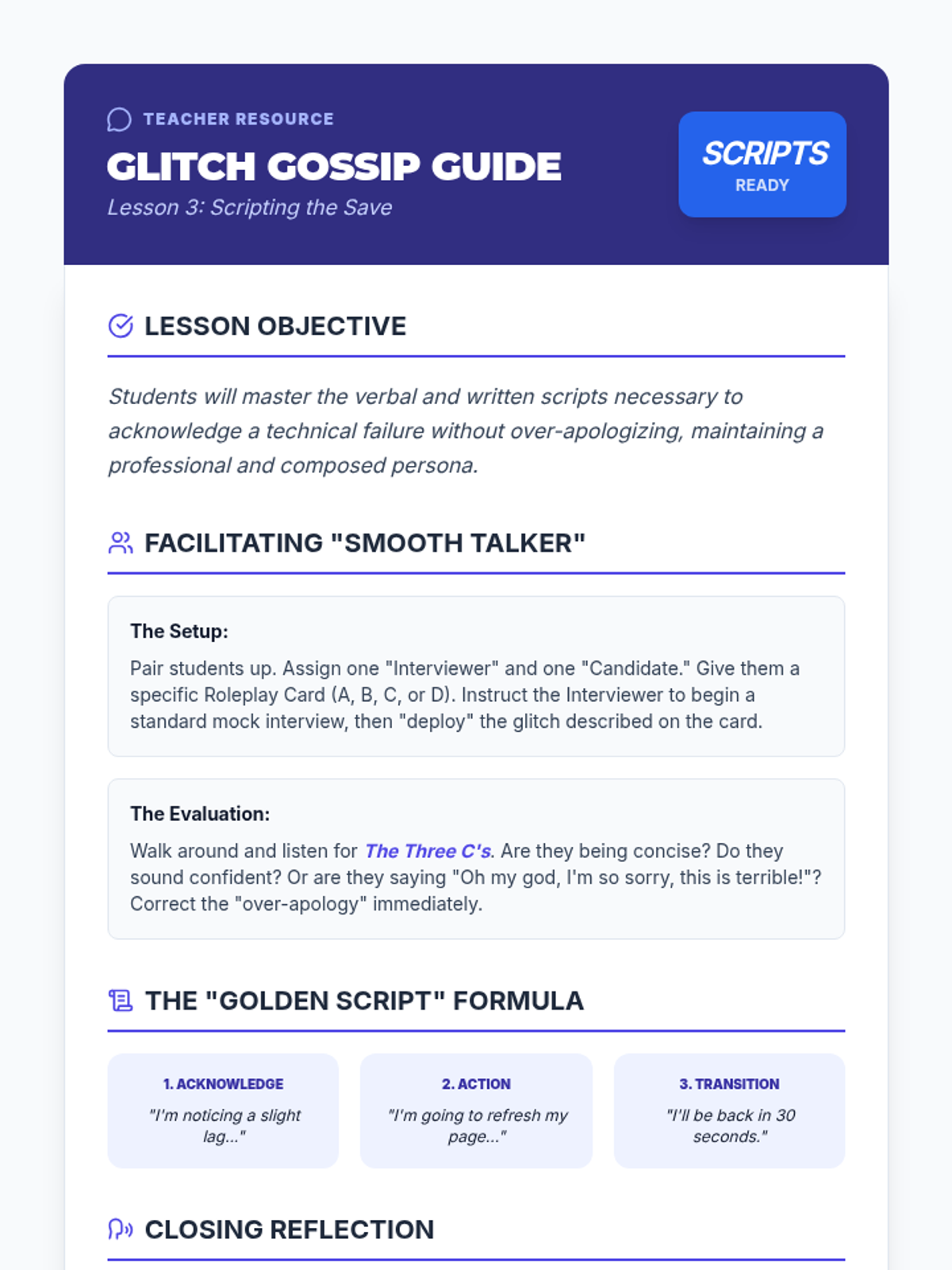
This lesson focuses on emotional regulation techniques and mindset shifts to stay calm when technology fails mid-flow.
Students learn and practice specific verbal scripts to professionally communicate technical issues during an interview without panicking.
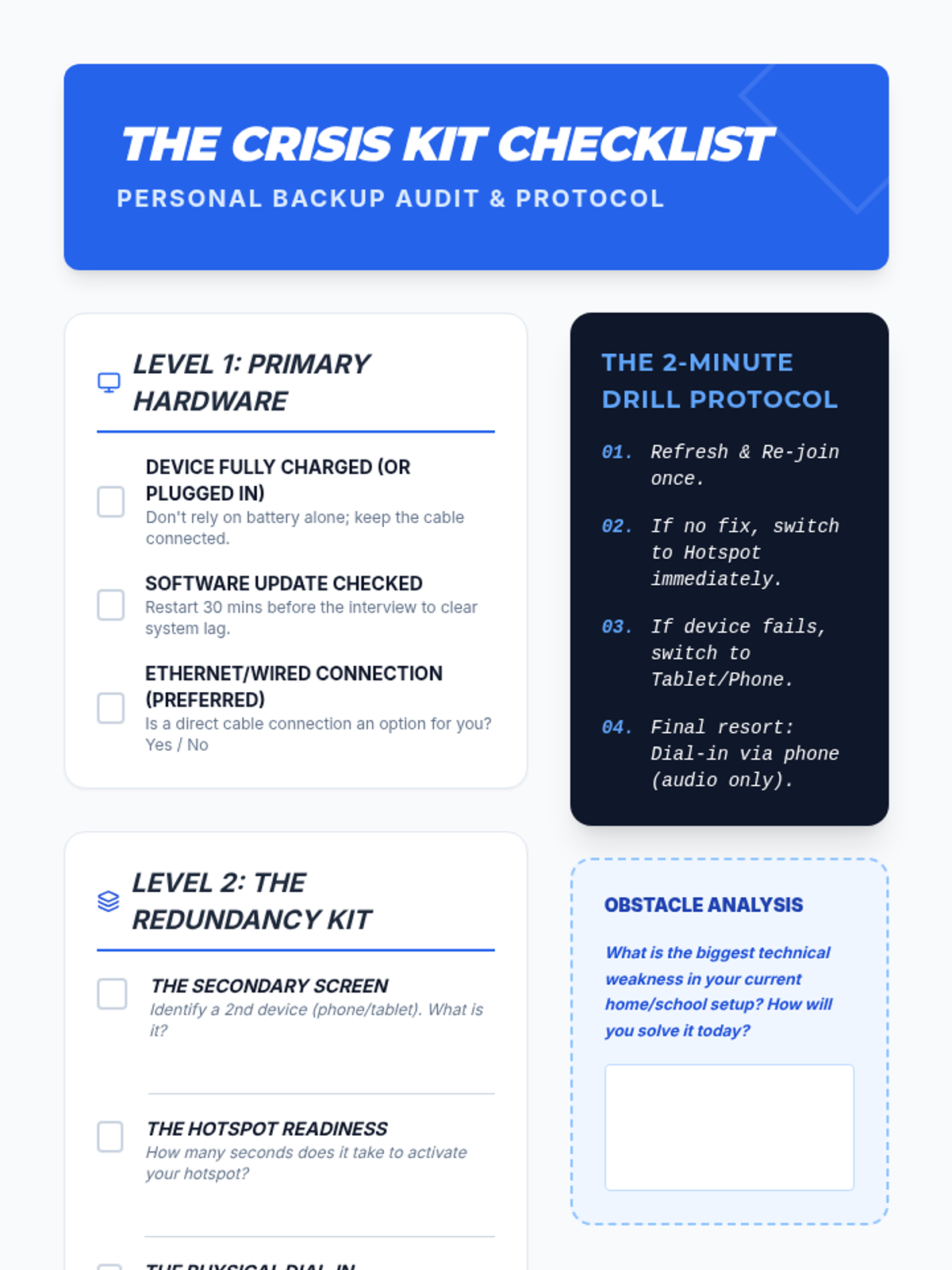
Learners develop a personal 'Crisis Kit' and backup protocol, including secondary devices and hotspot readiness.
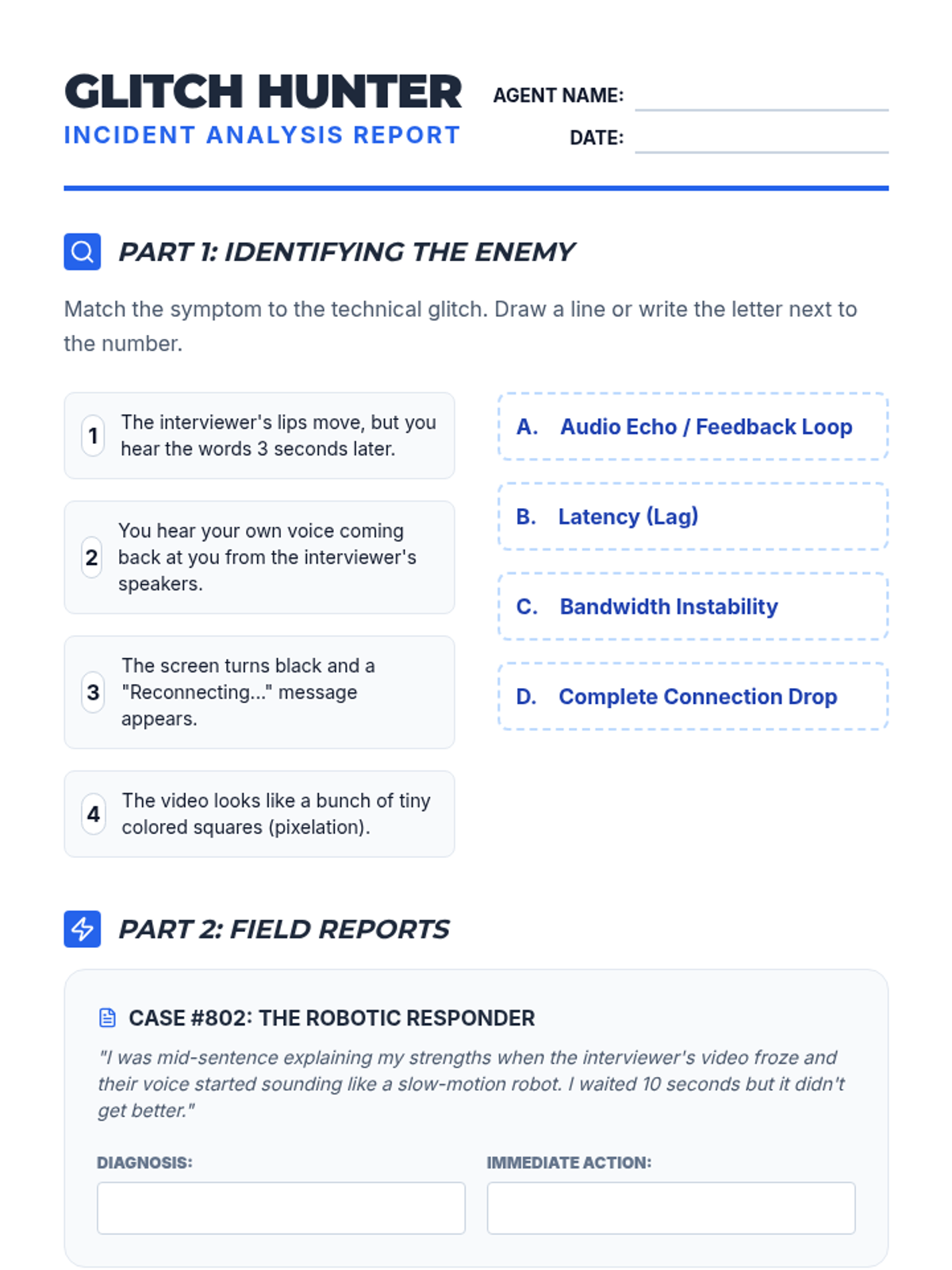
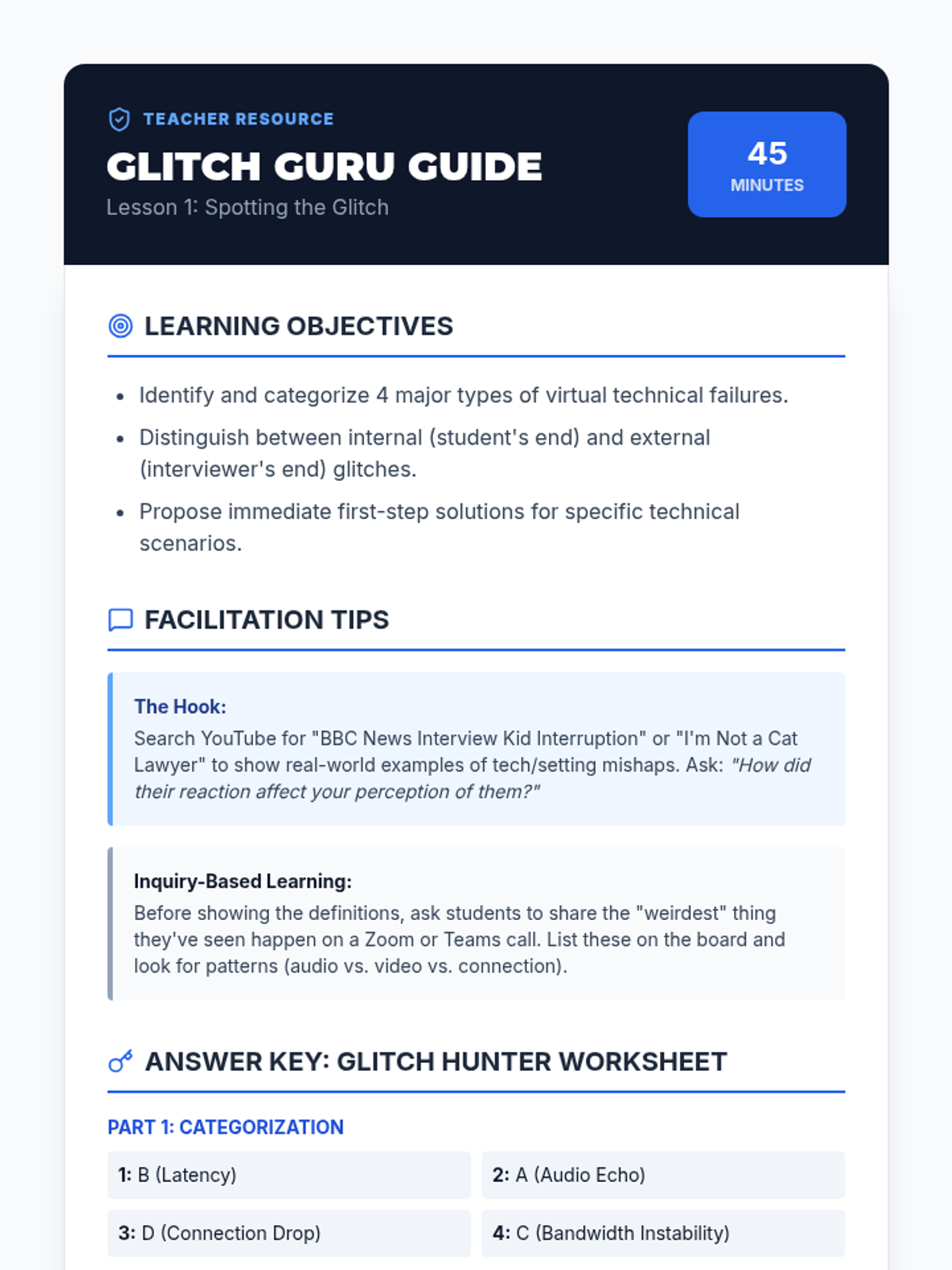
Students categorize common virtual interview issues such as lag, echo, and freezing, and learn primary troubleshooting steps for each.
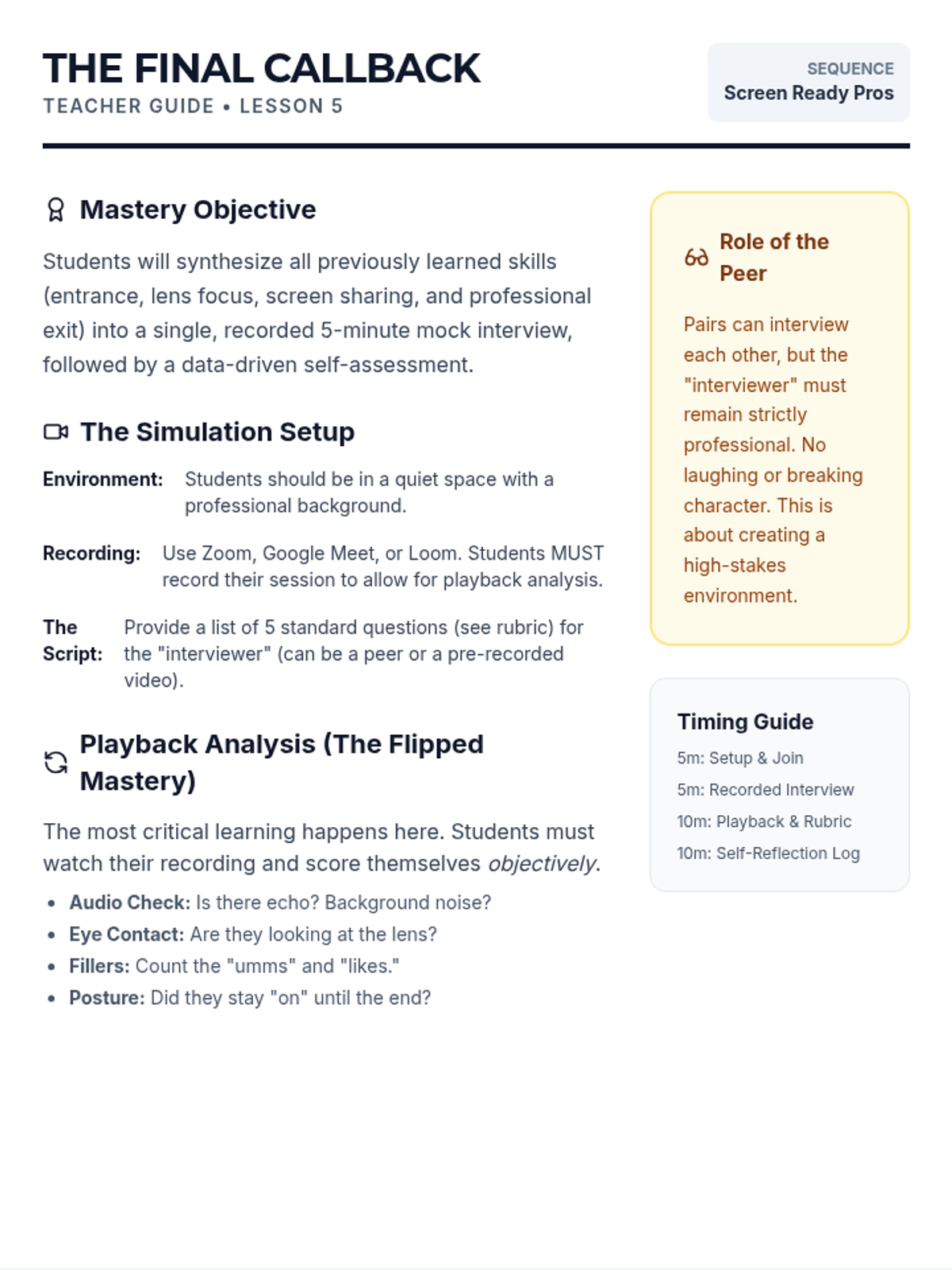
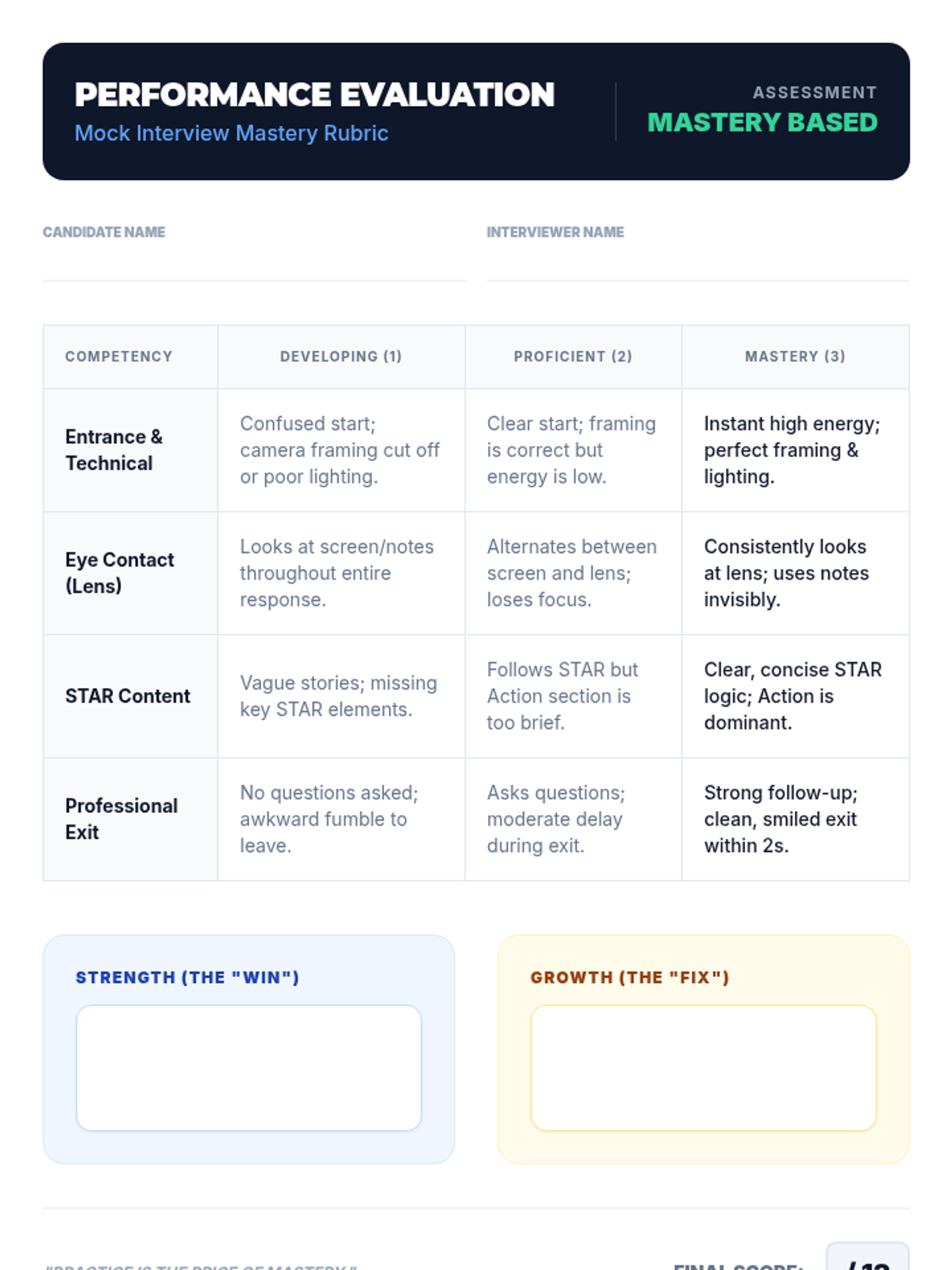
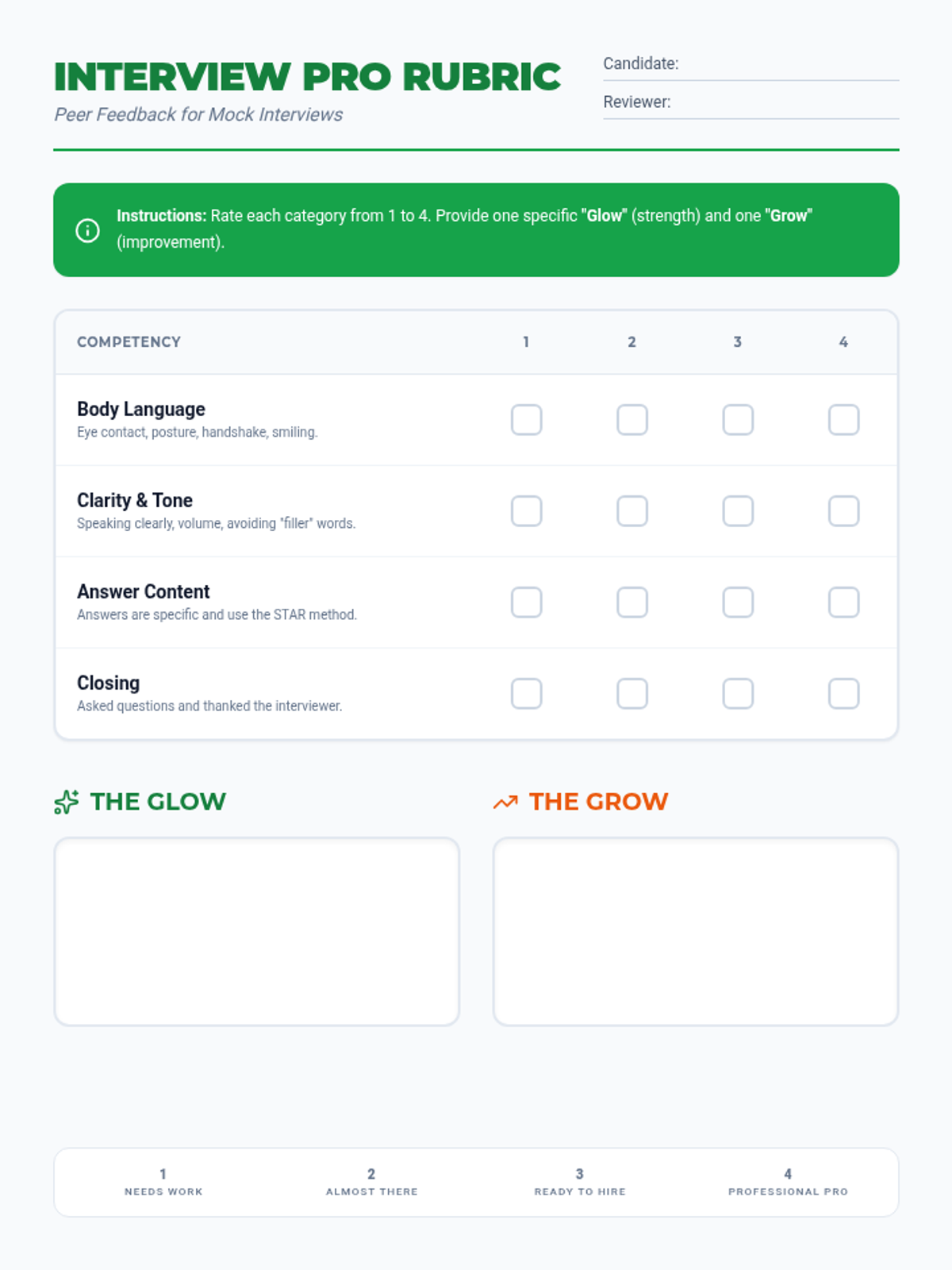
A culminating mock interview where students record, playback, and self-assess their performance using a rubric.
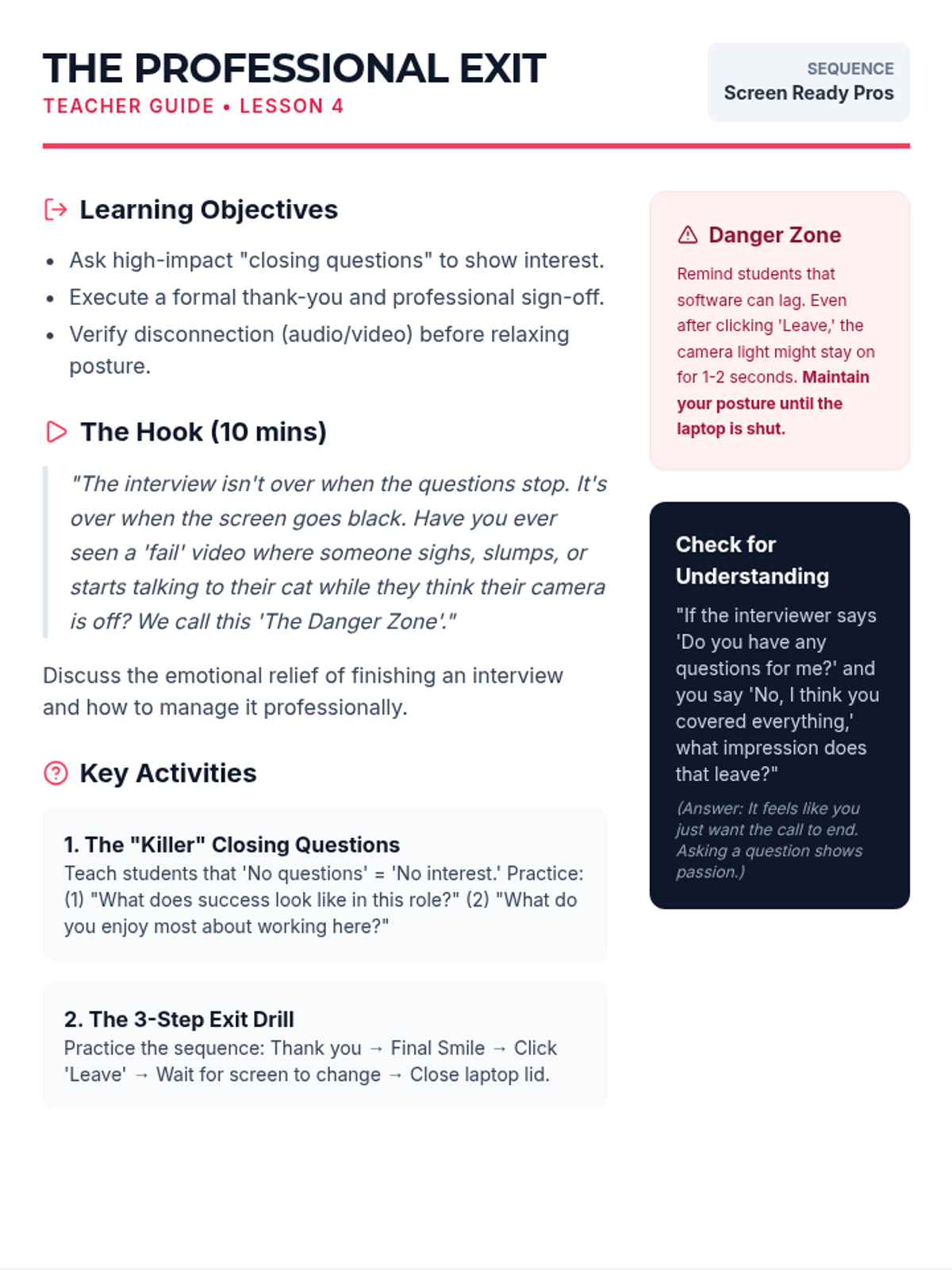
Mastering the formal conclusion of an interview, including final questions, thank-you etiquette, and the "camera-off" confirmation.
Teaches technical proficiency in screen sharing, managing digital environments, and presenting portfolios professionally.
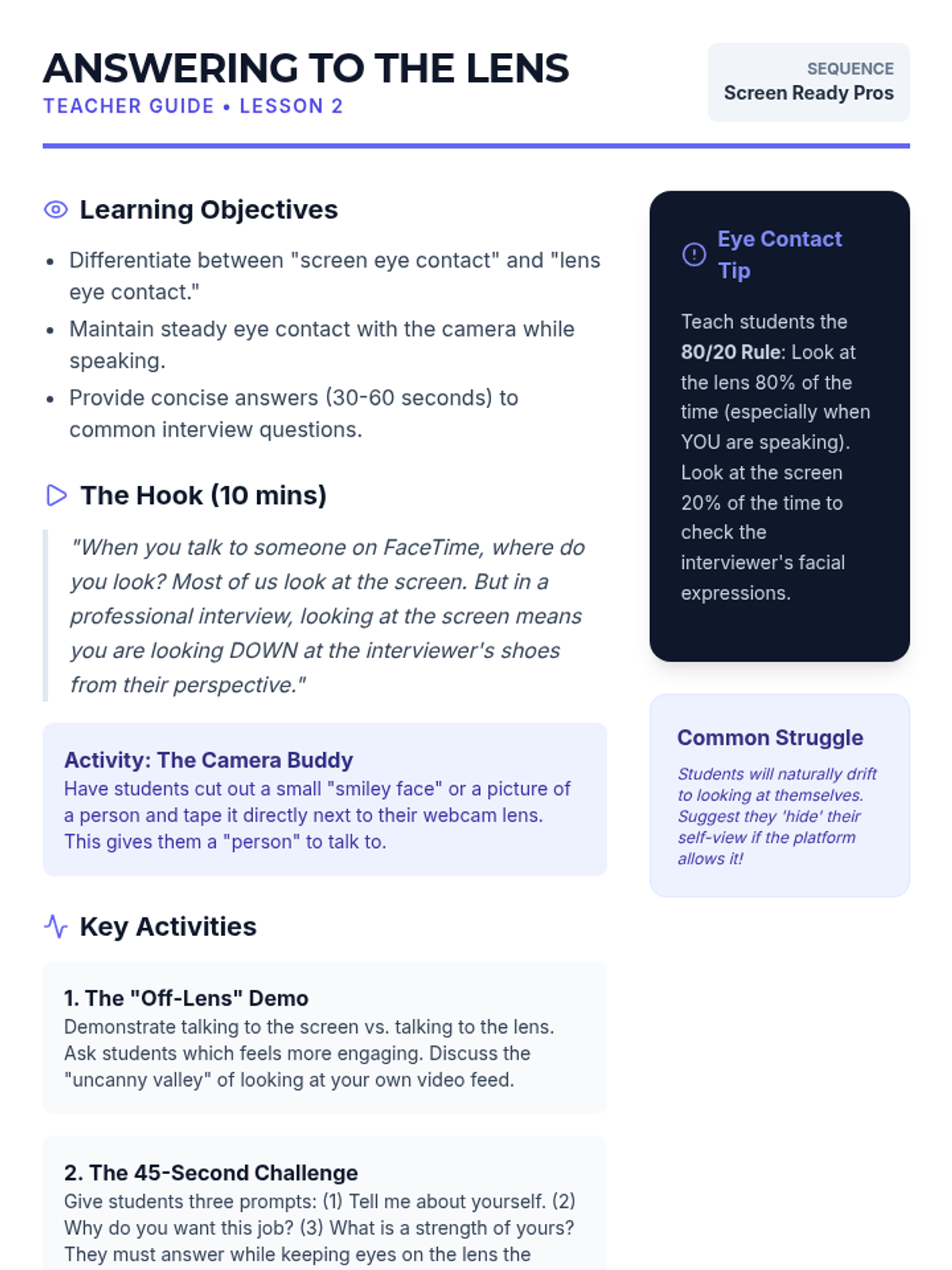
Covers the technique of looking at the camera lens rather than the screen to maintain eye contact and delivering focused answers.
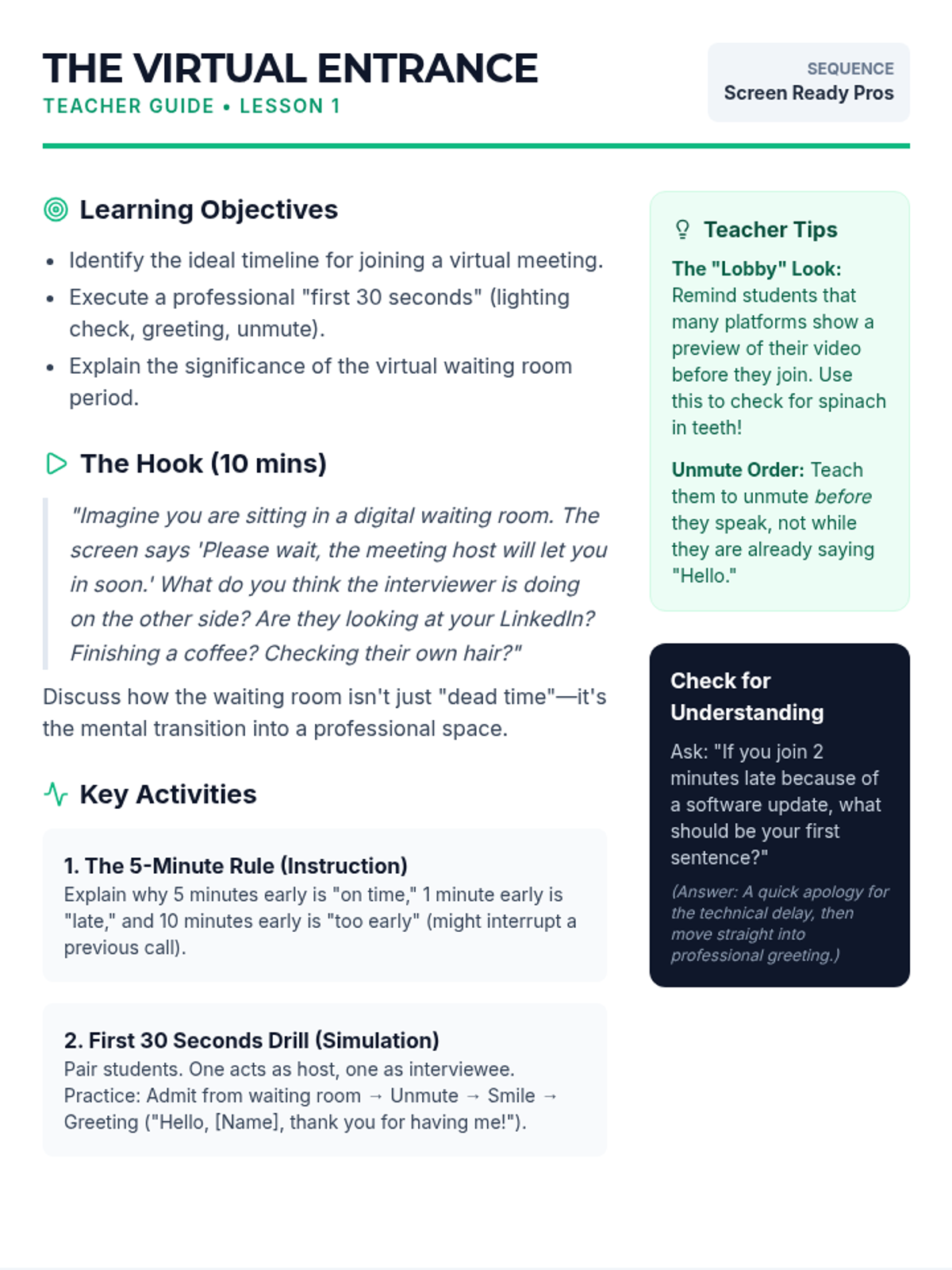
Focuses on the etiquette of joining calls, managing waiting rooms, and the first 30 seconds of a virtual connection.
A culminating project where students conduct, record, and evaluate full 10-minute virtual interviews, experiencing both the candidate and interviewer perspectives to build mastery.
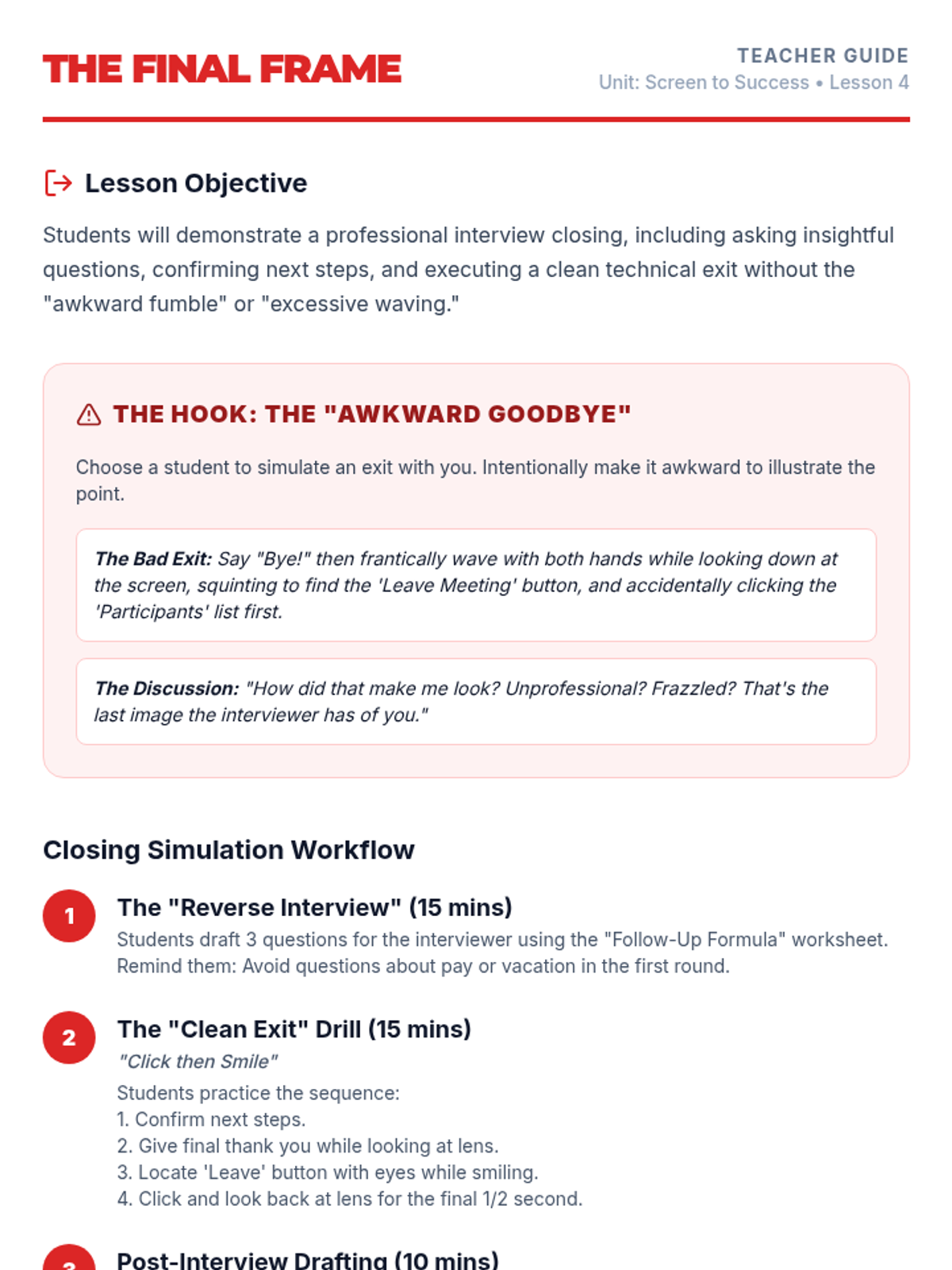
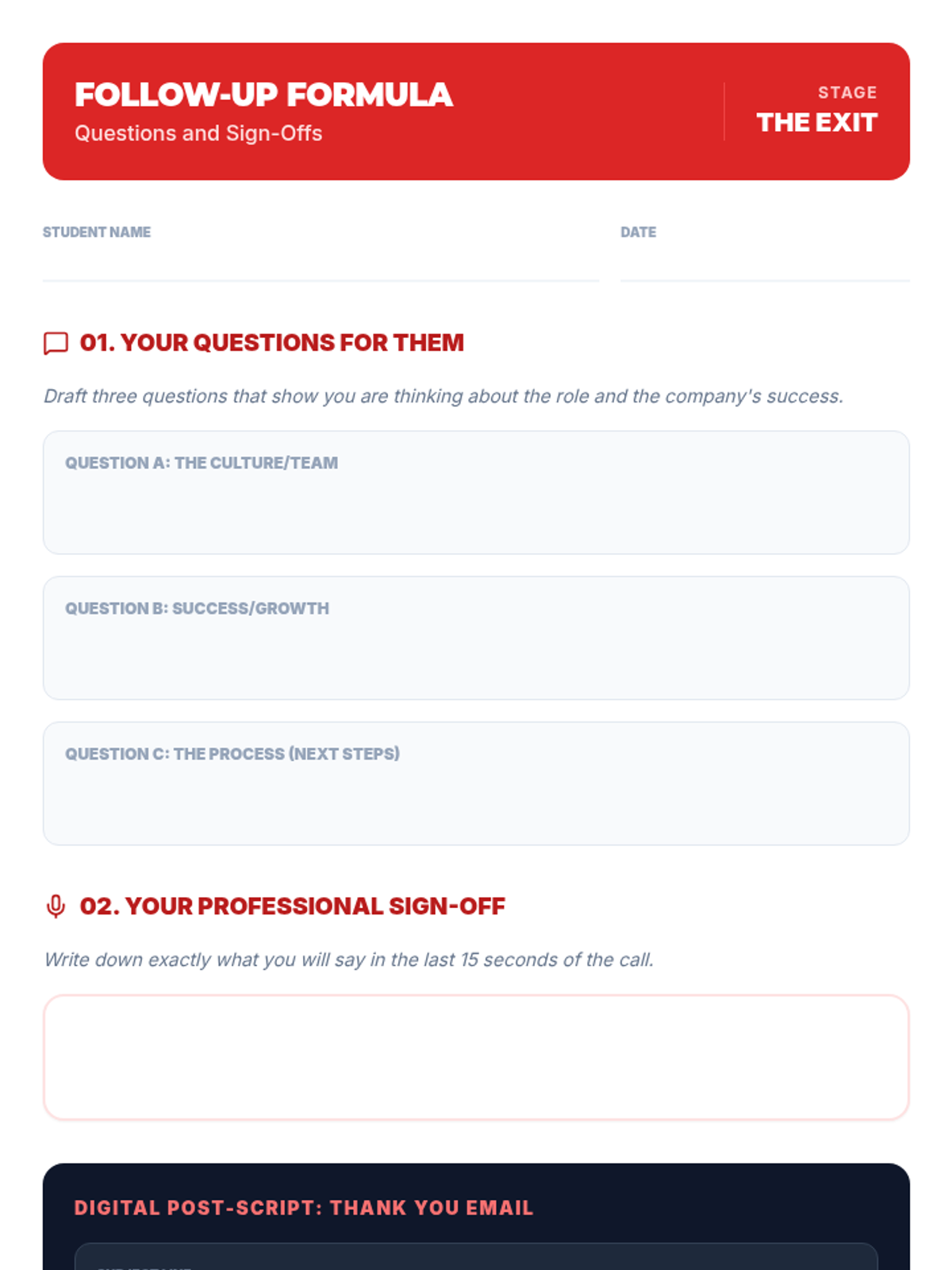
Students practice the final moments of a virtual call, focusing on asking insightful questions, confirming next steps, and executing a professional, non-awkward exit from the meeting.
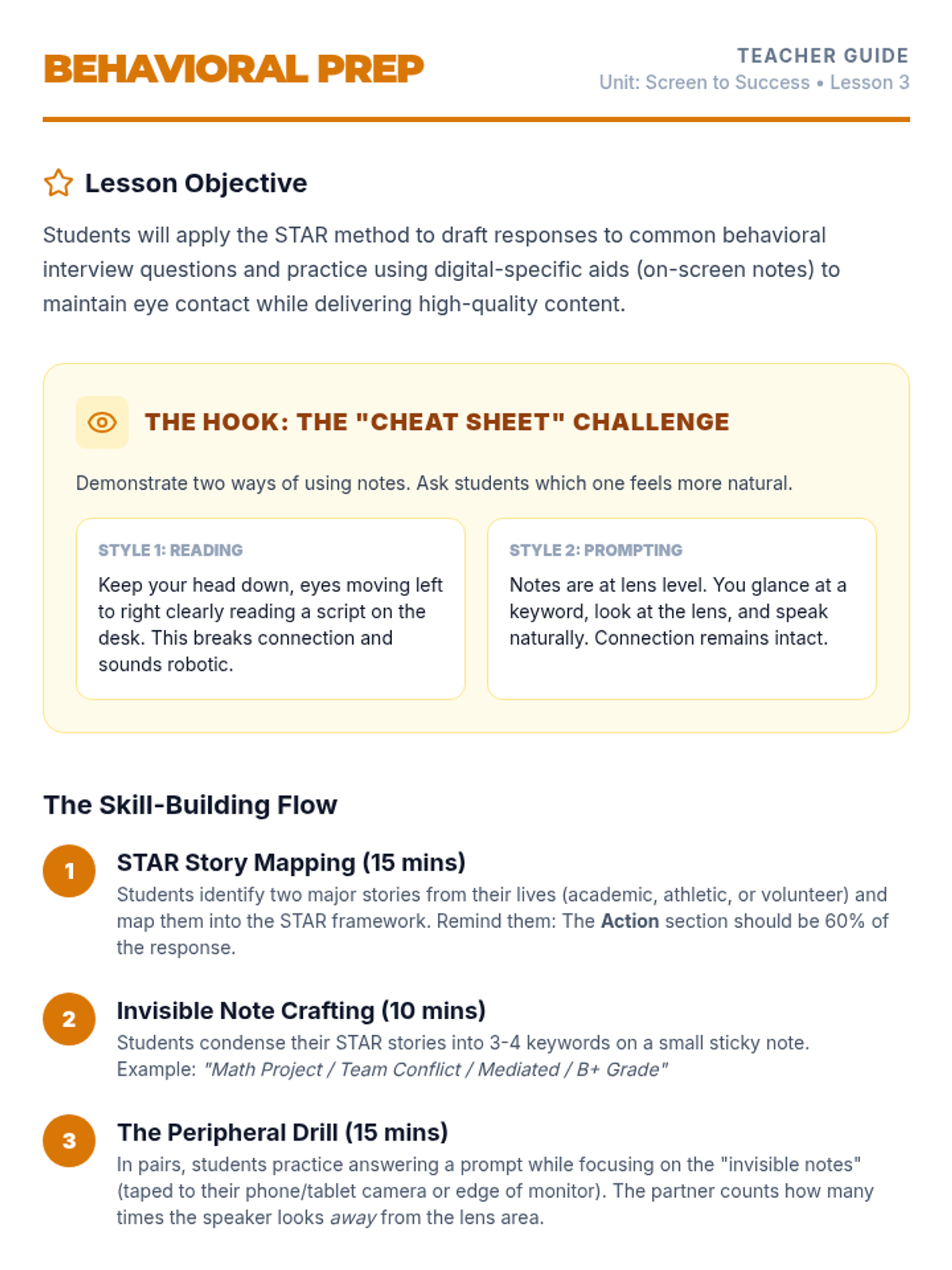
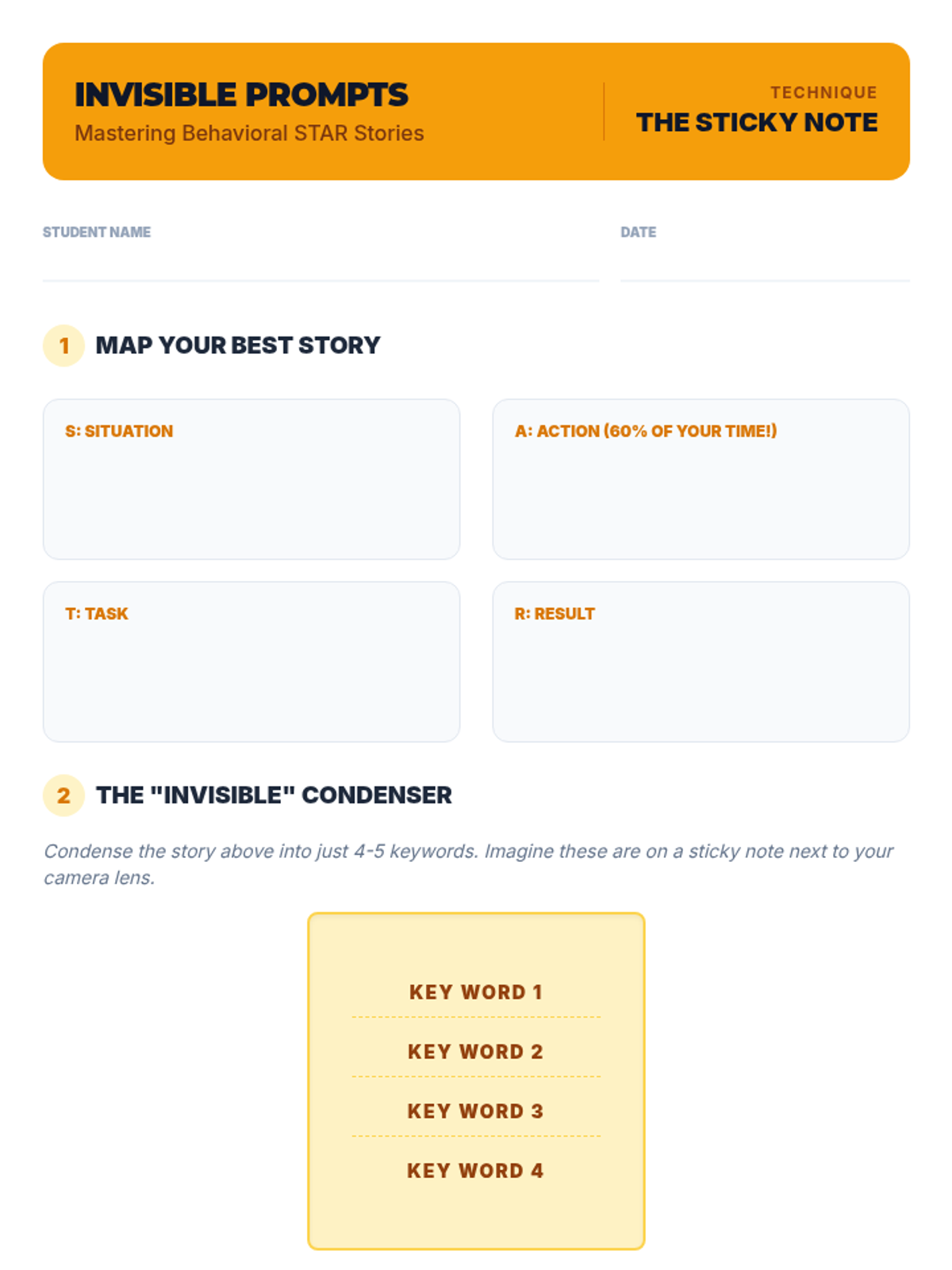
Students learn to apply the STAR method while leveraging the unique advantages of a virtual setting, such as using 'invisible' notes near the camera lens to stay on track without losing eye contact.
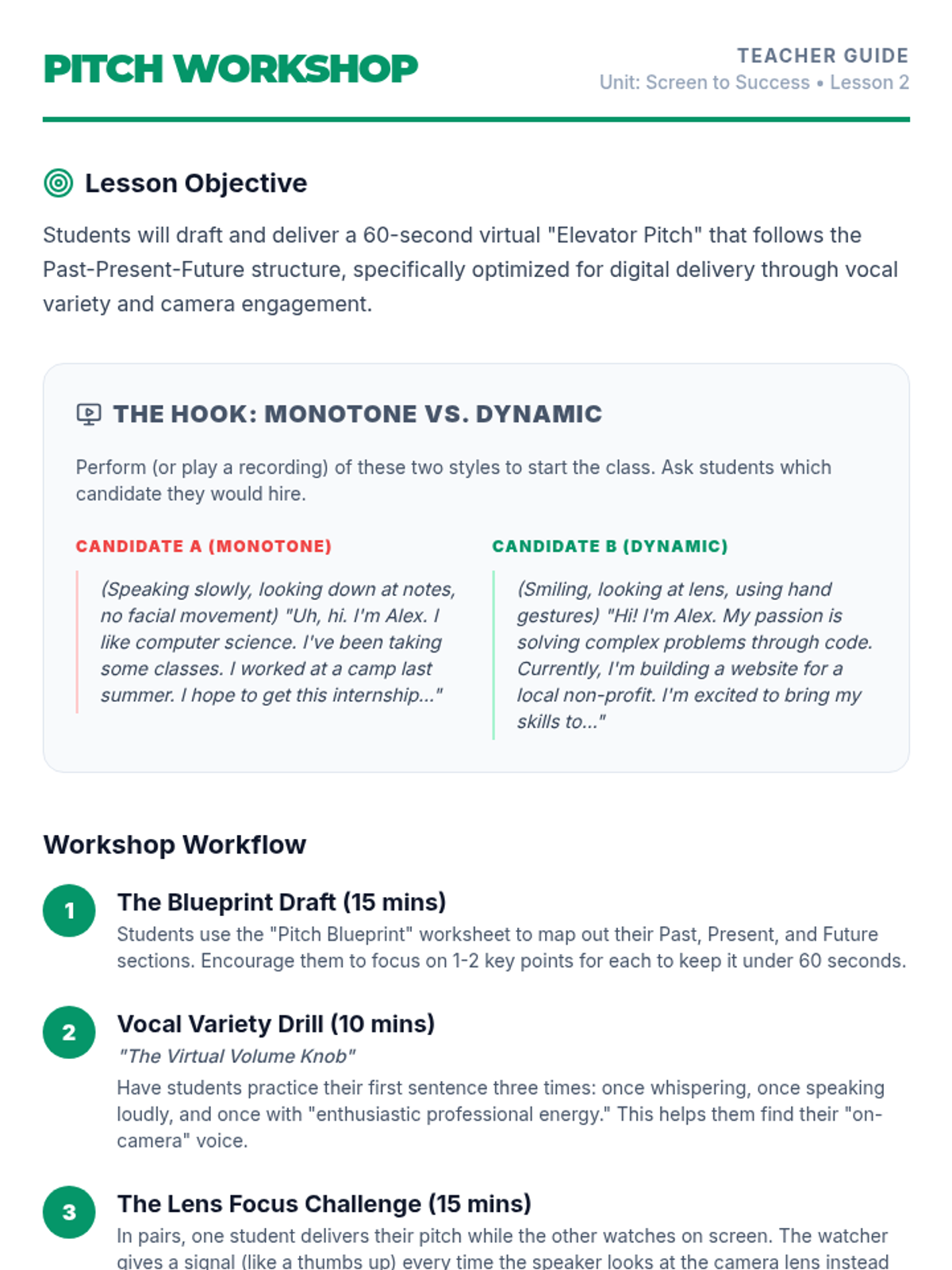
Students refine their 'Tell me about yourself' response specifically for the digital medium, focusing on conciseness to prevent viewer fatigue and using vocal variety to stay engaging on screen.
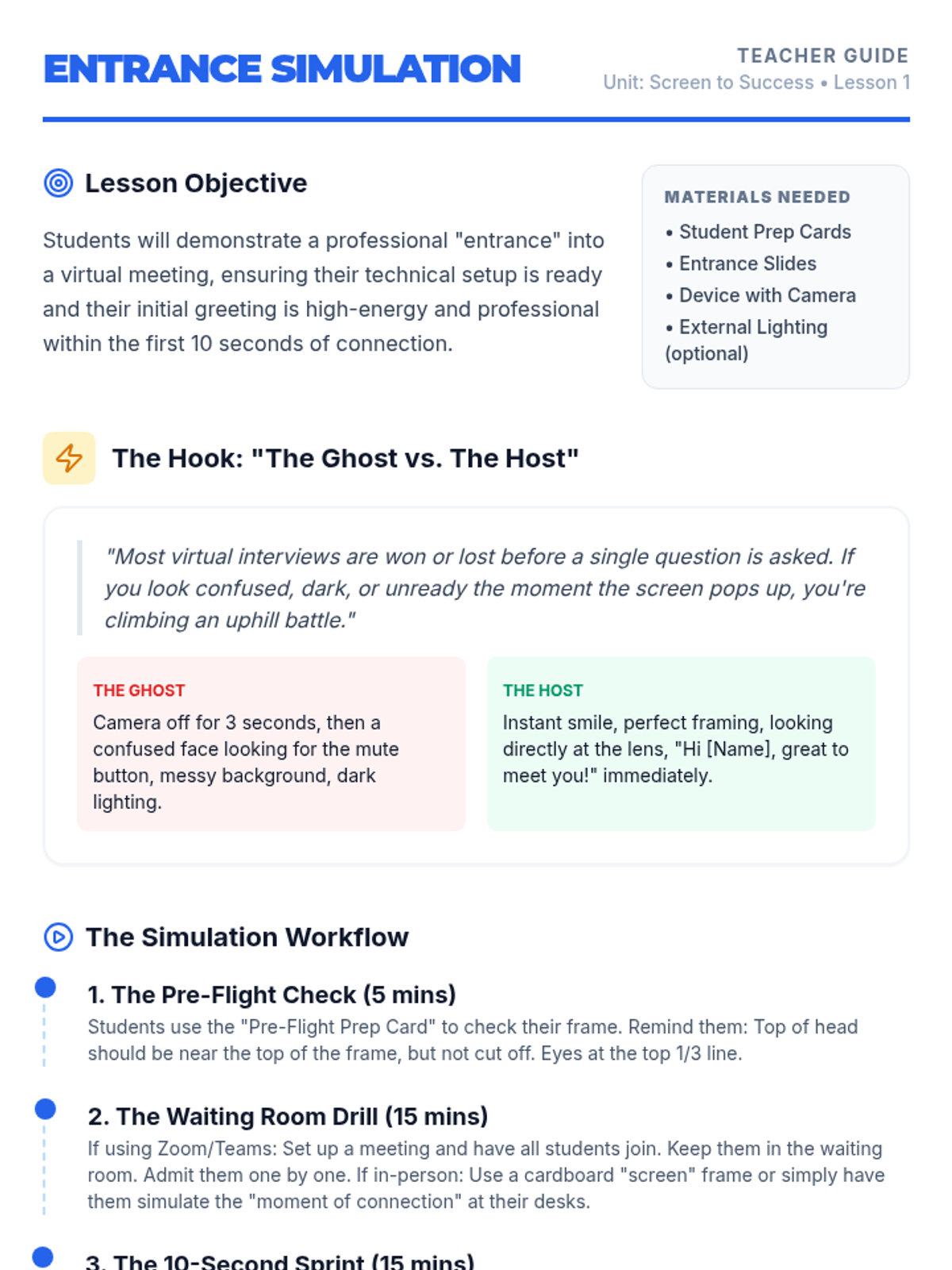
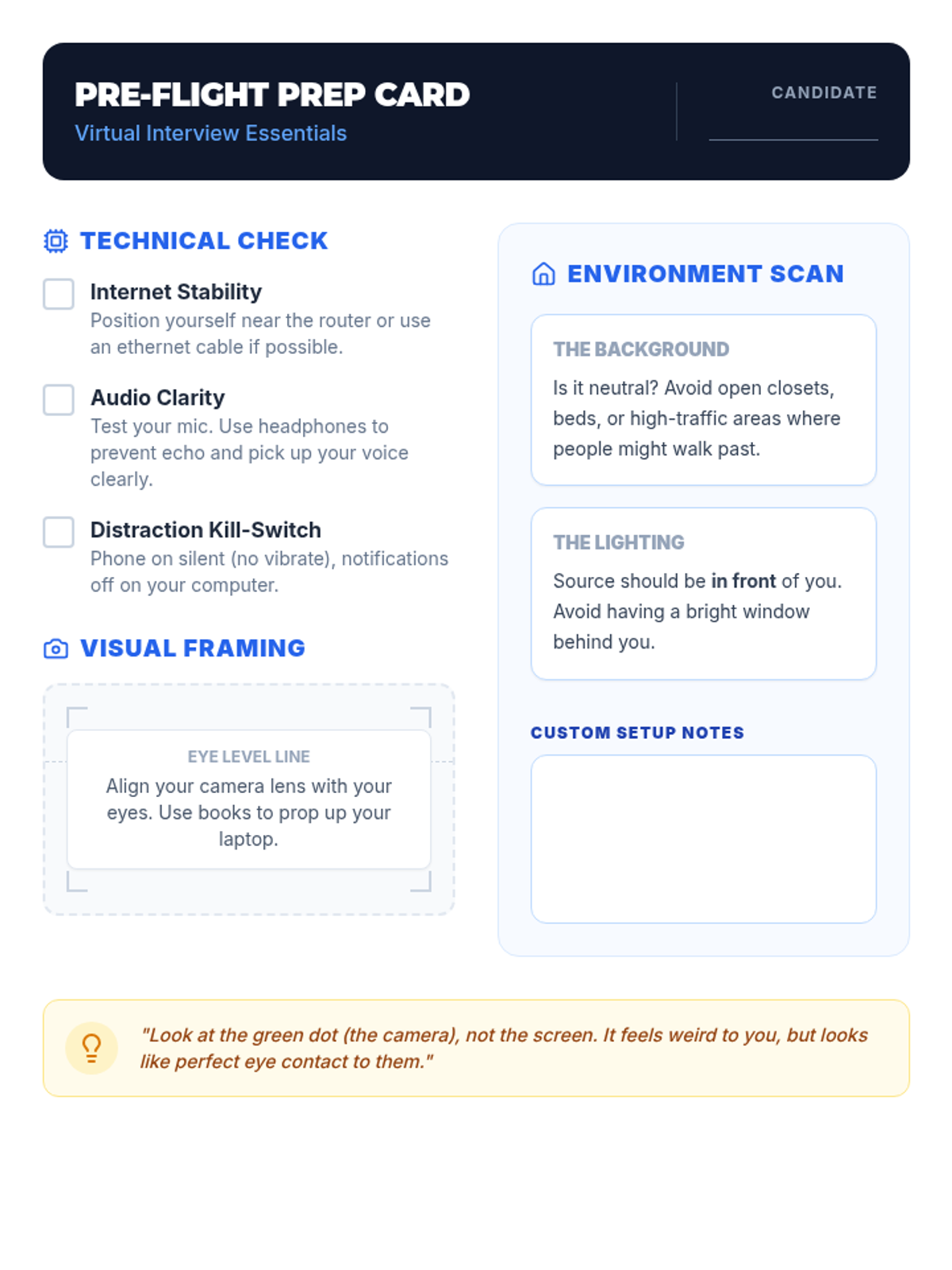
Students master the 'pre-flight' ritual of virtual interviews, focusing on technical checks, background optimization, and the critical first 10 seconds of being admitted from a waiting room.
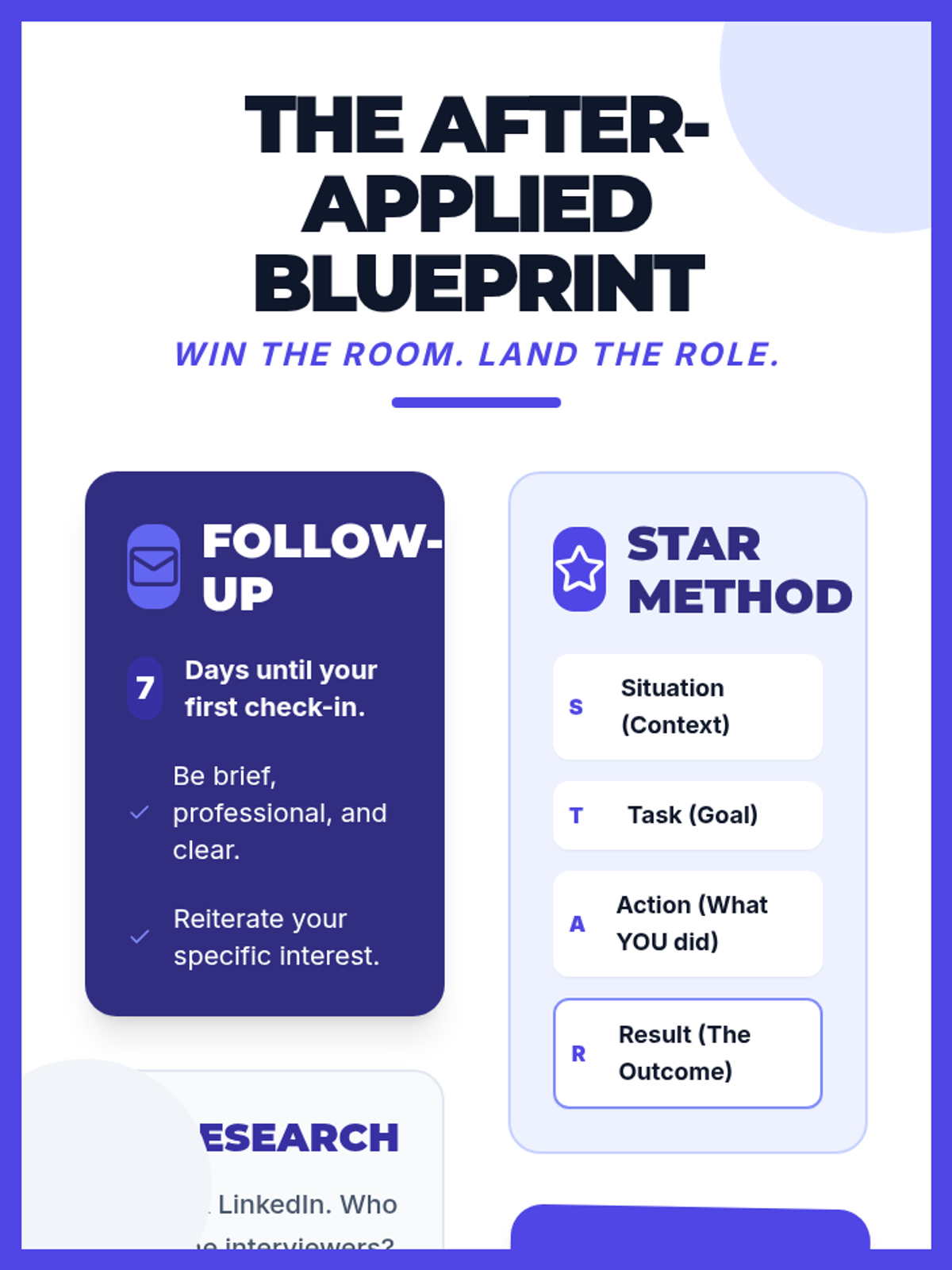
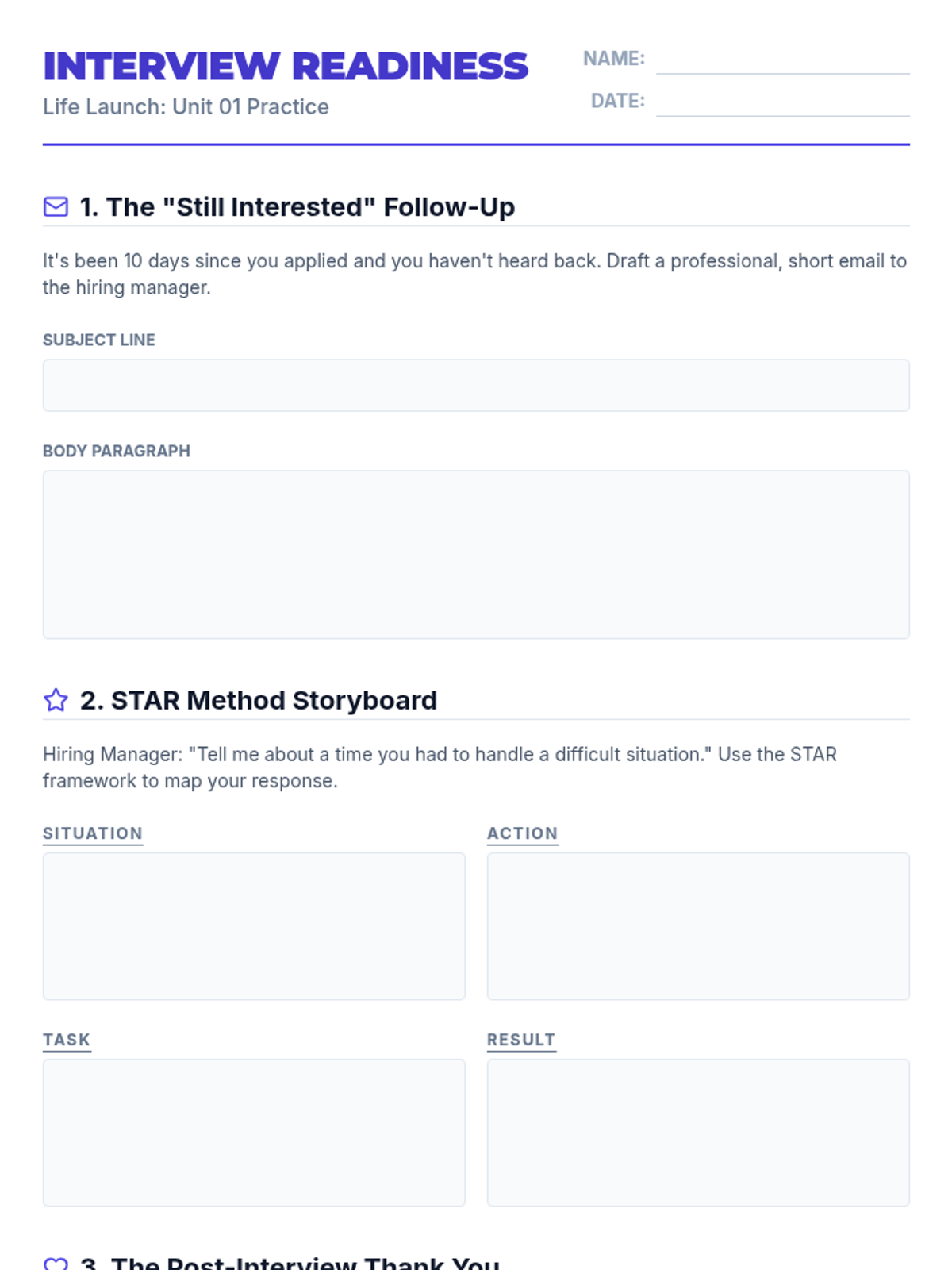
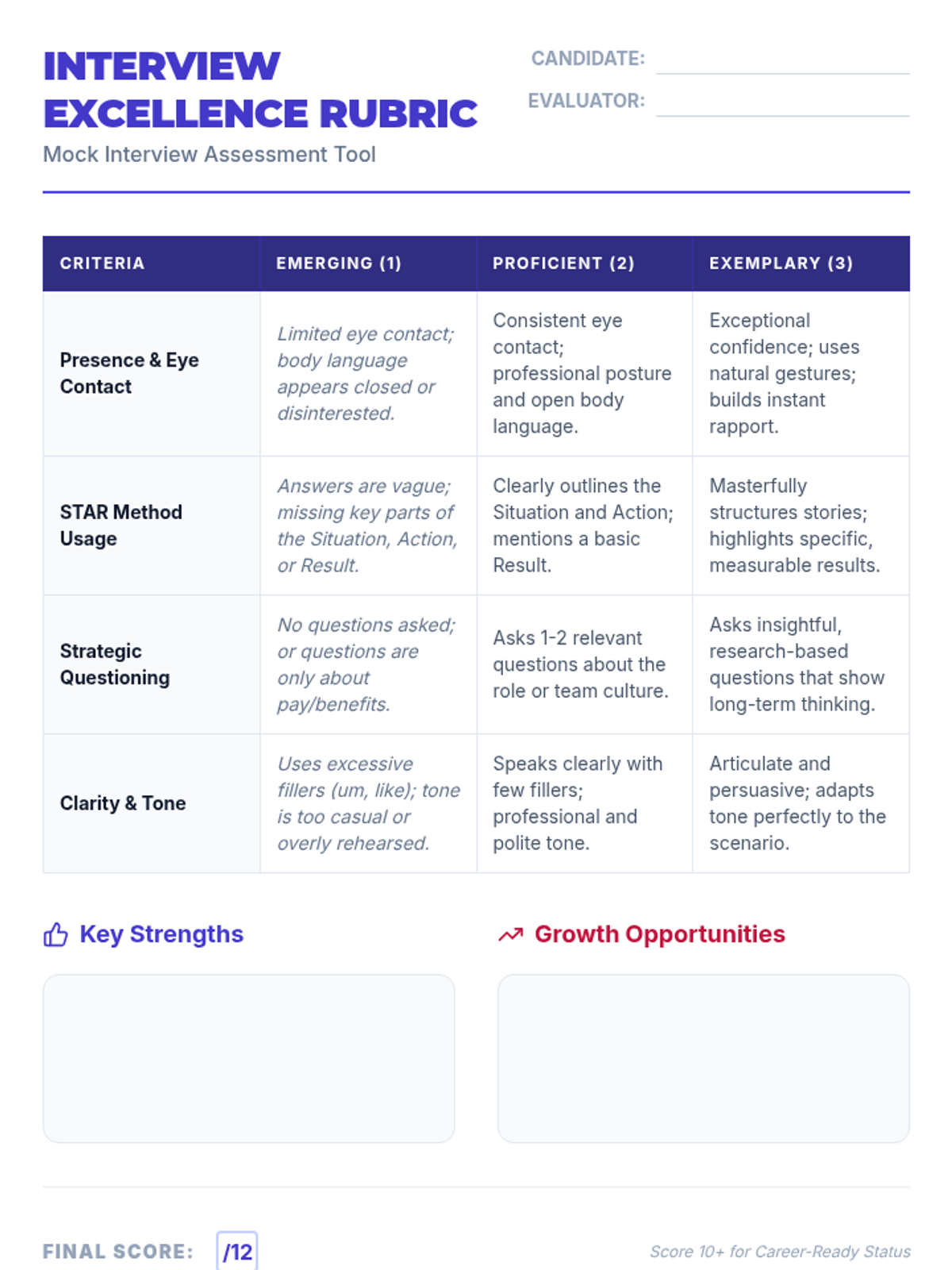
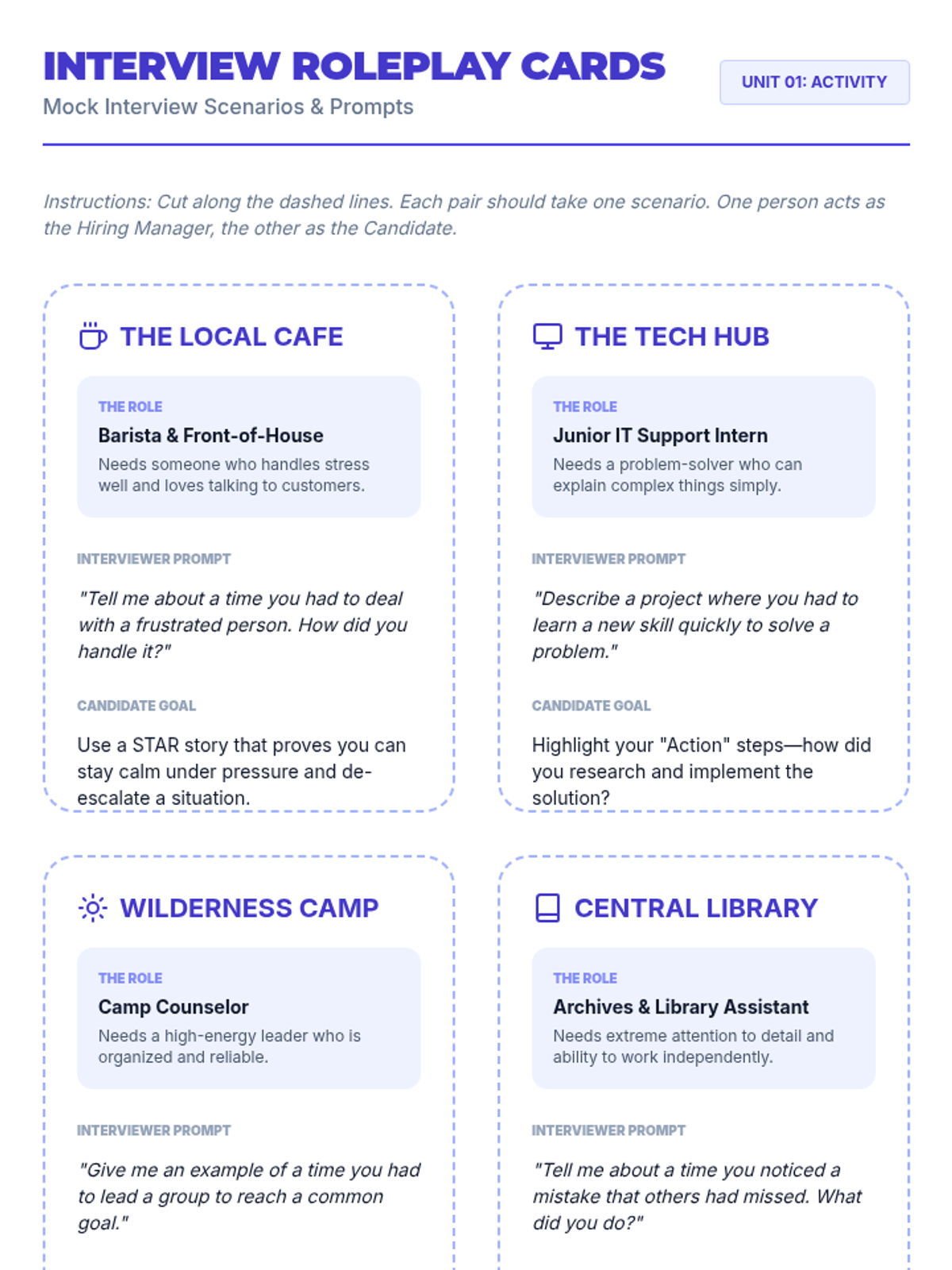
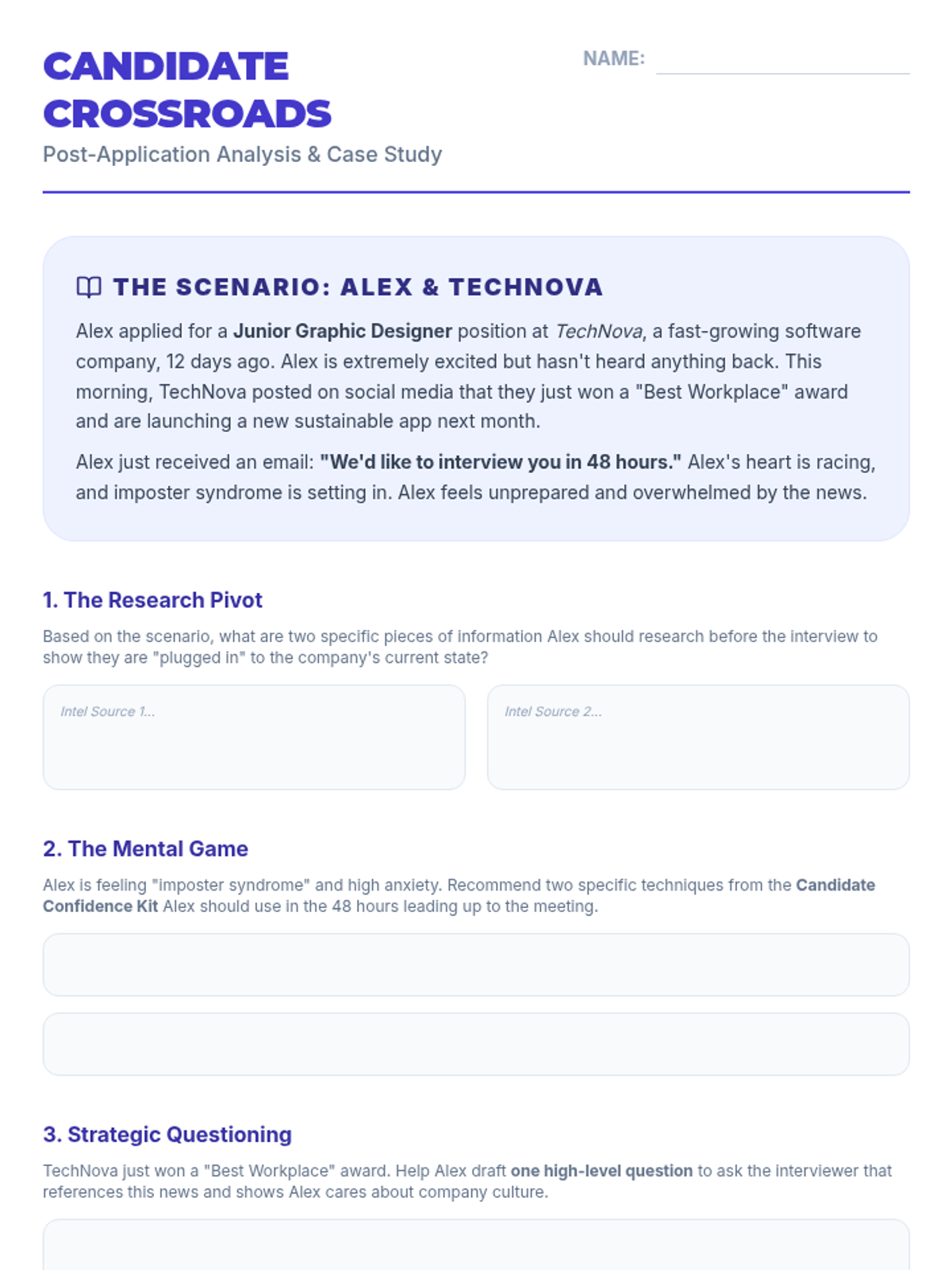
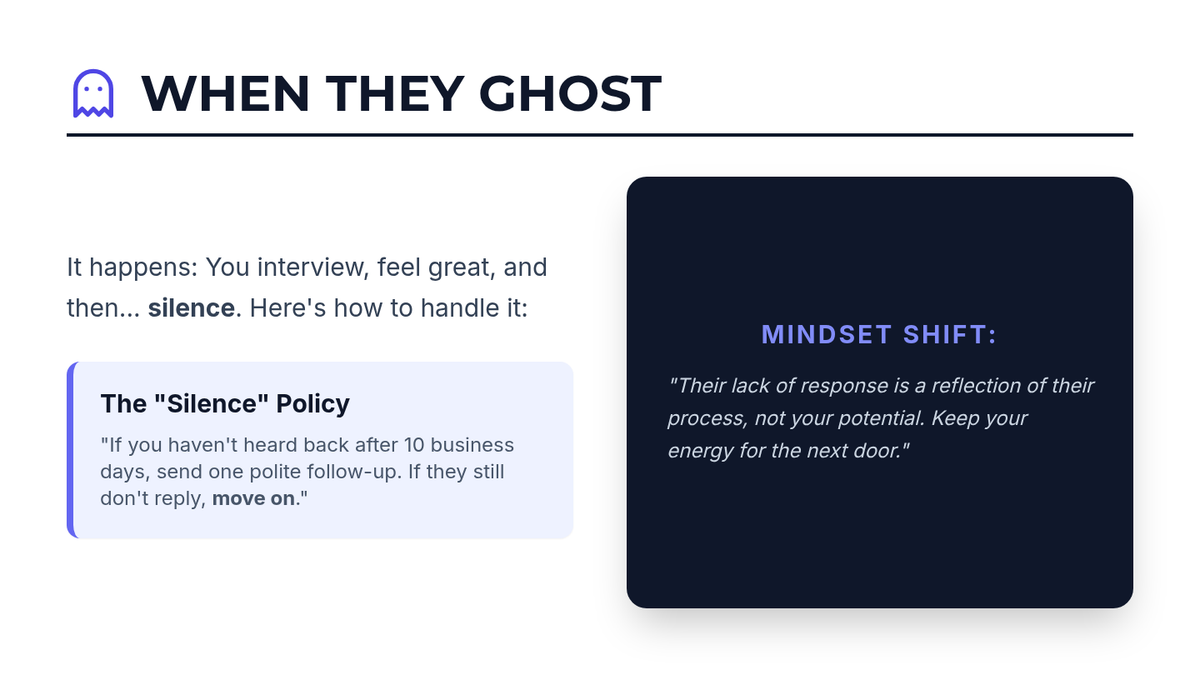
Mastering the critical phase after the job application is submitted. Students learn professional follow-up etiquette, STAR method storytelling, and strategic interview communication.
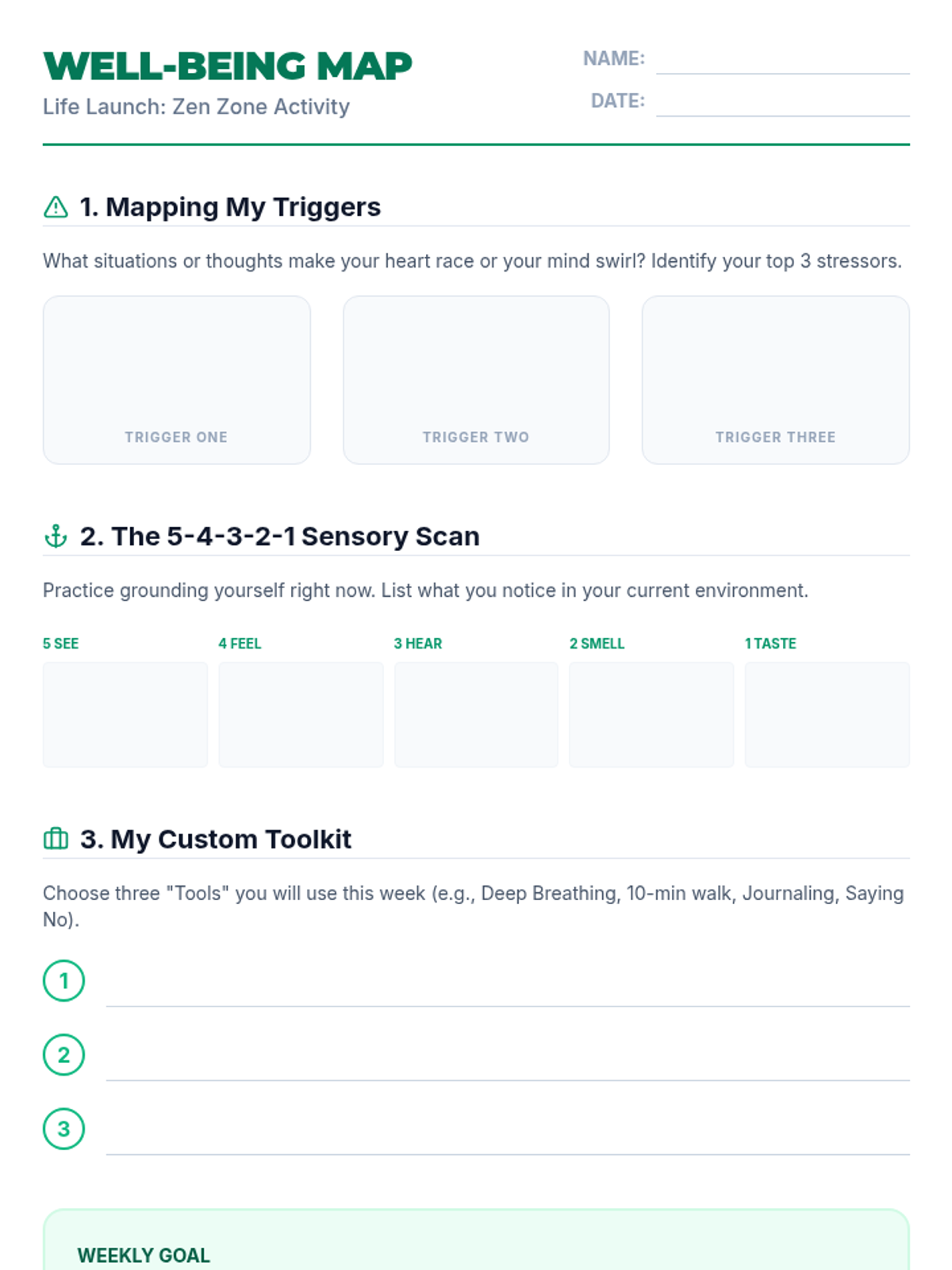
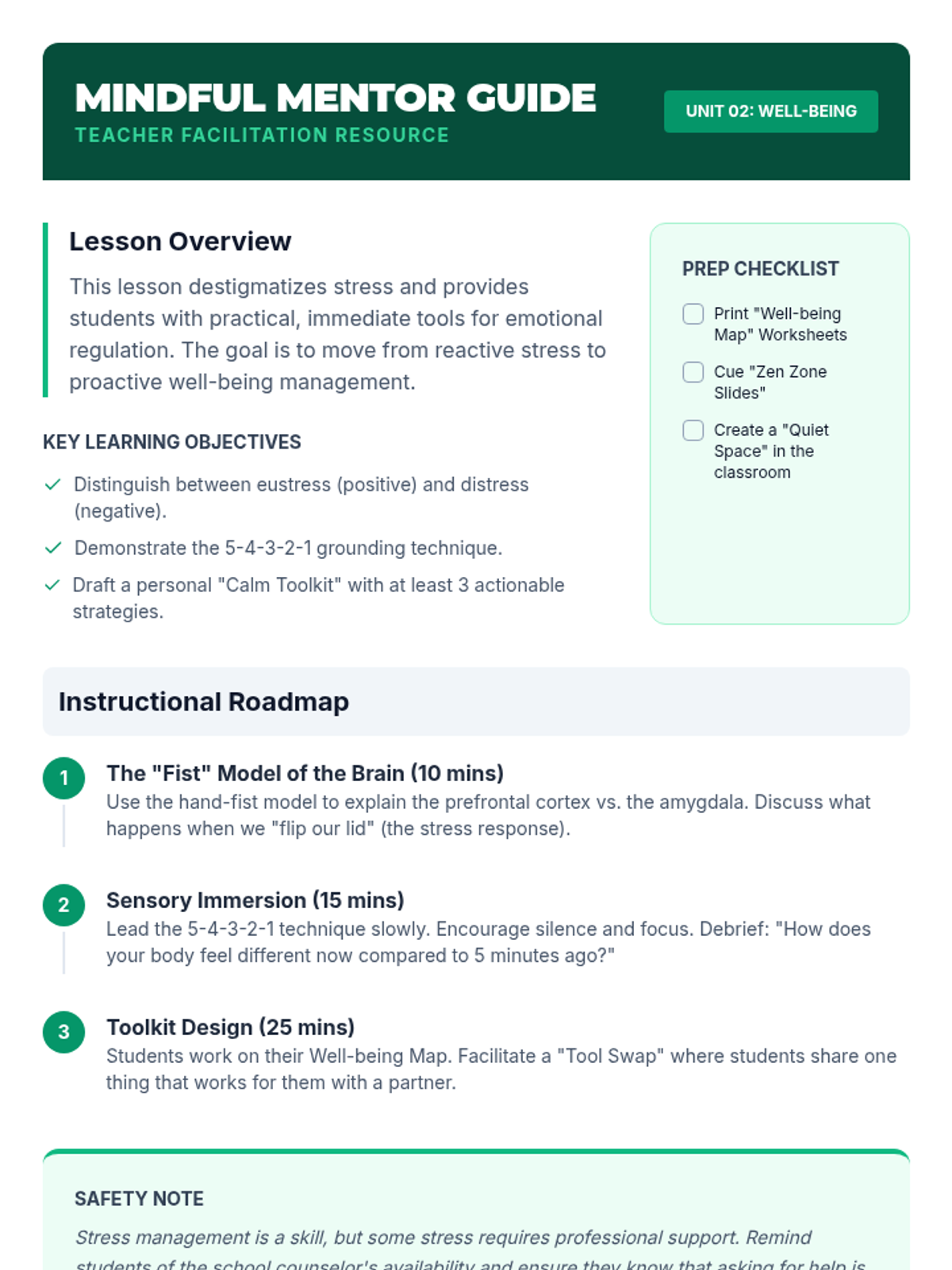
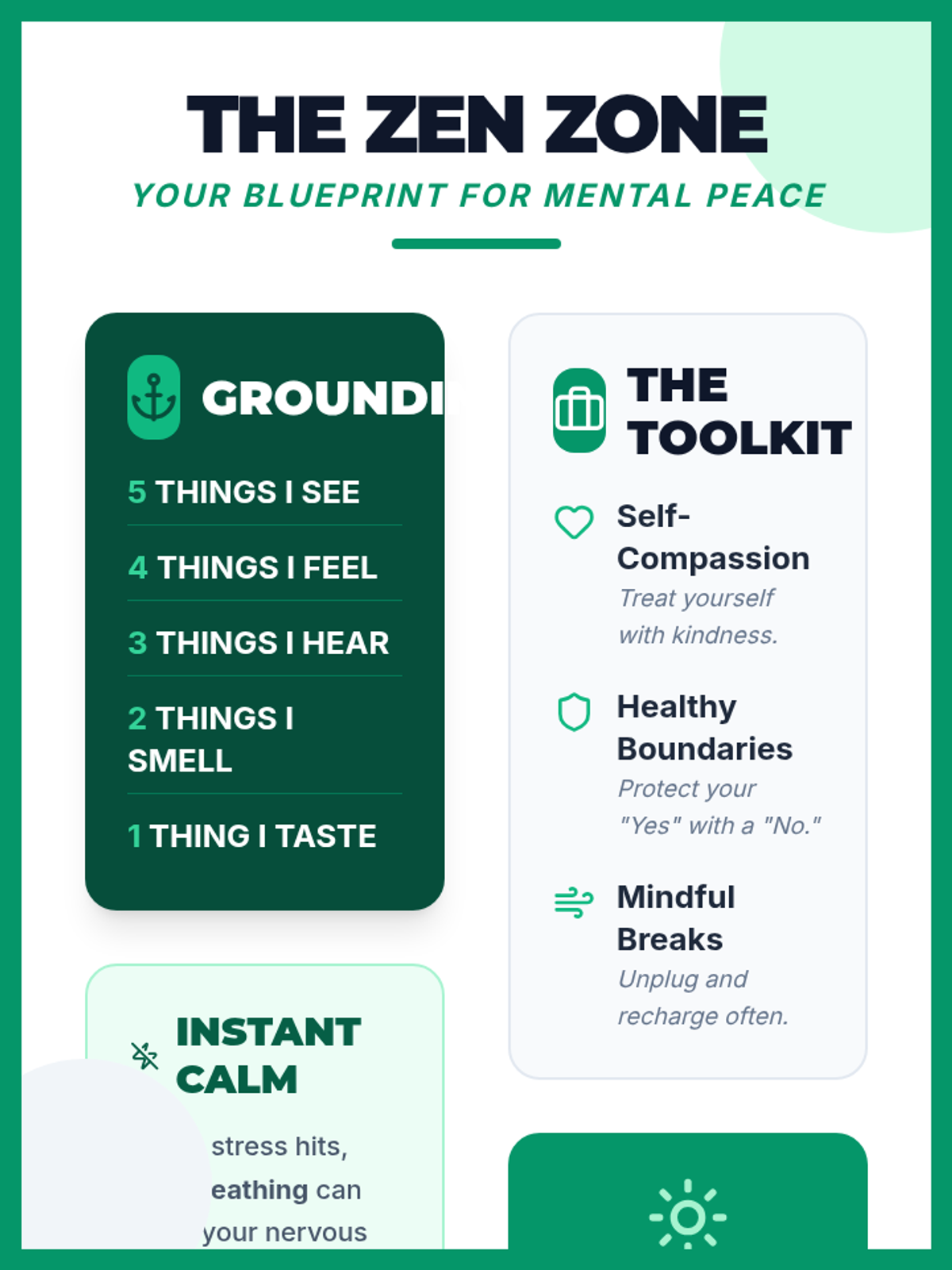
A focused lesson on identifying stress triggers, practicing mindfulness, and building a toolkit of healthy coping mechanisms for mental well-being.
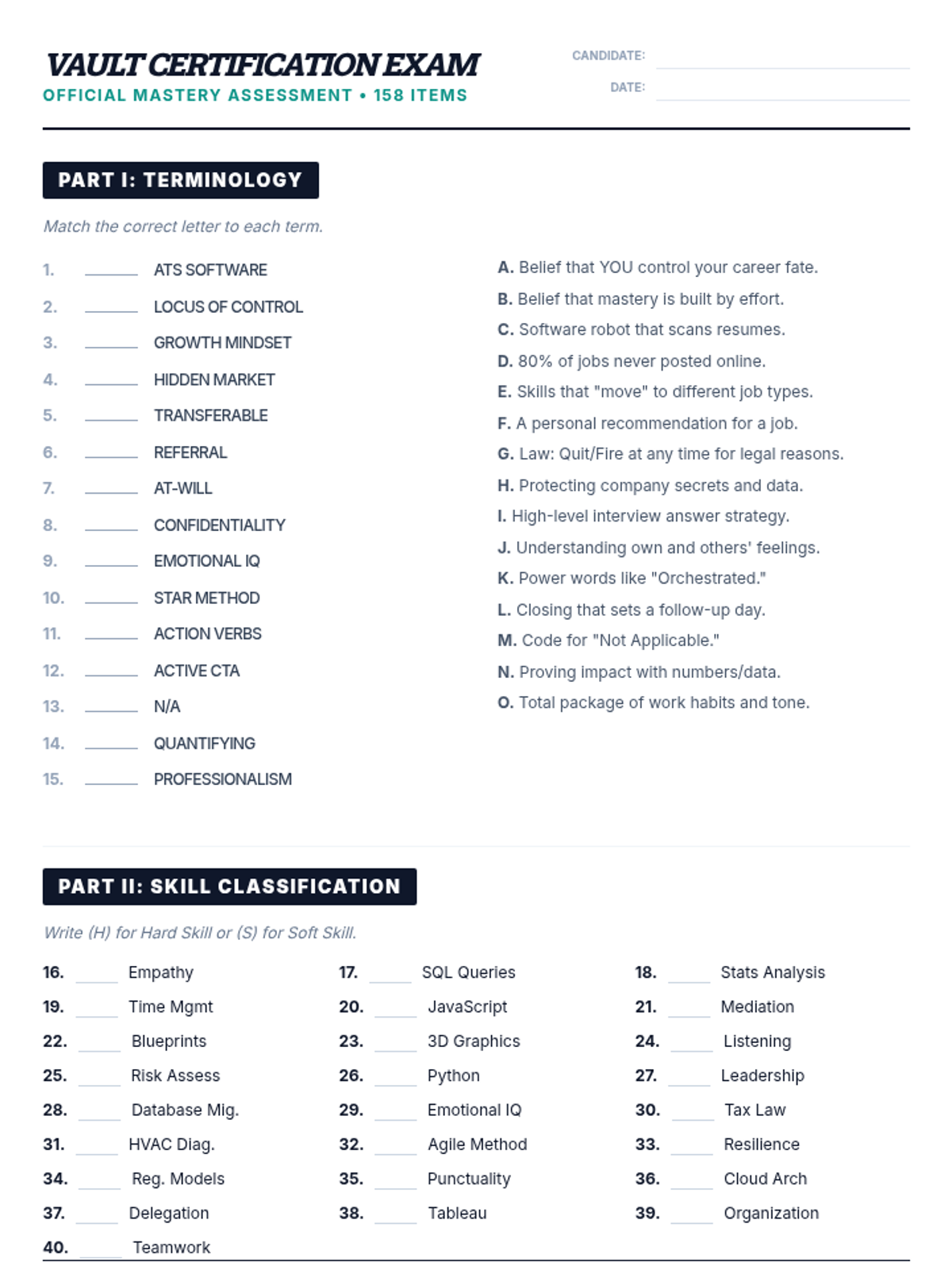
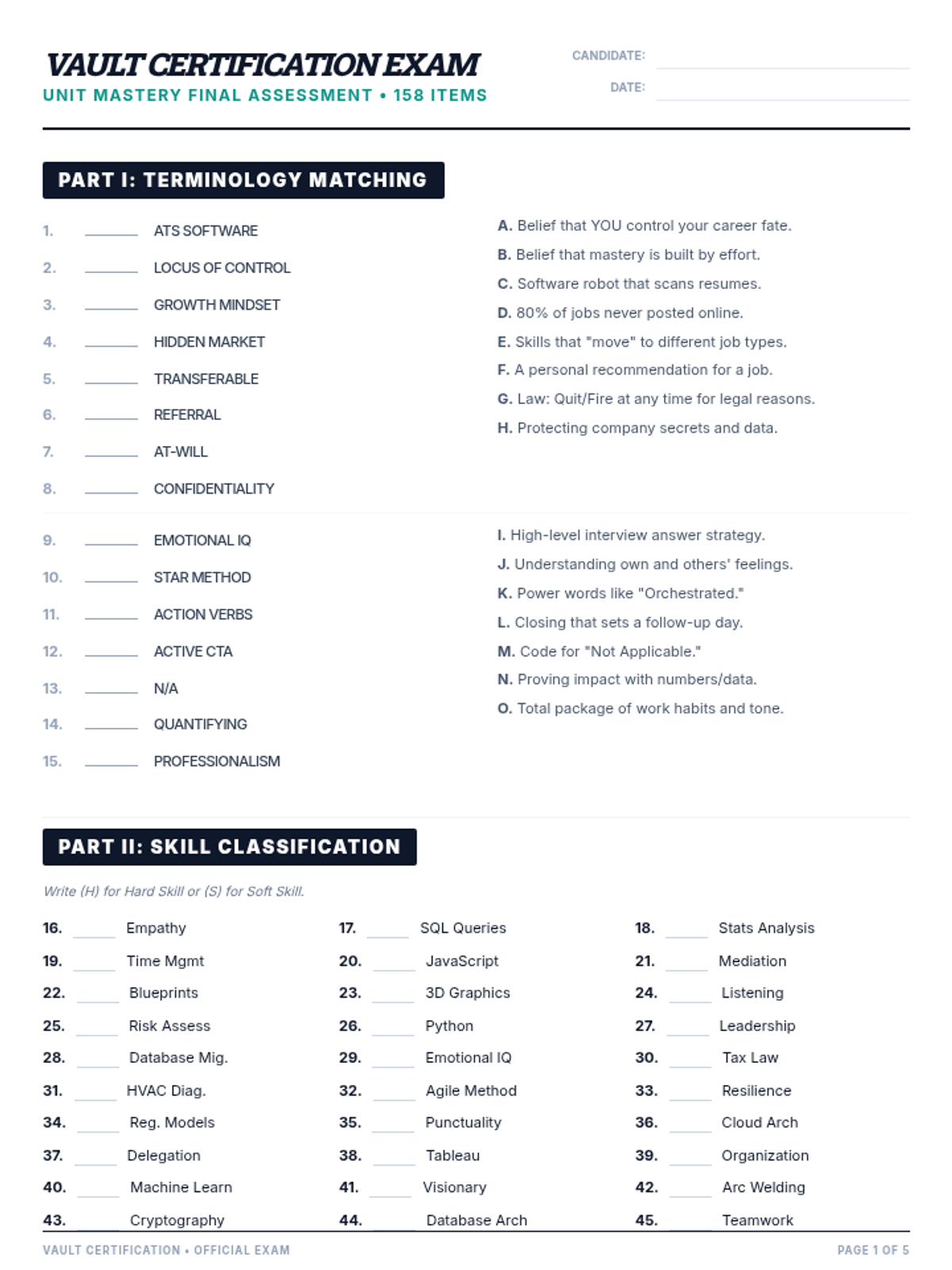
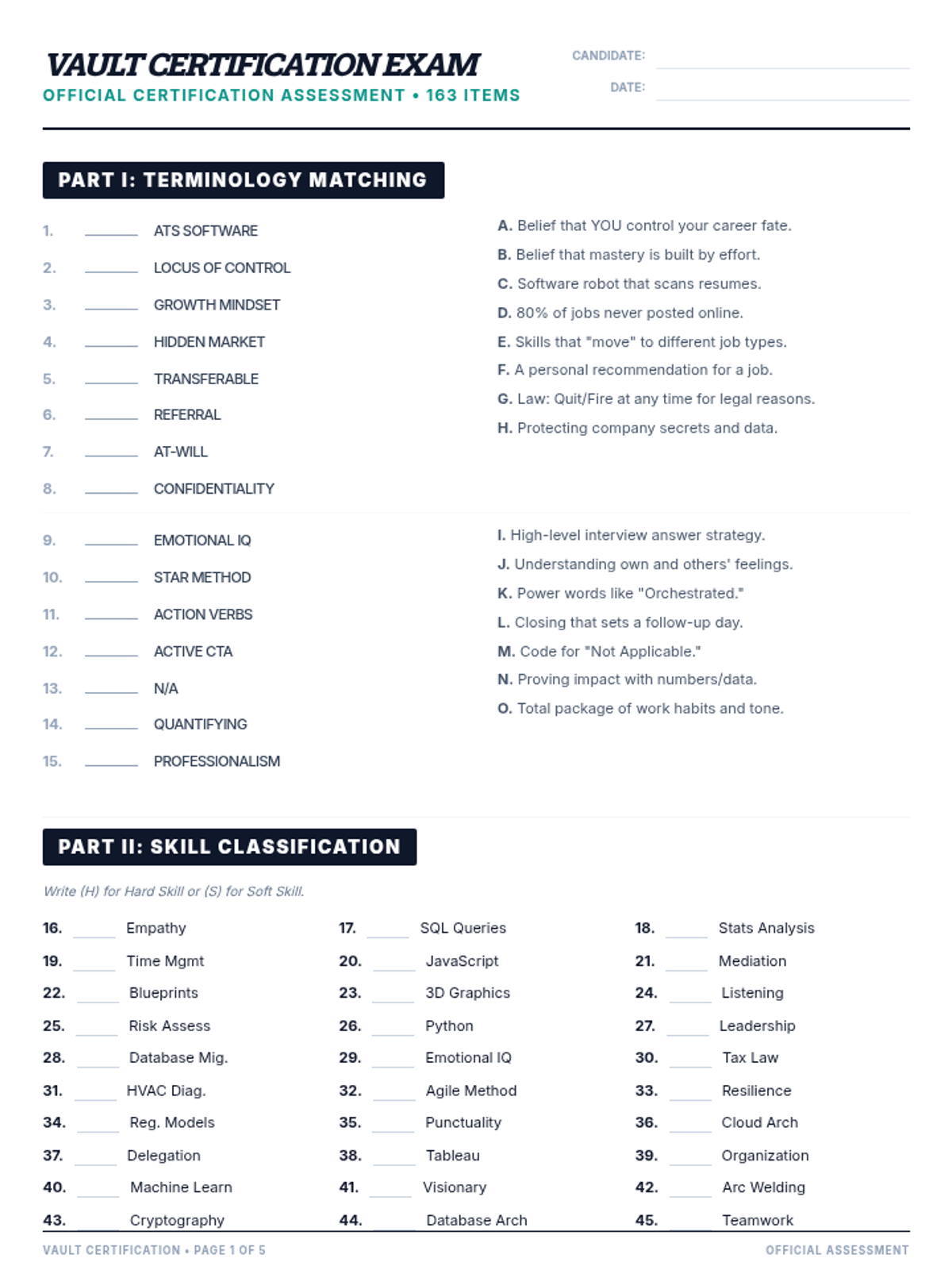
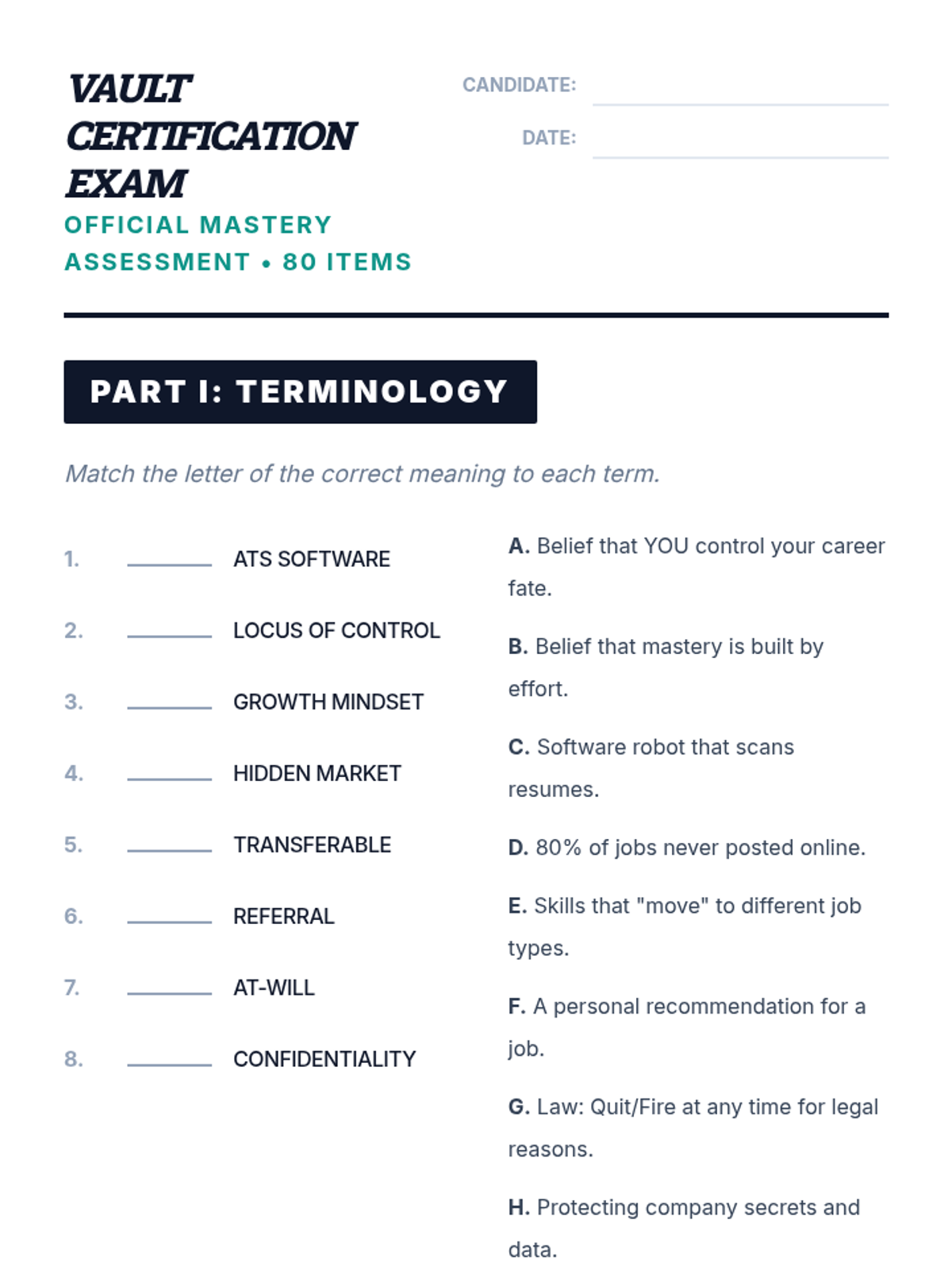
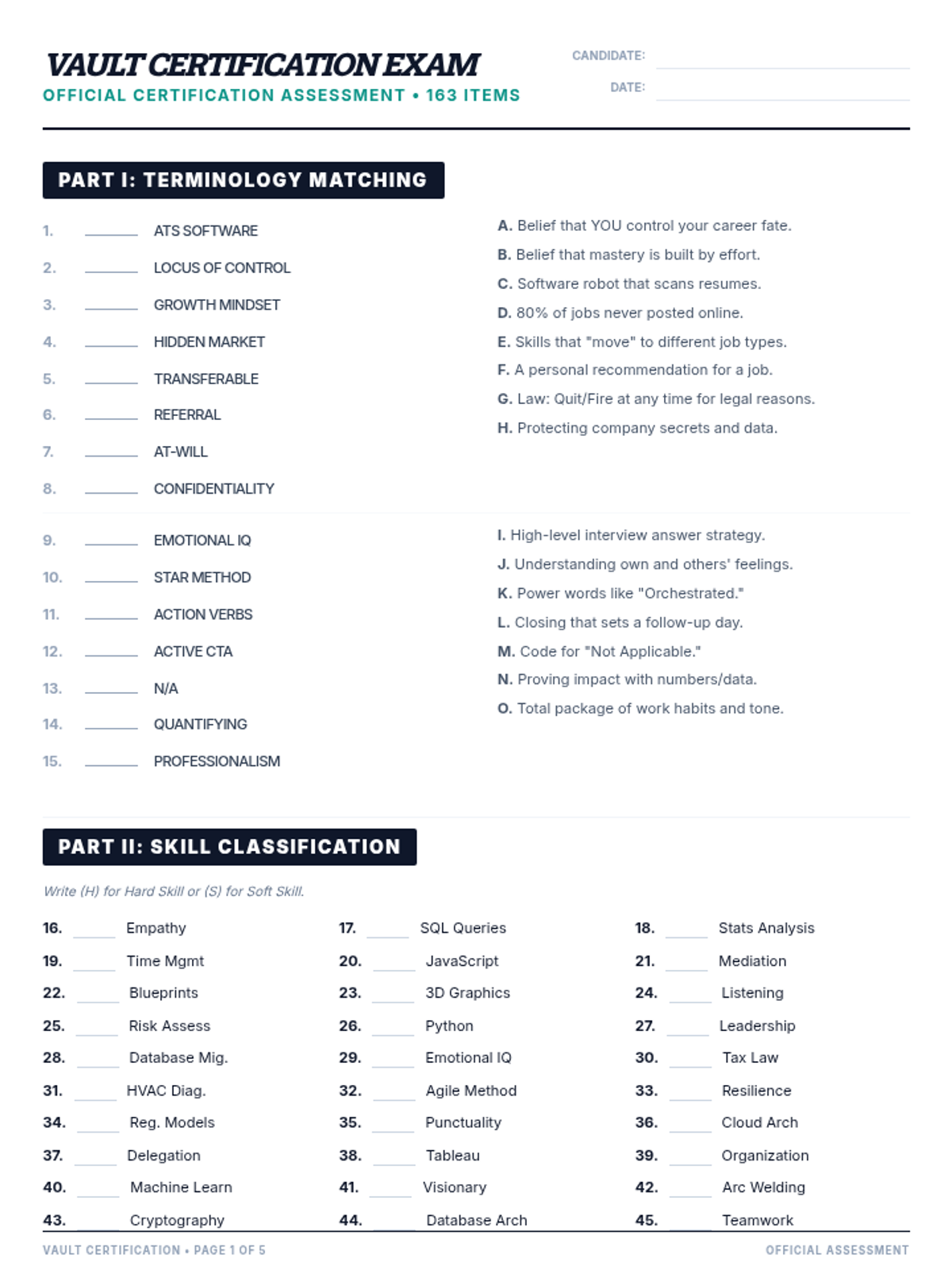
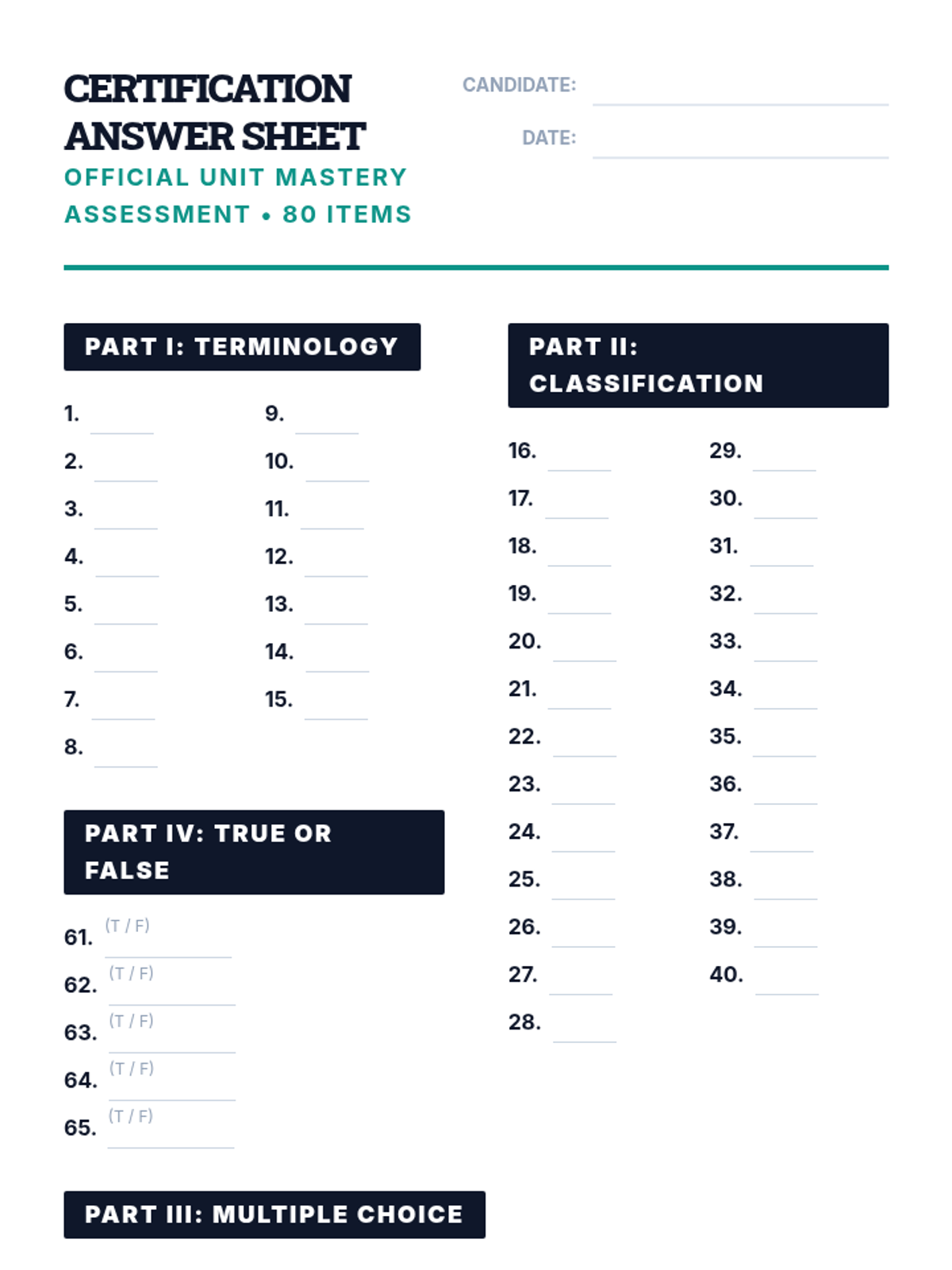
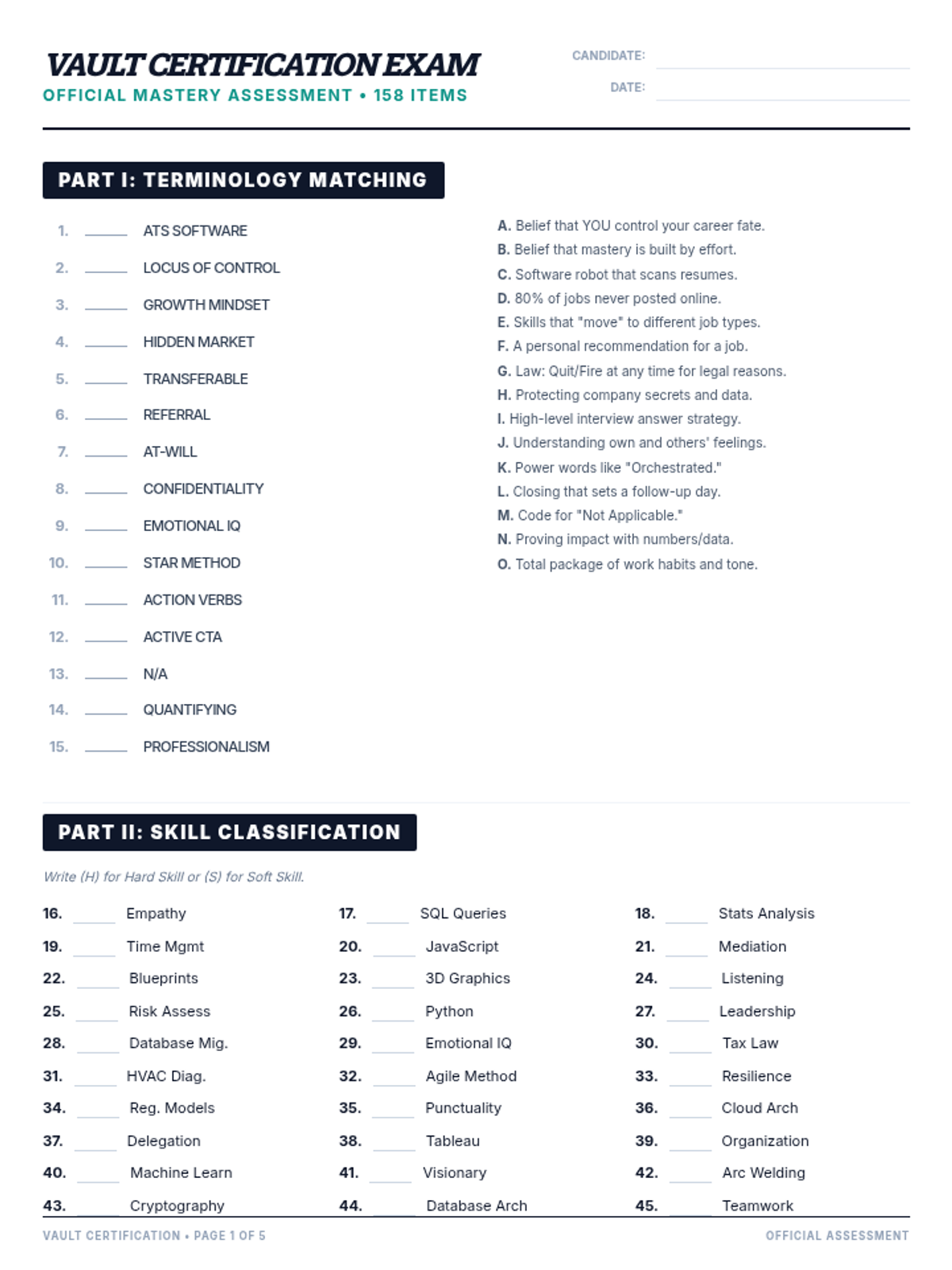
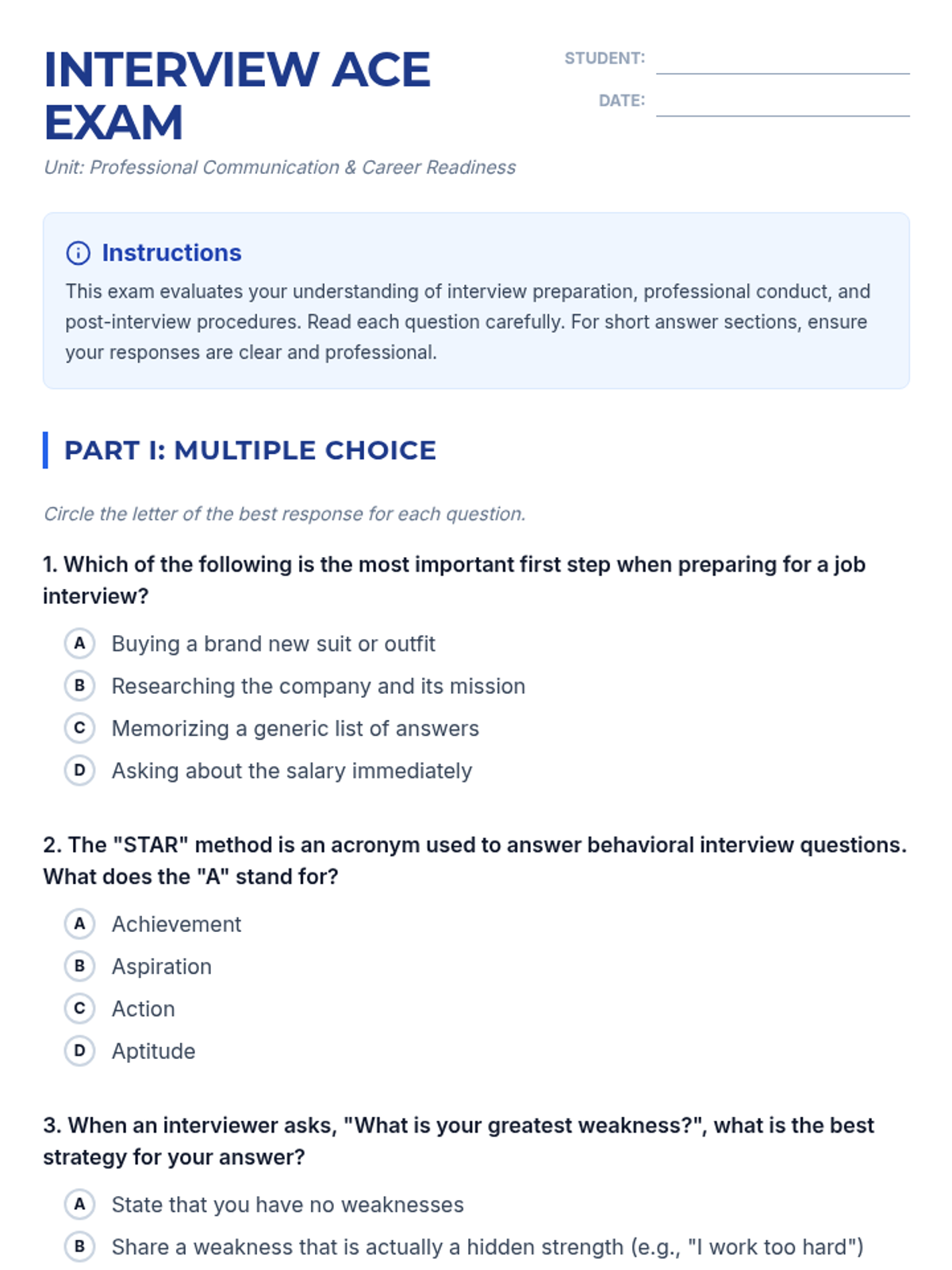
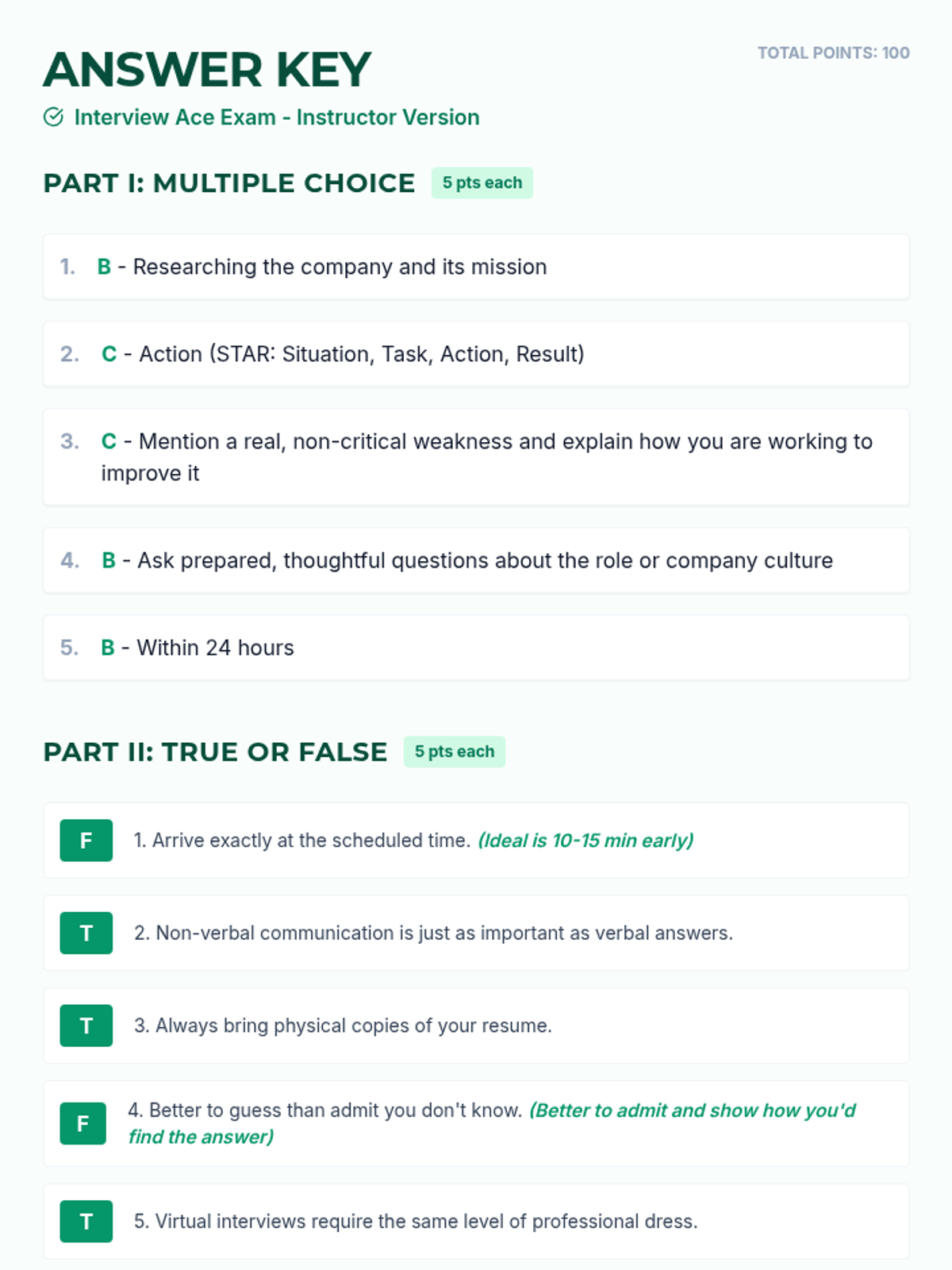
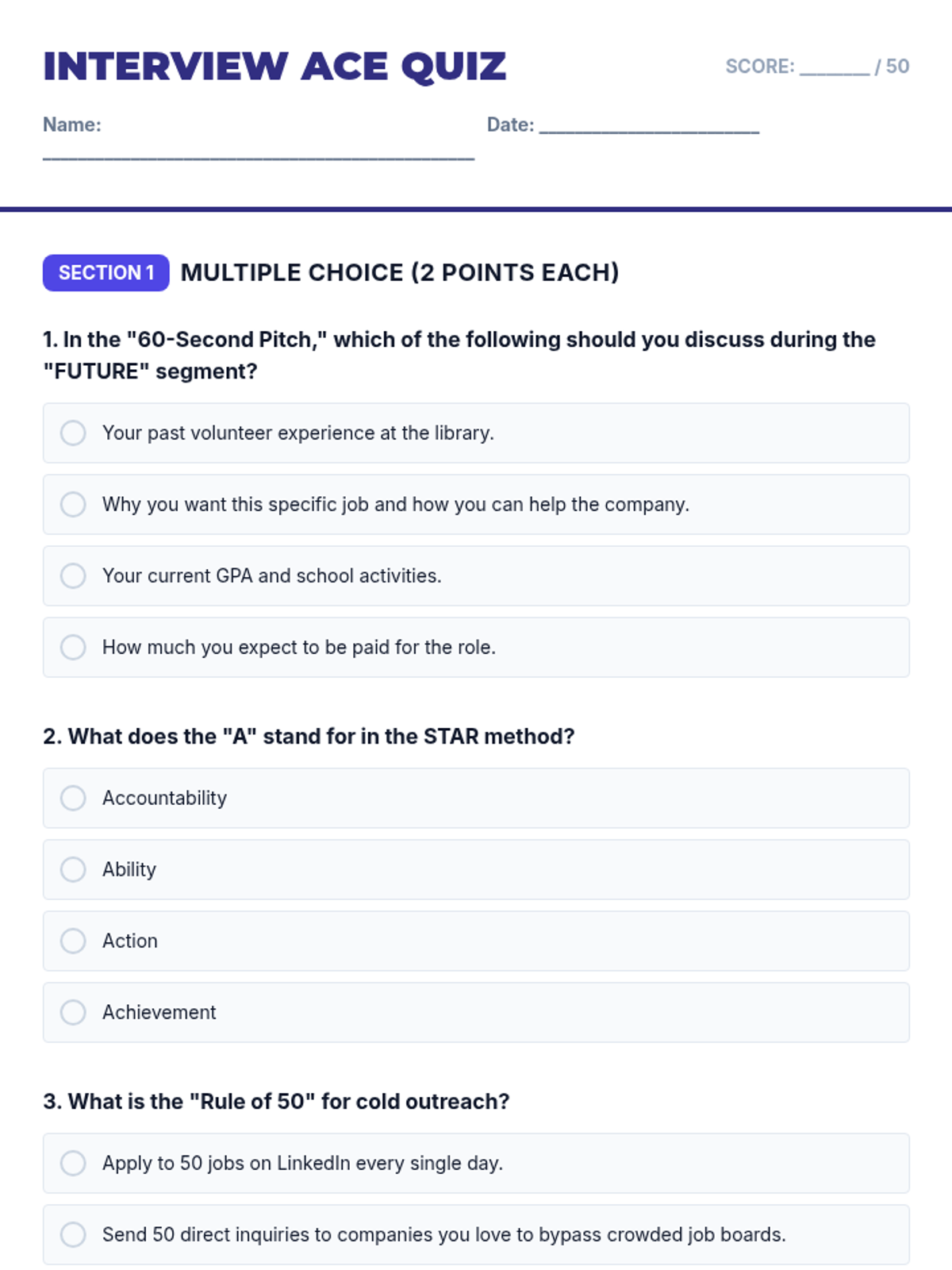
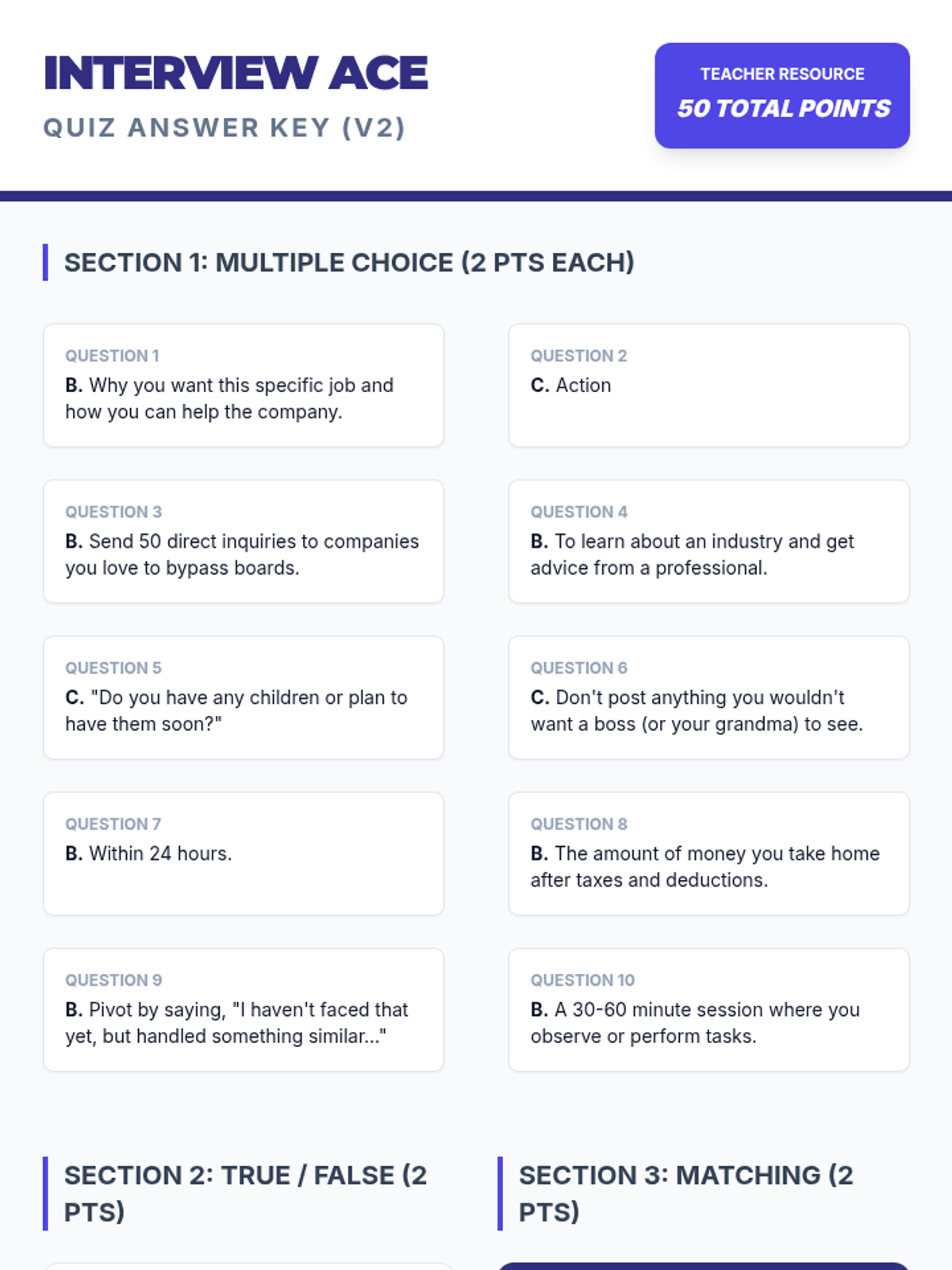
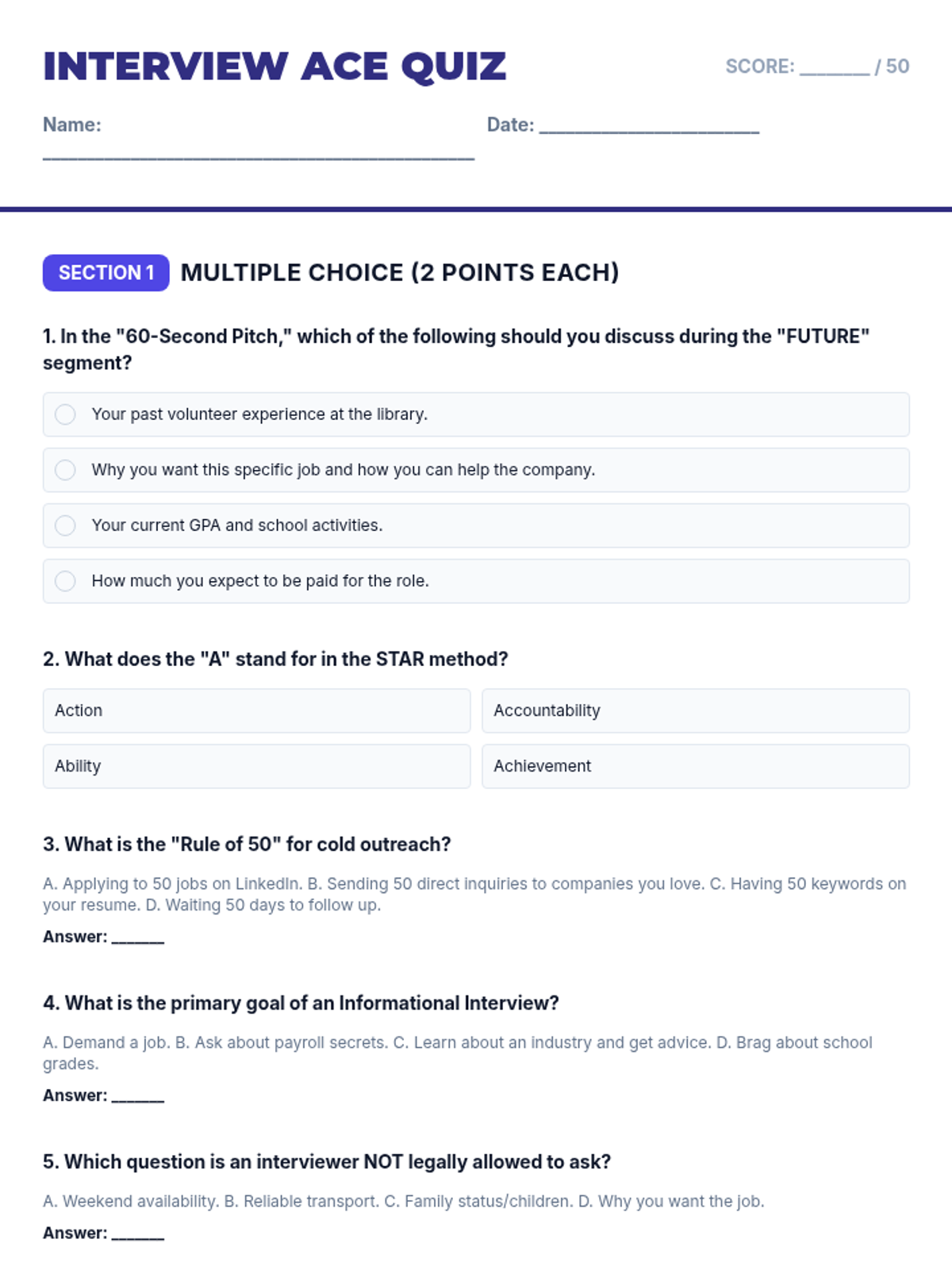
A comprehensive assessment covering job interview preparation, execution, and follow-up techniques to evaluate student readiness for the professional world.
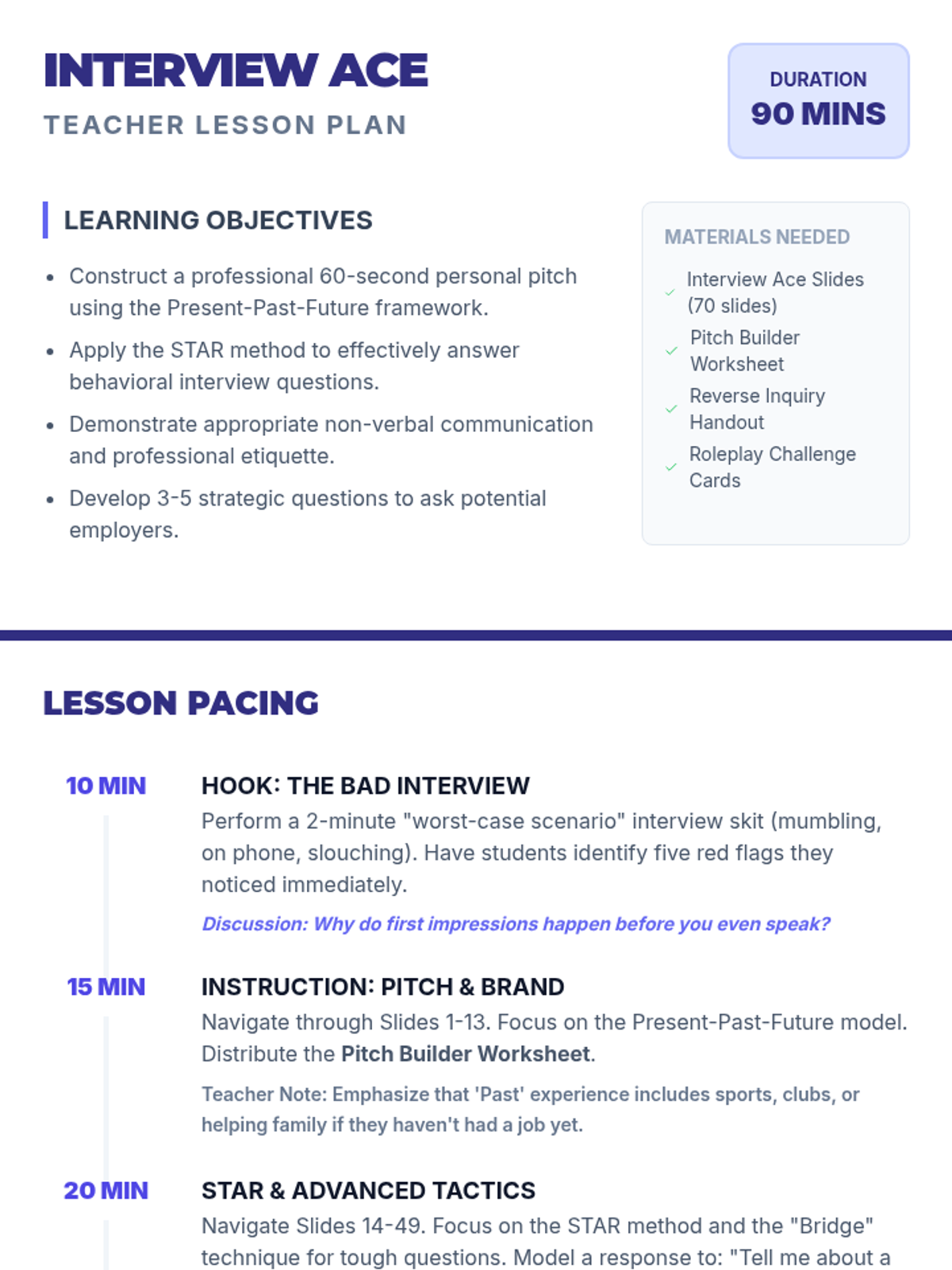
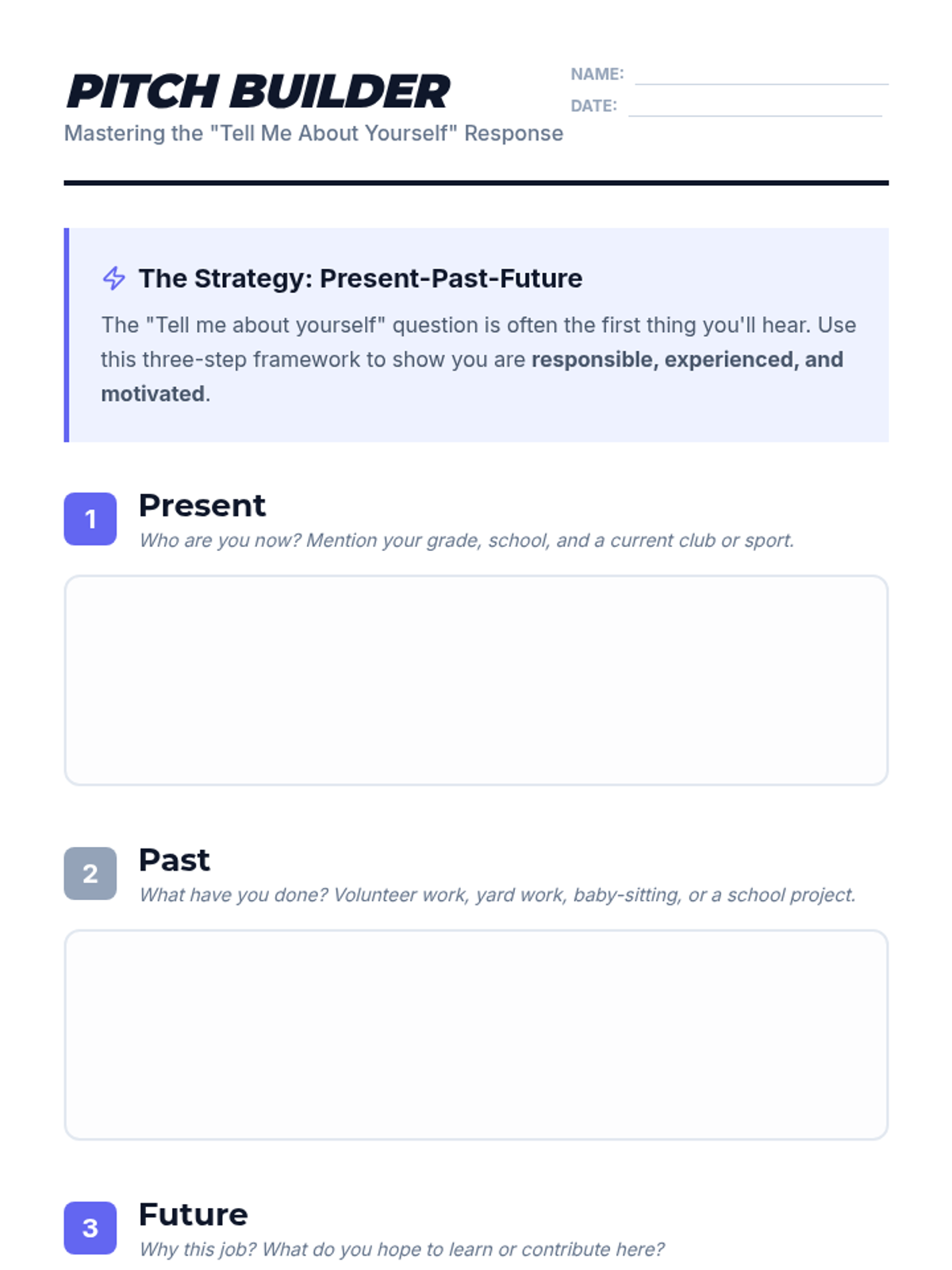
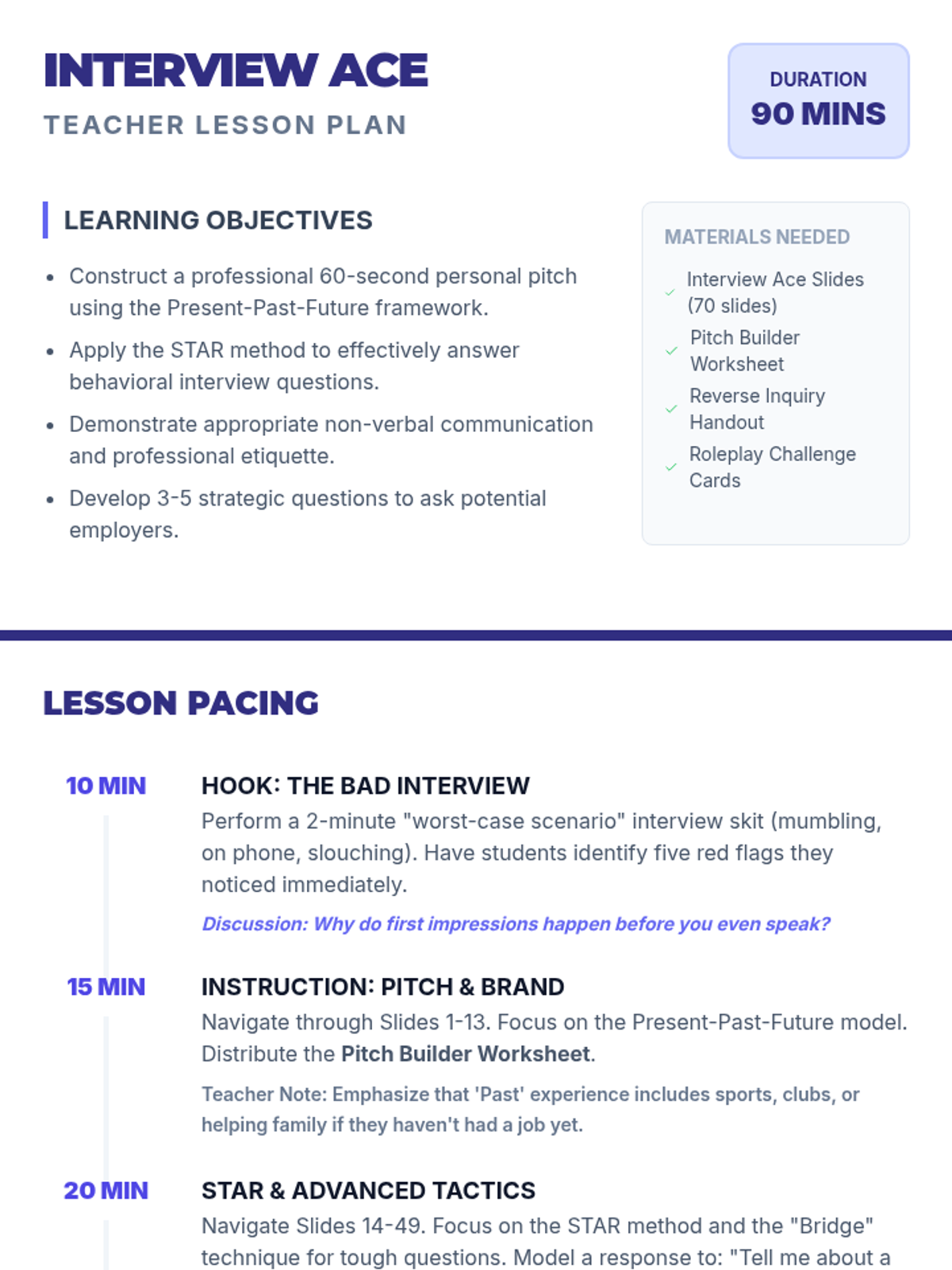
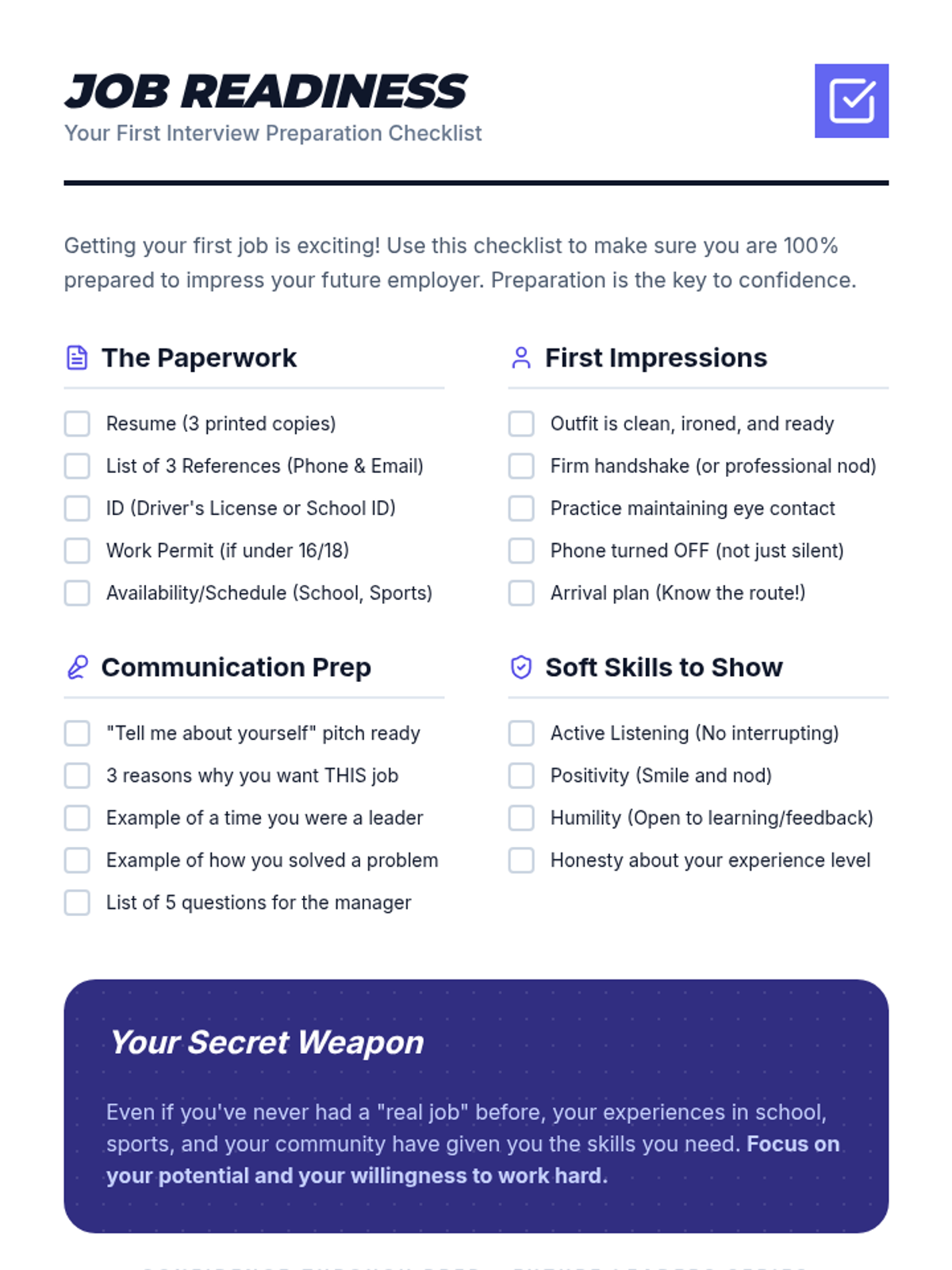
A comprehensive lesson for high school students on mastering their first job interviews, focusing on personal branding, soft skills, and professional inquiry.
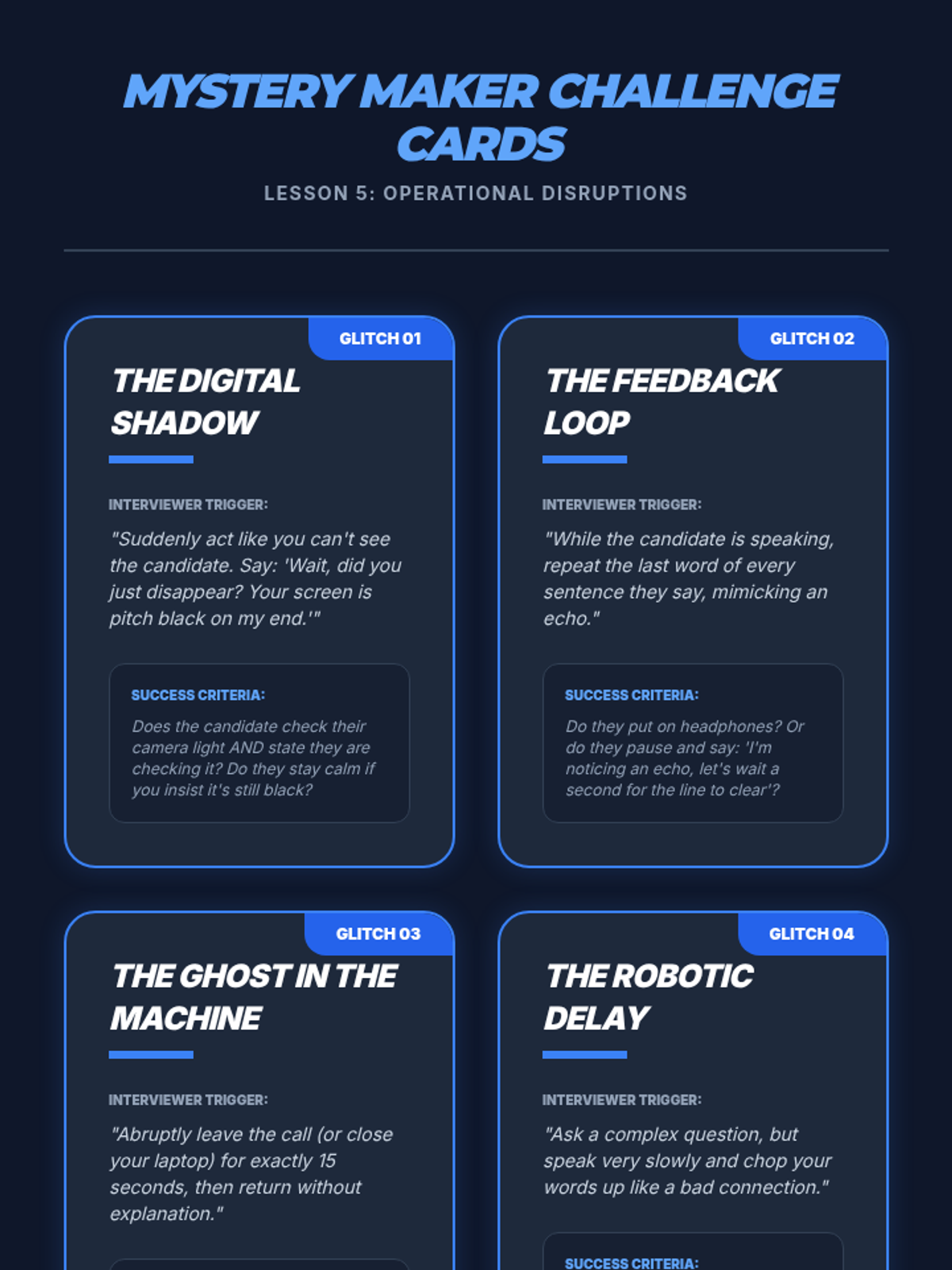
A gamified experience where students must complete an interview while the teacher introduces random obstacles (e.g., 'Your internet just froze,' 'You are on mute'). Students must recover professionally.
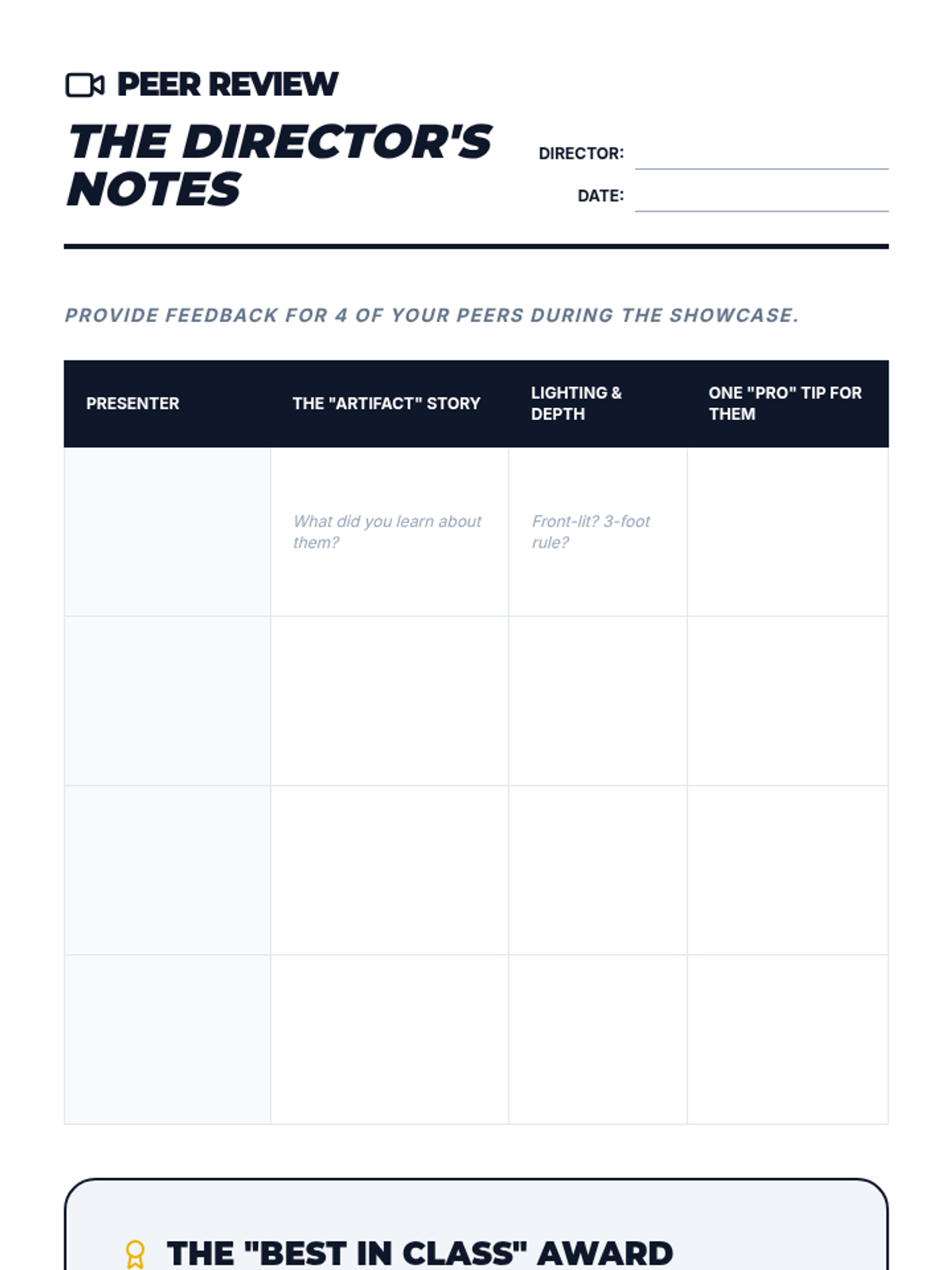
The final presentation where students showcase their 'interview corner' and receive peer feedback based on professional design principles.
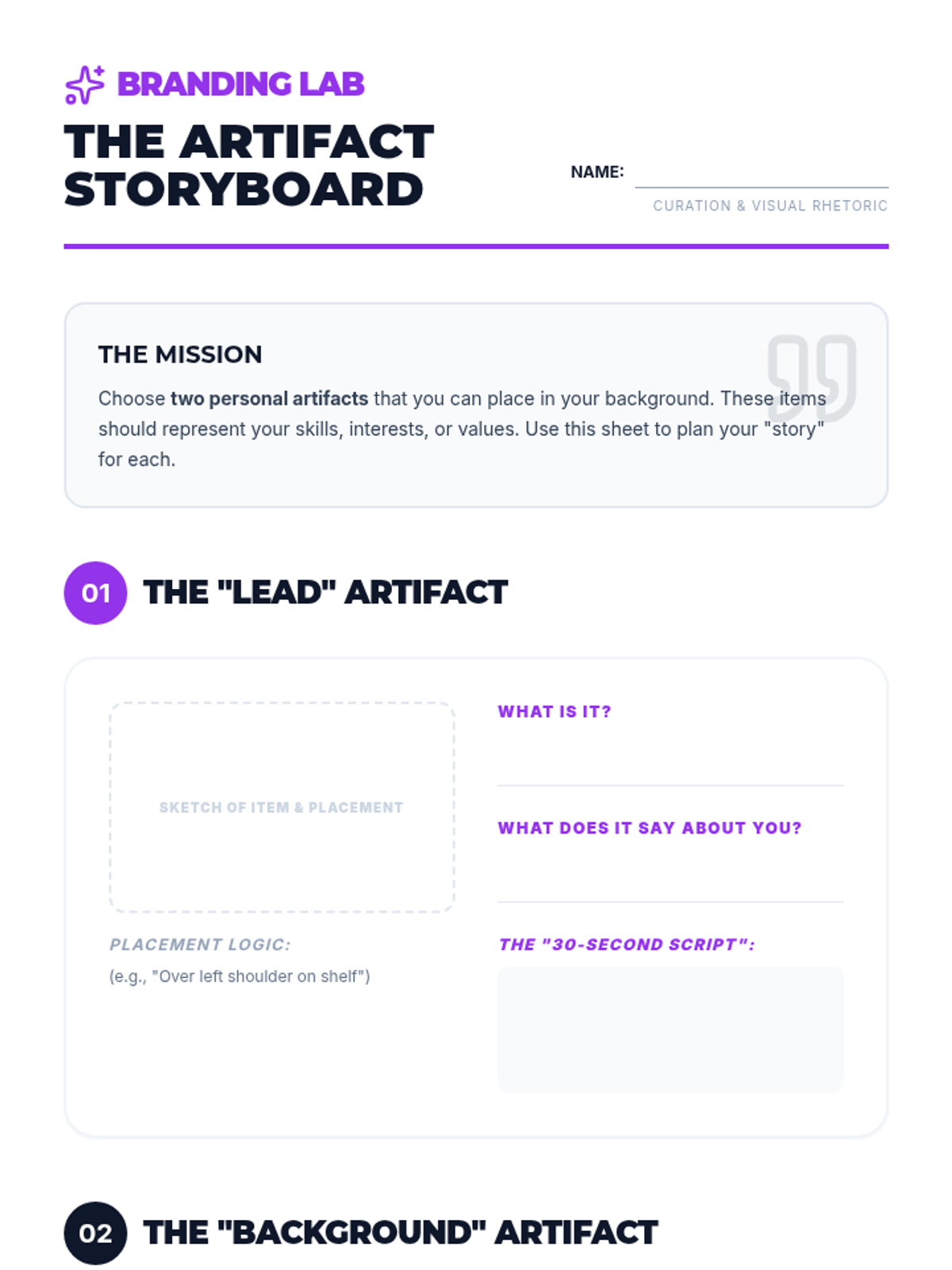
Students select and stage personal artifacts that tell a positive story about their interests, practicing how to use them as conversation starters.
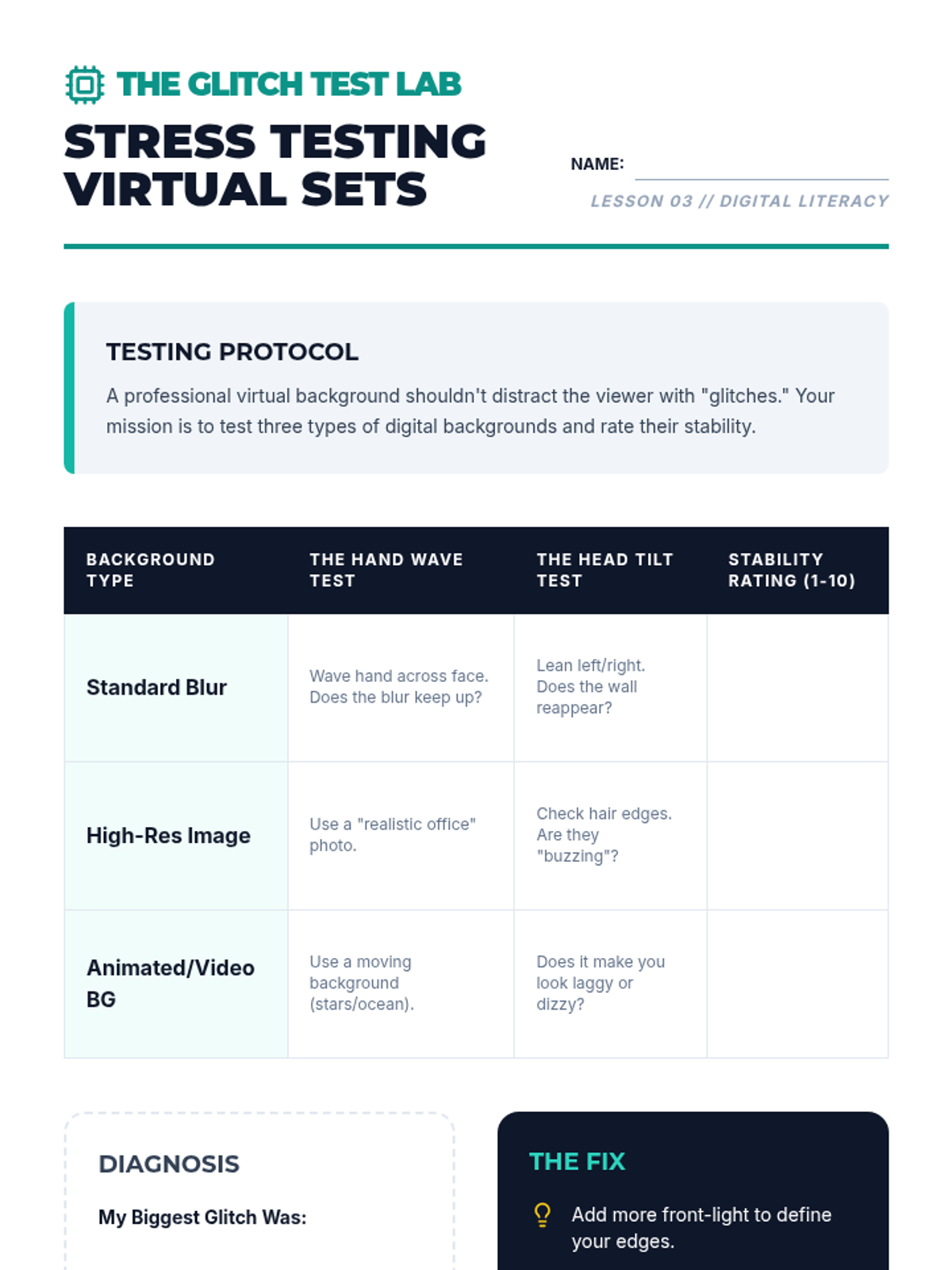
Learners explore the technical do's and don'ts of virtual backgrounds and blurring effects, testing for 'glitching' and professional aesthetics.
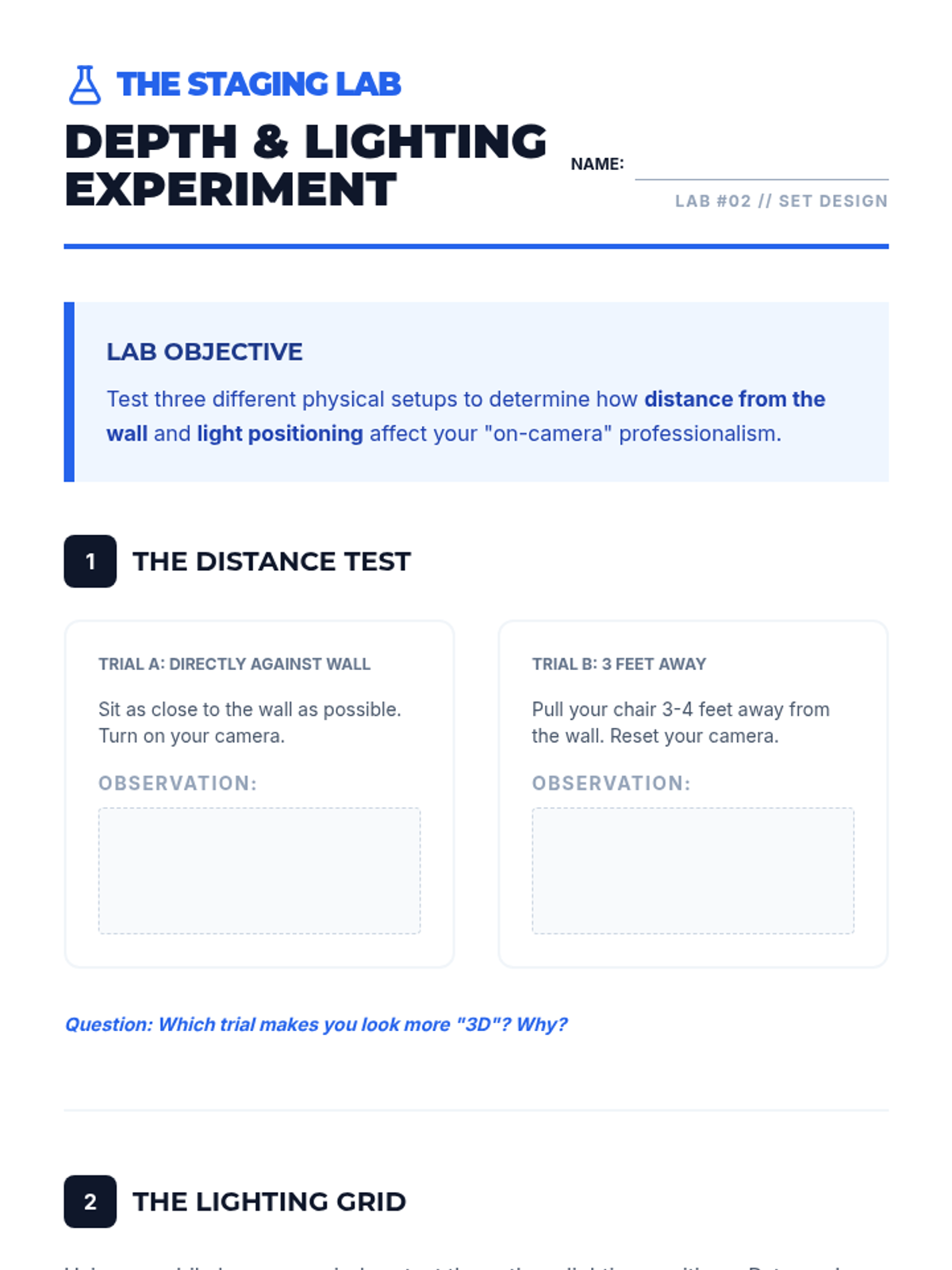
This lesson covers the concept of depth of field and lighting to avoid 'flat' backgrounds through practical experimentation.
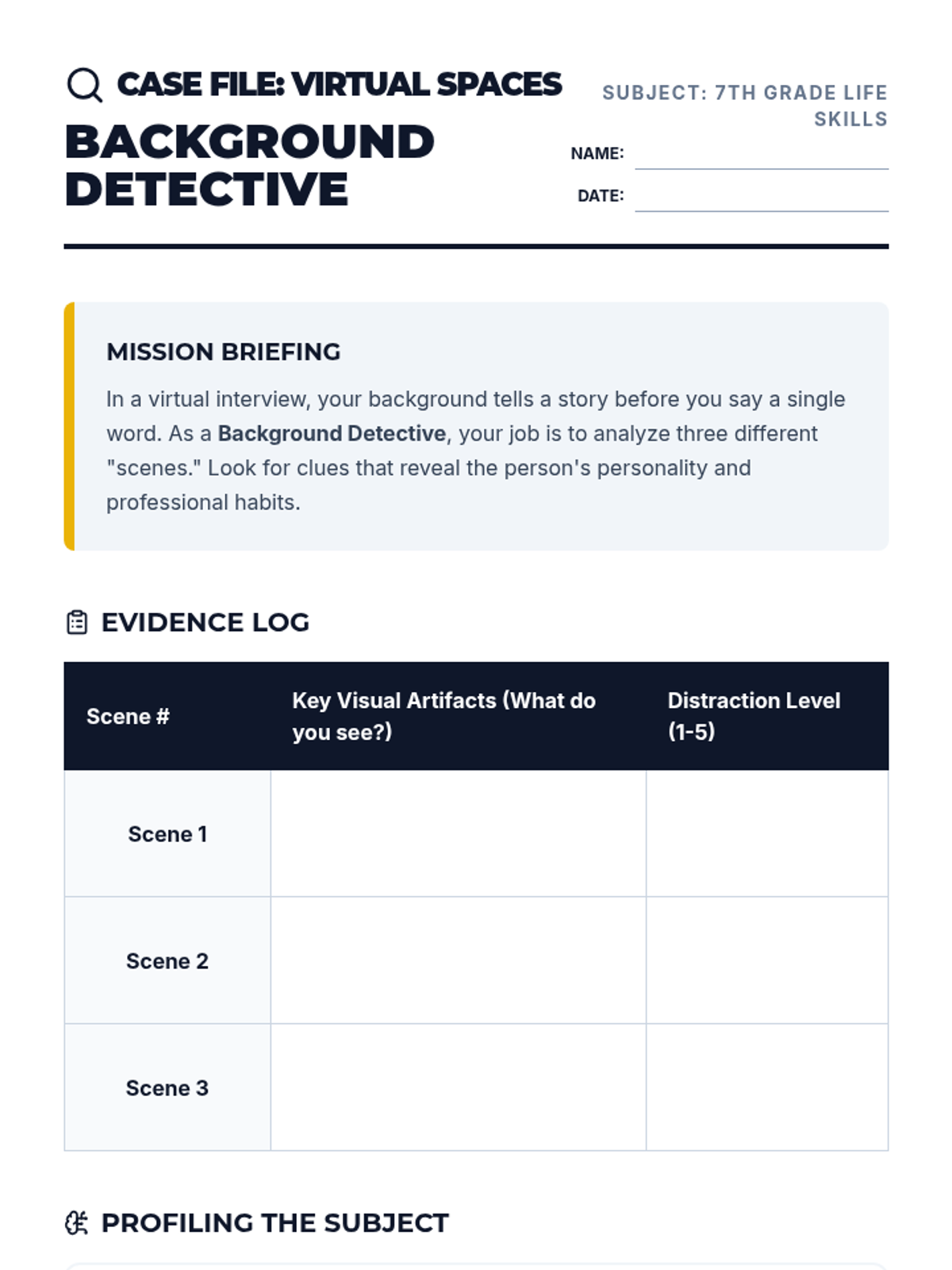
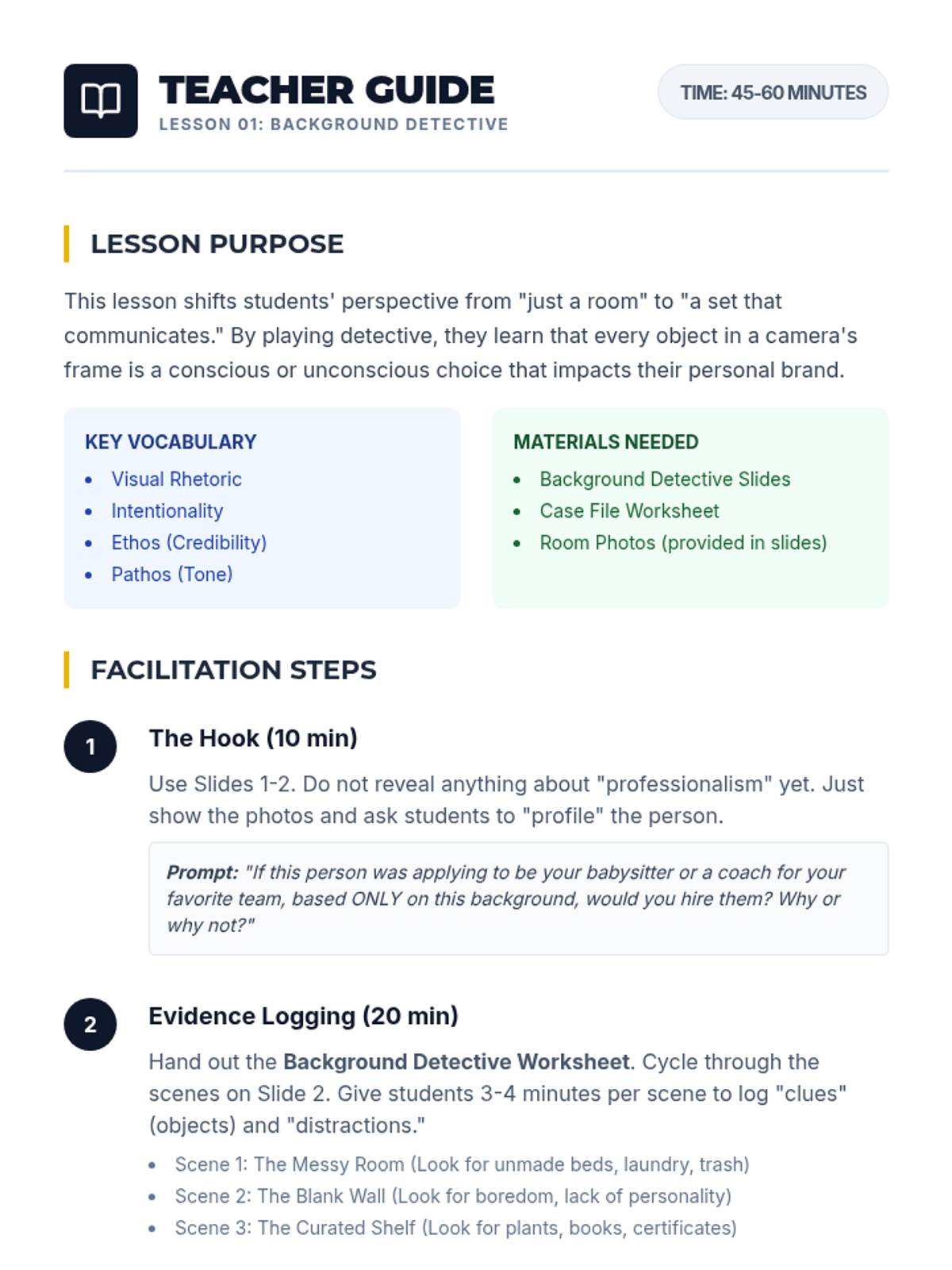
Students analyze screenshots of various backgrounds to identify professional versus distracting elements, playing 'Background Detective' to infer personality traits.
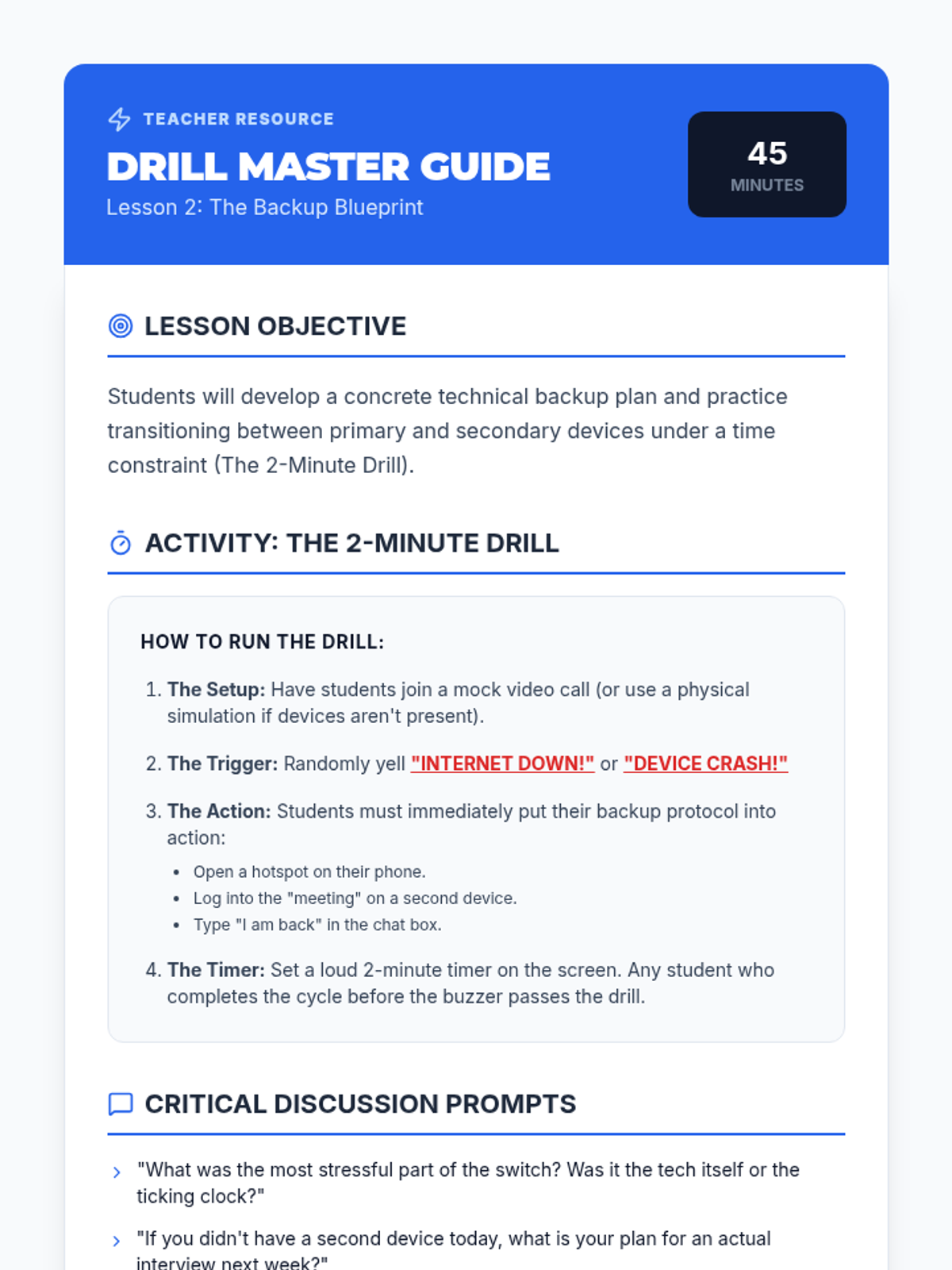
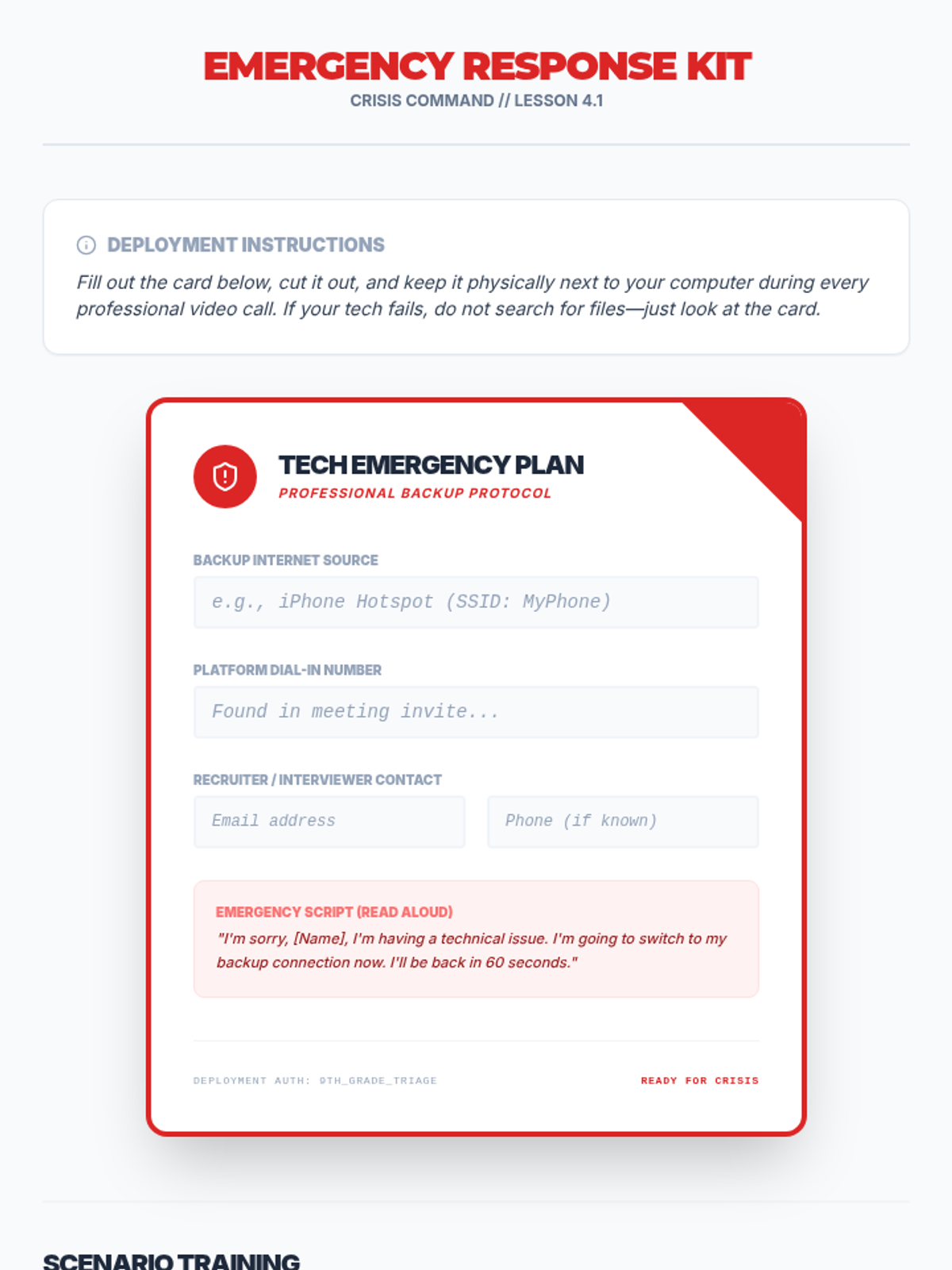
Students create a 'Tech Emergency Plan,' including having a phone hotspot ready or a dial-in number written down. The lesson emphasizes the importance of staying calm and communicating the issue to the interviewer.
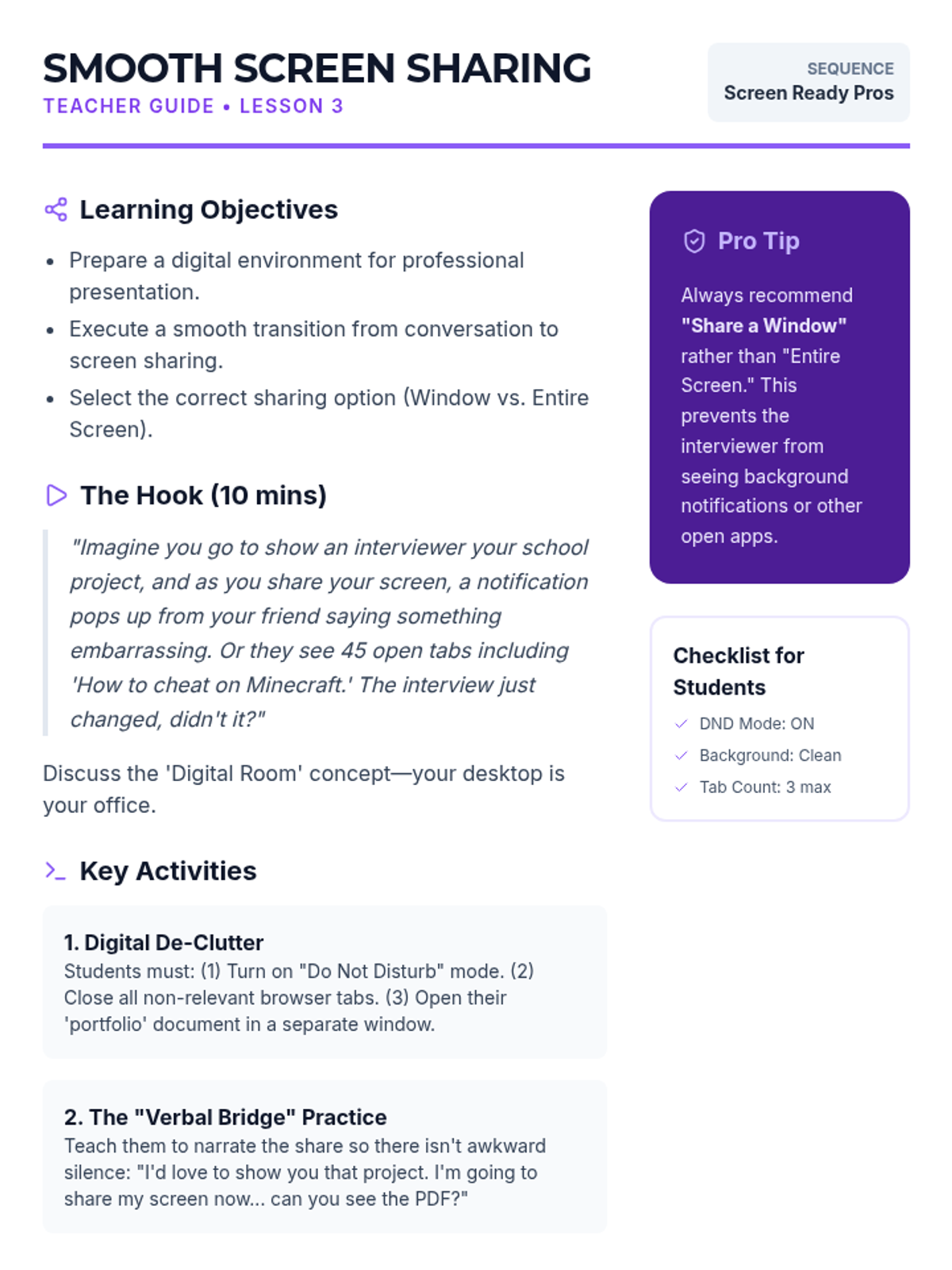
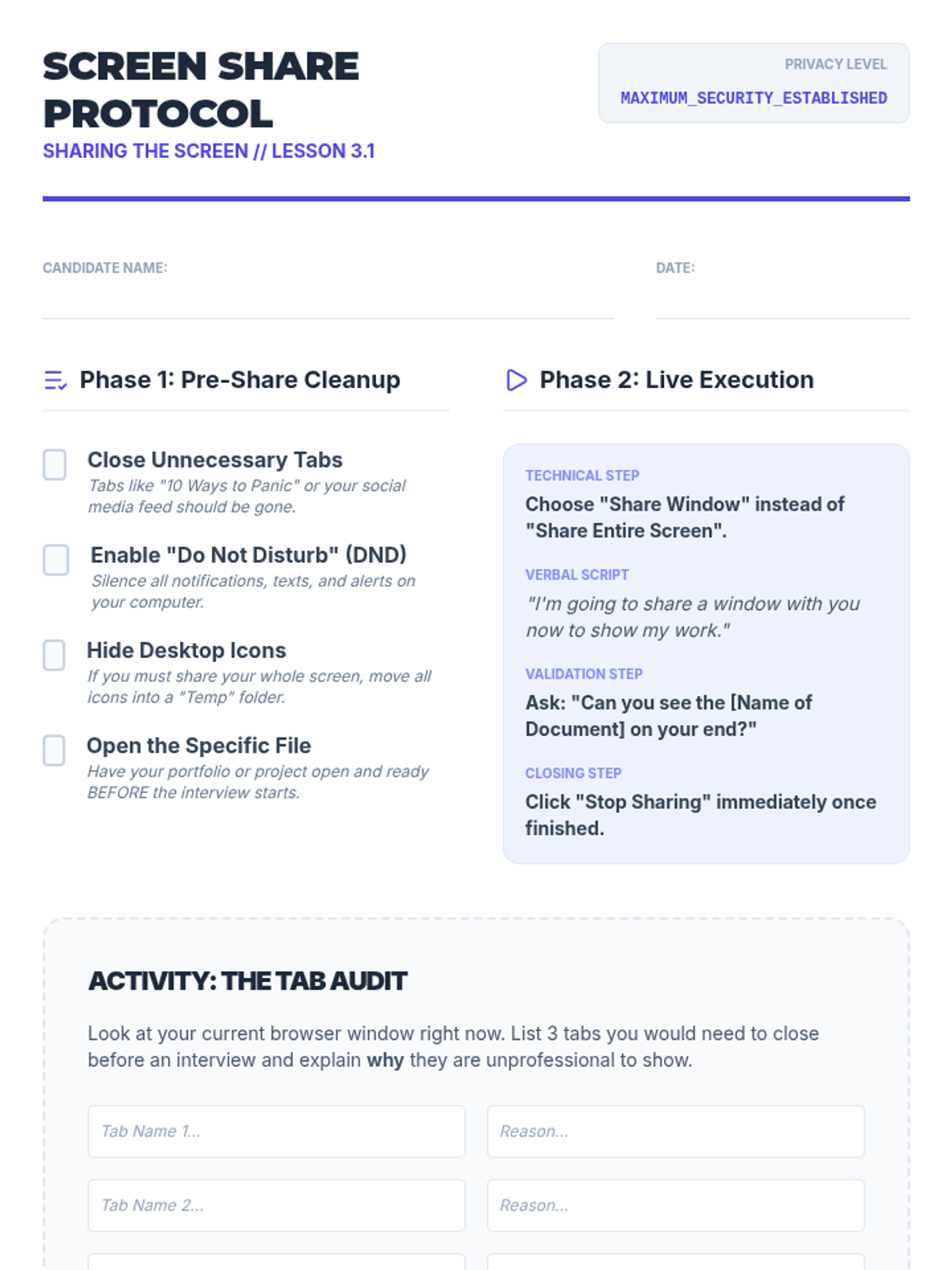
Focuses on the mechanics of sharing a screen for a portfolio or presentation. Students learn to close unrelated tabs, silence notifications, and transition smoothly between face-to-face and screen-share modes.
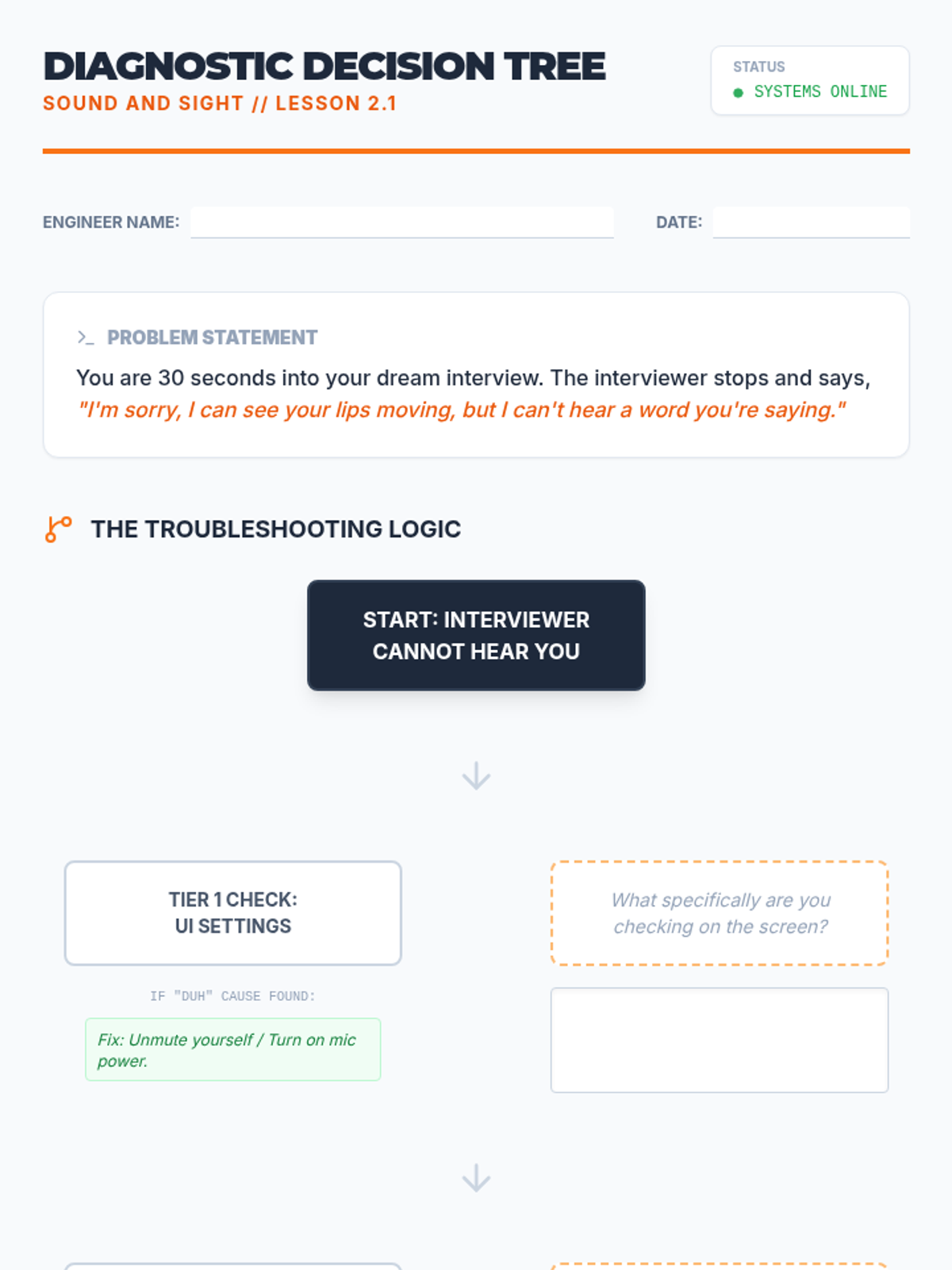
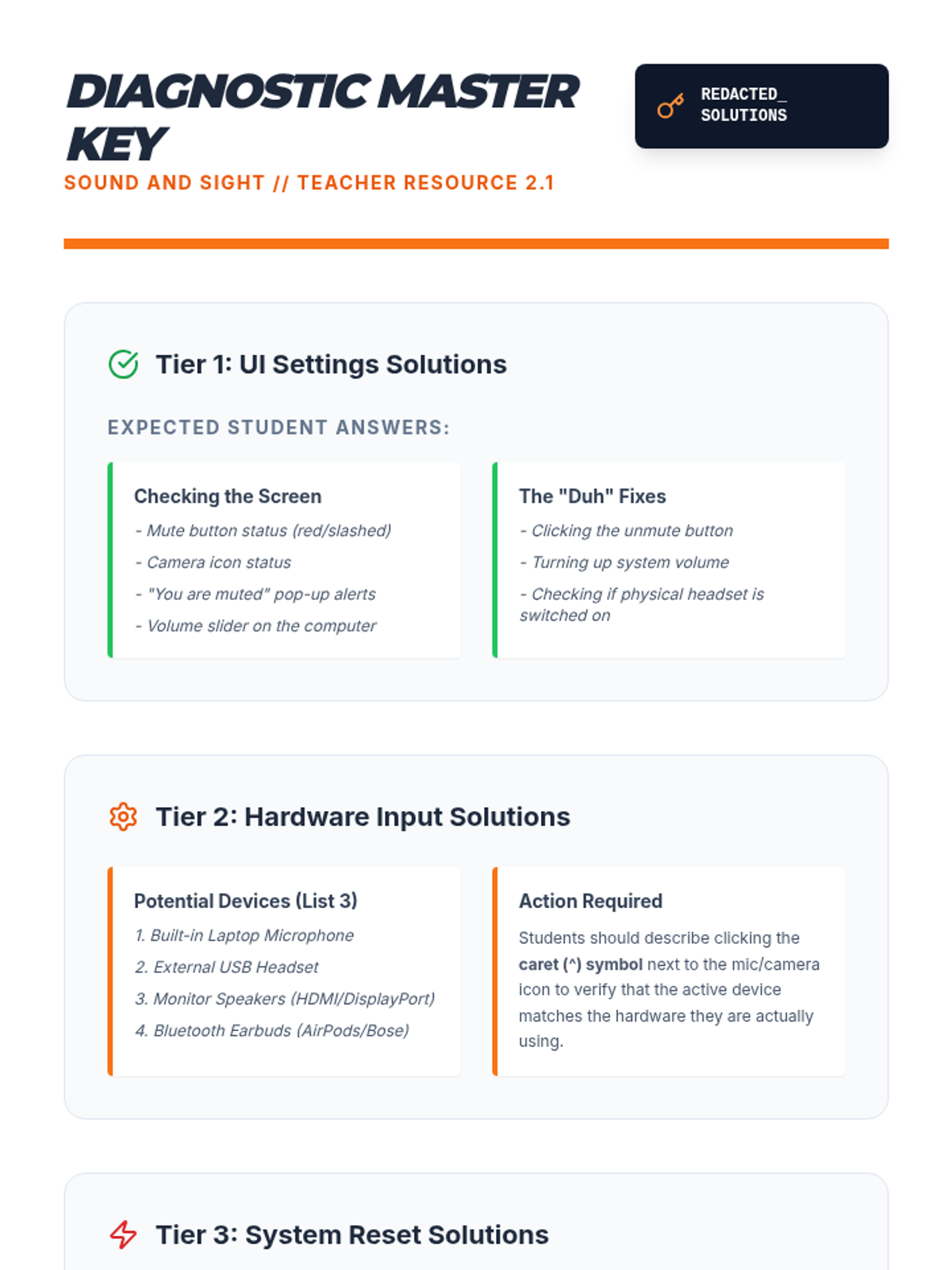
Students learn the standard checklist for when tech fails: checking connections, input settings, and restarting. They practice guiding a peer through fixing a simulated audio issue.
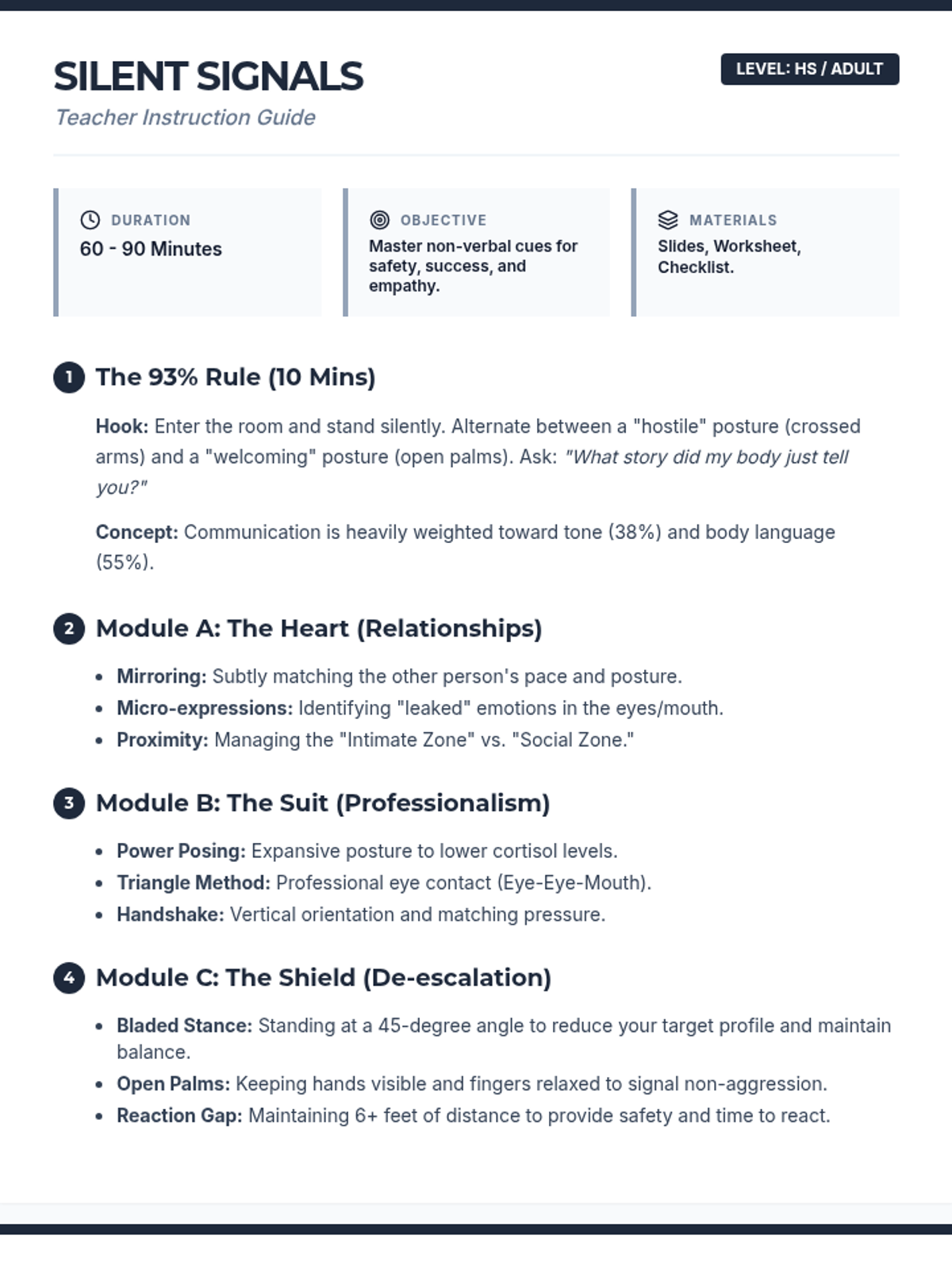
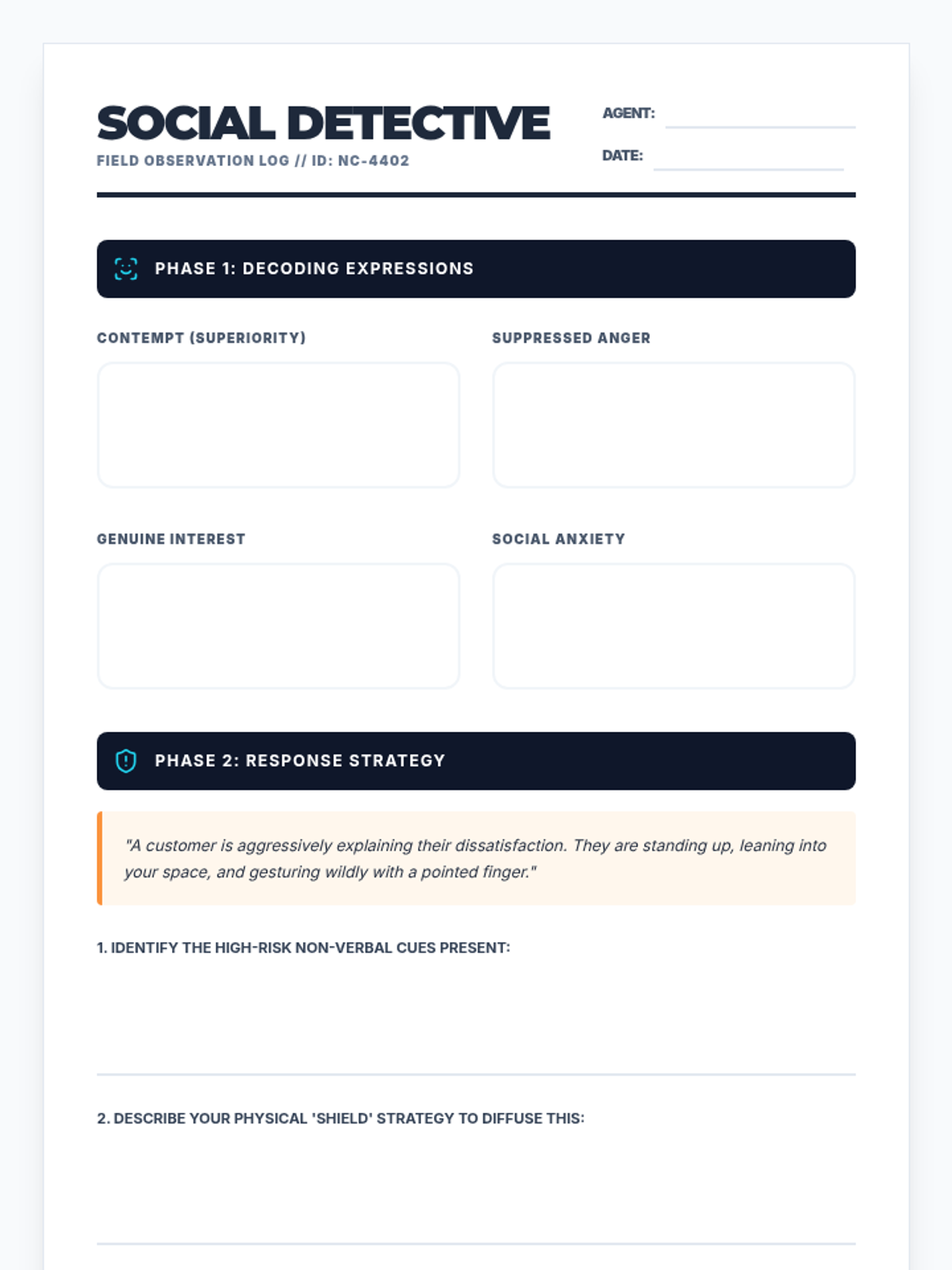
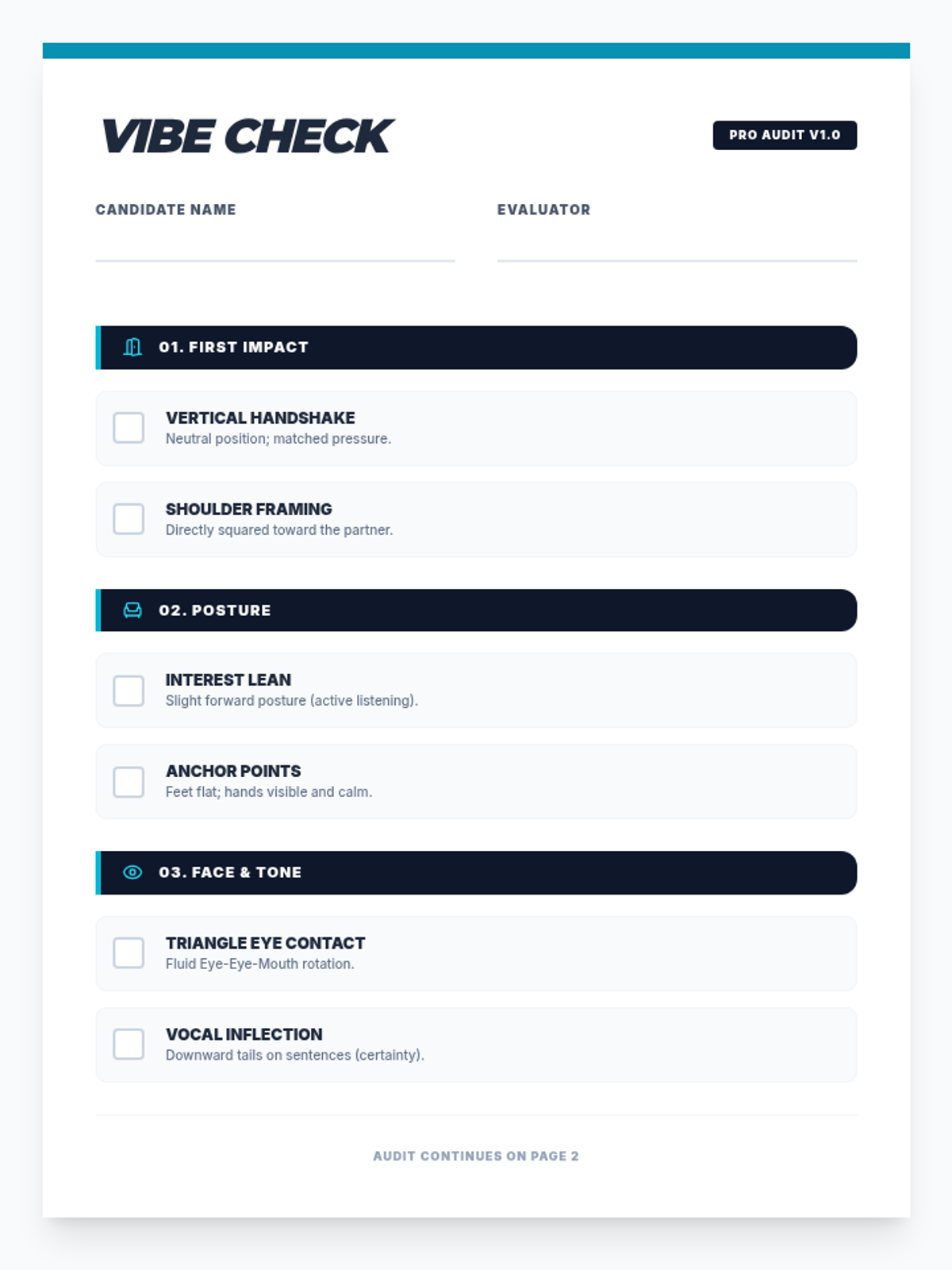
A comprehensive lesson on mastering non-verbal communication across interpersonal relationships, professional interviews, and high-stakes de-escalation scenarios. Students learn to decode 'silent signals' to improve empathy, professionalism, and safety.
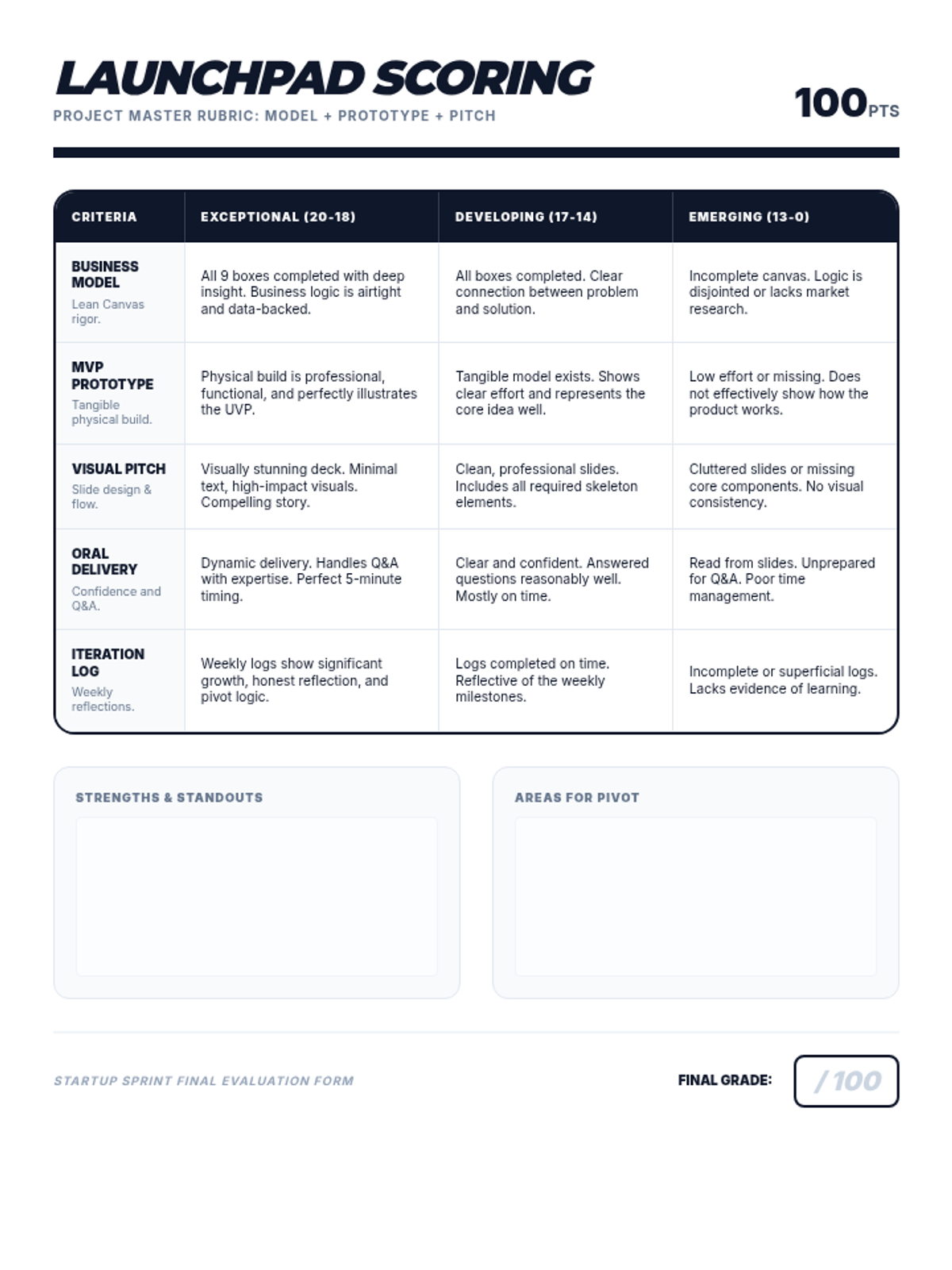
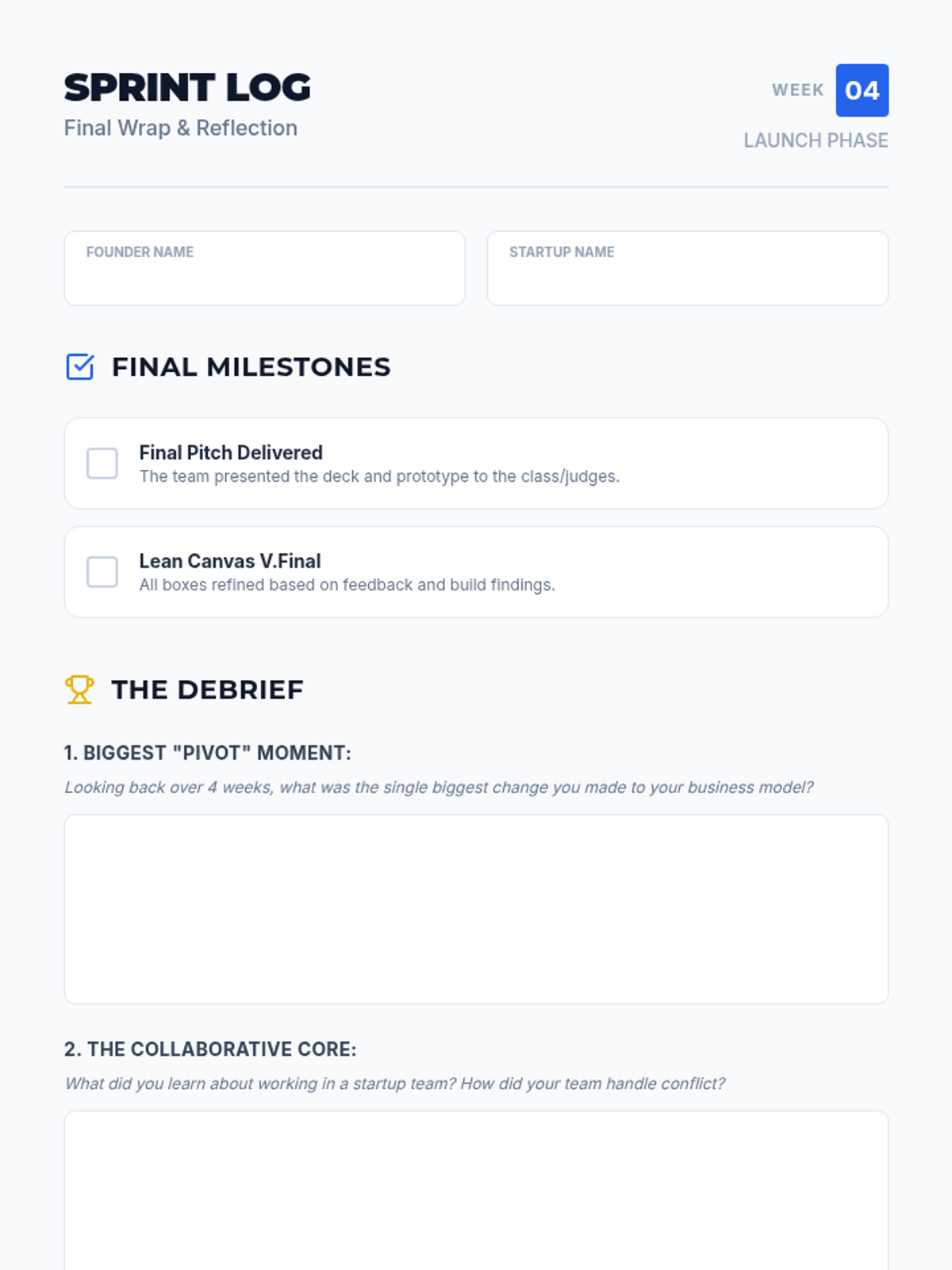
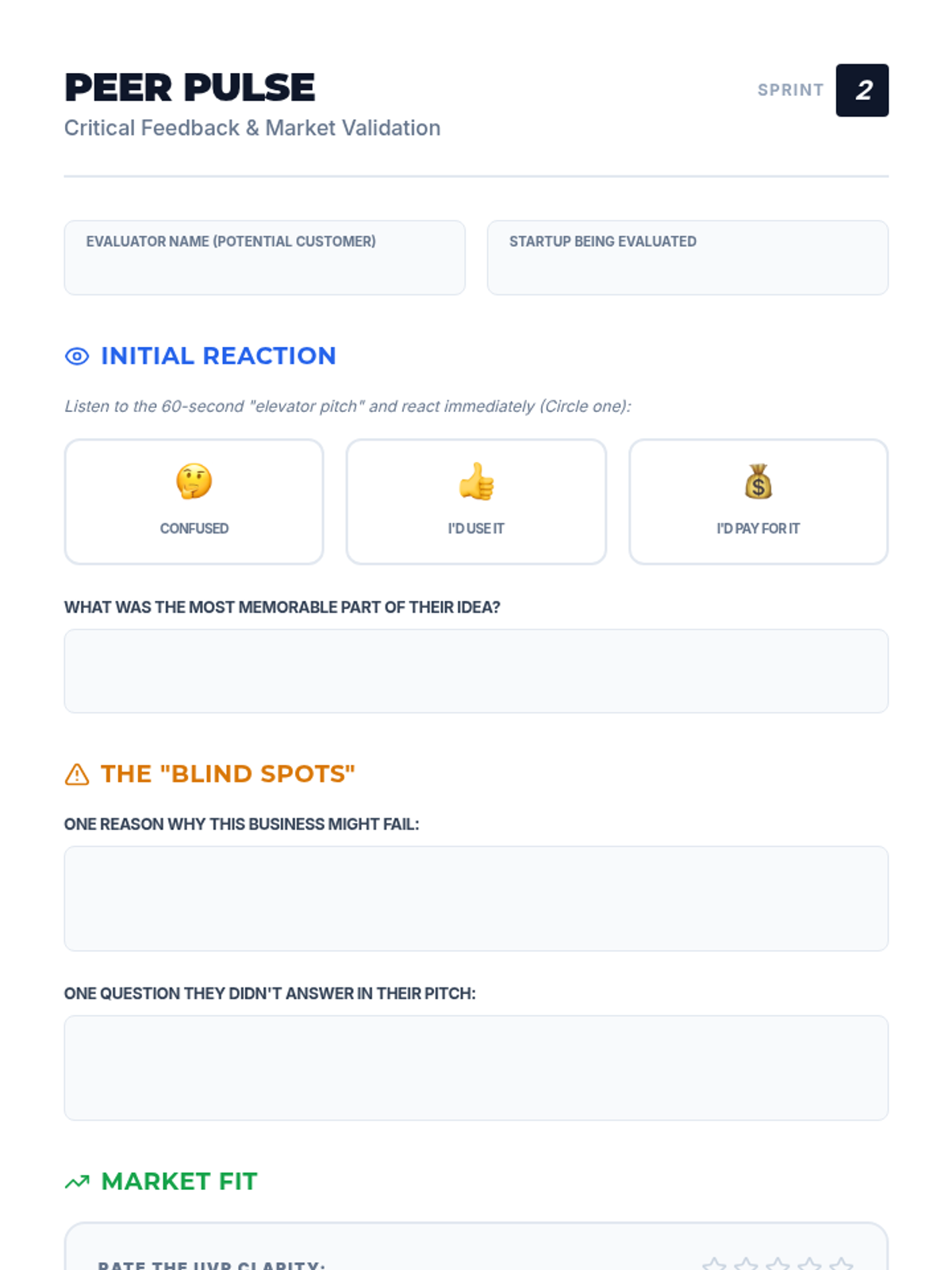
Final refinement of the business model and prototype, culminating in a professional pitch presentation and project reflection.
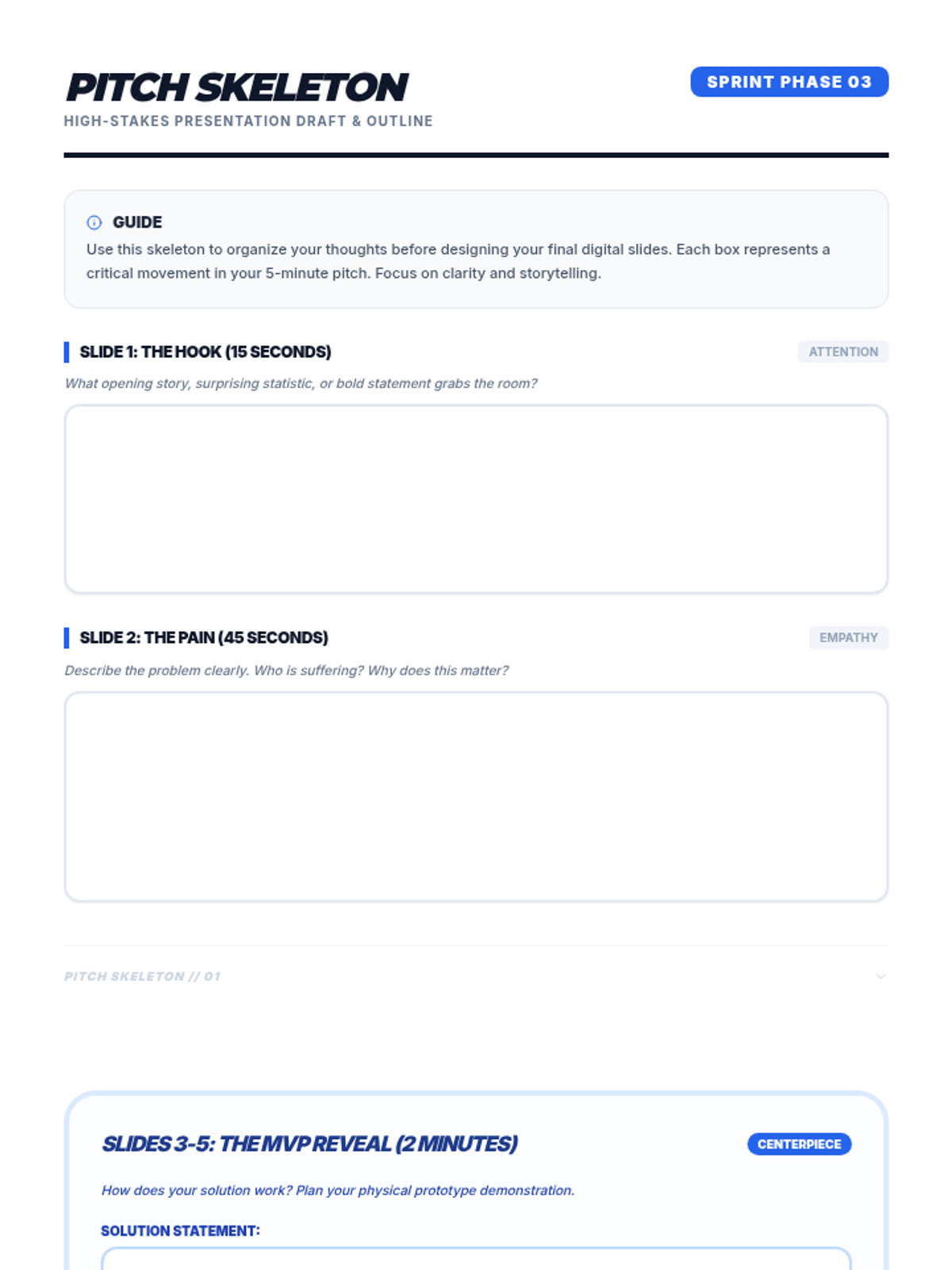
Focus on developing a tangible Minimum Viable Product (MVP) and drafting the initial pitch deck structure.
Deep dive into customer segments, marketing channels, and the financial foundations of the business model.
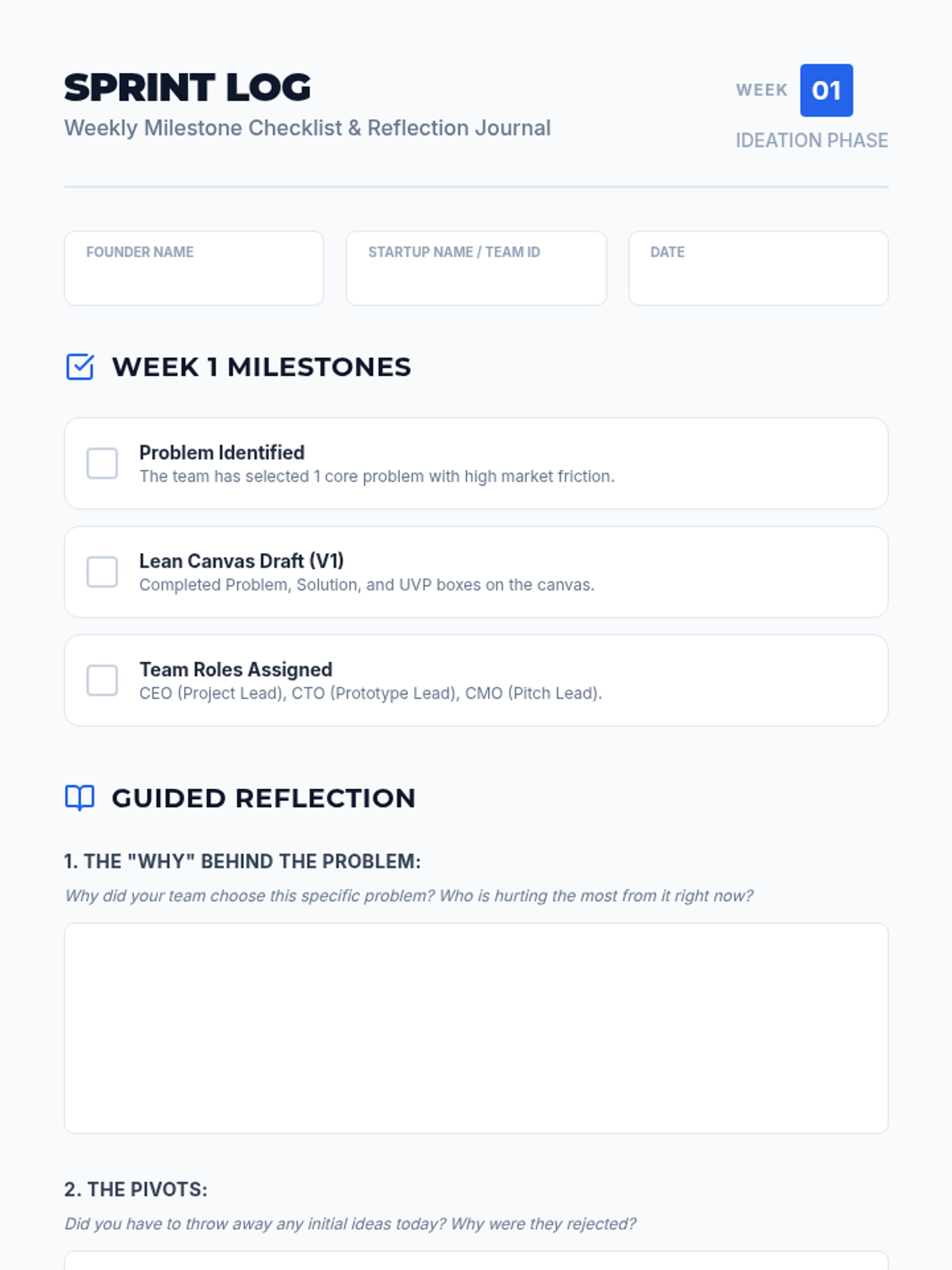
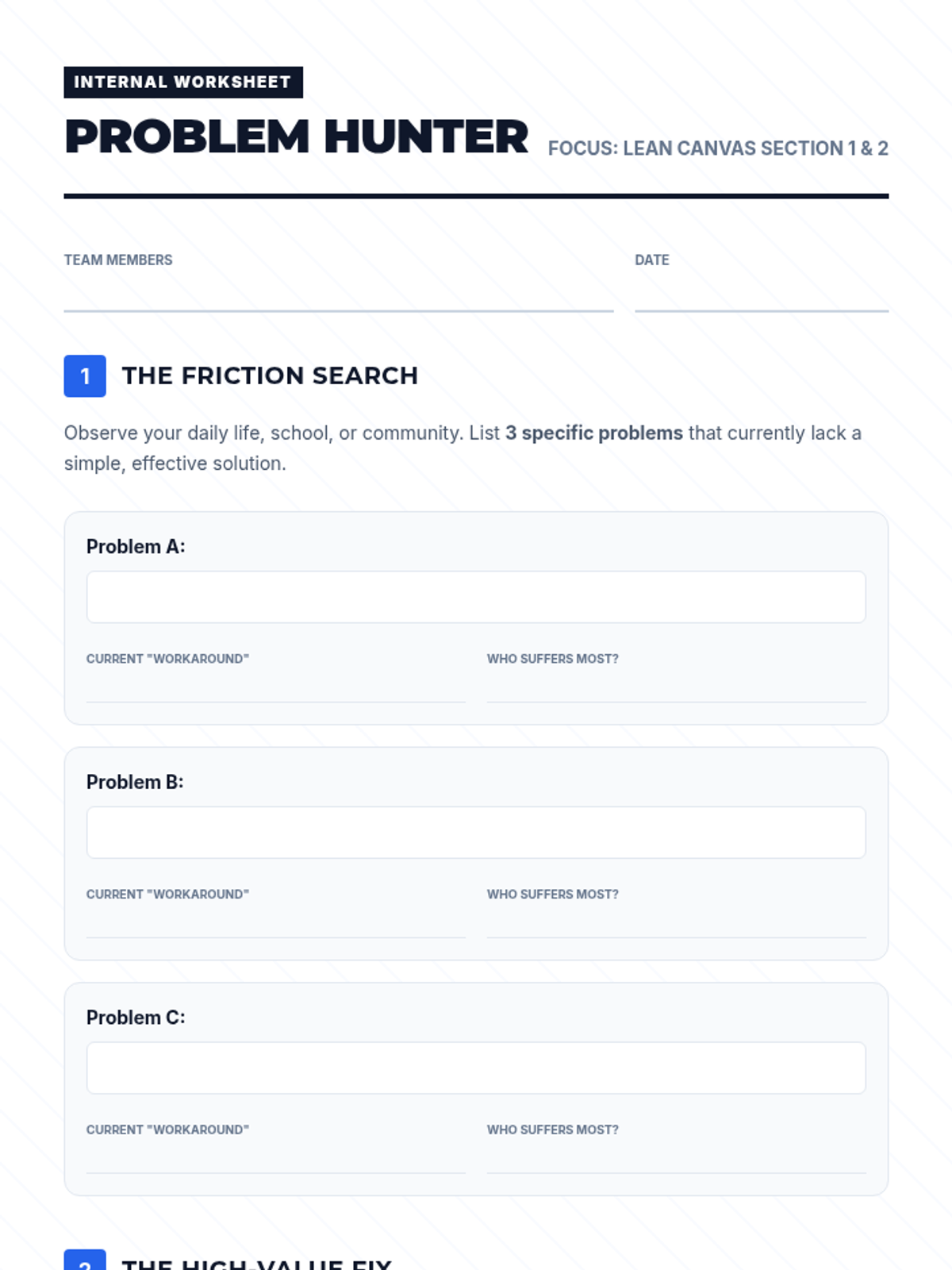
Introduction to the Lean Canvas, project expectations, and the ideation process focusing on identifying high-value problems and innovative solutions.
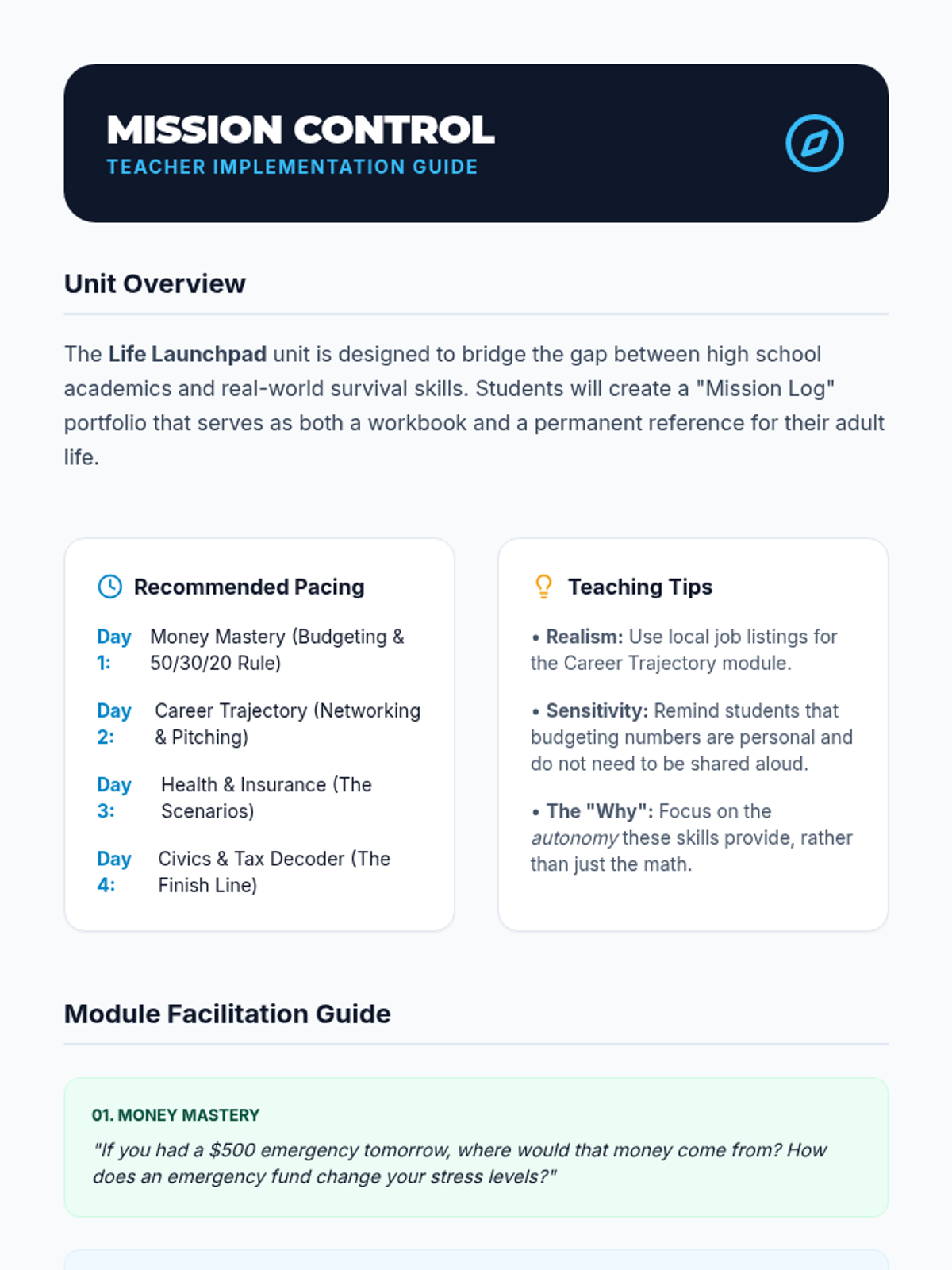
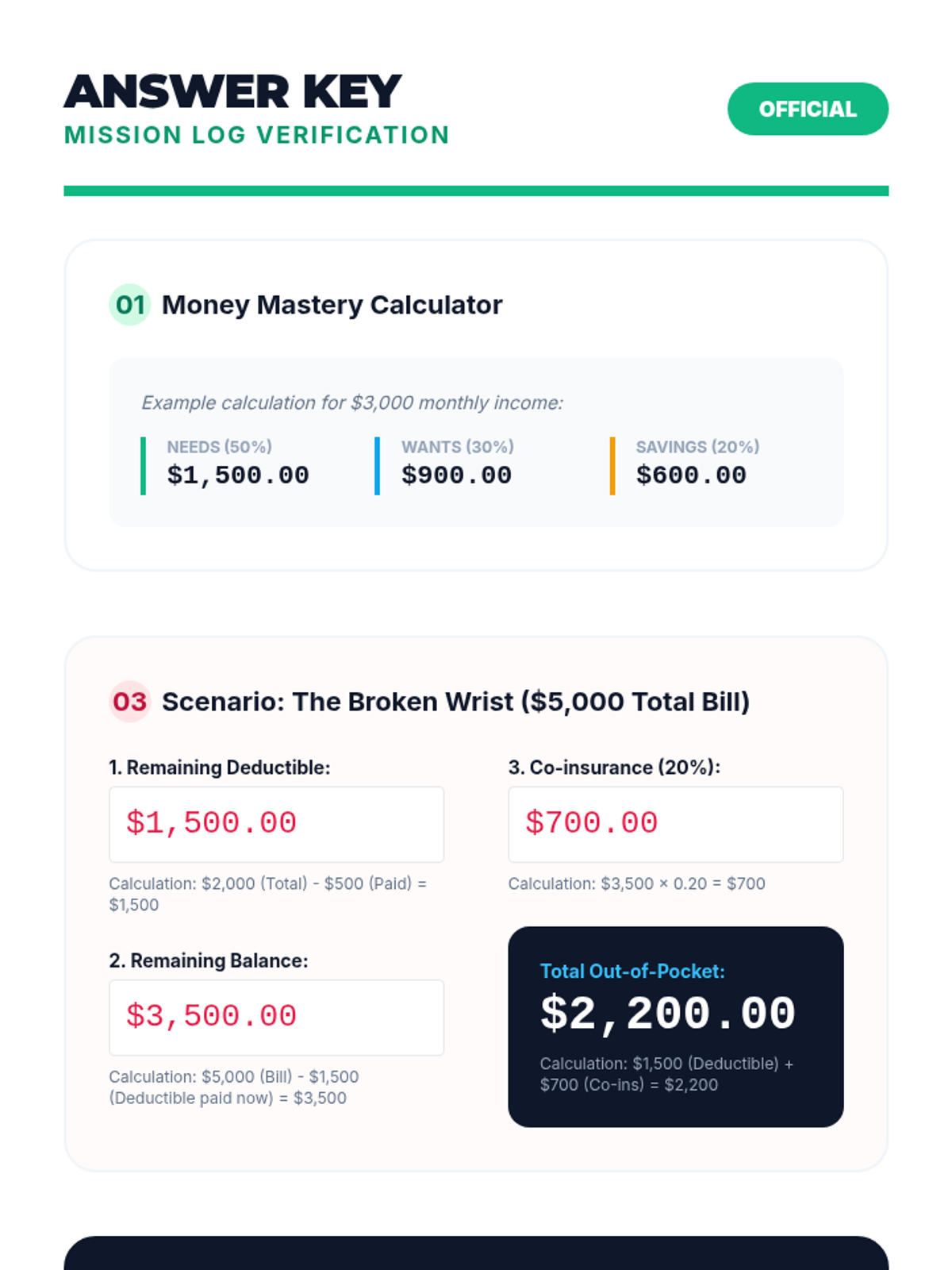
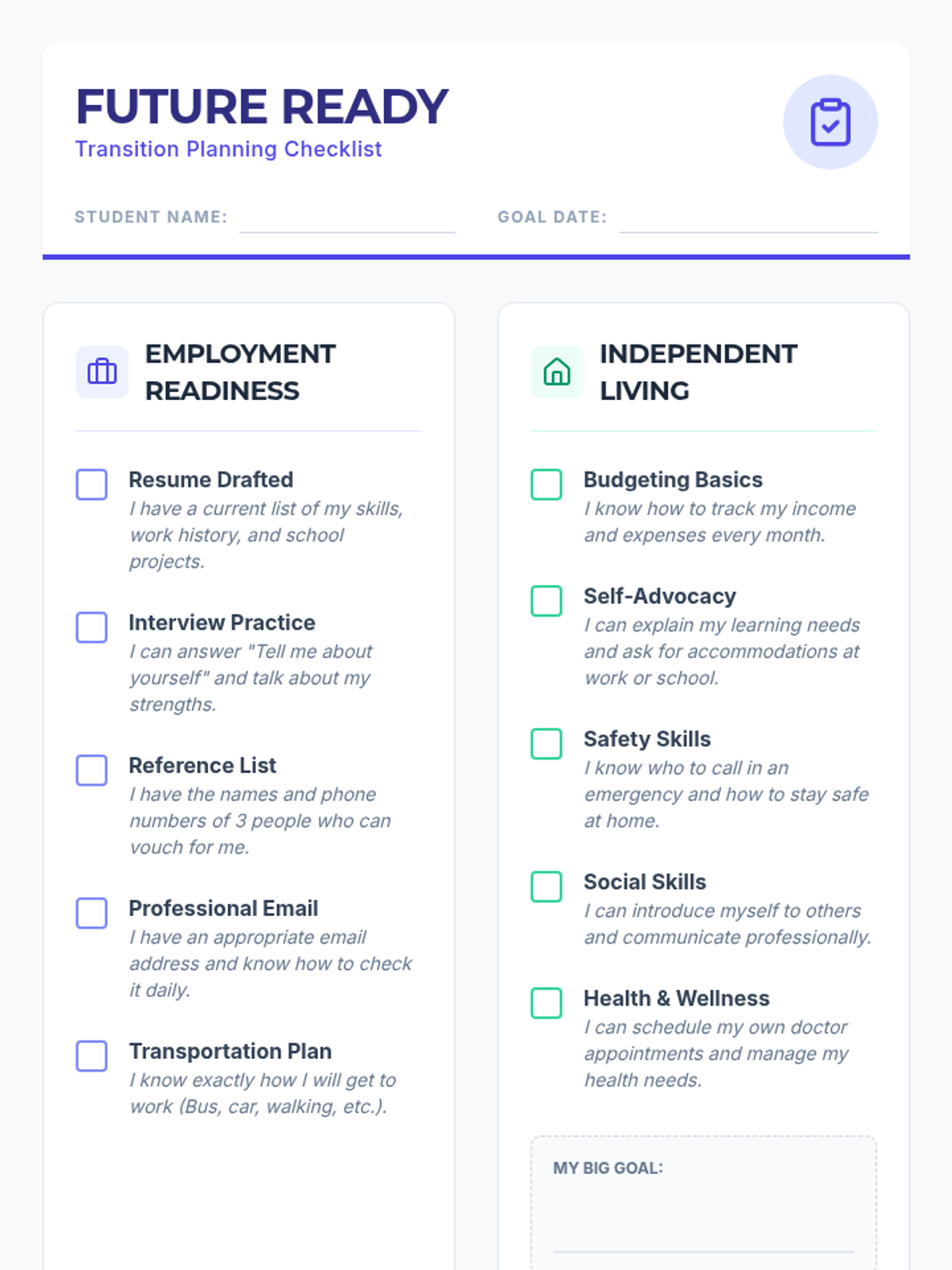
A comprehensive transition-to-adulthood curriculum covering financial literacy, career planning, health navigation, and civic engagement. Students build a personal 'mission log' portfolio to prepare for independent life.
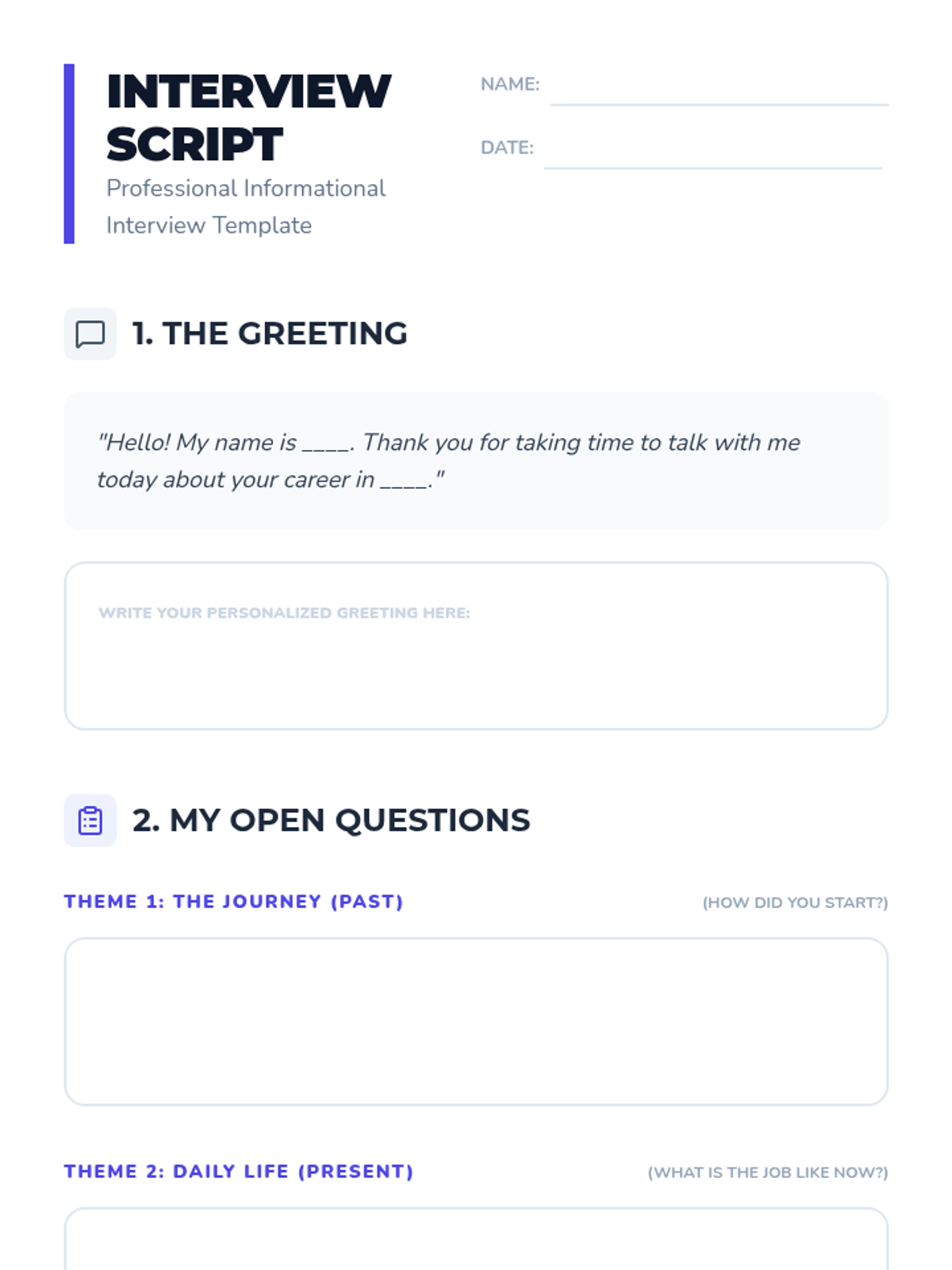
A lesson focused on functional communication skills for conducting informational interviews with creative professionals, specifically animators and tattoo artists. Students learn to draft open-ended questions and structure a professional conversation.
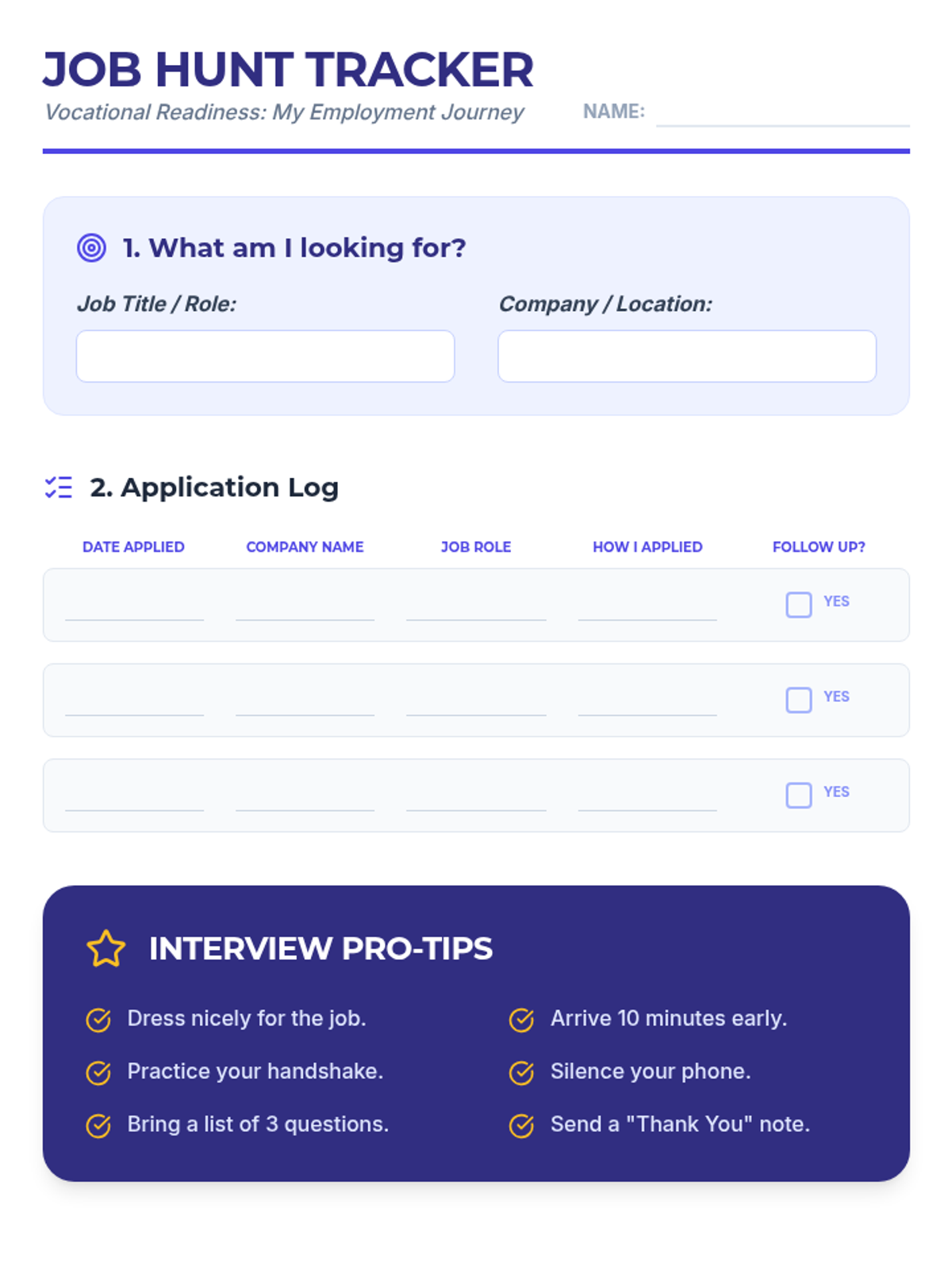
Building essential job-seeking skills, including application completion, interview preparation, and understanding job roles.
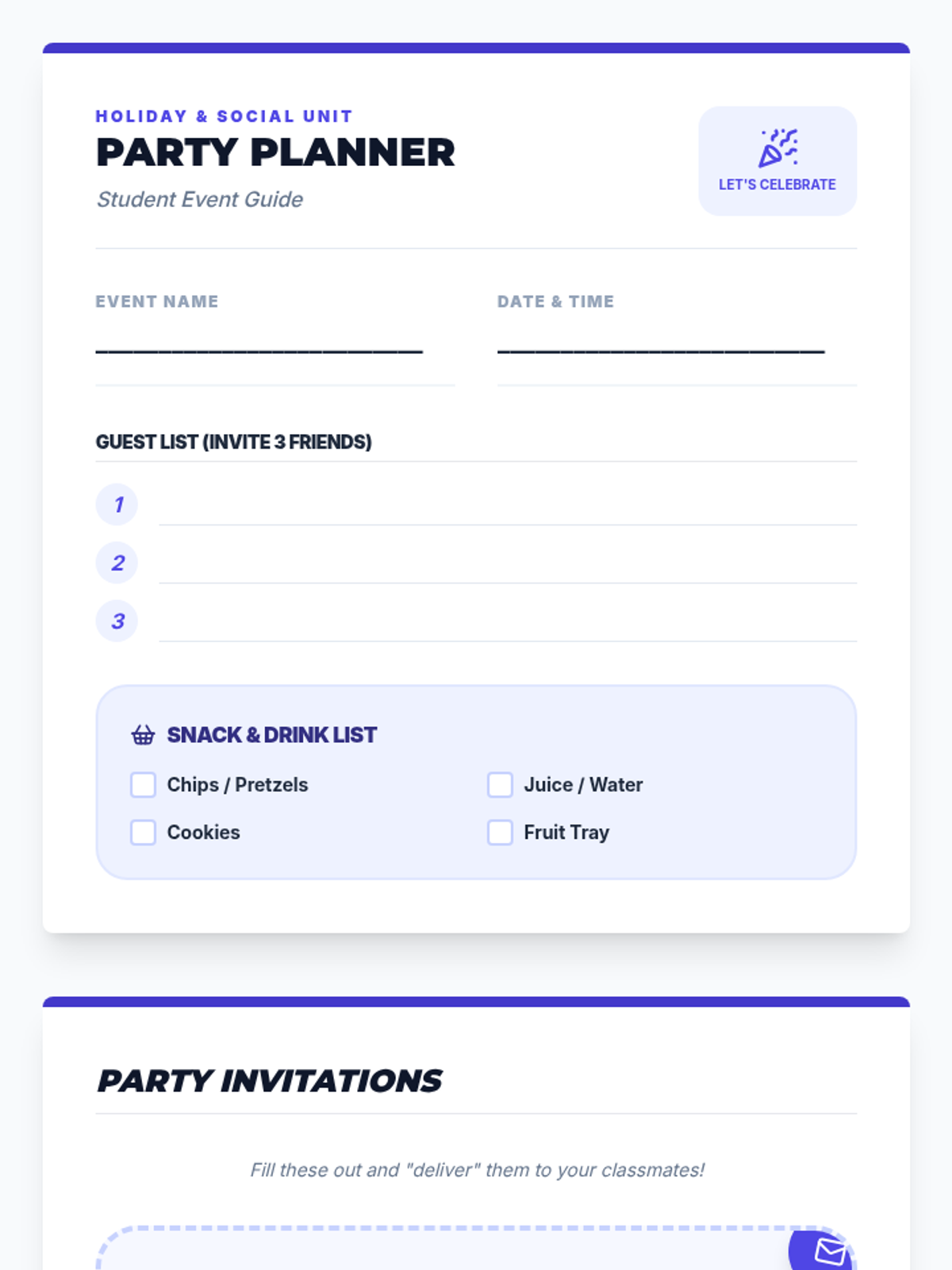
Planning social gatherings, managing invitations, and practicing etiquette for holiday and community events.
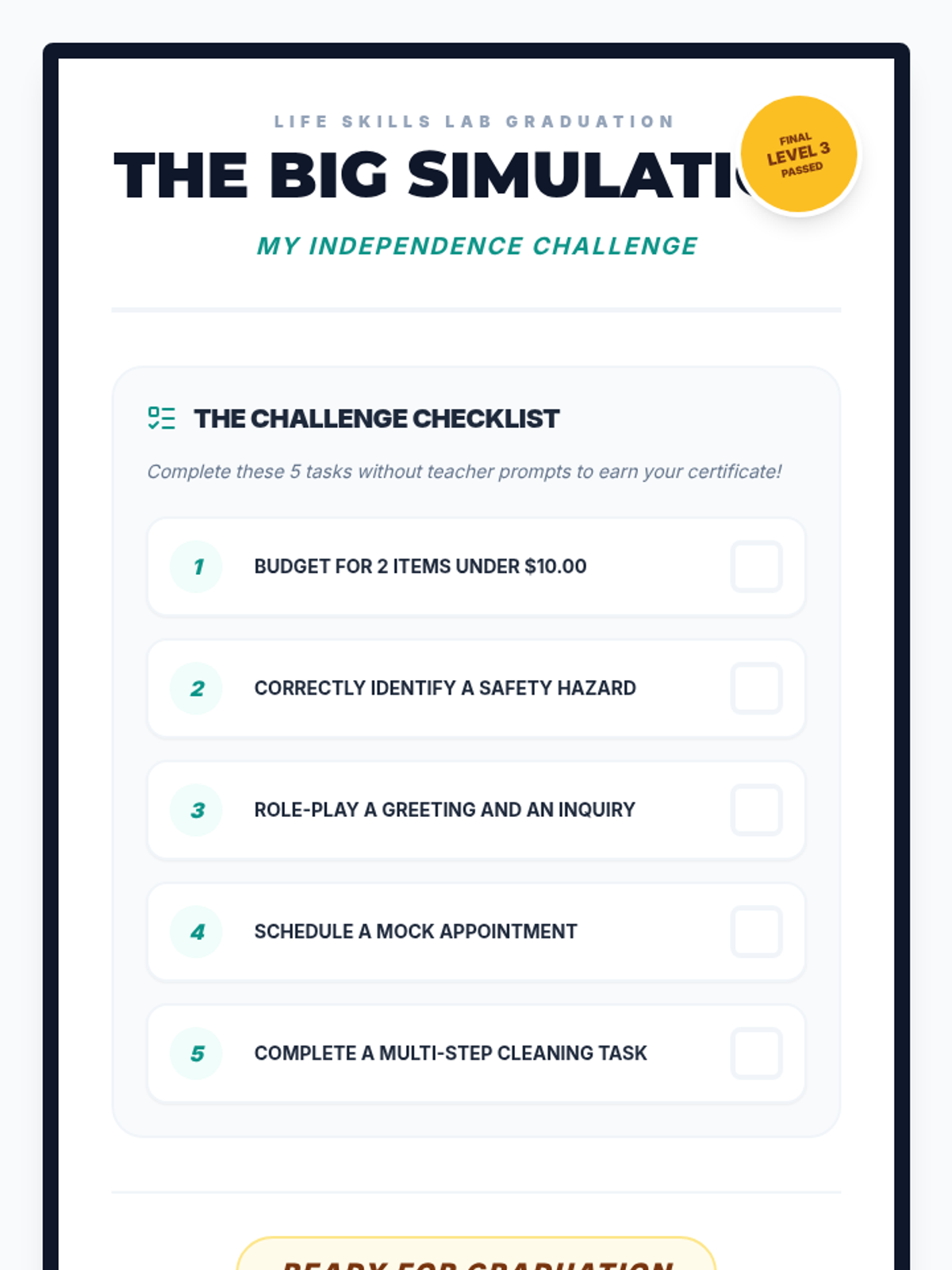
The capstone unit of the program, where students apply all learned skills in complex, multi-step simulations of independent adult life.
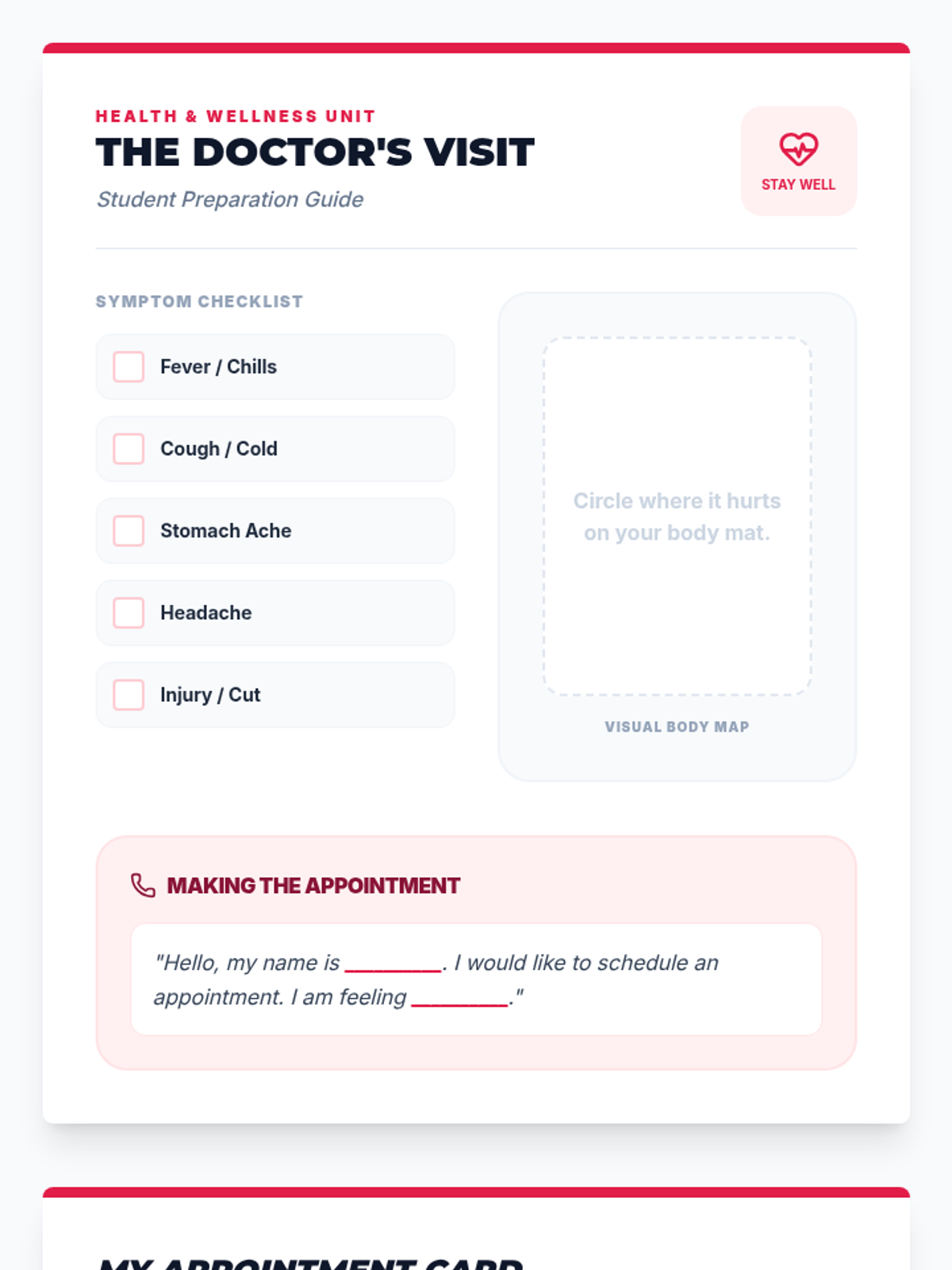
Navigating healthcare settings, identifying body parts and symptoms, and practicing social scripts for making and attending medical appointments.
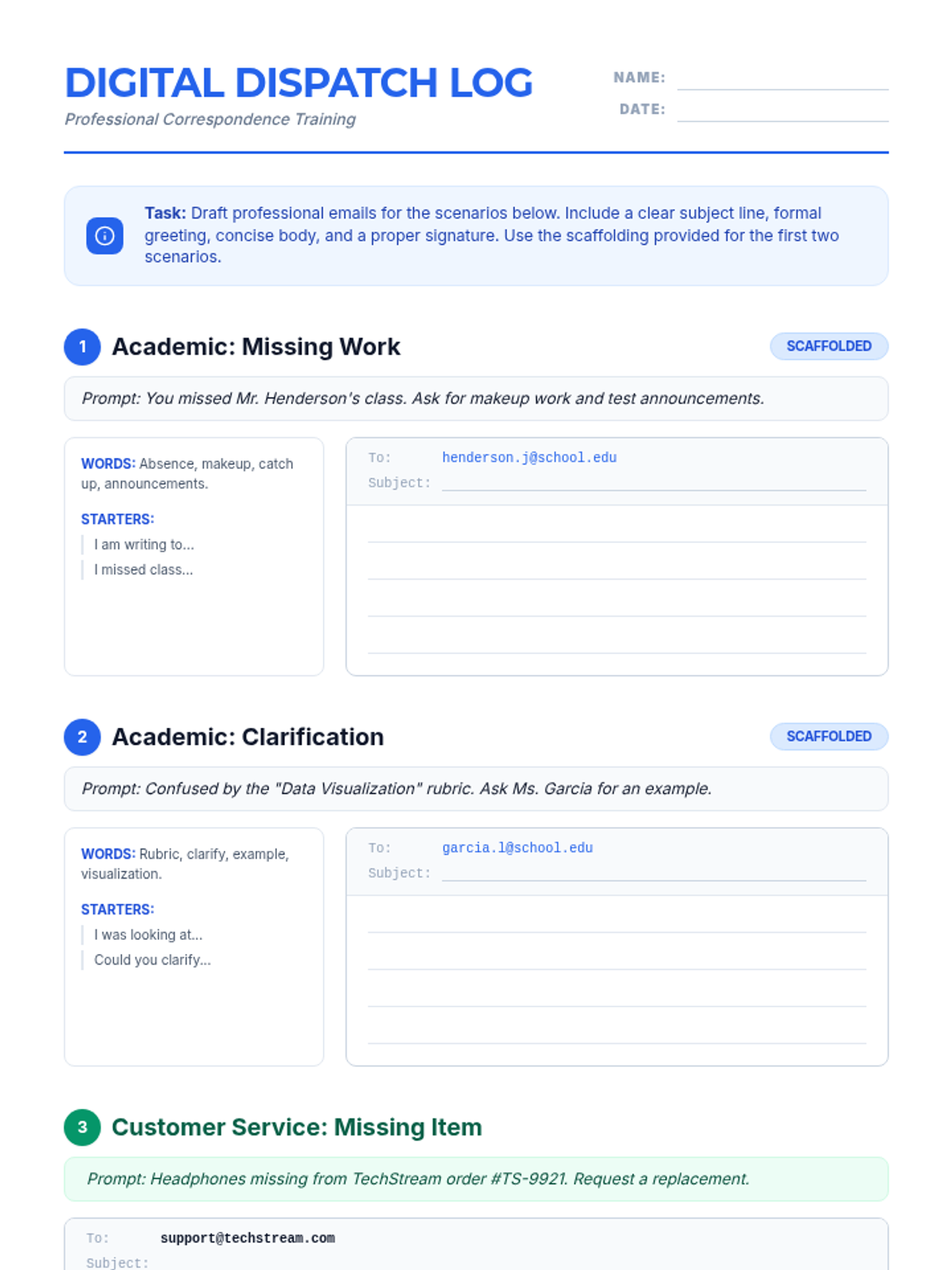
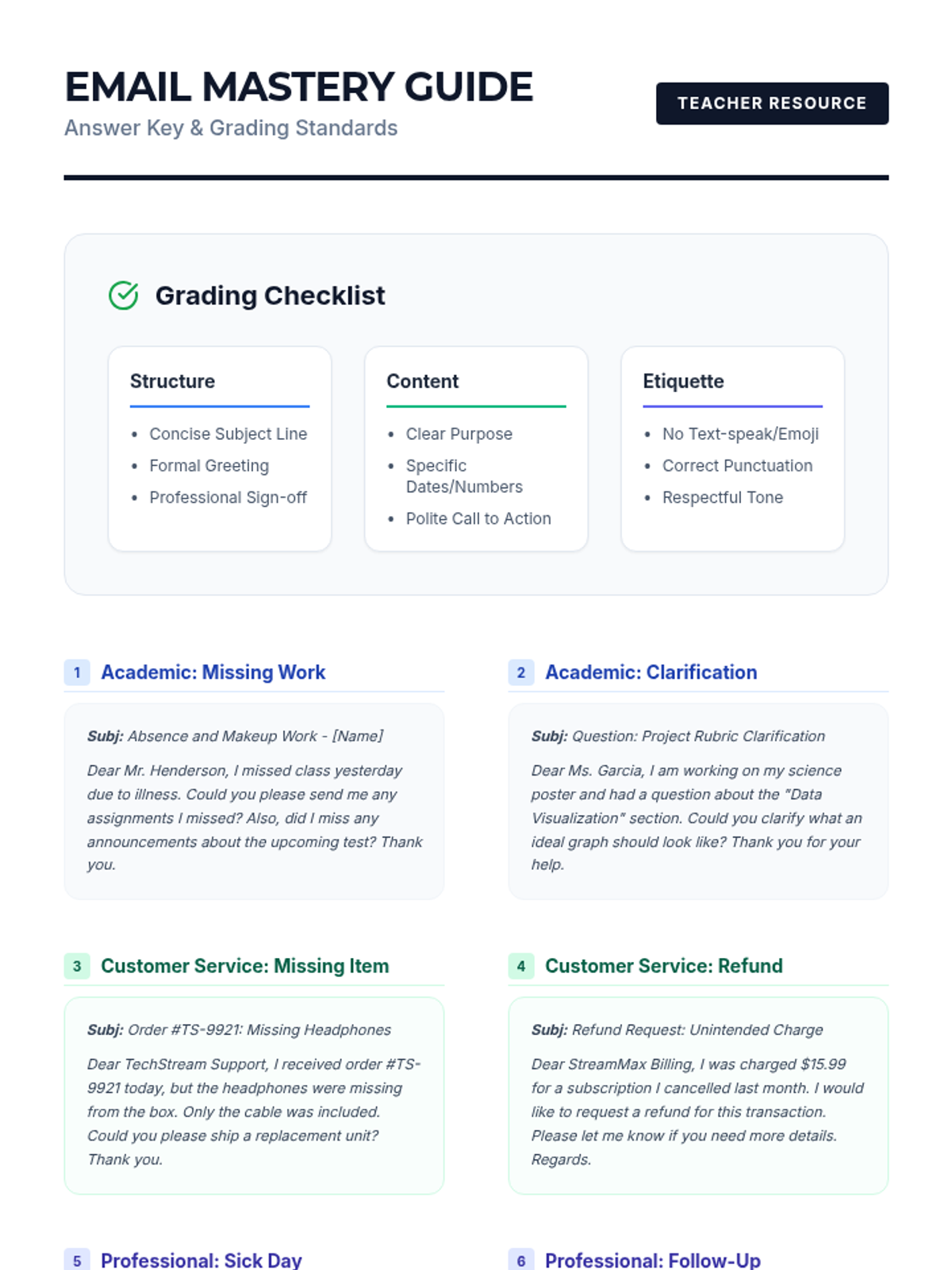
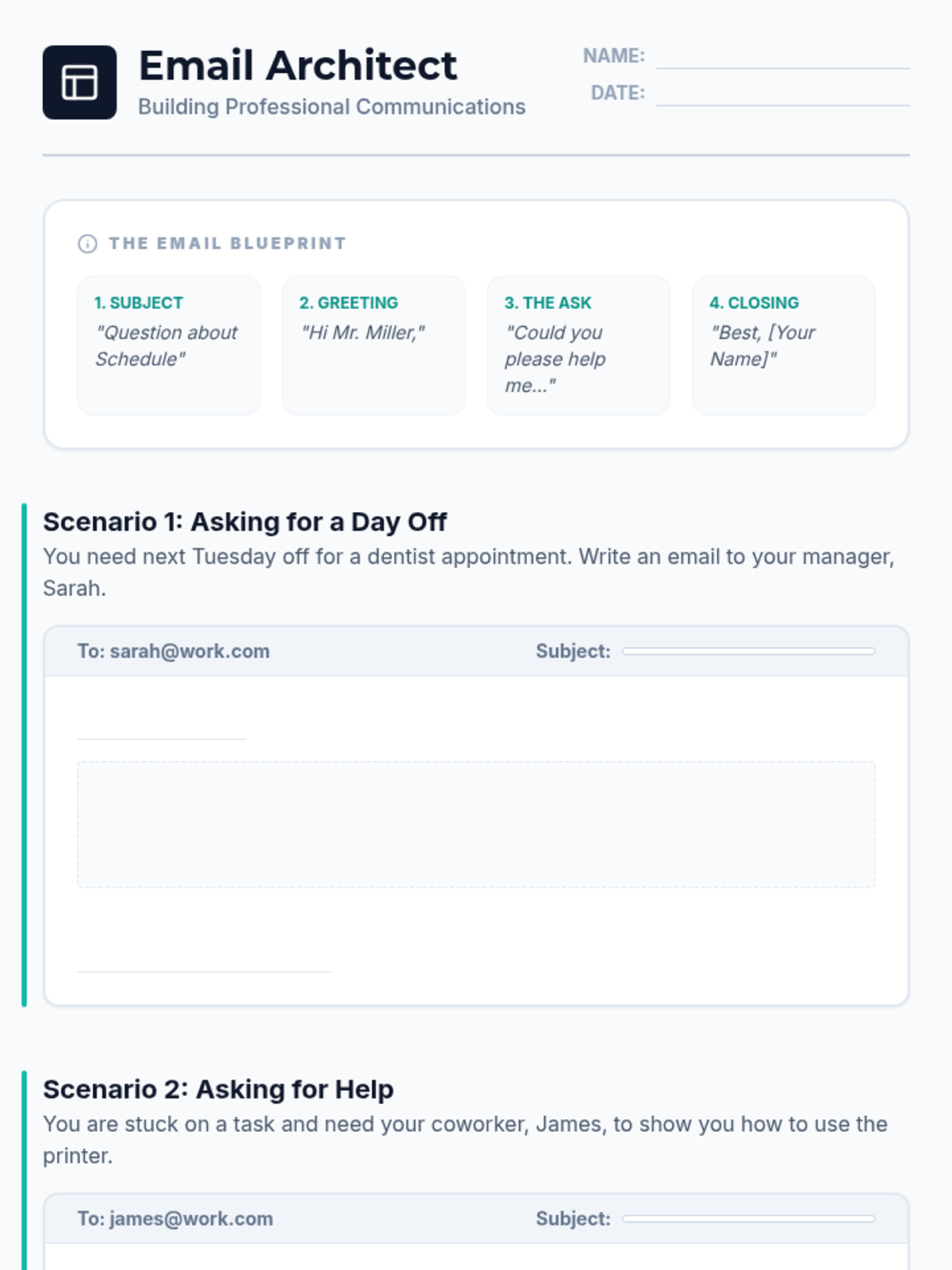
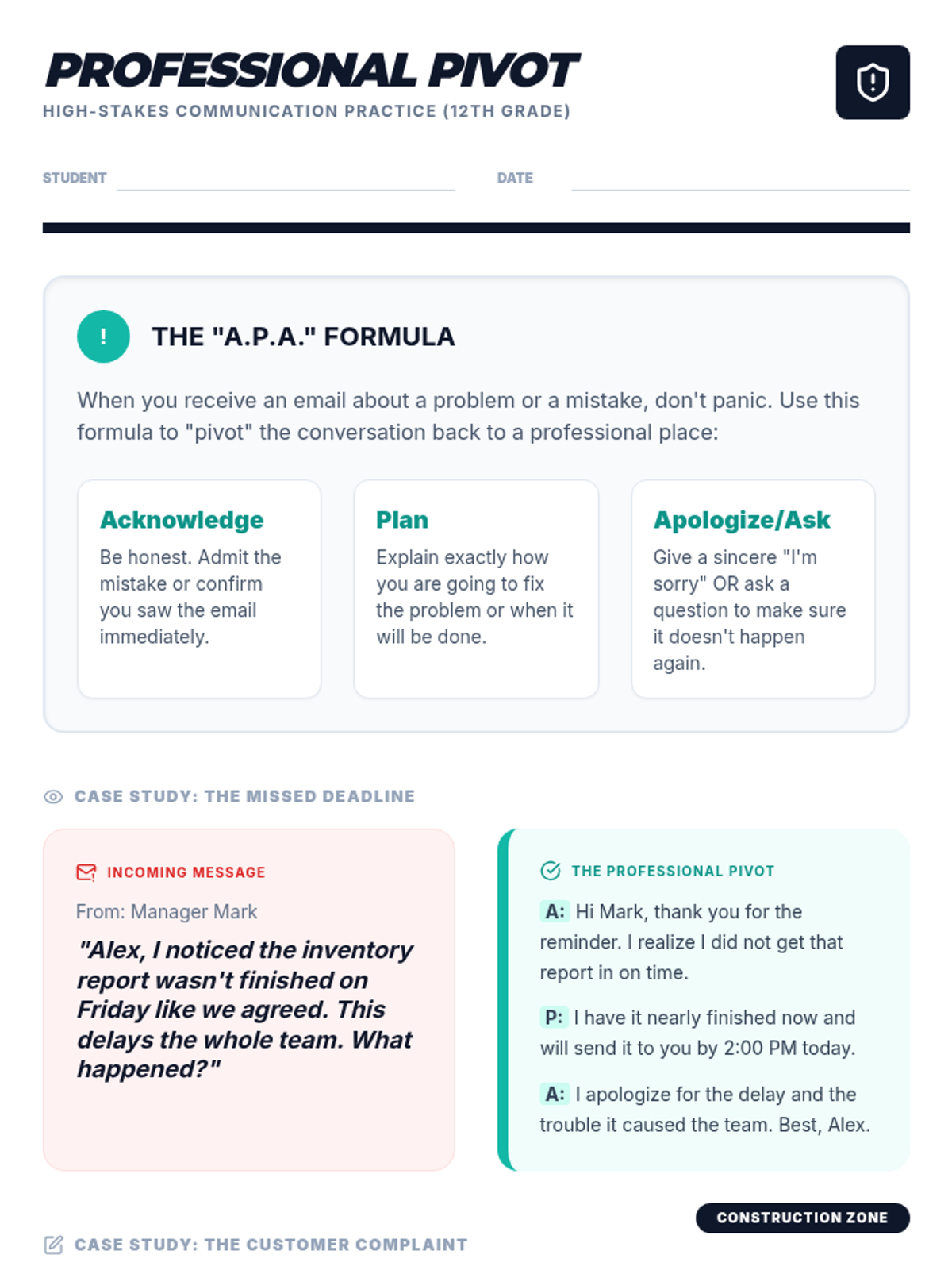
A comprehensive lesson on professional and academic email etiquette, featuring scenarios ranging from school help to job applications. Students learn the structure of a formal email and practice writing their own digital correspondence.
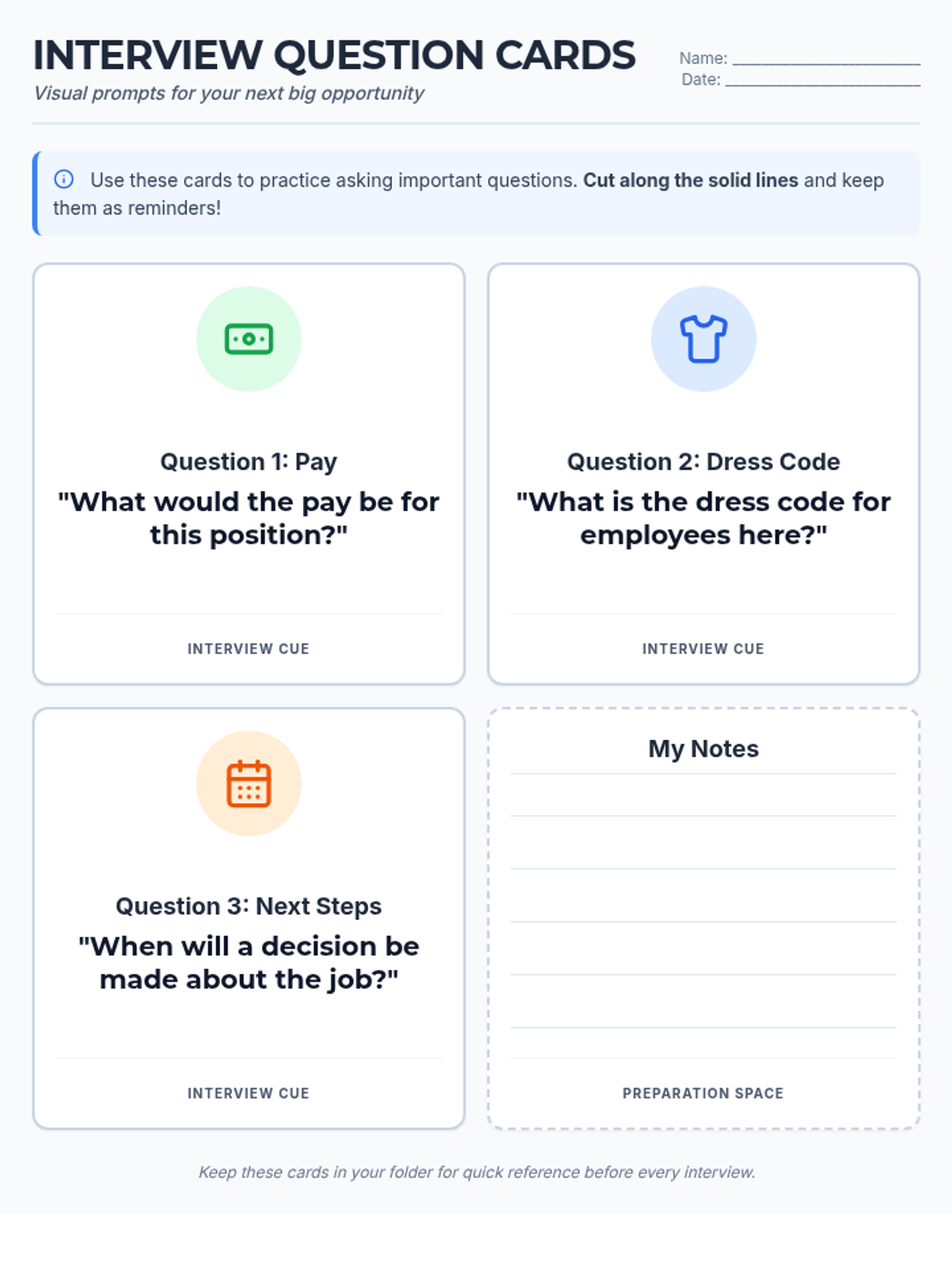
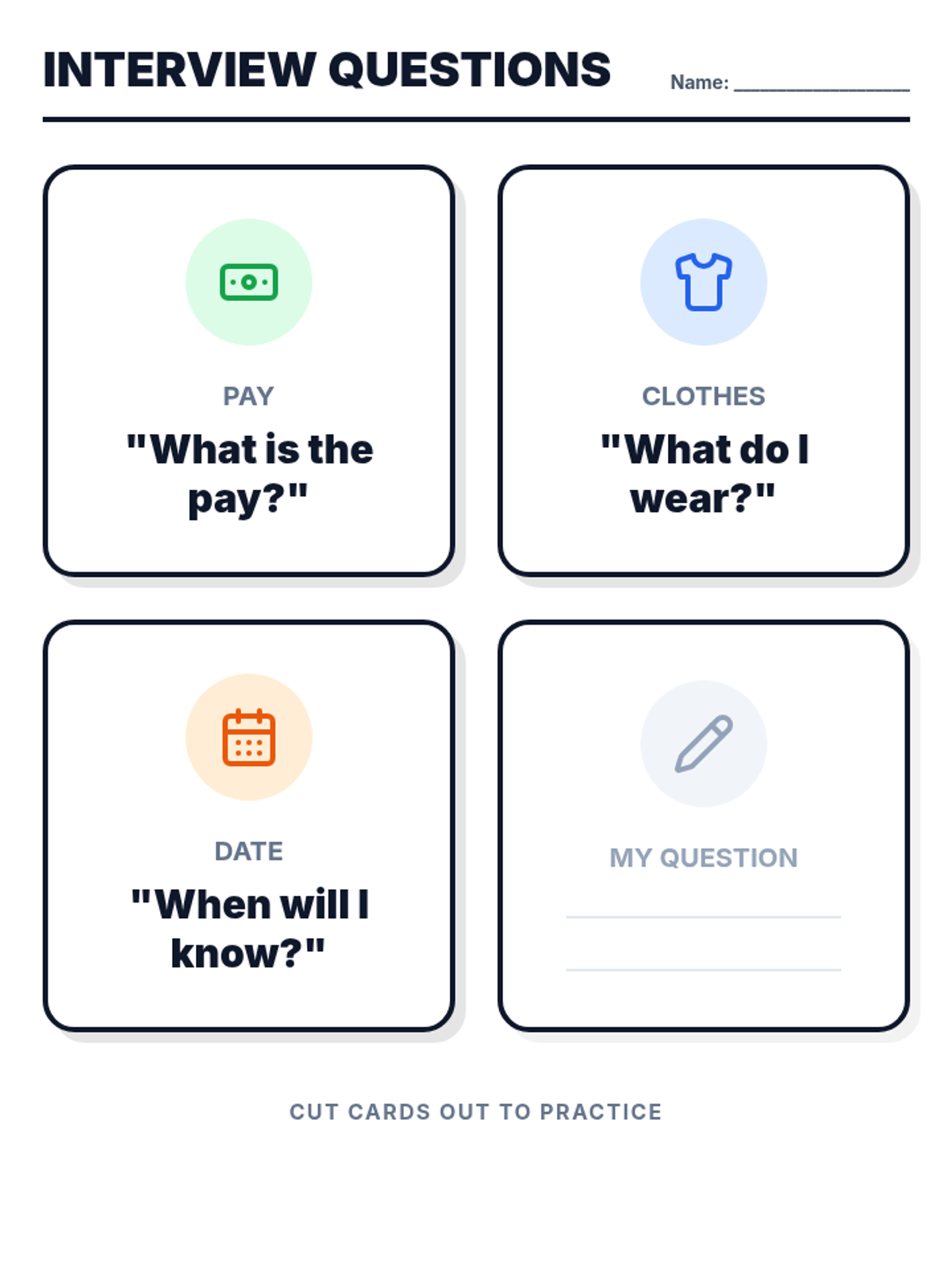
A visual guide and set of practice tools to help students master common job interview questions, focusing on pay, dress code, and next steps.
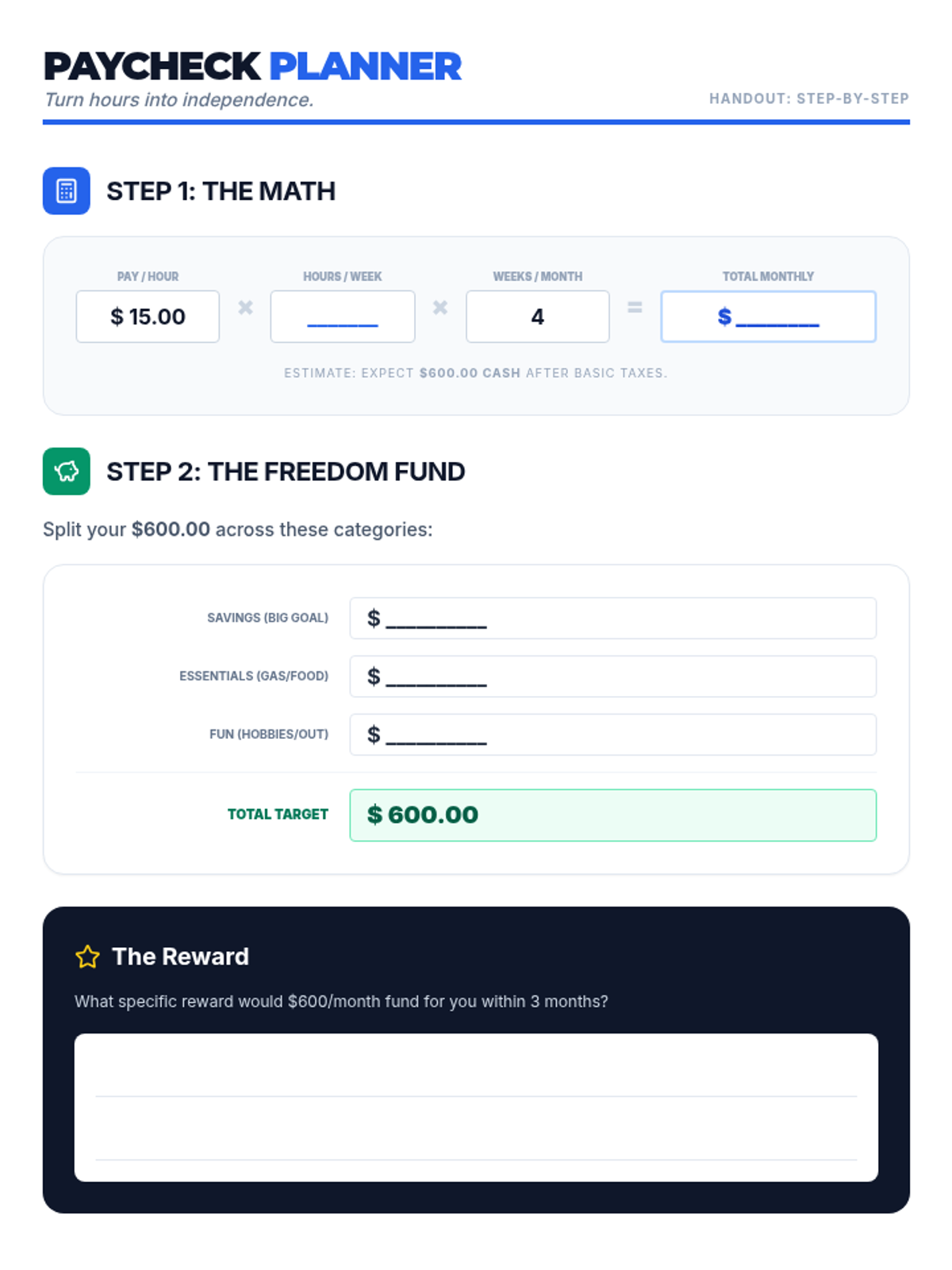
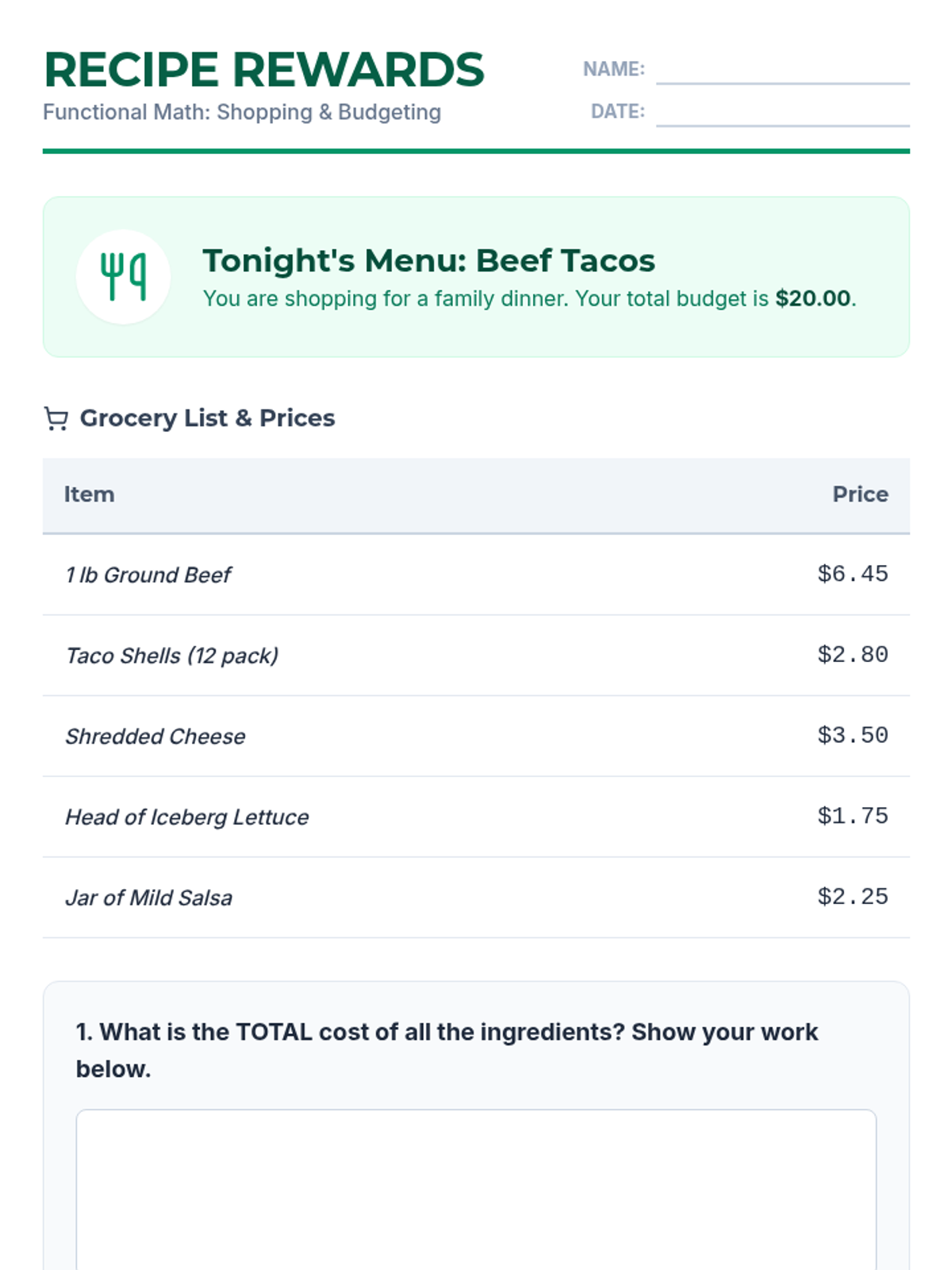
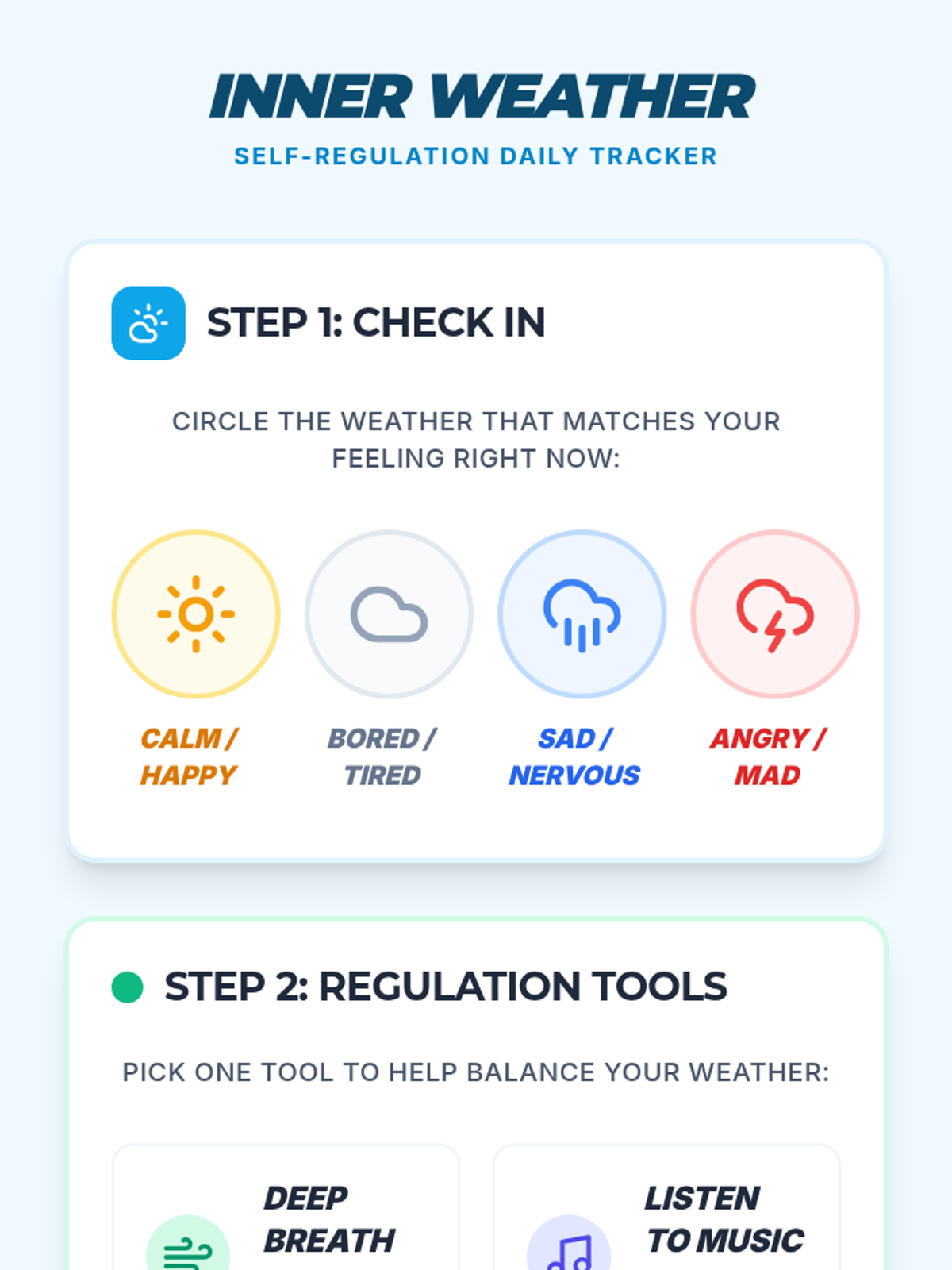
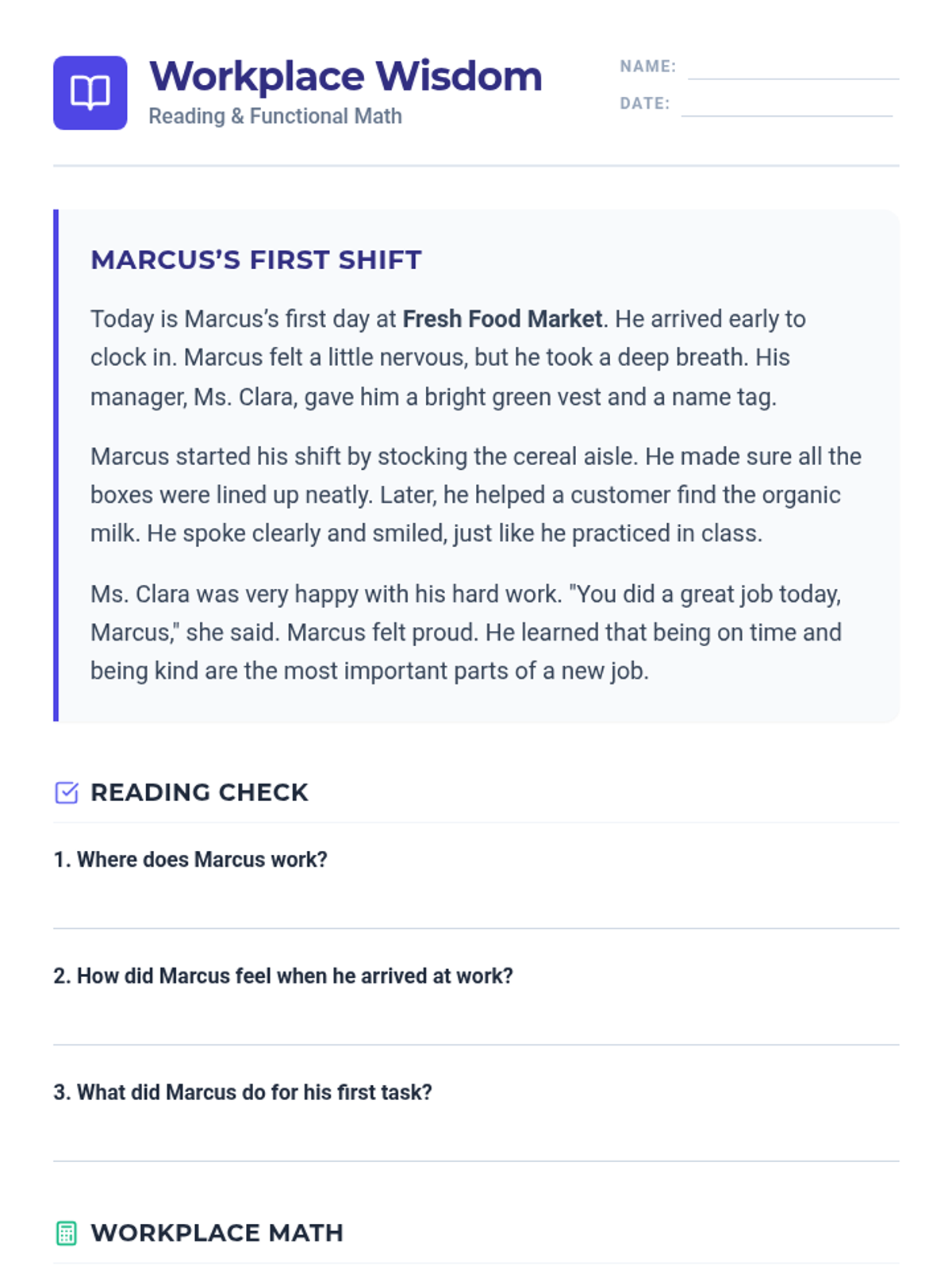
A collection of functional life skills resources designed for high school students transitioning to independence, focusing on budgeting, self-regulation, vocational readiness, and literacy.
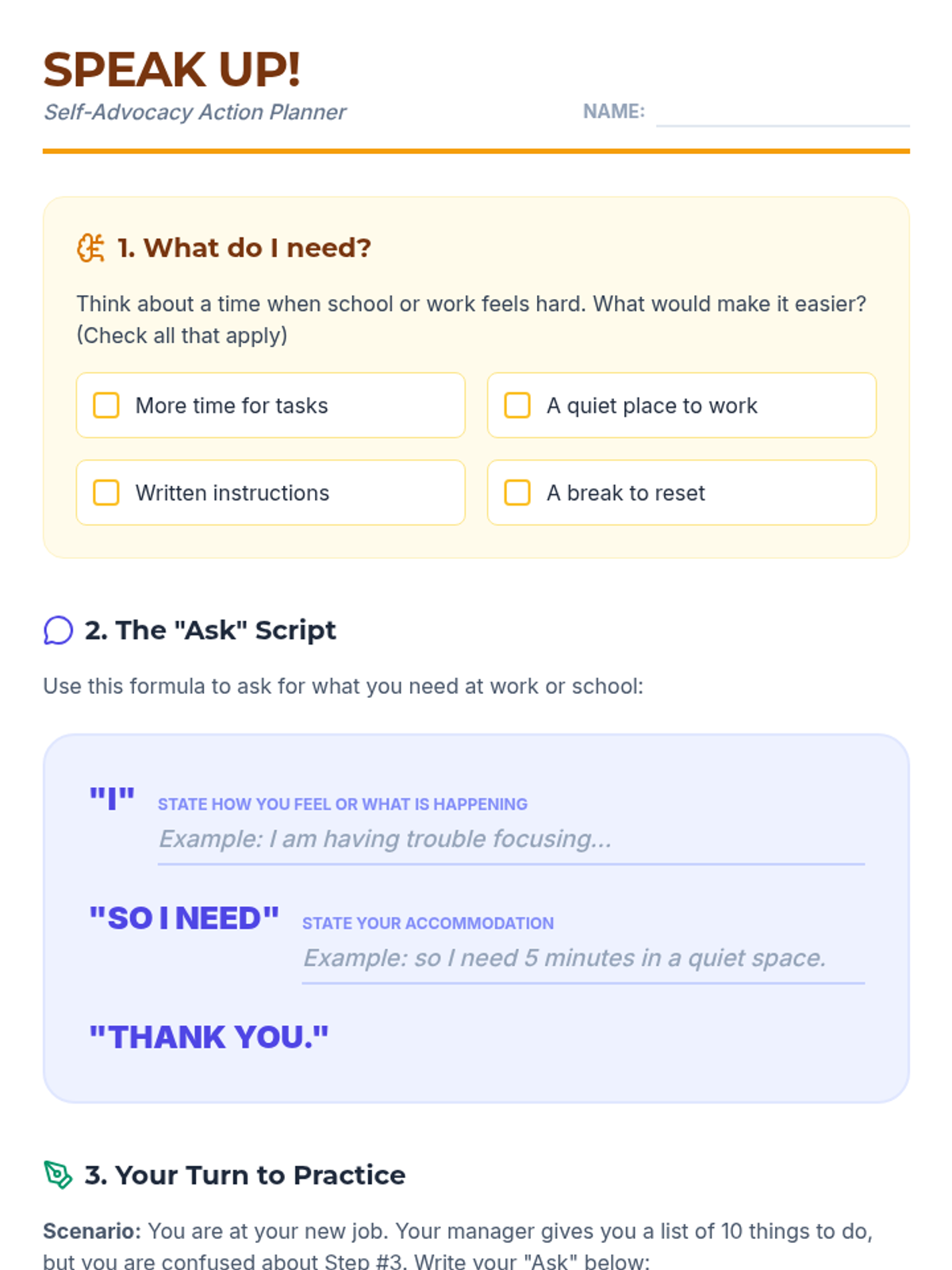
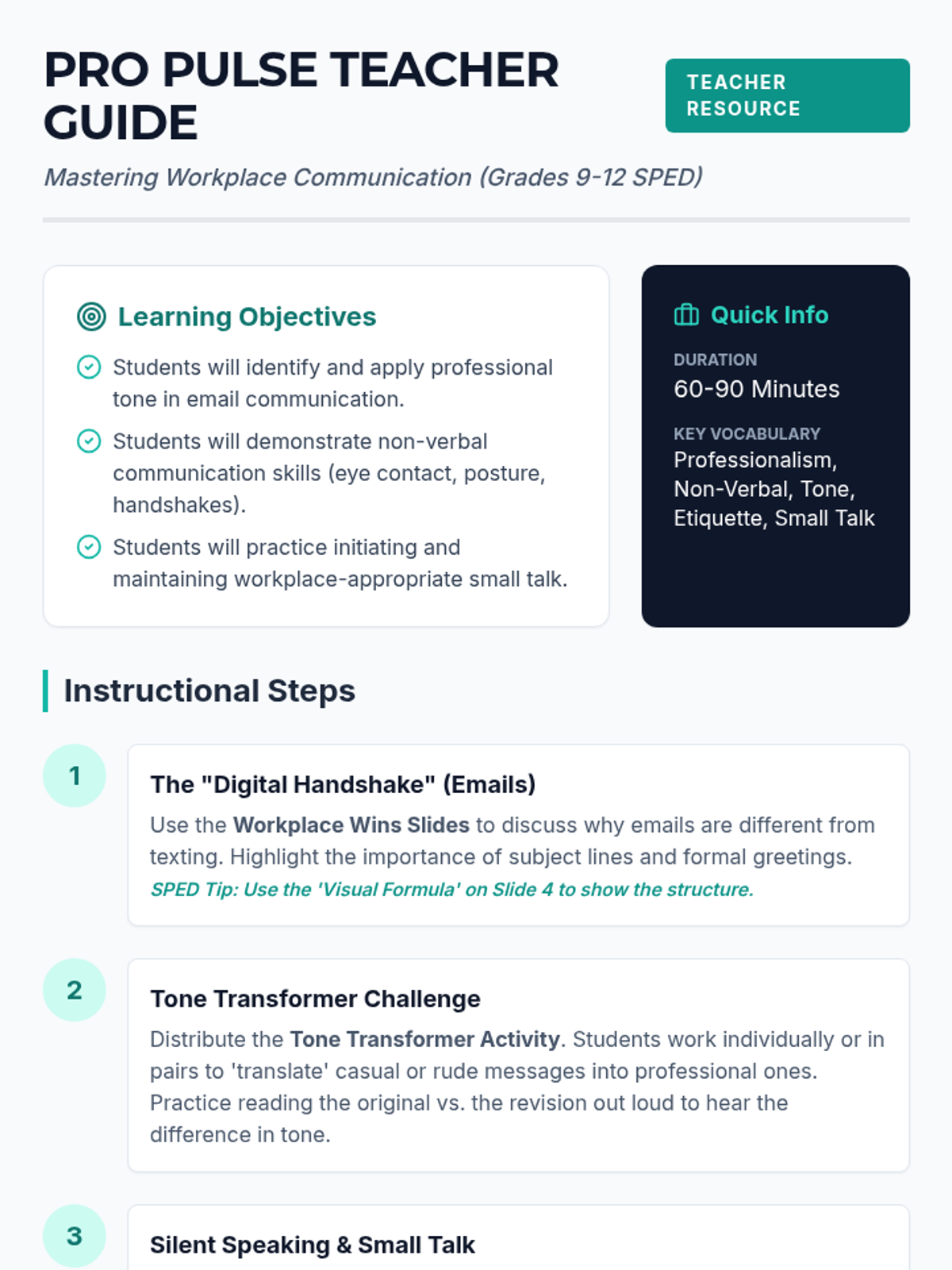
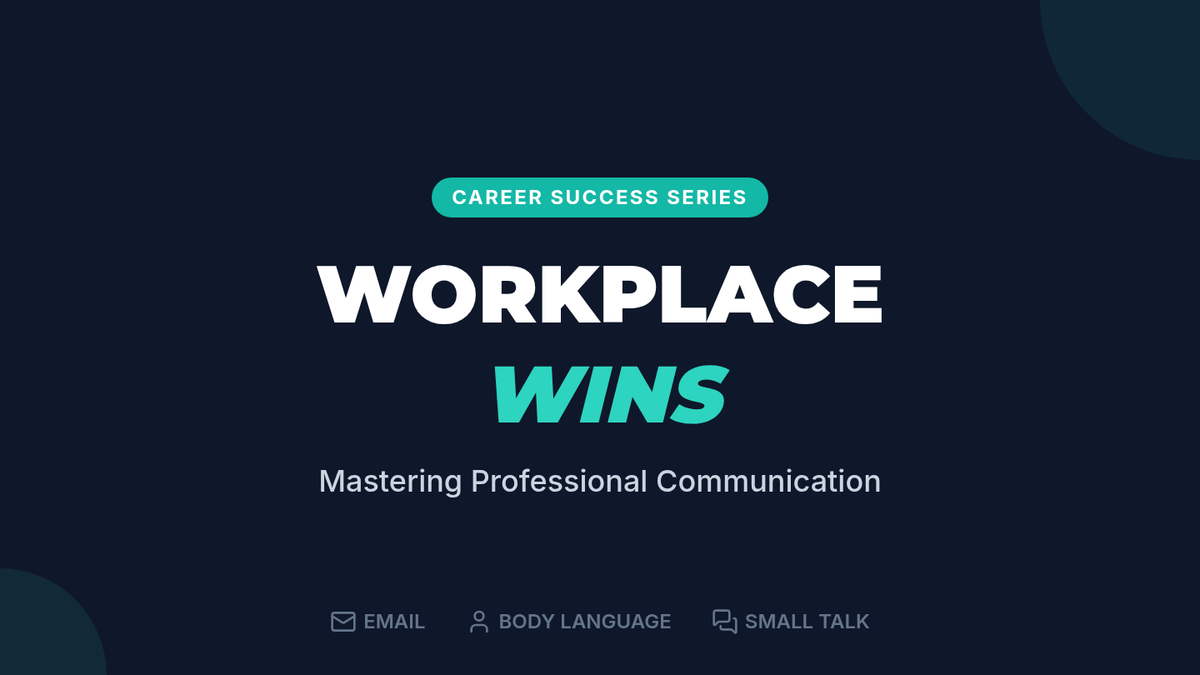
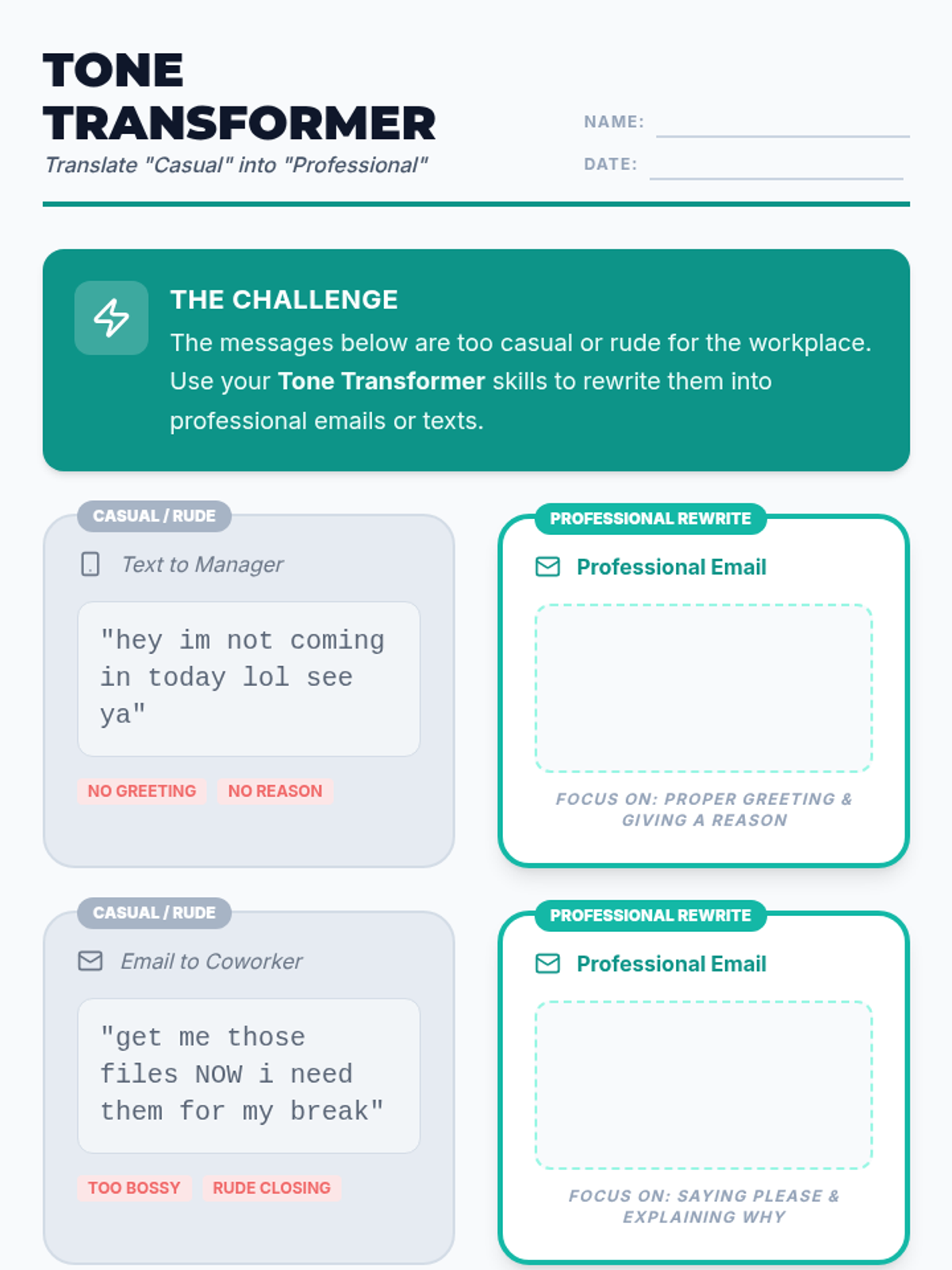
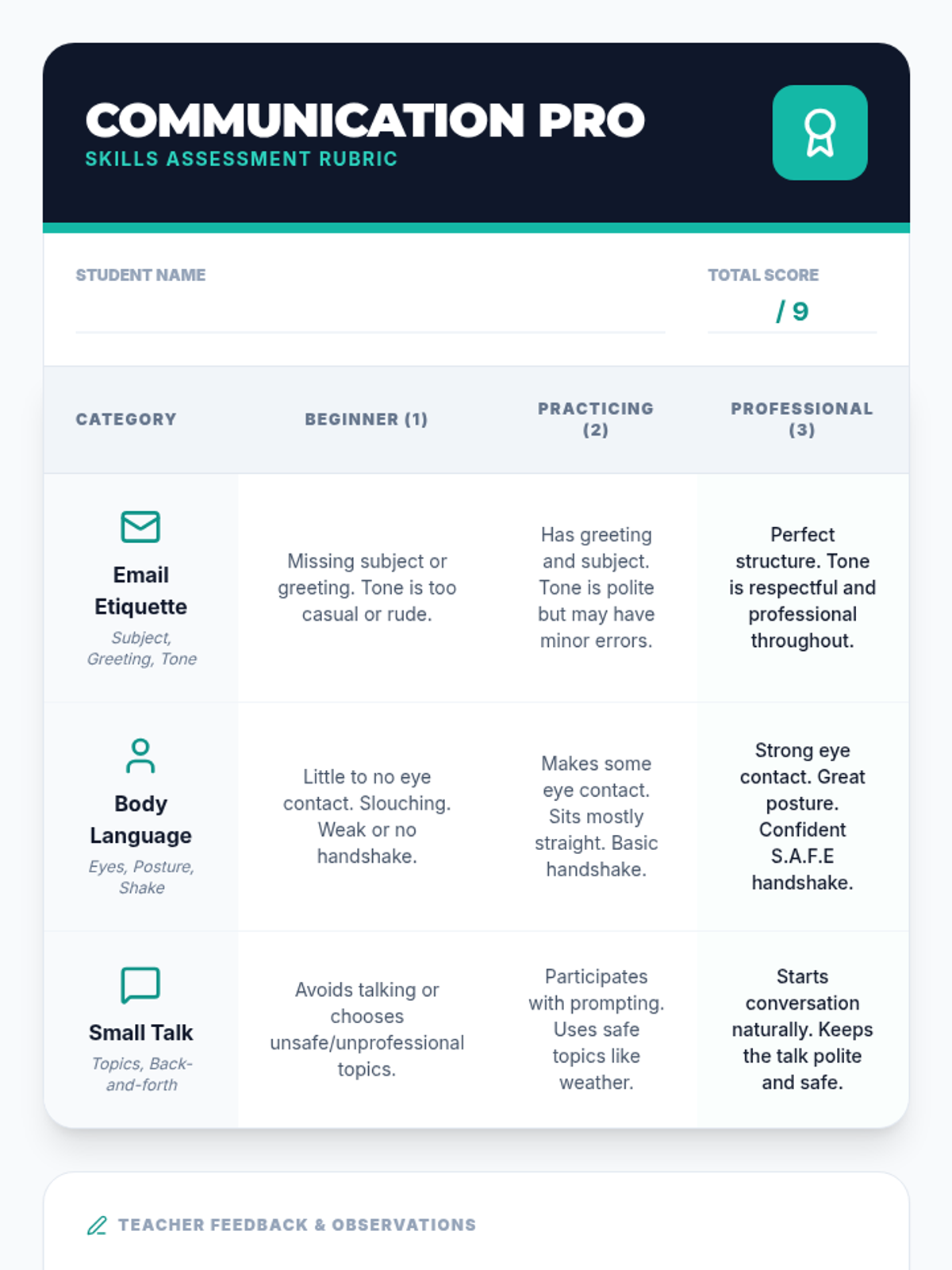
A comprehensive lesson for high school SPED students focusing on professional email etiquette, interview body language, and workplace small talk through hands-on practice.
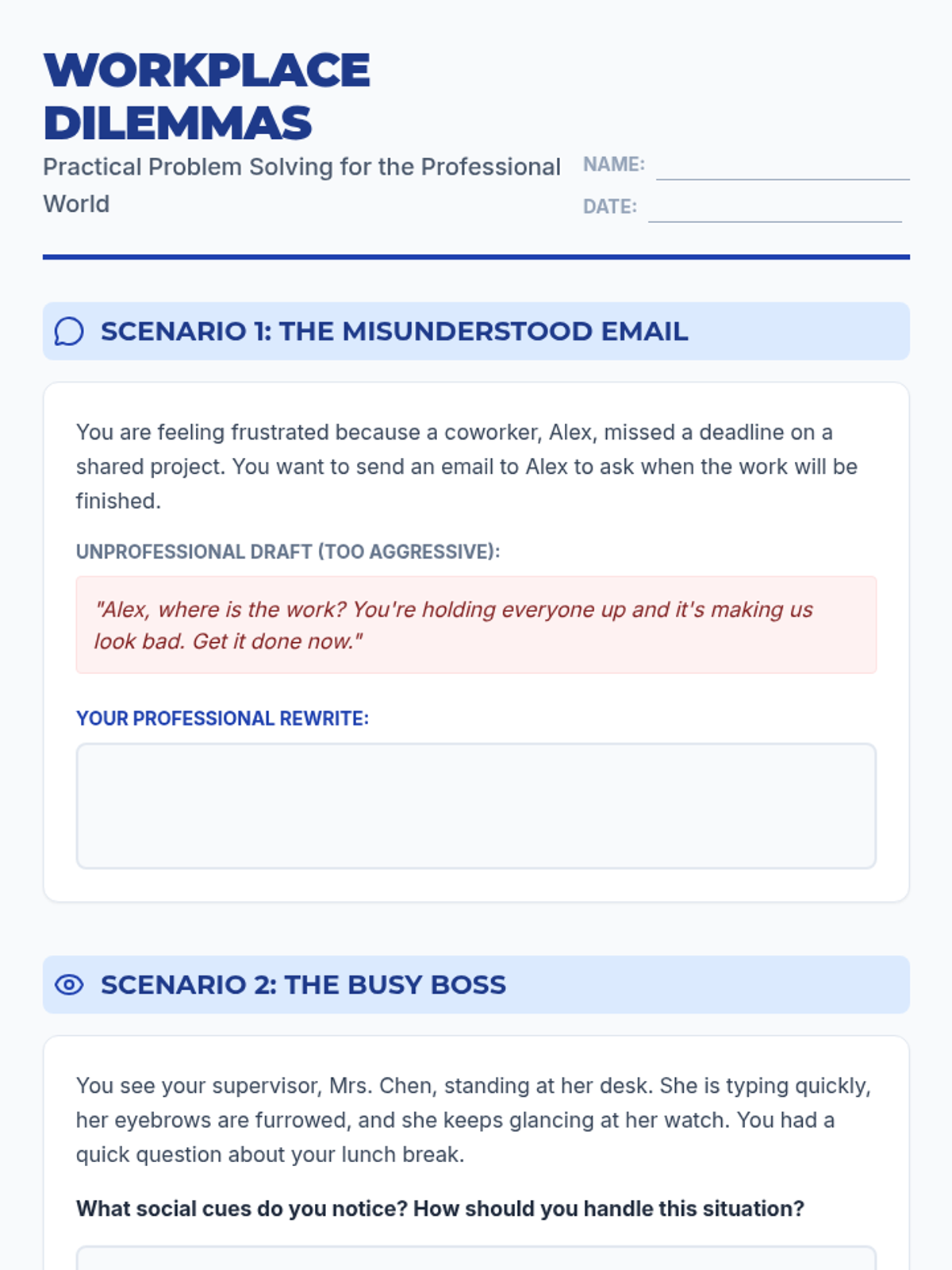
A comprehensive introduction to essential employment skills, including professional communication, job applications, interview etiquette, and workplace safety. This lesson prepares students for the transition into a professional environment through interactive discussion and practical problem-solving.
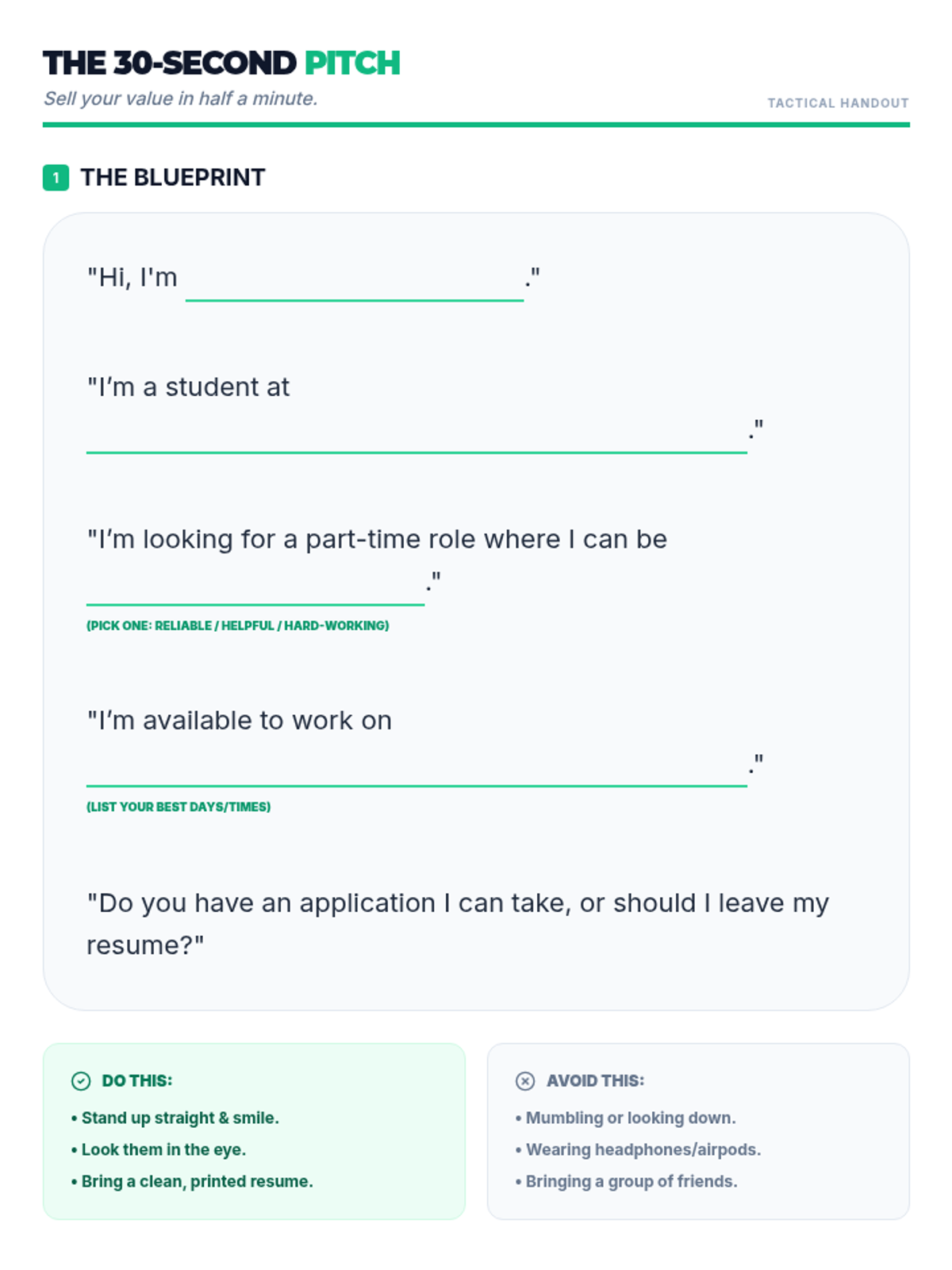
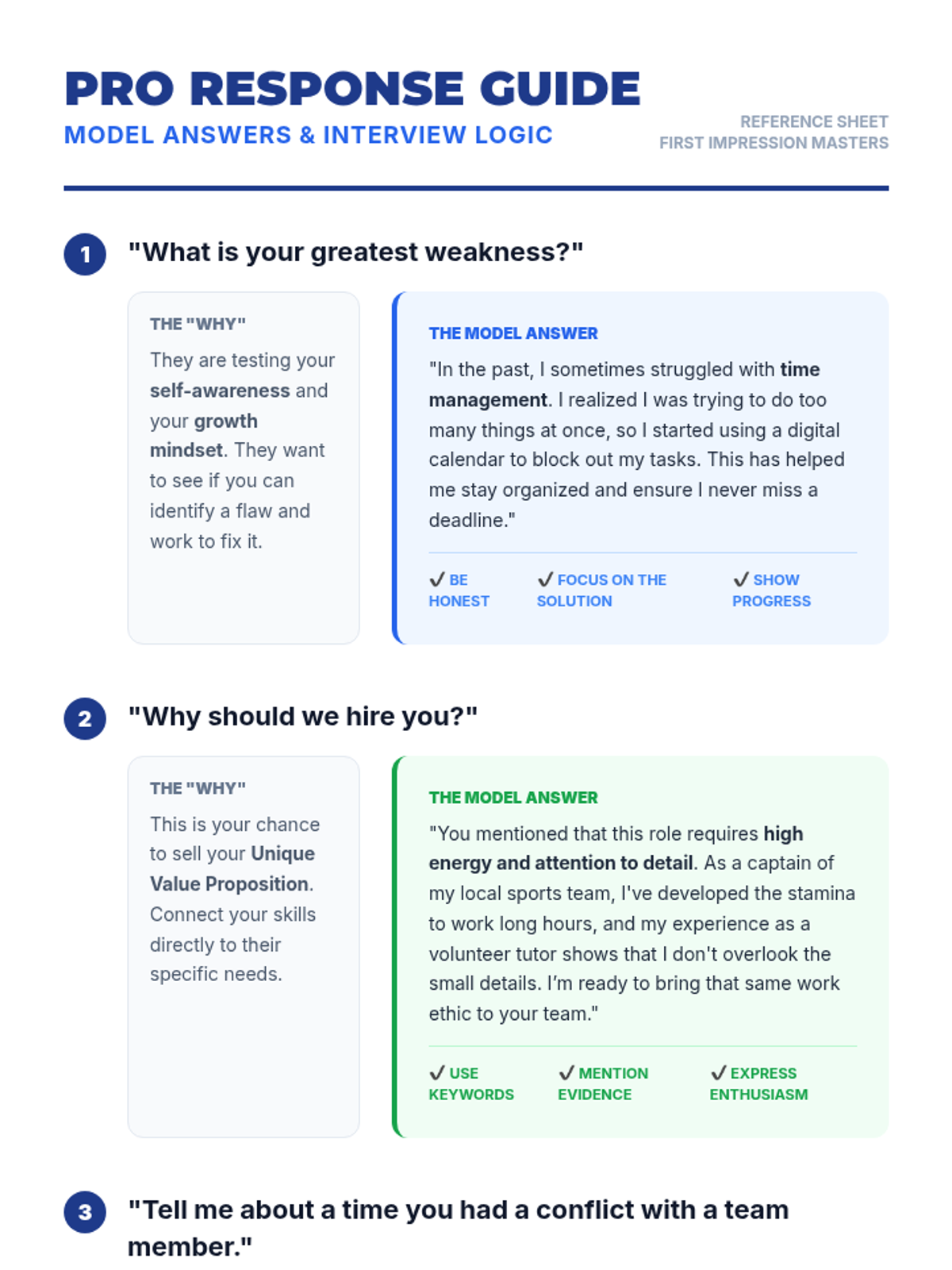
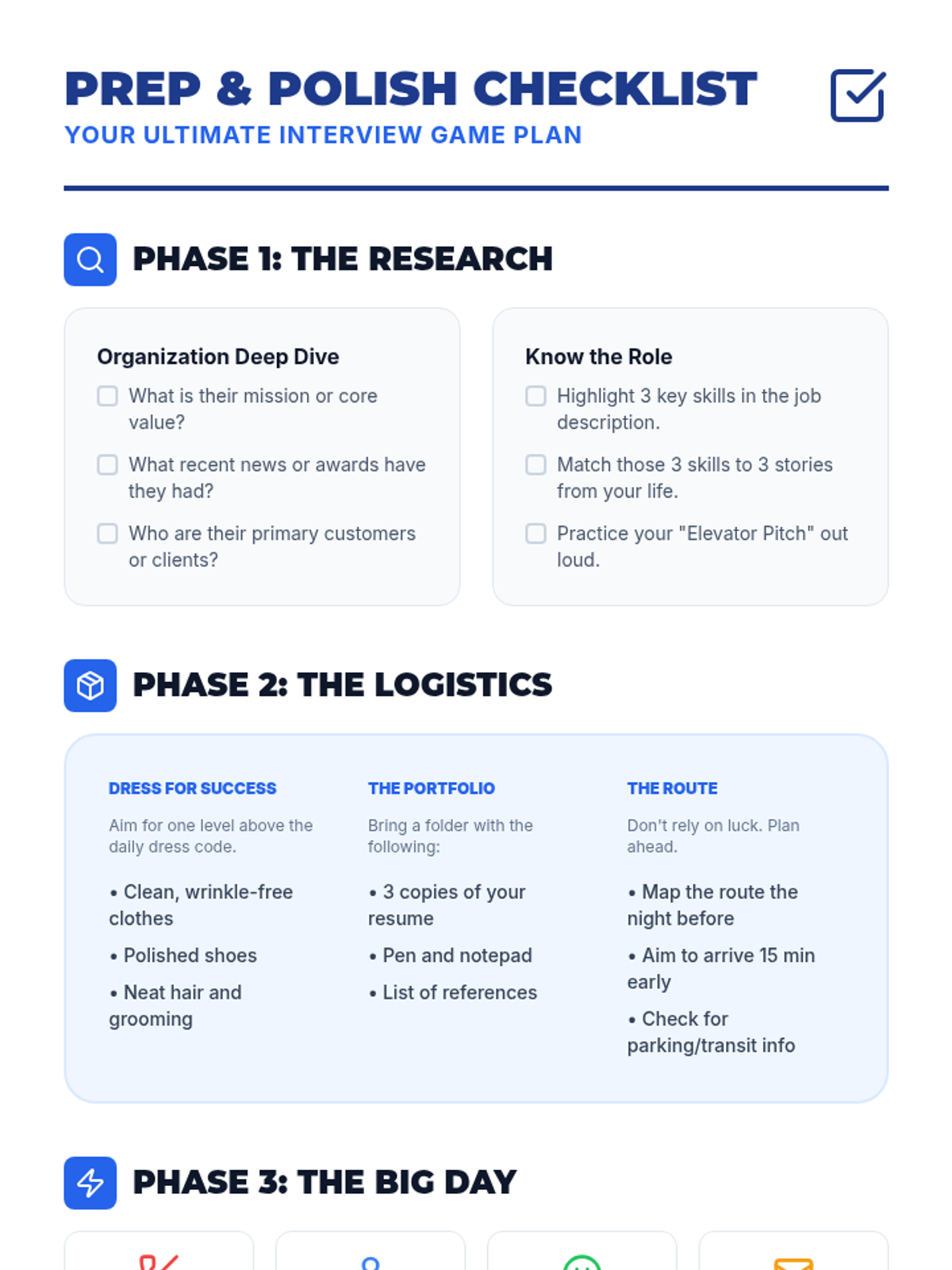
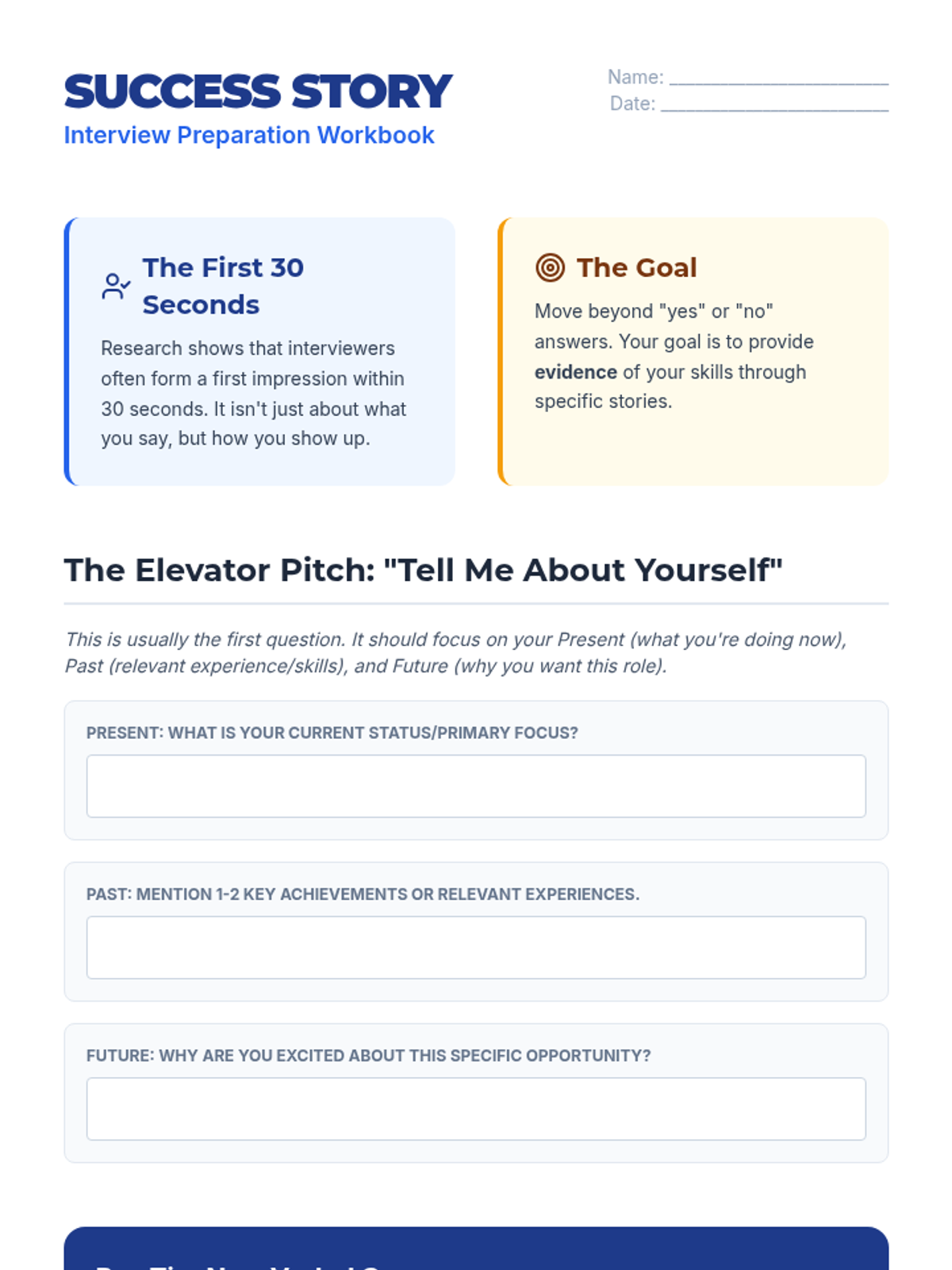
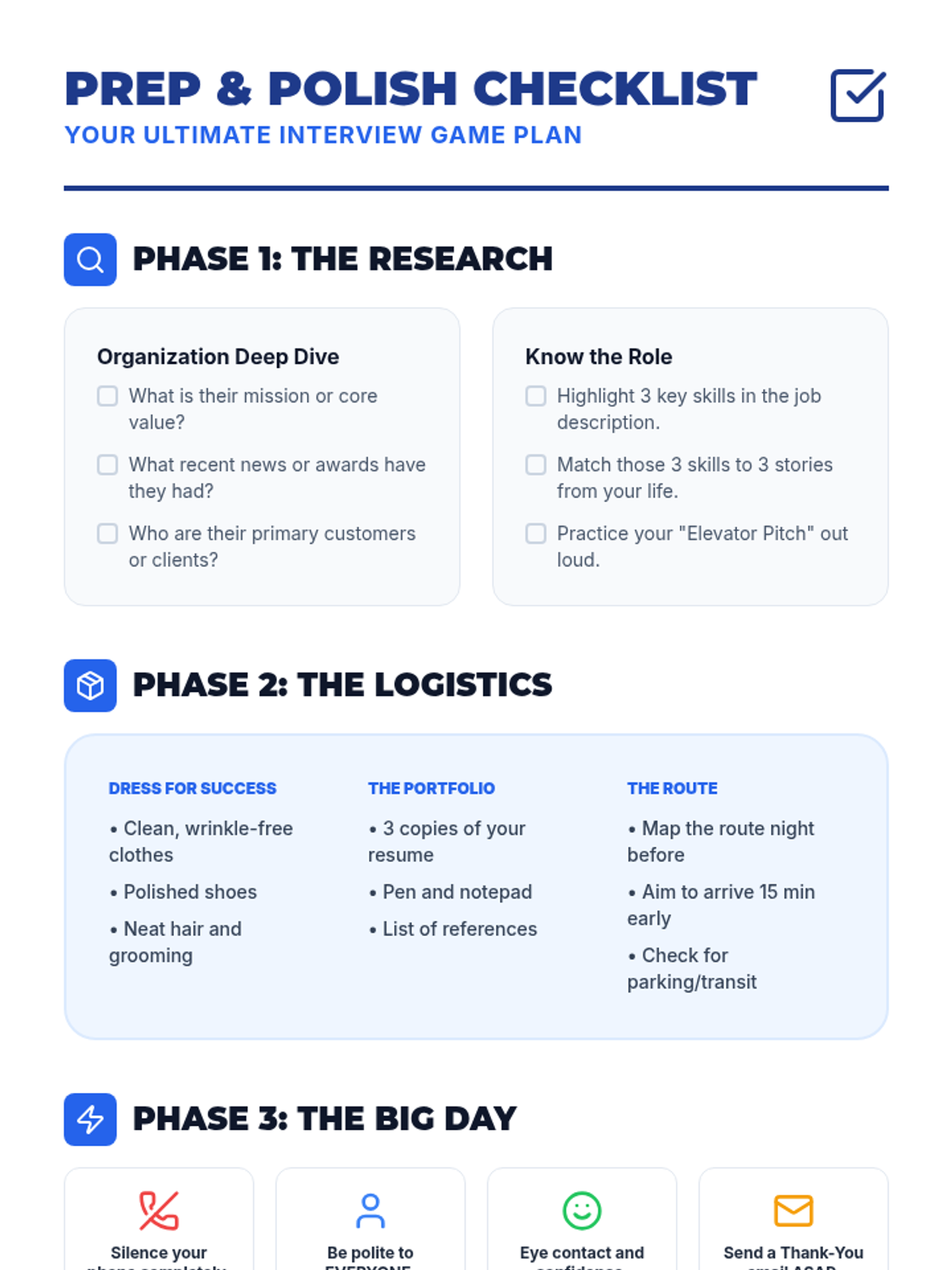
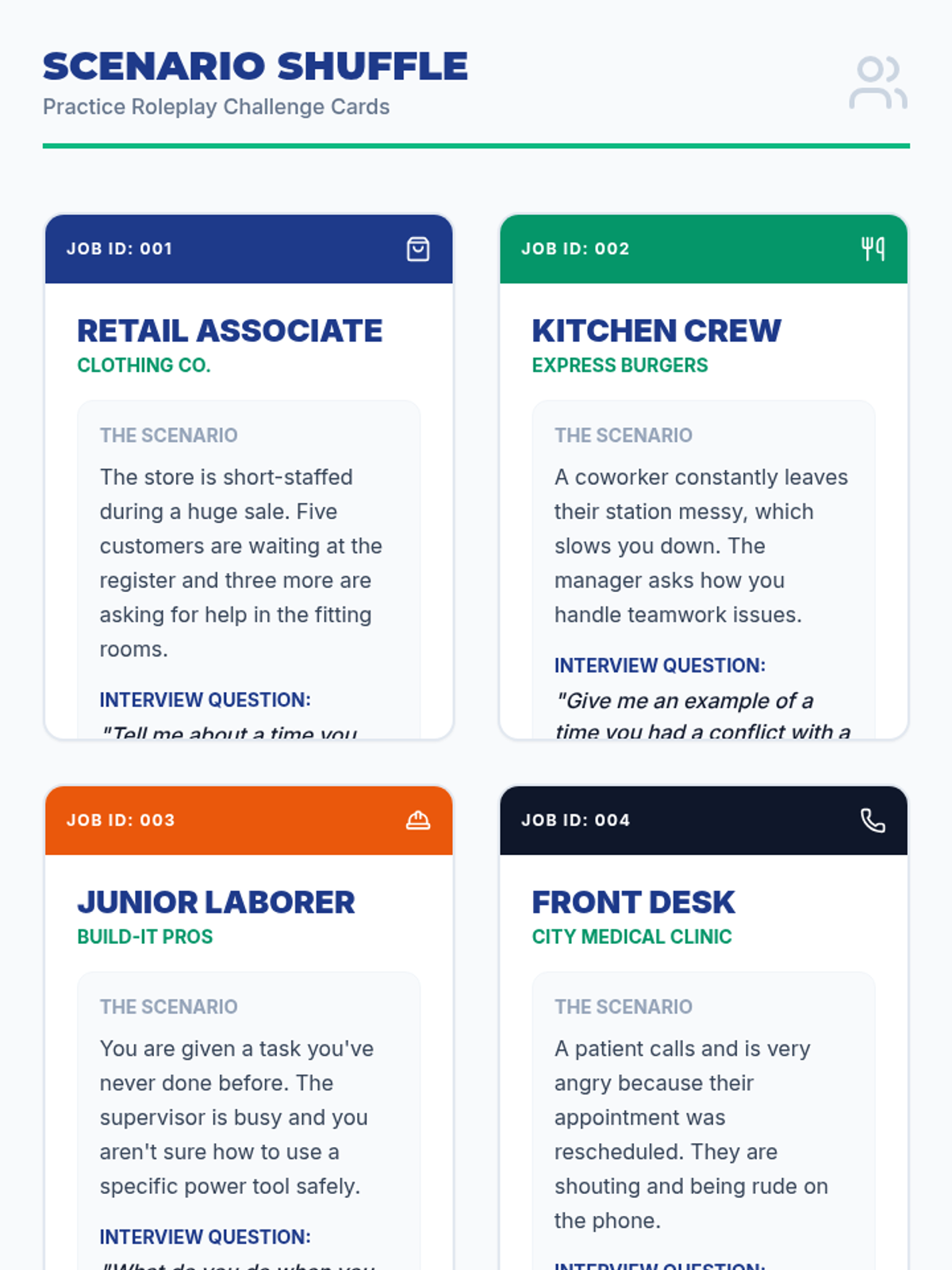
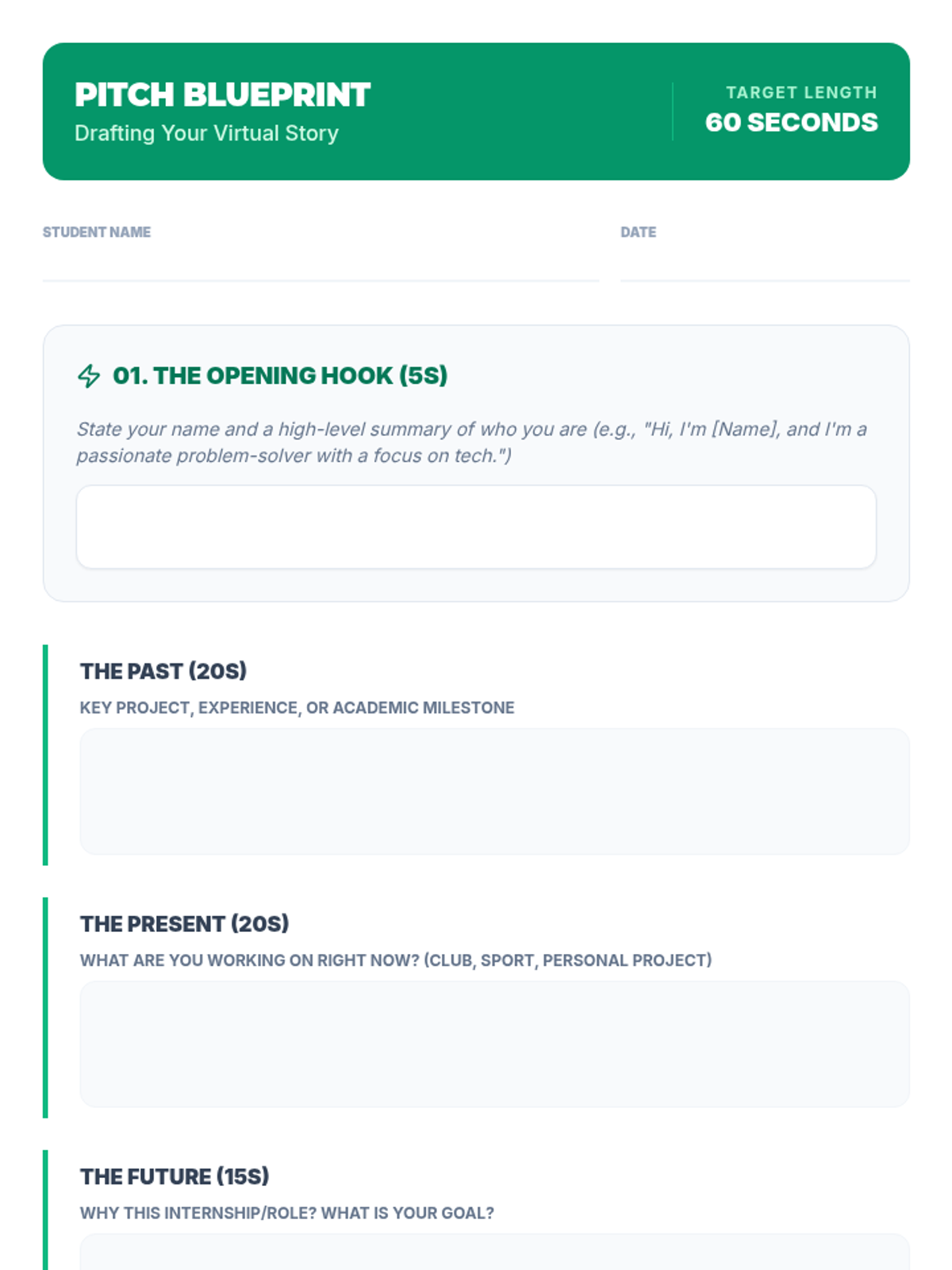
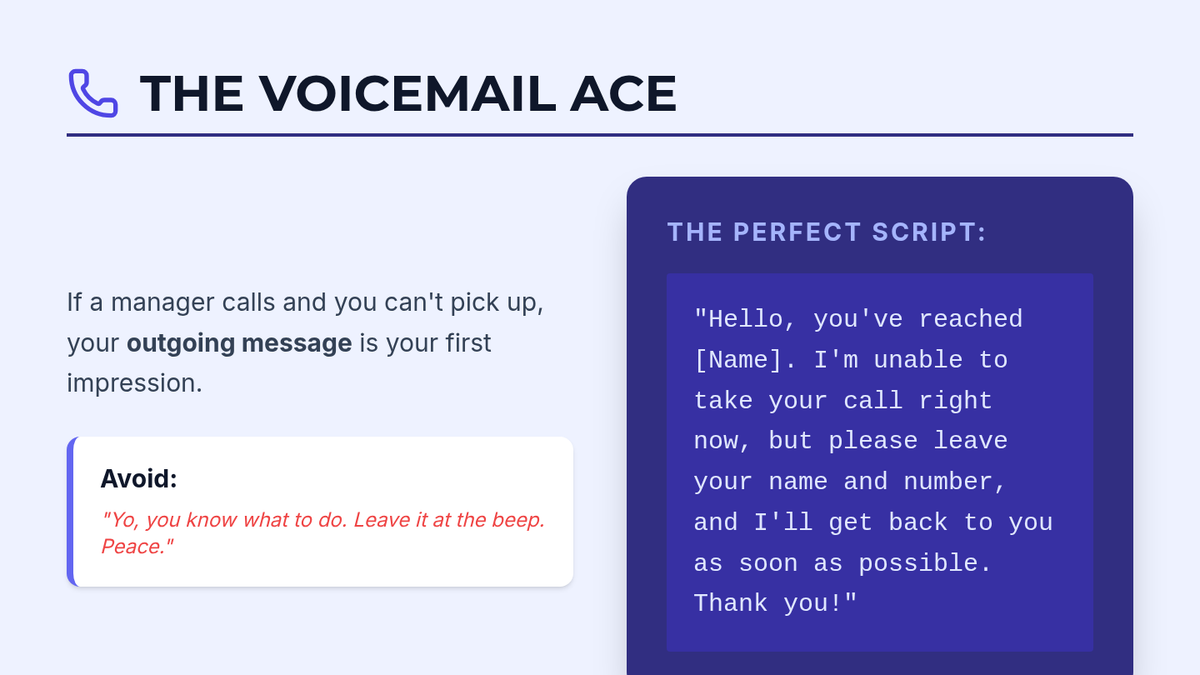
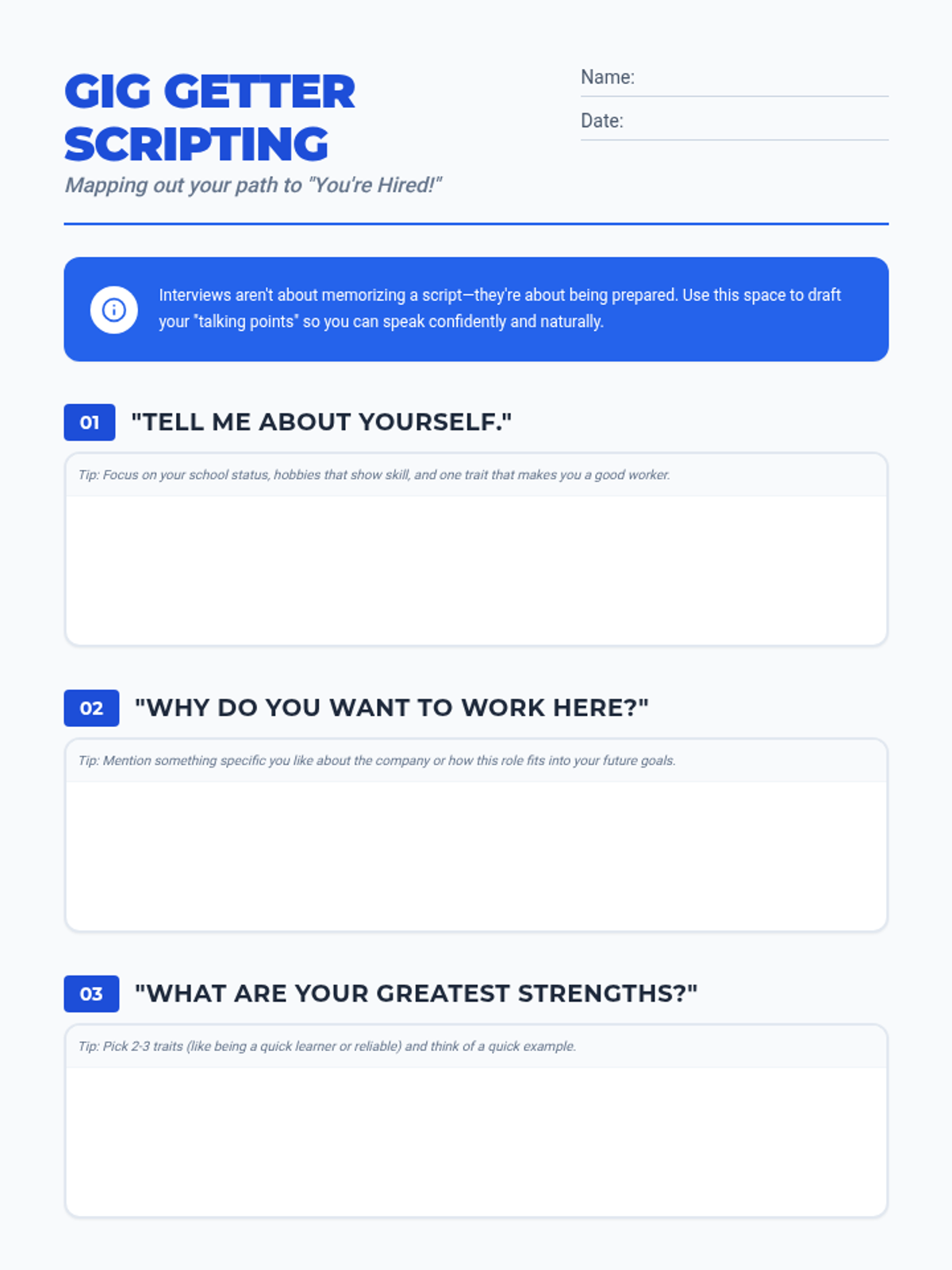
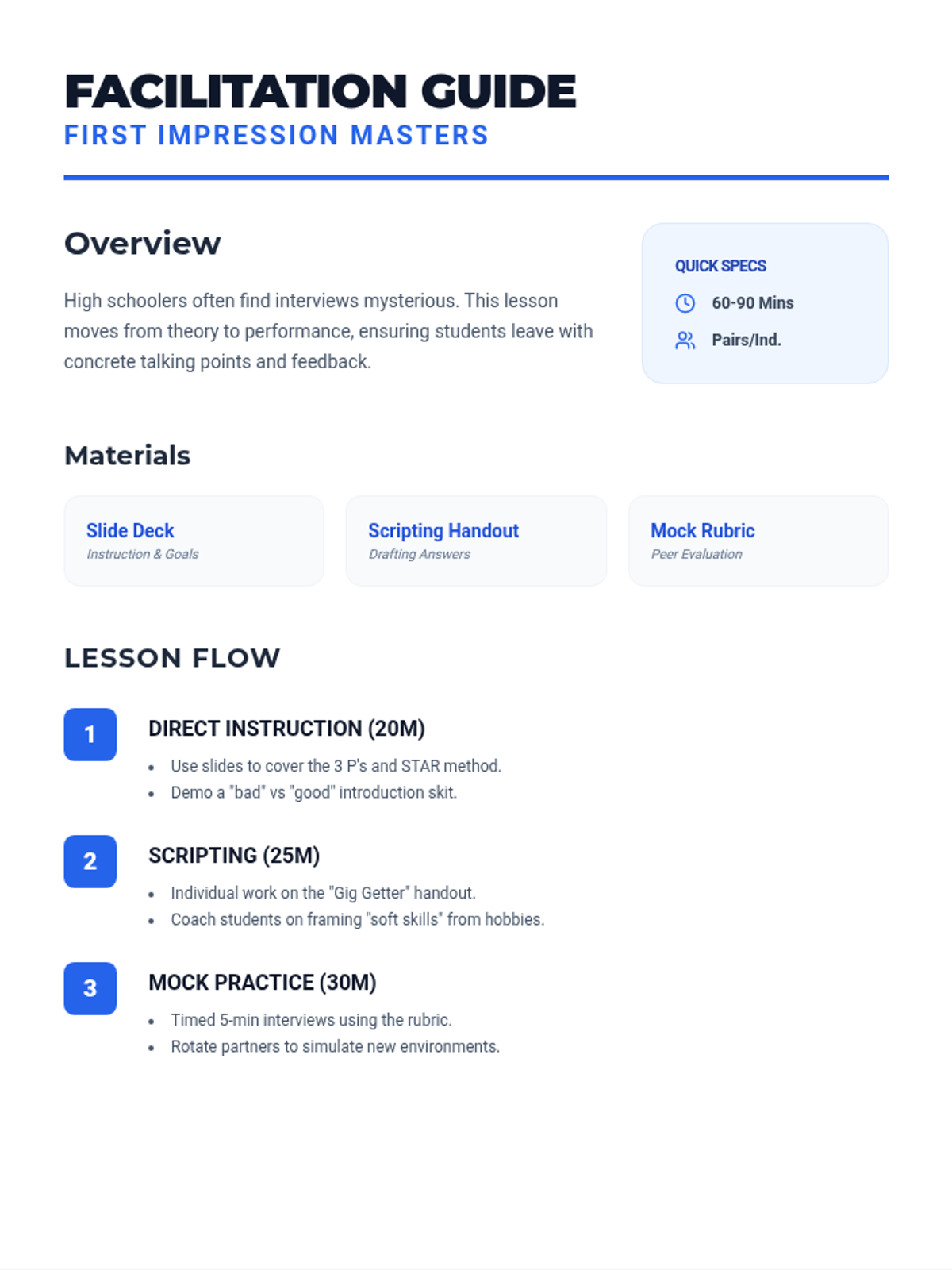
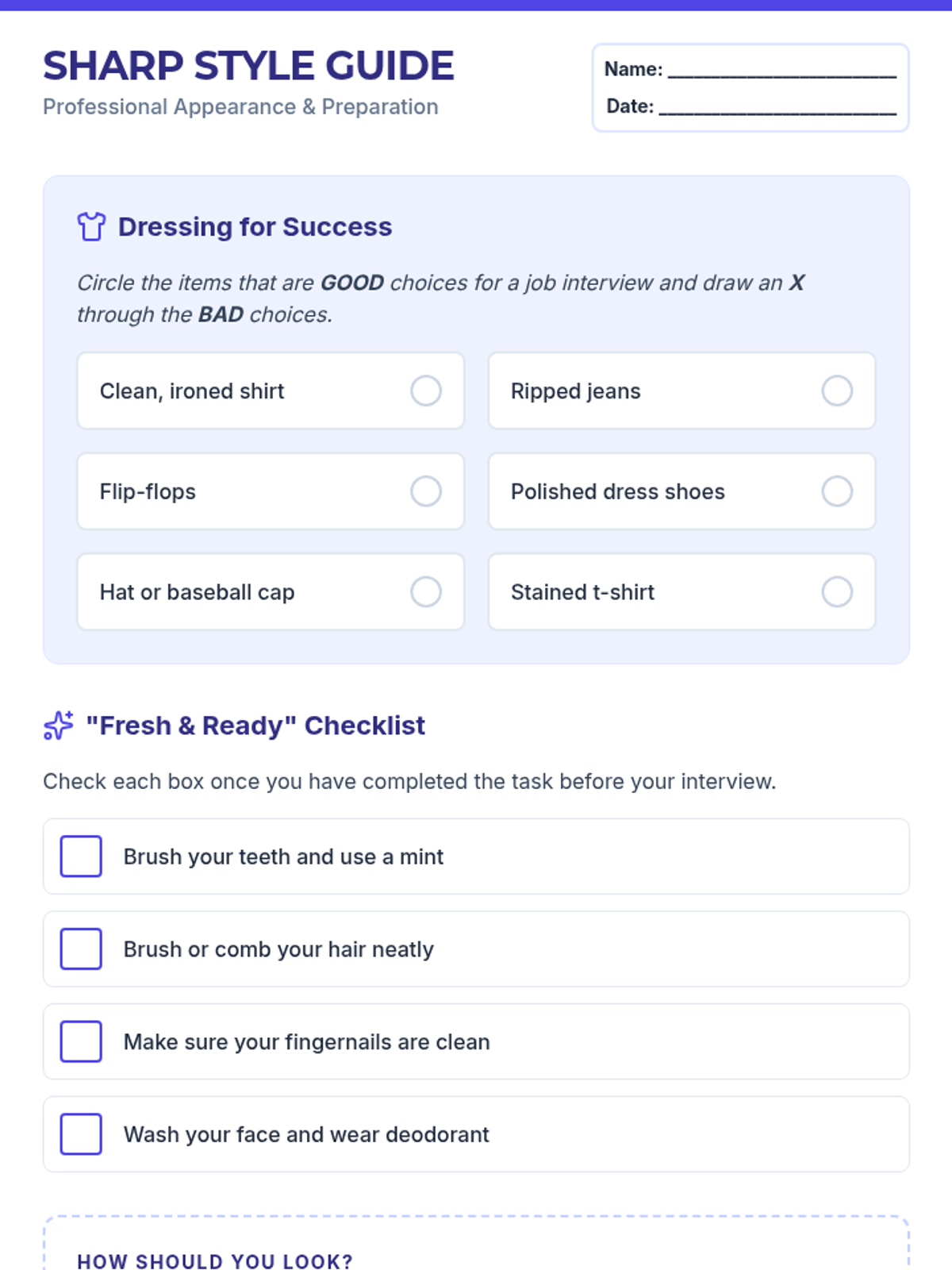
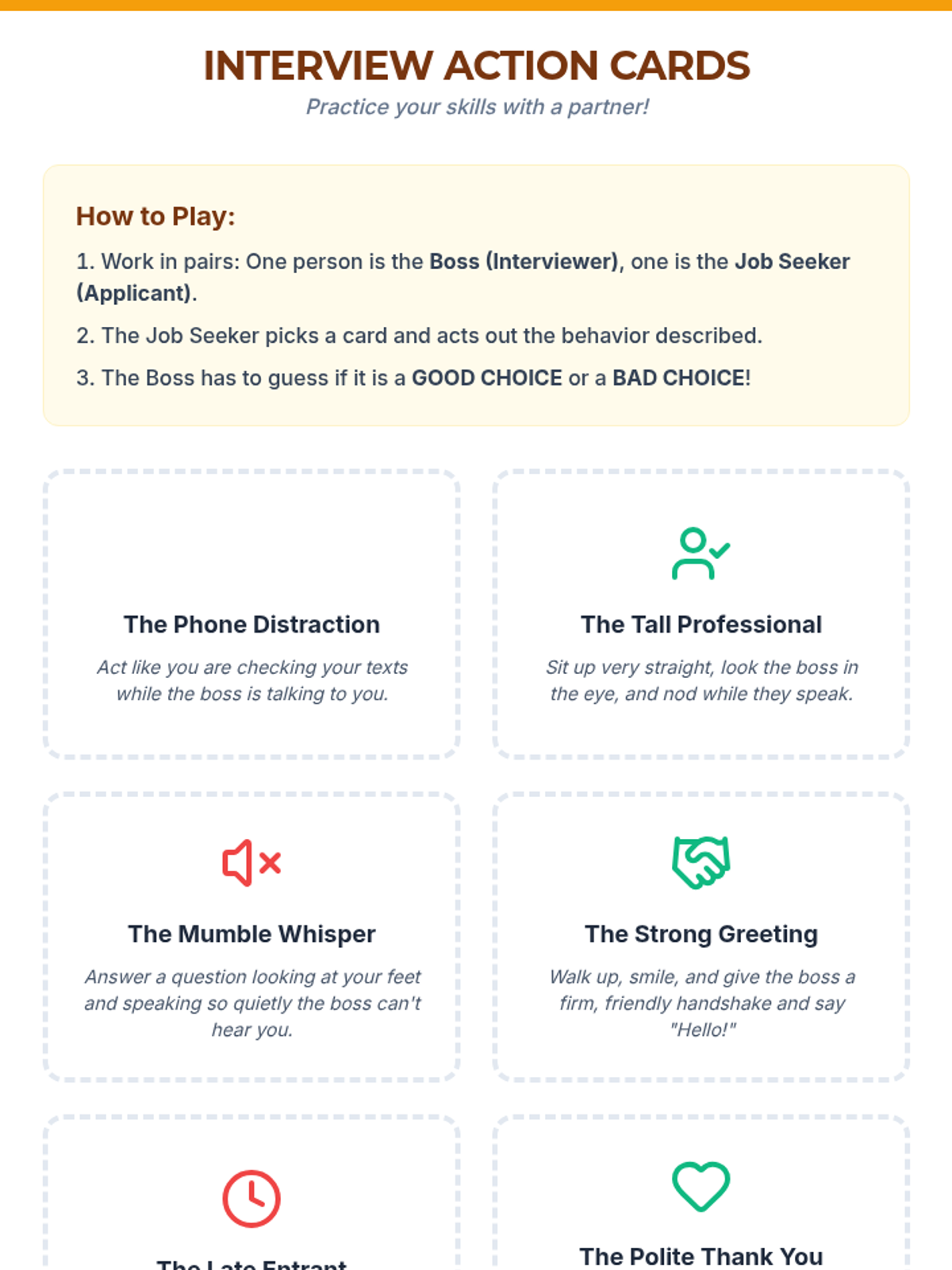
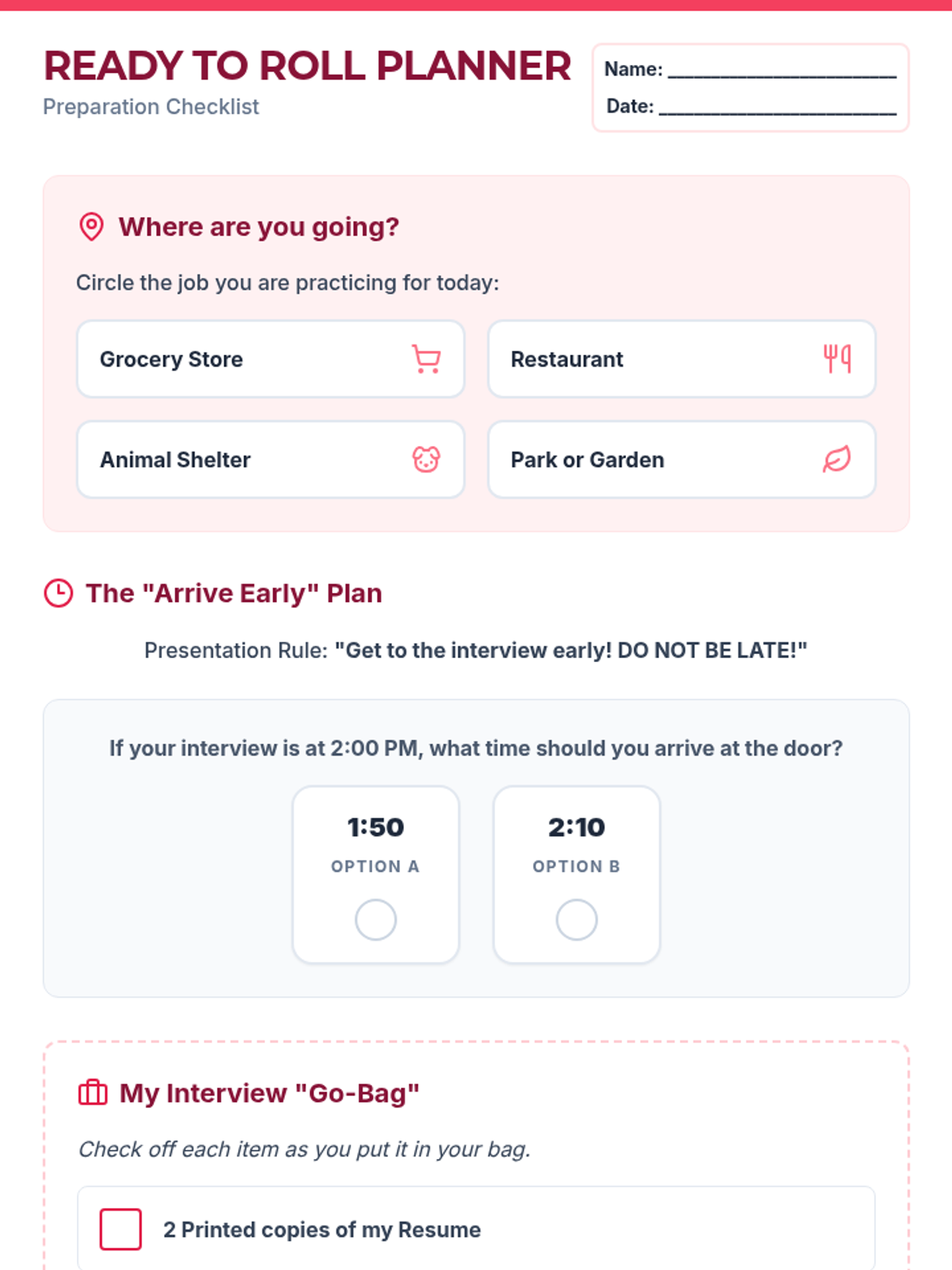
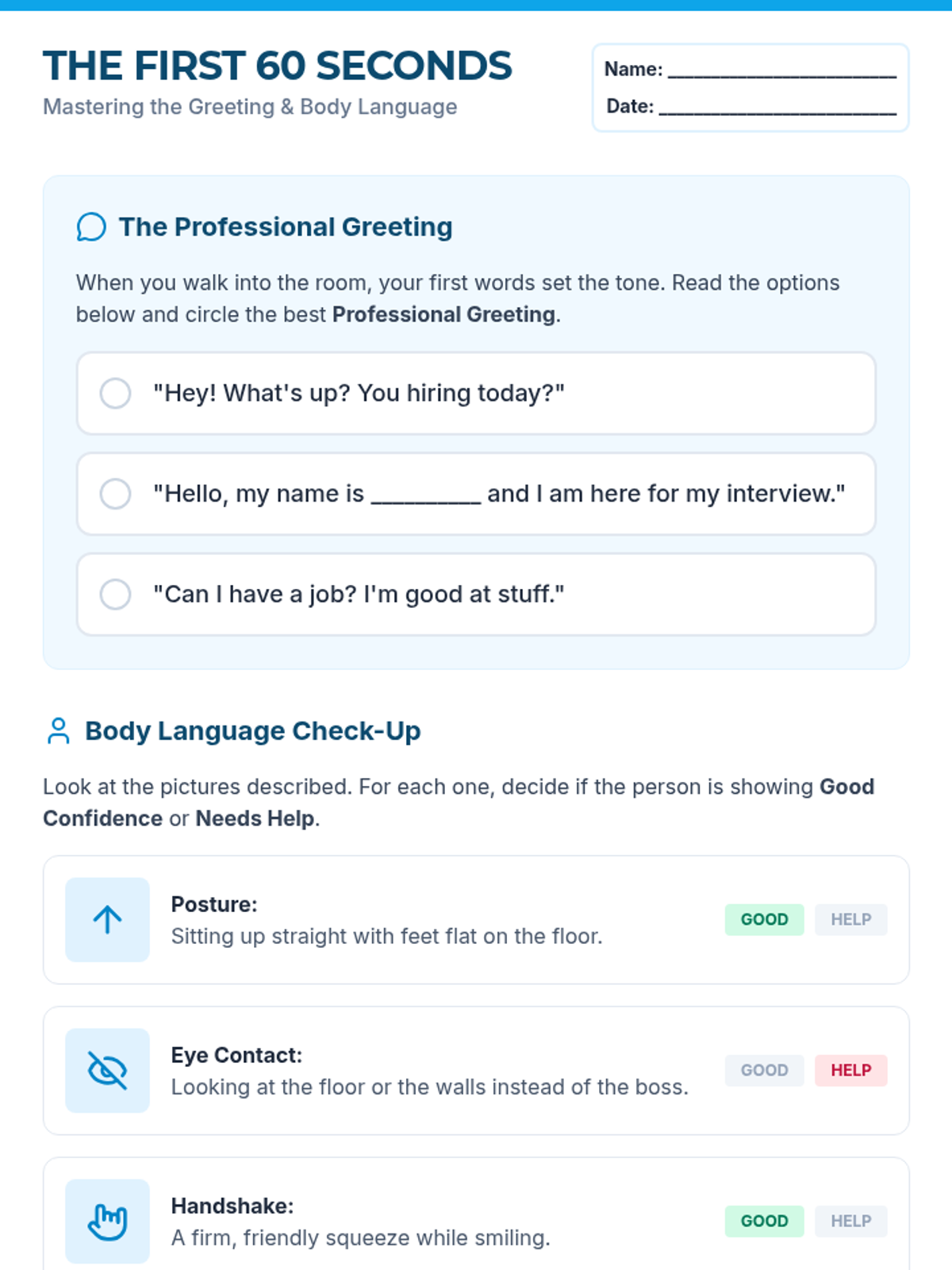
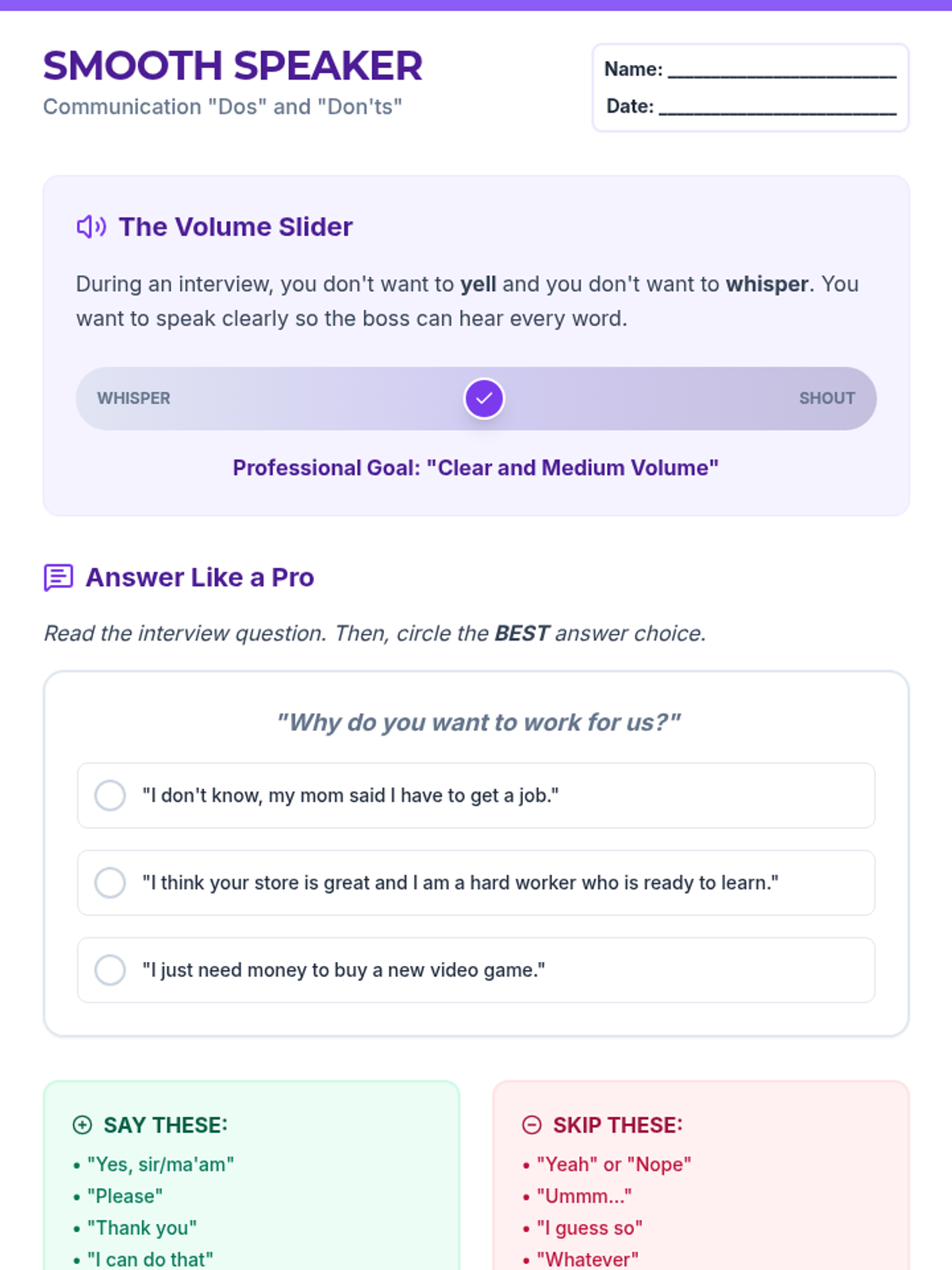
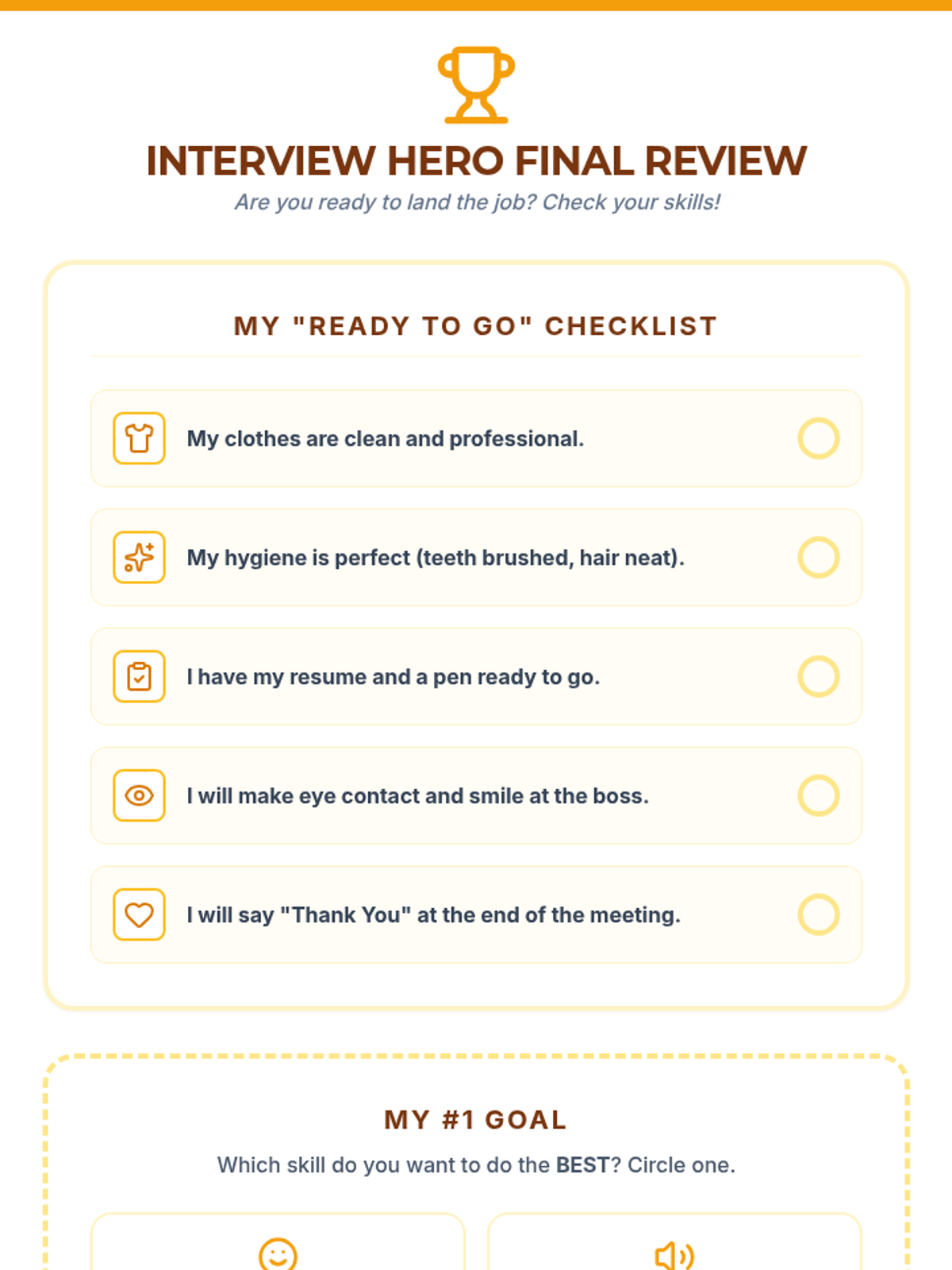
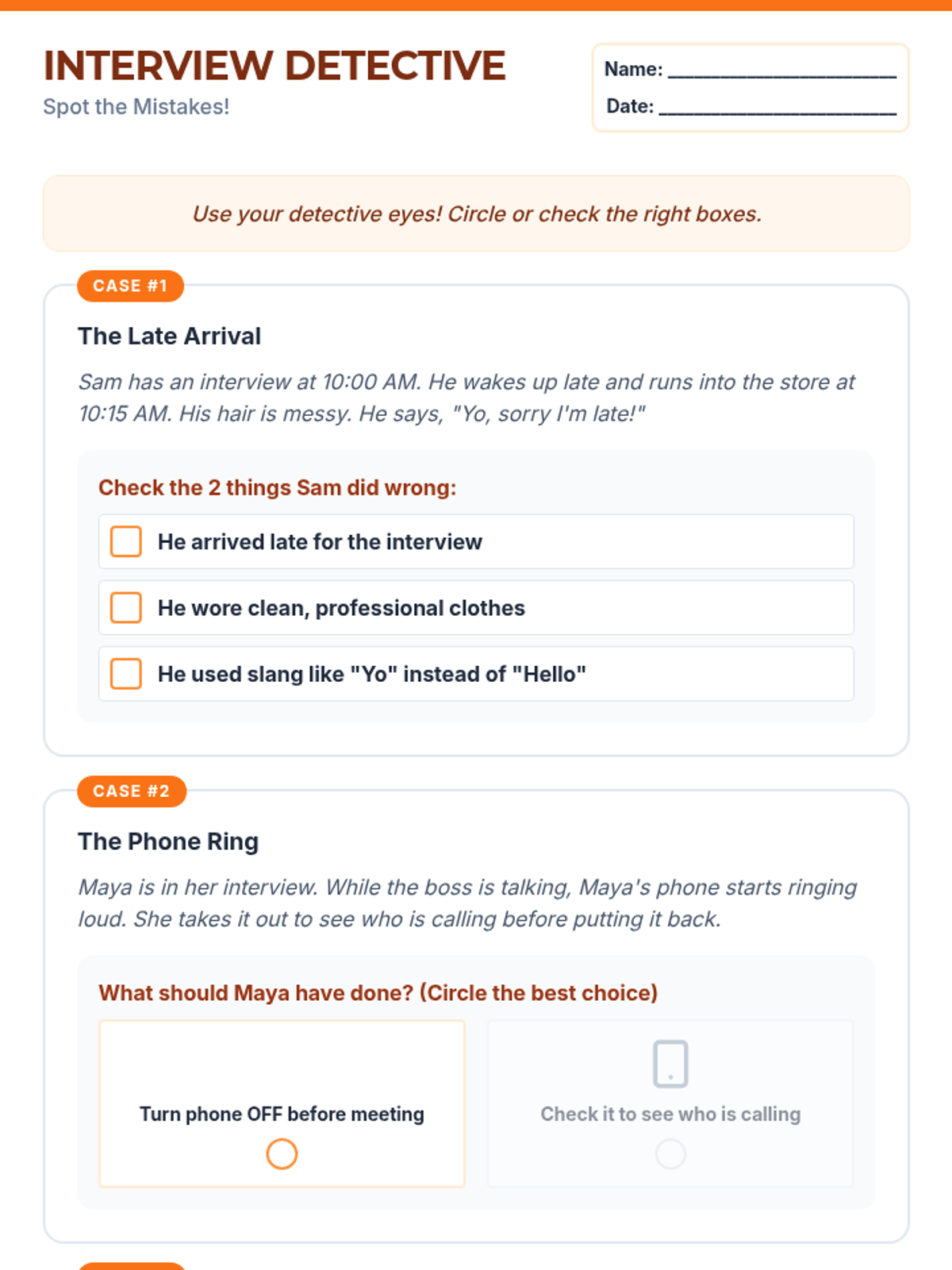
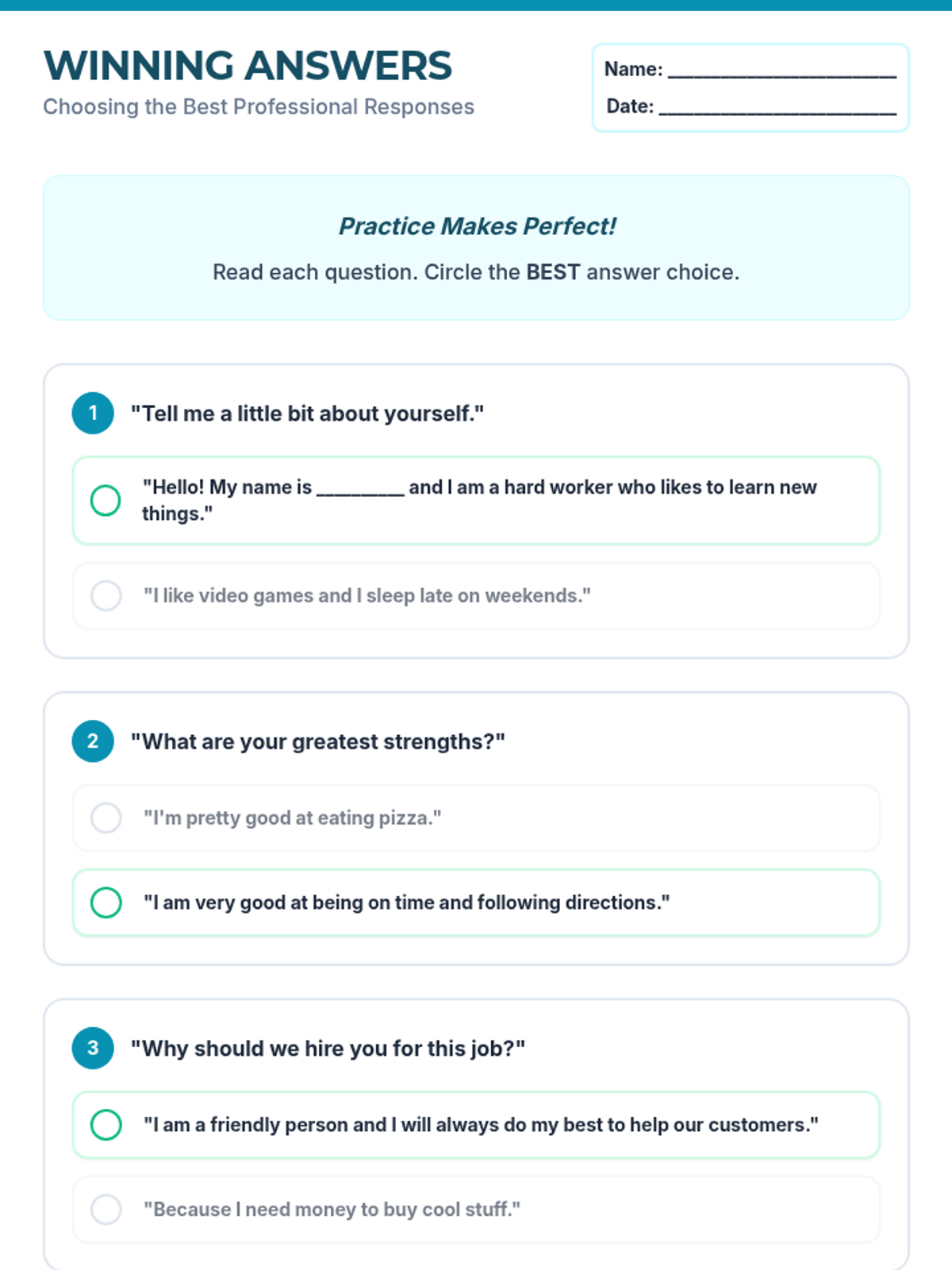
A comprehensive guide for high schoolers to master their first job interviews. Includes scripting practice for common questions and visual guides for professional presentation.
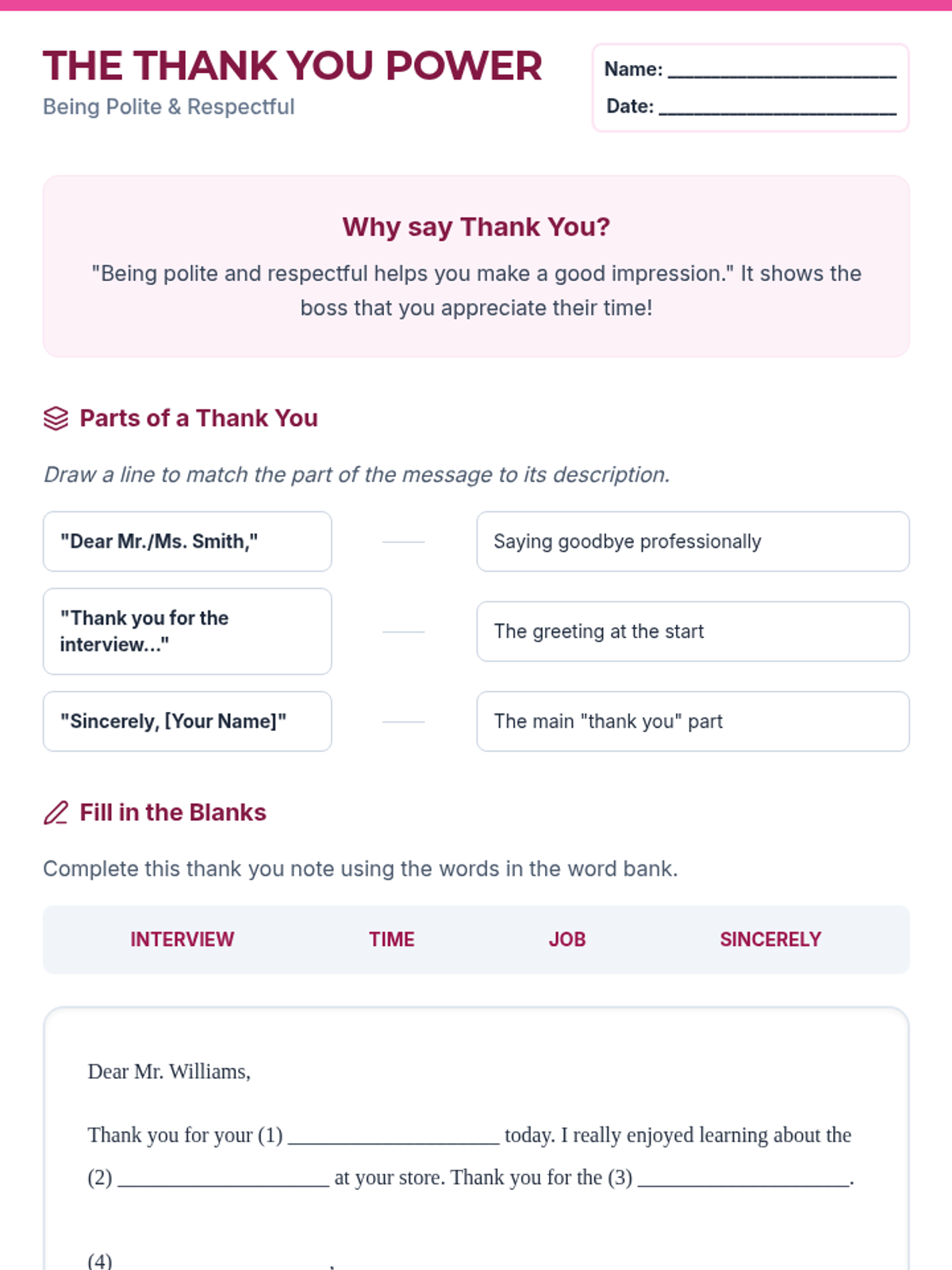
Students will learn how to present their best selves during a job interview by mastering professional hygiene, active listening techniques, and polite communication strategies.