Employer research strategies and behavioral response techniques using the STAR method. Develops virtual interview etiquette, professional presence, and effective follow-up communication.
A dual-unit program designed to equip students with essential life skills for the post-application phase of job hunting and personal well-being. This sequence focuses on interpersonal communication, interview excellence, and mental health.
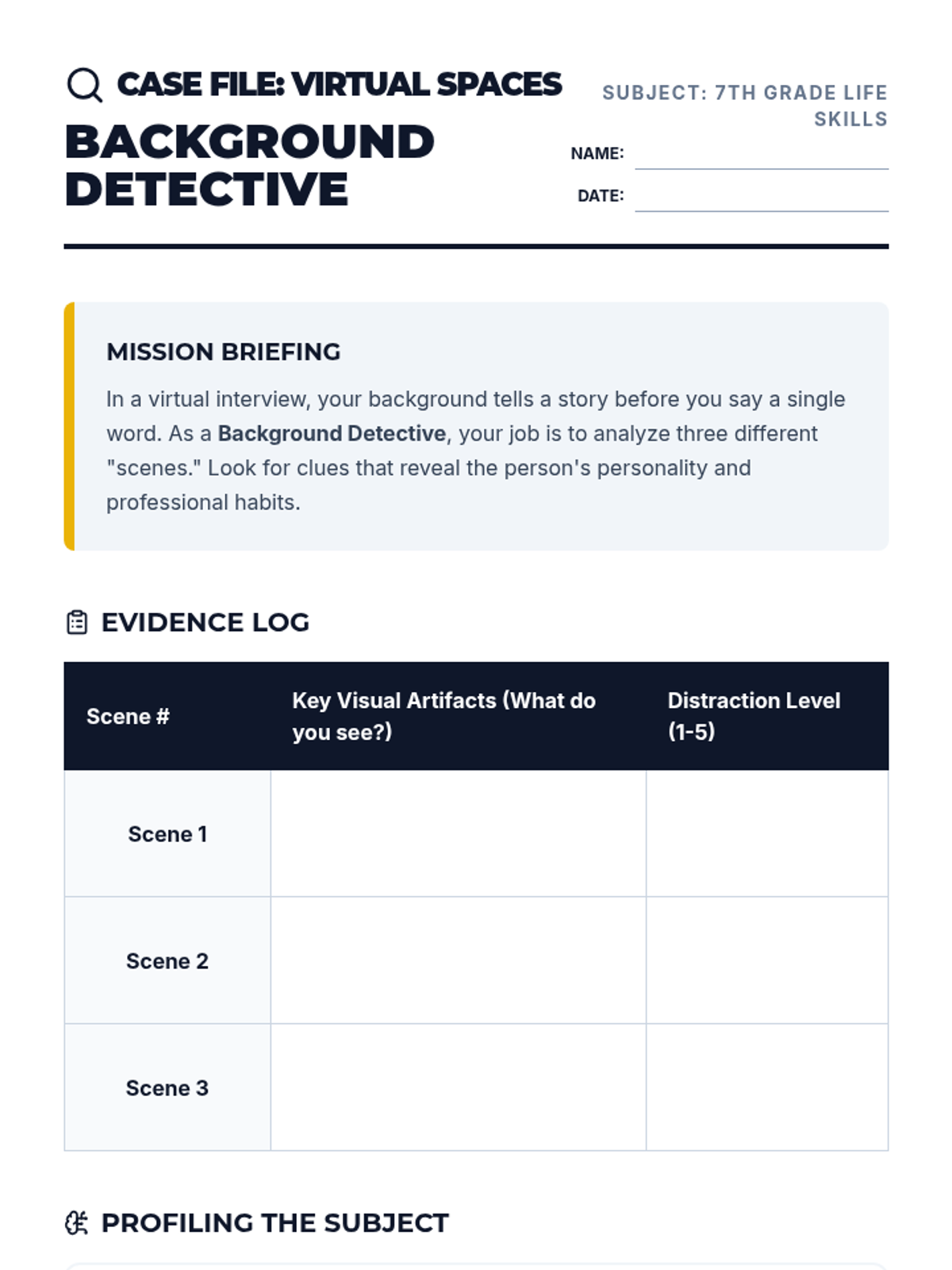
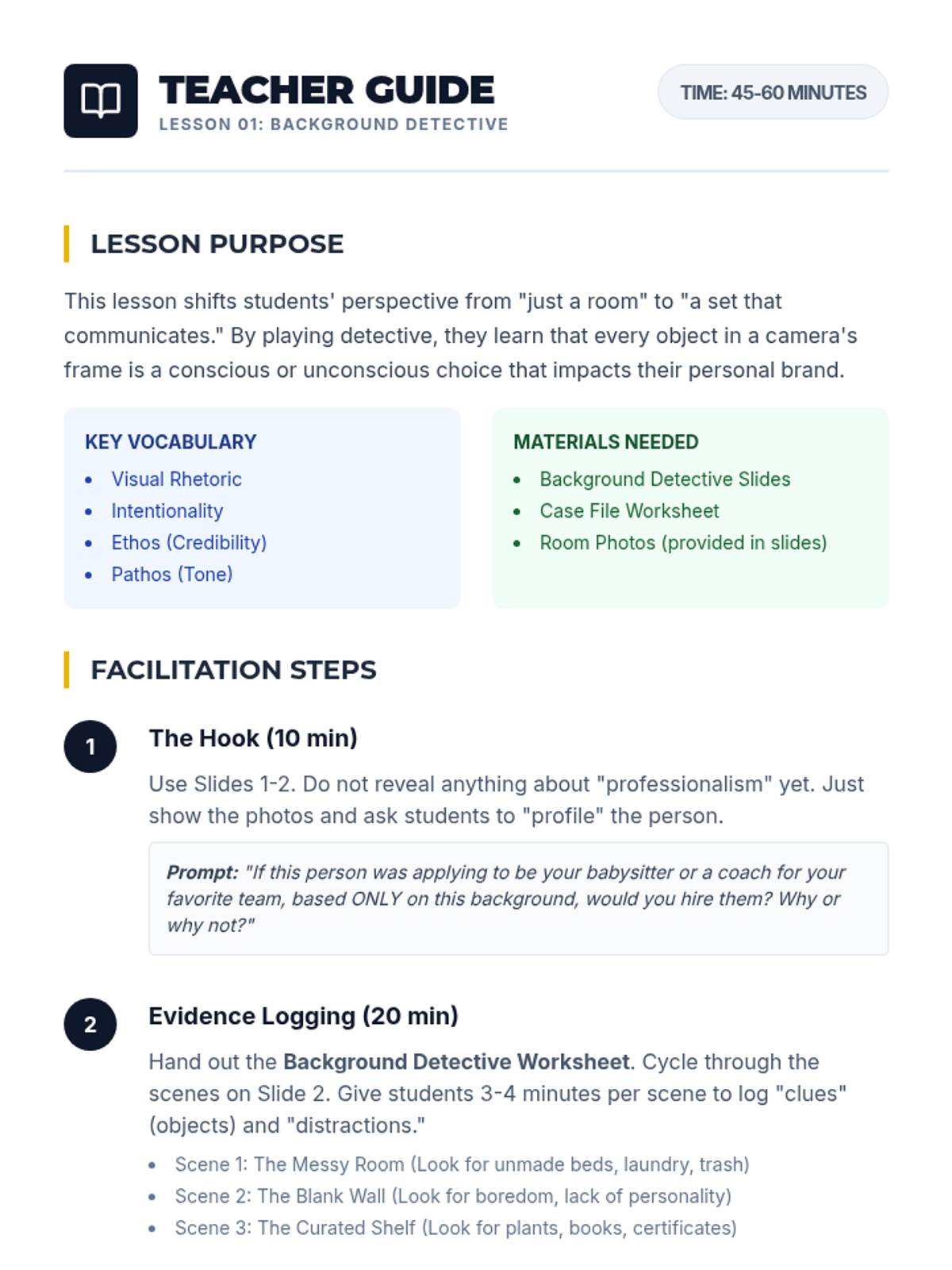
A project-based sequence for 7th graders to master the art of virtual interview backgrounds. Students explore visual rhetoric, set design, lighting, and digital tools to curate professional spaces that communicate their personal brand effectively.
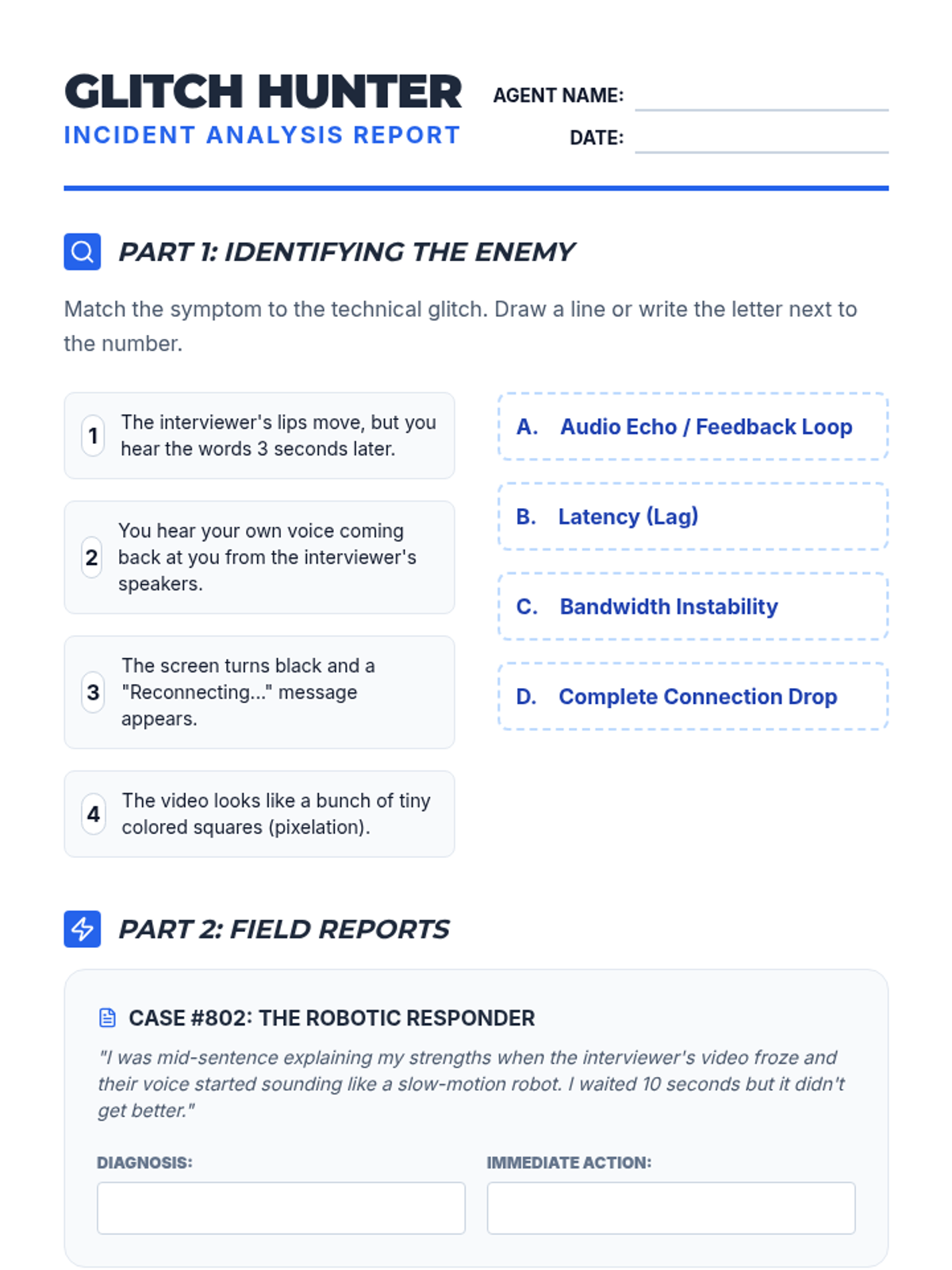
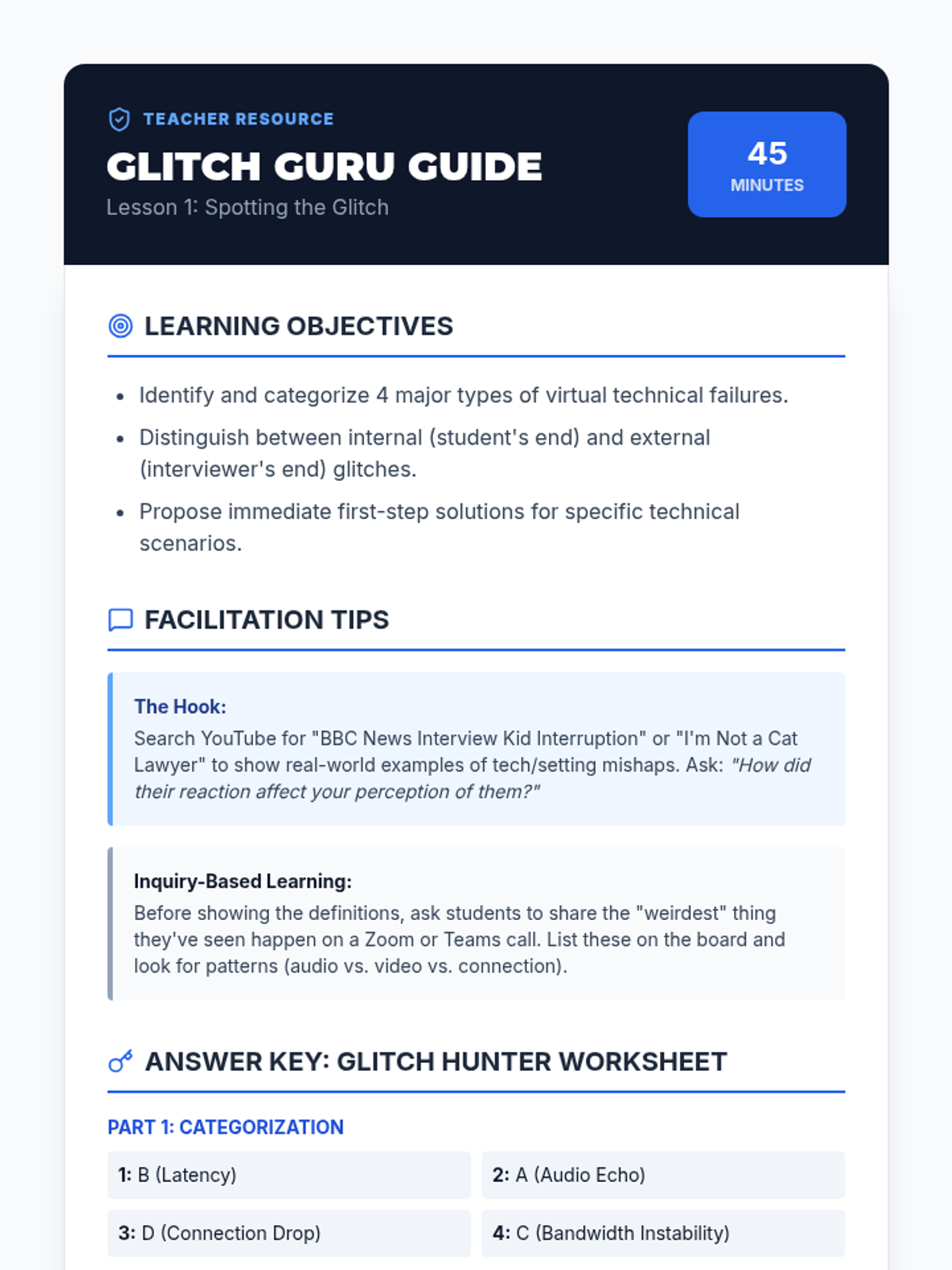
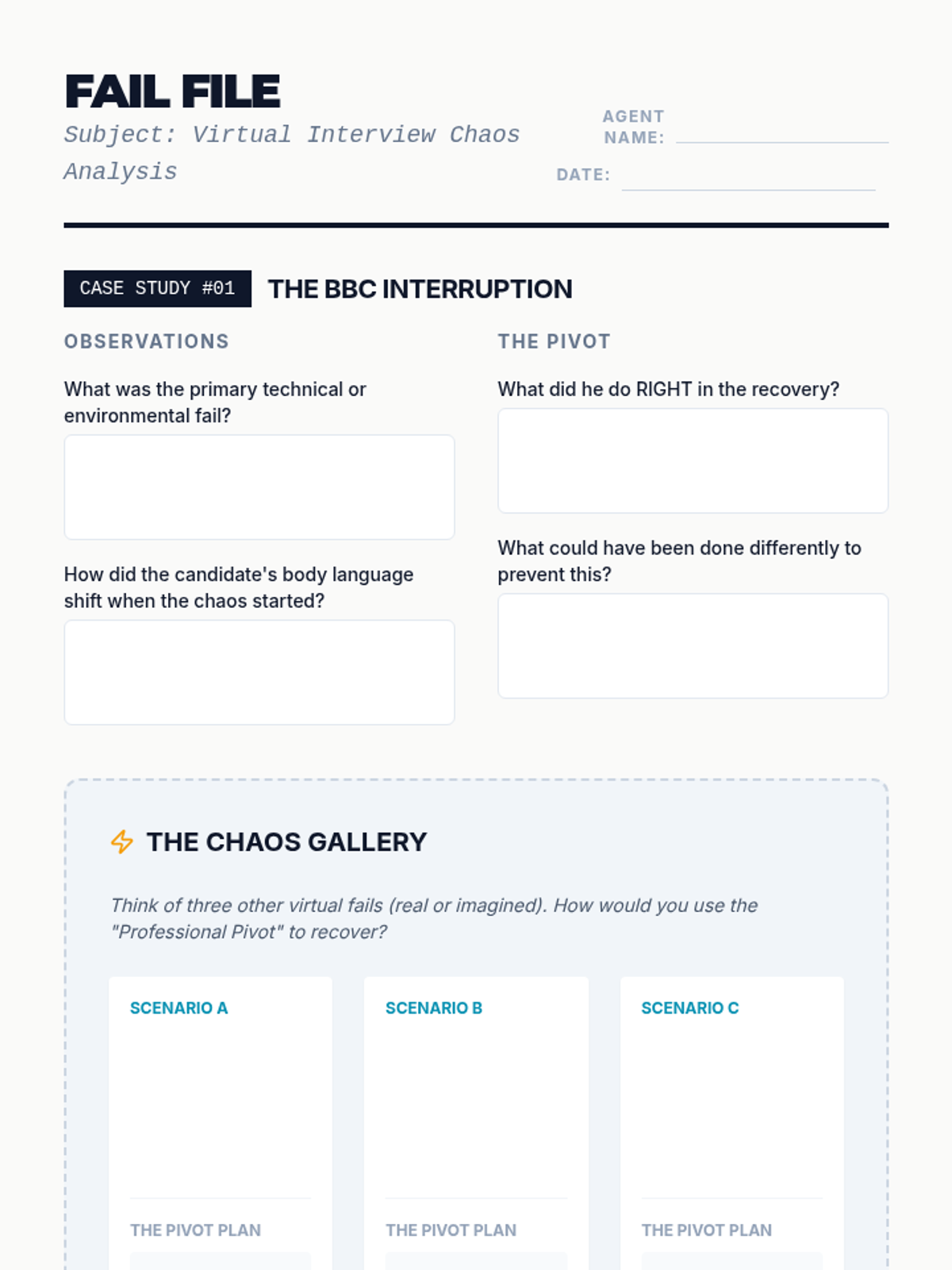
A comprehensive sequence designed to equip 8th-grade students with the resilience and technical skills needed to navigate virtual interview failures. Students progress from identifying common tech issues to developing backup protocols, mastering professional crisis communication, and maintaining emotional composure under pressure.
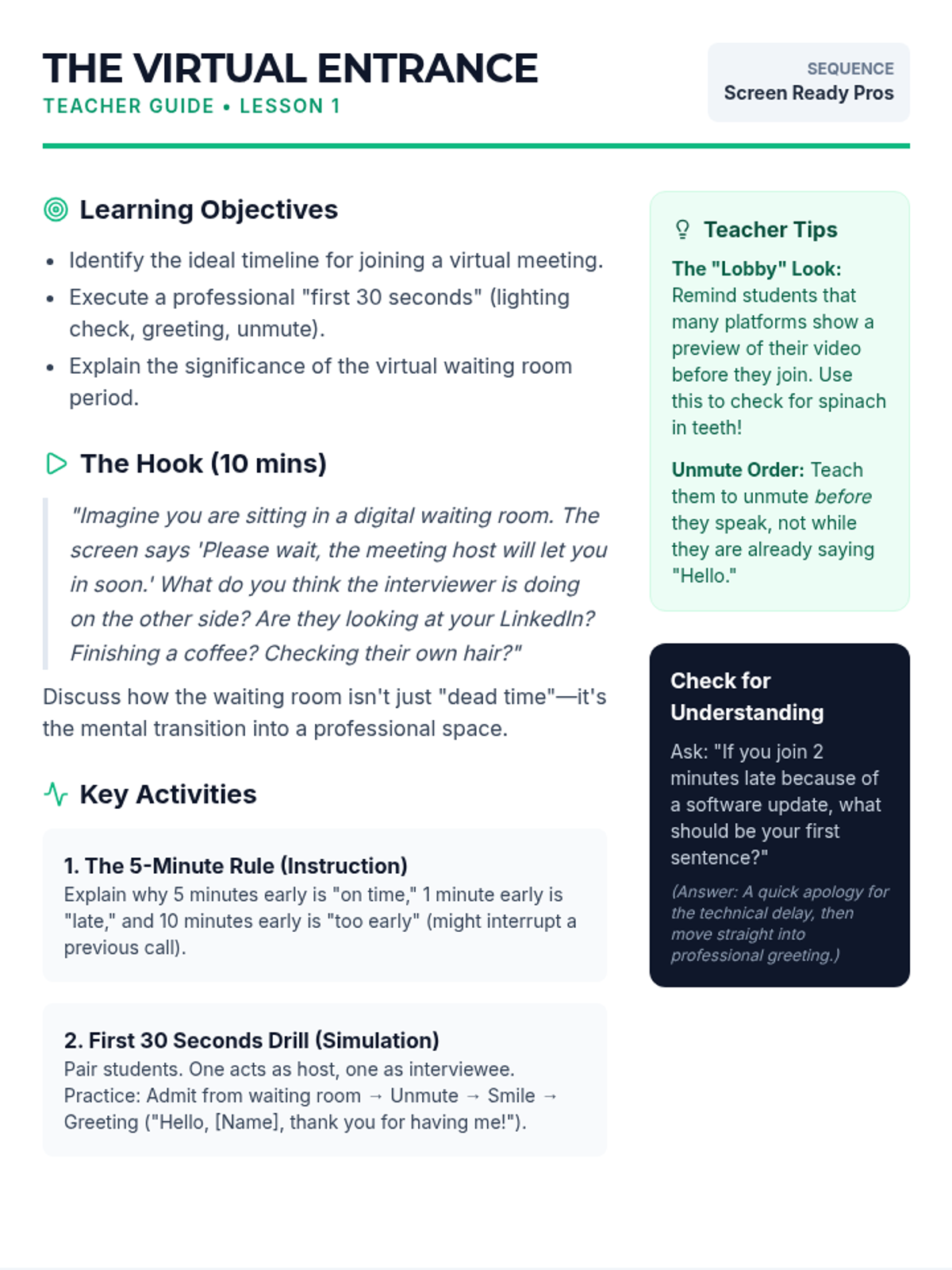
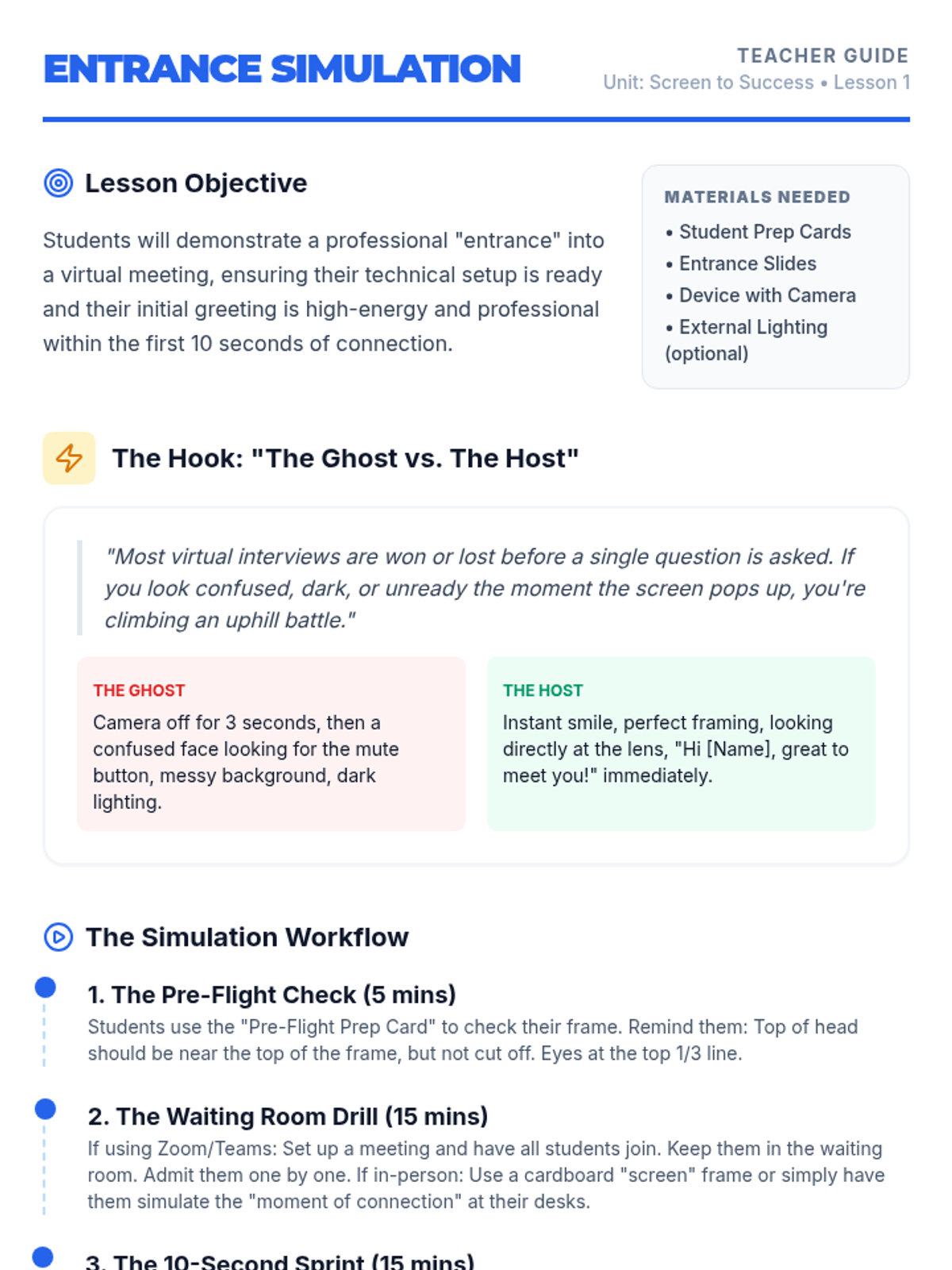
A comprehensive 5-lesson sequence for 8th graders focused on mastering the technical and interpersonal nuances of virtual interviews, from joining the waiting room to the final exit.
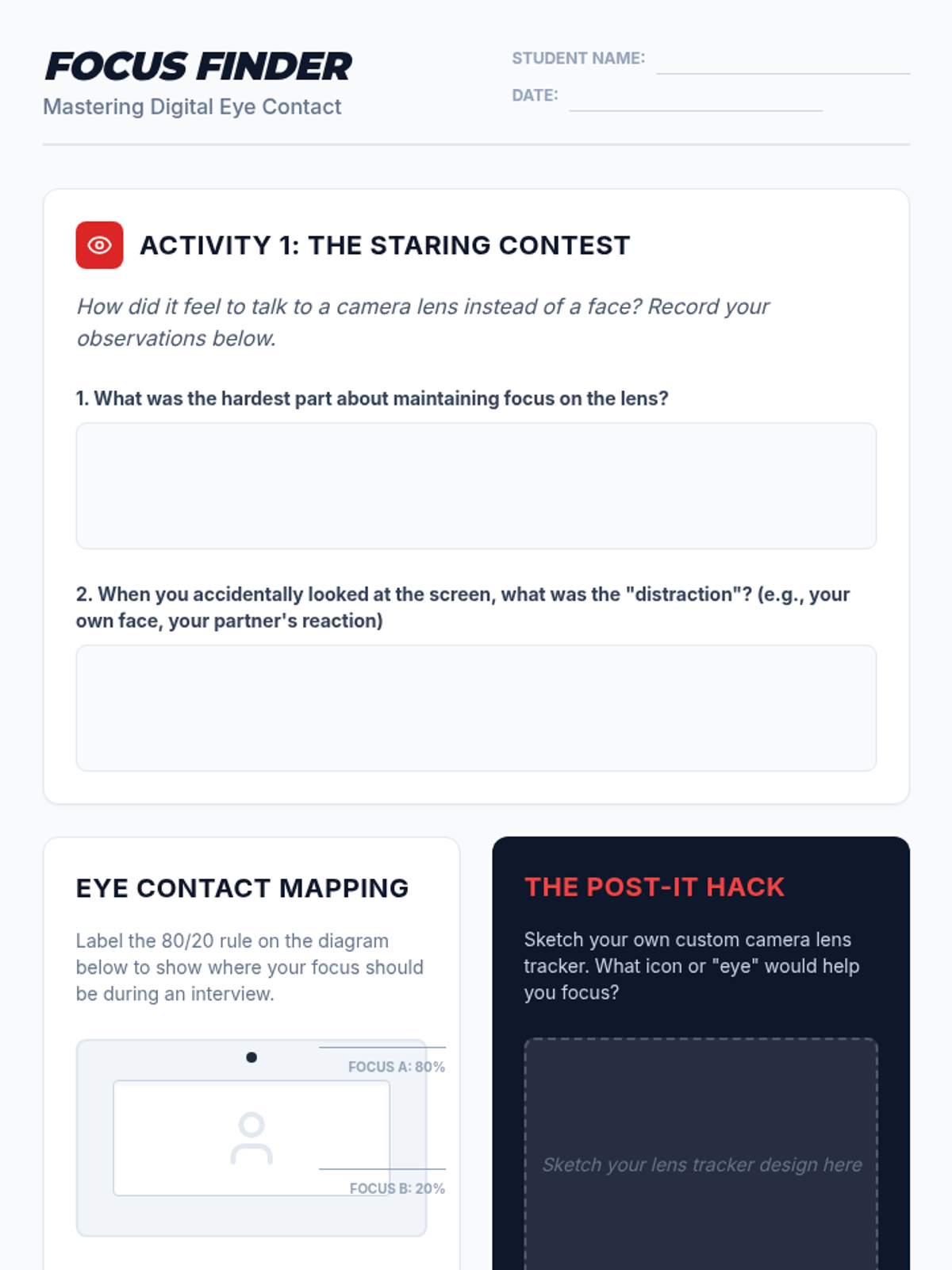
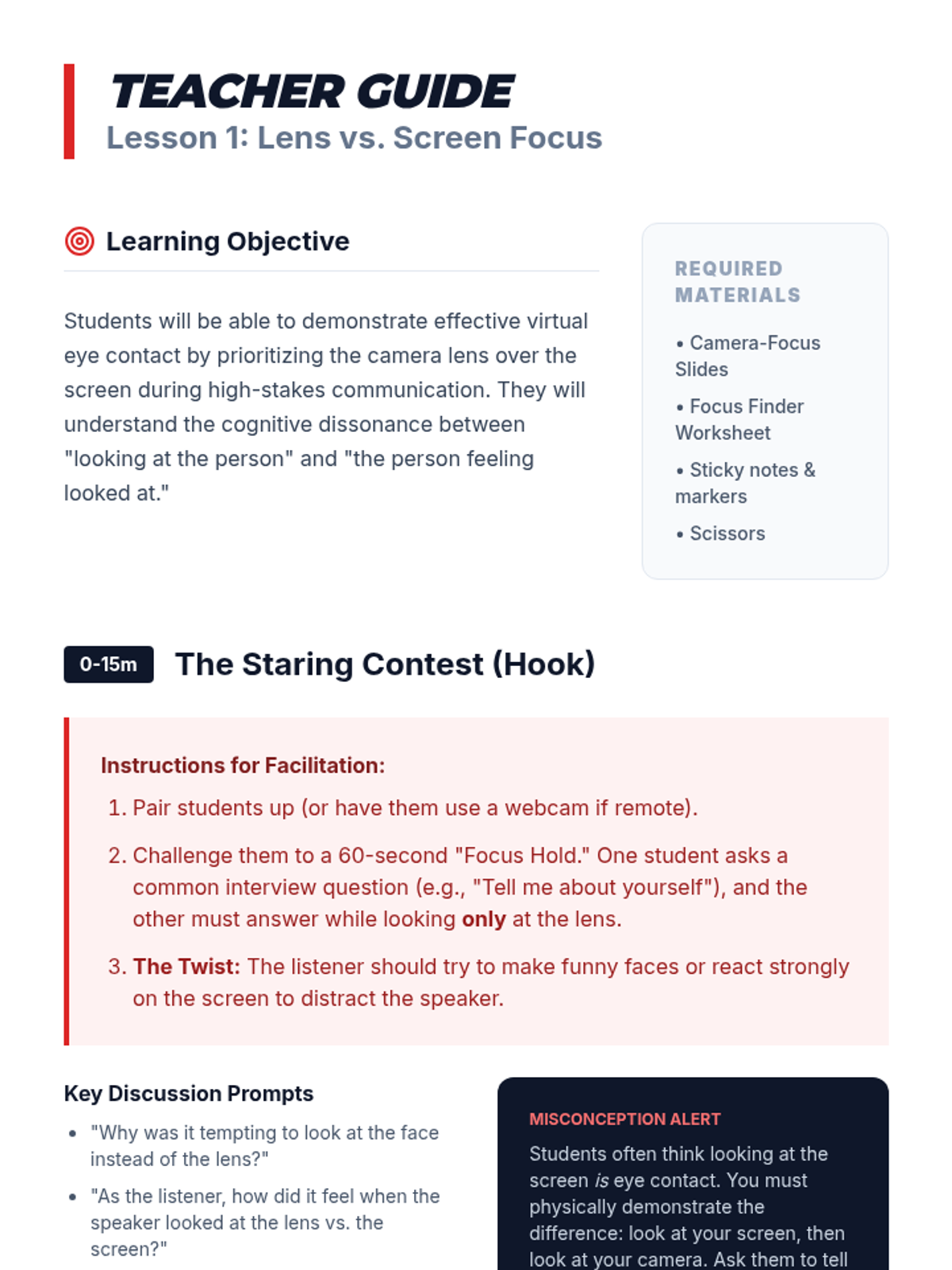
A comprehensive 9th-grade sequence focused on mastering non-verbal communication for virtual interviews. Students learn to translate in-person social cues like eye contact and active listening into digital equivalents, focusing on framing, posture, and facial feedback.
This sequence guides 9th-grade students through the nuances of virtual interviews, focusing on technical setup, digital presence, STAR method application with on-screen aids, and professional closing etiquette. Students move from short simulations to a full recorded mock interview.
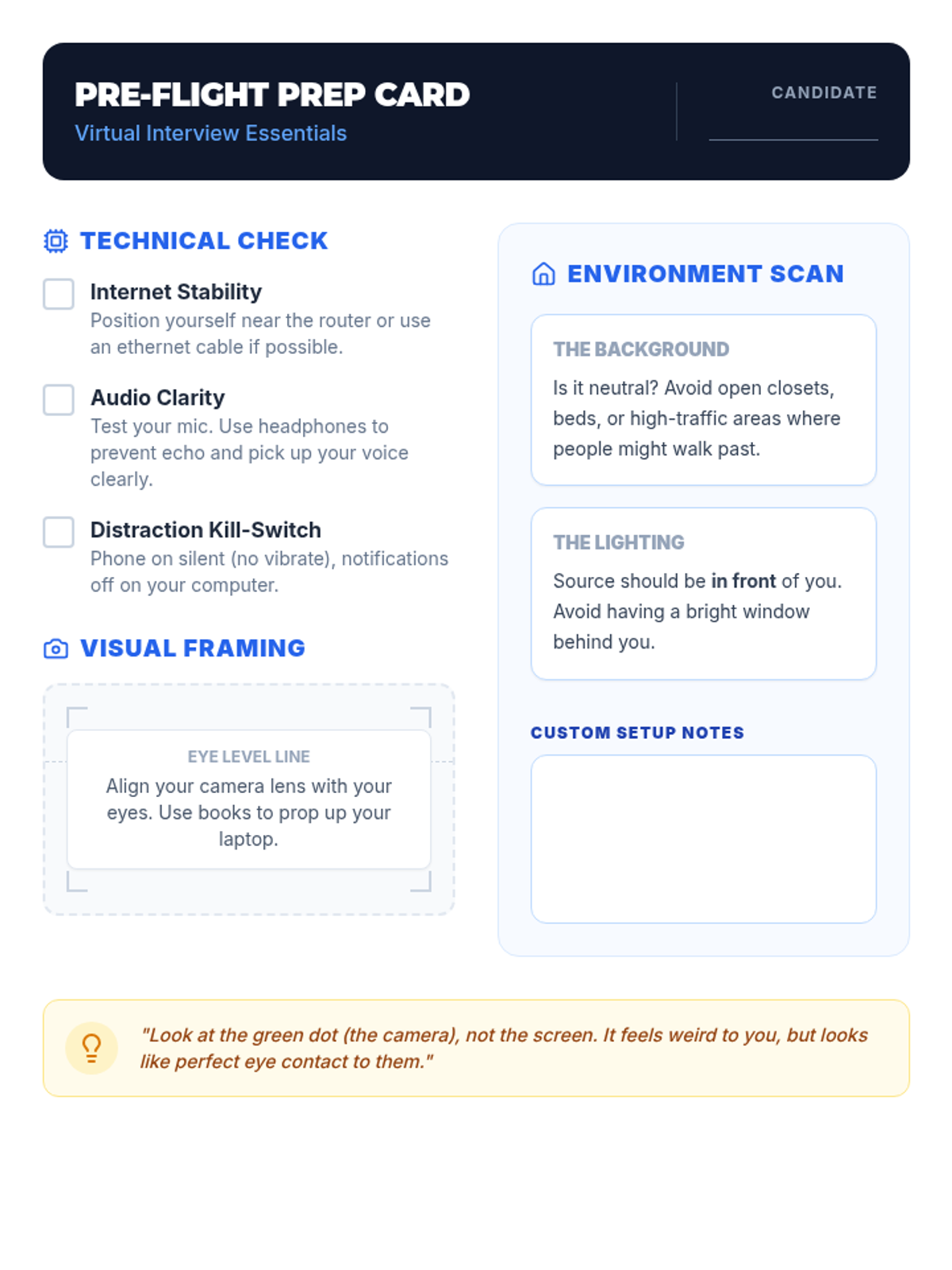
A comprehensive sequence focused on mastering virtual presence through analysis of failures, professional modeling, and rigorous self and peer reflection. Students develop a critical eye for digital communication and create a personal 'pre-flight' checklist for professional success.
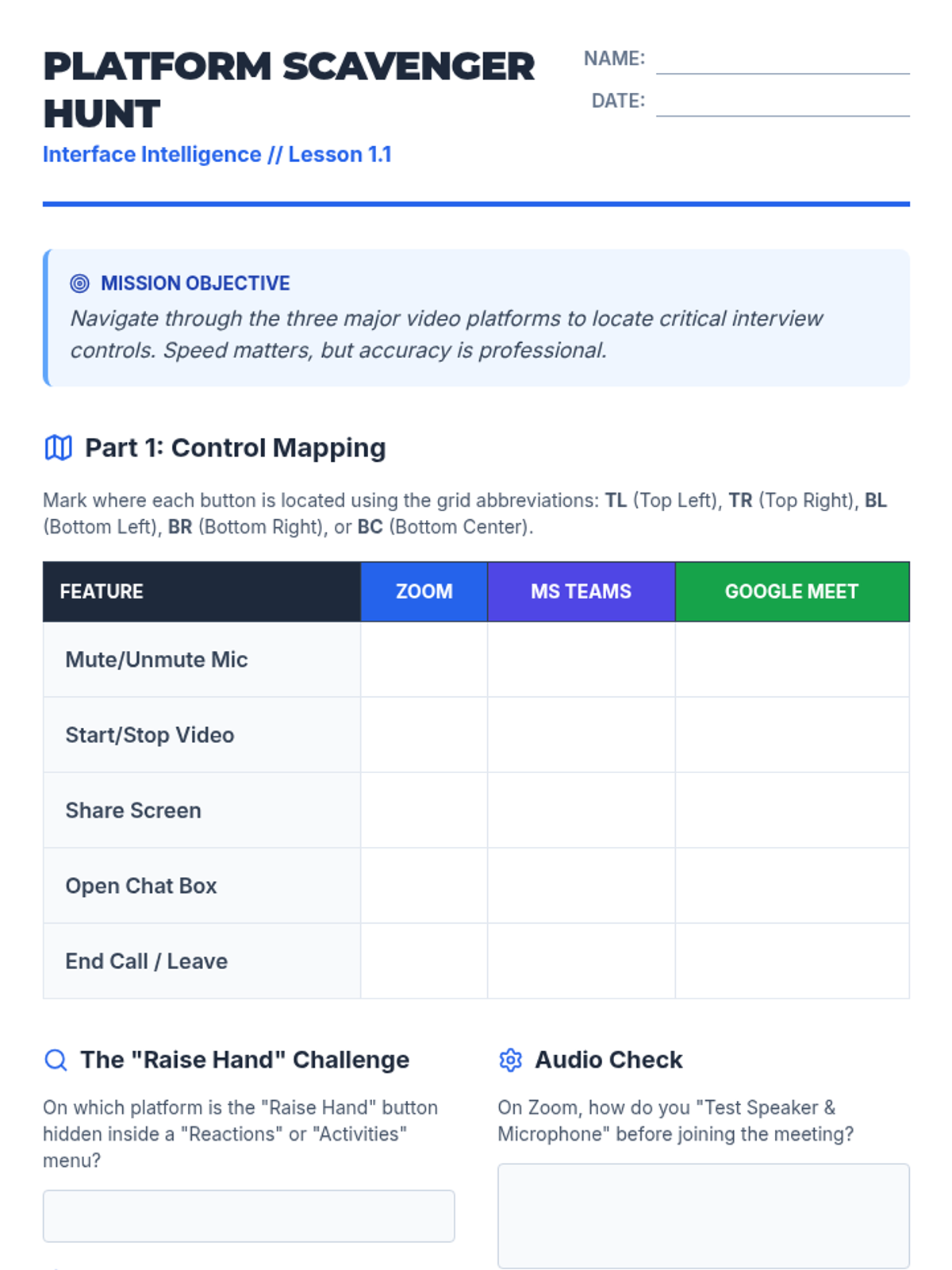
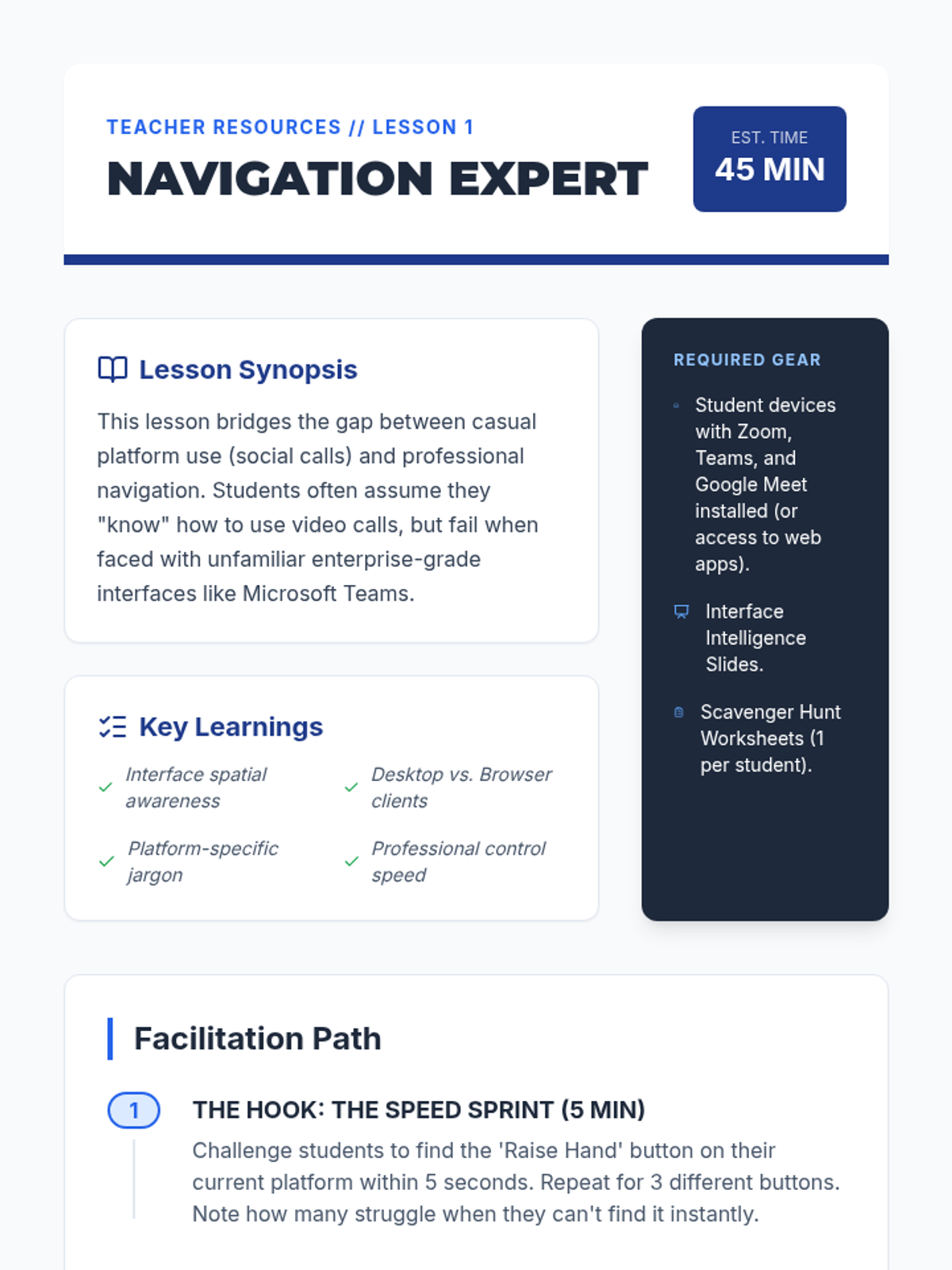
A comprehensive 5-lesson unit designed to help 9th-grade students master the technical aspects of virtual interviews. Students learn platform navigation, troubleshooting protocols, screen-sharing etiquette, and crisis management through hands-on simulations and interactive guides.
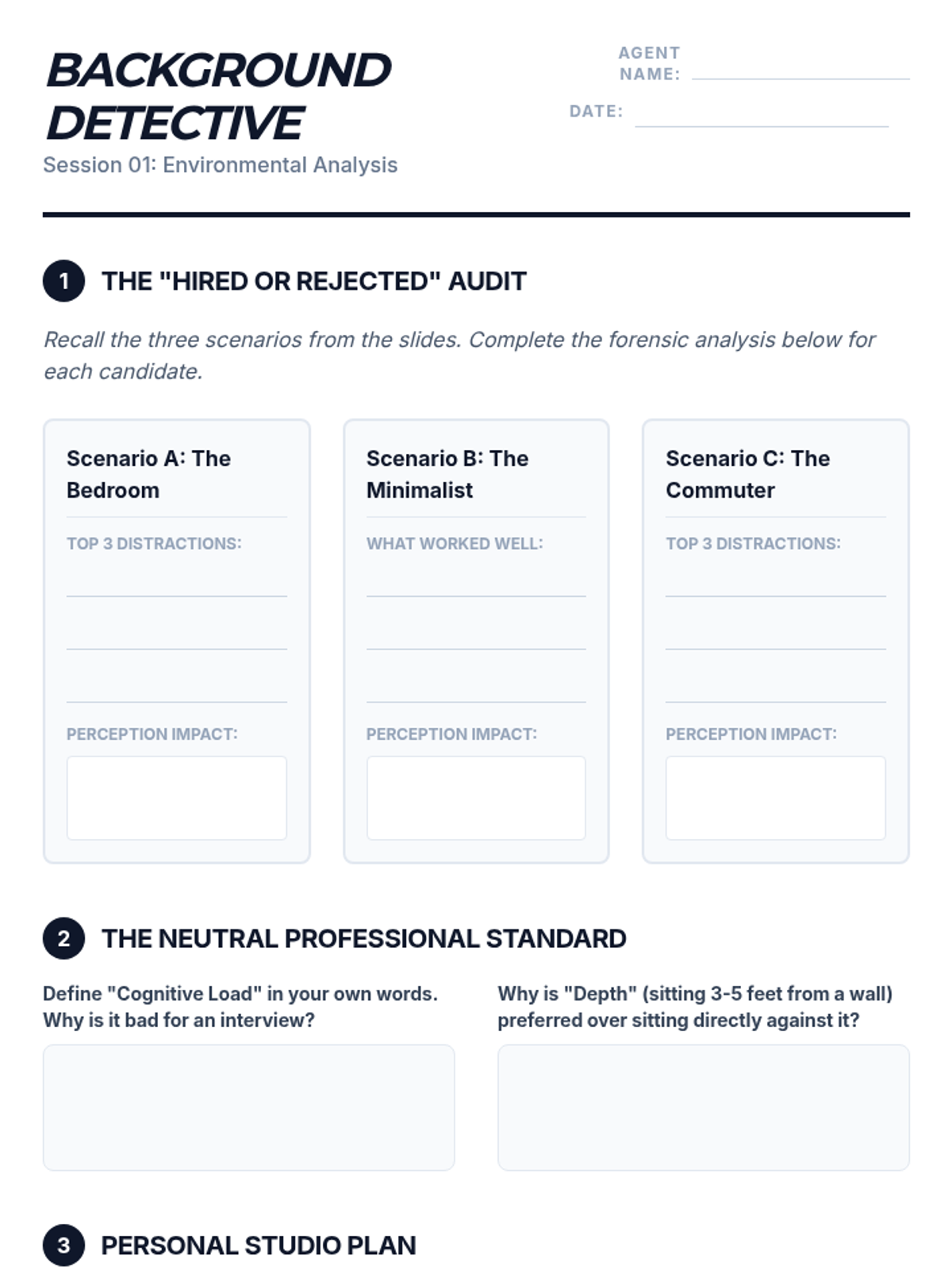
A comprehensive 5-lesson sequence for 9th graders focusing on the technical and environmental aspects of professional virtual interviews, from background composition to lighting, audio, and framing.
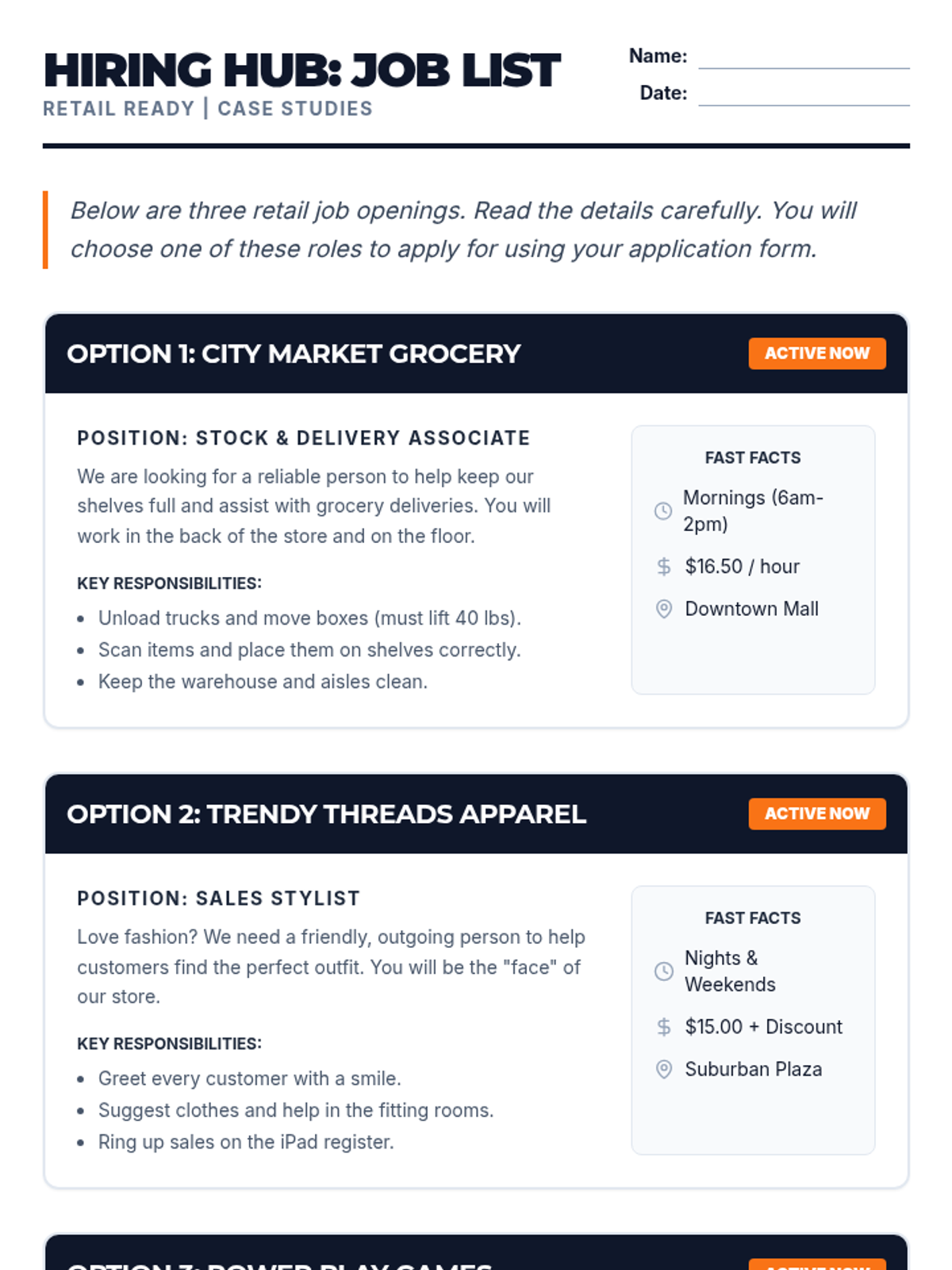
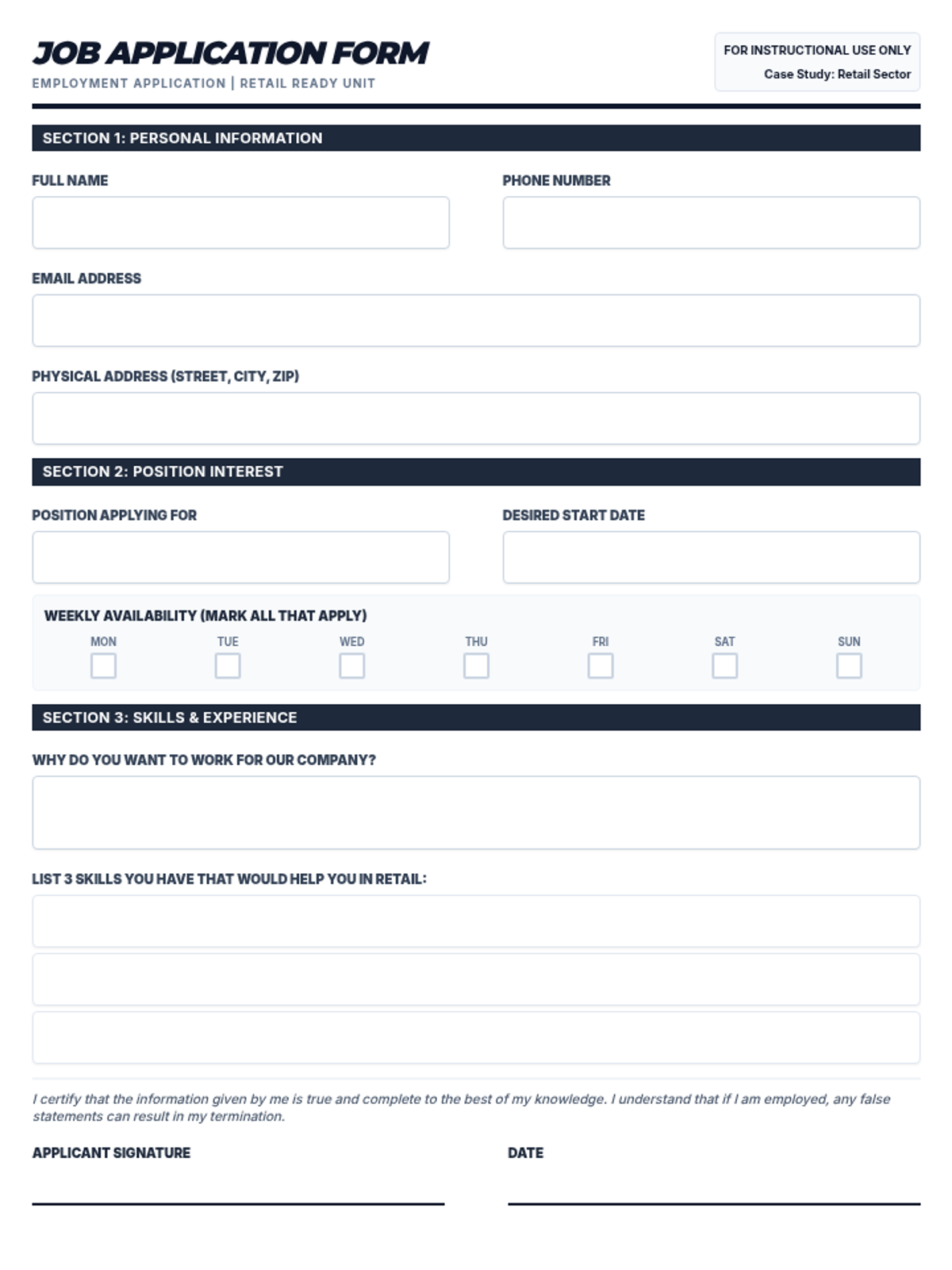
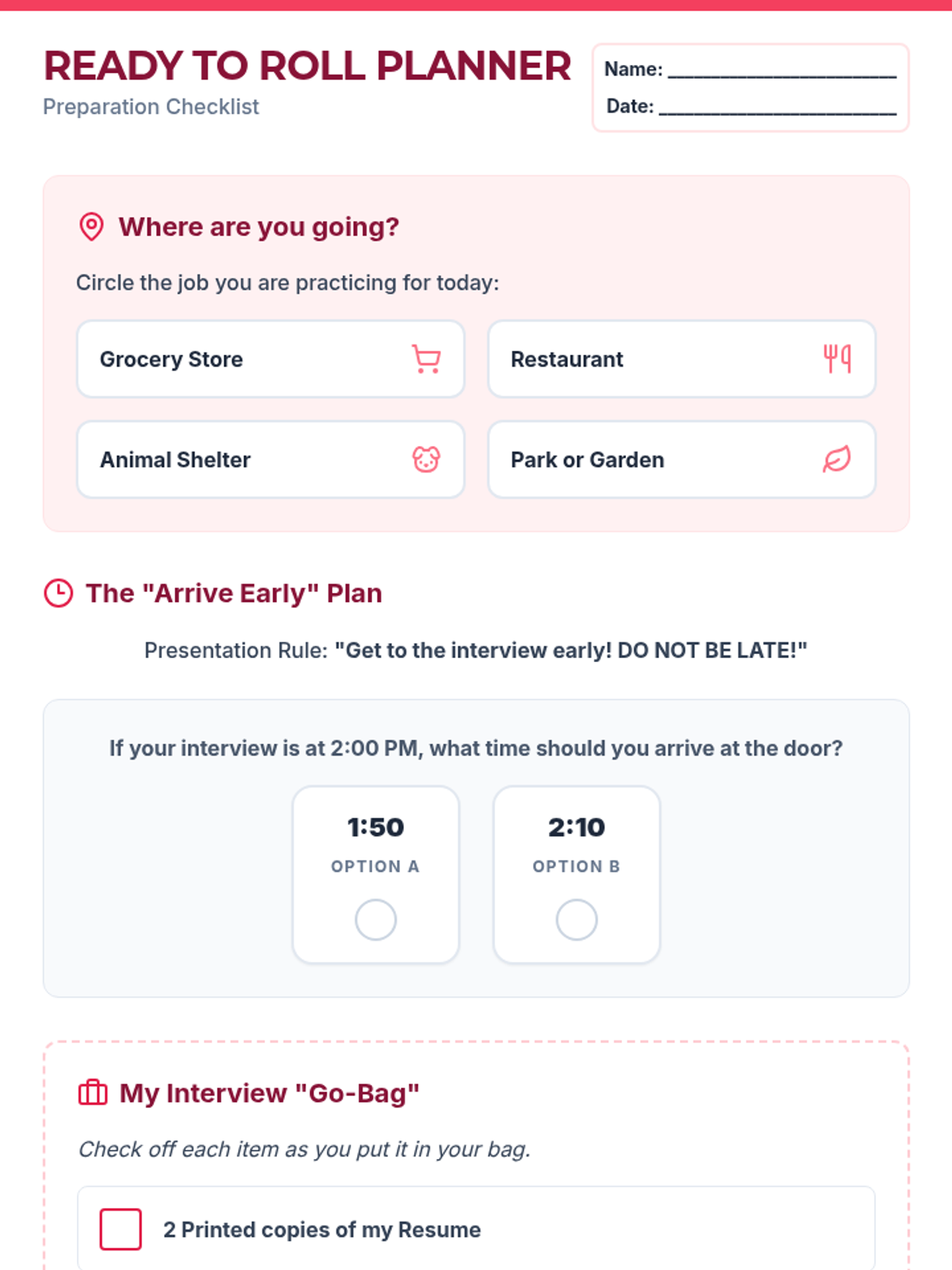
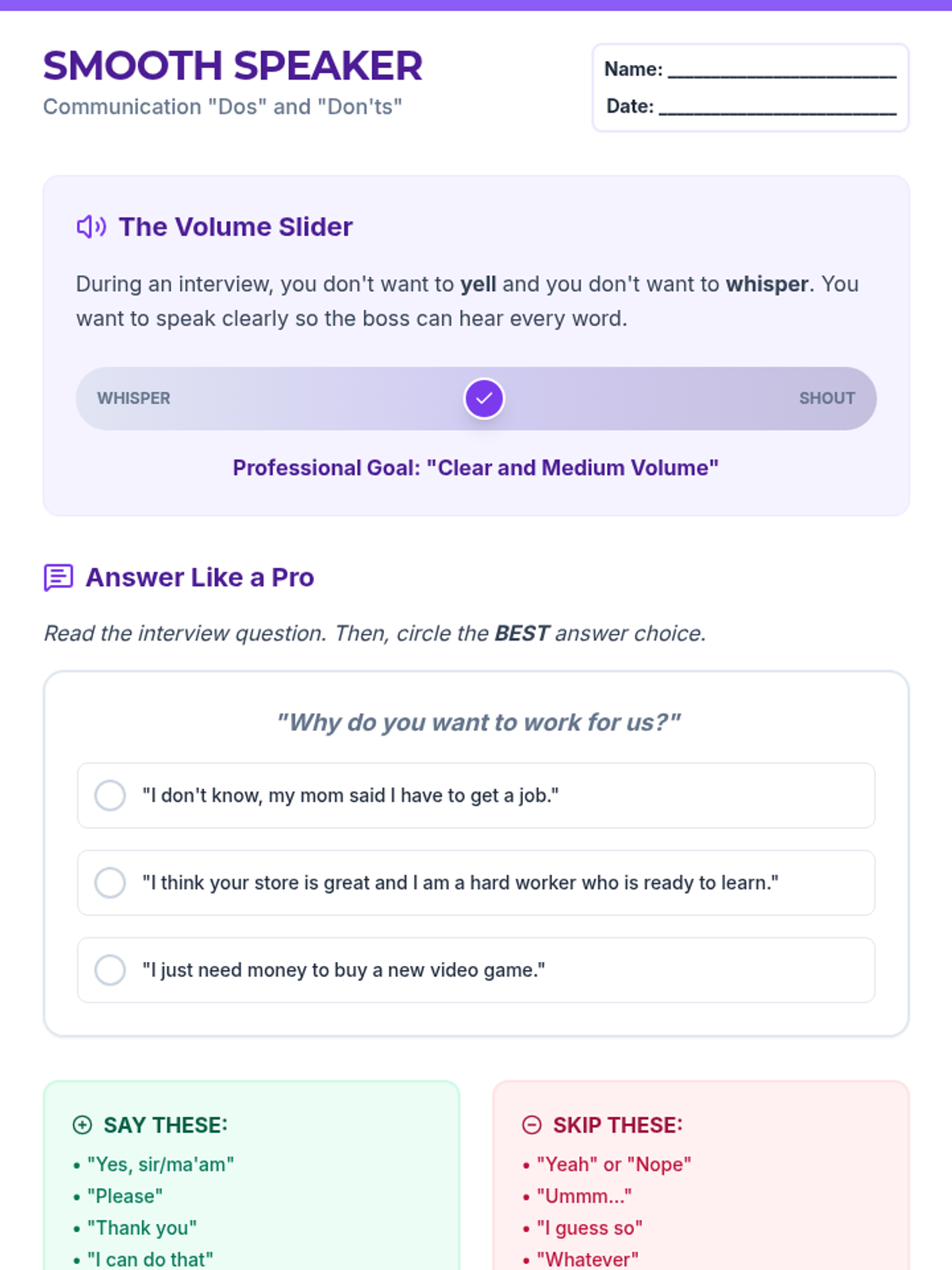
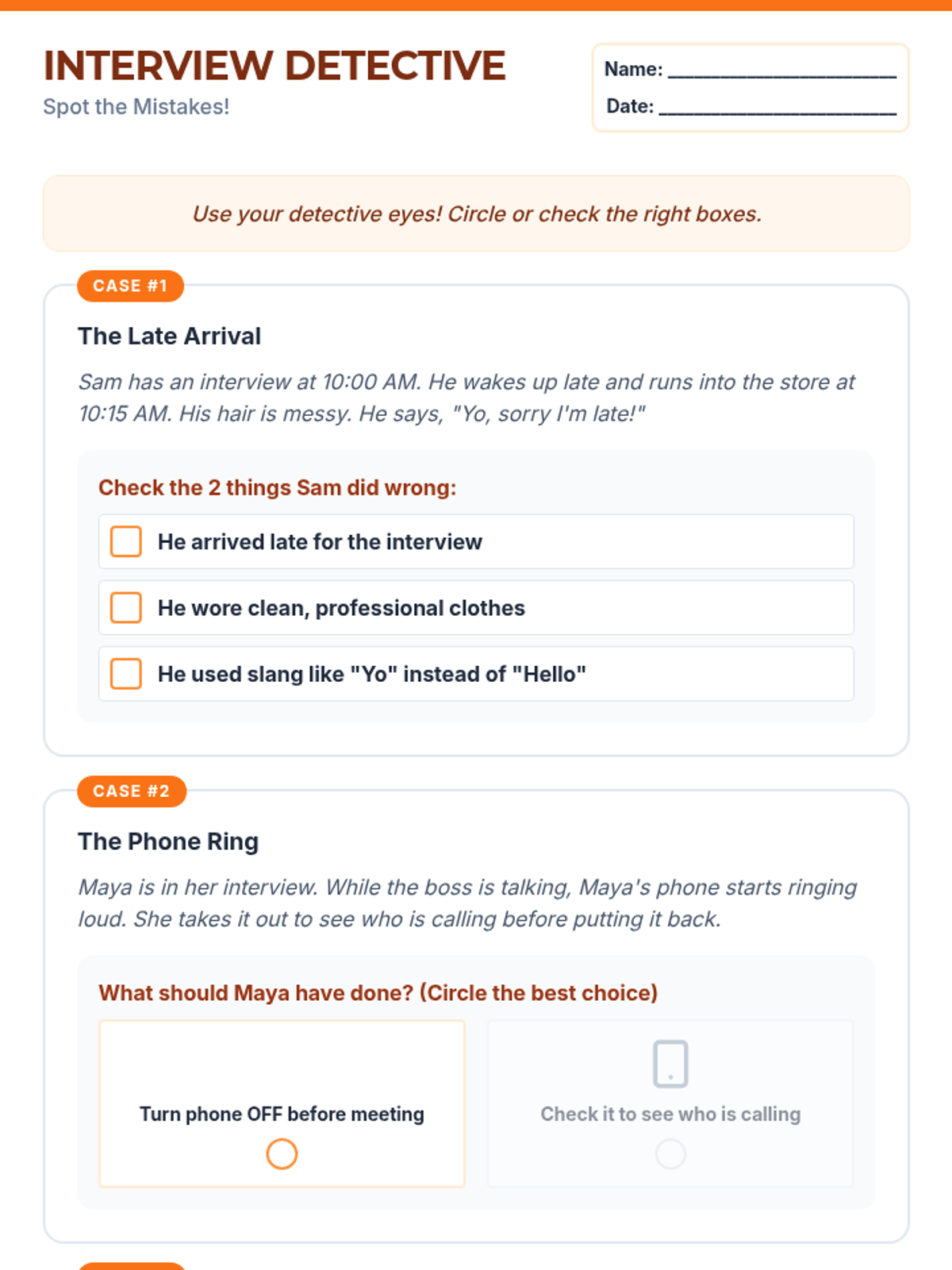
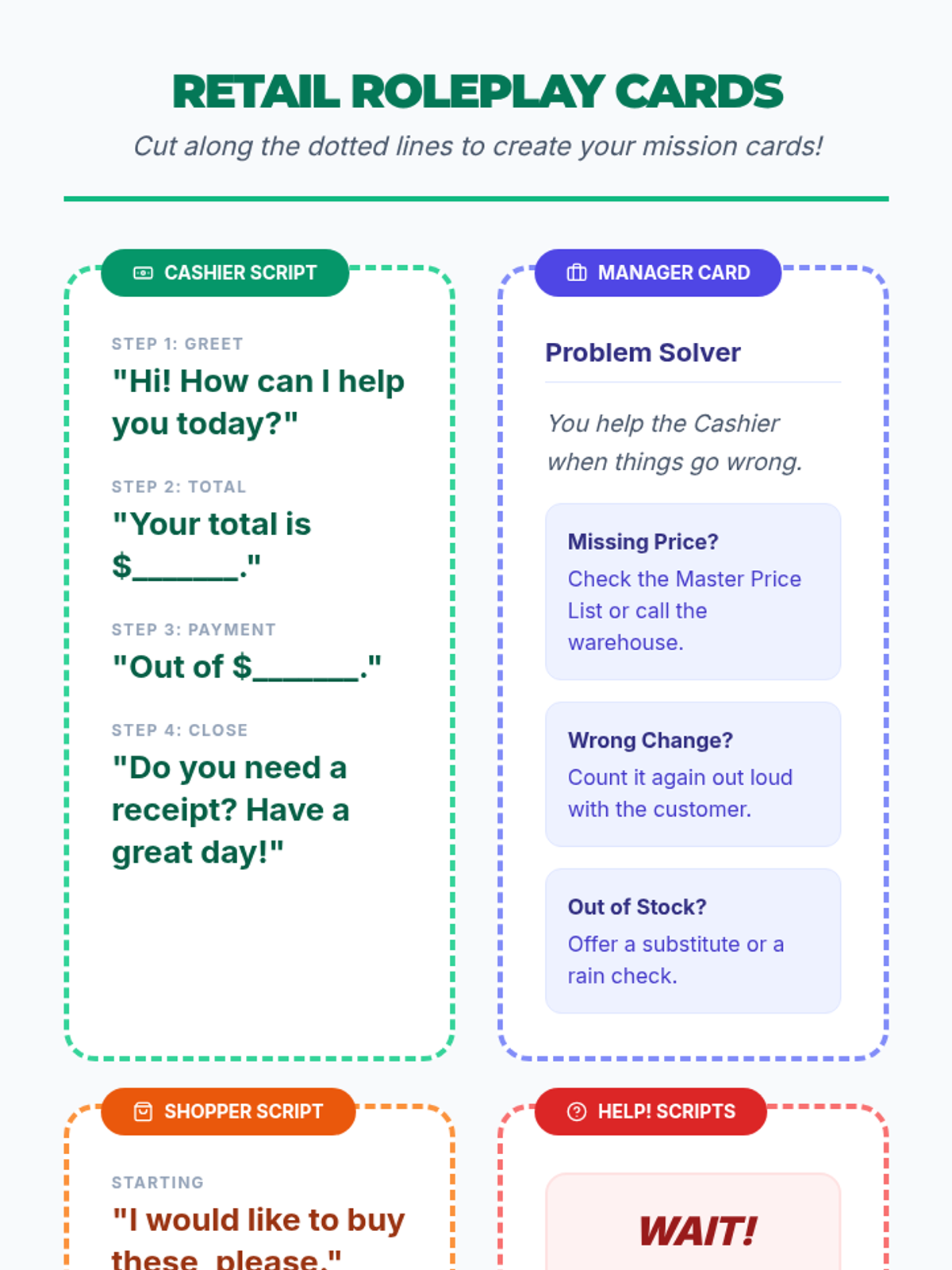
A comprehensive vocational program designed for alternative education students to master the retail hiring process, from the initial application to the post-interview reflection. The sequence focuses on practical, real-world skills with accessible language for low-level readers.
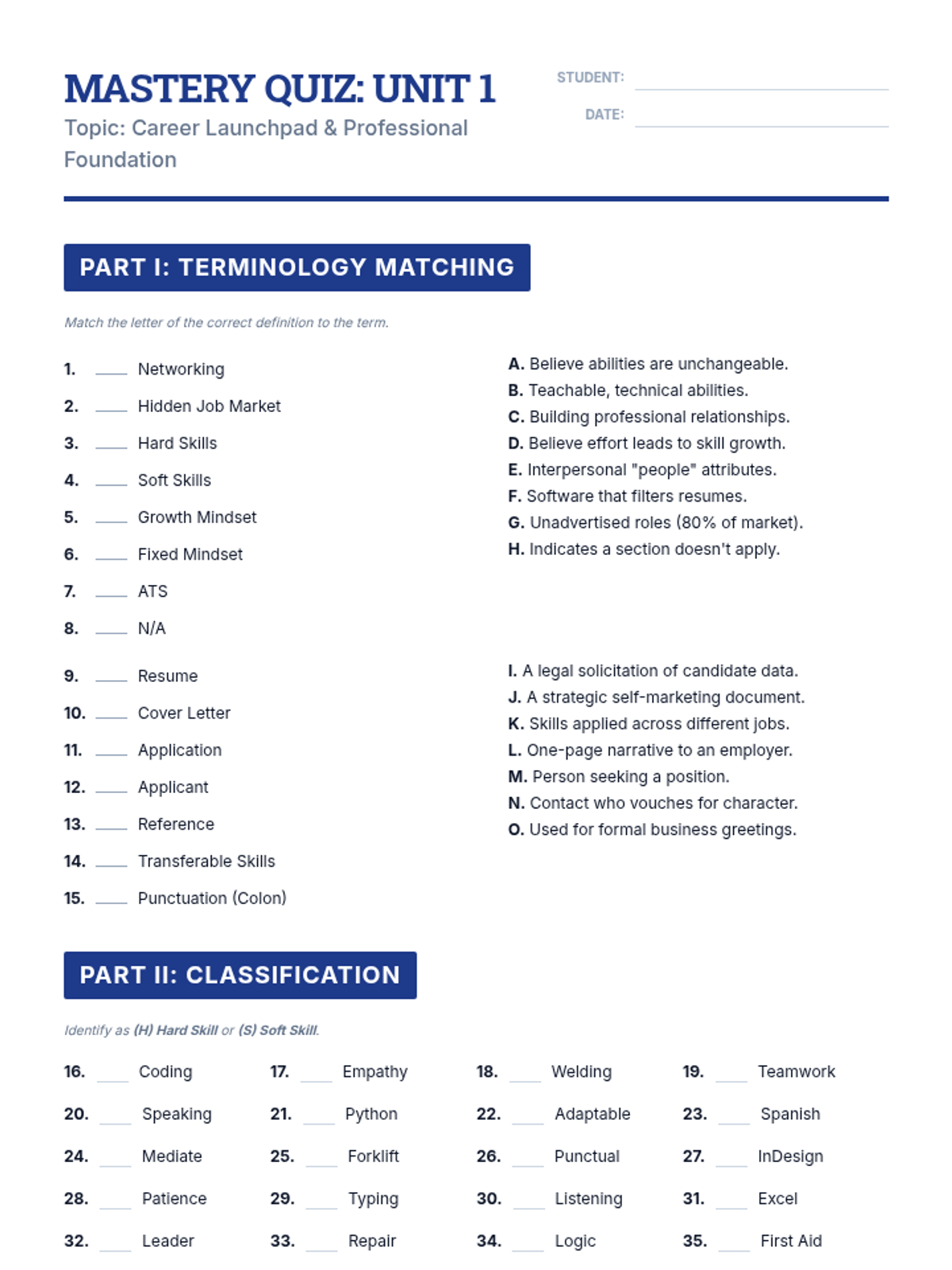
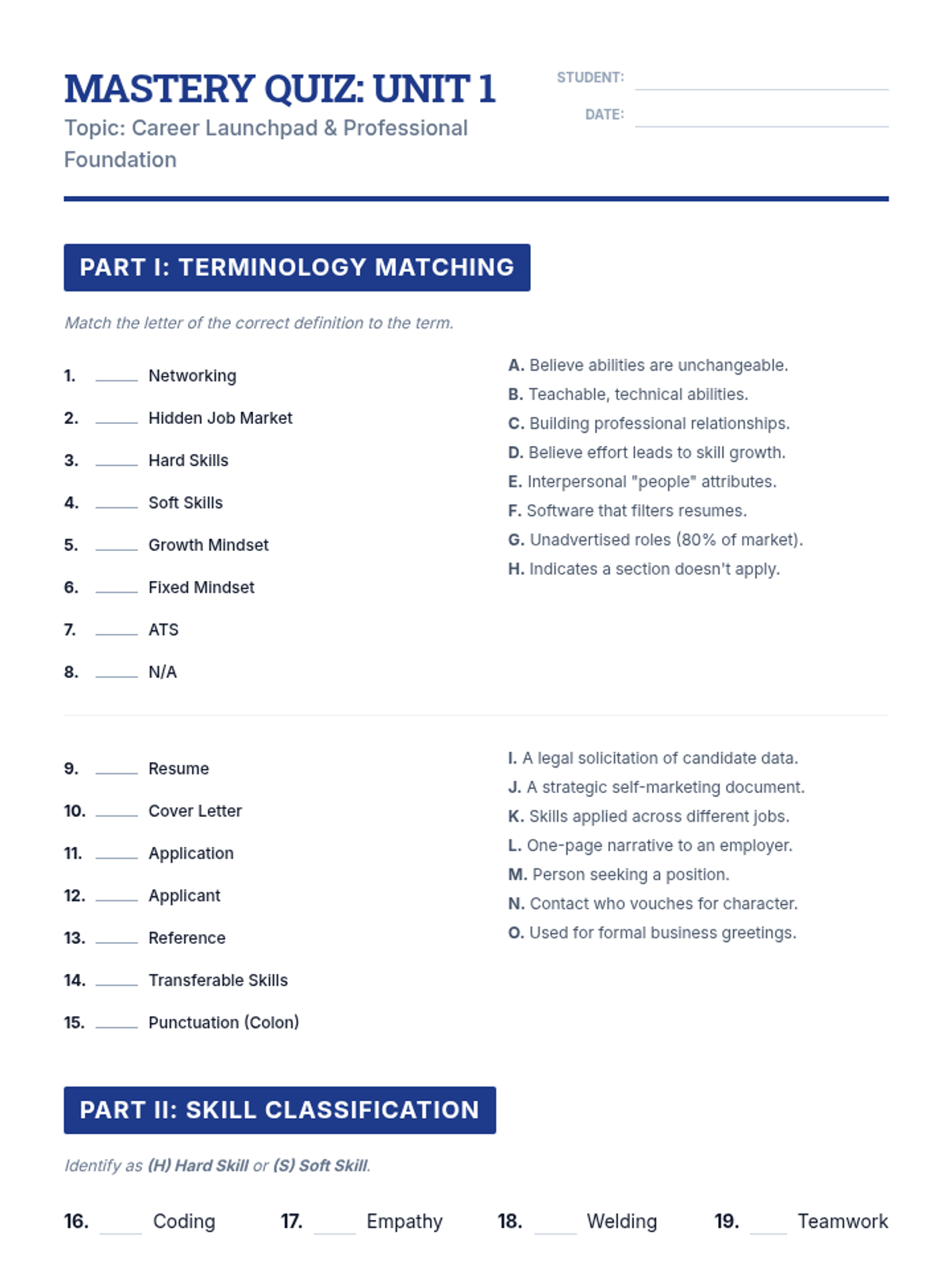
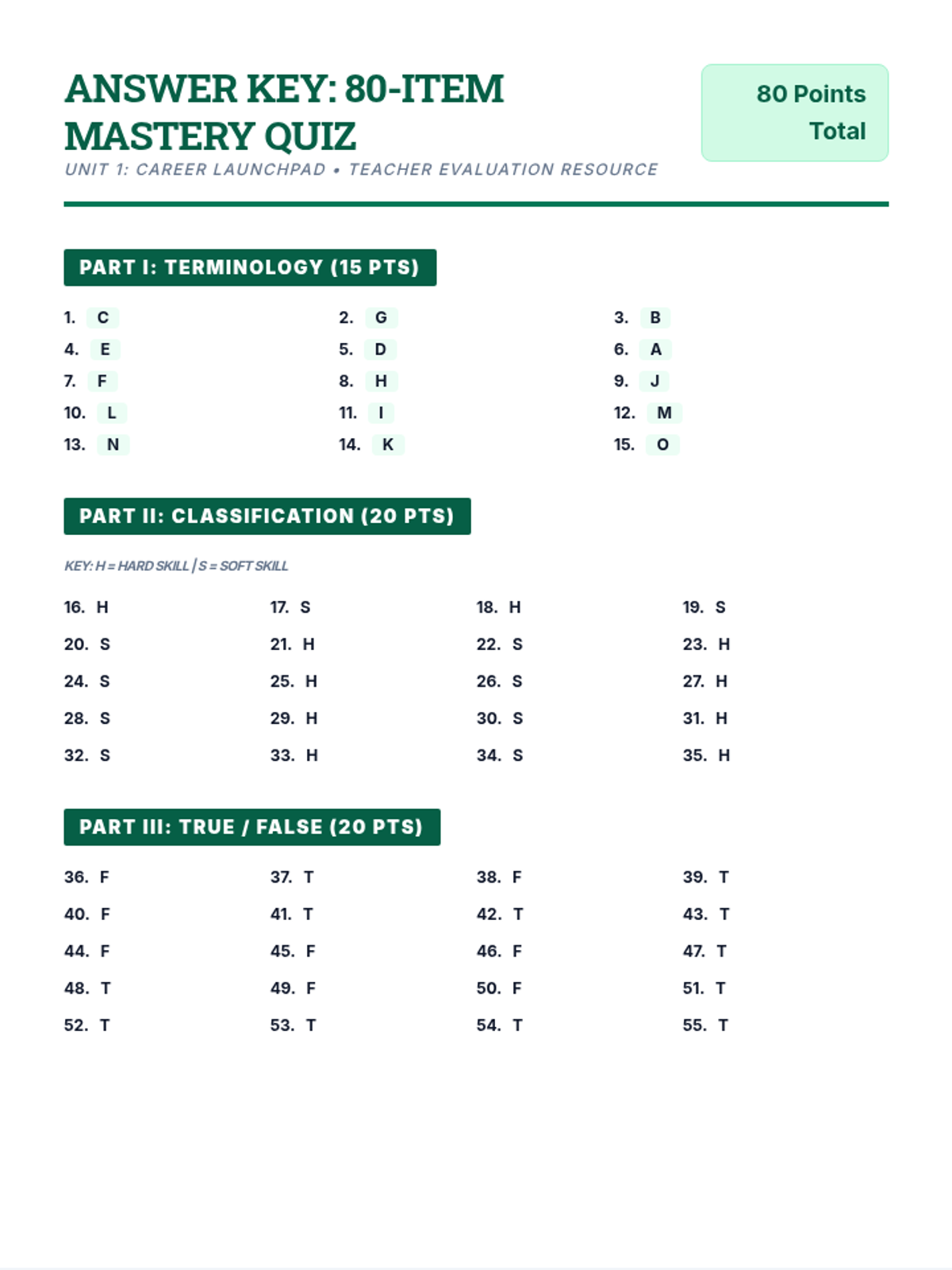
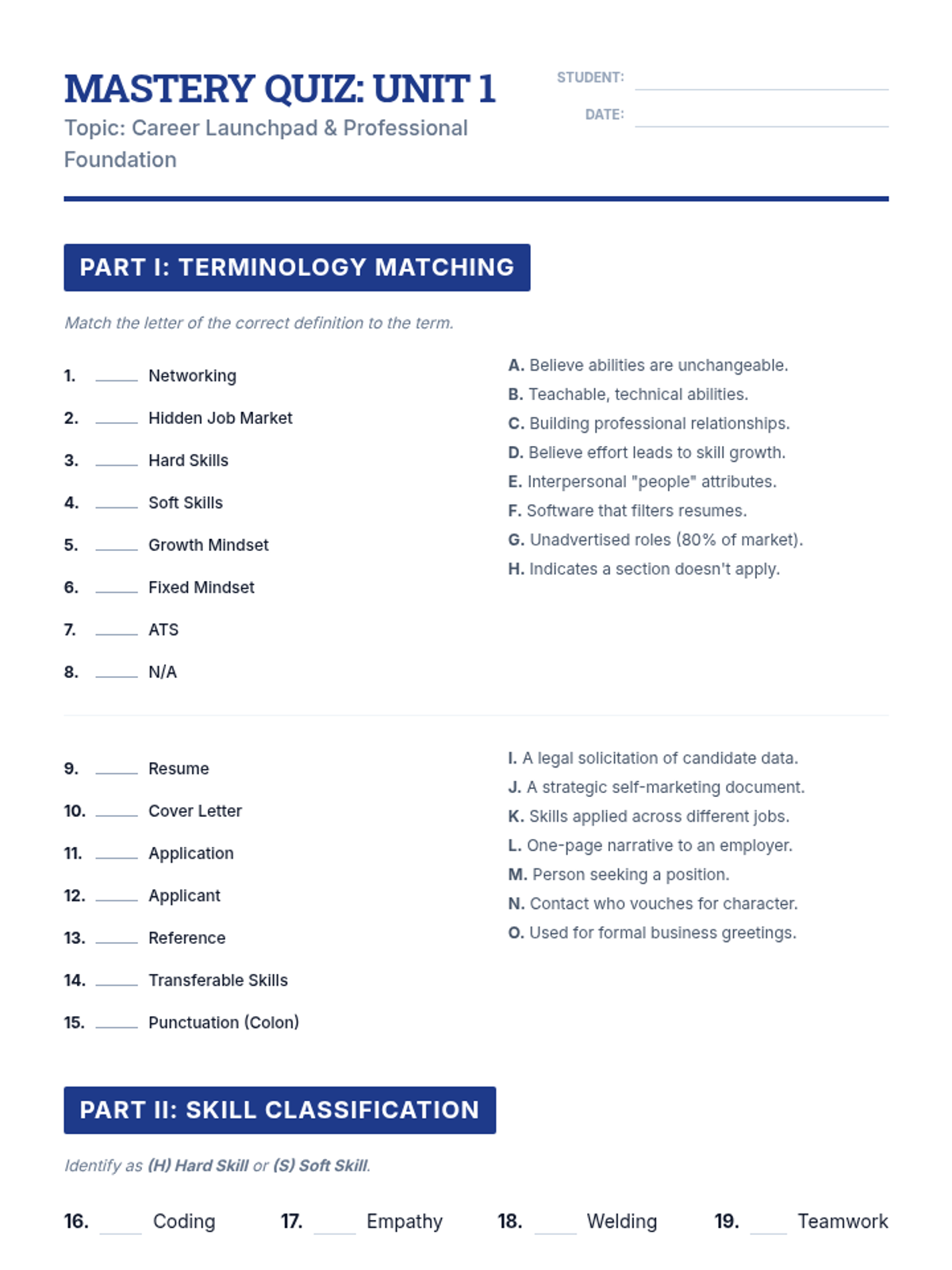
A comprehensive program designed to guide students through the essentials of career exploration, professional document preparation, and the job application process.
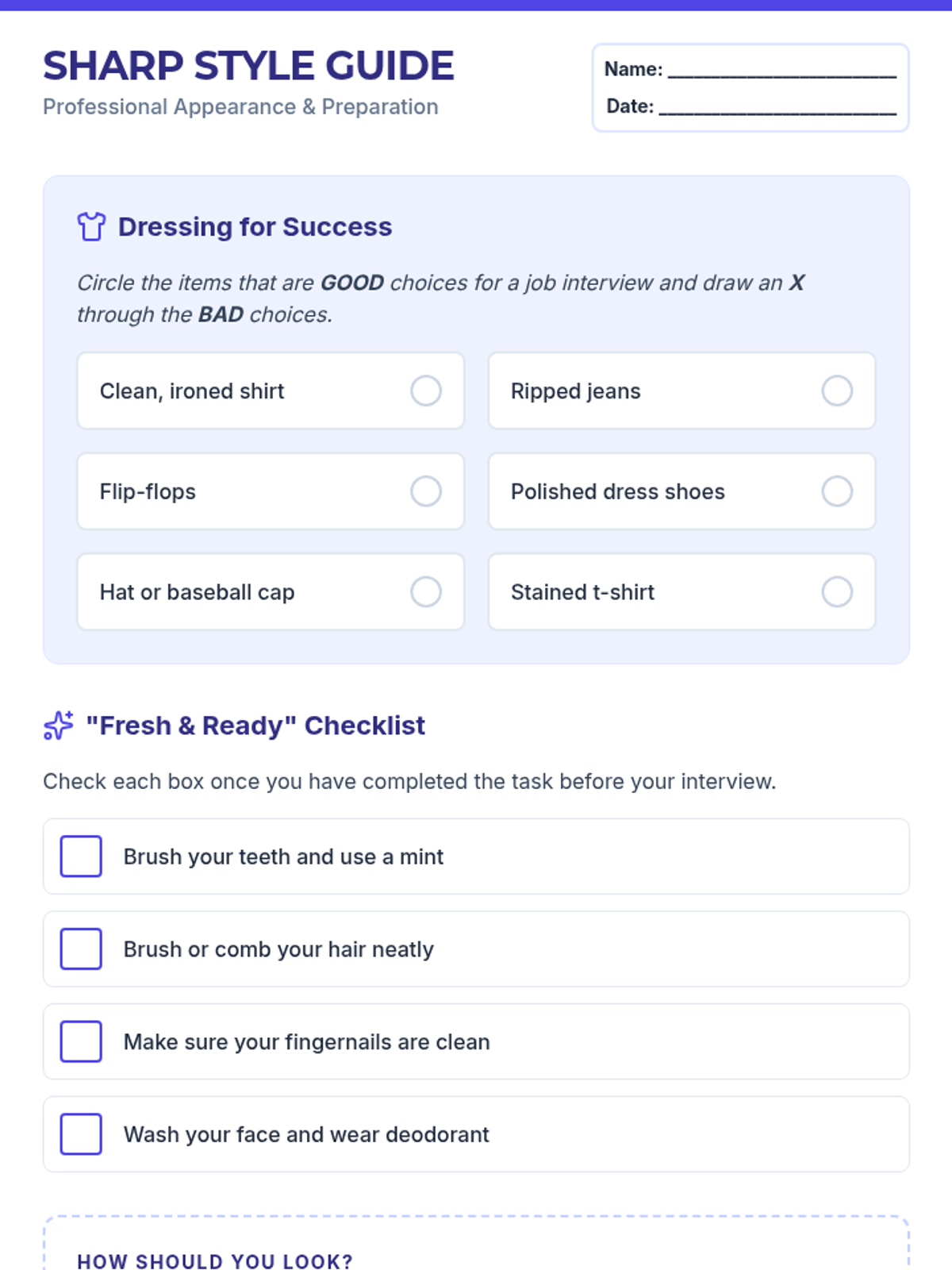
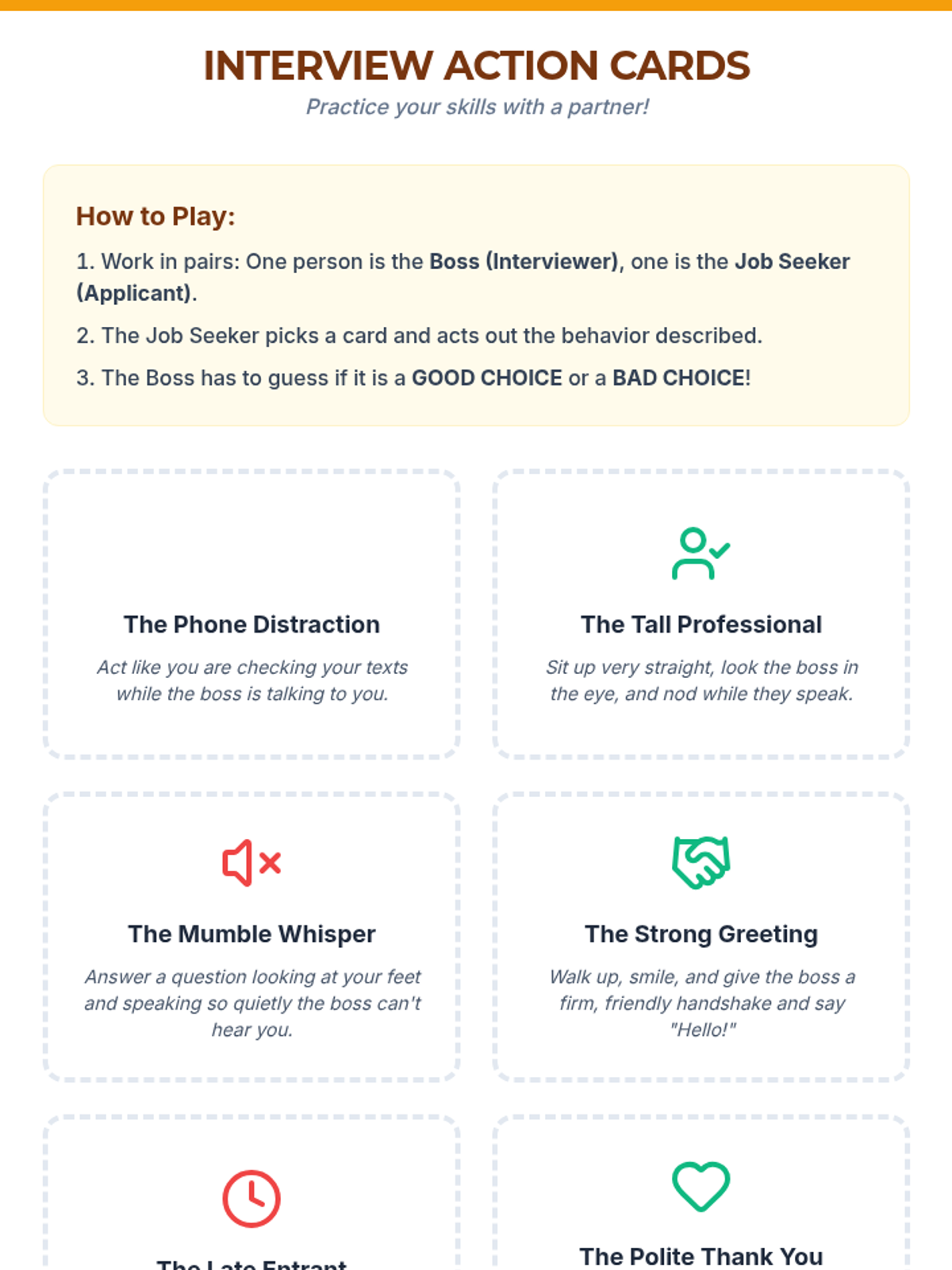
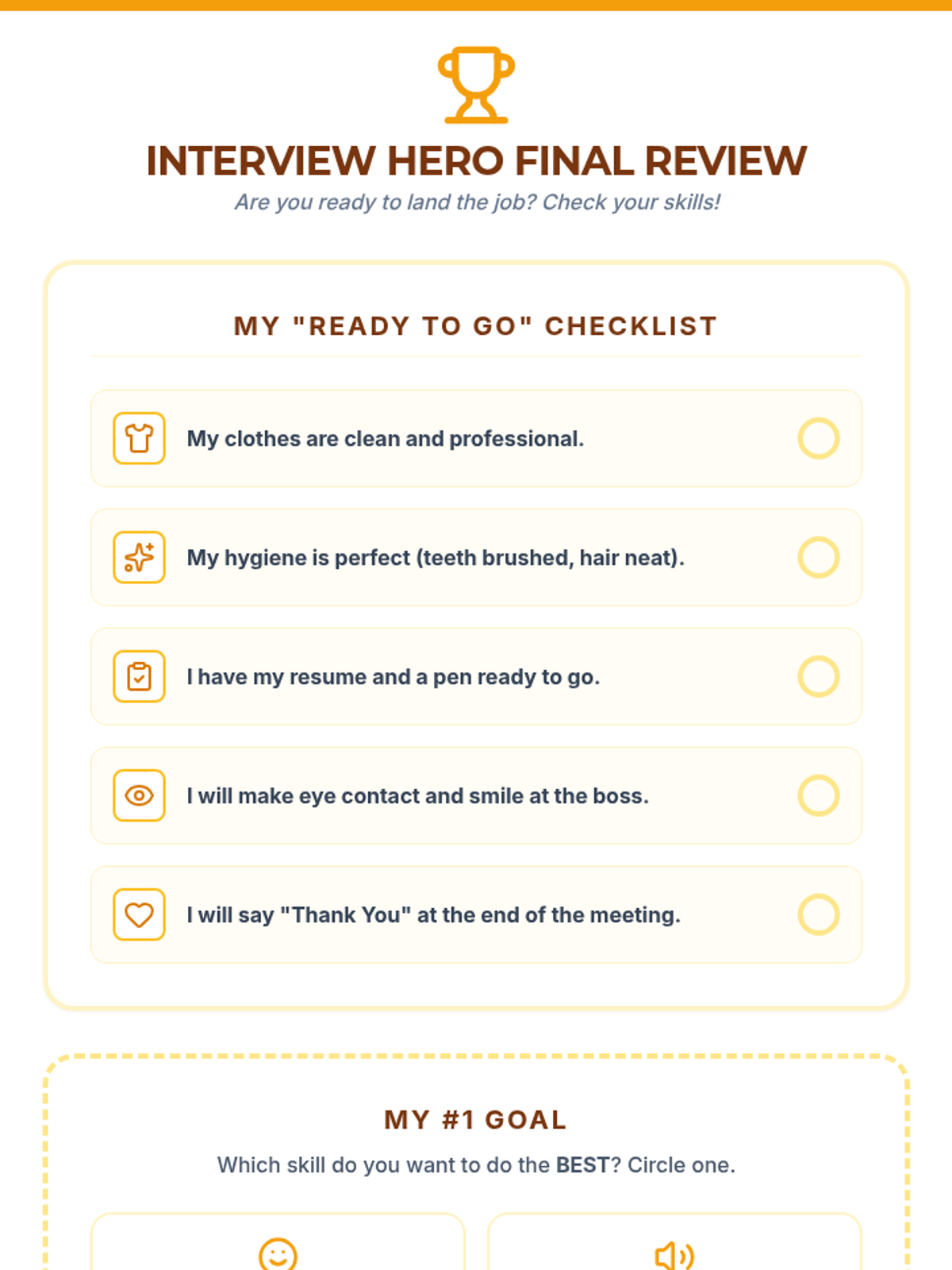
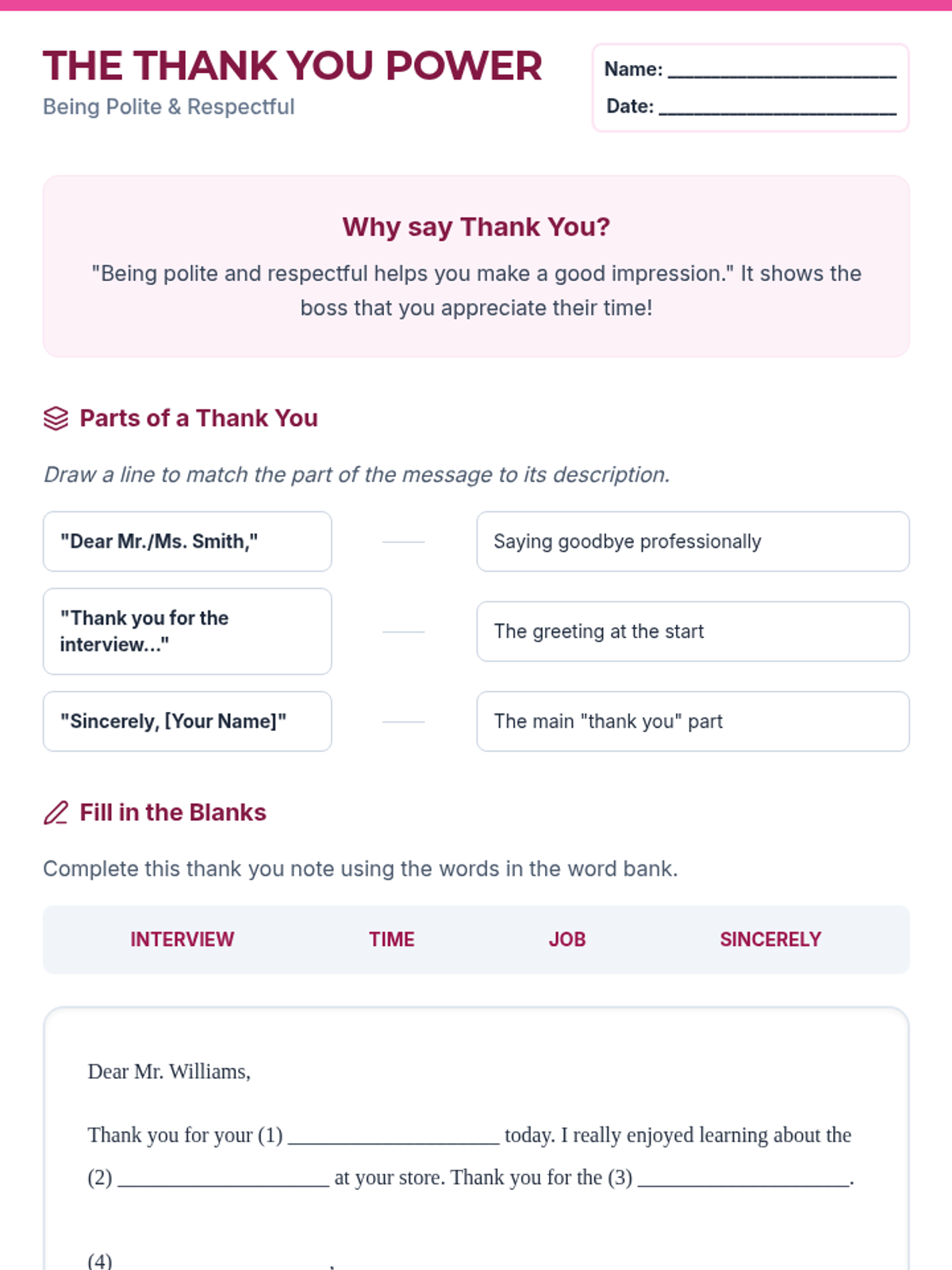
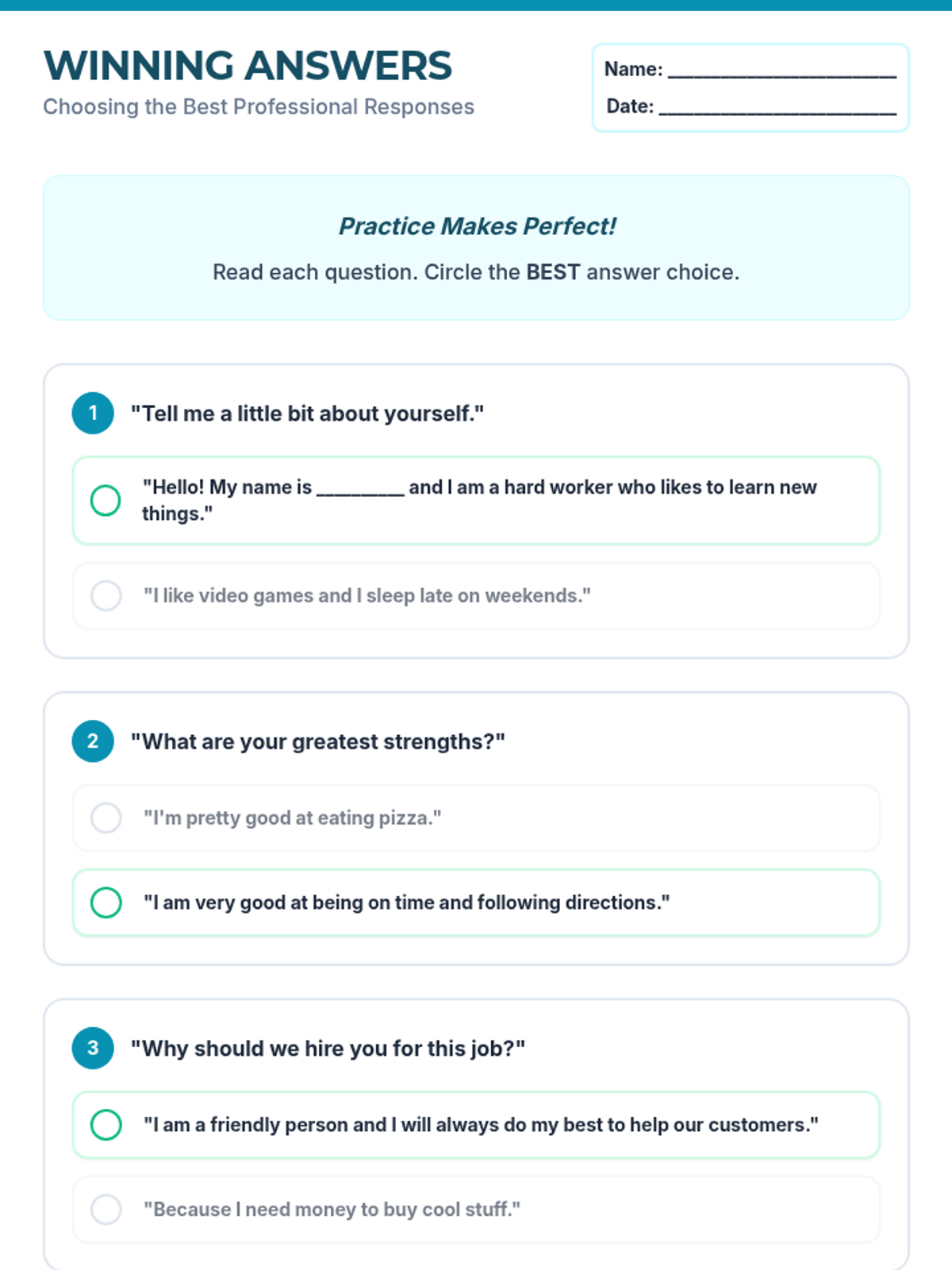
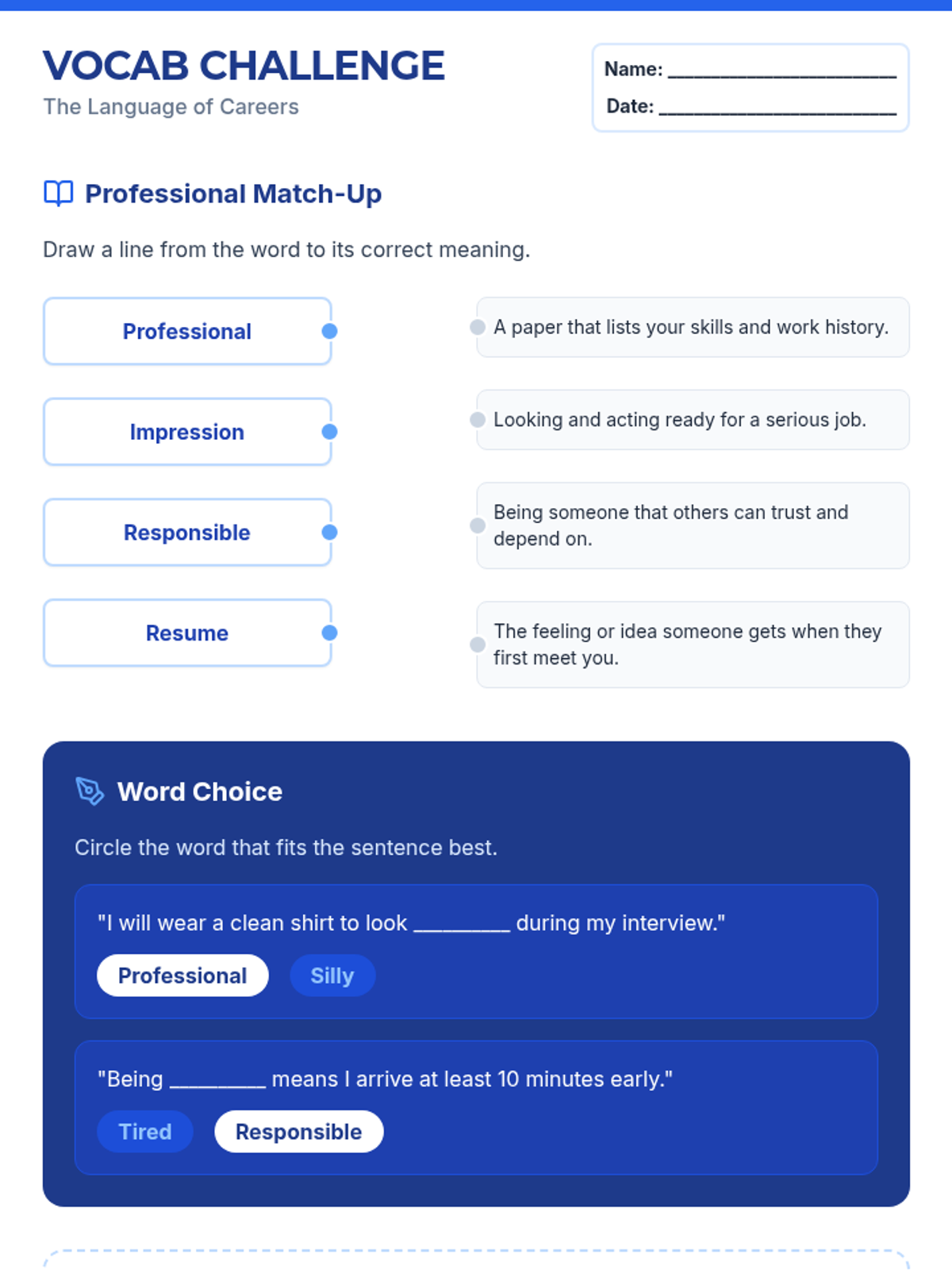
A comprehensive sequence focused on essential job readiness skills, covering everything from professional appearance to effective communication and polite follow-up.
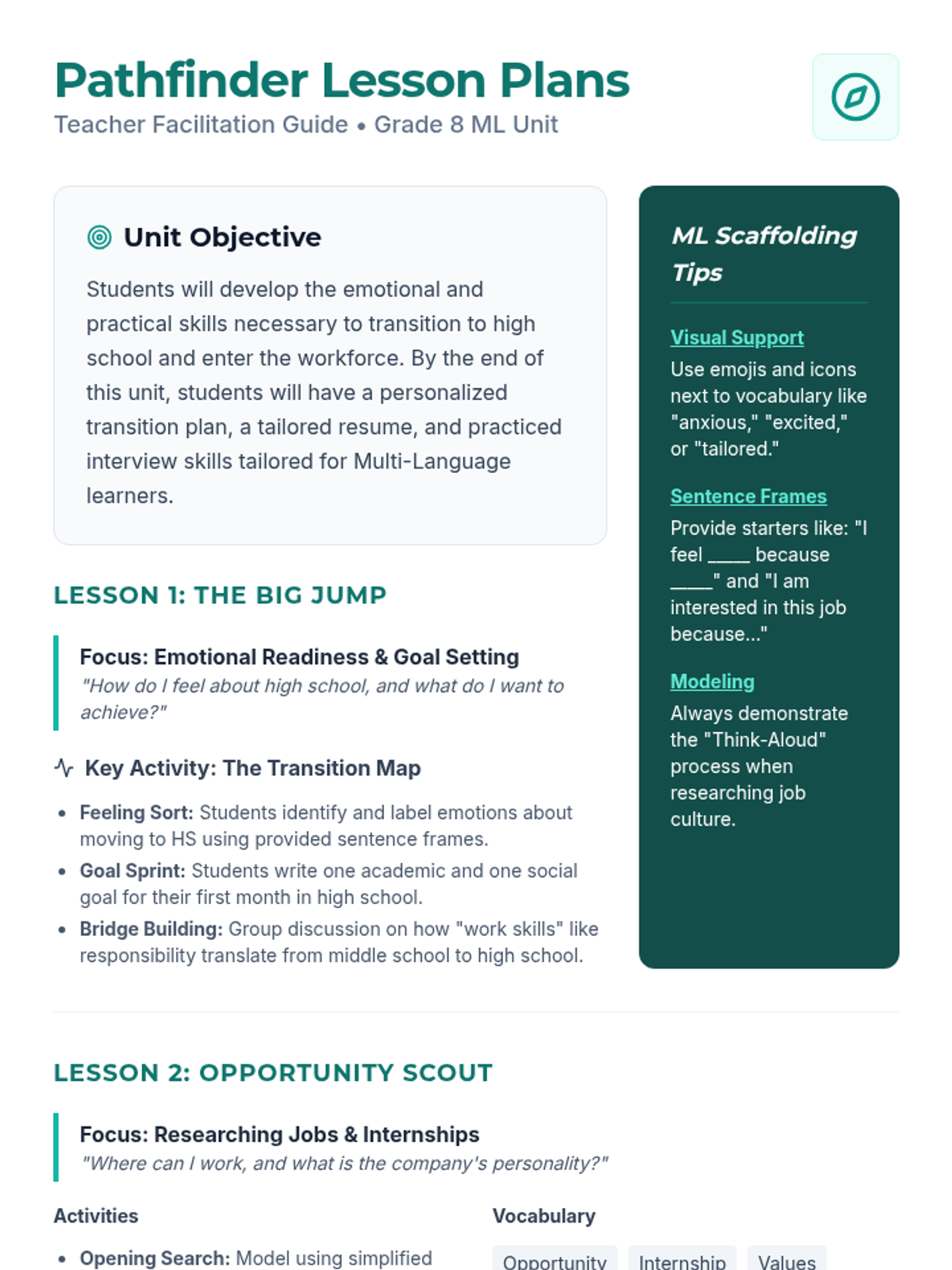
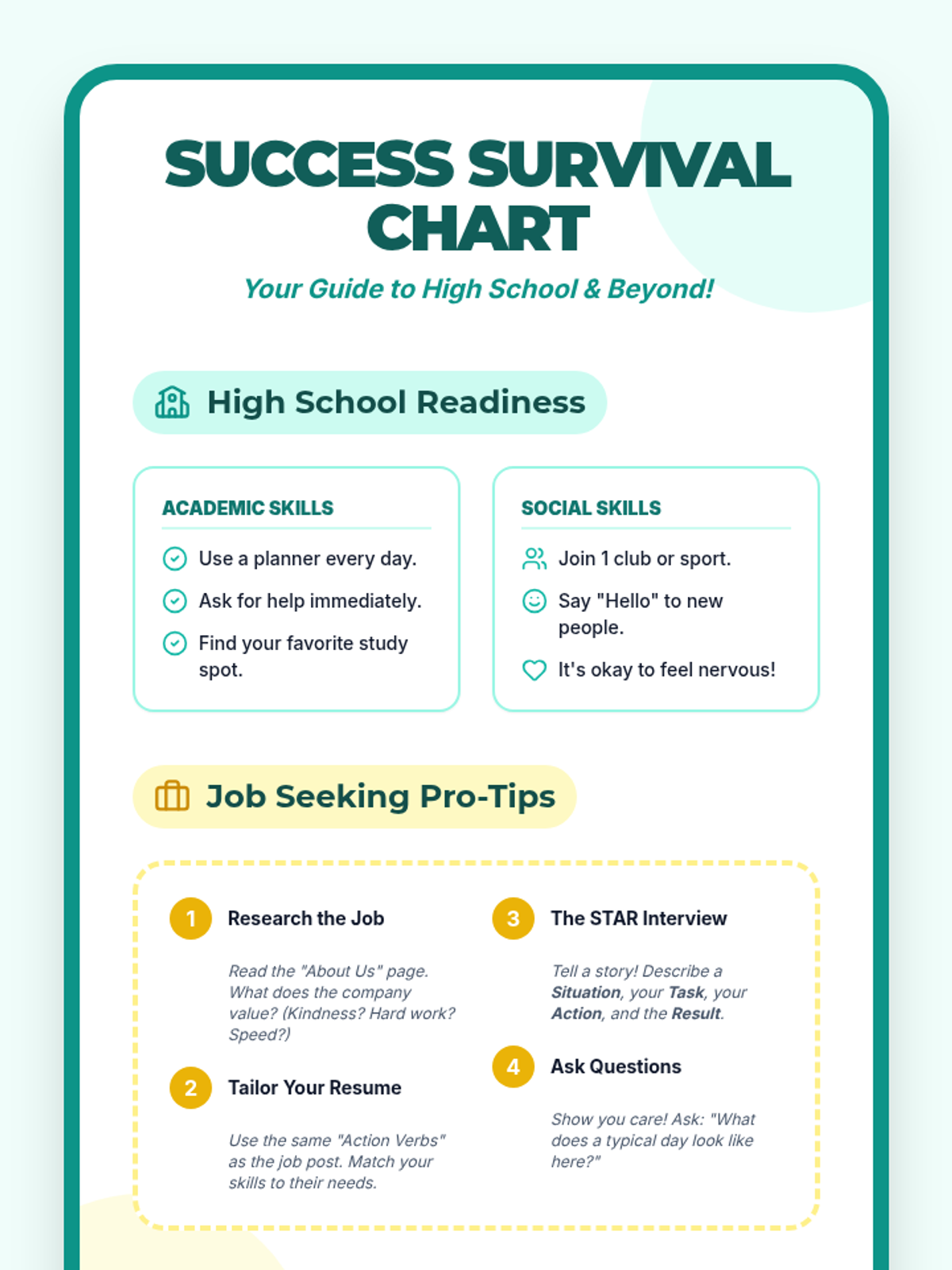
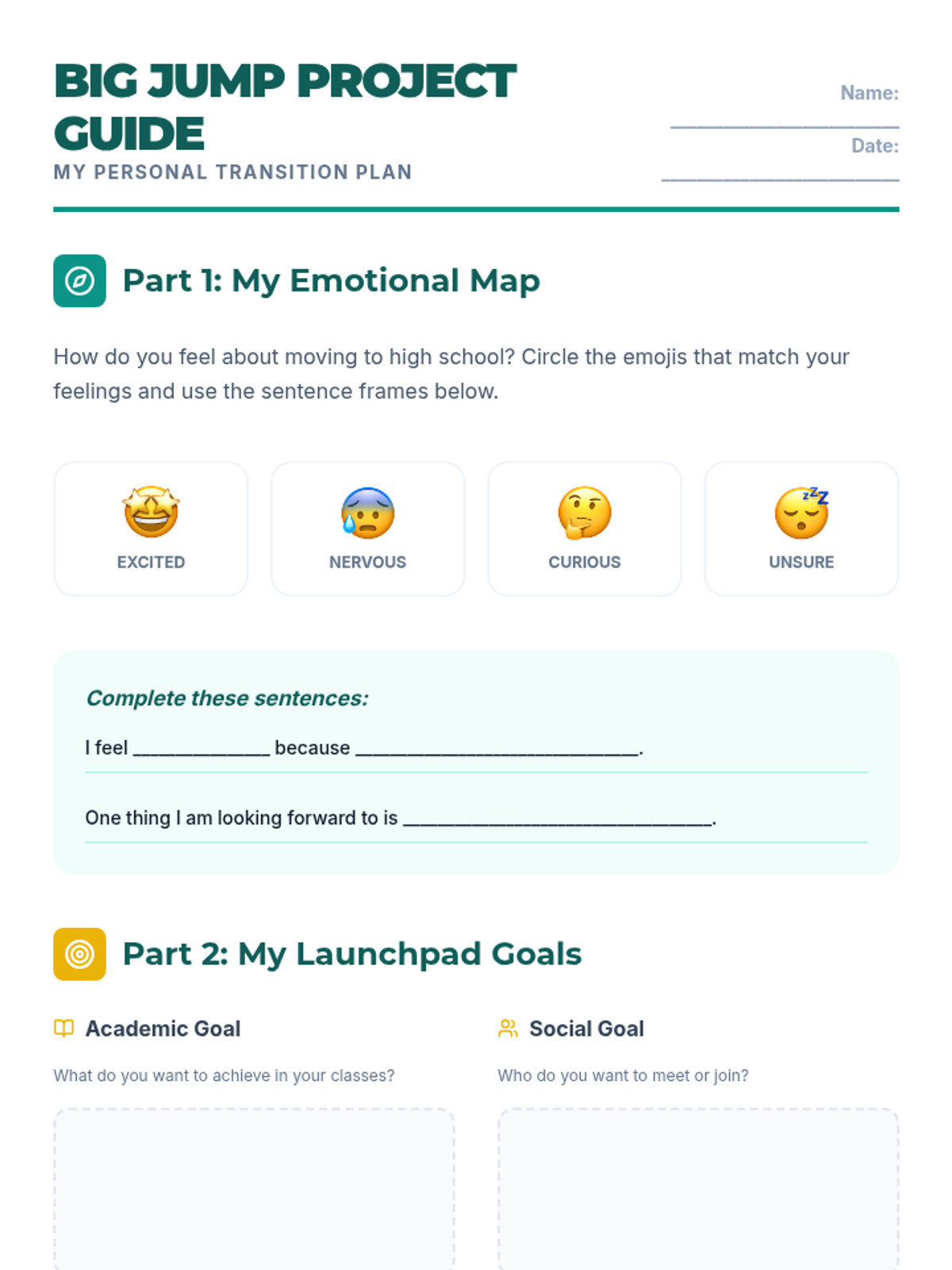
A comprehensive unit designed for 8th-grade Multi-Language learners transitioning to high school, focusing on emotional readiness, job research, application skills, and interview techniques.
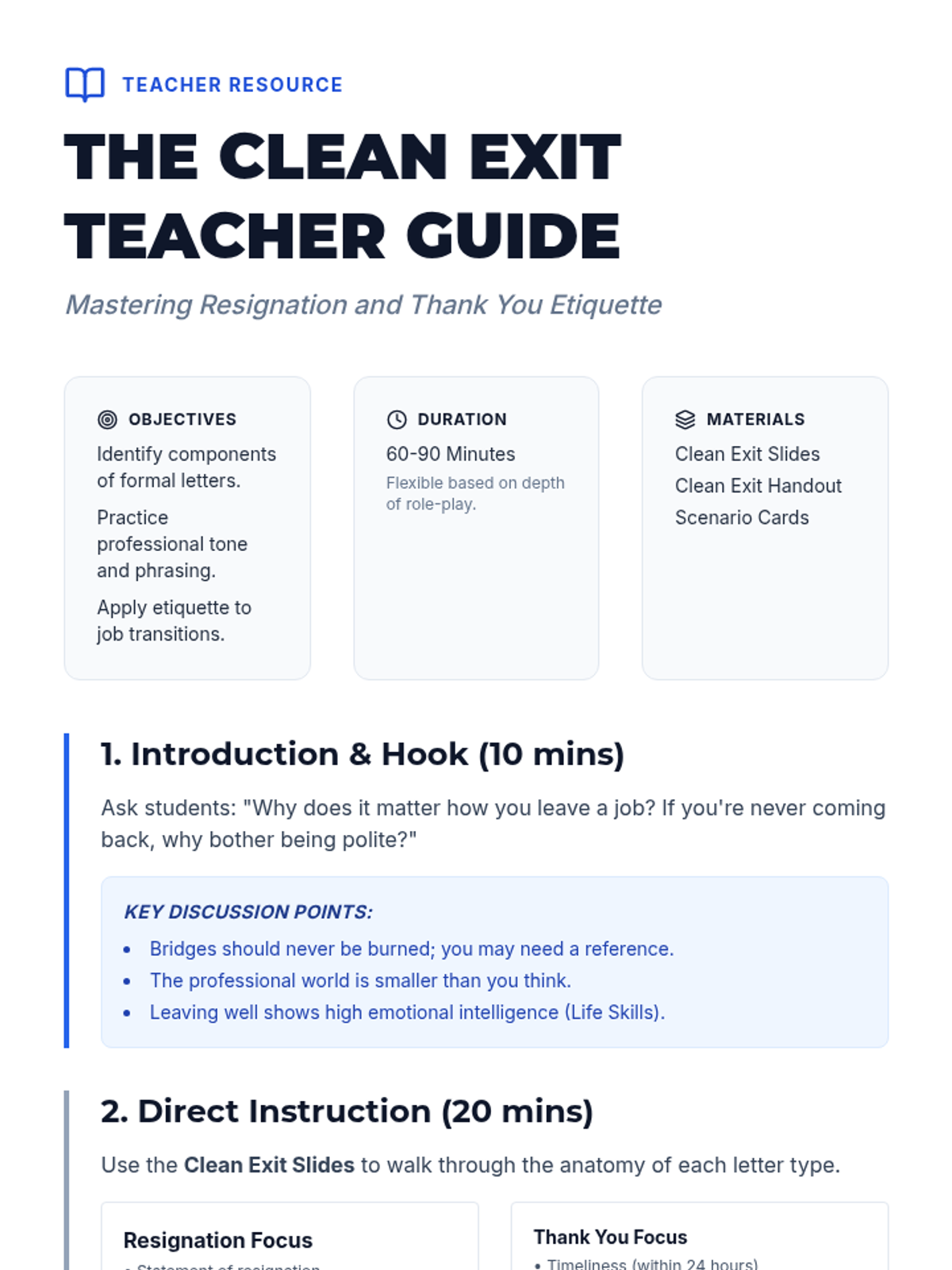
A unit on professional communication skills for high school students, focusing on workplace transitions and networking etiquette.
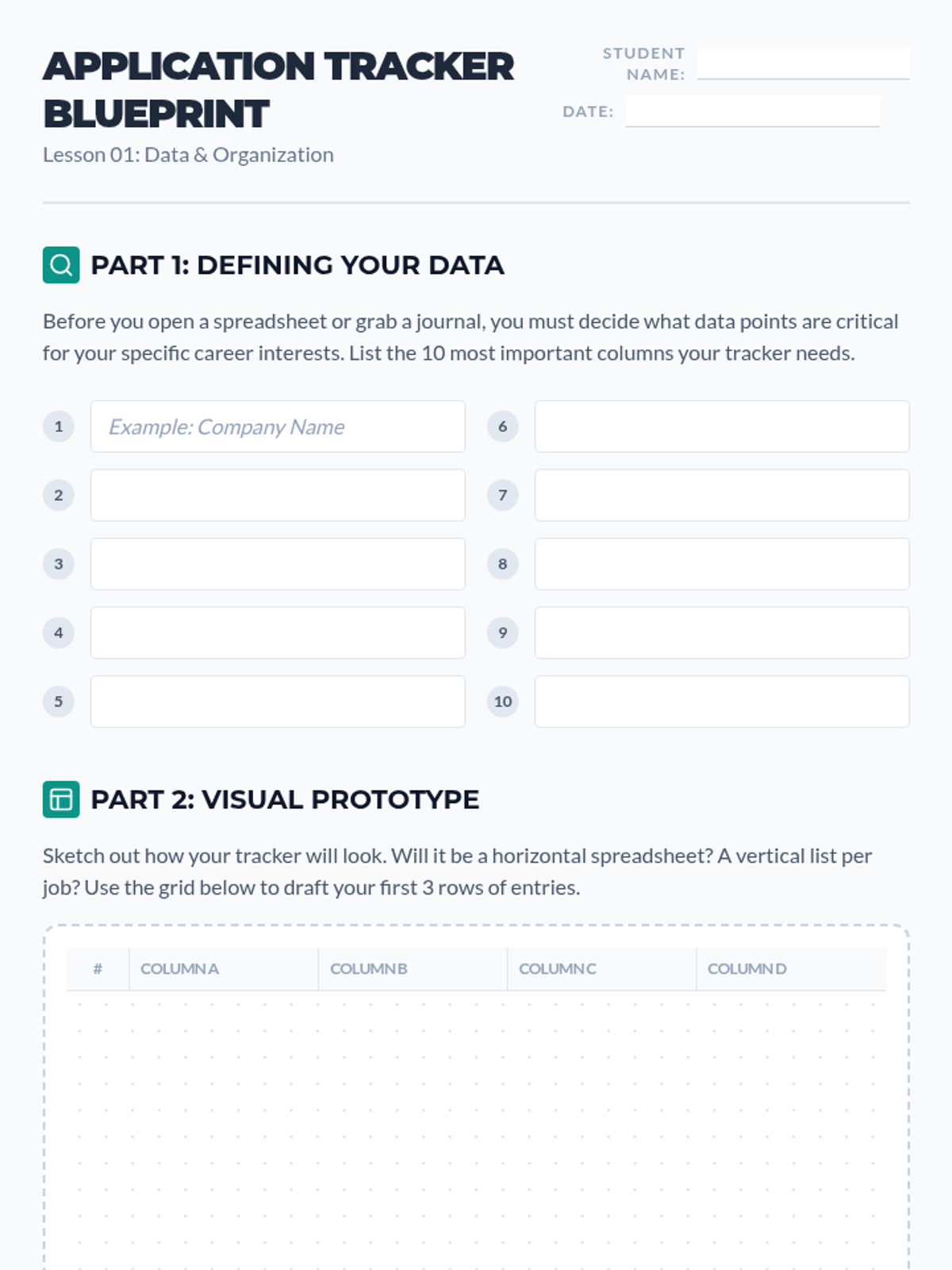
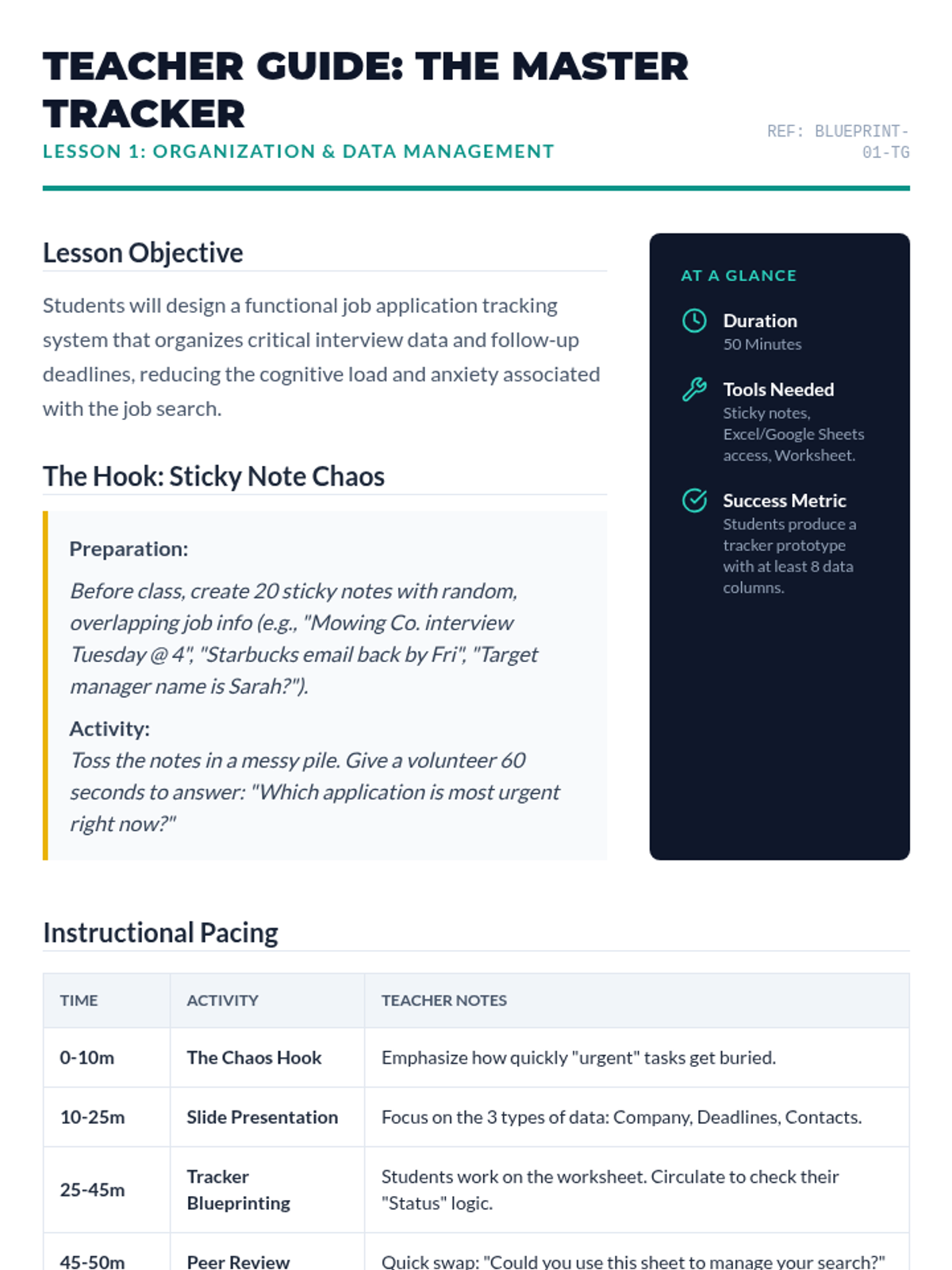
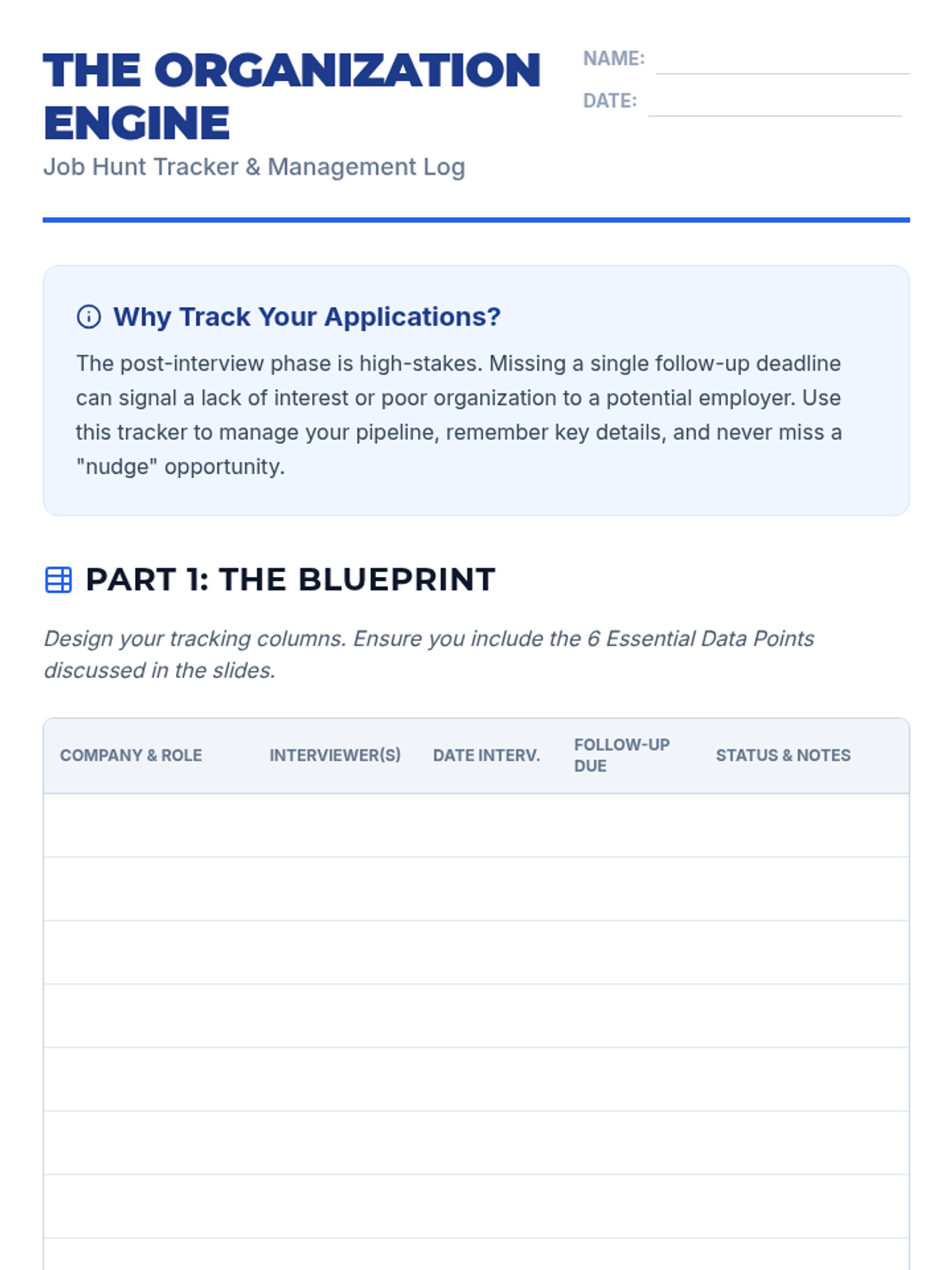
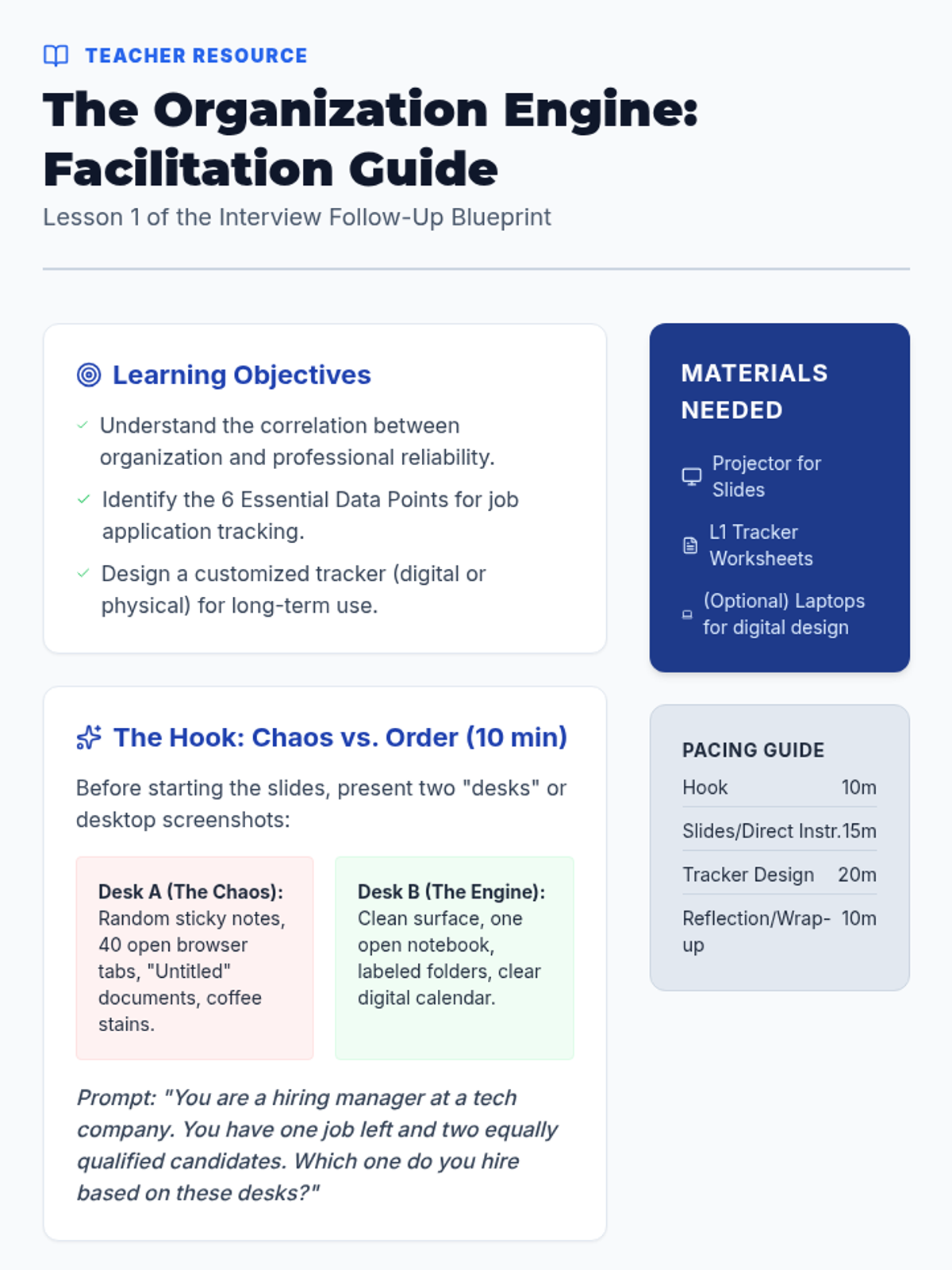
Students build a comprehensive Interview Follow-Up Toolkit, designing reusable systems like trackers, email templates, and reference sheets to manage the job search process with organization and confidence.
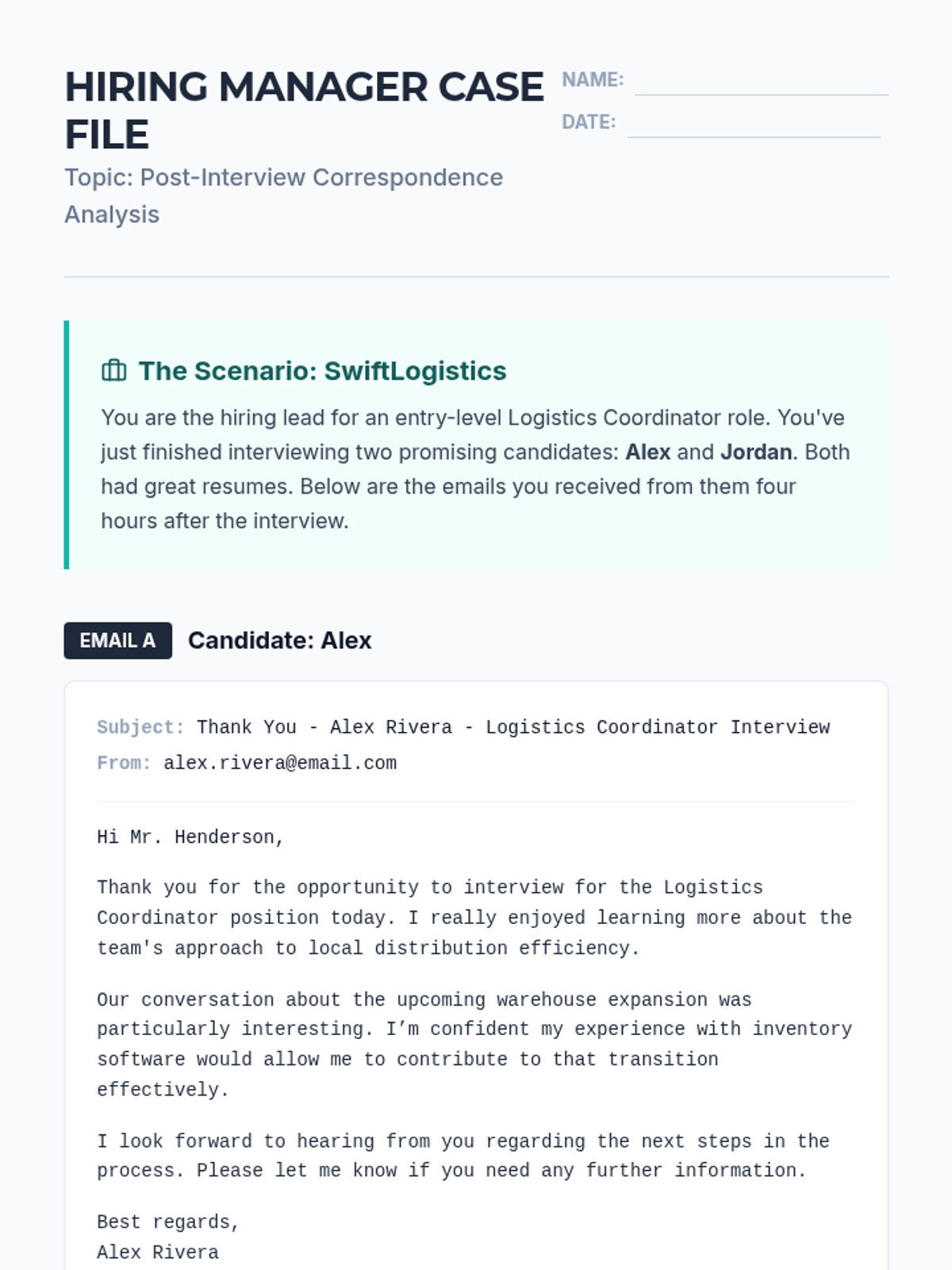
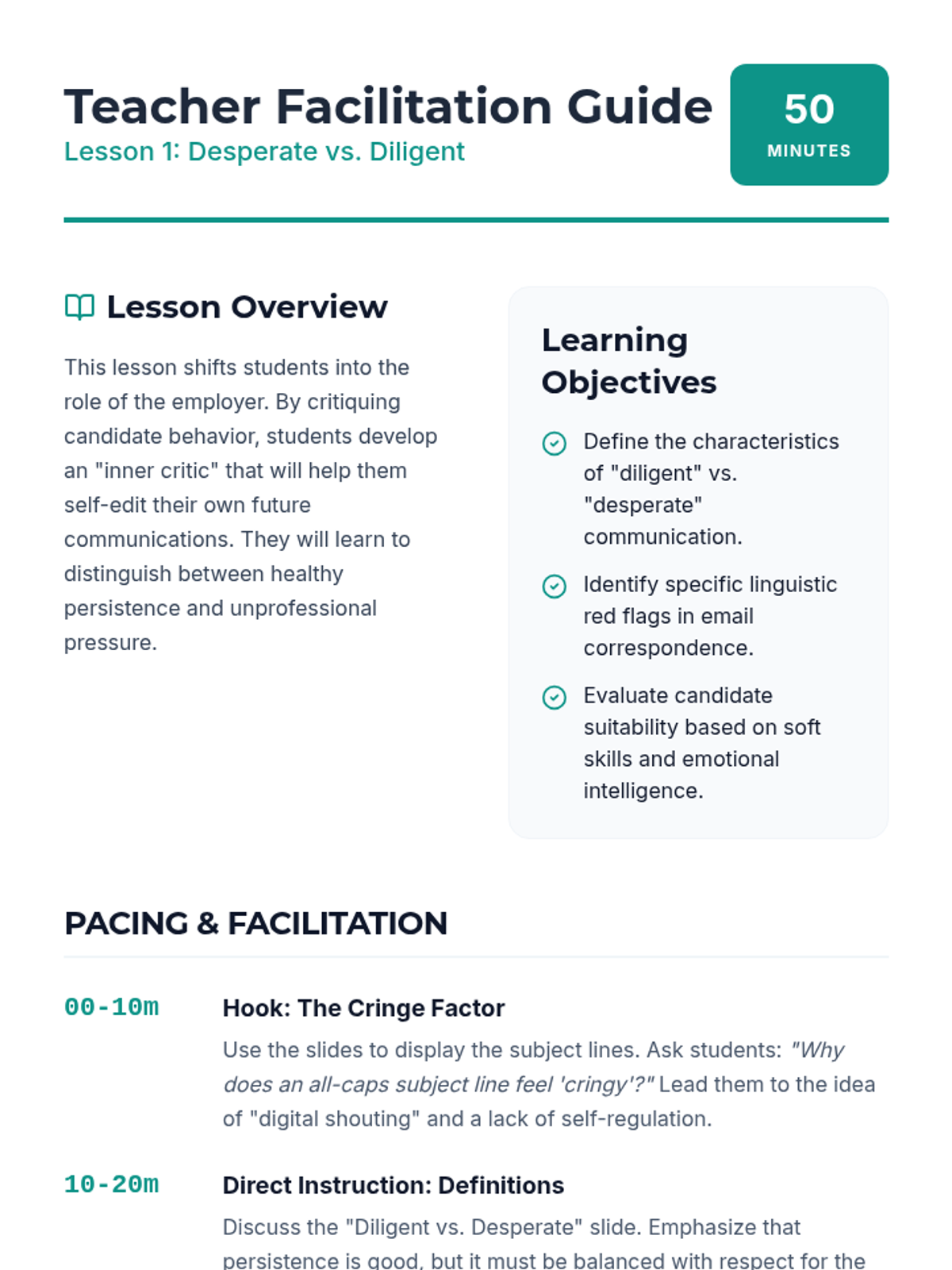
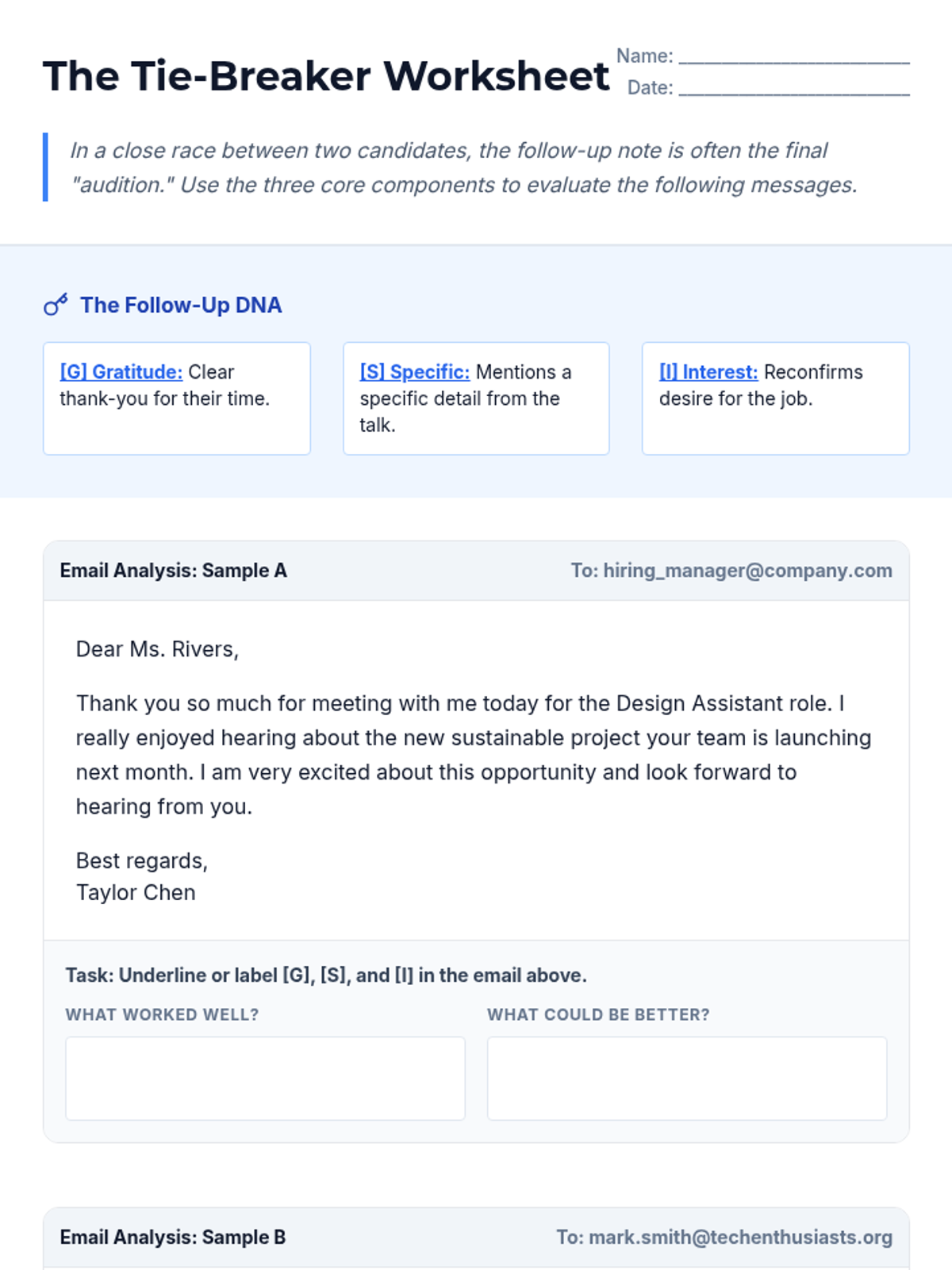
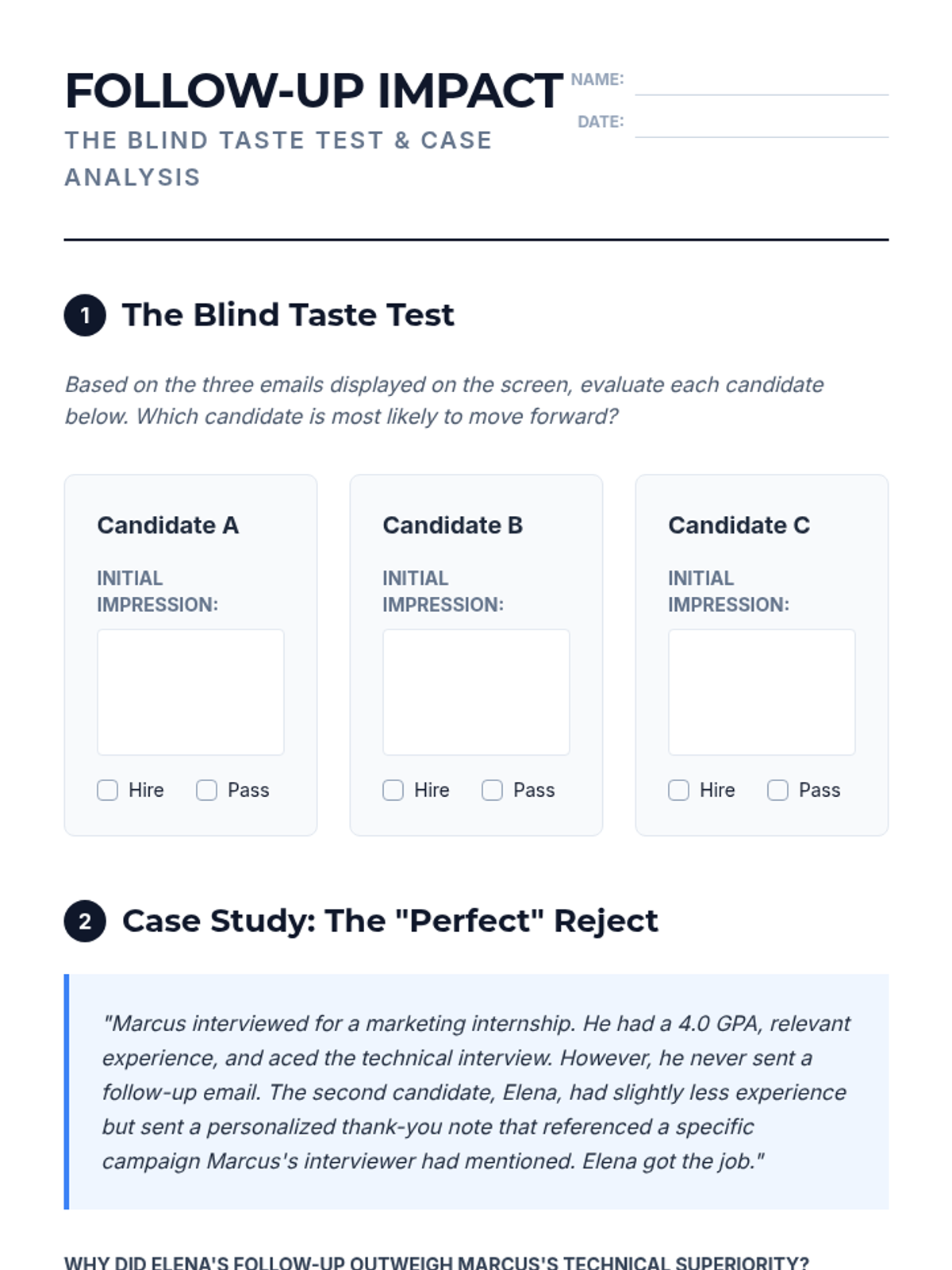
A case-study-driven unit where students act as hiring managers to analyze the nuances of post-interview follow-up communication, focusing on professional tone, attention to detail, and strategic value-adds.
A project-based sequence where 9th-grade students build a 'Follow-Up Kit' of templates, trackers, and scripts to navigate the post-interview process with confidence and organization.
A 9th-grade sequence focused on the post-interview process, teaching students how to self-reflect, clarify communication, and professionally request and integrate feedback. Students develop a growth mindset by treating every interview as a learning opportunity.
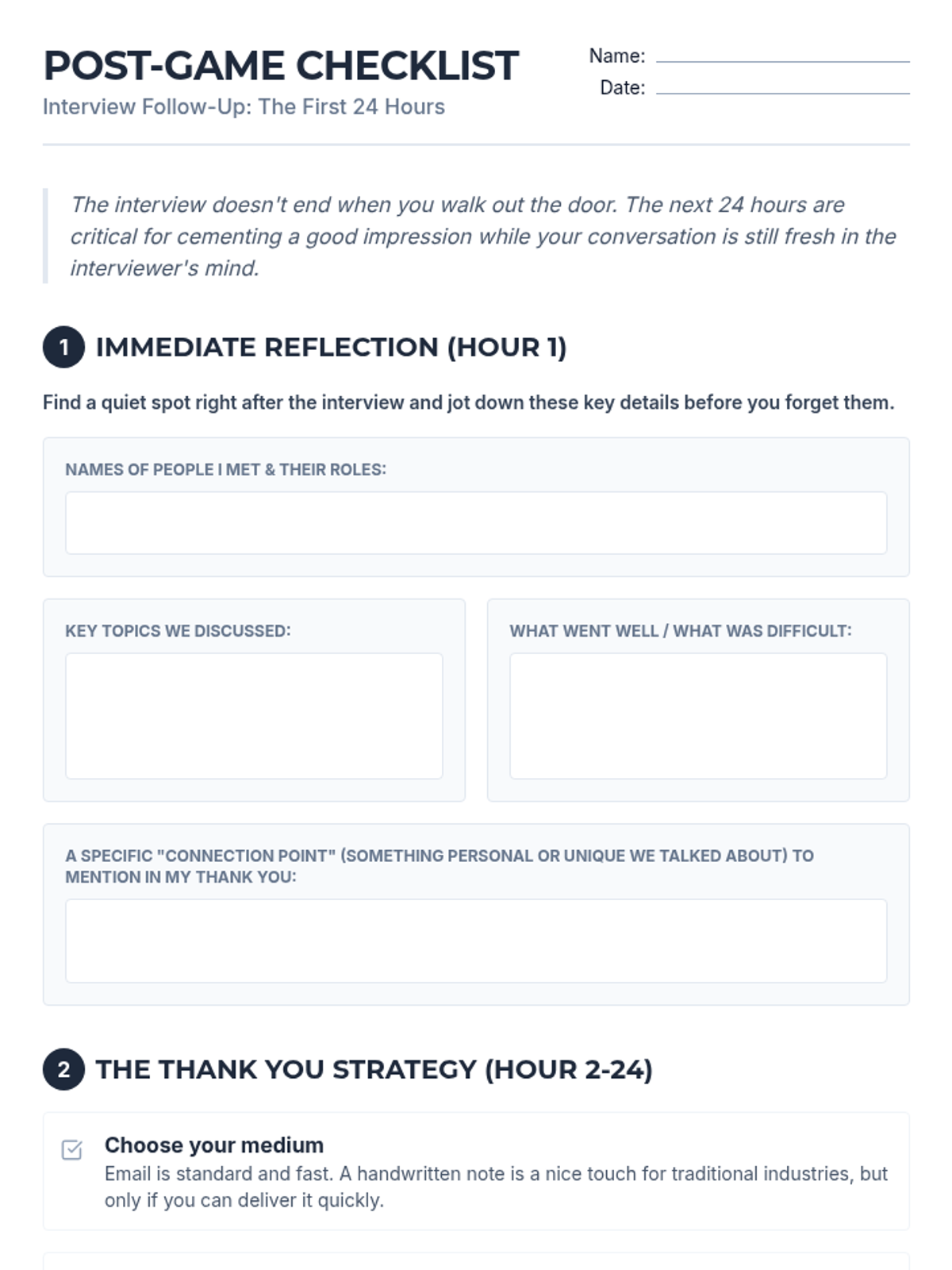
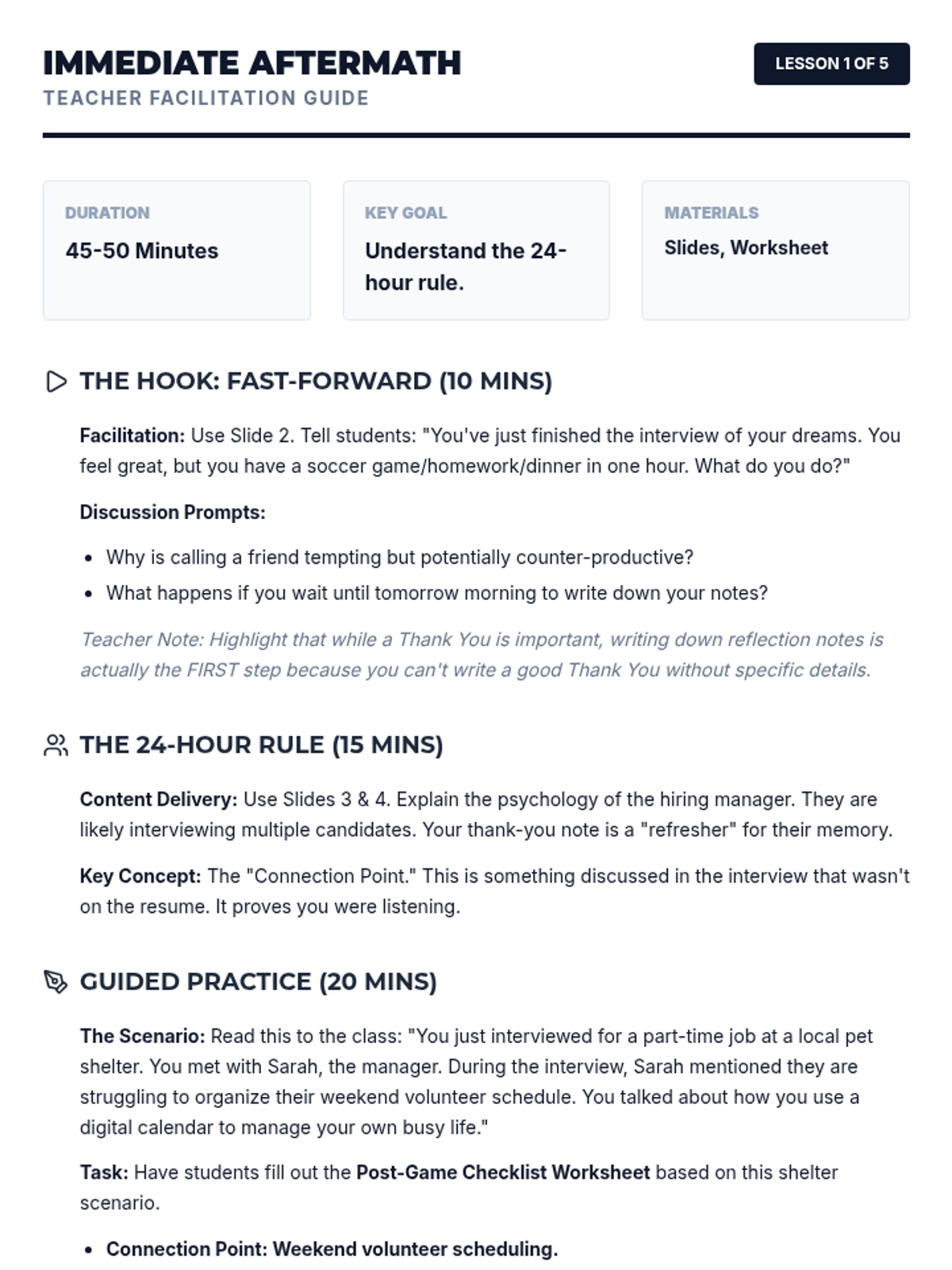
A comprehensive 9th-grade sequence on post-interview etiquette, focusing on timelines, professional communication, and emotional resilience. Students navigate the simulation of the hiring process from the first 24 hours to final acceptance or rejection.
A practical writing workshop sequence where students master the mechanics of professional follow-up communication after interviews. Students will analyze the structure of formal emails, draft multiple versions of follow-up messages, and refine their professional tone and proofreading skills.
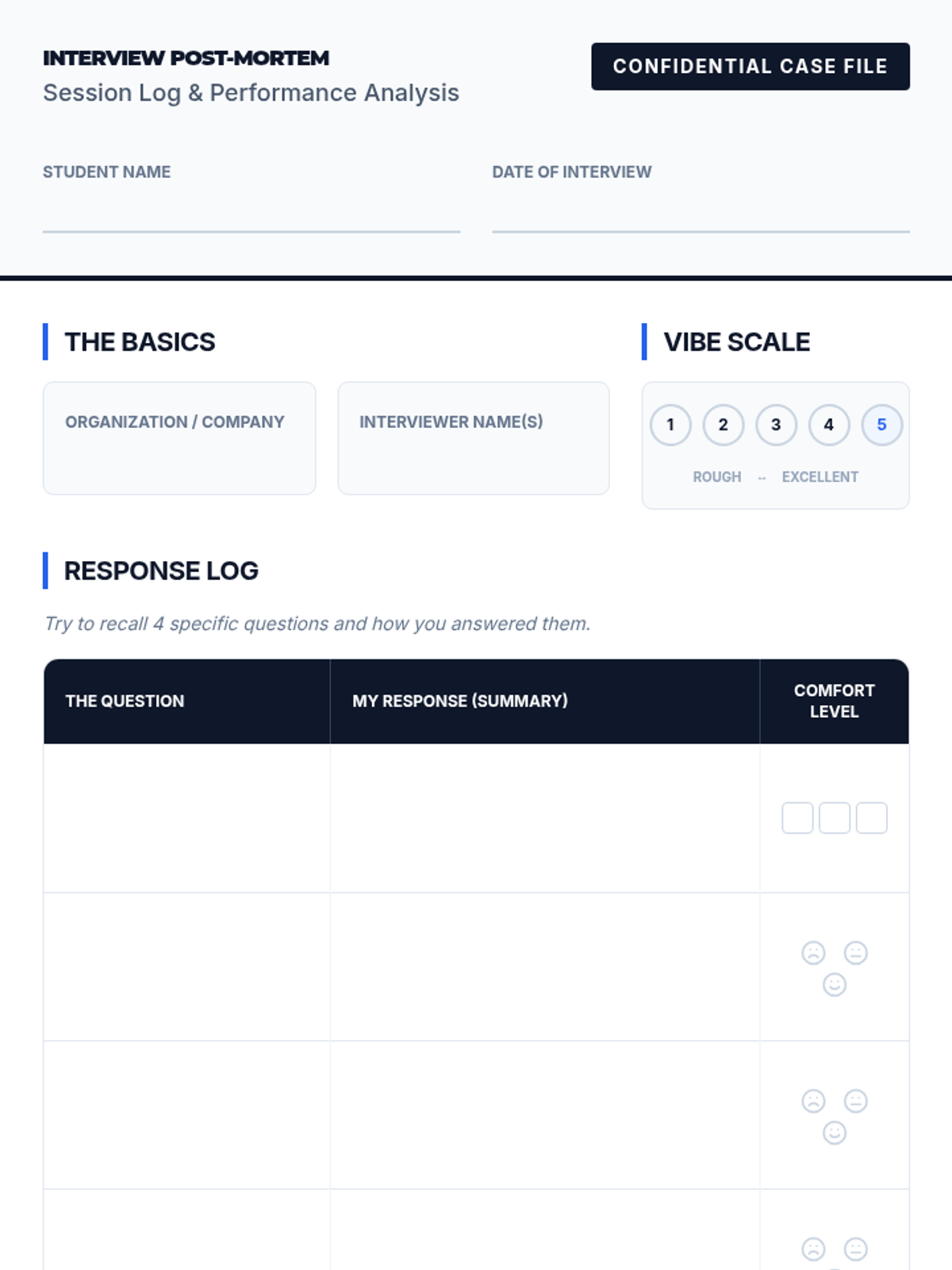
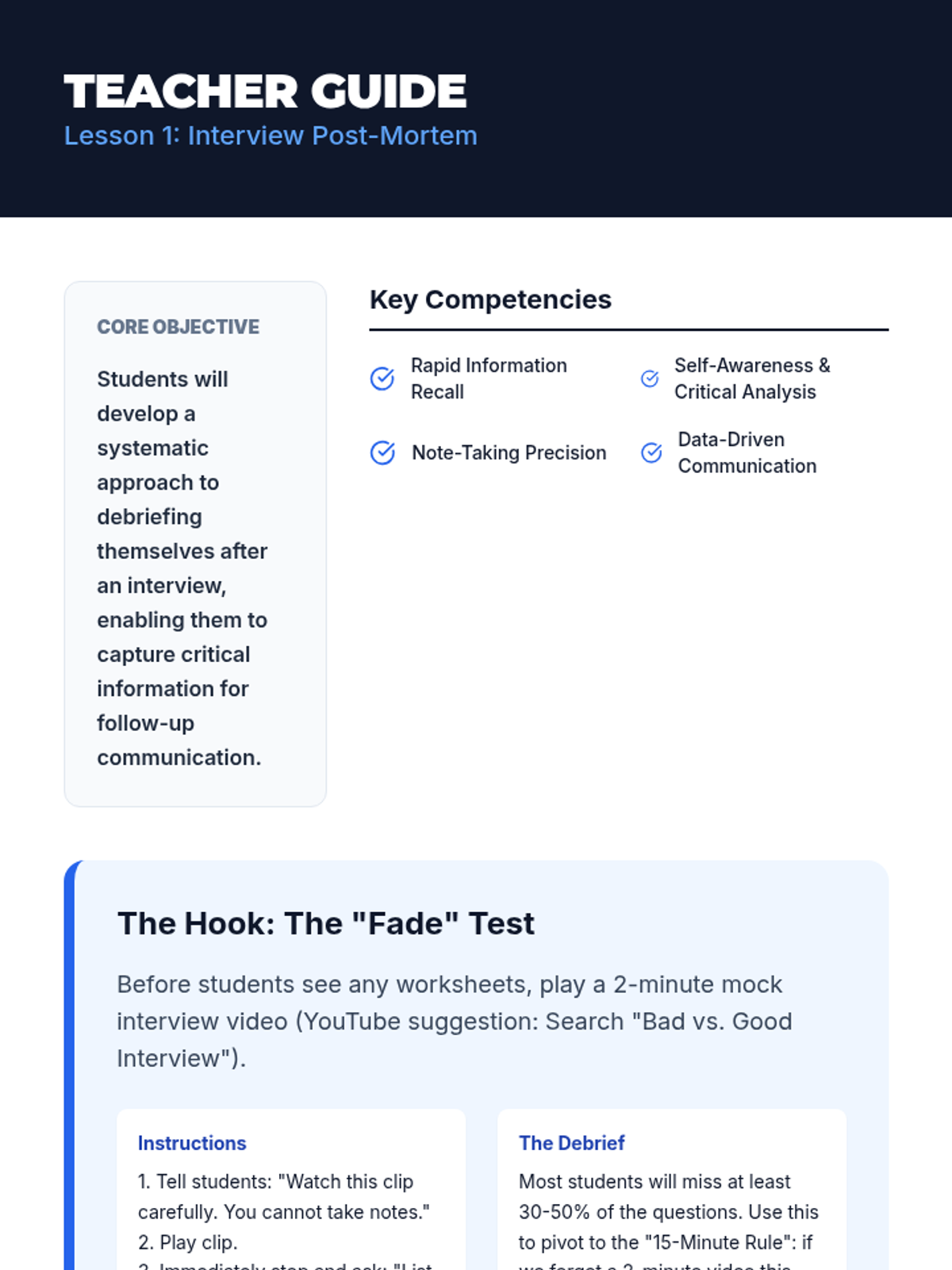
This sequence transforms the interview follow-up process from a simple 'thank you' into a comprehensive self-reflection and growth cycle. Students learn to conduct post-interview debriefs, address performance gaps in their communication, analyze non-verbal cues retrospectively, and professionalize their approach to receiving feedback and rejection.
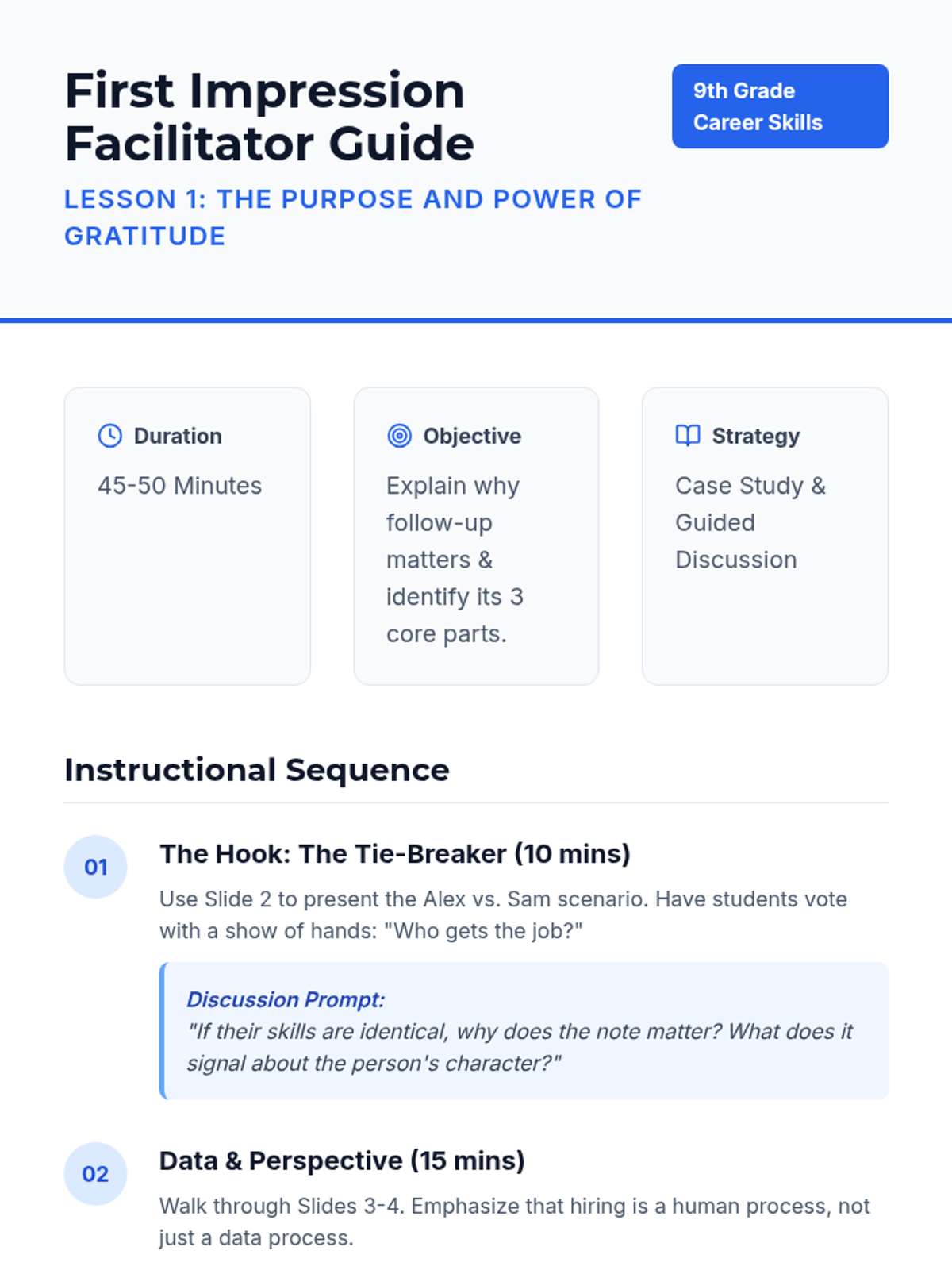
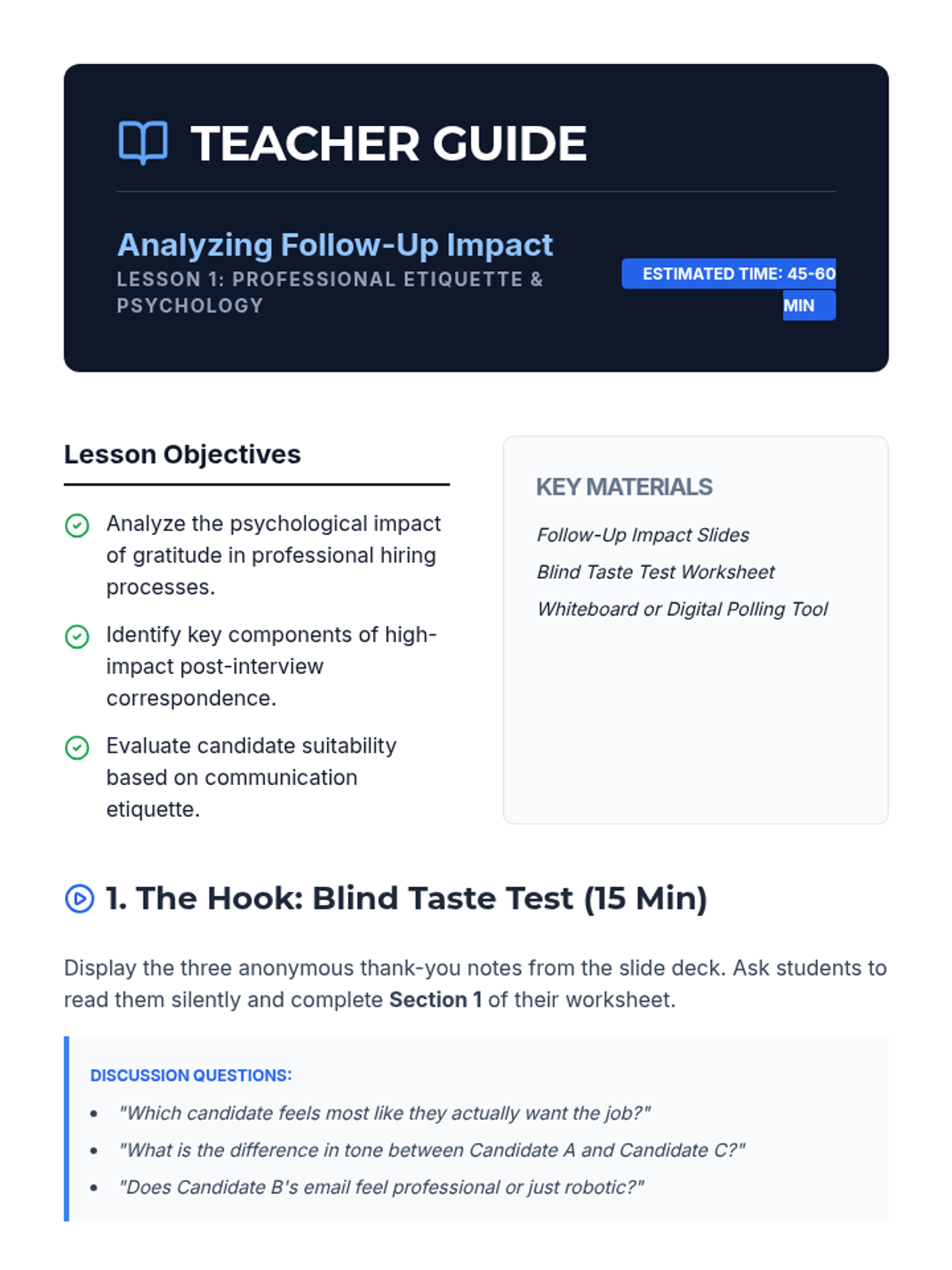
A practical writing workshop sequence where students master post-interview thank-you notes, analyzing their psychological impact and crafting personalized, professional correspondence for various contexts.
A comprehensive communication workshop for 9th graders focused on building professional relationships, crafting elevator pitches, and mastering professional etiquette and follow-up. Students progress from mapping their current networks to practicing live simulations and written professional communication.
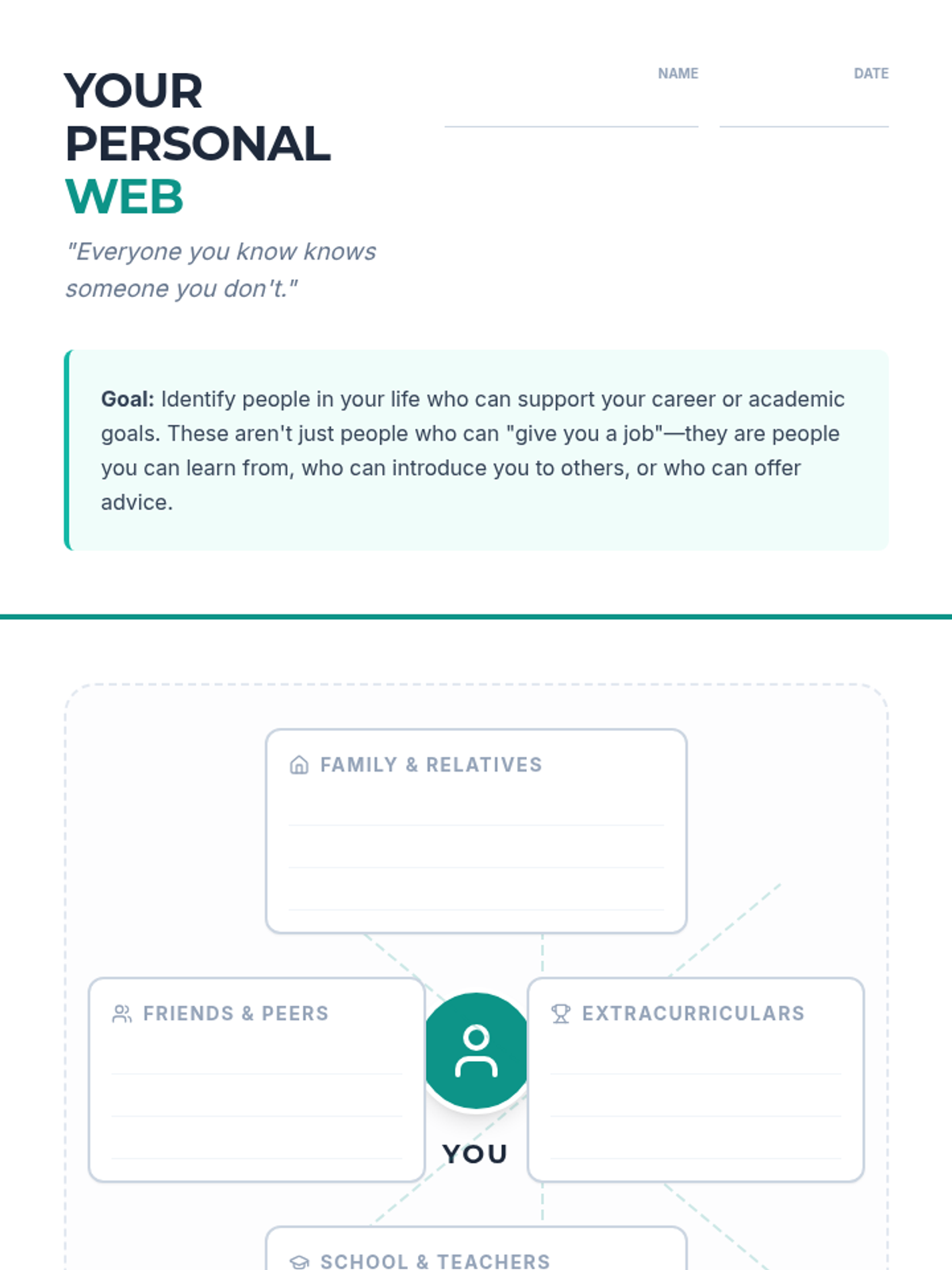
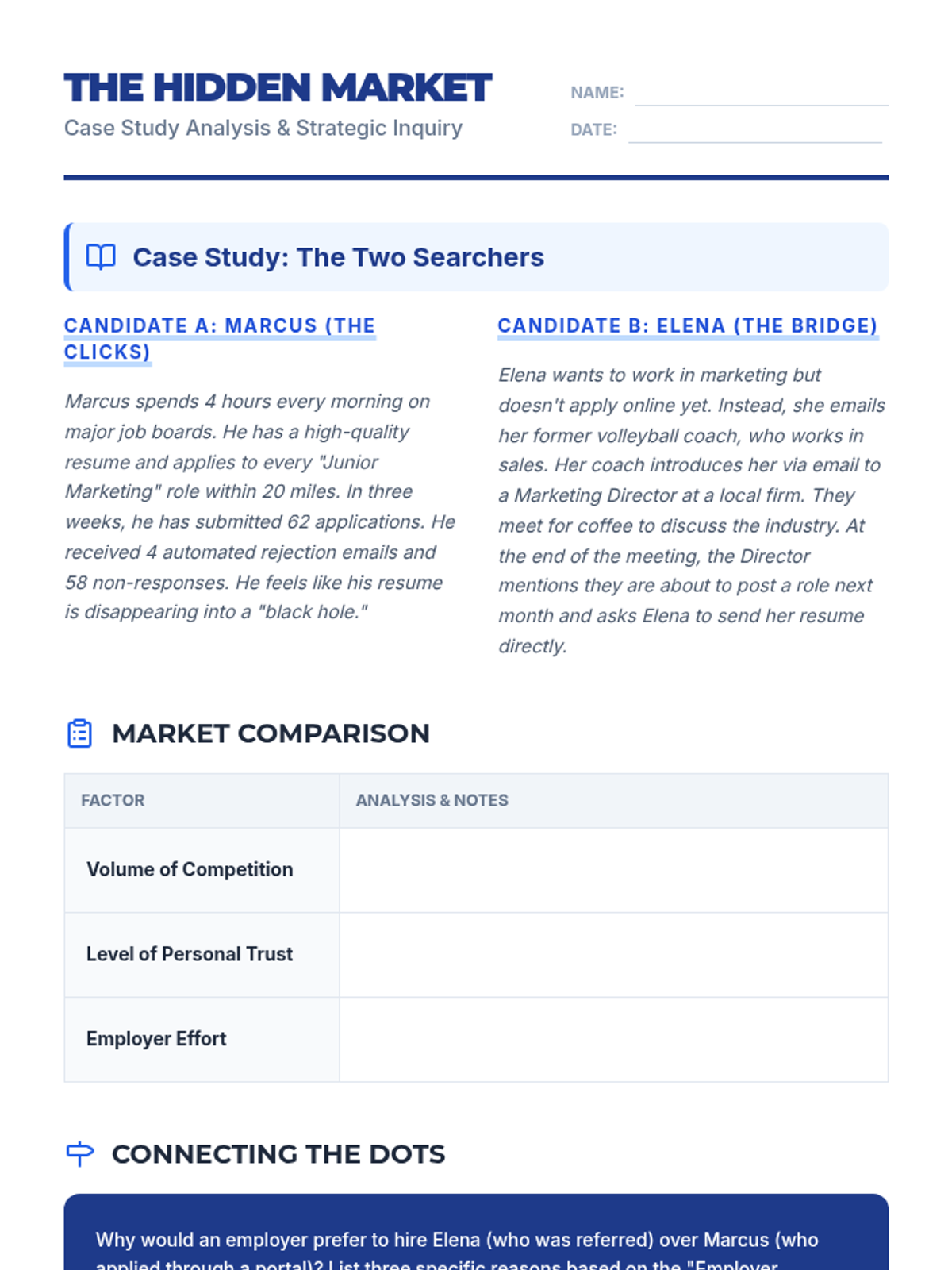
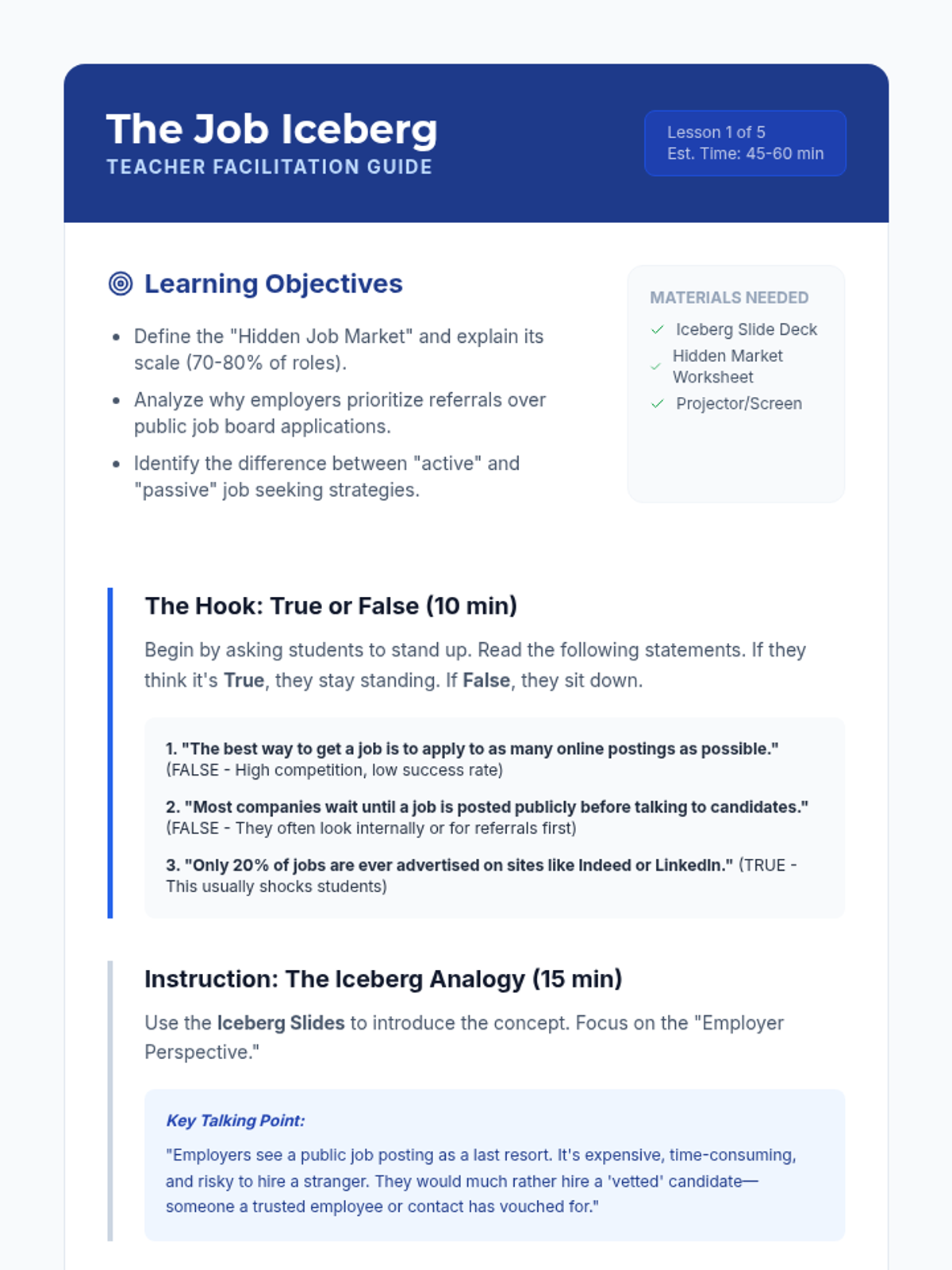
This sequence explores the 'hidden job market' where up to 80% of roles are filled through networking. Students will develop social capital, craft elevator pitches, map their personal connections, and learn the etiquette of informational interviews and professional follow-up.
A comprehensive 9th-grade sequence on professional asynchronous communication, focusing on voicemail greetings and messaging. Students analyze, script, record, and practice follow-up protocols to build a professional digital presence.
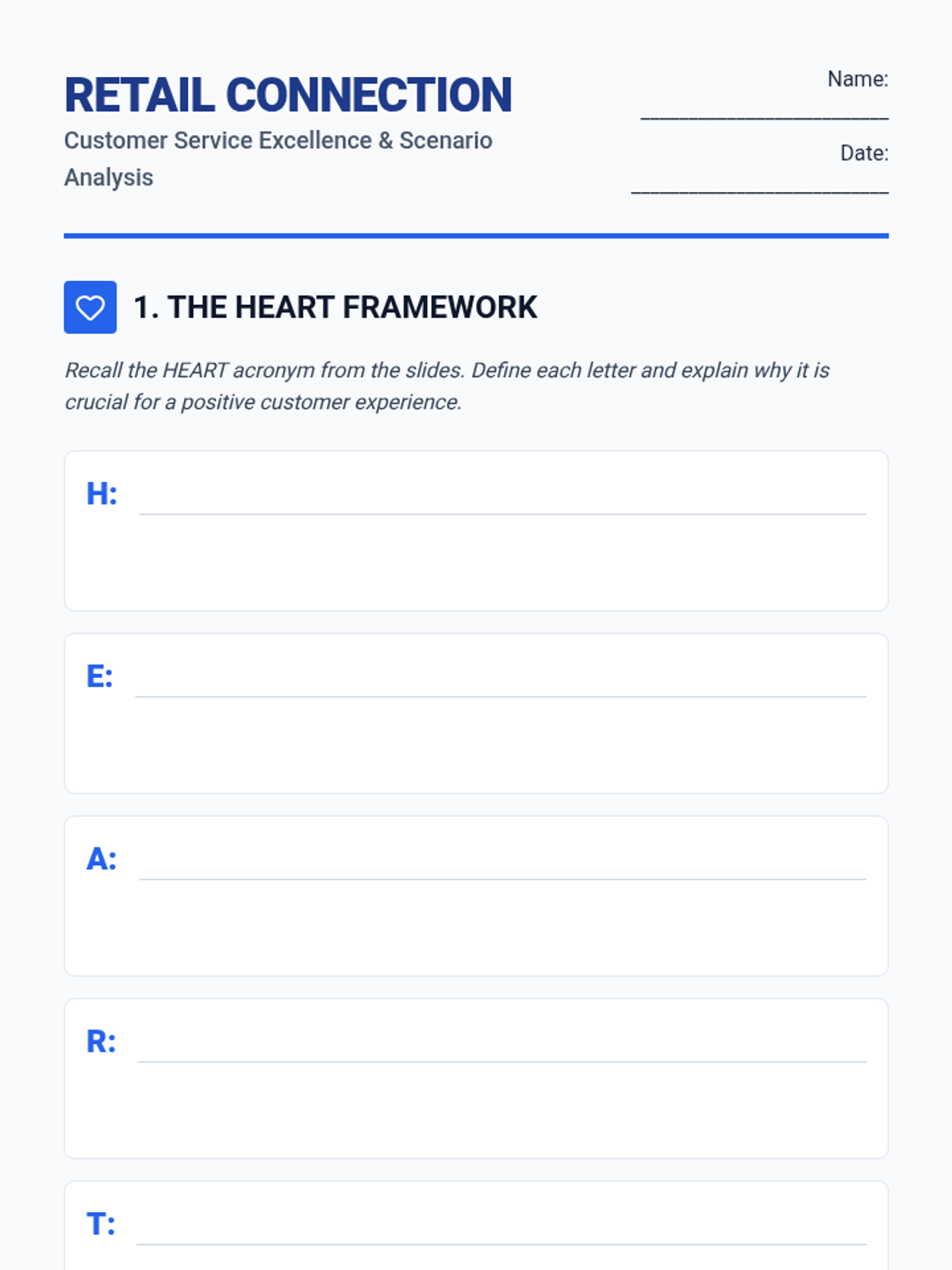
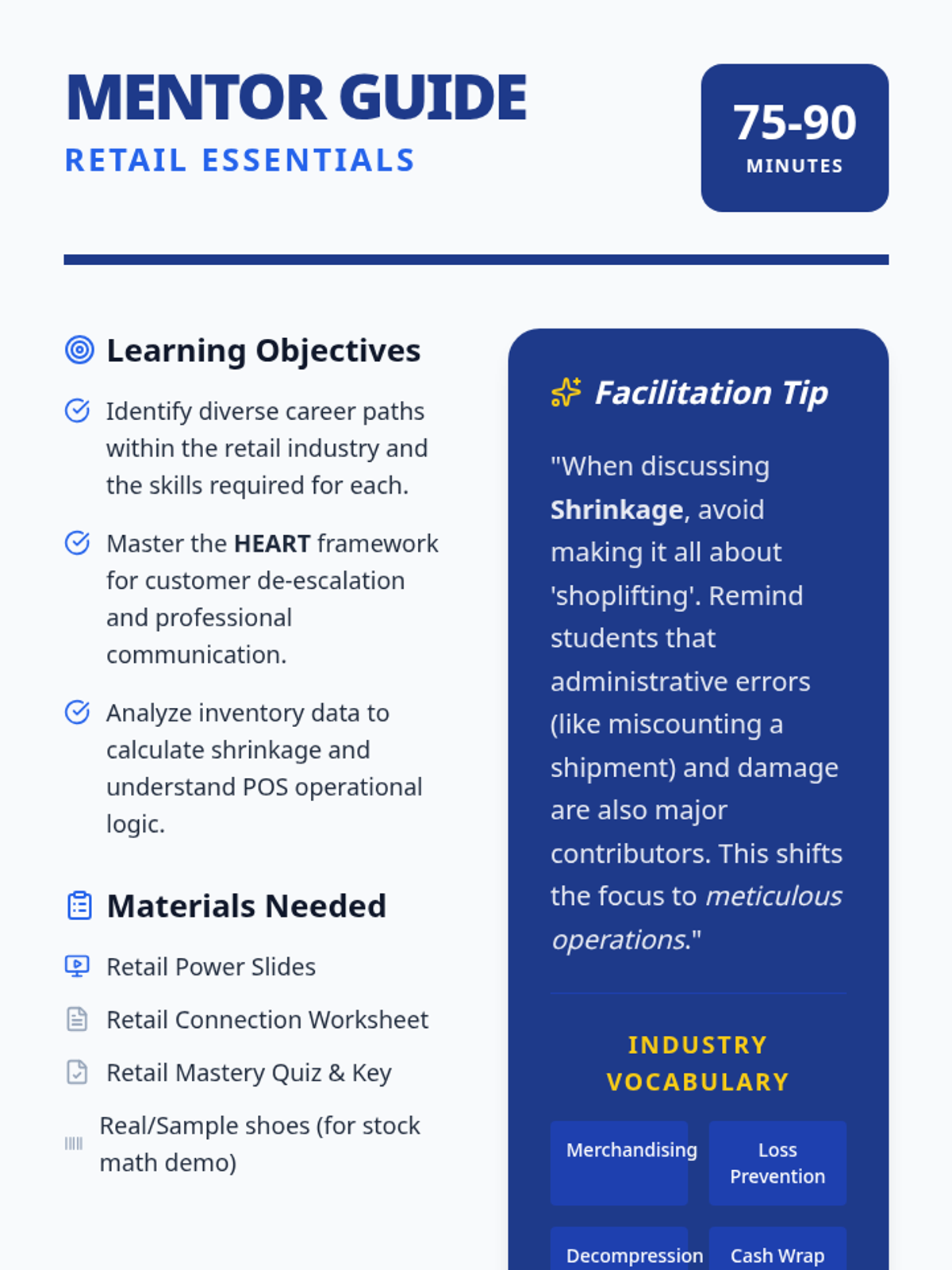
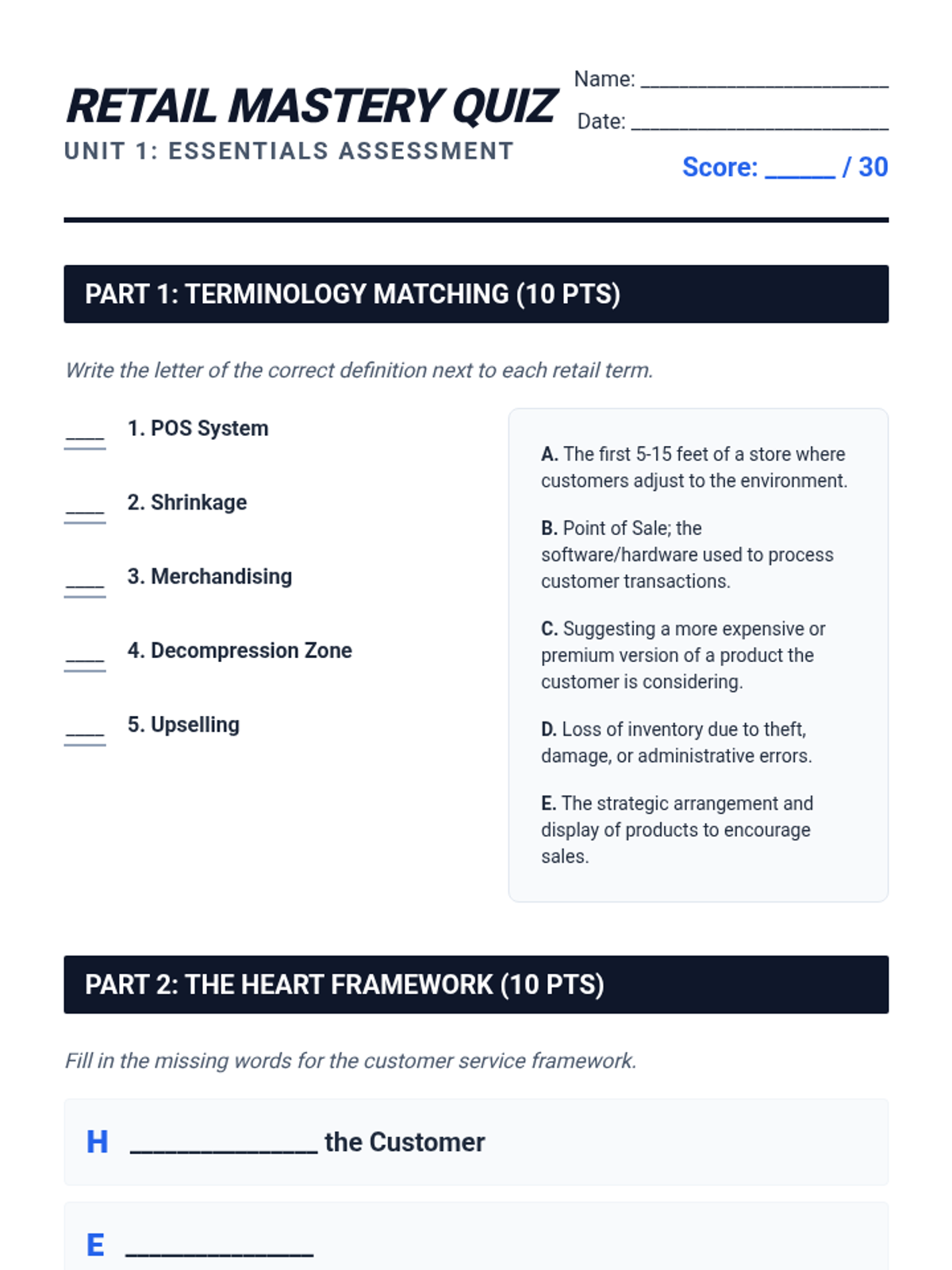
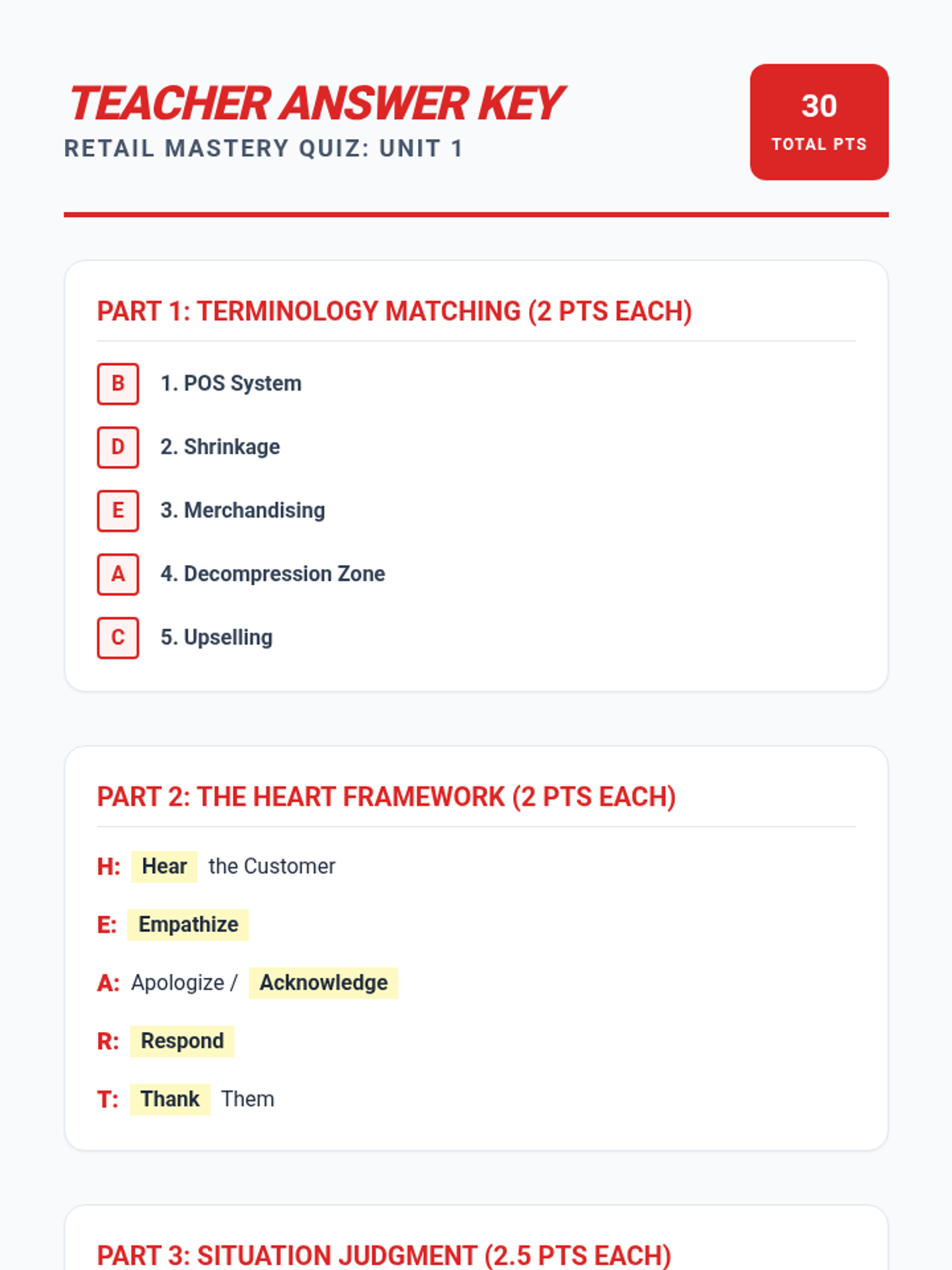
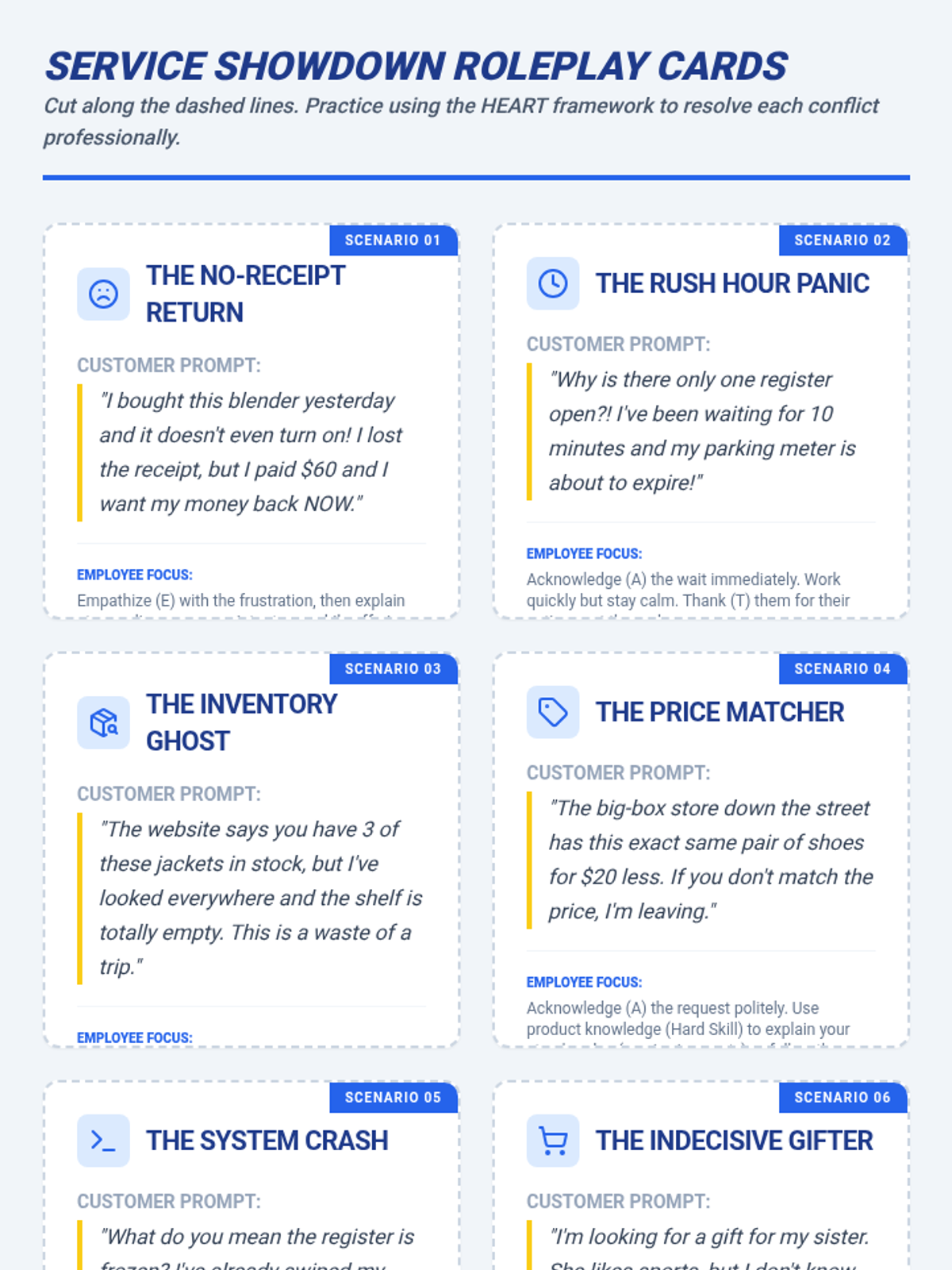
A hands-on career exploration unit focusing on the dynamic world of retail. Students will master customer service excellence, learn retail operations like inventory and POS systems, and design their own retail floor plan and brand strategy.
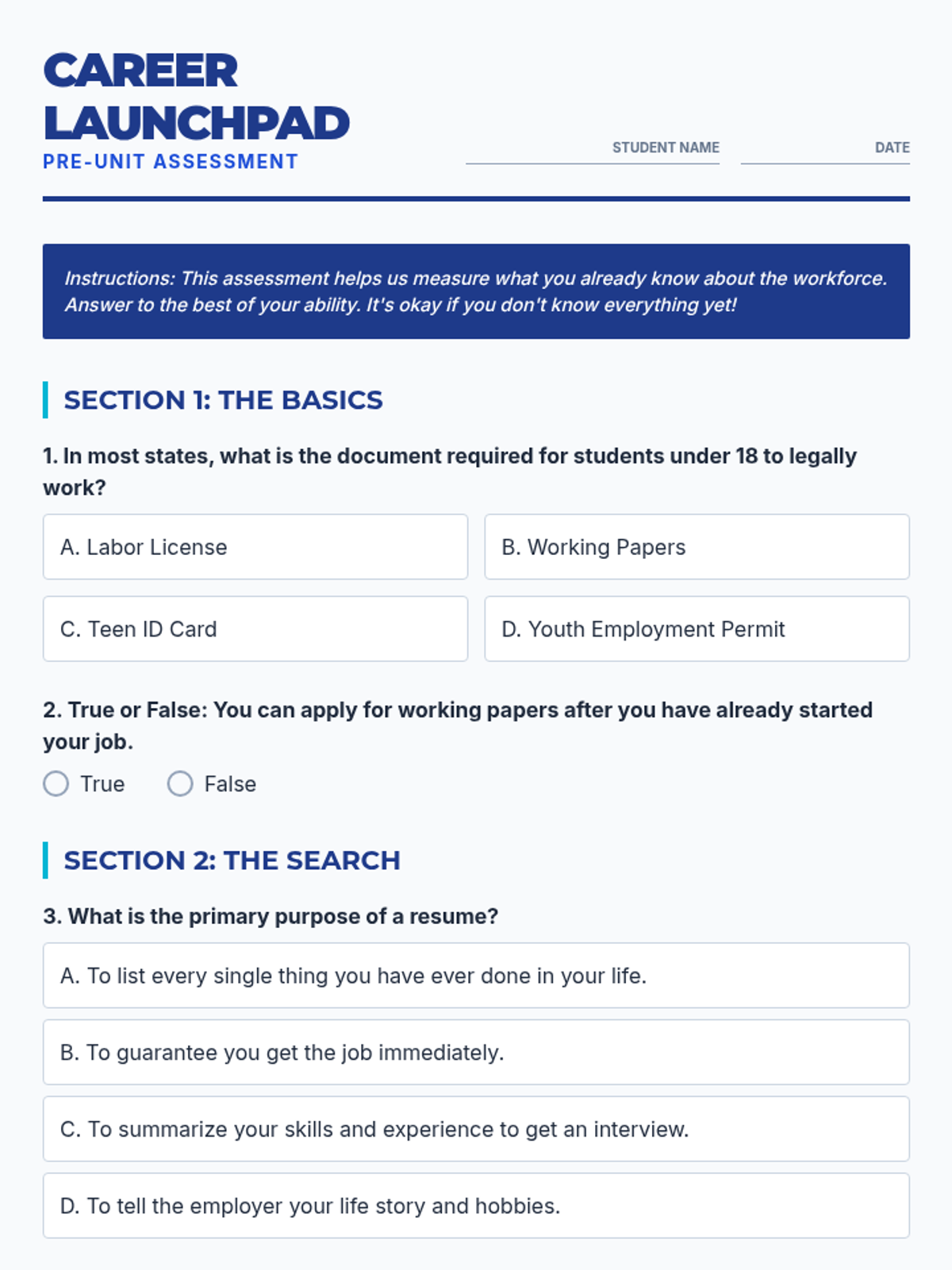
An 8-week comprehensive unit designed to prepare high school students for entering the workforce, covering everything from legal working papers and job applications to interview techniques and long-term career planning.
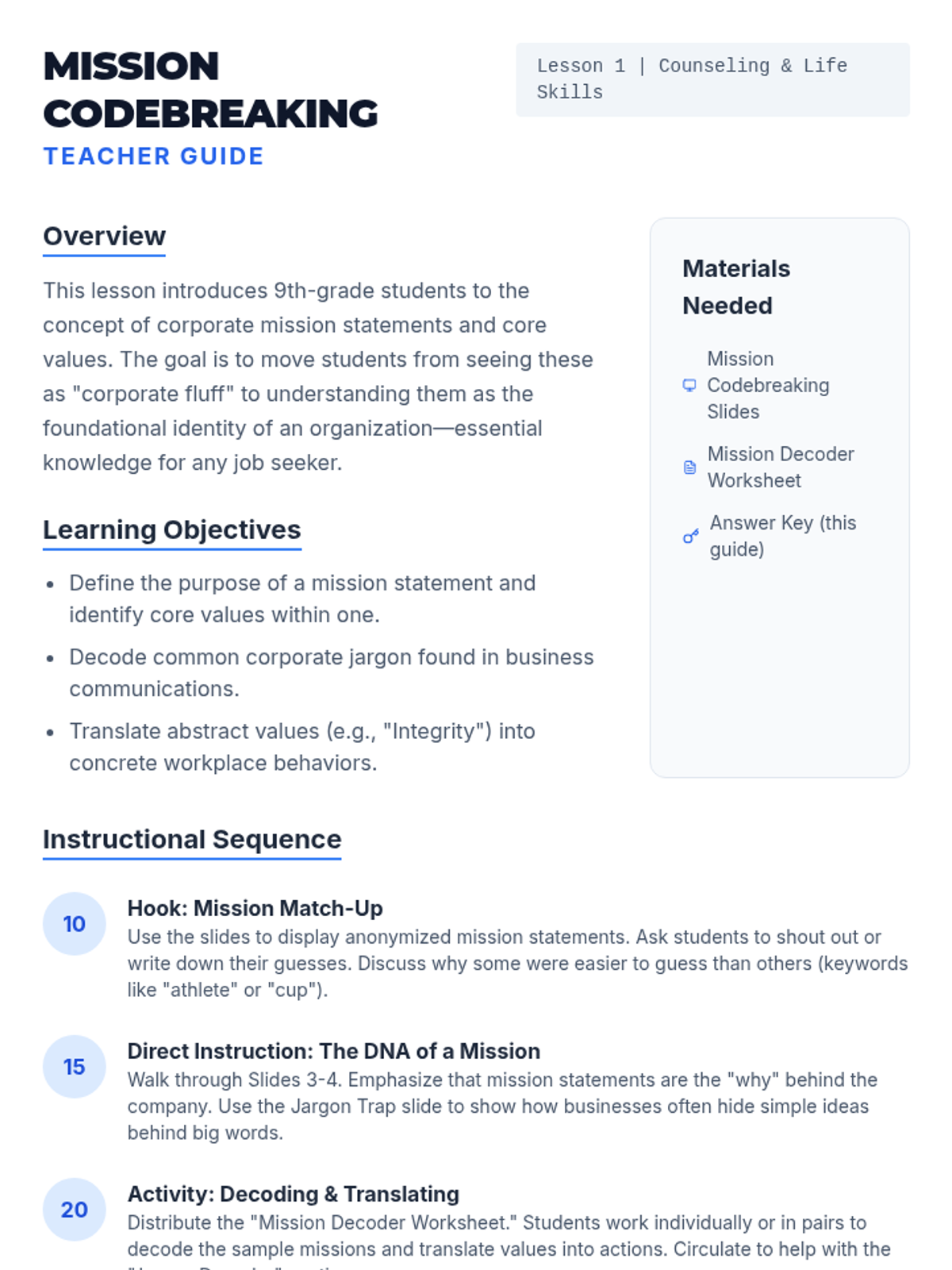
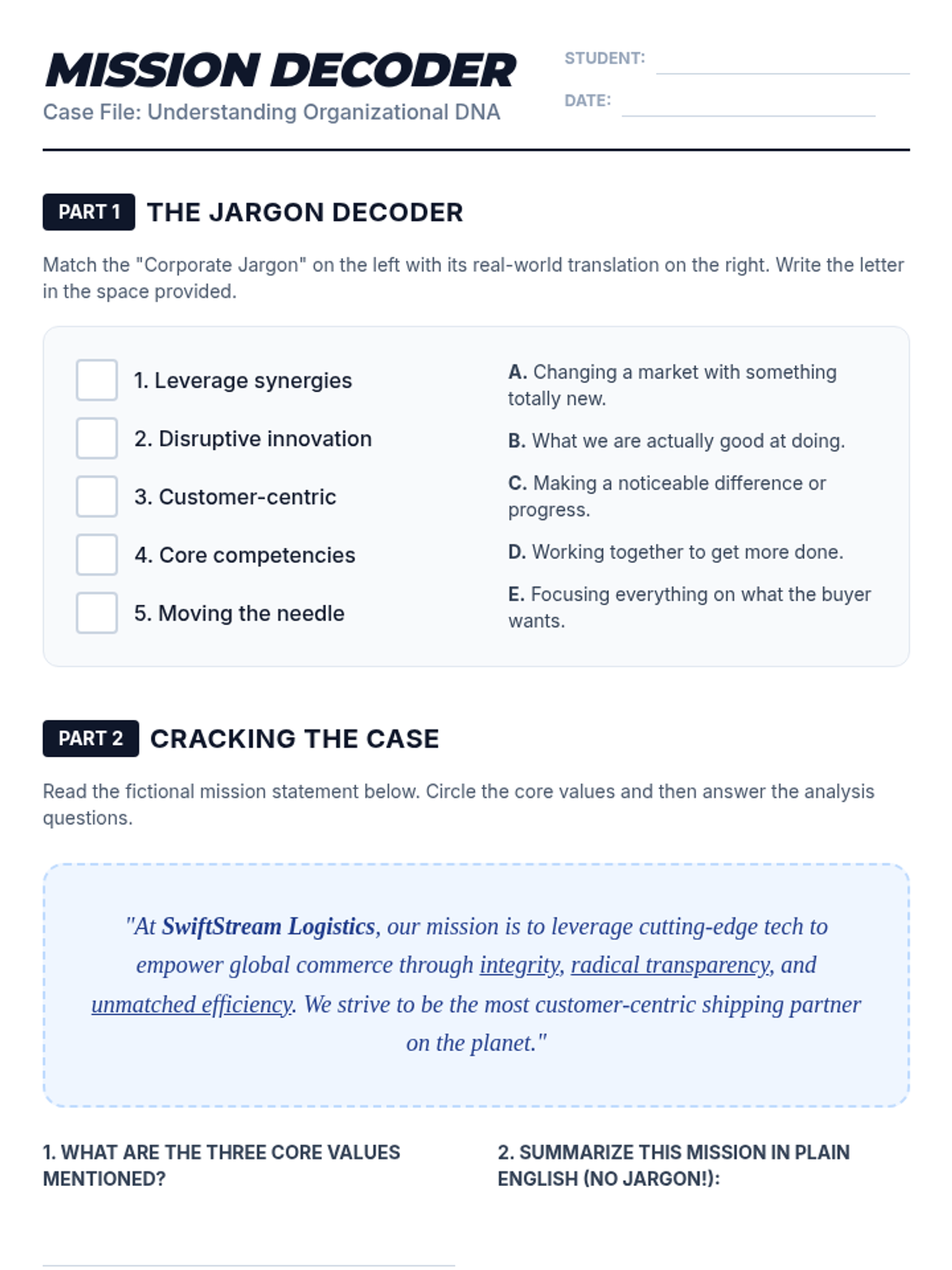
This sequence guides 9th-grade students through the analytical process of researching an organization's identity, culture, and market position to prepare for professional interviews. Students will learn to decode mission statements, evaluate digital reputations, and synthesize their research to effectively answer the critical 'Why do you want to work here?' interview question.
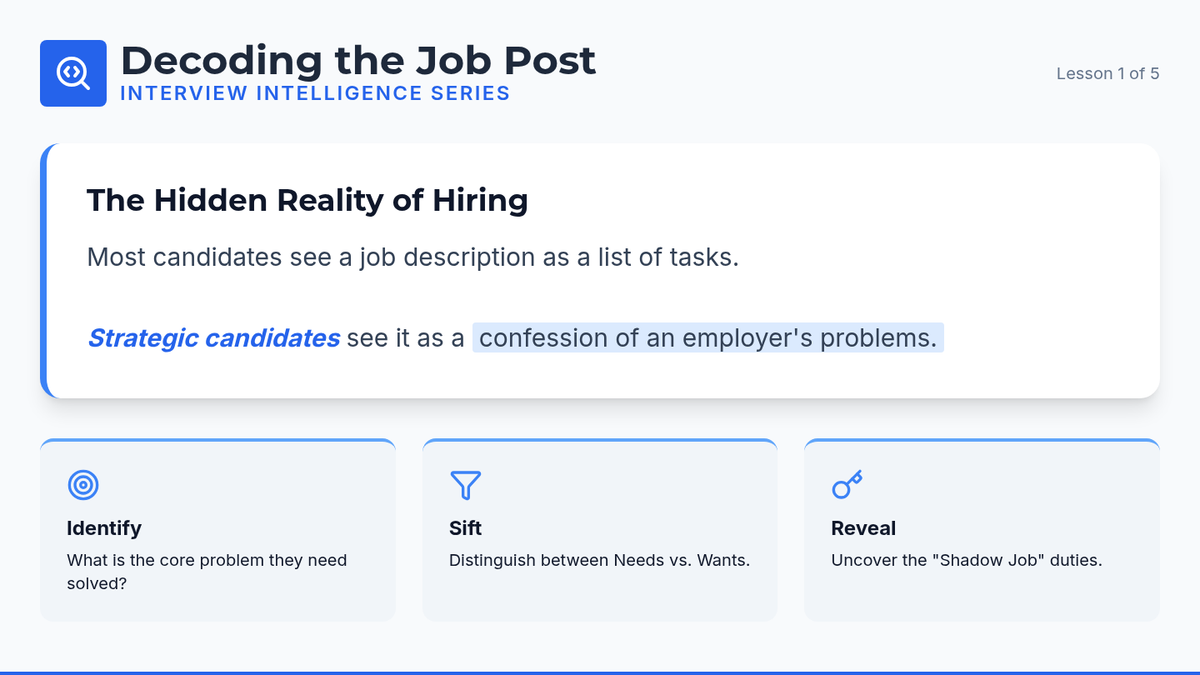
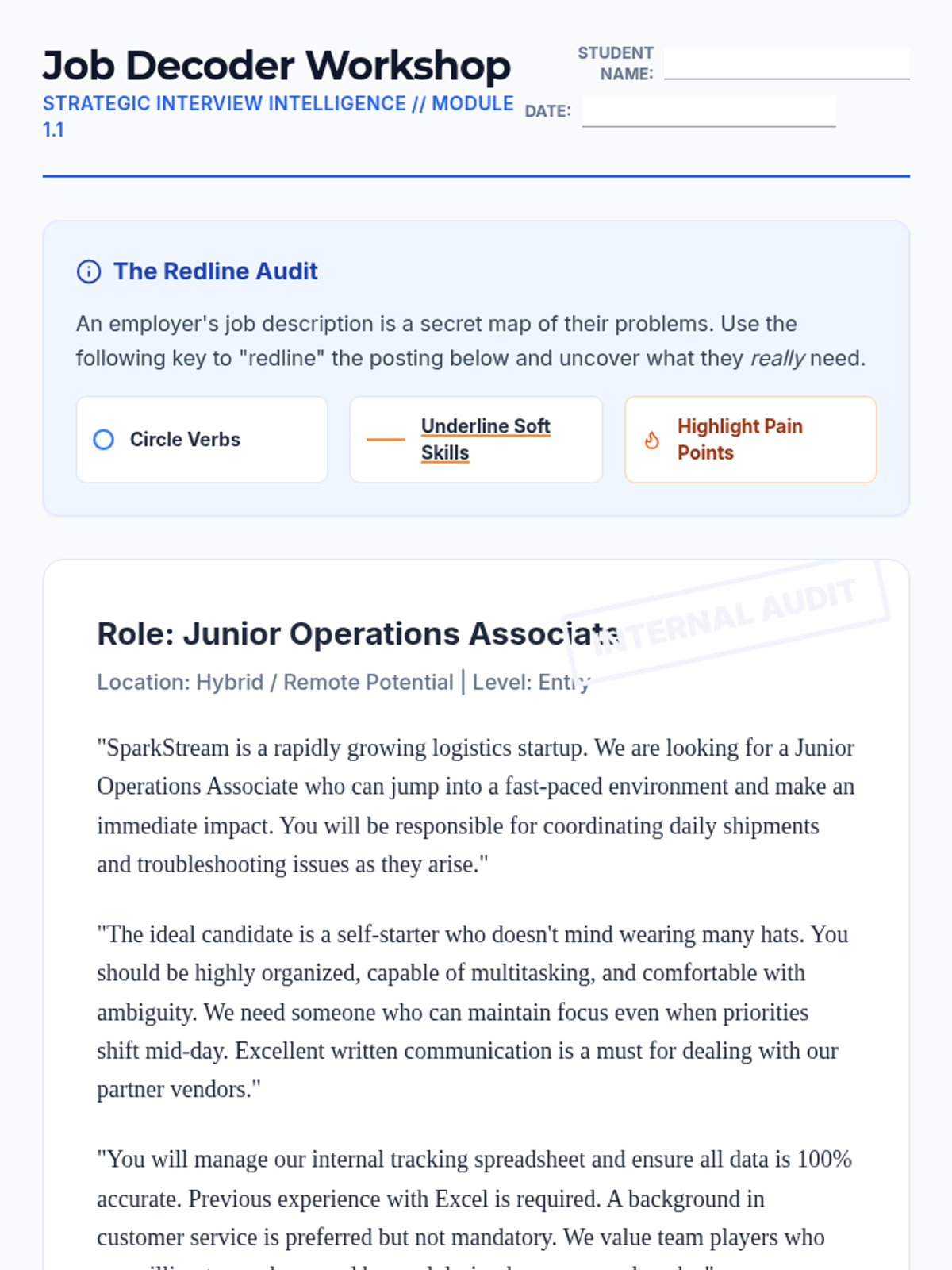
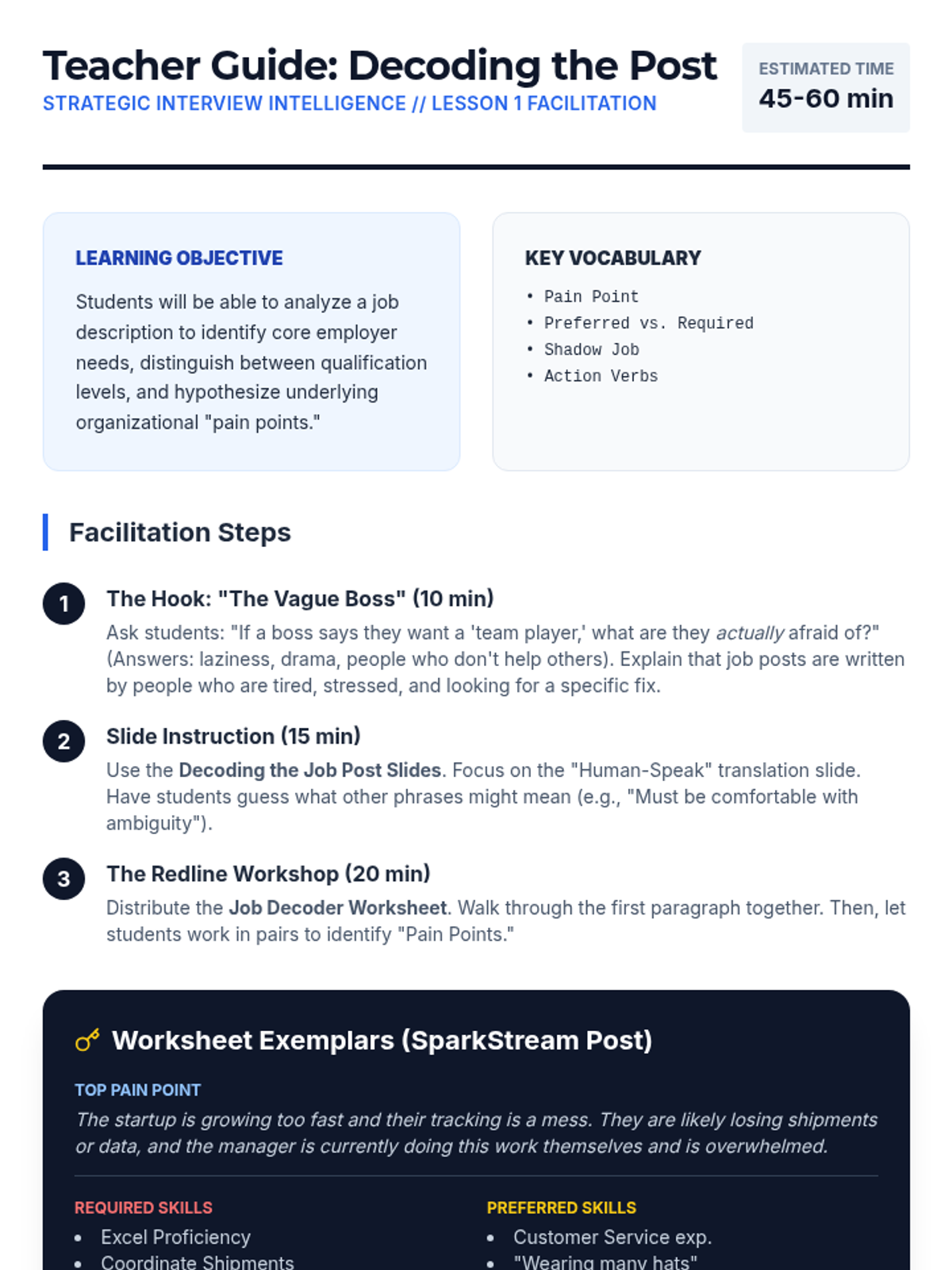
A comprehensive sequence designed to transform 9th-grade students from passive applicants into strategic partners by mastering employer research, job description analysis, and high-impact questioning techniques.
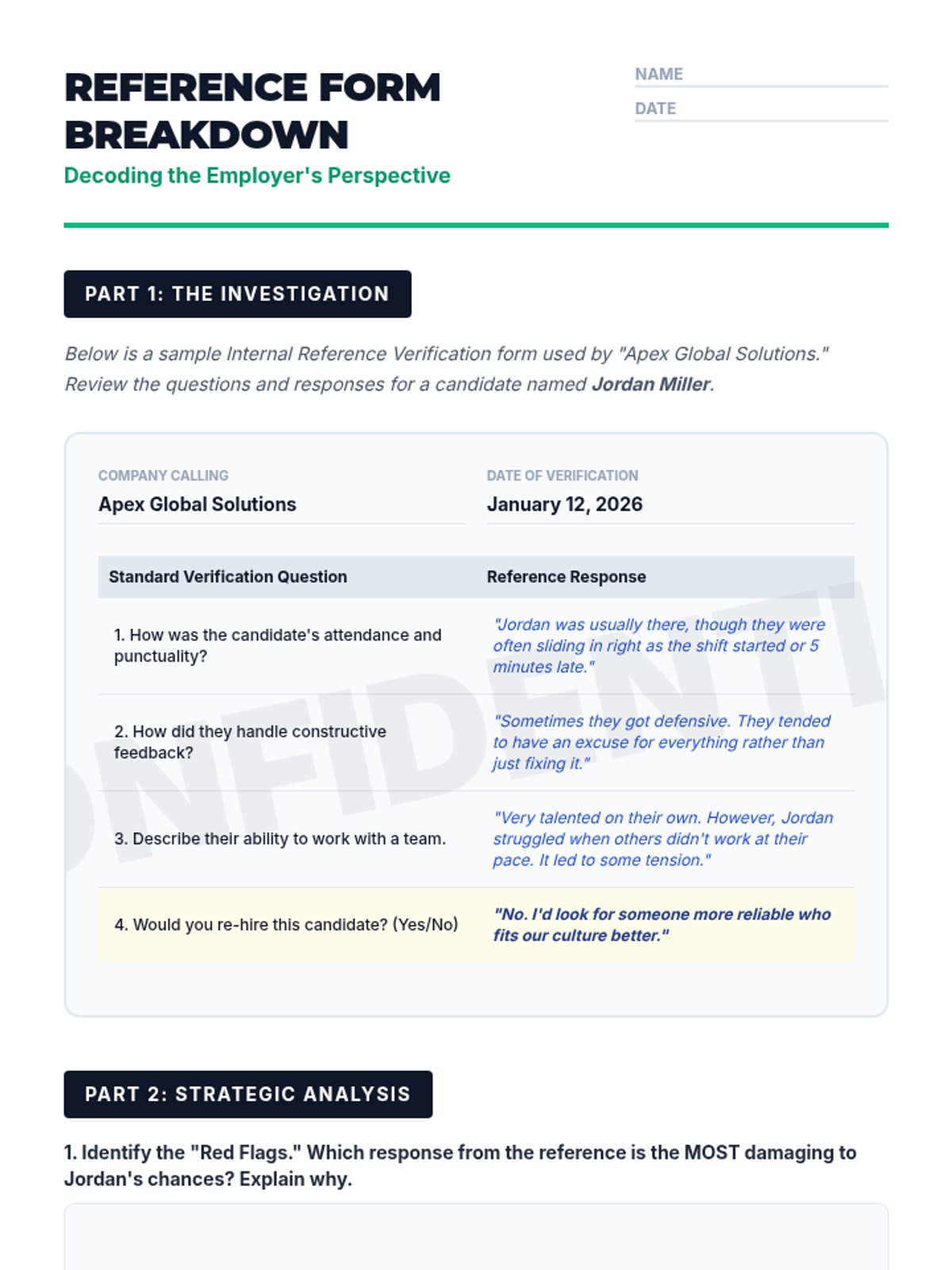
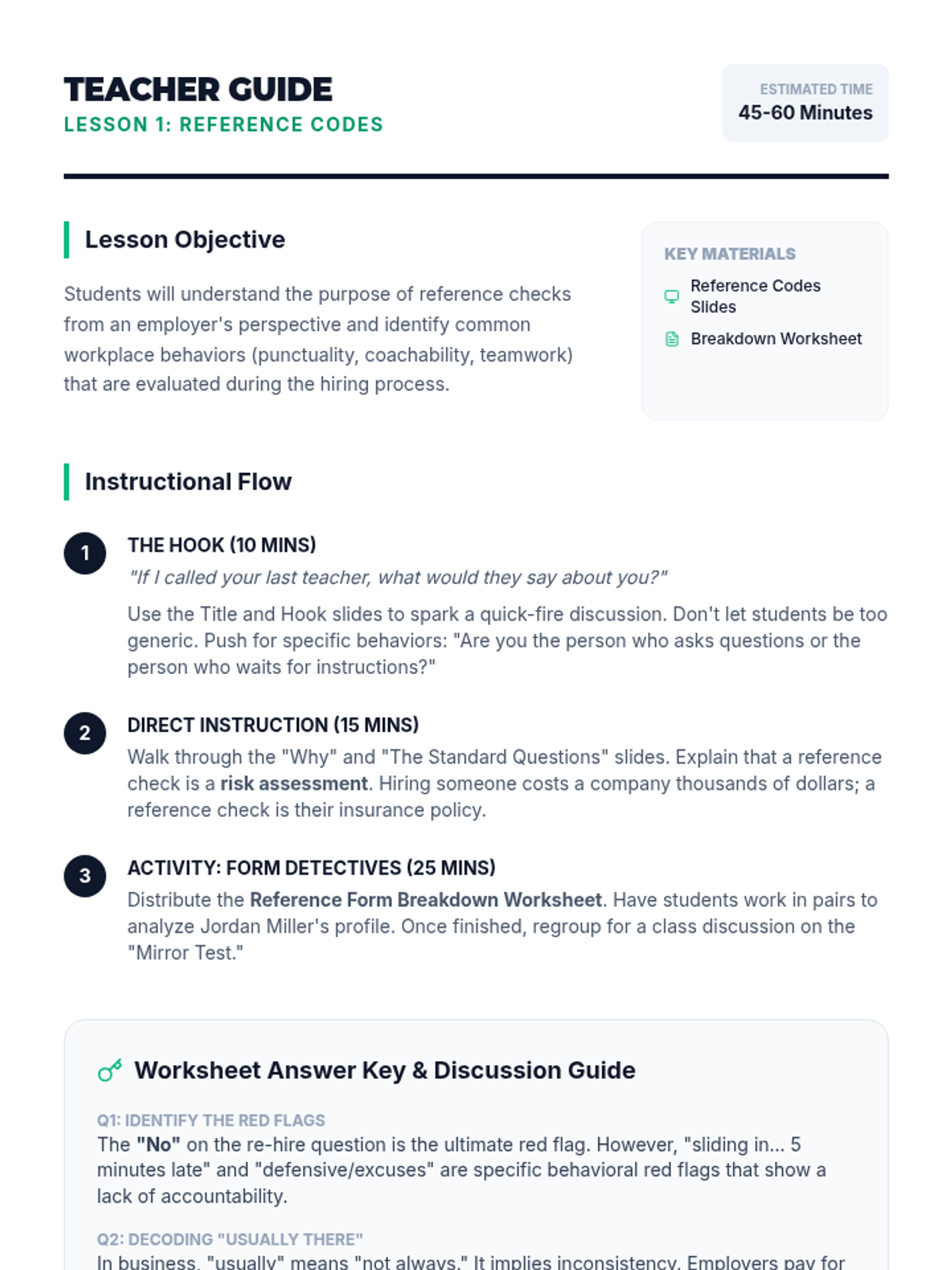
An inquiry-based unit where students act as hiring managers to understand the strategic power of professional references in the job market. Students move from decoding reference forms to strategically selecting references and managing professional reputations.
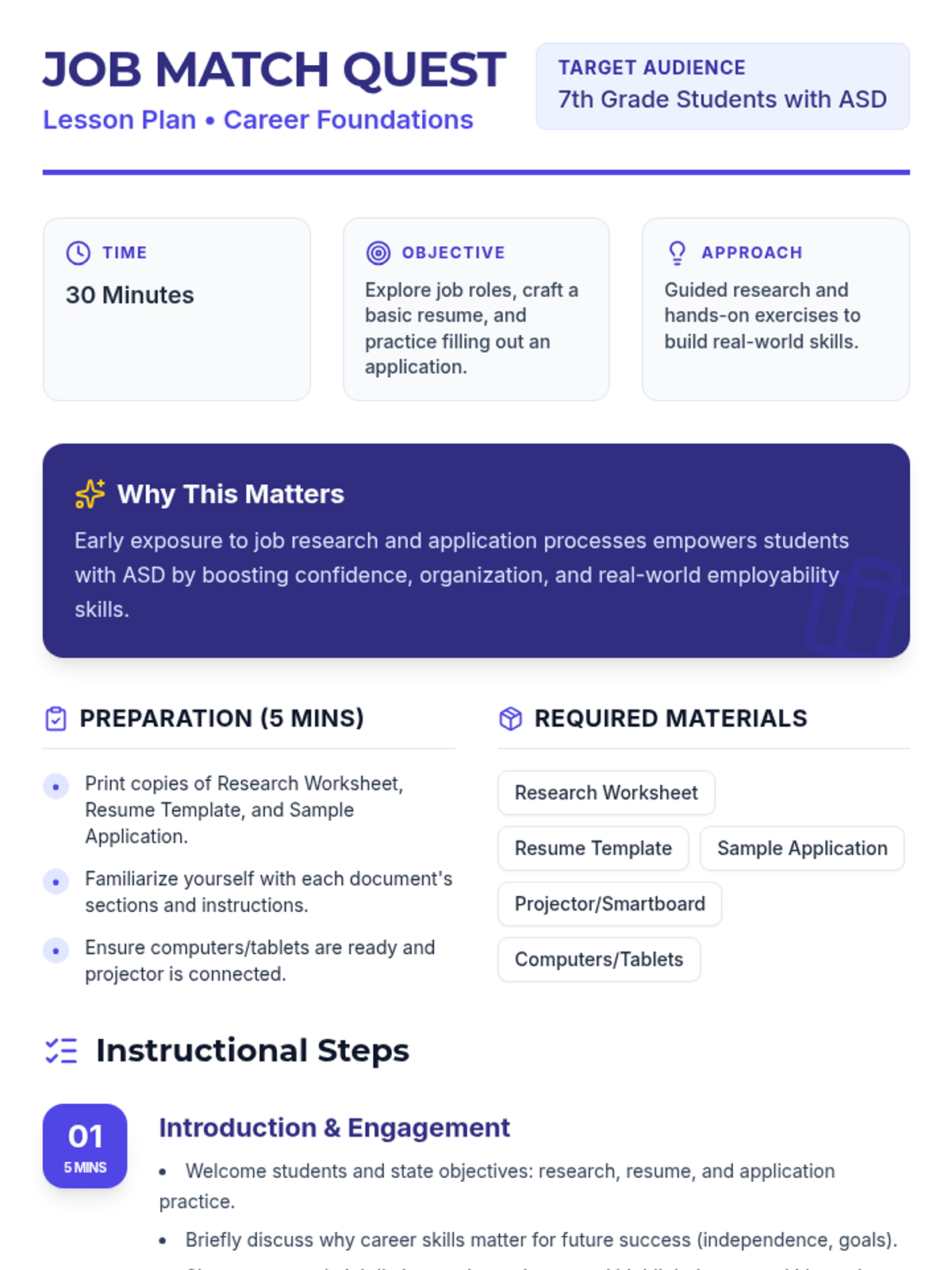
A career-readiness sequence designed for students with ASD, focusing on foundational job research and the advanced application process, including resume building and self-advocacy.
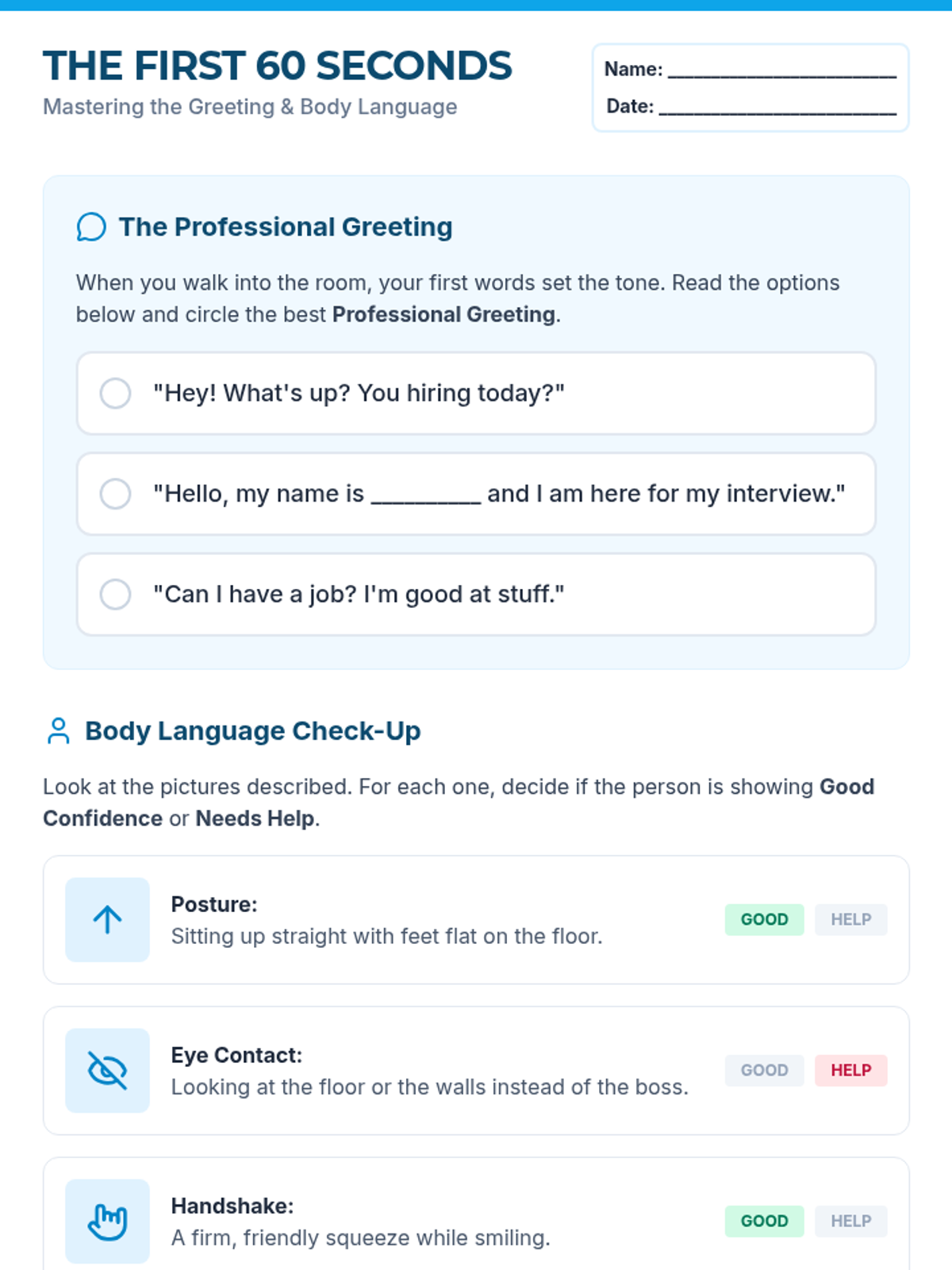
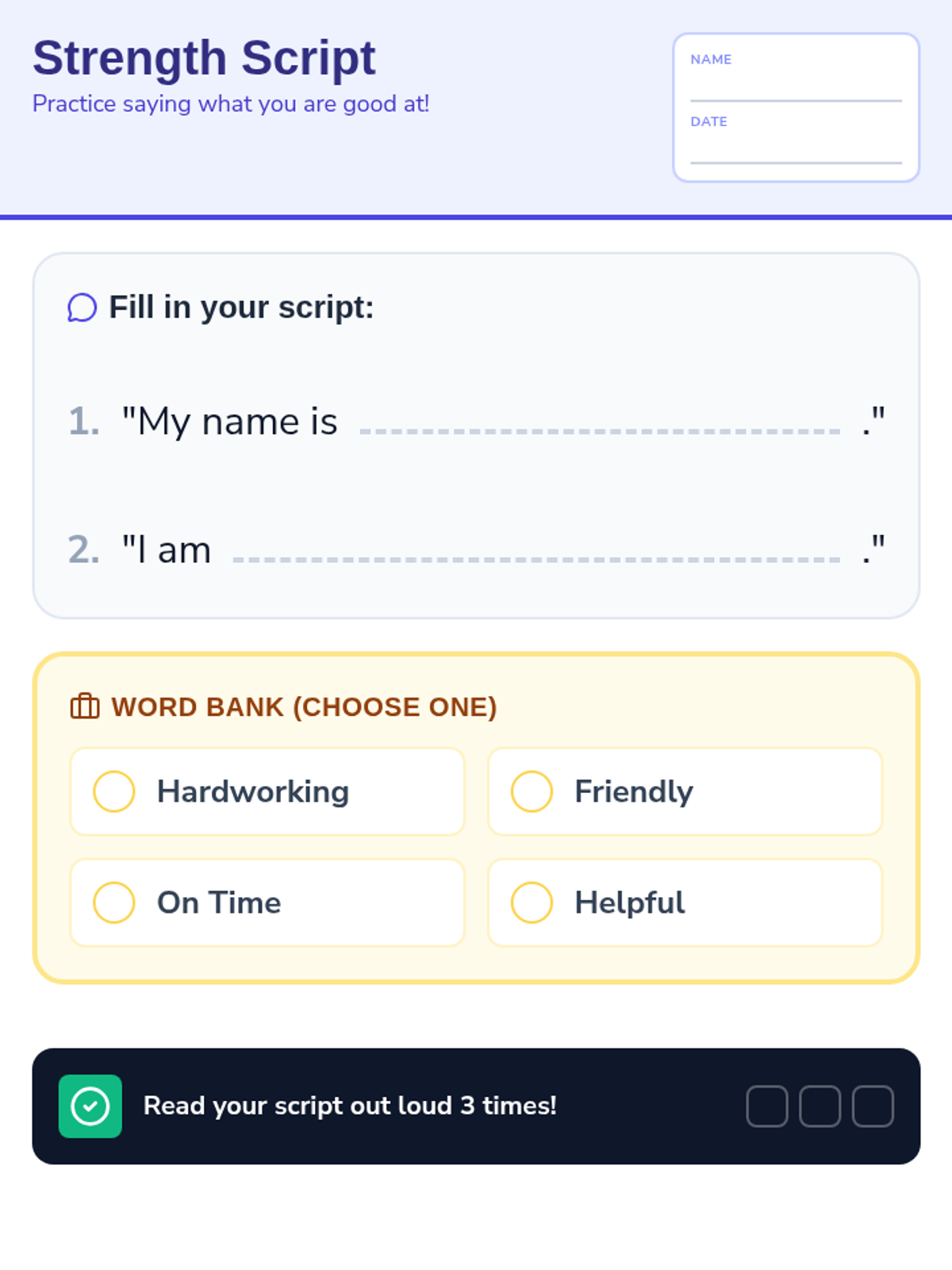
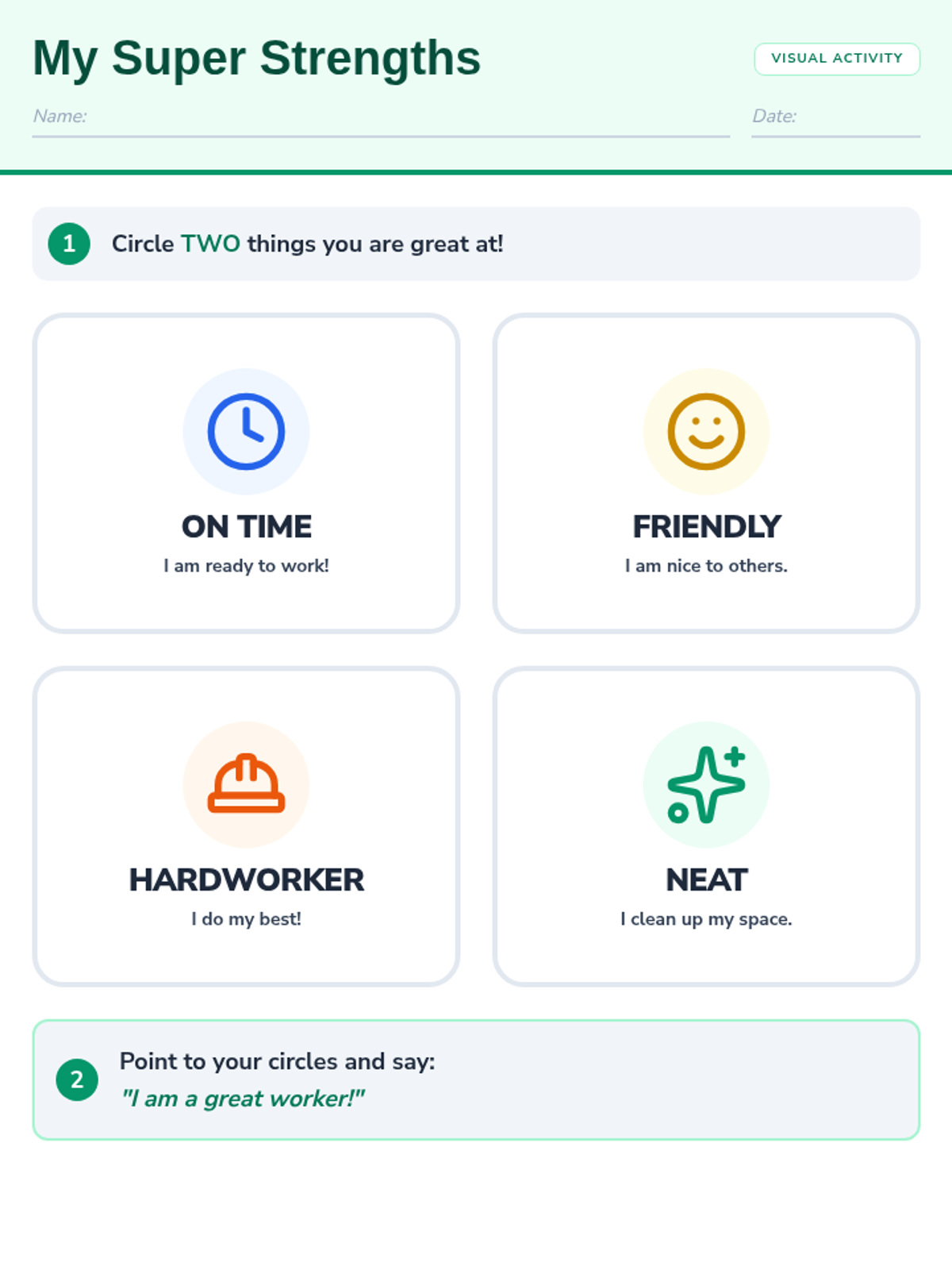
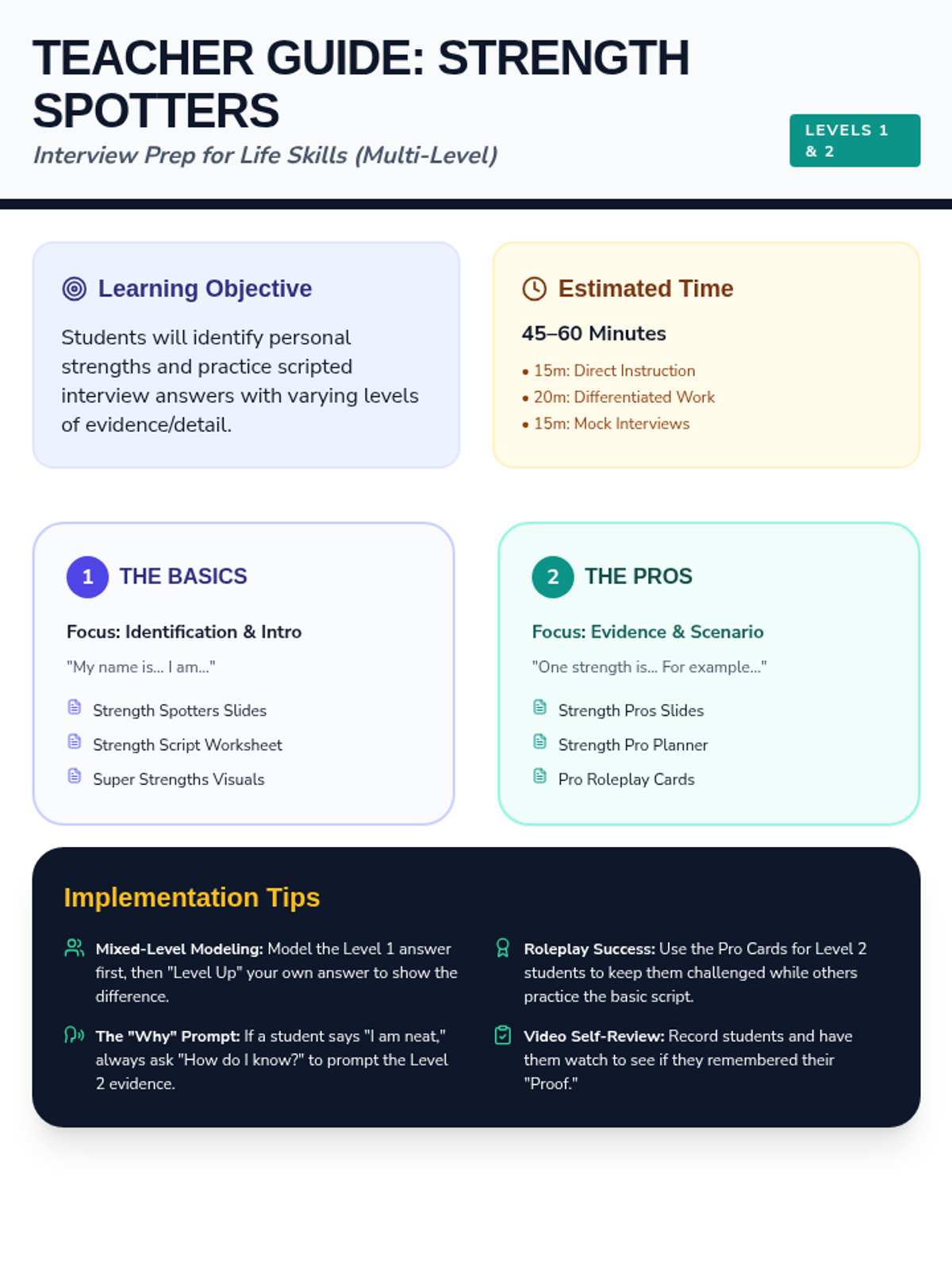
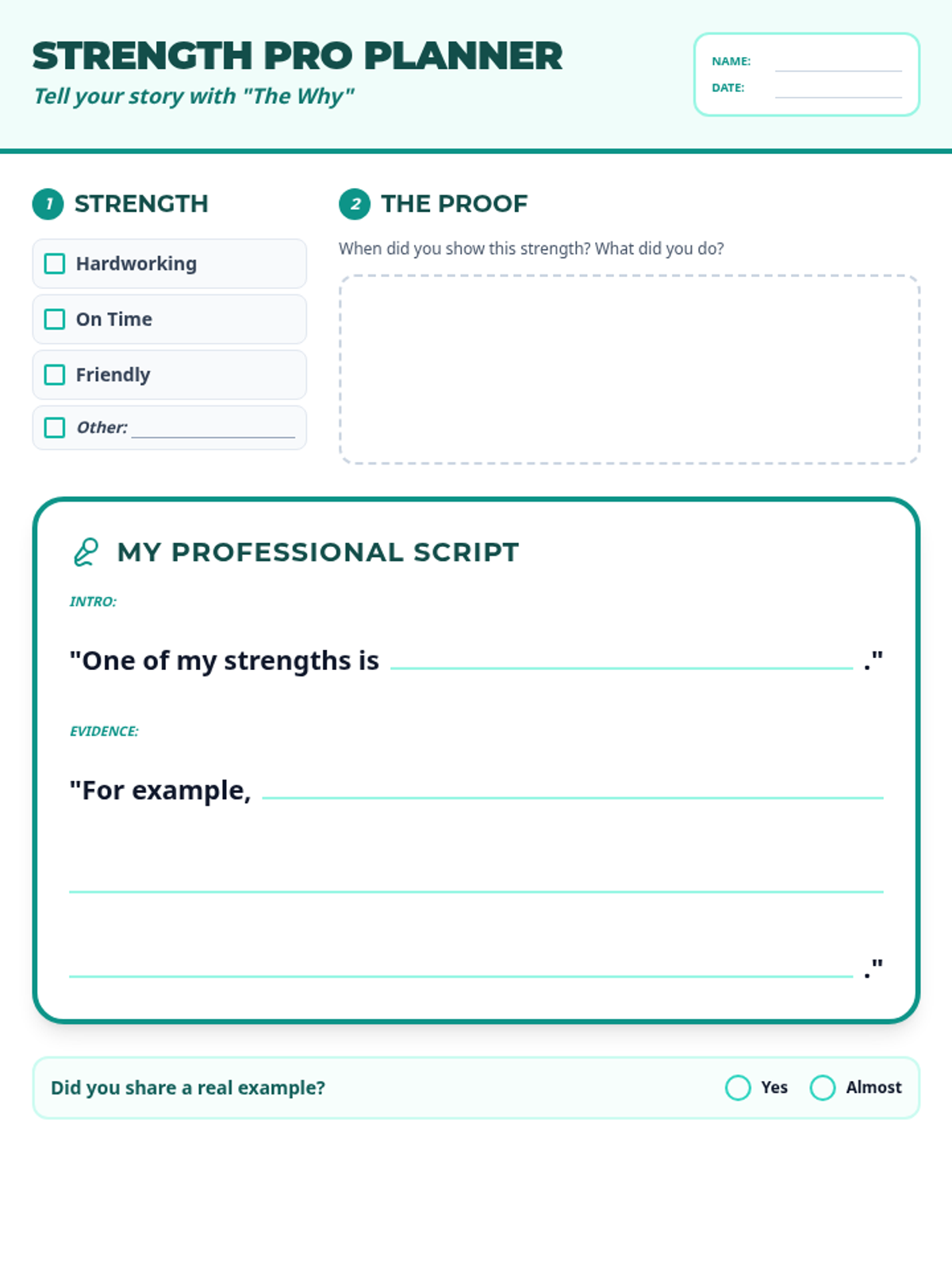
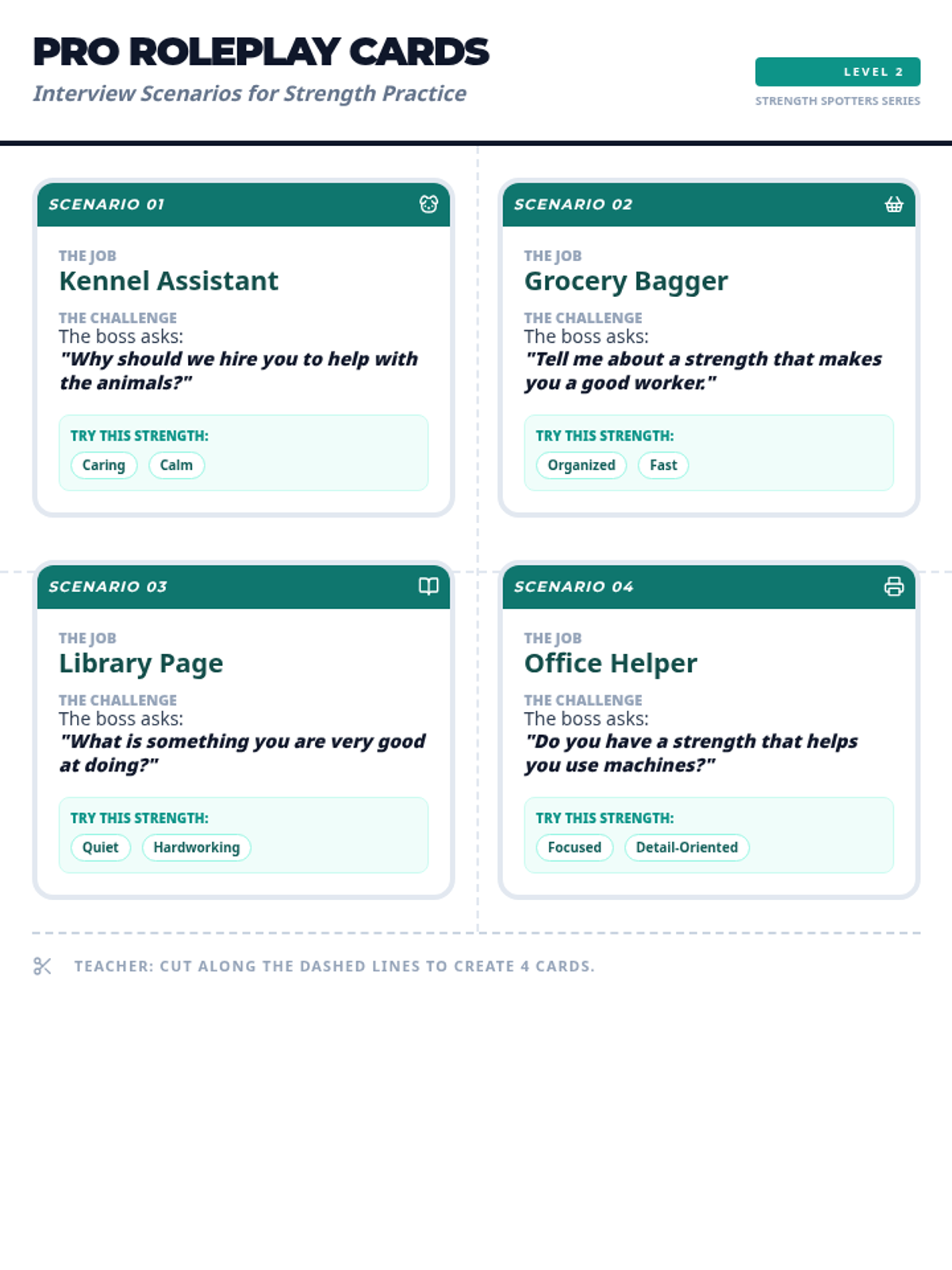
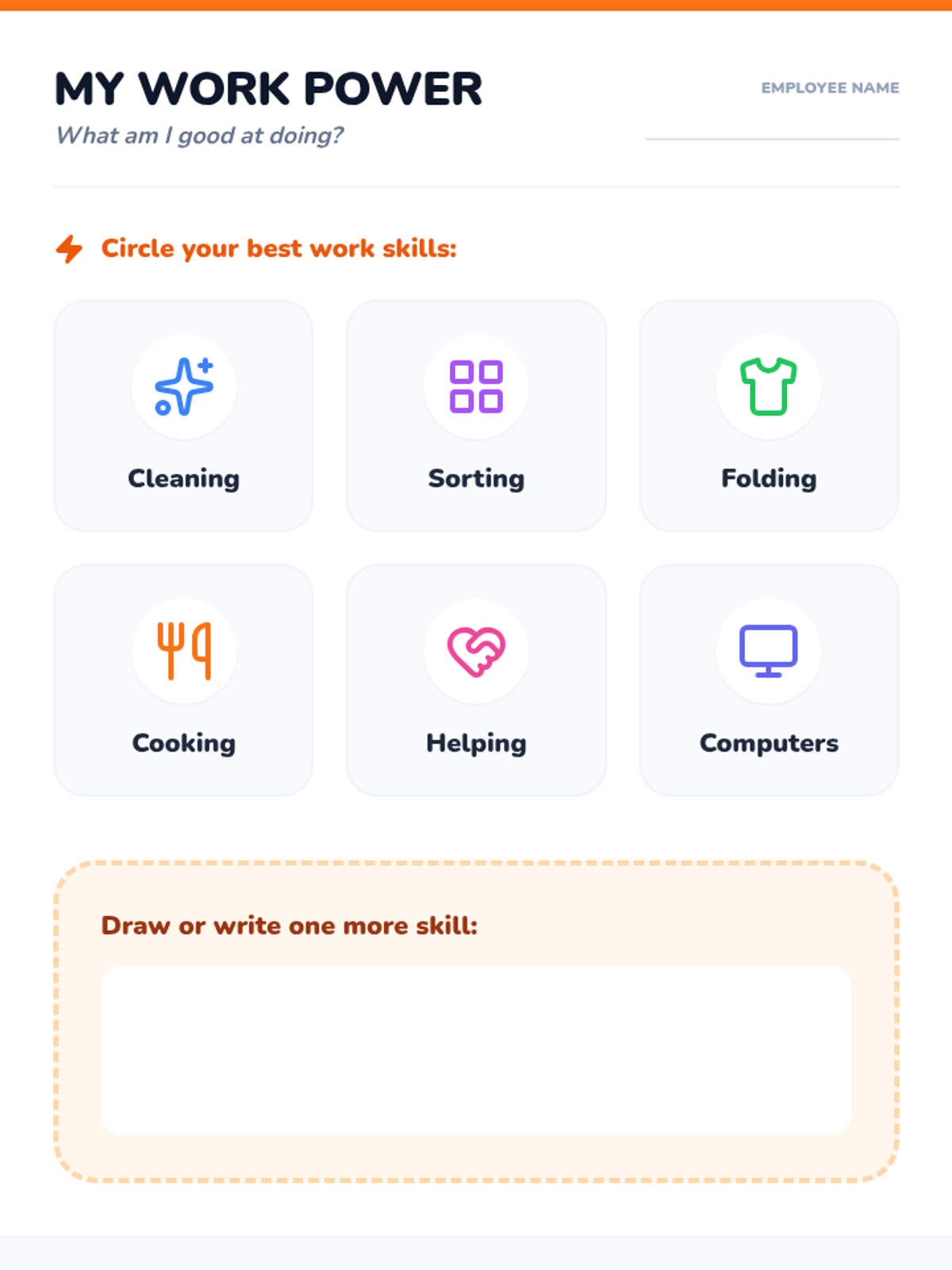
A foundational interview preparation series for life skills students, covering self-identification of strengths, professional greetings, and basic social interaction in a workplace setting.
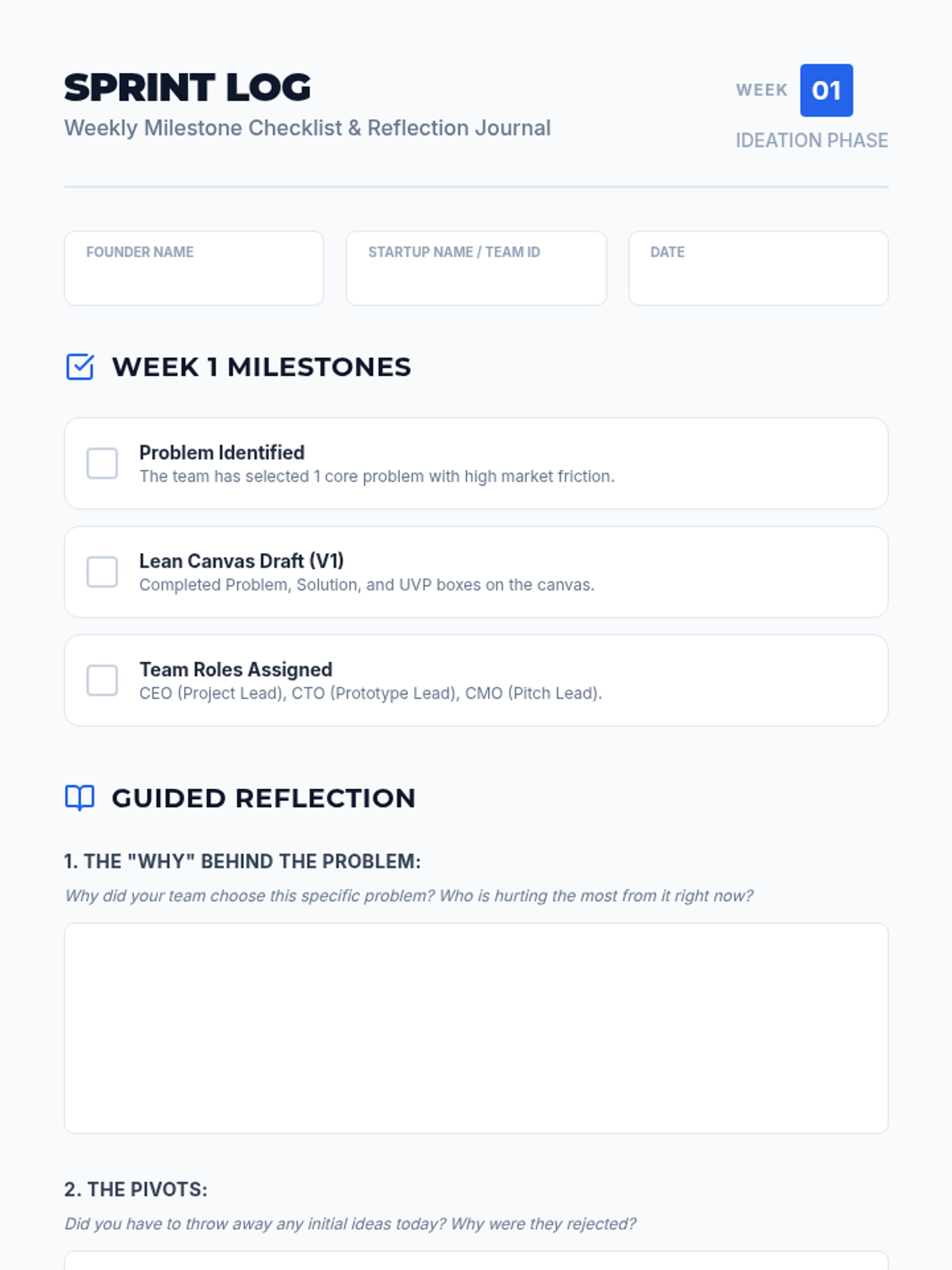
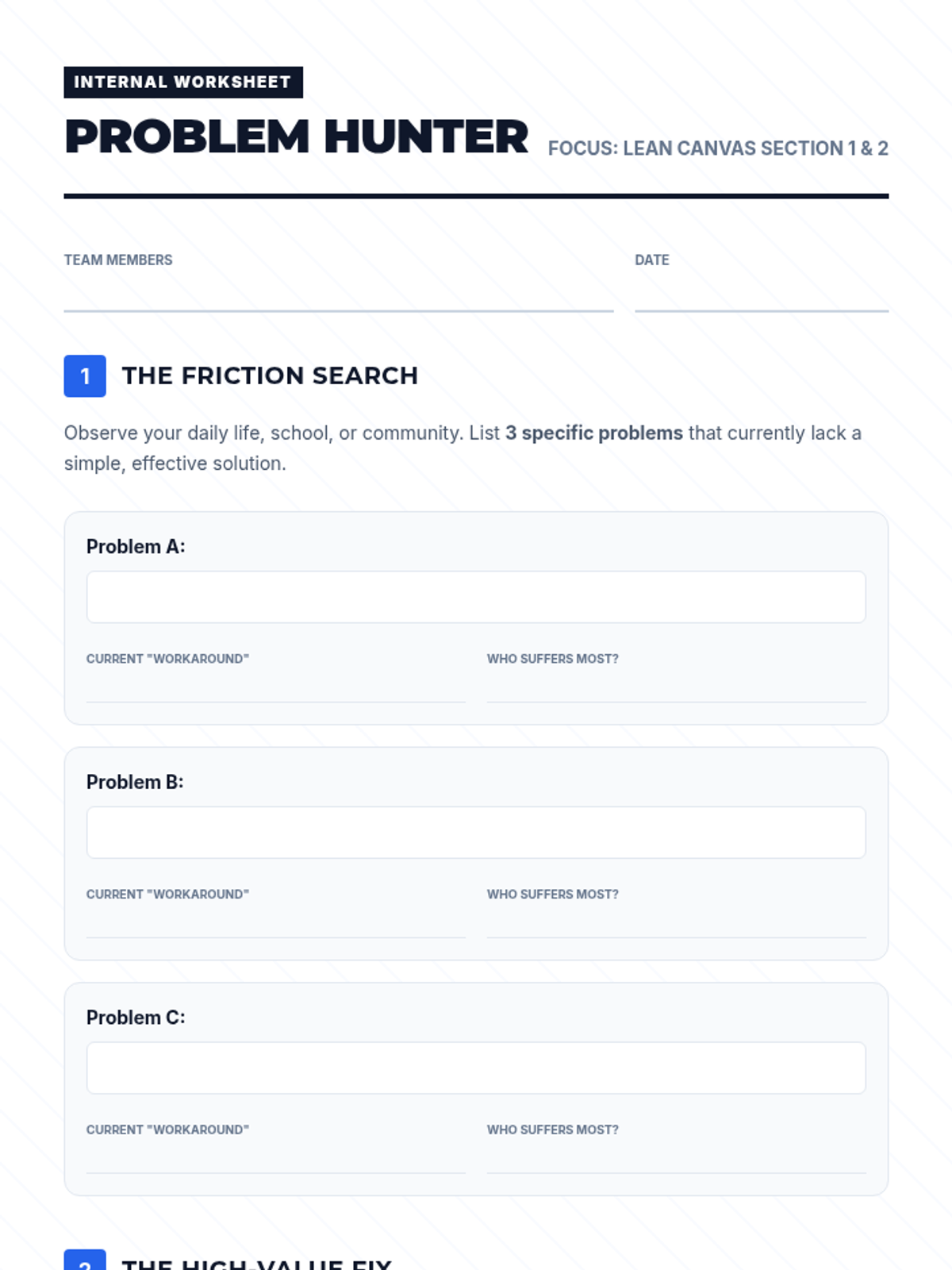
A comprehensive 4-week entrepreneurship project where high school CTE students use the Lean Business Canvas to develop a startup concept, build a tangible prototype, and deliver a professional pitch. Includes weekly reflection journals, milestone checklists, and peer feedback cycles.
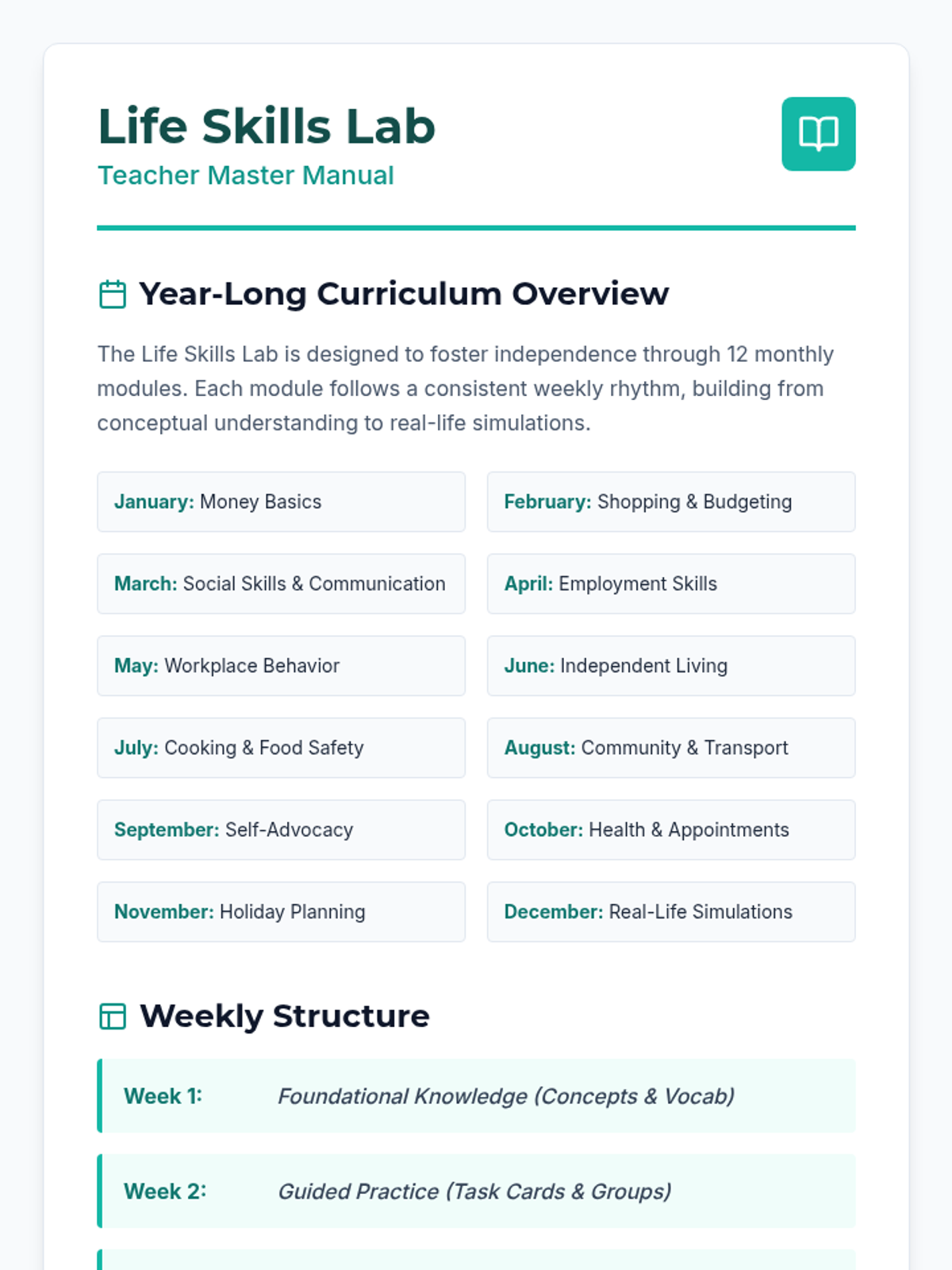
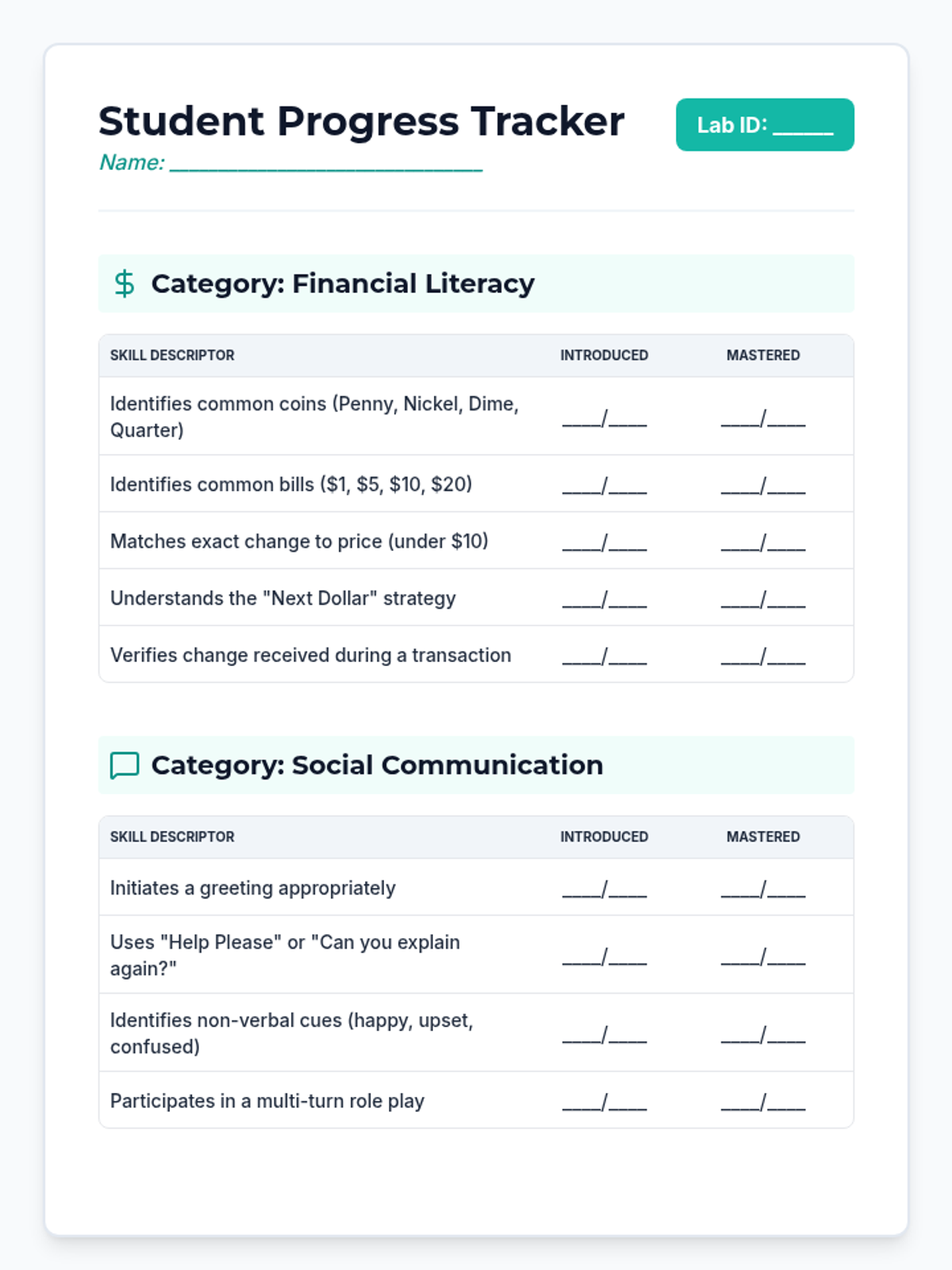
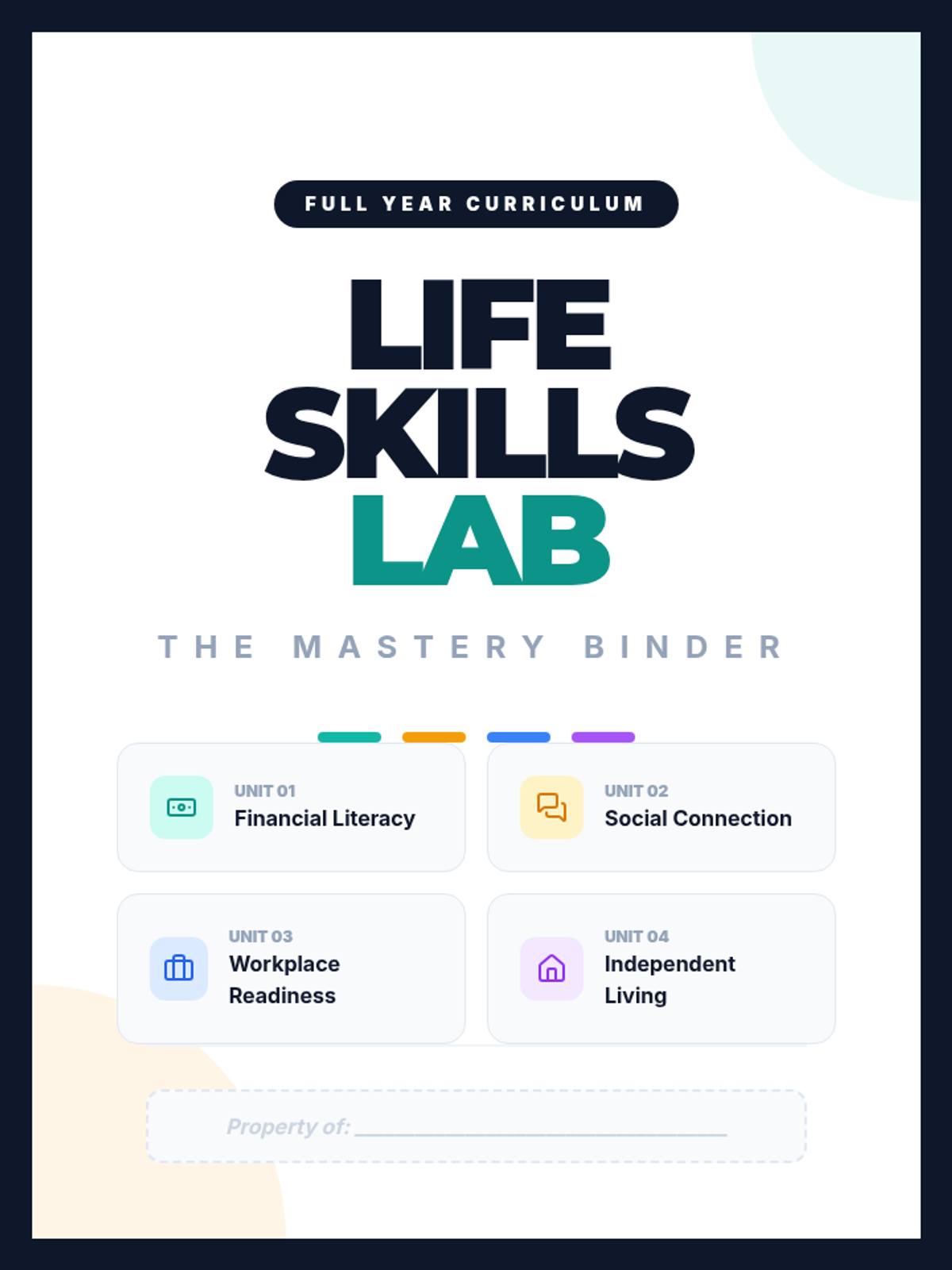
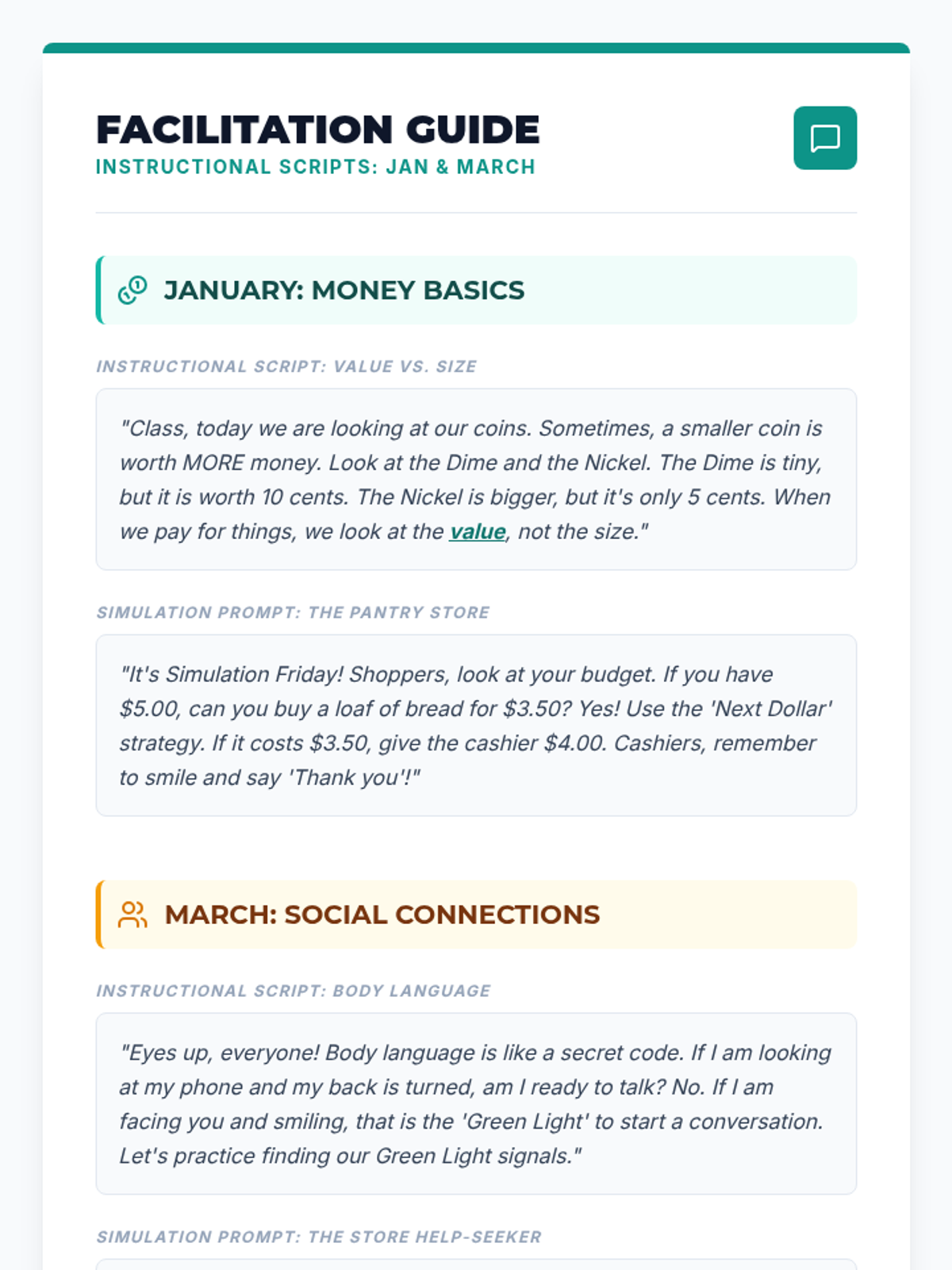
A comprehensive year-long curriculum designed to empower students with essential life skills for independence, focusing on financial literacy, social communication, and real-world simulations.
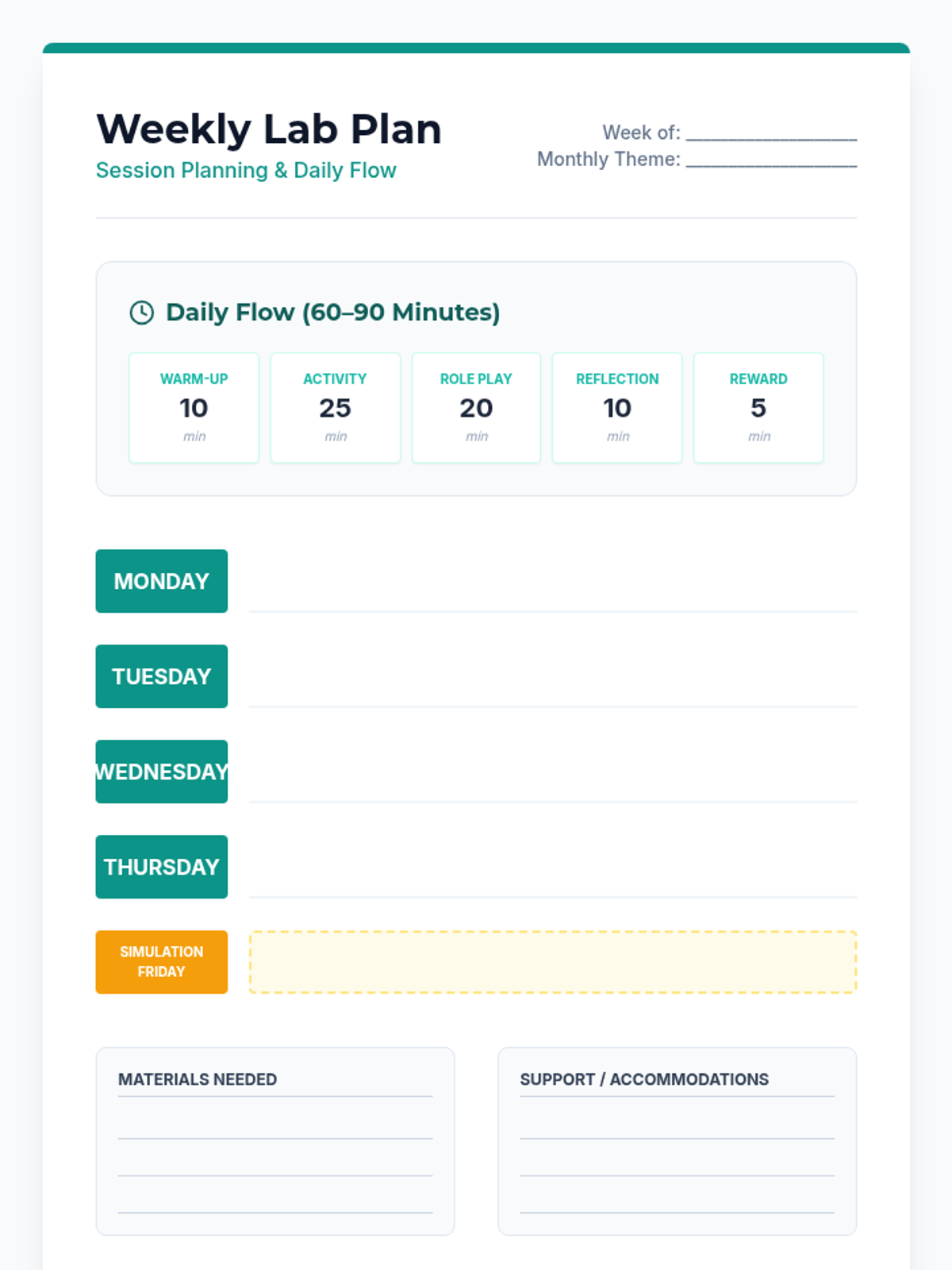
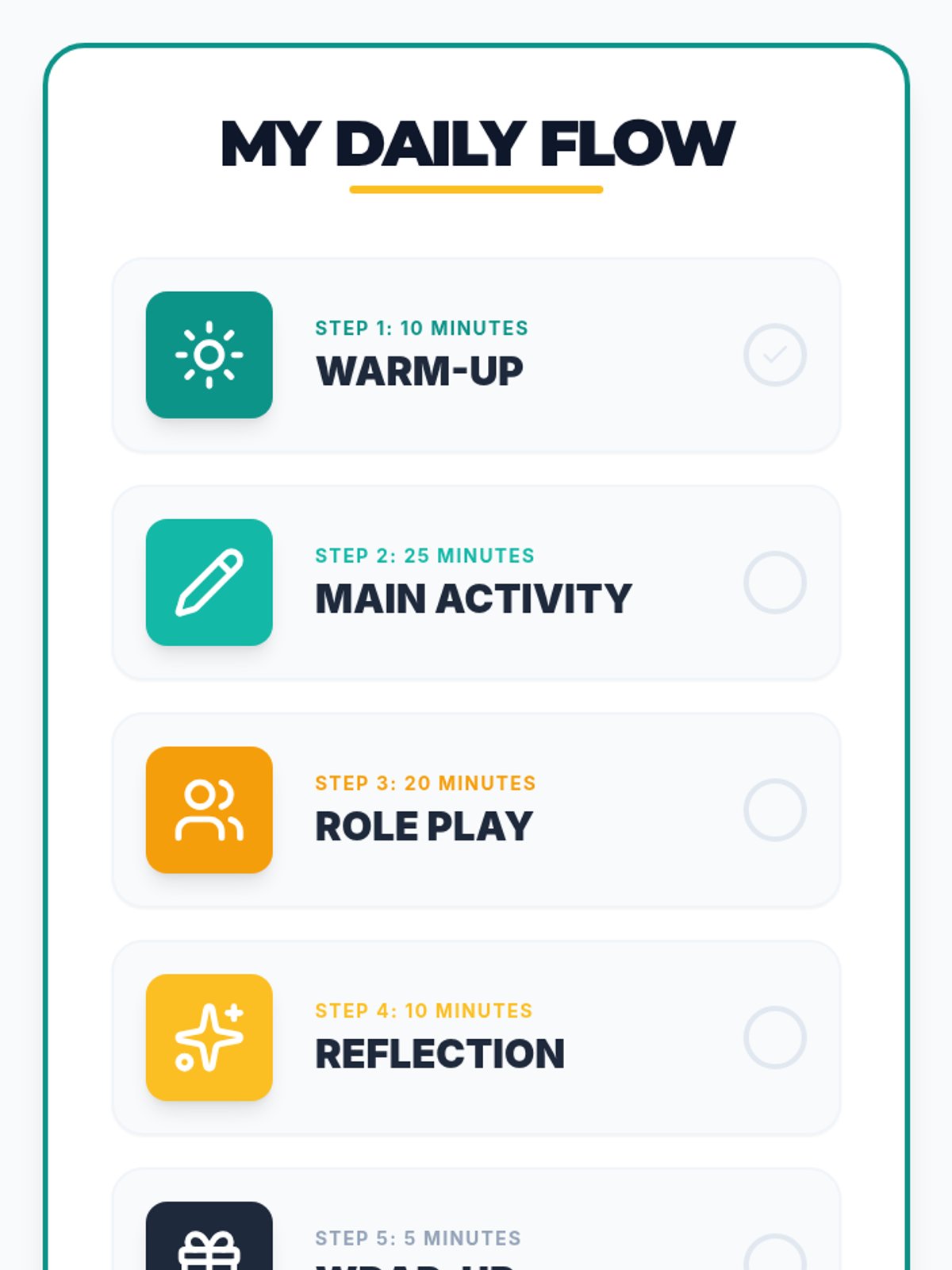
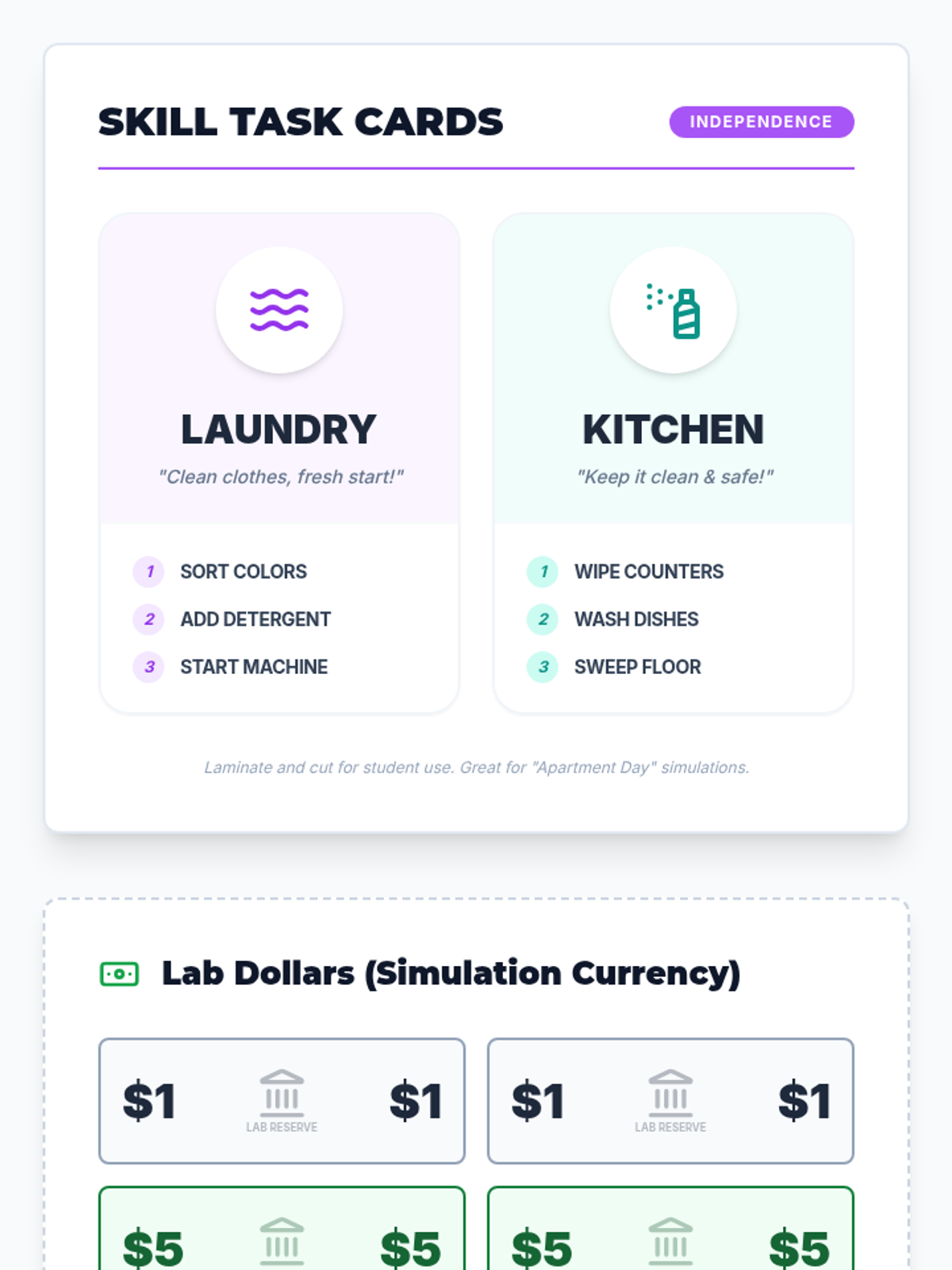
A full-month curriculum focused on developing independence through real-world simulations, role-playing, and practical application of functional life skills.
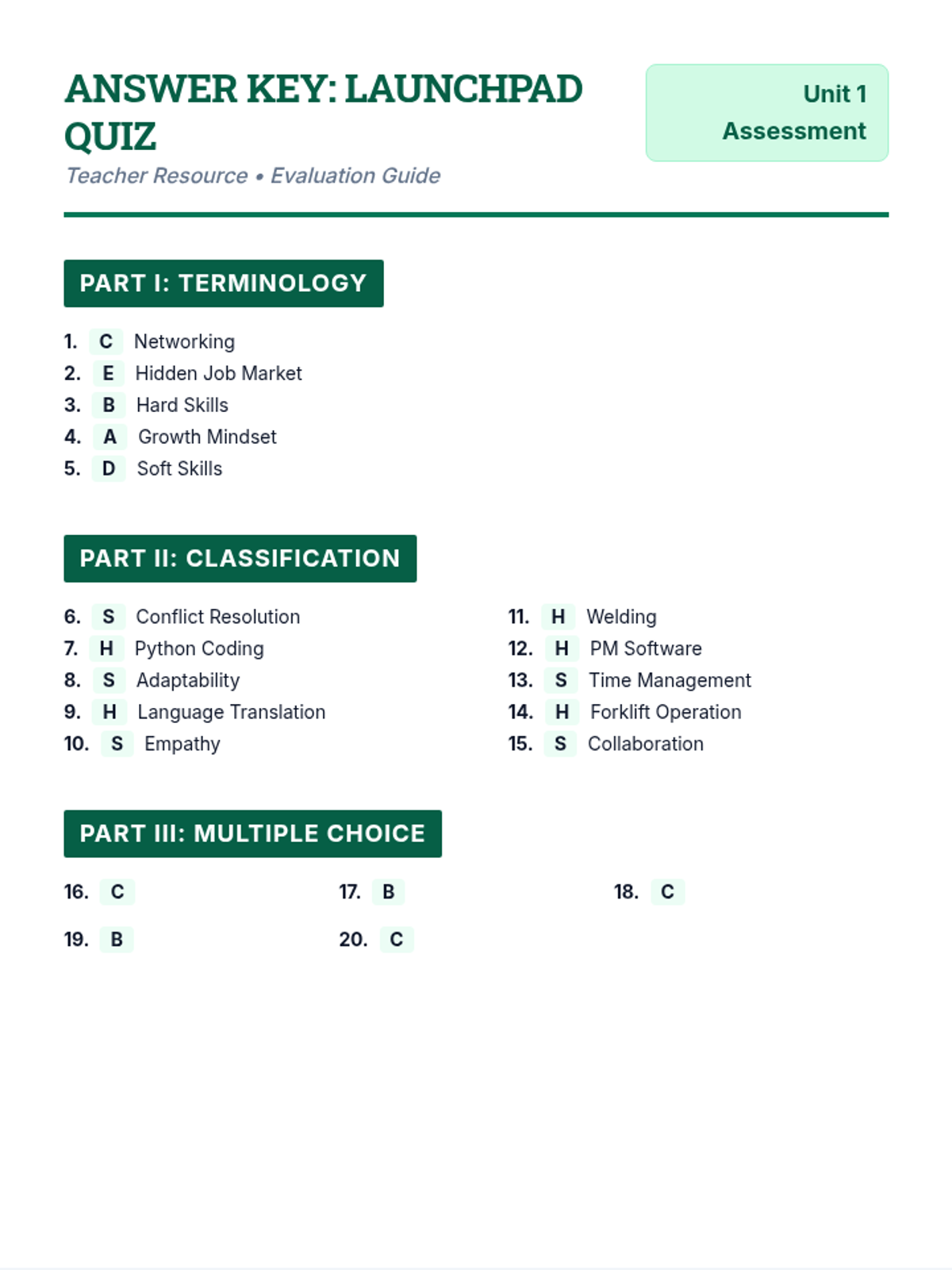
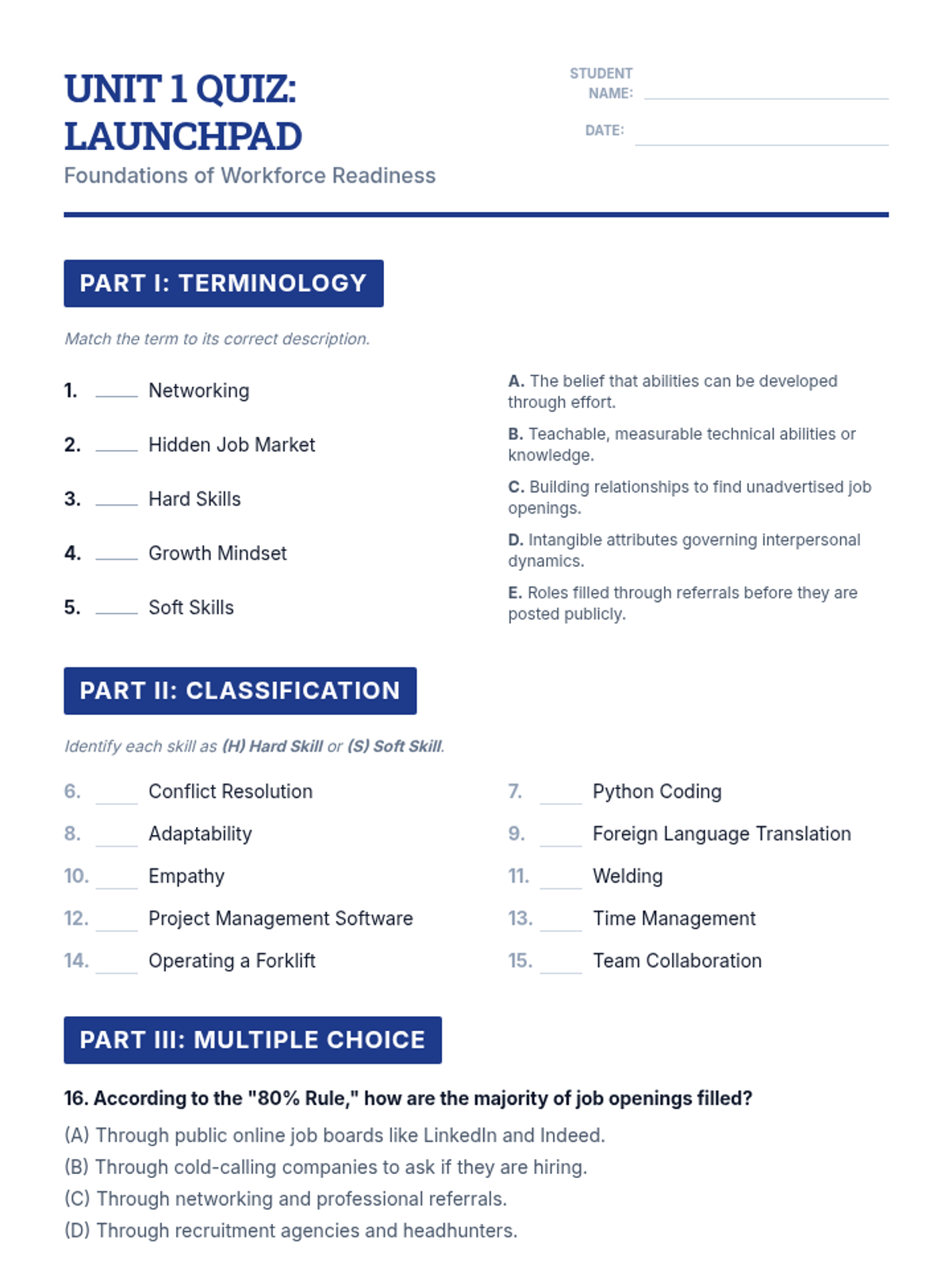
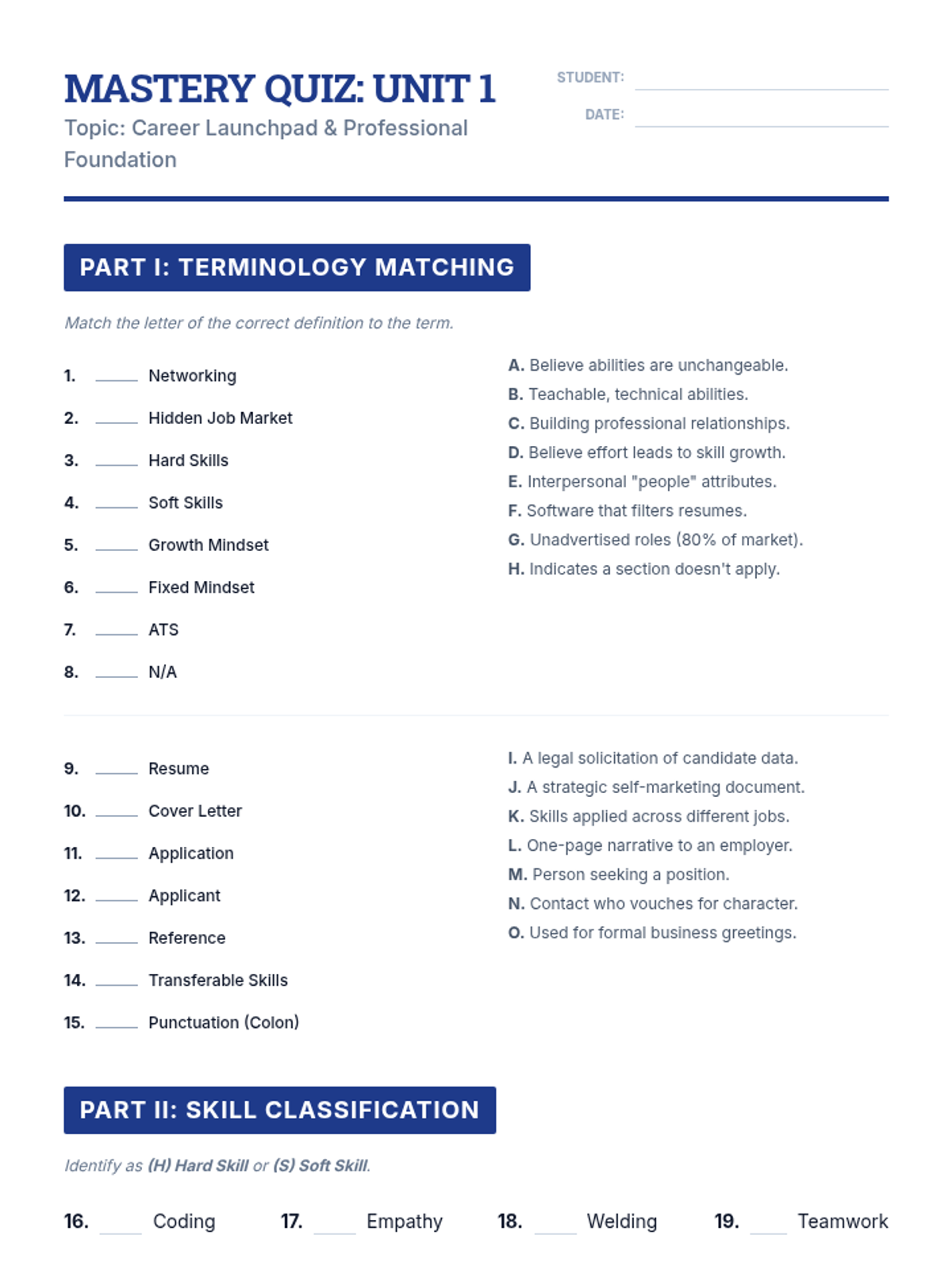
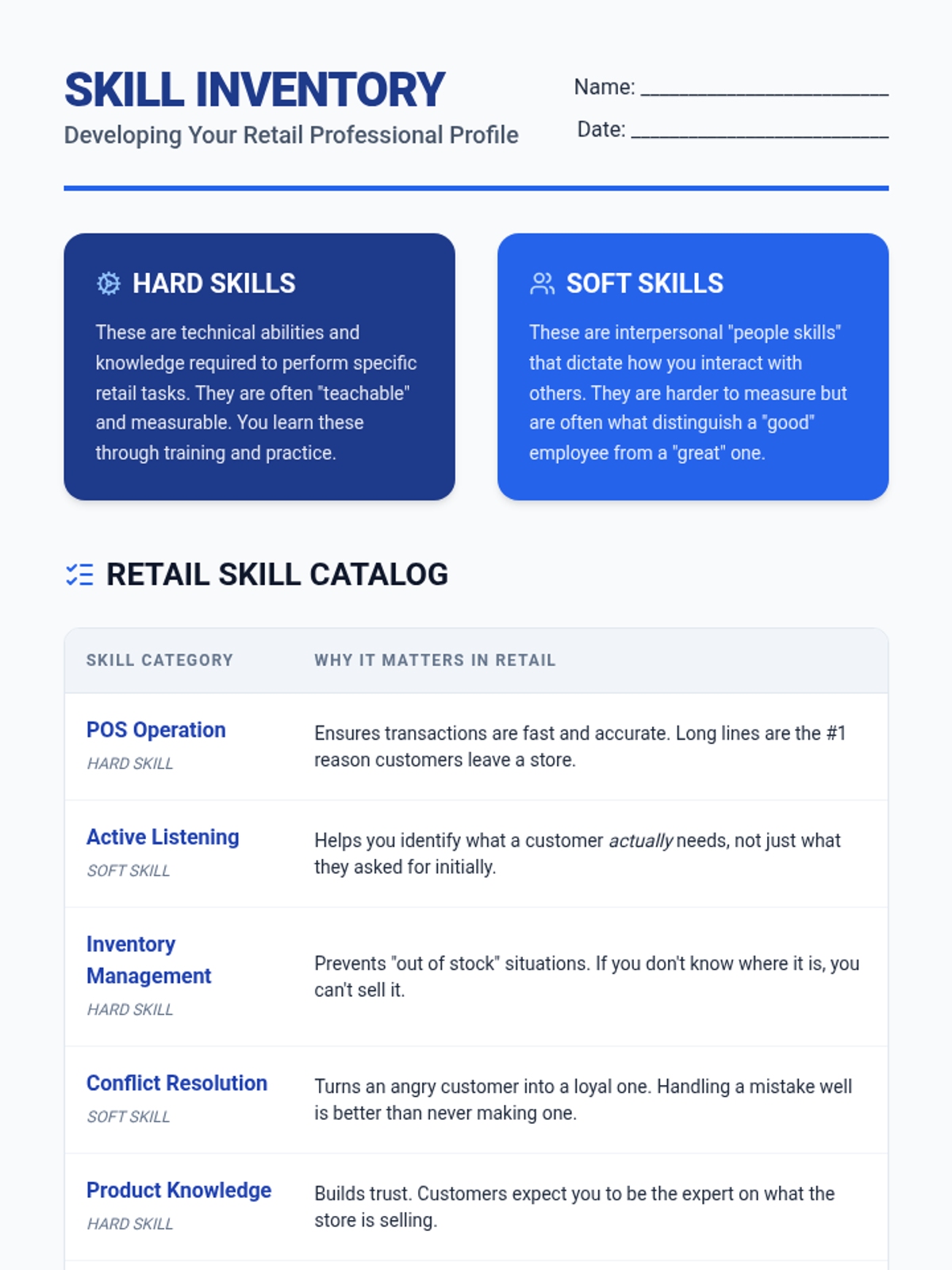
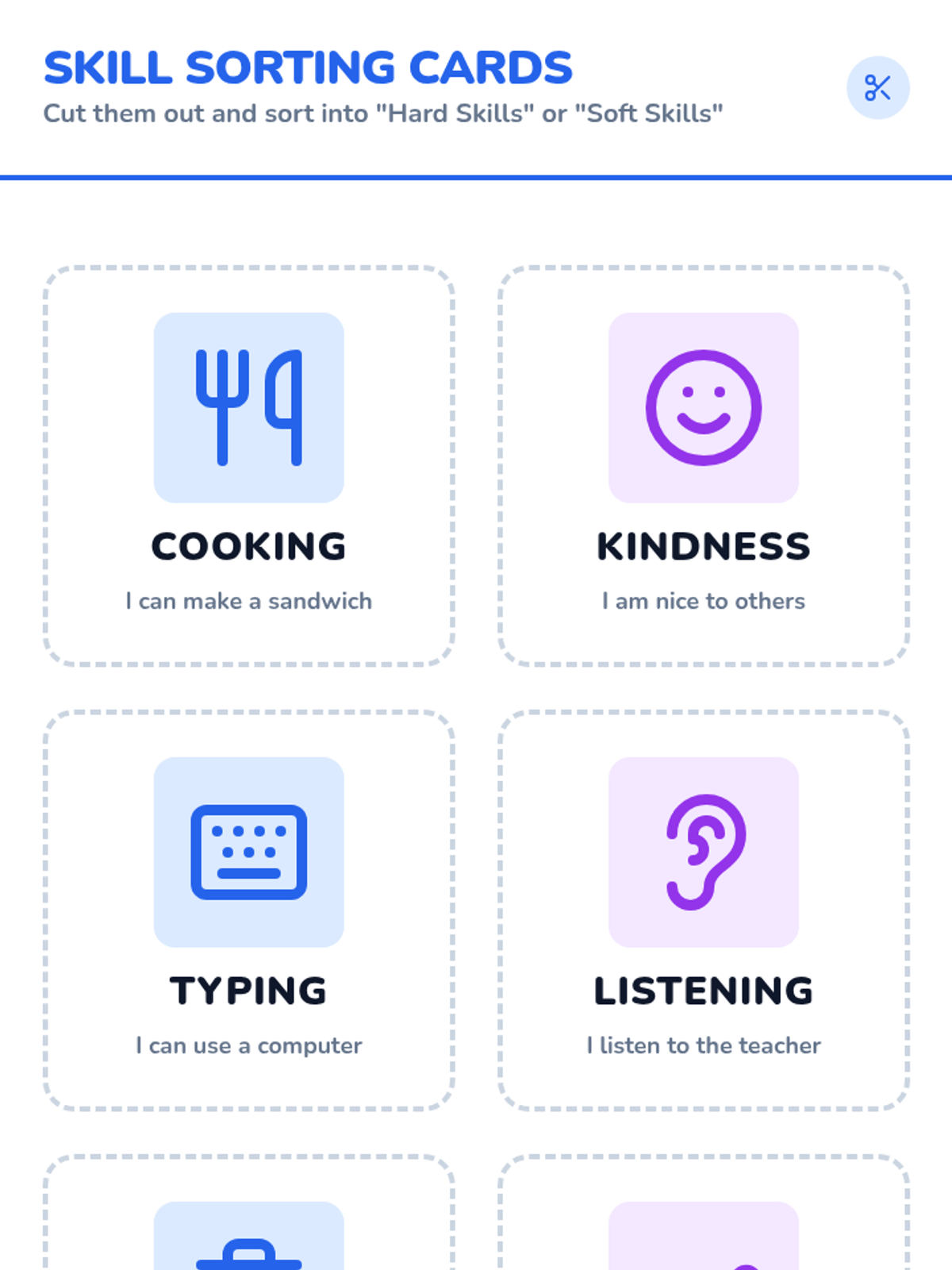
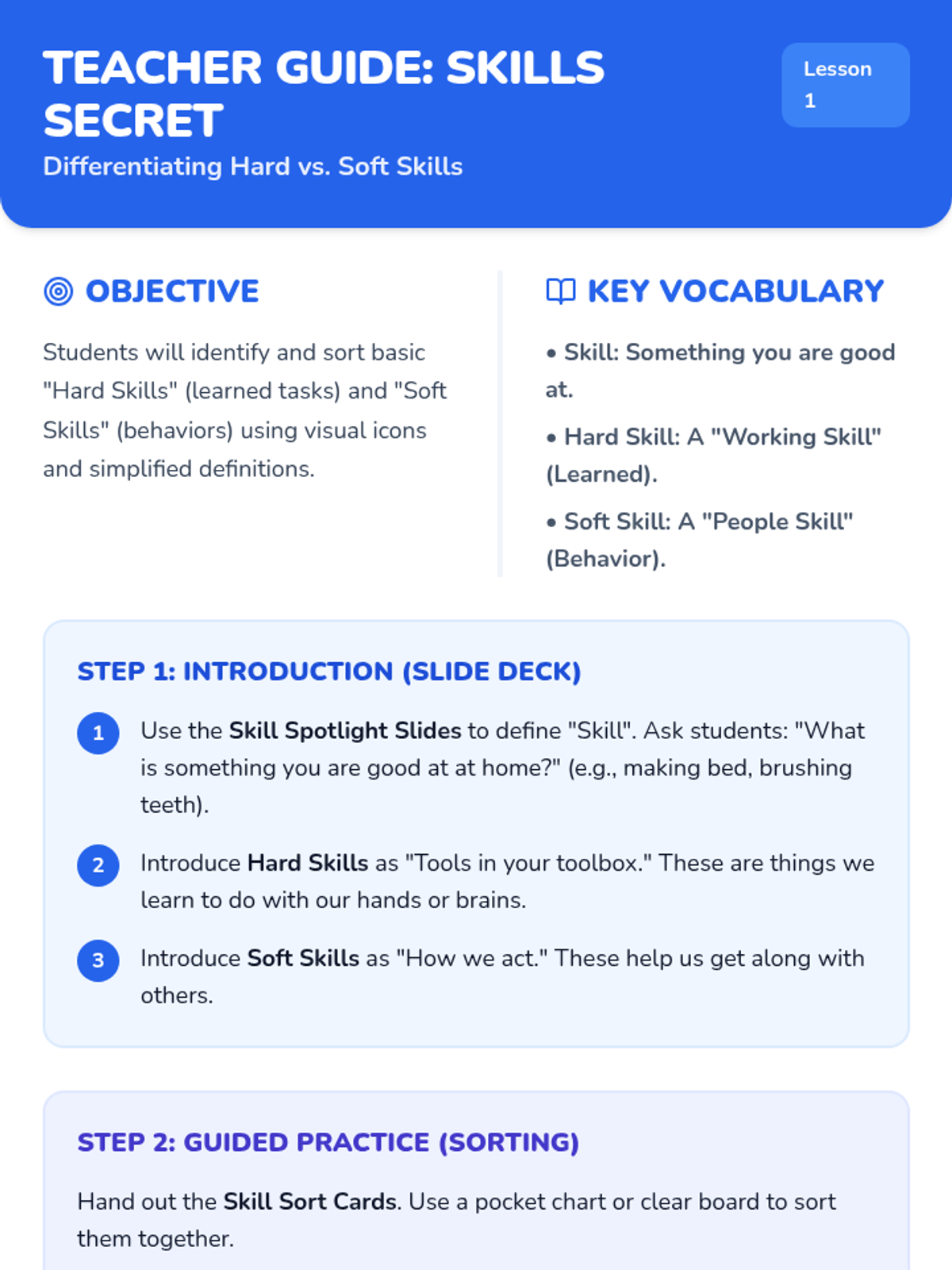
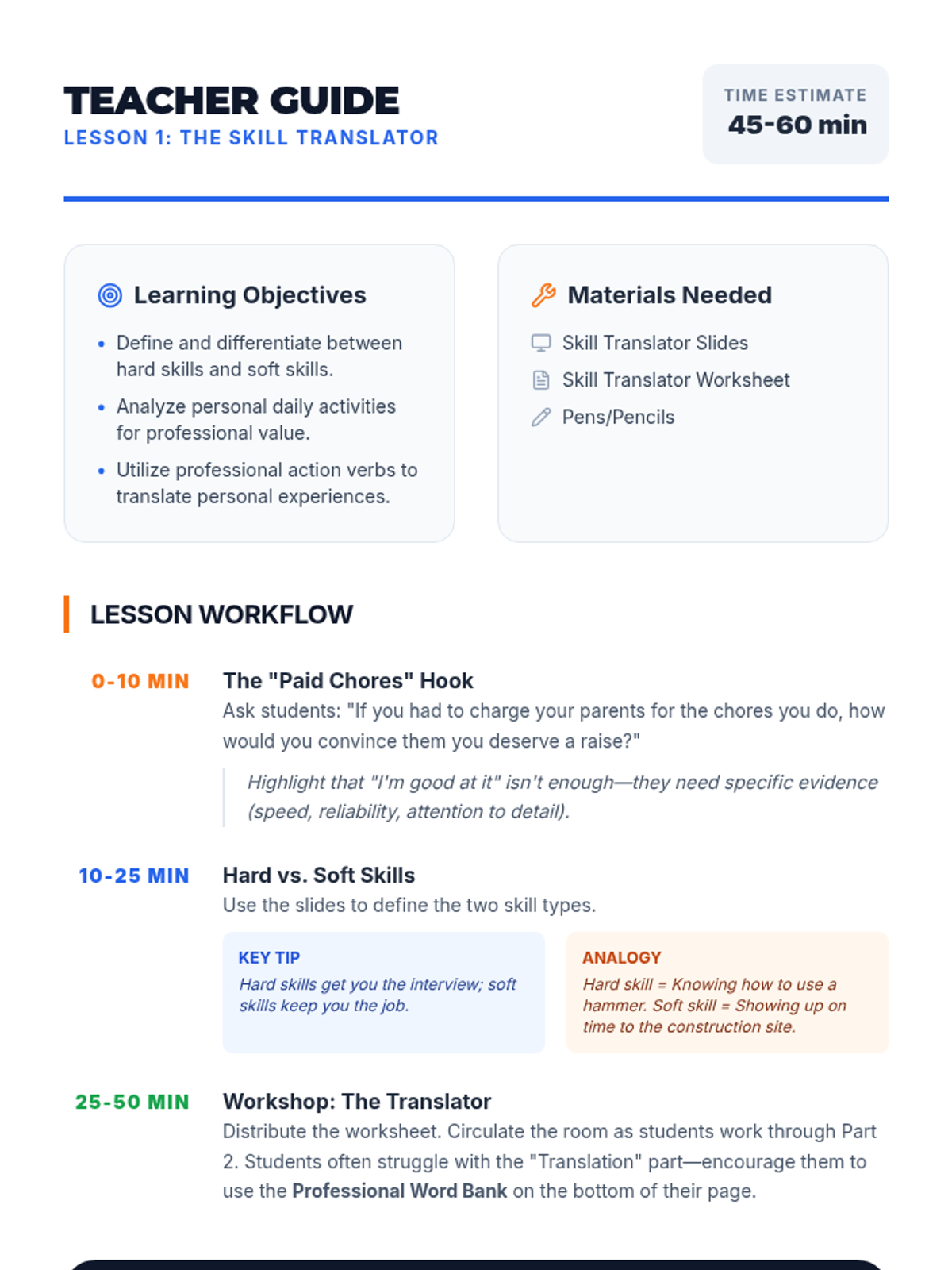
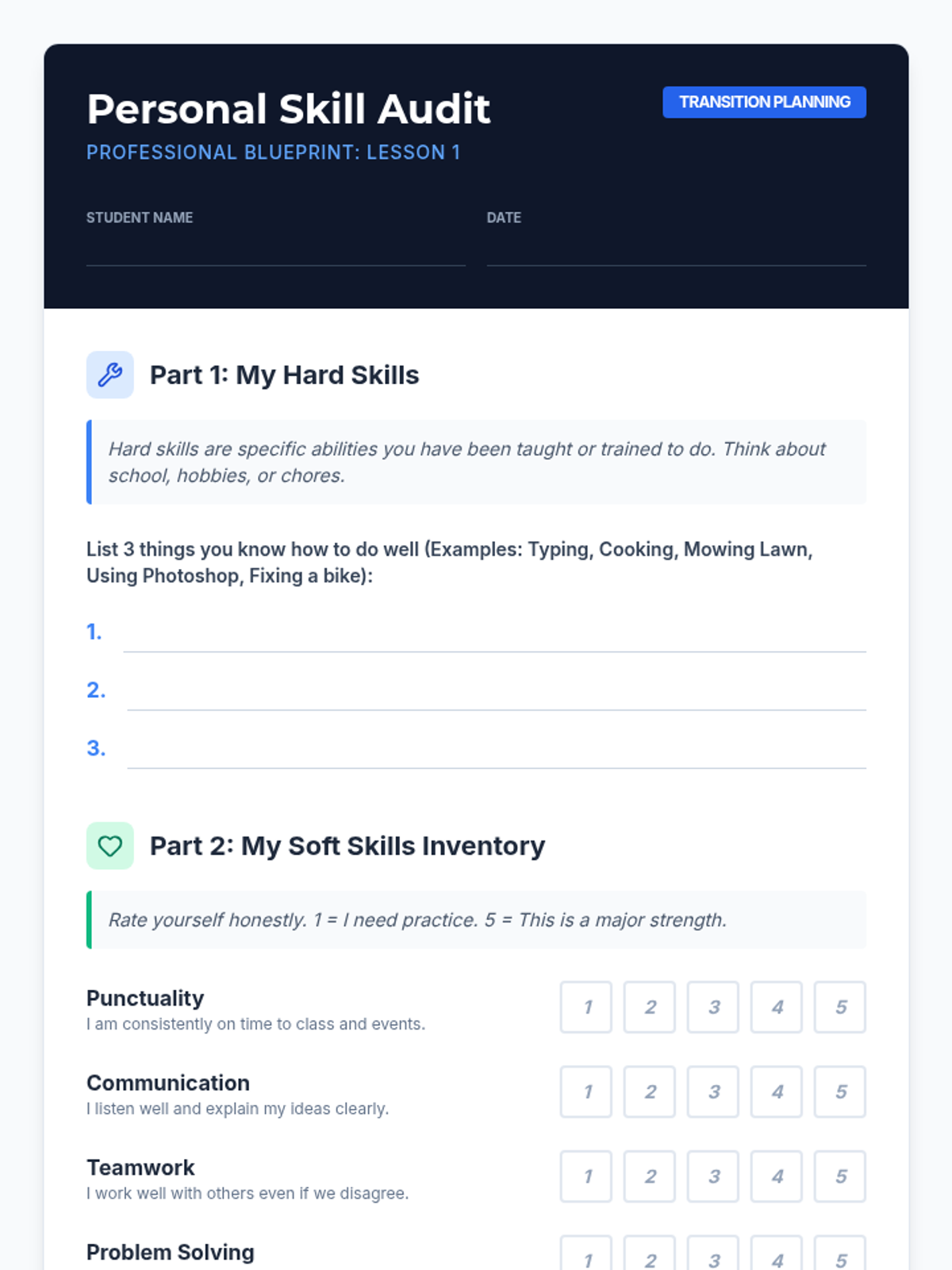
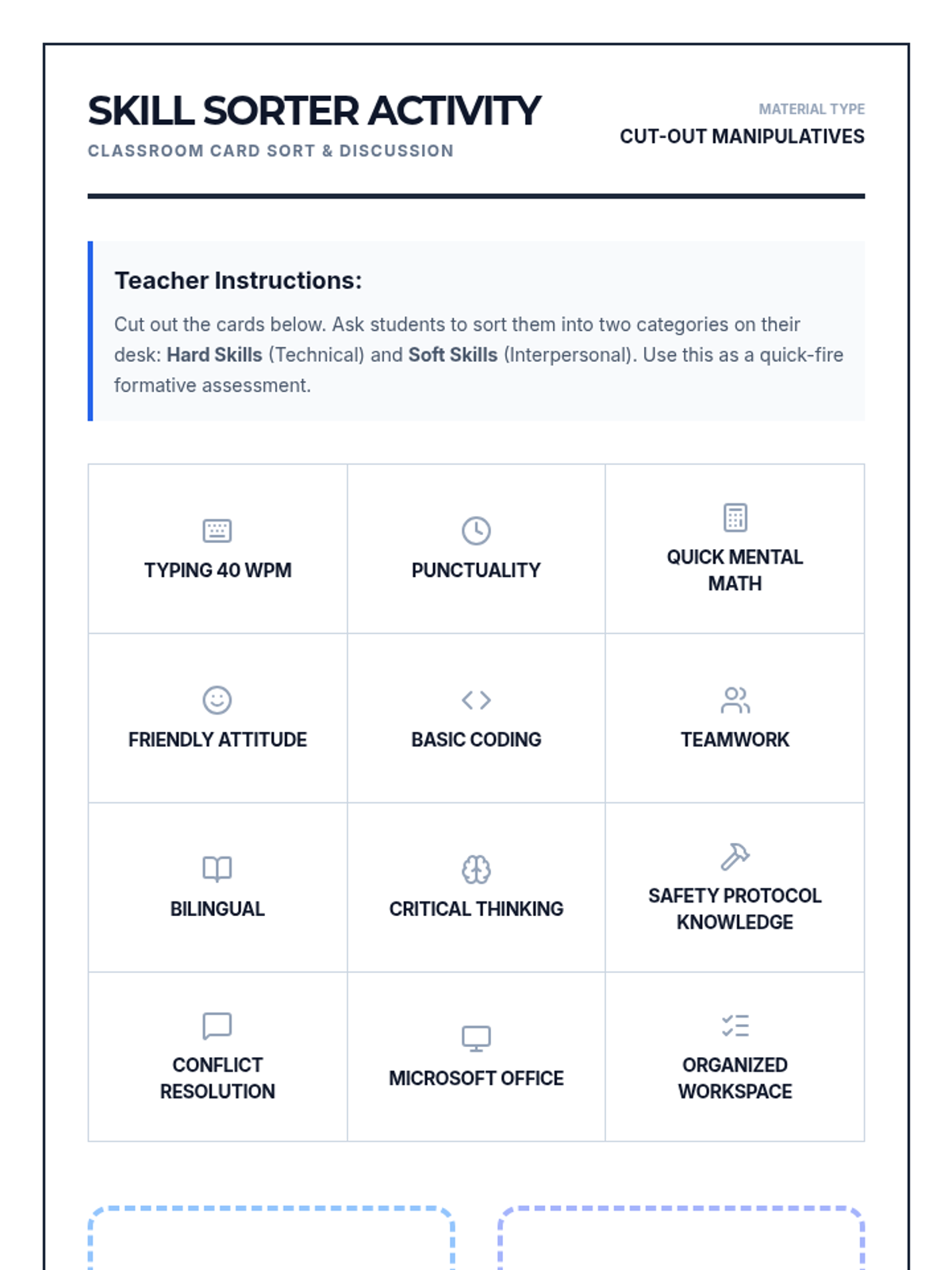
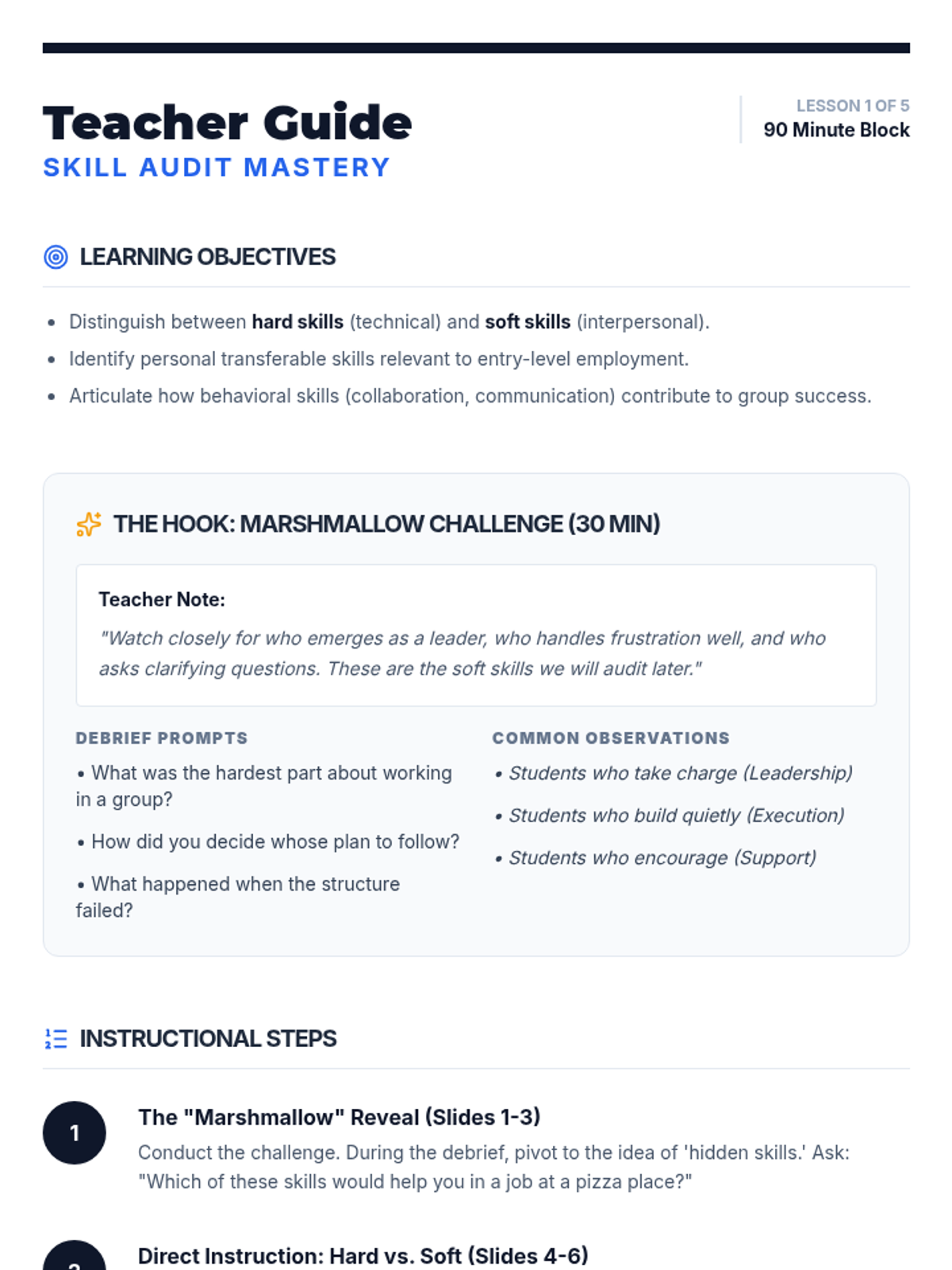
A comprehensive job readiness unit designed for Life Skills students with cognitive disabilities, focusing on hard vs. soft skills, employer expectations, and basic interview etiquette.
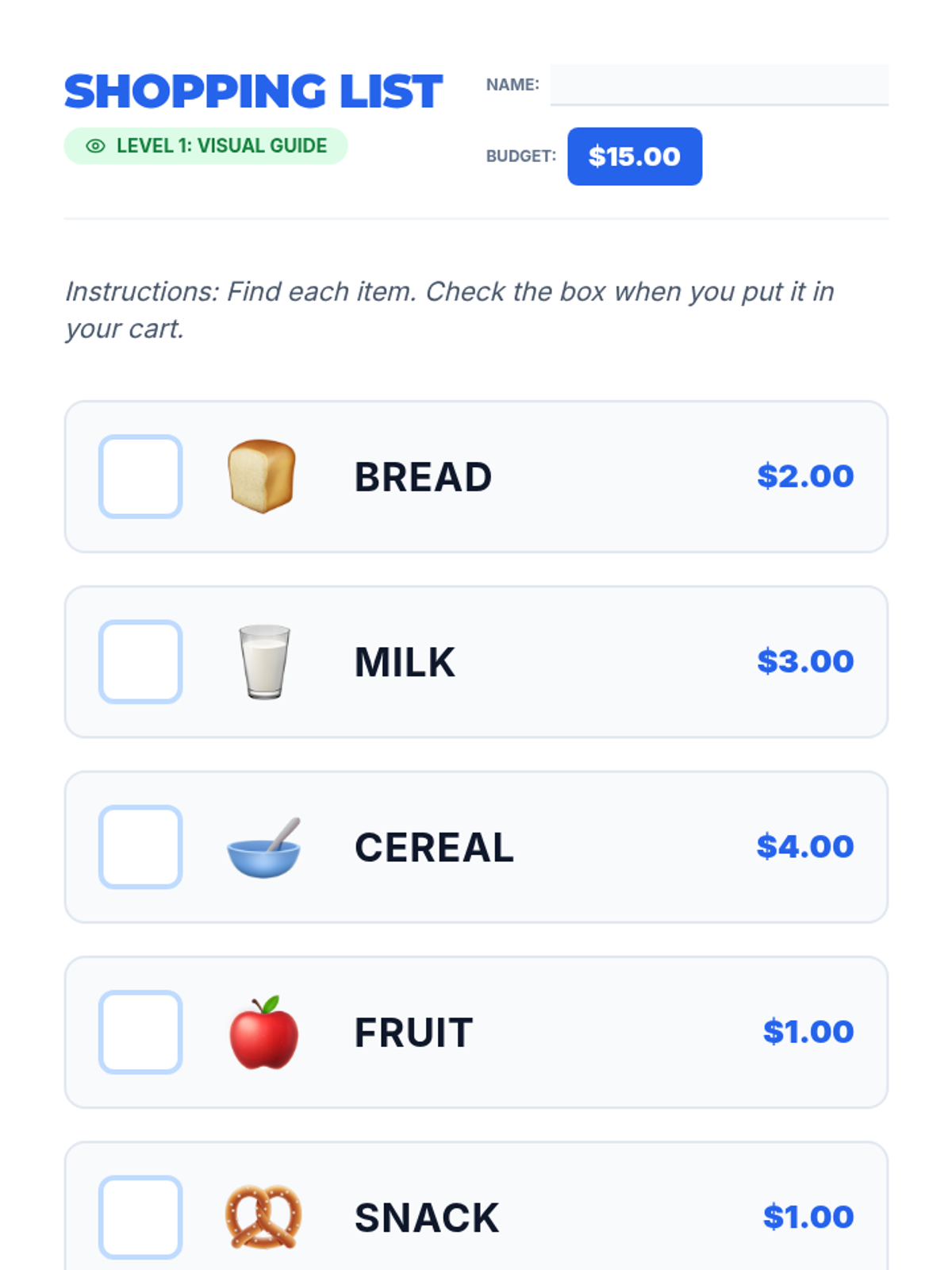
A 6-week life skills unit designed for high school students with low cognitive abilities, focusing on vocational readiness through visual resumes, on-campus job site visits, and simplified interview practice.
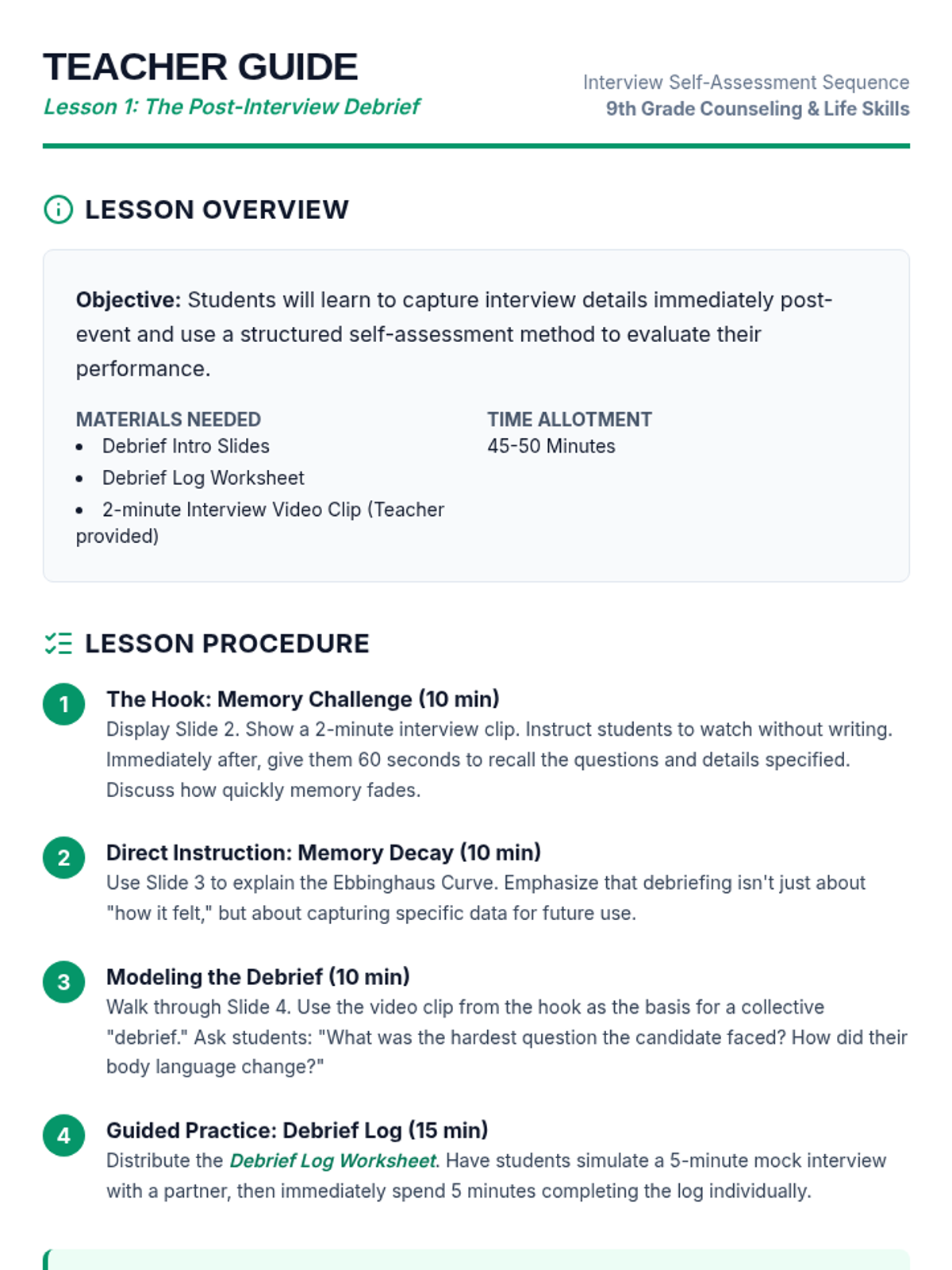
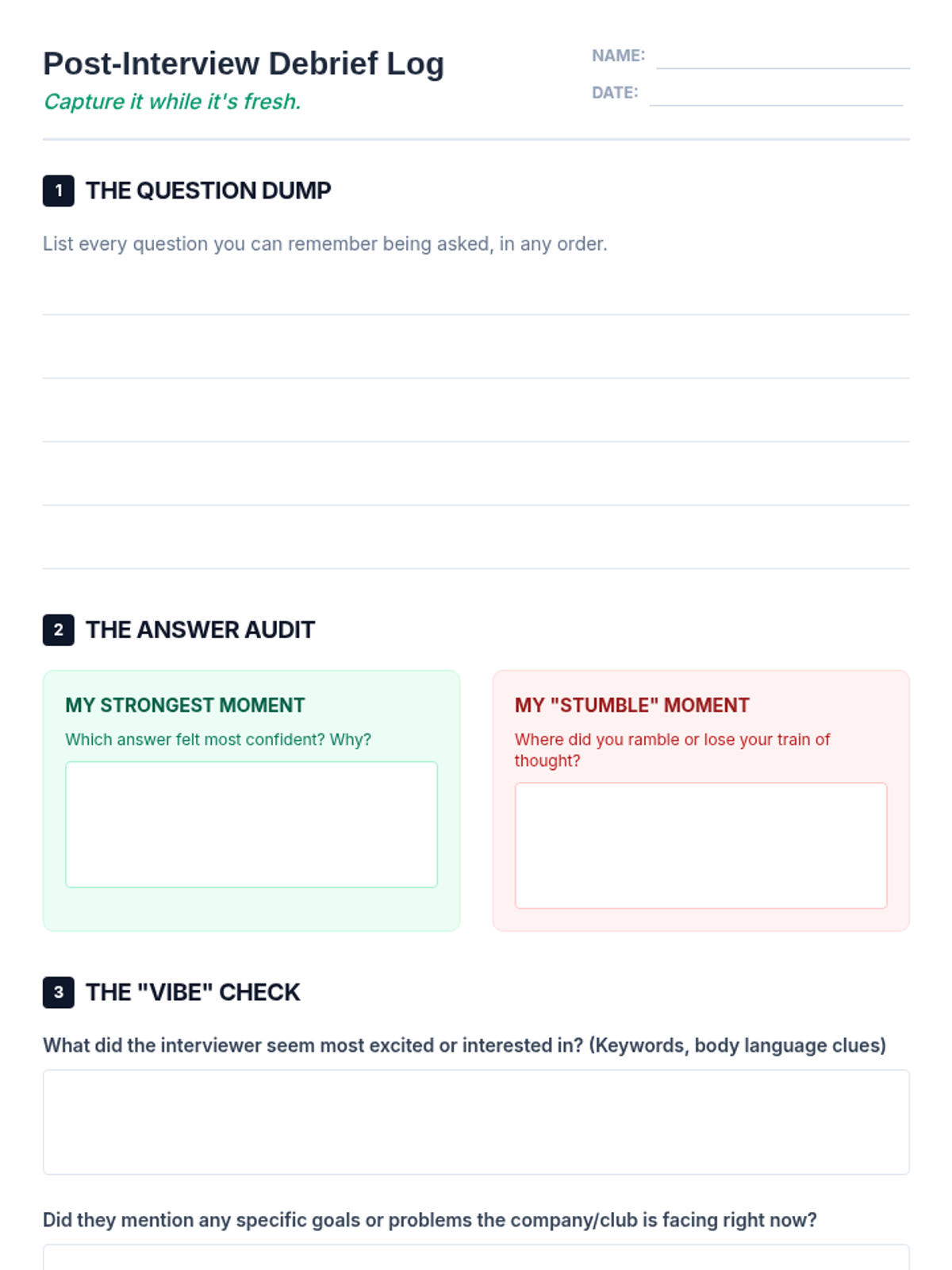
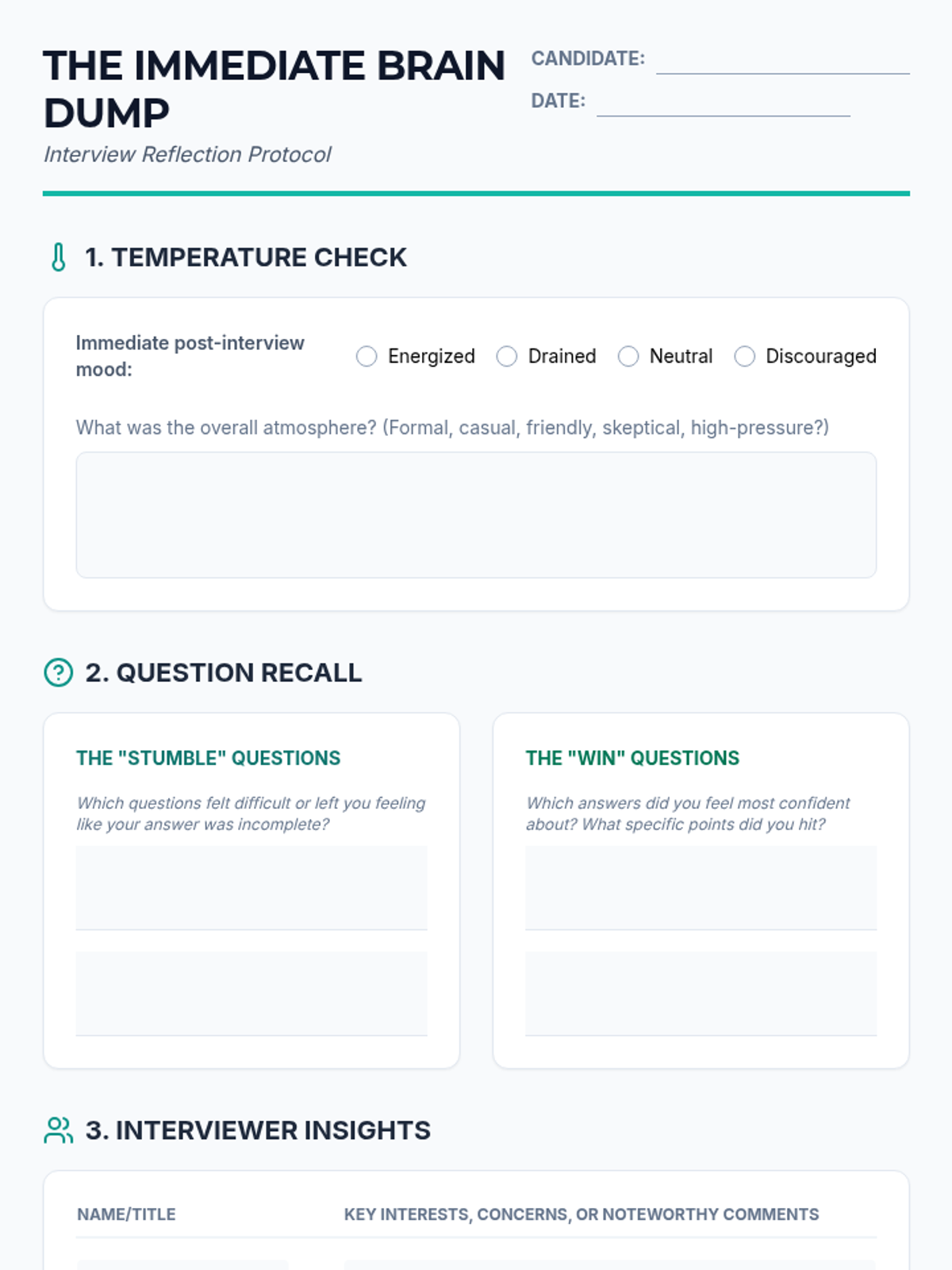
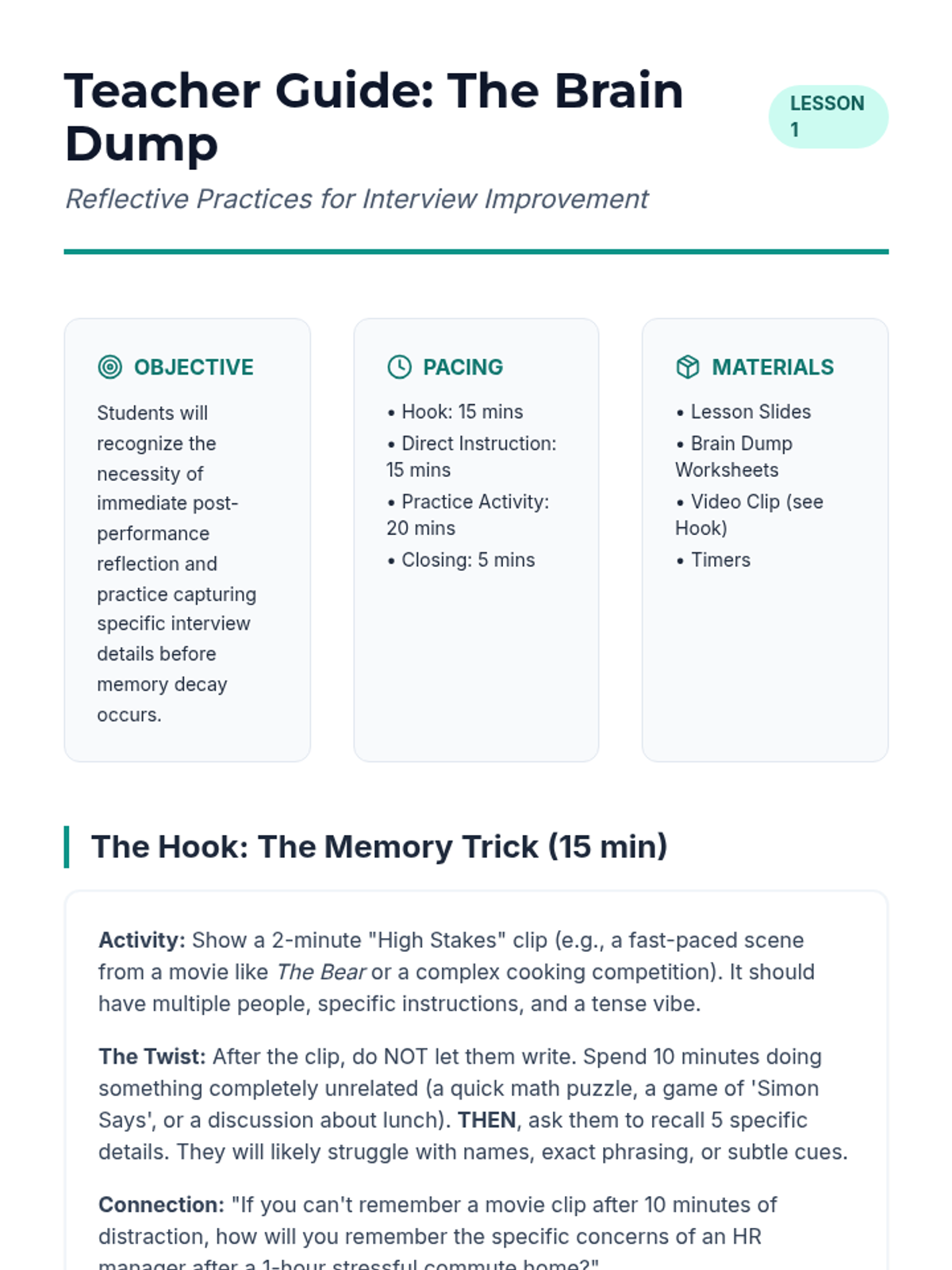
This inquiry-based sequence focuses on self-assessment and continuous improvement in the interview process. Students will develop habits for immediate post-interview reflection, analyze performance gaps, learn to process feedback with a growth mindset, and create actionable plans for professional growth.
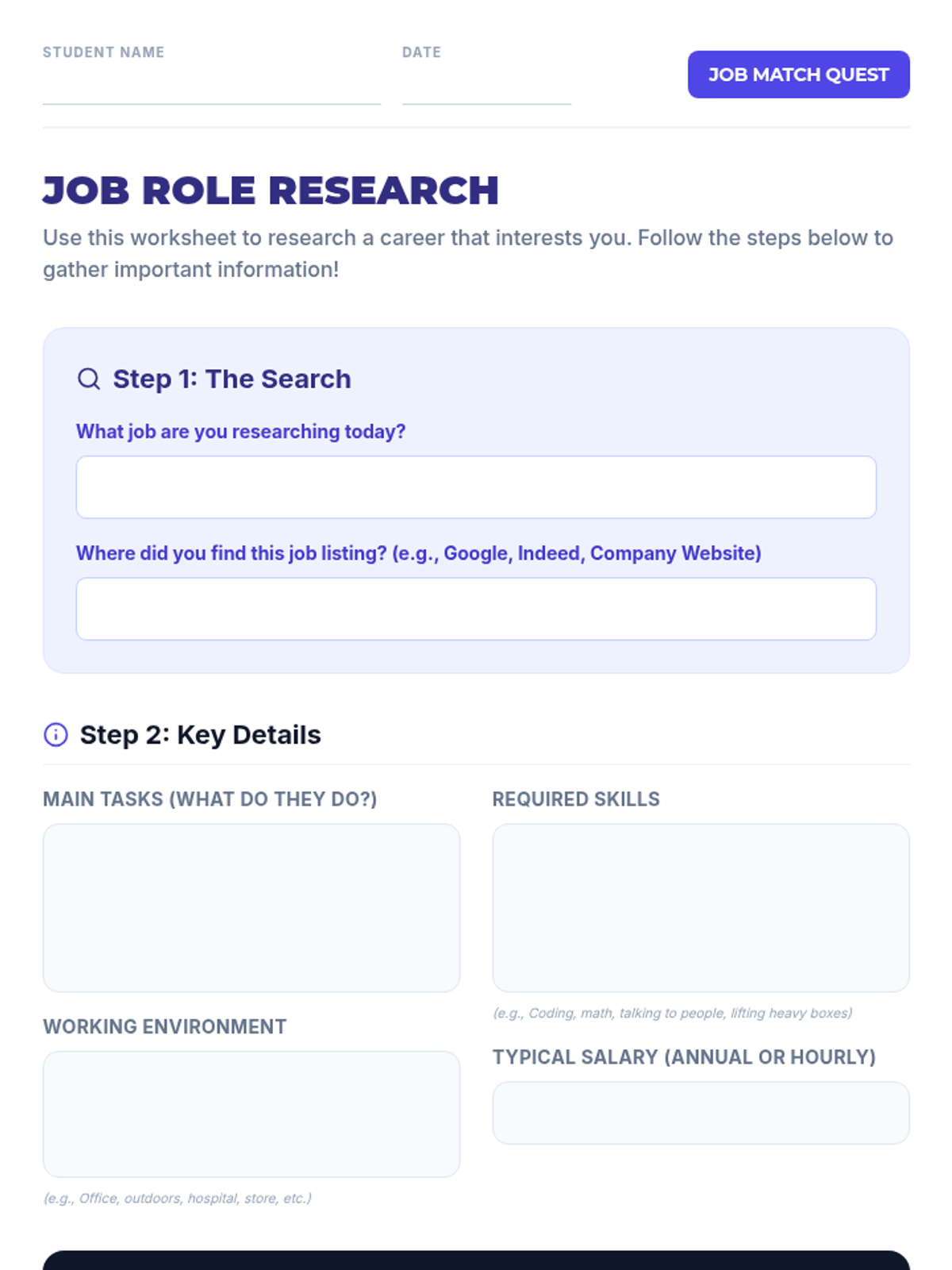
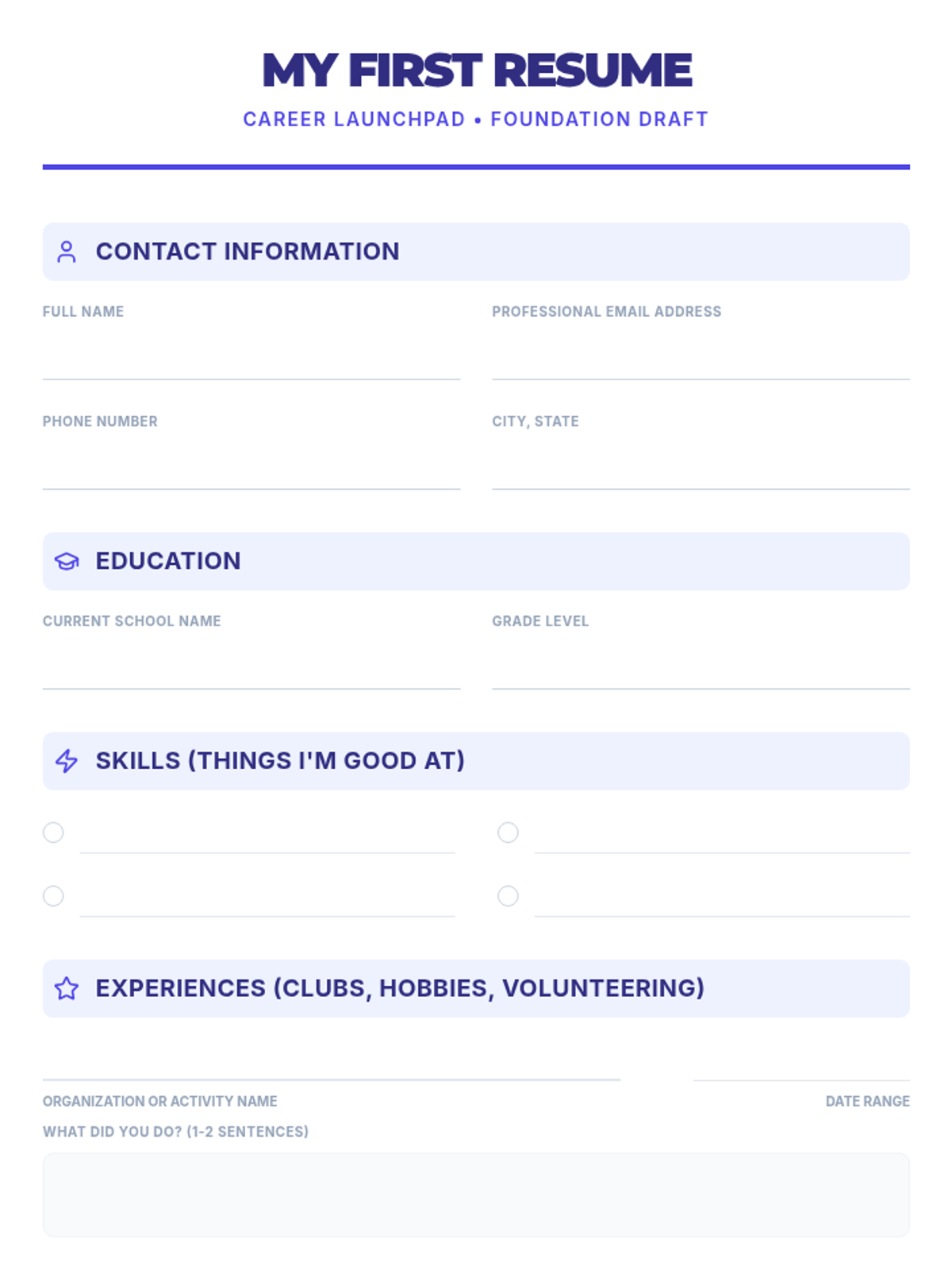
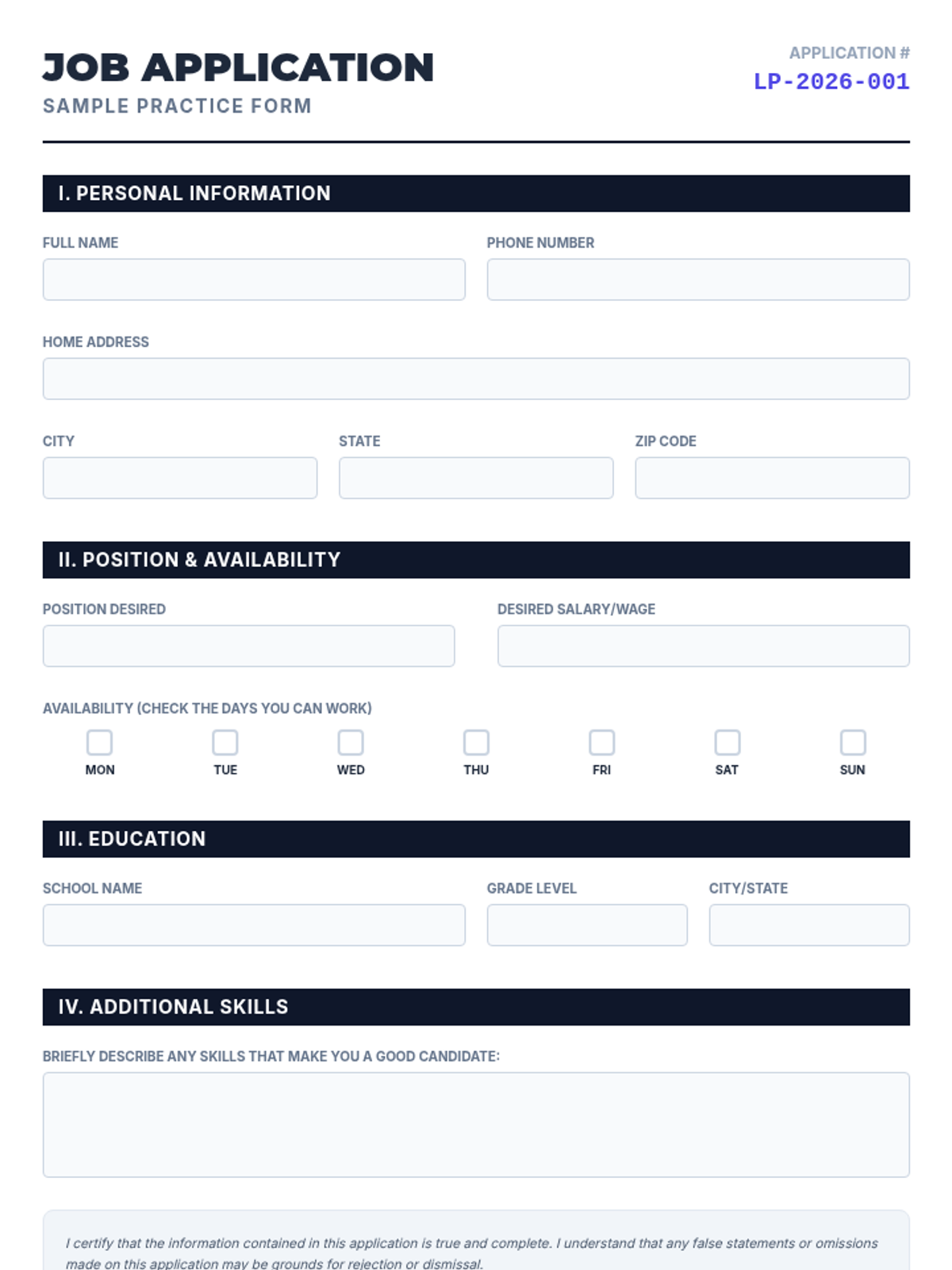
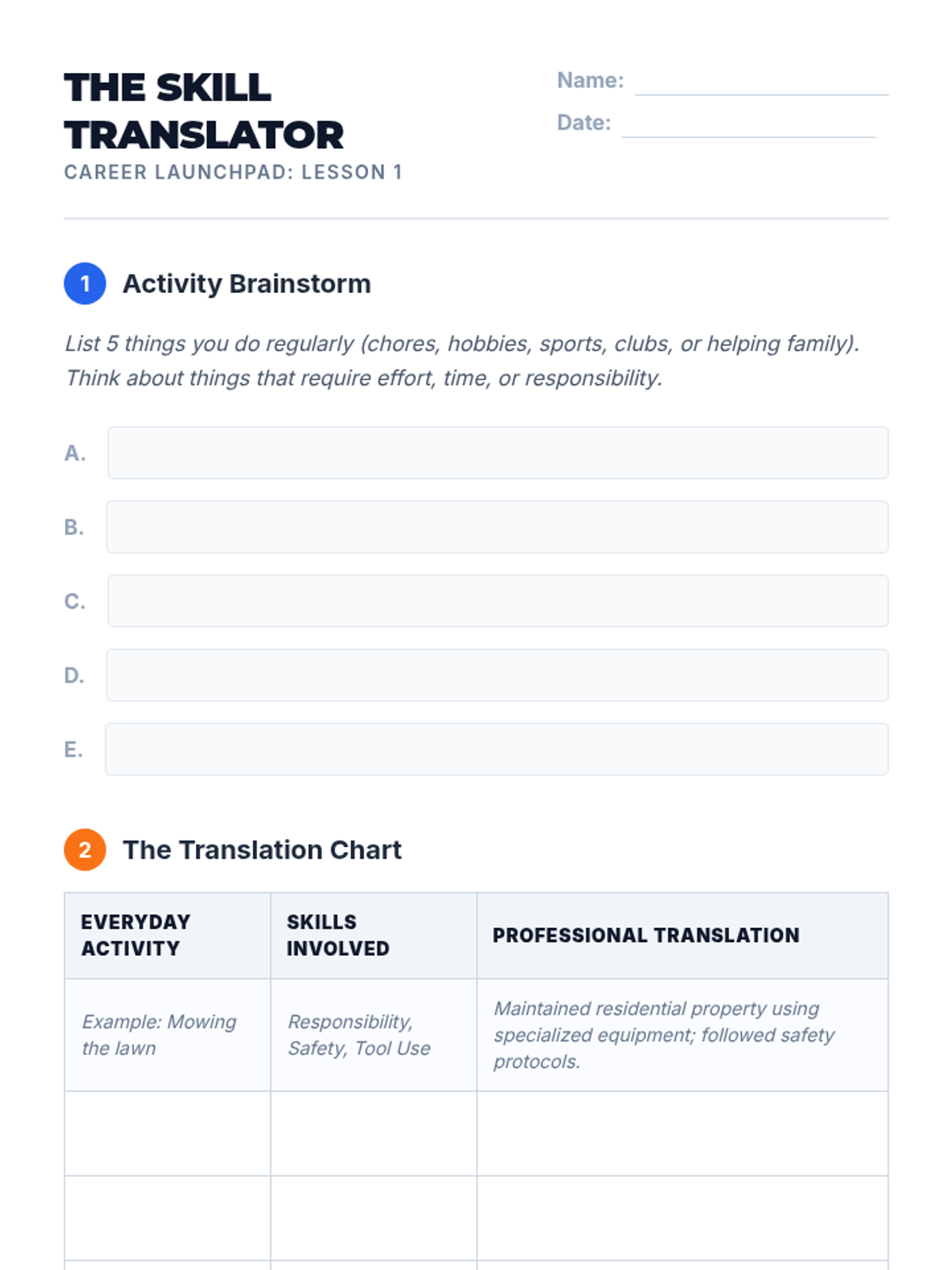
A comprehensive workshop-style unit where 7th-grade students navigate the job-seeking process, from identifying transferable skills and drafting their first resumes to mastering professional etiquette and succeeding in mock interviews. Students will develop tangible professional documents and interpersonal communication skills critical for workforce entry.
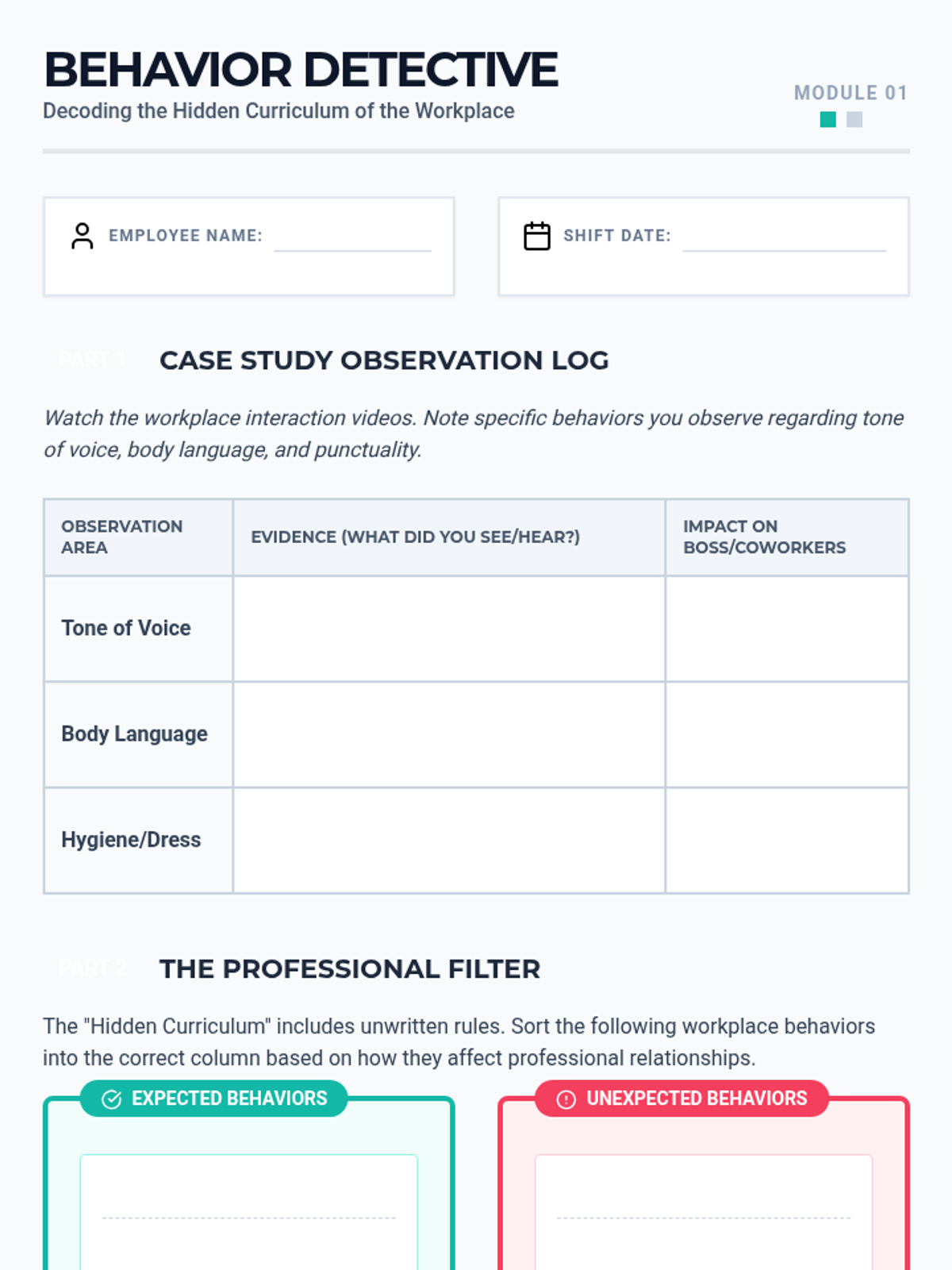
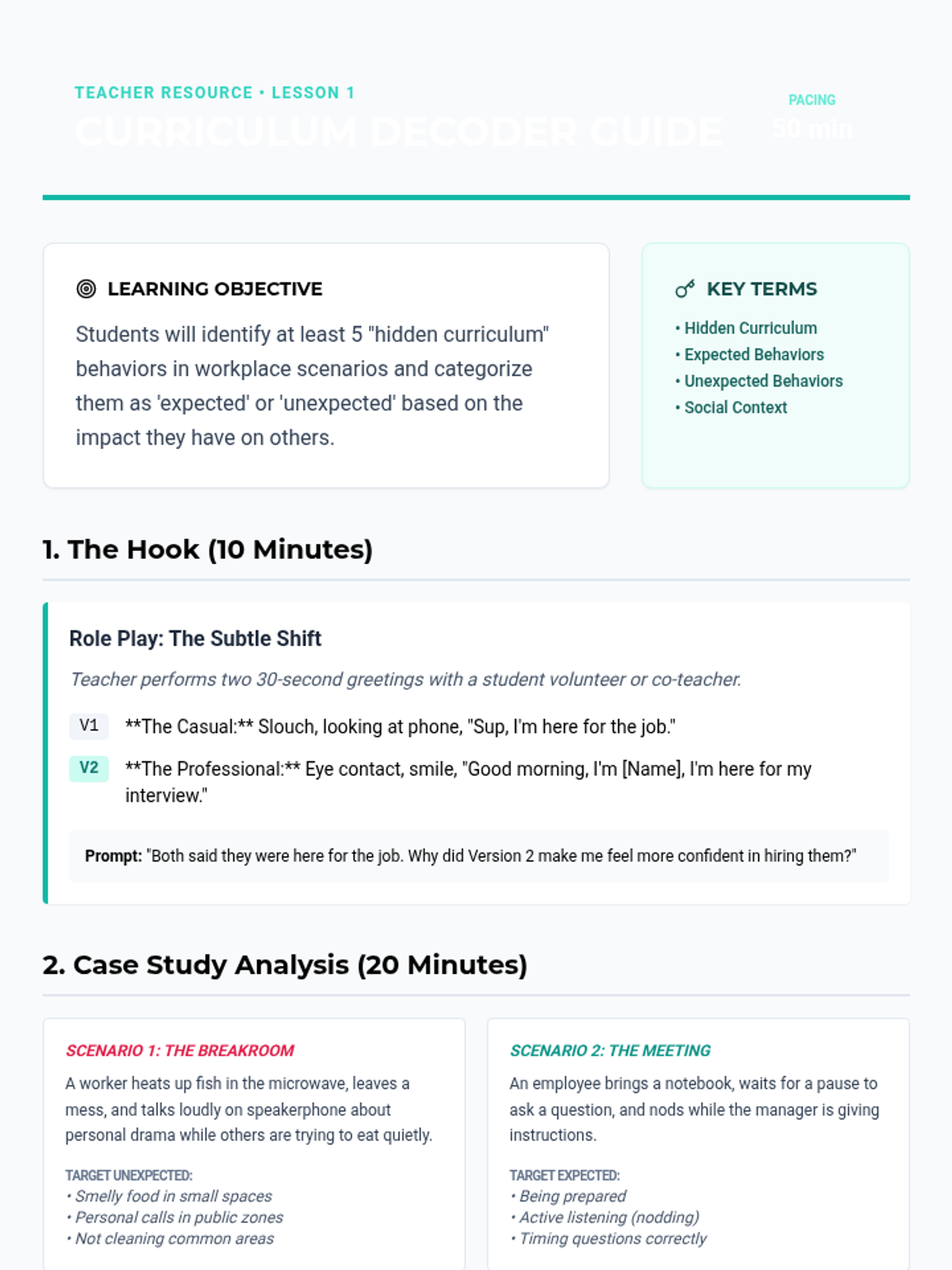
A comprehensive sequence designed for 9th-grade transition students to master the job acquisition cycle. Students progress from identifying soft skills to mastering resumes, applications, and interviews, with a heavy focus on the social 'hidden curriculum' of the workplace.
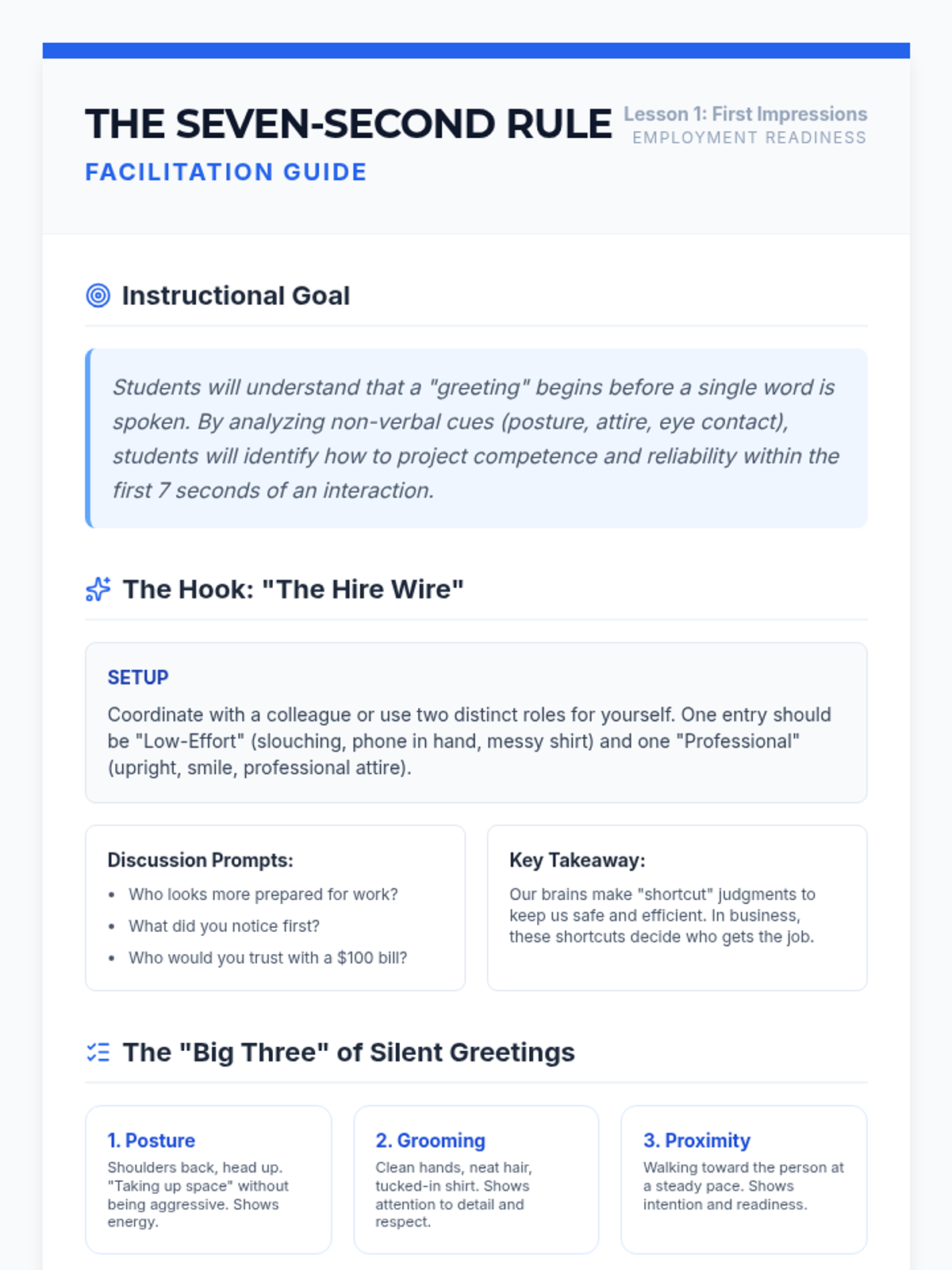
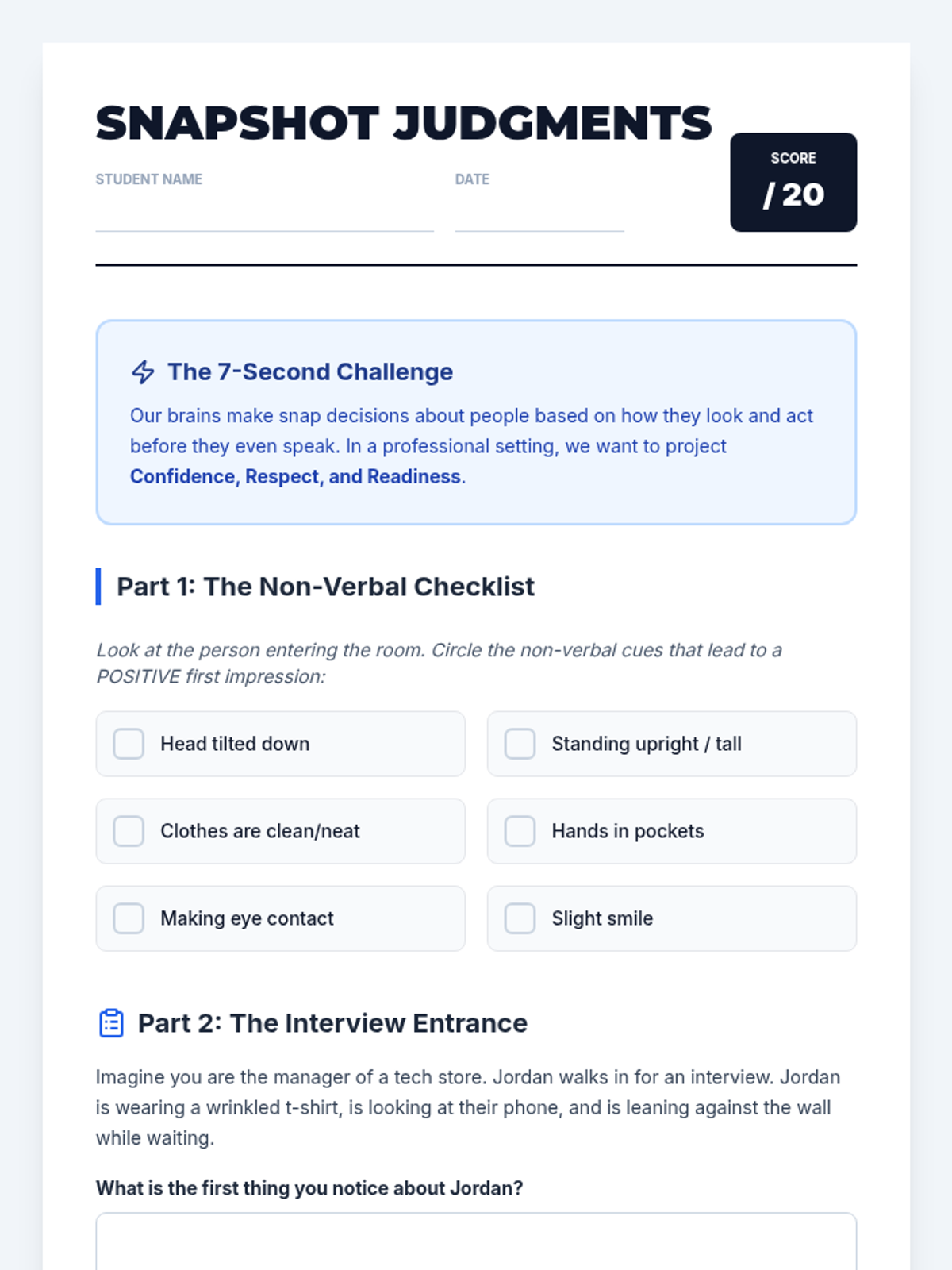
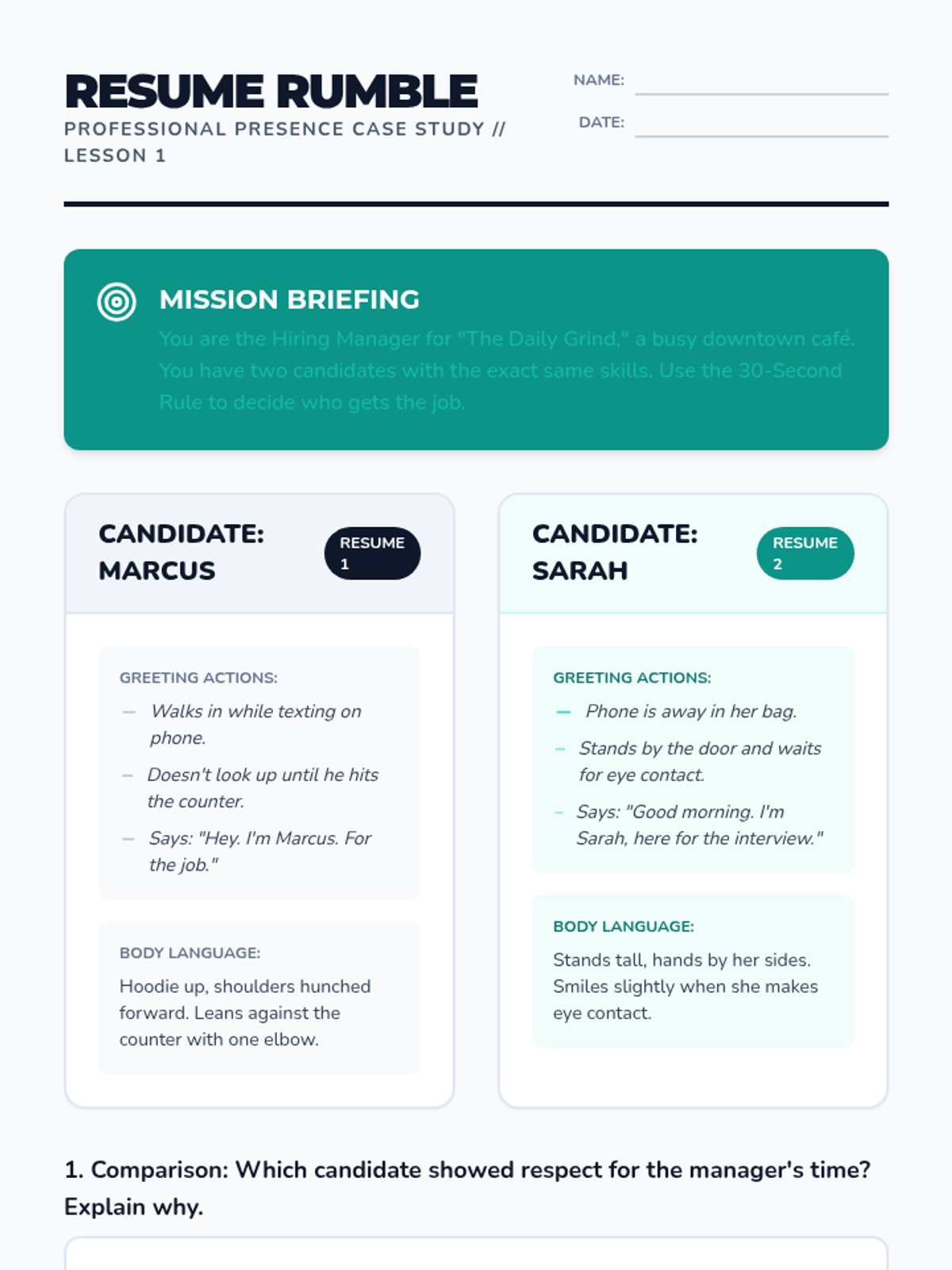
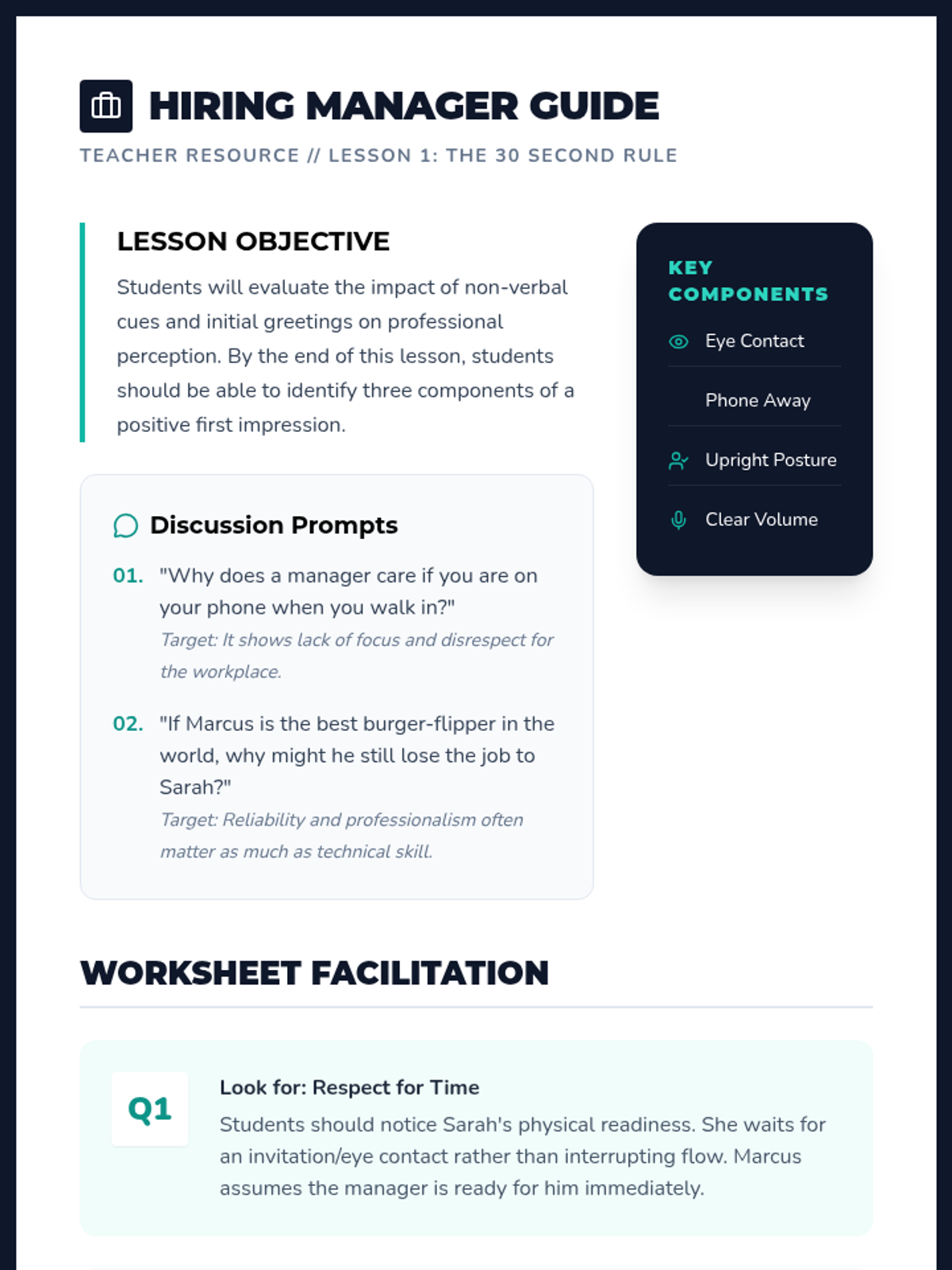
A career-readiness sequence for transition-age students focusing on the nuances of professional greetings, first impressions, and workplace etiquette. Students learn through simulations and workshops to master the social communication skills necessary for employment success.
This sequence prepares transition-age students for vocational and community success by mastering context-specific greetings. Students progress from analyzing first impressions to practicing interview entrances, customer service interactions, and respectful community helper encounters, culminating in a high-stakes mock interview circuit.
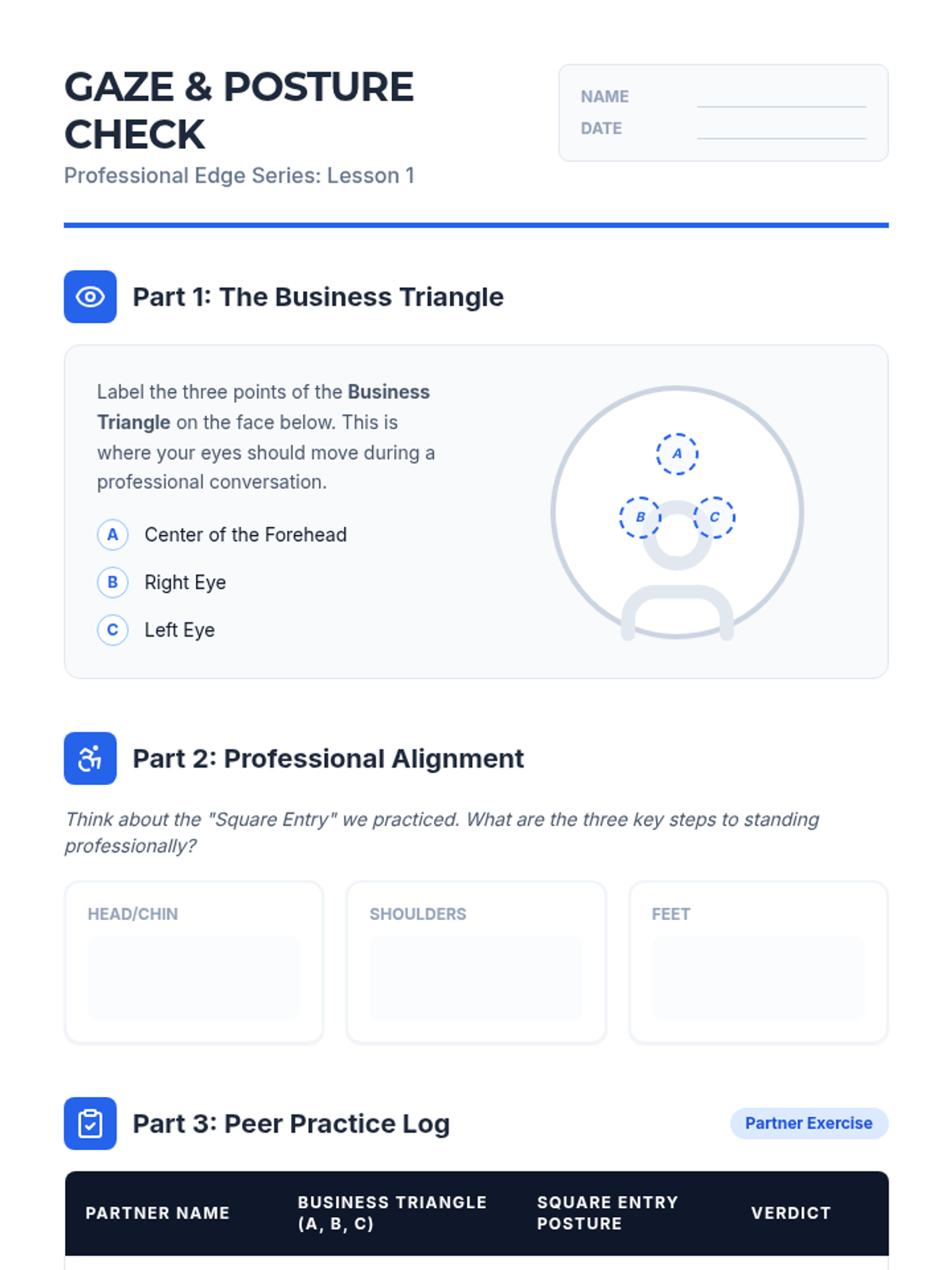
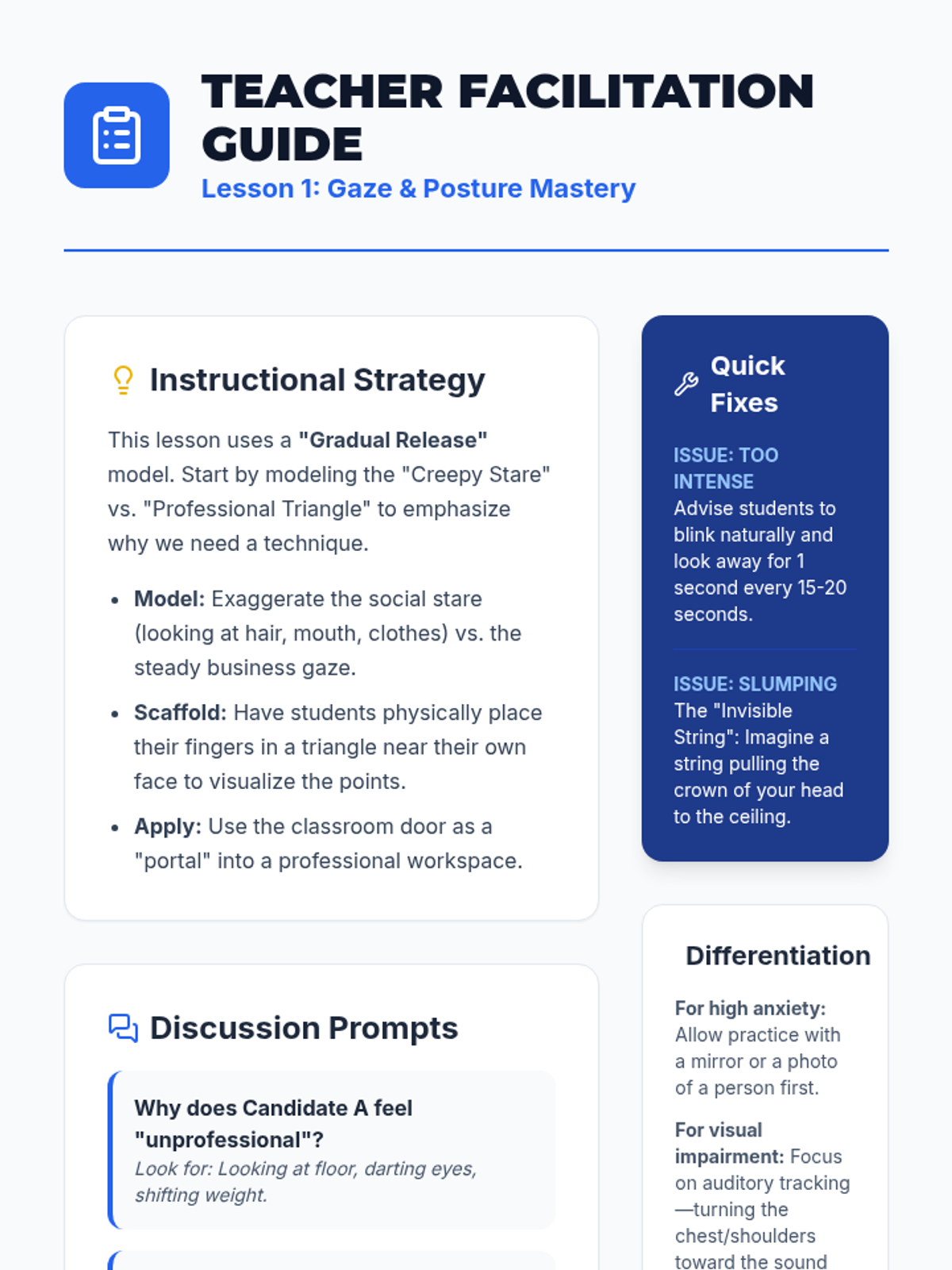
This sequence prepares 9th-grade students for the professional world by teaching the nuances of eye contact and personal space. Students move from mastering the 'professional gaze' to navigating workplace hierarchies and participating in mock interview simulations.
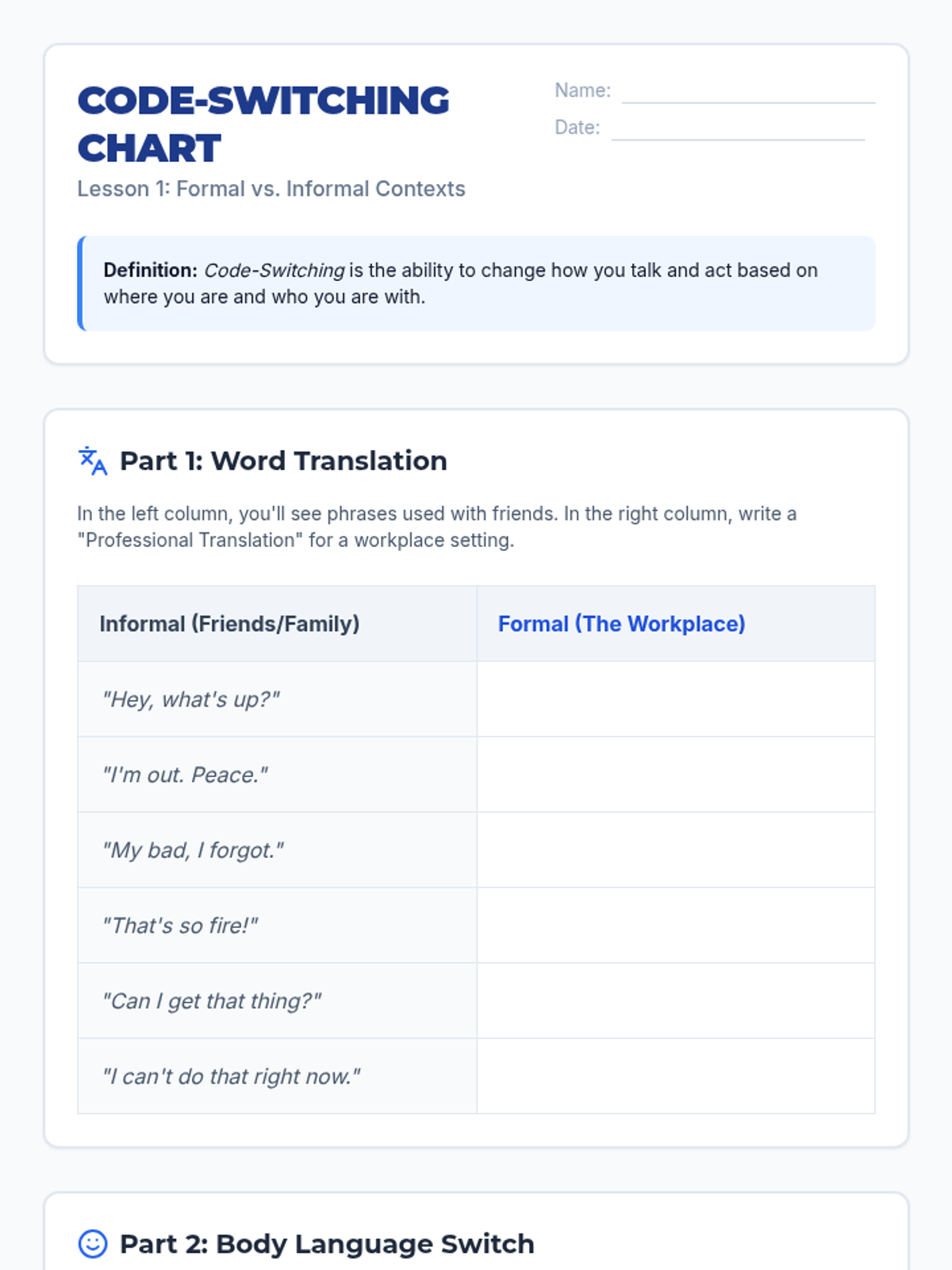
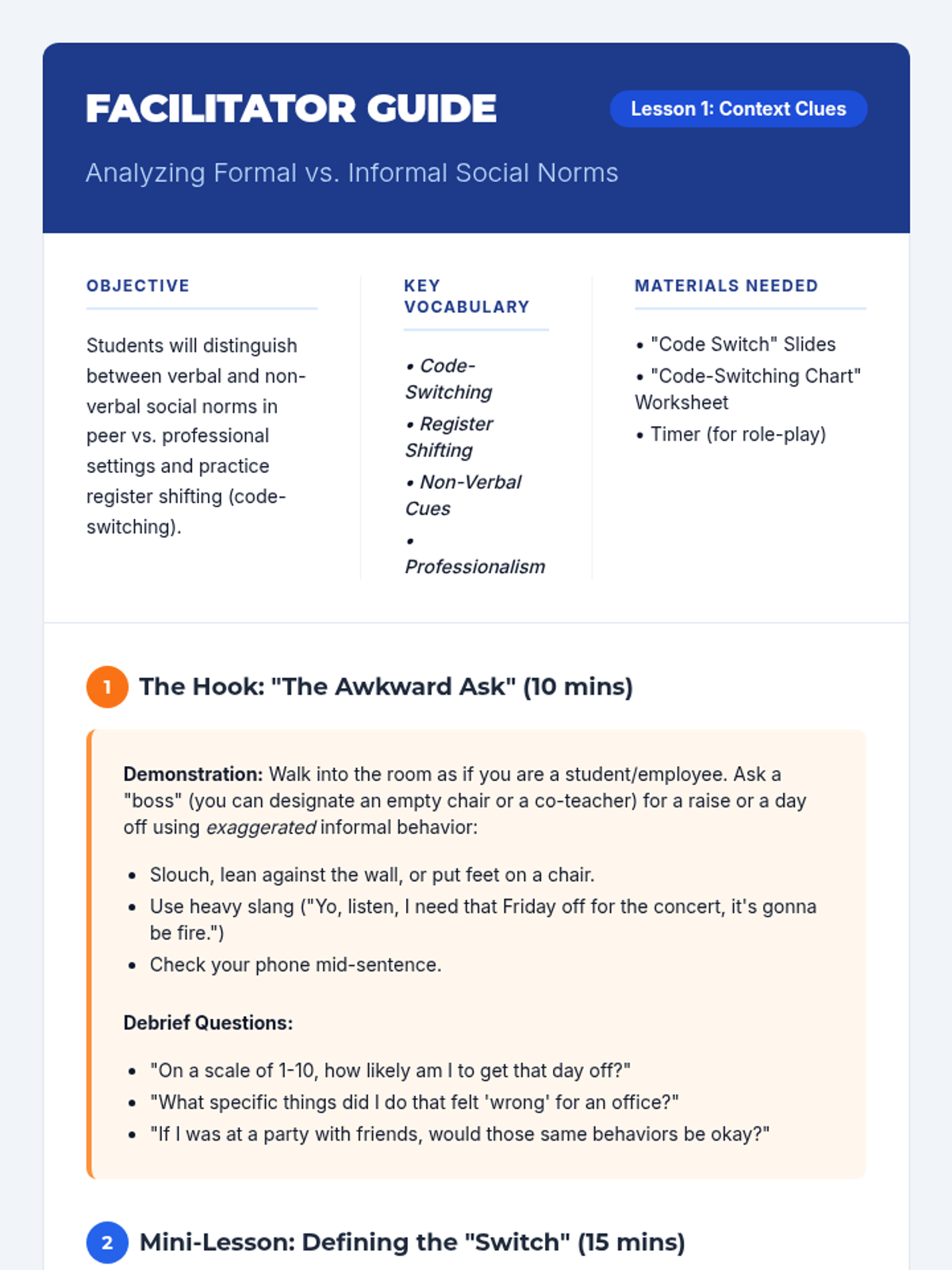
A 5-lesson sequence designed for 9th-grade students to navigate the social complexities of professional environments. Students learn to distinguish between formal and informal contexts, understand workplace hierarchy, predict social outcomes, handle constructive criticism, and participate in mock interviews.
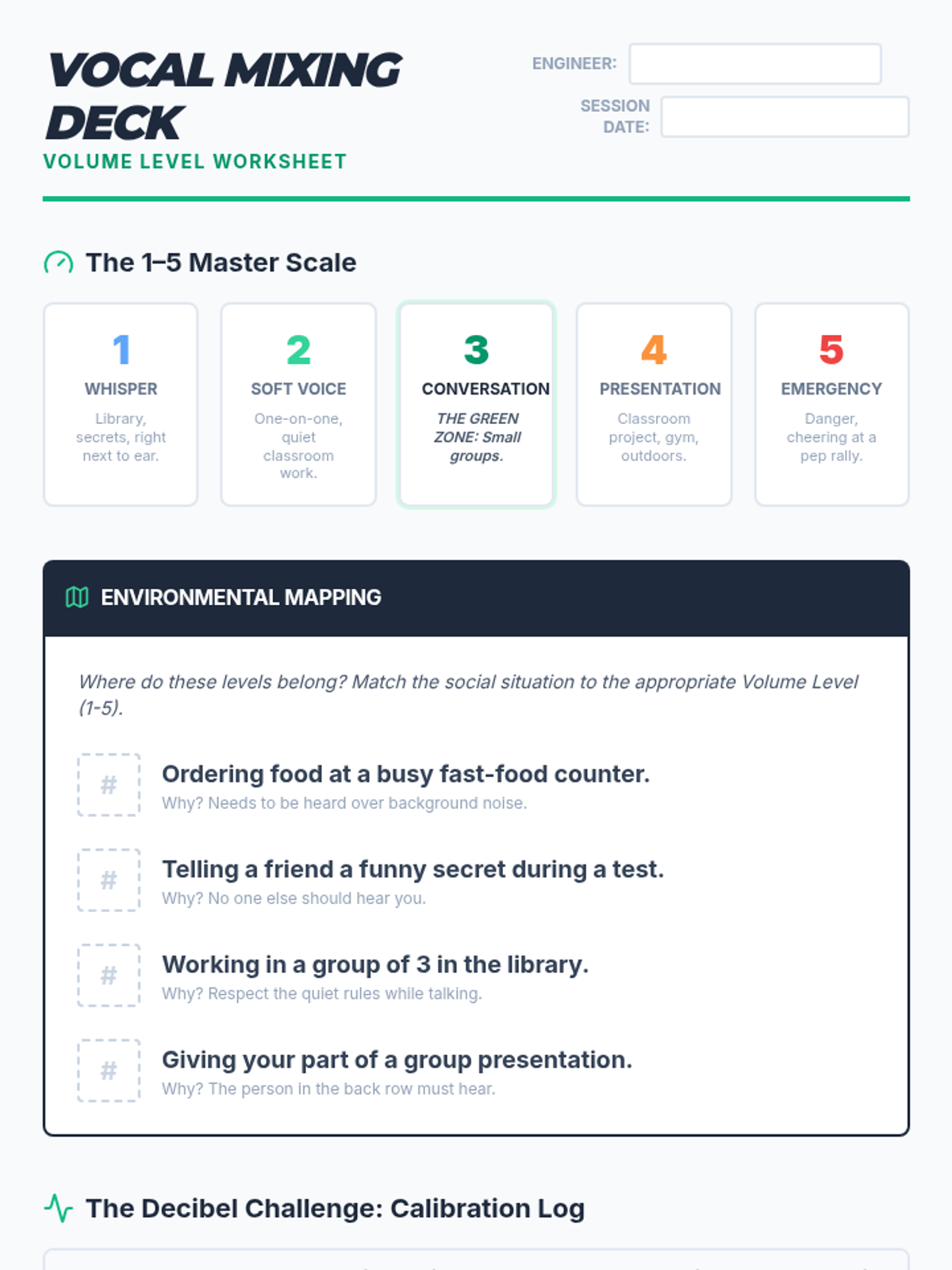
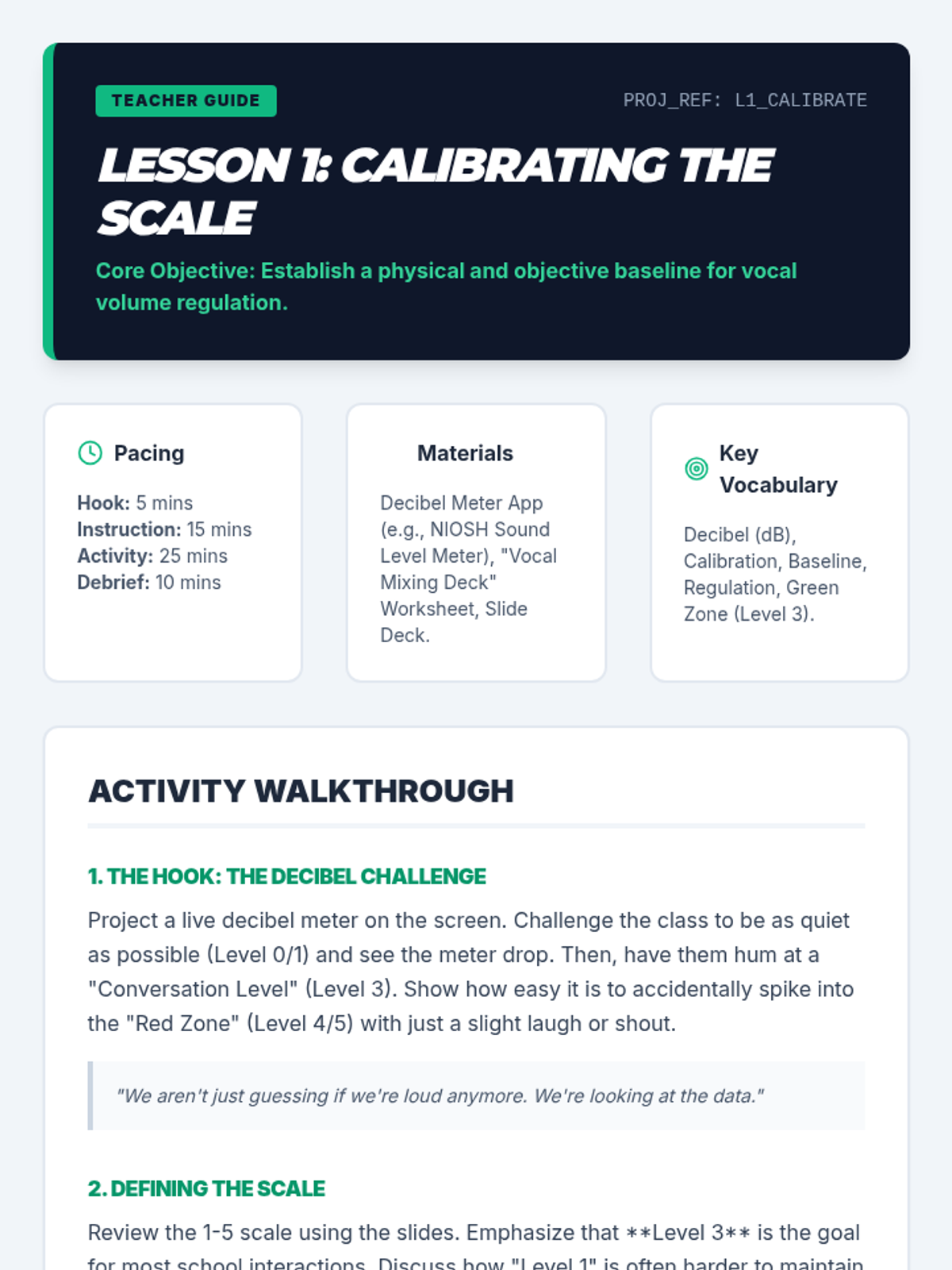
A 5-lesson sequence for 9th-grade students focusing on social communication through the lens of volume and tone regulation. Students will move from basic calibration of their 'internal volume knob' to high-stakes social and vocational simulations requiring rapid adaptation.
This sequence guides students through the creation of personalized narratives specifically designed for workplace environments. Students will transition from analyzing general employee expectations to crafting specific scripts for interviews, interactions with supervisors, and handling critical feedback, culminating in a personal 'Job Success Handbook'.
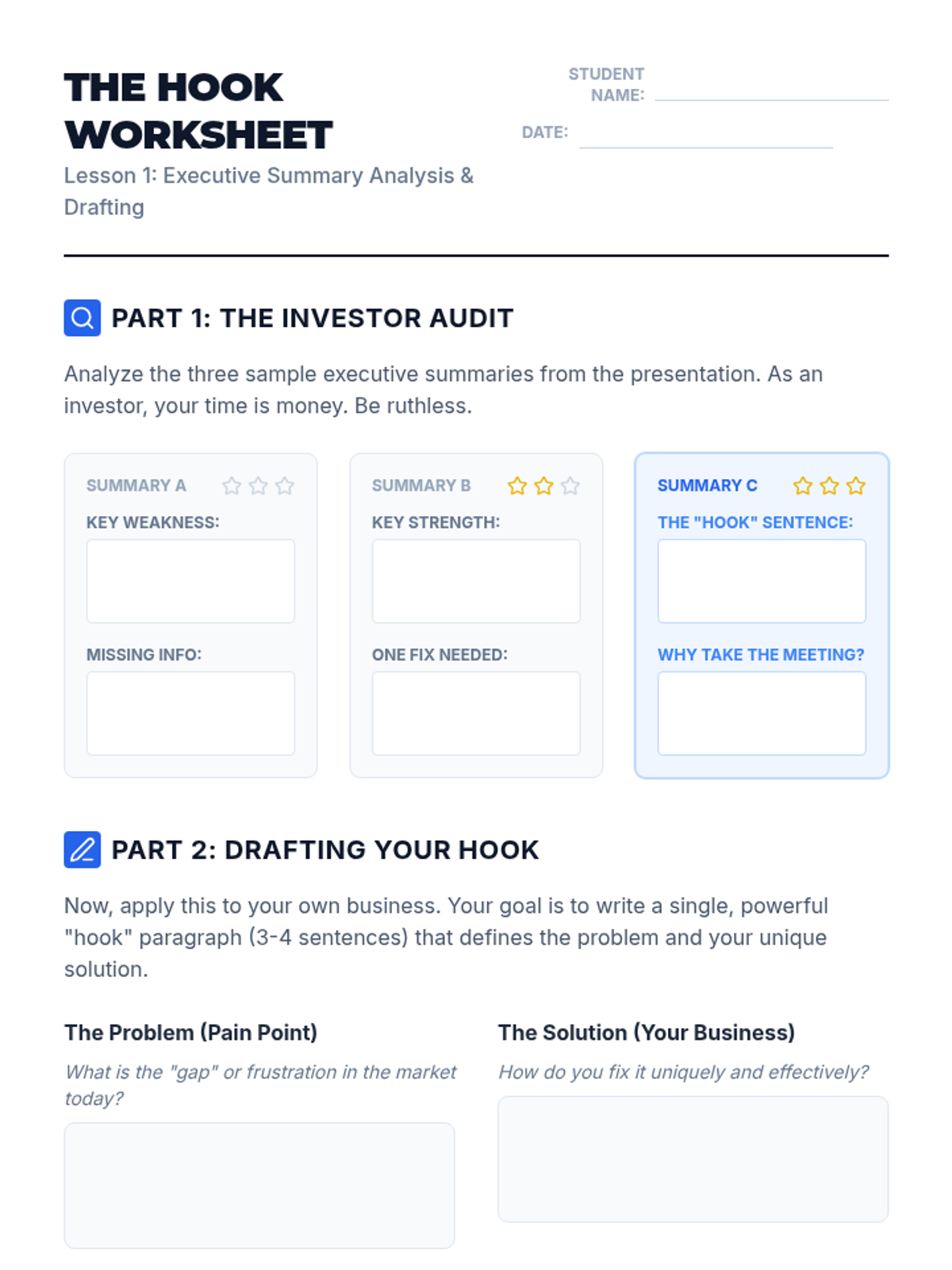
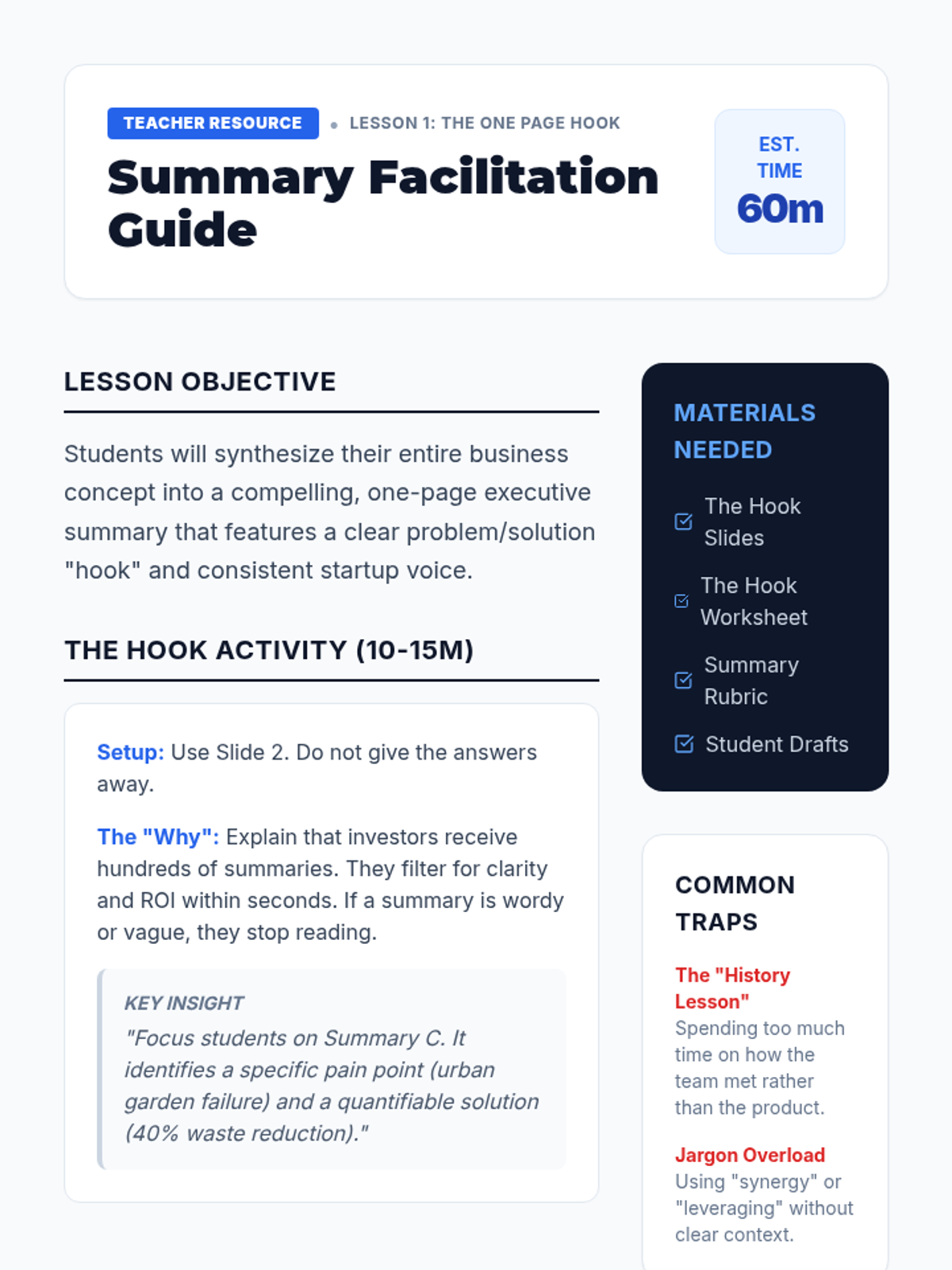
A comprehensive 9th-grade sequence that guides students through the final stages of business planning: writing executive summaries, synthesizing full plans, visualizing data, and designing/delivering a professional pitch deck. Students move from technical writing to persuasive presentation, culminating in a formal business pitch.