Employment laws, safety protocols, and legal protections against workplace harassment and discrimination. Connects regulatory requirements to practical understandings of pay stubs, insurance benefits, and employee advocacy.
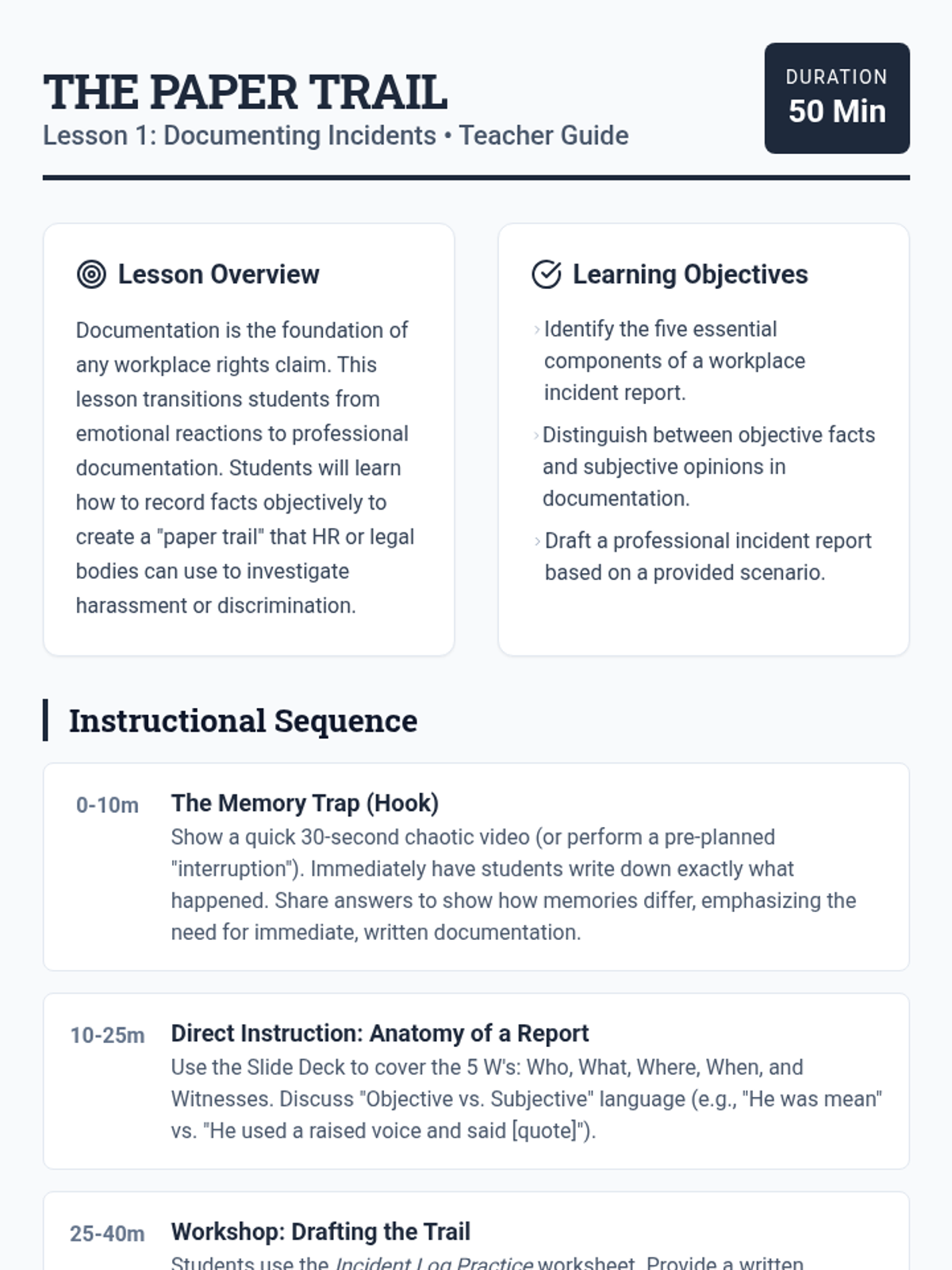
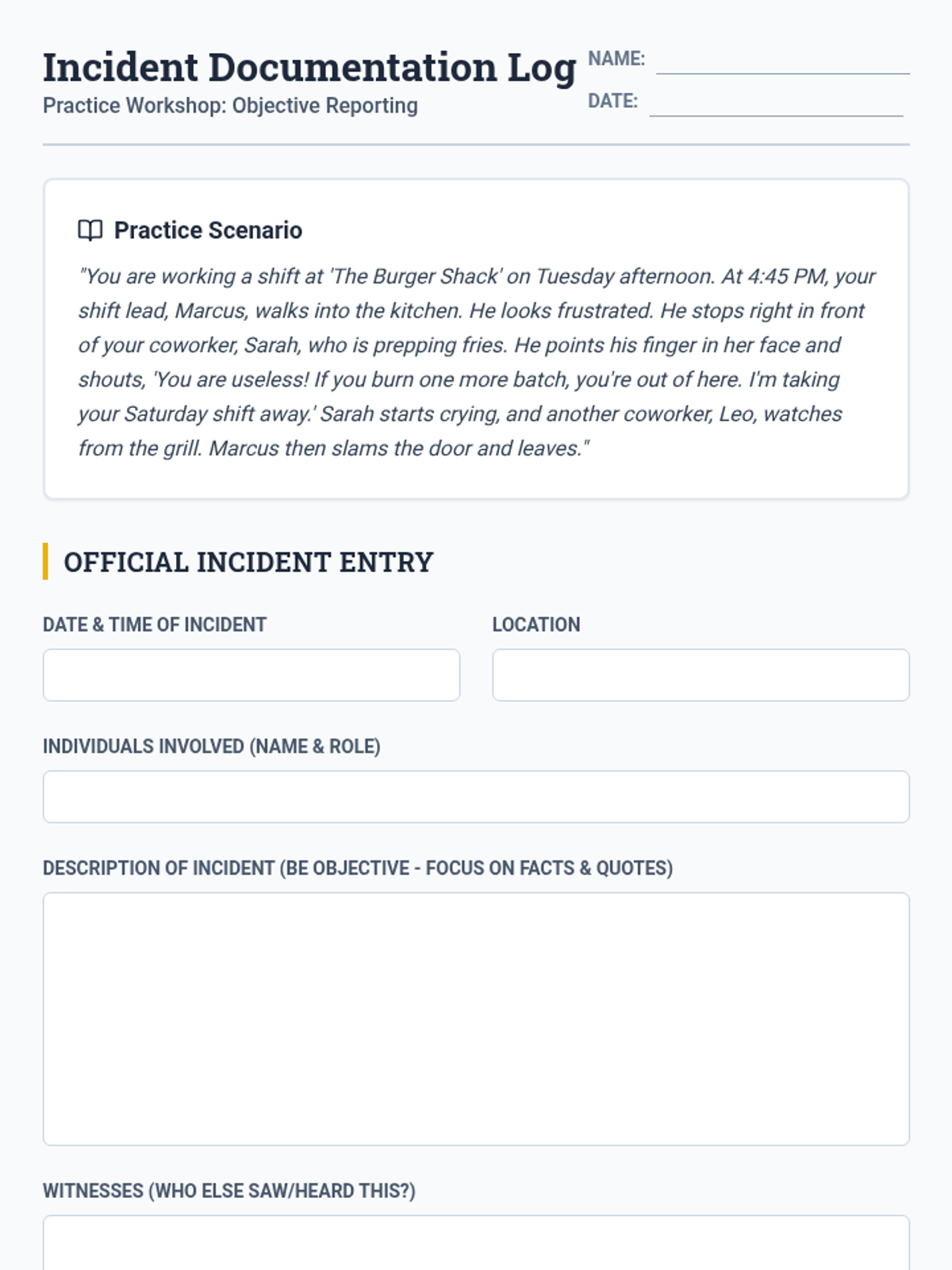
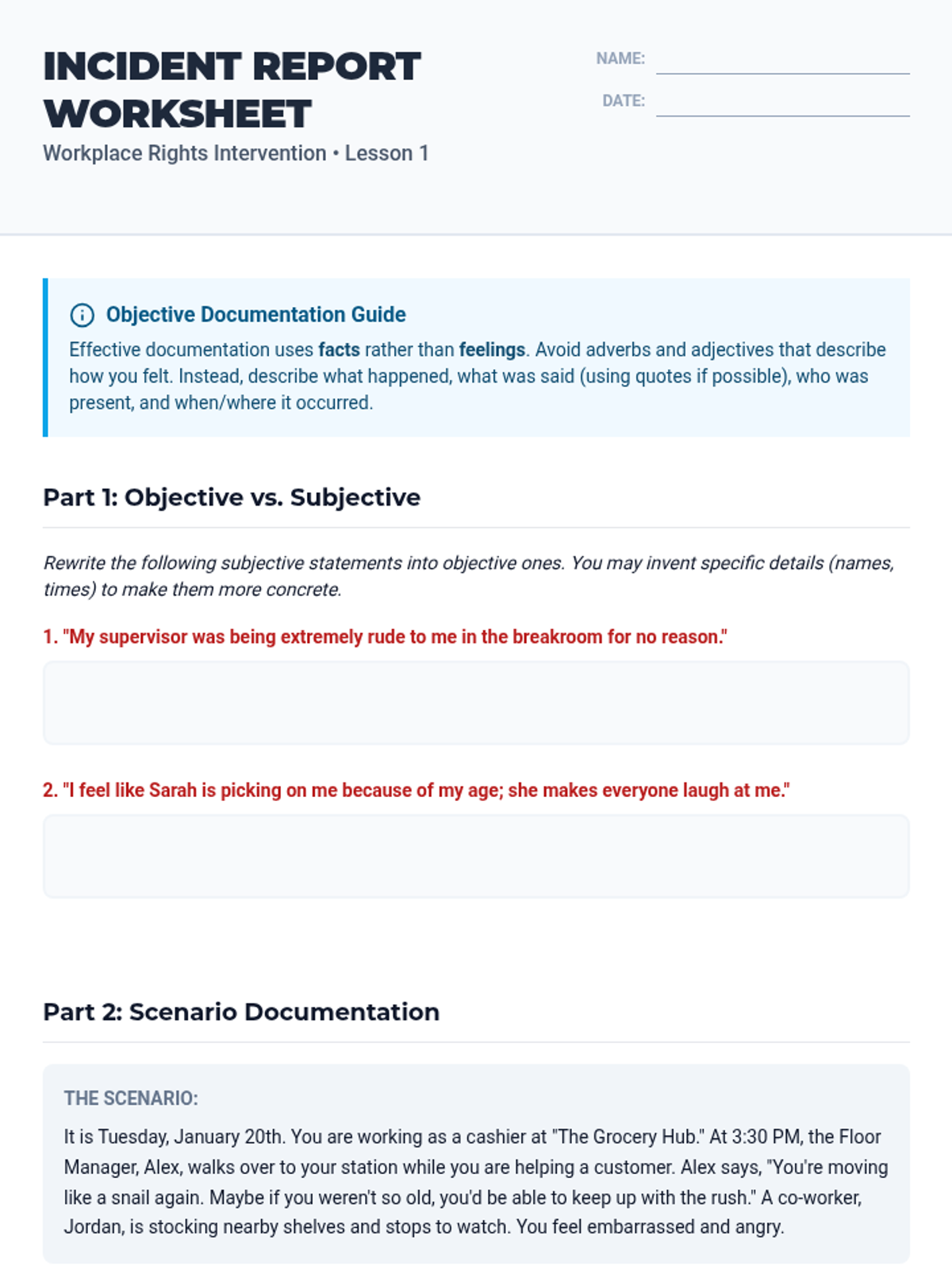
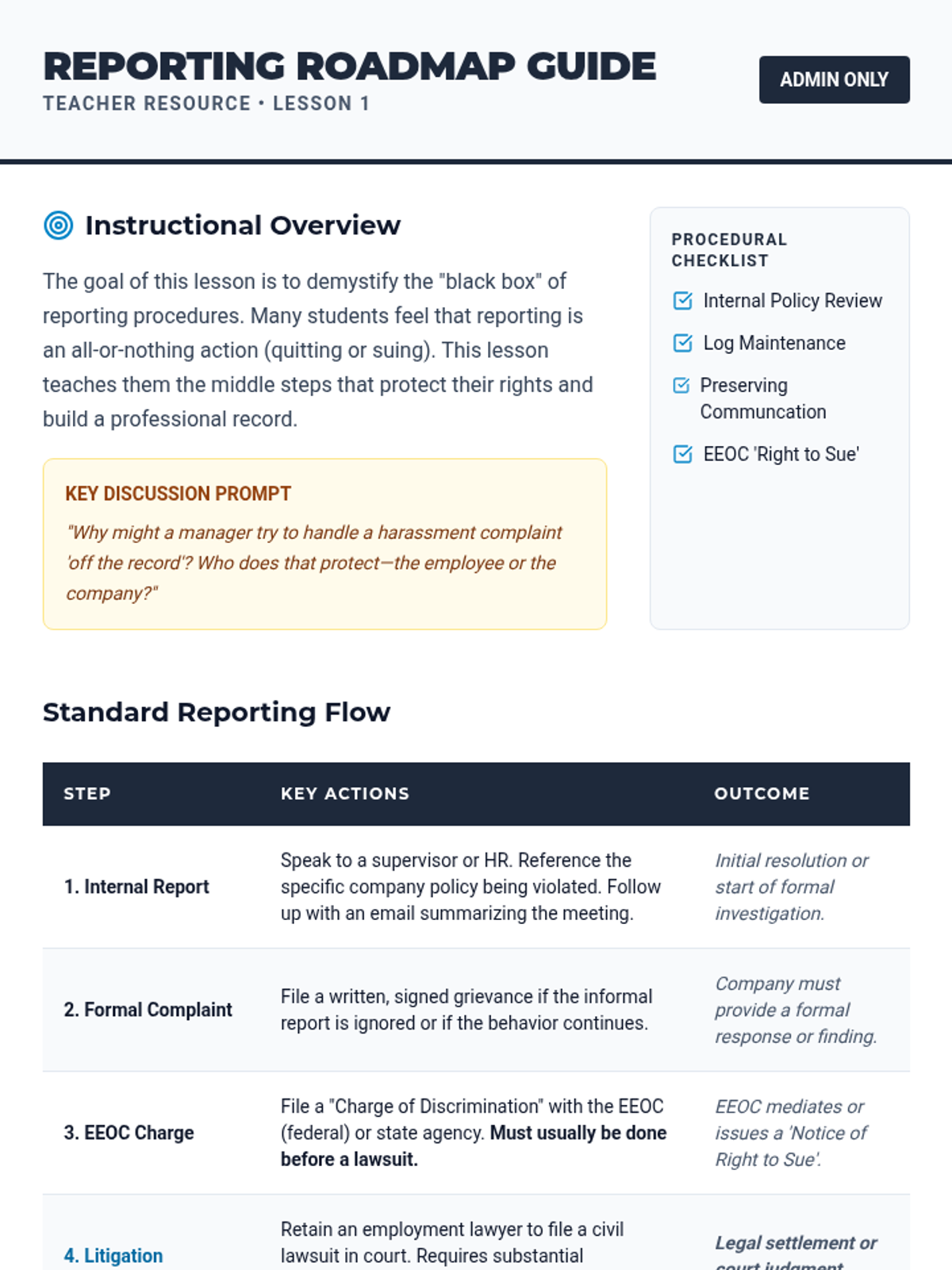
This sequence teaches 9th-grade students how to navigate the logistical and procedural aspects of workplace rights, focusing on documentation, internal reporting to HR, whistleblower protections, and external reporting through the EEOC. The unit culminates in a student-created workplace rights guide for peers.
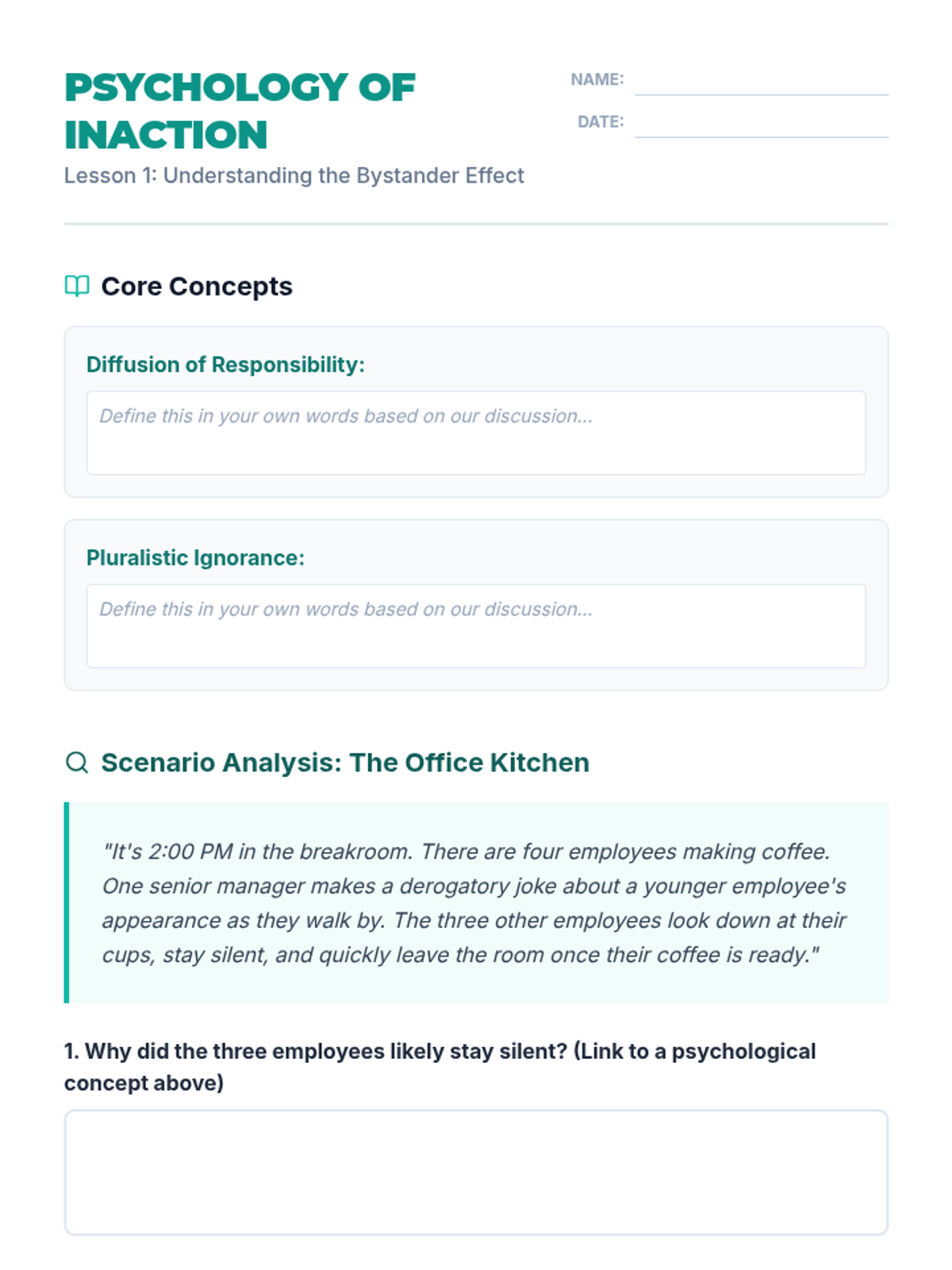
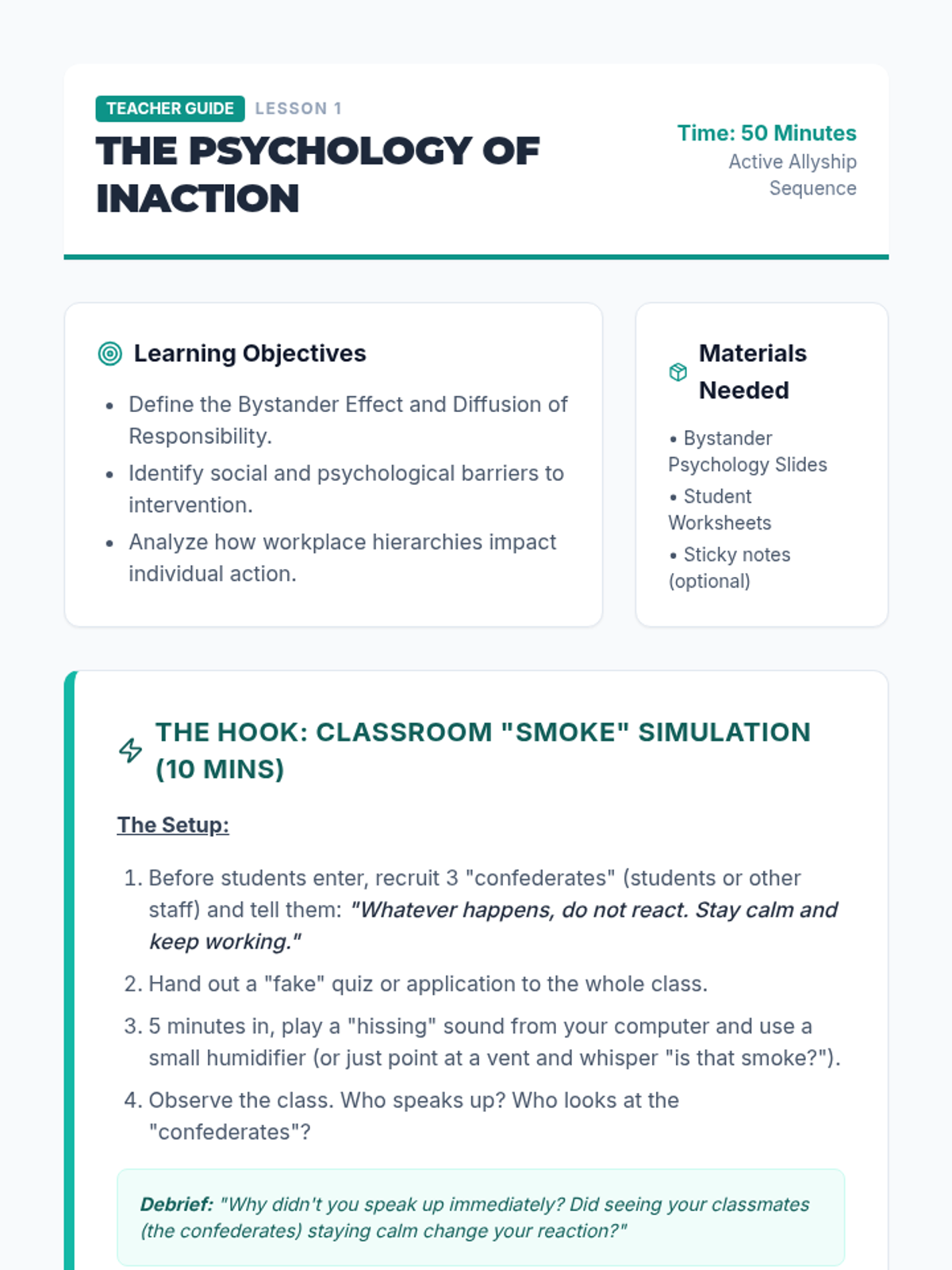
This sequence trains 9th-grade students in bystander intervention techniques and active allyship within a workplace context. Students explore the psychological barriers to action (the bystander effect) and master the '4 Ds'—Direct, Distract, Delegate, and Delay—to safely interrupt harassment and support colleagues.
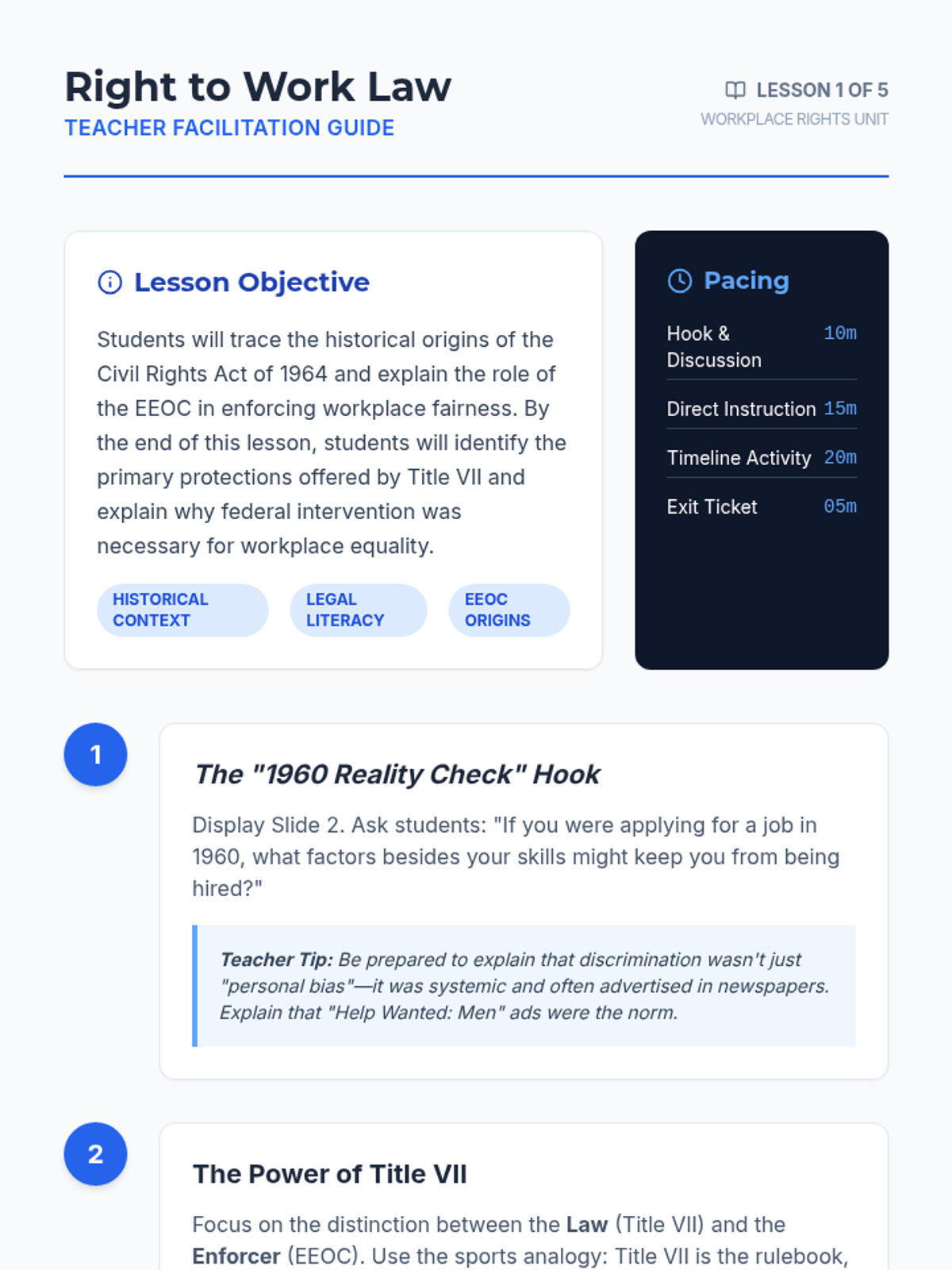
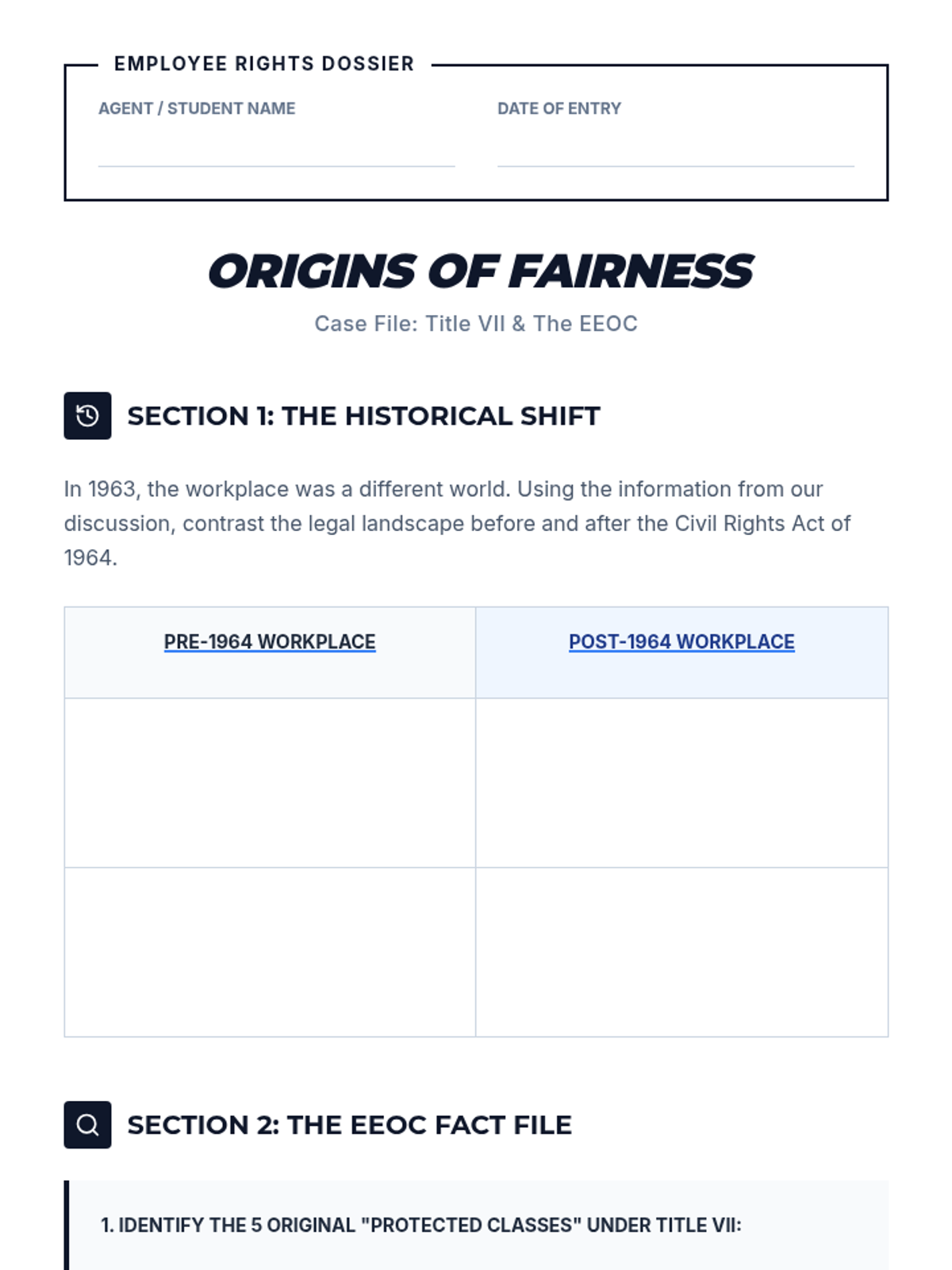
A 5-lesson unit for 9th graders exploring the legal framework of workplace rights in the United States. Students will investigate the EEOC, Title VII, ADA, ADEA, and landmark Supreme Court cases to understand their rights and protections in the modern workforce.
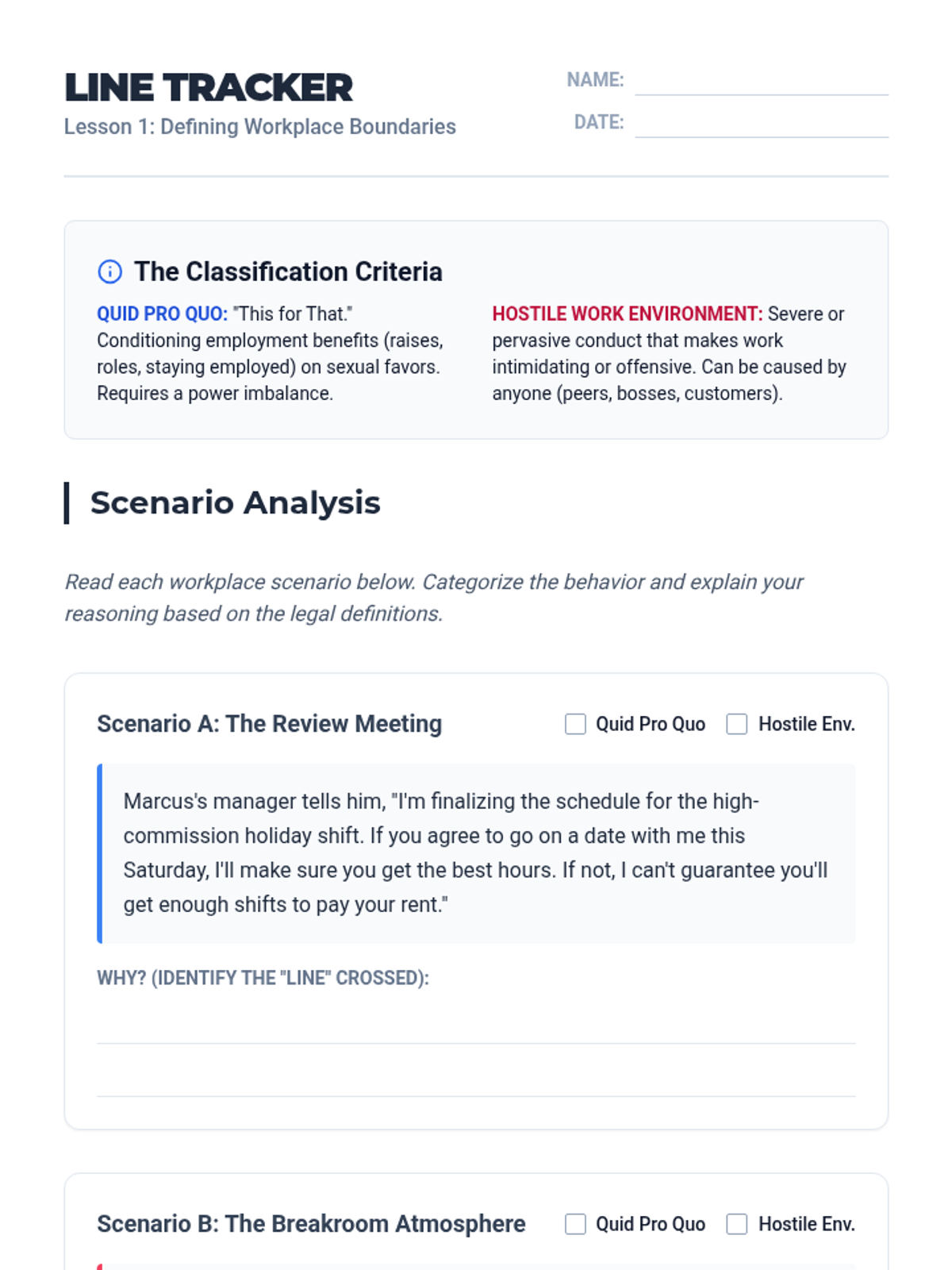
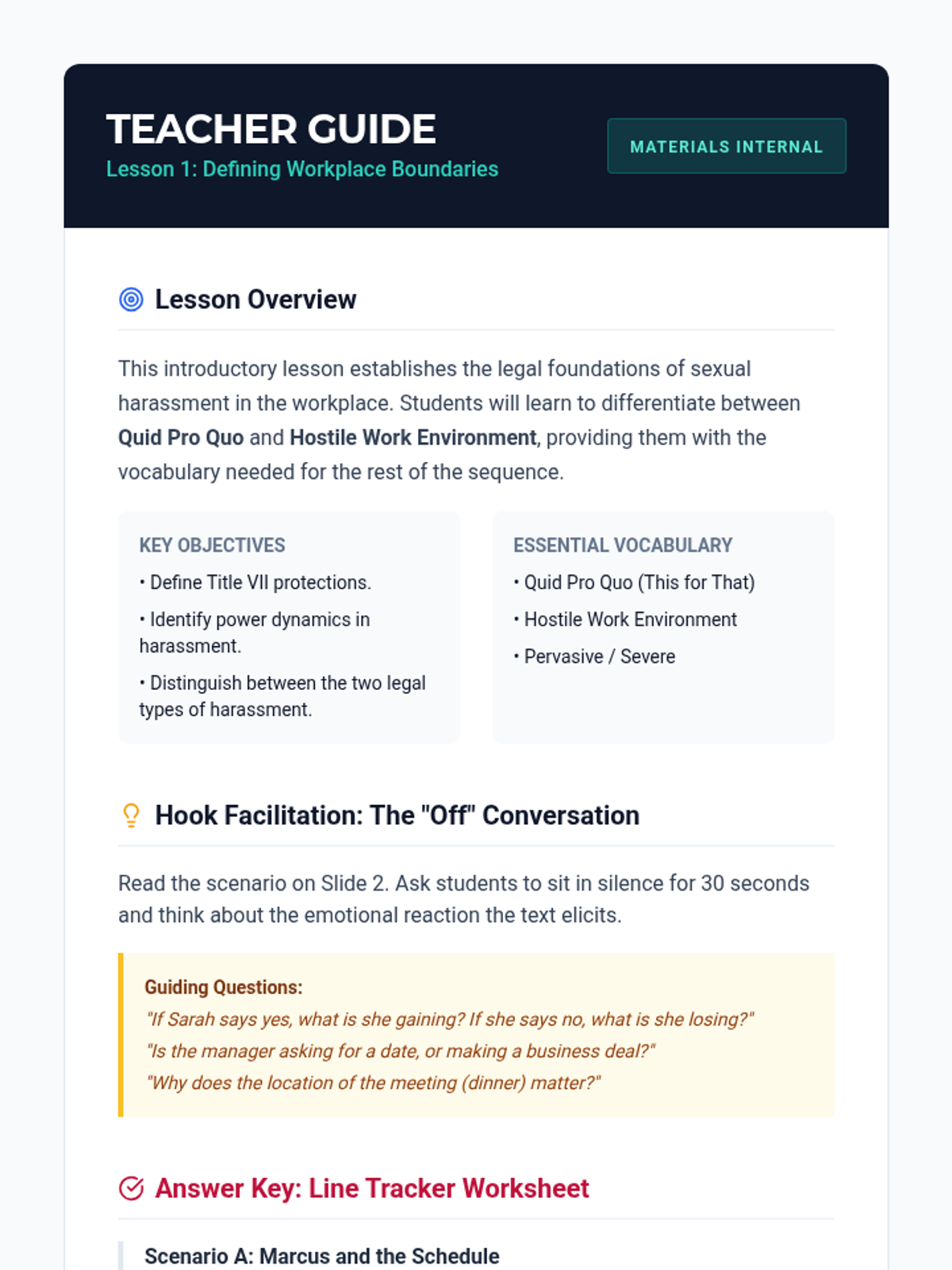
A comprehensive sequence for 9th-grade students exploring the legal definitions, impacts, and identification of sexual harassment and hostile work environments in the professional world. Students move from basic legal definitions to nuanced evaluations of intent versus impact and digital professional conduct.
This sequence shifts from identification to action, equipping students with the tools to report misconduct and intervene safely. Students learn the formal mechanisms for reporting discrimination, protections against retaliation, and the '4 Ds' of bystander intervention.
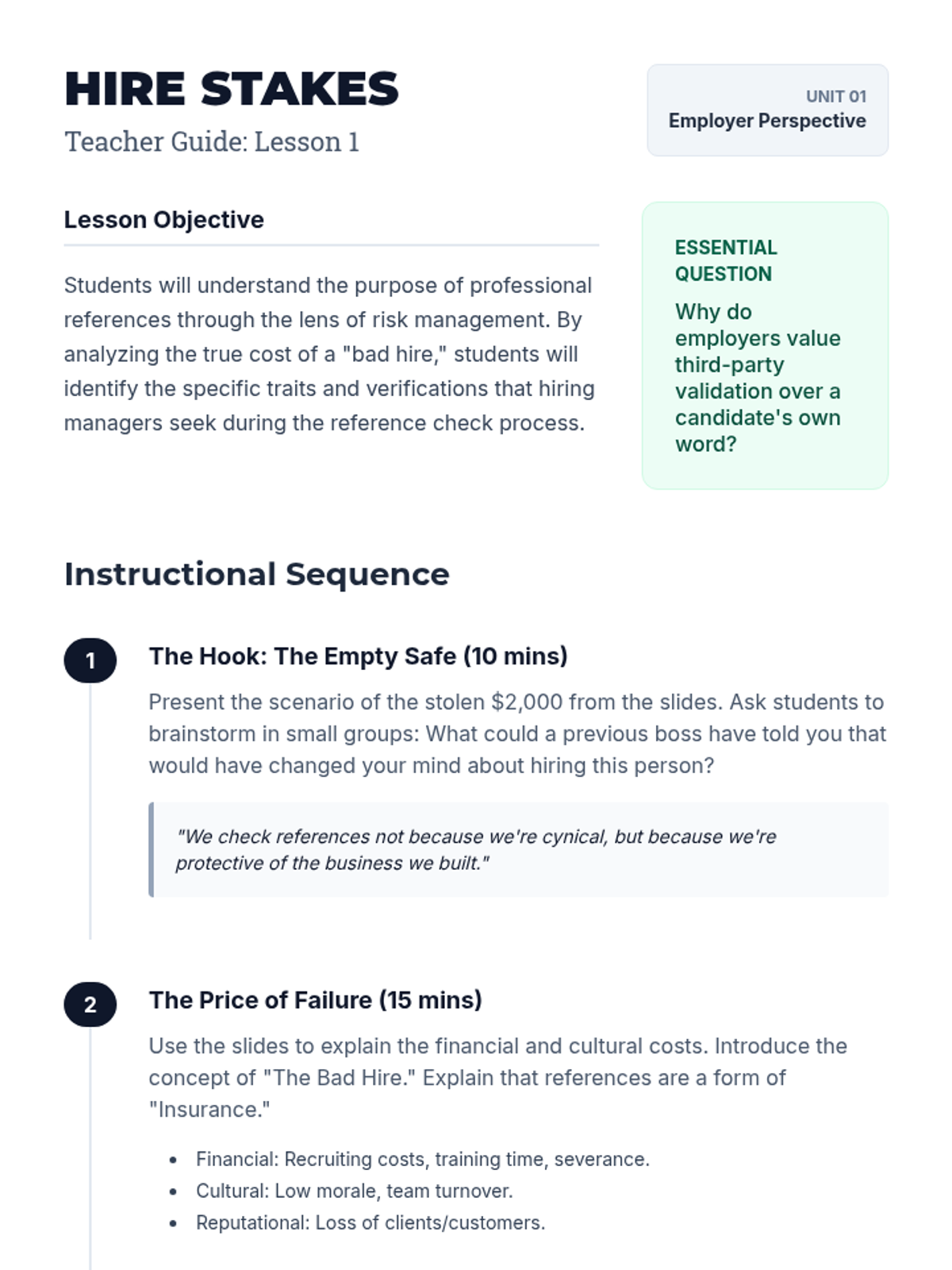
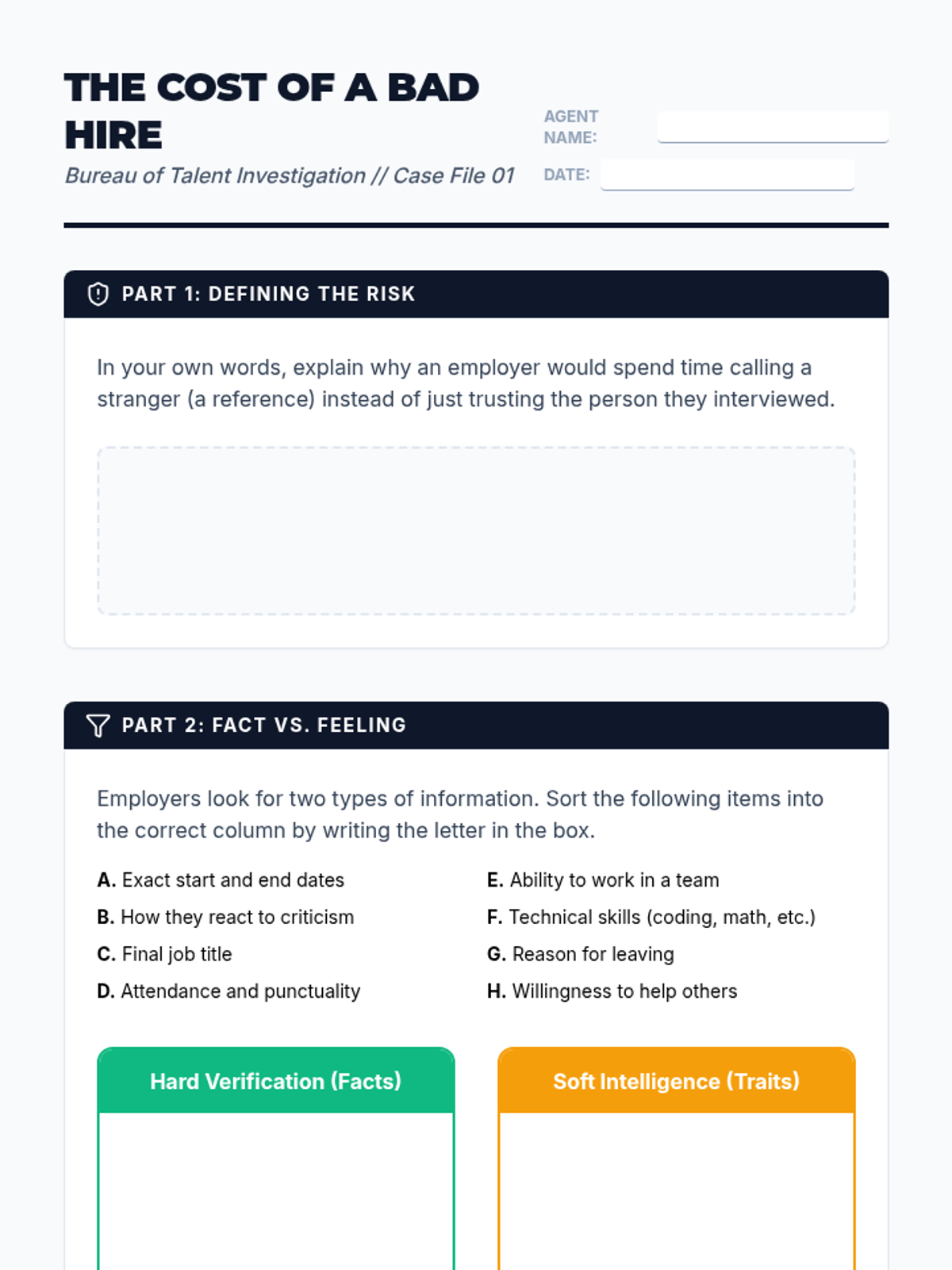
A 9th-grade sequence that flips the script on professional references, teaching students to evaluate candidates from an employer's perspective. Students analyze risk, decode reference transcripts, and learn the strategic, legal, and ethical nuances of professional recommendations to better prepare their own future applications.
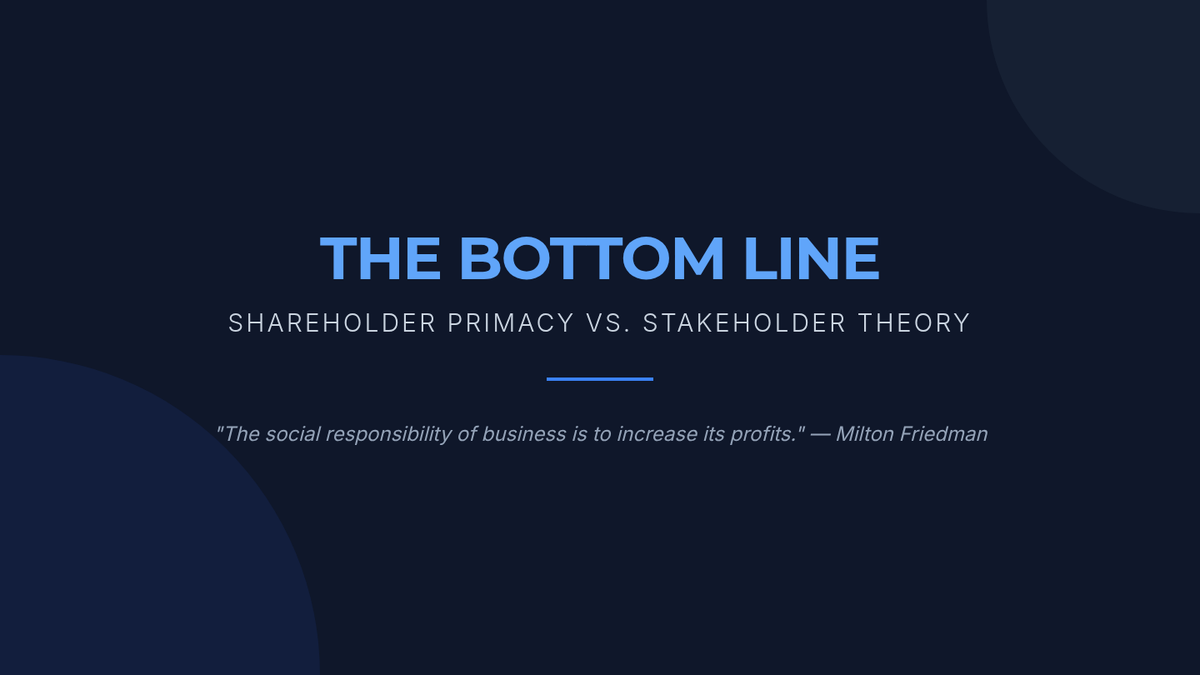
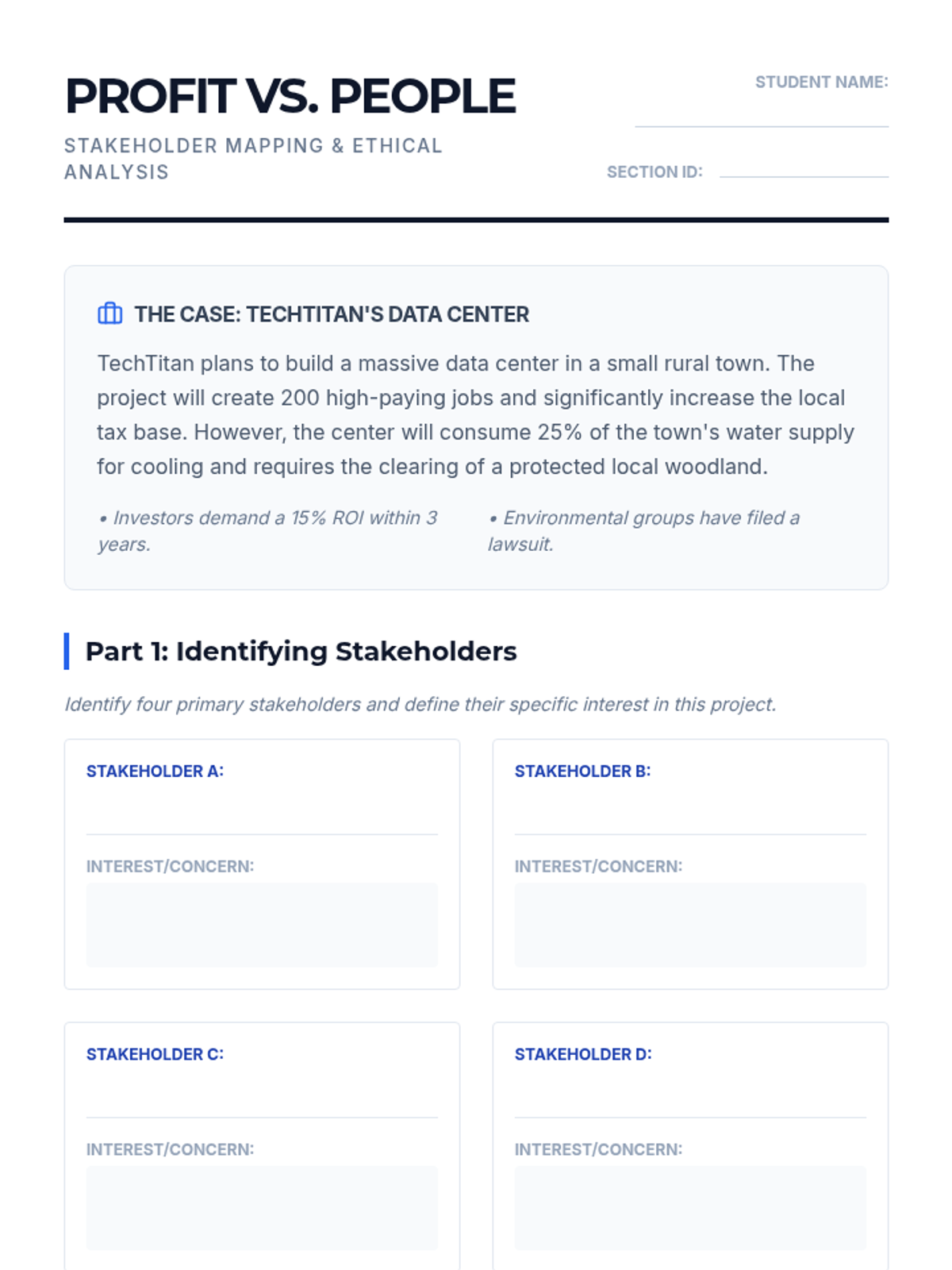
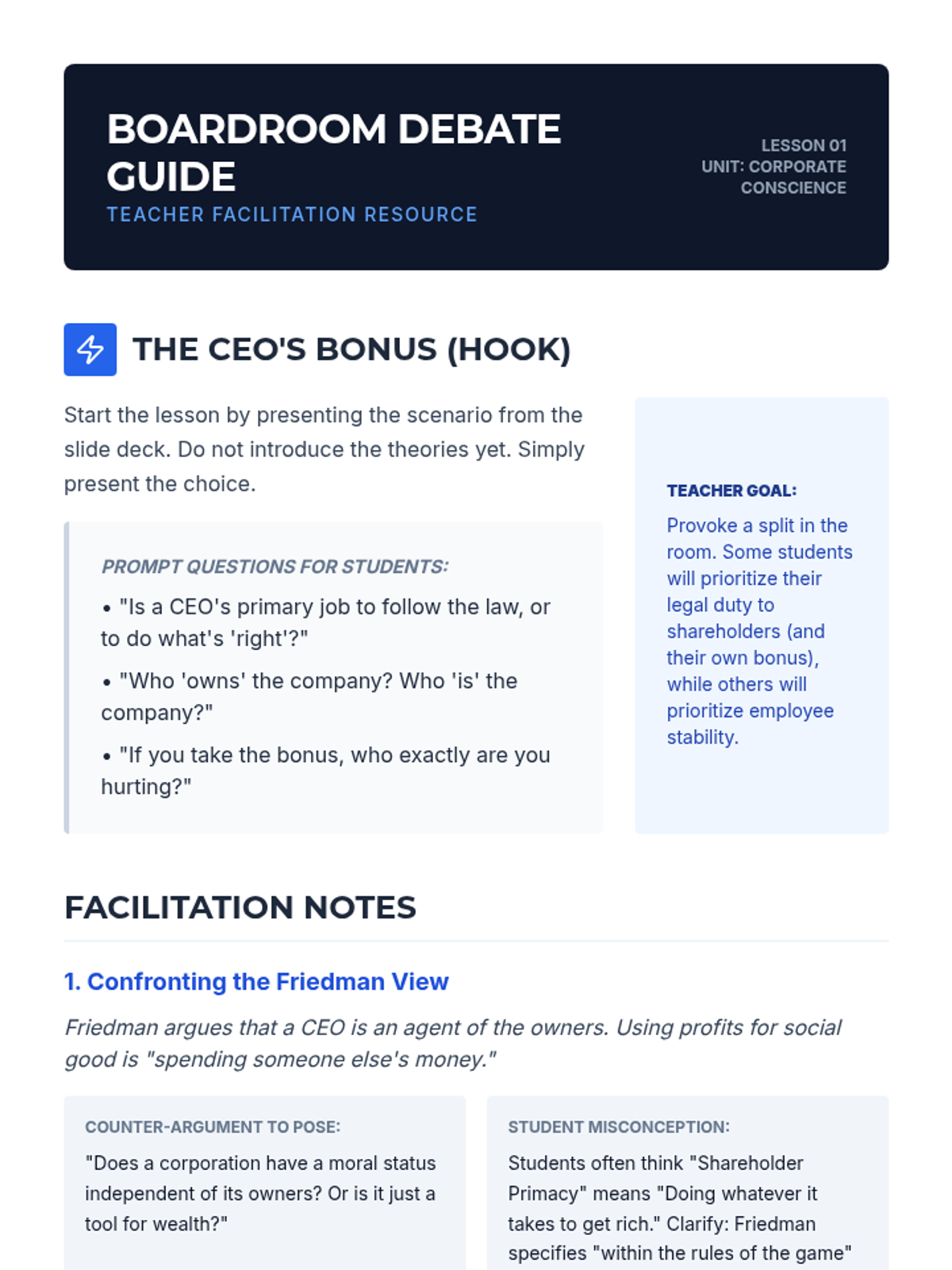
This sequence explores the ethical complexities of professional and corporate environments, focusing on the tension between profit and moral obligation. Students analyze shareholder vs. stakeholder theories, corporate scandals, and the ethics of whistleblowing, culminating in a two-part crisis management simulation.
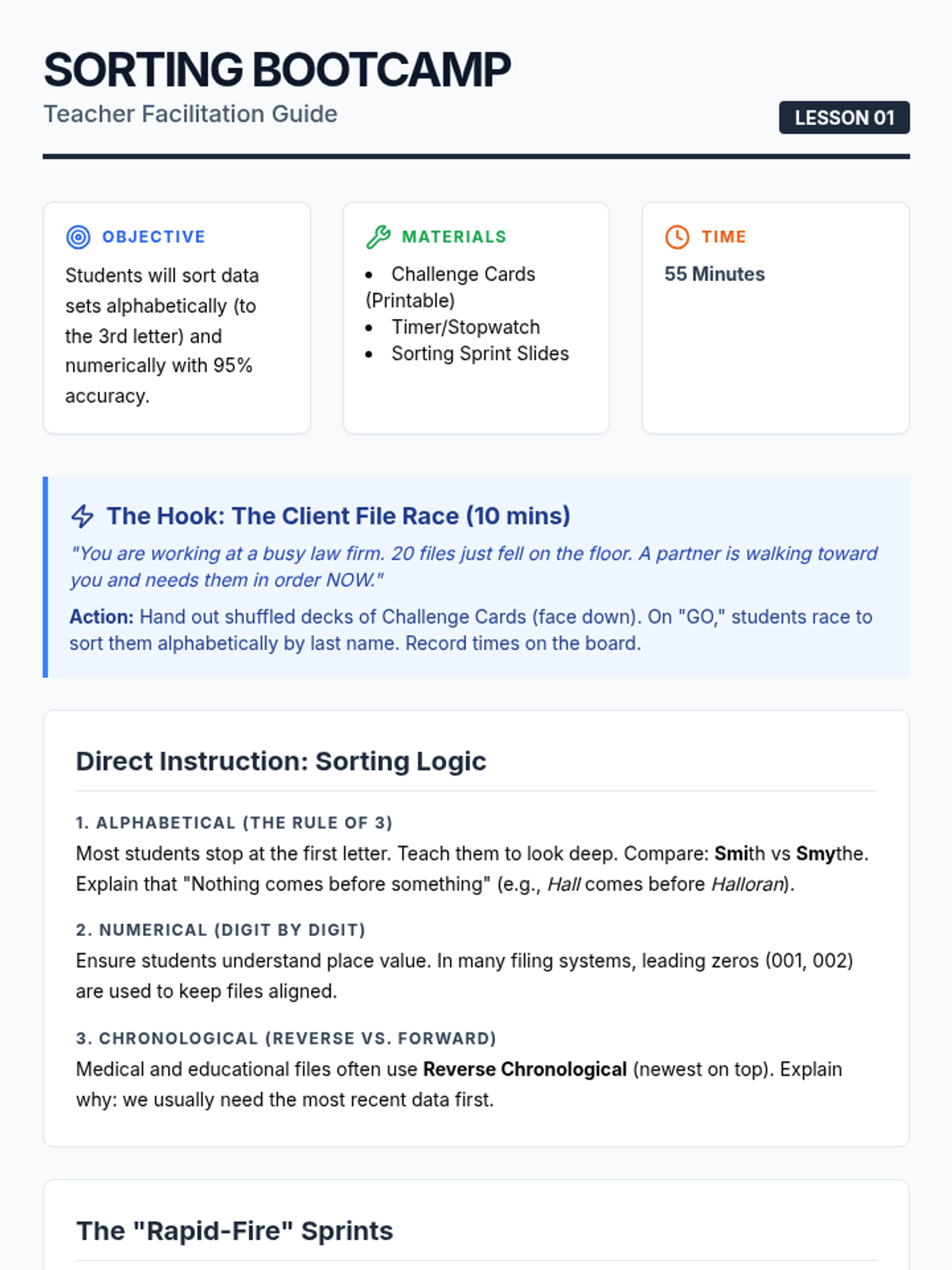
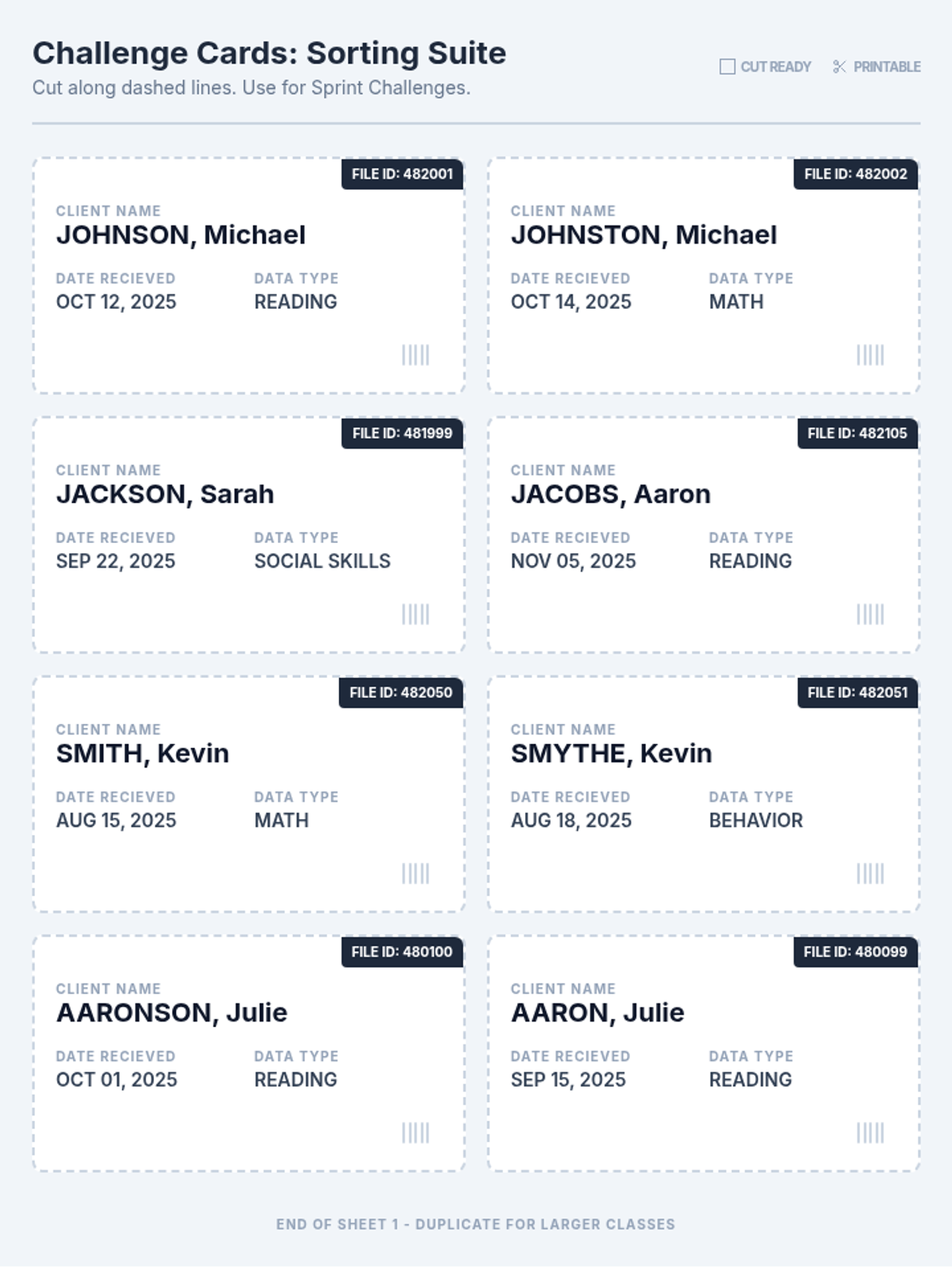
A comprehensive sequence focused on professional clerical skills, teaching students to master alphabetical, numerical, and color-coded filing systems, alongside data tracking and confidentiality protocols.
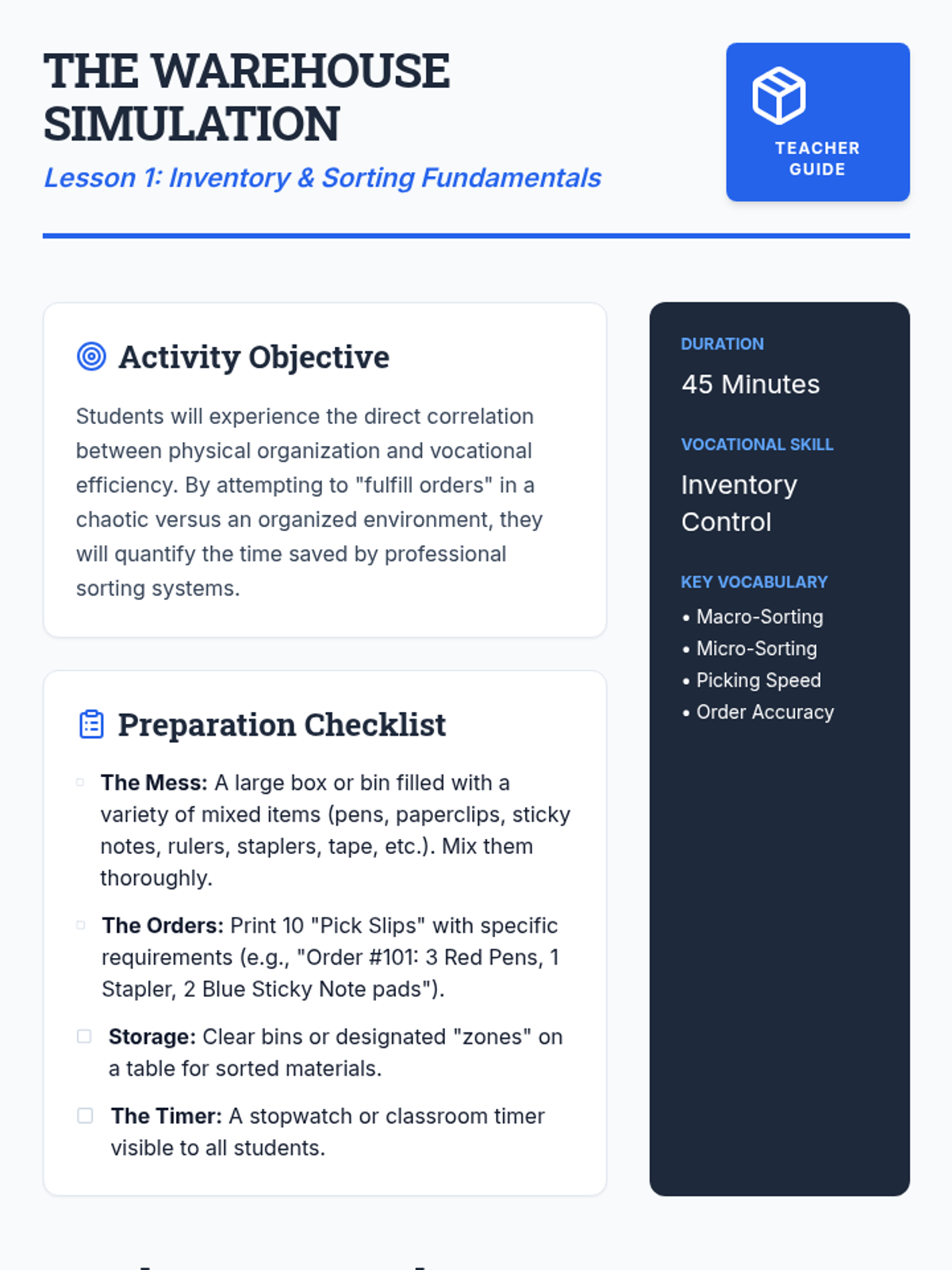
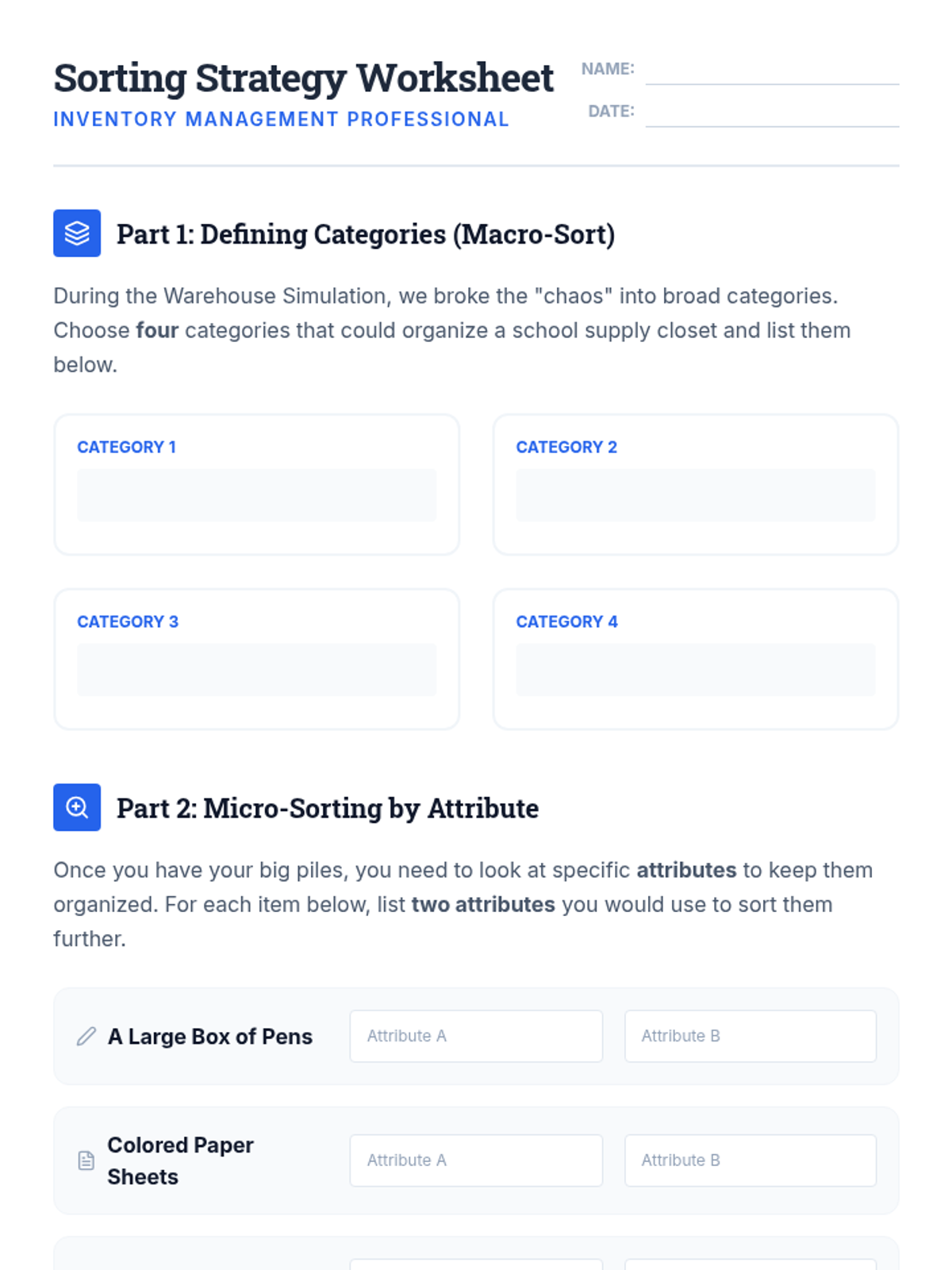
This sequence focuses on vocational and executive function skills, treating organization as a professional competency. Students simulate roles like office managers or resource coordinators to learn sorting, filing, ergonomics, and hybrid digital-physical tracking.
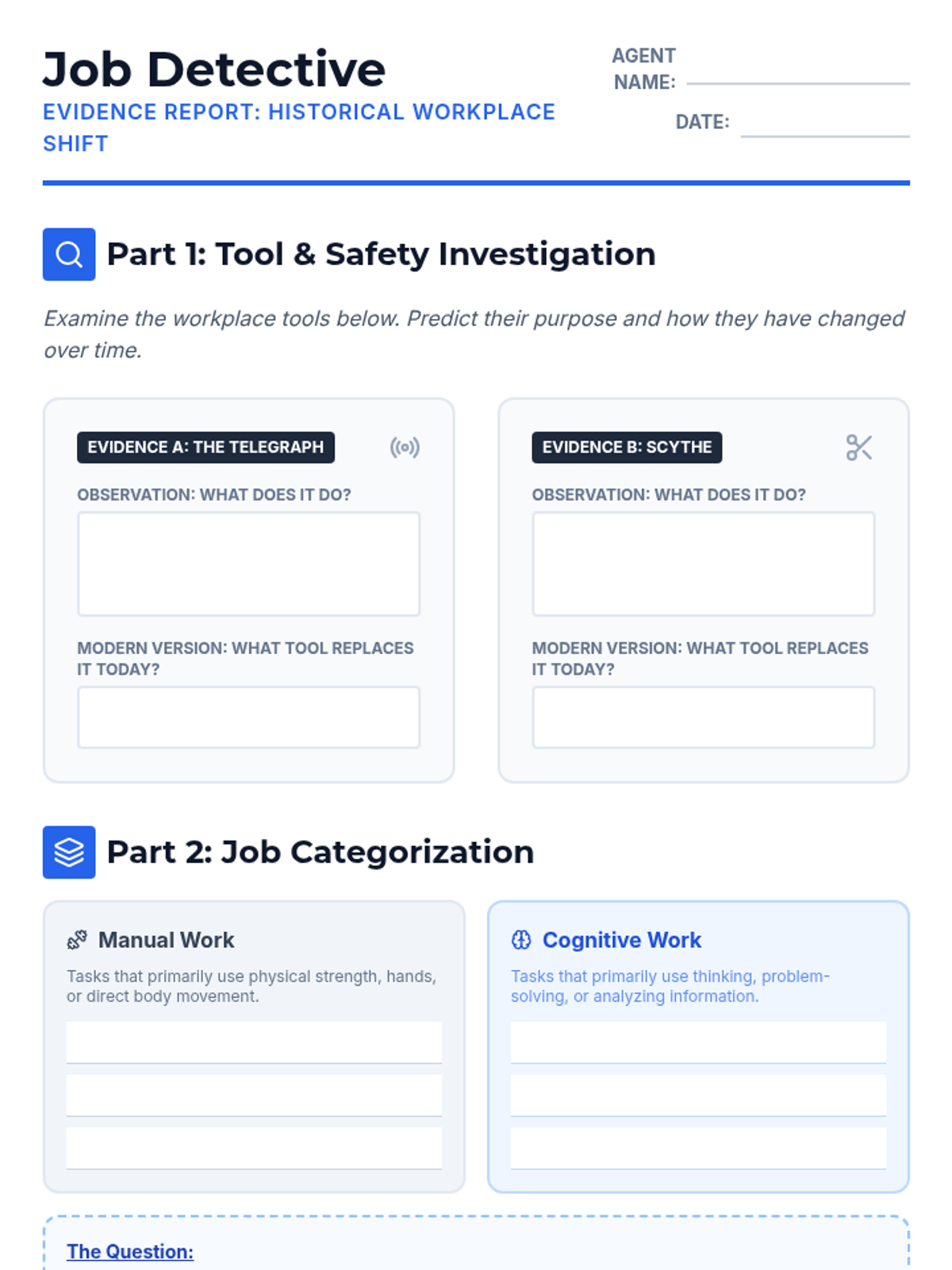
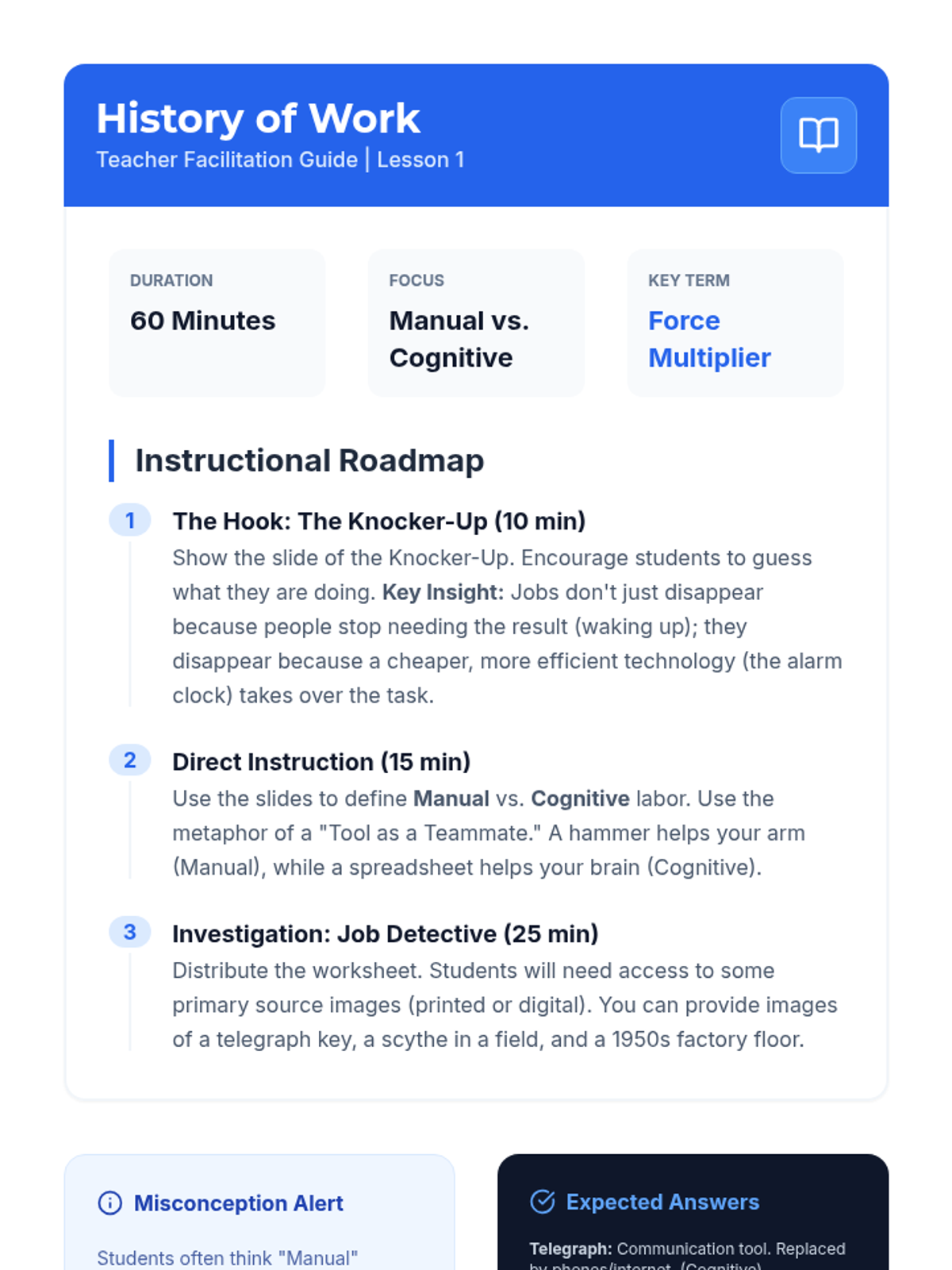
Students investigate the evolution of labor from manual industry to the modern digital economy. They explore how technology, automation, and globalization reshape work tasks, skills, and employment structures.
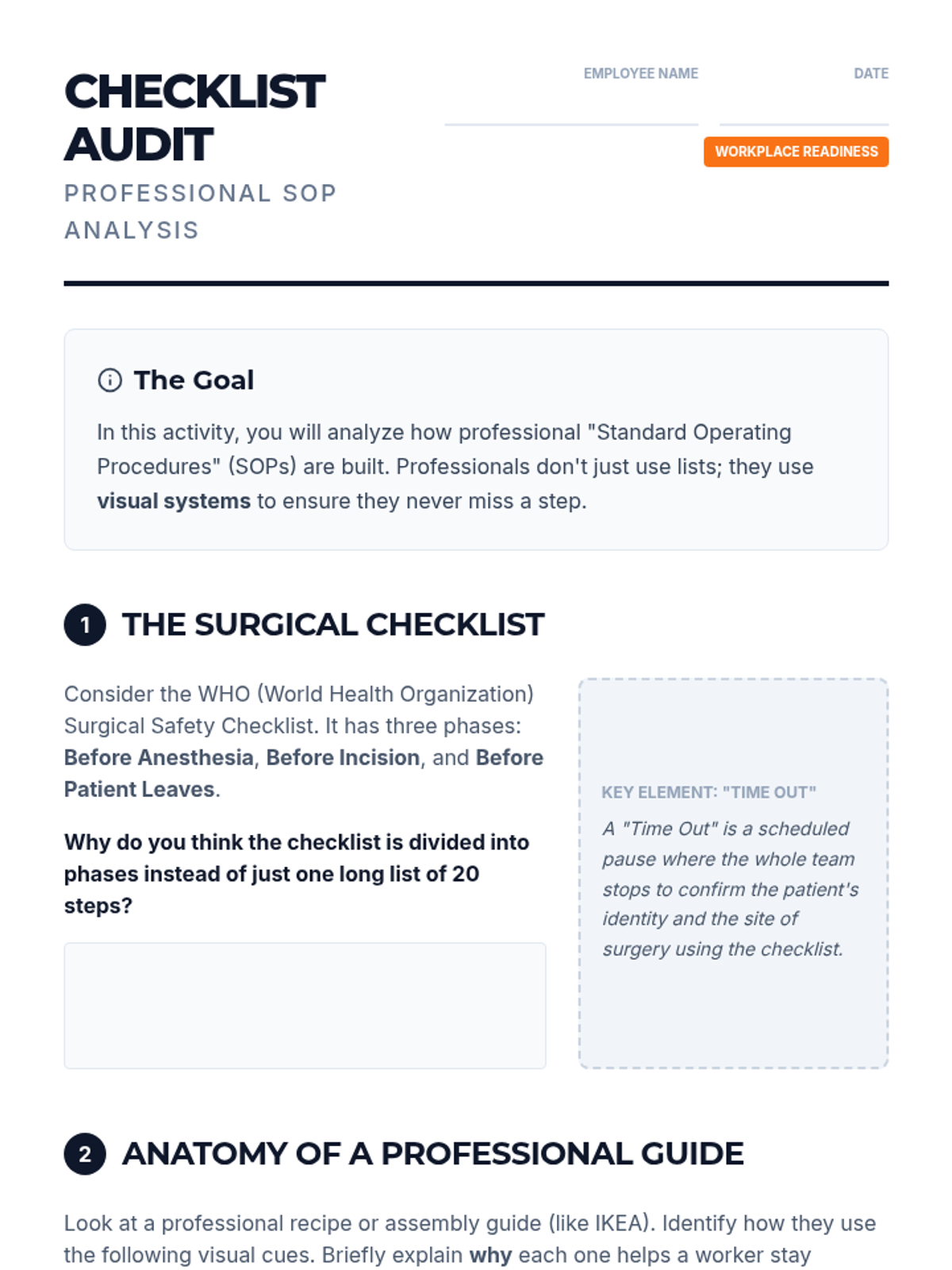
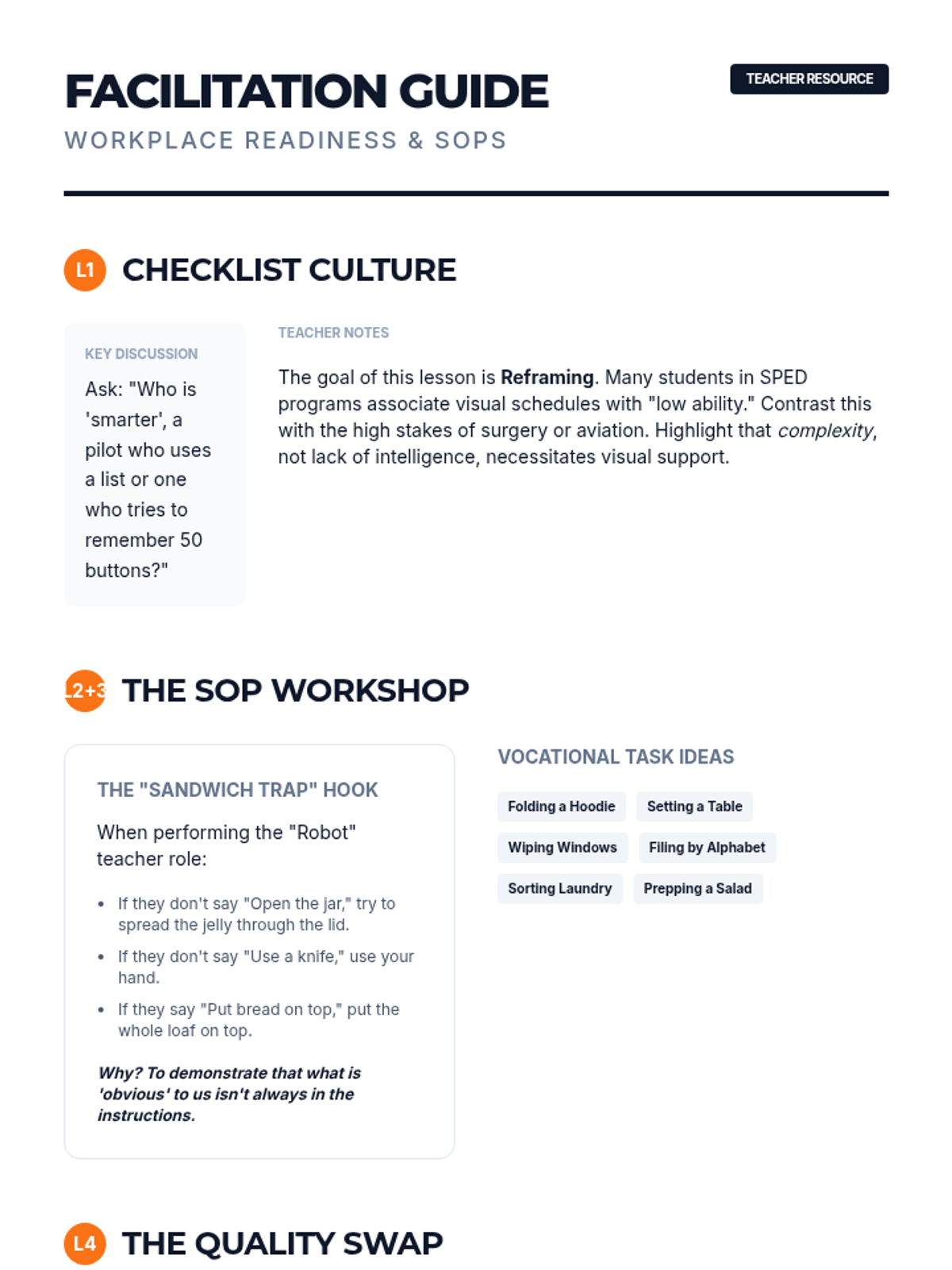
This sequence reframes visual schedules and checklists as professional Standard Operating Procedures (SOPs). Students explore how high-stakes professionals use visual supports, perform task analyses, and create their own SOPs to demonstrate workplace readiness and independence.
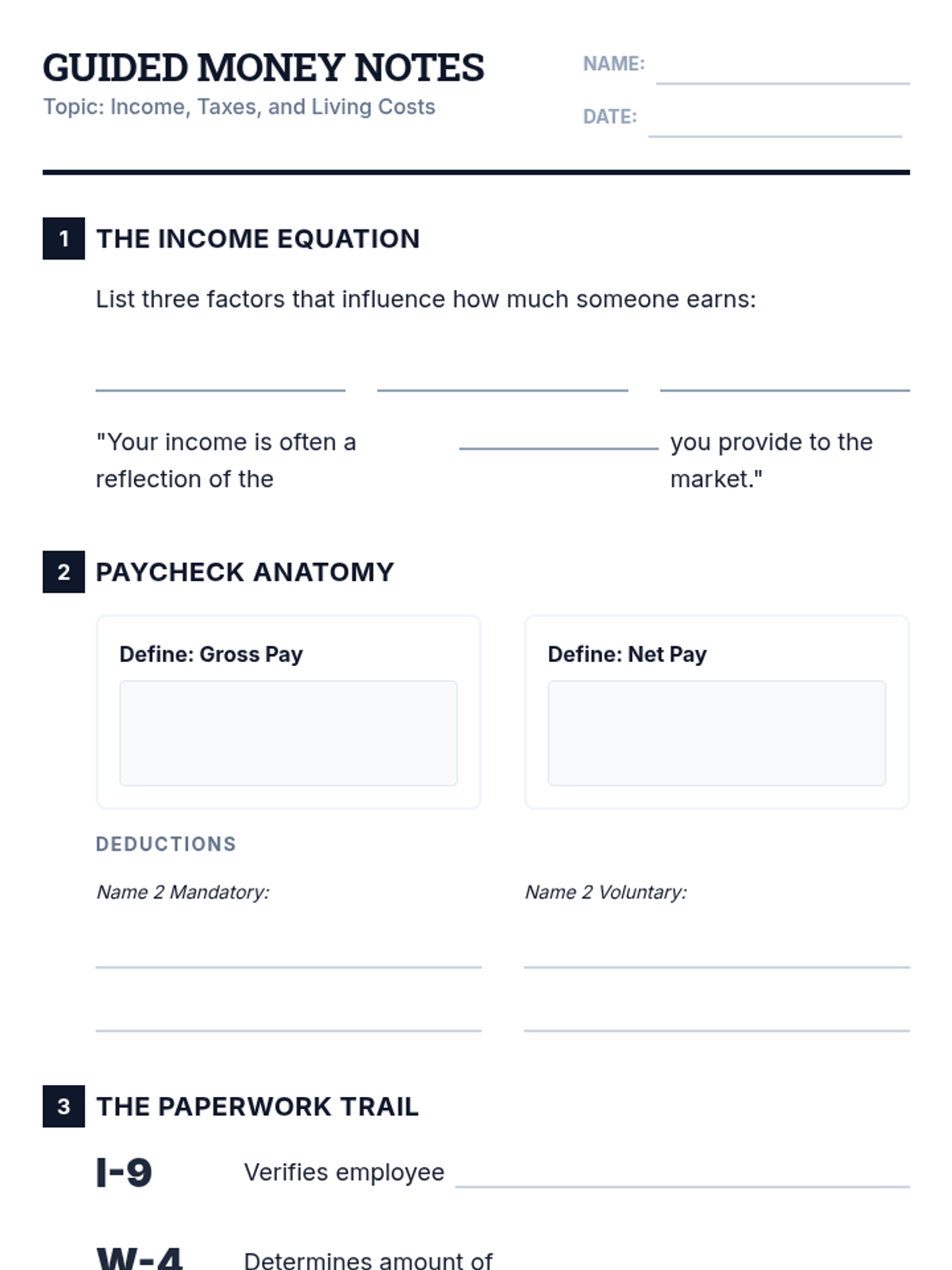
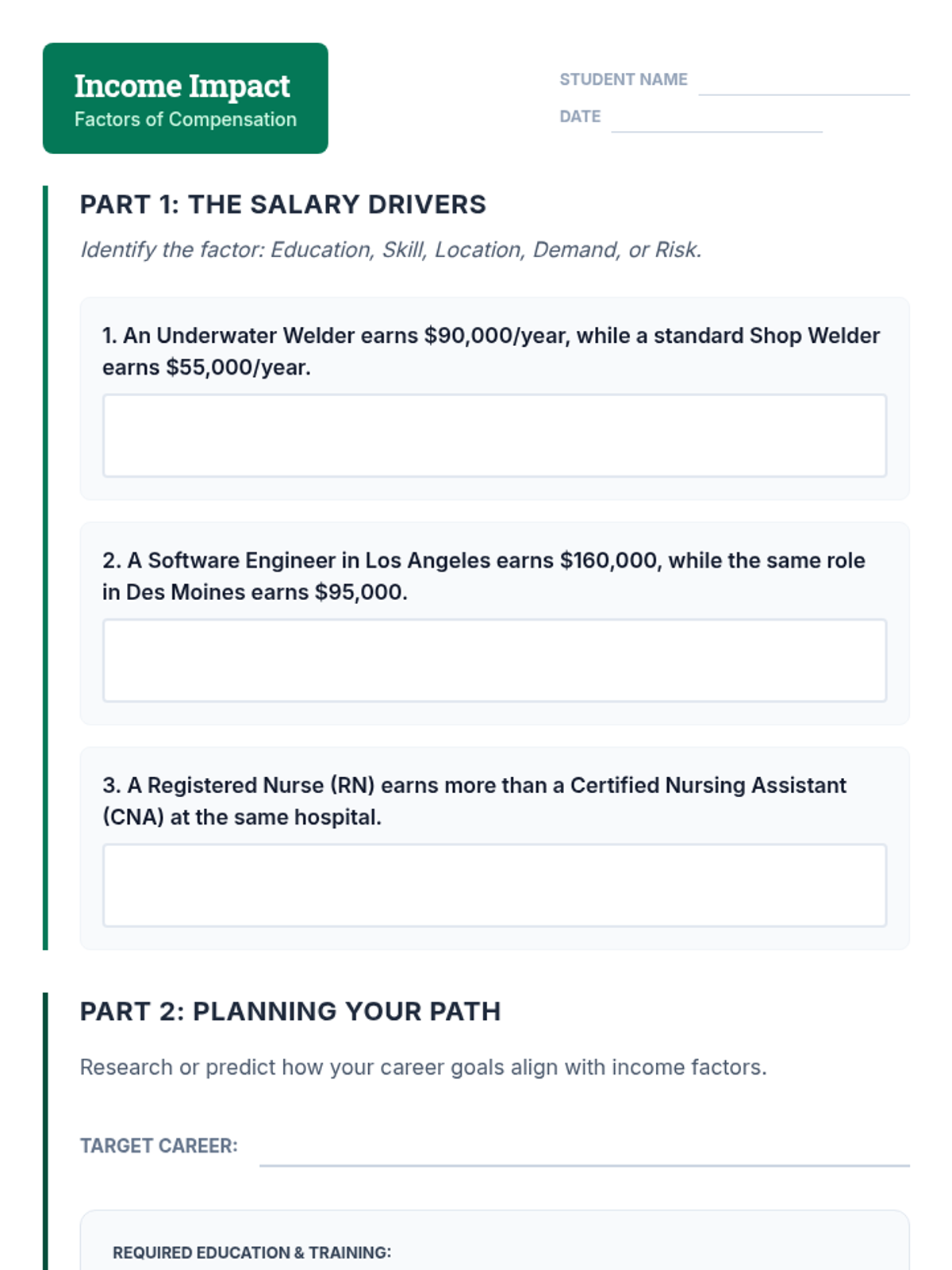
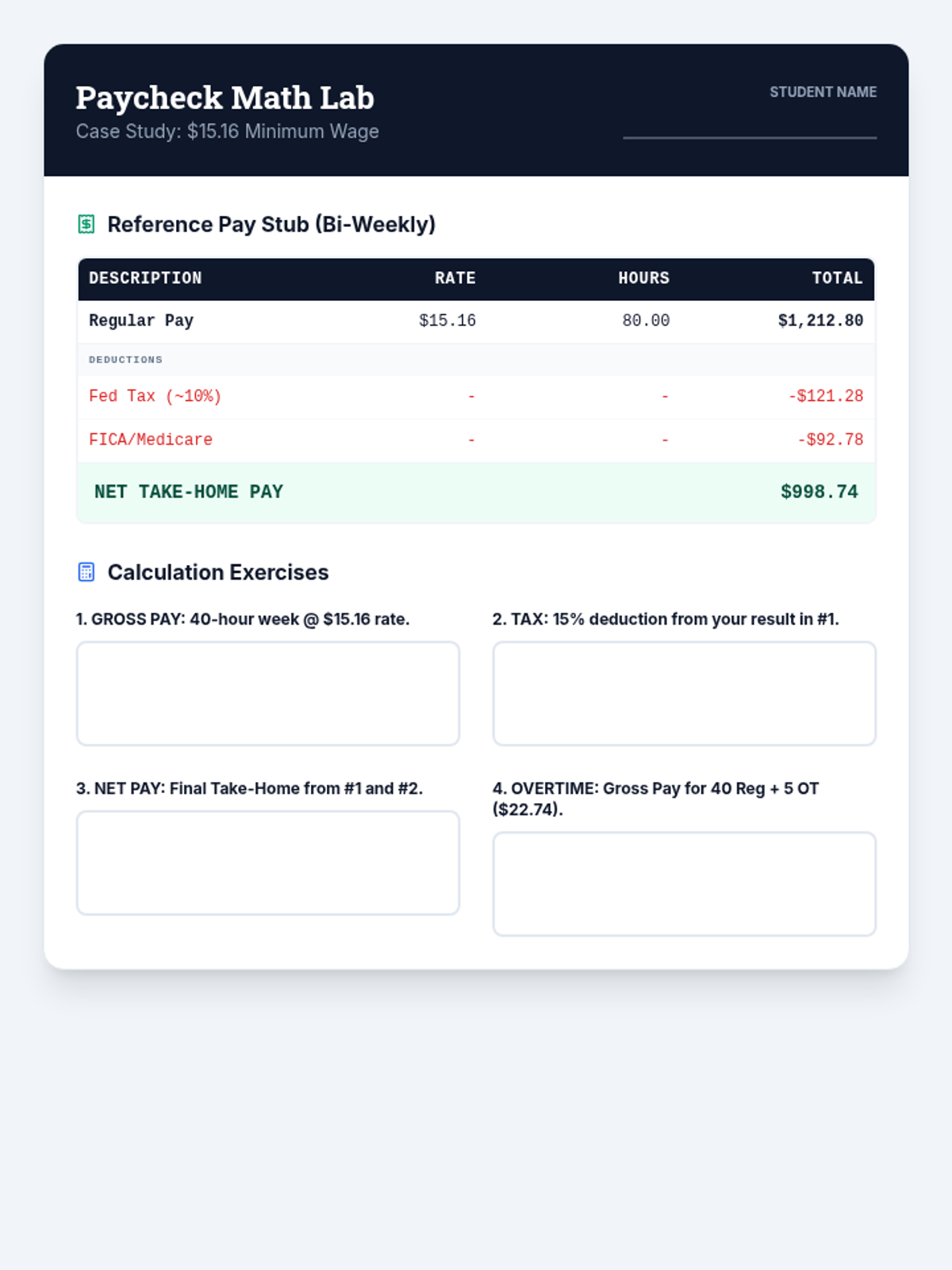
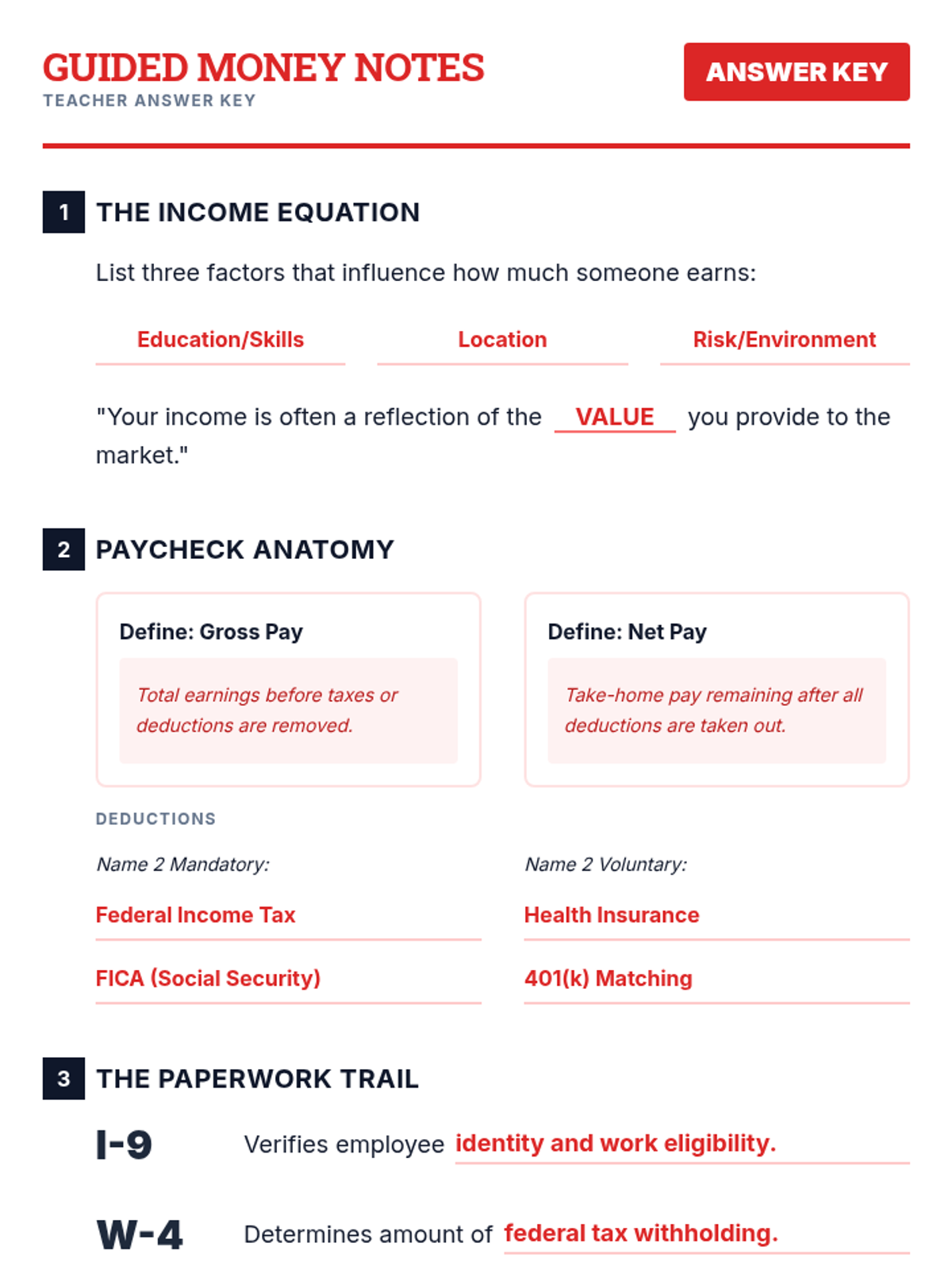
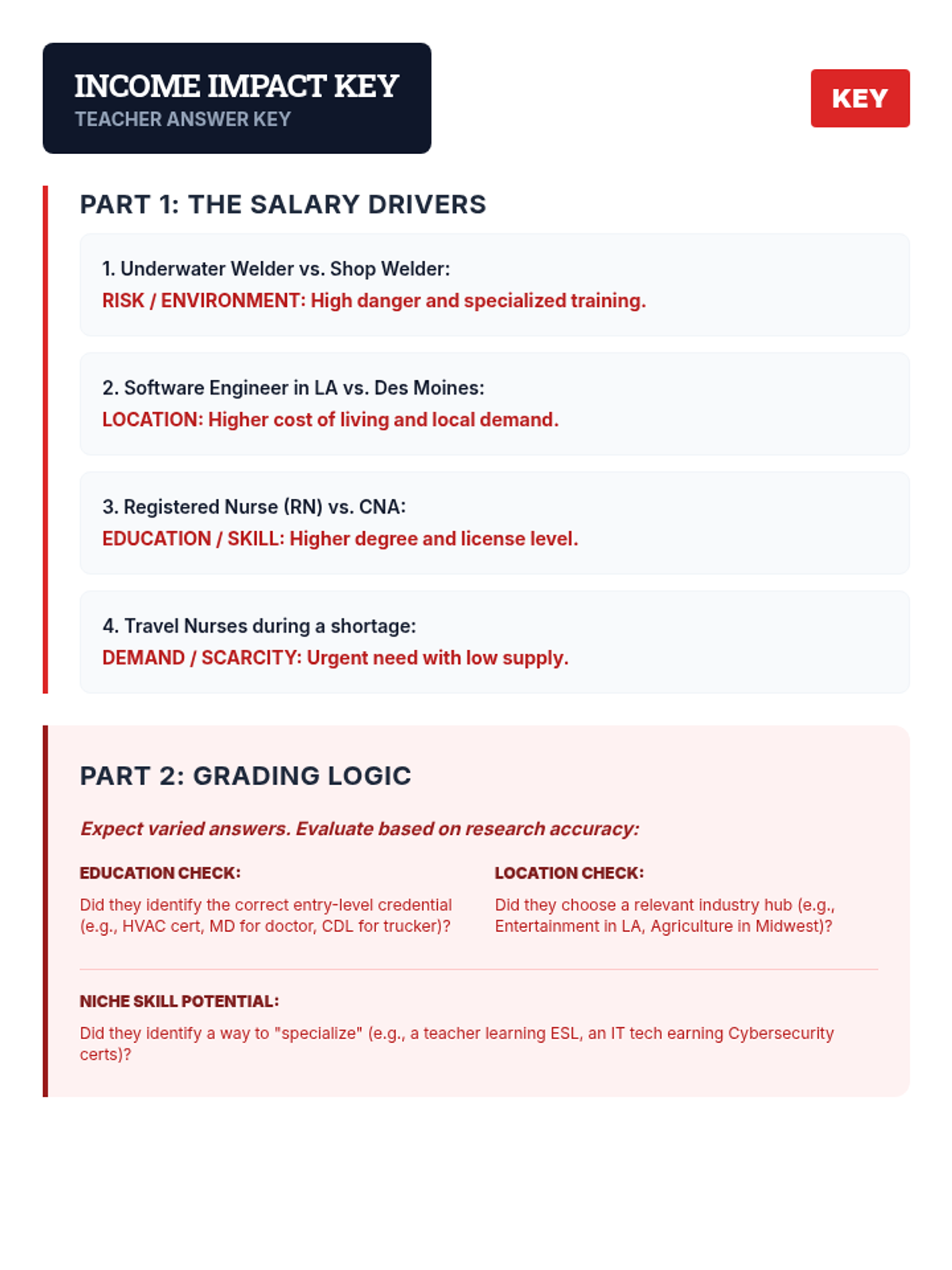
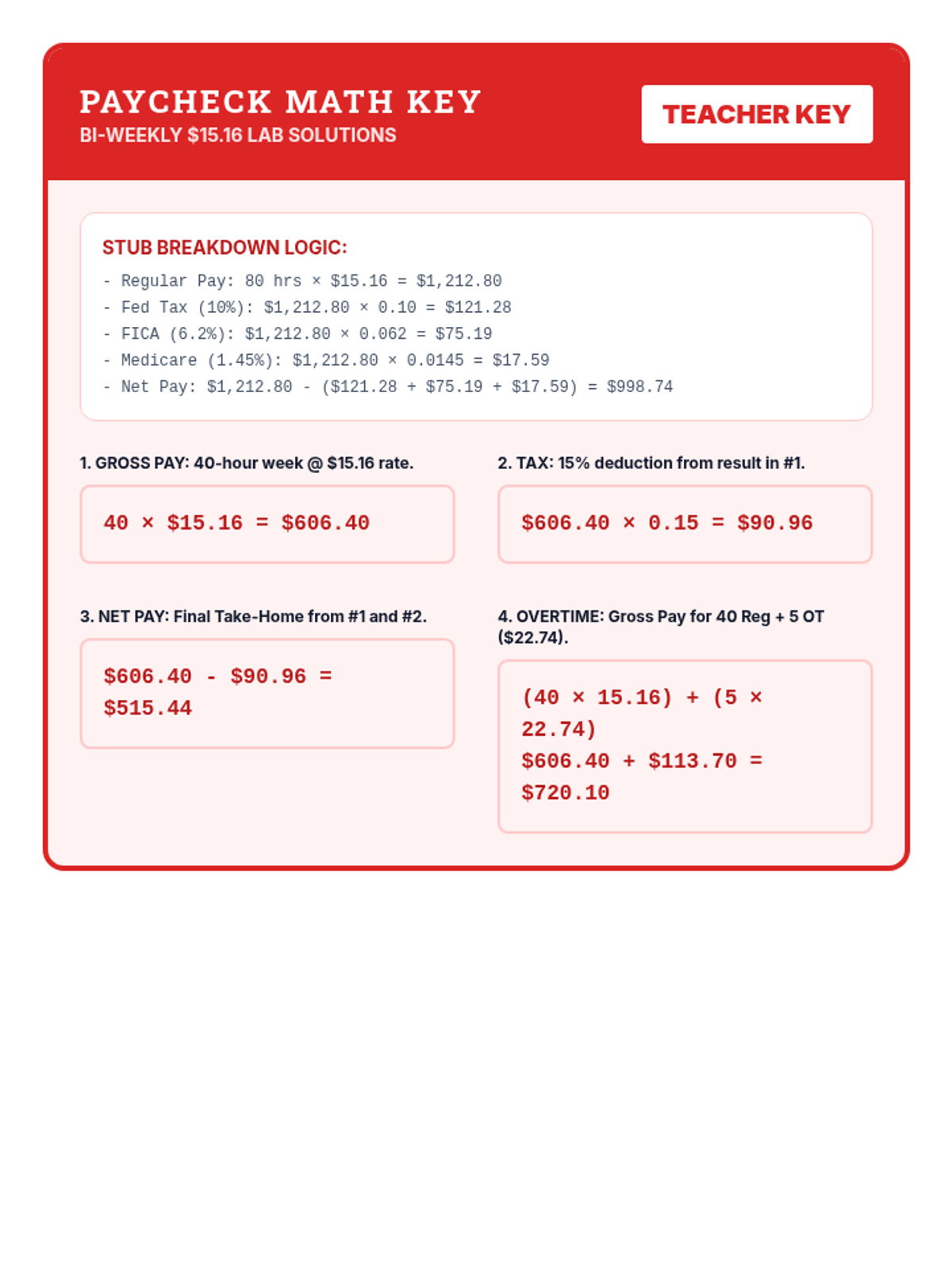
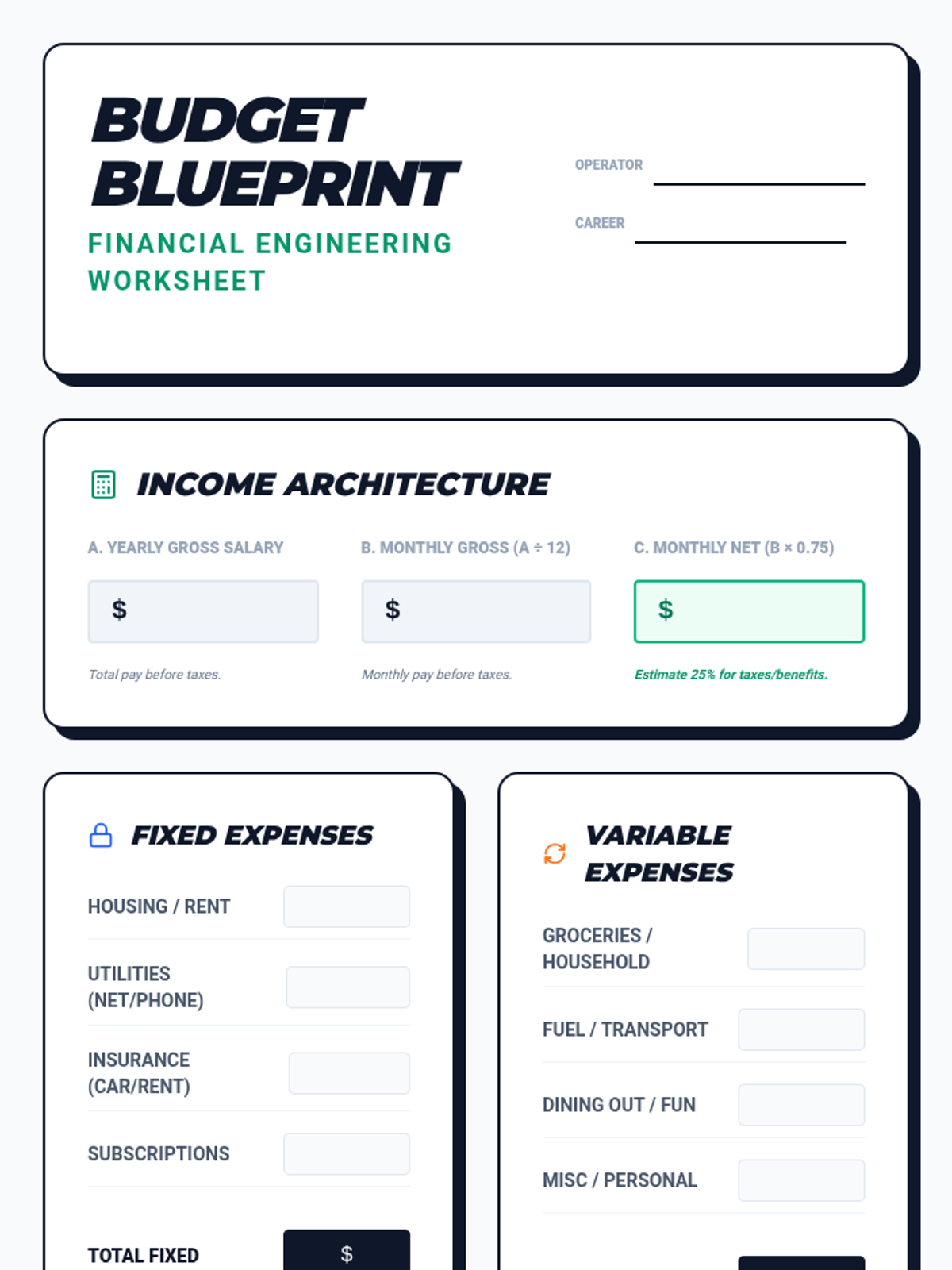
A comprehensive unit on personal finance covering income factors, paycheck calculations, employment benefits, tax documentation, and cost-of-living comparisons between Denver and Los Angeles.
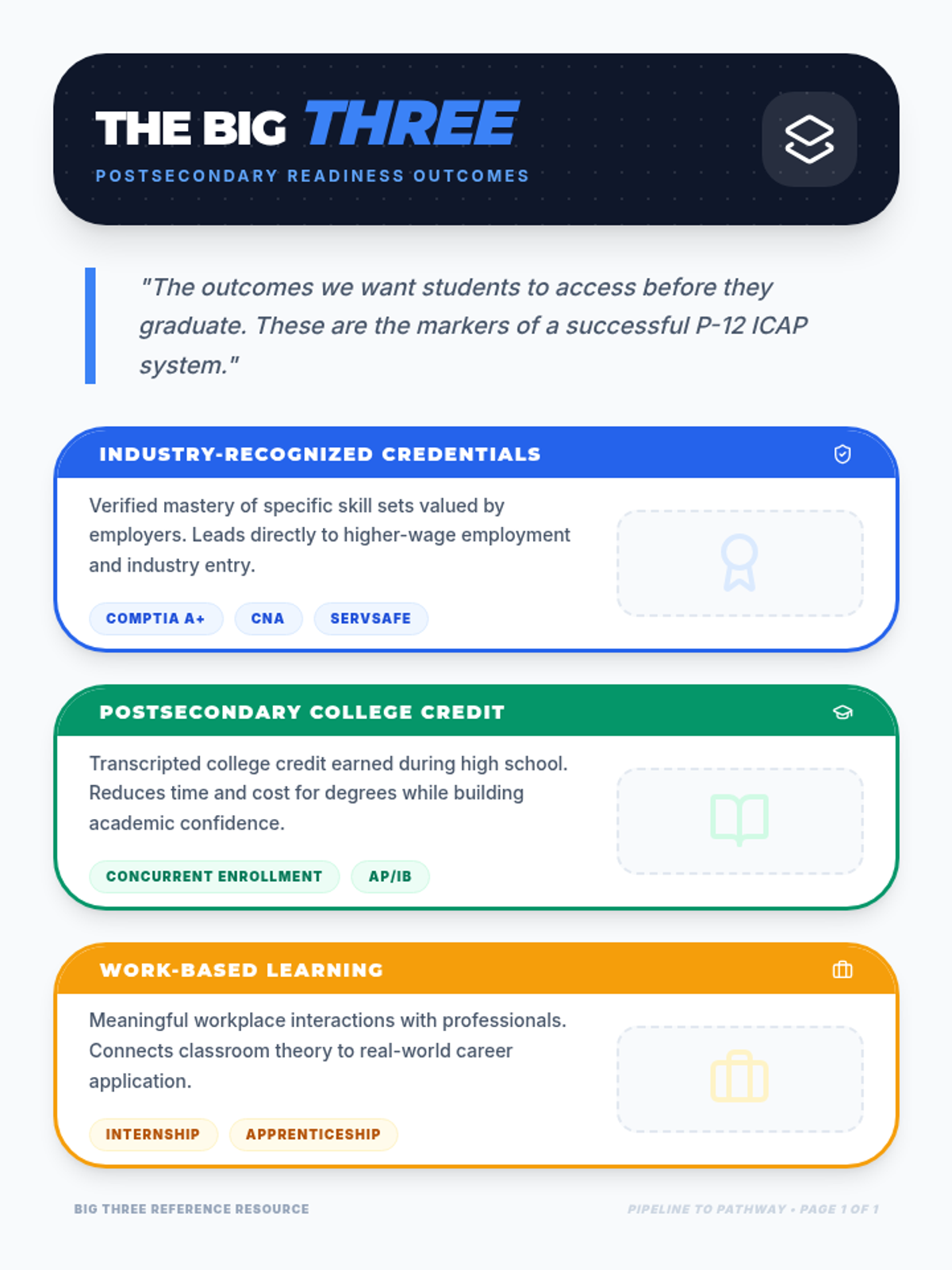
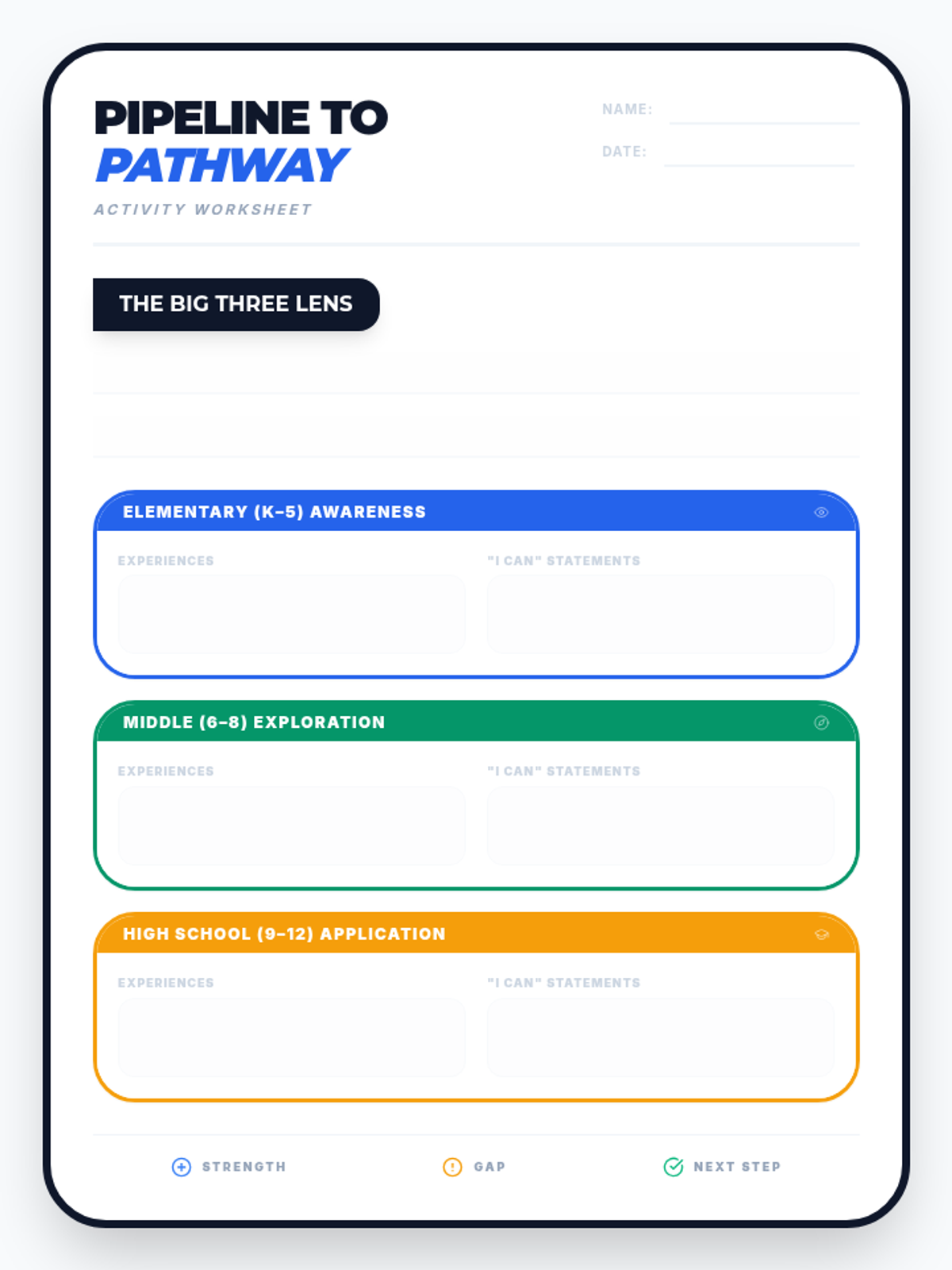
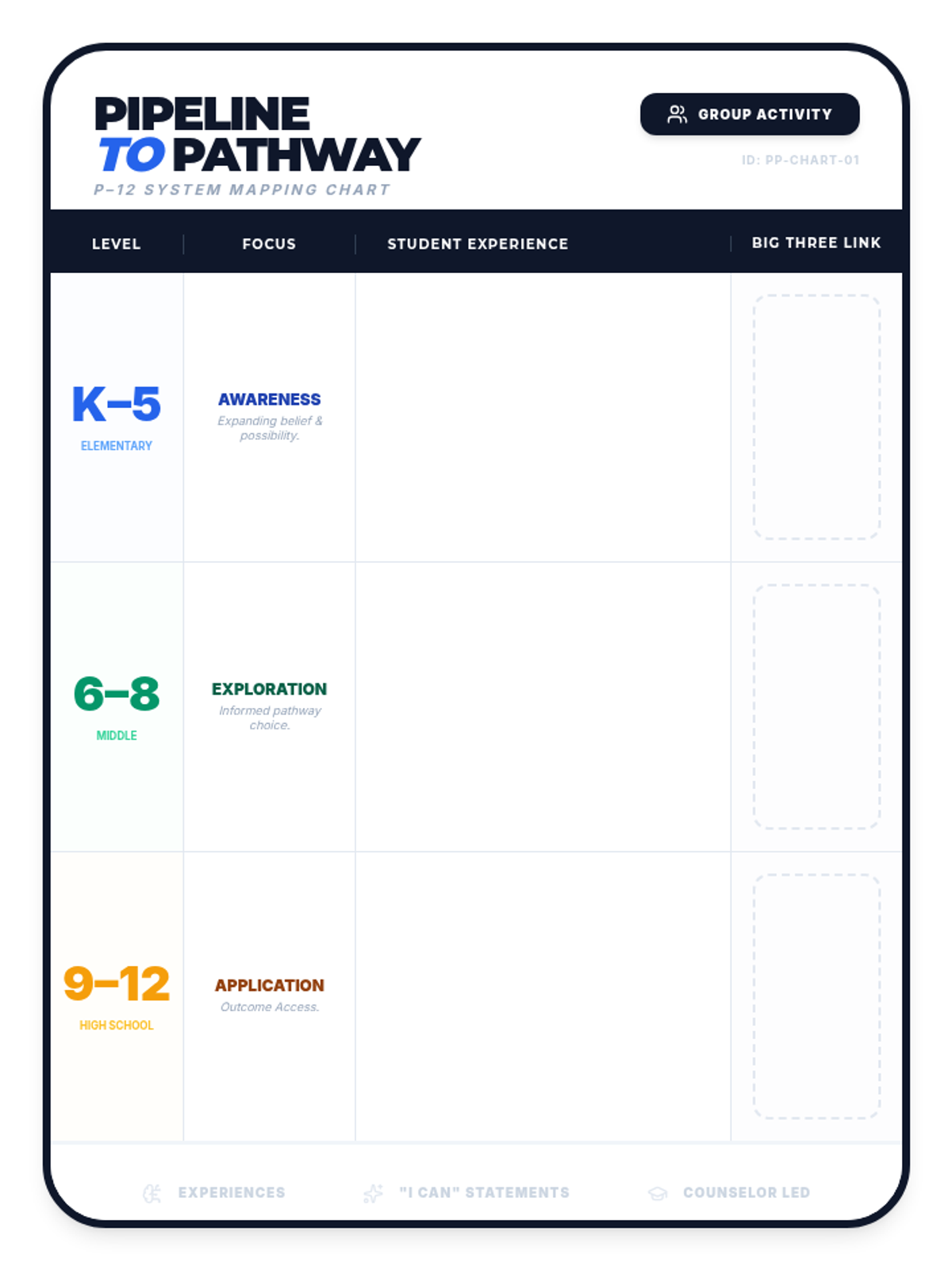
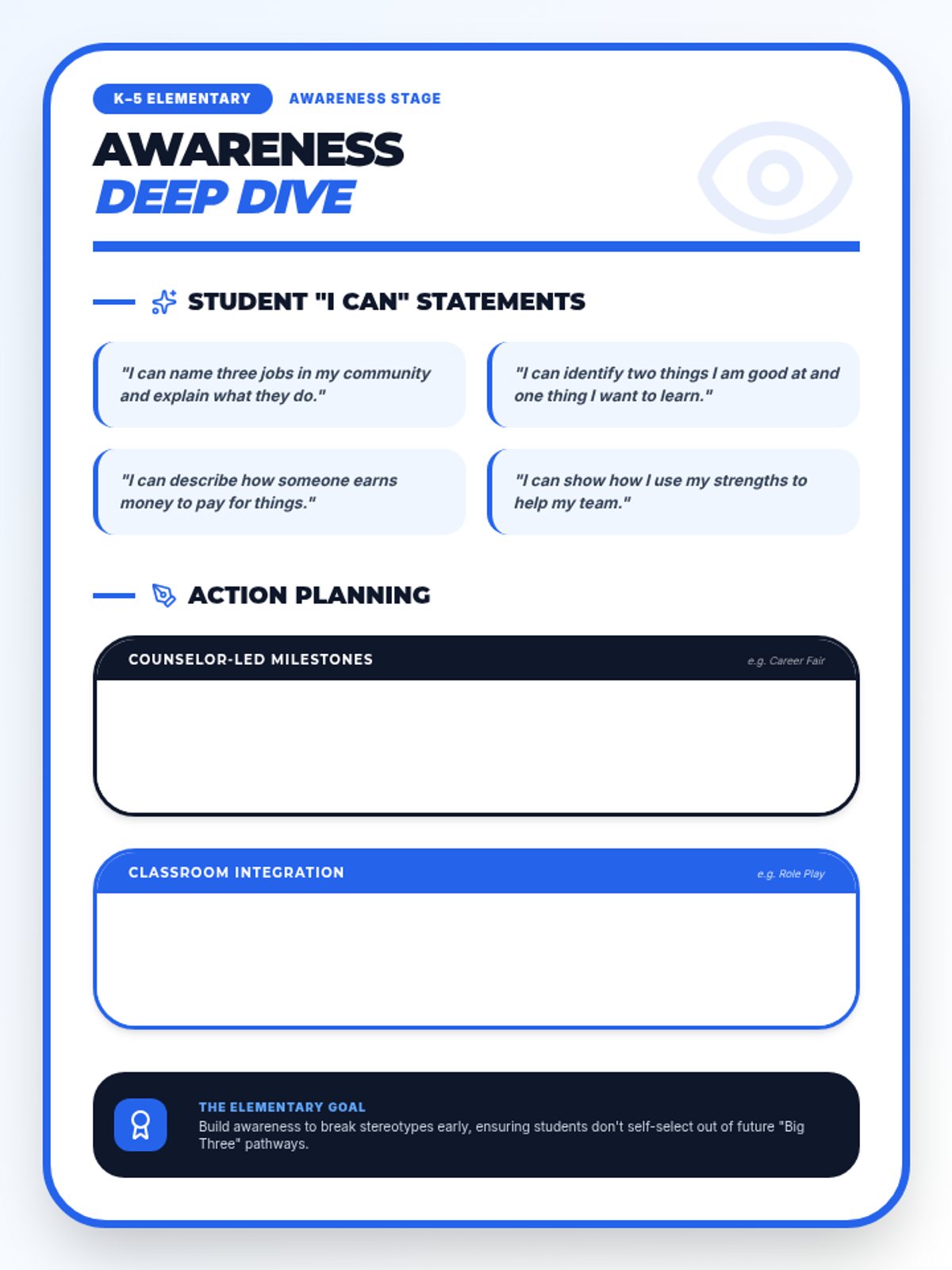
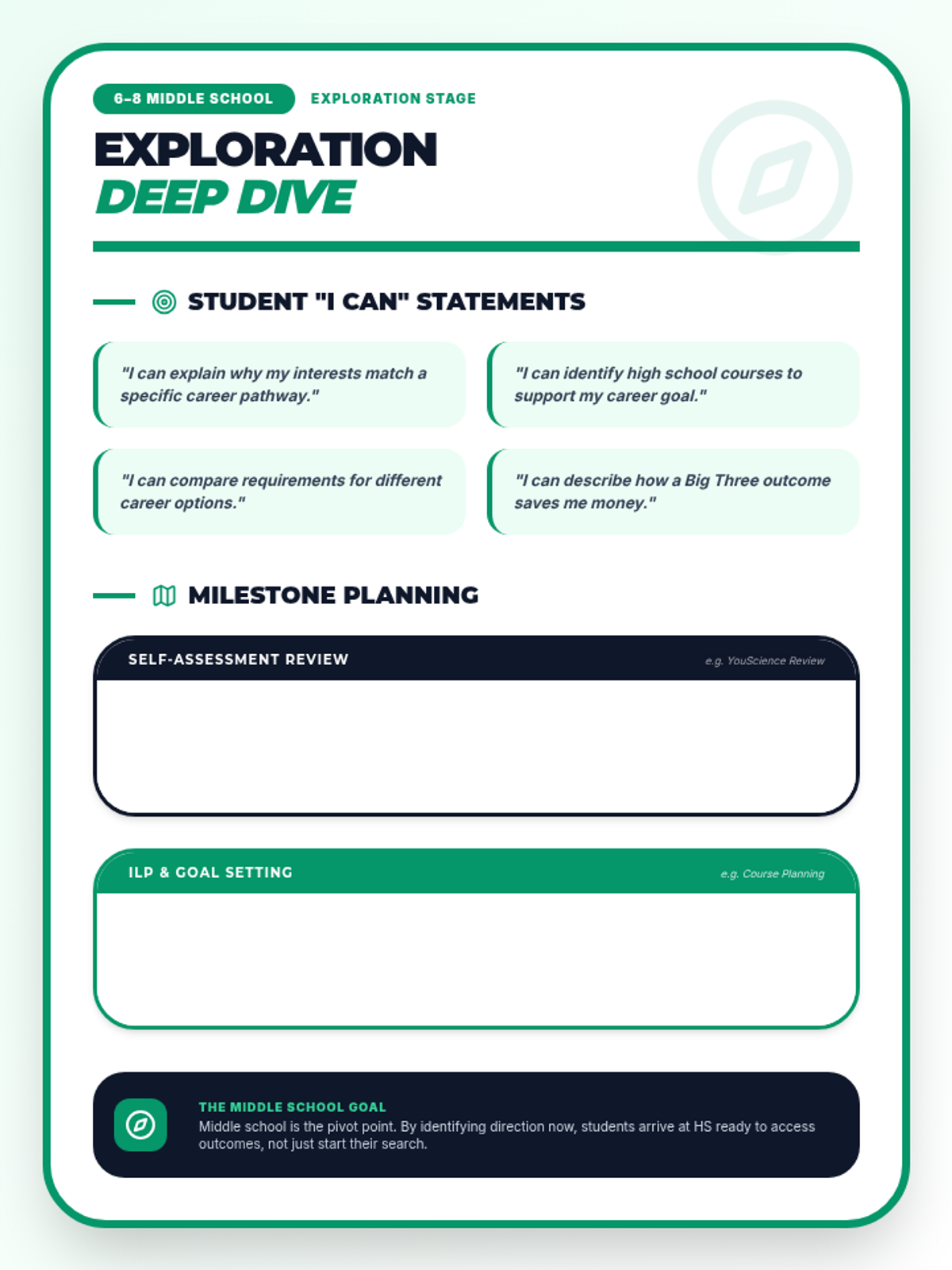
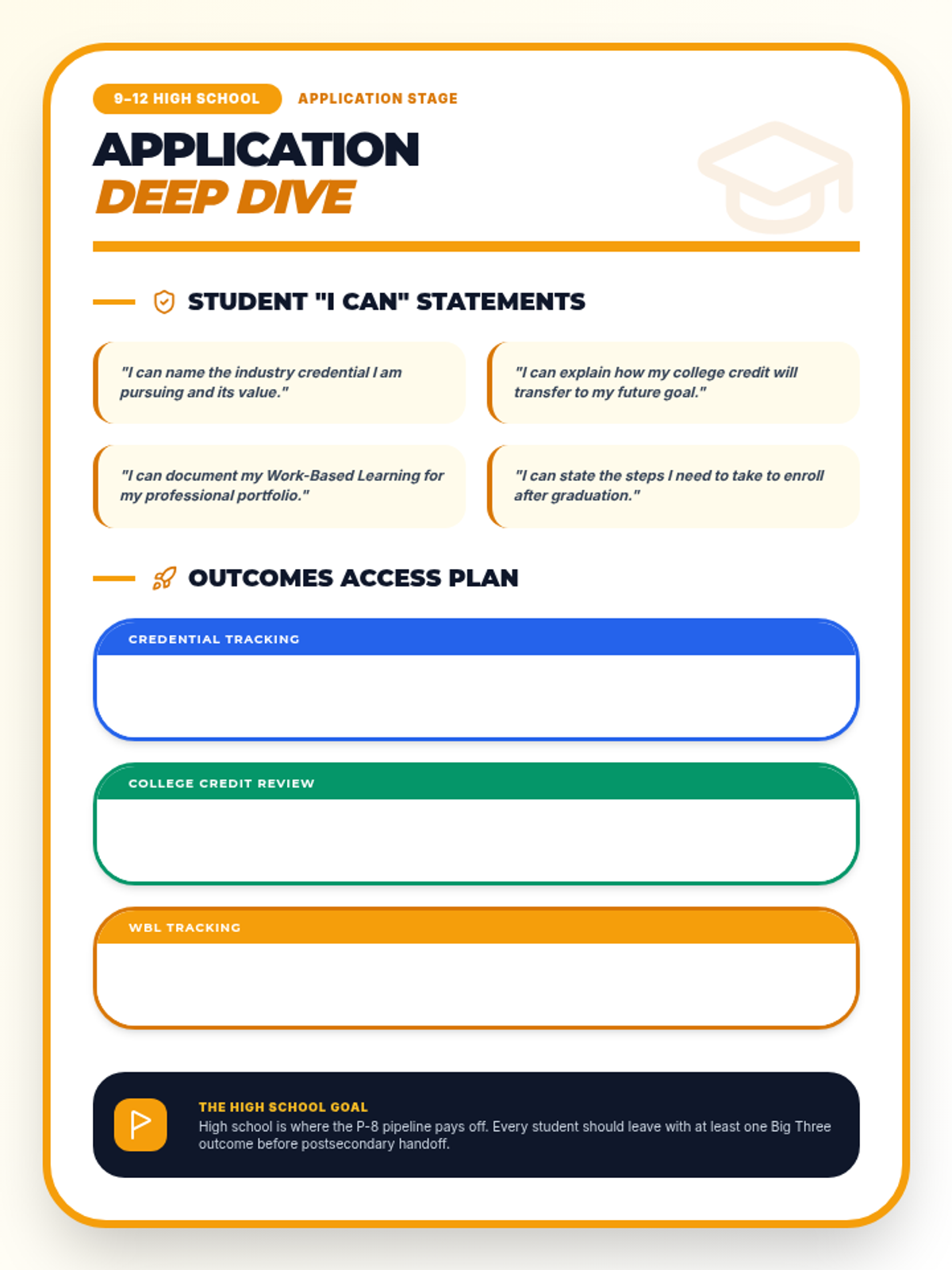
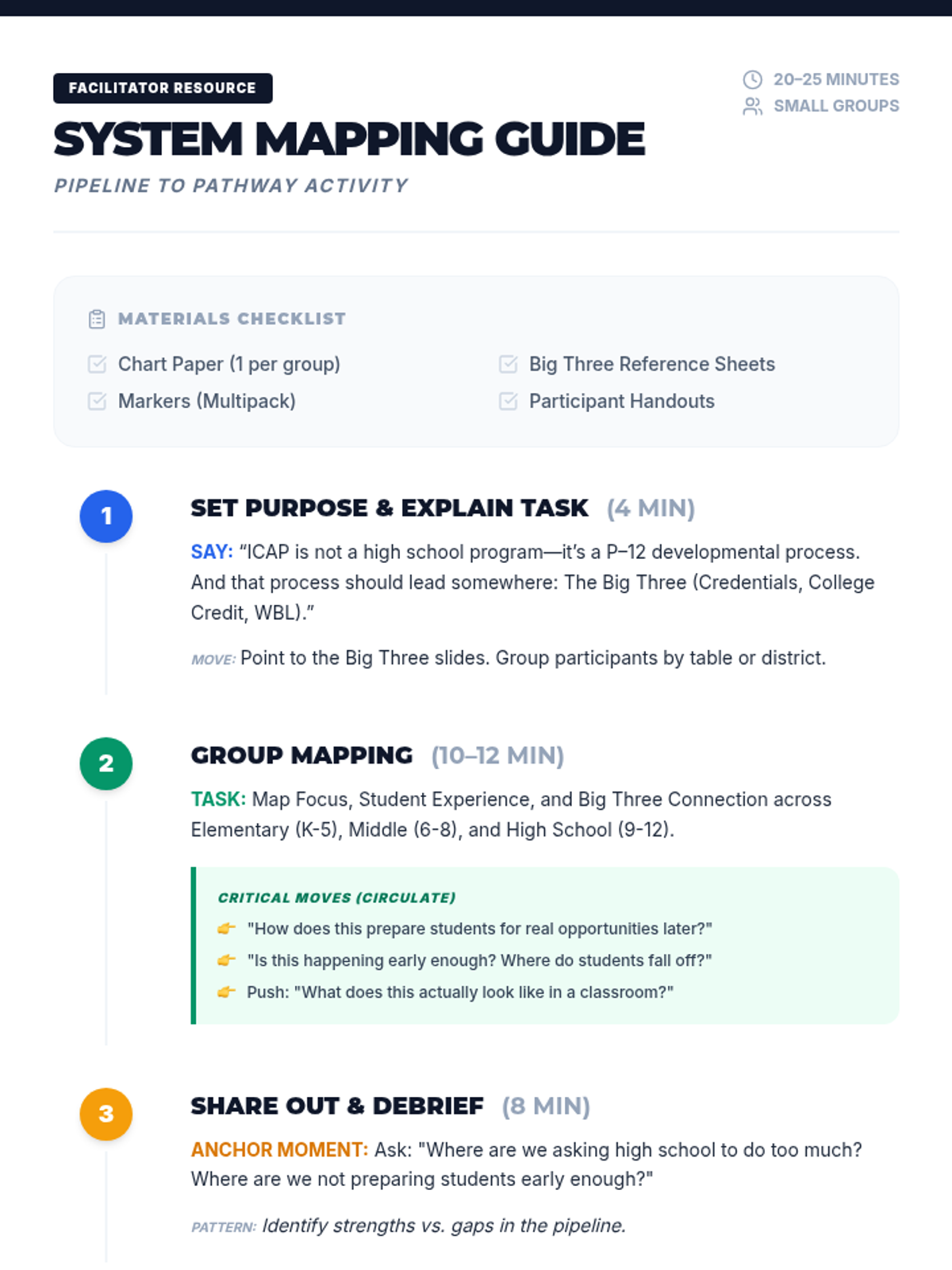
A comprehensive professional development sequence focused on building a P-12 ICAP system that leads to the Big Three outcomes: Industry Credentials, College Credit, and Work-Based Learning.
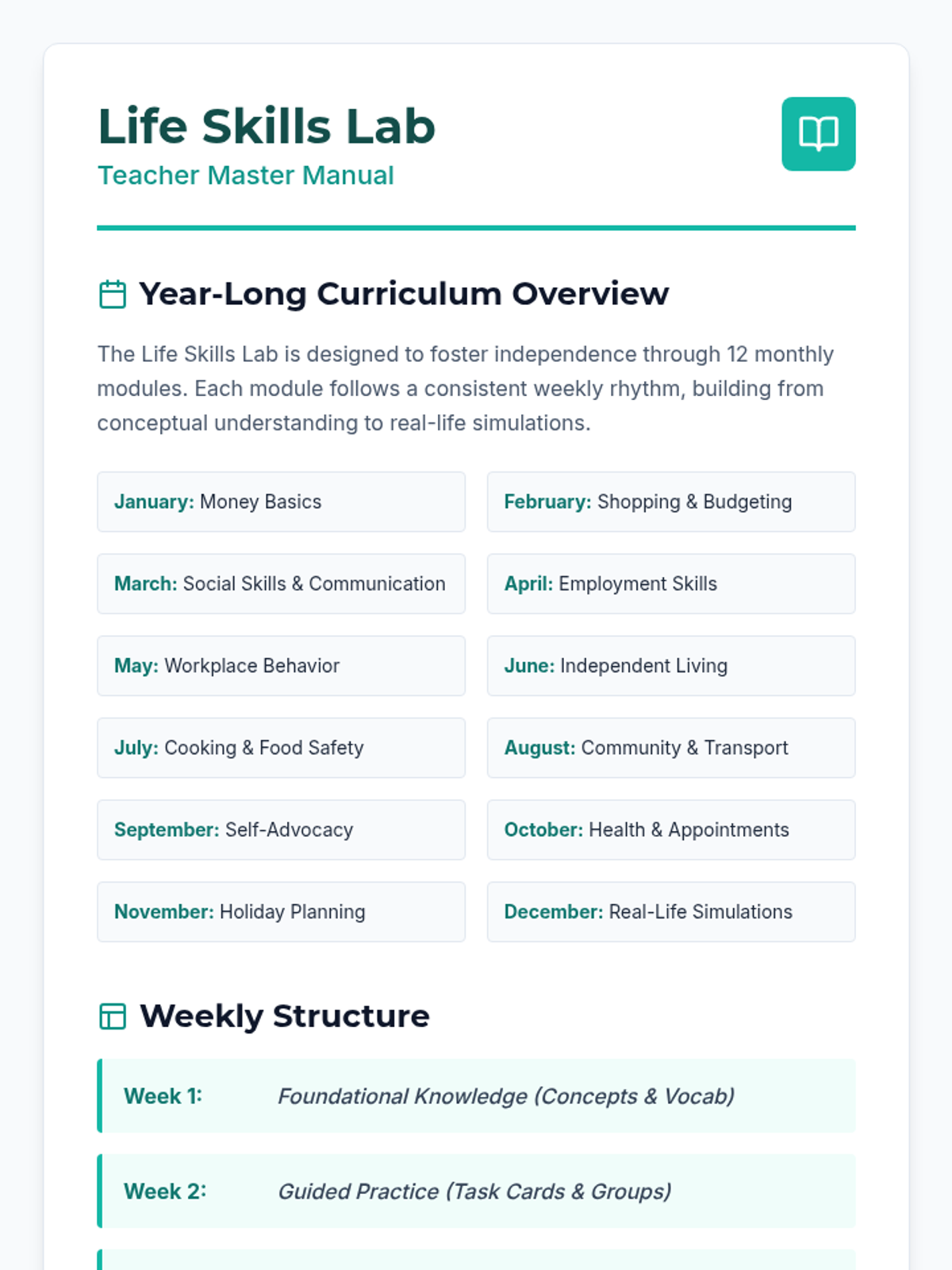
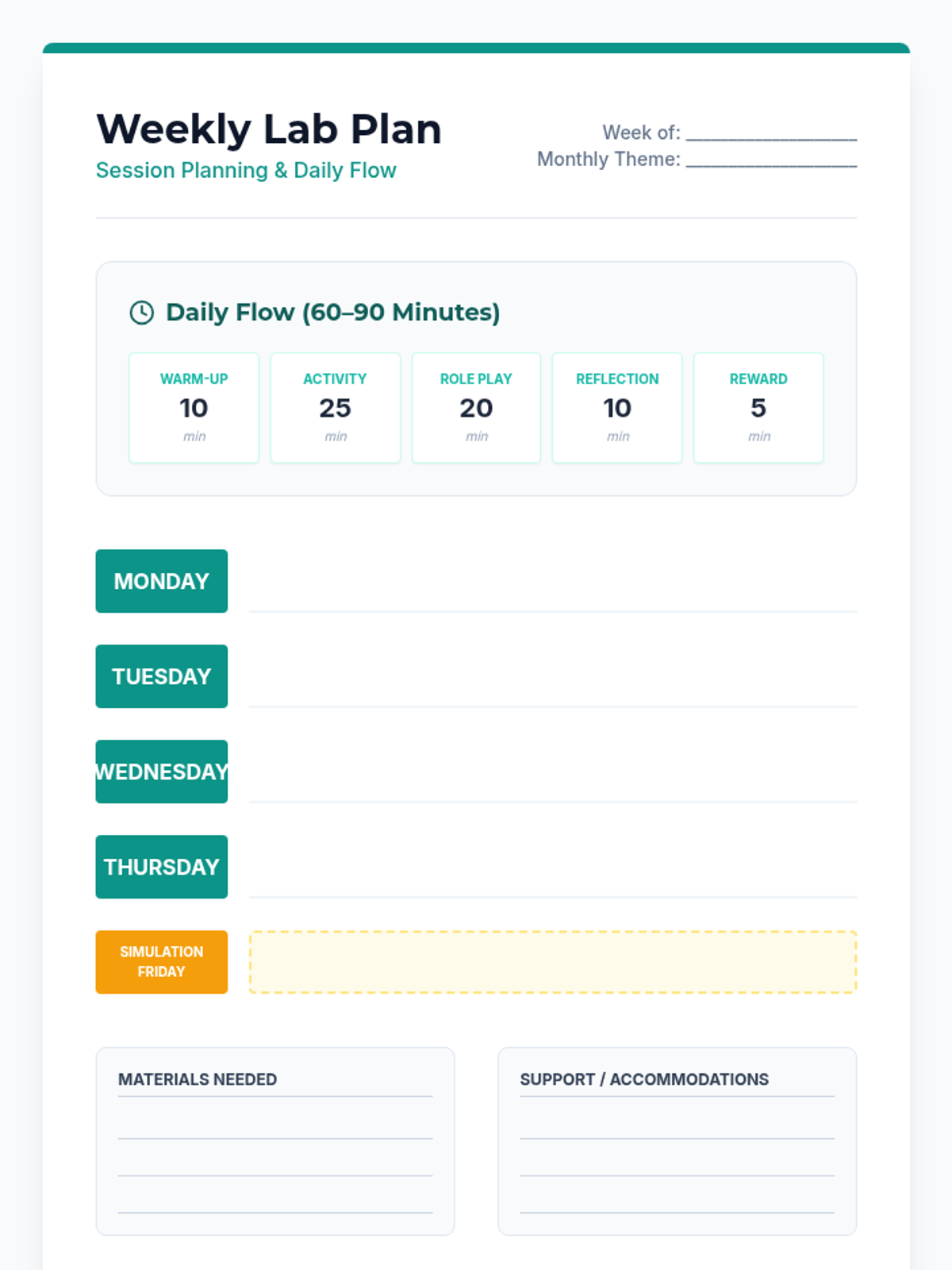
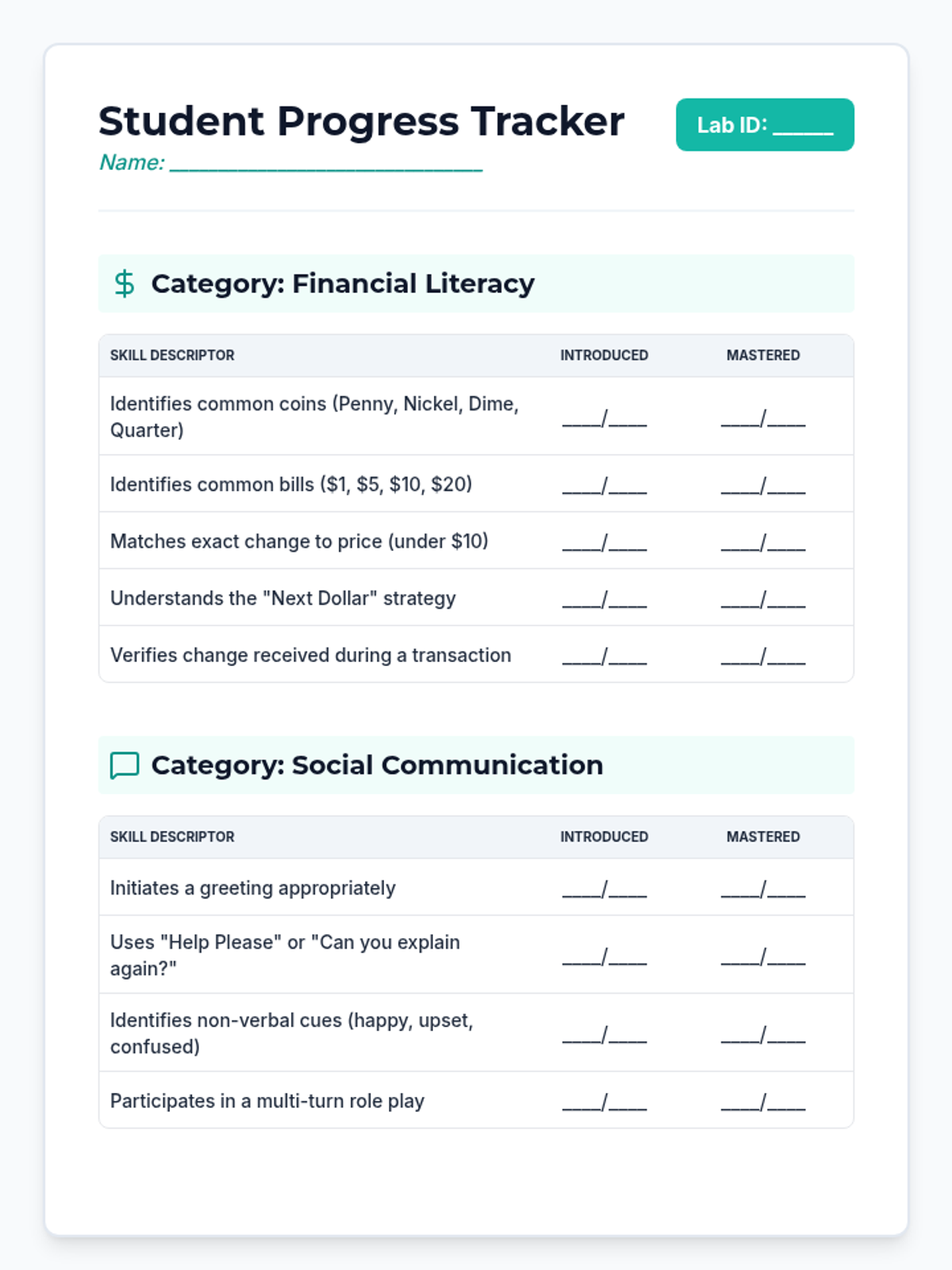
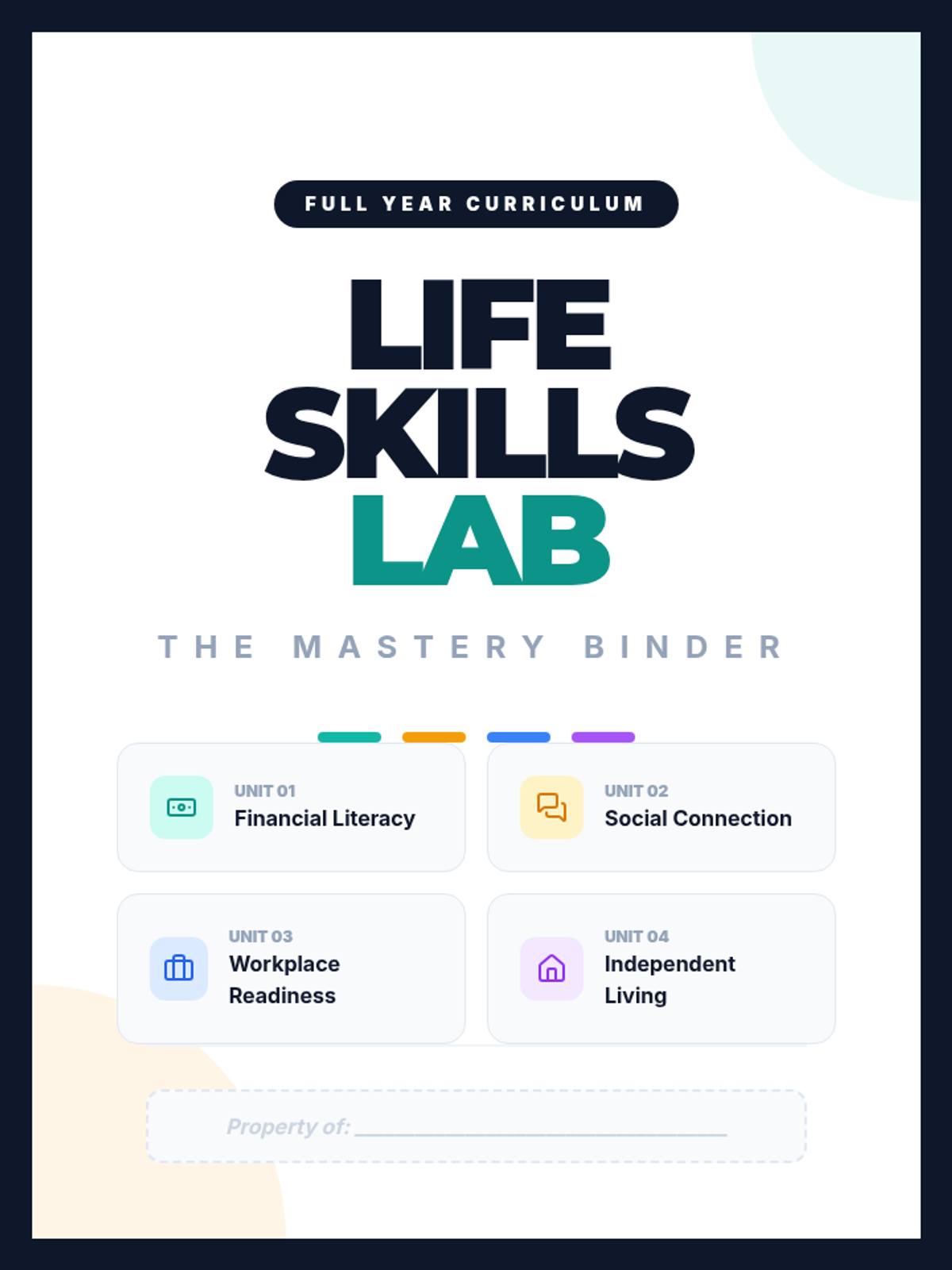
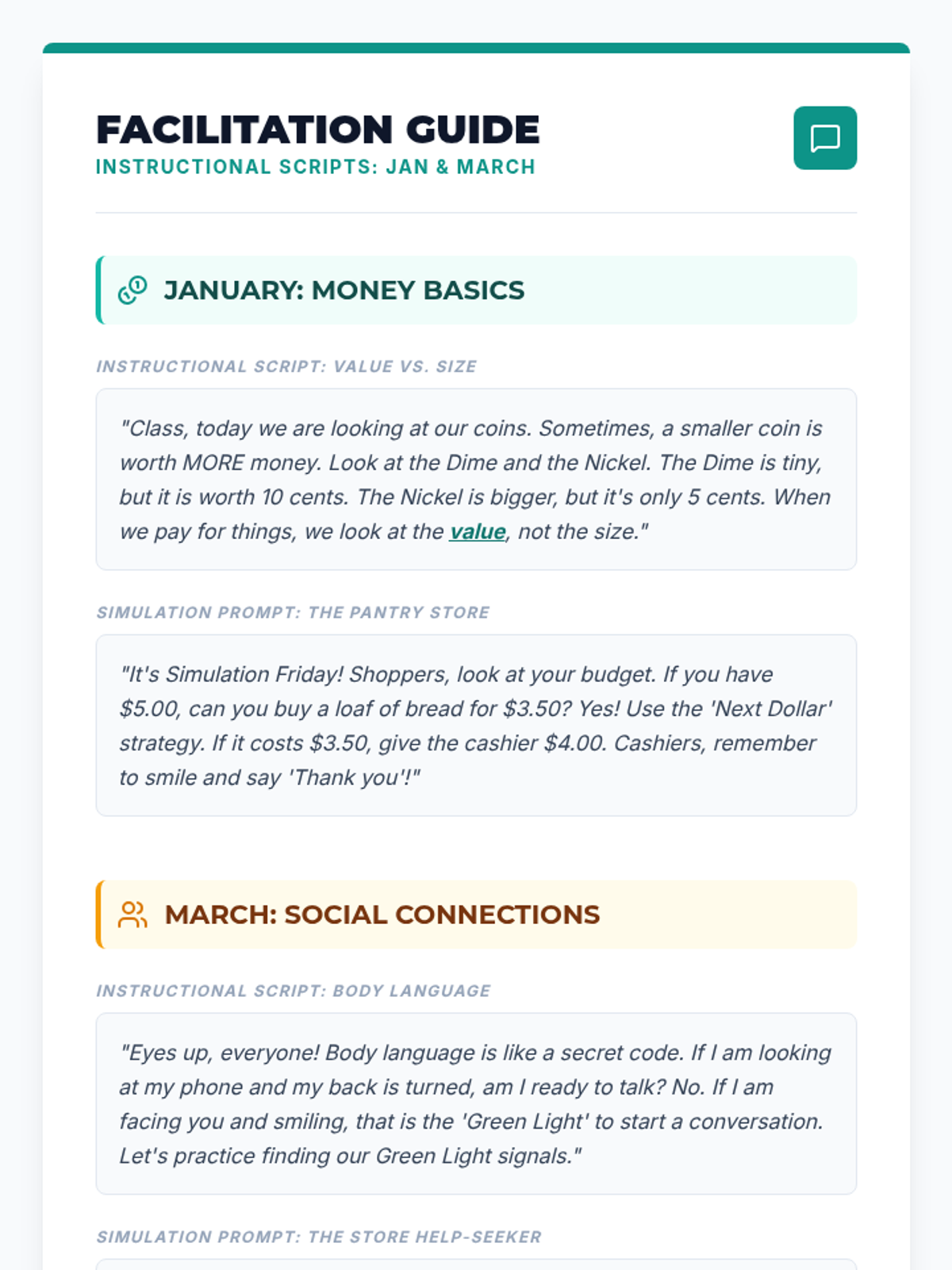
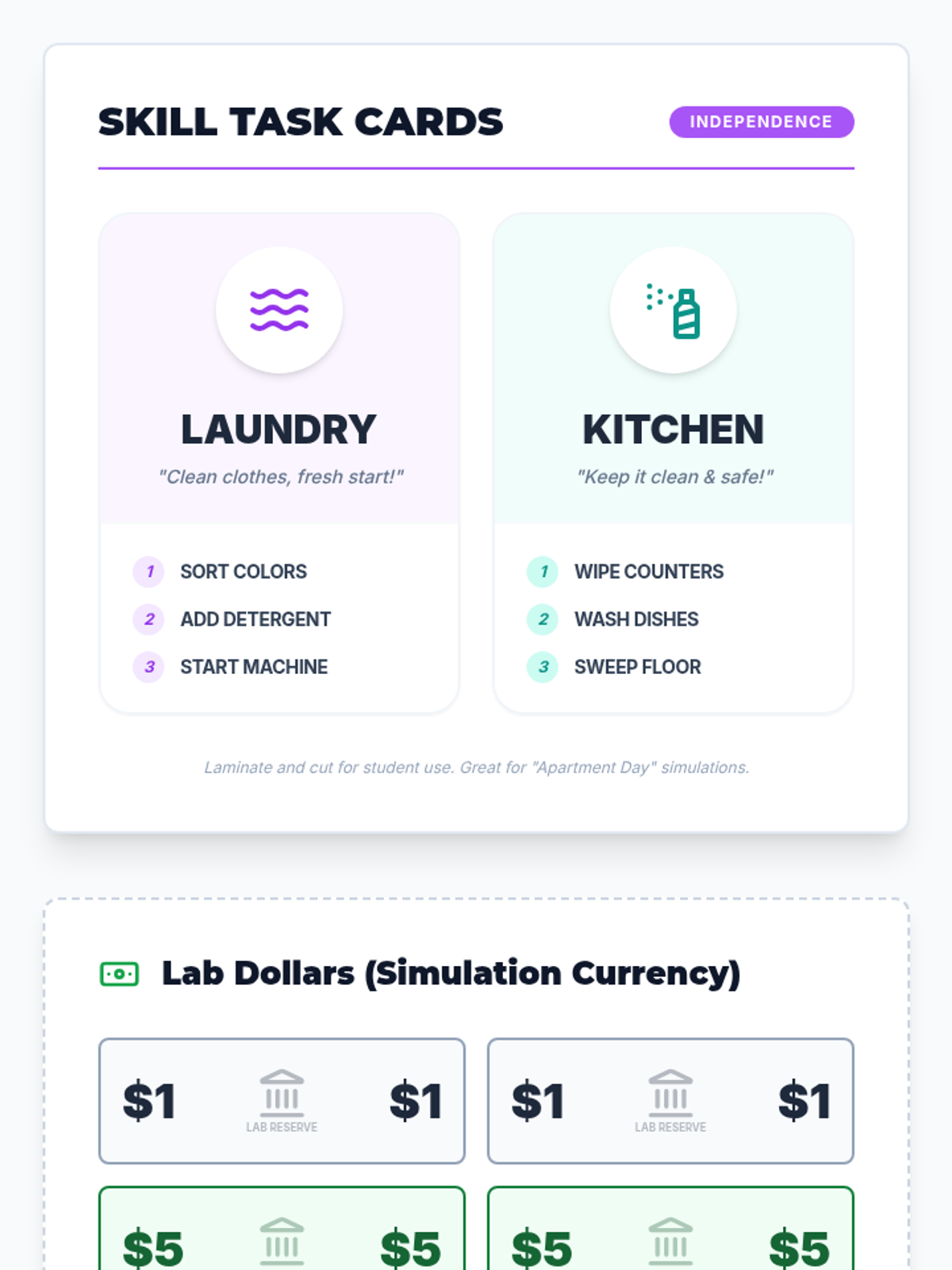
A comprehensive year-long curriculum designed to empower students with essential life skills for independence, focusing on financial literacy, social communication, and real-world simulations.
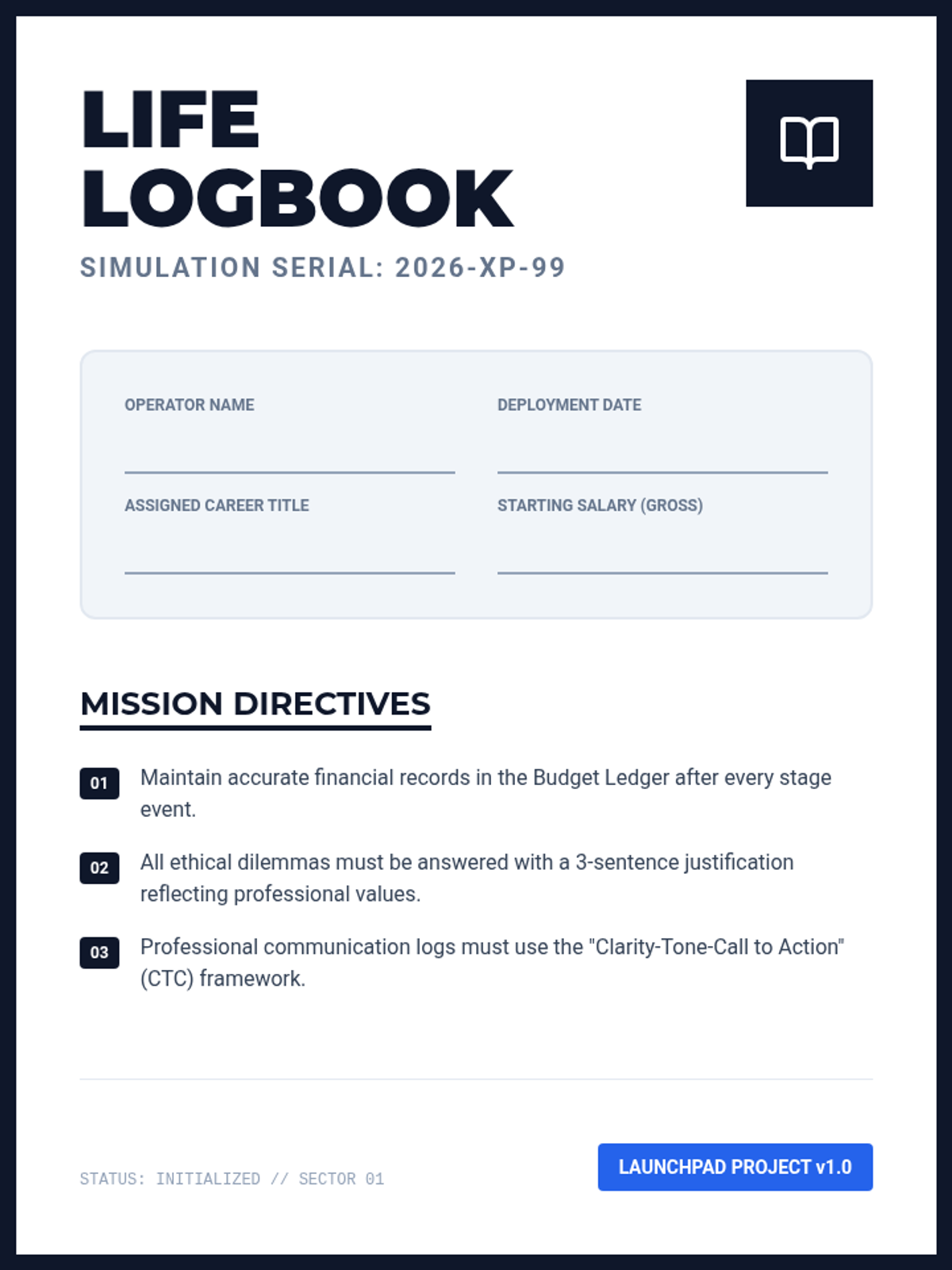
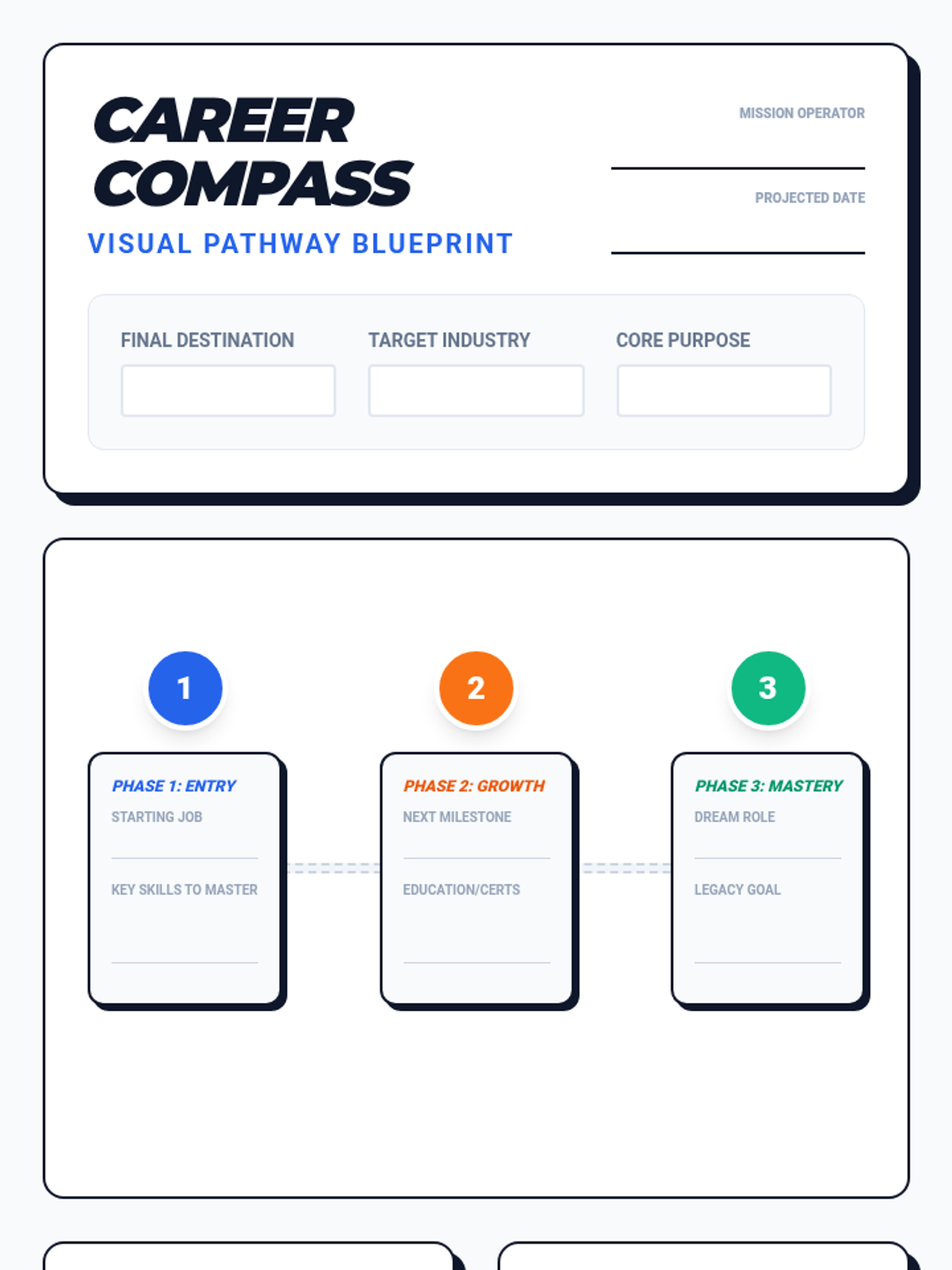
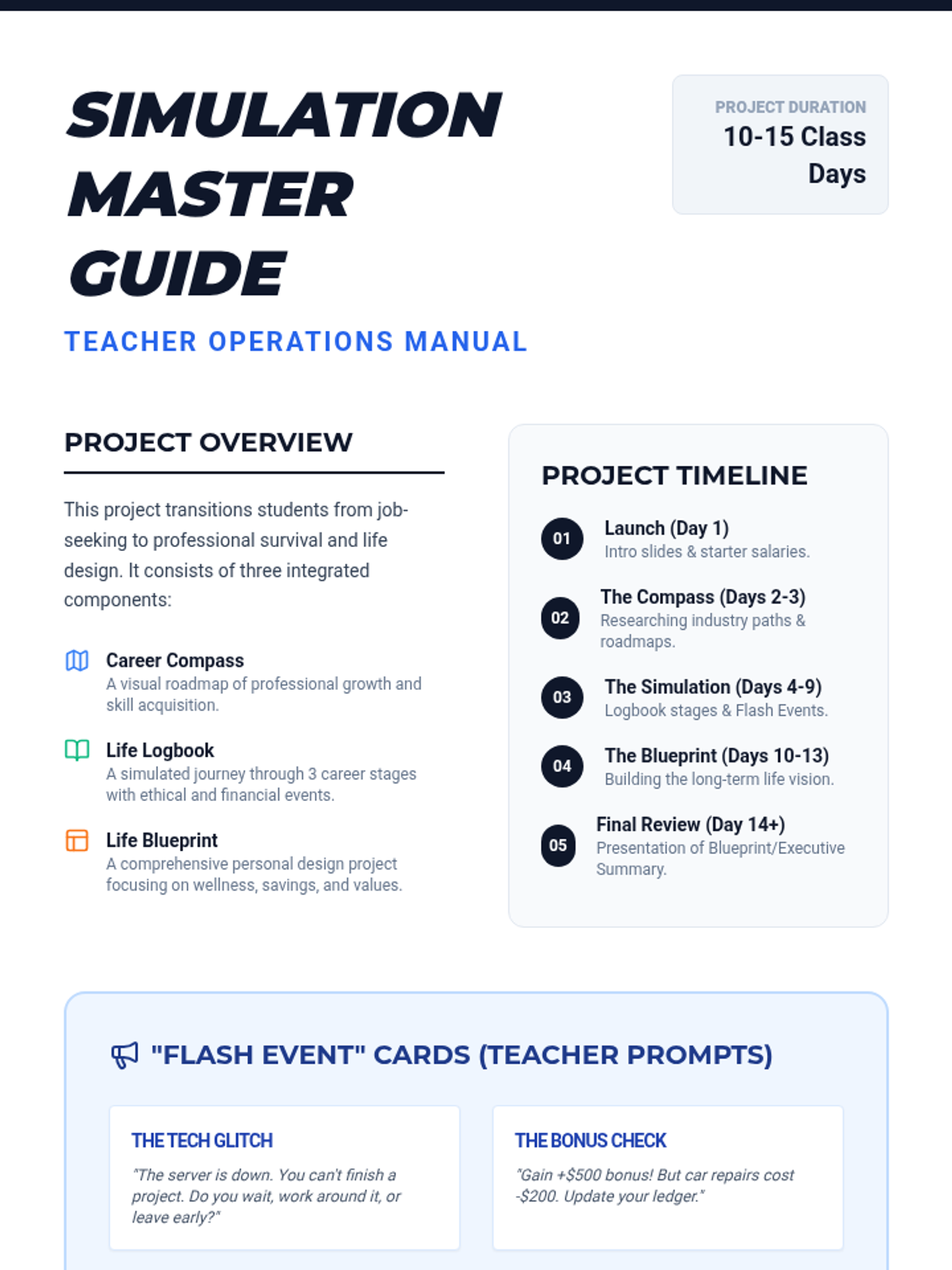
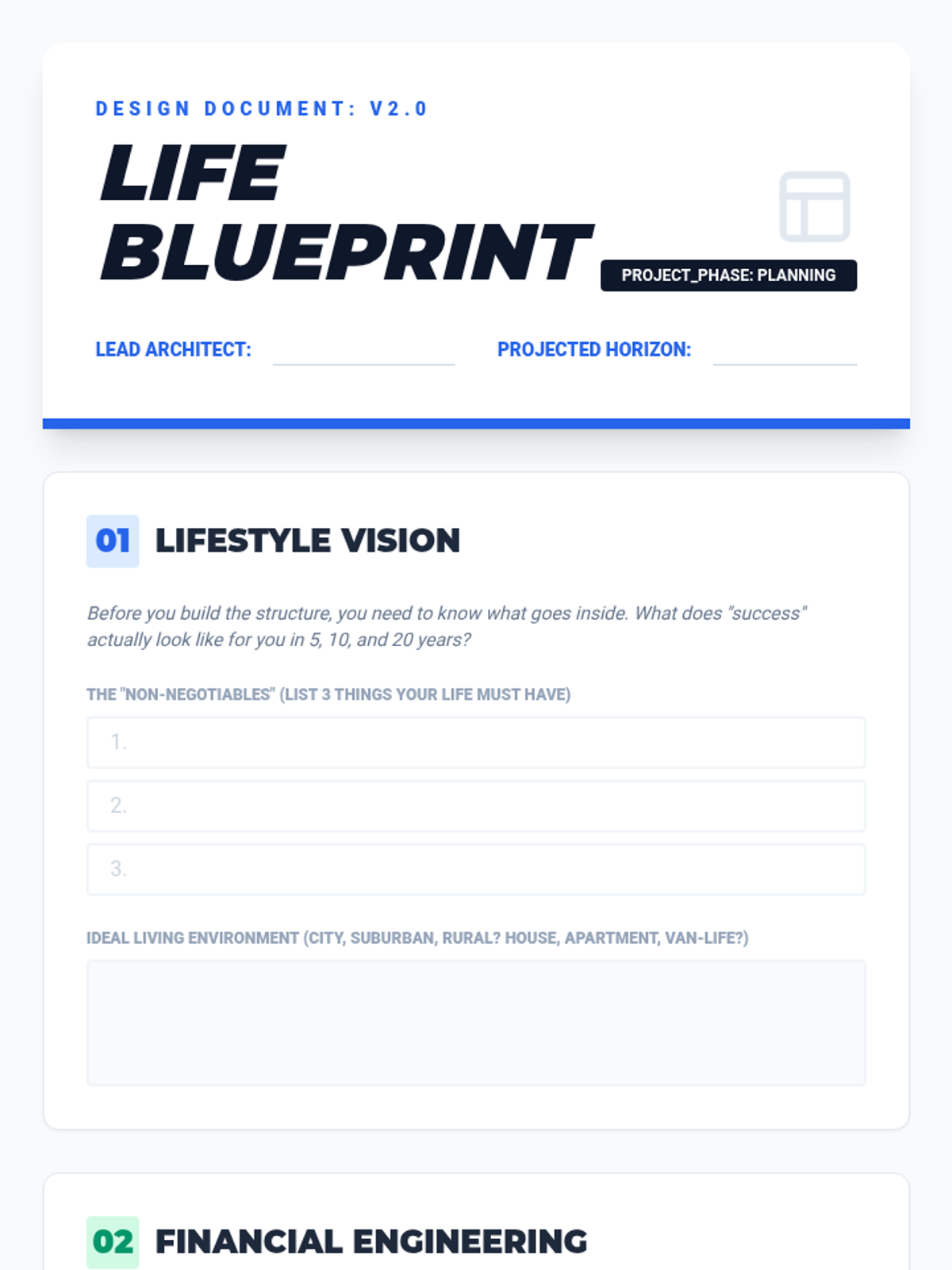
A series of lessons and projects designed to transition students from job-seeking skills to workplace success and independent living, focusing on professional ethics, communication, and long-term planning.
A series of lessons focused on professional communication and career readiness, helping students master the written and verbal skills needed for the workplace.
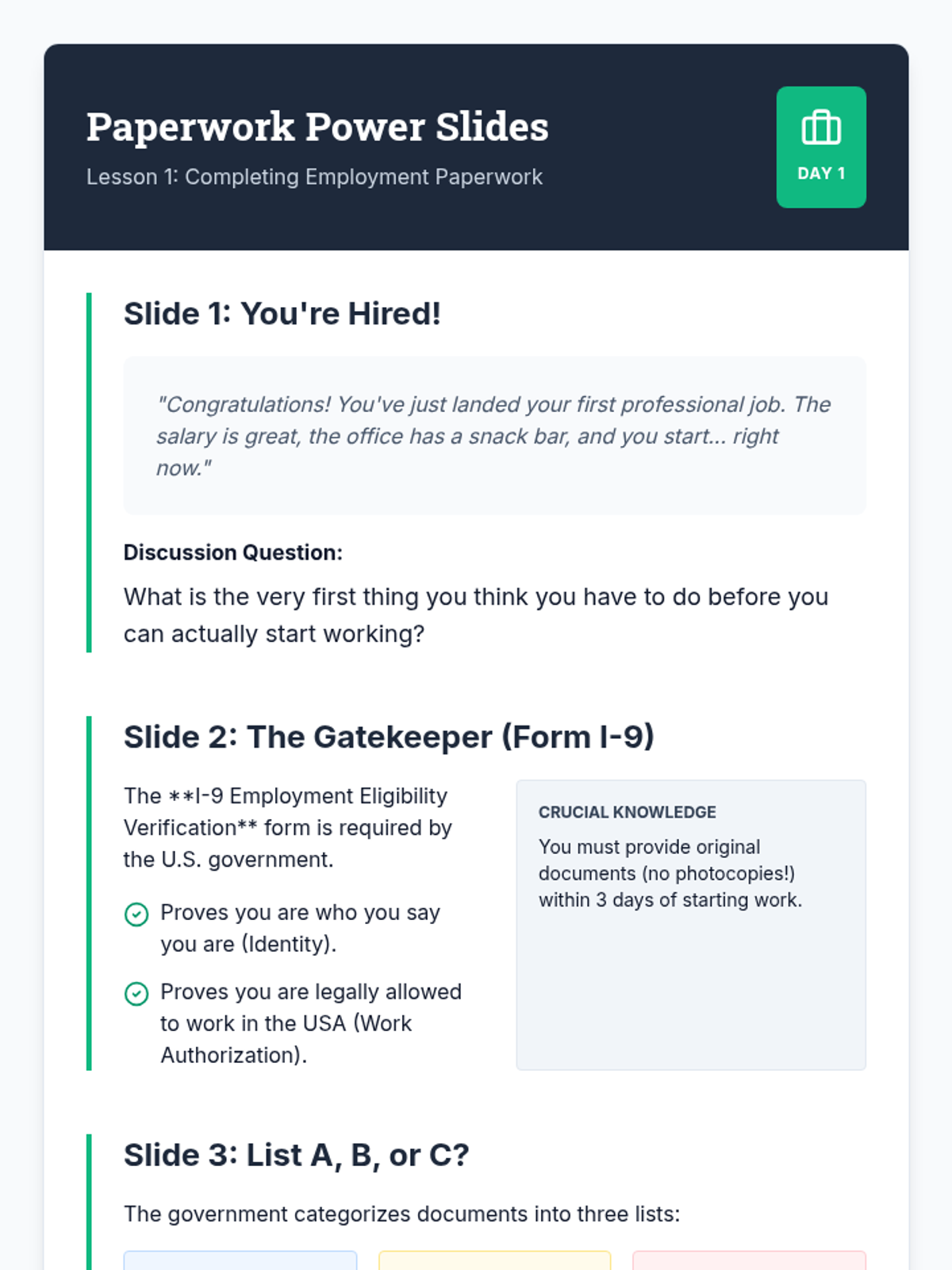
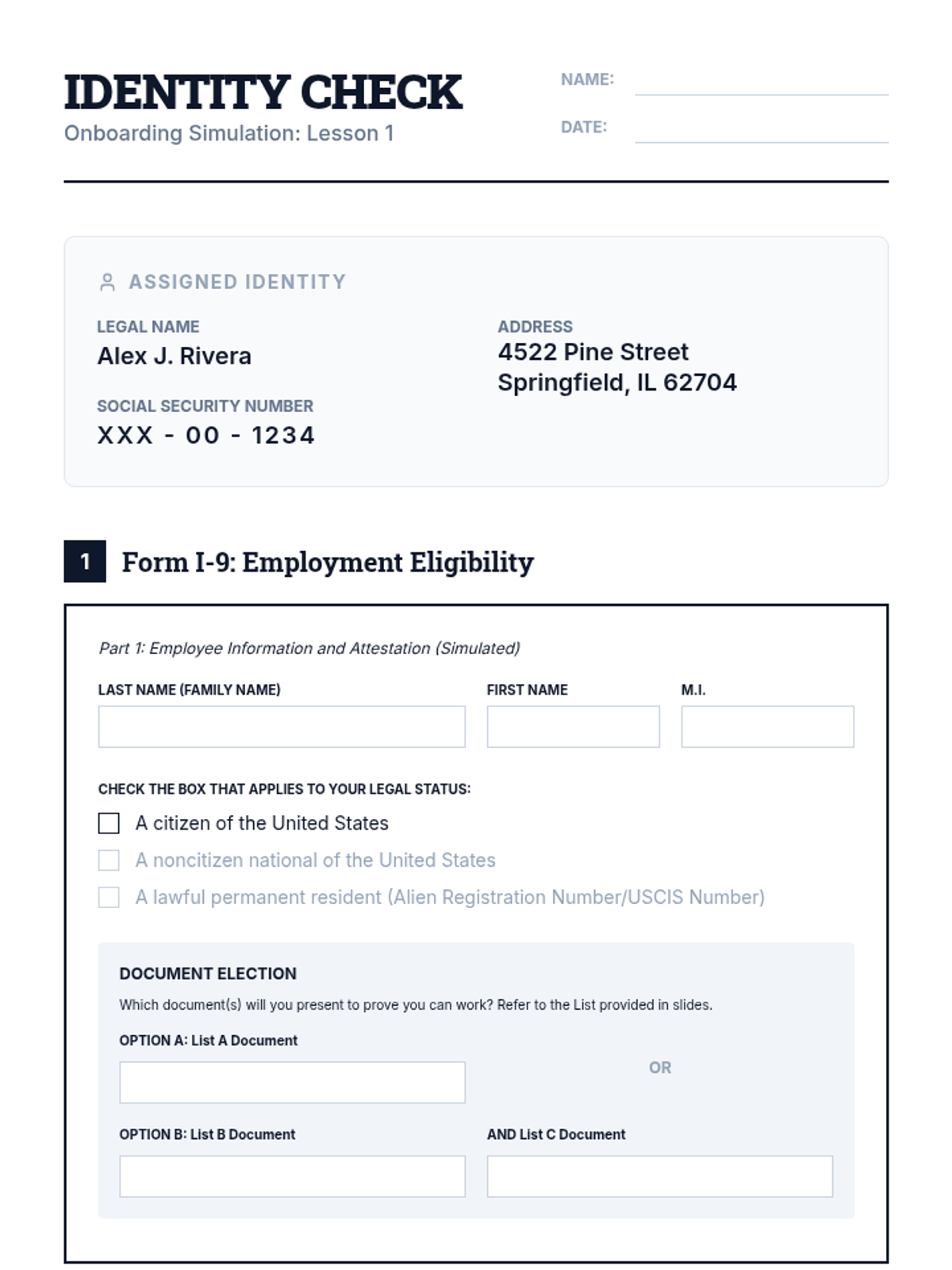
An immersive simulation where students navigate the onboarding process of a new job, making critical decisions about taxes, benefits, and workplace rights to understand their impact on a final paycheck.
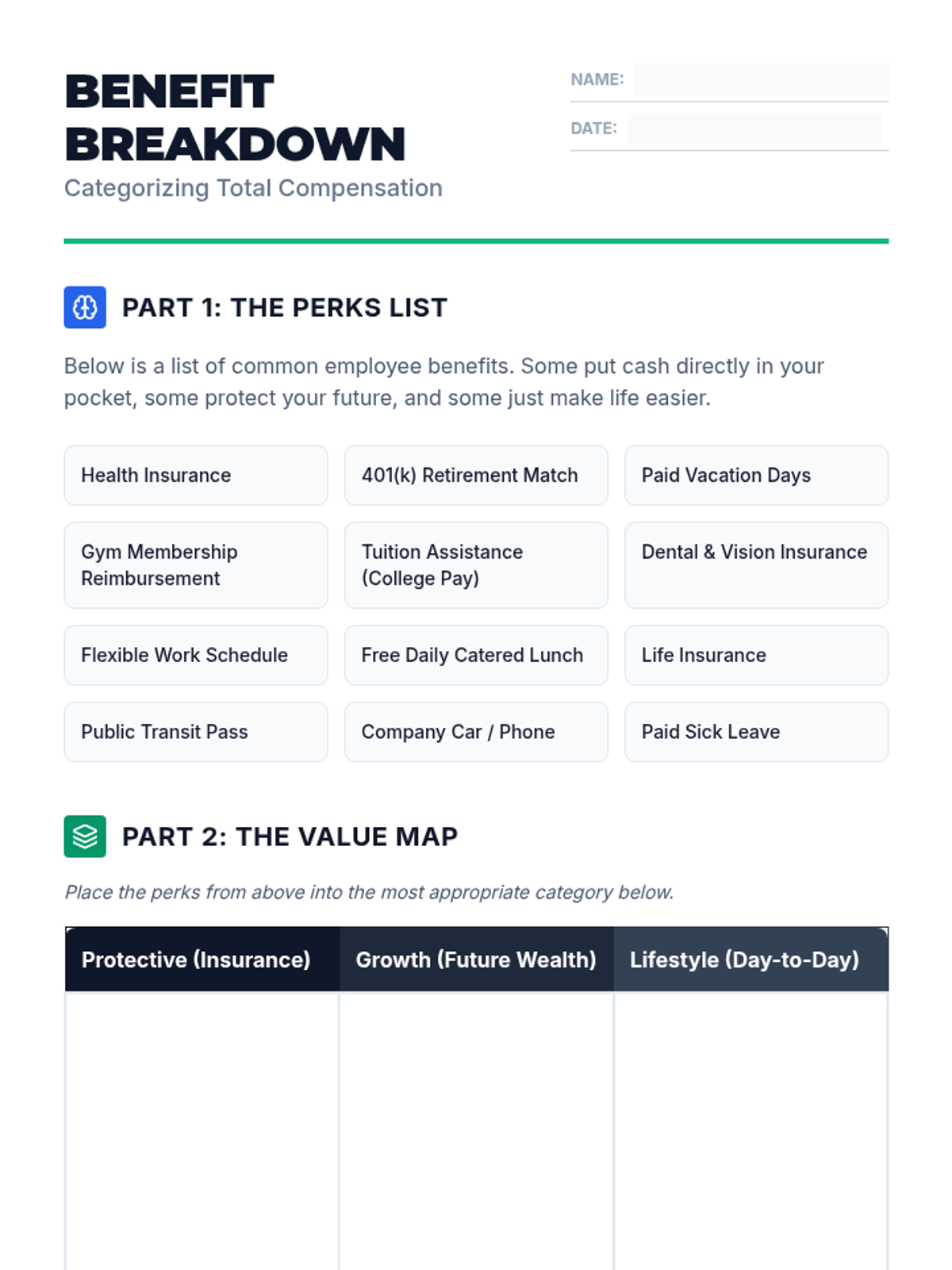
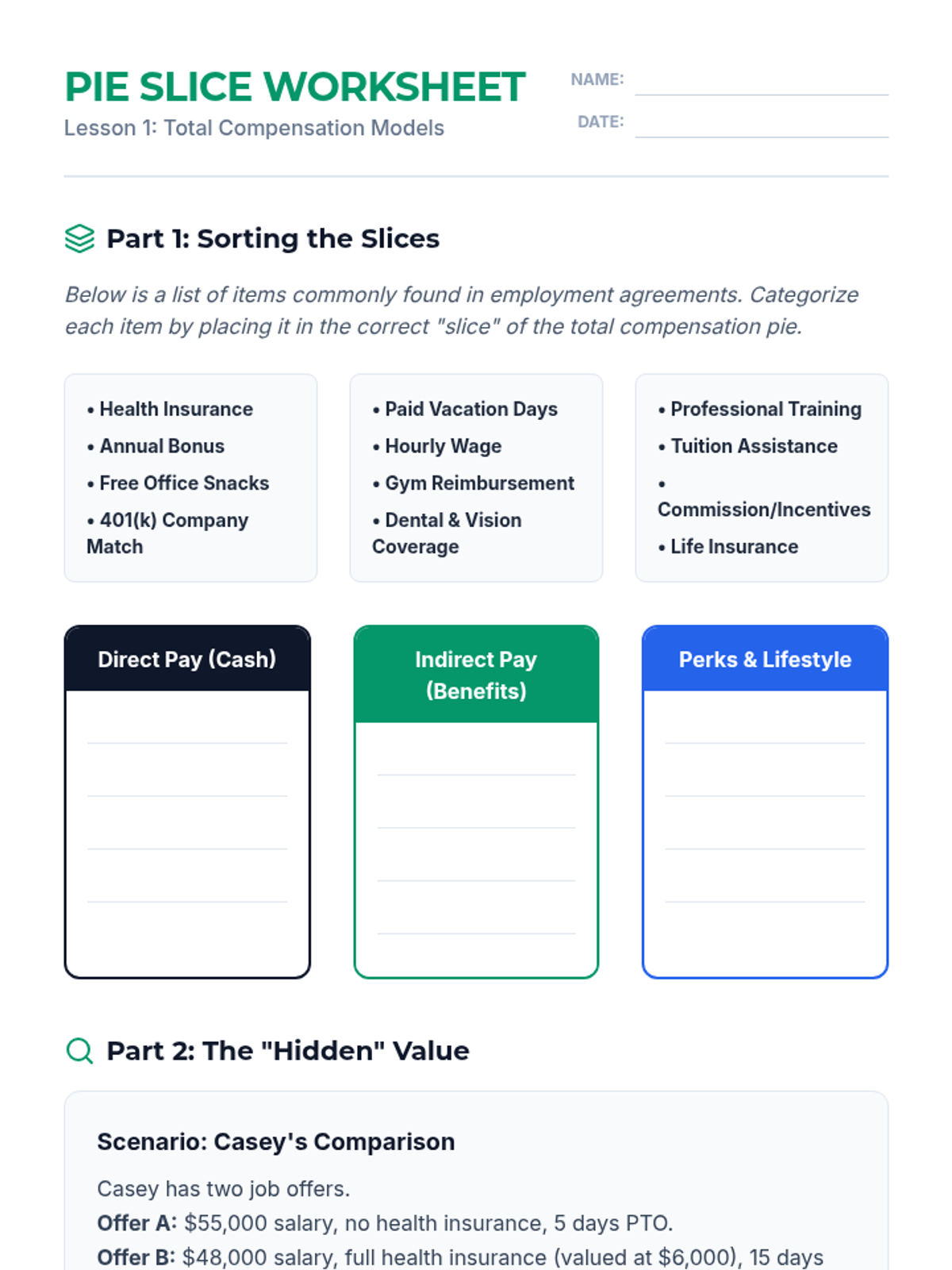
A 5-lesson unit for 9th graders exploring total compensation, including health insurance, paid time off, and retirement benefits, culminating in a comparative analysis of job offers.
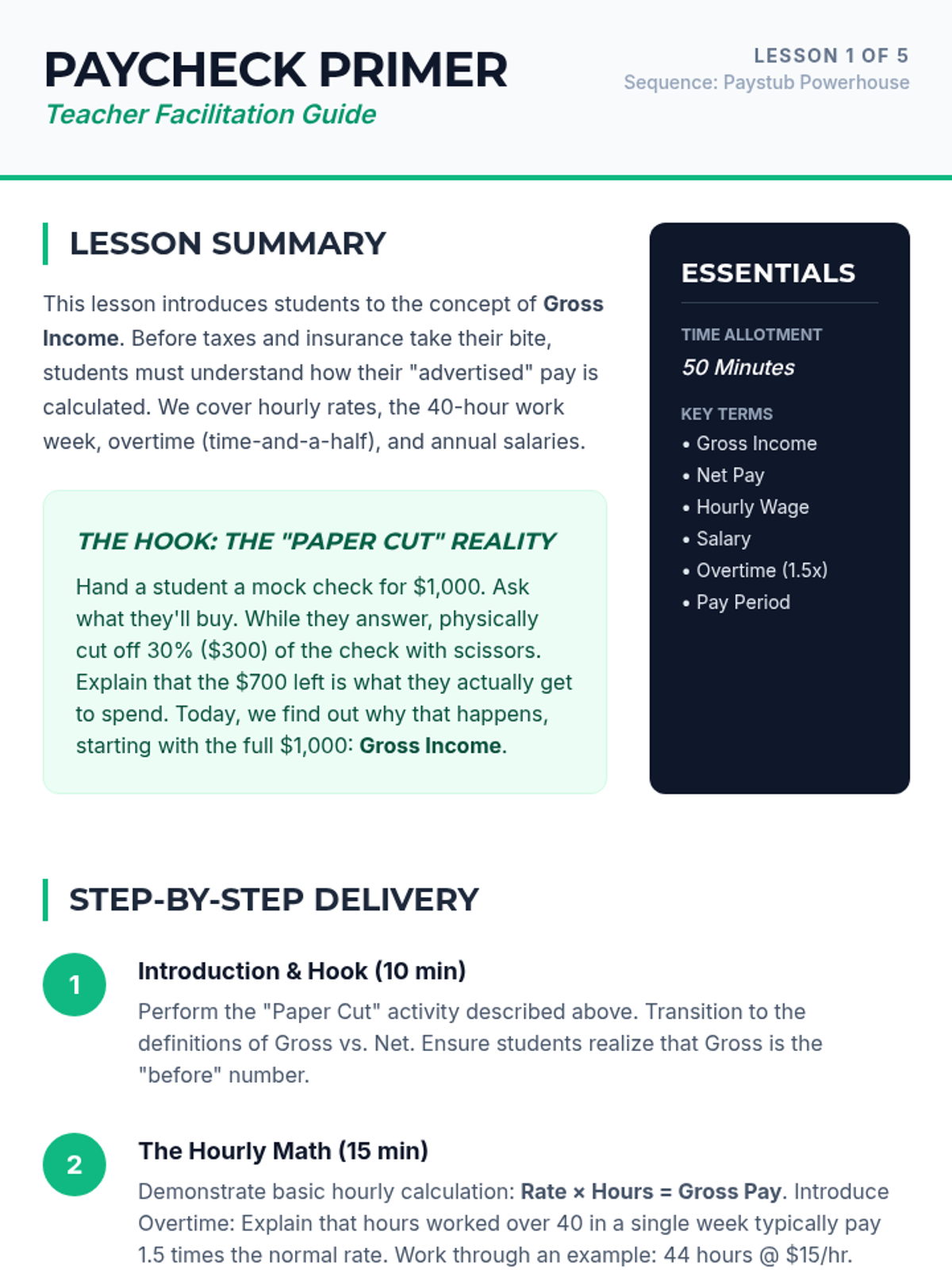
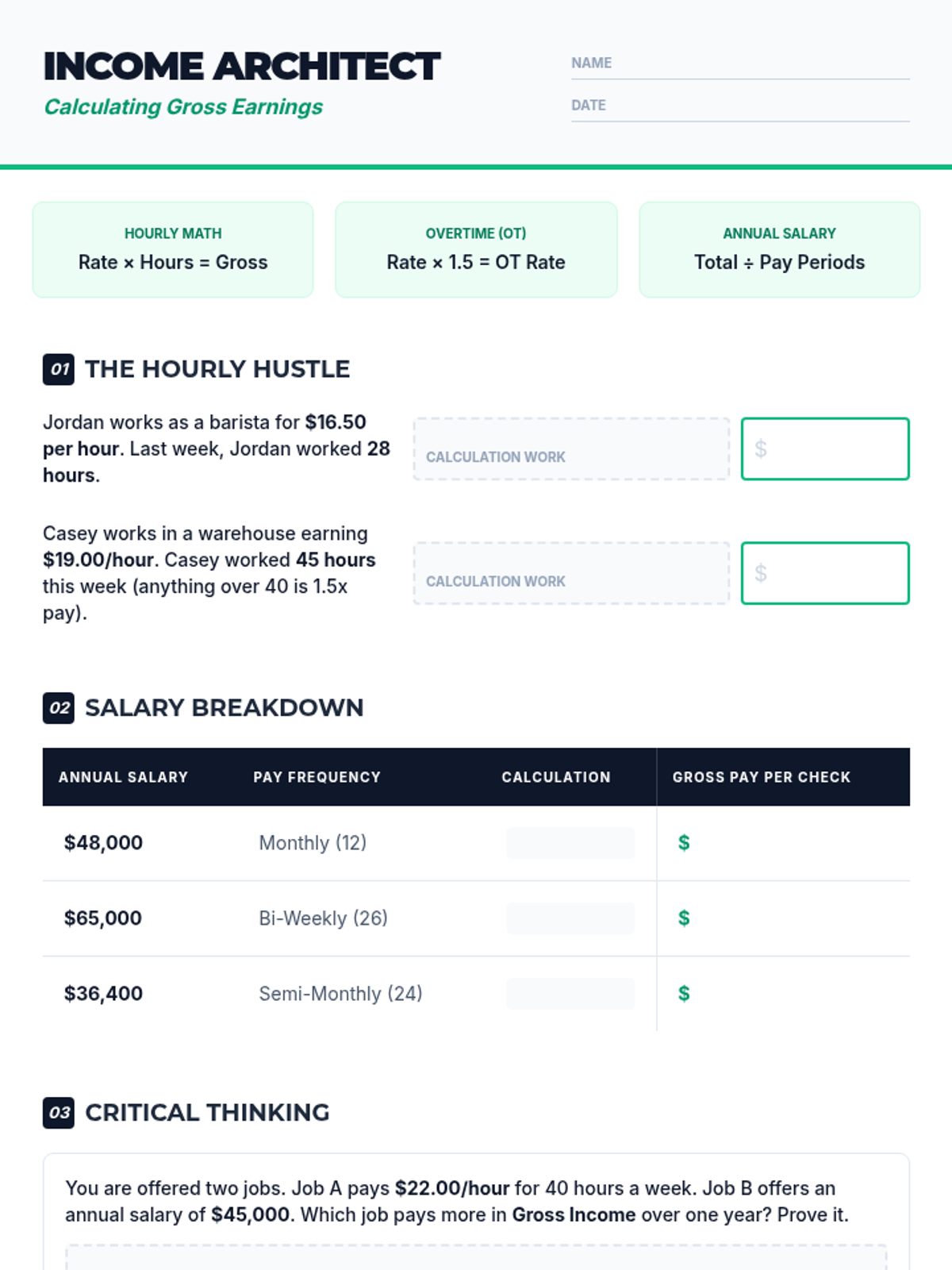
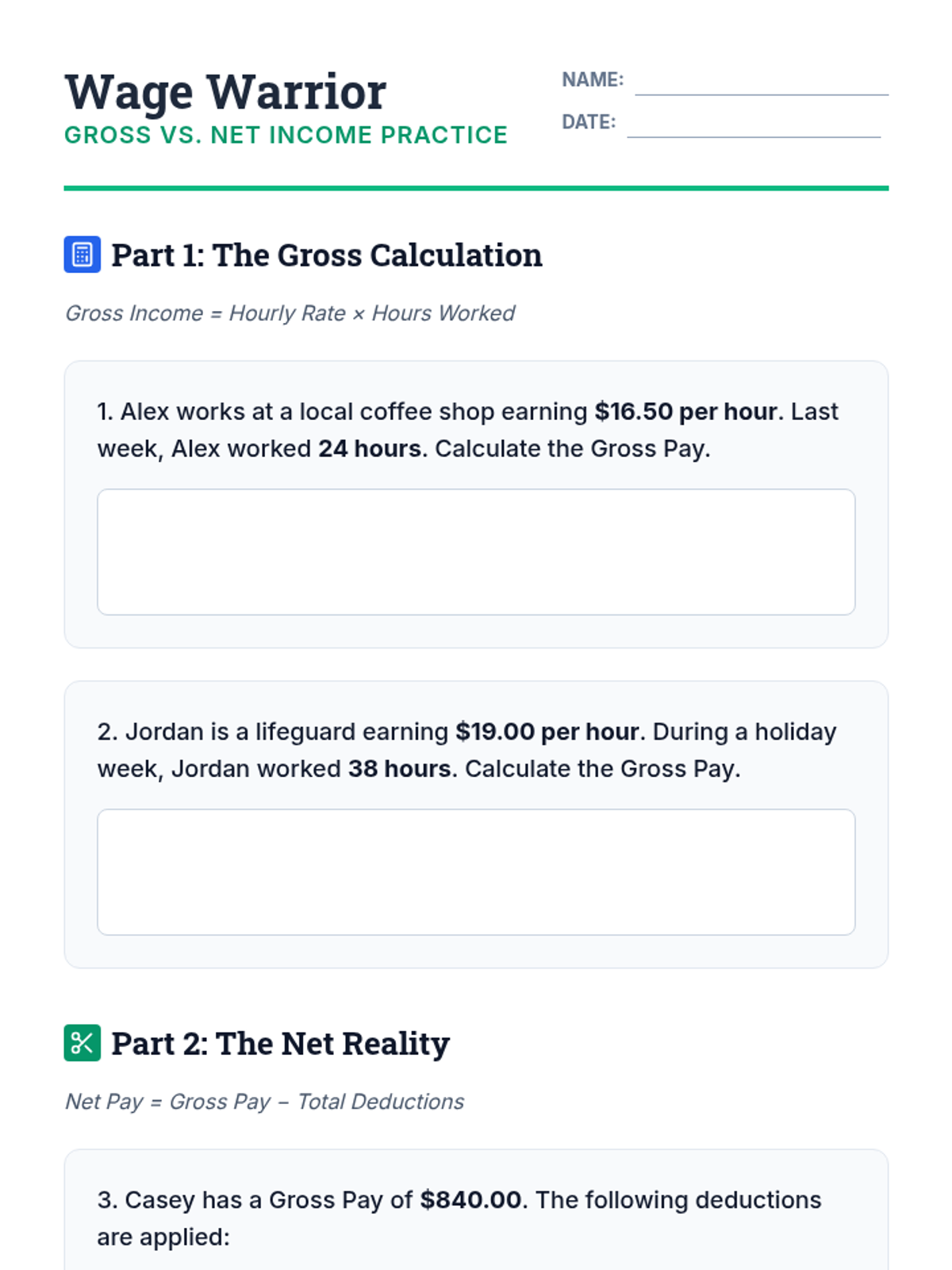
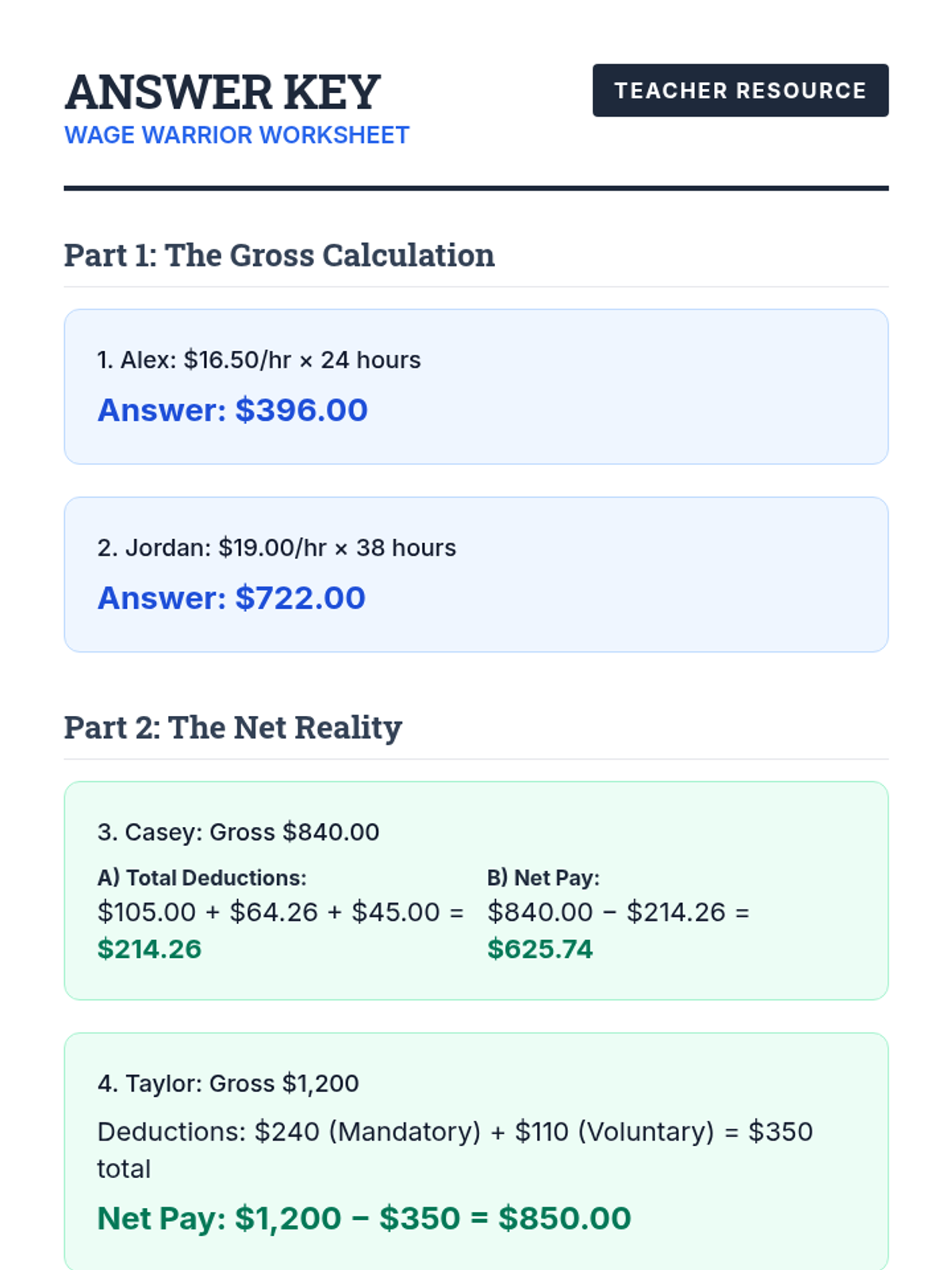
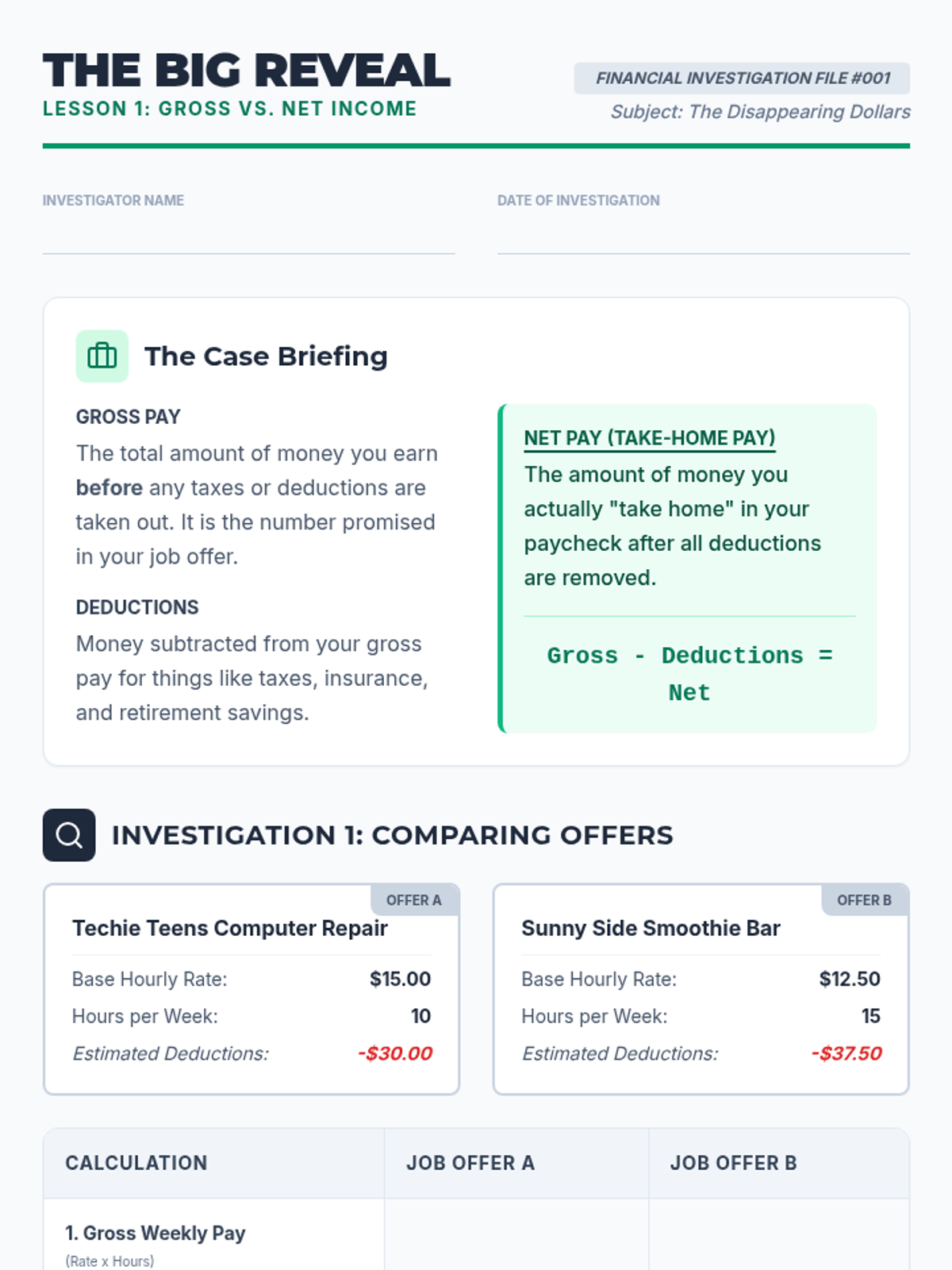
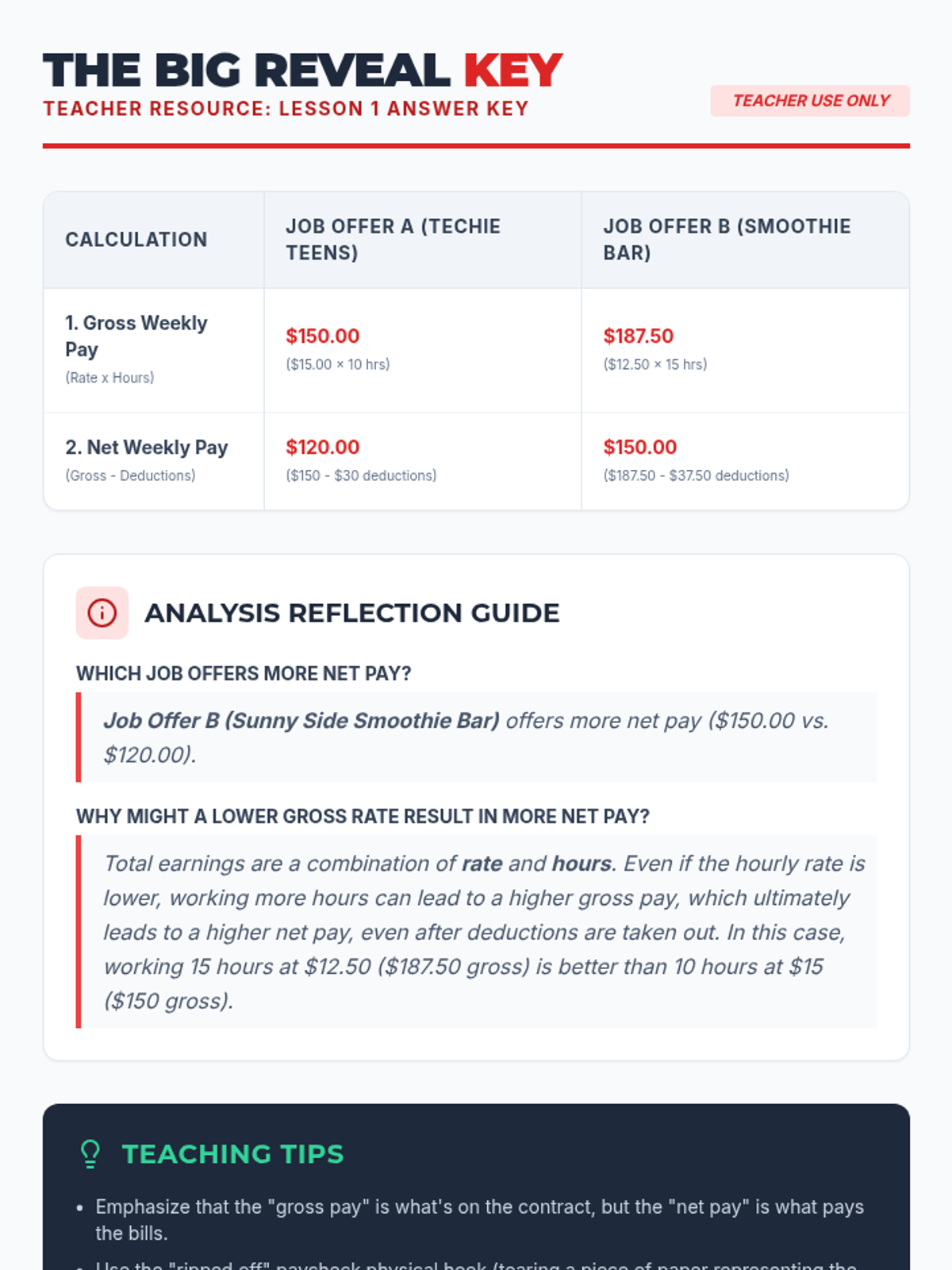
This unit demystifies the transition from gross salary to net take-home pay, helping students understand earnings, mandatory taxes, and deductions. Students will learn to calculate gross pay, interpret tax forms, and audit their own paystubs for accuracy.
This sequence explores workplace benefits beyond salary, focusing on health insurance, retirement matching, and paid leave to help students calculate the true total compensation of a job offer.
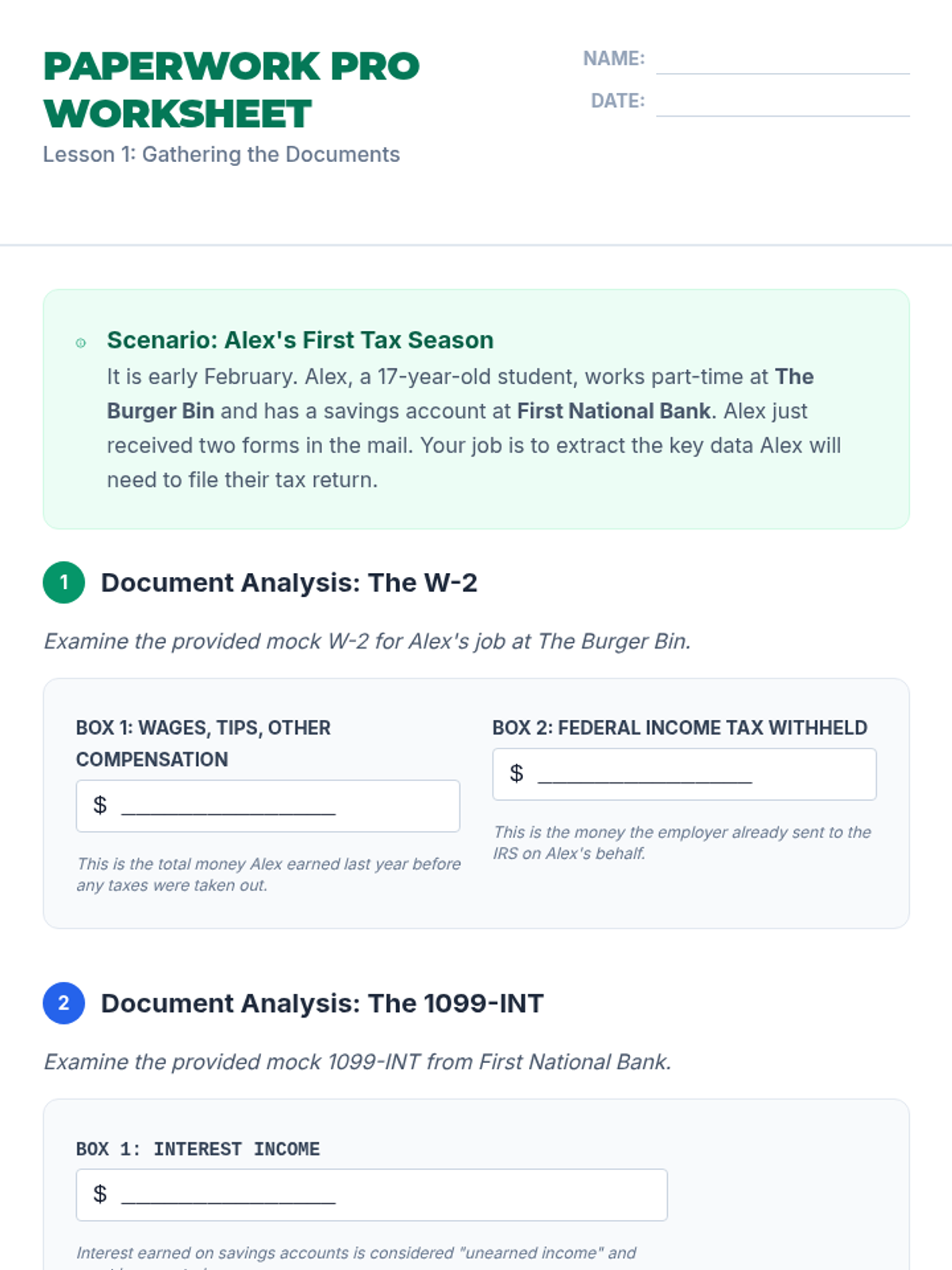
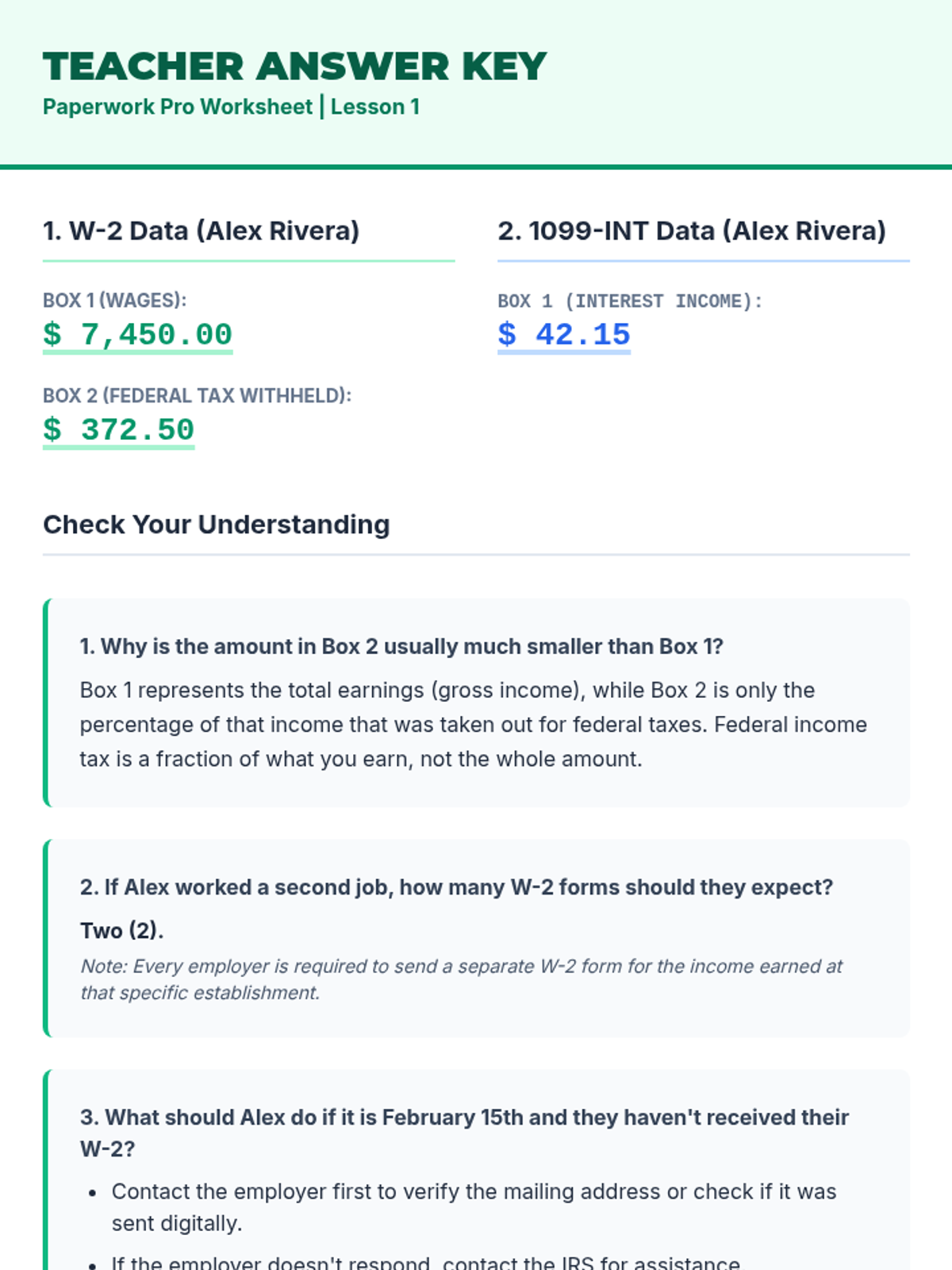
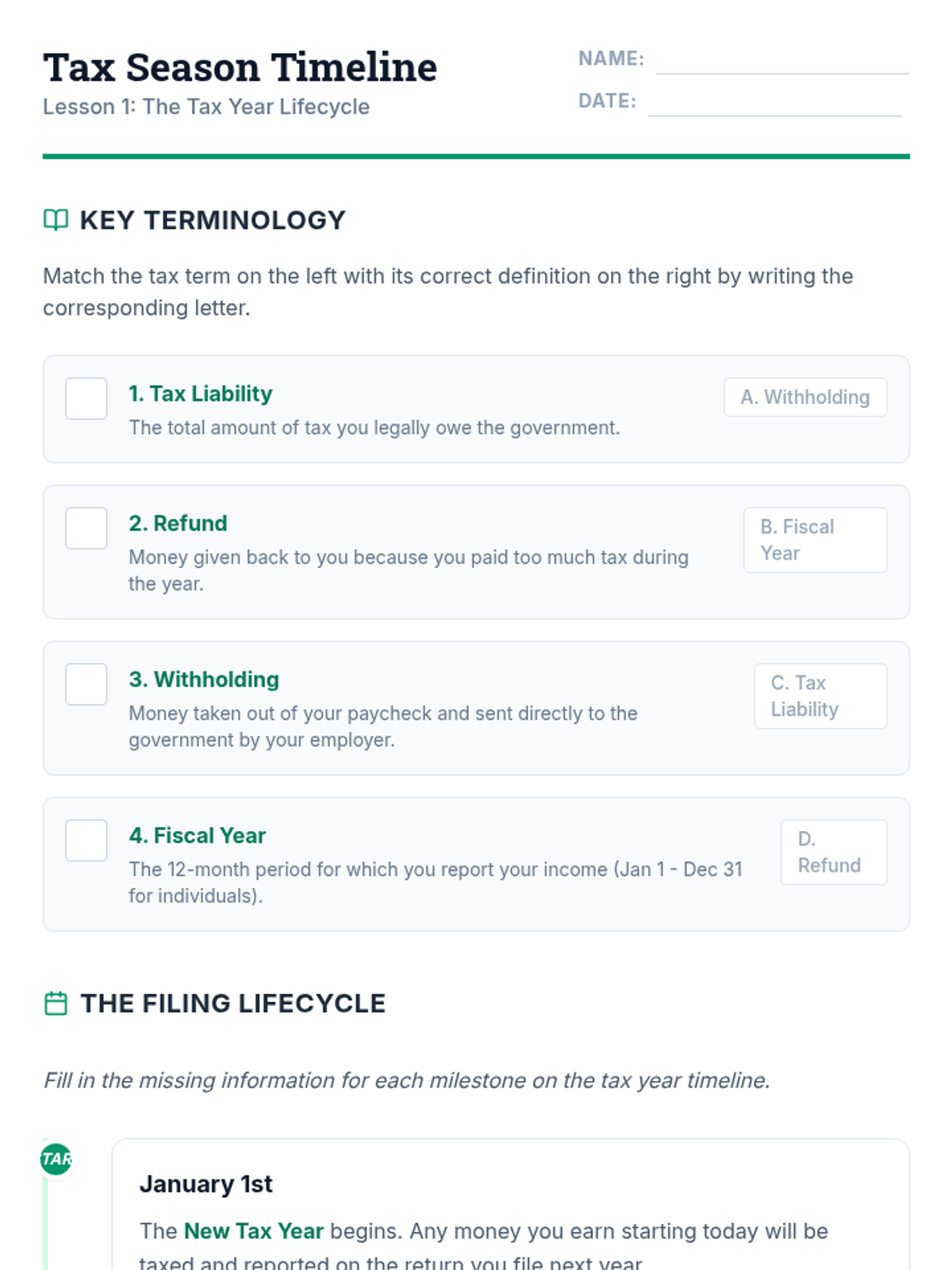
A comprehensive guide for 9th-grade students to master the basics of tax filing. Students progress from identifying key tax documents to completing a full 1040 simulation, understanding deductions, and learning filing logistics.
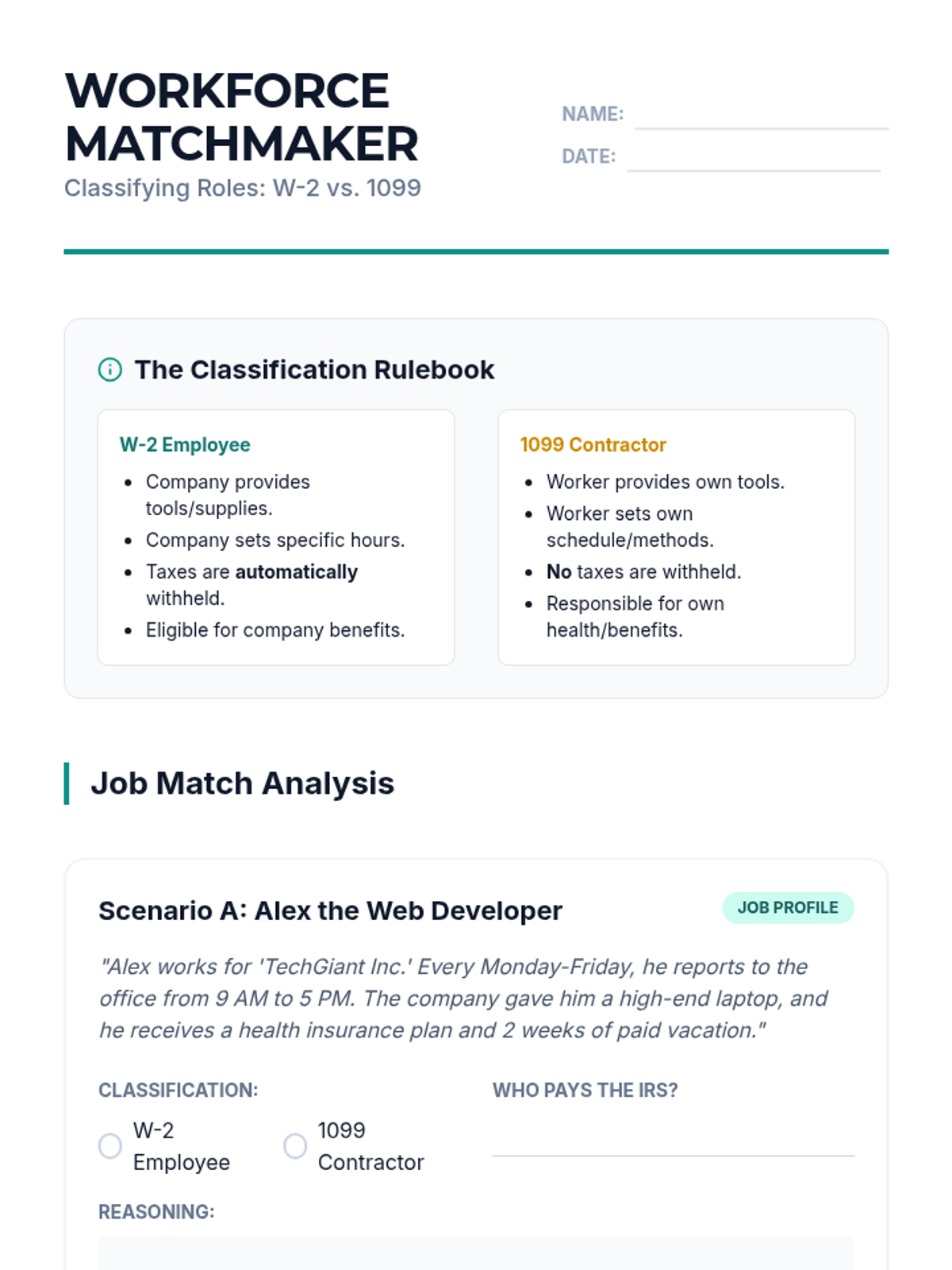
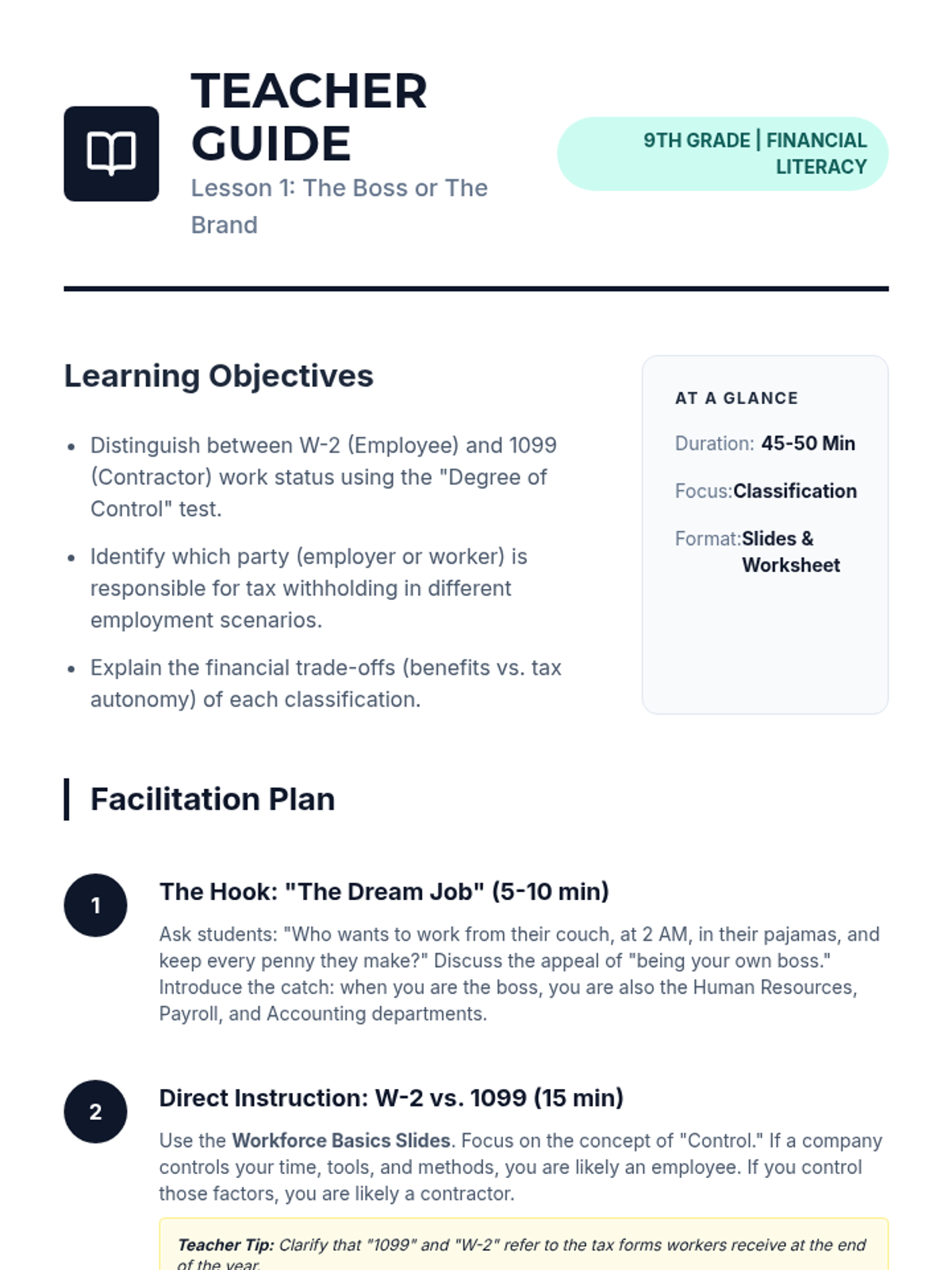
This sequence introduces 9th-grade students to the tax implications of the gig economy. It covers the differences between W-2 and 1099 work, the self-employment tax rate, expense tracking, and quarterly estimated payments, culminating in a tax strategy project.
This sequence introduces 9th-grade students to the mechanics of payroll taxes, the distinction between gross and net income, and the practical skills needed to navigate employment documentation like pay stubs and W-4 forms. Students will learn to calculate withholdings, decode tax acronyms, and audit paychecks for accuracy.
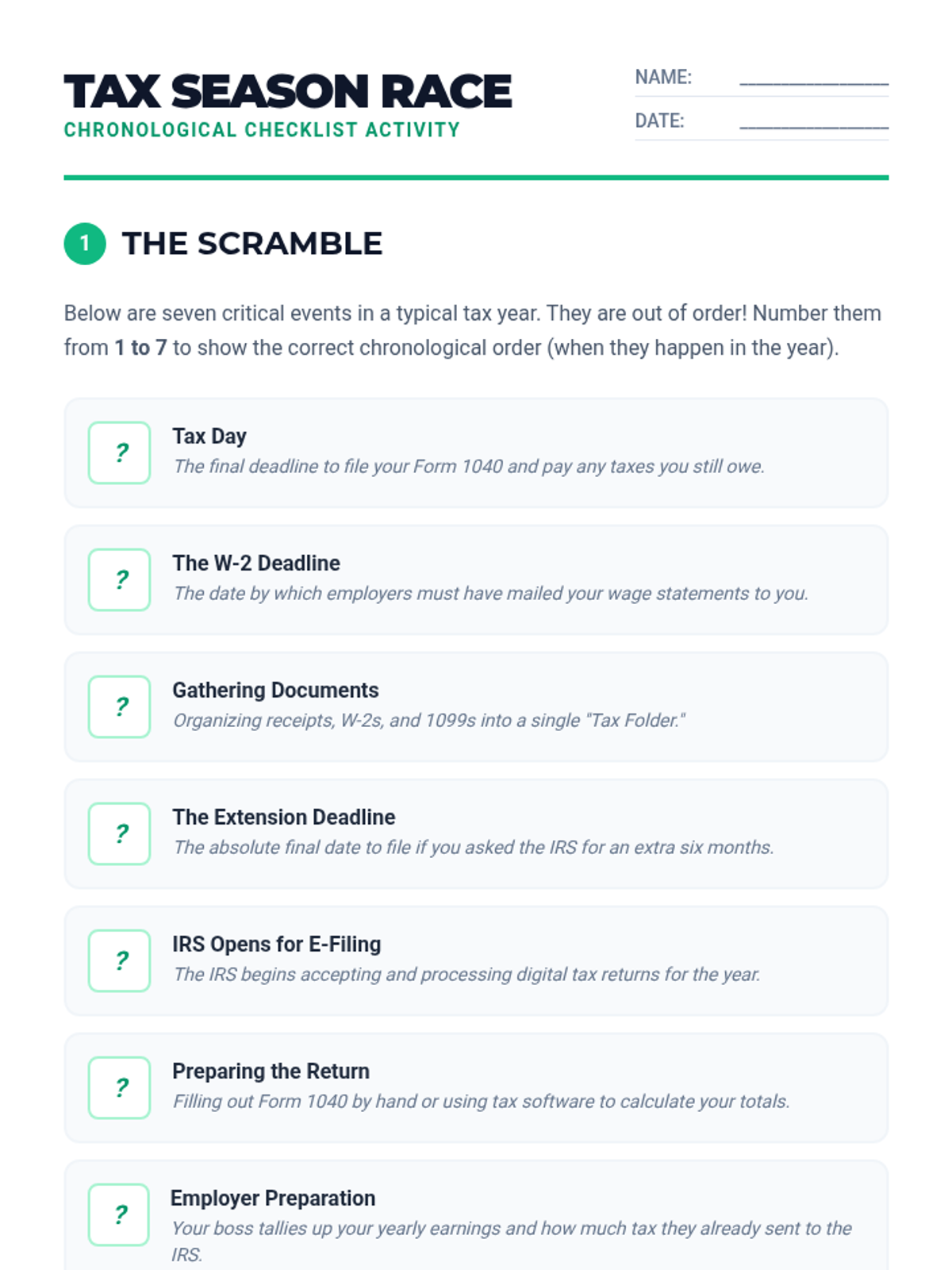
This sequence guides 7th-grade students through the practical aspects of tax filing, from understanding W-2s and timelines to completing a simplified mock tax return. Students will develop financial literacy skills by decoding IRS forms and understanding the mechanics of taxable income and deductions.
A comprehensive 5-lesson unit for 7th graders on understanding paycheck deductions, taxes, and the difference between gross and net income. Students progress from basic definitions to auditing pay stubs and budgeting with real take-home pay.
A simulation-based sequence where students learn the end-to-end process of filing federal income taxes. Students adopt personas, analyze wage documents, and complete a simplified Form 1040 to determine if they receive a refund or owe money.
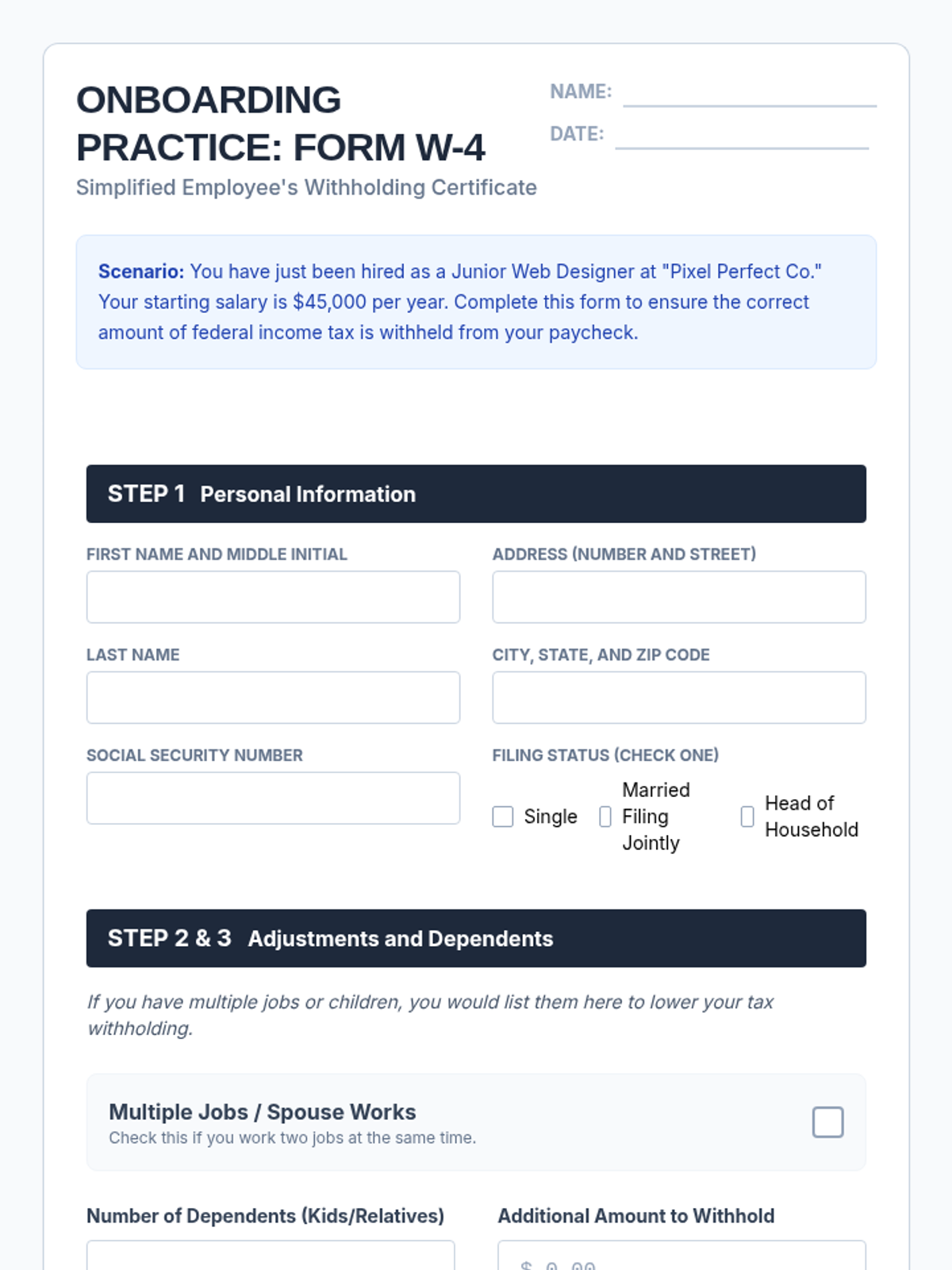
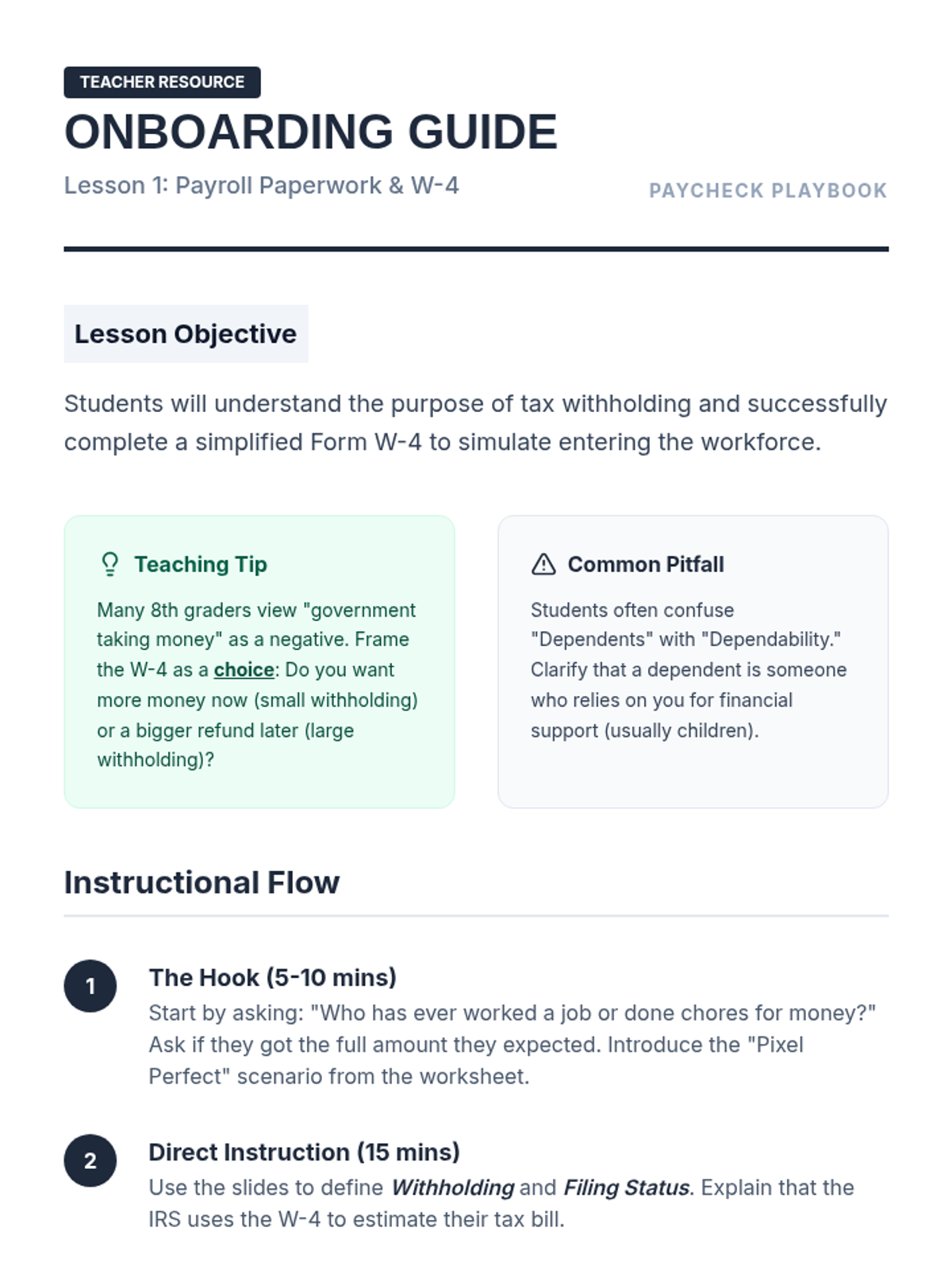
This workshop-style sequence focuses on the practical math and documentation associated with earning an income. Students simulate the onboarding process of a new job, learning to complete a W-4 form, deciphering the difference between gross and net pay, and calculating specific withholdings to understand their final take-home pay.
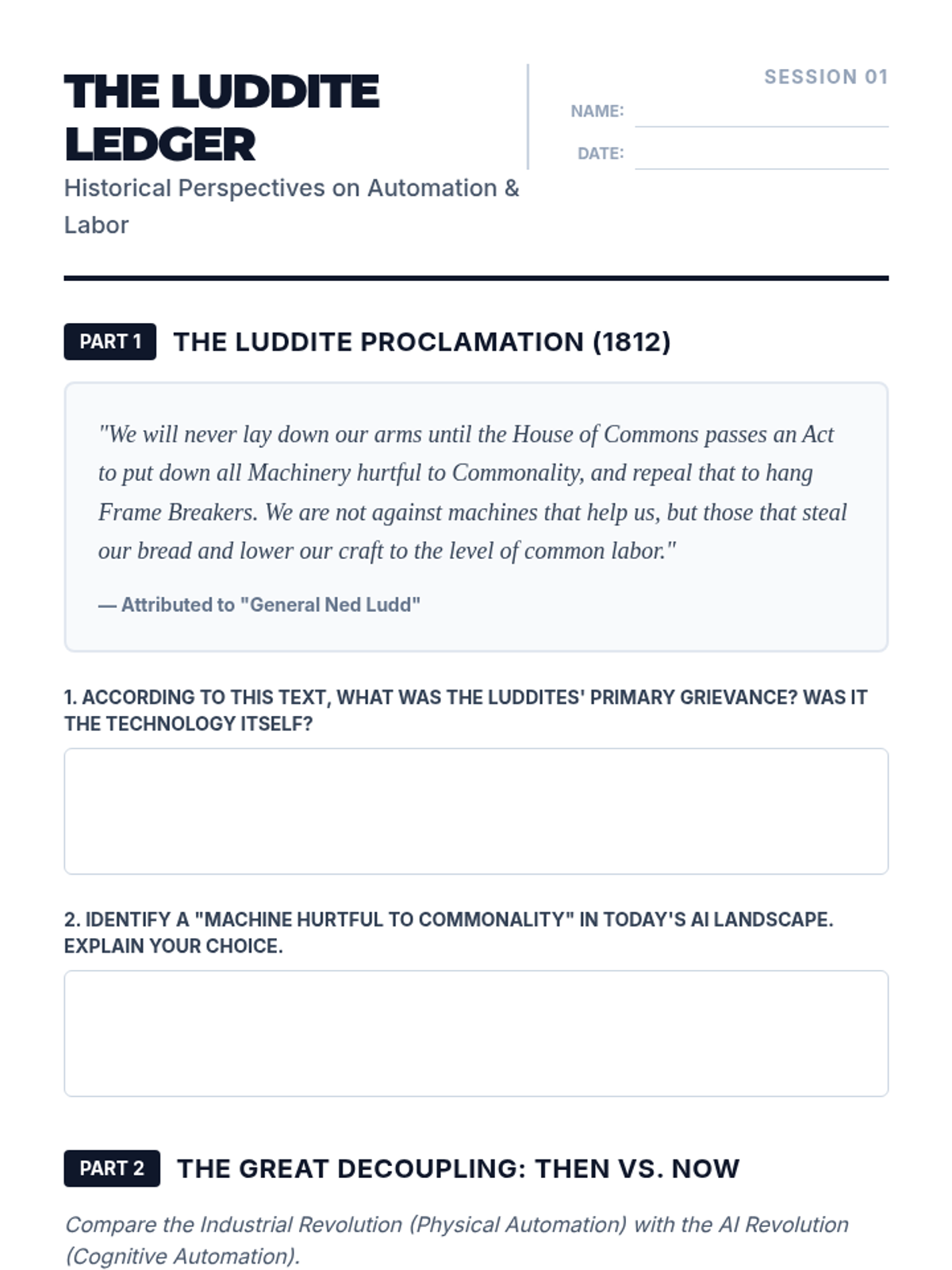
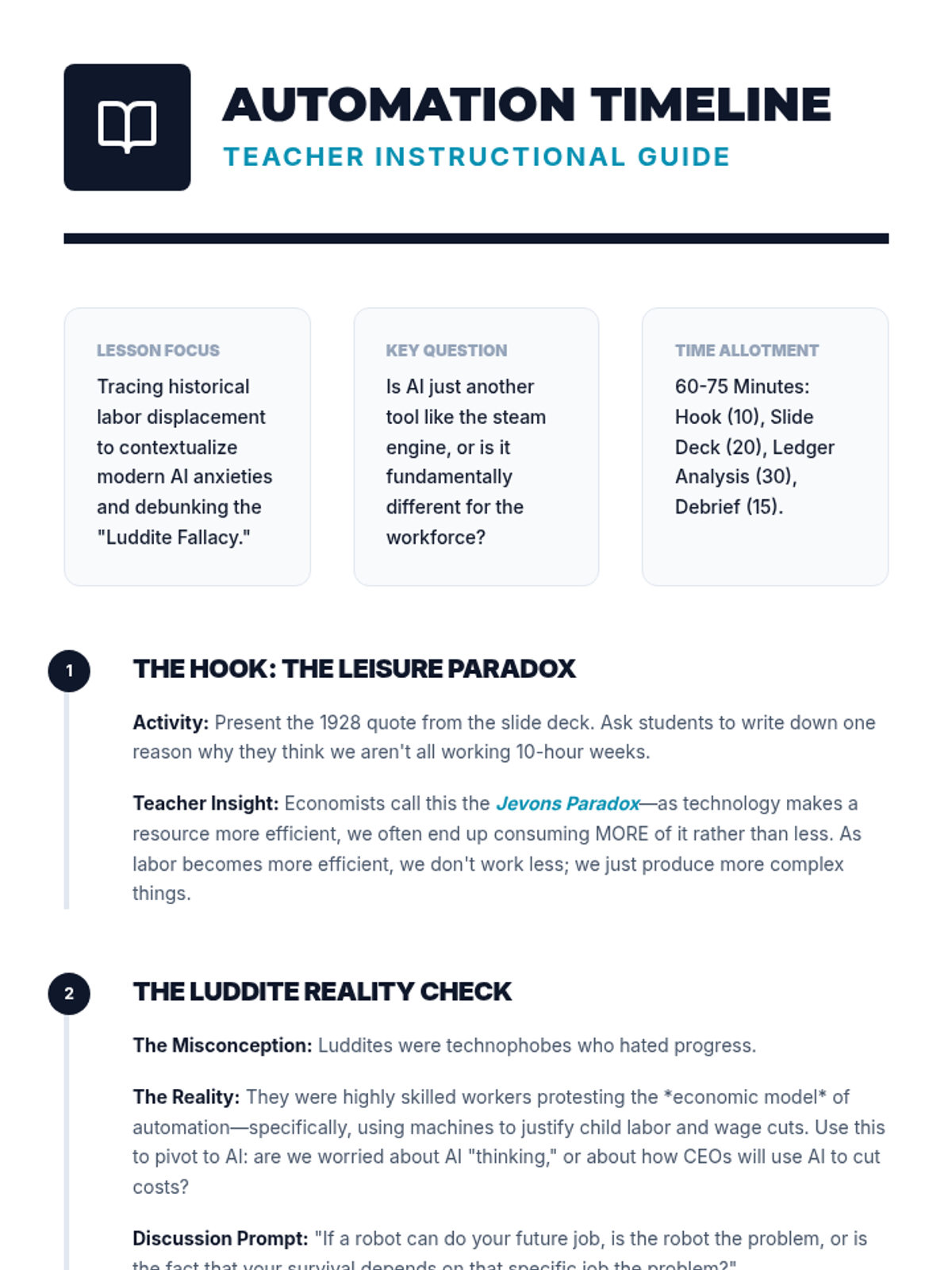
This sequence explores the economic and social disruptions caused by automation and AI. Students analyze historical patterns of labor displacement, participate in economic simulations, investigate the gig economy, debate policy solutions like UBI, and develop personalized career roadmaps focusing on uniquely human skills.
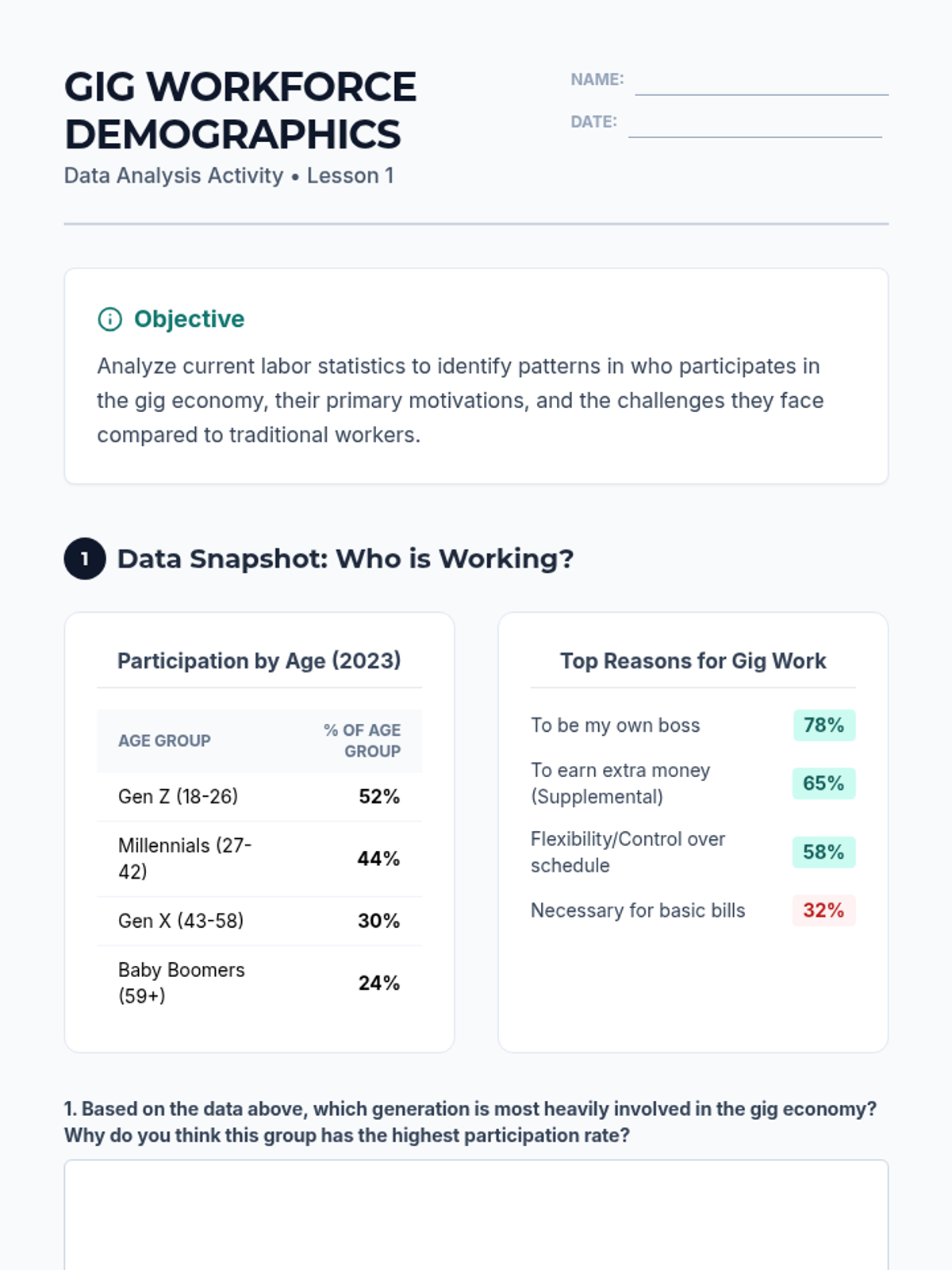
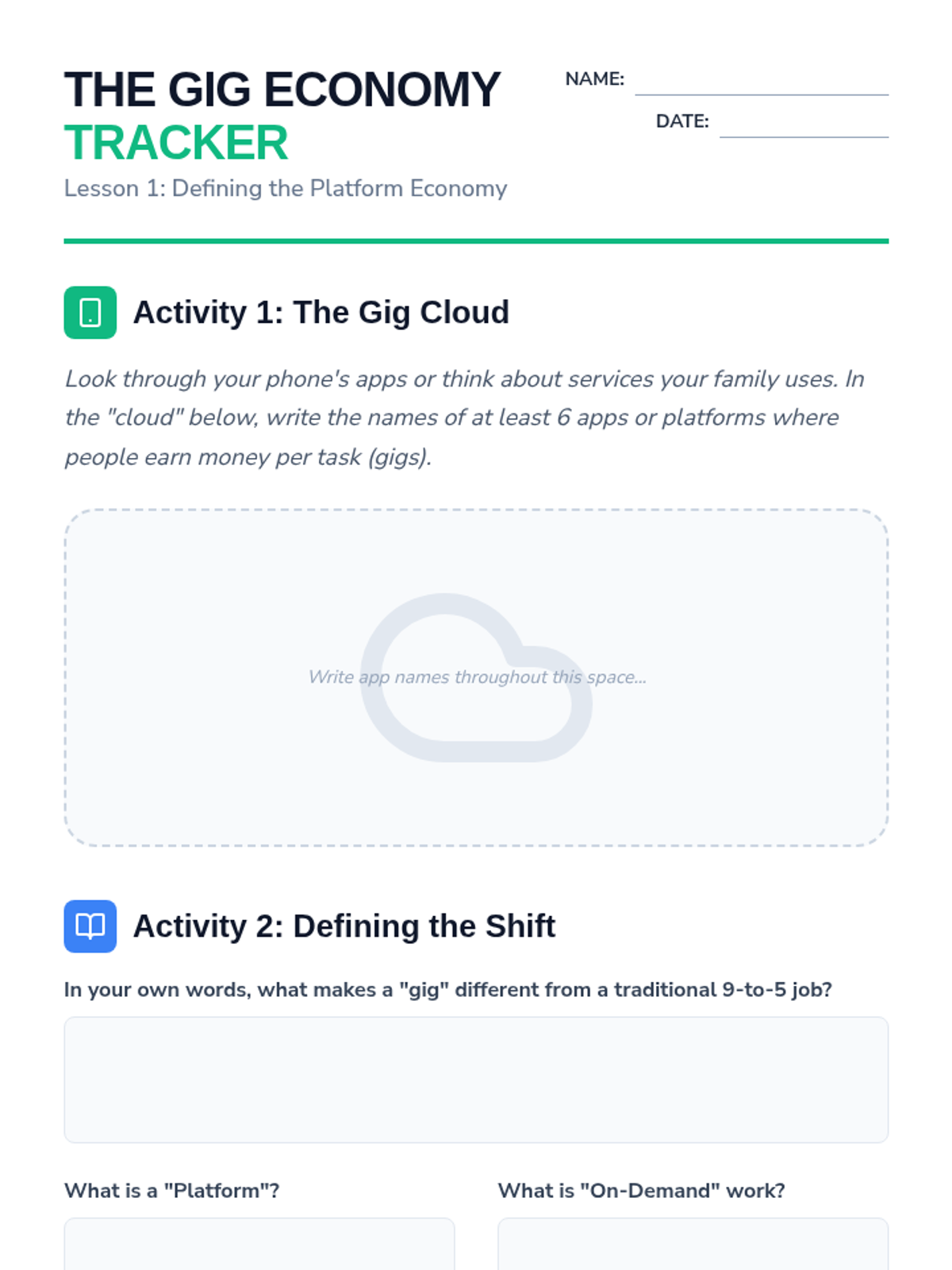
A comprehensive investigation into the gig economy, contrasting traditional employment with independent contracting. Students analyze the economic, legal, and ethical implications of algorithmic management and worker classification, culminating in a formal legislative debate.
A comprehensive unit exploring the economic shifts of the modern workplace. Students analyze the growth of platform-based work, contrast legal employment classifications (W-2 vs. 1099), and evaluate the trade-offs between professional flexibility and financial security. The sequence culminates in a Socratic Seminar on labor rights and the future of regulation in an algorithmic economy.
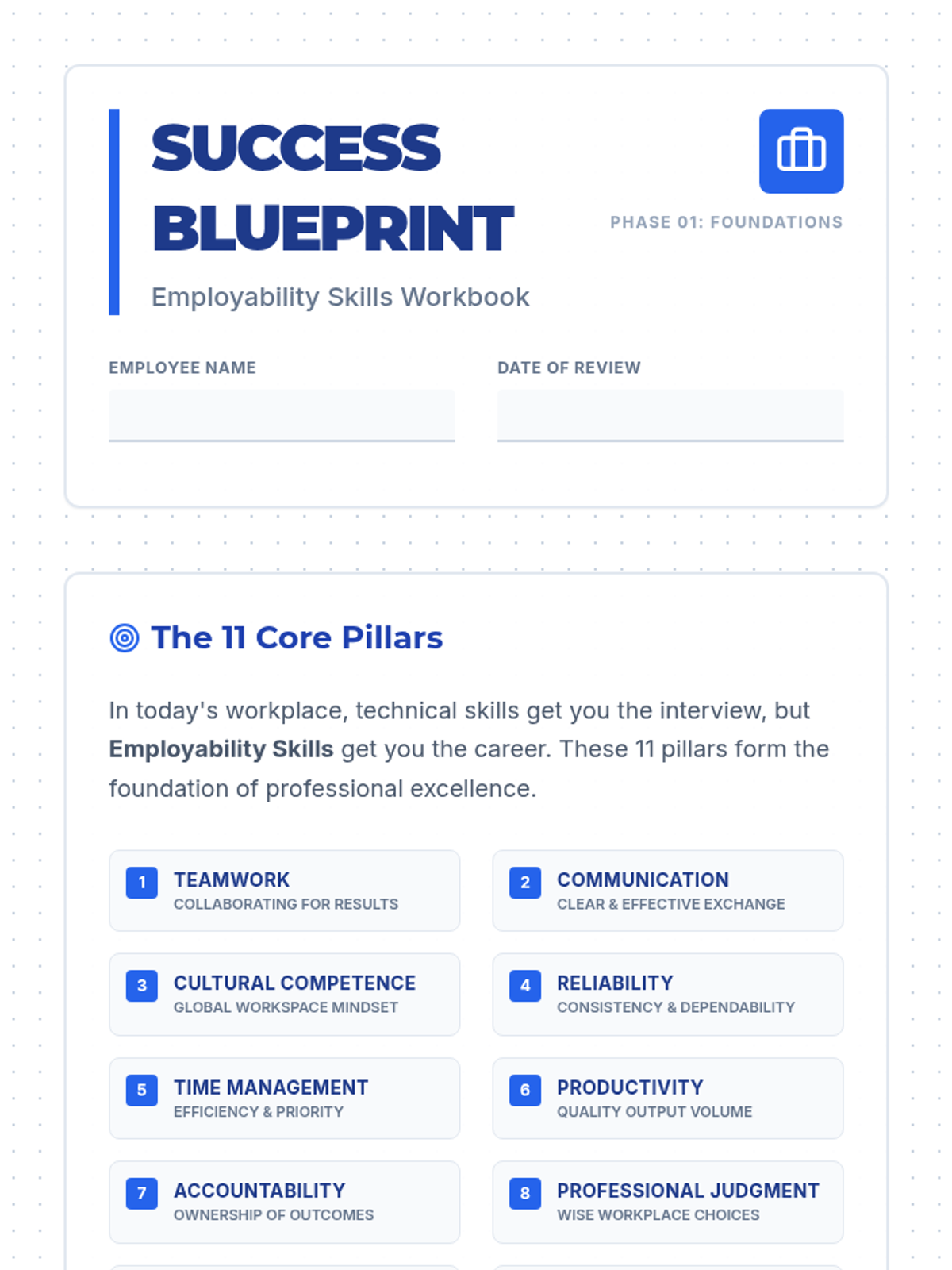
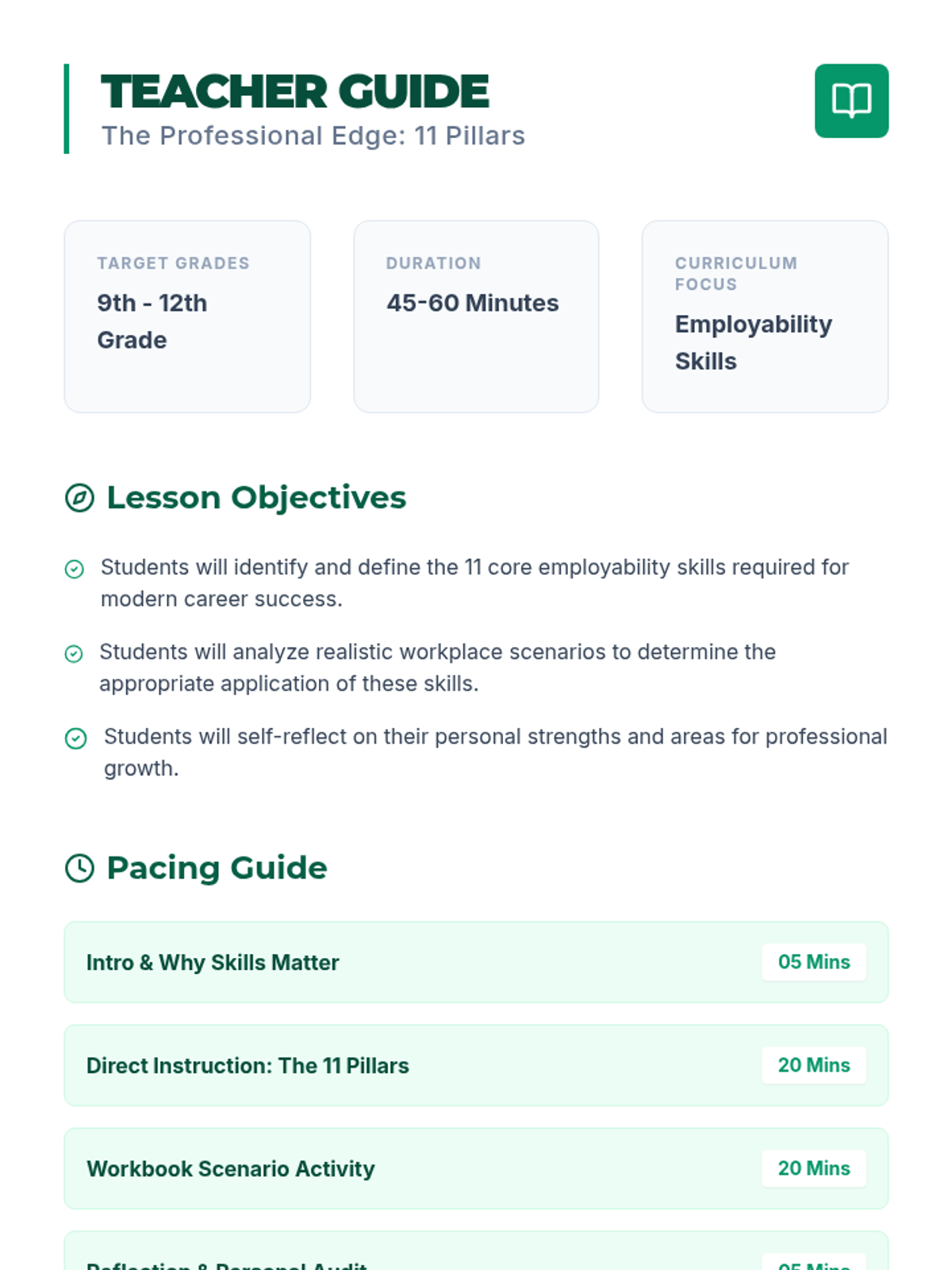
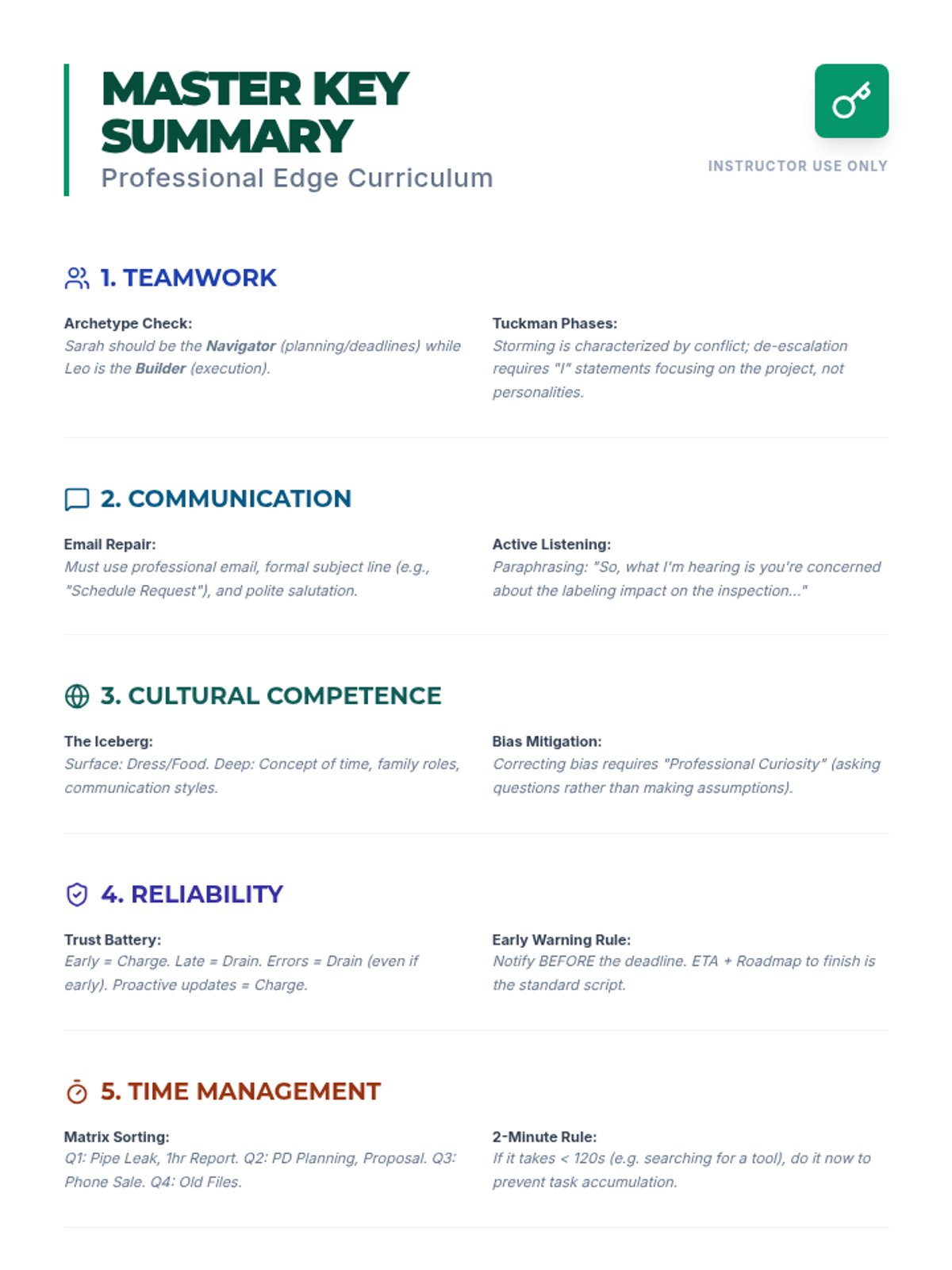
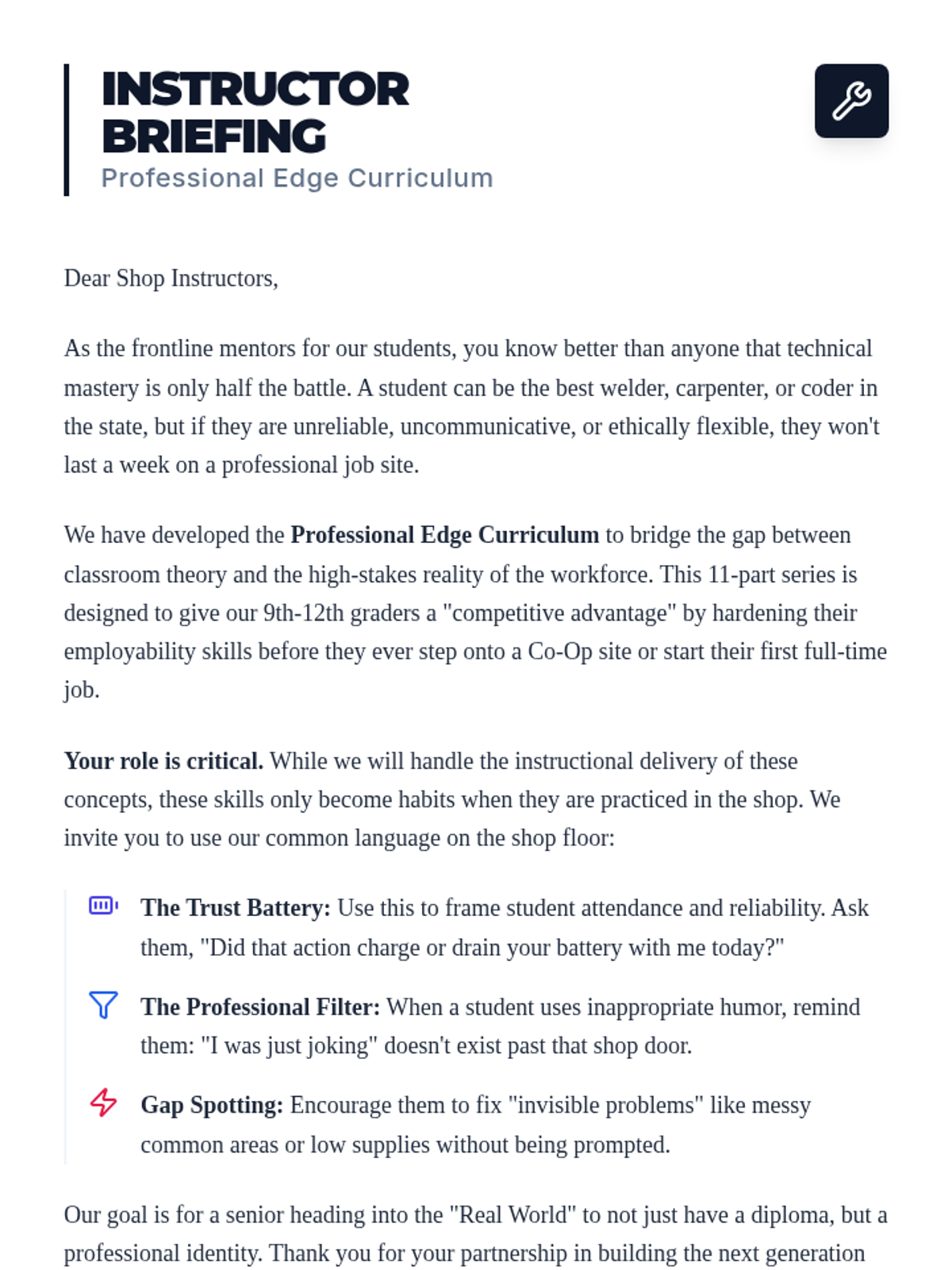
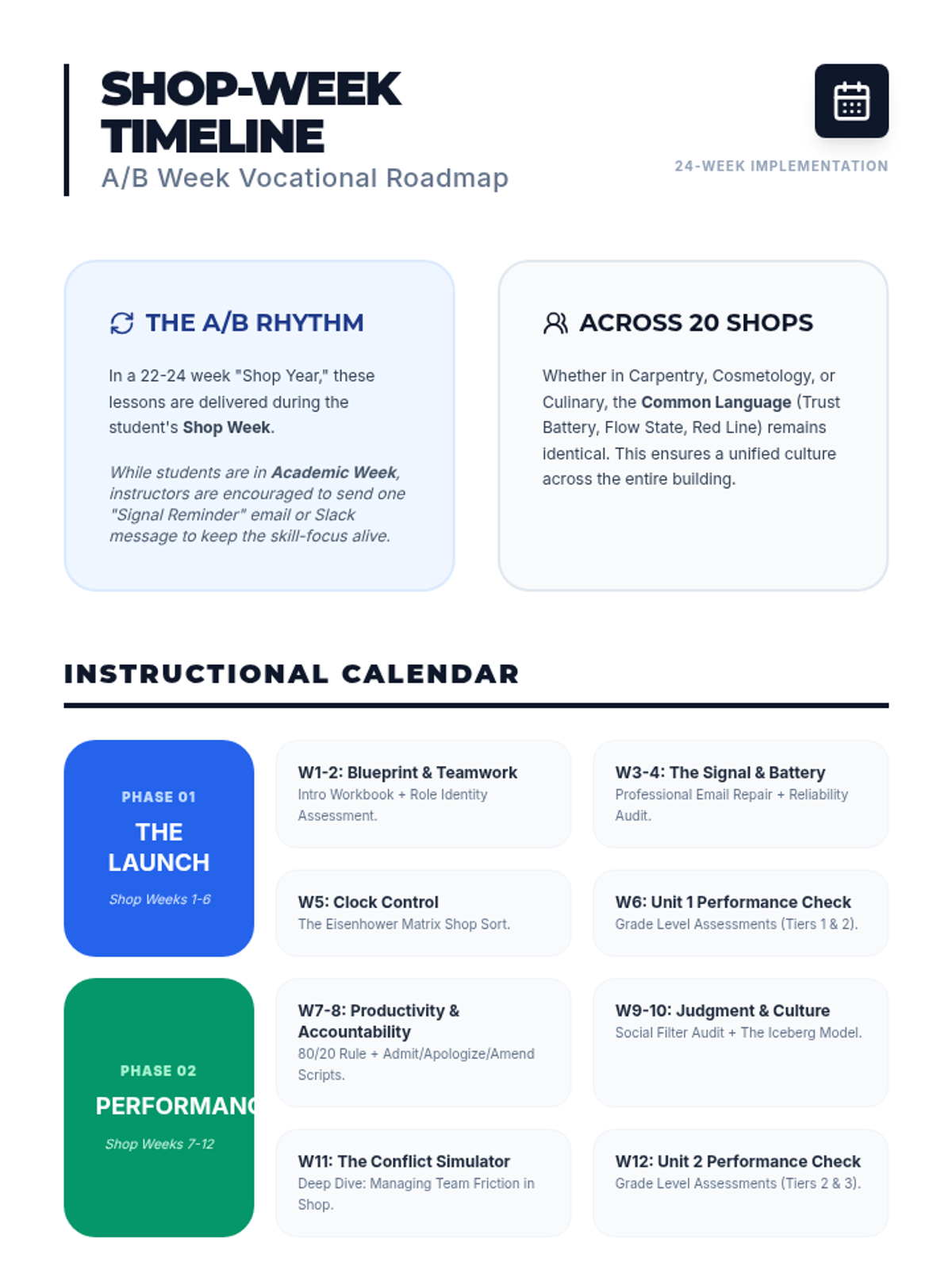
A comprehensive high school curriculum covering 11 essential employability skills, from foundational concepts to advanced application in professional settings. Includes instructional slides, student worksheets, and teacher guides for every skill.
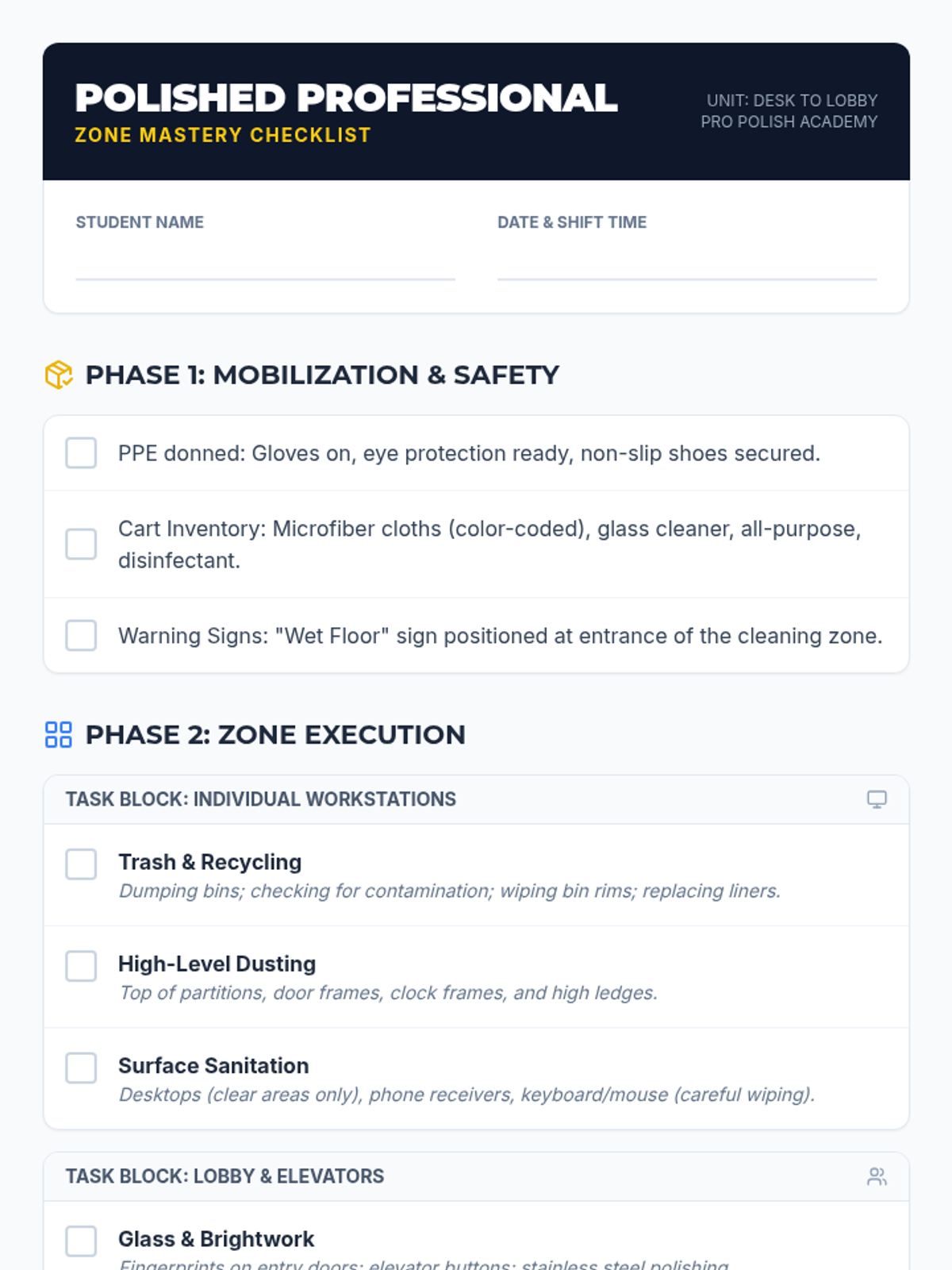
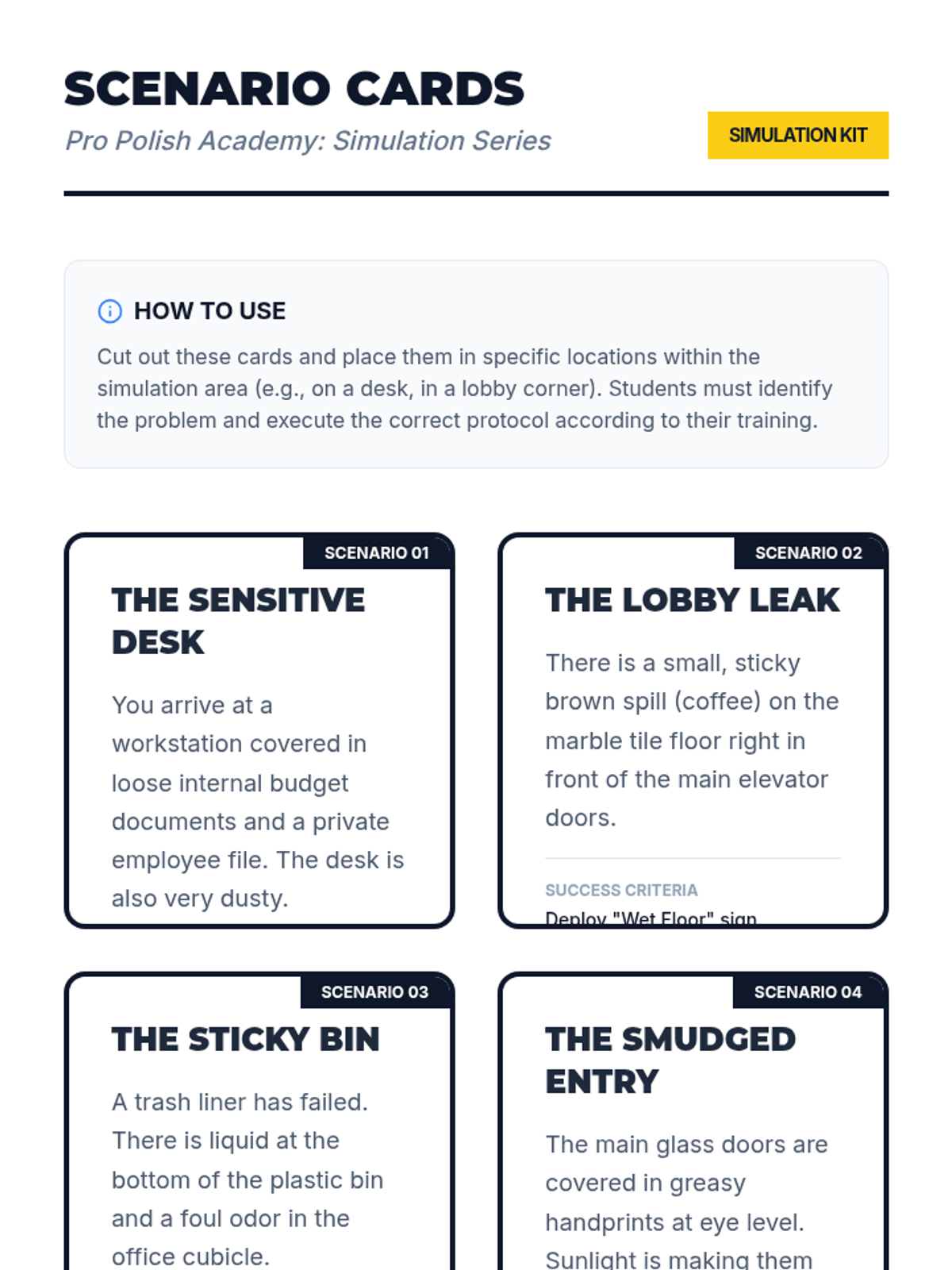
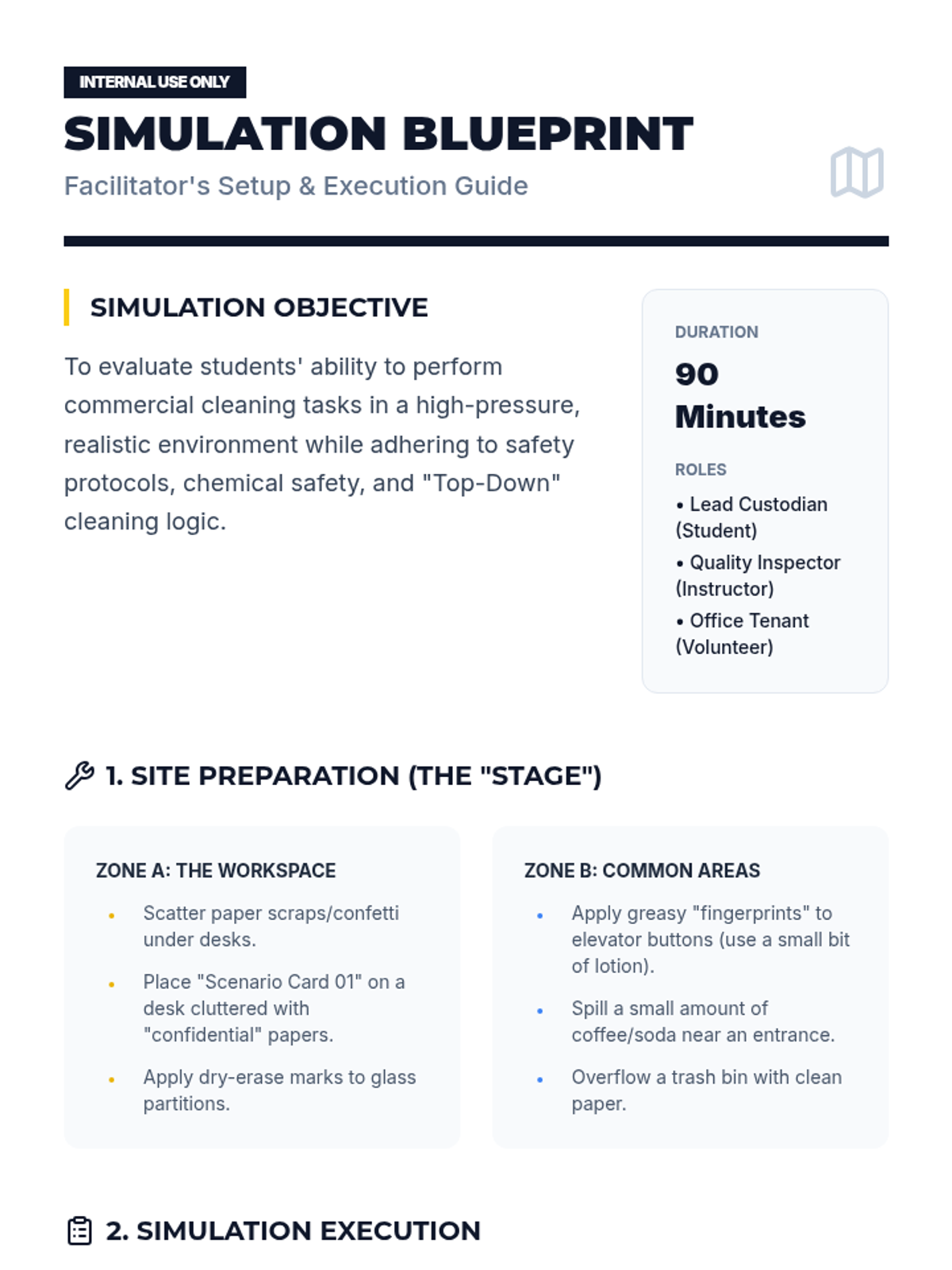
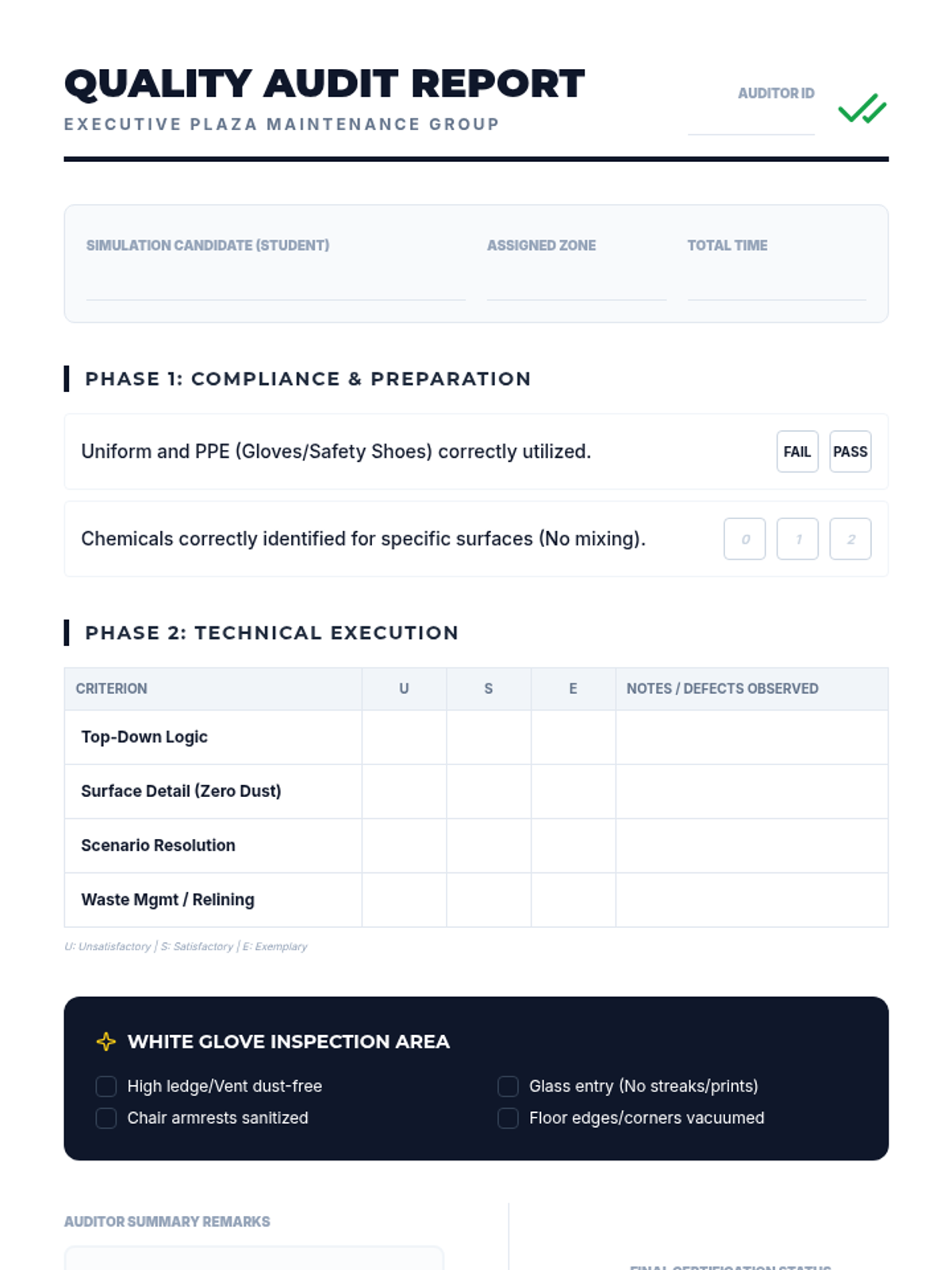
A vocational training series designed to prepare individuals for employment in the commercial cleaning and facilities maintenance industry.
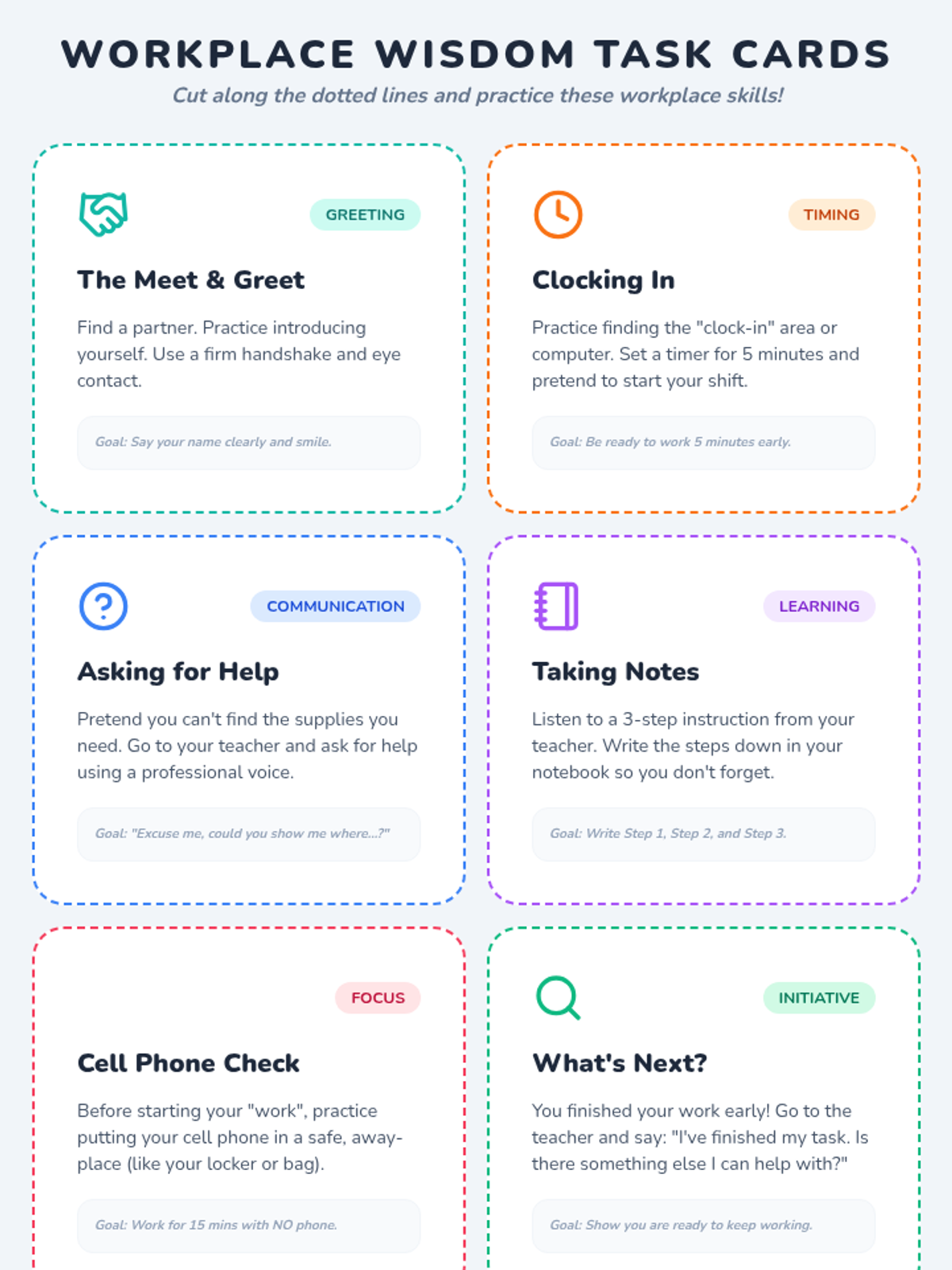
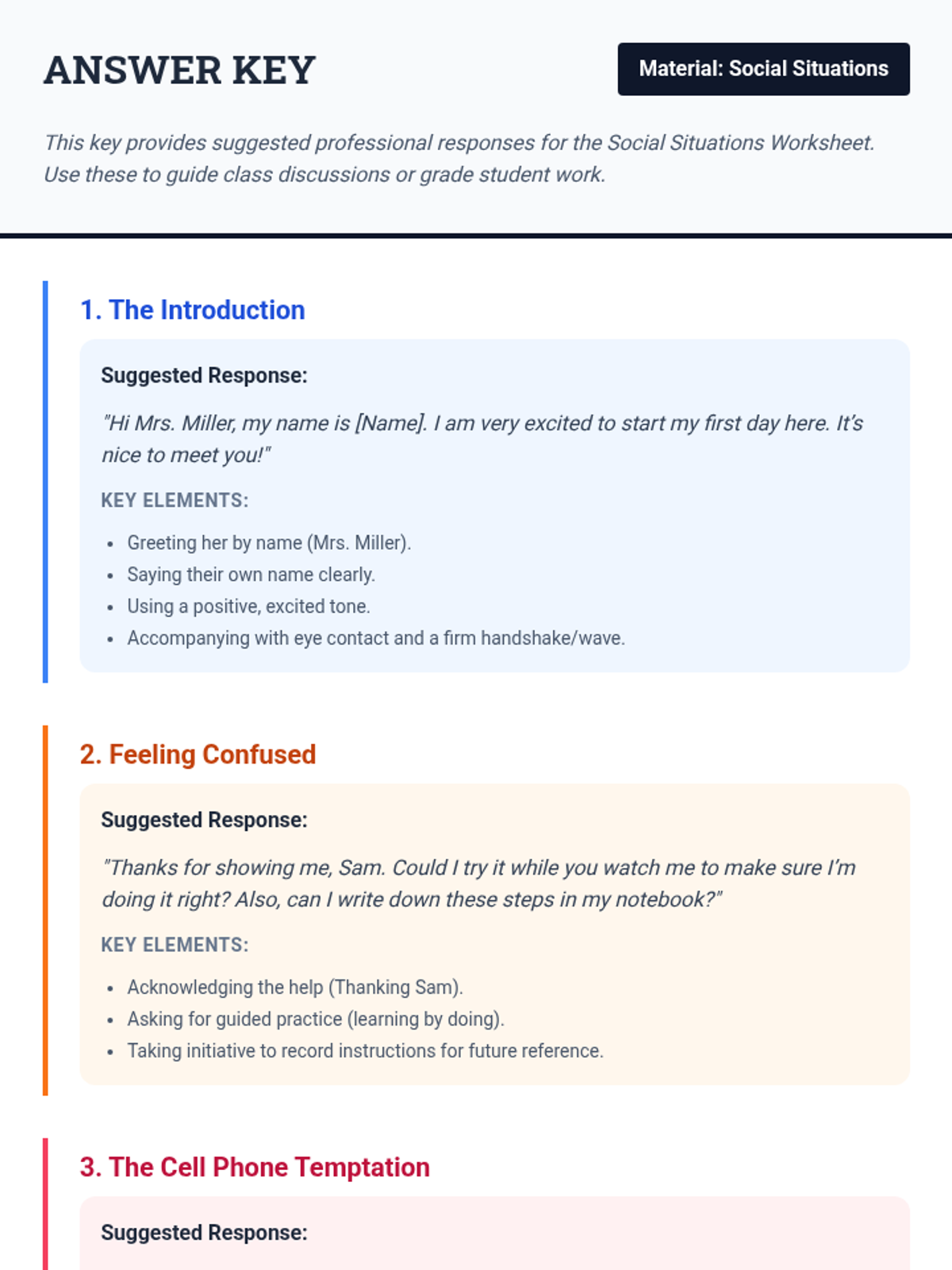
A comprehensive series of lessons designed to equip students with the essential life skills needed to transition into the workforce, focusing on preparation, professionalism, and daily routines.
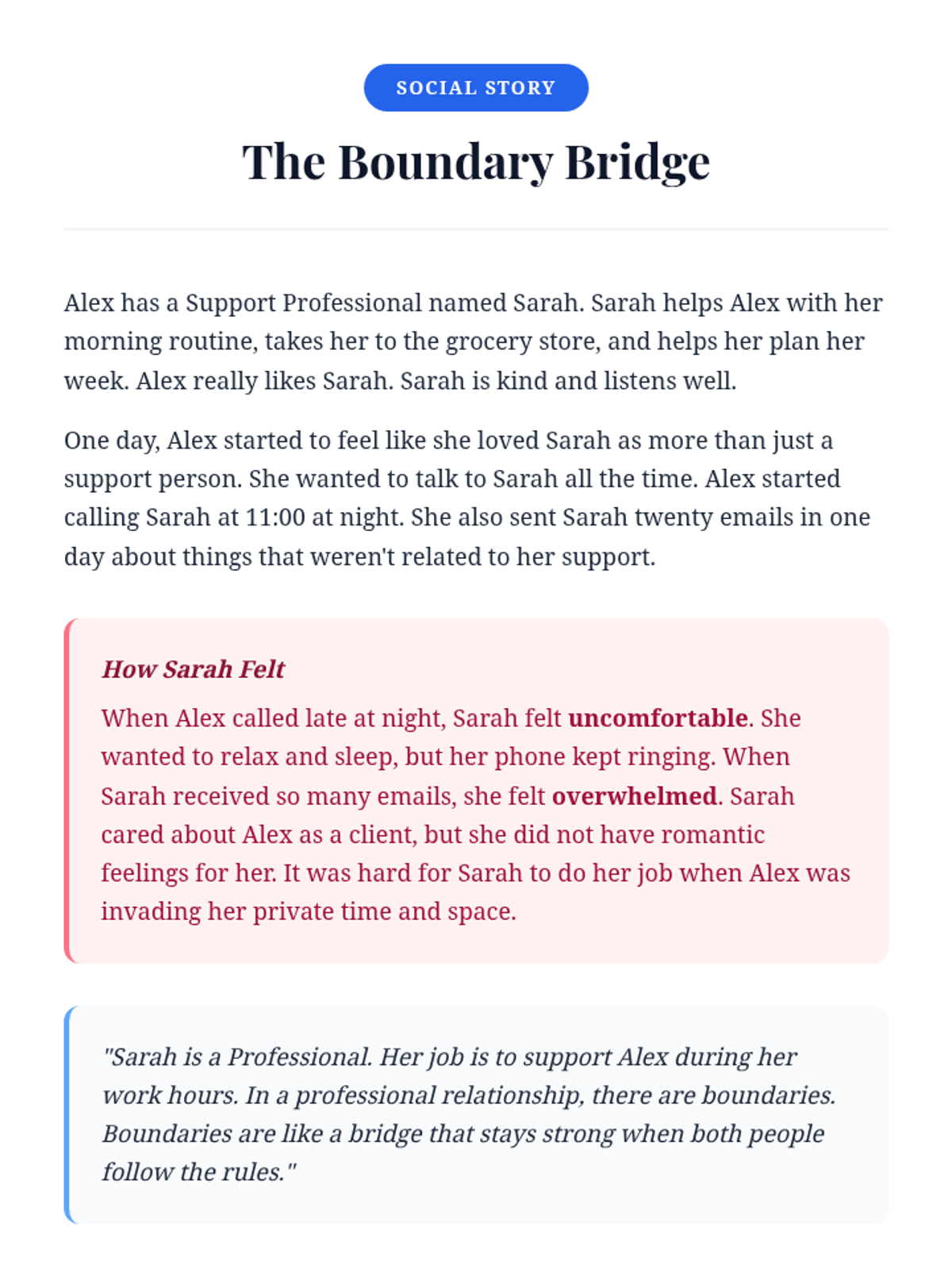
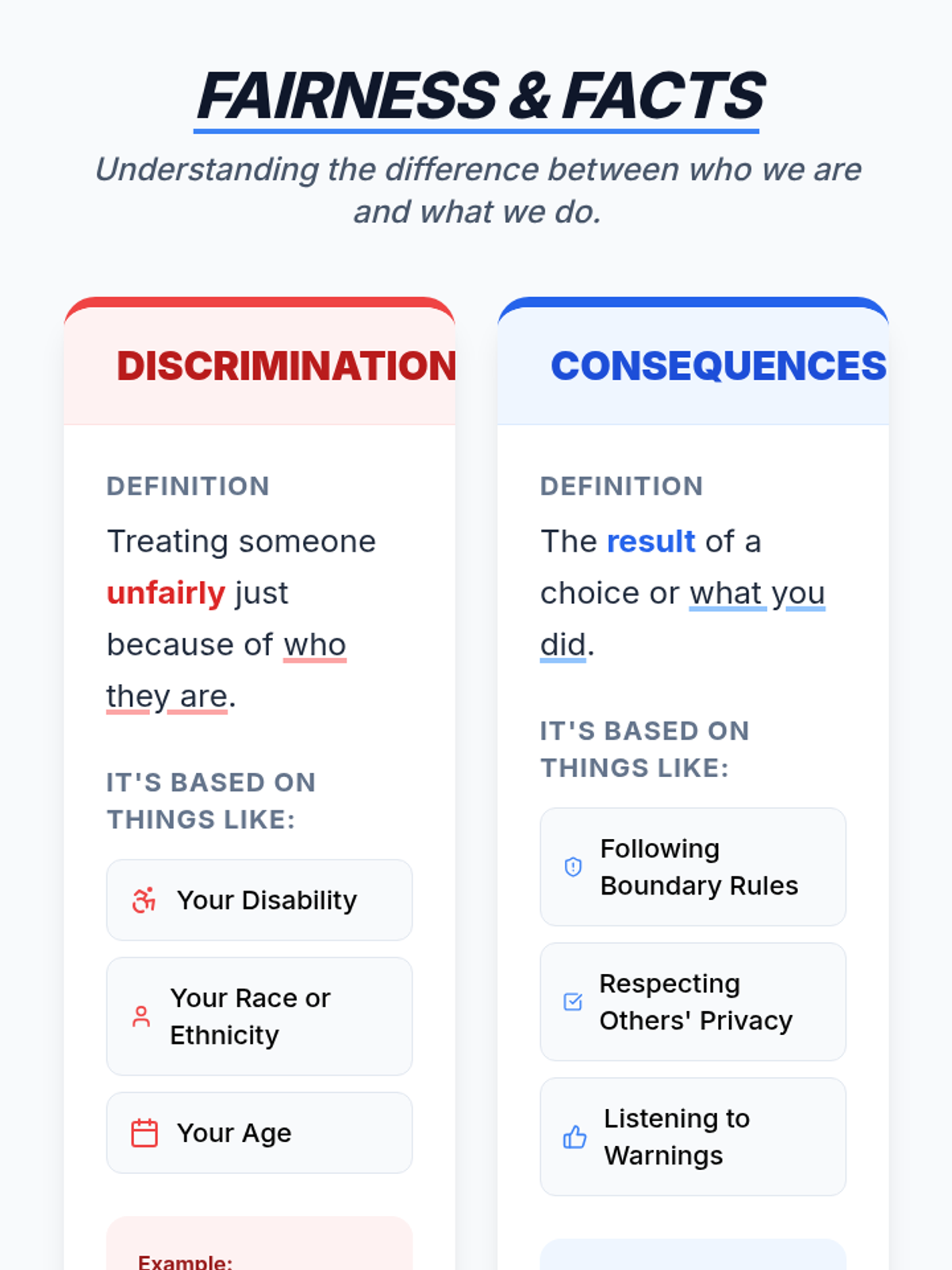
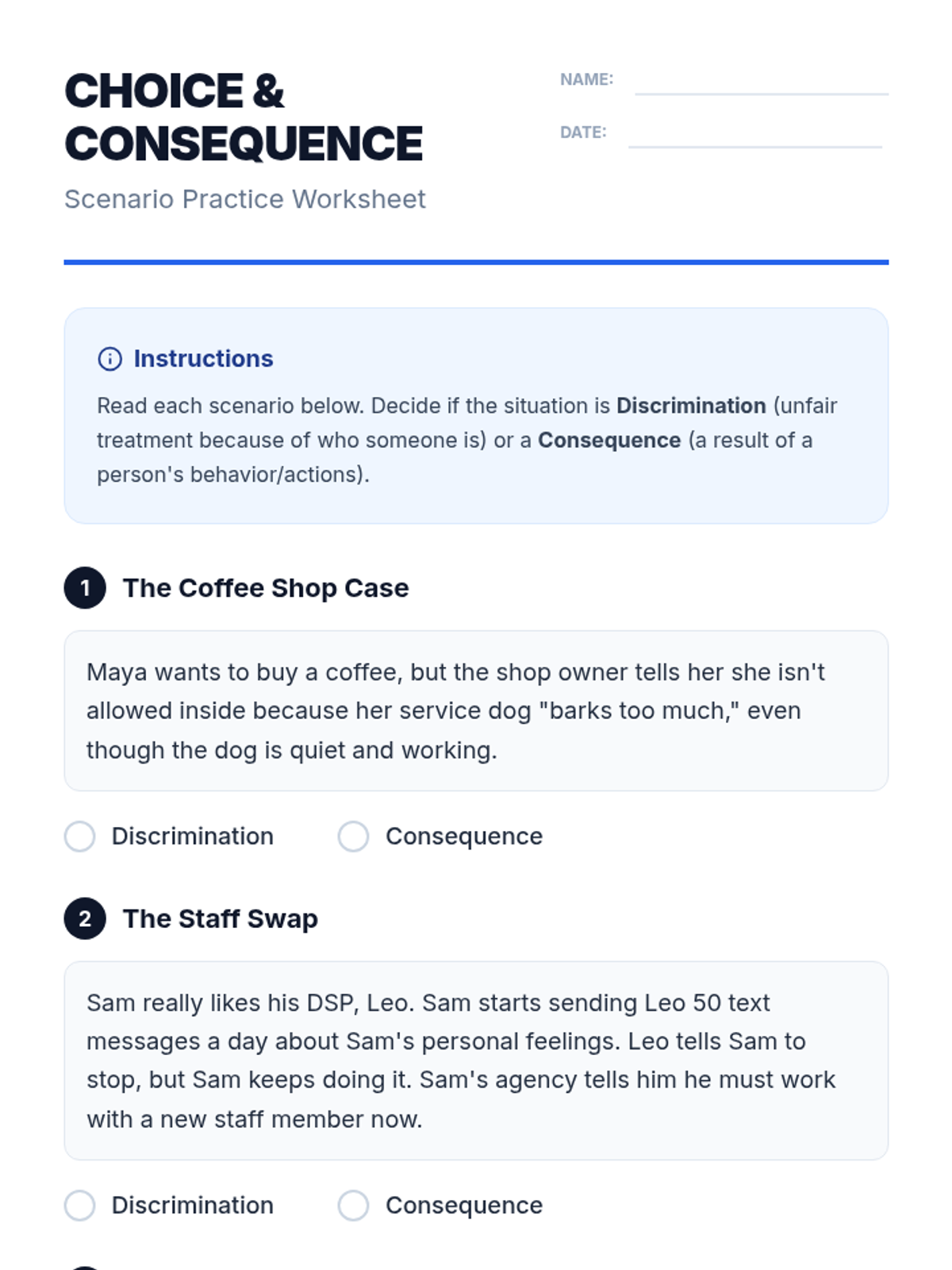
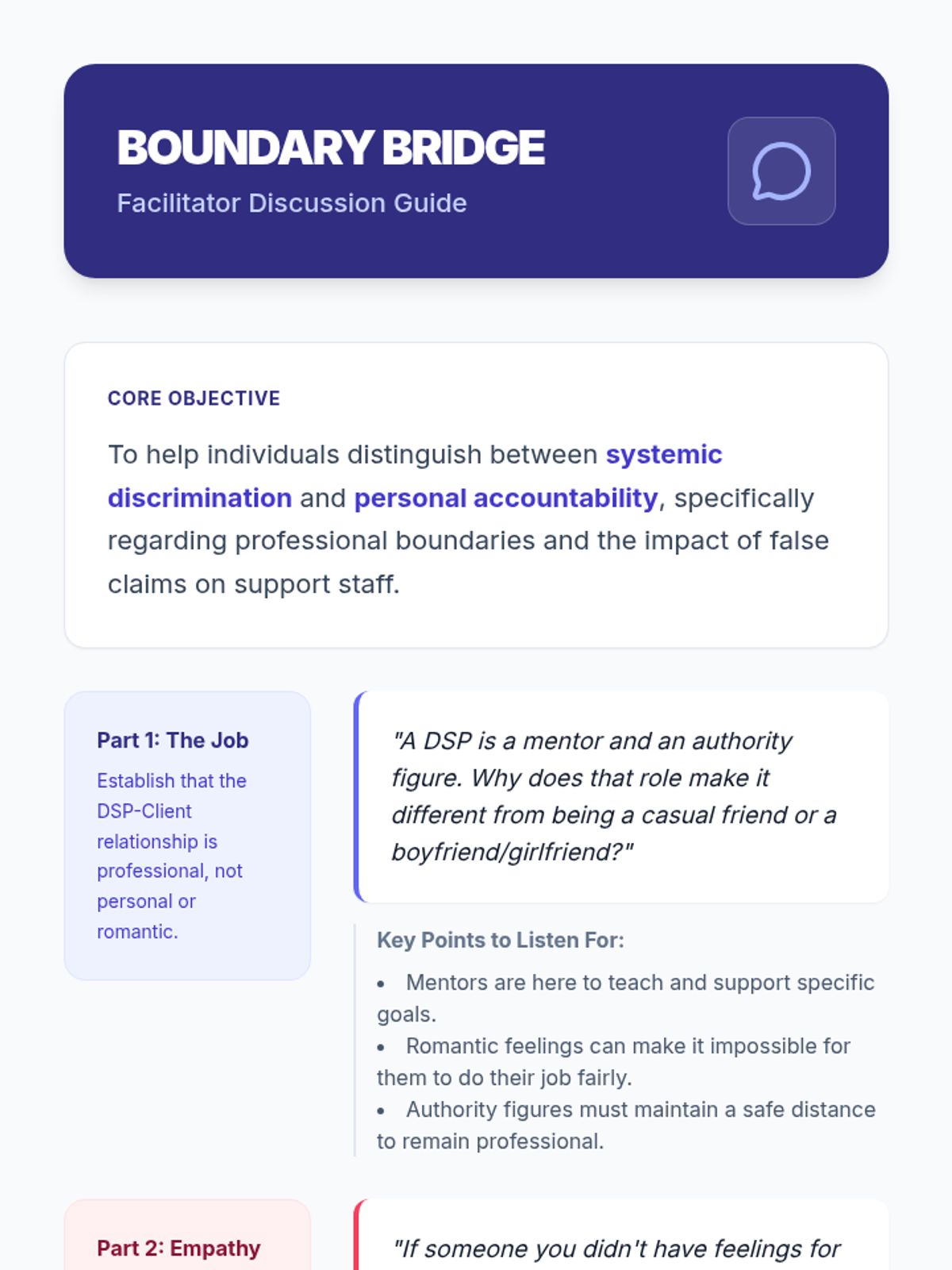
A series of lessons designed to help individuals understand the difference between discrimination and the consequences of personal behavior, focusing on professional boundaries and the impact of false claims.
A comprehensive program designed to guide students through the essentials of career exploration, professional document preparation, and the job application process.
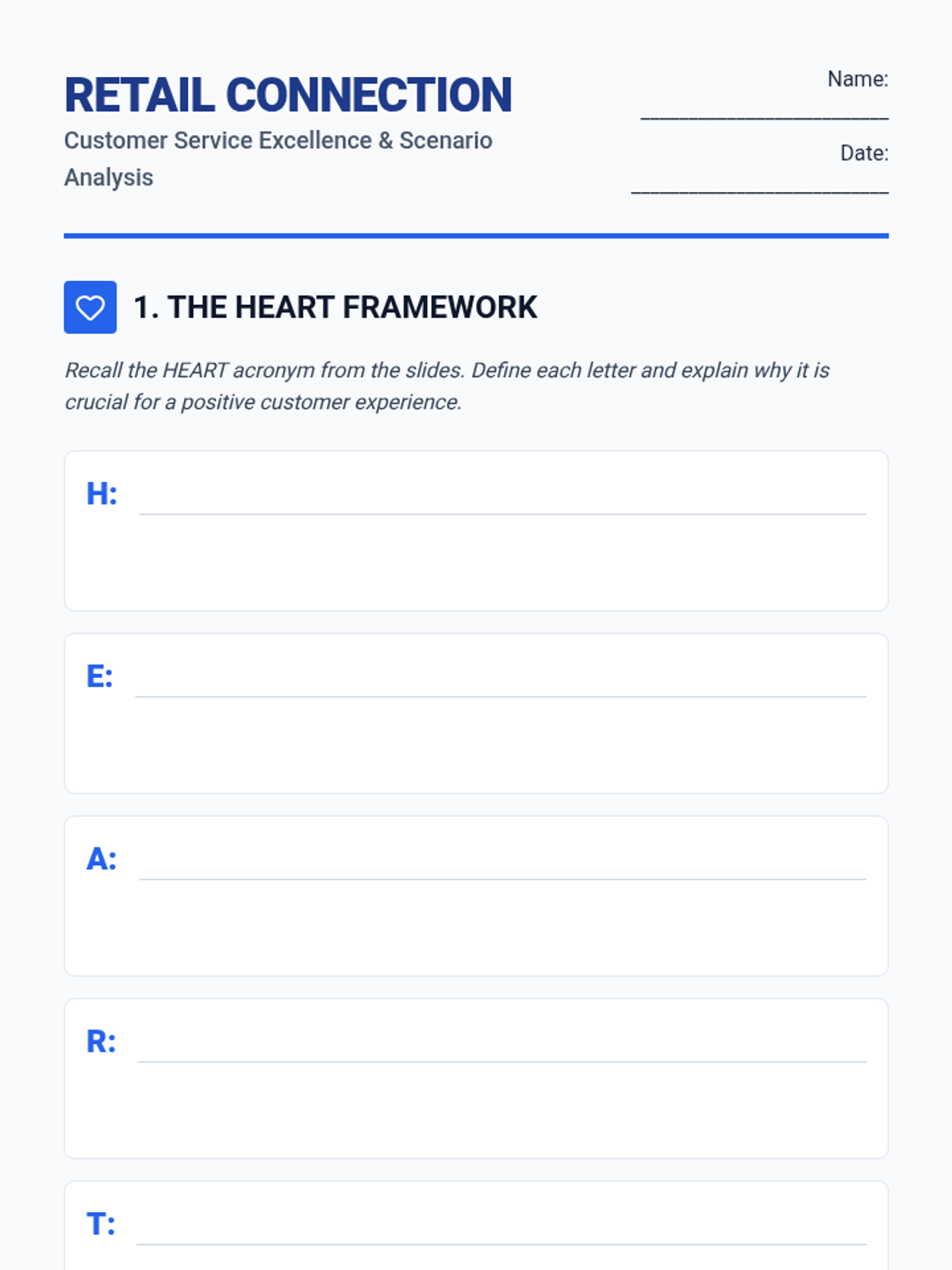
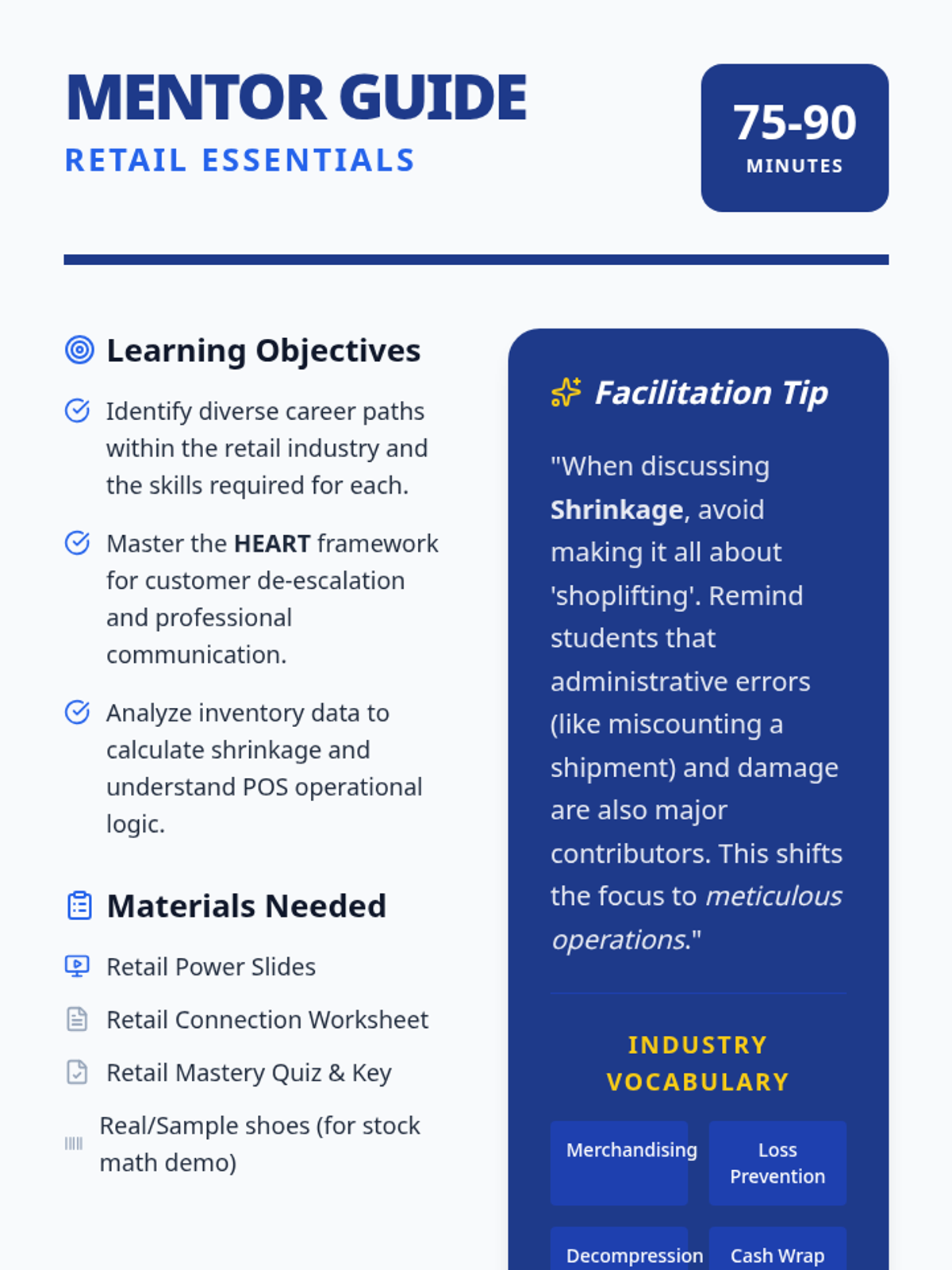
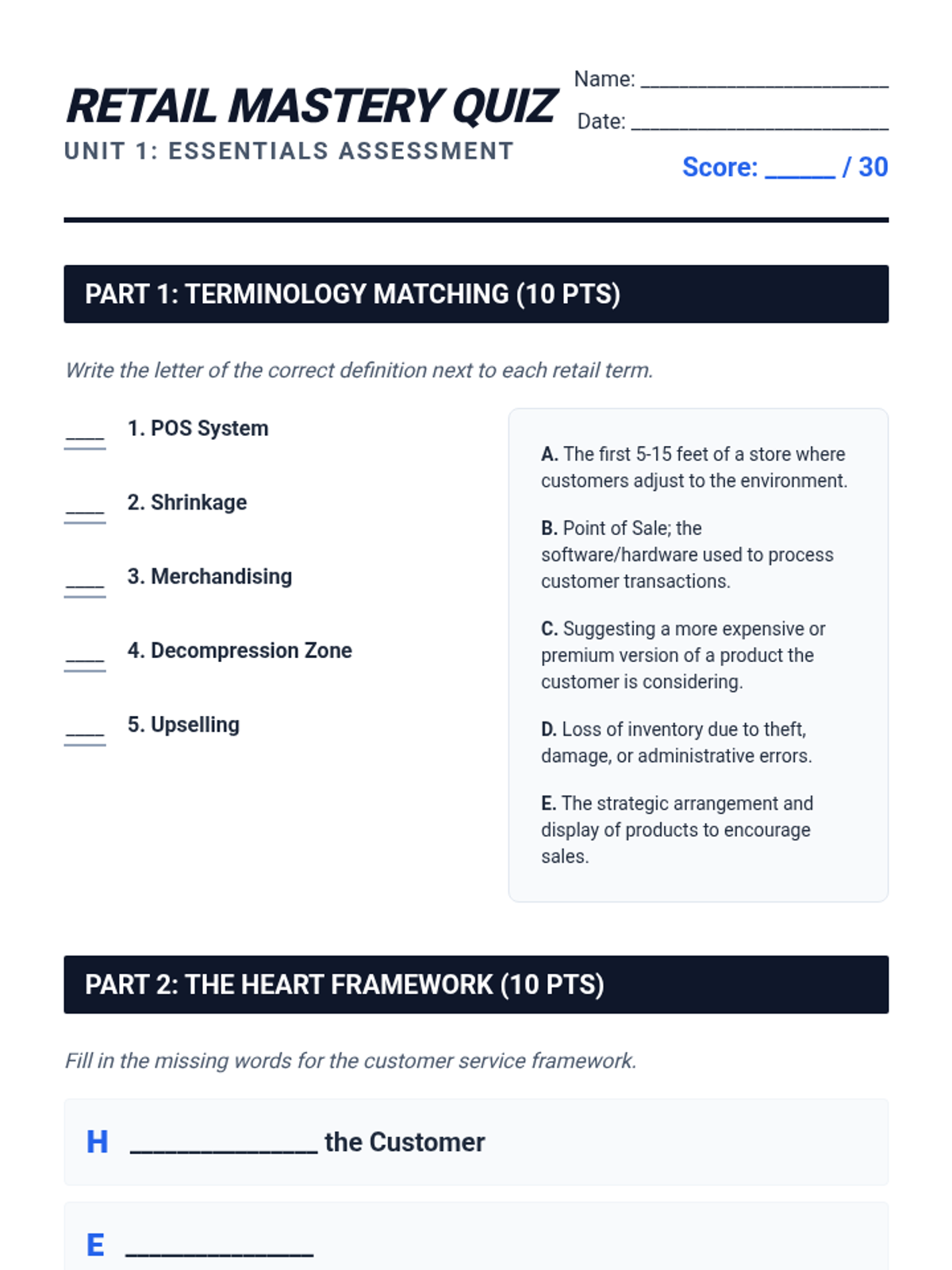
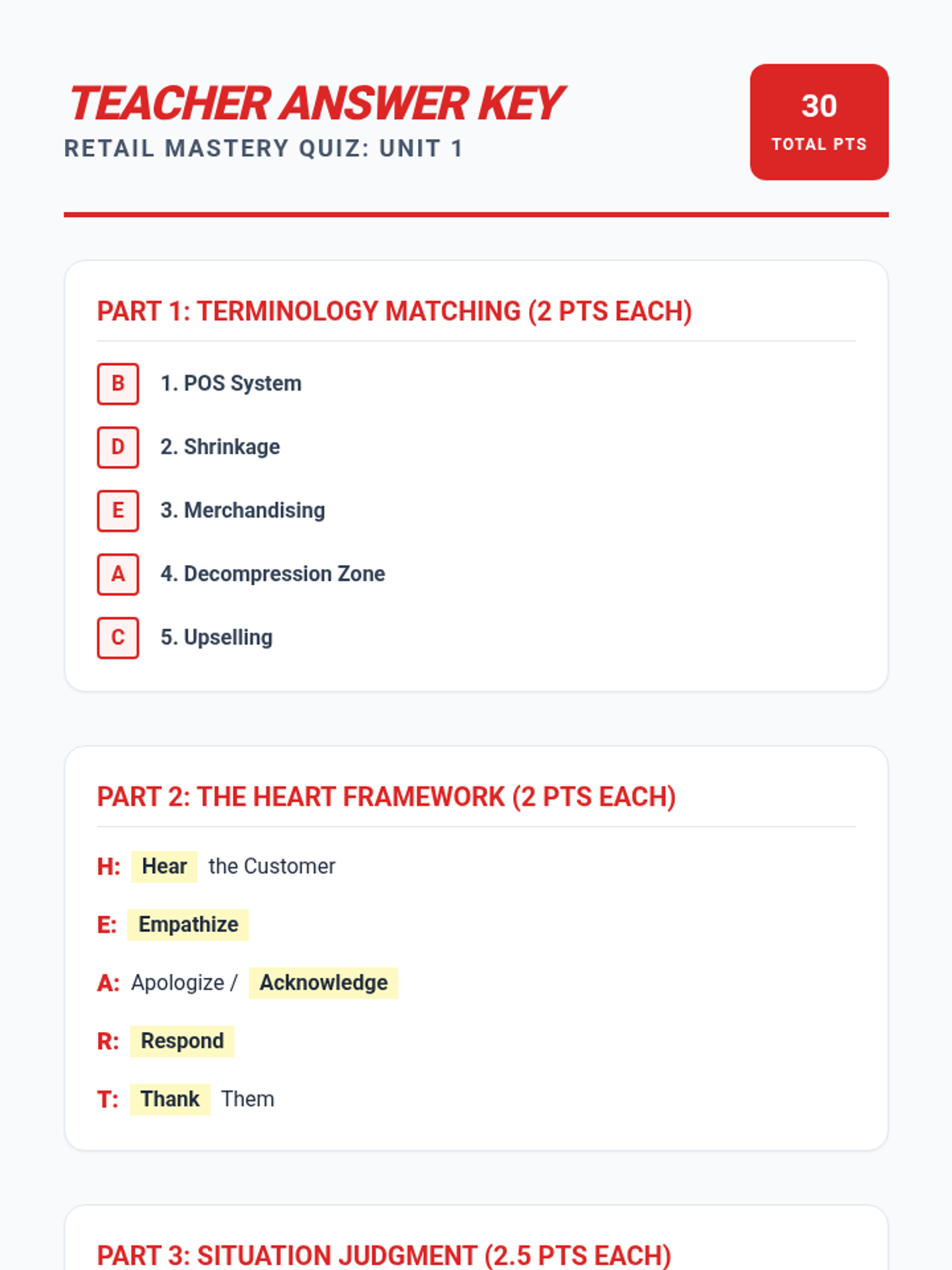
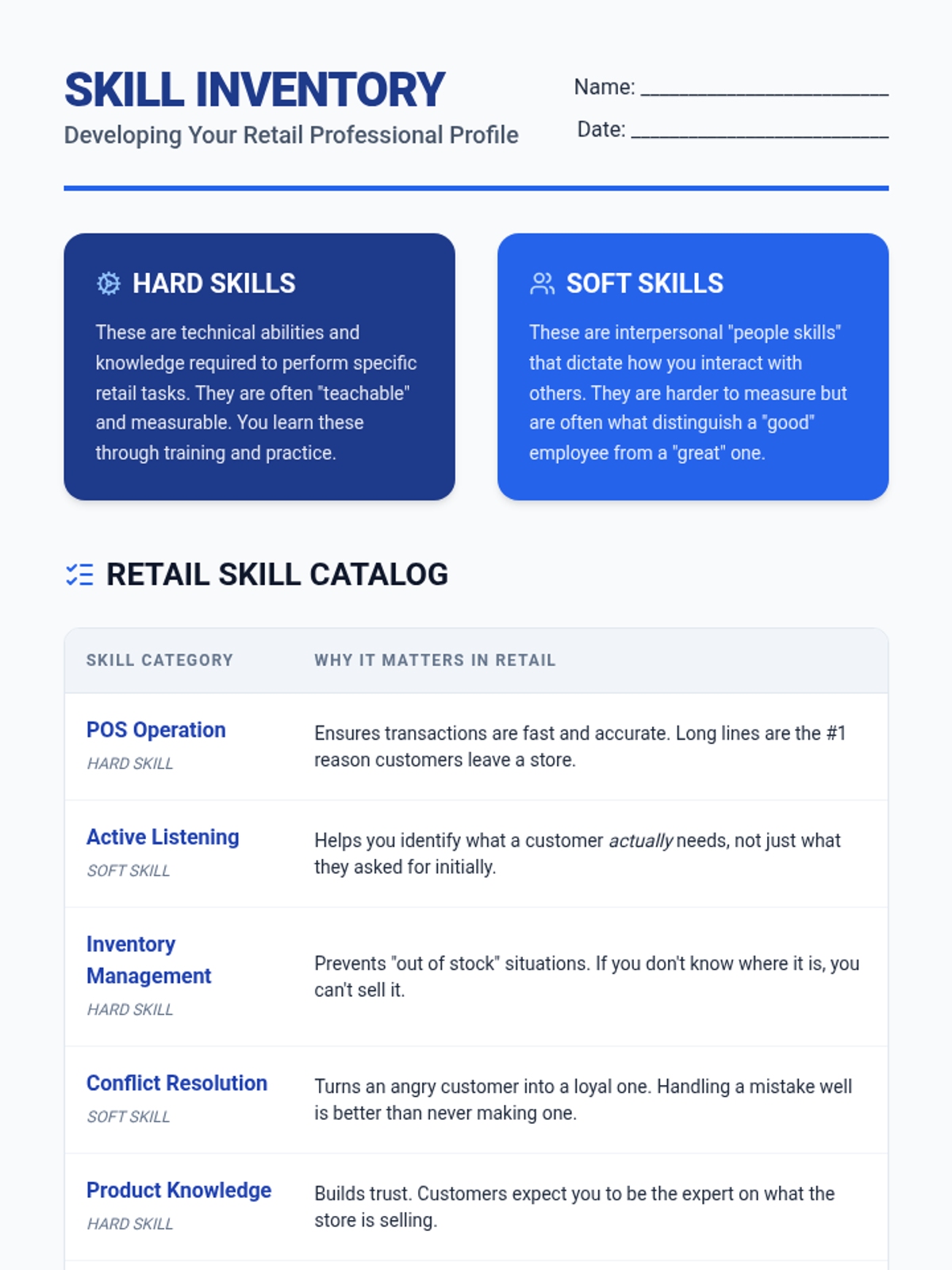
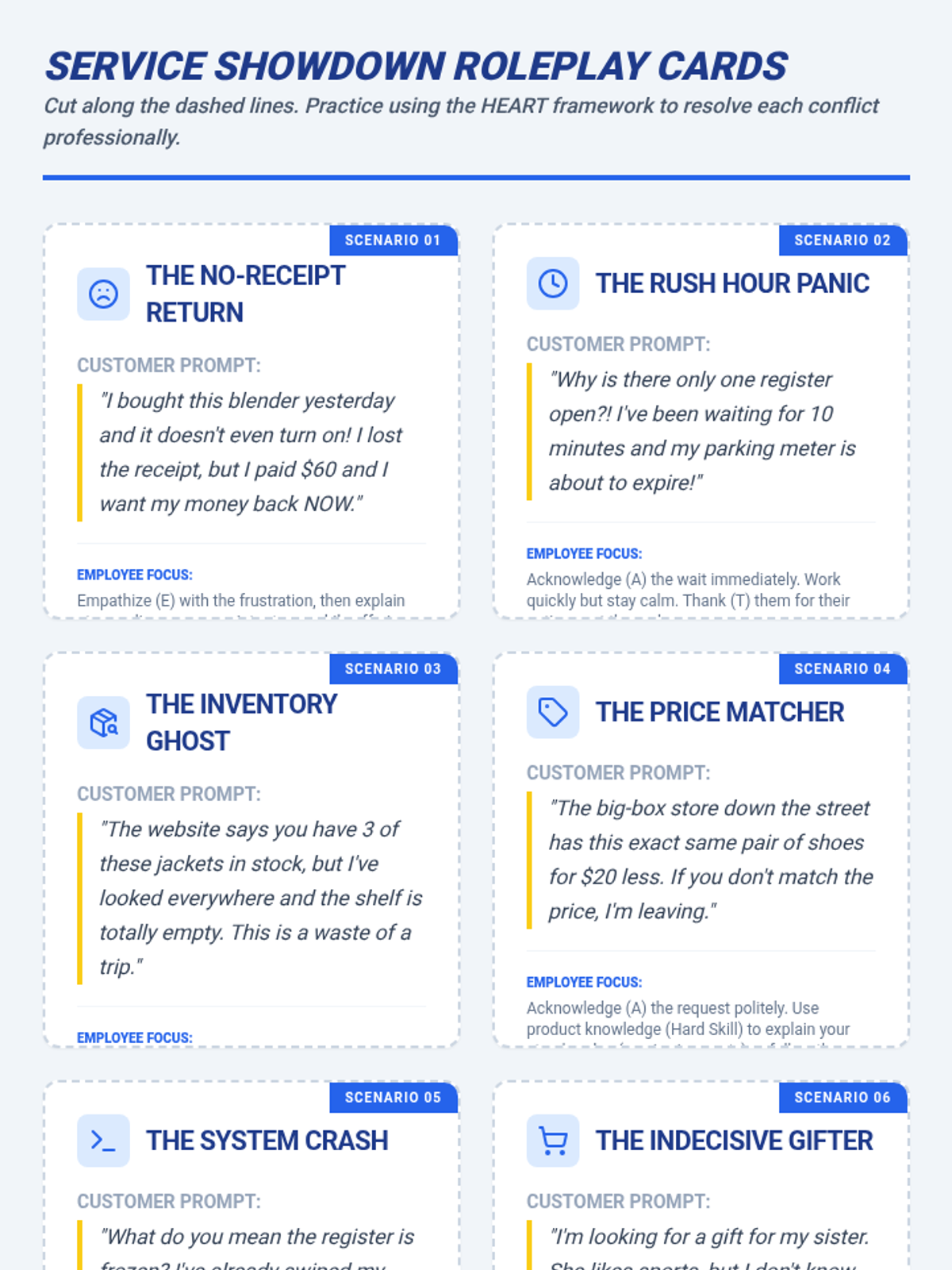
A hands-on career exploration unit focusing on the dynamic world of retail. Students will master customer service excellence, learn retail operations like inventory and POS systems, and design their own retail floor plan and brand strategy.
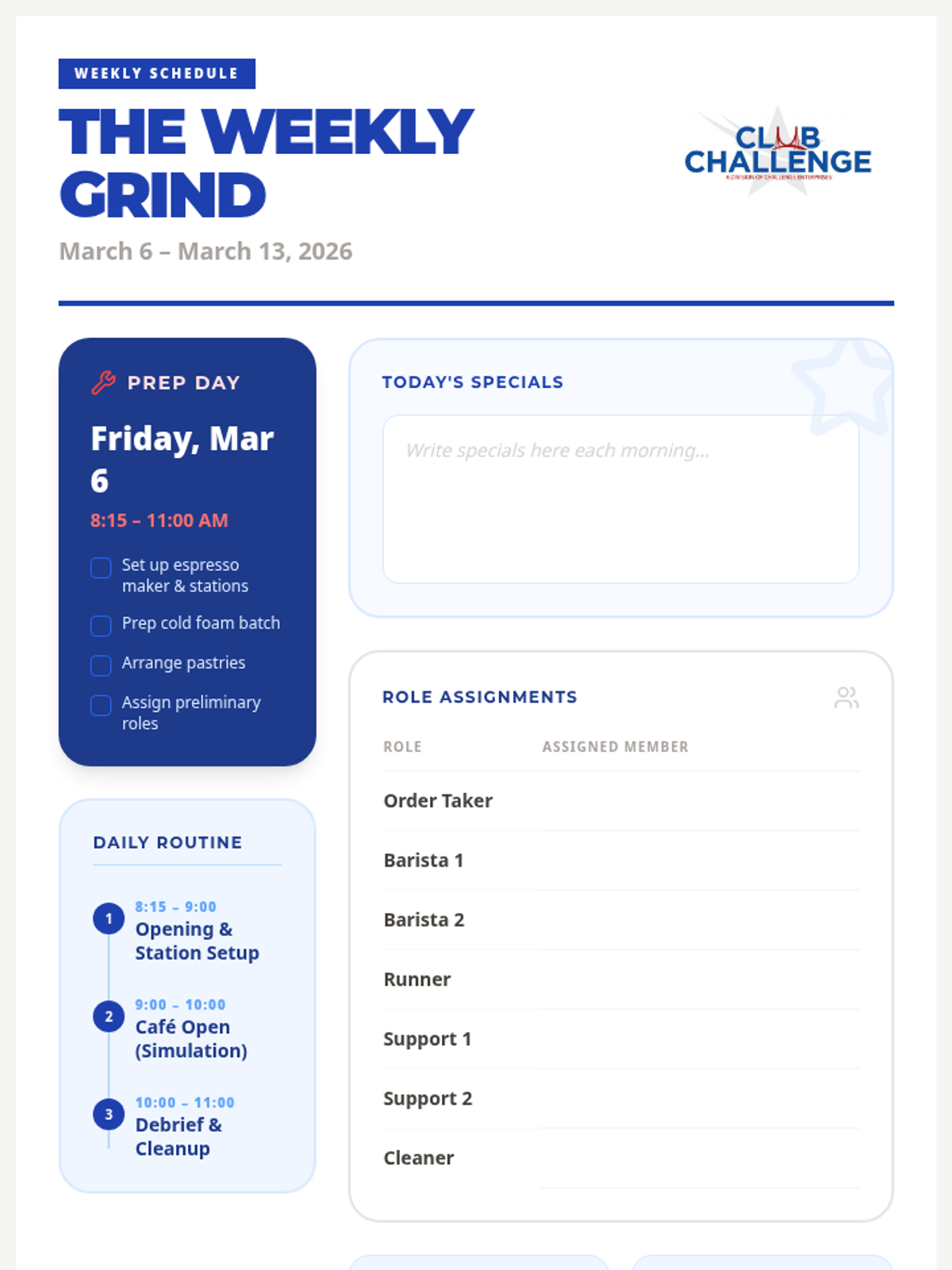
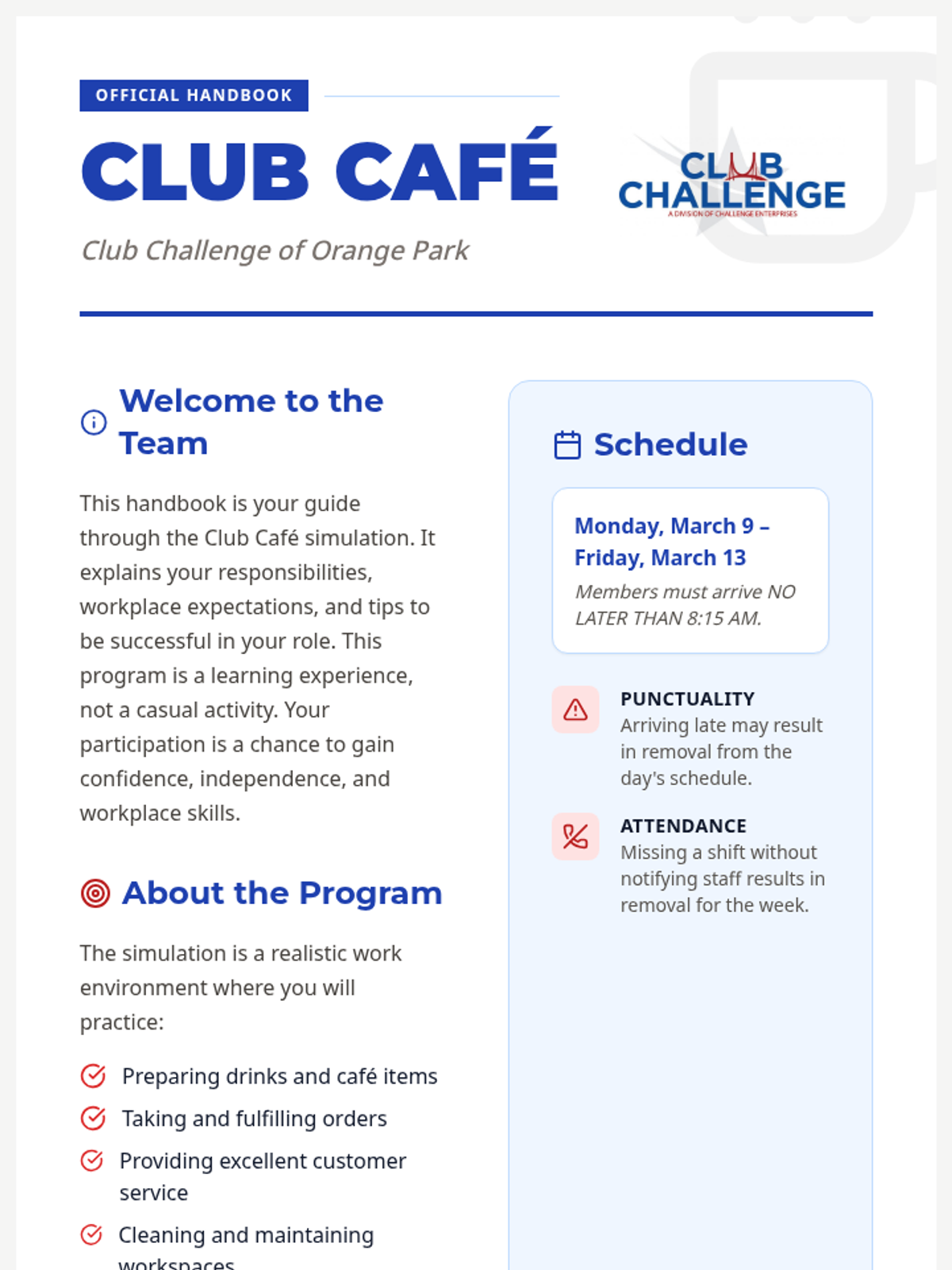
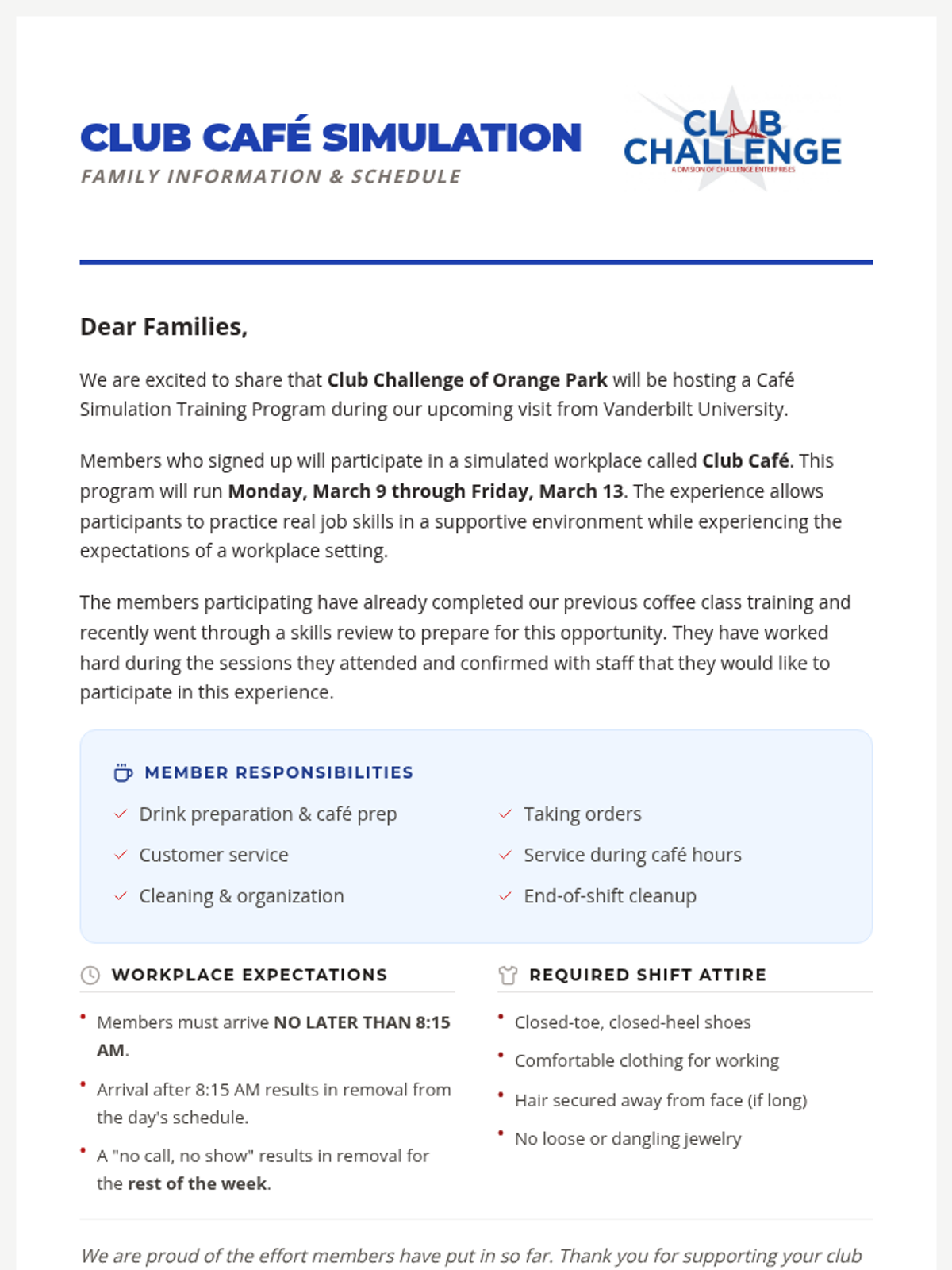
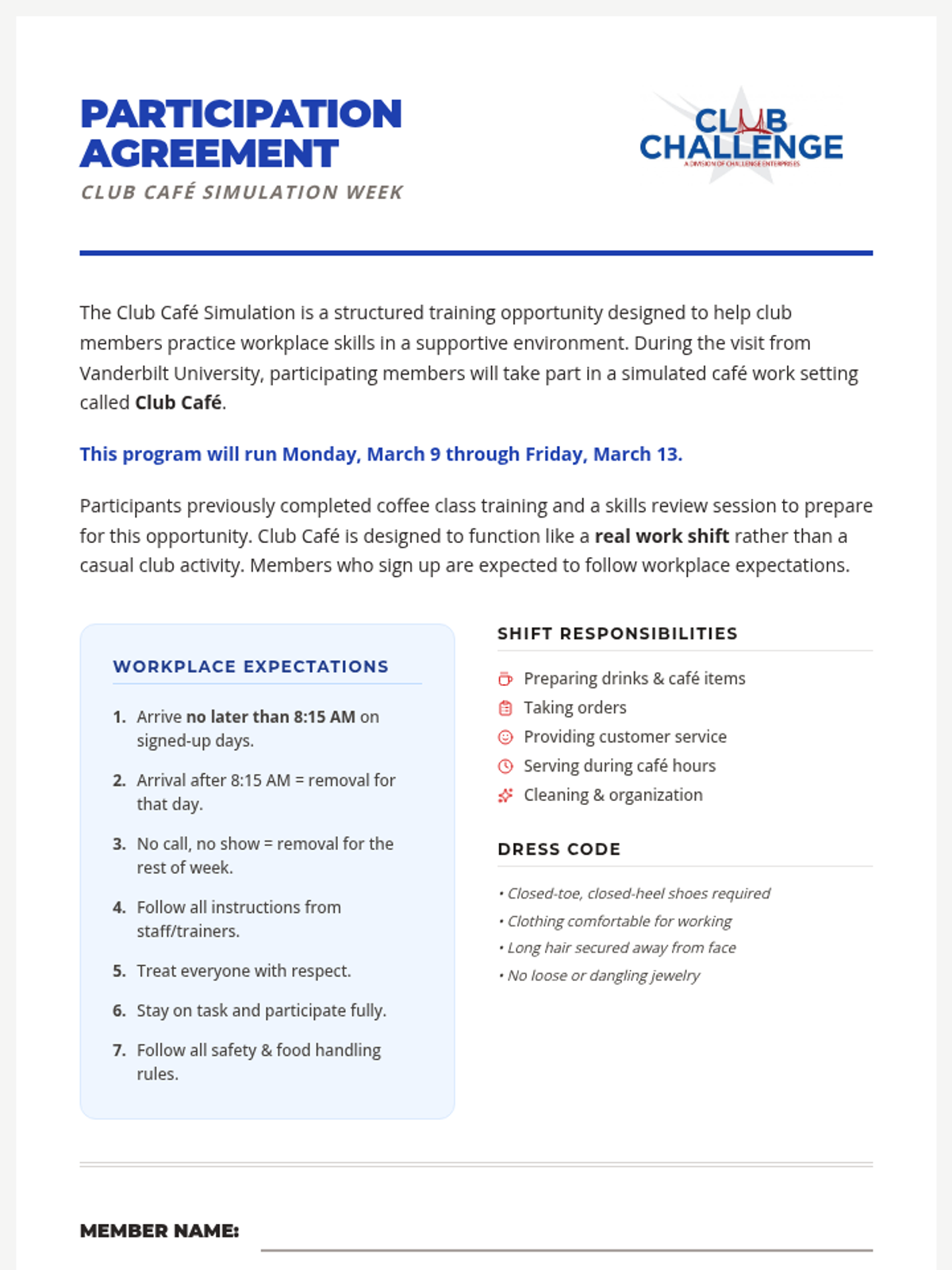
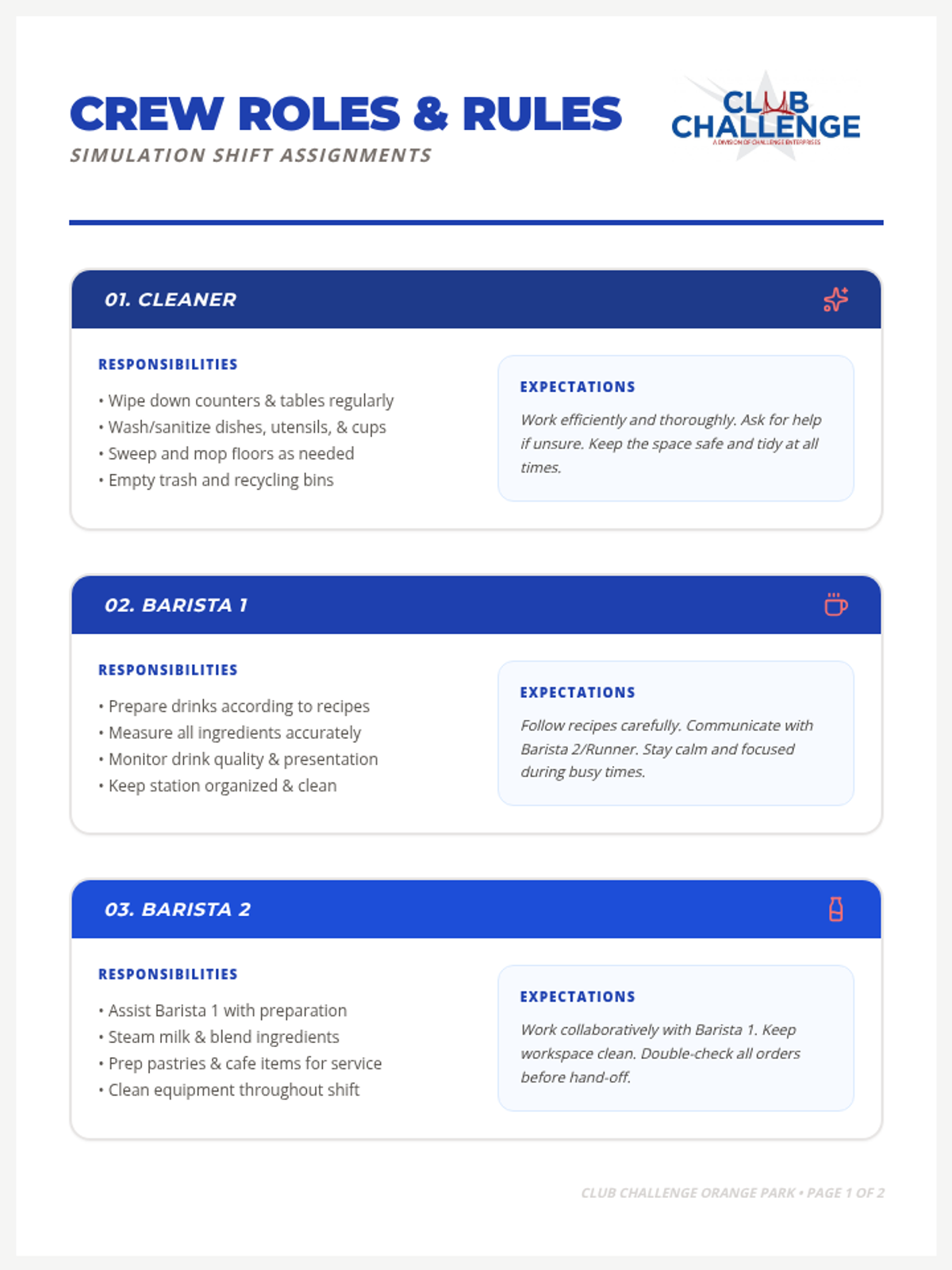
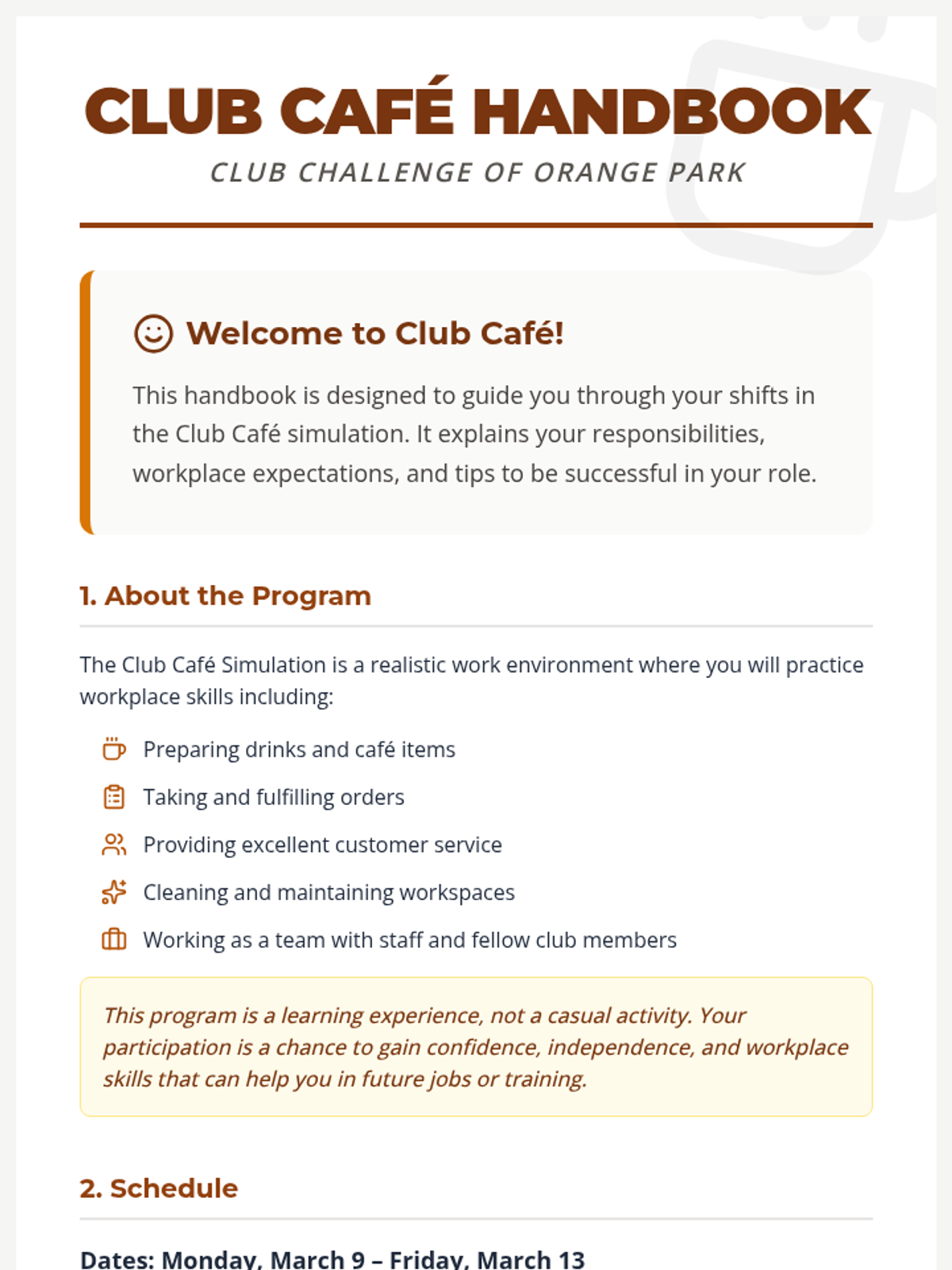
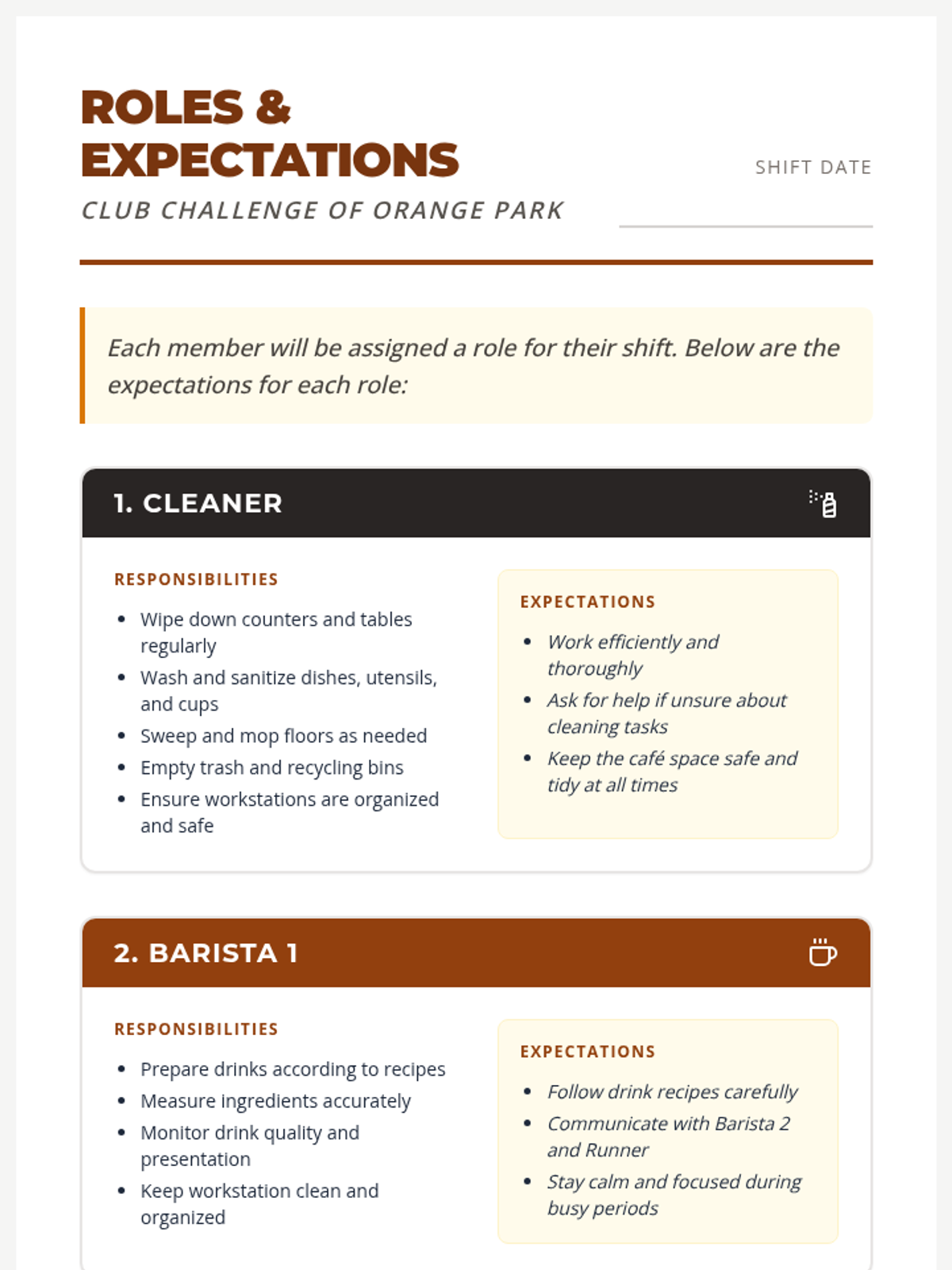
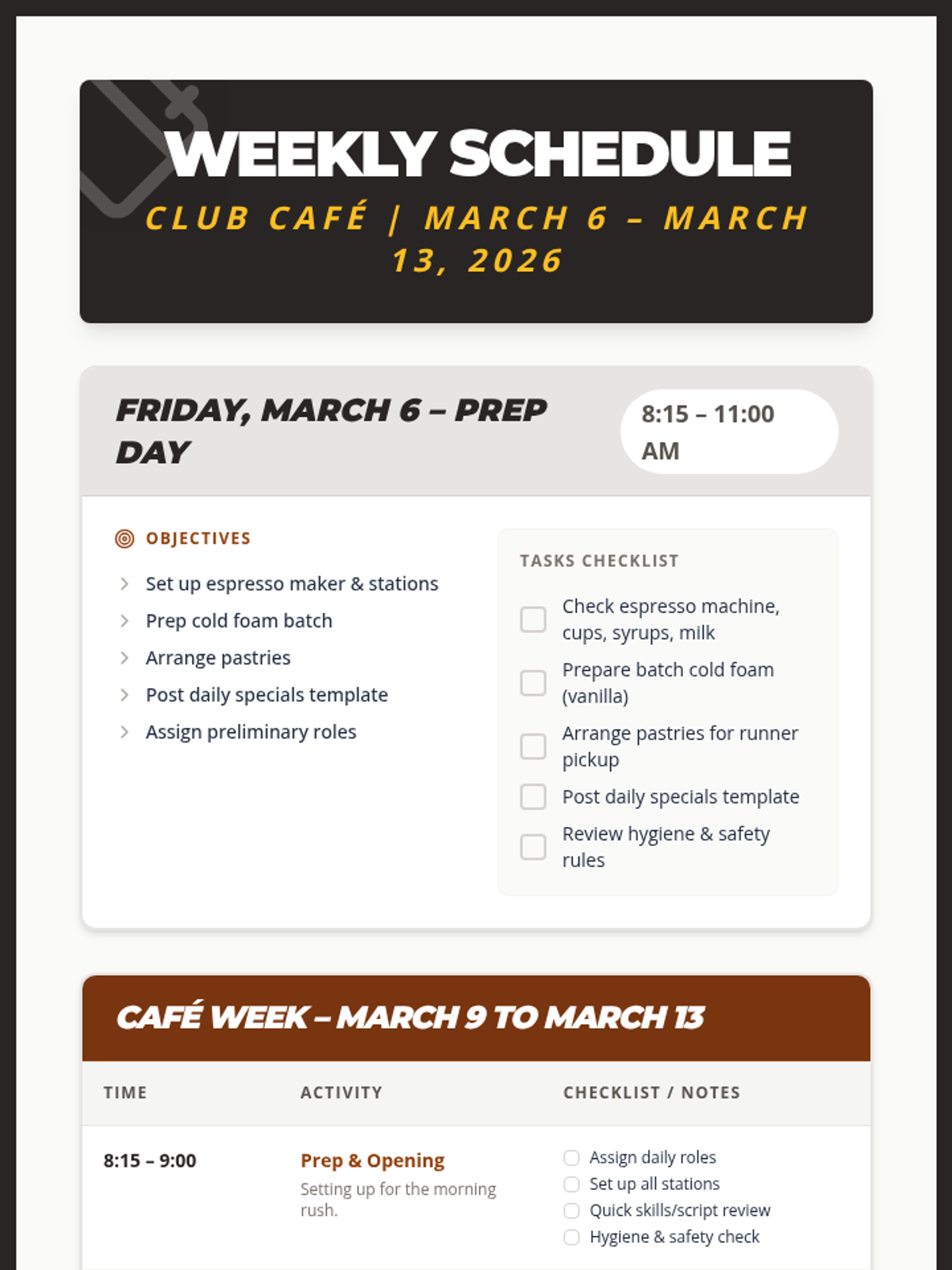
A comprehensive workplace simulation program for Club Challenge of Orange Park, designed to teach vocational skills through a realistic café environment. The sequence includes orientation materials, operational tools for students, and tracking resources for staff.
A comprehensive vocational training program for members to practice workplace skills through a realistic café simulation, covering everything from drink preparation to customer service and team coordination.
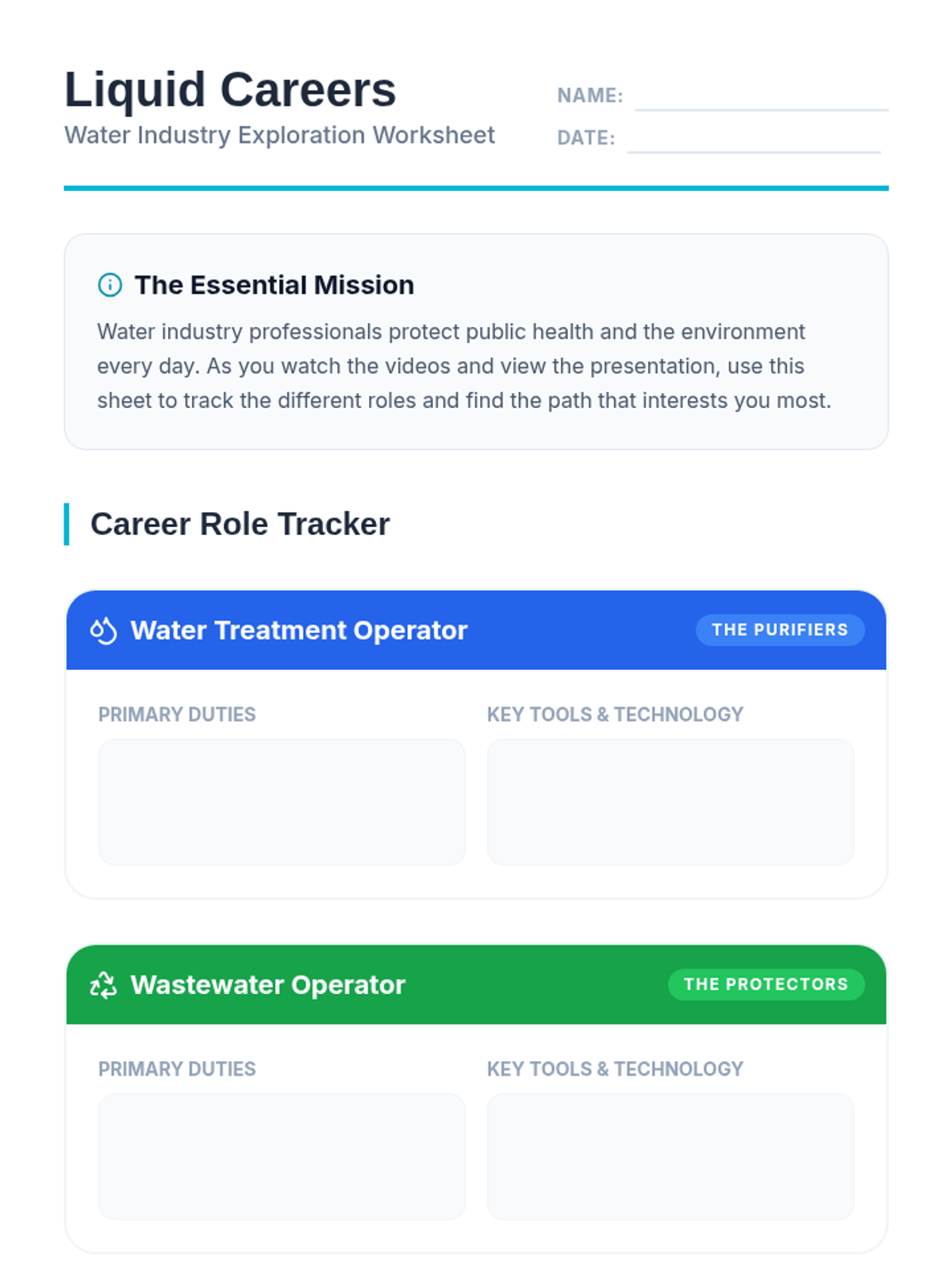
A comprehensive look into the water industry, covering the vital roles, infrastructure, and technology that ensure clean water delivery and safe wastewater management. Students learn about the science, engineering, and fieldwork involved in modern water systems.
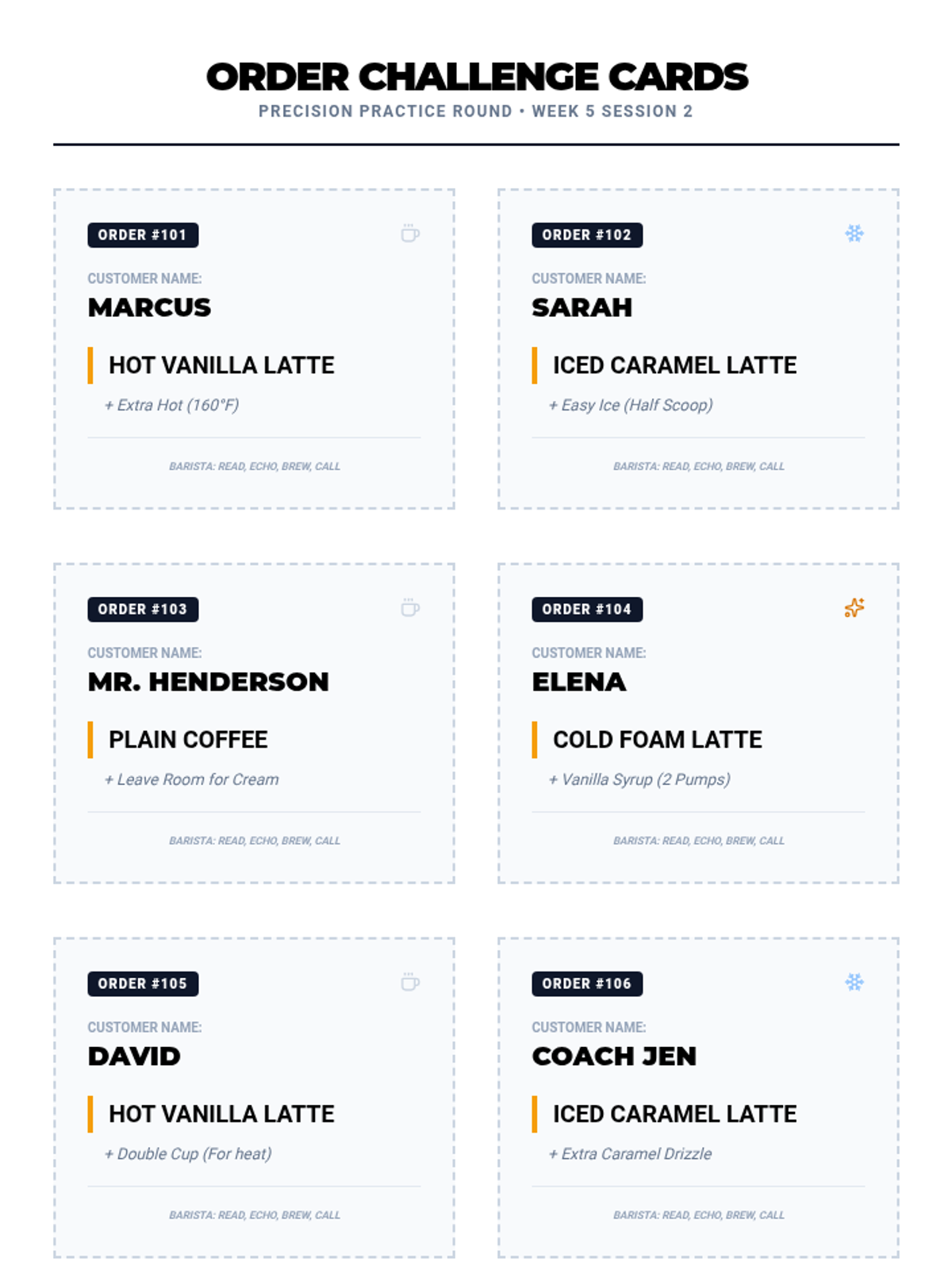
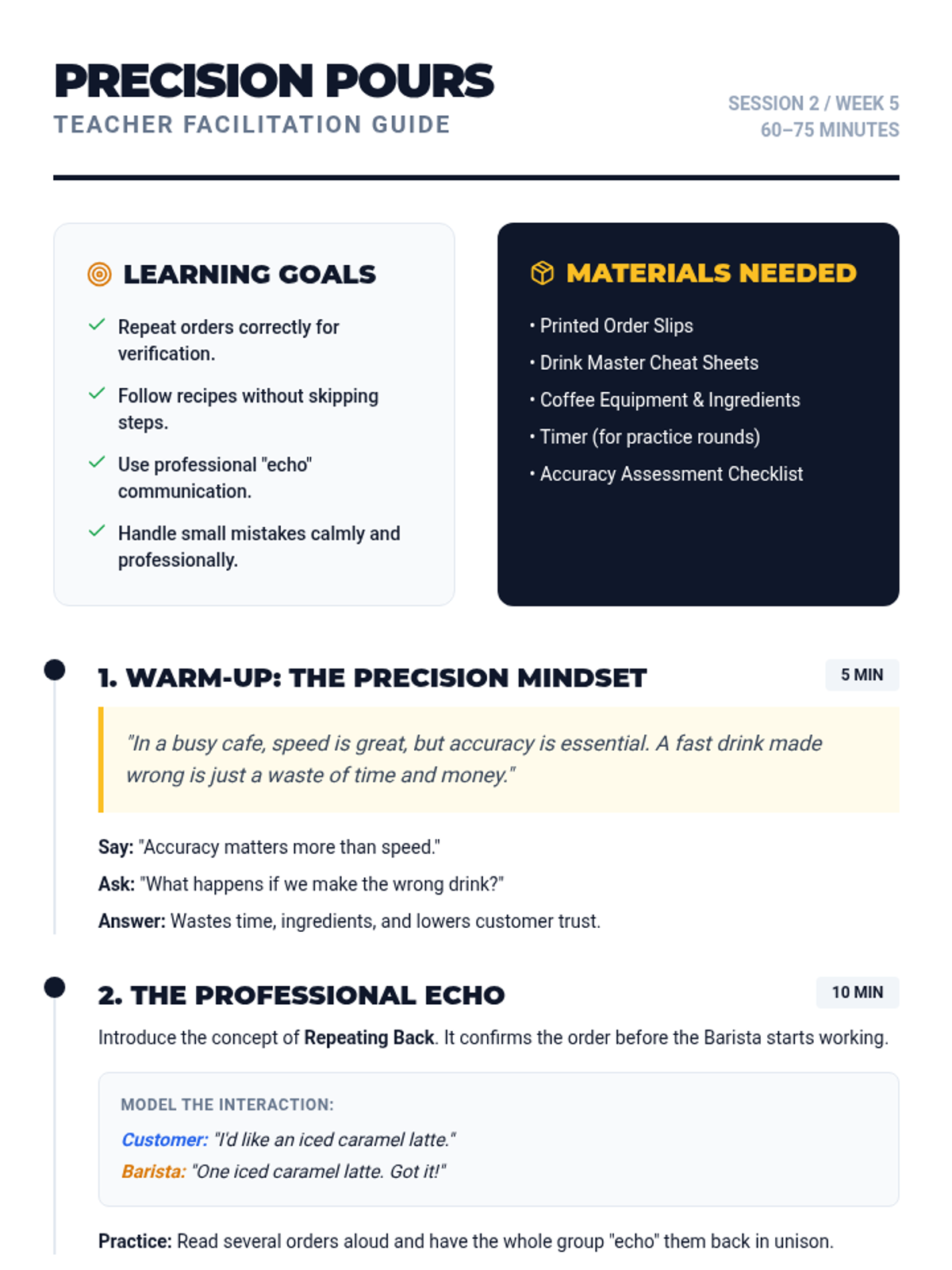
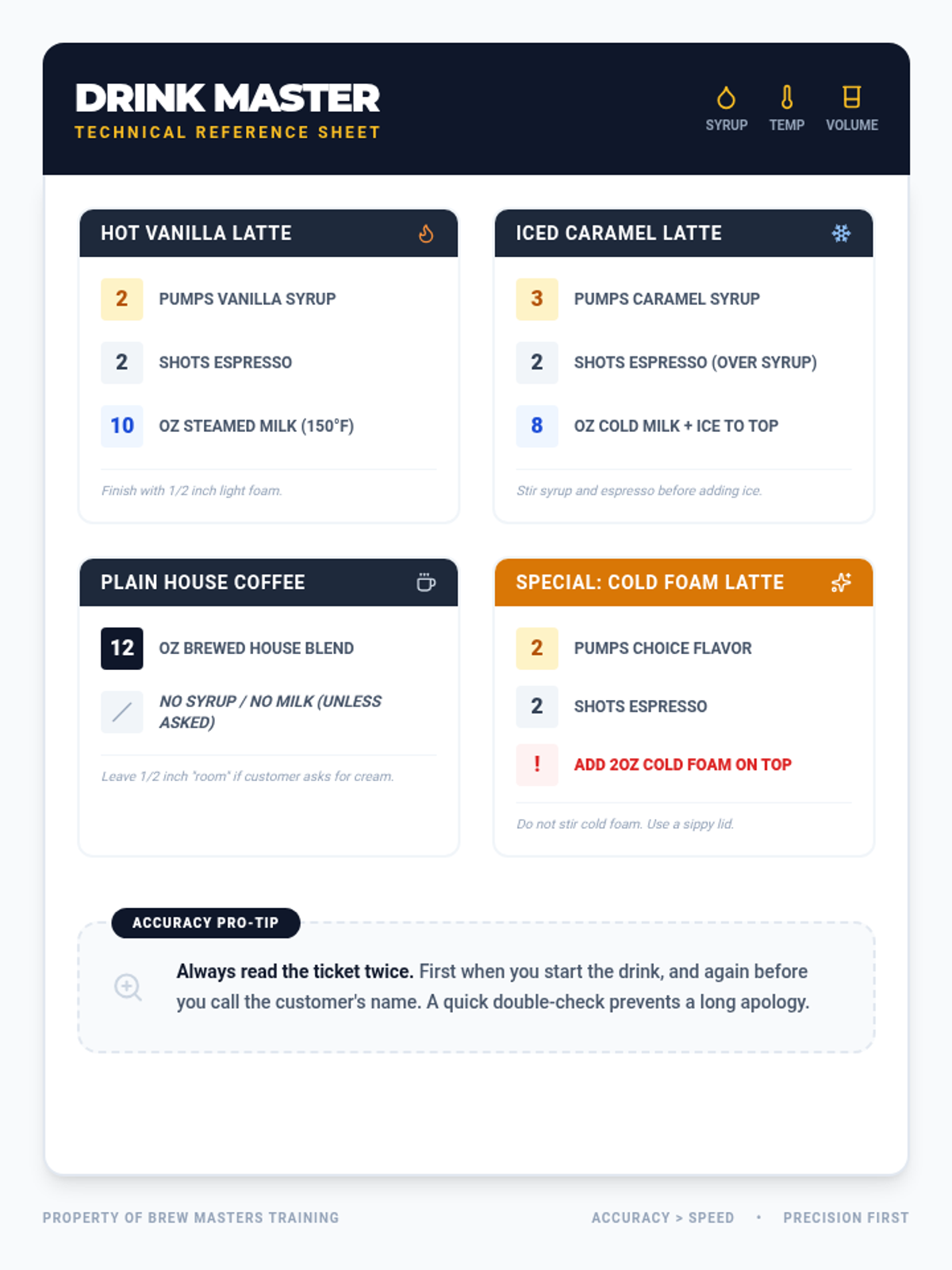
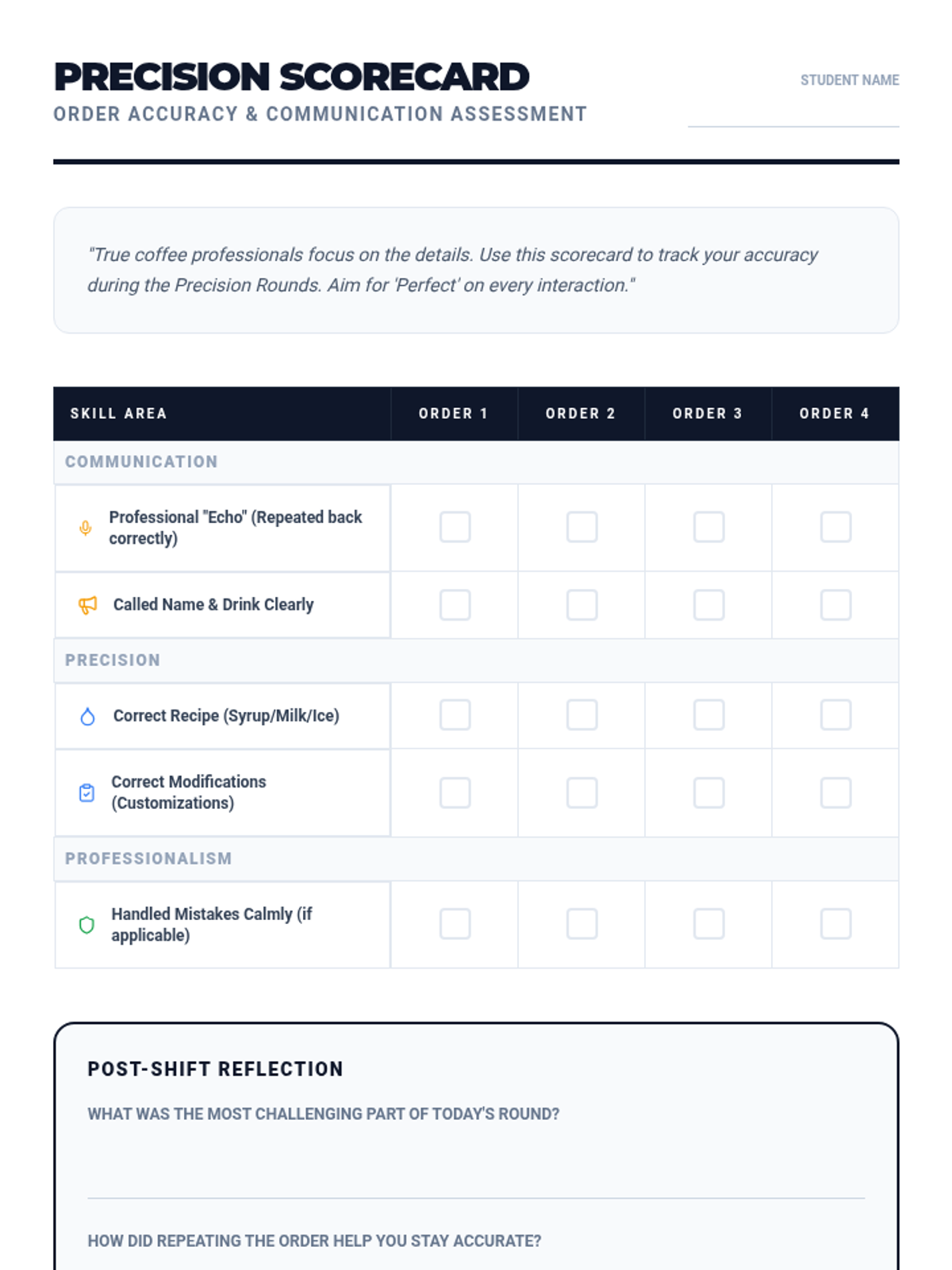
A comprehensive training program for aspiring cafe professionals, focusing on operational roles, communication, and drink preparation accuracy. Students progress from basic role understanding to master professional communication and precision in every pour.
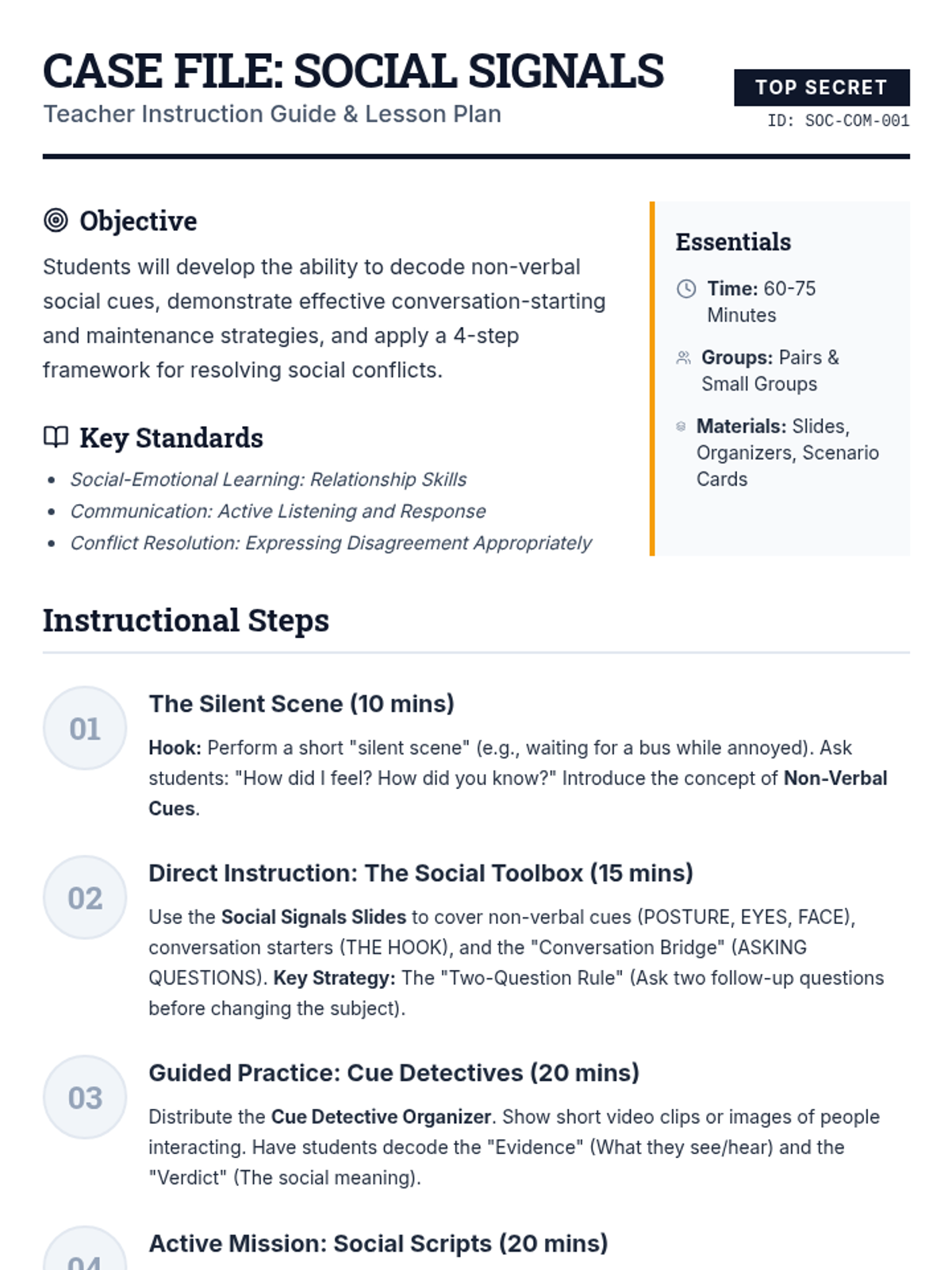
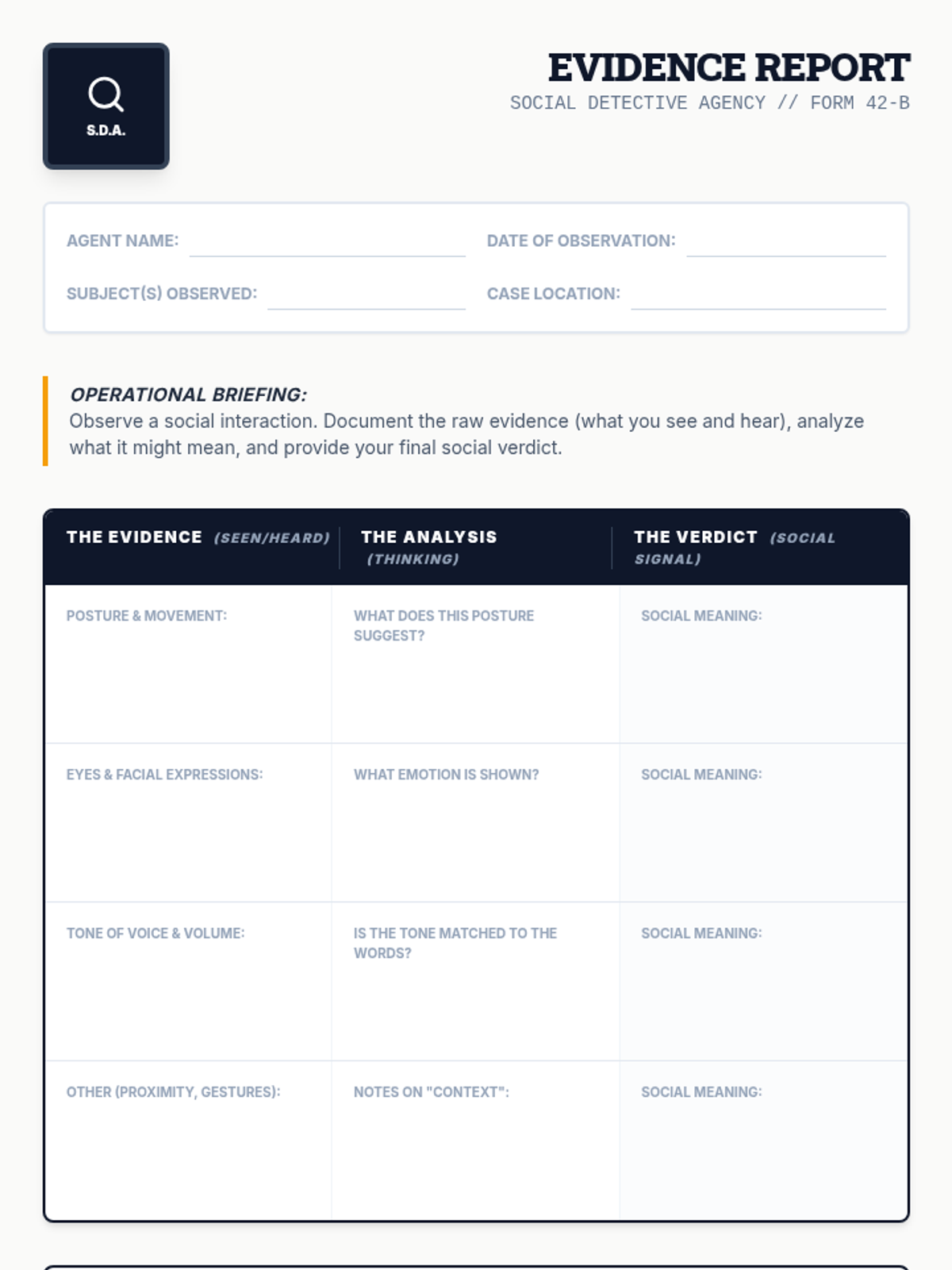
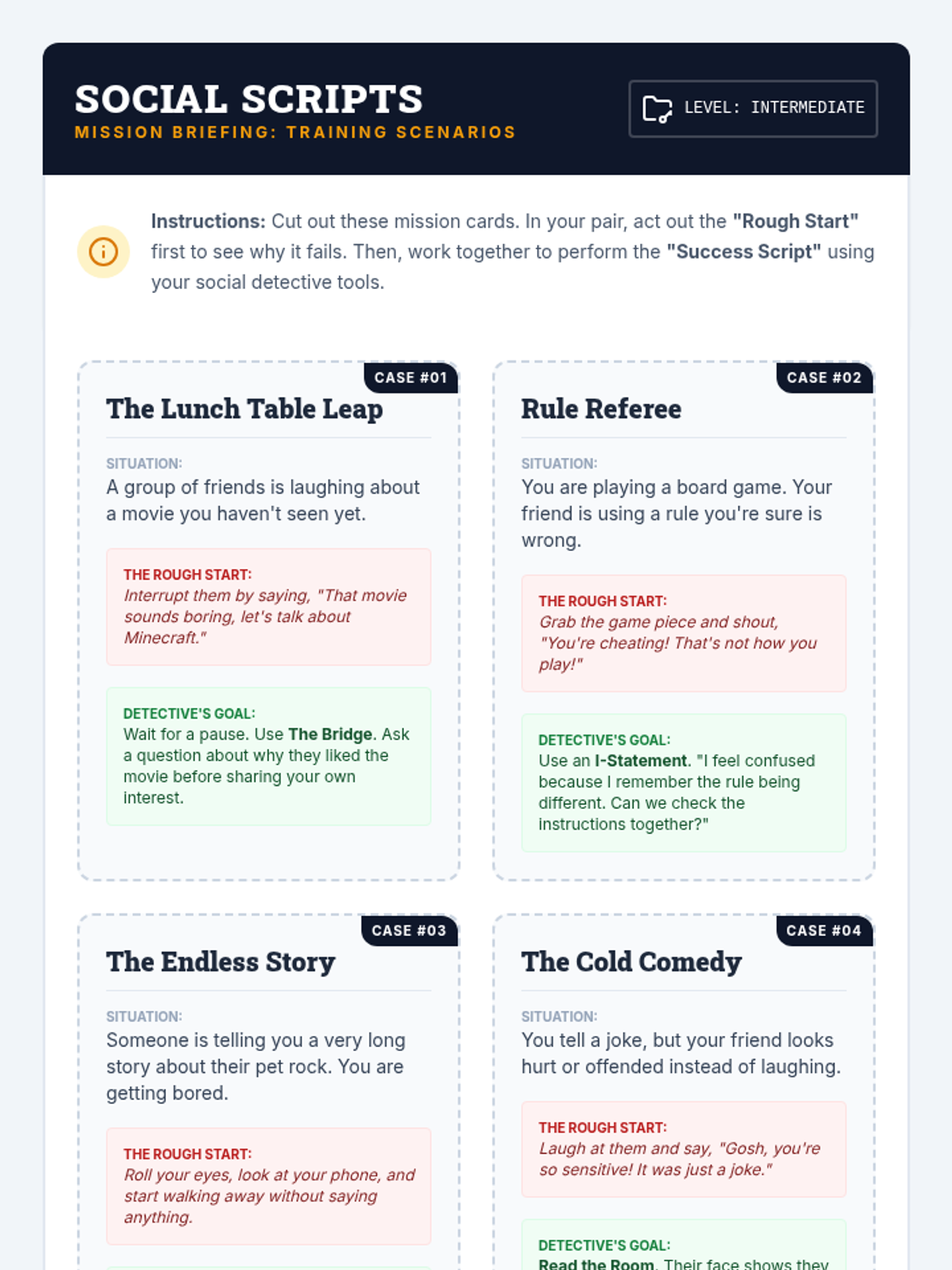
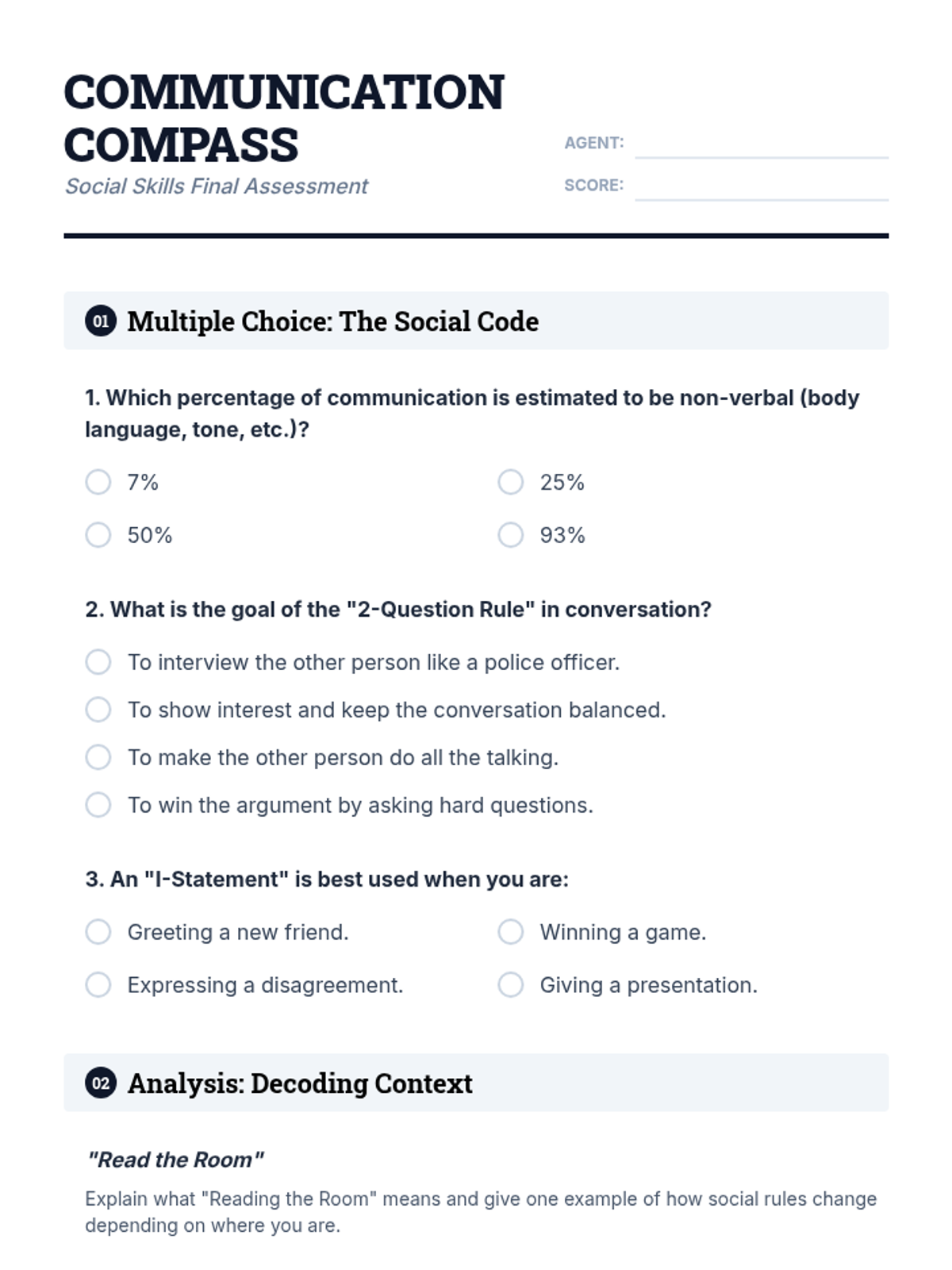
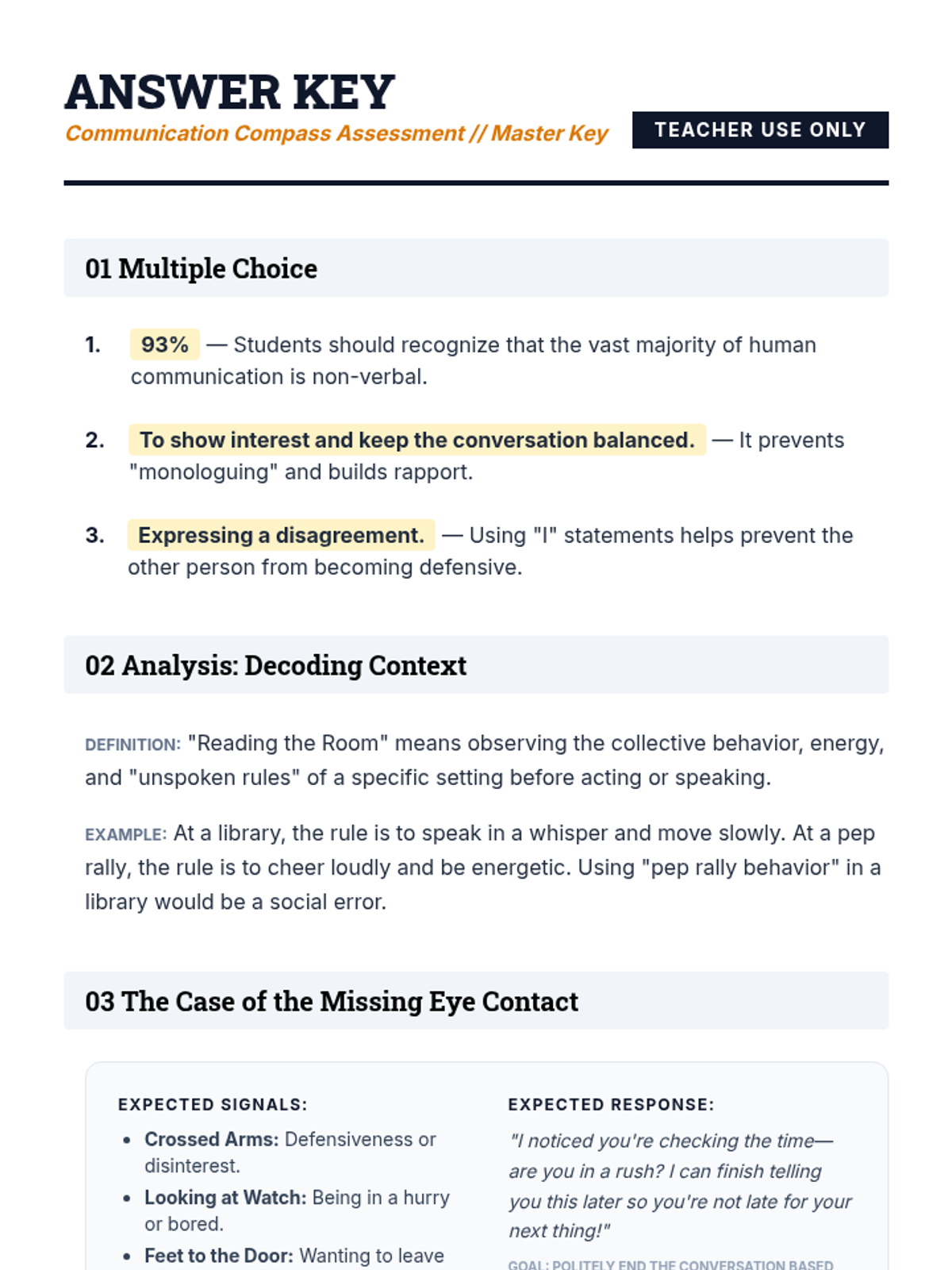
A sequence focused on developing social and professional communication skills, covering general social signals and their specific applications in the workplace.
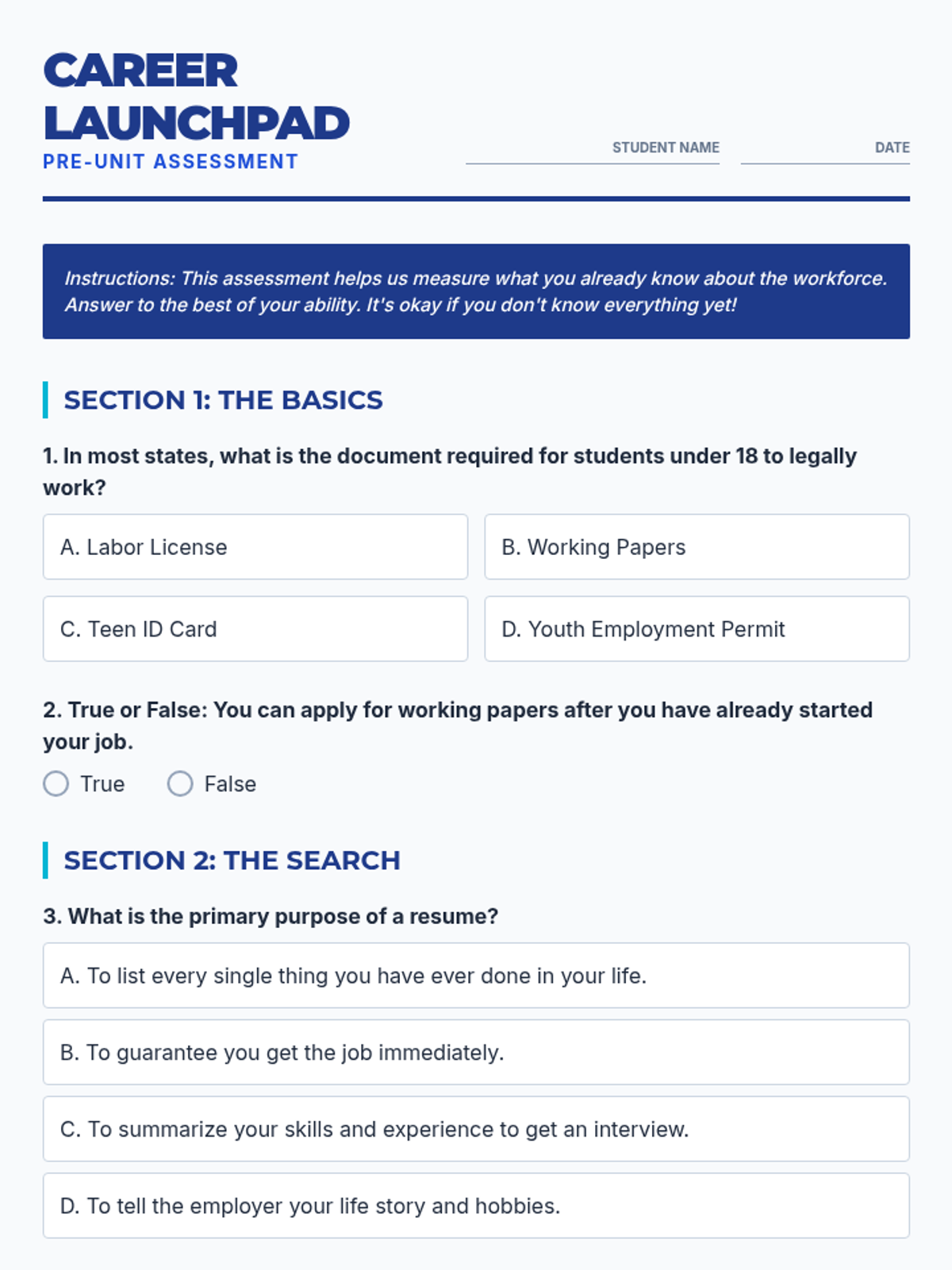
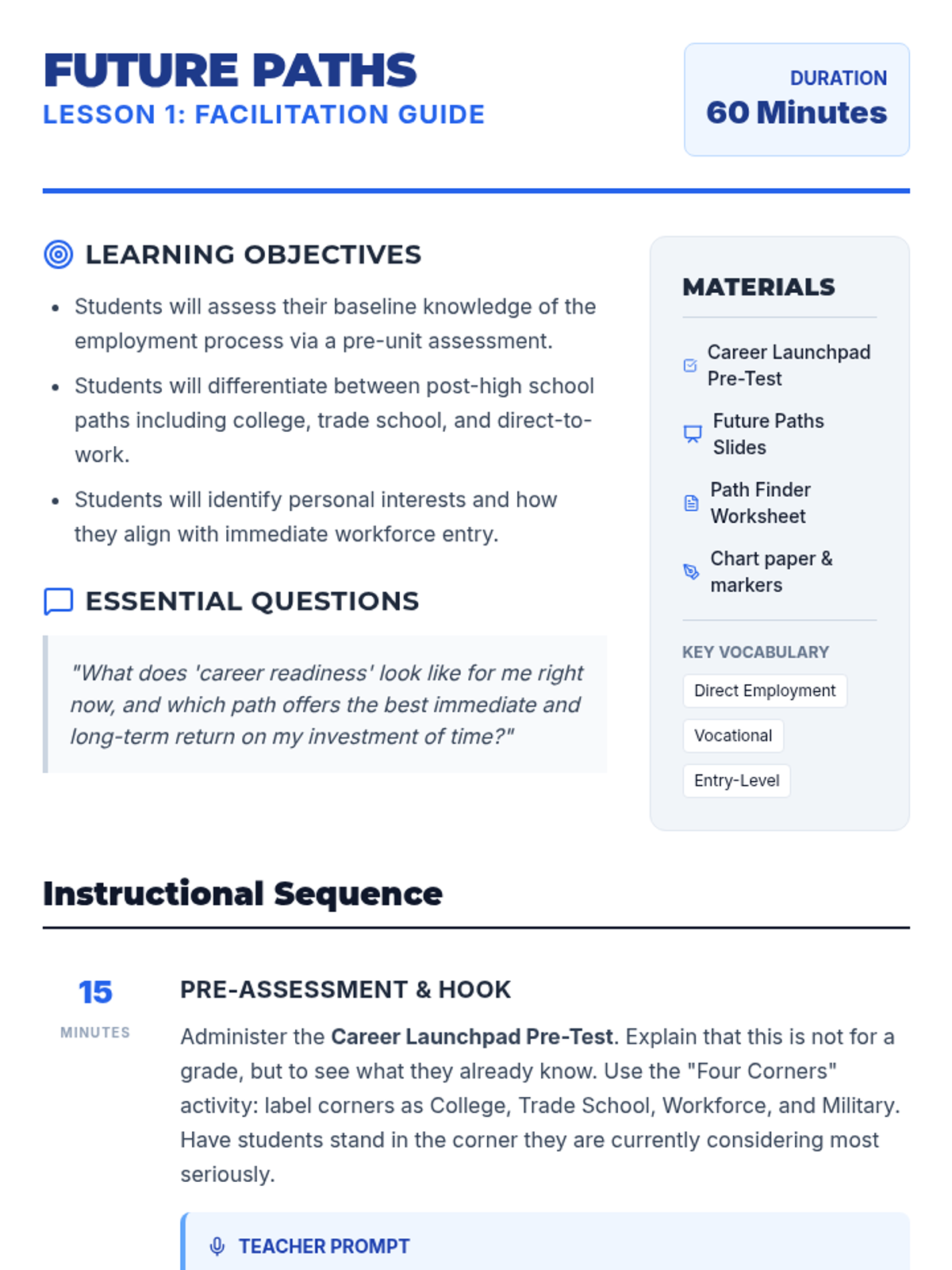
An 8-week comprehensive unit designed to prepare high school students for entering the workforce, covering everything from legal working papers and job applications to interview techniques and long-term career planning.