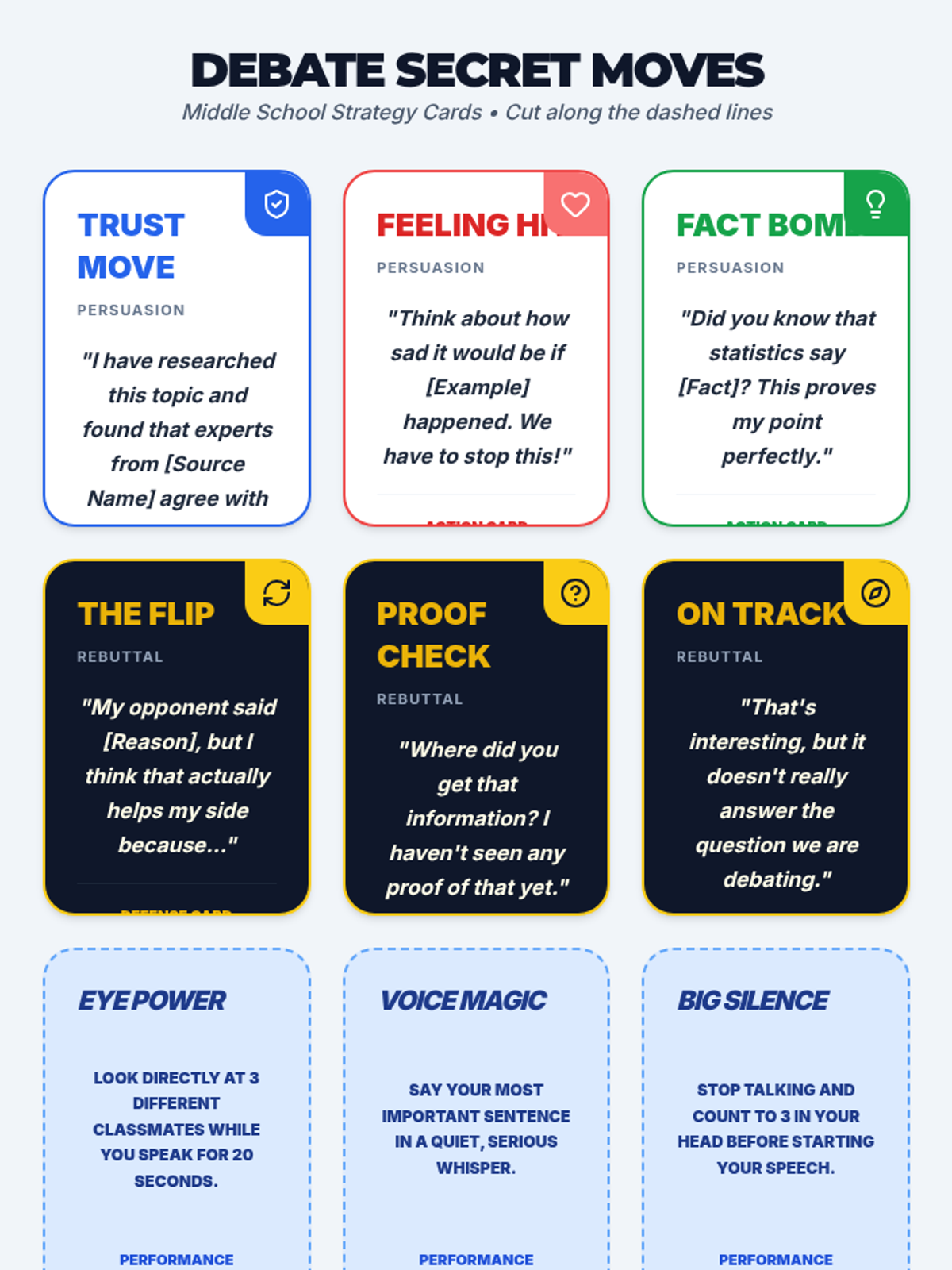
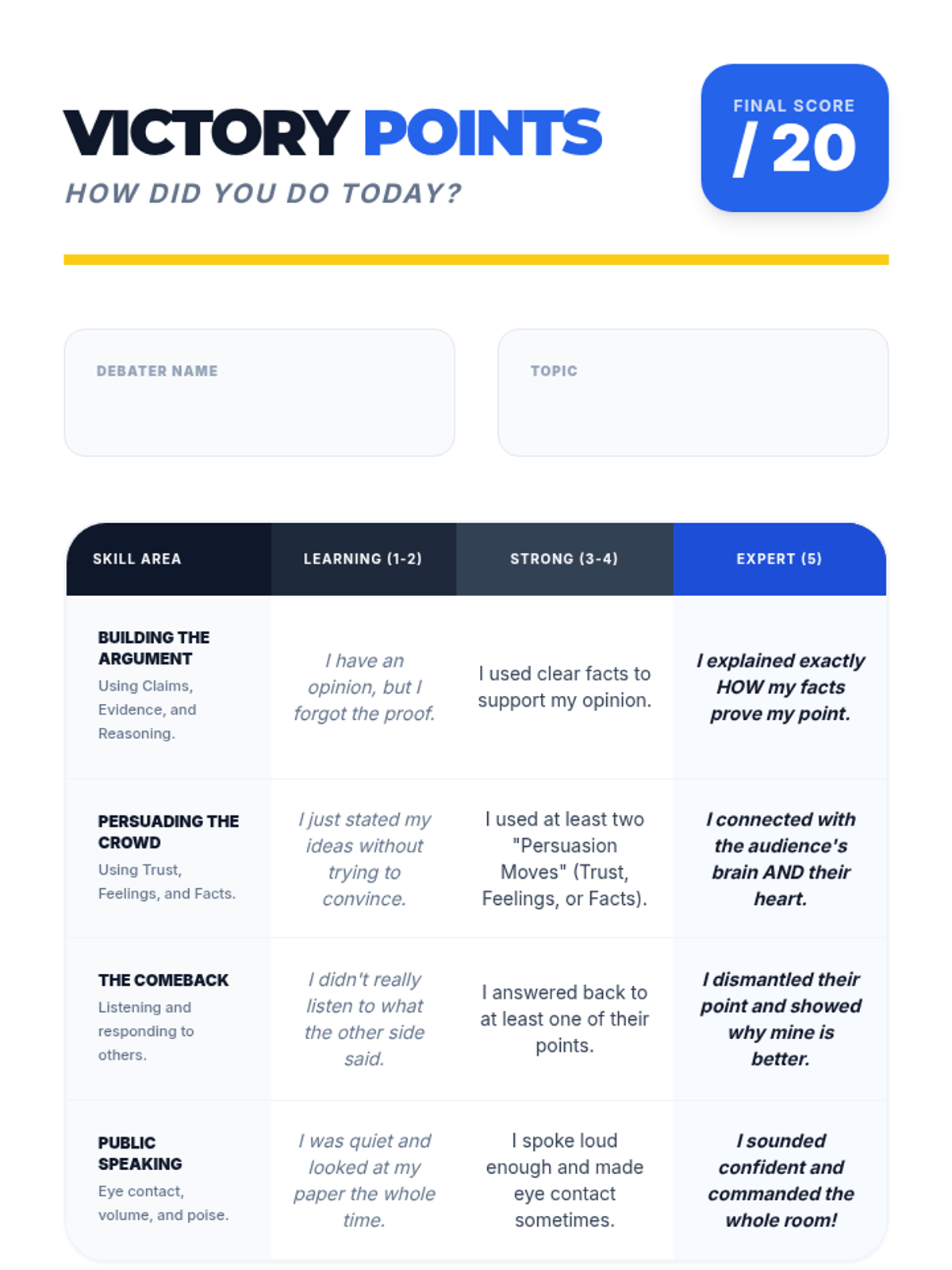
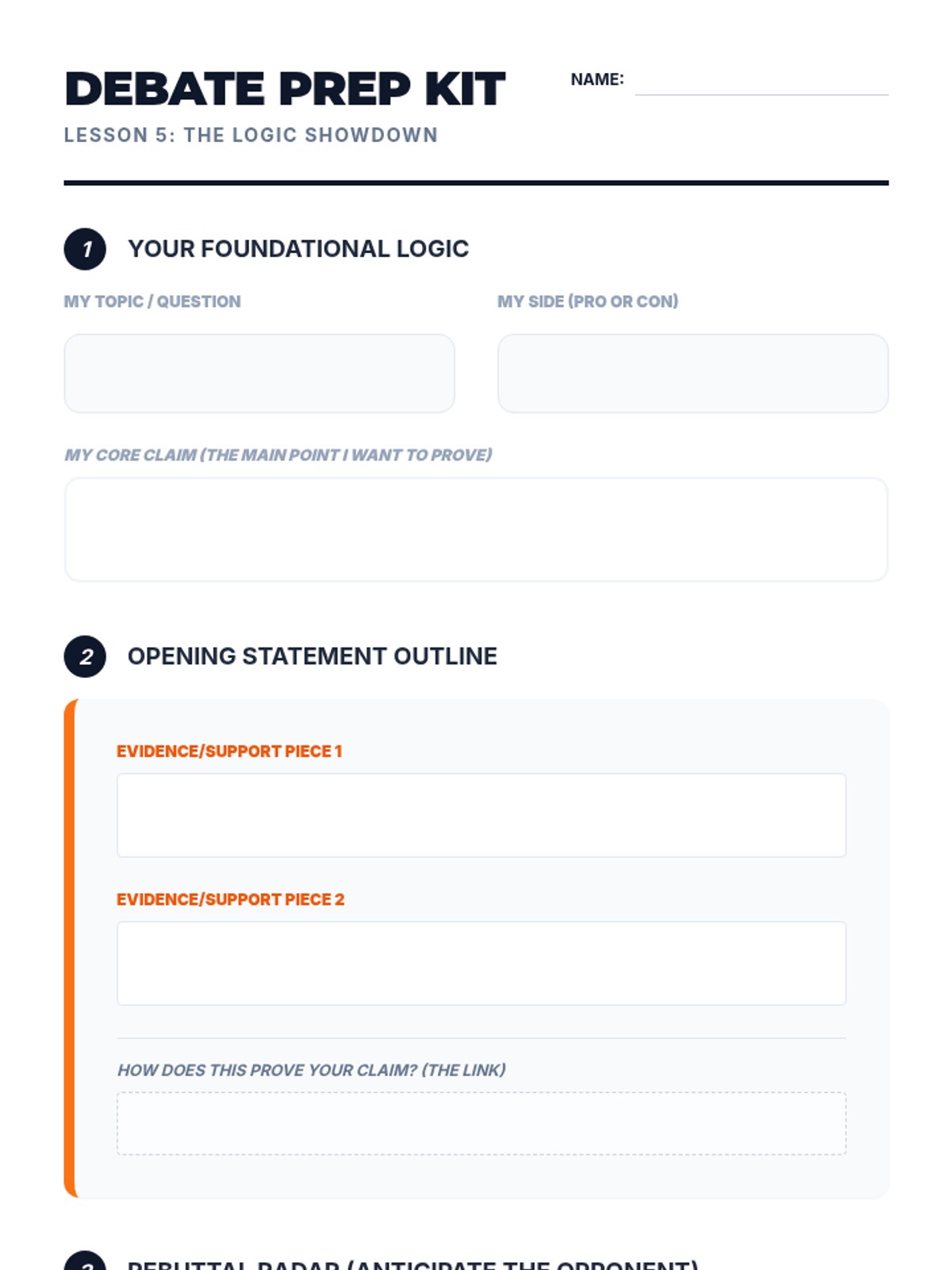
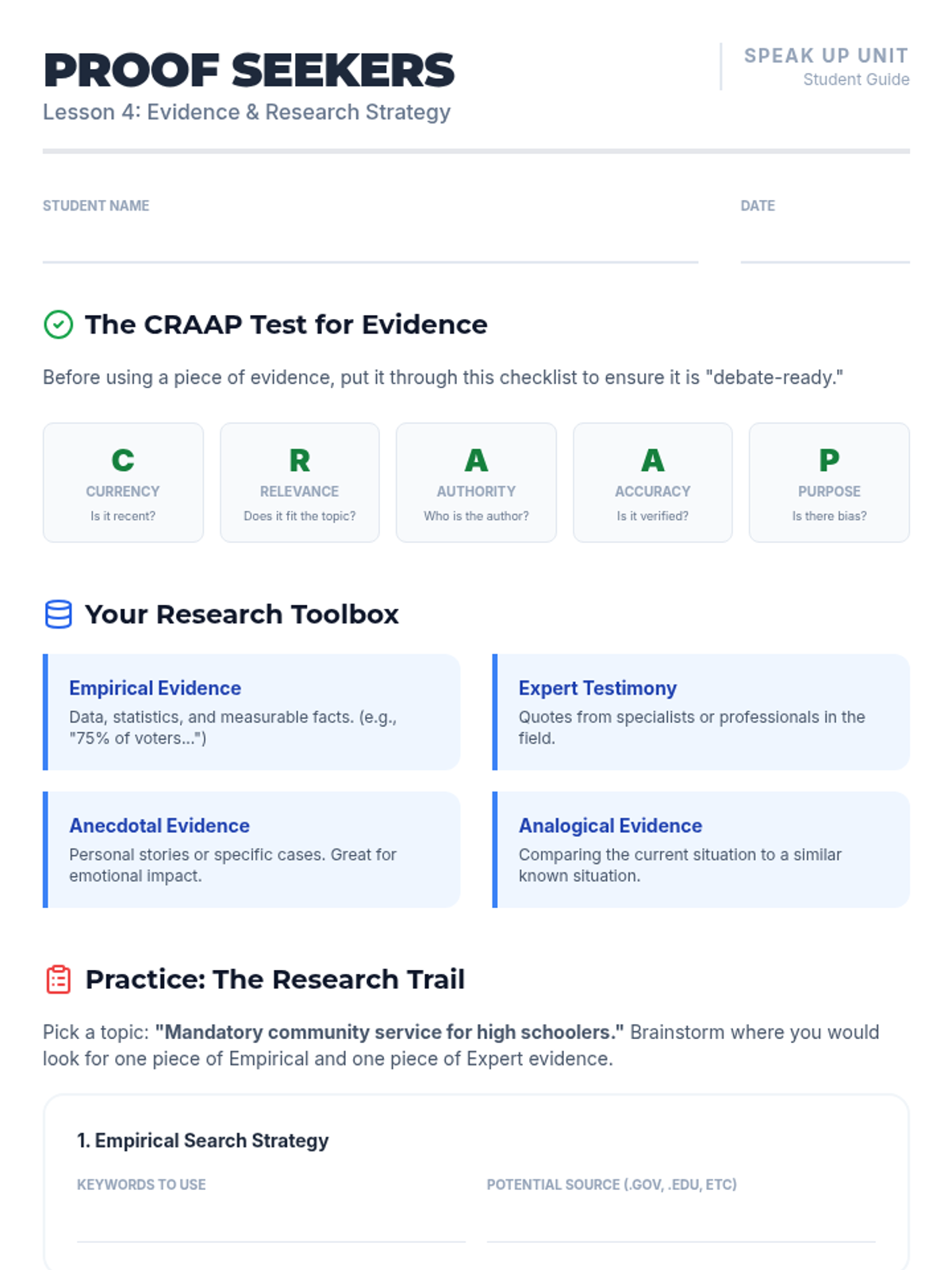
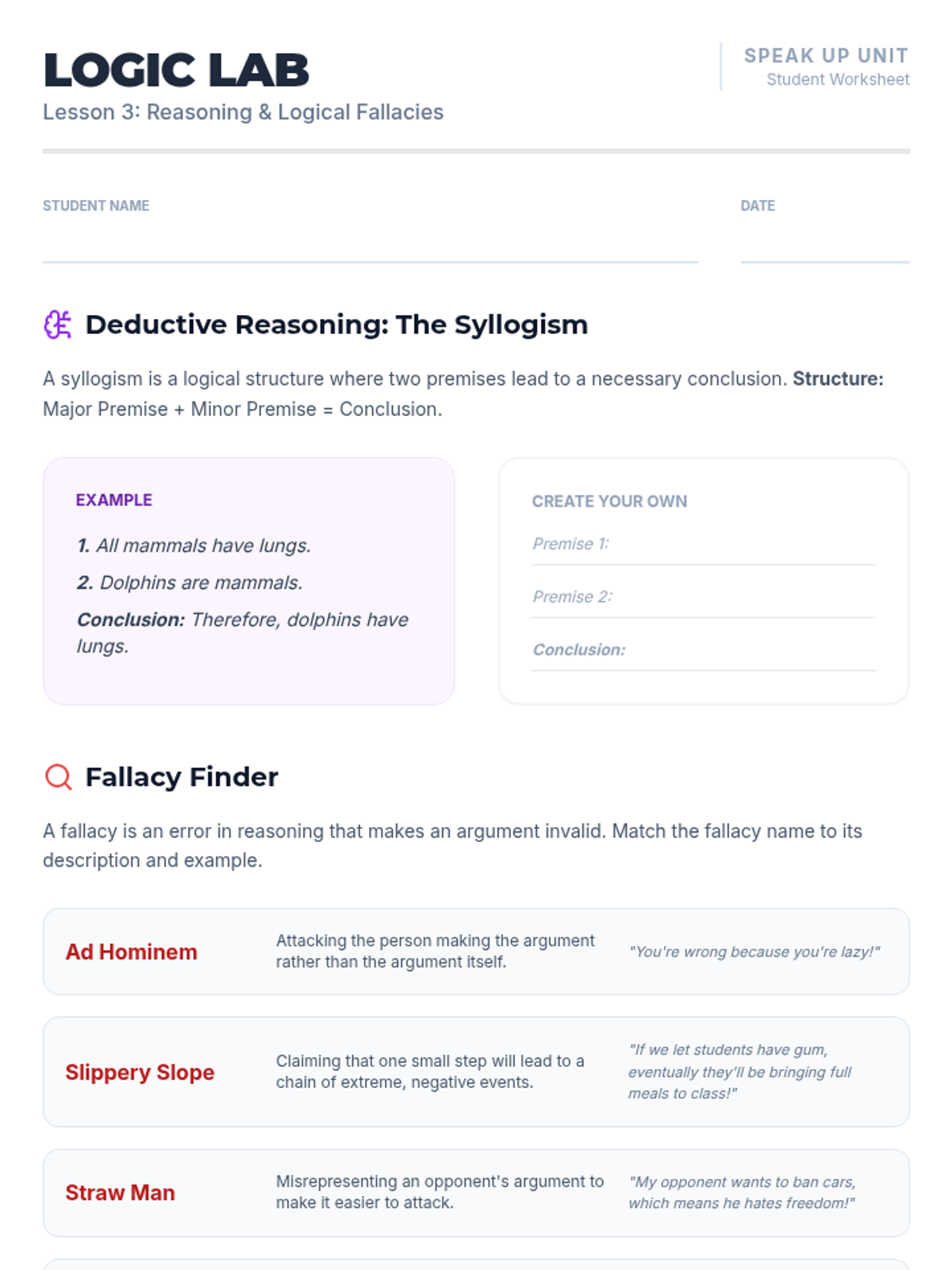
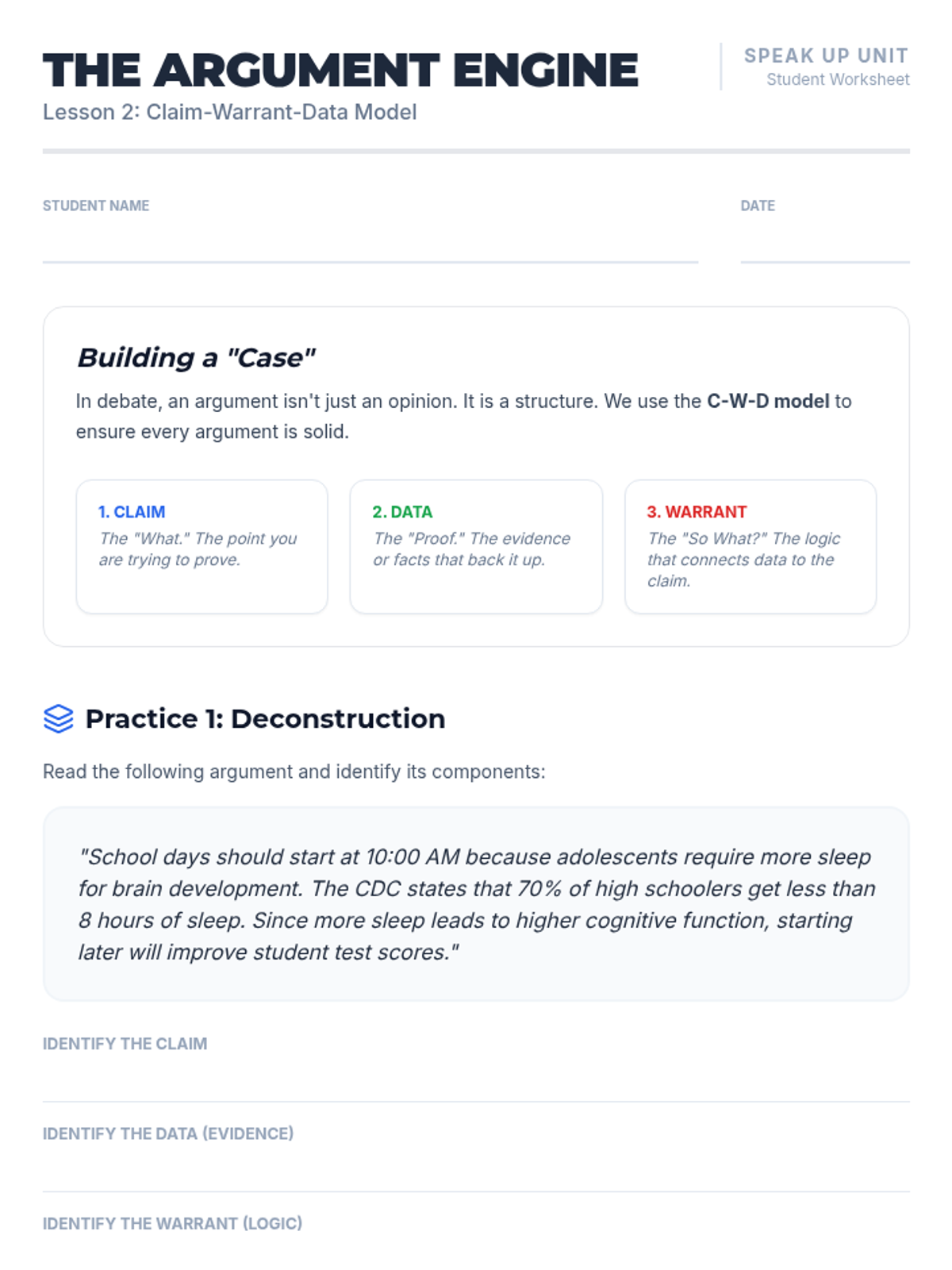
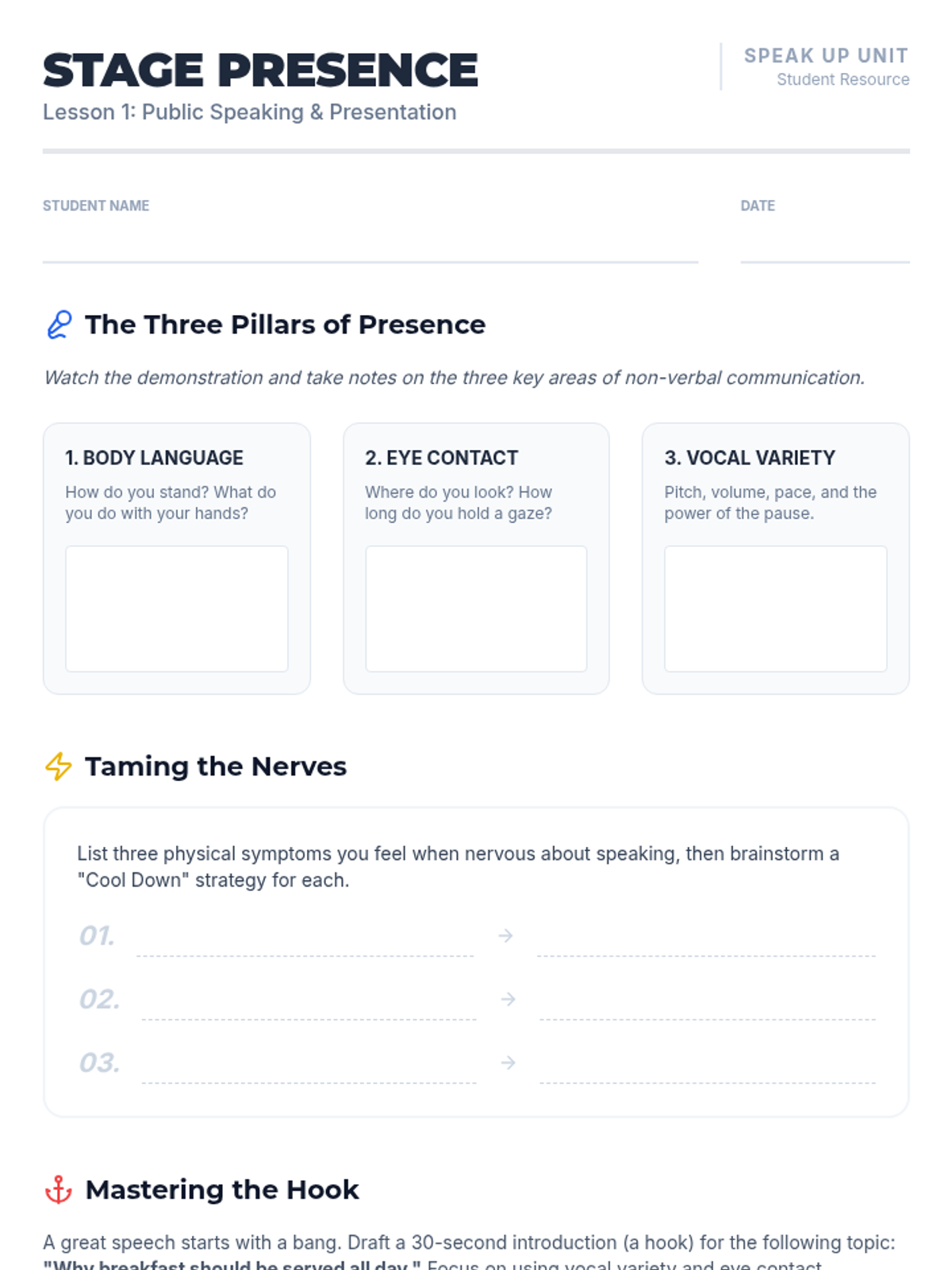
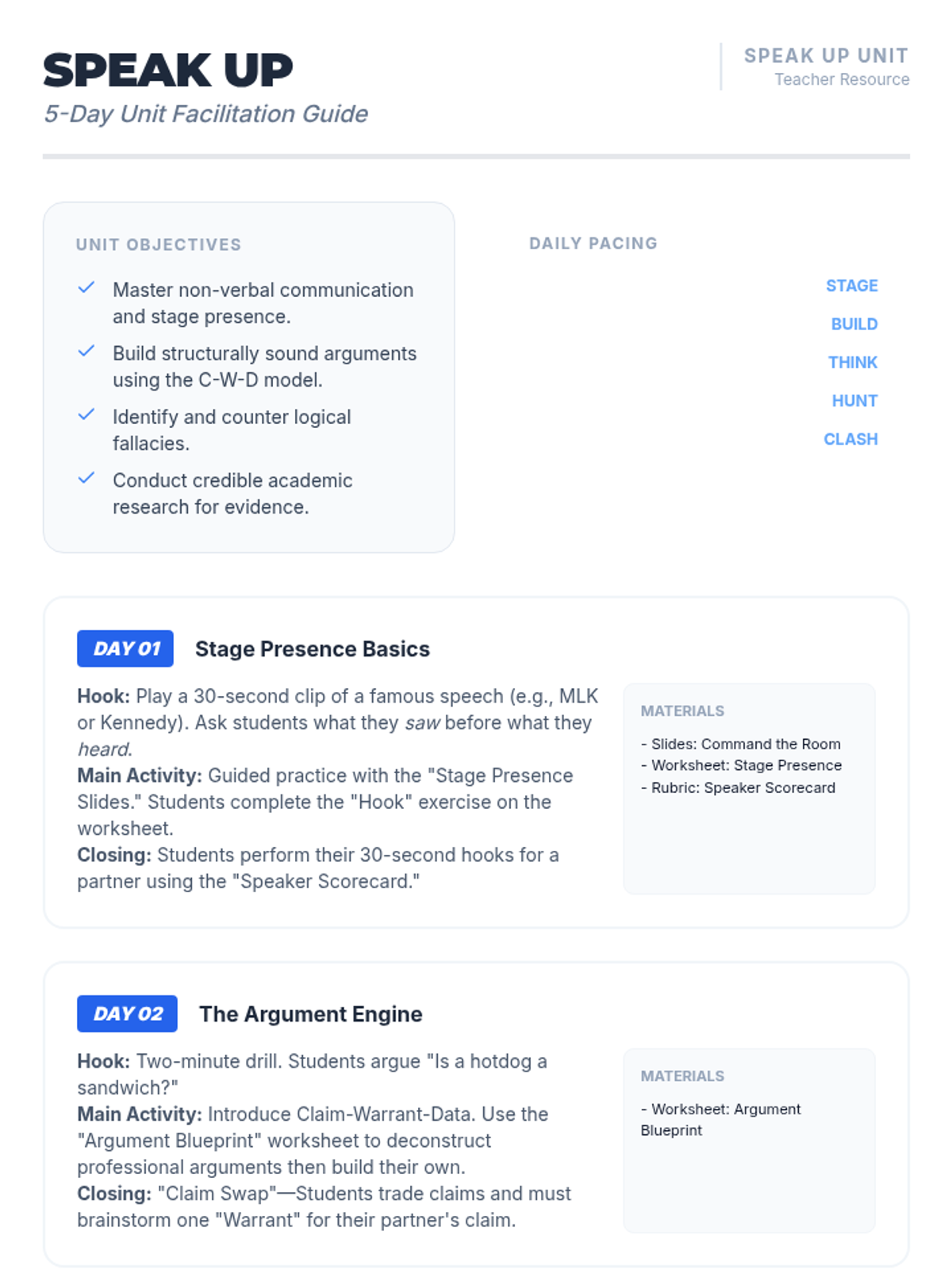
Systematic research, evidence evaluation, and logical reasoning skills for formal discourse. Equips speakers to organize persuasive arguments, identify fallacies, and execute strategic impact calculus during competitive engagement.
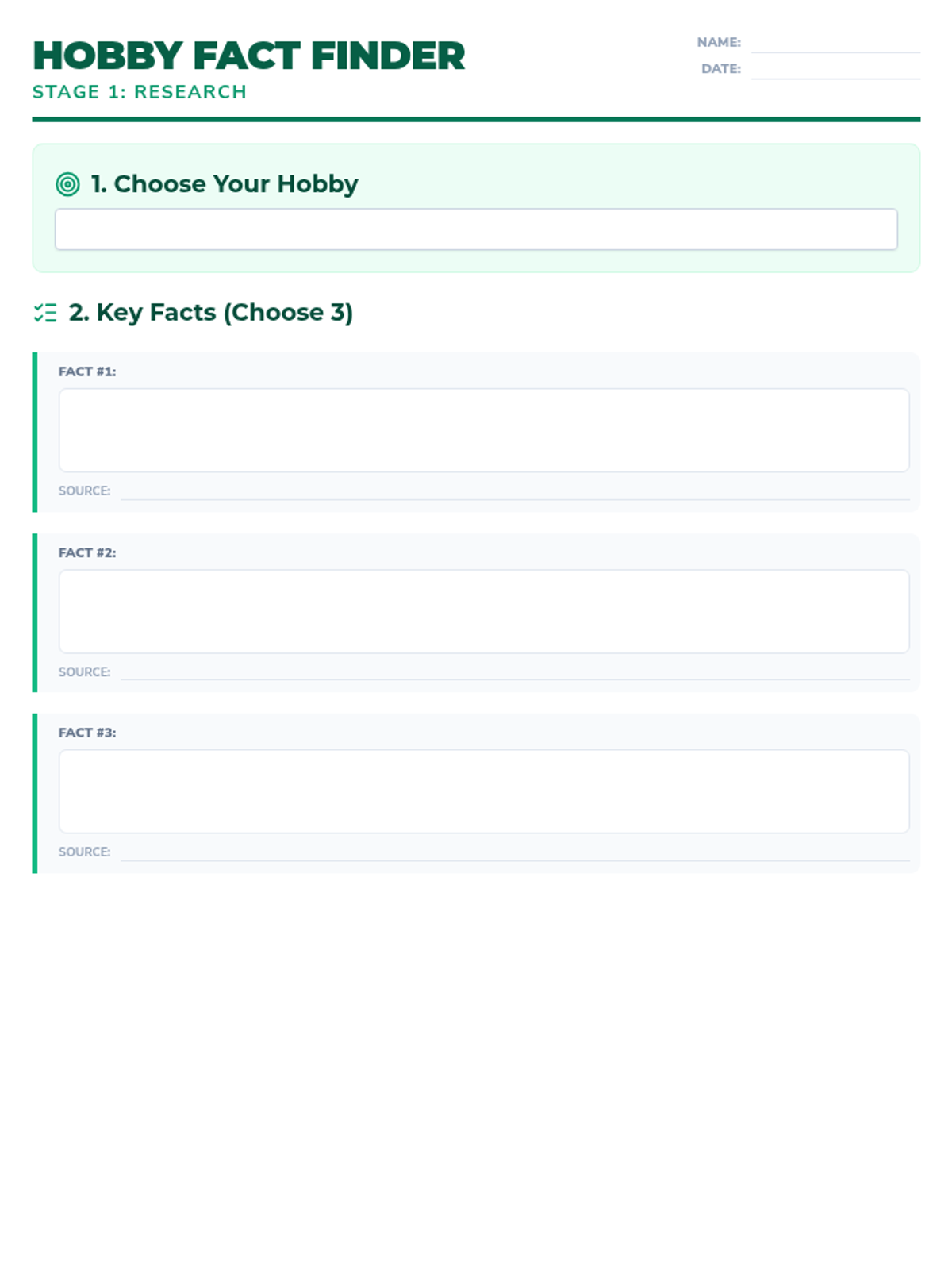
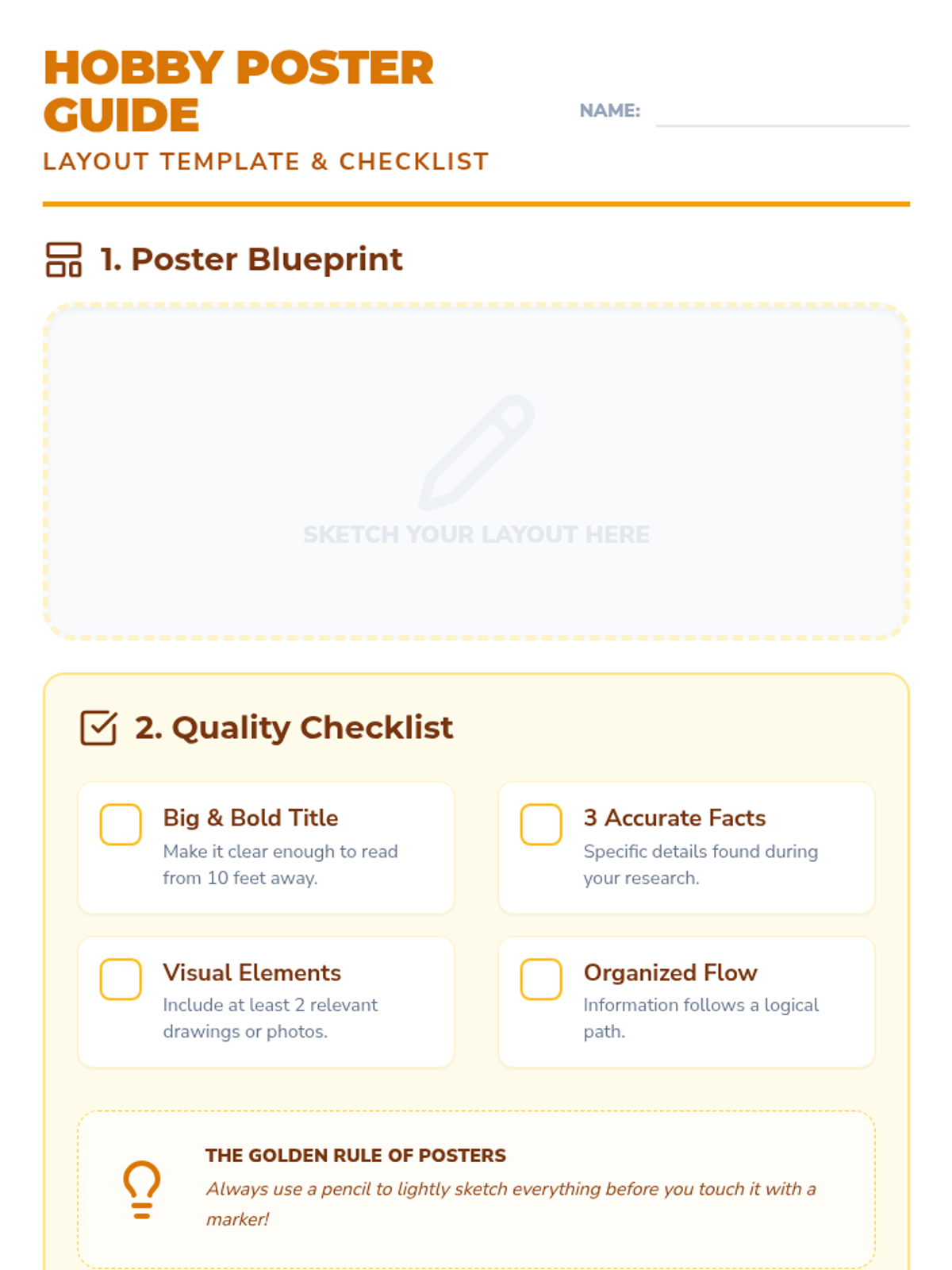
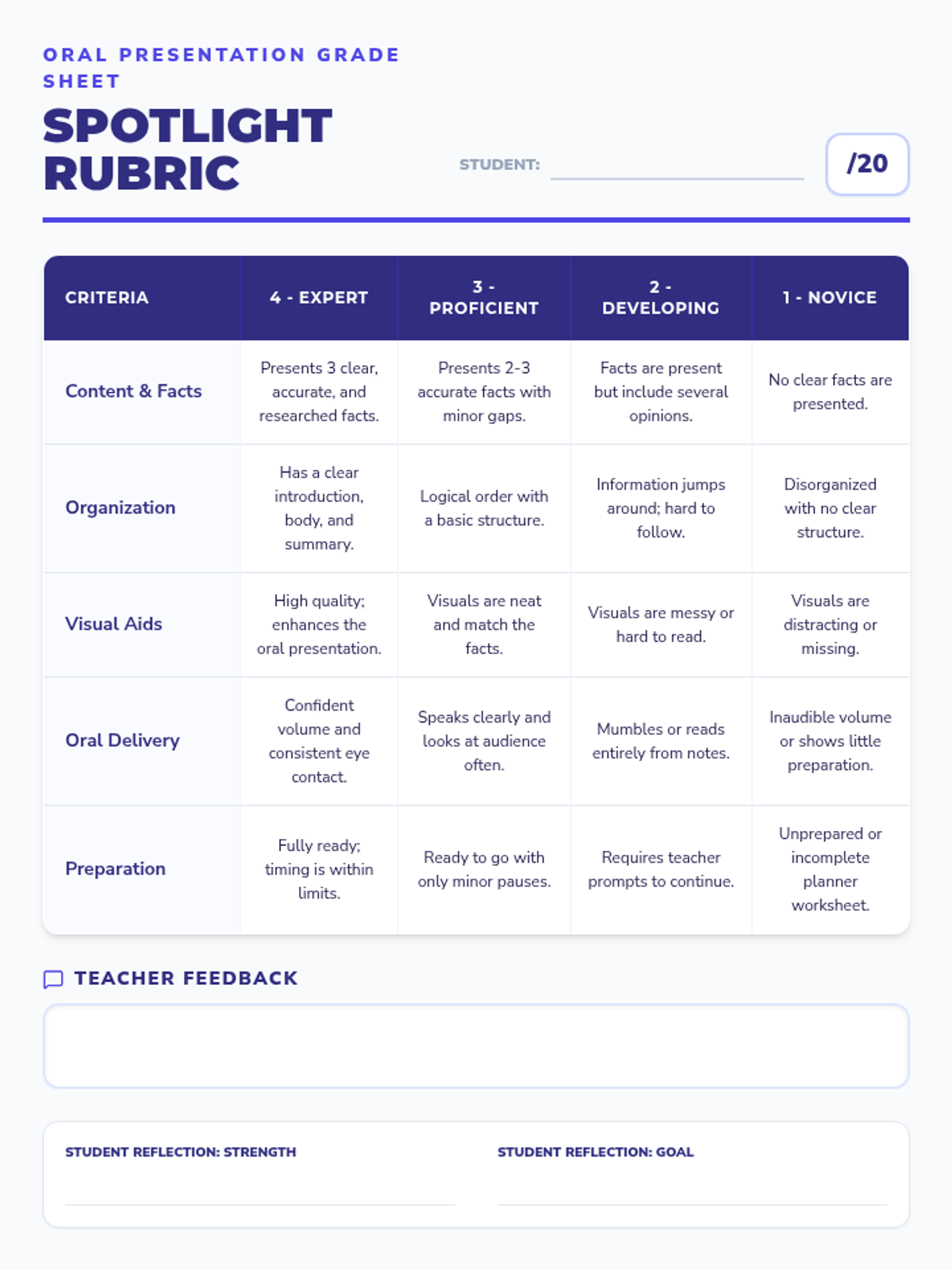
A lesson designed for middle schoolers to practice organizing information and presenting it clearly through the lens of their personal hobbies. Students will learn to select key facts, structure a presentation, and deliver their findings using either digital slides or physical posters.
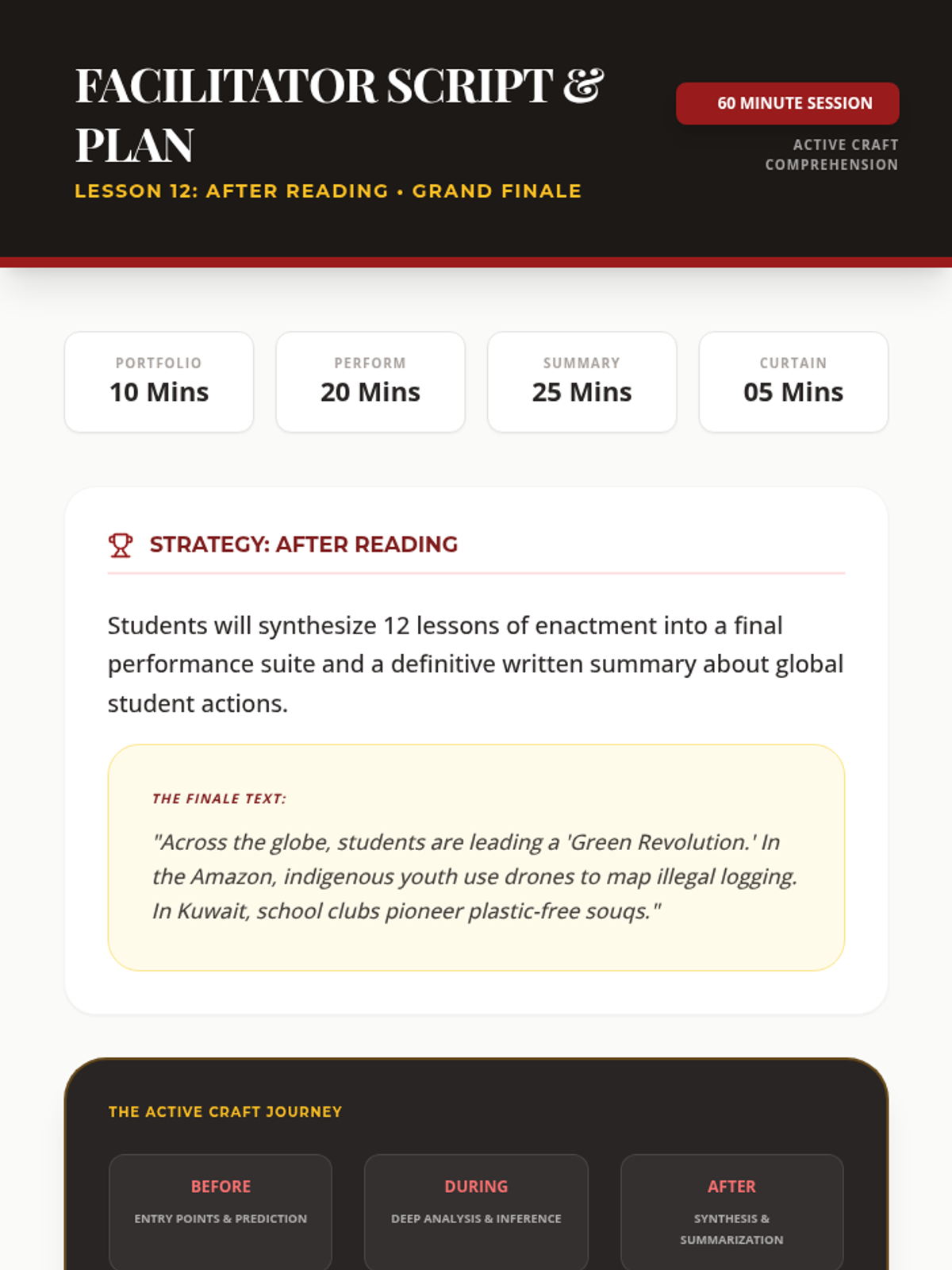
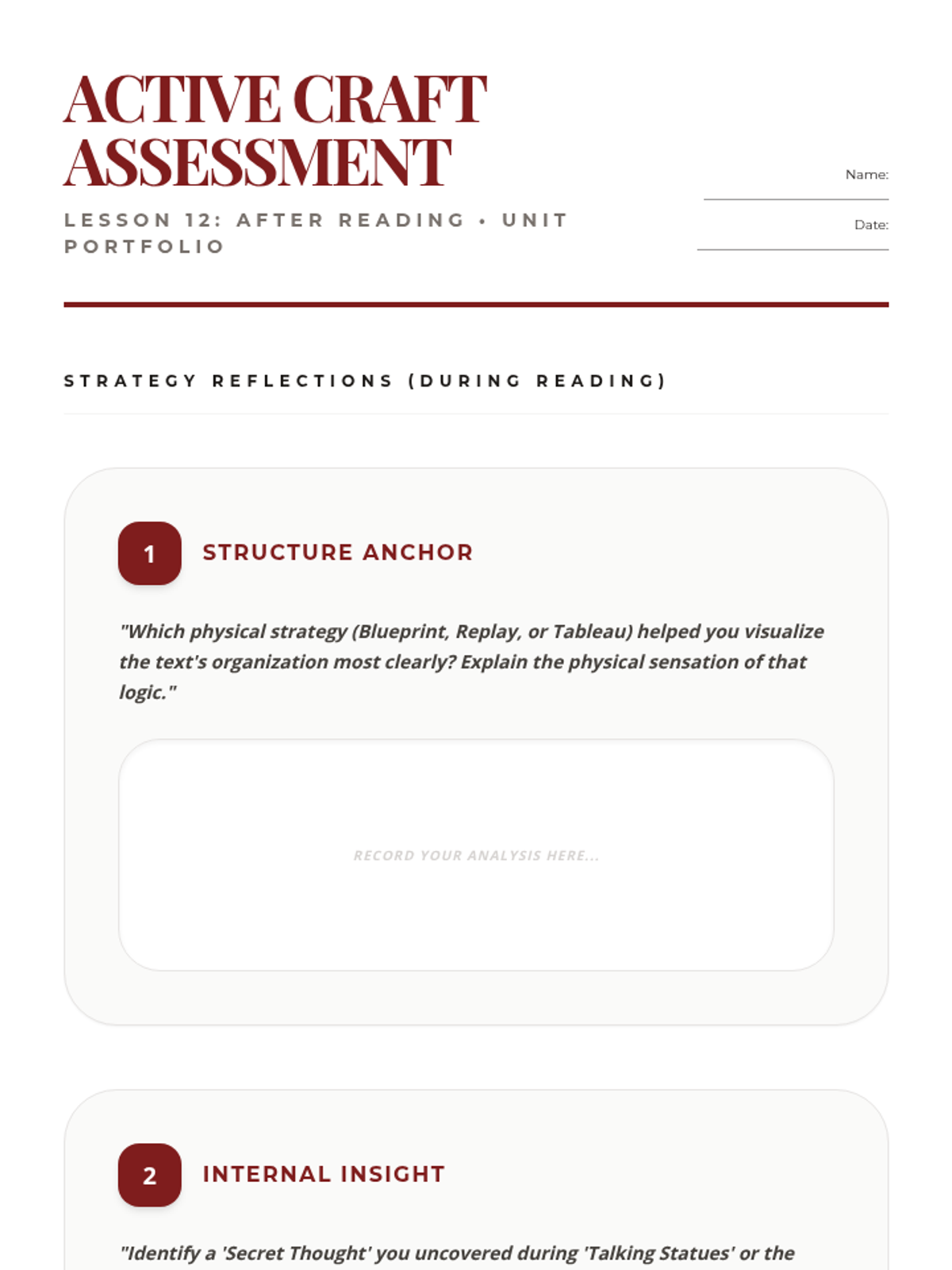
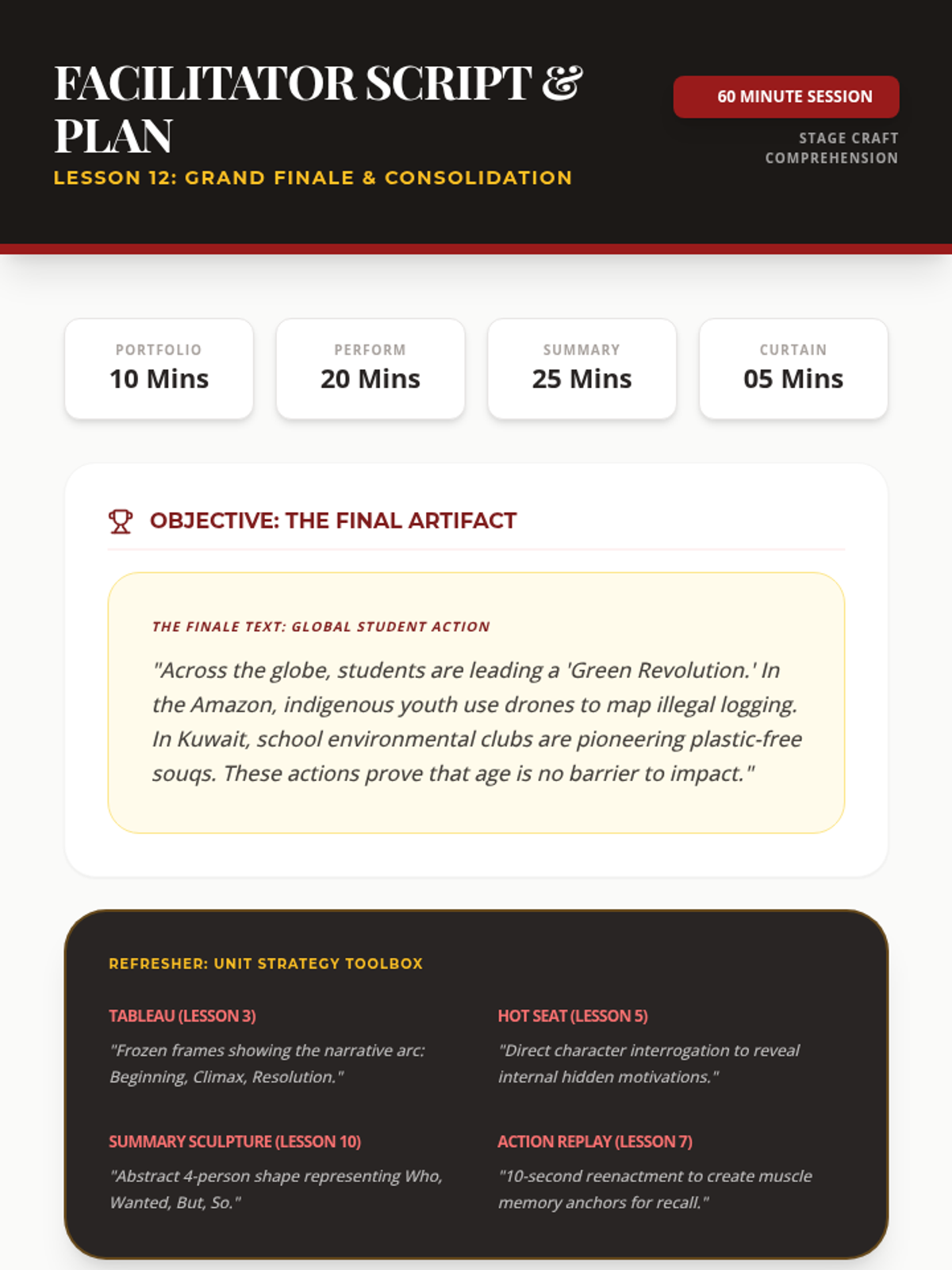
After Reading Strategy: Consolidating skills into a final performance and assessment about students’ actions around the world.
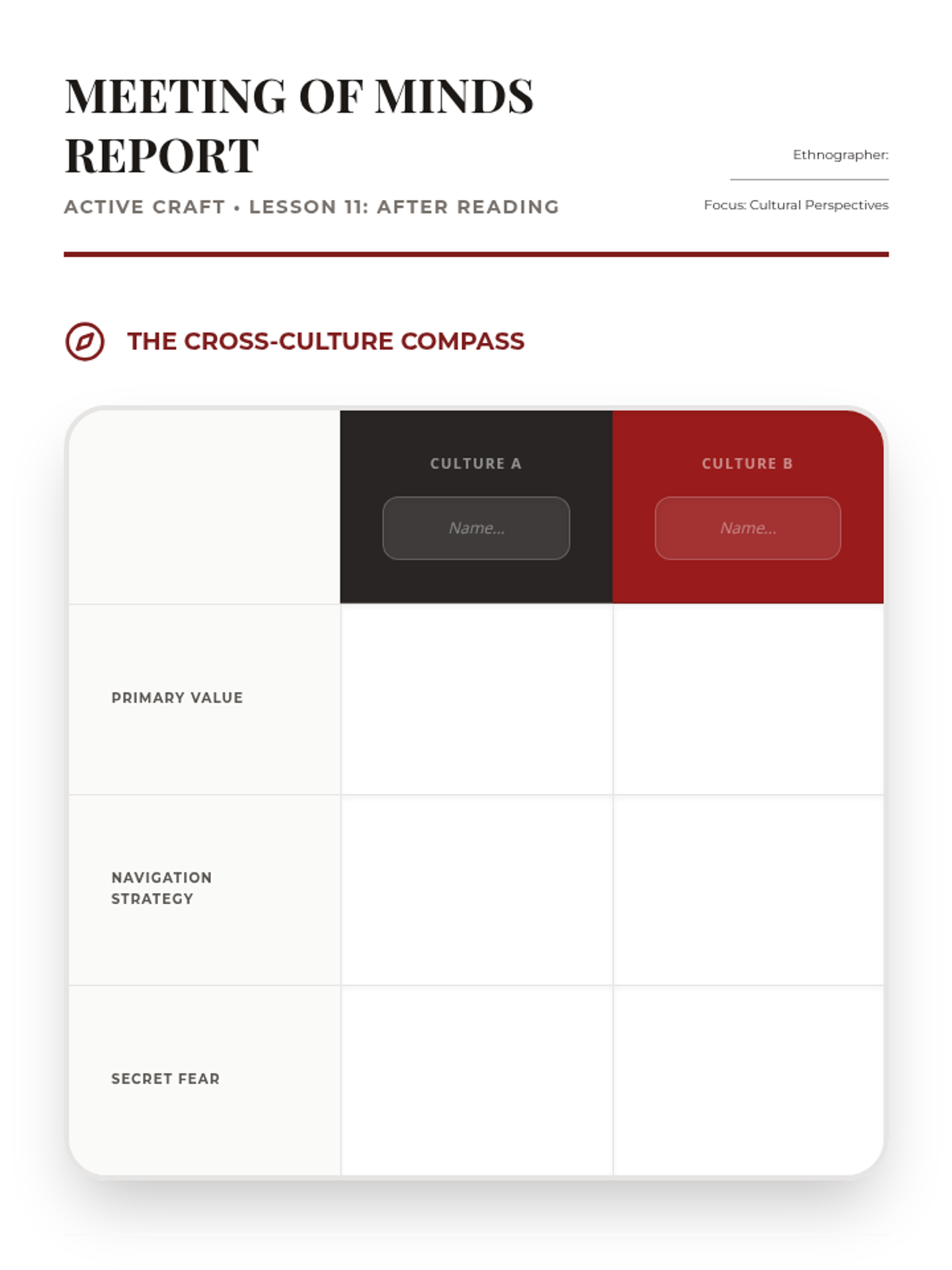
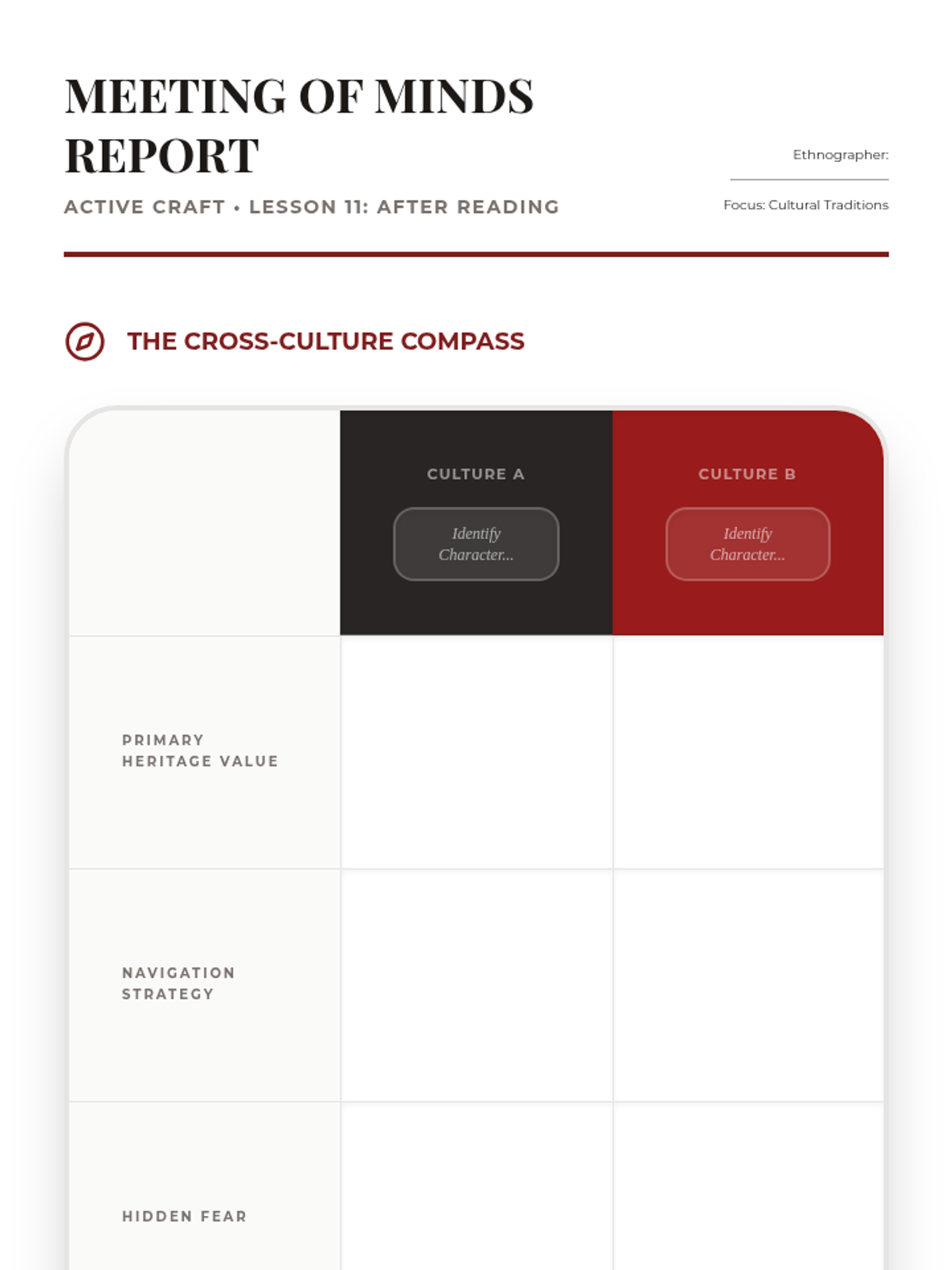
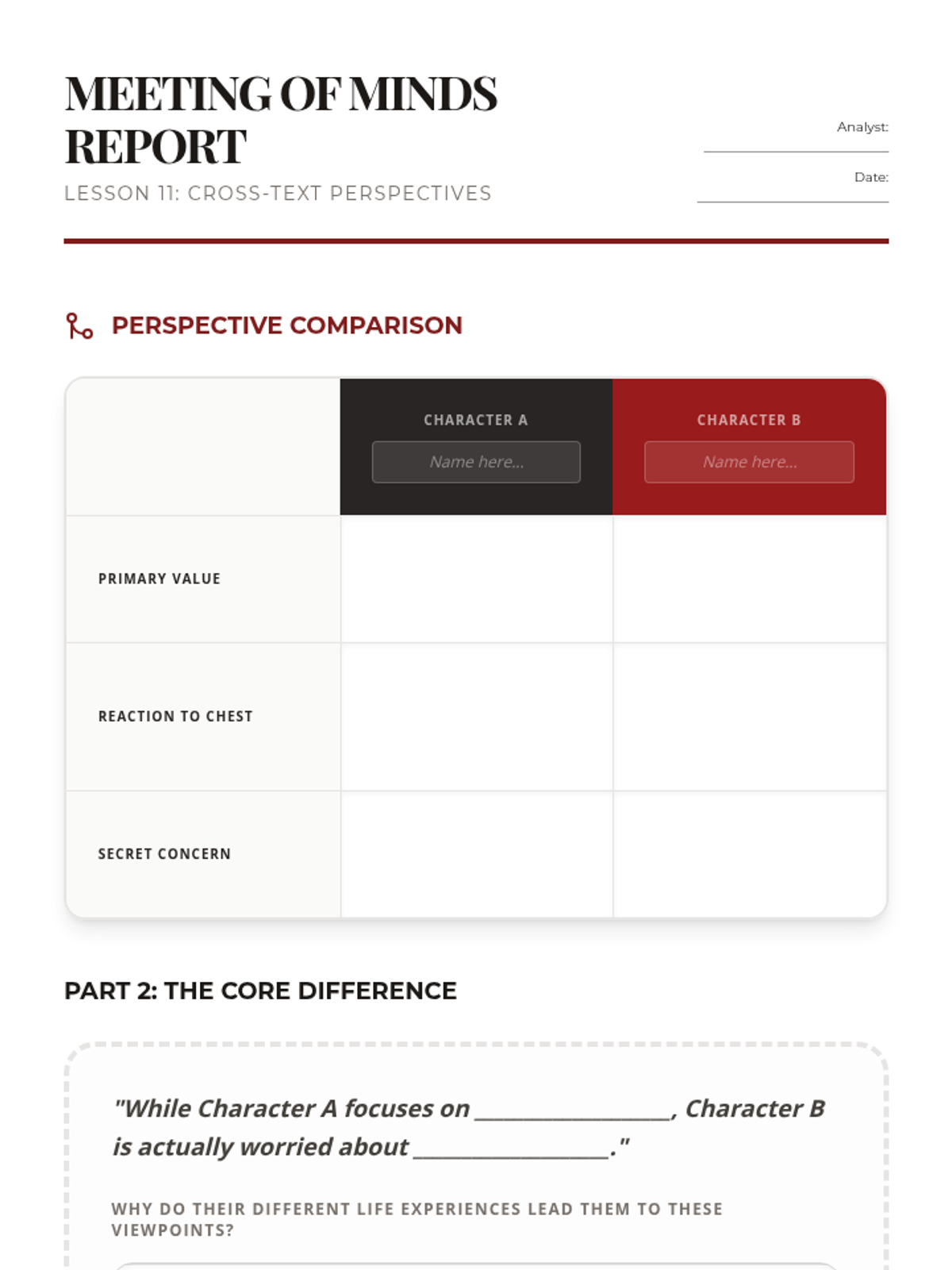
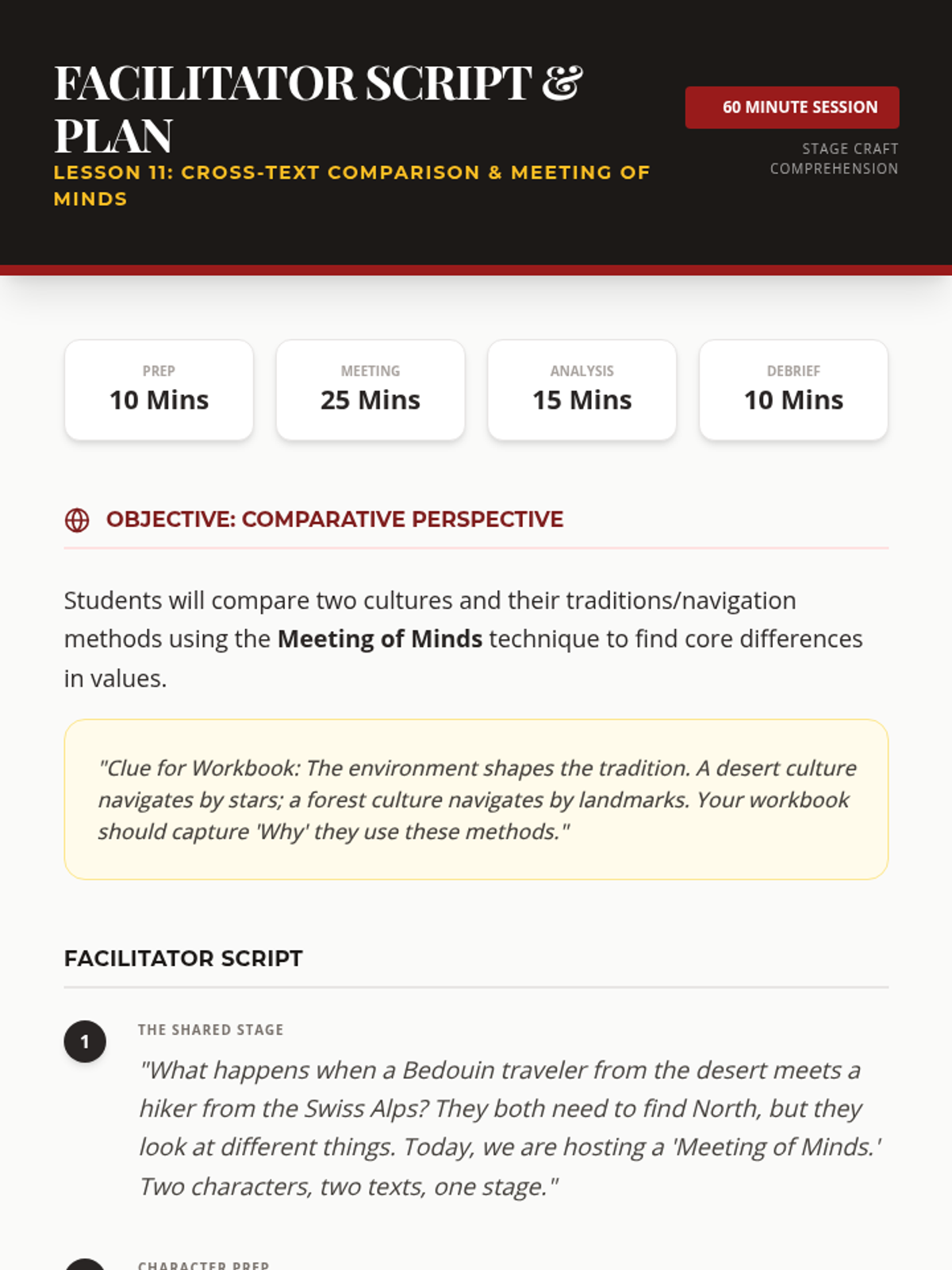
After Reading Strategy: Comparing cultures, traditions, and navigation (directions) using role-play to evaluate perspectives across texts.
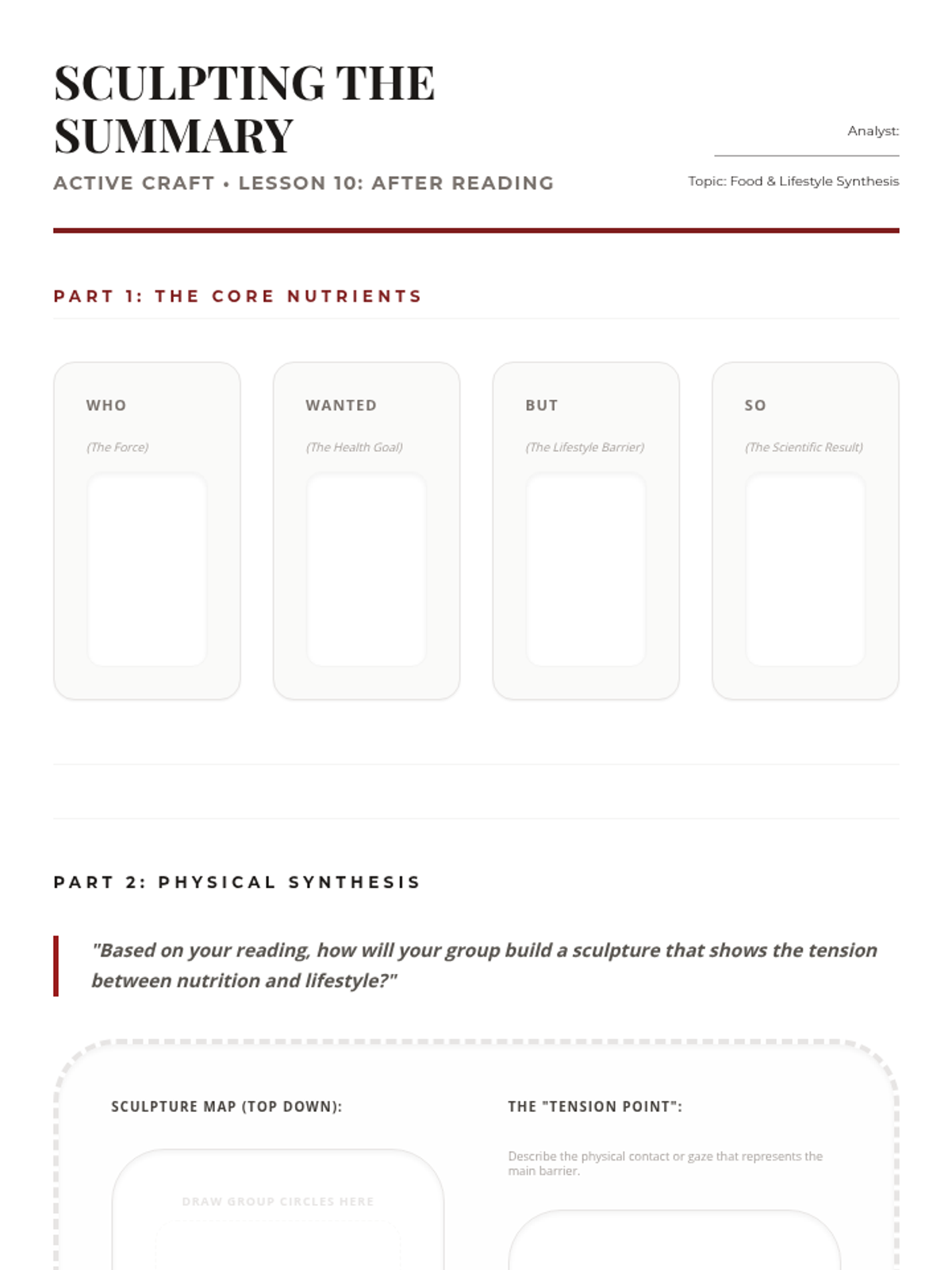
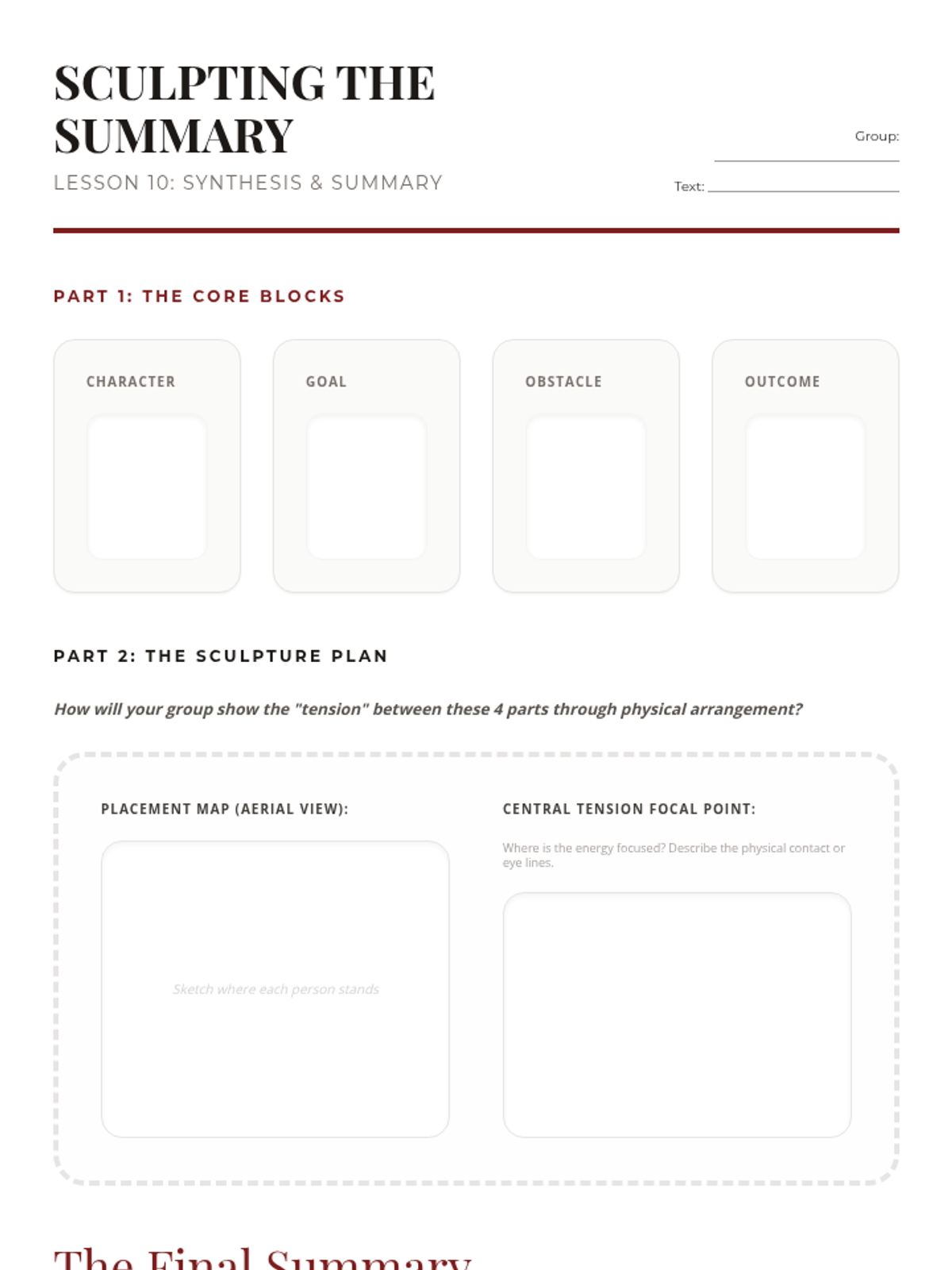
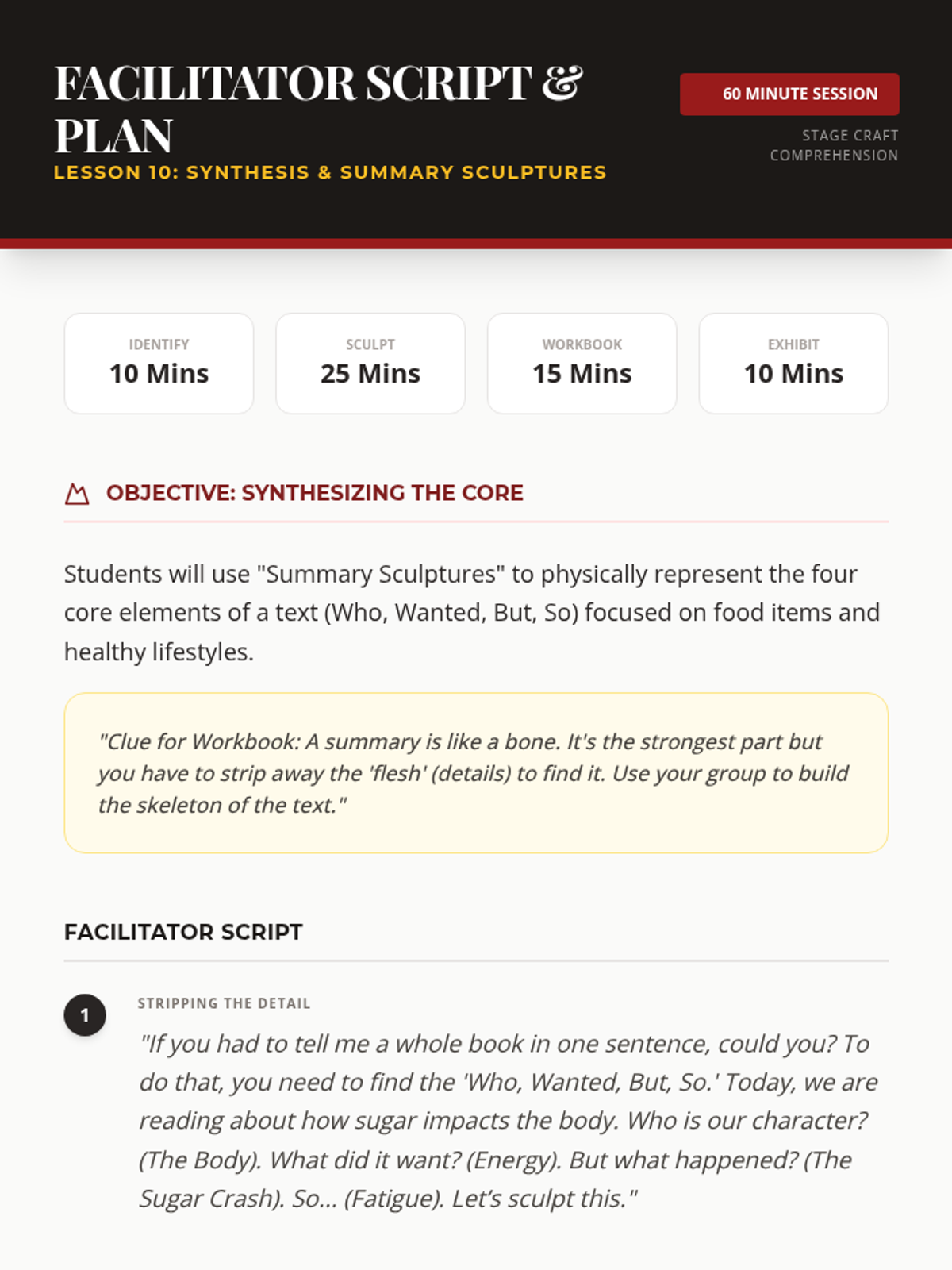
After Reading Strategy: Synthesizing information into 'Summary Sculptures' focused on food items and healthy lifestyles.
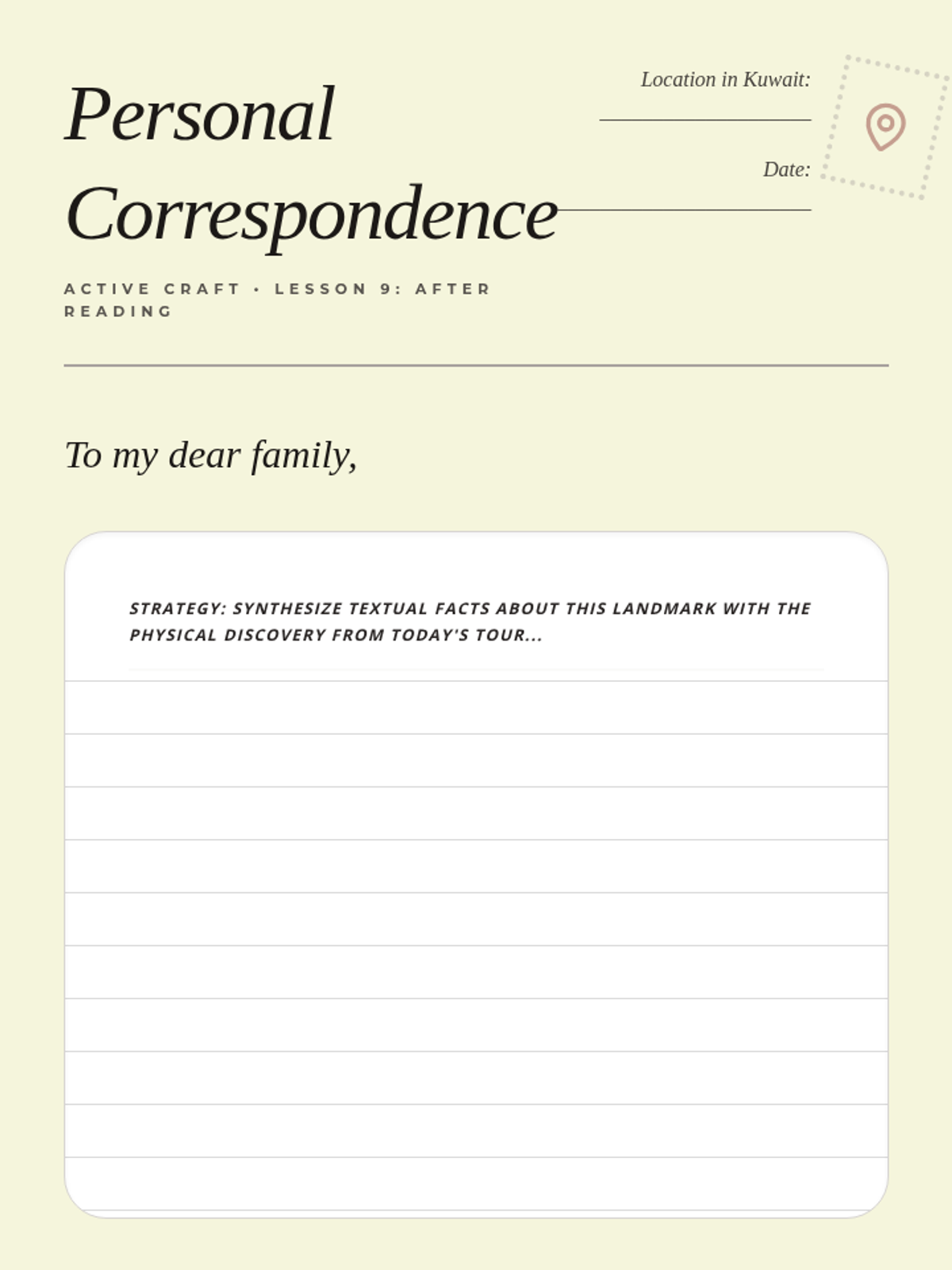
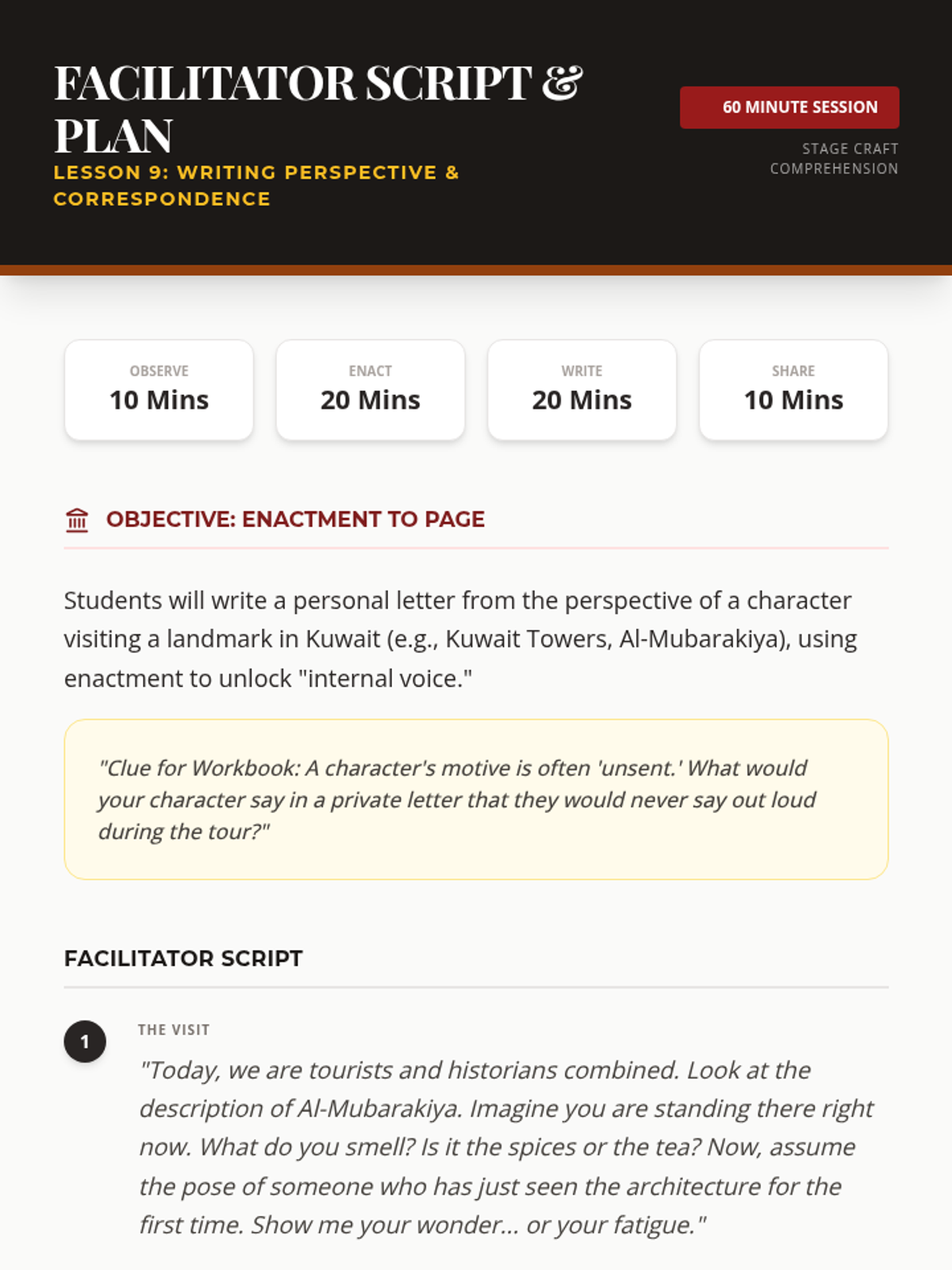
After Reading Strategy: Writing from the perspective of characters visiting cultural and educational places in Kuwait to synthesize meaning.
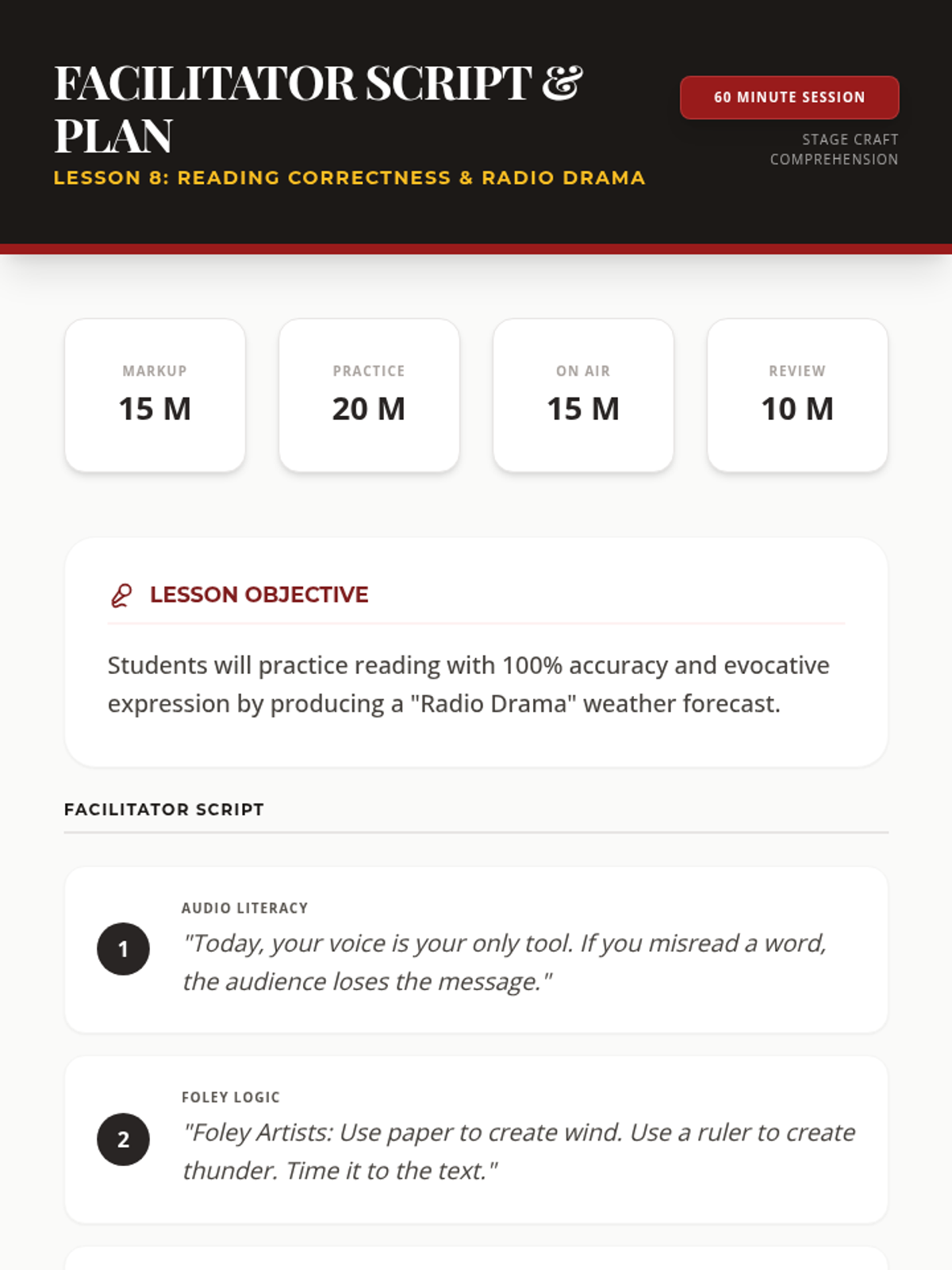
Before Reading Strategy: Practicing fluency and previewing text through weather forecast 'Radio Dramas' and climate reports.
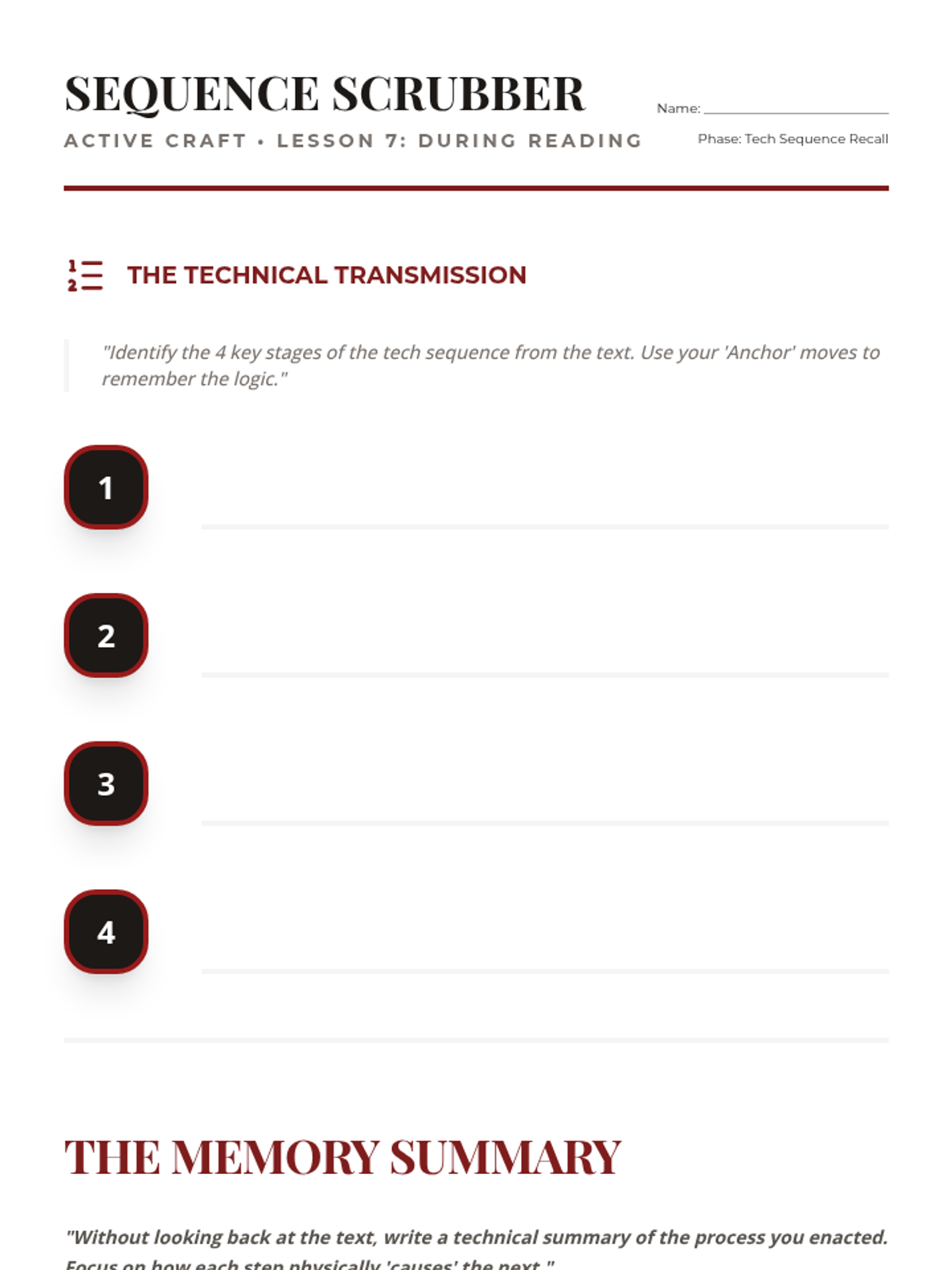
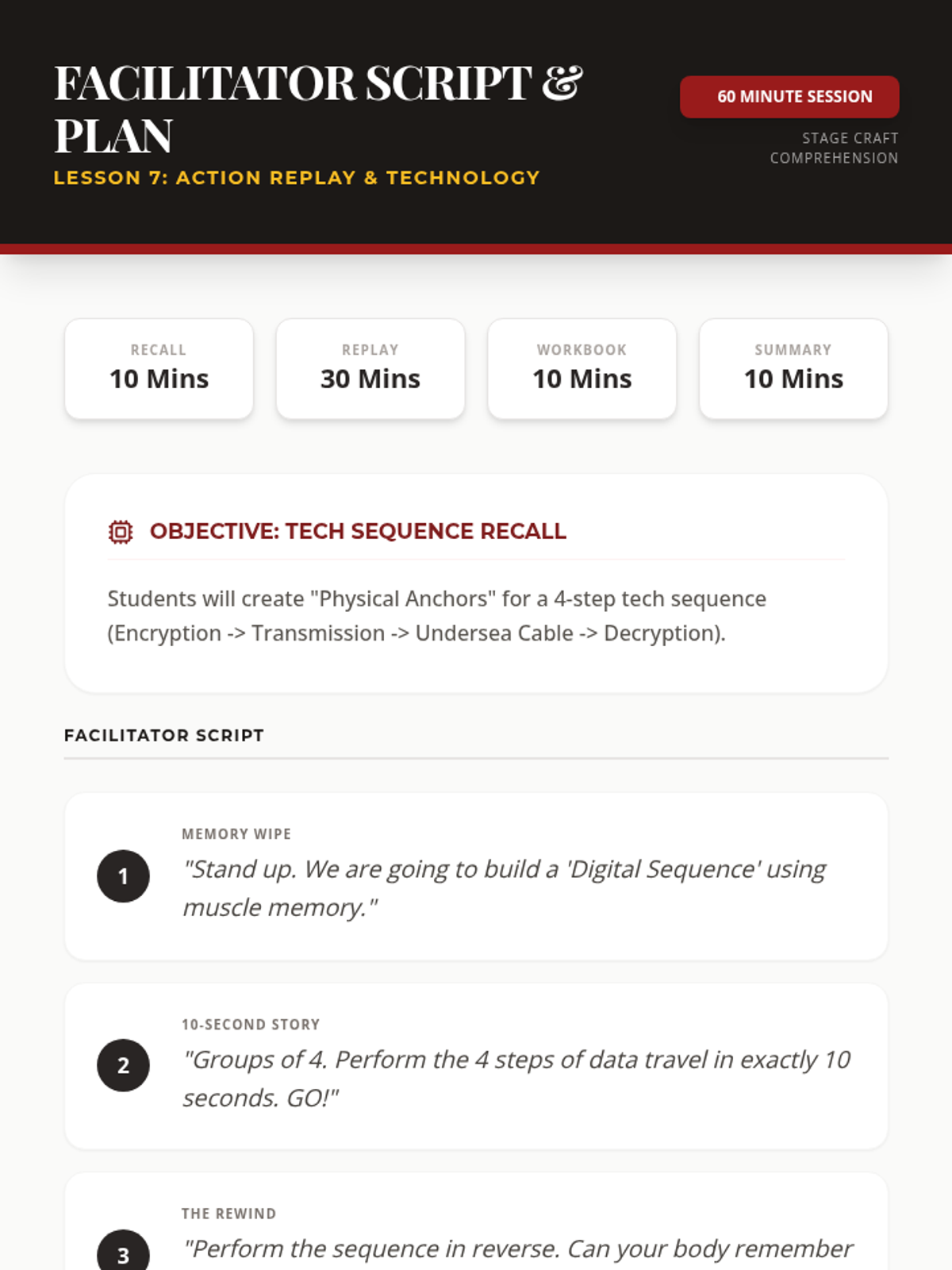
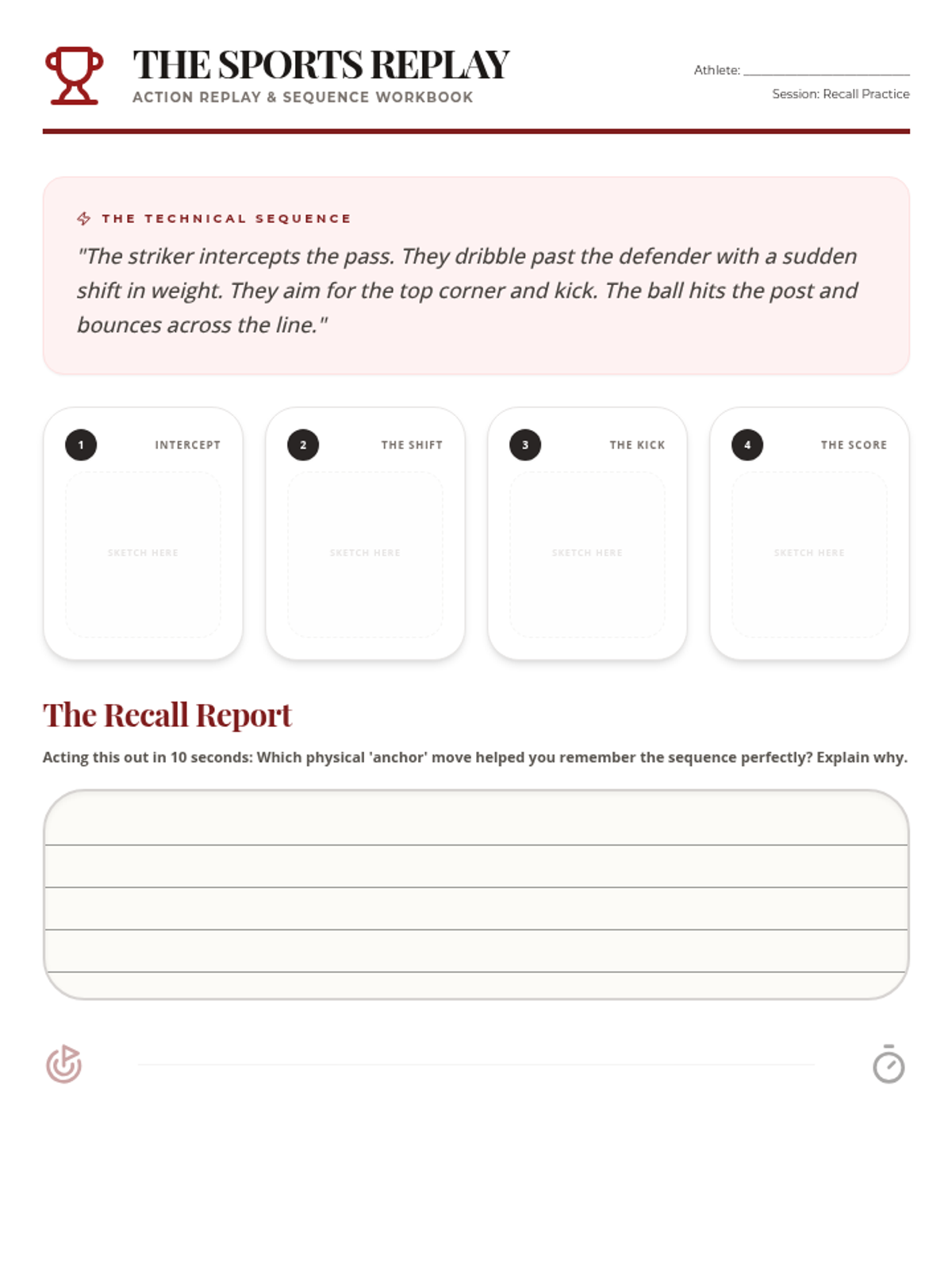
During Reading Strategy: Using reenactment to boost recall of the history of technology and modern hobbies.
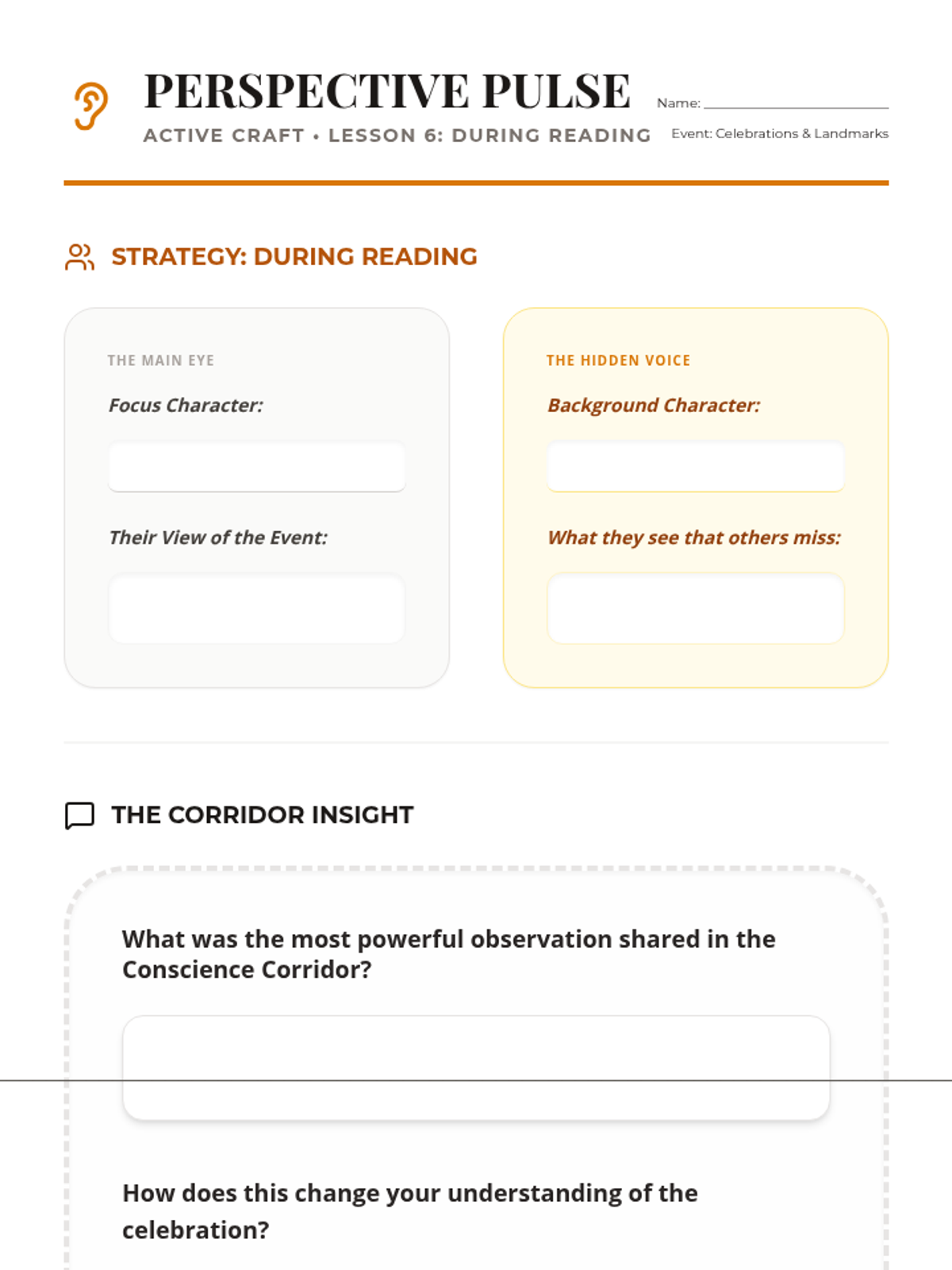
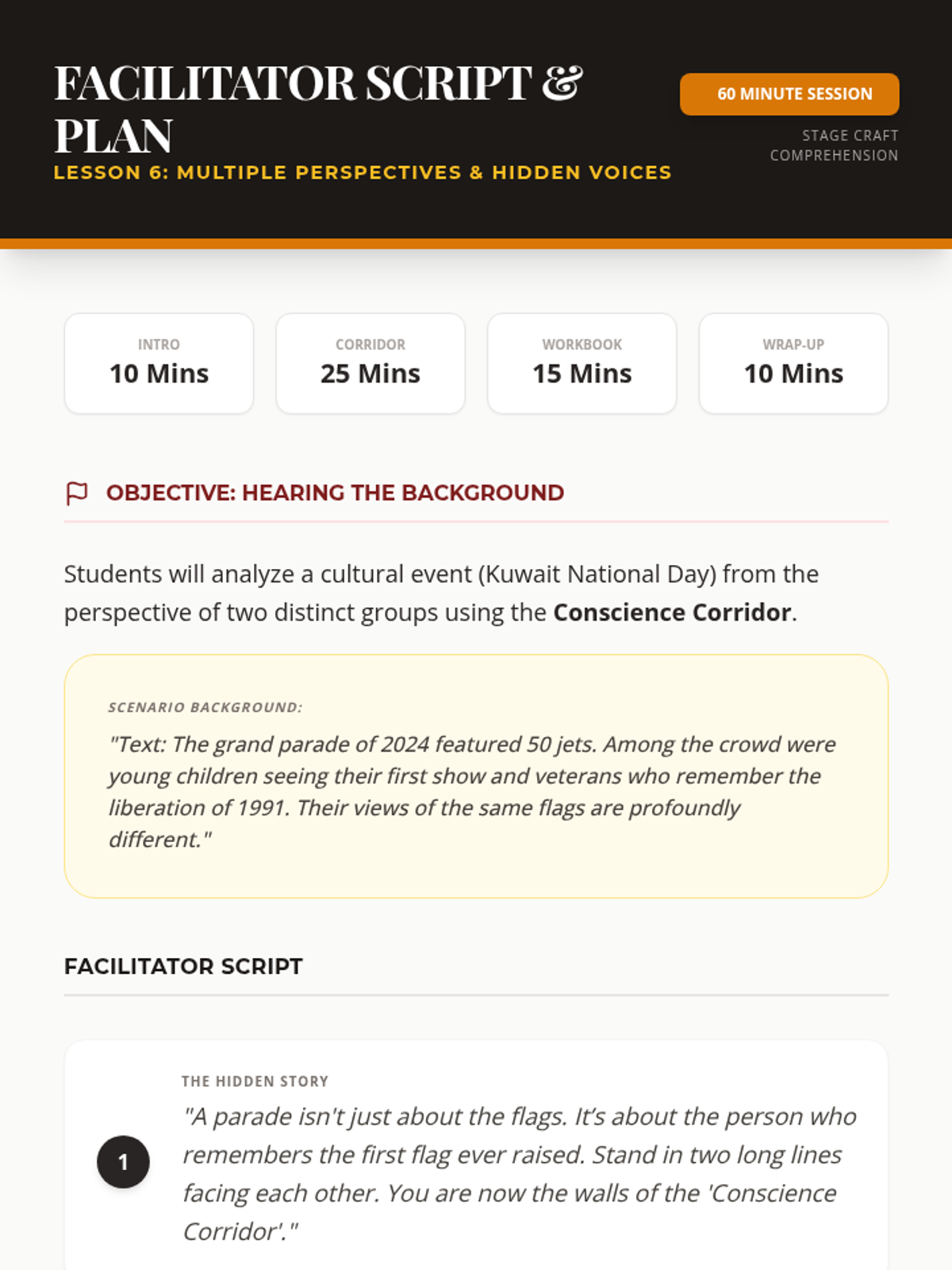
During Reading Strategy: Exploring multiple viewpoints within global celebrations and cultural events.
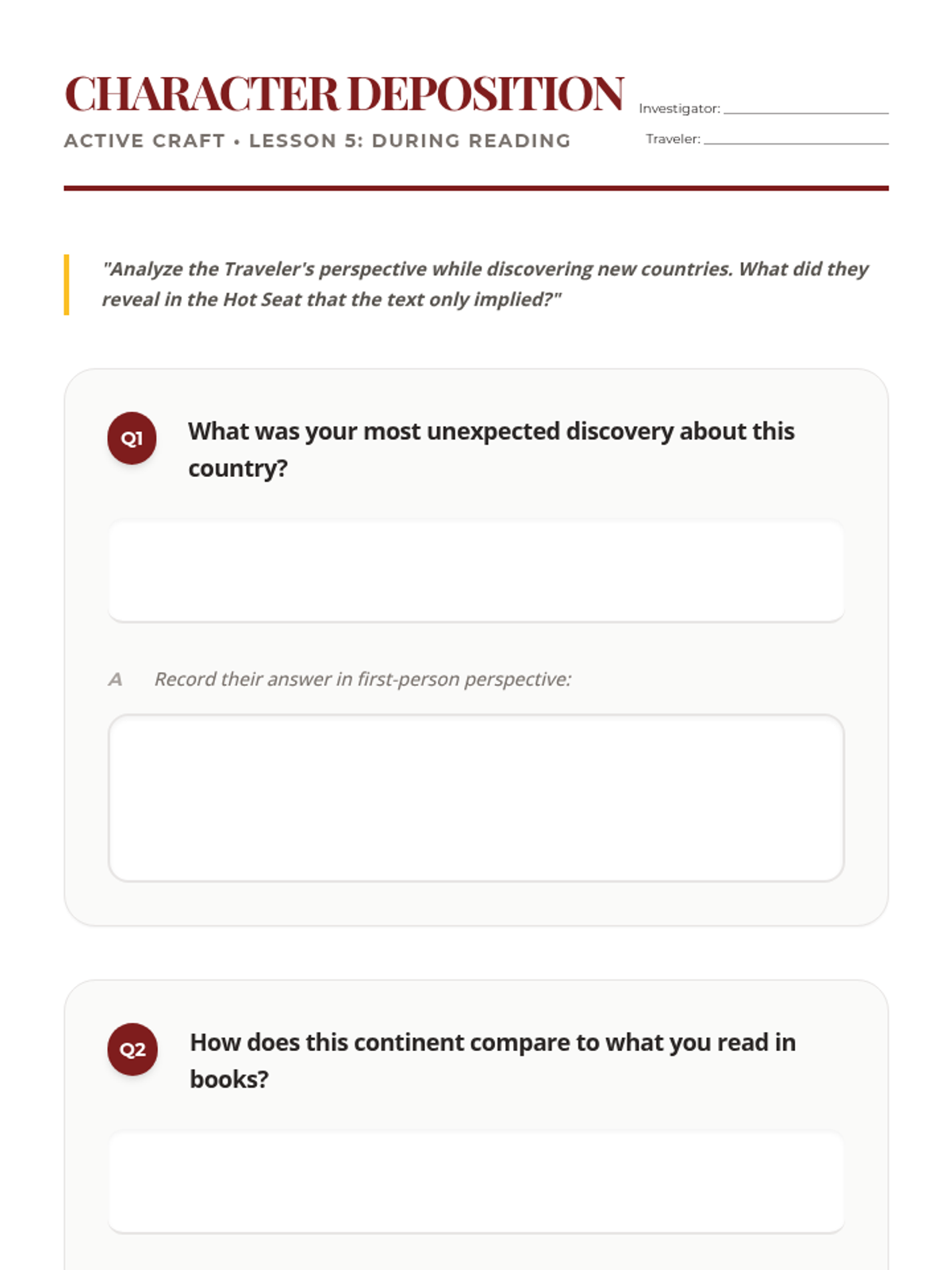
During Reading Strategy: Diving deep into traveler perspectives through the 'Hot Seat' technique while discovering countries.
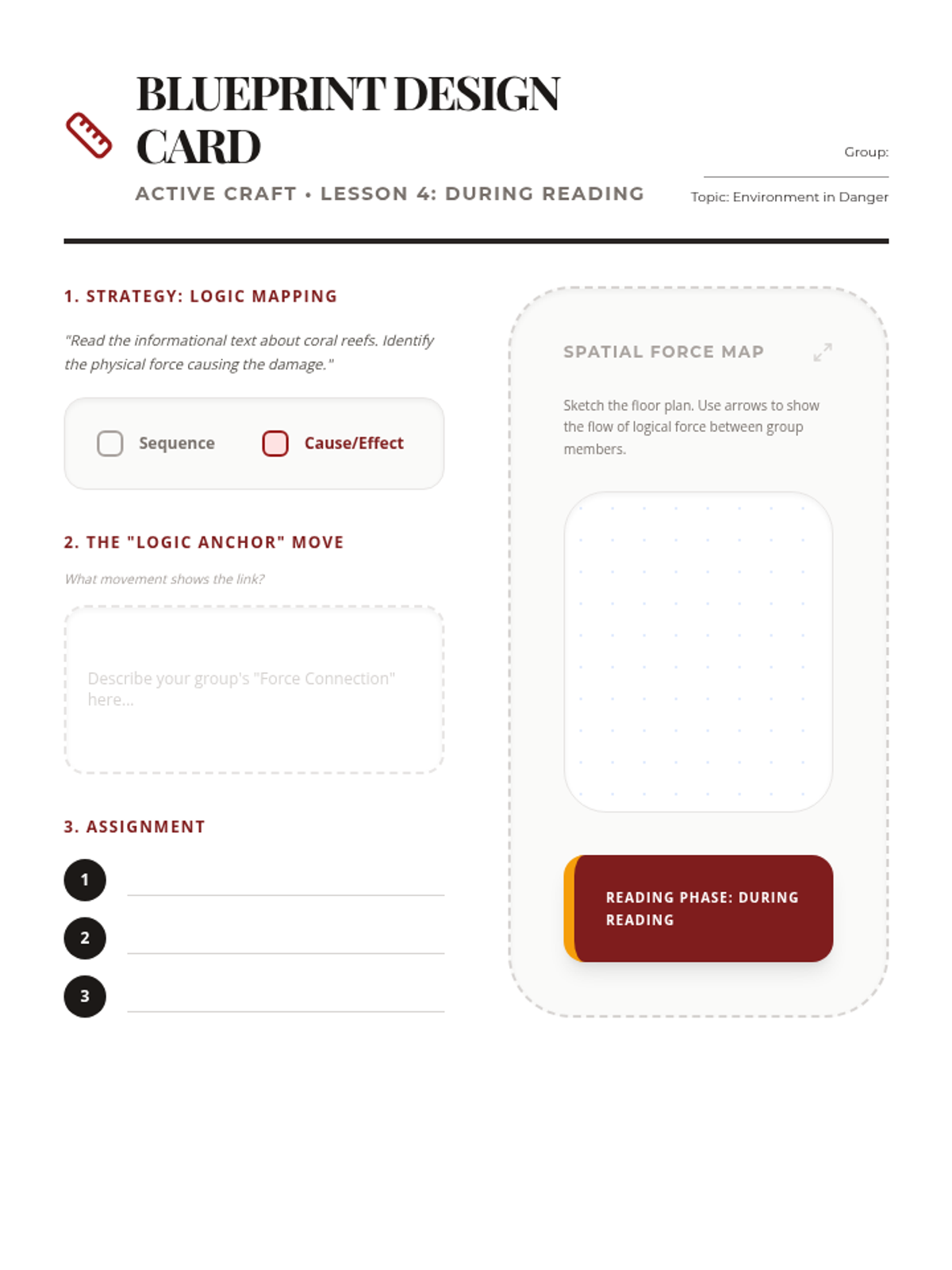
During Reading Strategy: Using physical poses to represent informational text structures like cause/effect focused on environmental danger.
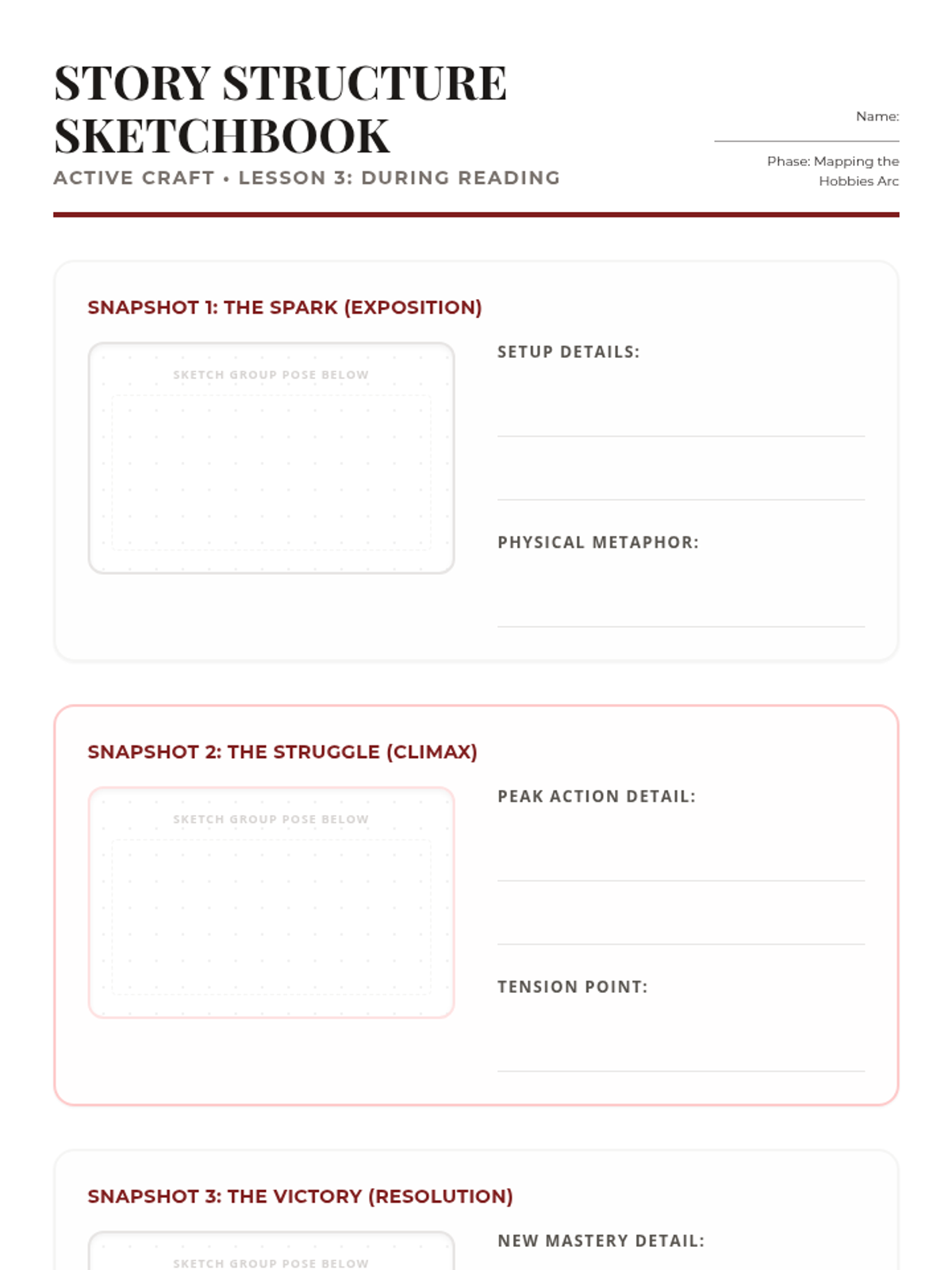
During Reading Strategy: Creating frozen tableaus to represent narrative story arcs centered on the joy of hobbies.
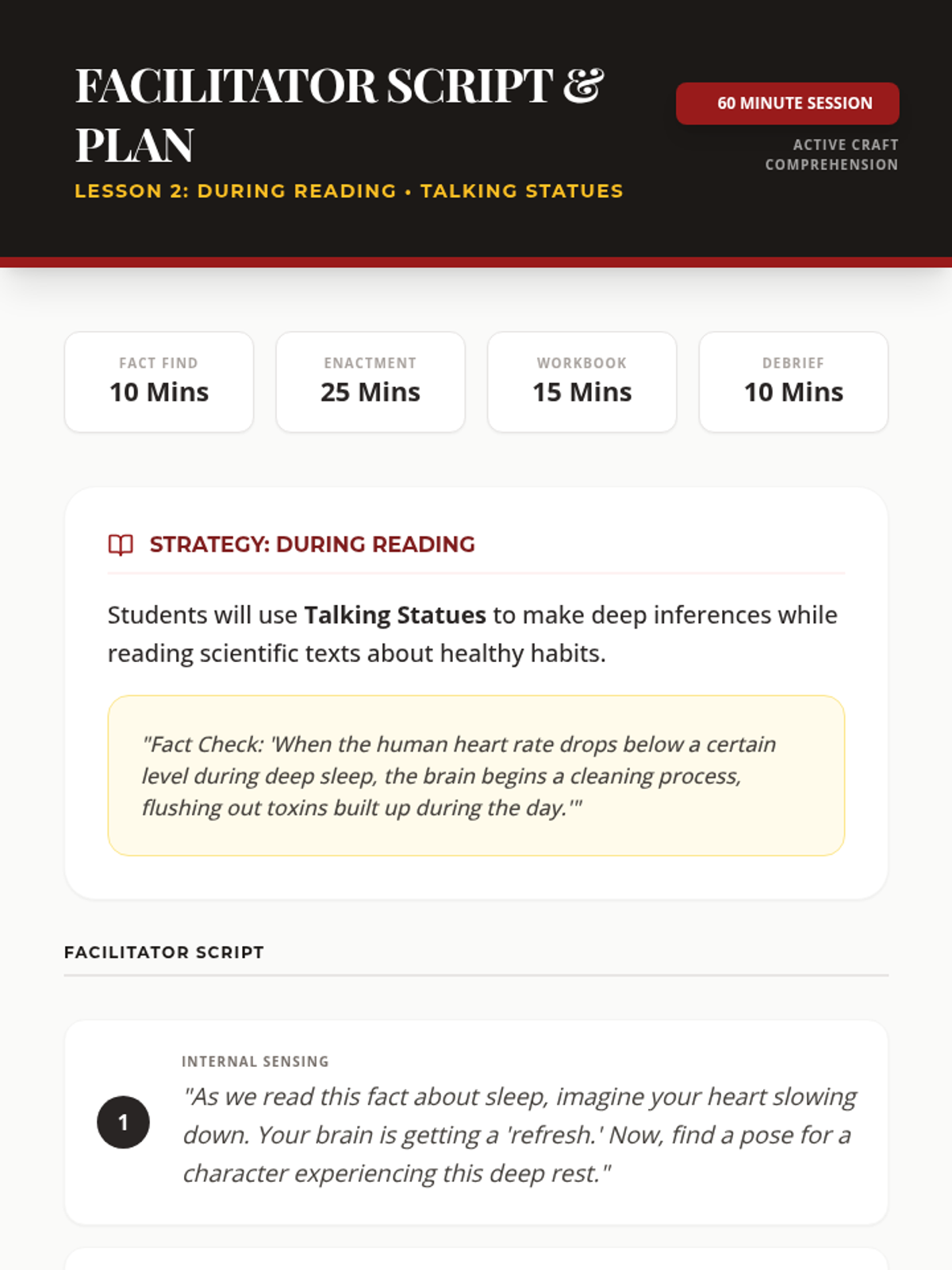
During Reading Strategy: Using 'Talking Statues' to make inferences about healthy habits and scientific facts about health.
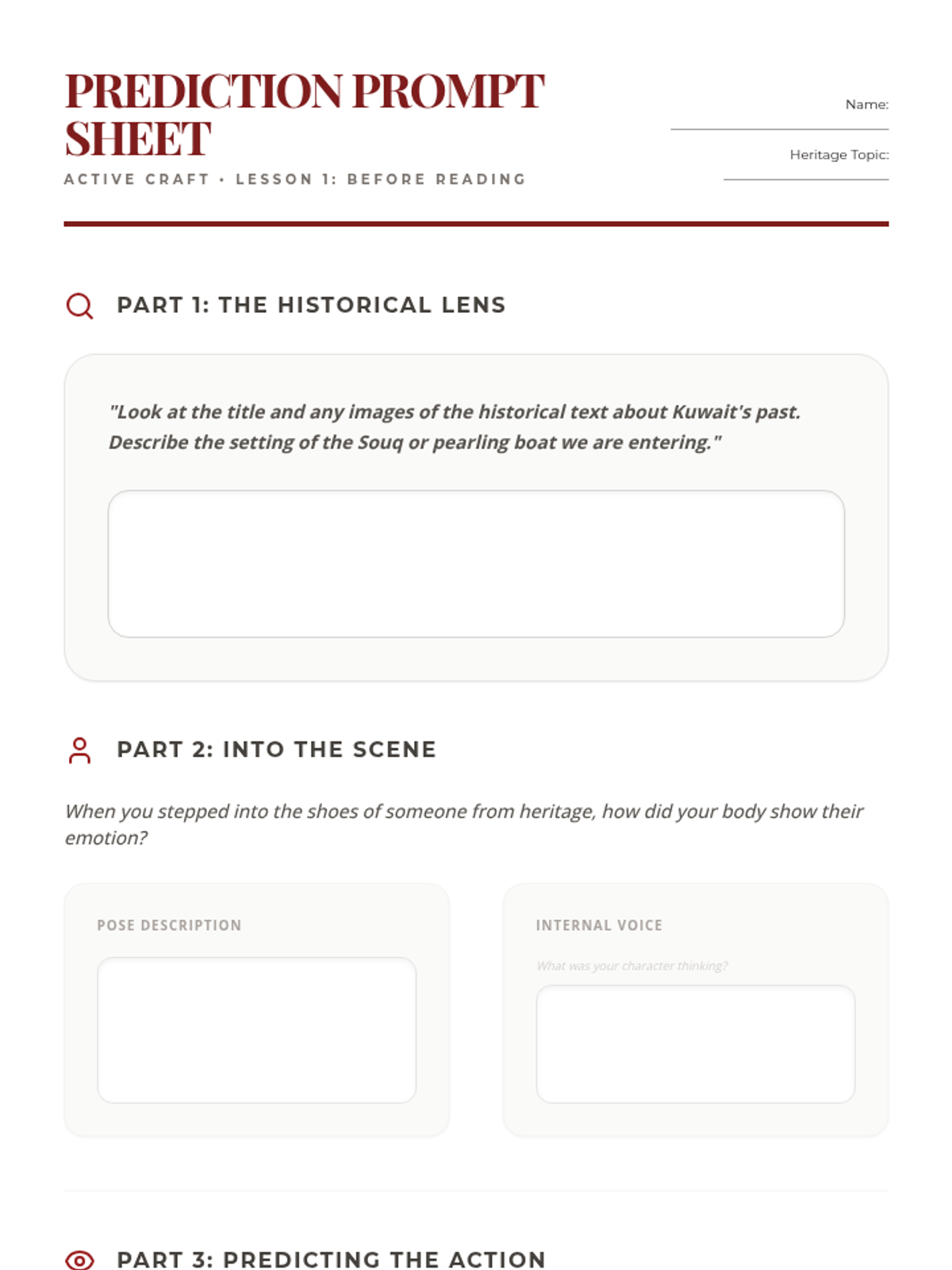
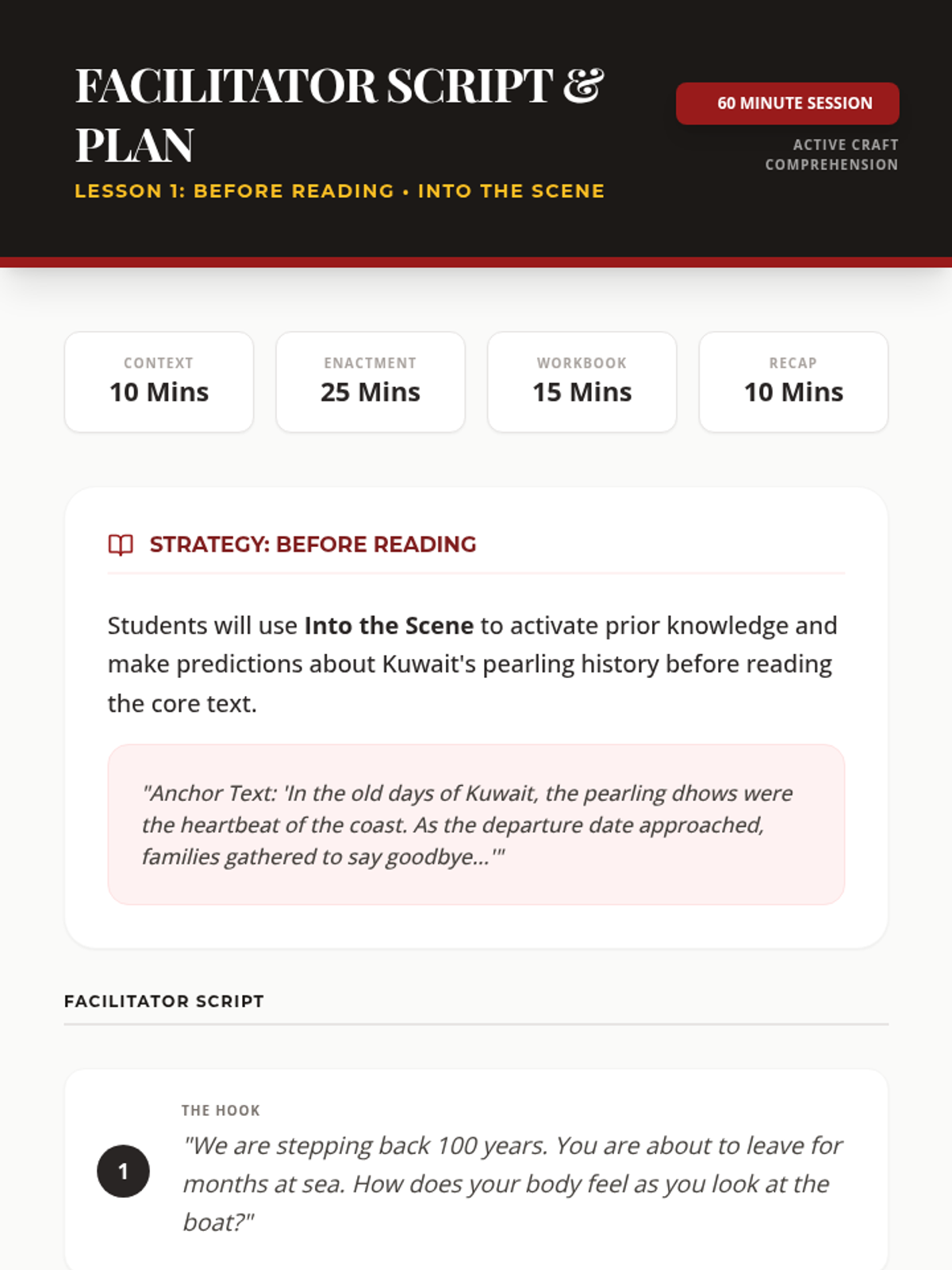
Before Reading Strategy: Introduction to enactment as a tool for prediction and frontloading, focused on Kuwaiti heritage and life in the past.
Consolidating skills into a final performance about students’ actions around the world.
Comparing cultures, traditions, and navigation (directions) using role-play.
Synthesizing information into 'Summary Sculptures' focused on food items and healthy lifestyles.
Writing from the perspective of characters visiting cultural and educational places in Kuwait.
Practicing fluency through weather forecast 'Radio Dramas' and climate reports.
Using reenactment to boost recall of the history of technology and modern hobbies.
Exploring multiple viewpoints within global celebrations and cultural events.
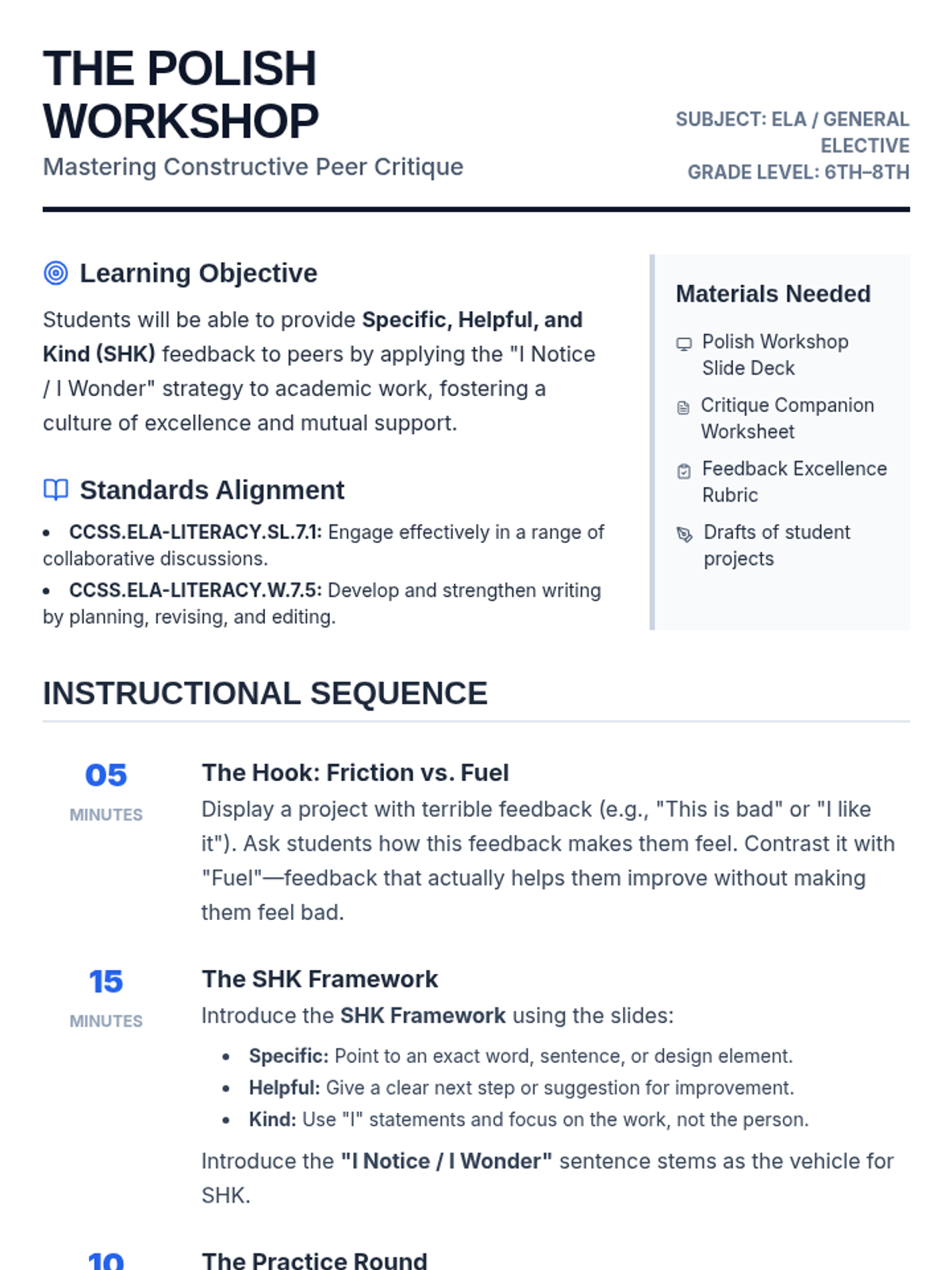
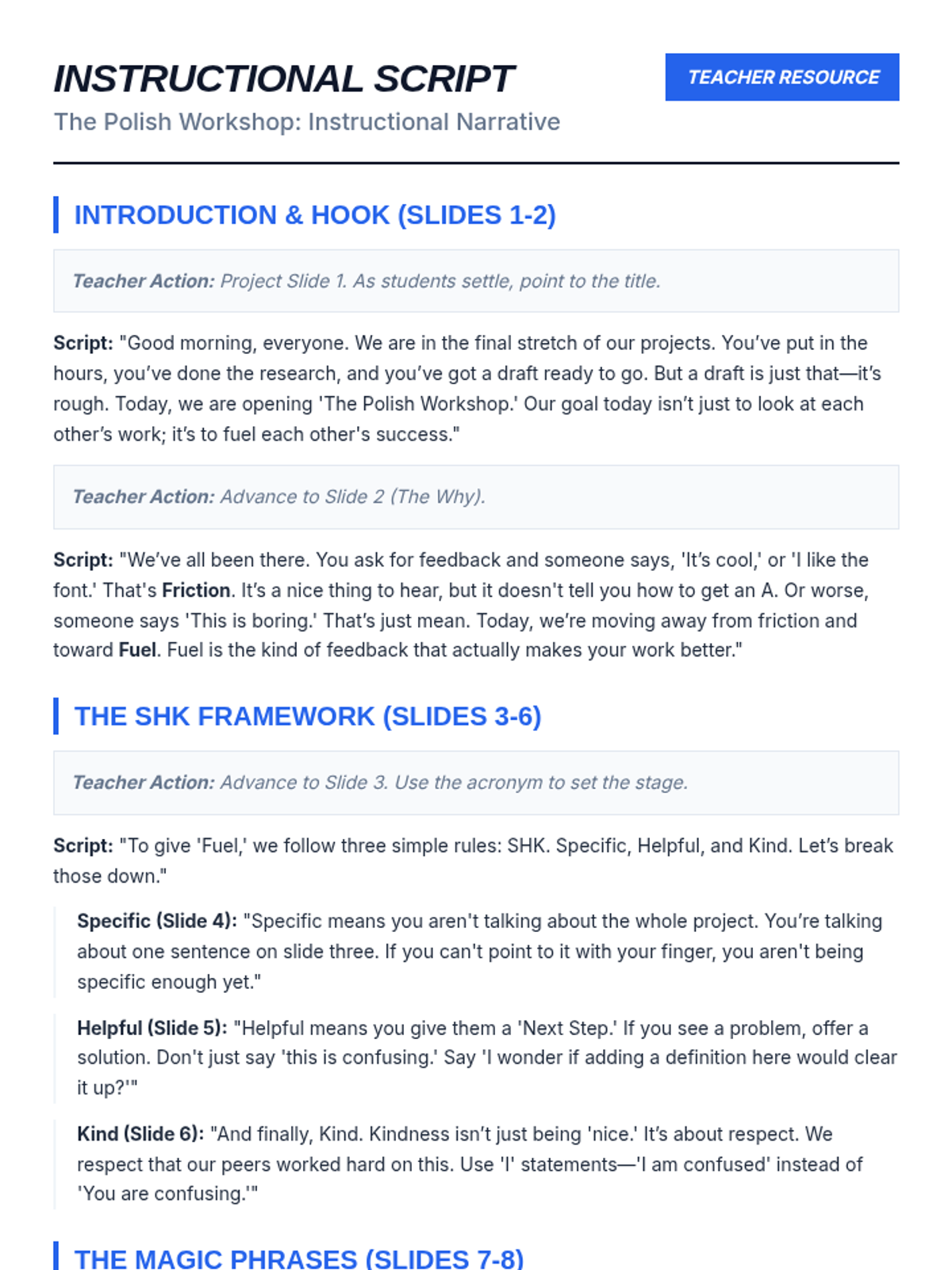
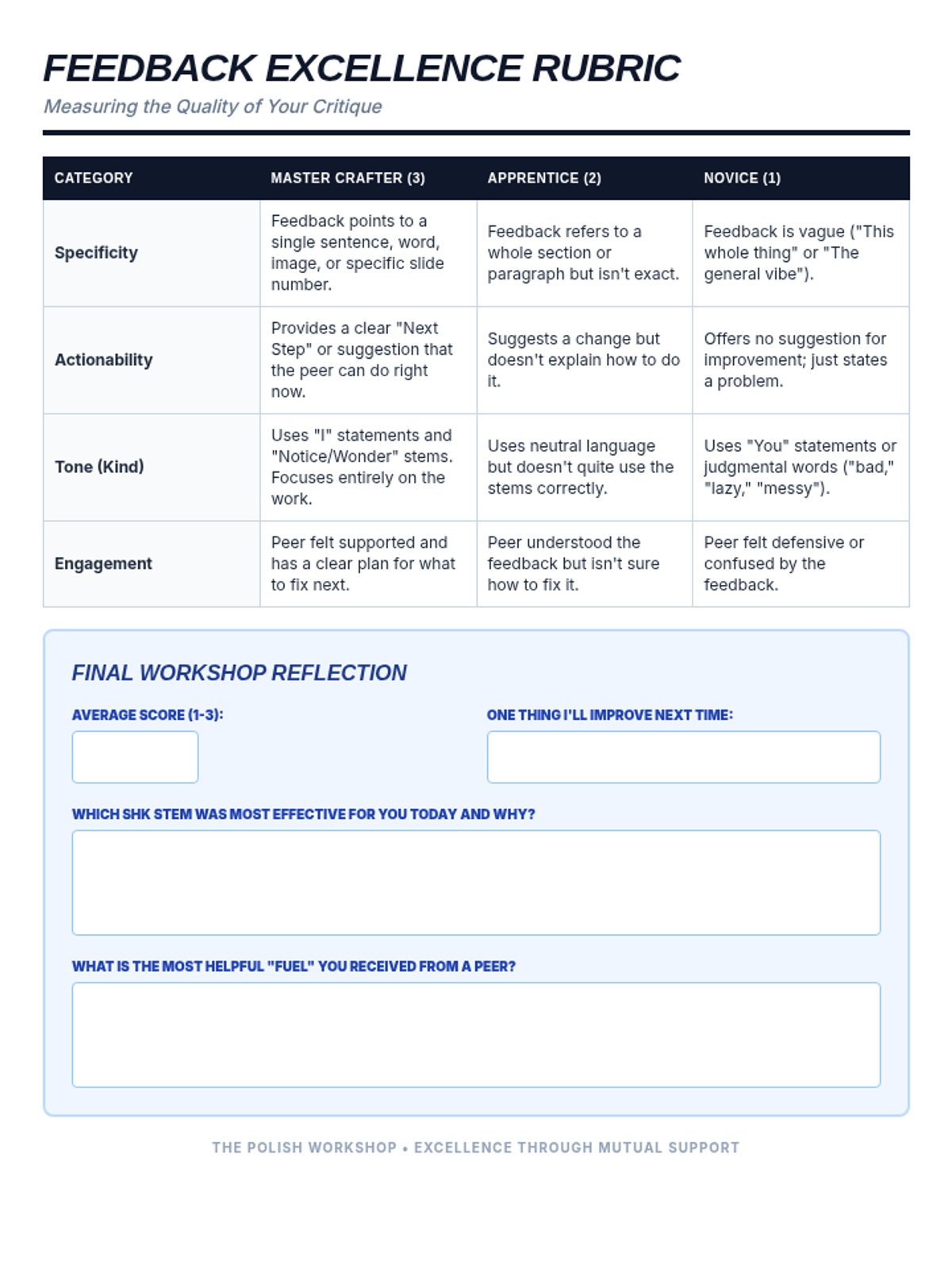
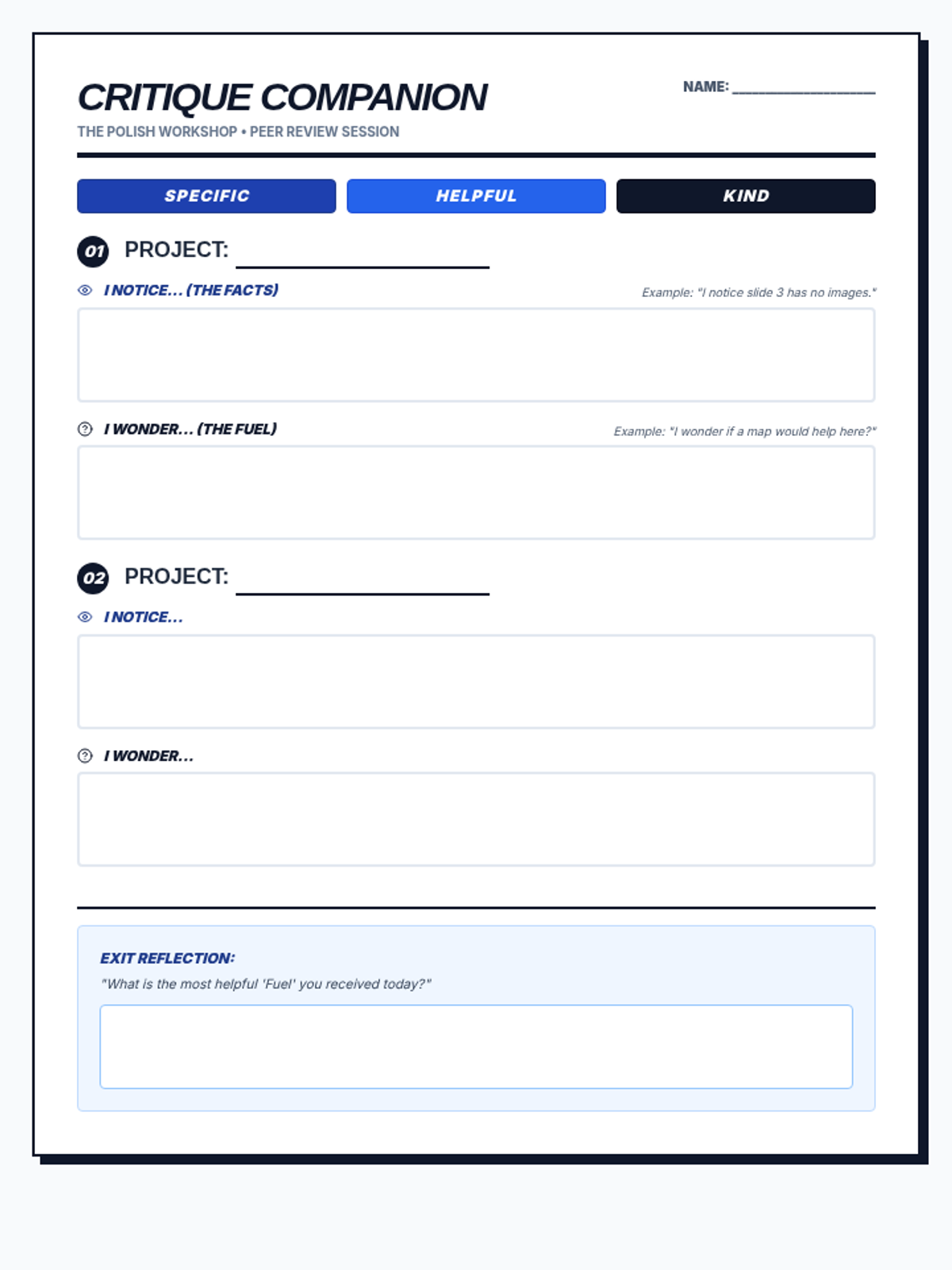
A comprehensive lesson designed to teach middle schoolers the art of constructive peer feedback using the 'Specific, Helpful, and Kind' framework to improve final projects.
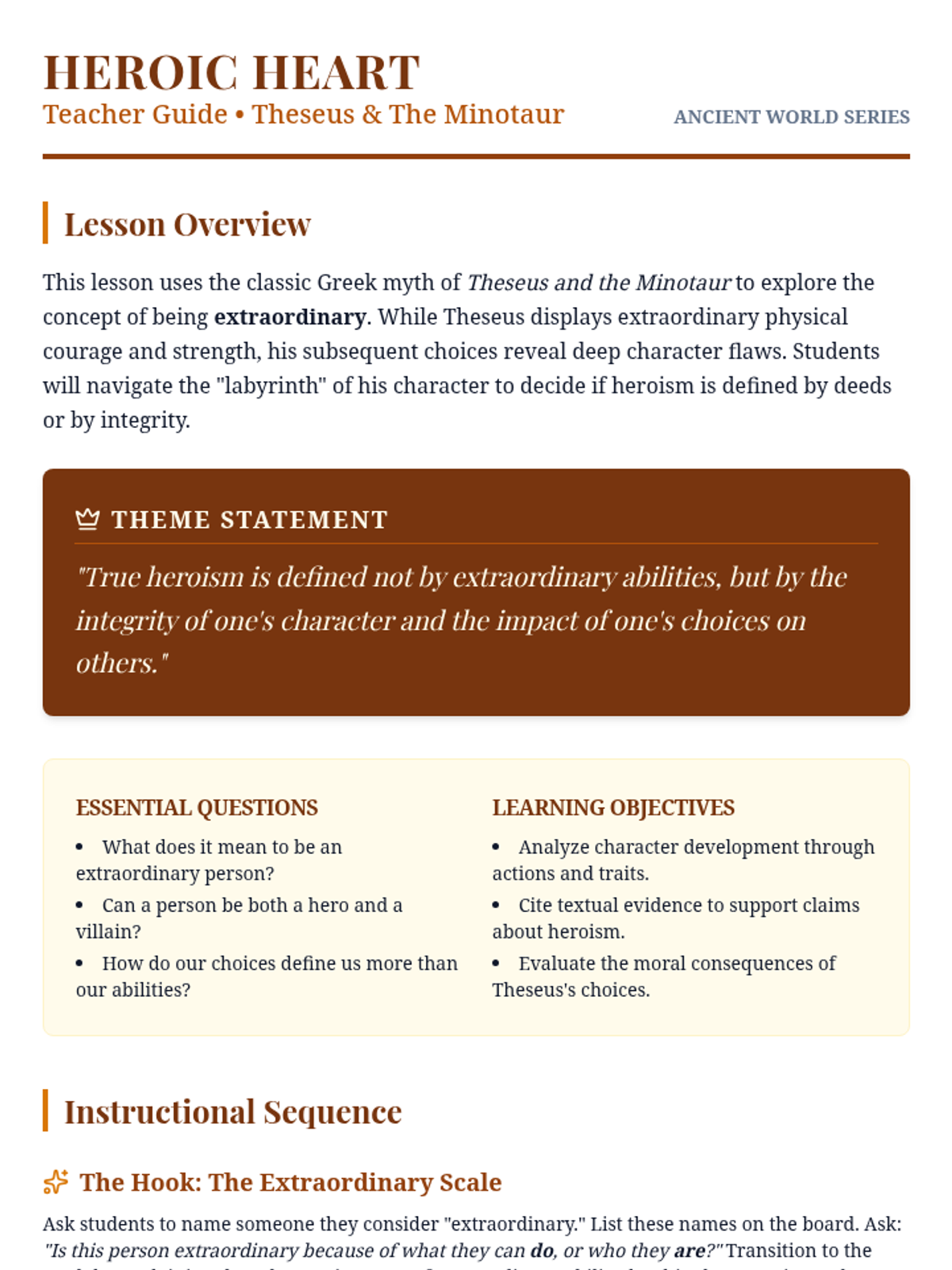
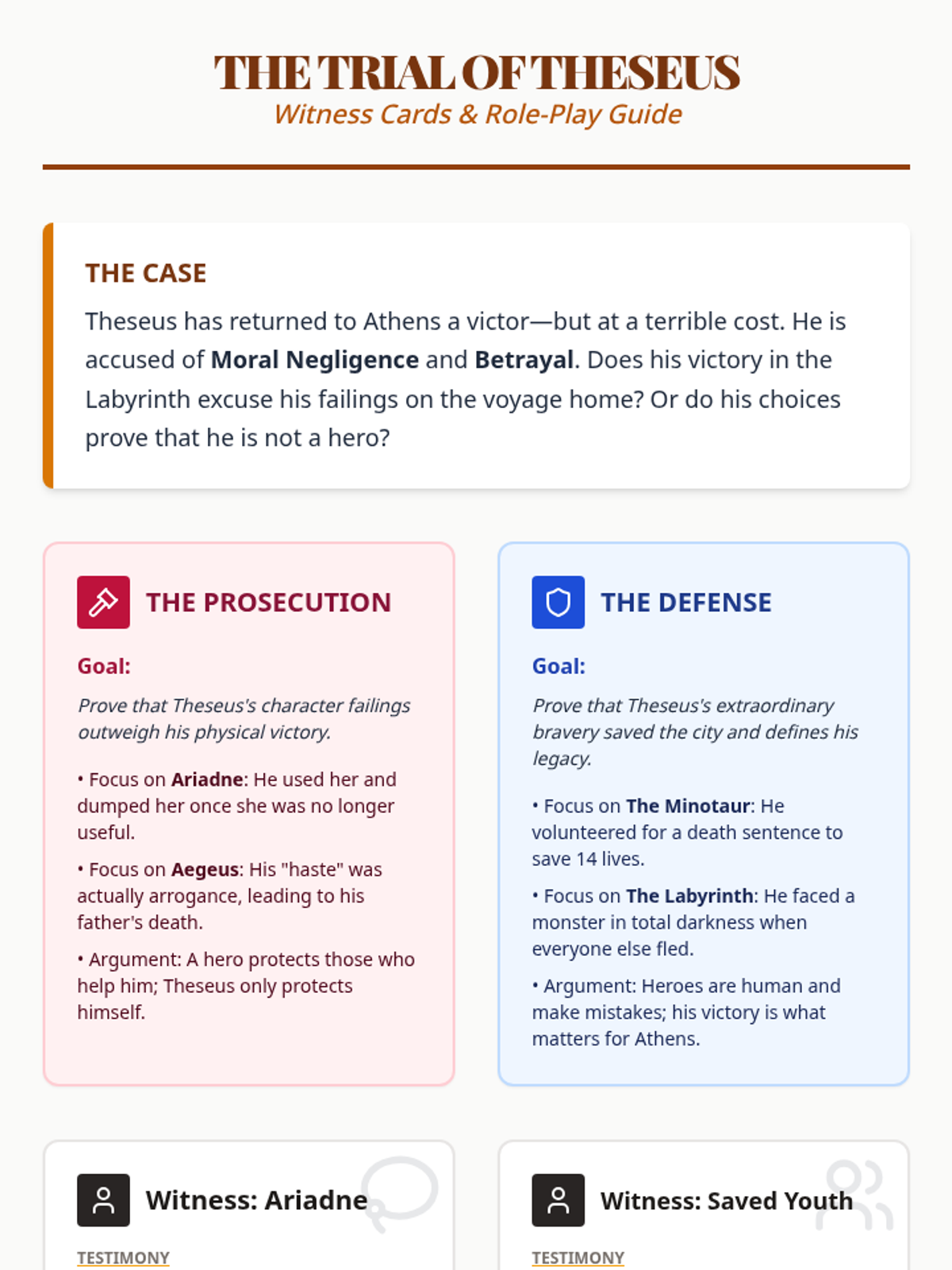
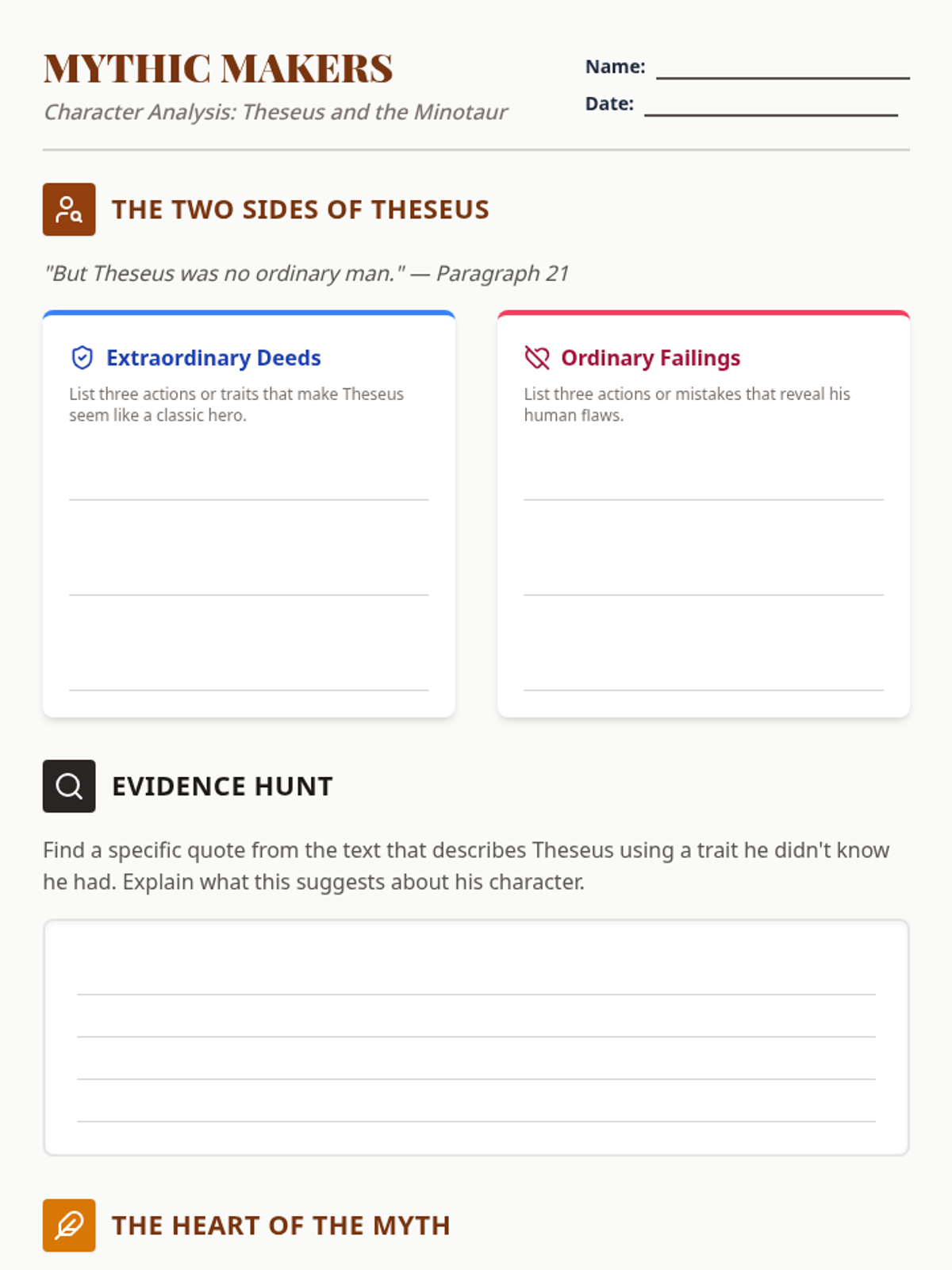
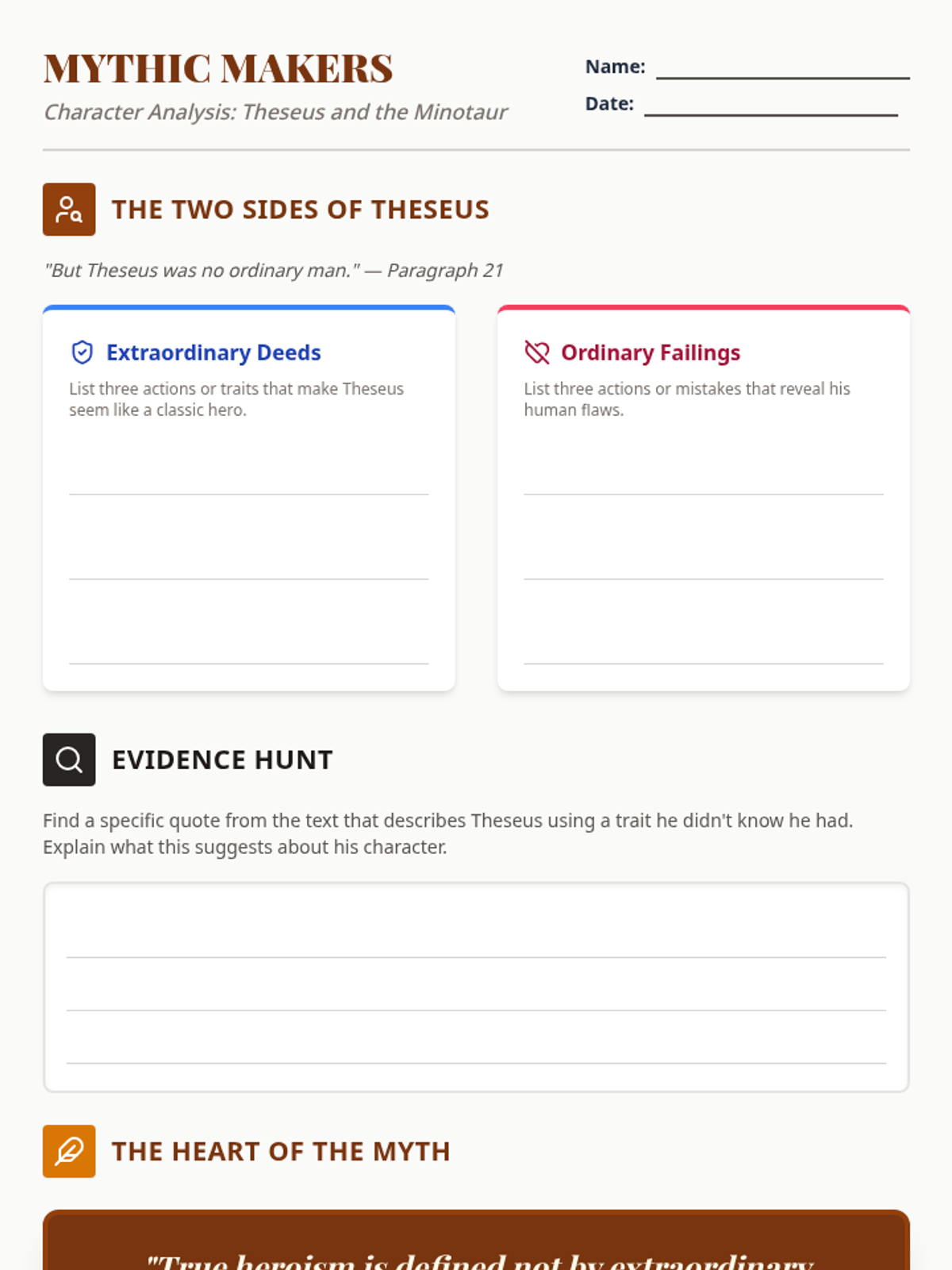
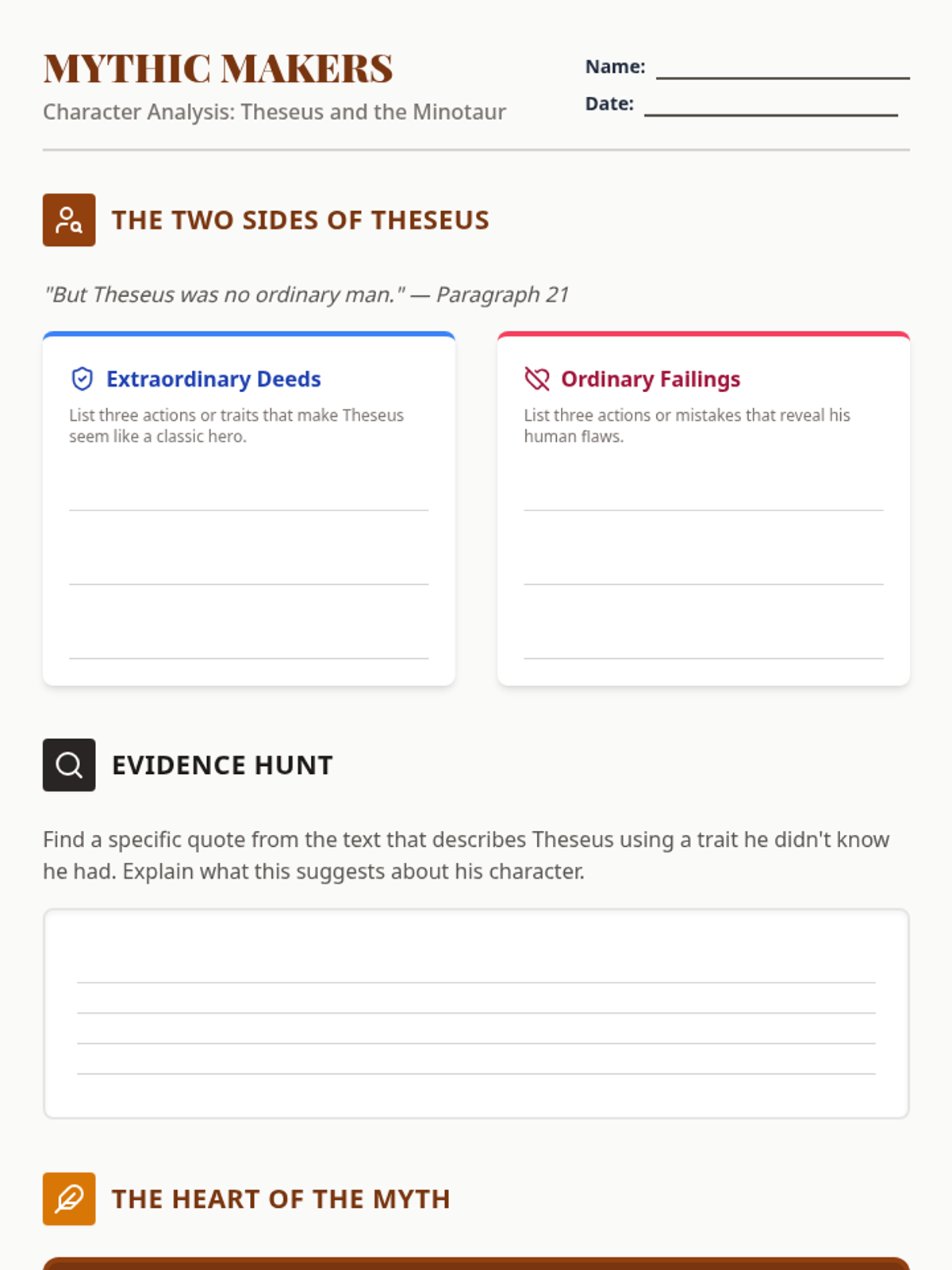
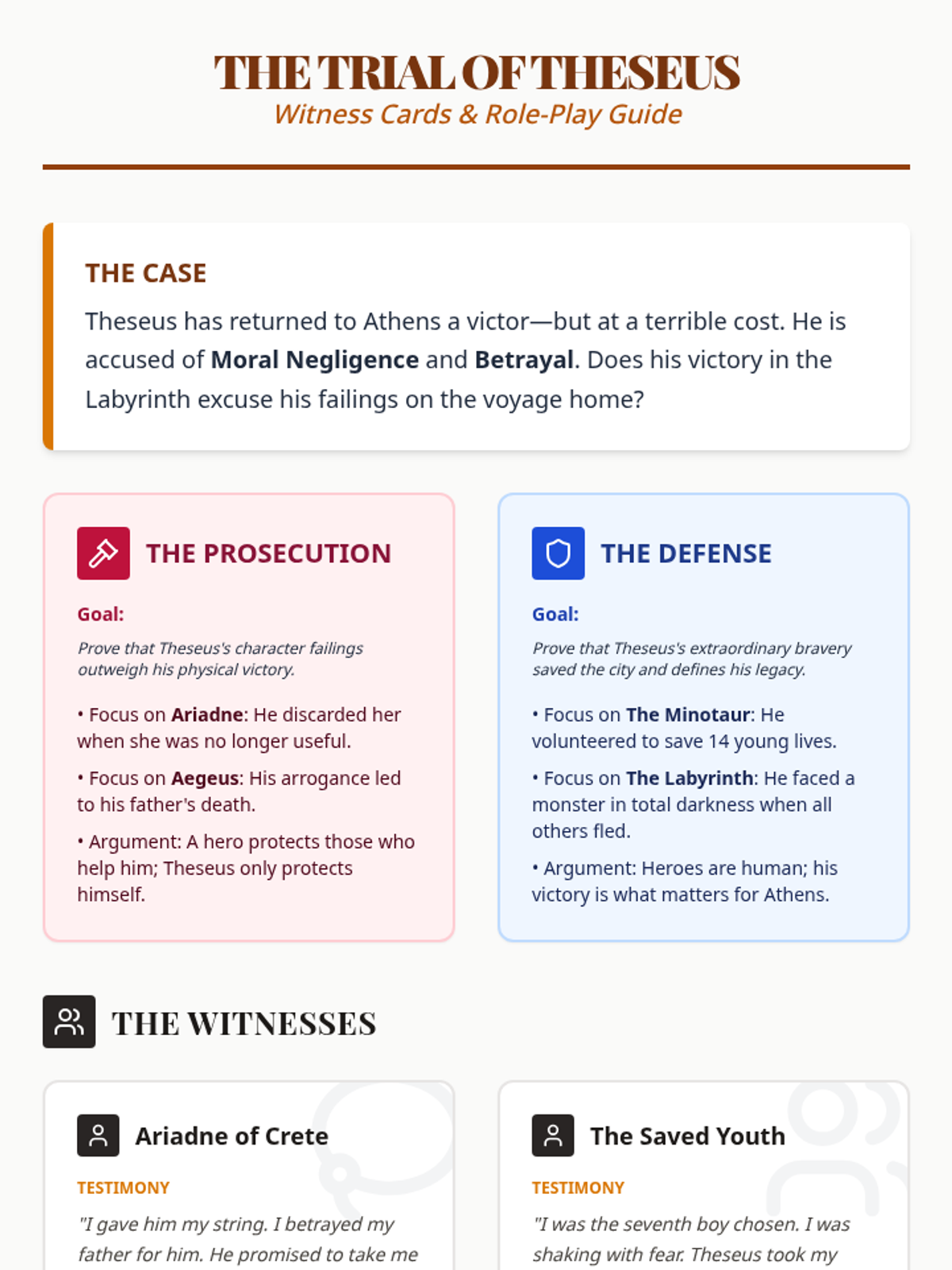
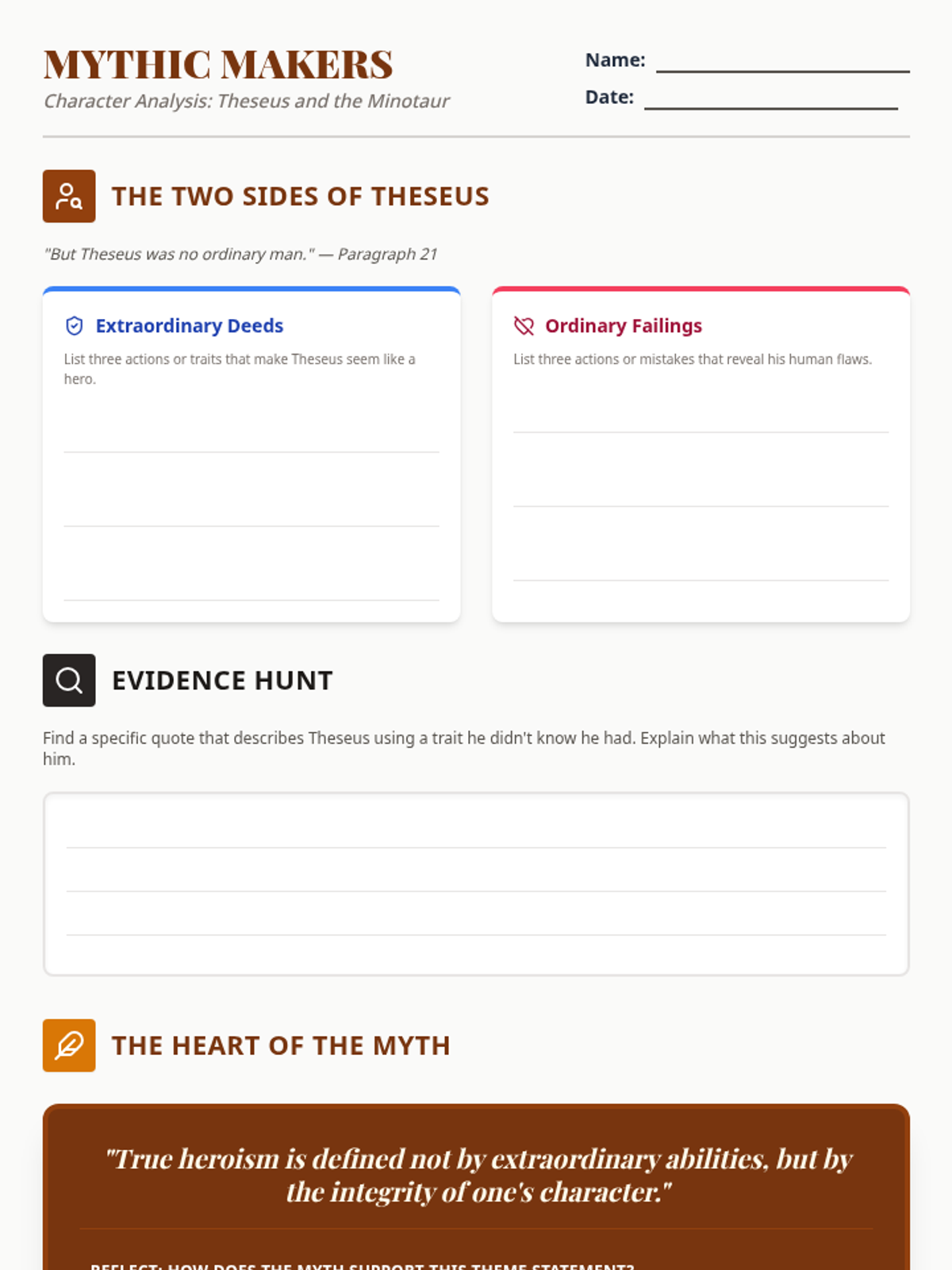
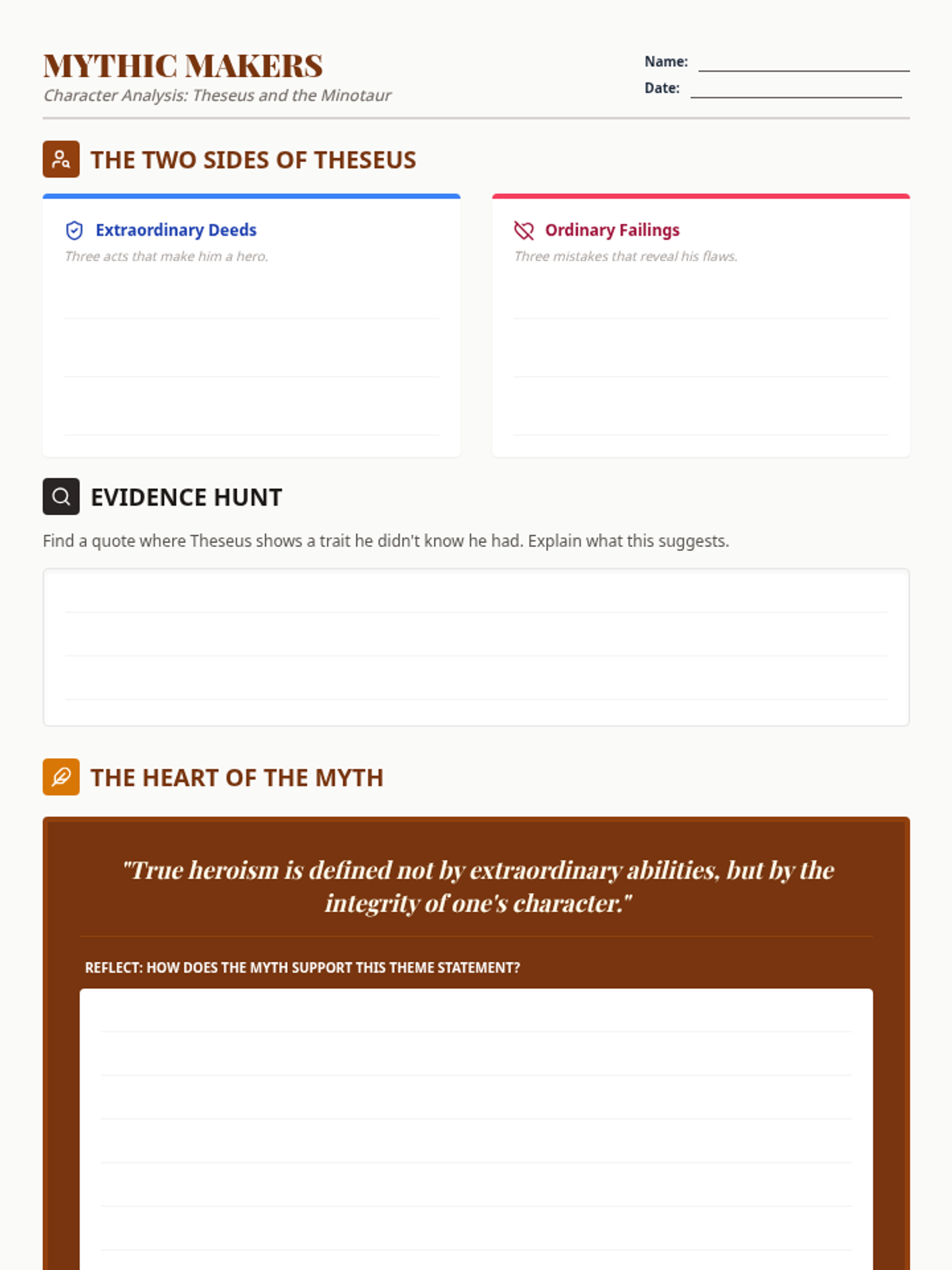
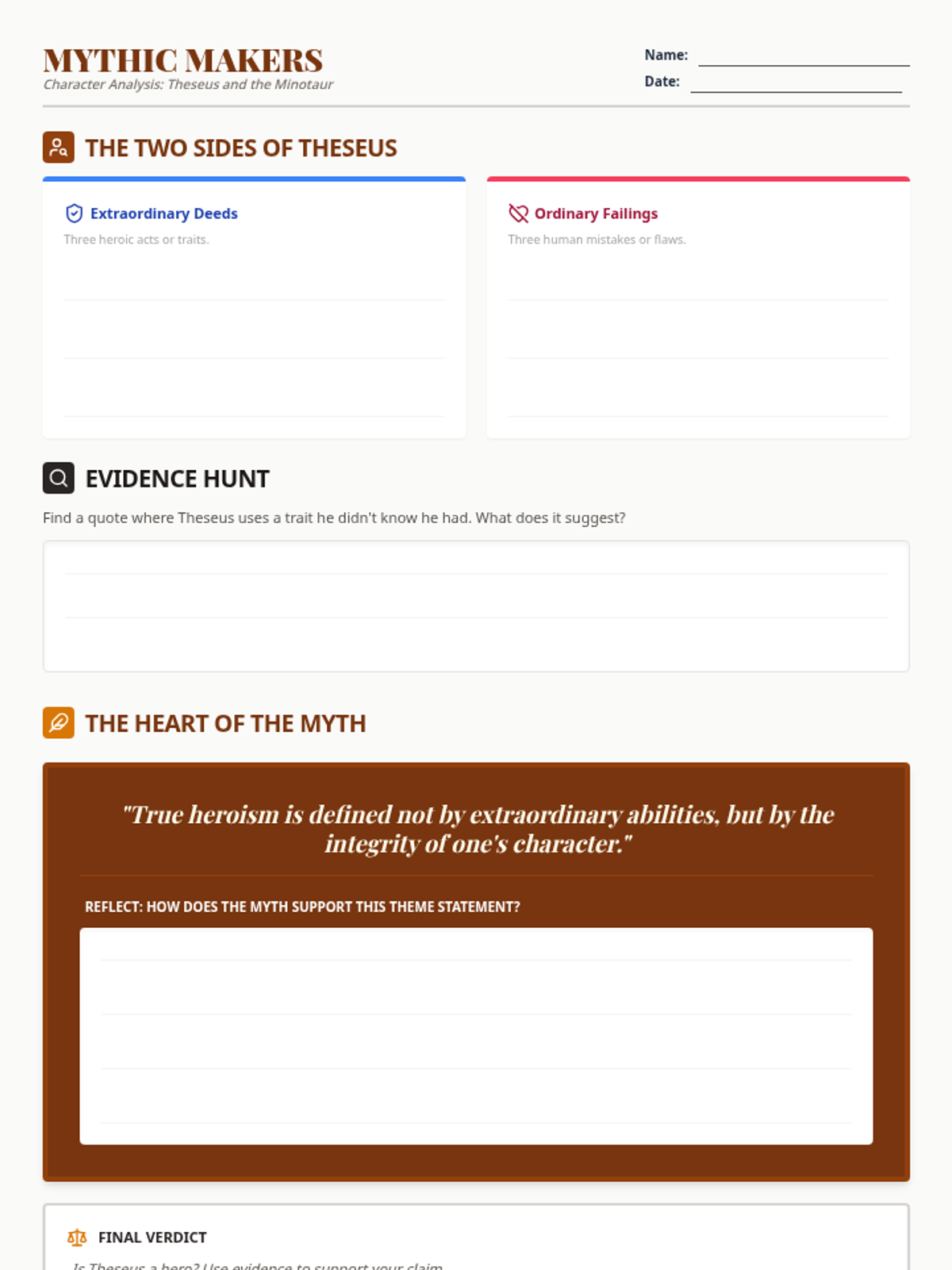
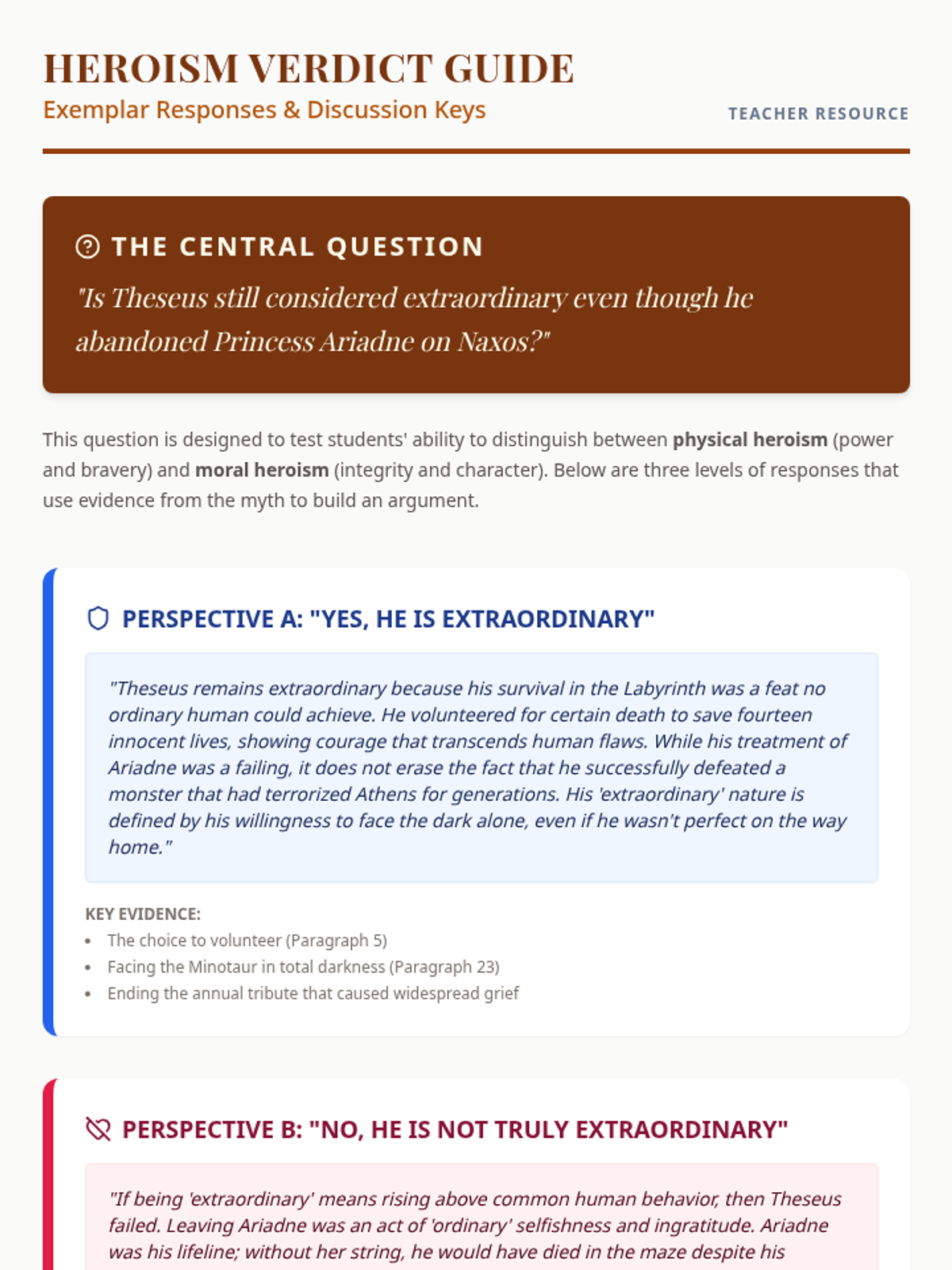
A deep dive into the myth of Theseus and the Minotaur, exploring the duality of heroism and what it truly means to be extraordinary. Students analyze Theseus's brave actions alongside his moral failings to develop a nuanced understanding of character.
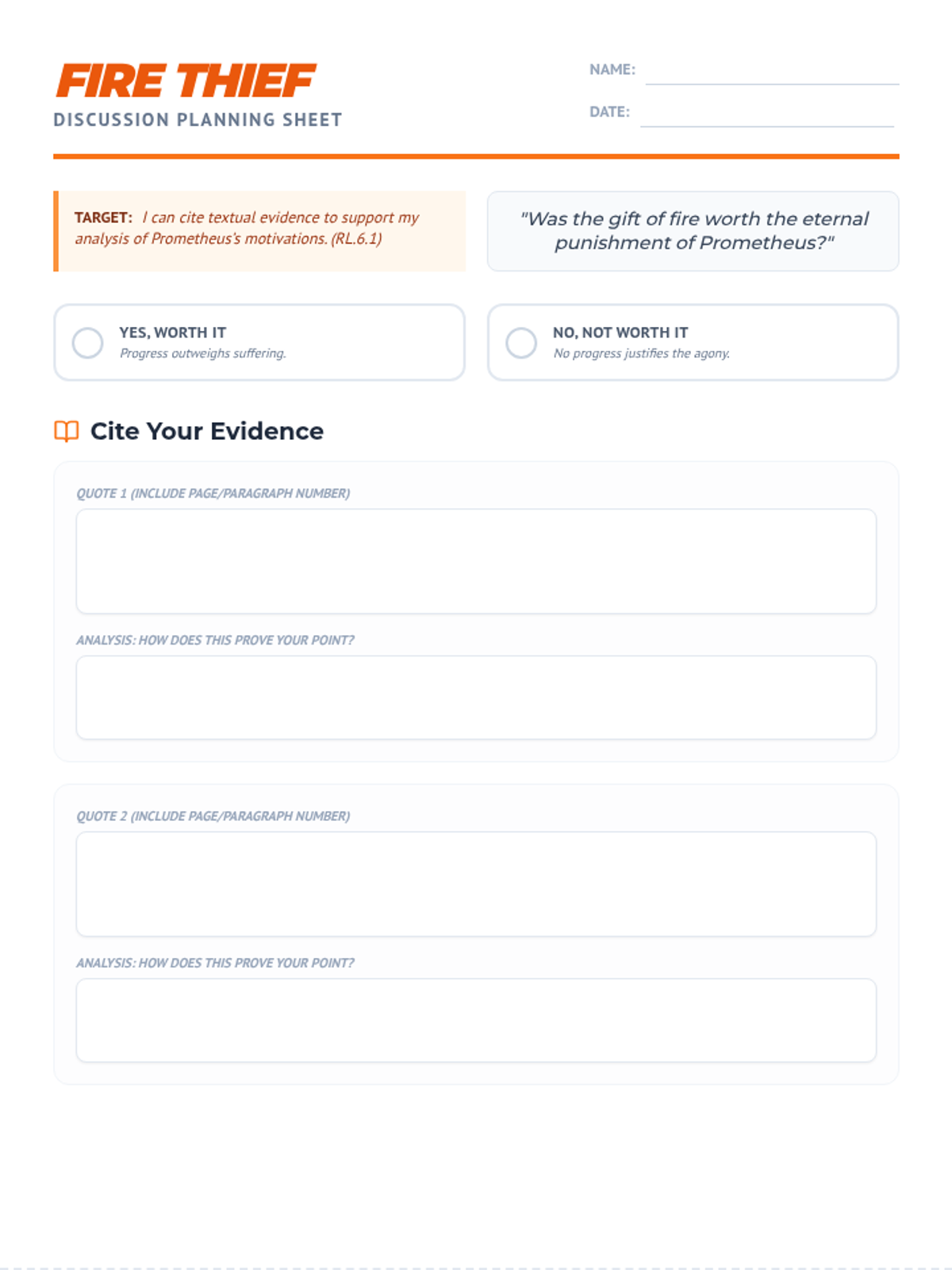
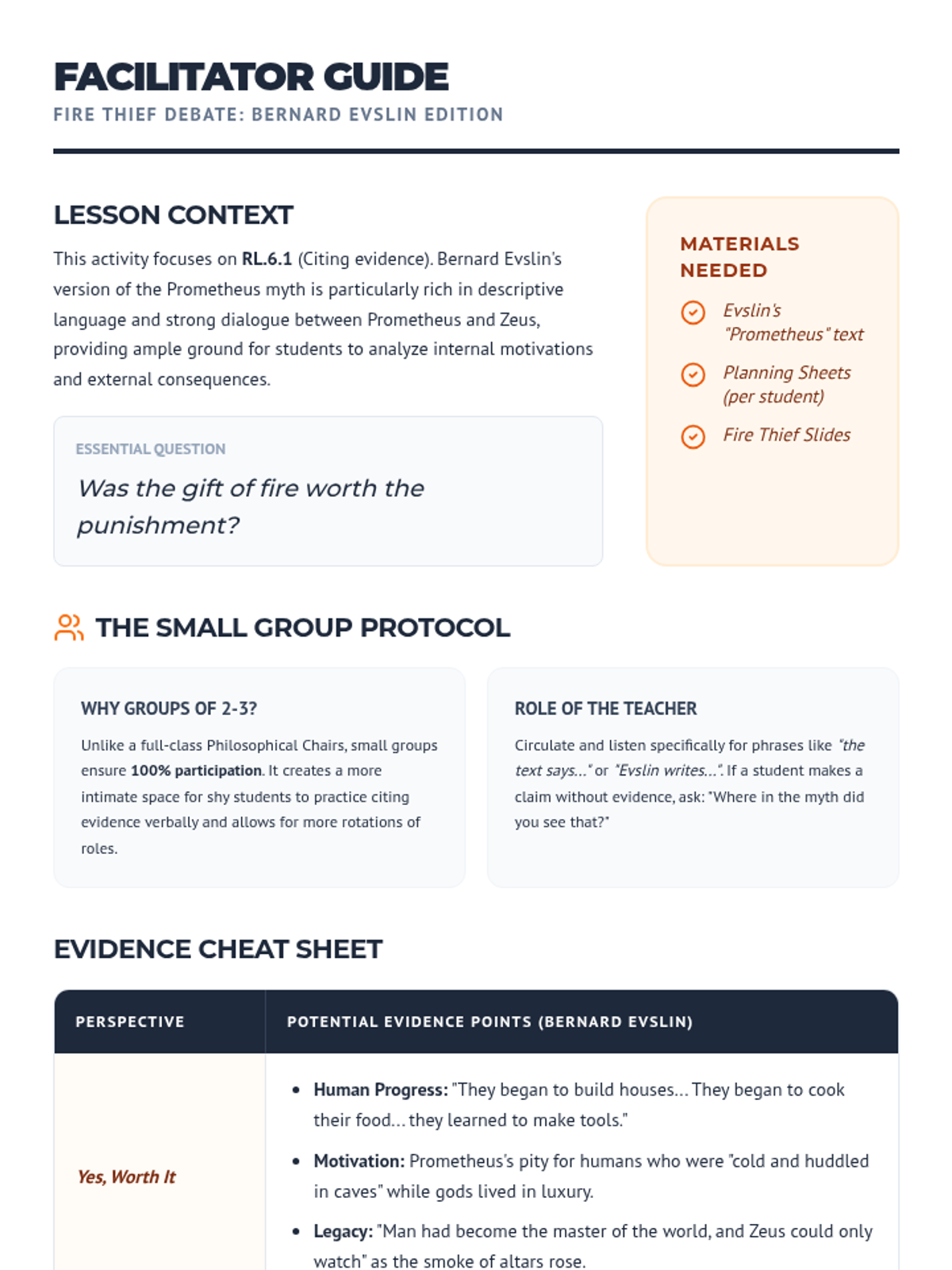
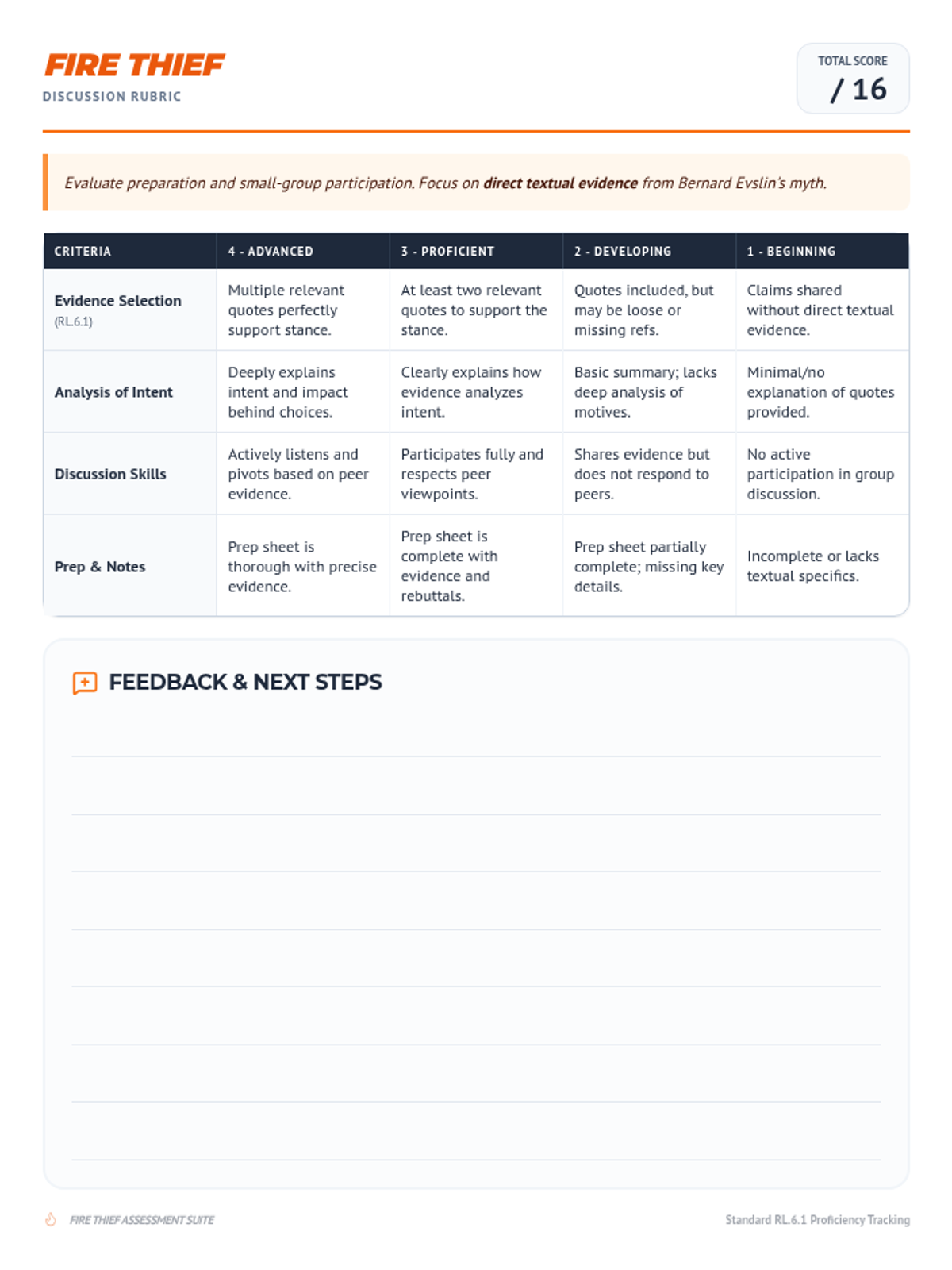
A lesson centered on analyzing Prometheus's motivations and the consequences of his actions using Bernard Evslin's myth. Students engage in a modified Philosophical Chairs debate supported by textual evidence.
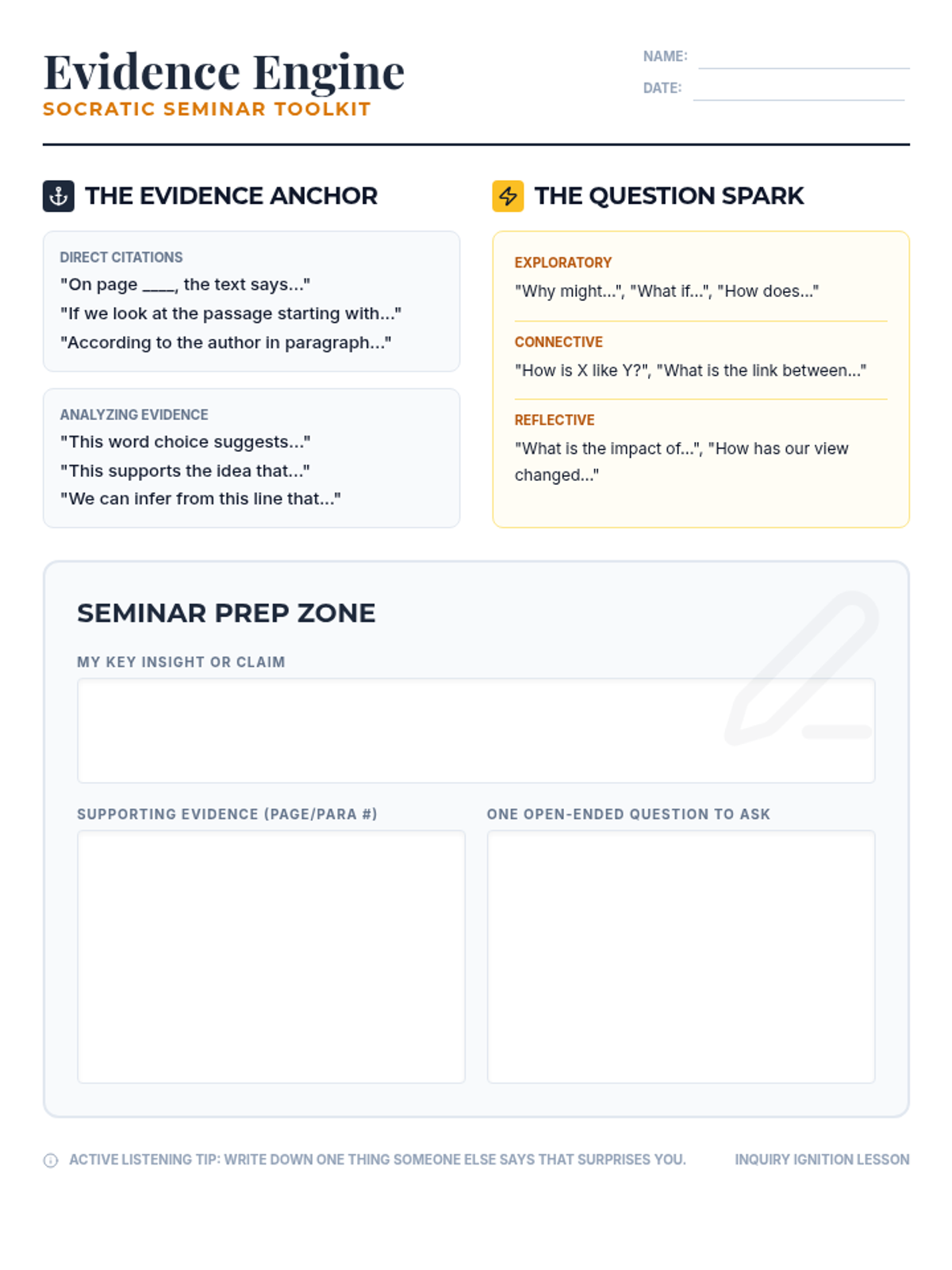
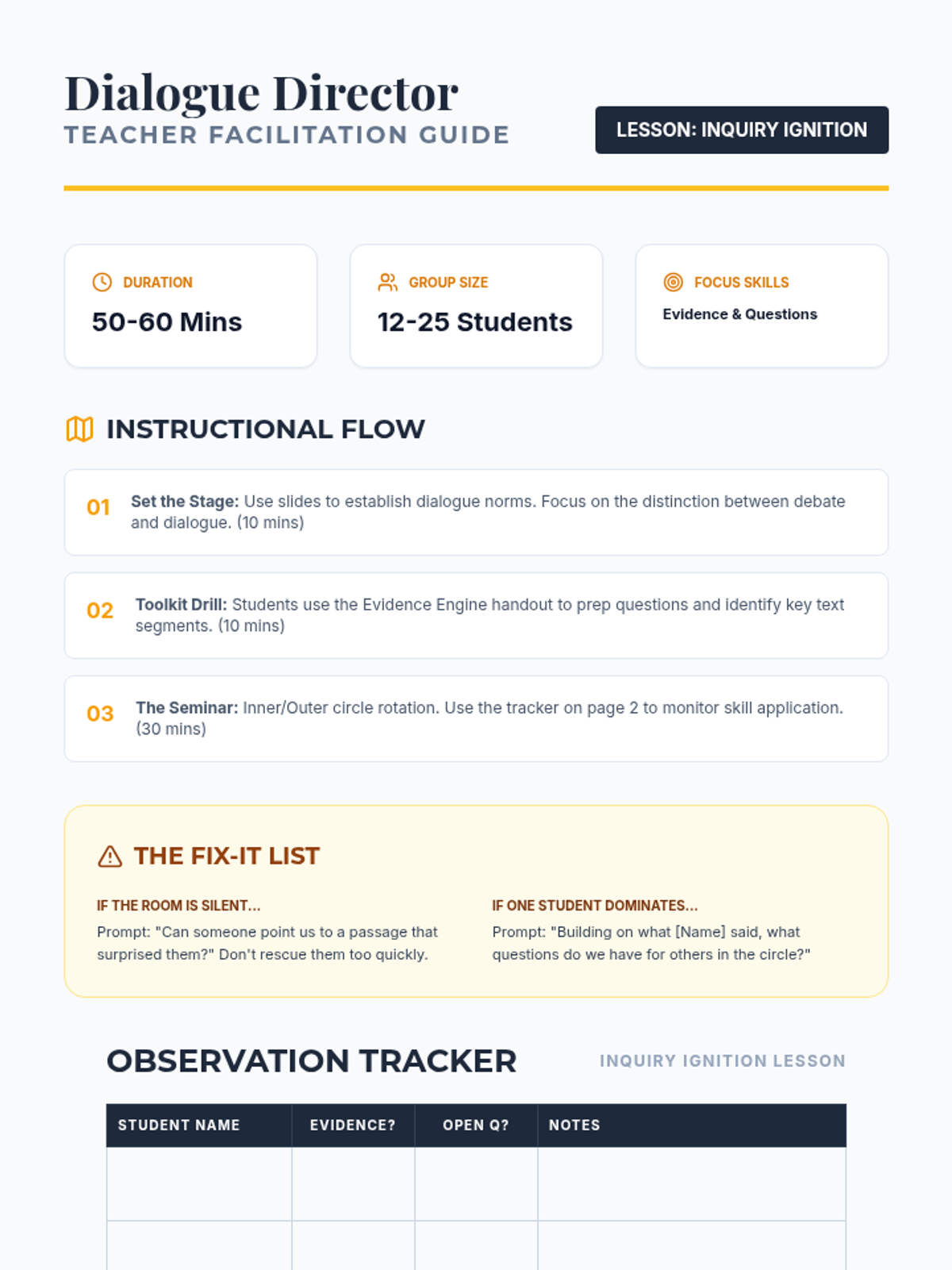
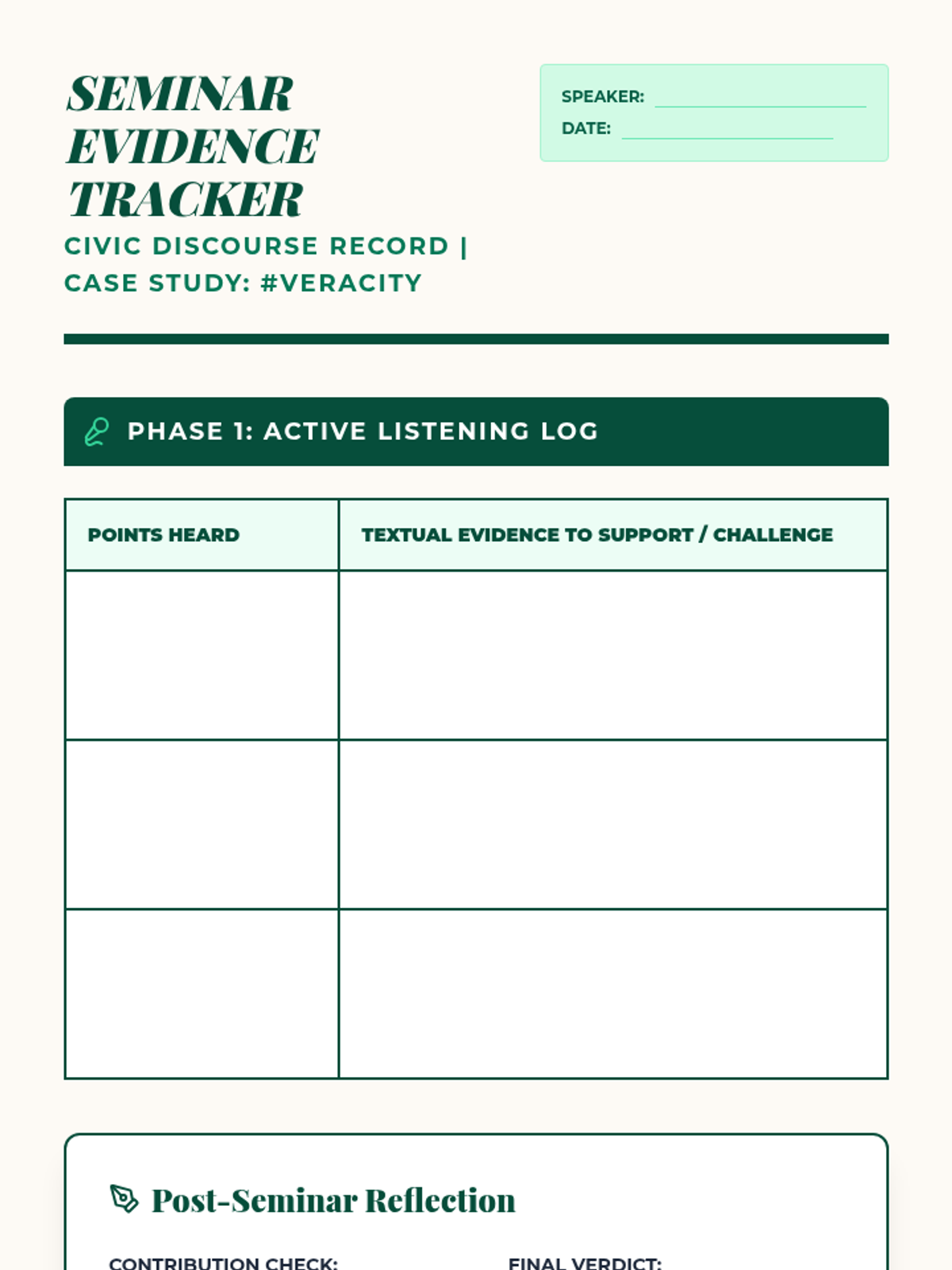
A lesson focused on the two core pillars of a successful Socratic Seminar: grounding claims in textual evidence and propelling dialogue through open-ended questioning. Students will learn to move beyond simple 'yes/no' answers to deep, evidence-based inquiry.
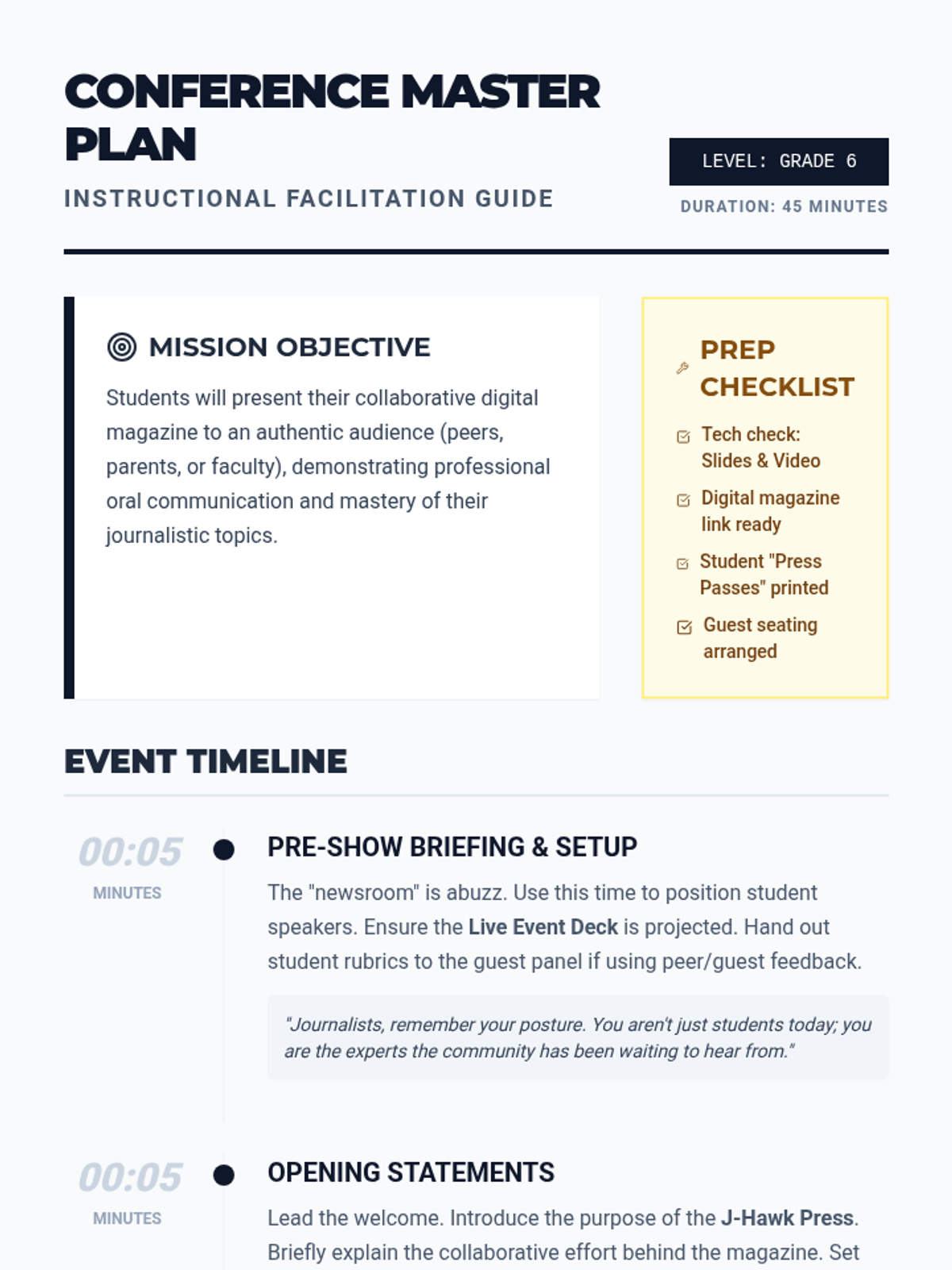
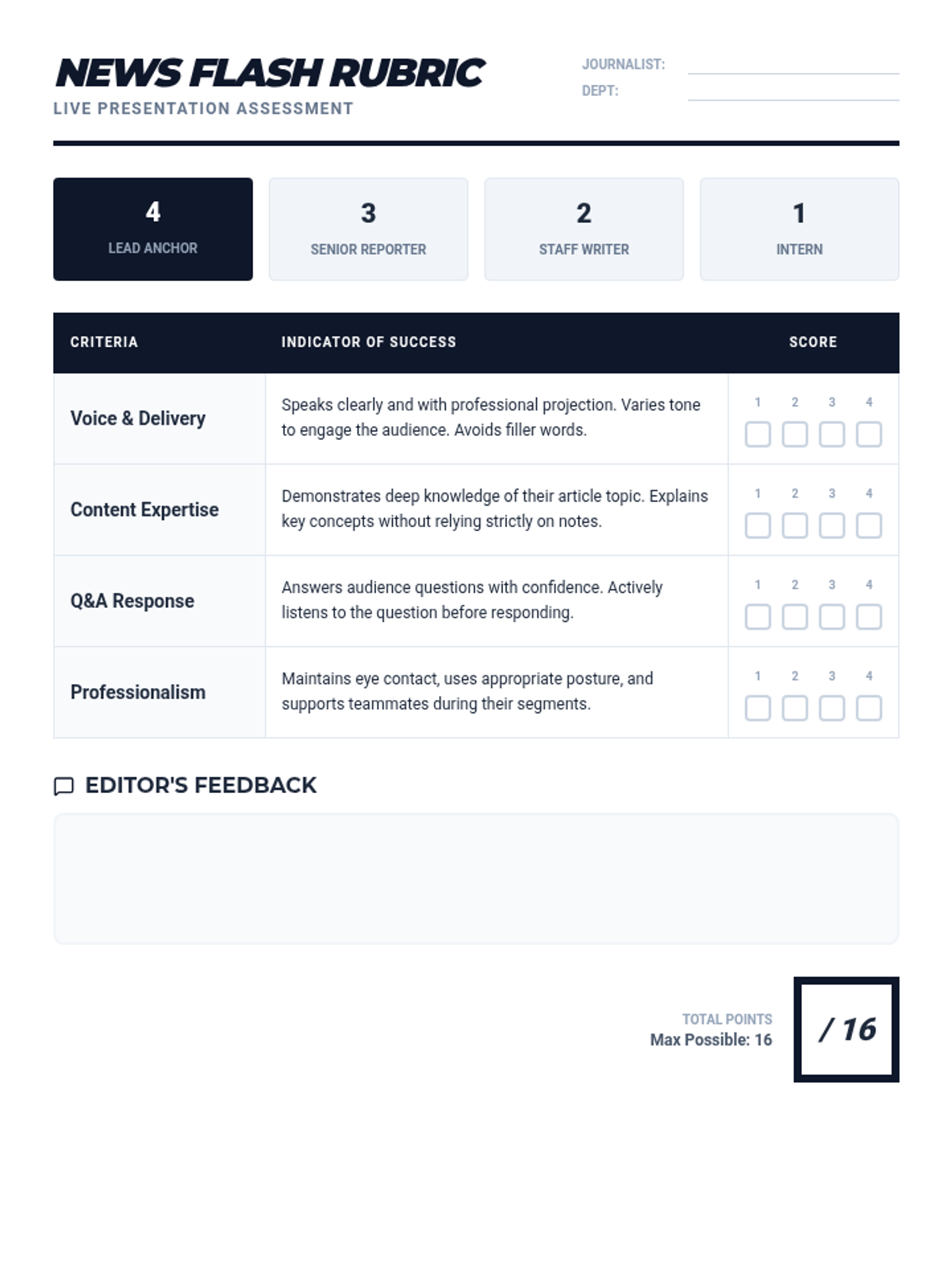
Students take the stage as professional journalists to launch their digital magazine. This lesson guides them through the final live presentation, fielding audience questions, and demonstrating professional communication skills.
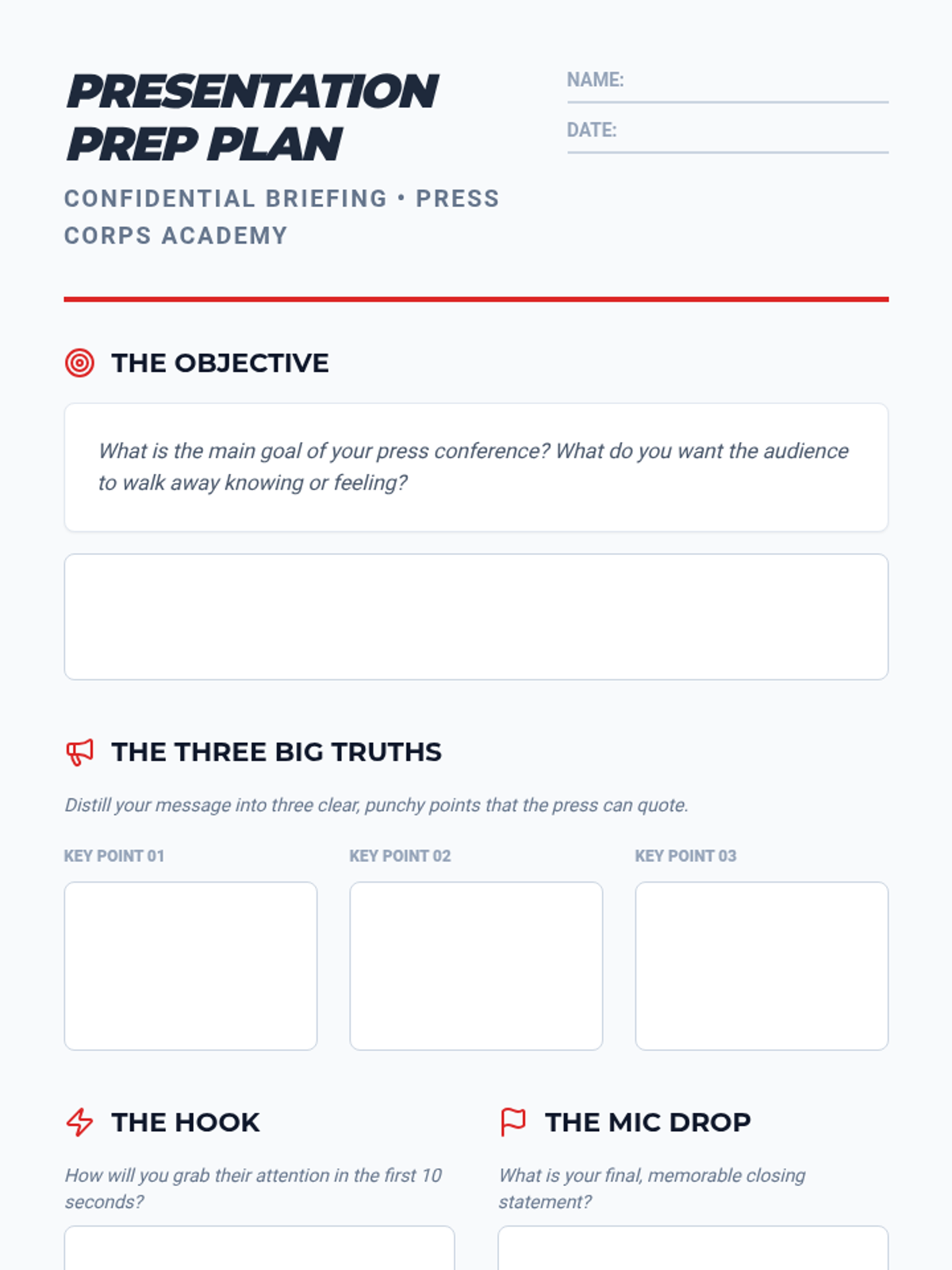
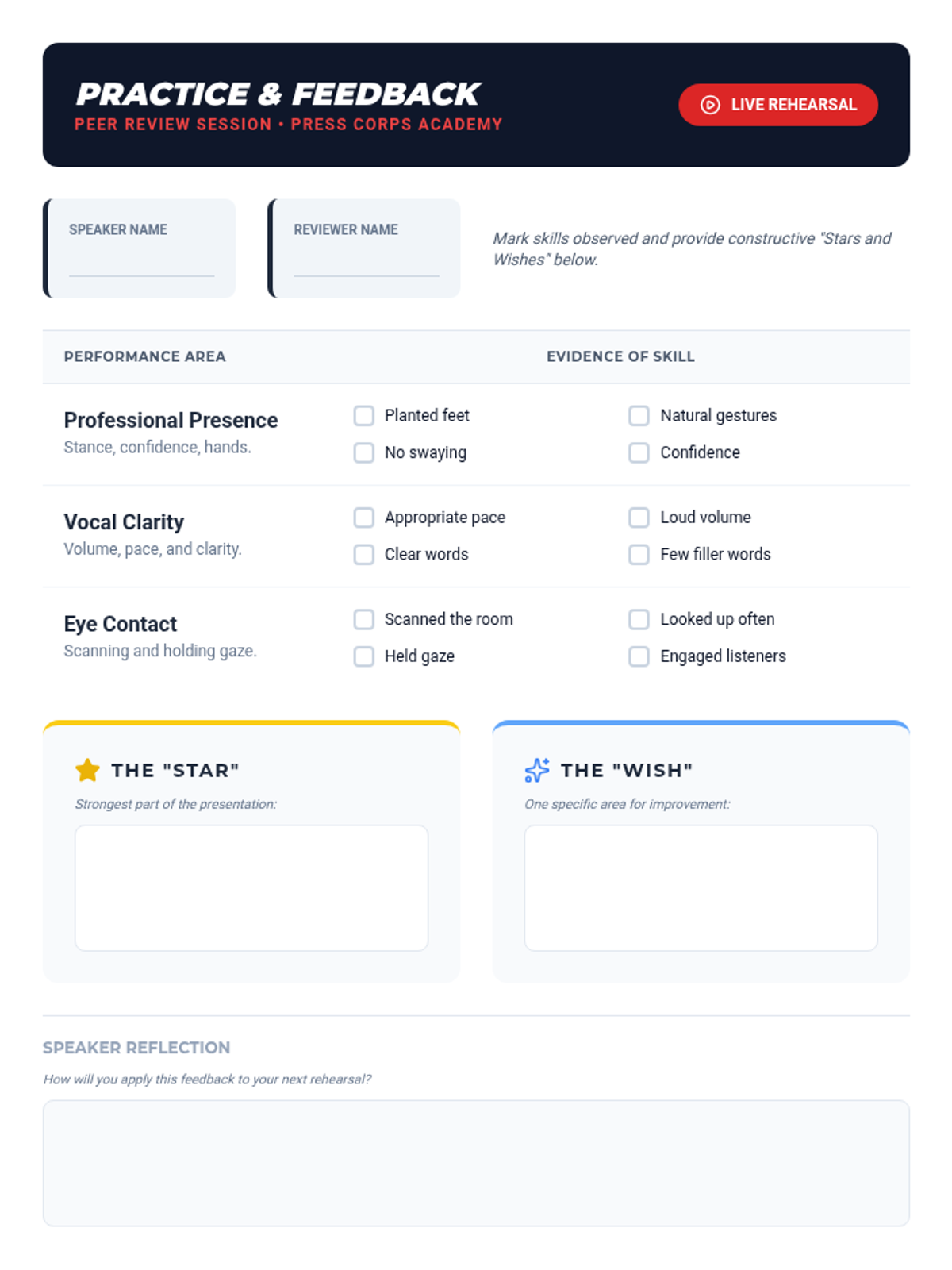
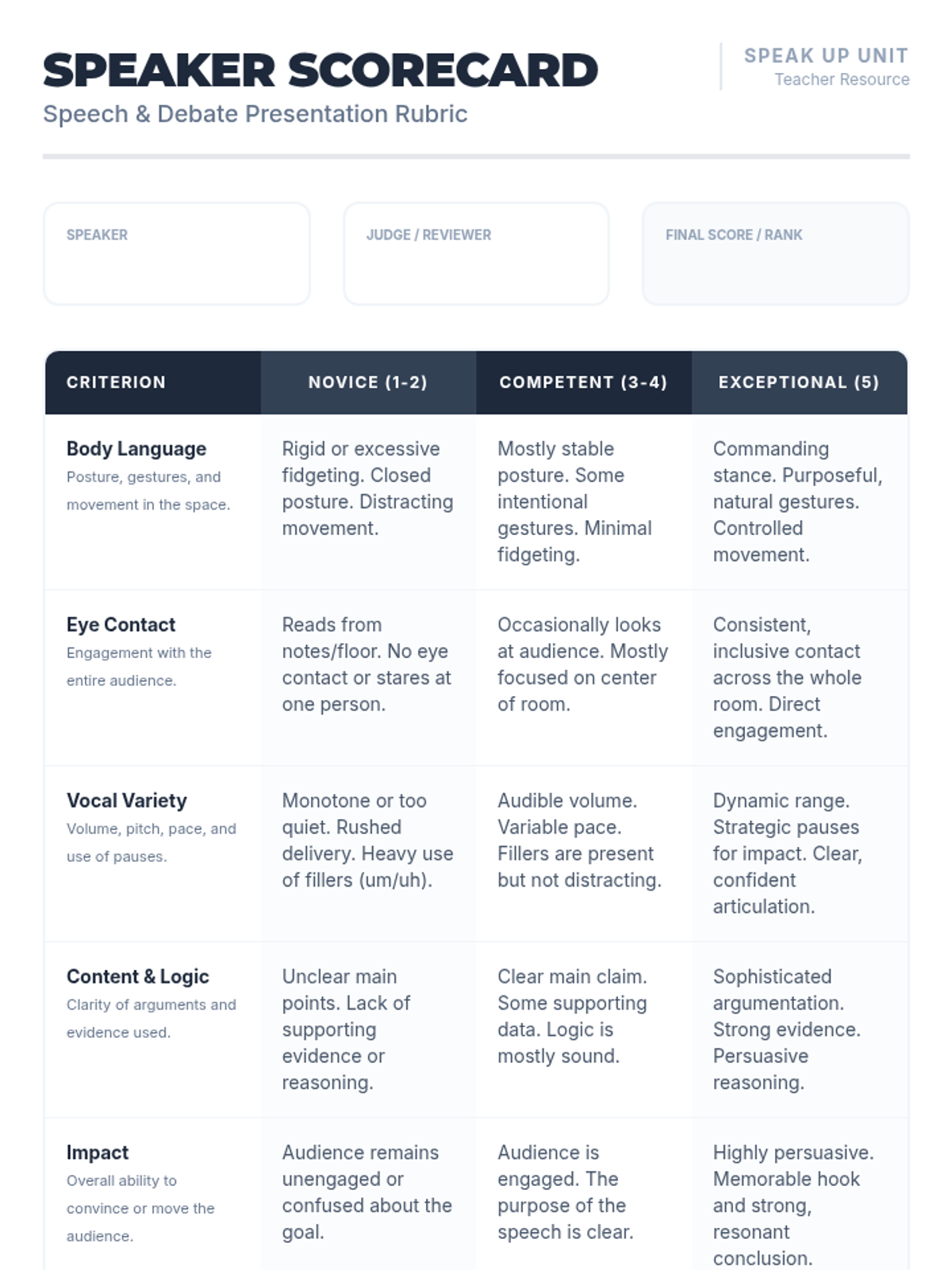
Students master the art of professional public speaking as they prepare for a high-stakes press conference, focusing on body language, vocal delivery, and audience engagement.
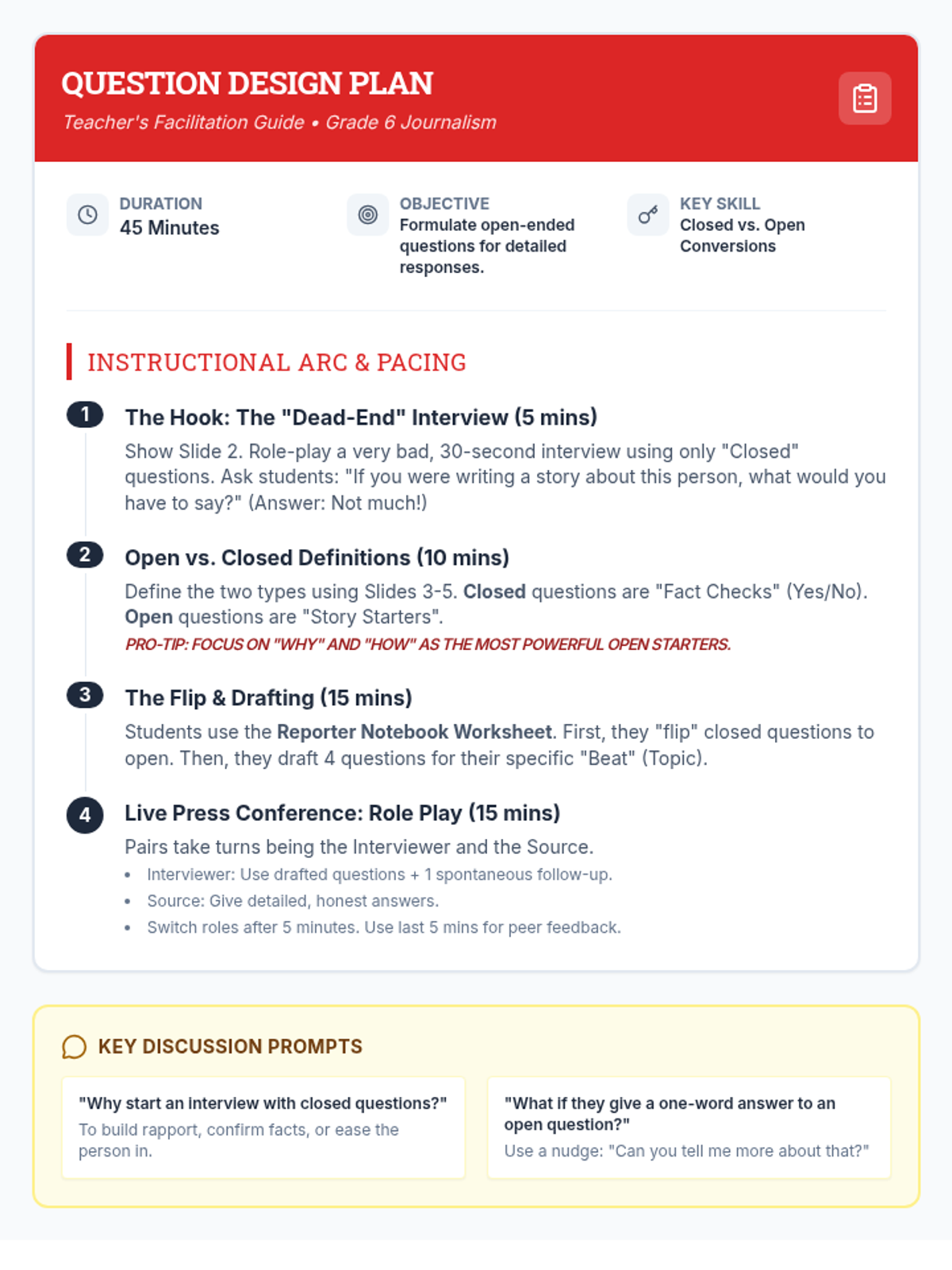
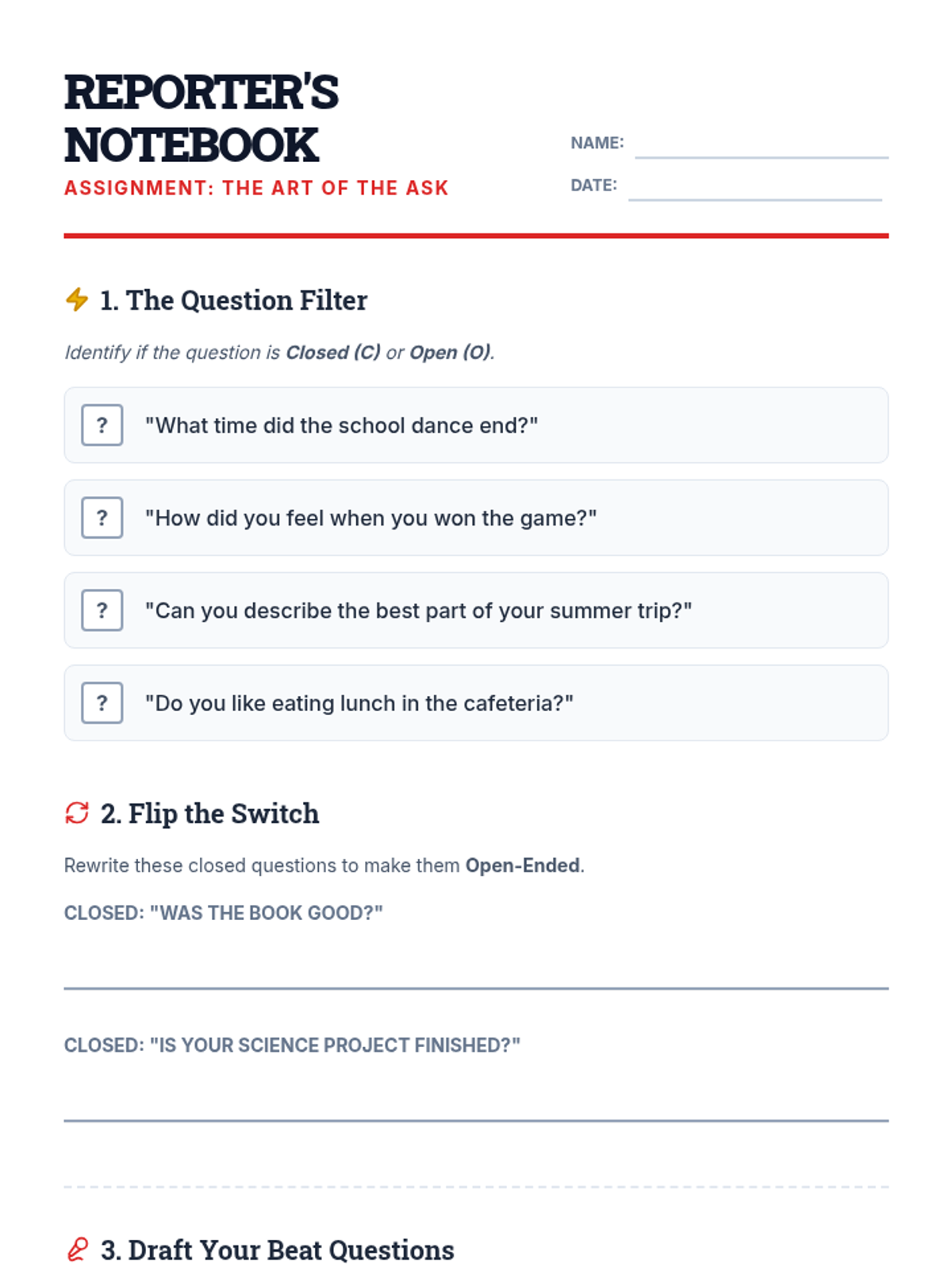
A 6th-grade journalism-themed lesson focused on the power of open-ended questions. Students learn to pivot away from 'yes/no' dead ends and draft high-impact questions for a beat interview.
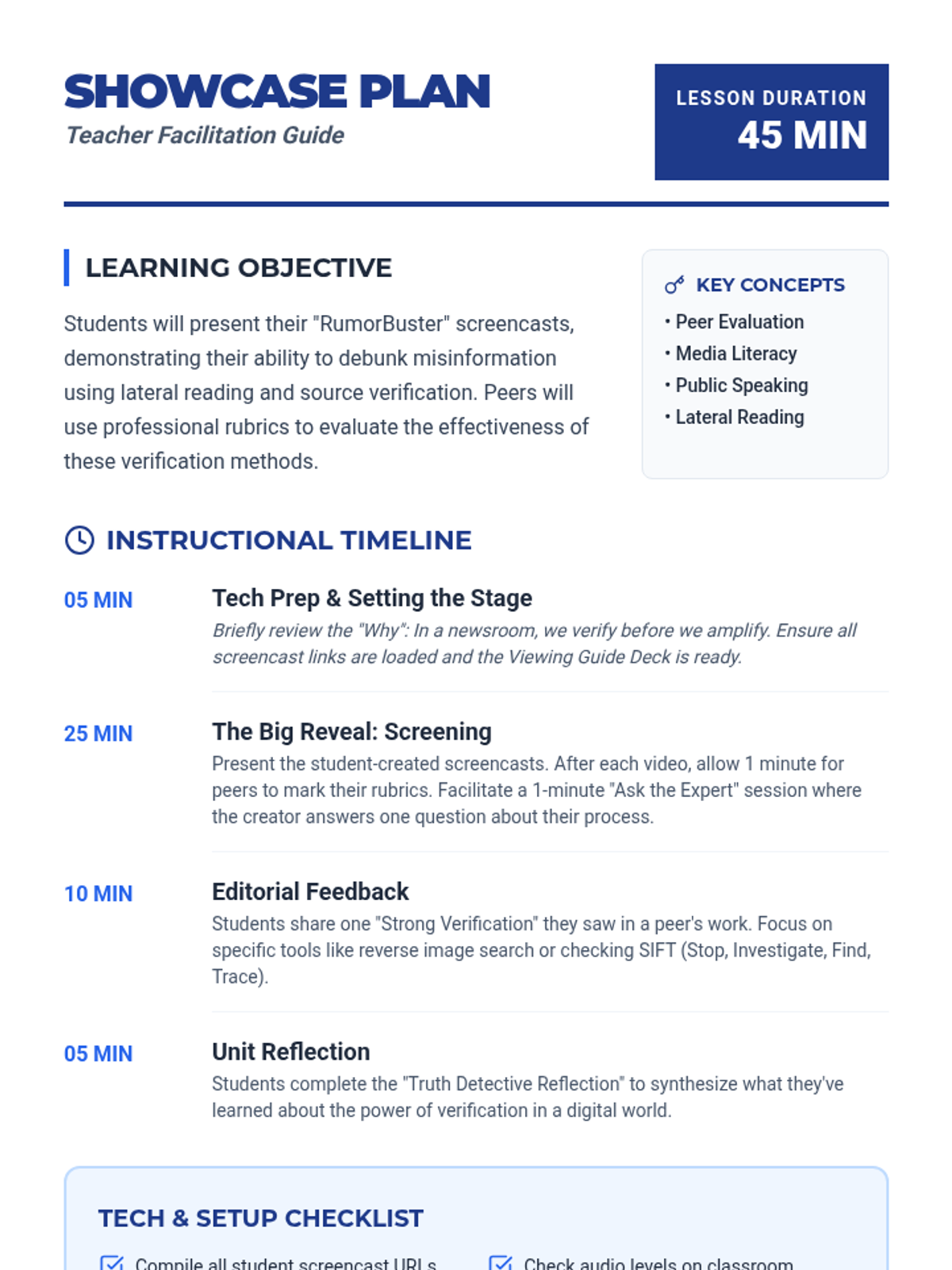
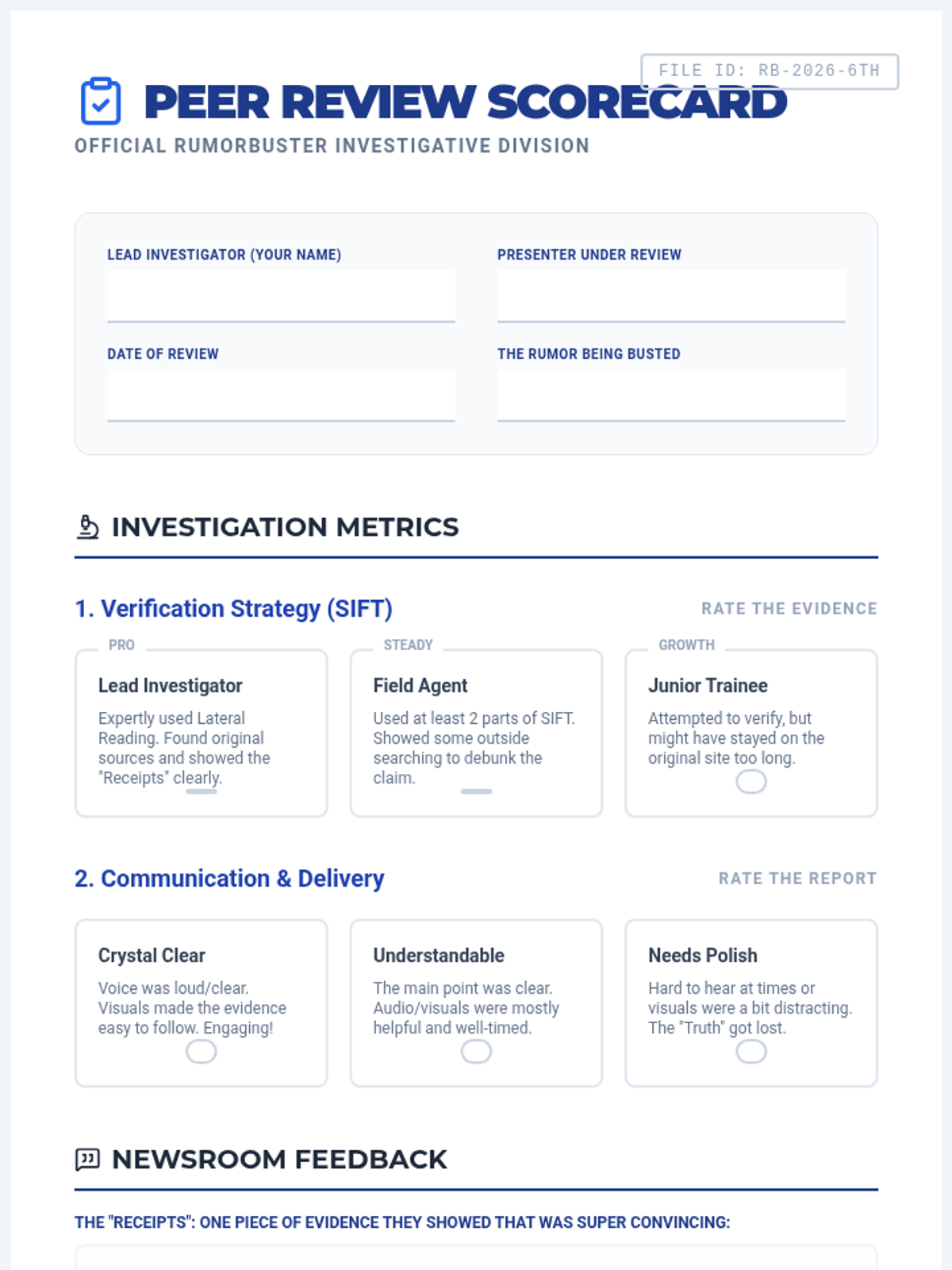
A 45-minute lesson where students showcase their media literacy investigations through screencasts, engage in peer evaluation using a professional rubric, and reflect on their growth as digital fact-checkers.
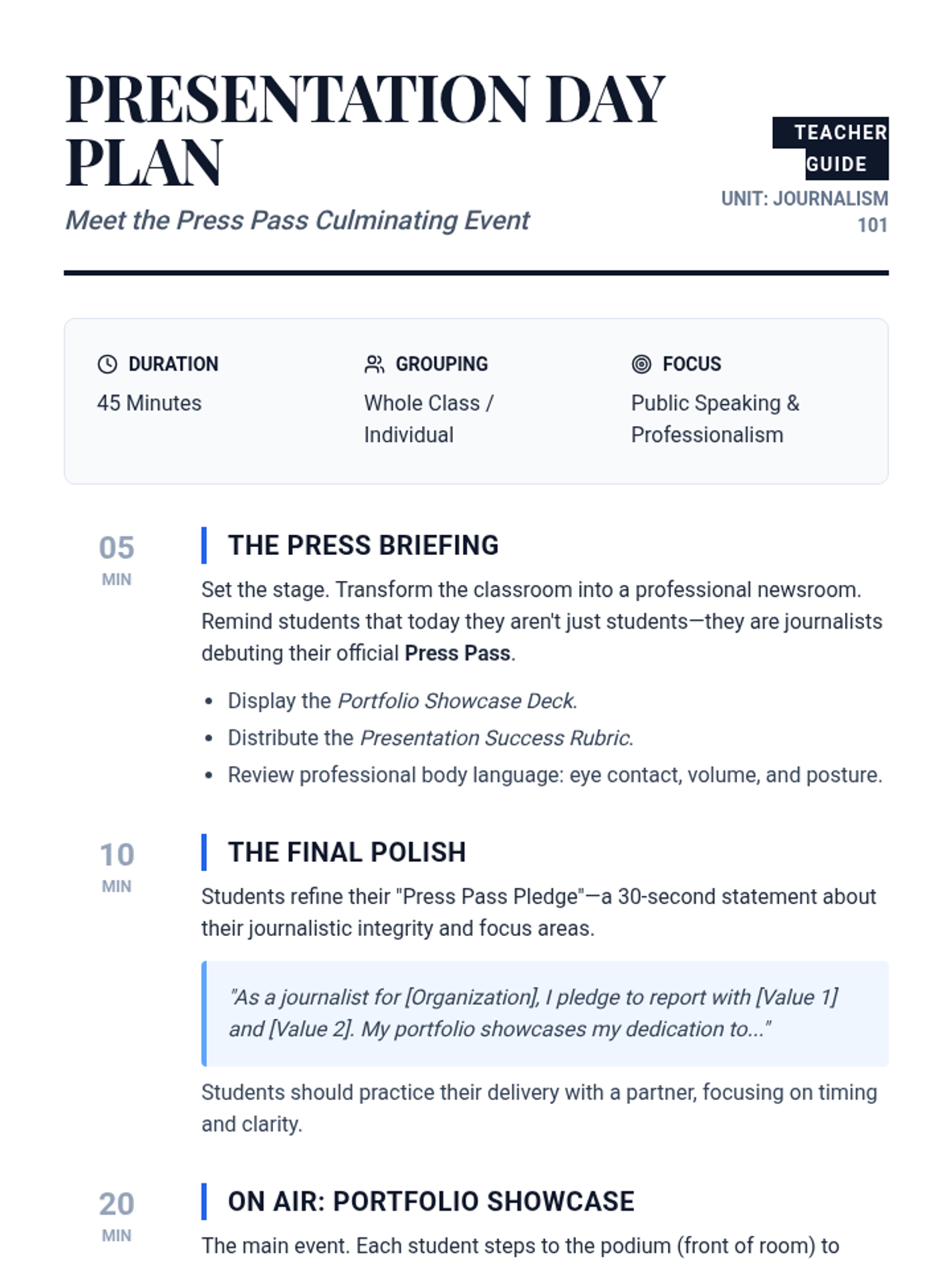
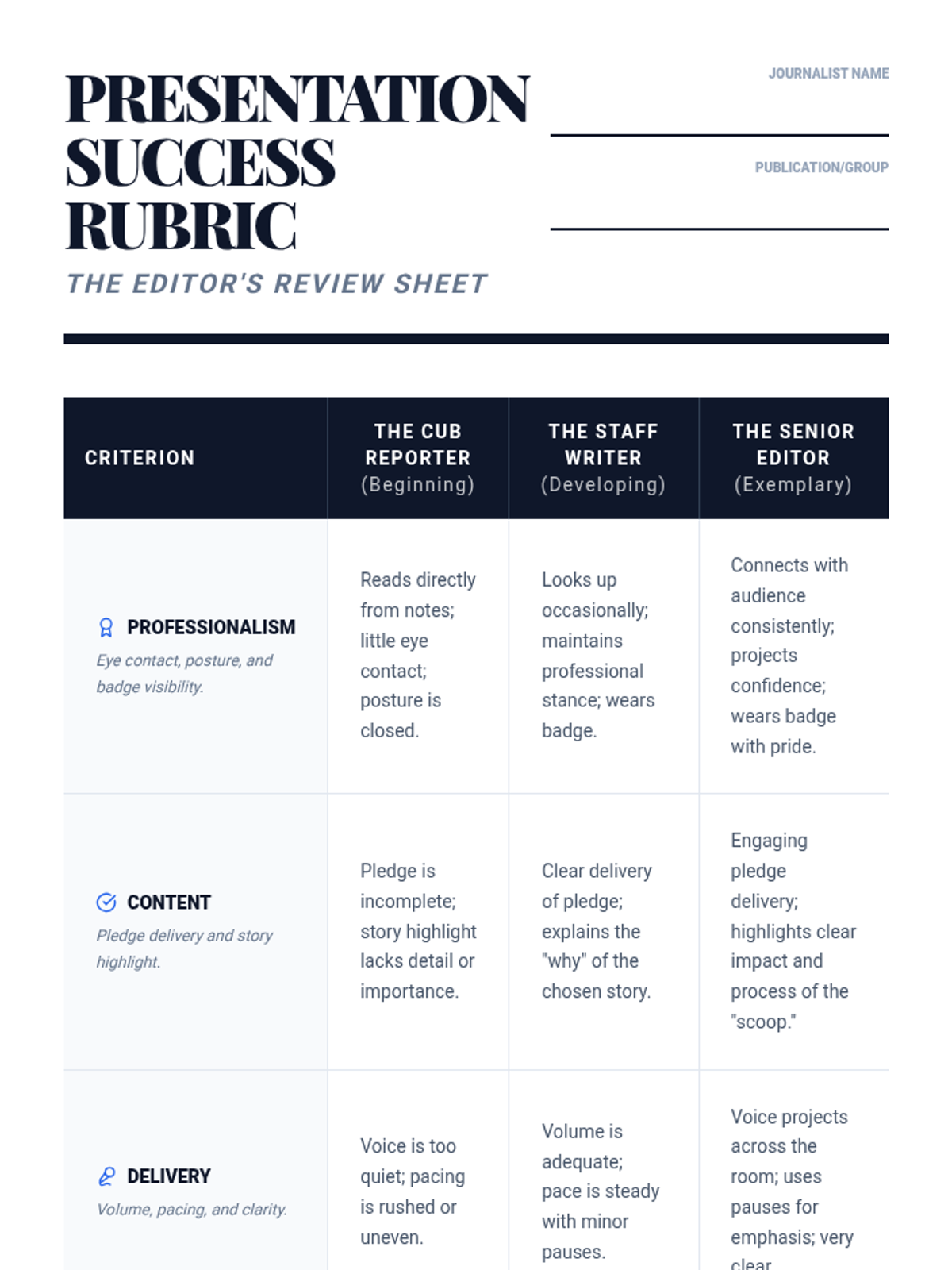
A culminating lesson where 6th-grade students showcase their journalism portfolios, focusing on professional public speaking and peer feedback in a newsroom-style environment.
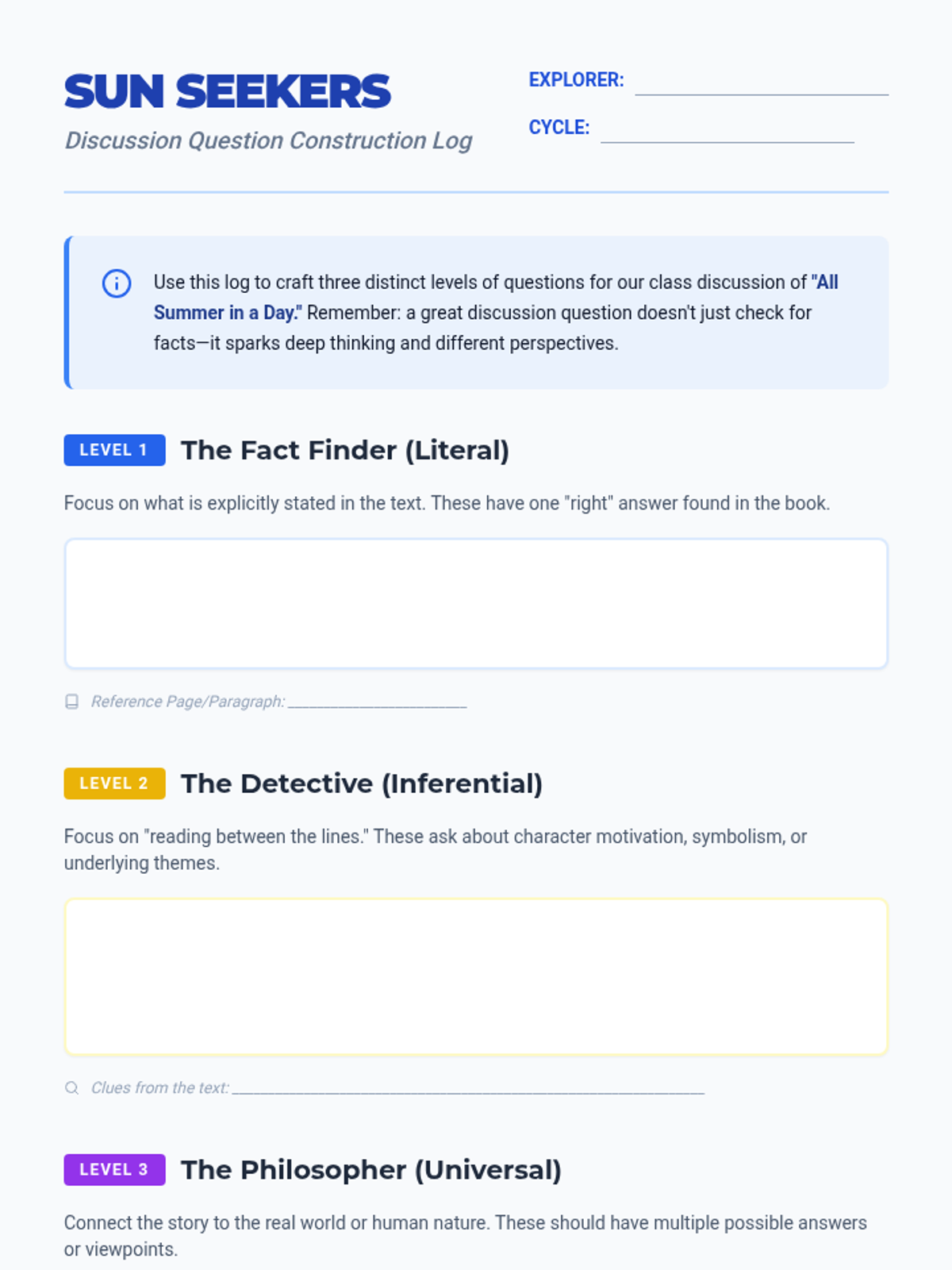
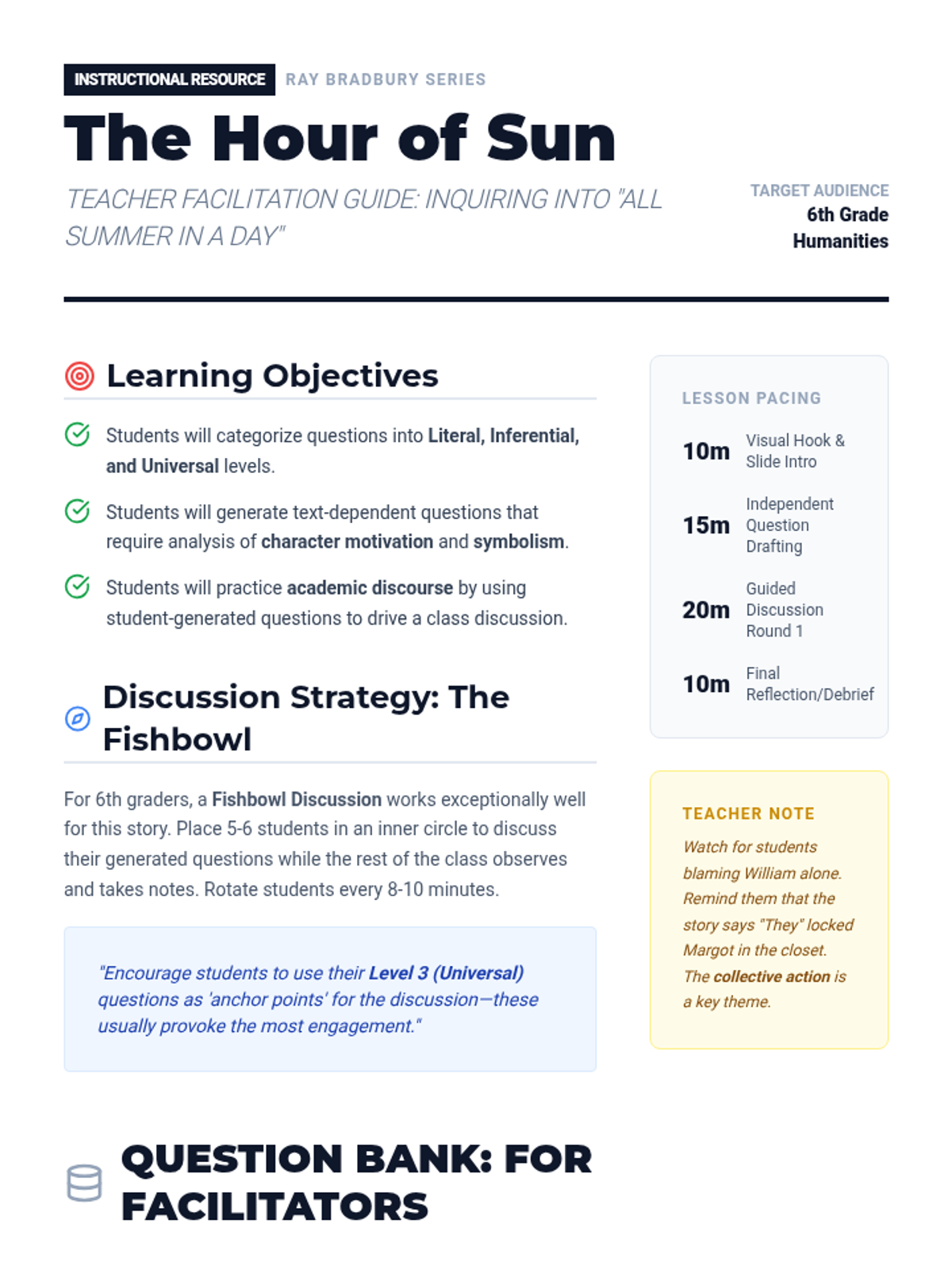
A lesson designed to guide 6th-grade students through the process of generating deep, interpretive discussion questions for Ray Bradbury's 'All Summer in a Day'. Students will move from literal comprehension to thematic analysis, eventually leading their own class discussion.
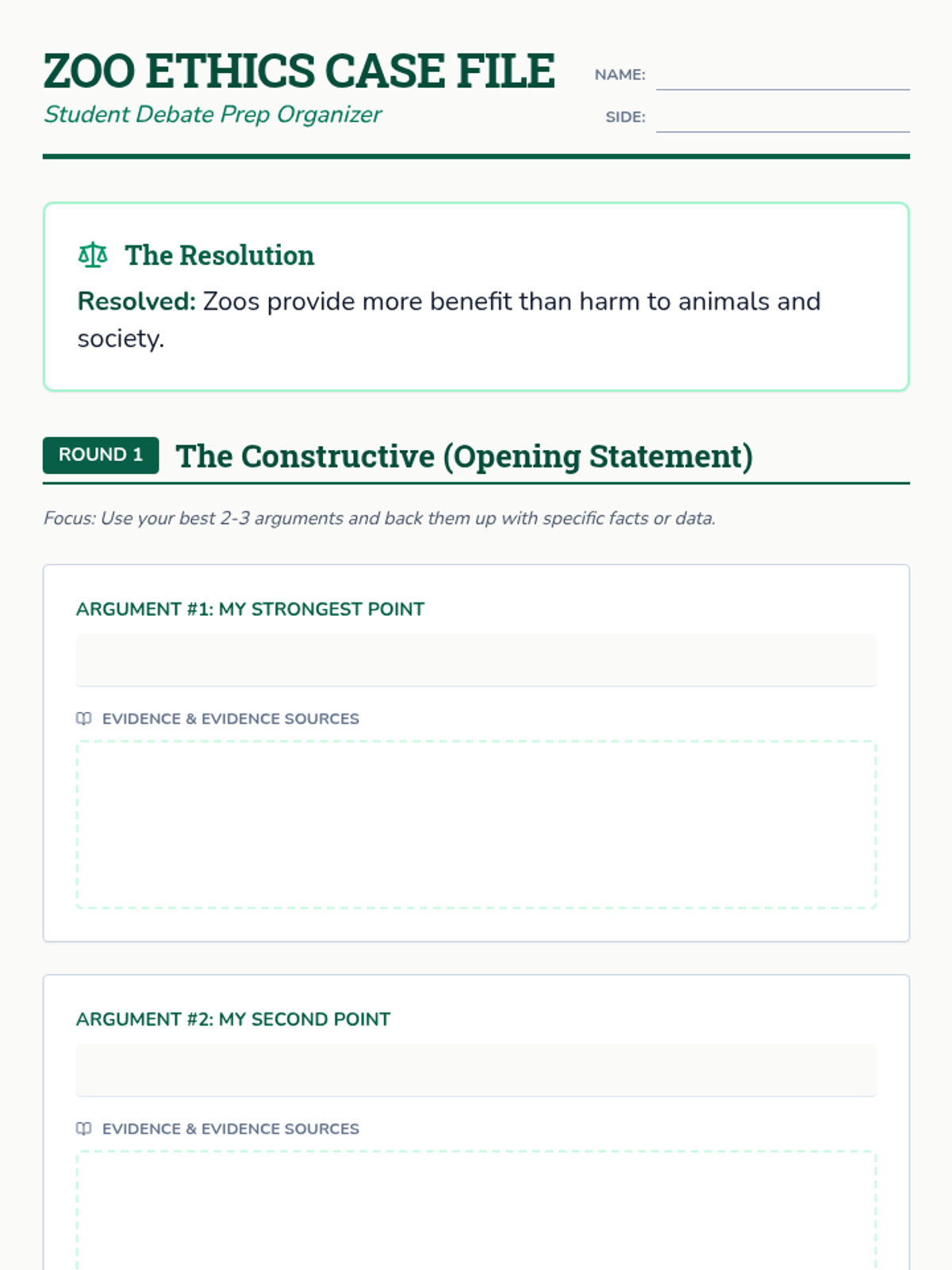
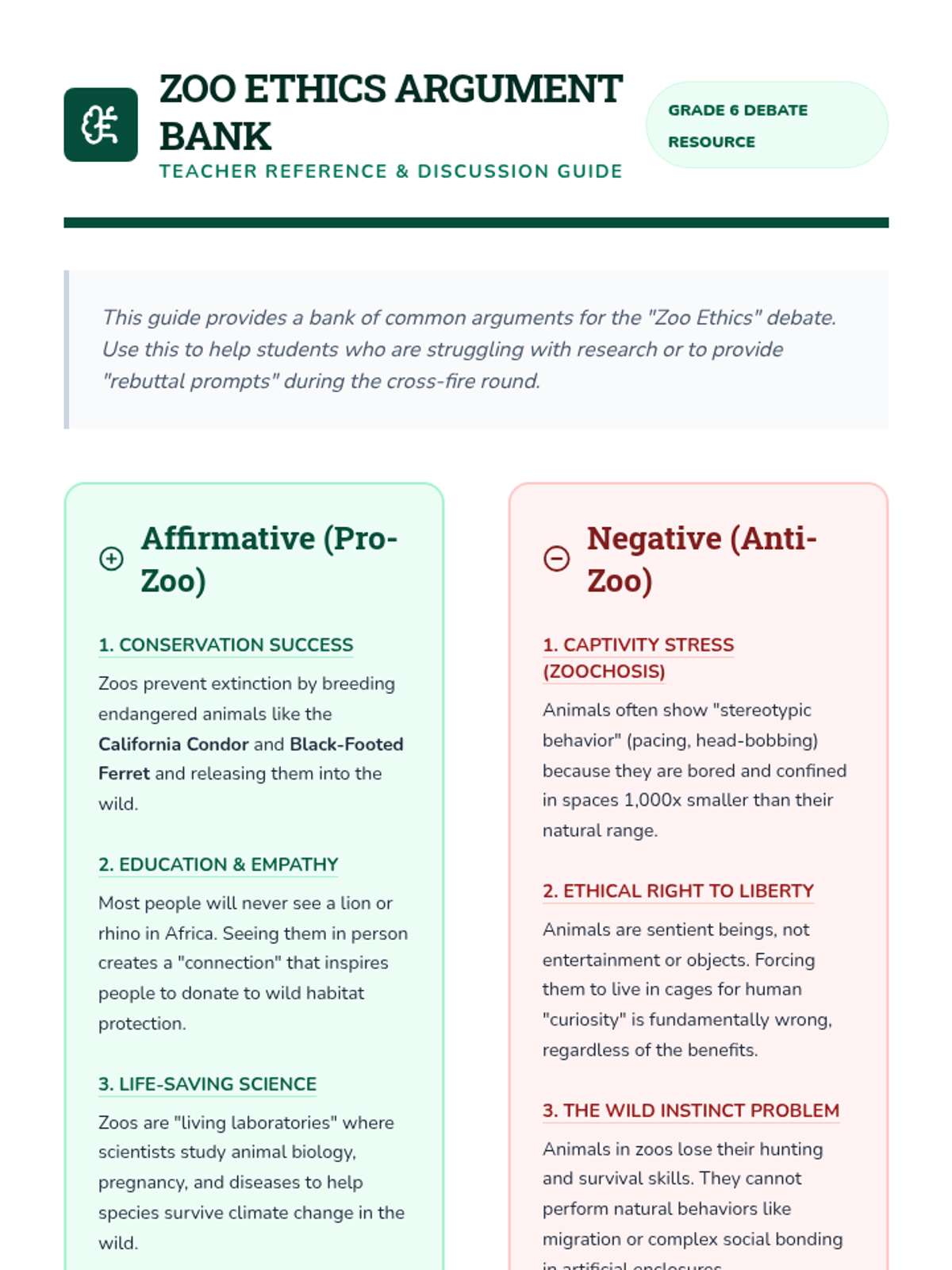
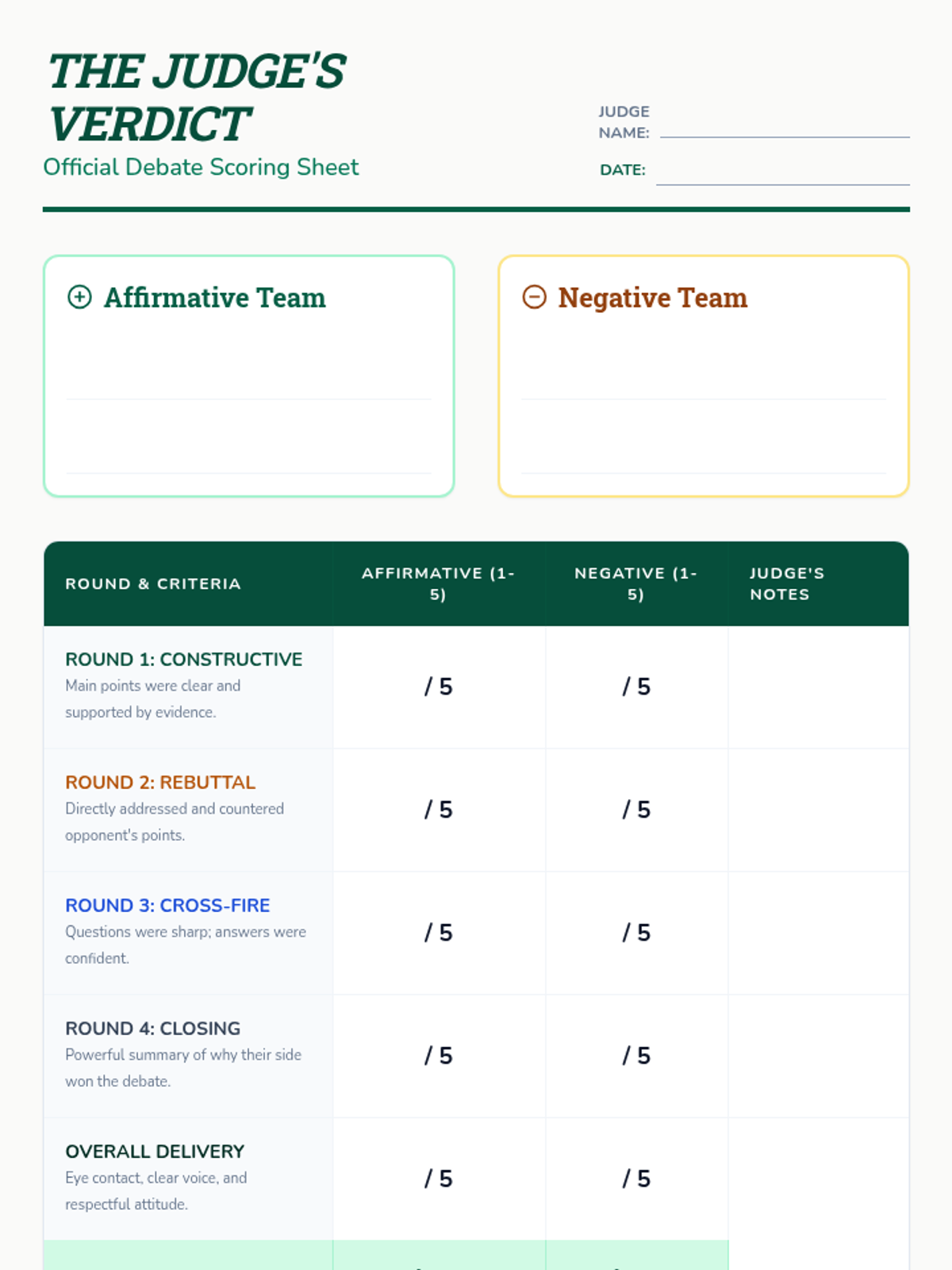
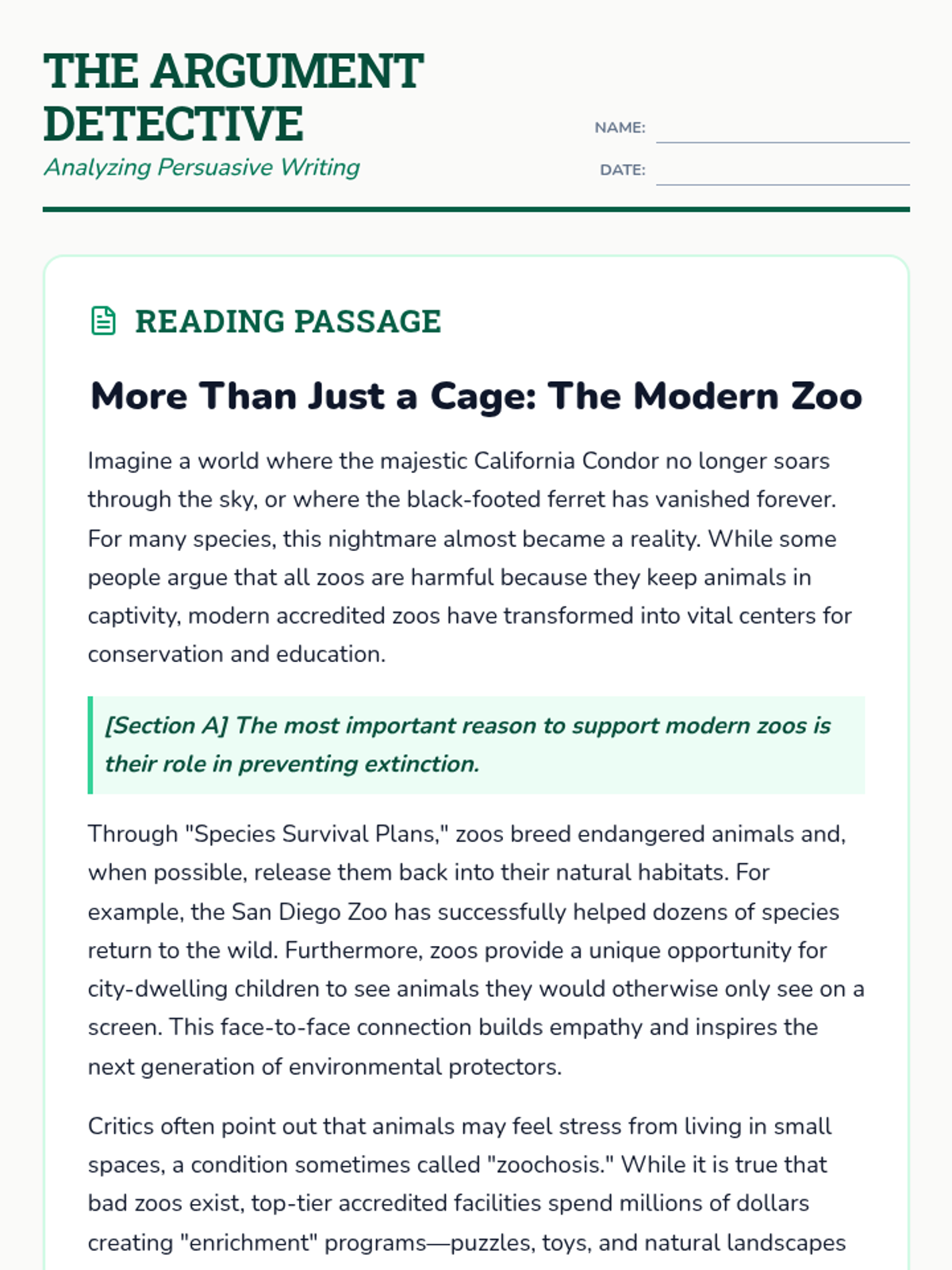
A comprehensive guide and set of tools for 6th-grade students to prepare for and execute a formal debate on the ethics of zoos. This lesson introduces the four-round debate structure, research techniques, and rebuttal strategies.
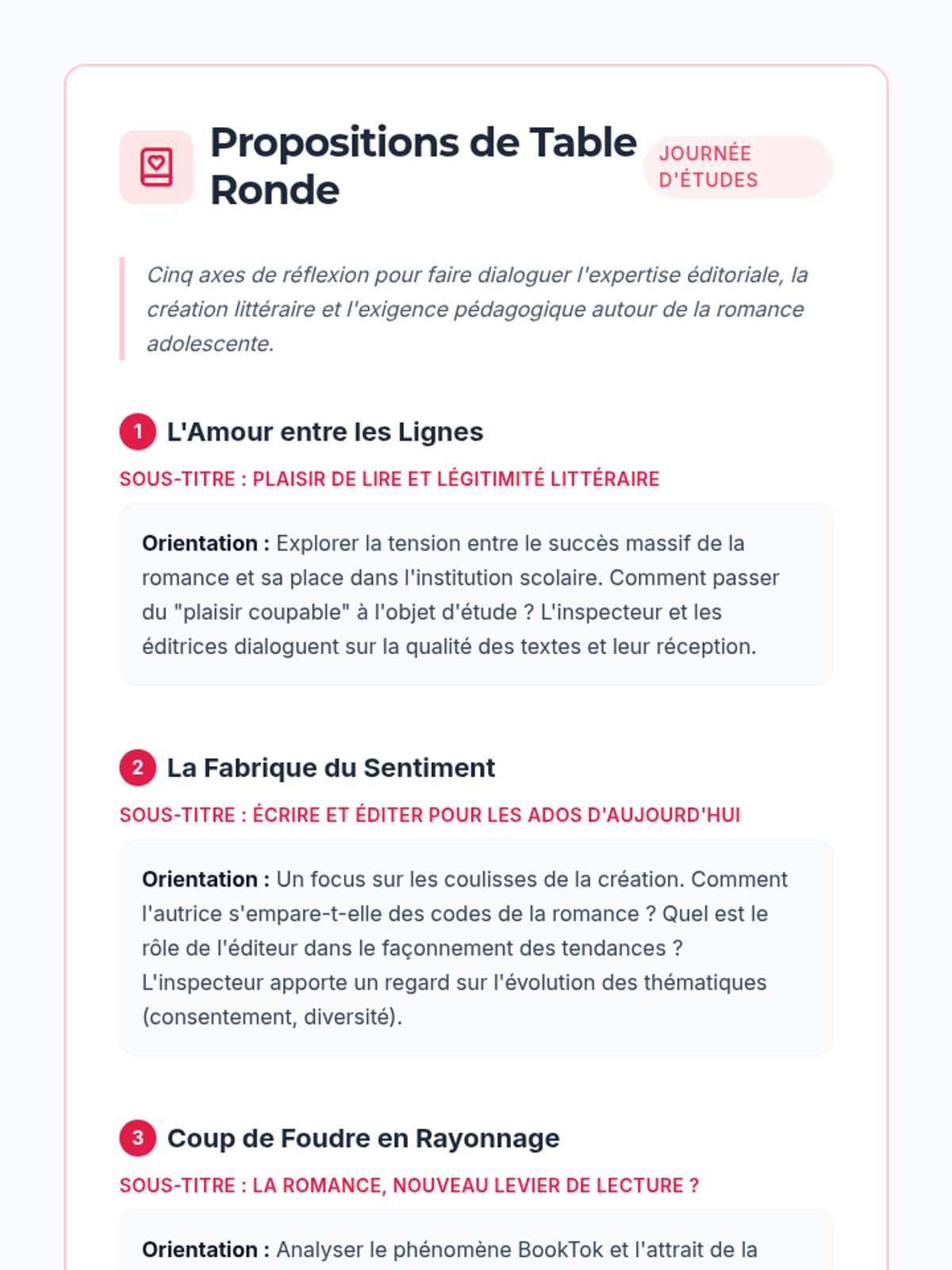
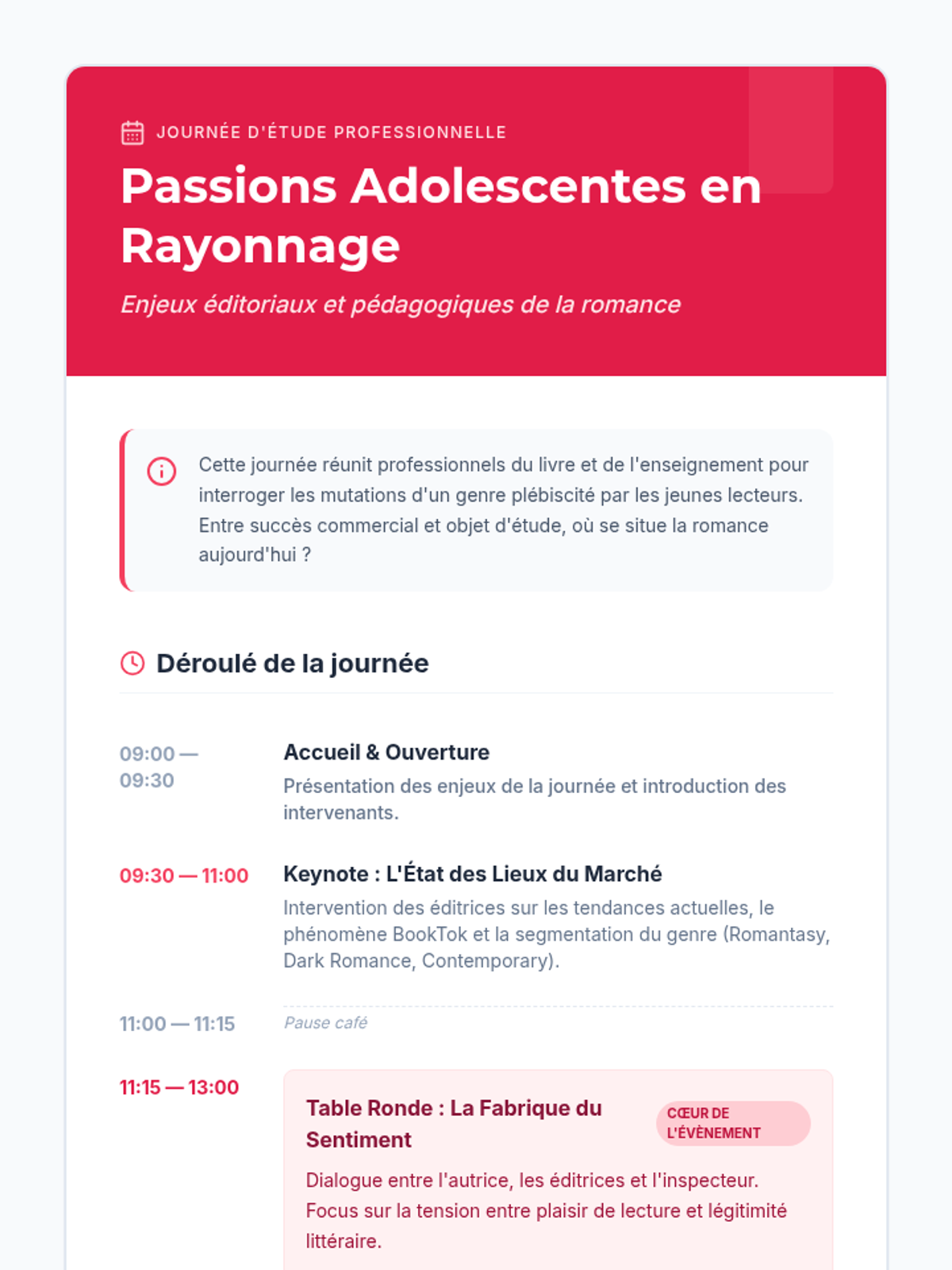
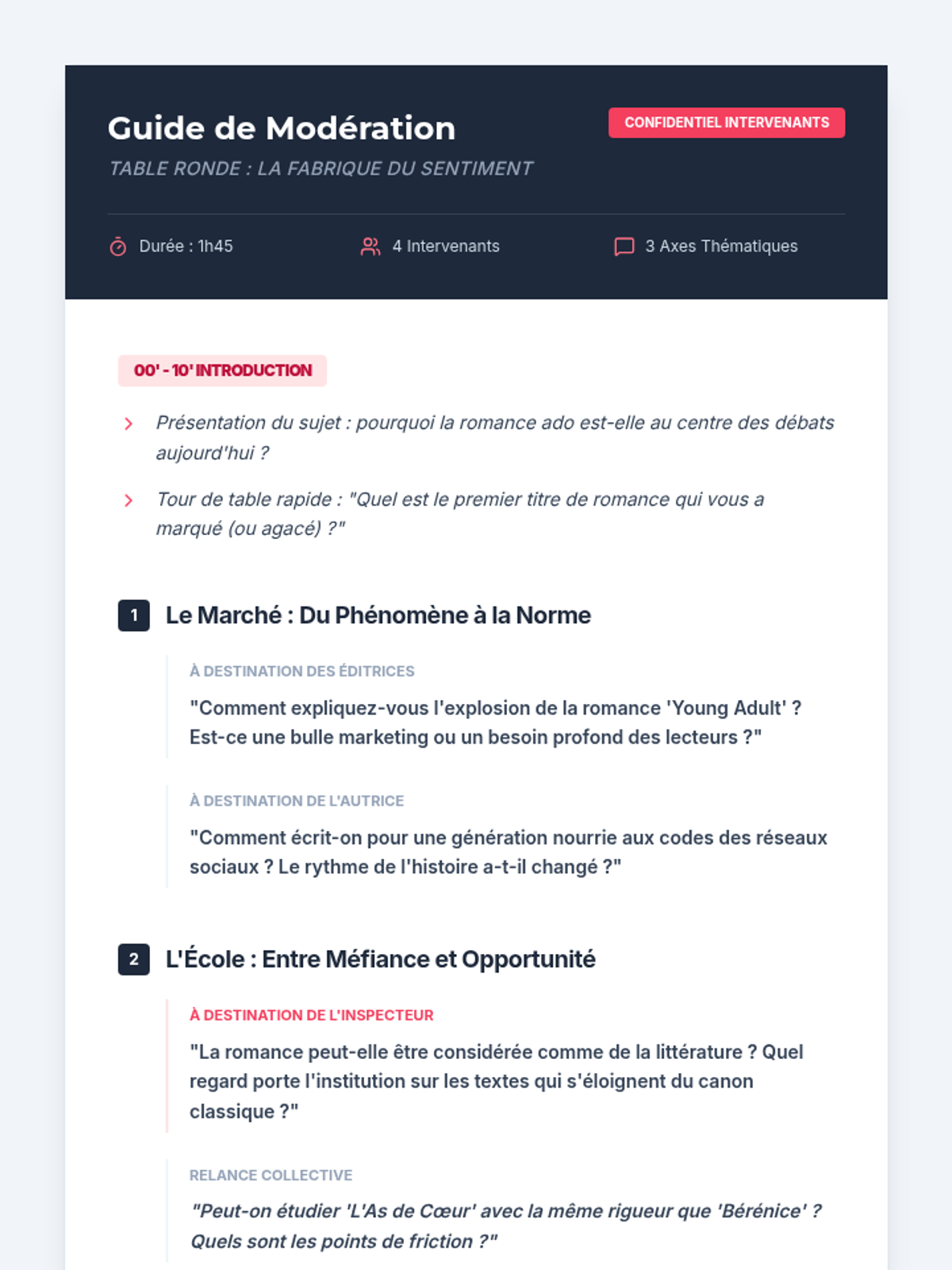
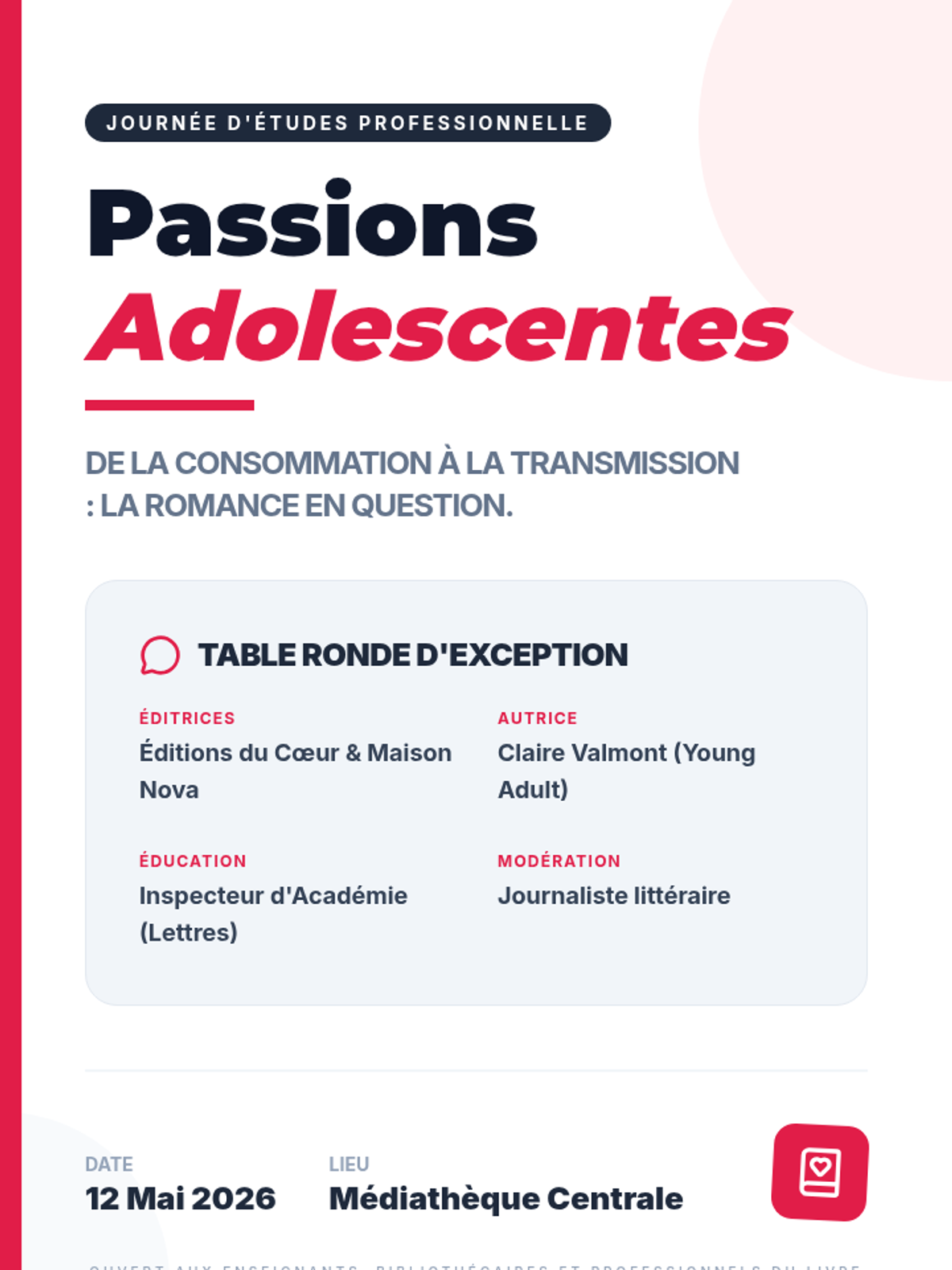
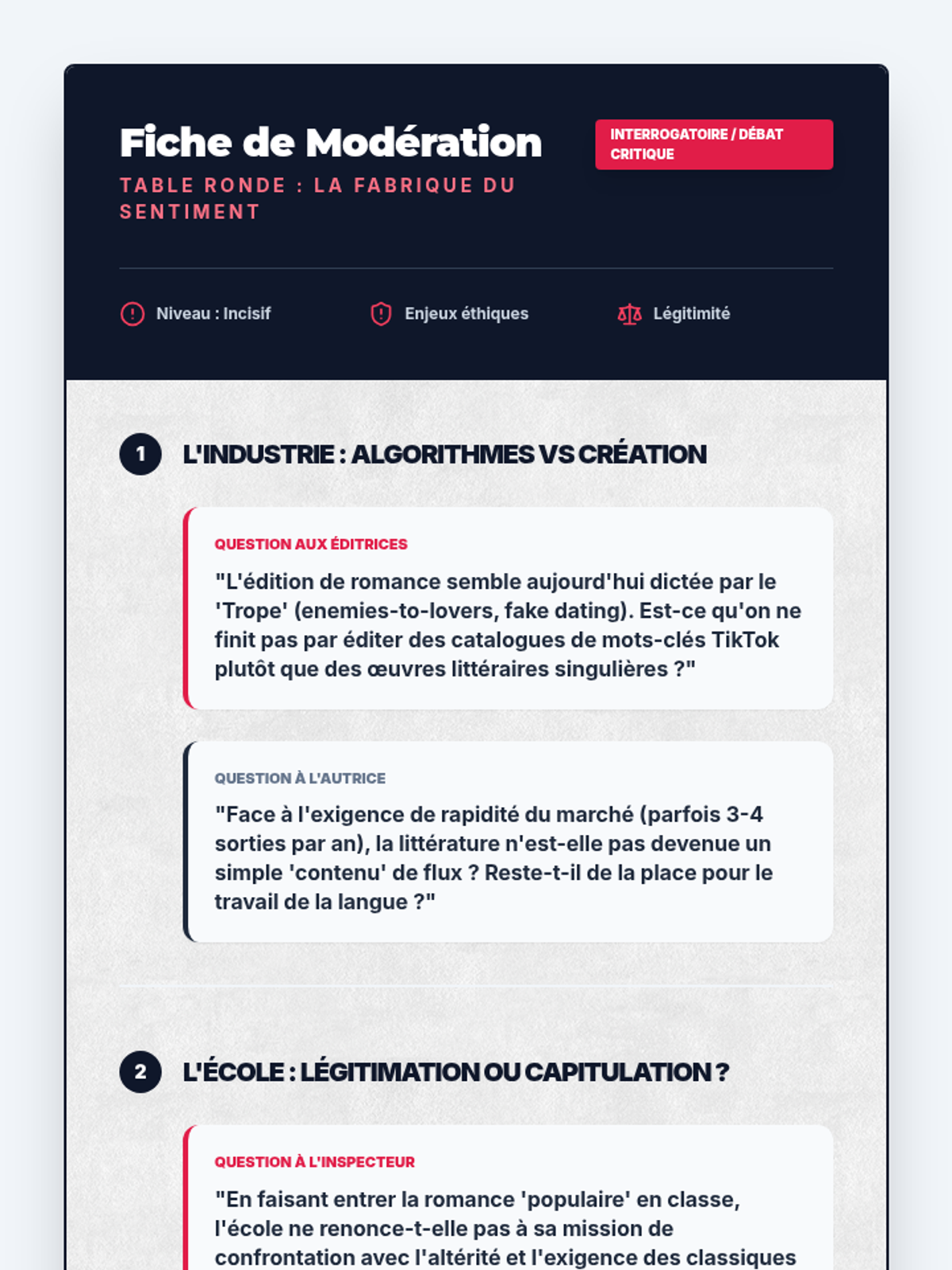
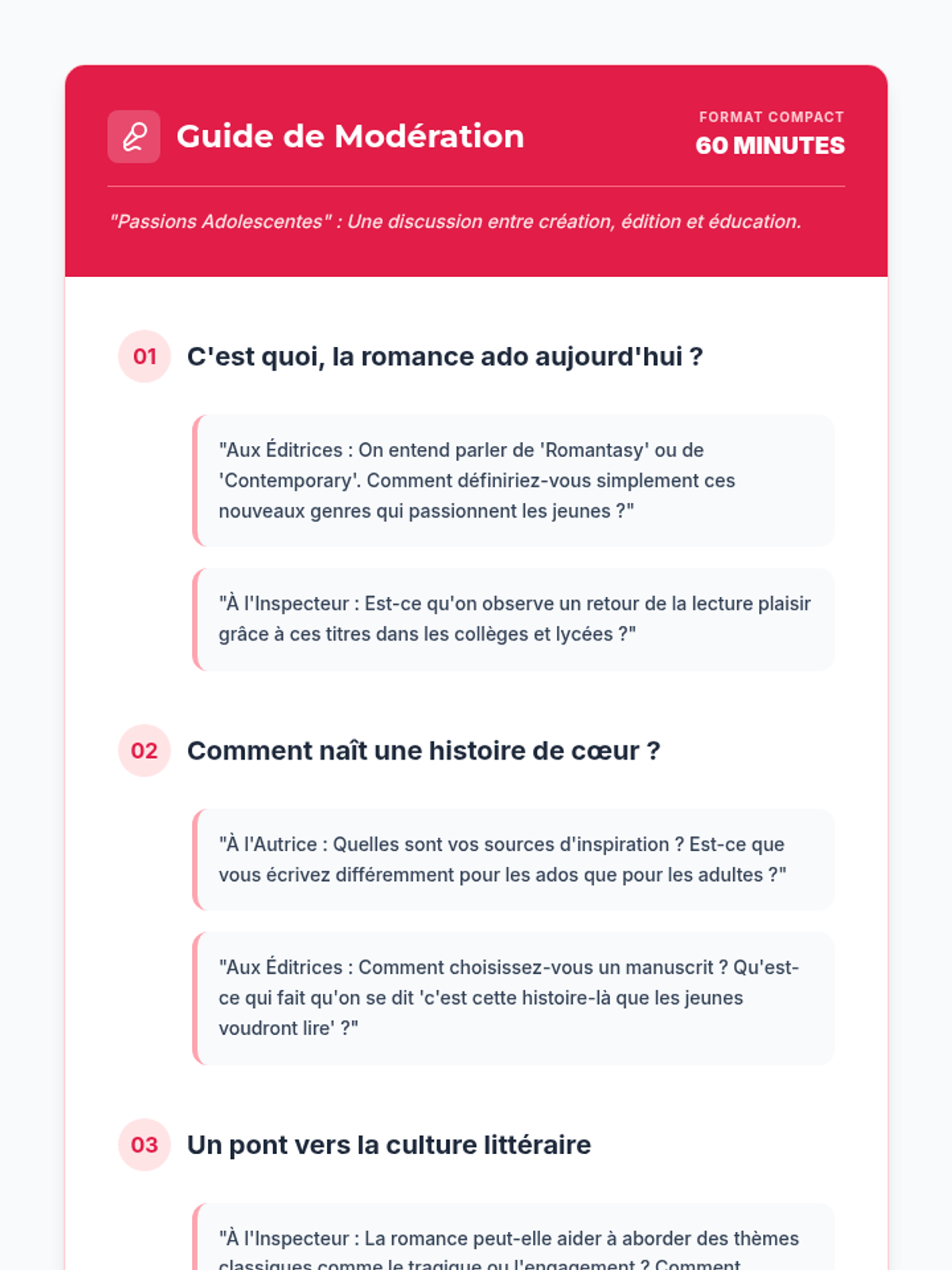
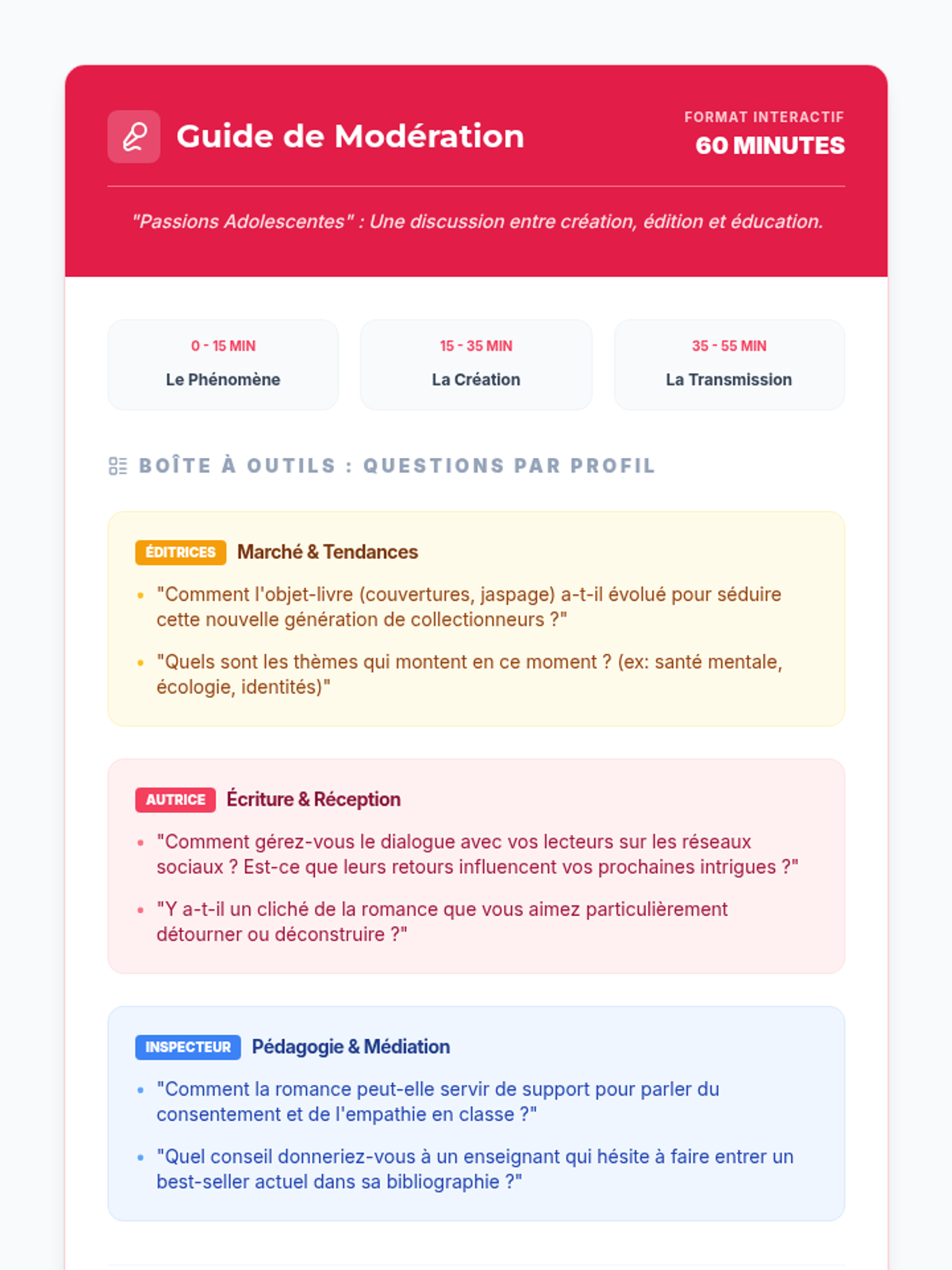
Préparation et organisation de la table ronde sur la romance adolescente avec des professionnels de l'édition et de l'éducation.
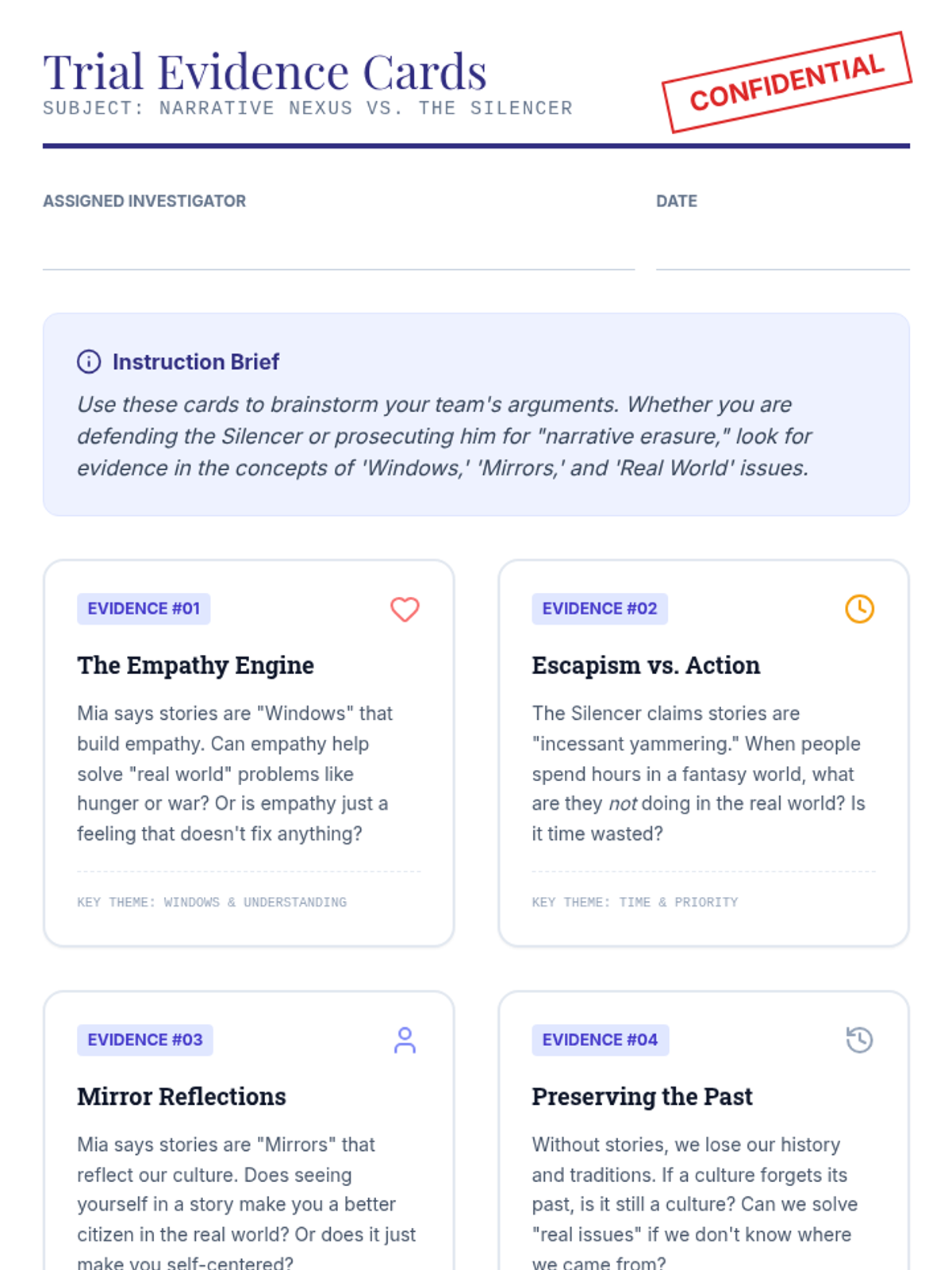
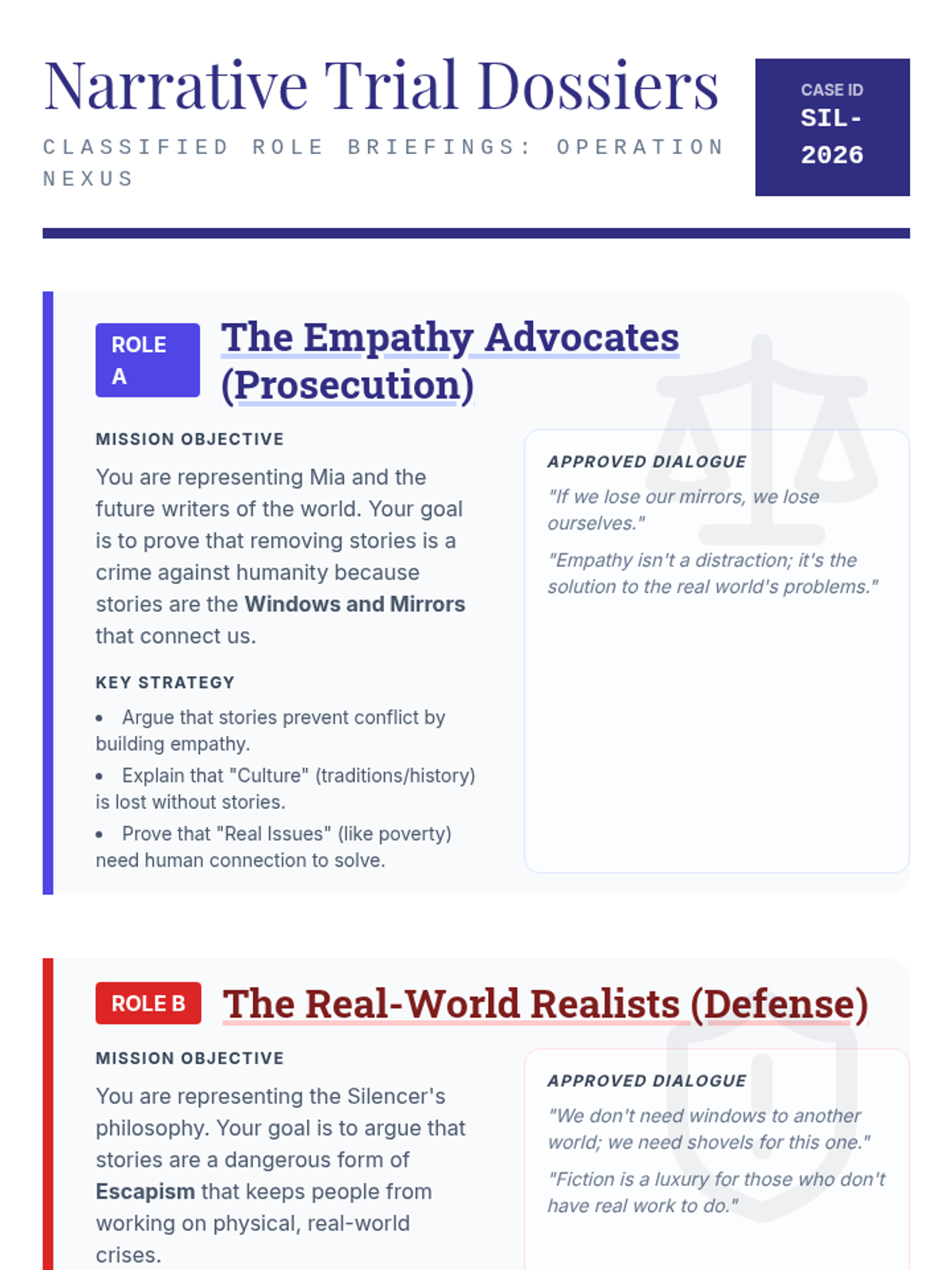
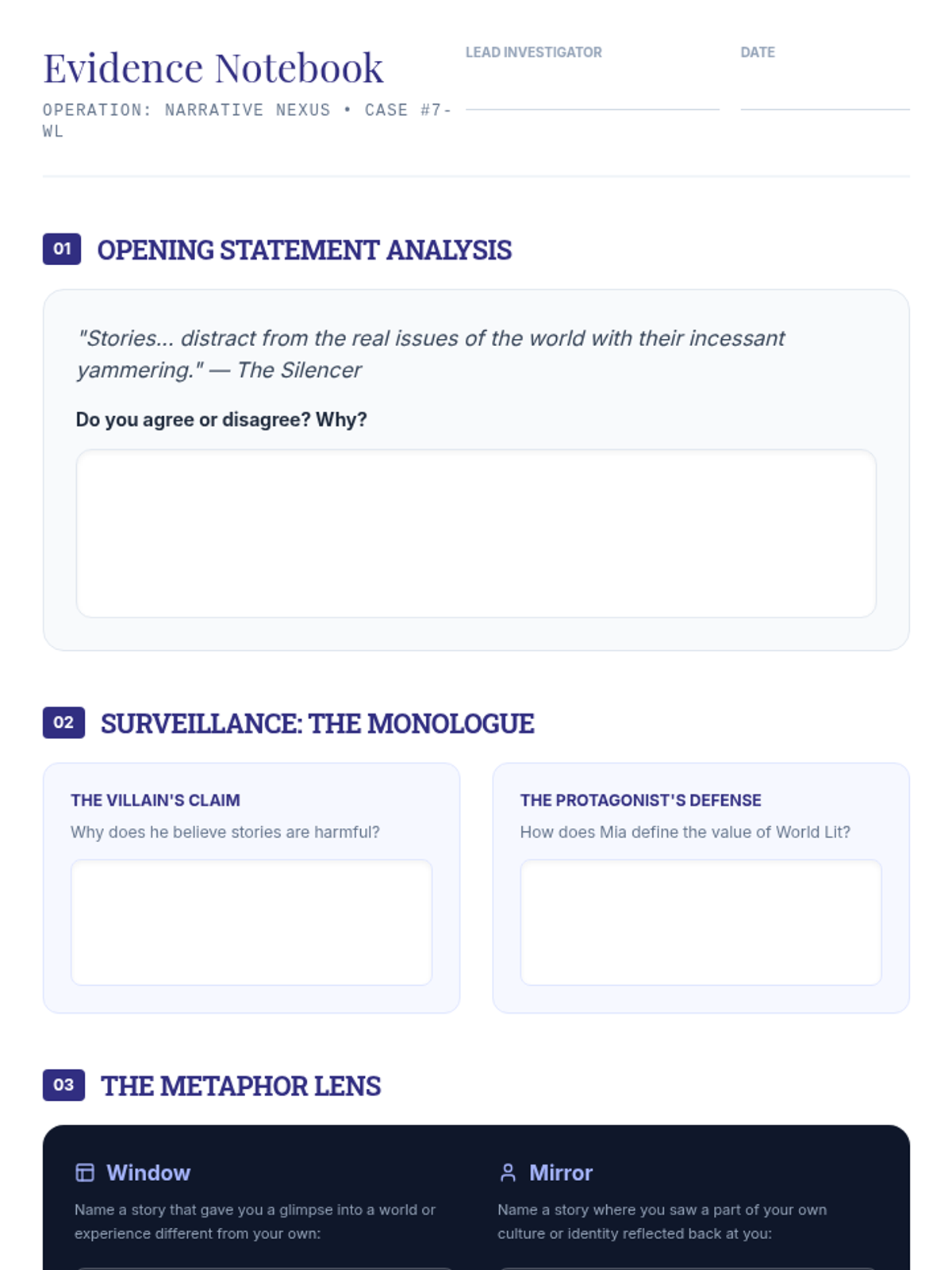
Students investigate the power of storytelling by engaging in a formal debate centered on the 'Silencer's' philosophy. They analyze literature as 'windows and mirrors' to argue whether stories are vital tools for empathy or mere distractions from real-world issues.
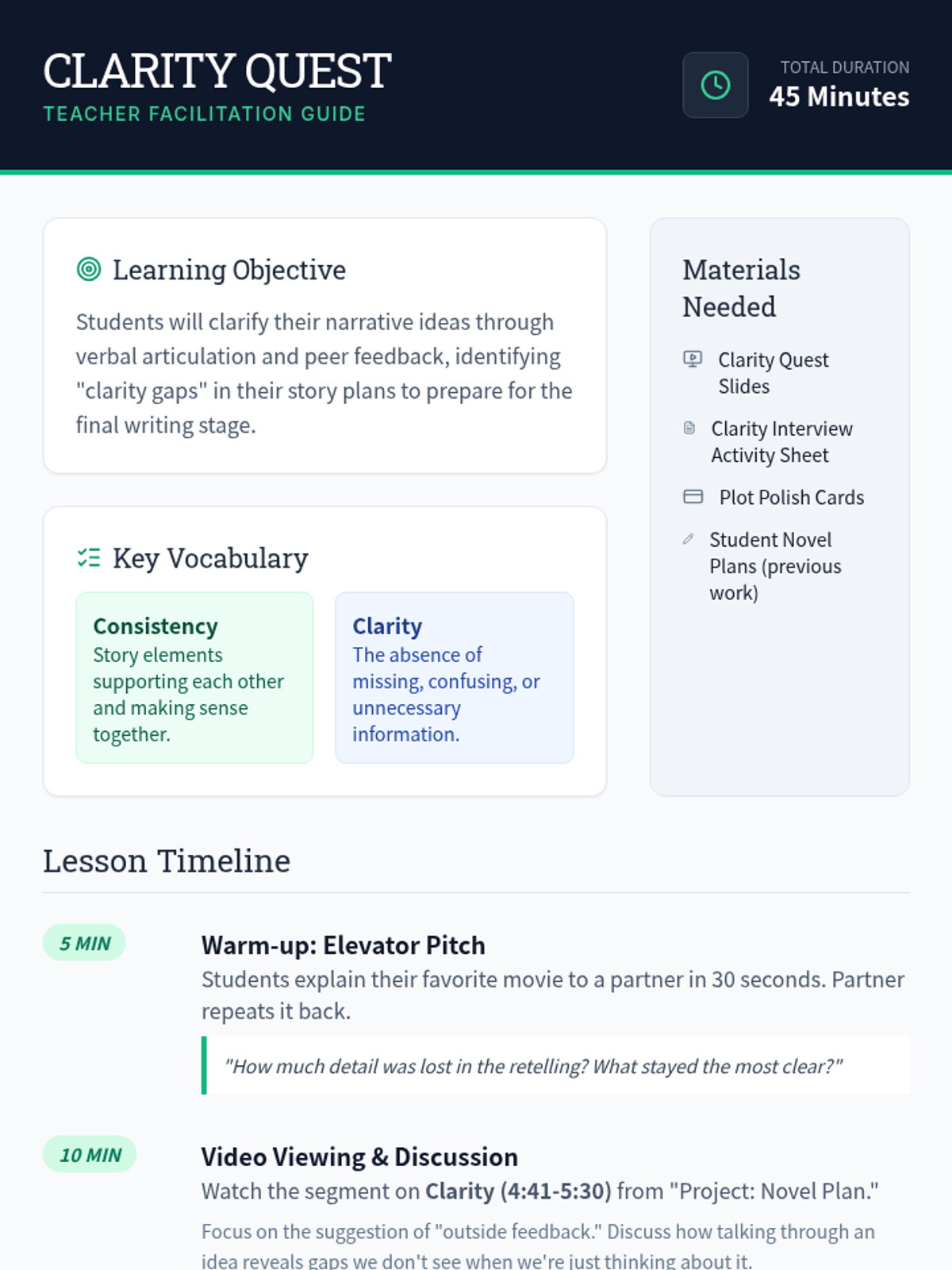
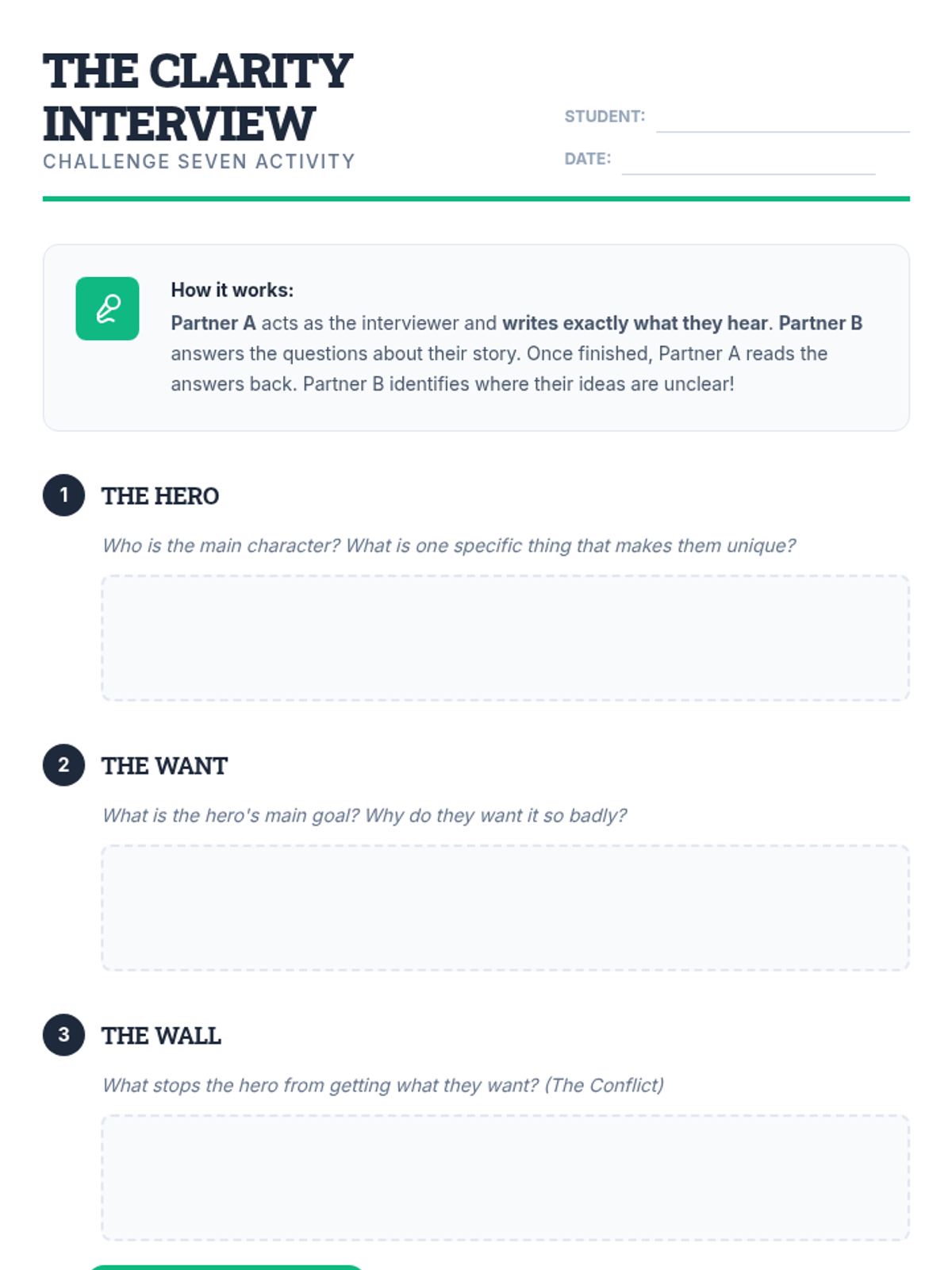
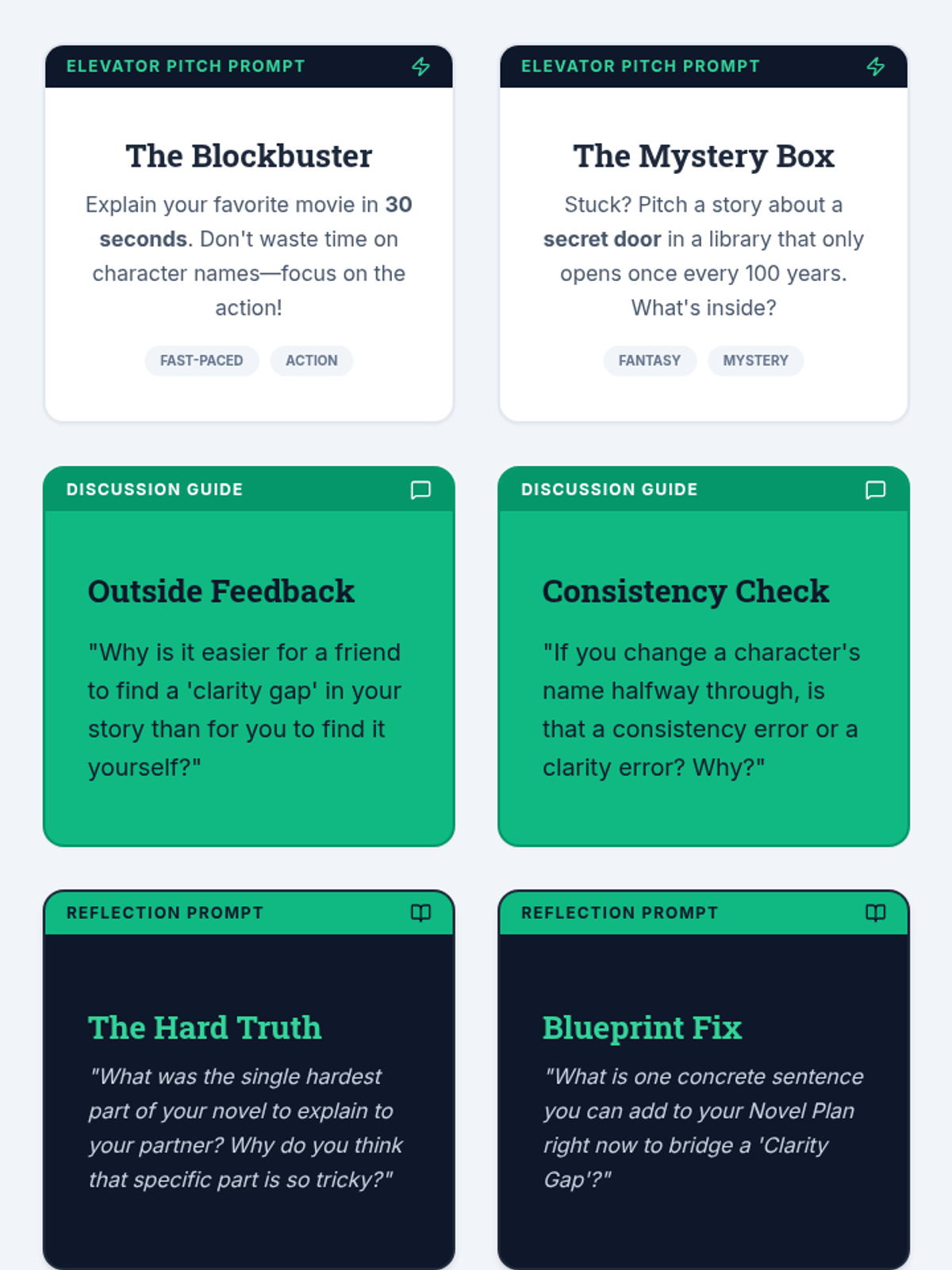
Students will transition from story dreaming to story planning by articulating their narrative ideas aloud. Through peer interviews and feedback, they will identify and bridge 'clarity gaps' in their novel plans.
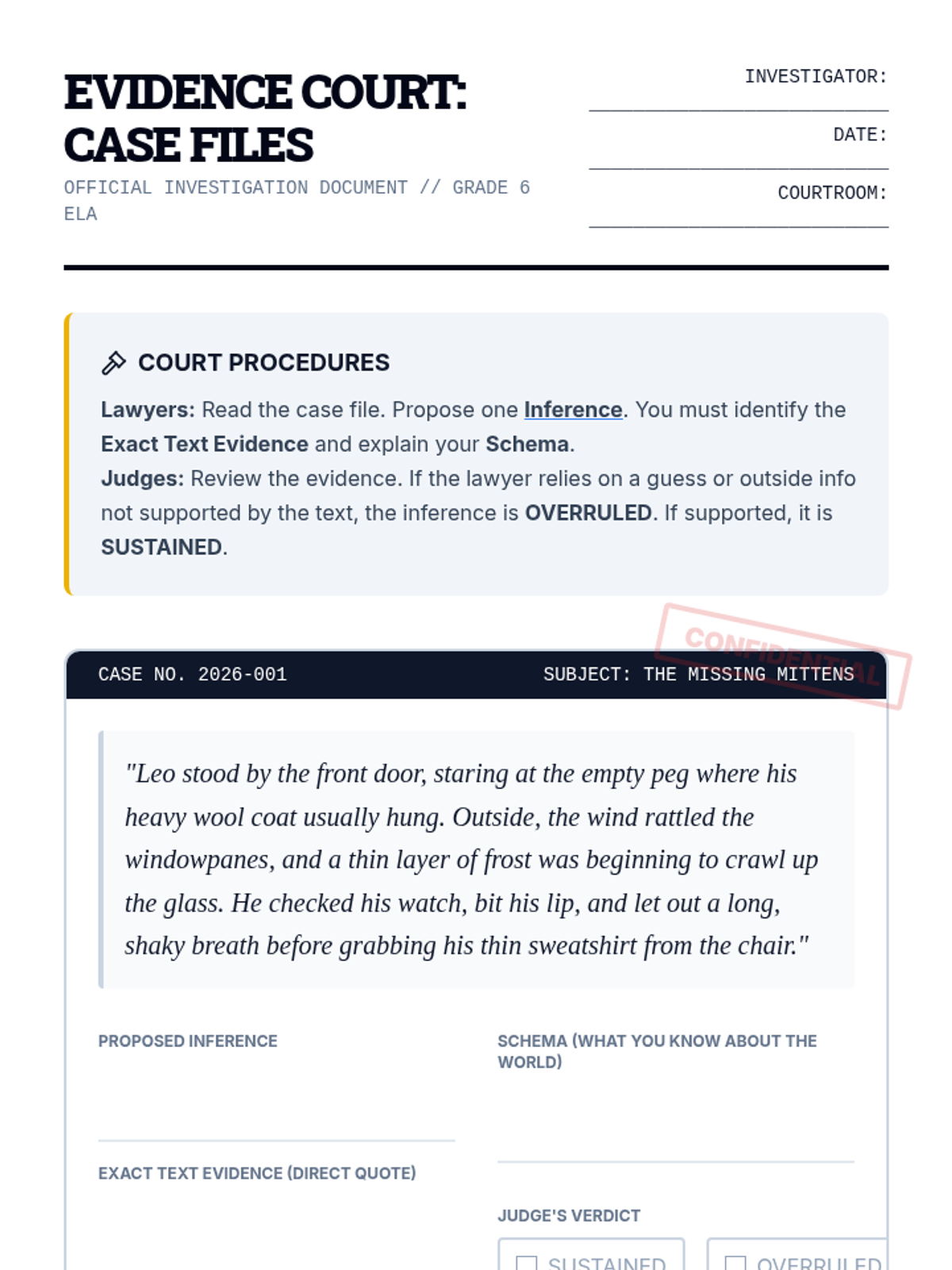
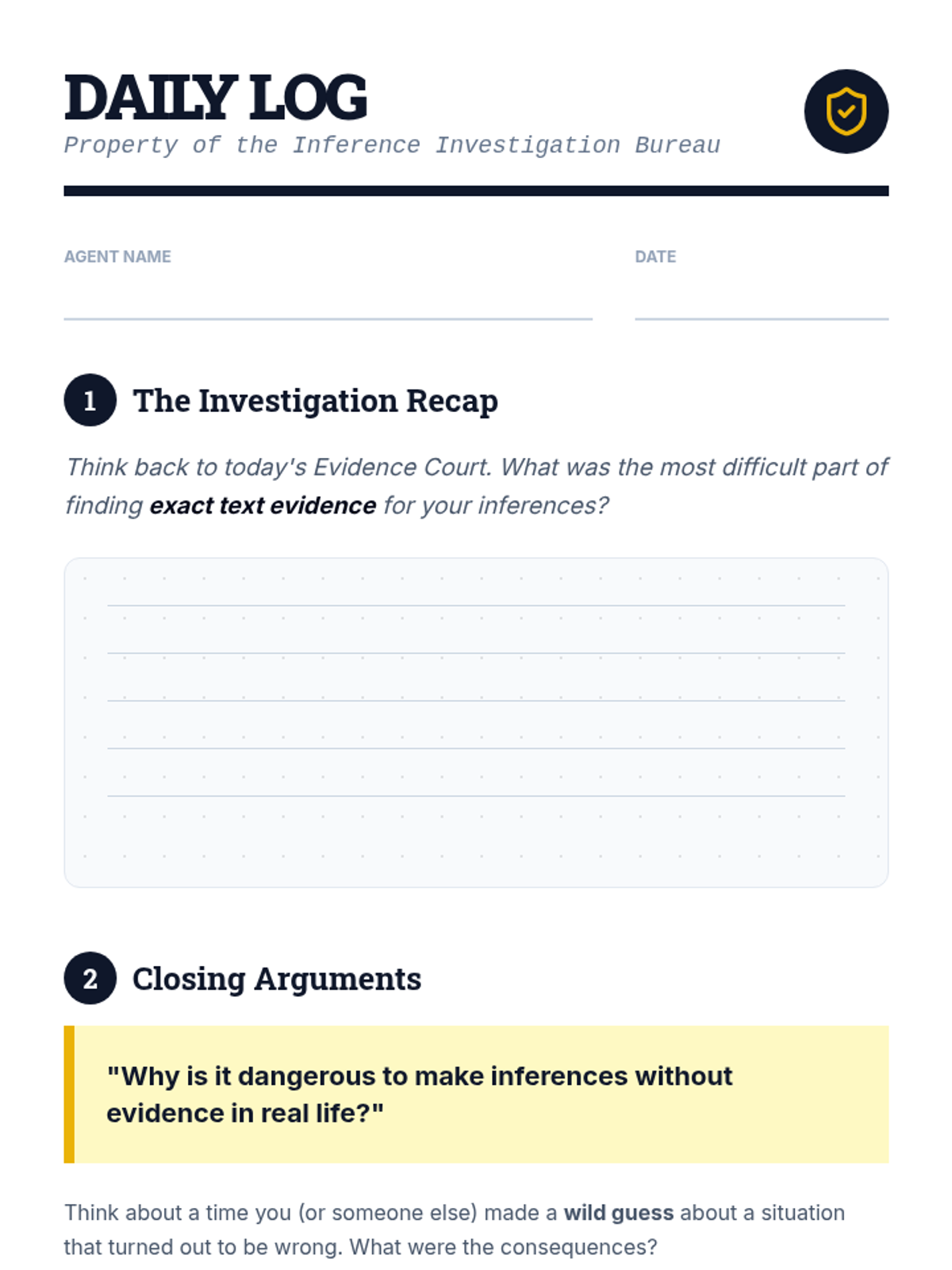
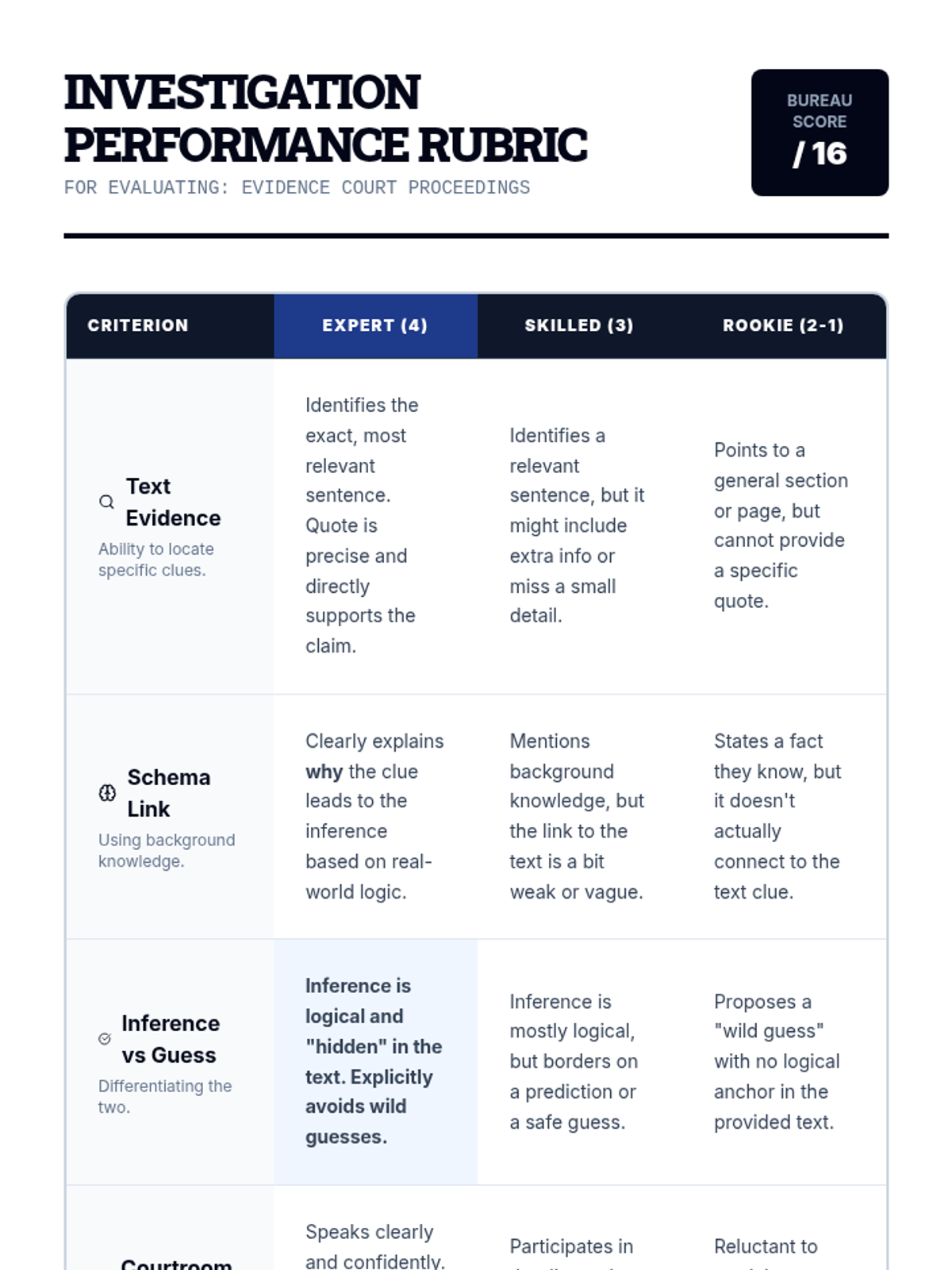
Students will learn to distinguish between valid inferences and wild guesses by acting as 'Lawyers' and 'Judges' in a classroom Evidence Court, using text clues and schema to support their claims.
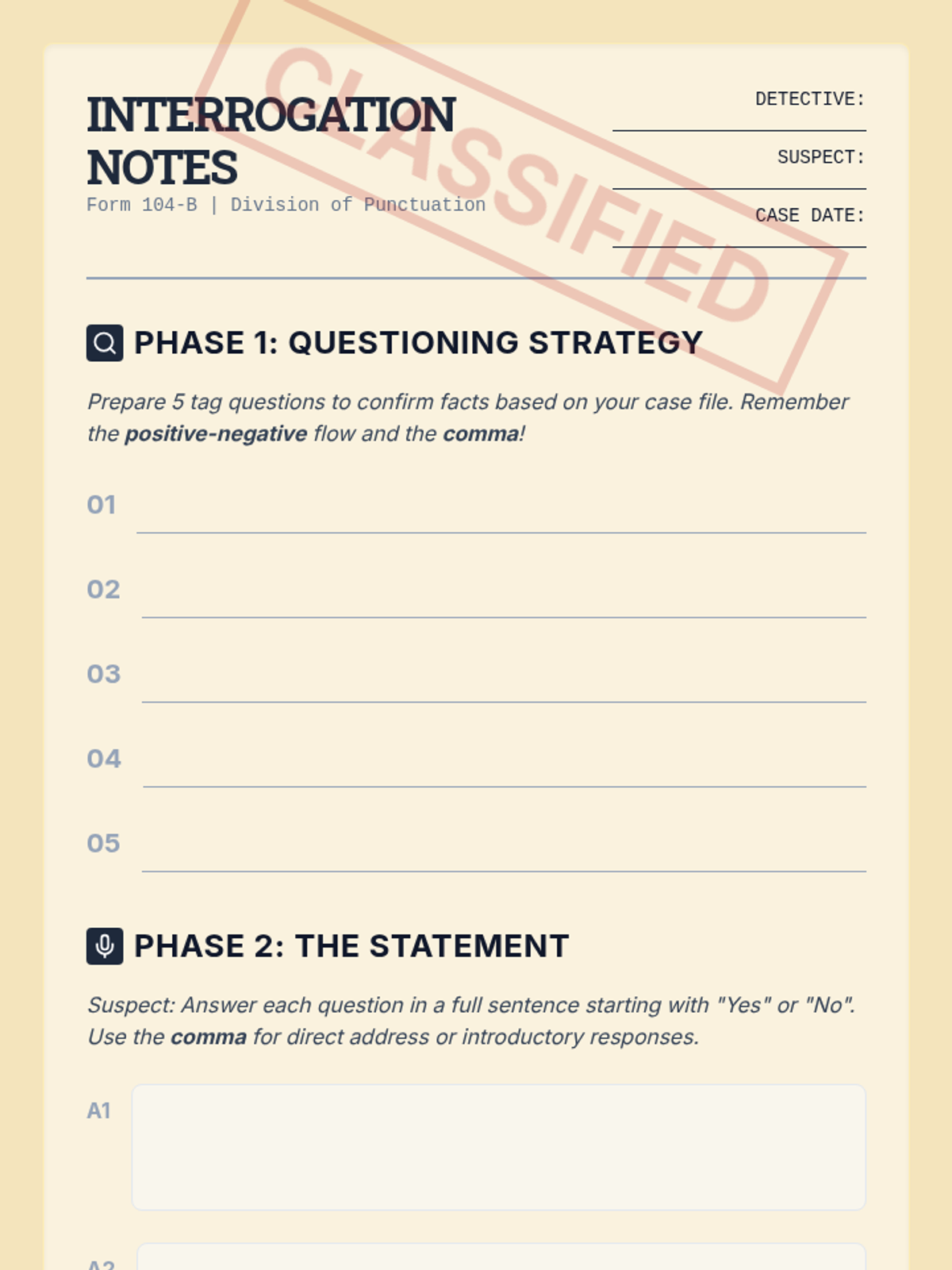
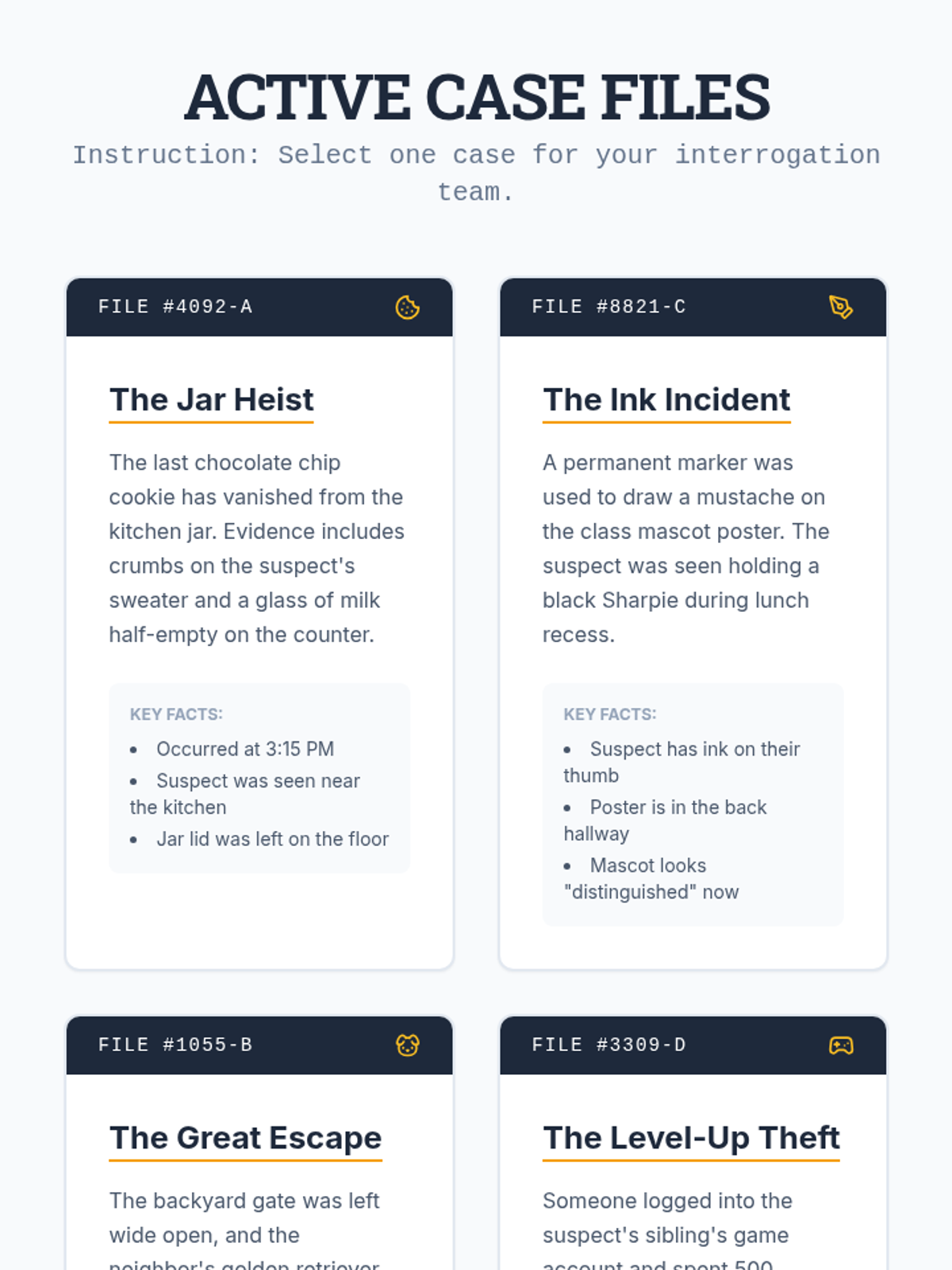
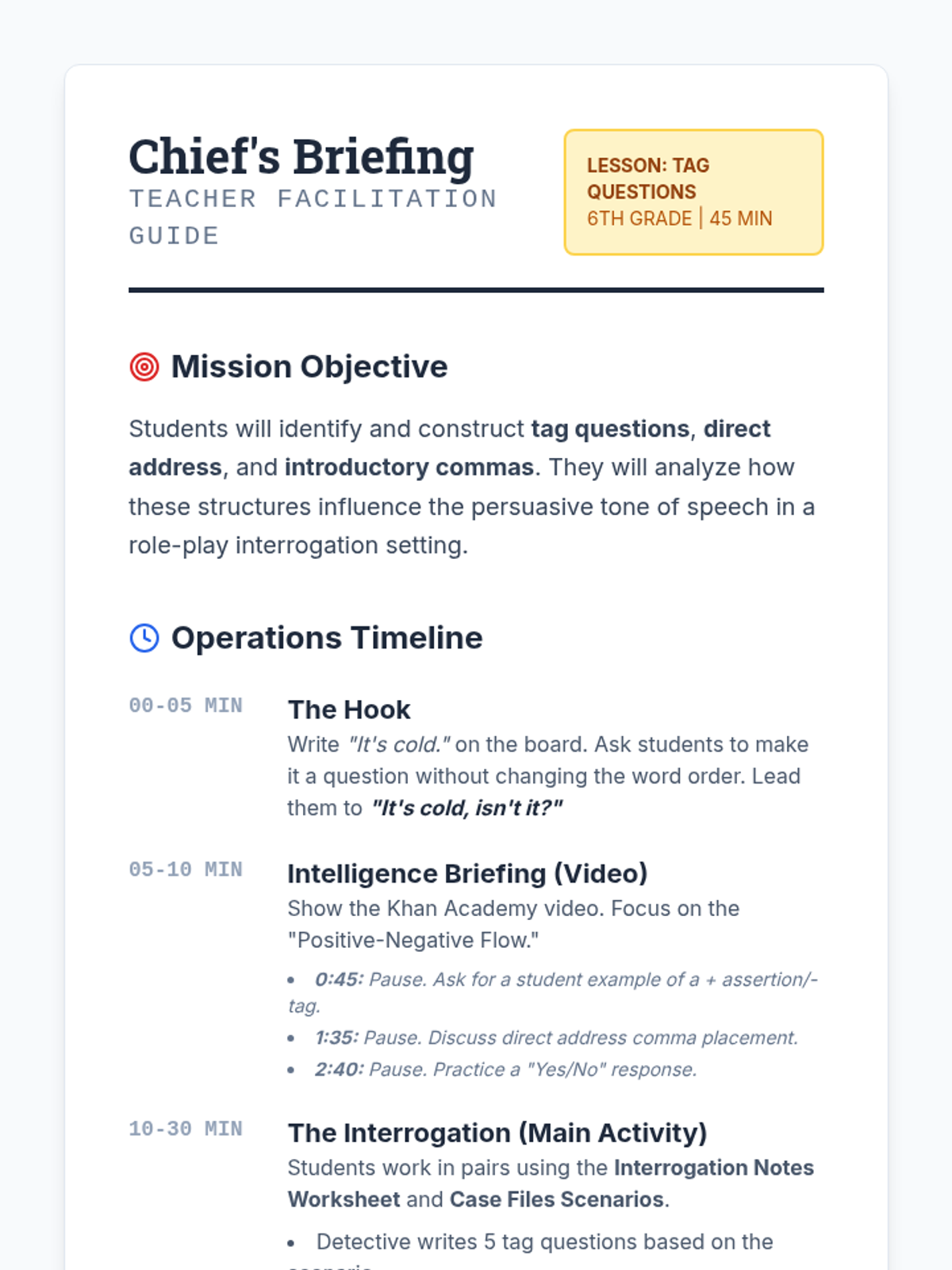
A lesson where students master tag questions, direct address, and yes/no commas through a 'Detective Interview' role-play activity. Students analyze how tag questions shift tone and influence persuasive speech.
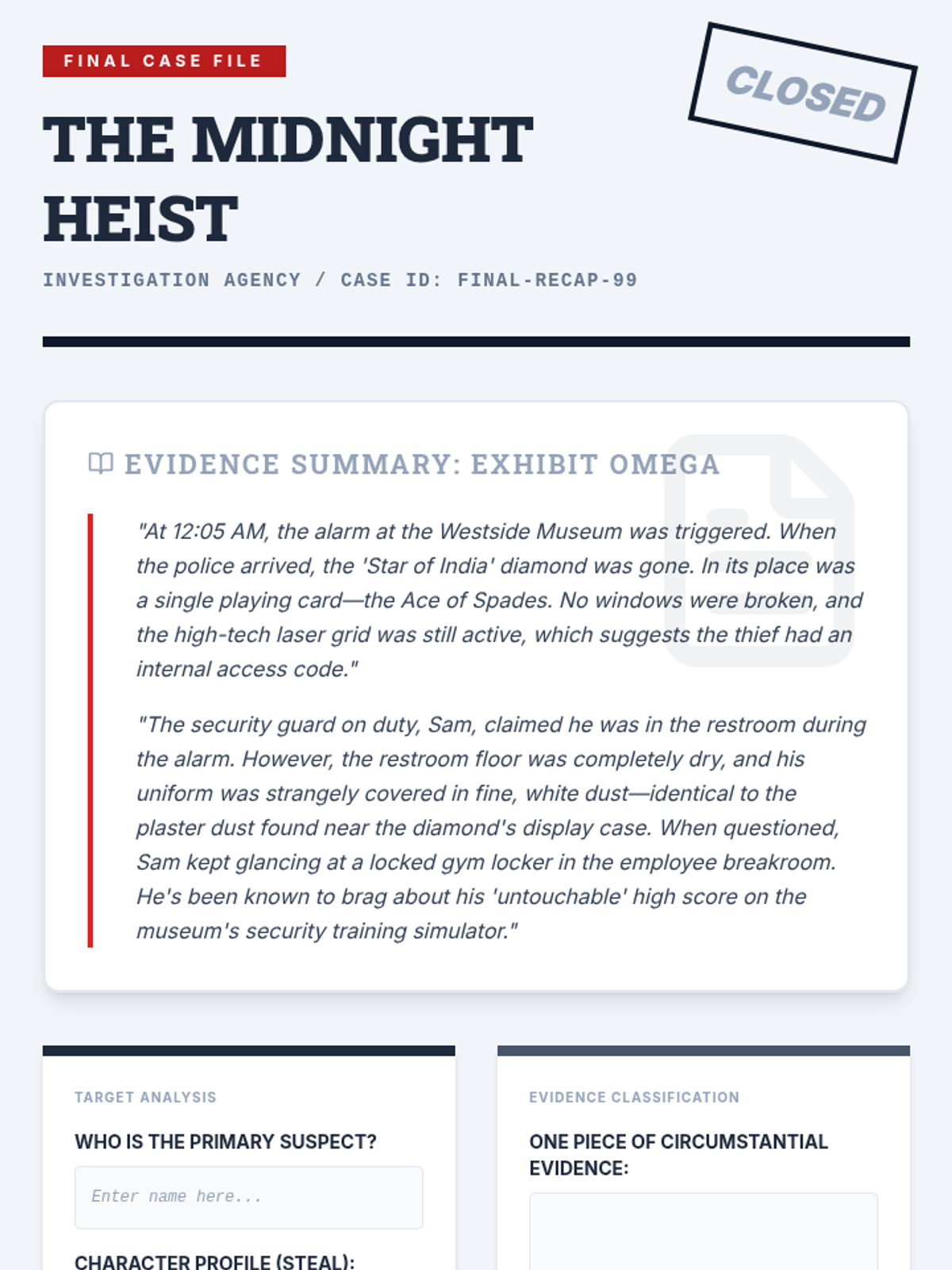
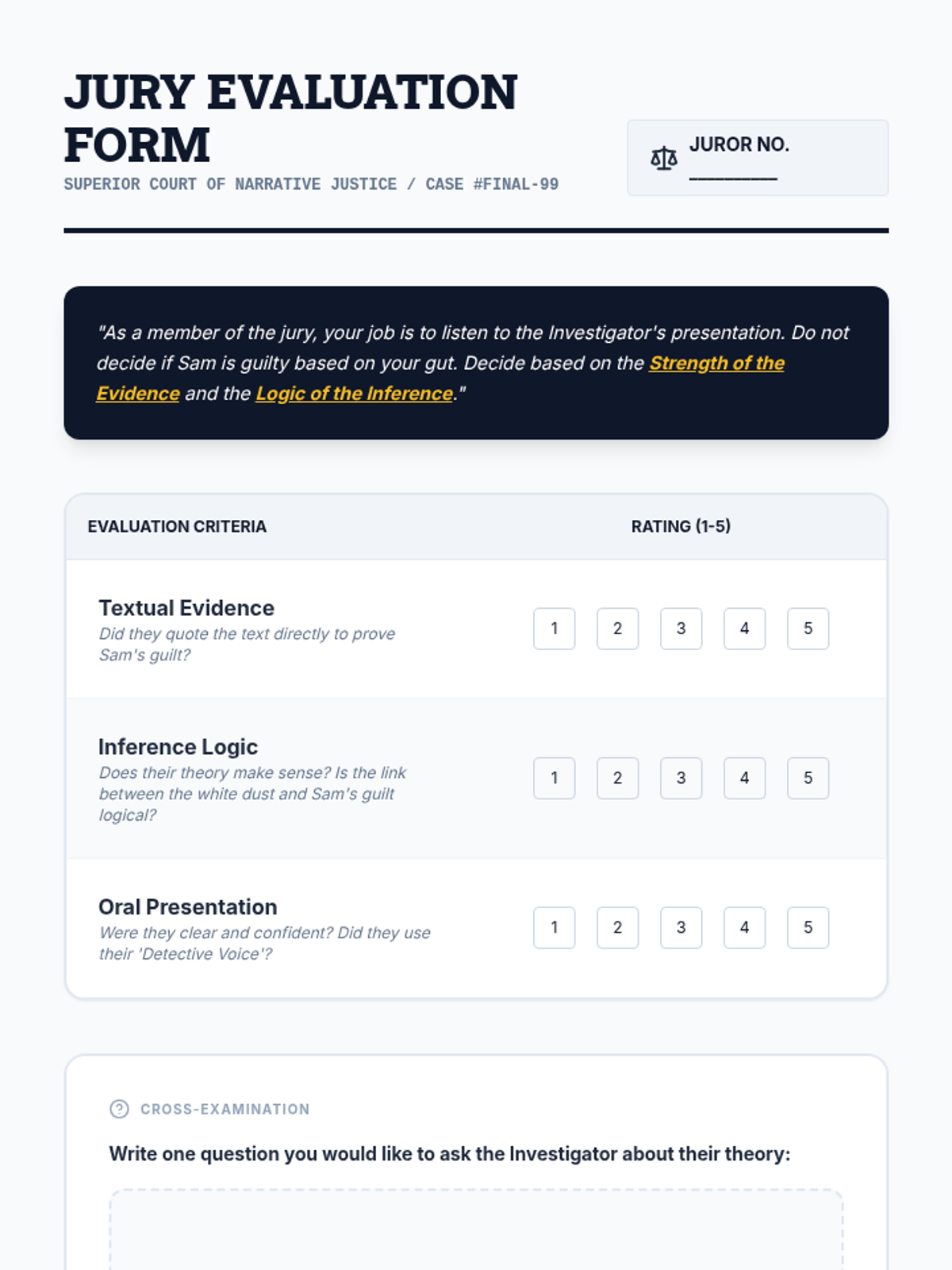
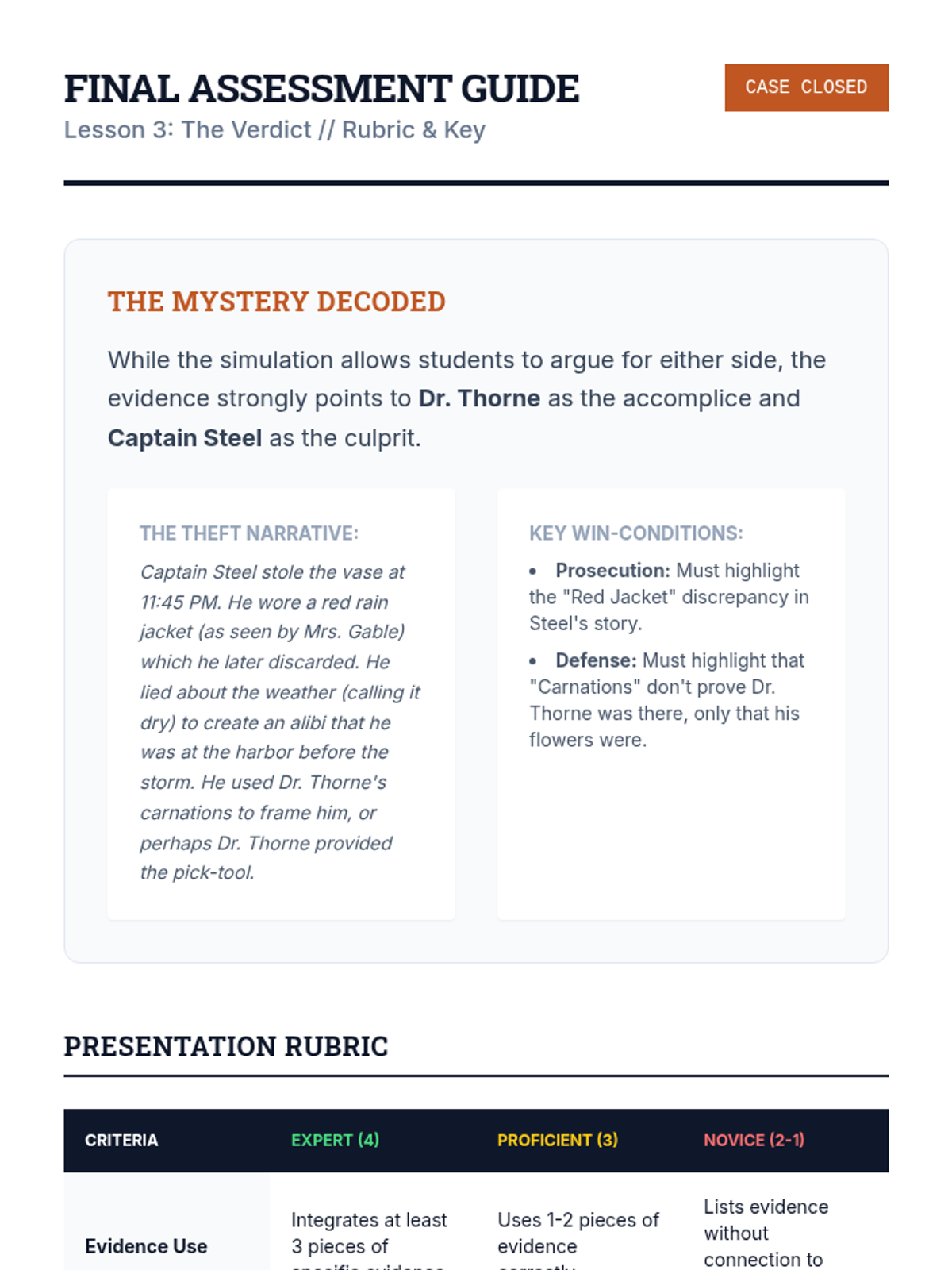
Students synthesize all evidence to solve a final mystery, presenting their 'Case Report' to a jury of peers.
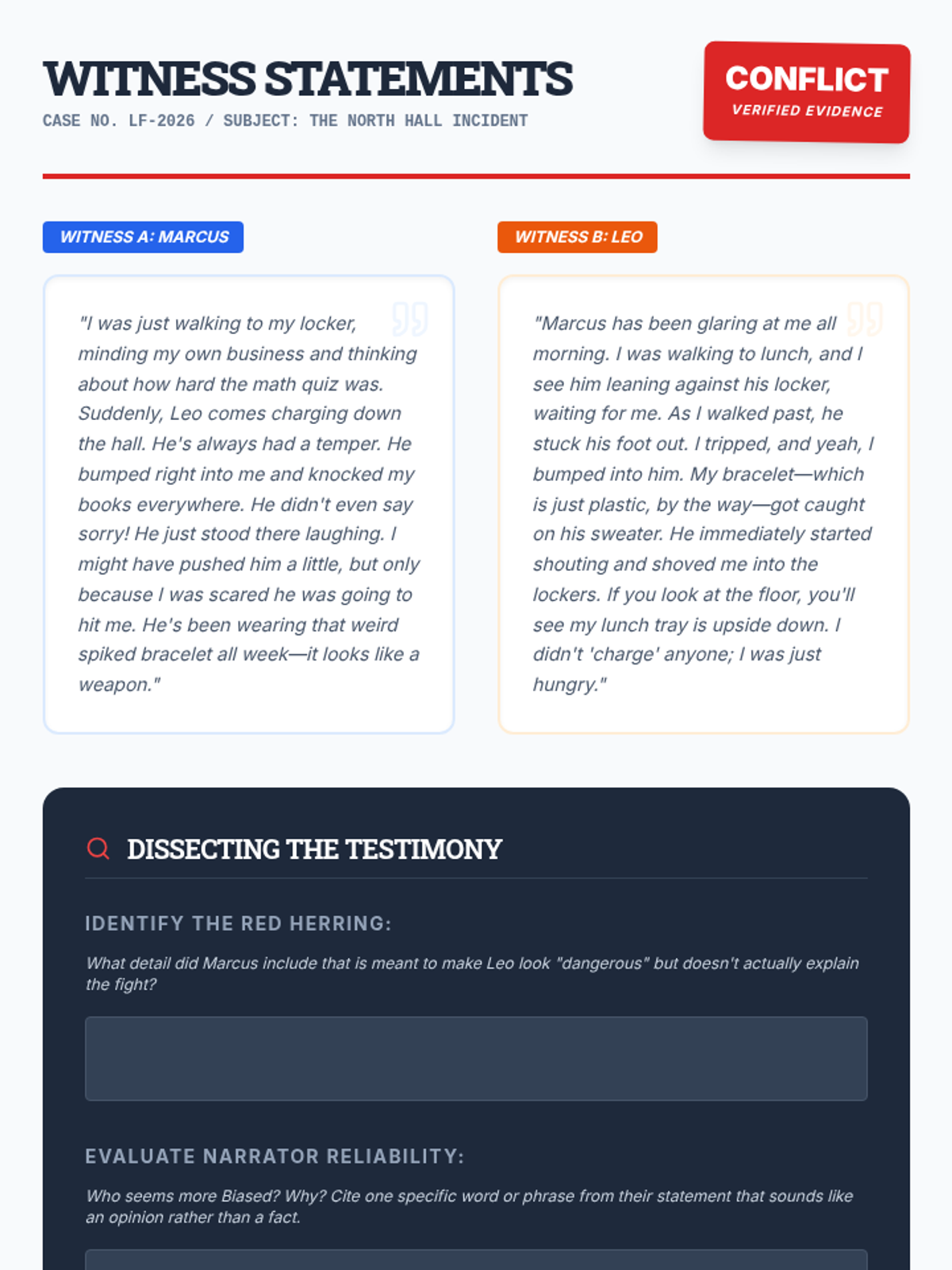
Students evaluate the reliability of narrators and identify red herrings, learning to question the validity of text evidence.
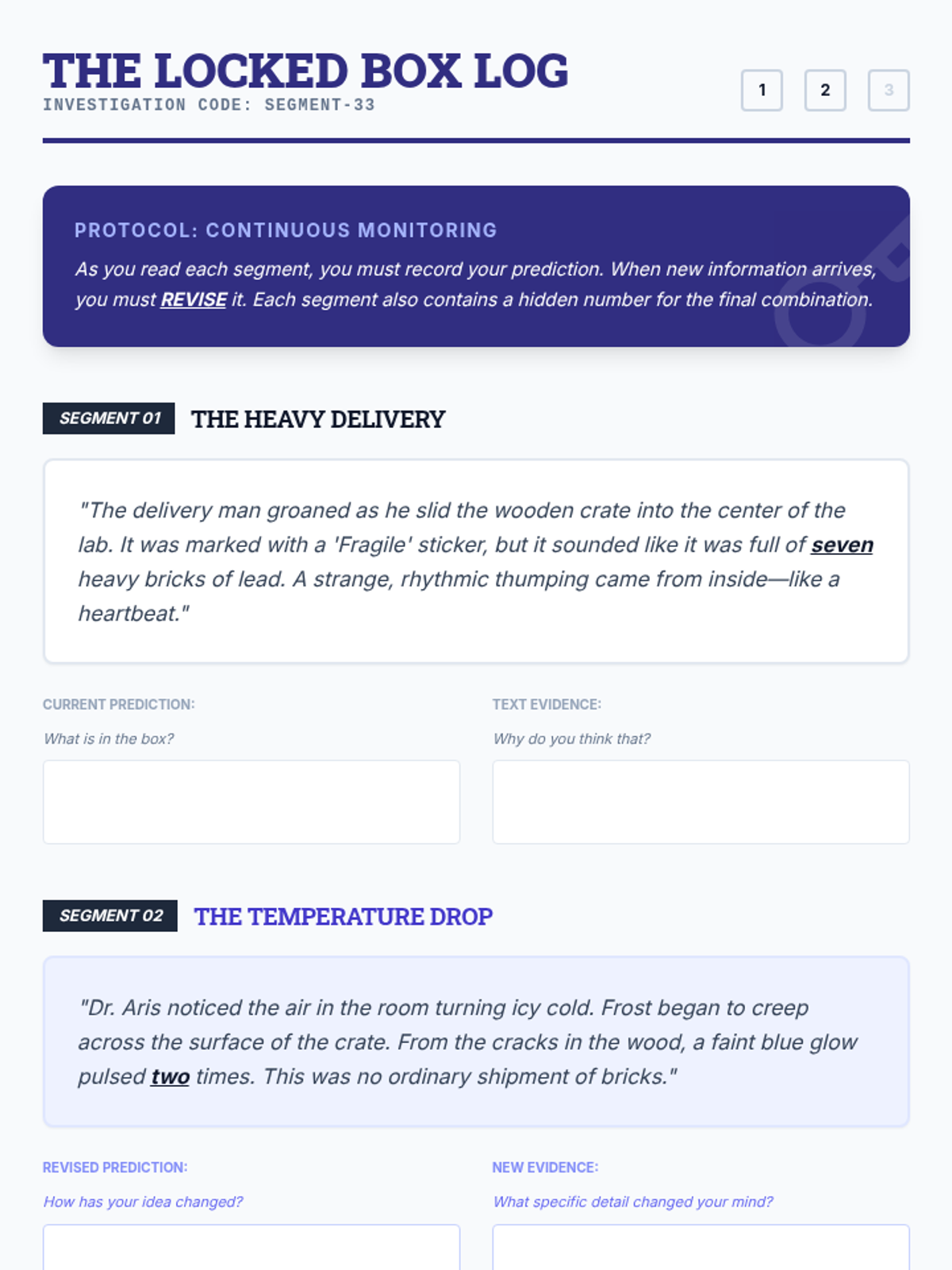
Using a mystery narrative, students practice monitoring their comprehension by revising predictions as new evidence is introduced.
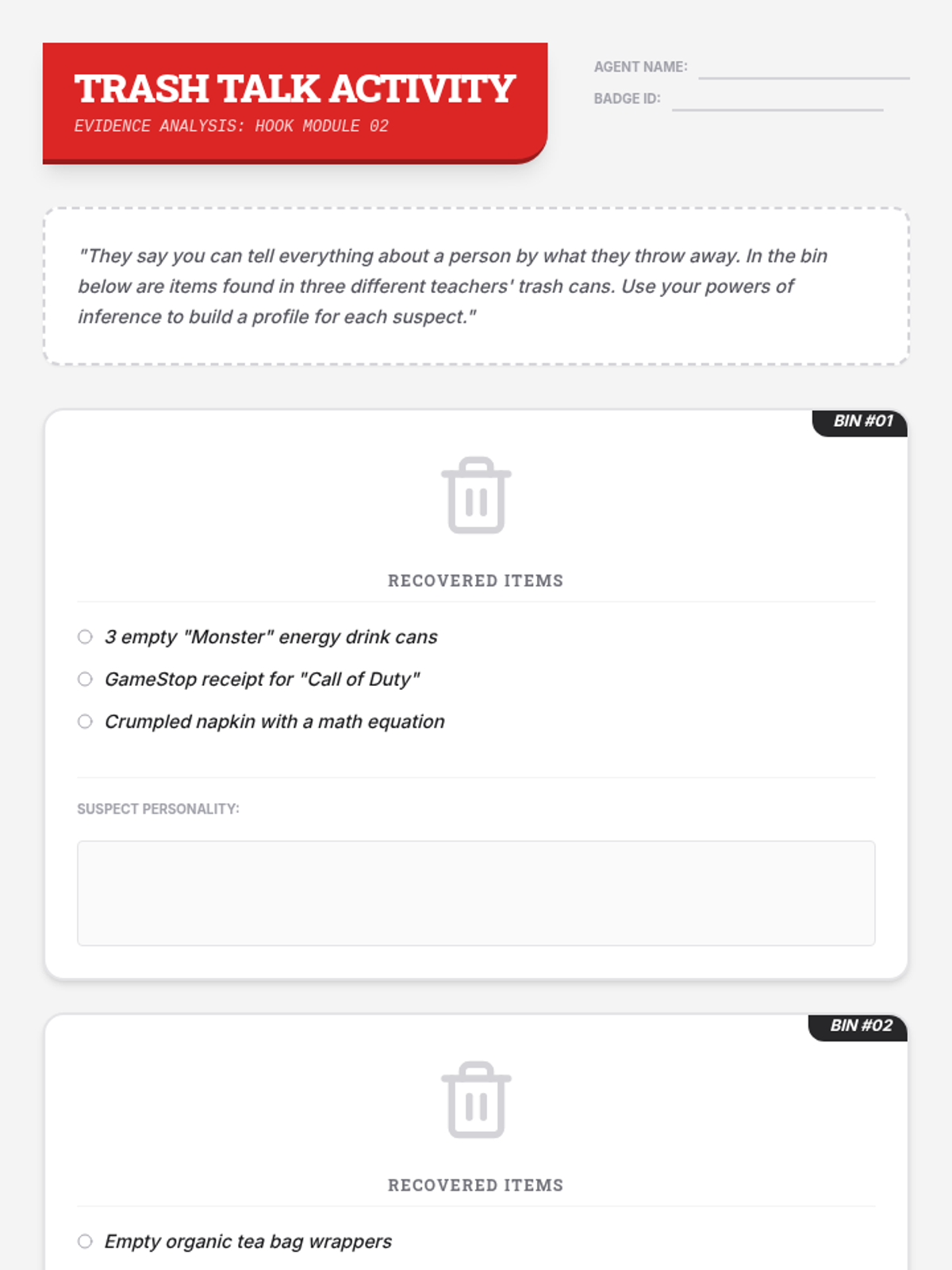
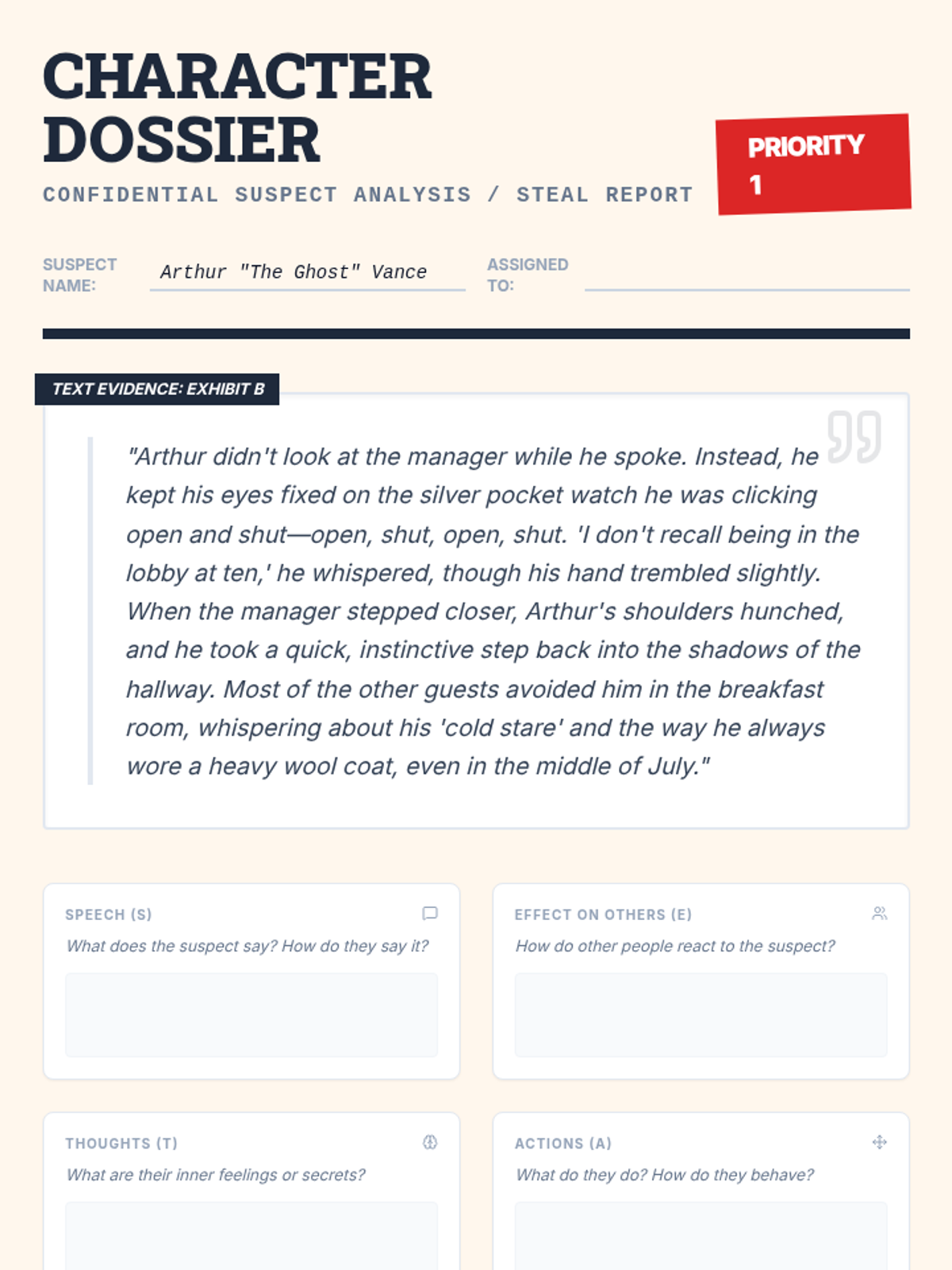
Students use the STEAL method to build psychological profiles of characters, inferring traits from indirect clues like dialogue and actions.
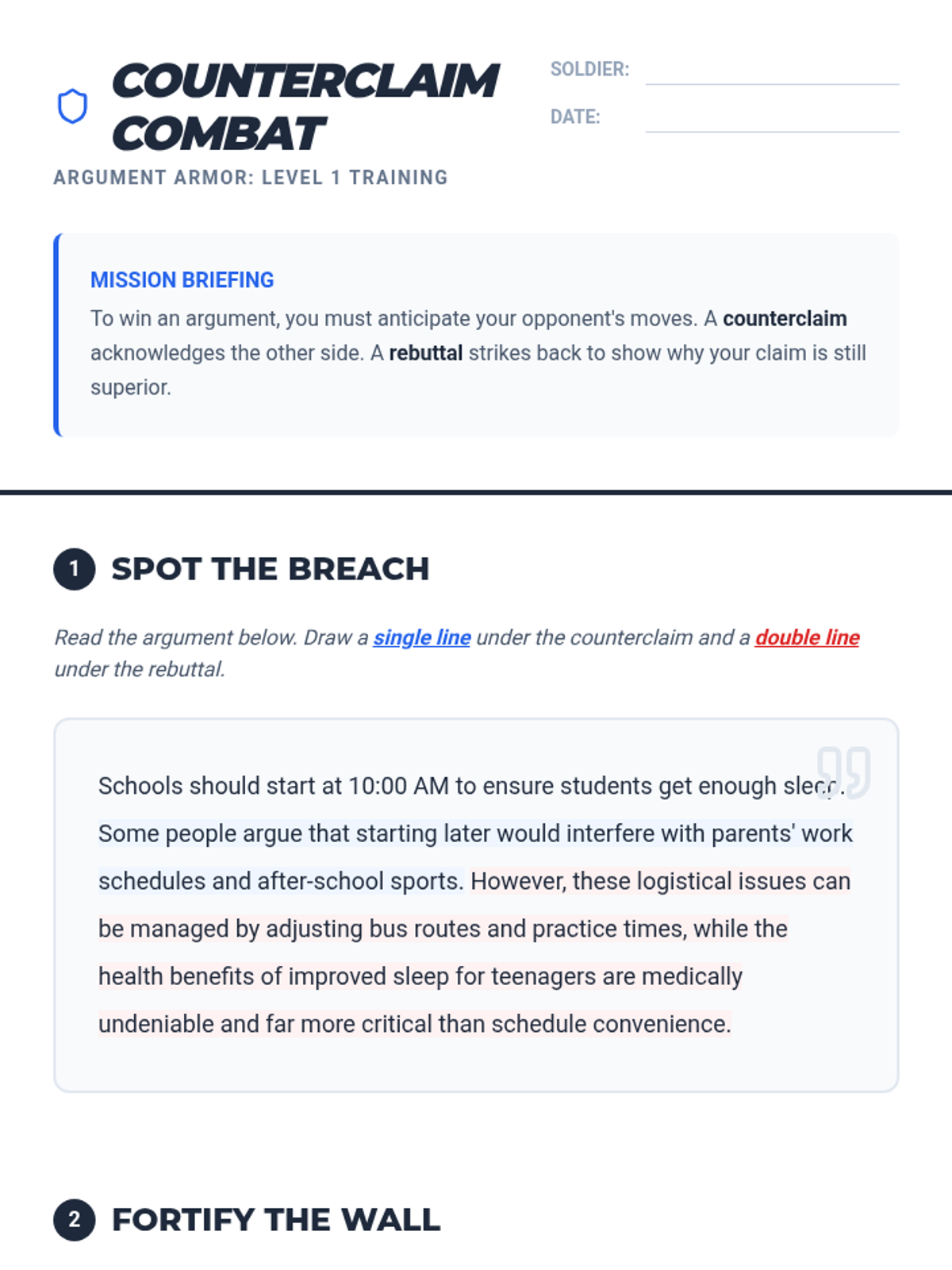
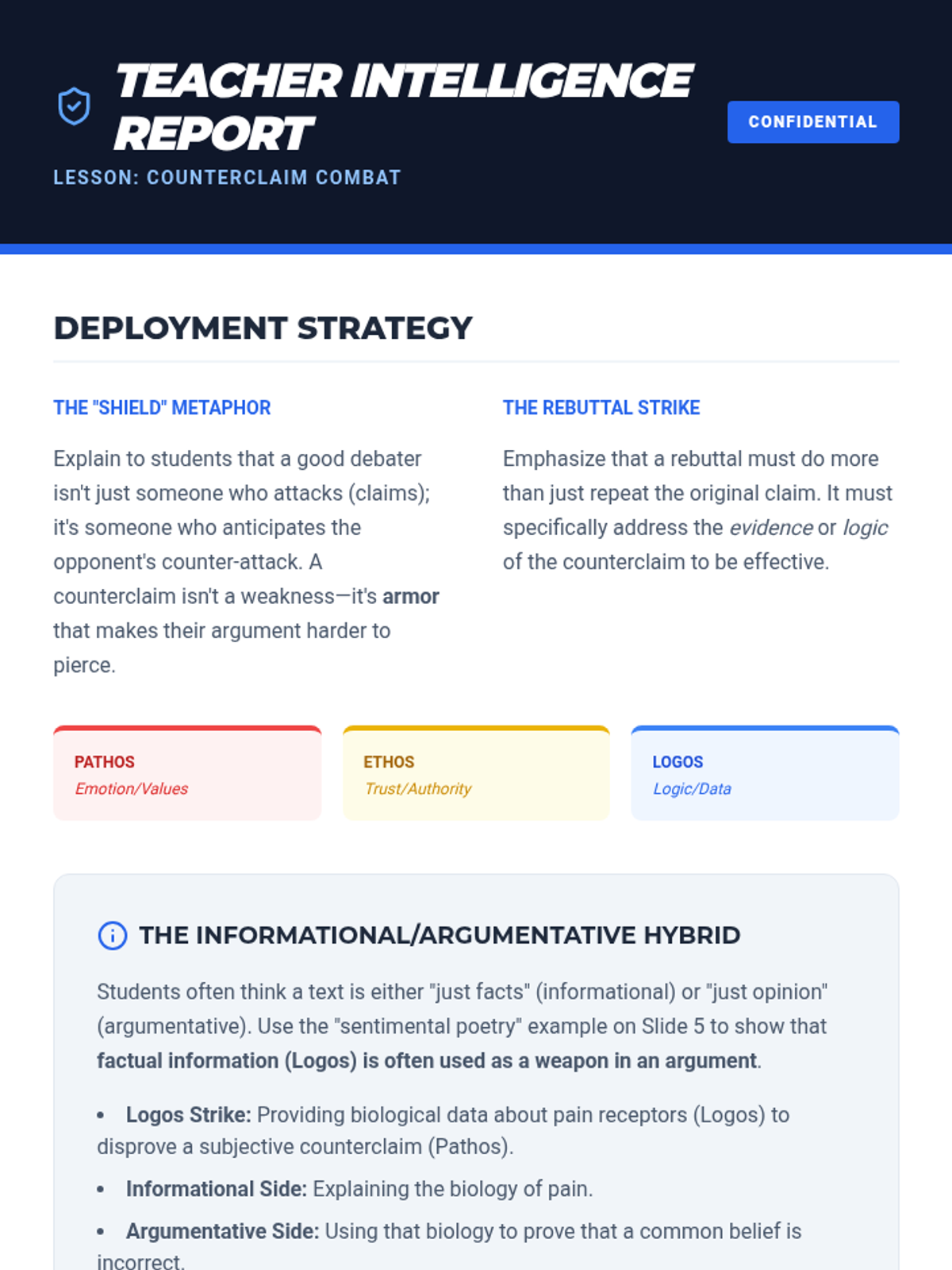
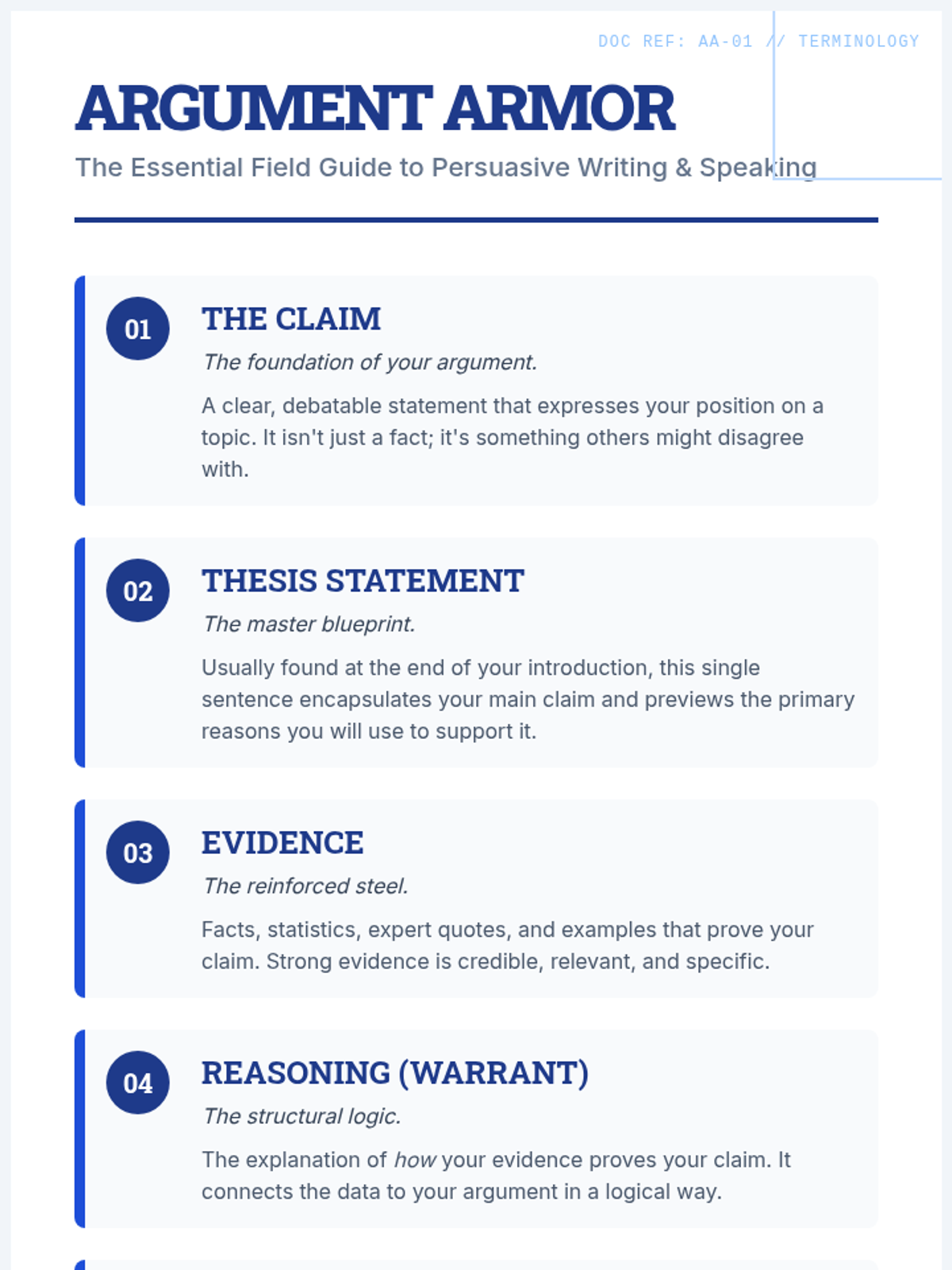
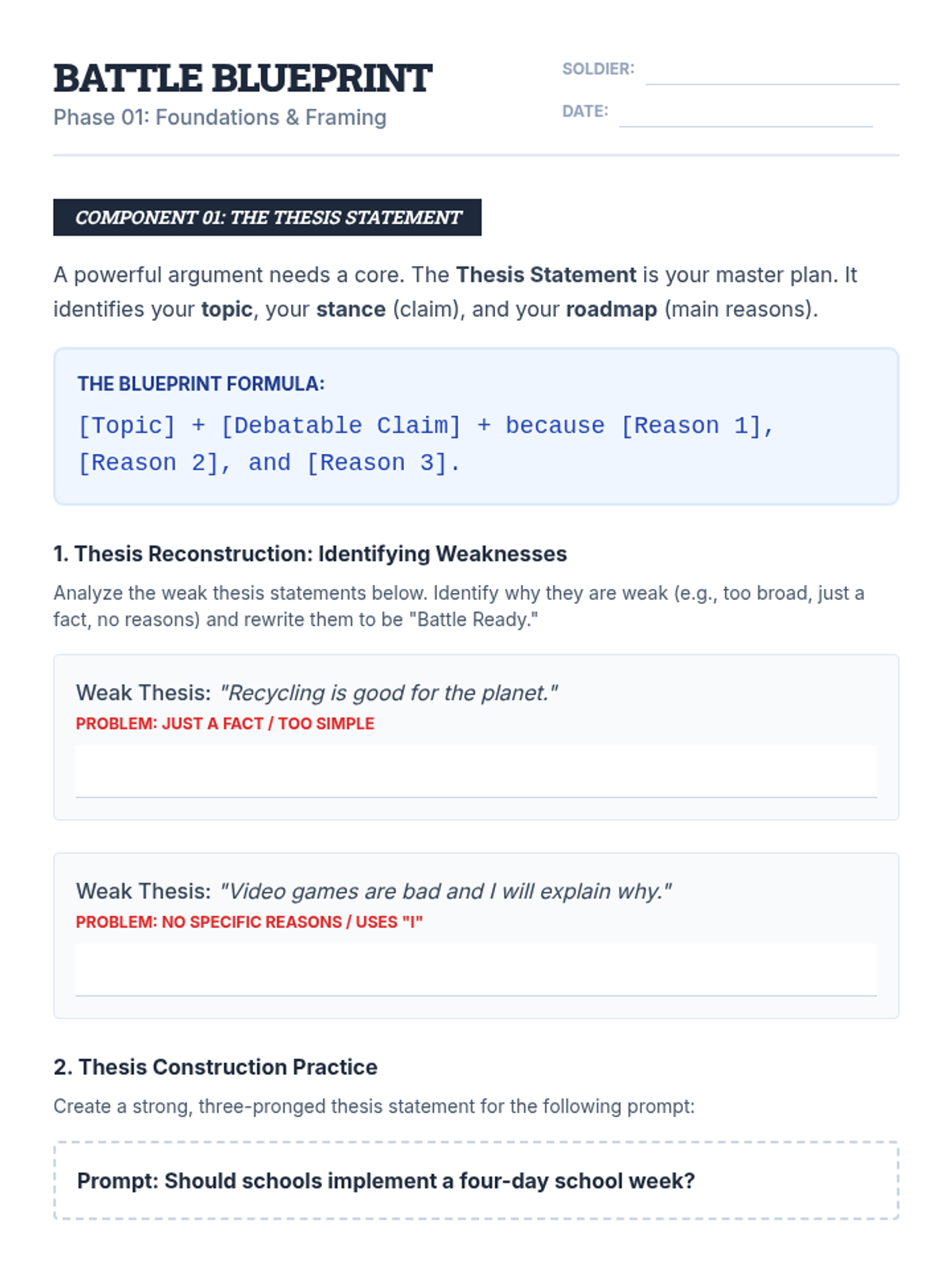
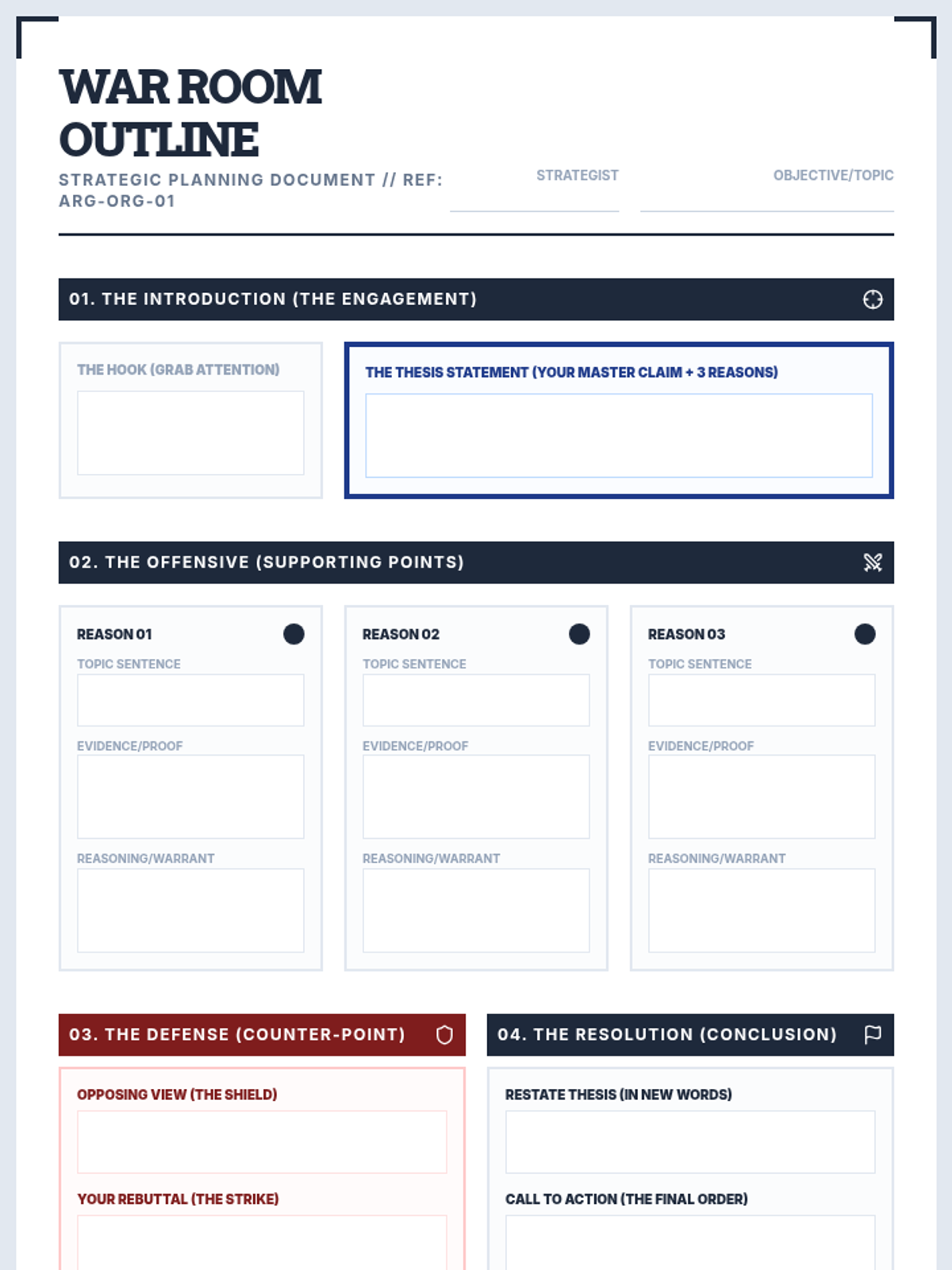
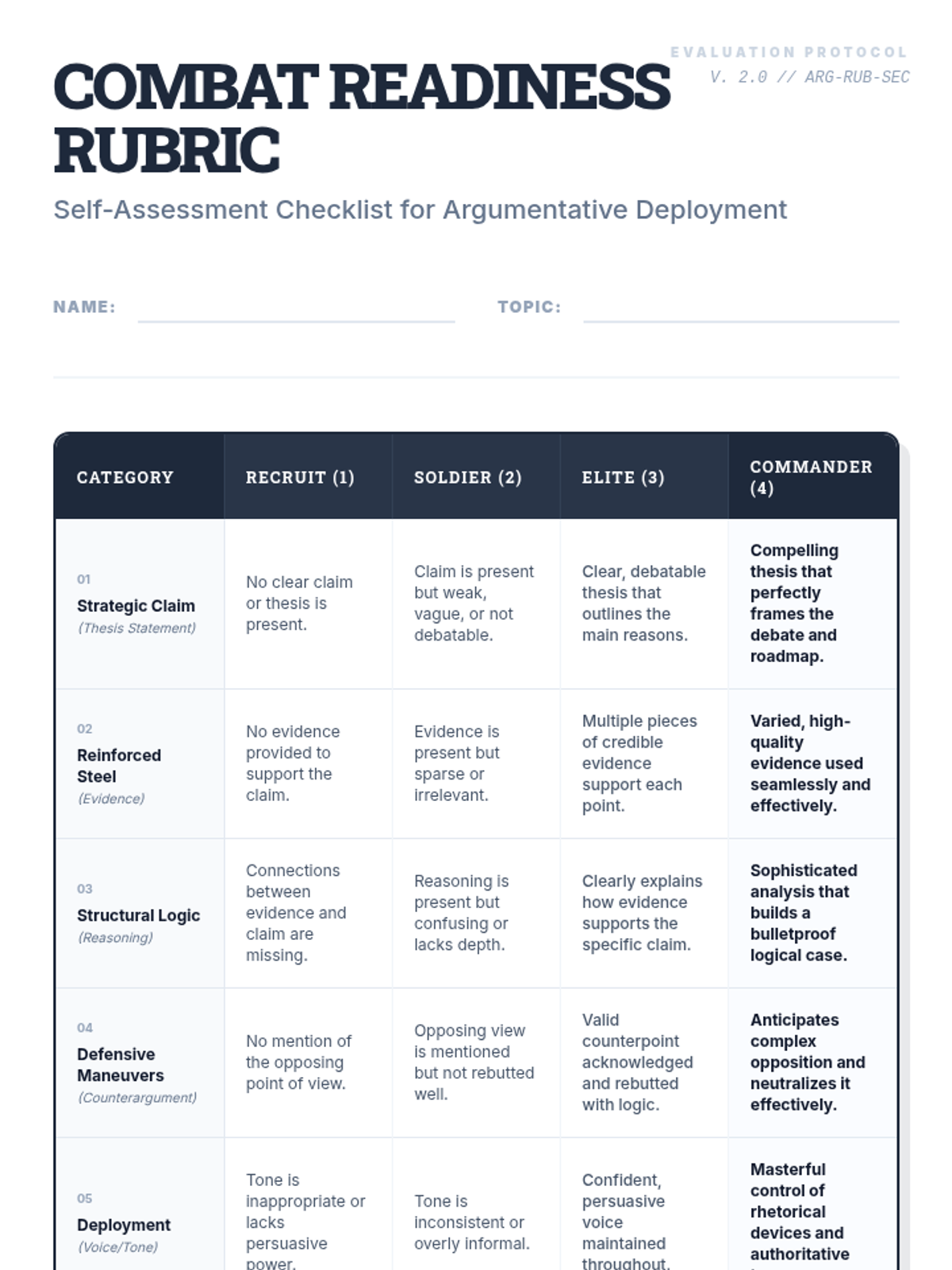
Students will learn to identify and craft effective counterclaims and rebuttals to strengthen their argumentative writing. The lesson uses a 'combat' metaphor to make the components of an argument memorable and engaging.
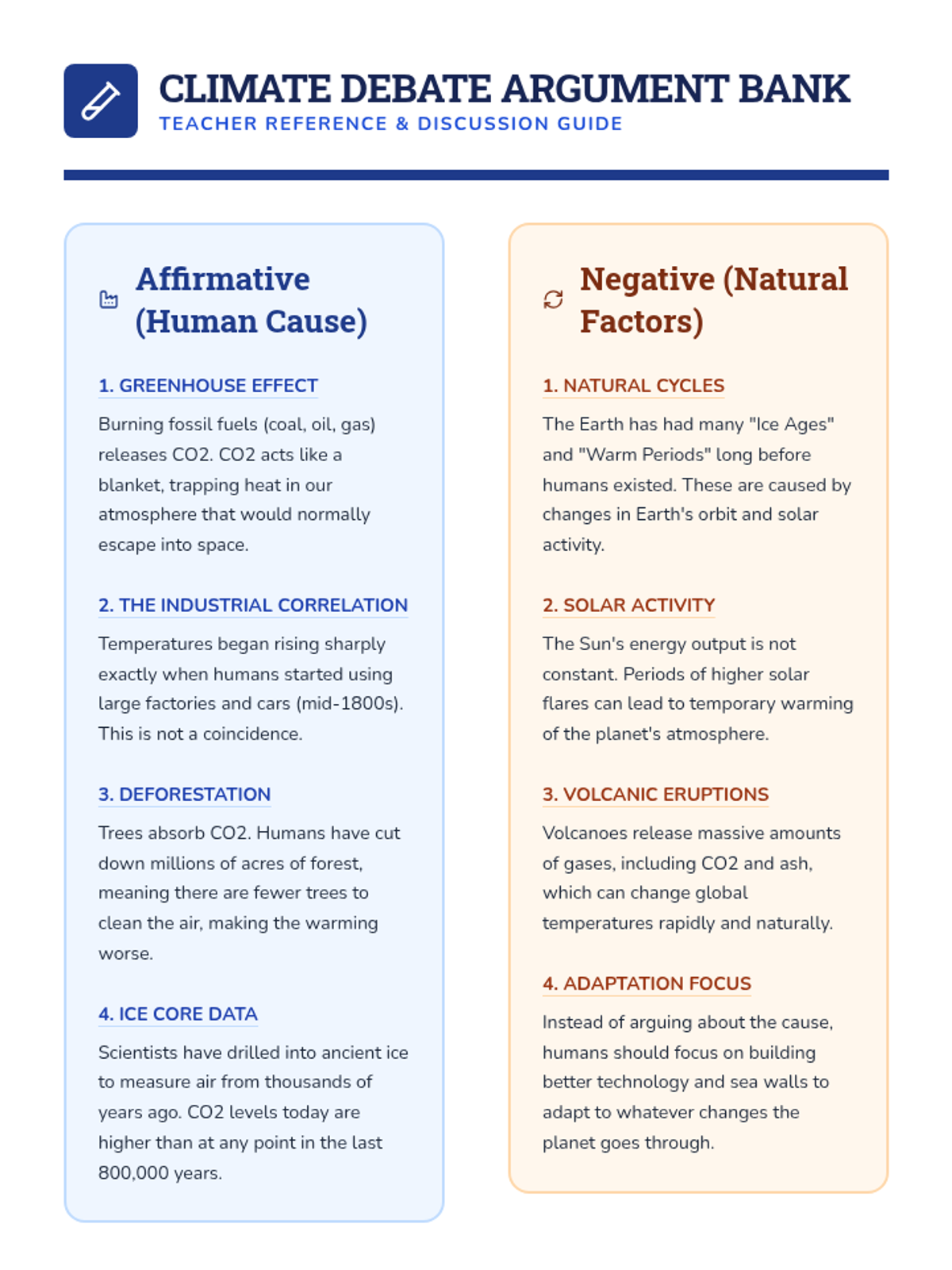
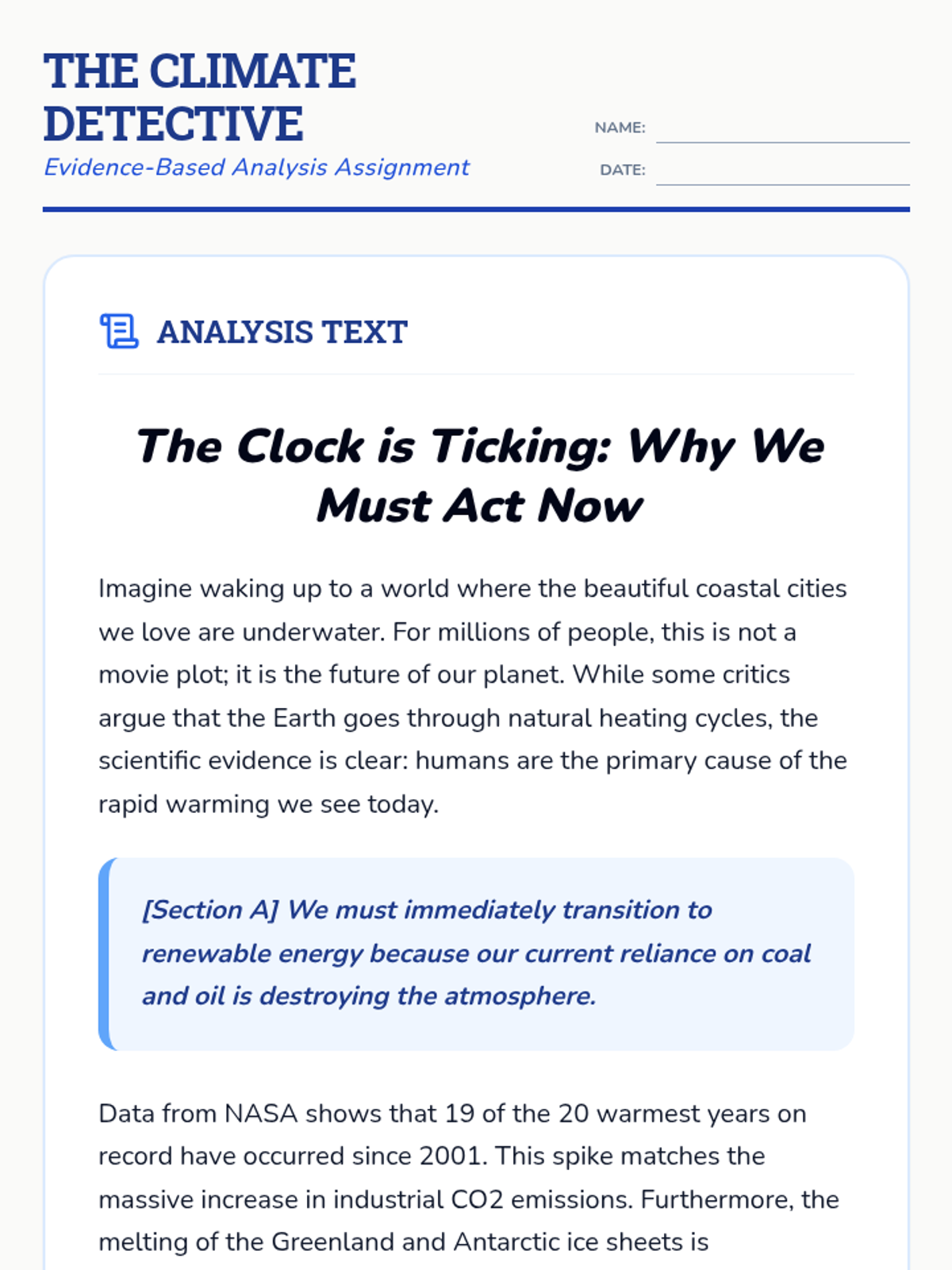
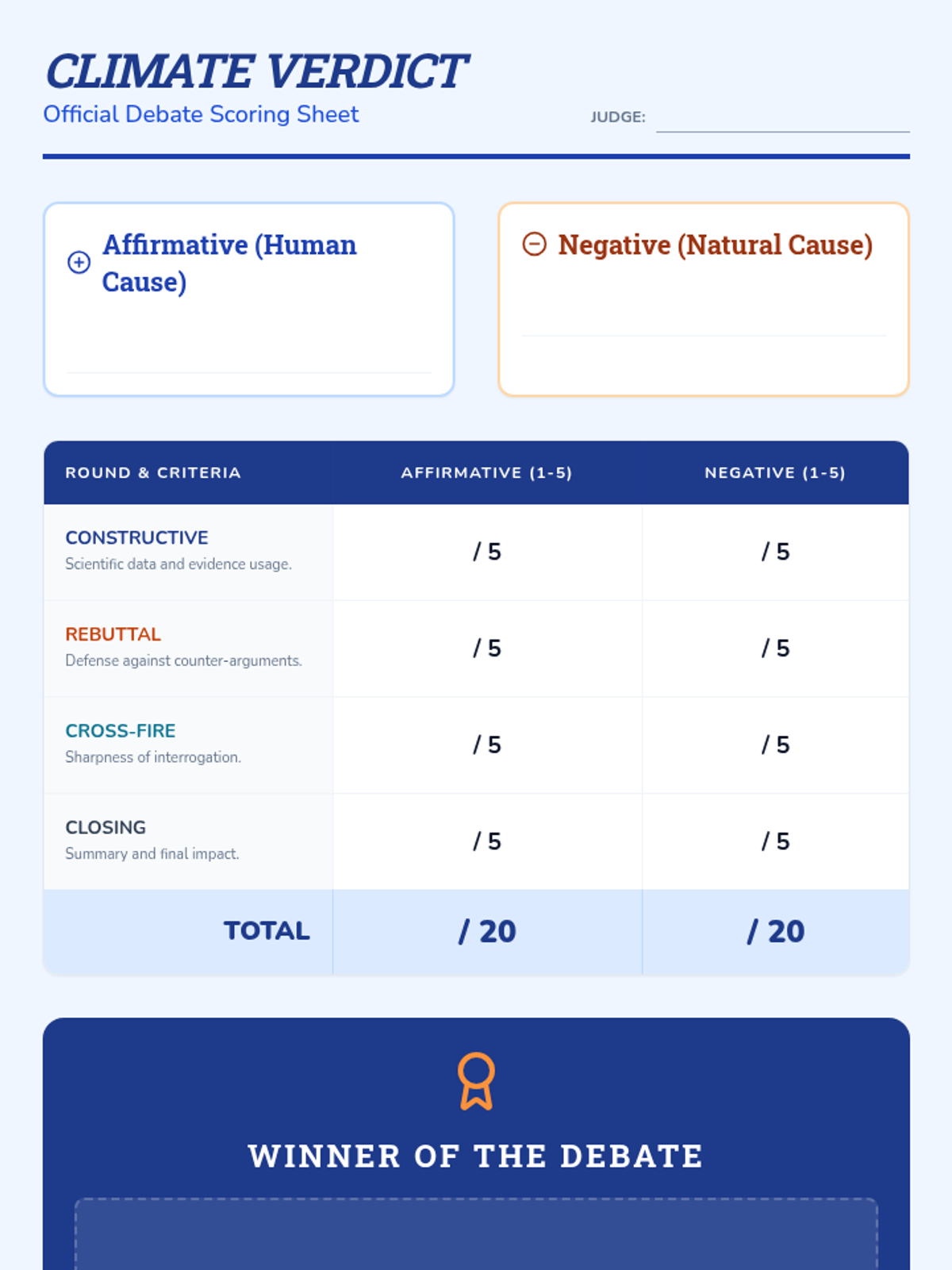
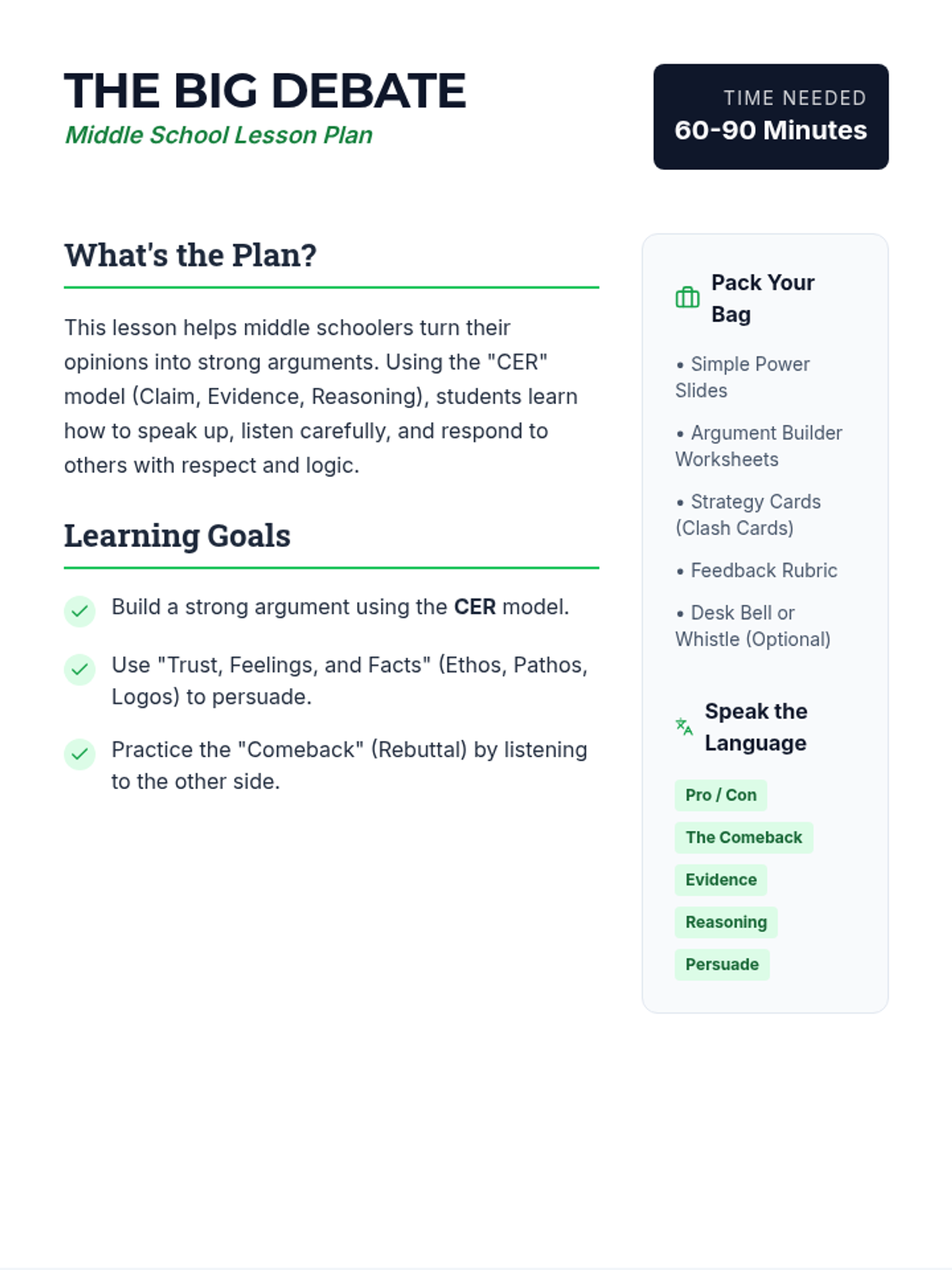
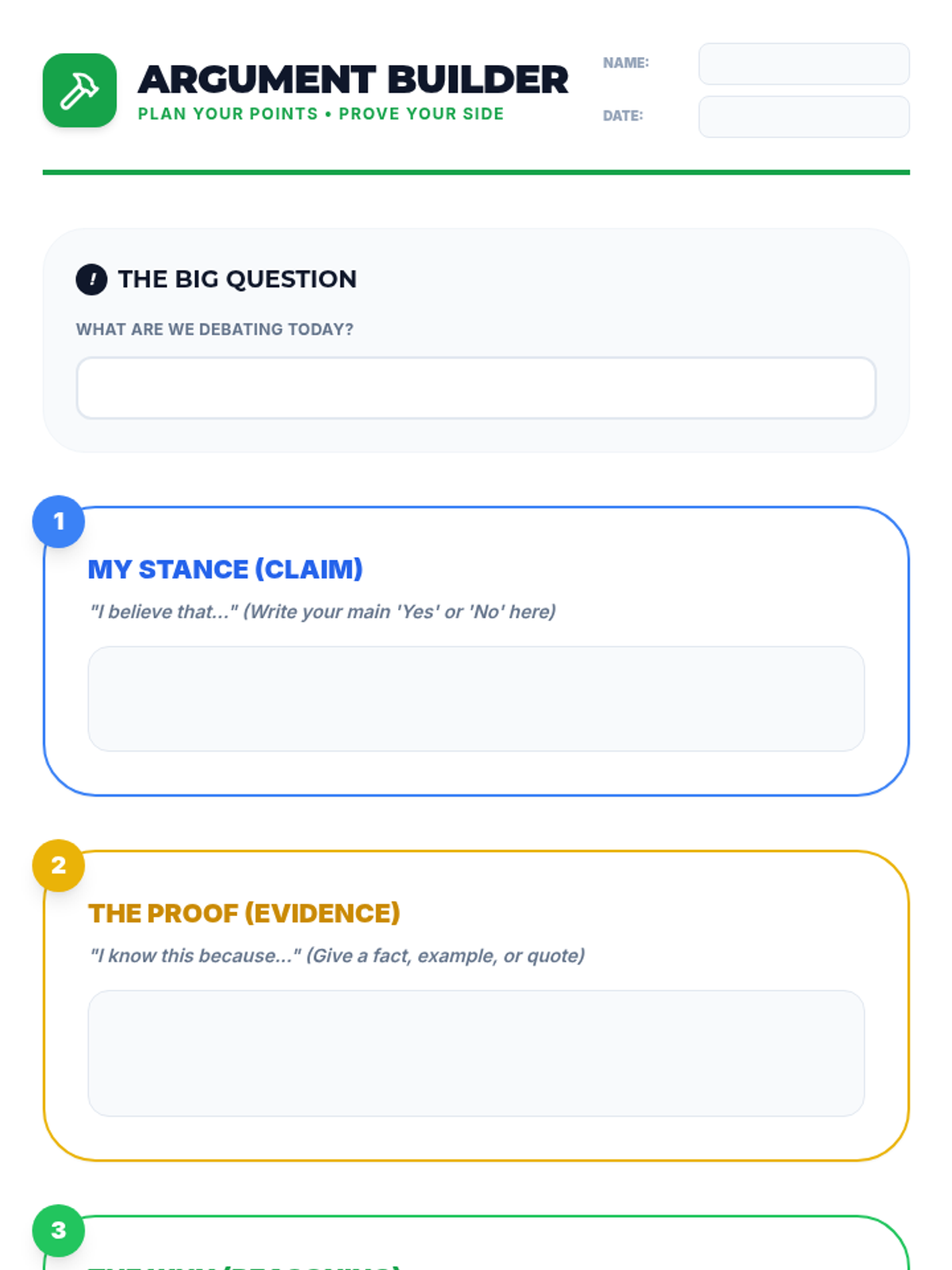
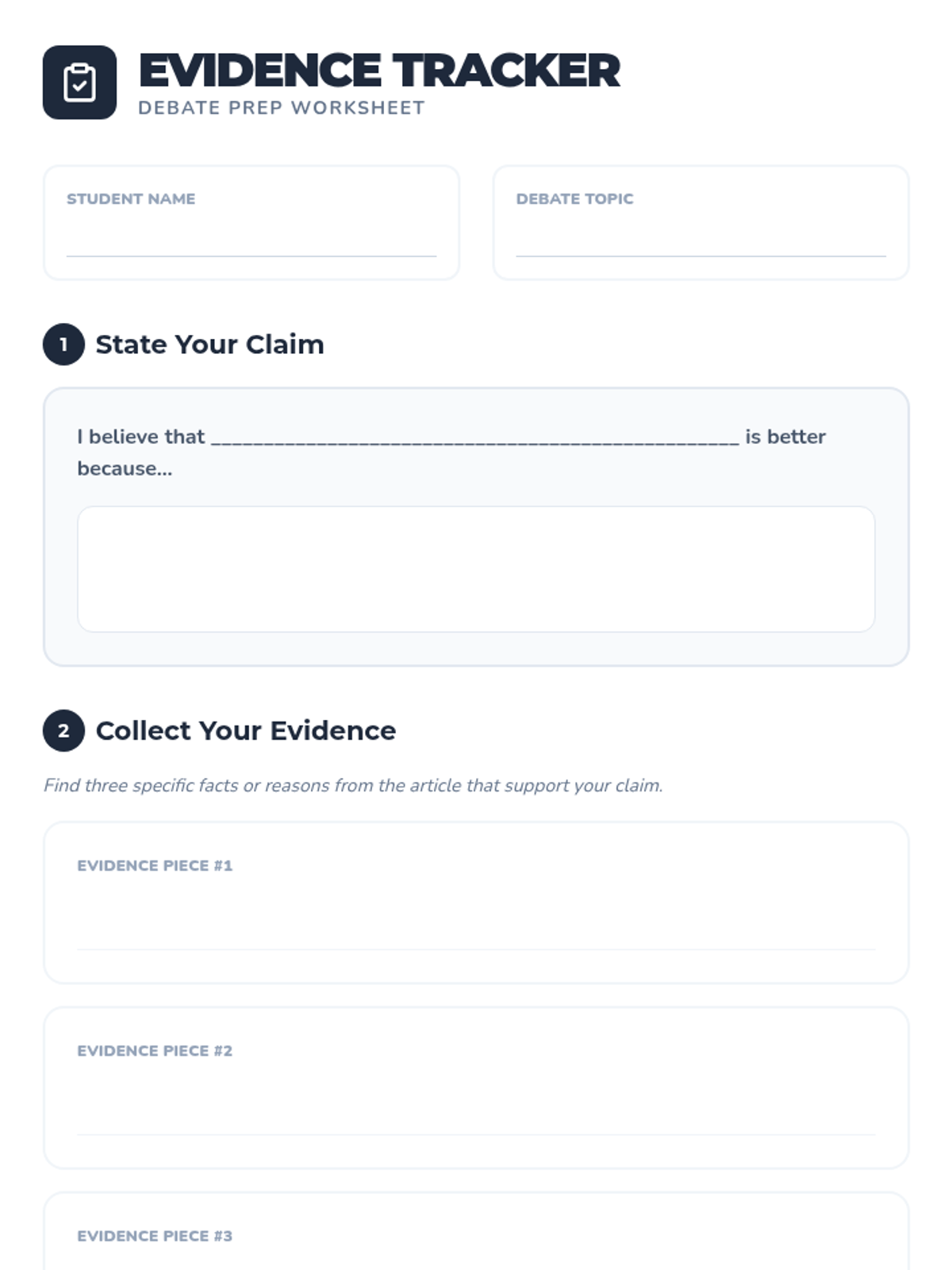
A comprehensive guide to teaching structured debate, focusing on argument construction, rebuttal strategies, and persuasive delivery for middle and high school students.
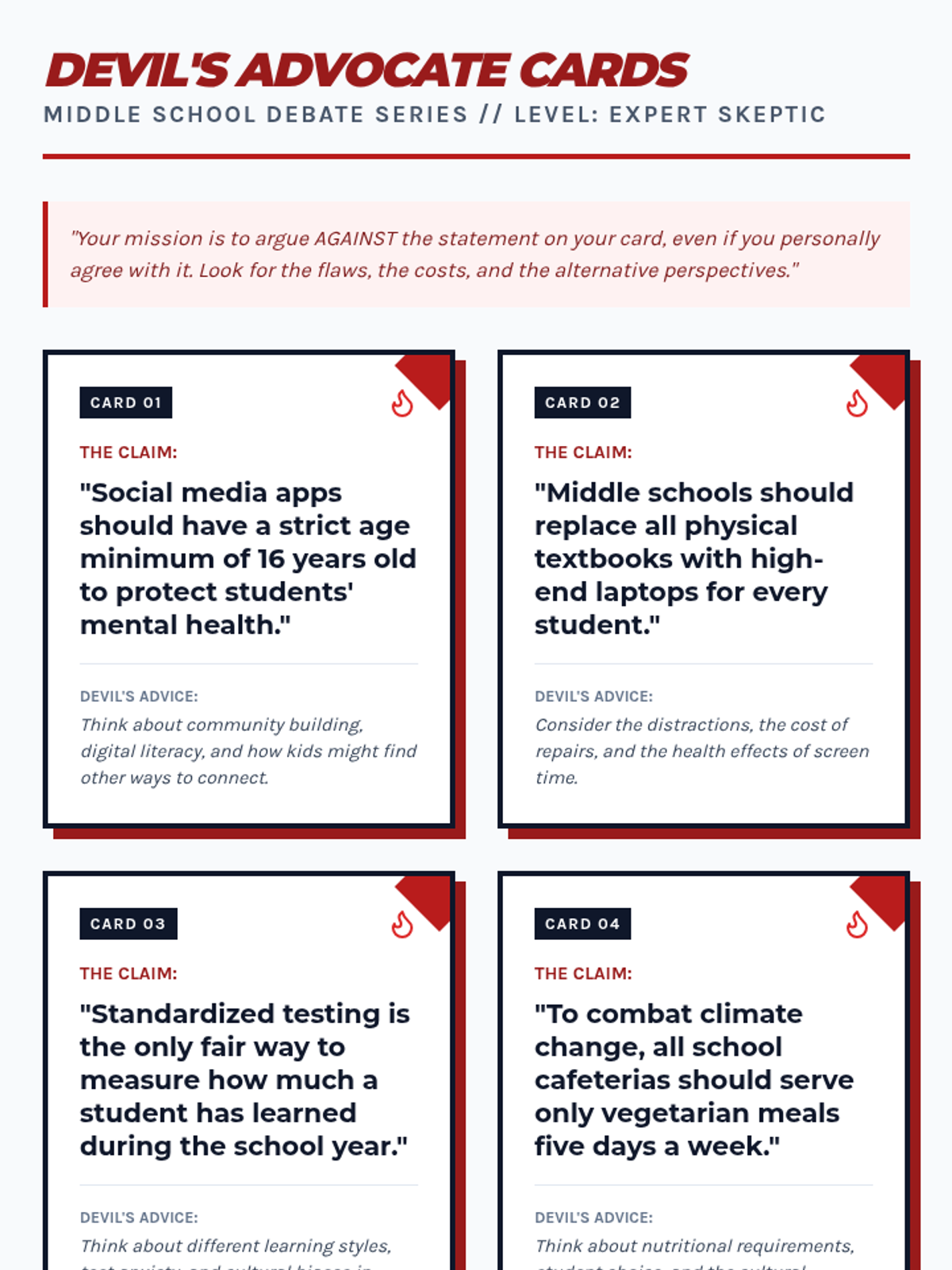
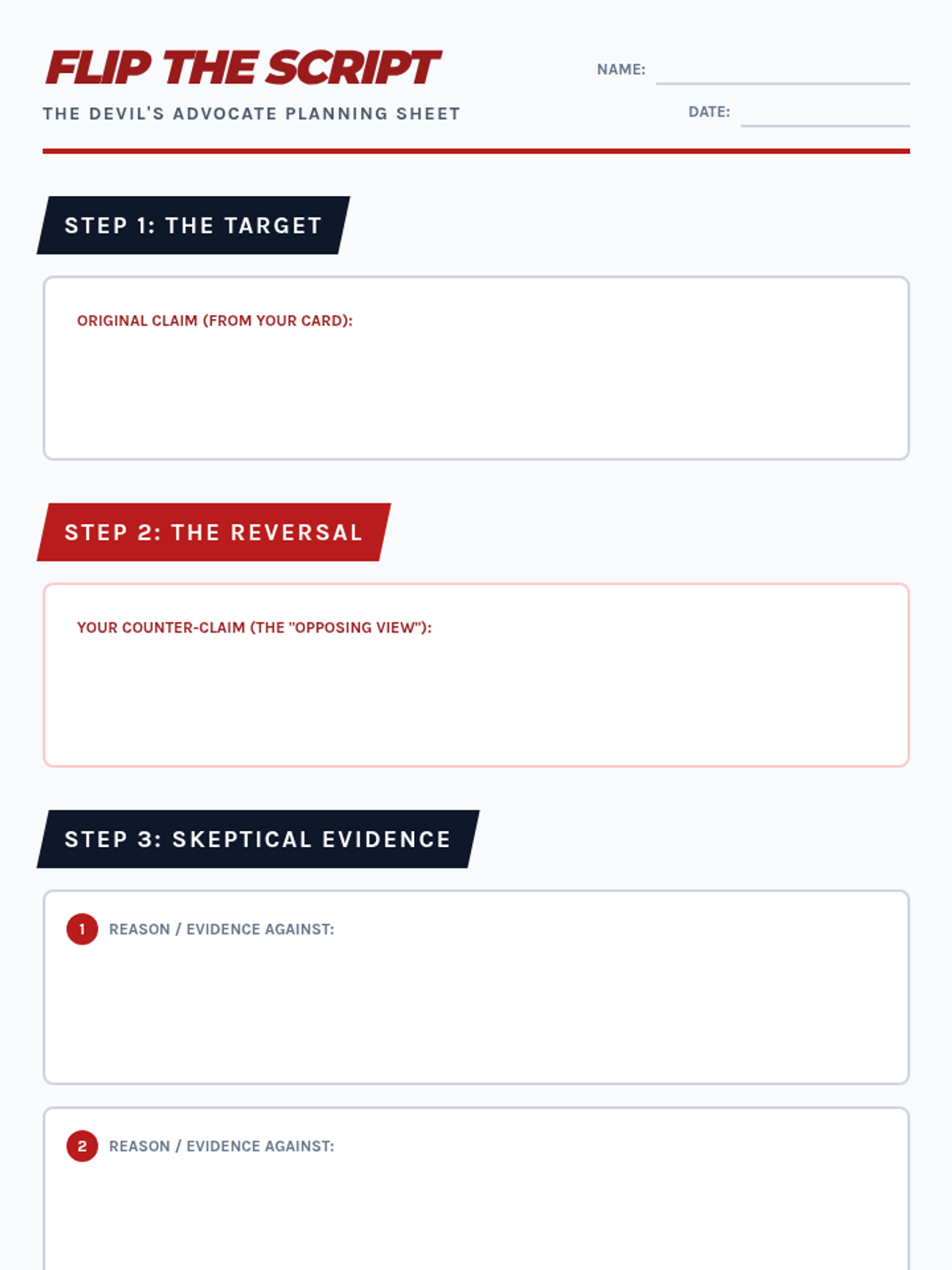
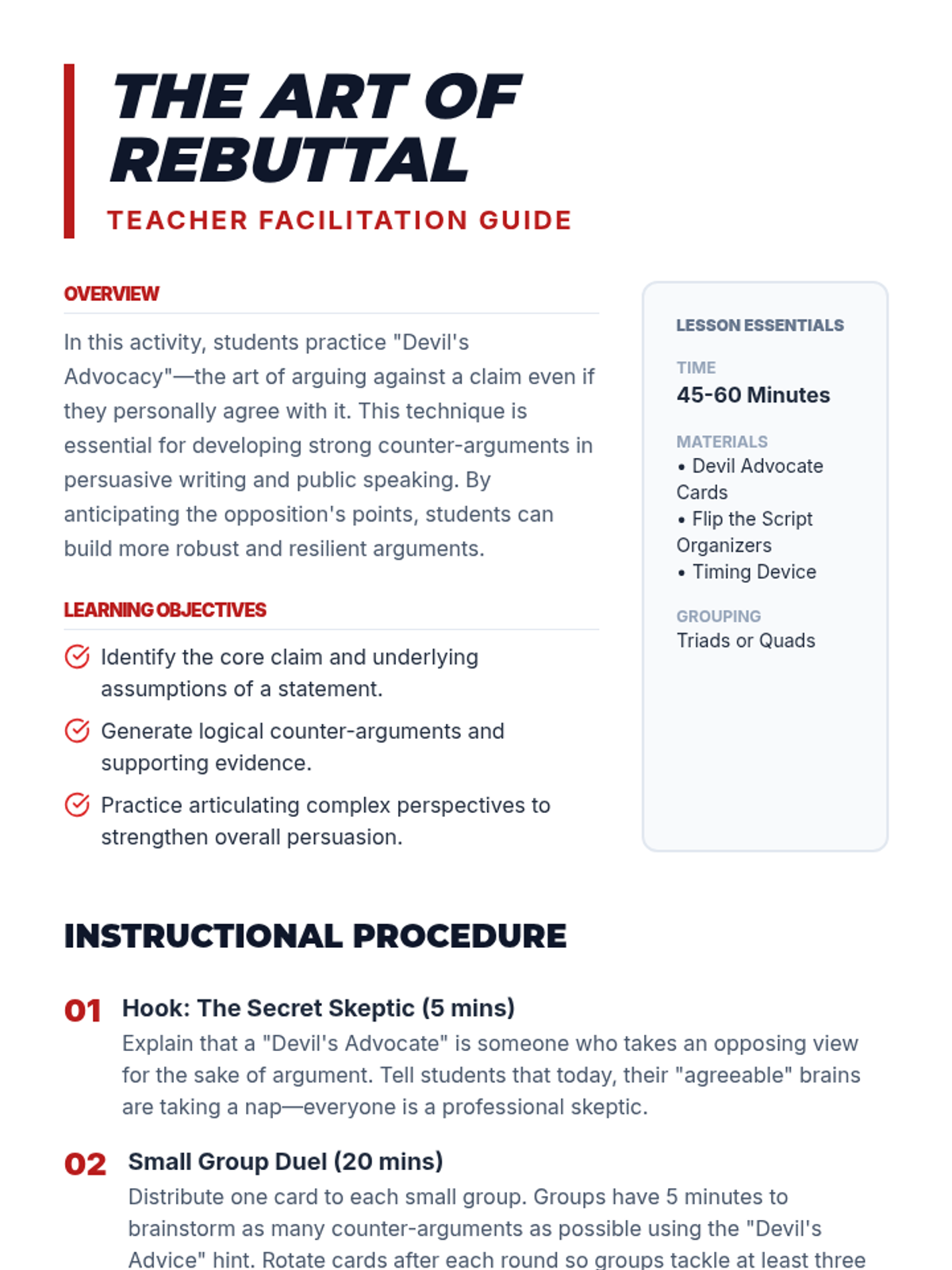
A lesson focused on the art of persuasion by practicing the skill of playing 'devil's advocate' to strengthen counter-argument skills. Students will use task cards to challenge popular opinions and build robust rebuttals.
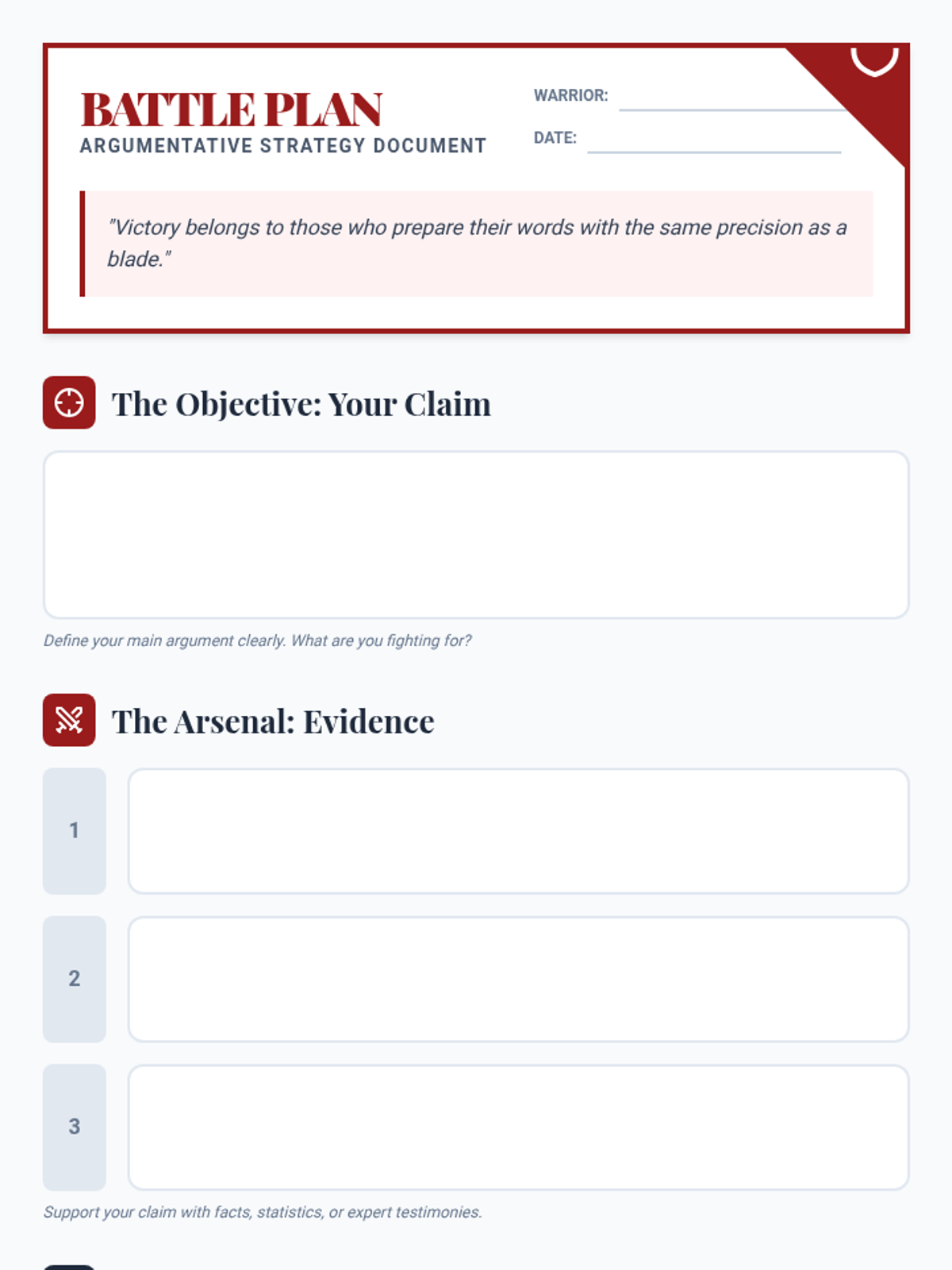
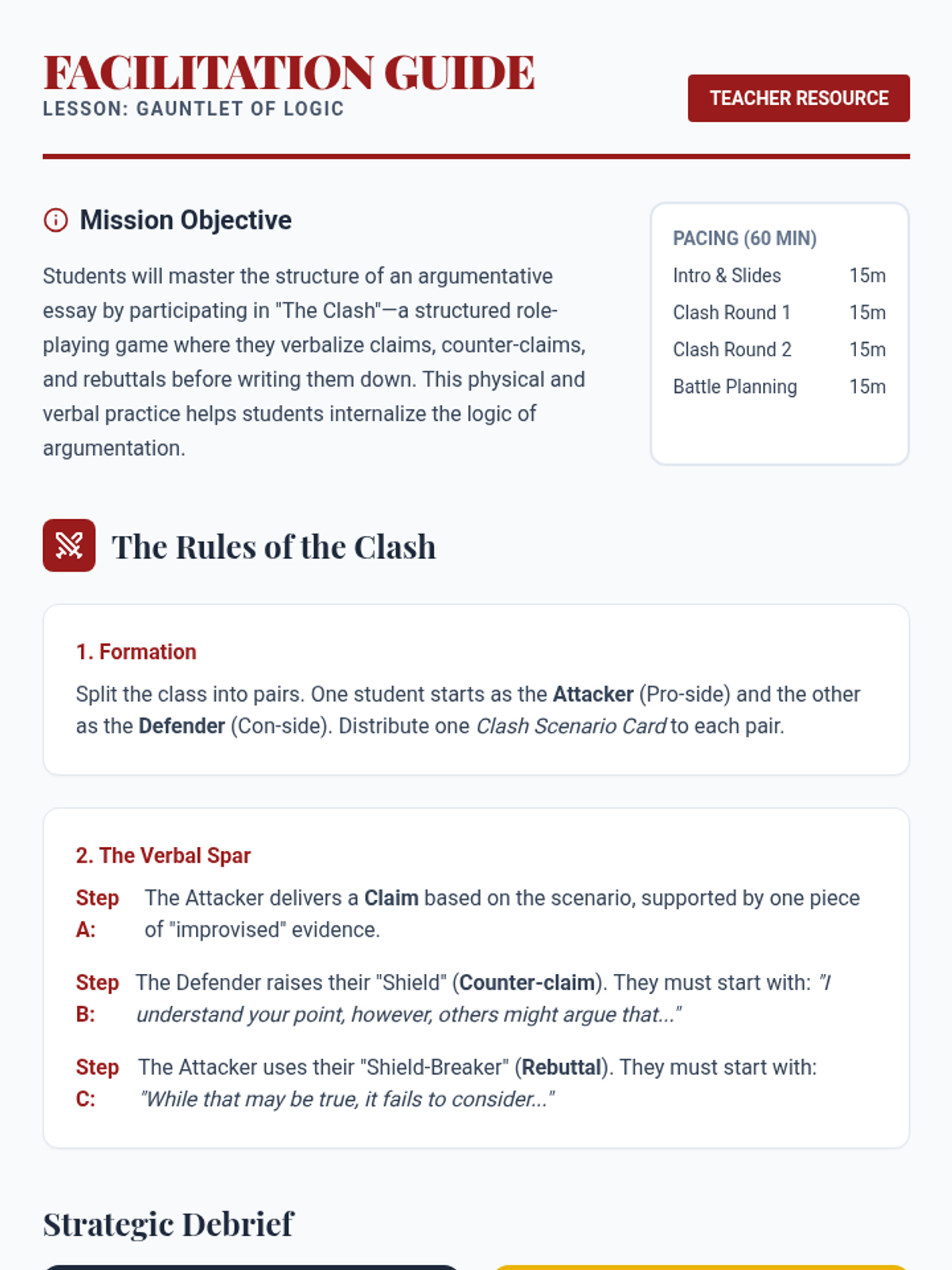
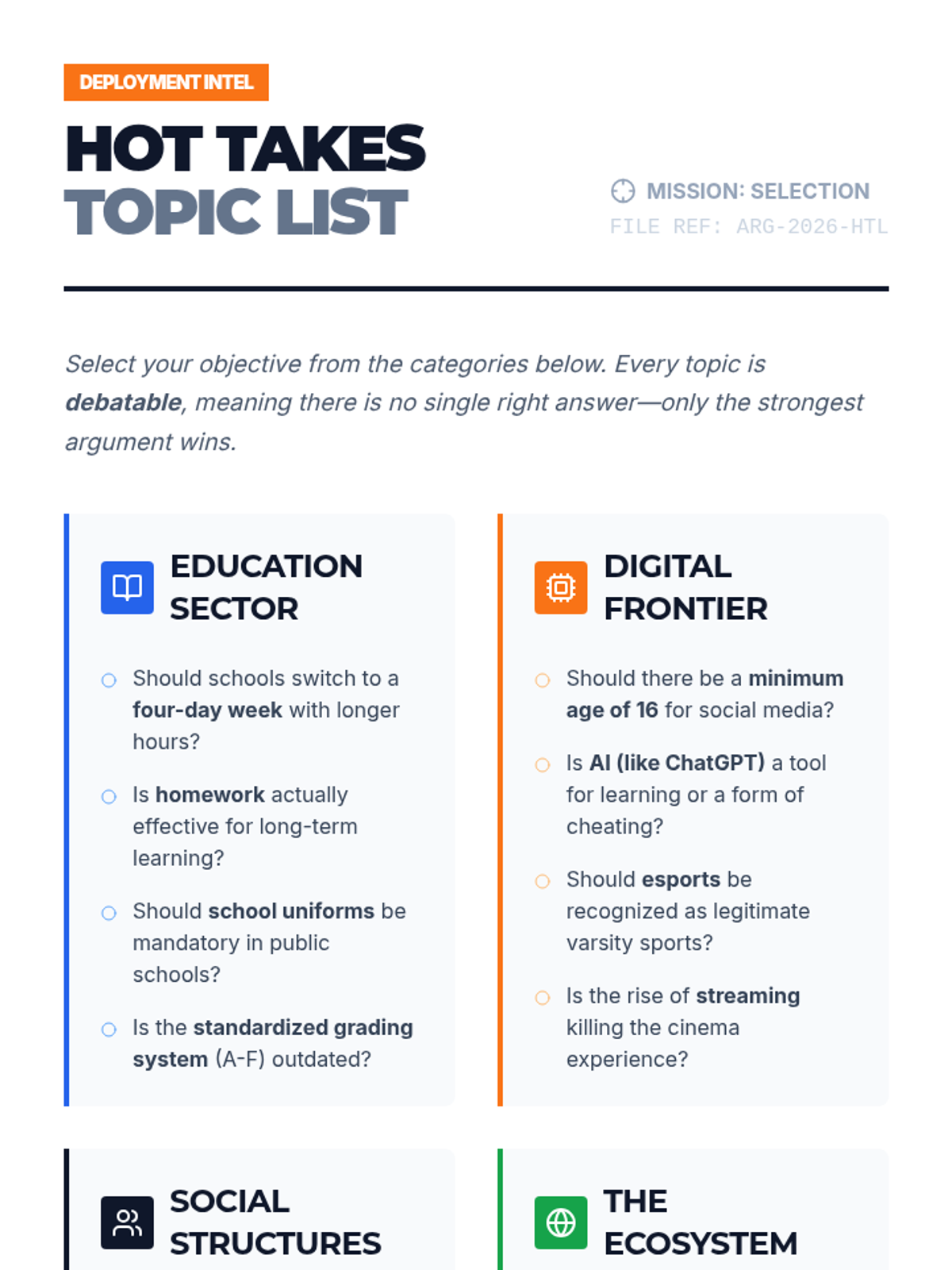
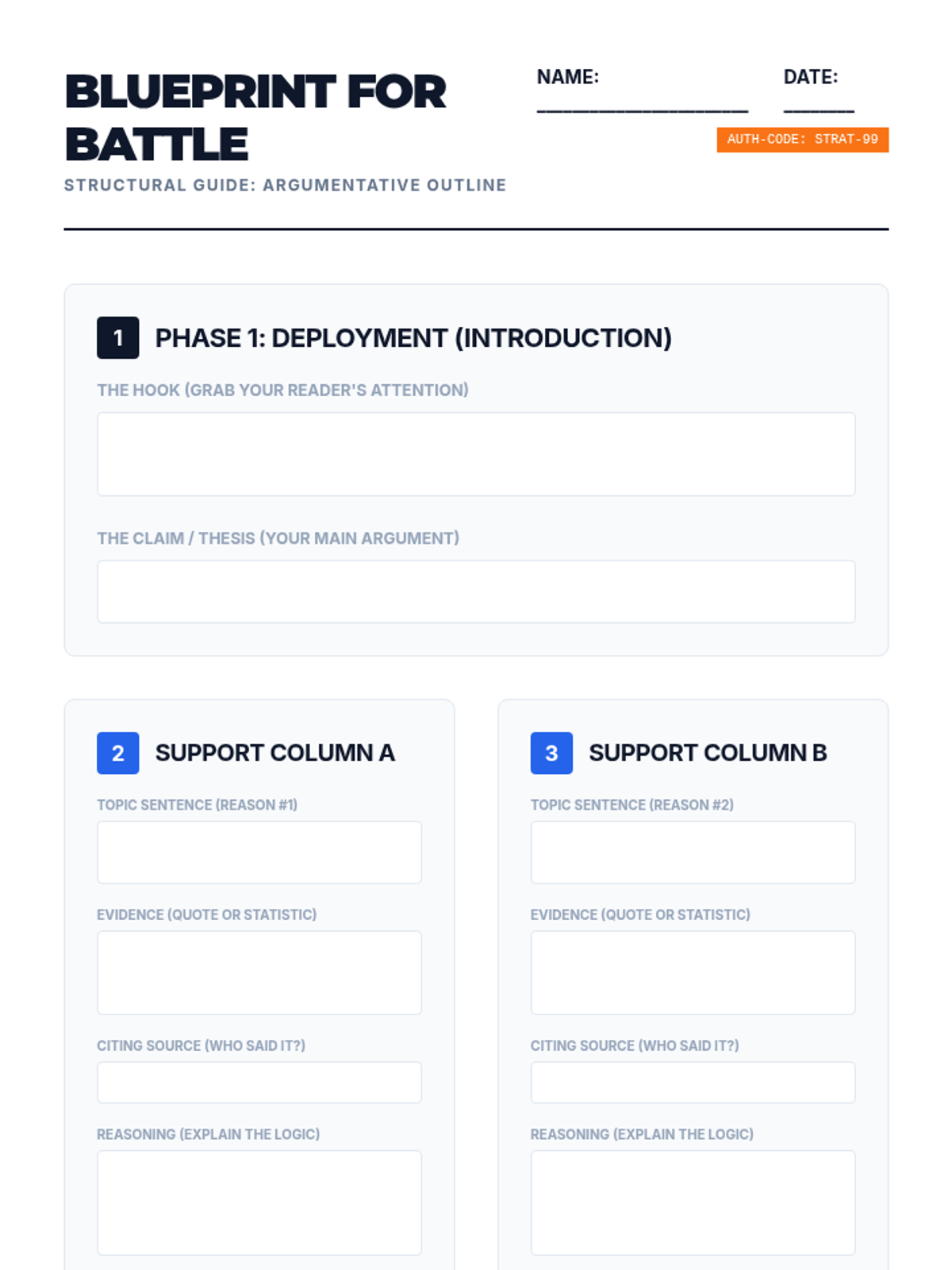
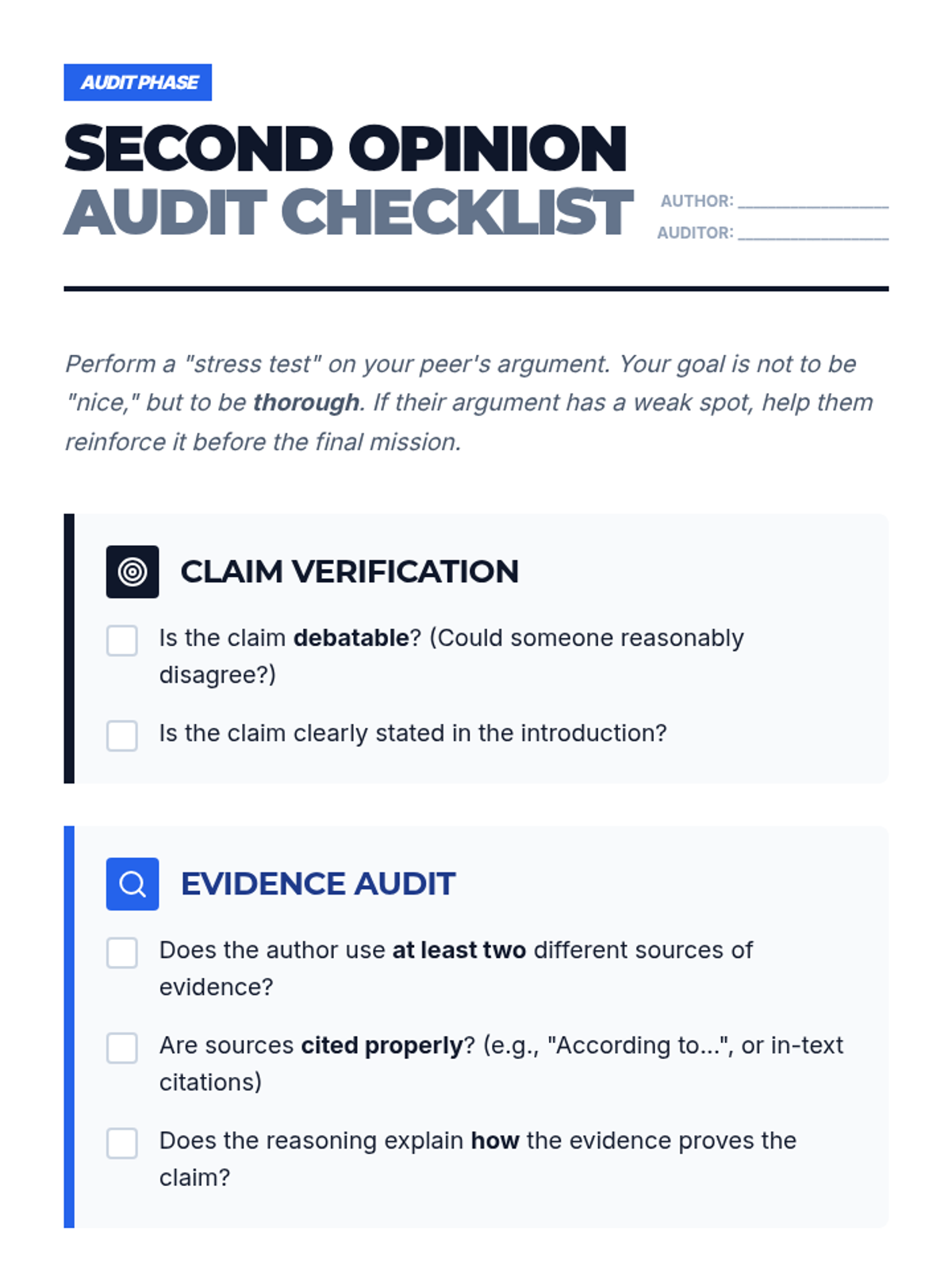
A high-energy lesson where students use role-playing 'clashes' to brainstorm and structure argumentative essay outlines. Students will practice verbalizing claims, evidence, and rebuttals before committing them to a formal battle plan.
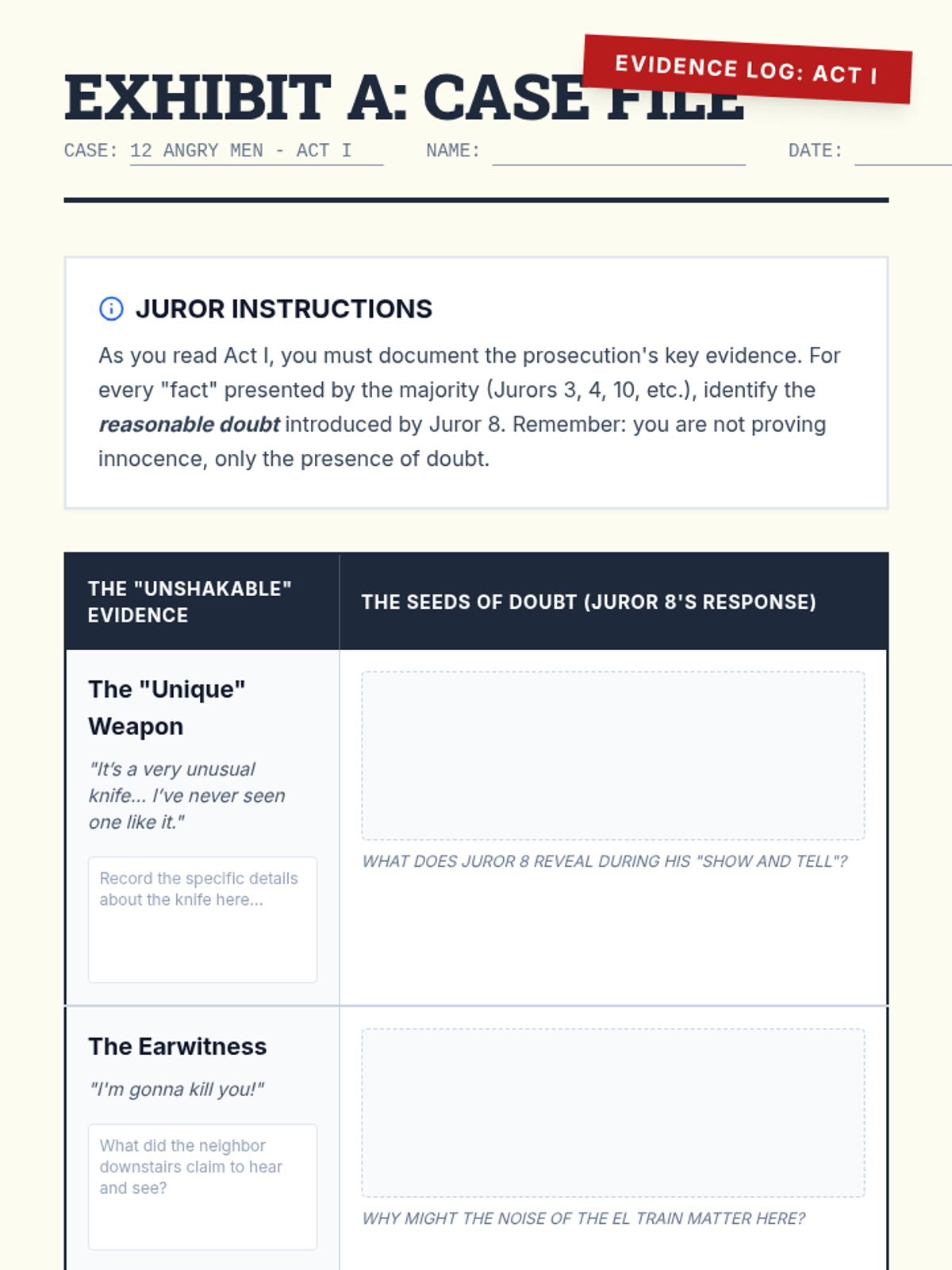
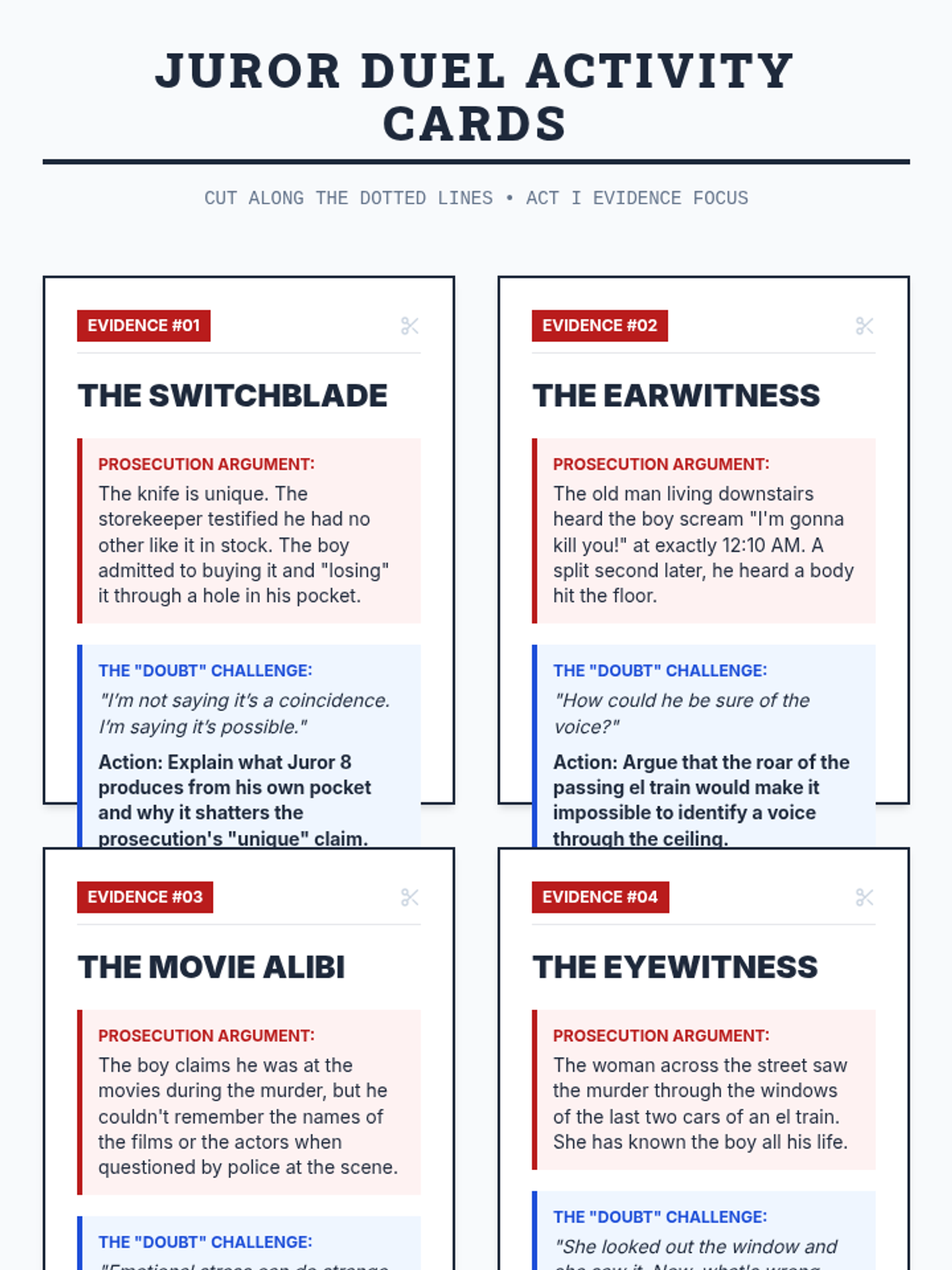
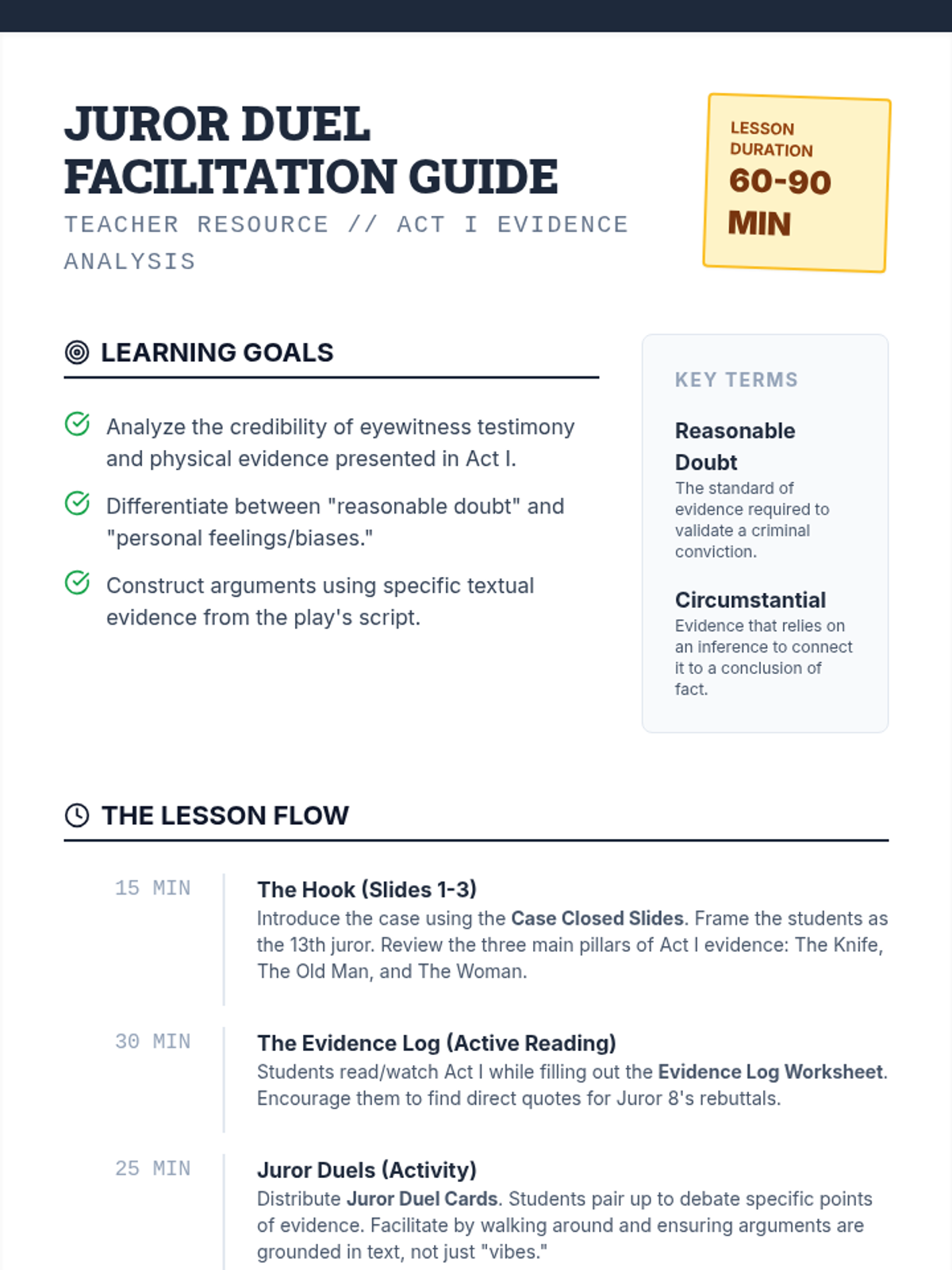
A lesson focused on Act 1 of 12 Angry Men, where students analyze initial evidence and engage in structured debates to practice evidence-based reasoning.
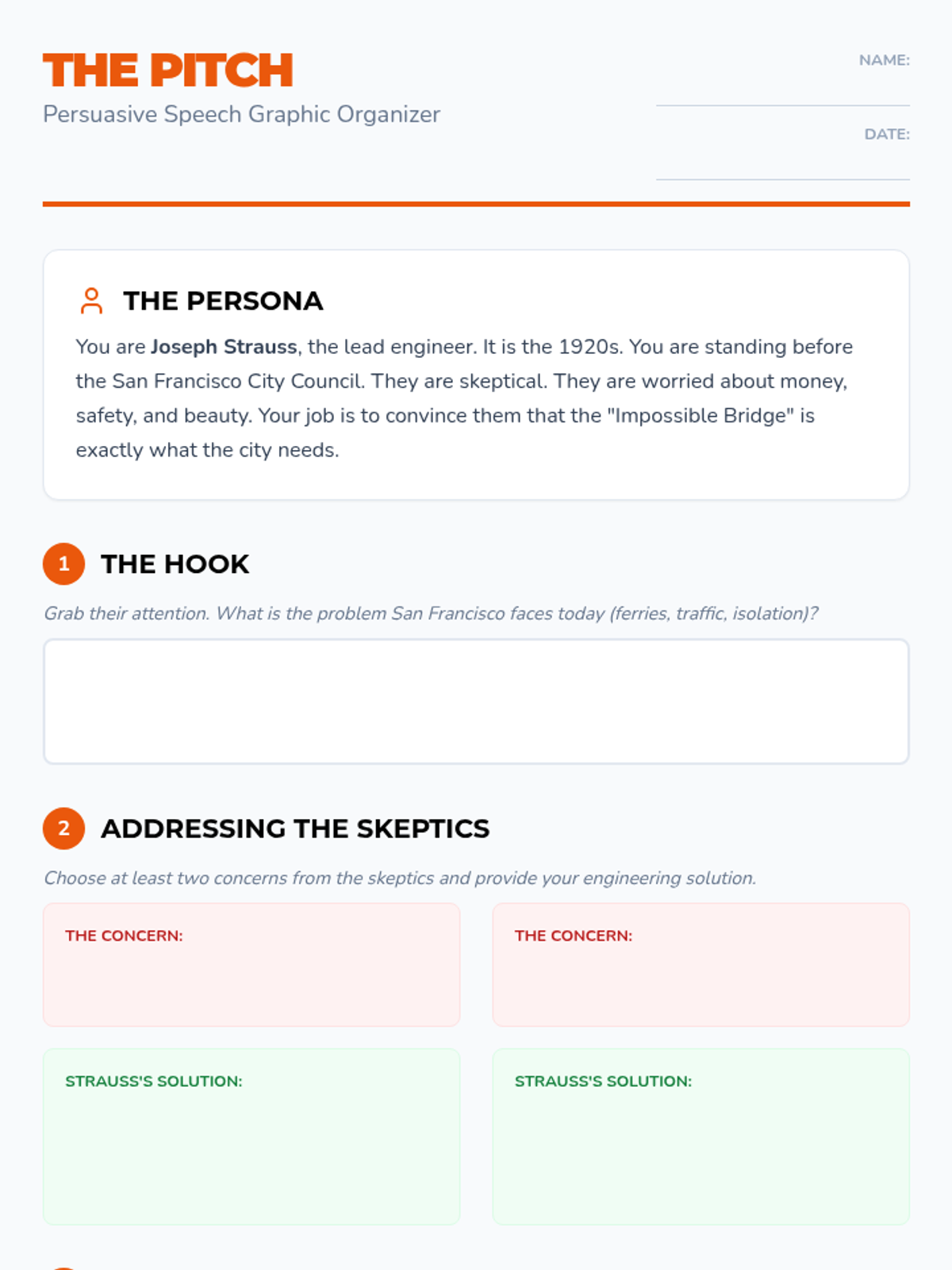
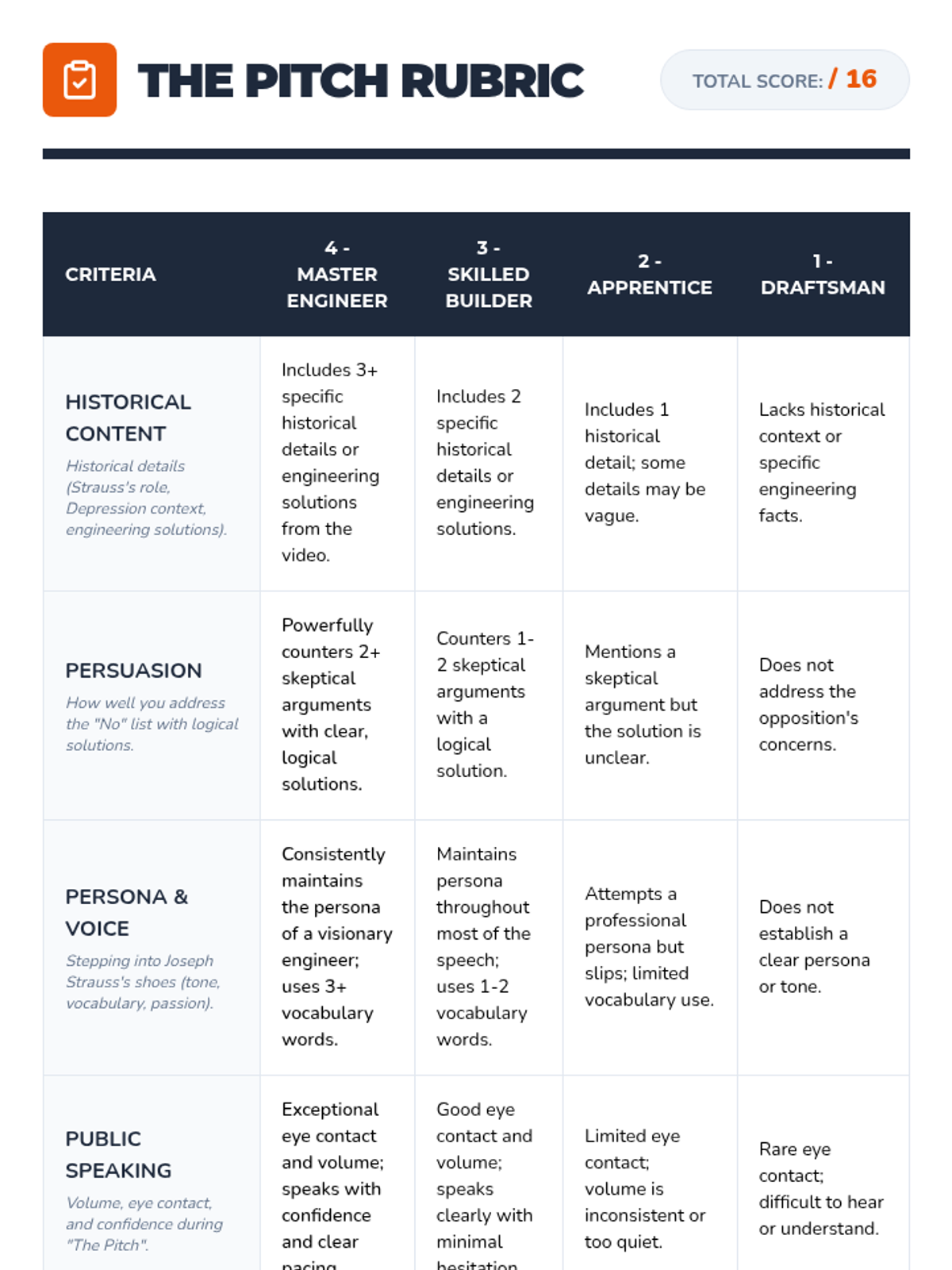
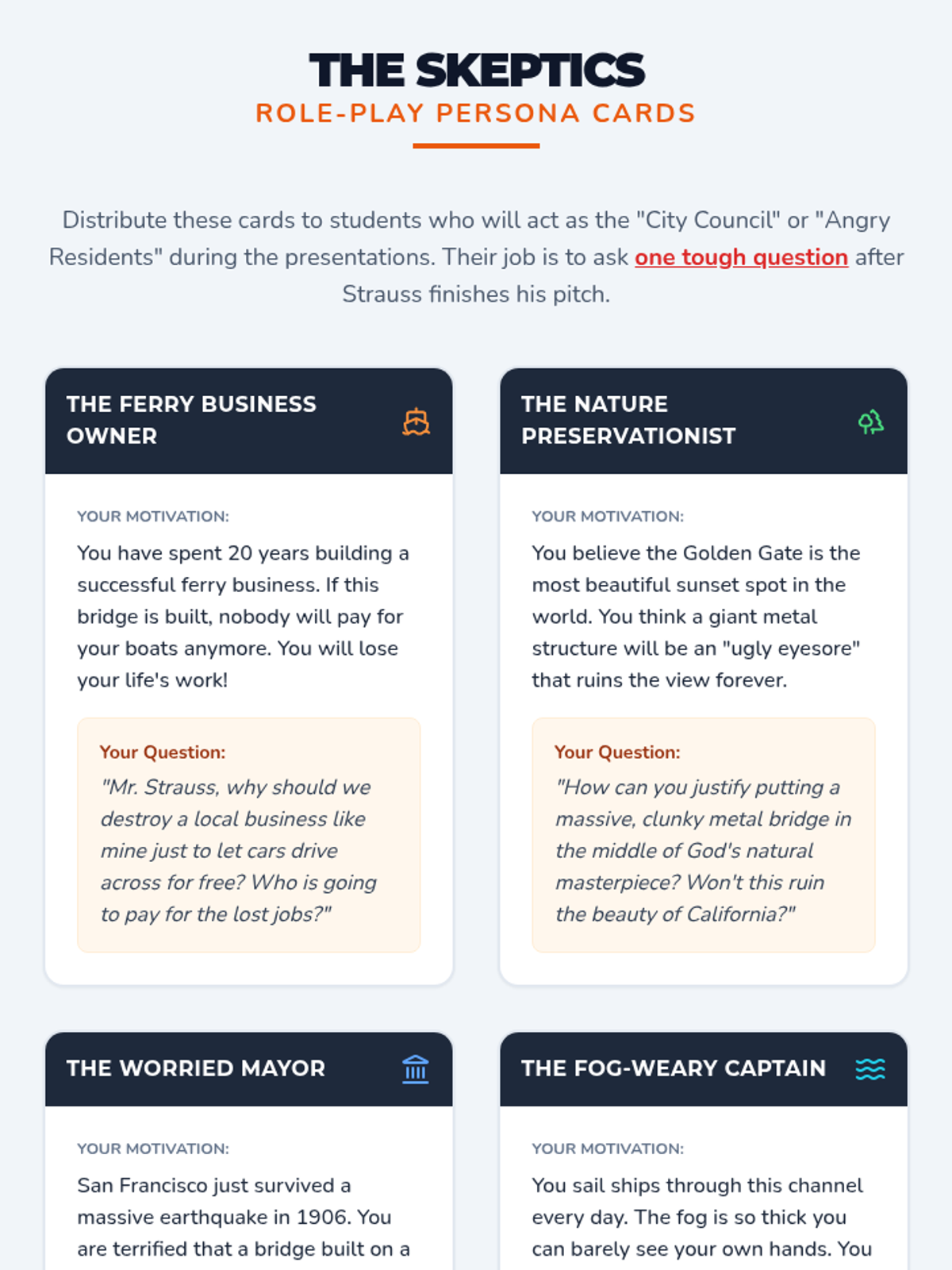
Students step into the shoes of engineer Joseph Strauss to convince San Francisco officials to build the 'impossible' Golden Gate Bridge. They will analyze historical opposition, develop counter-arguments, and deliver a persuasive 'pitch' using historical evidence from the Great Depression era.
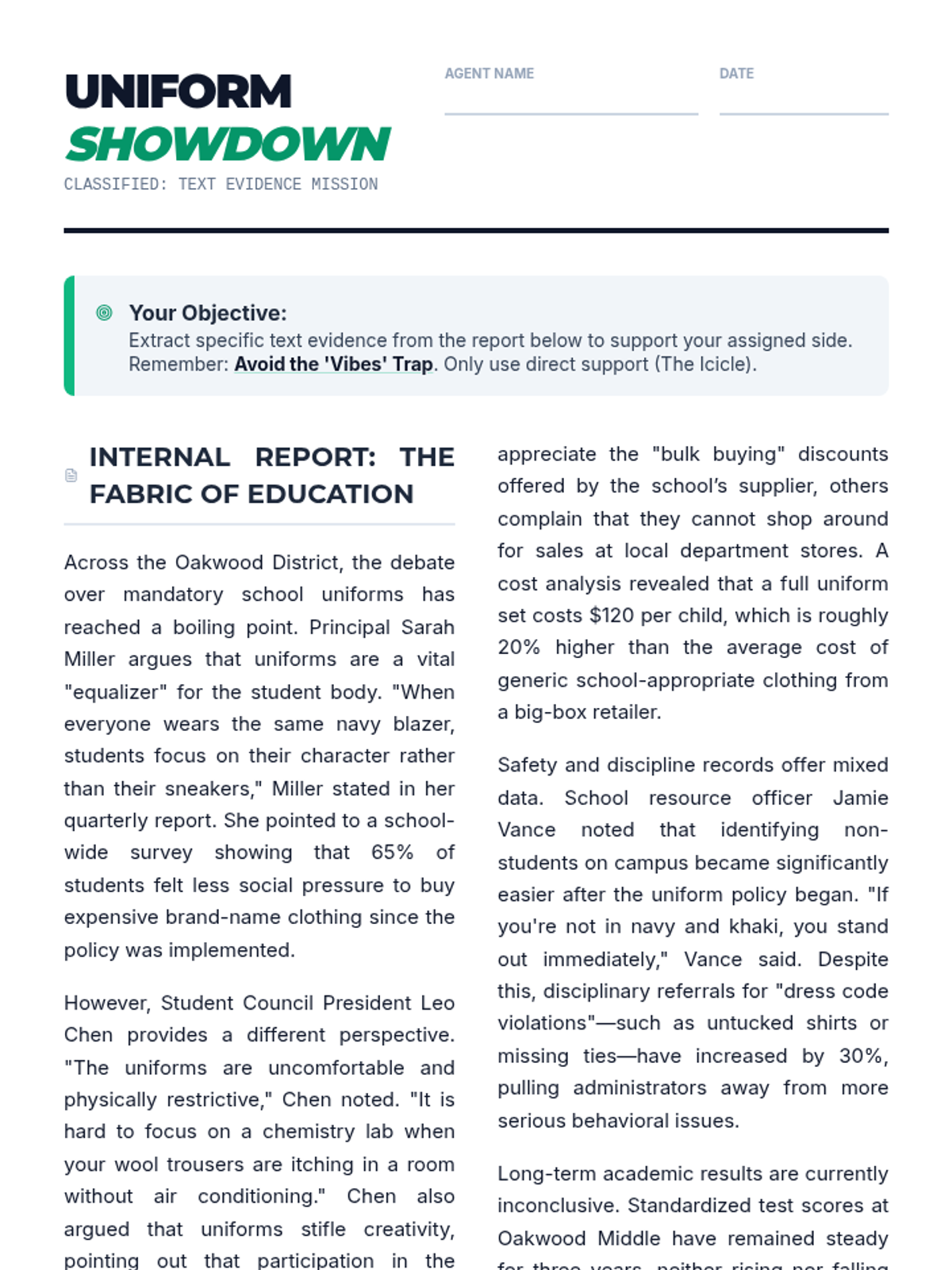
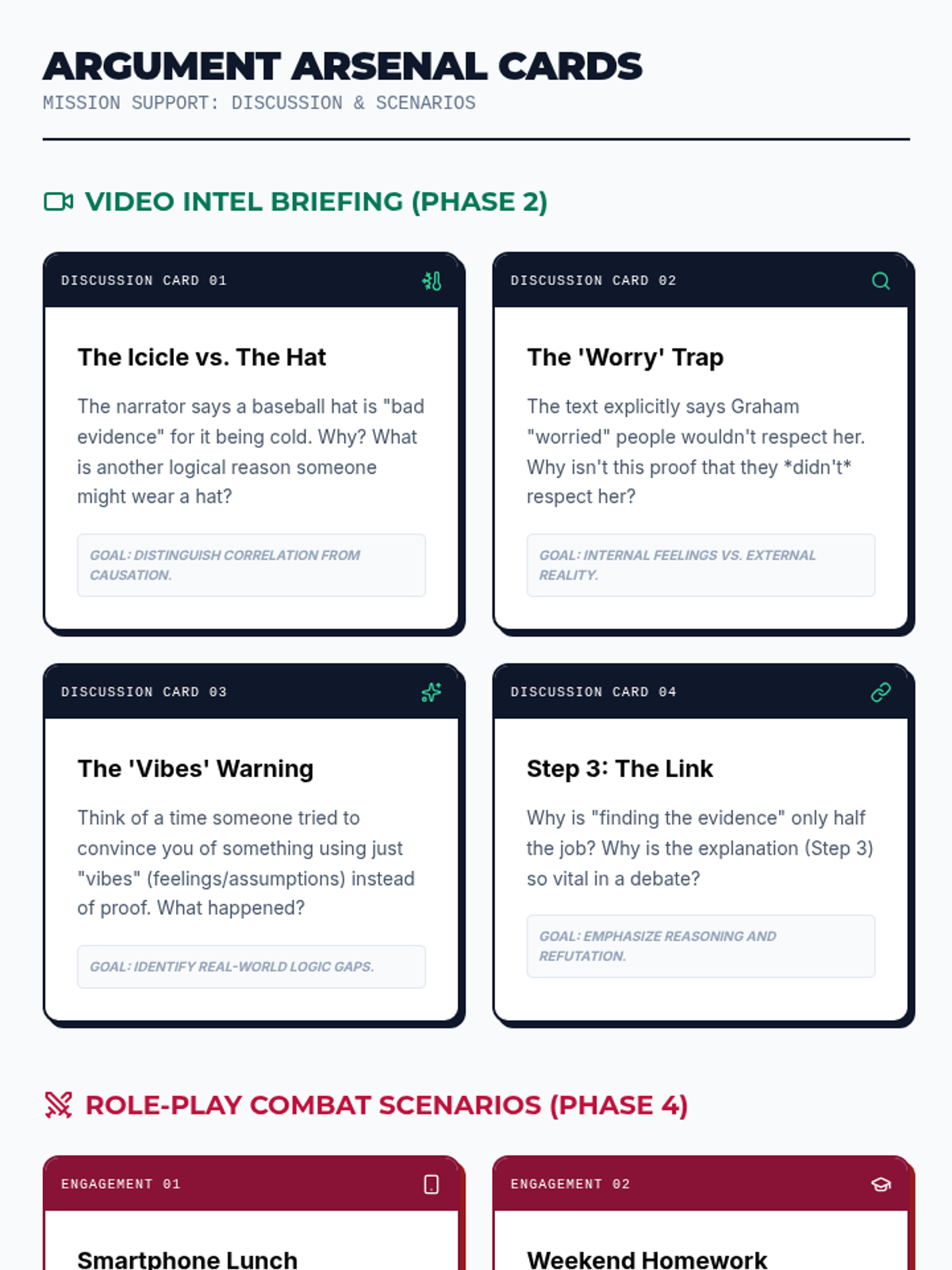
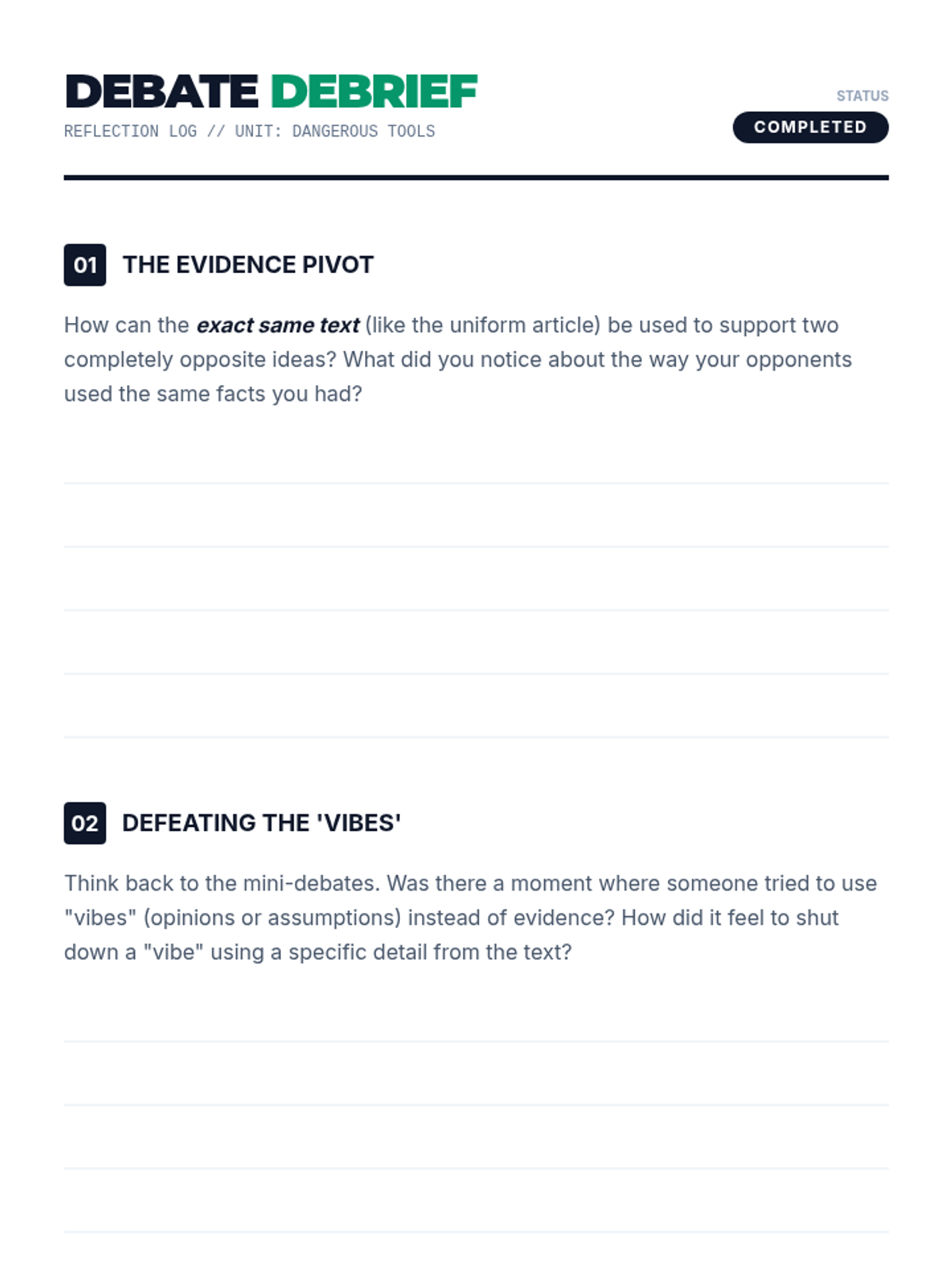
A high-energy debate lesson where students learn to weaponize text evidence and avoid 'vibes-based' arguments using a Khan Academy model. Students practice finding evidence for opposing sides within the same text and engage in rapid-fire mini-debates.
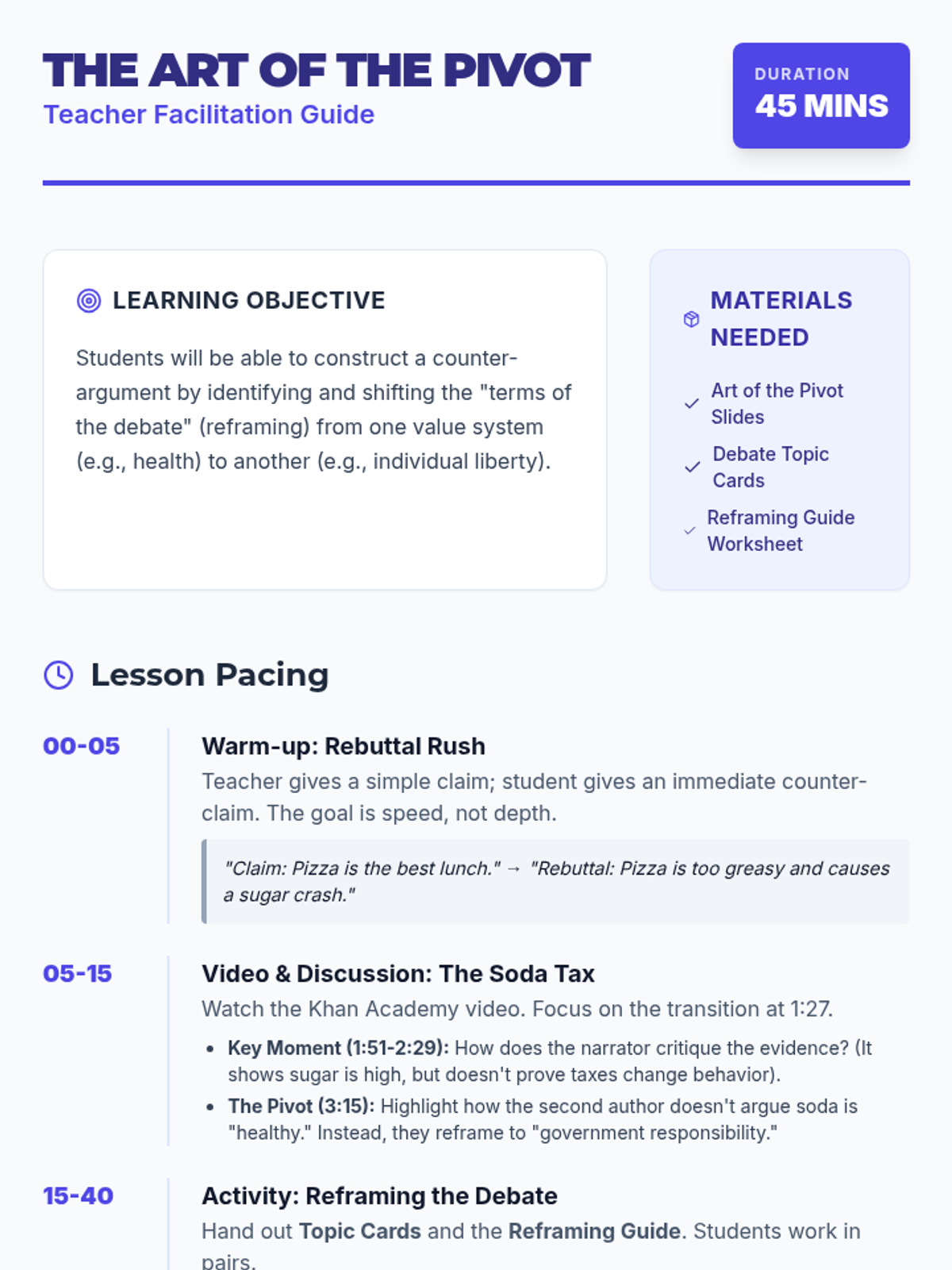
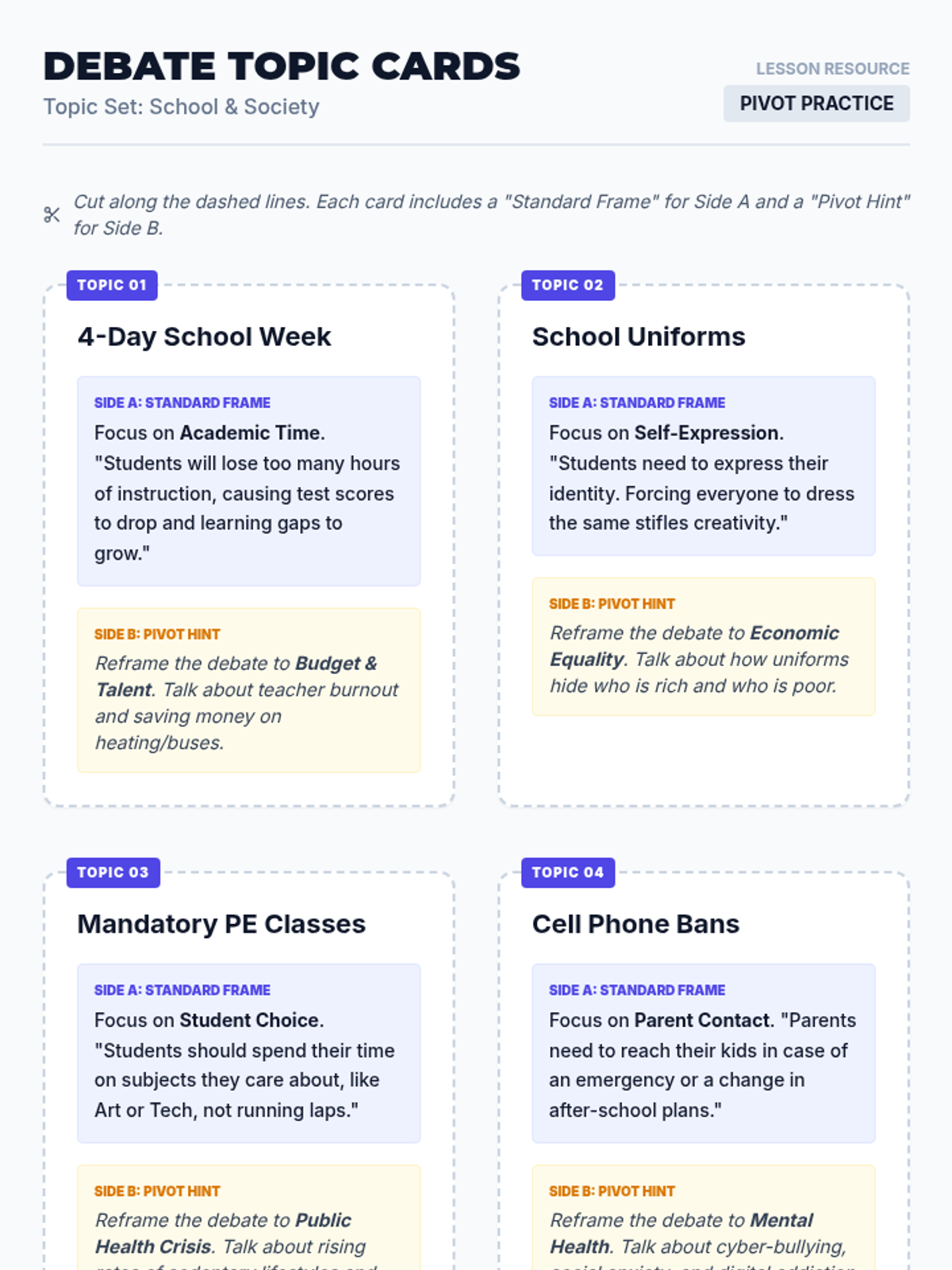
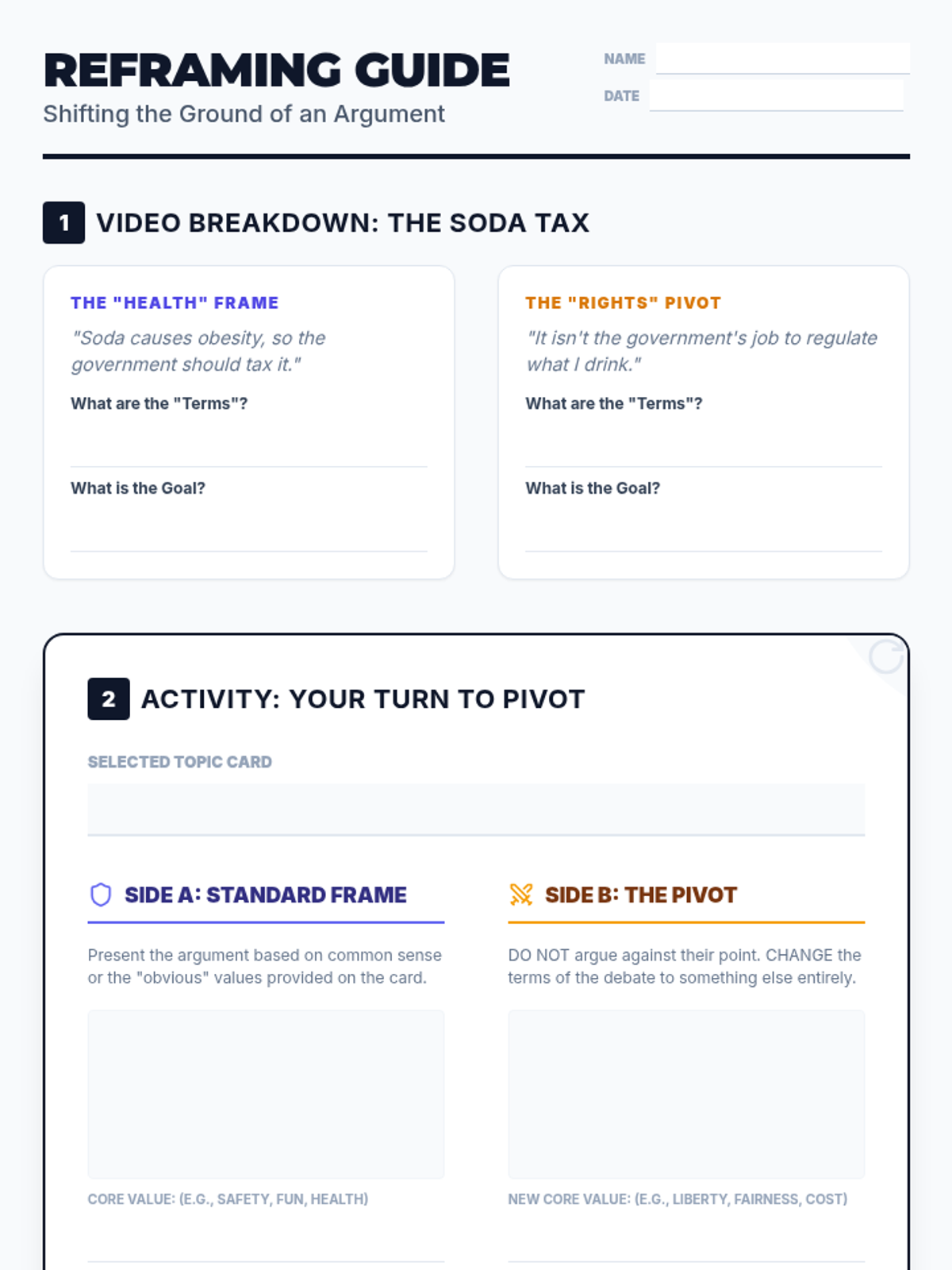
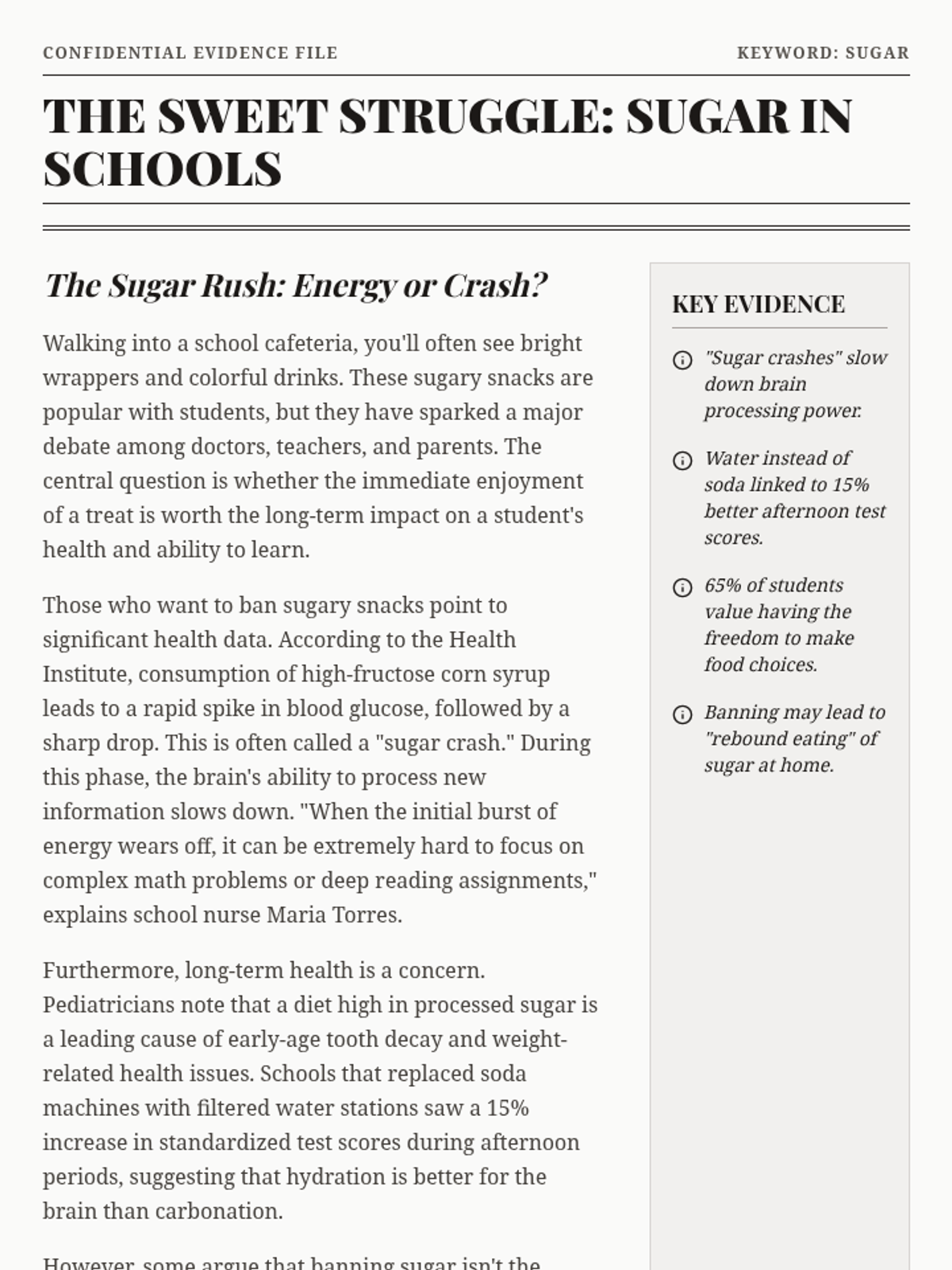
A lesson focused on identifying the 'terms of debate' and learning how to reframe an argument to shift the ground of a discussion. Students will analyze a soda tax debate and practice reframing standard school-based topics.
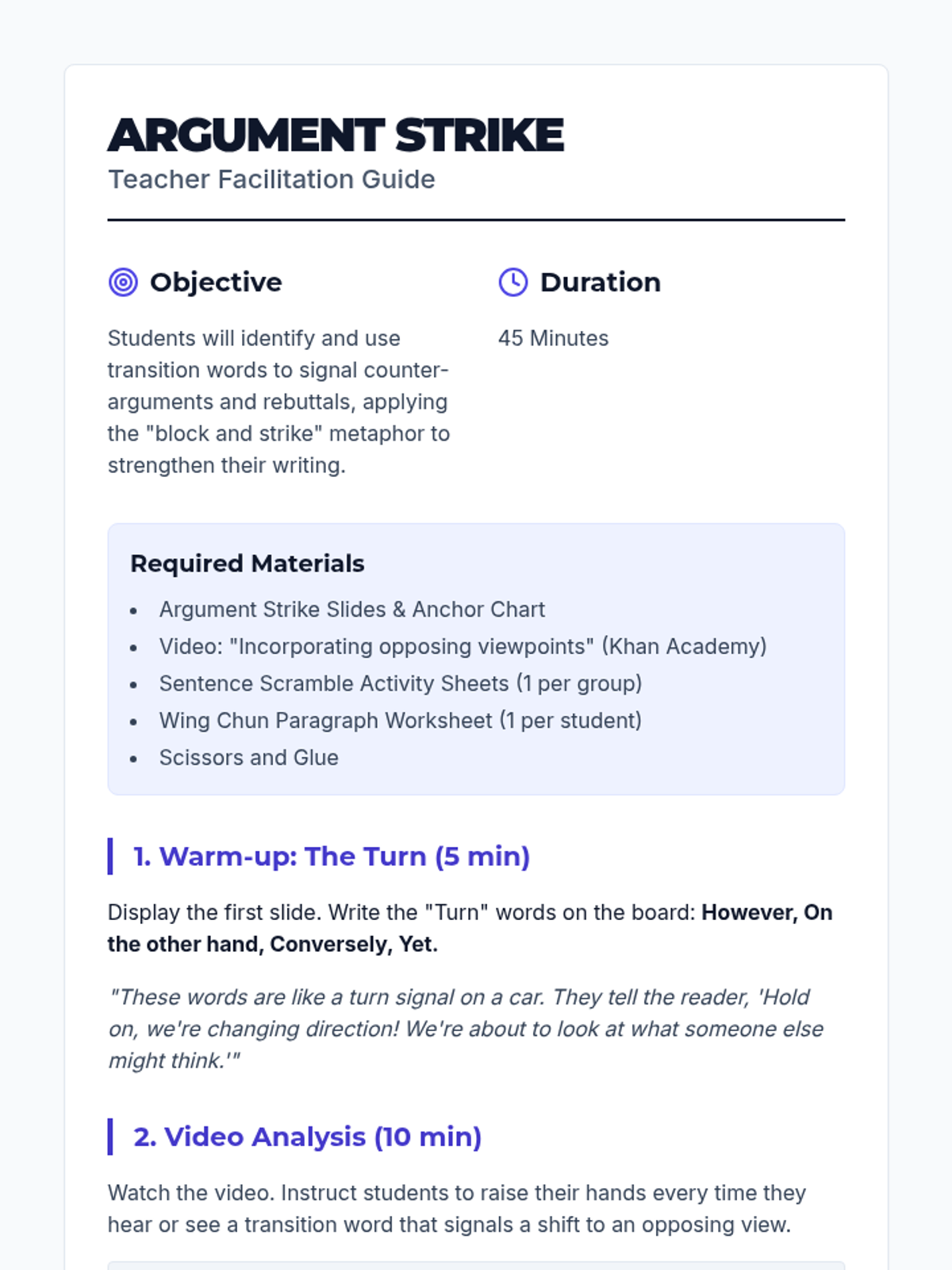
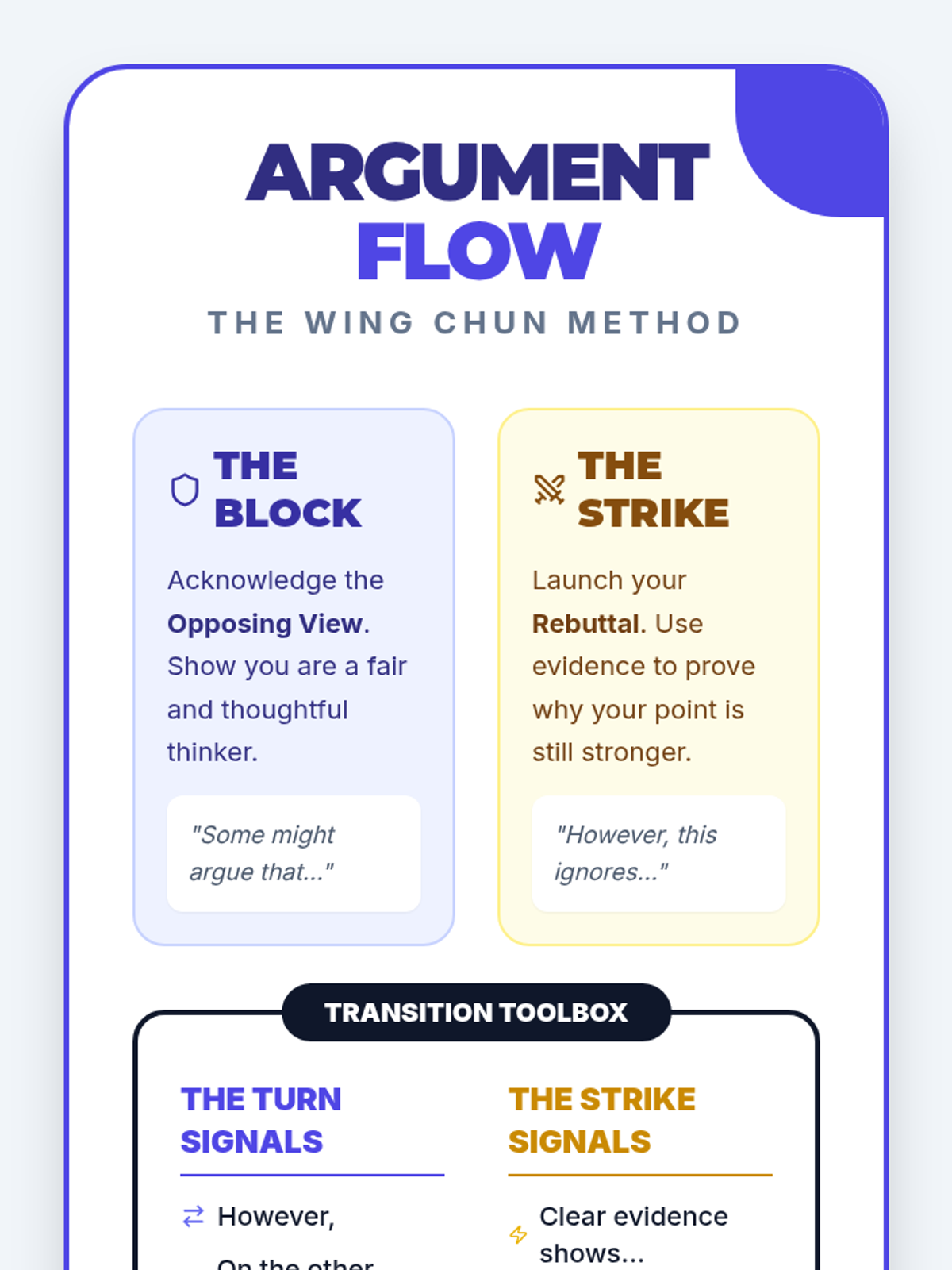
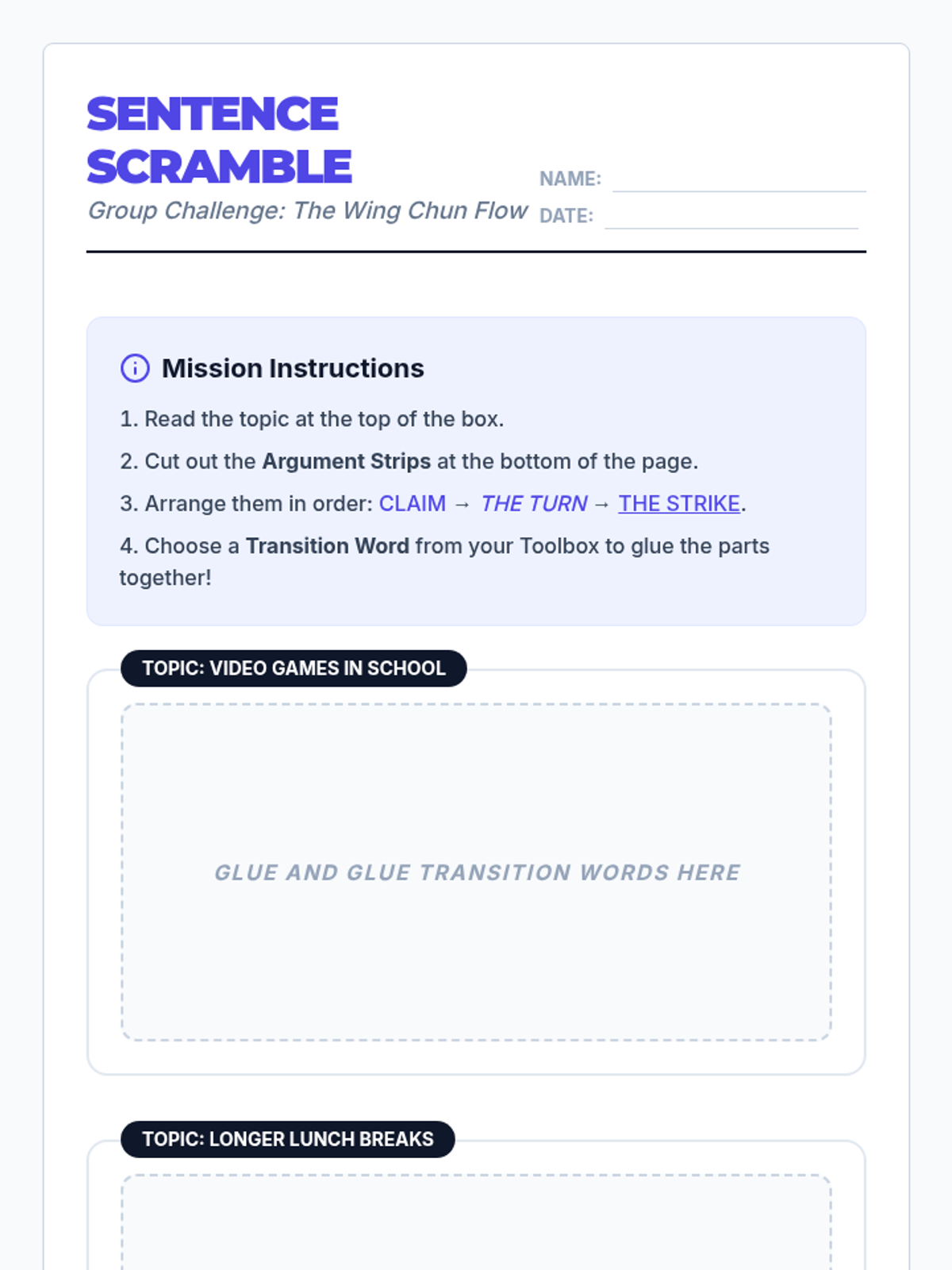
A lesson where students learn to use transition words to signal counter-arguments and rebuttals using the 'Wing Chun' (block and strike) metaphor. Includes a video analysis of historical mysteries and a collaborative sentence-scrambling activity.
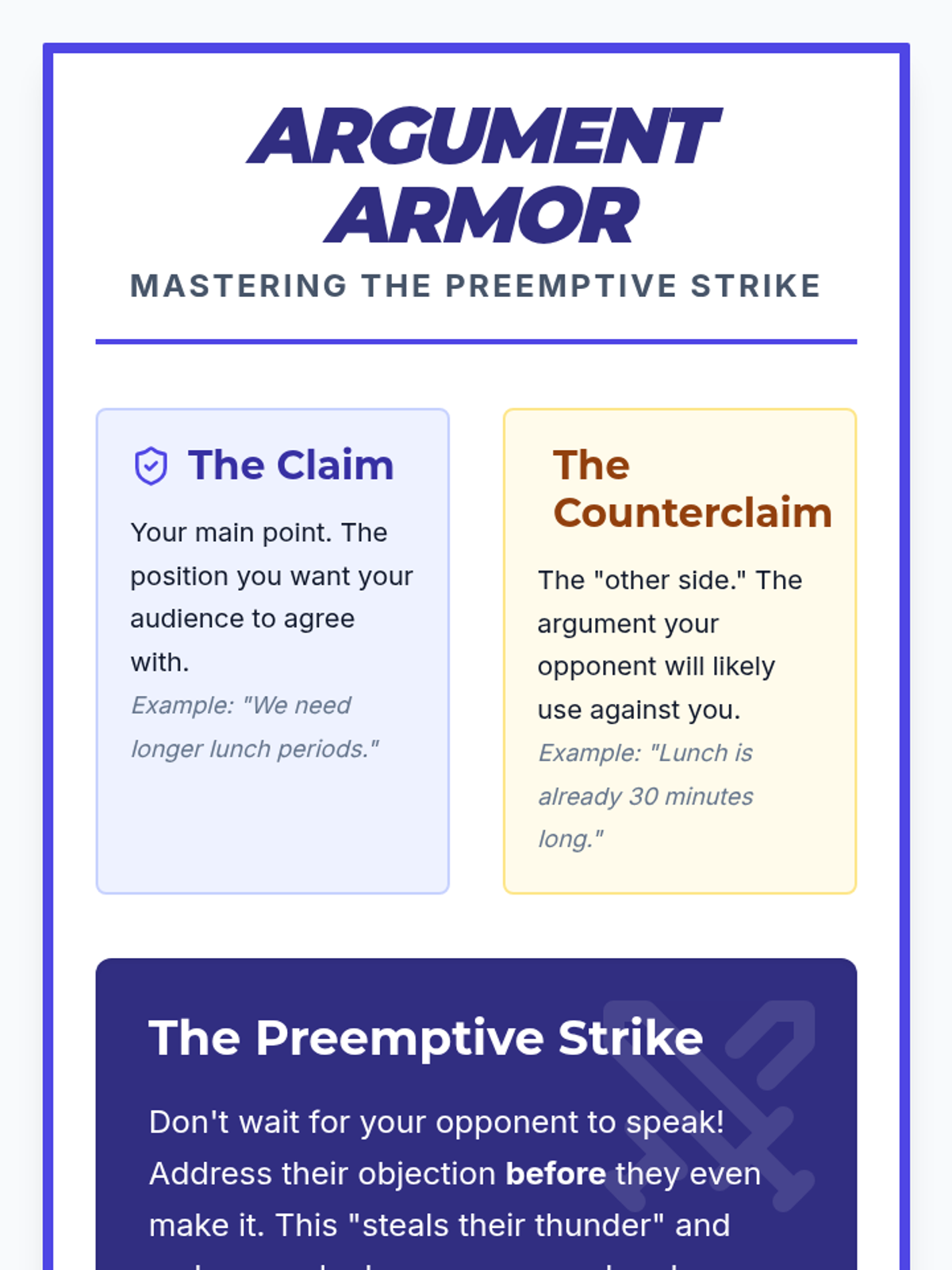
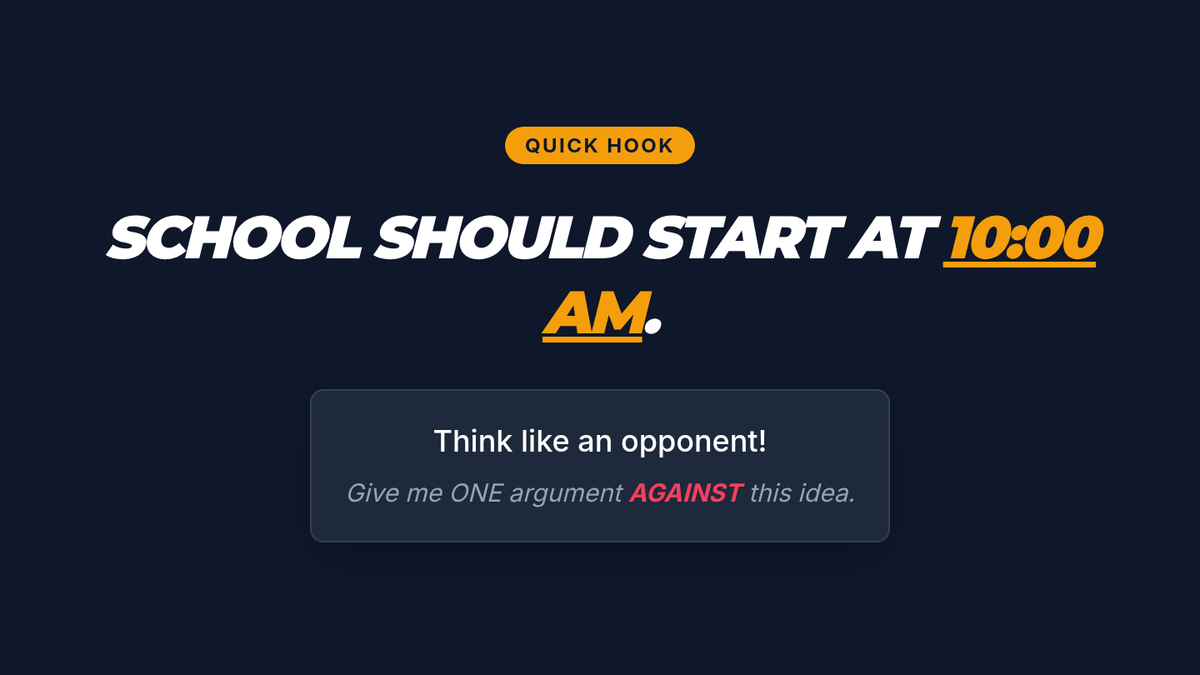
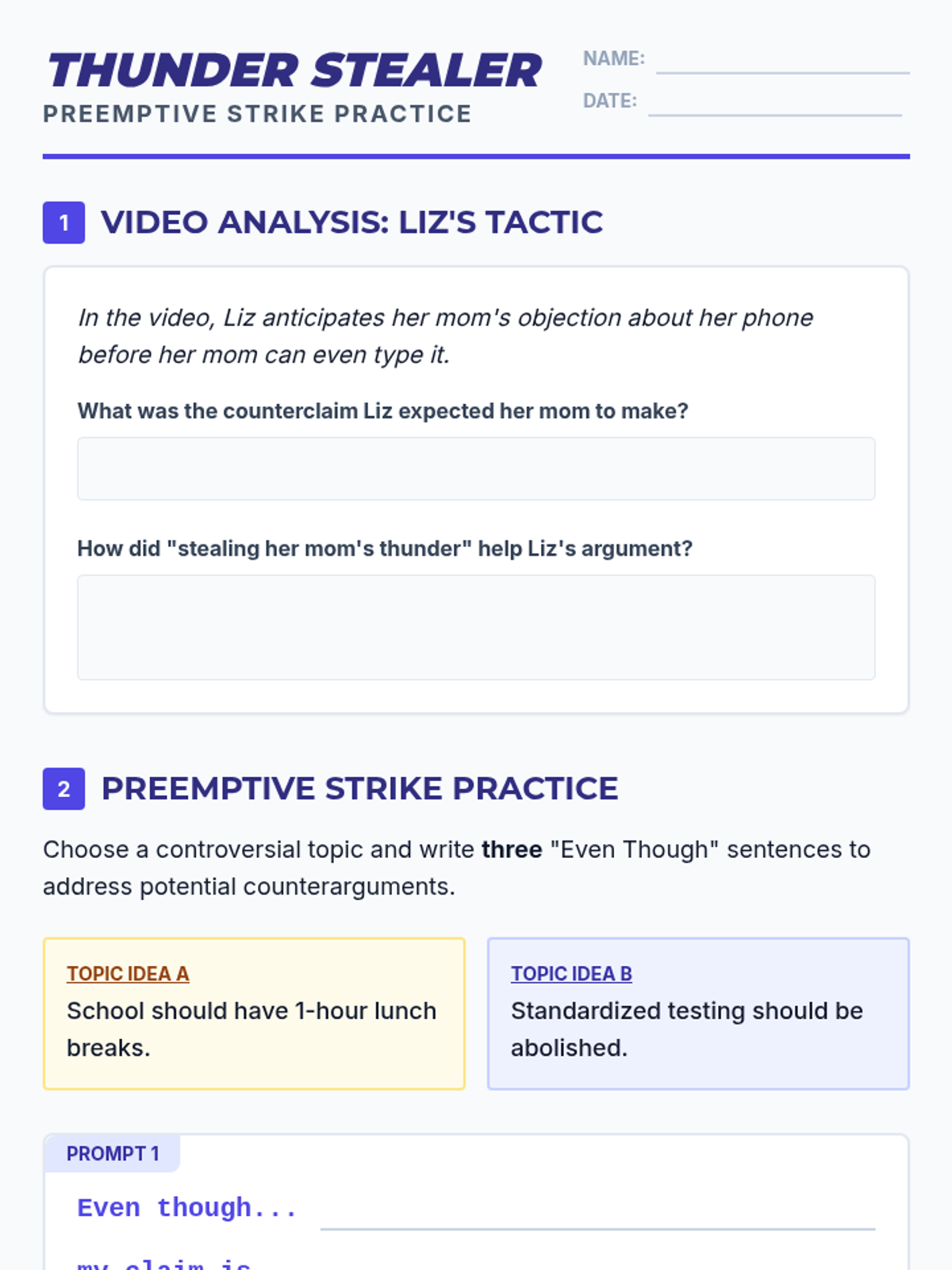
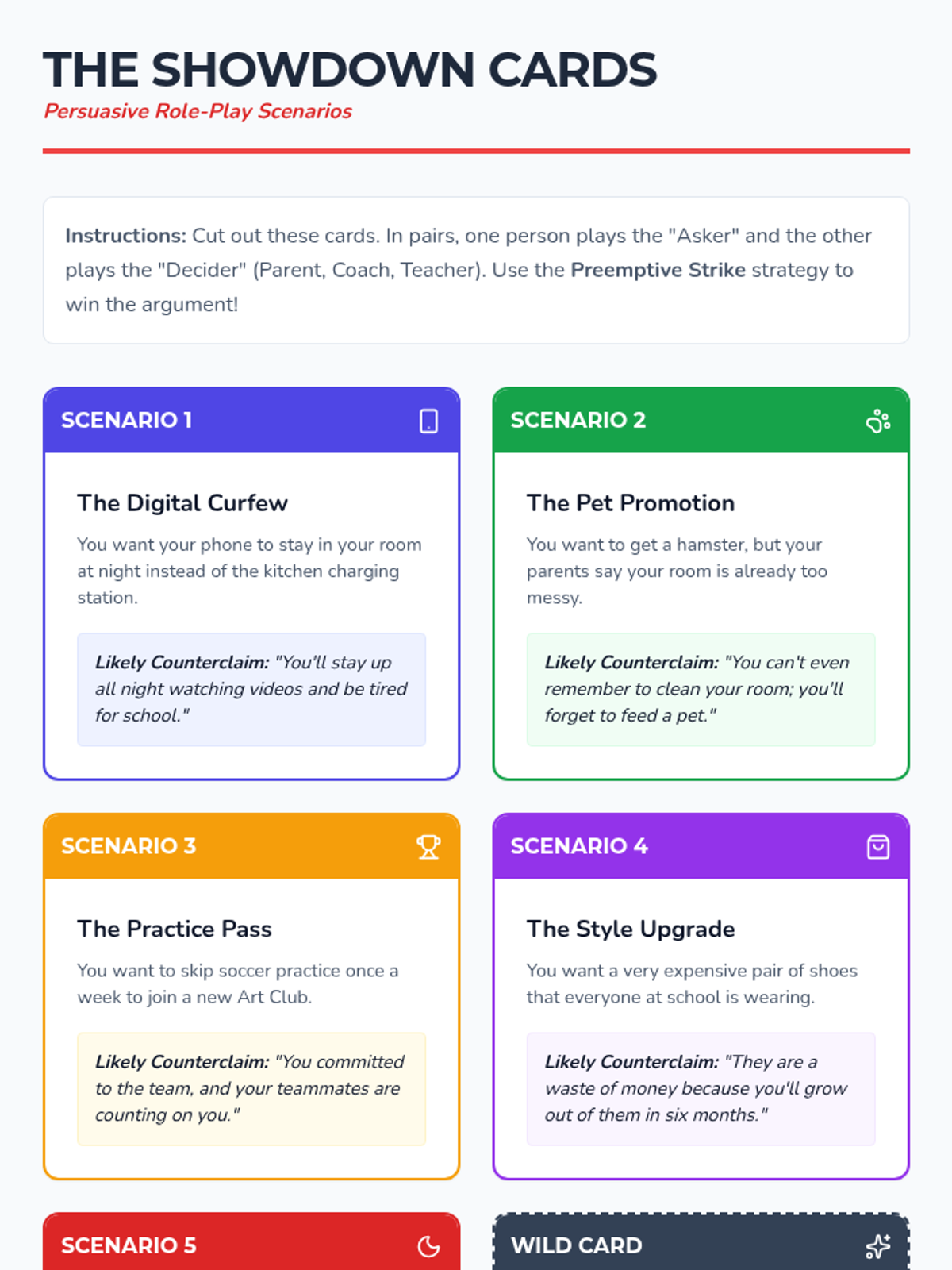
Students learn to strengthen their arguments by anticipating and addressing counterarguments before they are even raised. Using a relatable video analysis of a teen negotiating for a new phone, students practice the 'preemptive strike' technique using a specific 'Even though...' sentence structure.
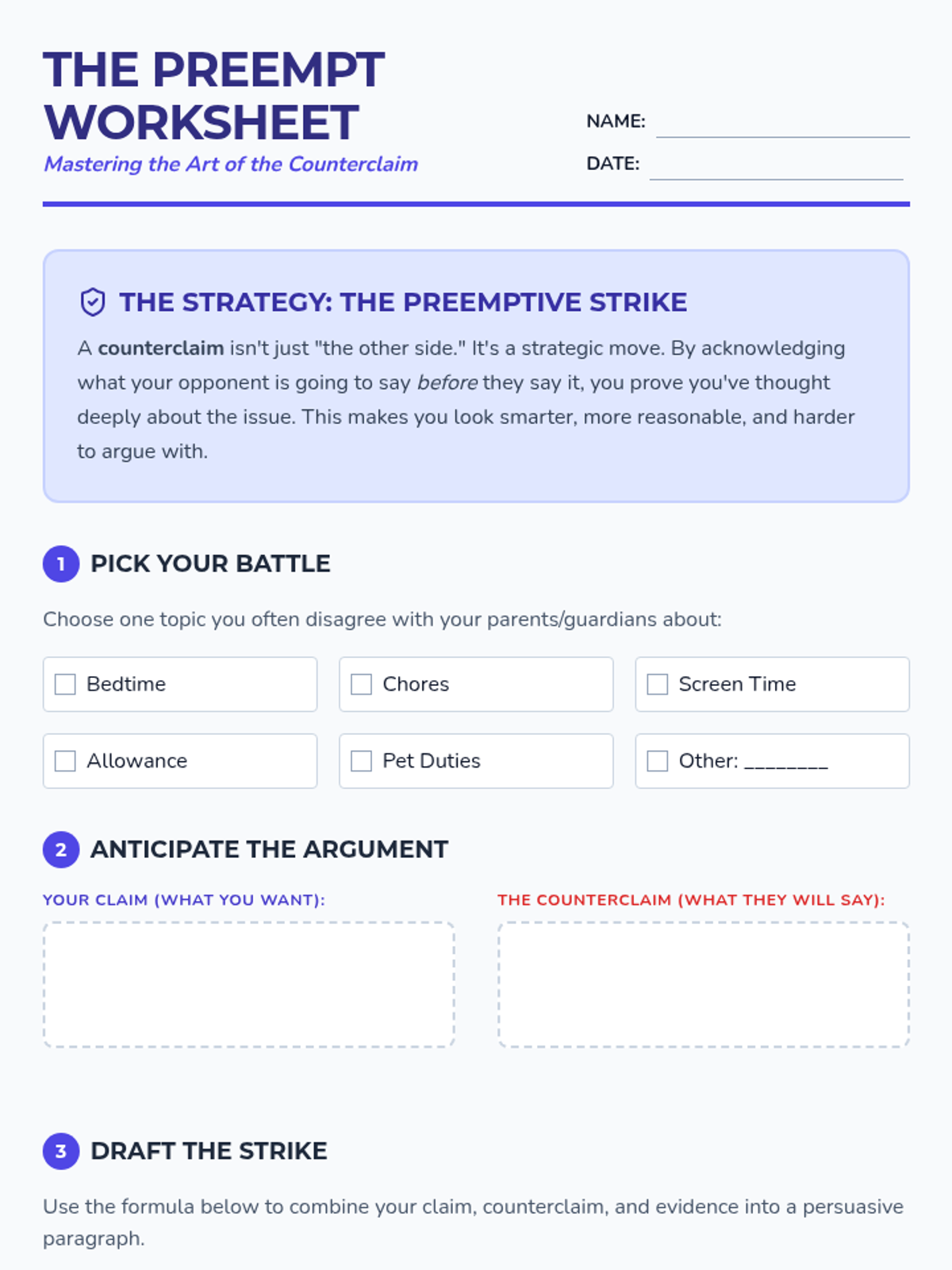
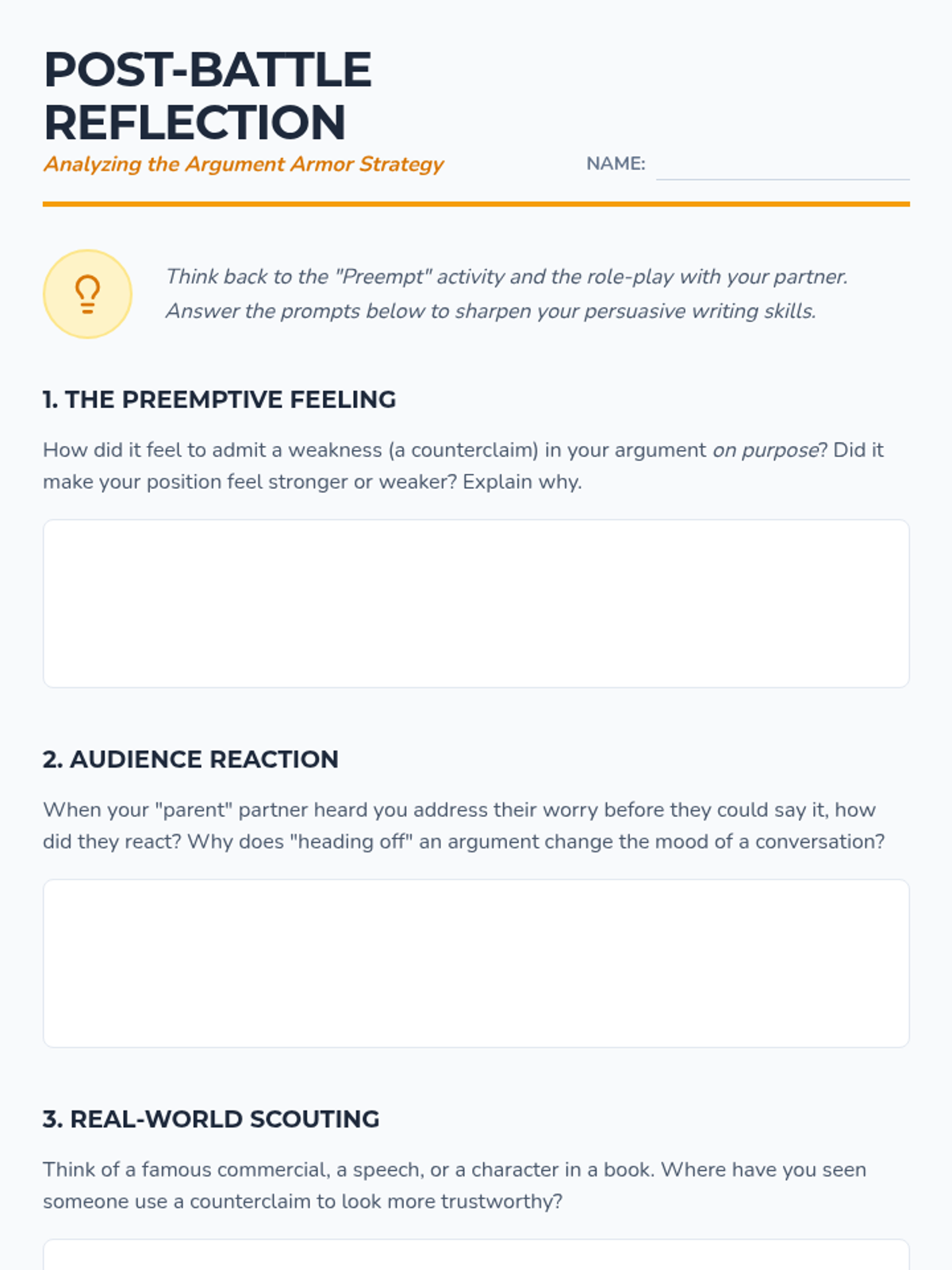
A dynamic lesson for middle schoolers to master the art of the counterclaim, using the 'preemptive strike' strategy to win arguments through logic and audience awareness.
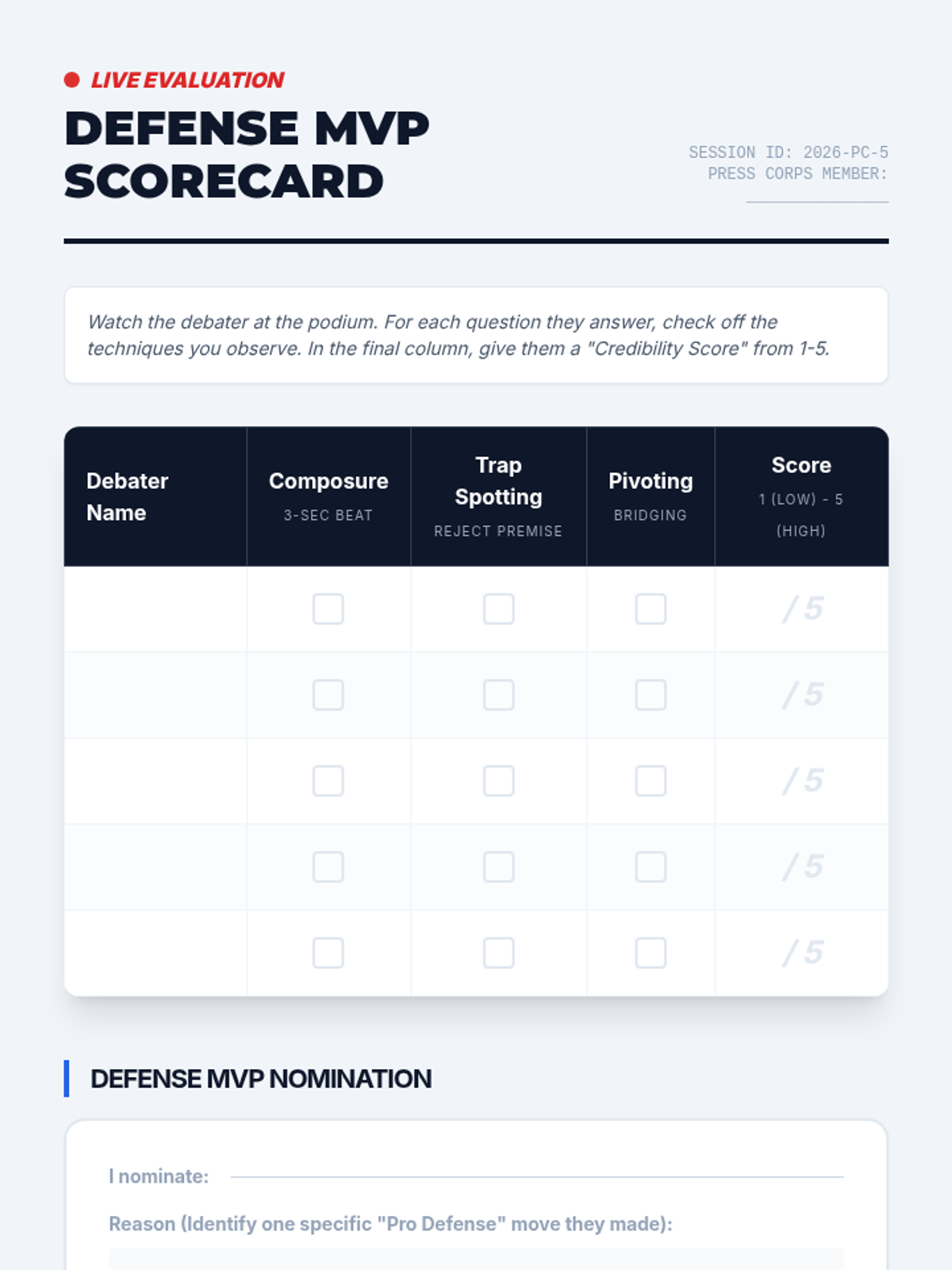
A high-energy conclusion where students defend a low-stakes topic against a panel of questioners using all defensive techniques in a press conference simulation.
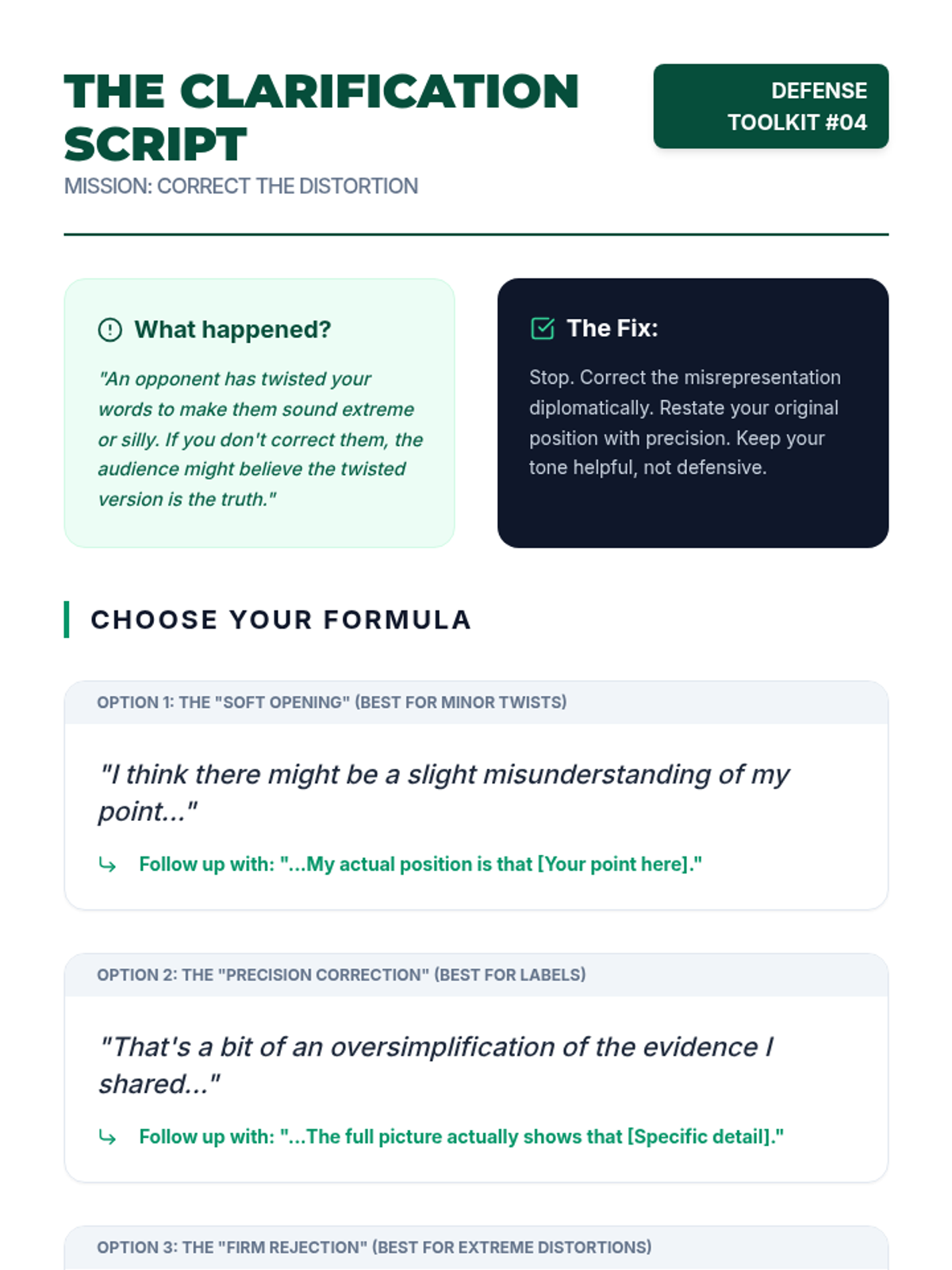
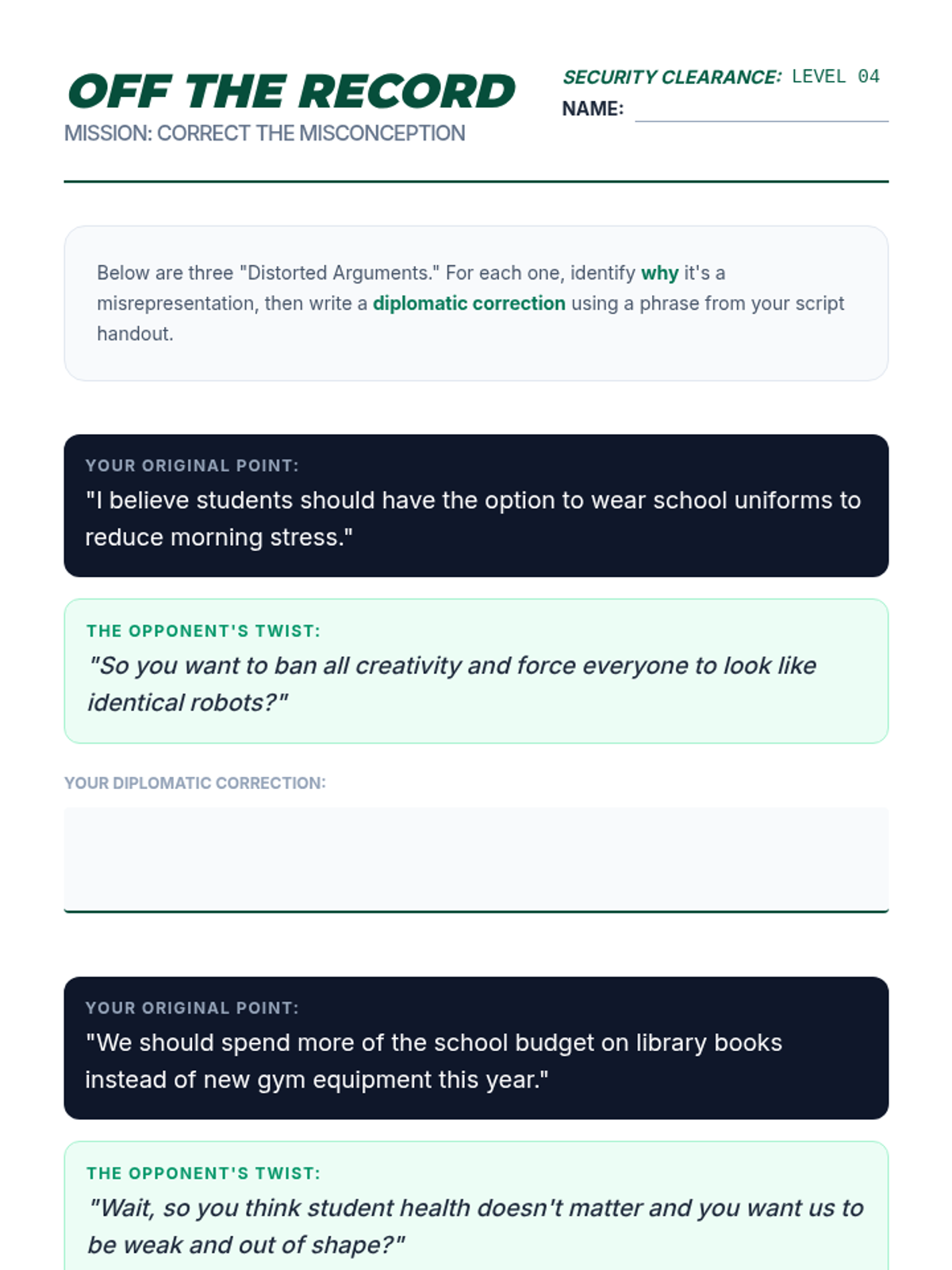
Students practice how to diplomatically correct opponents who have misrepresented their arguments using professional clarification phrases.
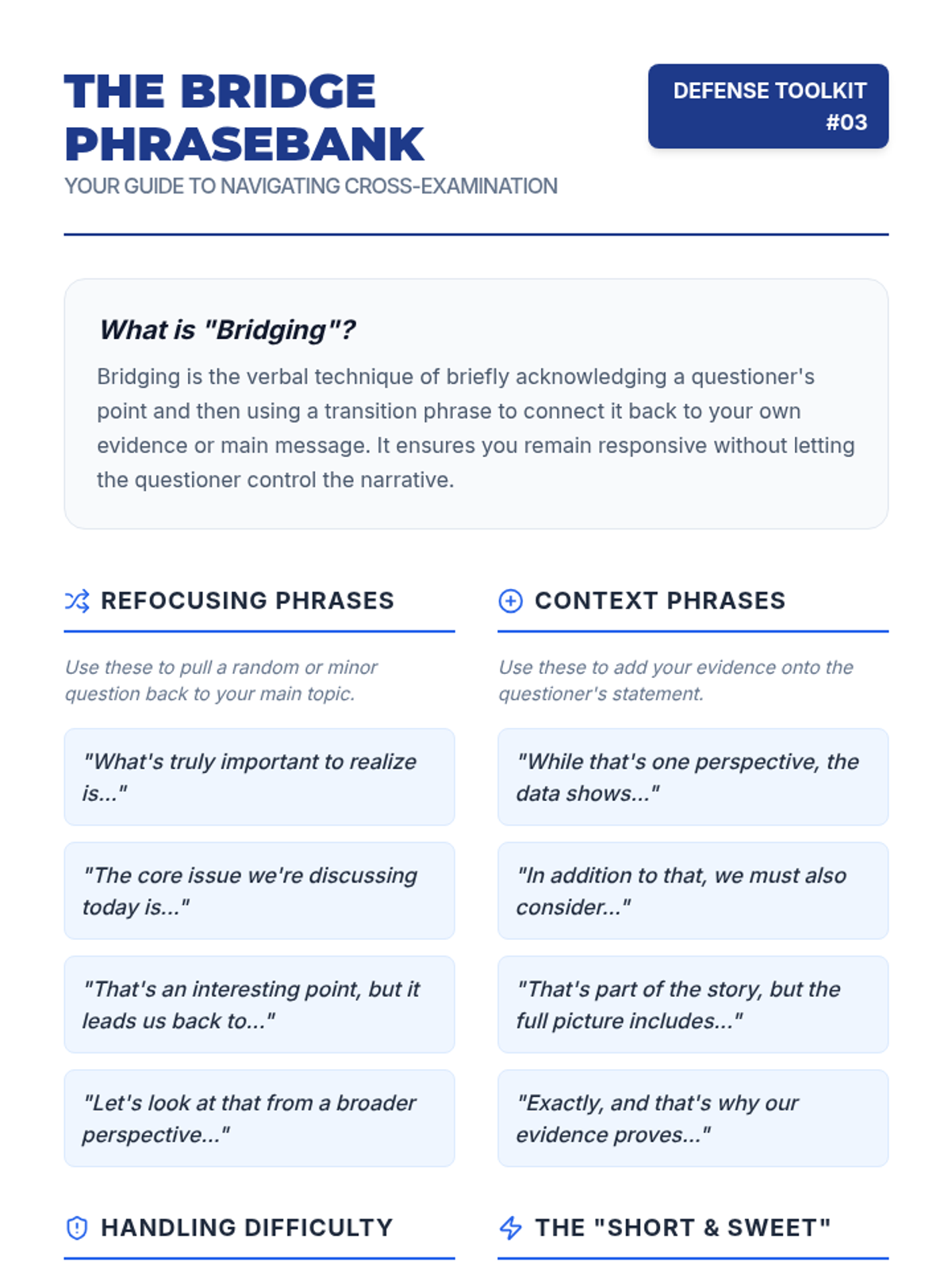
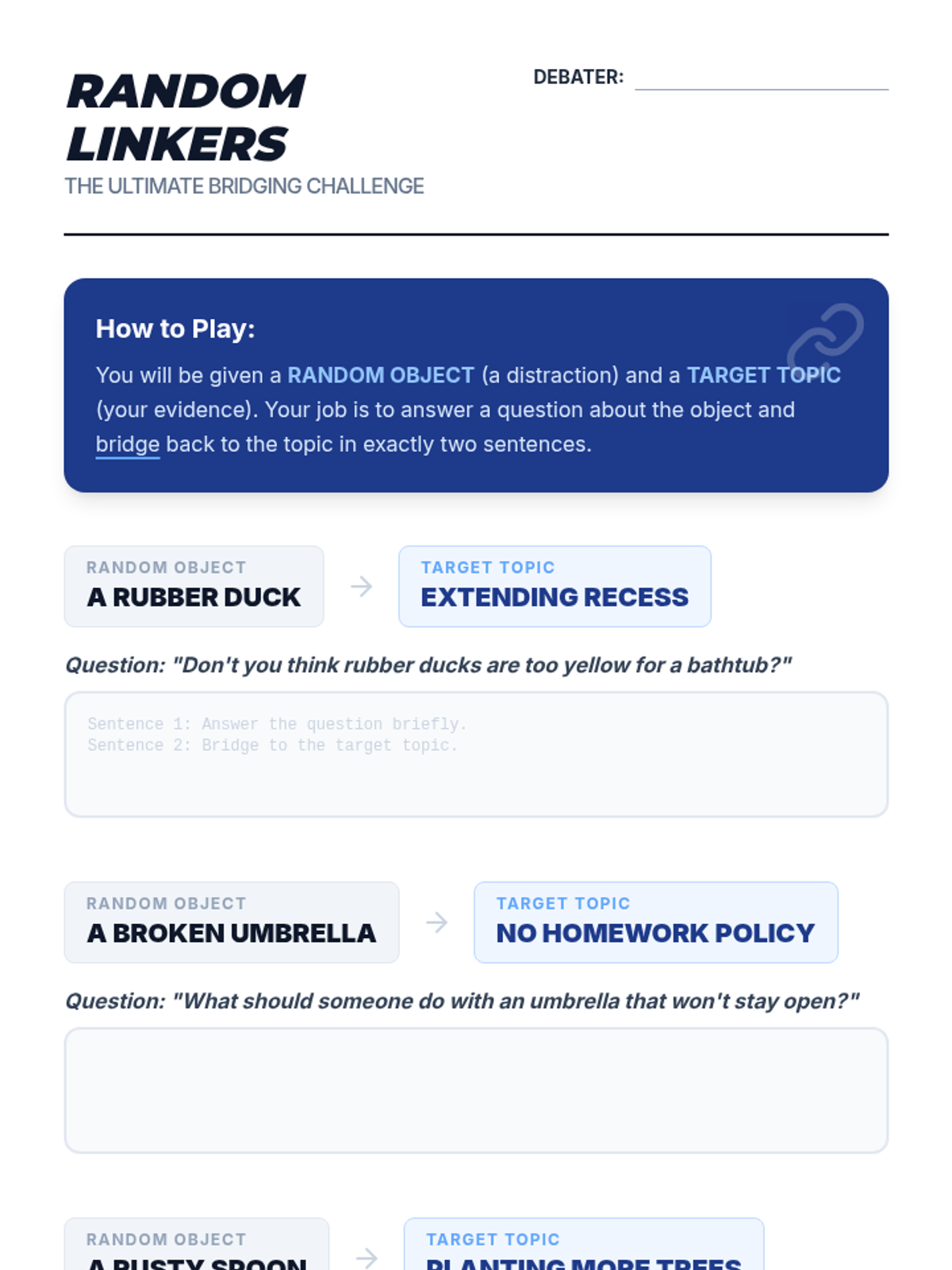
This lesson teaches the 'bridge' technique—answering difficult questions briefly and connecting them back to prepared evidence using transition phrases.
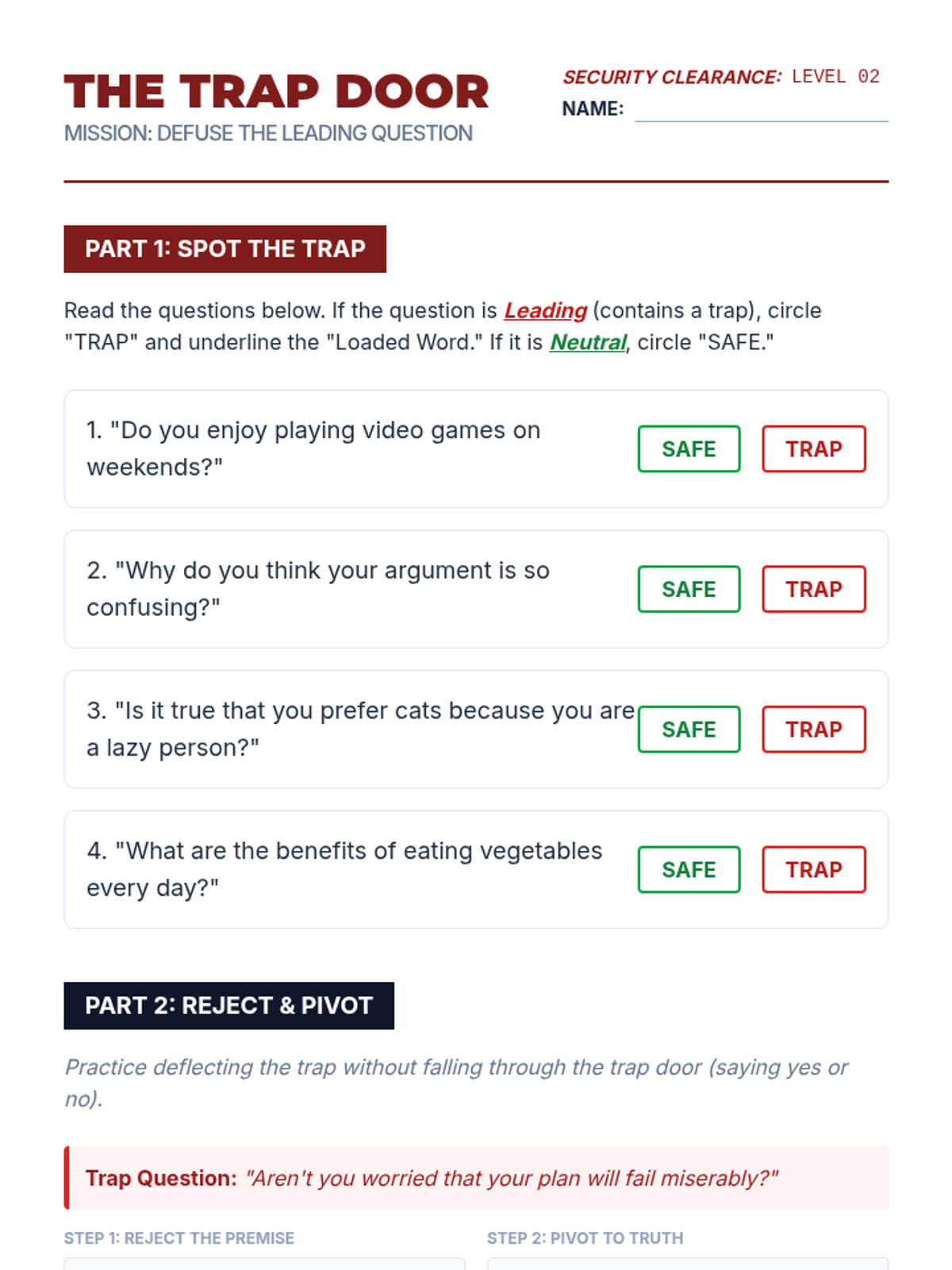
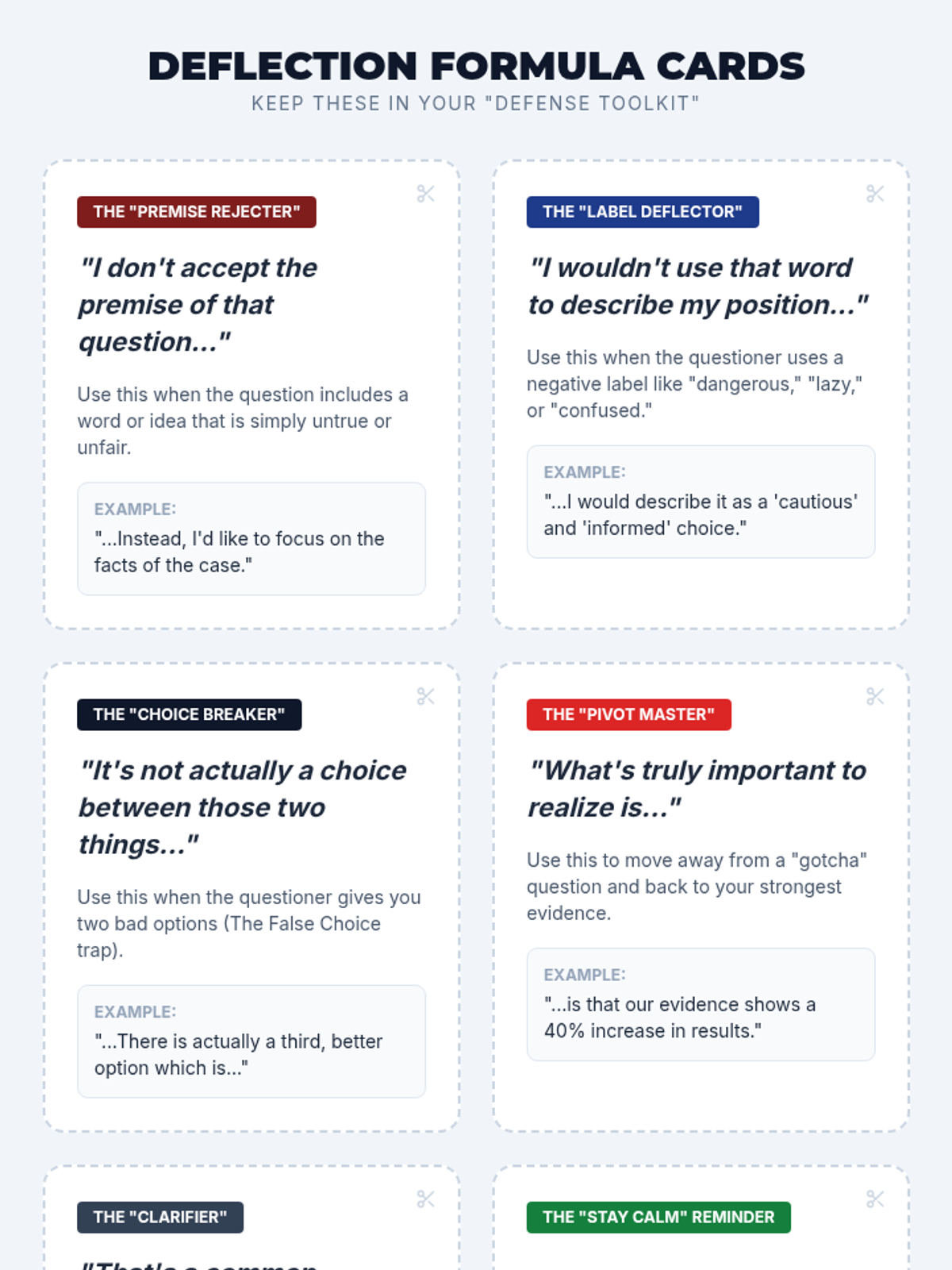
Students learn to identify 'leading questions' designed to force specific answers and practice verbal formulas to reject premises and restate positions.
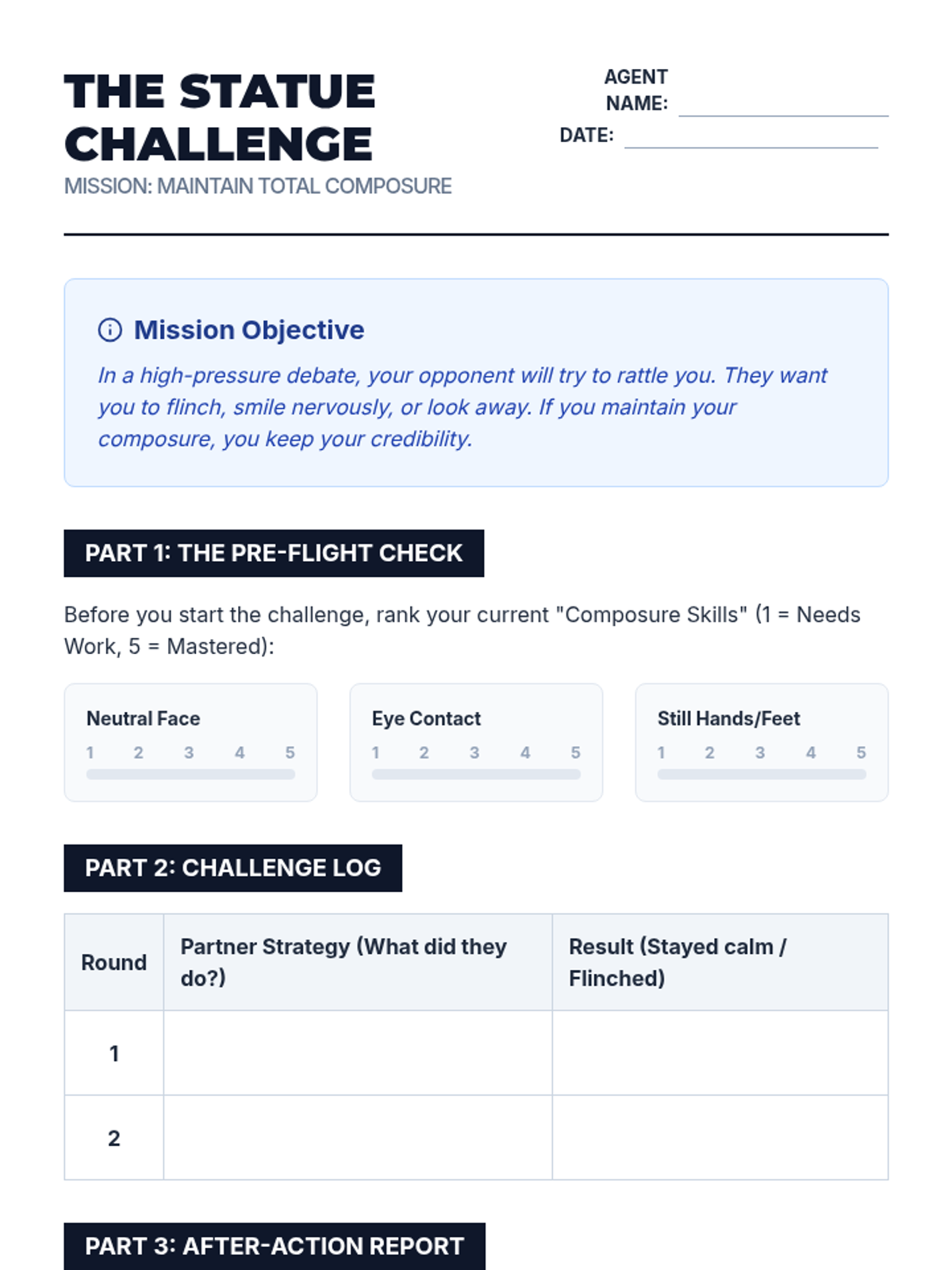
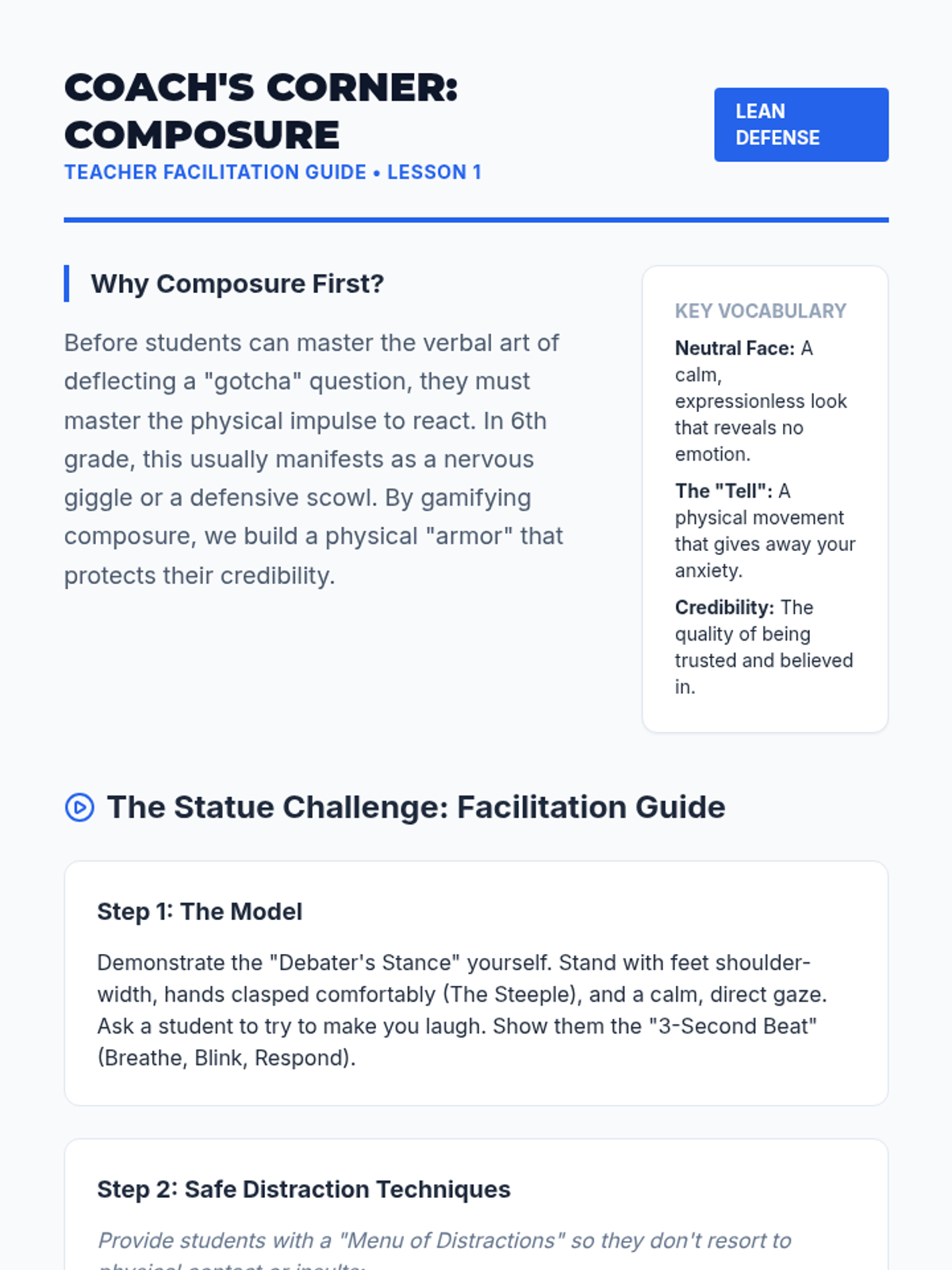
Students examine the role of non-verbal communication when being questioned and practice maintaining a 'neutral face' and confident posture under pressure.
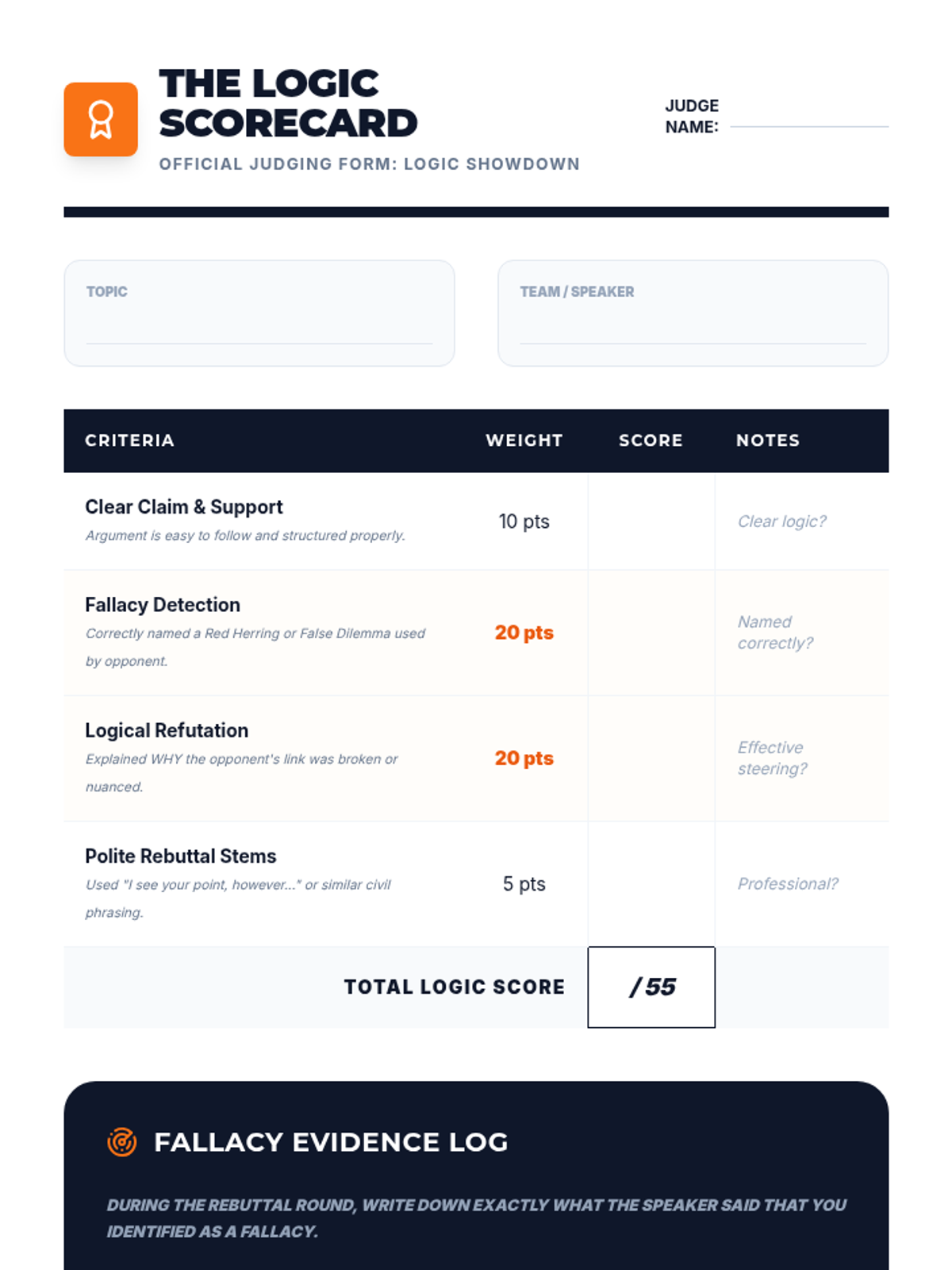
In this final simulation, students debate a relevant school topic. Judges score not just on persuasion, but specifically on the ability to name and explain any fallacies used by the opposing side.
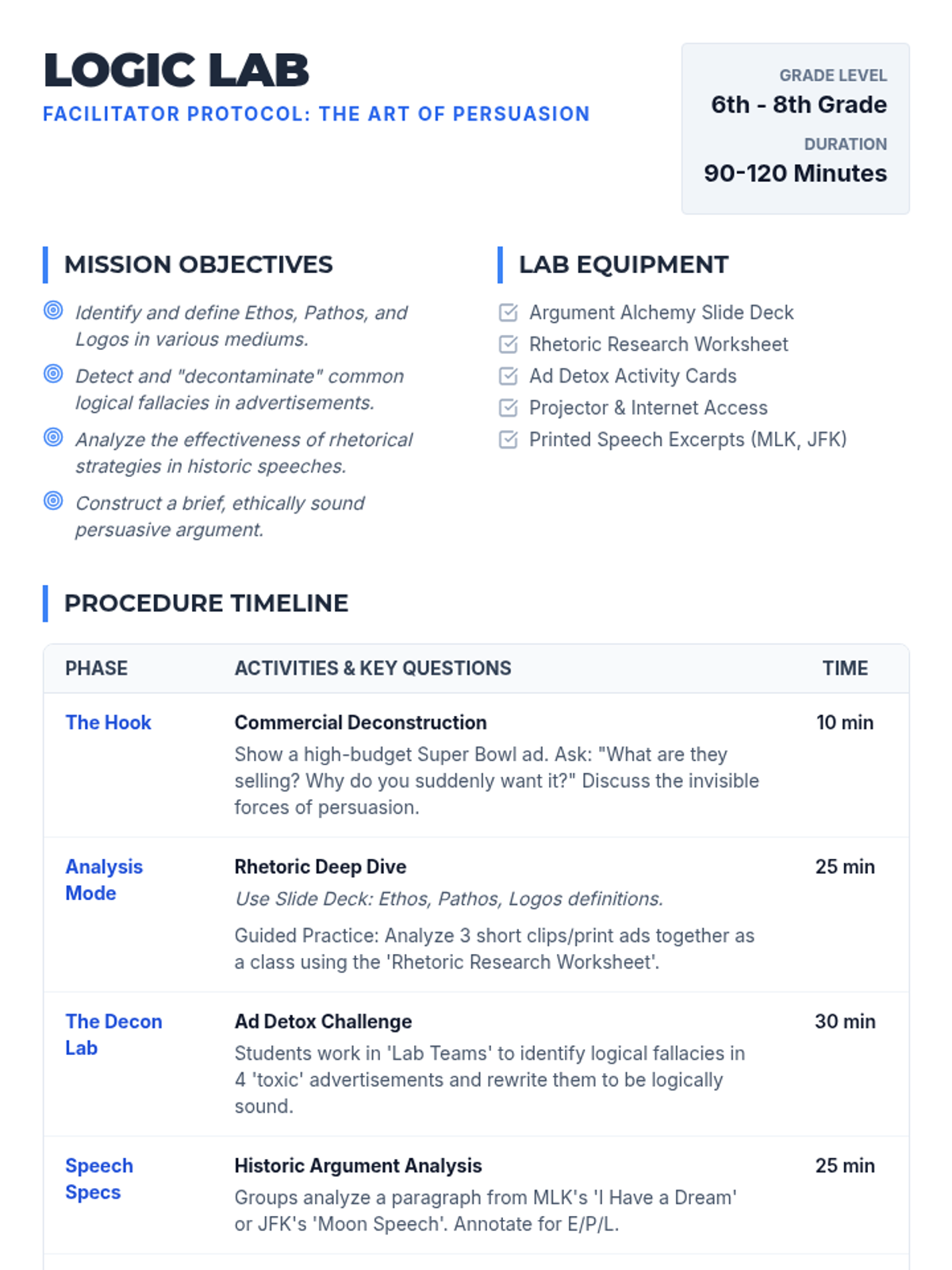
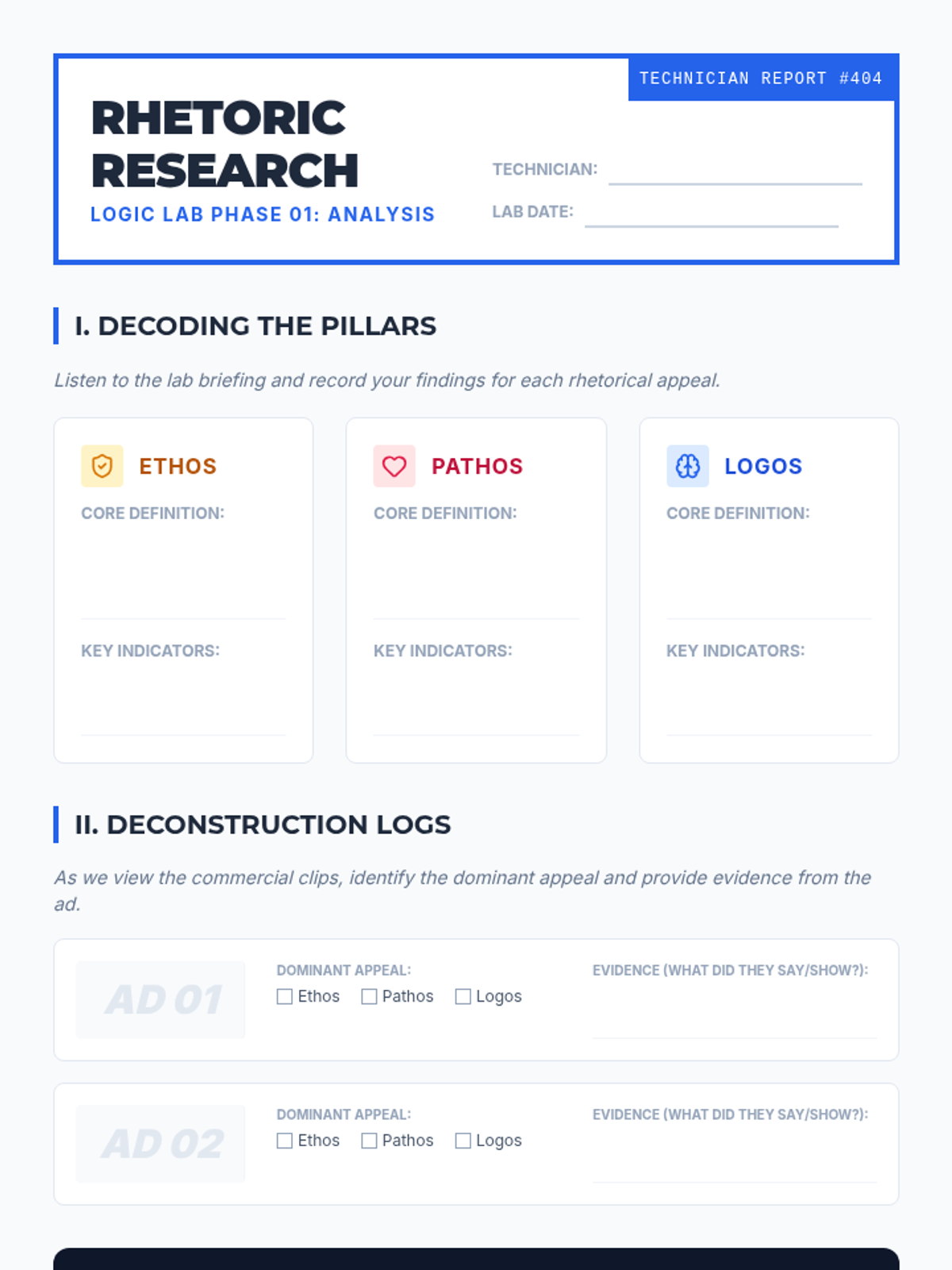
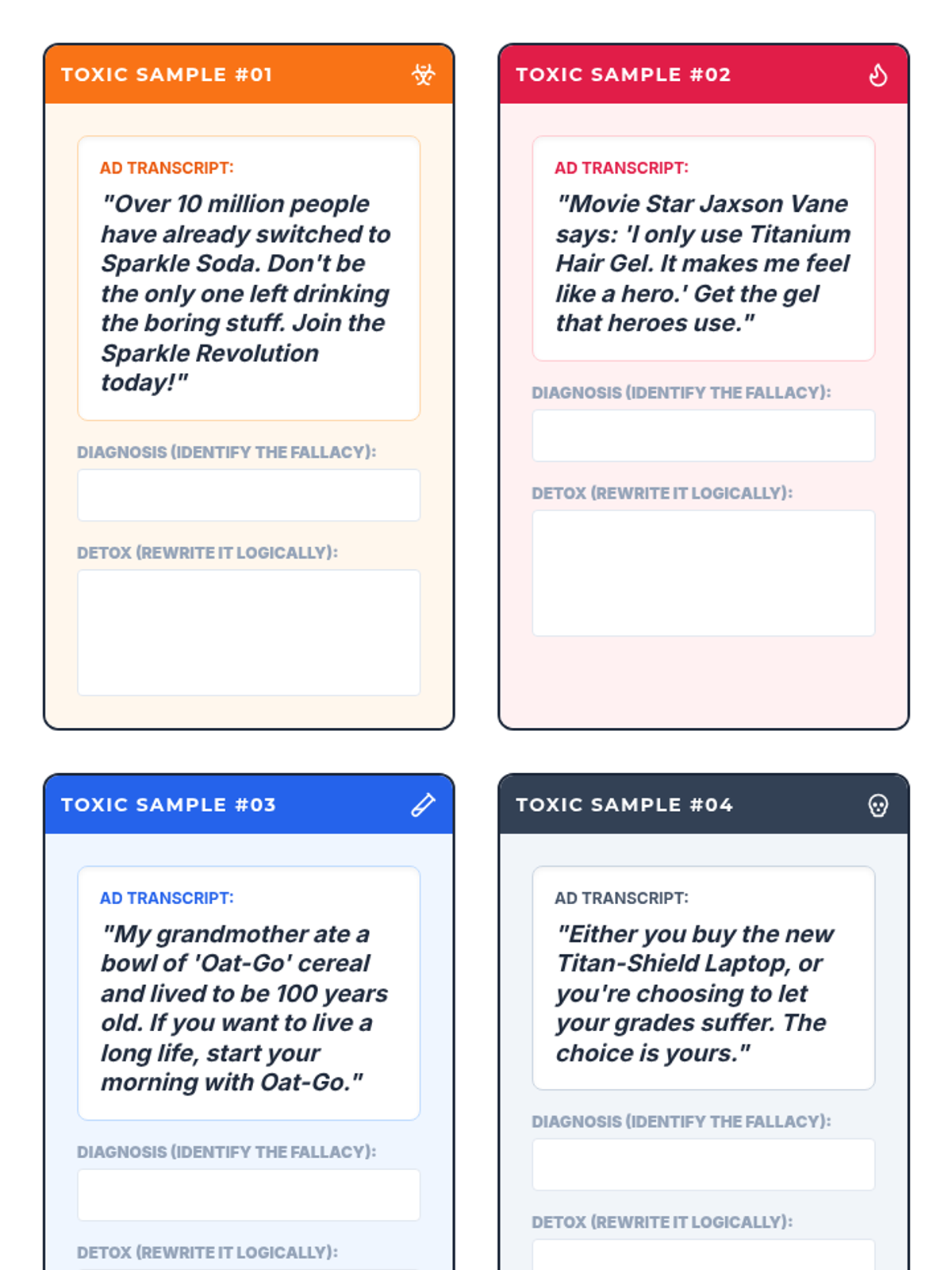
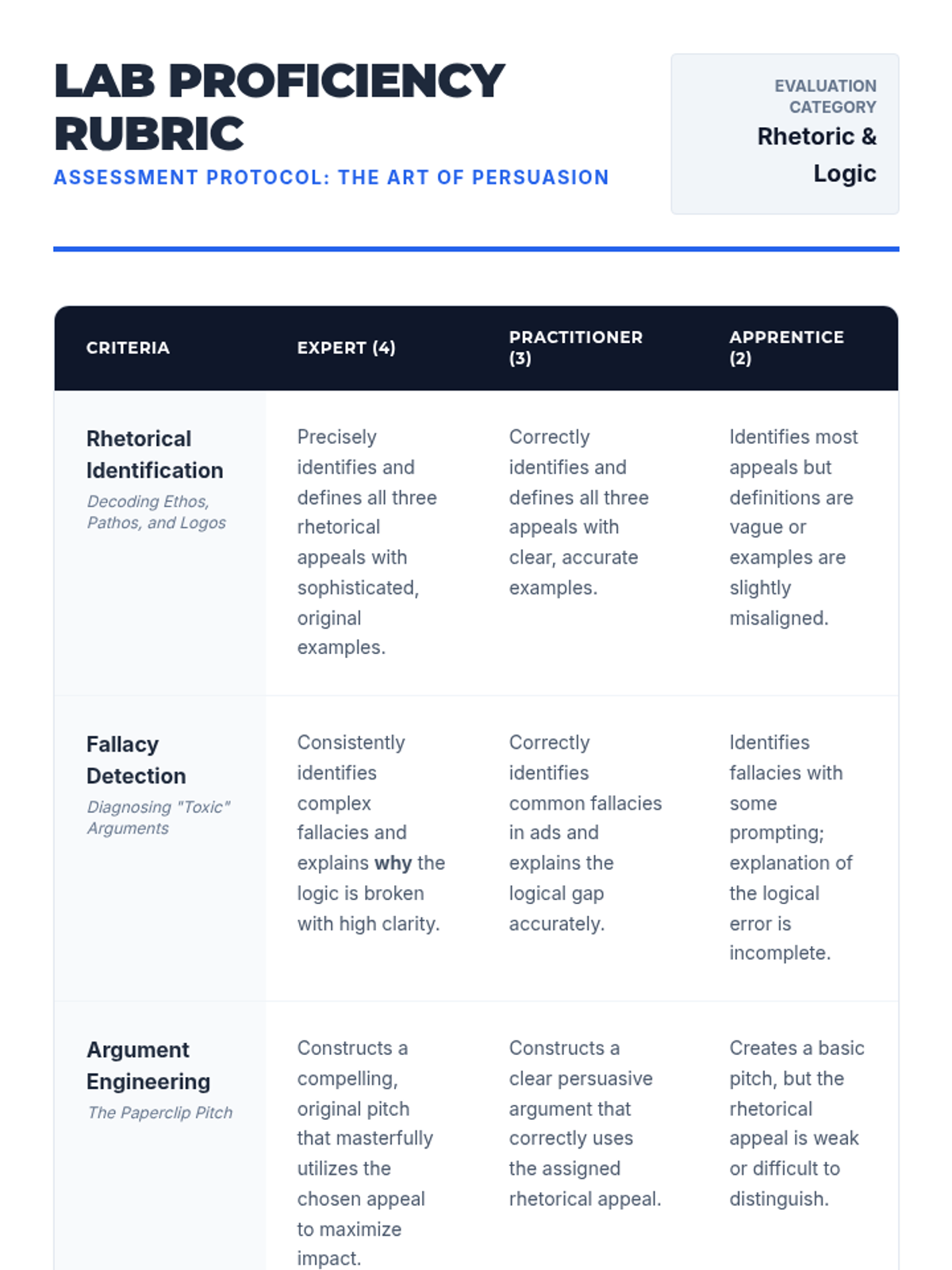
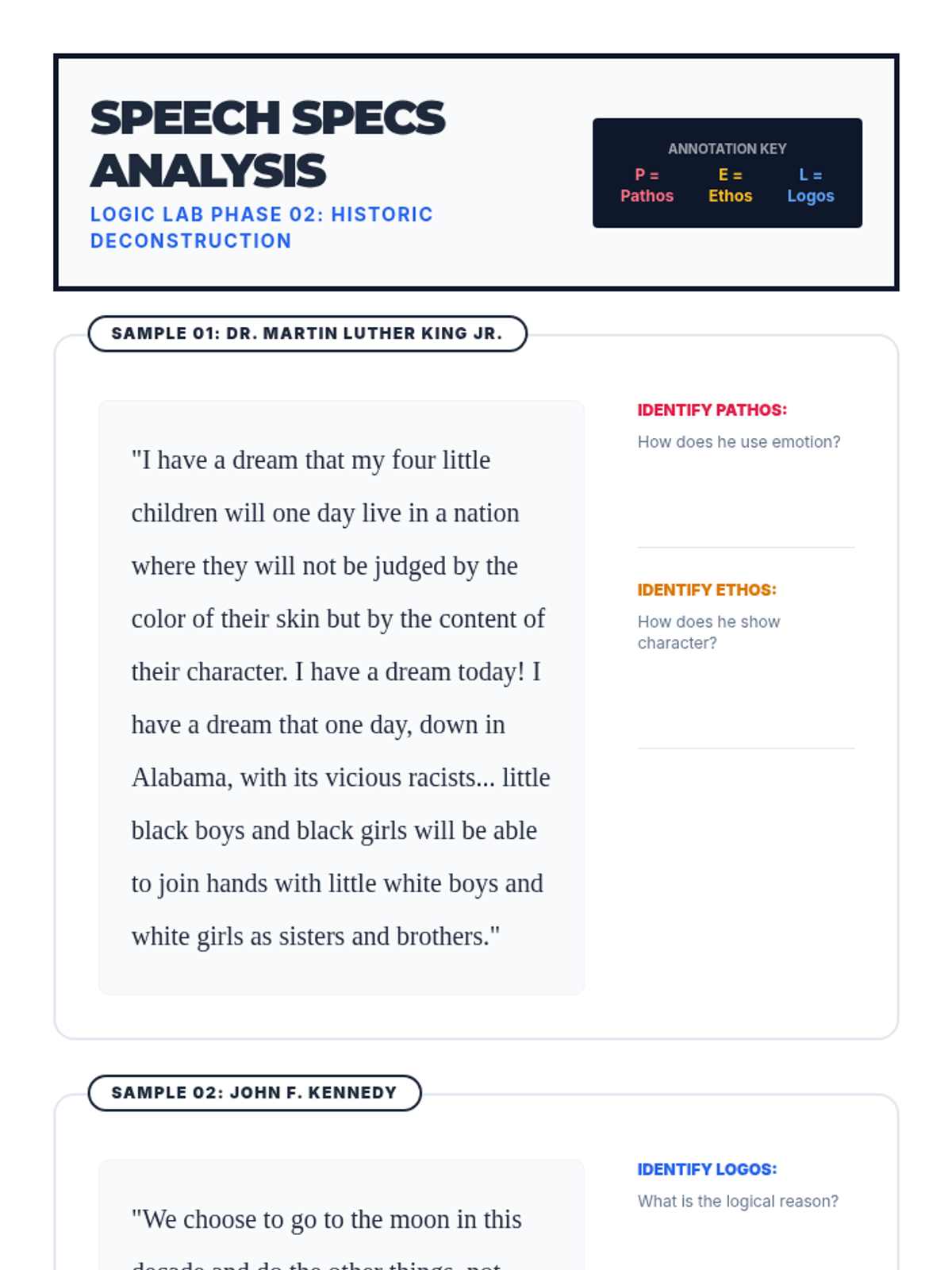
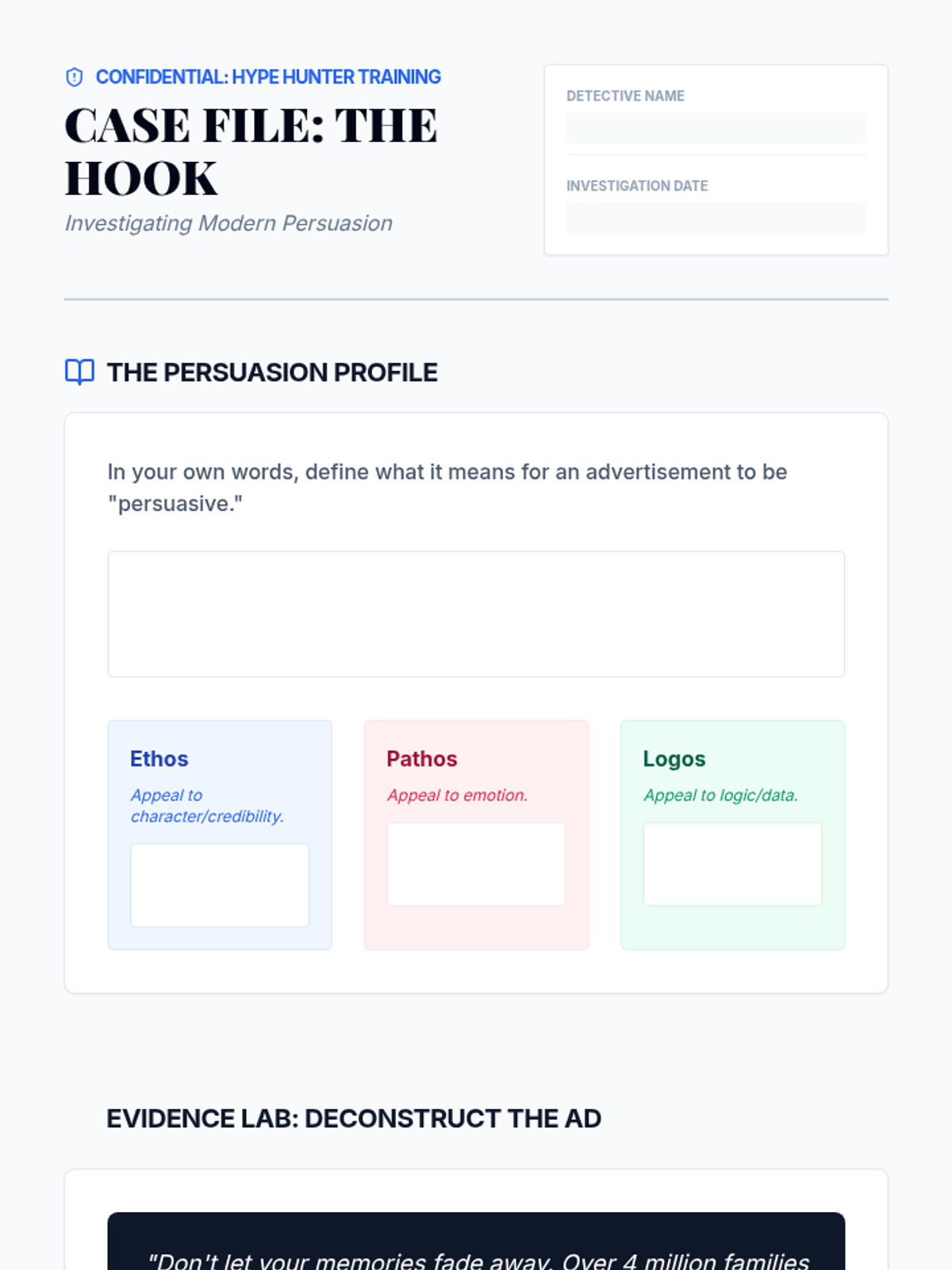
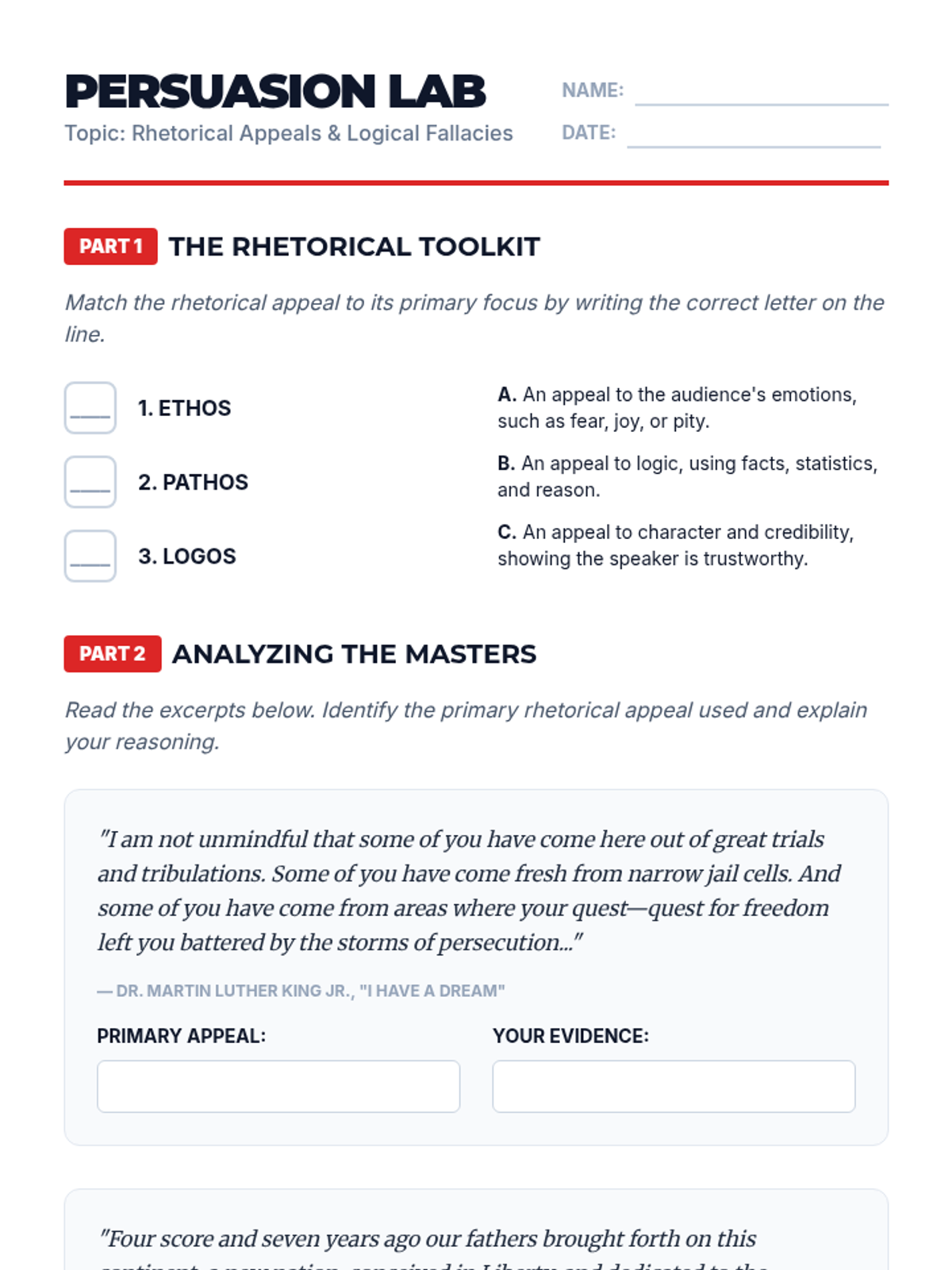
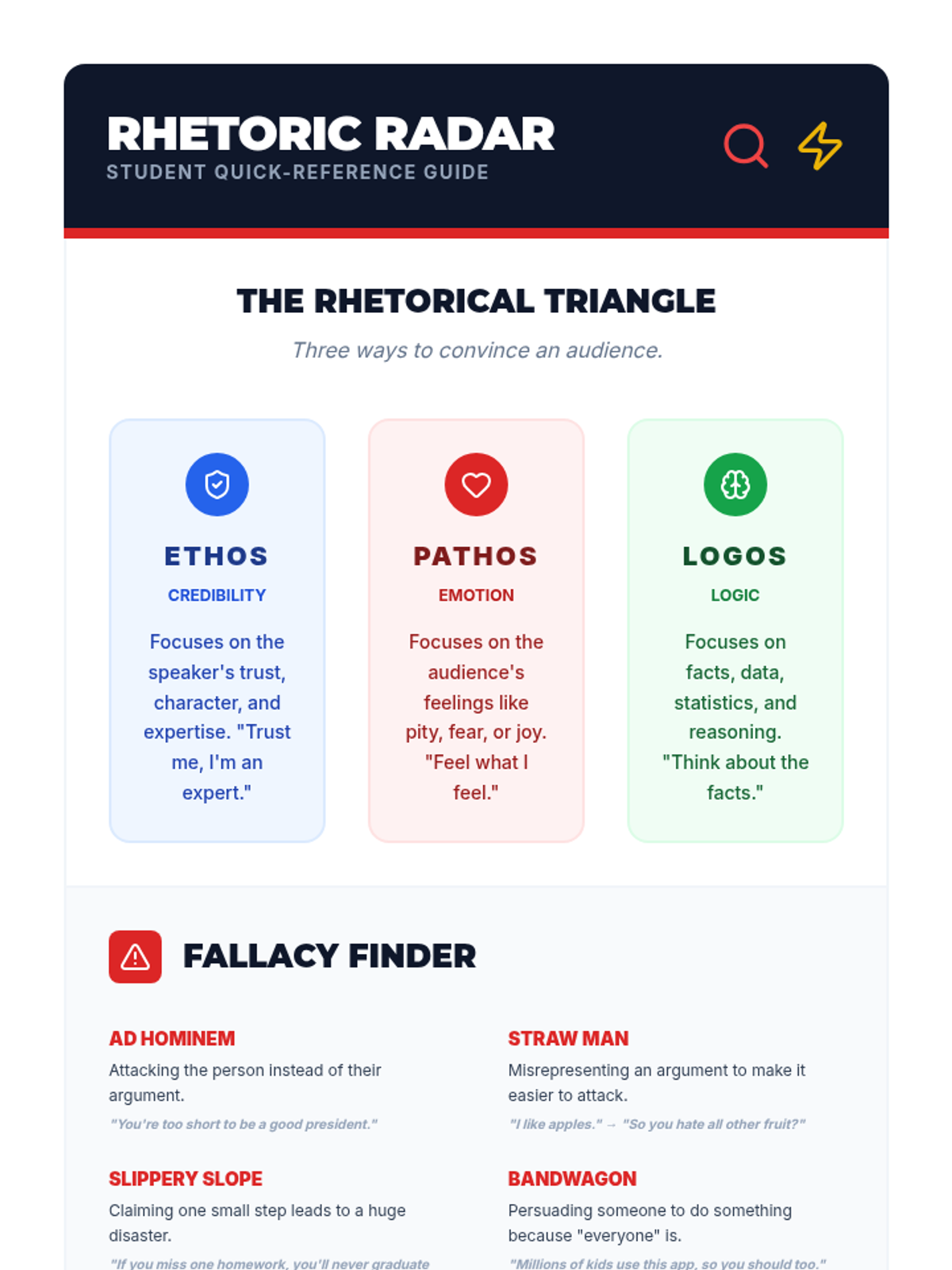
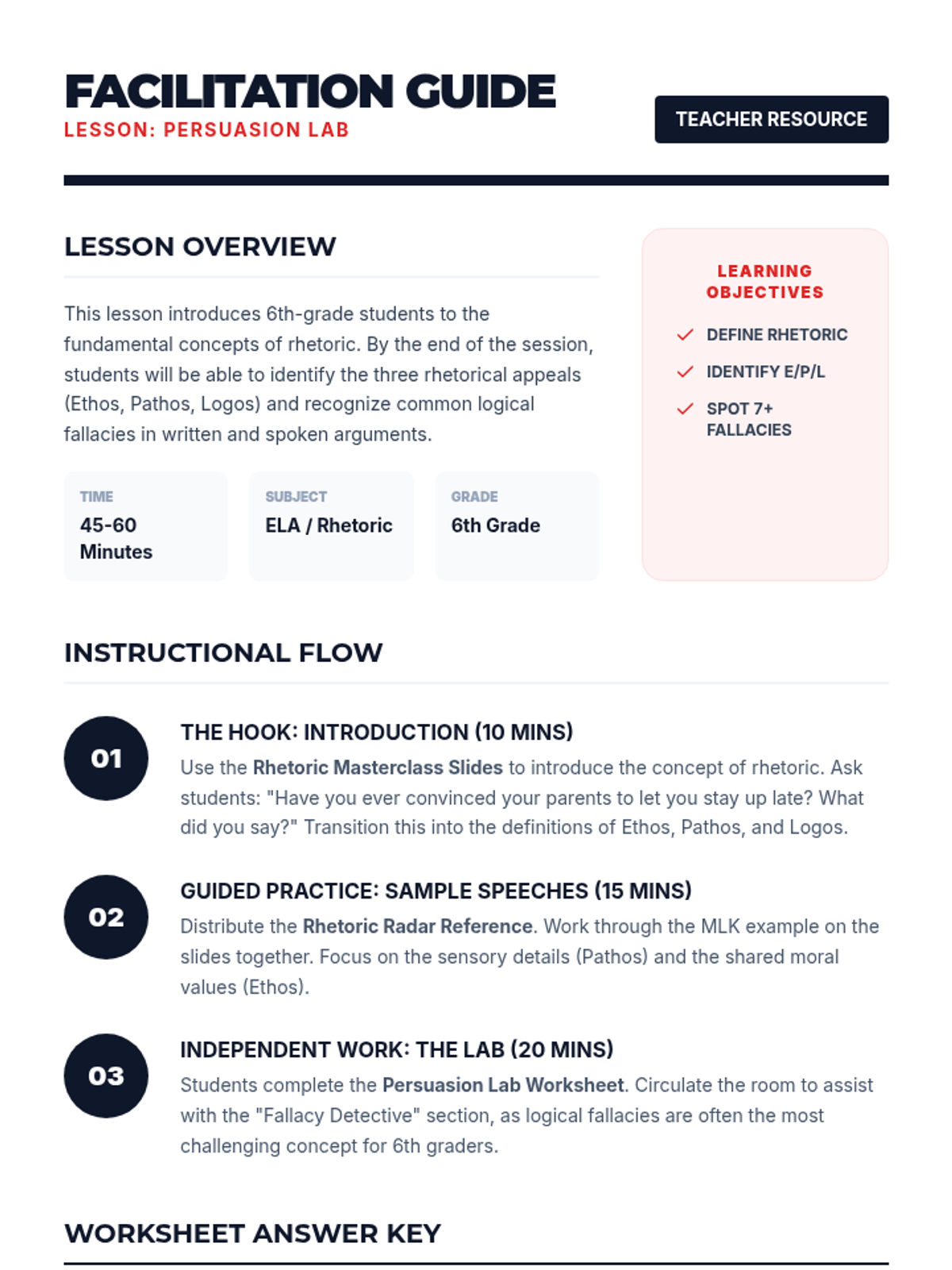
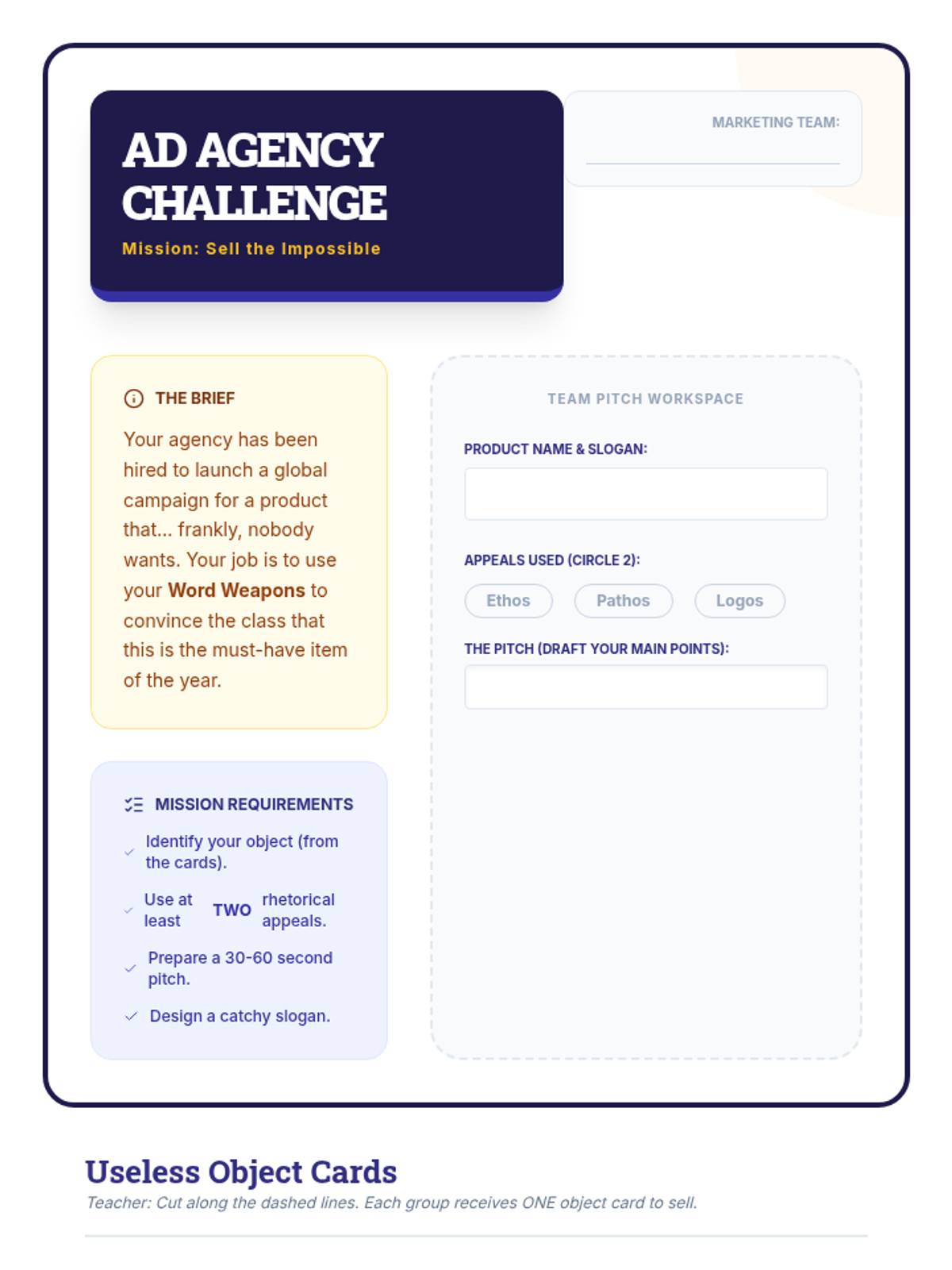
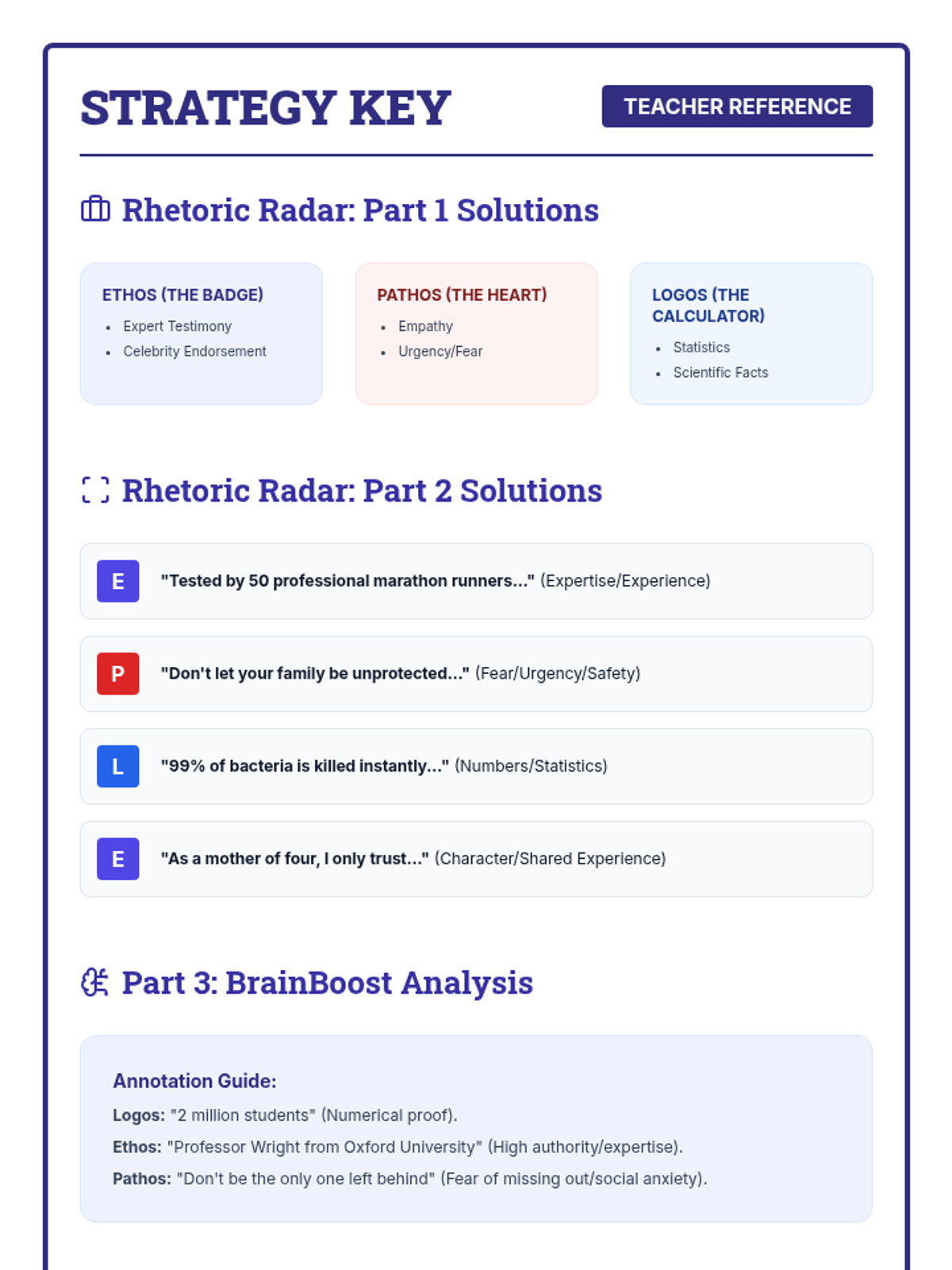
A high-energy lesson where students become 'logic lab technicians' to dissect the mechanics of persuasion. They will master rhetorical appeals (ethos, pathos, logos) and identify logical fallacies in real-world advertisements and historic speeches.
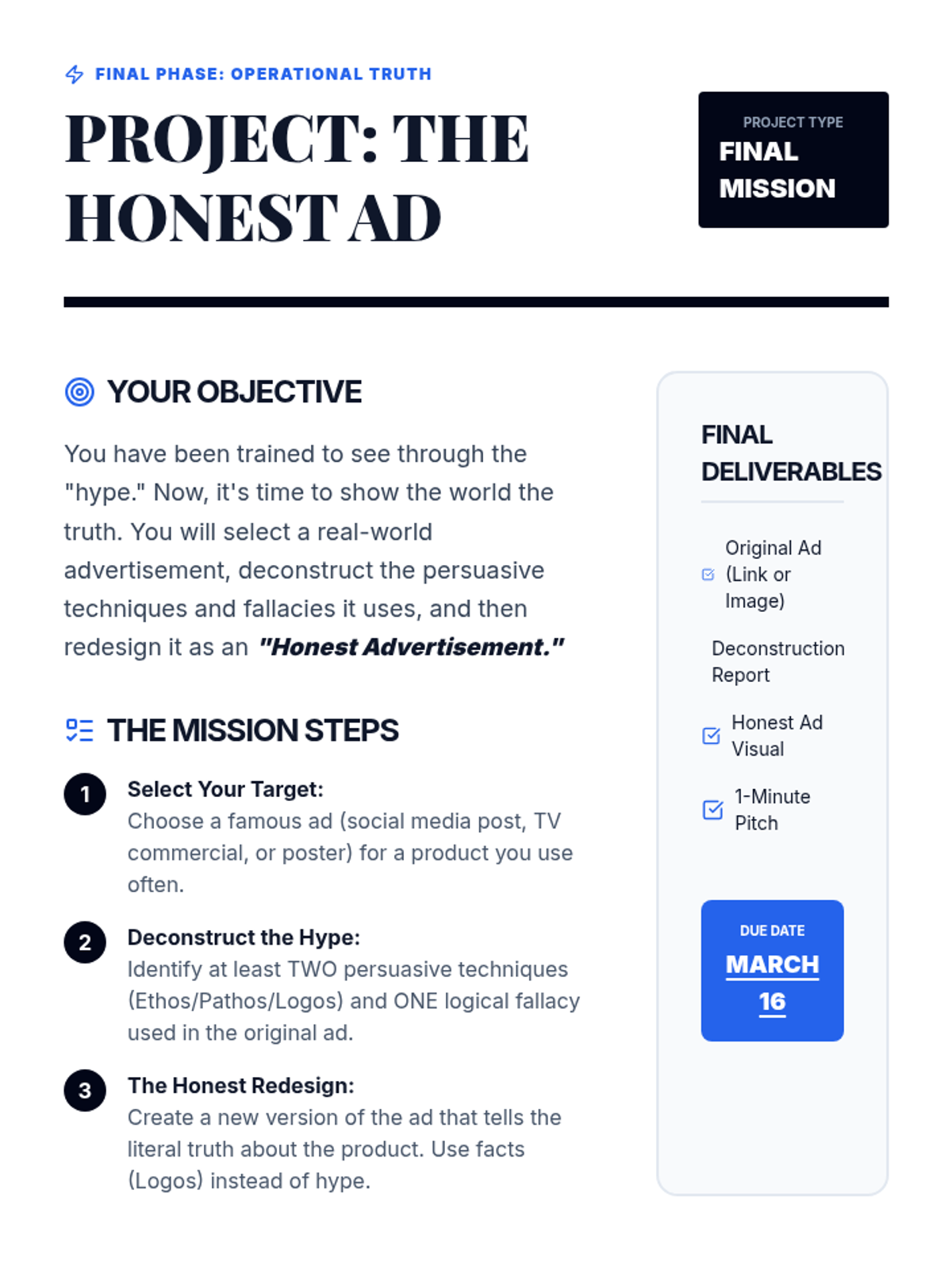
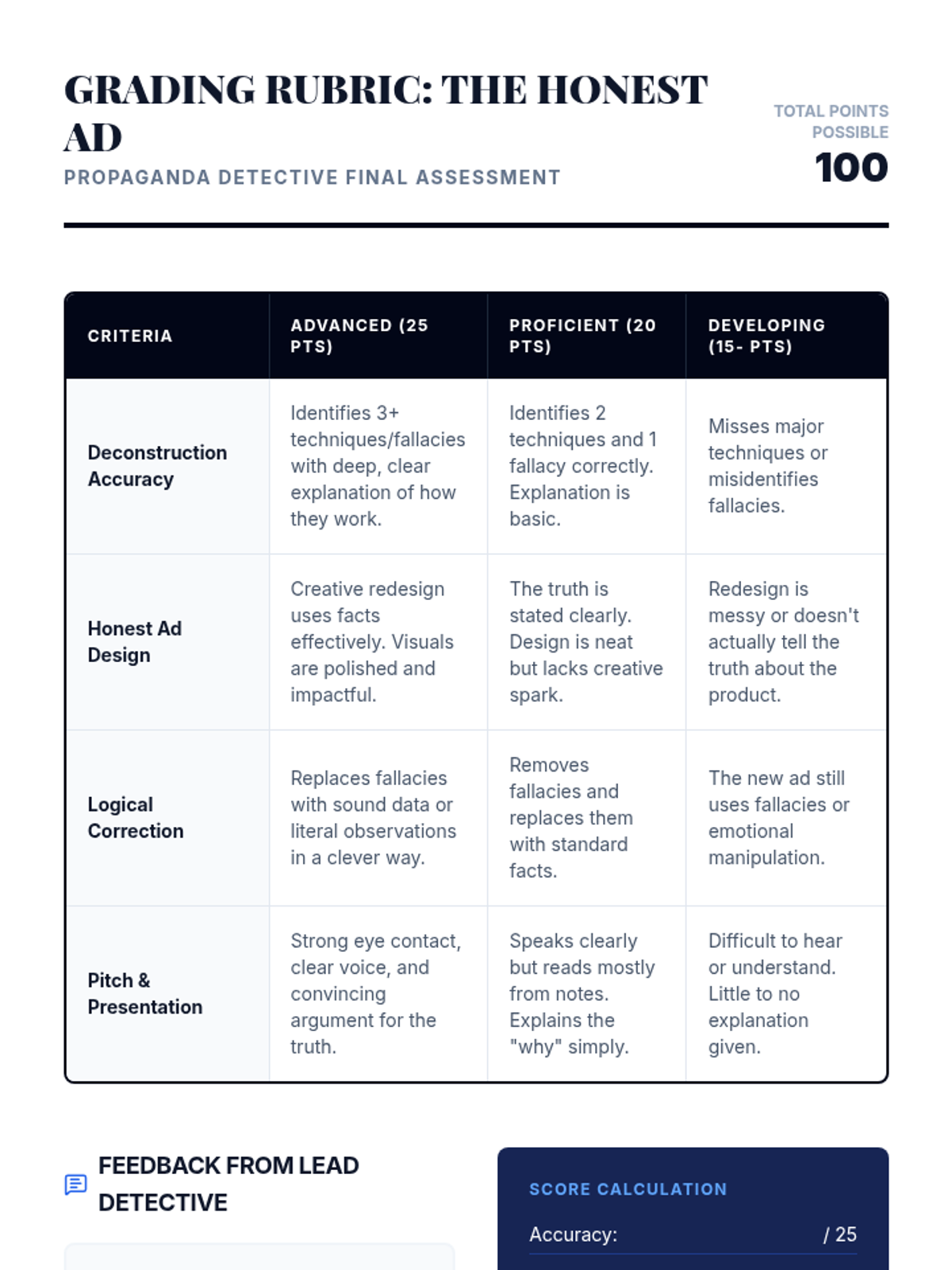
The final phase where students apply their knowledge to deconstruct a real-world advertisement and create an 'honest' version that reveals the truth behind the marketing.
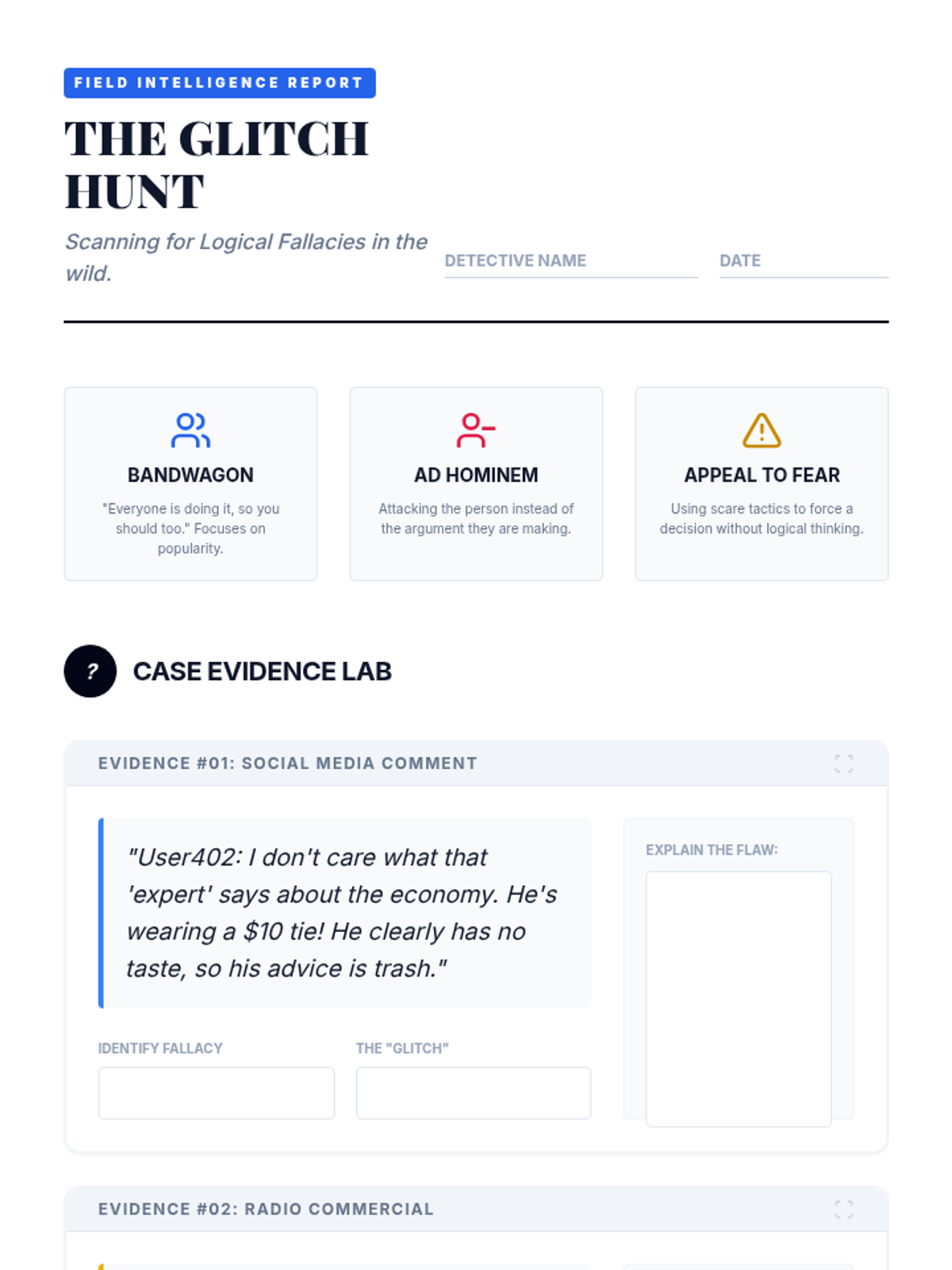
An investigation into common logical fallacies like the bandwagon effect, appeal to authority, and fear-mongering as seen in social media and news.
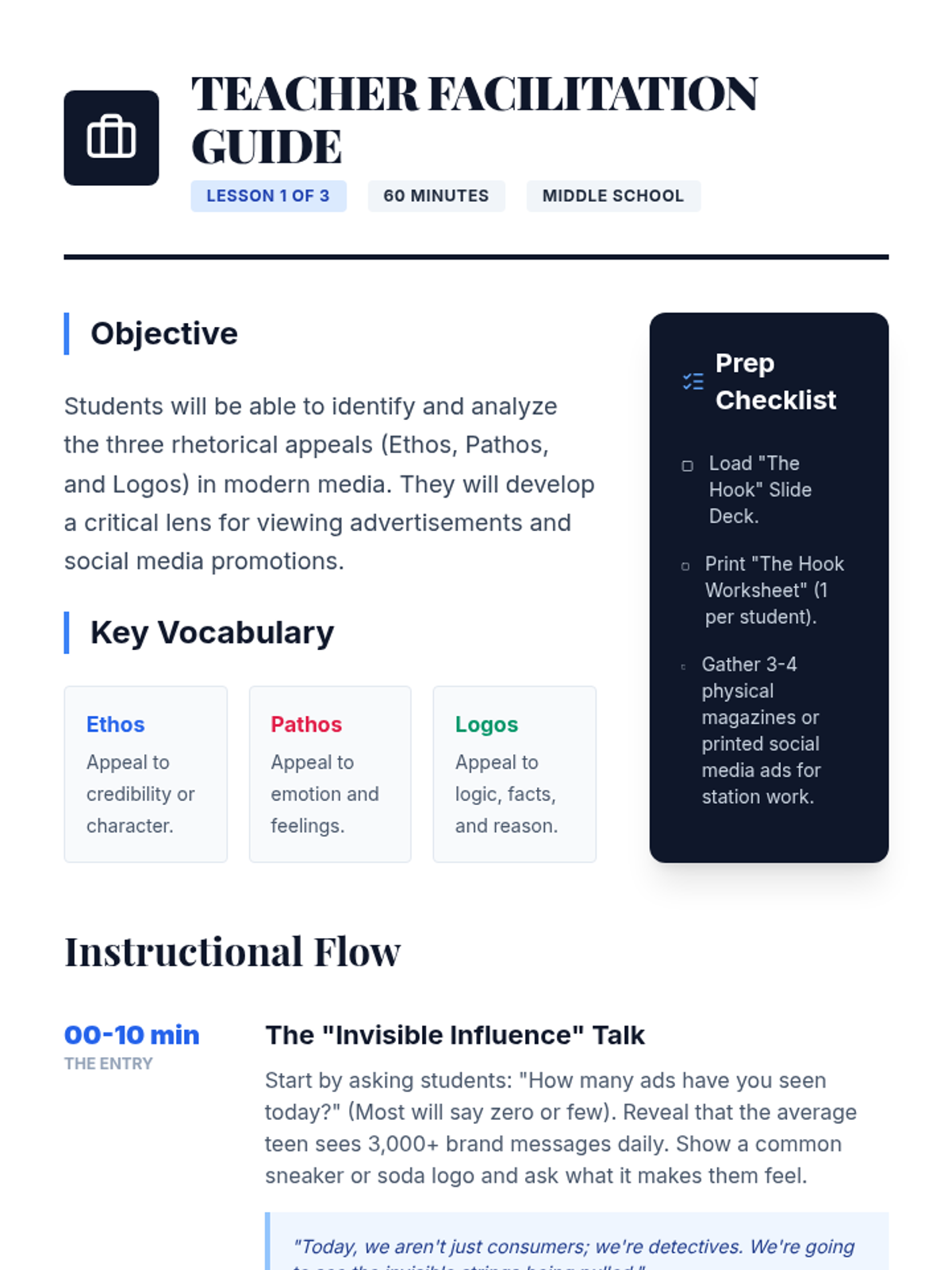
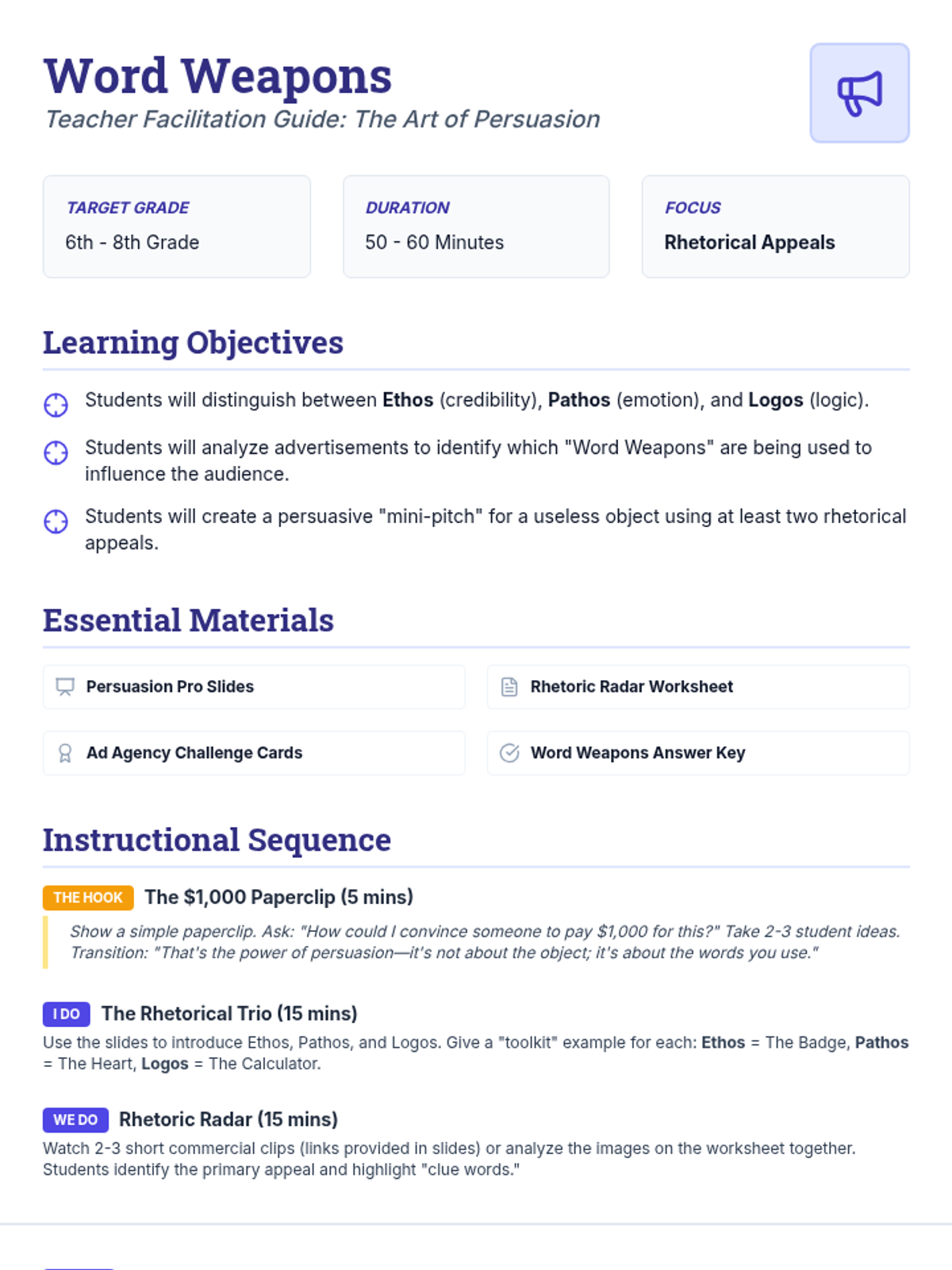
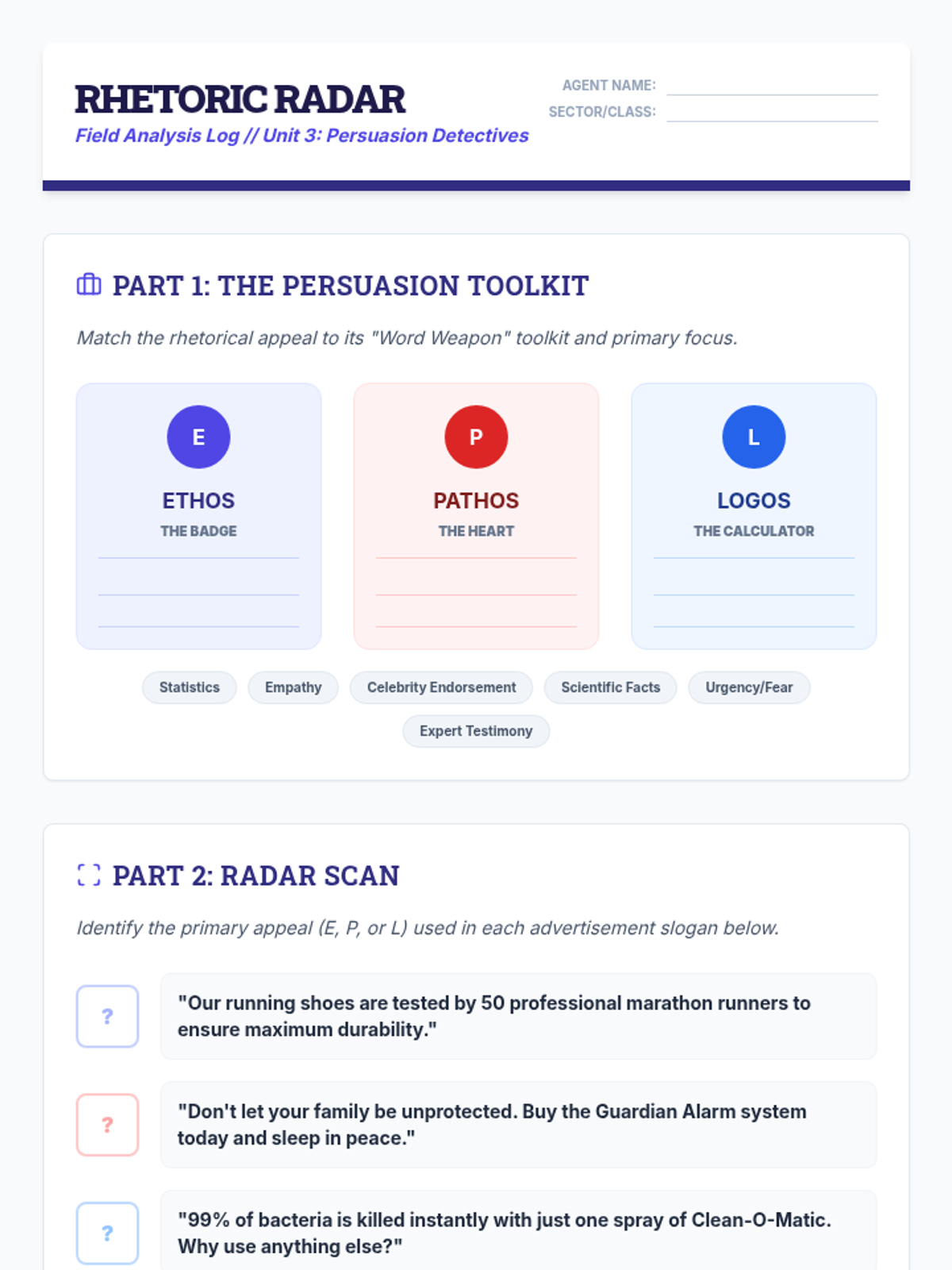
Students explore the core pillars of persuasion (Ethos, Pathos, Logos) and how they are used in modern advertising to influence consumer behavior.
A comprehensive lesson for 6th-grade students on the art of rhetoric, focusing on identifying Ethos, Pathos, and Logos in historical speeches and recognizing common logical fallacies.
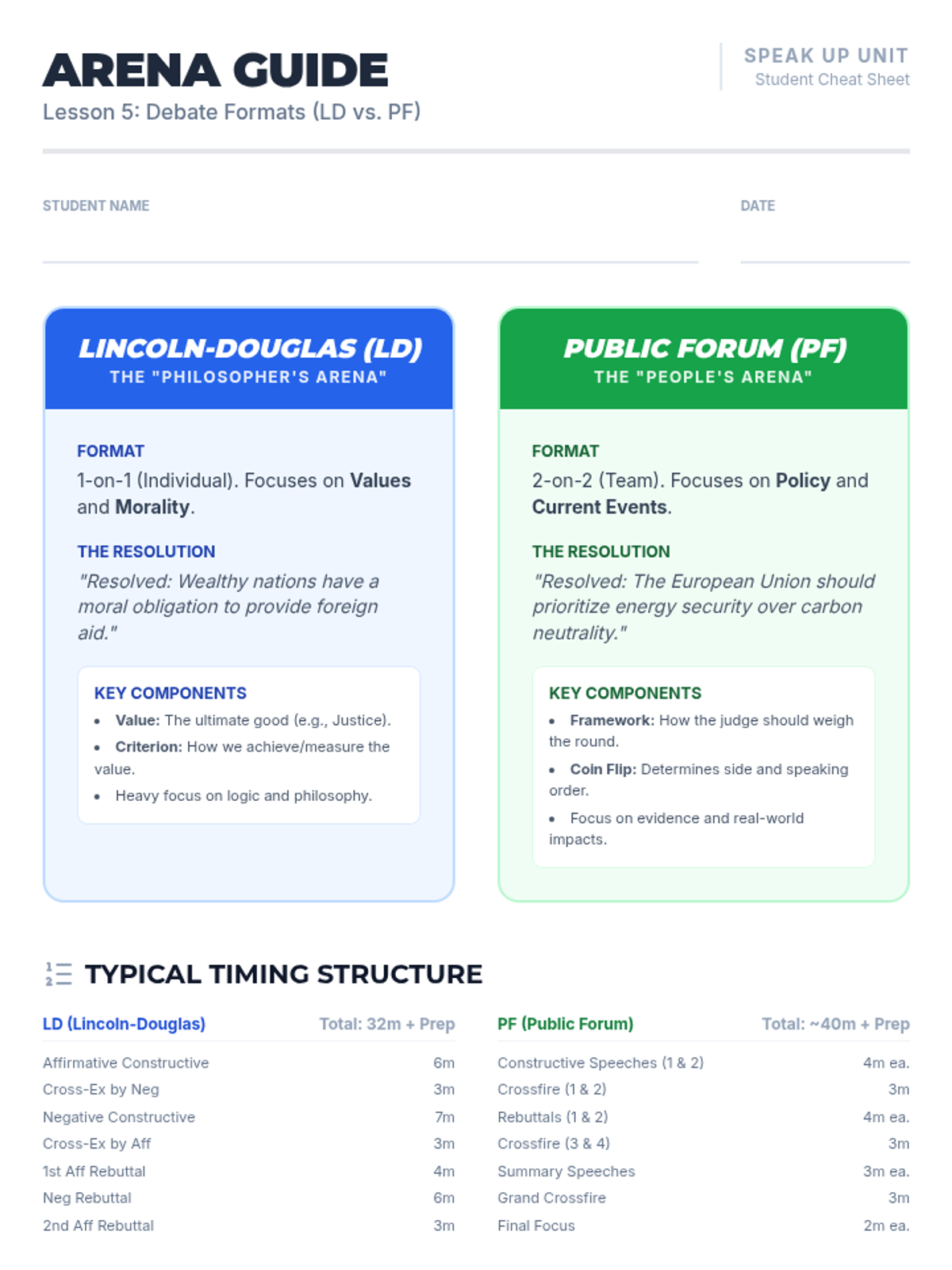
Compares Lincoln-Douglas and Public Forum debate formats, preparing students for competitive environments.
Teaches students how to find, evaluate, and cite credible evidence to support their arguments.
Explores logical reasoning and common logical fallacies that undermine debate arguments.
Introduces the Claim-Warrant-Data model of argumentation and basic structures for building a persuasive case.
Focuses on non-verbal communication, vocal variety, and overcoming stage fright to establish a professional presence.
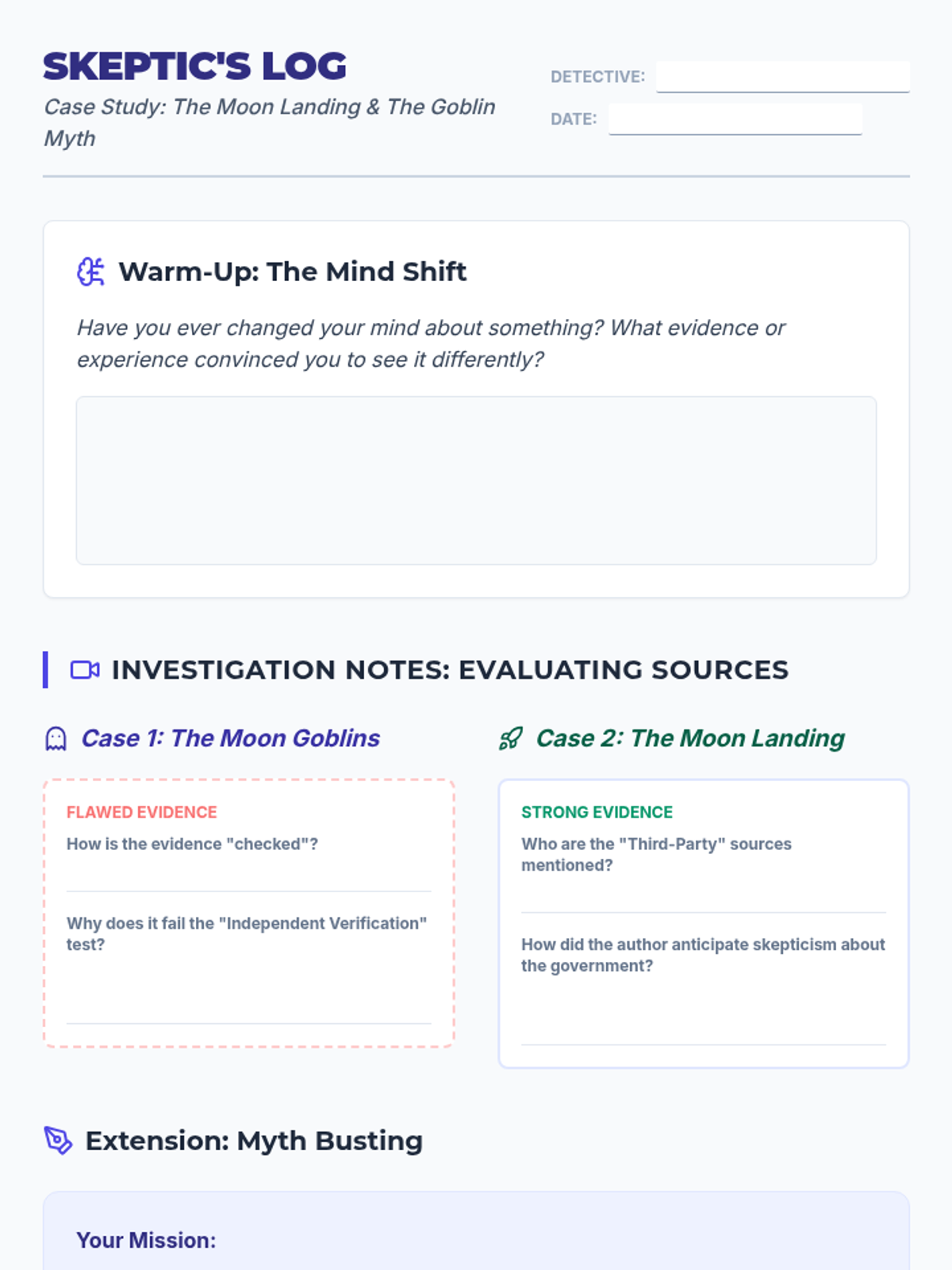
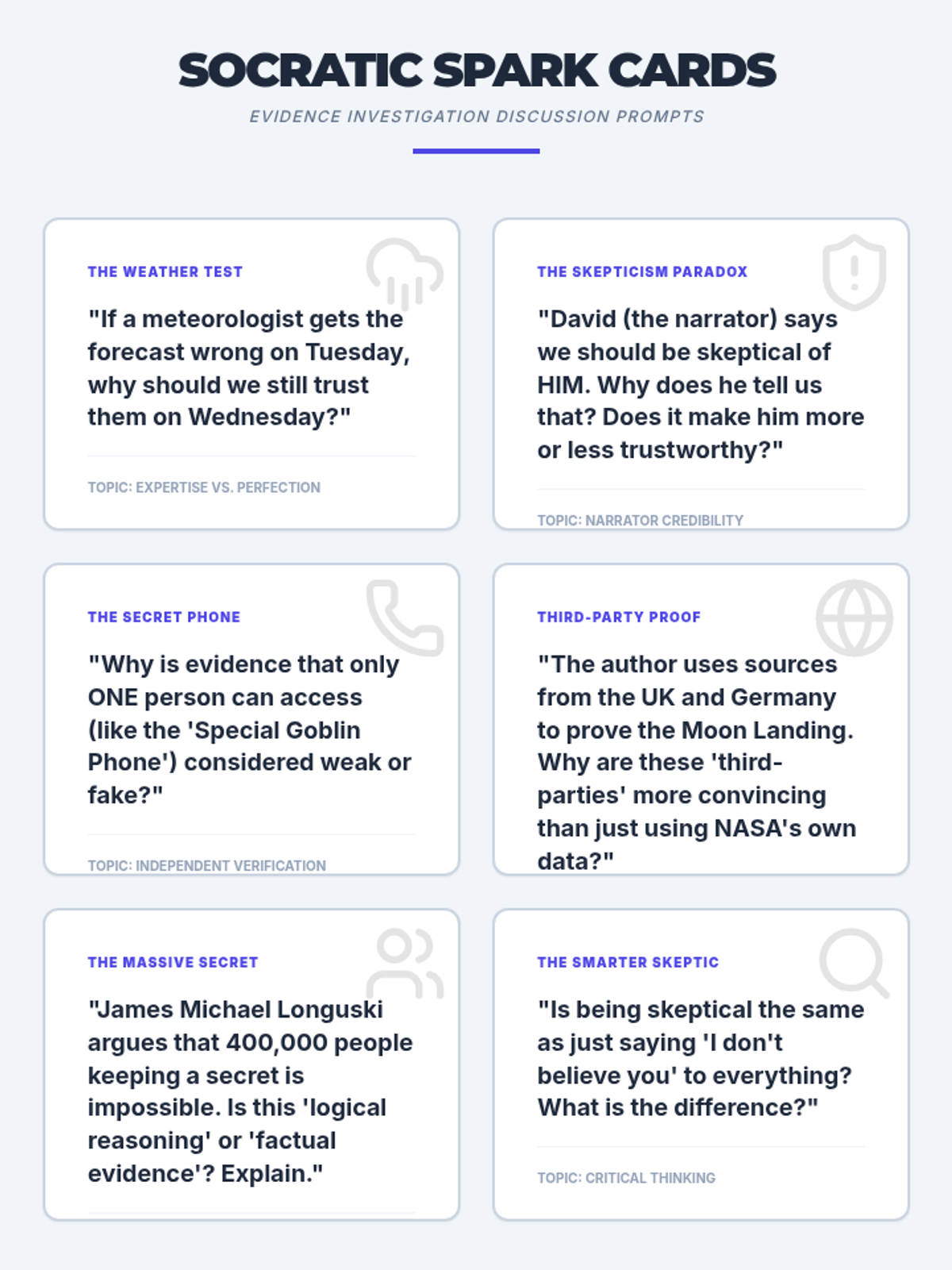
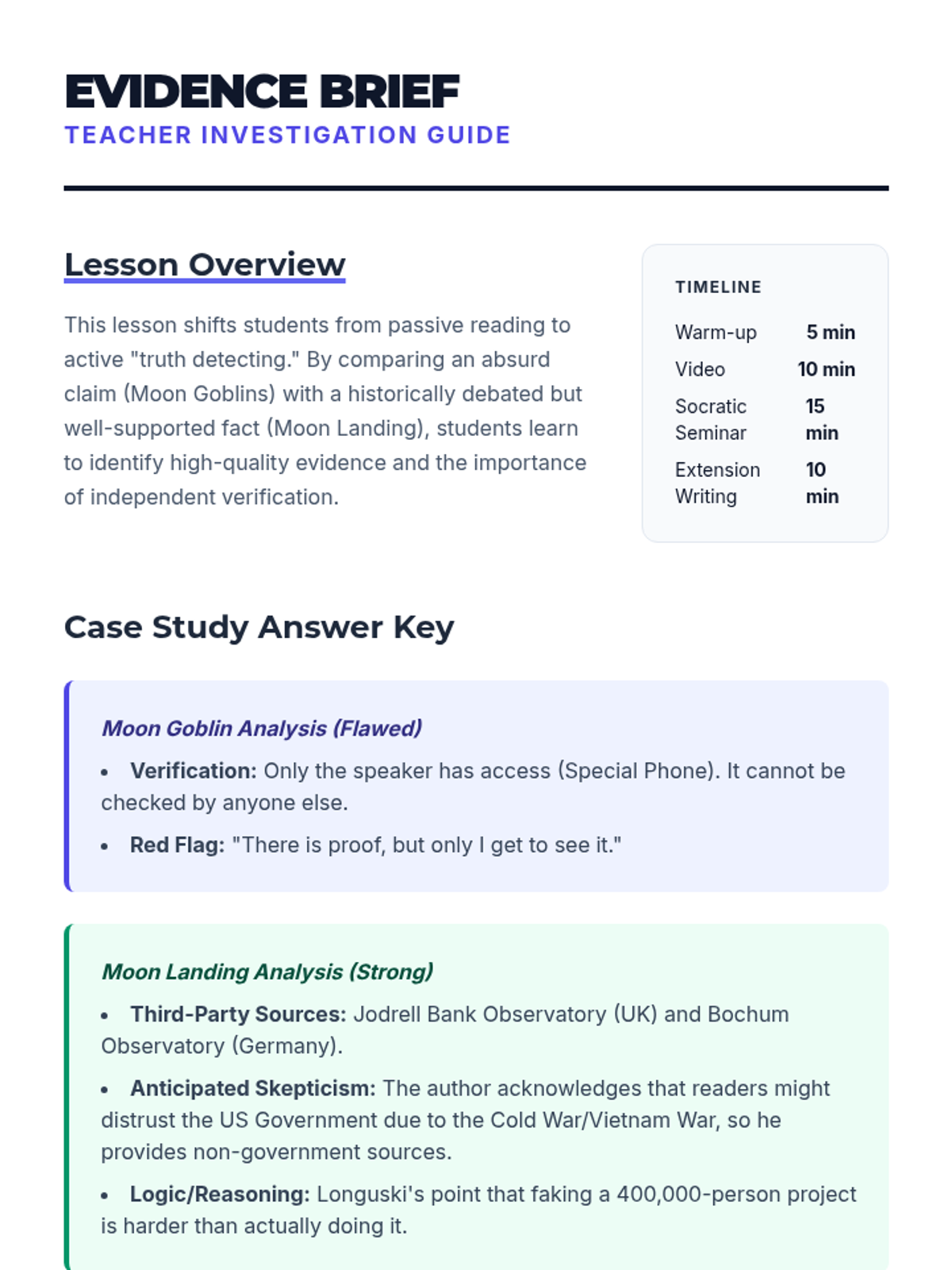
This lesson focuses on analyzing how authors use evidence and counter-arguments to build credibility, using the Khan Academy video on the Moon Landing as a central case study. Students will explore the concepts of skepticism, independent verification, and the three pillars of argument (Claim, Evidence, Reasoning).
Students participate in a Socratic Seminar or structured debate based on controversial nonfiction texts. They use specific textual evidence to support points and build on others' ideas.
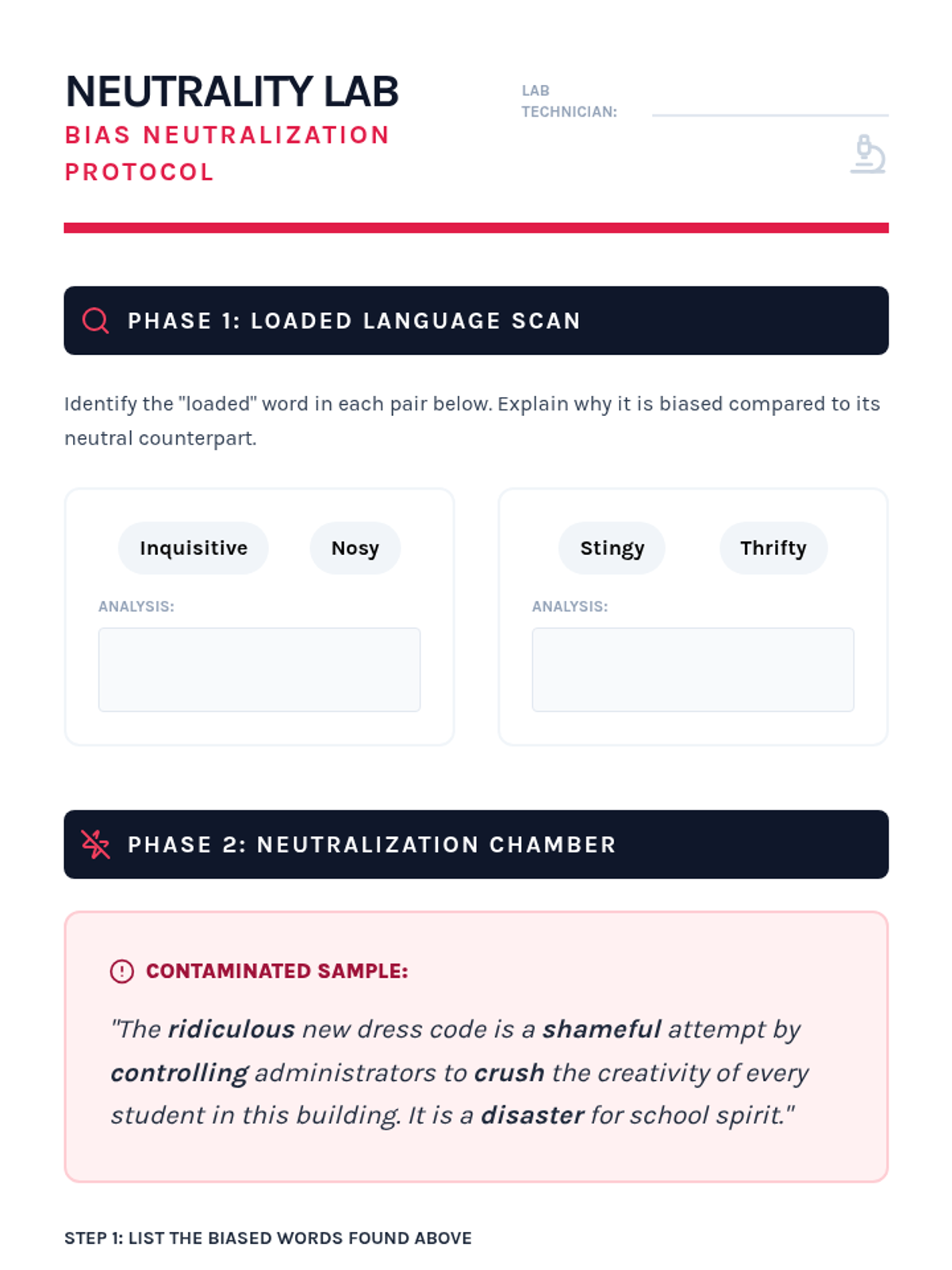
Students explore how an author's background or purpose influences a text. They identify loaded language and omissions as tools of bias and practice rewriting biased content.
Students judge whether an author has provided enough evidence to support a claim. They look for logical fallacies or generalizations and assess article robustness.
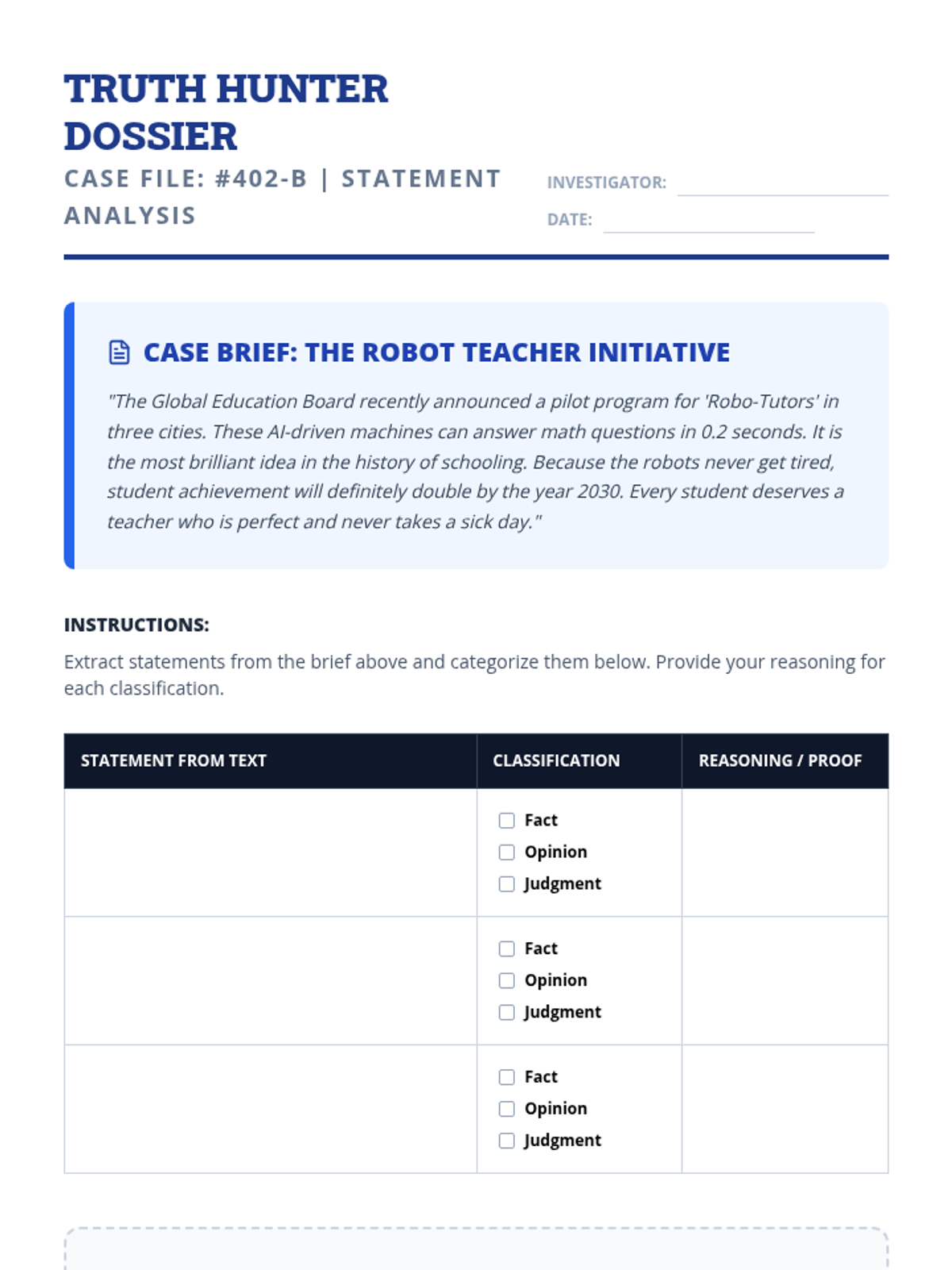
Students categorize statements into facts, opinions, and reasoned judgments. They discuss how authors blend these to persuade readers and engage in a fact-checking activity.
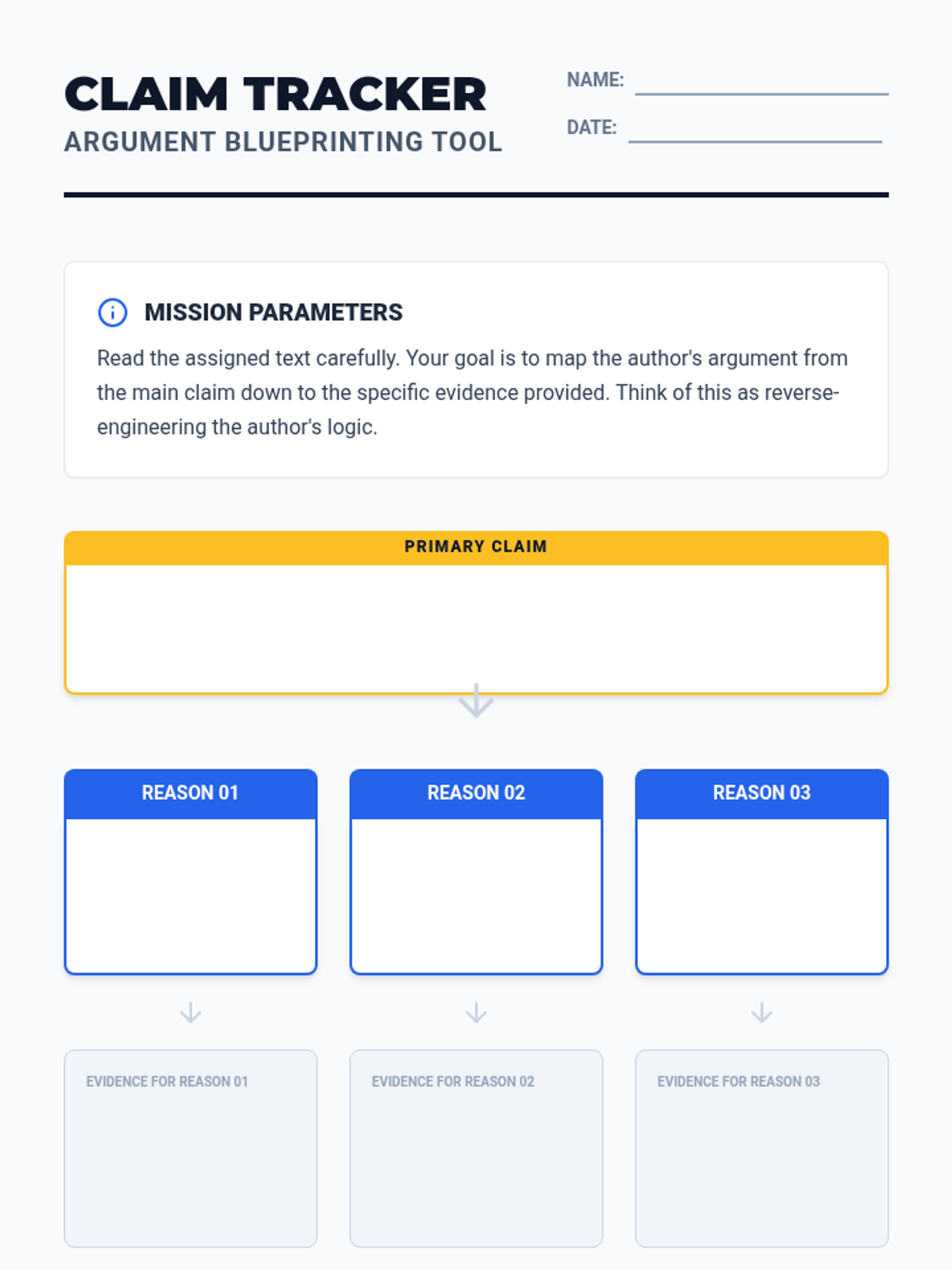
Students identify the primary claim an author is making in an argumentative nonfiction text. They map the logical flow of reasons provided to support the claim and distinguish between informational and argumentative writing.
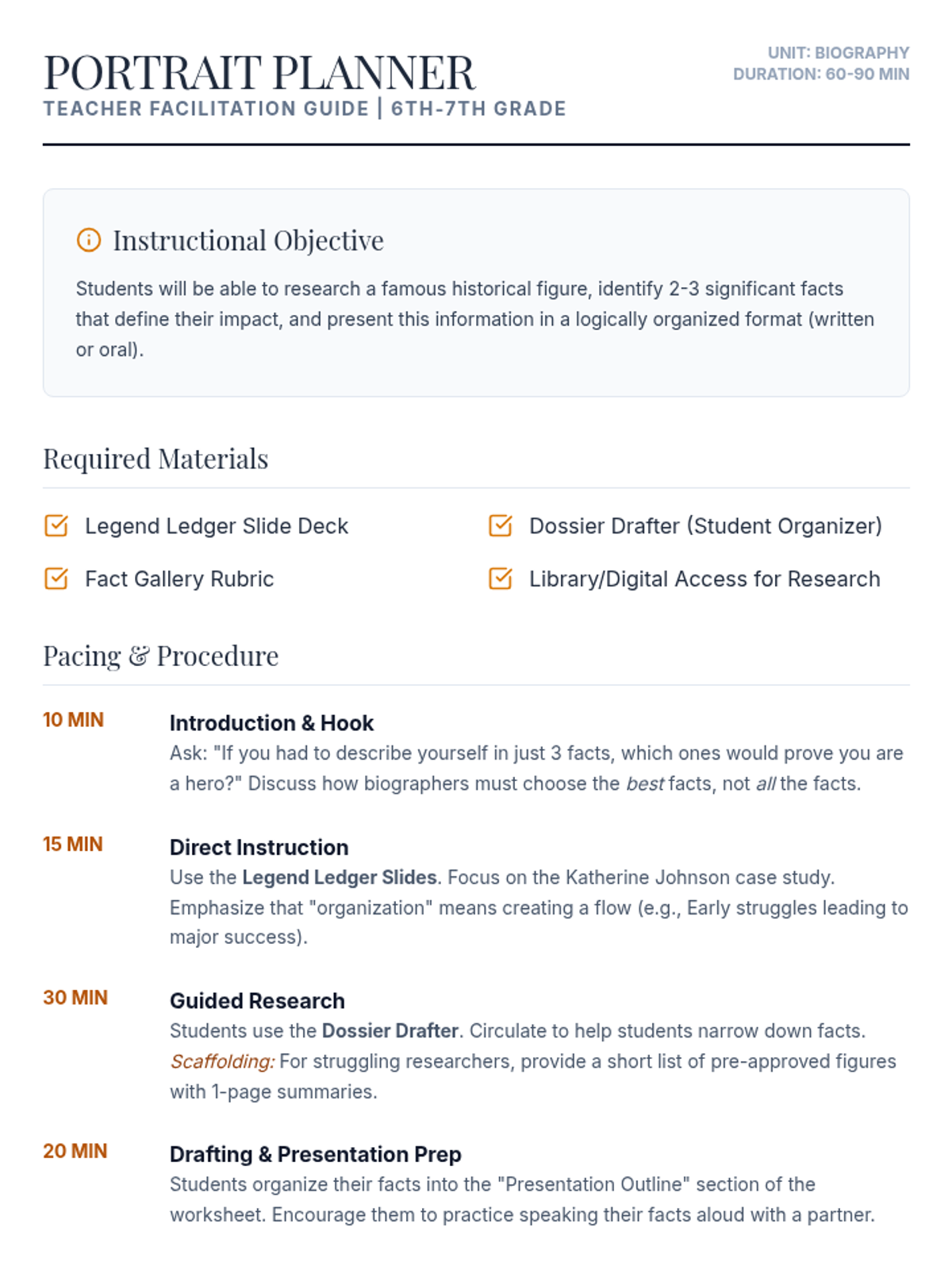
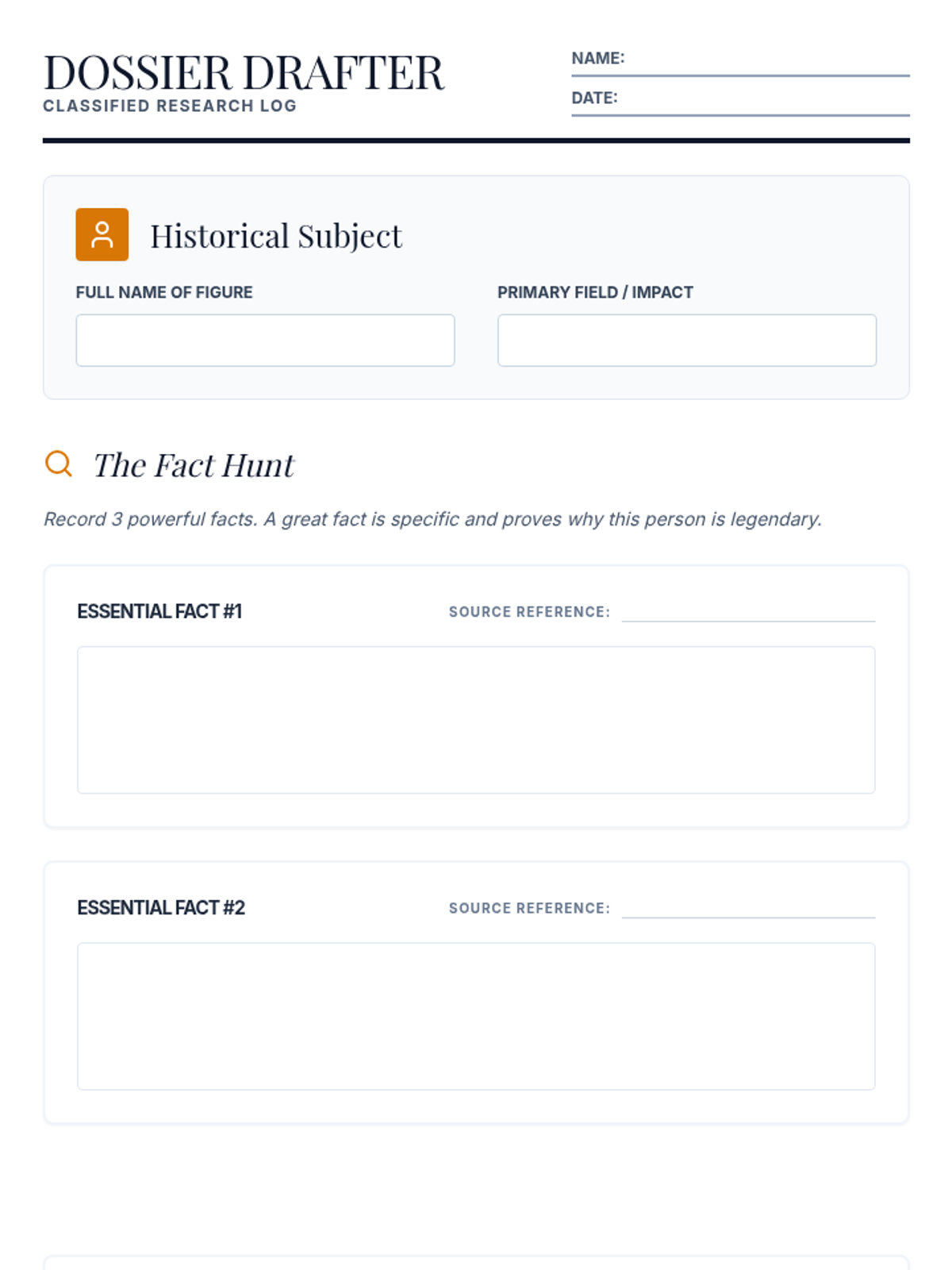
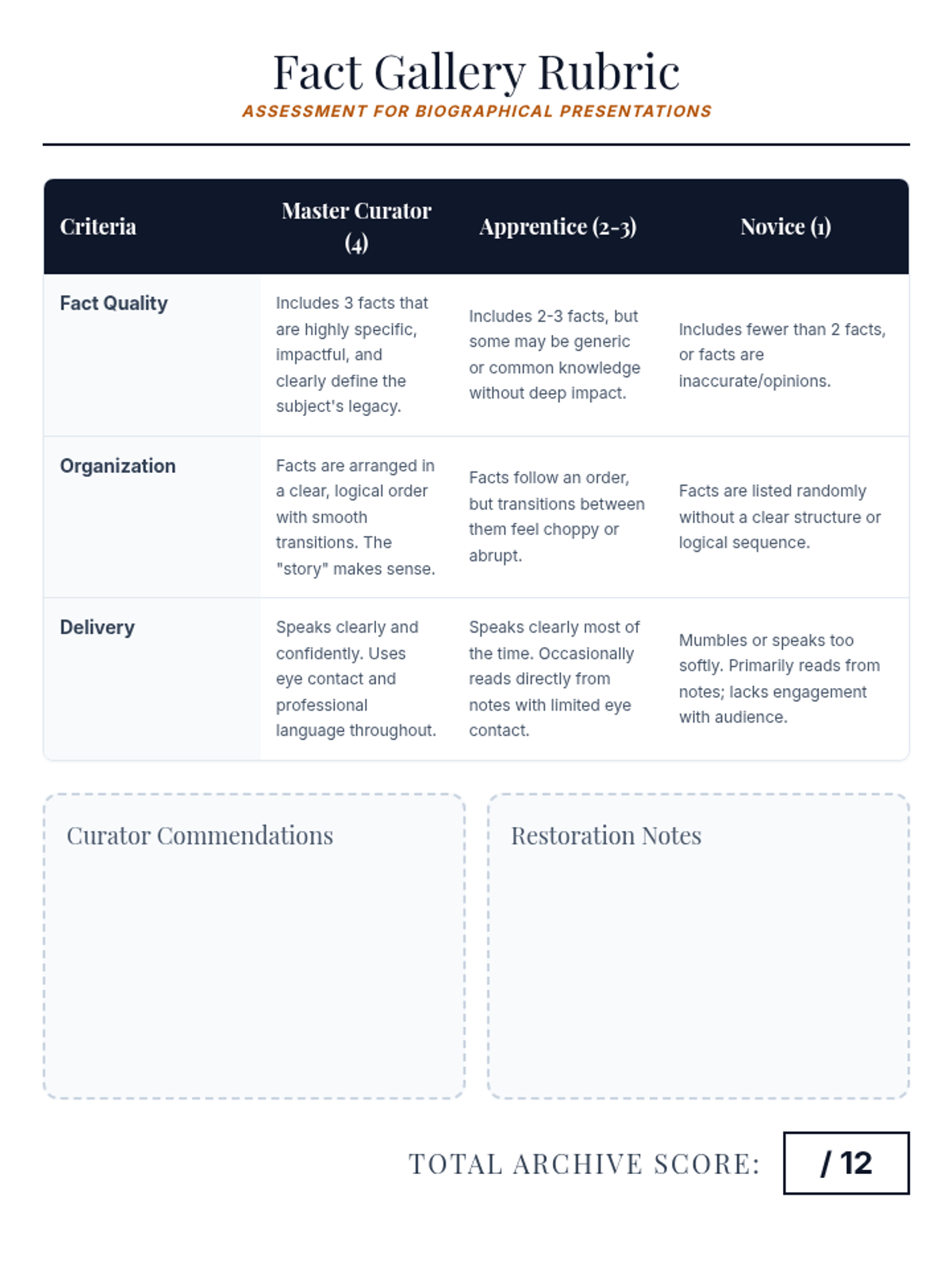
A lesson focused on researching and organizing key facts about historical figures to create a compelling biographical presentation. Students learn to select impactful information and structure it logically for an audience.
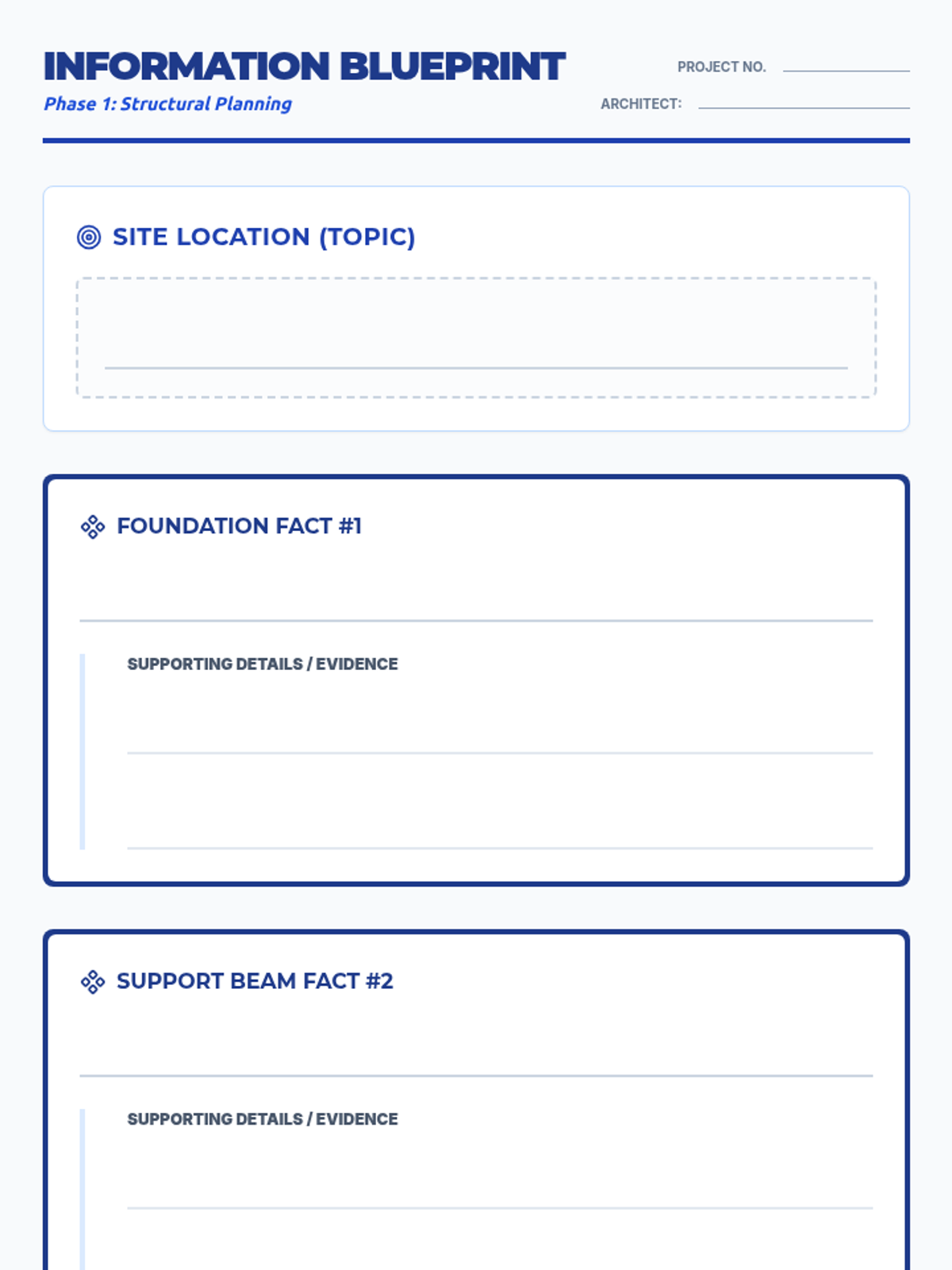
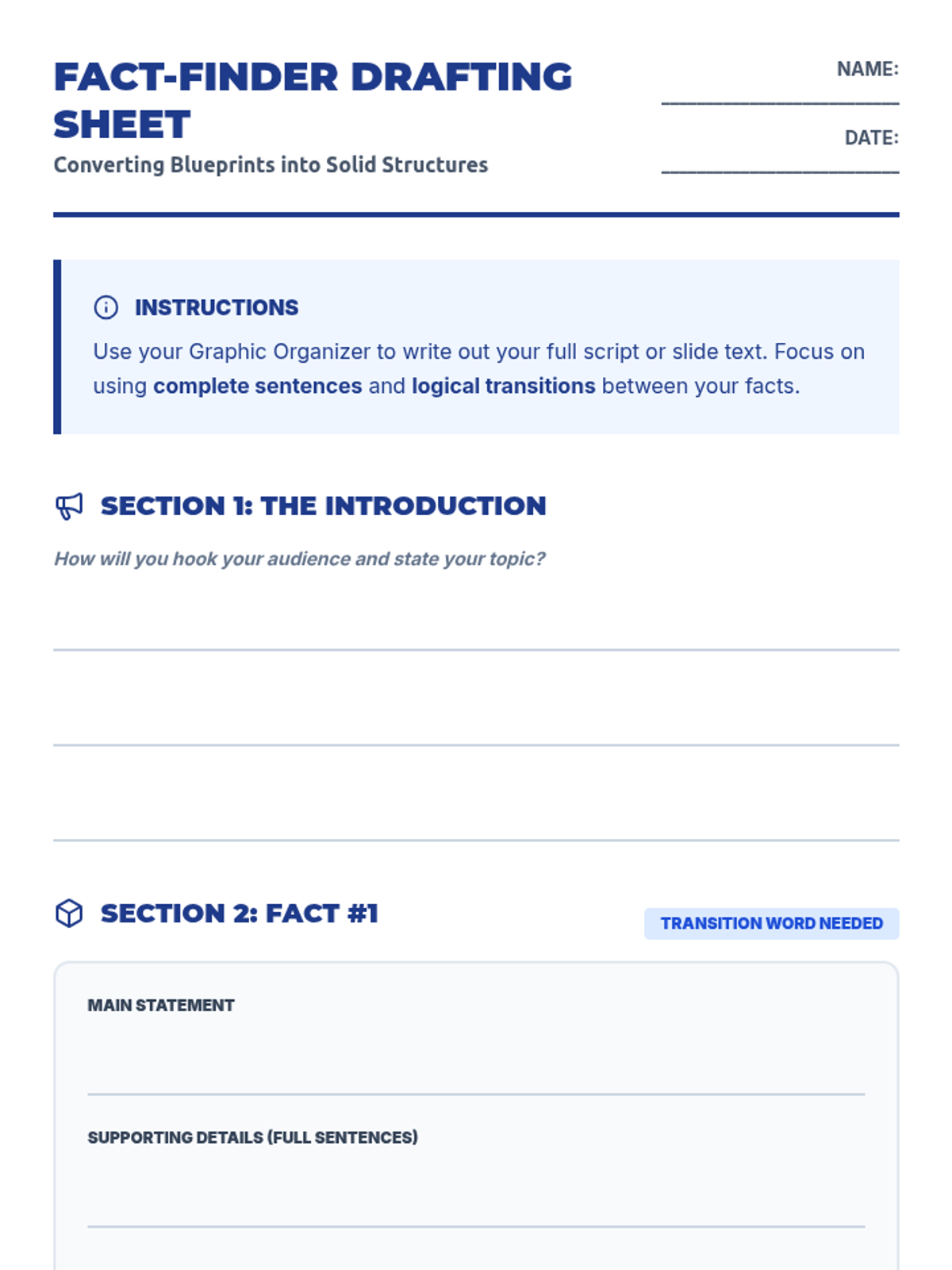
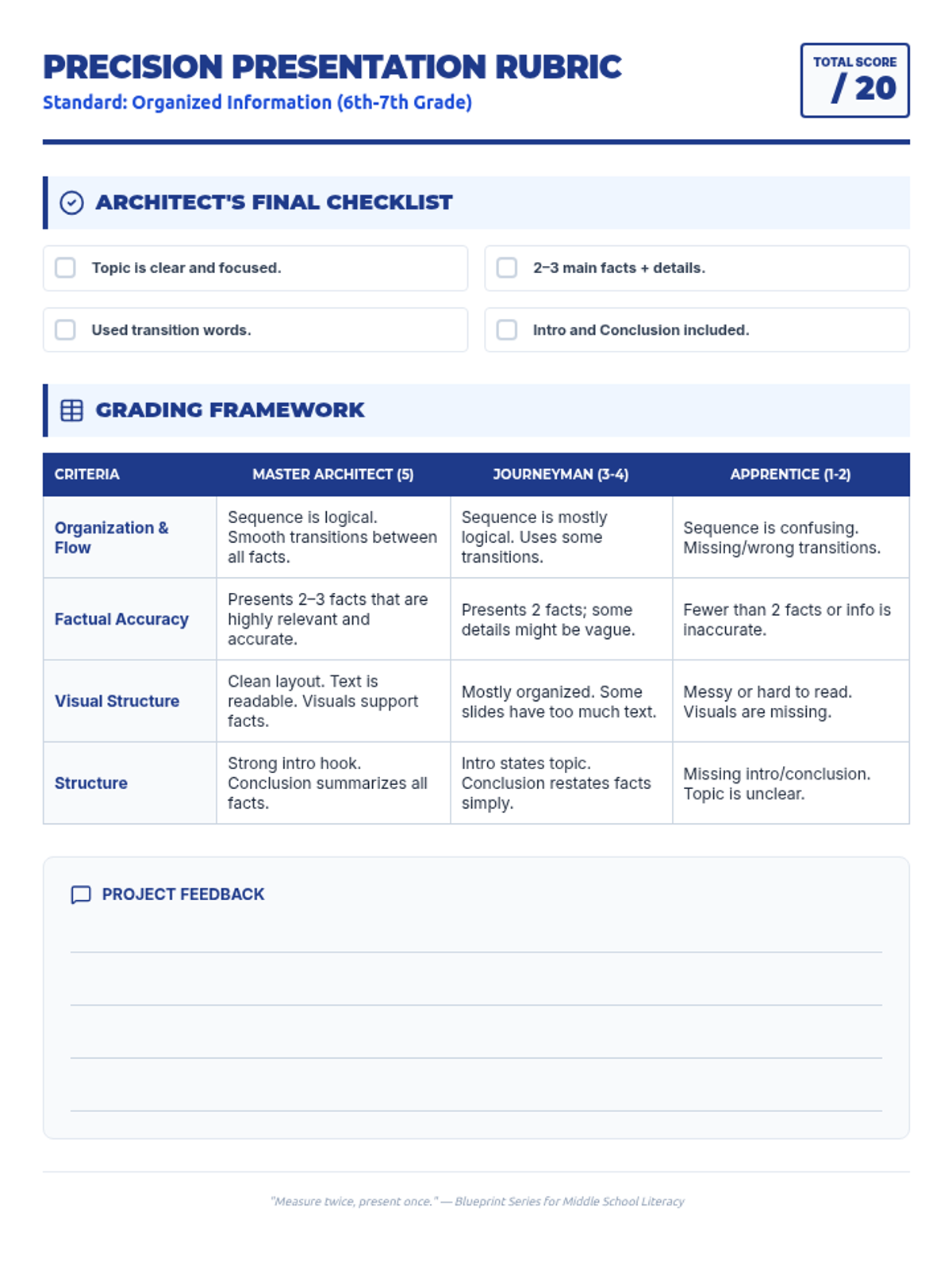
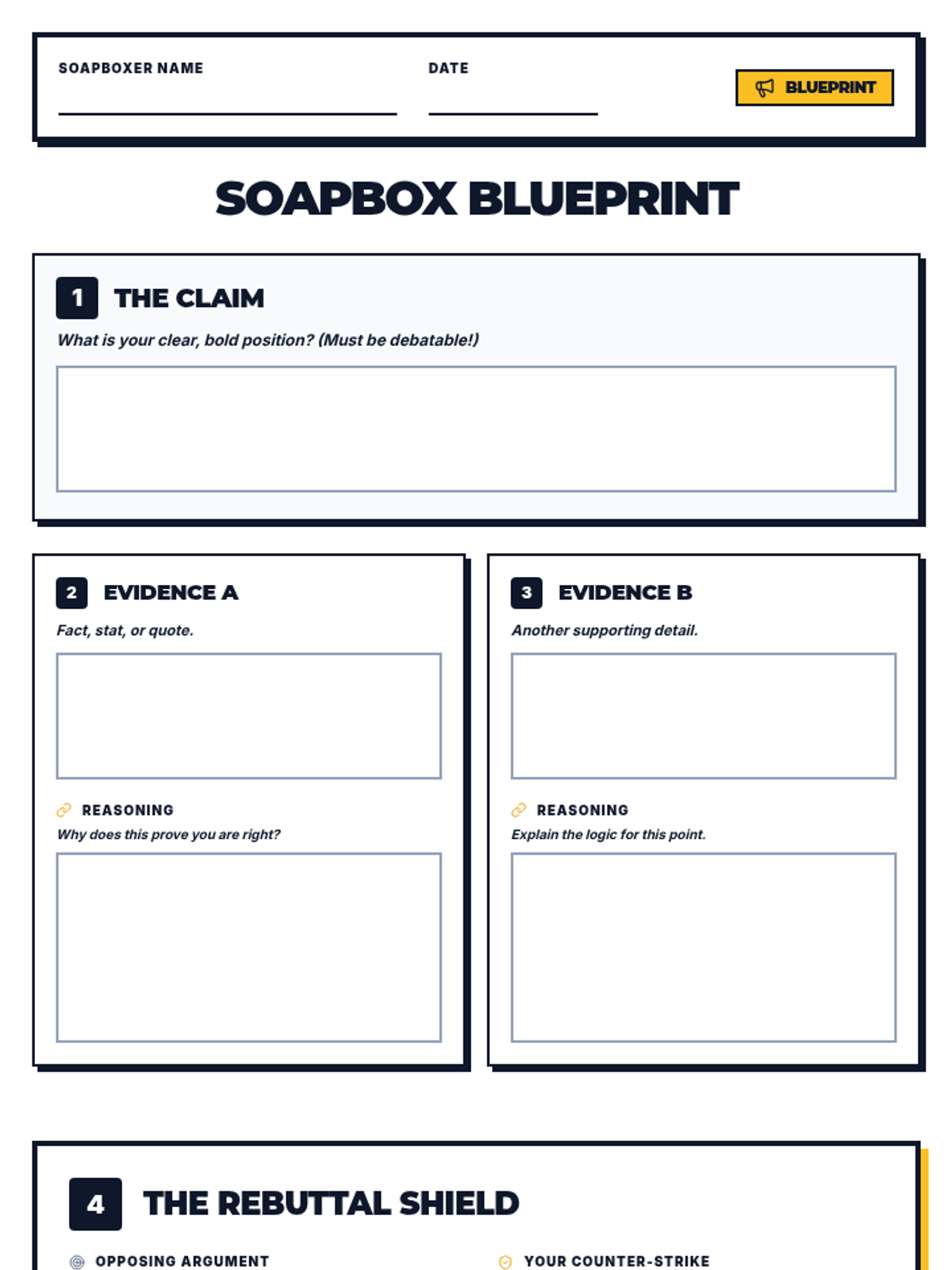
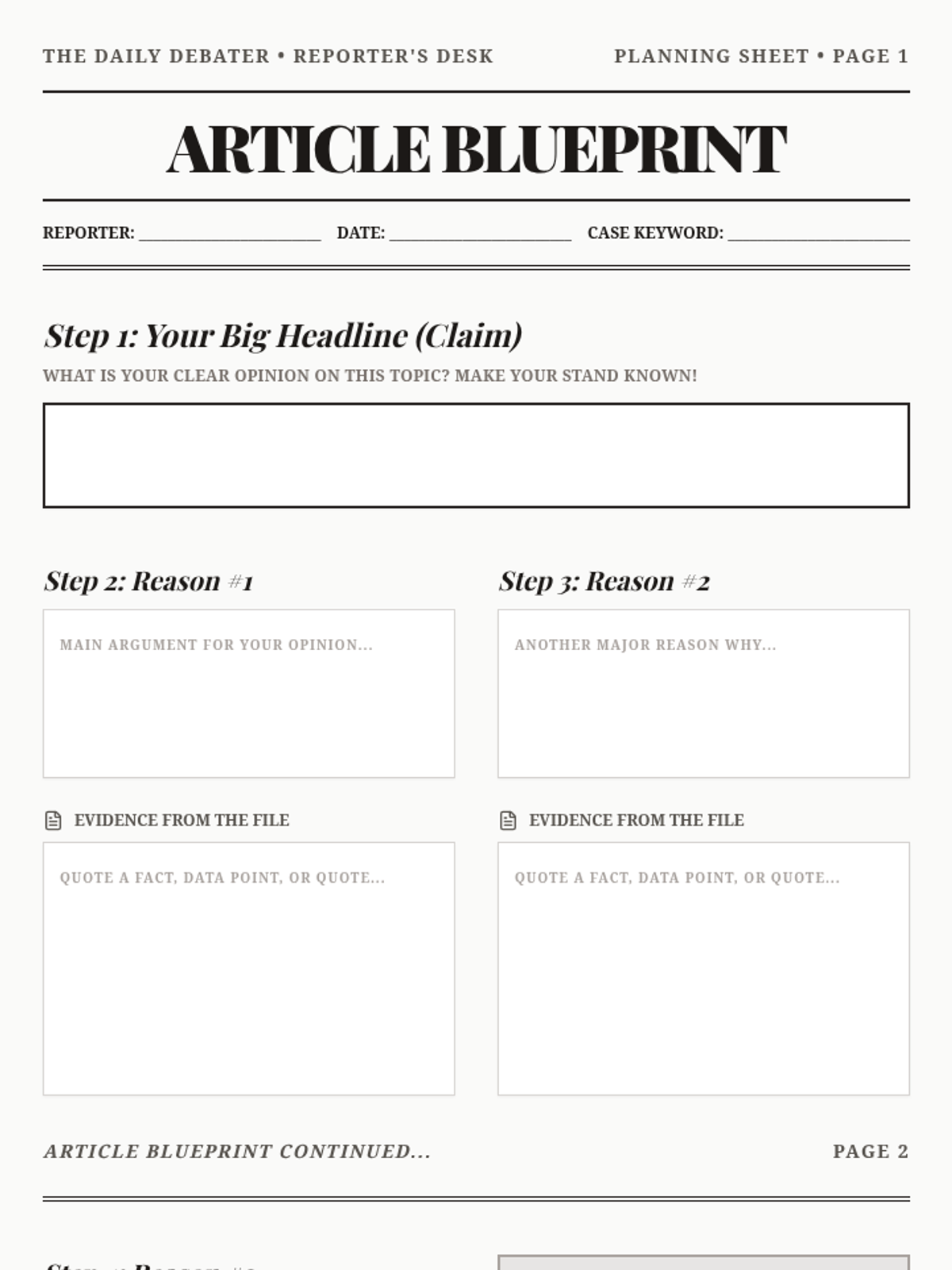
A middle school lesson focused on researching, organizing, and presenting factual information using a structured 'blueprint' approach. Students will learn to select a topic, gather 2-3 supporting facts, and arrange them logically for a presentation.
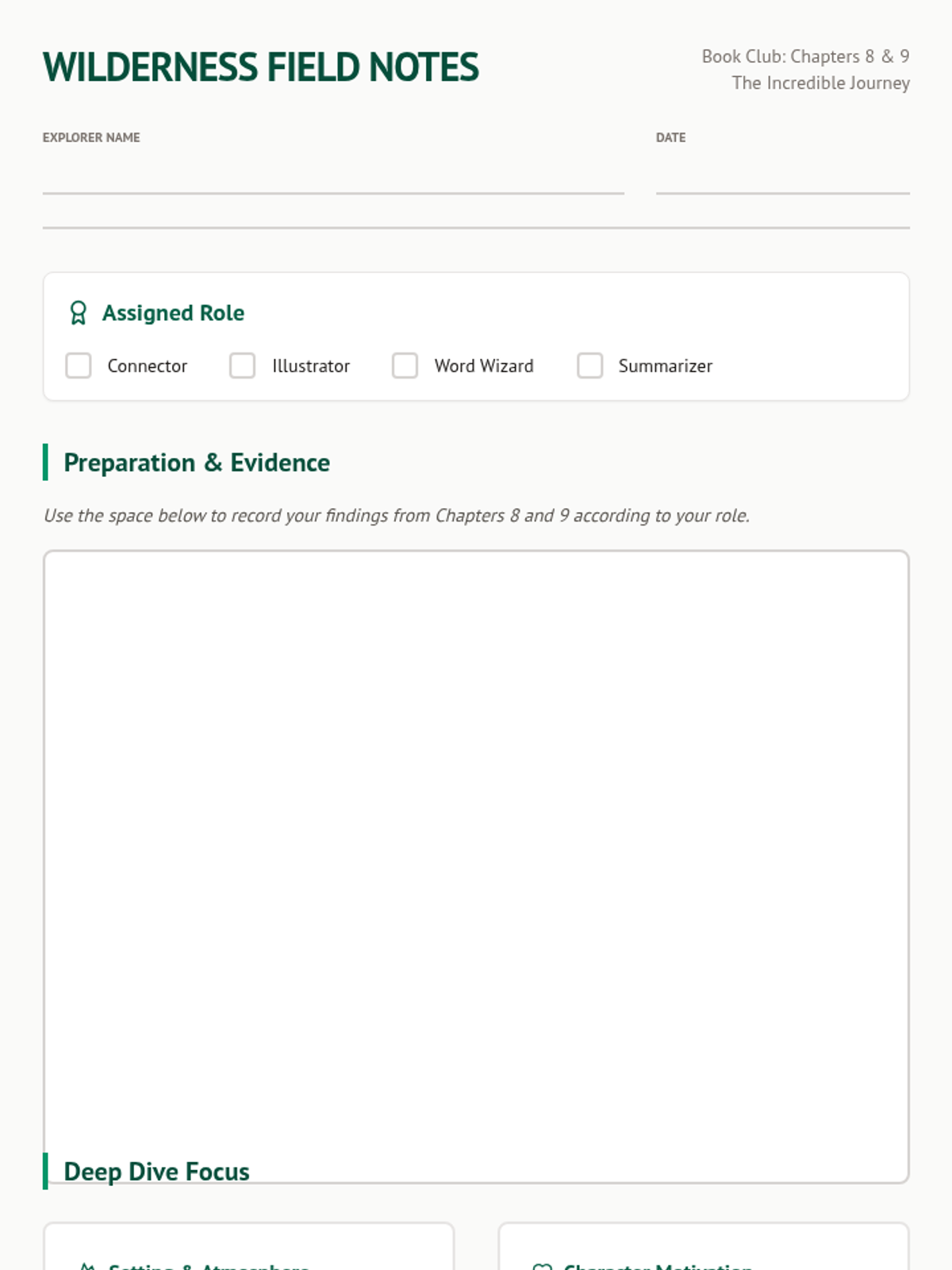
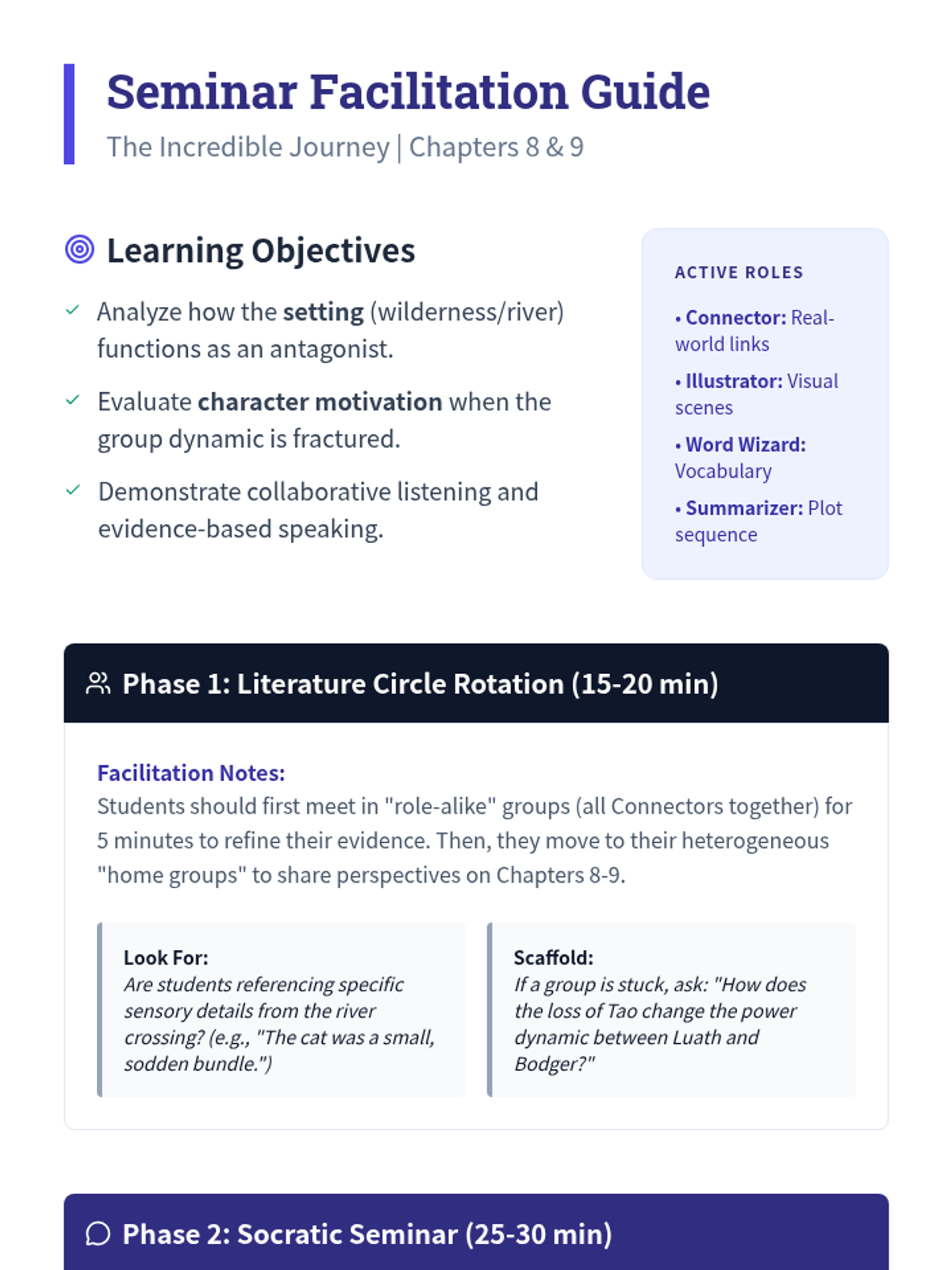
A deep dive into Sheila Burnford's classic adventure, focusing on the trio's survival through the Canadian wilderness. Students explore character motivations, analyze the atmospheric setting, and practice collaborative discussion techniques.
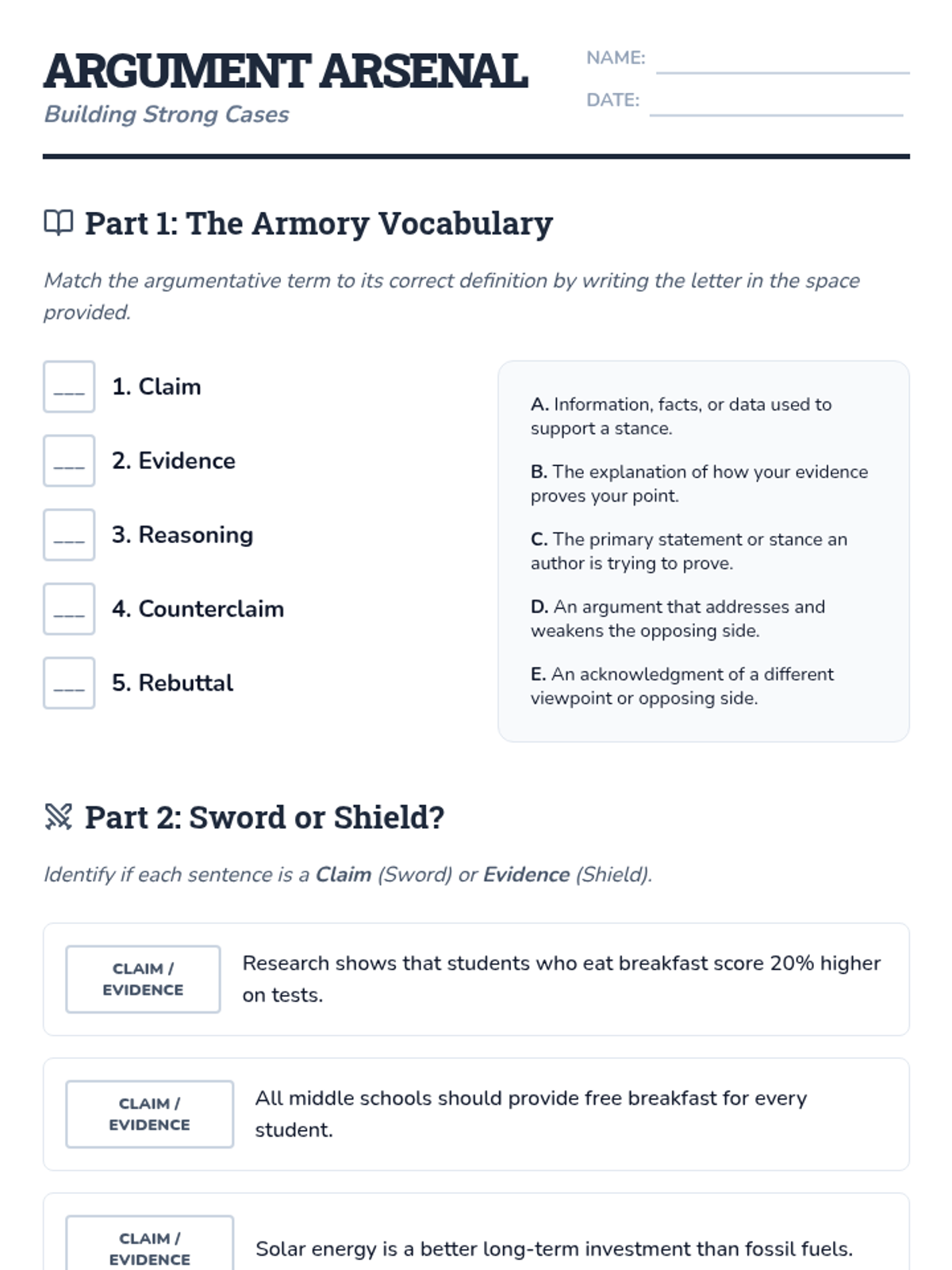
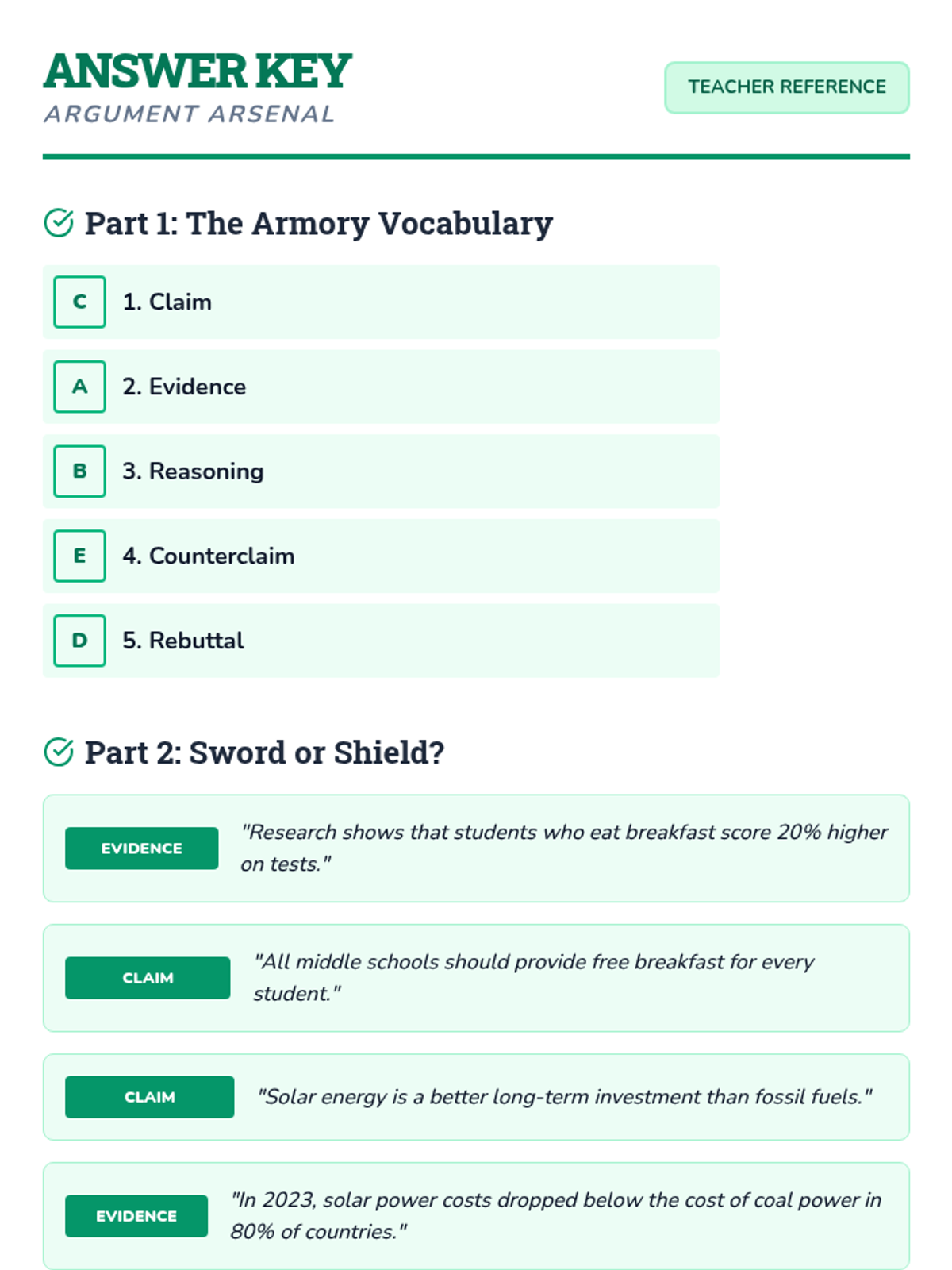
A lesson focused on identifying and constructing argumentative claims supported by strong evidence, using an engaging armory theme.
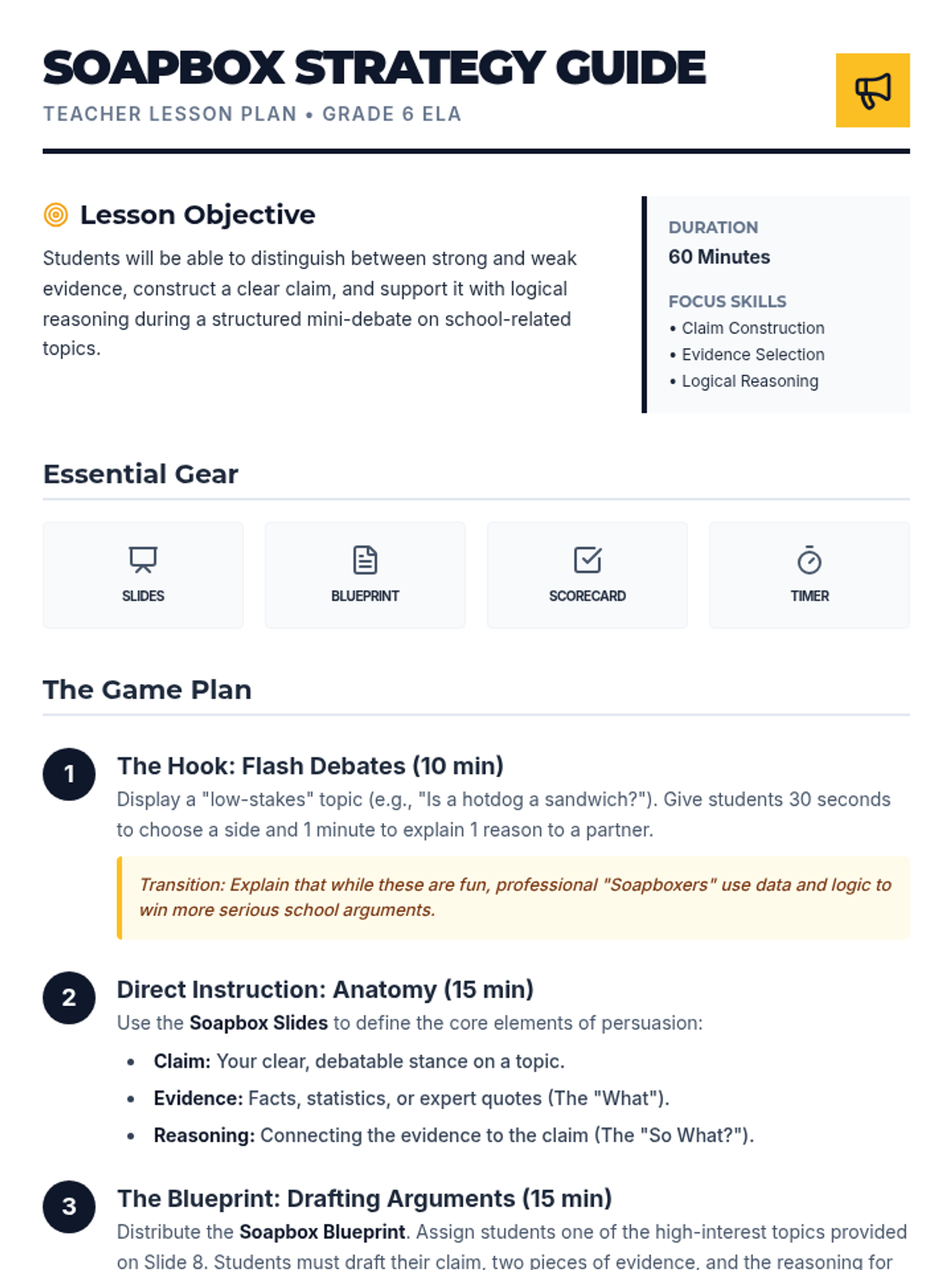
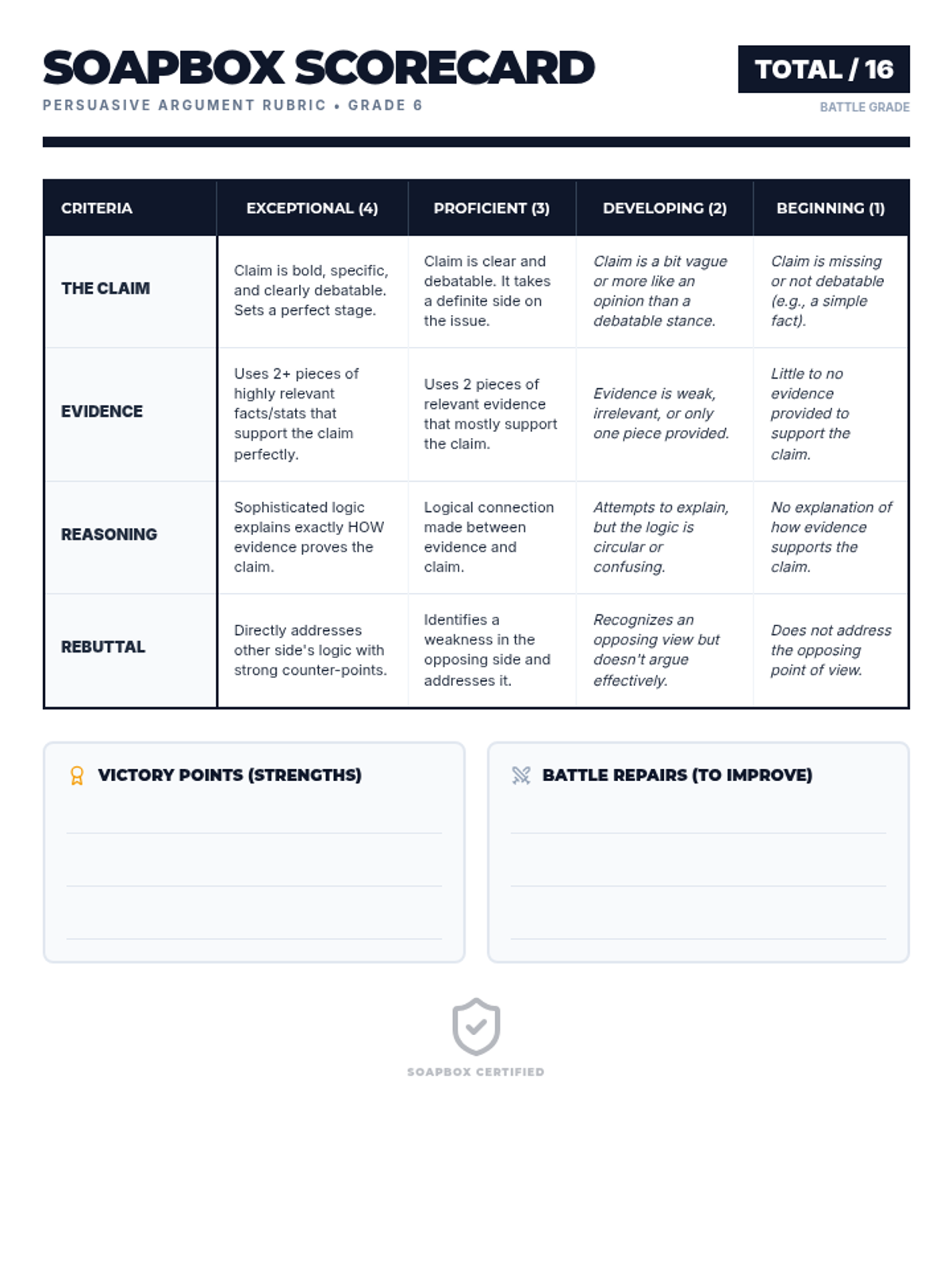
A 6th-grade lesson on claim and evidence where students master persuasive techniques through mini-debates on high-interest school topics. Students will learn to construct logical arguments and select the most relevant evidence to support their positions.
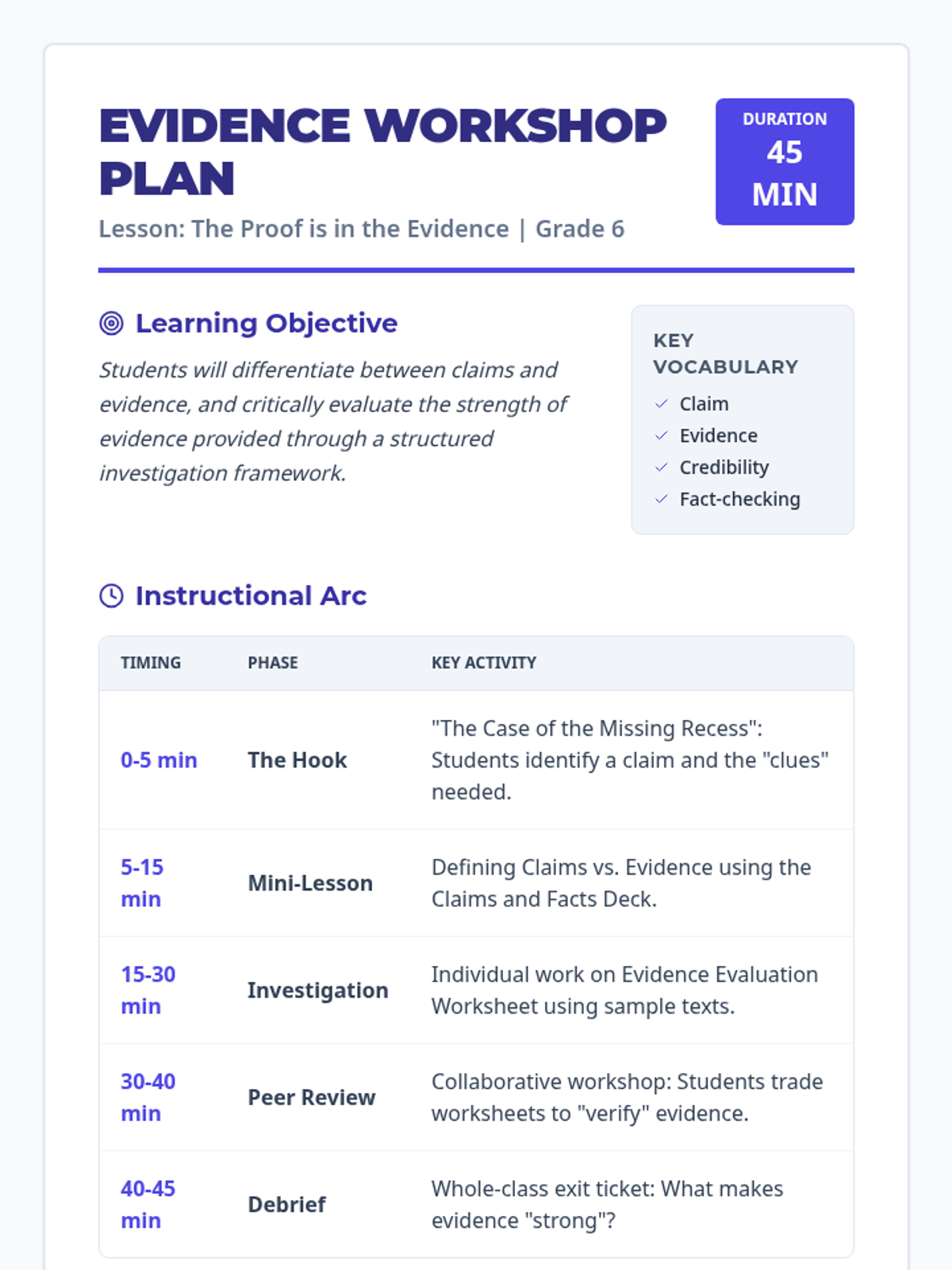
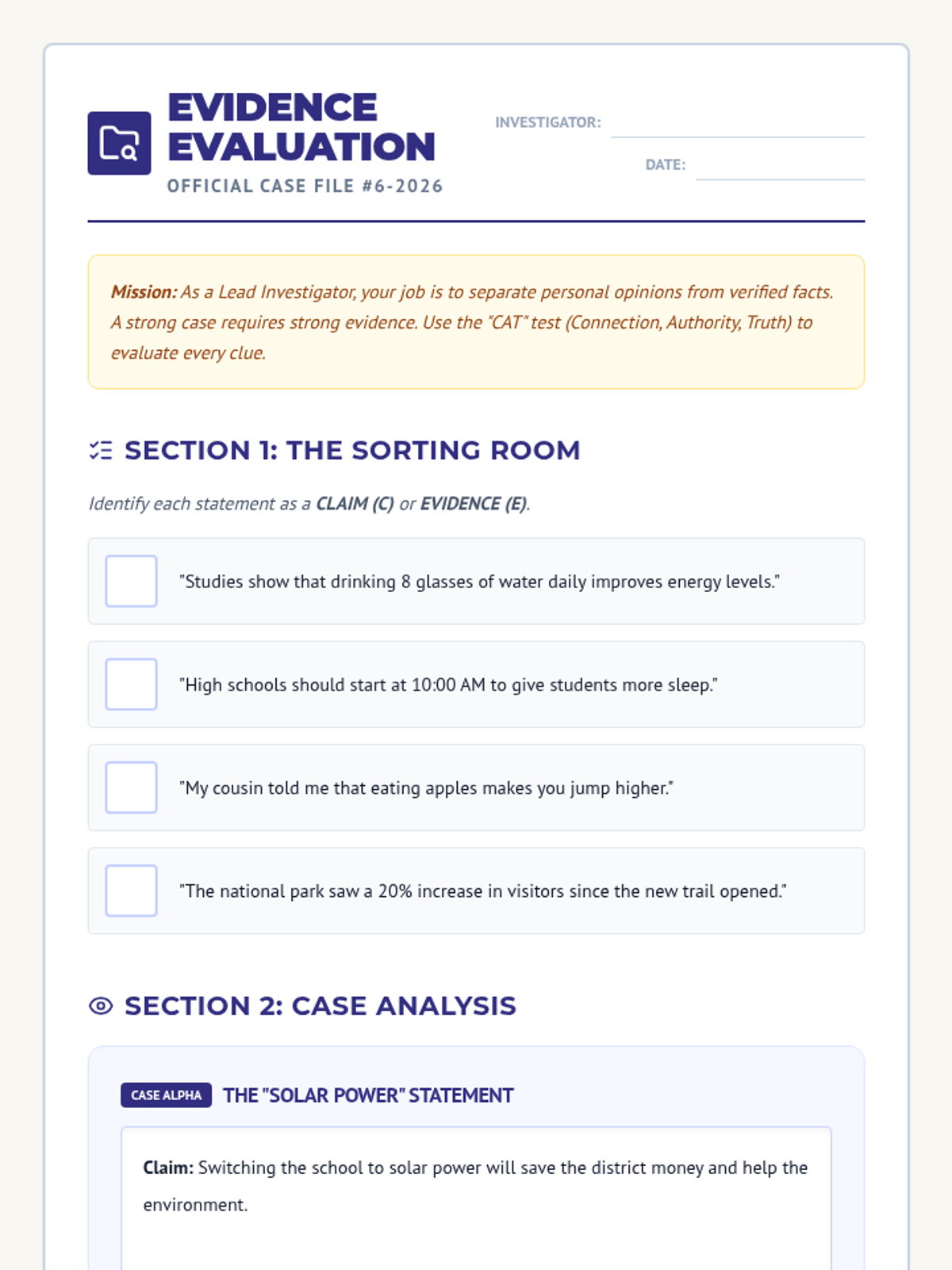
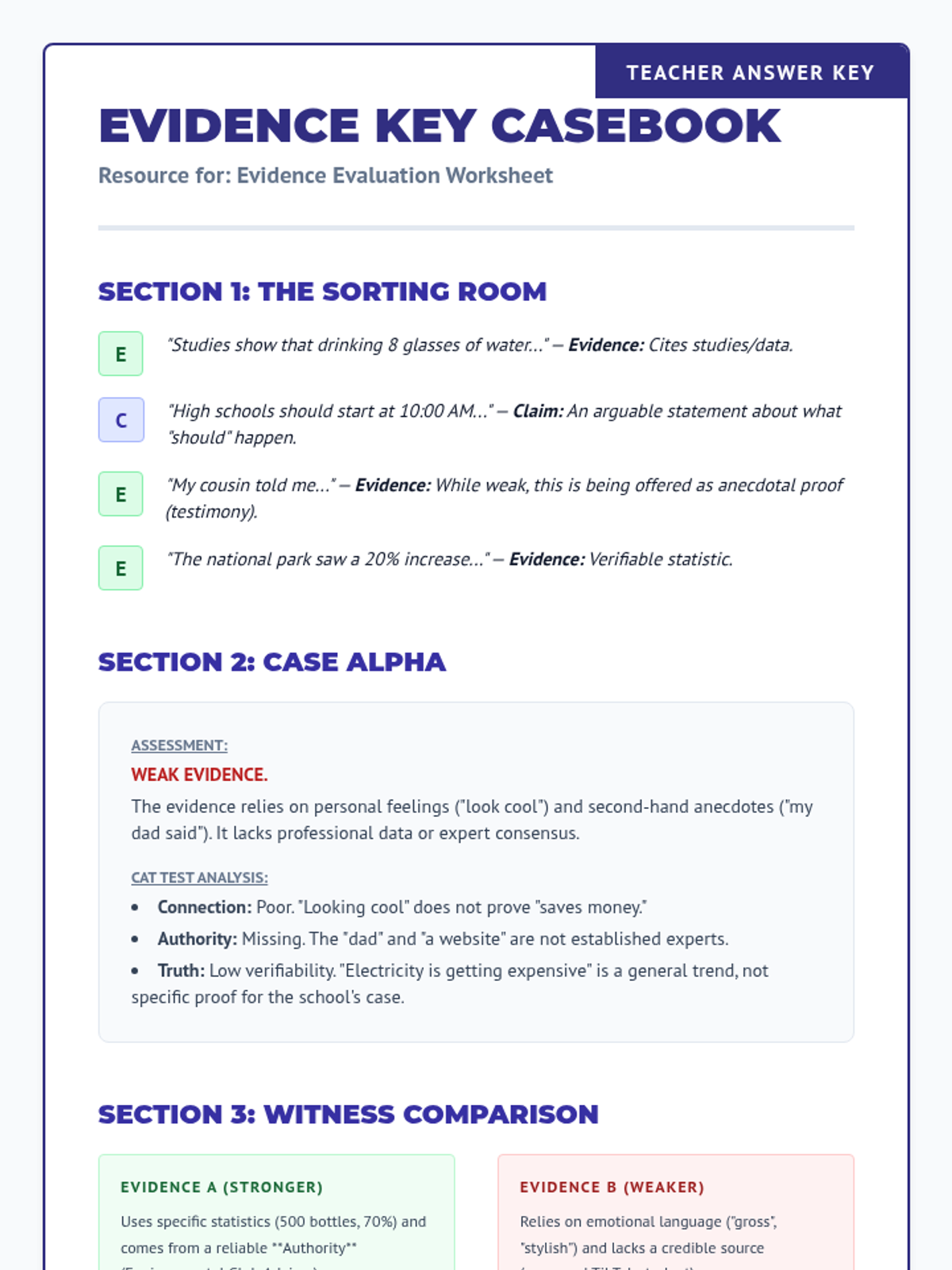
A 45-minute inquiry-based lesson where 6th-grade students learn to identify claims and evaluate the quality of supporting evidence through a detective-themed investigation.
A choice-based writing lesson where students select an opinion prompt and use provided short articles to gather evidence for their persuasive pieces.
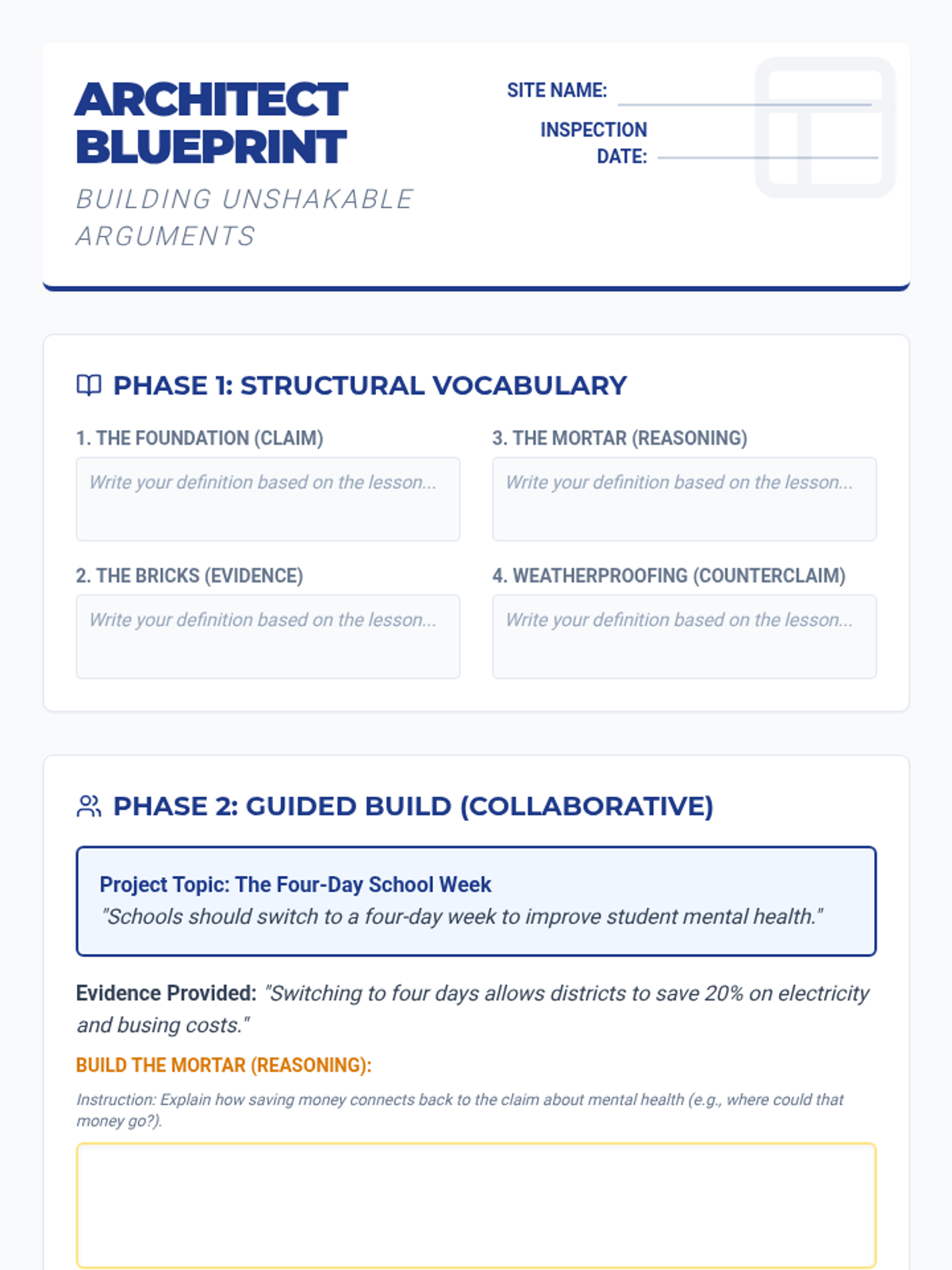
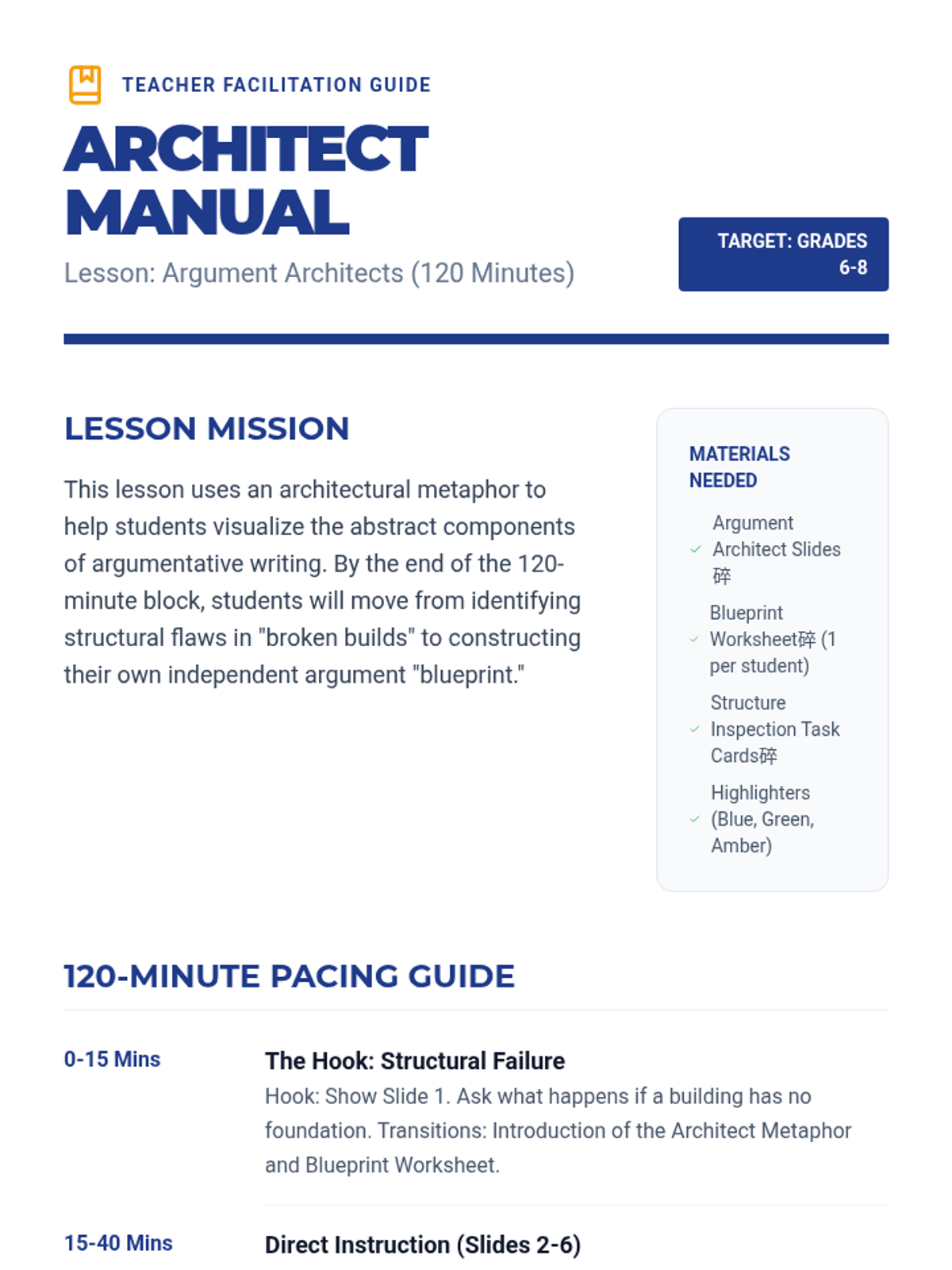
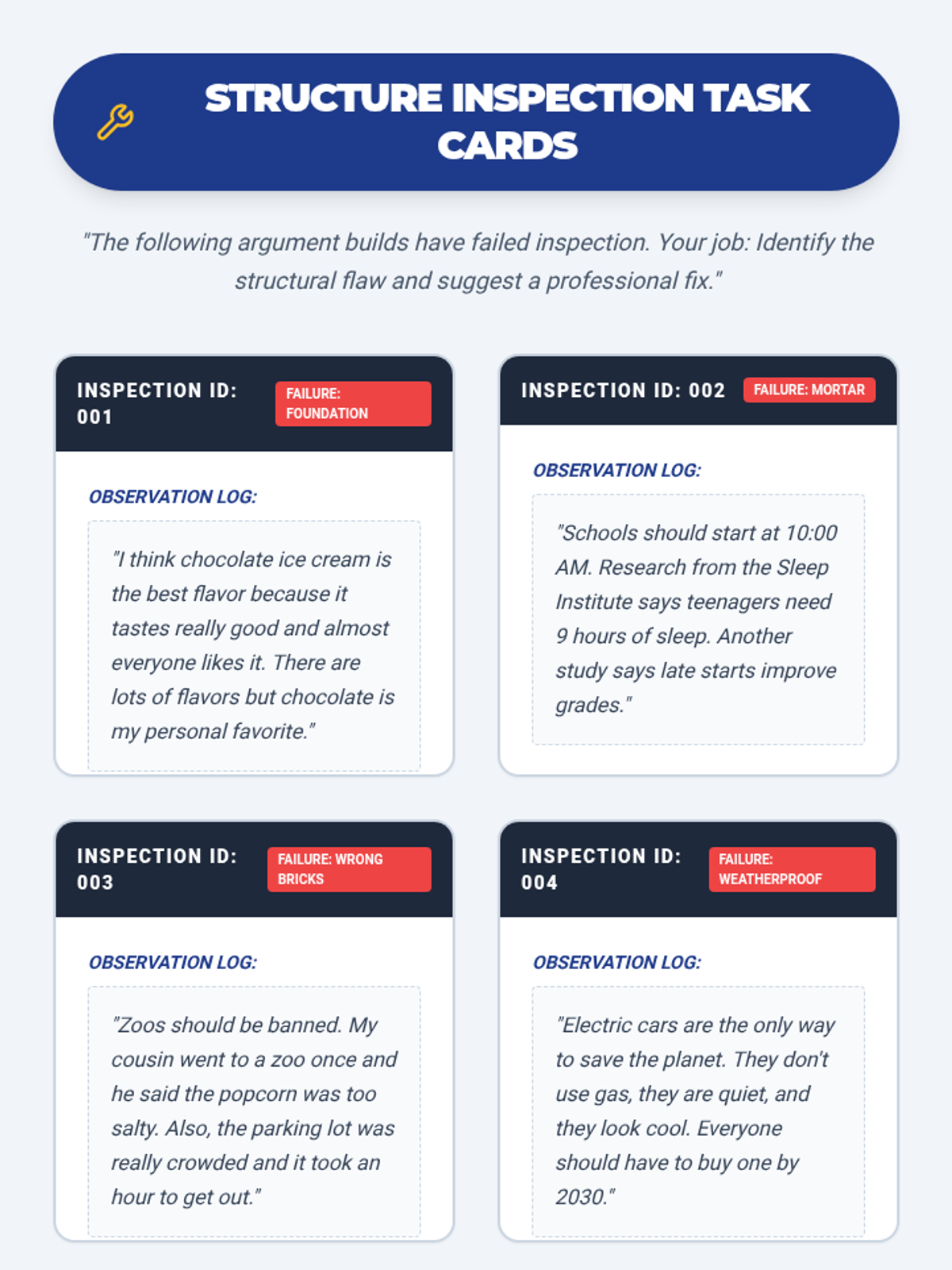
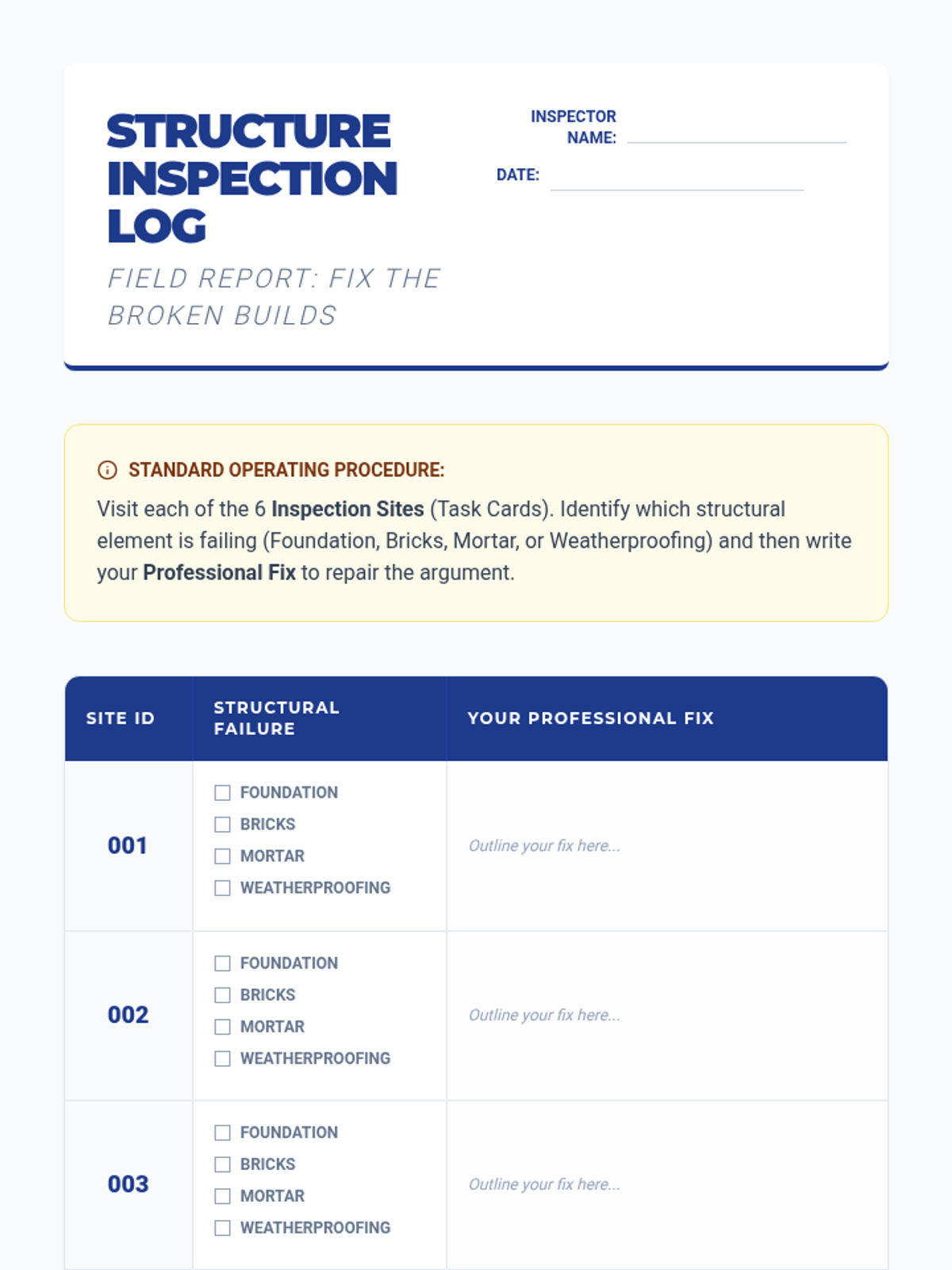
A comprehensive 120-minute lesson designed to teach middle schoolers the structural components of argumentative writing through an architectural metaphor. Students learn about claims, evidence, reasoning, and counterclaims while engaging in collaborative and independent building.
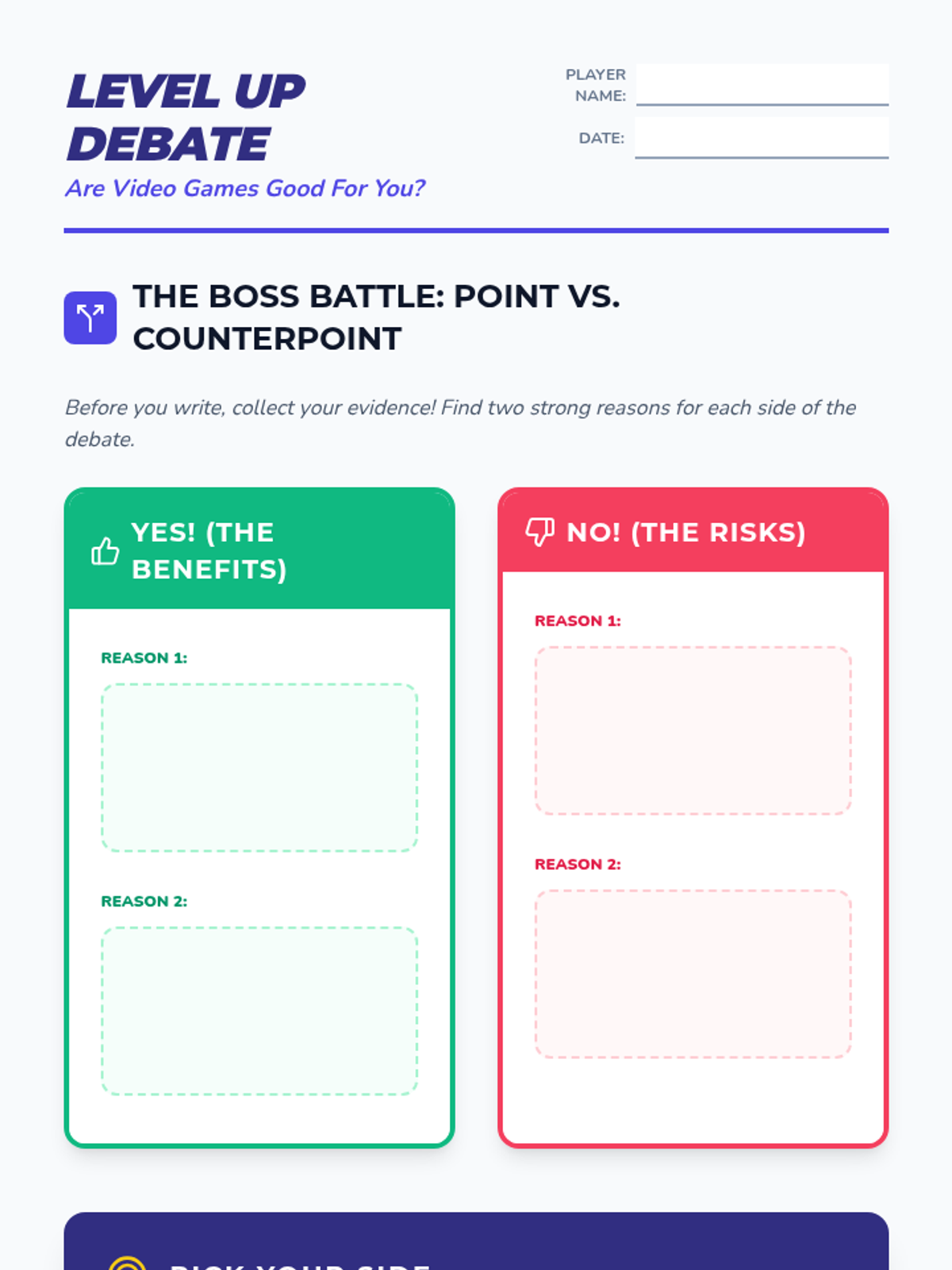
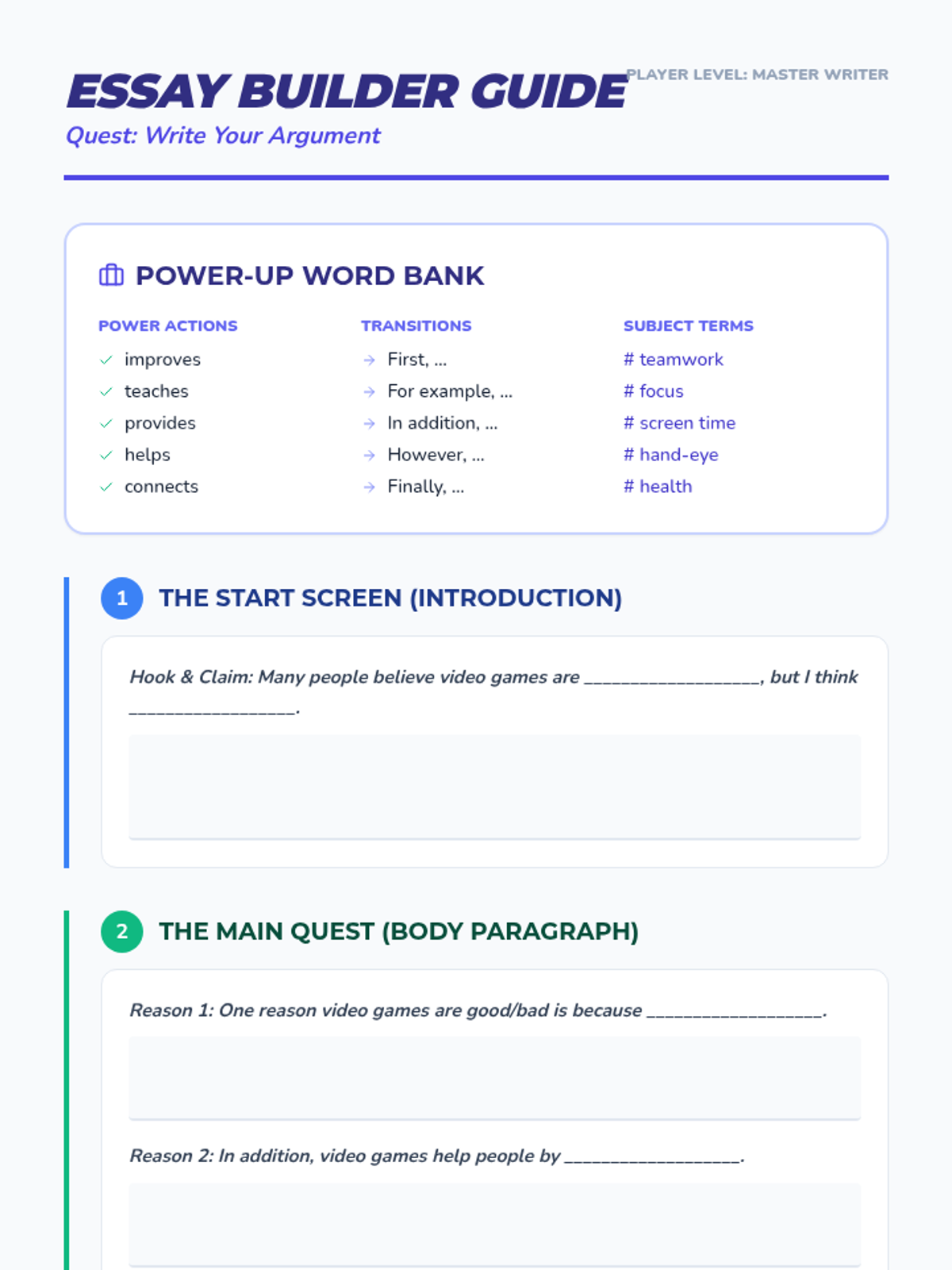
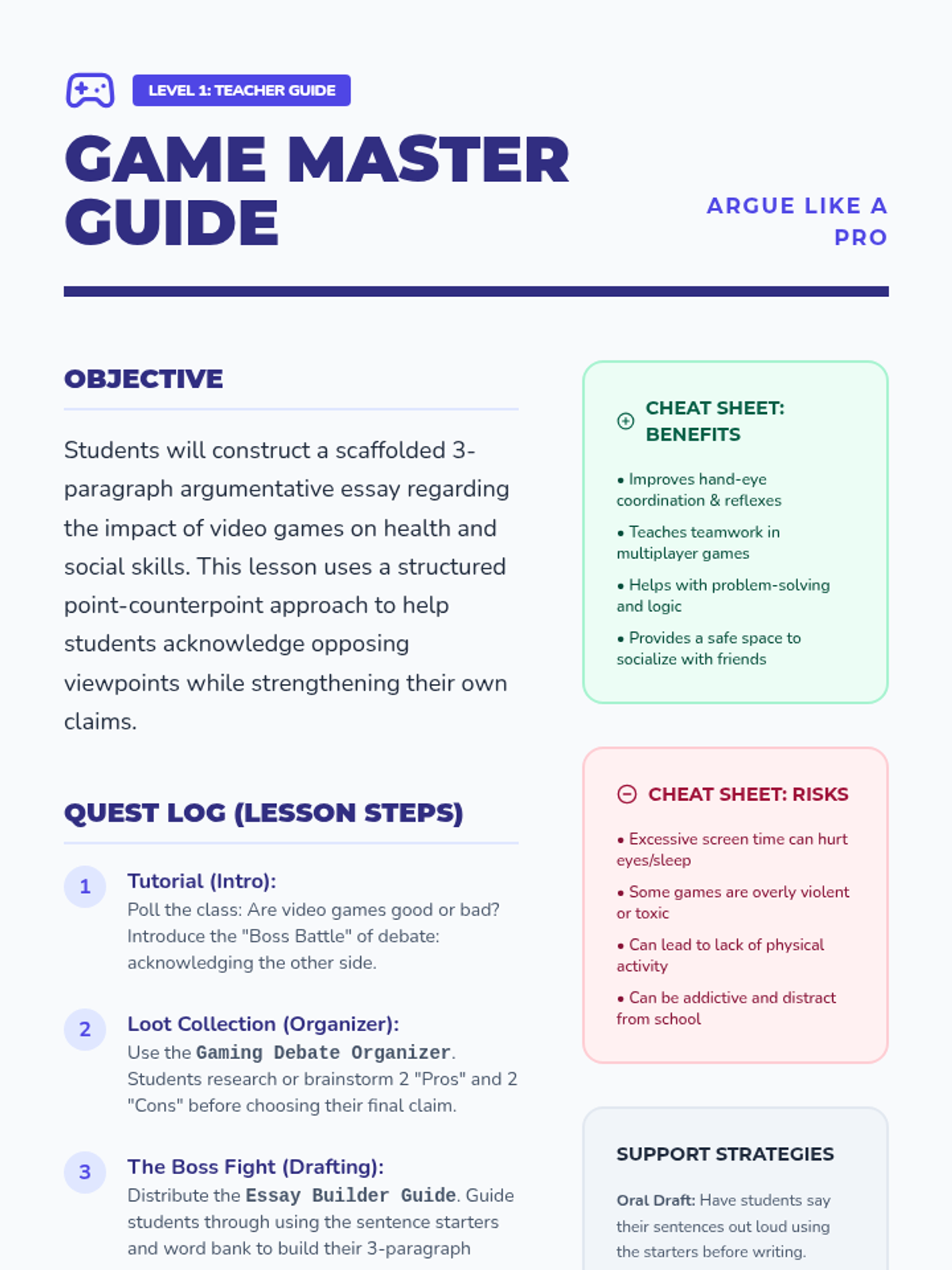
A scaffolded lesson helping students construct a 3-paragraph argumentative essay on the benefits and drawbacks of video games. Includes a point-counterpoint organizer, a simplified outline with sentence starters, and a teacher guide.
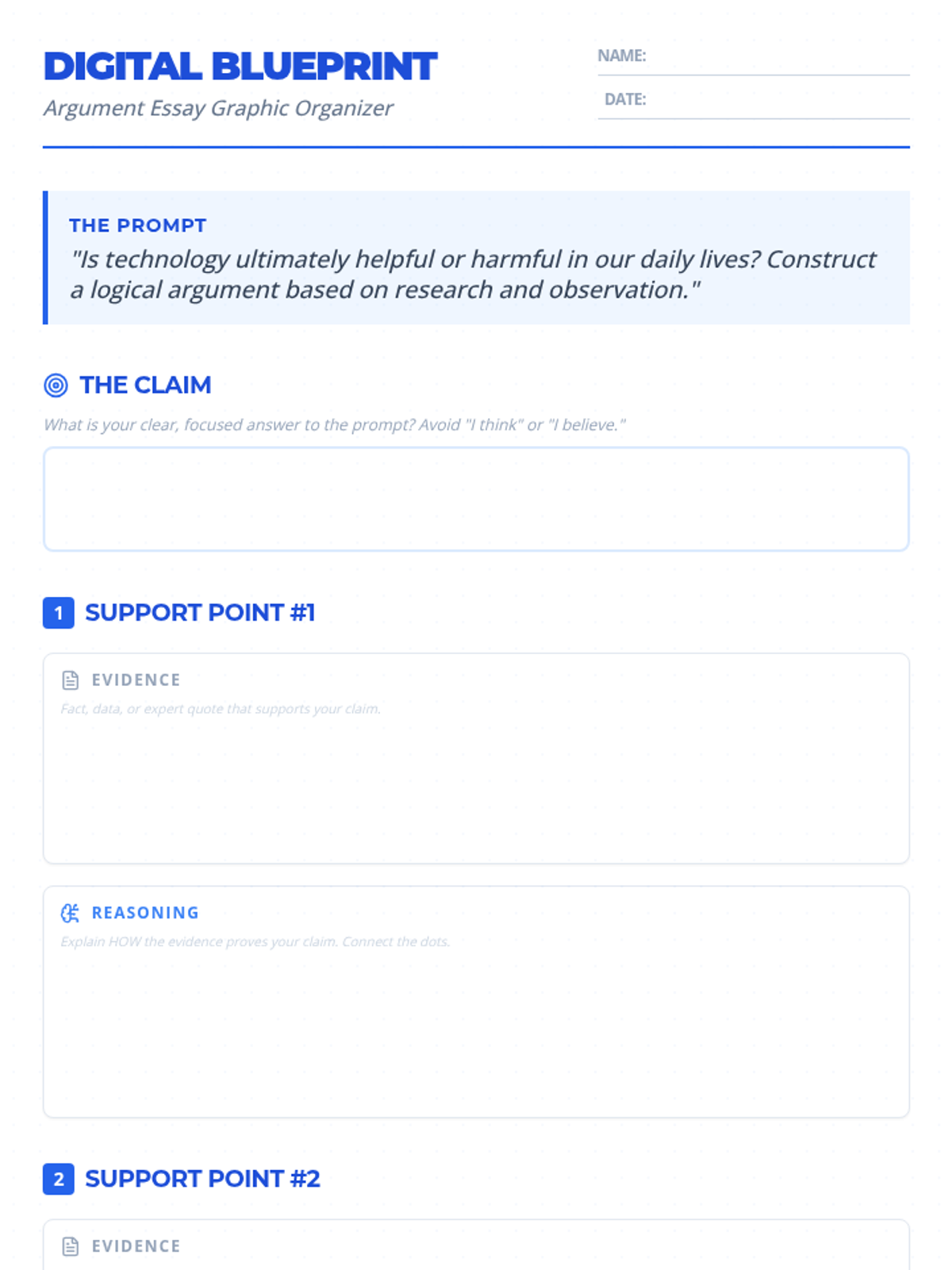
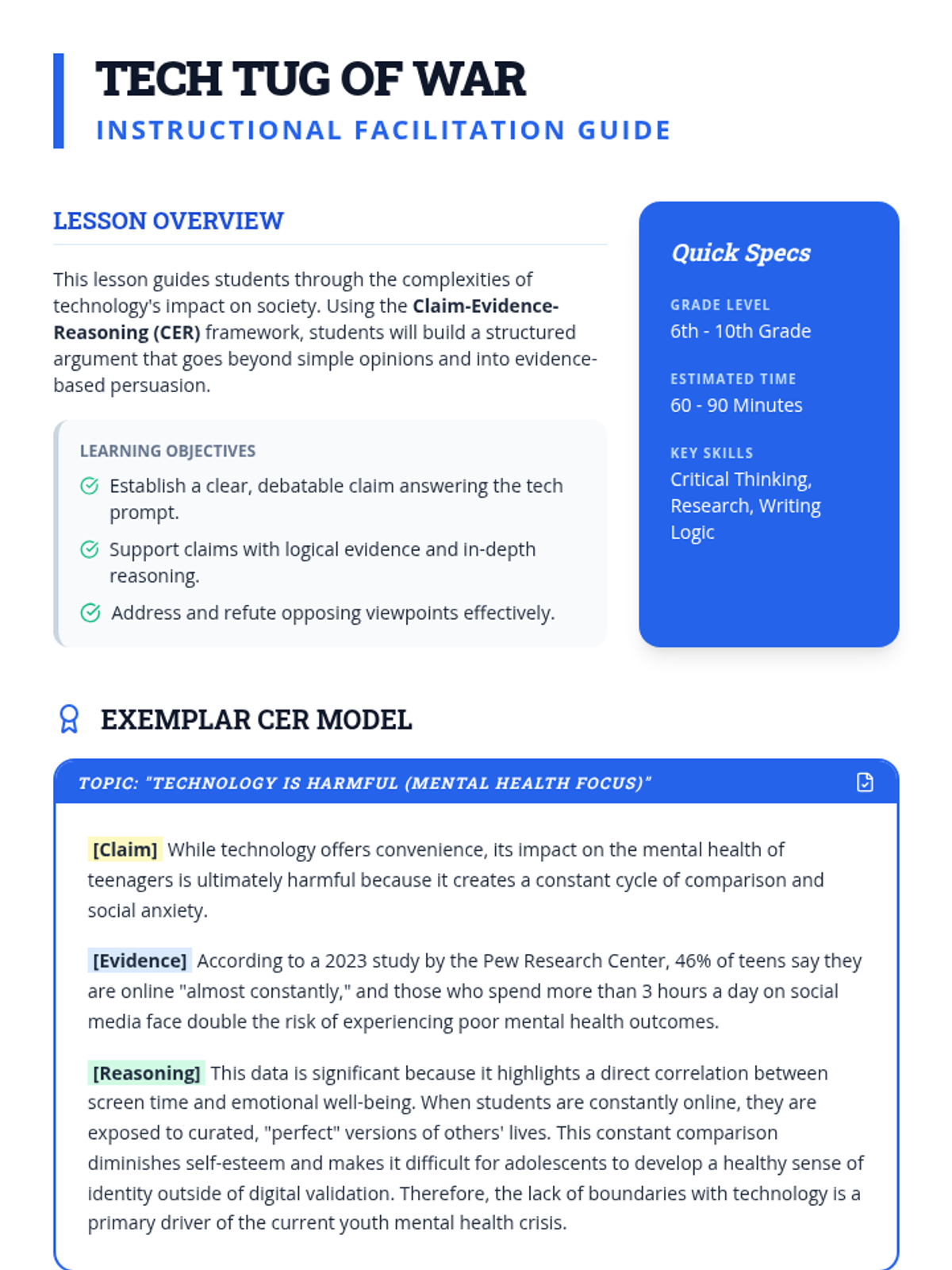
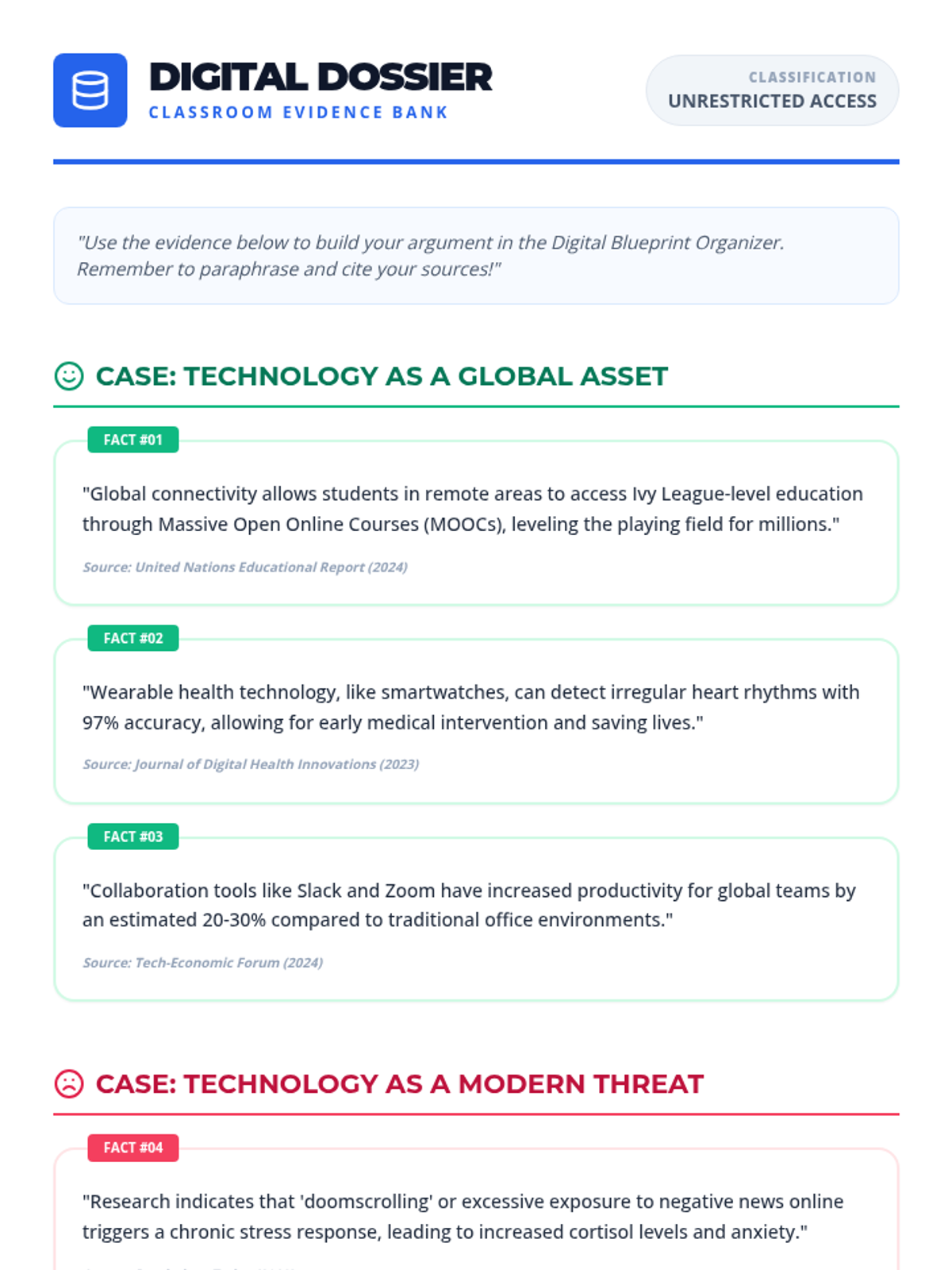
Students explore the dual nature of technology in modern life and learn to structure their arguments using the Claim, Evidence, and Reasoning (CER) framework.
A comprehensive guide to mastering argumentative writing, focusing on structural integrity, evidence-based claims, and the art of the counterargument.
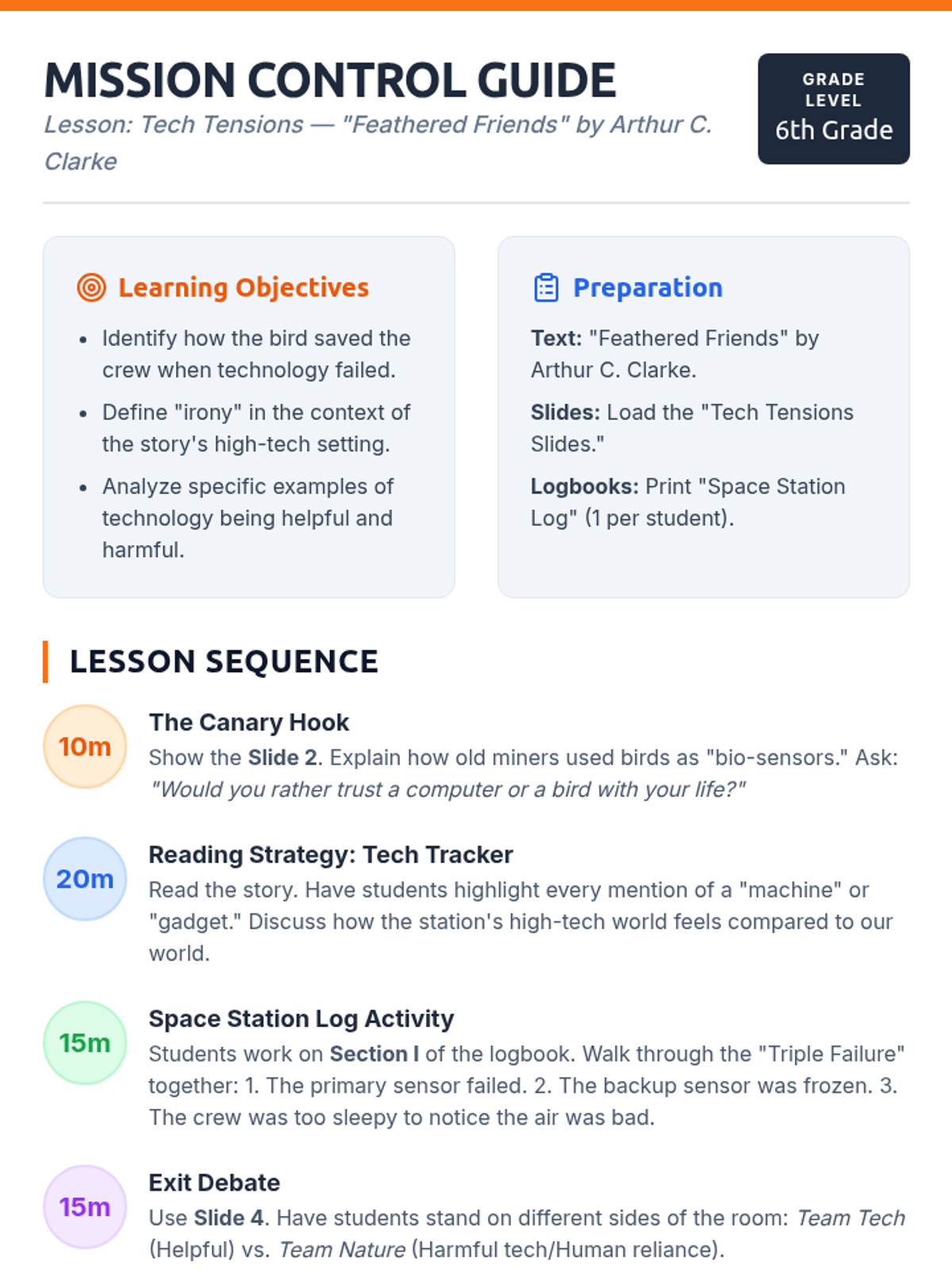
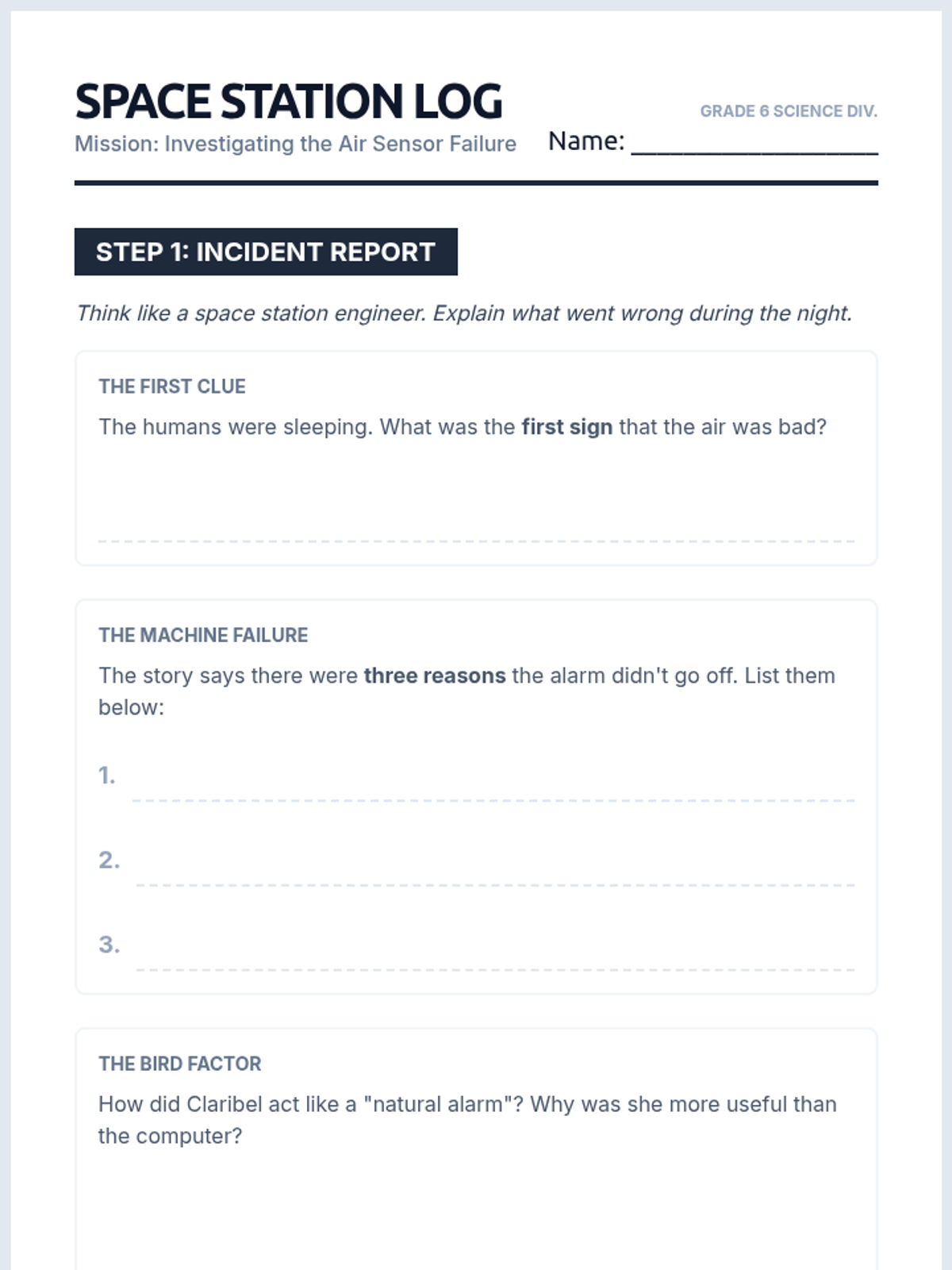
An introductory exploration of Arthur C. Clarke's 'Feathered Friends,' focusing on the dual nature of technology and the vital role of biological indicators in high-tech environments. Students will debate whether technology is ultimately a savior or a source of complacency.
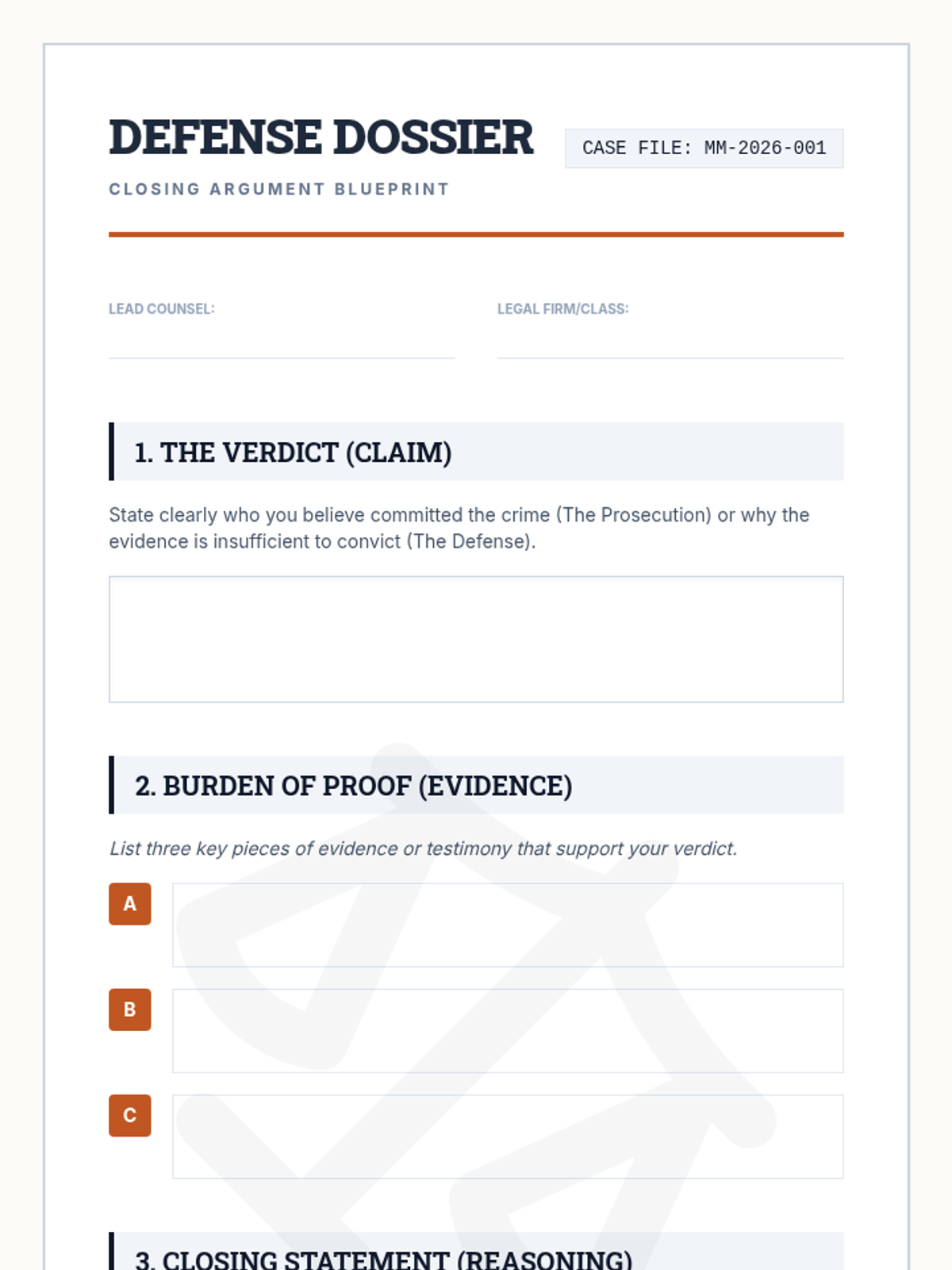
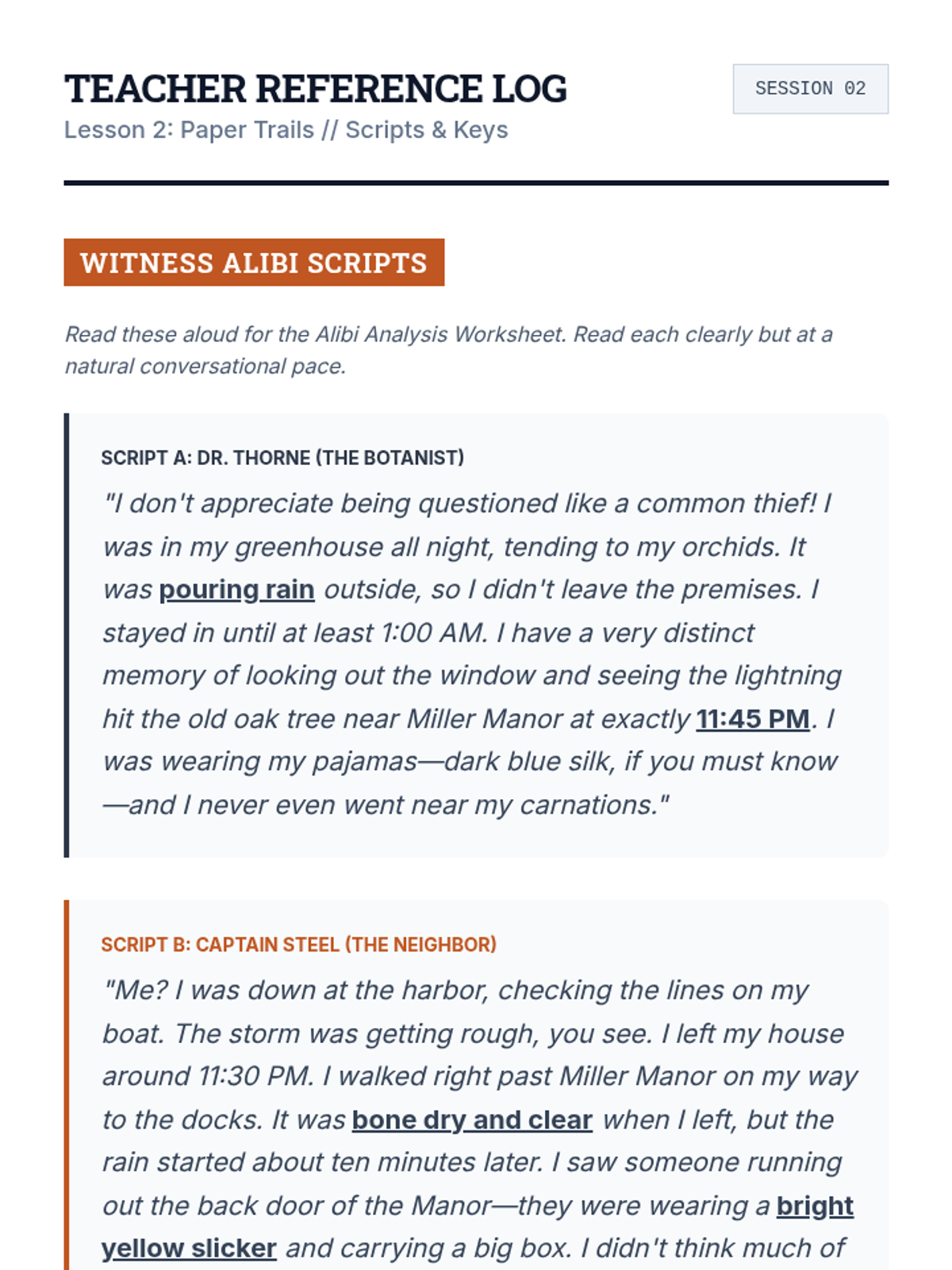
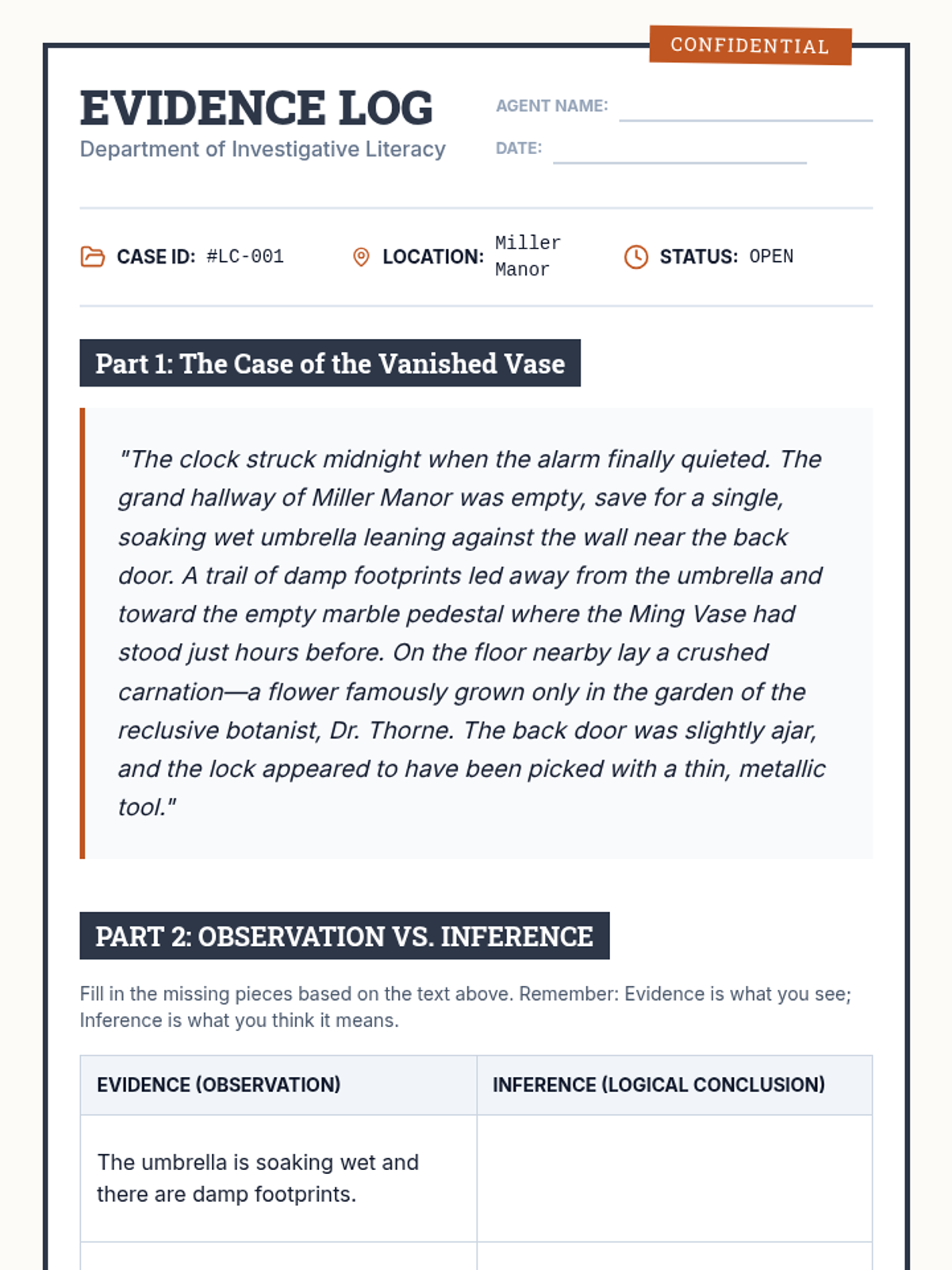
Students synthesize all evidence and alibi analysis to build a persuasive case. The lesson culminates in a courtroom simulation where students present their final arguments.
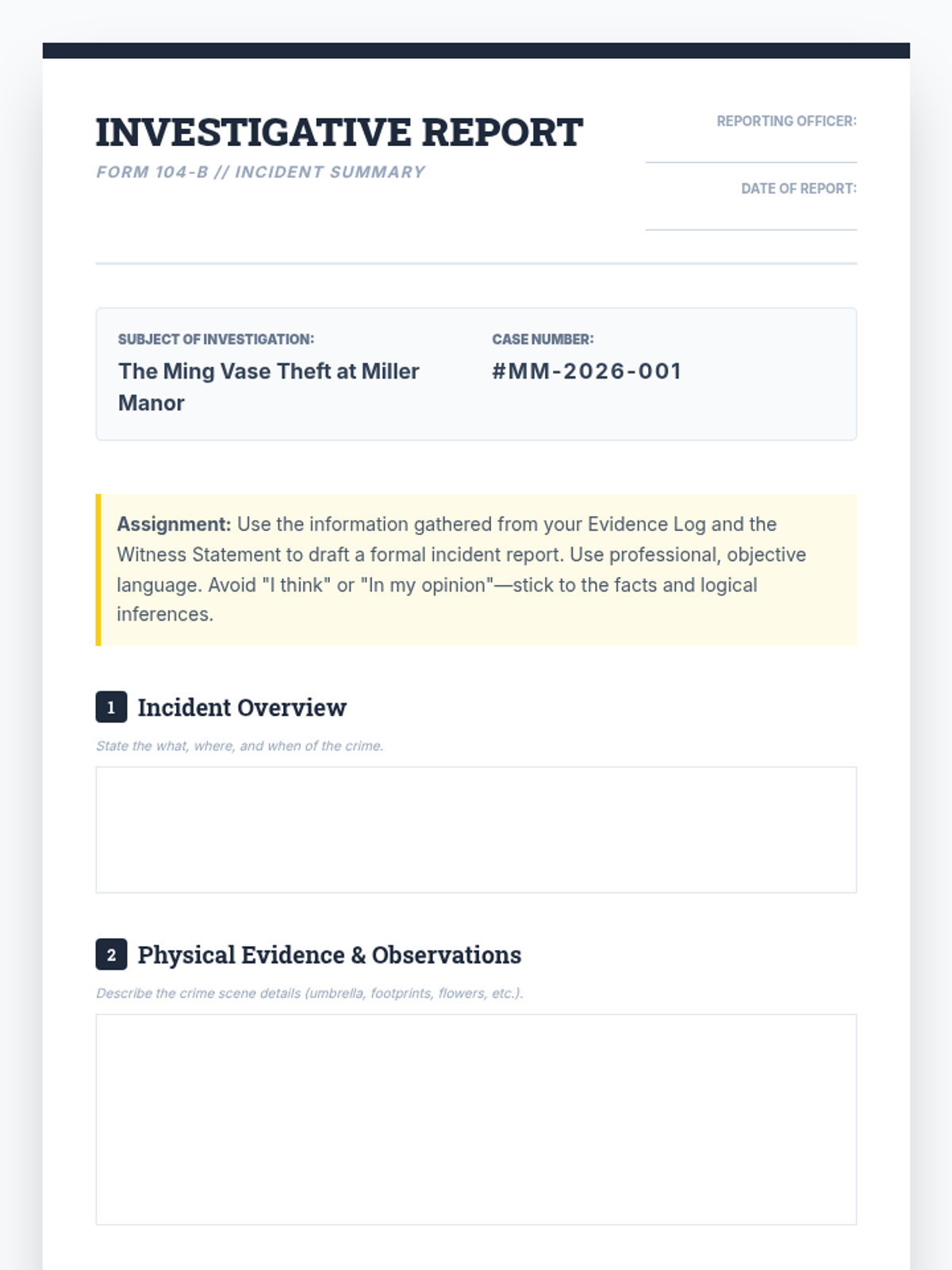
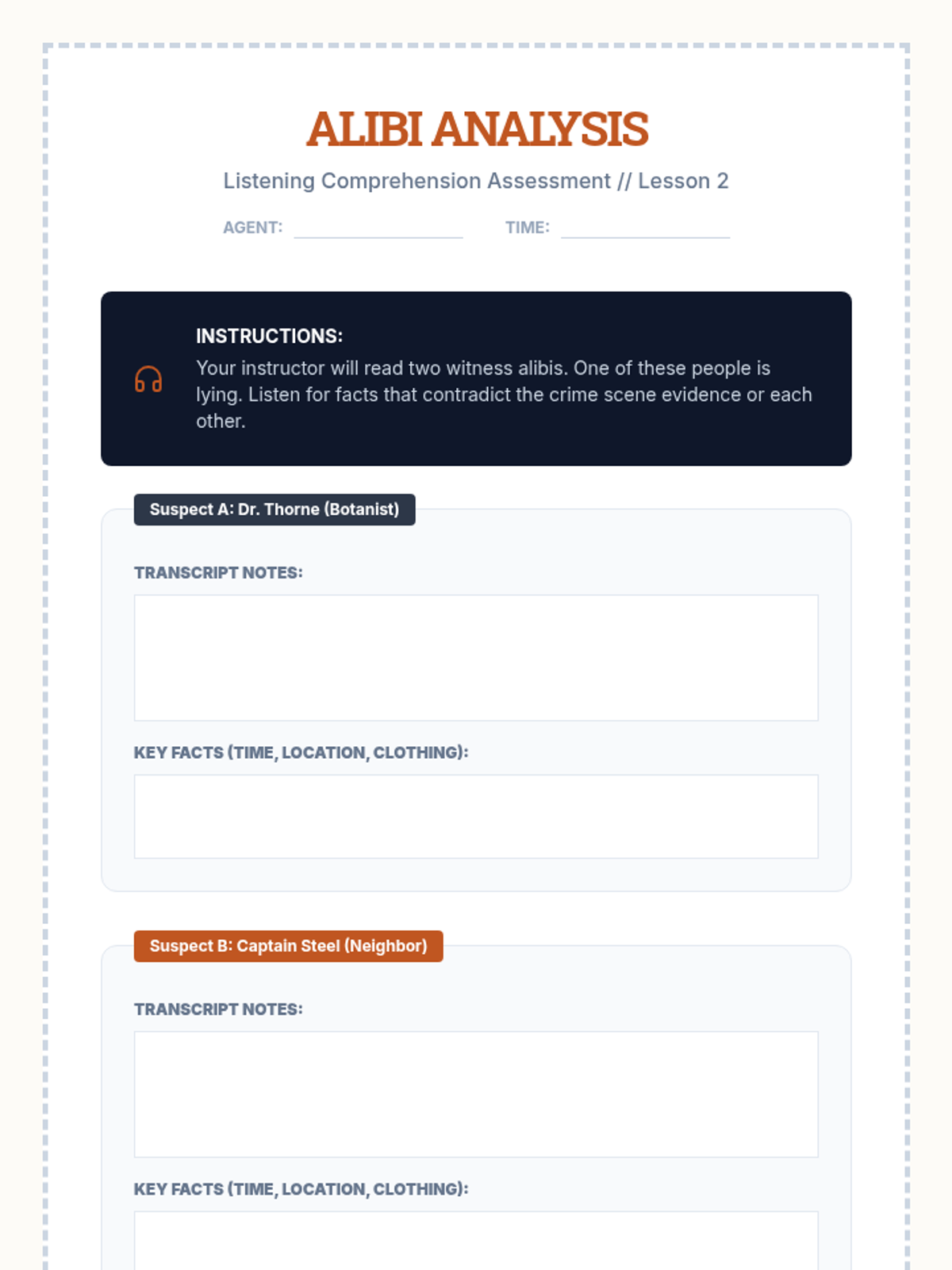
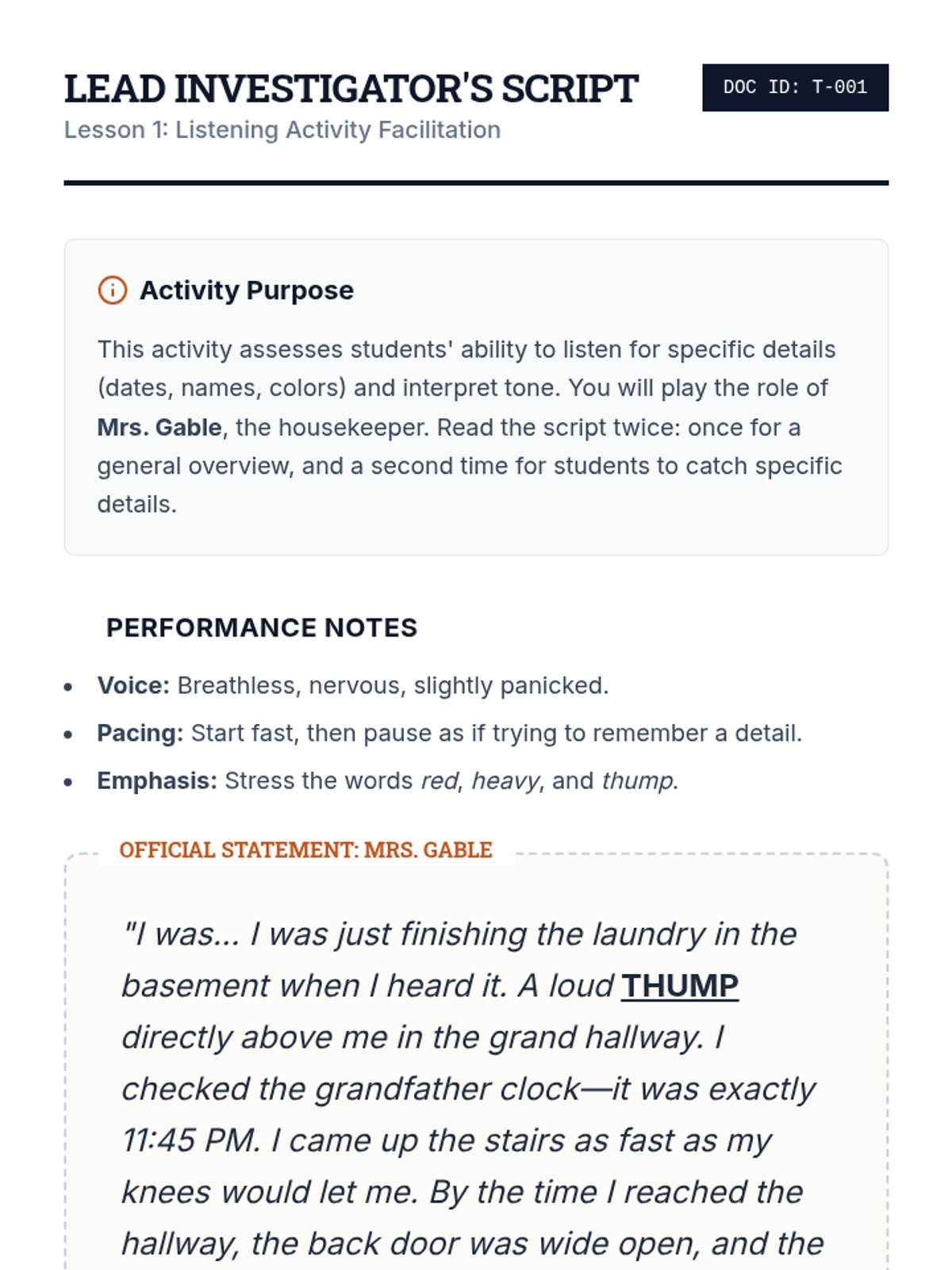
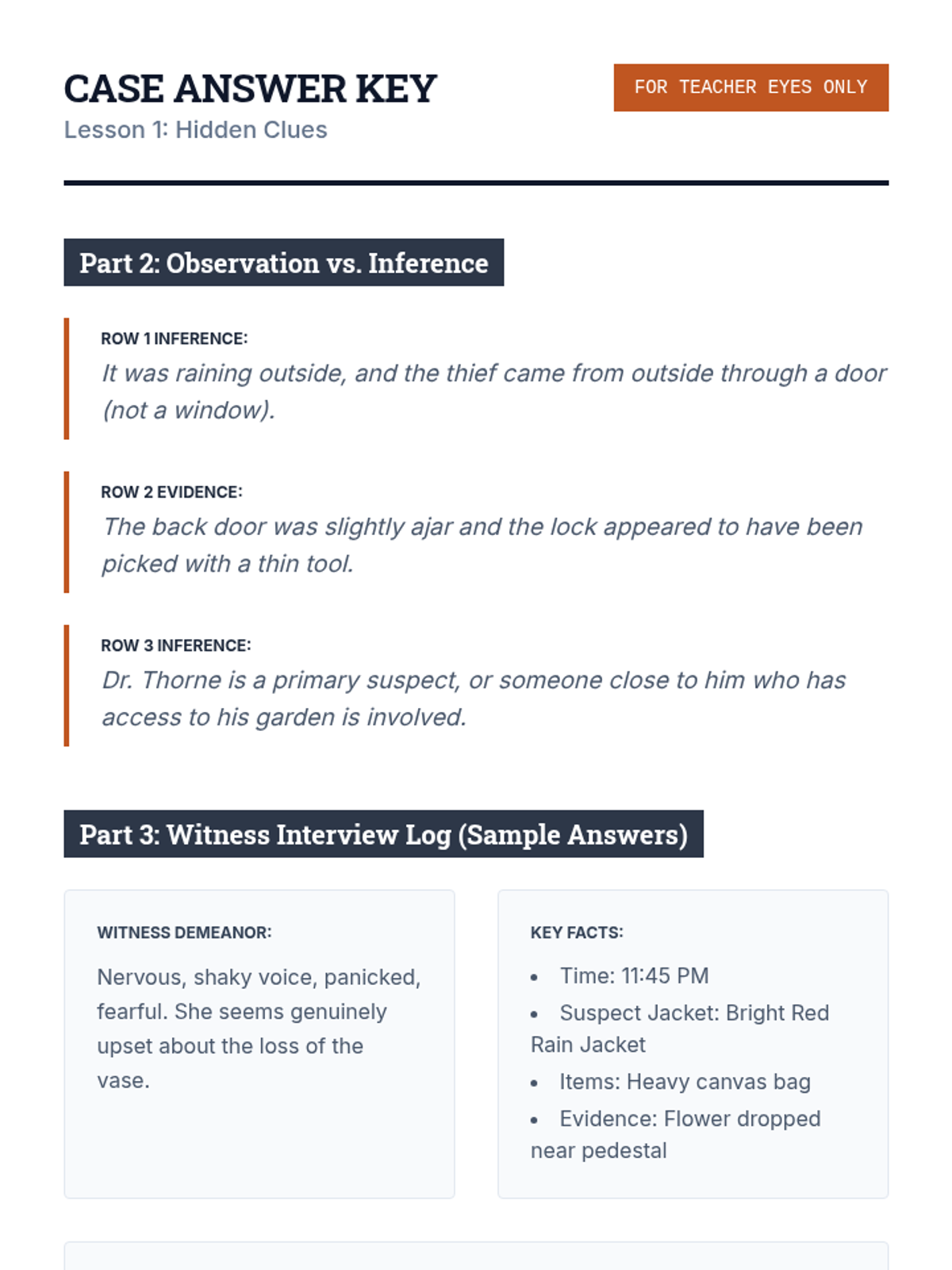
Focuses on informational writing and active listening. Students learn how to structure a formal report and analyze multiple witness statements for contradictions.
Focuses on reading for detail and making inferences from visual and textual evidence. Students practice descriptive speaking by portraying witnesses and investigators.
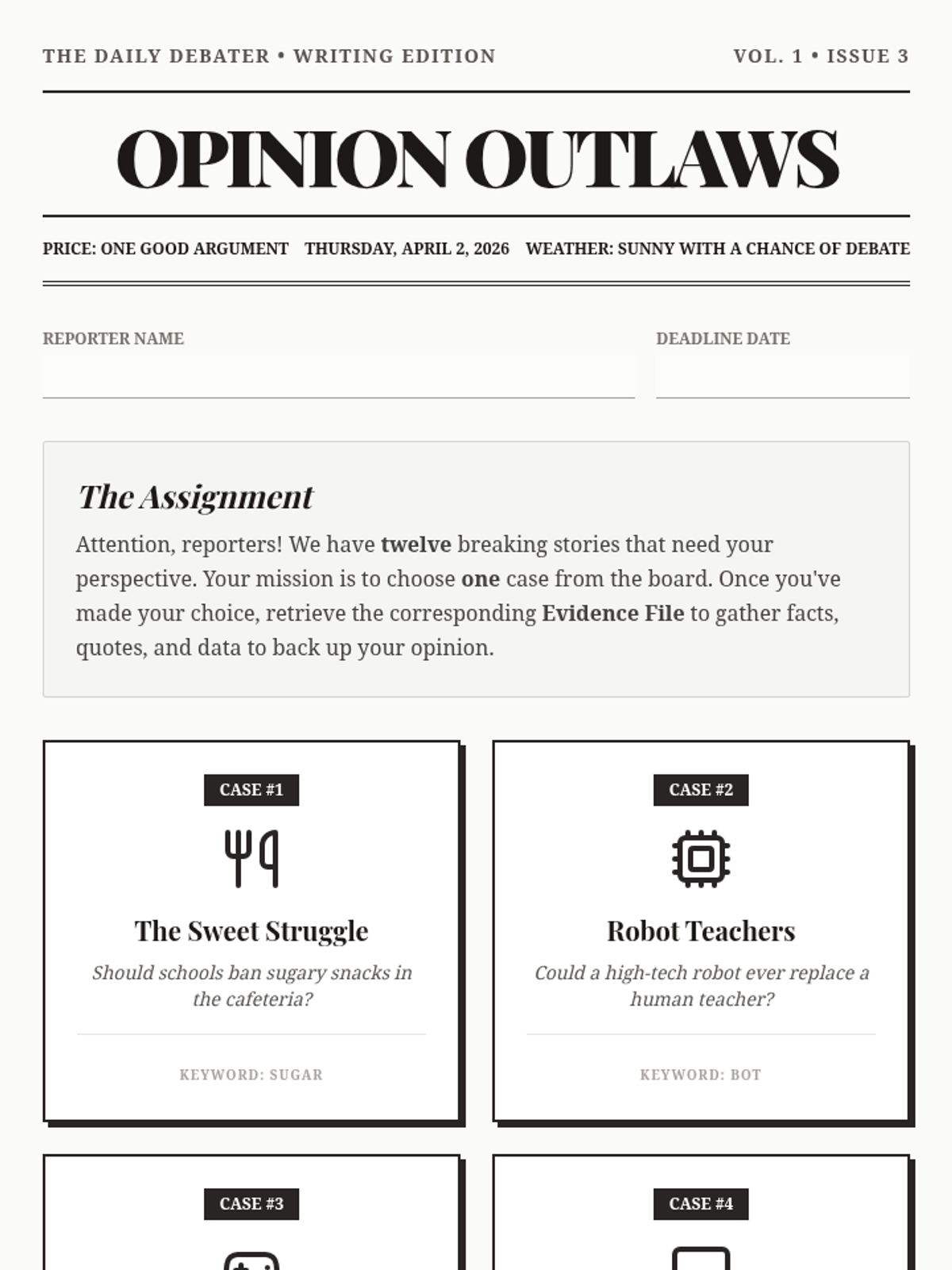
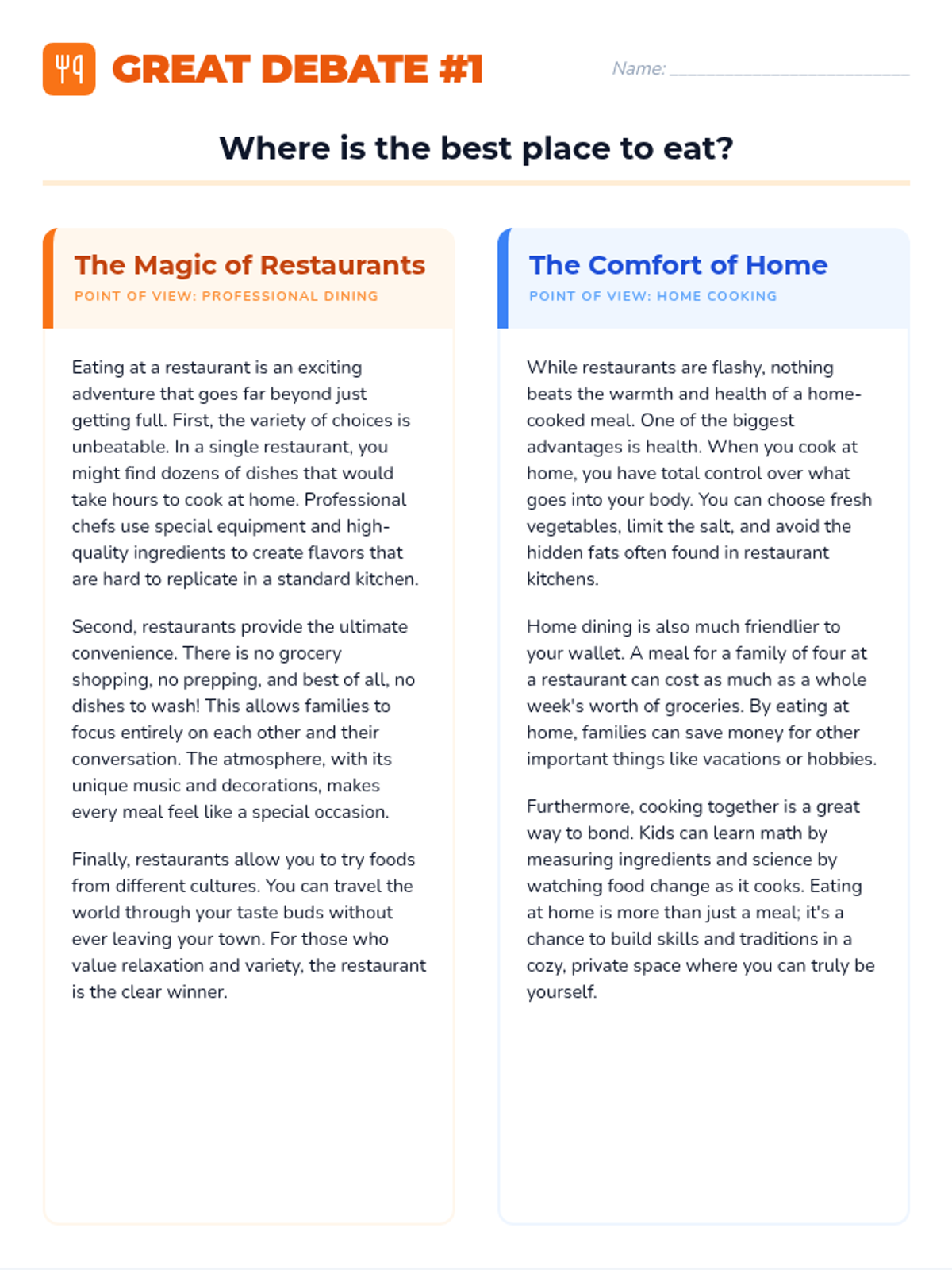
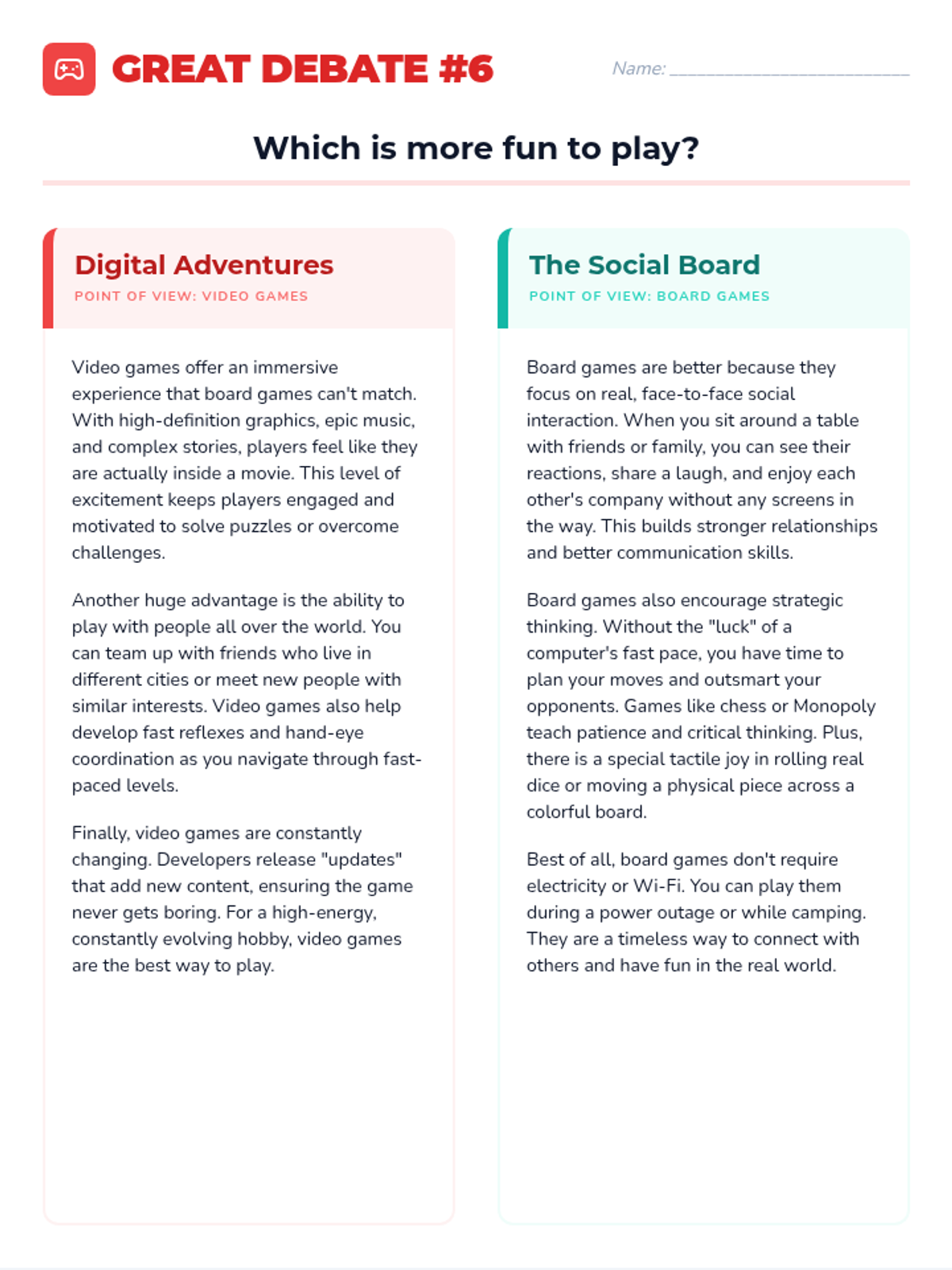
A set of 20 short articles (two for each of the 10 debate topics) to provide students with evidence for their classroom arguments.
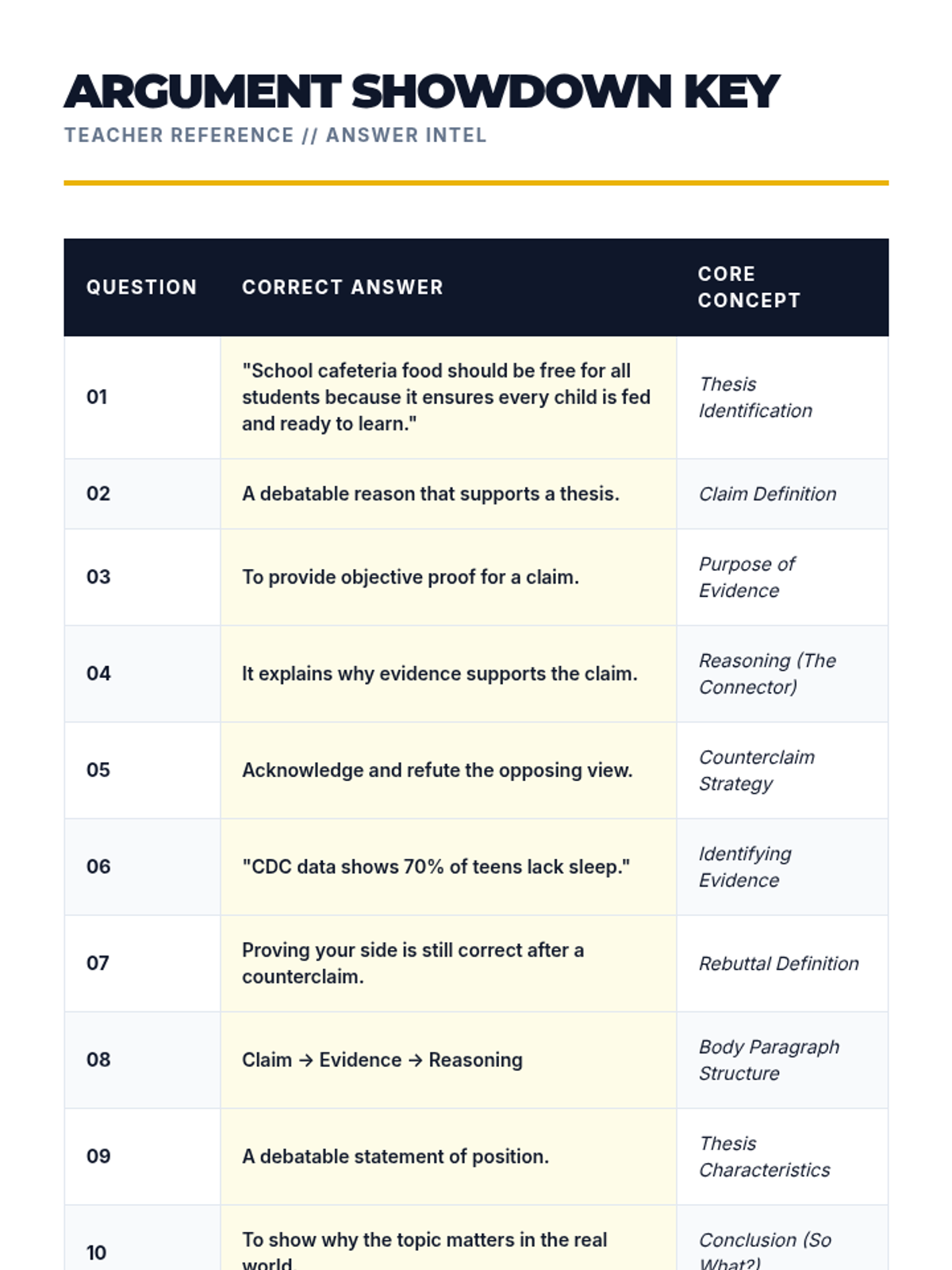
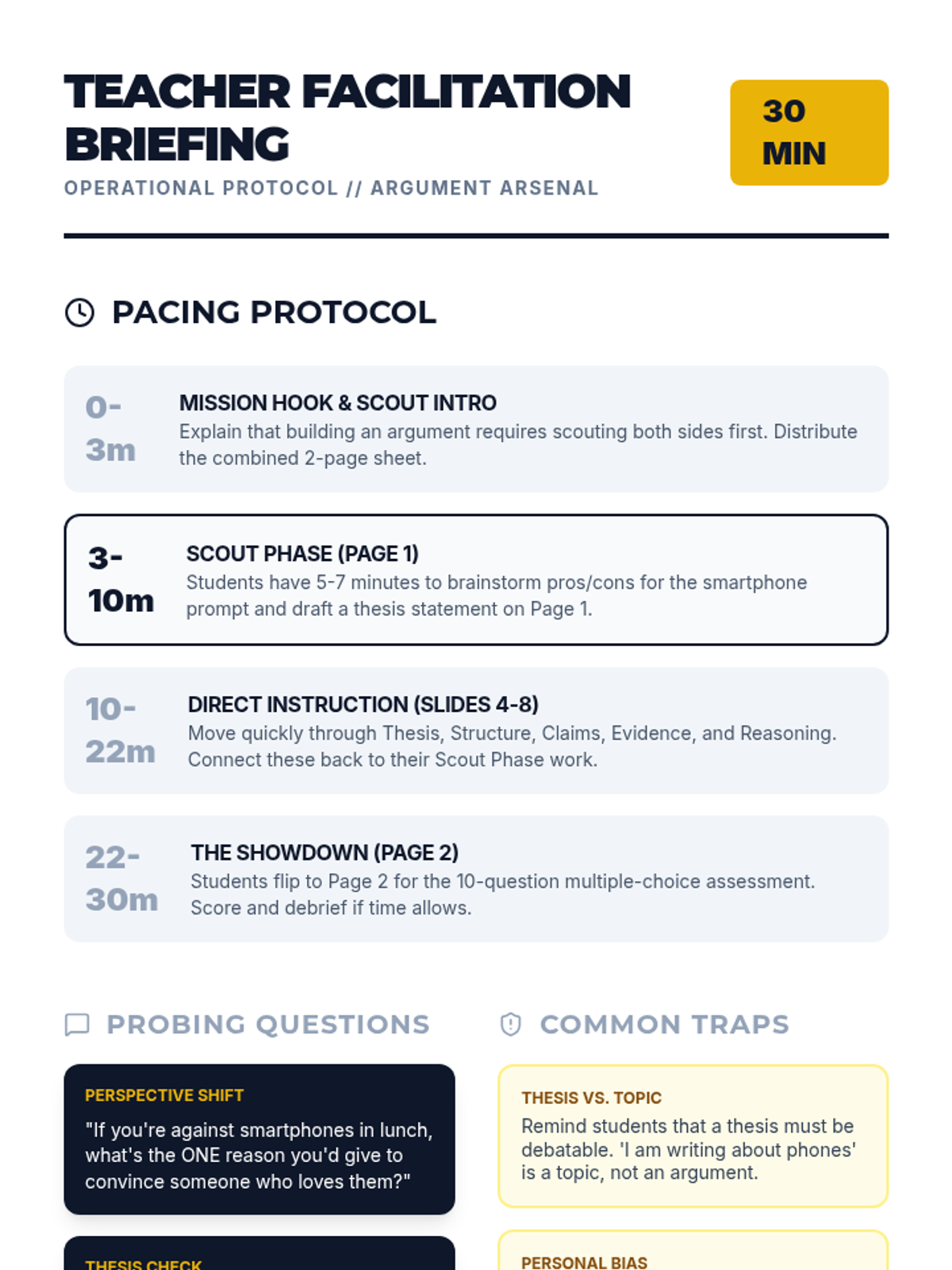
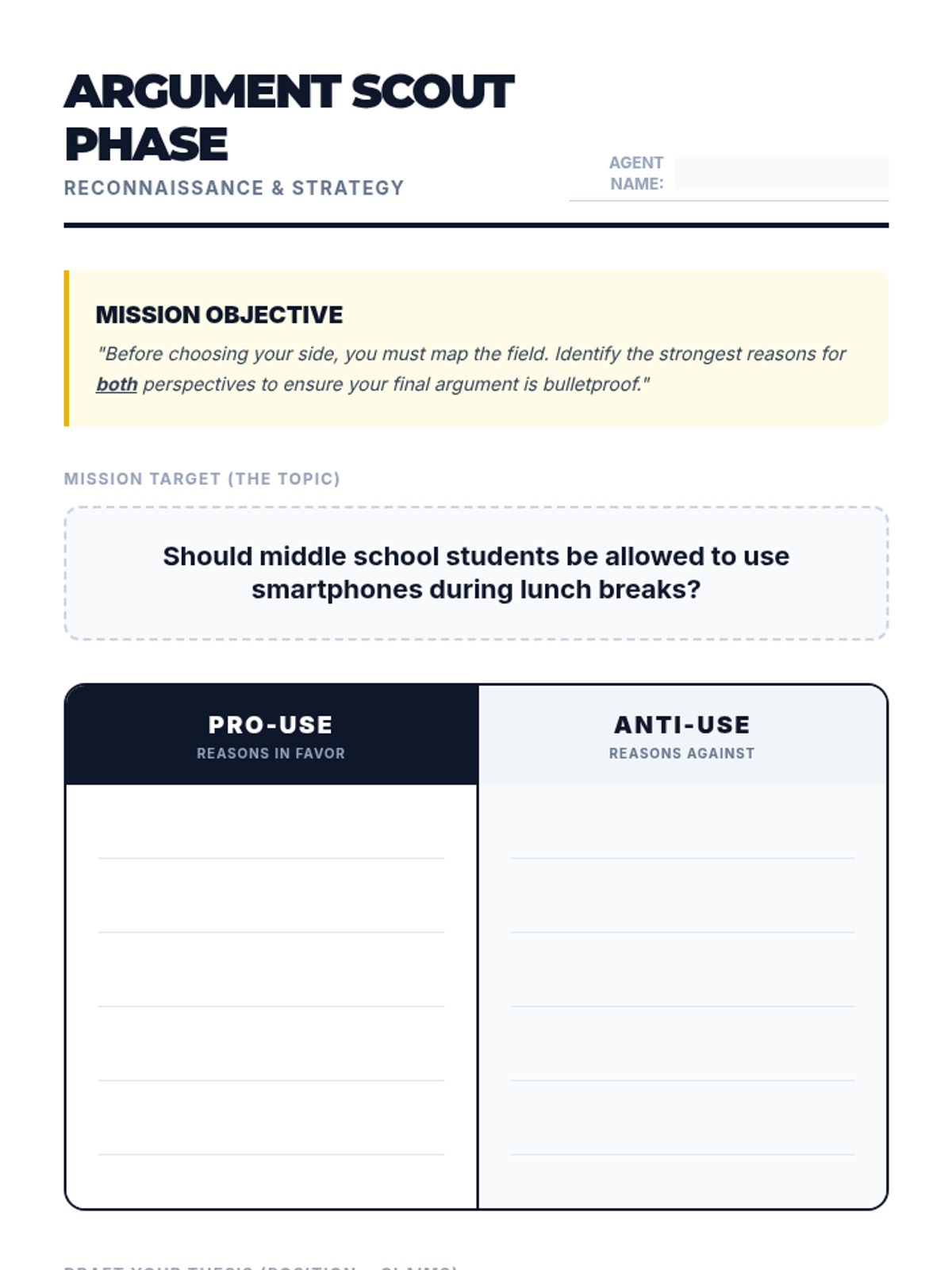
A fast-paced 30-minute introduction to the structural components of argumentative writing, focusing on building strong claims, supporting them with evidence, and addressing counterclaims.
This lesson provides students with the tools and strategies needed to construct powerful argumentative essays and speeches, focusing on thesis development, evidence usage, and addressing counterarguments.
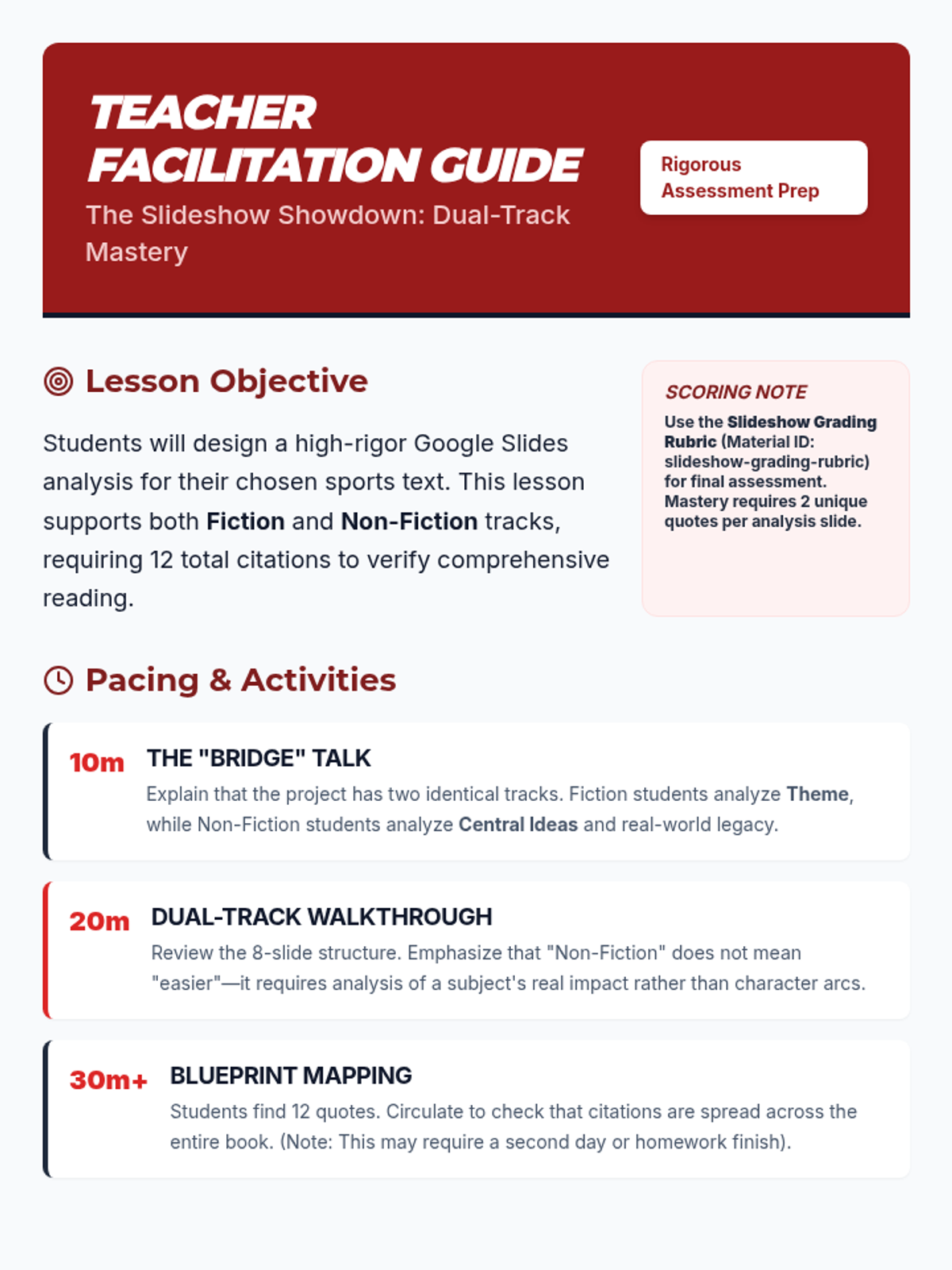
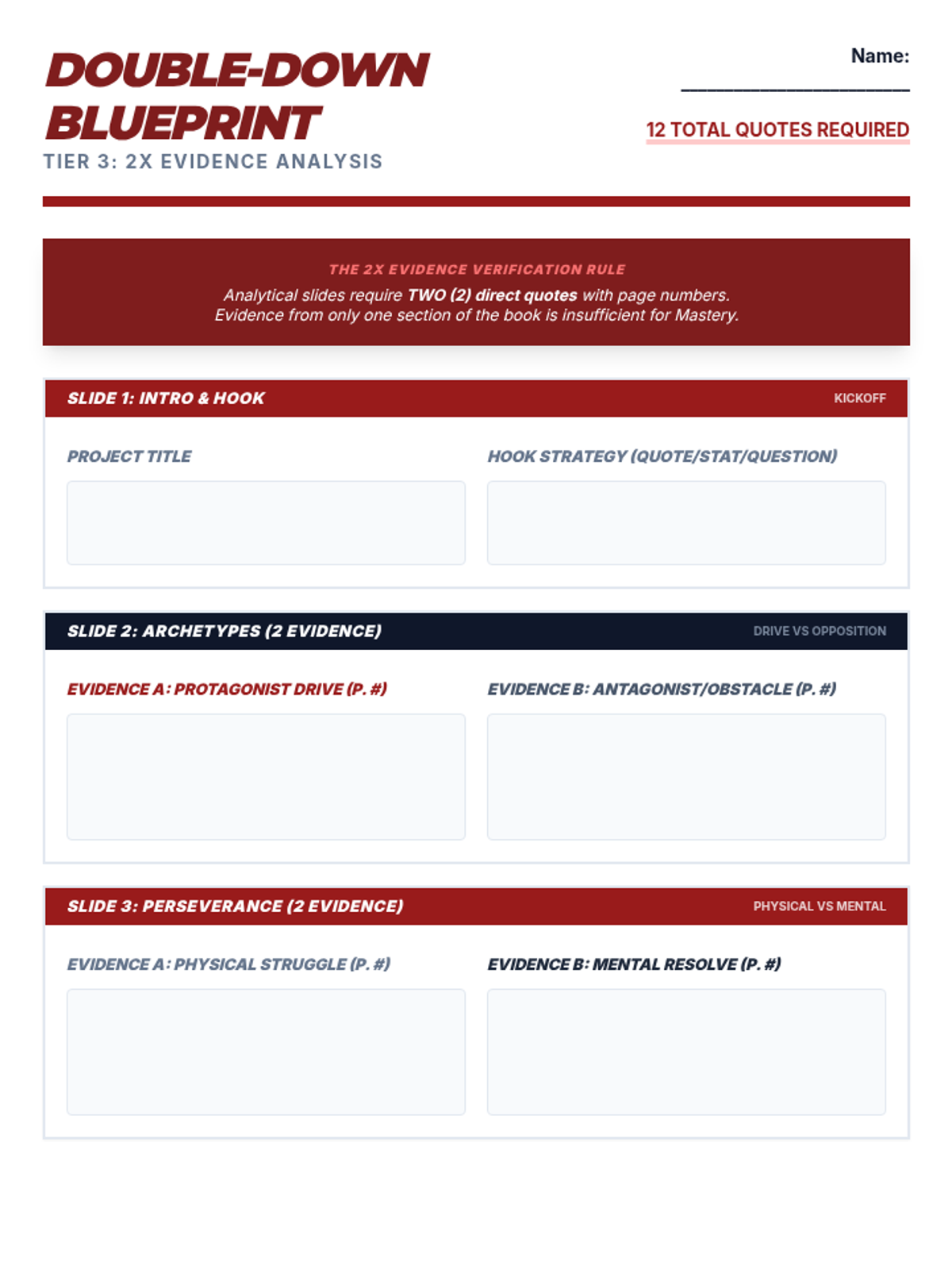
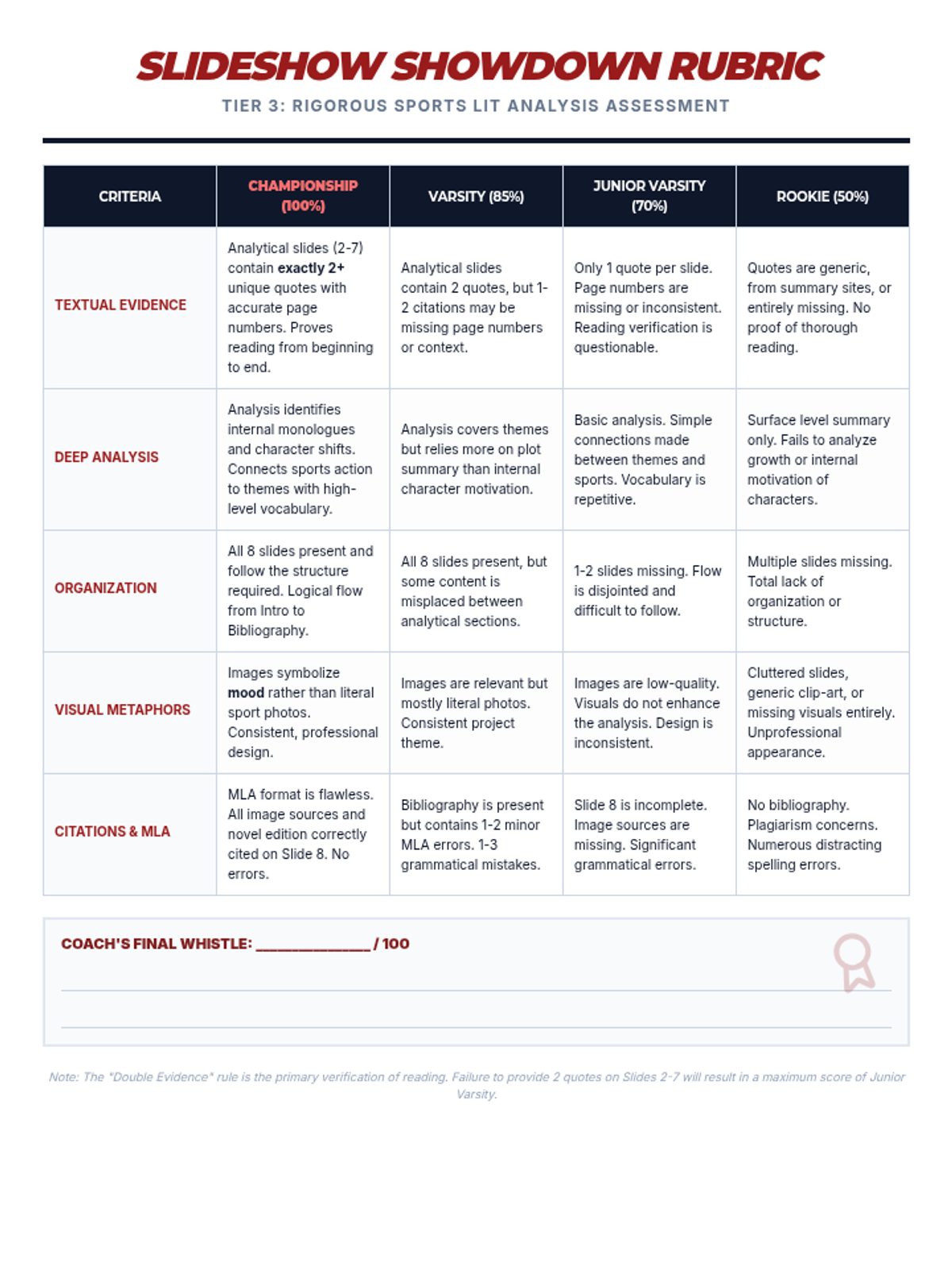
A rigorous introductory lesson to help students create a deep-dive Google Slides analysis of their sports fiction novel. This lesson replaces multimedia with high-level literary analysis, requiring specific textual evidence across multiple themed slides to verify comprehensive reading.
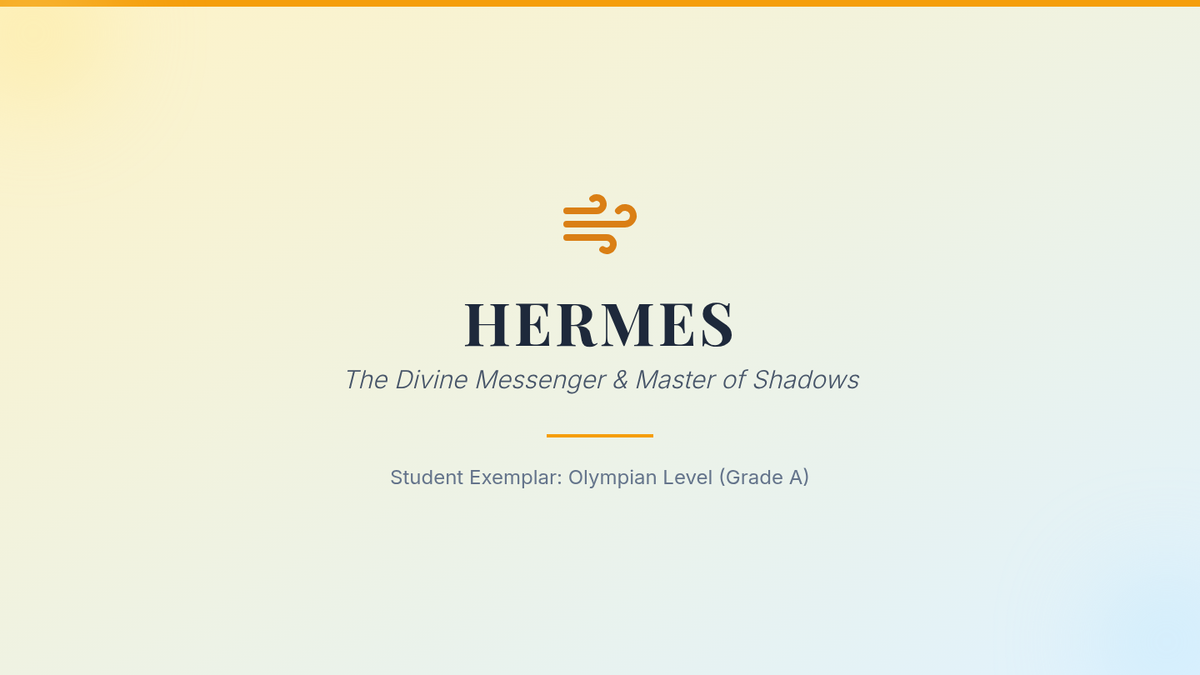
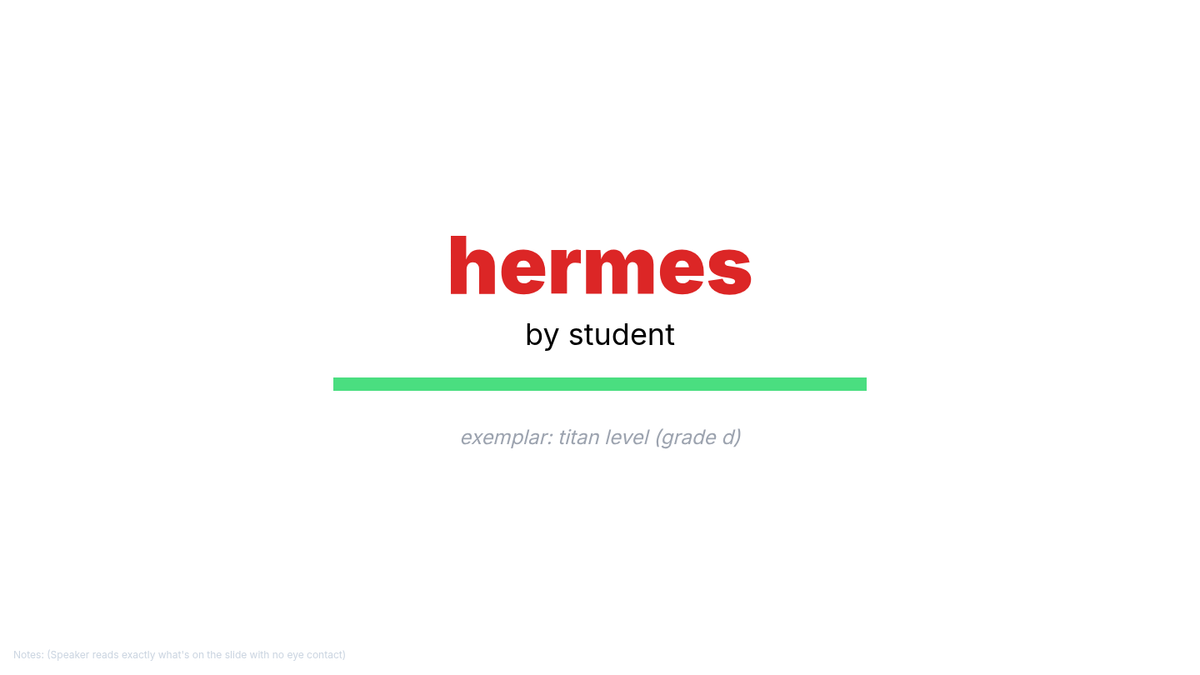
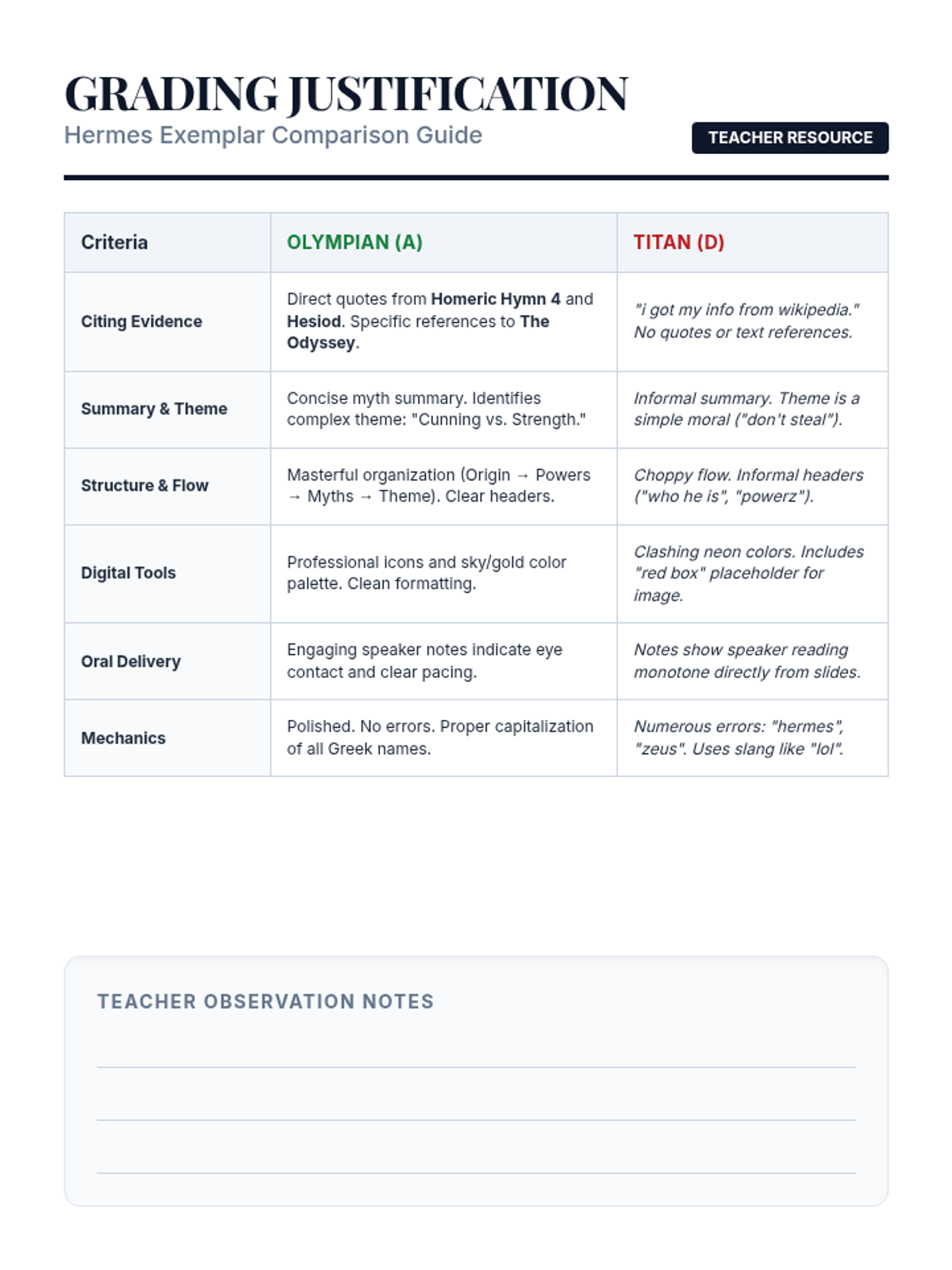
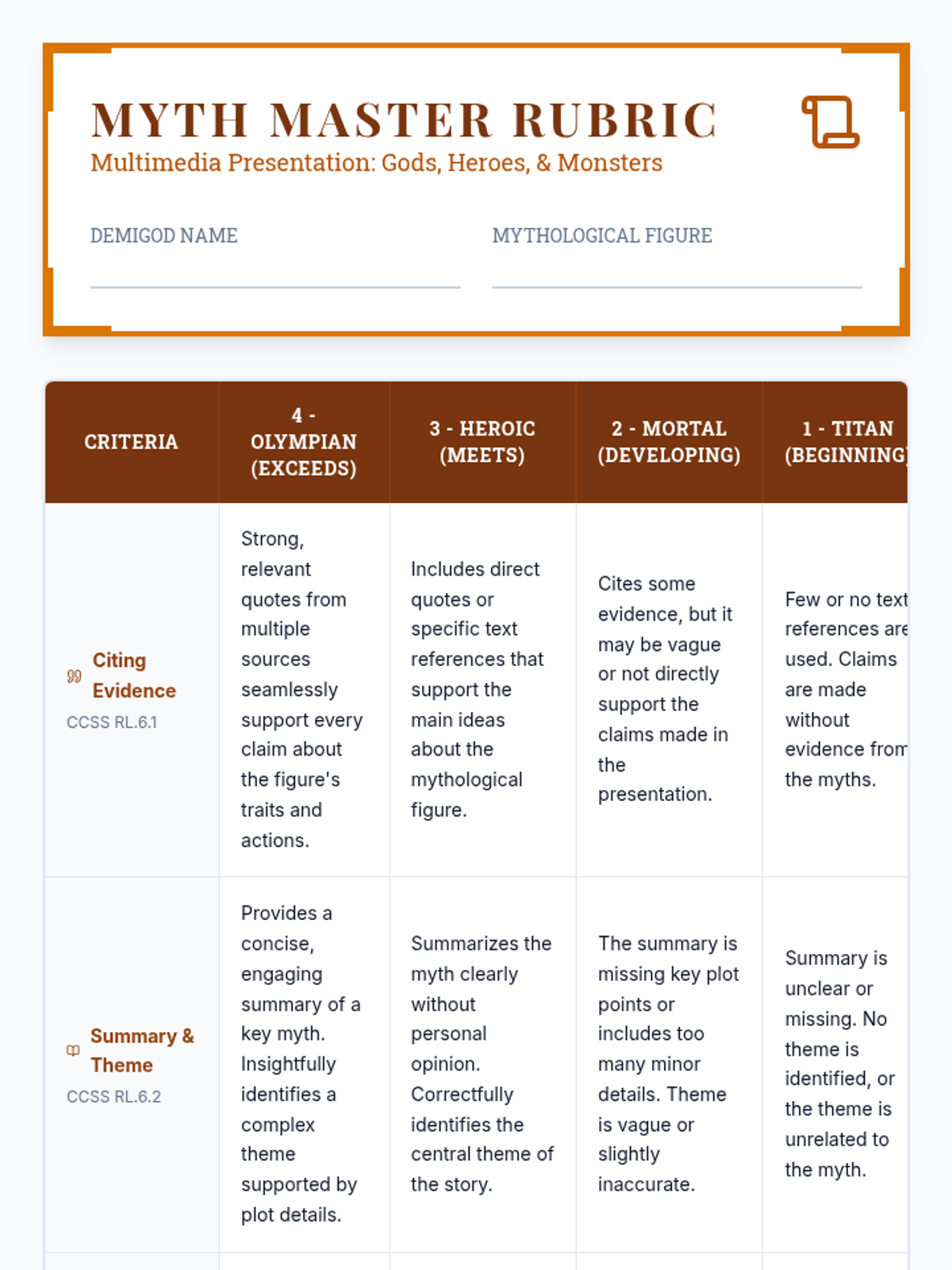
This lesson compares two student presentations on the god Hermes to help students understand grading criteria and how to improve their own mythological research projects.
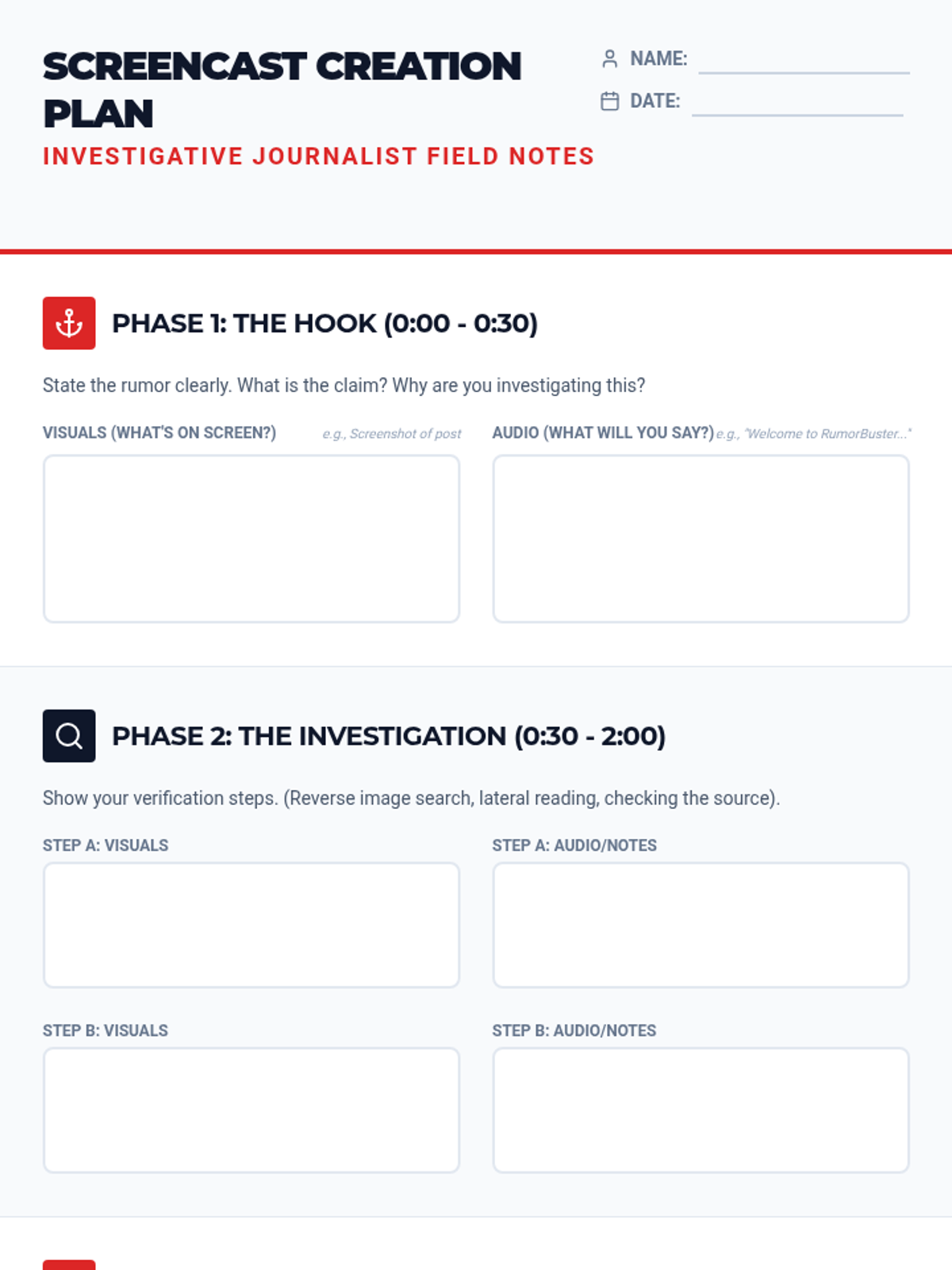
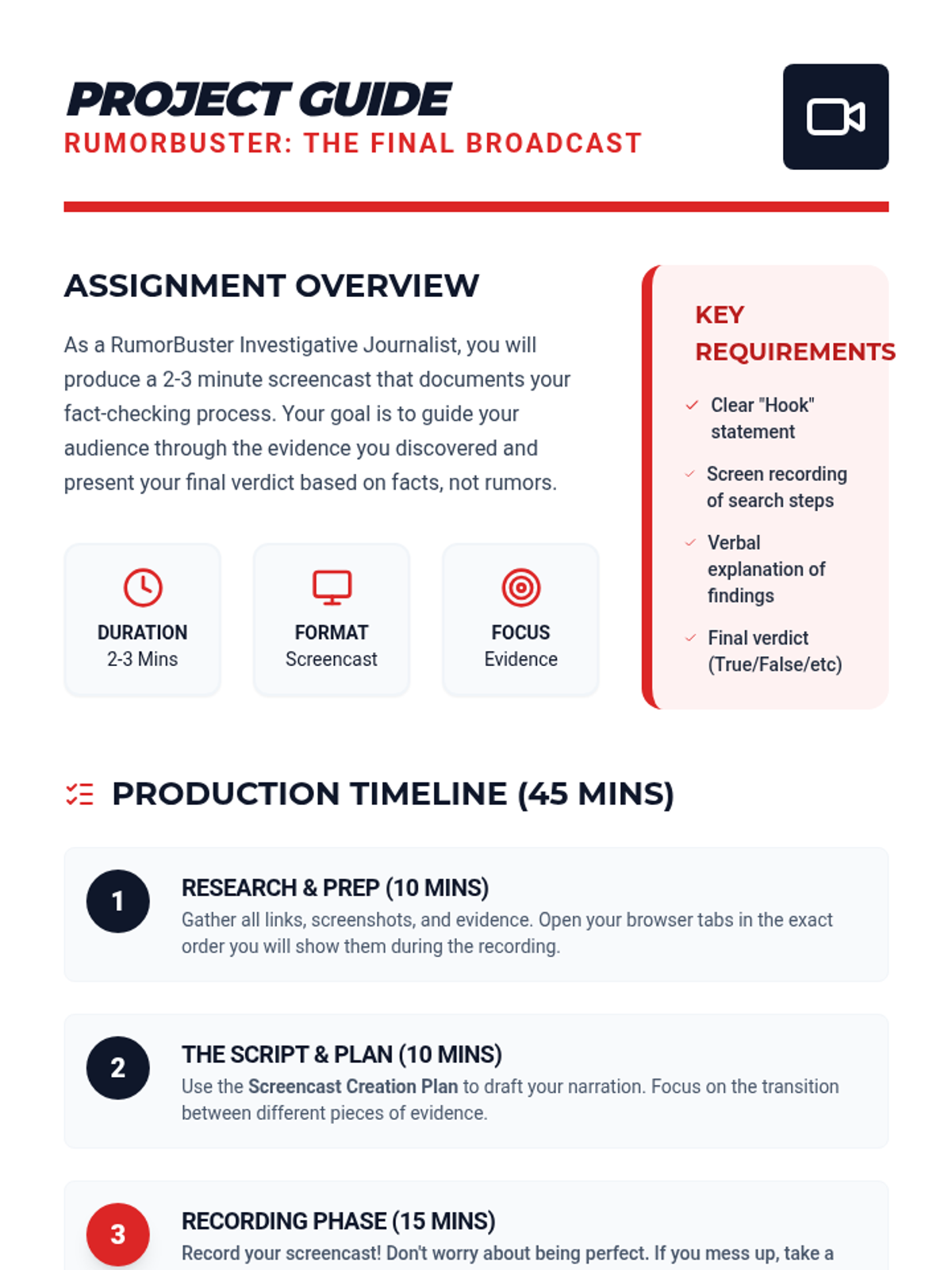
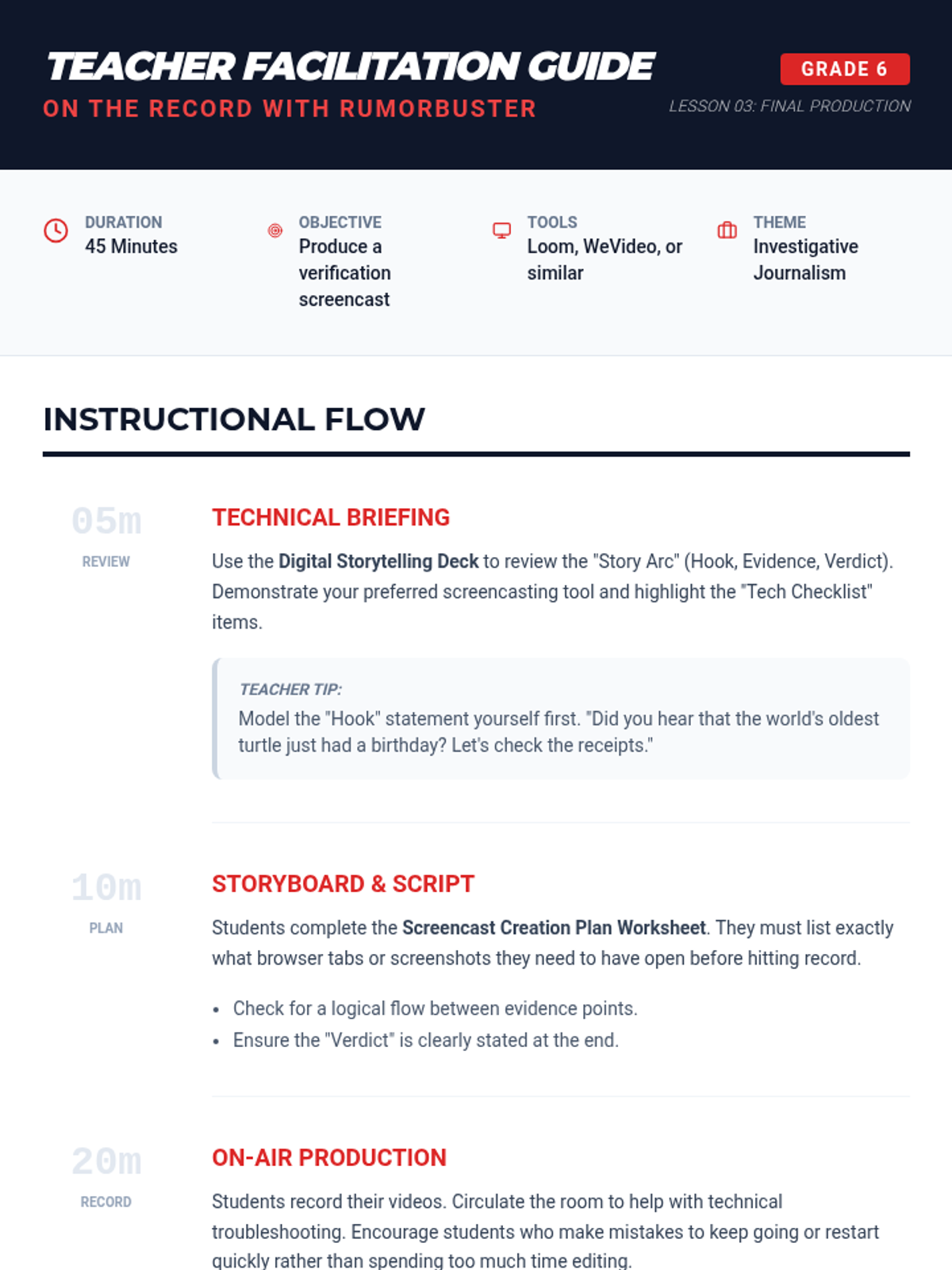
In this lesson, students step into the role of investigative journalists to create a screencast that documents their fact-checking process and final findings. They will learn to combine digital storytelling with technical screencasting skills to present evidence clearly and convincingly.
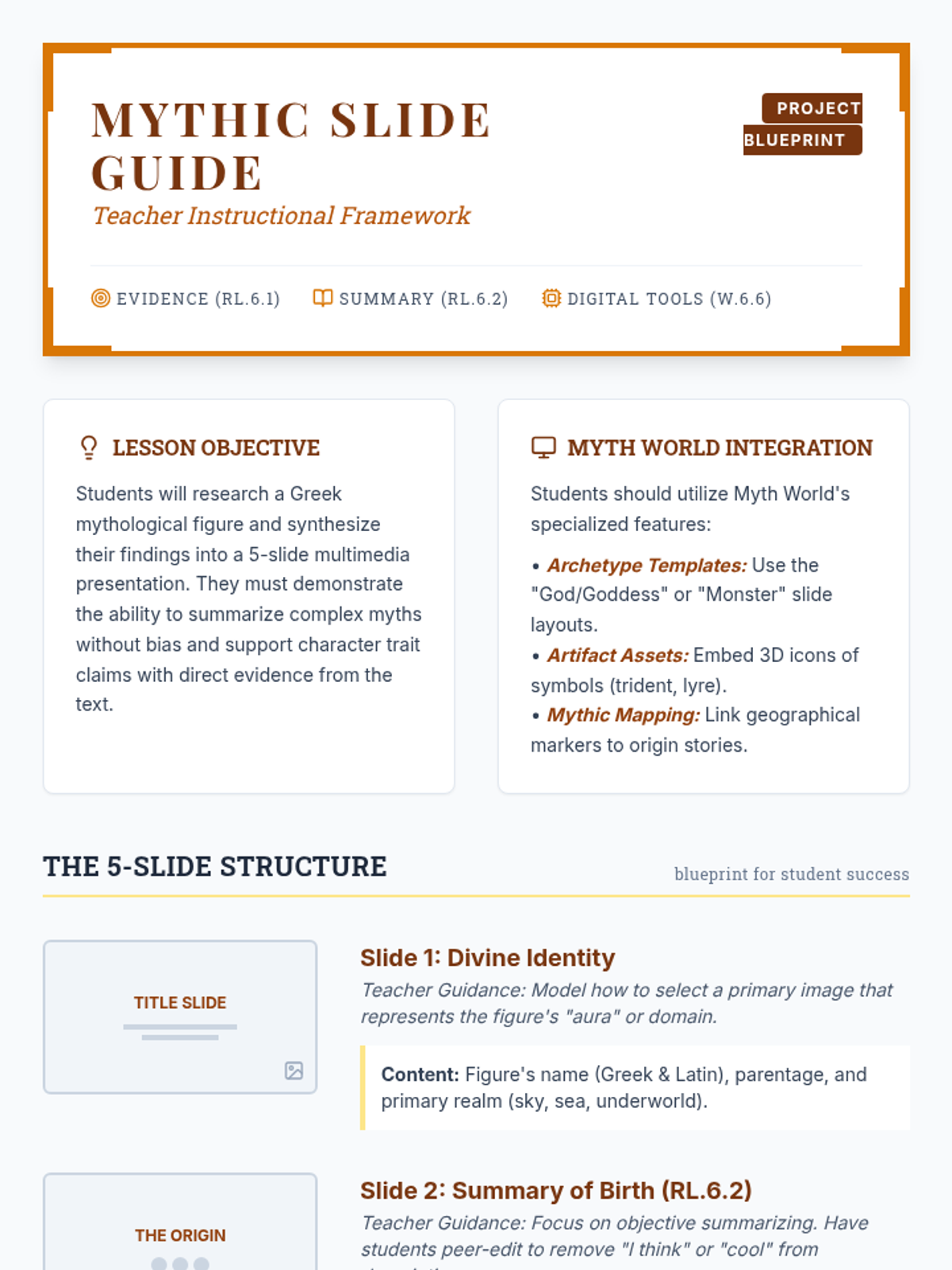
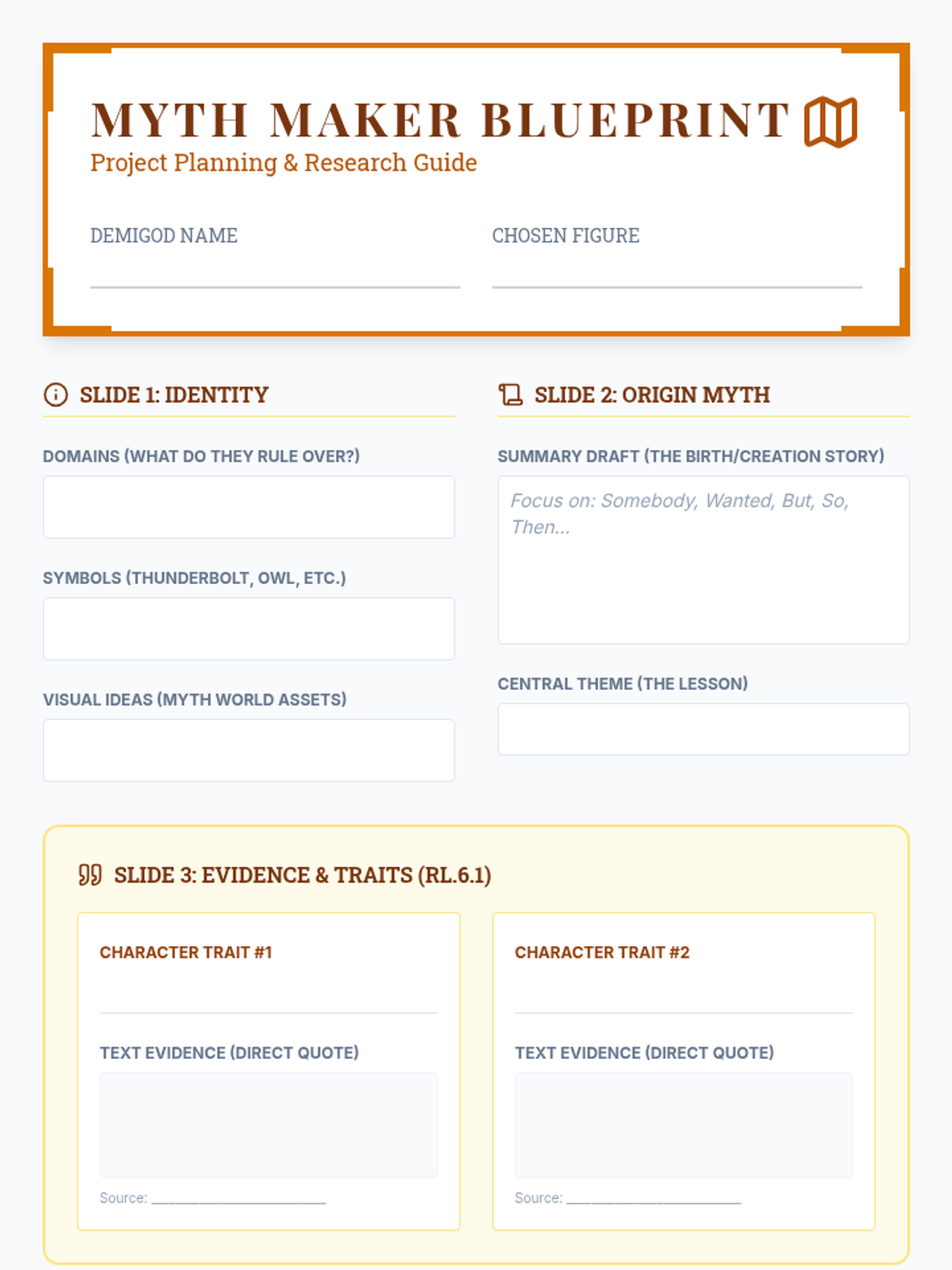
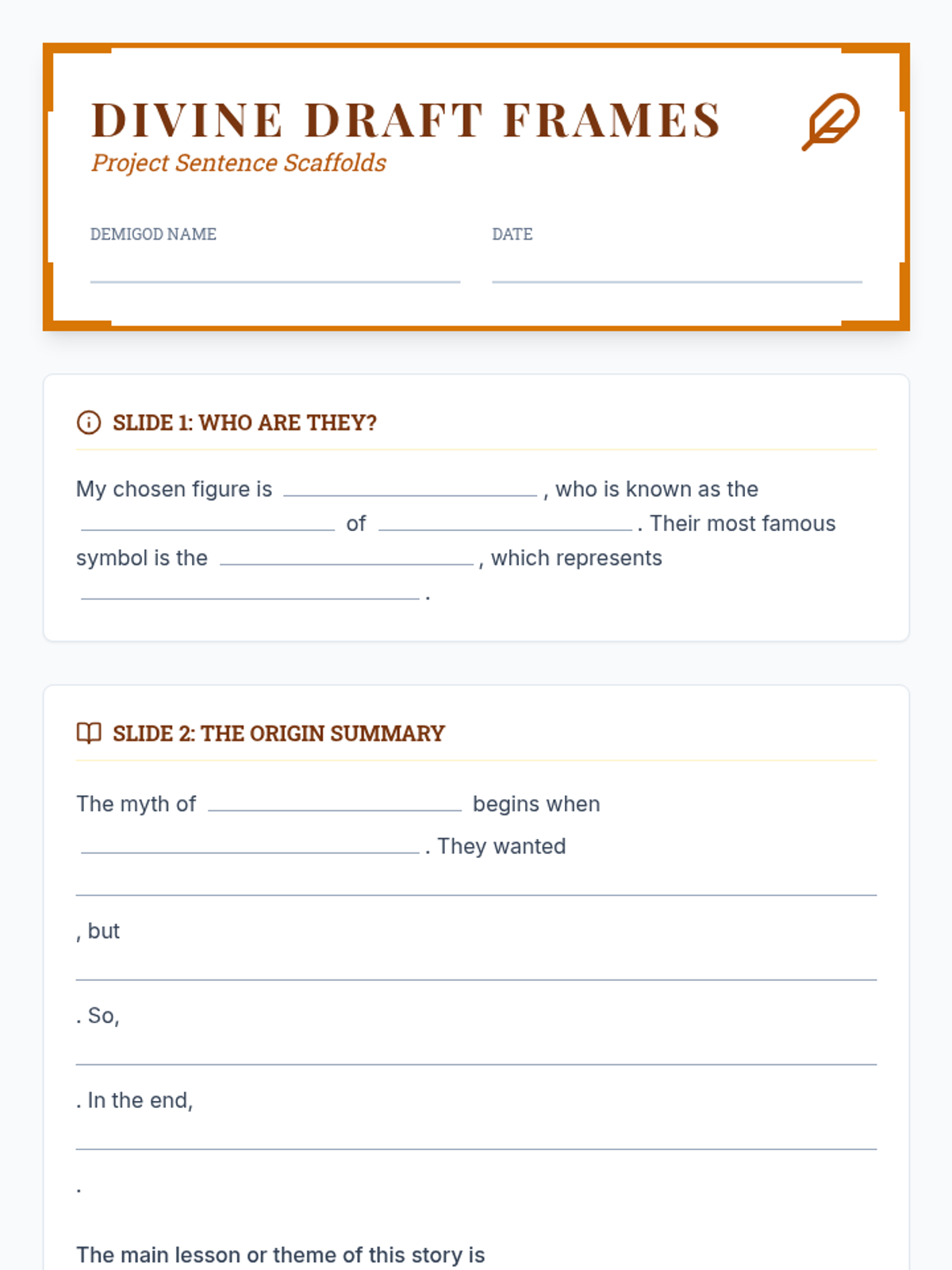
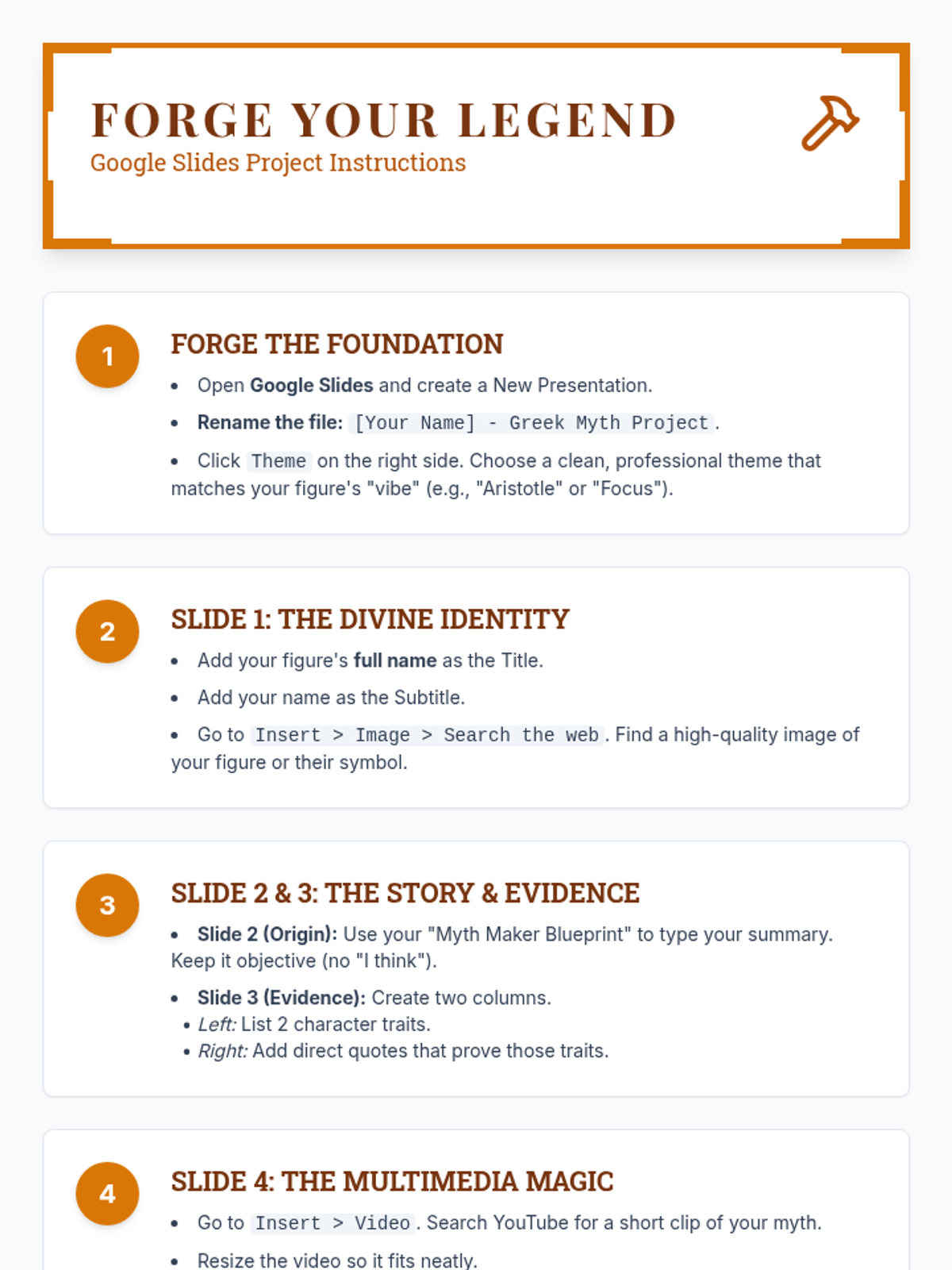
A comprehensive project where students research a Greek mythological figure and create a multimedia presentation demonstrating their understanding of text evidence, summarization, and digital storytelling.
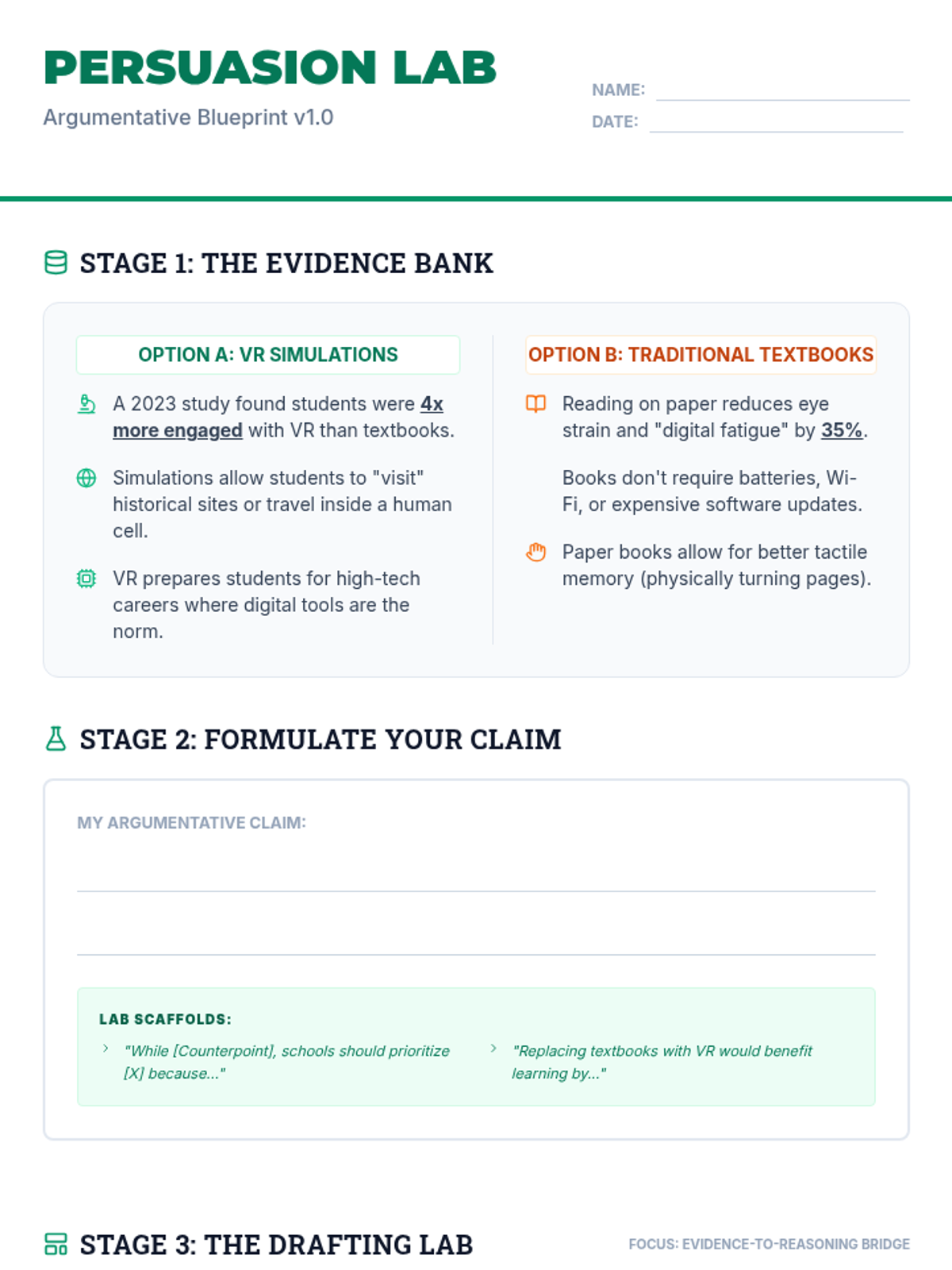
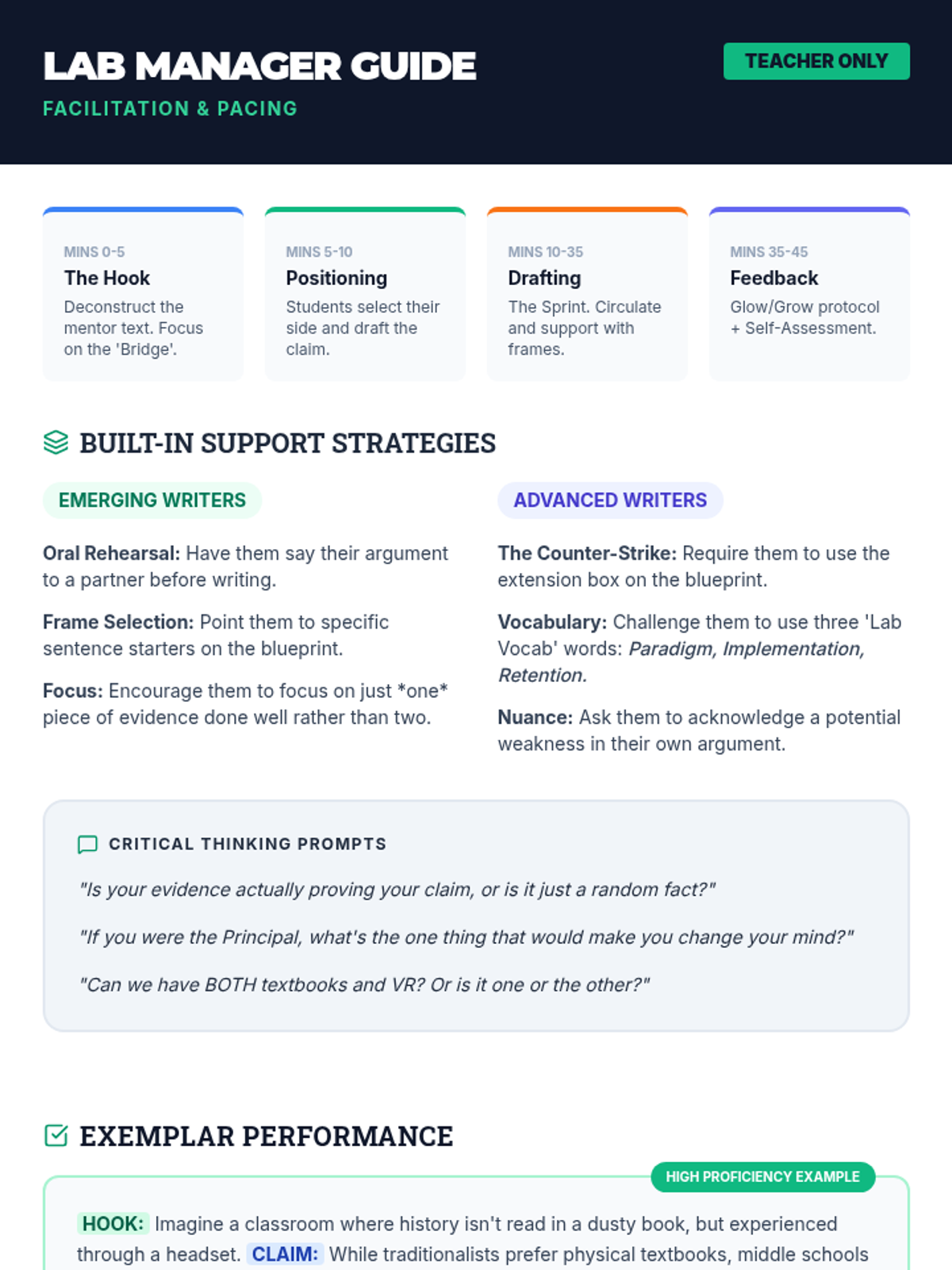
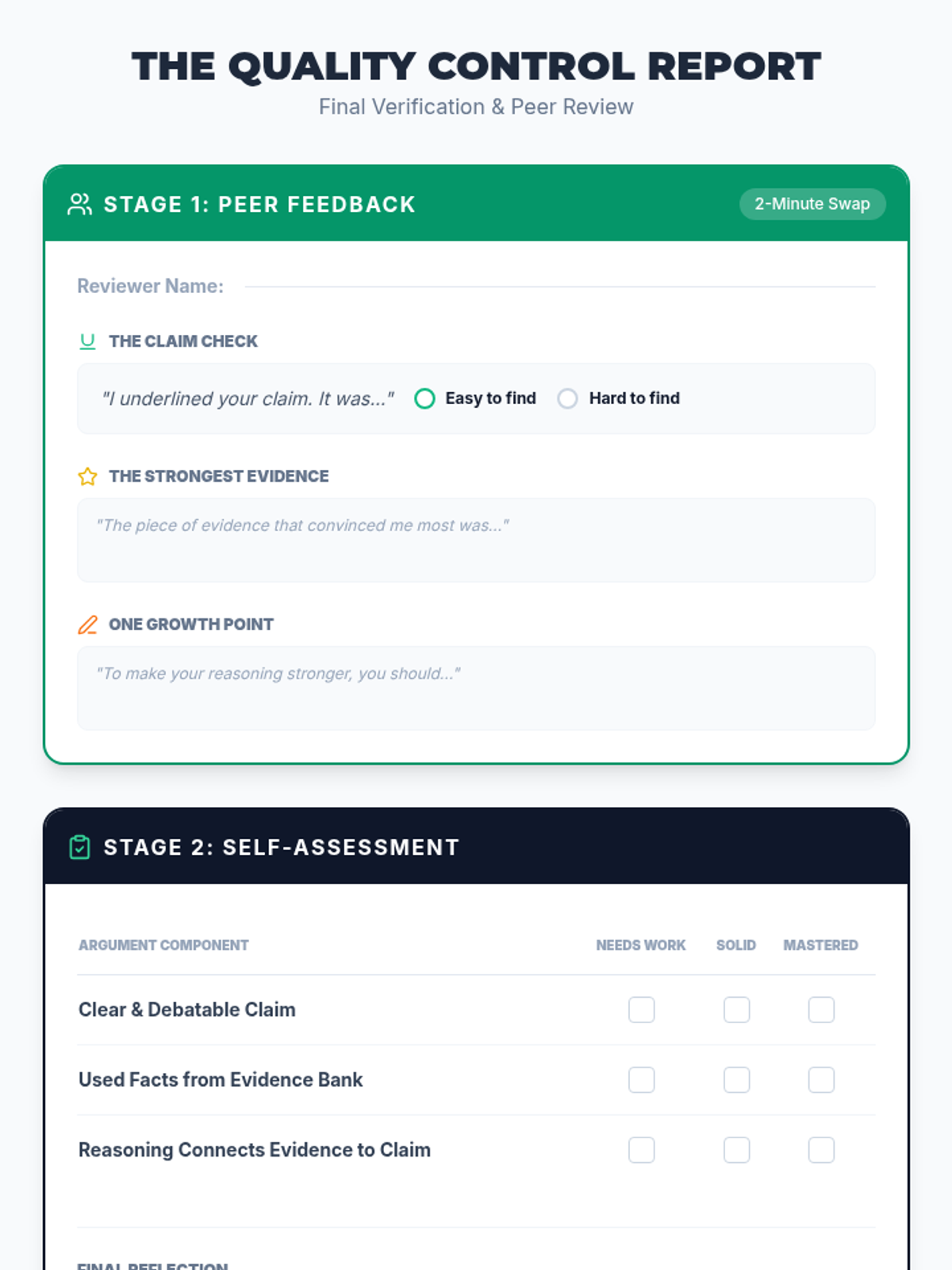
A fast-paced, highly scaffolded 45-minute lesson where middle schoolers deconstruct mentor arguments and build their own evidence-based claims using a 'Persuasion Lab' framework. Features integrated sentence frames, collaborative planning, and a streamlined peer feedback protocol.
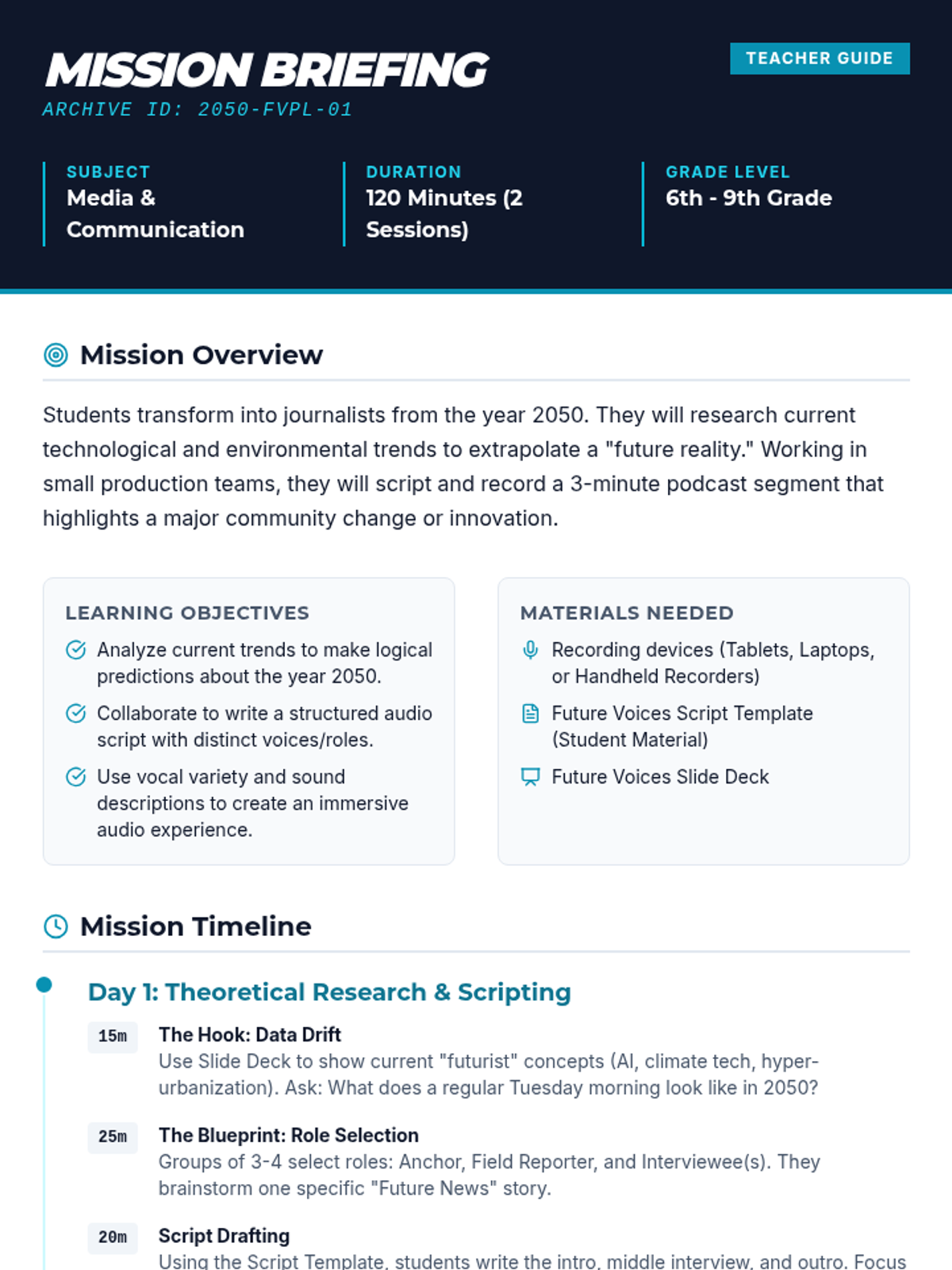
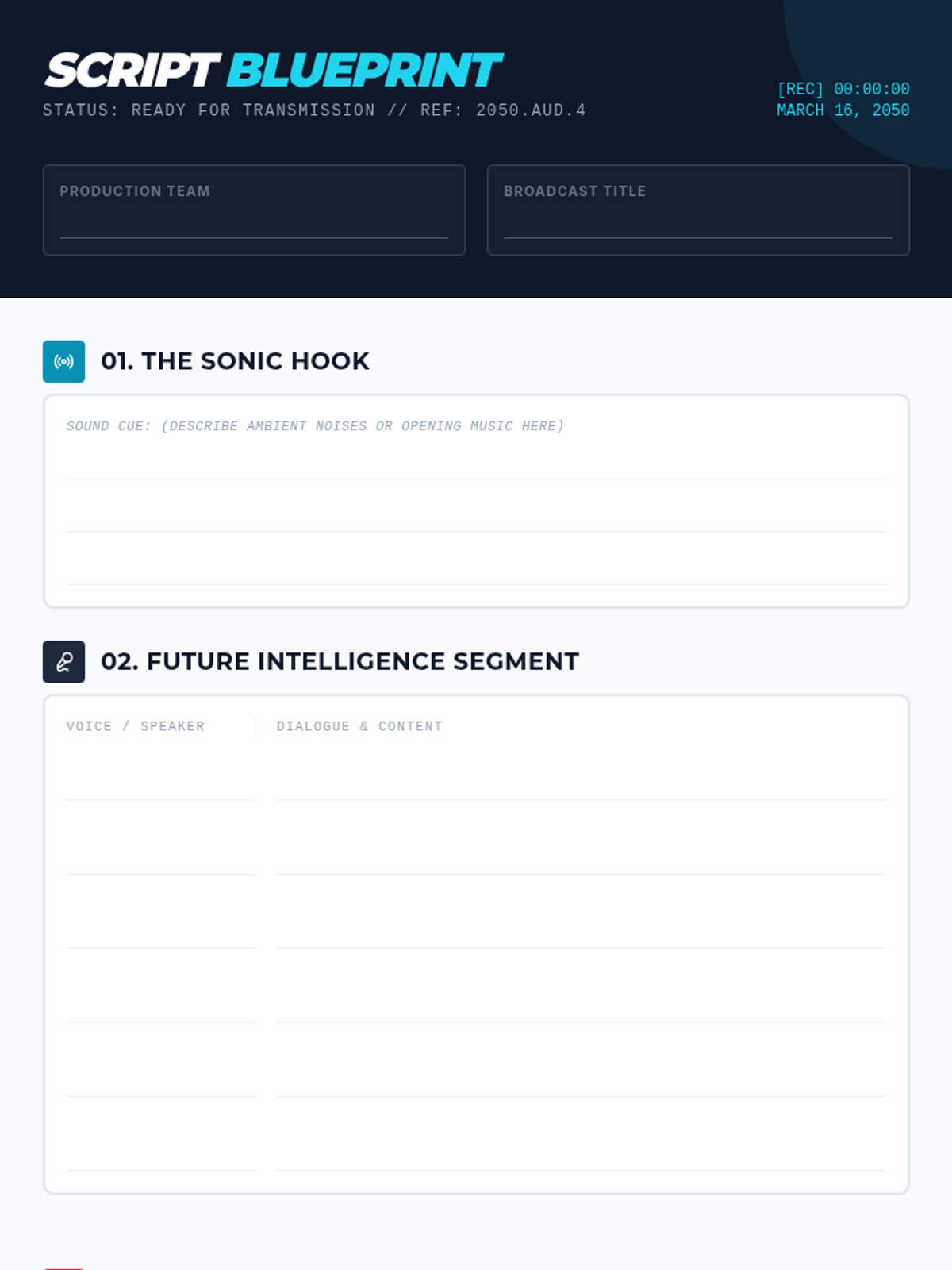
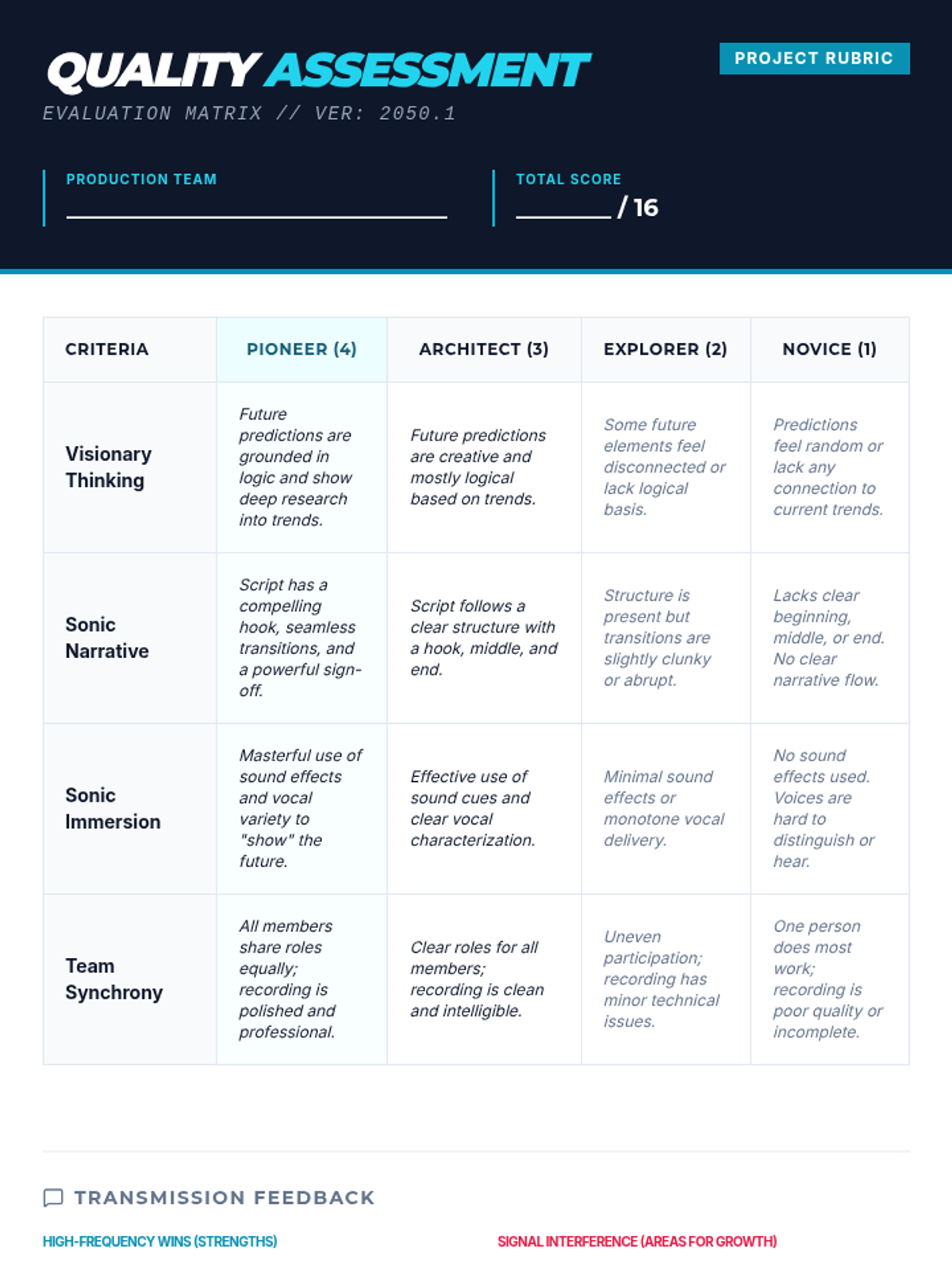
Students step into the shoes of future journalists to script and record a podcast broadcast from the year 2050, exploring community evolution and technological innovation.
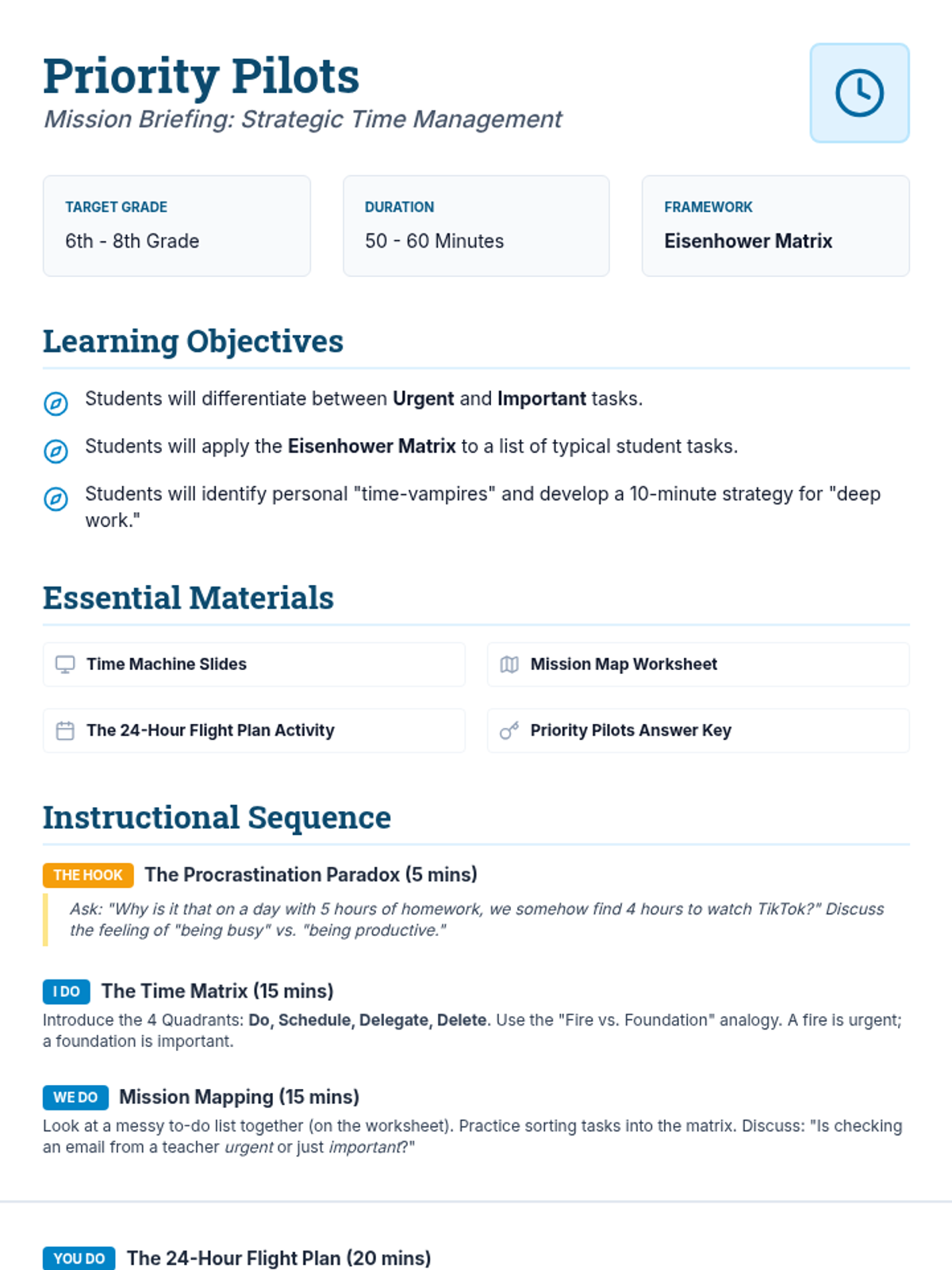
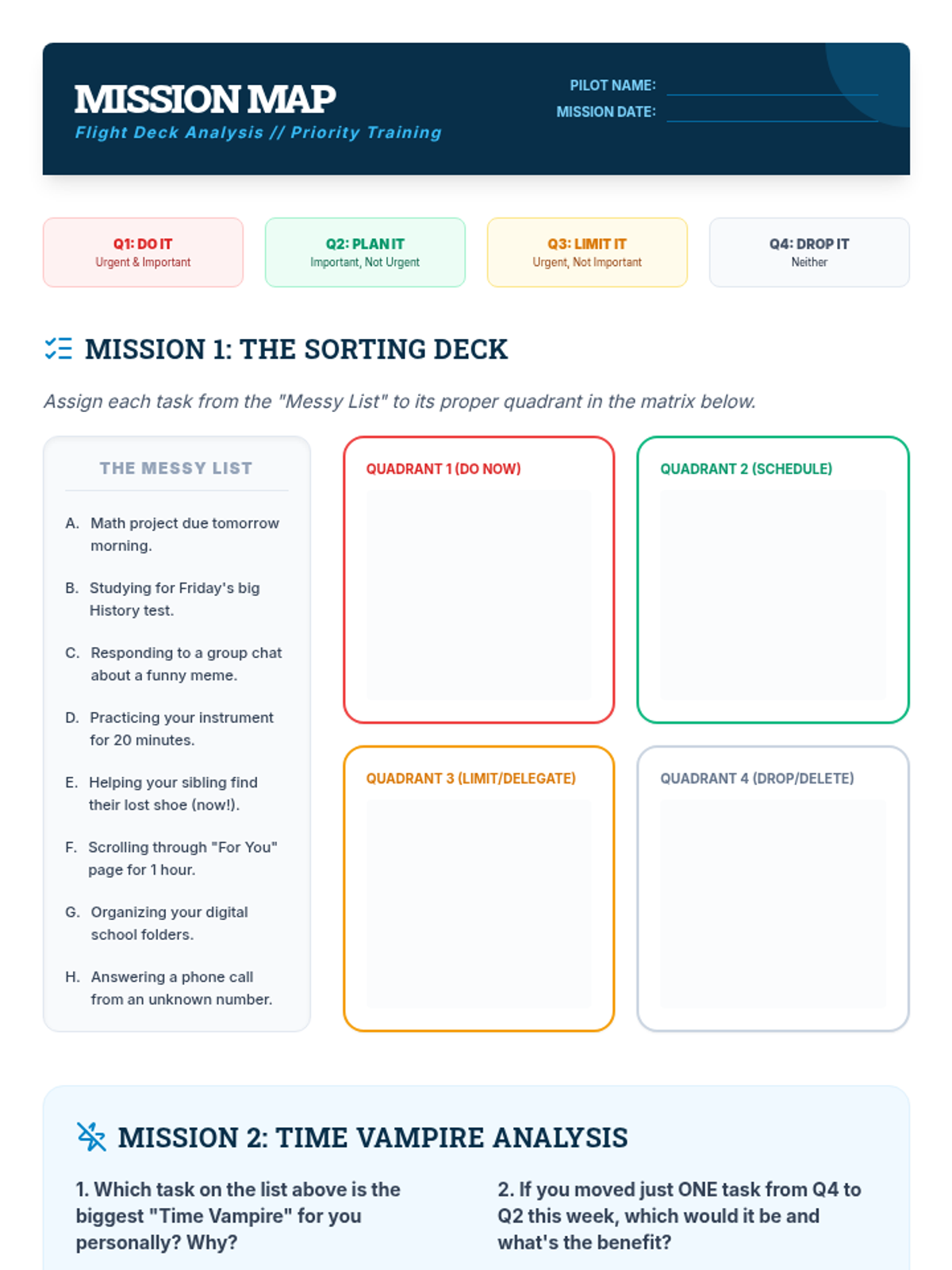
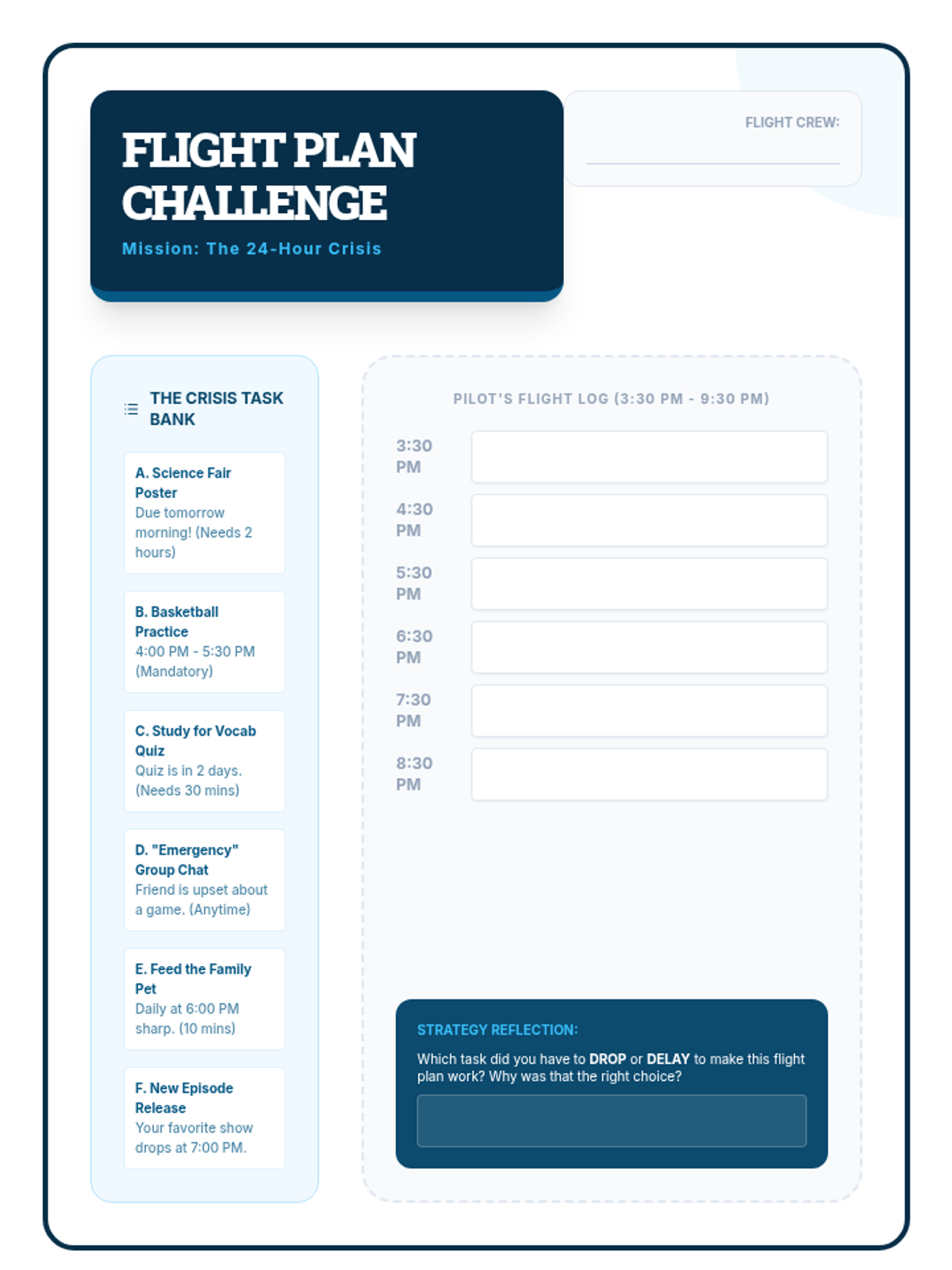
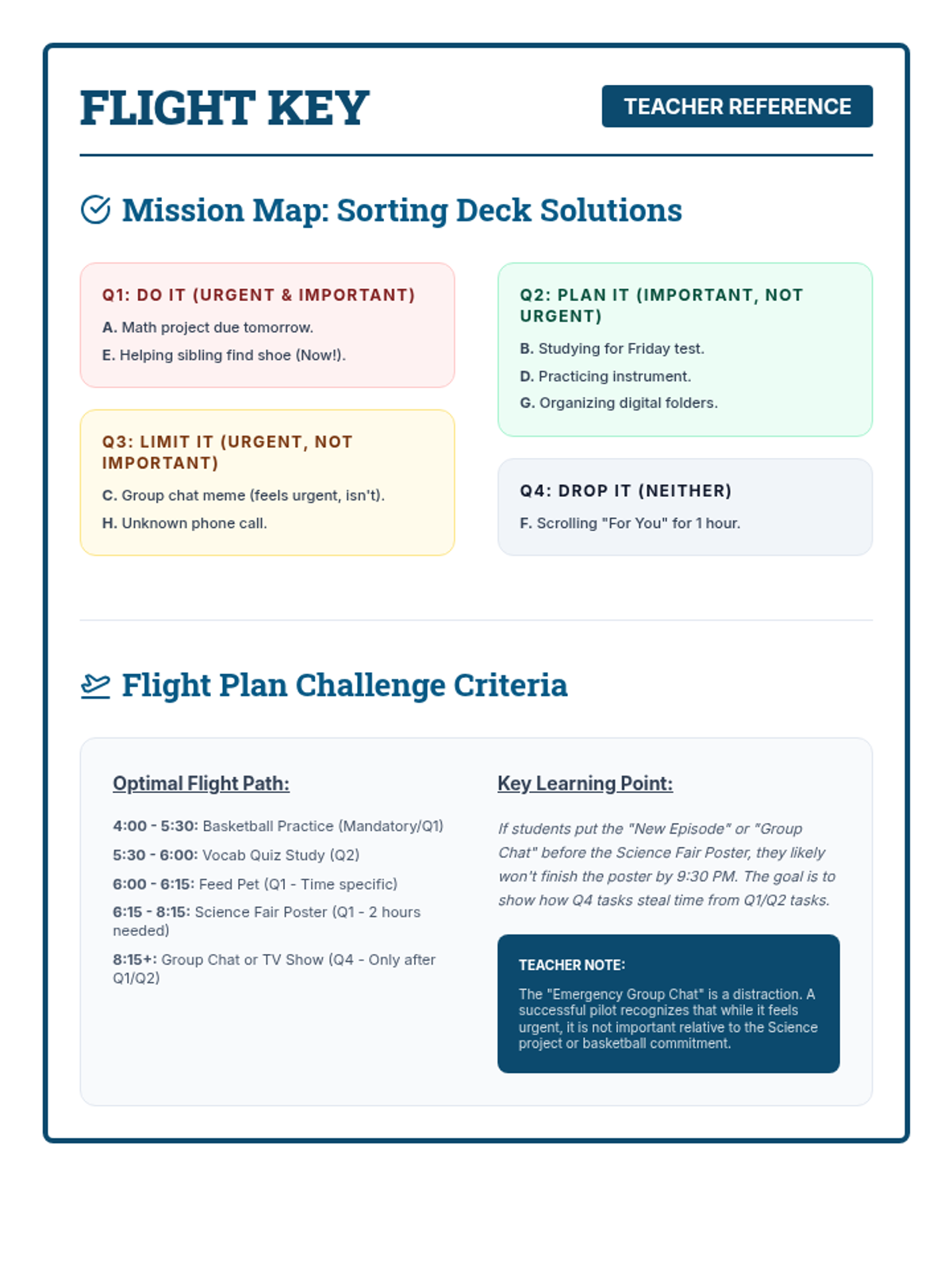
A lesson on time management and task prioritization for middle schoolers, featuring the Eisenhower Matrix and strategies for identifying 'time-wasters' and 'productivity-boosters'.
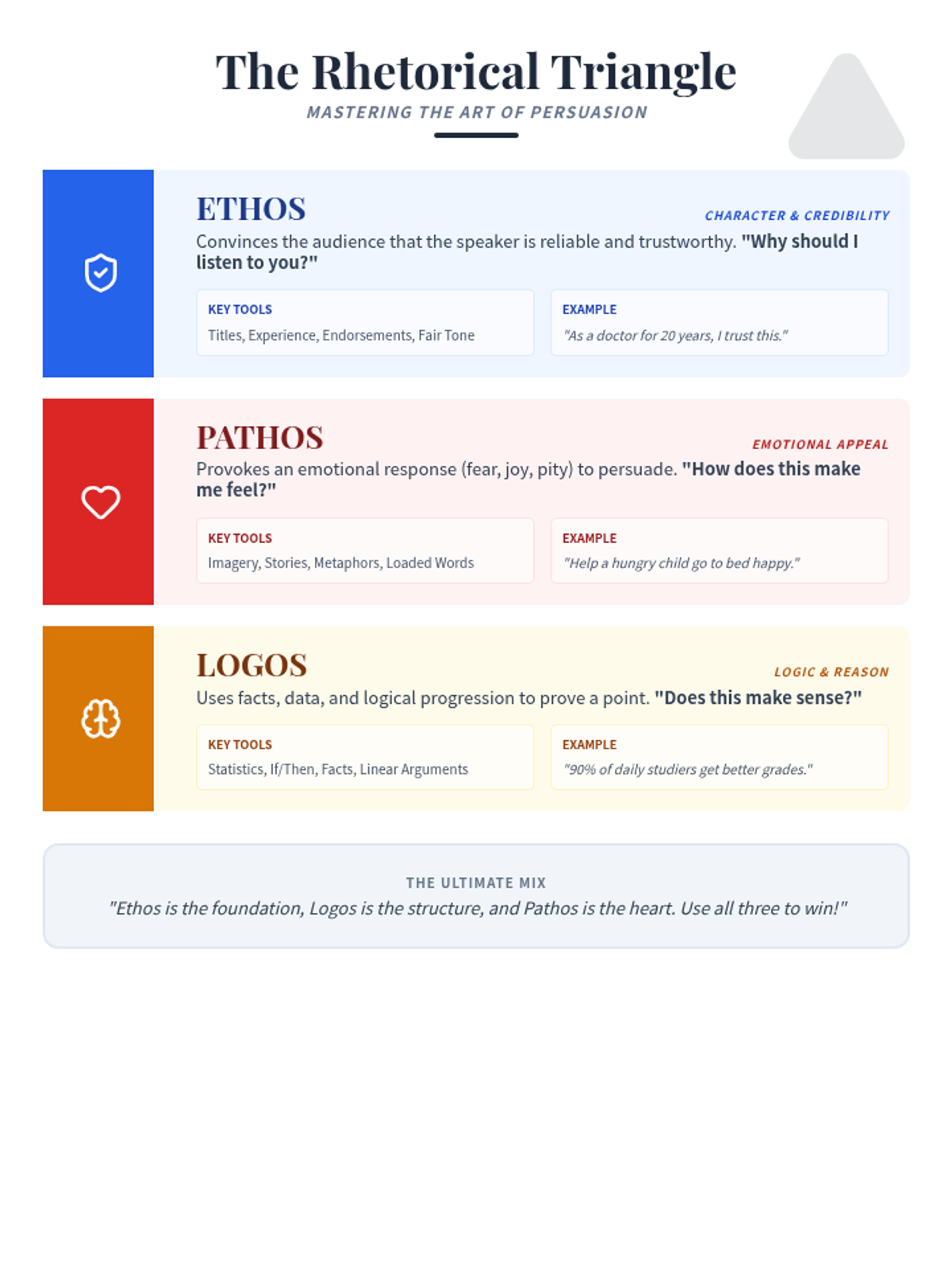
A lesson for middle schoolers on identifying and using persuasive techniques (ethos, pathos, logos) and rhetorical strategies in advertisements and speeches.
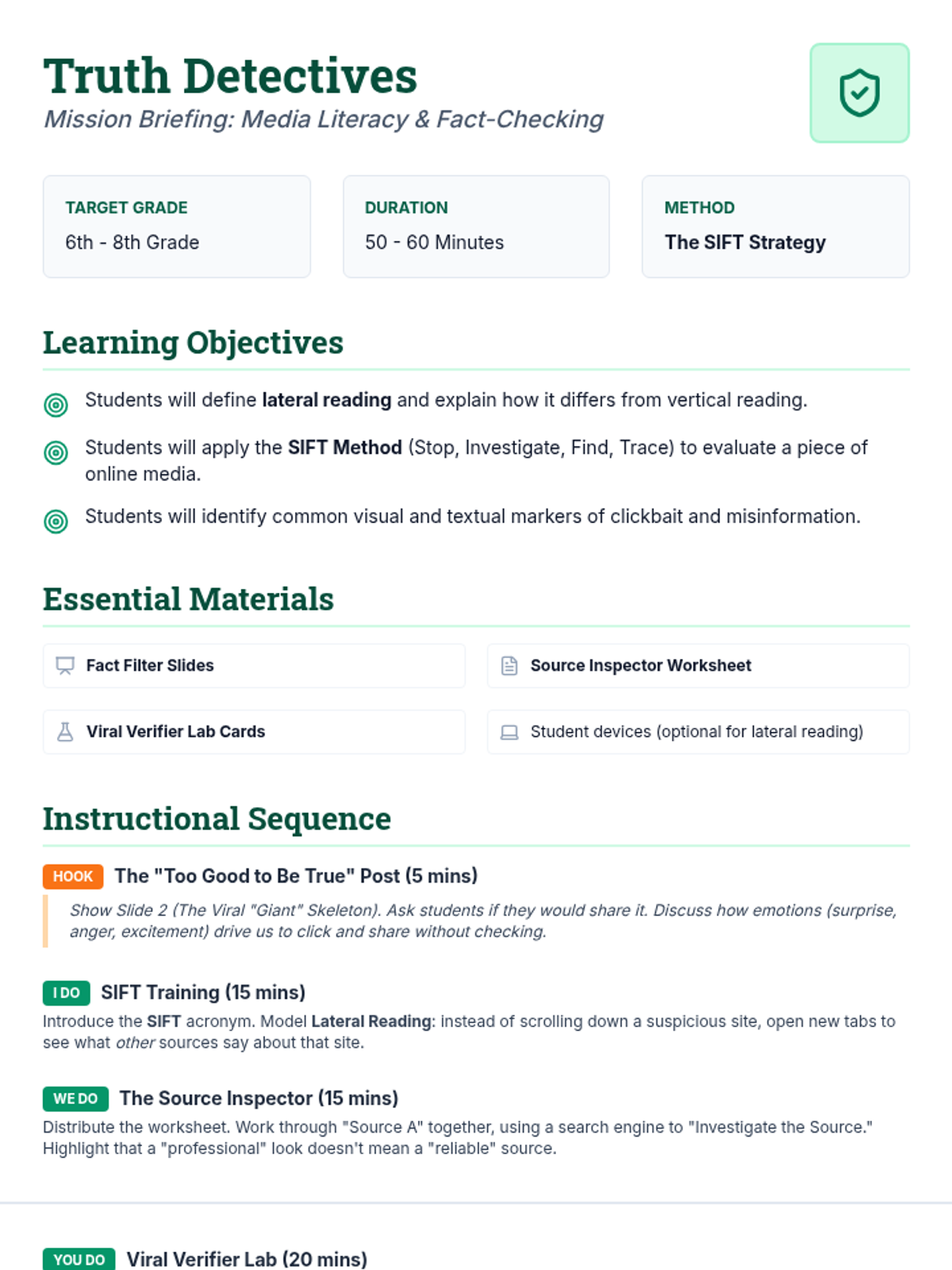
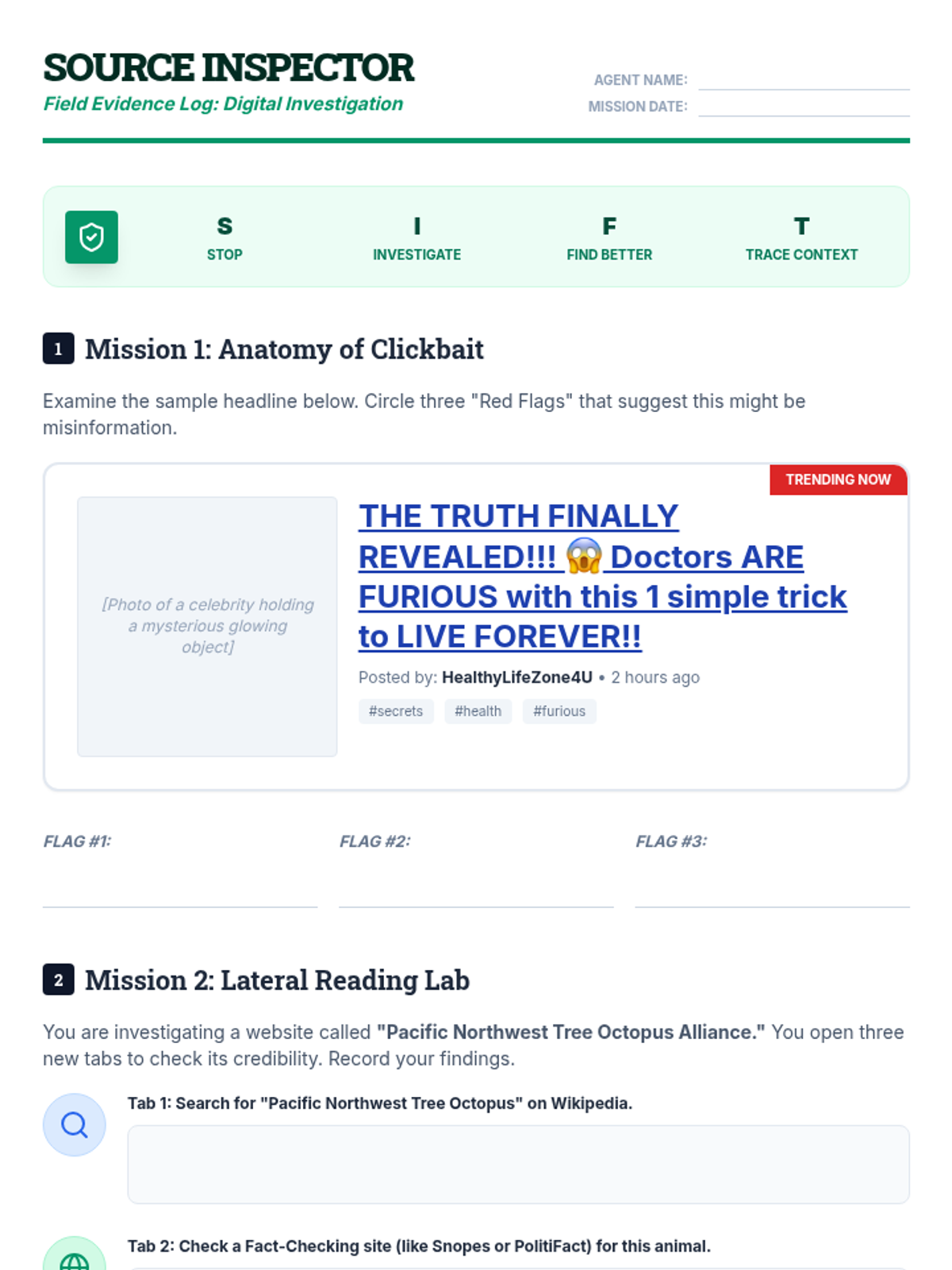
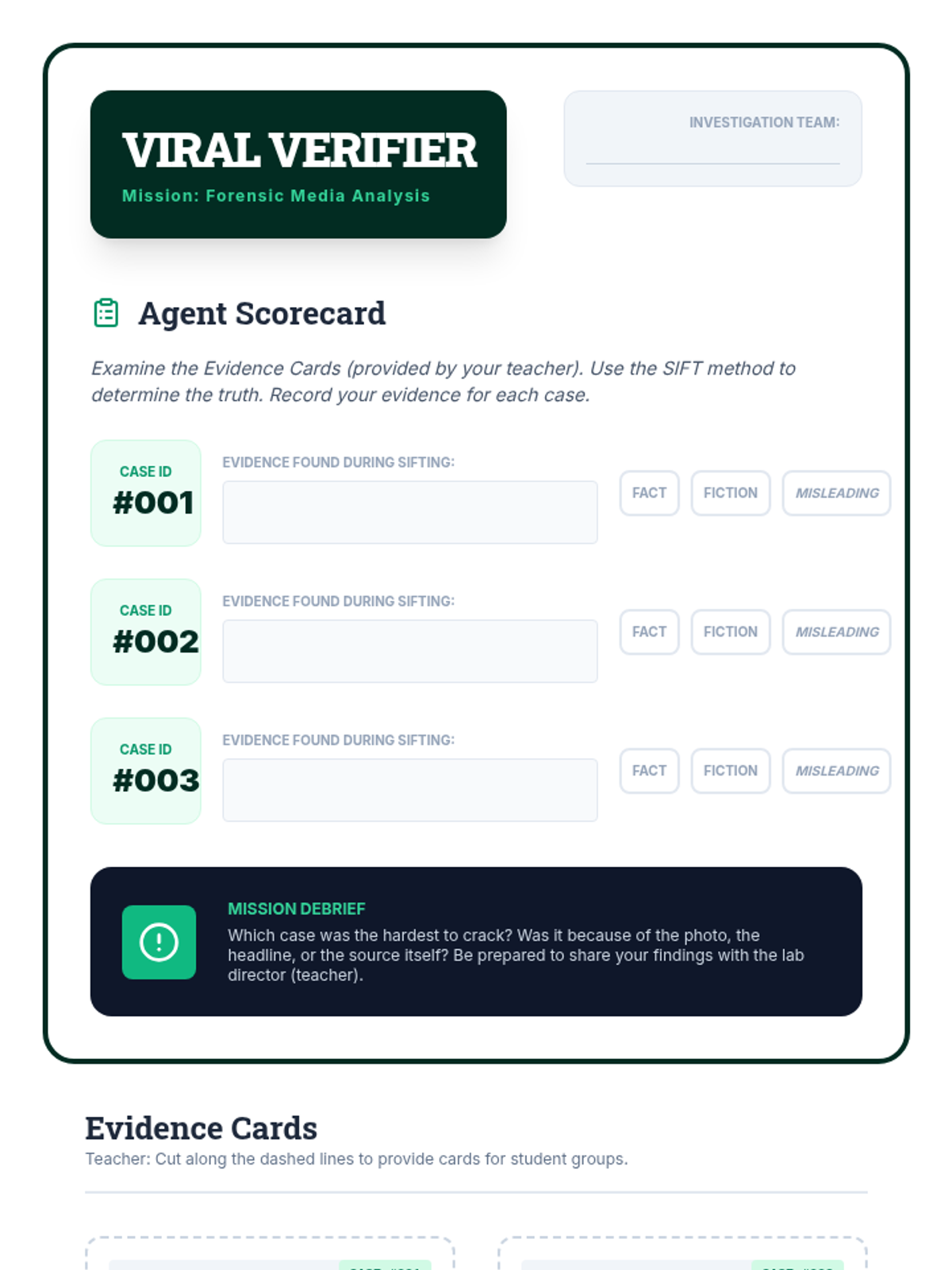
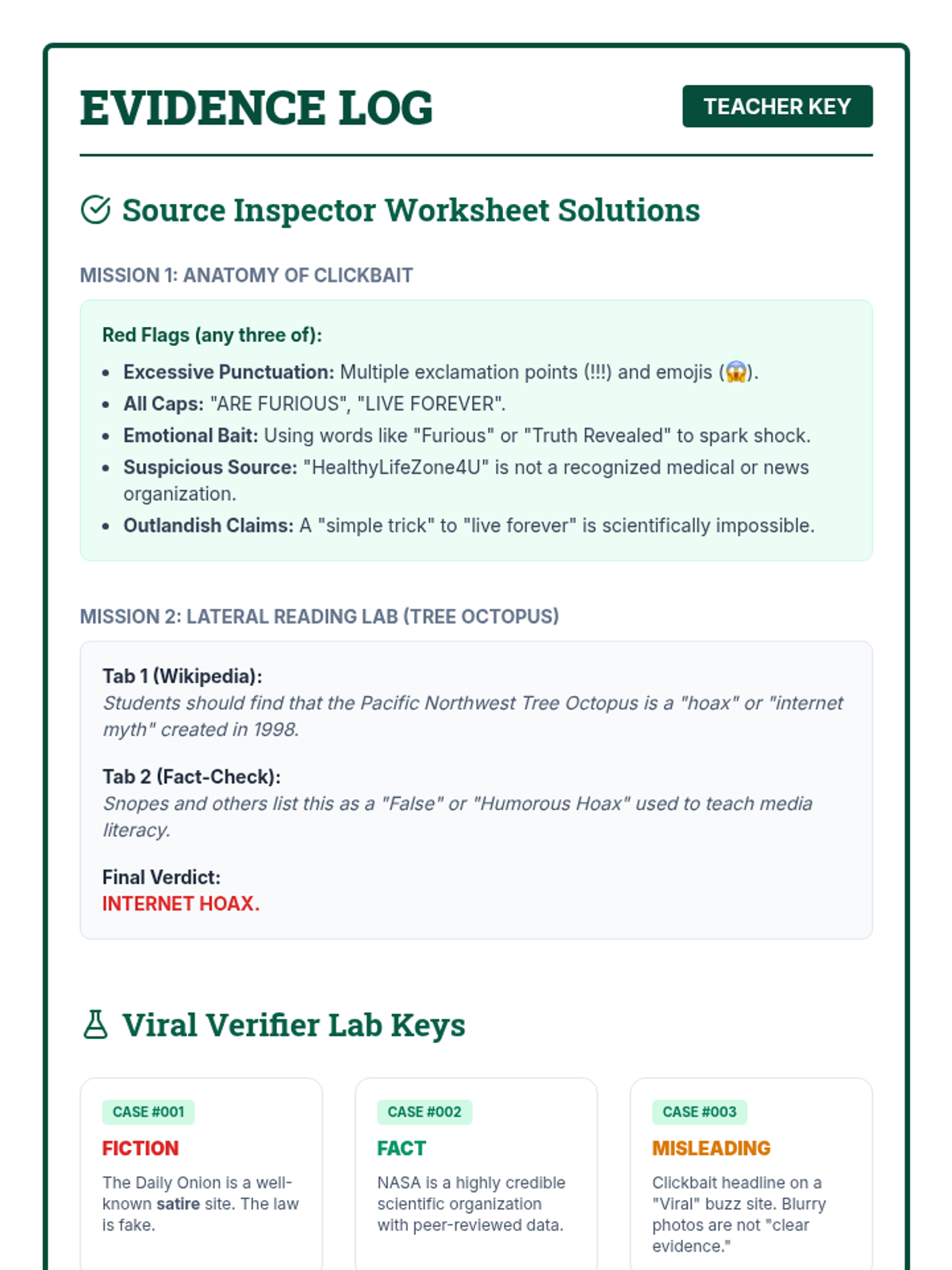
A lesson on digital media literacy for middle schoolers, focusing on the SIFT method to evaluate online information, identify bias, and spot misinformation.
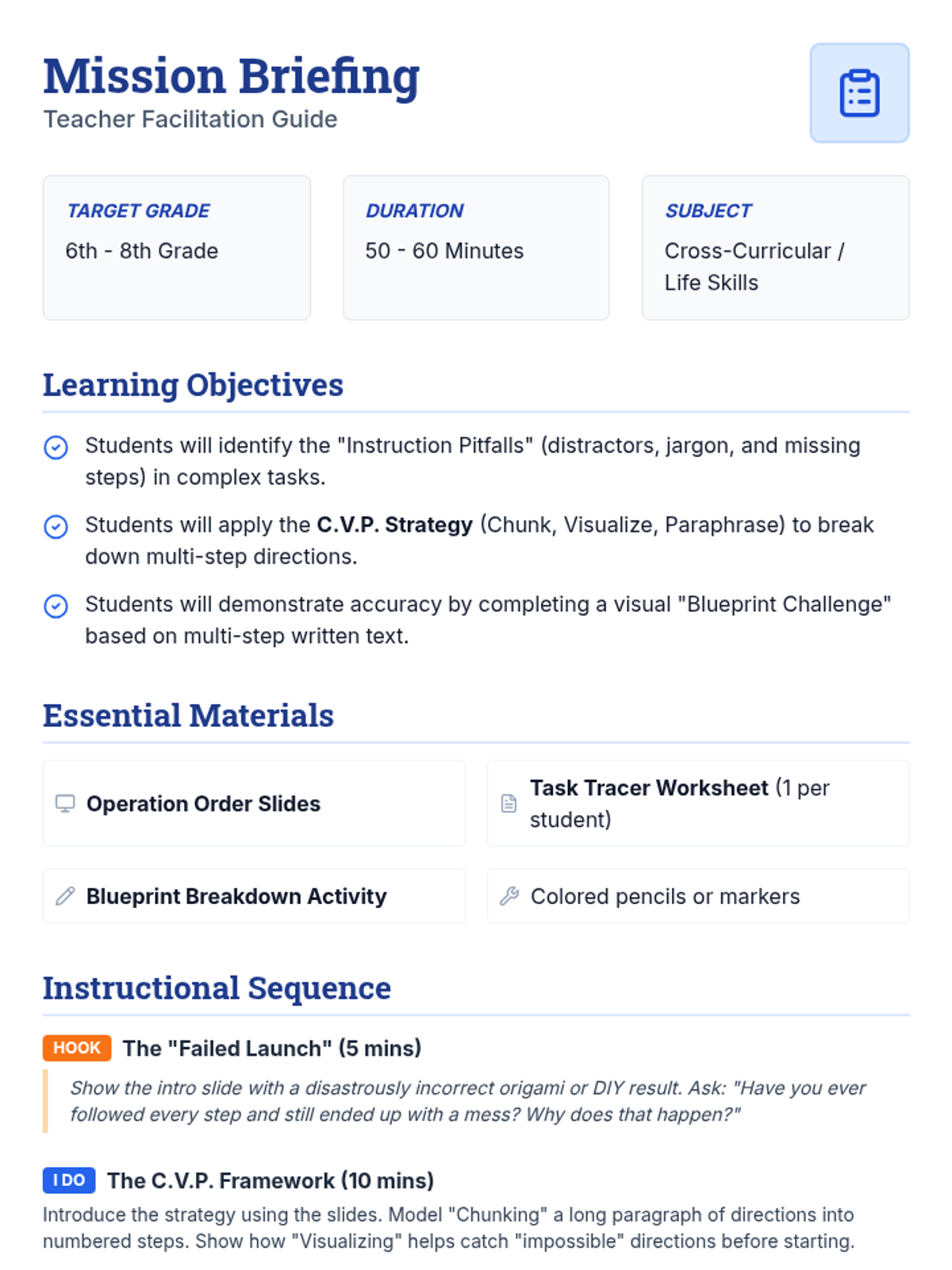
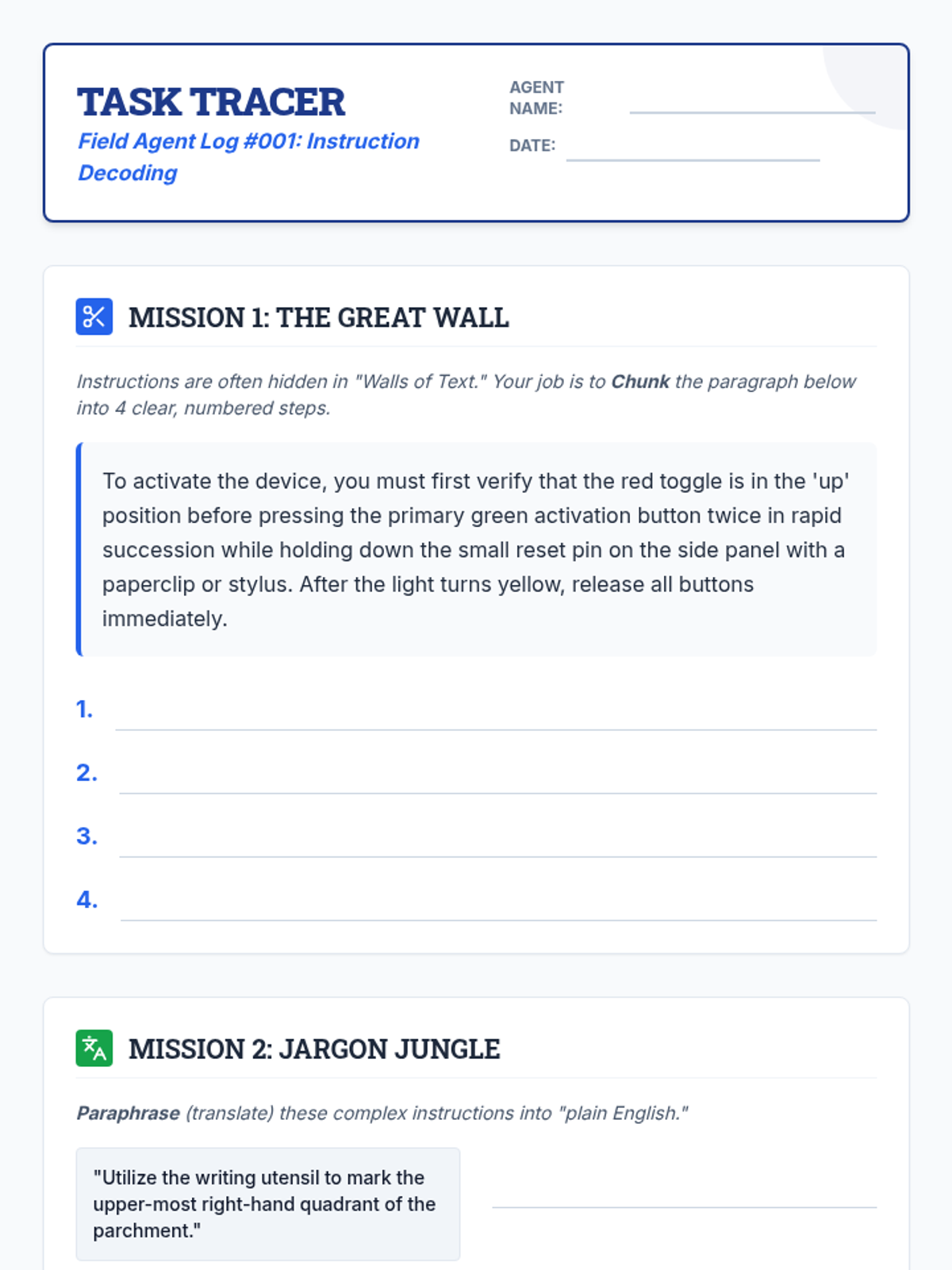
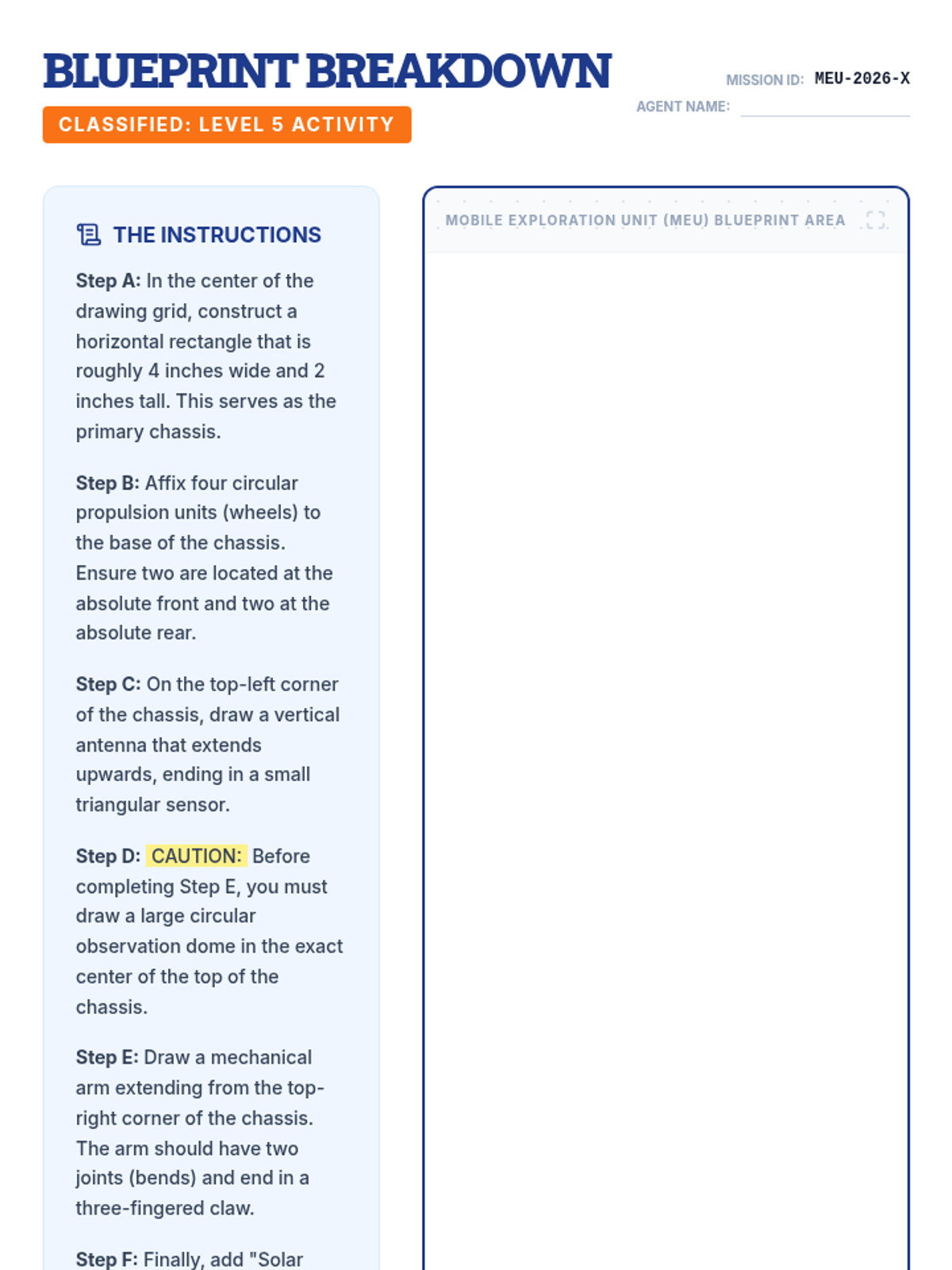
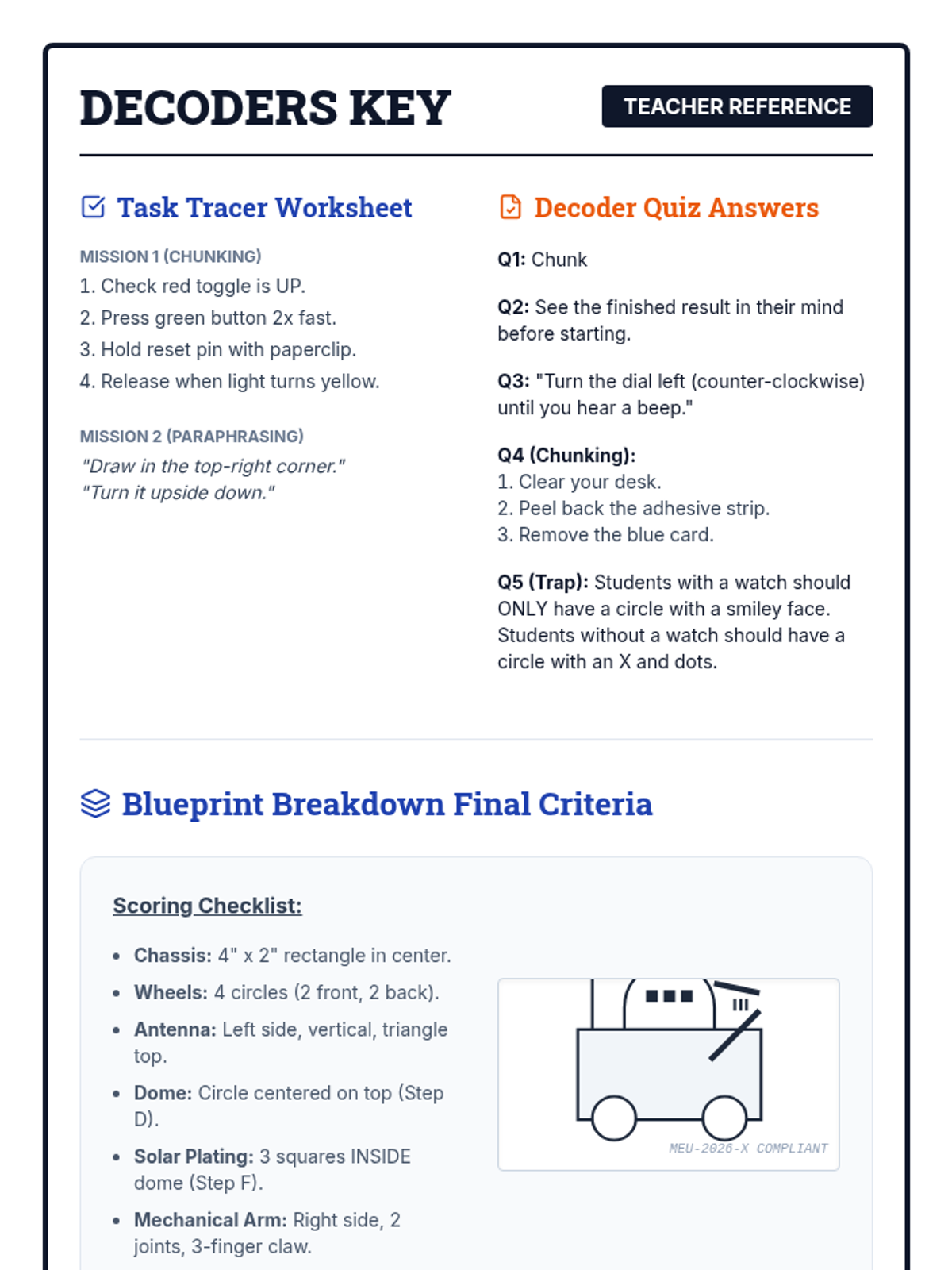
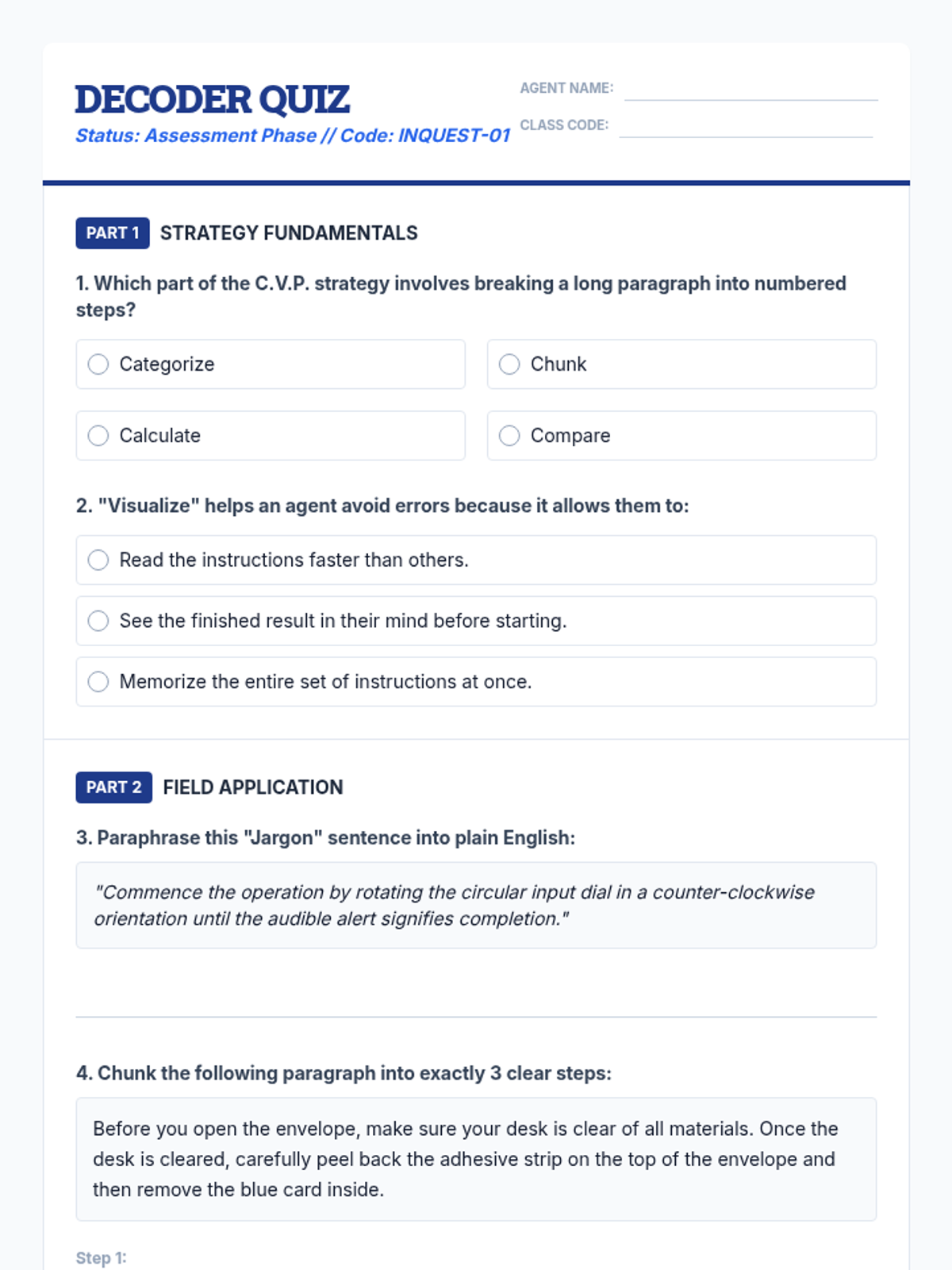
A comprehensive lesson for middle schoolers on breaking down complex, multi-step instructions using chunking, visualization, and paraphrasing strategies.
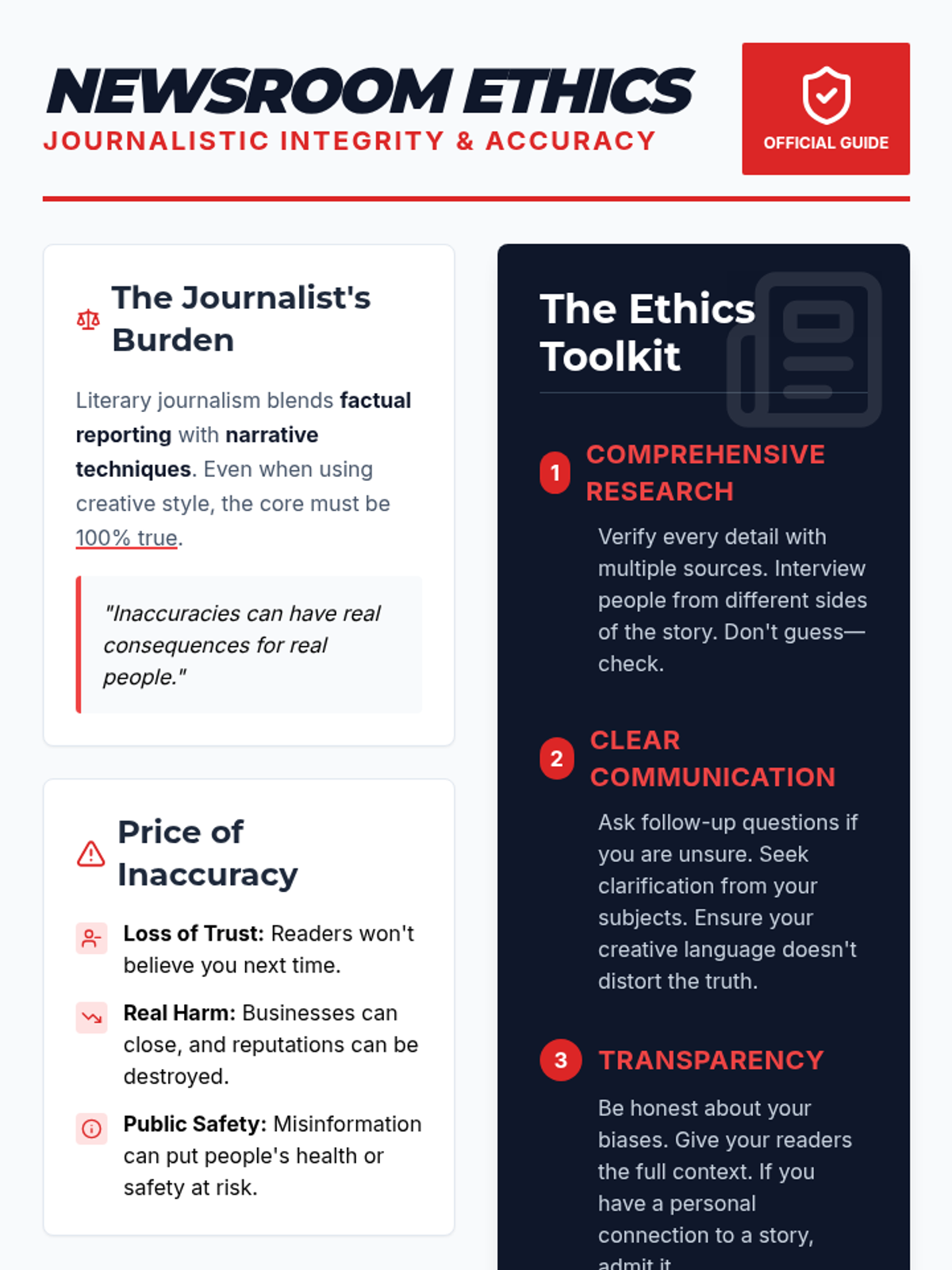
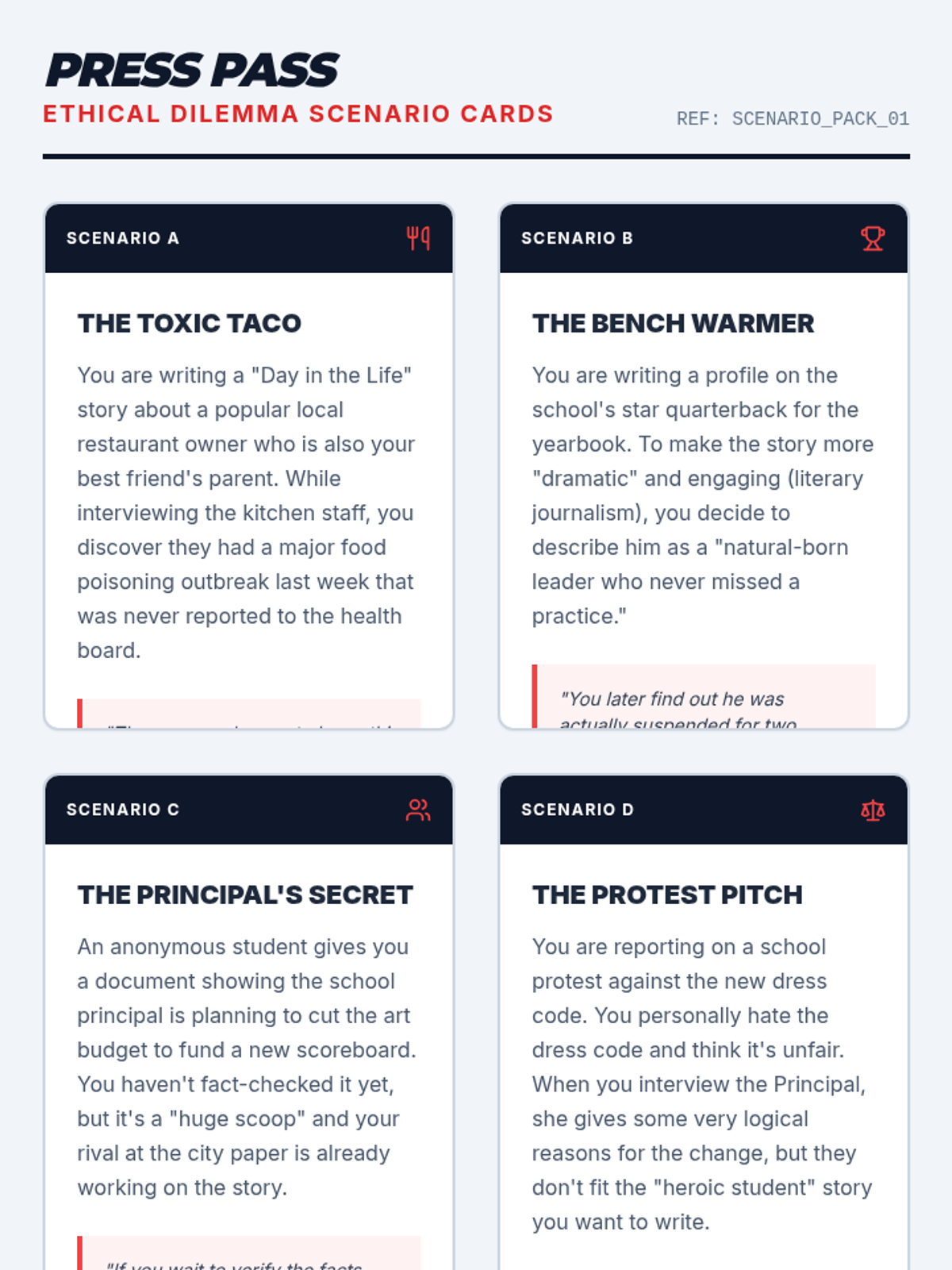
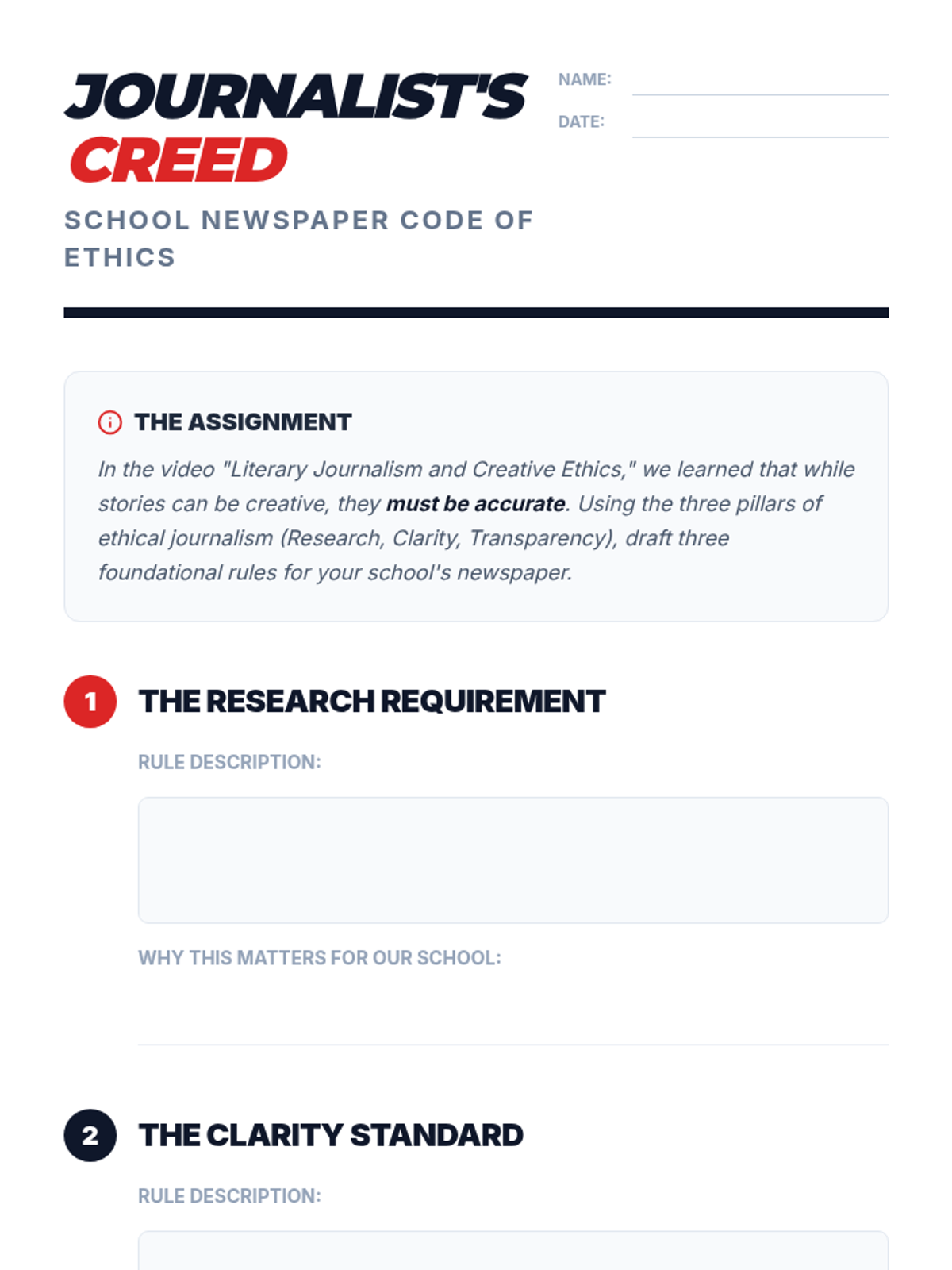
Students evaluate the ethical responsibilities of journalists through the lens of literary journalism, focusing on the tension between narrative style and factual accuracy. They will analyze real-world scenarios, debate ethical dilemmas, and develop a personal 'Code of Ethics' for a school publication.
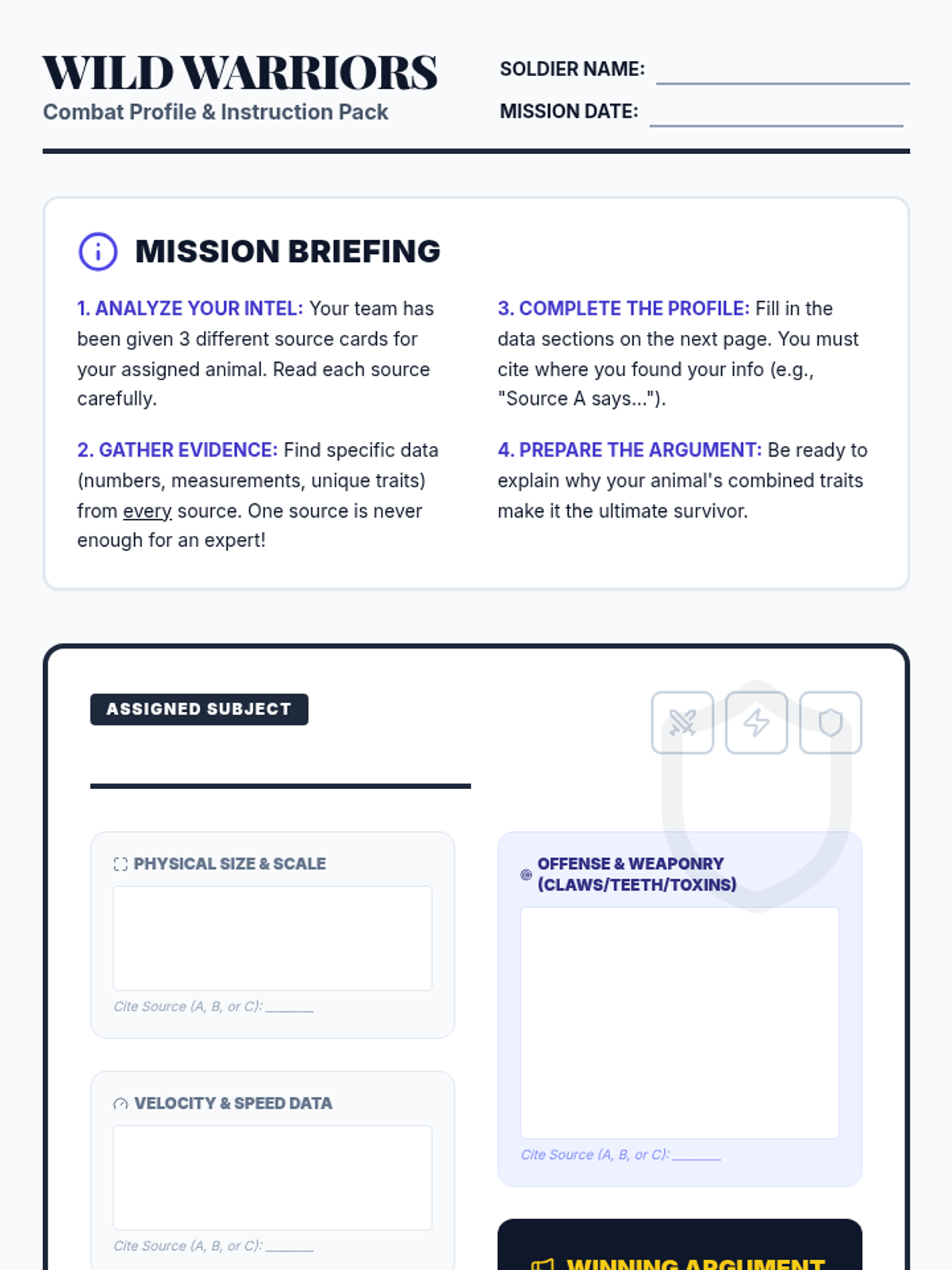
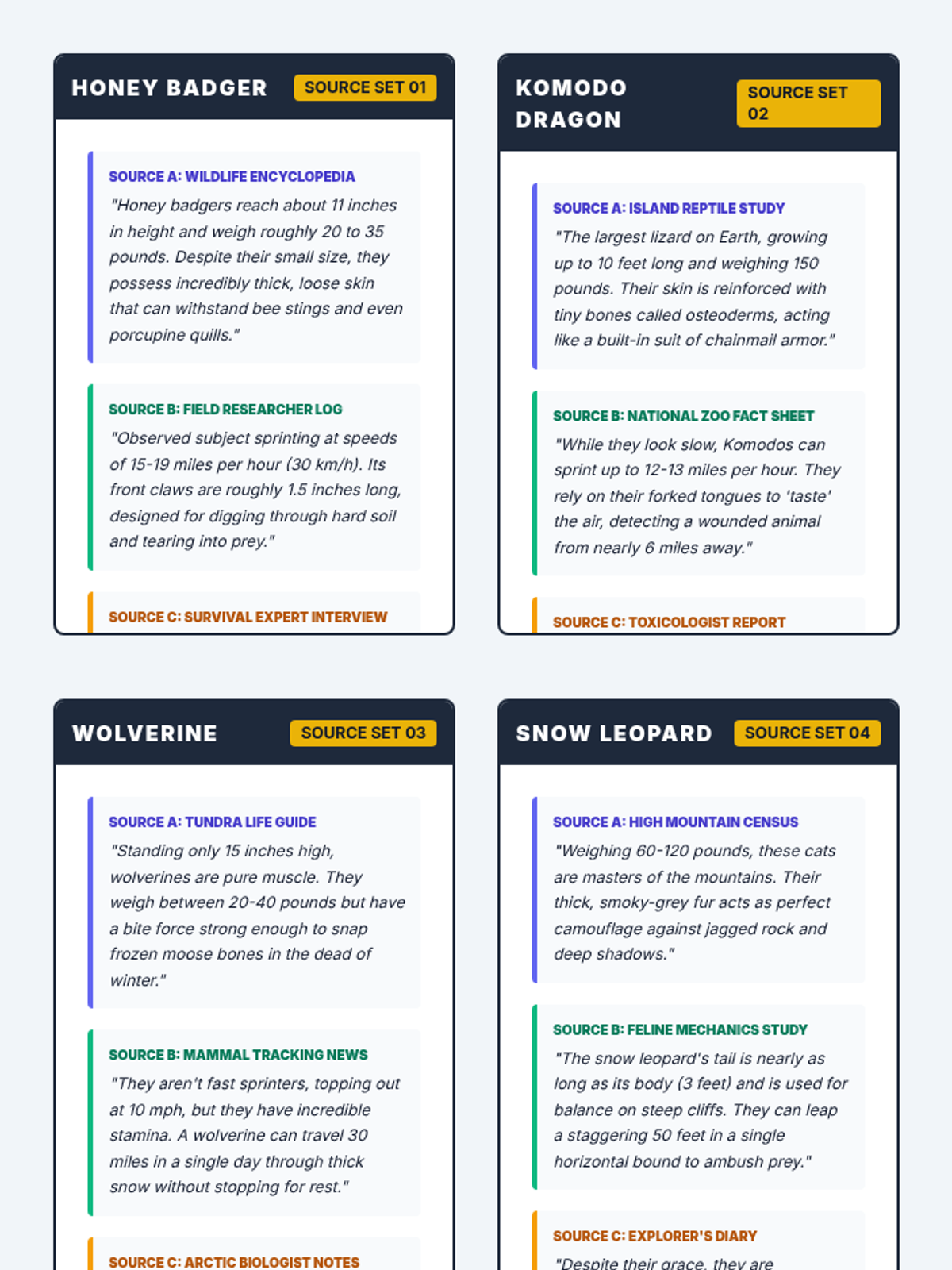
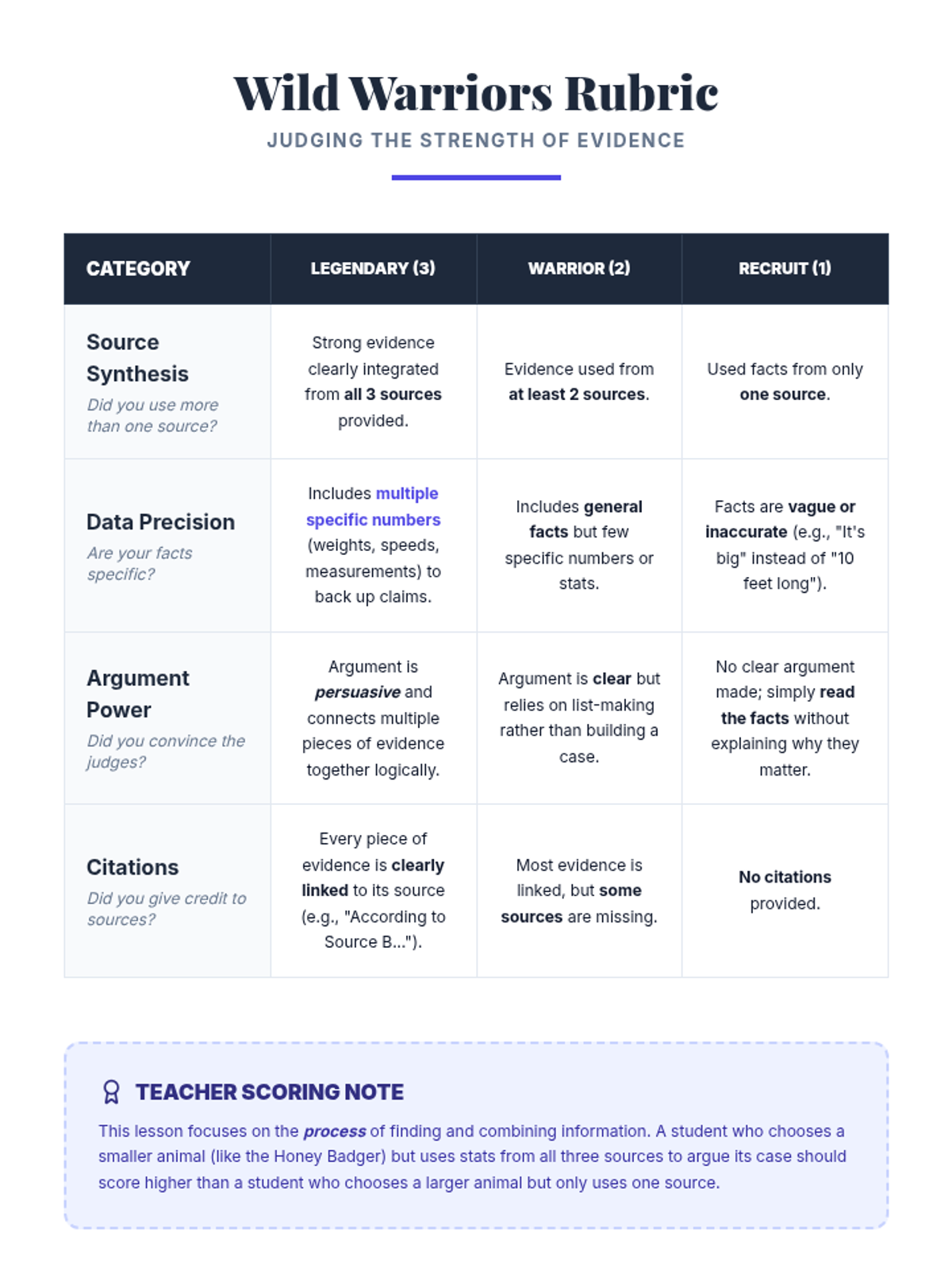
Students will learn how to synthesize information from multiple texts to build a strong, evidence-based argument through a 'Battle of the Animals' competition.
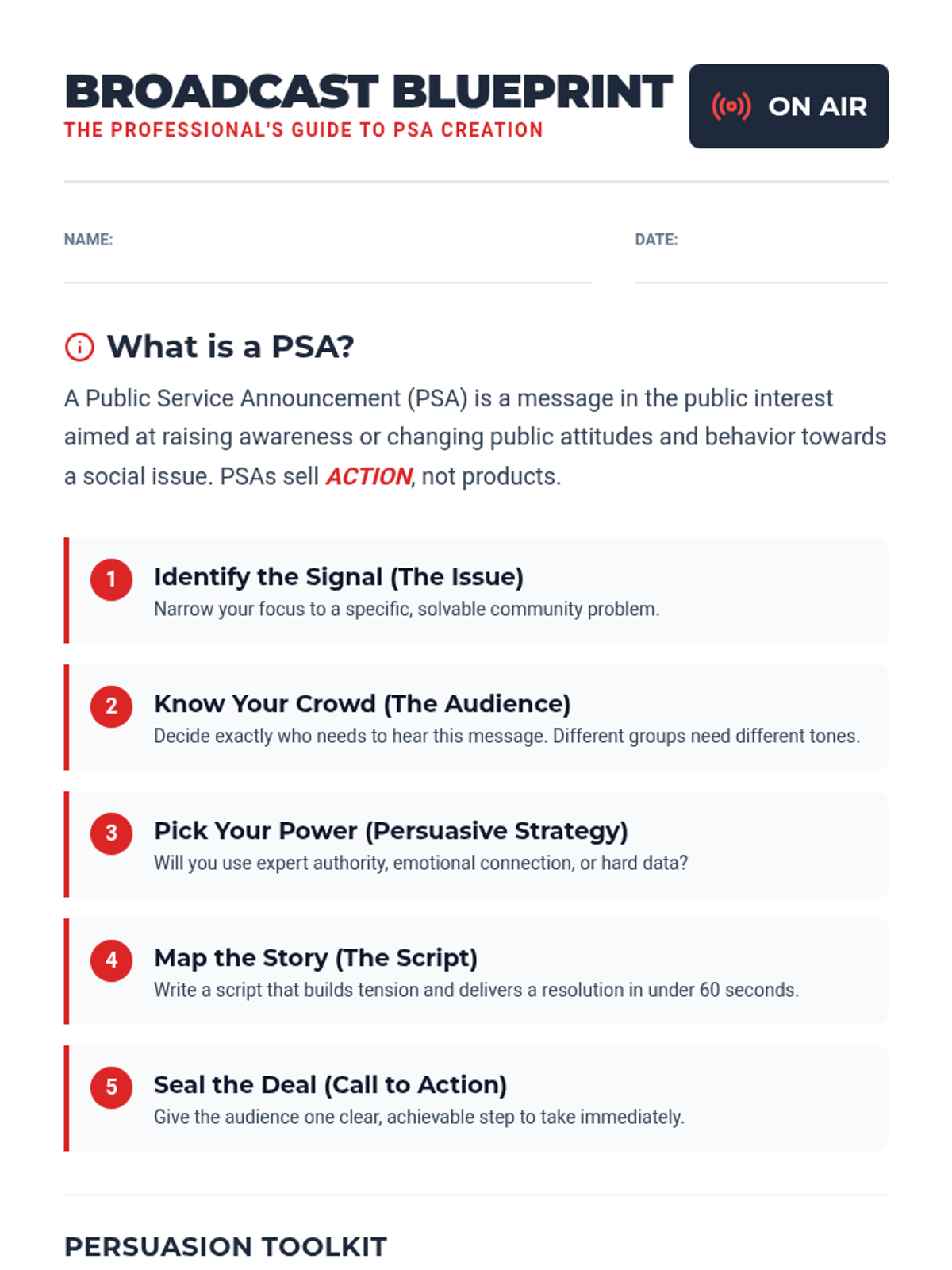
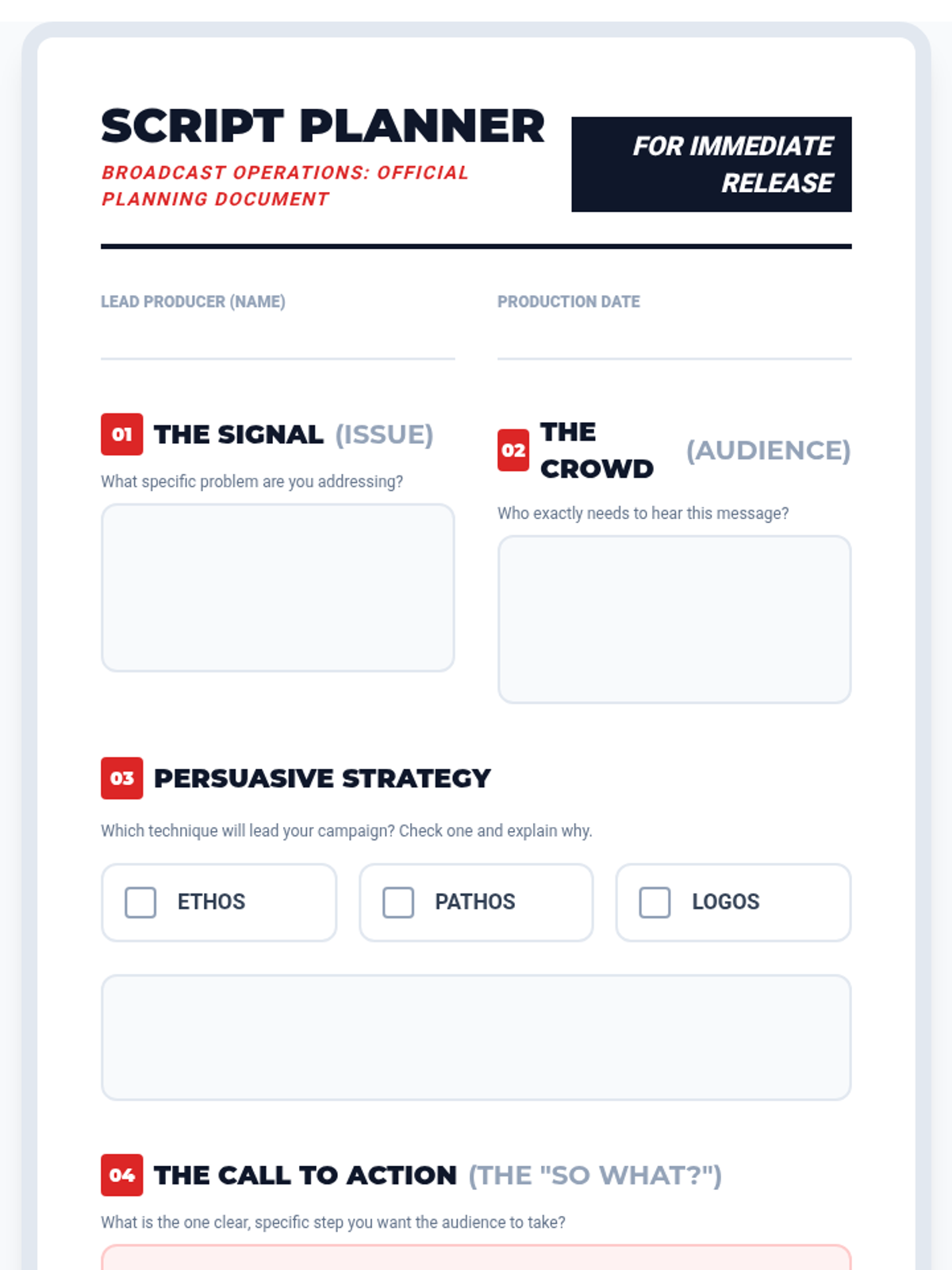
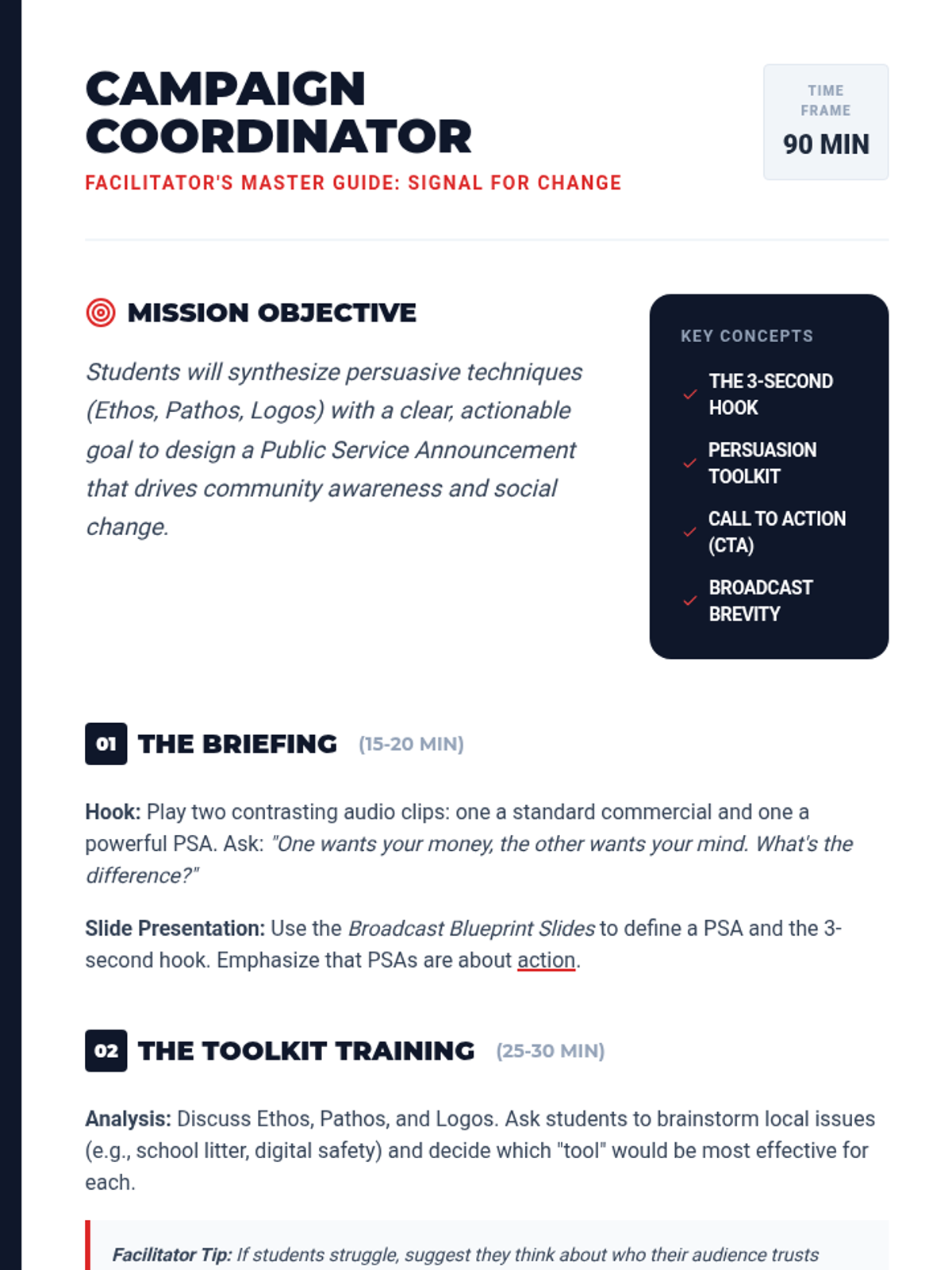
Students will learn the essential components of a Public Service Announcement, focusing on persuasive techniques and crafting a compelling call to action to drive social change.
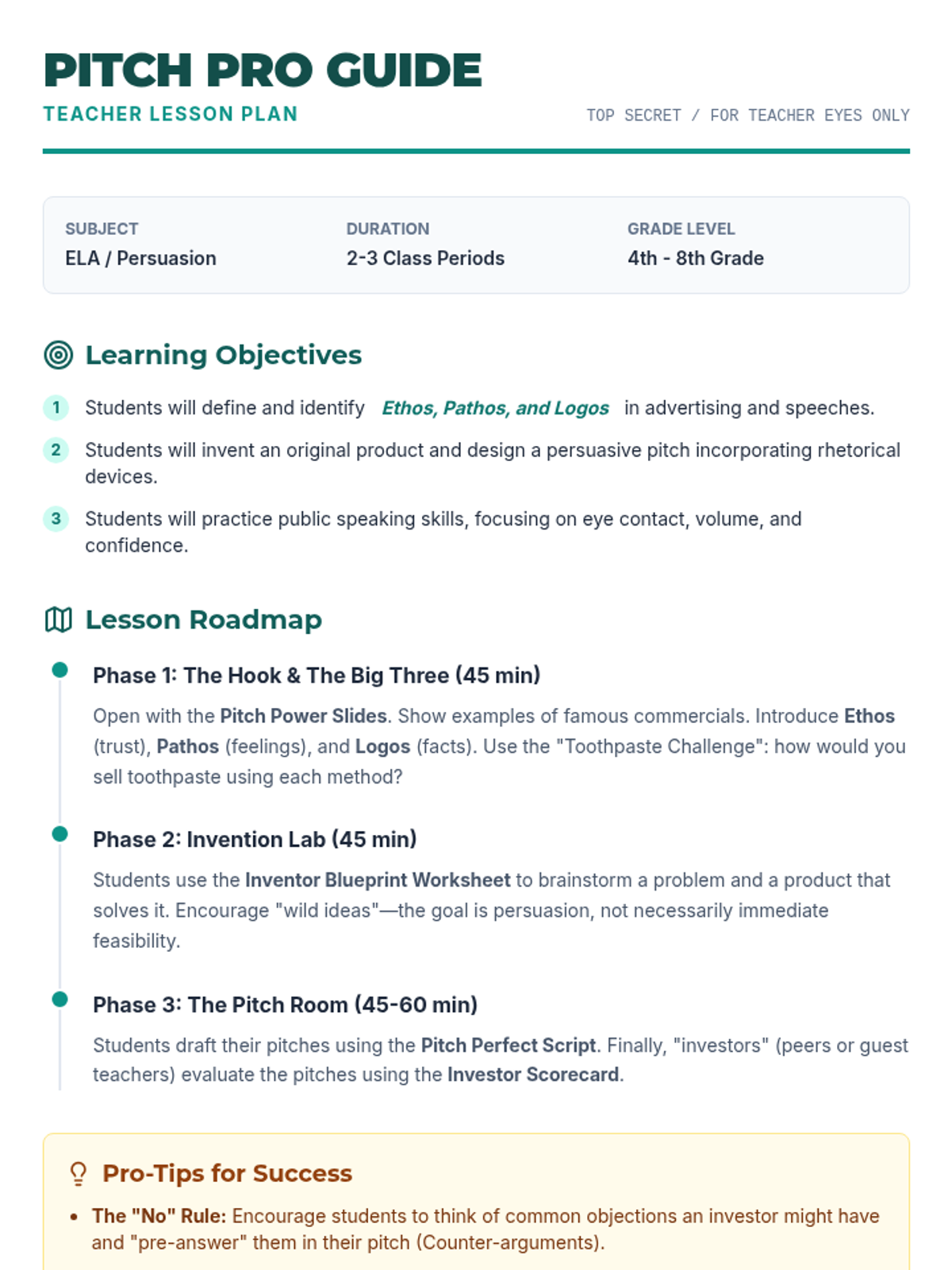
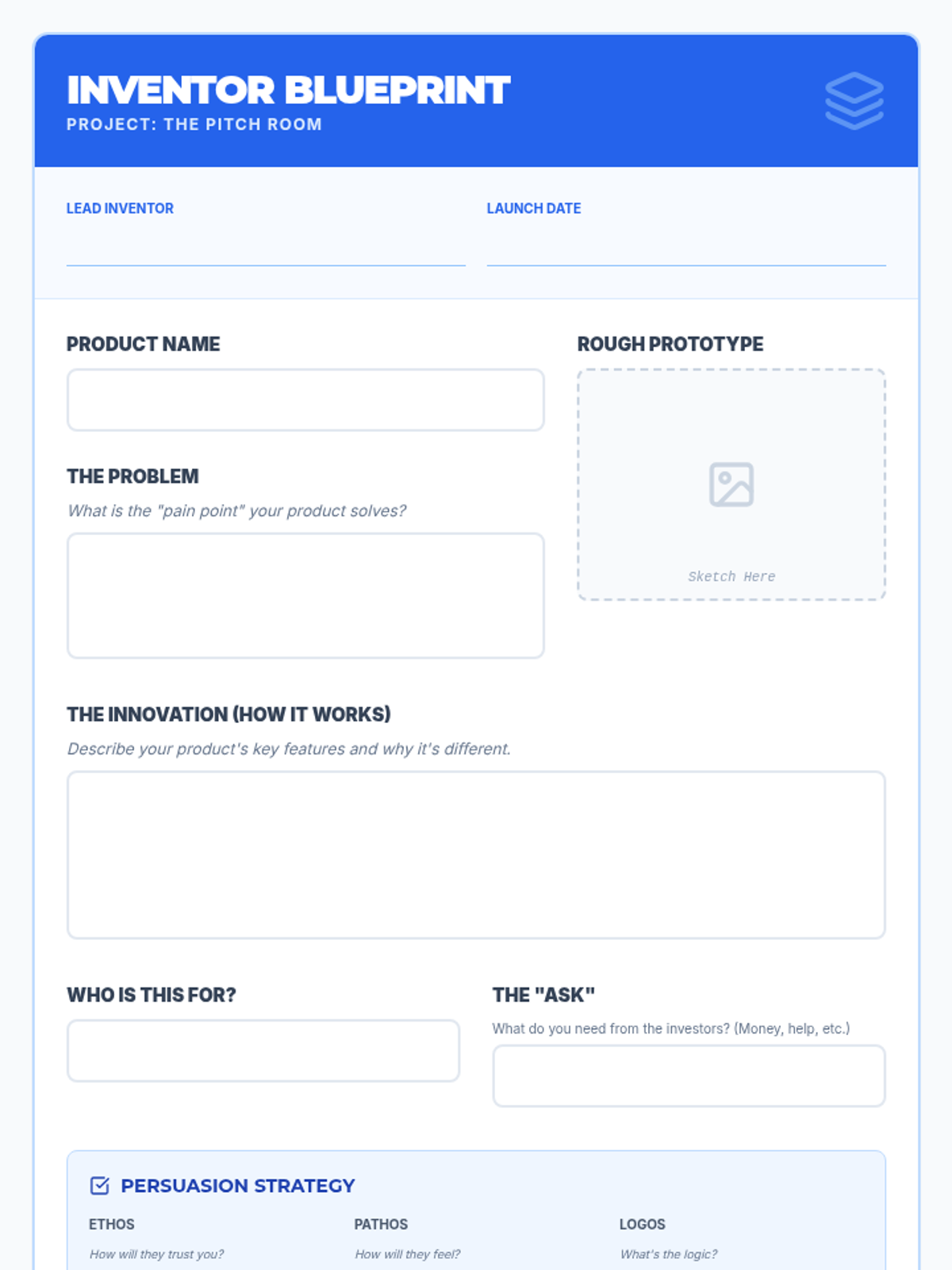
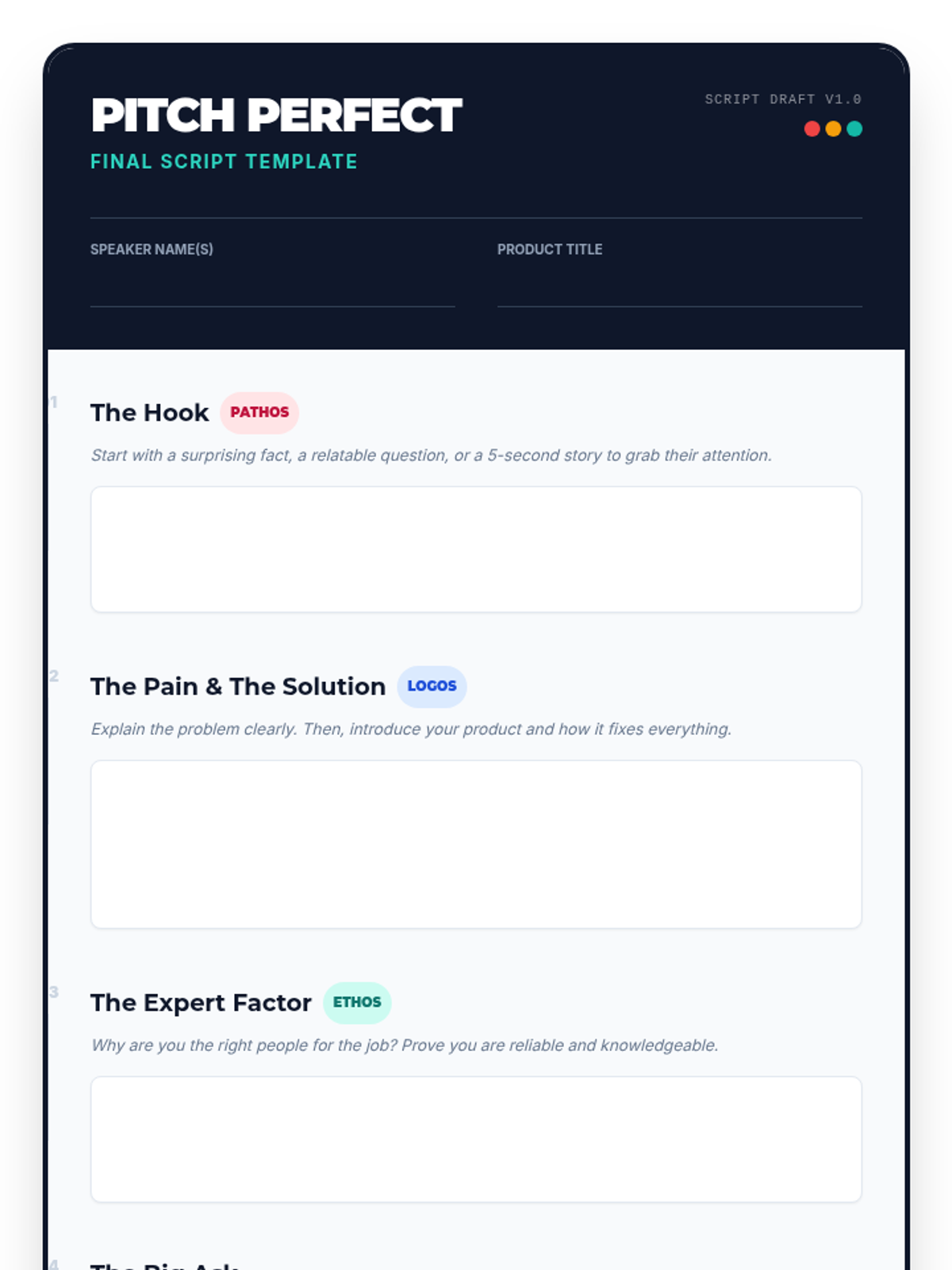
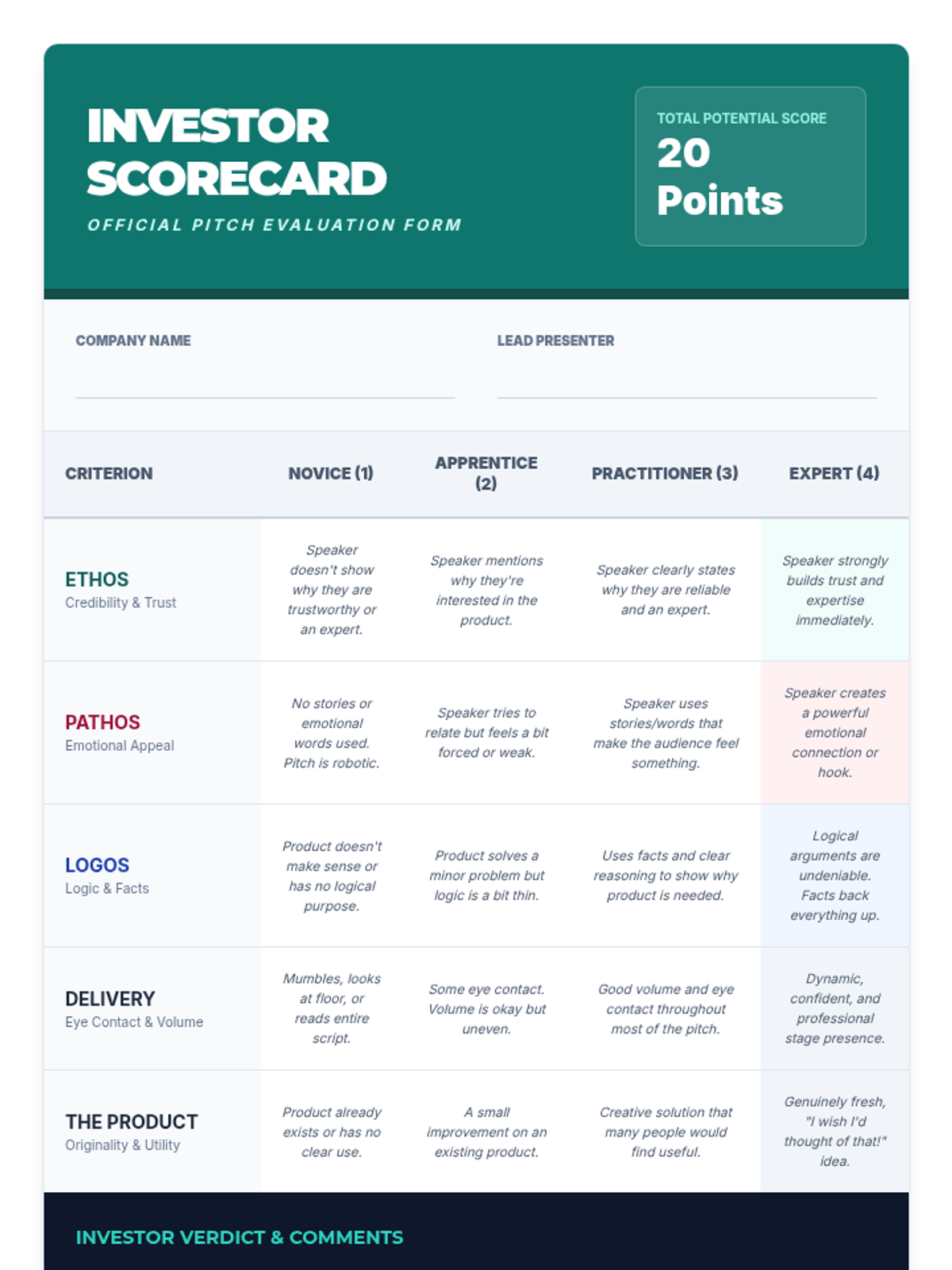
Students step into the role of entrepreneurs, inventing a product and crafting a persuasive pitch using ethos, pathos, and logos to win over a panel of investors.
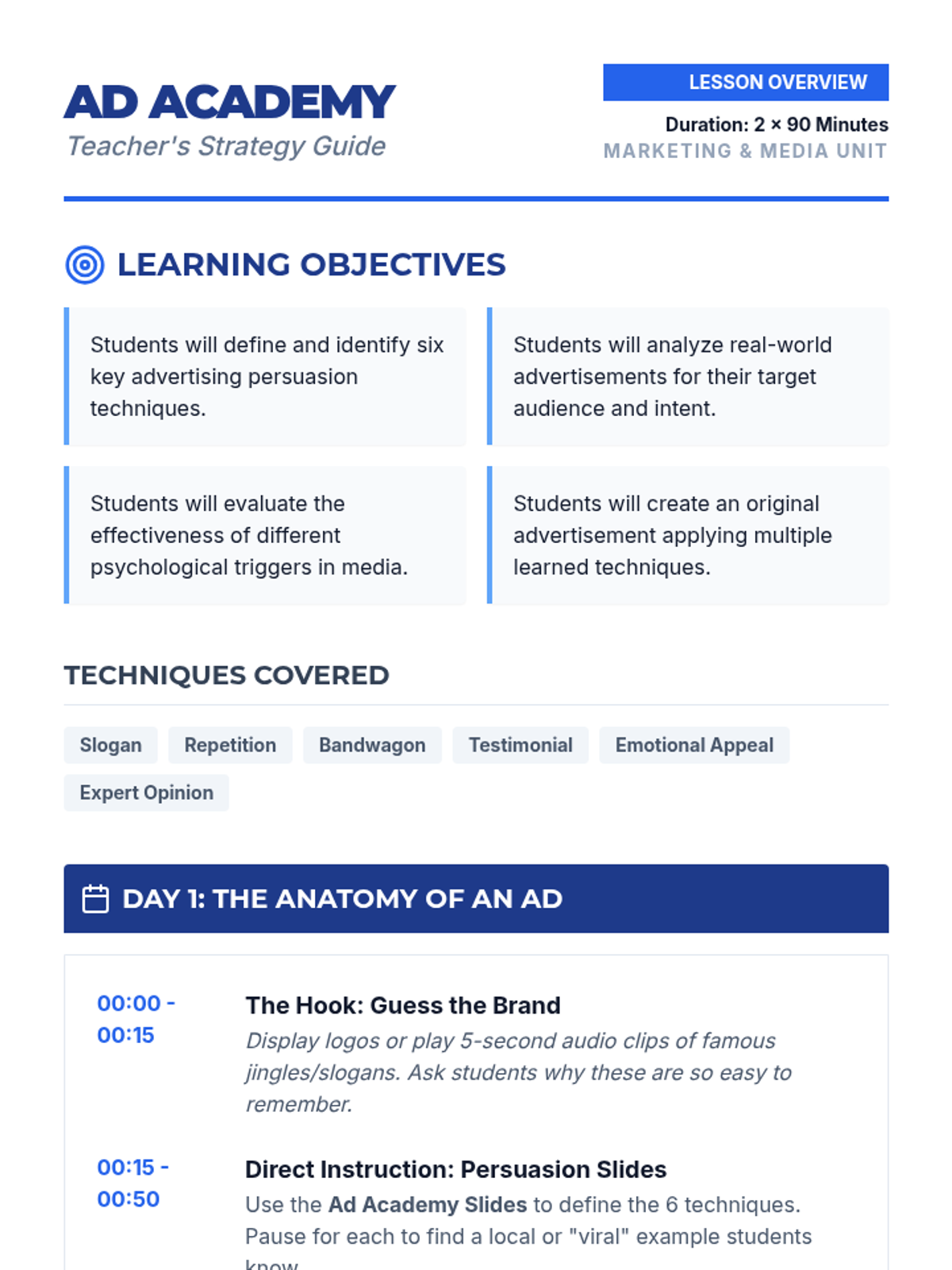
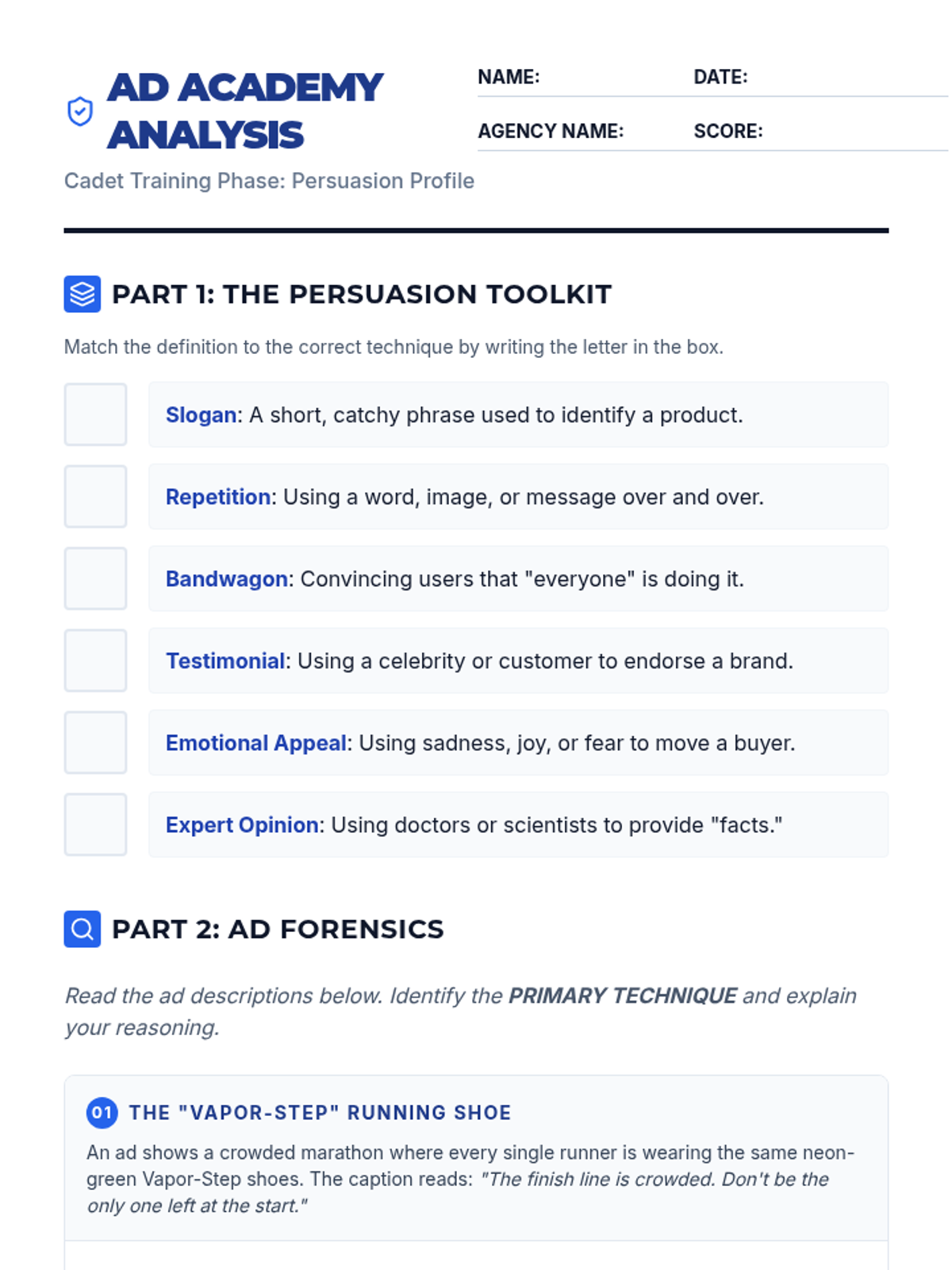
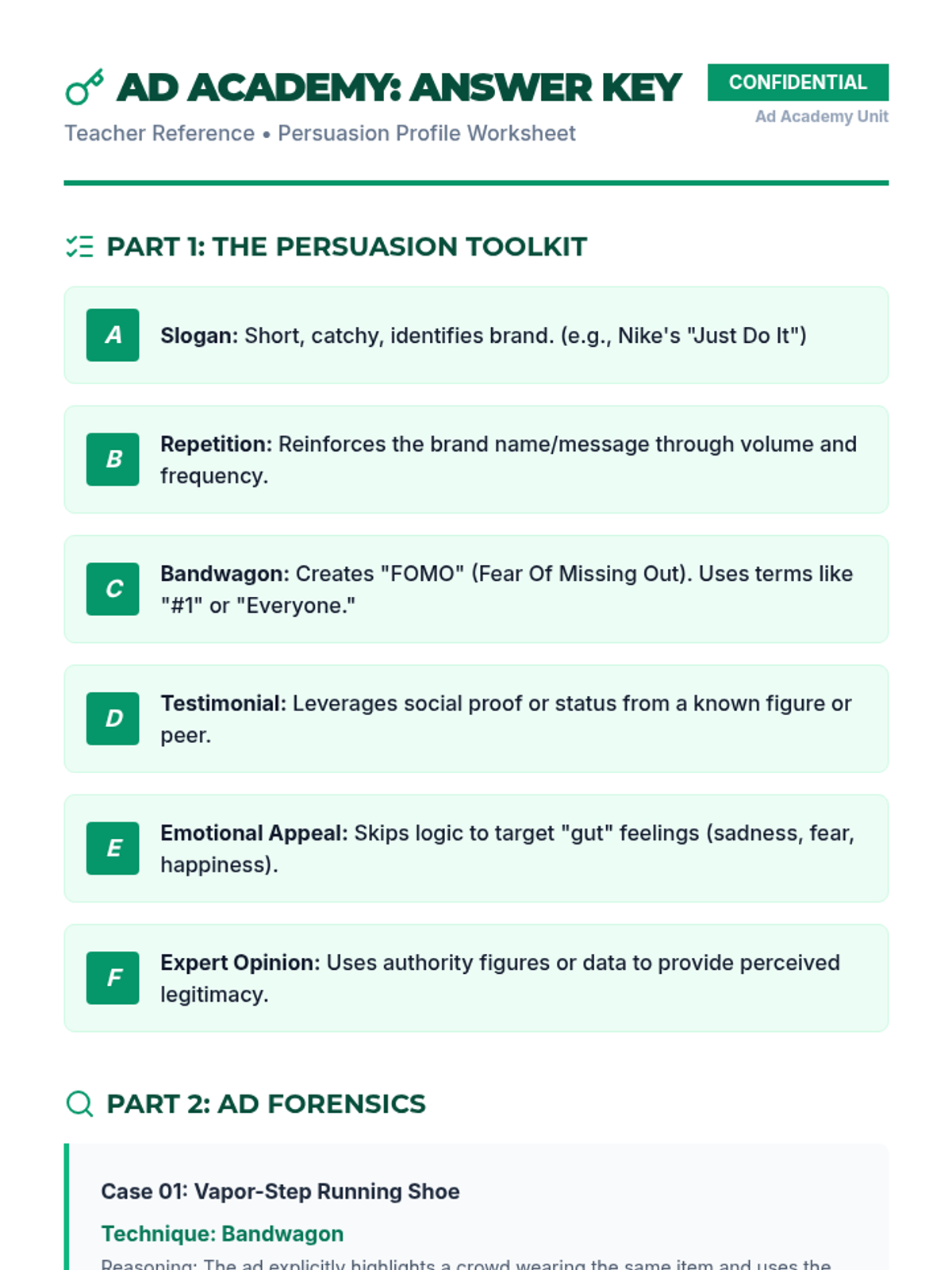
A comprehensive two-day introduction to advertising persuasion techniques, teaching students to identify and analyze slogans, repetition, bandwagoning, testimonials, emotional appeals, and expert opinions.
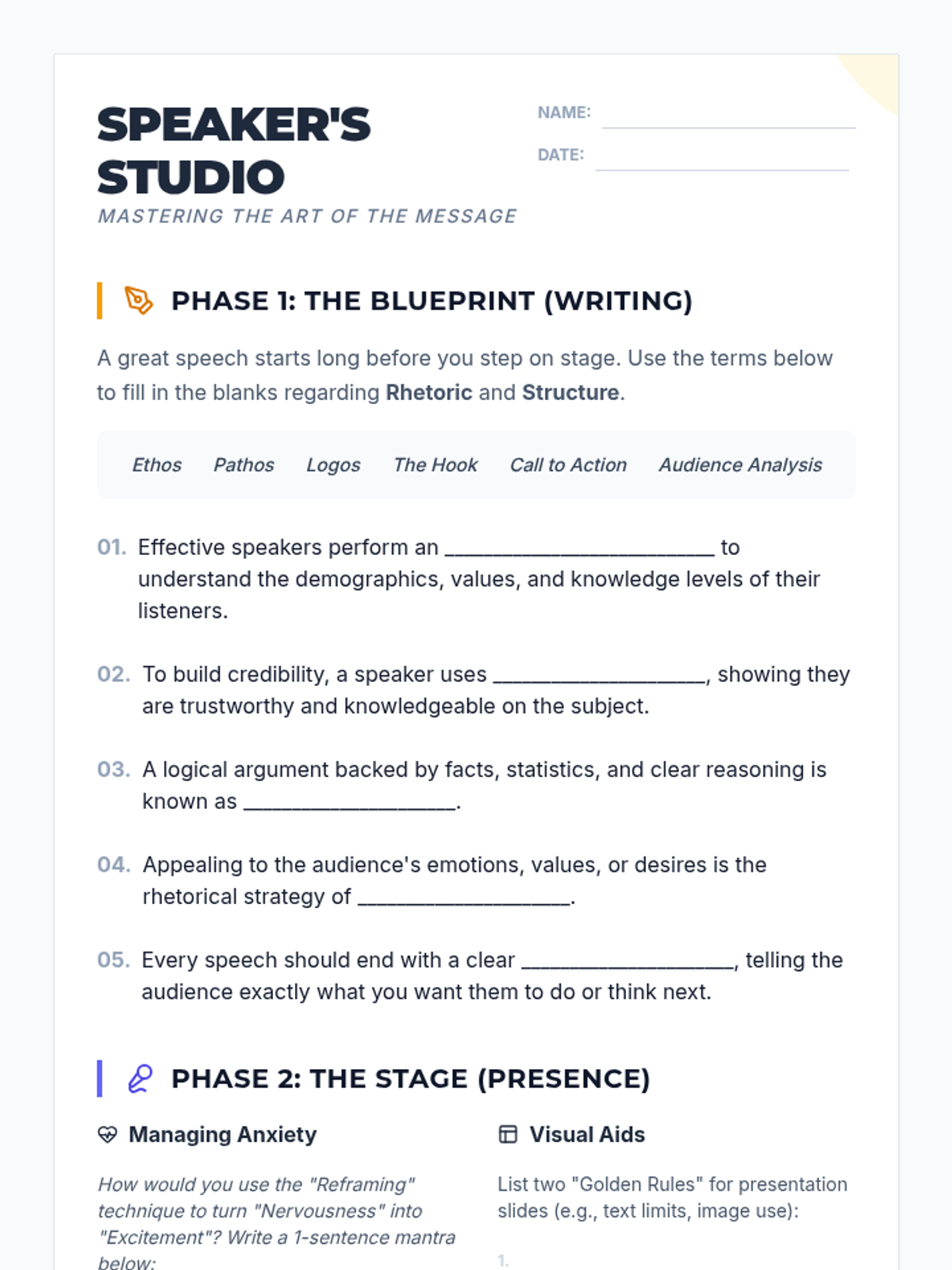
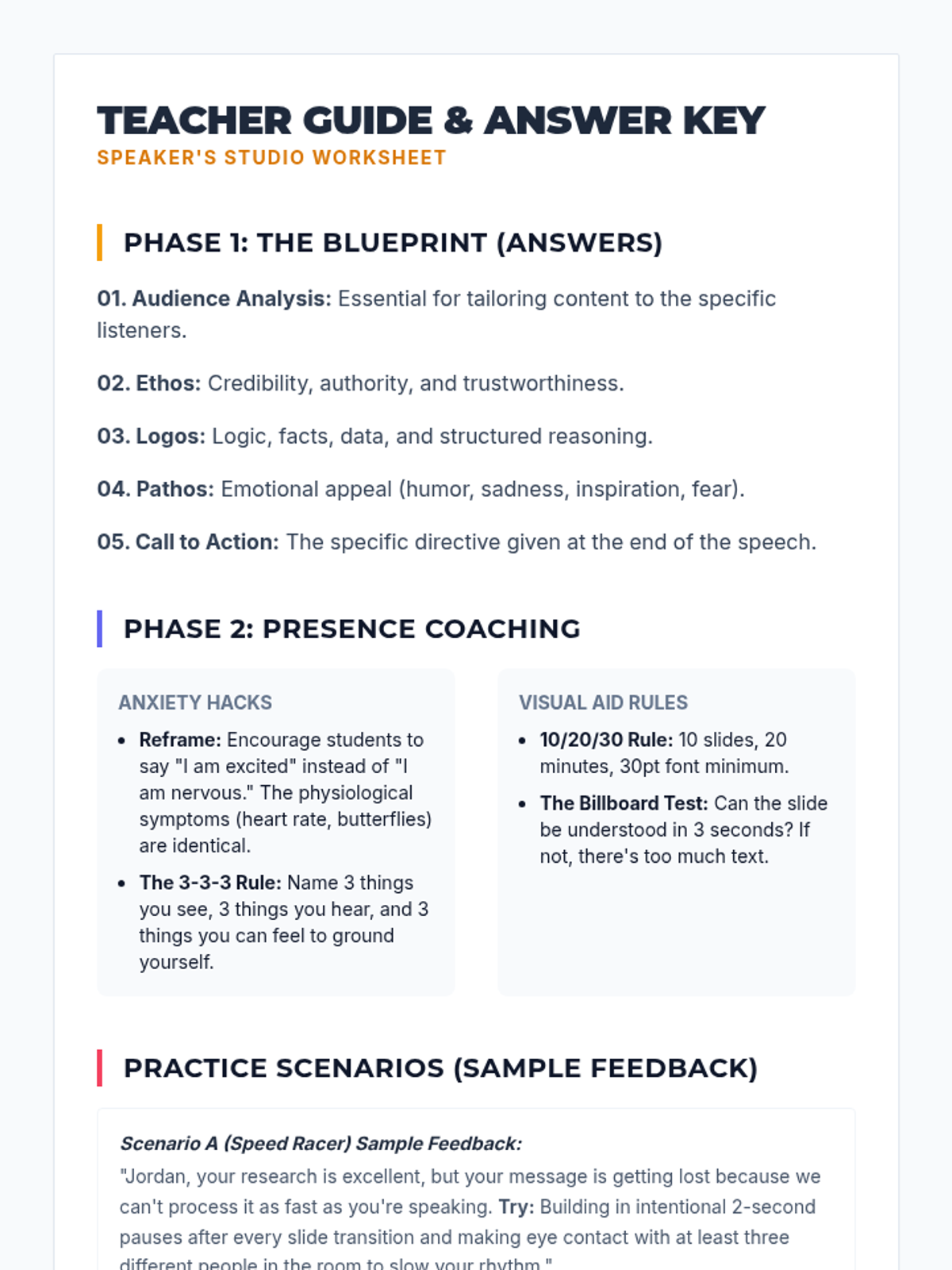
A comprehensive guide to mastering the art of public speaking, covering the entire process from rhetorical writing to confident stage delivery.
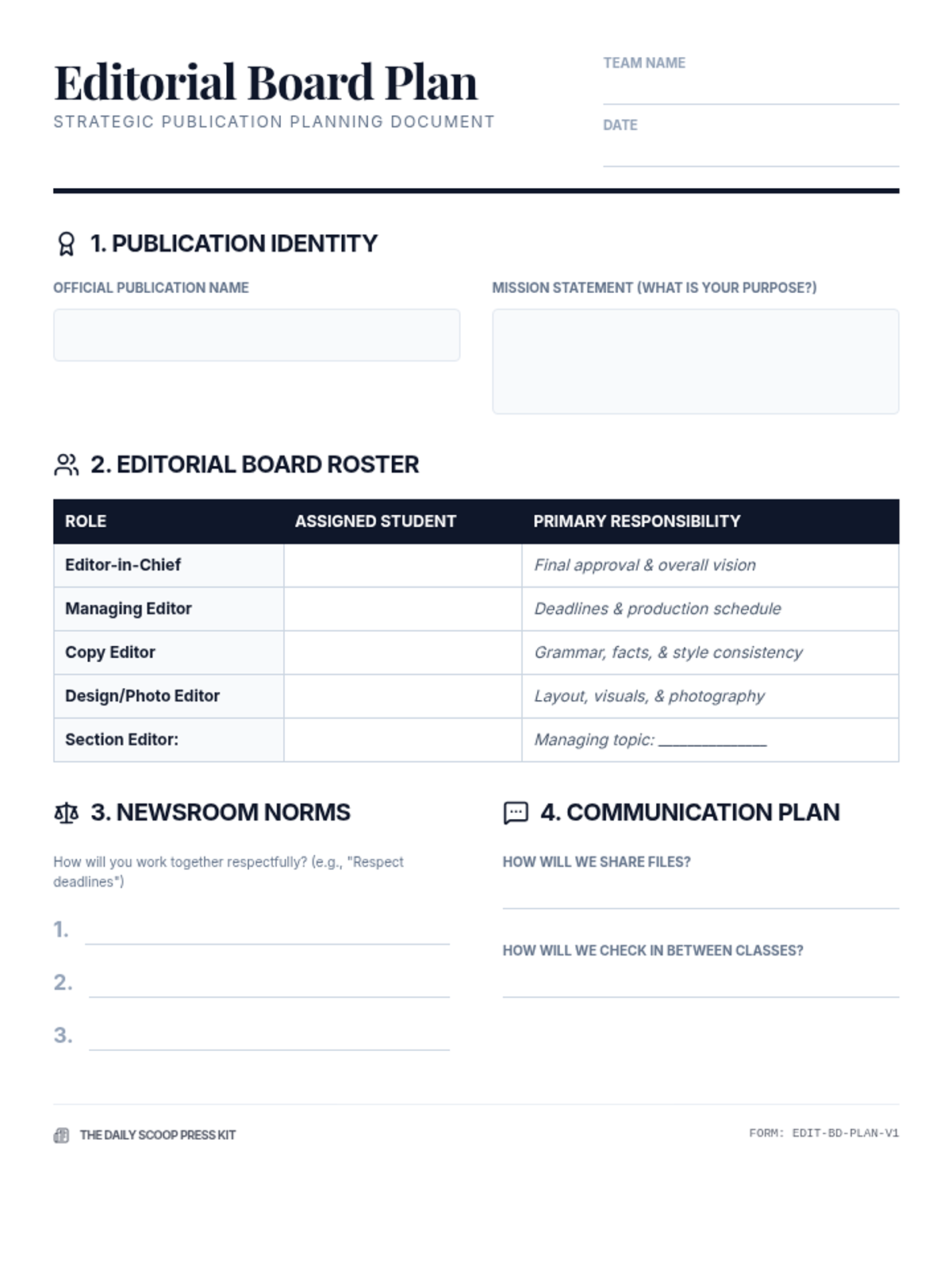
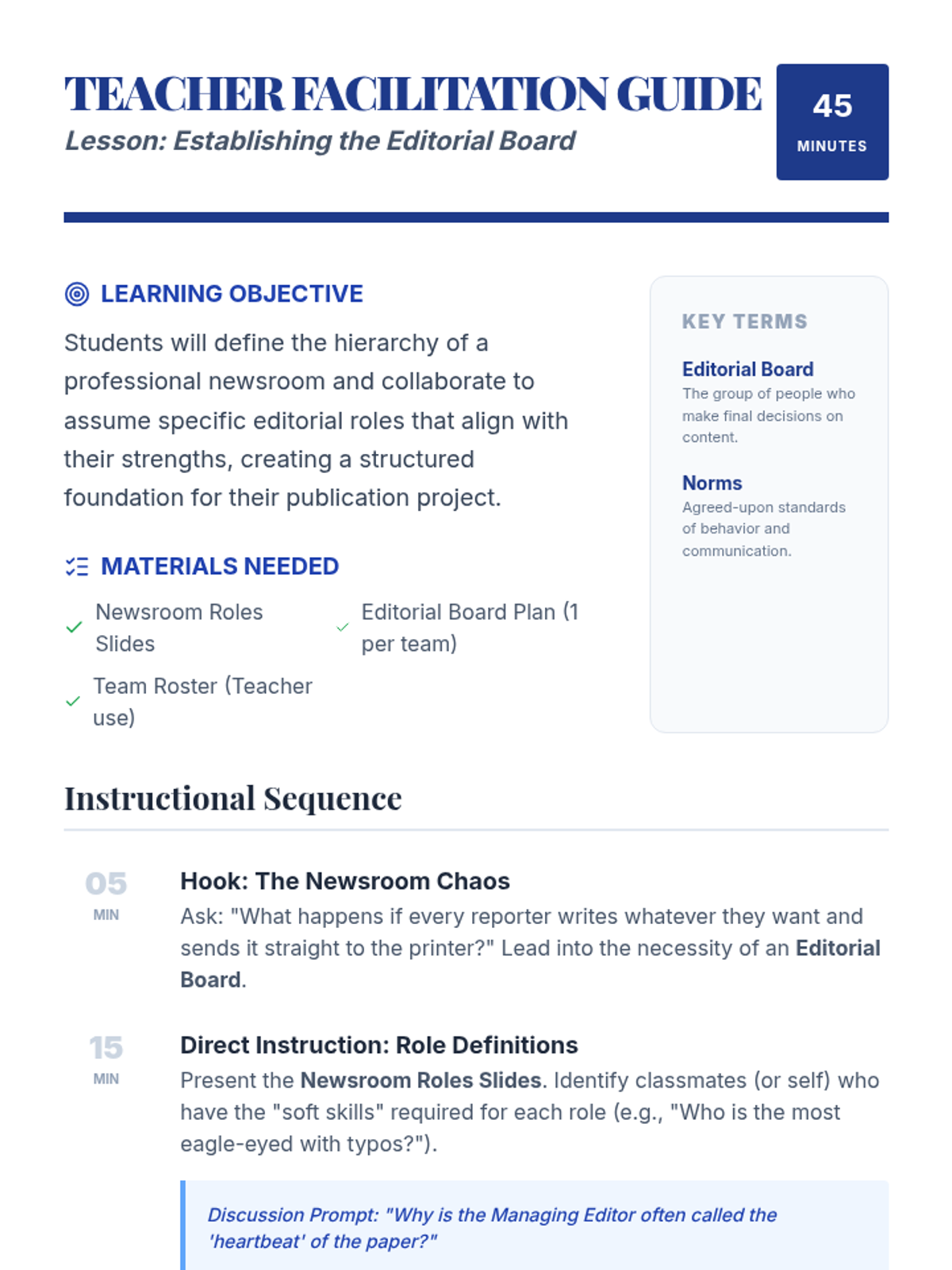
Students explore the hierarchy and responsibilities of a professional newsroom, assigning roles and establishing communication norms for their own publication project.
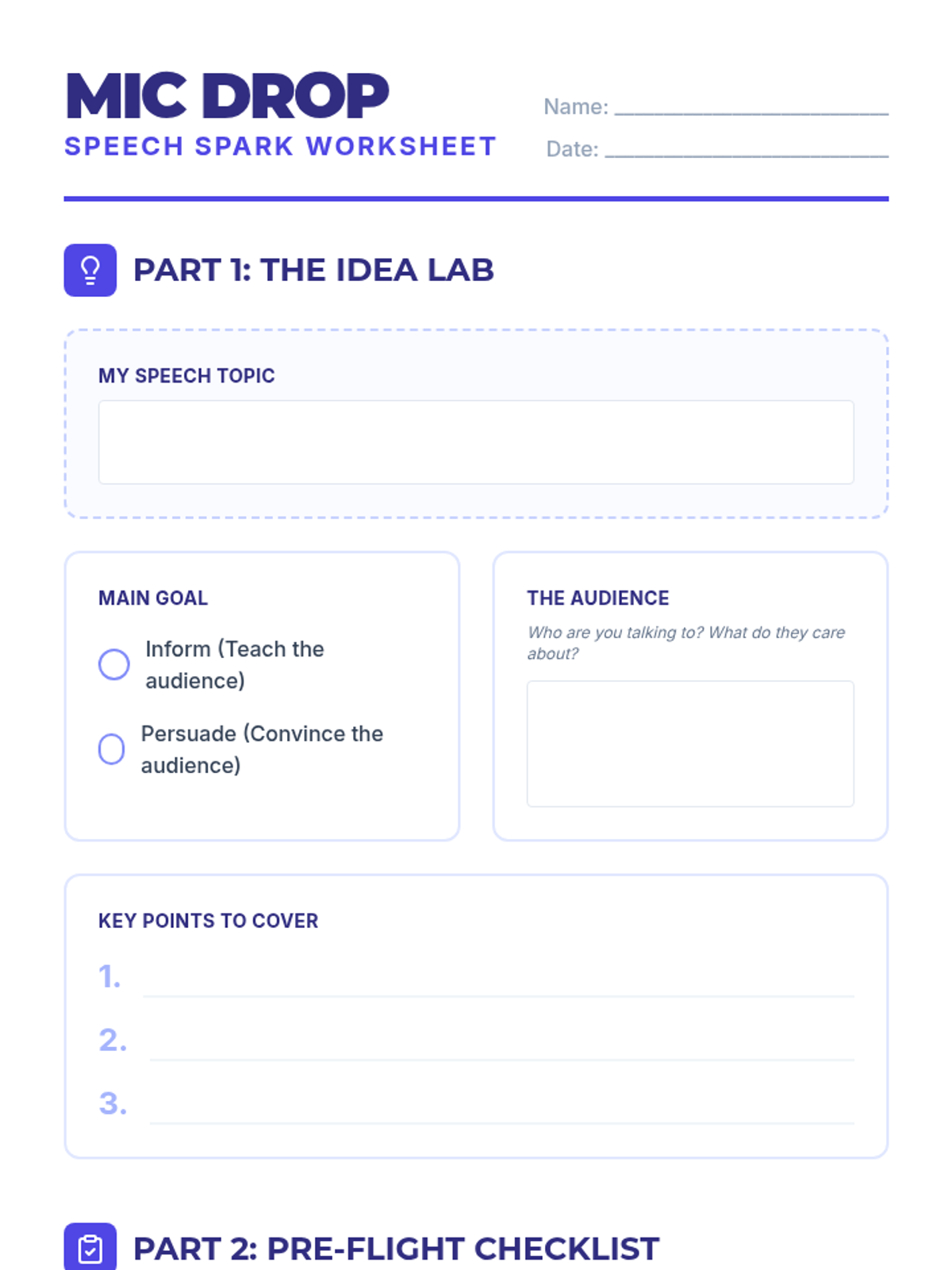
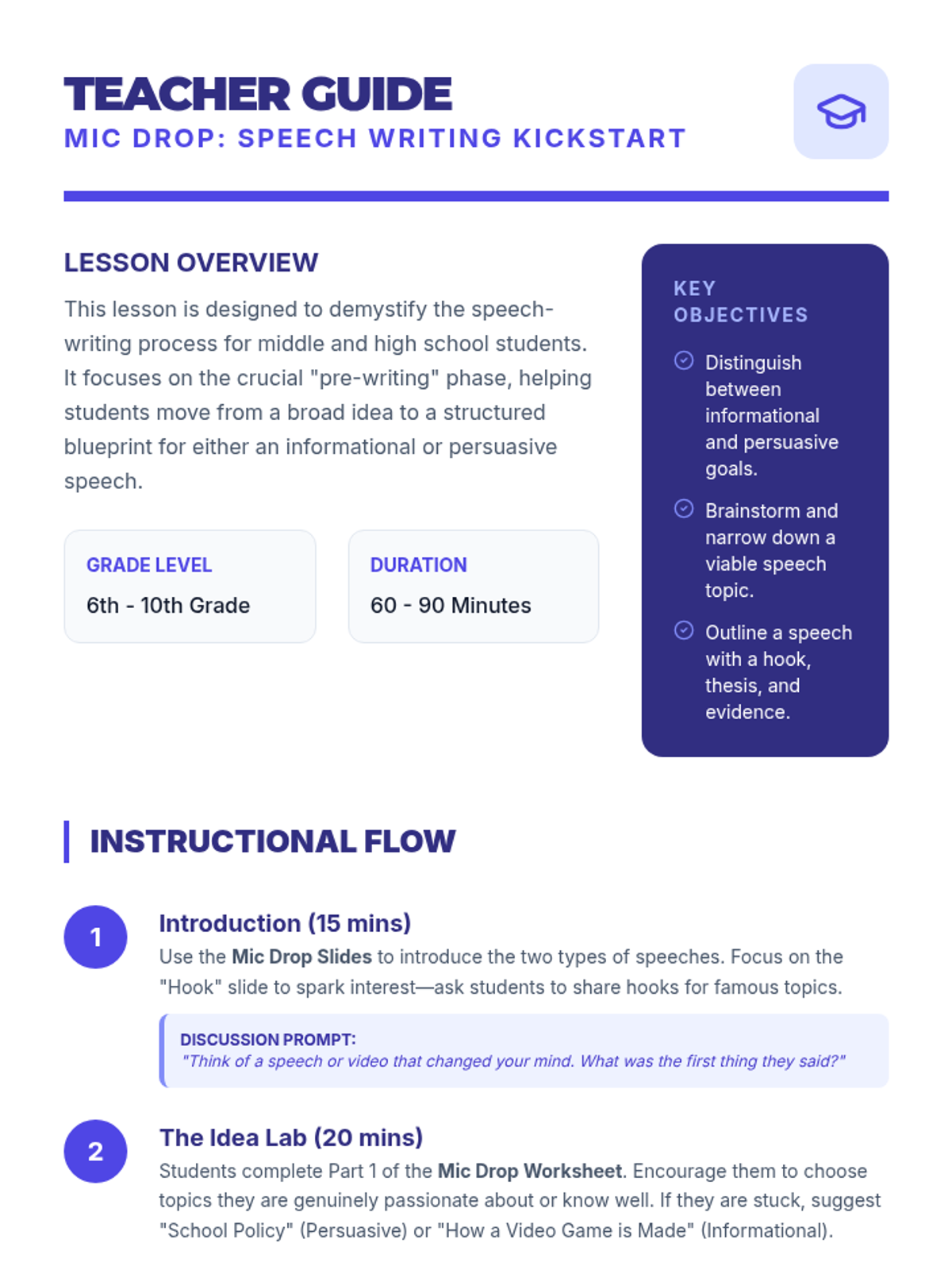
A comprehensive guide to help students kickstart their speech-writing journey, focusing on both persuasive and informational techniques through brainstorming, structured planning, and self-reflection.
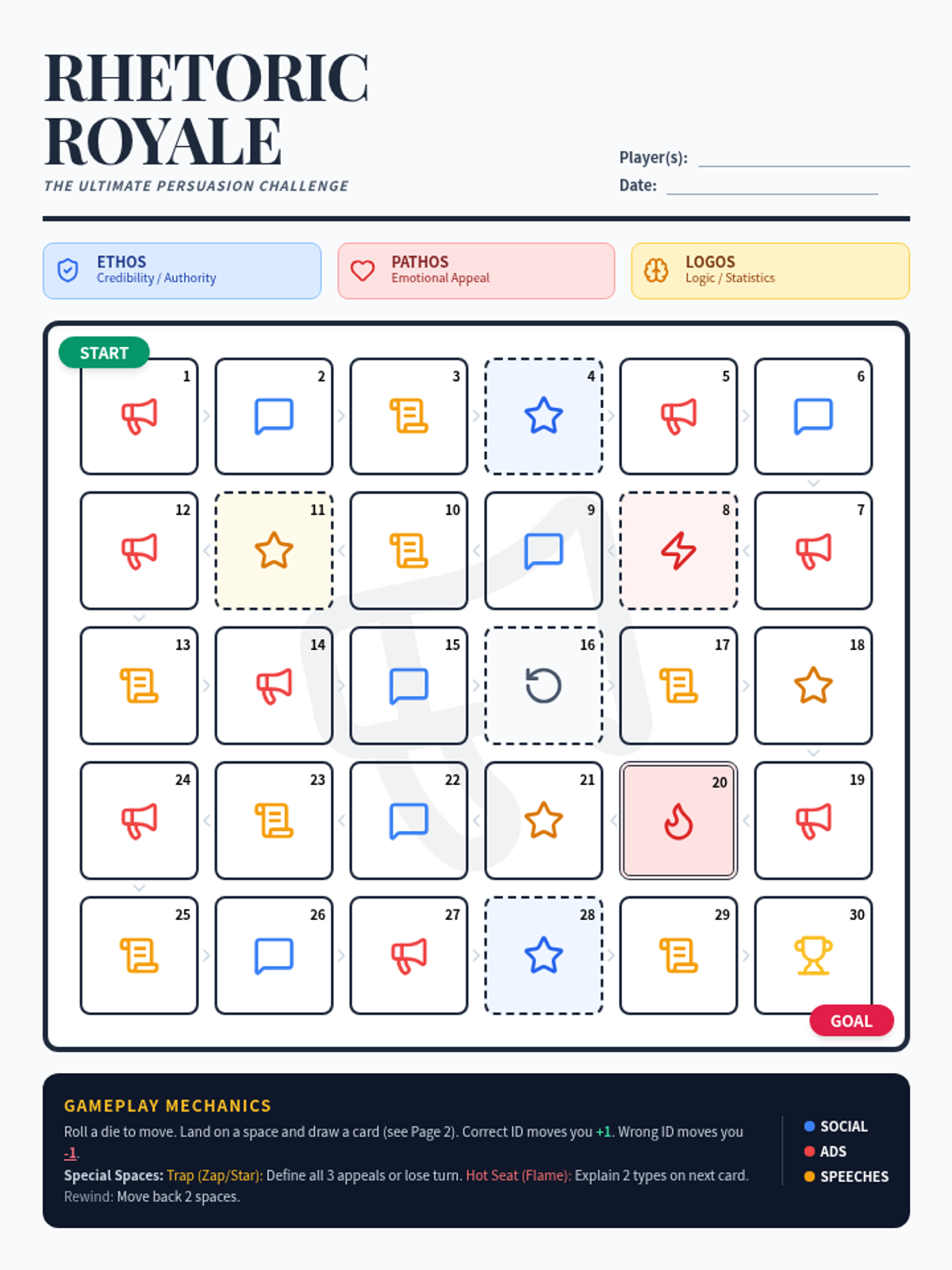
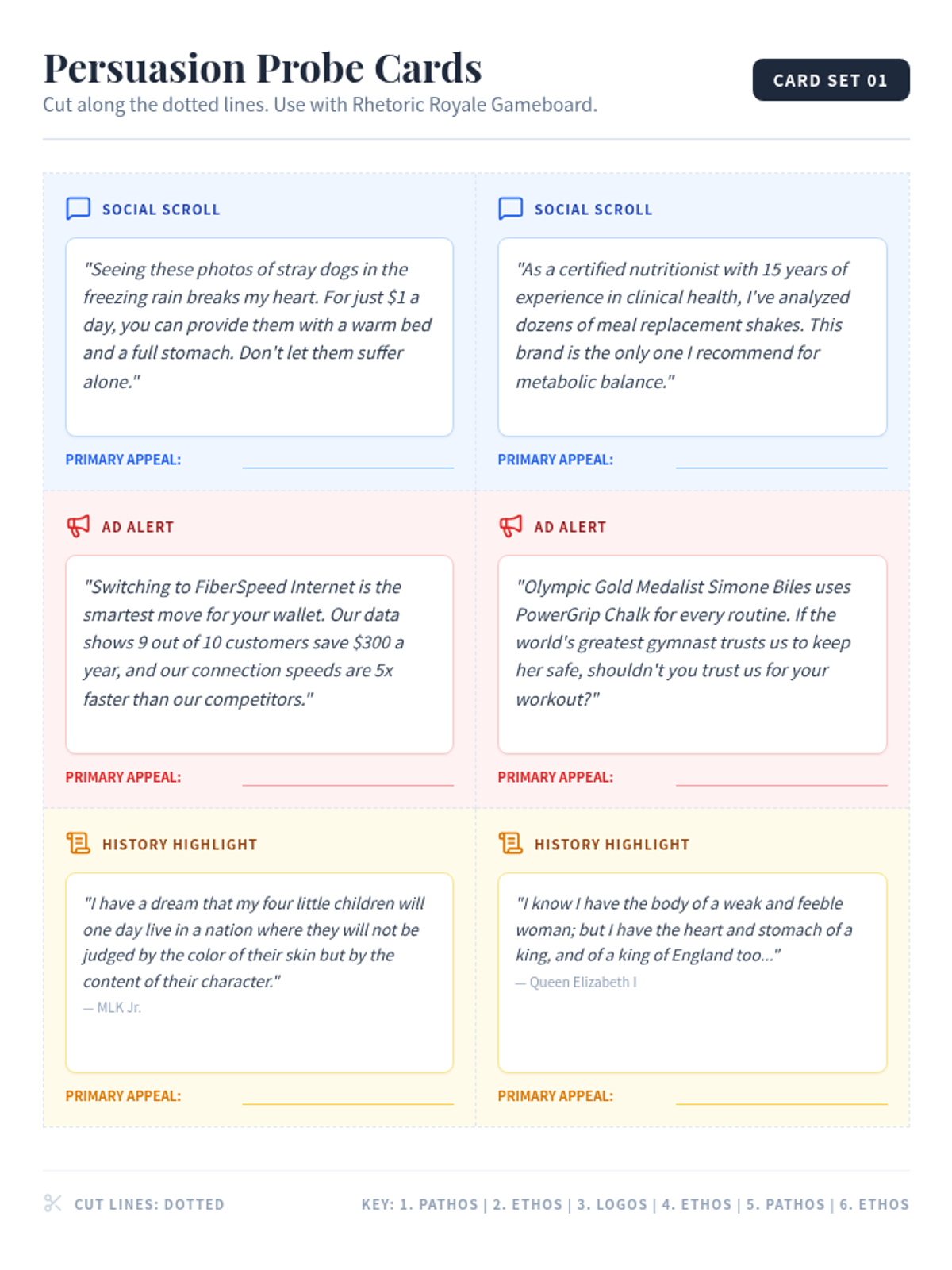
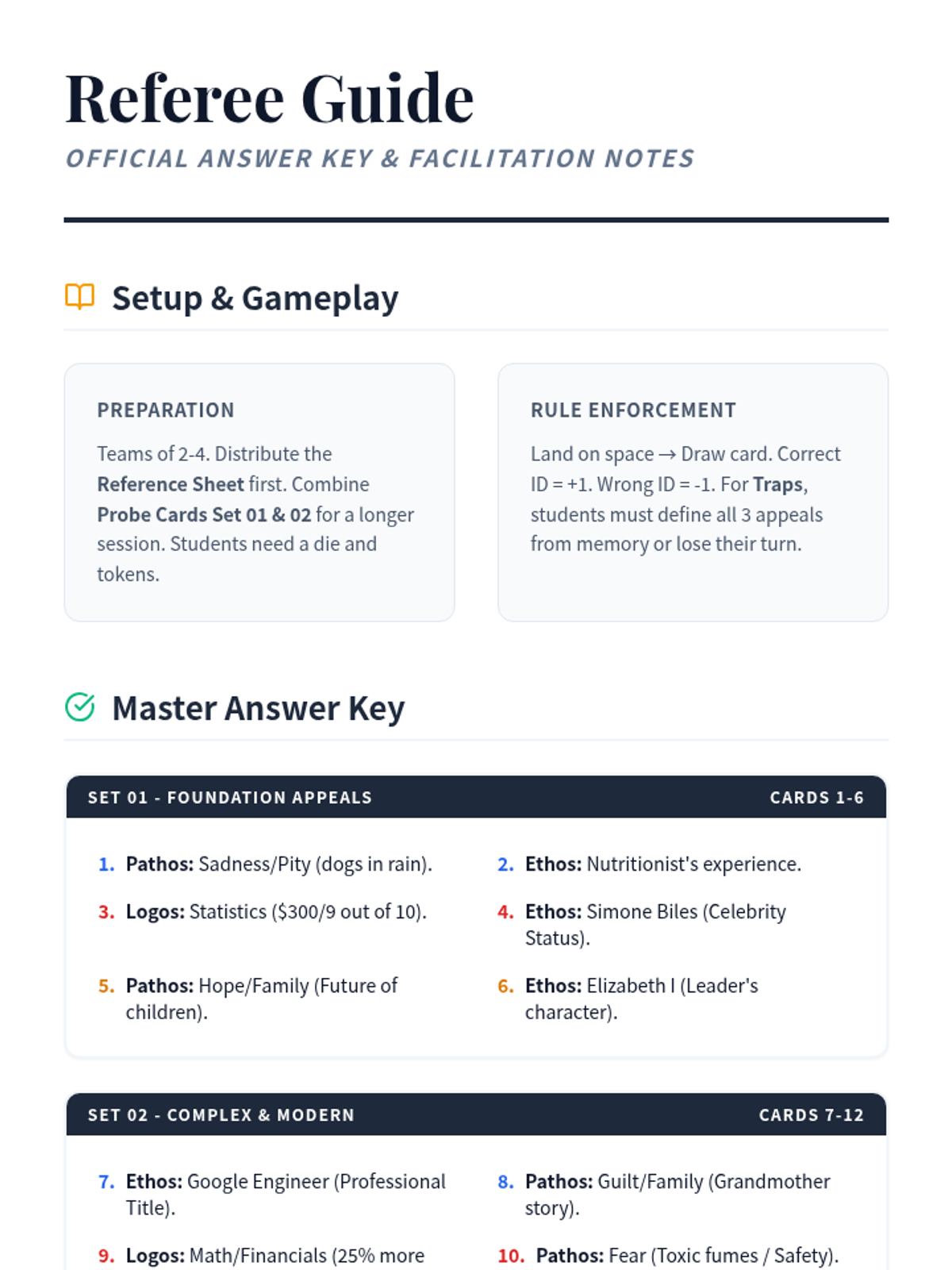
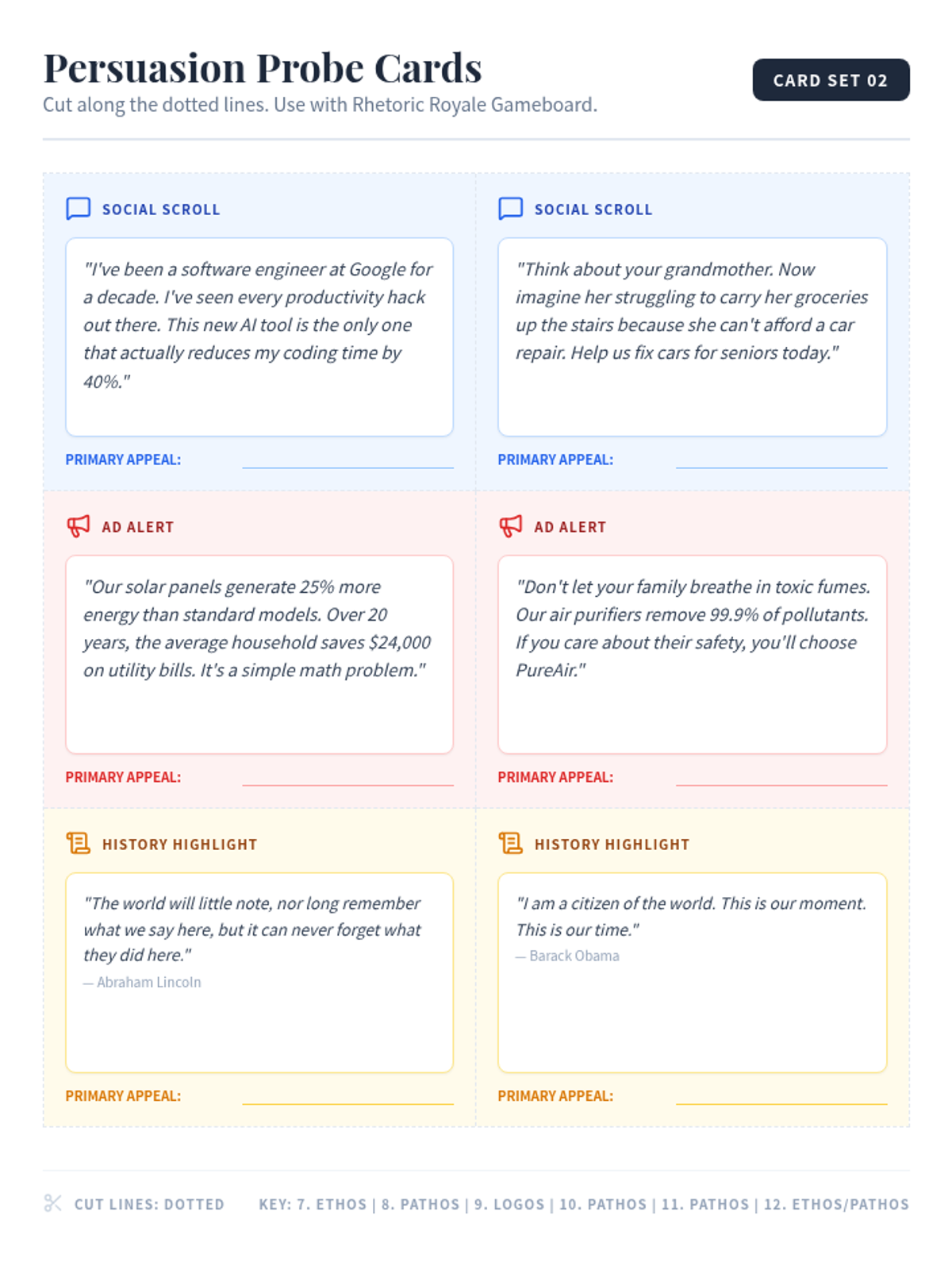
A high-energy board game lesson where students identify Ethos, Pathos, and Logos in modern ads, social media, and historical speeches. Students compete in teams to master the art of persuasion and navigate the path to rhetorical victory.
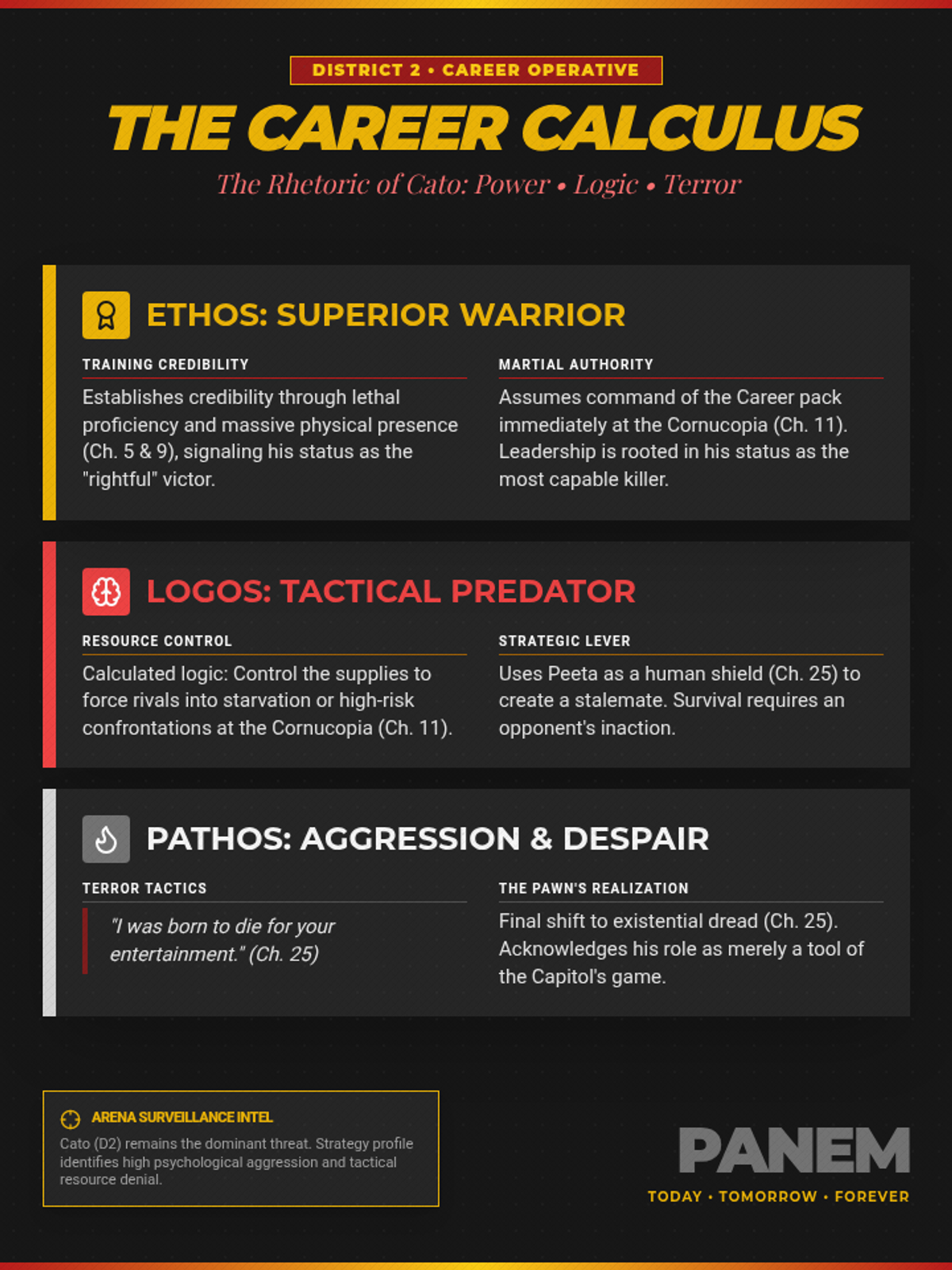
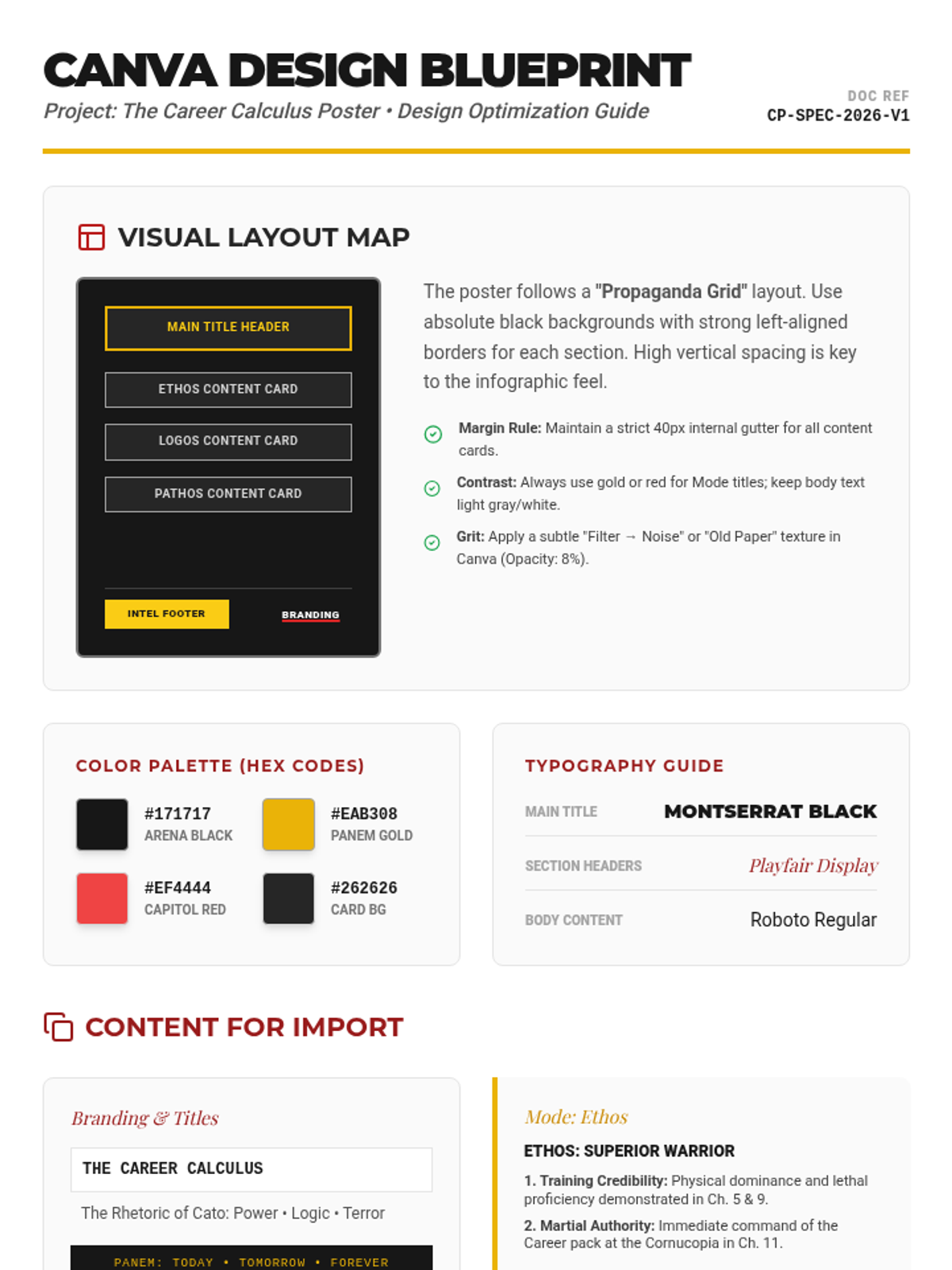
This lesson explores the rhetorical strategies used by tributes in The Hunger Games, focusing on how power, logic, and emotion are used to influence both the audience and opponents.
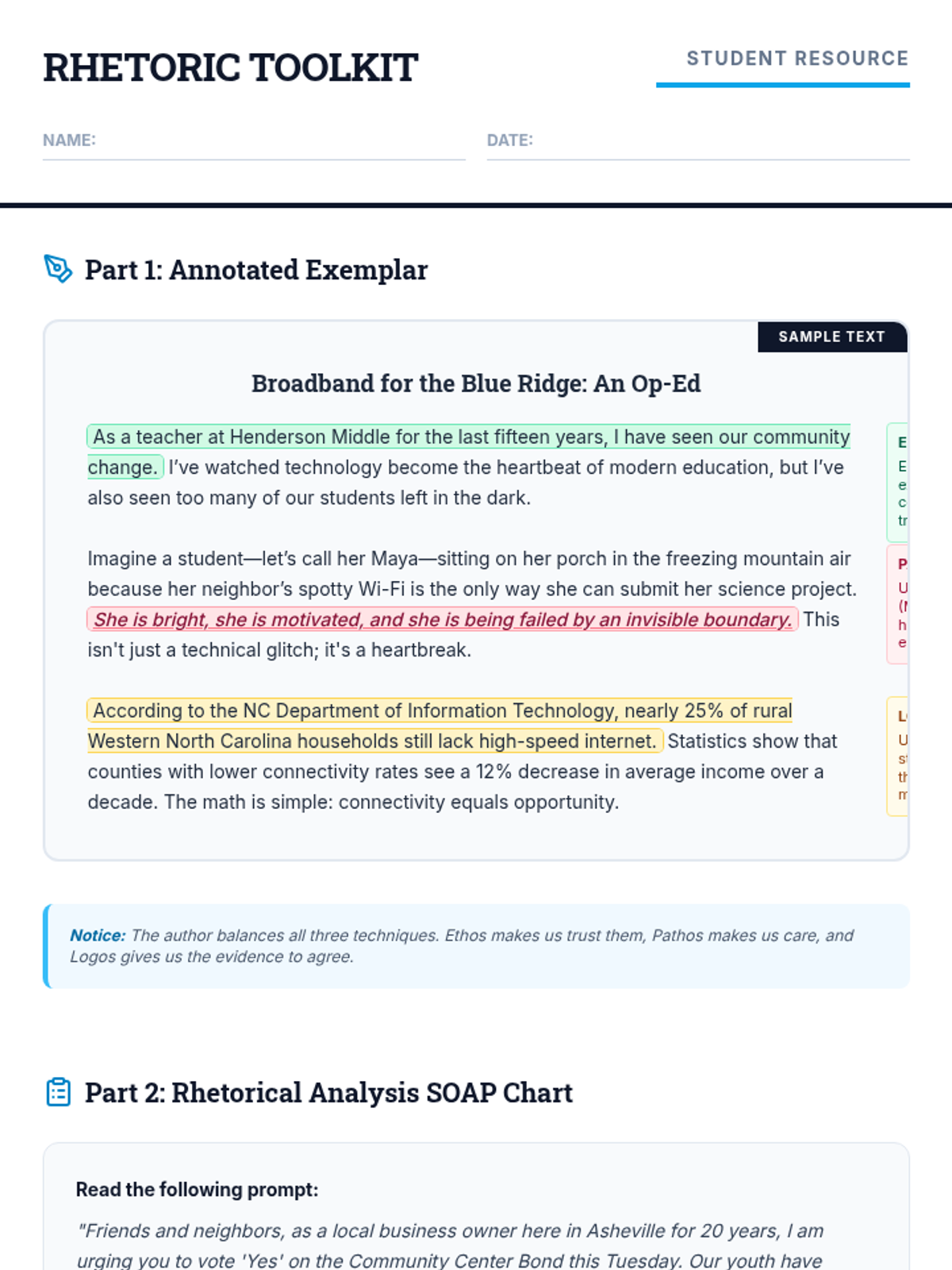
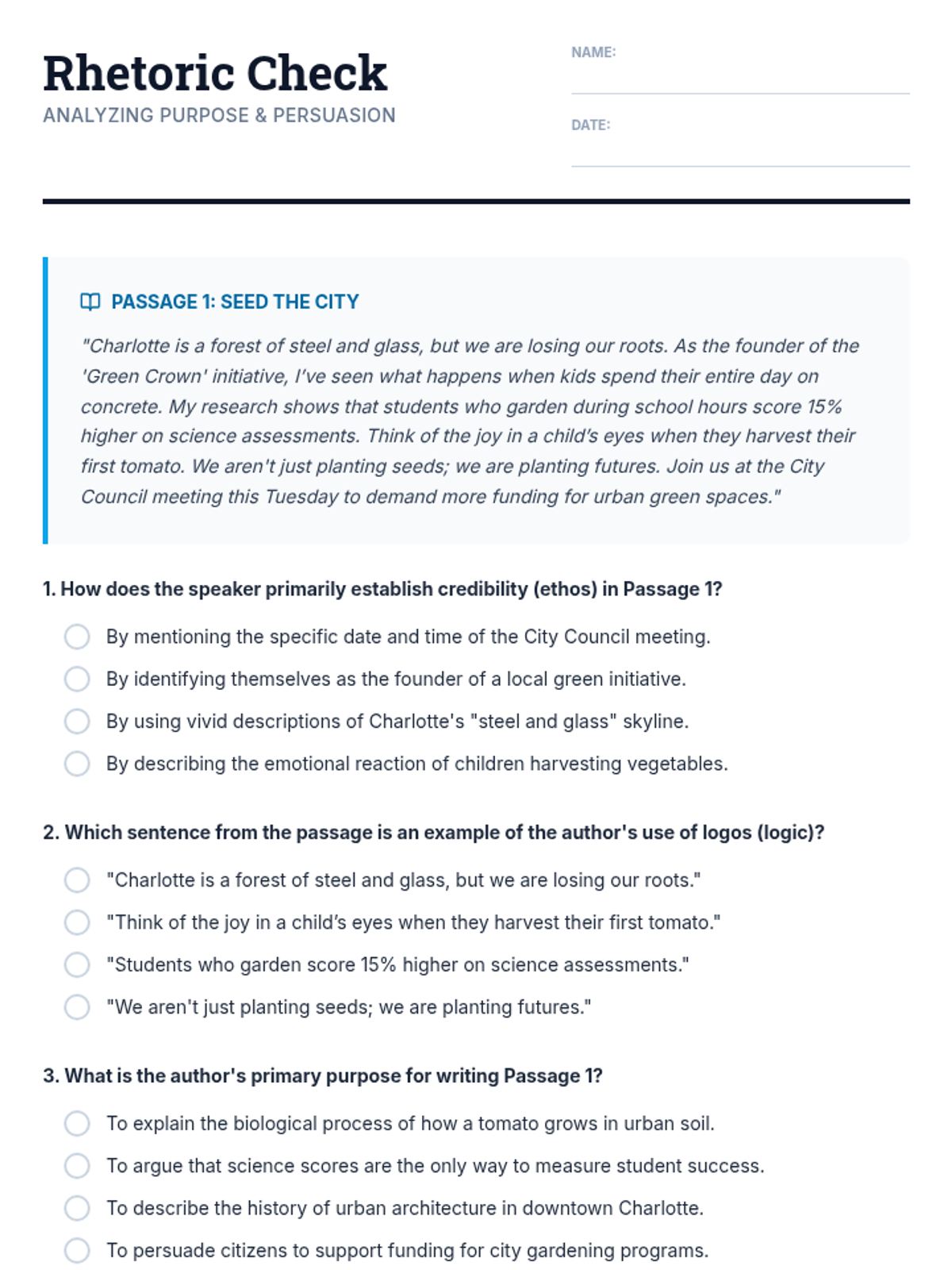
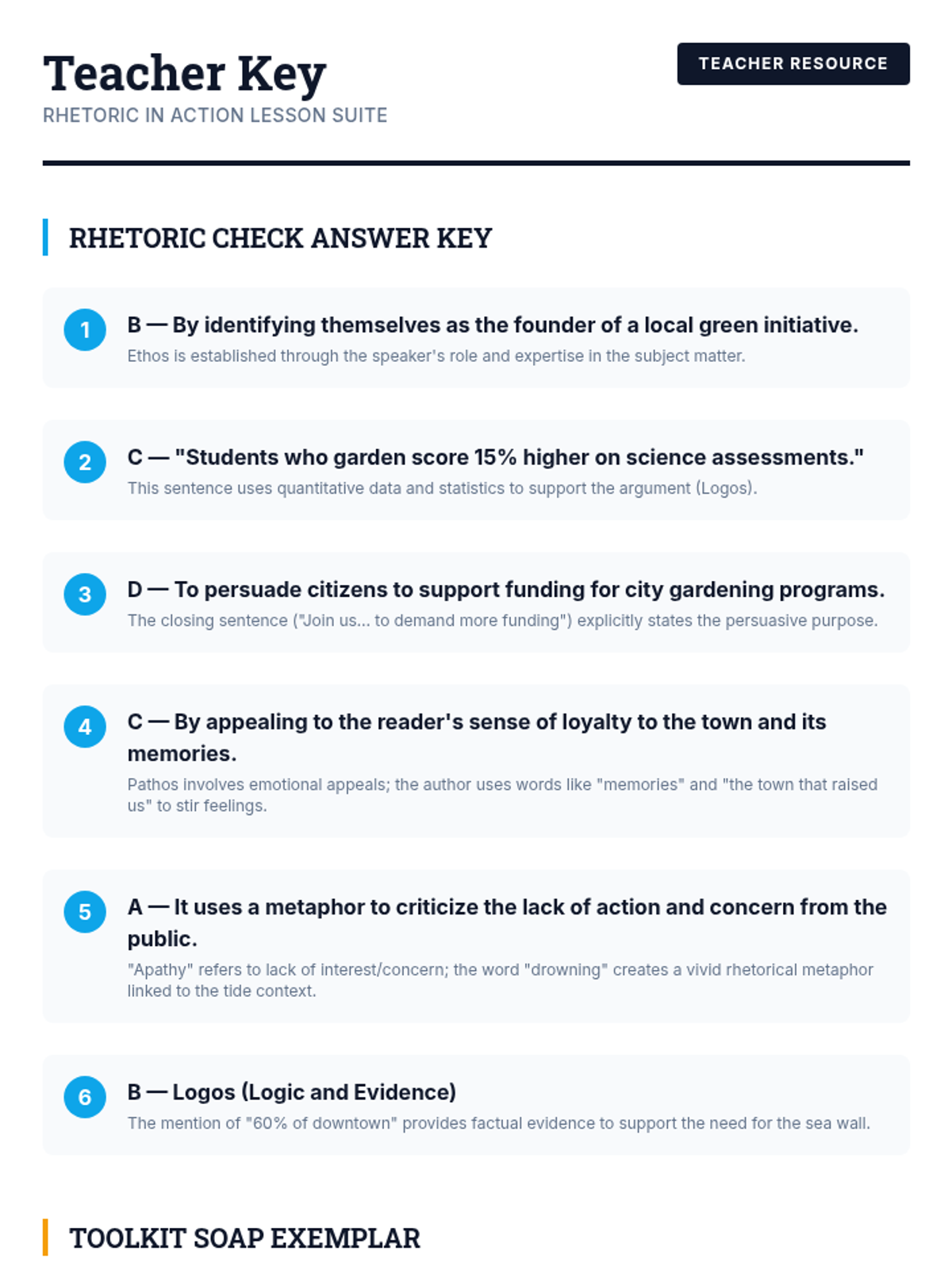
A Grade 6-8 ELA lesson focused on identifying and analyzing ethos, pathos, and logos in the context of North Carolina community issues, aligned with NCSCOS RI.7.6 and RI.8.6.
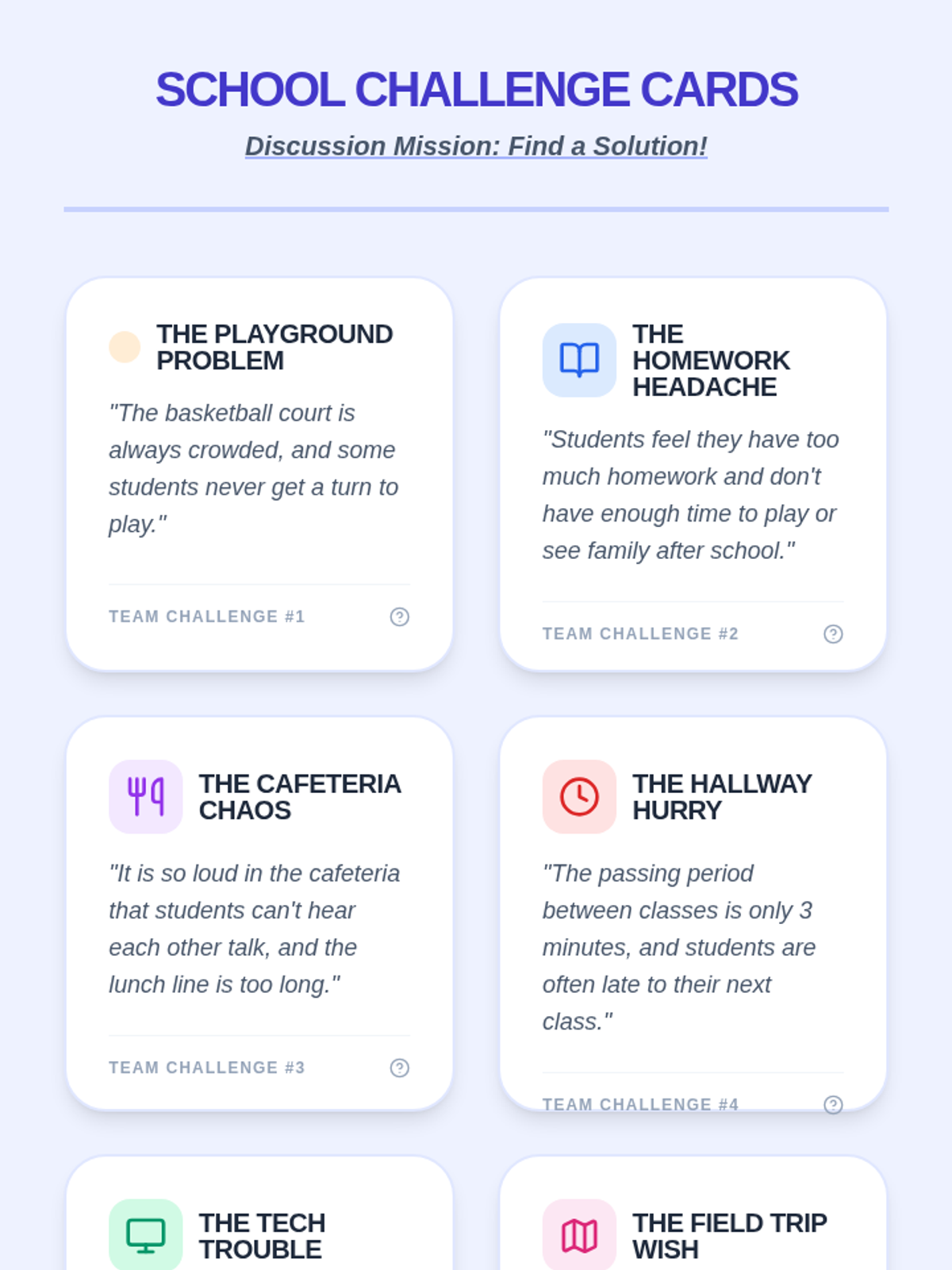
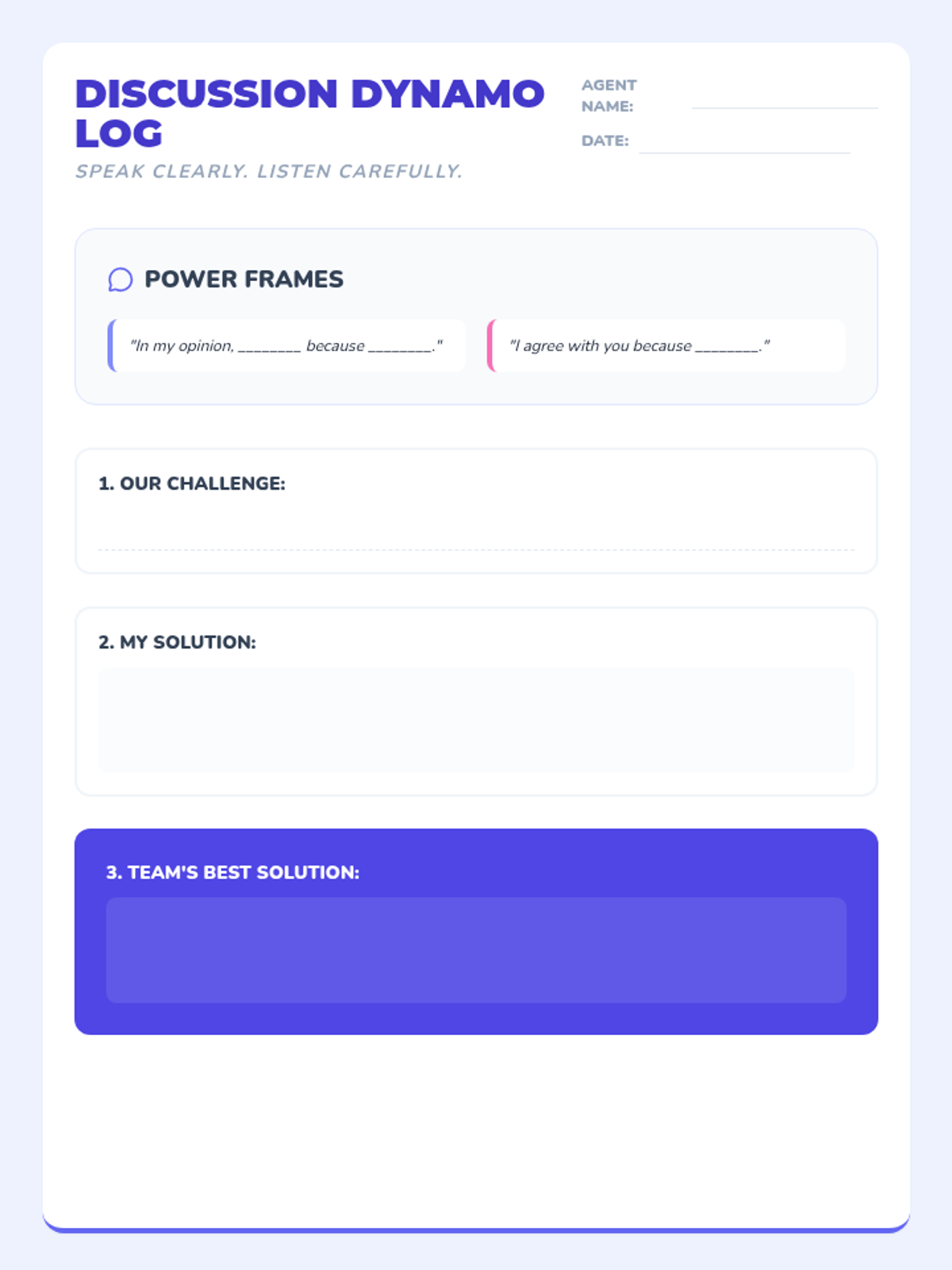
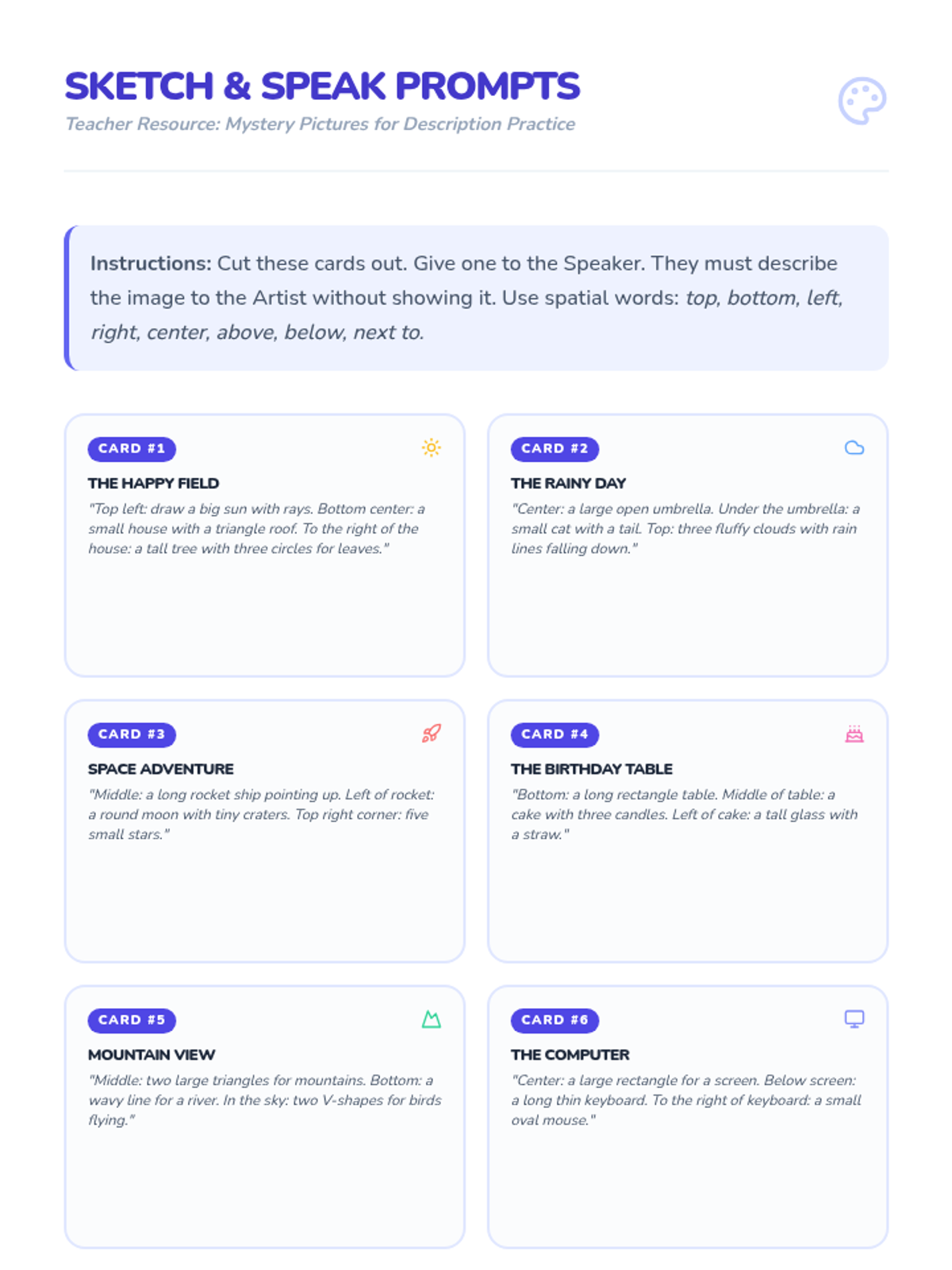
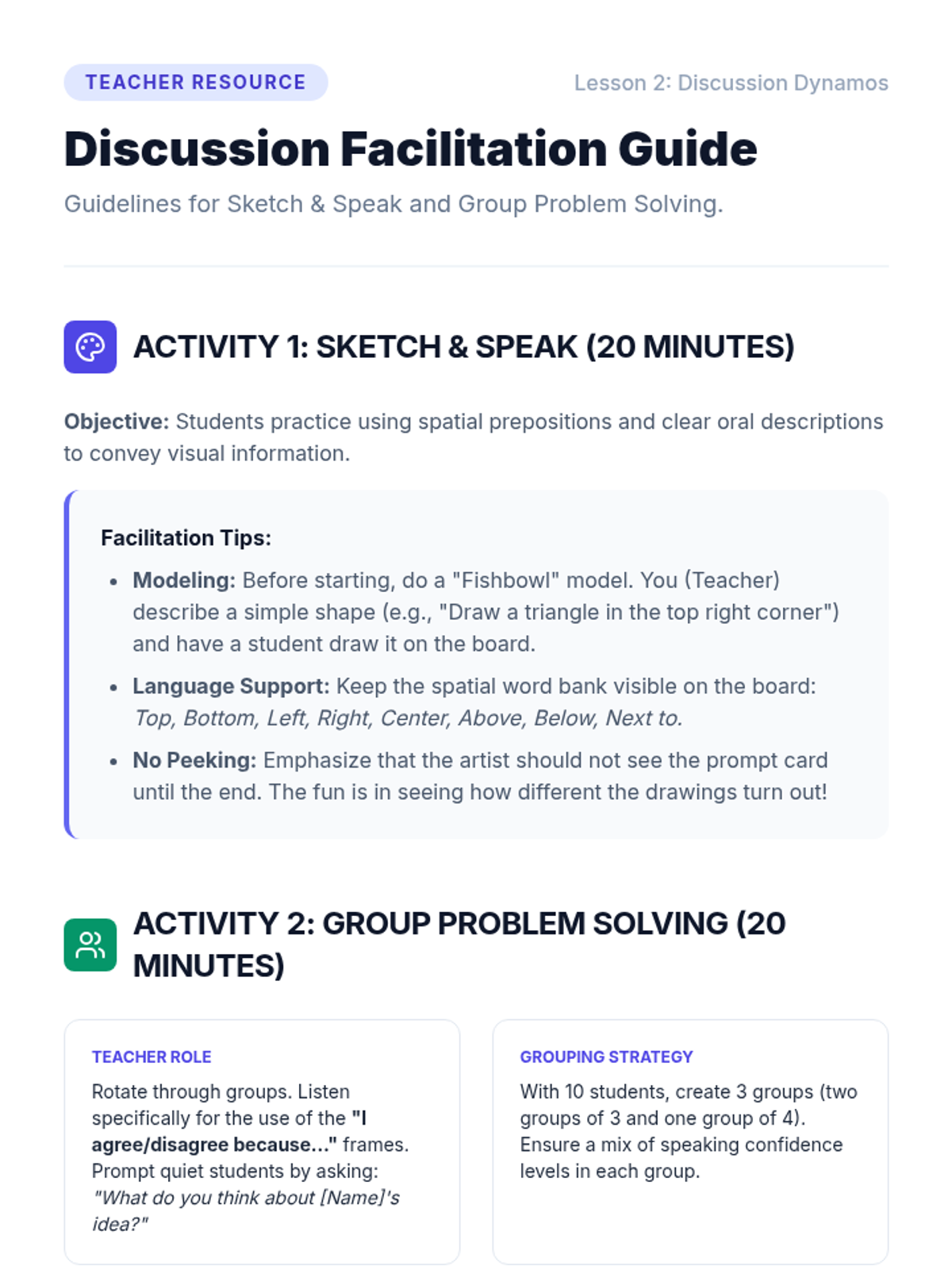
Students practice participating in academic discussions and providing precise verbal descriptions through a 'Sketch & Speak' partner activity. They use sentence frames to share opinions, solve school challenges, and practice oral clarity.
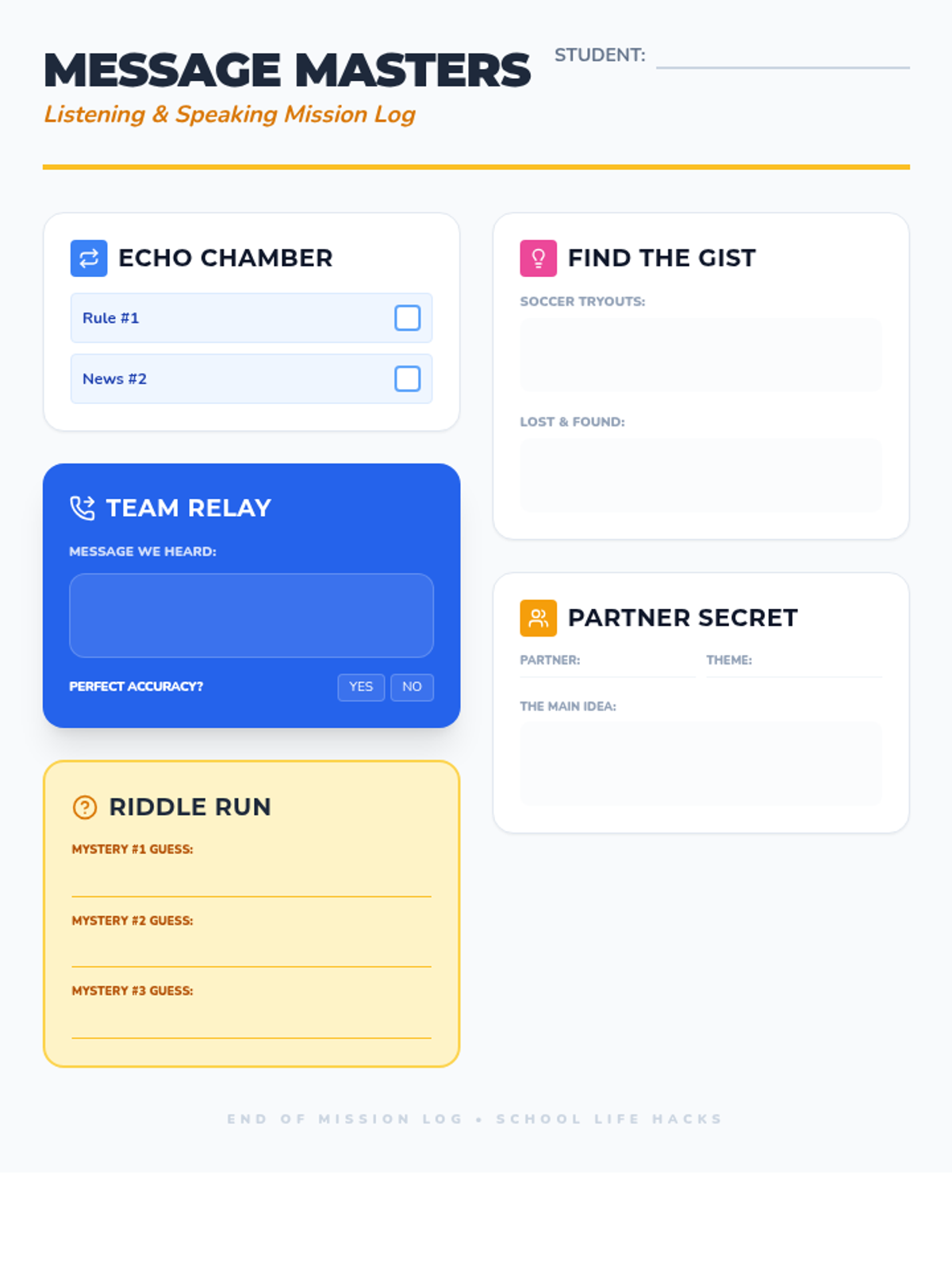
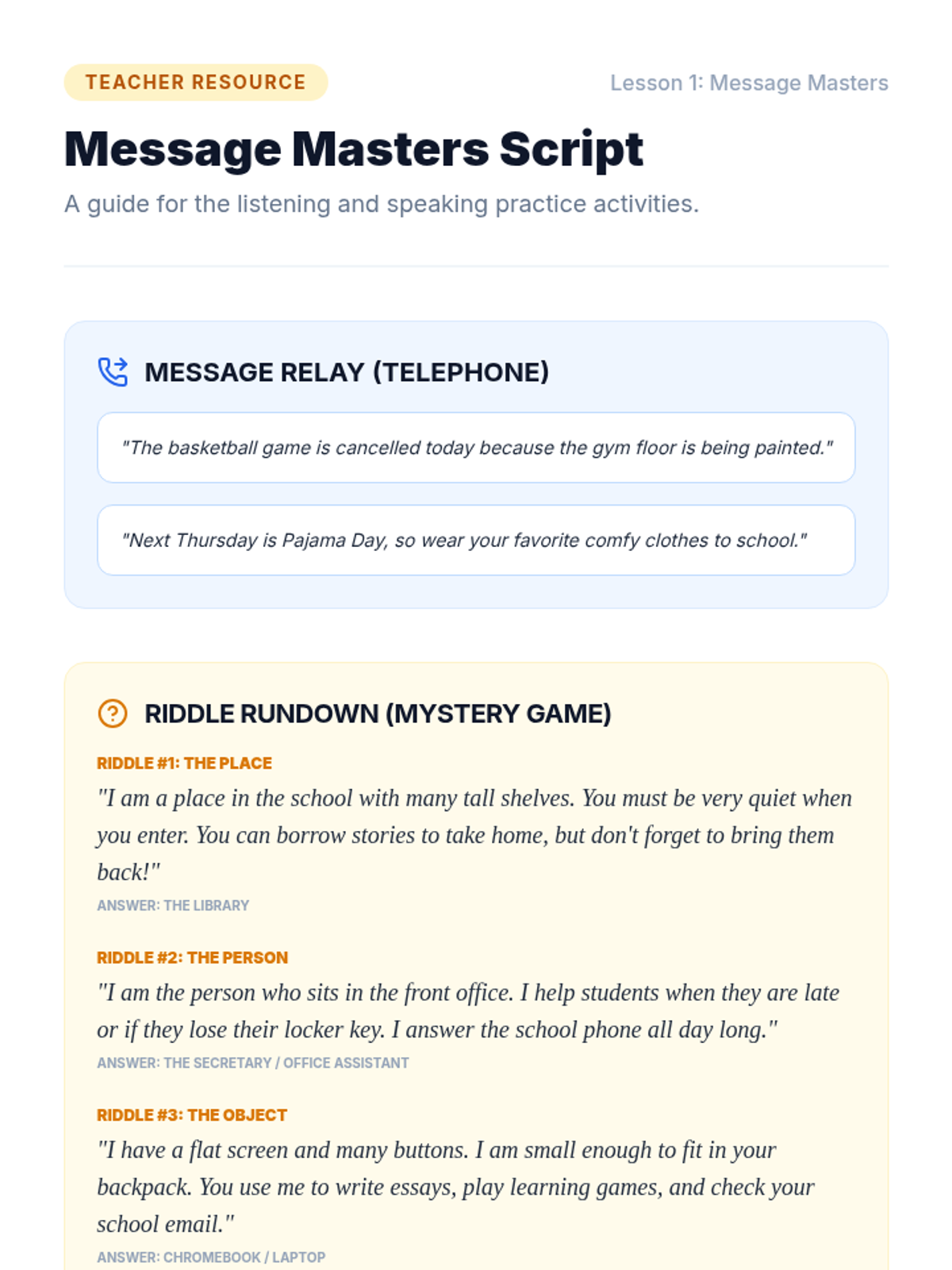
Students focus on 'Listen and Repeat' and 'Listening for Main Ideas' through school-based announcements and peer interactions. The lesson follows an I-Do, We-Do, You-Do structure to build confidence in auditory comprehension and oral mimicry.