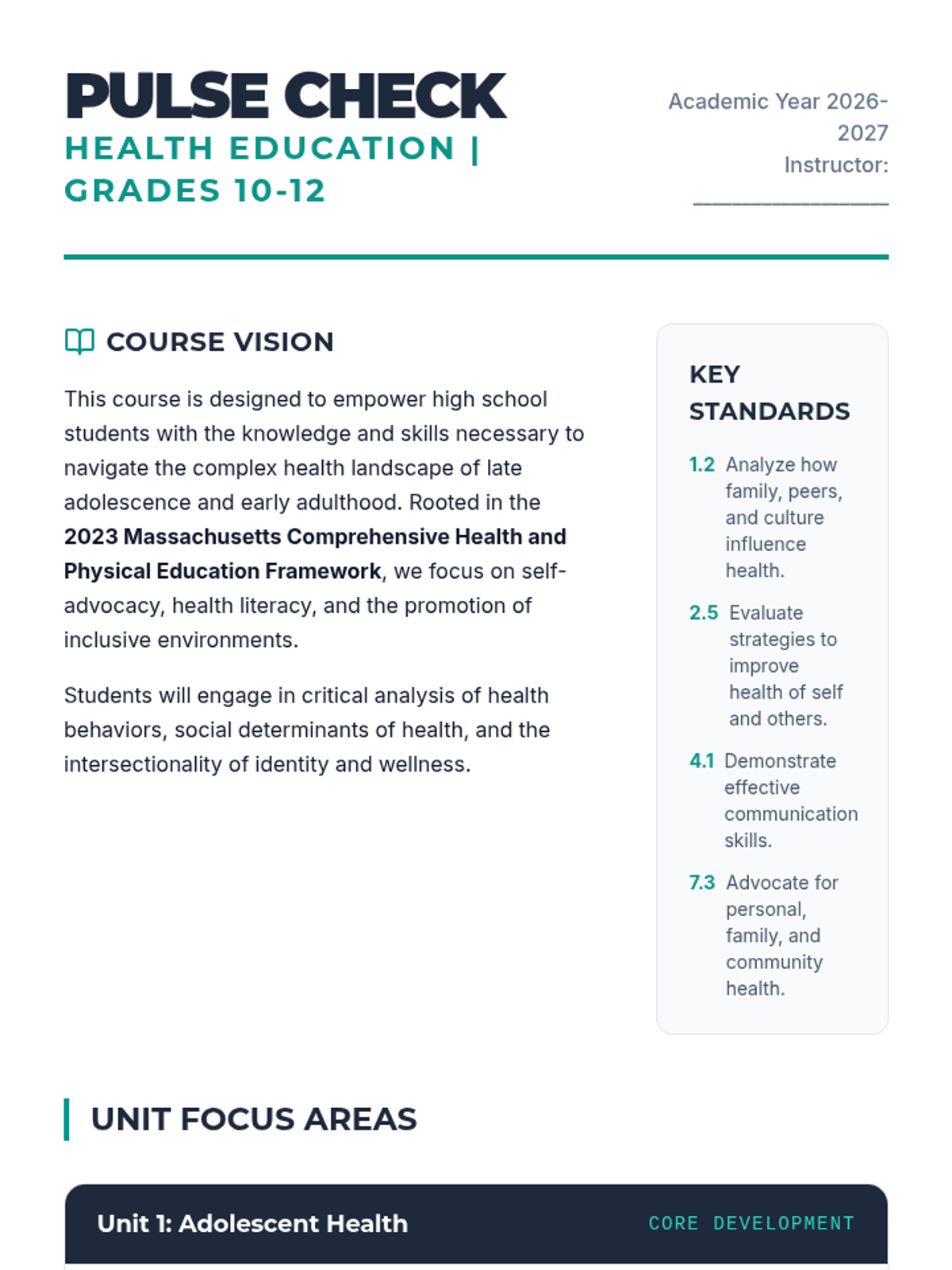
Daily hygiene, hydration, and sleep routines paired with strategies for disease and injury prevention. Builds skills in health decision-making, body awareness, and self-advocacy to support lifelong well-being.
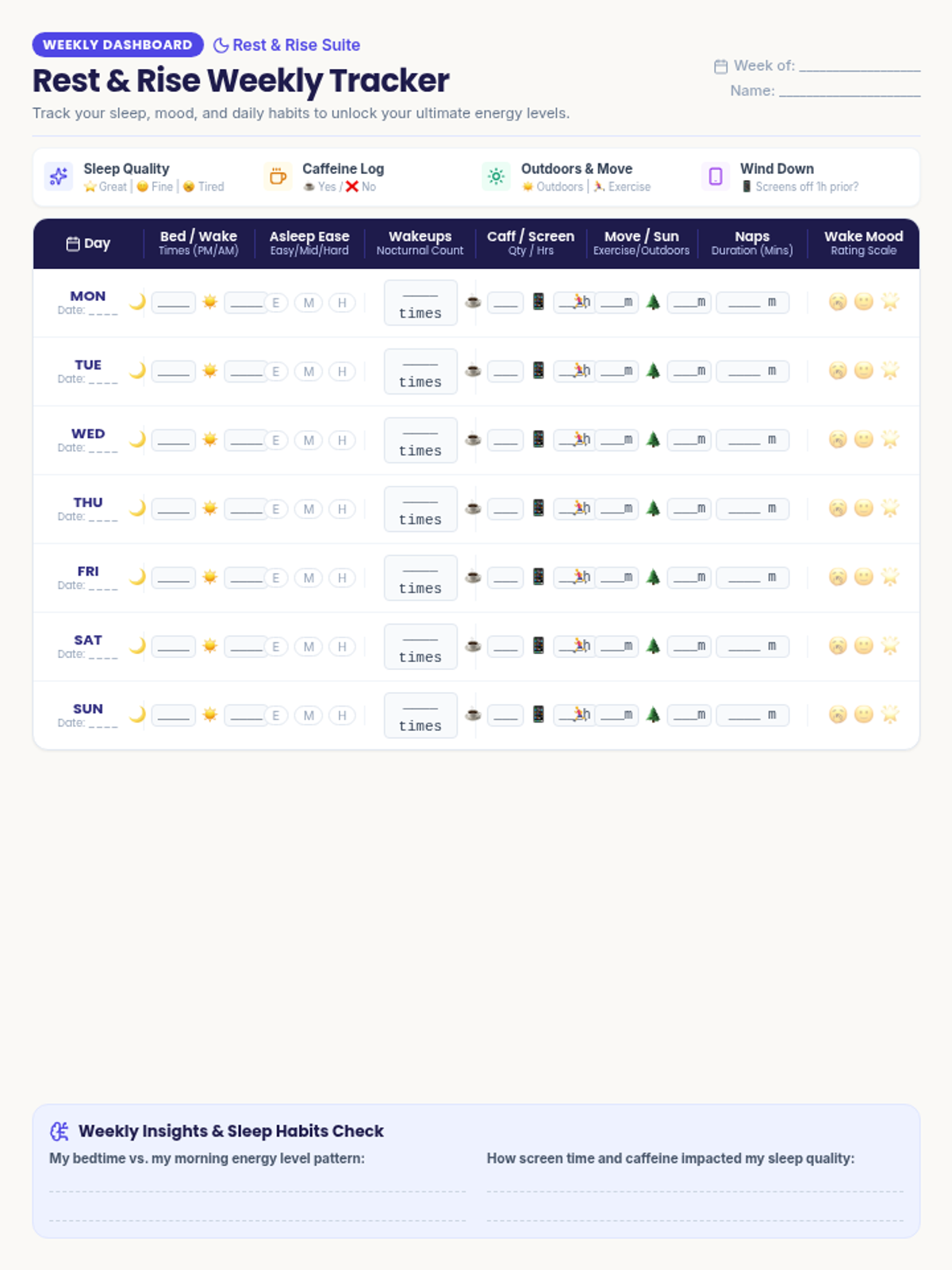
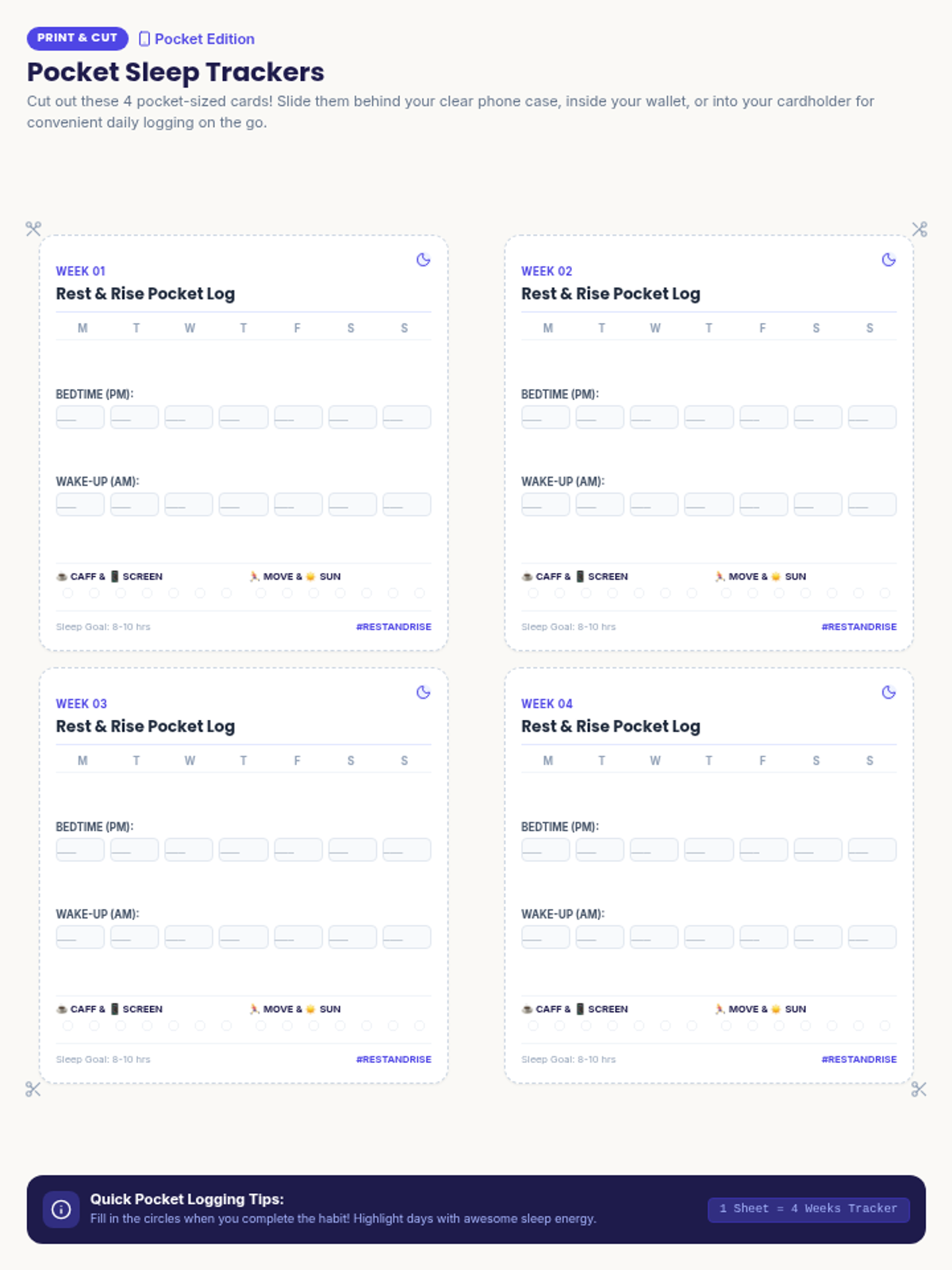
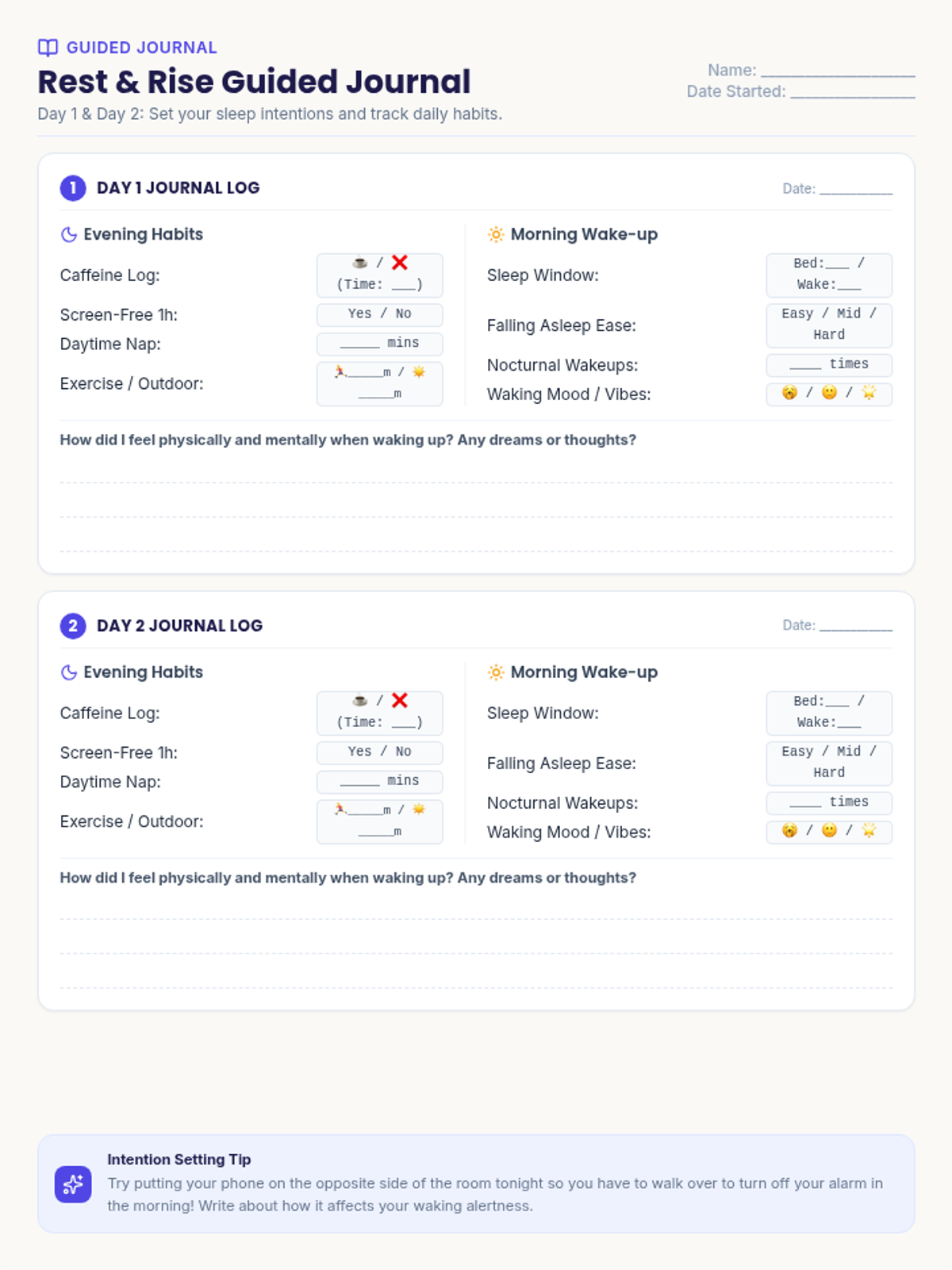
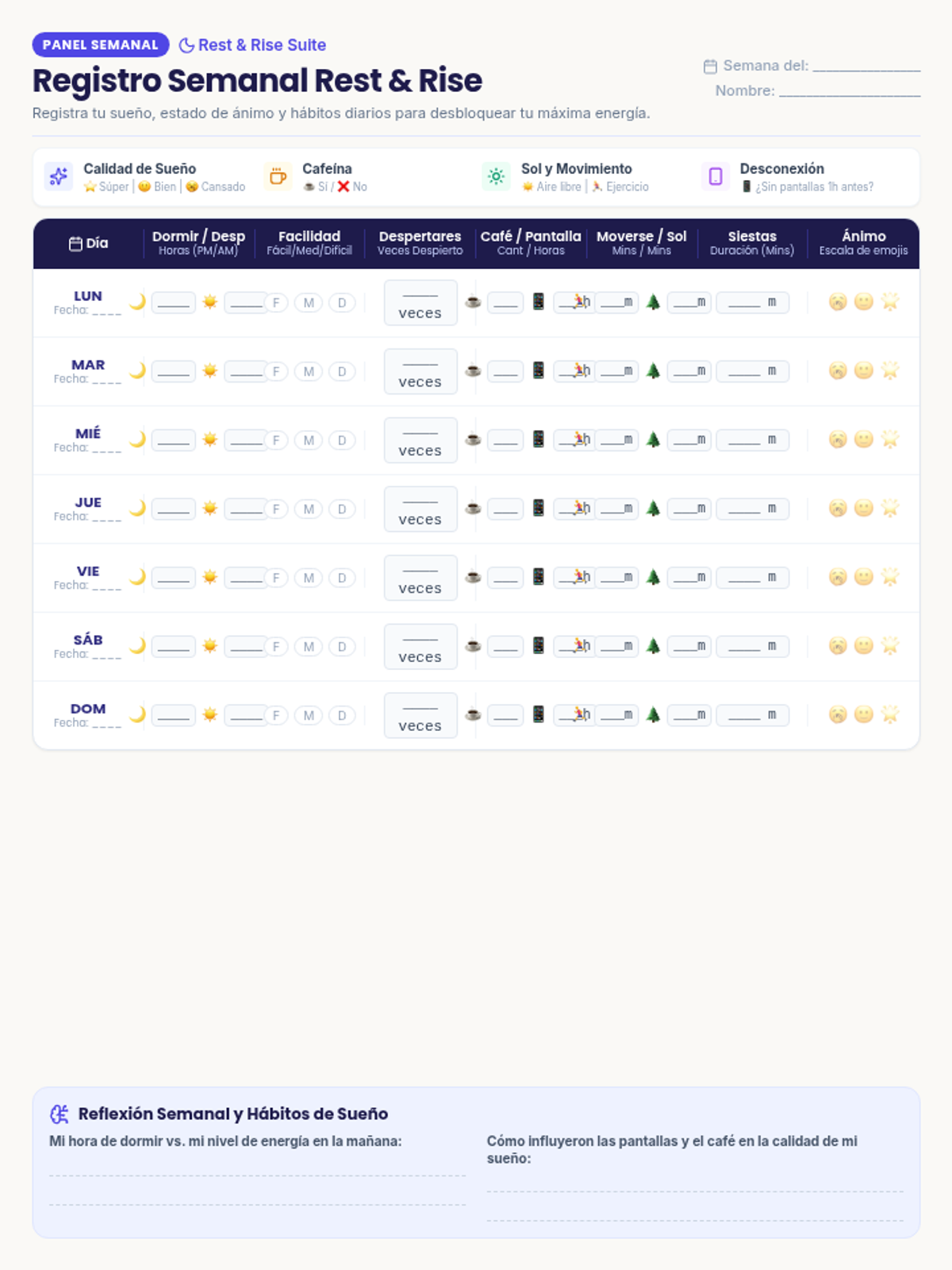
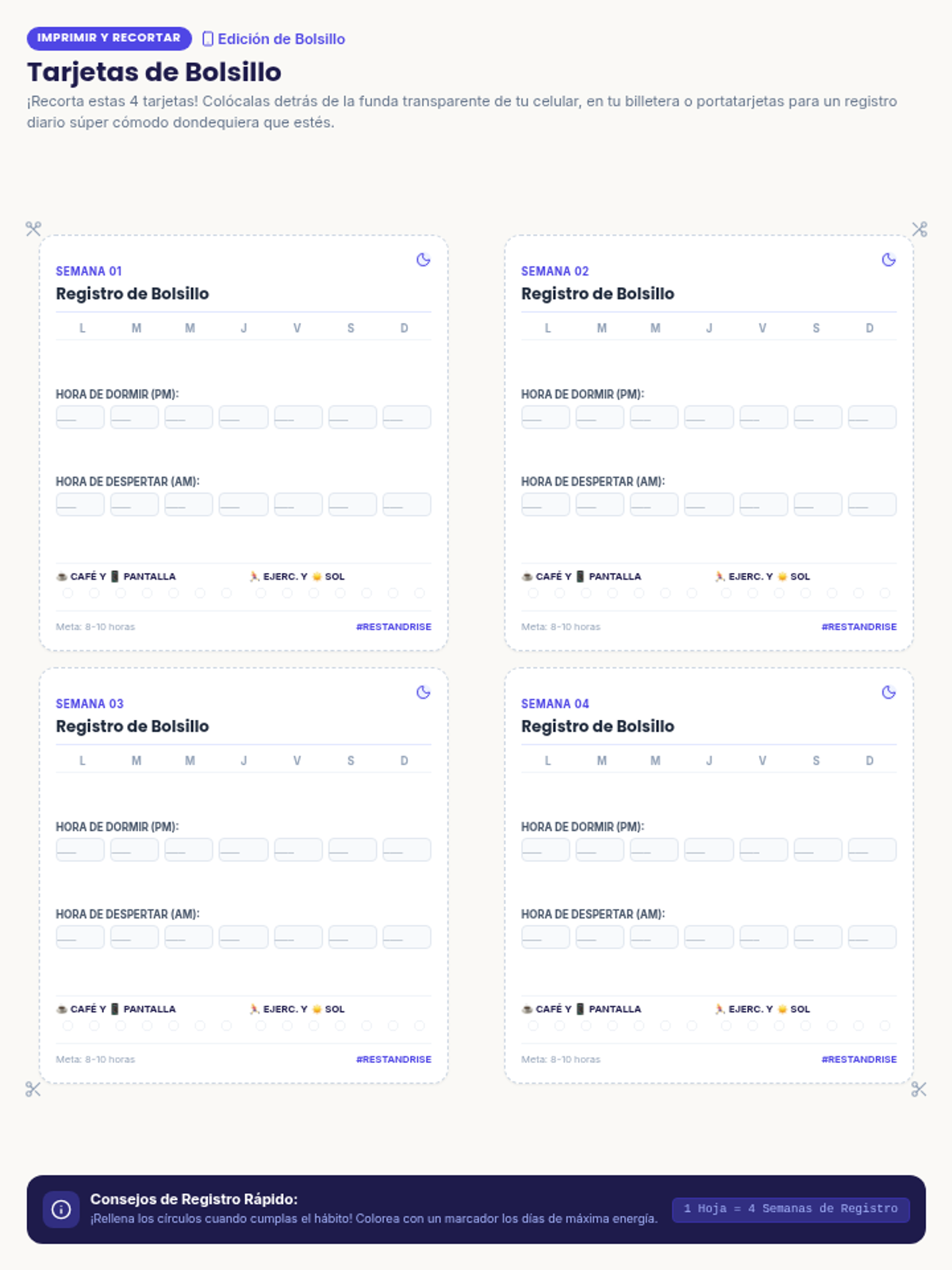
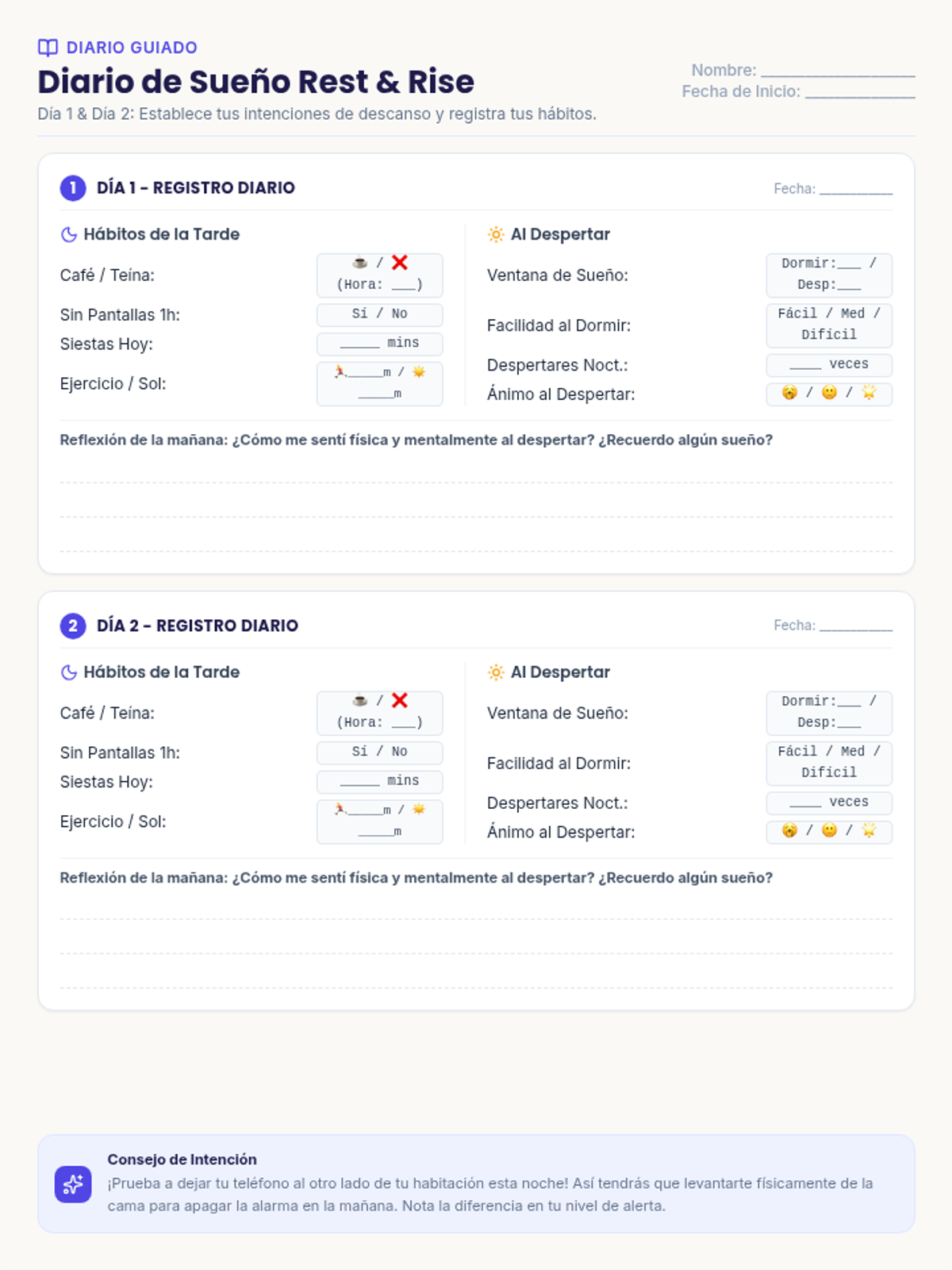
A teen-focused sleep and mood tracking suite that combines physical tracking with mindfulness. Includes a 1-Page Weekly Tracker, Pocket-Sized Mini Trackers for phone cases/wallets, and a 7-Day Guided Daily Journal with deep reflection prompts. Helps teens identify connections between screen time, caffeine, physical activity, and sleep quality.
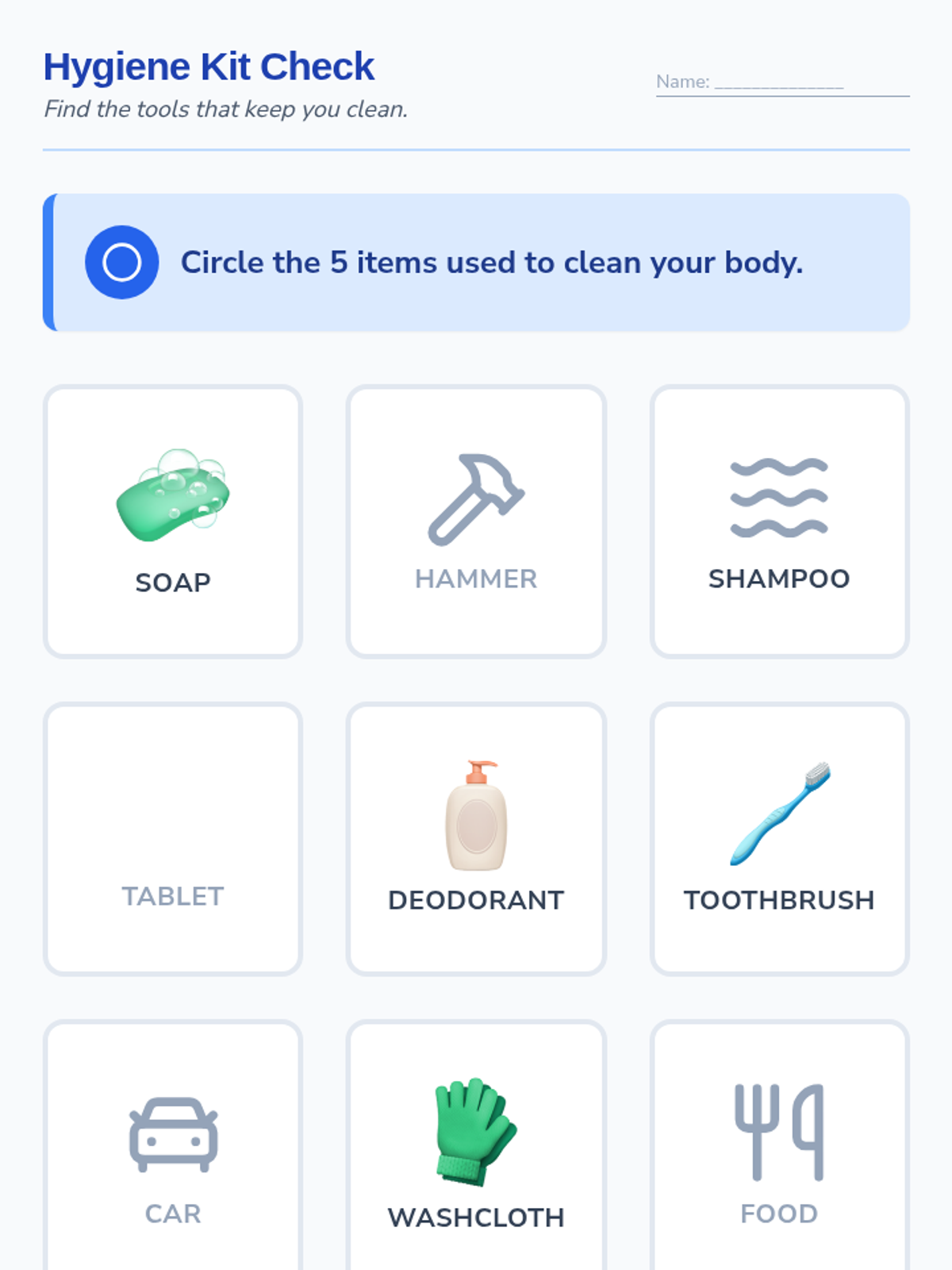
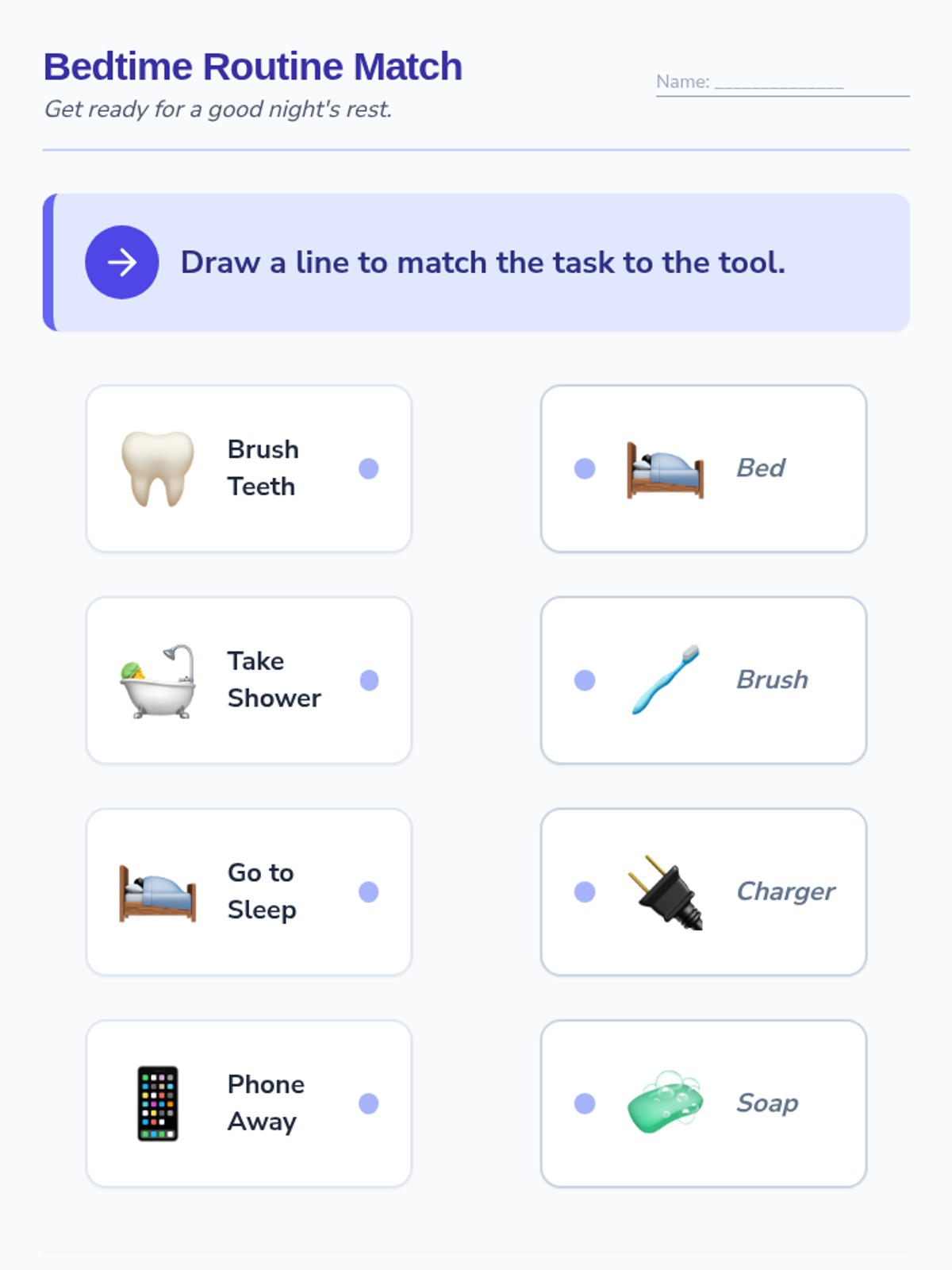
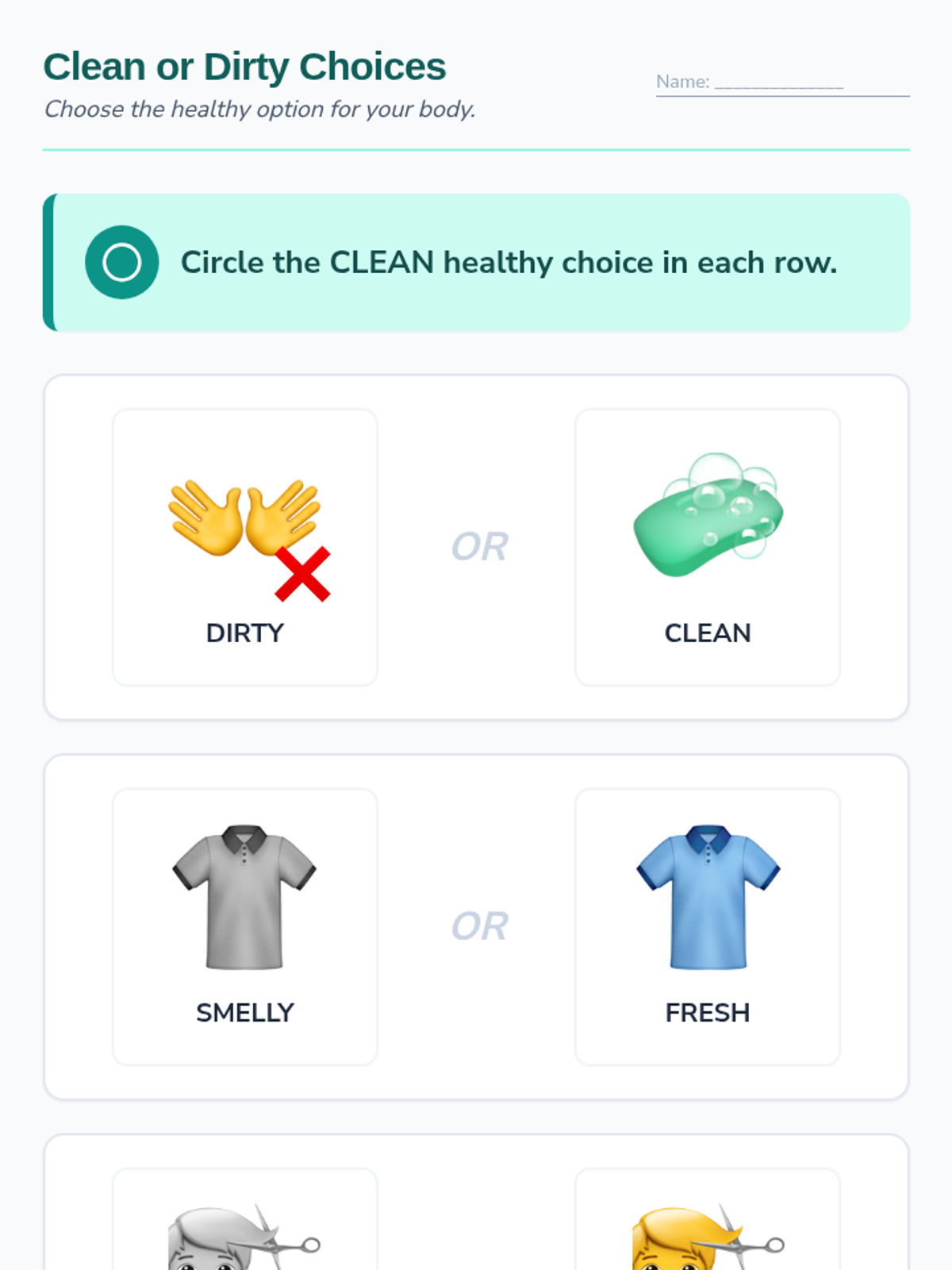
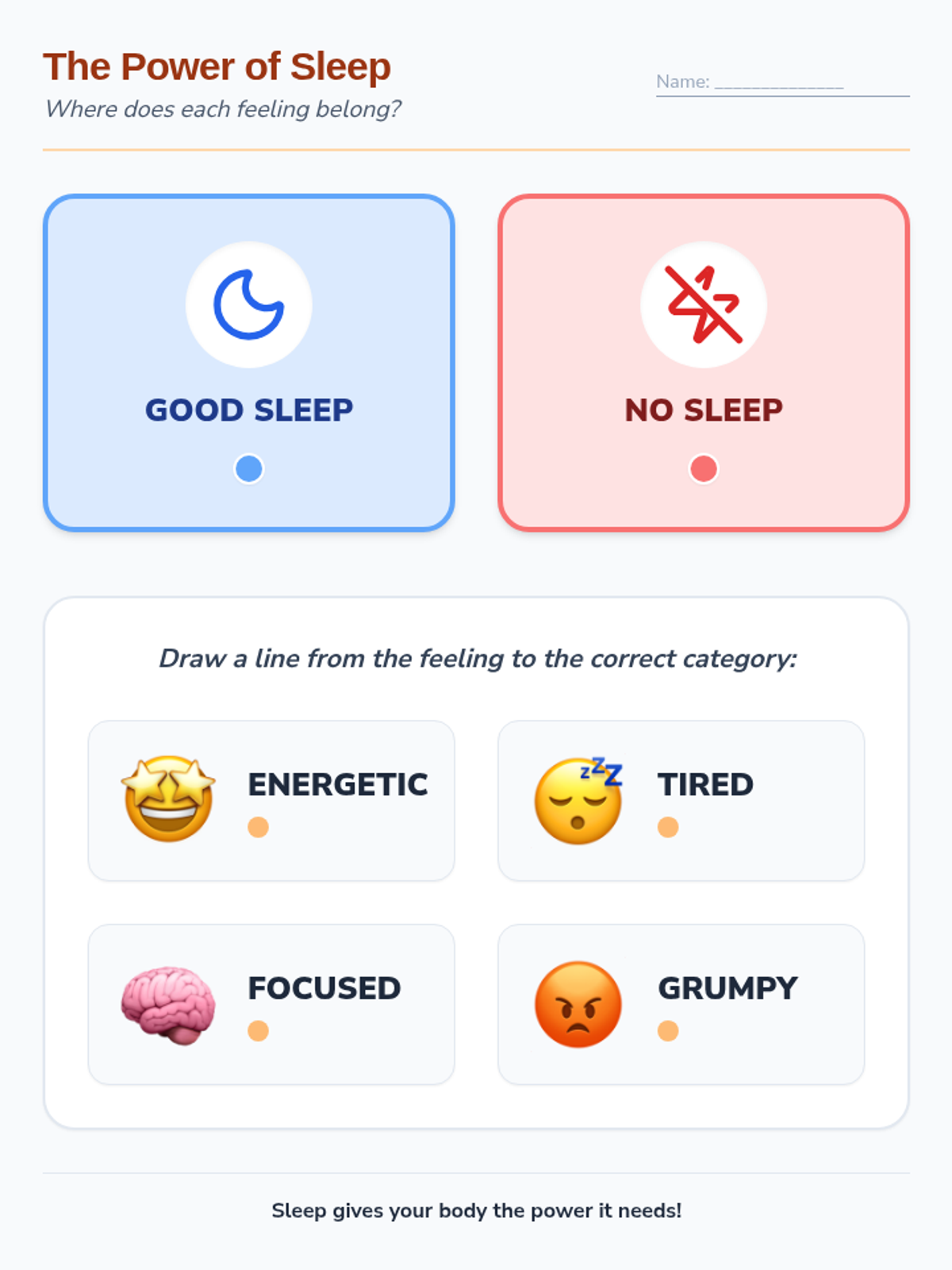
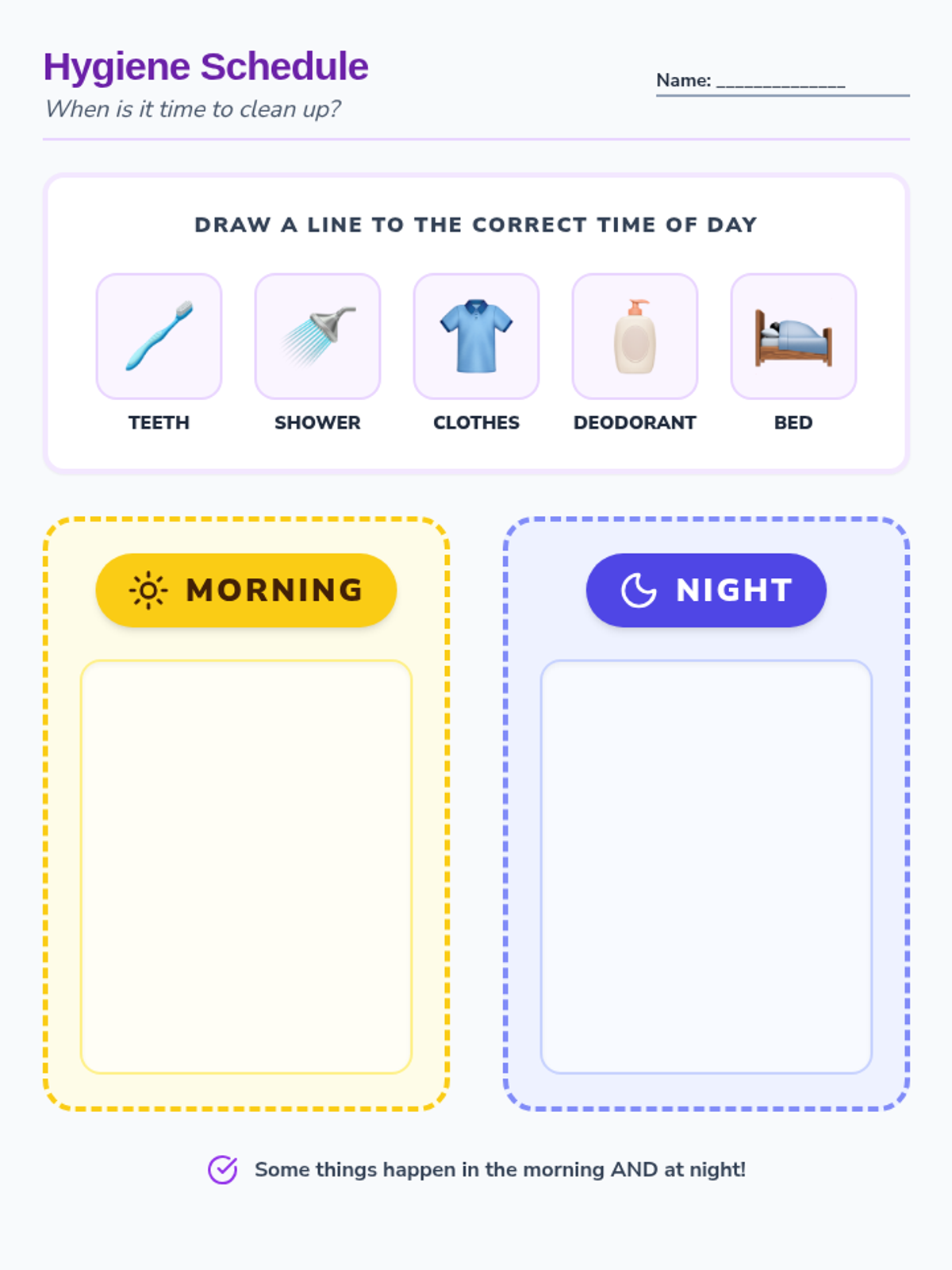
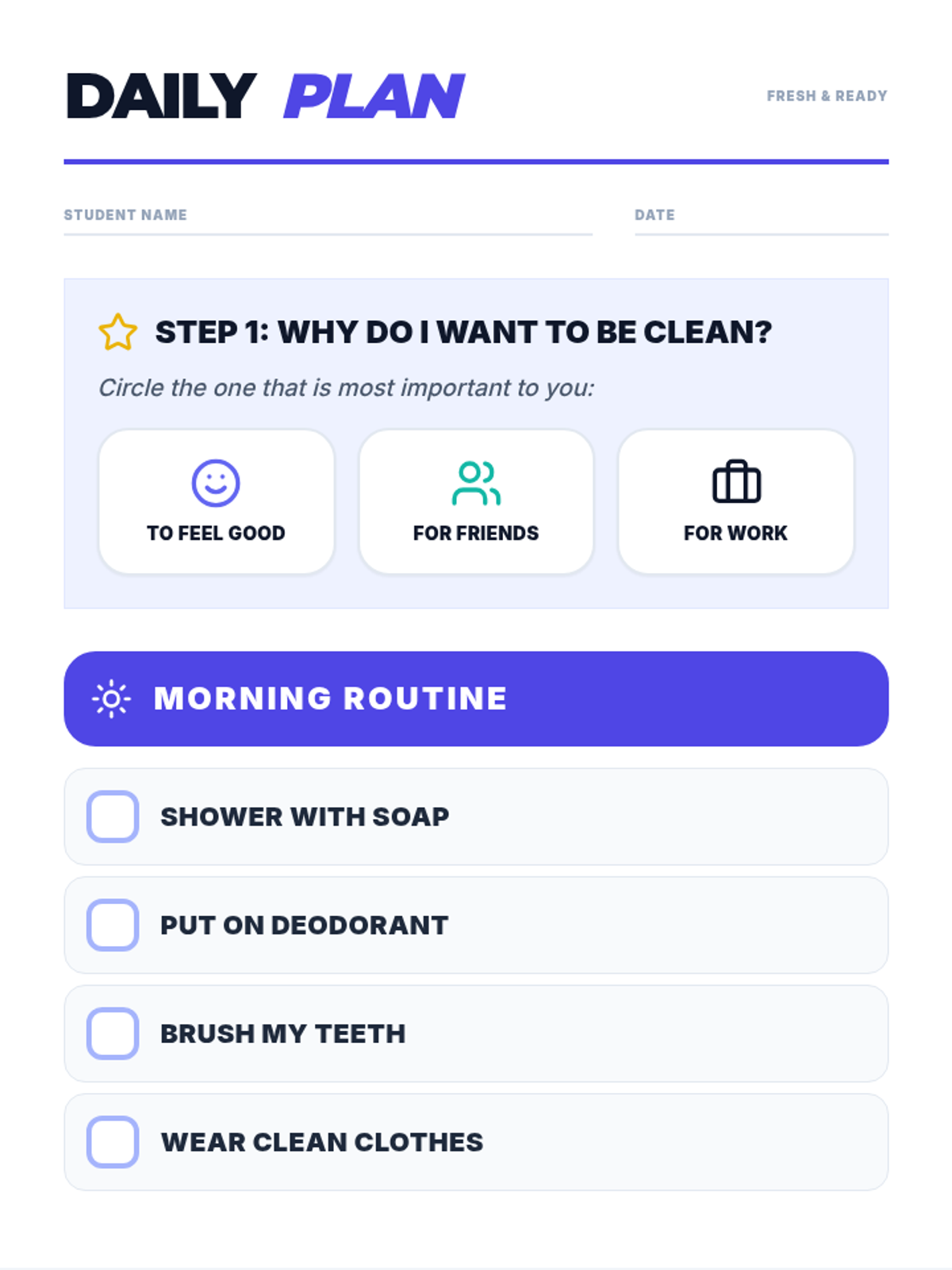
A series of highly visual, low-text worksheets focused on essential body hygiene and sleep habits for high school life skills students. These activities use matching, circling, and sorting to reinforce healthy daily routines.
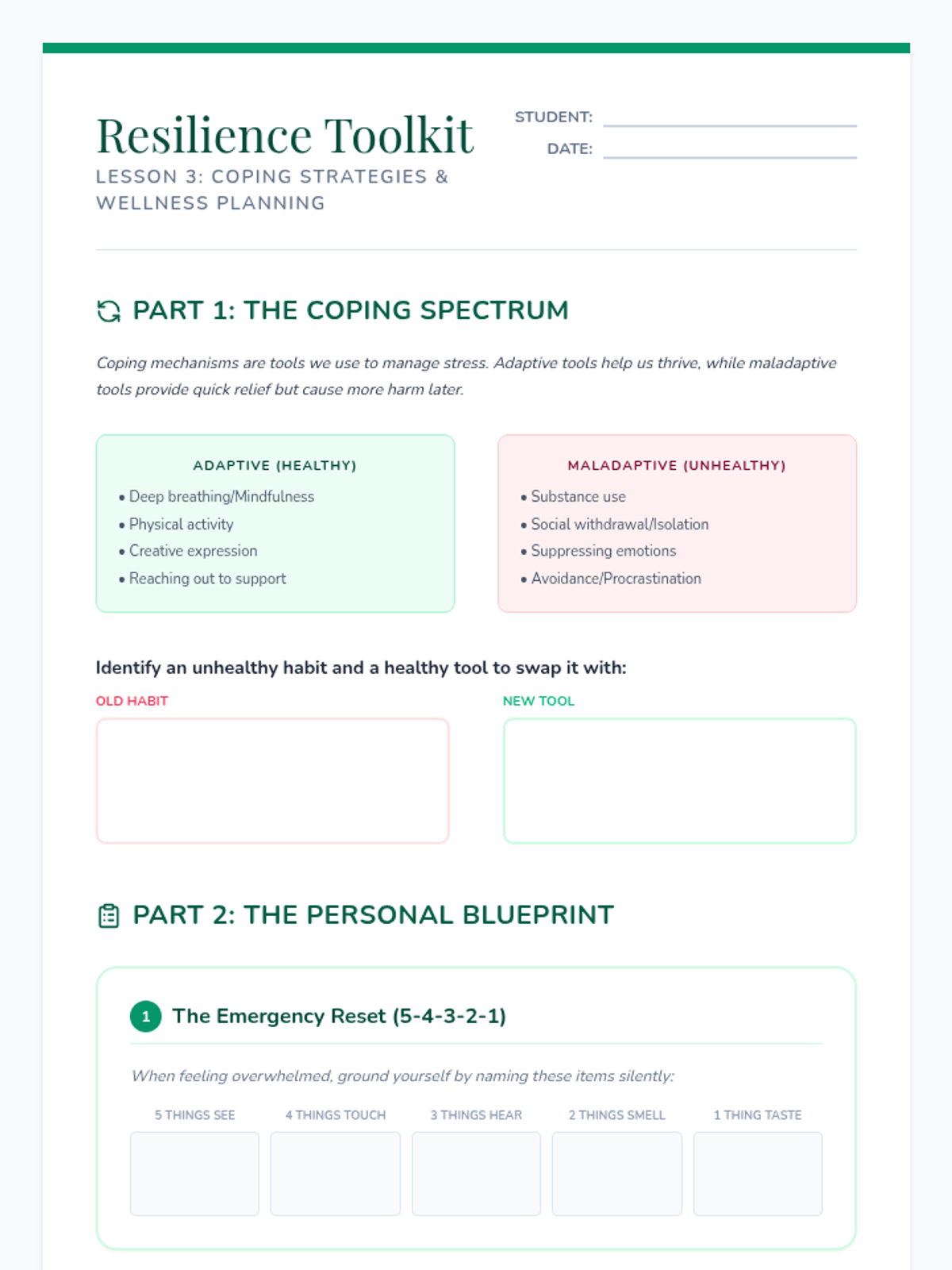
Focuses on developing healthy coping mechanisms, building emotional resilience, and creating personalized wellness plans for long-term mental health.
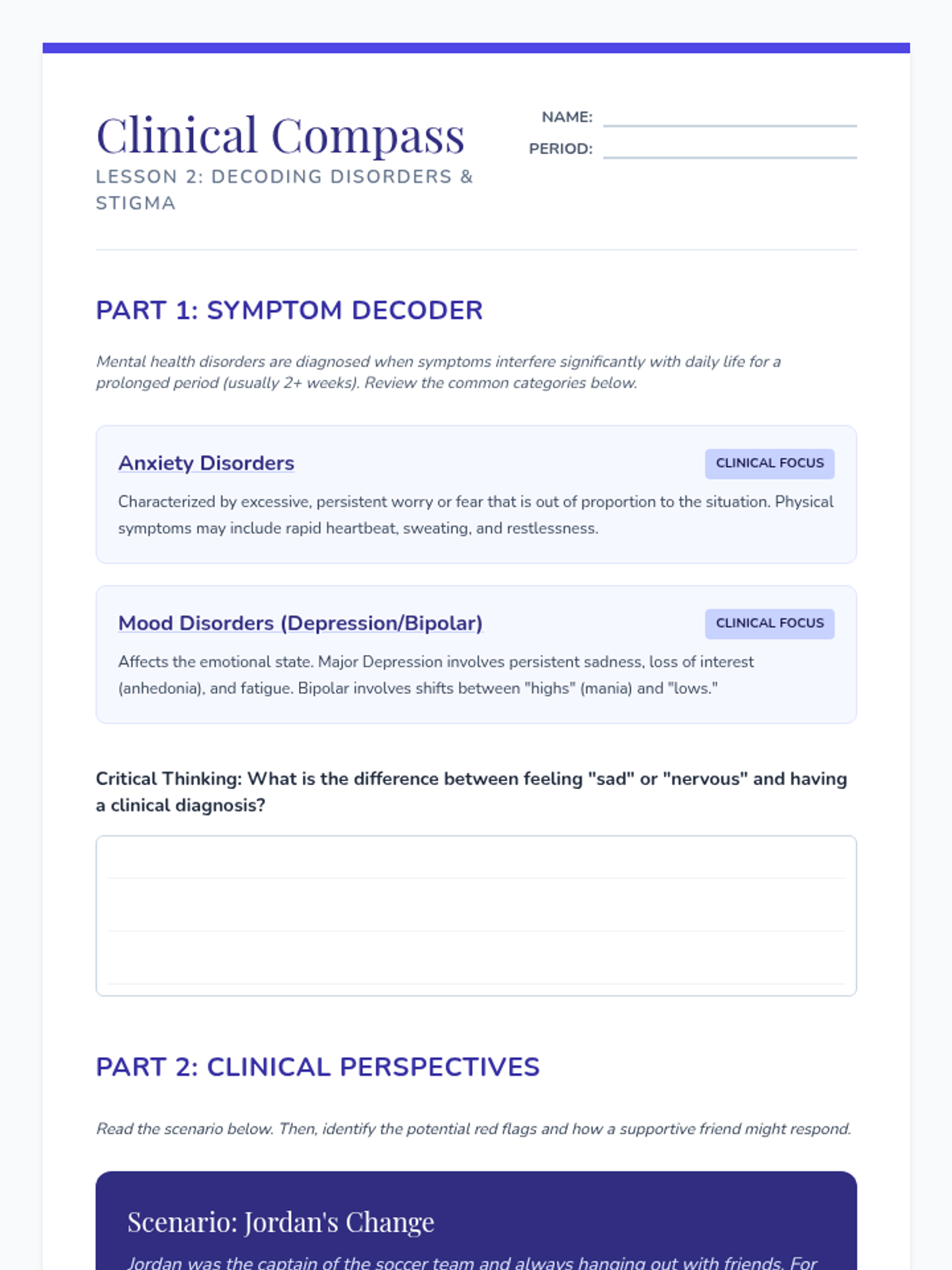
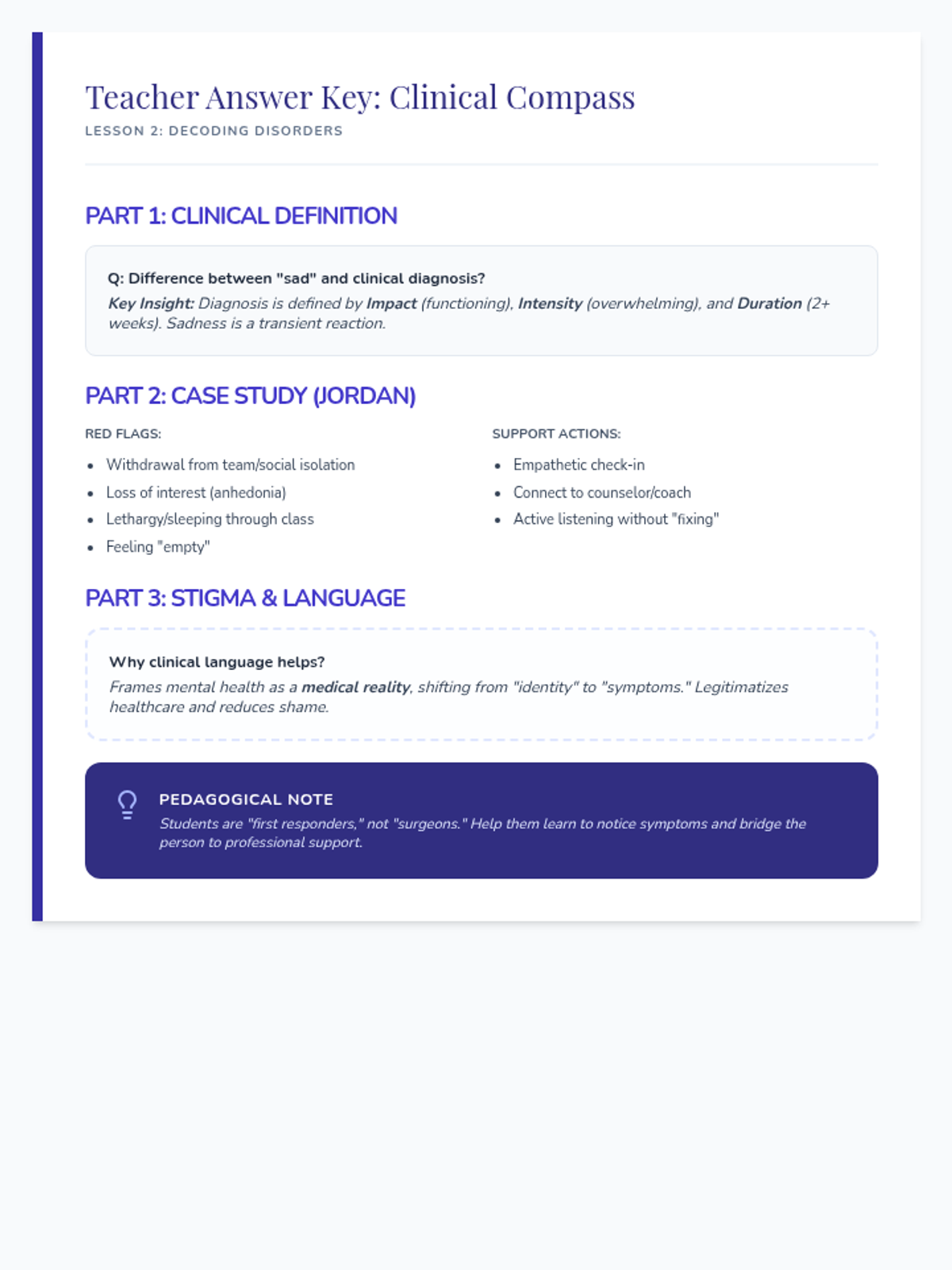
Provides a clinical overview of common mental health disorders, focusing on diagnostic criteria, symptom recognition, and destigmatizing mental illness.
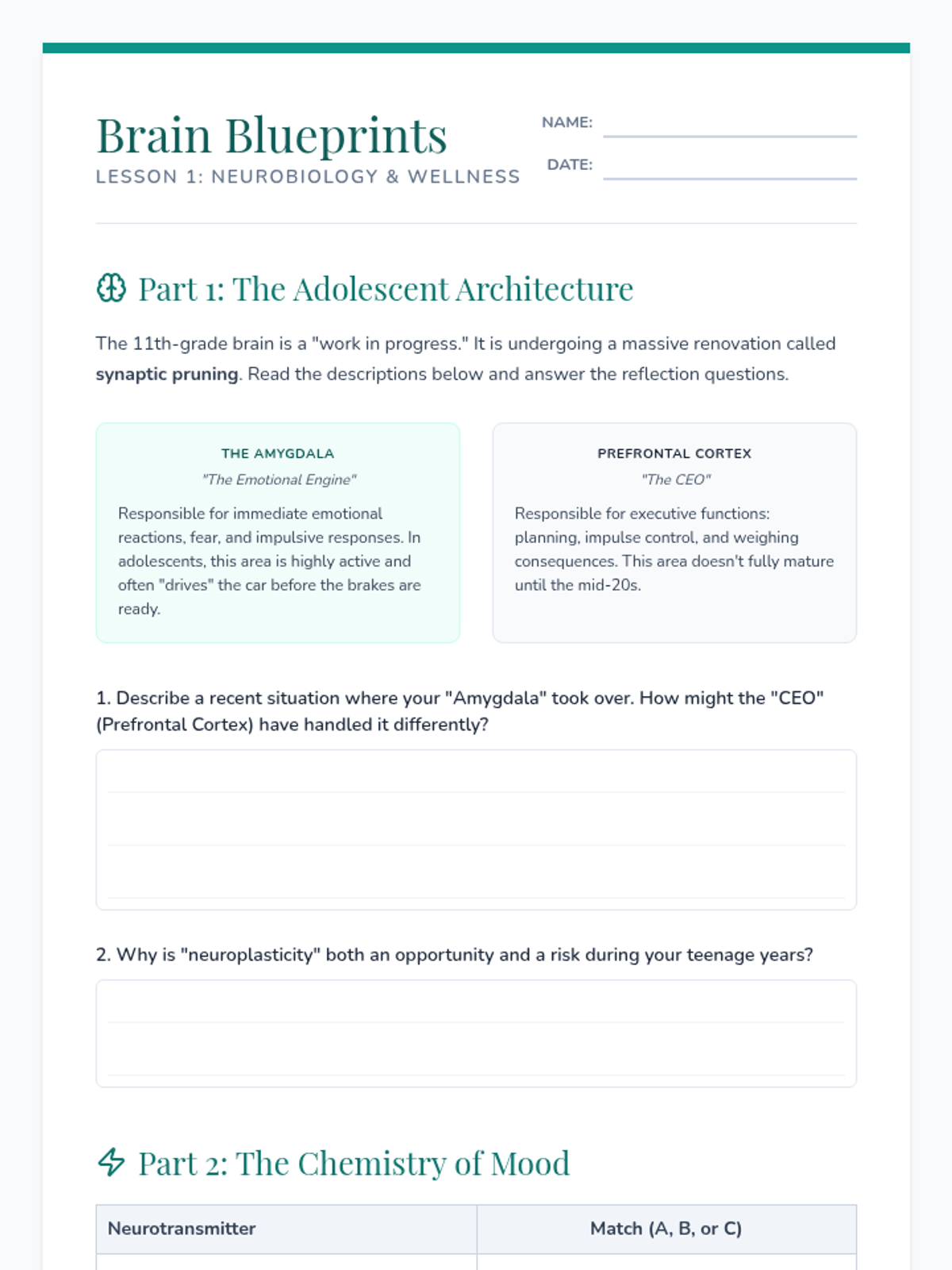
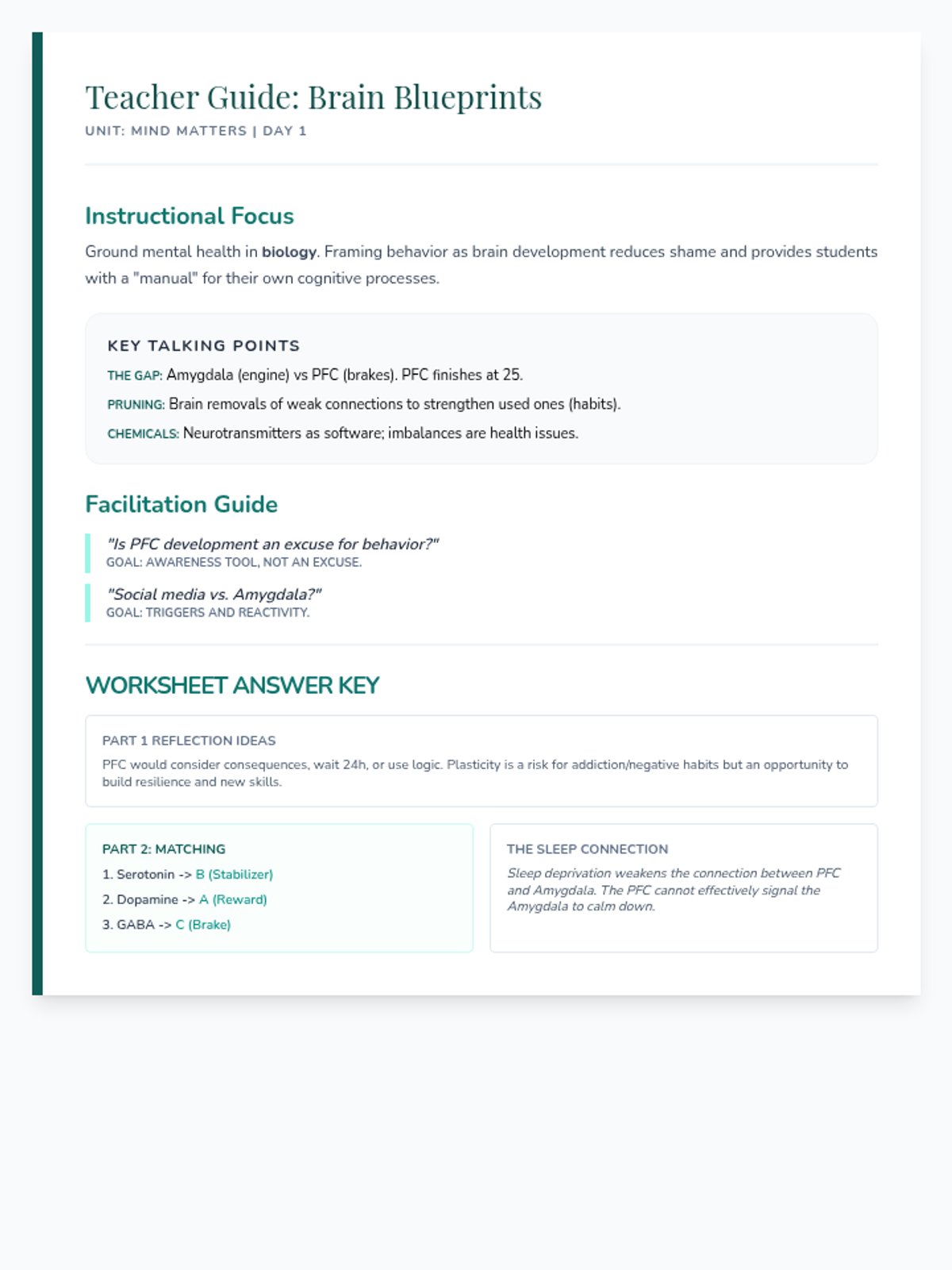
Explores the neurobiology of the adolescent brain, focusing on the development of the prefrontal cortex and the role of neuroplasticity in mental wellness.
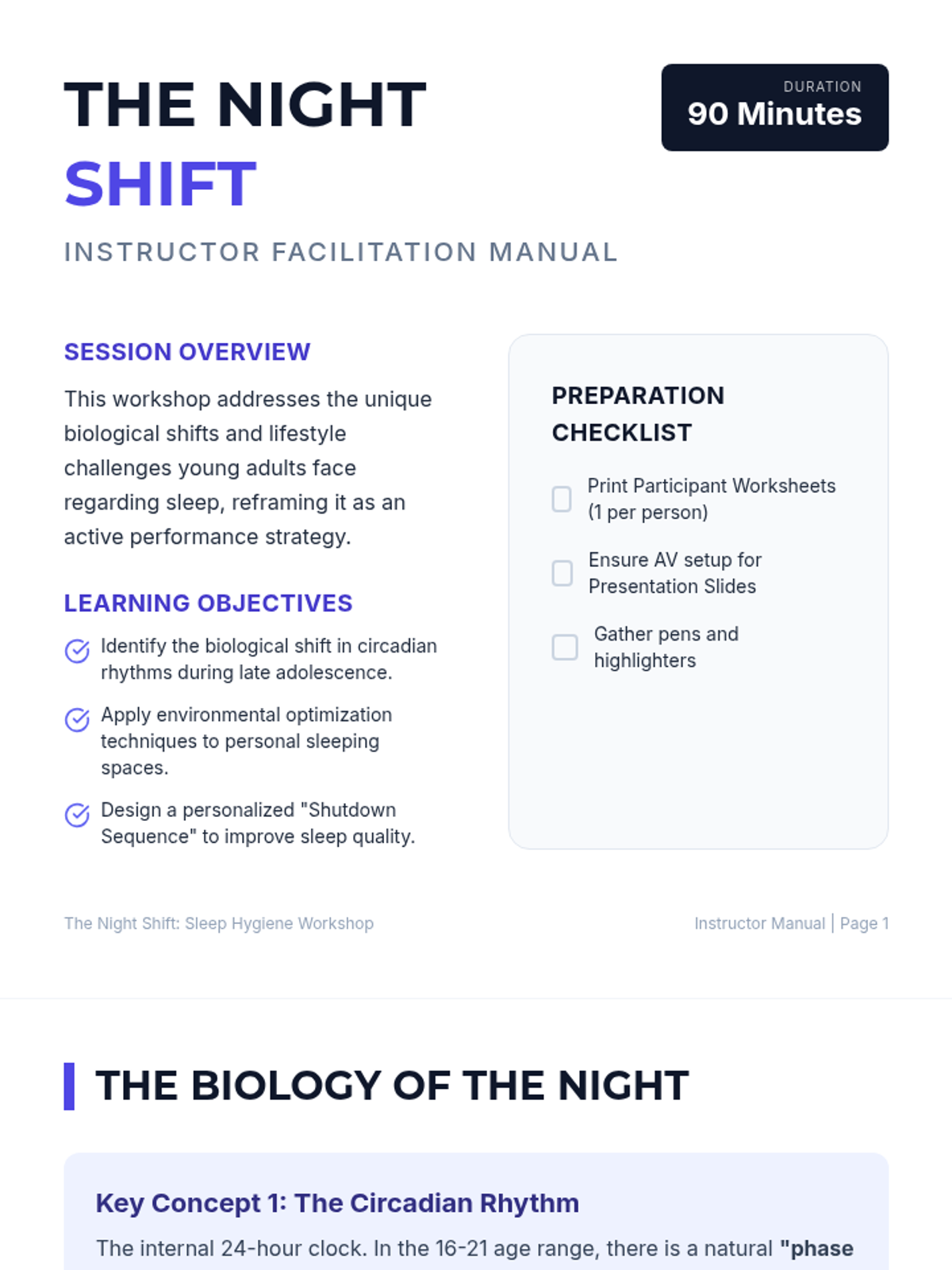
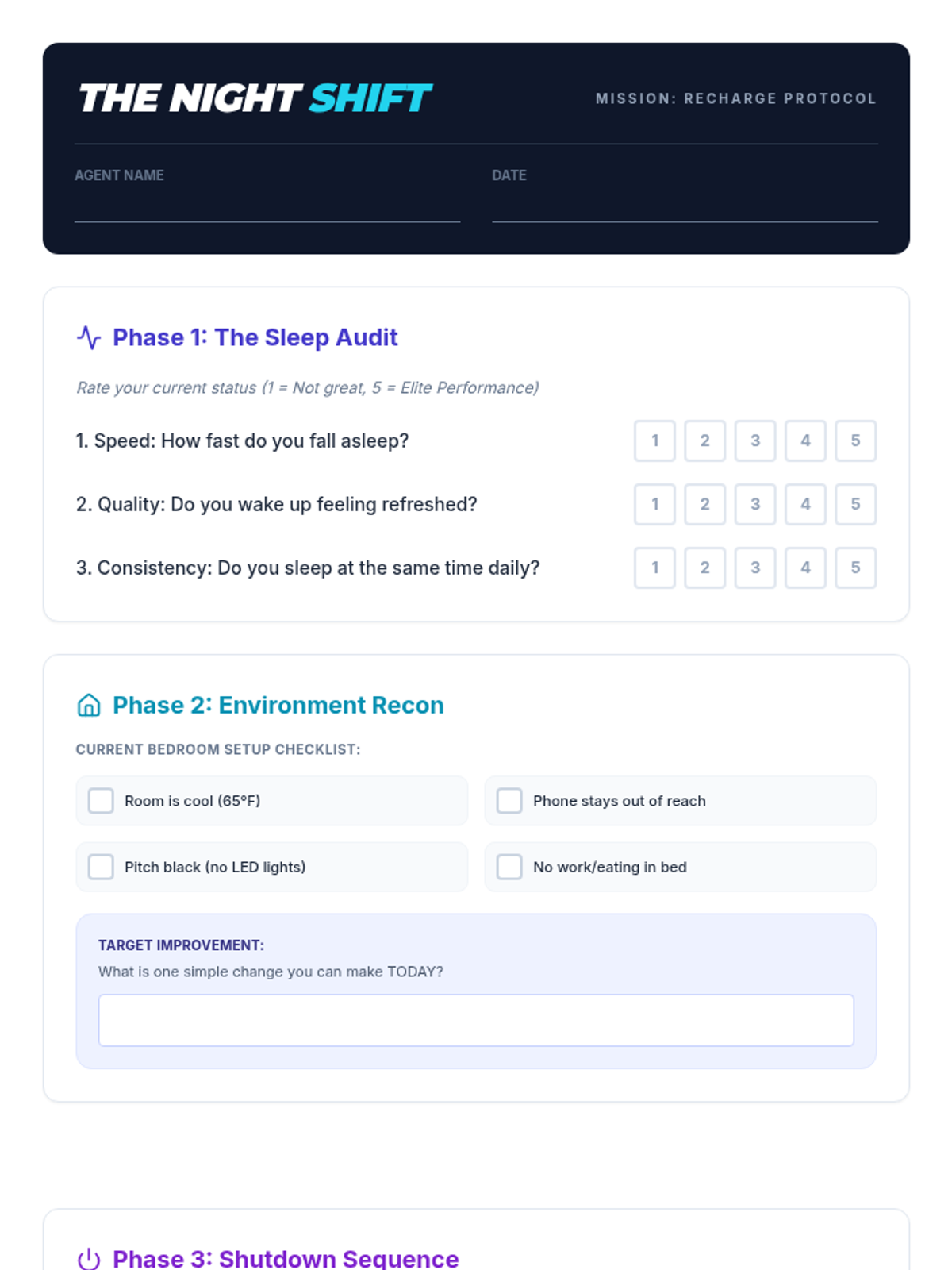
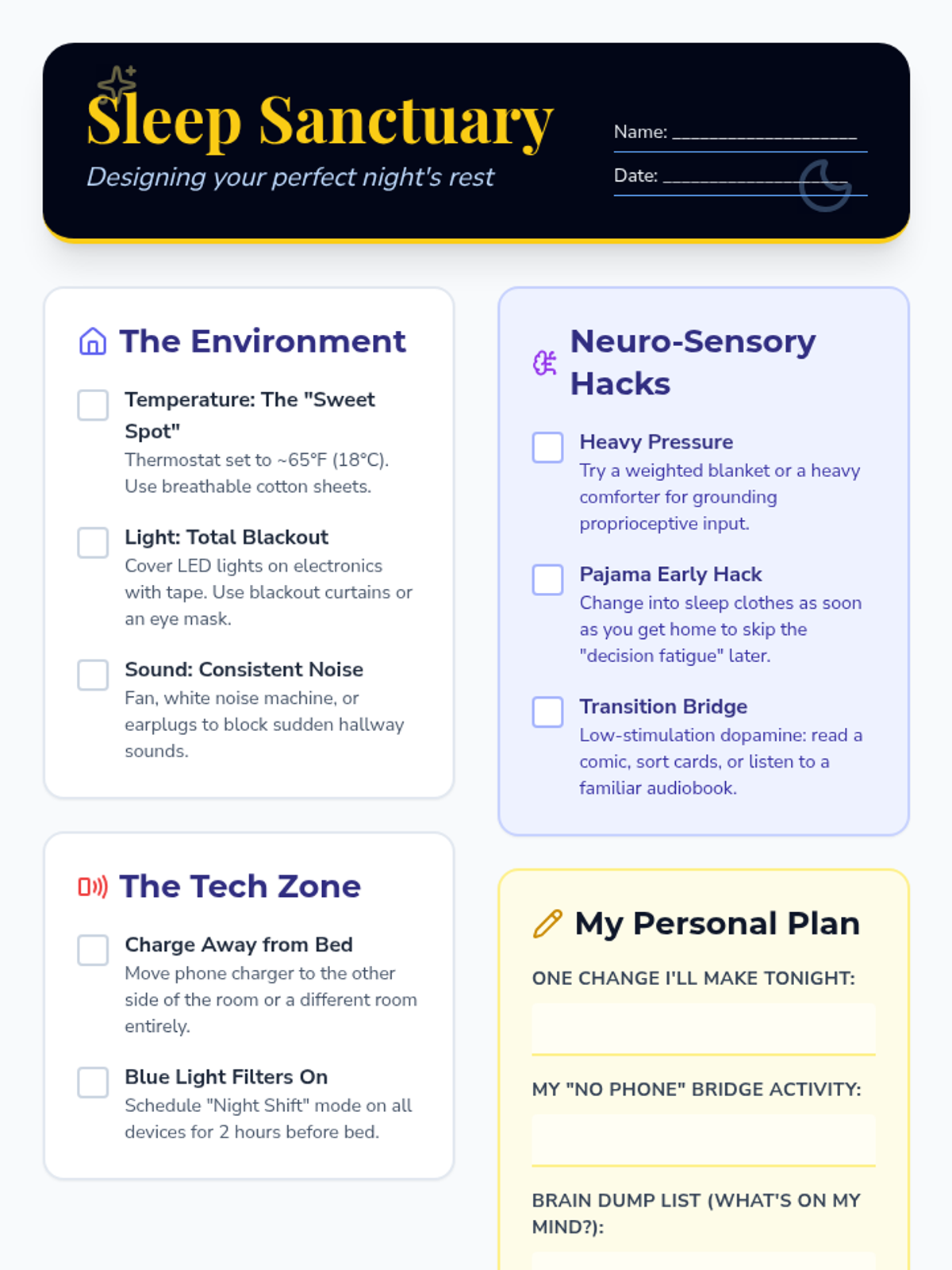
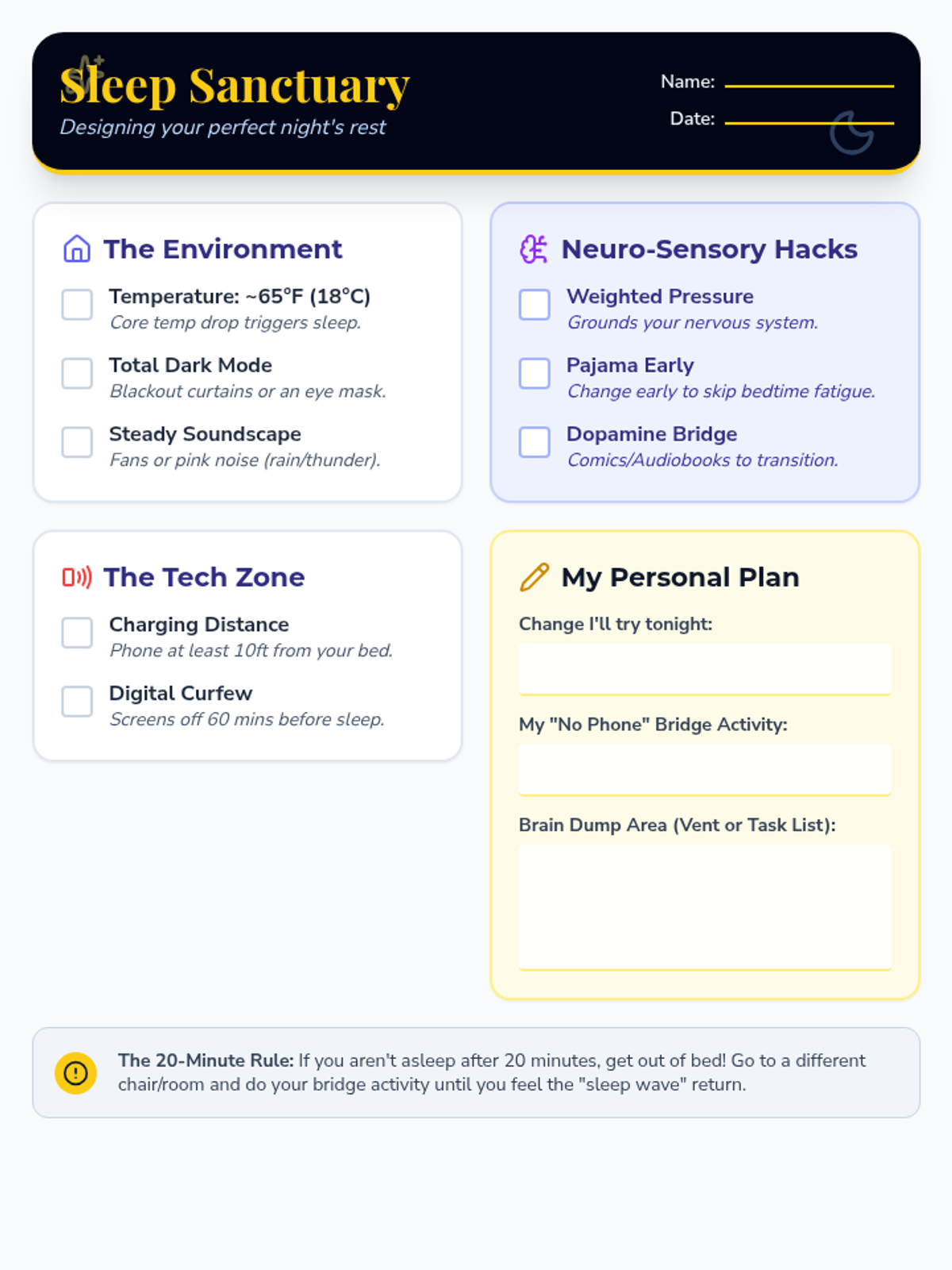
A comprehensive 90-minute workshop for young adults aged 16-21, focusing on the biological and behavioral aspects of sleep hygiene, environmental optimization, and mental relaxation strategies.
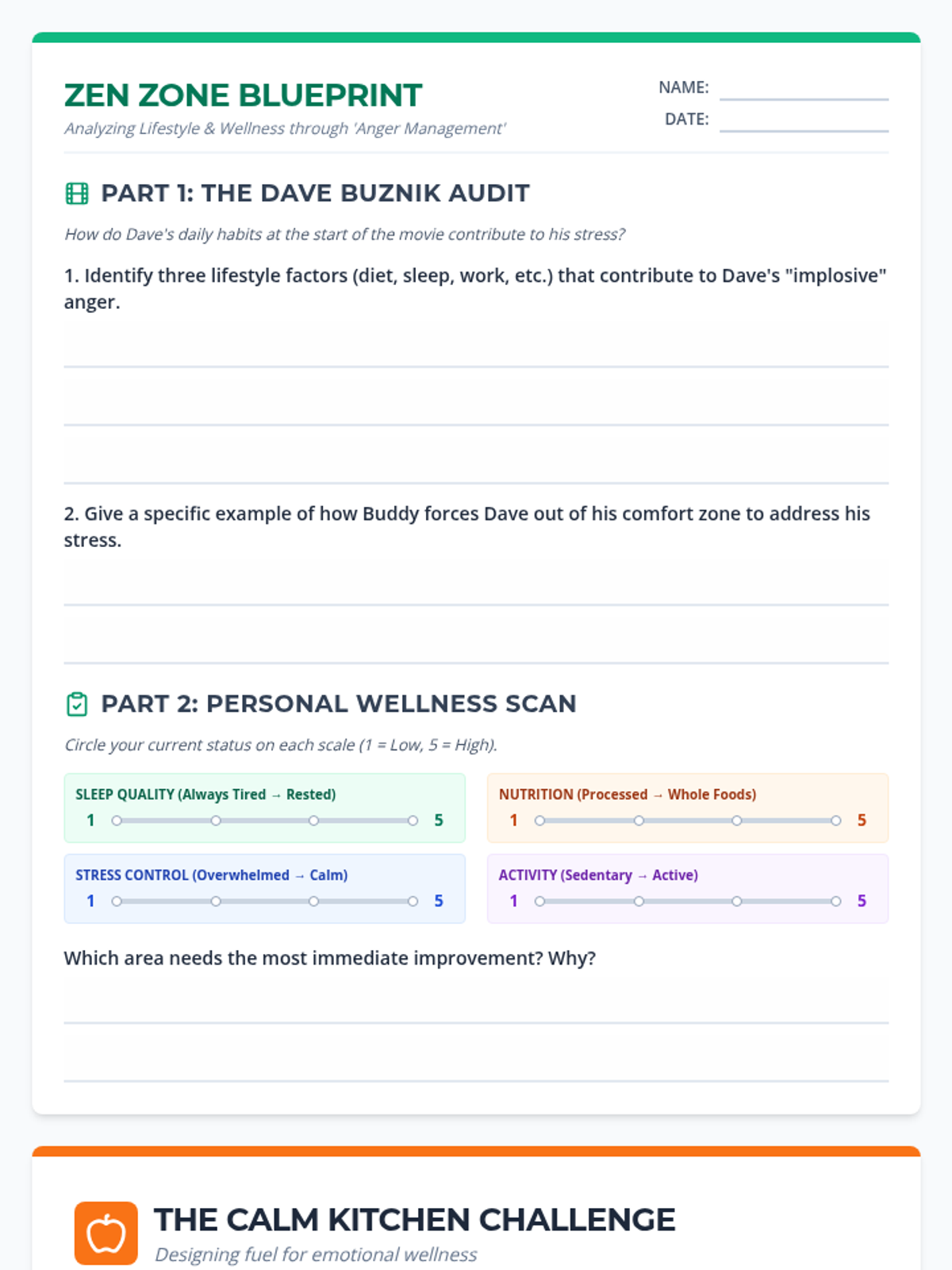
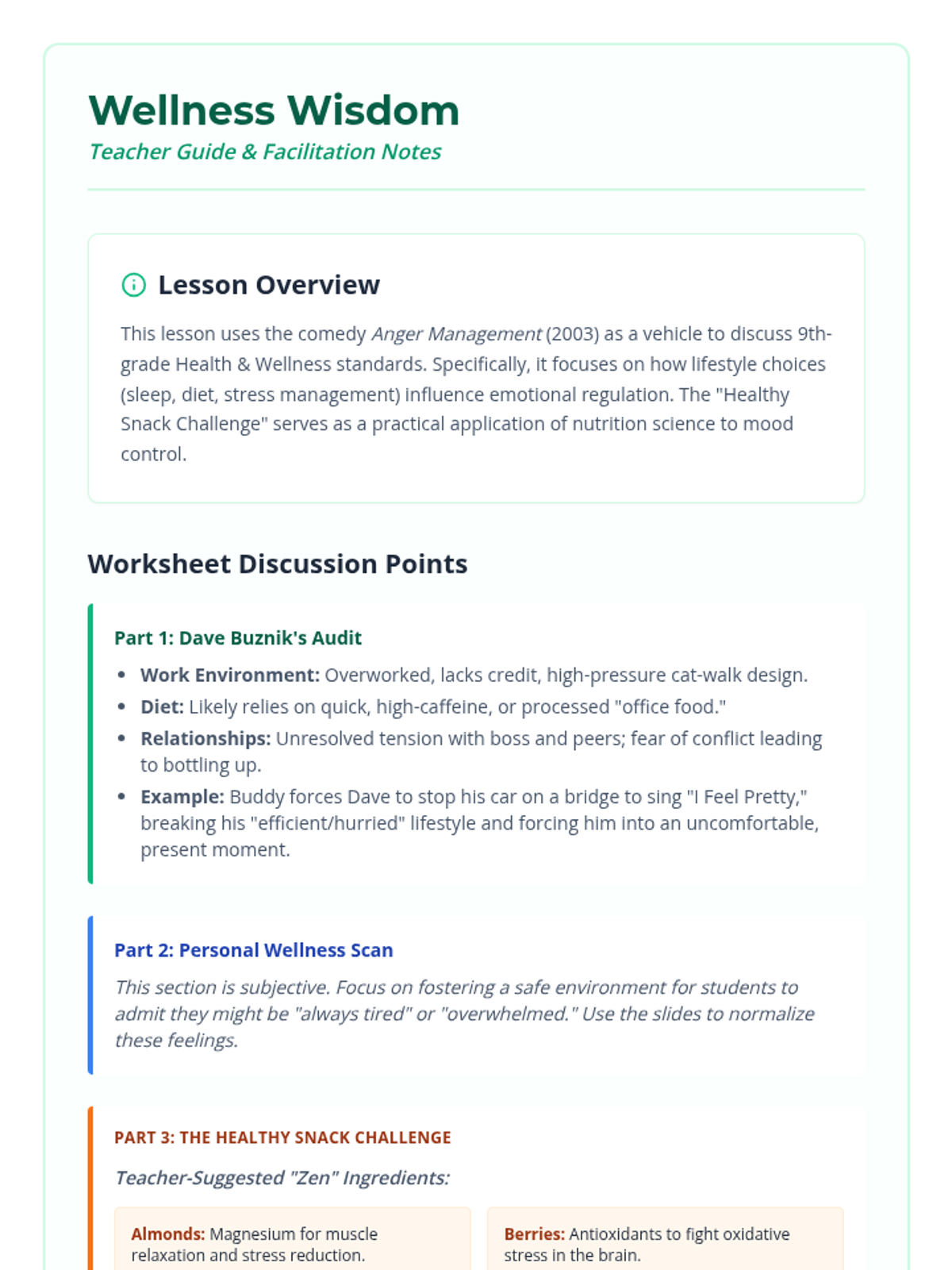
A lesson connecting the film Anger Management to personal health and wellness. Students analyze lifestyle factors that contribute to stress and design a healthy snack to support mood regulation.
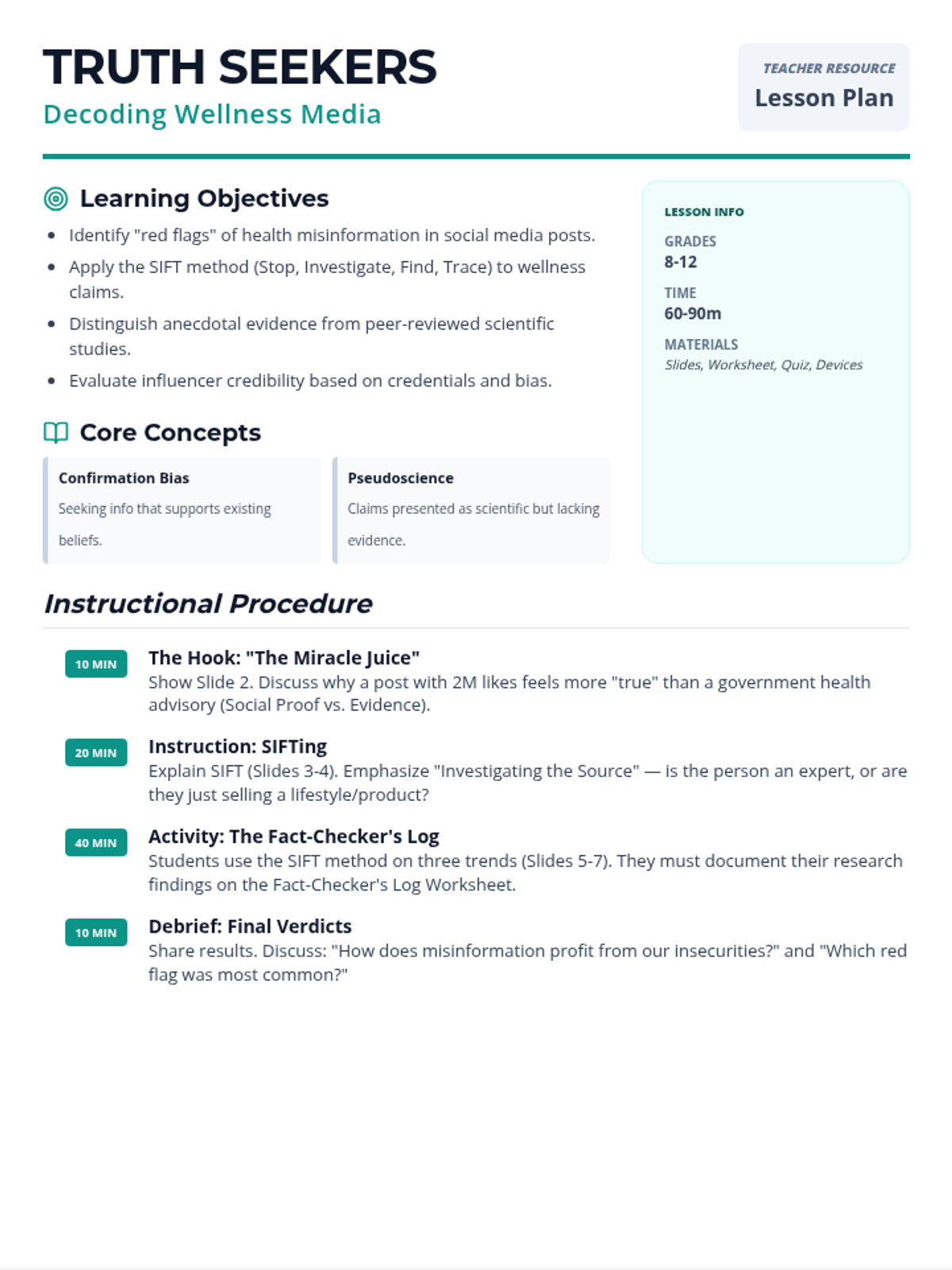
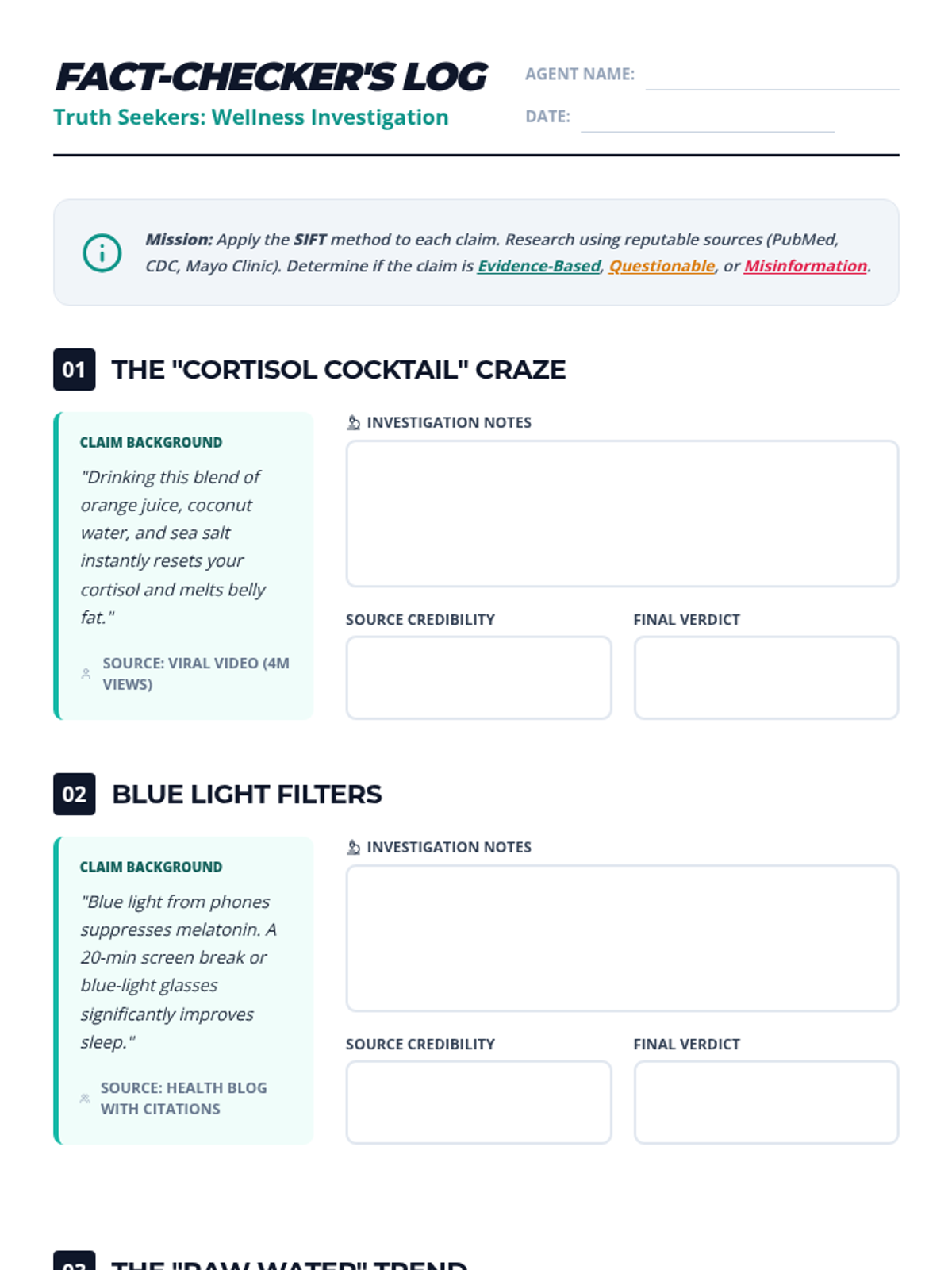
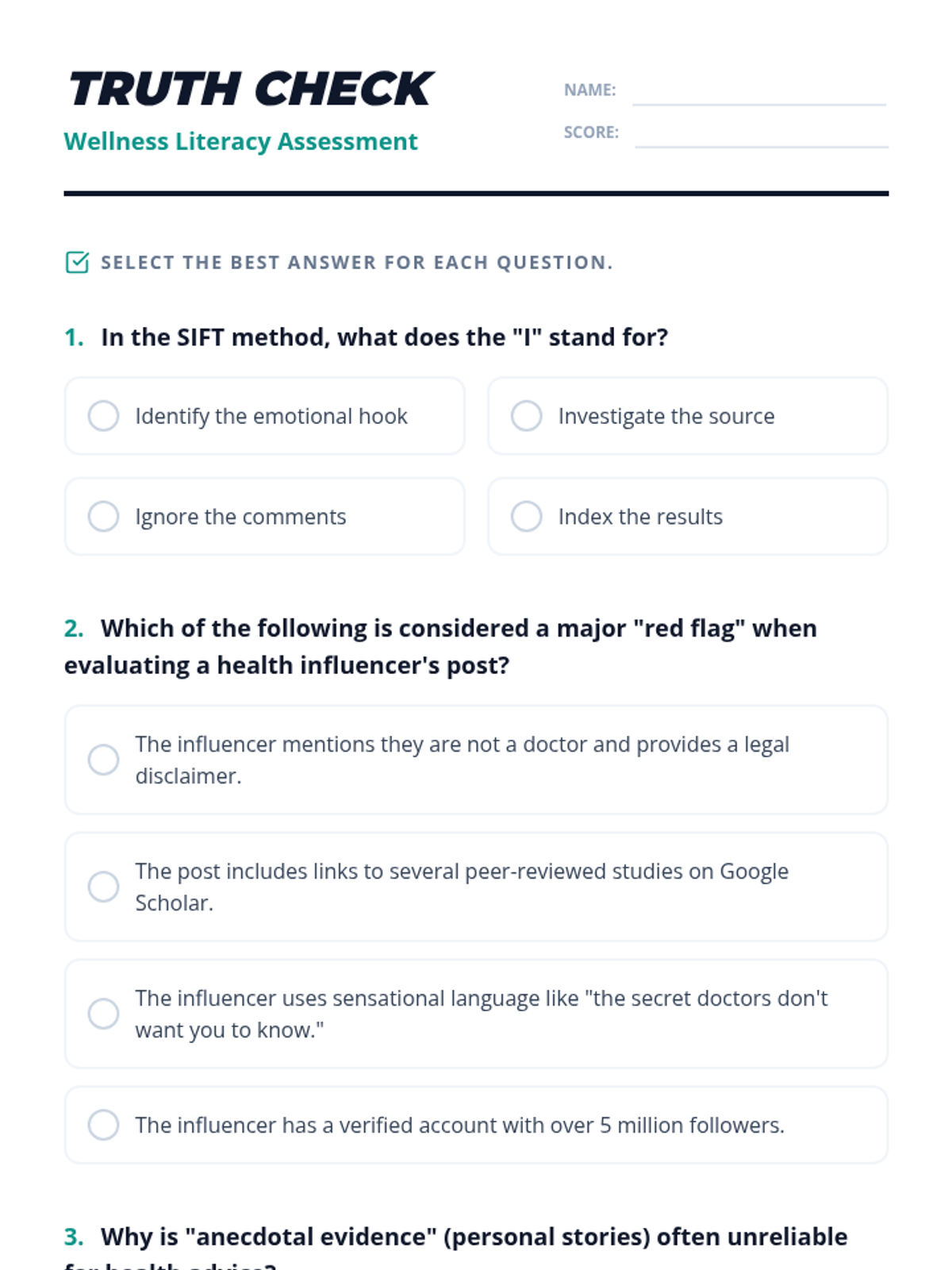
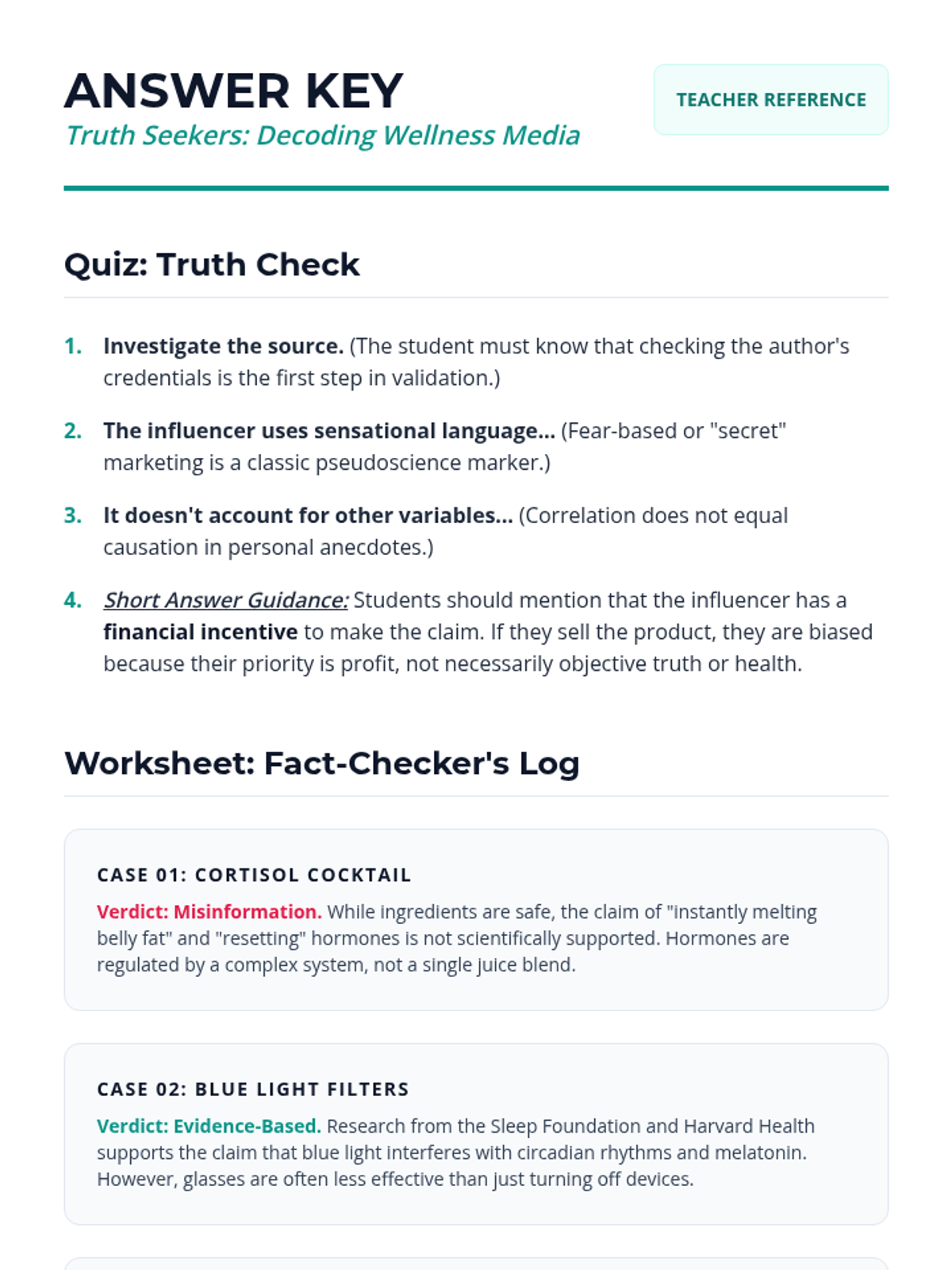
A high school media literacy lesson focused on evaluating health and wellness claims on social media. Students learn to apply the SIFT method to distinguish between scientific evidence and viral misinformation.
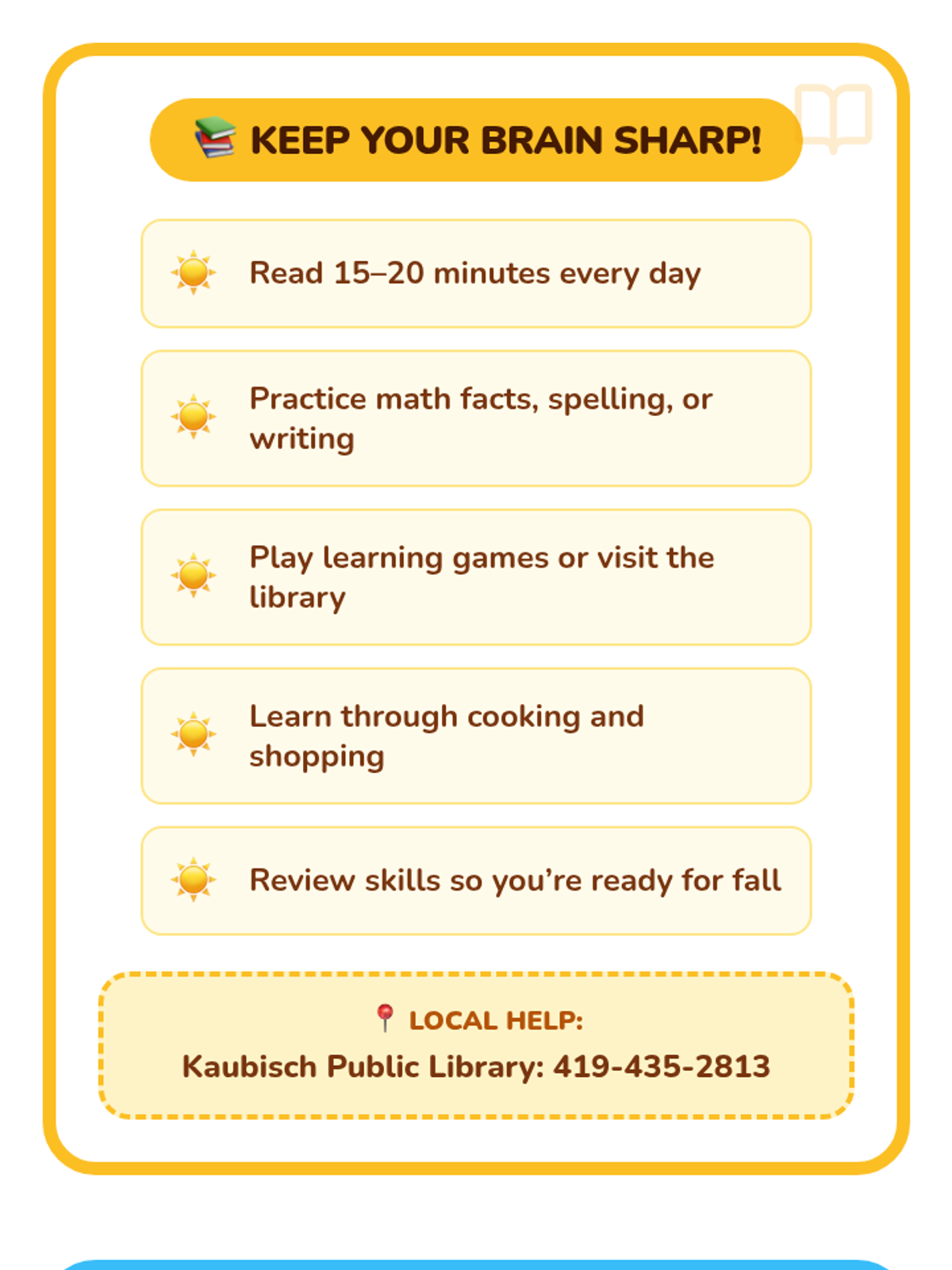
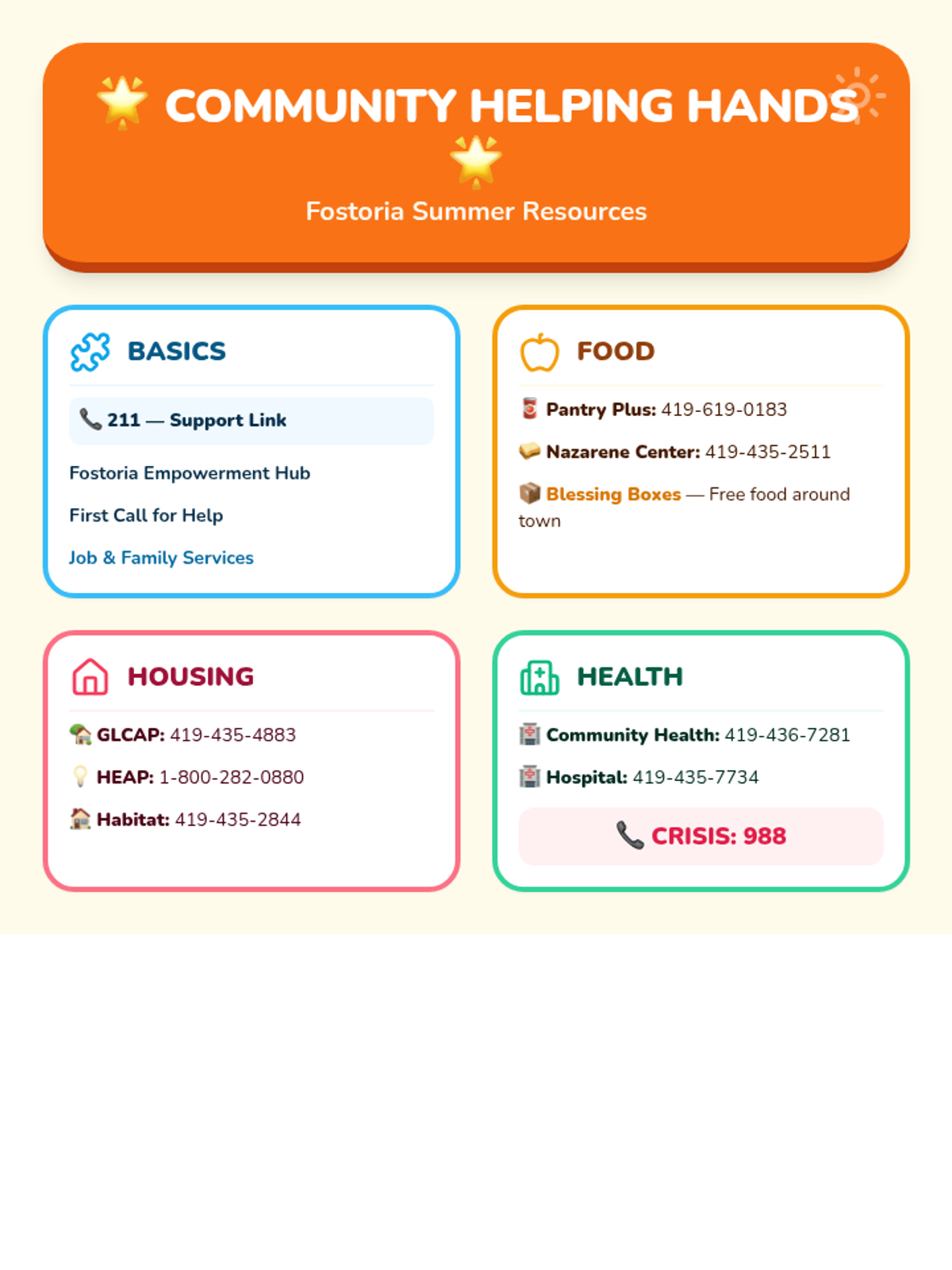
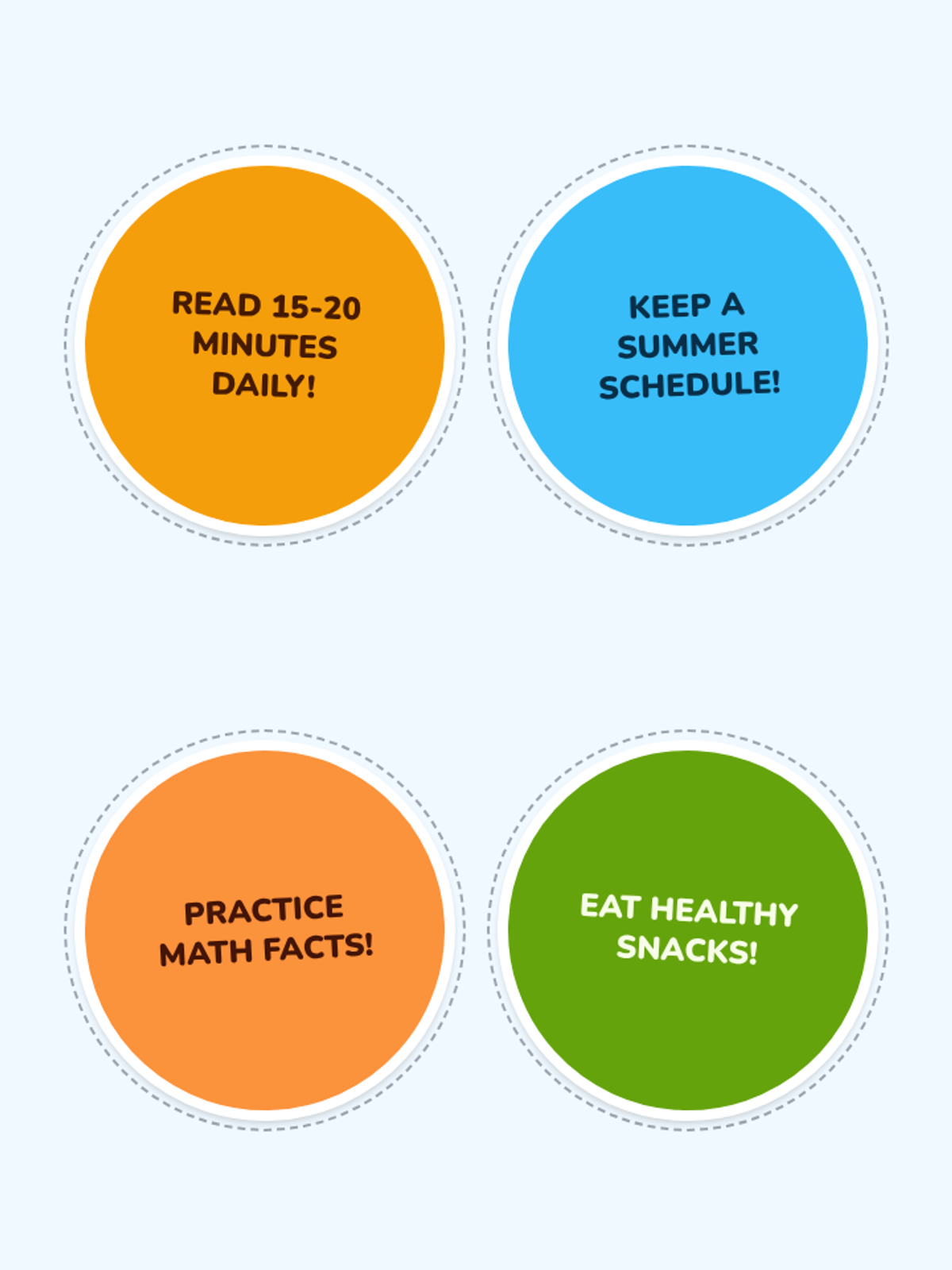
A complete set of vibrant, summer-themed bulletin board materials designed to provide students and families with healthy habits, learning tips, and community resources.
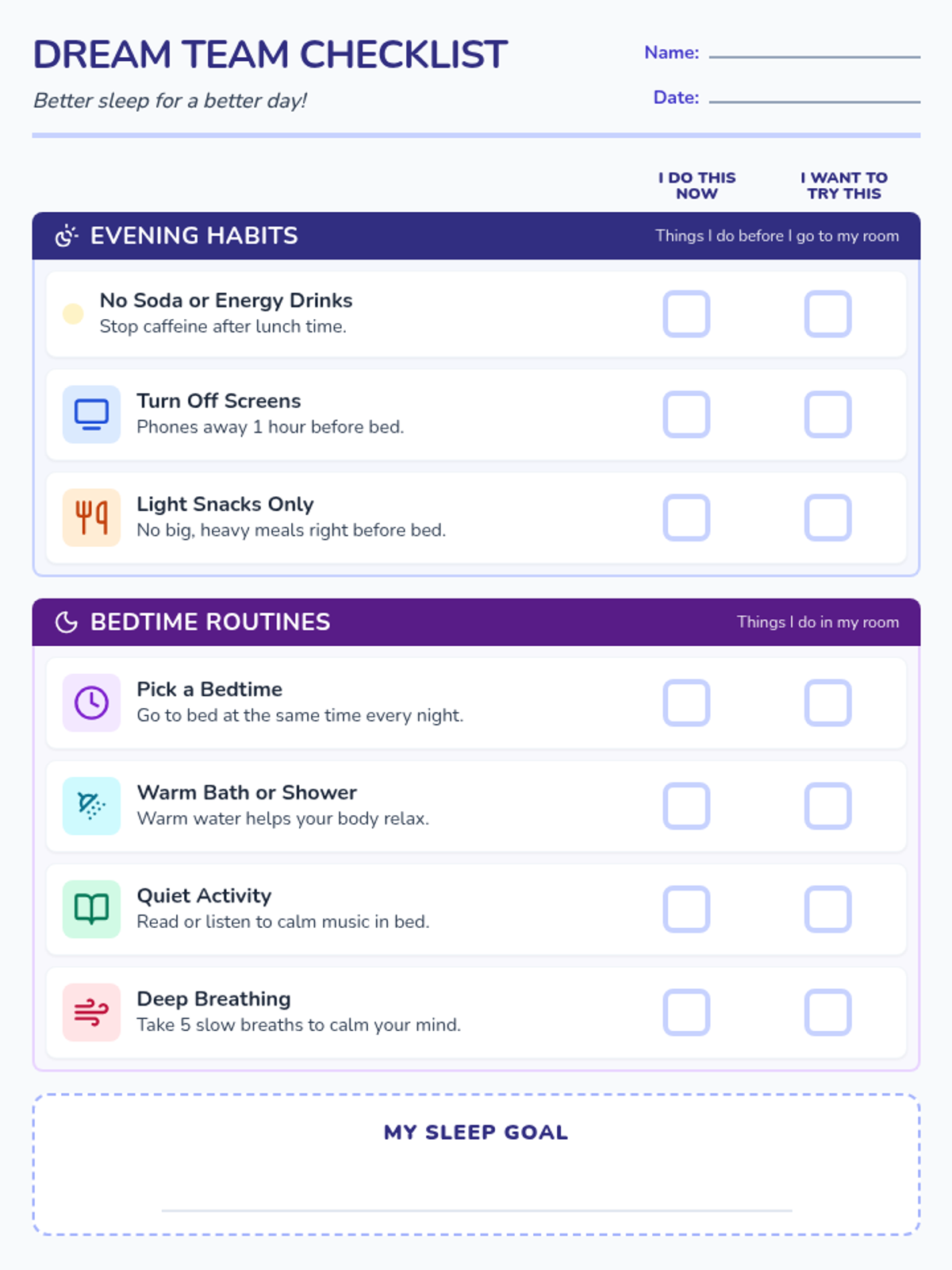
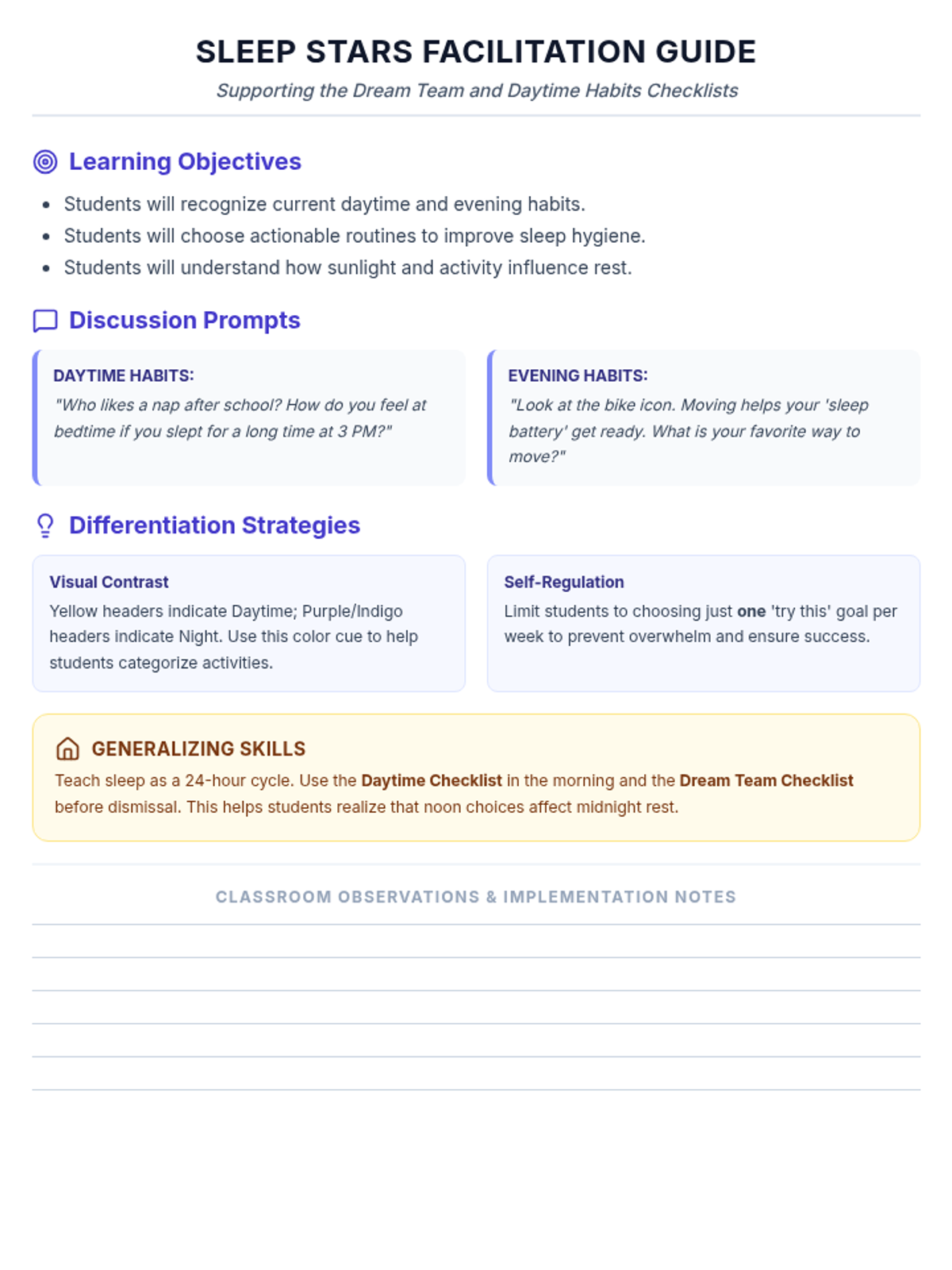
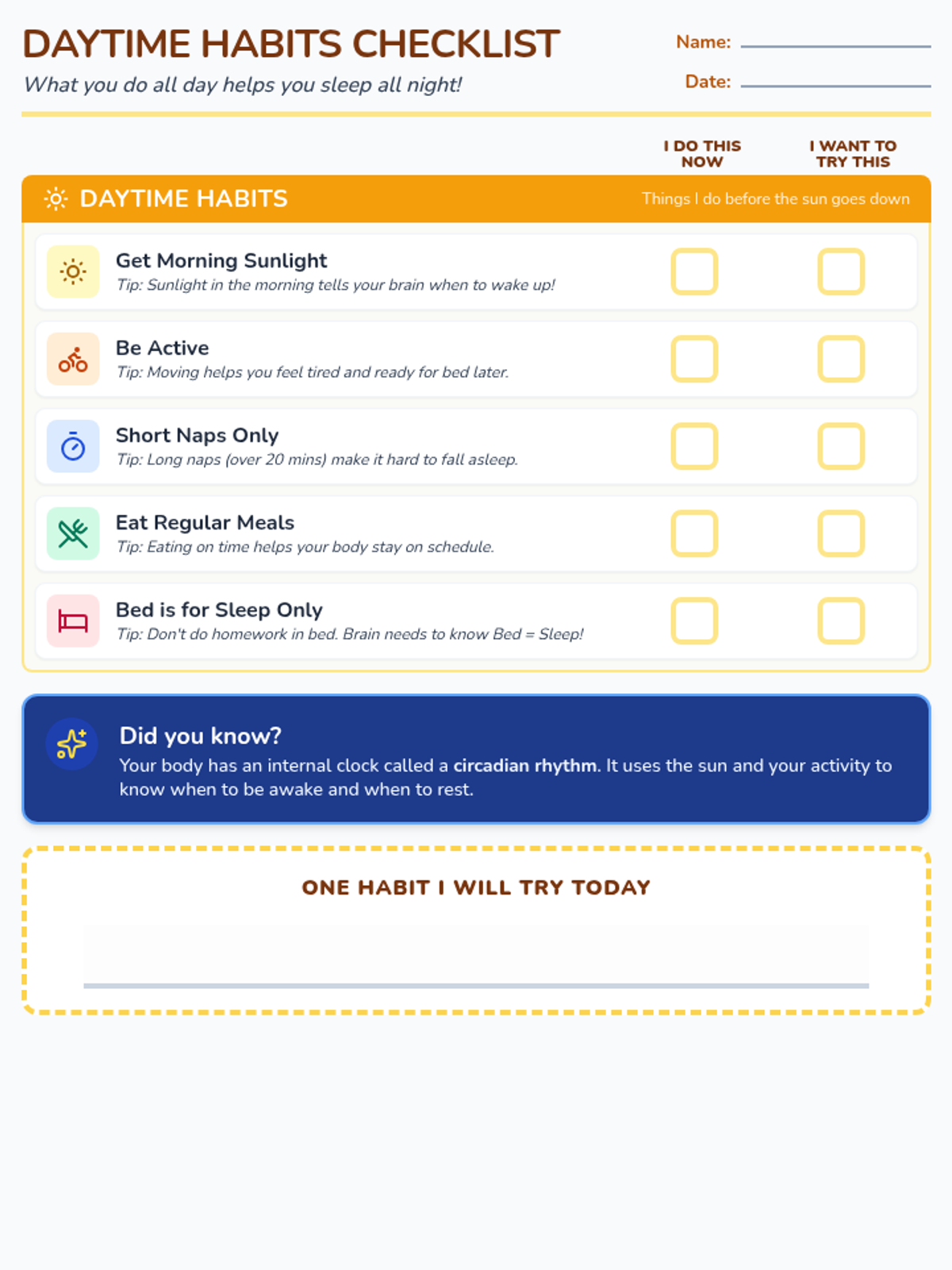
This lesson introduces students to healthy sleep hygiene habits through a personalized self-assessment checklist and teacher-led discussion. It focuses on concrete, actionable steps for improving evening and bedtime routines.
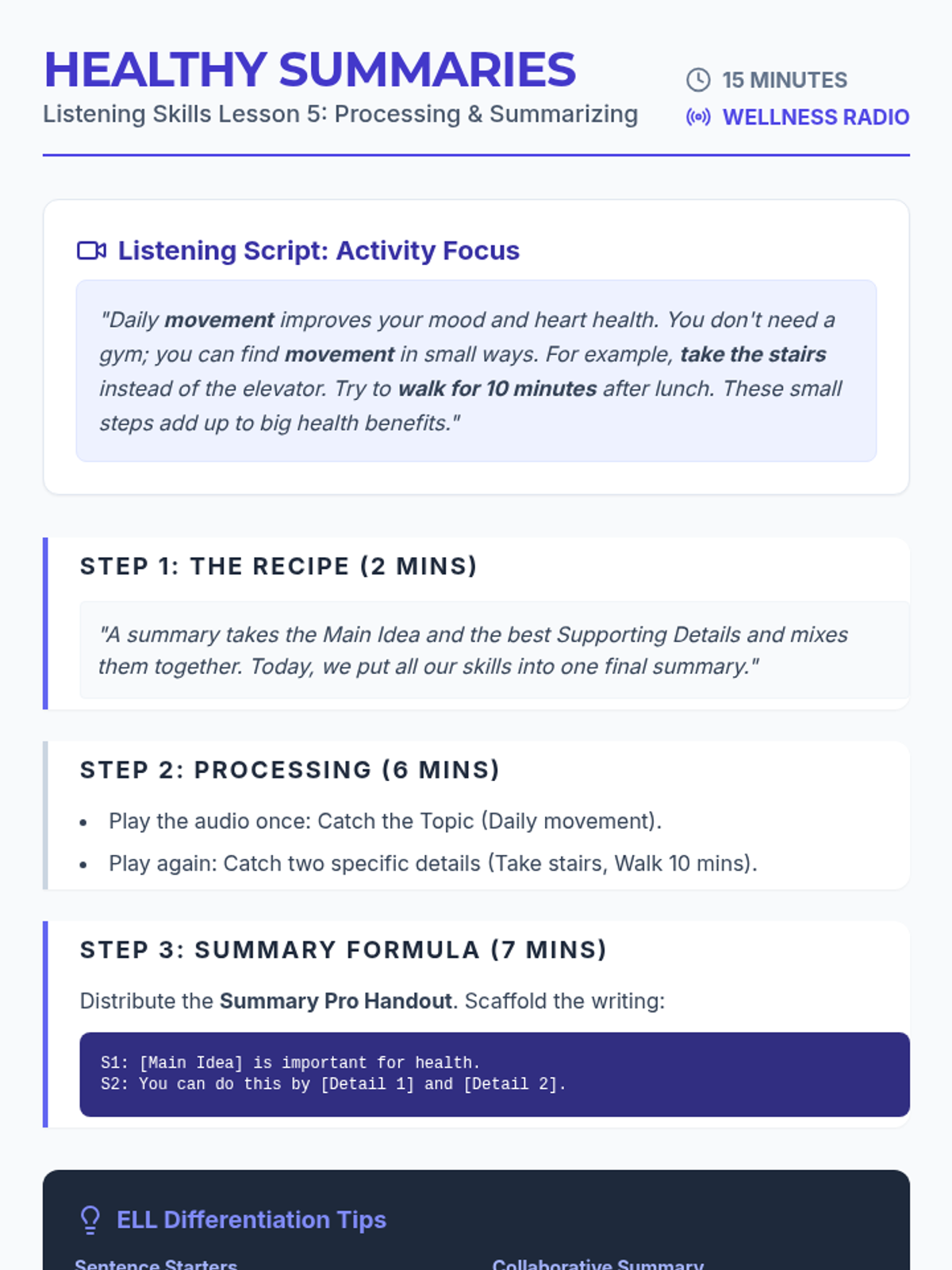
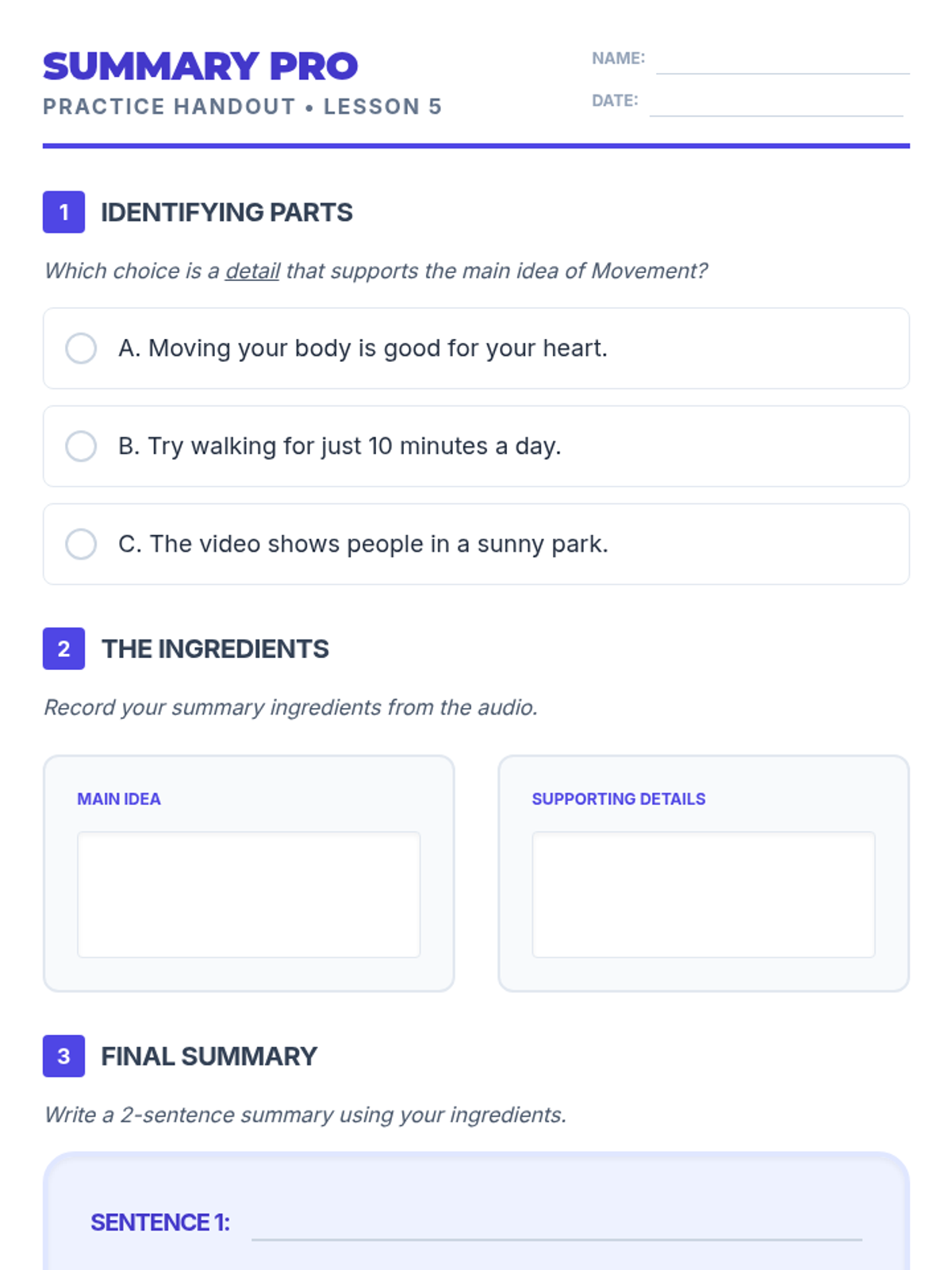
Students synthesize their listening skills to create a concise oral or written summary of a wellness tip about physical activity.
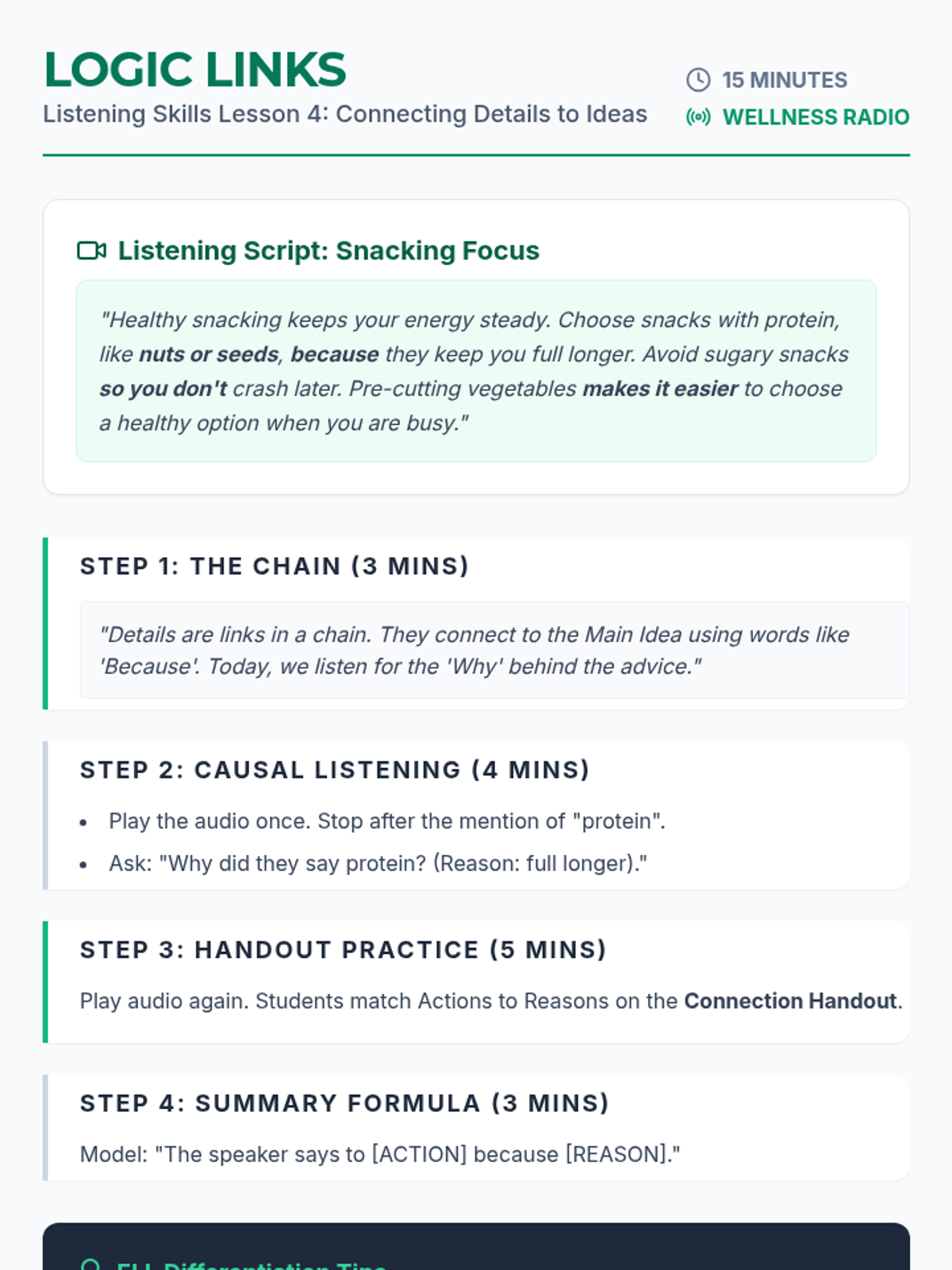
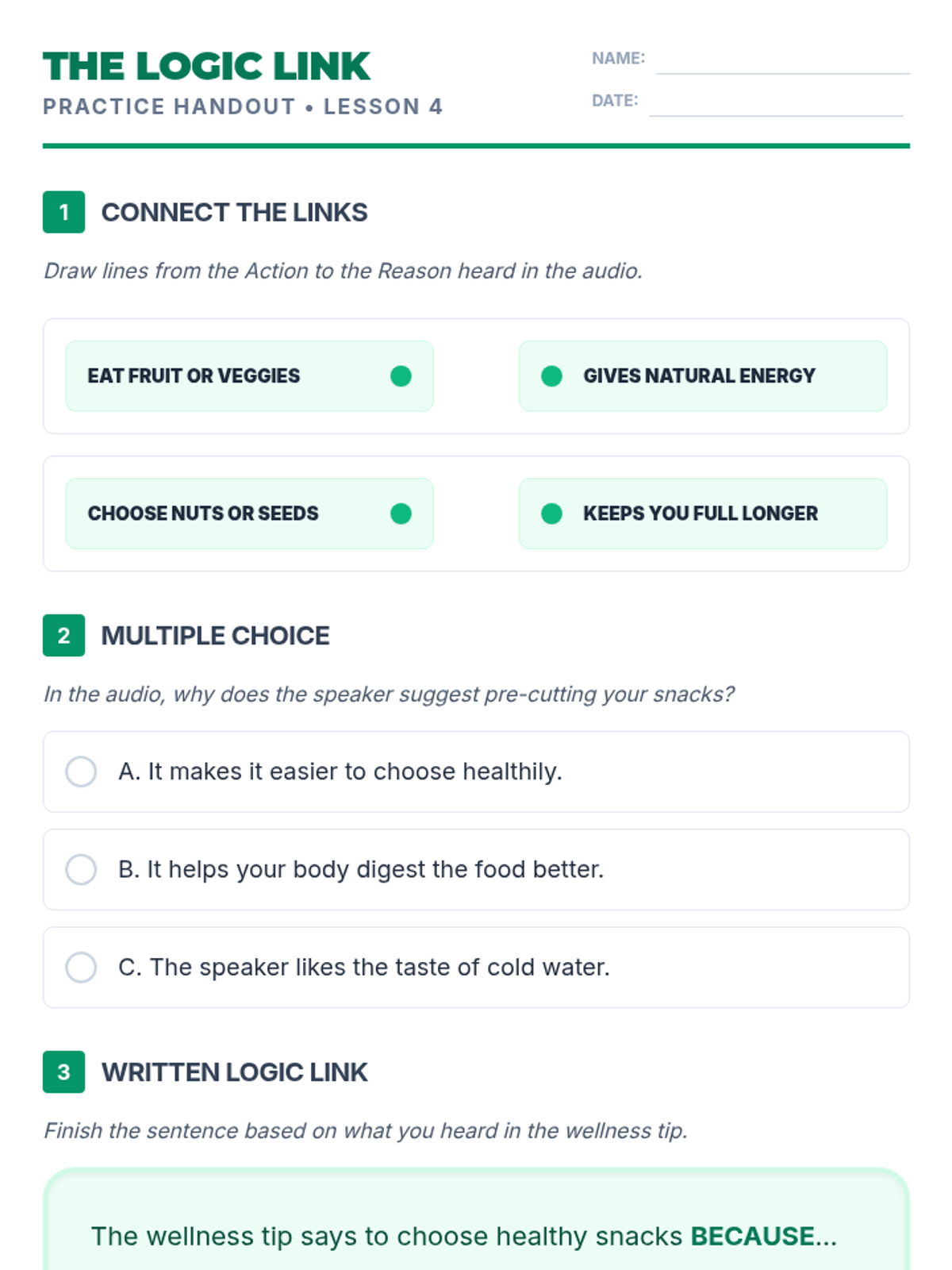
Students explore the logical connections between a health recommendation and its supporting evidence in a tip about healthy snacking.
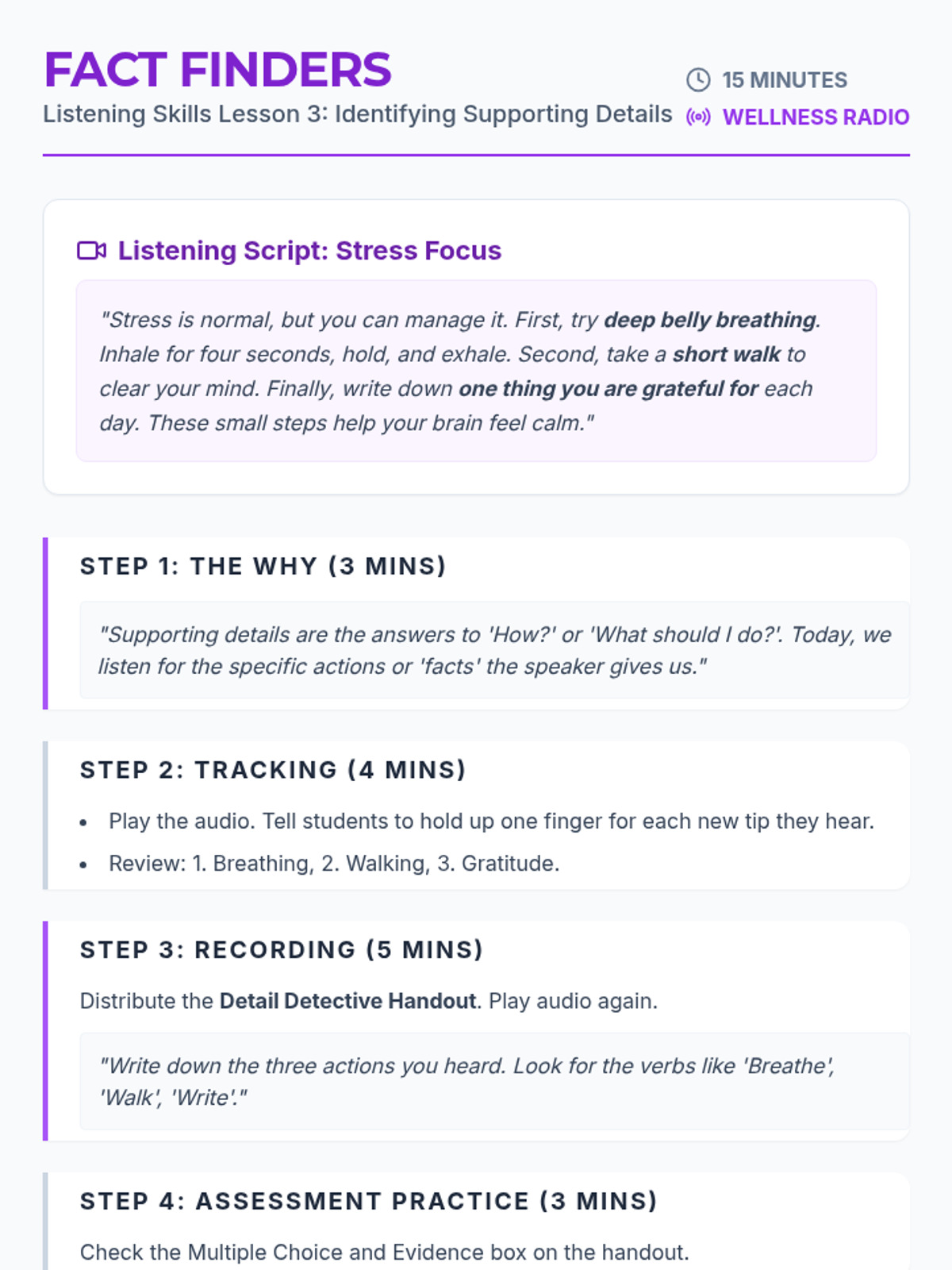
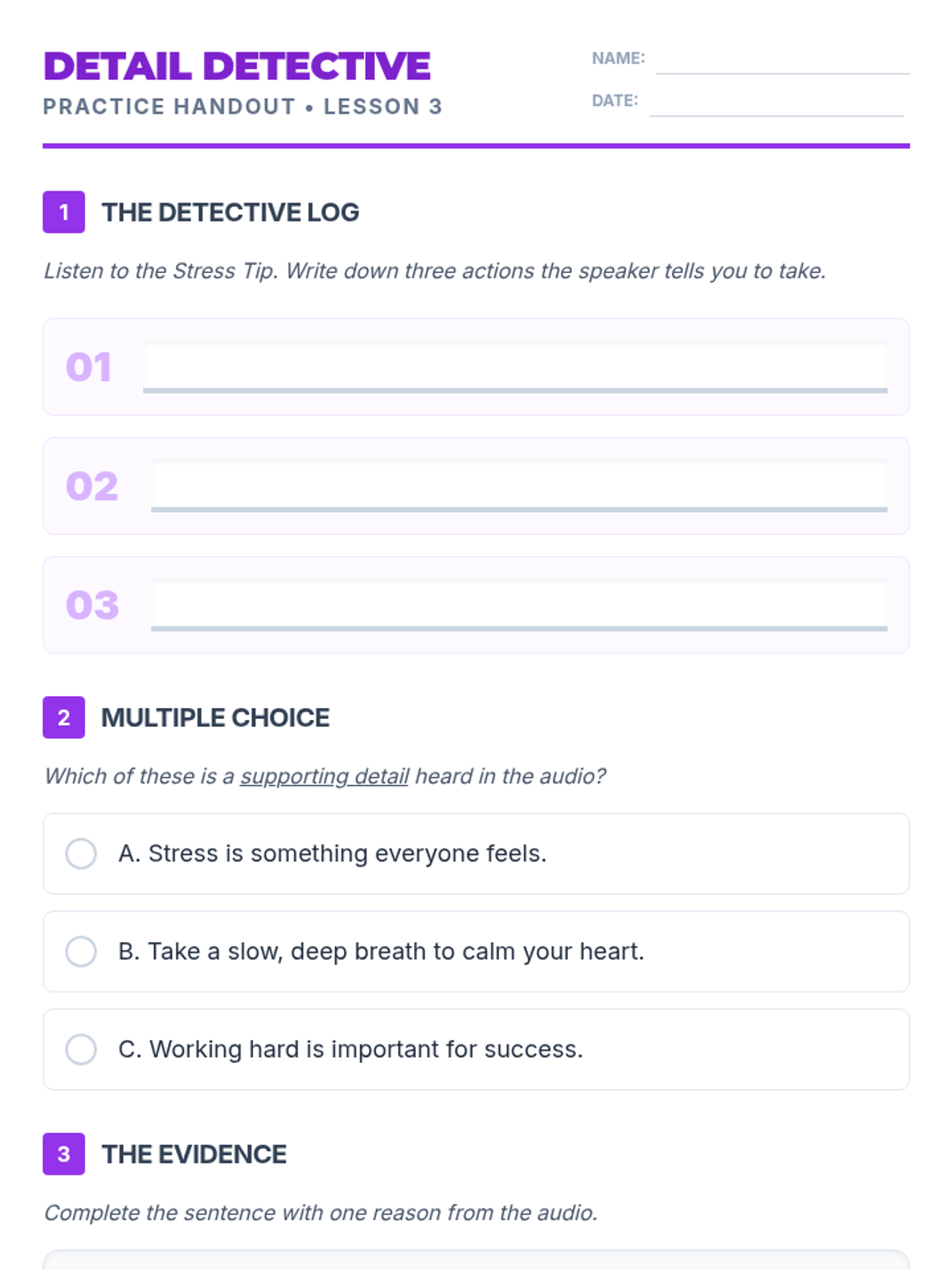
Students practice identifying multiple supporting details that answer 'how' or 'why' regarding stress management techniques.
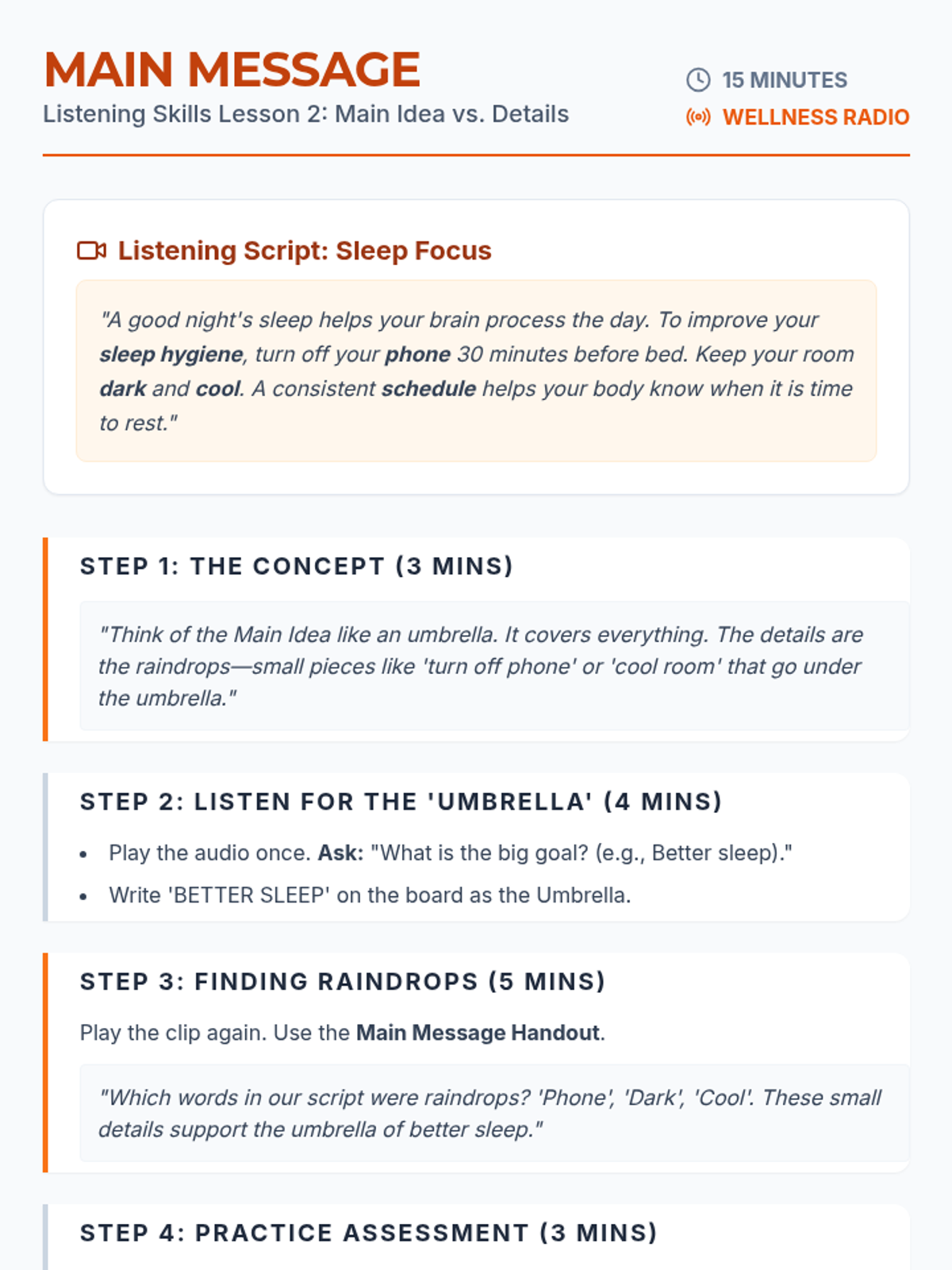
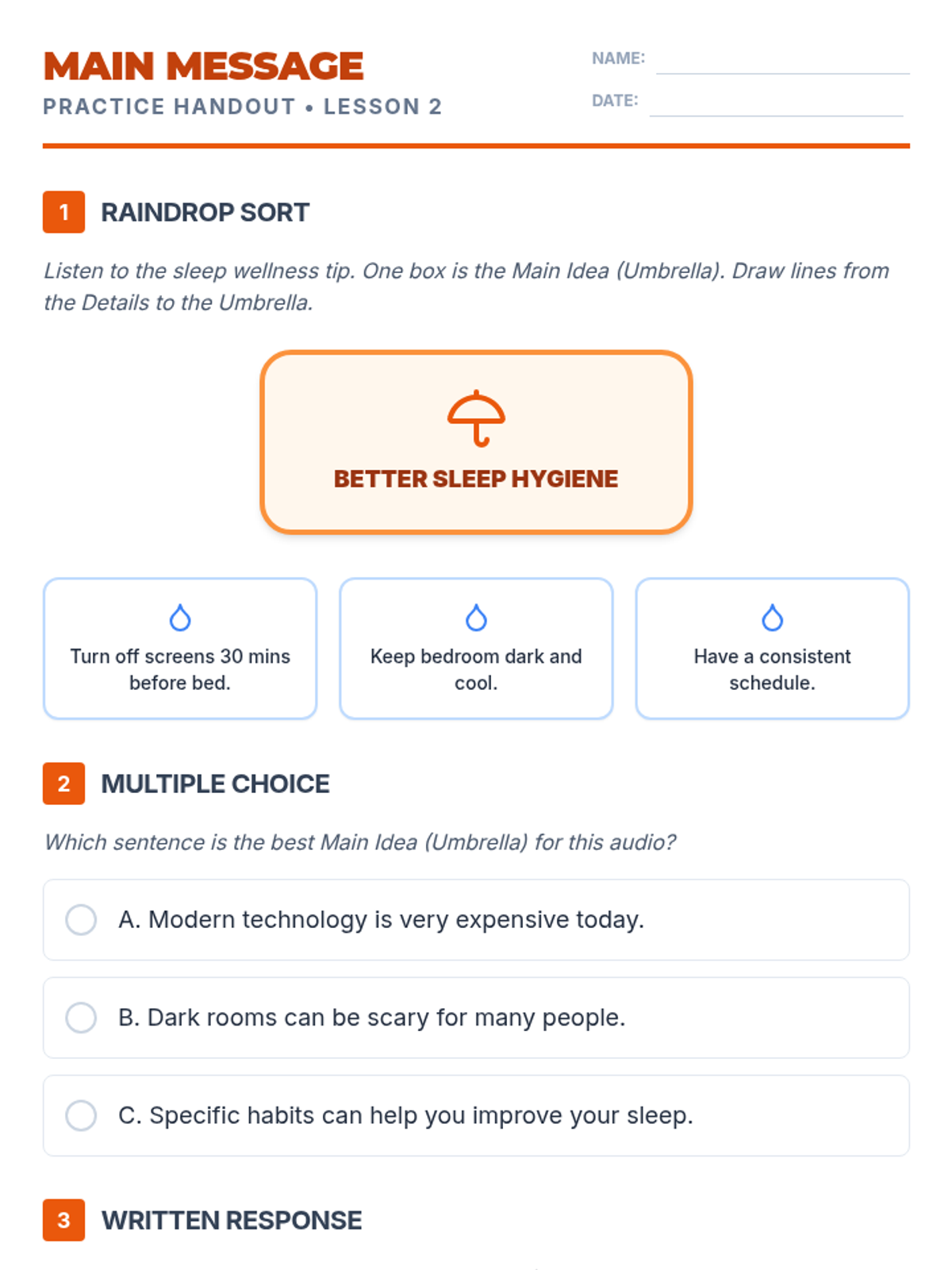
Students learn to differentiate between the overarching topic (Main Idea) and the specific examples (Details) in a tip about sleep hygiene.
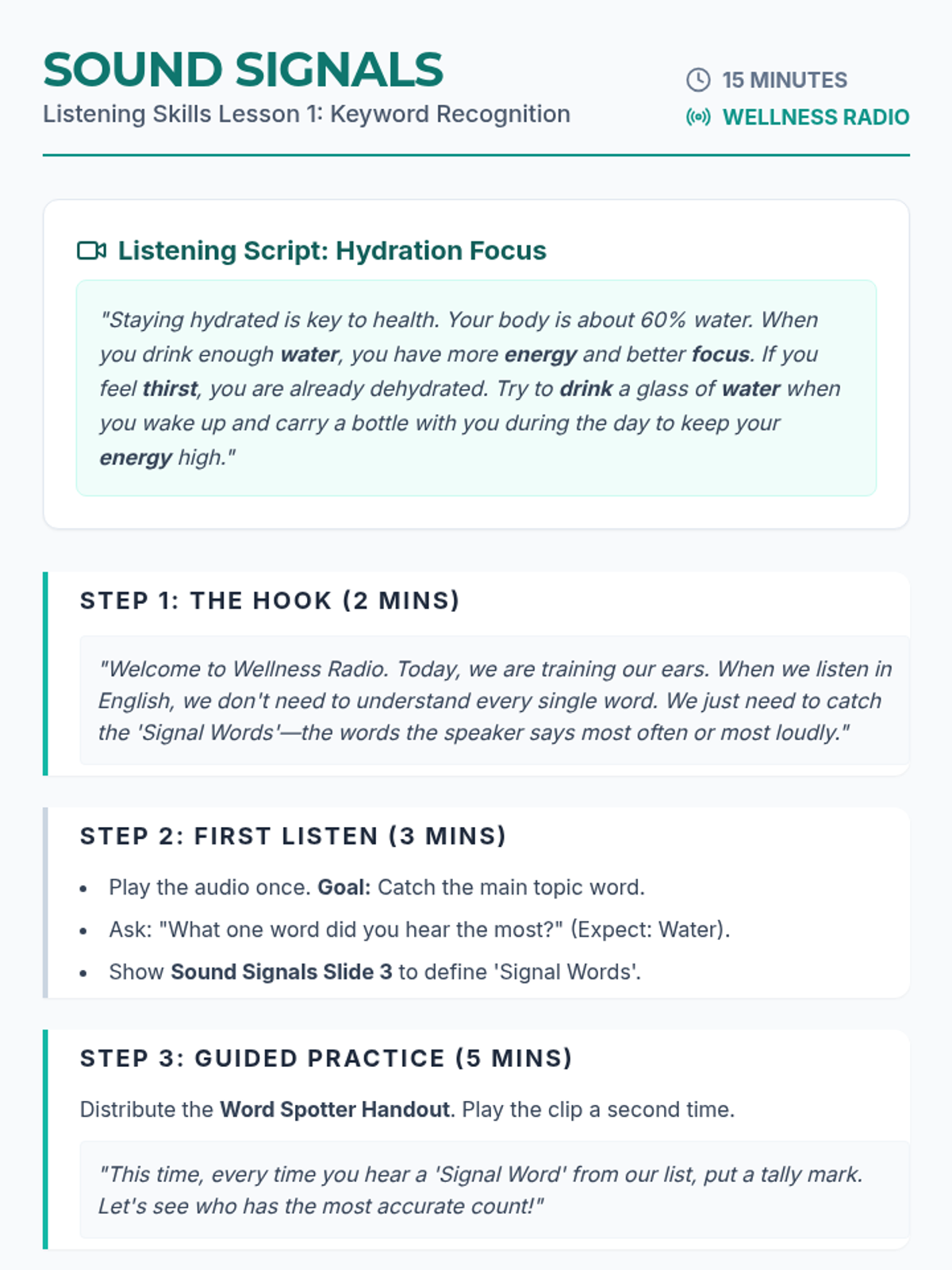
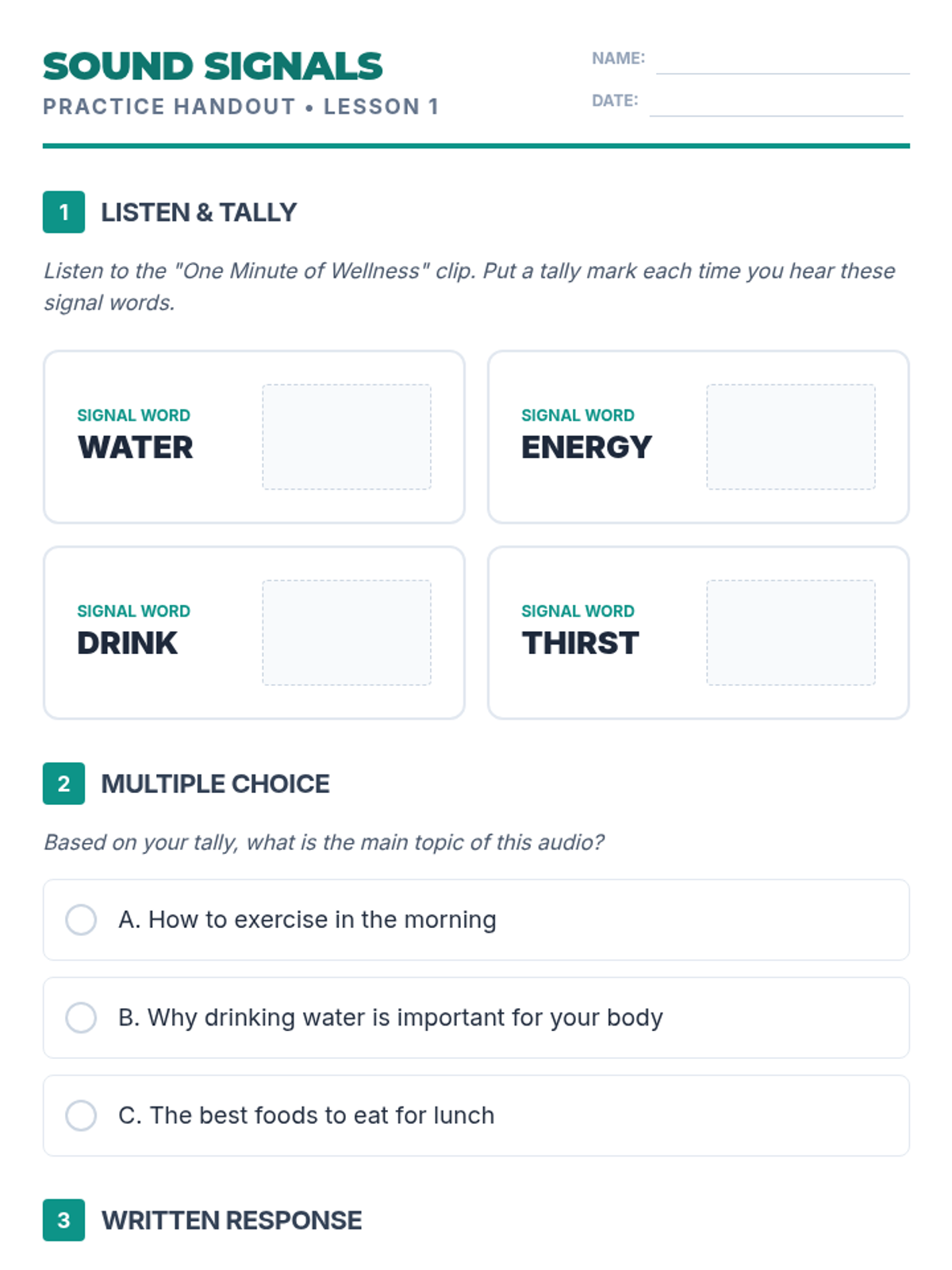
Students focus on 'listening for signals'—identifying specific keywords and vocabulary words in a 60-second wellness tip about hydration.
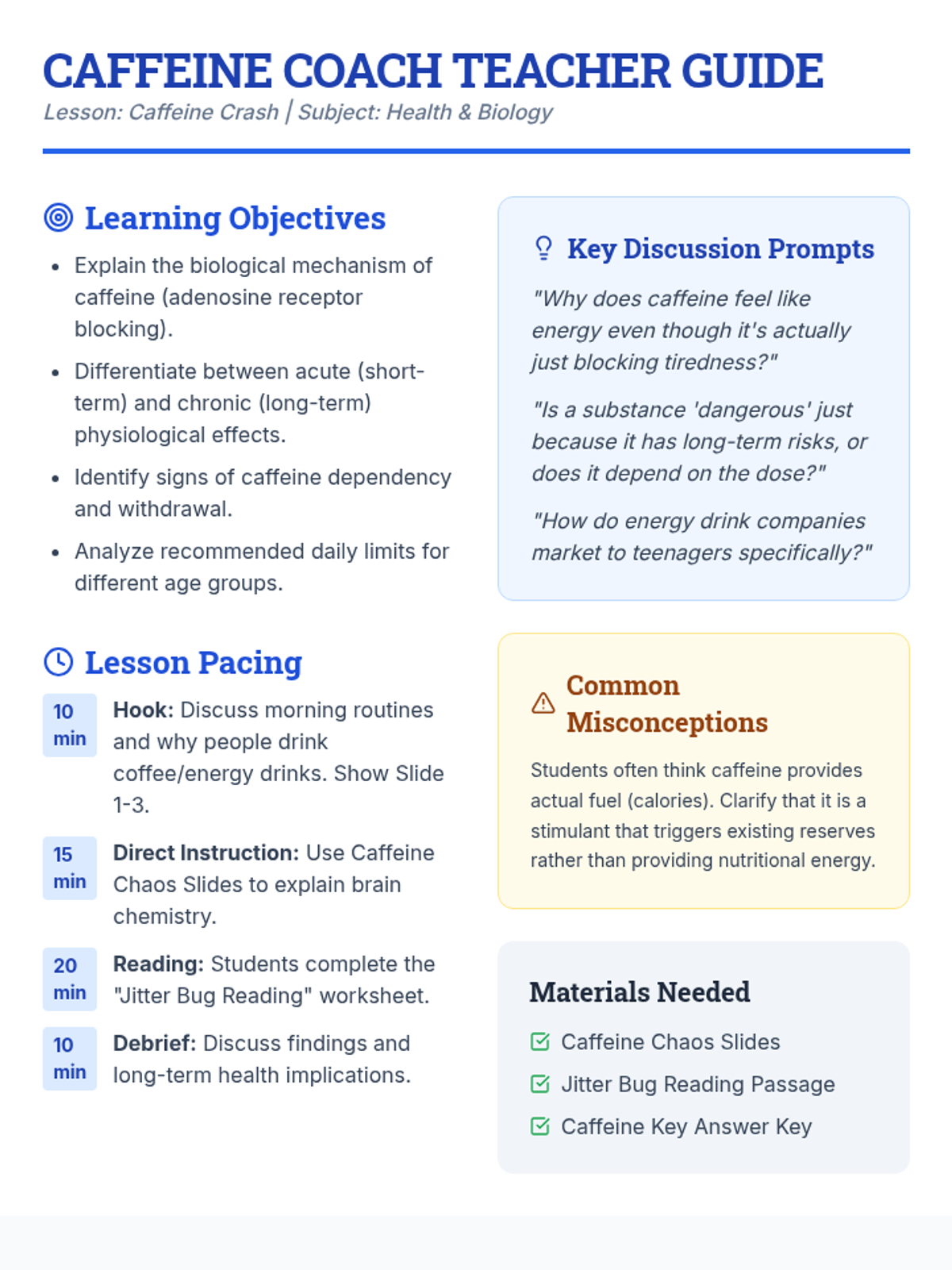
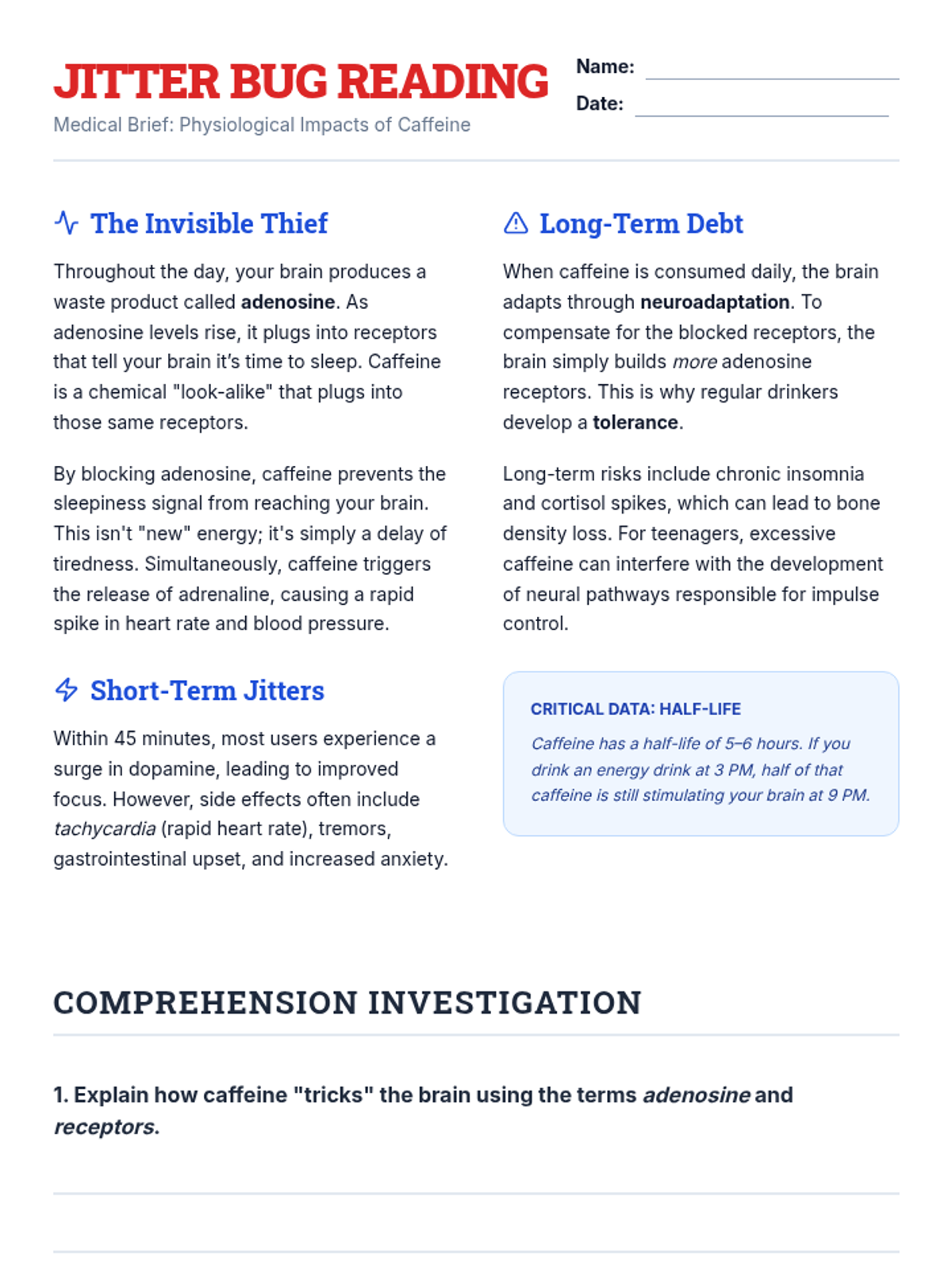
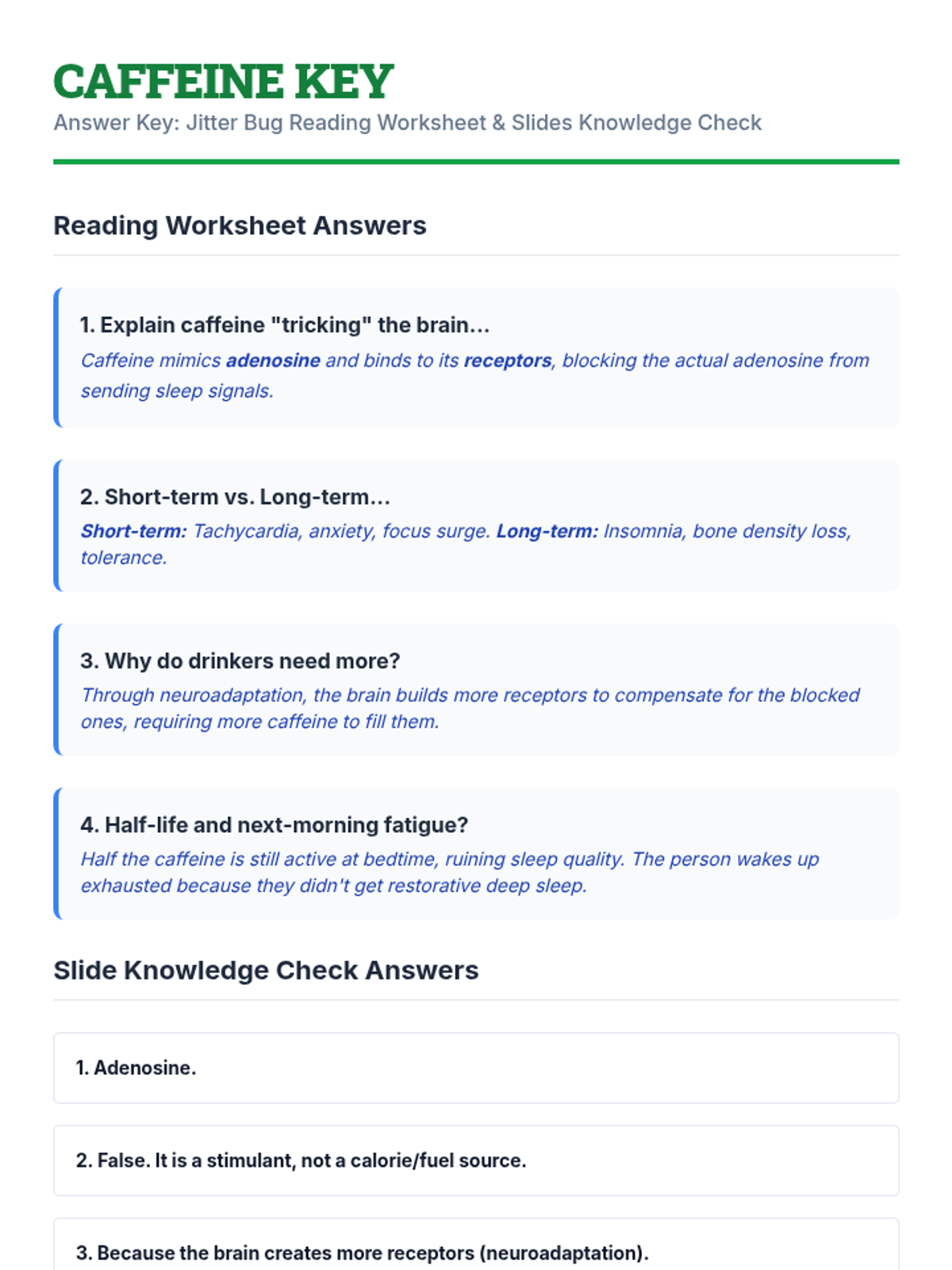
A comprehensive look at the biological impact of caffeine on the human body, exploring how it interferes with brain chemistry and the distinction between temporary energy boosts and long-term health risks.
A lesson designed for high schoolers to understand the physiological and cognitive importance of sleep, along with practical sleep hygiene strategies.
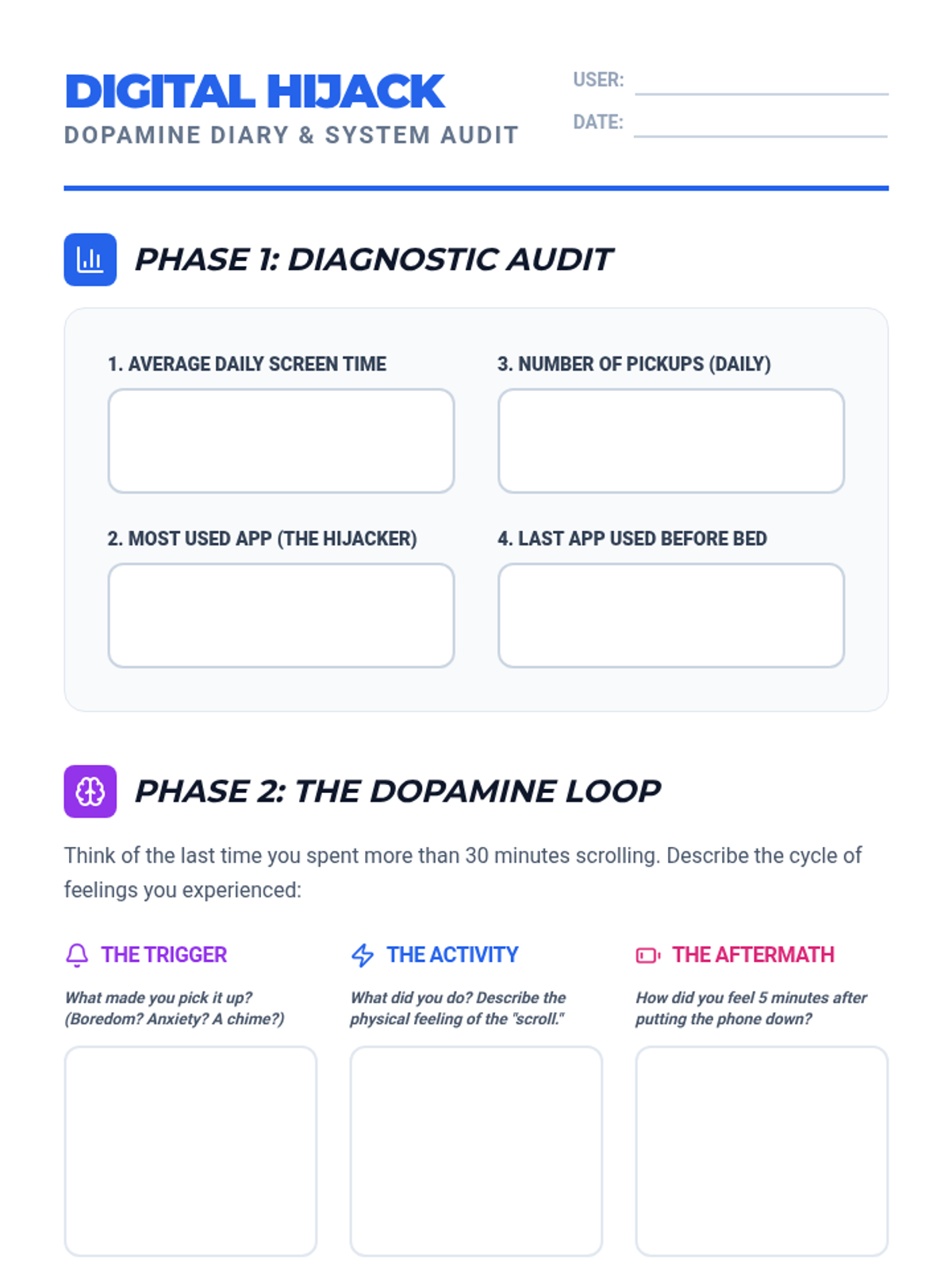
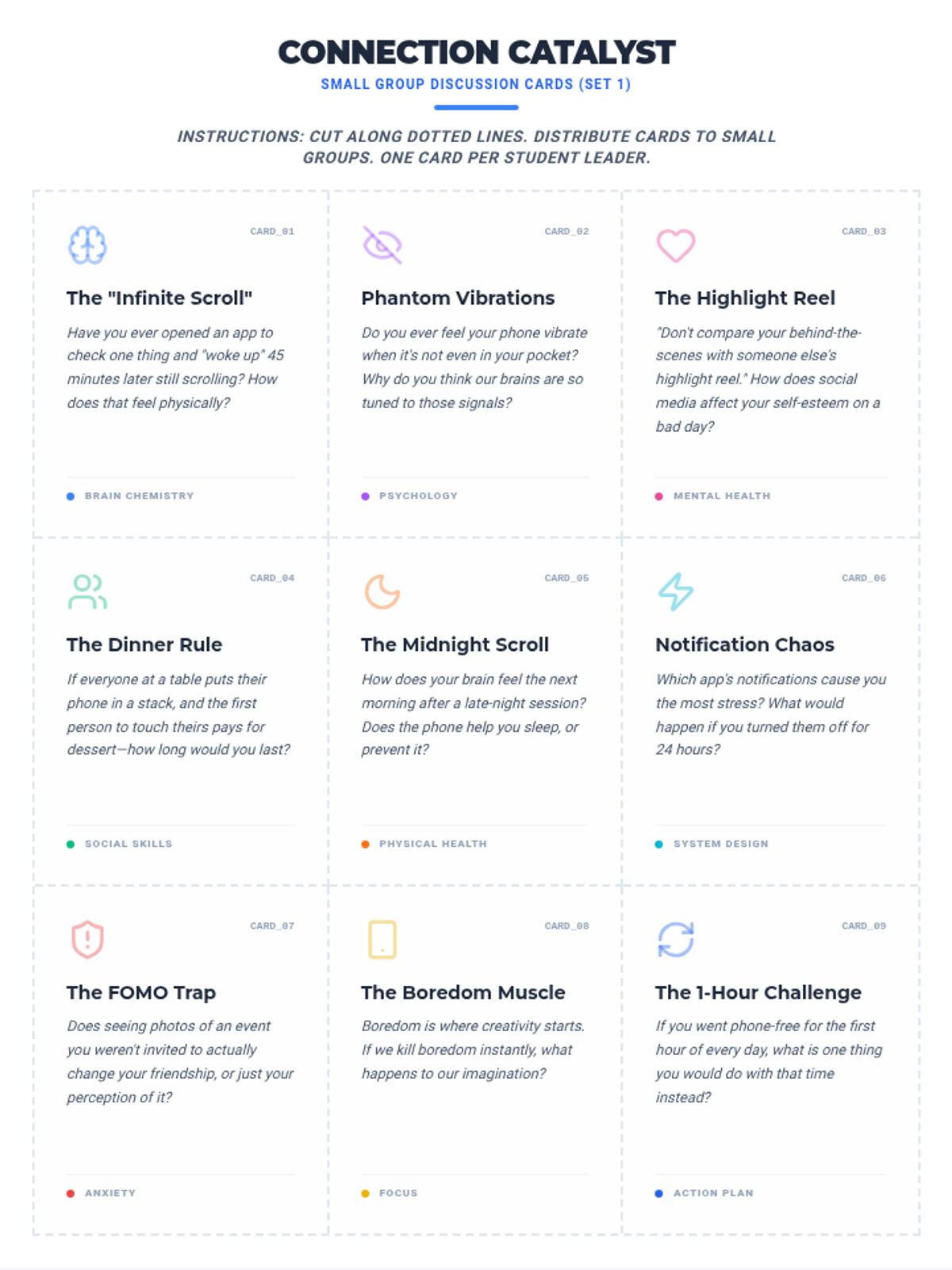
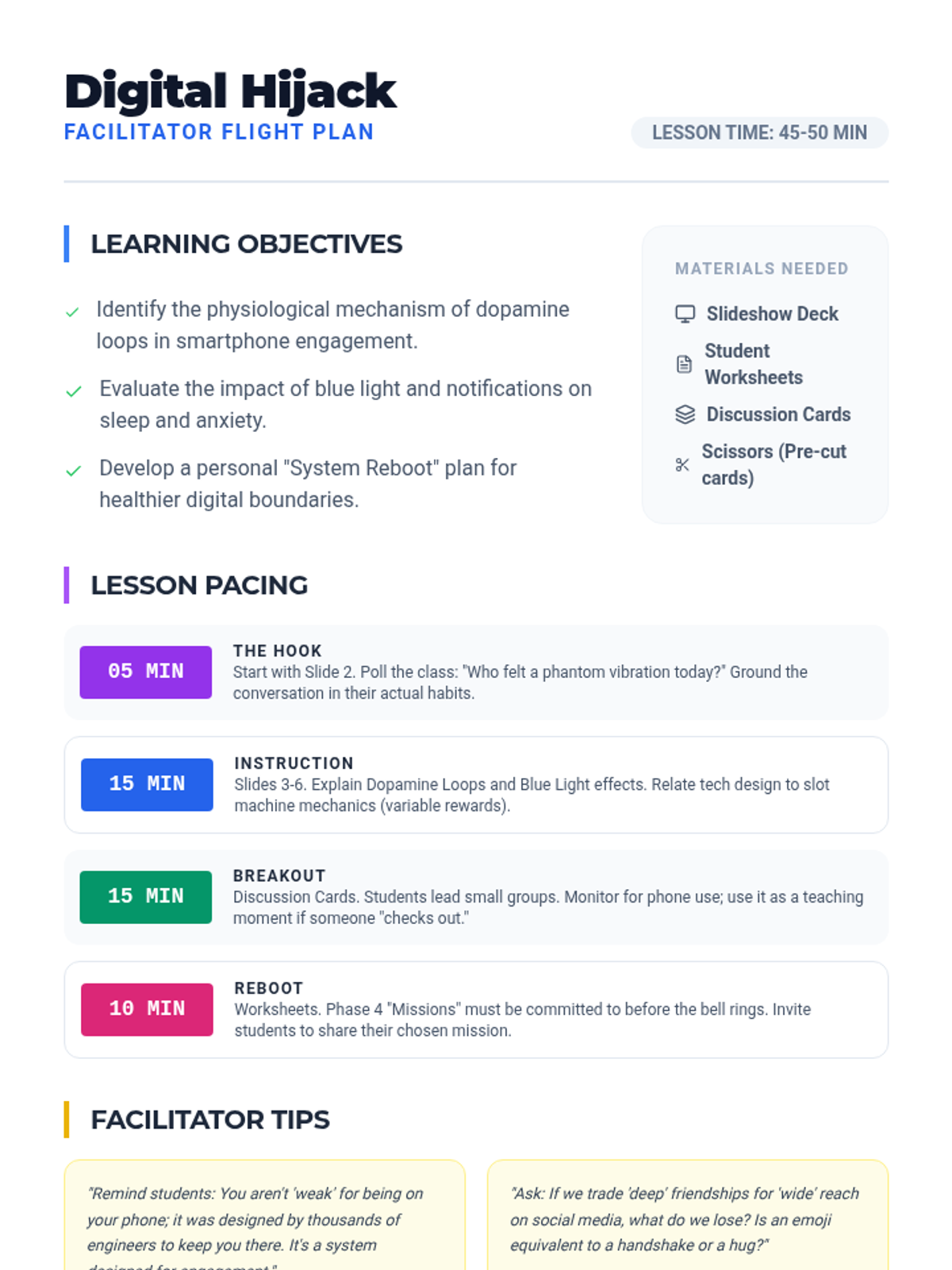
A comprehensive lesson for teenagers exploring the physiological and psychological impacts of smartphone addiction, covering dopamine loops, sleep disruption, anxiety, and social isolation.
Explores the physical, neurological, and emotional transitions of late adolescence, focusing on risk reduction and health promotion.
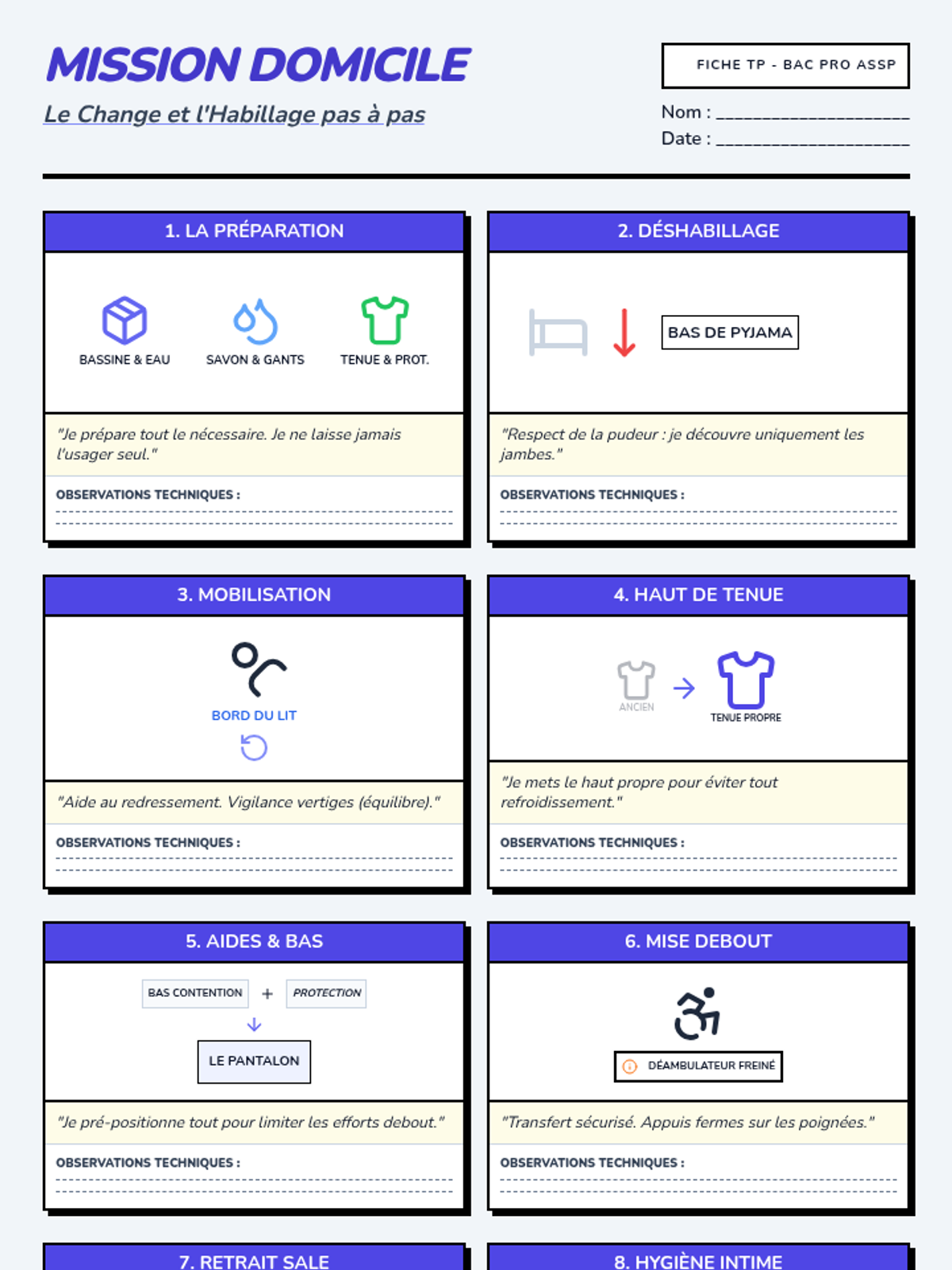
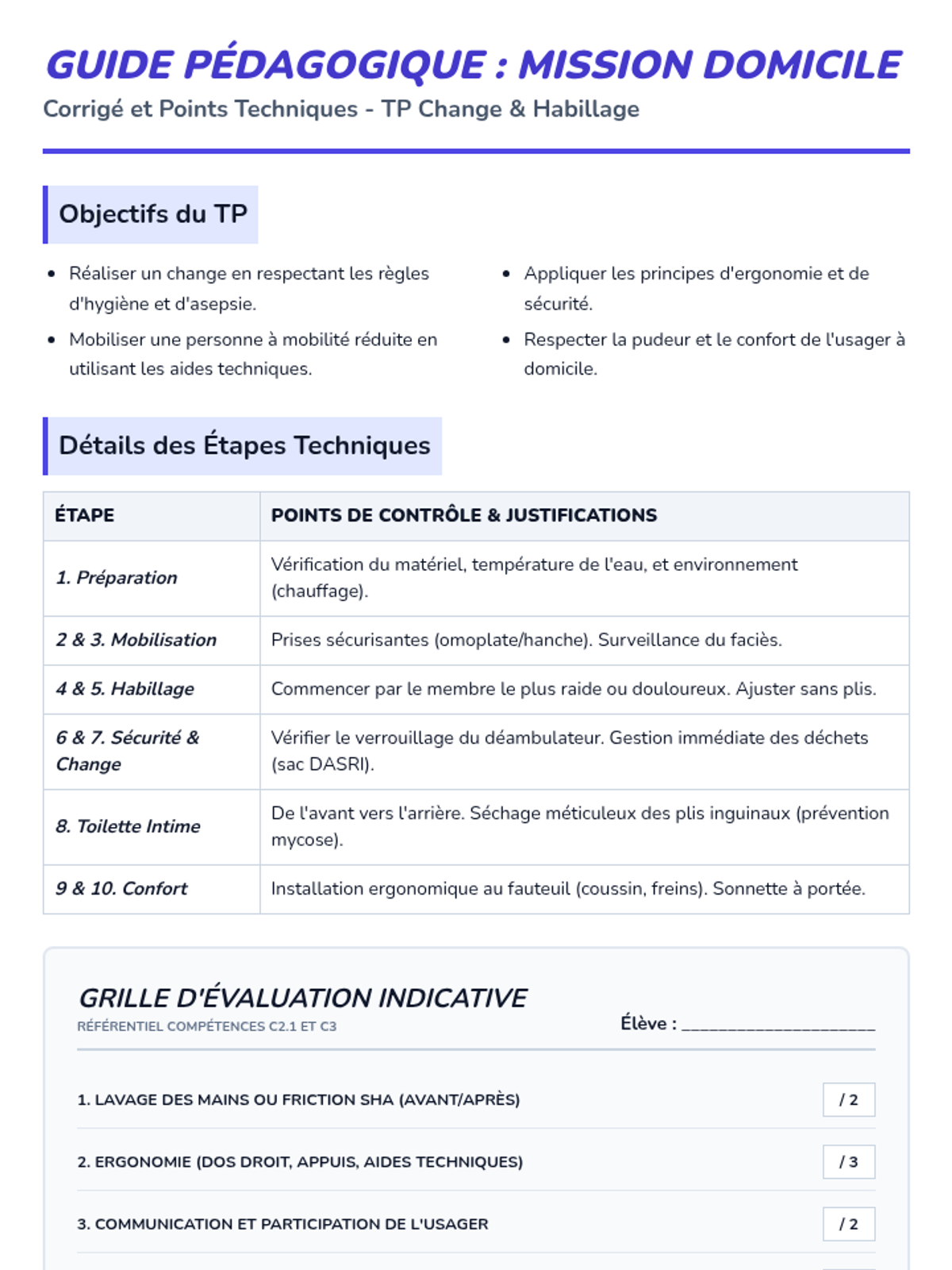
Cette leçon porte sur les techniques de change et d'habillage d'une personne âgée à mobilité réduite à domicile, en mettant l'accent sur l'ergonomie, l'hygiène et le respect de la dignité. Elle prépare les élèves de Bac Pro ASSP aux situations concrètes du domicile.
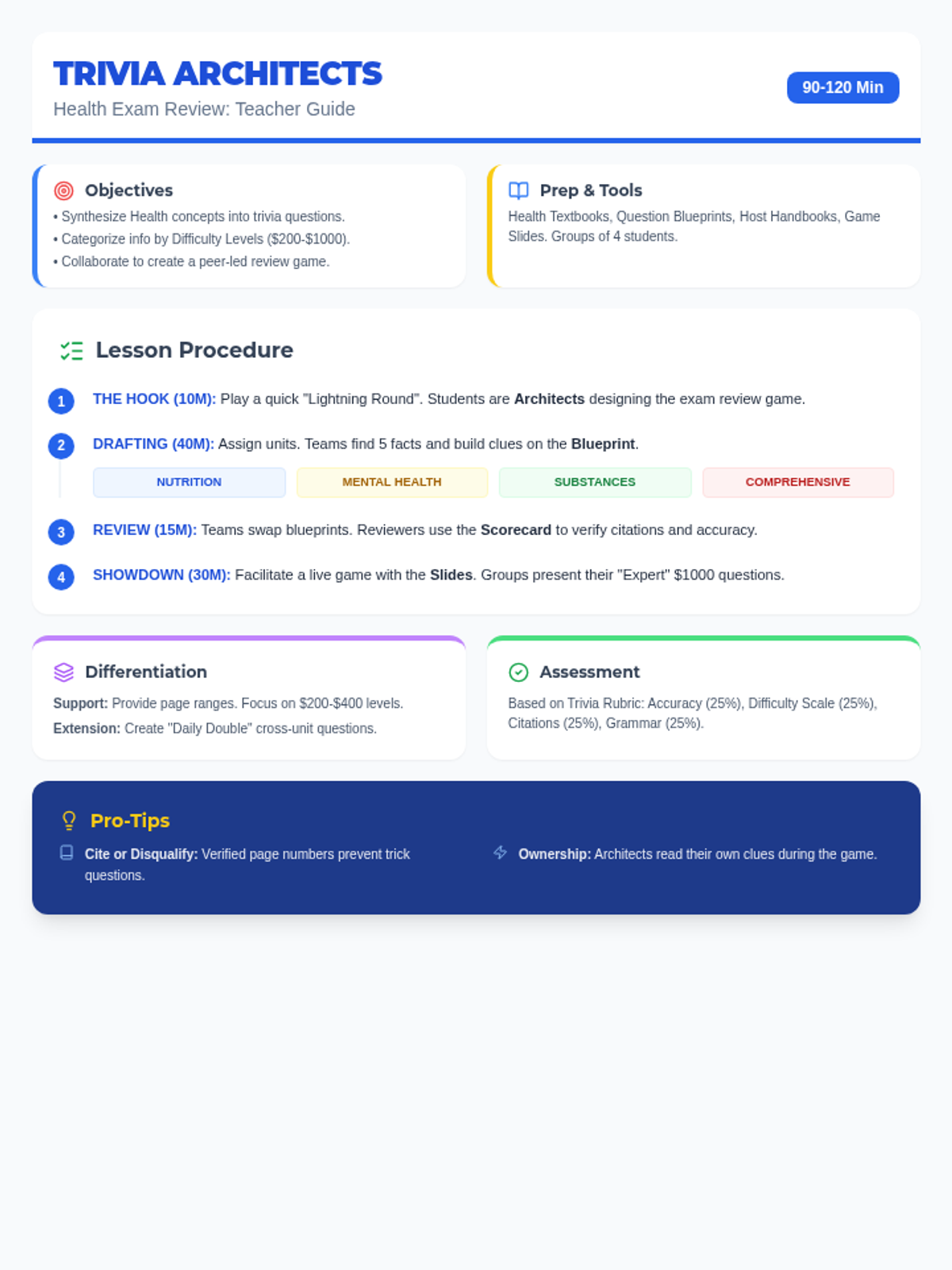
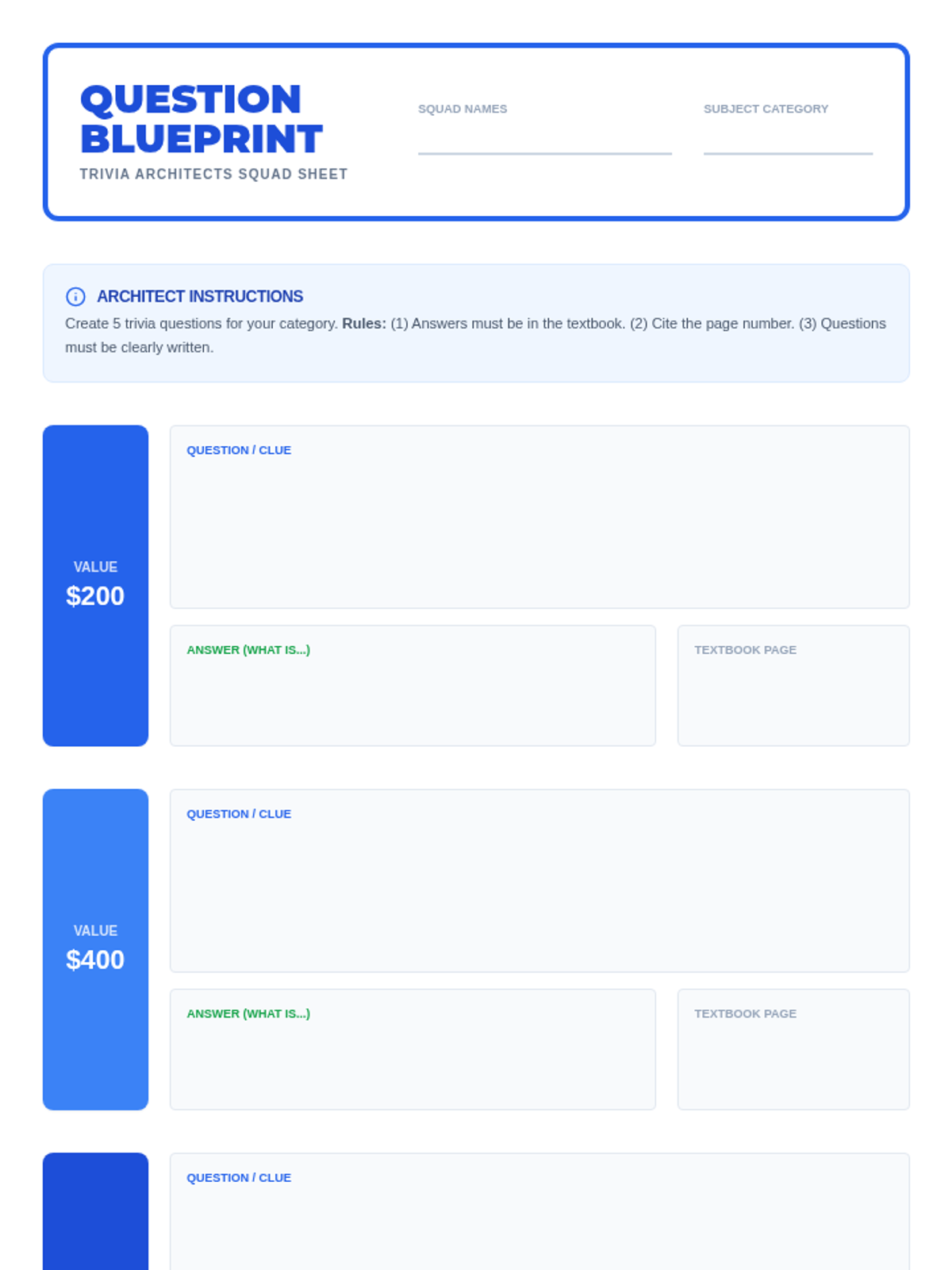
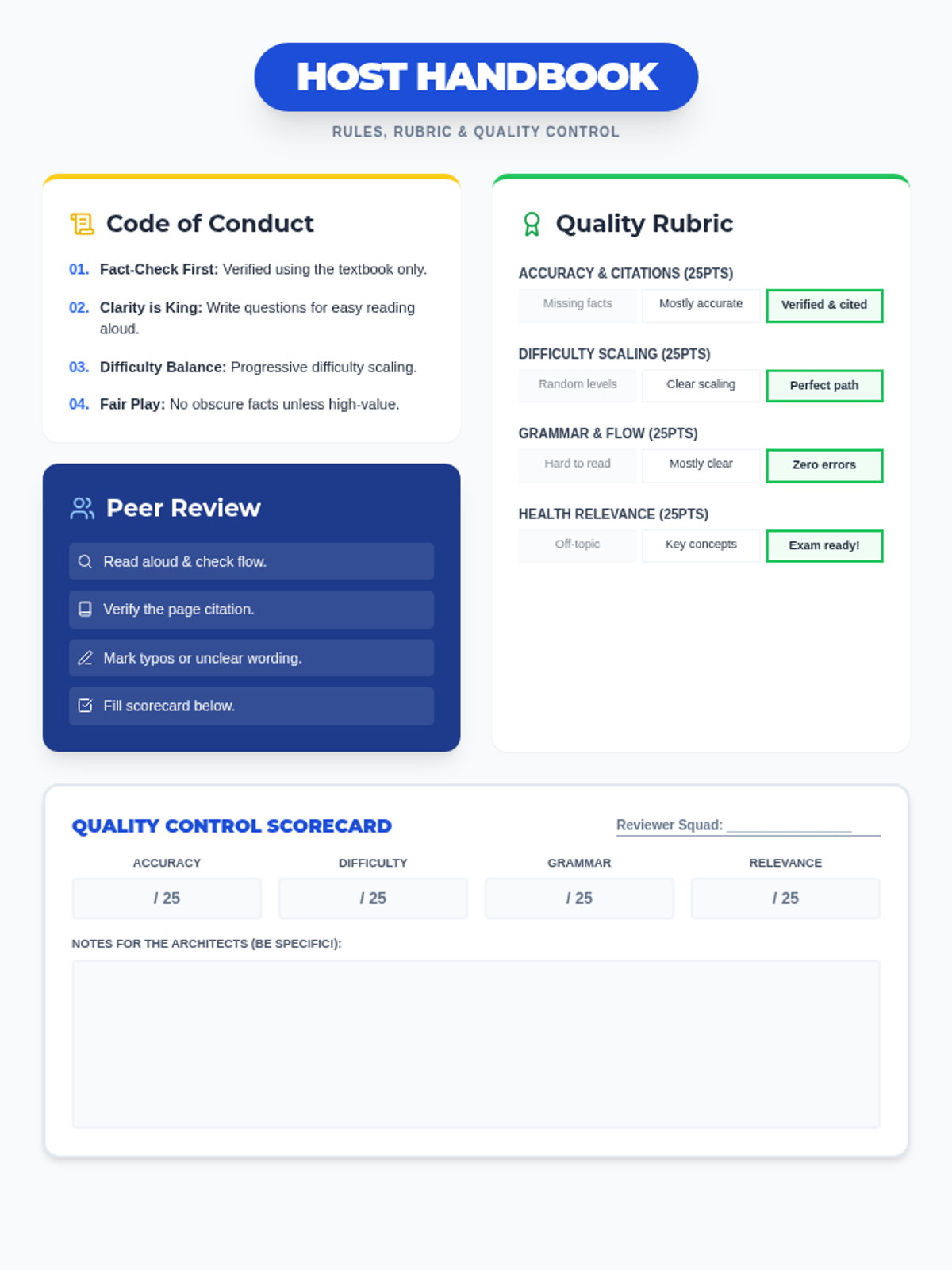
A collaborative lesson where students transform their health textbook chapters into a Jeopardy-style review game to prepare for final exams.
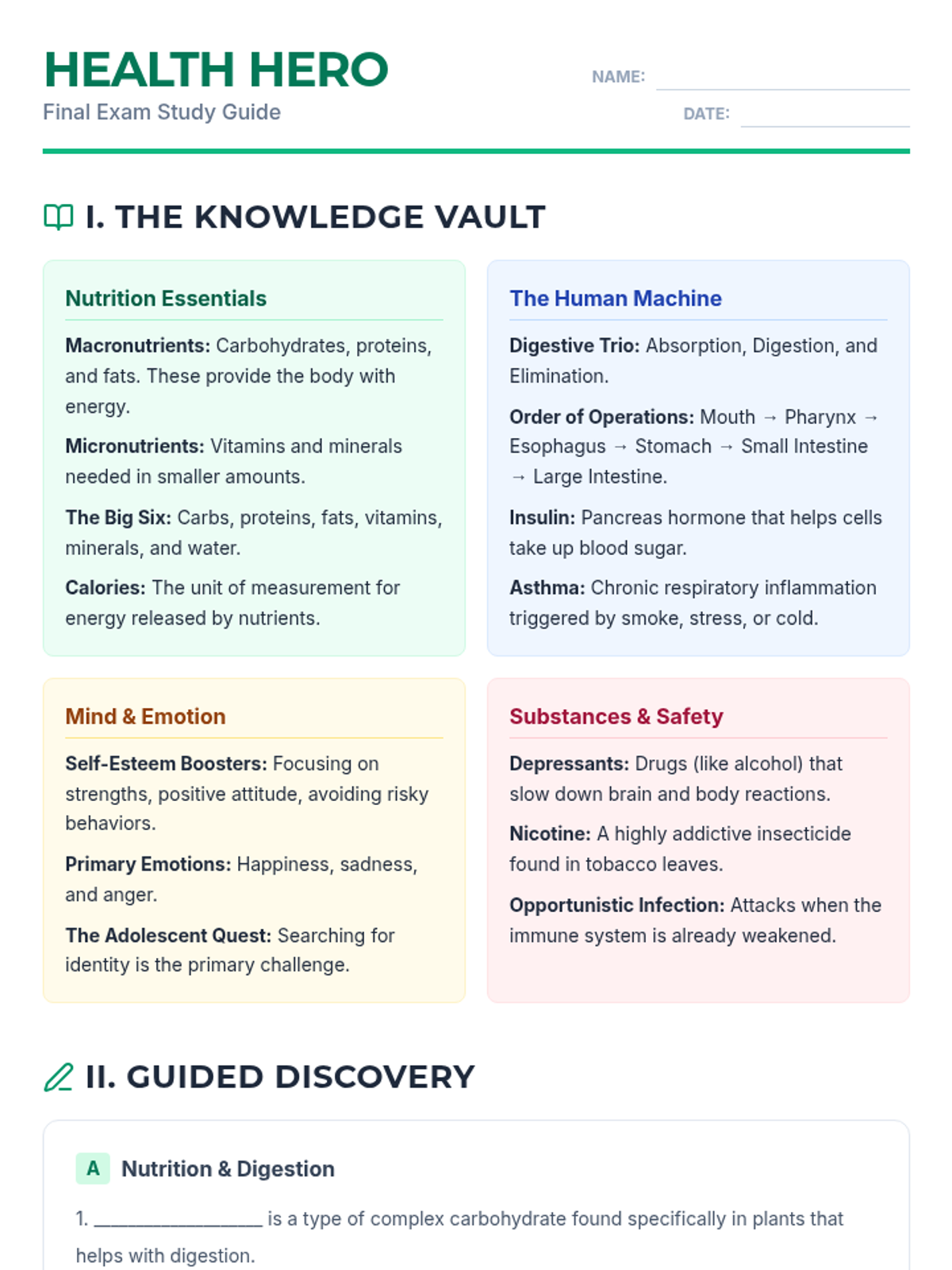
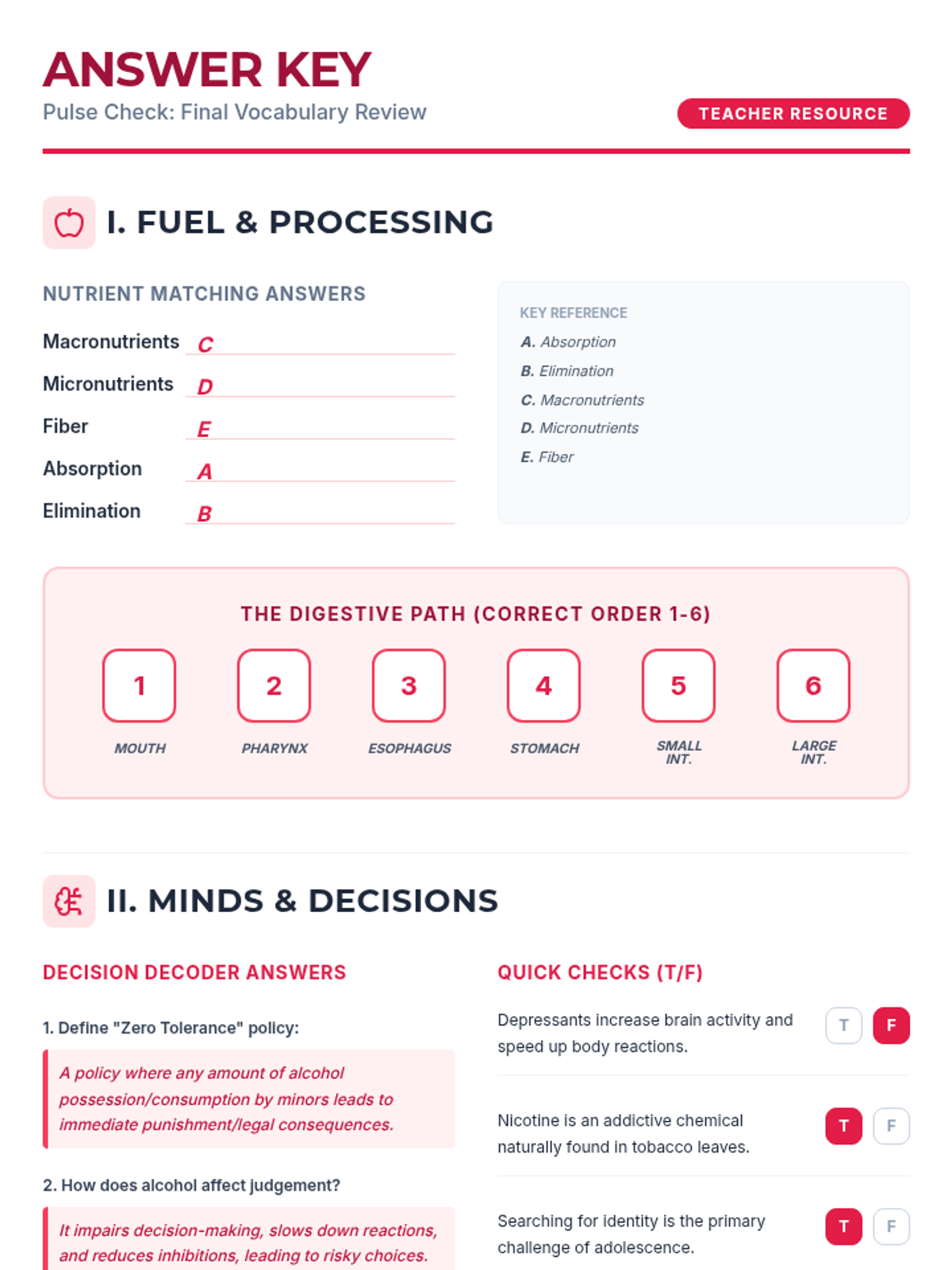
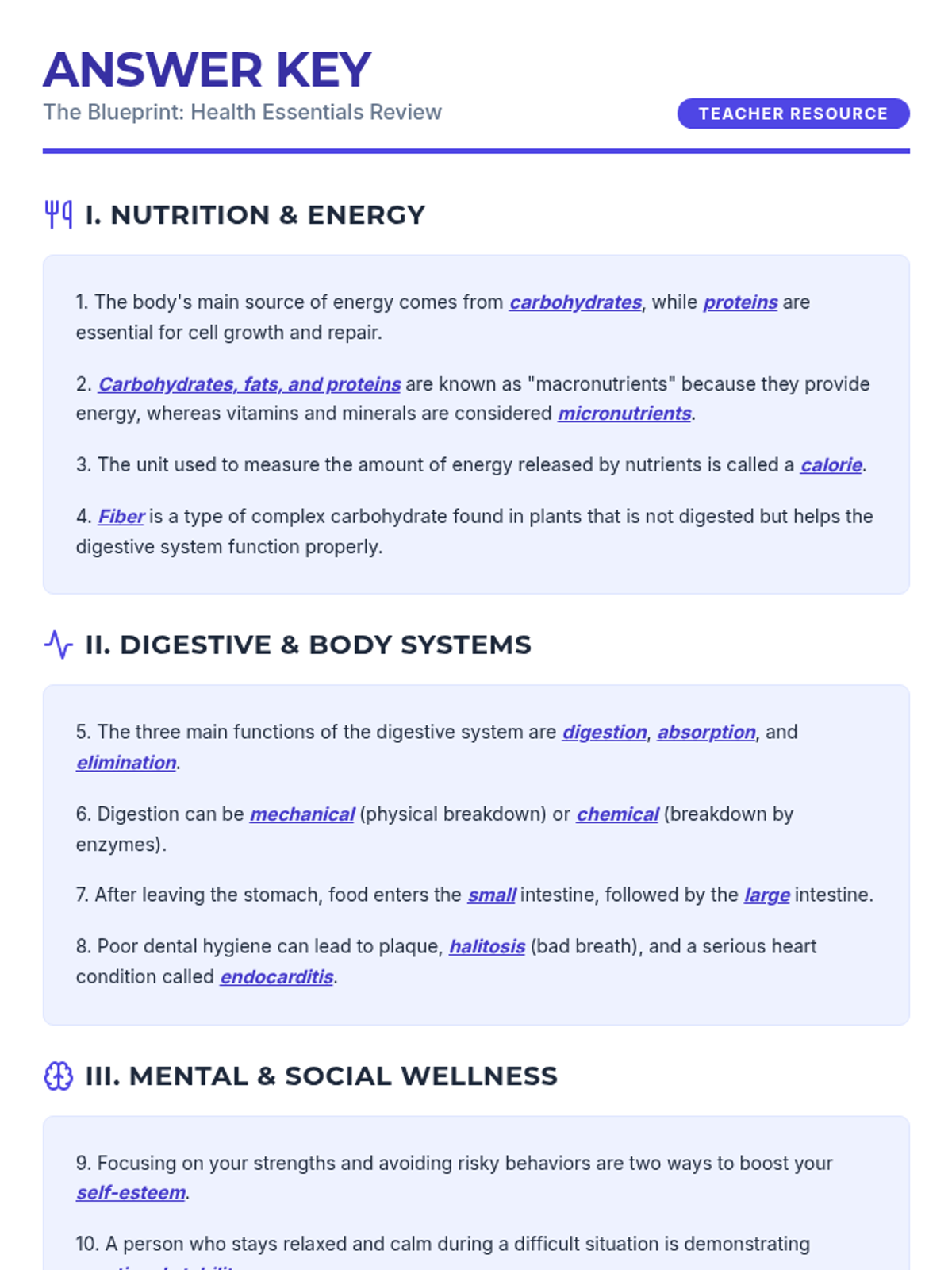
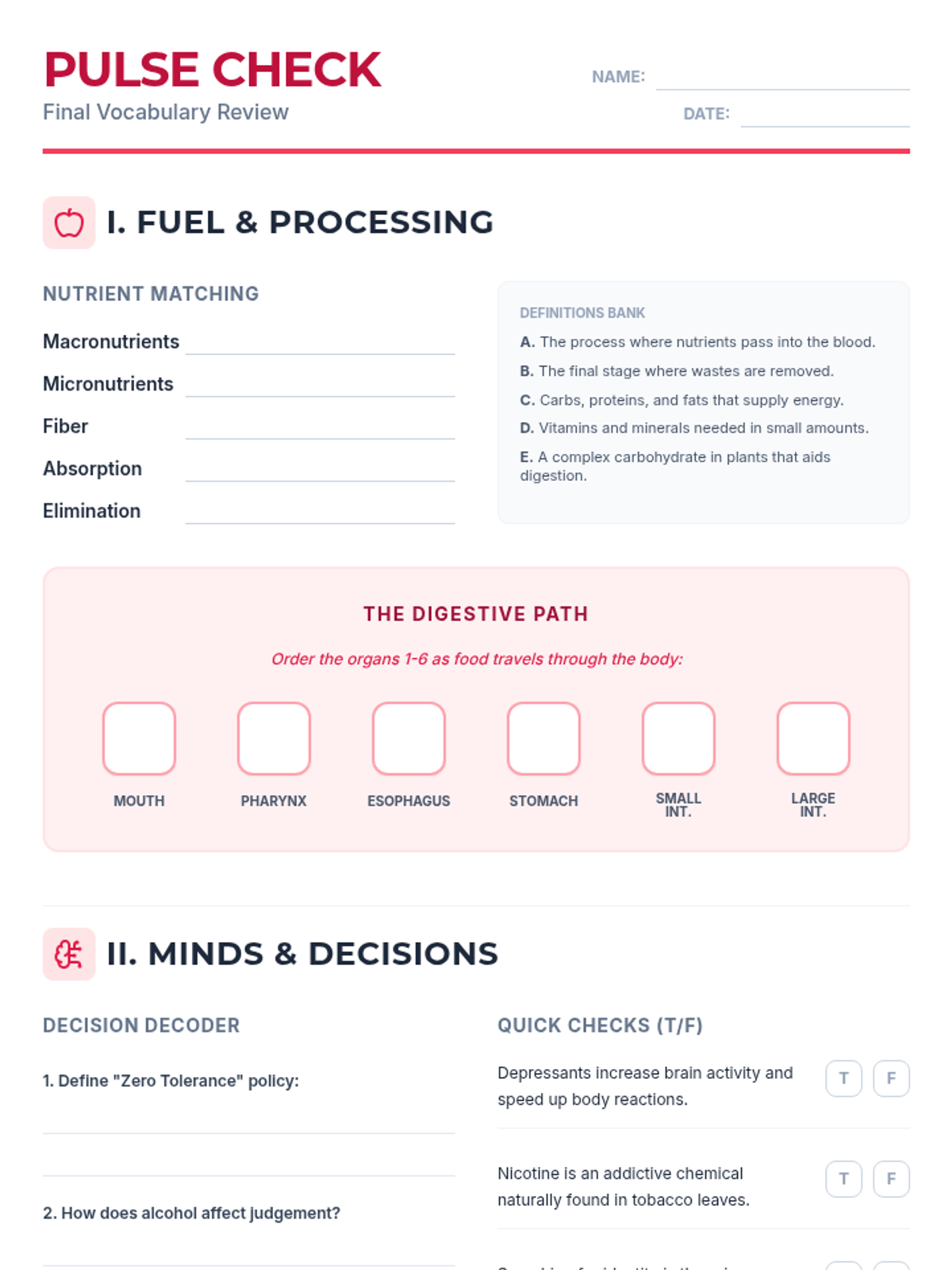
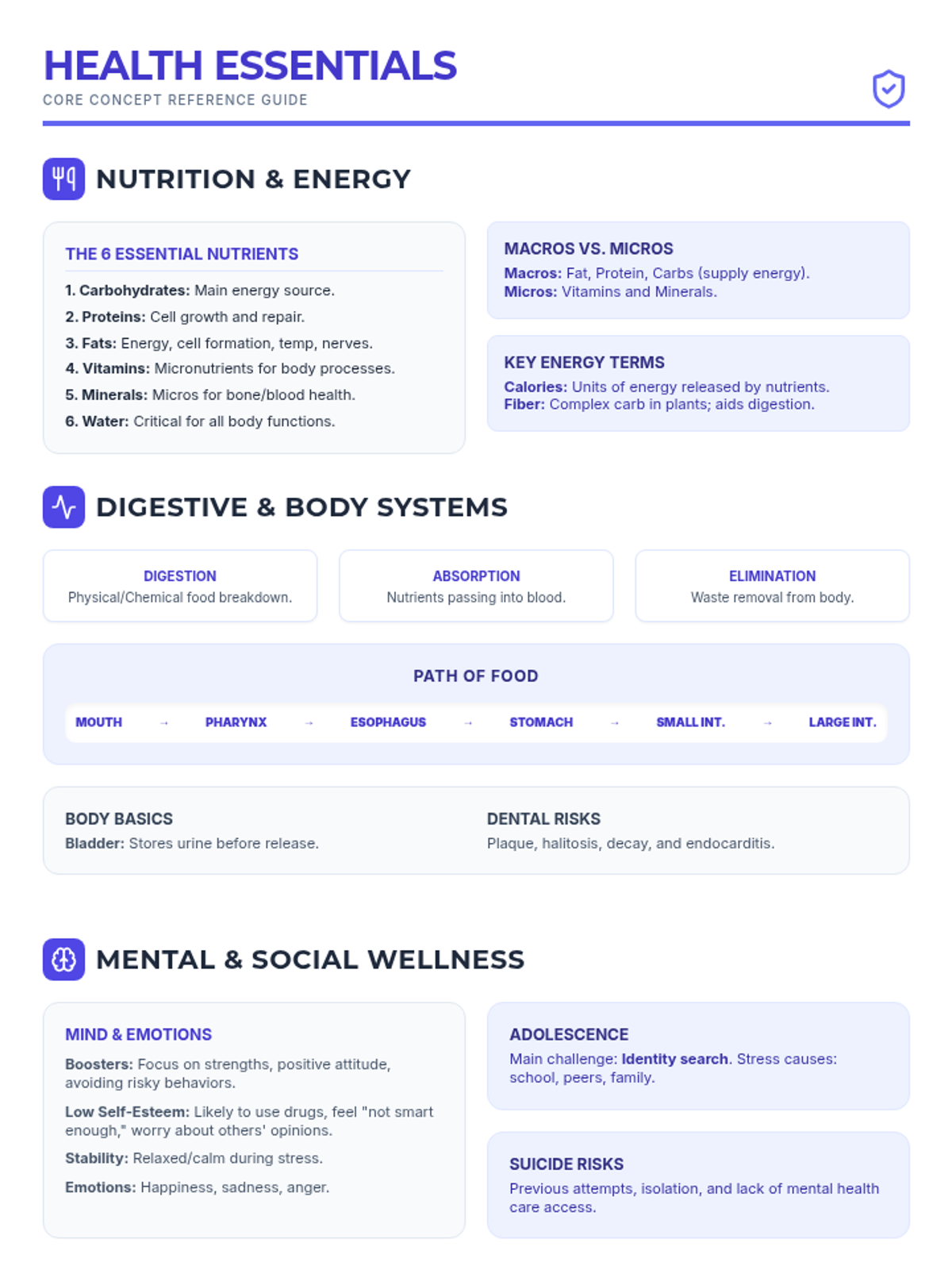
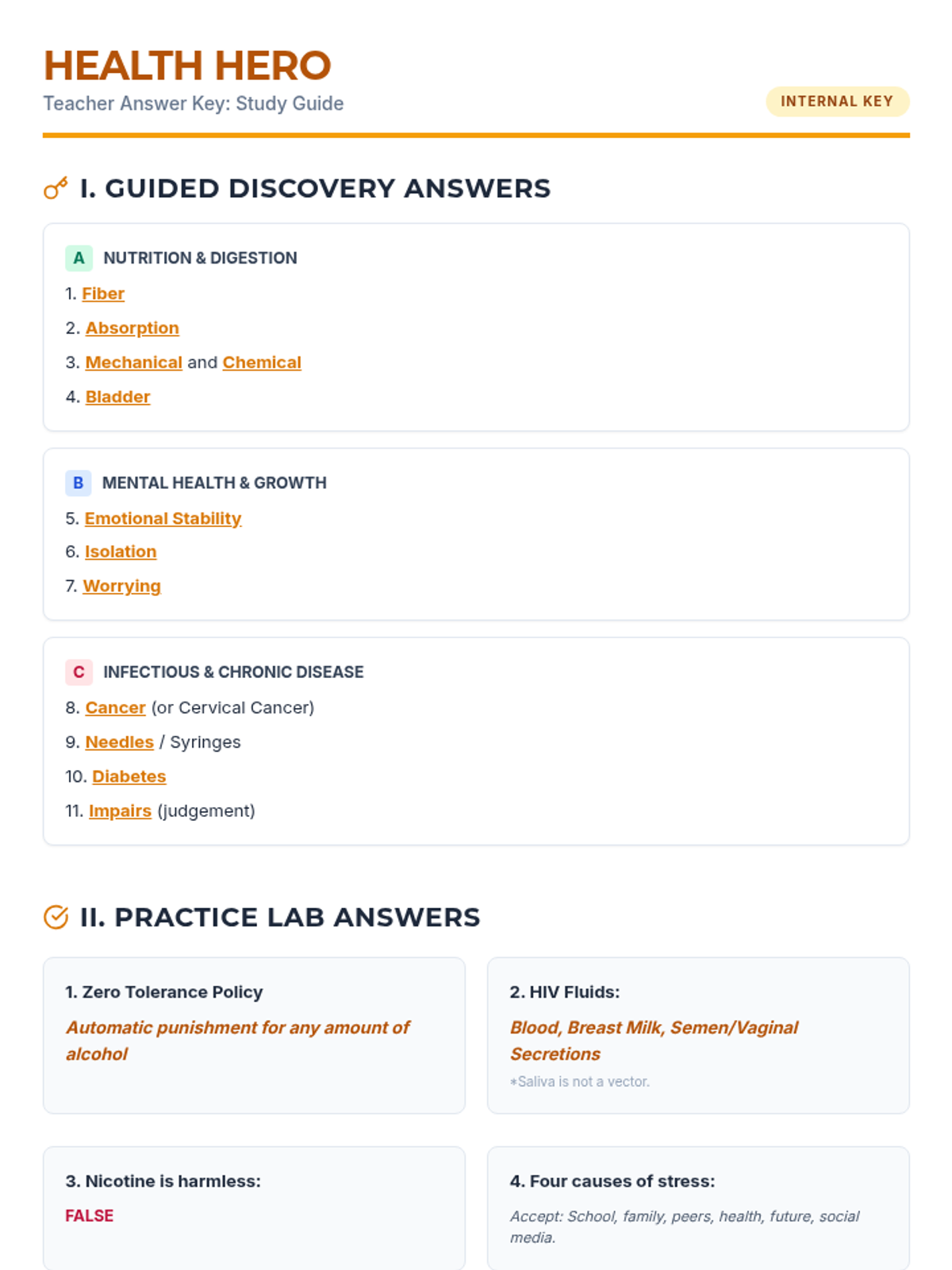
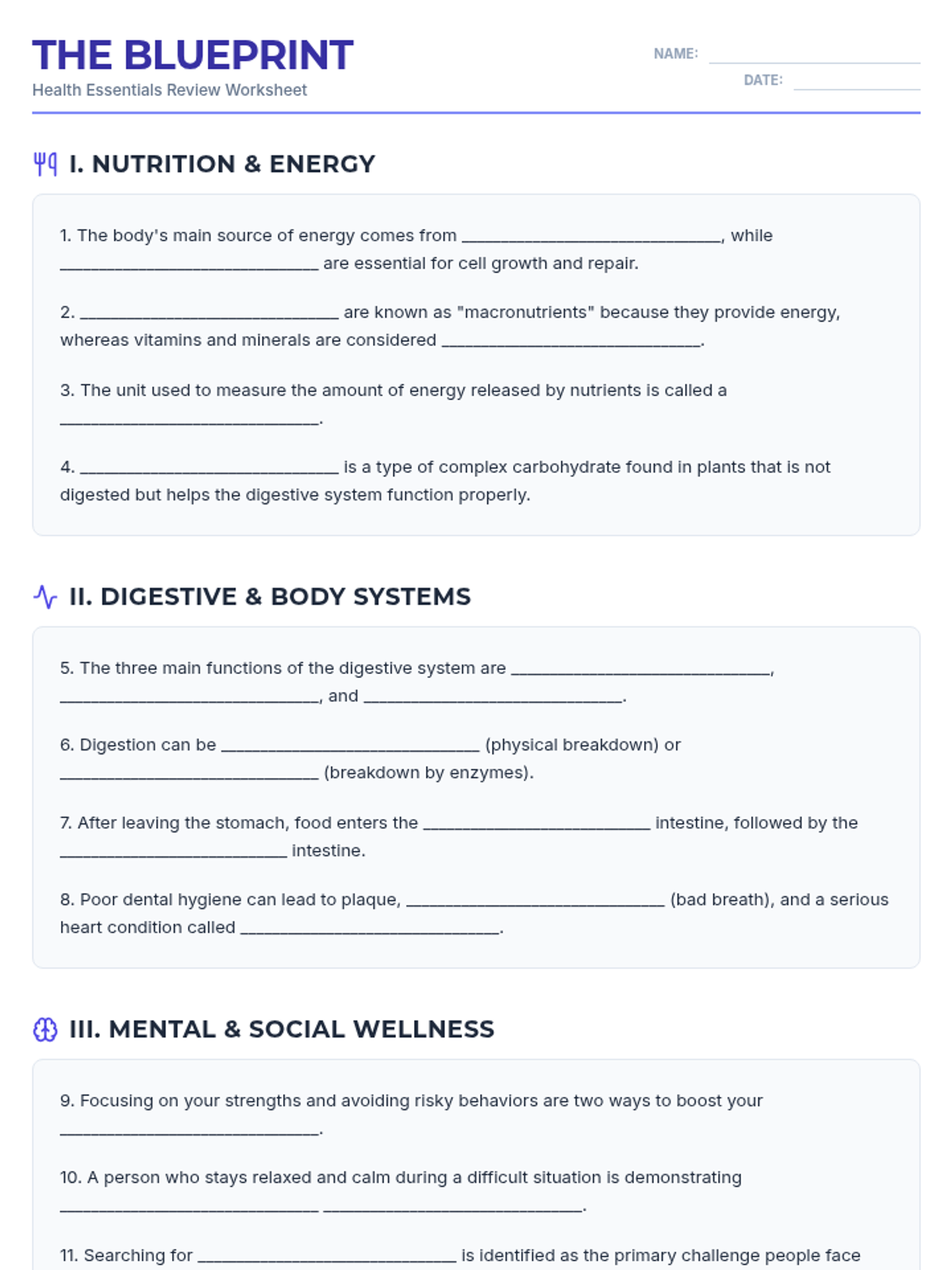
A comprehensive study guide covering nutrition, body systems, mental health, and disease prevention based on the Health Final Exam.
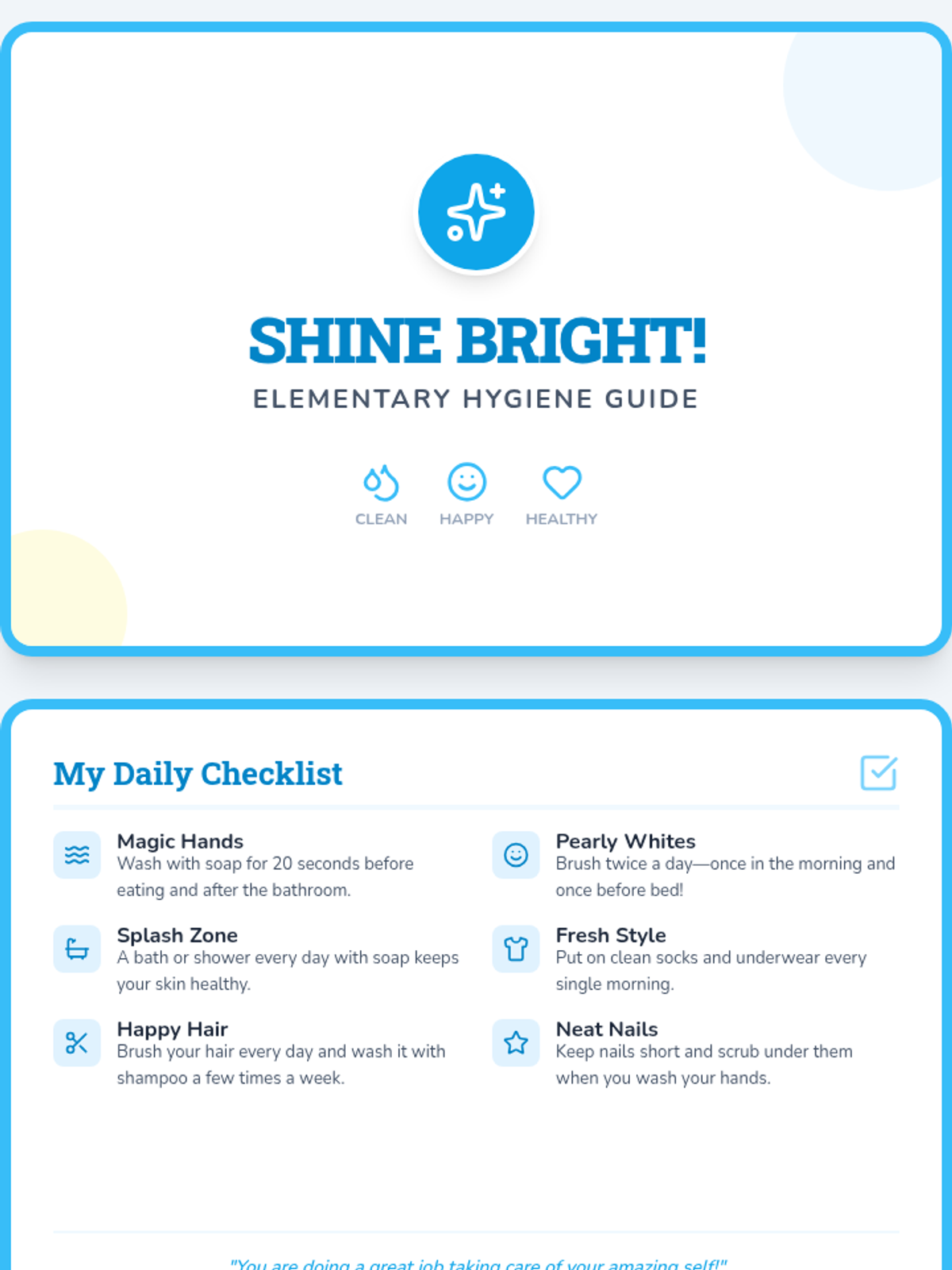
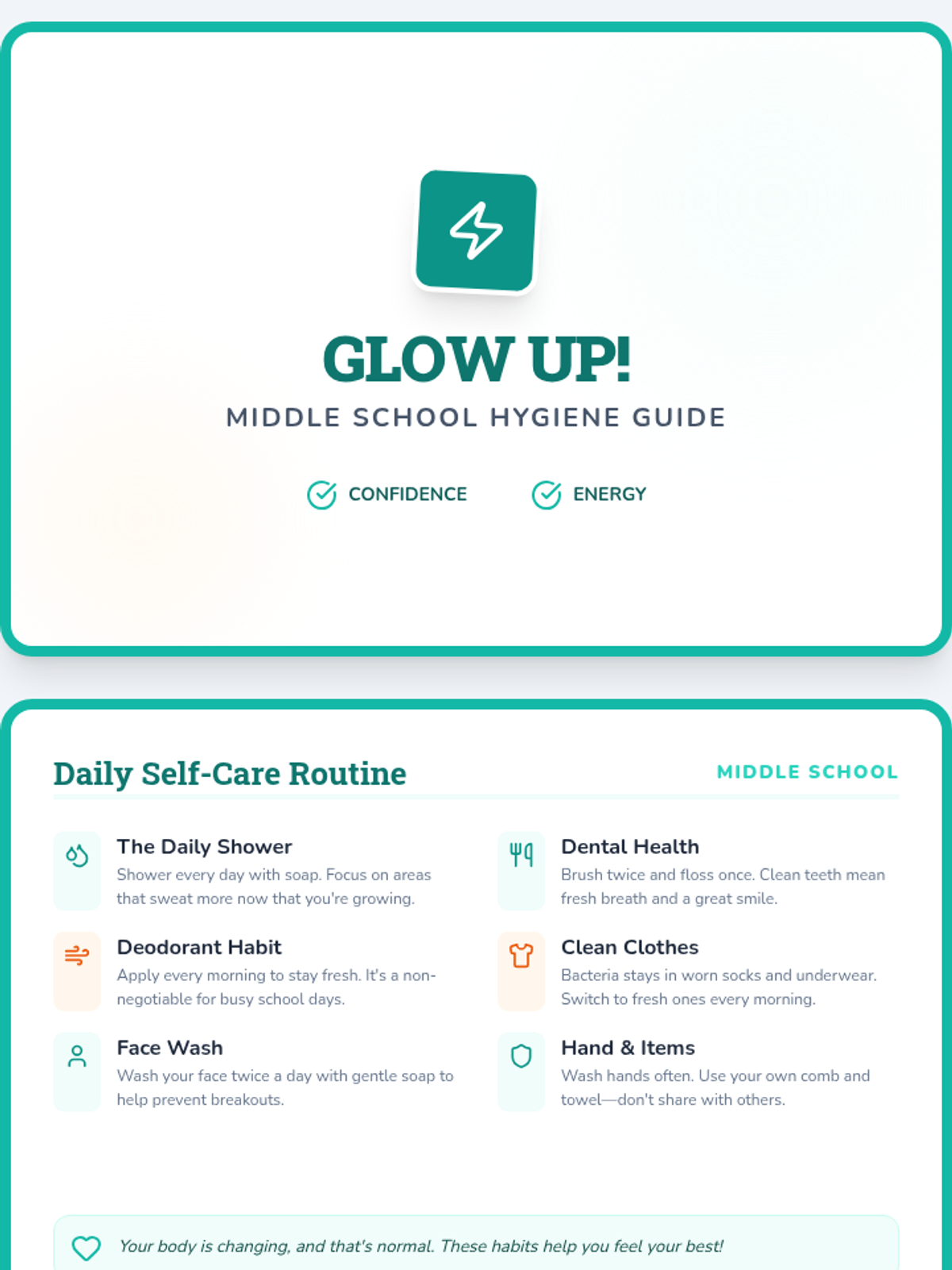
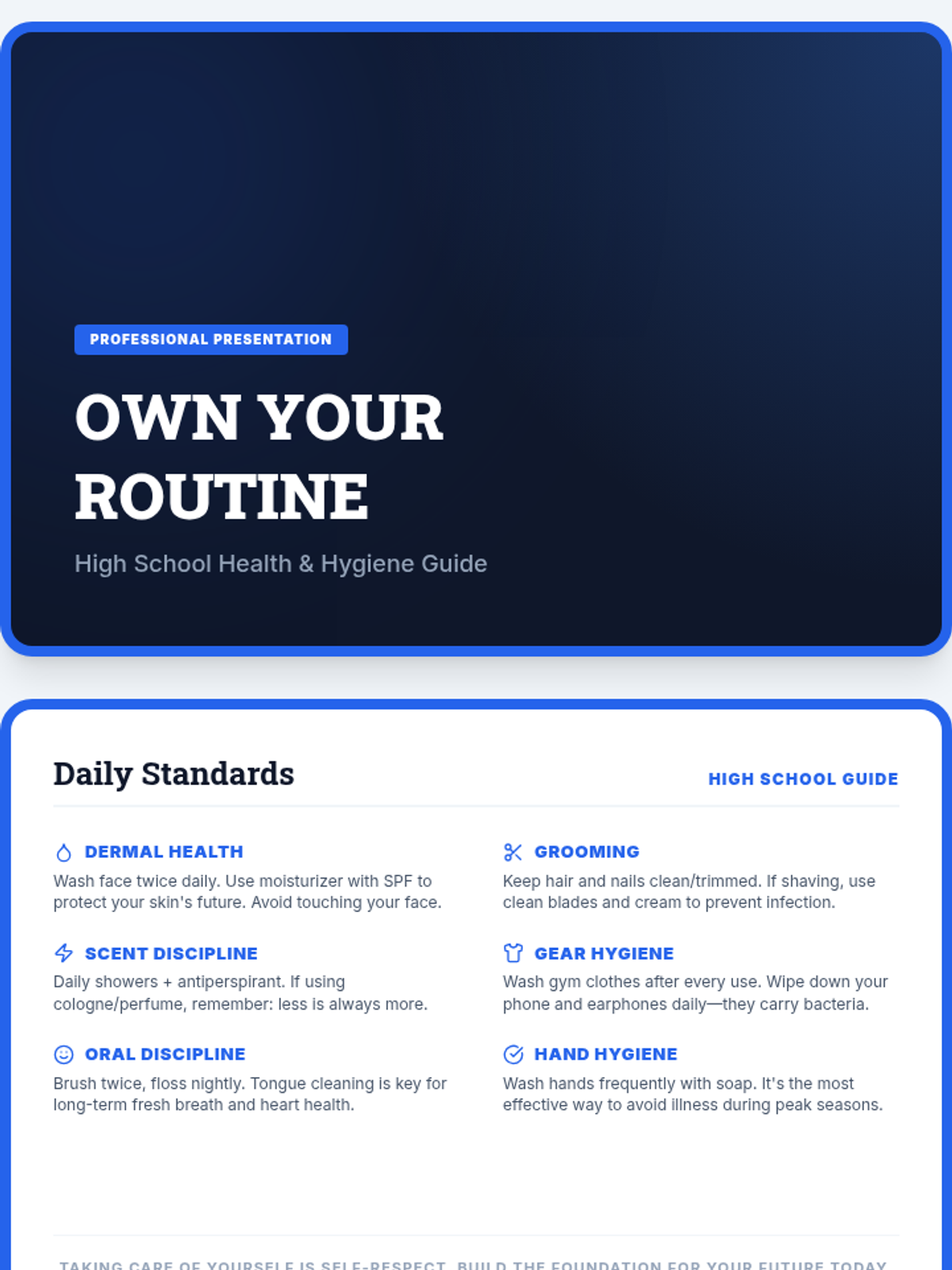
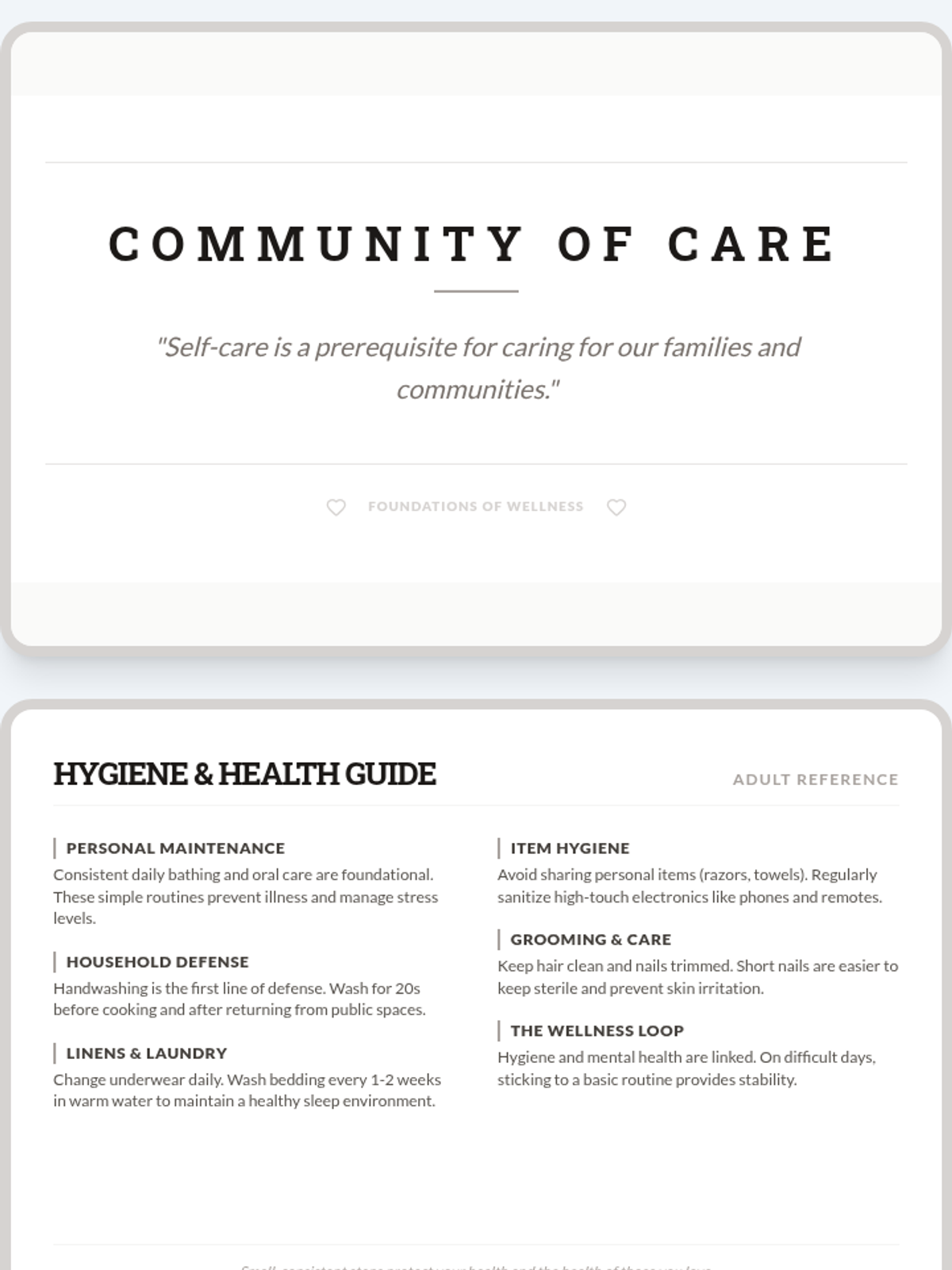
A collection of hygiene reference postcards tailored for elementary, middle school, high school, and adults. Each double-sided card provides empathetic, age-appropriate guidance on essential daily routines to support health and confidence.
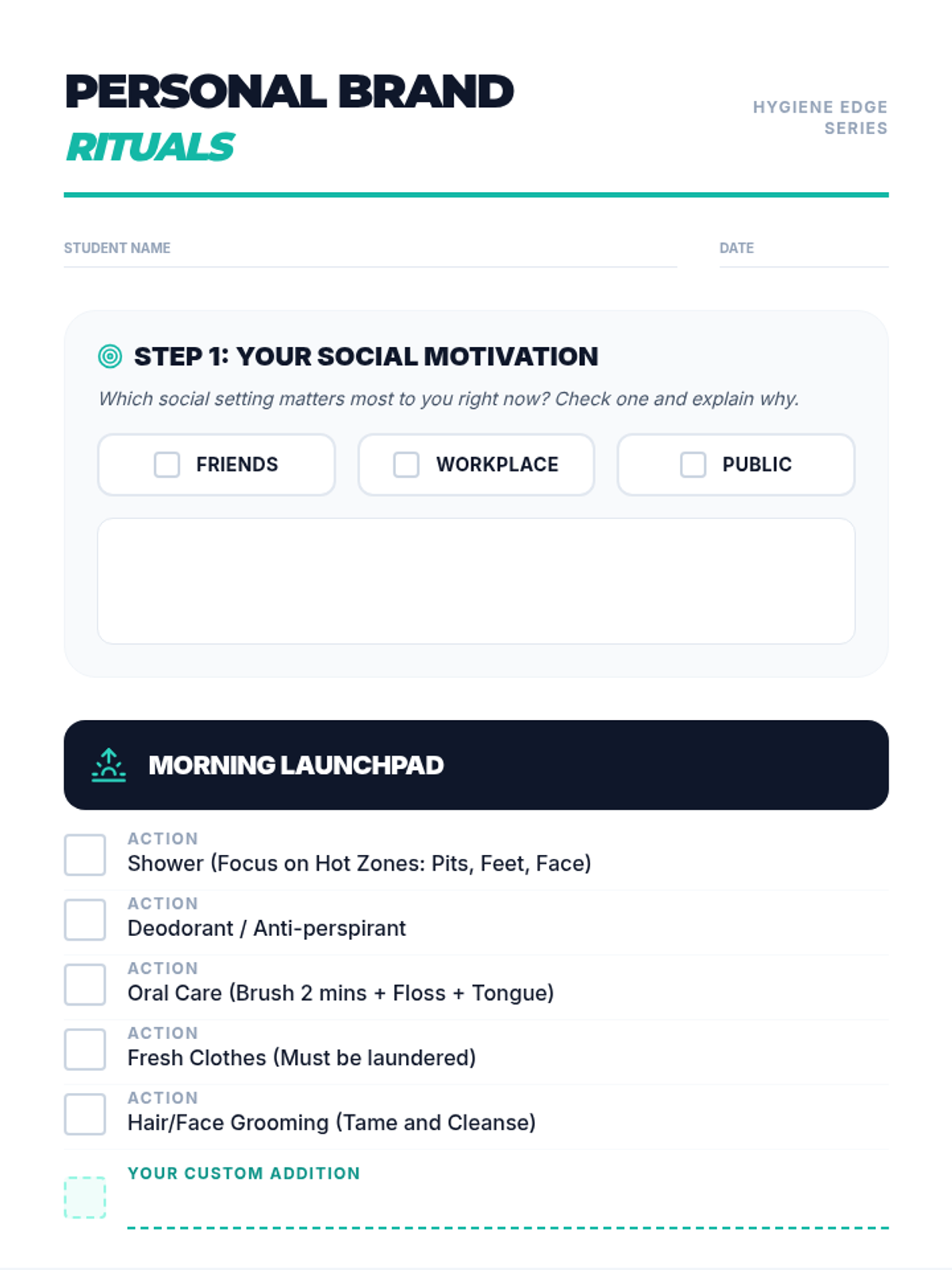
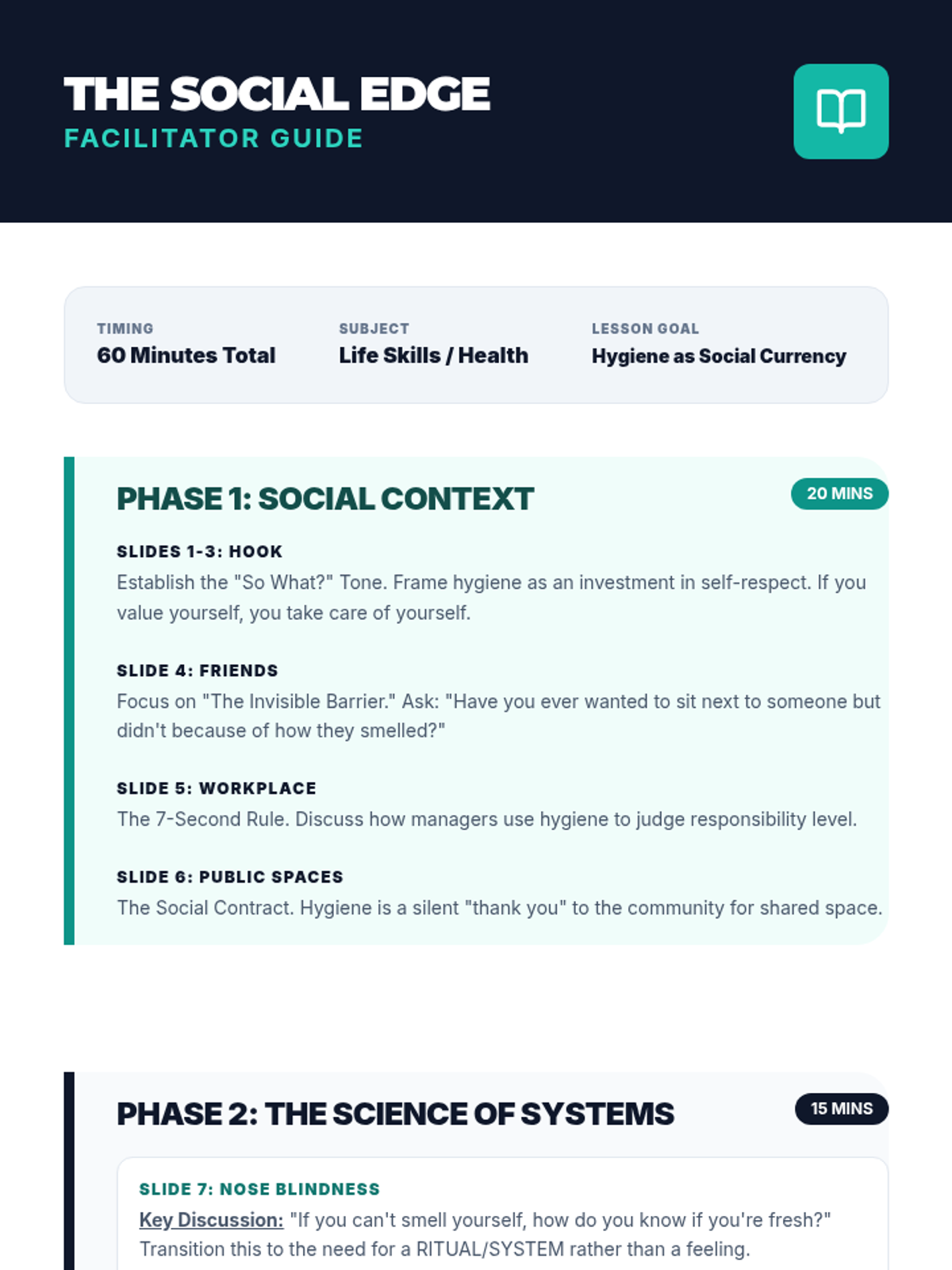
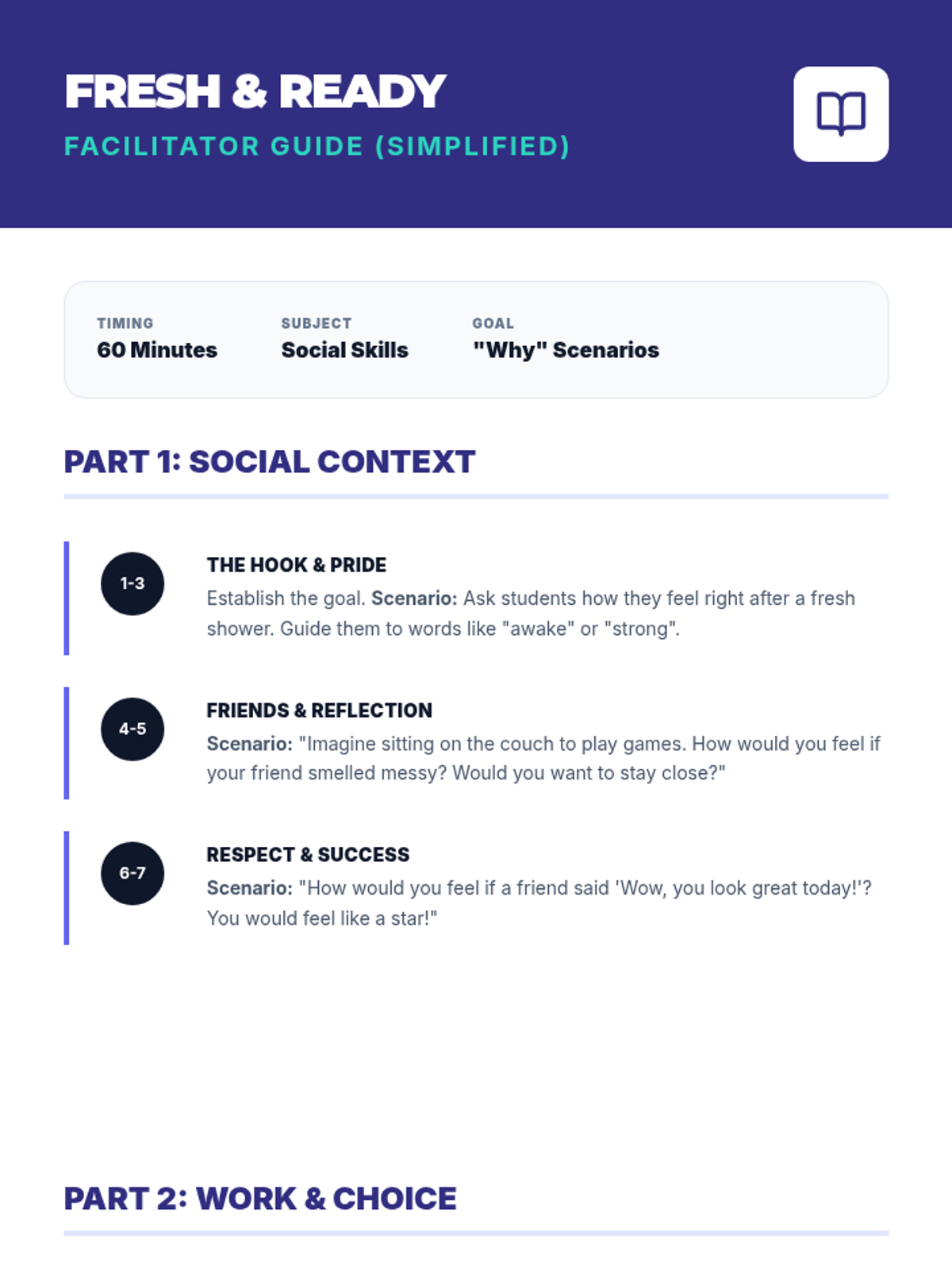
This lesson explores the 'why' behind hygiene, focusing on social confidence, professional success, and community respect for high school students. It transitions from knowing the 'how' to implementing consistent daily routines.
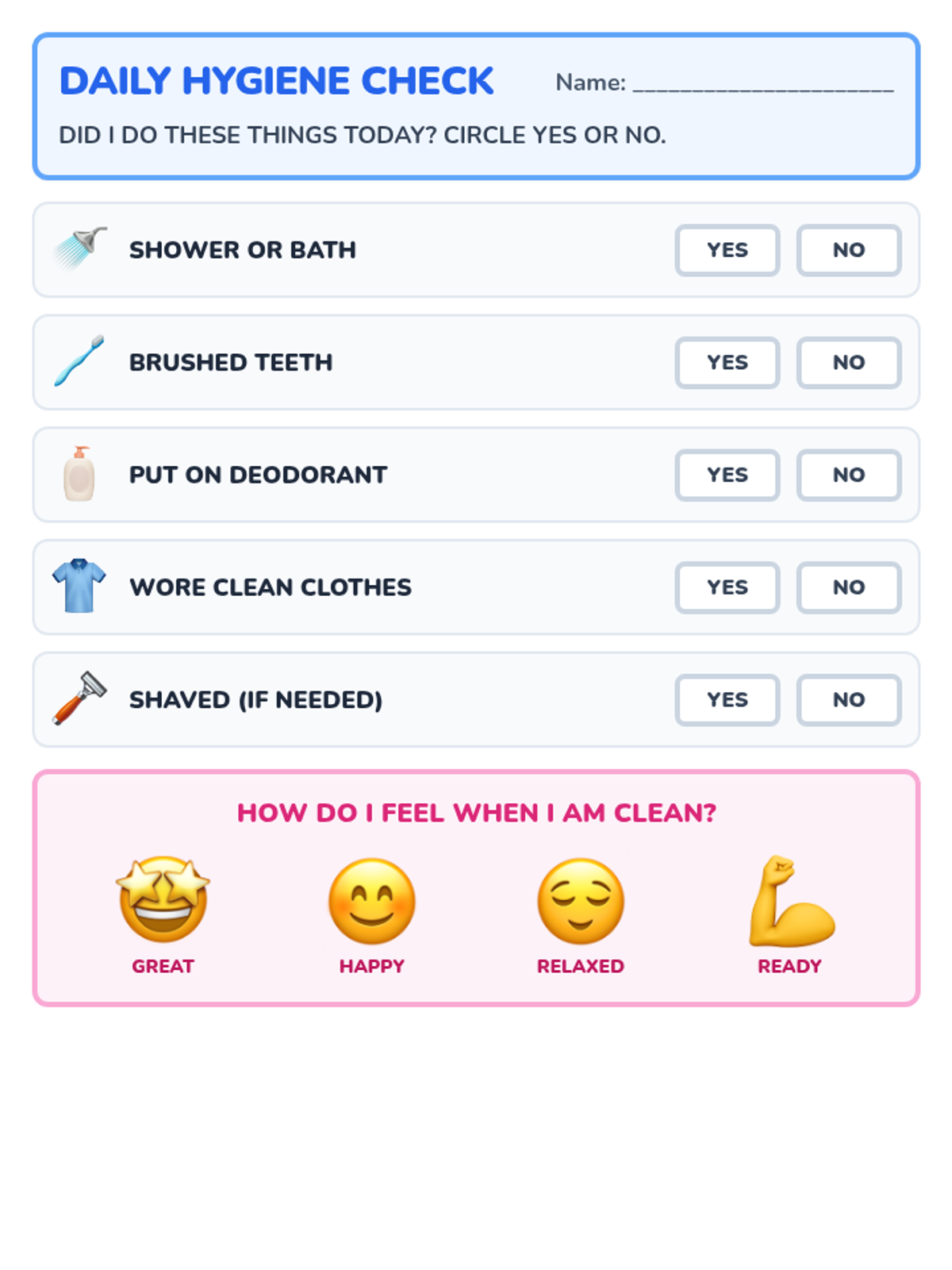
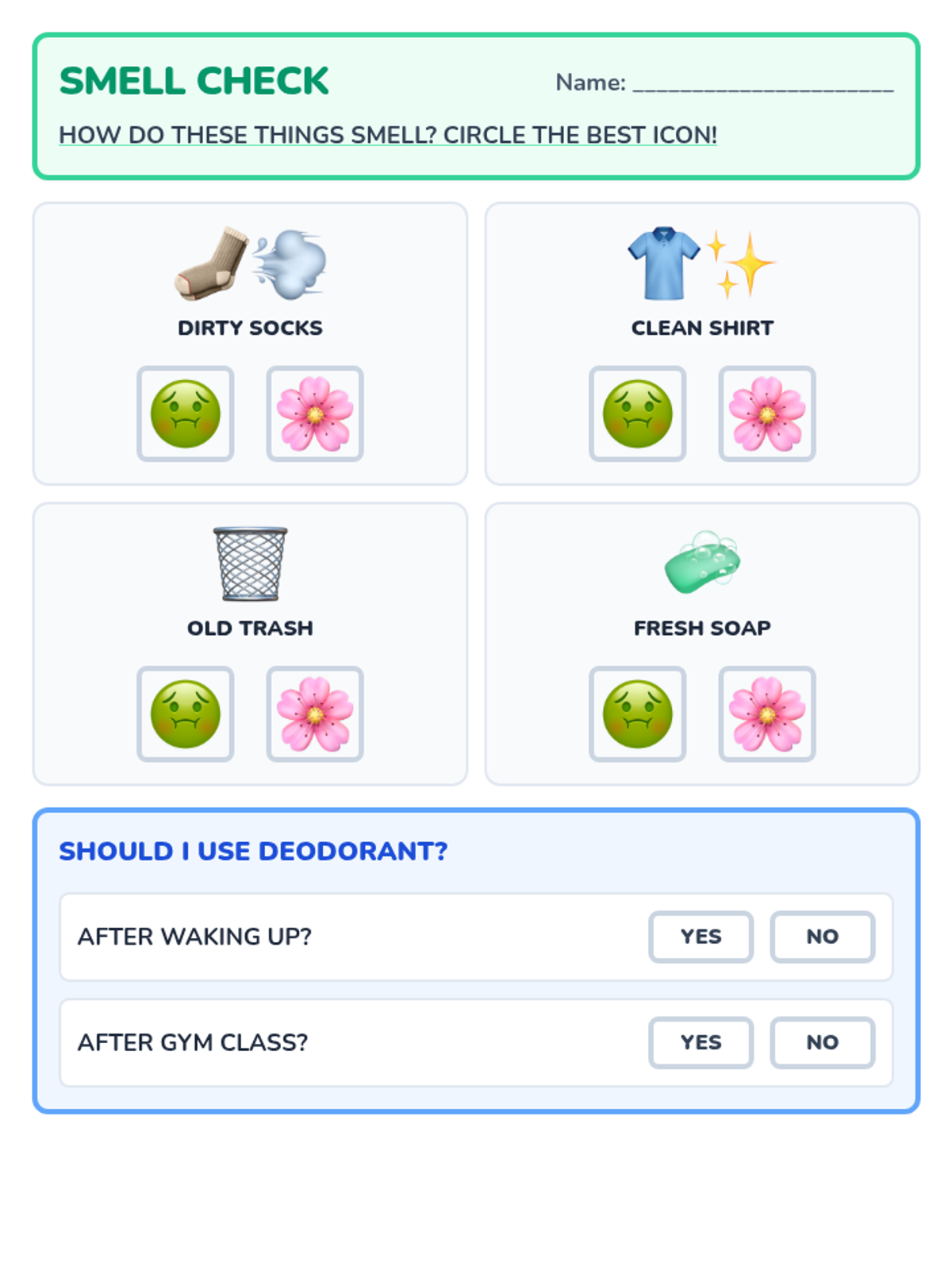
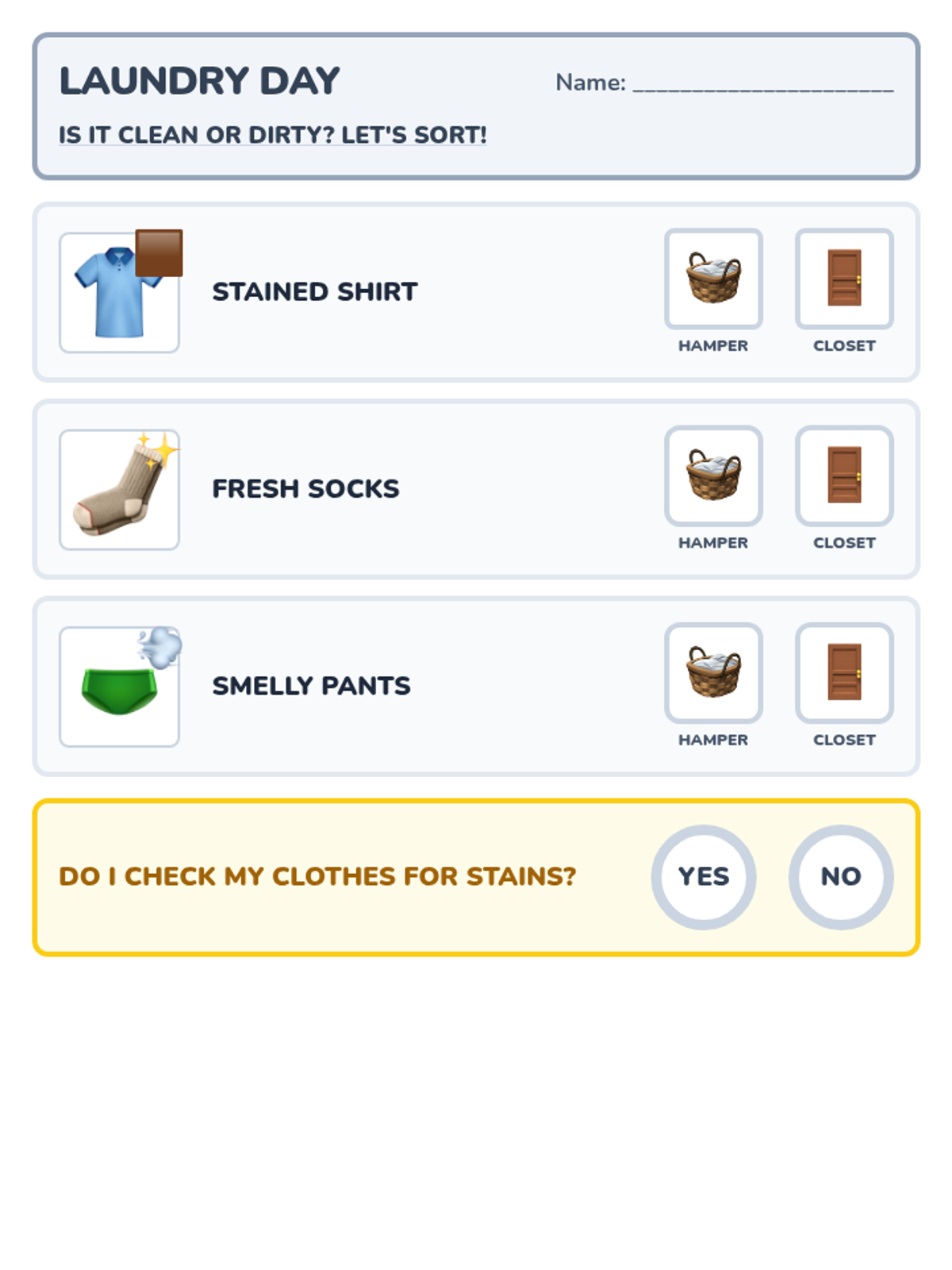
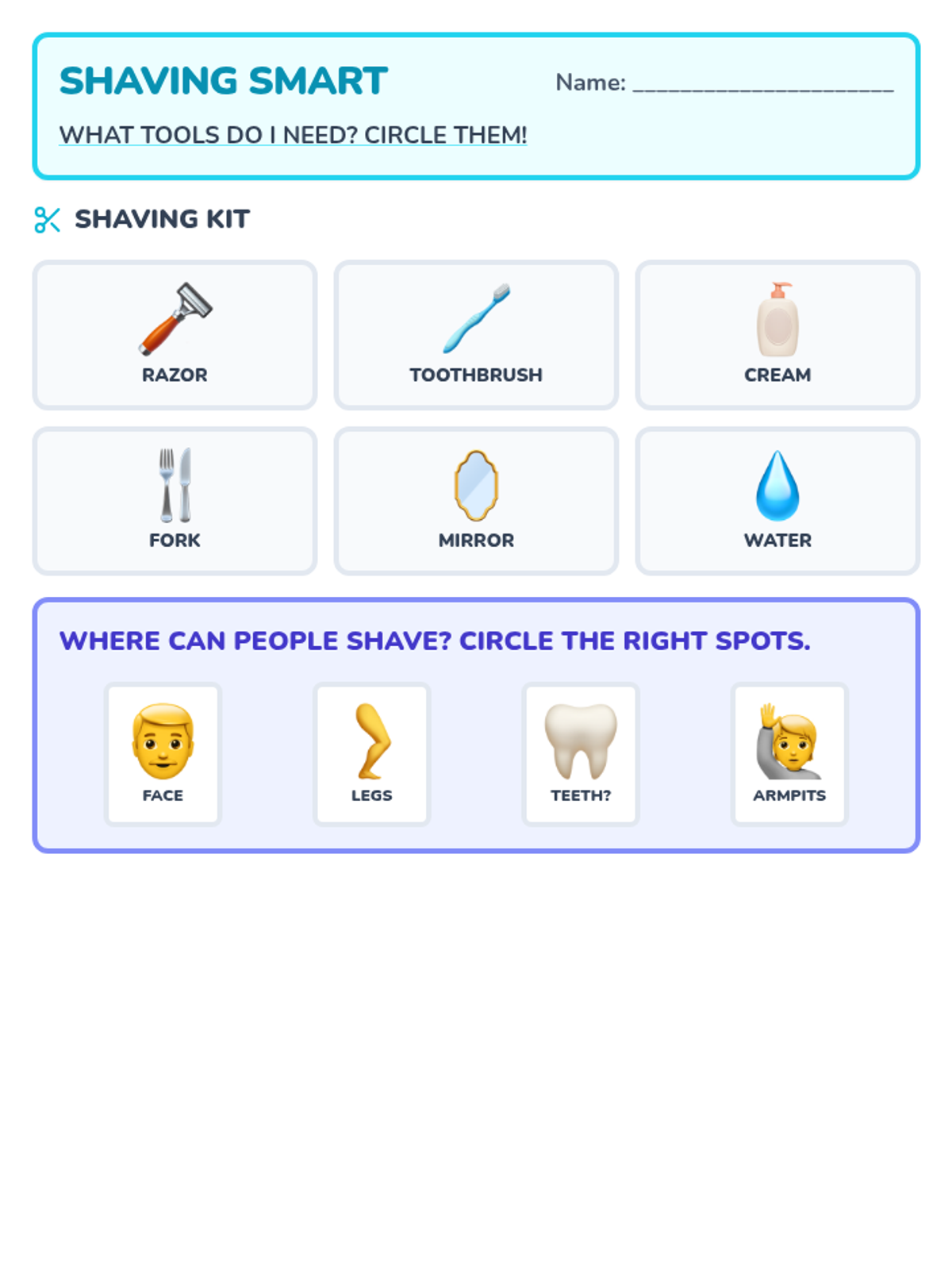
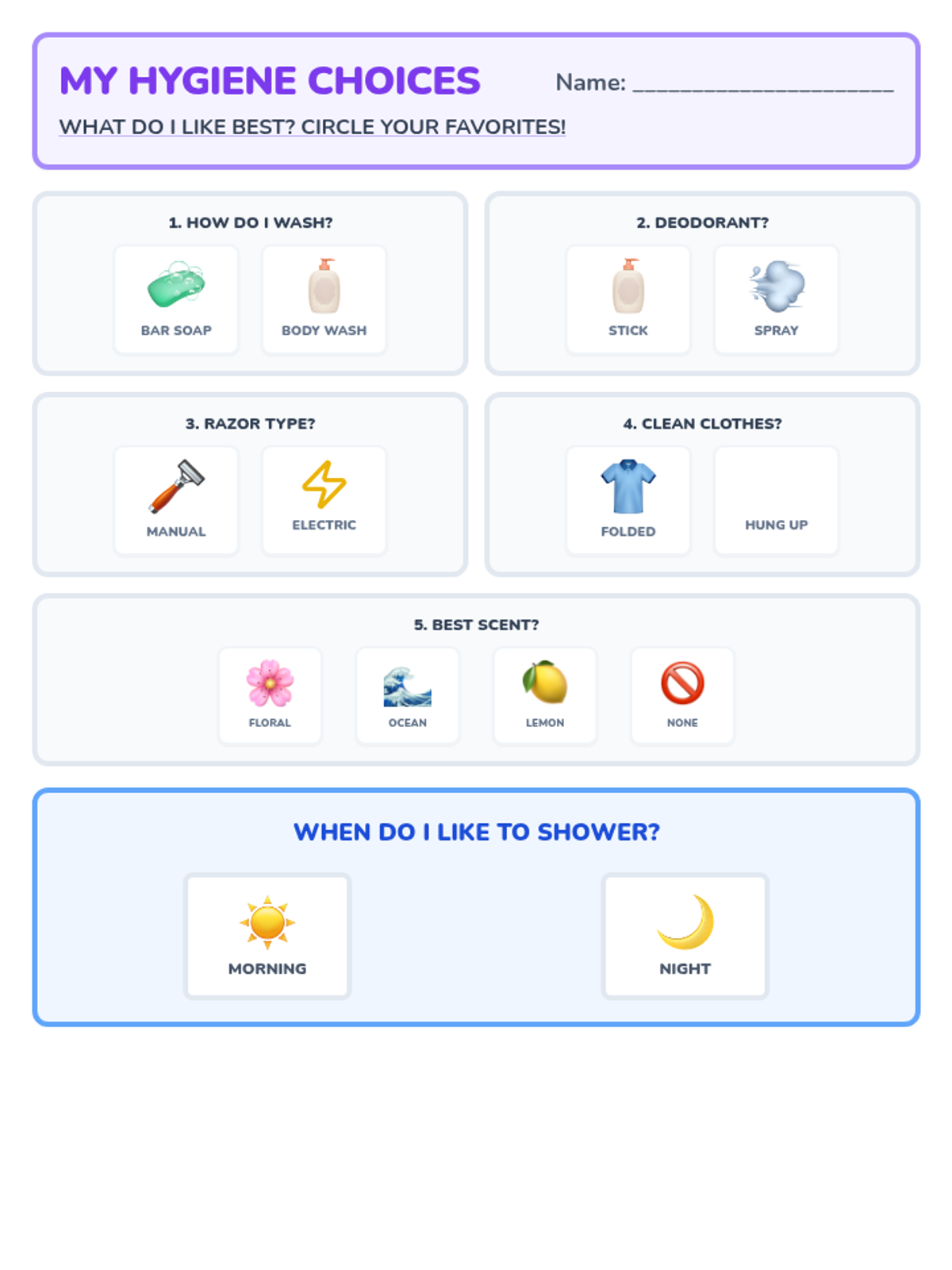
A comprehensive hygiene and personal care unit designed for high school life skills students, focusing on daily routines, odor management, laundry, and shaving with high-visual, low-writing activities.
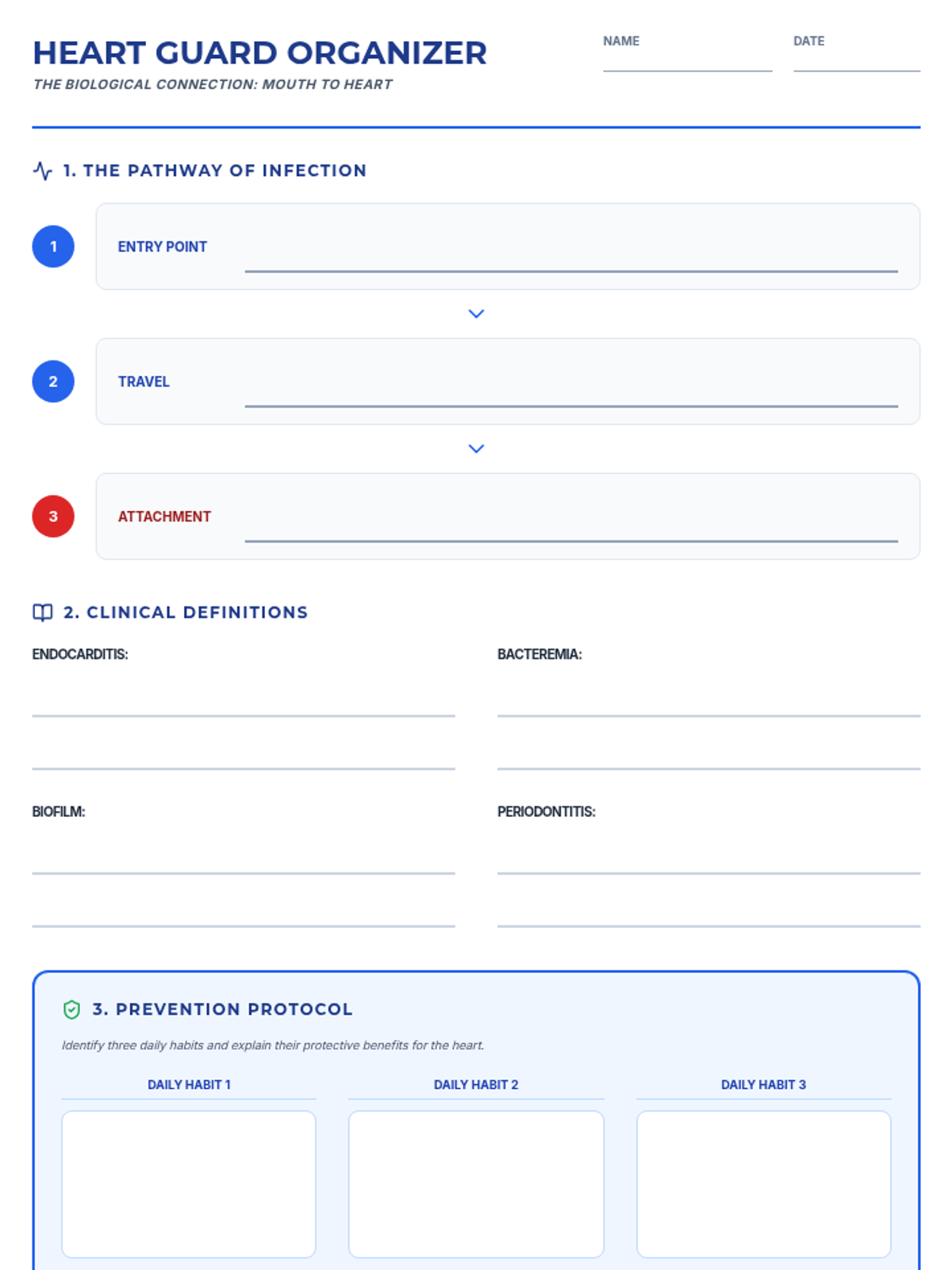
A health-focused lesson exploring the critical biological link between oral hygiene and infective endocarditis, emphasizing how daily habits protect heart health.
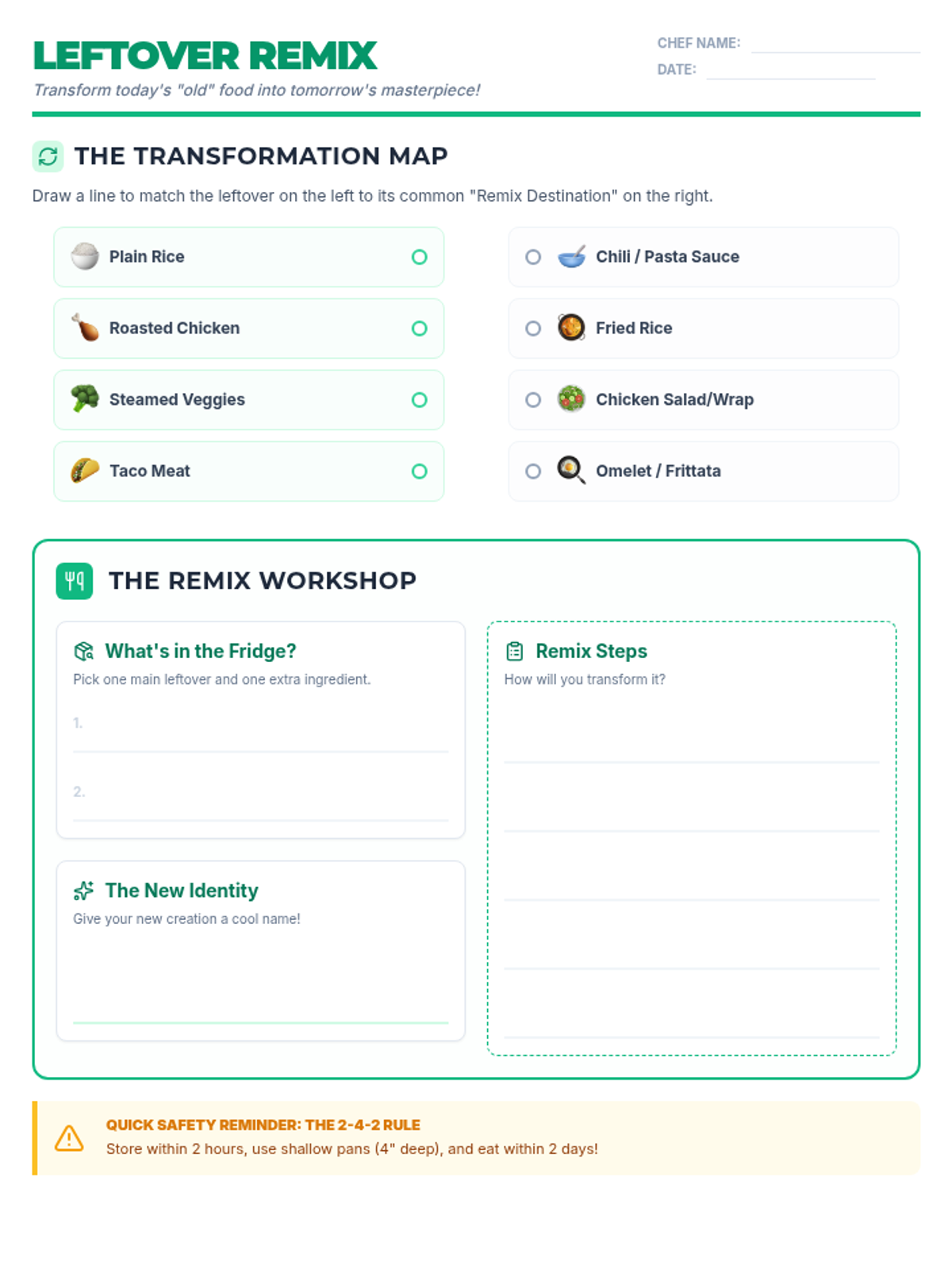
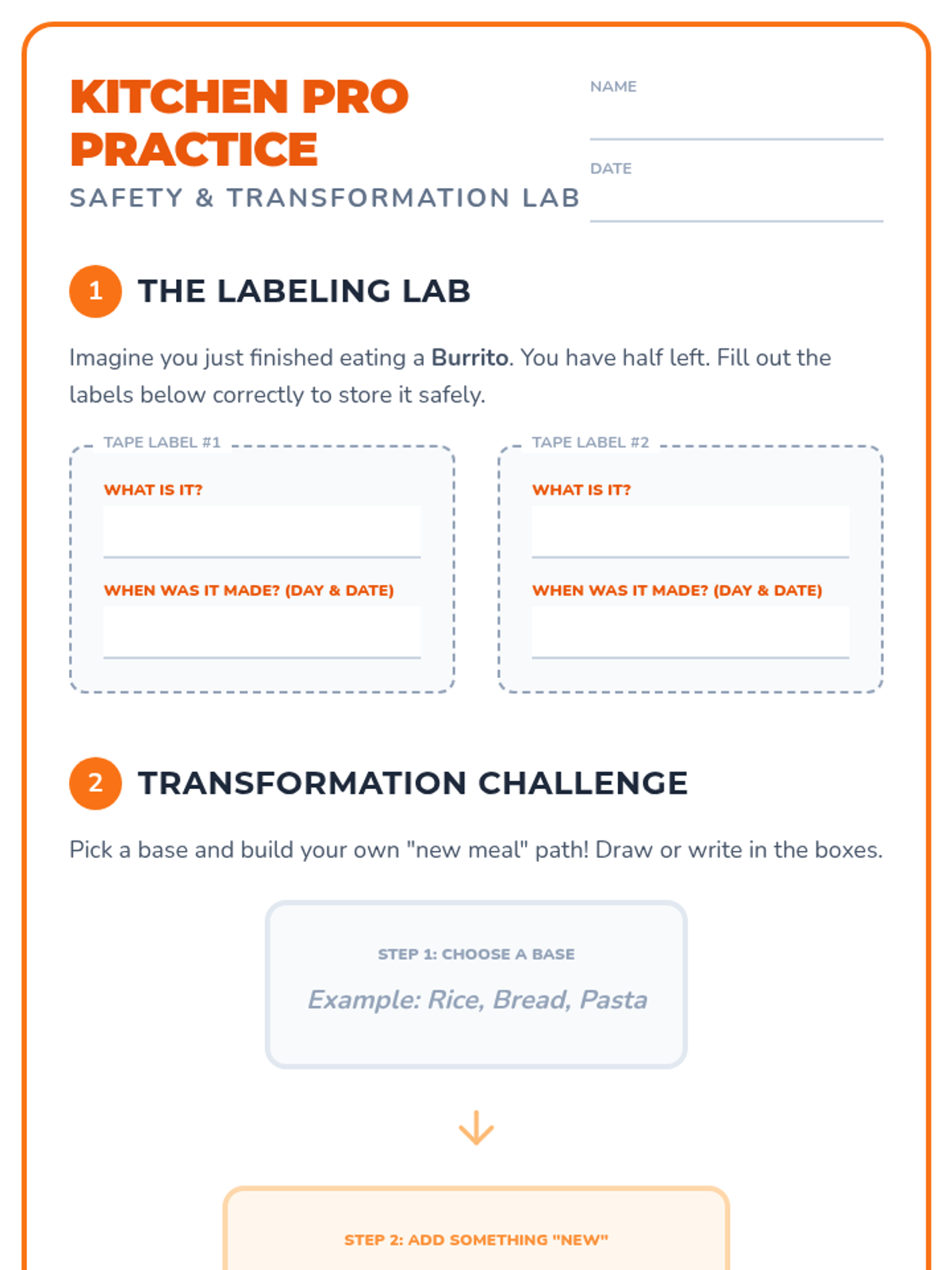
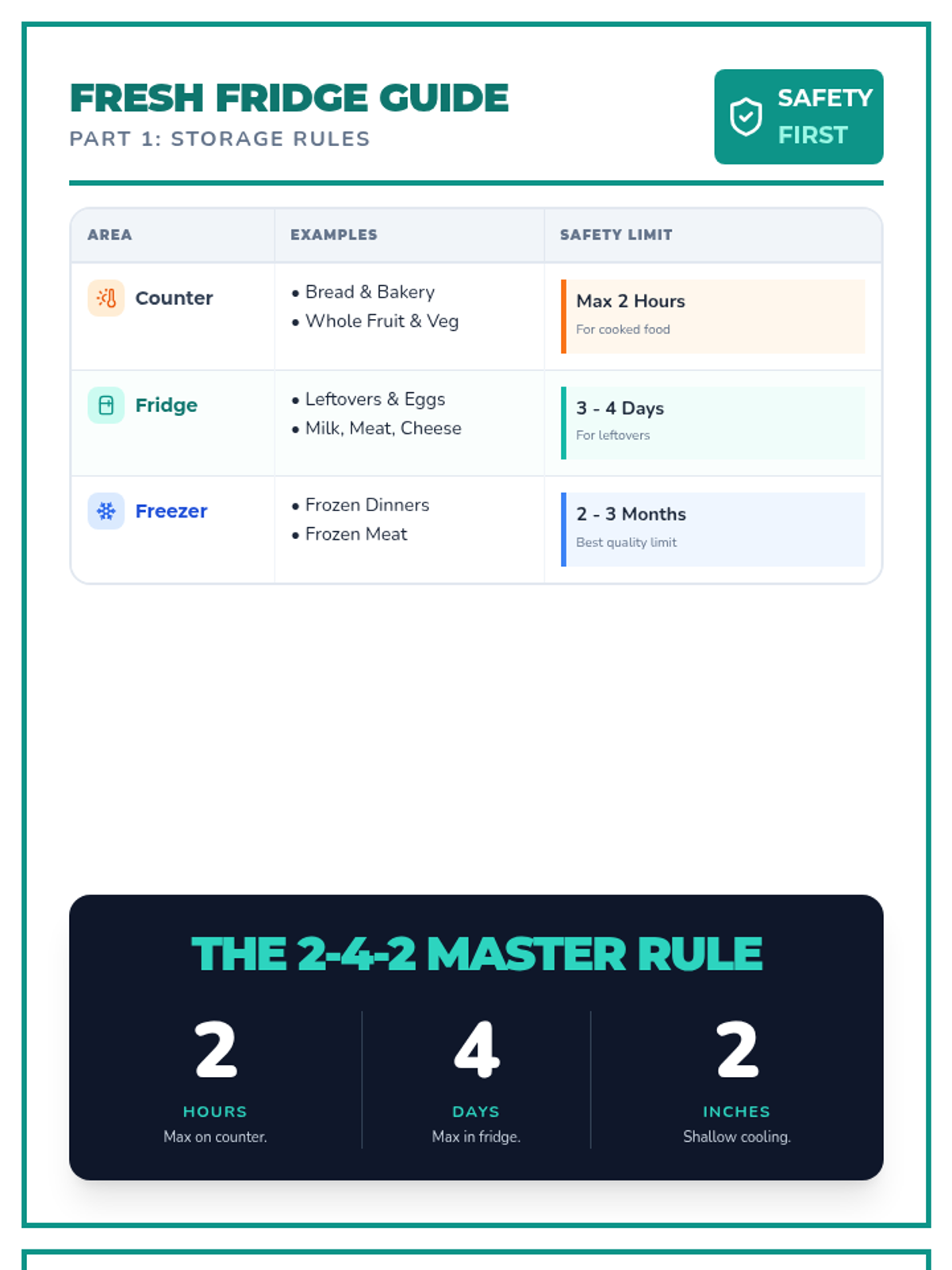
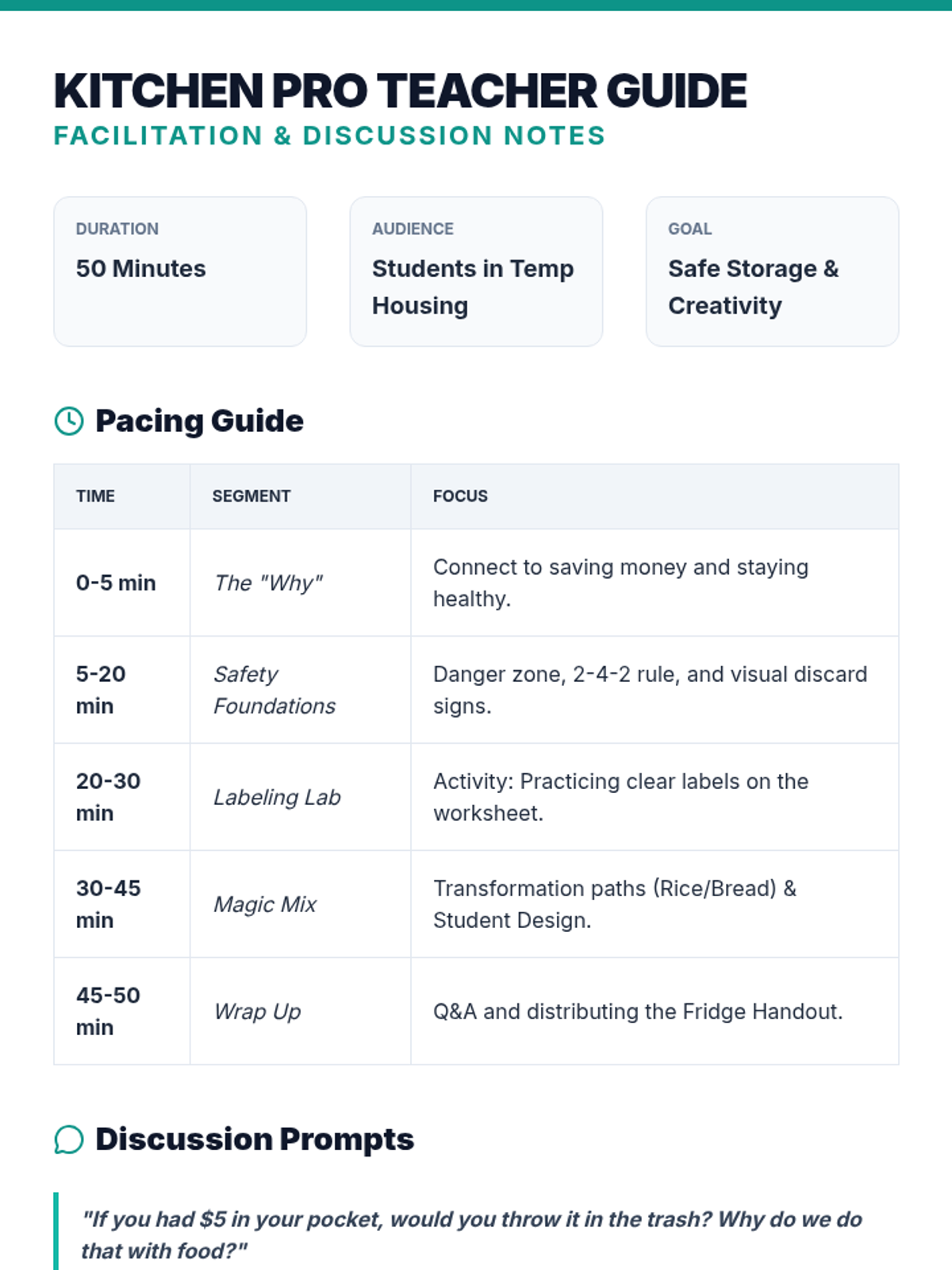
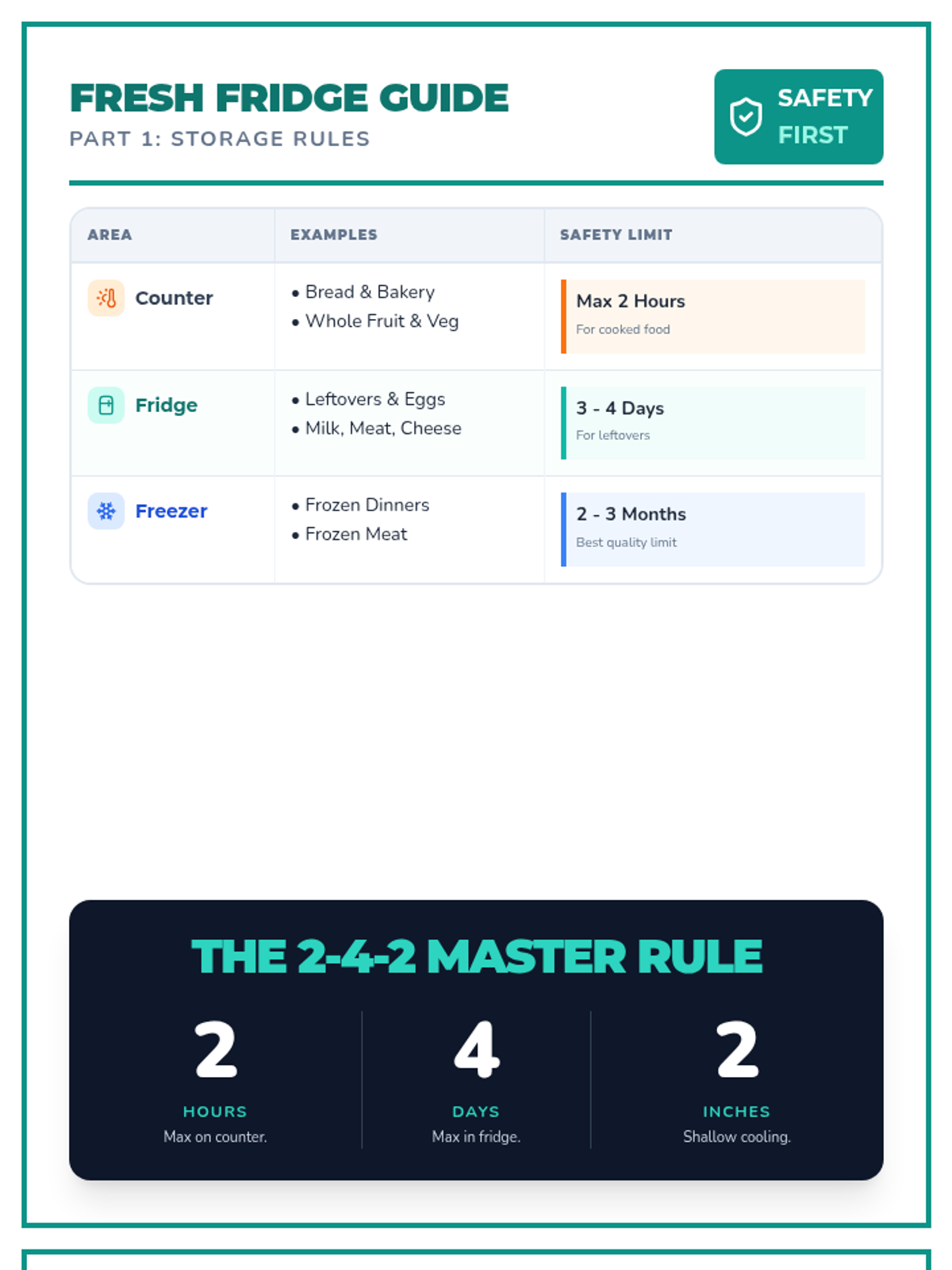
A 50-minute instructional session for students in temporary housing, focusing on safe food storage and creative leftover use through visual guides and sequence flowcharts.
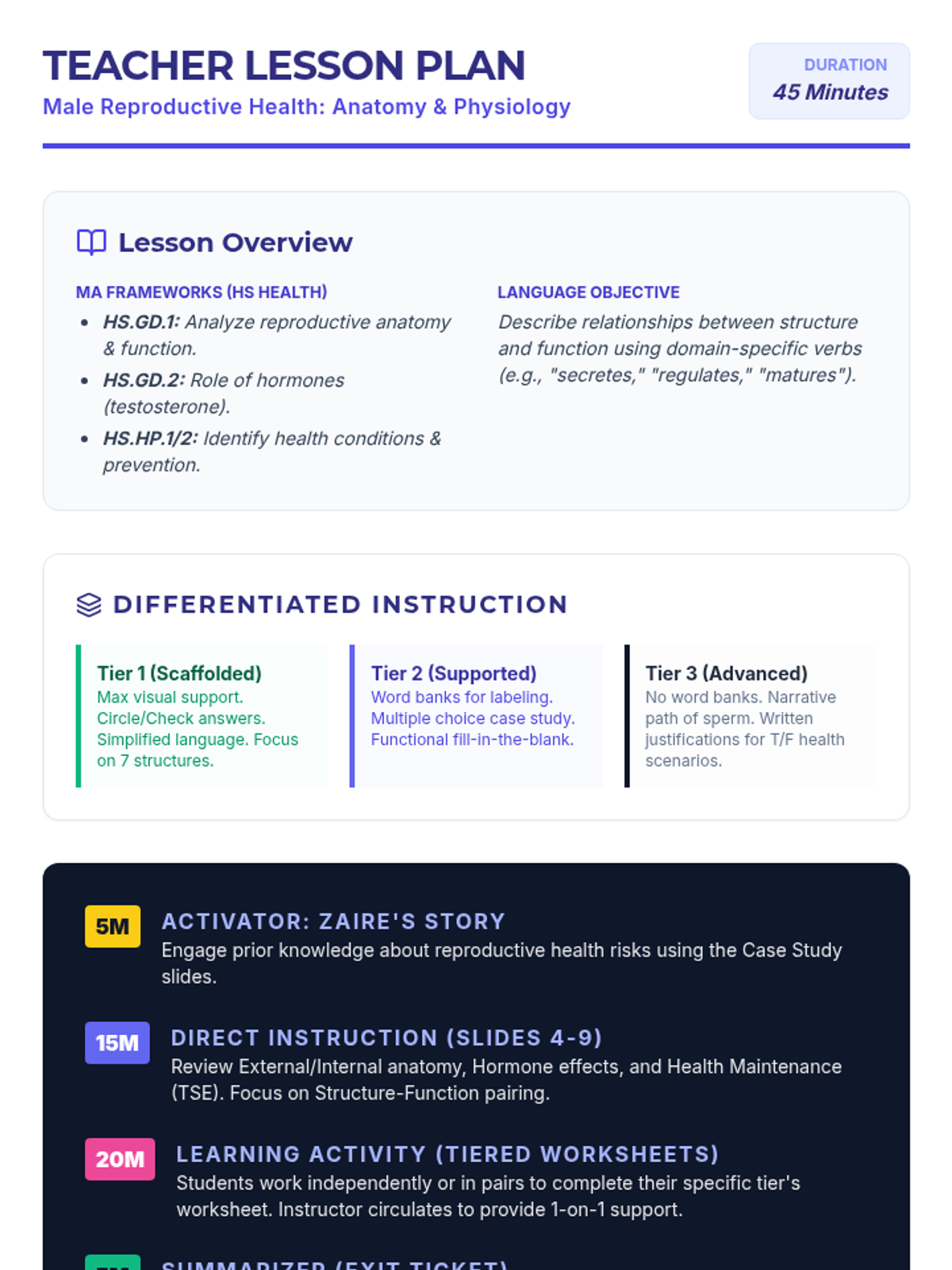
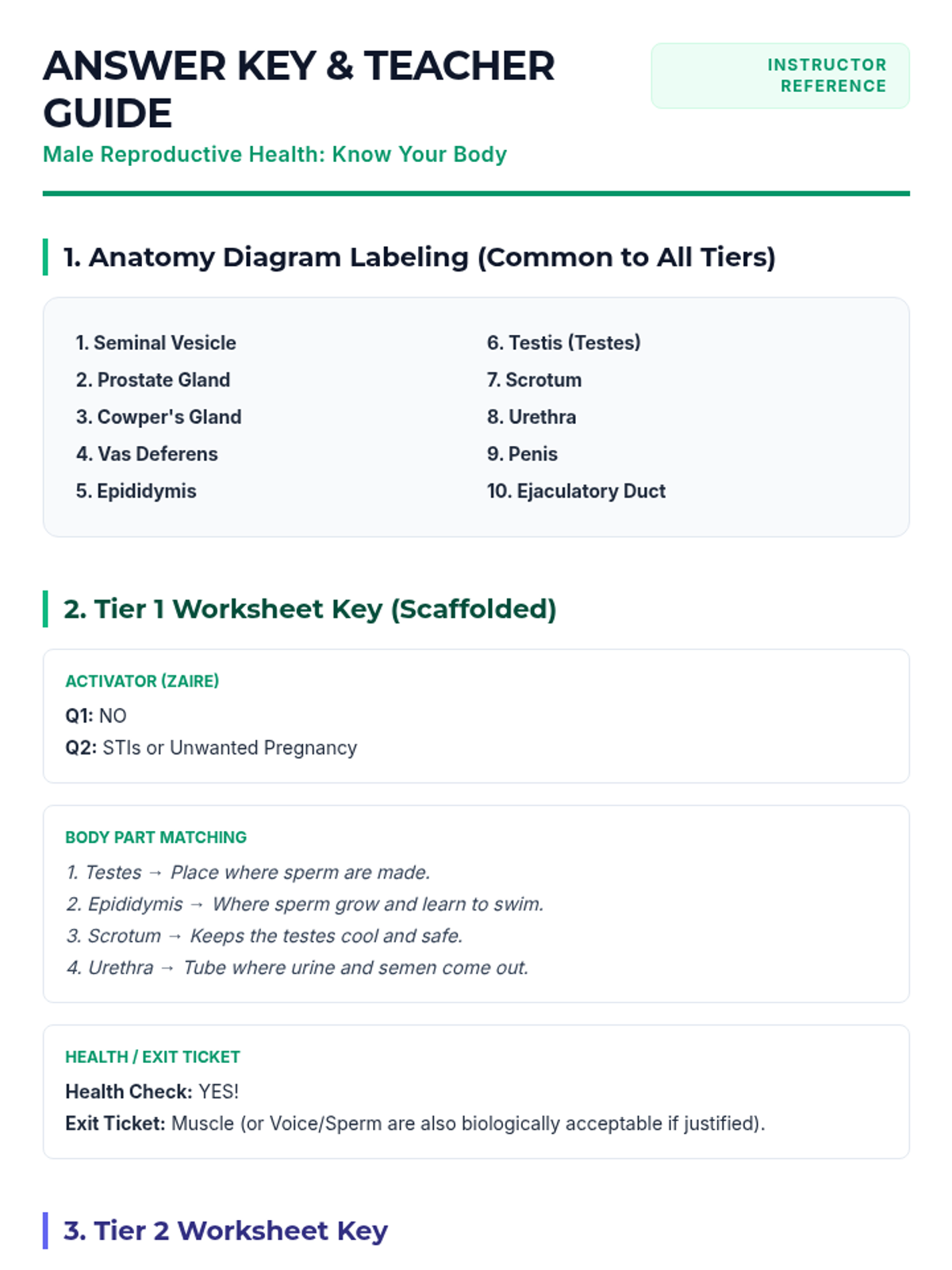
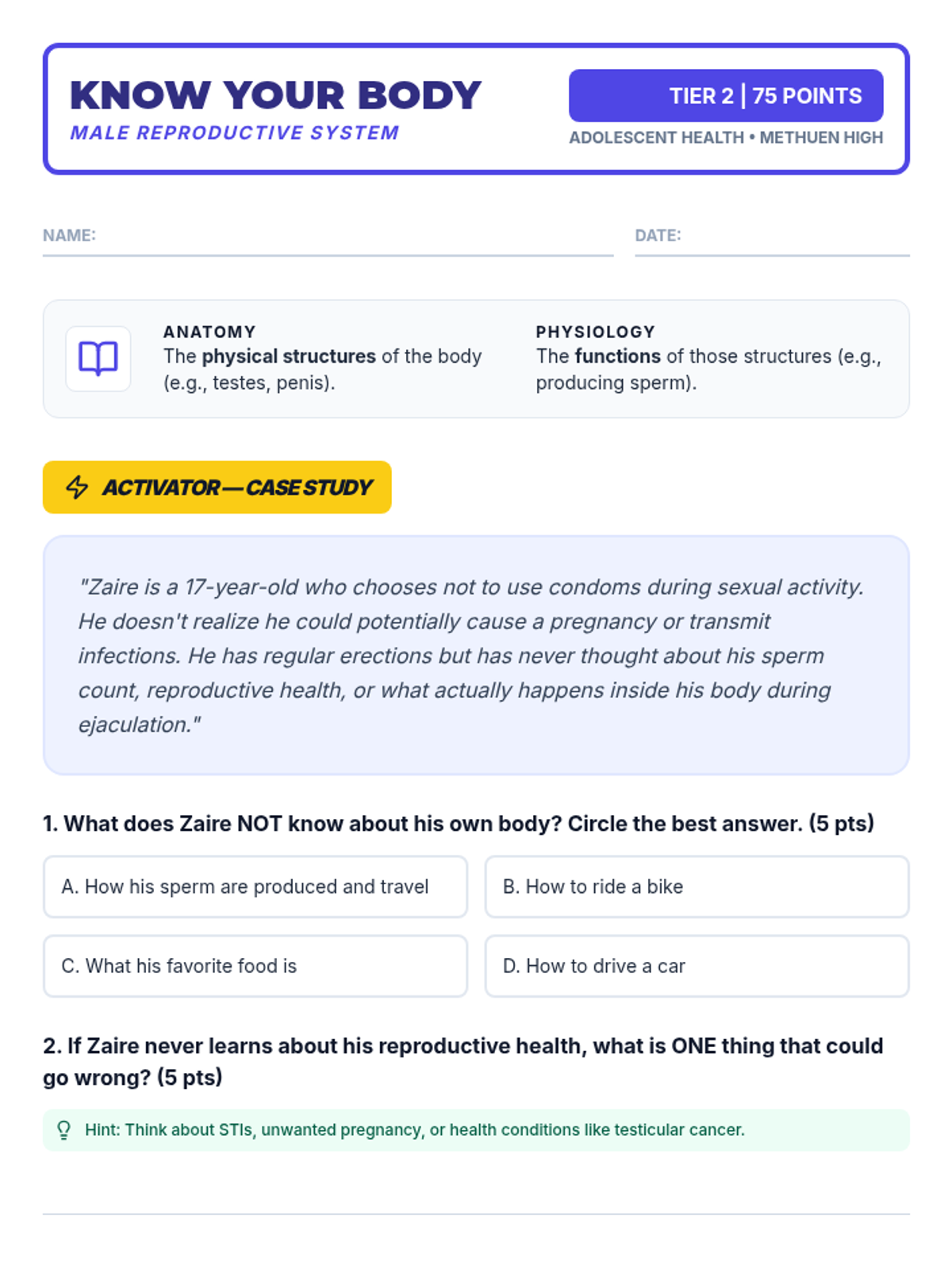
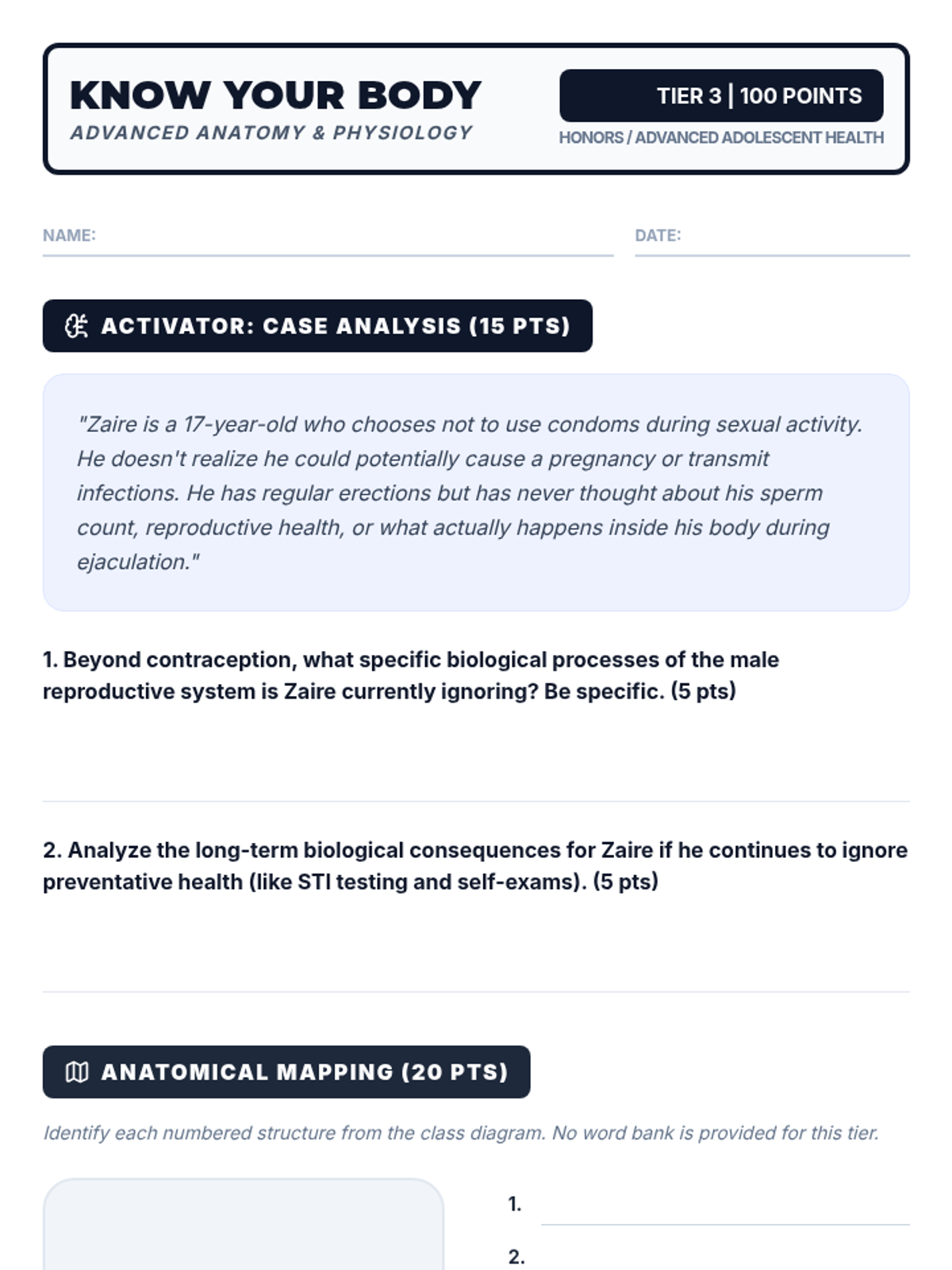
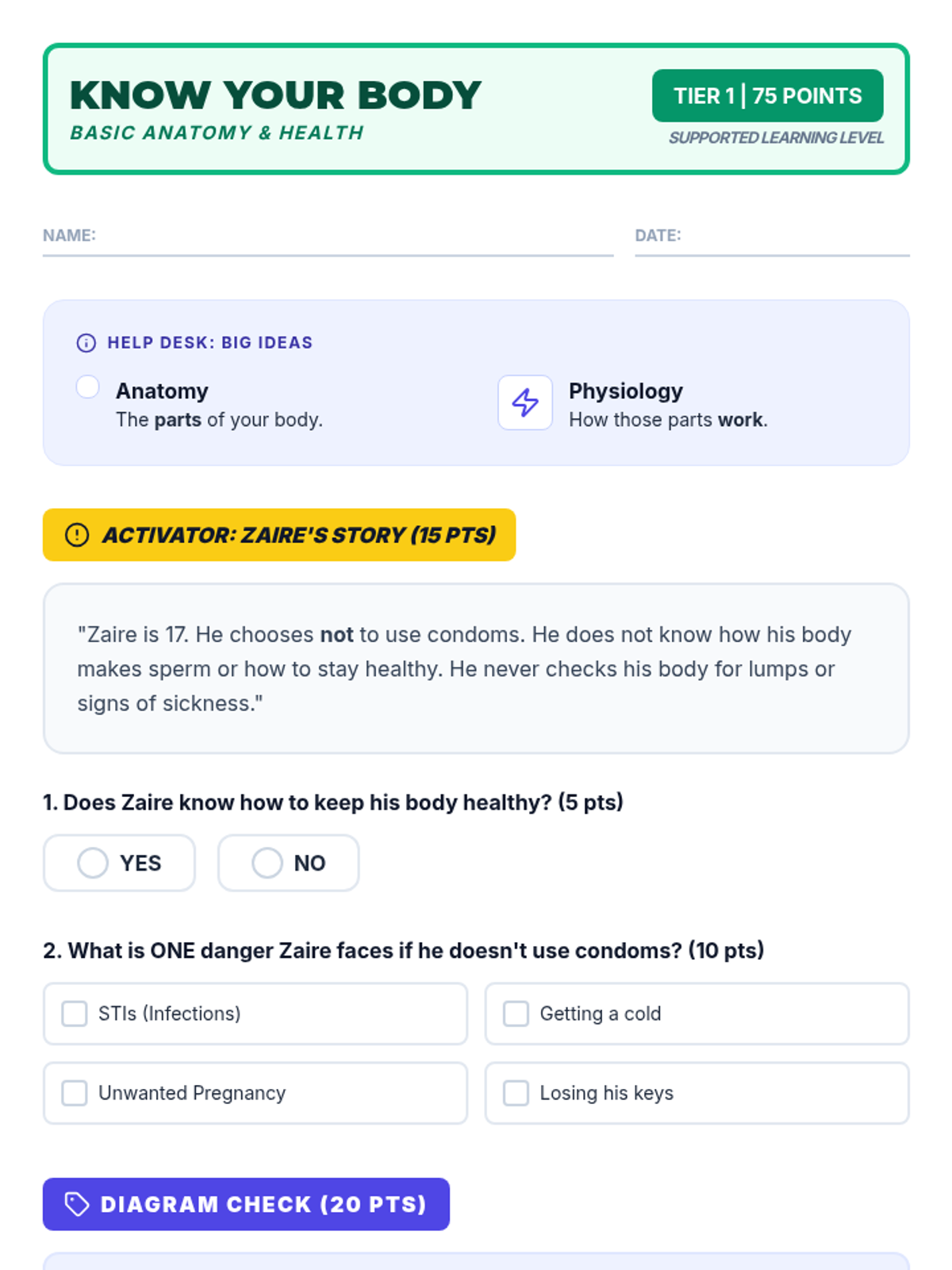
A comprehensive lesson on the male reproductive system focusing on anatomy, physiology, and health maintenance for high school students, featuring tiered instruction and clear learning objectives aligned with Massachusetts standards.
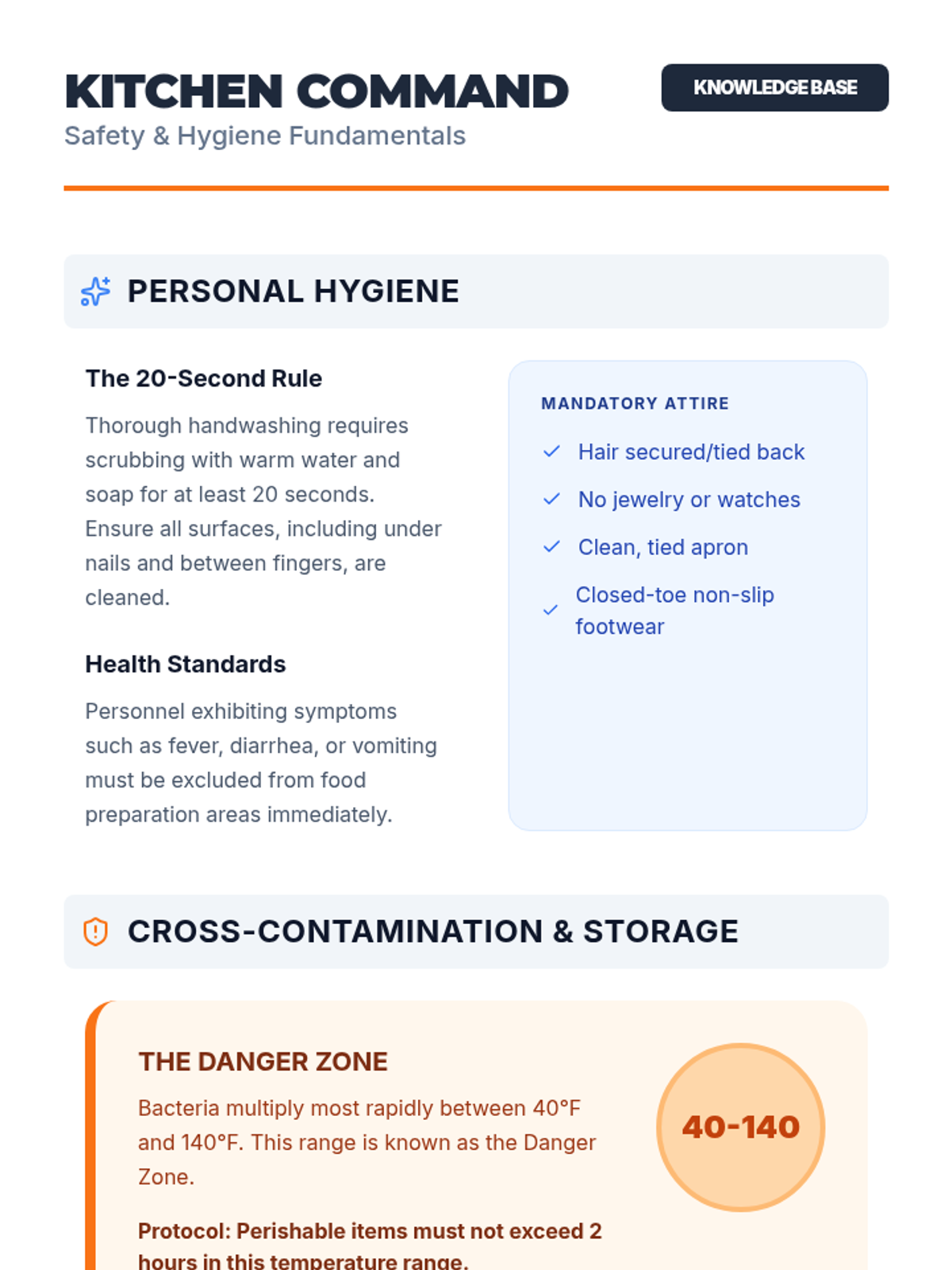
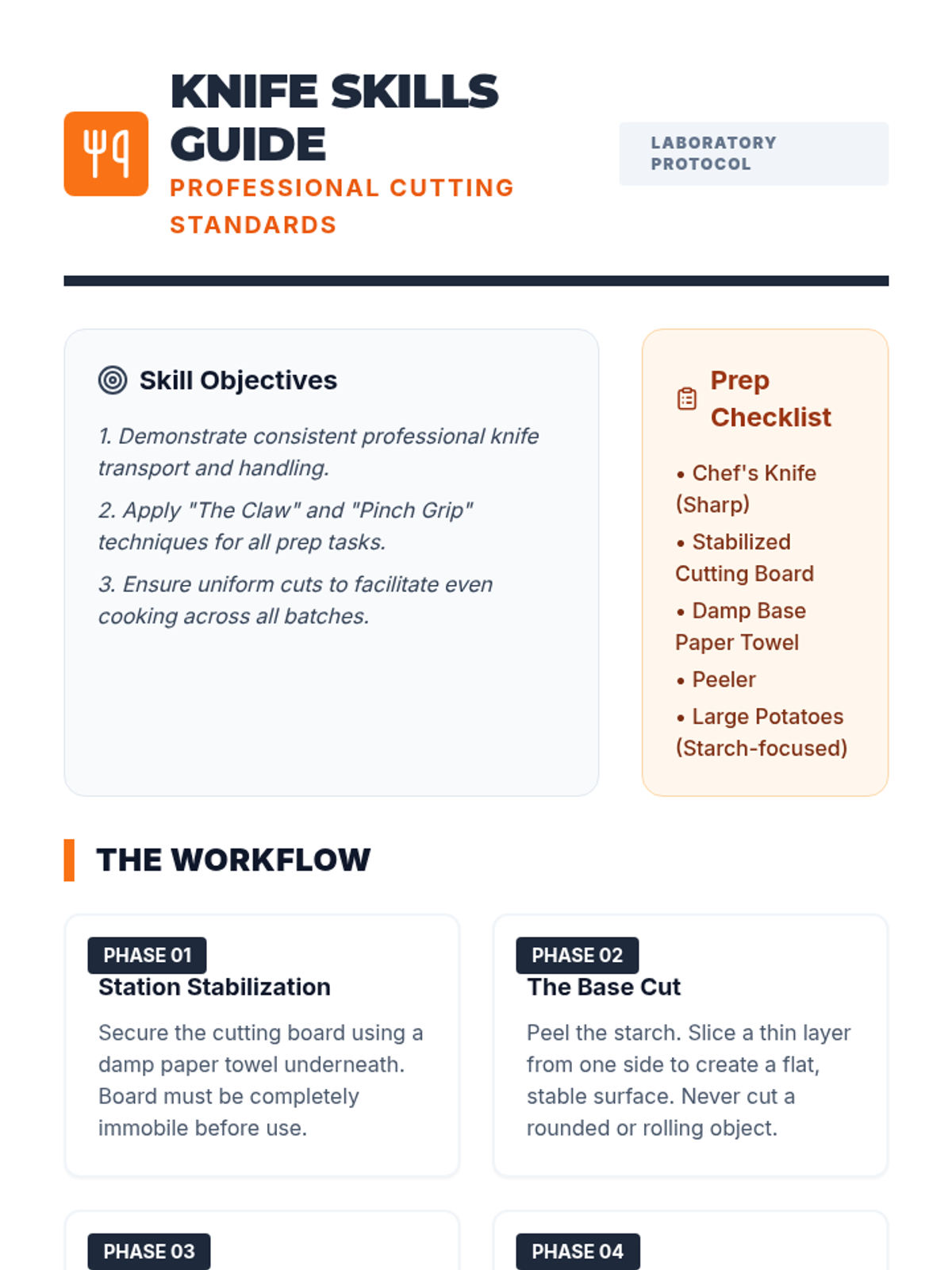
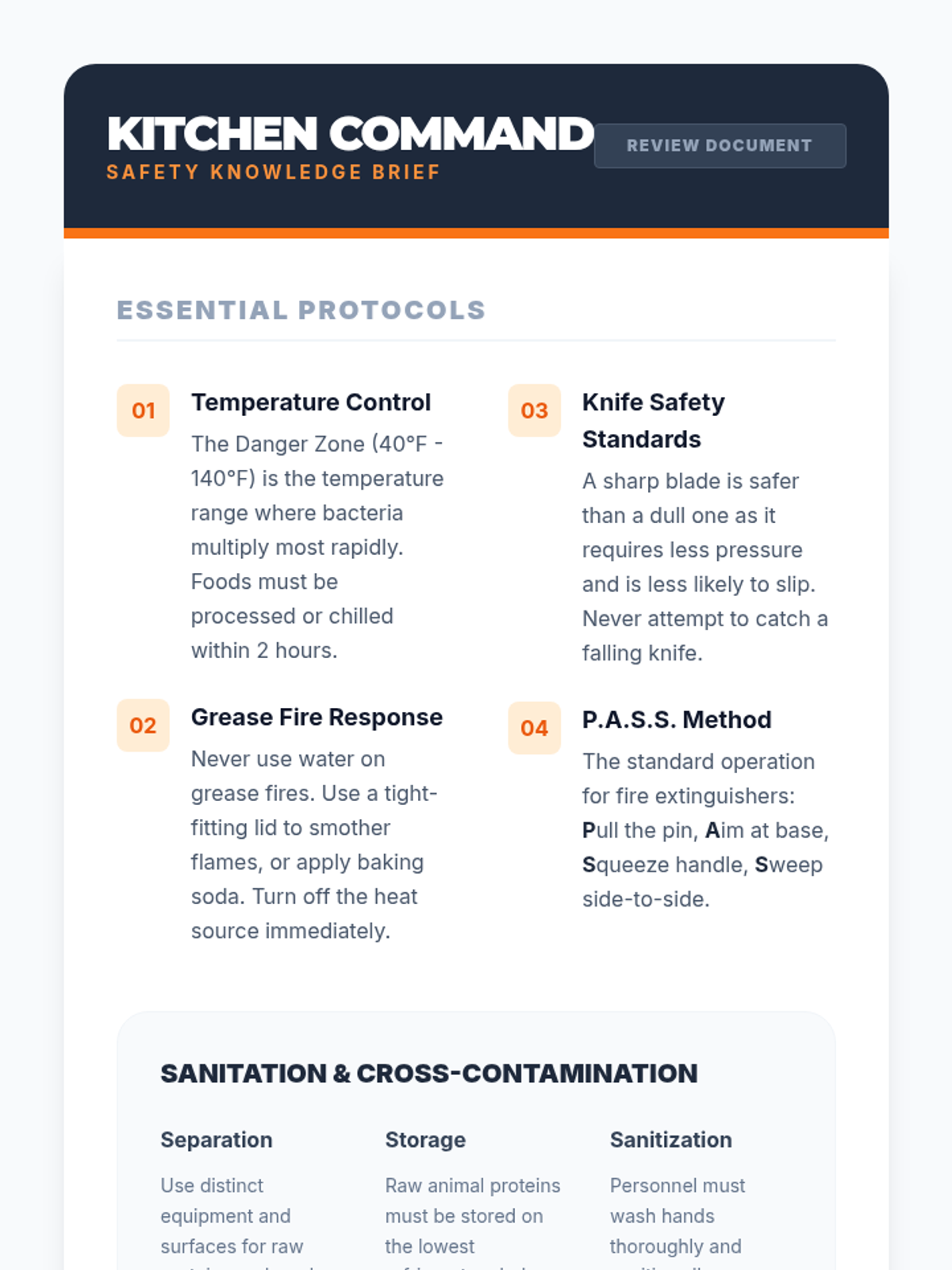
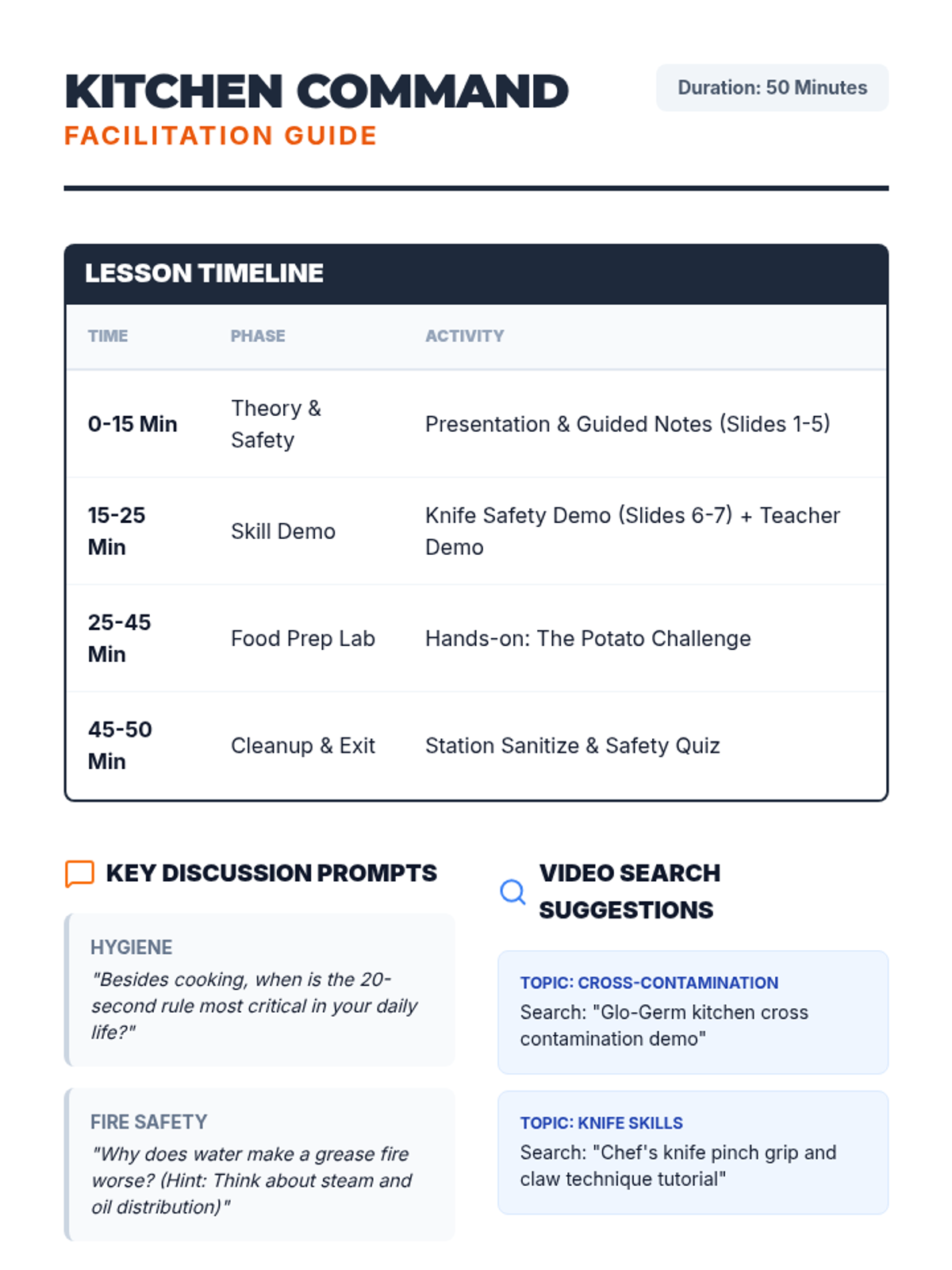
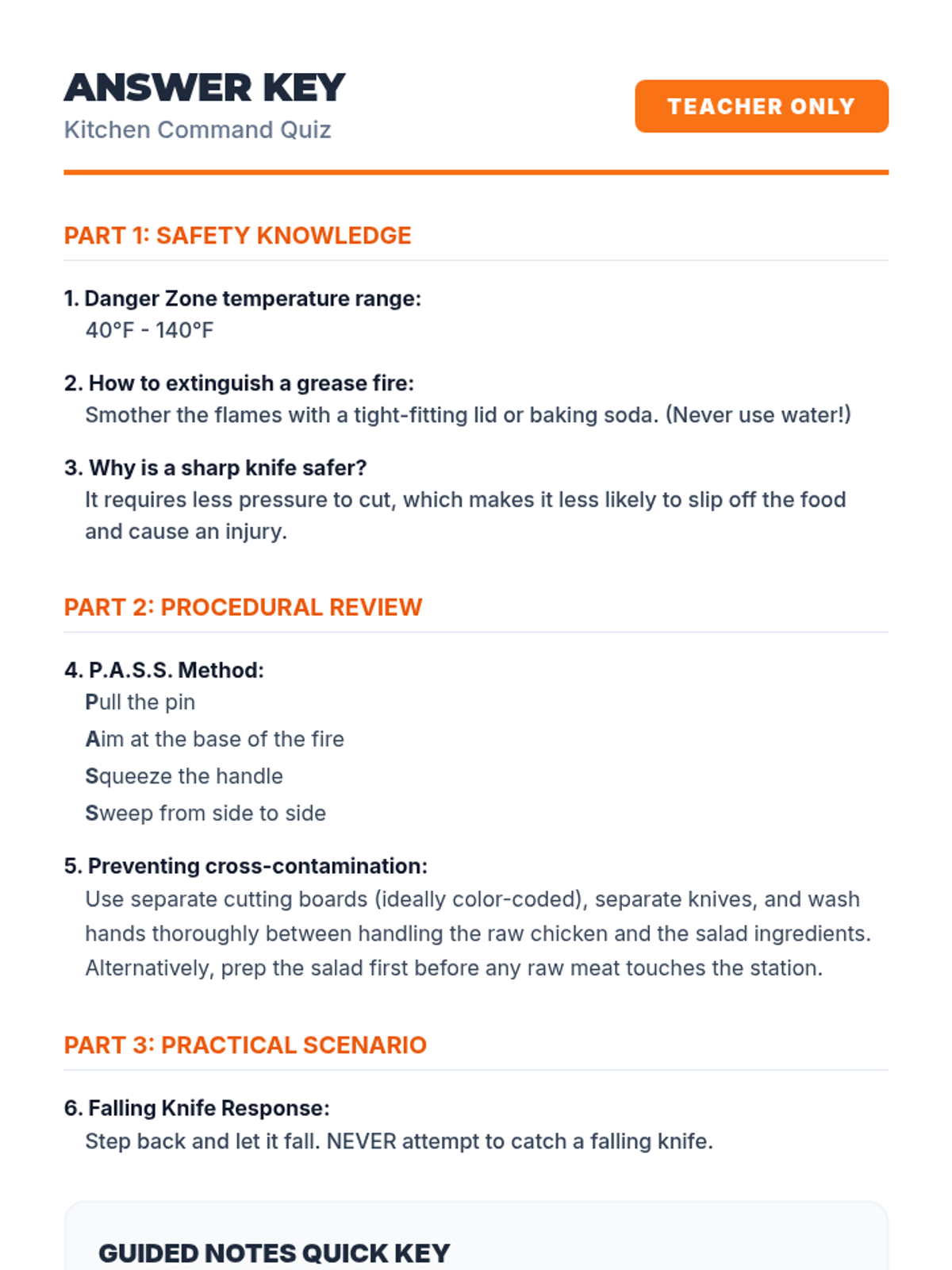
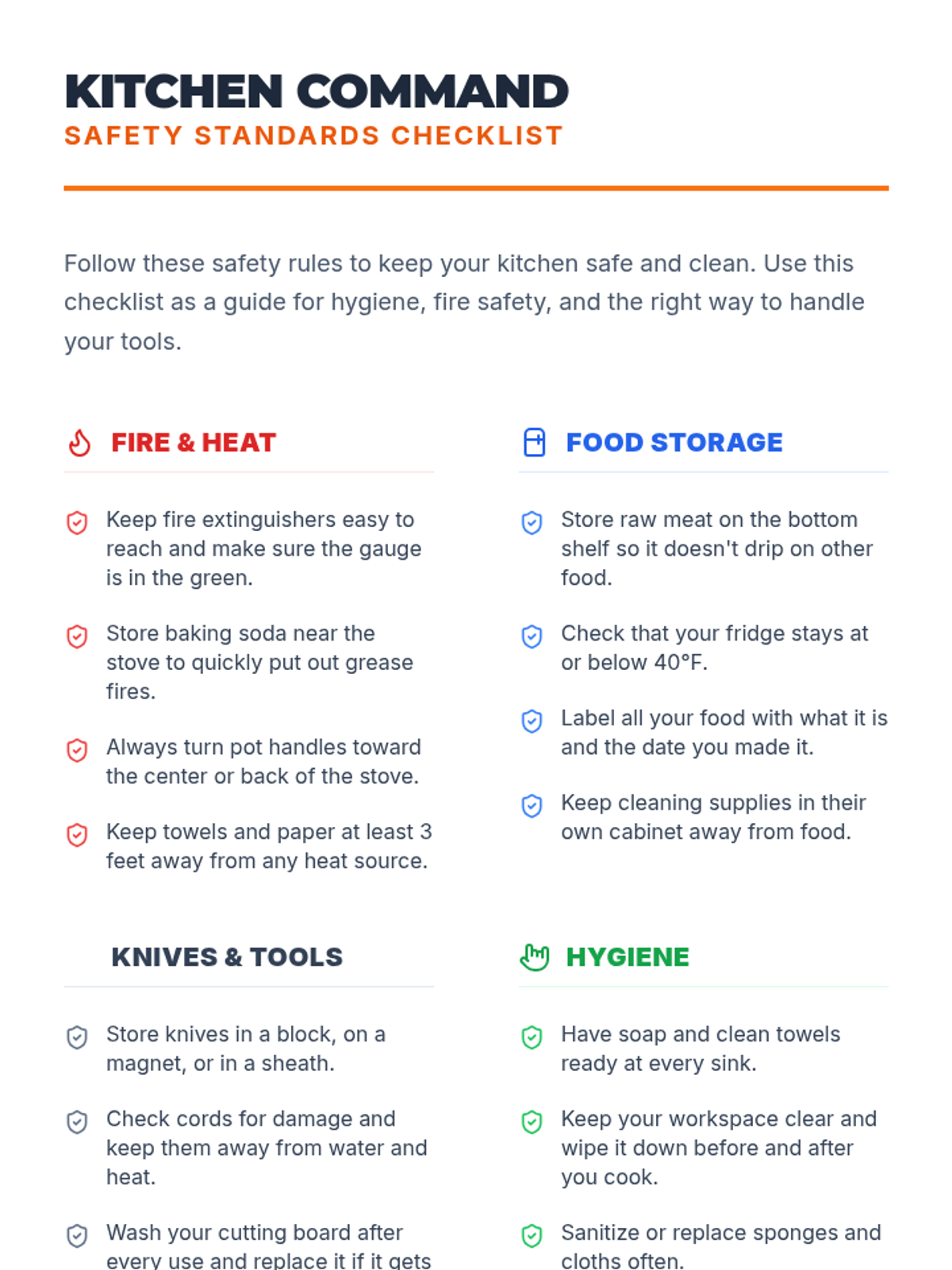
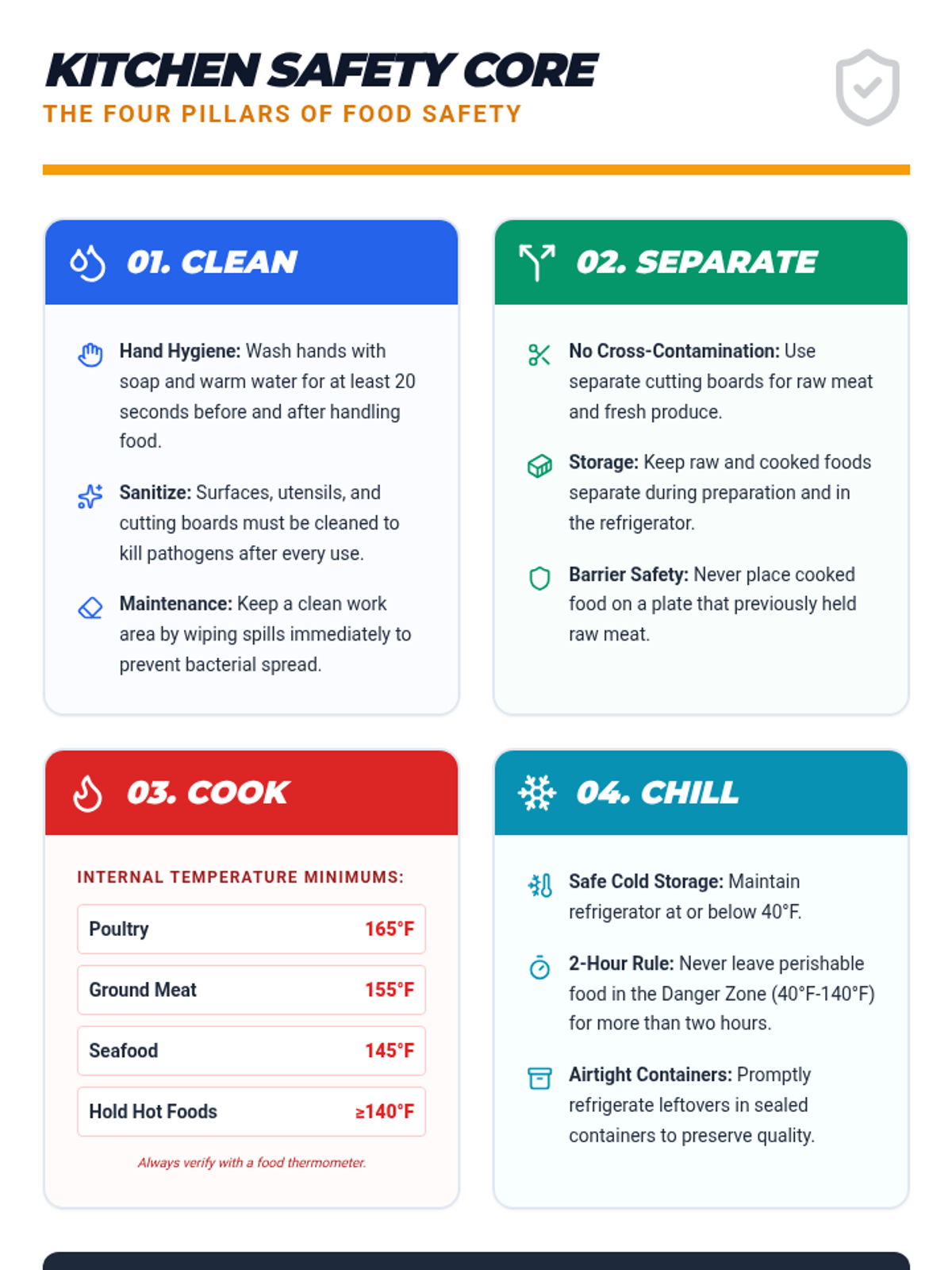
A comprehensive 50-minute introduction to essential kitchen safety and basic cooking skills, featuring a slide presentation, guided notes, and a hands-on knife skills lab.
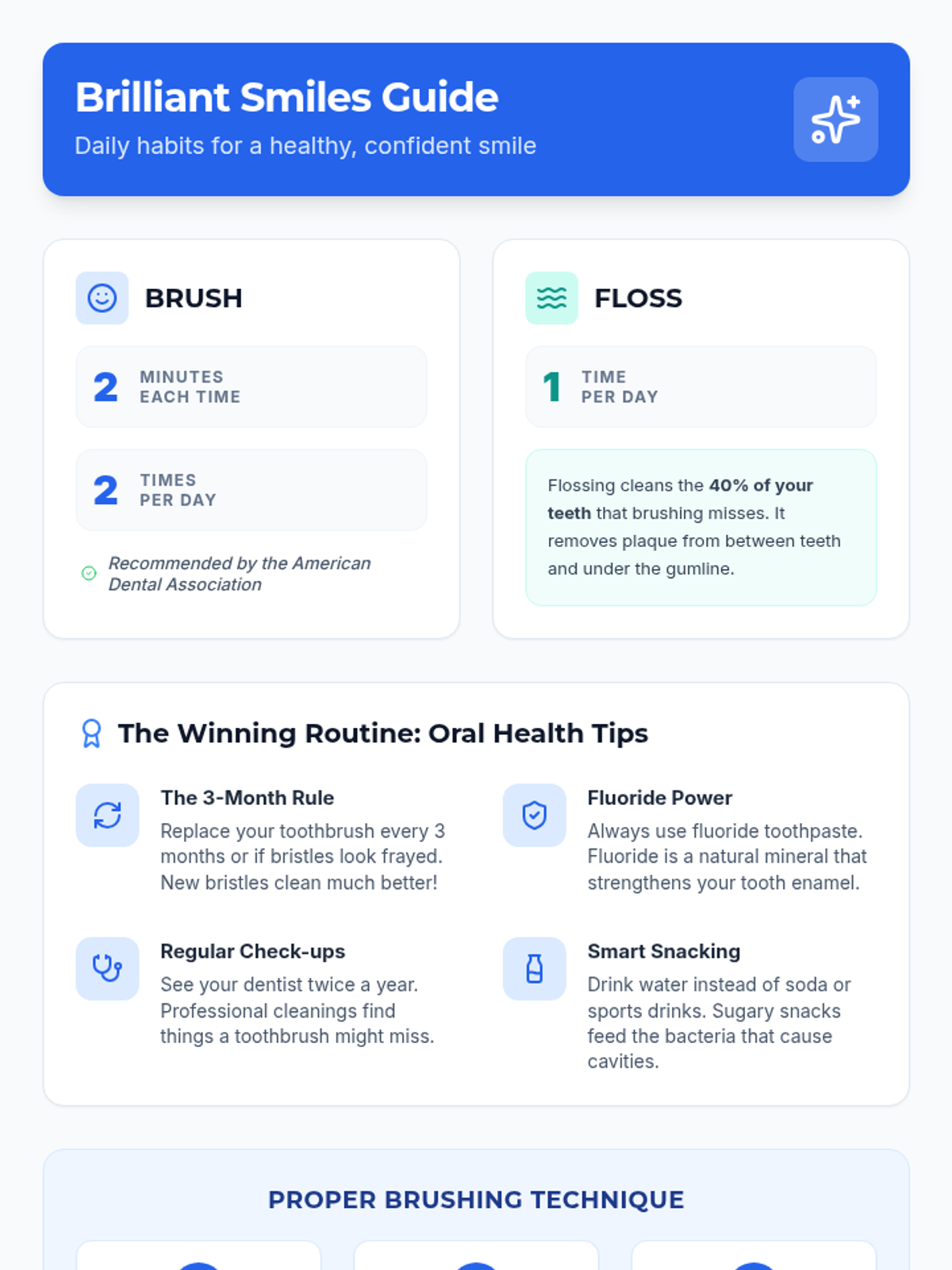
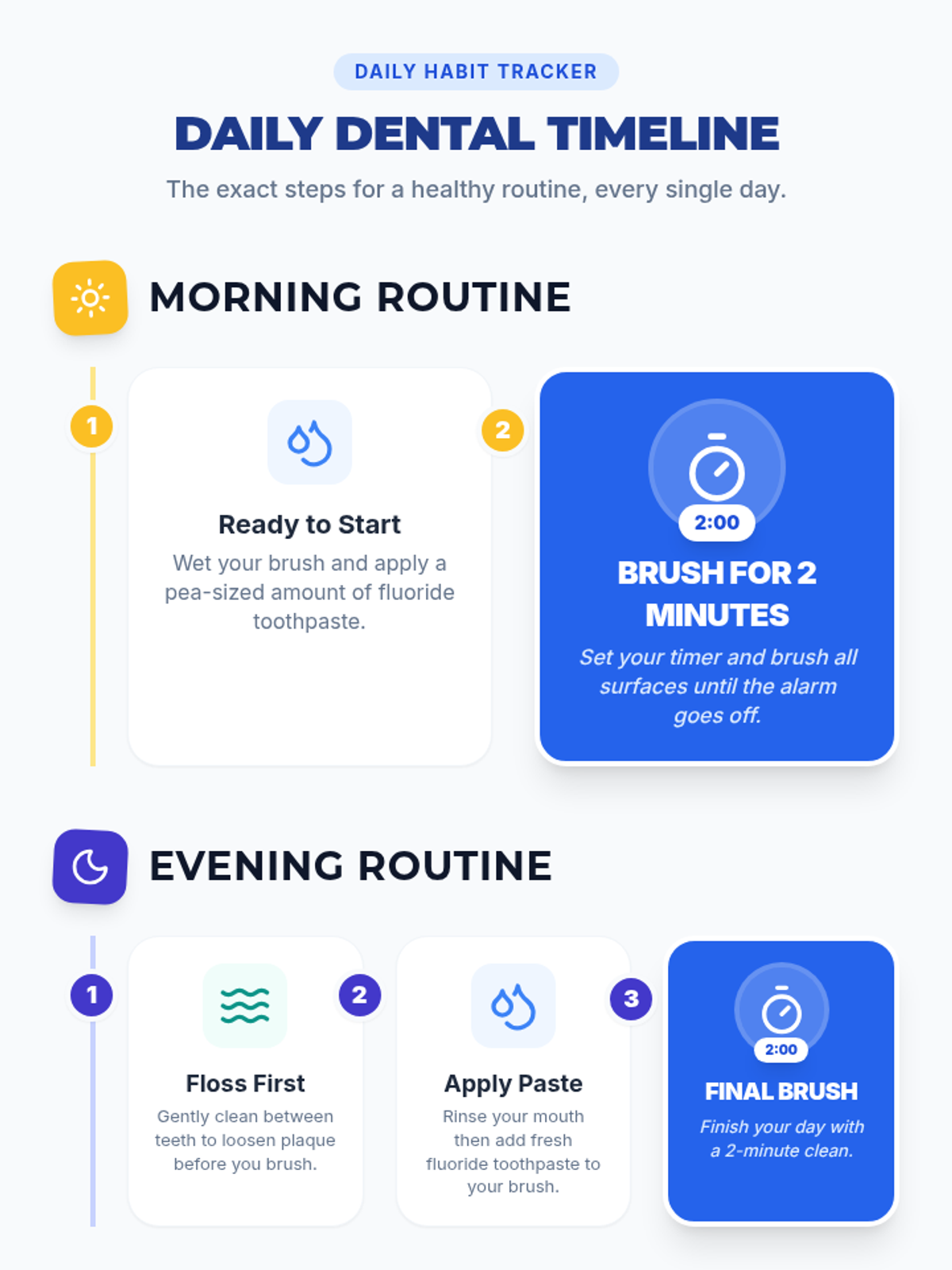
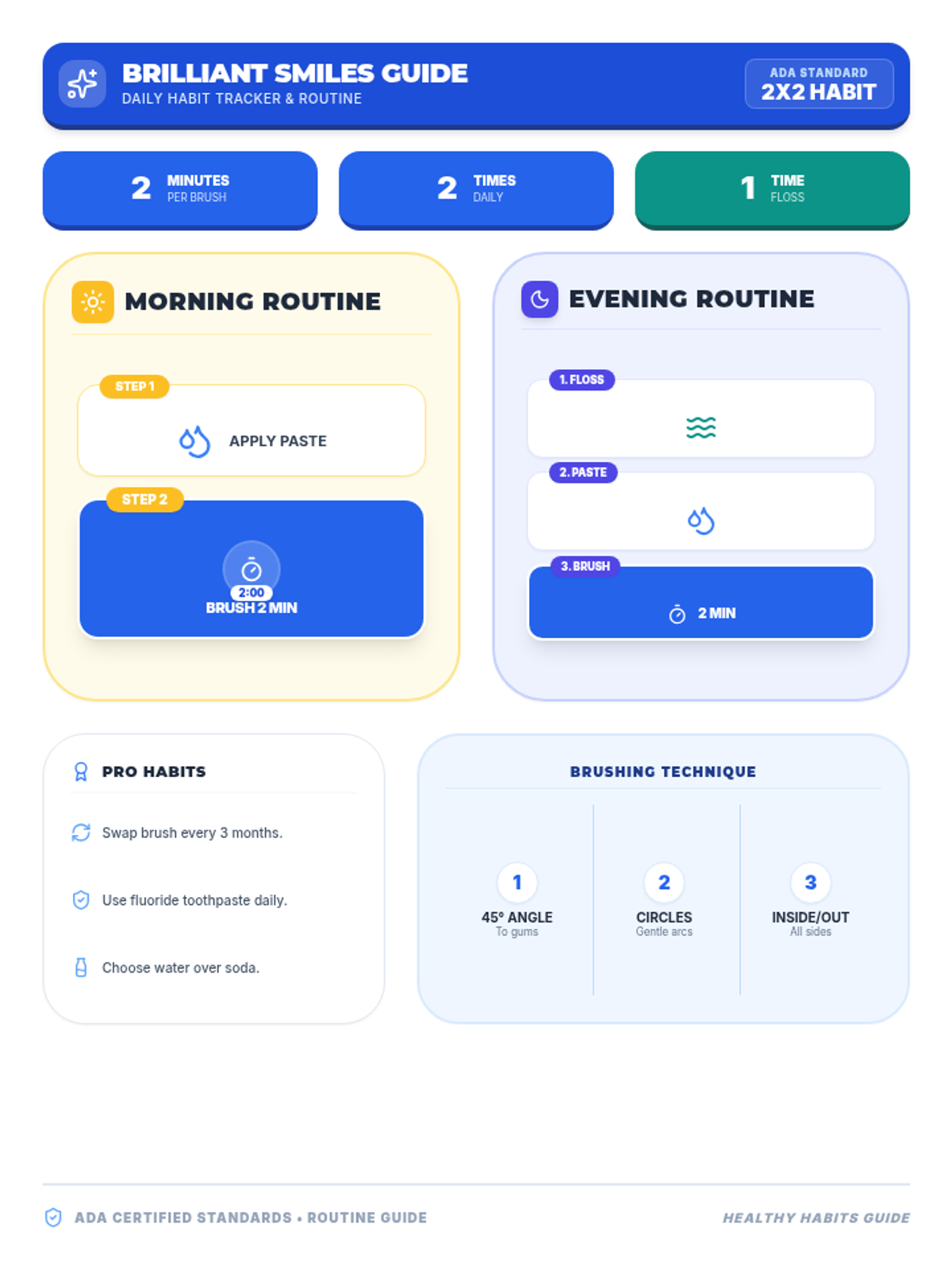
A comprehensive guide to oral hygiene routines for teens, featuring clear visual instructions on brushing, flossing, and maintaining a healthy smile based on ADA guidelines.
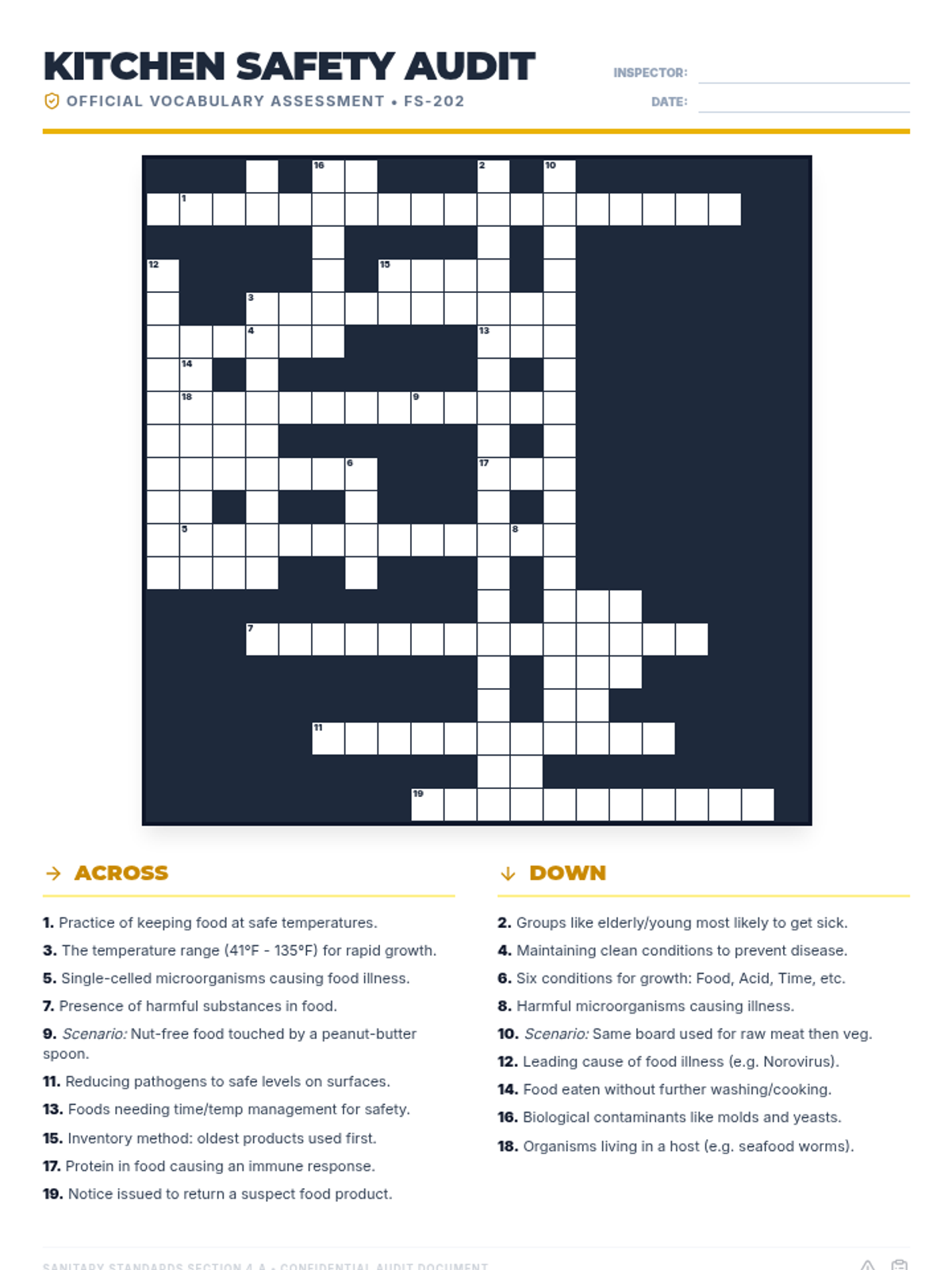
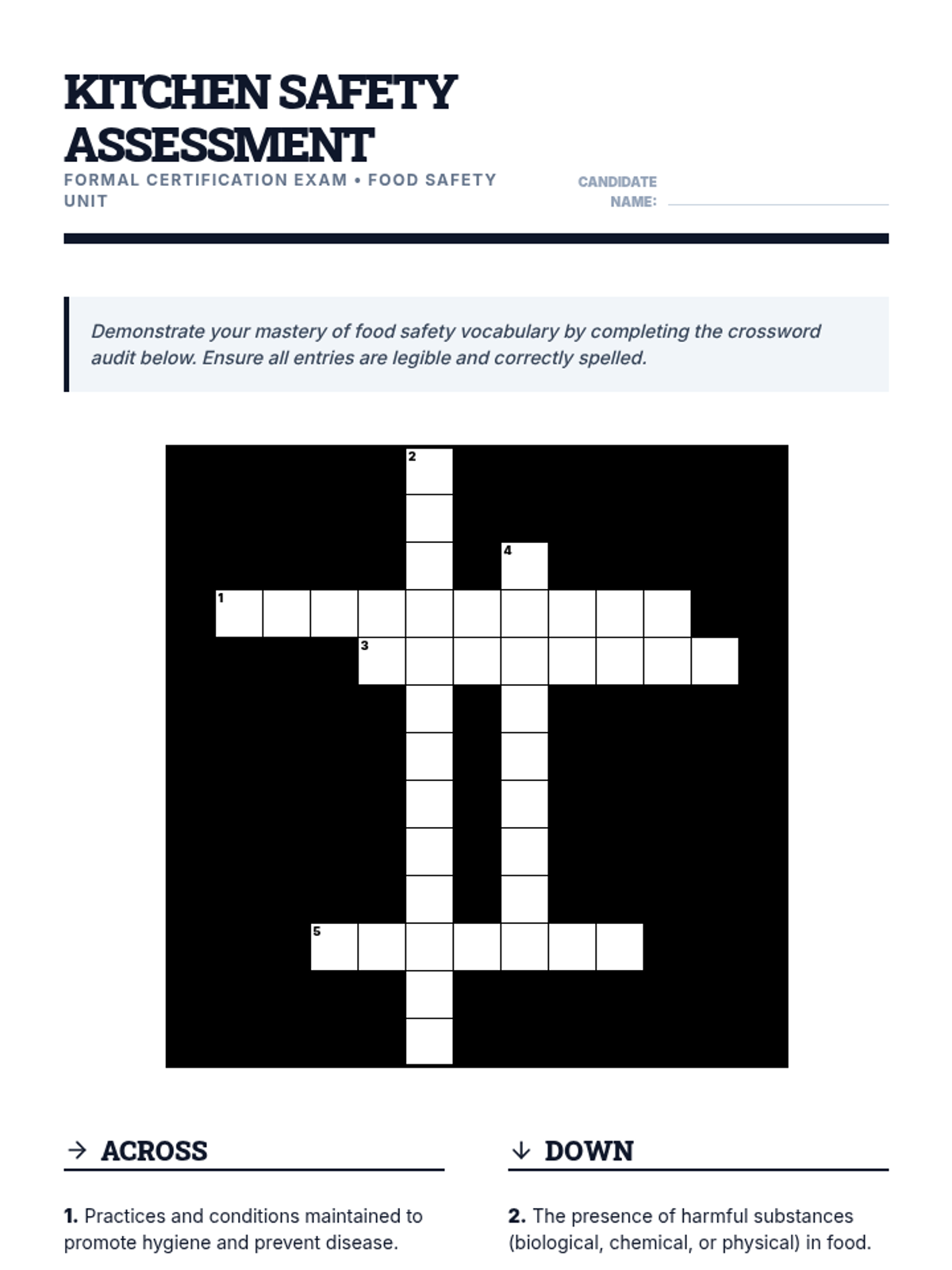
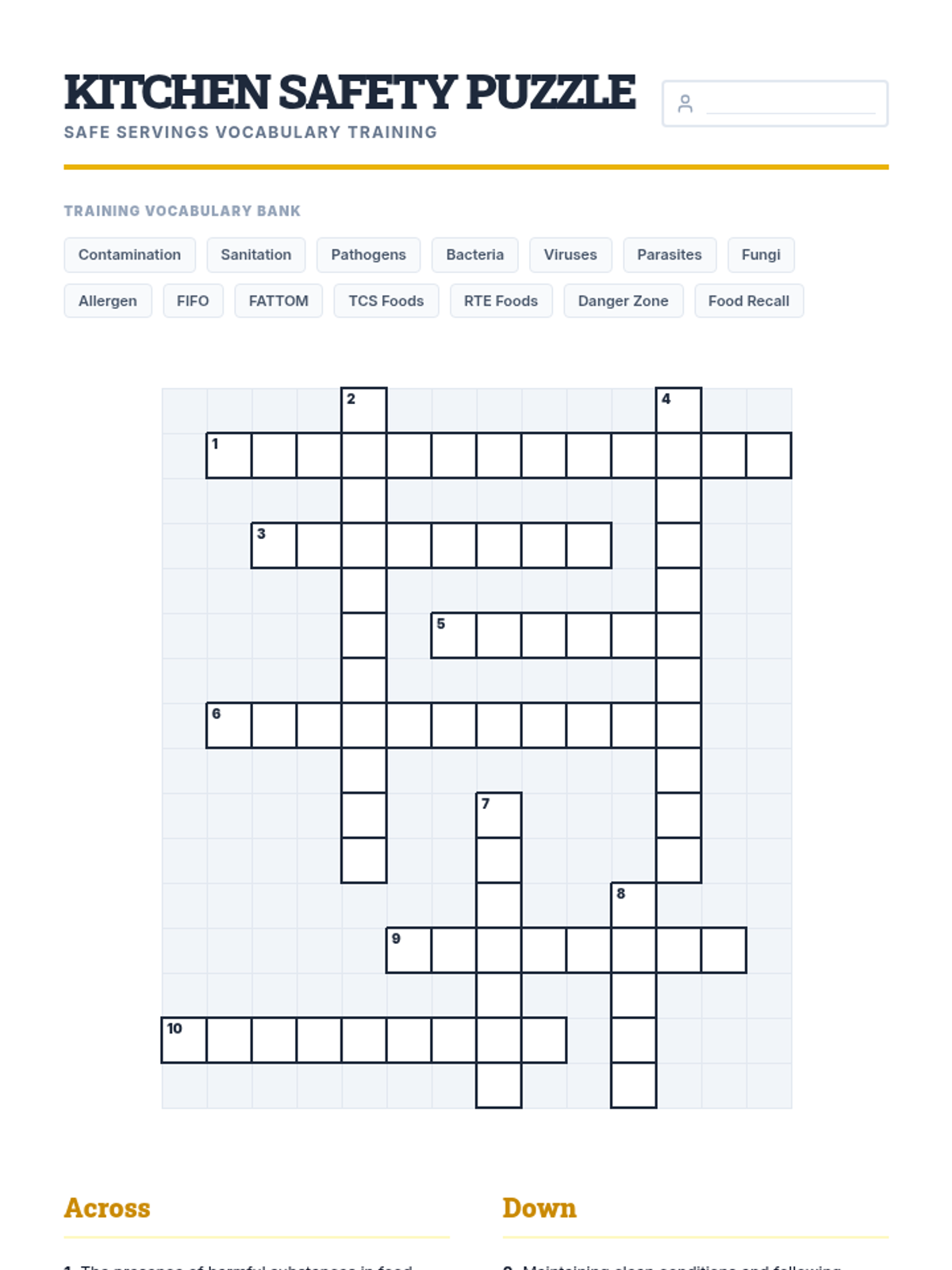
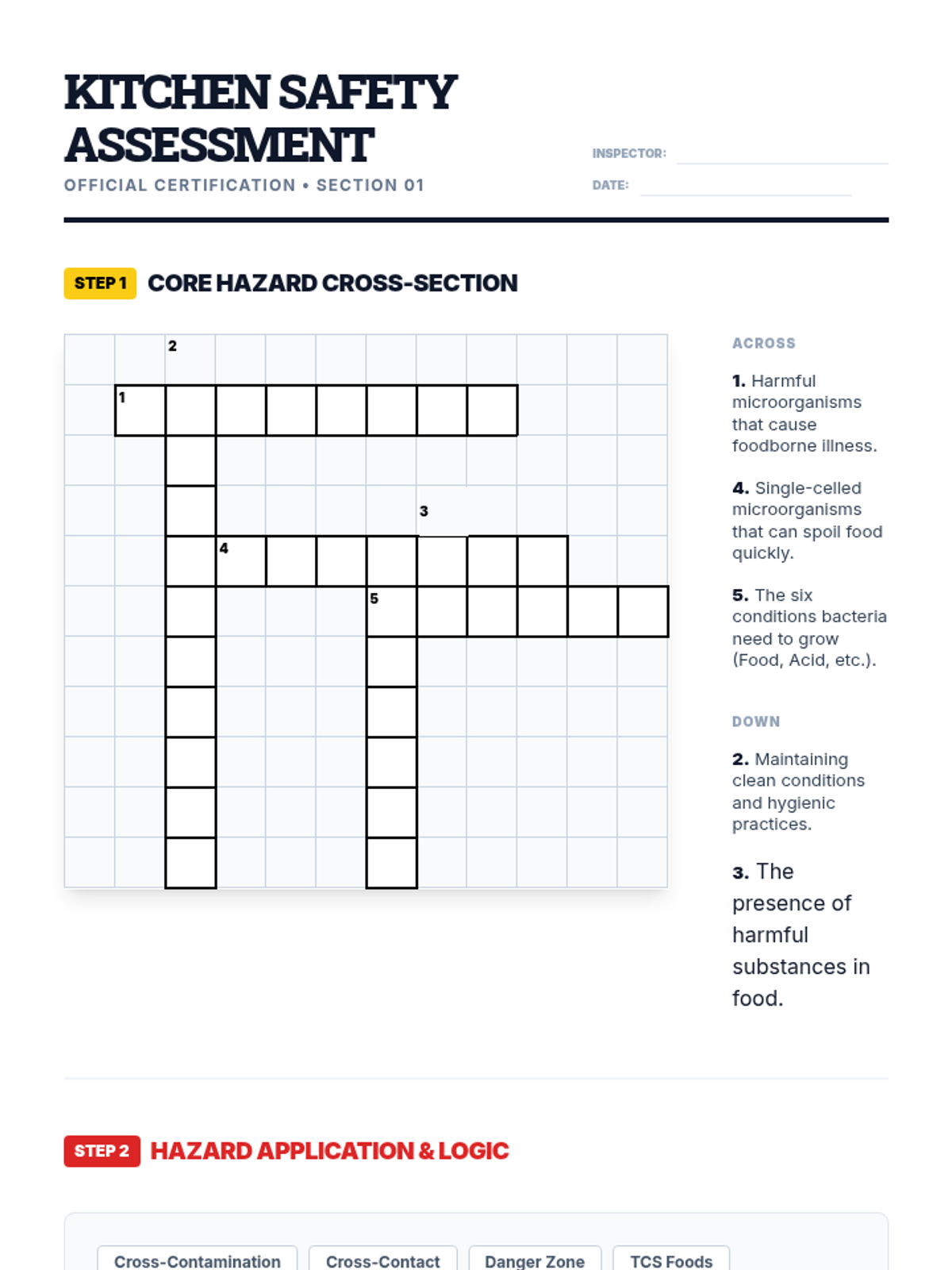
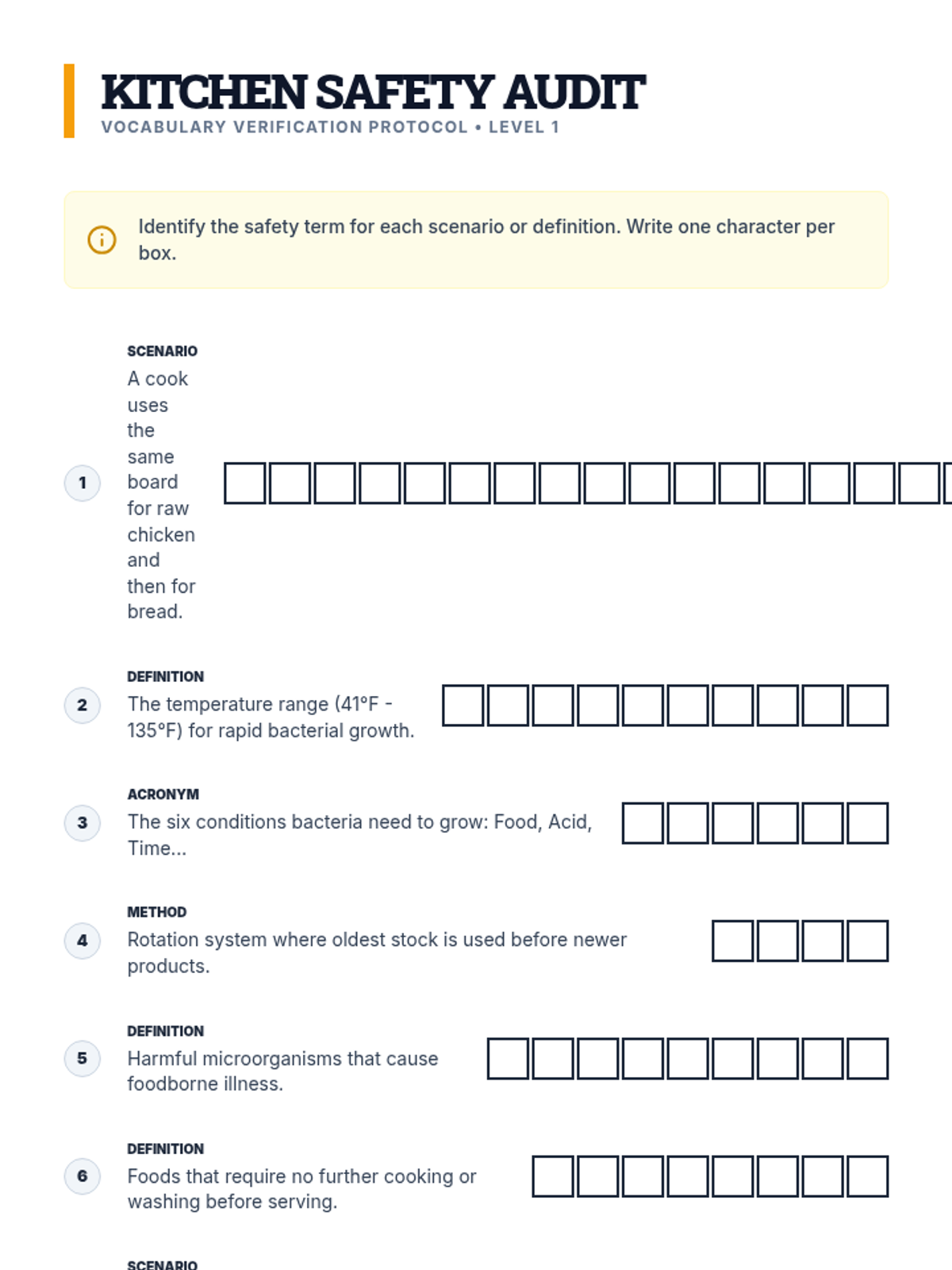
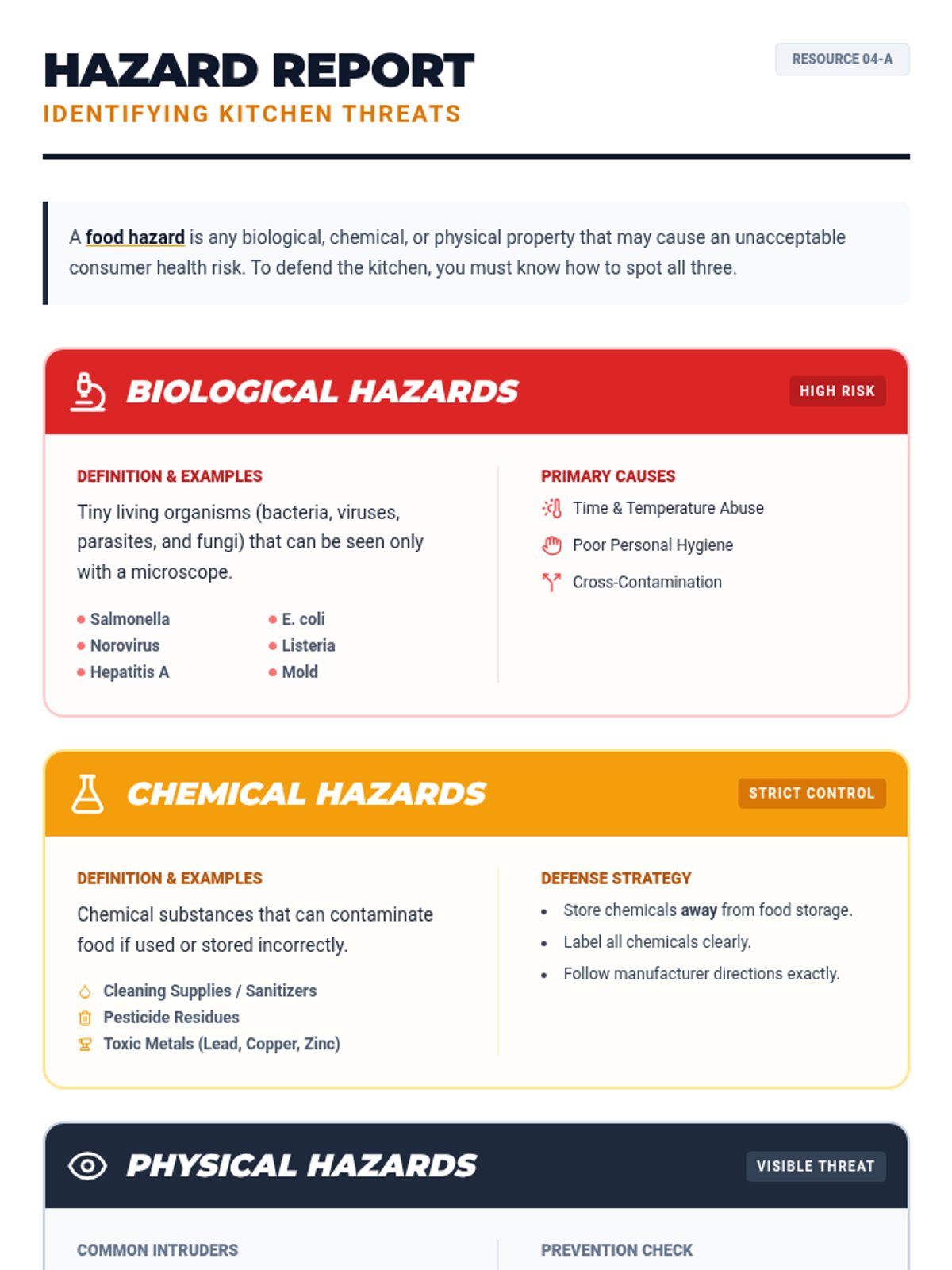
A lesson focused on essential food safety practices, vocabulary, and hazard prevention in a commercial kitchen setting.
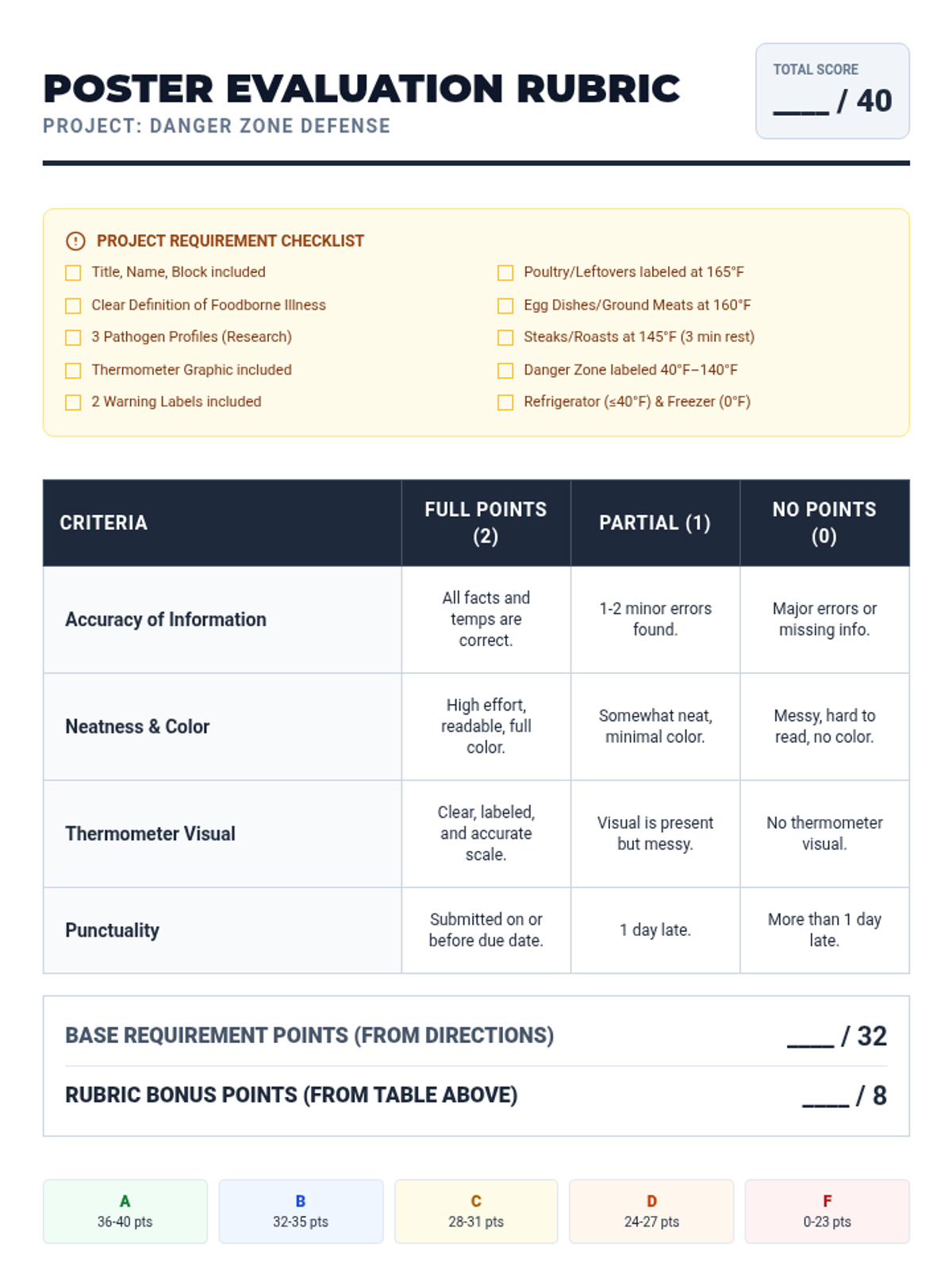
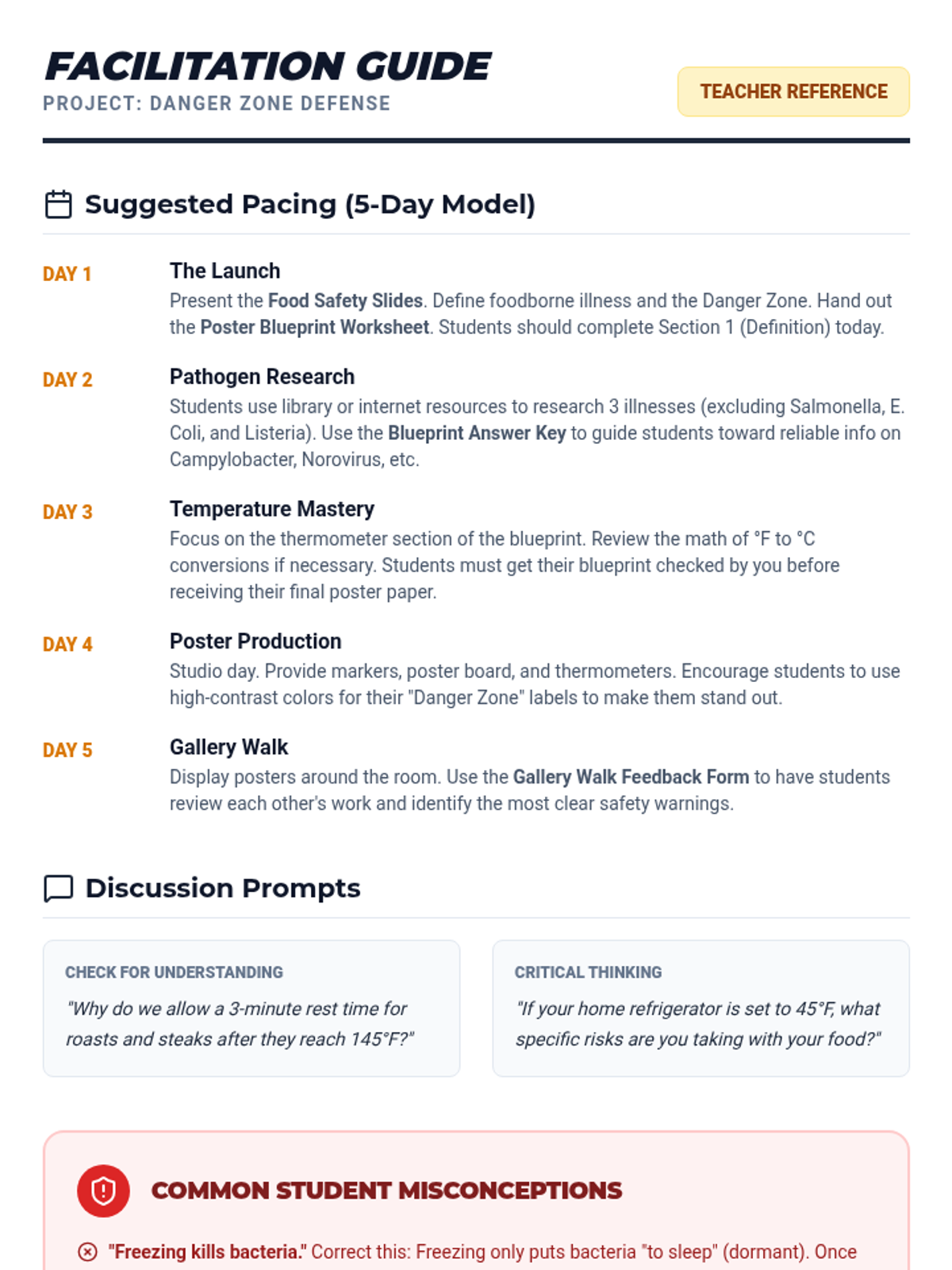
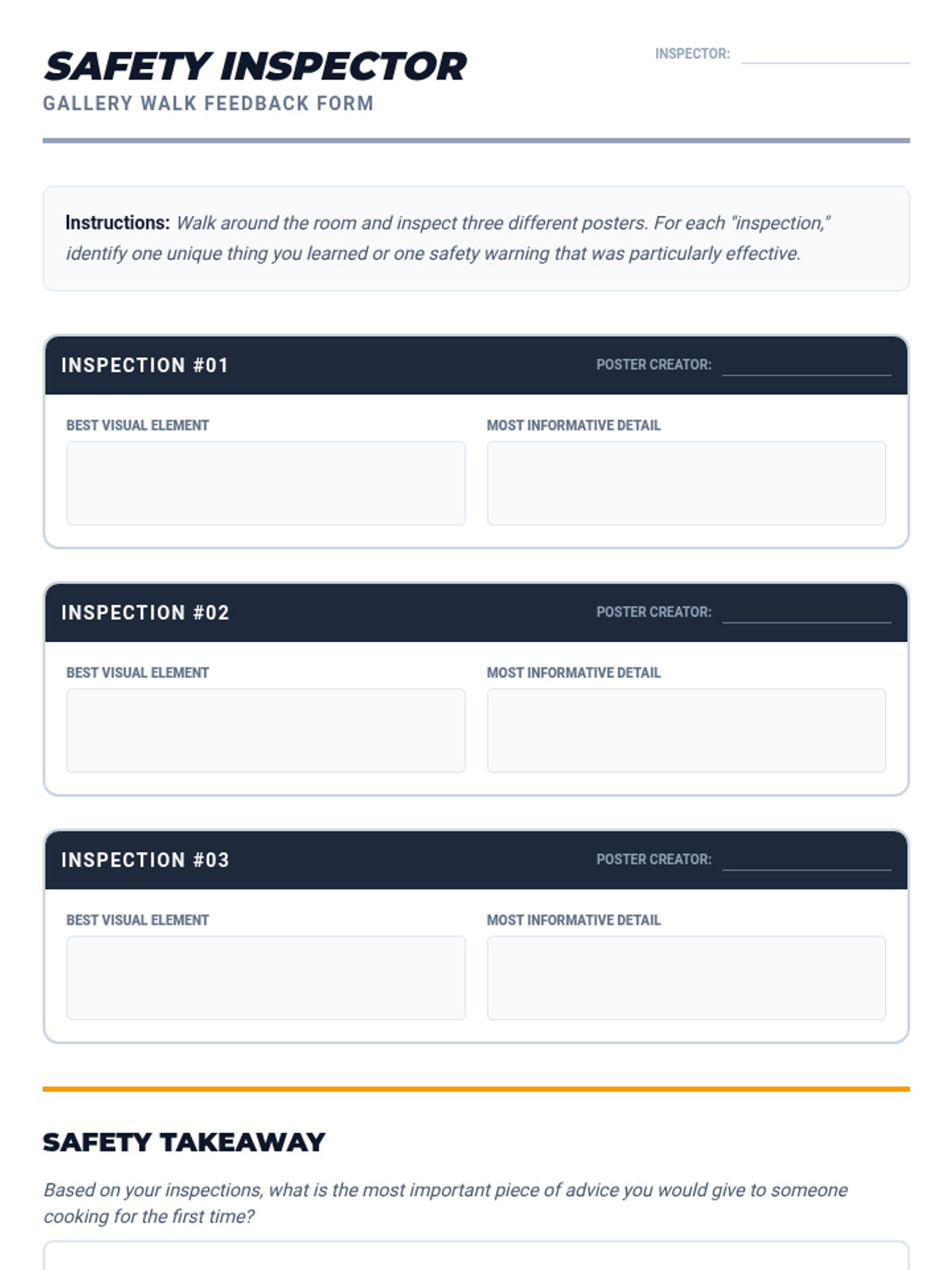
A multi-day project where students research foodborne illnesses and create a visual safety poster centered around proper heating and cooling temperatures. Students will investigate specific pathogens, master temperature guidelines, and understand the science of the 'Danger Zone.'
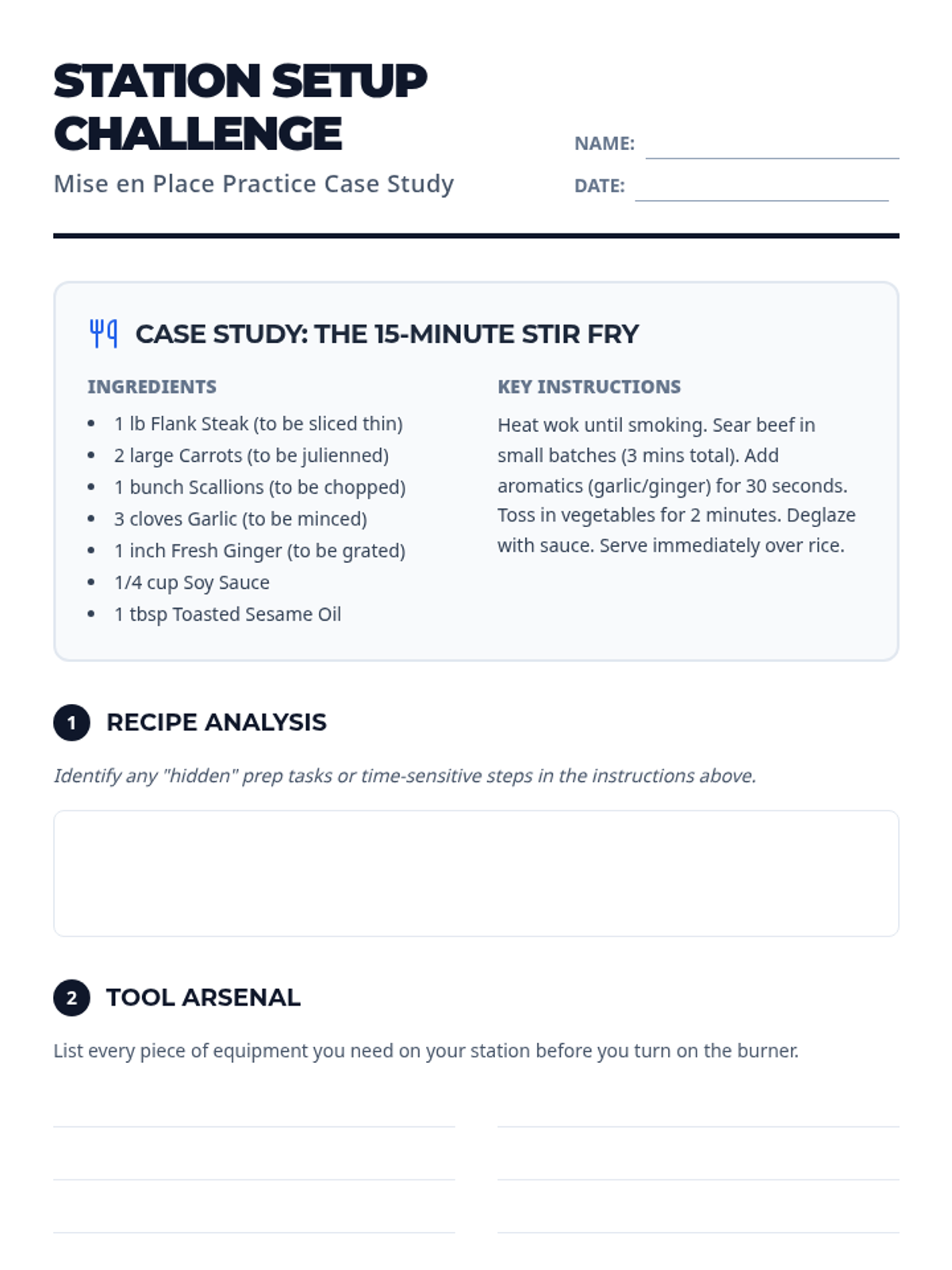
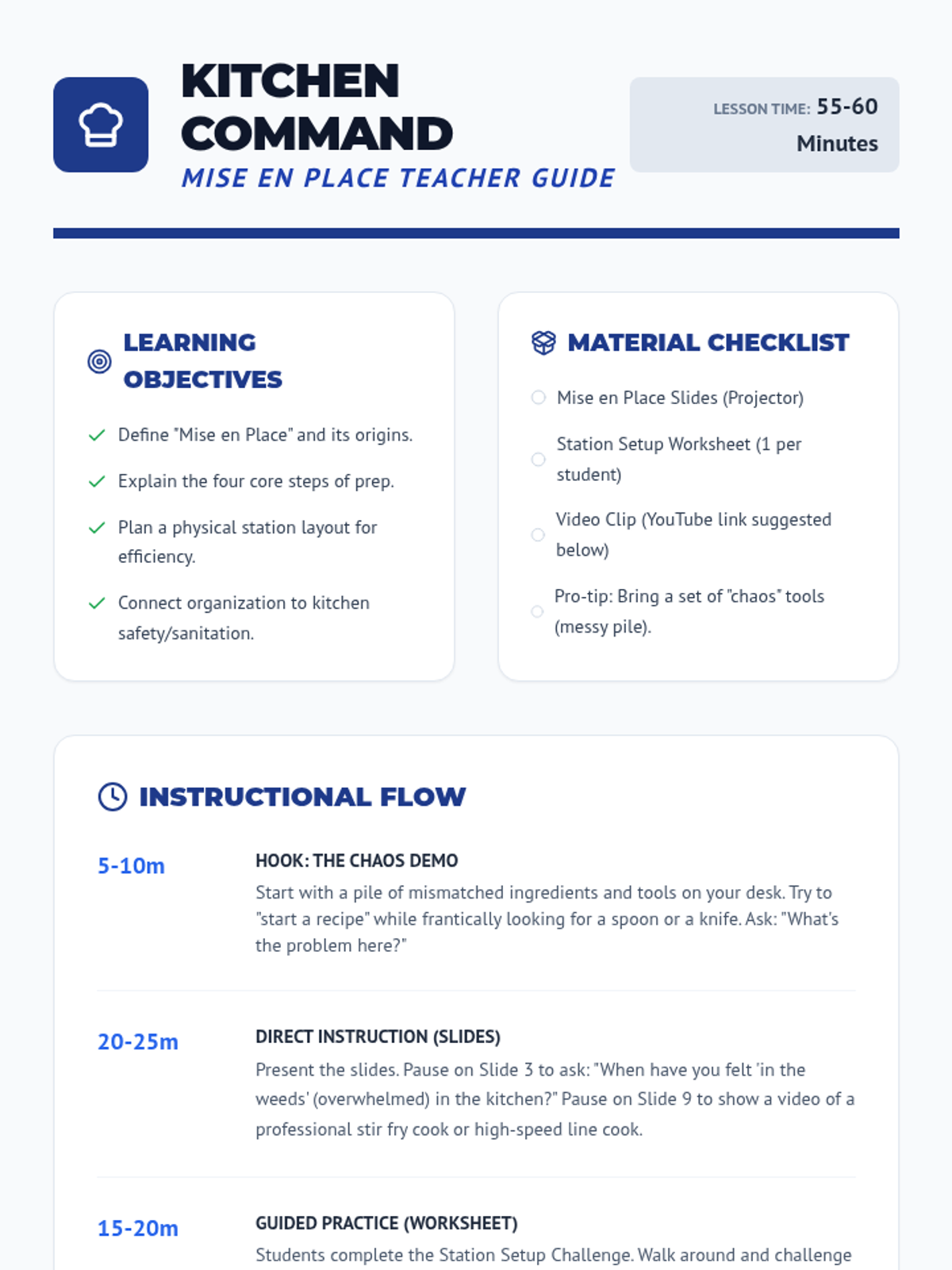
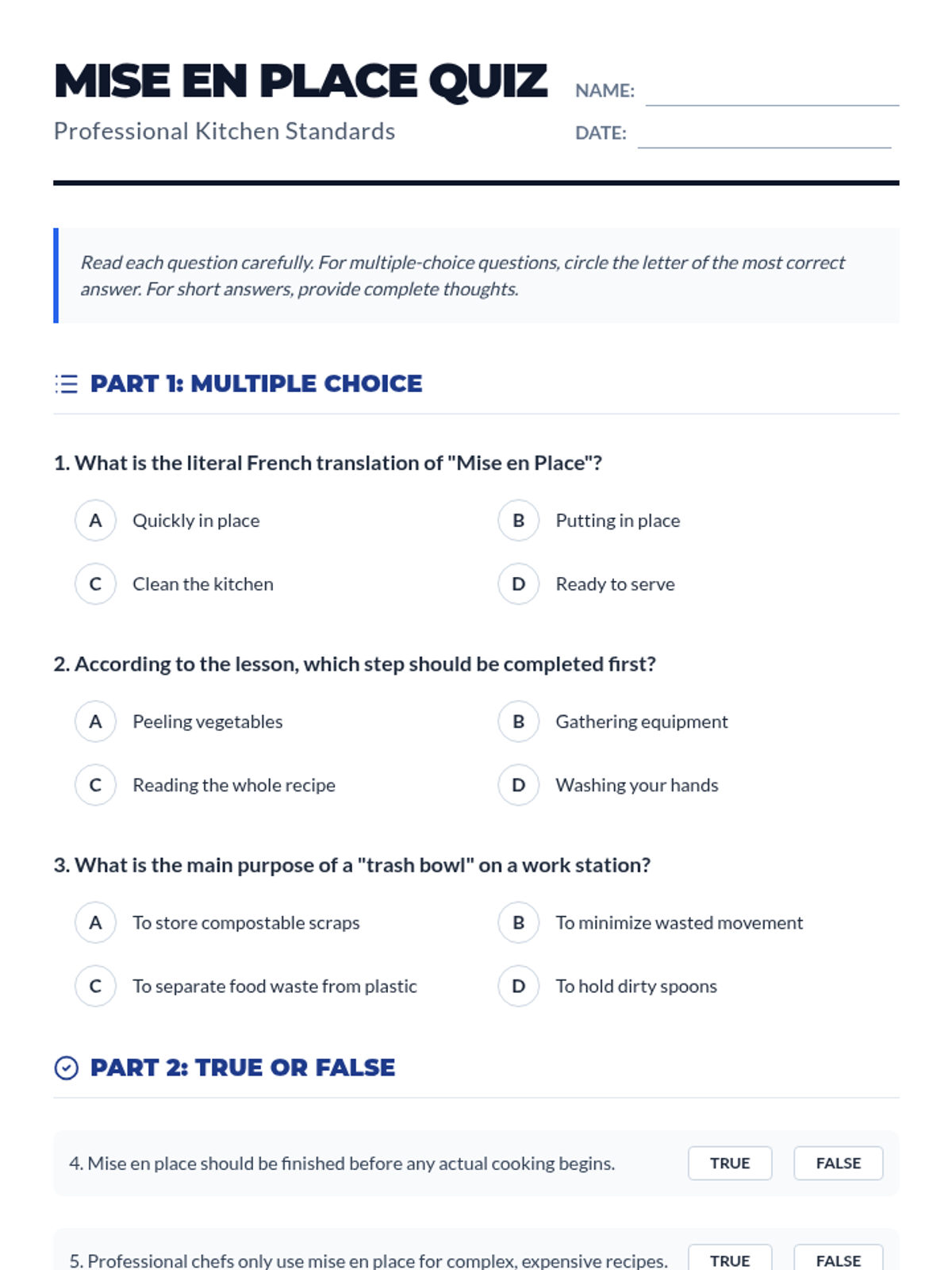
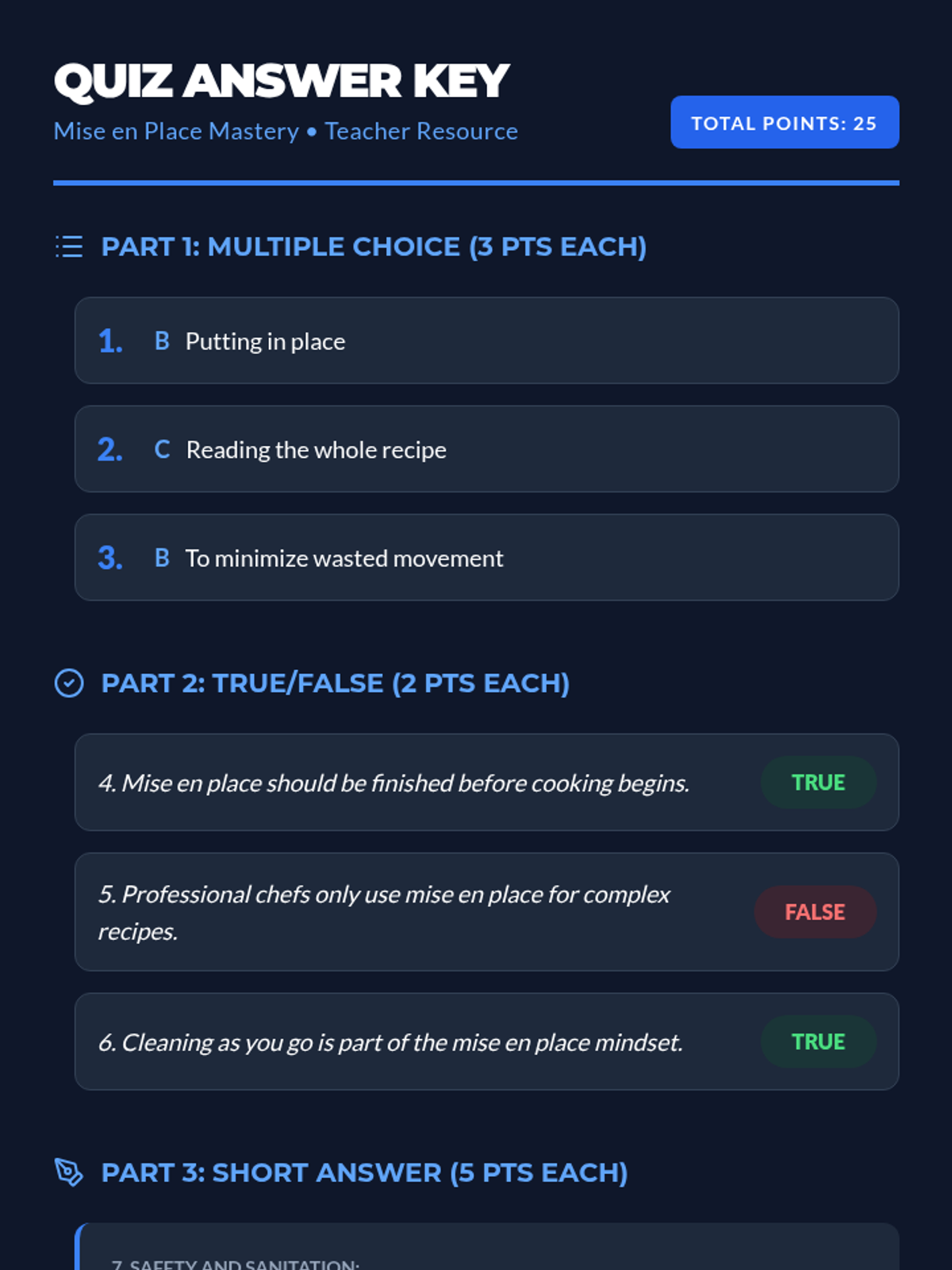
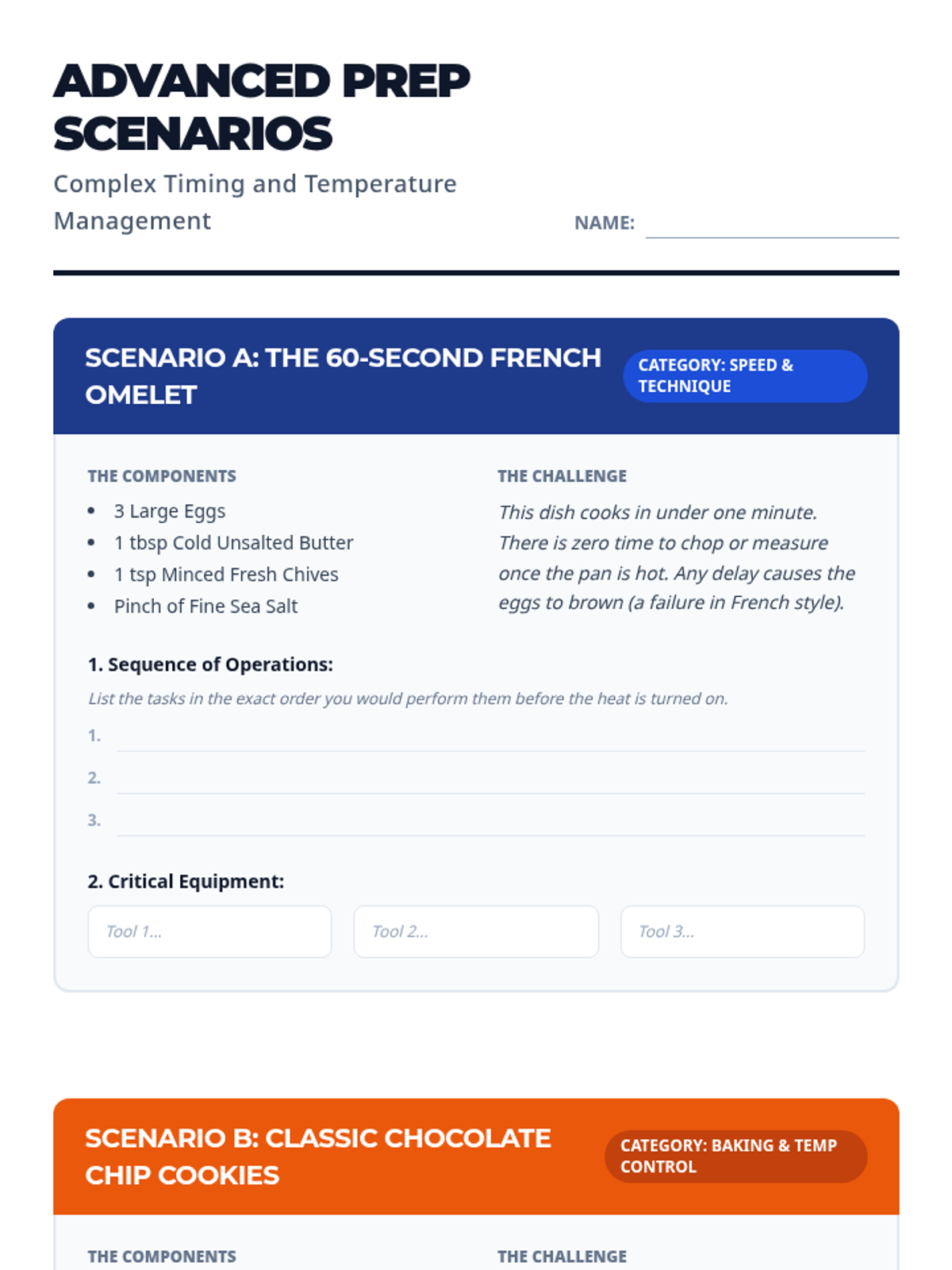
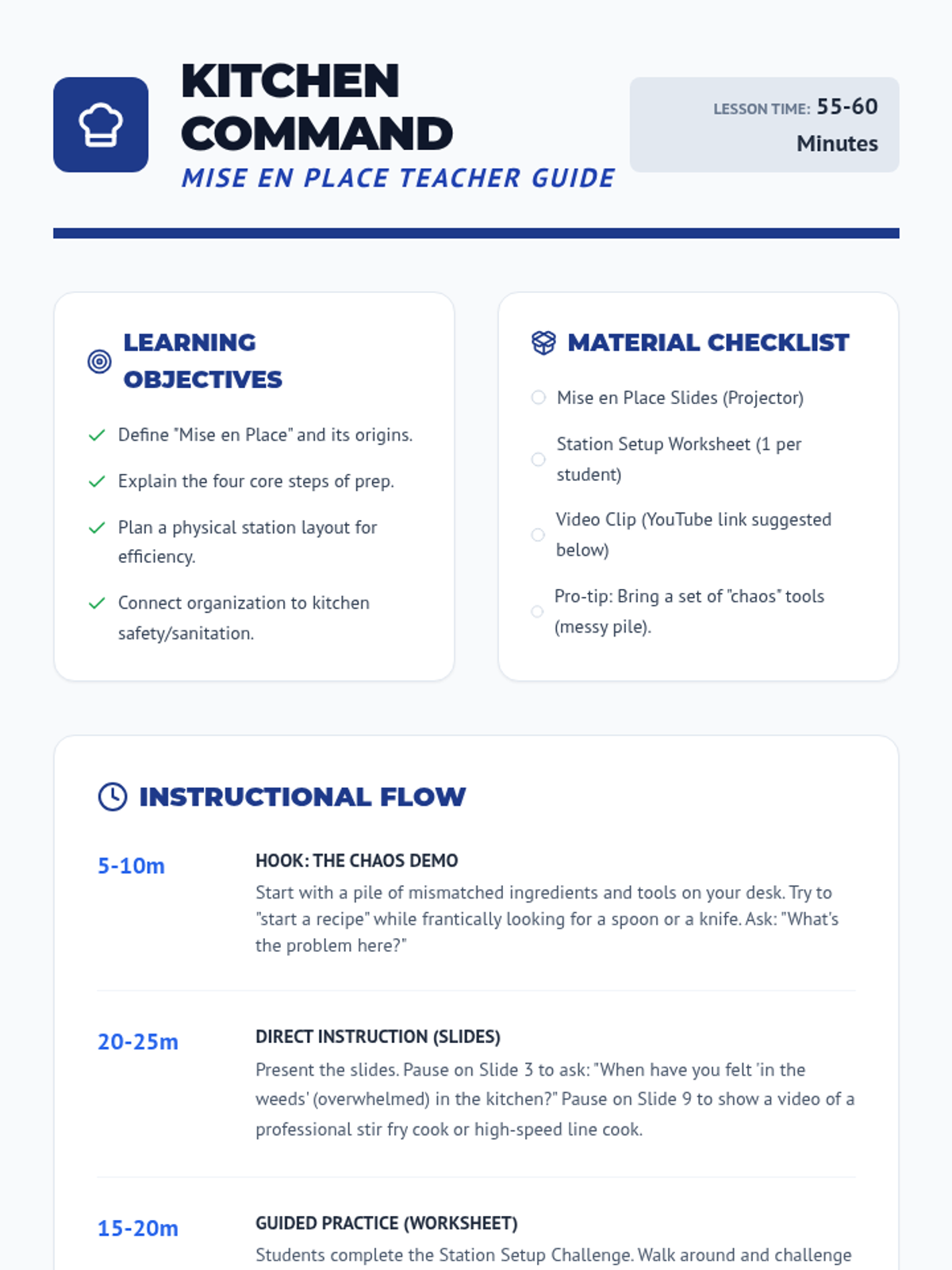
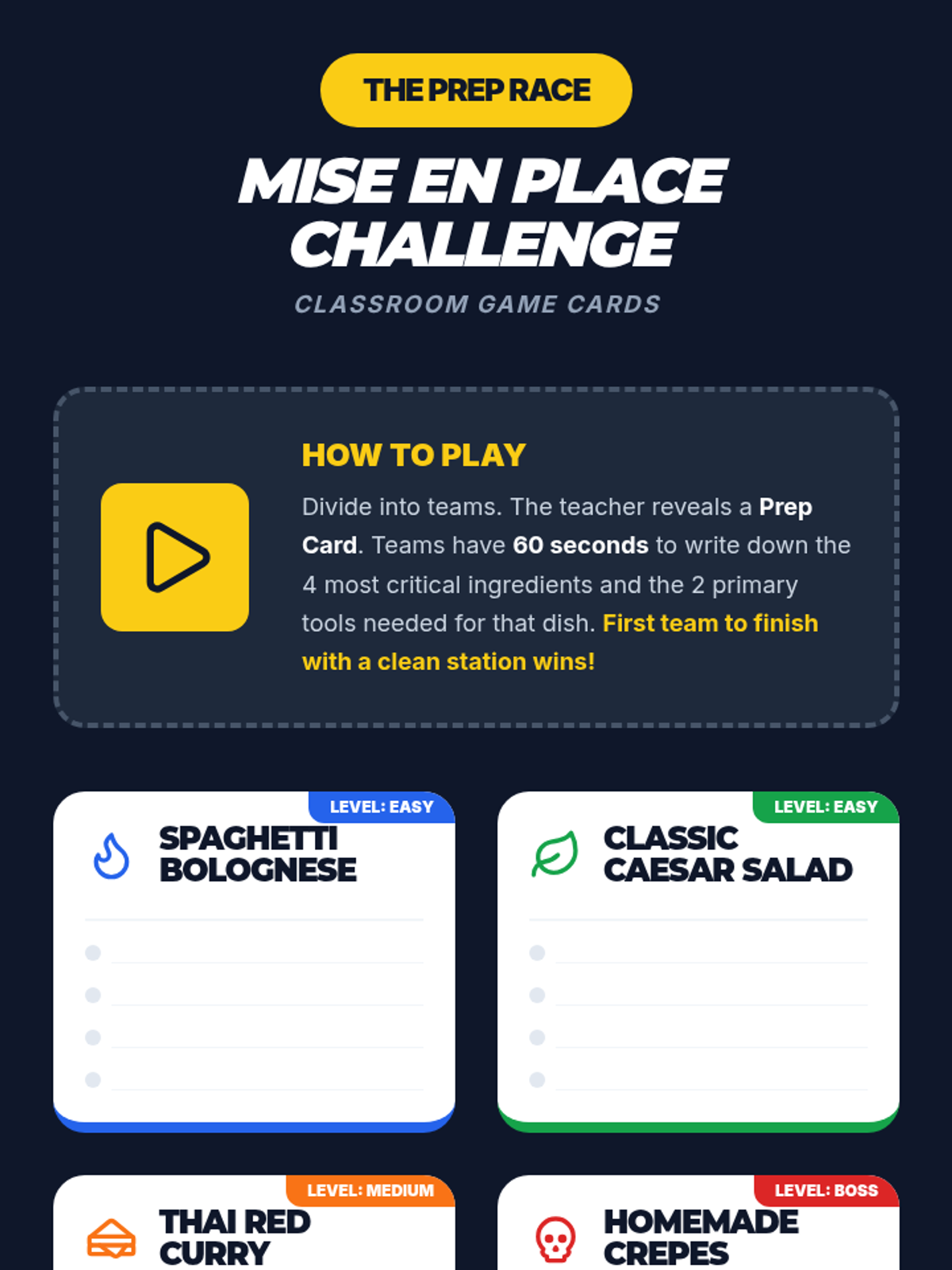
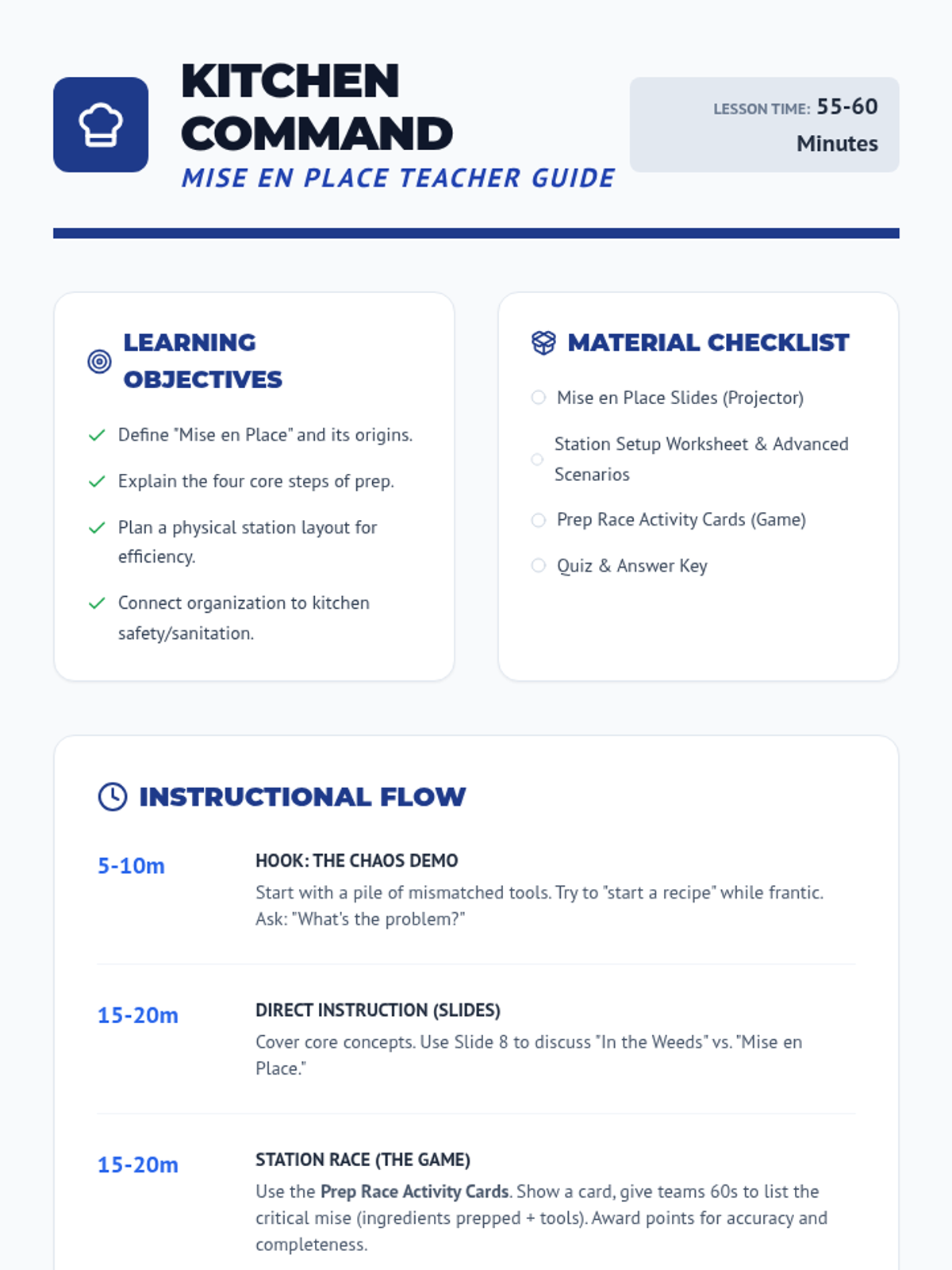
A comprehensive introduction to the essential culinary practice of mise en place, focusing on organization, efficiency, and professional kitchen standards for high school students.
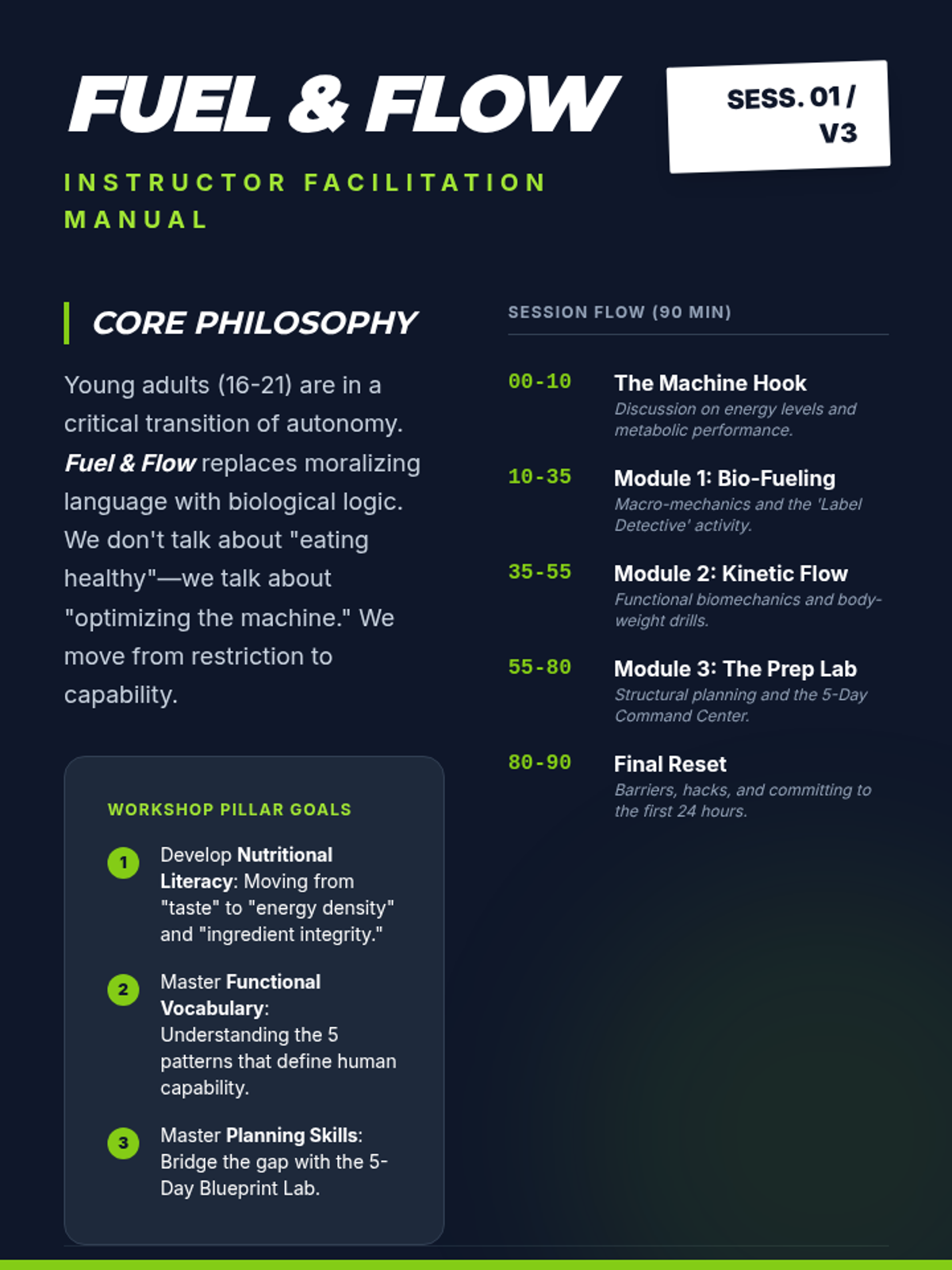
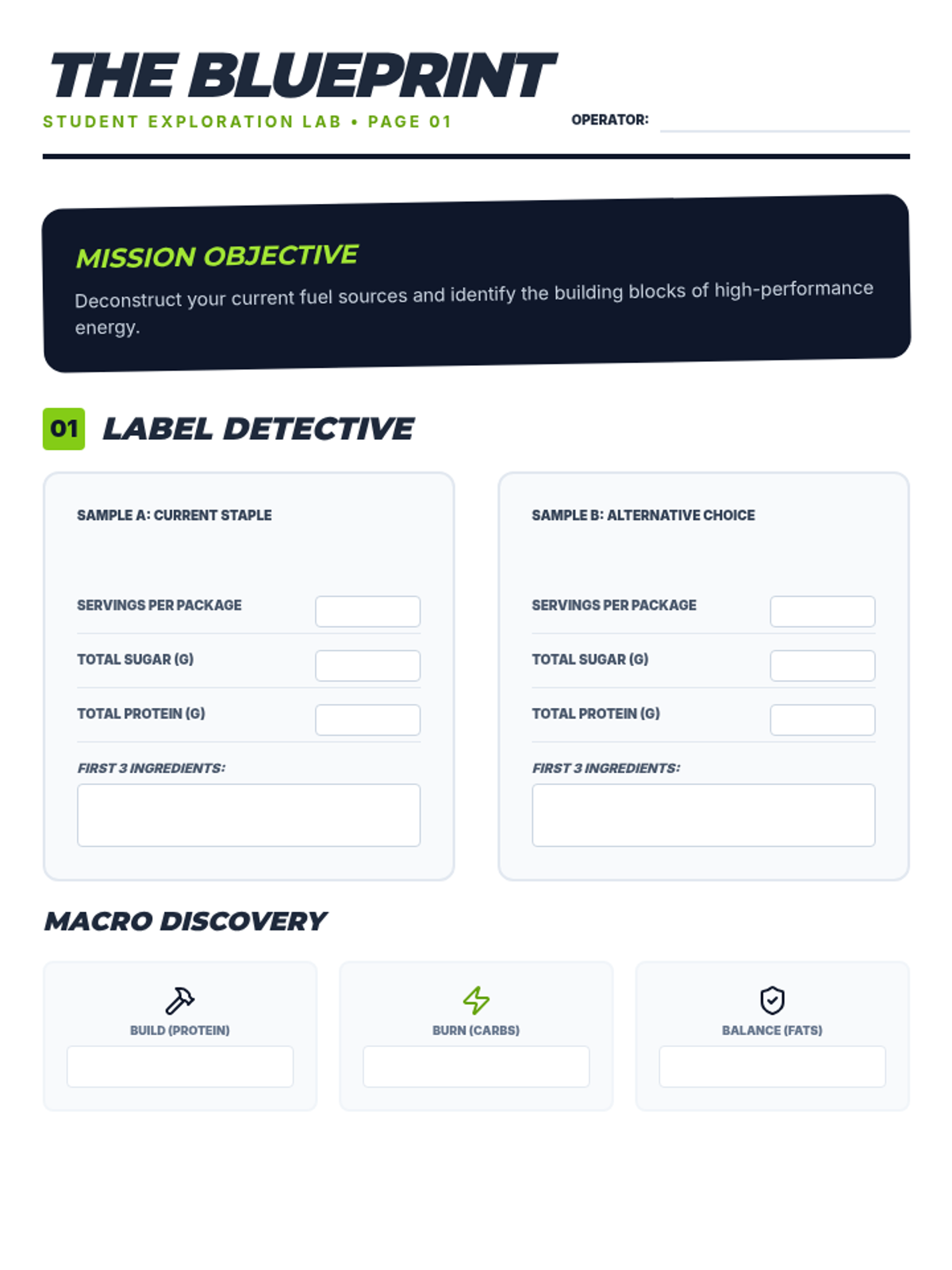
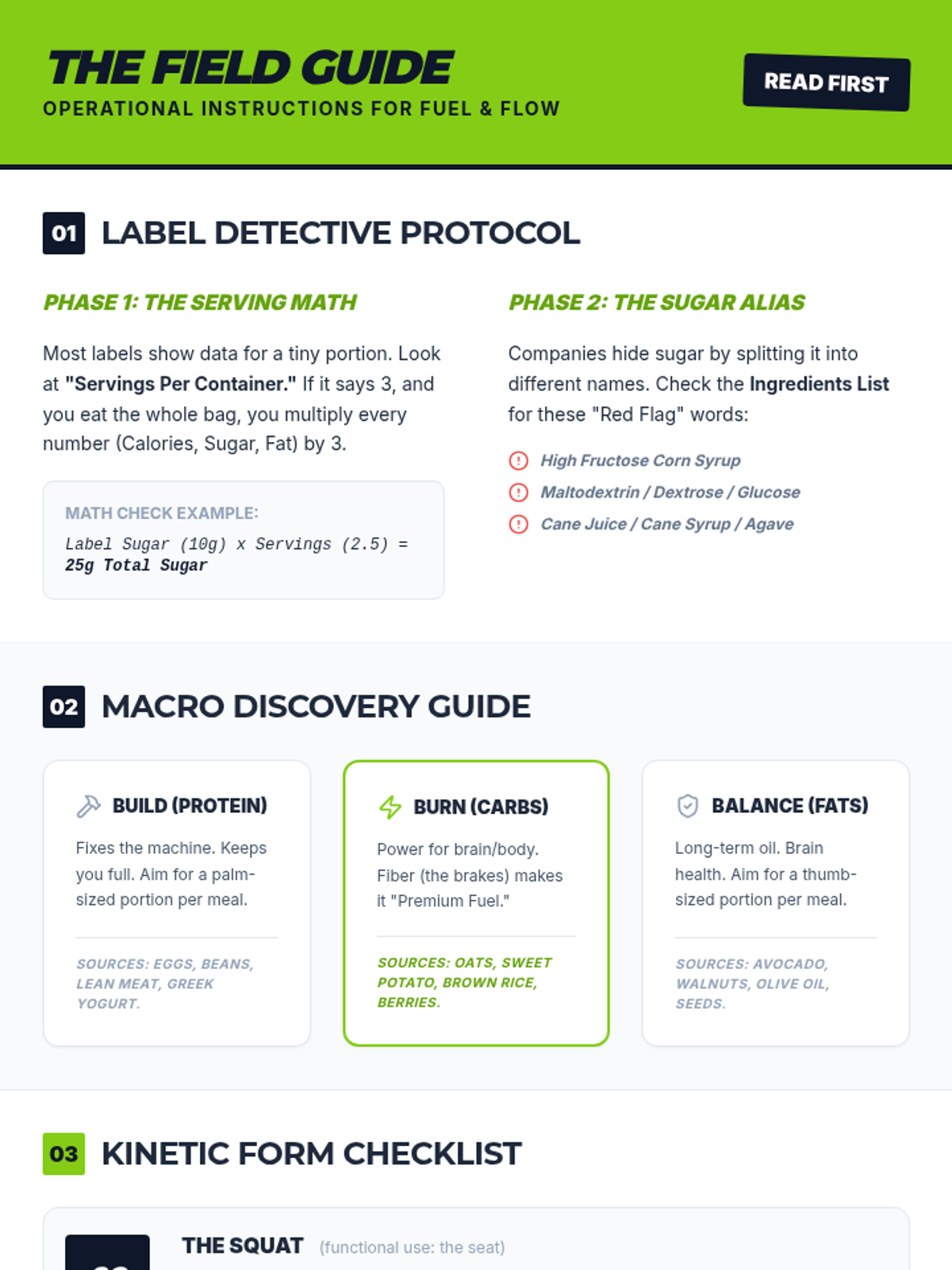
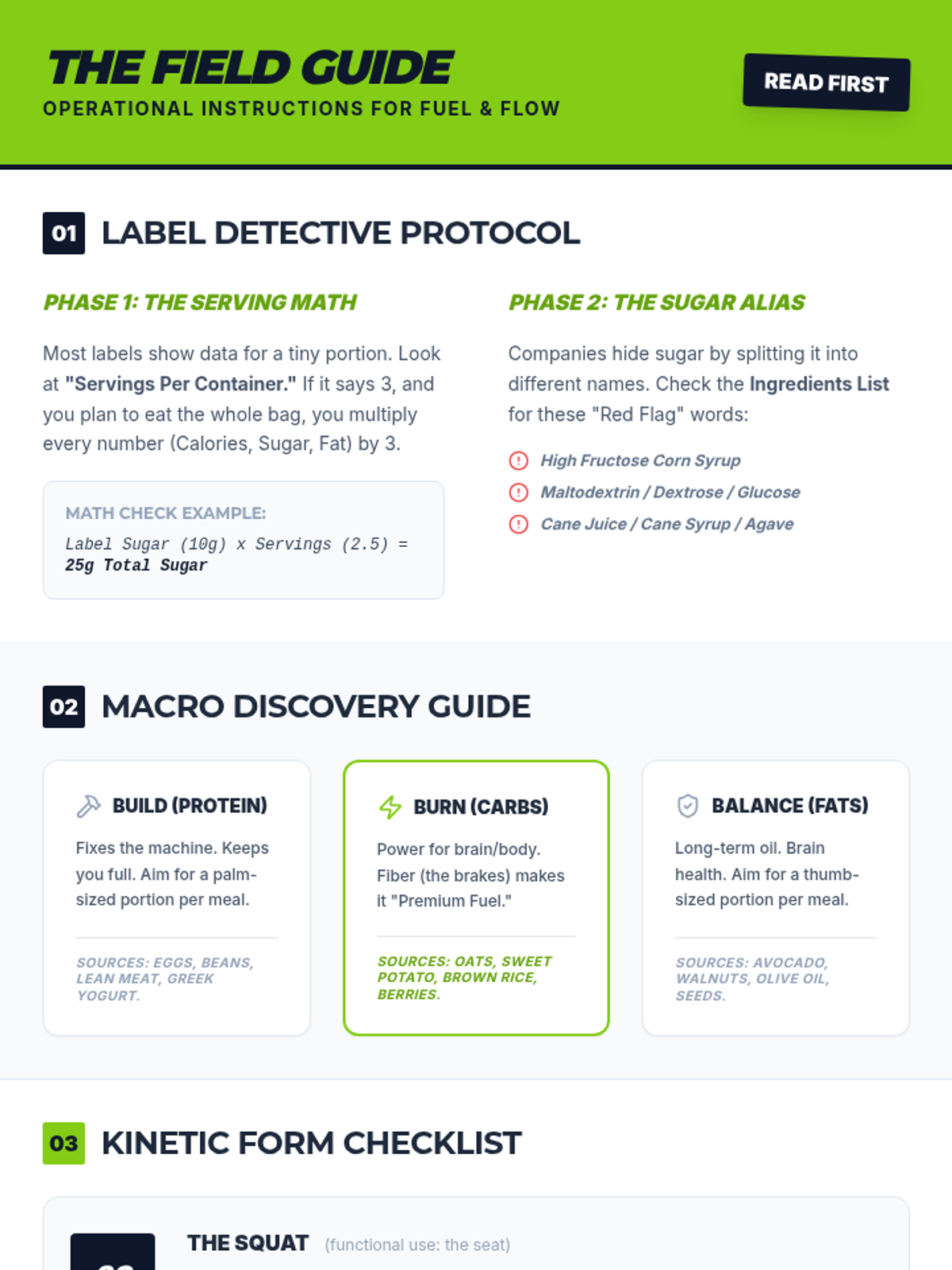
A 90-minute intensive session for young adults (16-21) focused on the intersection of nutrition and functional movement. Students learn to read labels, plan balanced meals, and understand the foundational movement patterns needed for a healthy, active life.
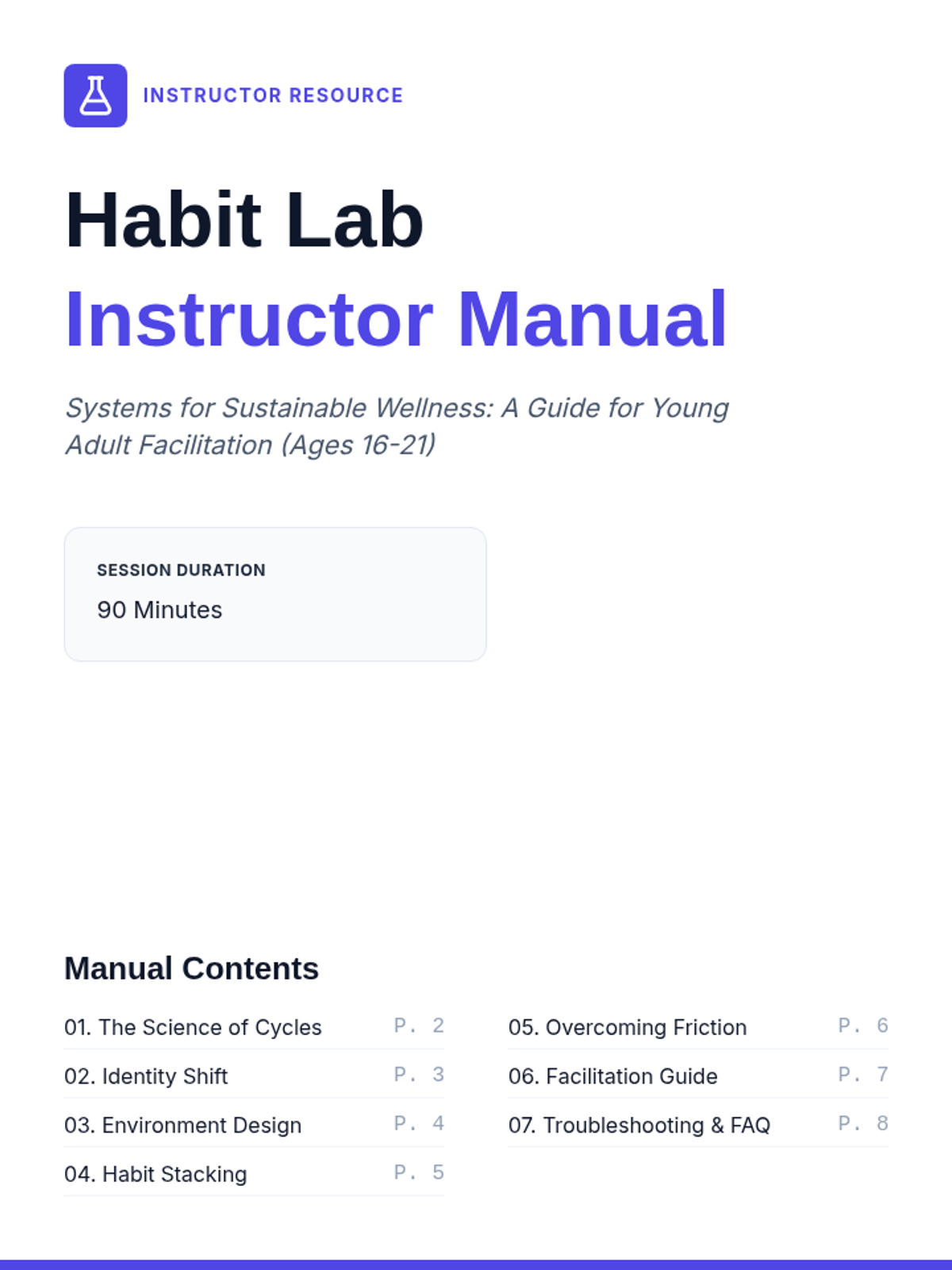
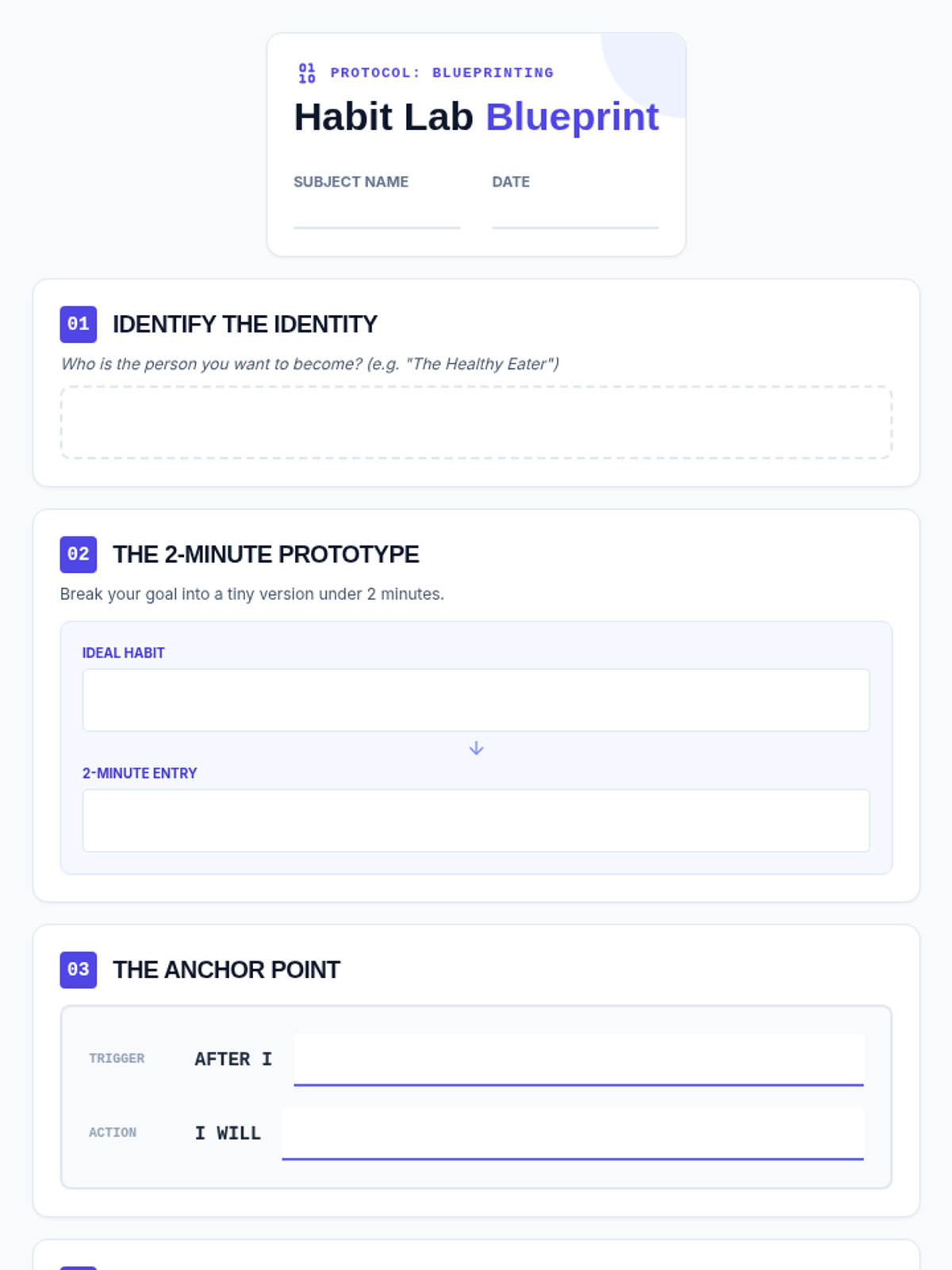
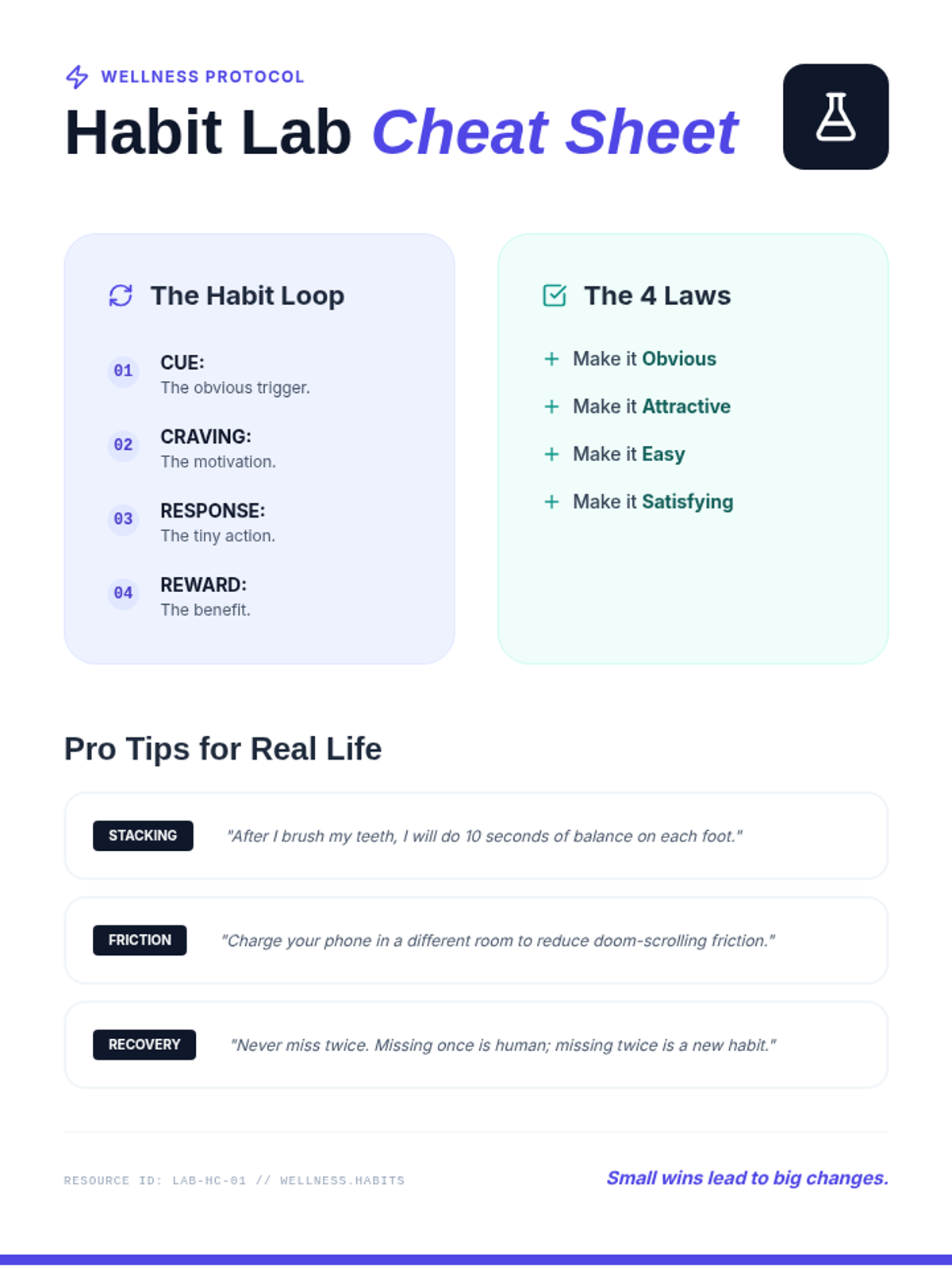
A comprehensive session for young adults on the science and practice of habit formation for long-term wellness. This lesson equips participants with practical tools to design systems that support their health, mental clarity, and productivity.
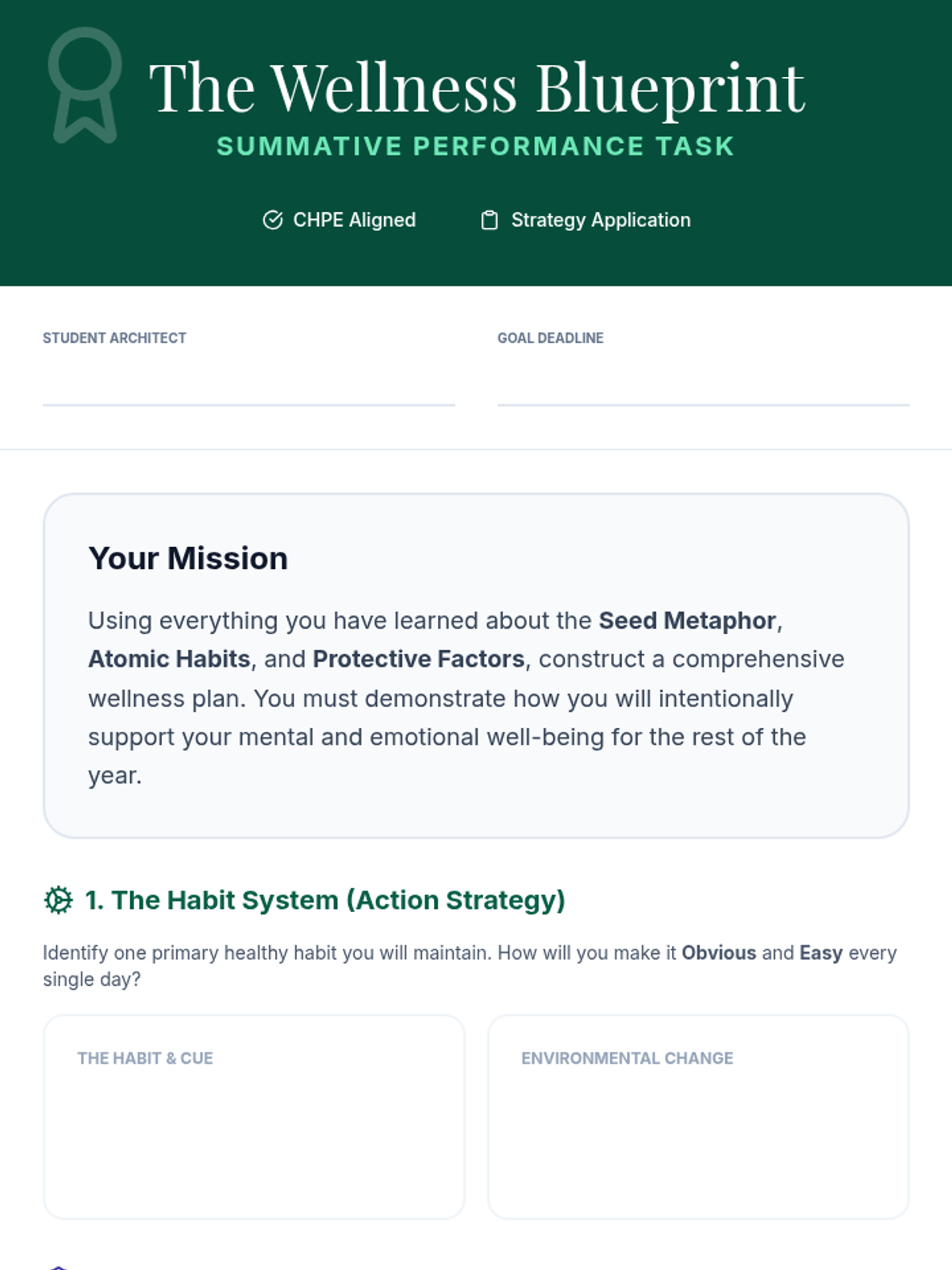
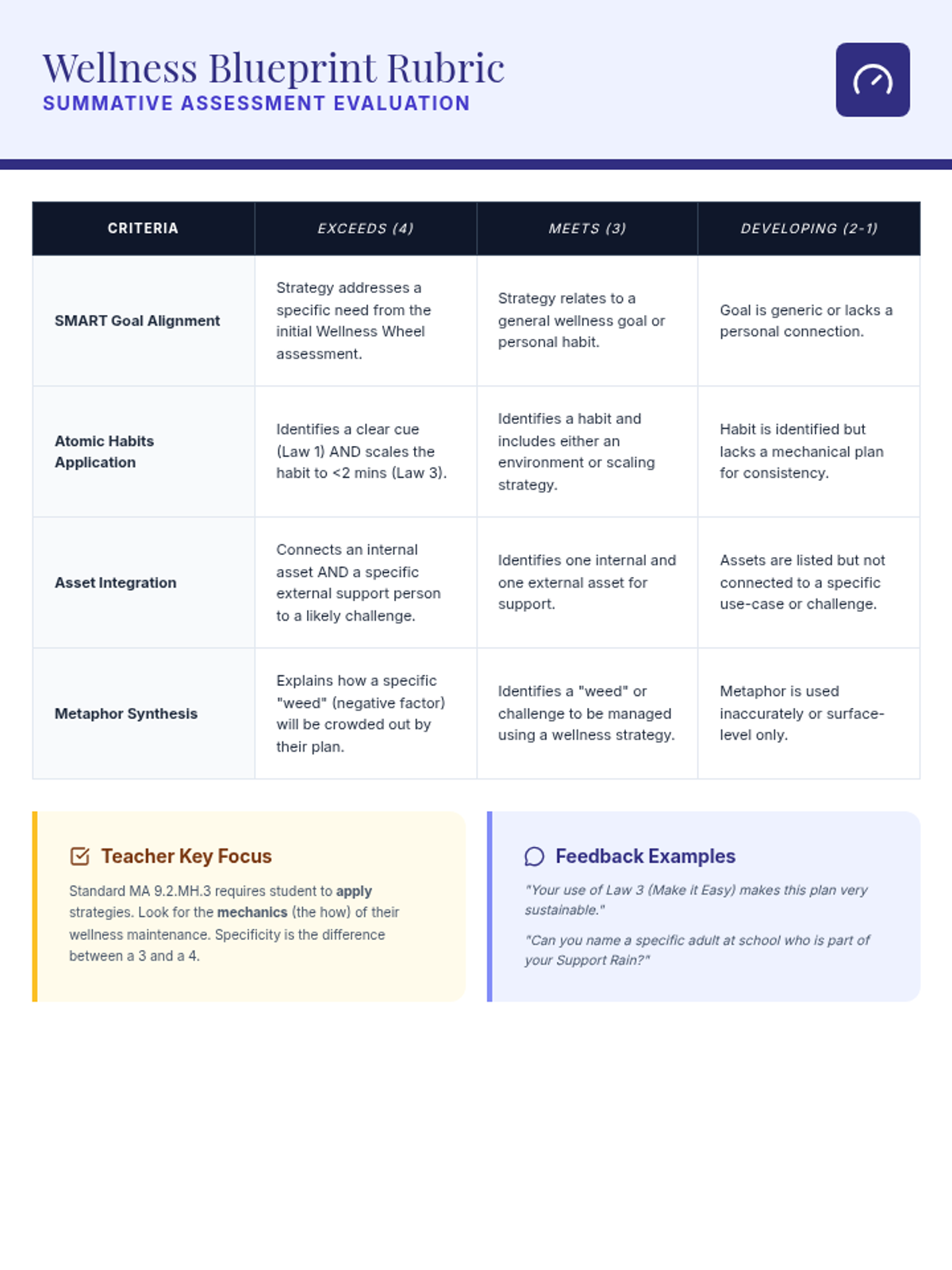
A summative assessment where students apply strategies and protective factors to create a comprehensive plan for positive mental and emotional well-being.
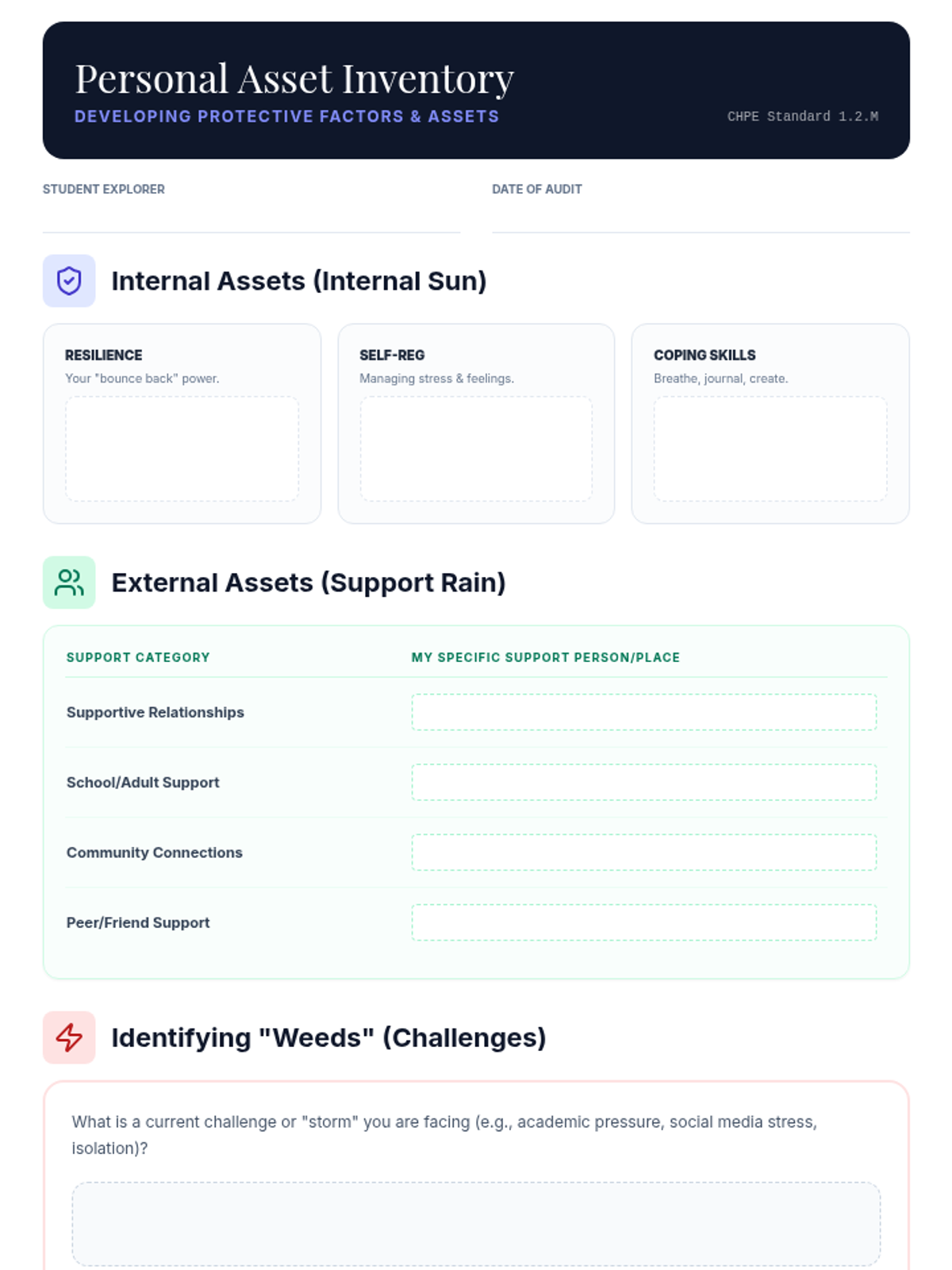
Identifying internal and external protective factors and personal assets that support mental well-being and resilience.
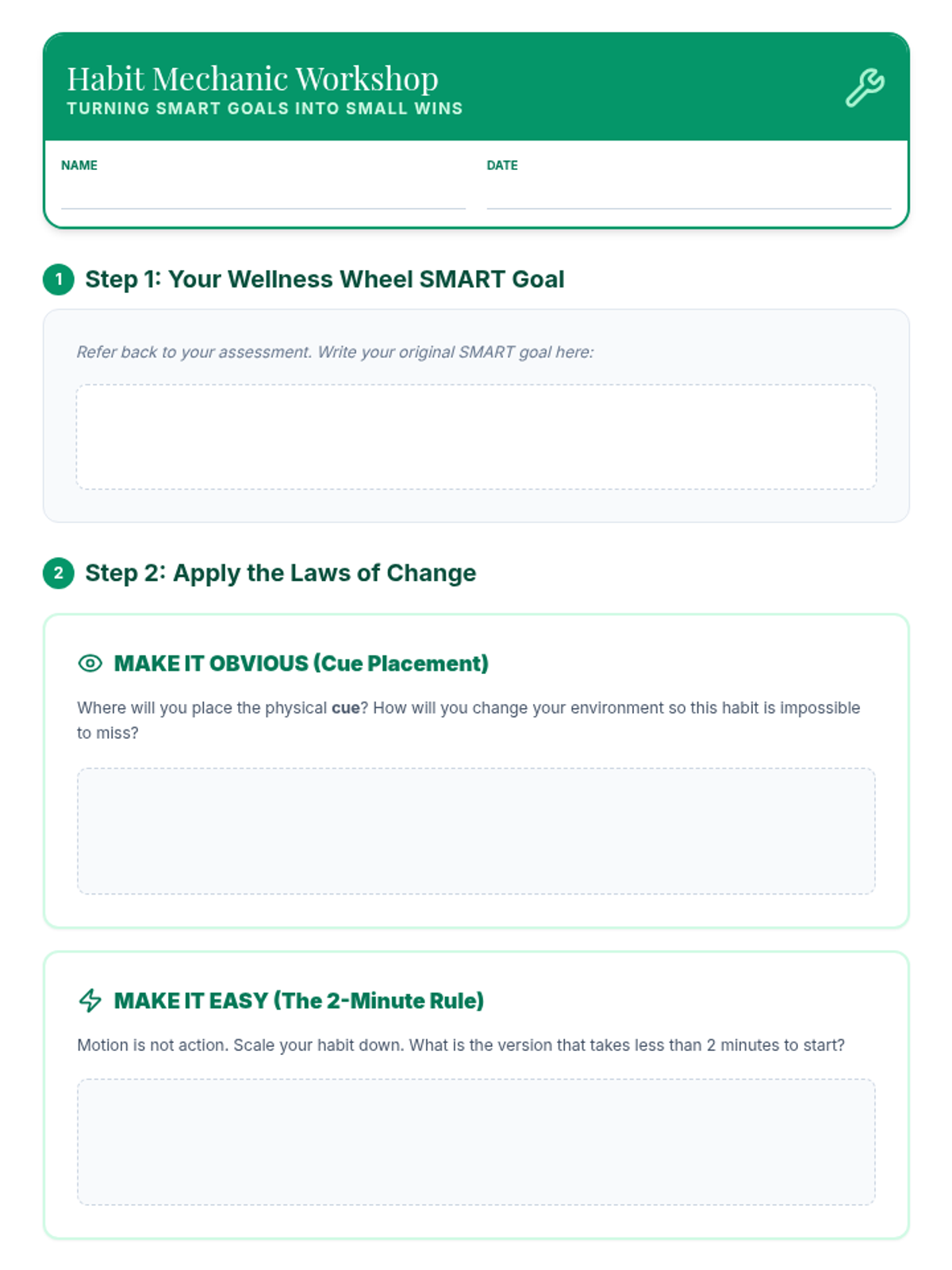
Applying the Laws of Habit Change from Atomic Habits to mental health goals, focusing on making healthy choices obvious and easy while crowding out negative behaviors.
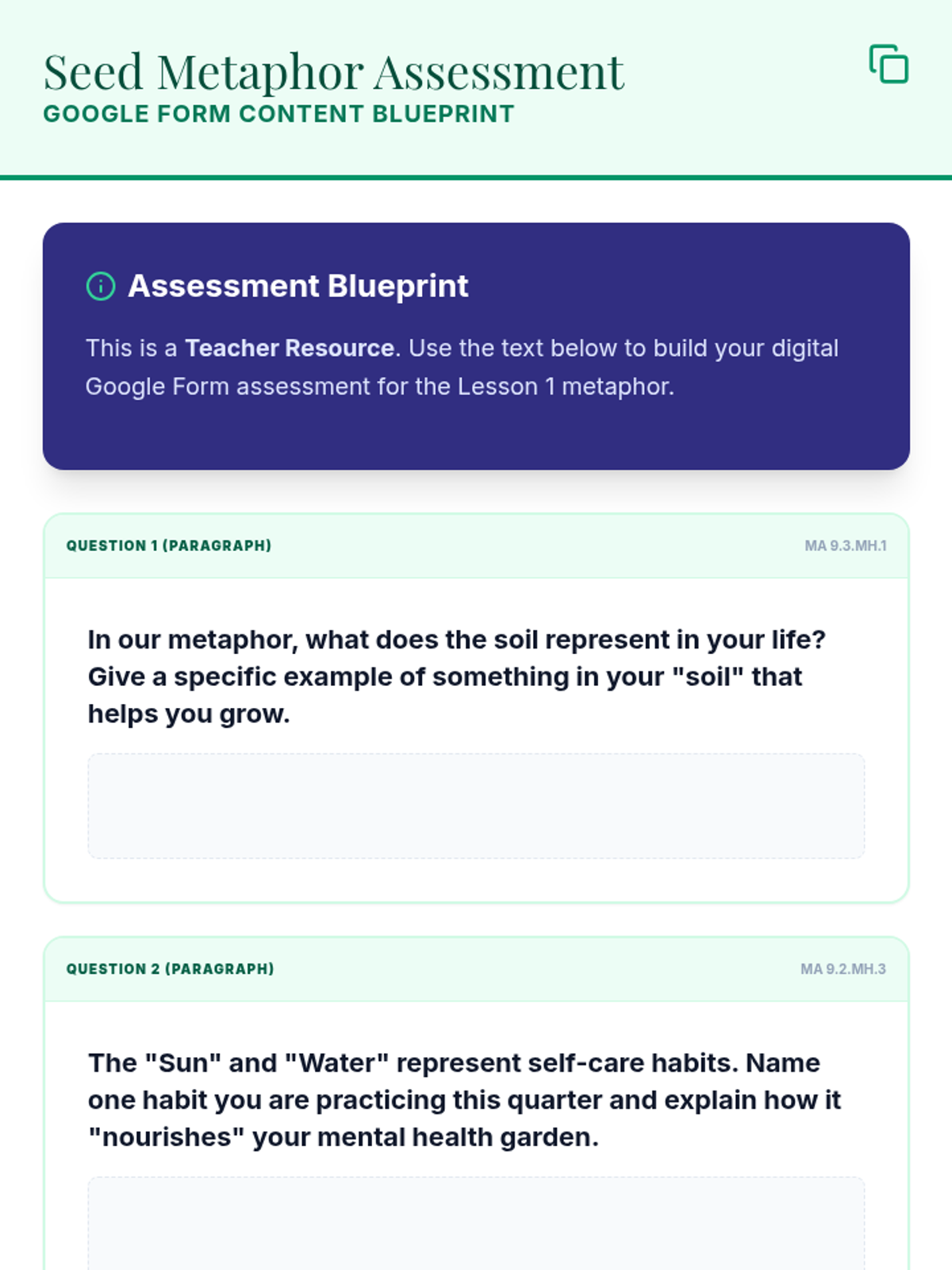
Students explore the seed metaphor for mental health by planting a physical seed and identifying how environmental factors and self-care mirror the needs of a growing plant.
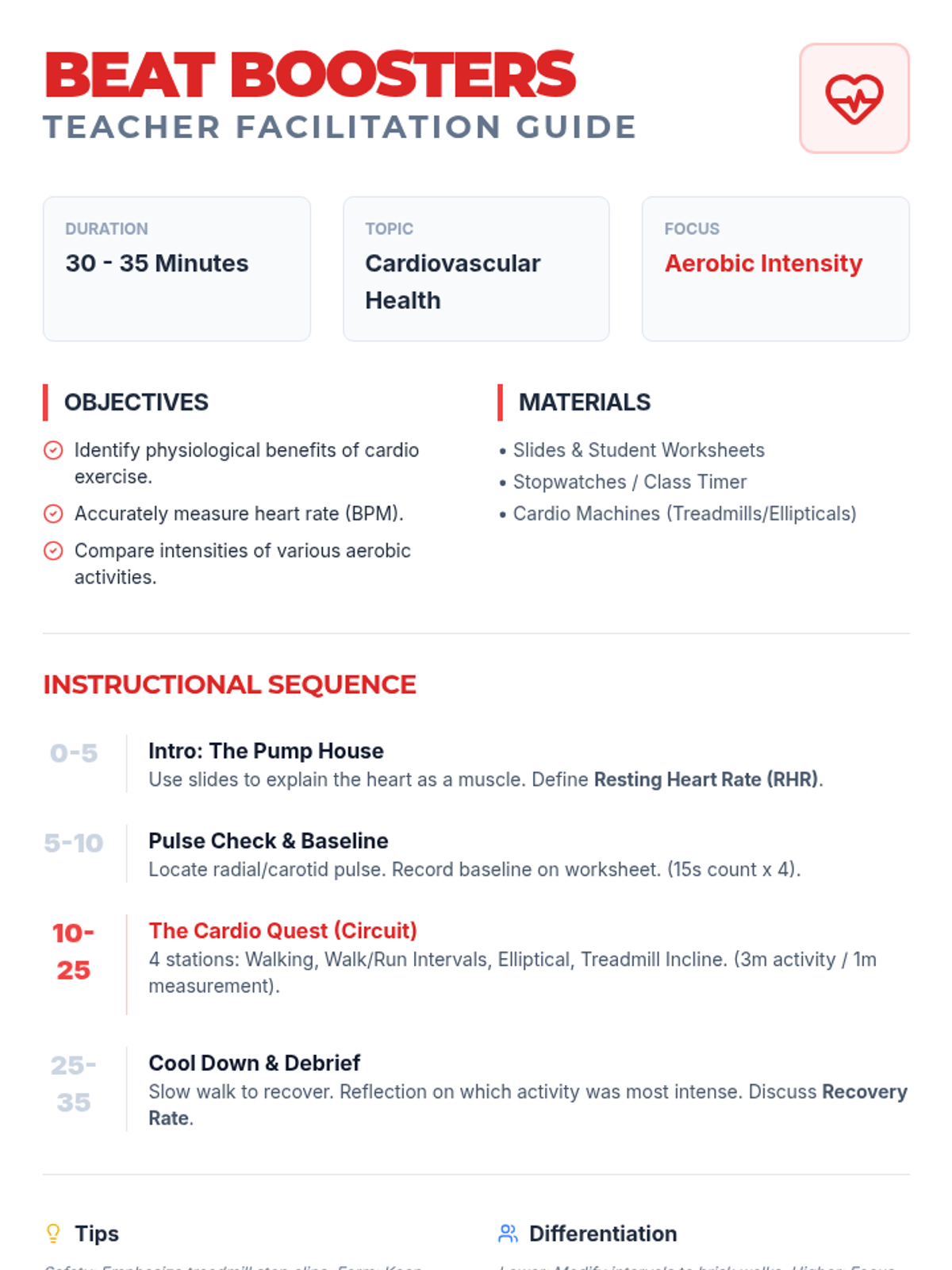
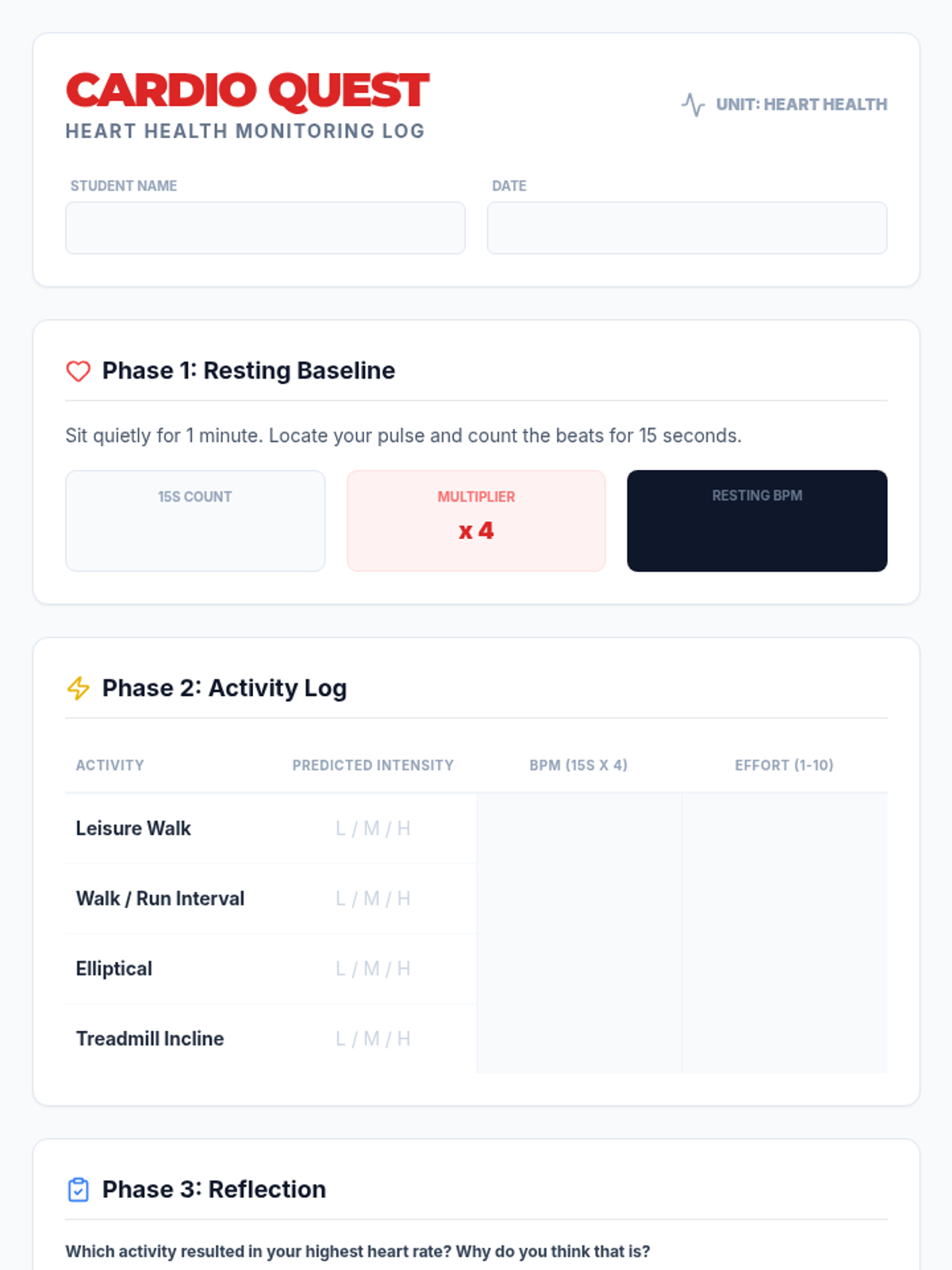
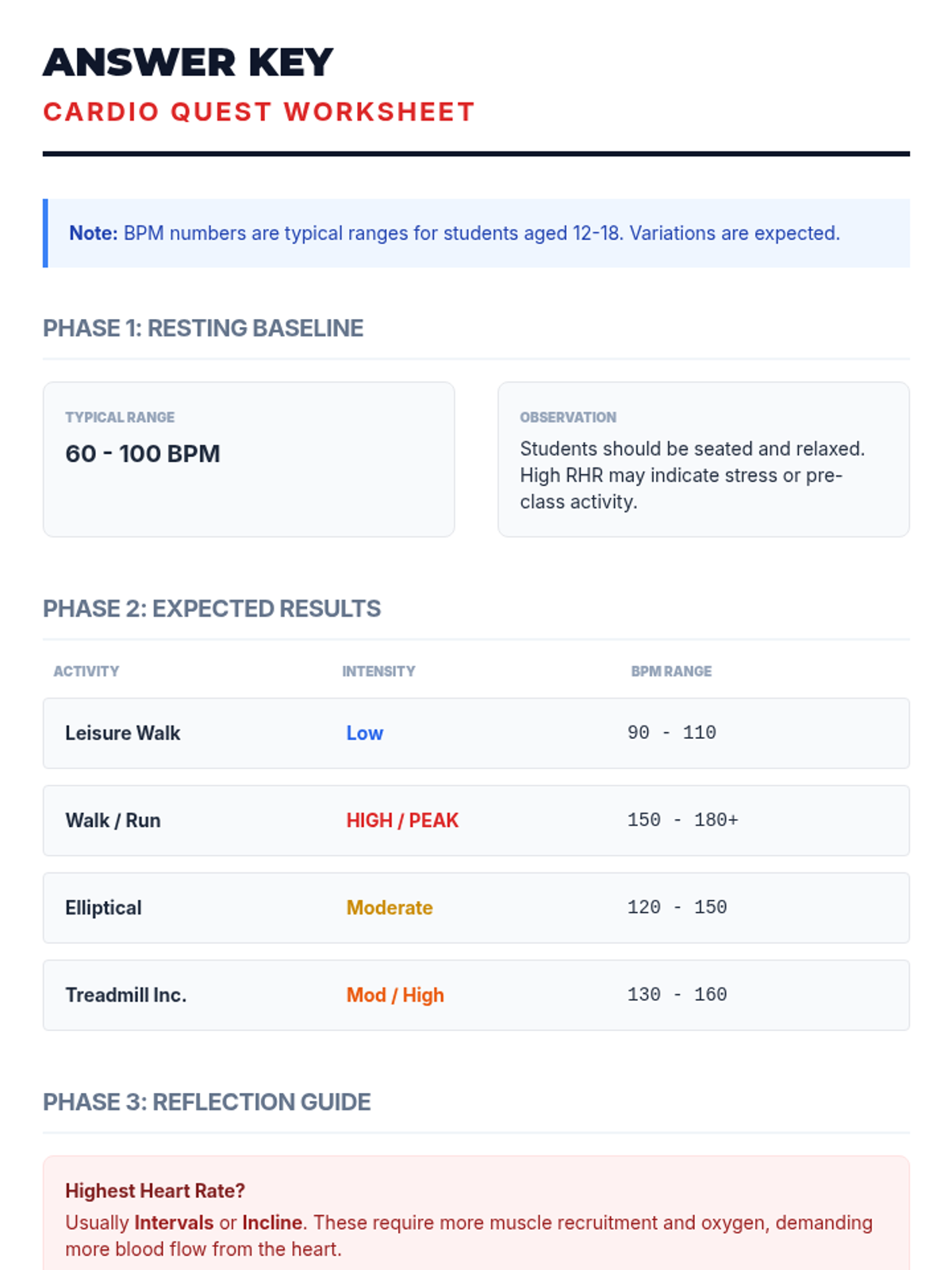
A high-energy lesson focused on understanding heart health through cardiovascular exercise, specifically walking, running, and machine-based cardio. Students will learn to monitor their heart rate and understand the benefits of aerobic activity.
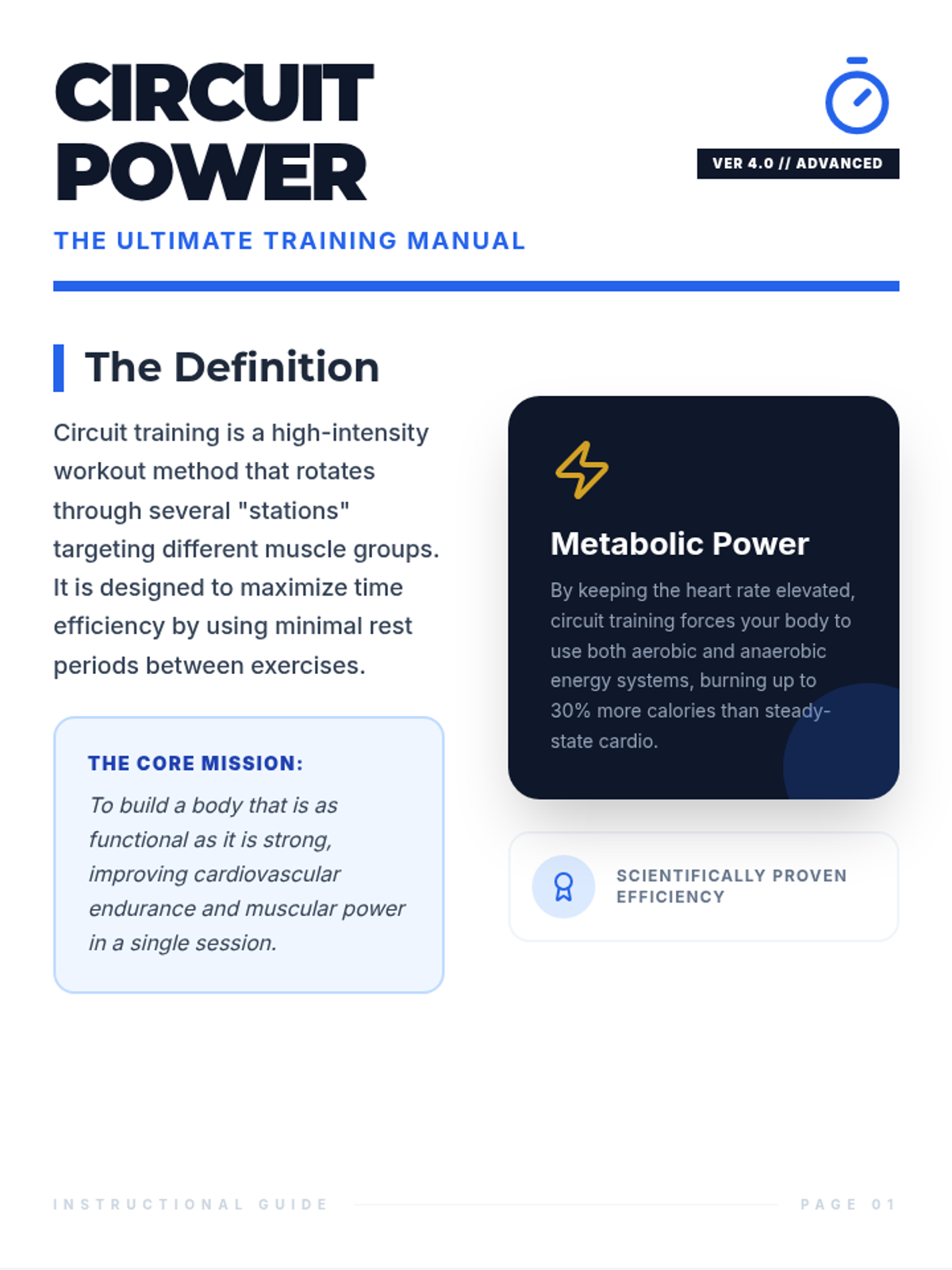
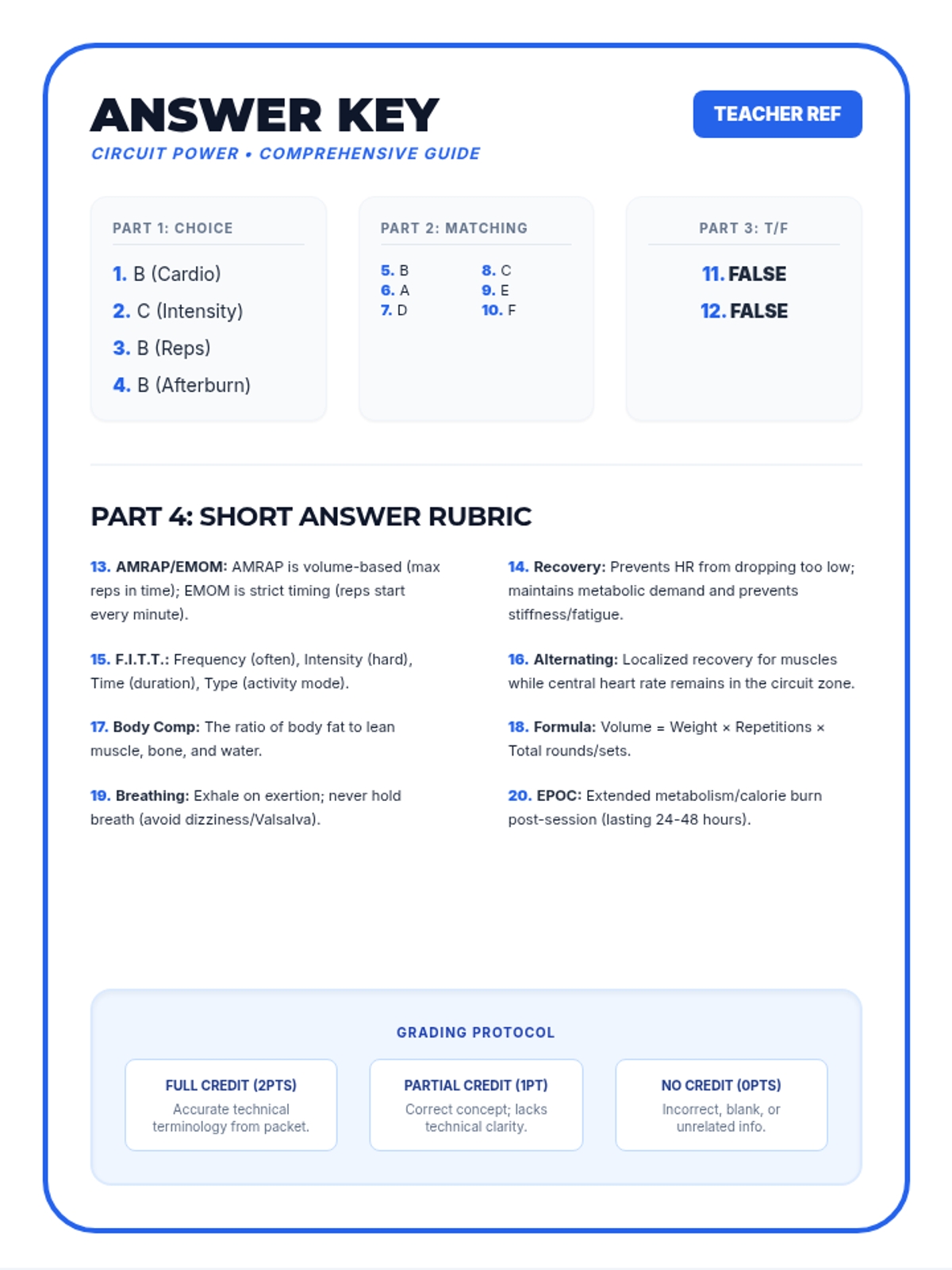
A comprehensive guide to circuit training, covering the five components of fitness, key terminology, and practical application. Includes an instructional handout, a comprehension worksheet, and an answer key.
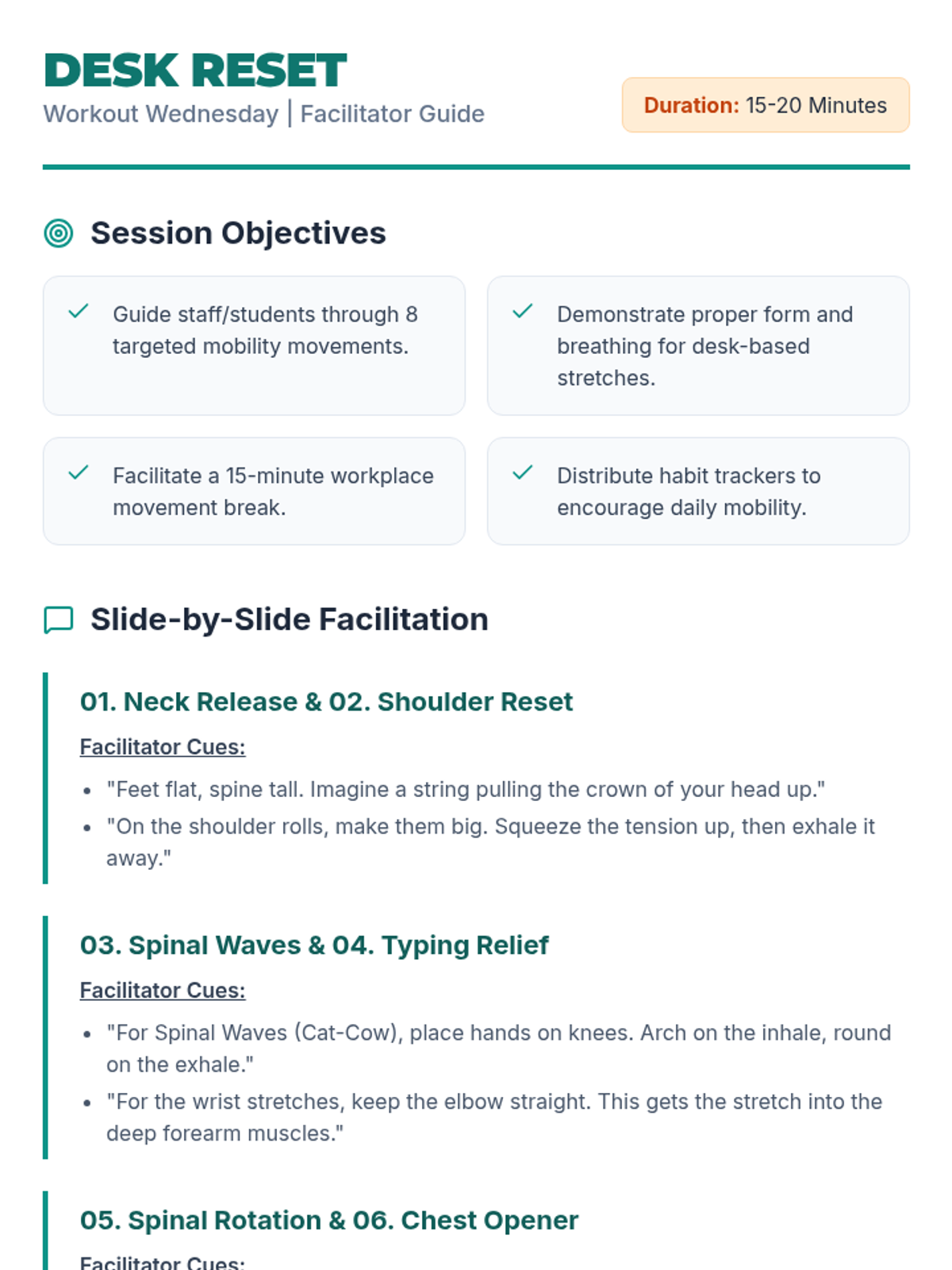
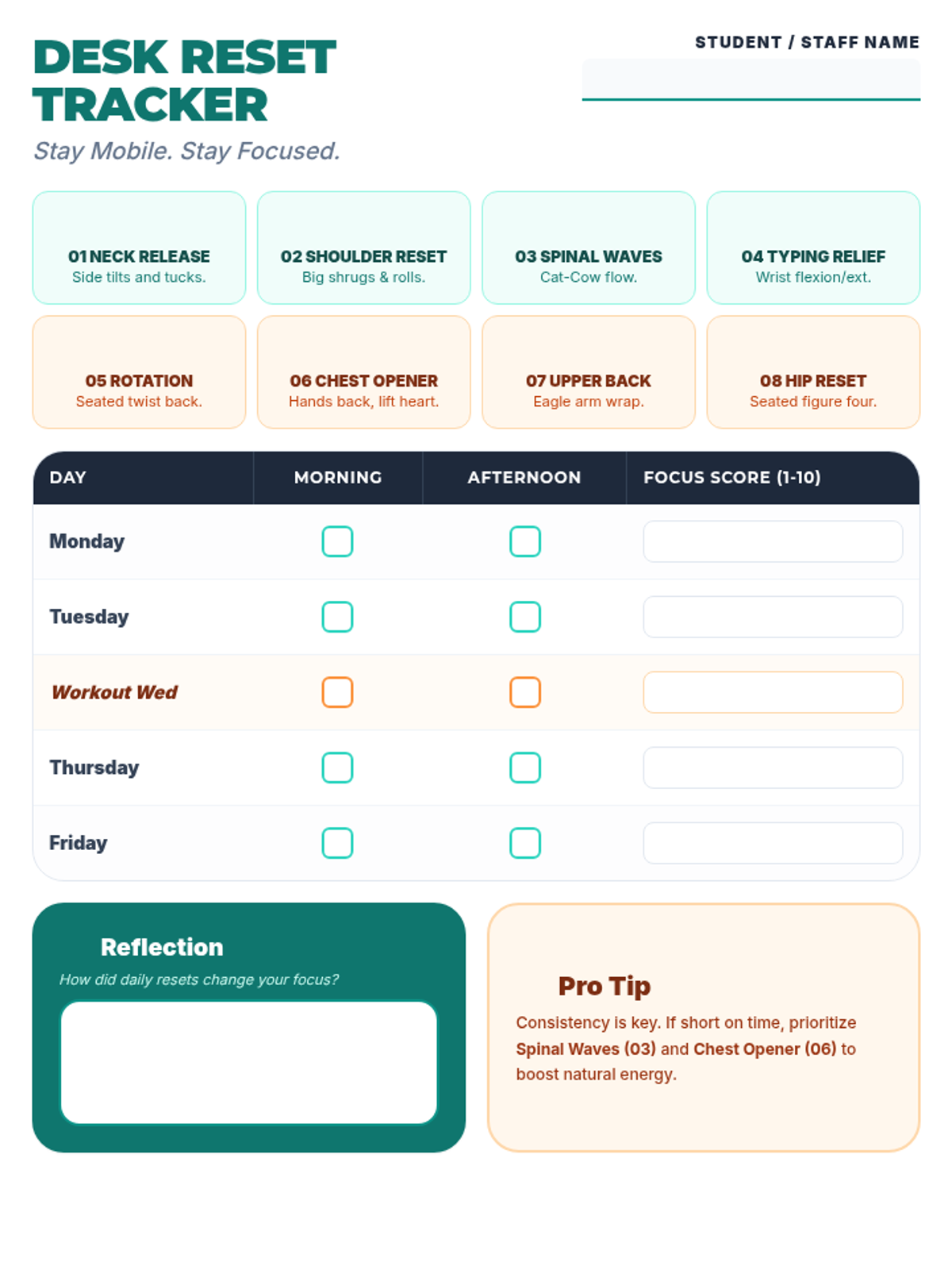
A quick, effective mobility session designed for office workers and students to alleviate desk-related tension. This lesson focuses on chair-based movements and upper body stretches that can be performed without any special equipment.
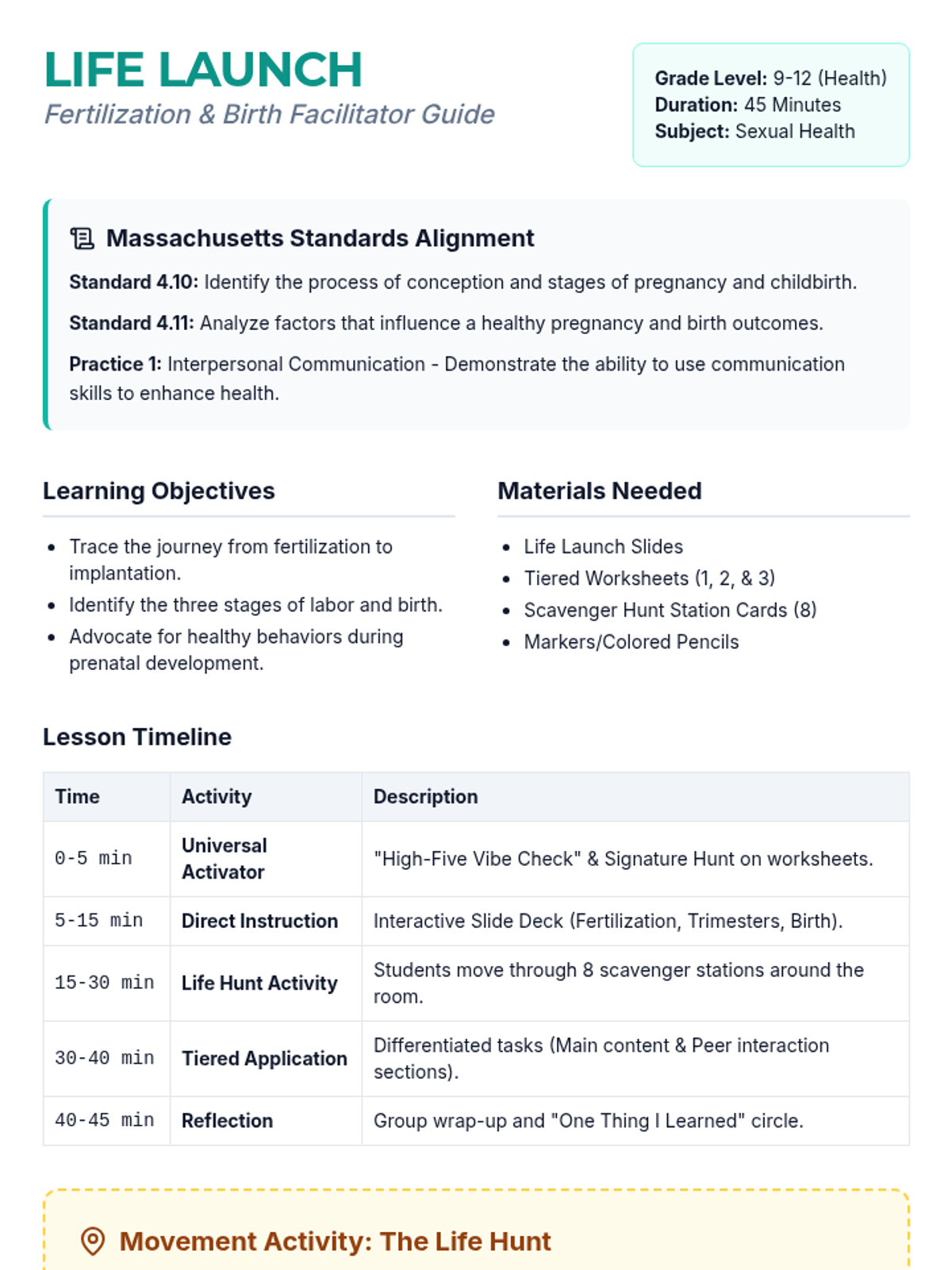
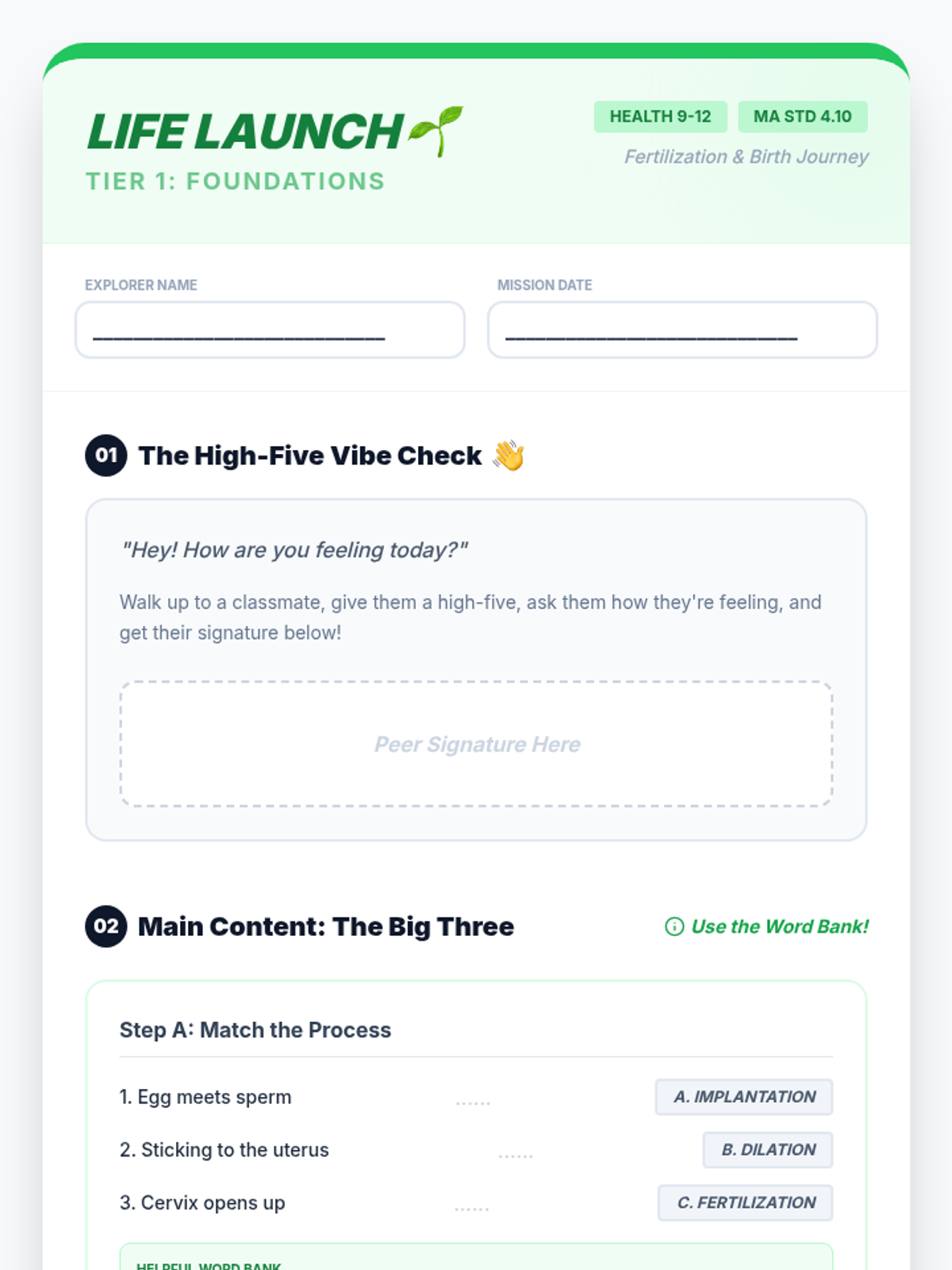
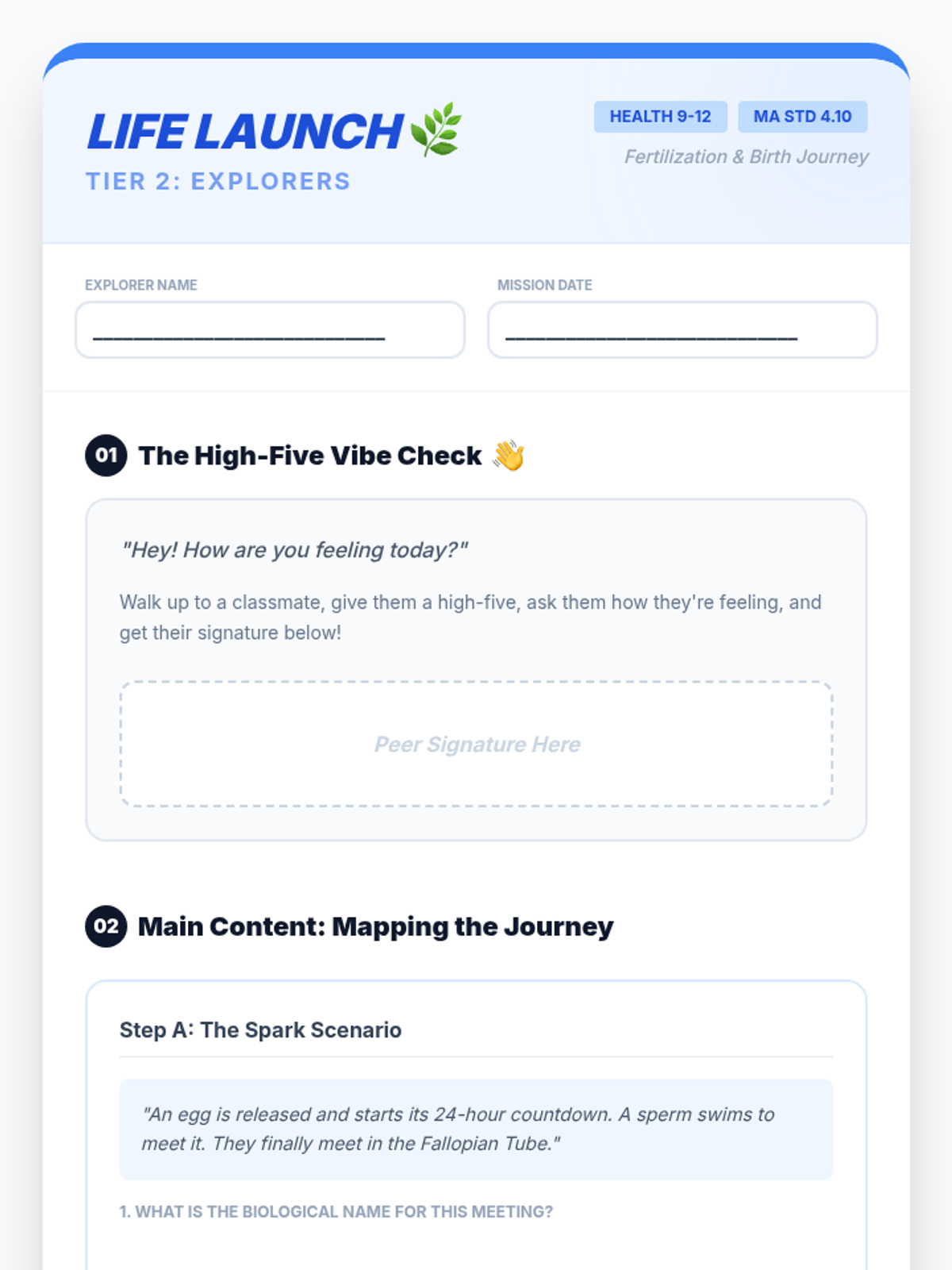
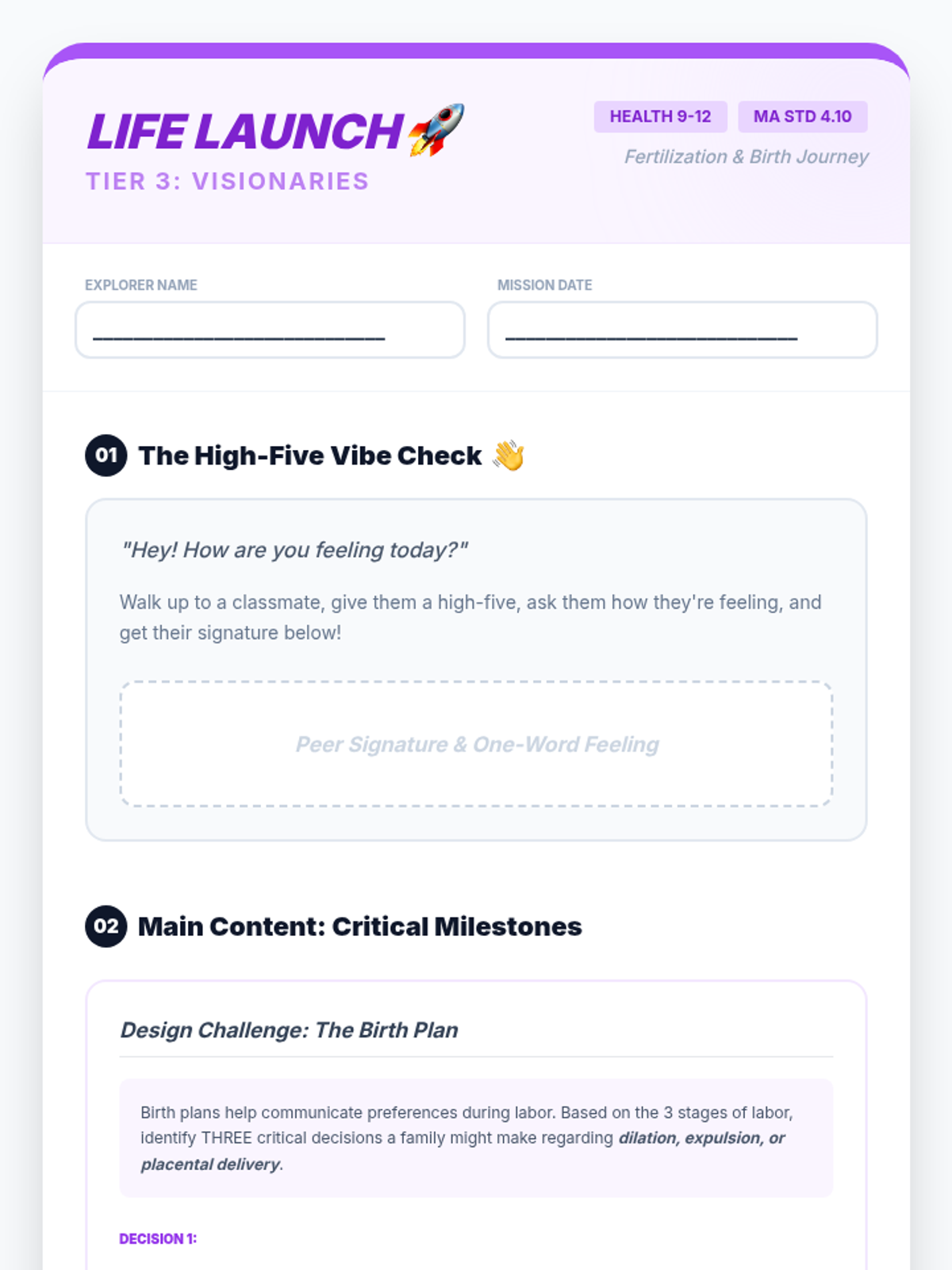
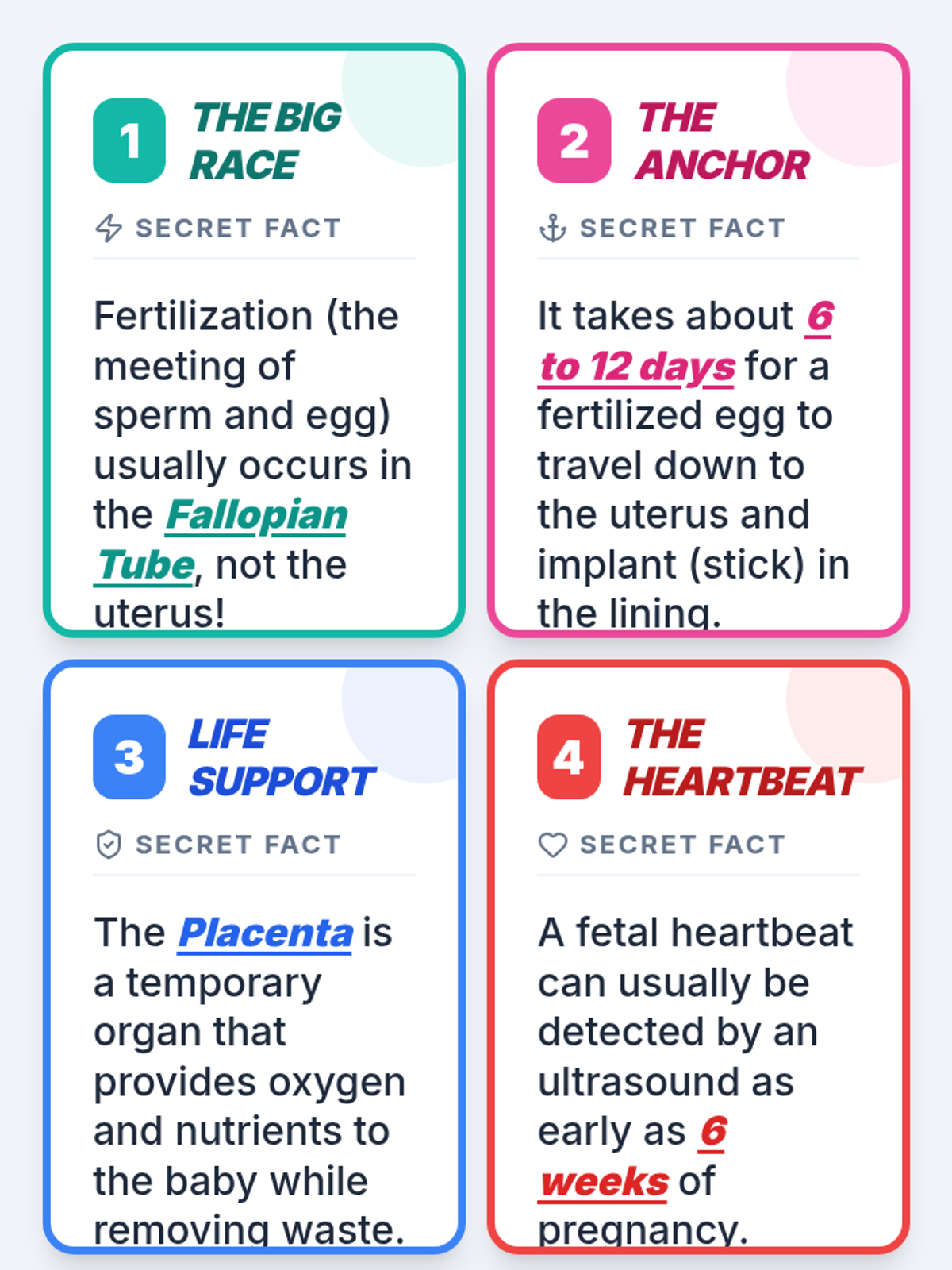
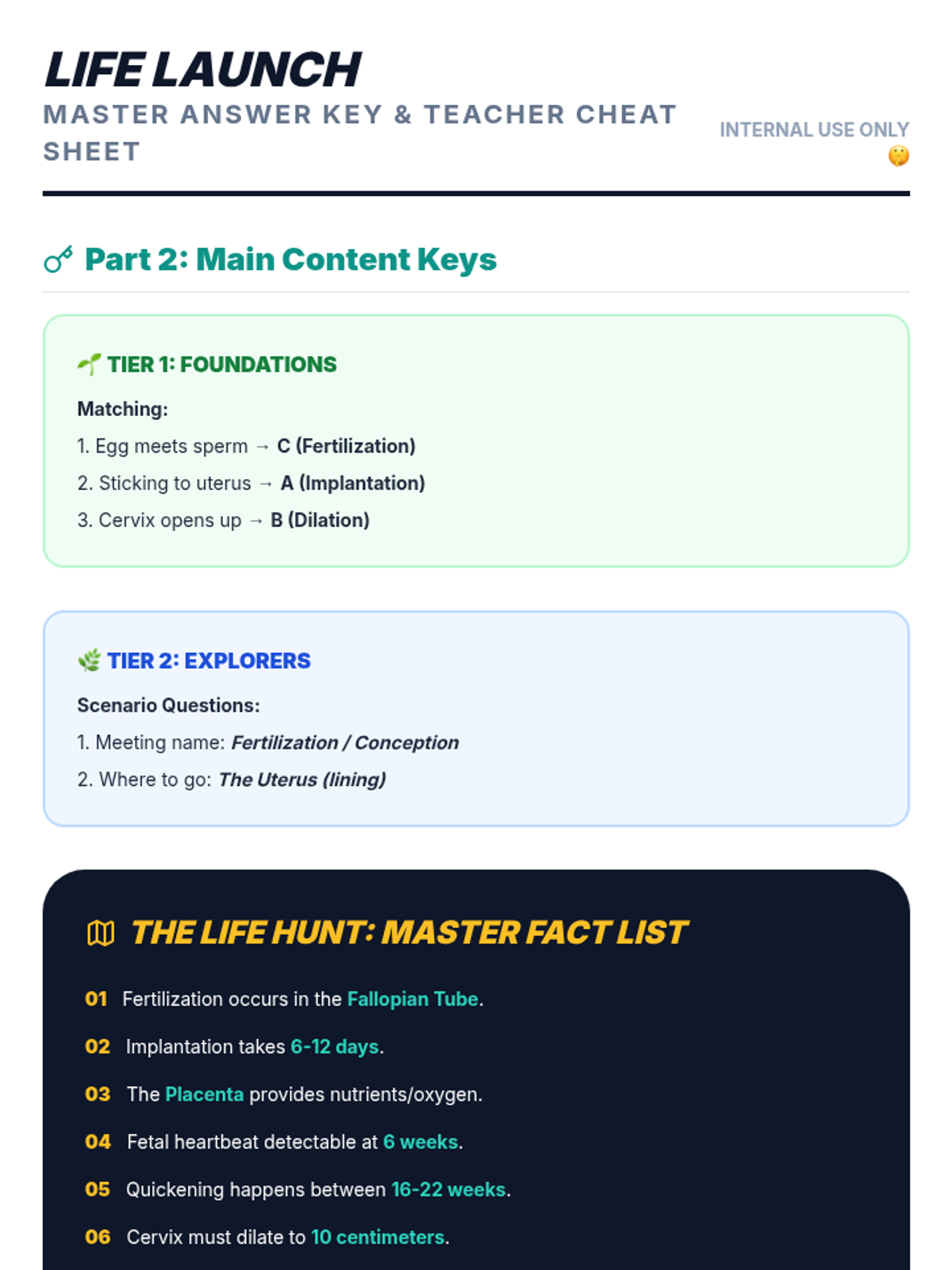
A comprehensive 45-minute lesson on fertilization and birth designed for 9th-grade students, featuring a movement-based scavenger hunt and tiered instructional materials aligned with Massachusetts Health Education standards.
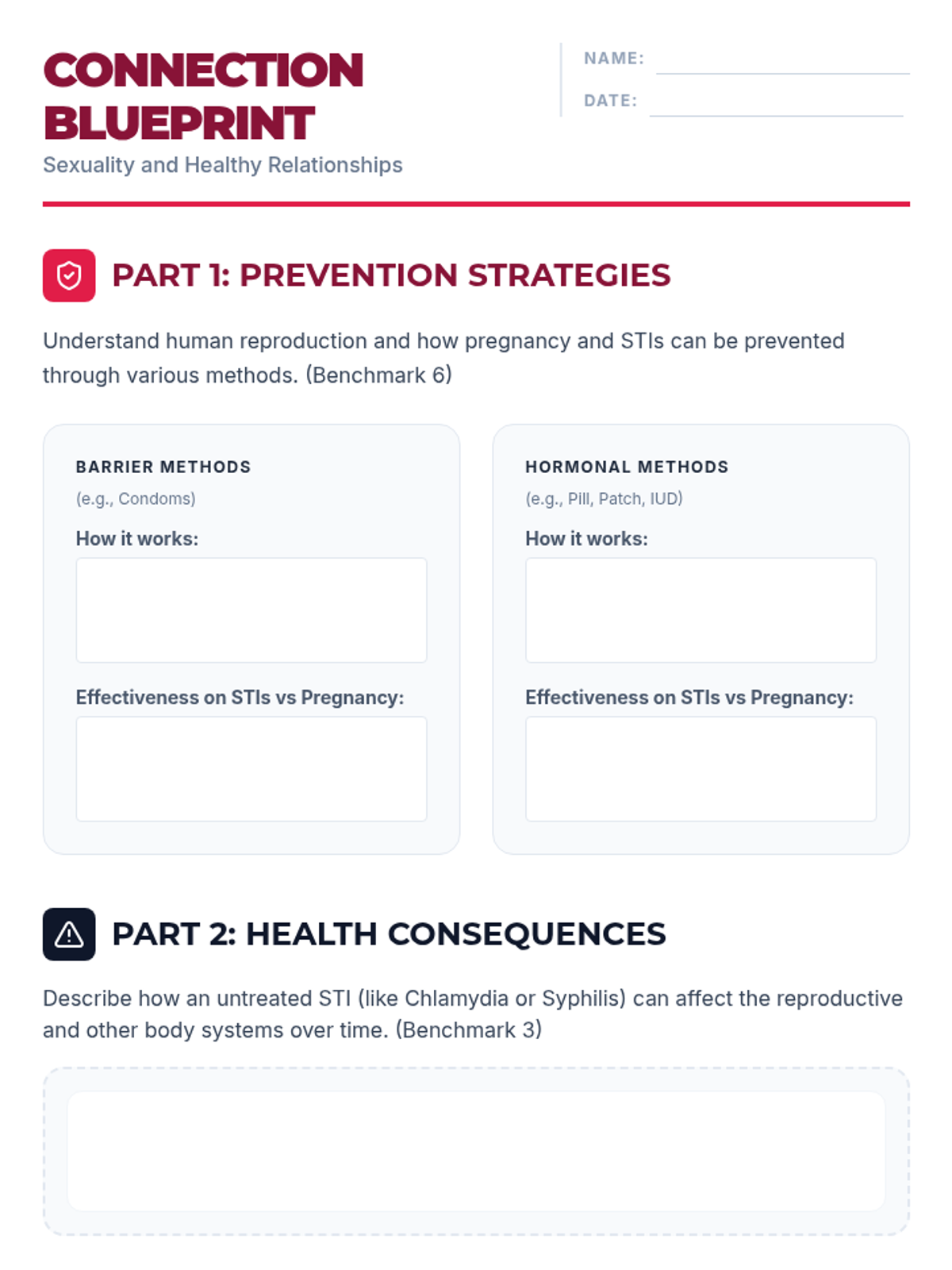
Covers human reproduction, pregnancy prevention, and STI awareness. Students analyze healthy boundaries, consent, and how early behaviors impact adult health outcomes.
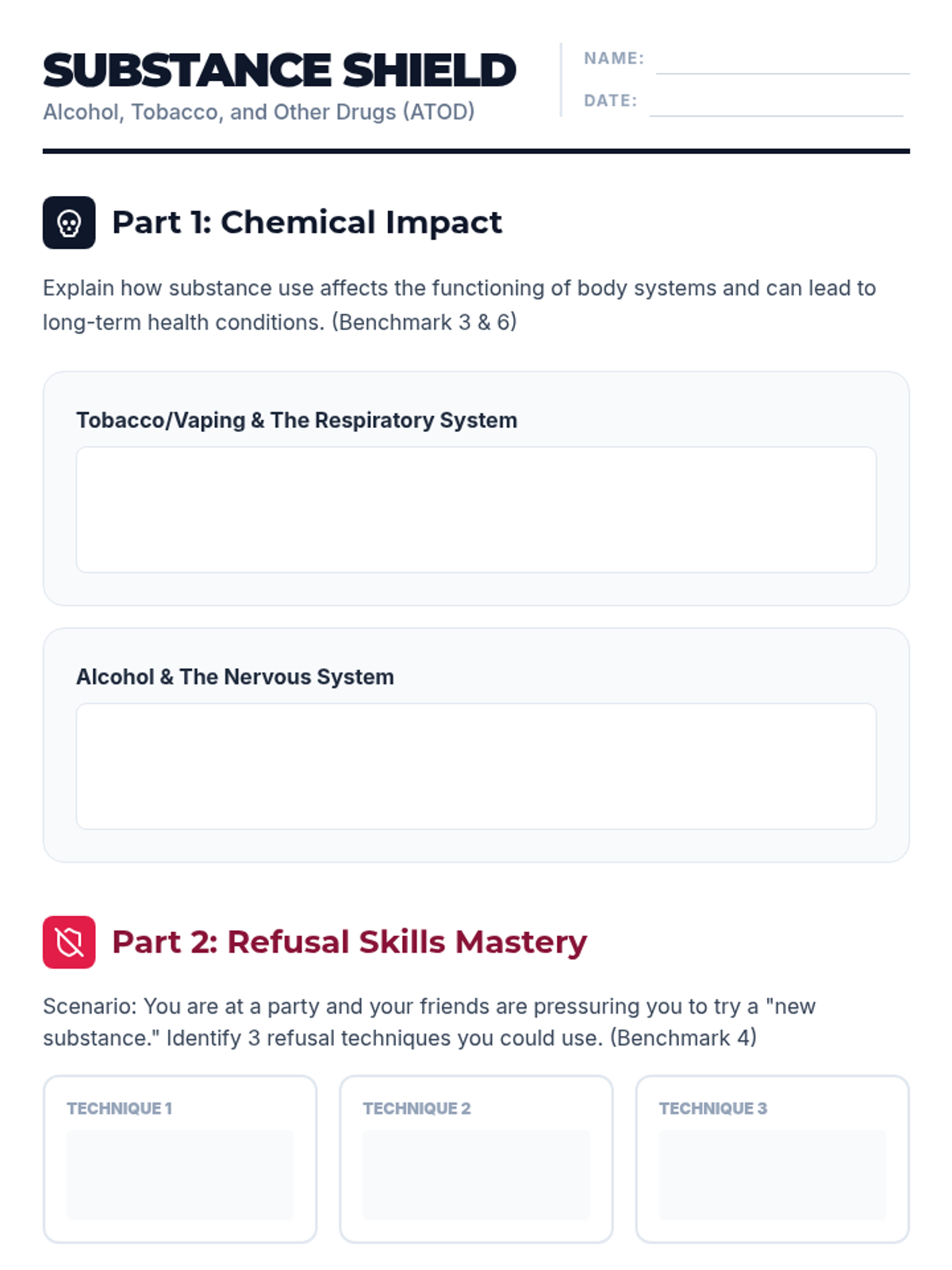
Examines the impact of alcohol, tobacco, and other drugs on the body and social health. Students develop refusal skills and analyze how public regulations and personal choices influence risk behaviors.
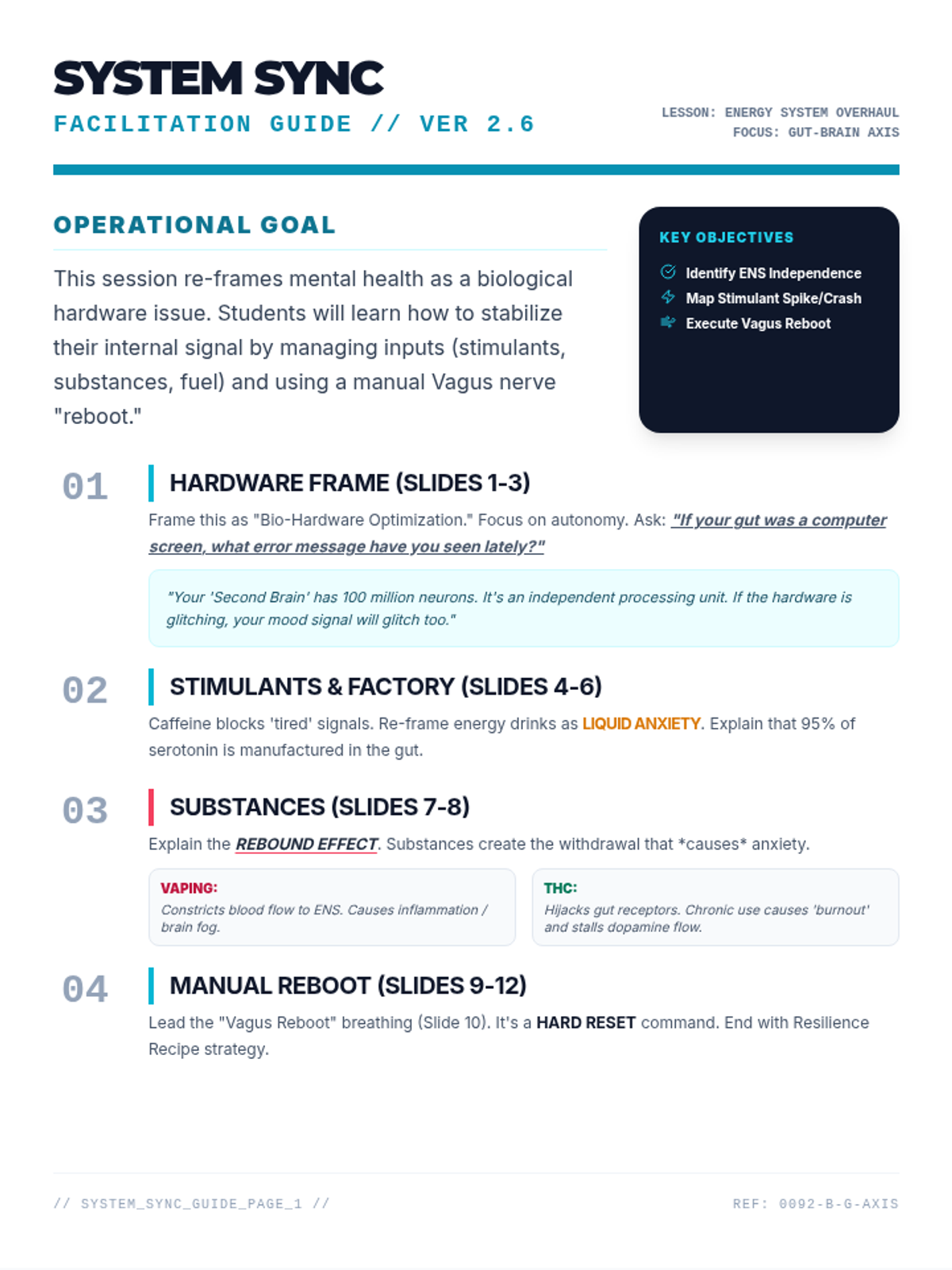
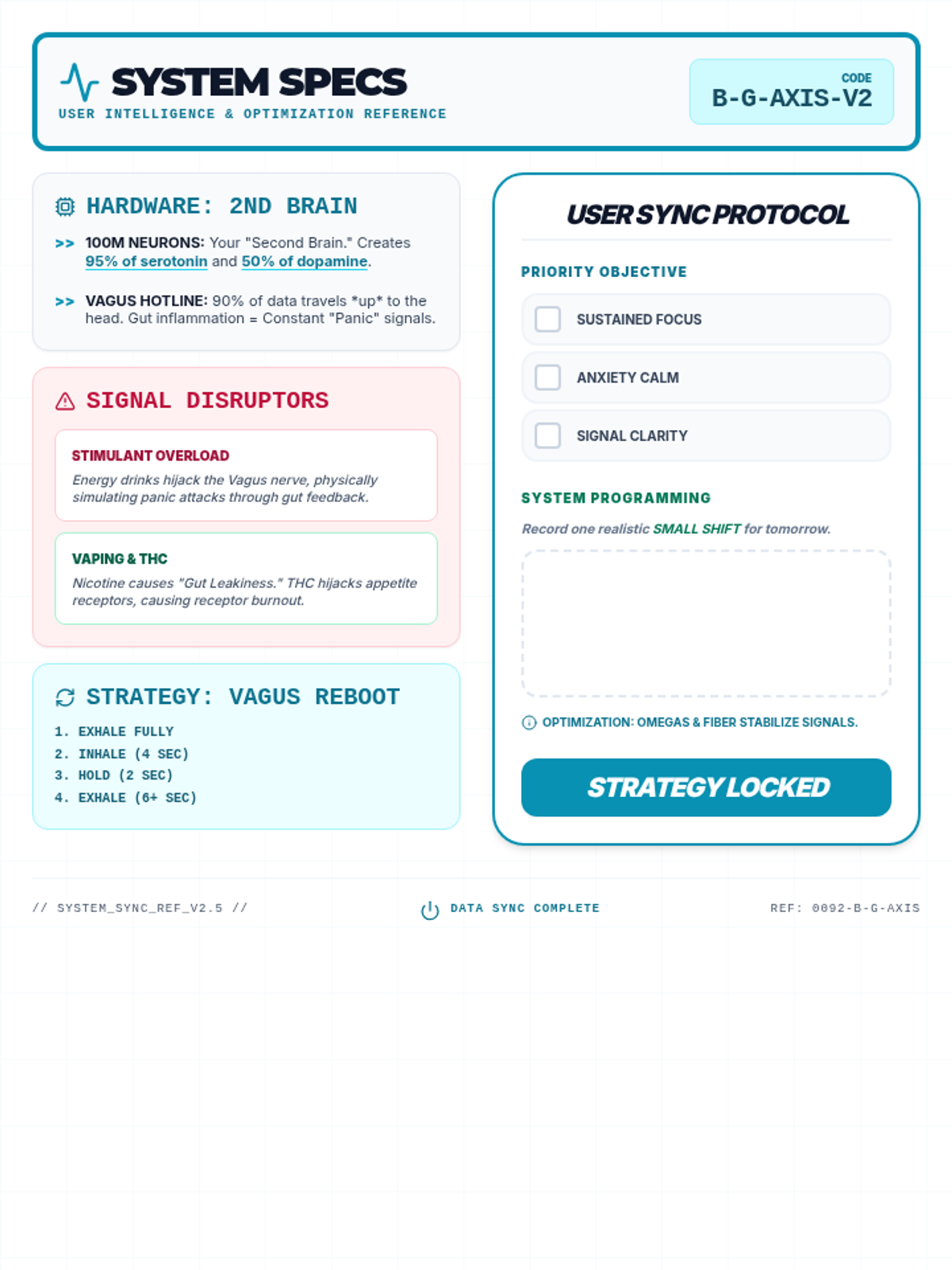
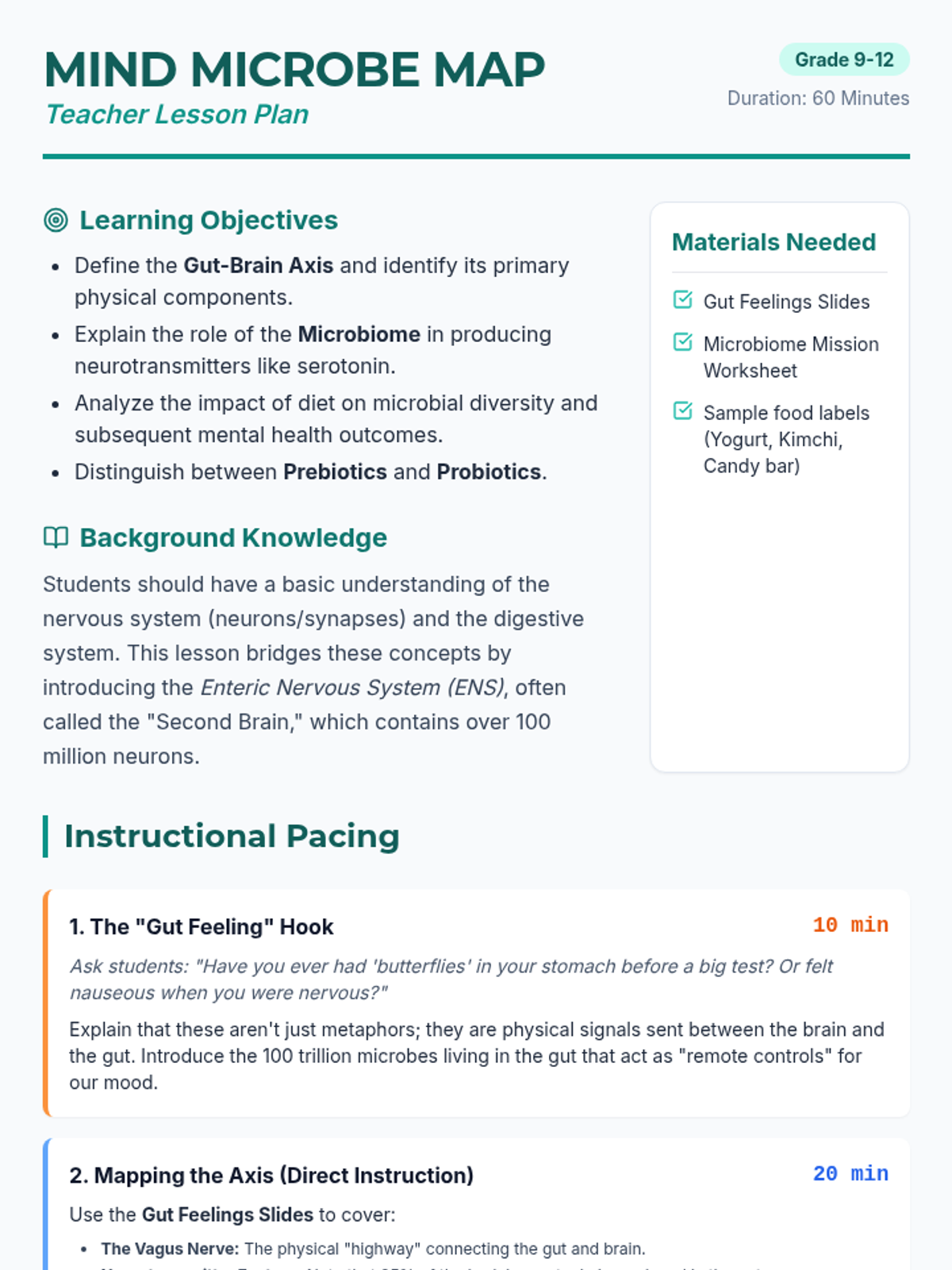
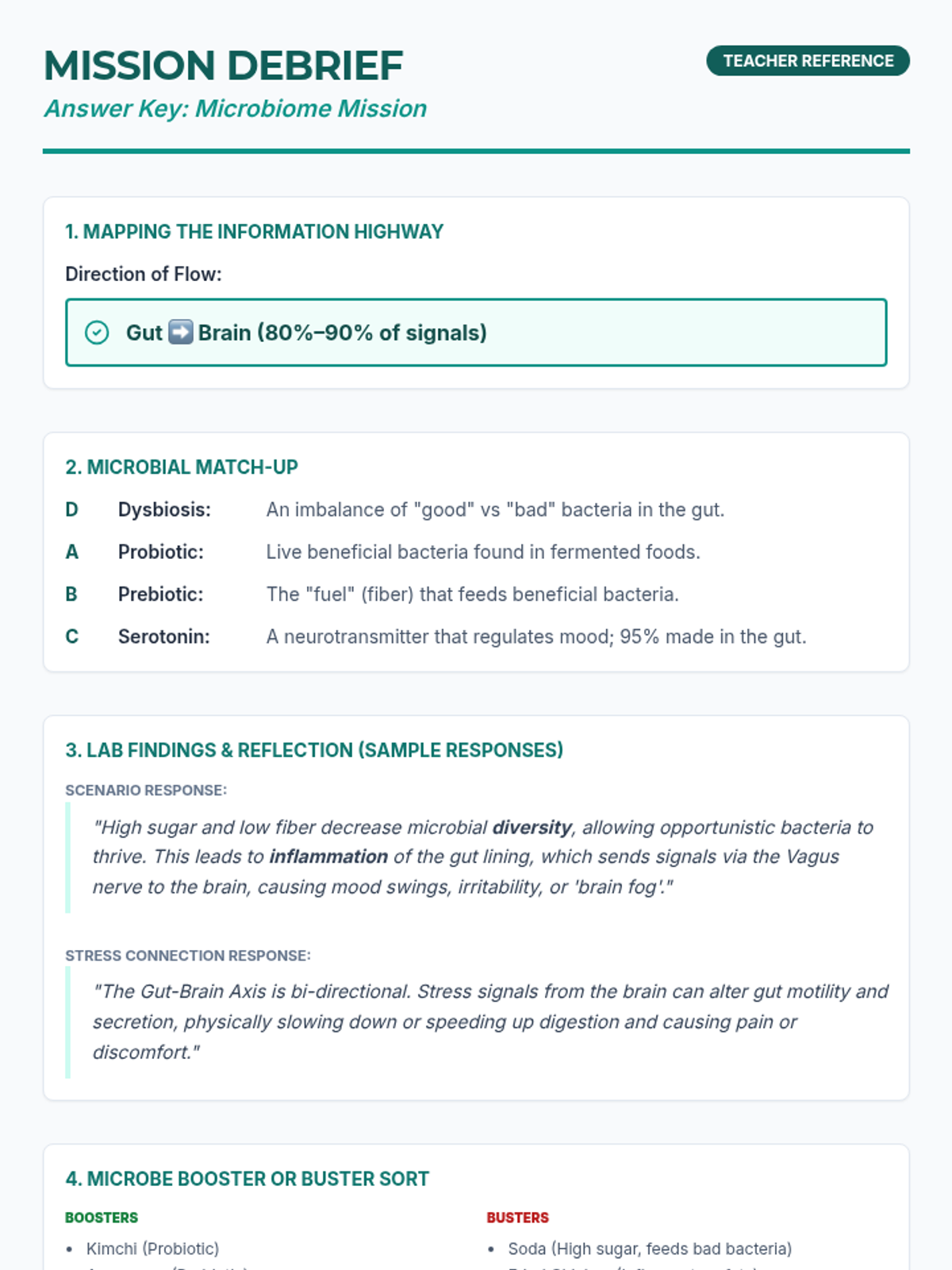
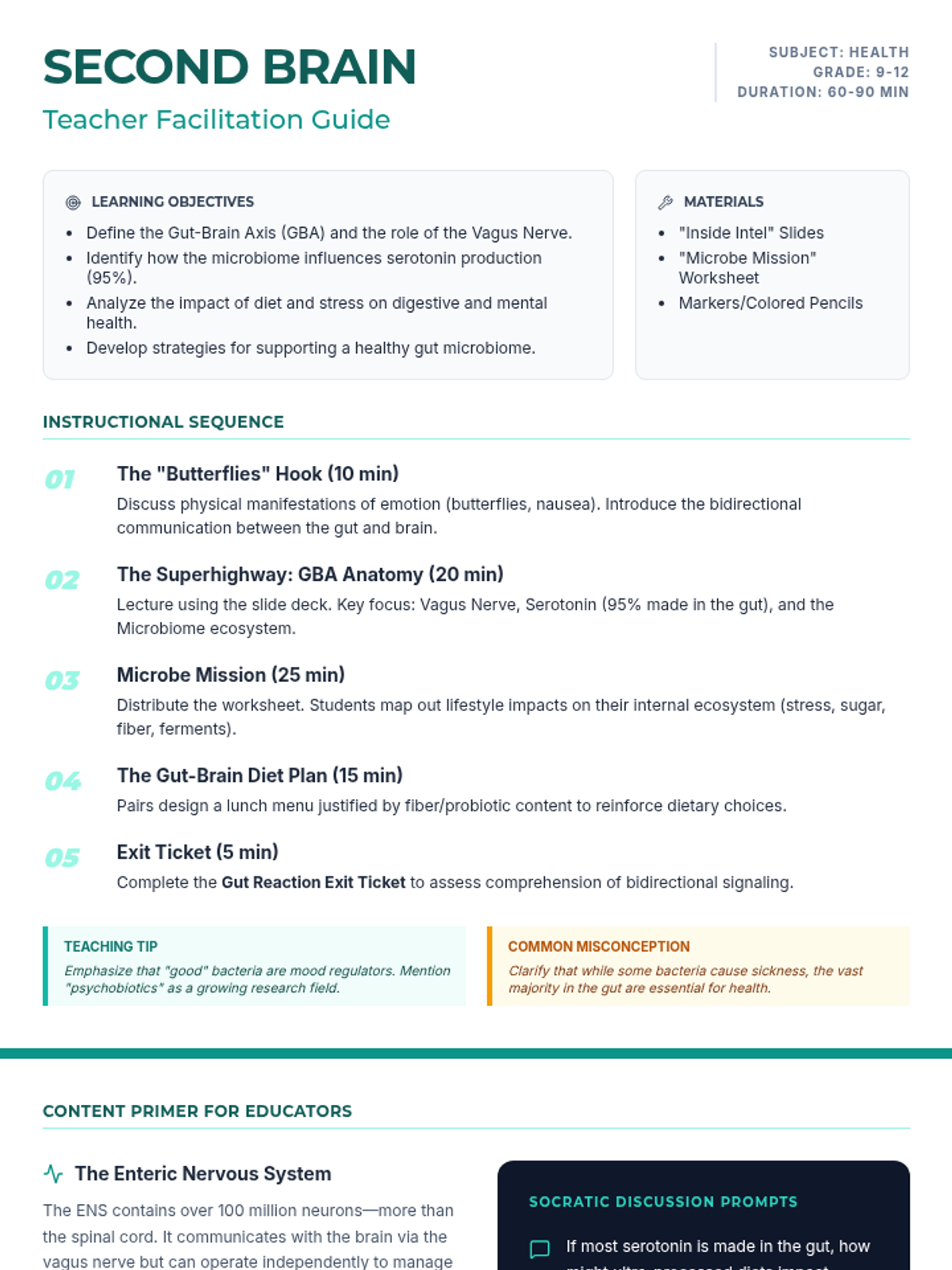
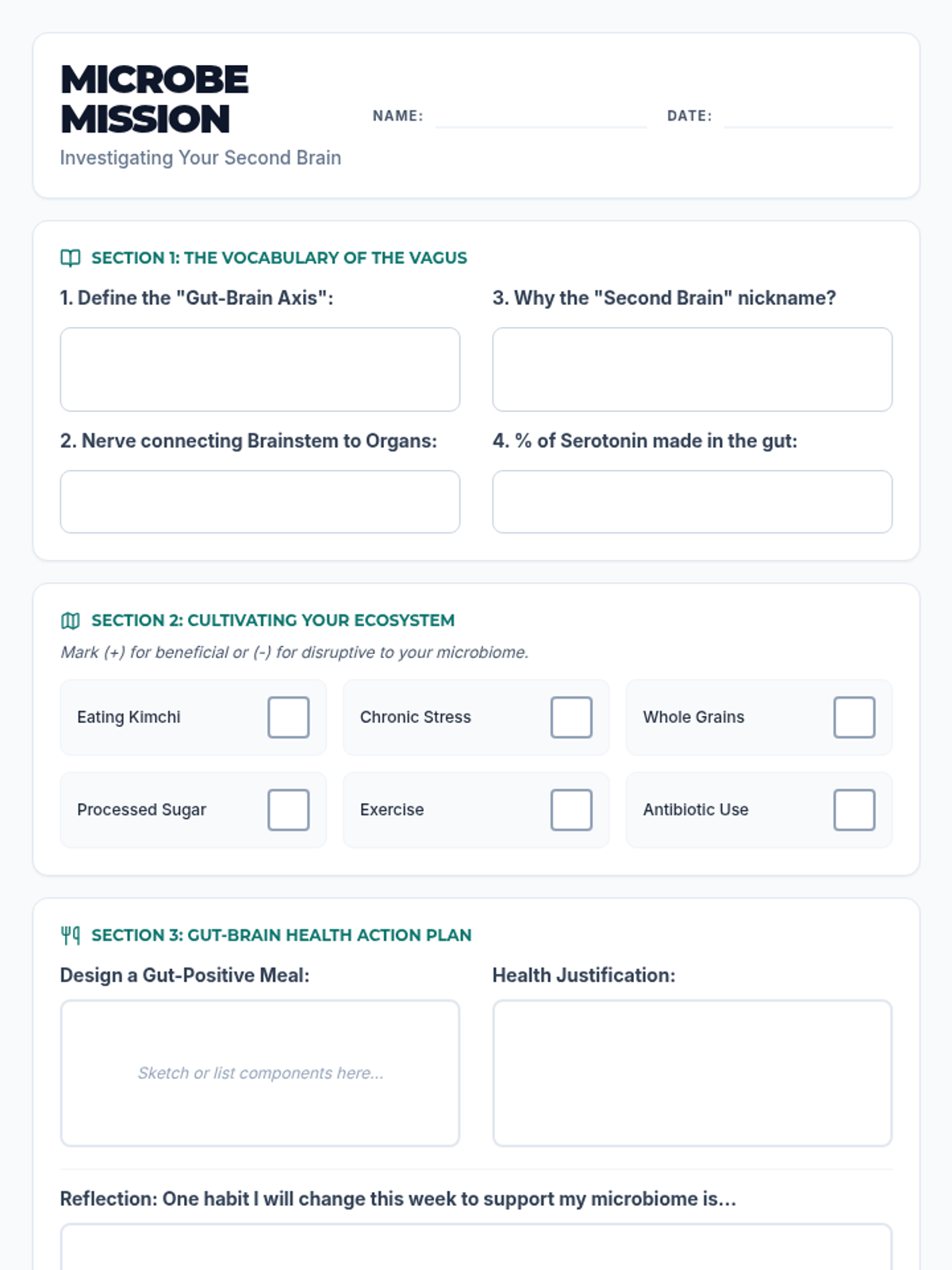
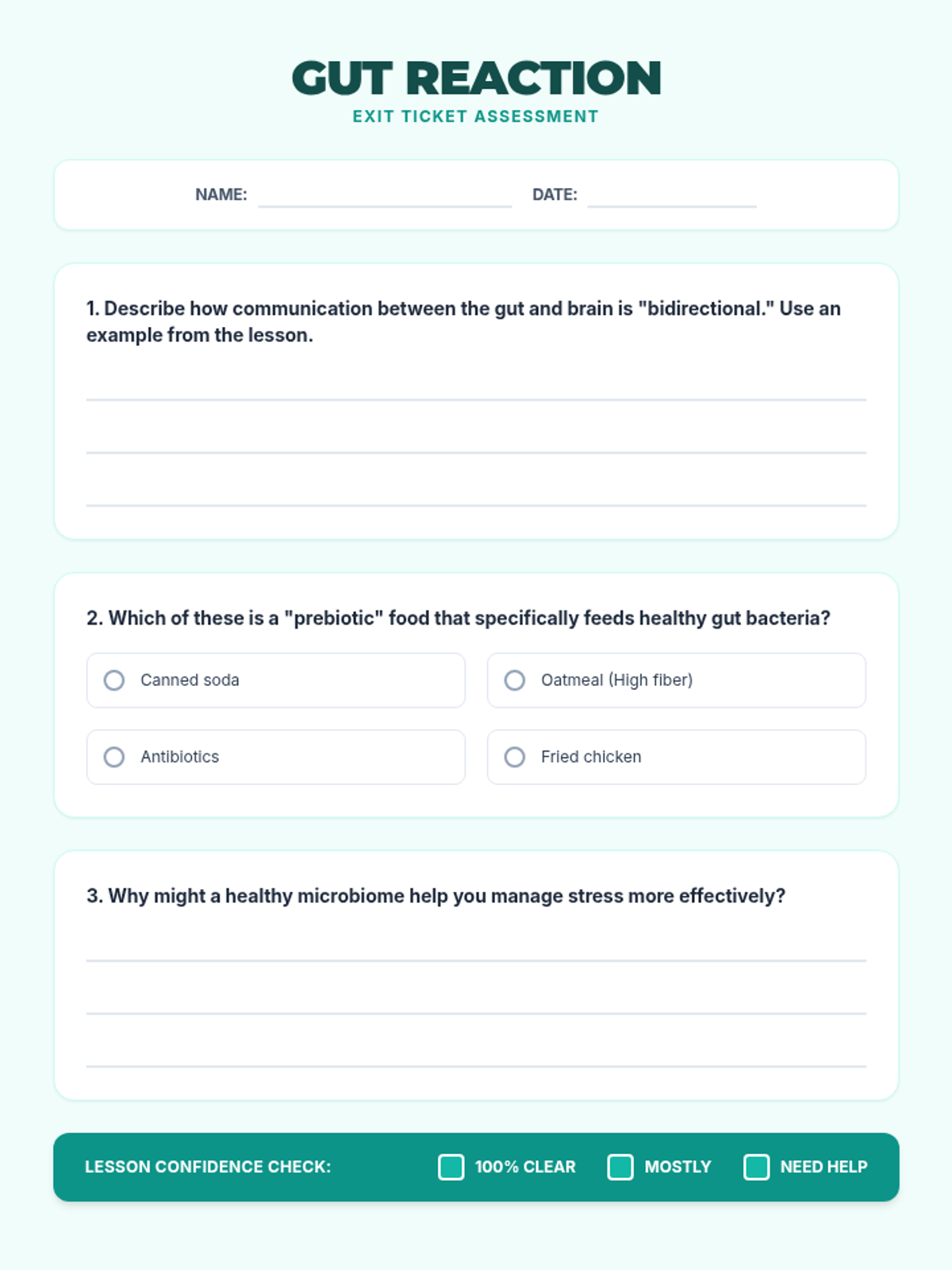
A comprehensive lesson exploring the bi-directional relationship between gut health and mental well-being, specifically tailored for high schoolers in therapeutic settings. The lesson covers the enteric nervous system, the impact of nutrition, hydration, and substances on mood, energy, and cognitive function.
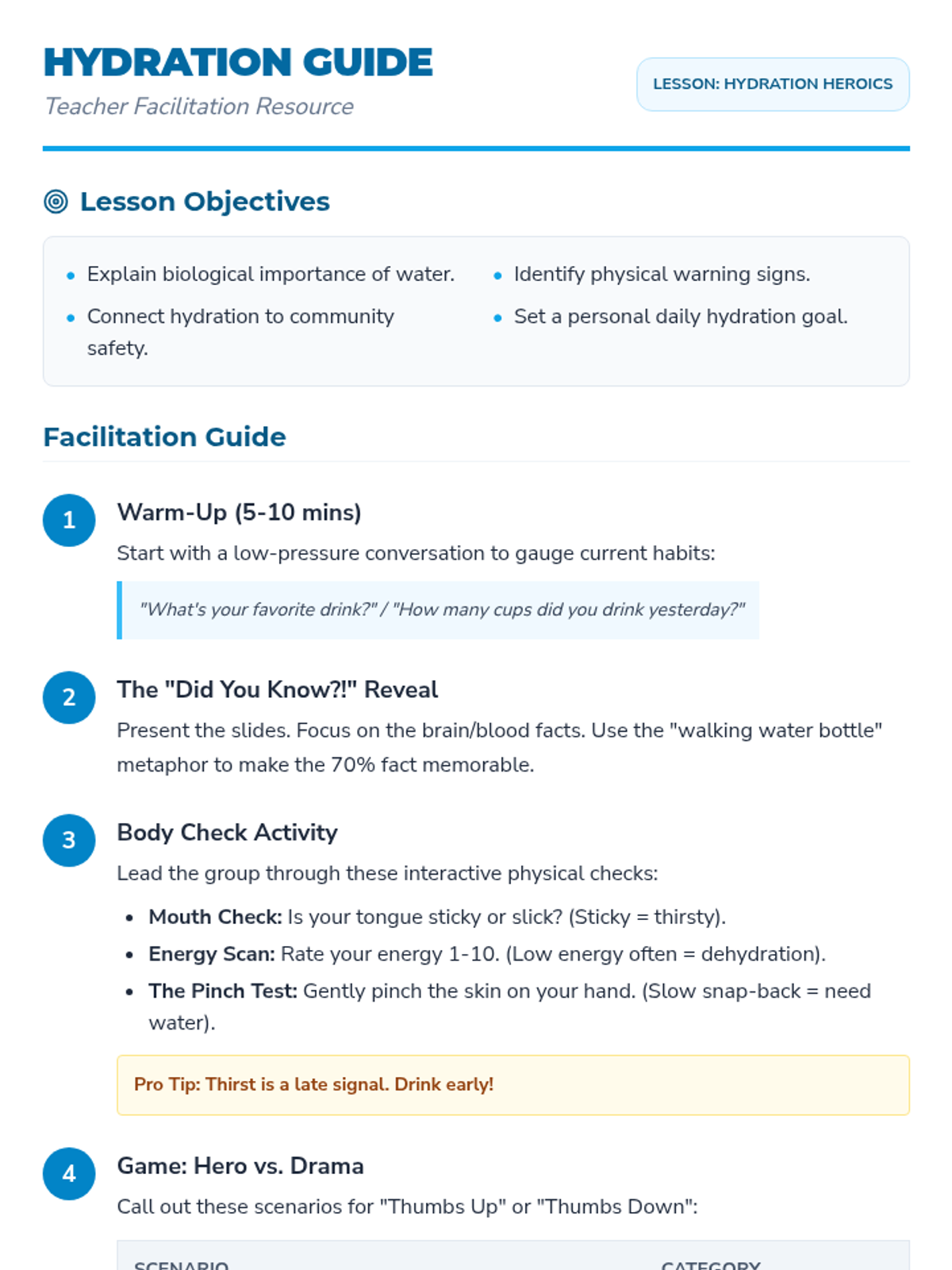
A comprehensive lesson on hydration safety and awareness, featuring fun facts, body awareness activities, and practical tips for staying hydrated in daily life.
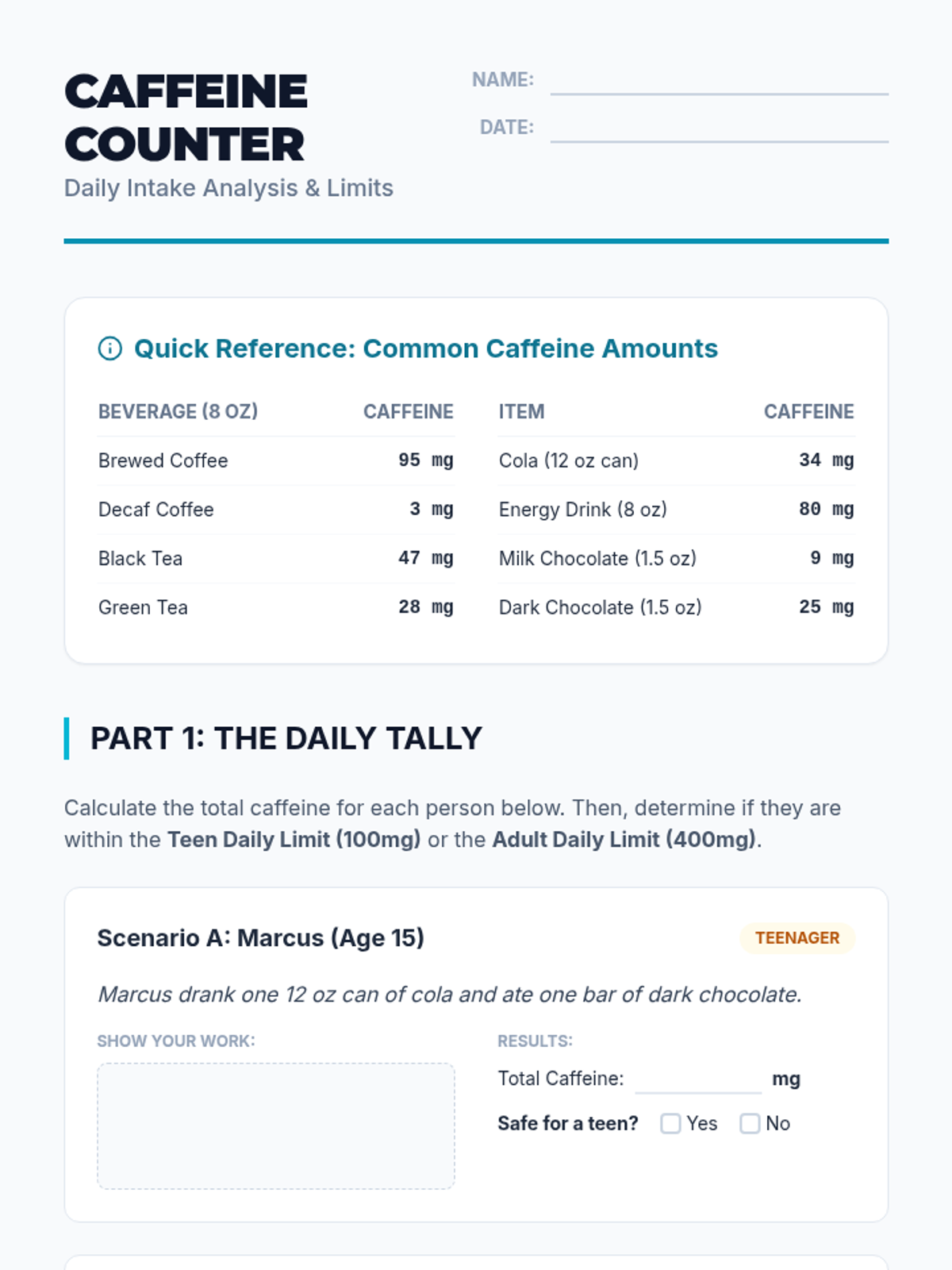
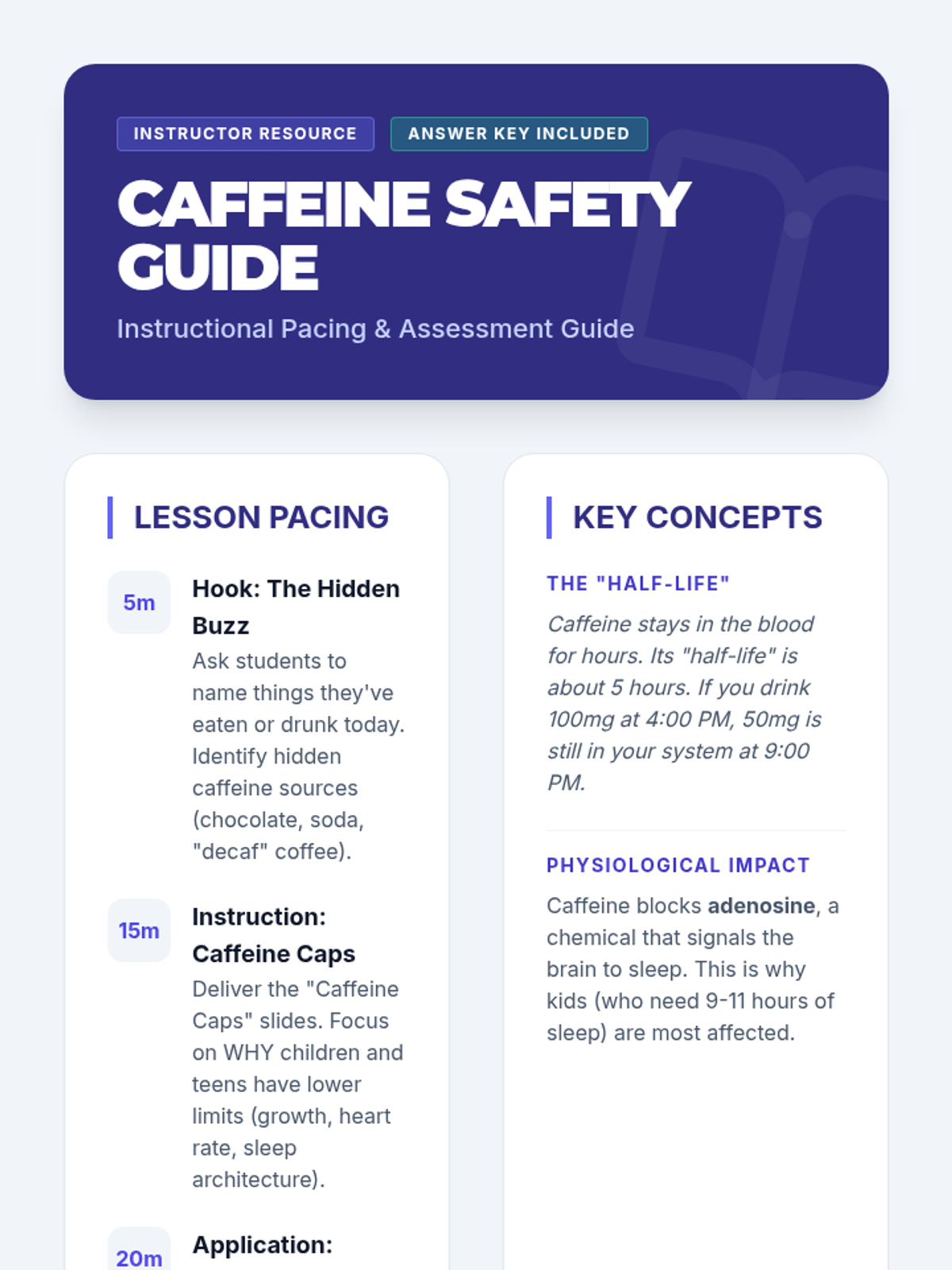
This lesson covers the physiological effects of caffeine on the body and provides clear, evidence-based guidelines for safe consumption across different age groups based on FDA and NIH standards.
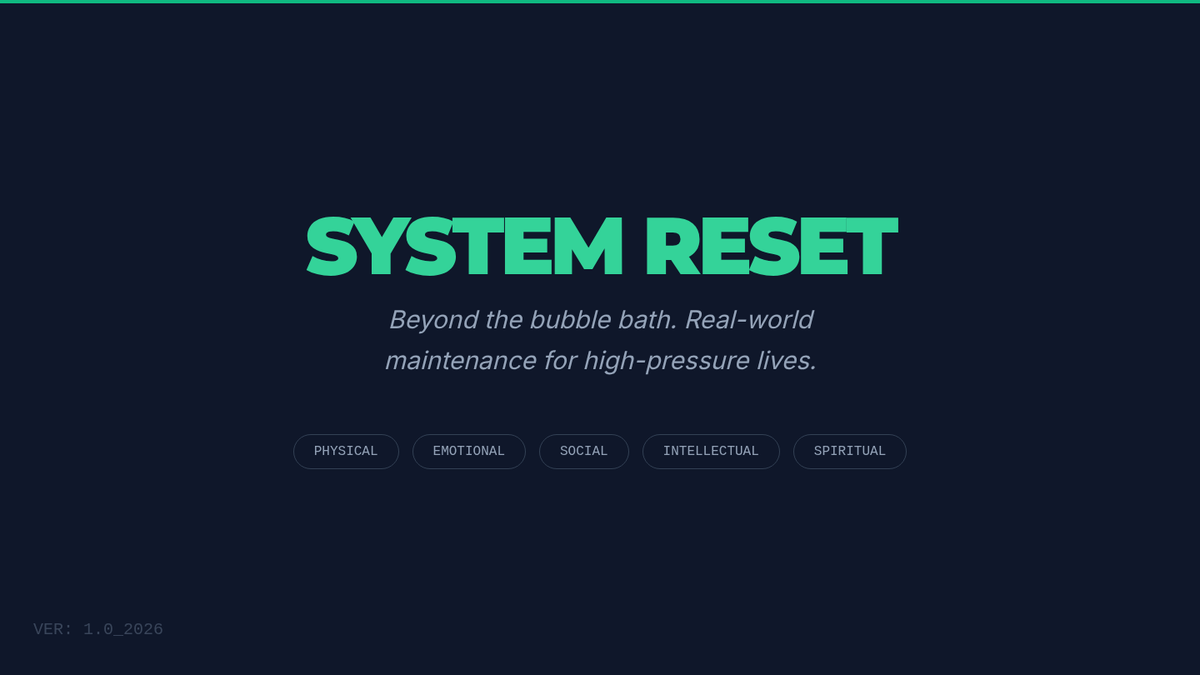
A 40-minute lesson for high school students exploring the multi-dimensional nature of wellness, addressing common barriers, and creating a sustainable personal maintenance plan.
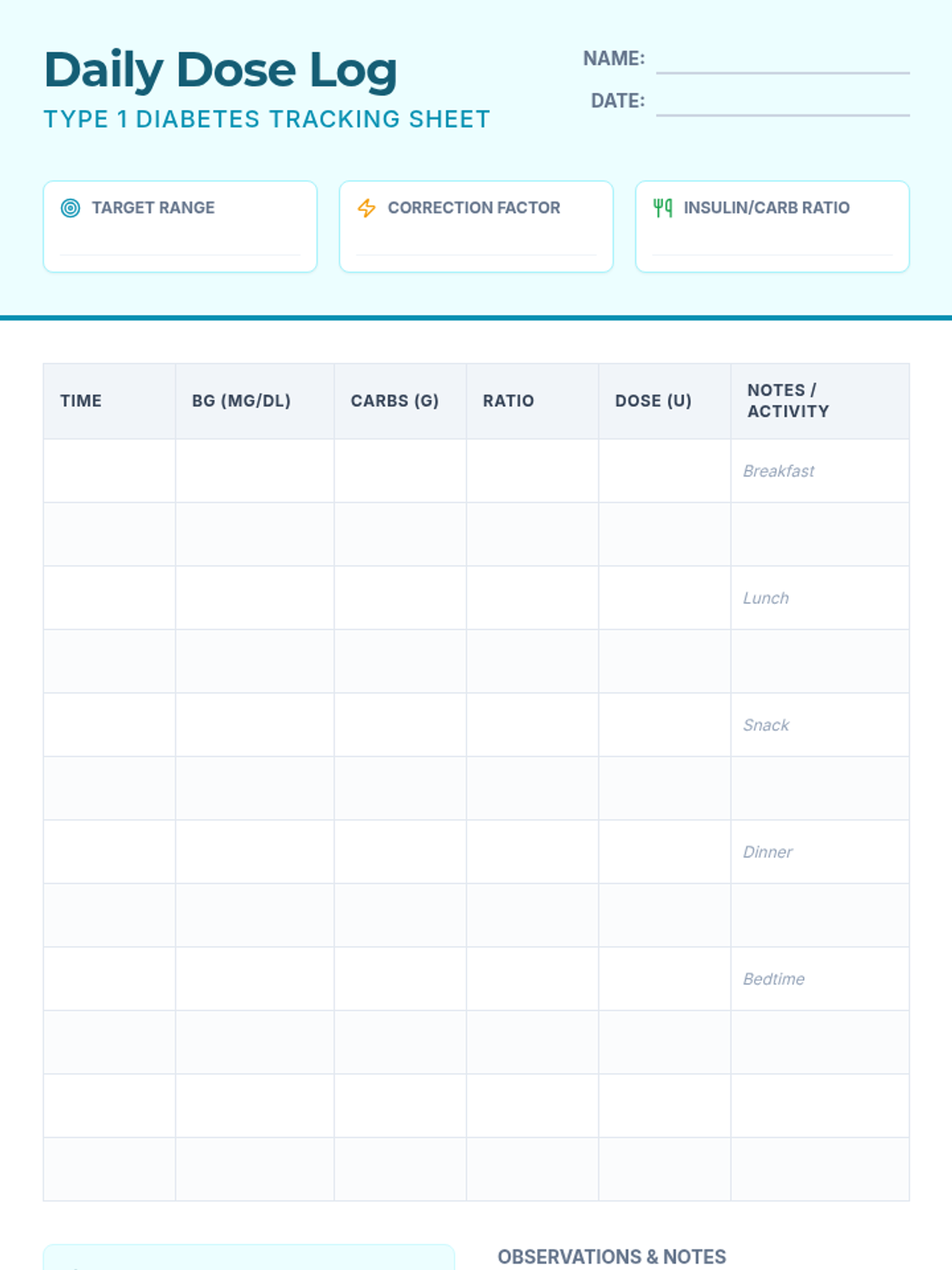
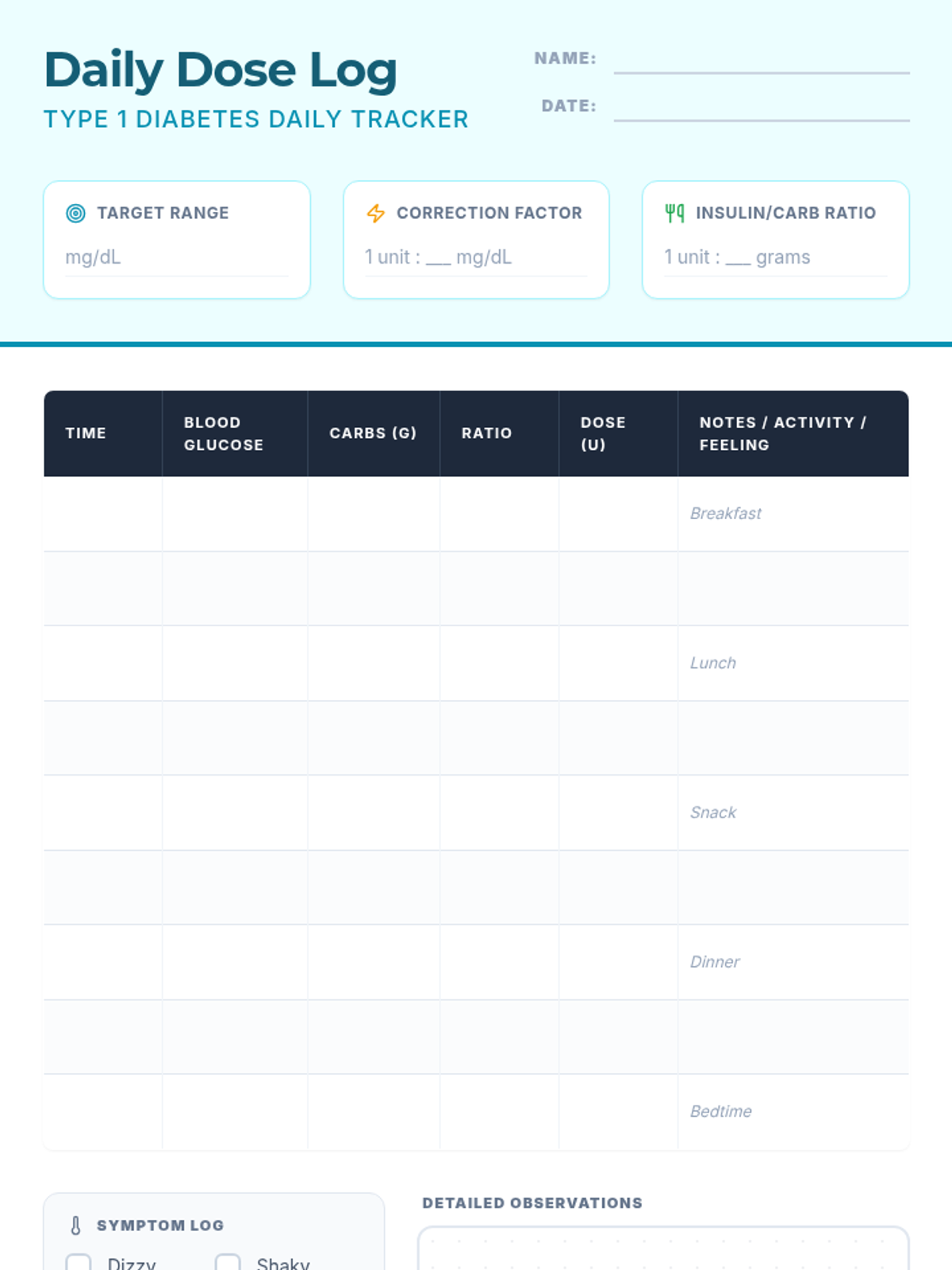
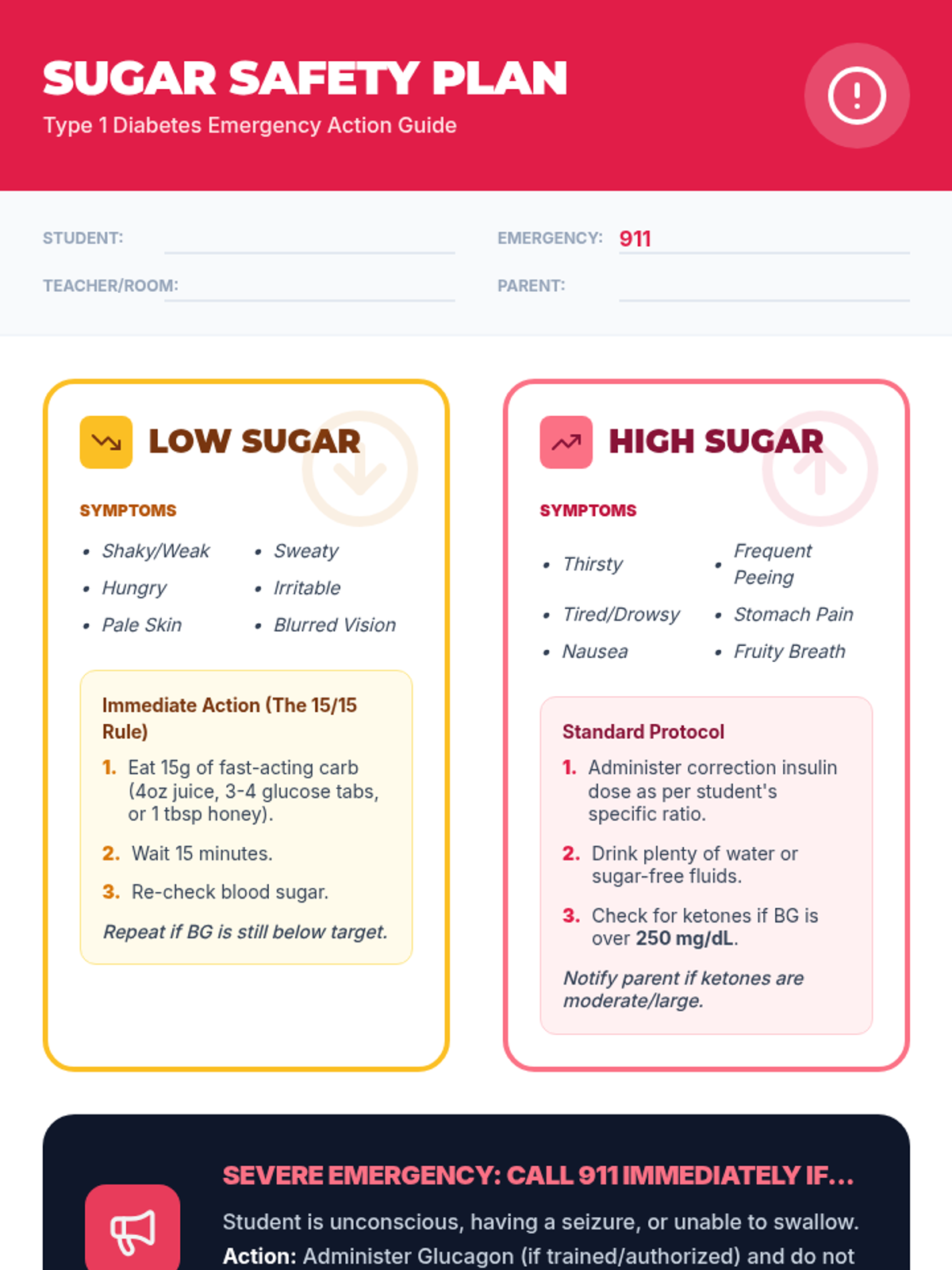
A comprehensive toolkit for tracking and managing Type 1 Diabetes daily routines, designed for students, parents, and school health staff.
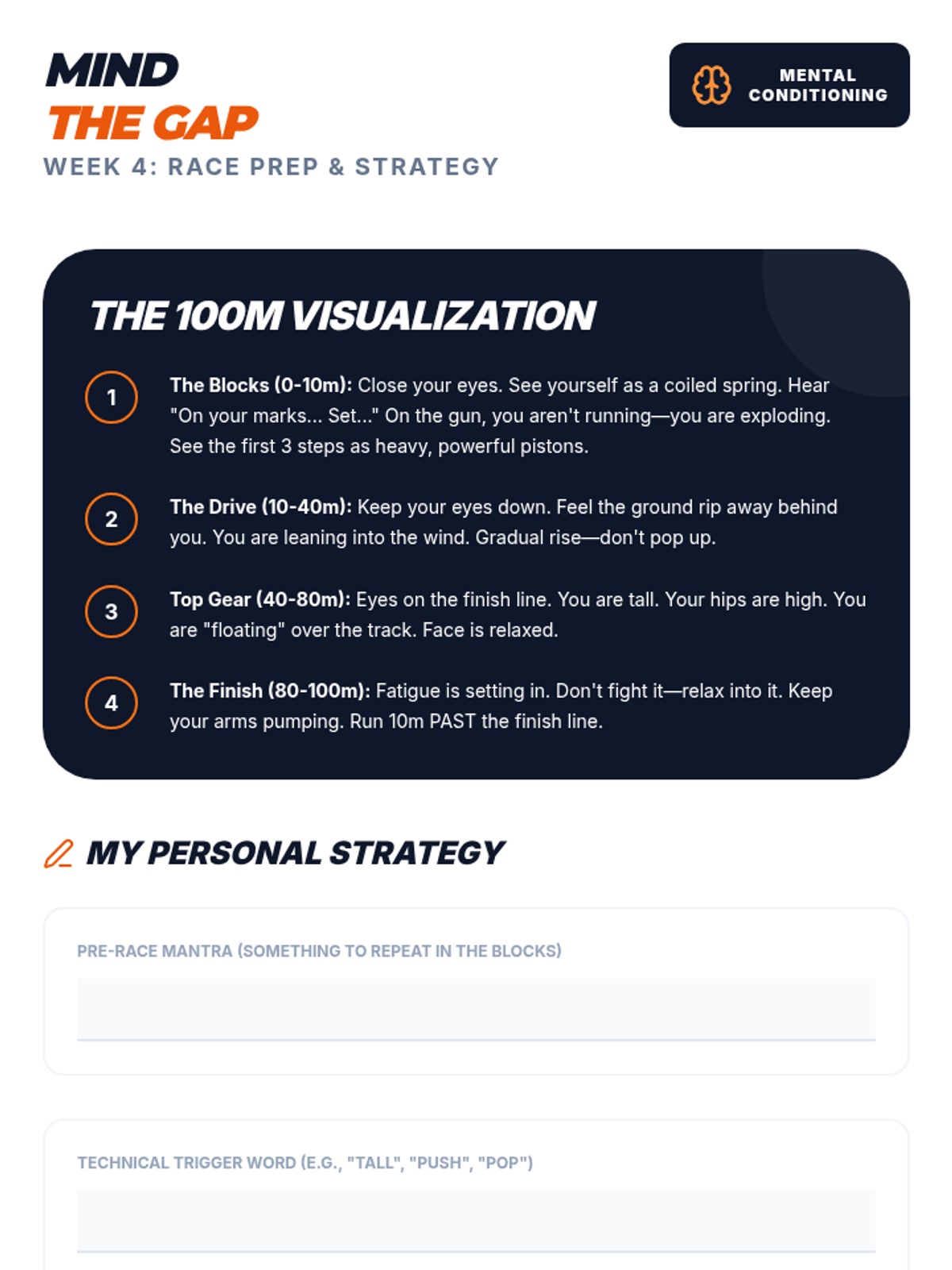
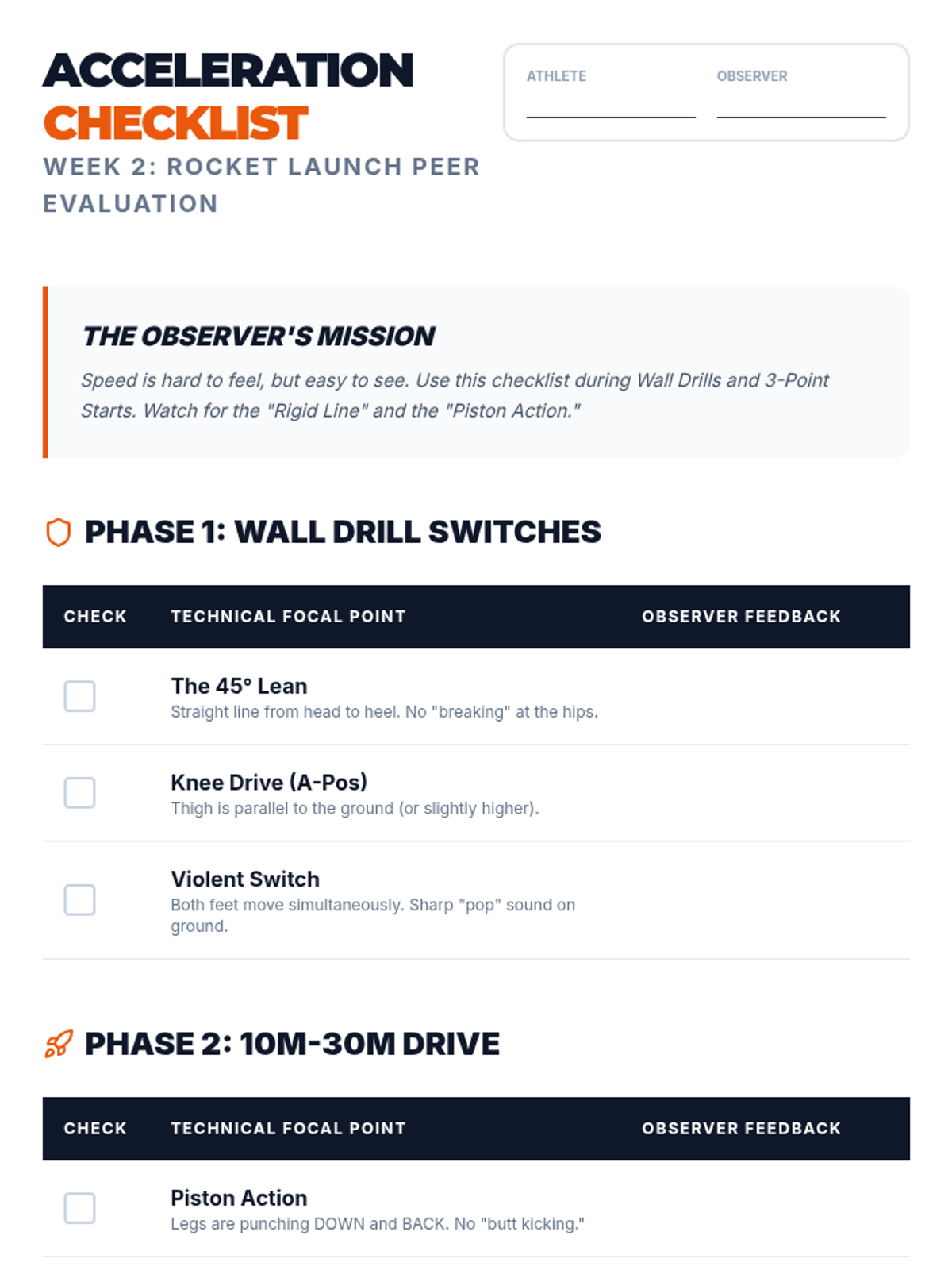
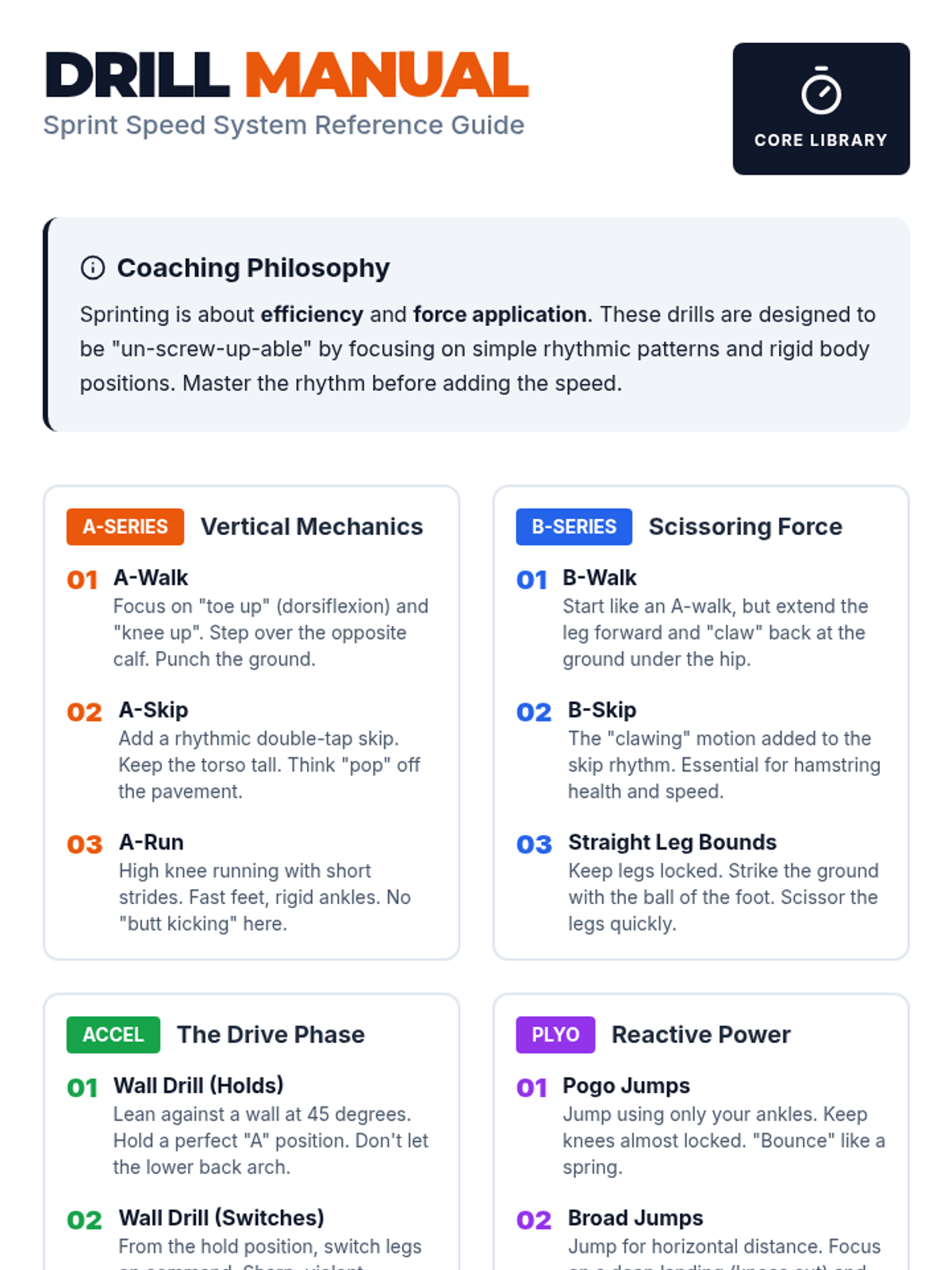
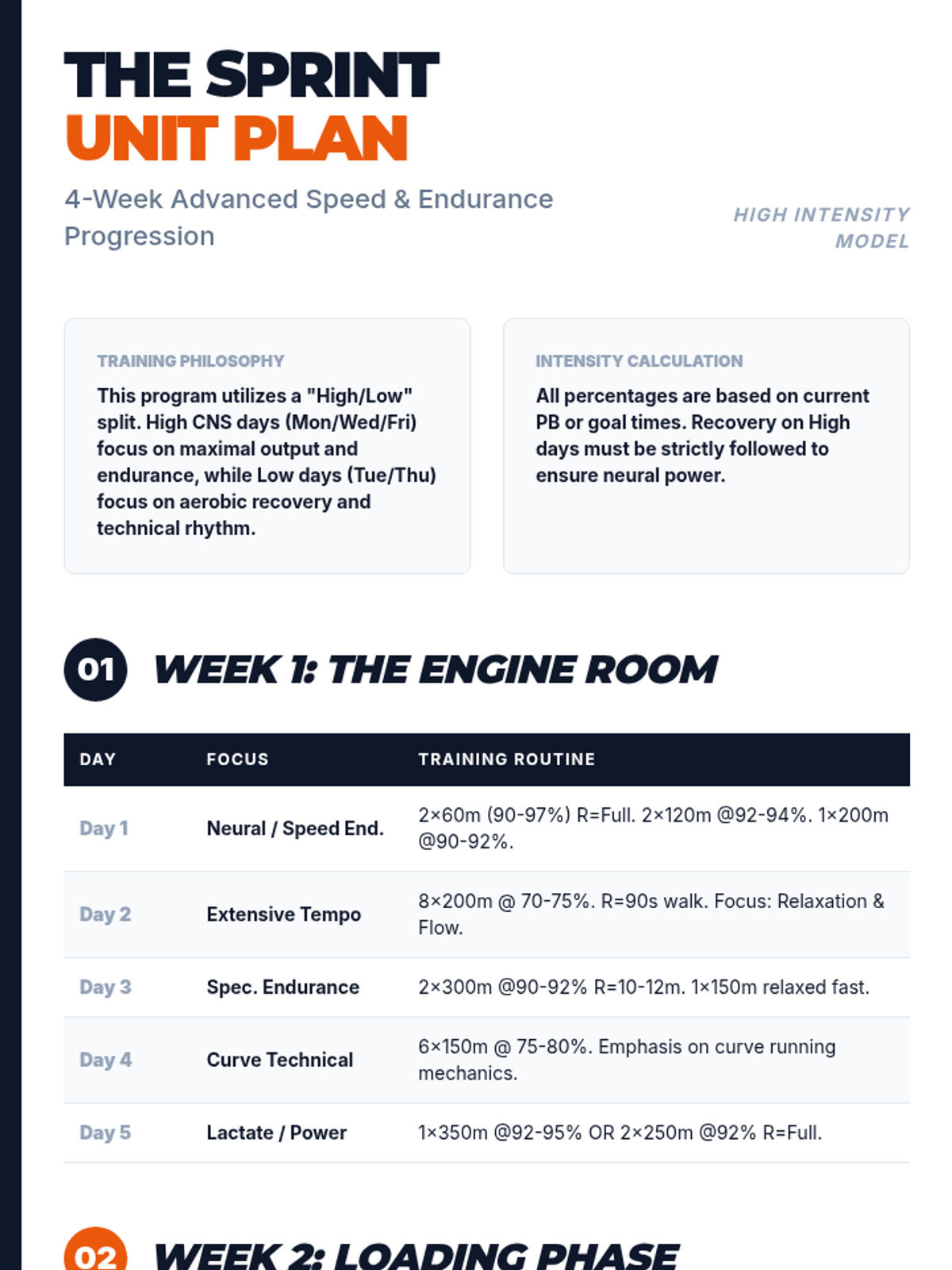
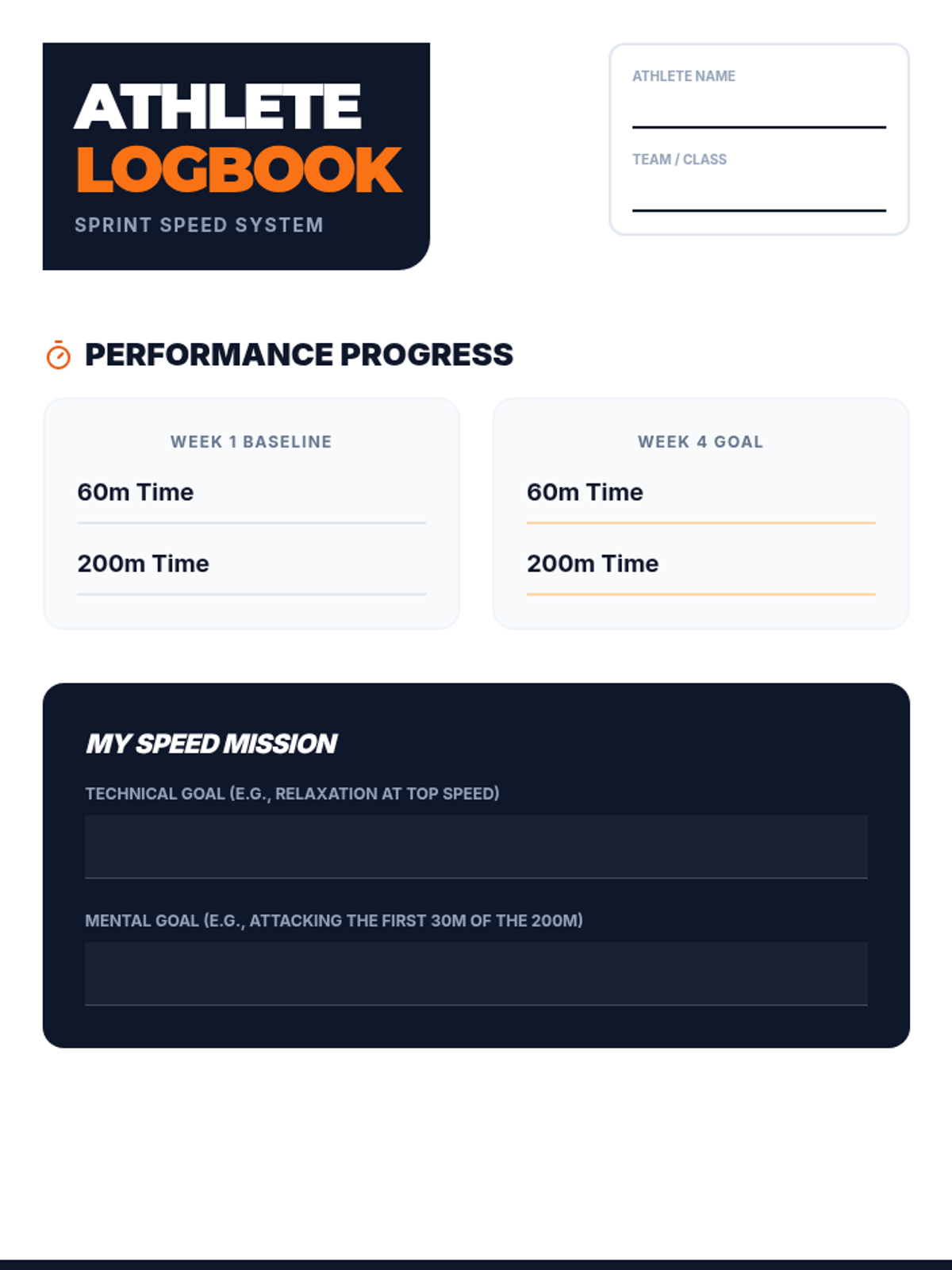
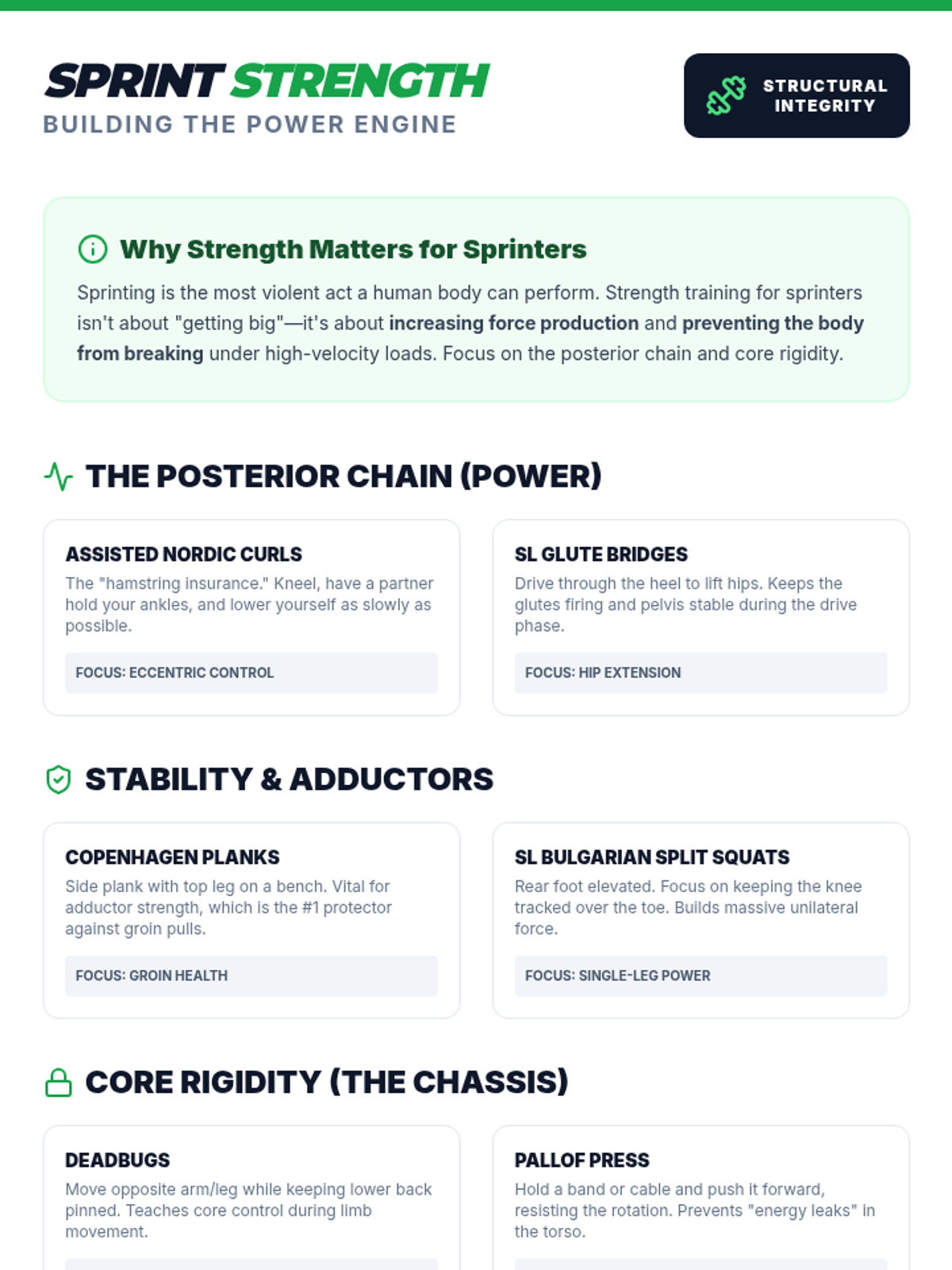
Fine-tuning starts, speed endurance intervals, and preparing for competition-style sprinting.
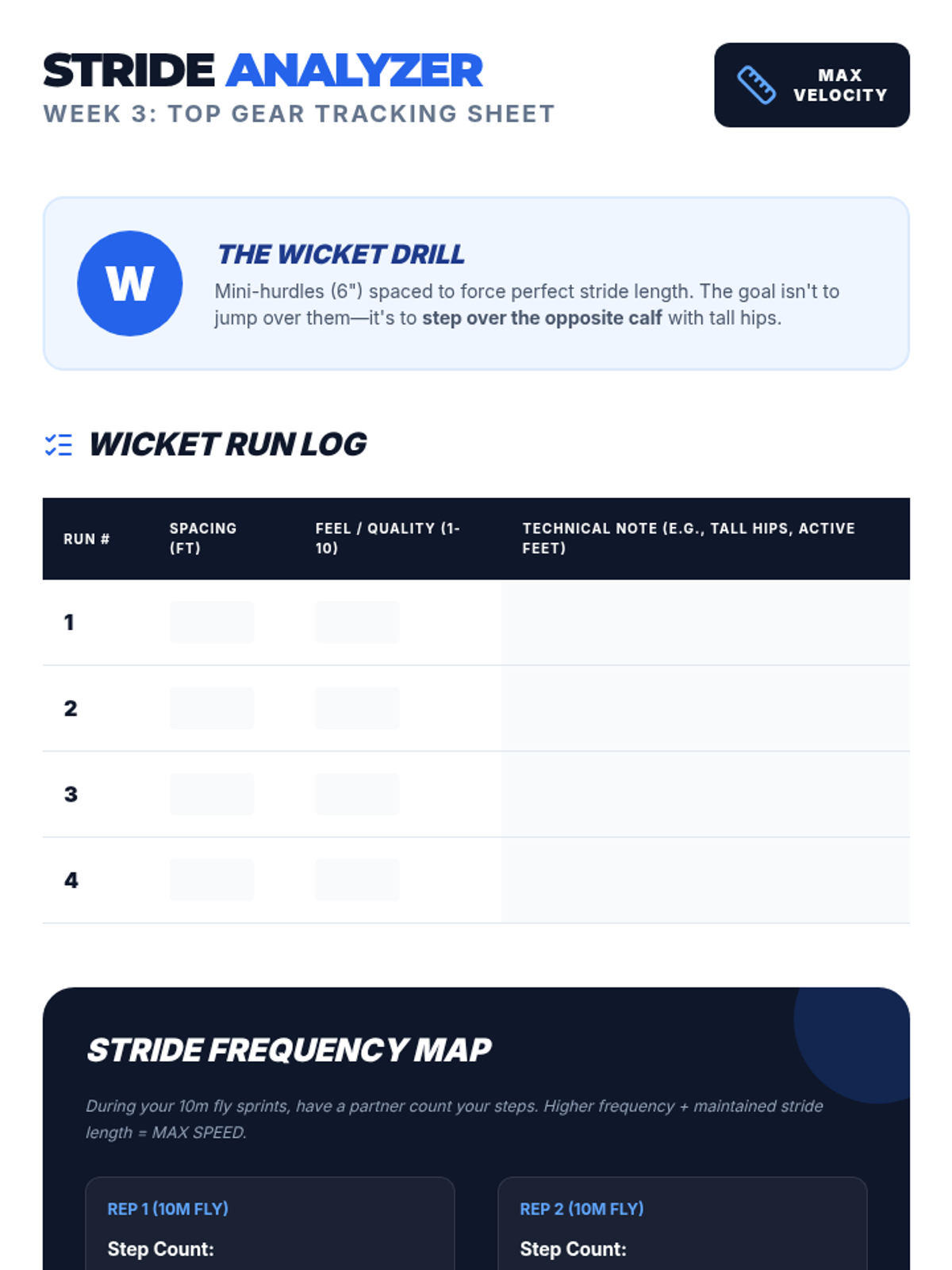
Training upright sprinting mechanics, stride frequency through wicket drills, and maximum velocity maintenance.
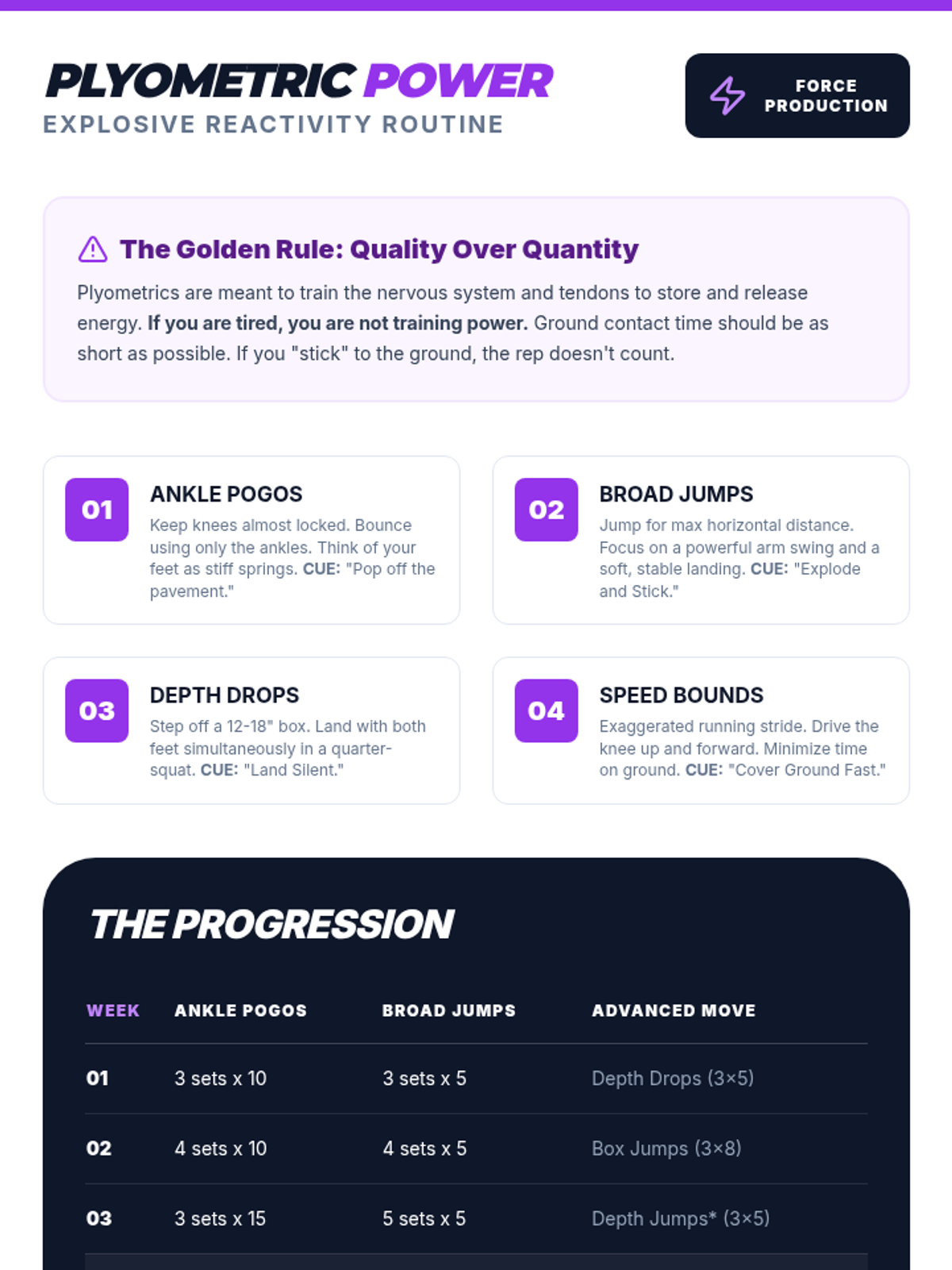
Introducing the drive phase, explosive wall drills, and higher-intensity plyometrics to build raw power.
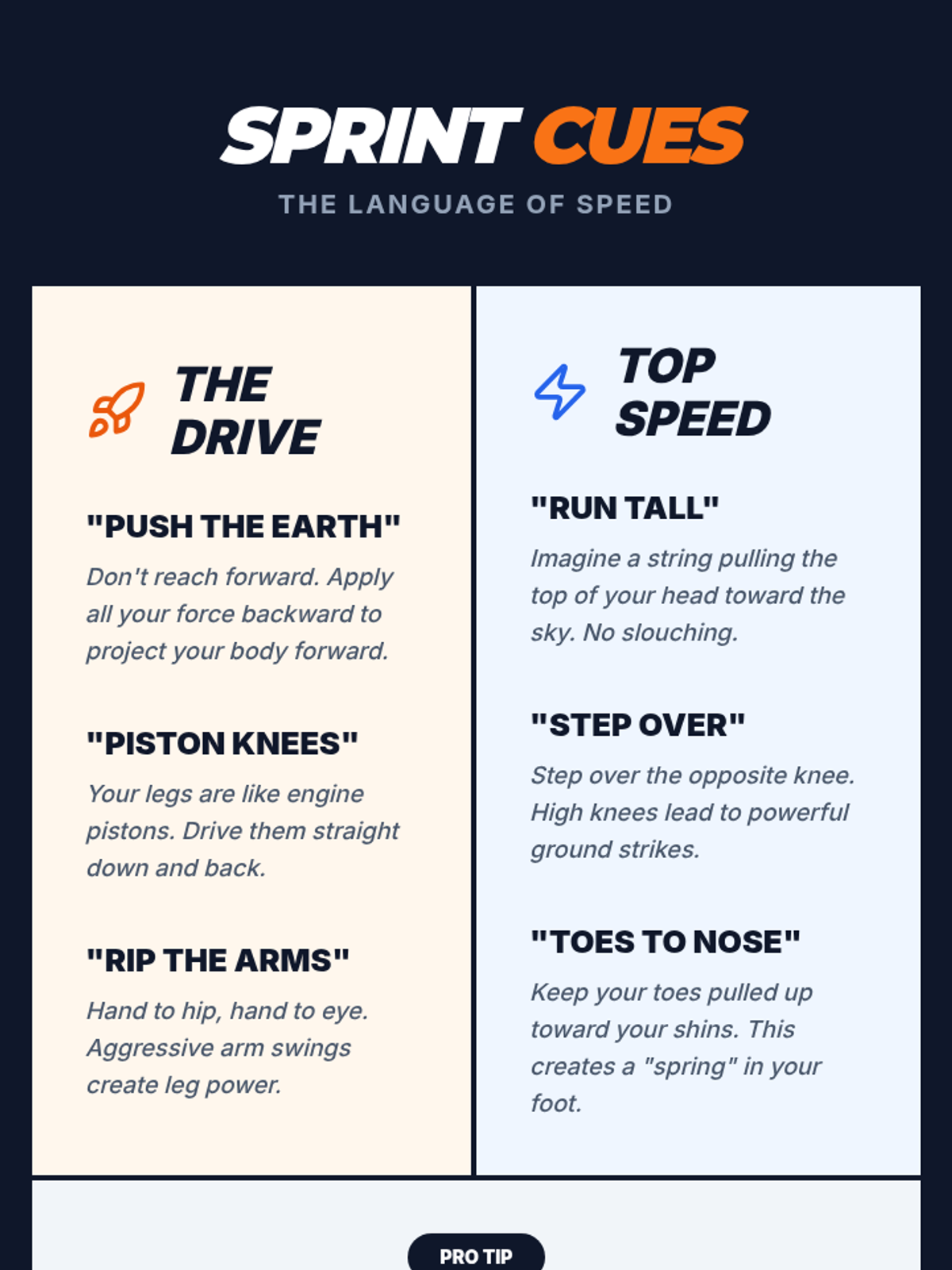
Focus on establishing proper sprint posture, rhythmic drills (A-skips), and basic core strength to prevent injury.
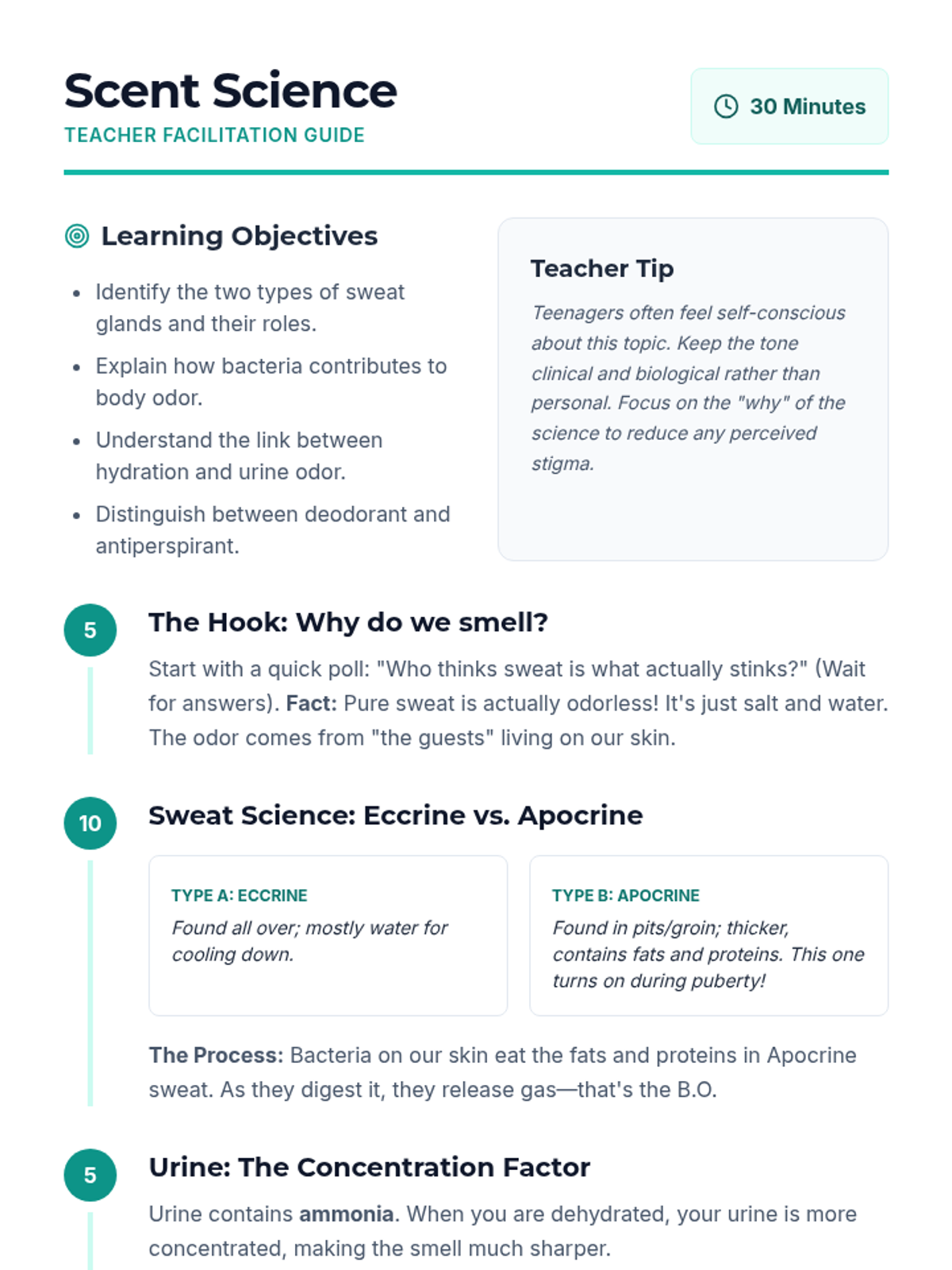
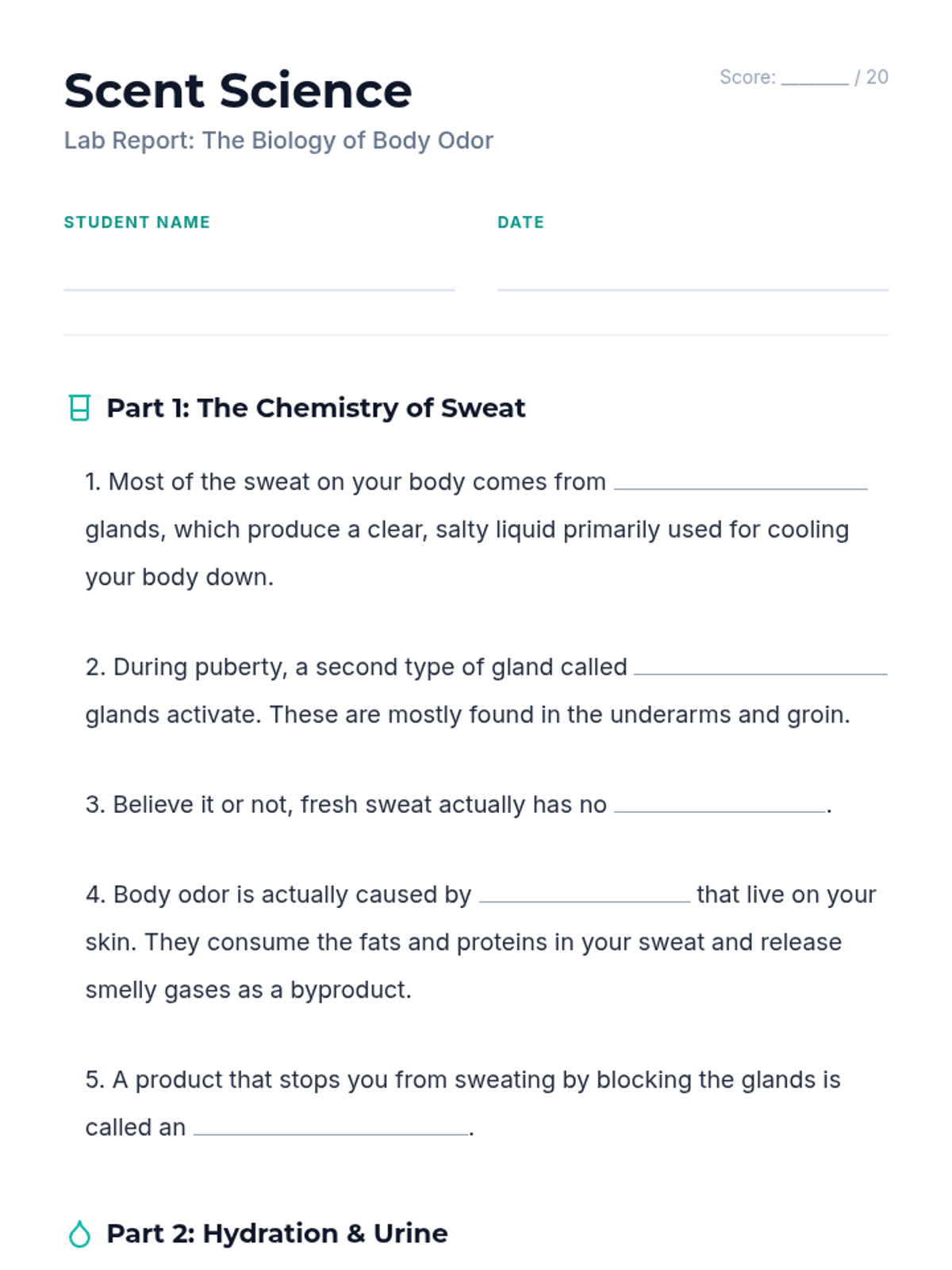
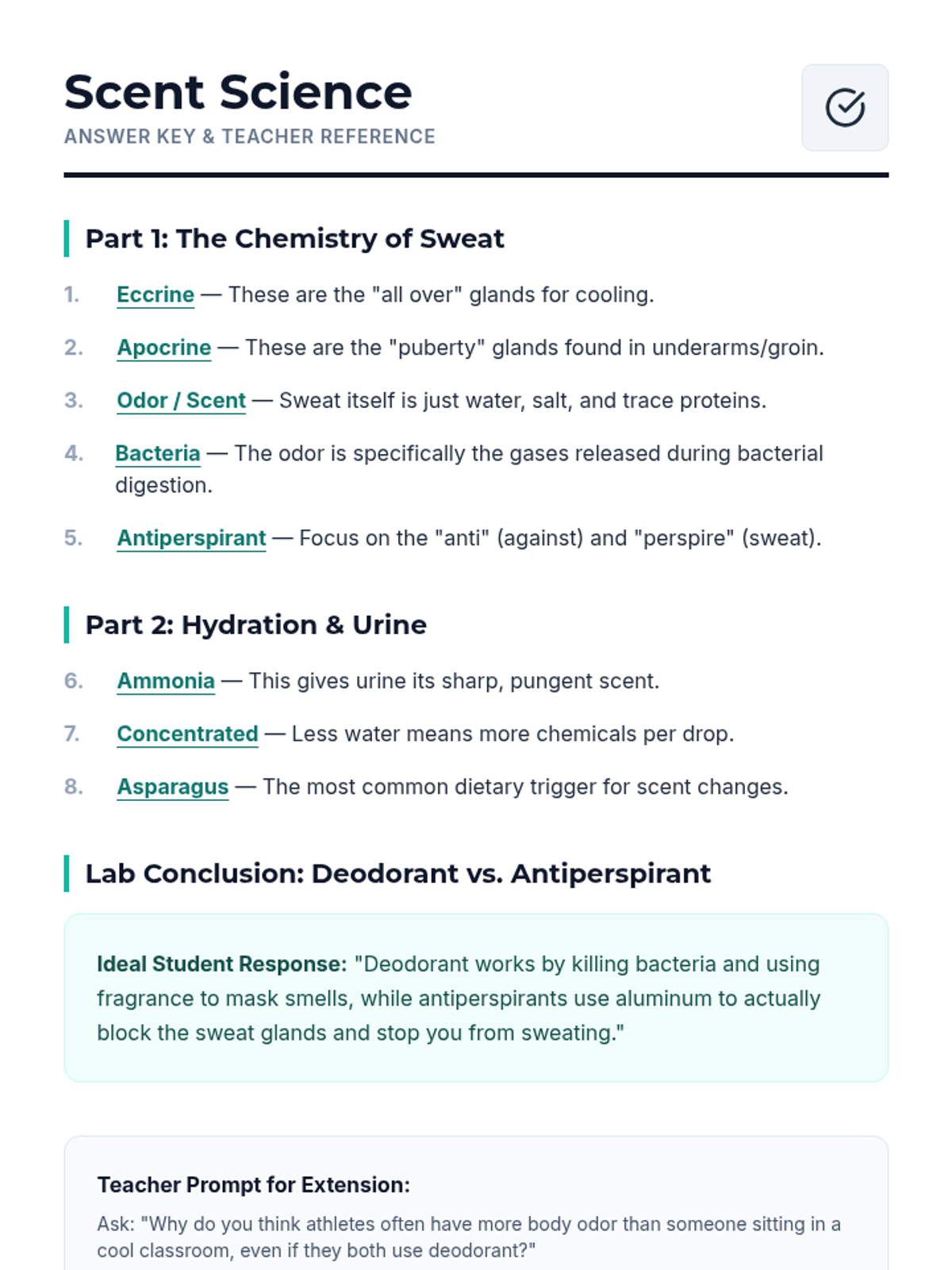
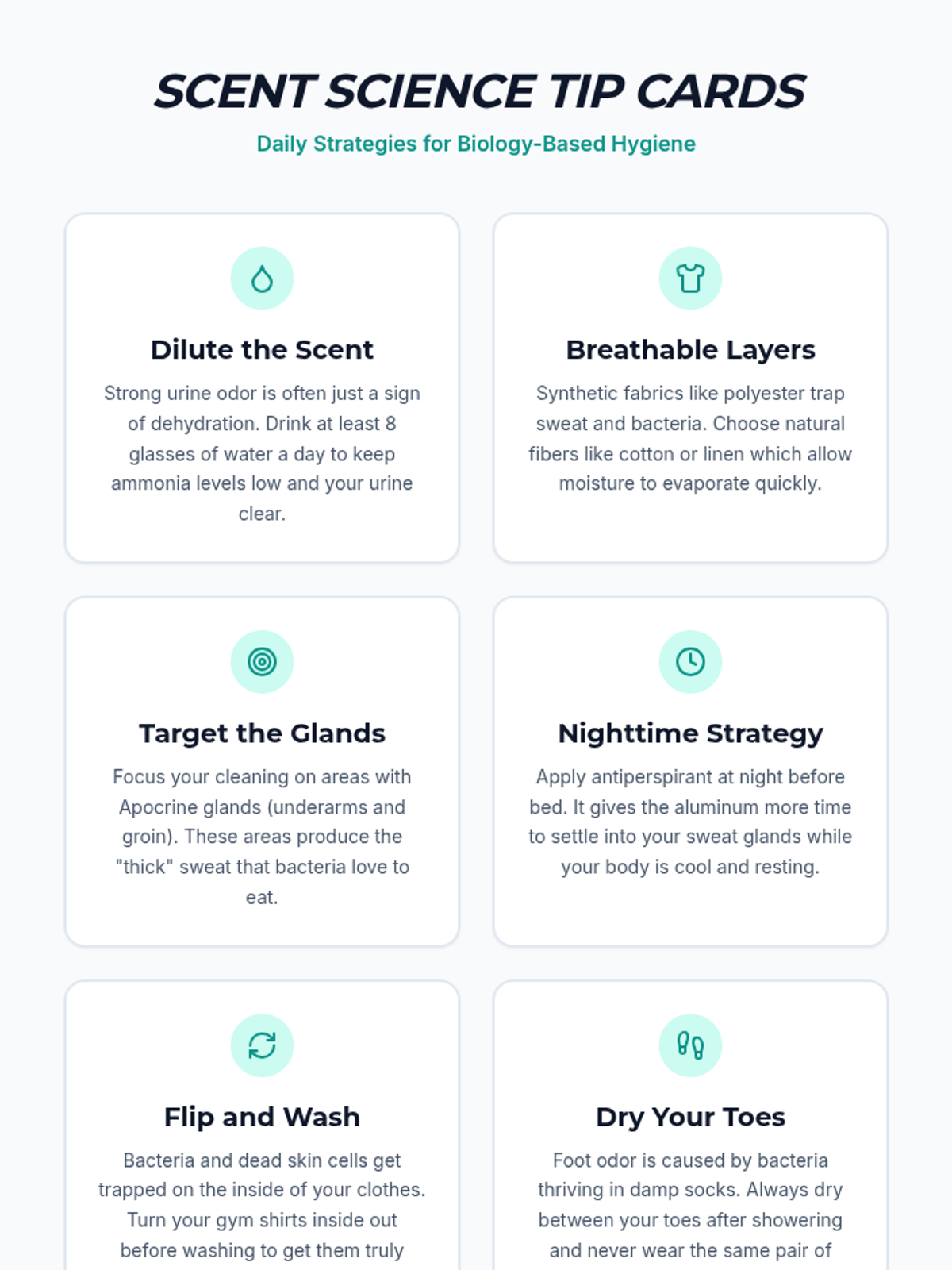
A quick, evidence-based lesson designed to help teenagers understand the biological causes of body odor related to sweat and urine, along with practical management strategies.
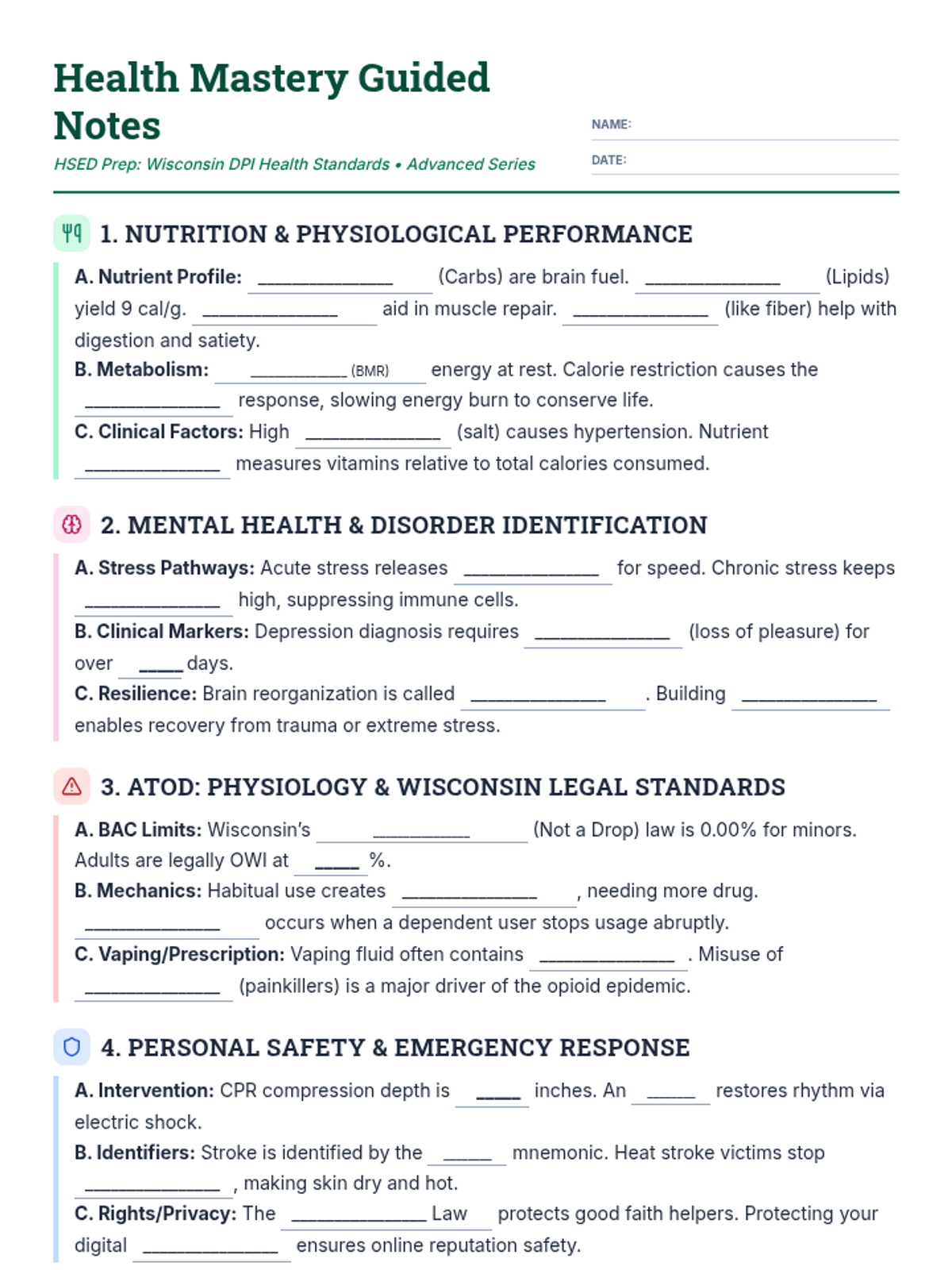
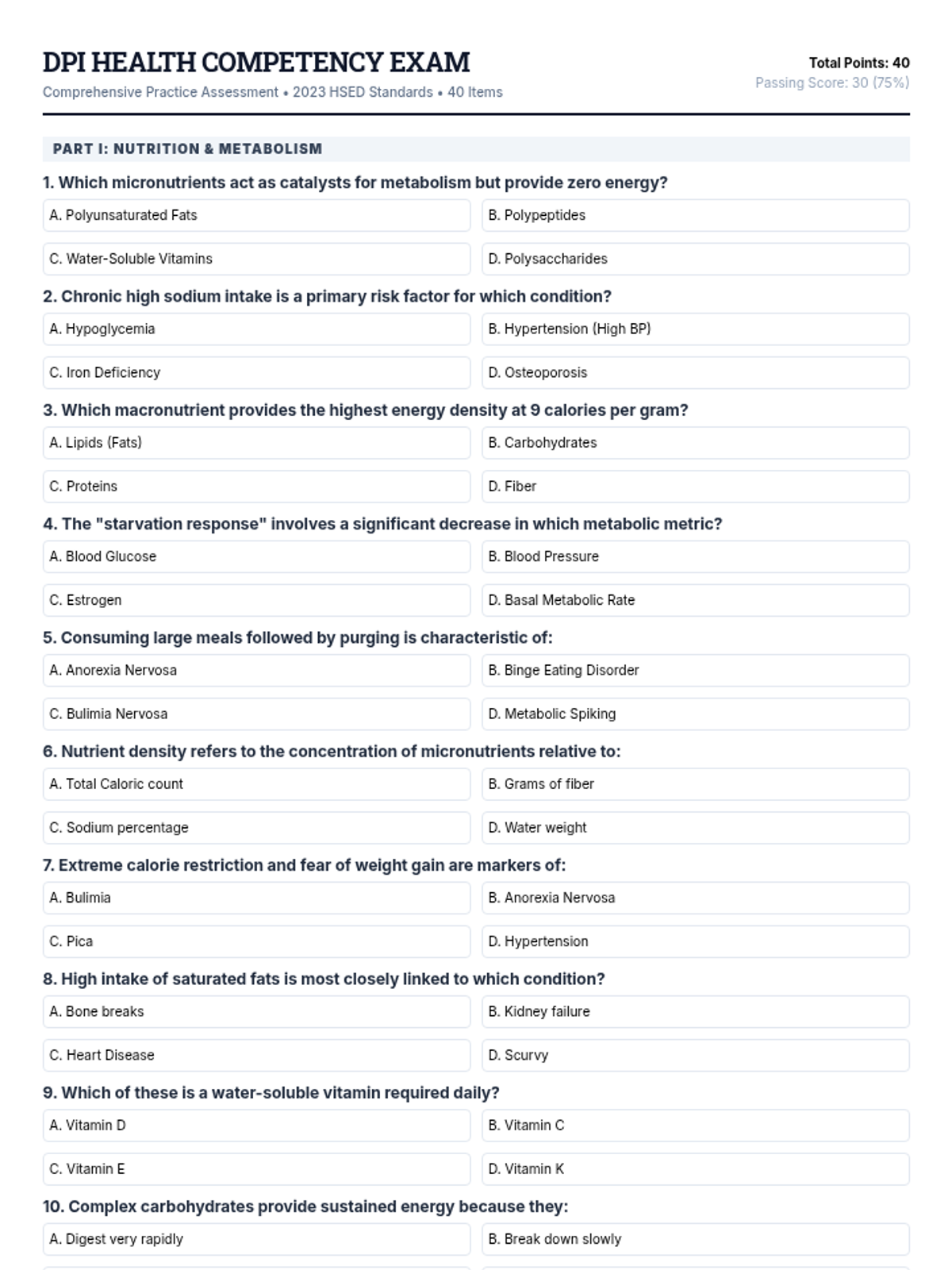
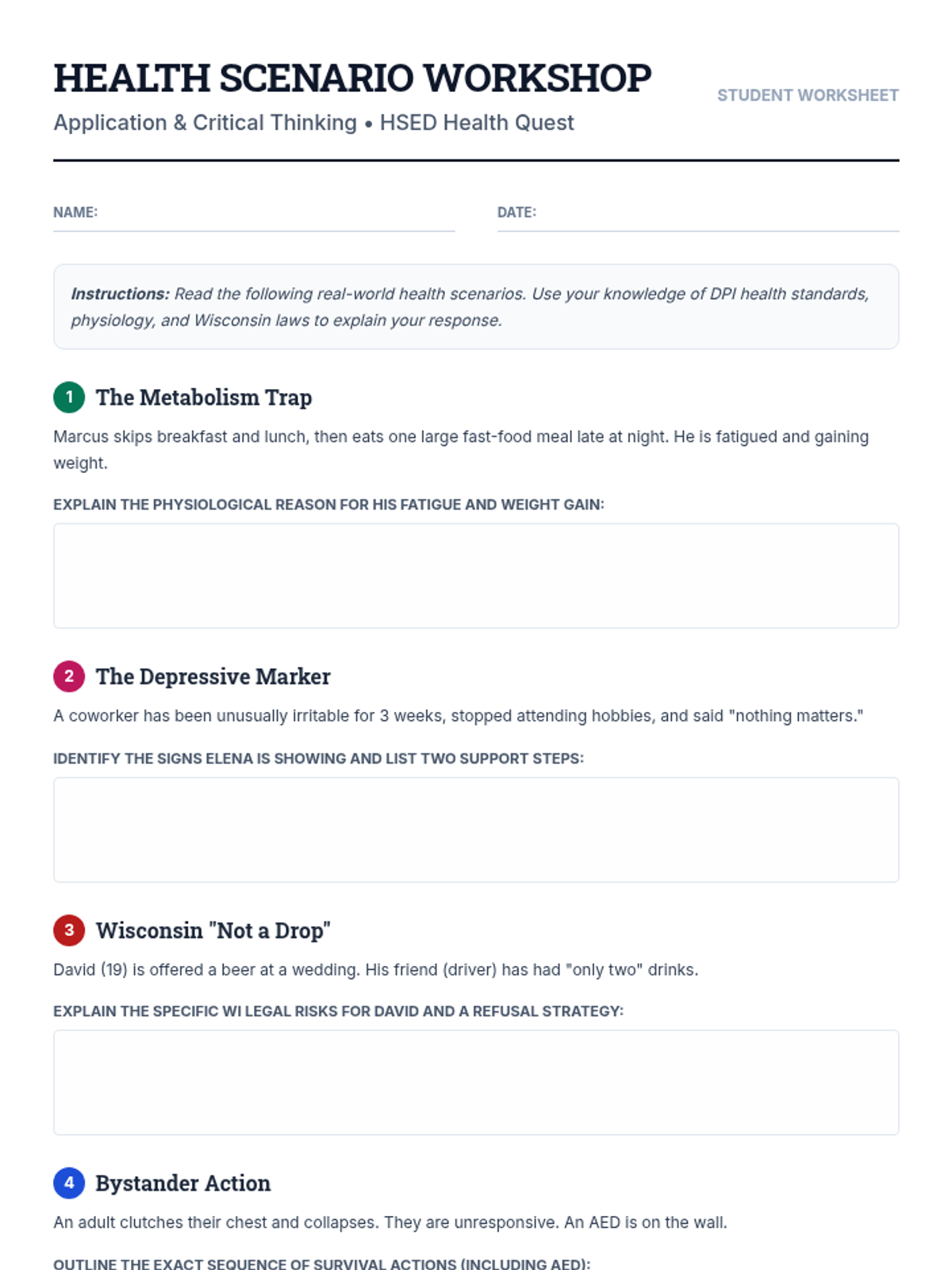
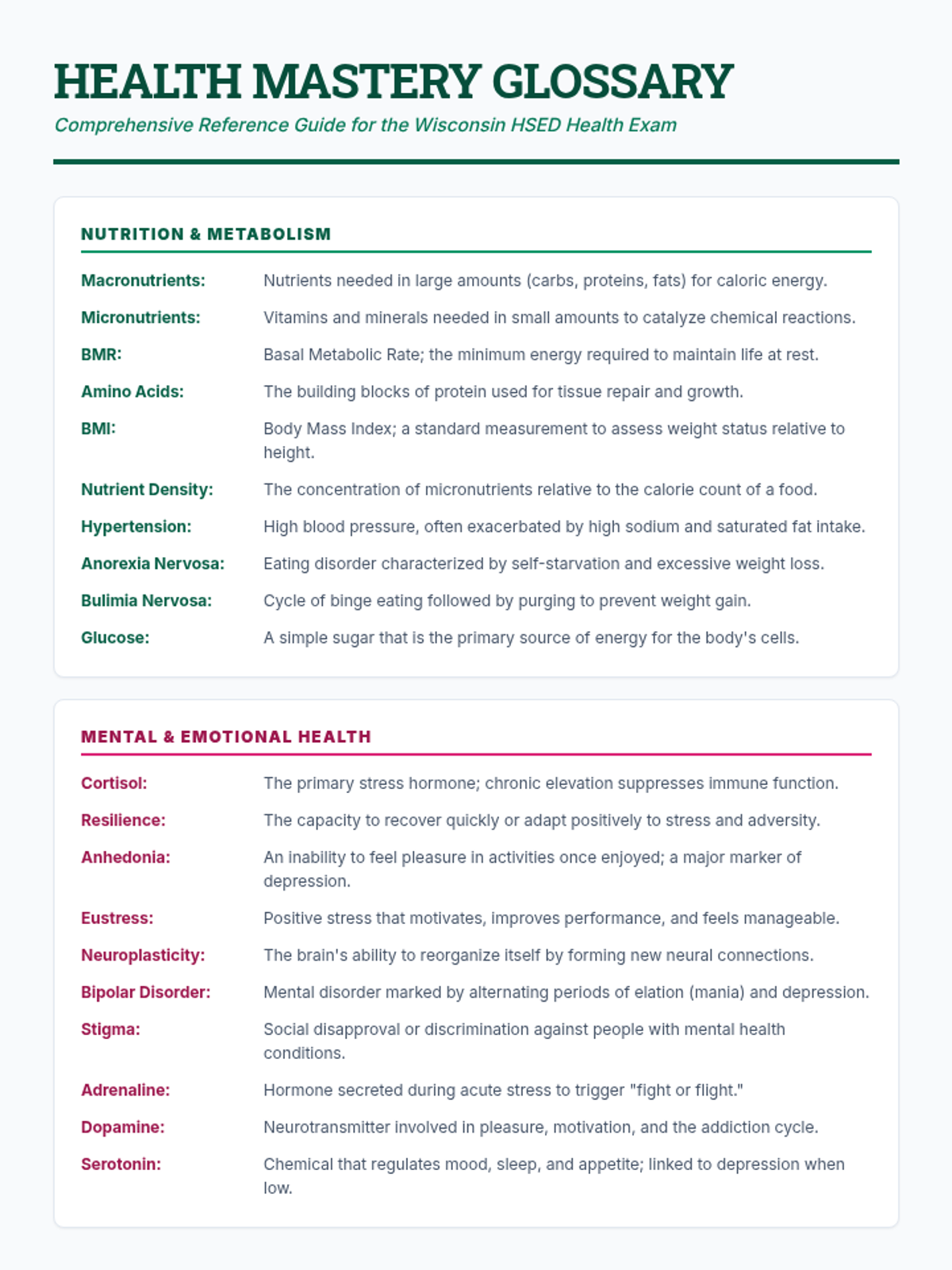
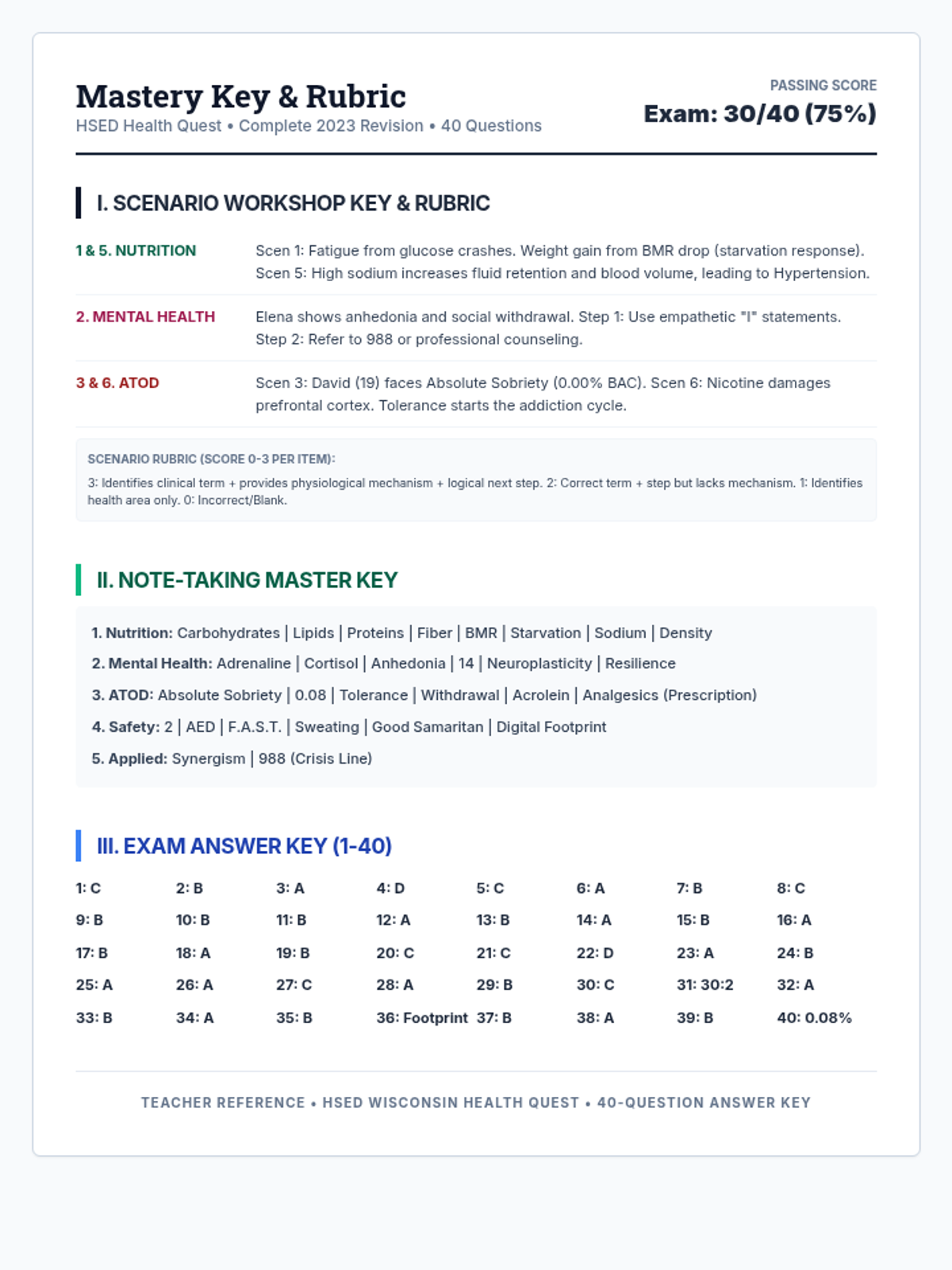
A comprehensive study guide package covering key health topics for the Wisconsin Health Exam, including Nutrition, ATOD, Mental Health, and Safety.
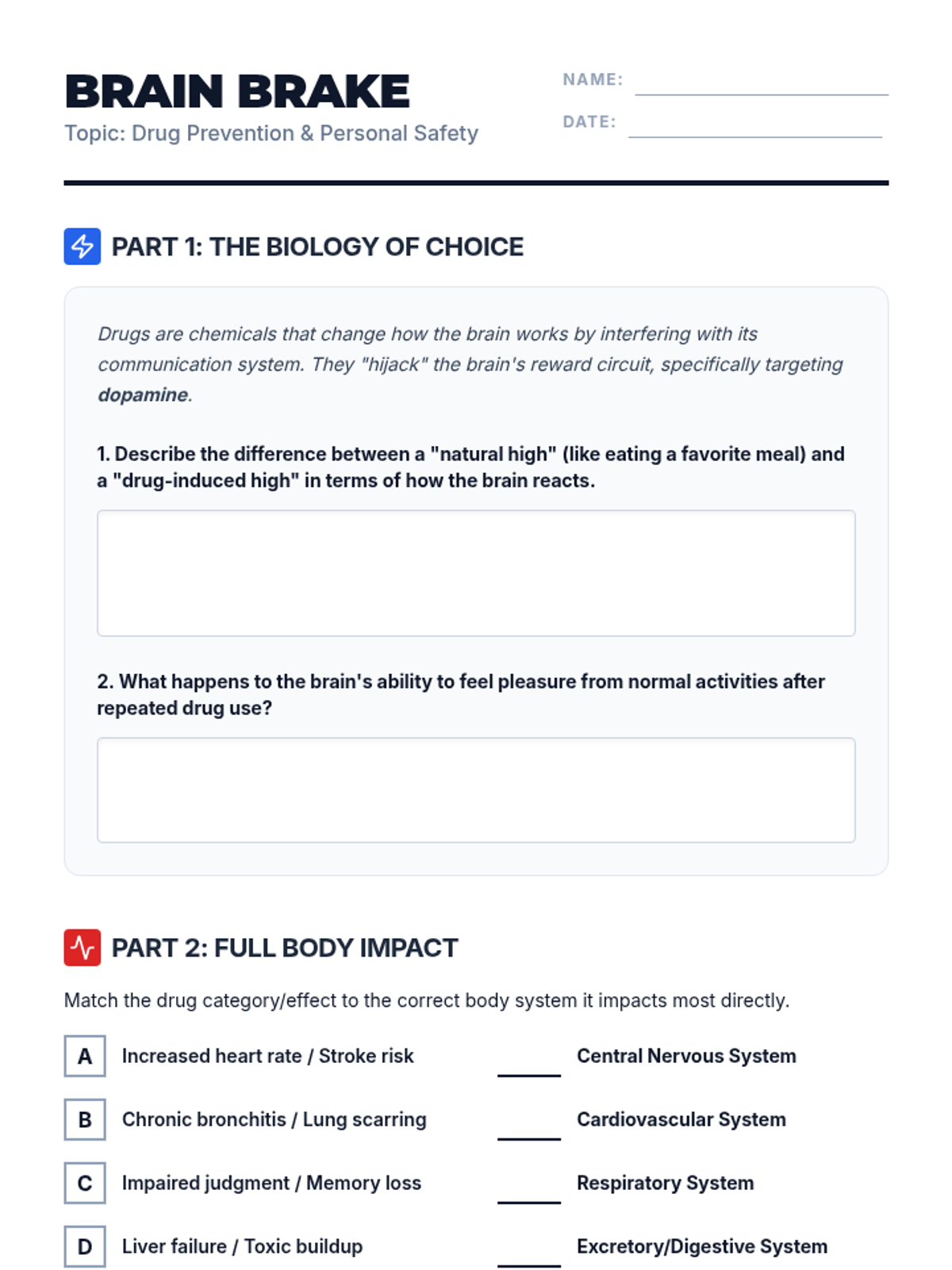
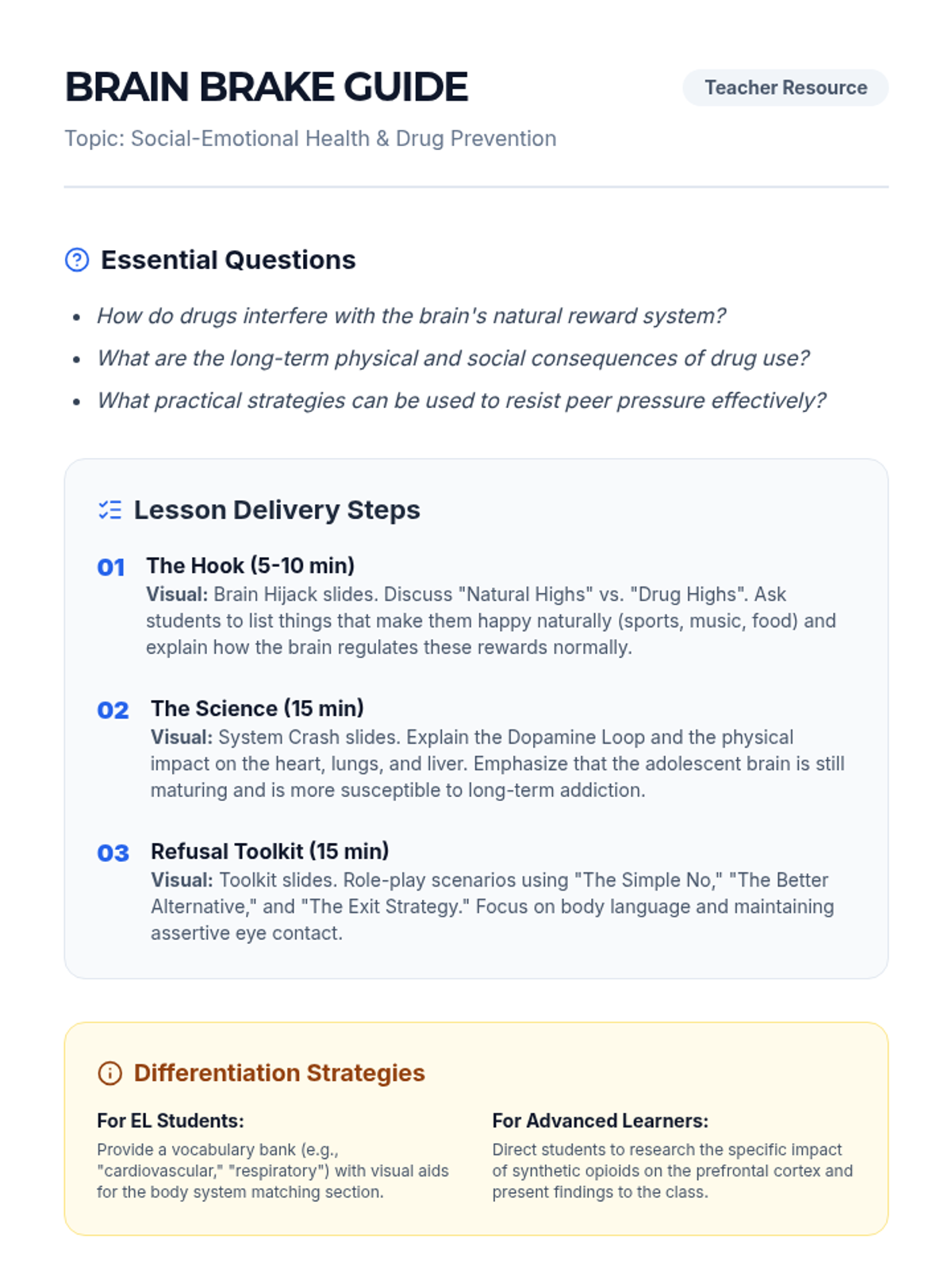
A comprehensive social-emotional learning lesson focusing on the neurological, physical, and social consequences of drug use, empowering students with refusal strategies and healthy coping mechanisms.
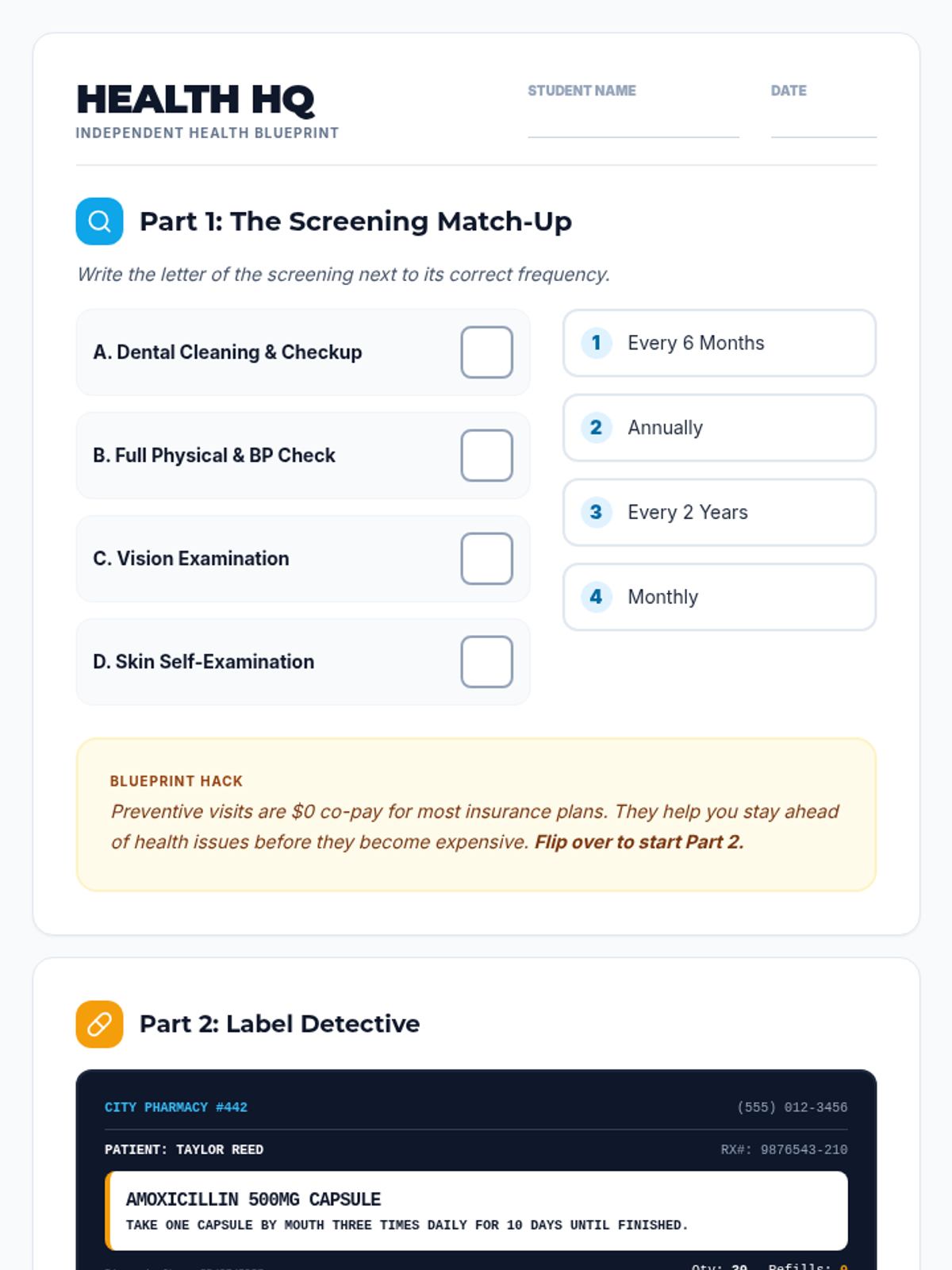
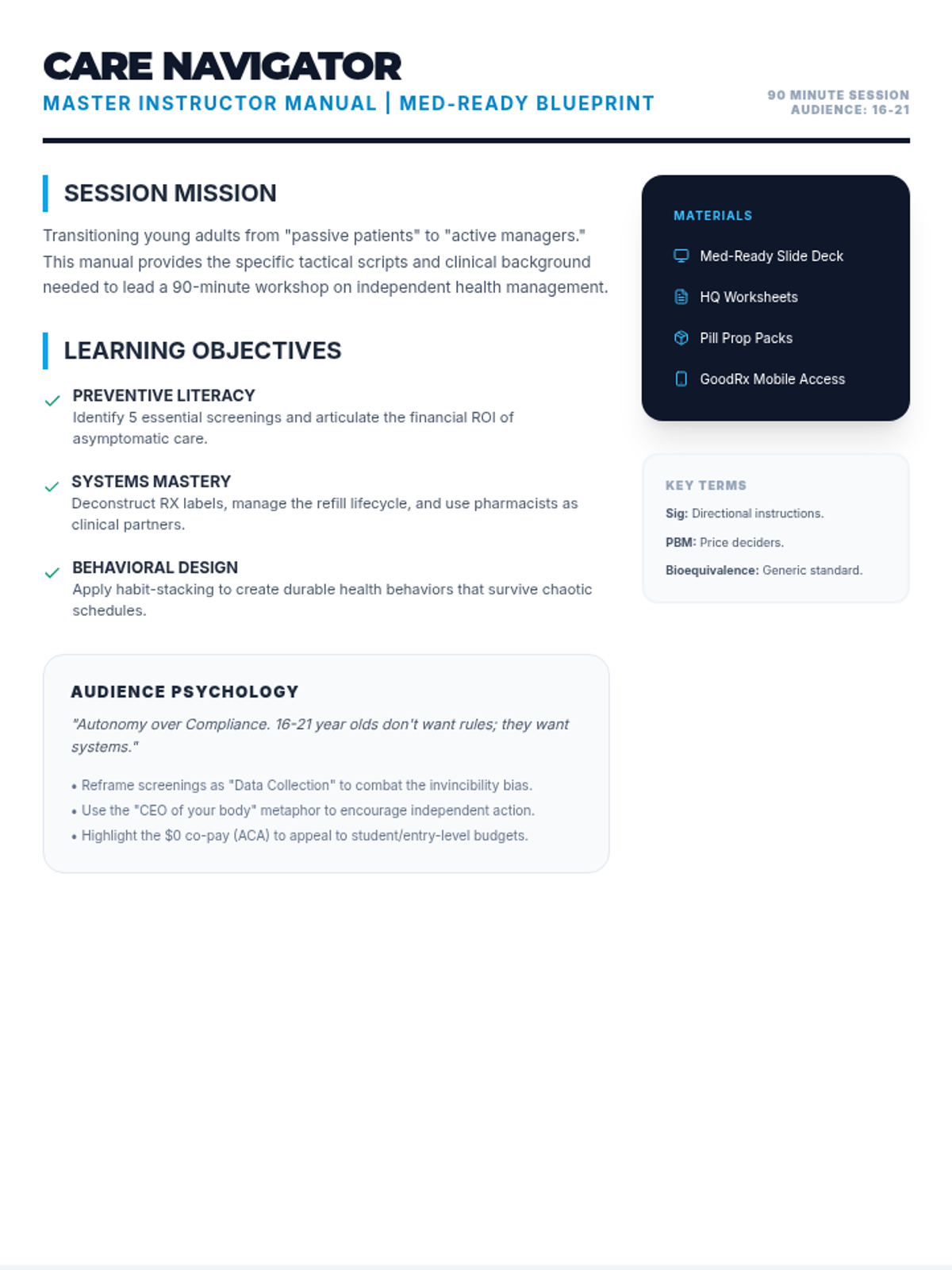
A comprehensive 90-minute session designed for young adults transitioning to independent health management, covering preventive screenings, vaccinations, pharmacy navigation, and medication adherence.
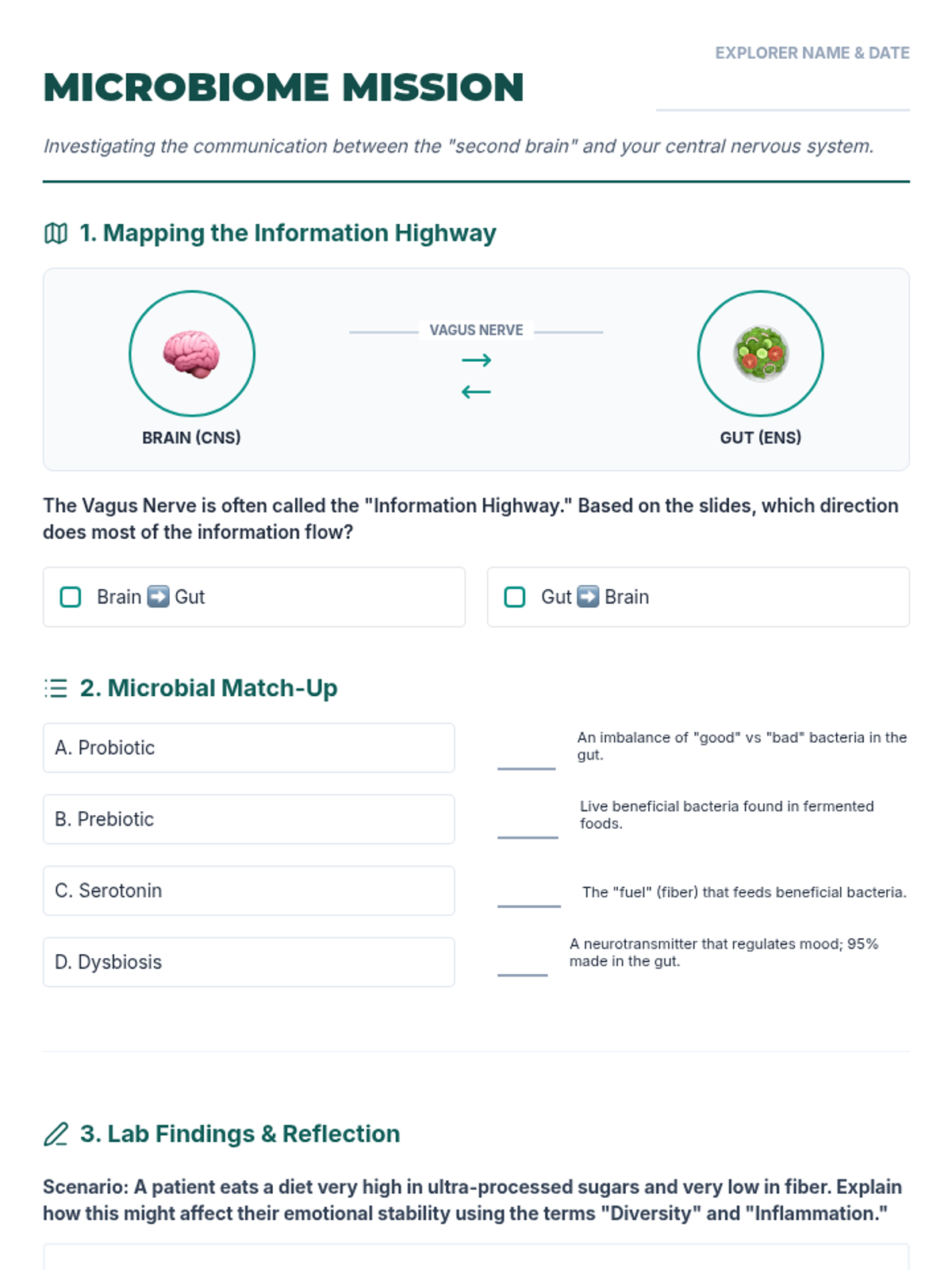
A comprehensive lesson exploring the gut-brain axis and how the microbiome influences mental health, neurotransmitter production, and emotional well-being.
An in-depth exploration of the enteric nervous system and the bidirectional communication between the gut and the brain, focusing on mental health, nutrition, and the microbiome.
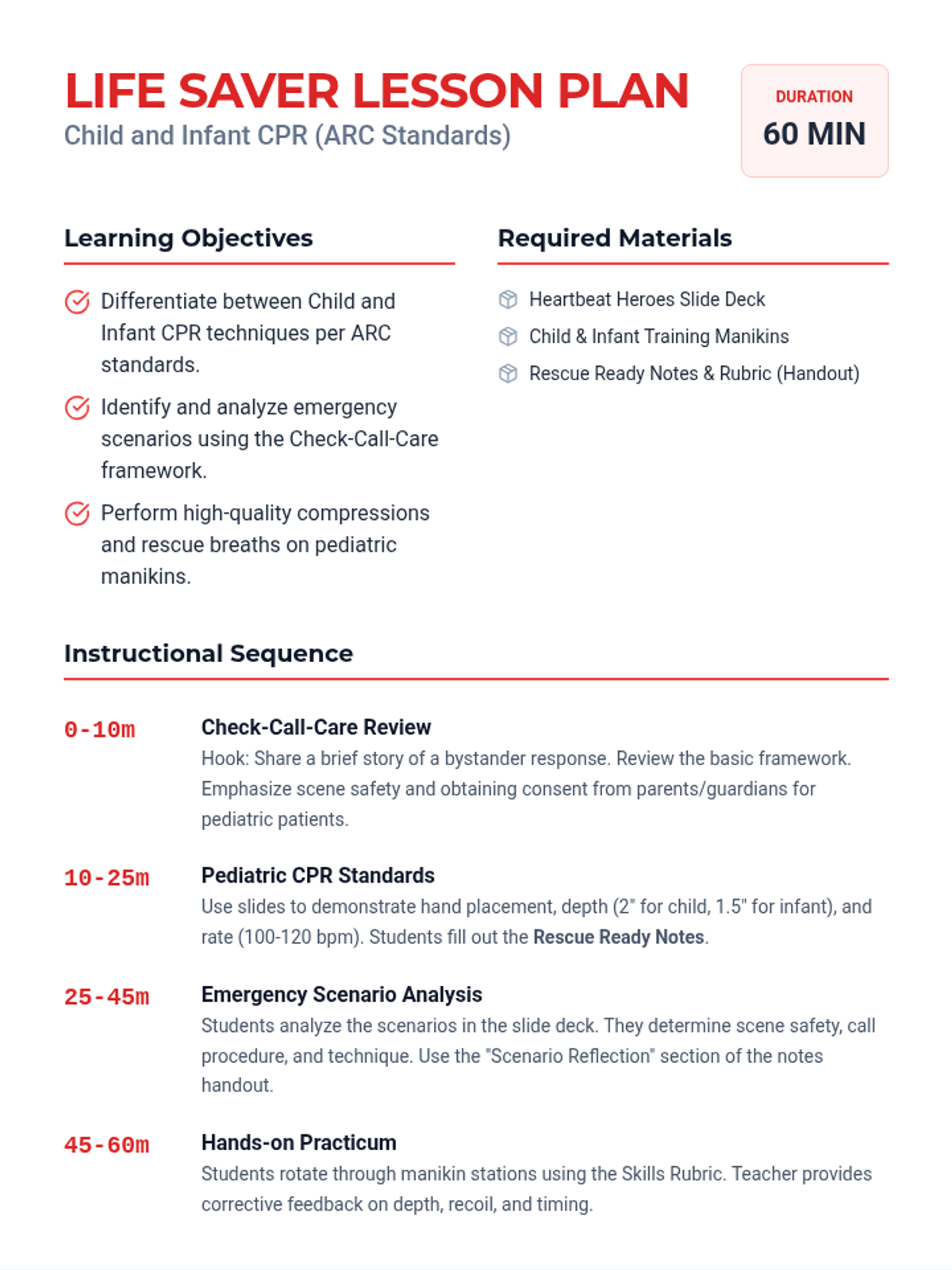
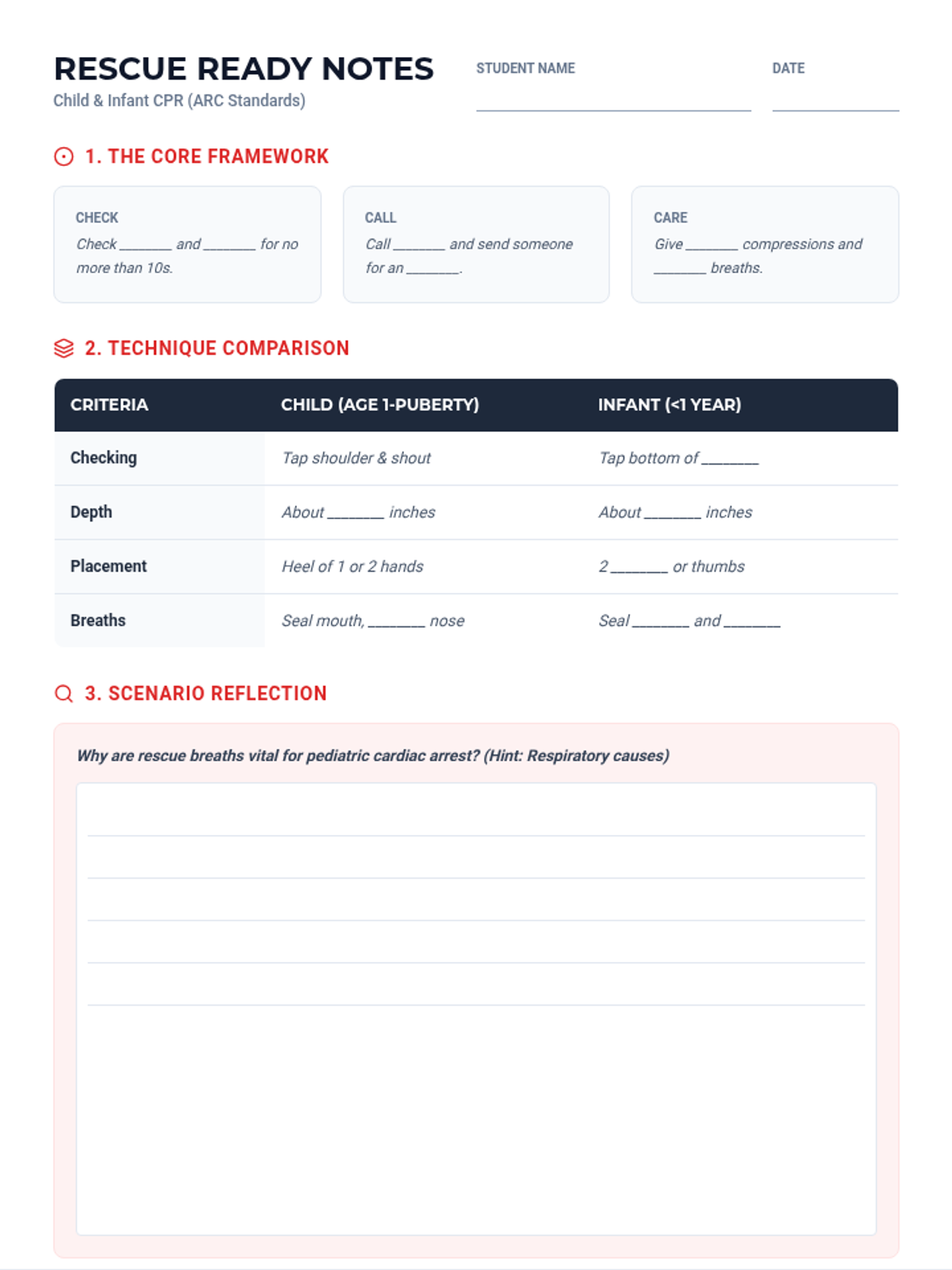
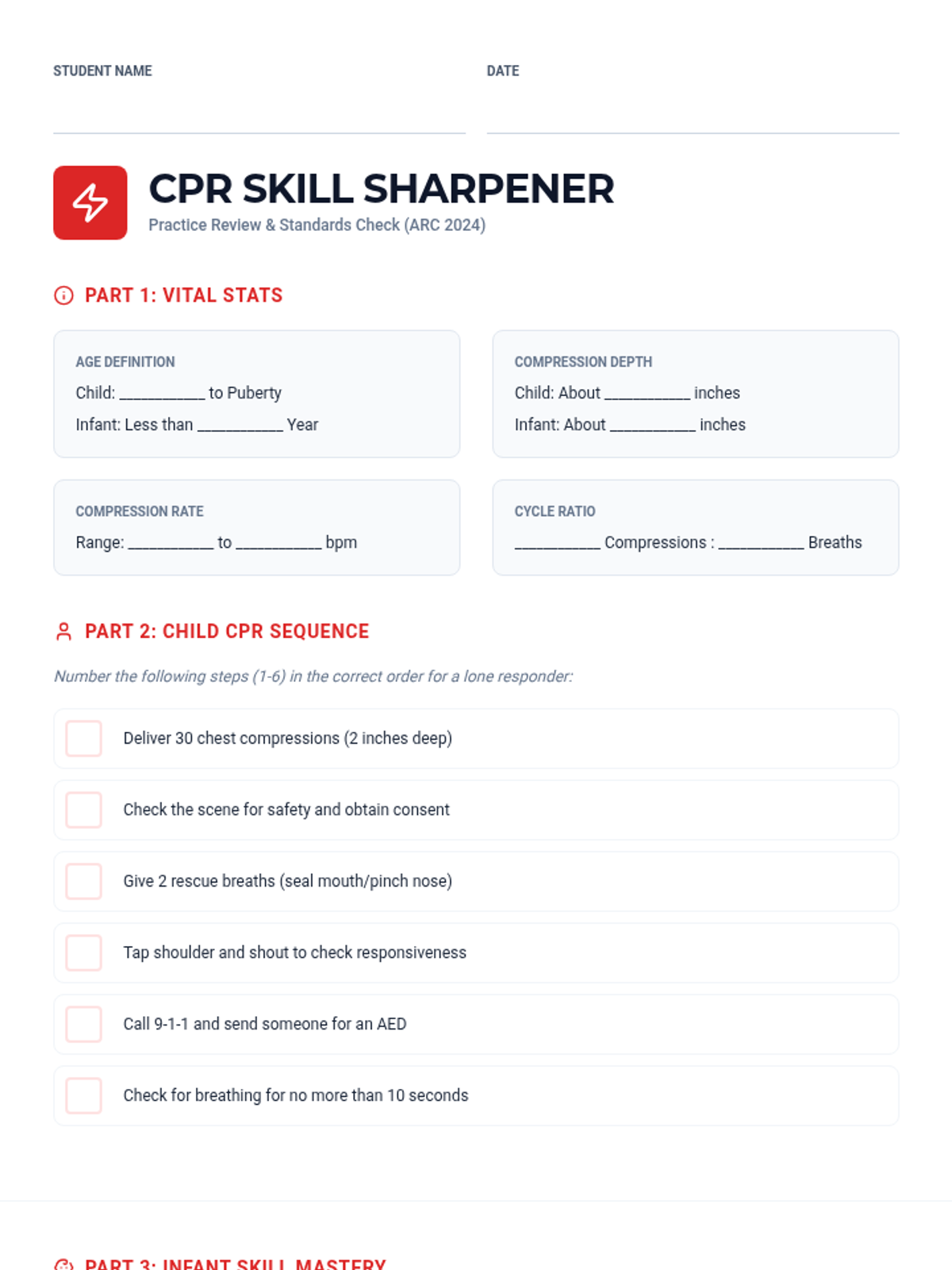
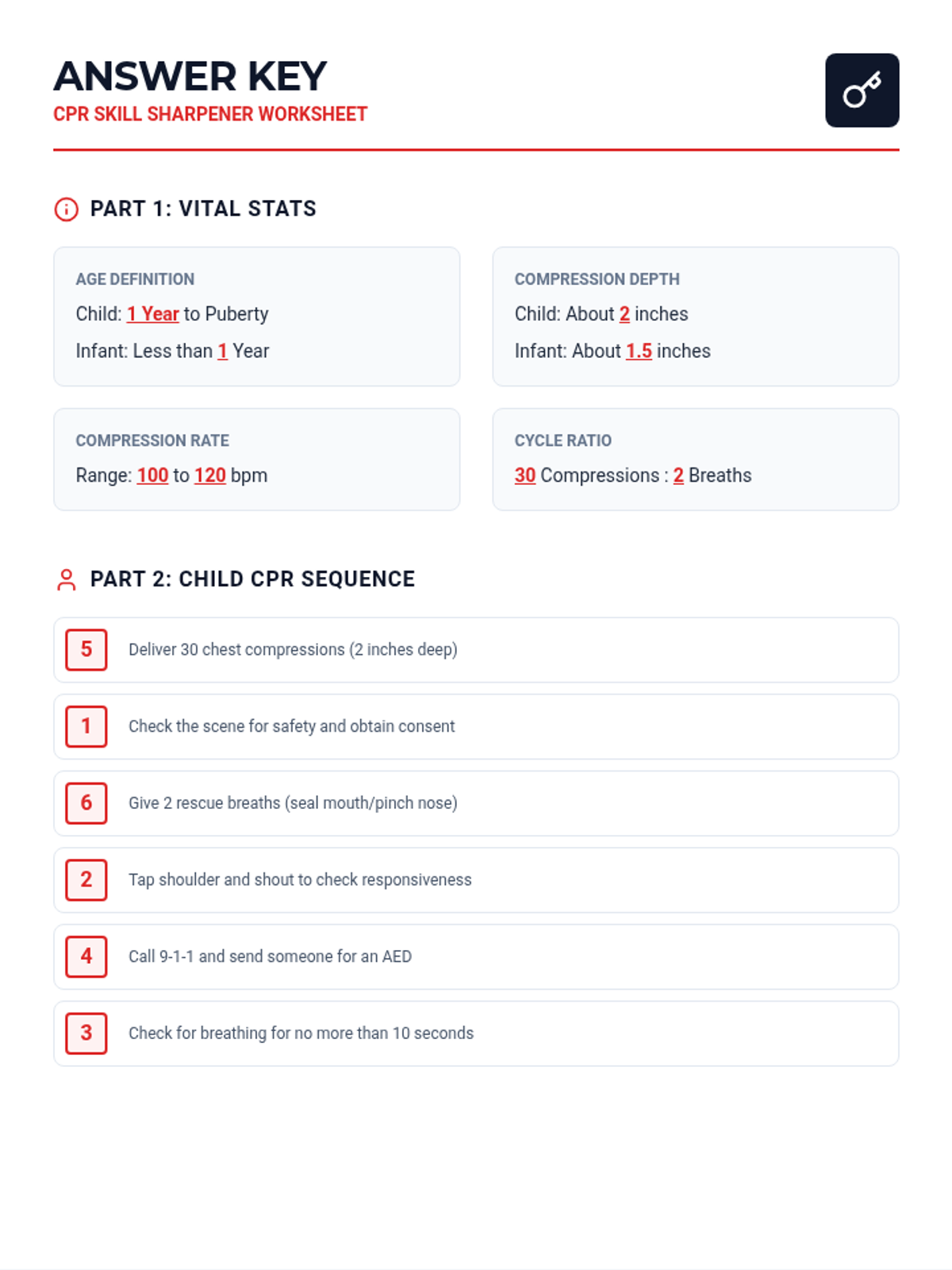
A comprehensive 60-minute lesson on Child and Infant CPR following American Red Cross standards, featuring scenario-based analysis and hands-on skill assessment.
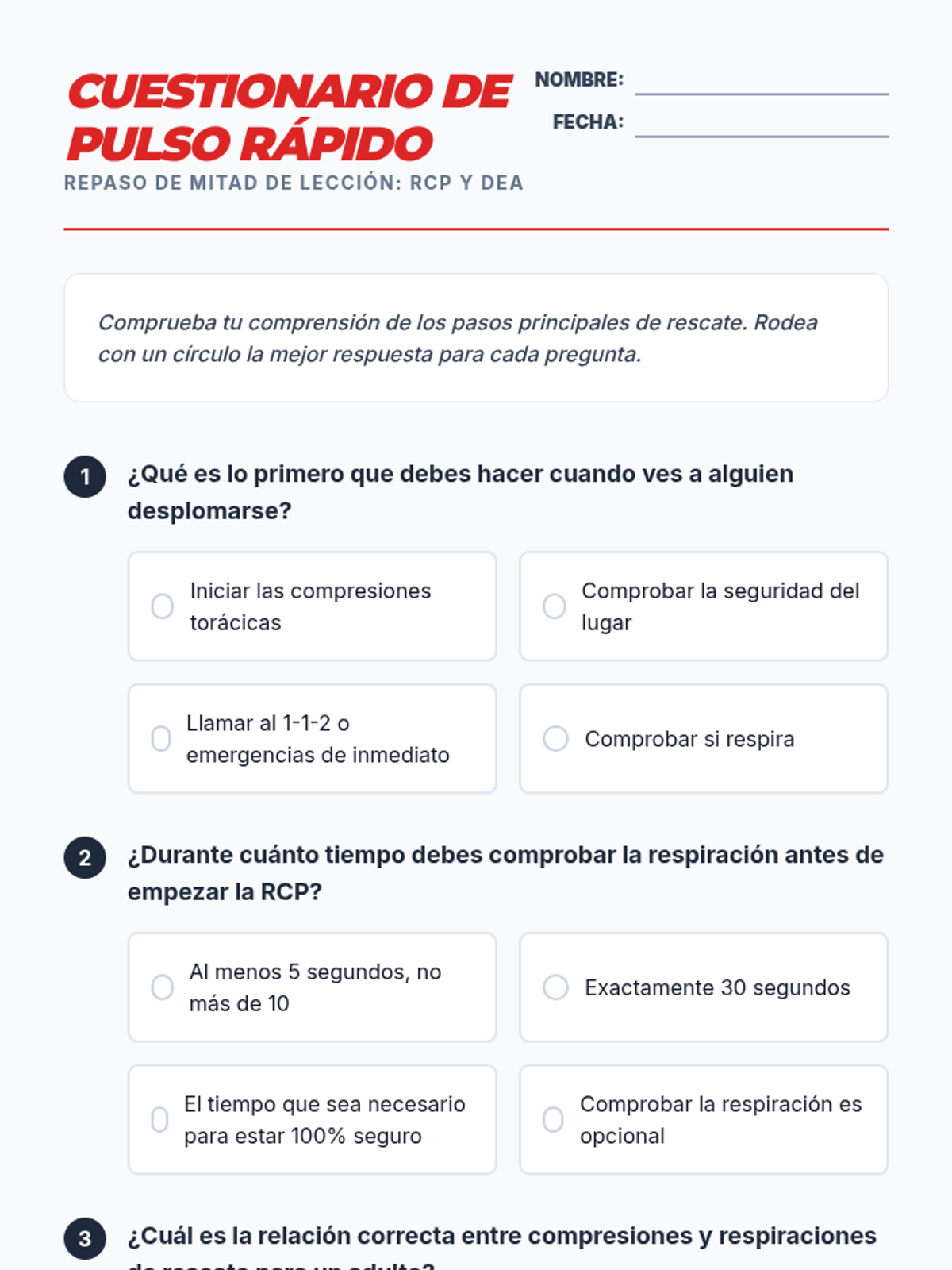
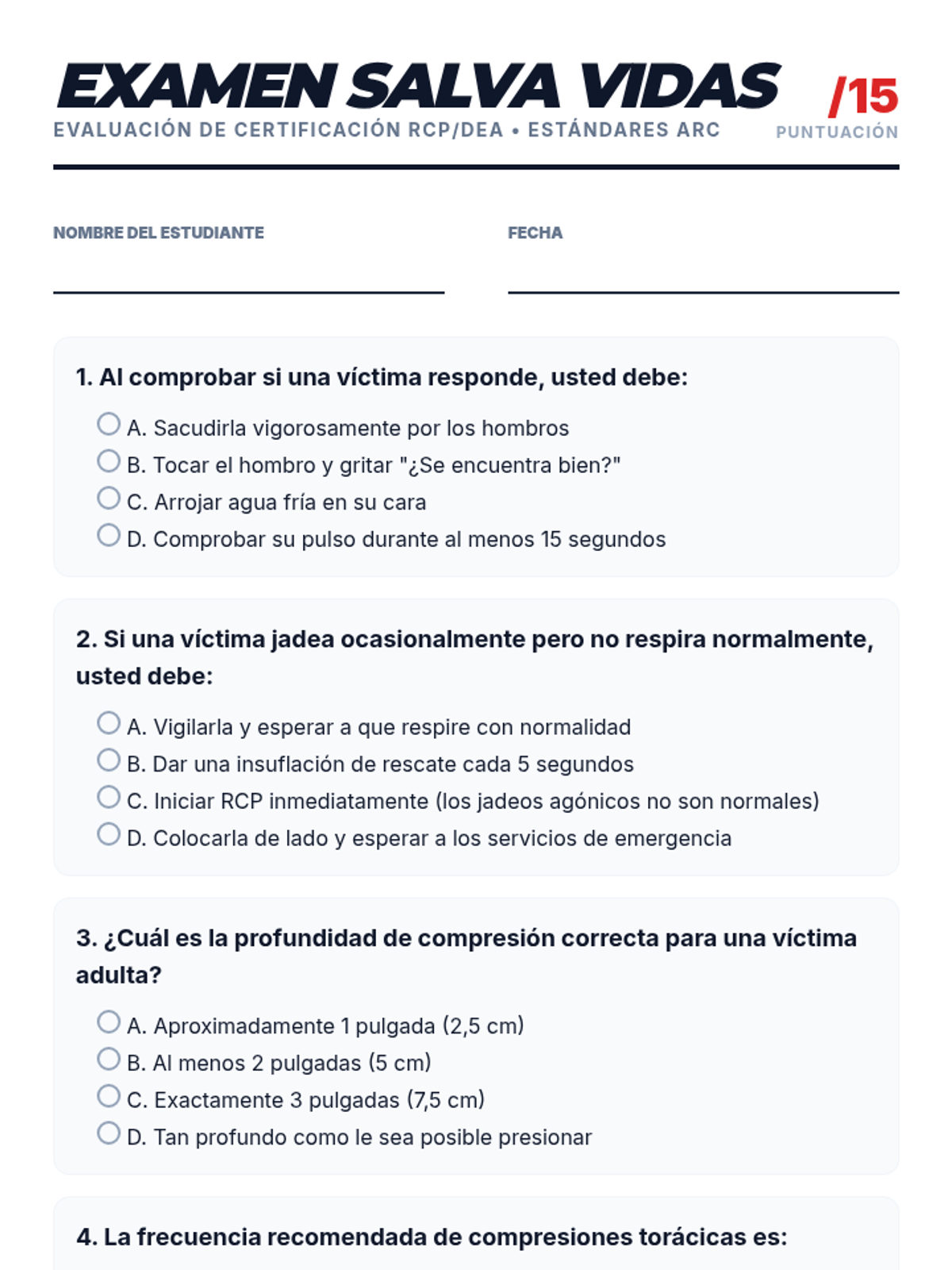
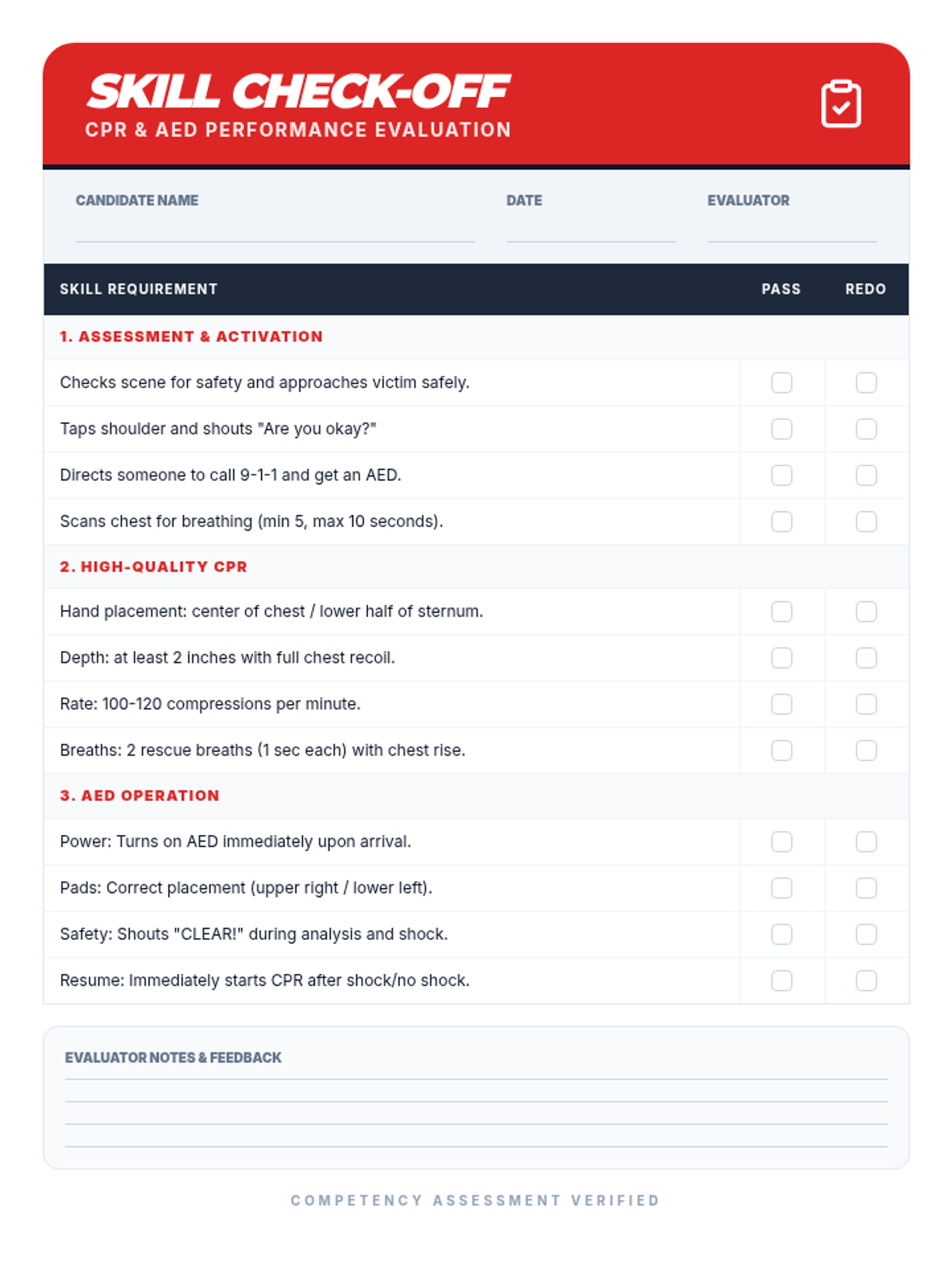
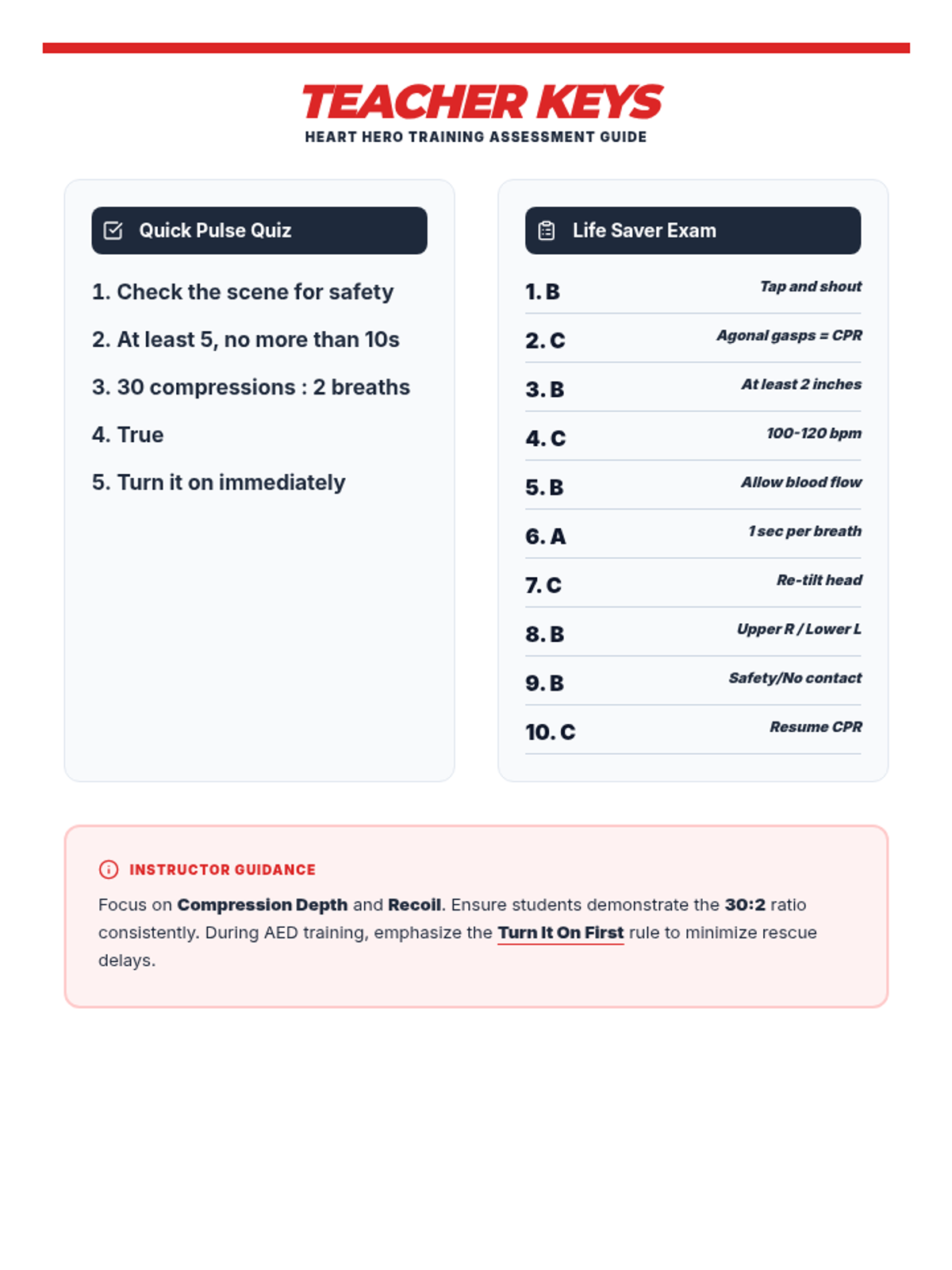
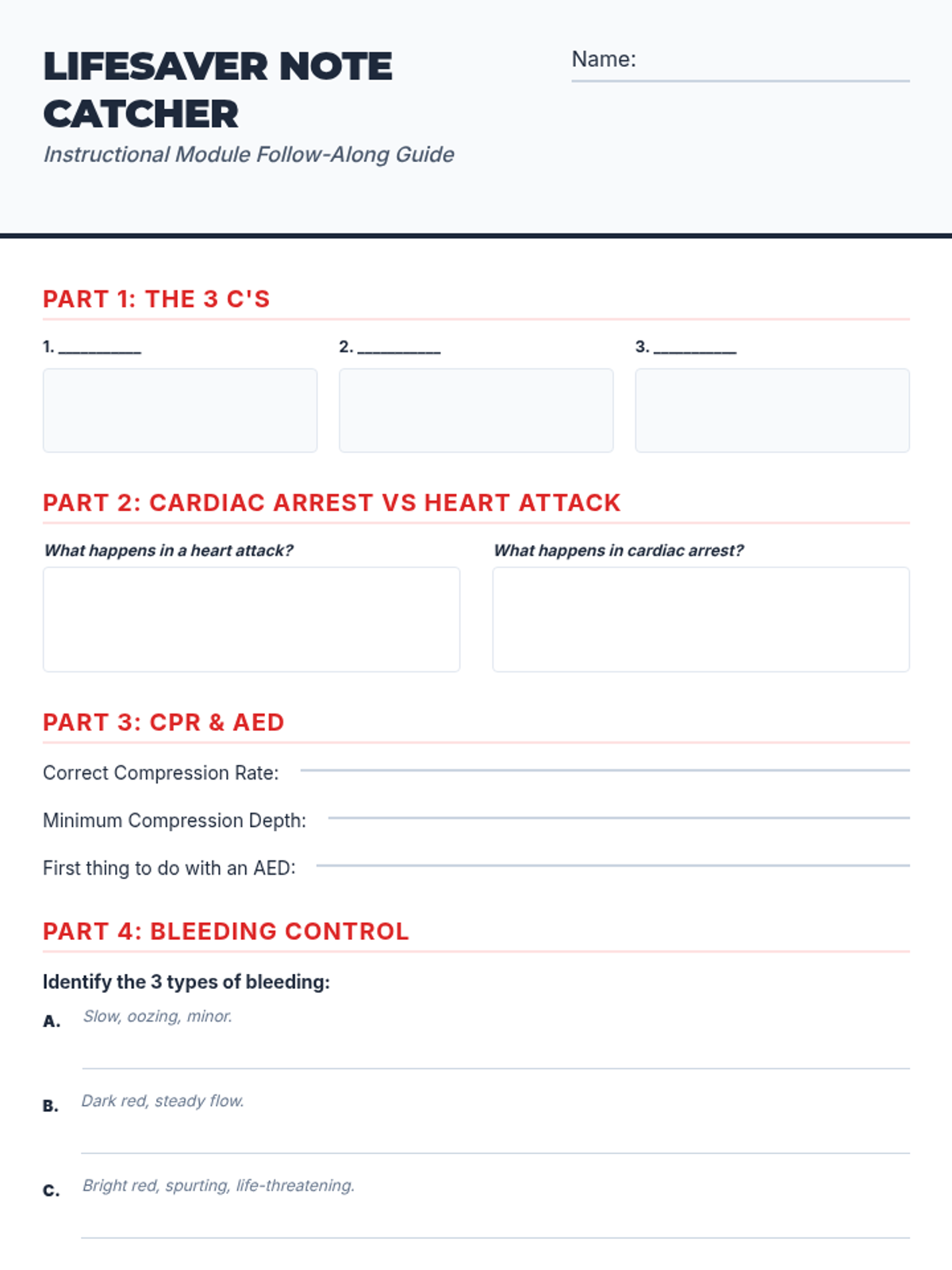
A comprehensive training lesson for teens on CPR and AED procedures following American Red Cross standards, covering scene assessment, compressions, rescue breaths, and AED operation.
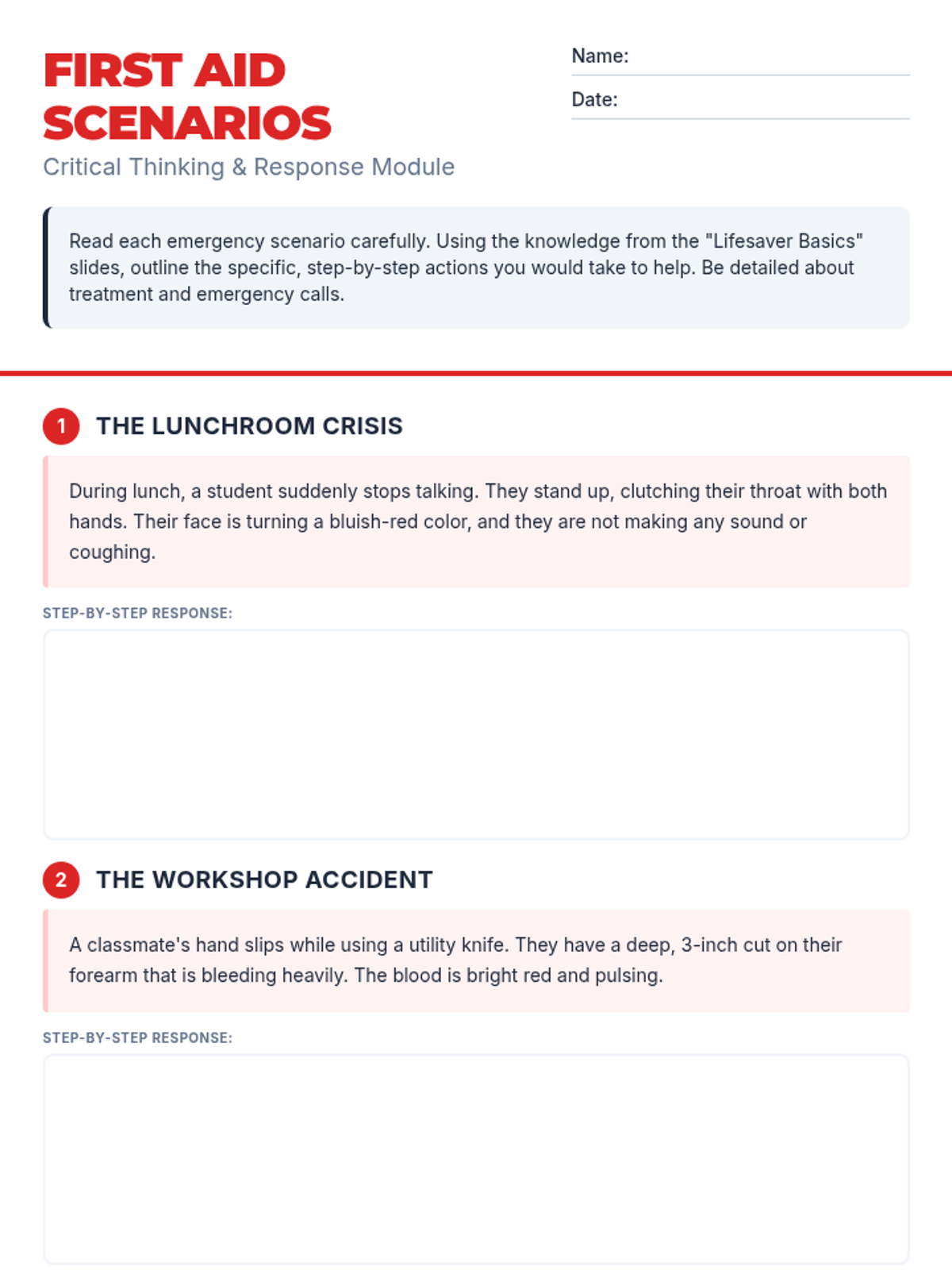
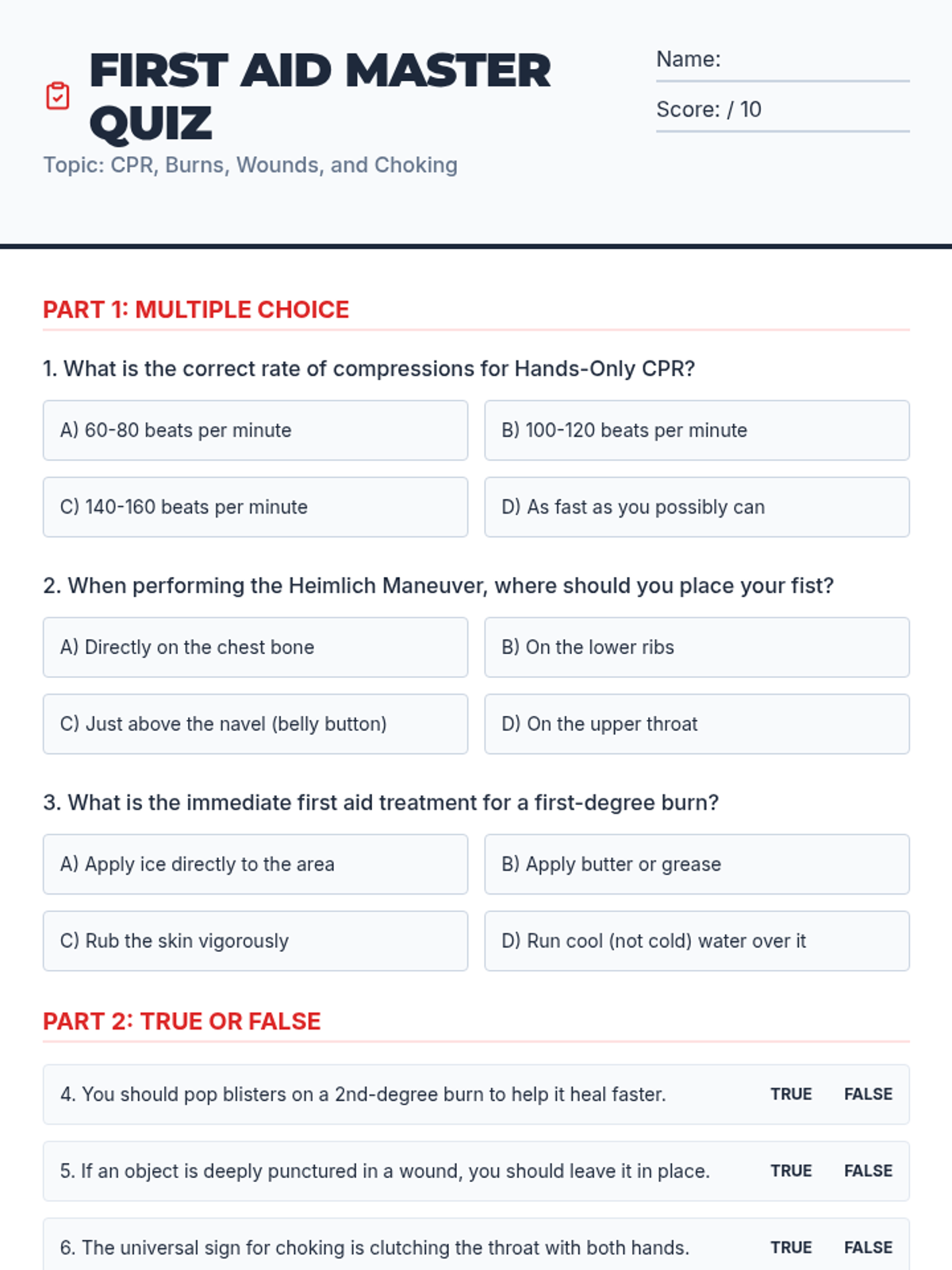
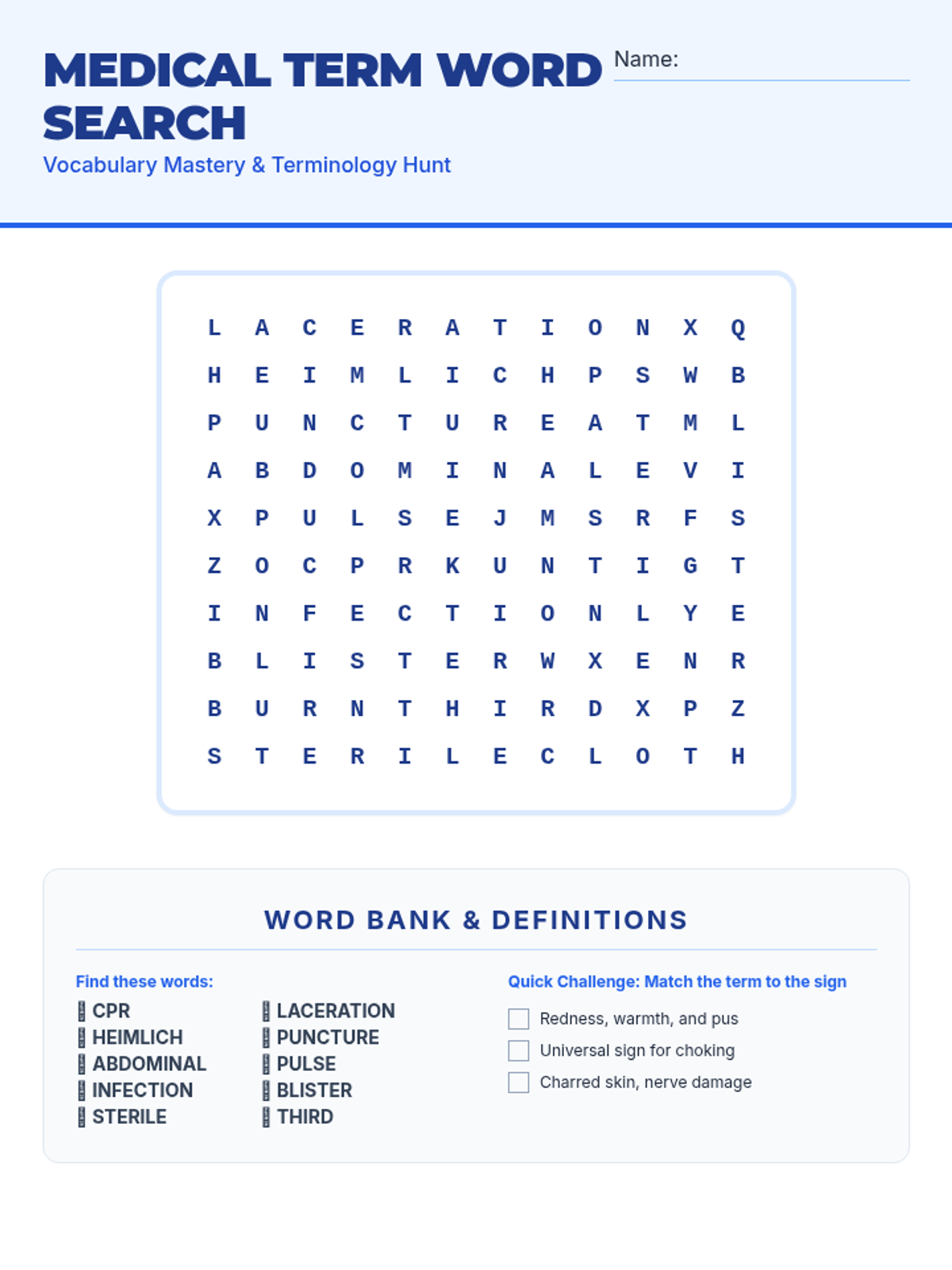
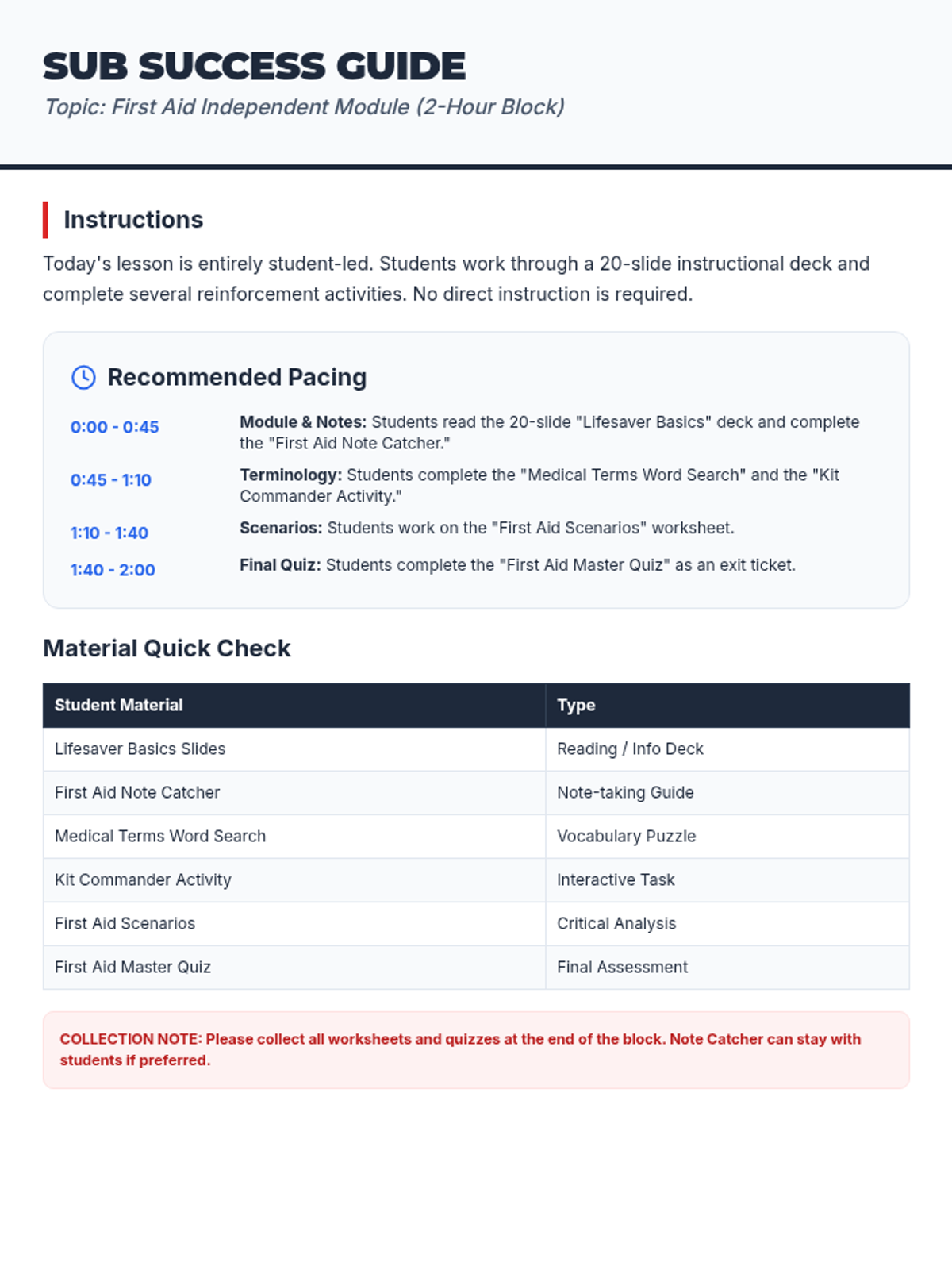
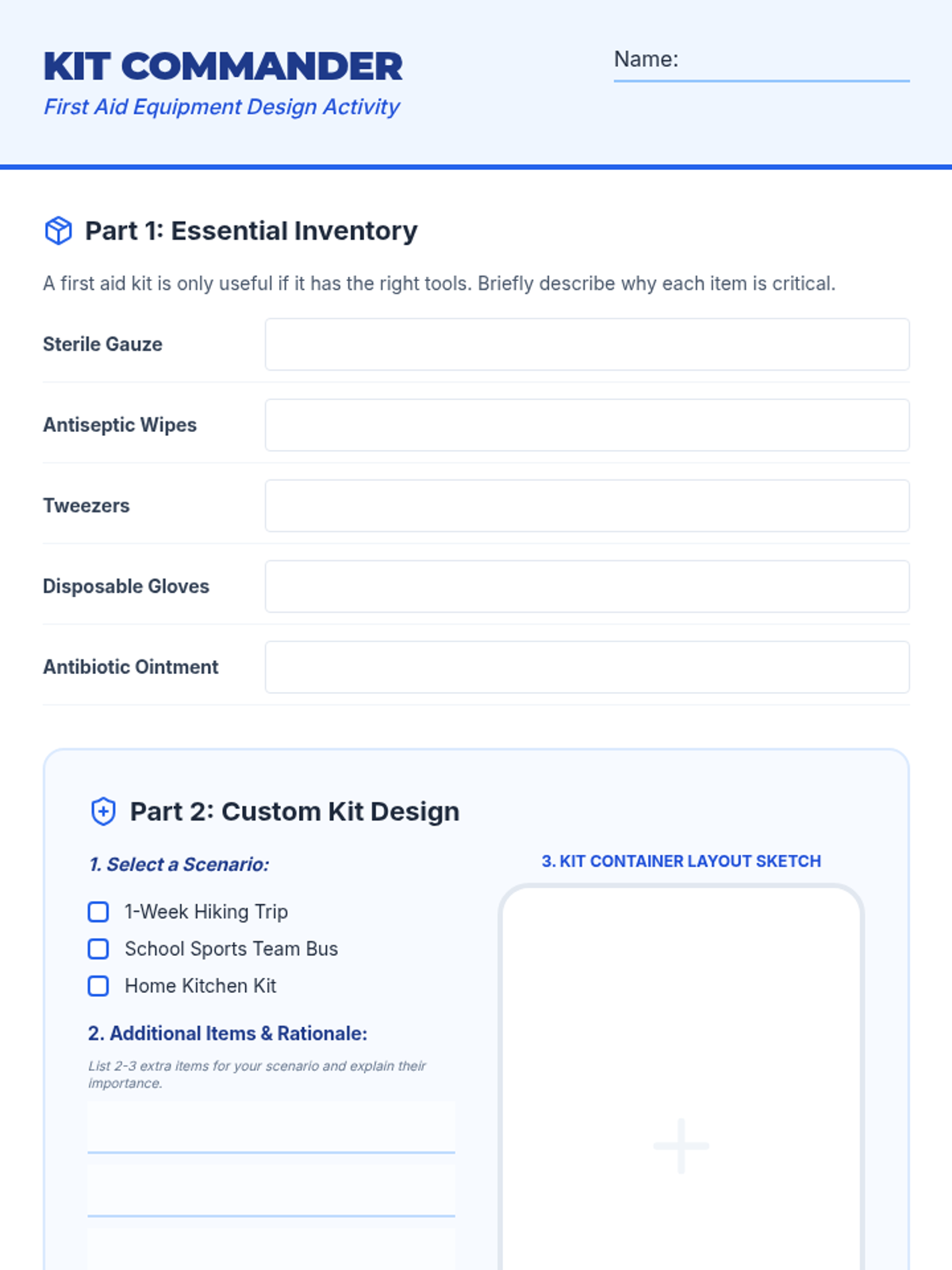
An independent student-led module covering essential first aid skills including CPR, choking response, and wound care. Designed for a 2-hour substitute block.
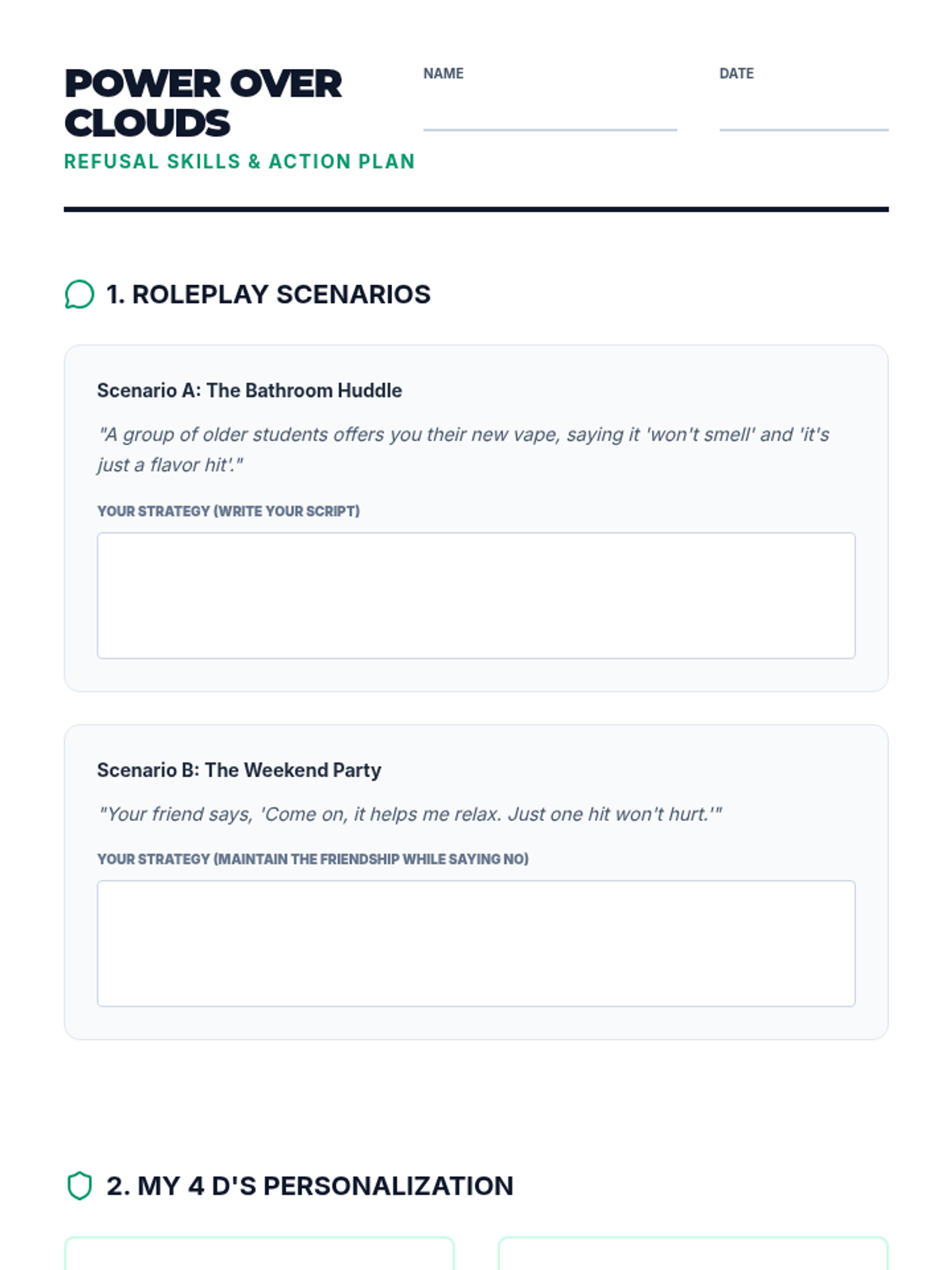
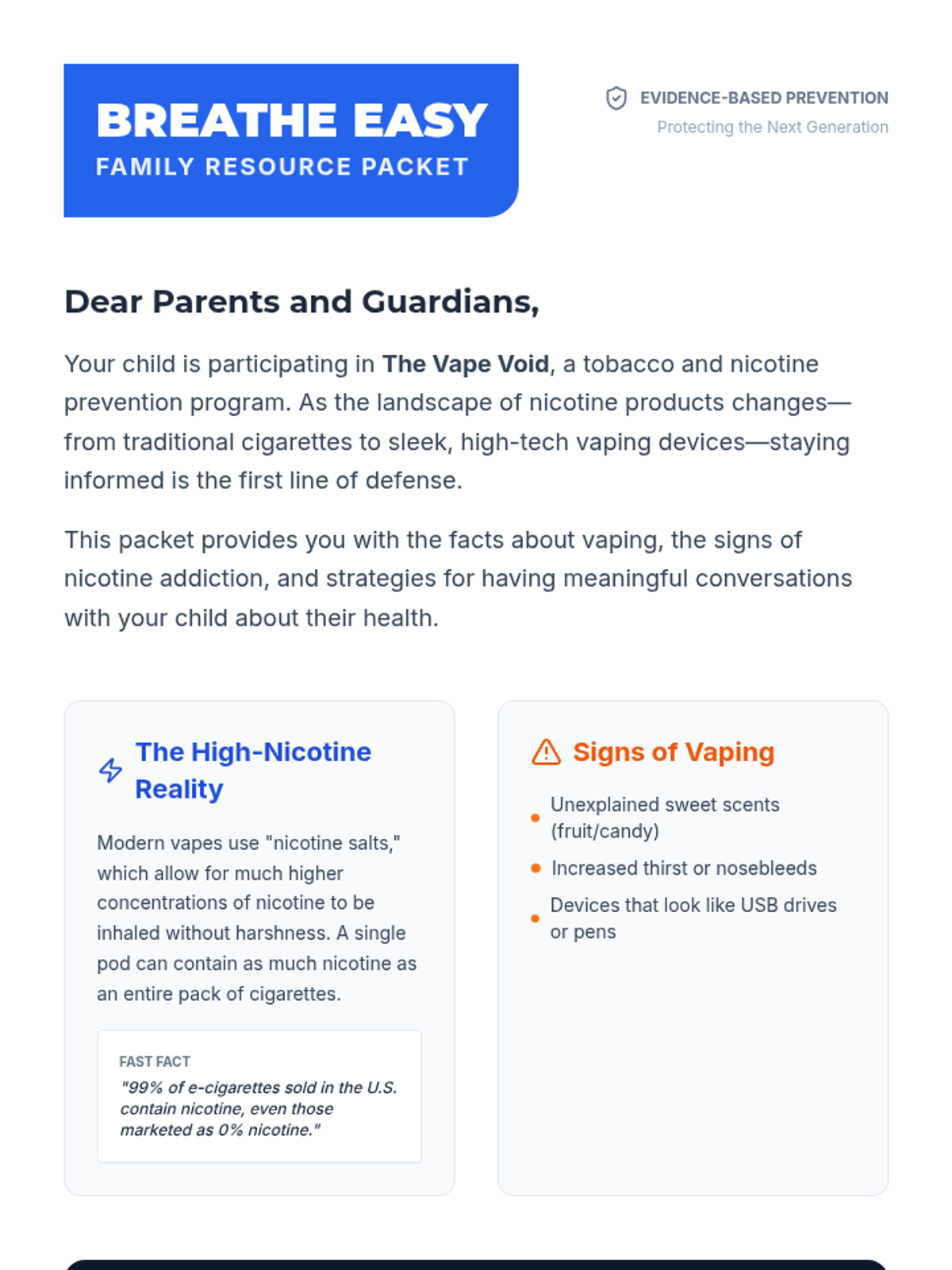
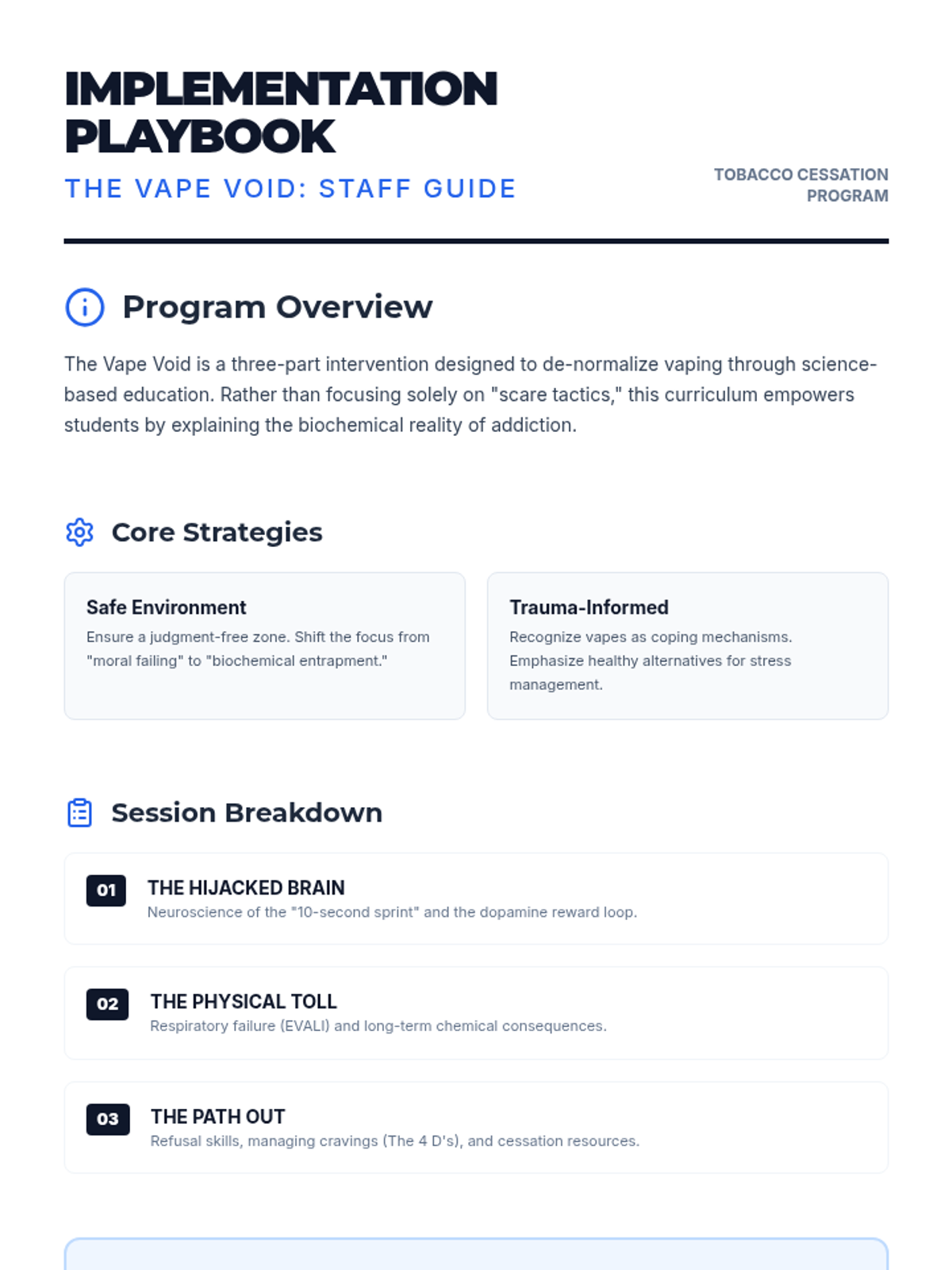
Equips students with refusal skills and provides a step-by-step framework for cessation and supporting peers.
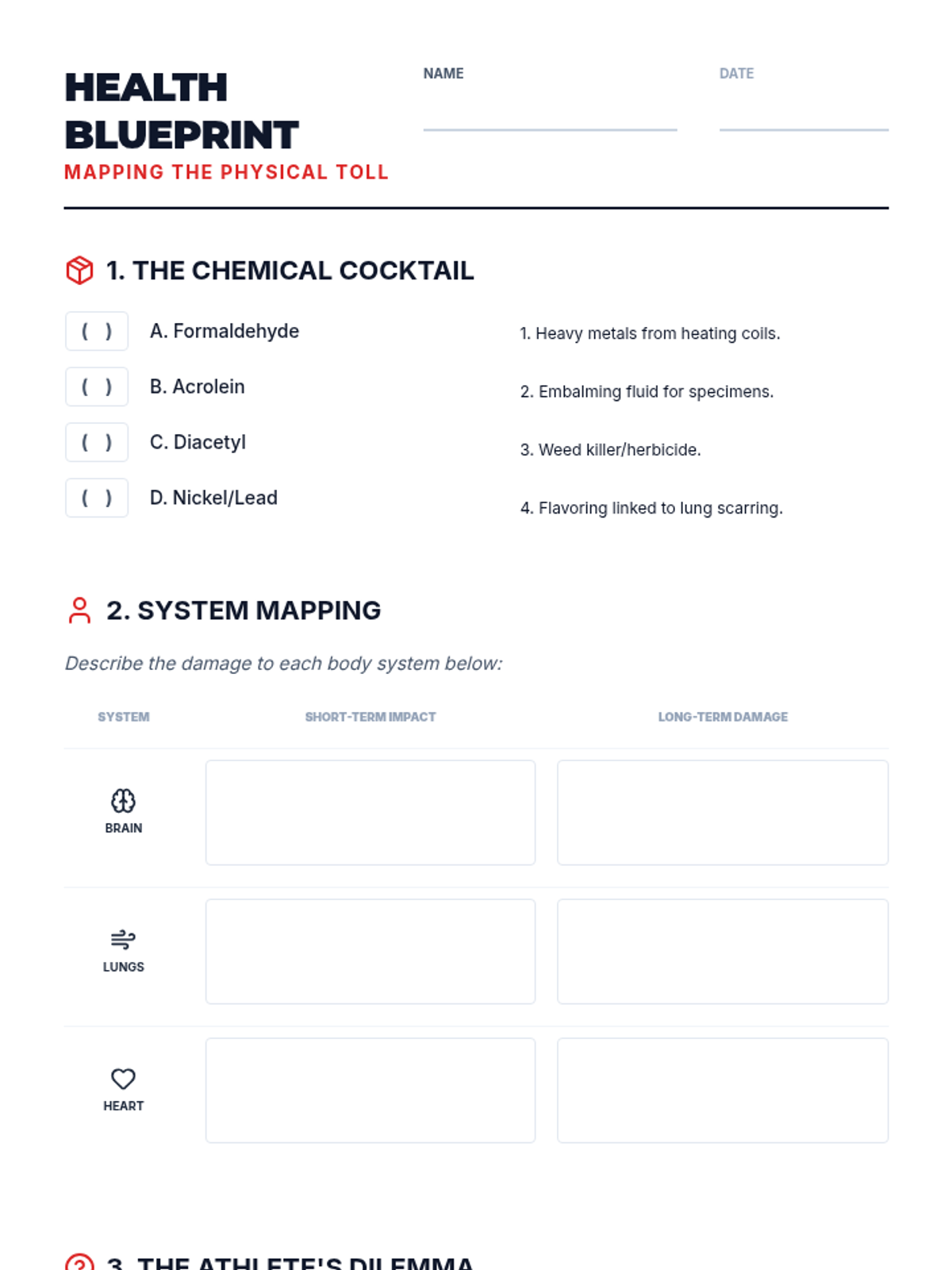
Examines the multi-system physical consequences of long-term vaping and tobacco use, from respiratory damage to cardiovascular risks.
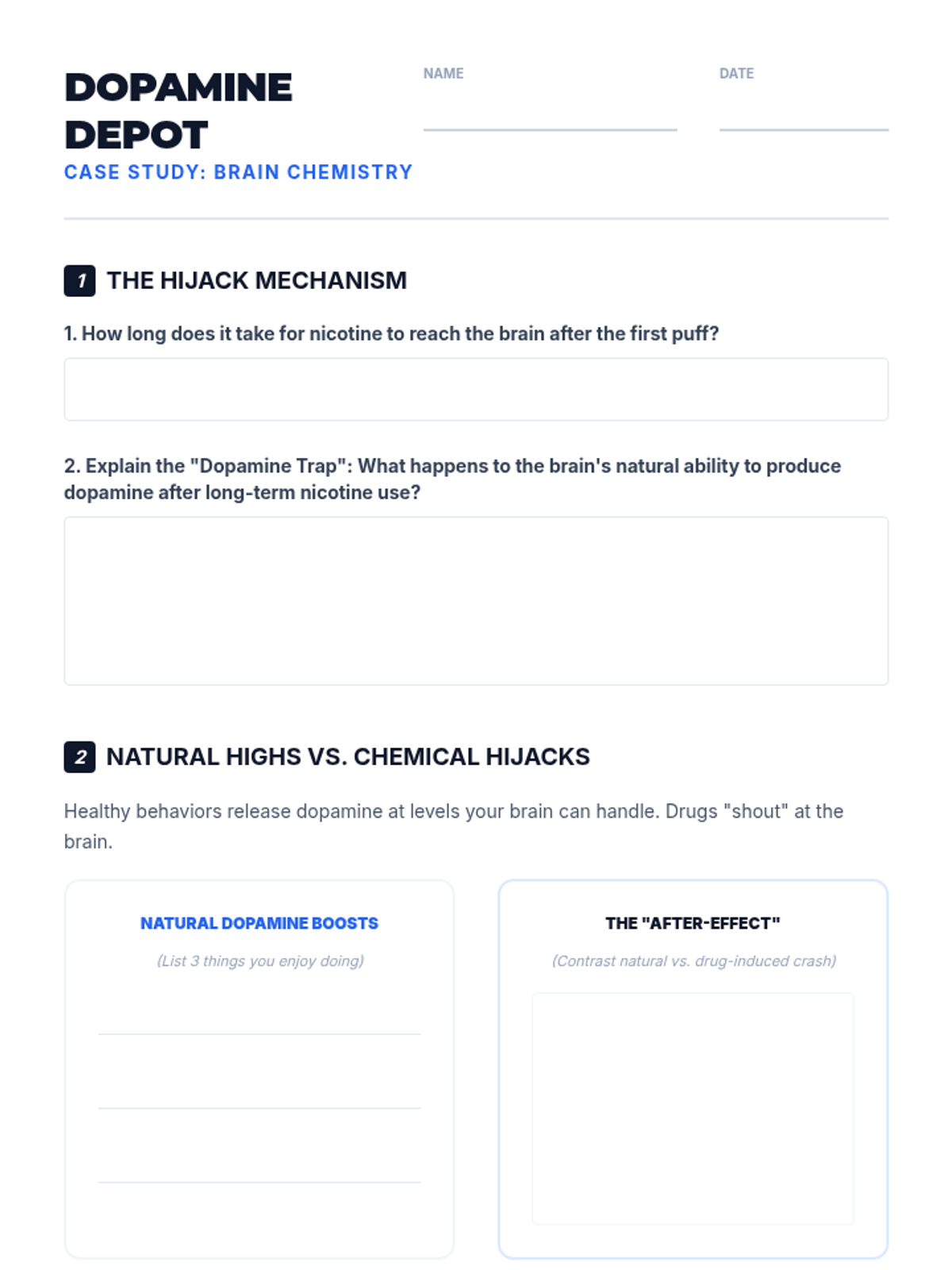
Explores the neuroscience of nicotine addiction, focusing on how vaping chemicals hijack the brain's reward system.
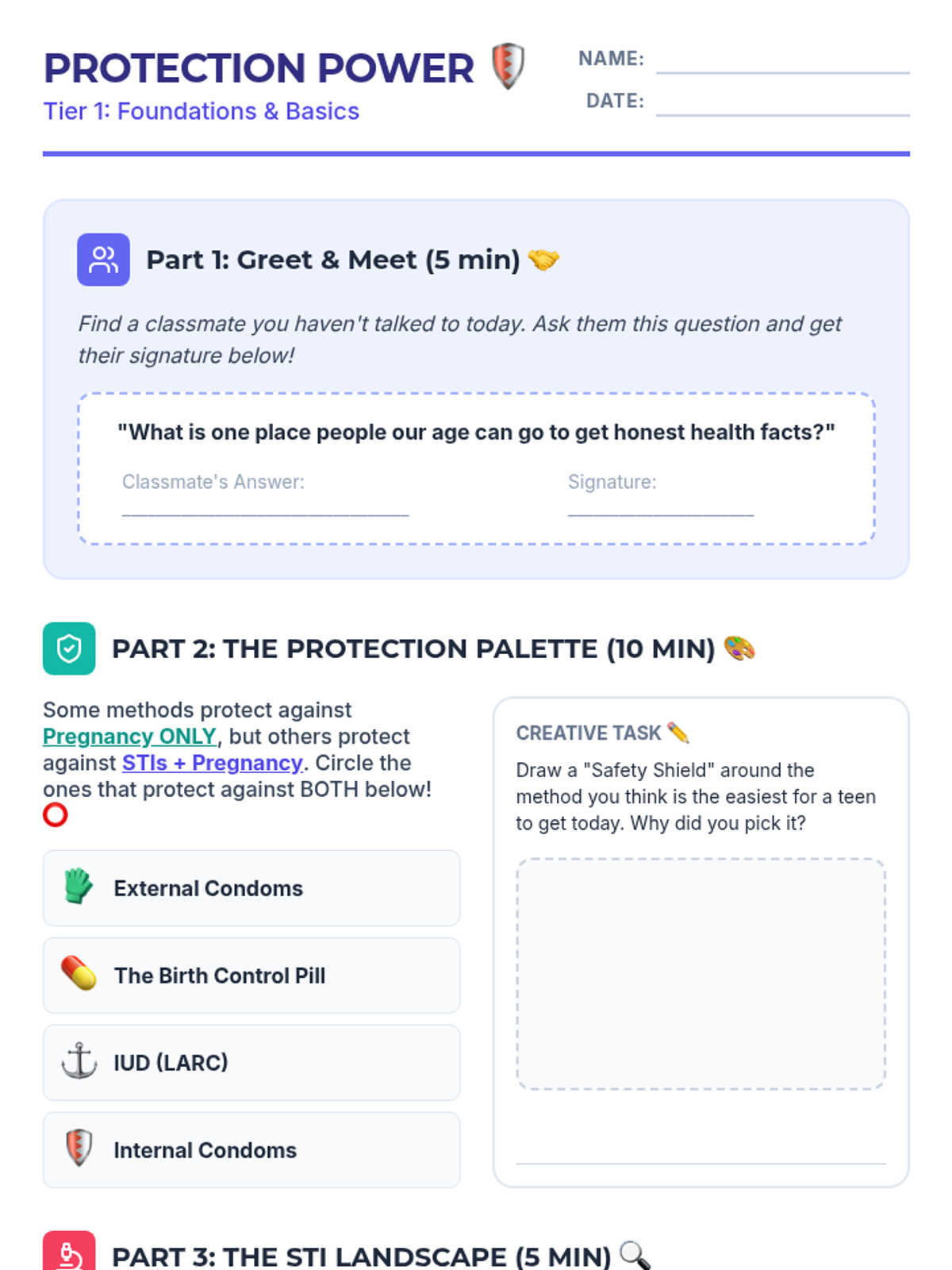
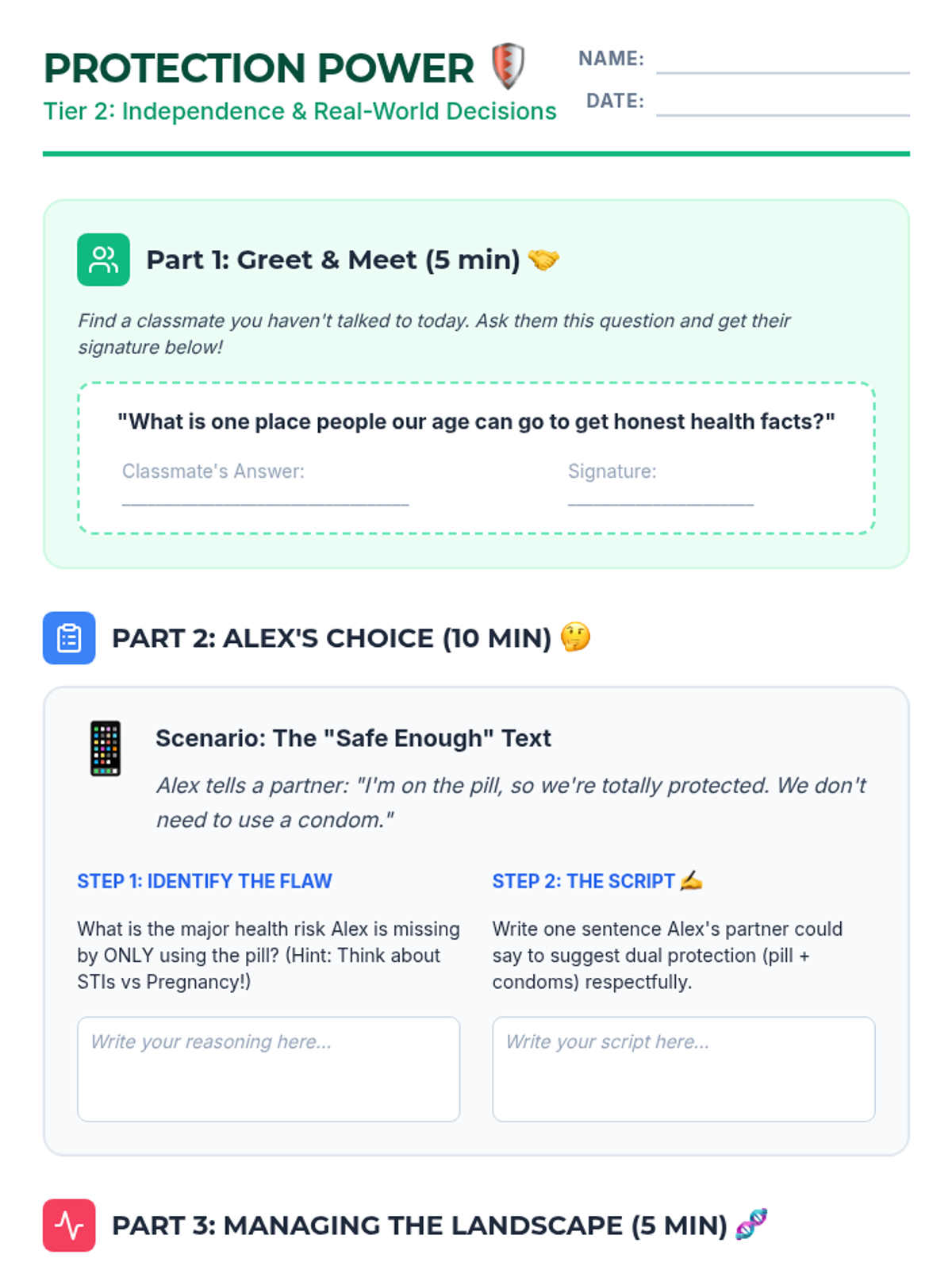
A three-tiered lesson on contraception and sexual health focused on decision-making, STI prevention, and communication skills, aligned with Massachusetts health standards.
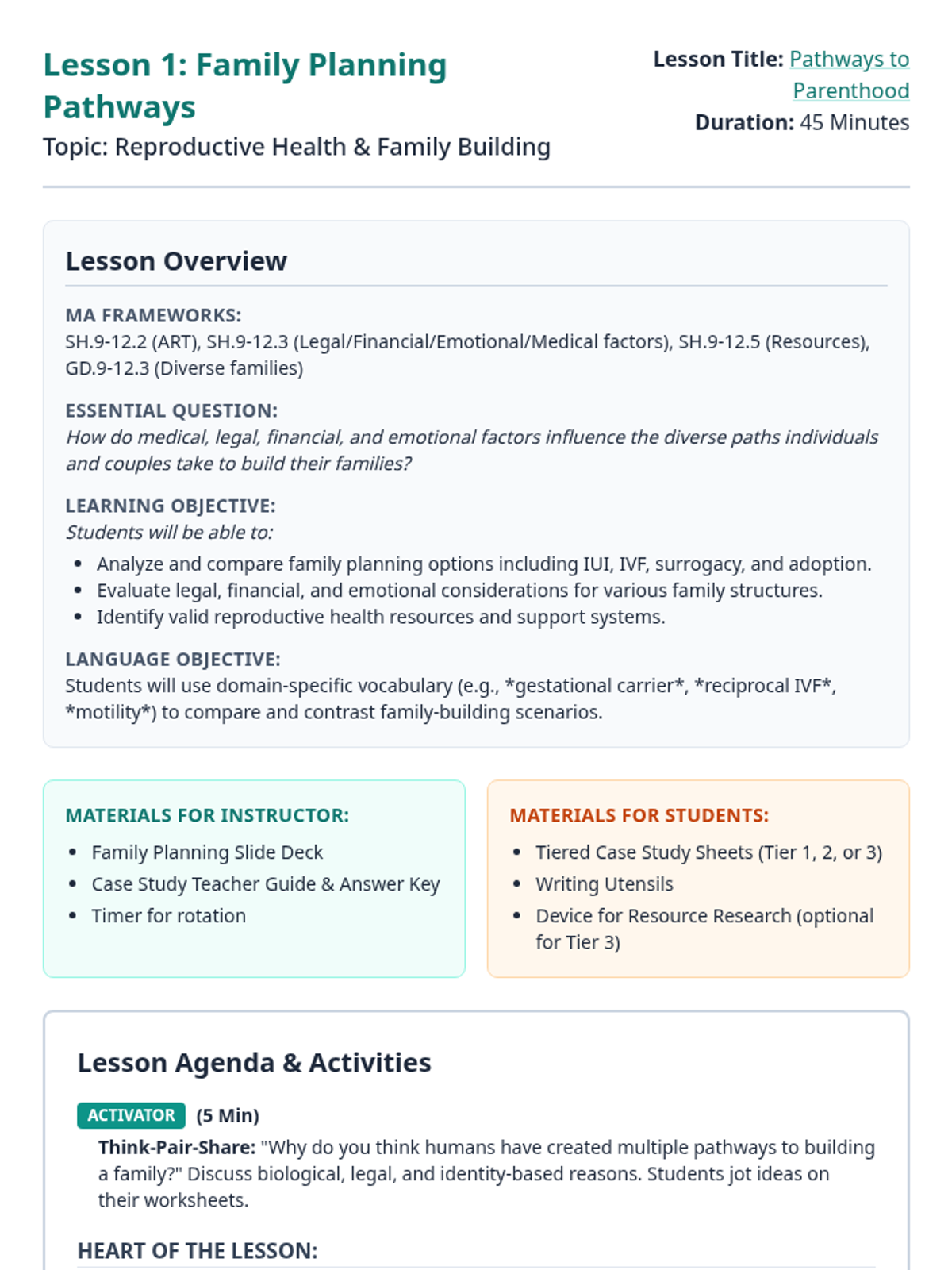
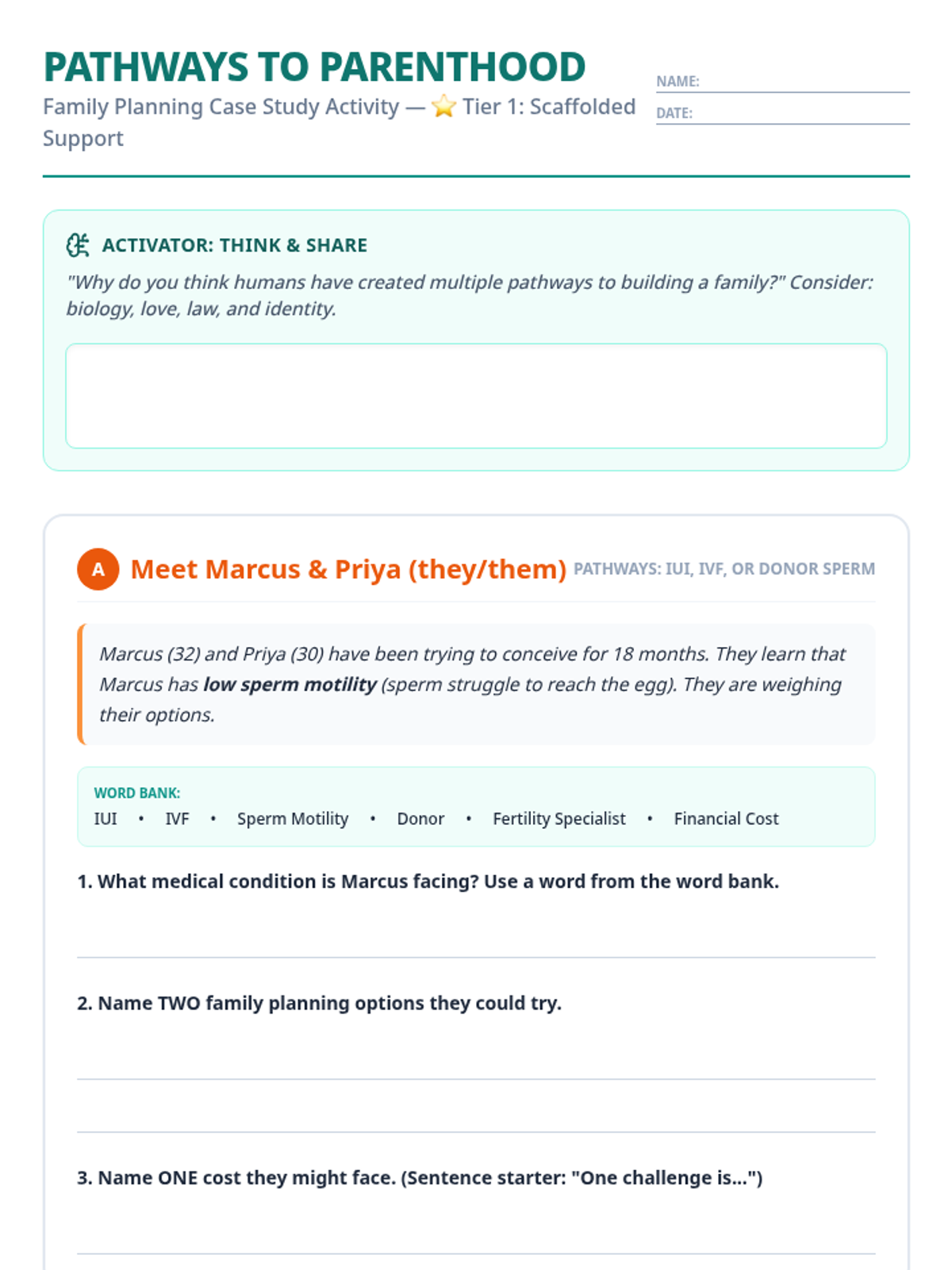
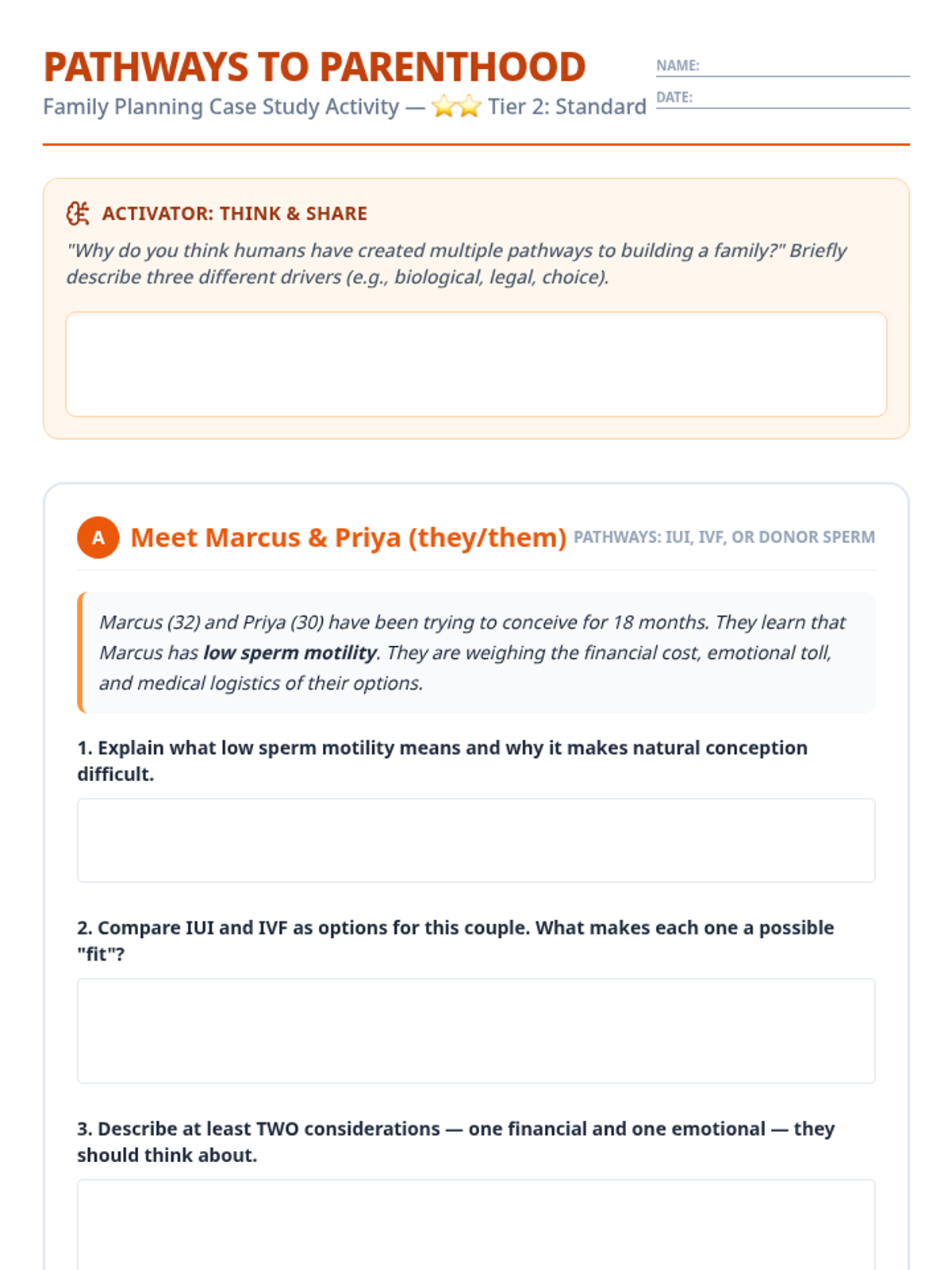
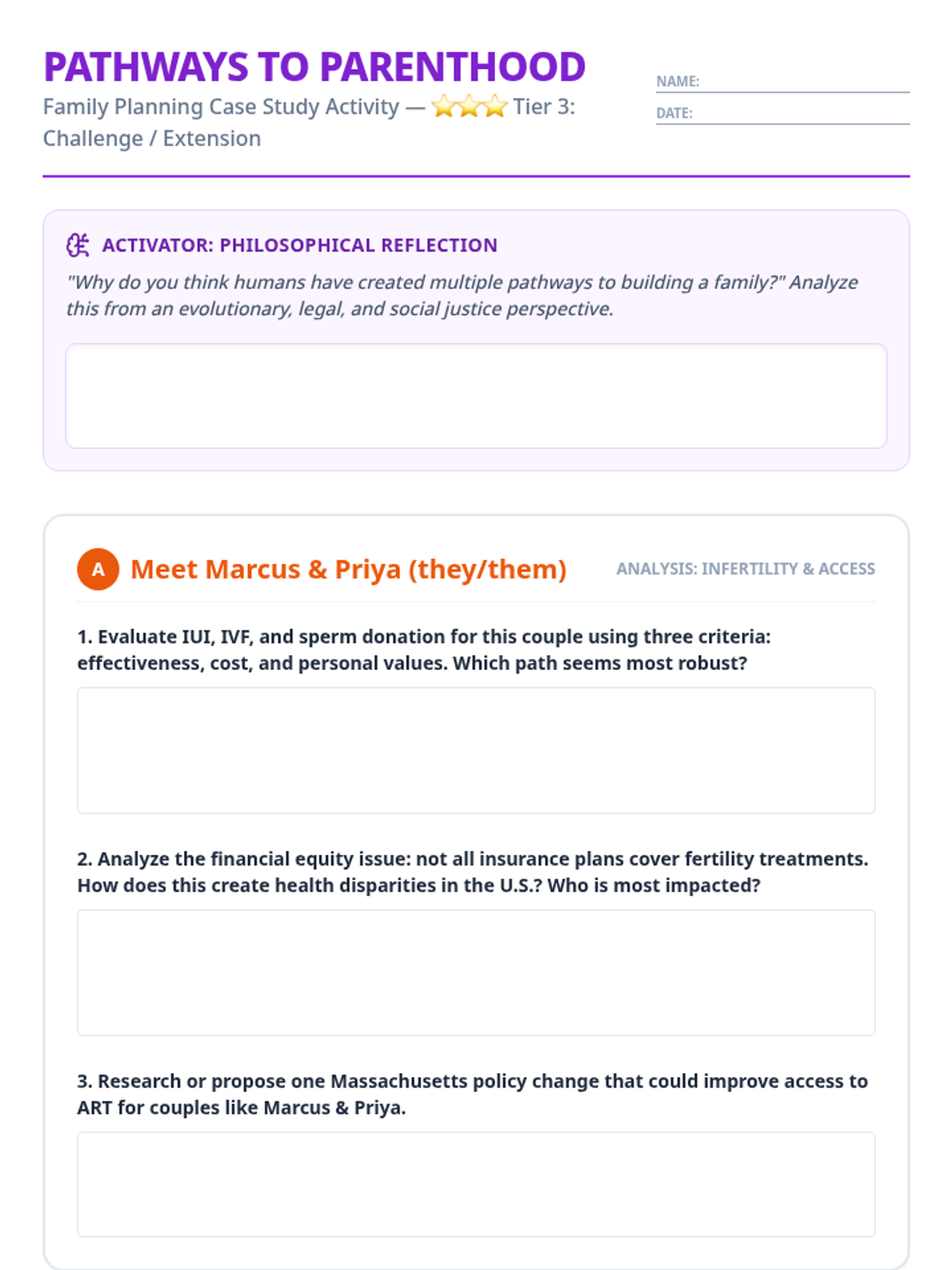
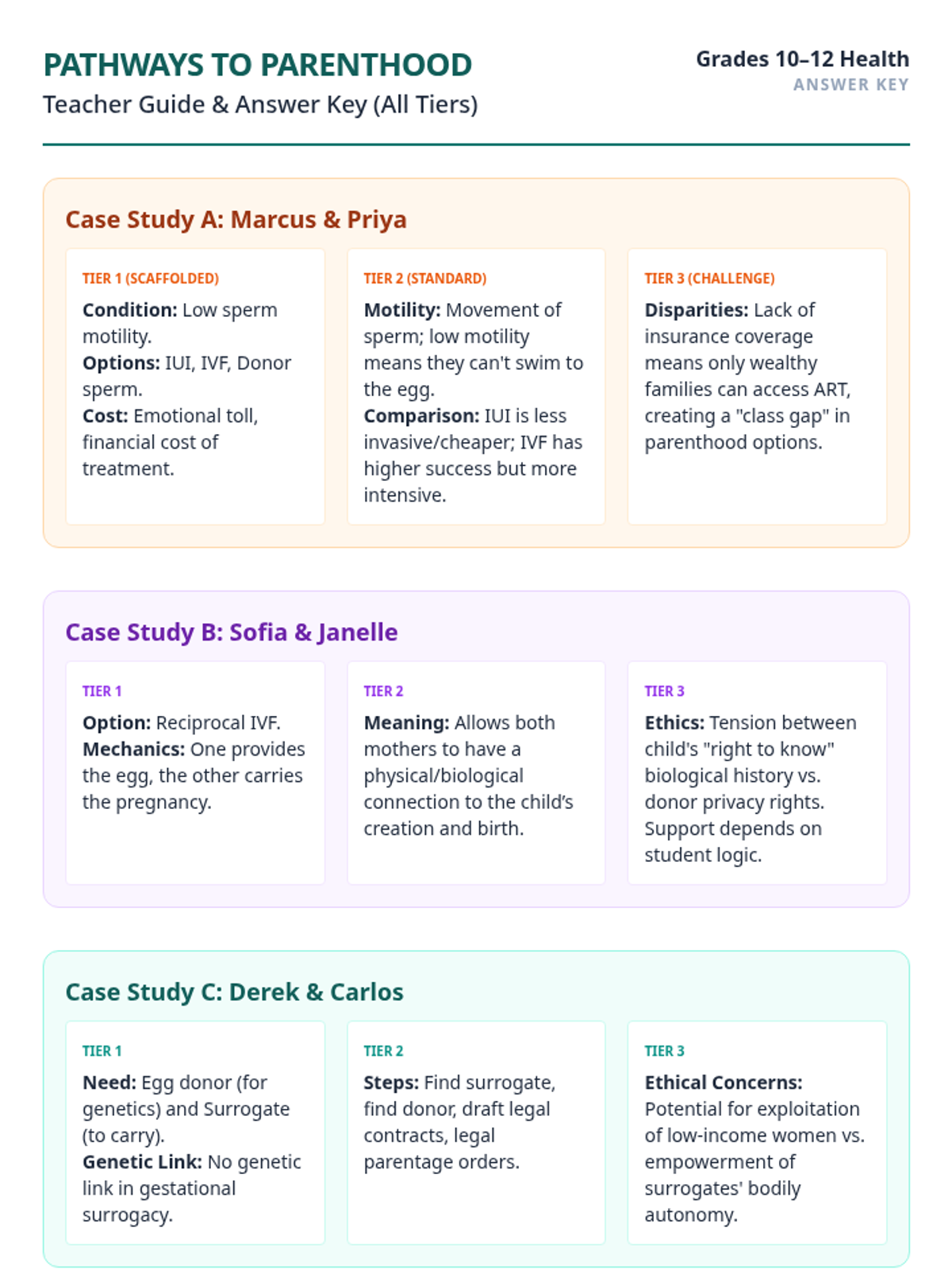
A 45-minute health education lesson for grades 10-12 focused on the legal, financial, medical, and emotional aspects of family planning and assisted reproductive technologies. Students explore diverse paths to parenthood through tiered case studies and collaborative discussion.
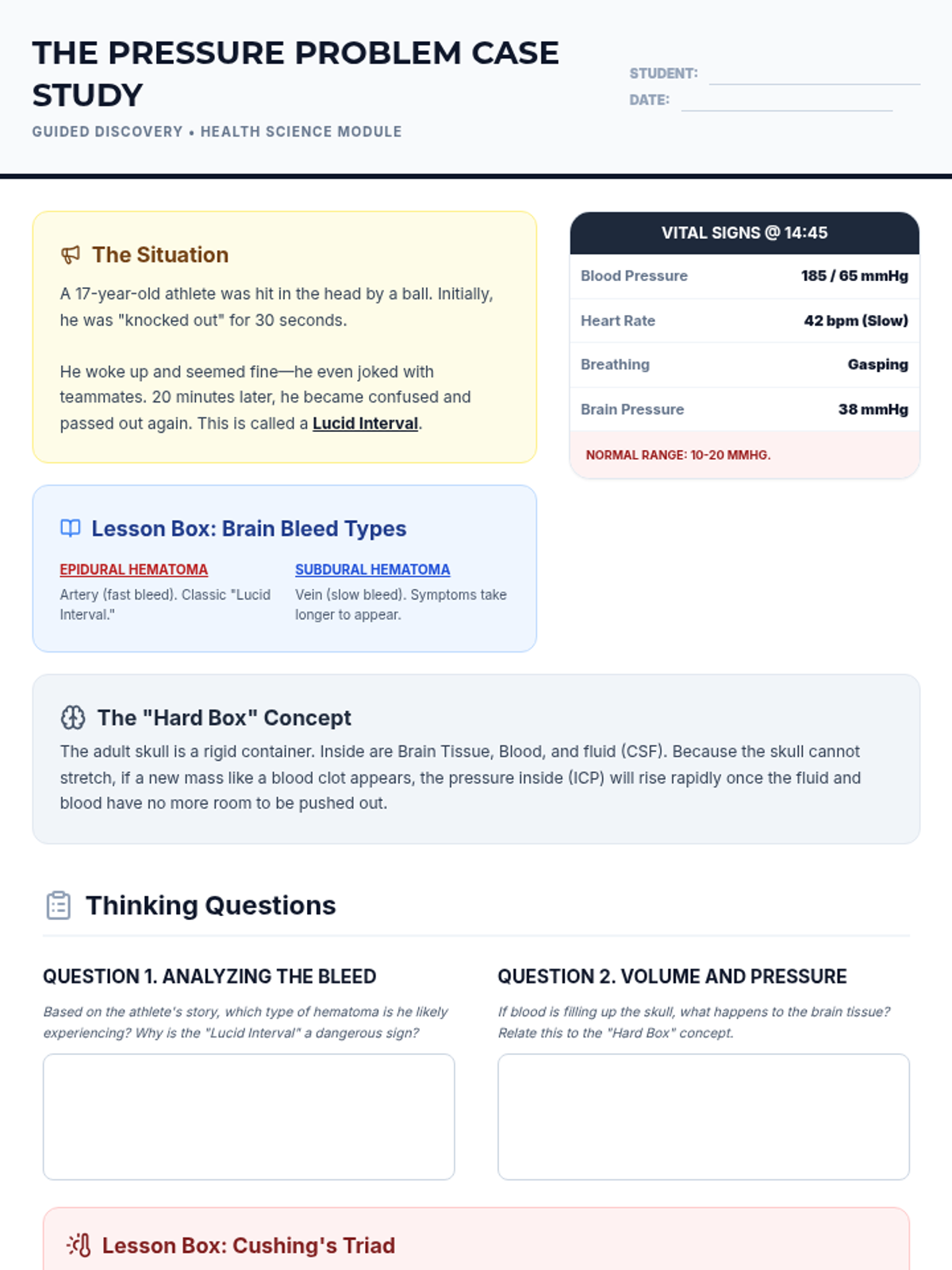
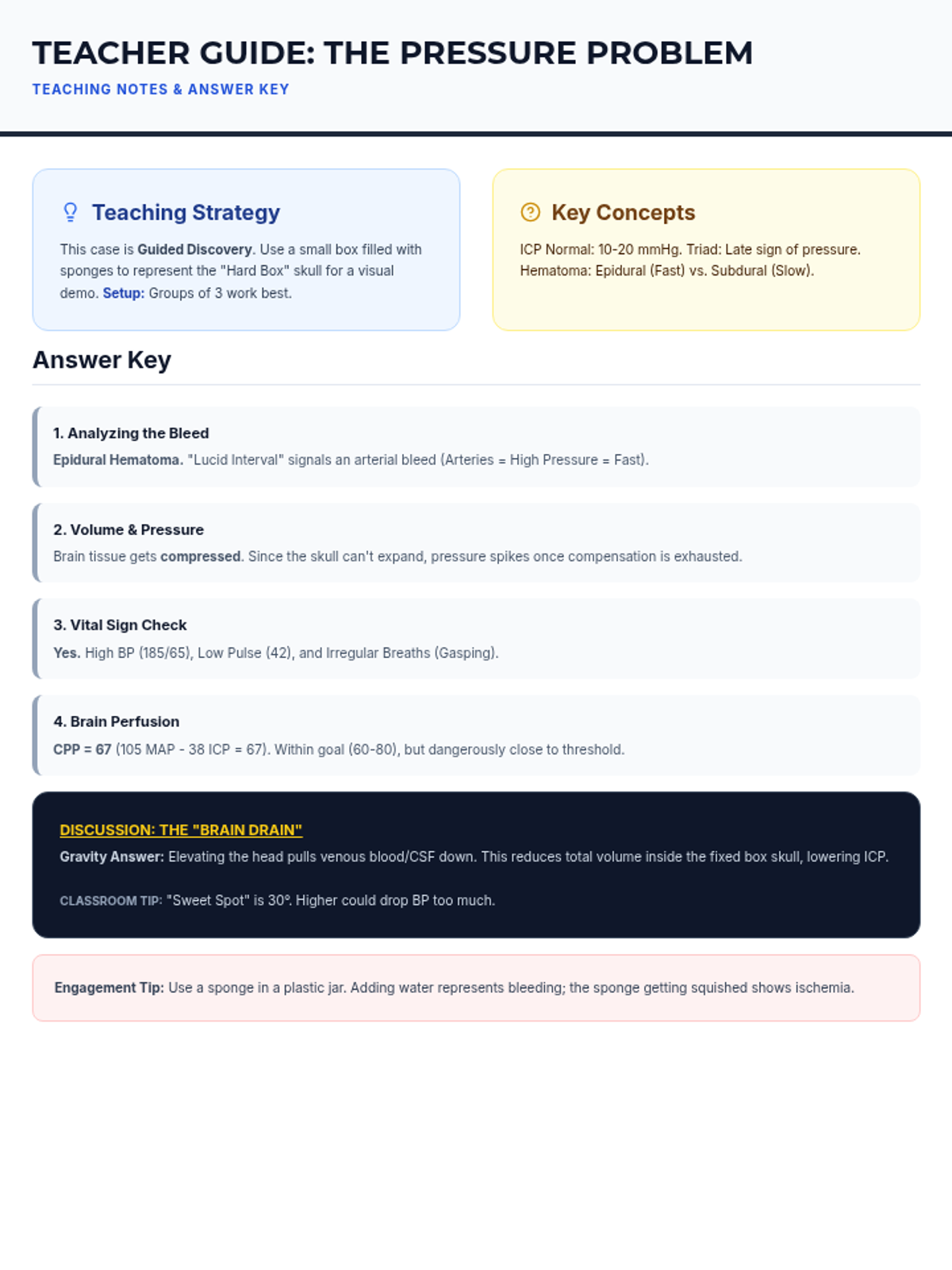
A health-science focused lesson on the anatomy, physiology, and clinical implications of increased intracranial pressure, featuring the Monro-Kellie doctrine and Cushing's Triad.
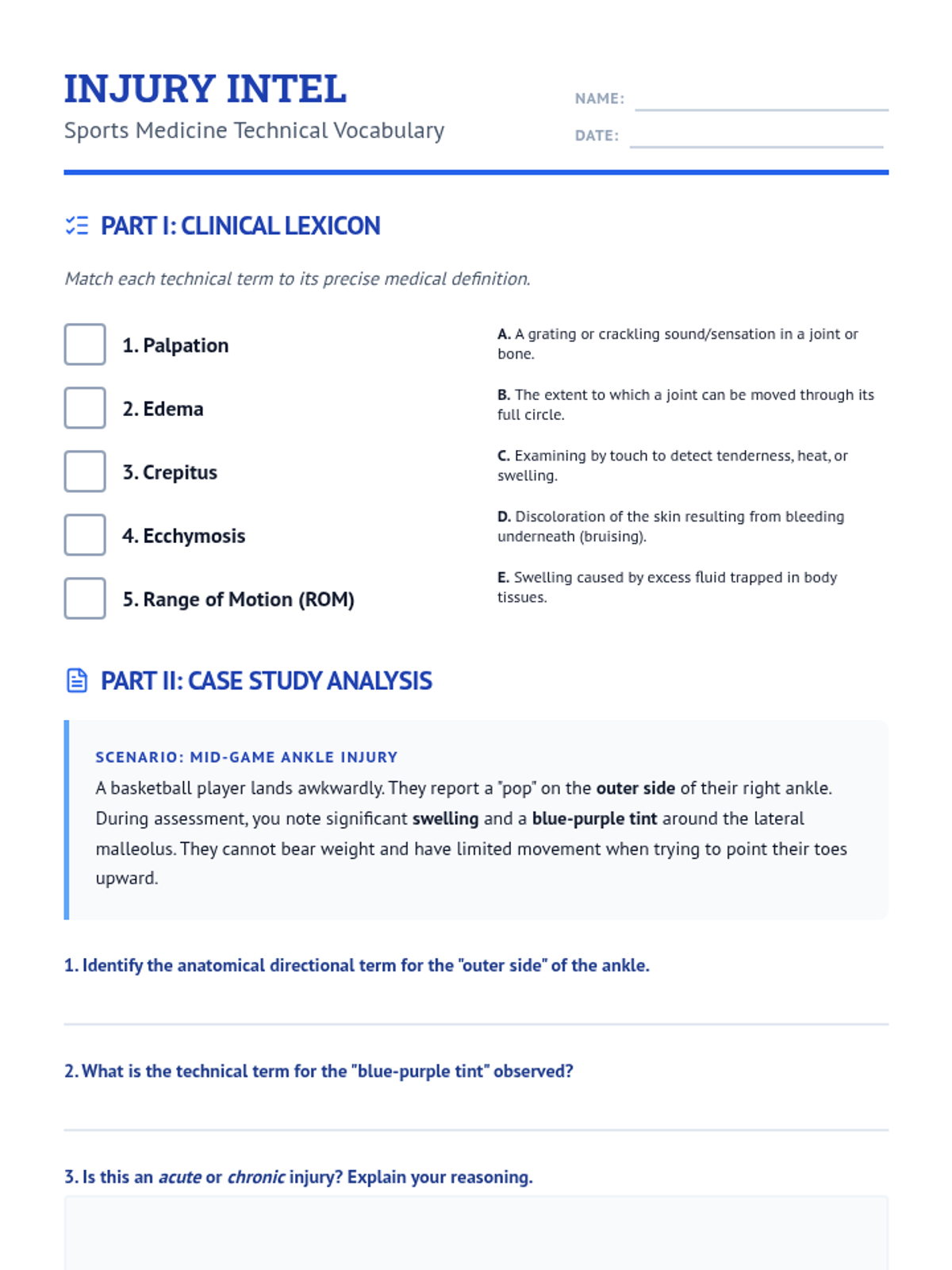
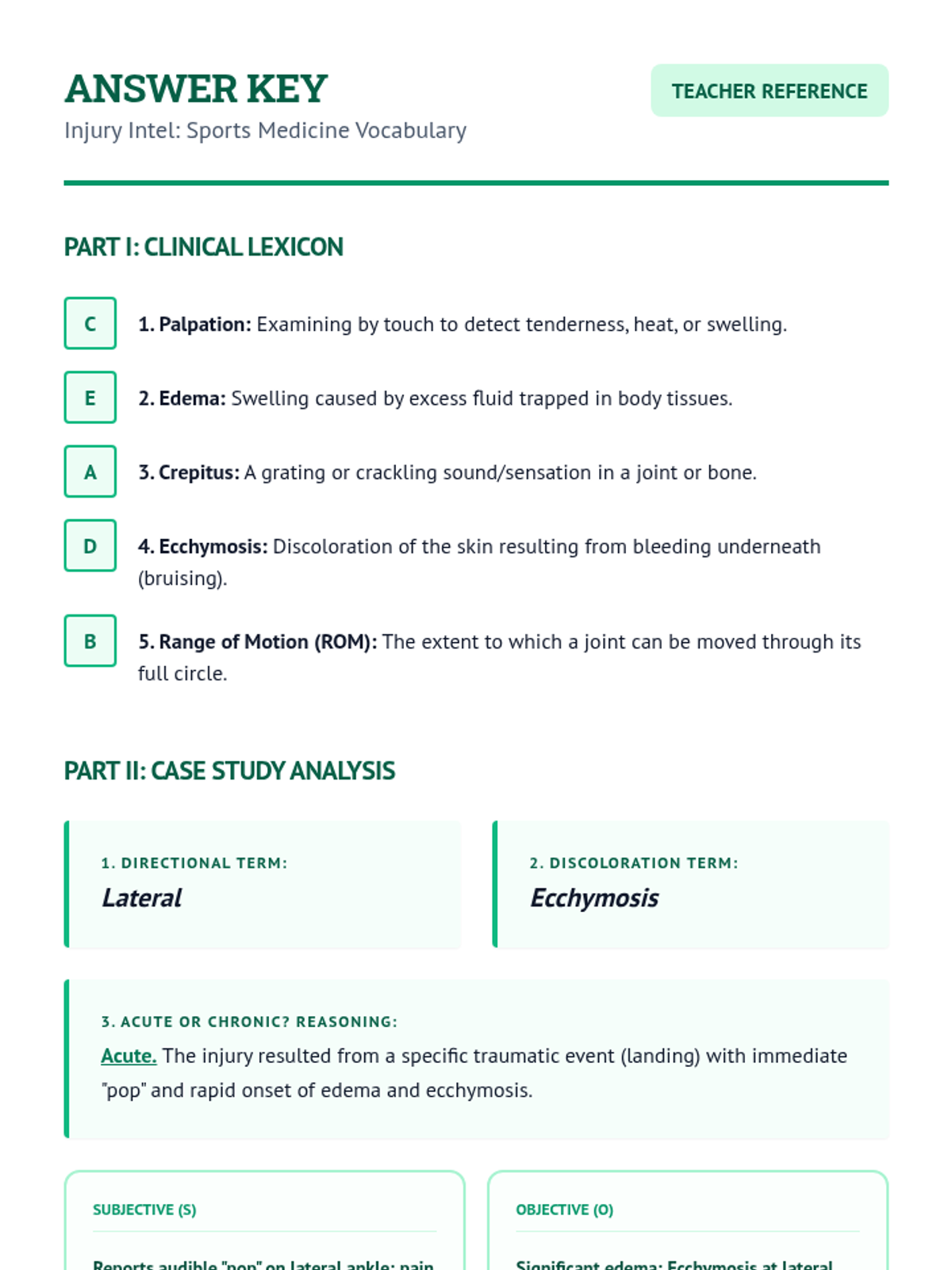
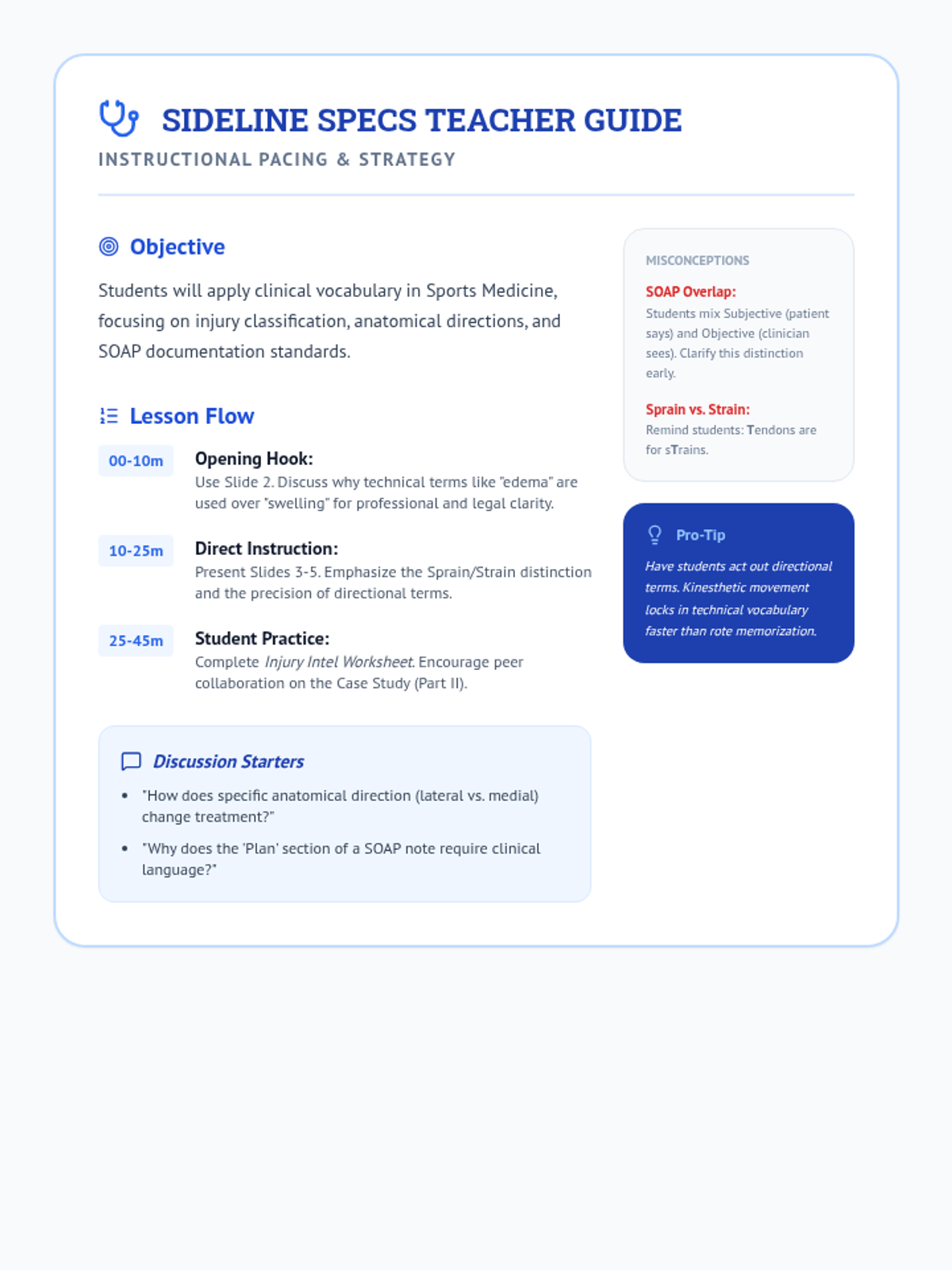
A career-focused lesson on Sports Medicine terminology, focusing on technical vocabulary used in clinical assessments and injury reporting. Students will master terms related to anatomy, injury types, and the SOAP note format.
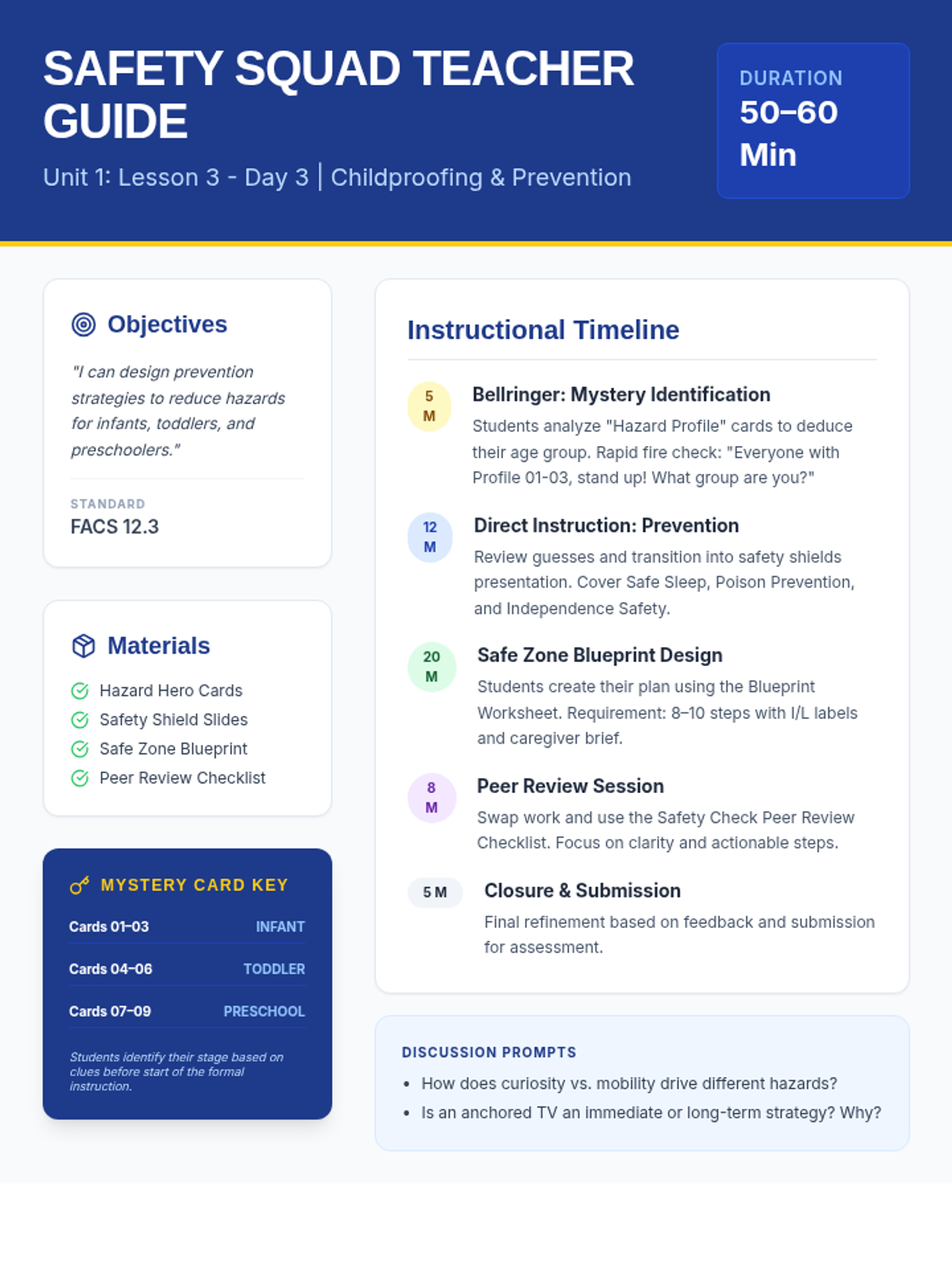
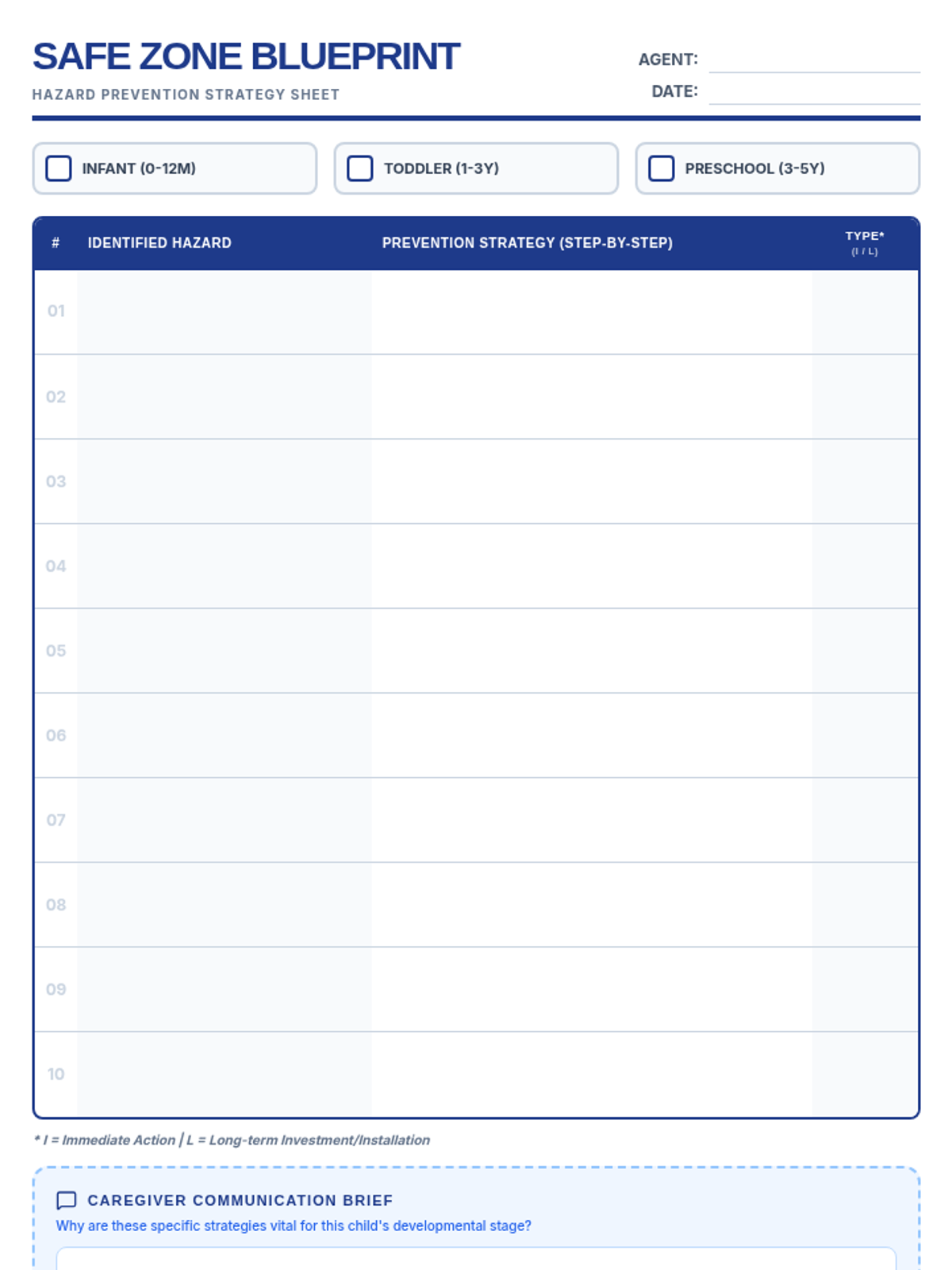
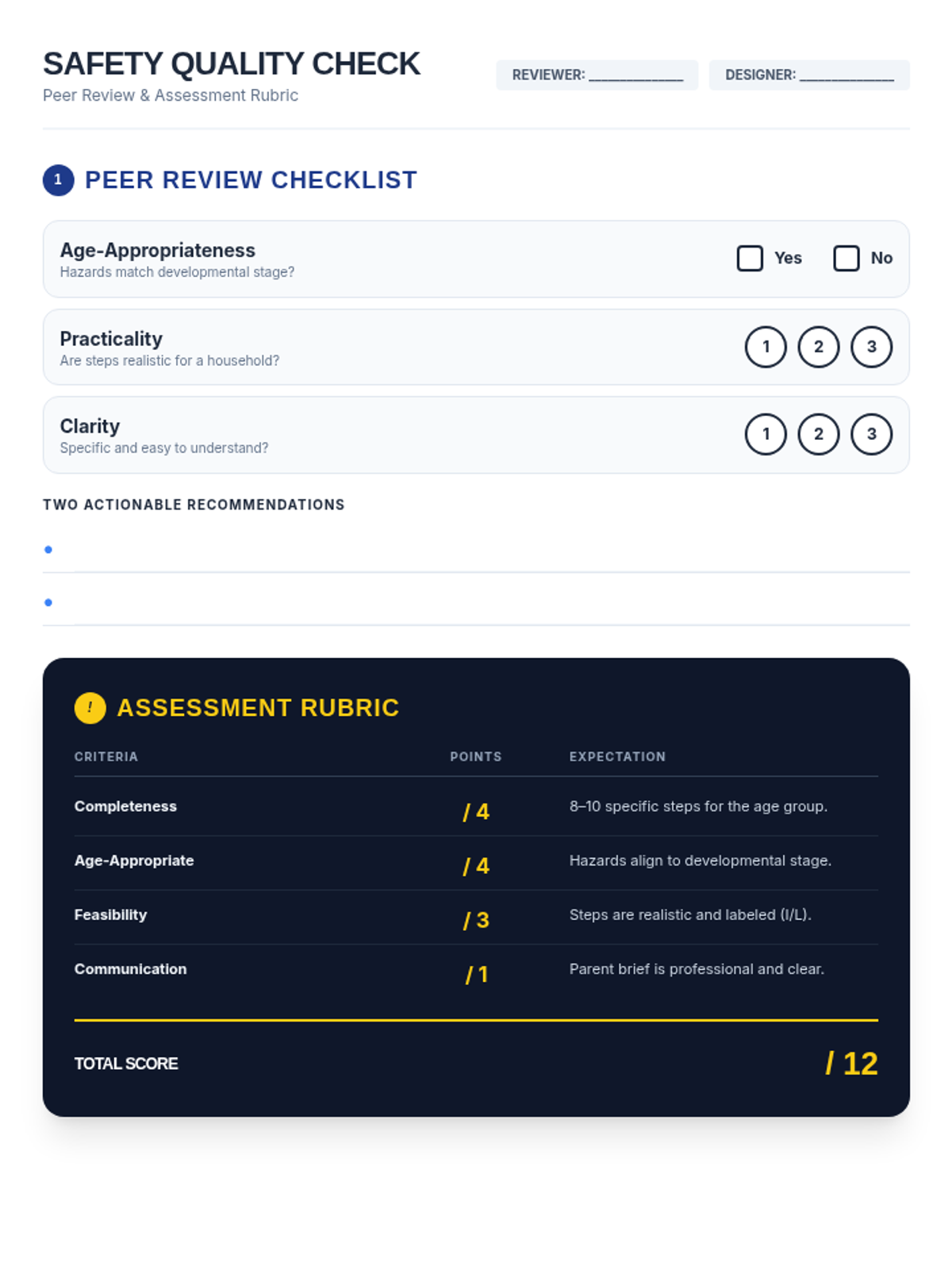
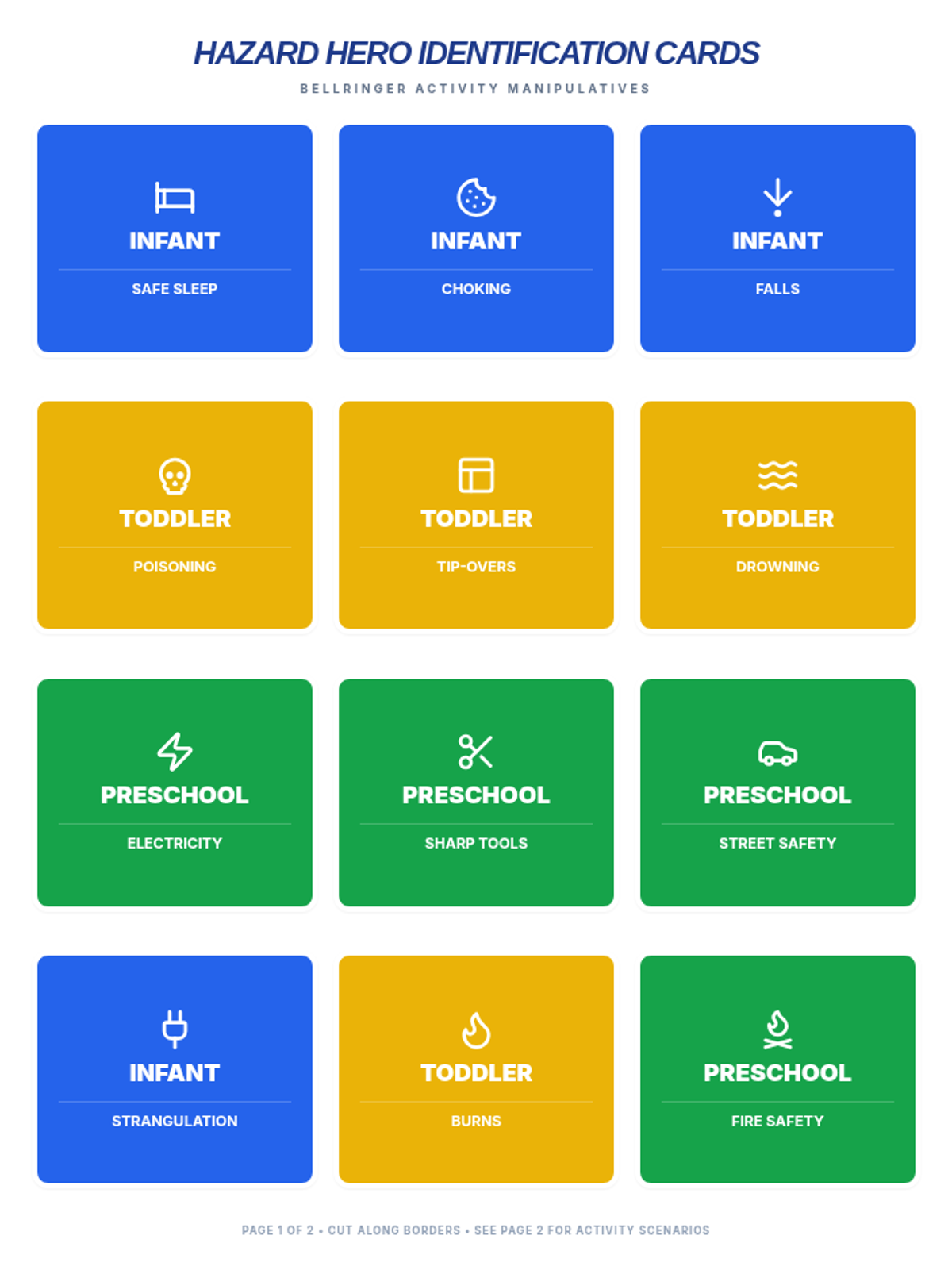
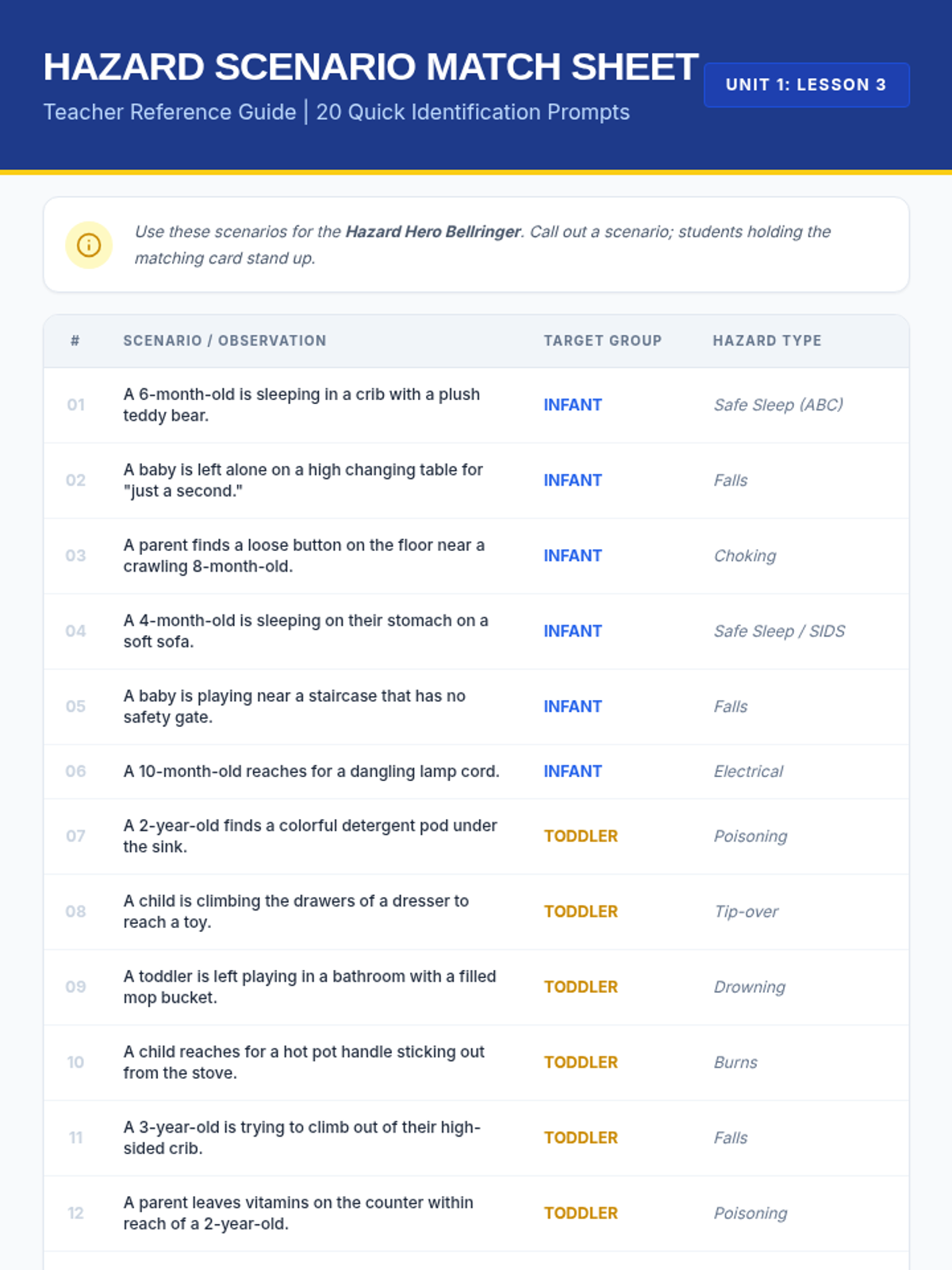
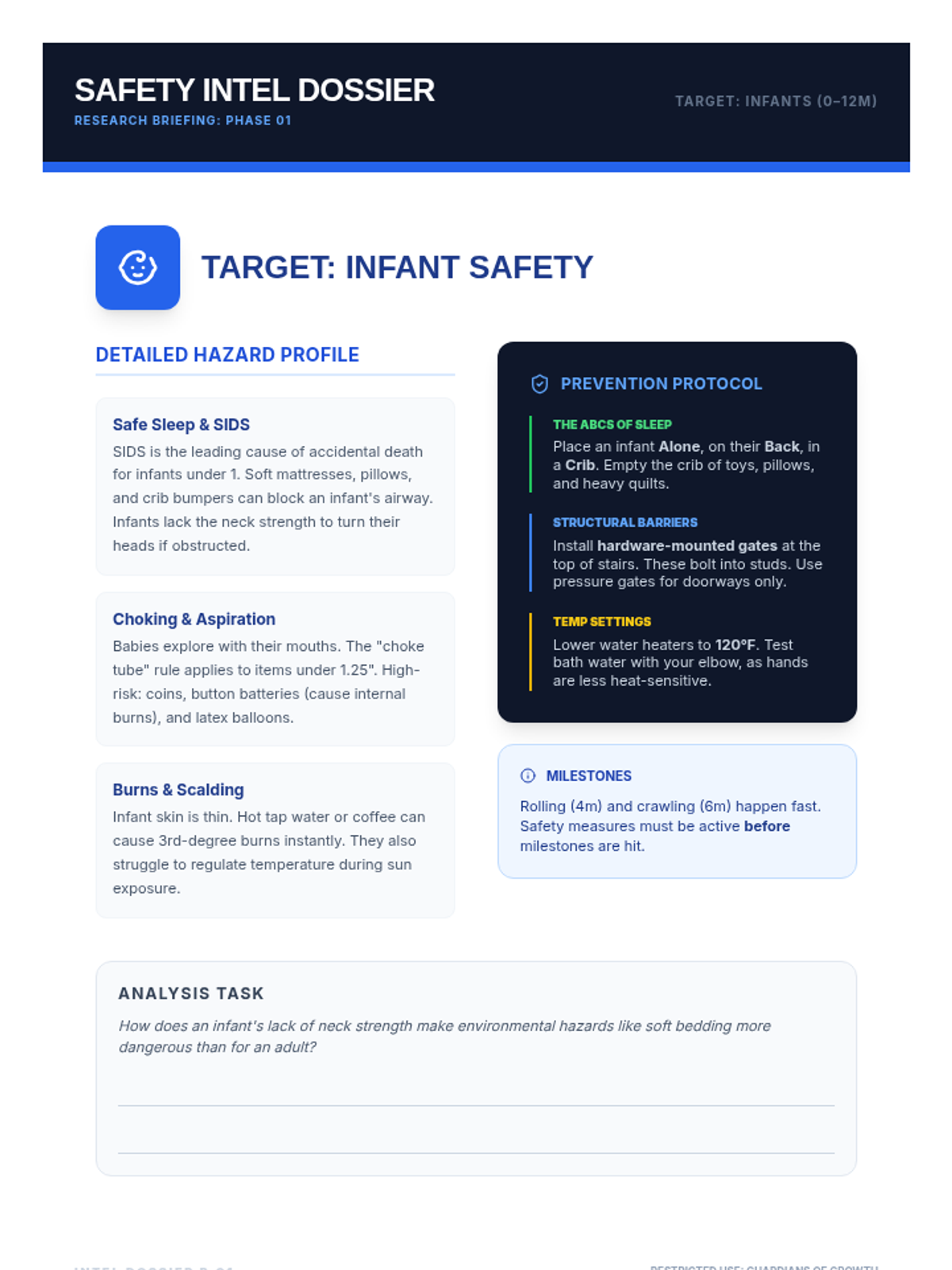
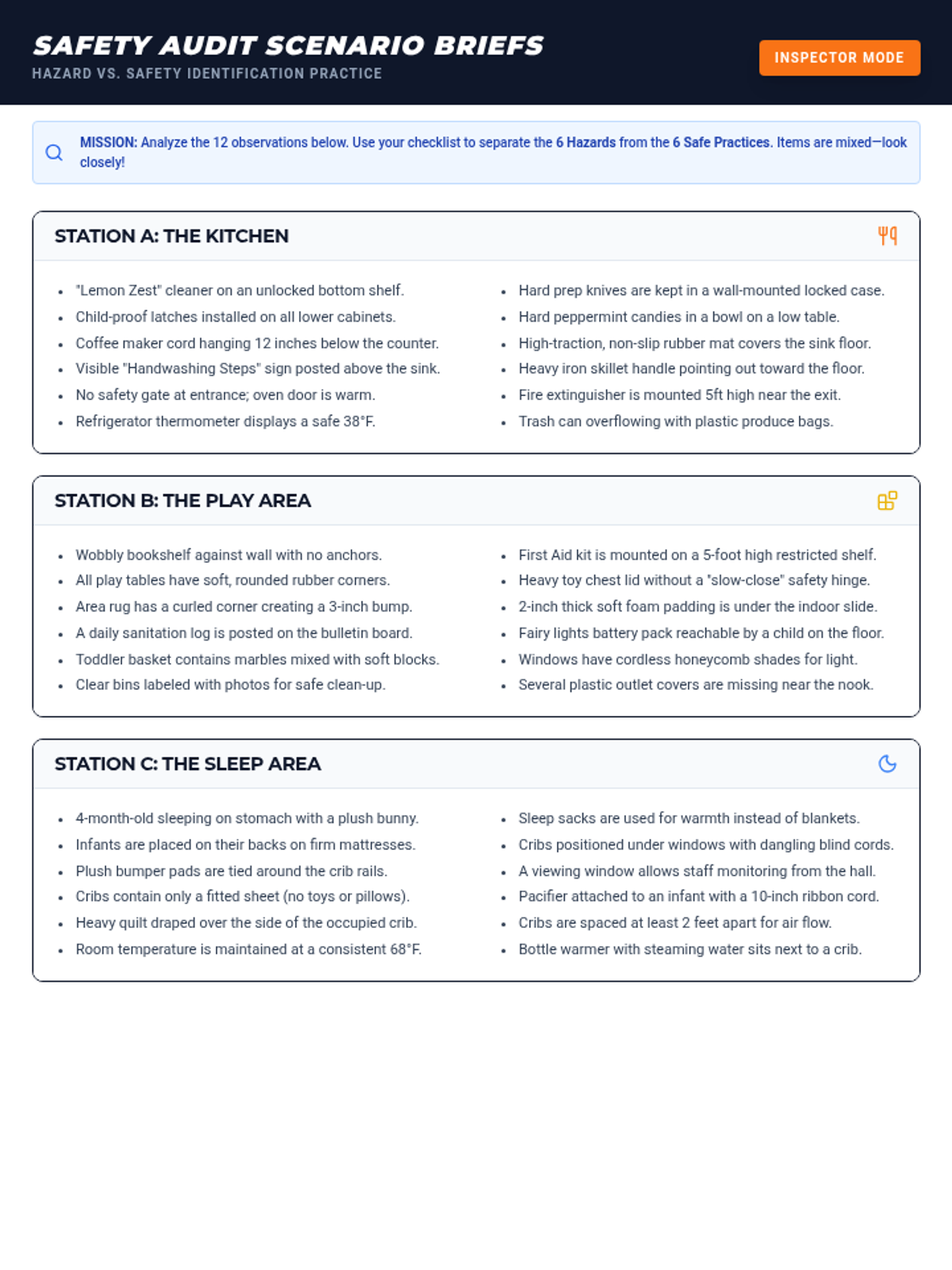
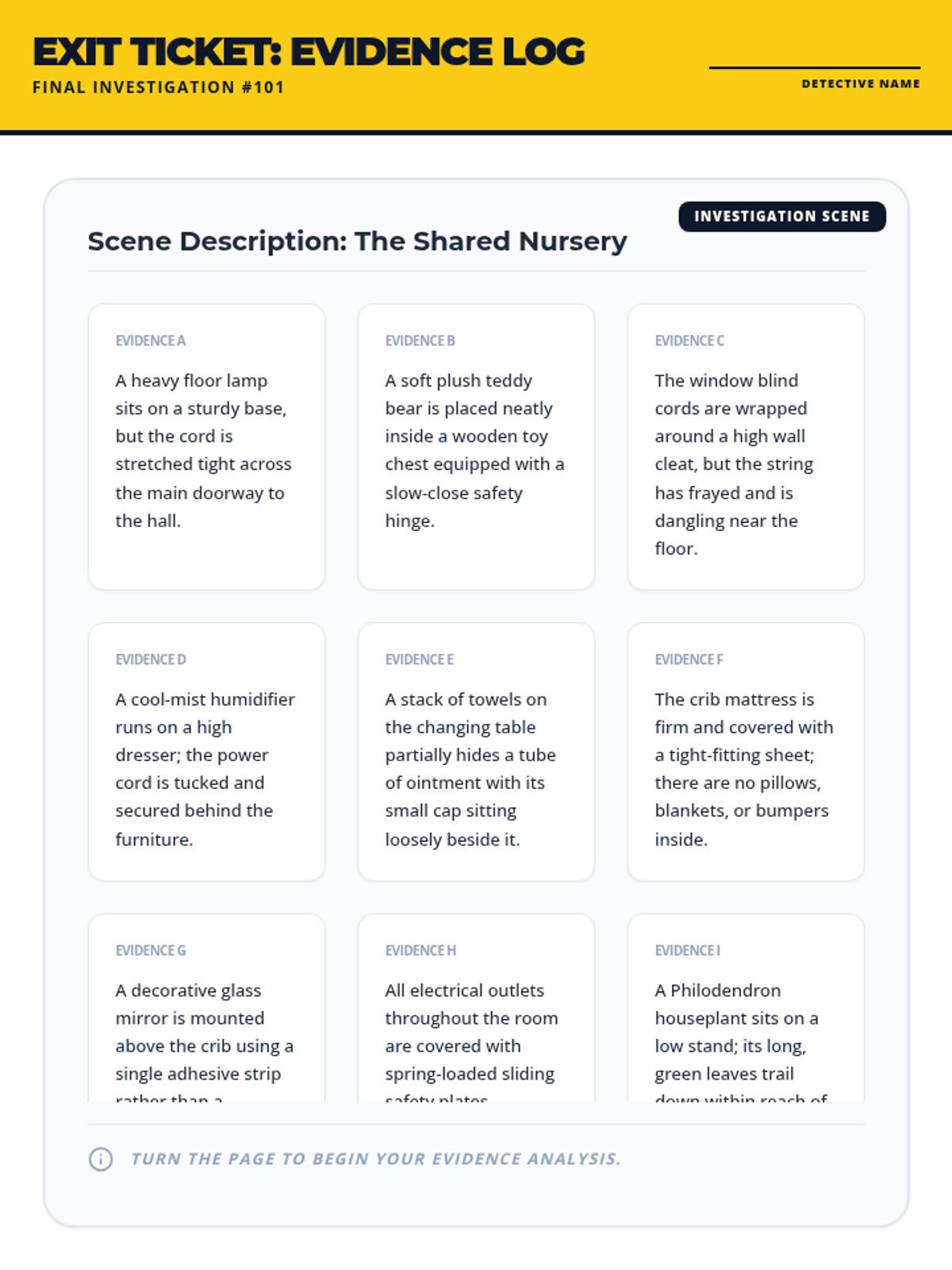
A lesson focused on identifying age-specific hazards and designing comprehensive prevention strategies for infants, toddlers, and preschoolers to ensure a safe environment for growth.
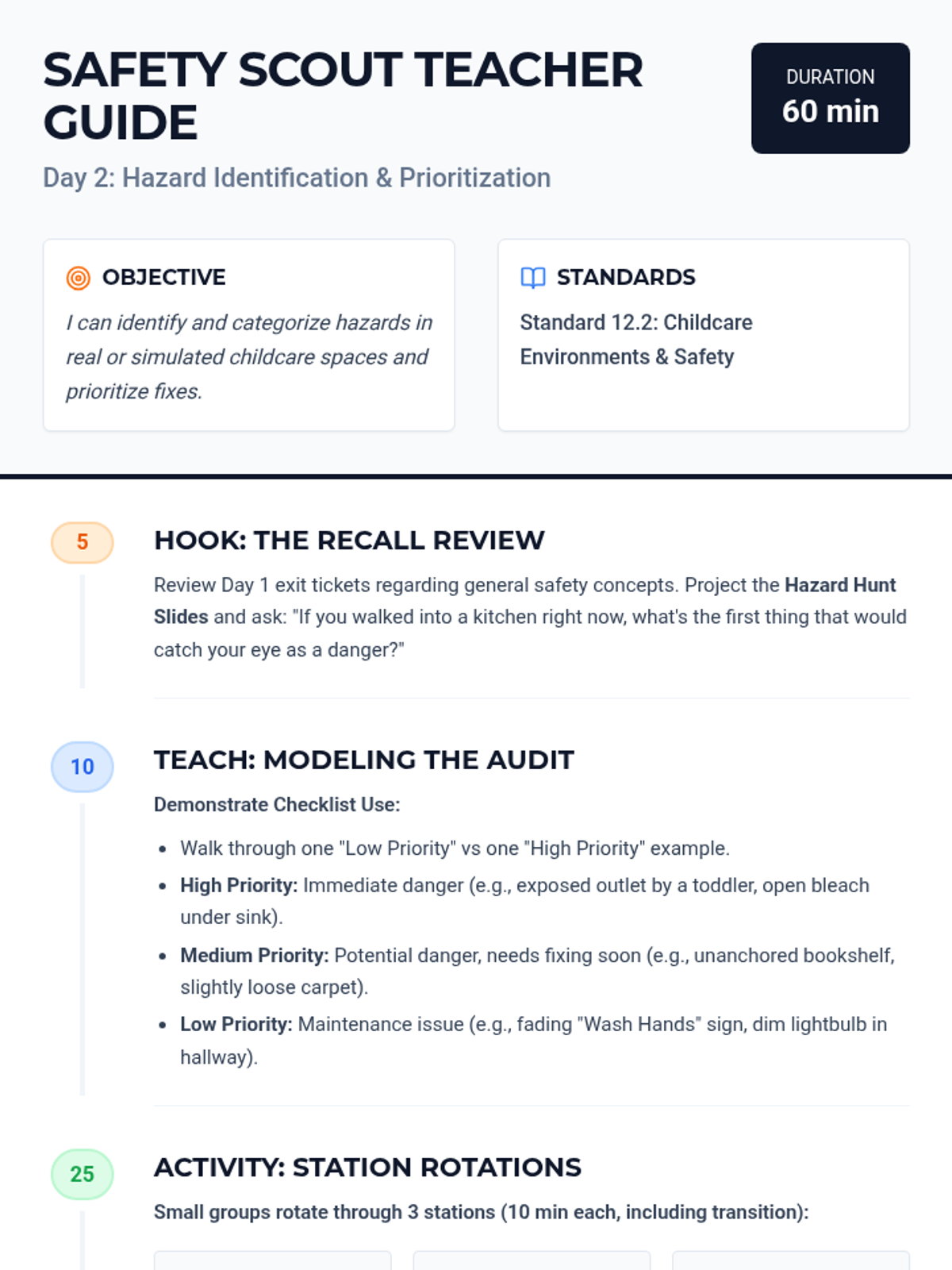
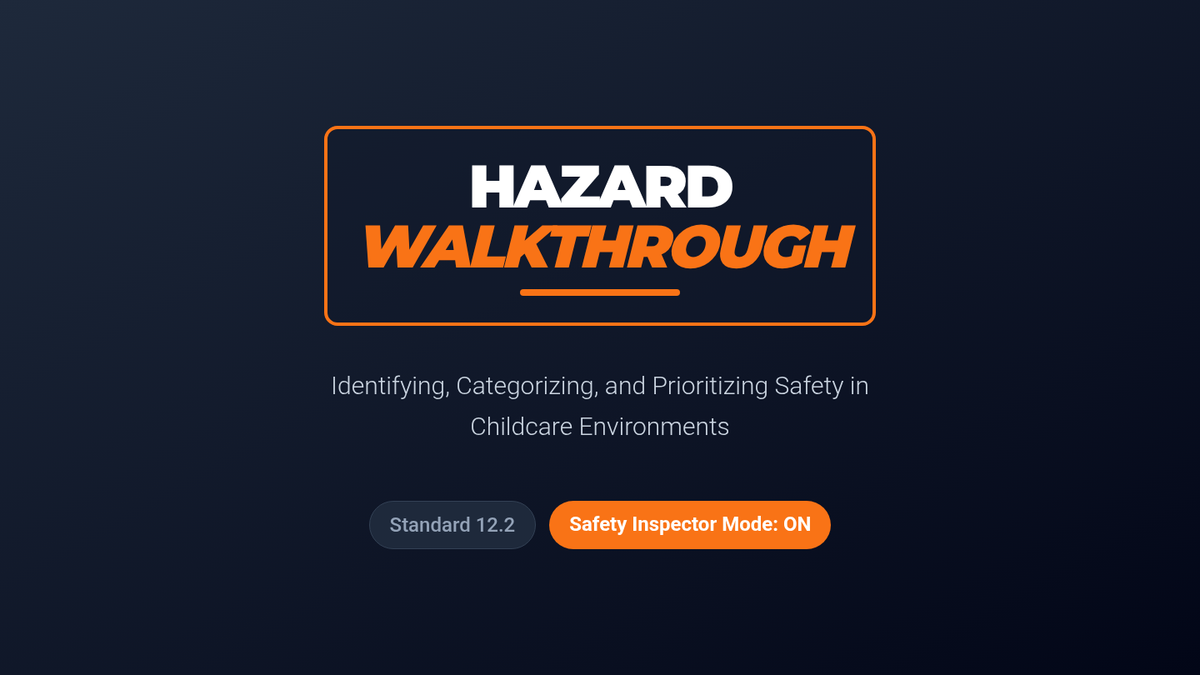
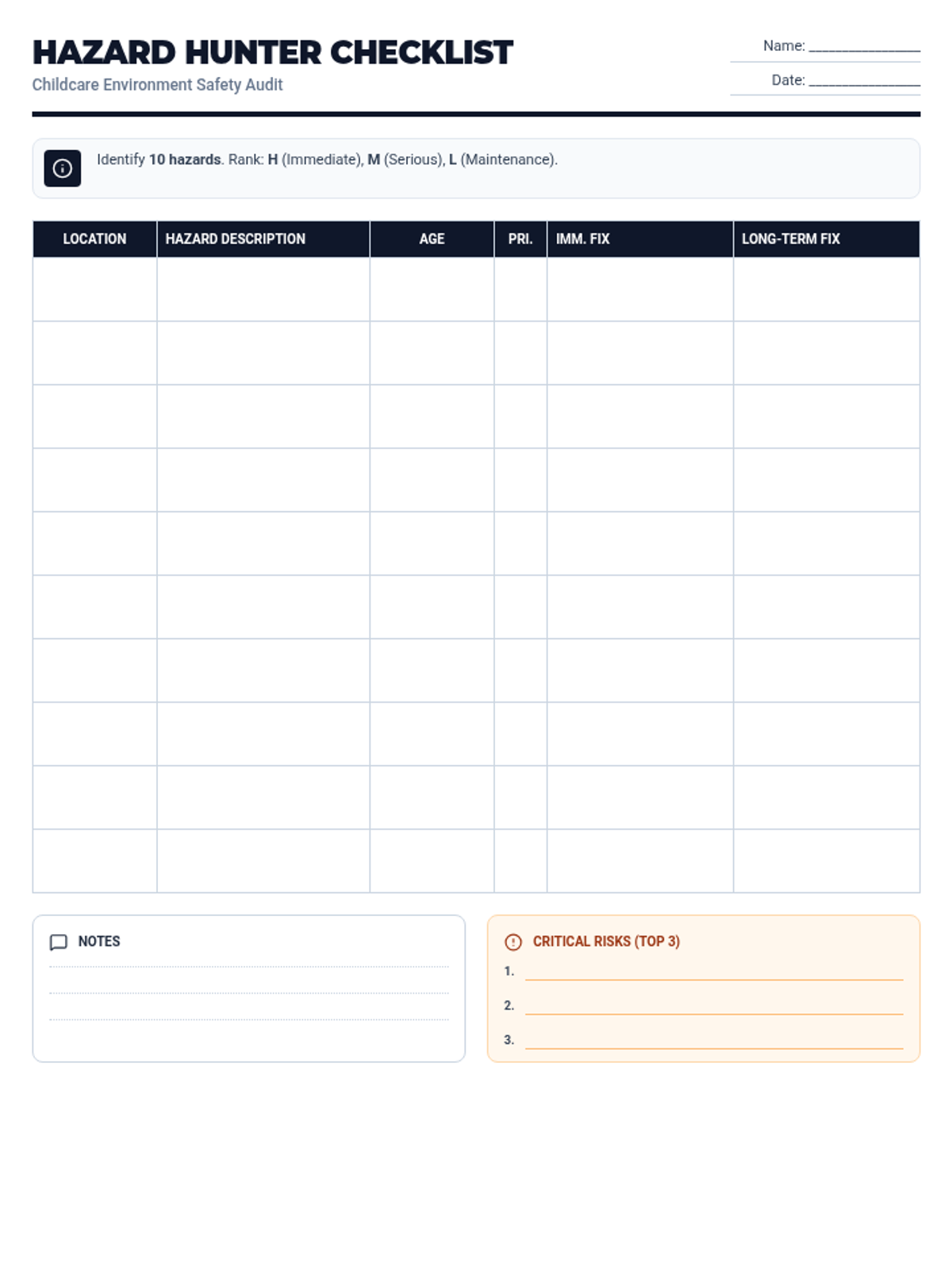
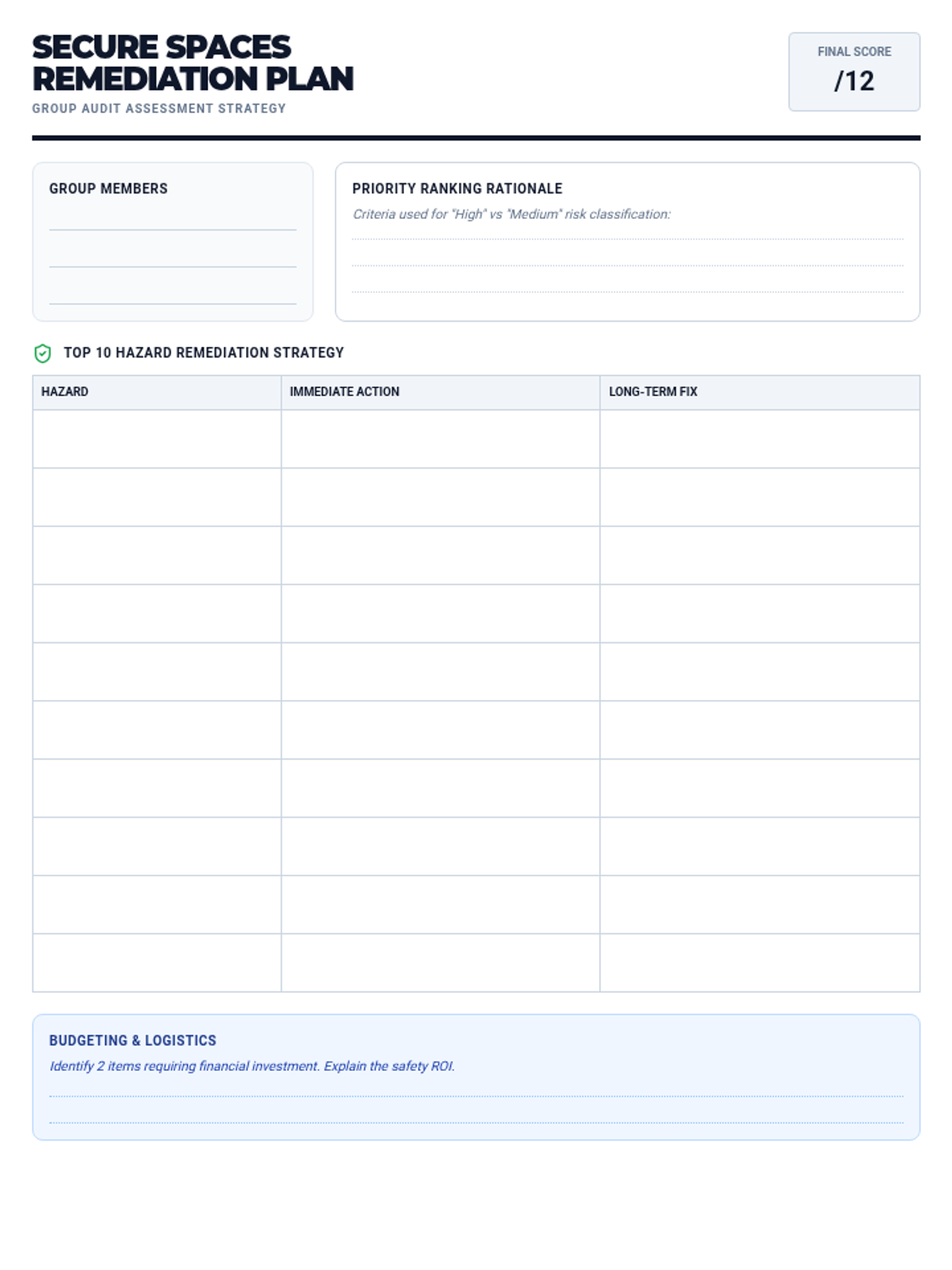
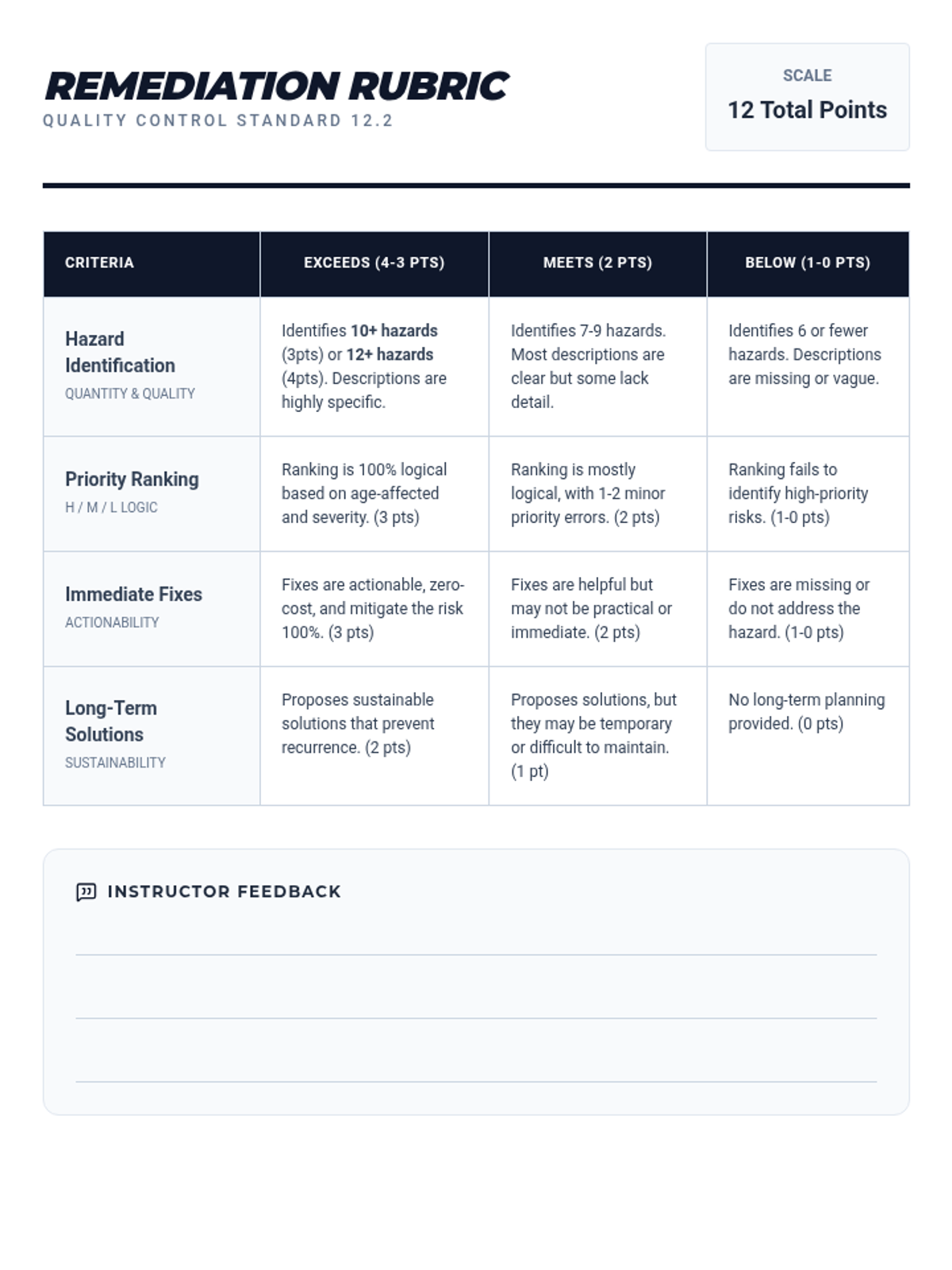
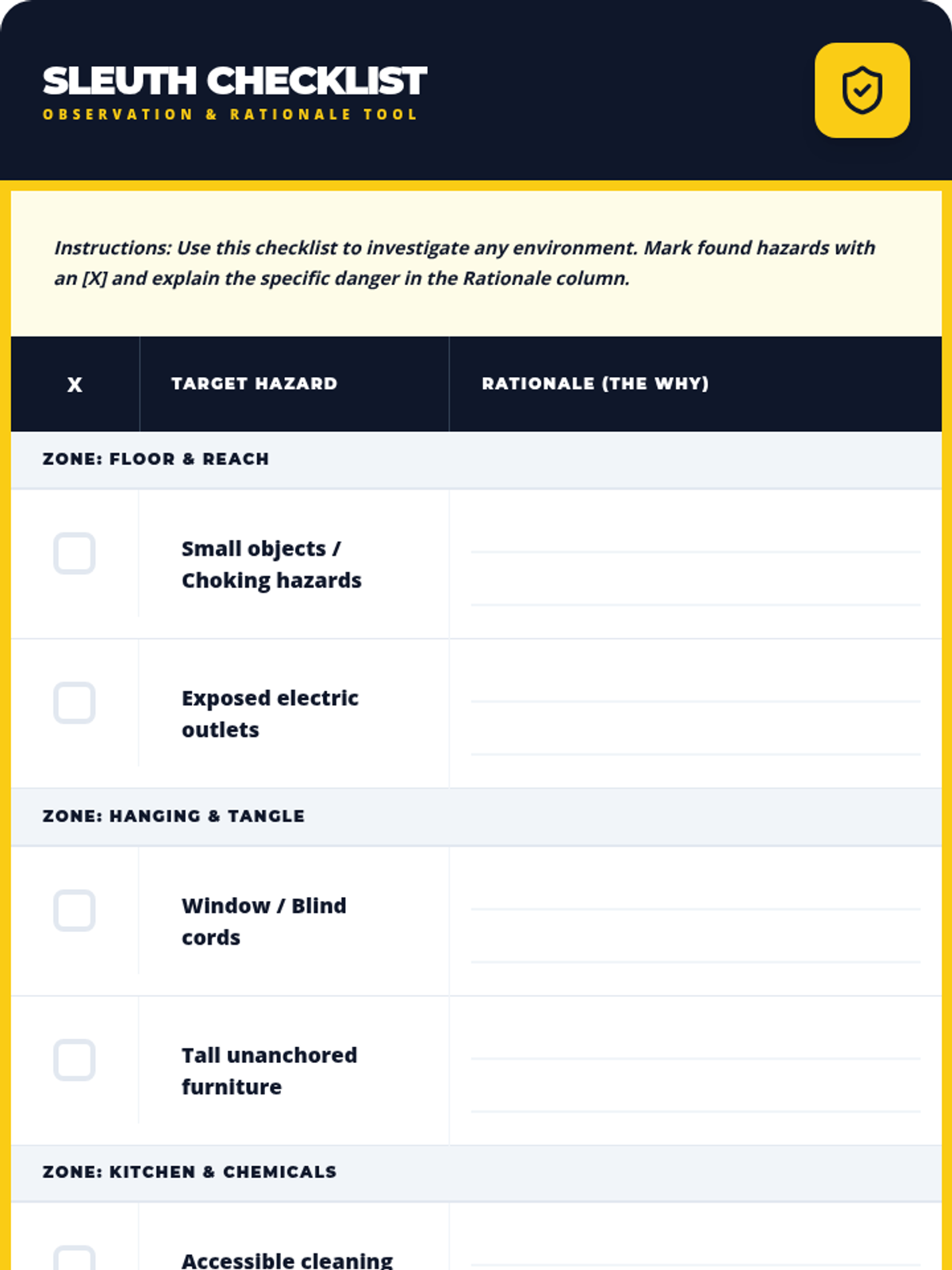
A hands-on lesson where students act as safety inspectors, identifying hazards in various childcare settings and developing prioritized remediation plans.
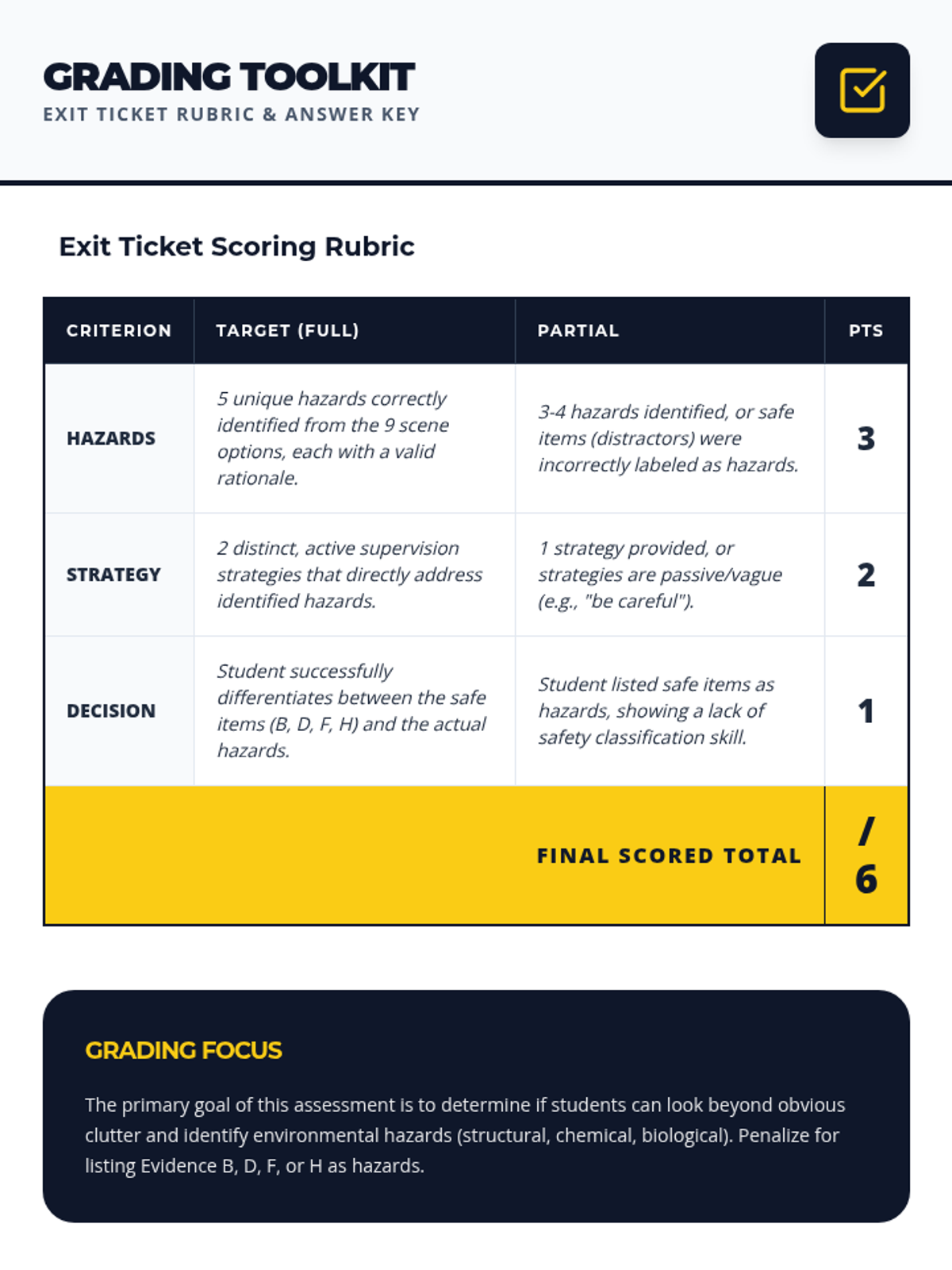
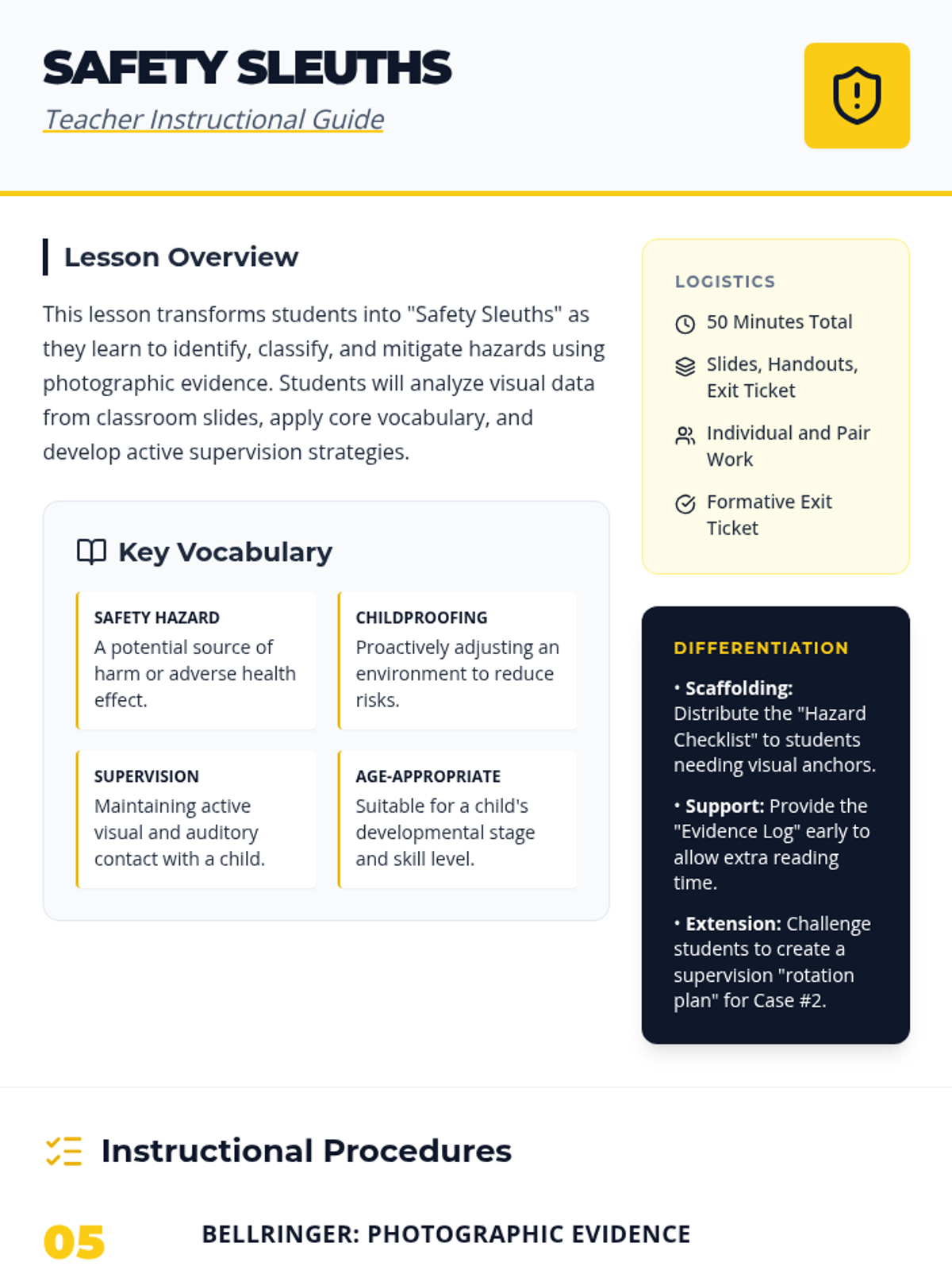
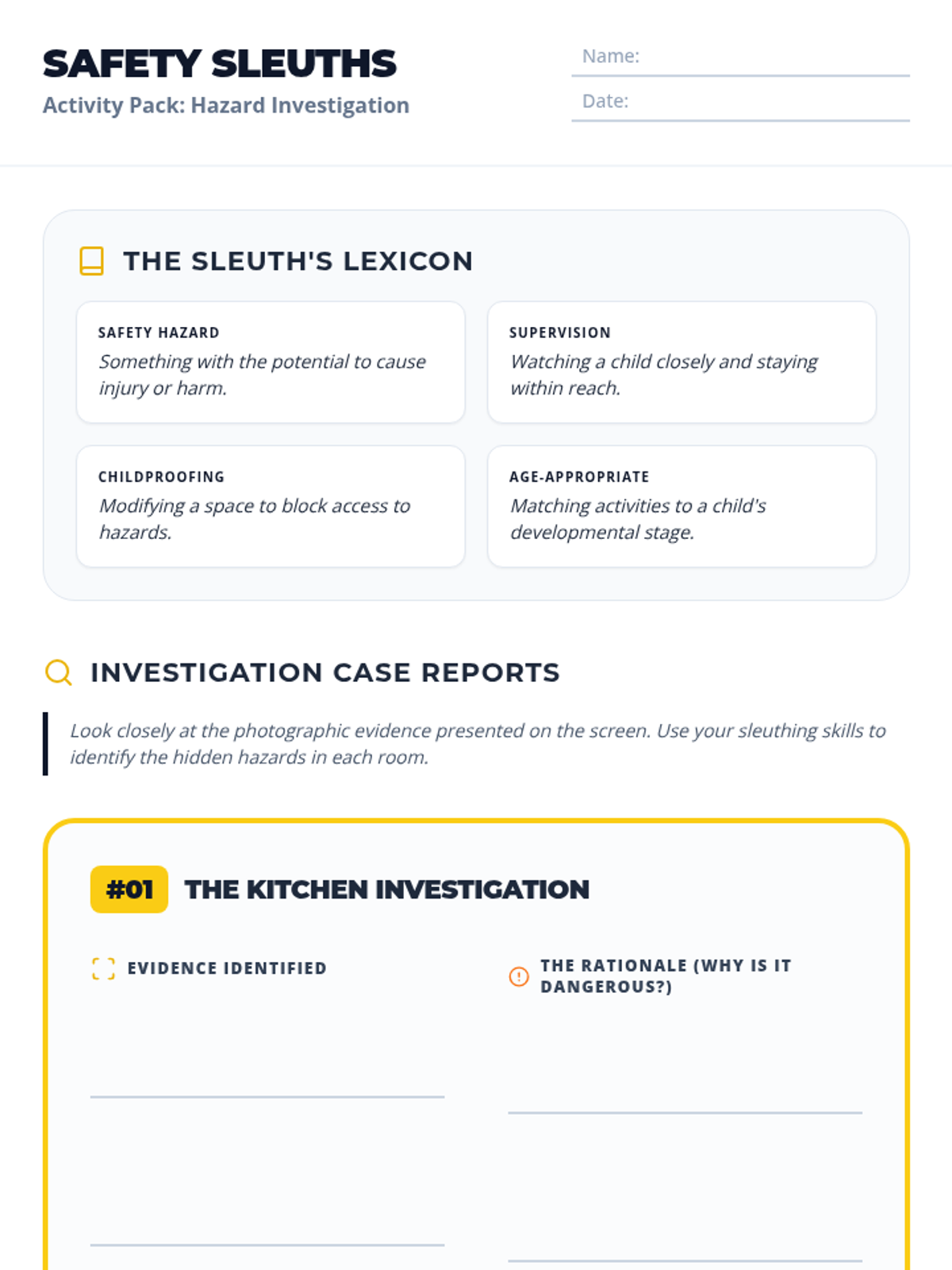
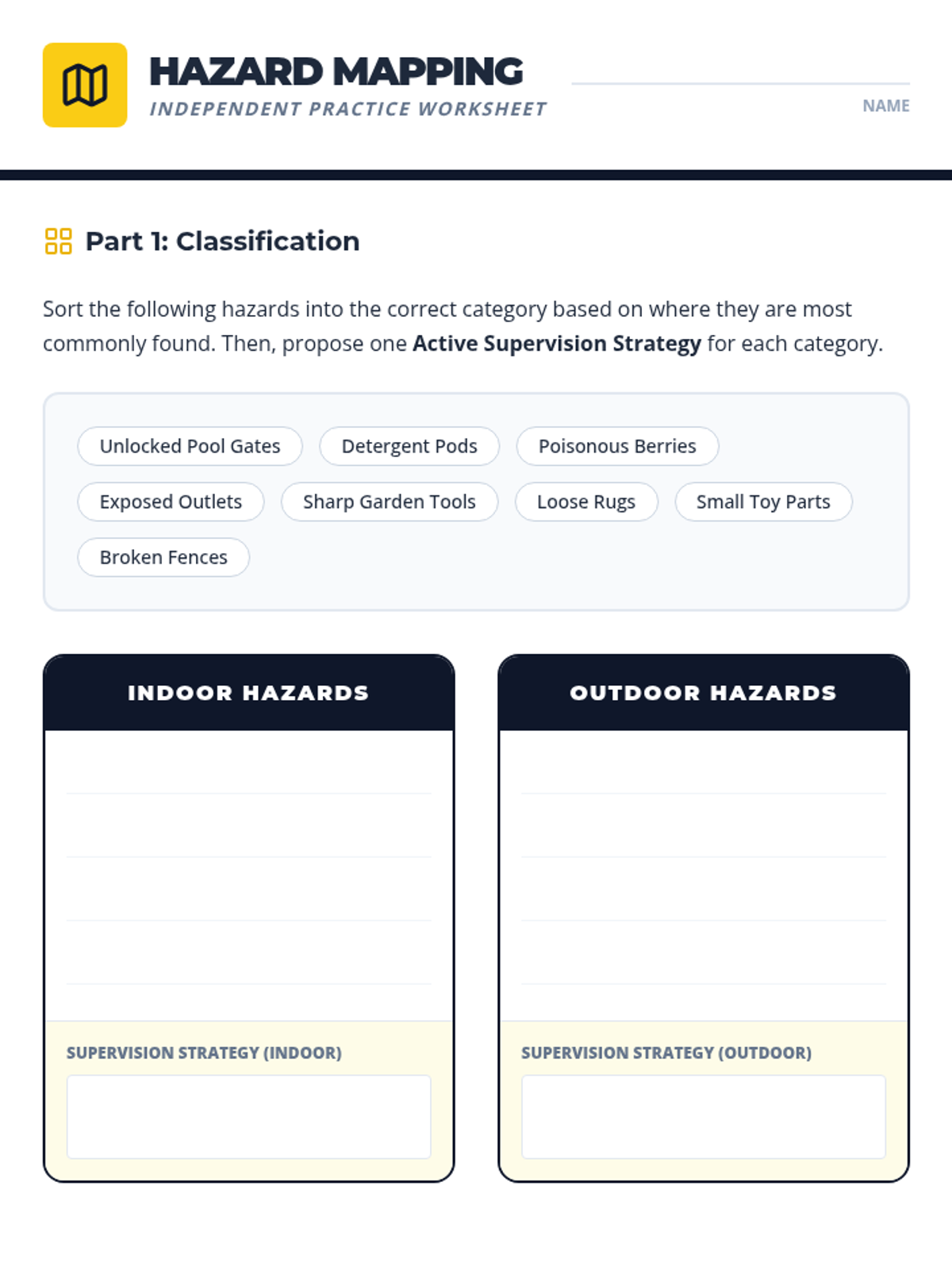
A comprehensive lesson on child safety hazards, teaching students how to identify risks, classify hazards, and implement supervision strategies to create safe environments for children.
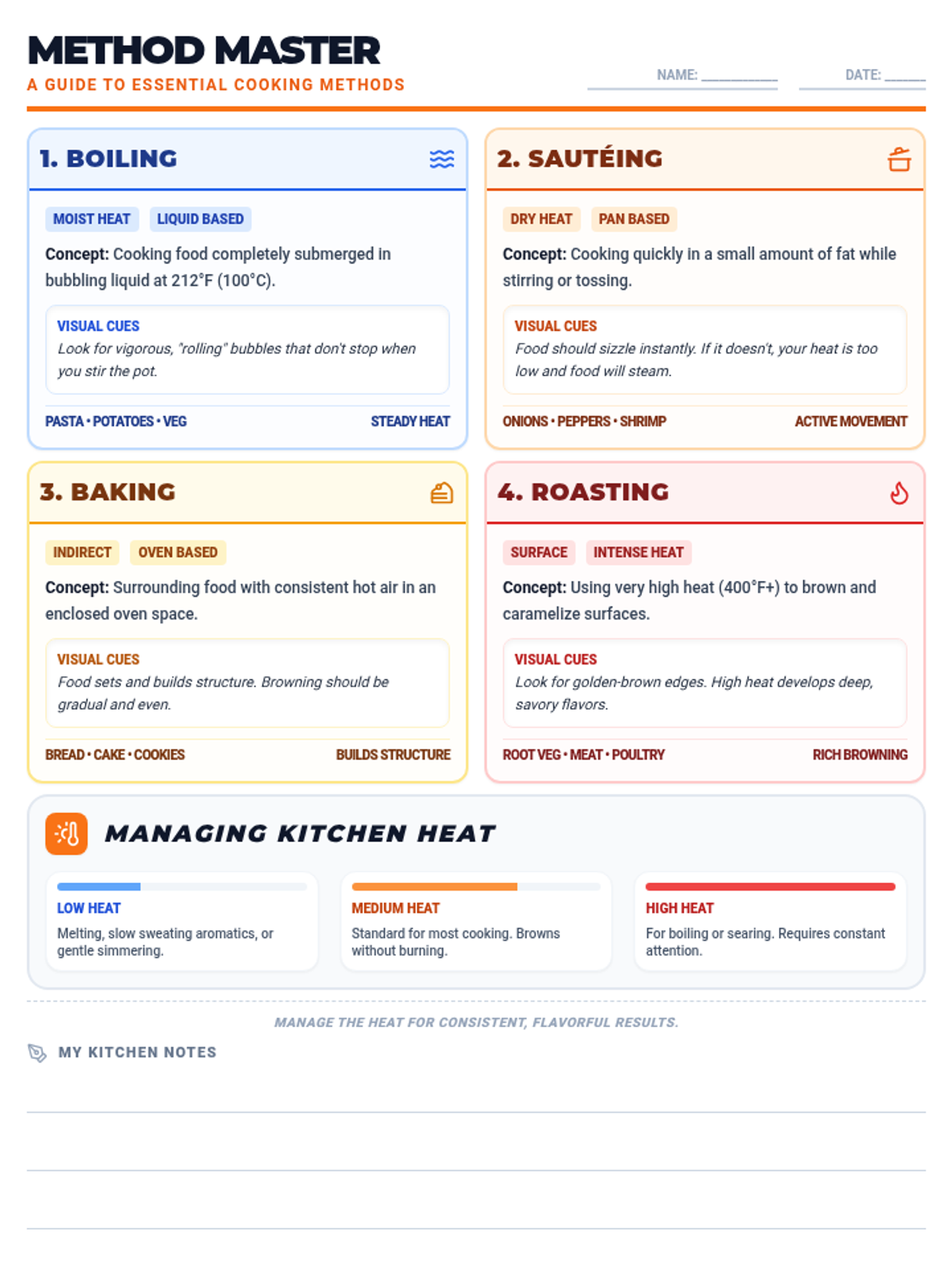
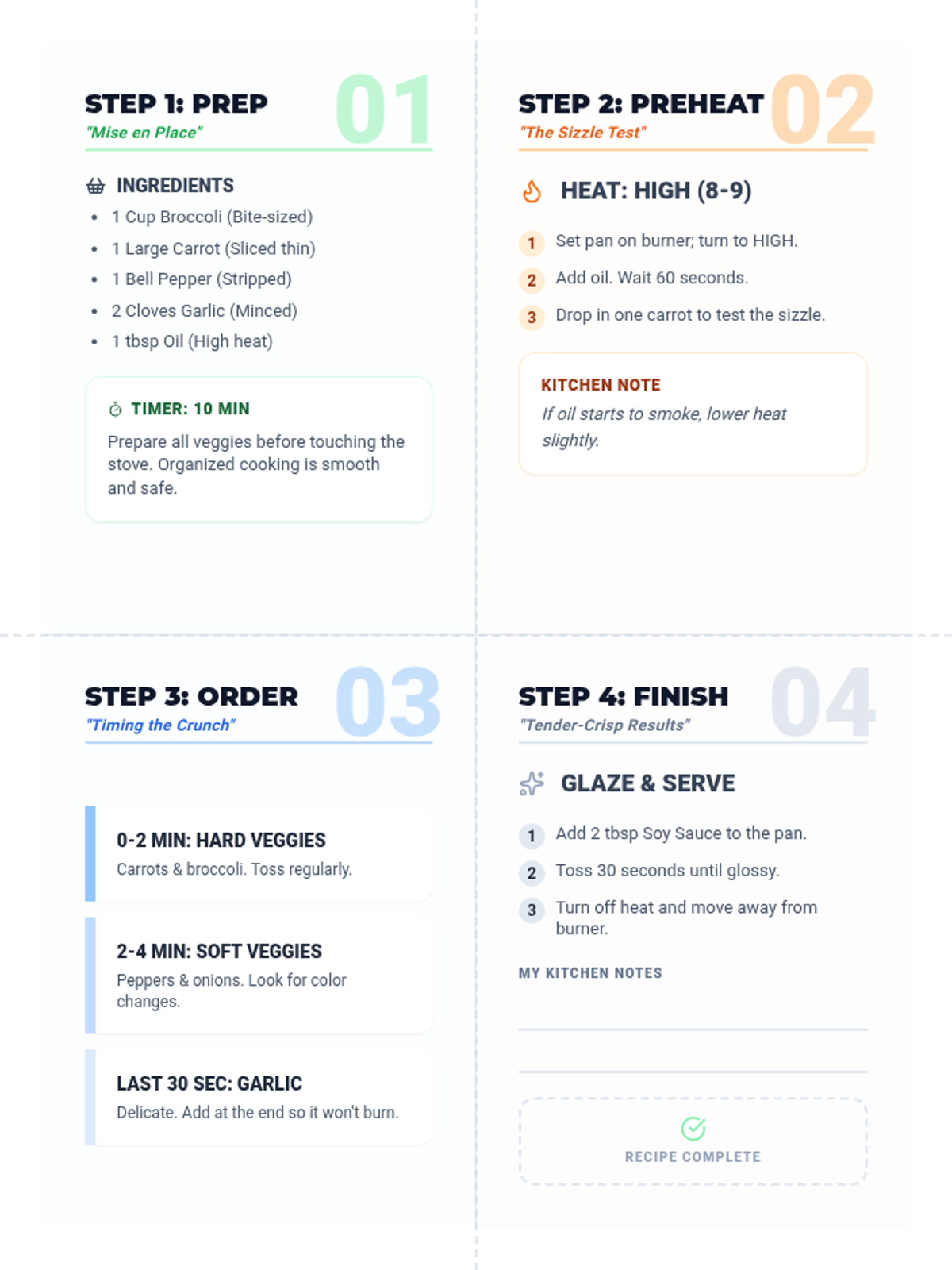
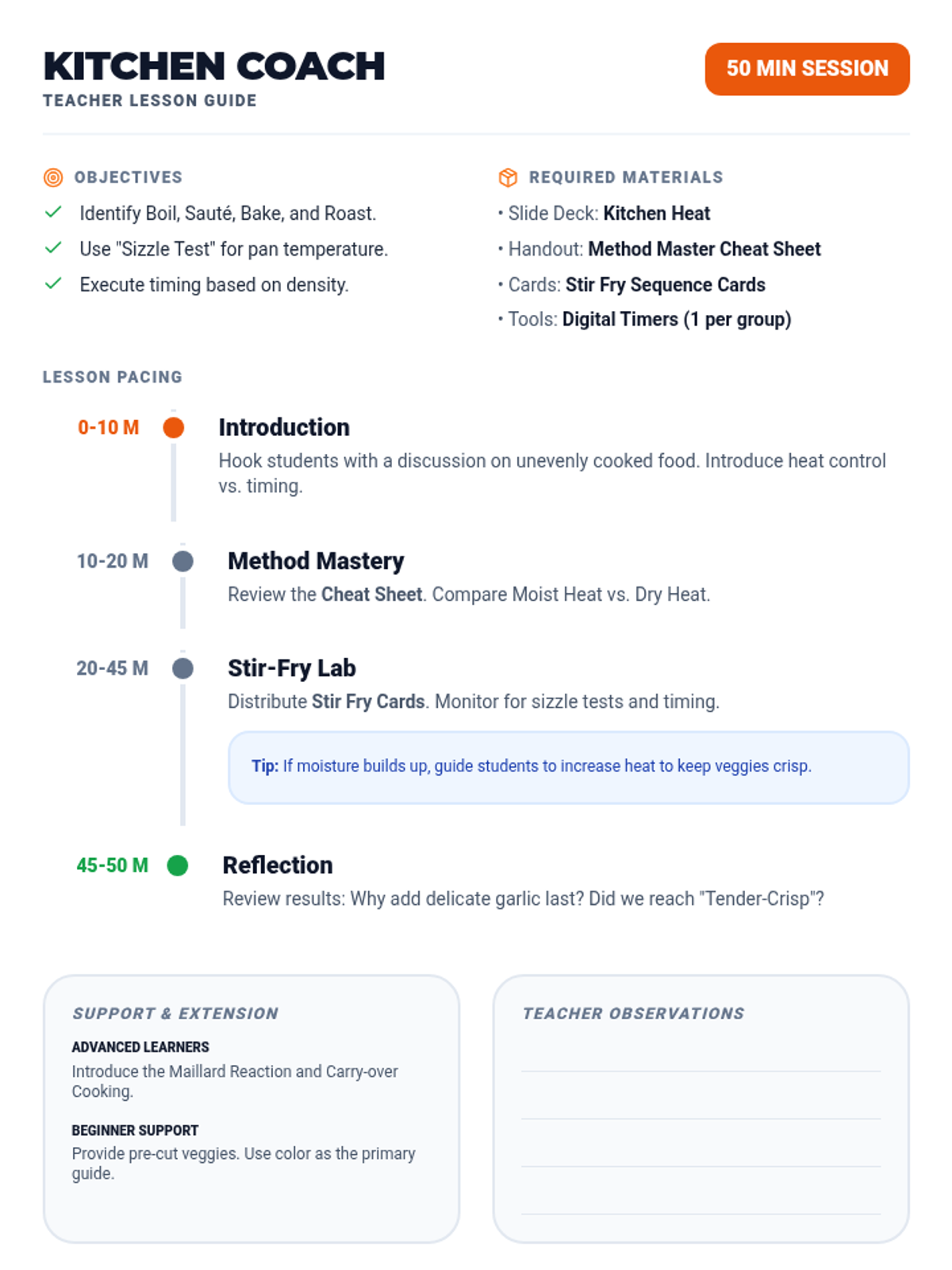
A 50-minute introduction to fundamental cooking techniques, focusing on heat management and timing through the lens of a vegetable stir-fry.
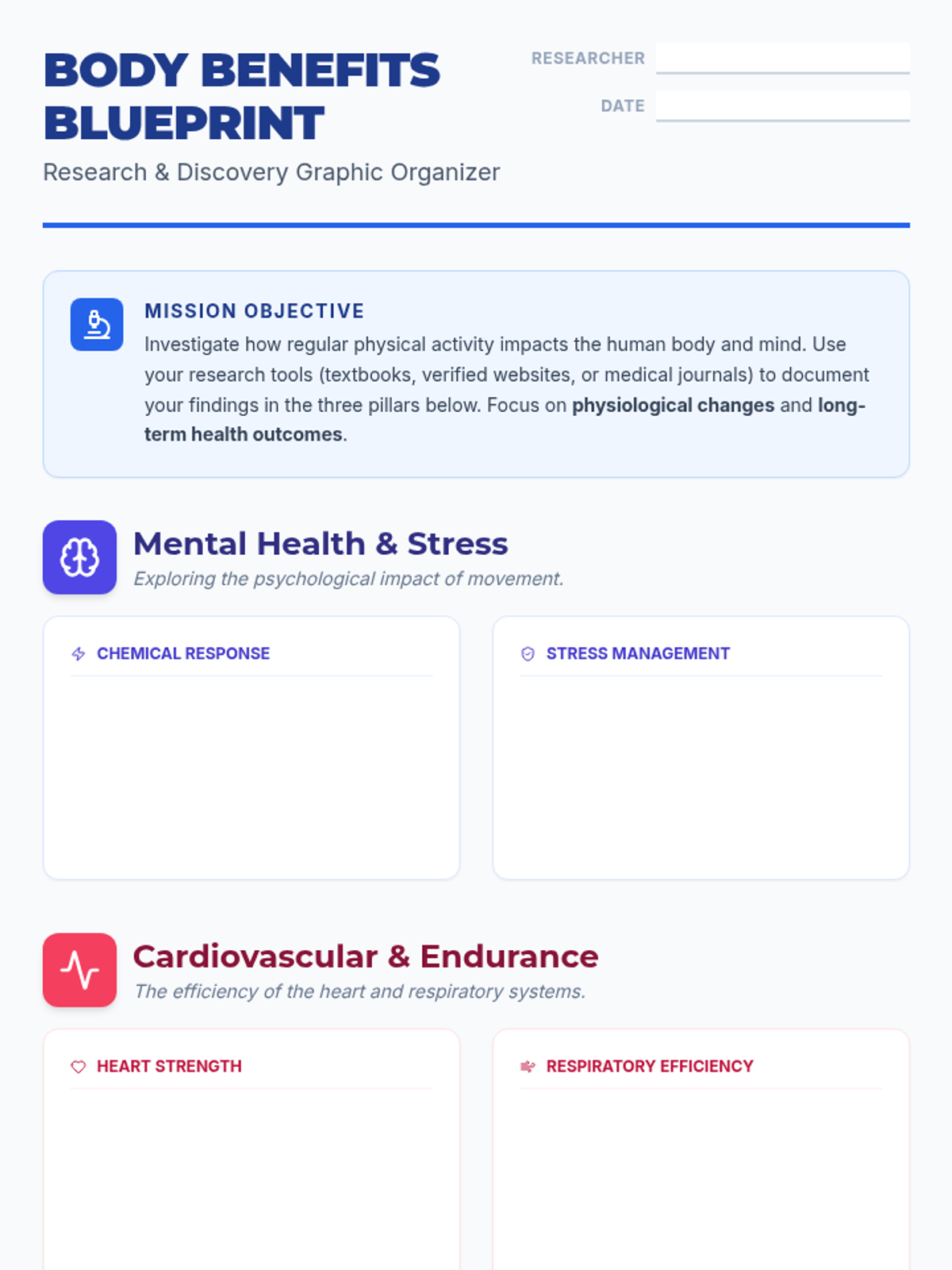
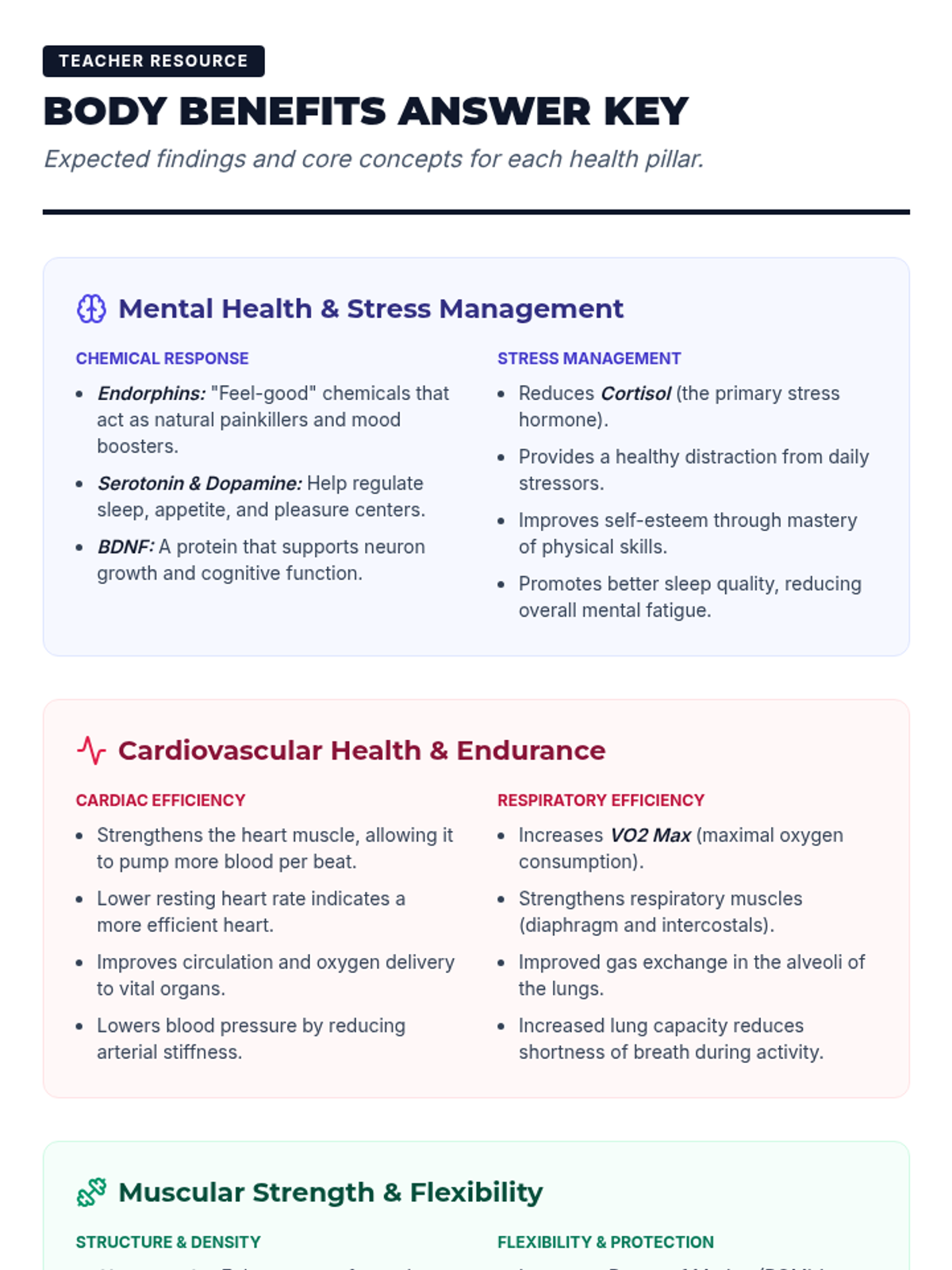
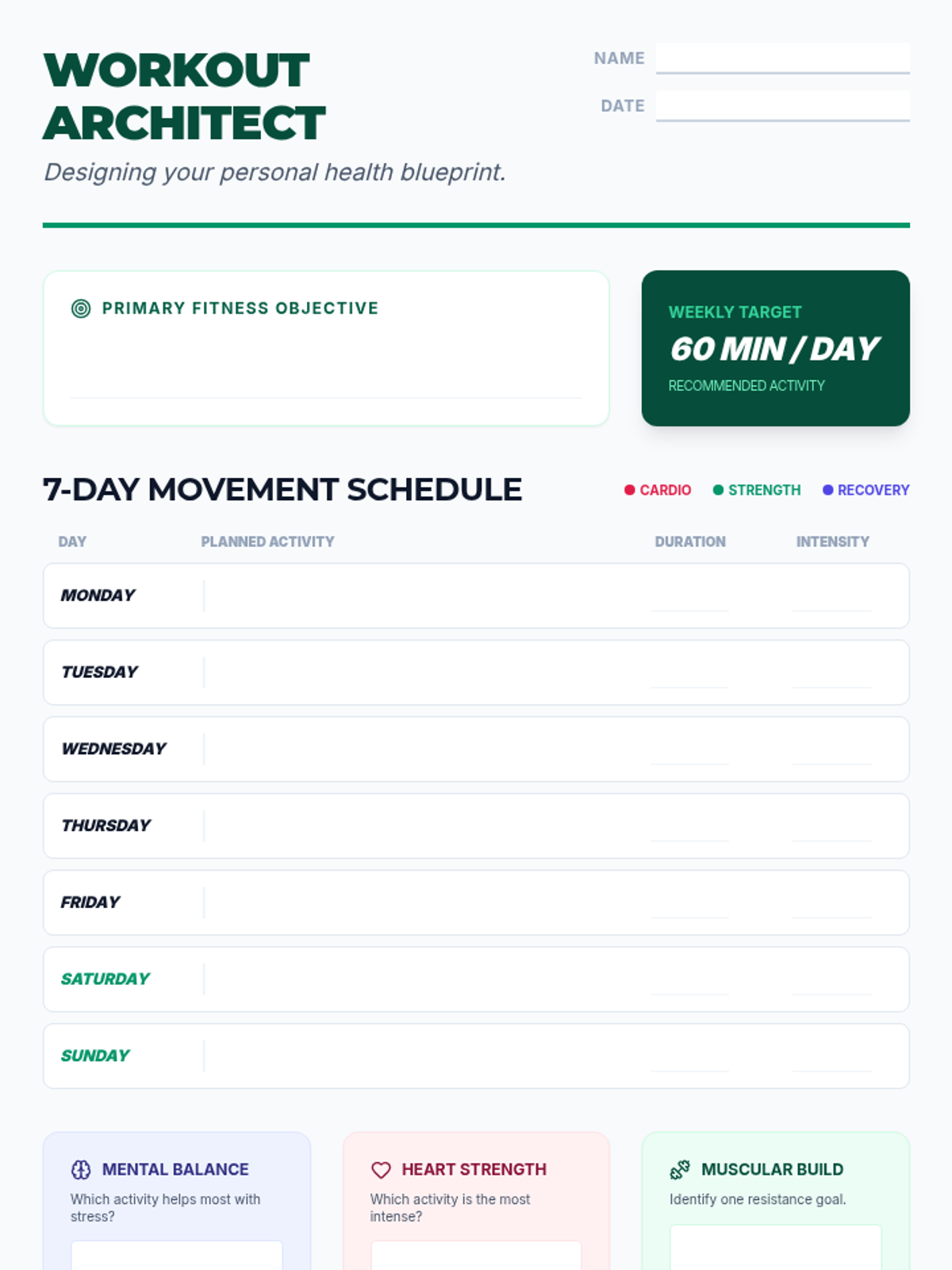
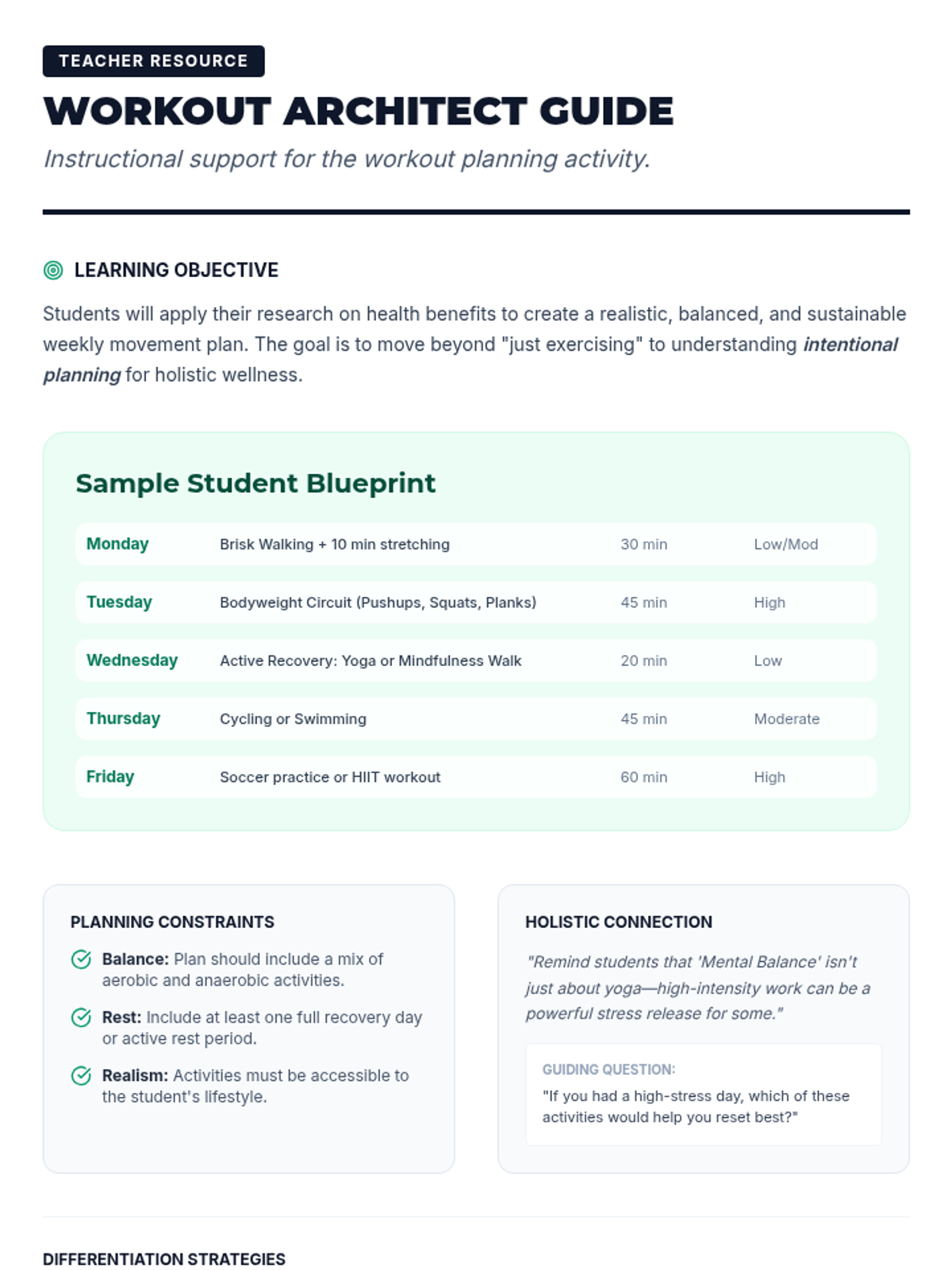
Students research and categorize the various physiological and psychological benefits of regular physical activity, focusing on three key pillars: mental health, cardiovascular health, and muscular fitness.
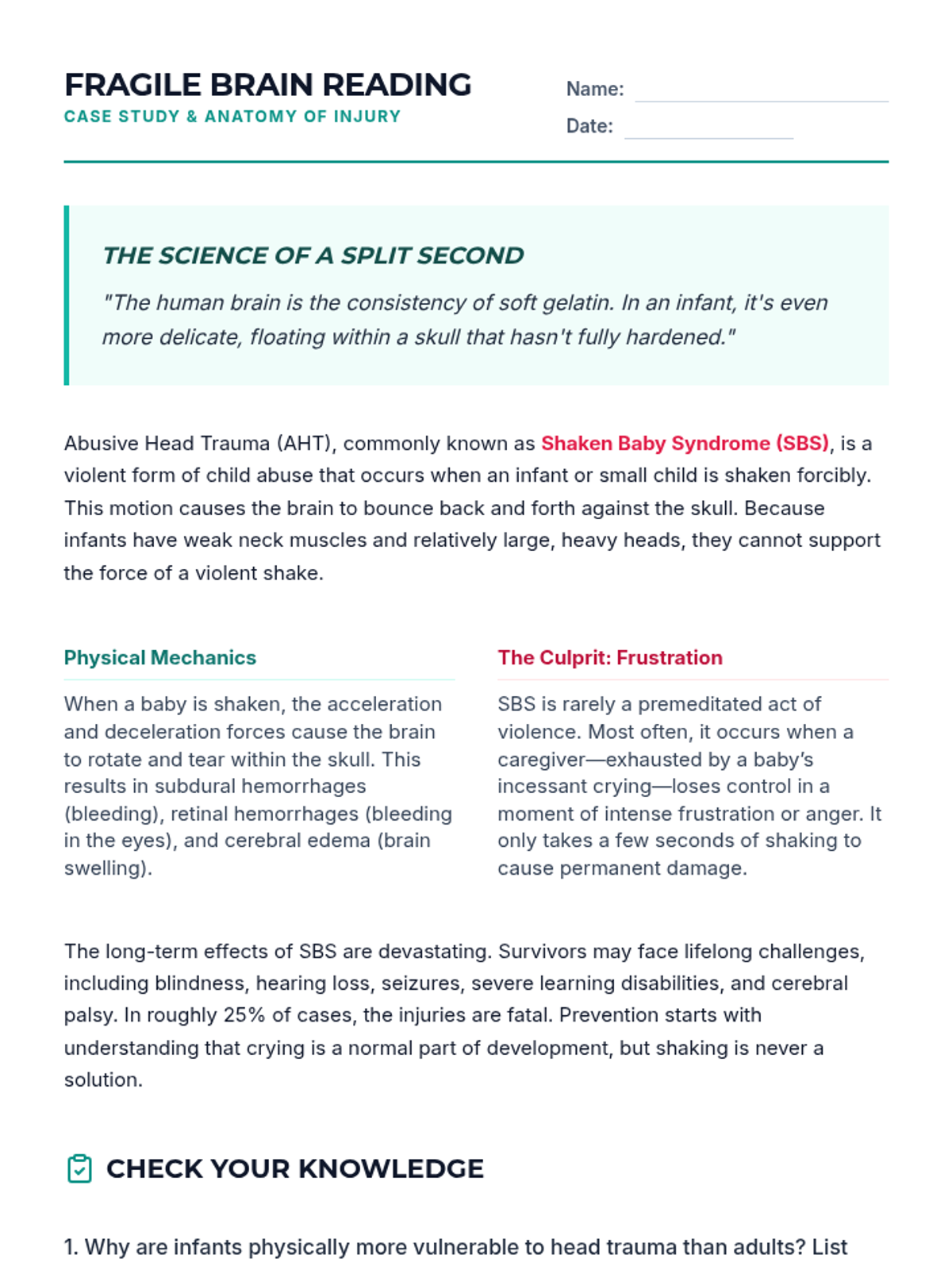
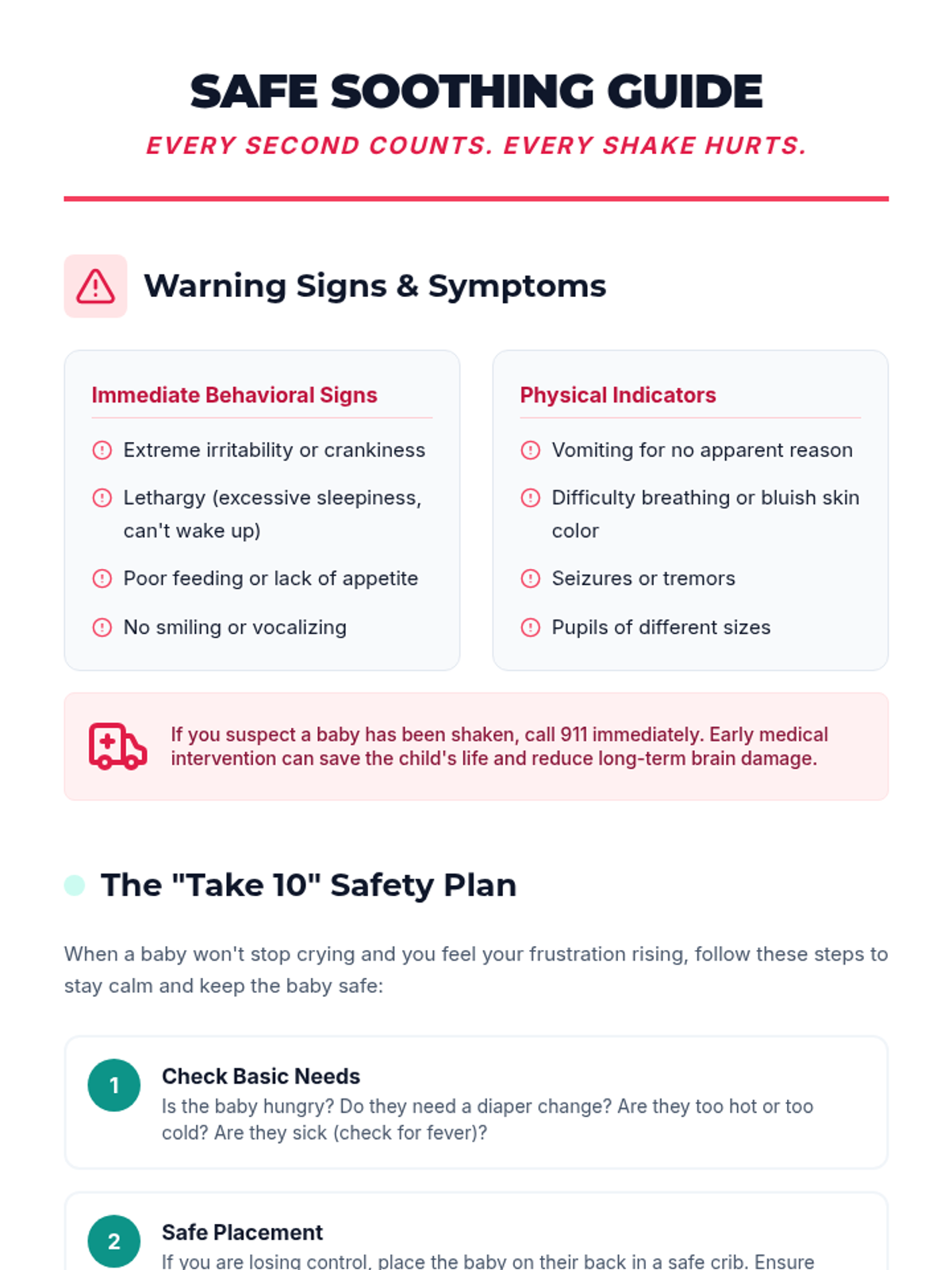
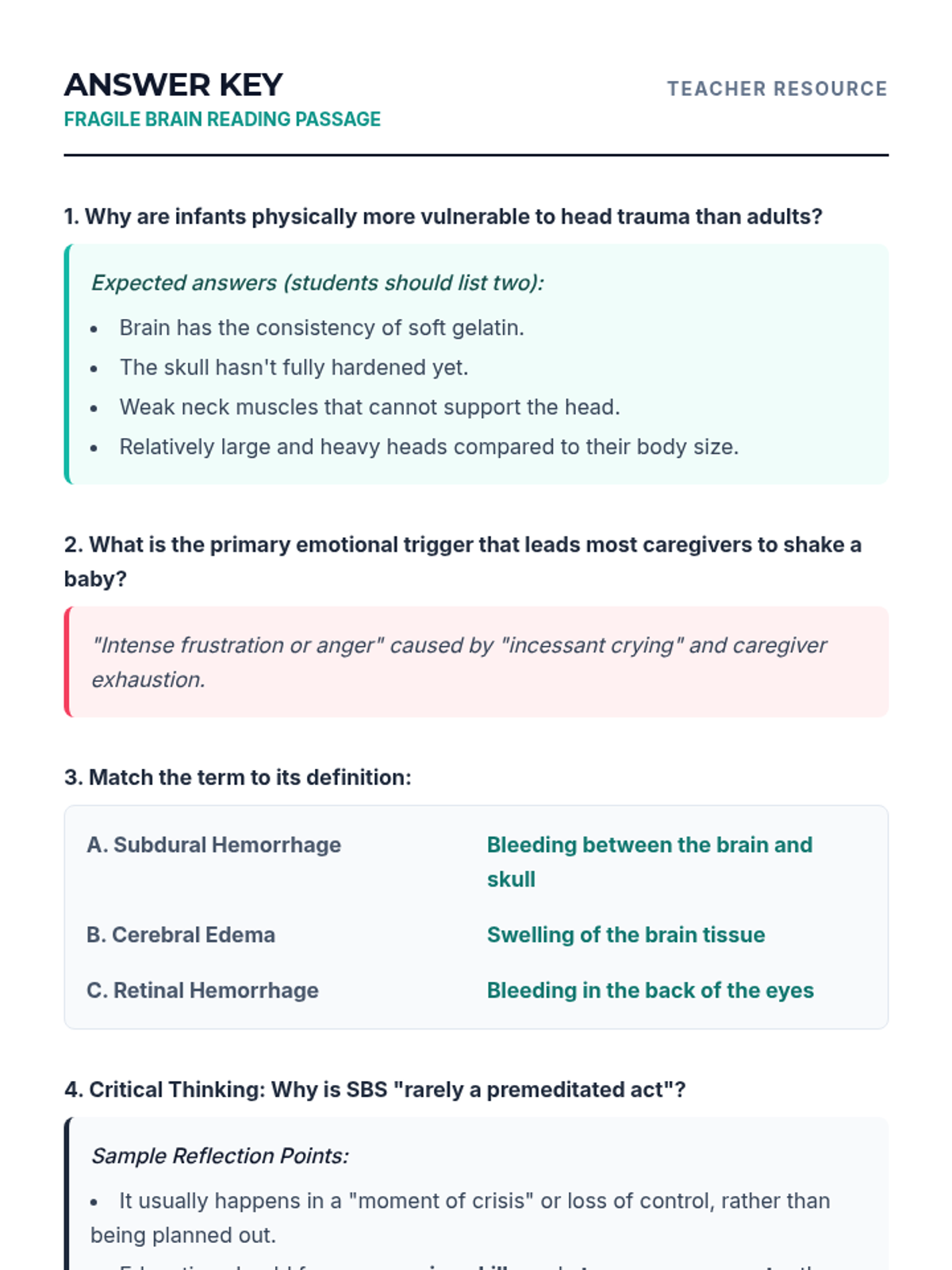
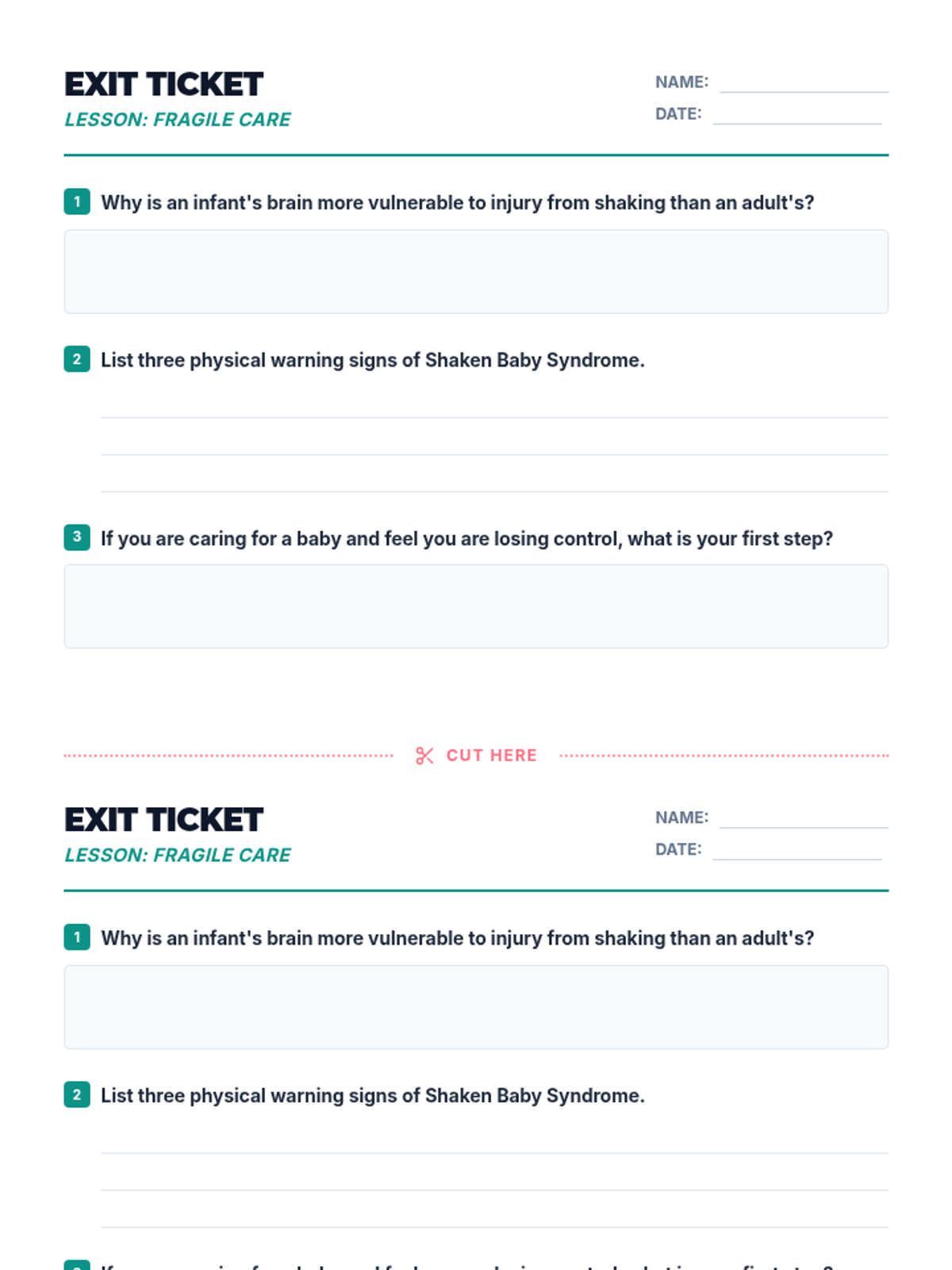
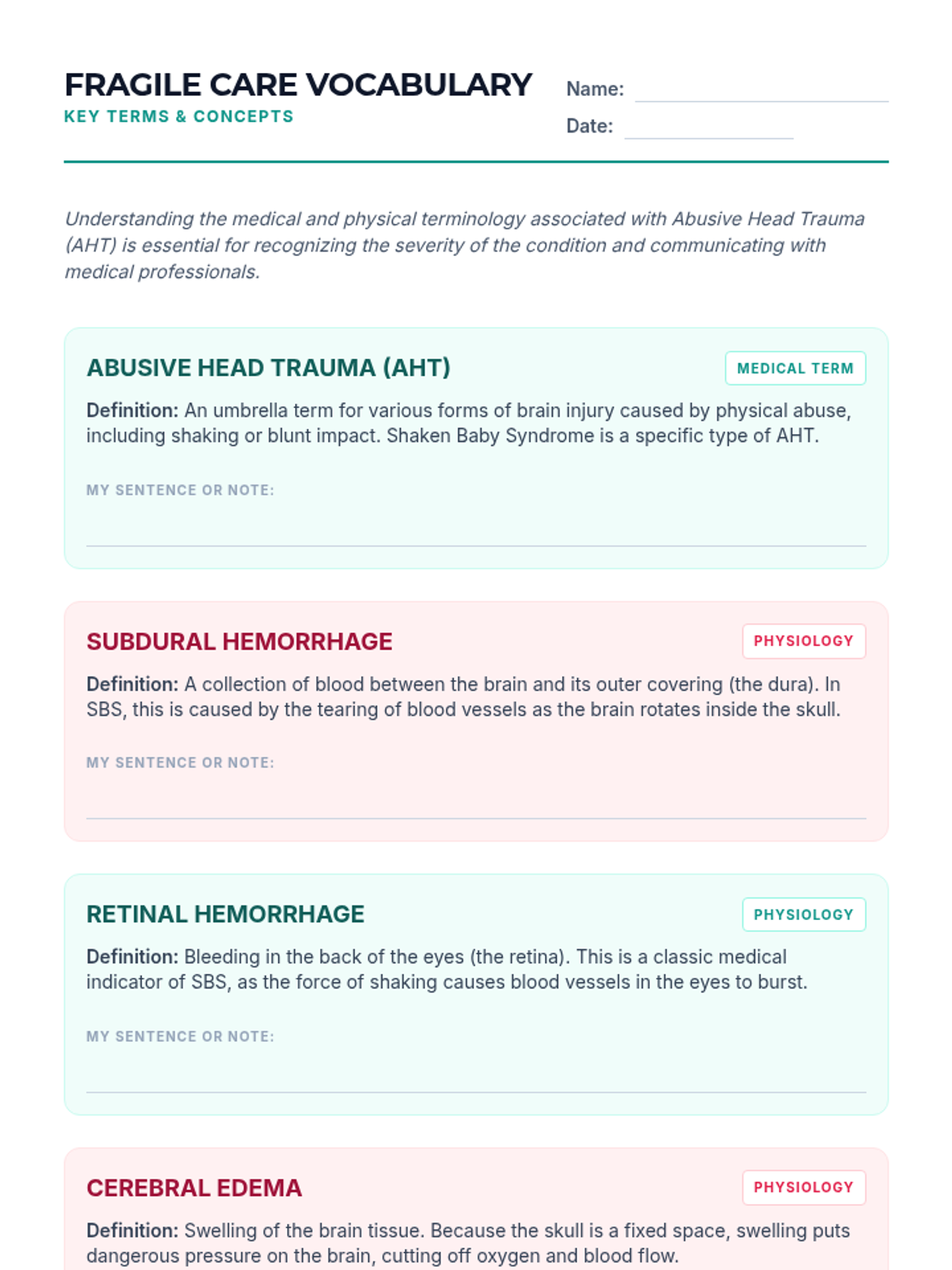
A mini-lesson designed for high school health or child development classes, covering the biological causes, physical warning signs, and prevention strategies for Shaken Baby Syndrome (SBS). Students will explore the physics of infant brain injury and learn practical coping mechanisms for caregiver stress.
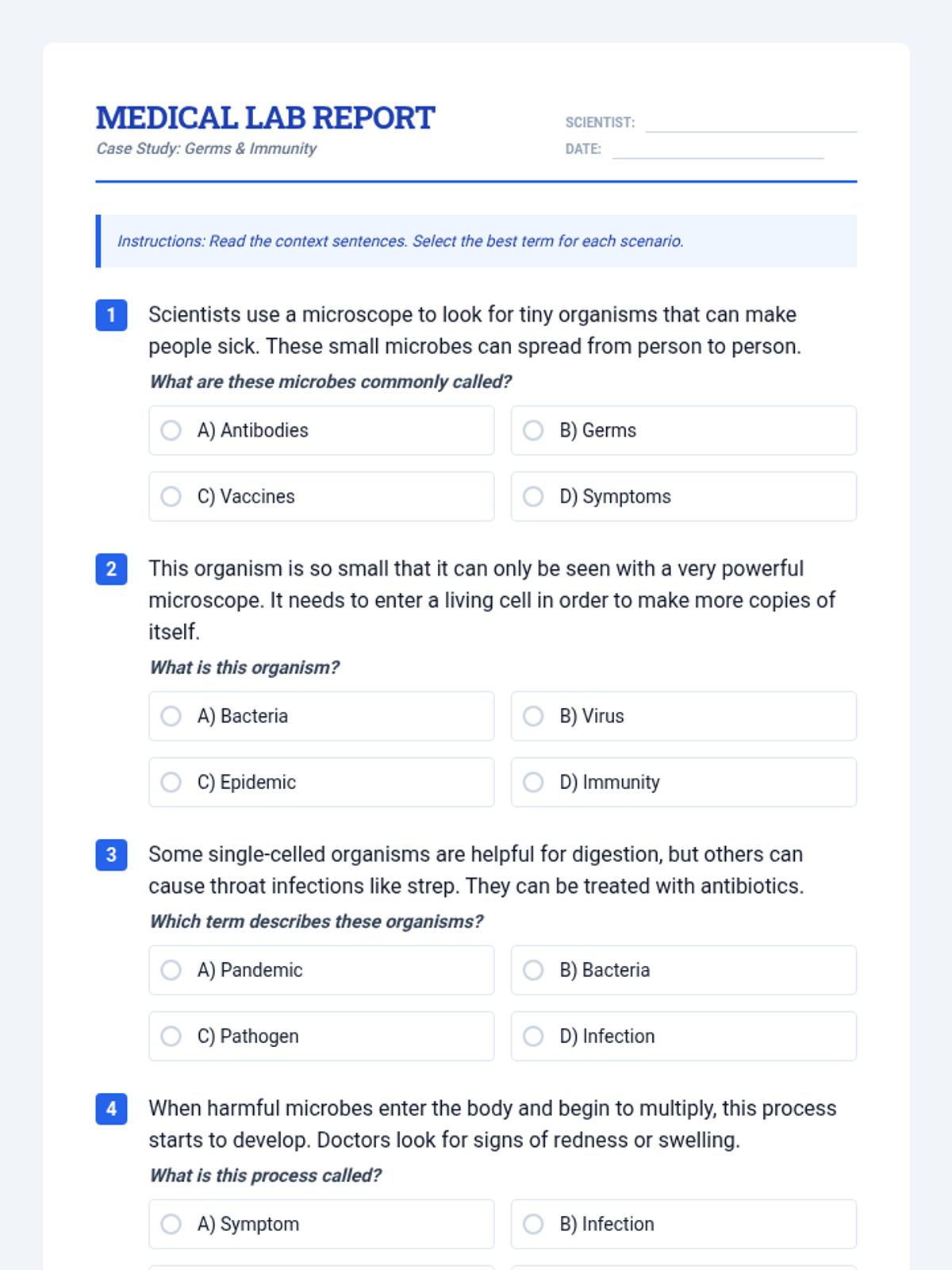
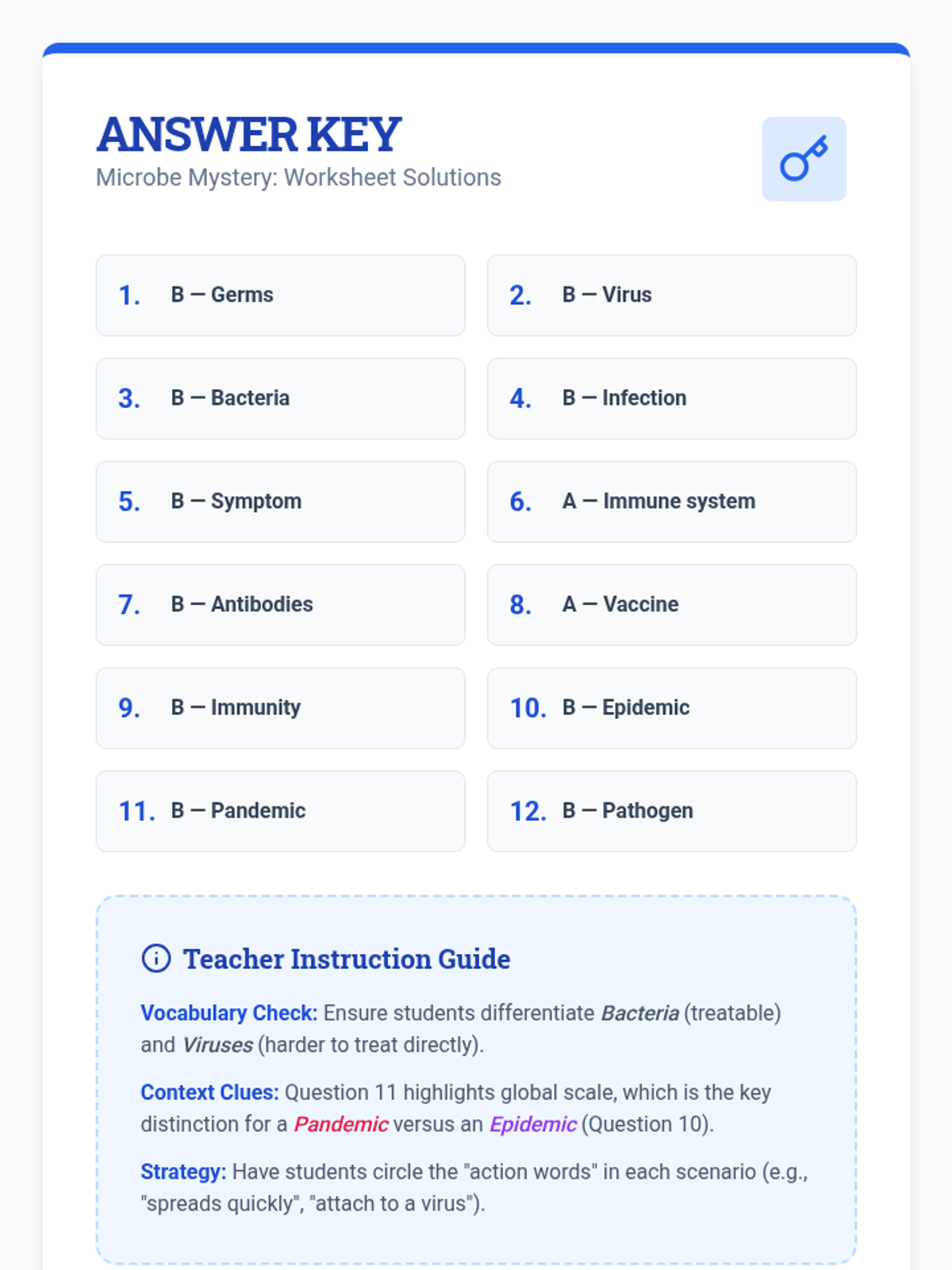
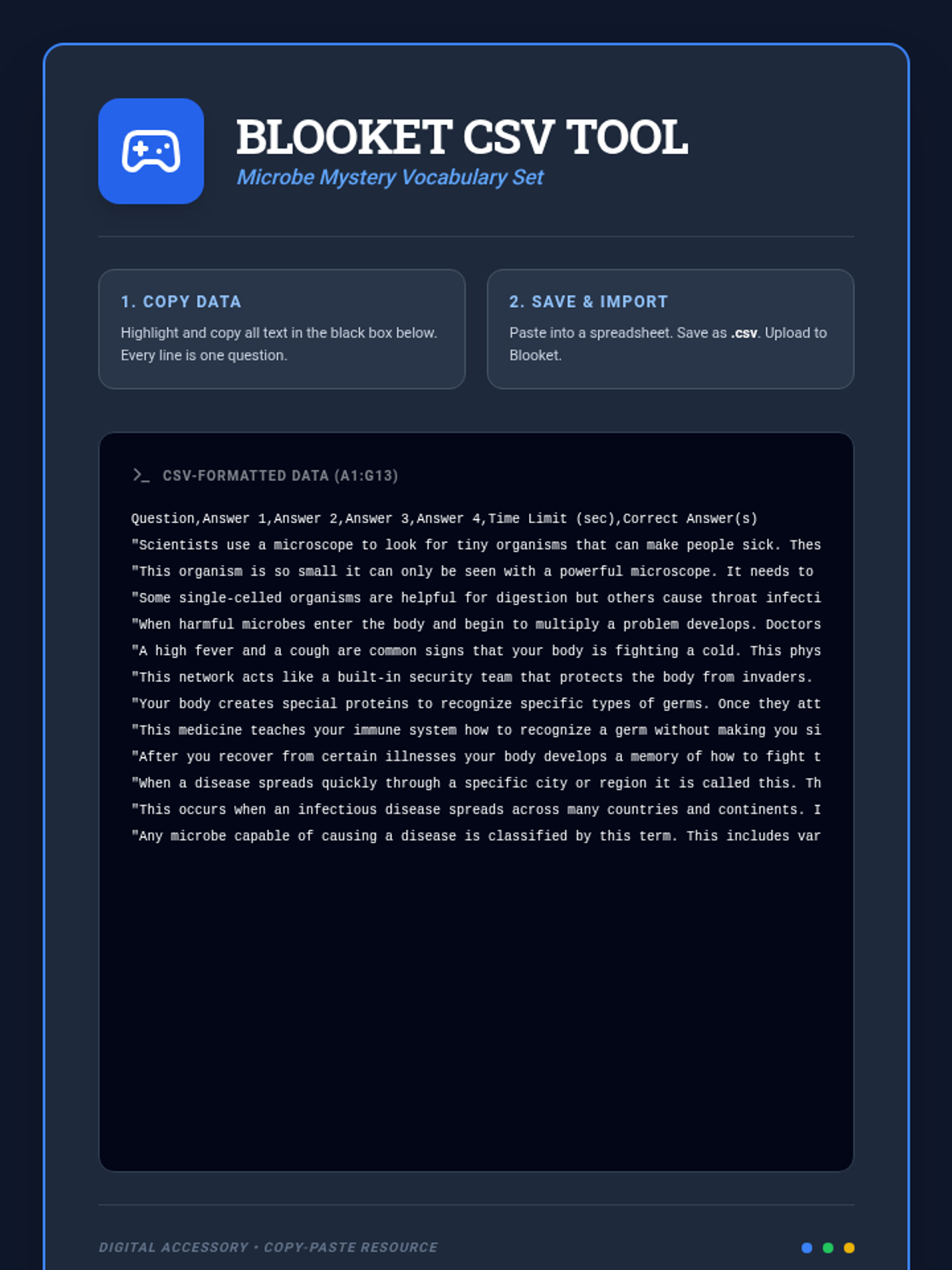
A comprehensive lesson on medical vocabulary related to germs and the immune system, designed for WIDA level 4 students. Includes visual aids and comprehension-based assessments.
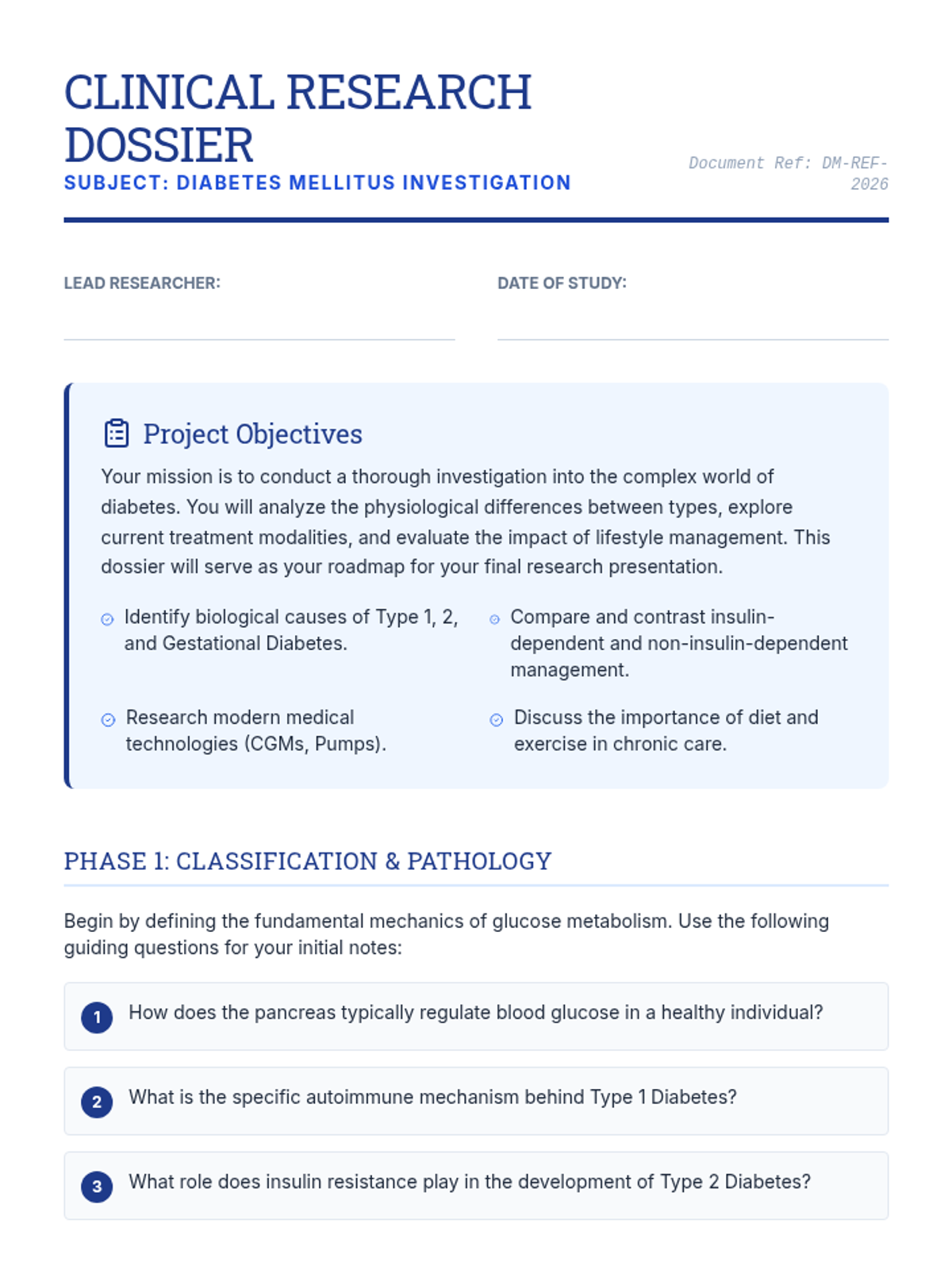
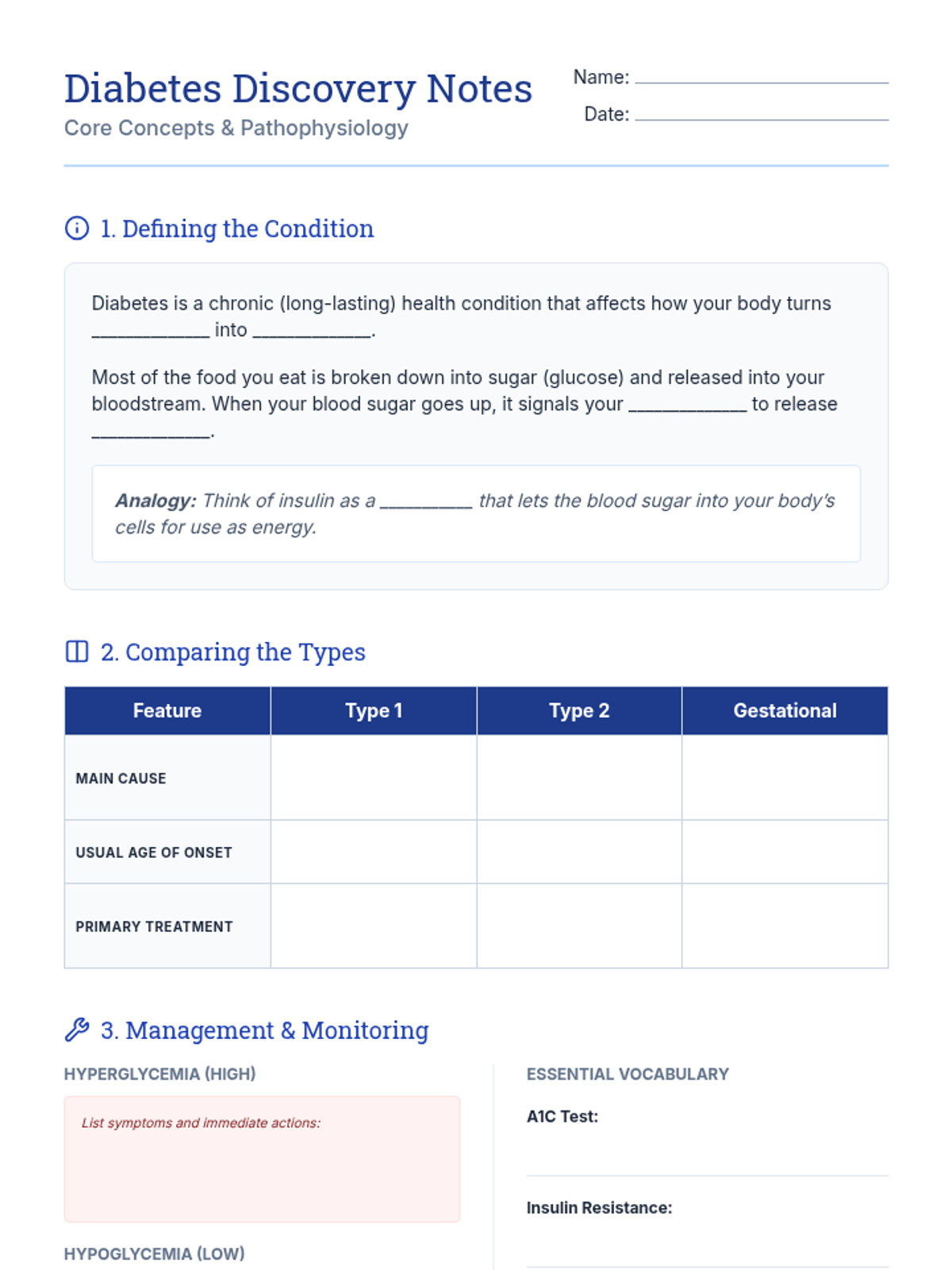
A comprehensive research unit where students investigate the biological mechanisms, classifications, and modern management strategies for diabetes.
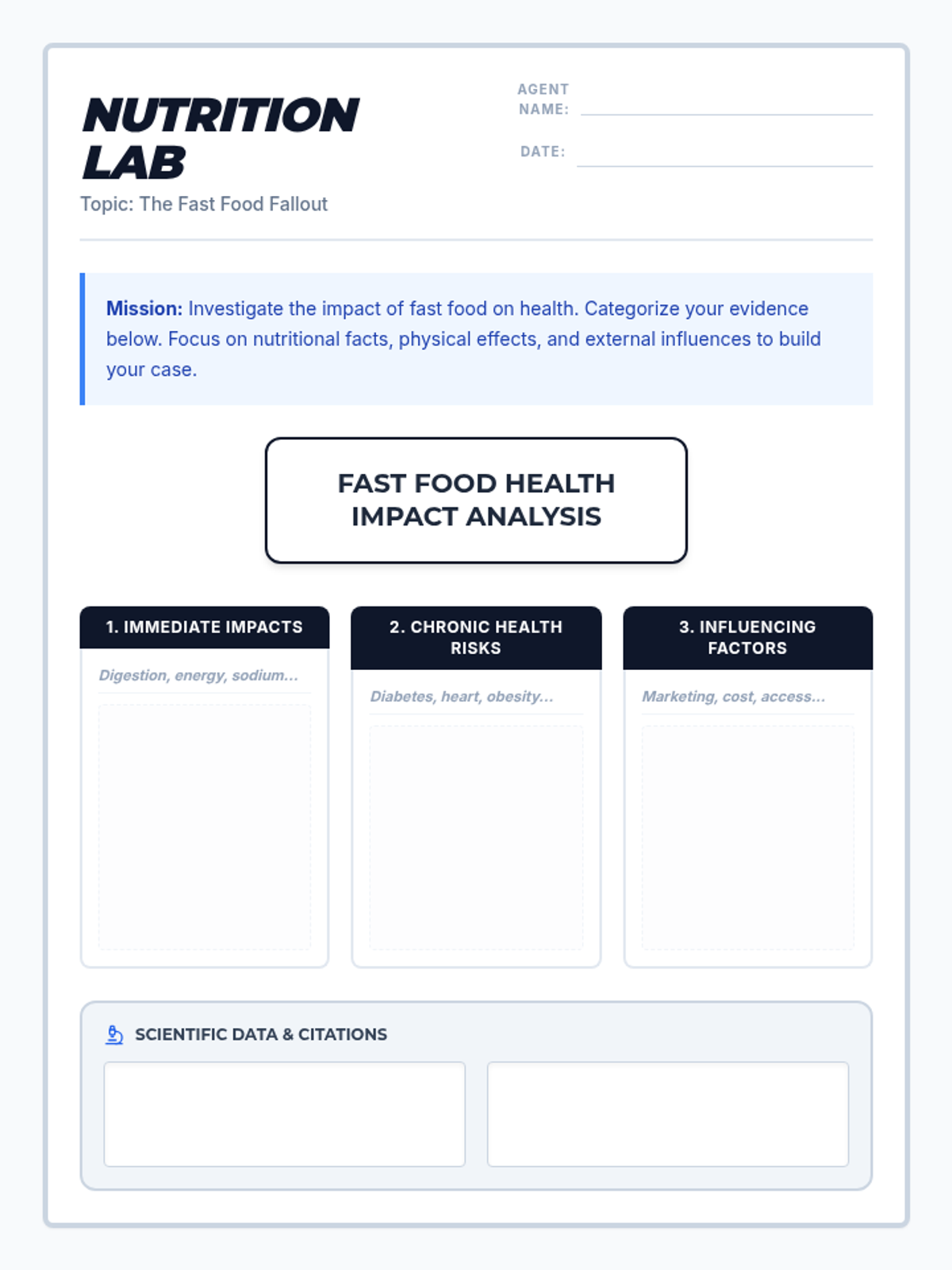
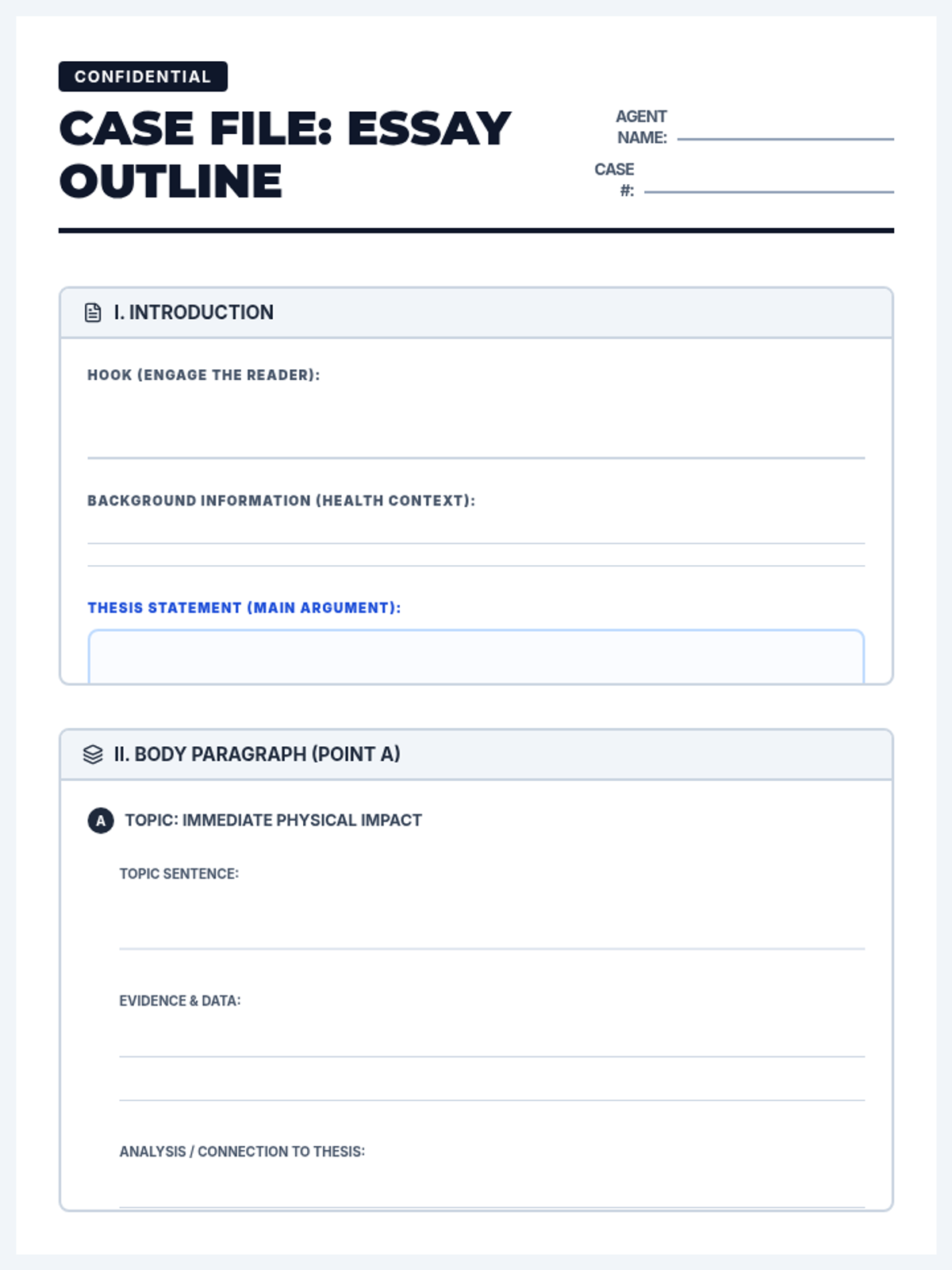
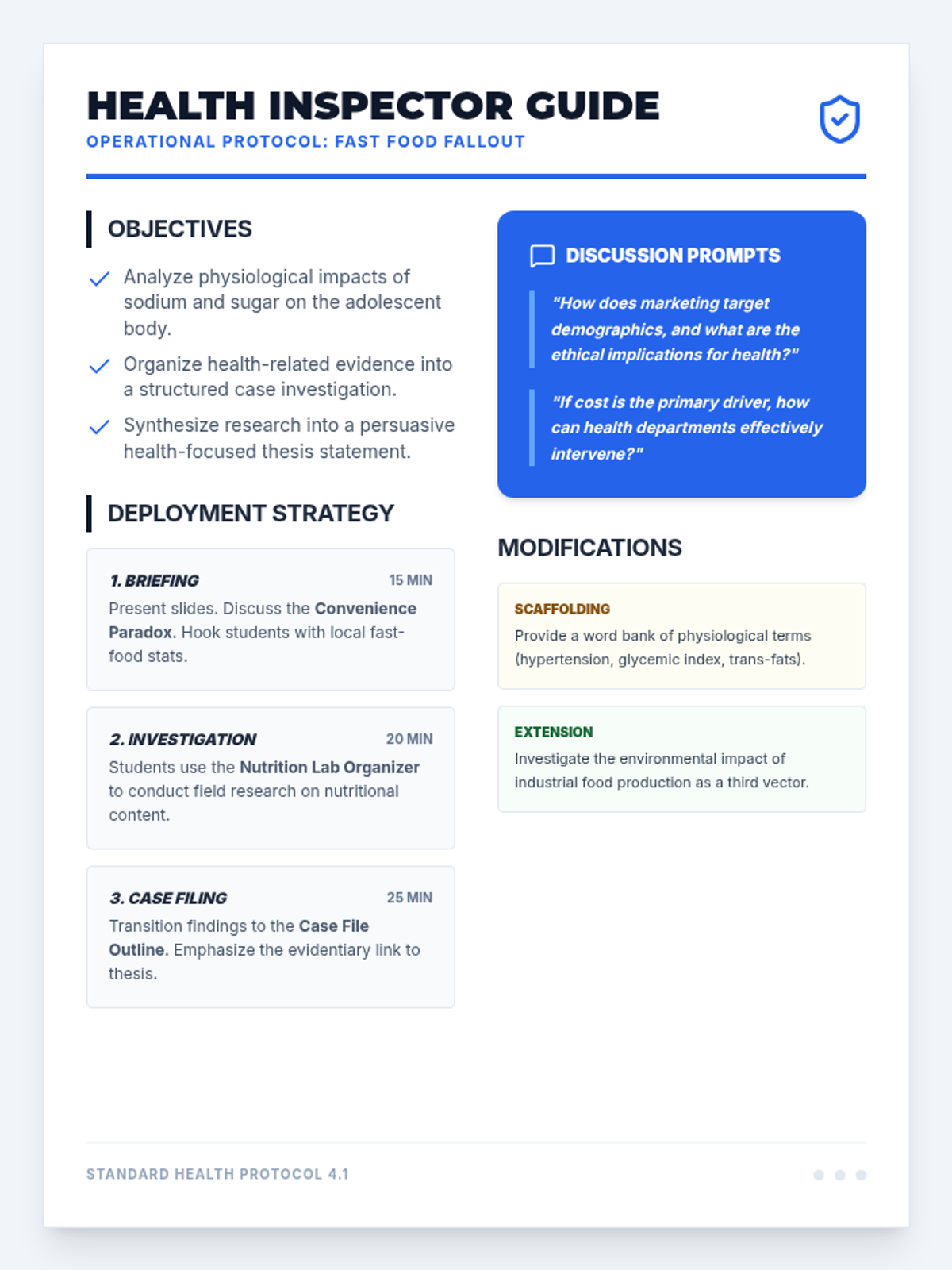
A comprehensive guide to planning a health-focused essay on the impact of fast food, including brainstorming tools and structural outlines.