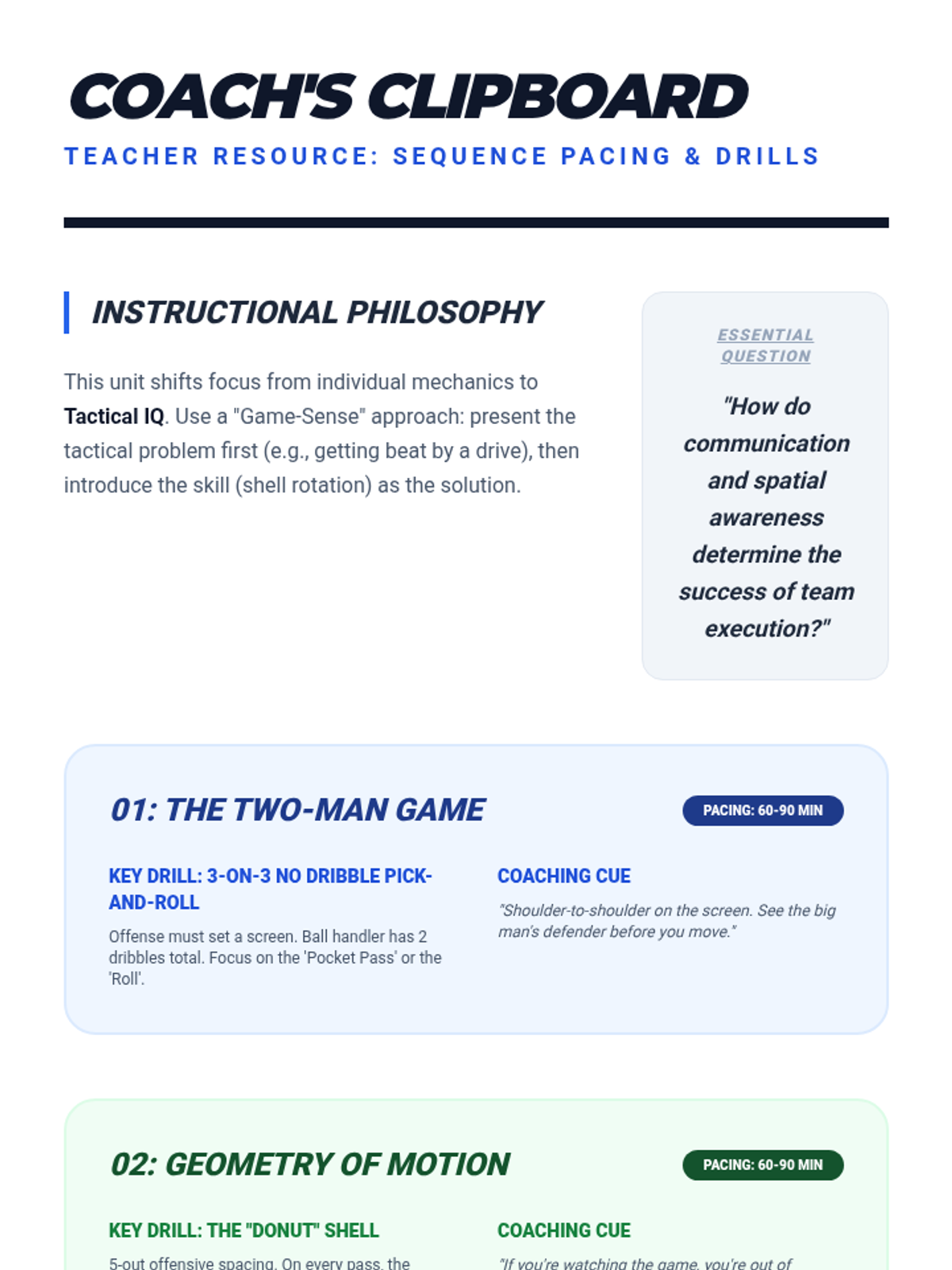
Fundamental techniques for soccer, volleyball, football, and basketball alongside strategic gameplay and communication skills. Emphasizes sportsmanship and collaborative tactics within a competitive team environment.
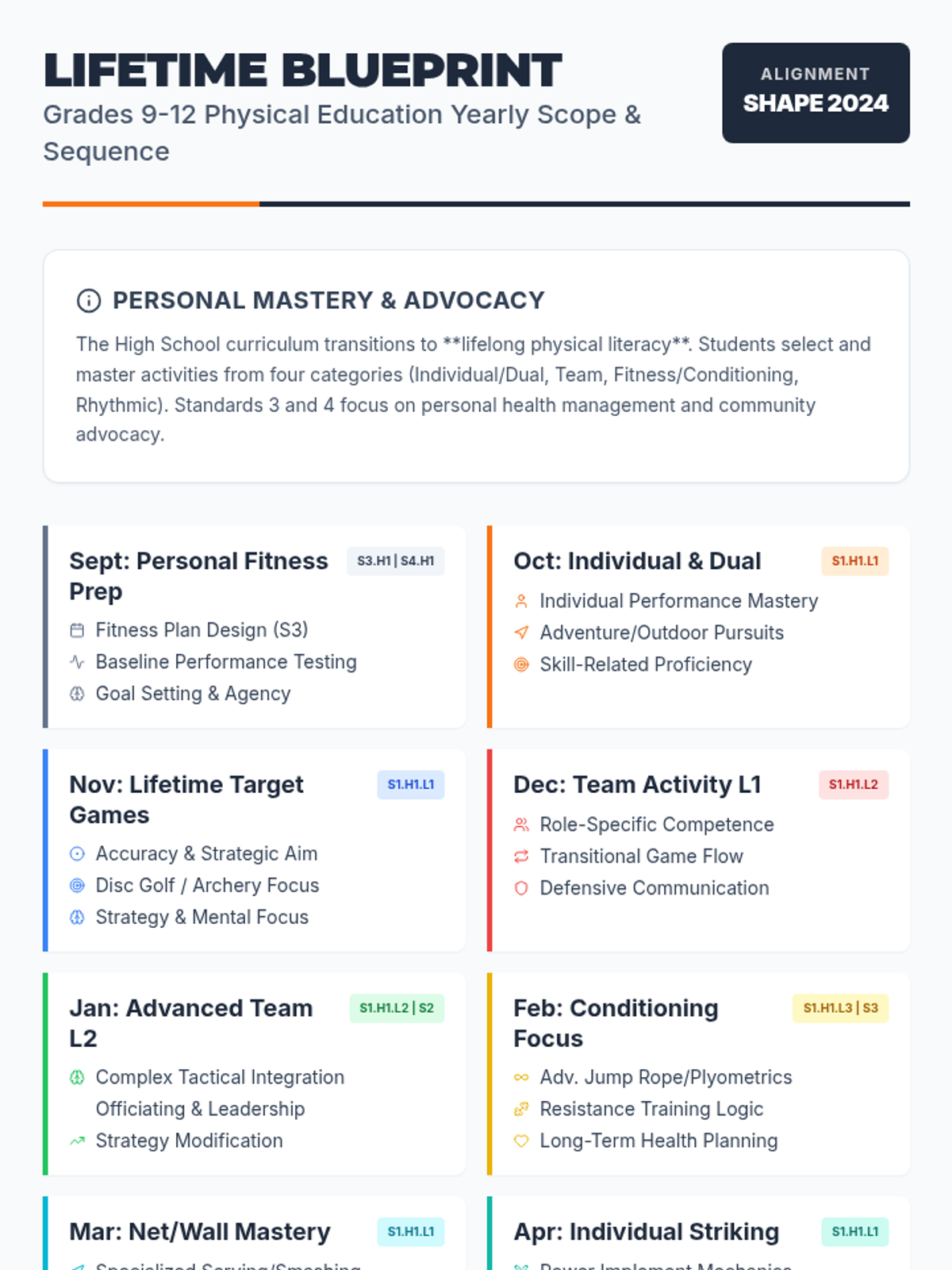
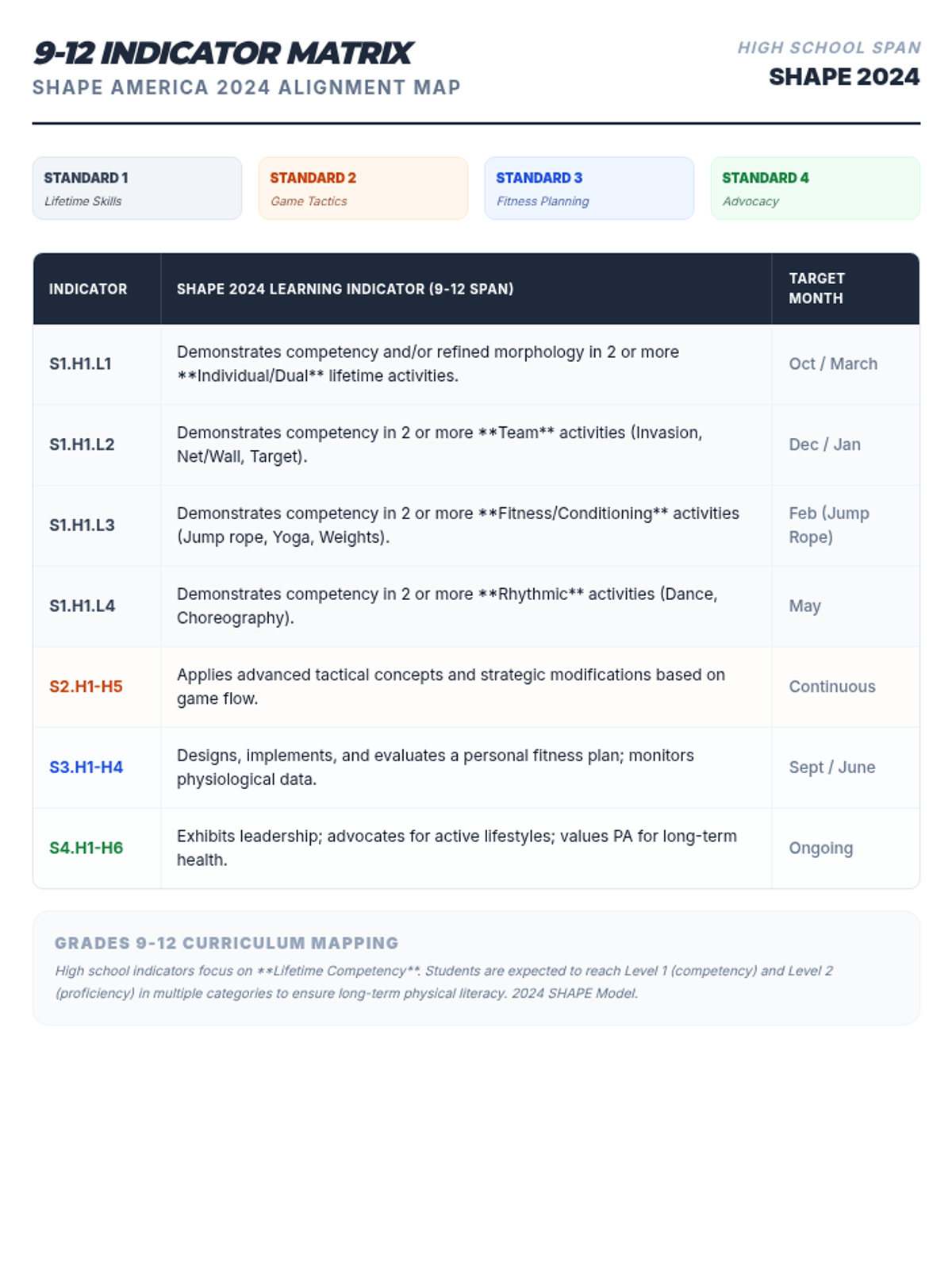
Designing and implementing personal fitness plans and mastering lifetime activities for Grades 9-12.
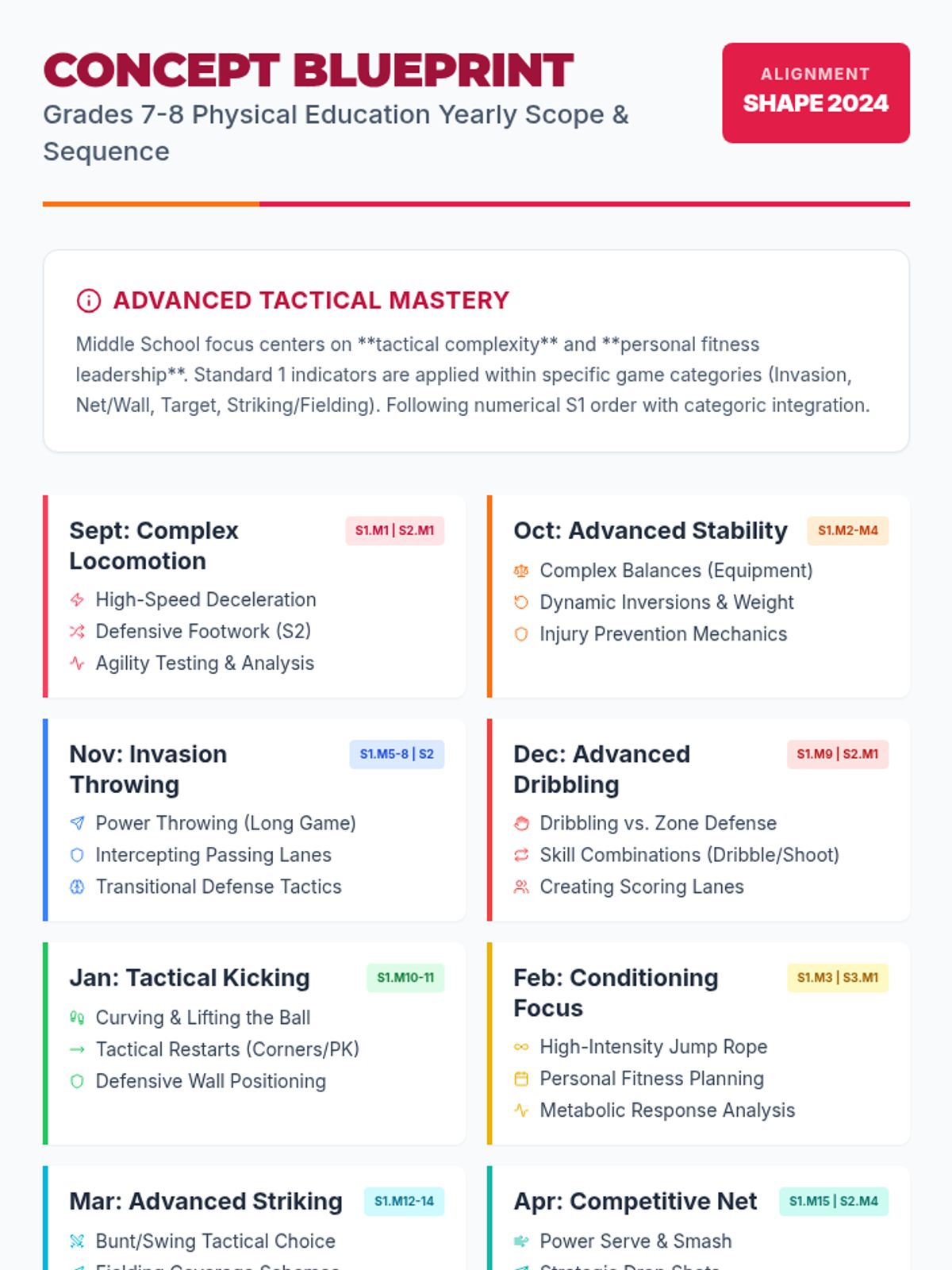
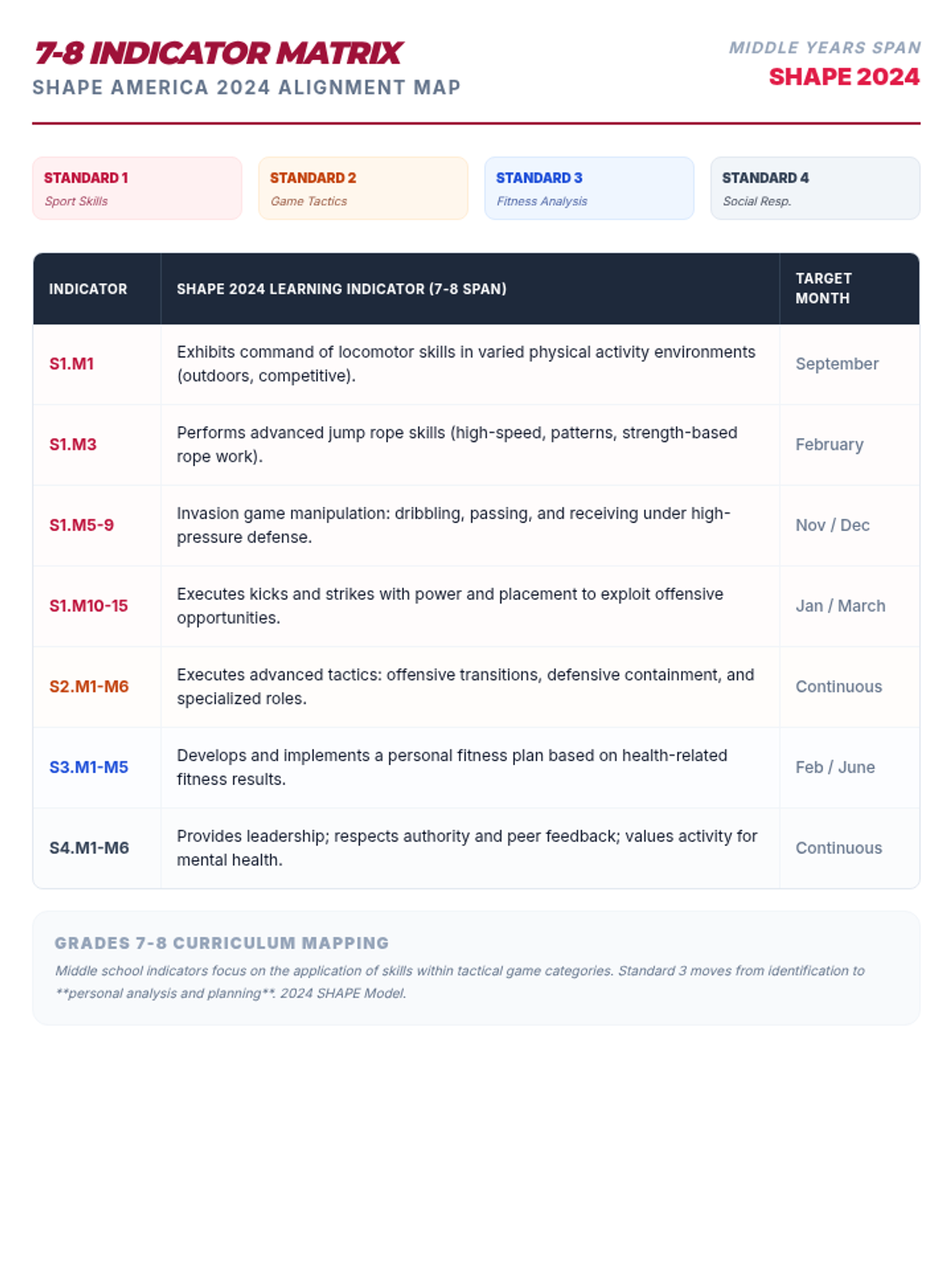
Applying advanced tactical principles and health-related fitness analysis for Grades 7-8.
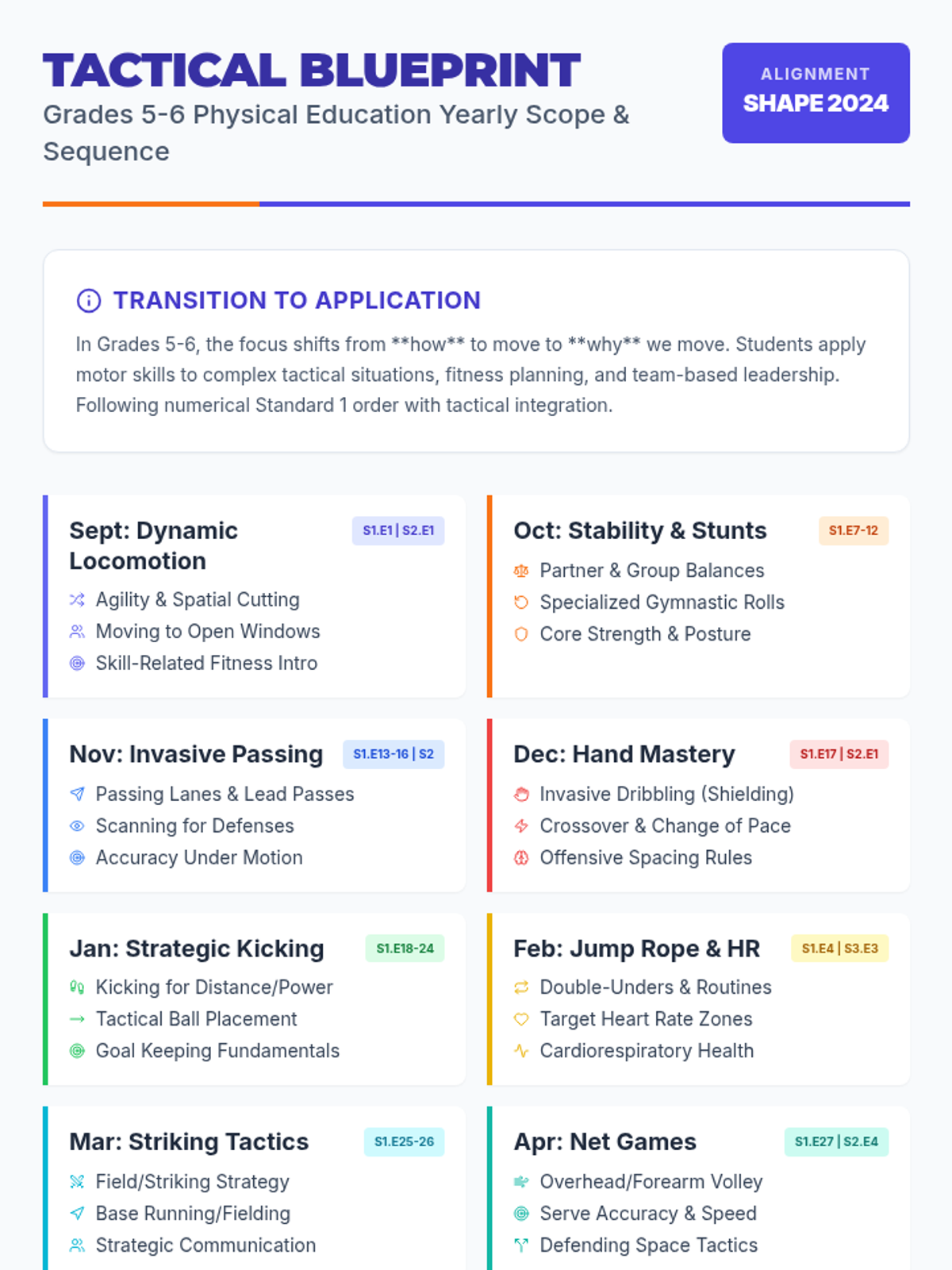
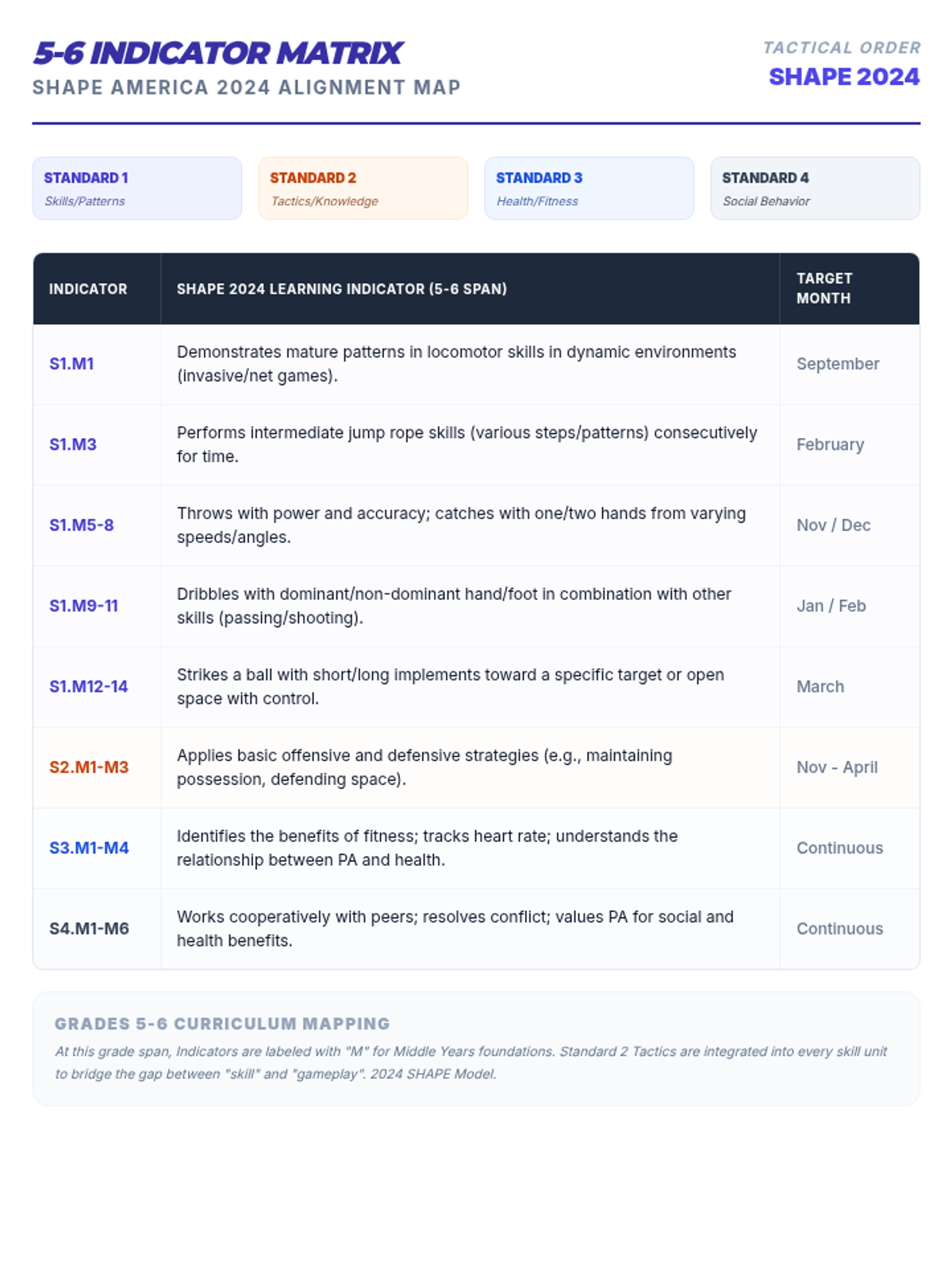
Transitioning from skill mastery to tactical application and fitness planning for Grades 5-6.
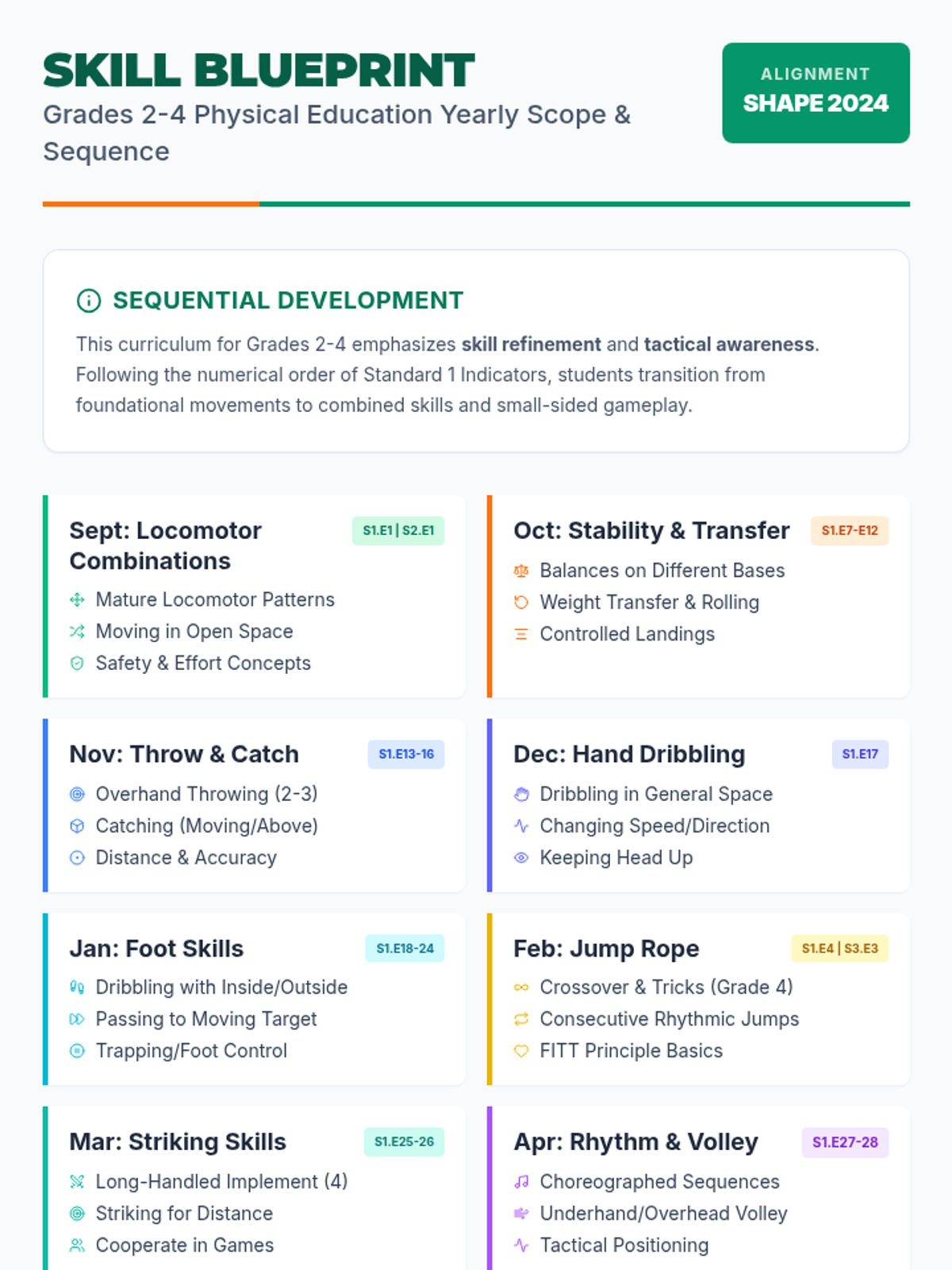
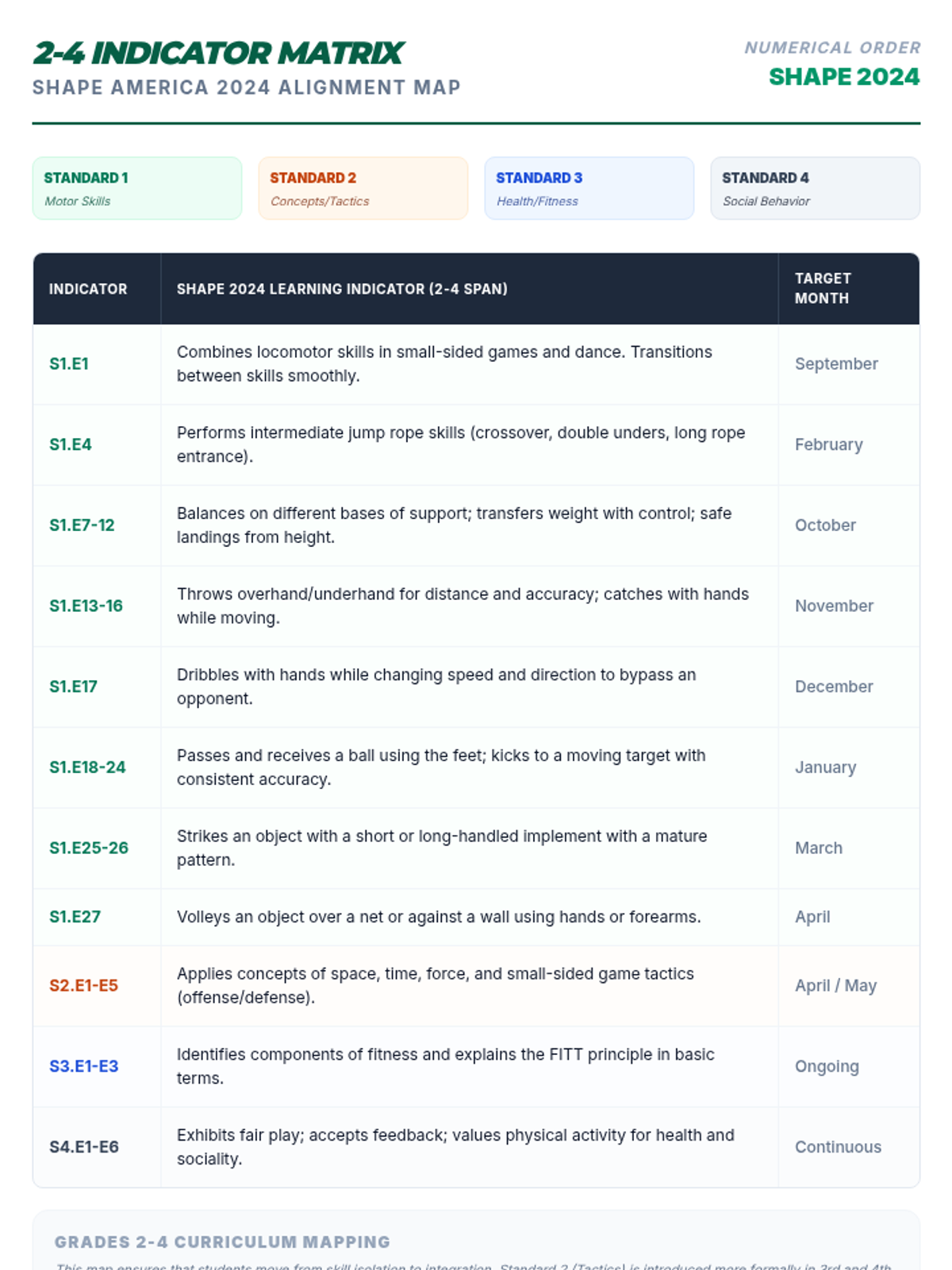
Curriculum planning and pacing for Grades 2-4, focusing on skill refinement and introductory strategies.
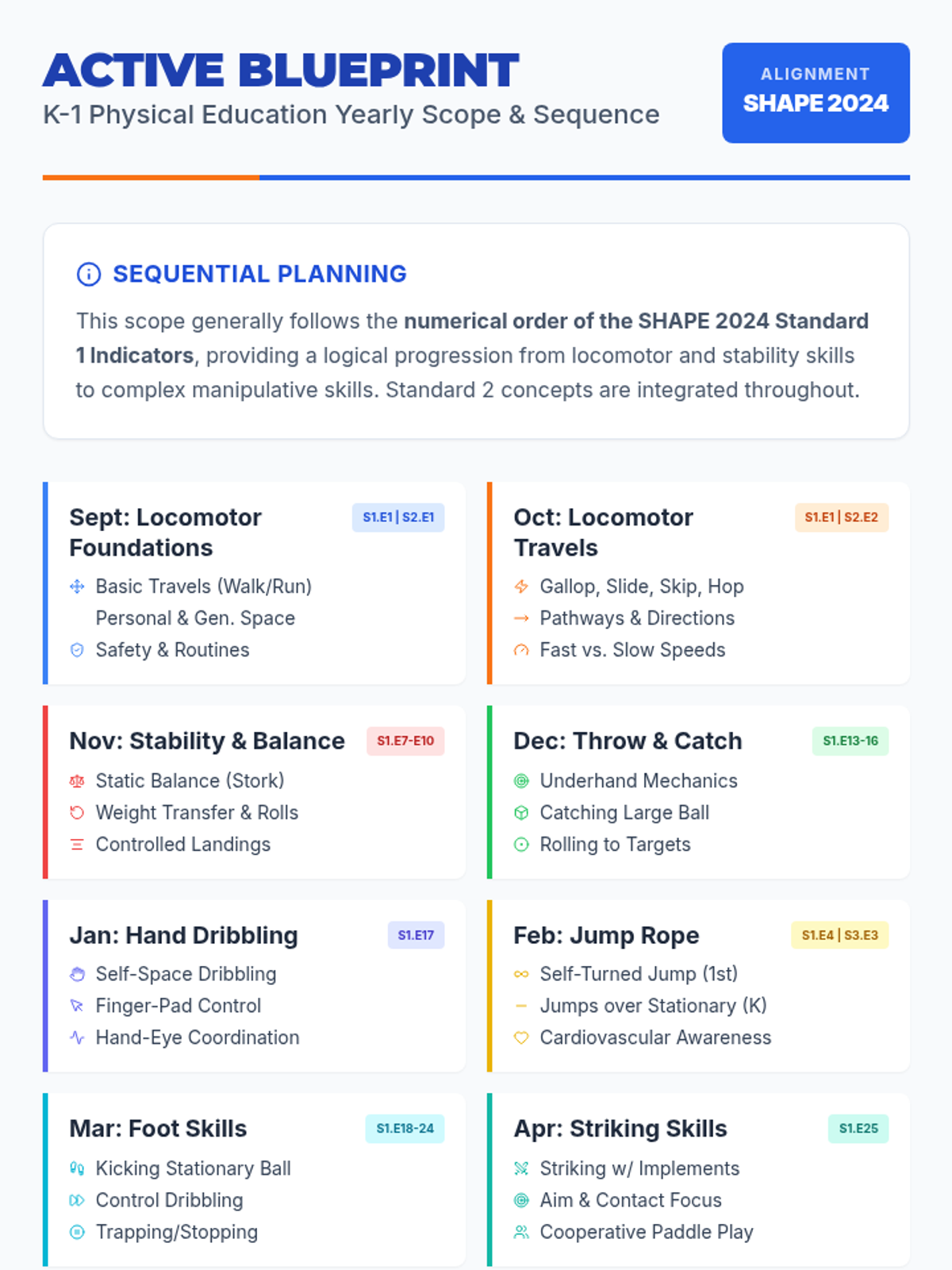
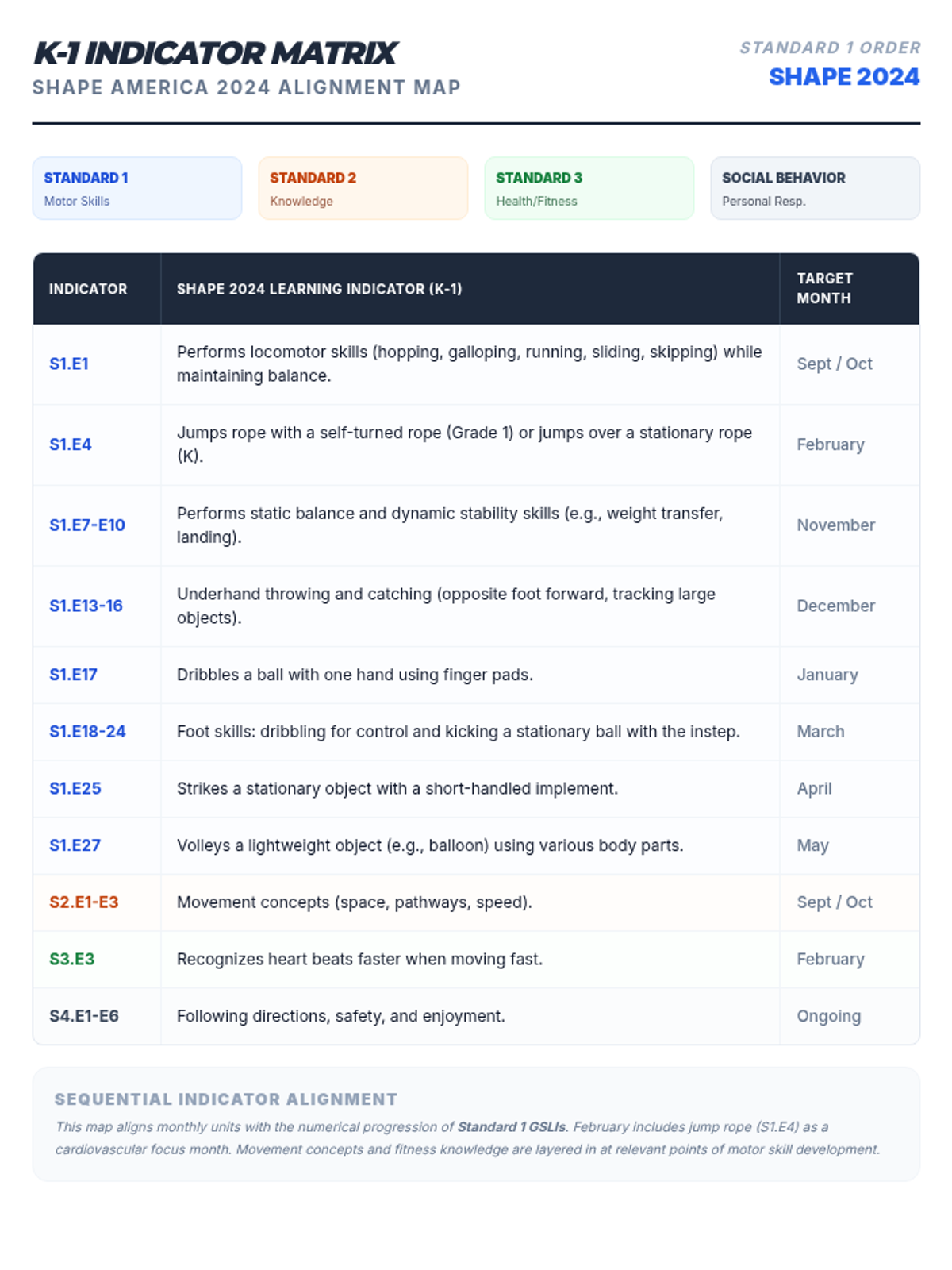
Foundational planning documents and visual guides for the K-1 PE school year.
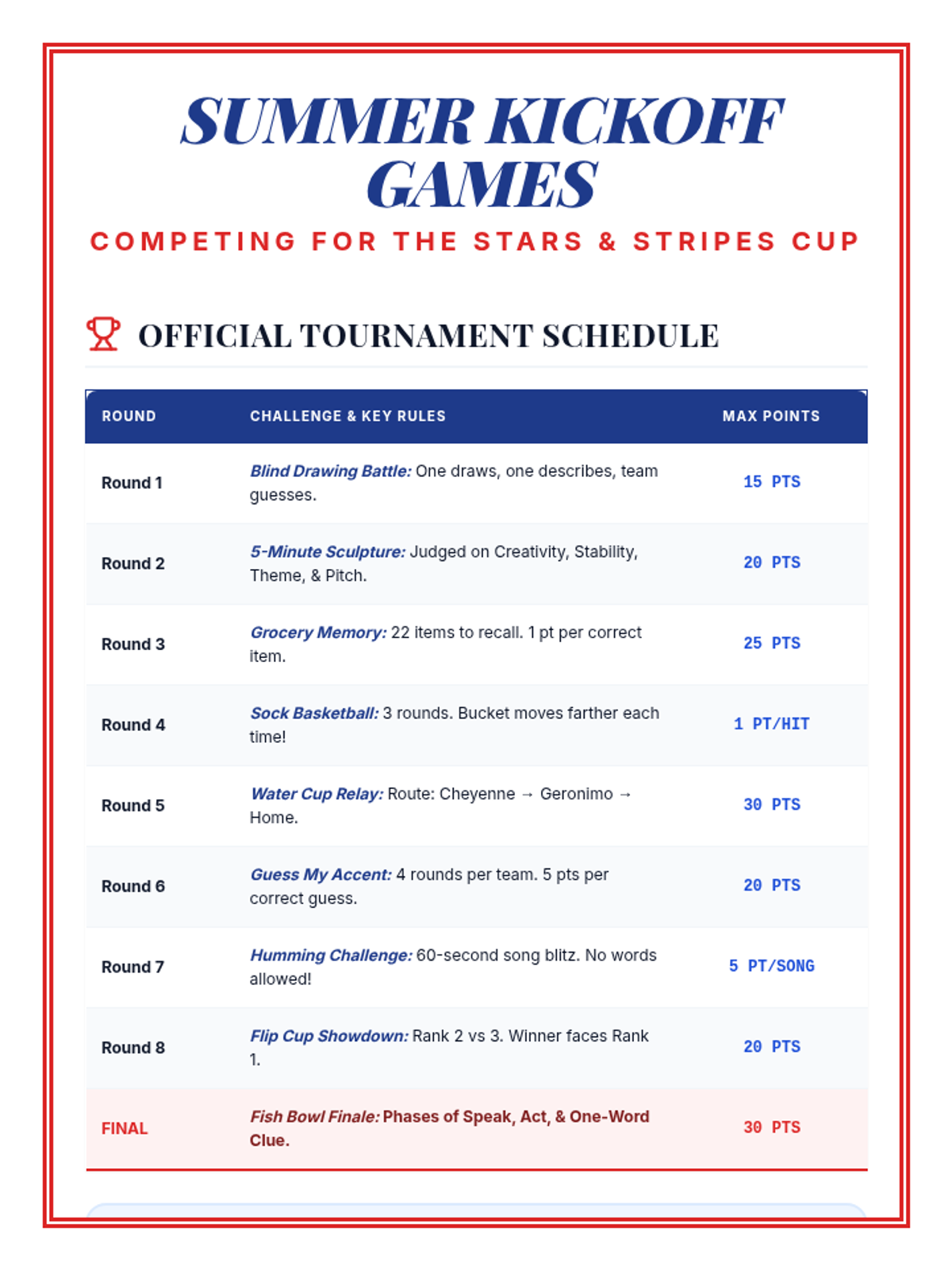
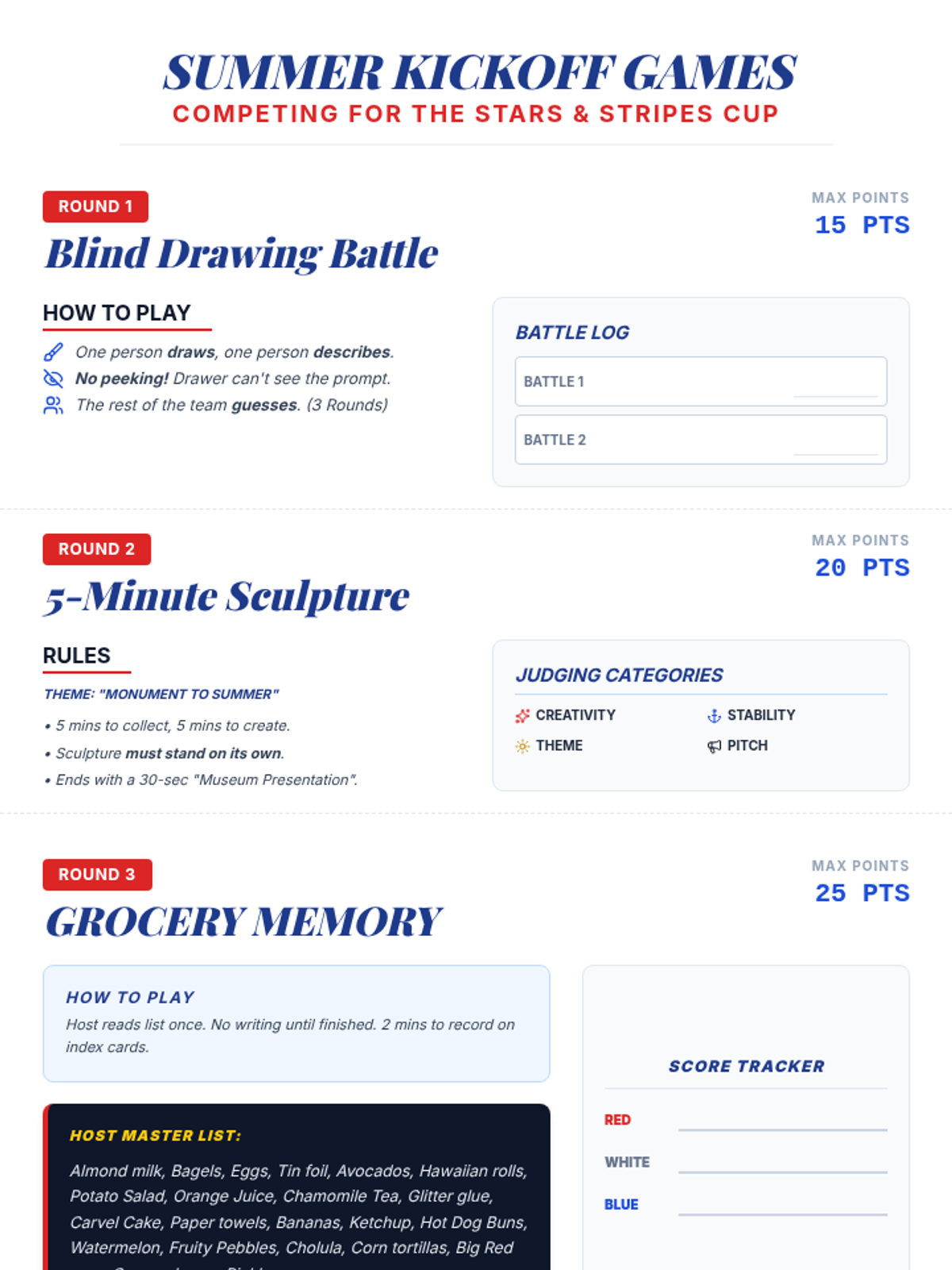
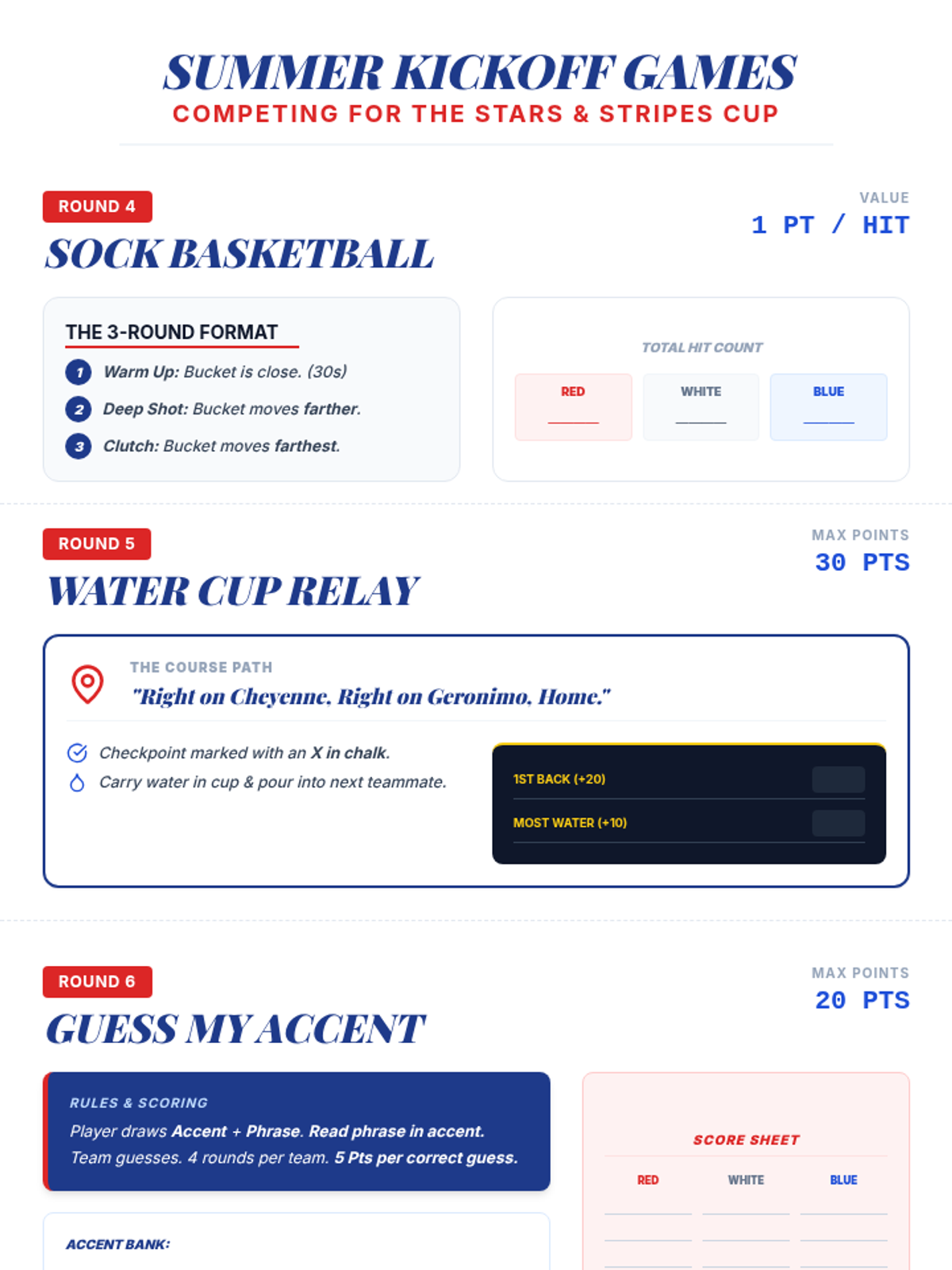
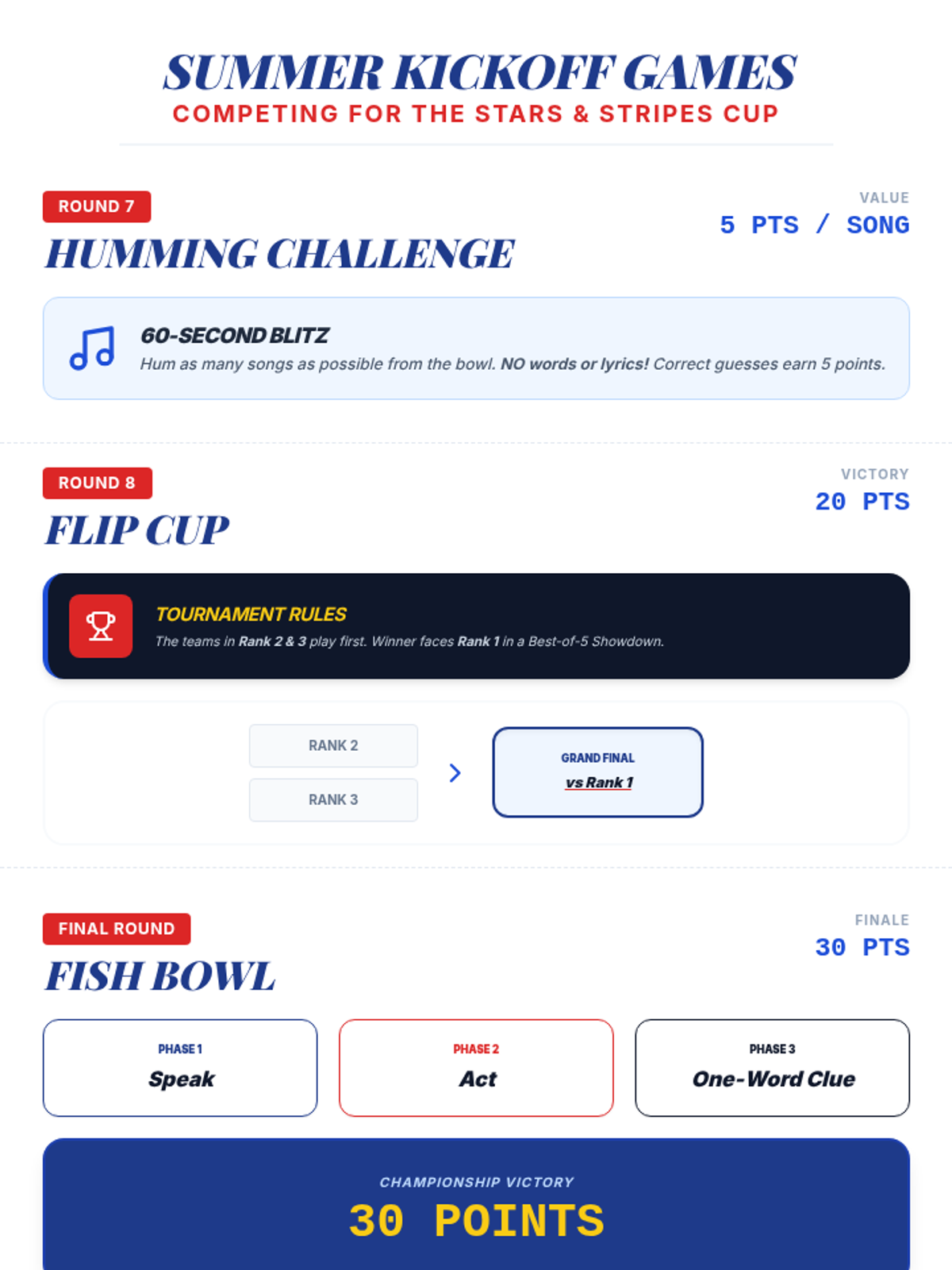
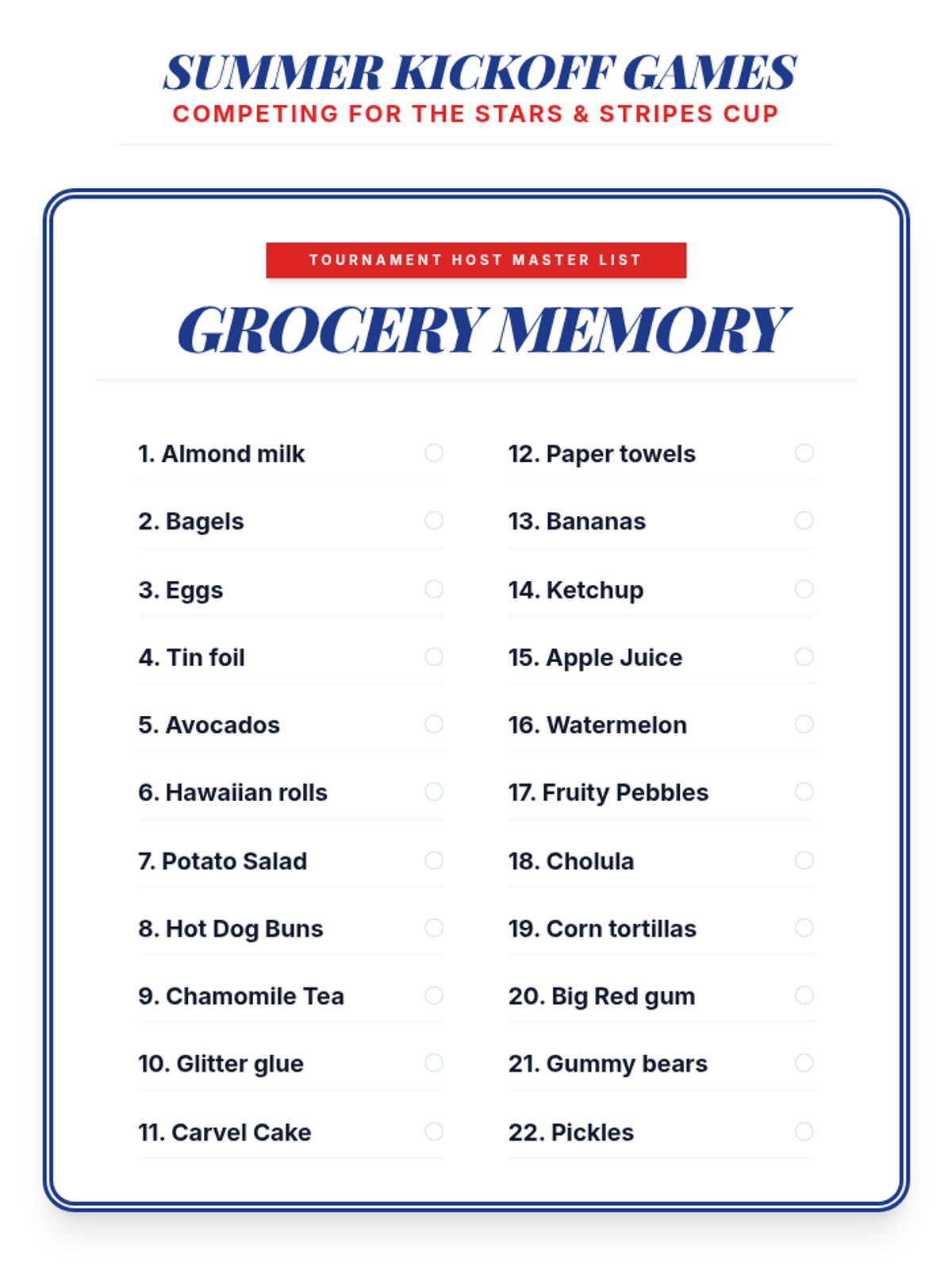
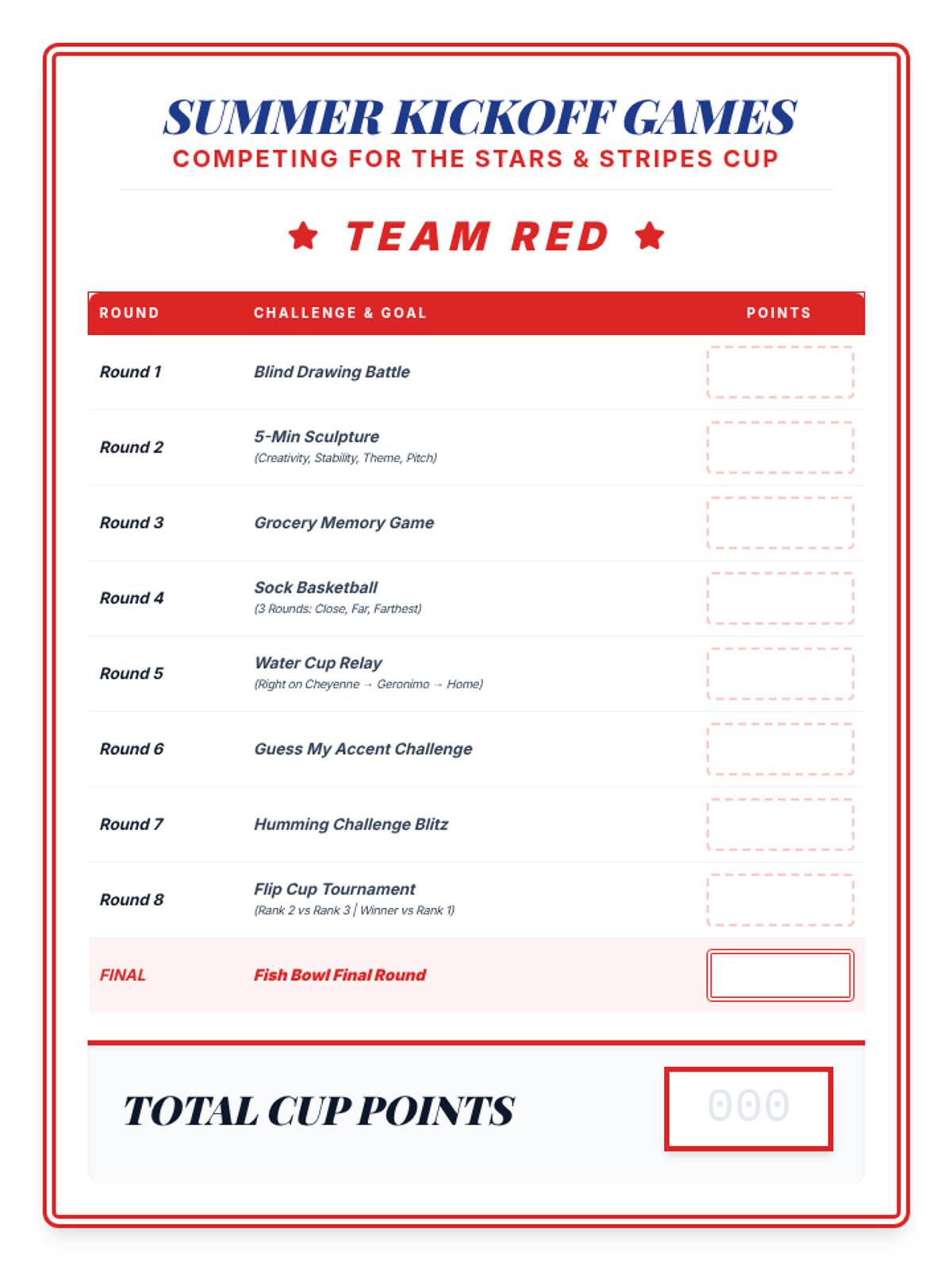
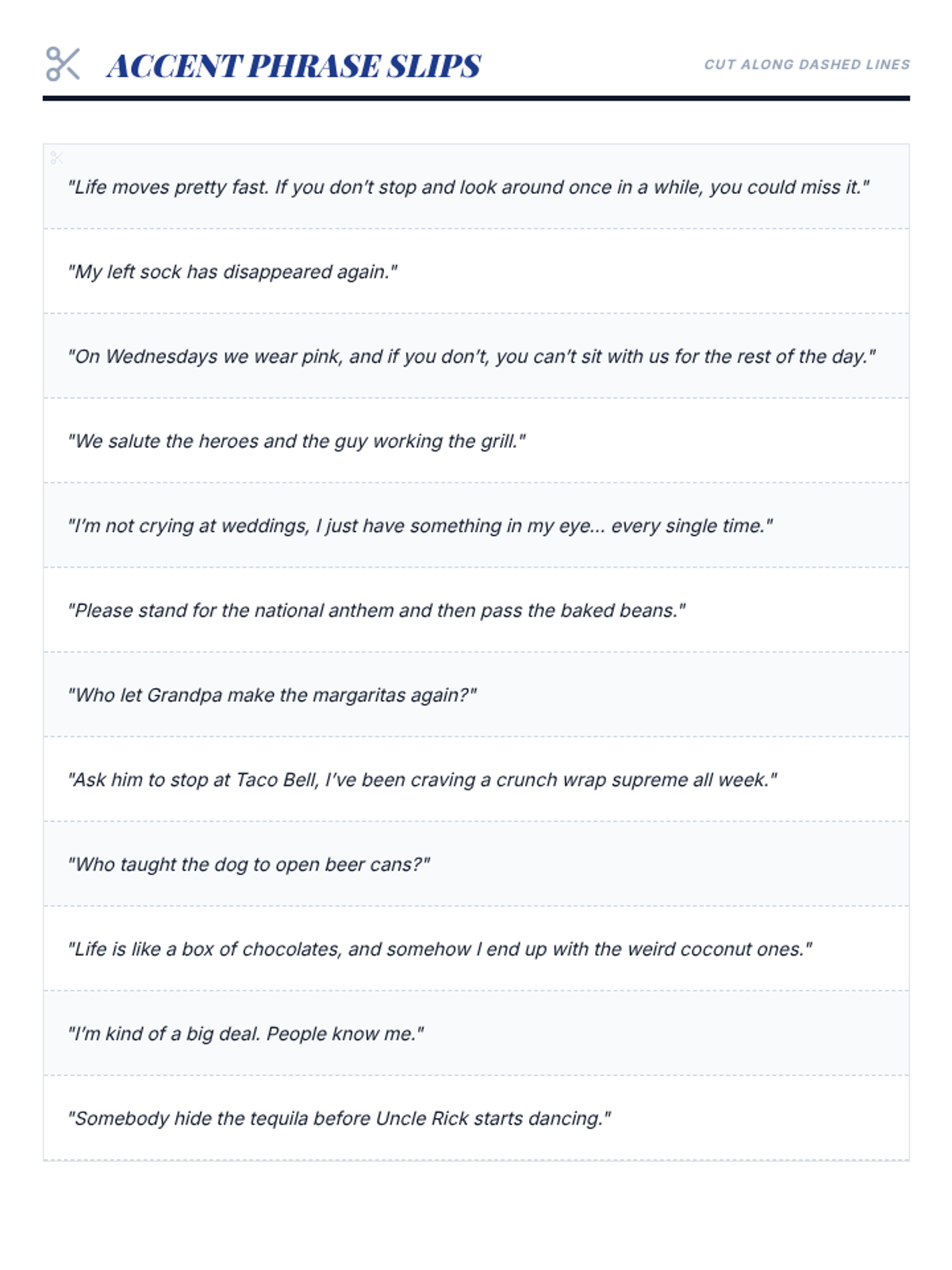
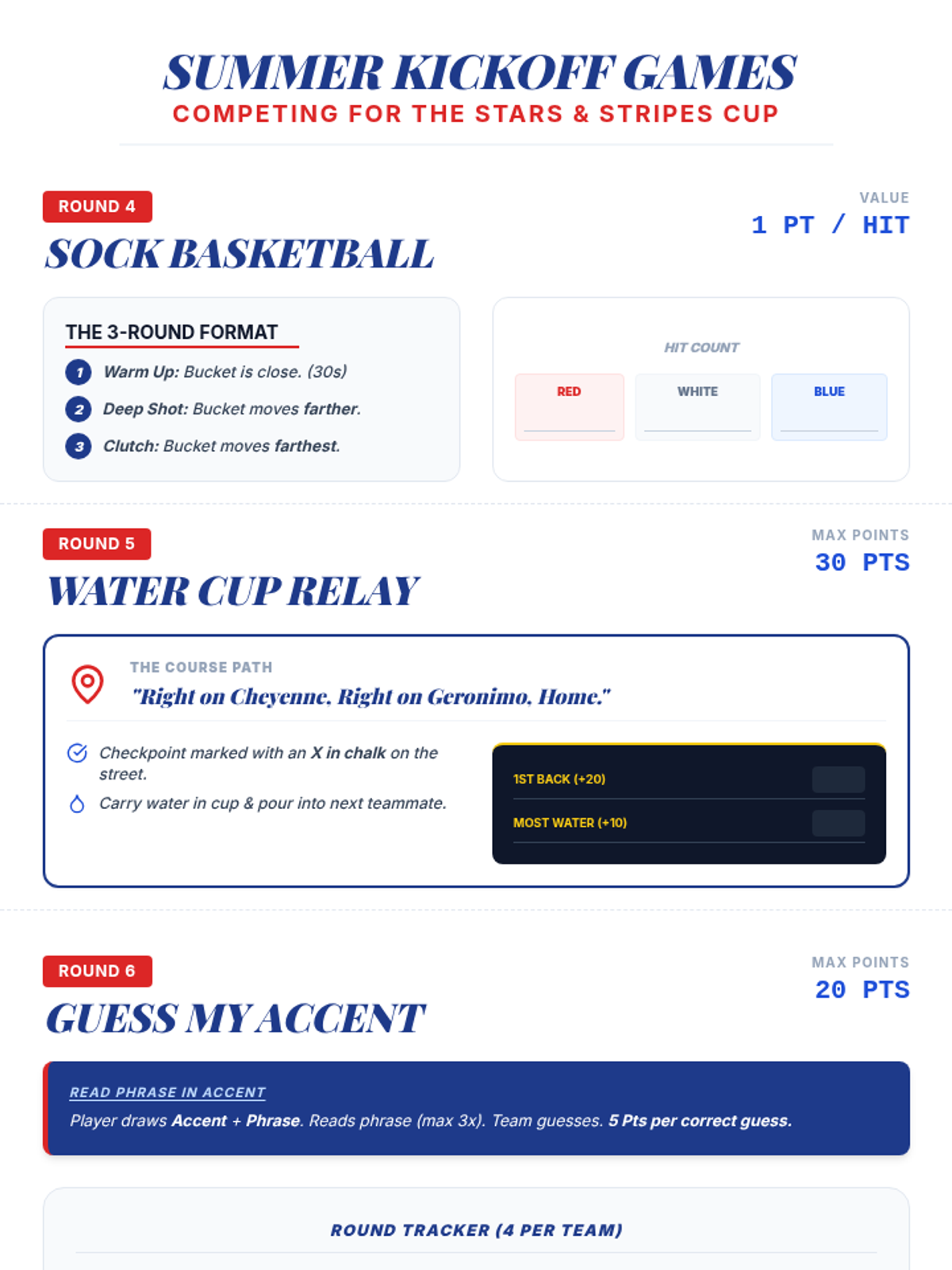
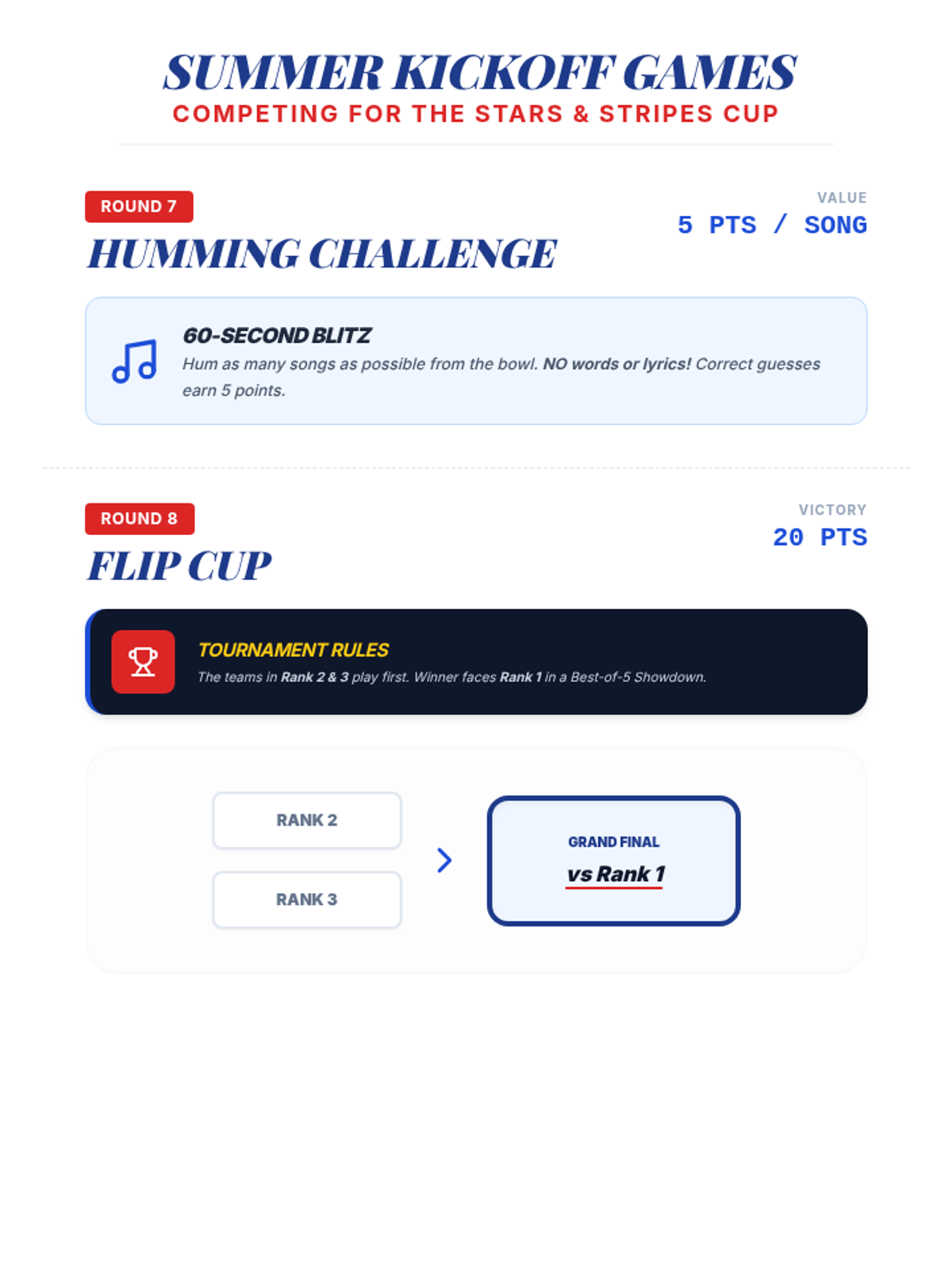
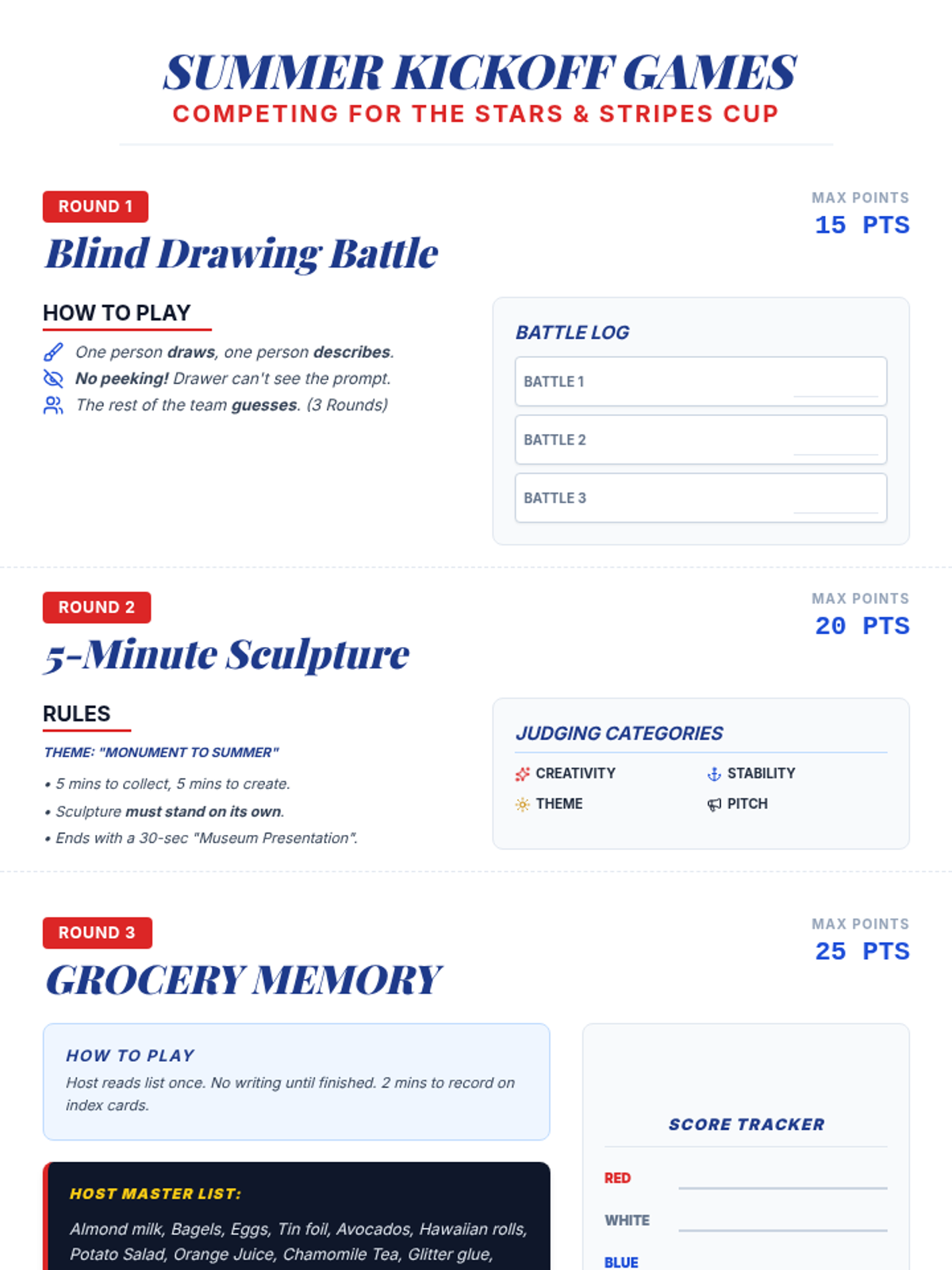
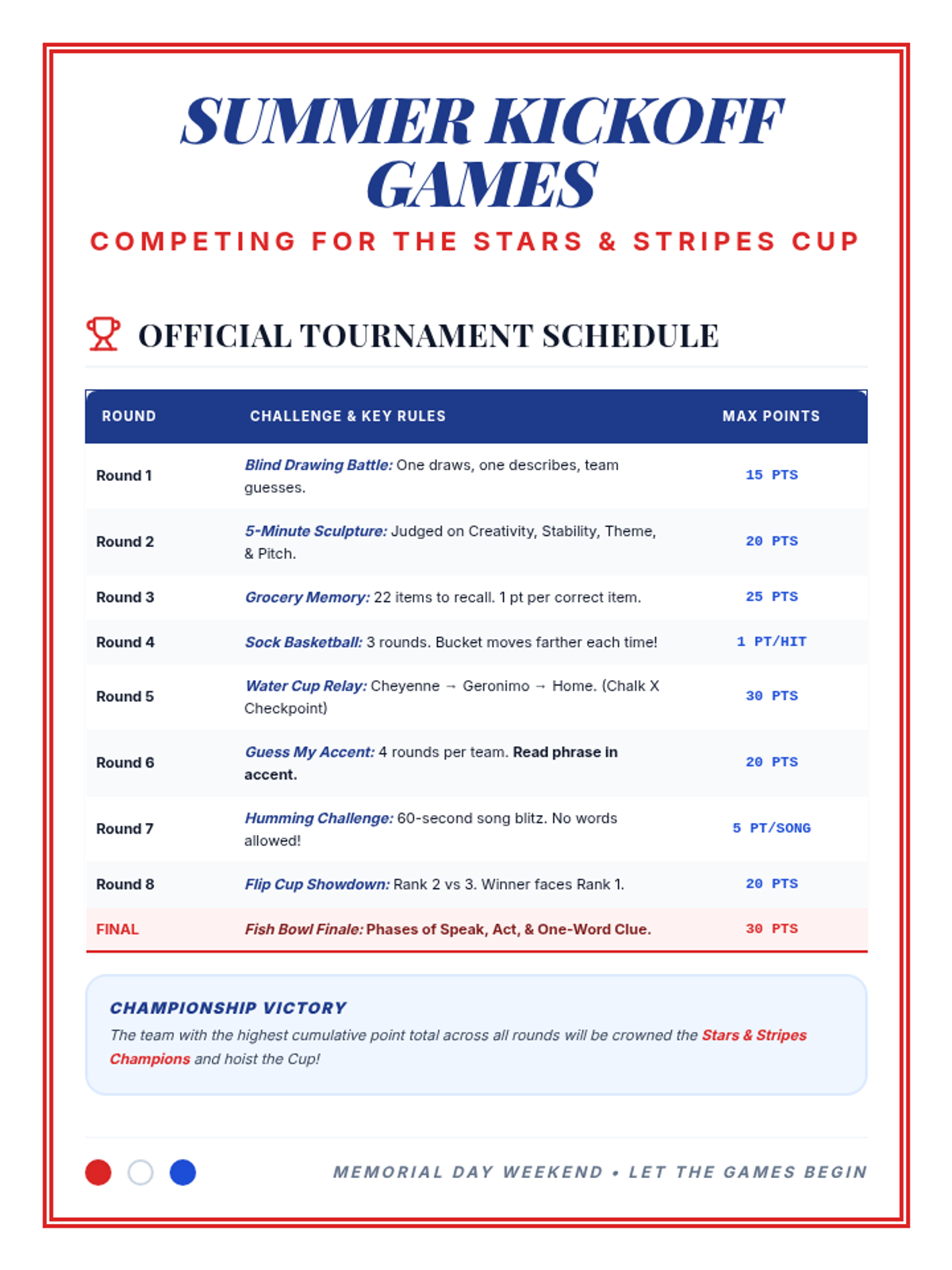
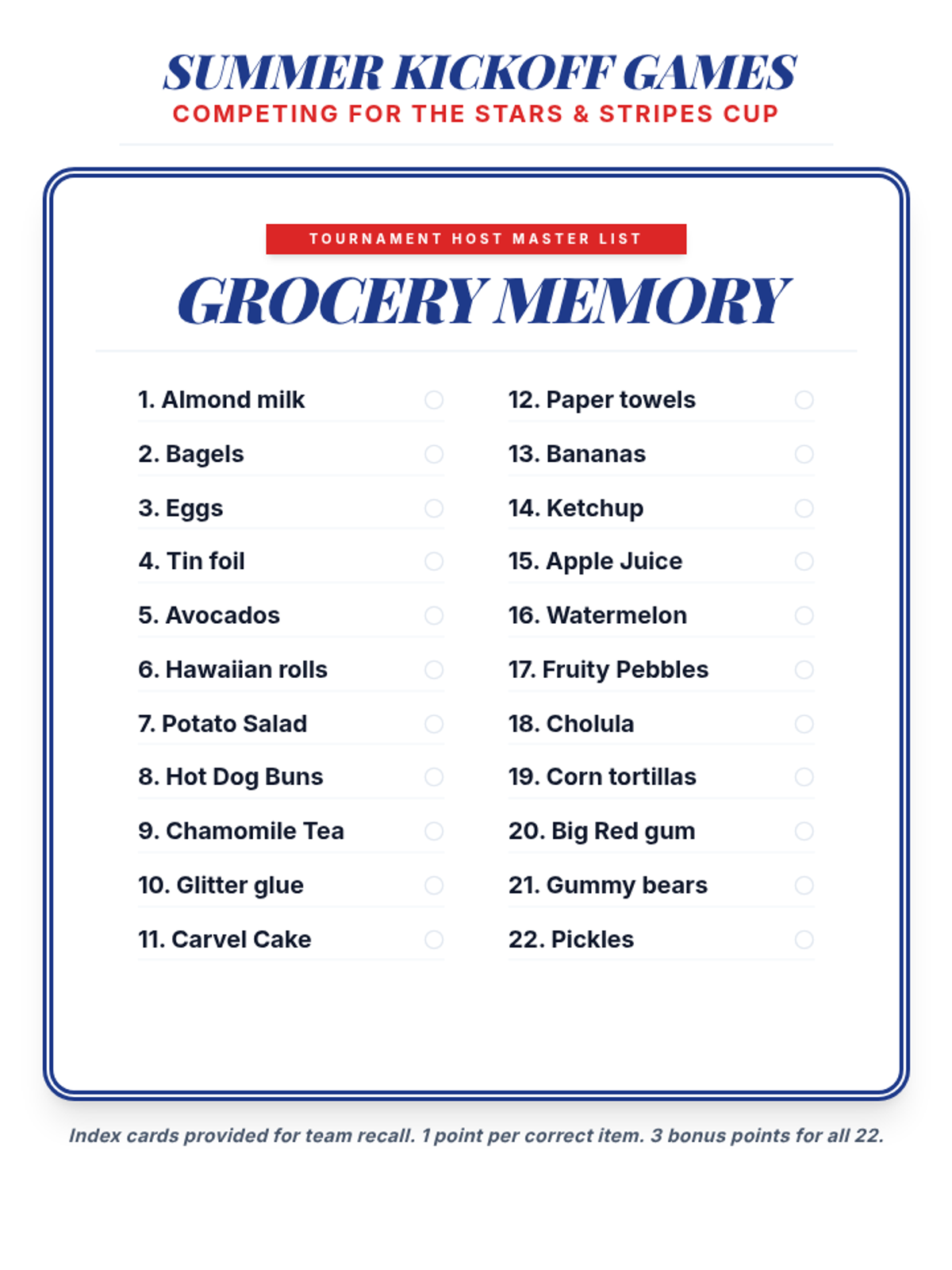
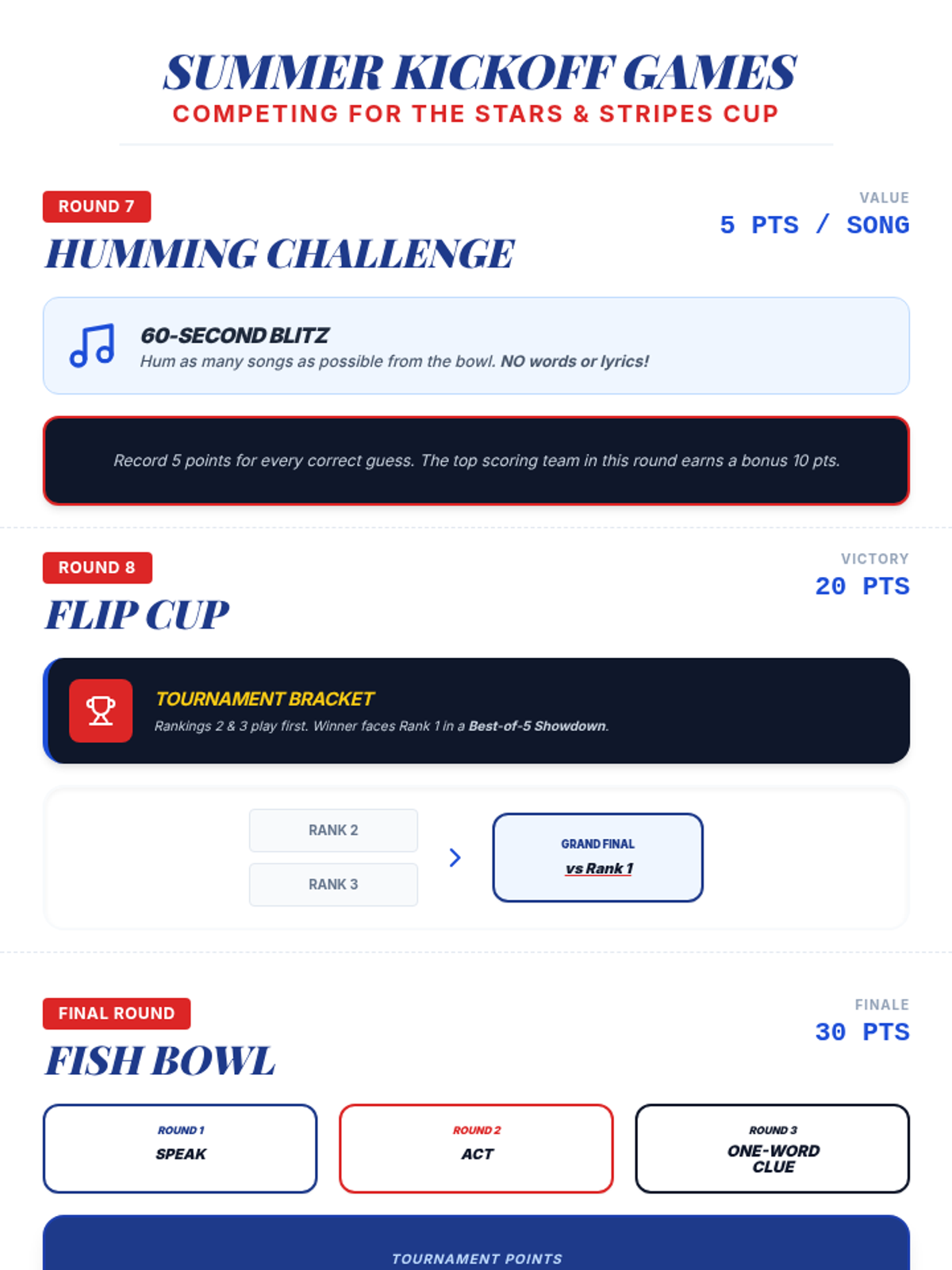
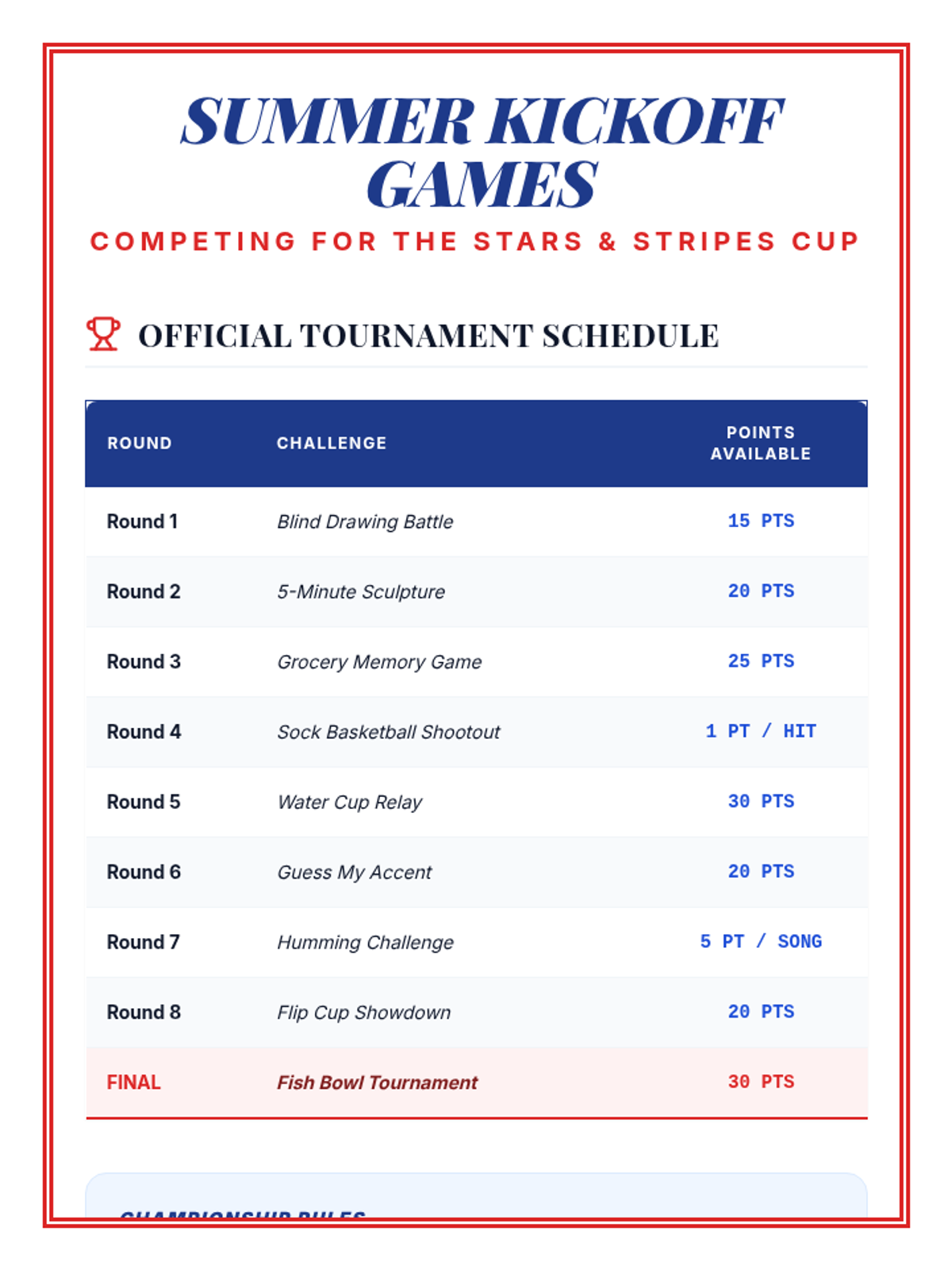
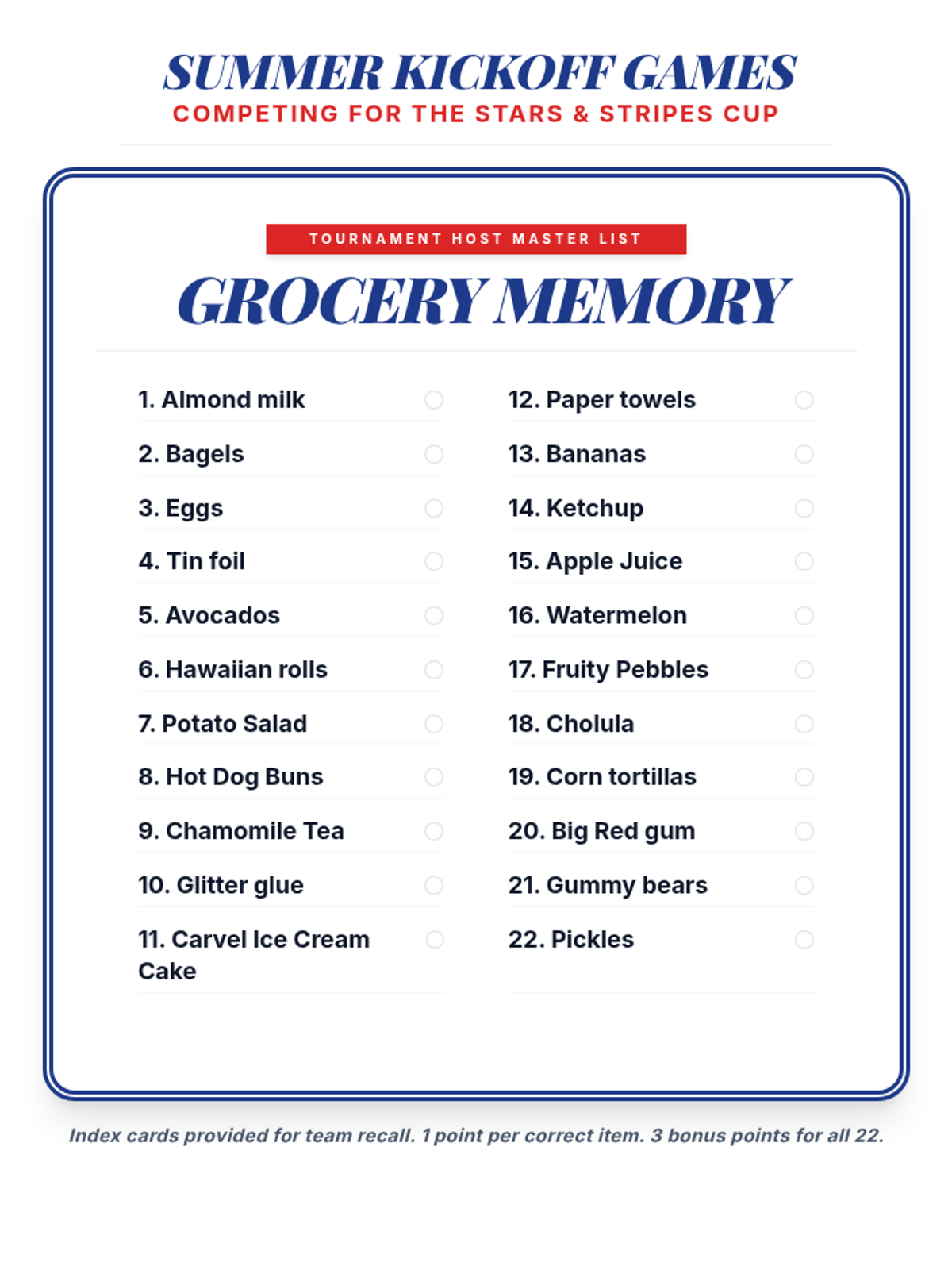
A complete set of summer kickoff games including drawing battles, relays, memory challenges, and more, all themed for a festive Memorial Day celebration.
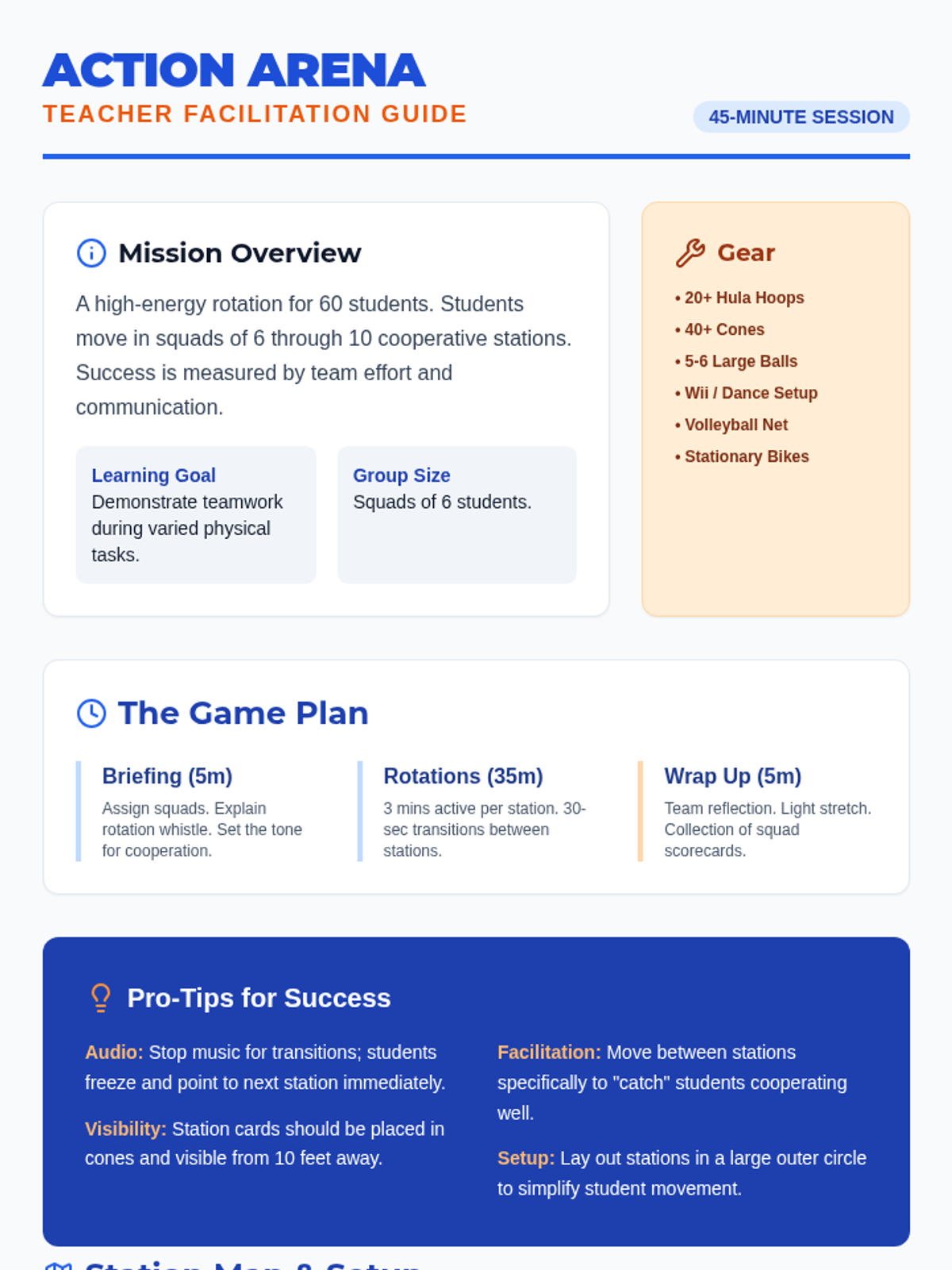
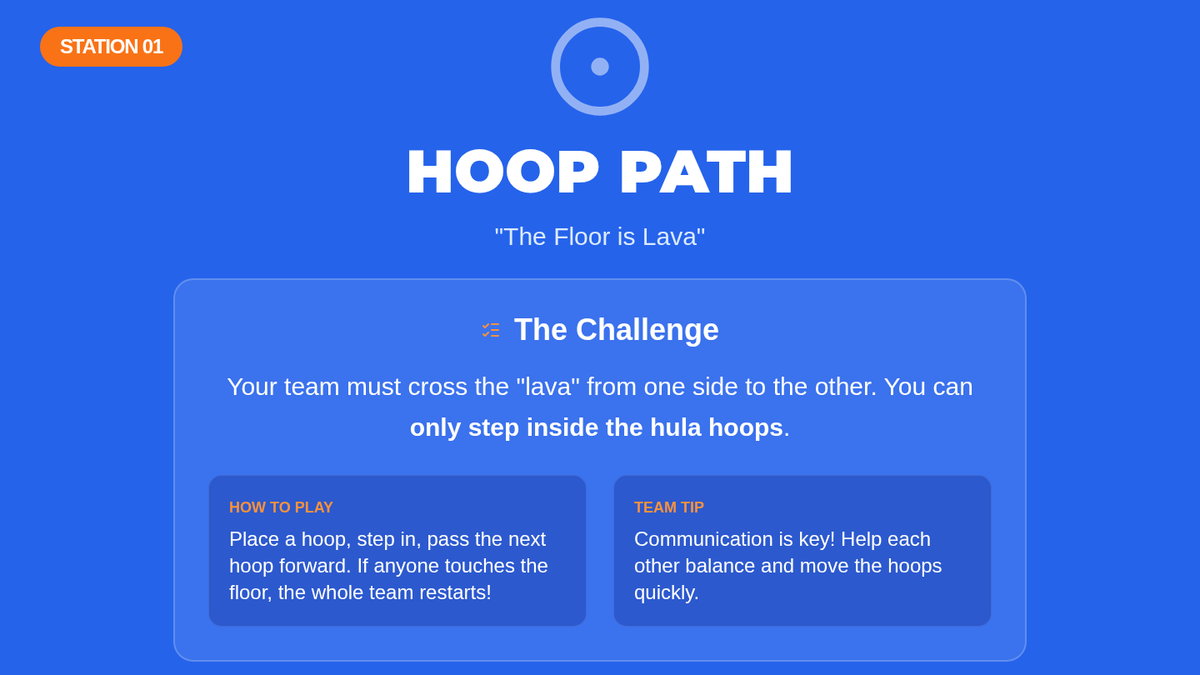
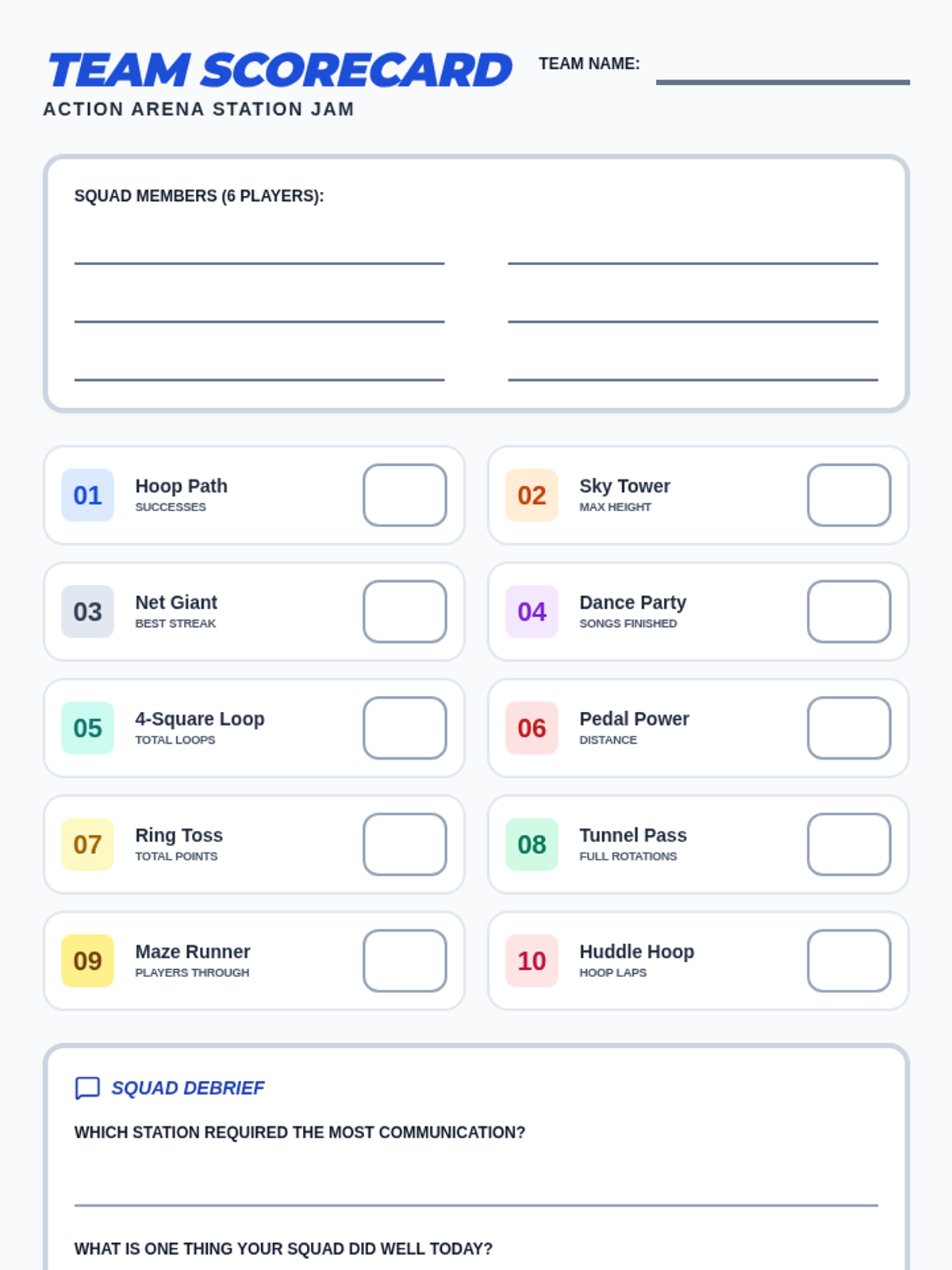
A high-energy, 45-minute PE lesson featuring 10 active stations designed for large groups. Students rotate through teamwork-based challenges using hoops, balls, cones, and technology to build cooperation and fitness.
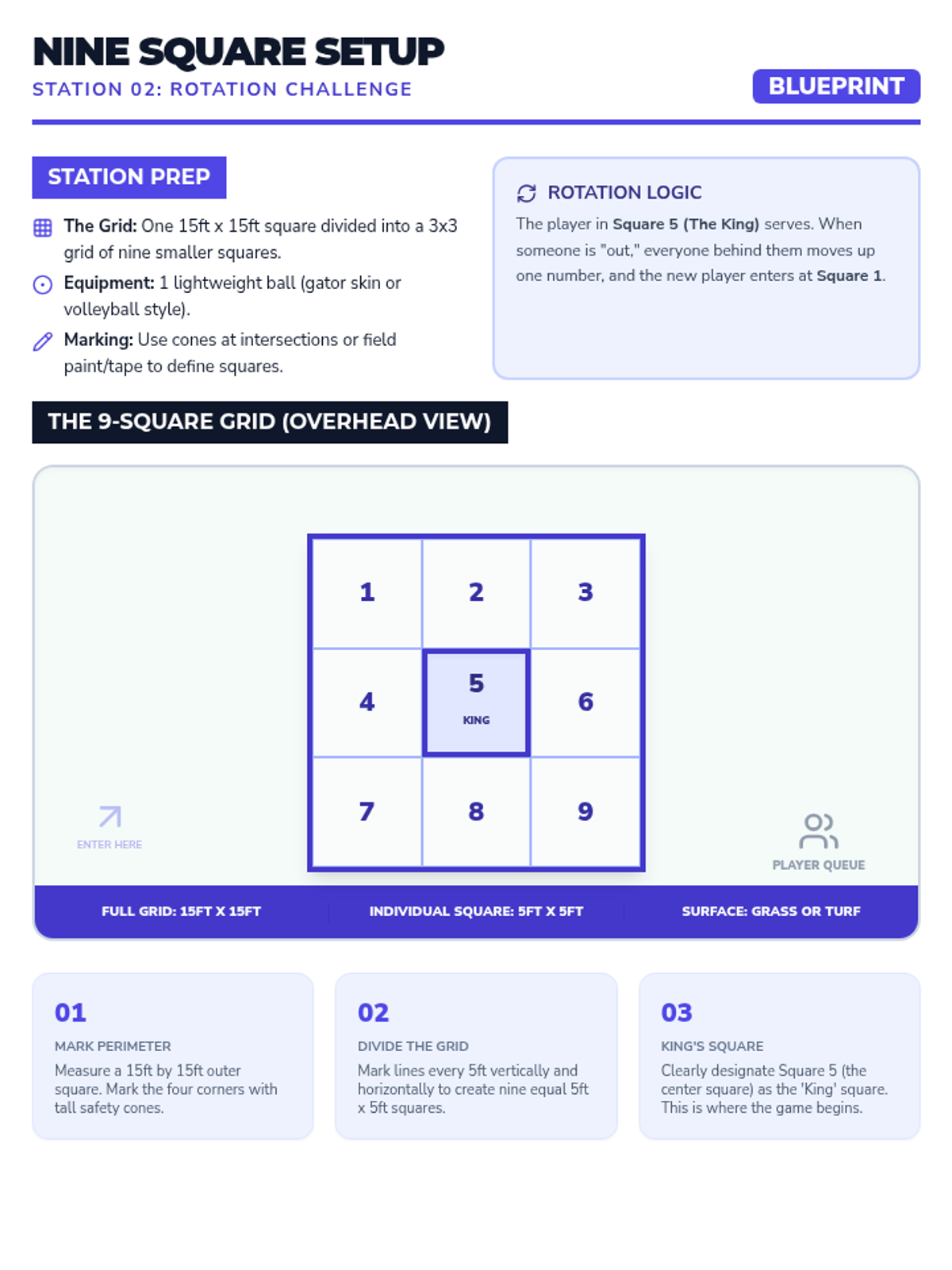
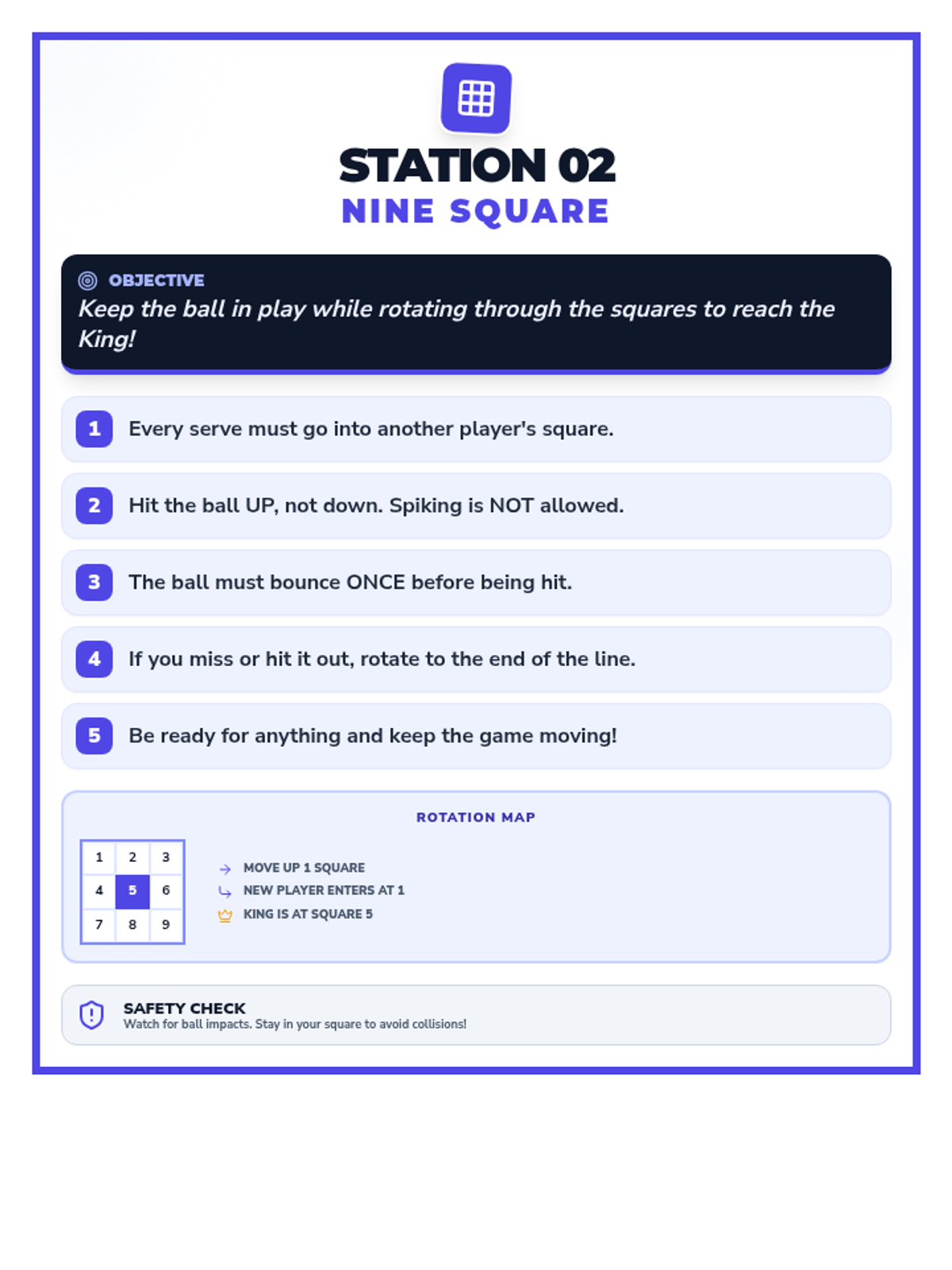
A fast-paced rotation game involving a 3x3 grid, focusing on hand-eye coordination and reaction time as players compete to reach the King square.
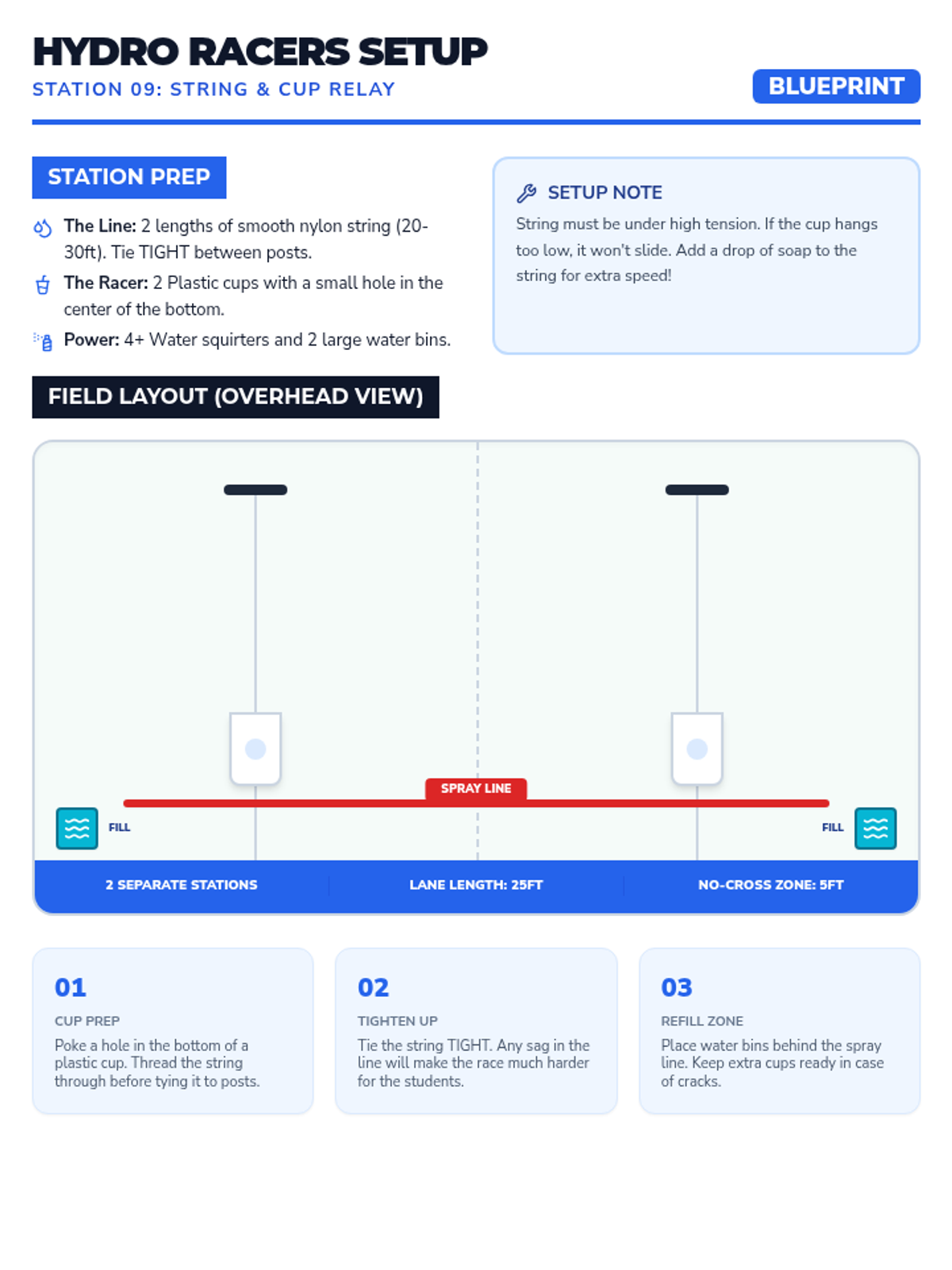
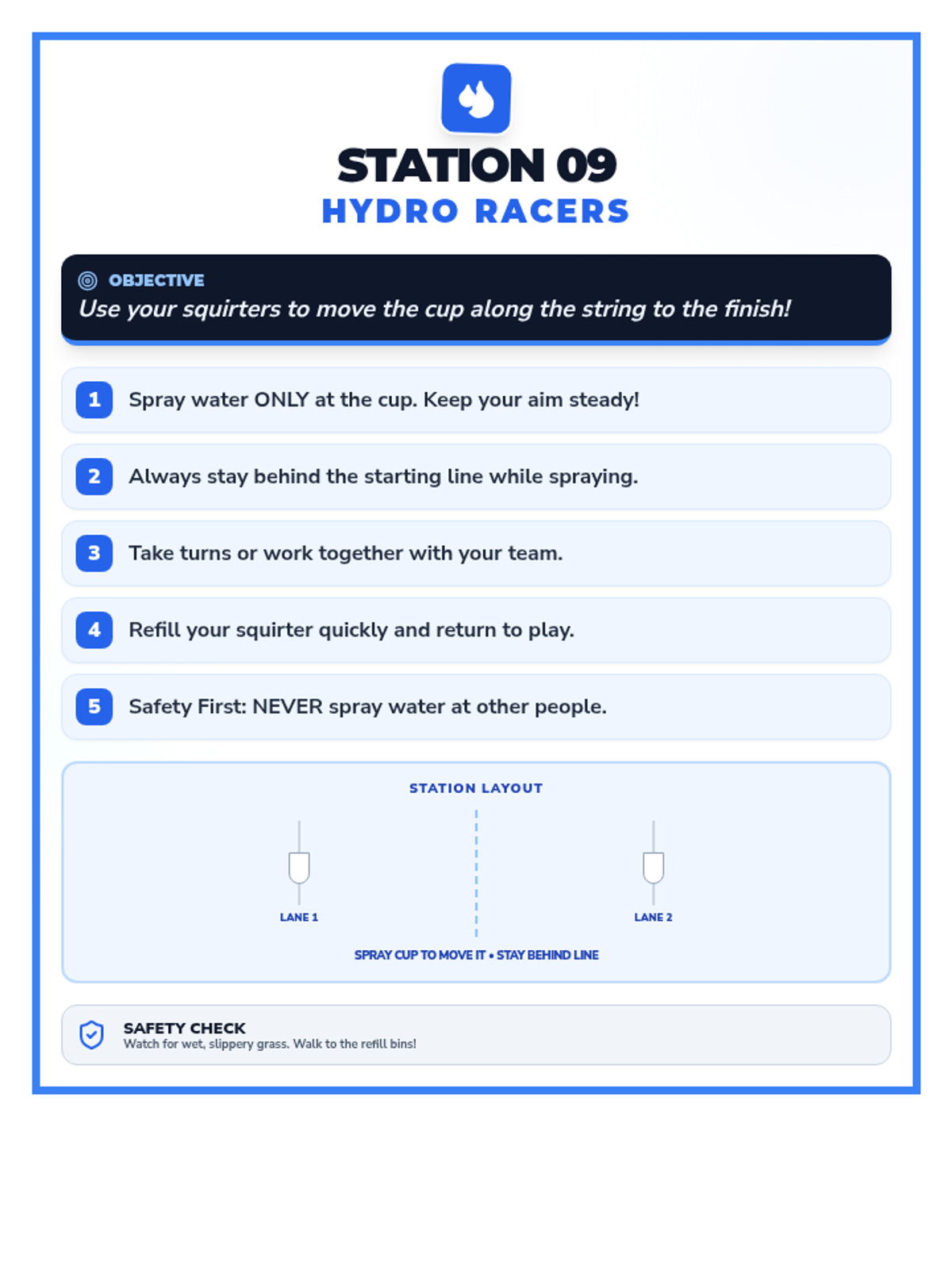
A high-energy water station guide for Hydro Racers, featuring string-and-cup relay setup, water gun mechanics, and safety protocols for aquatic racing.
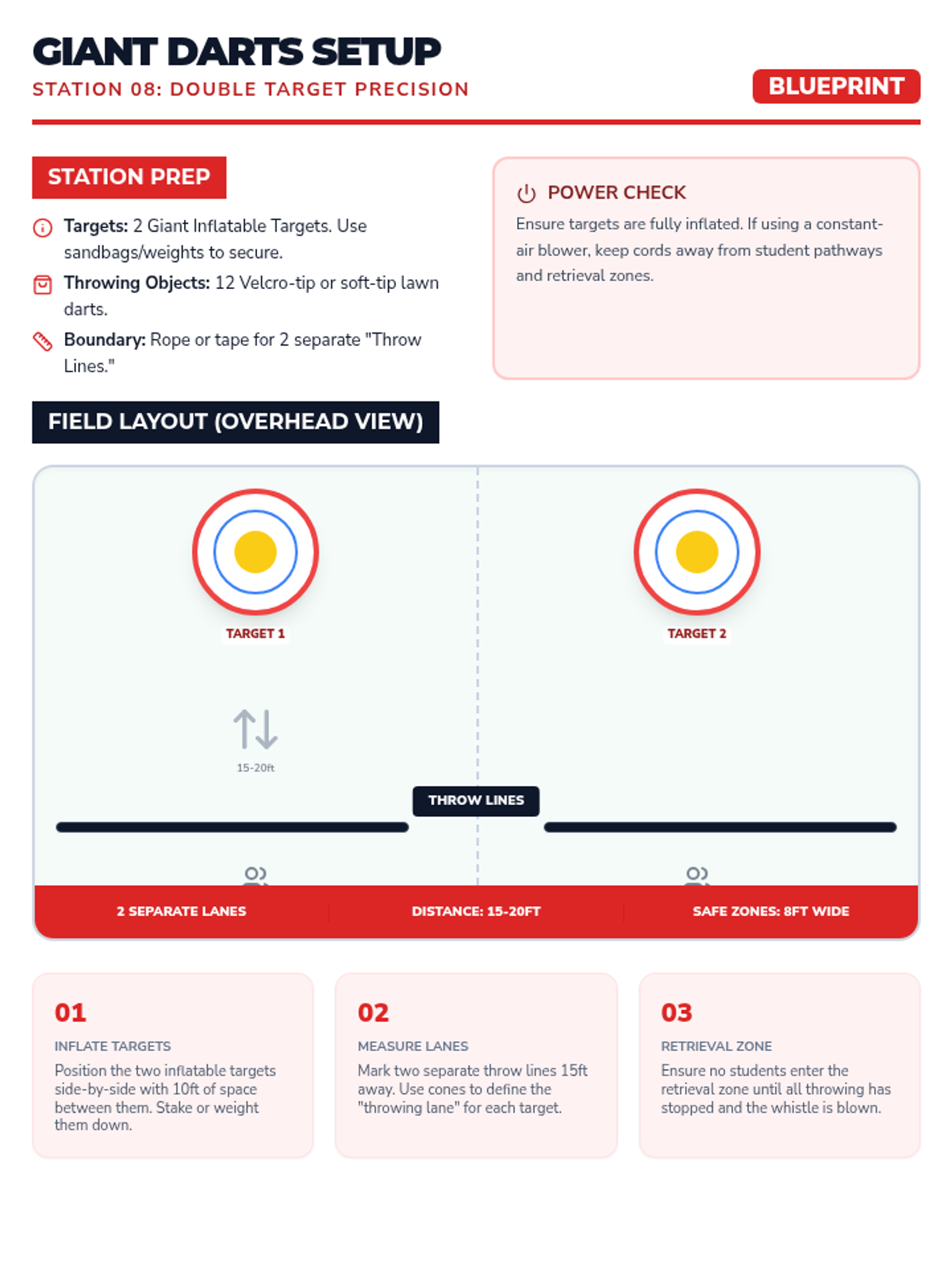
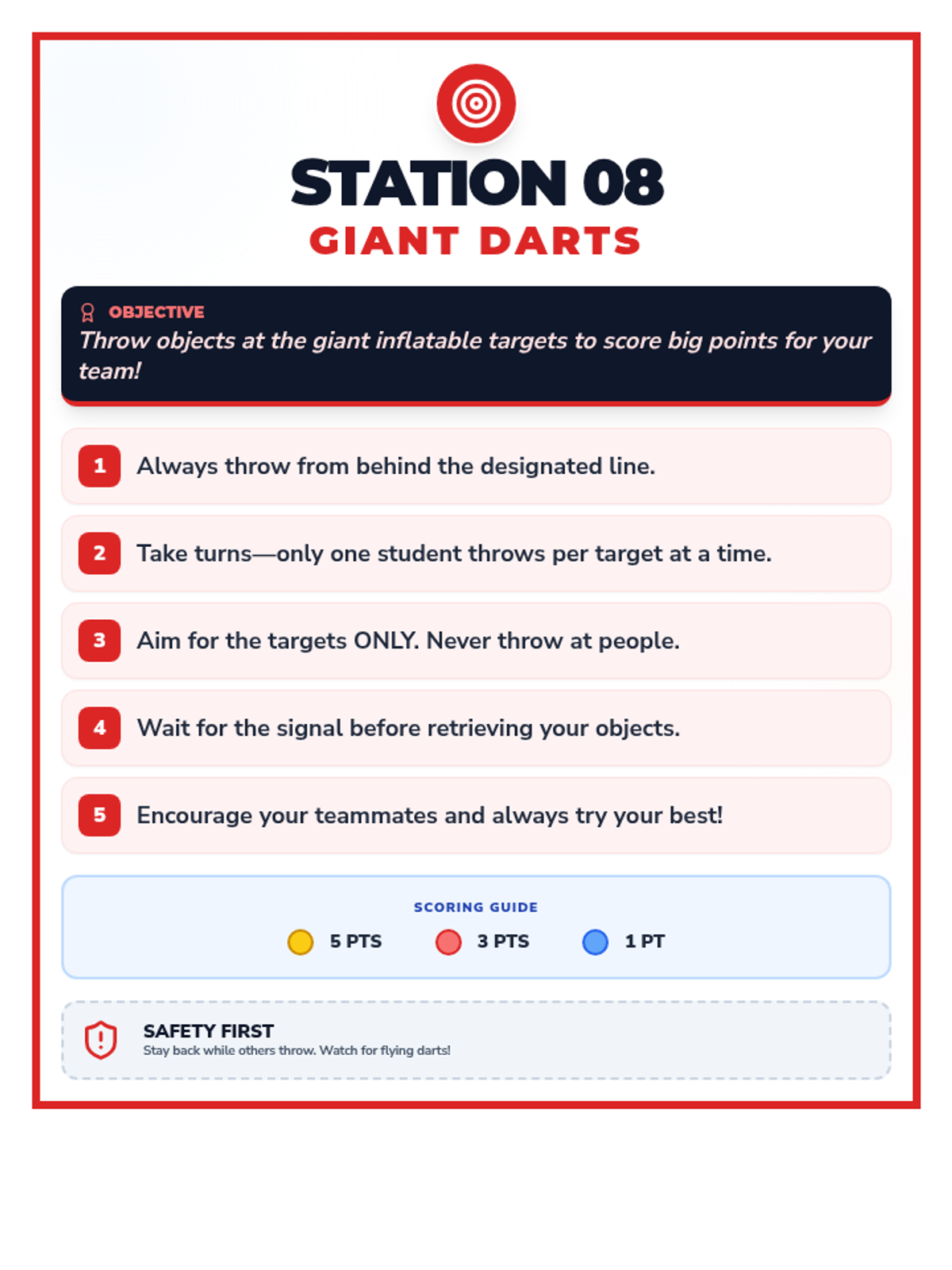
A target-based game guide for Giant Darts, featuring field setup for hula hoop targets, scoring systems, and safety protocols for throwing accuracy.
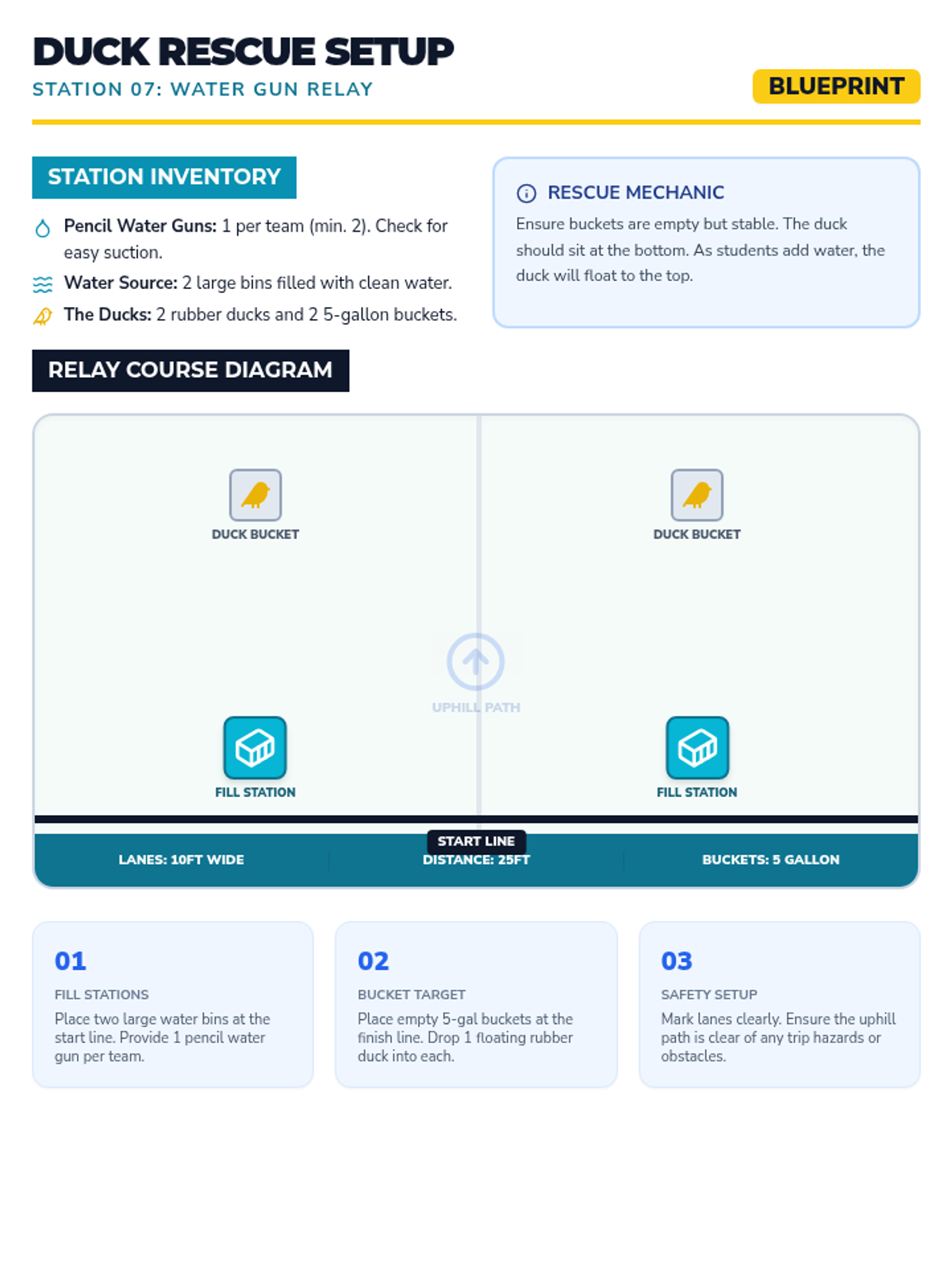
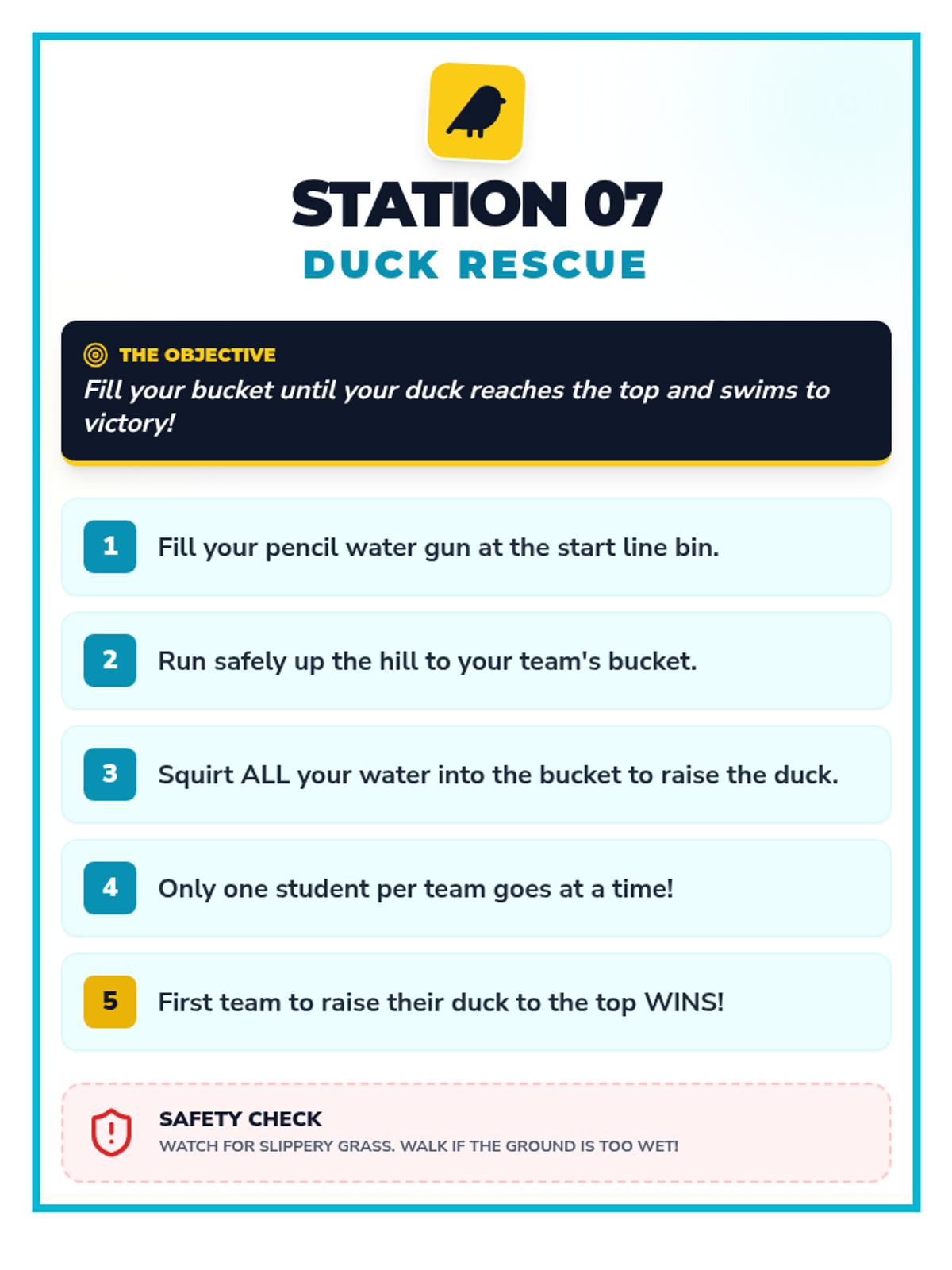
A high-energy water station guide for Duck Rescue, featuring field setup for water gun relays, duck-raising mechanics, and safety protocols for slippery fun.
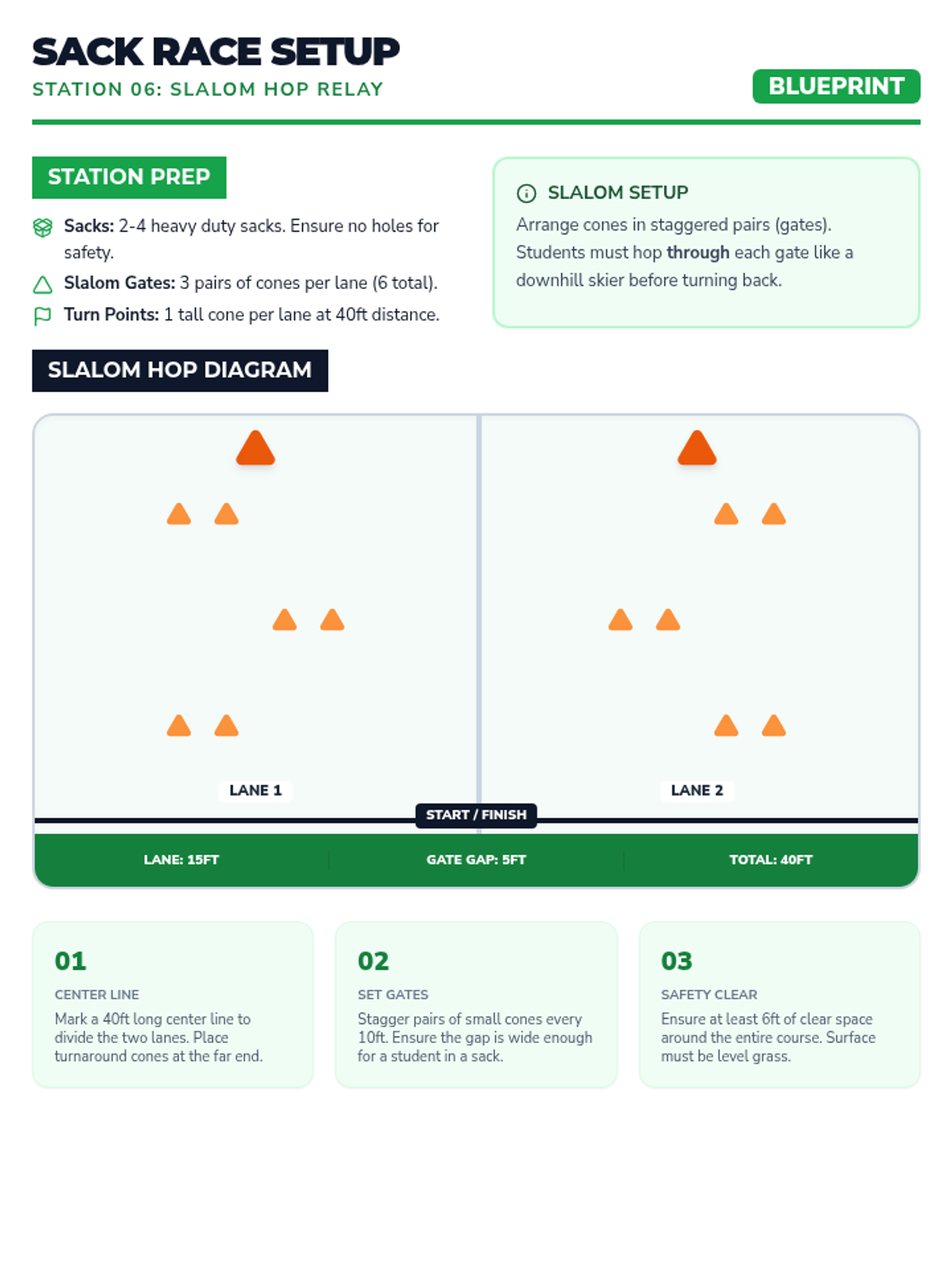
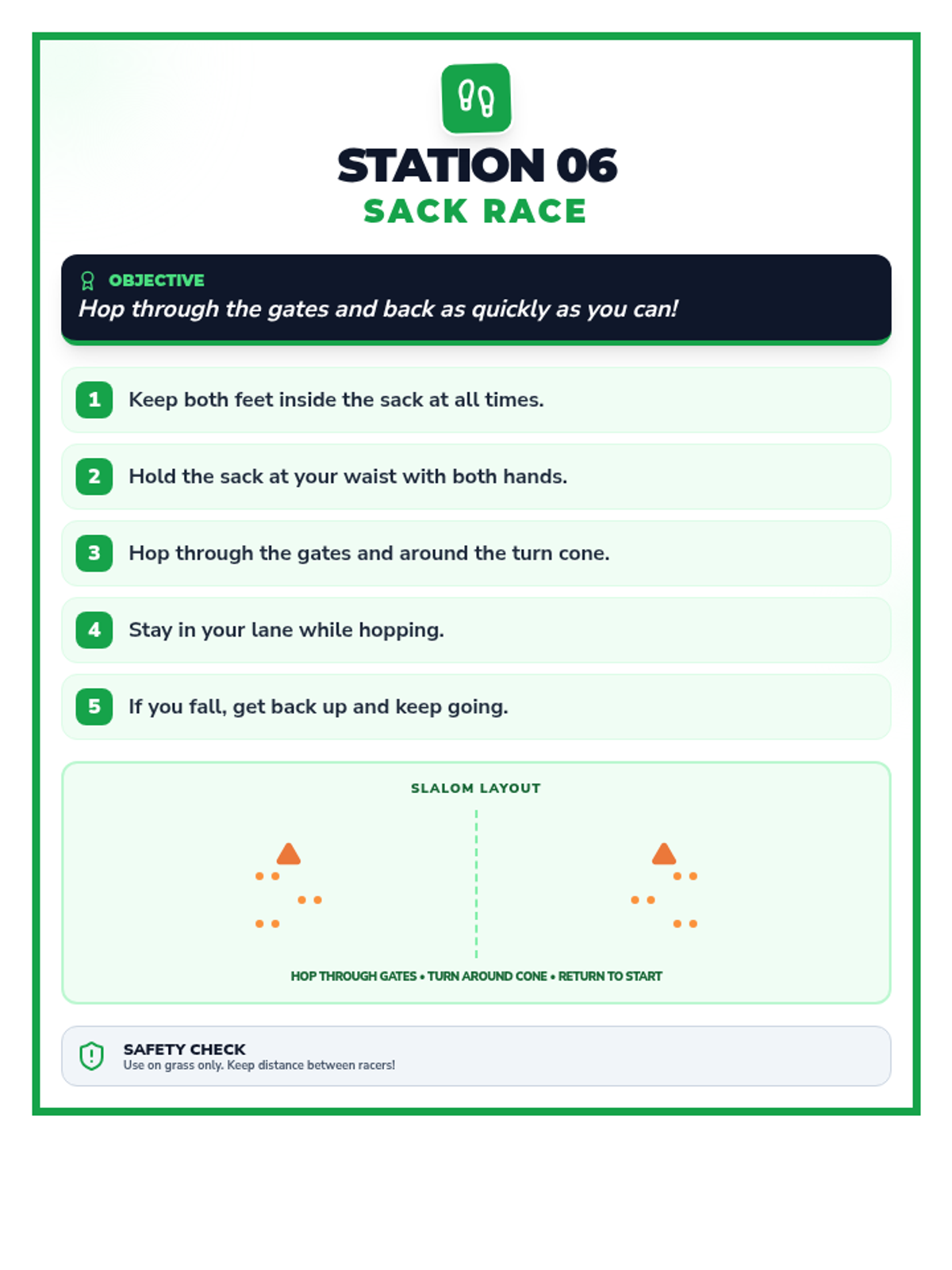
A high-energy station guide for the classic Sack Race, including lane setup diagrams, jumping technique tips, and safety protocols for a fun-filled race.
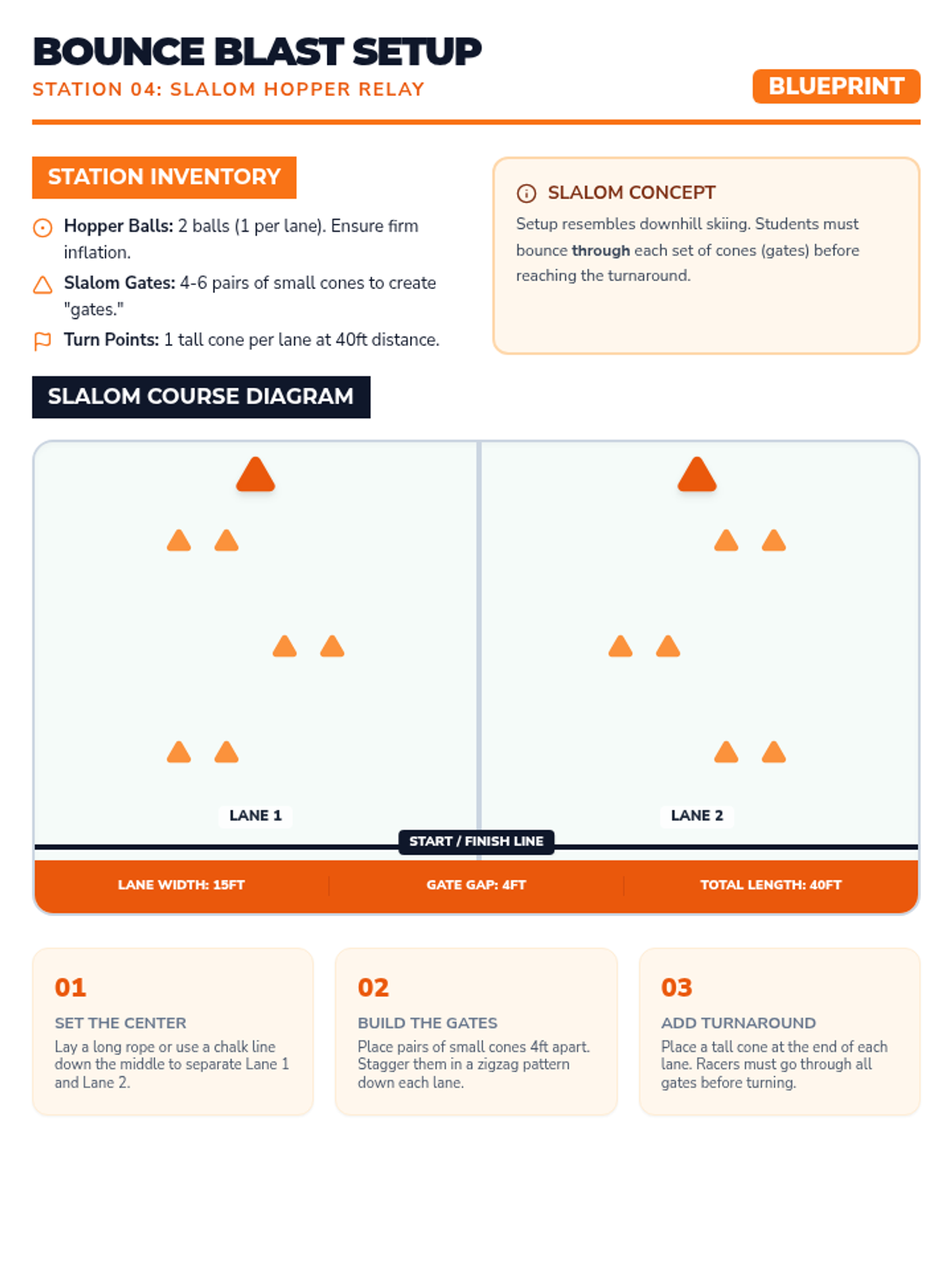
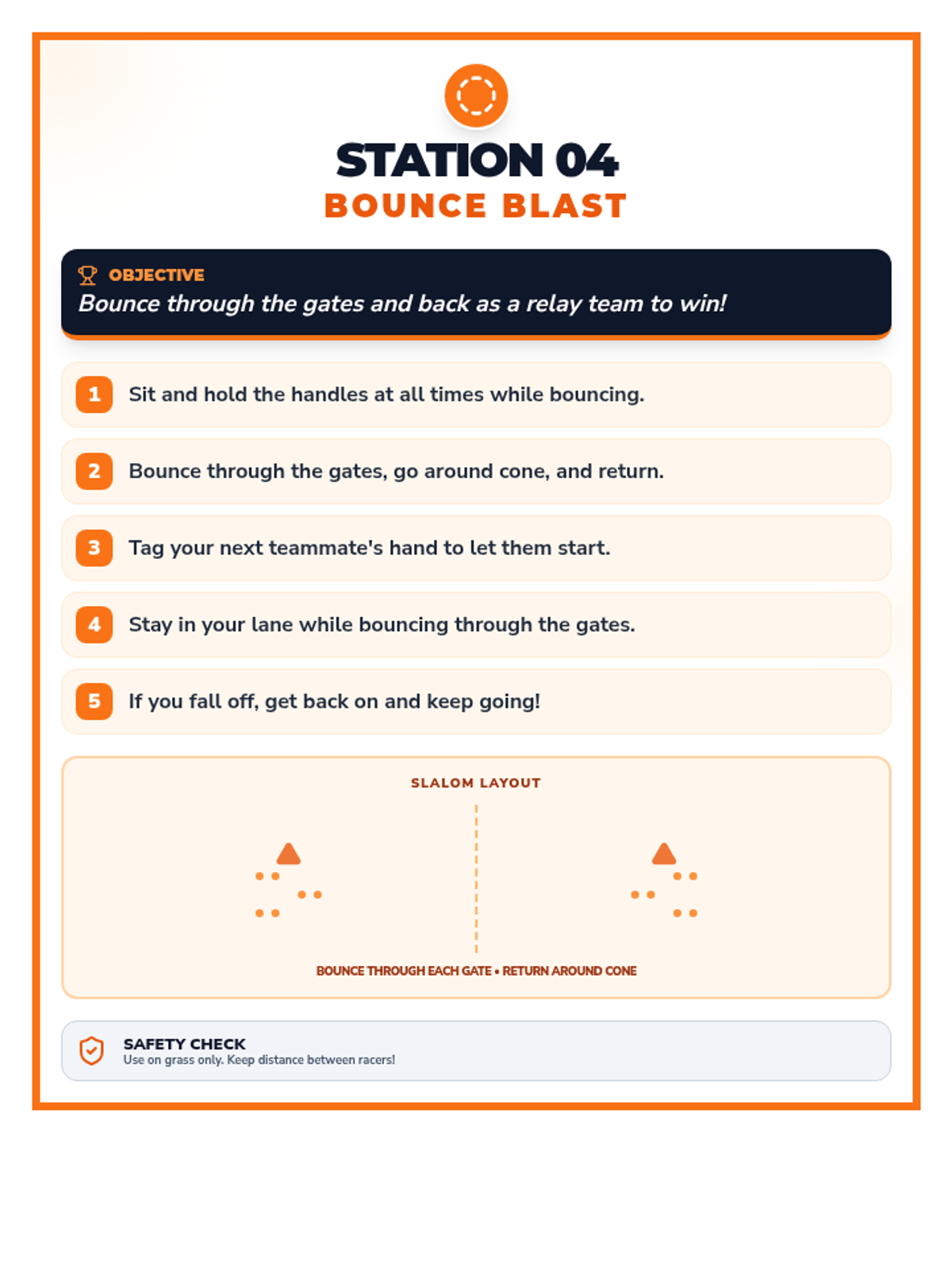
A high-energy relay station guide for the Bounce Blast hopper ball race, including lane setup diagrams, safety protocols, and relay hand-off instructions.
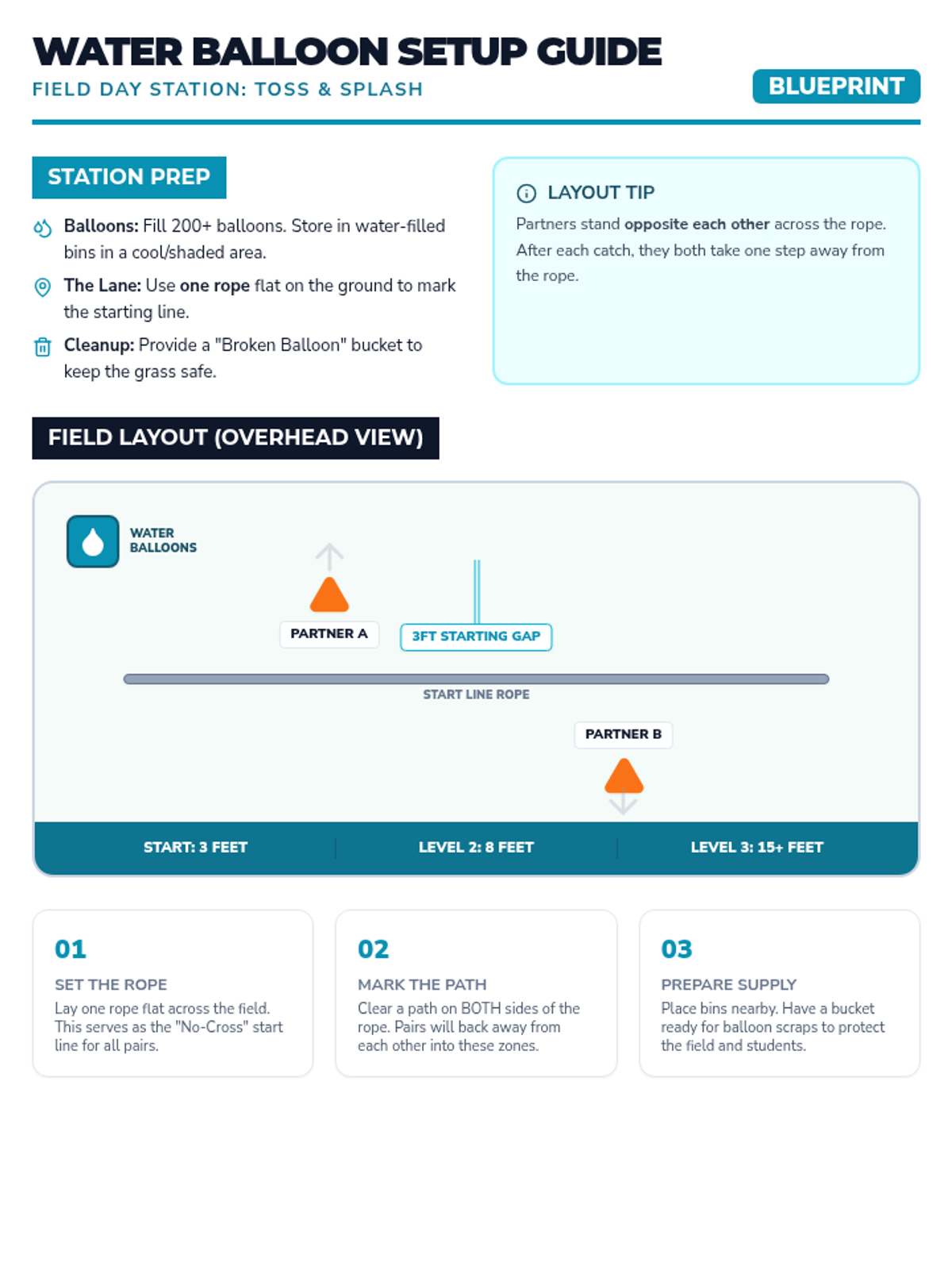
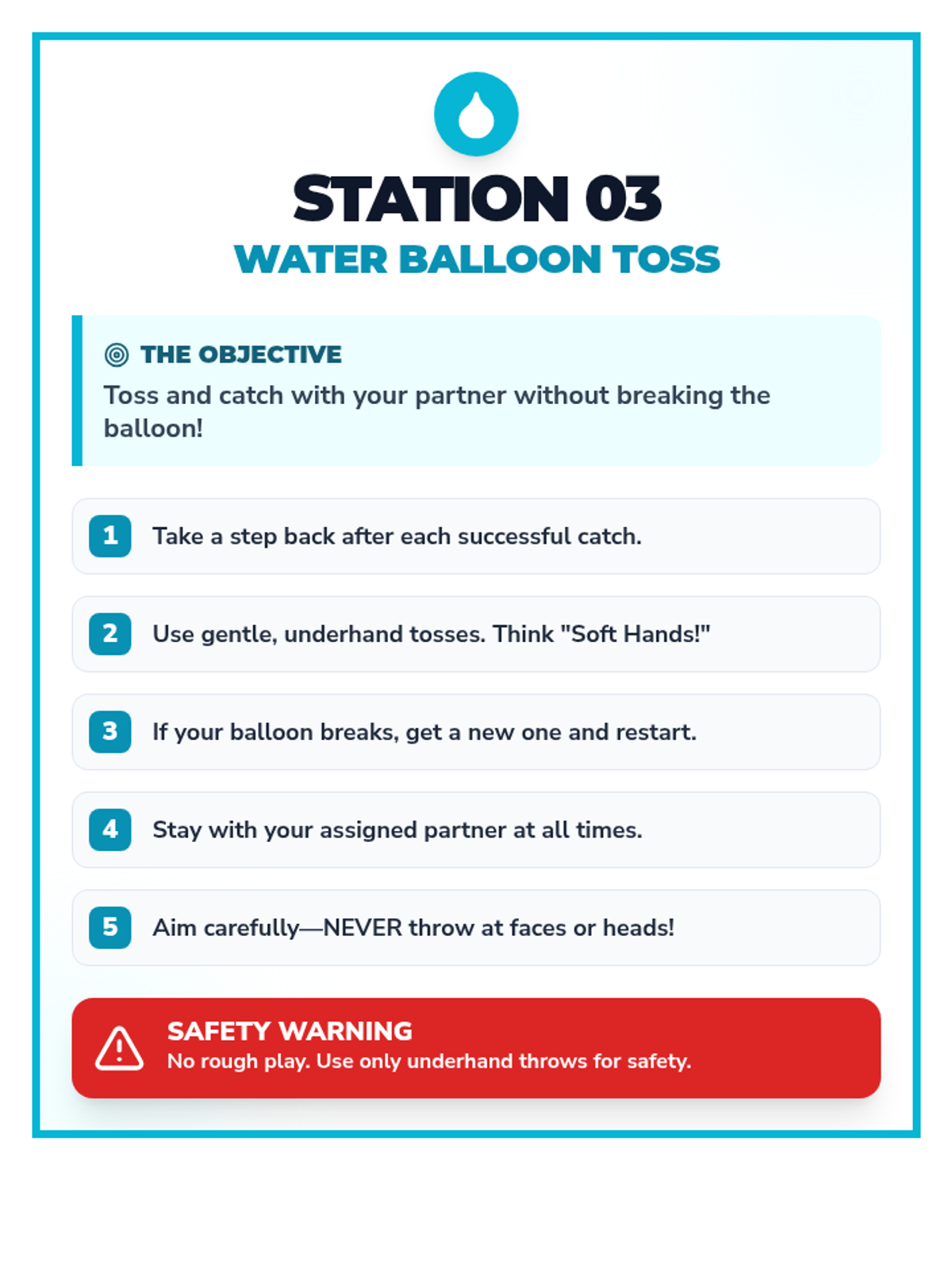
A comprehensive station guide for the Water Balloon Toss, including field setup diagrams, technique tips for catching, and safety protocols for aquatic fun.
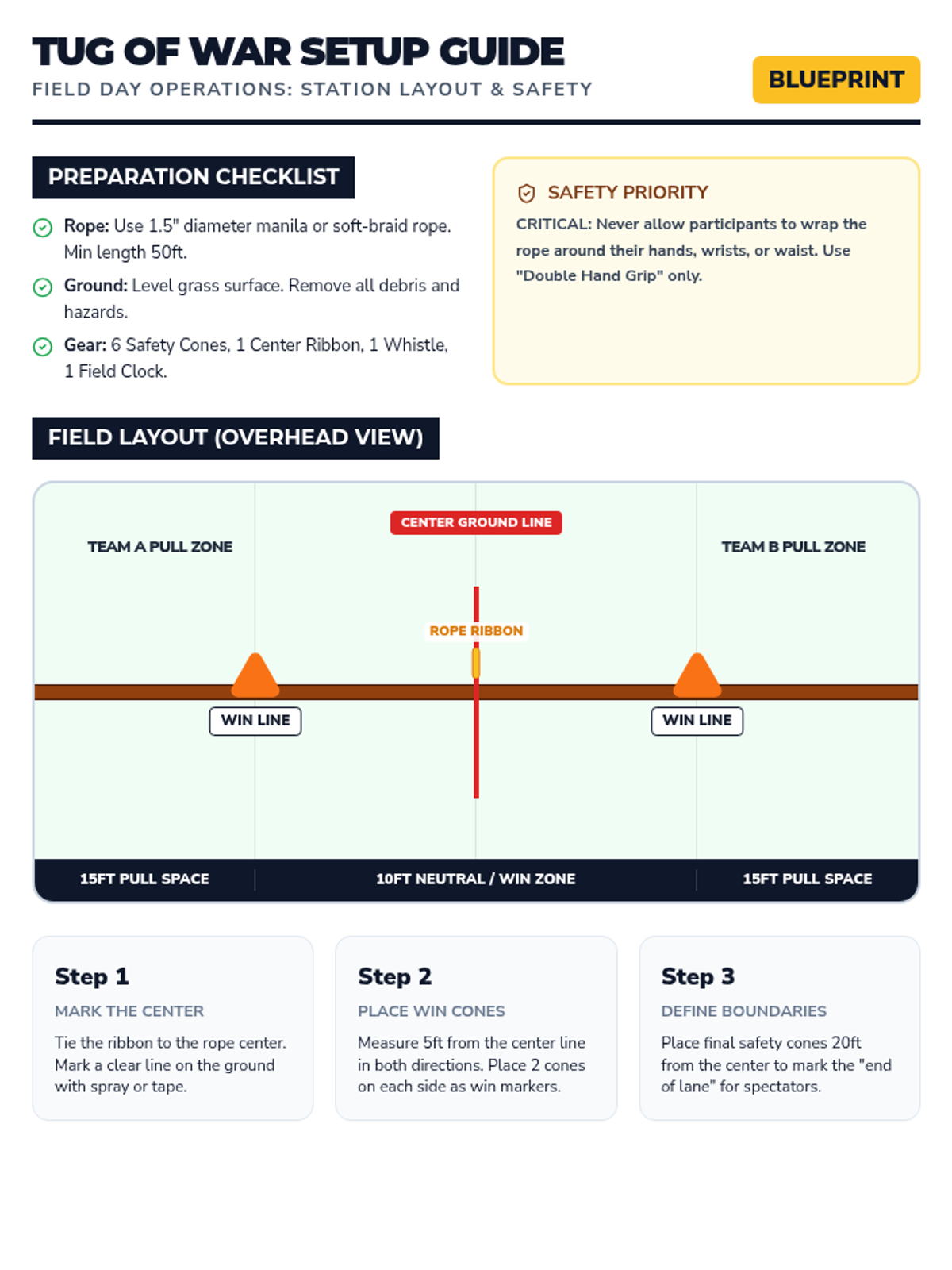
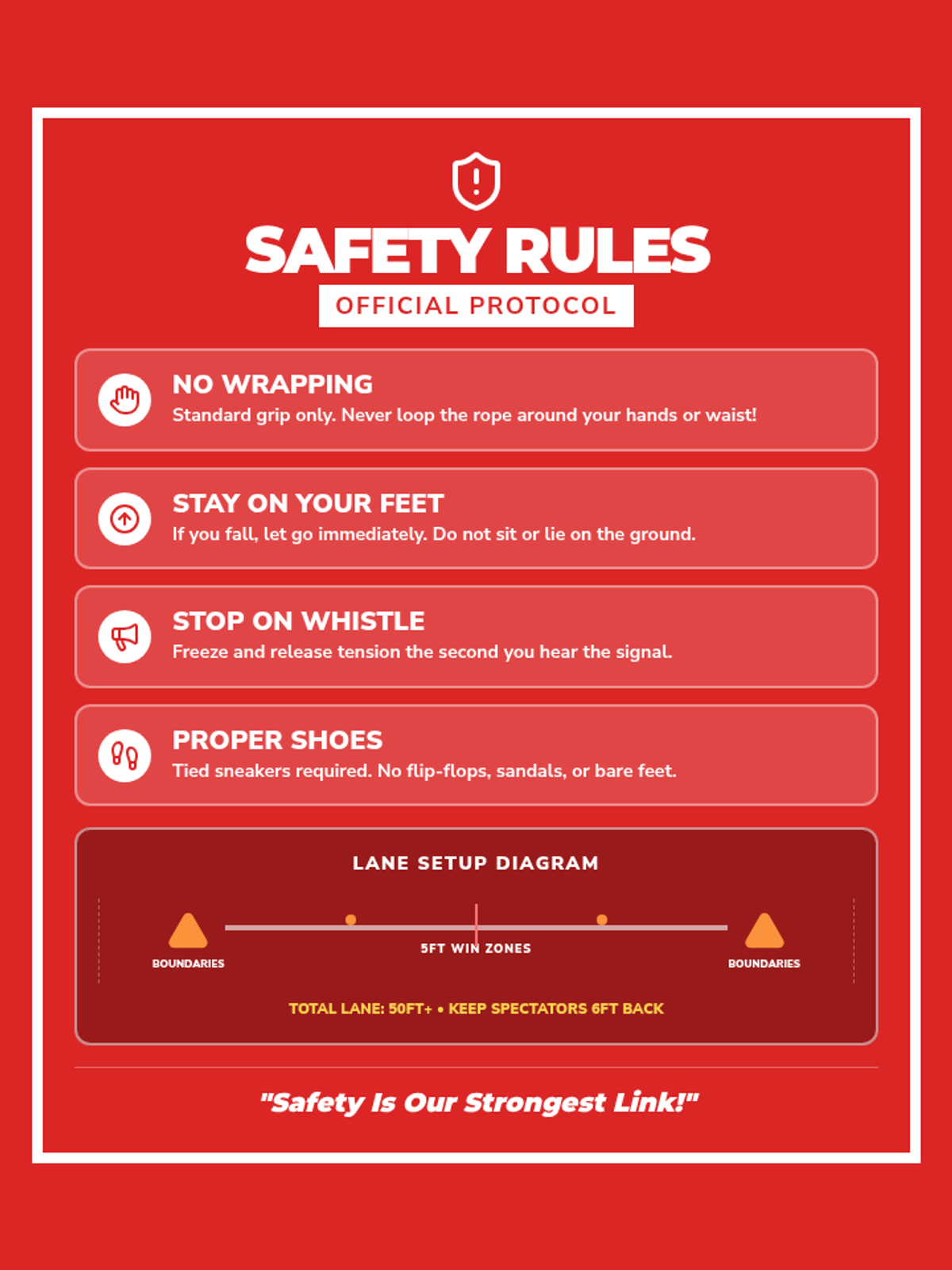
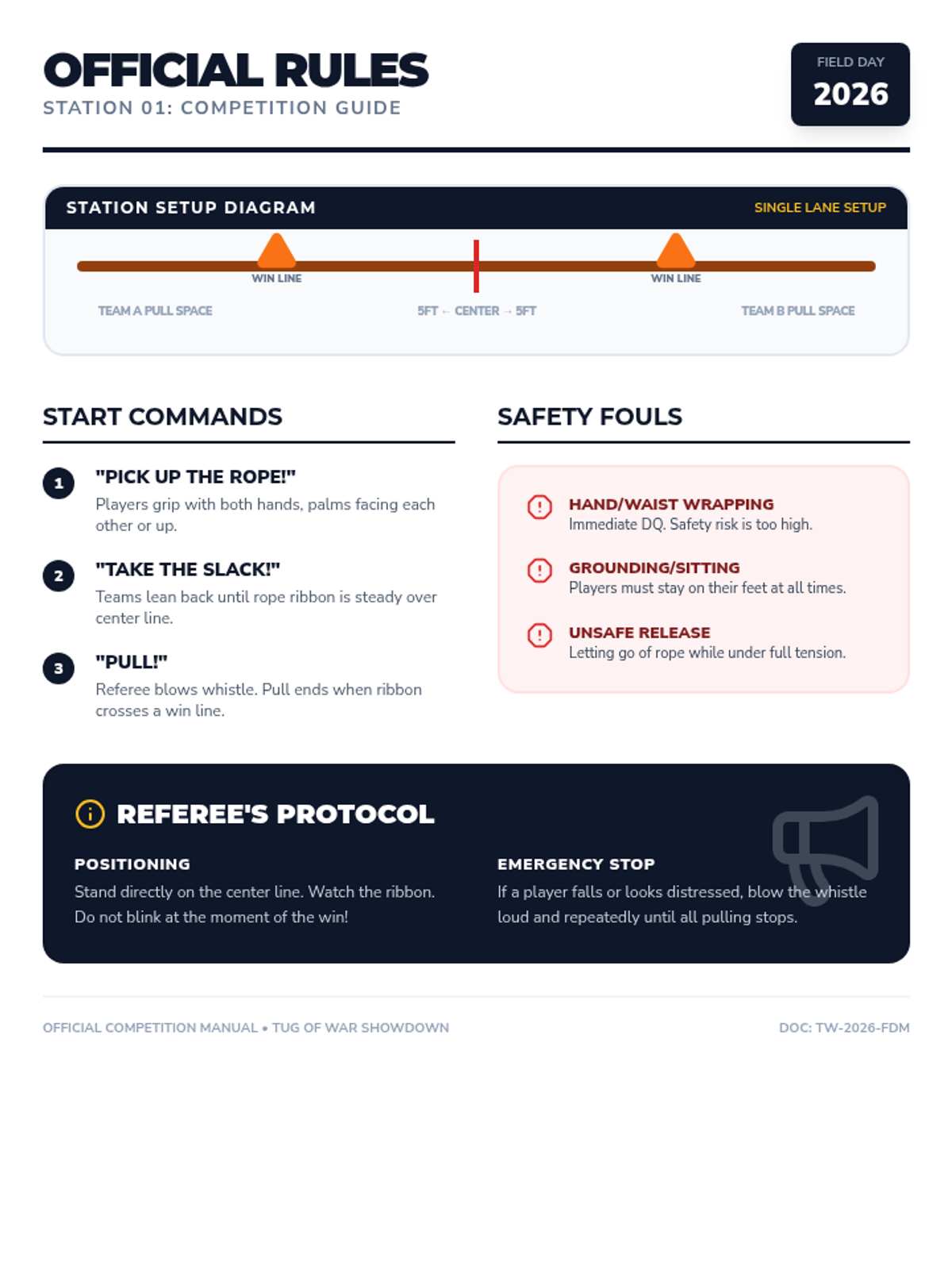
A complete guide for organizing a safe and fun tug of war event, including visual setup diagrams, safety protocols, and official competition rules.
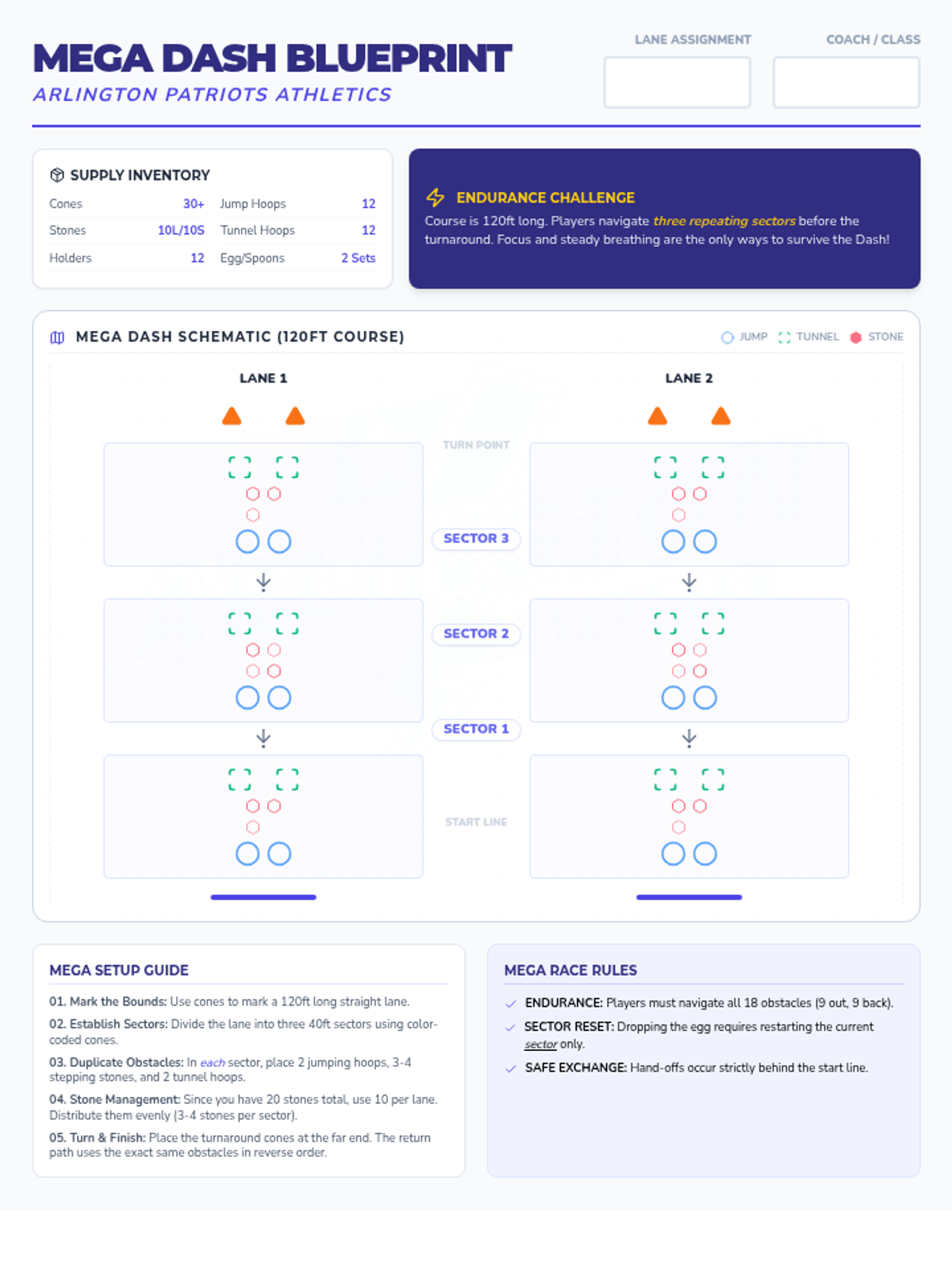
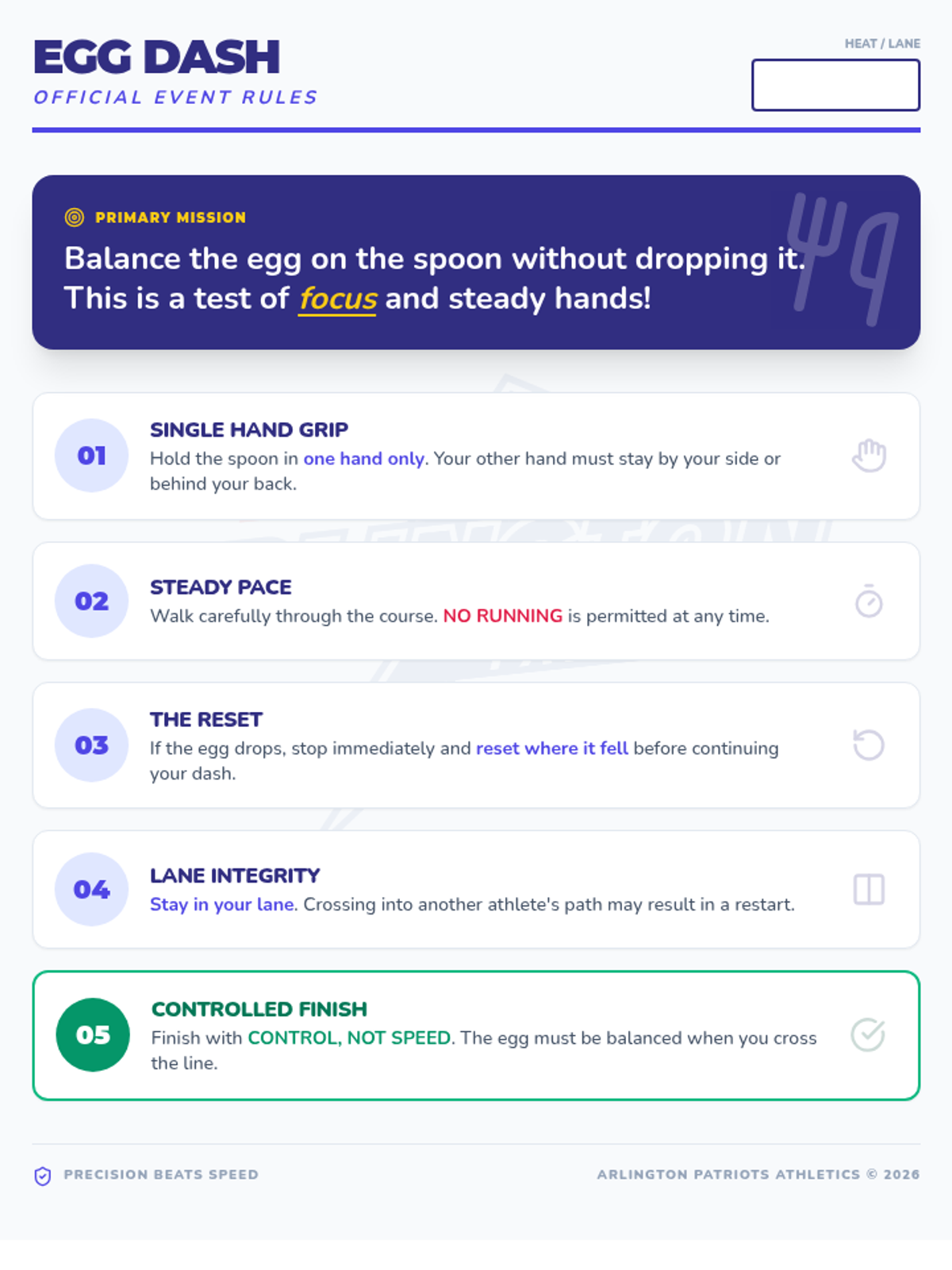
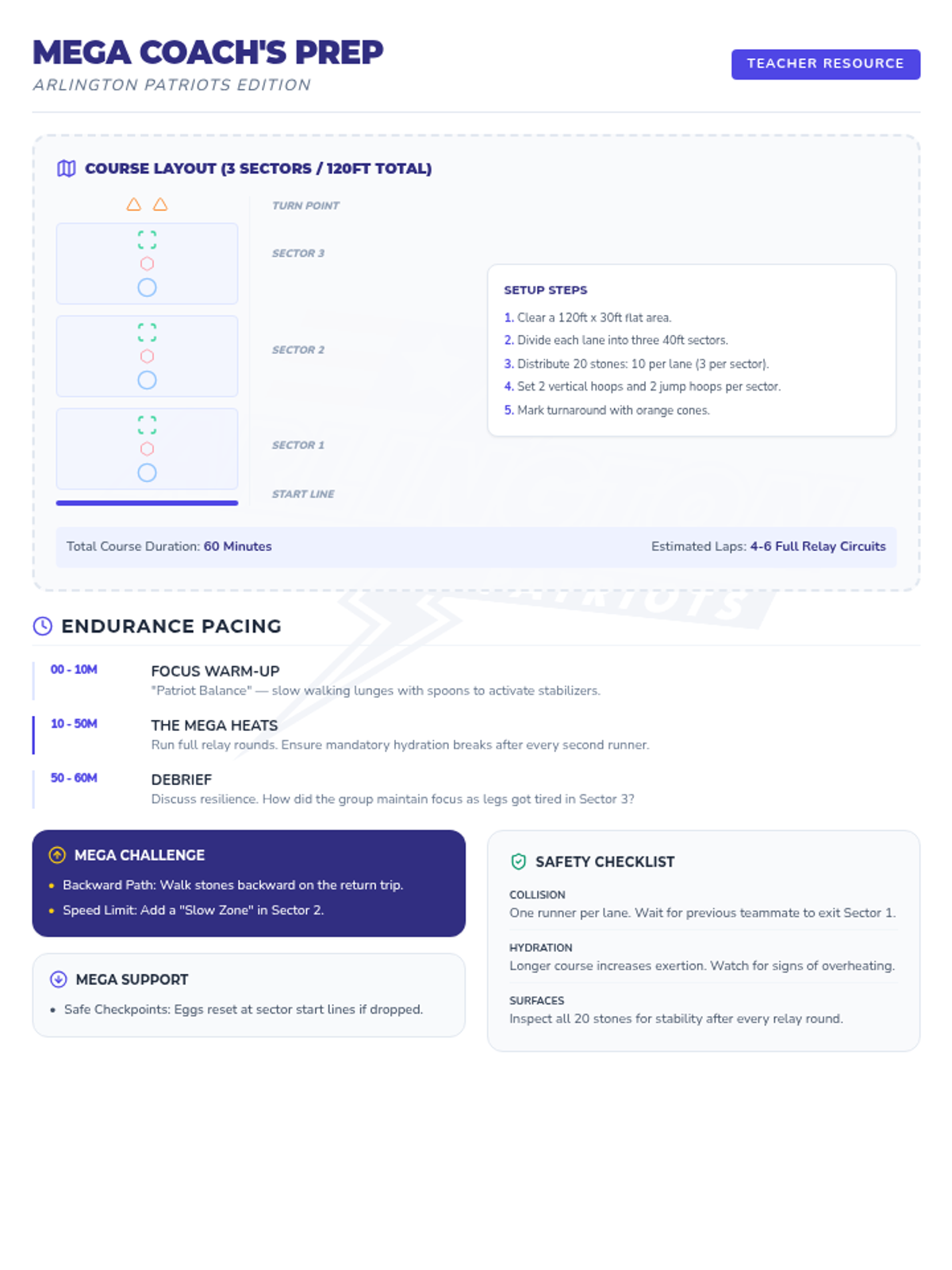
A high-energy relay race lesson where students navigate an expanded 120ft obstacle course while balancing a giant egg. Focuses on motor skills, endurance, and coordination for the Arlington Patriots.
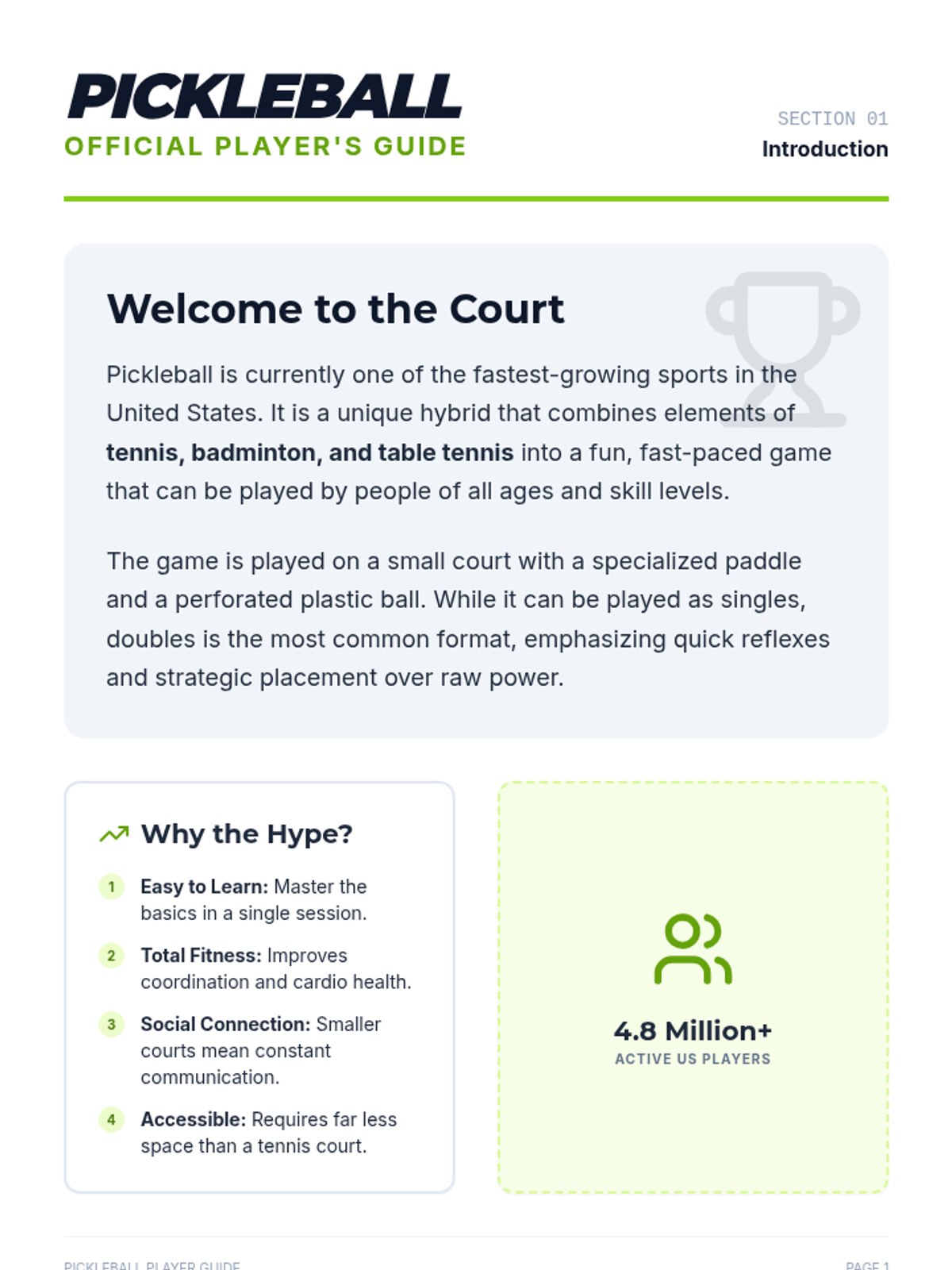
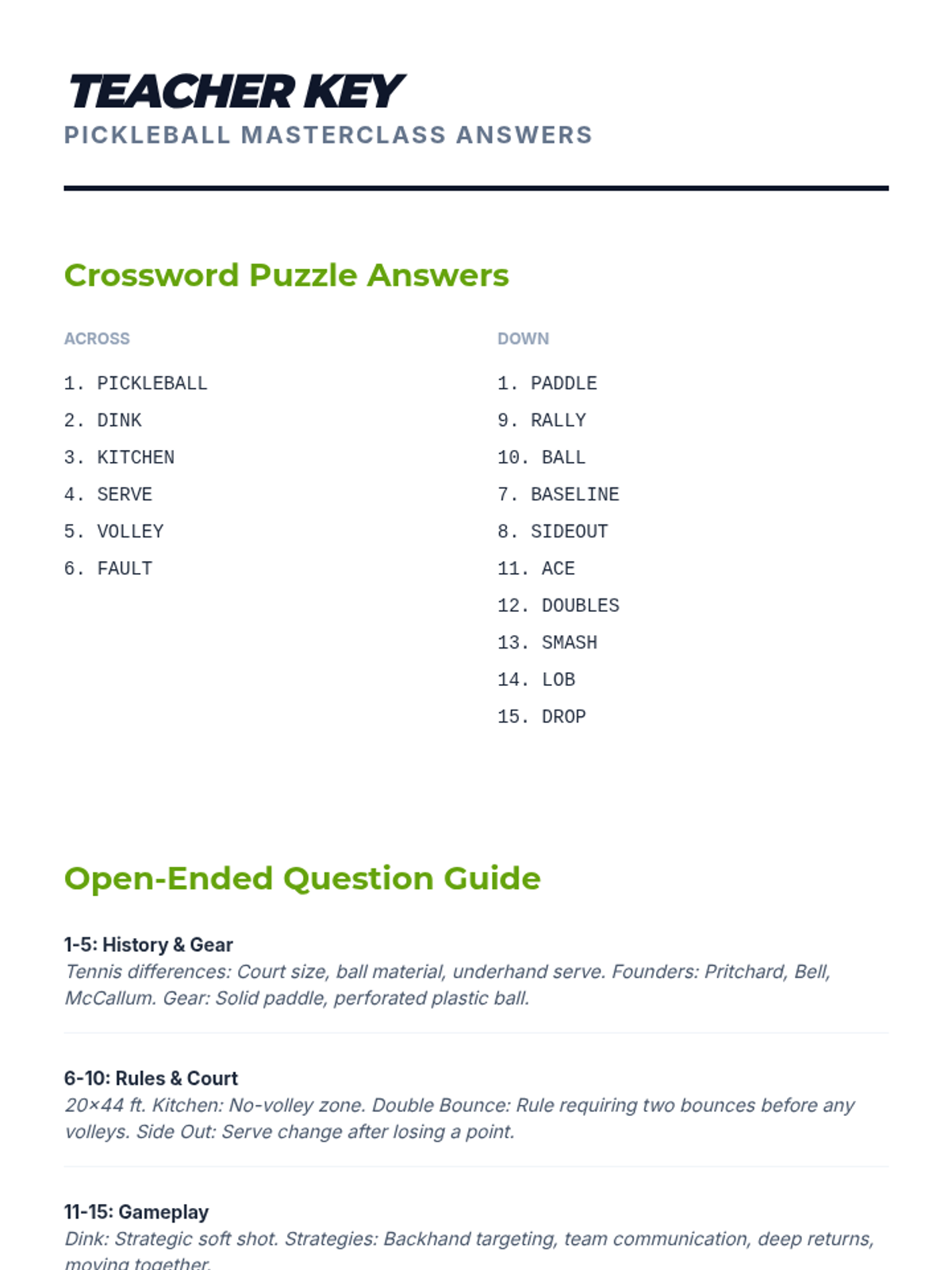
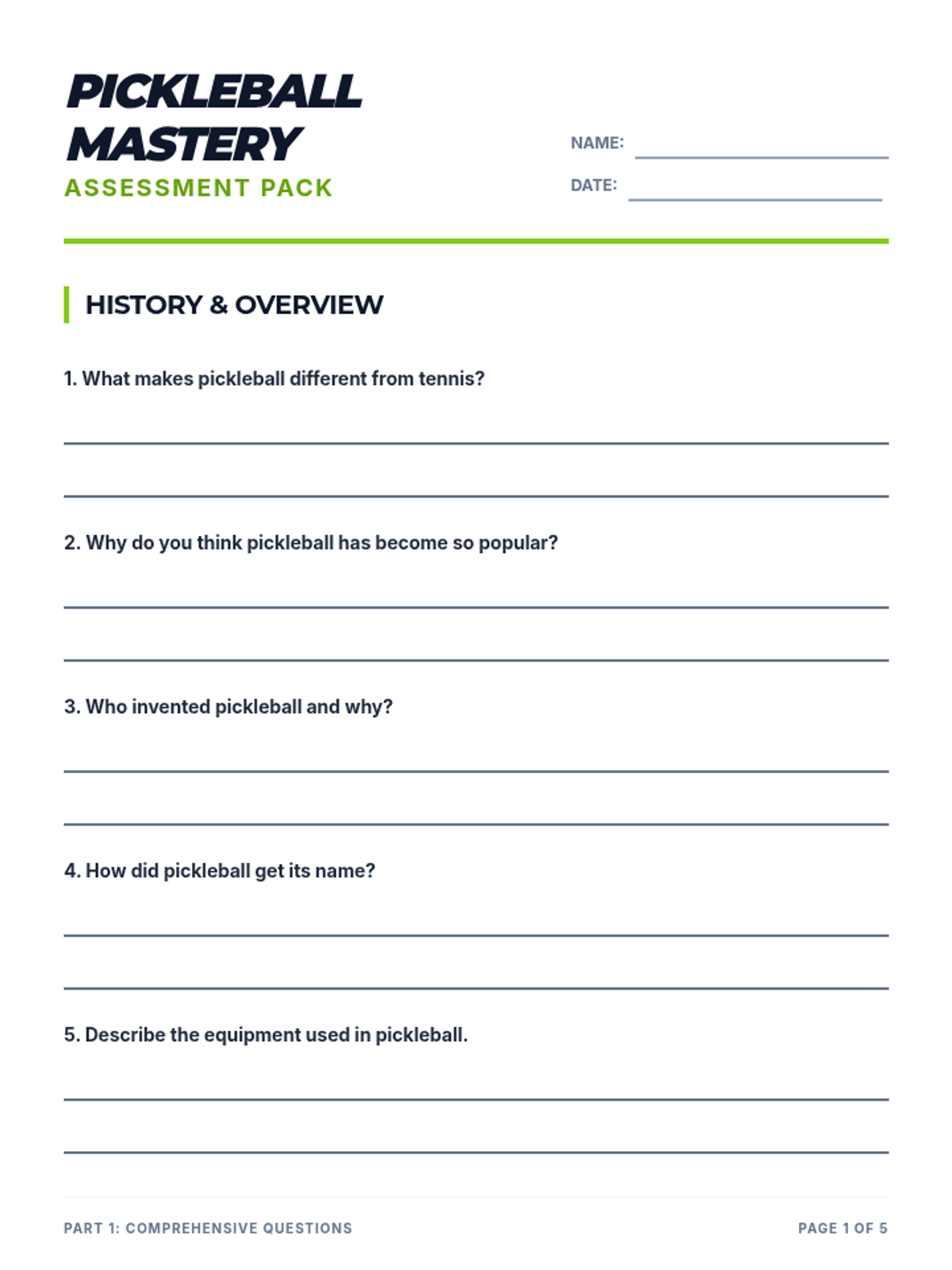
A comprehensive guide to the sport of pickleball, covering its history, rules, equipment, and strategies through an informational packet and interactive assessments.
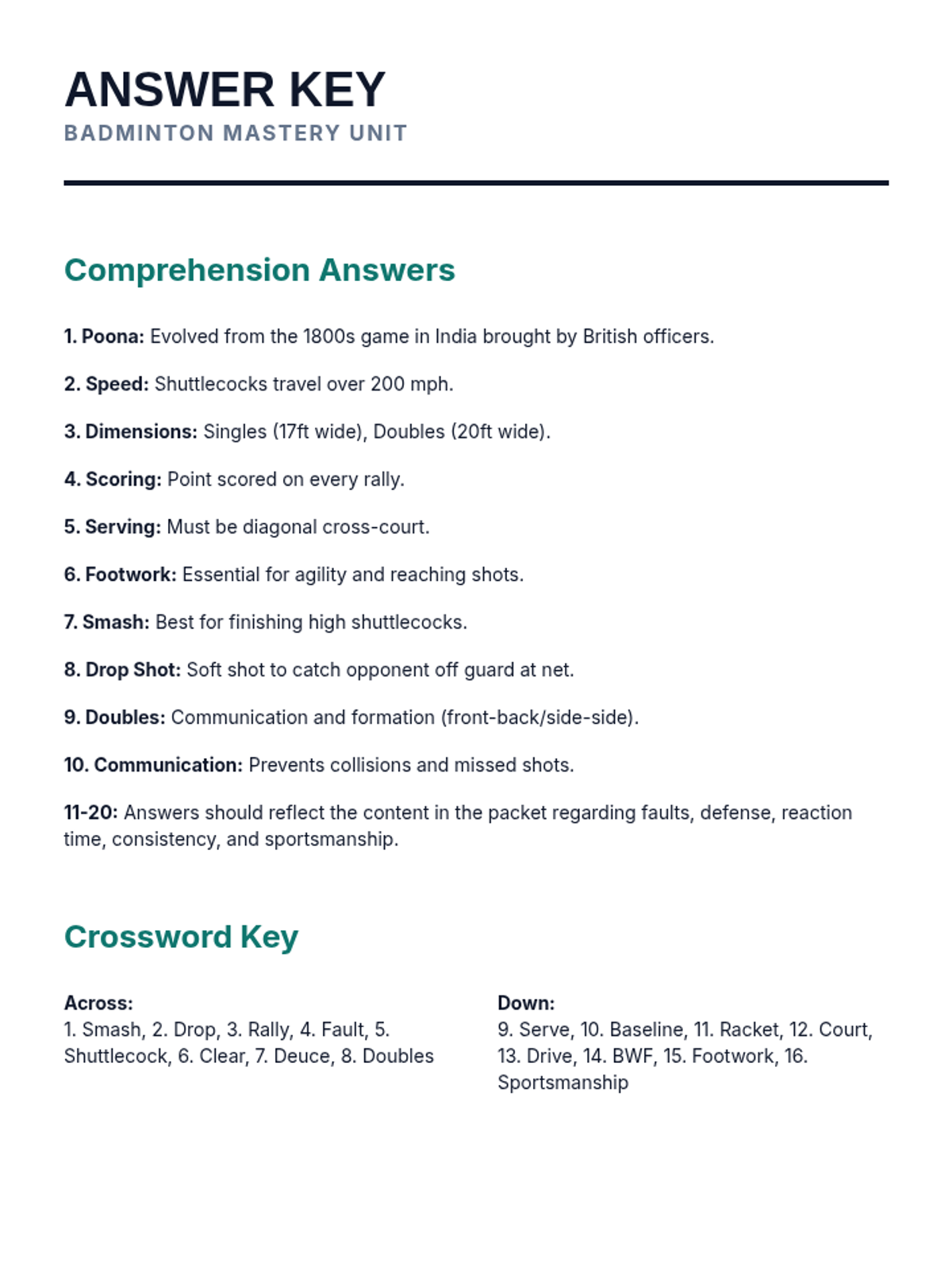
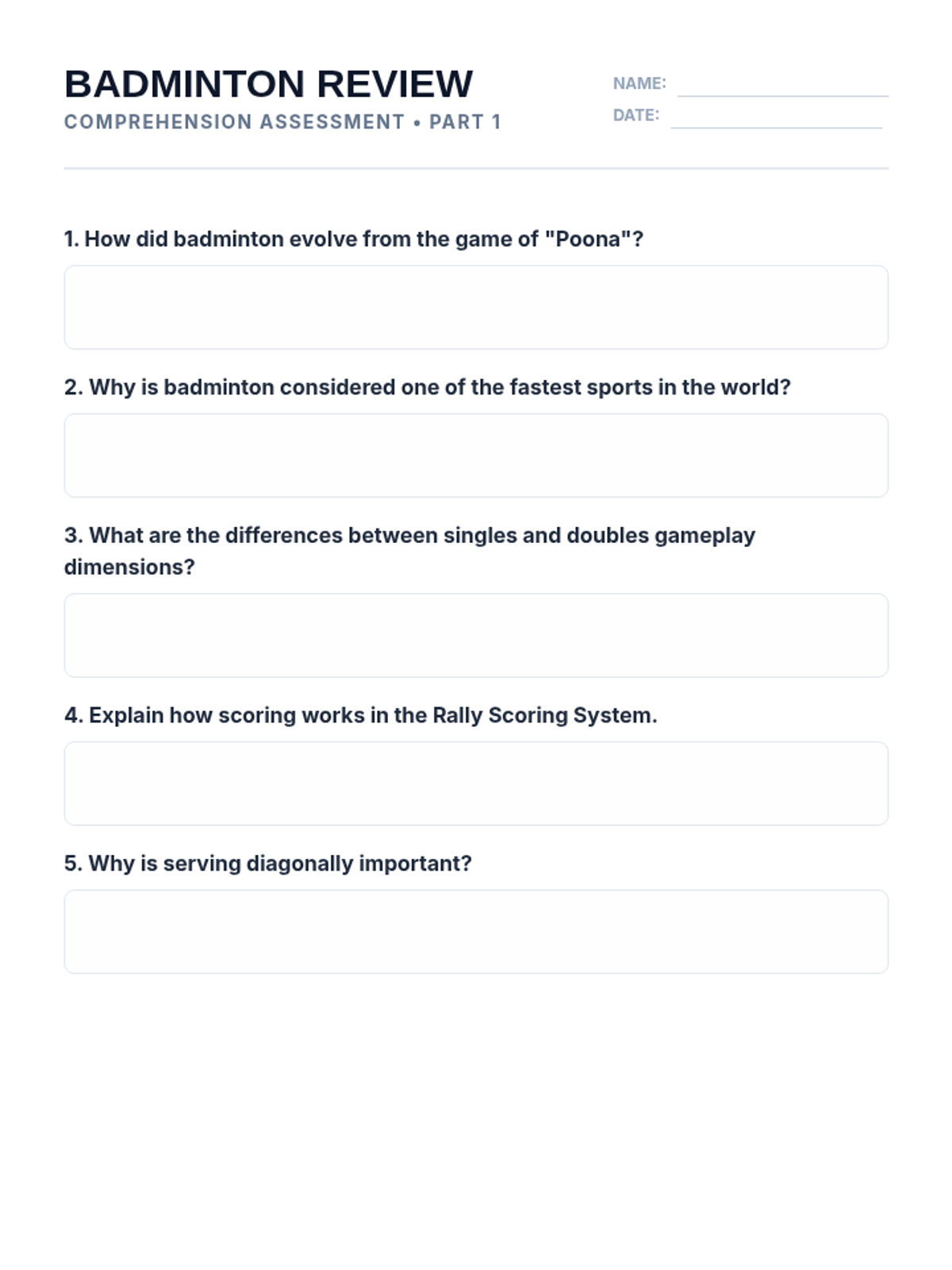
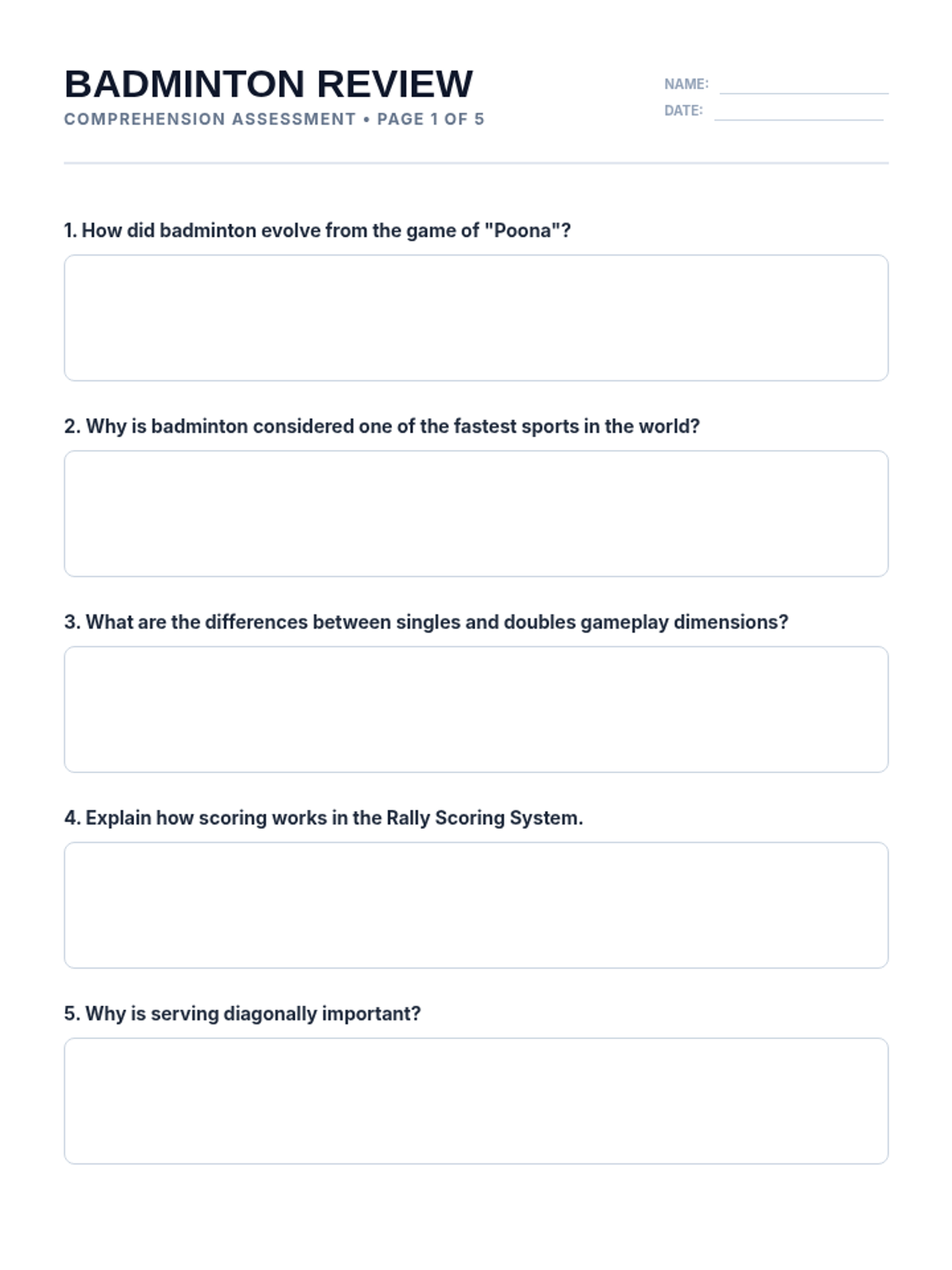
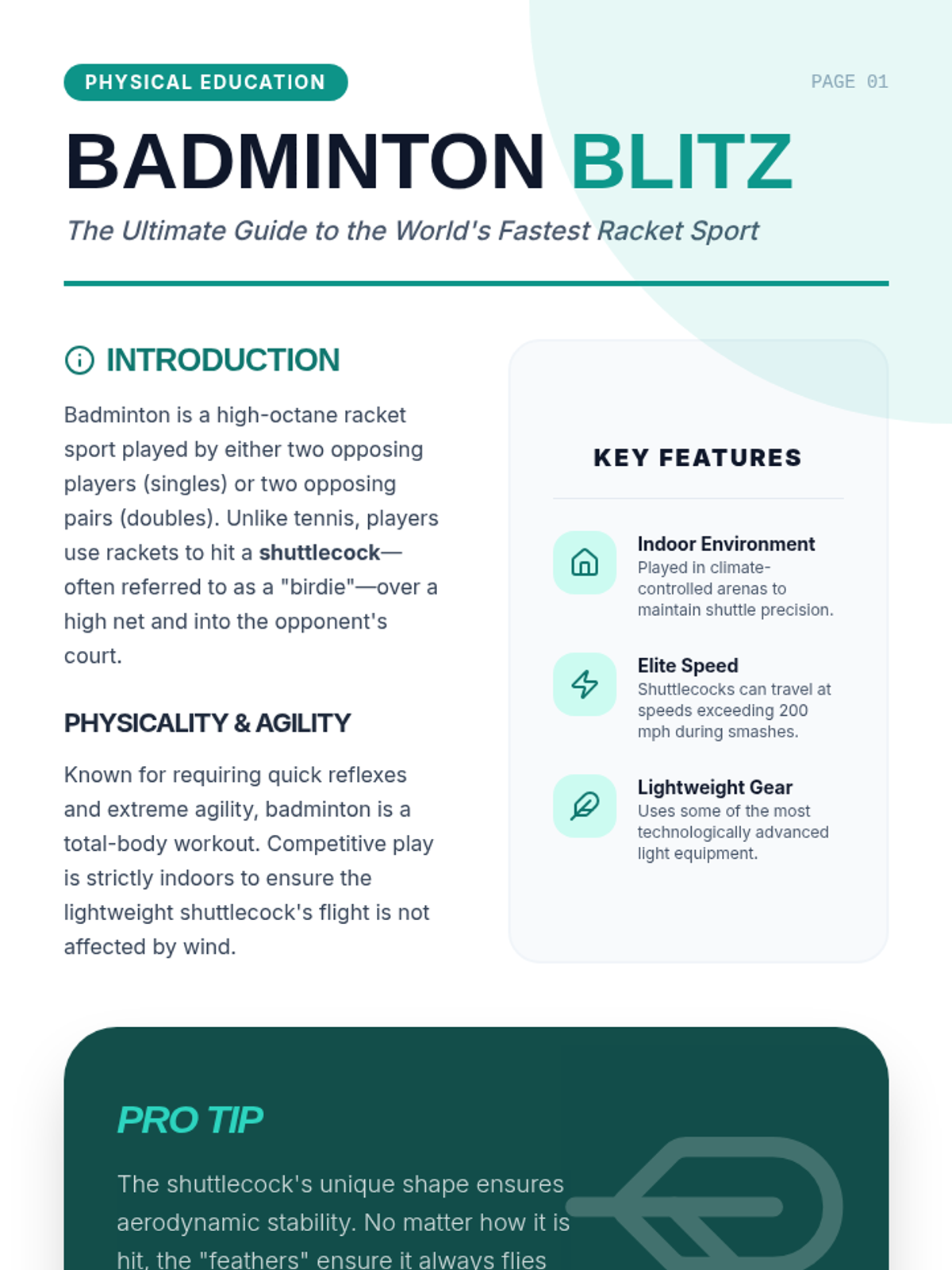
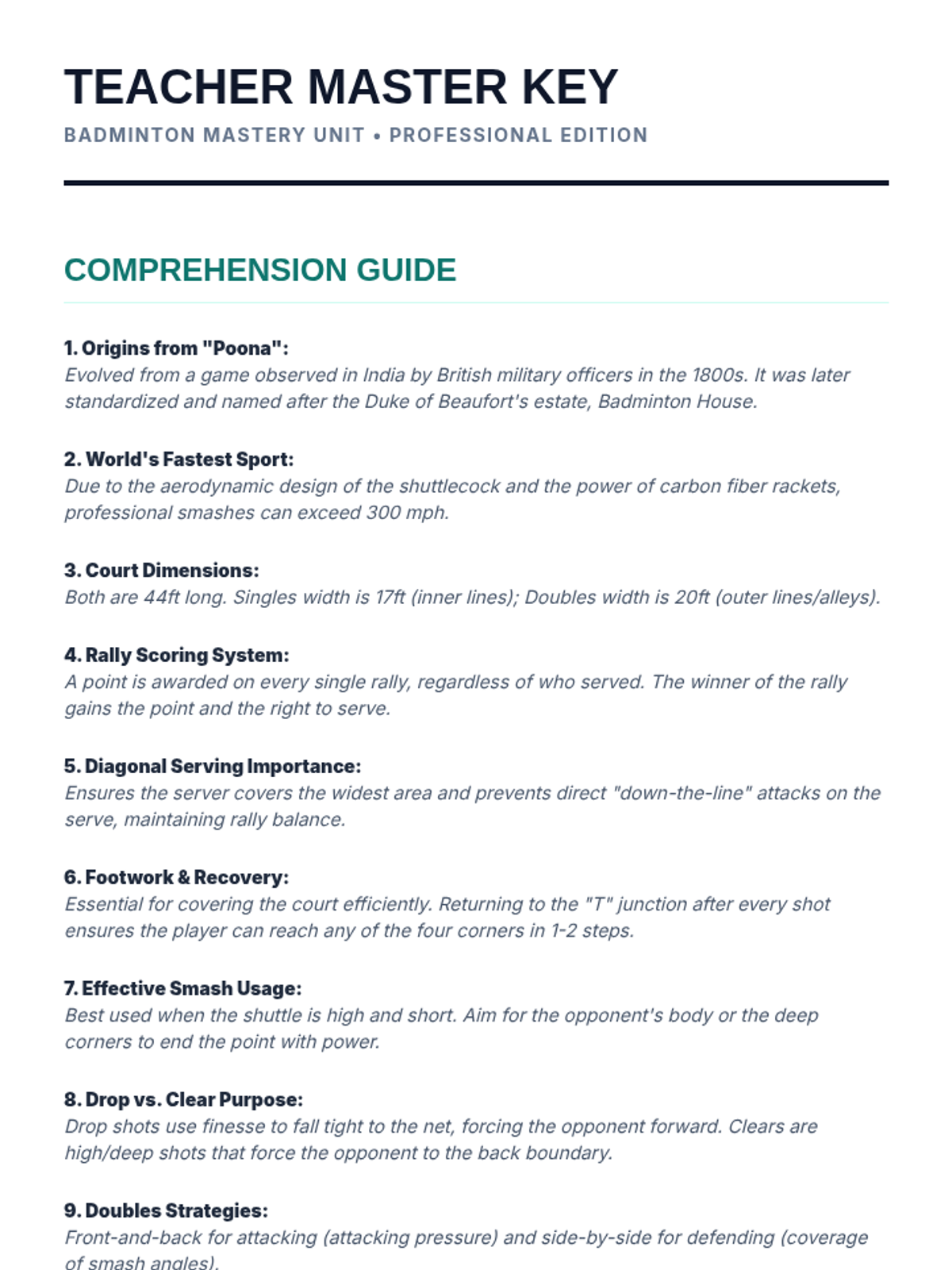
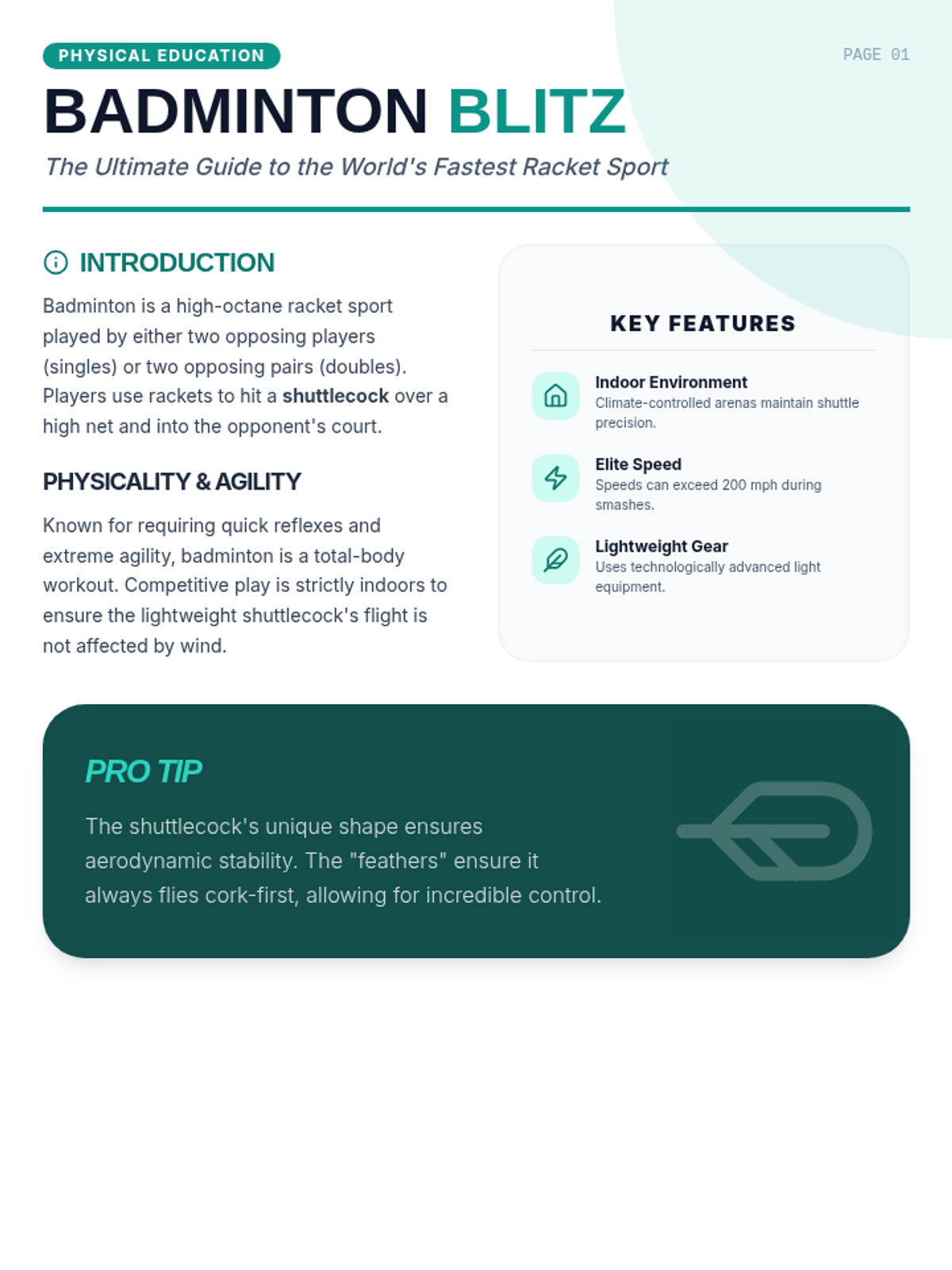
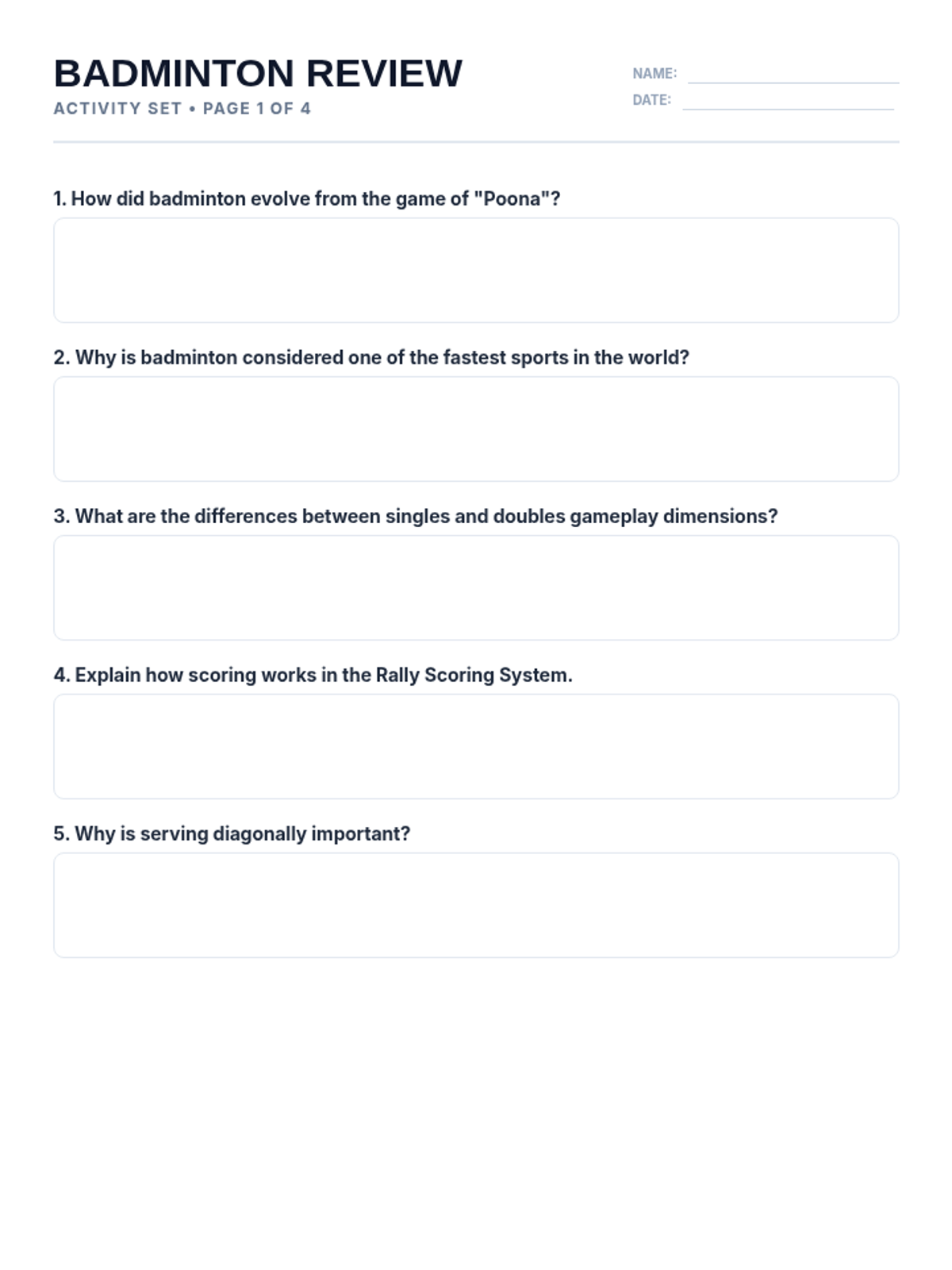
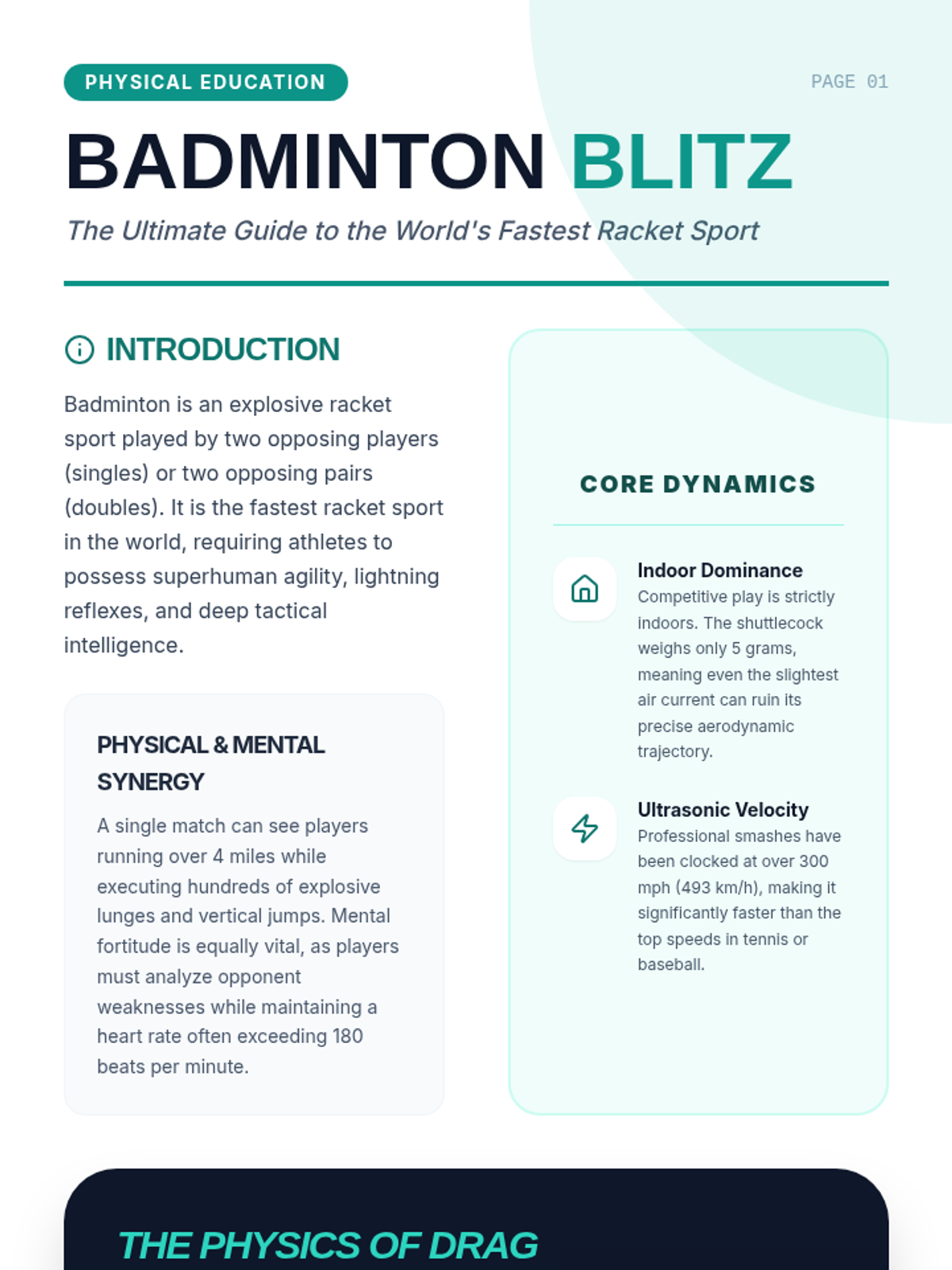
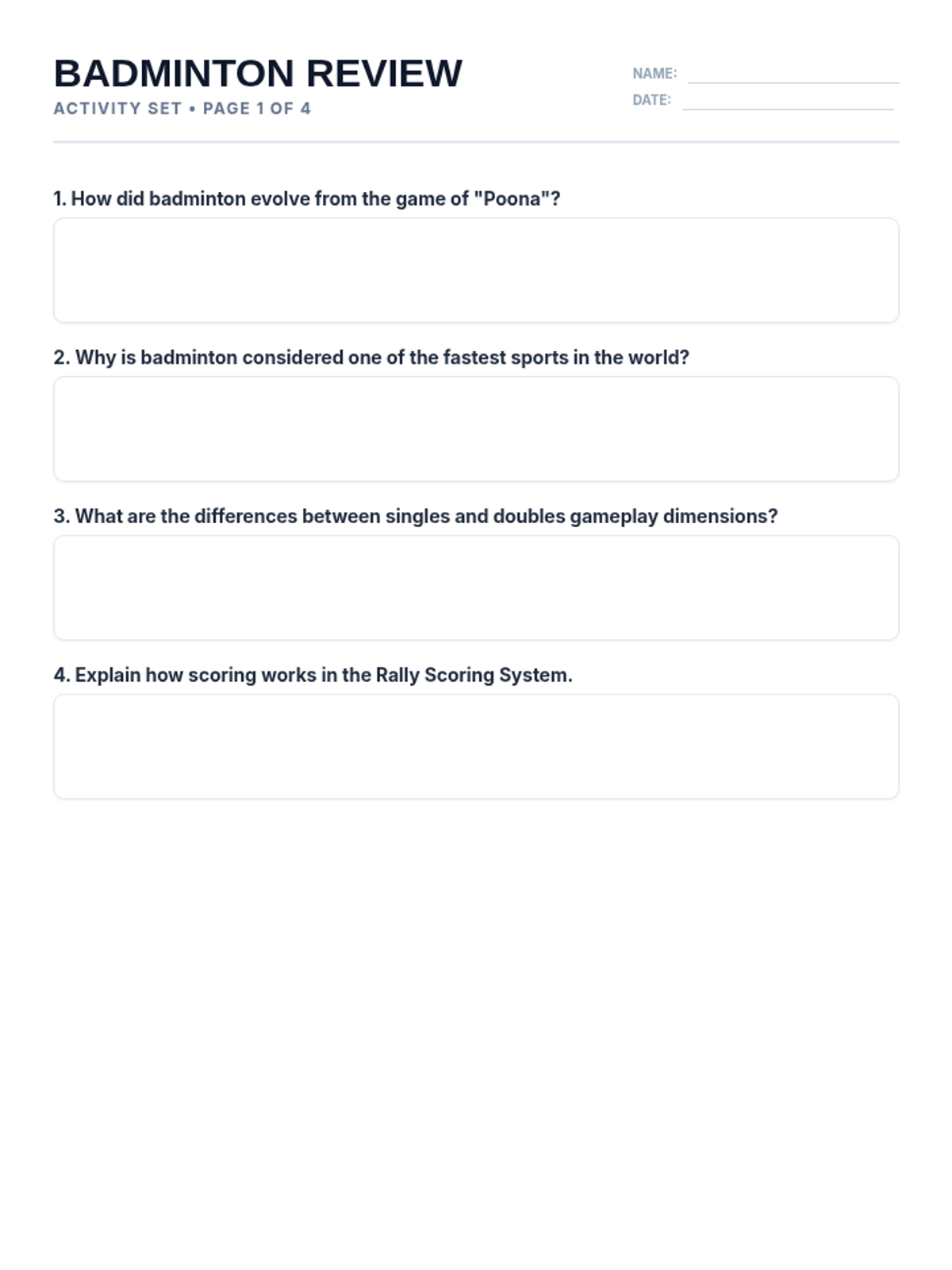
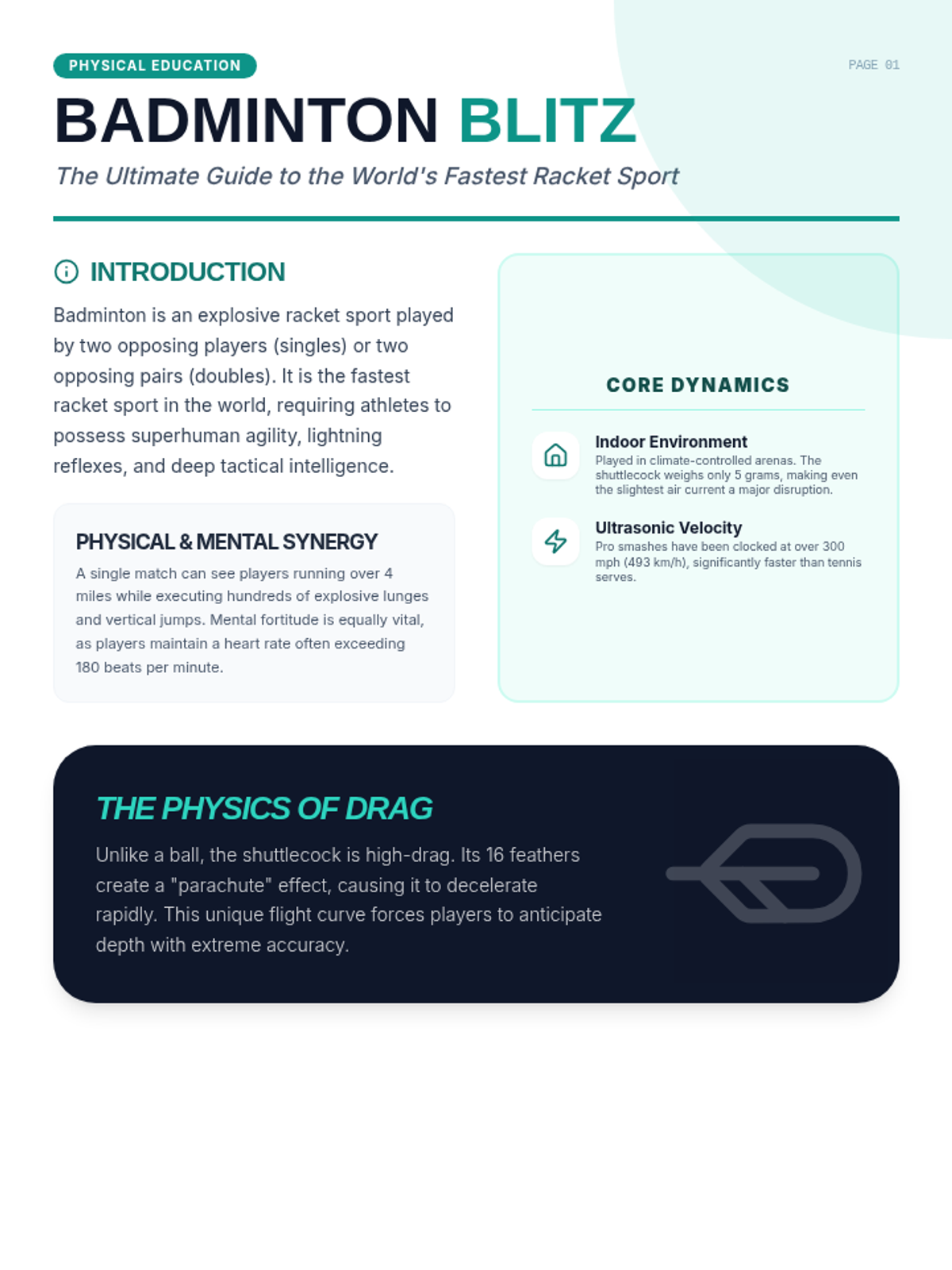
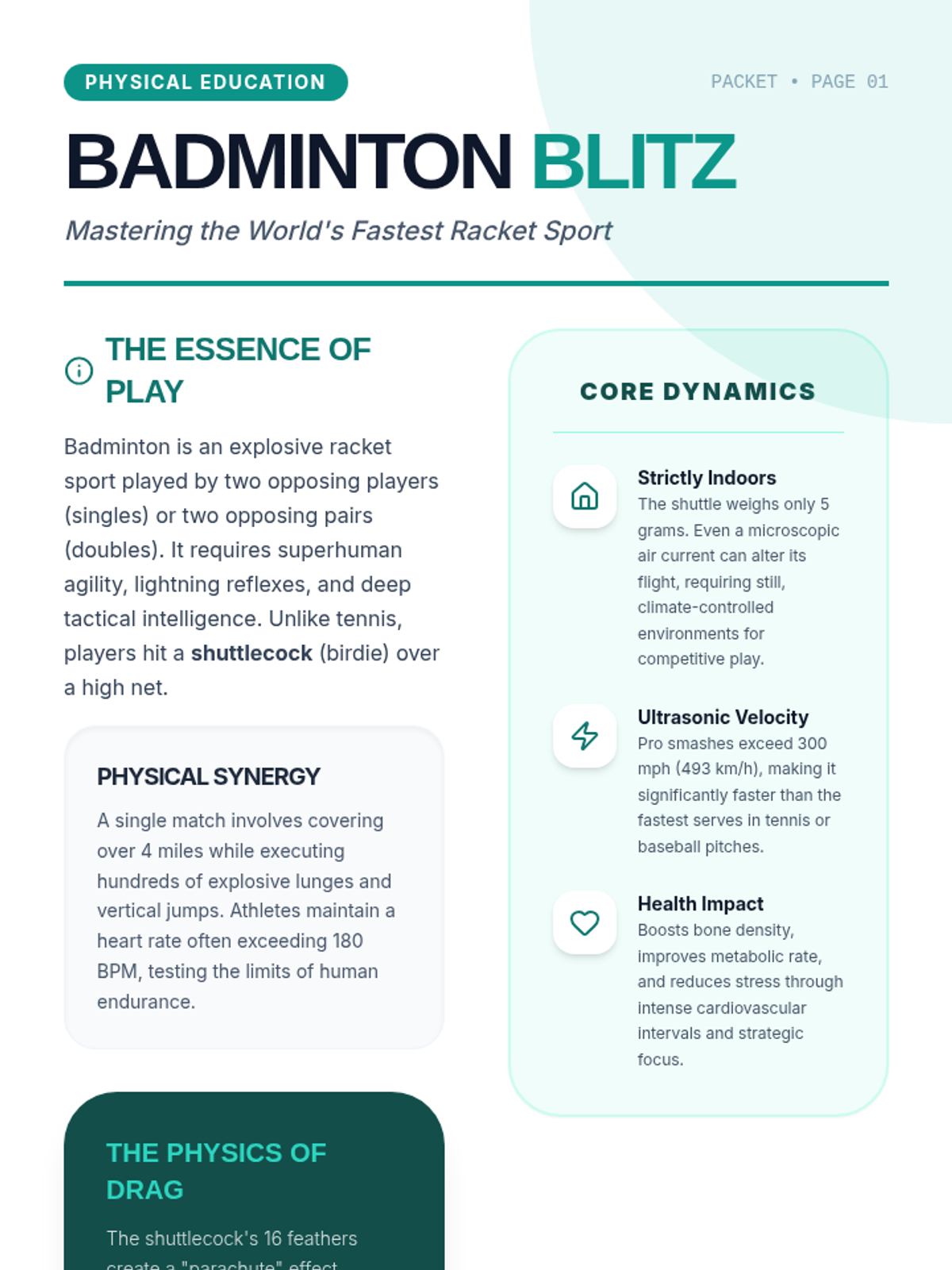
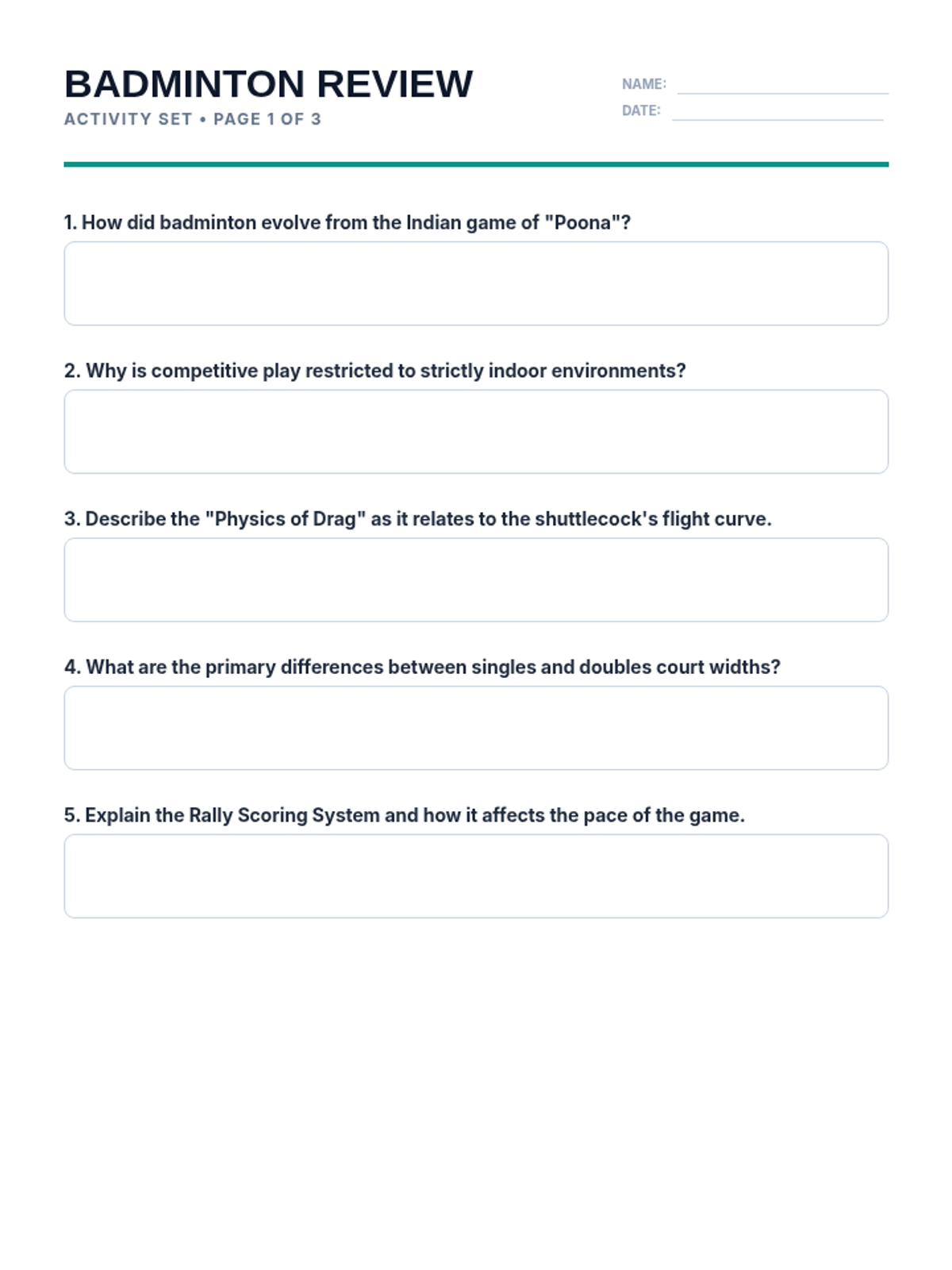
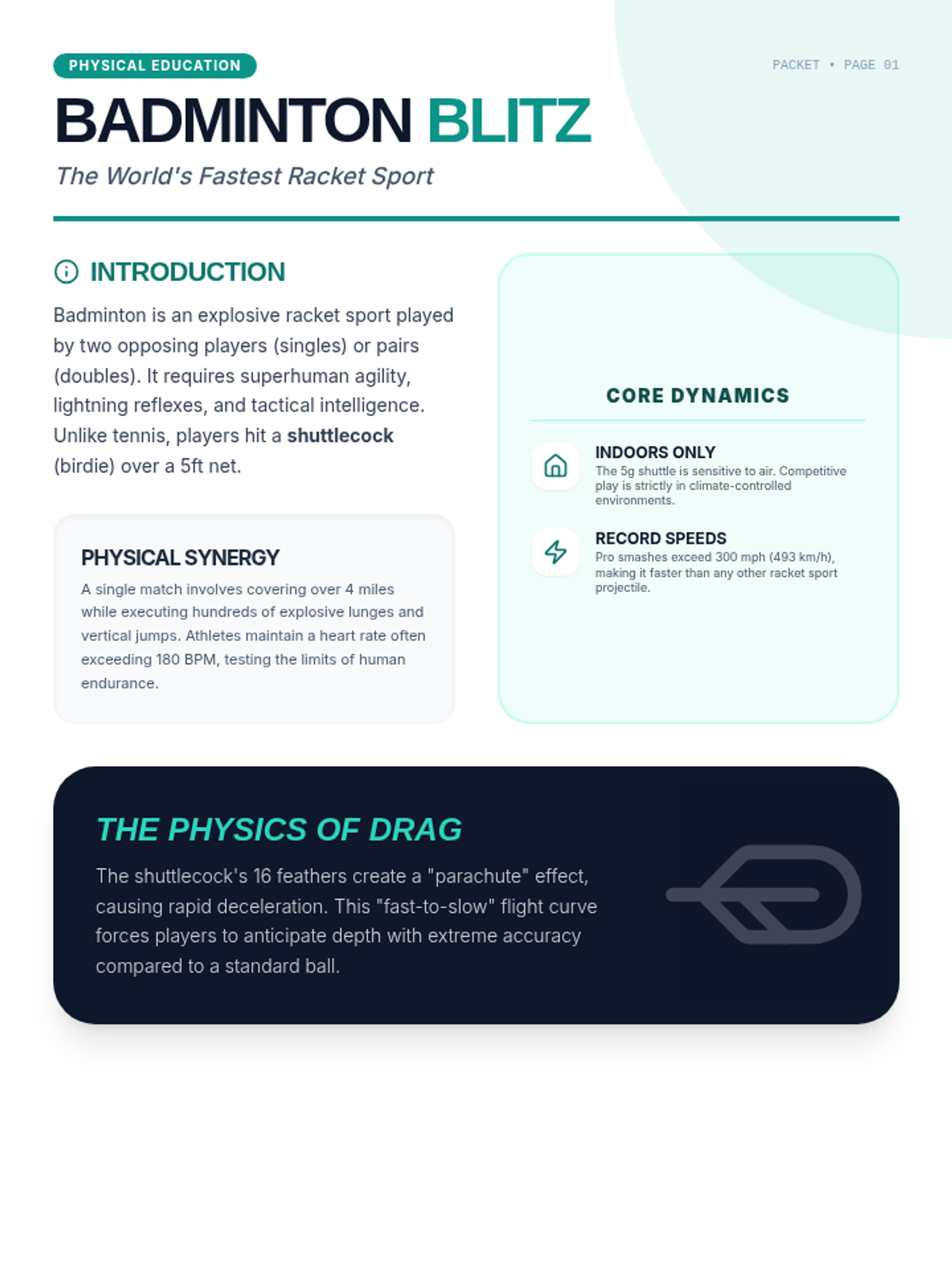
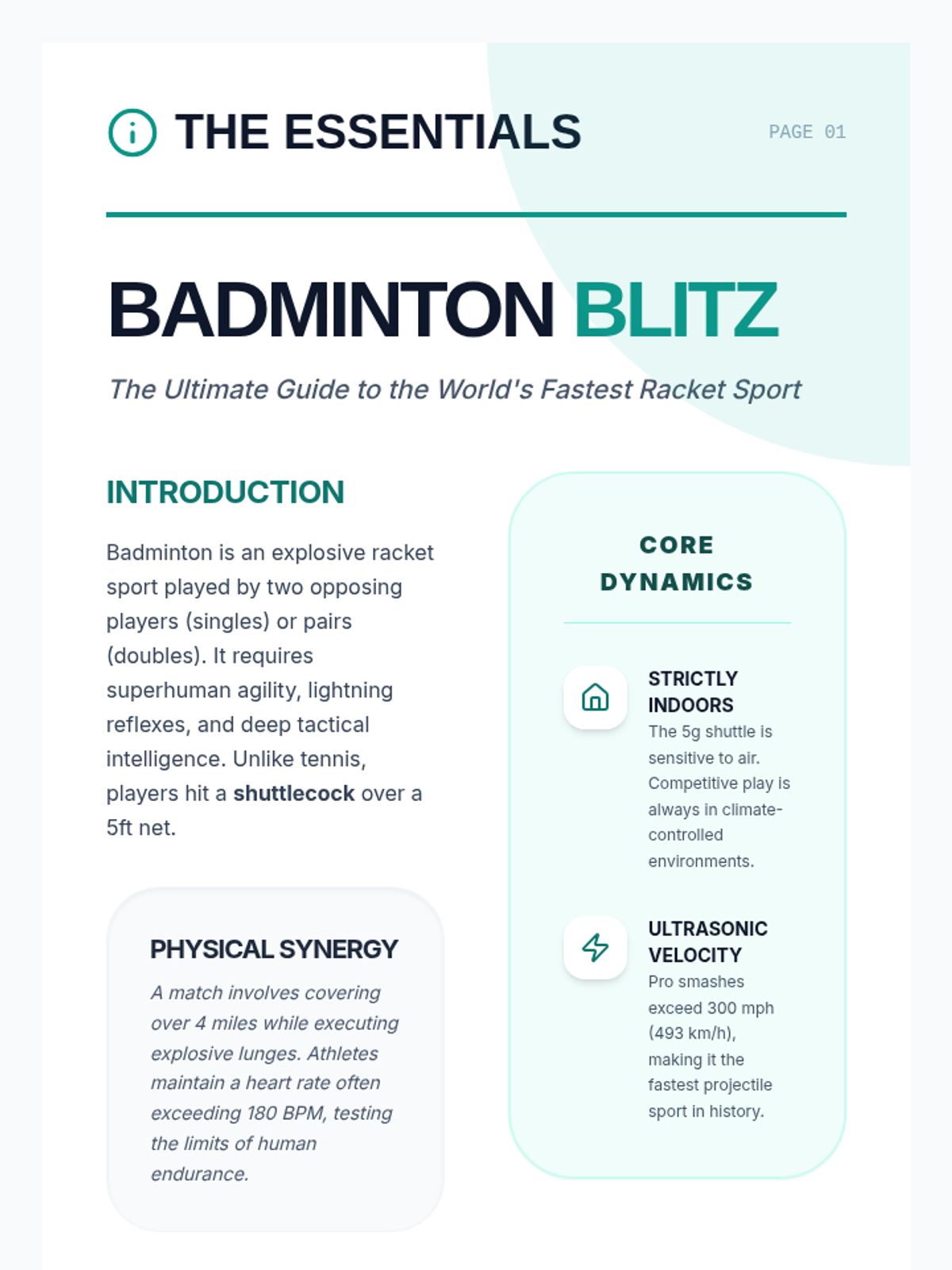
A comprehensive unit on badminton covering its history, official rules, terminology, and advanced strategies through an informational packet, comprehension exercises, and interactive puzzles.
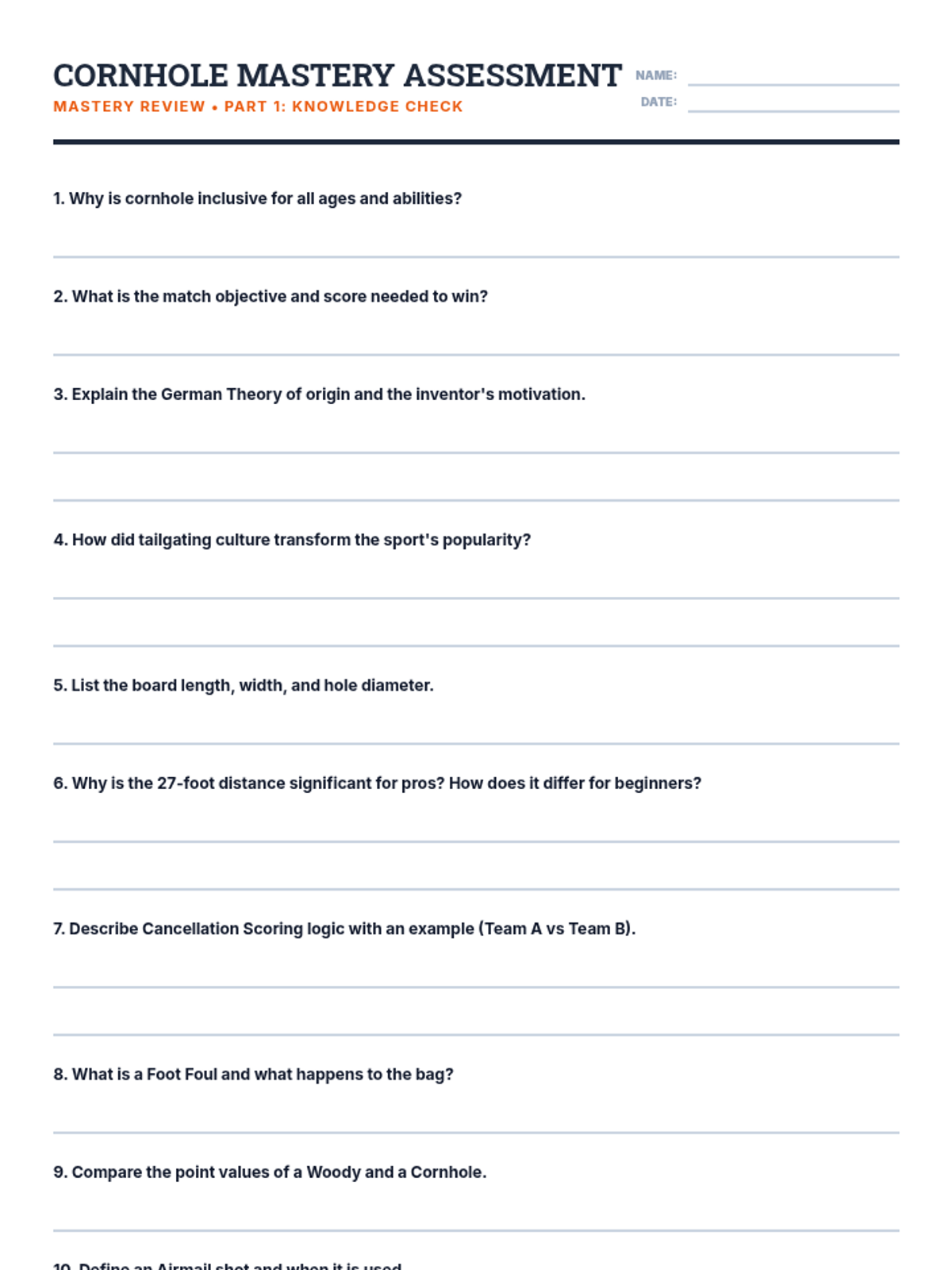
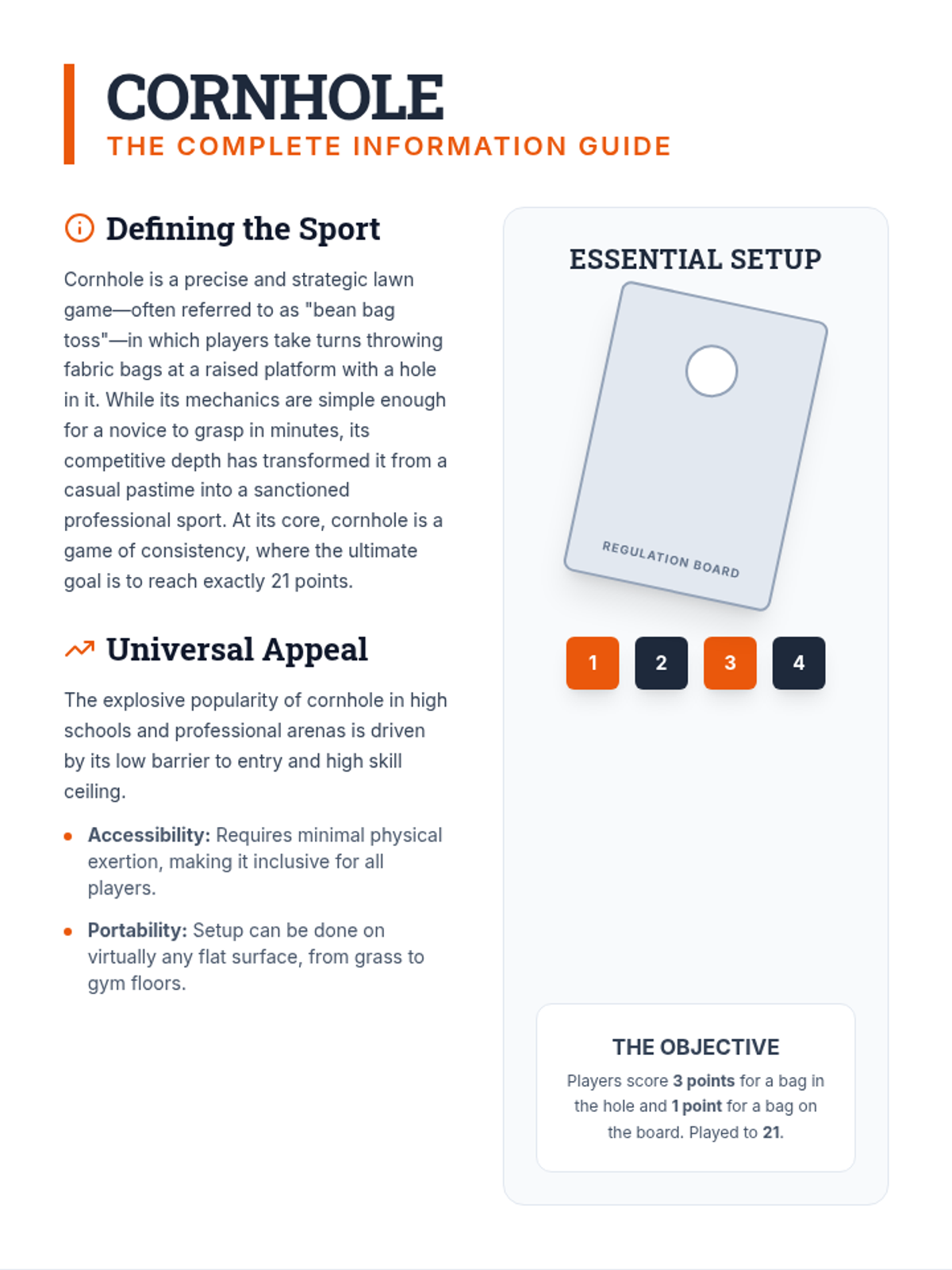
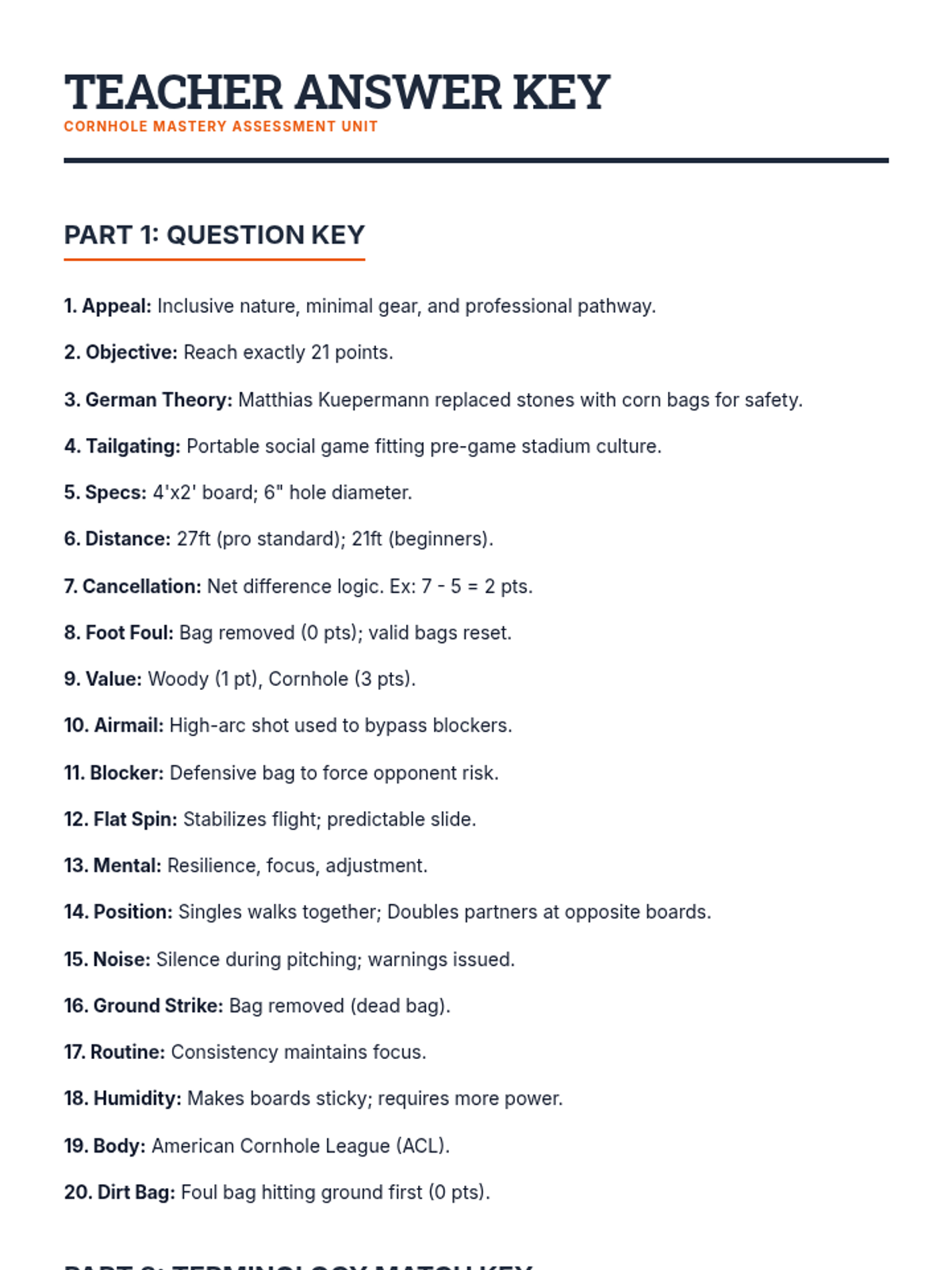
A complete guide to the sport of cornhole, from its mysterious origins to professional tournament play.
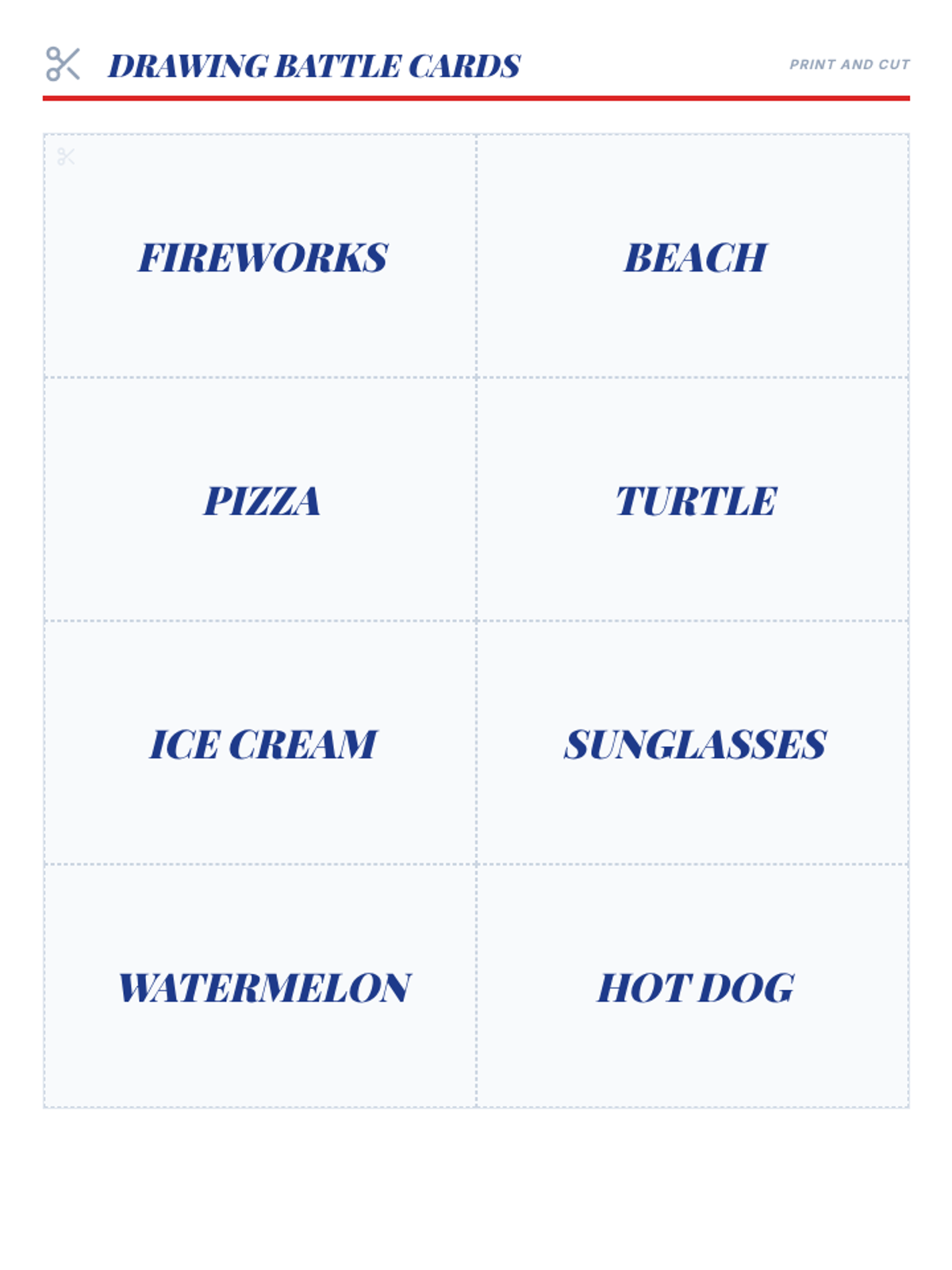
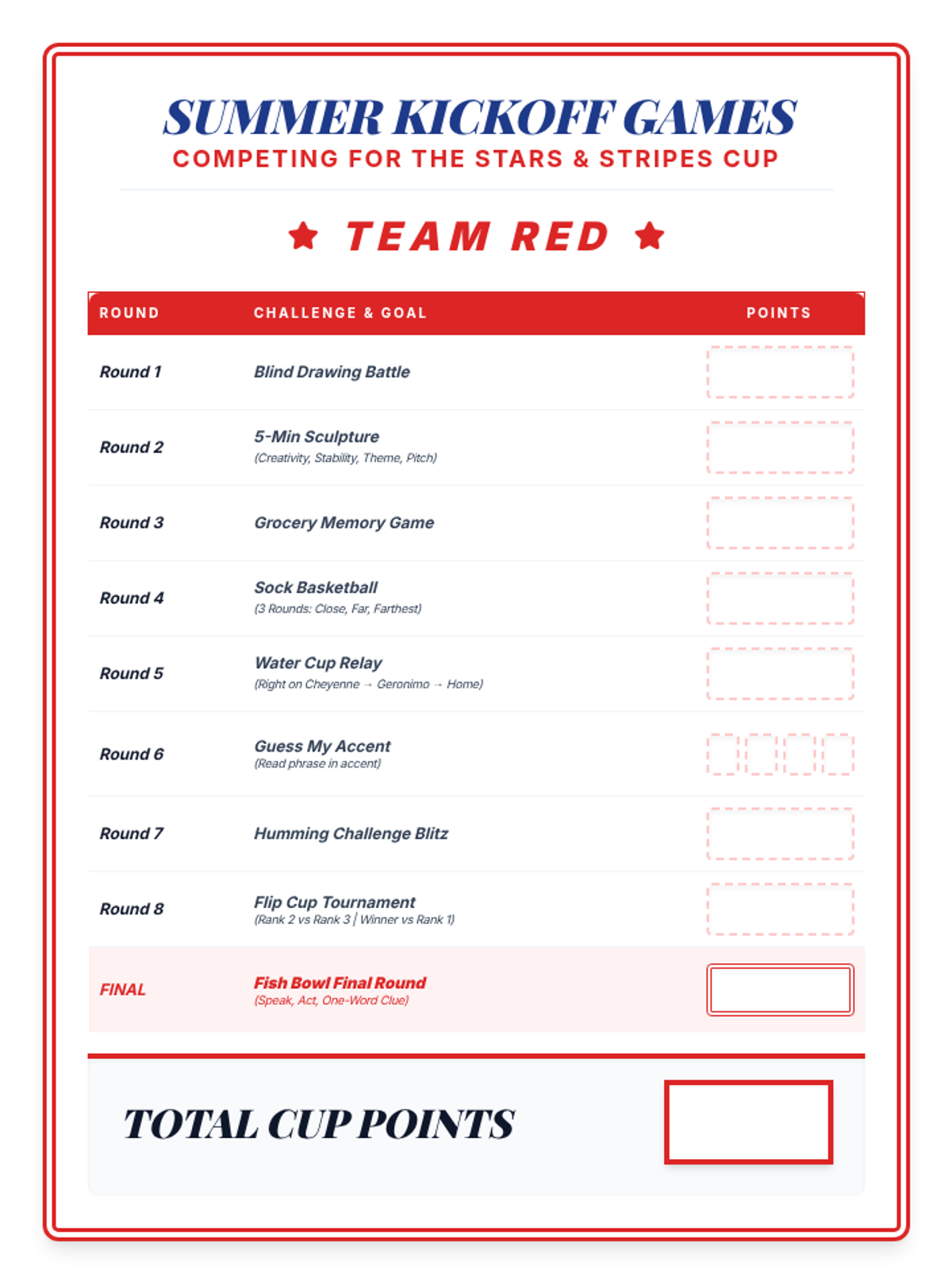
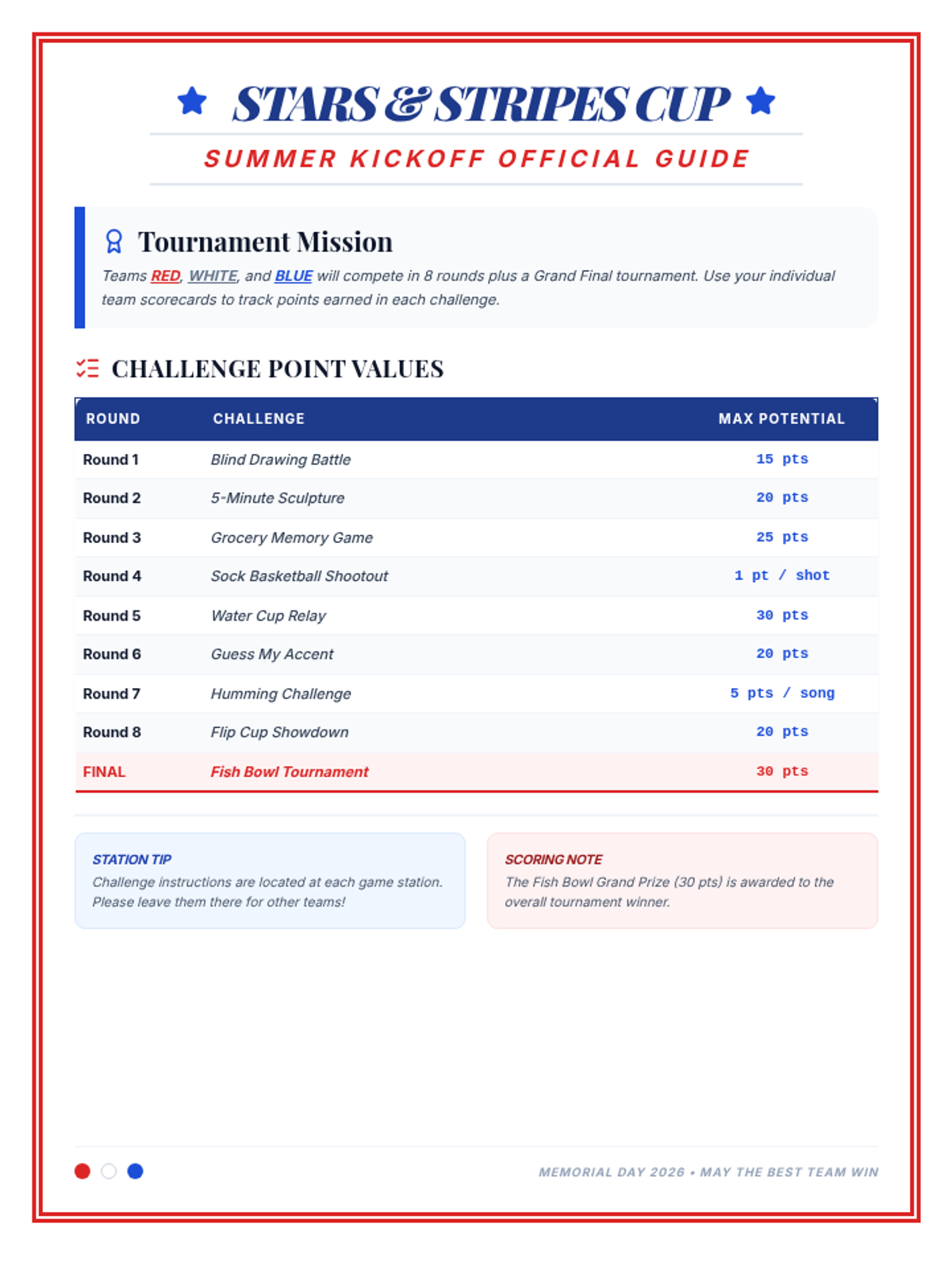
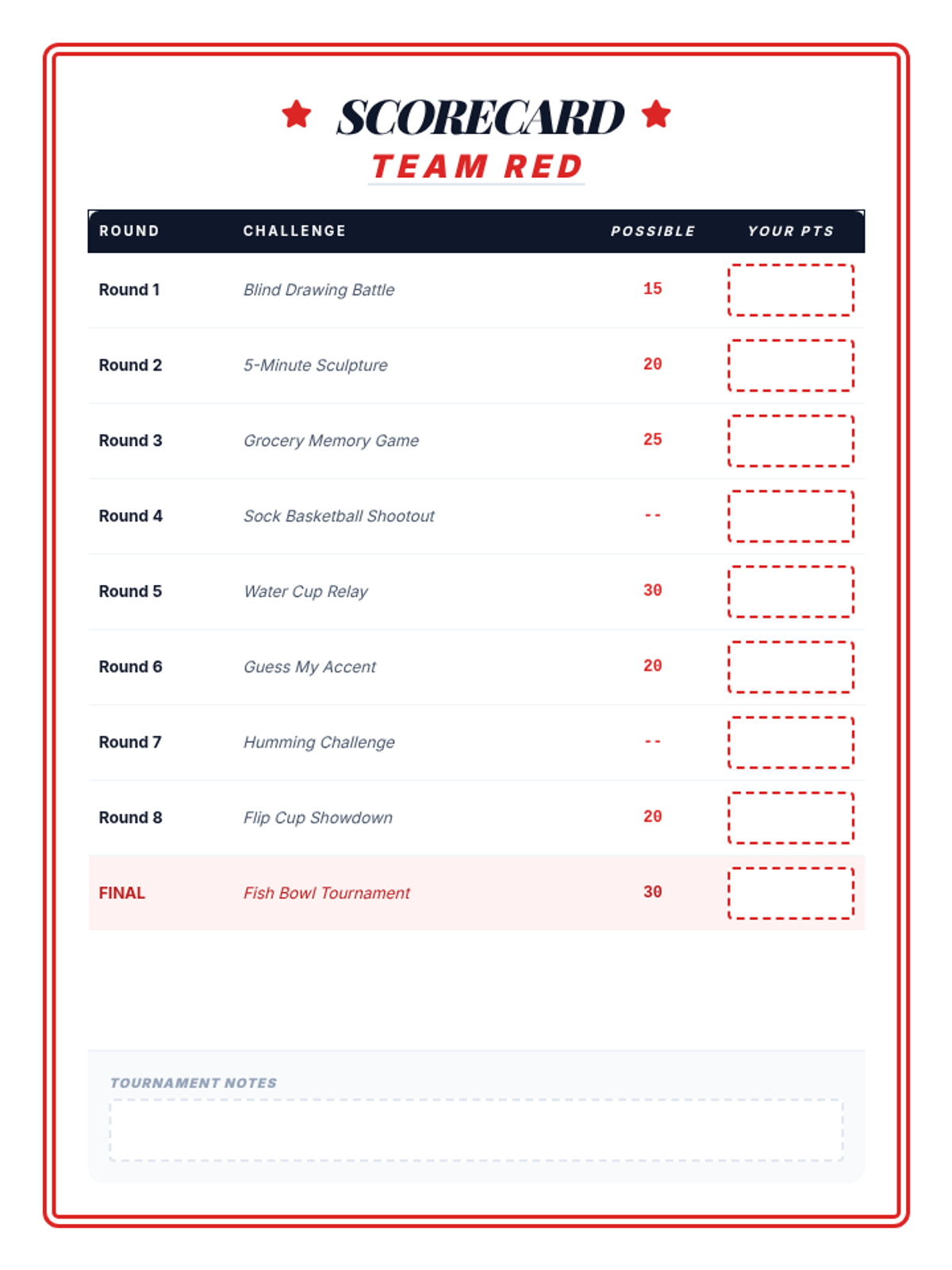
A high-energy collection of Memorial Day themed backyard games for Red, White, and Blue teams competing for the Stars & Stripes Cup. Includes rule sheets, scoring guides, and printable game materials.
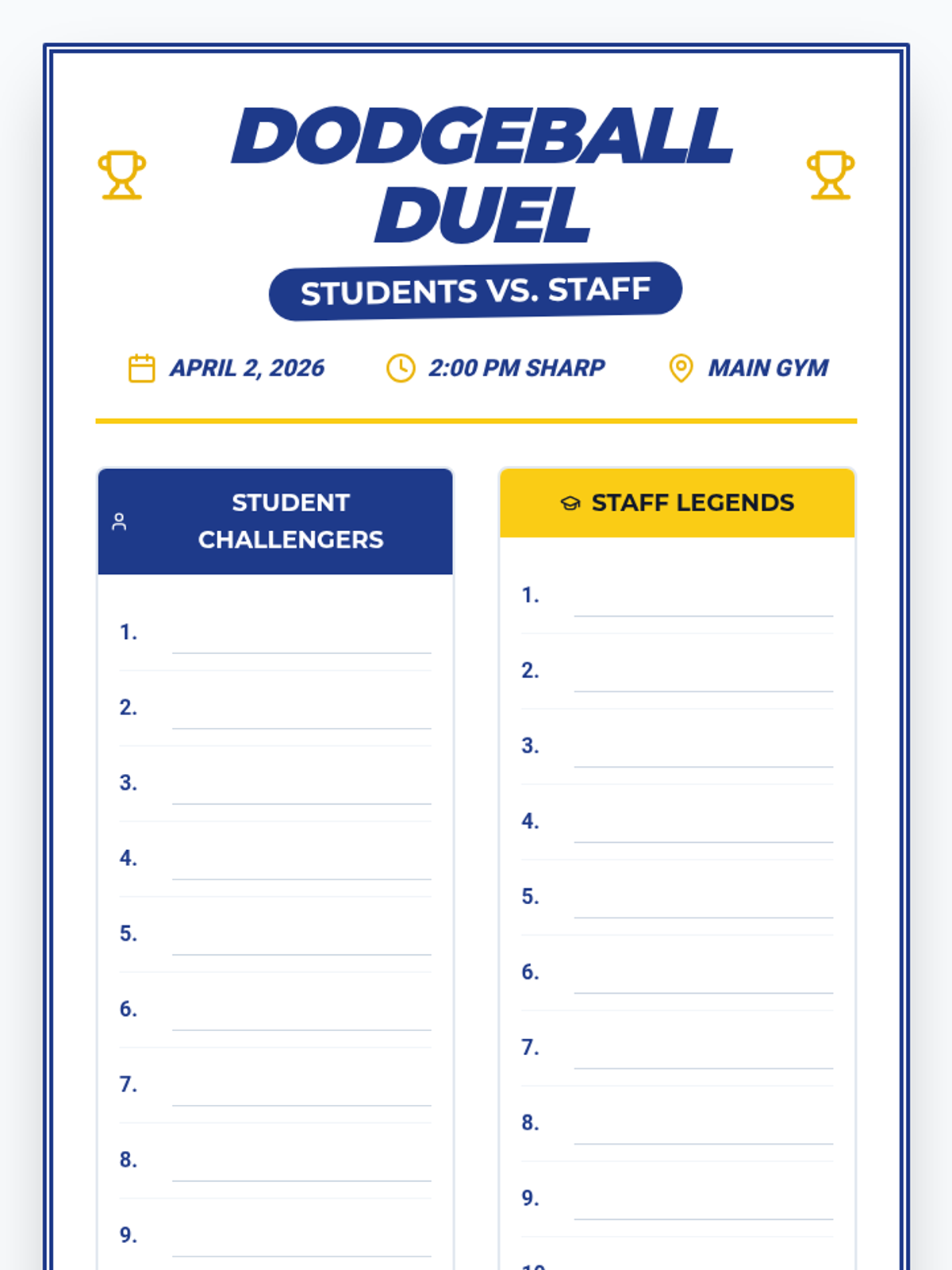
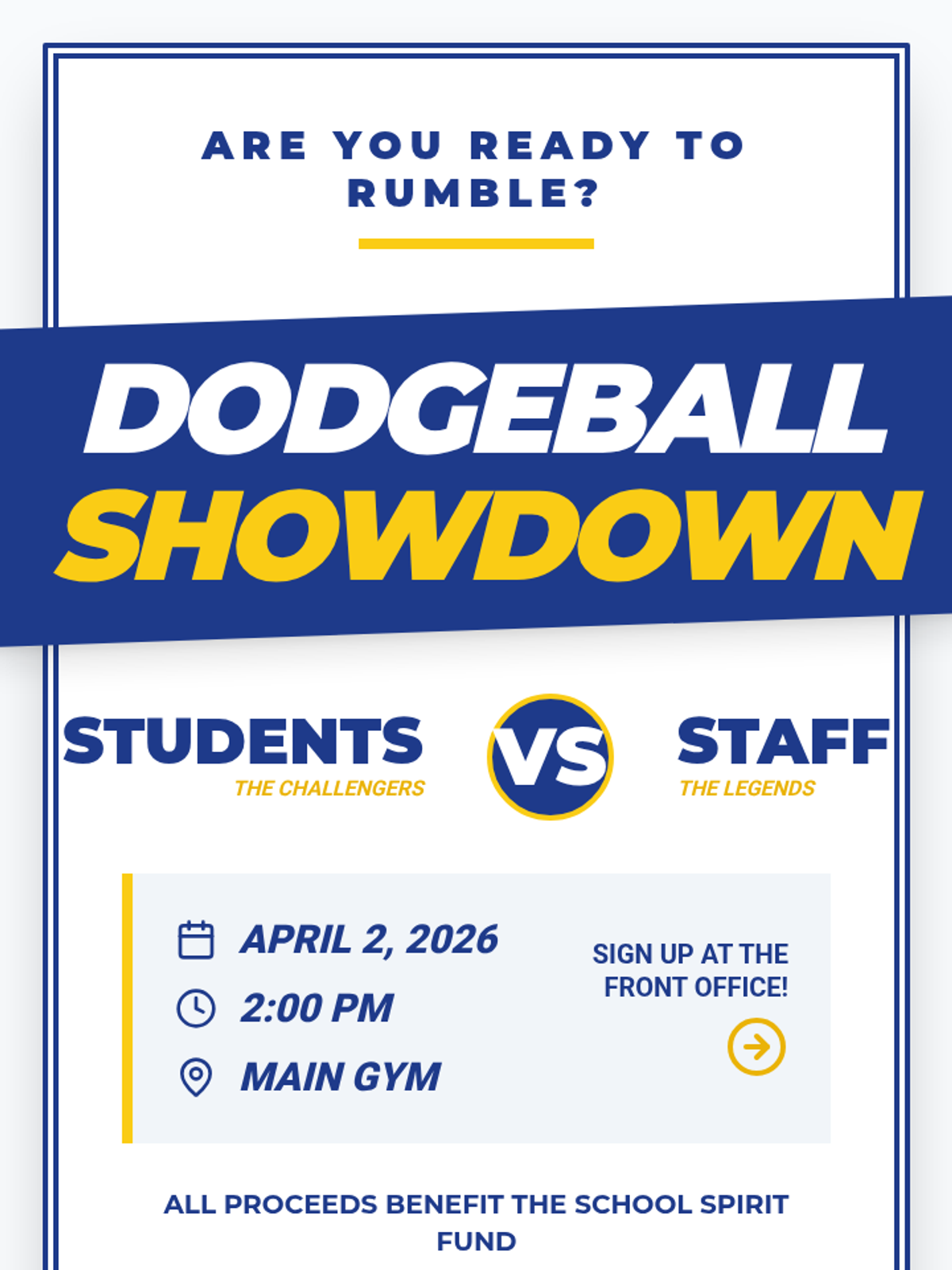
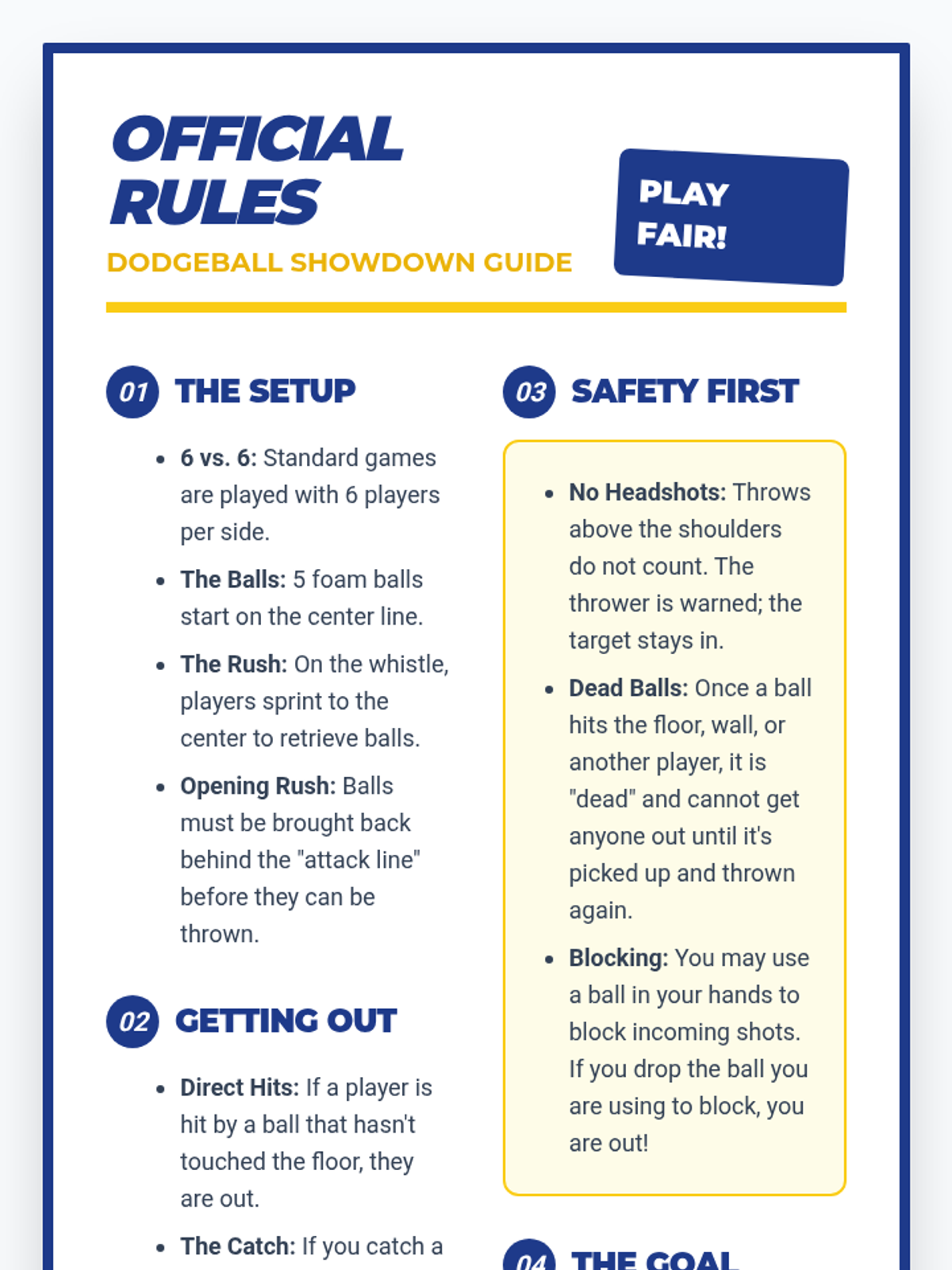
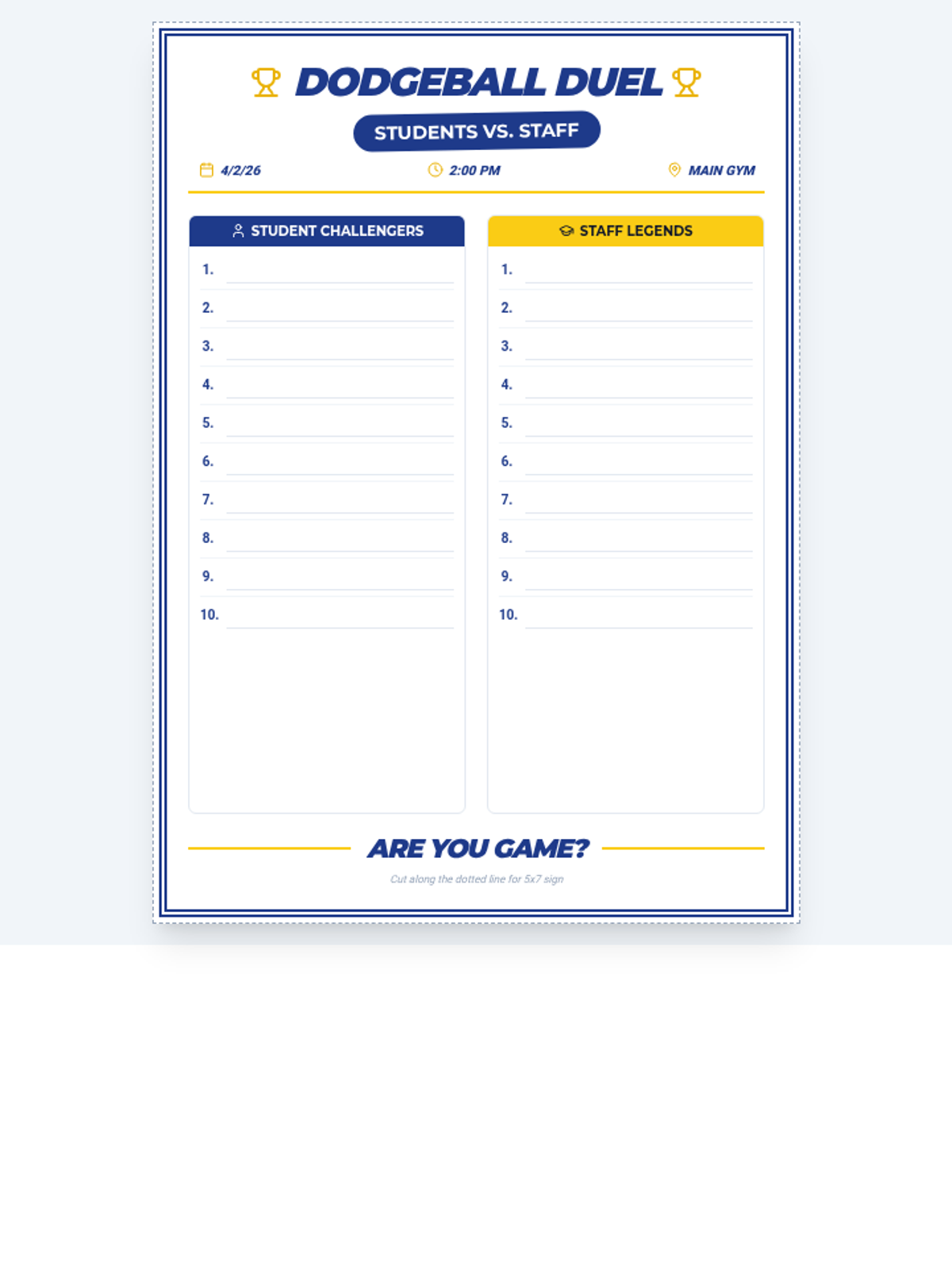
A collection of resources for organizing and promoting the annual Students vs. Staff dodgeball event, fostering school spirit and healthy competition.
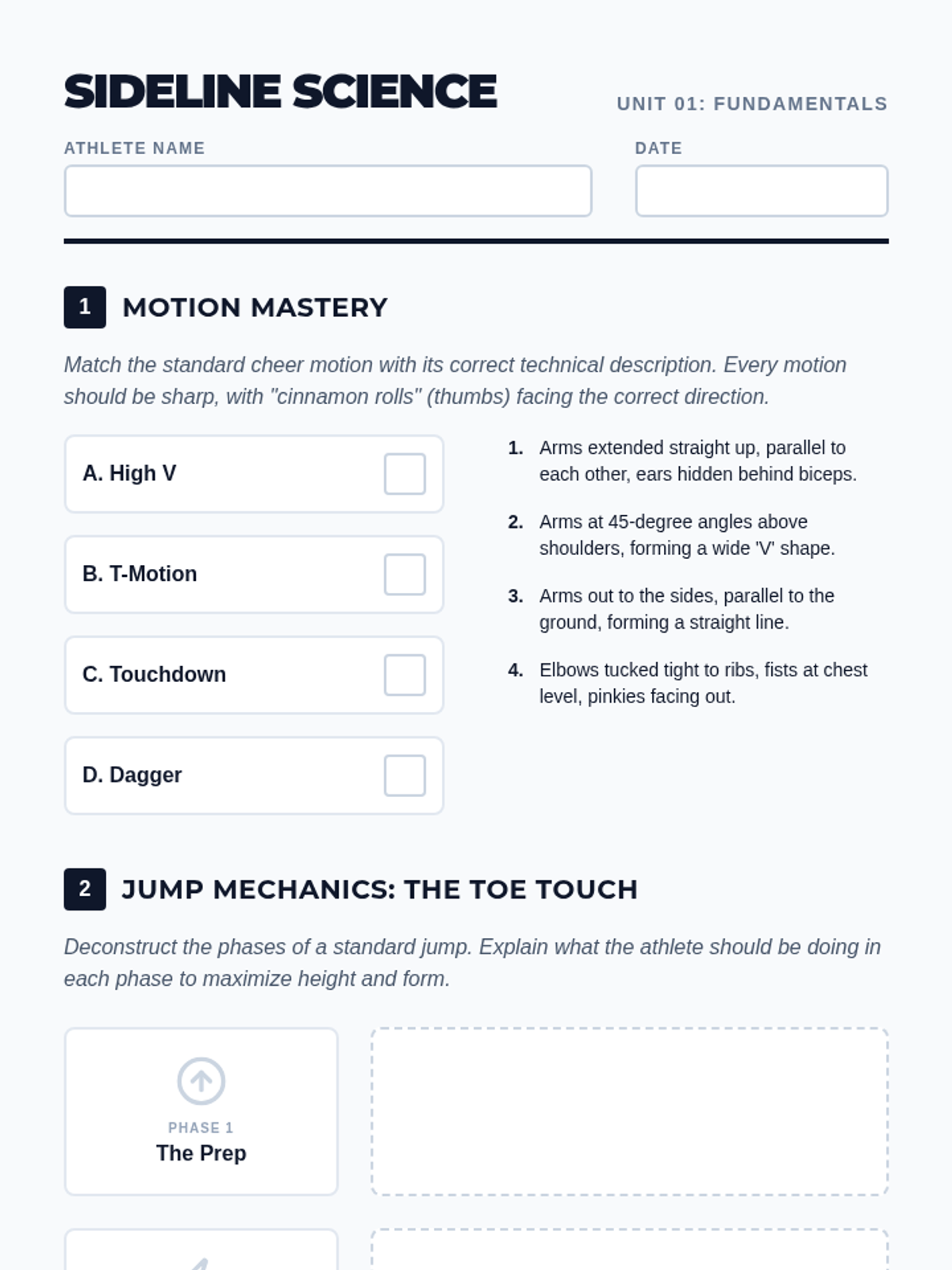
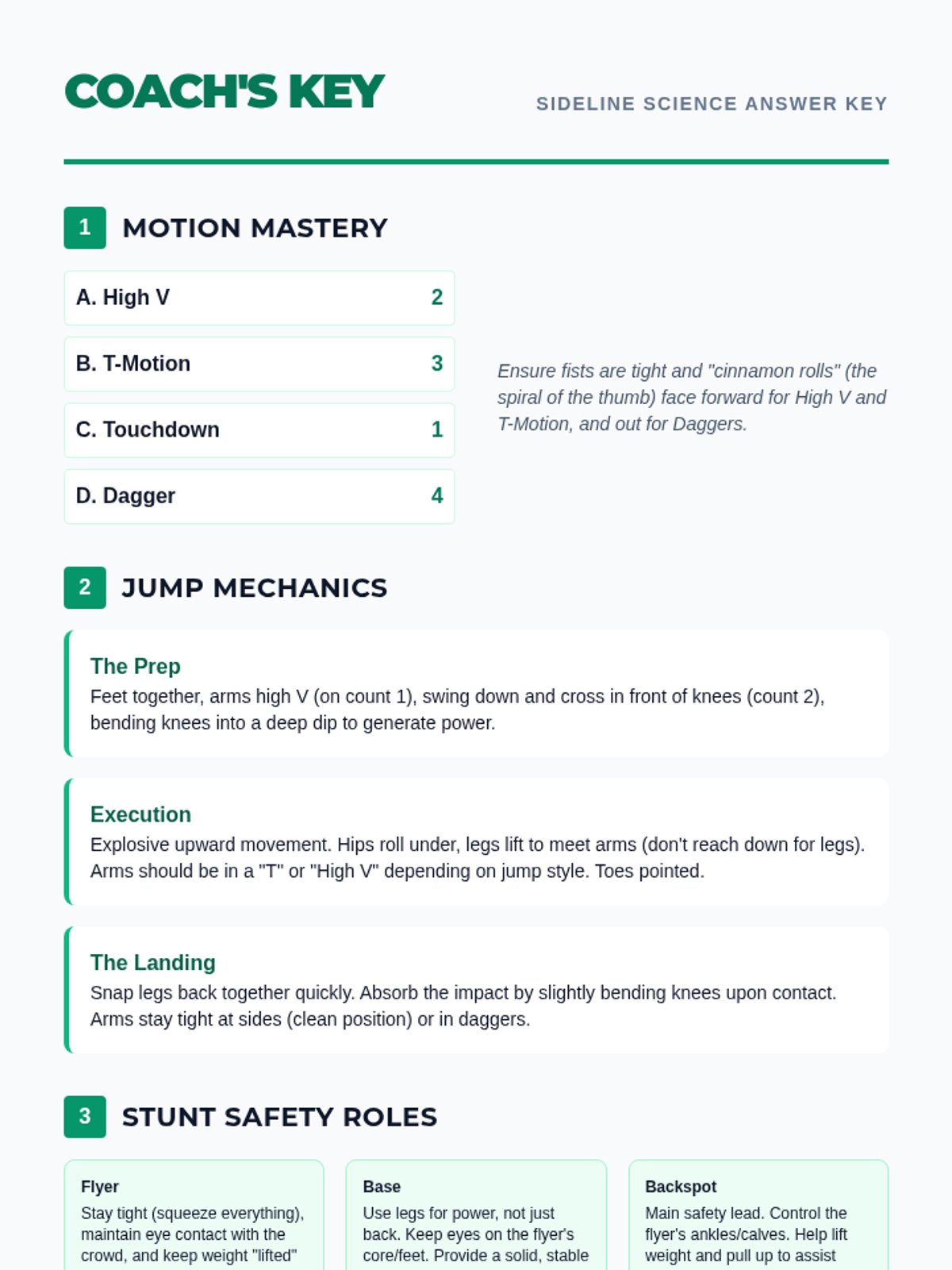
A comprehensive introduction to the fundamentals of high school cheerleading, covering terminology, motion technique, and safety protocols.
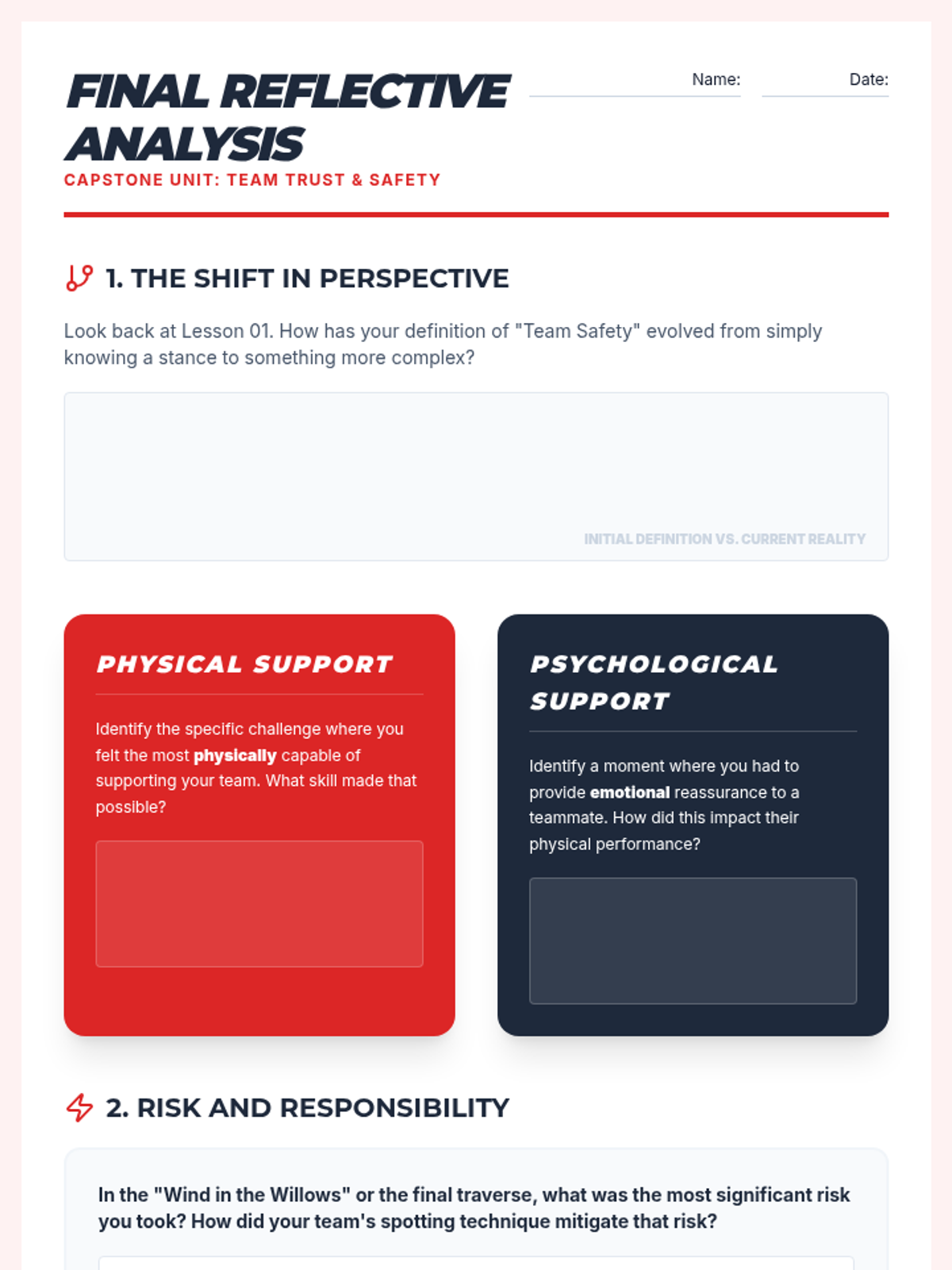
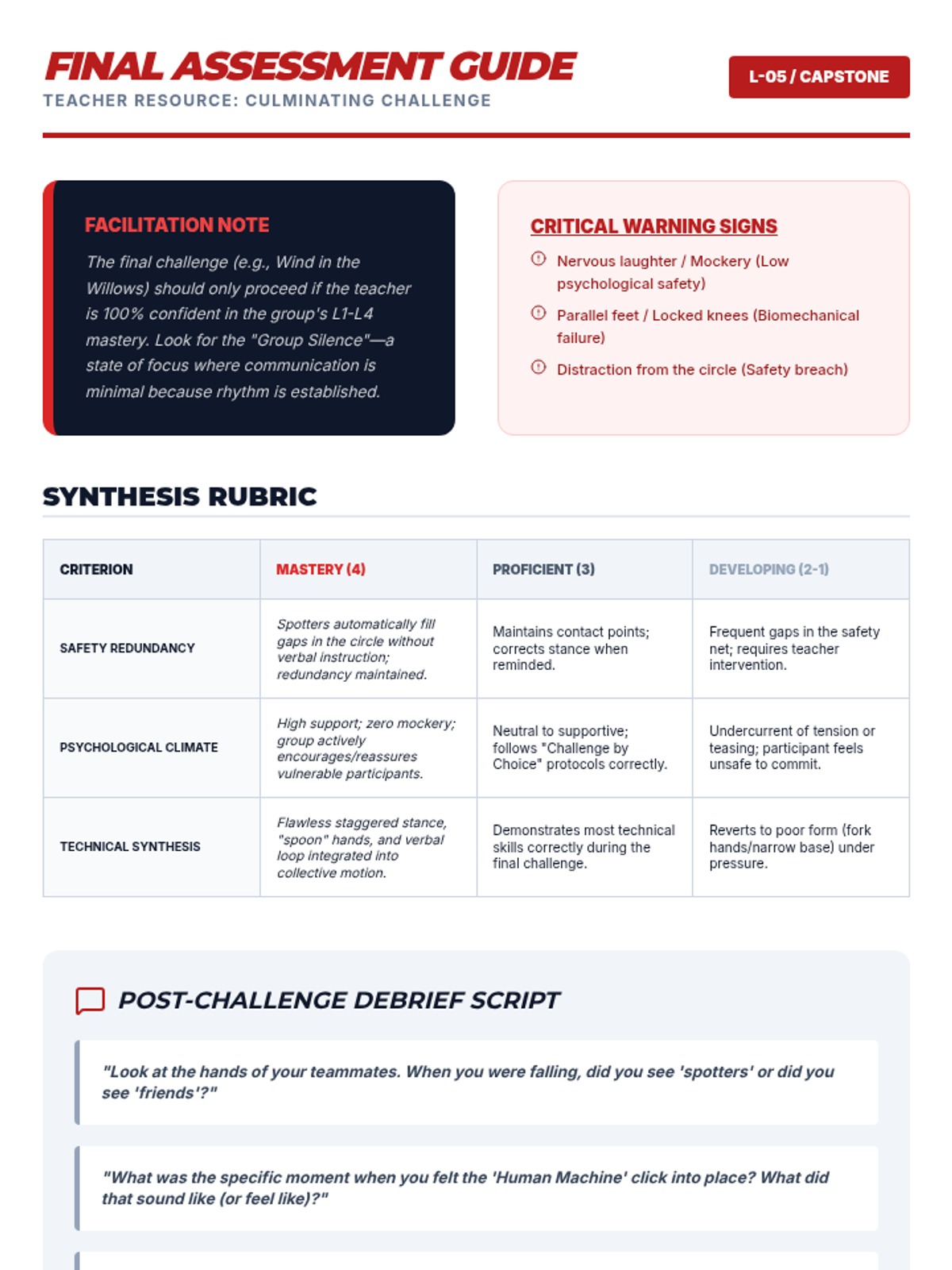
Students undertake a significant trust activity, such as a 'Wind in the Willows' circle or a waist-high wall traverse with spotting. The lesson synthesizes spotting skills, verbal communication, and emotional support into a final demonstration of group cohesion.
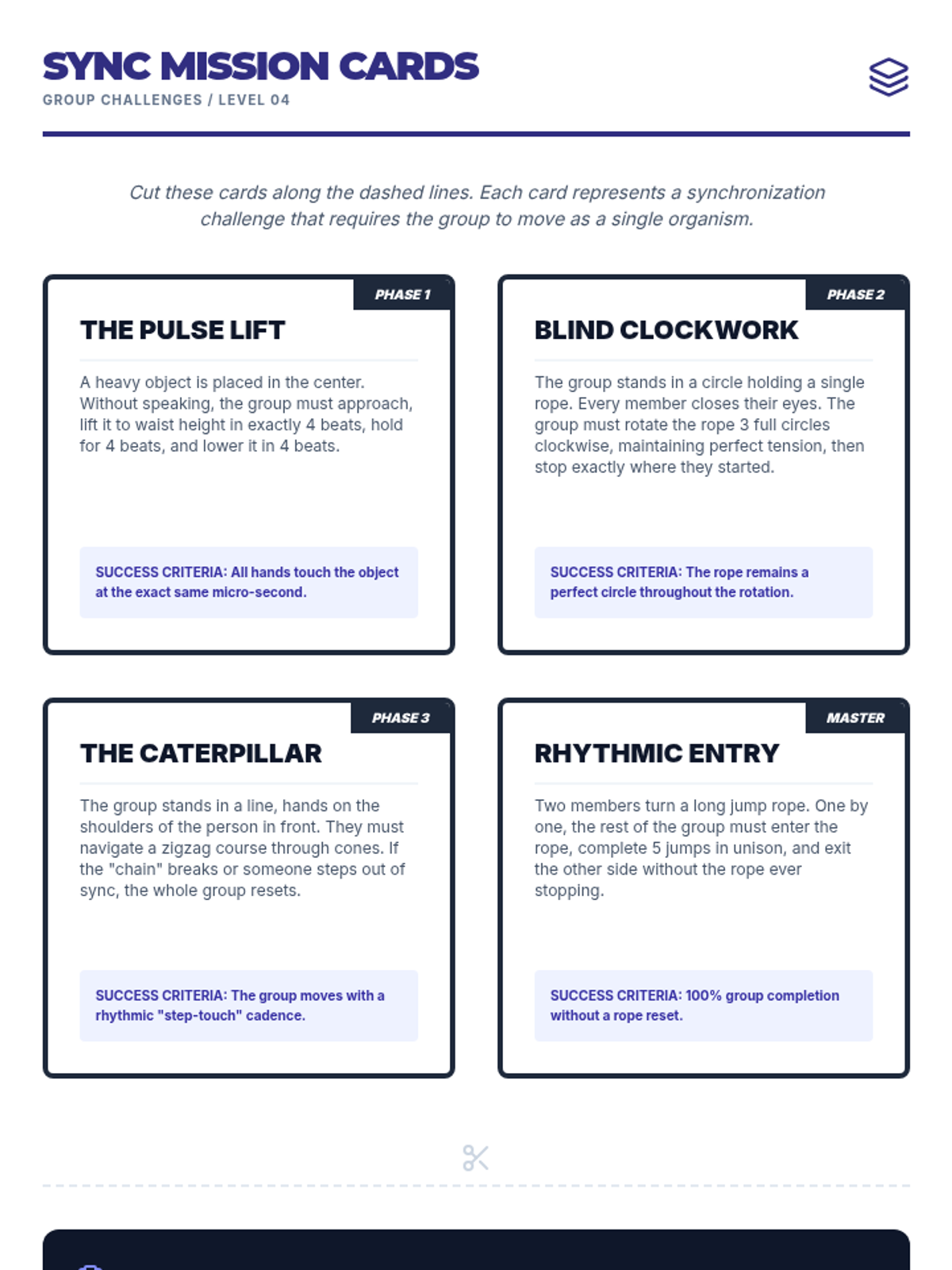
The class engages in activities requiring moving heavy objects or large mats as a single unit. Focus is placed on reading group rhythm and anticipating the movements of others to prevent injury or failure.
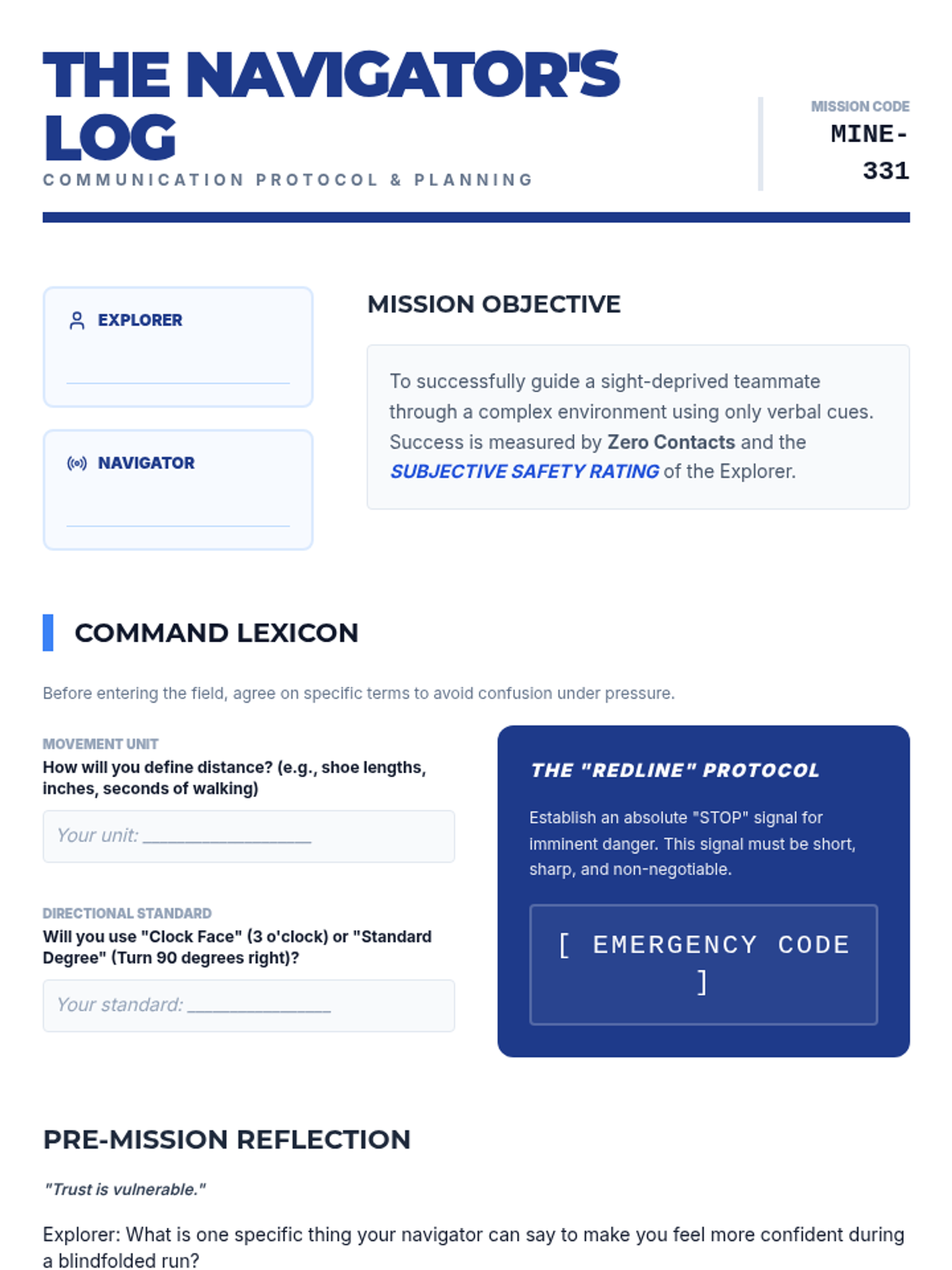
One partner is blindfolded while the other guides them through a 'minefield' of soft obstacles using only verbal commands. The lesson highlights the necessity of precise language and the vulnerability required to trust a guide completely.
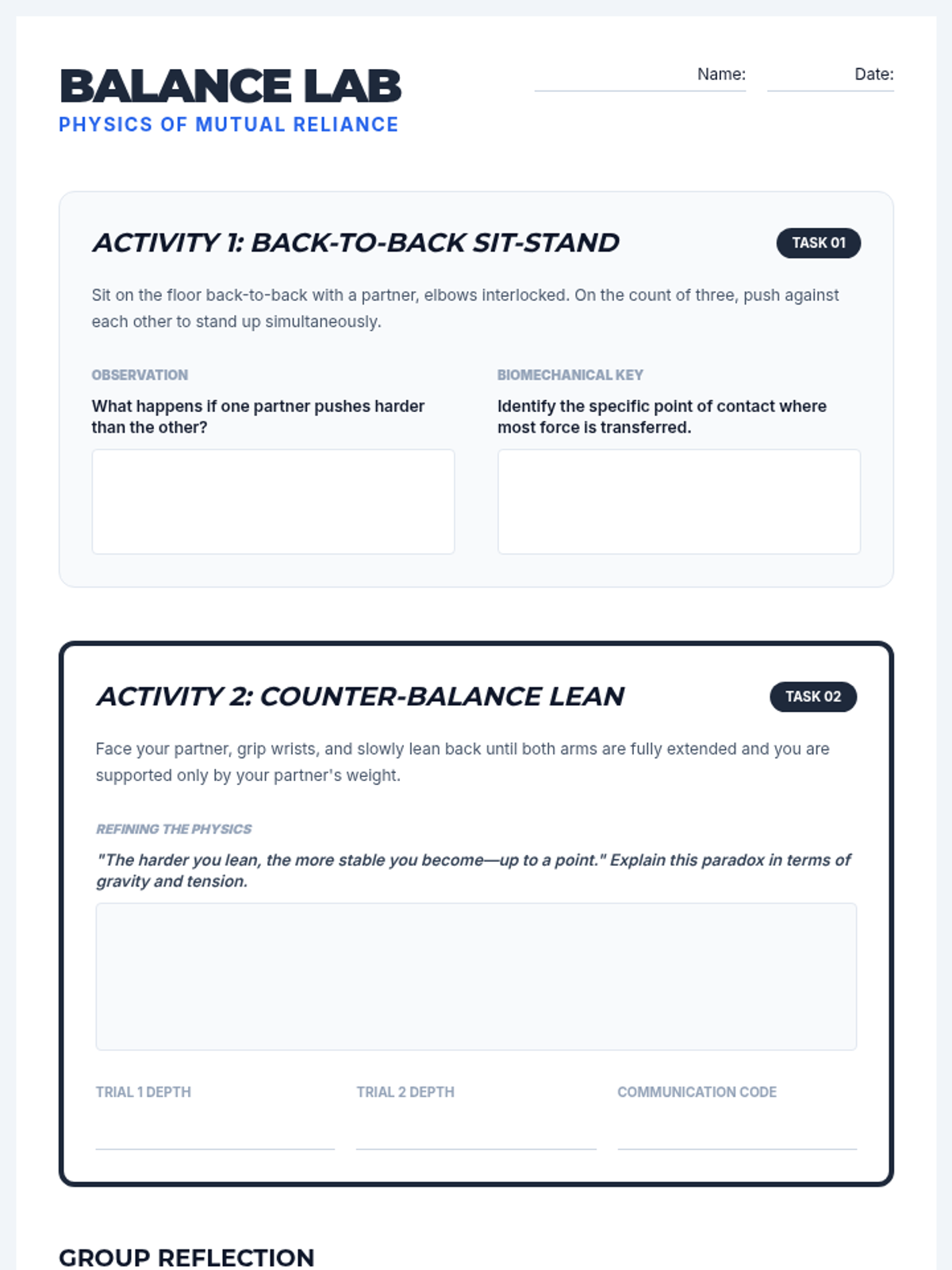
Partners and small groups engage in activities requiring them to lean against one another to maintain balance. This lesson explores the physics of mutual reliance, where the failure of one person to commit causes the group to fall.
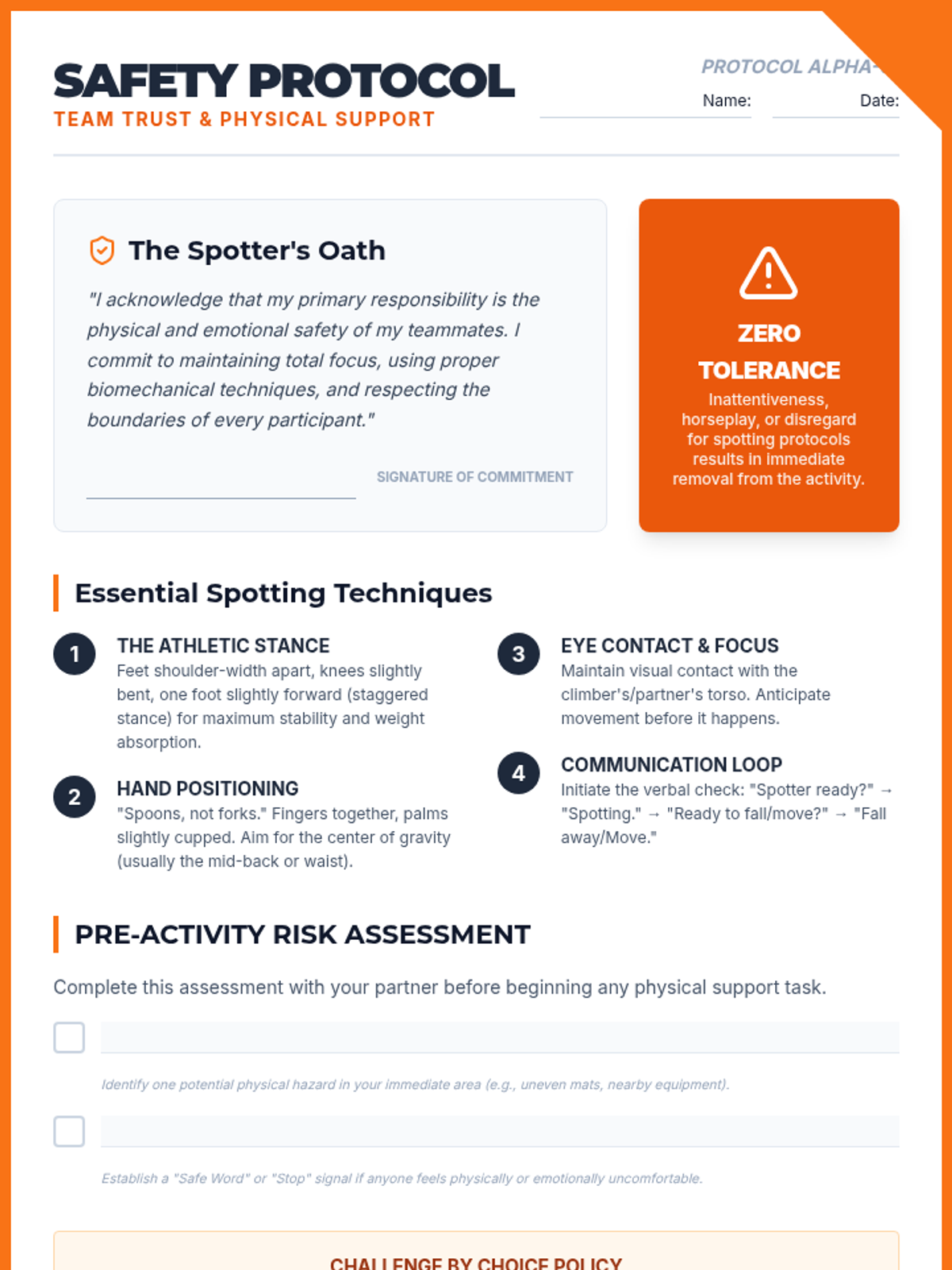
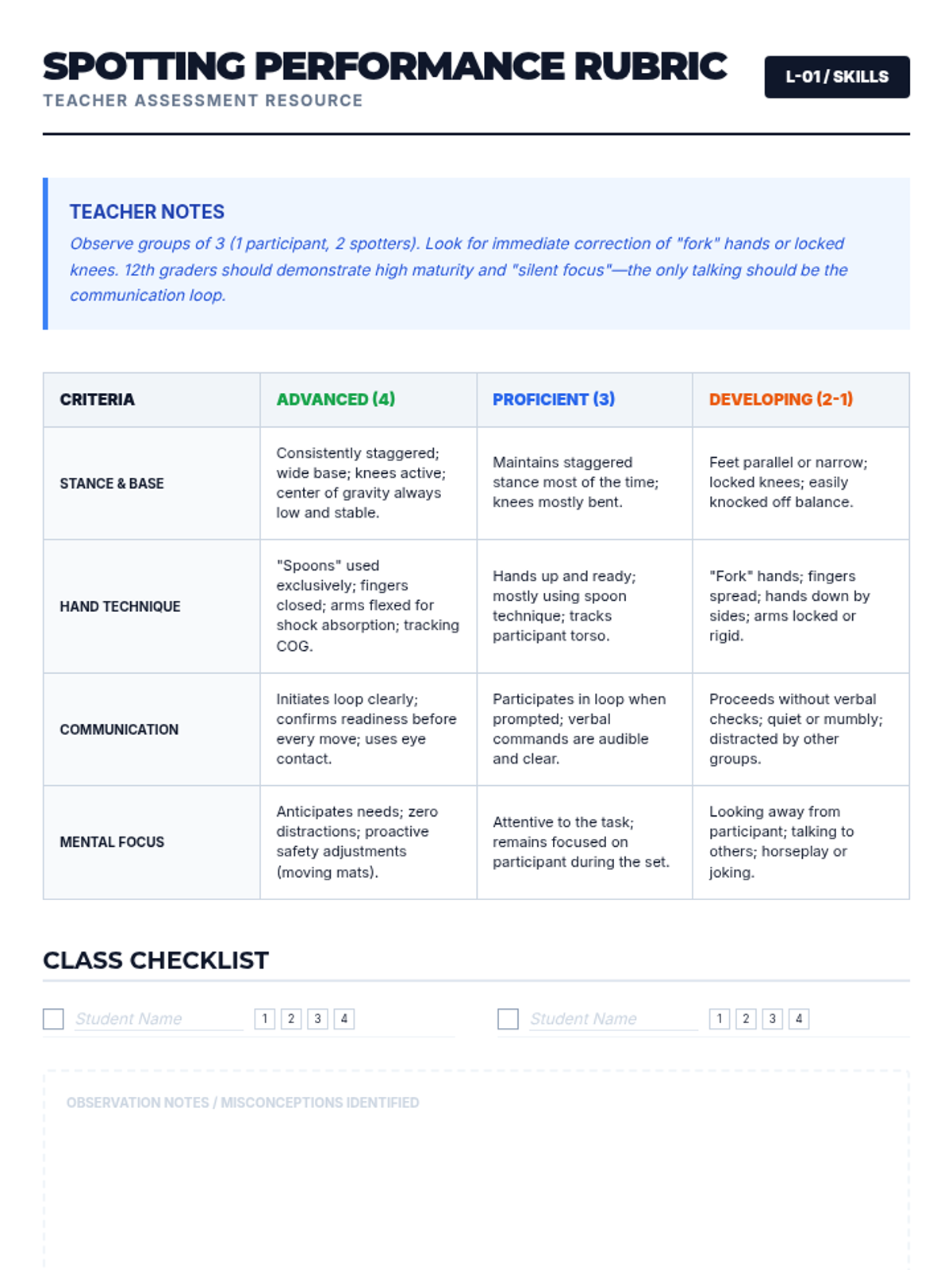
Students learn the biomechanics of safe spotting and weight support, practicing proper stance and hand placement. The lesson establishes the 'challenge by choice' protocol, ensuring all participants understand the safety contract required for cooperative physical work.
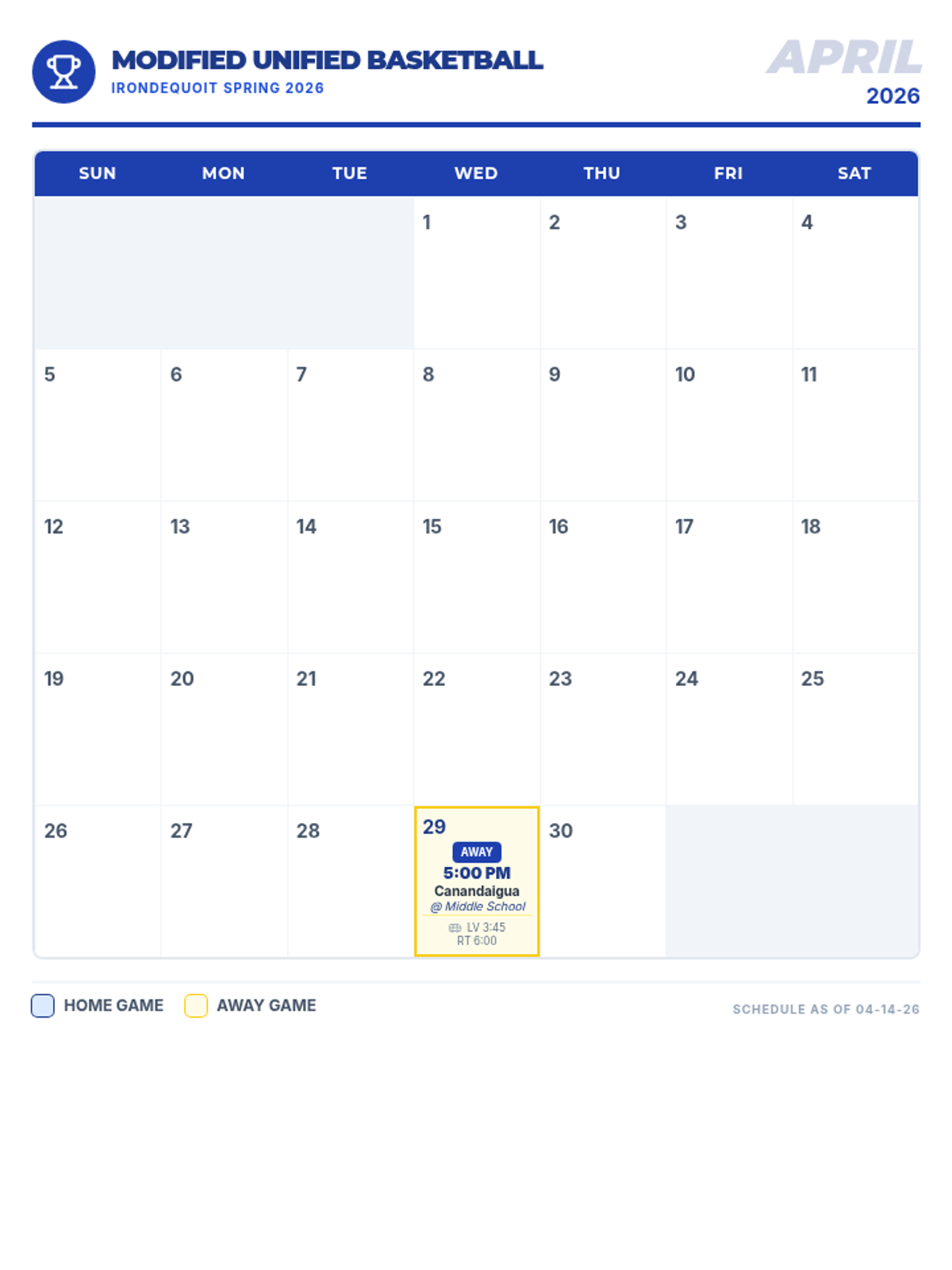
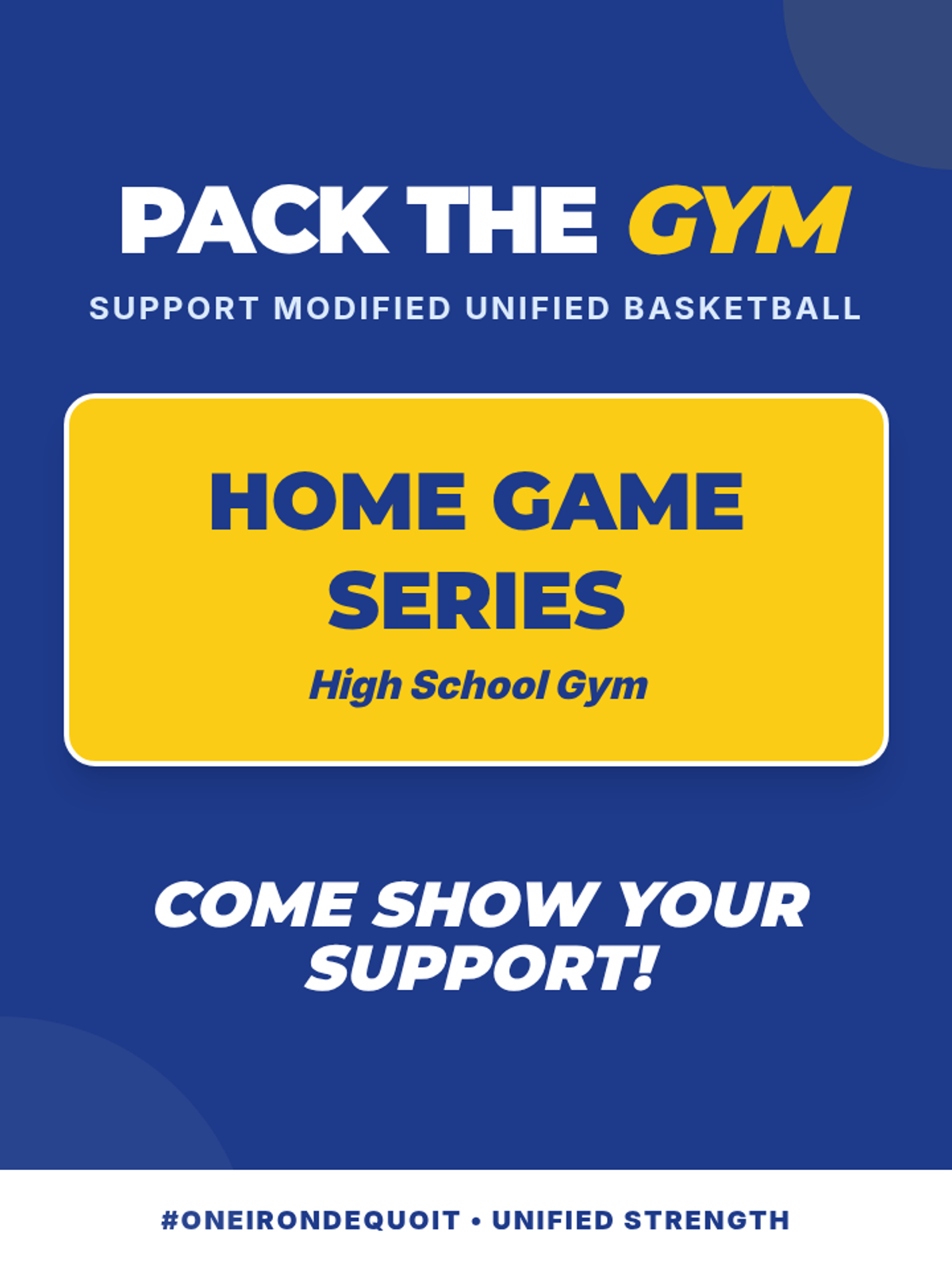
A collection of materials for the Irondequoit Modified Unified Basketball Spring 2026 season, including schedules and promotional resources.
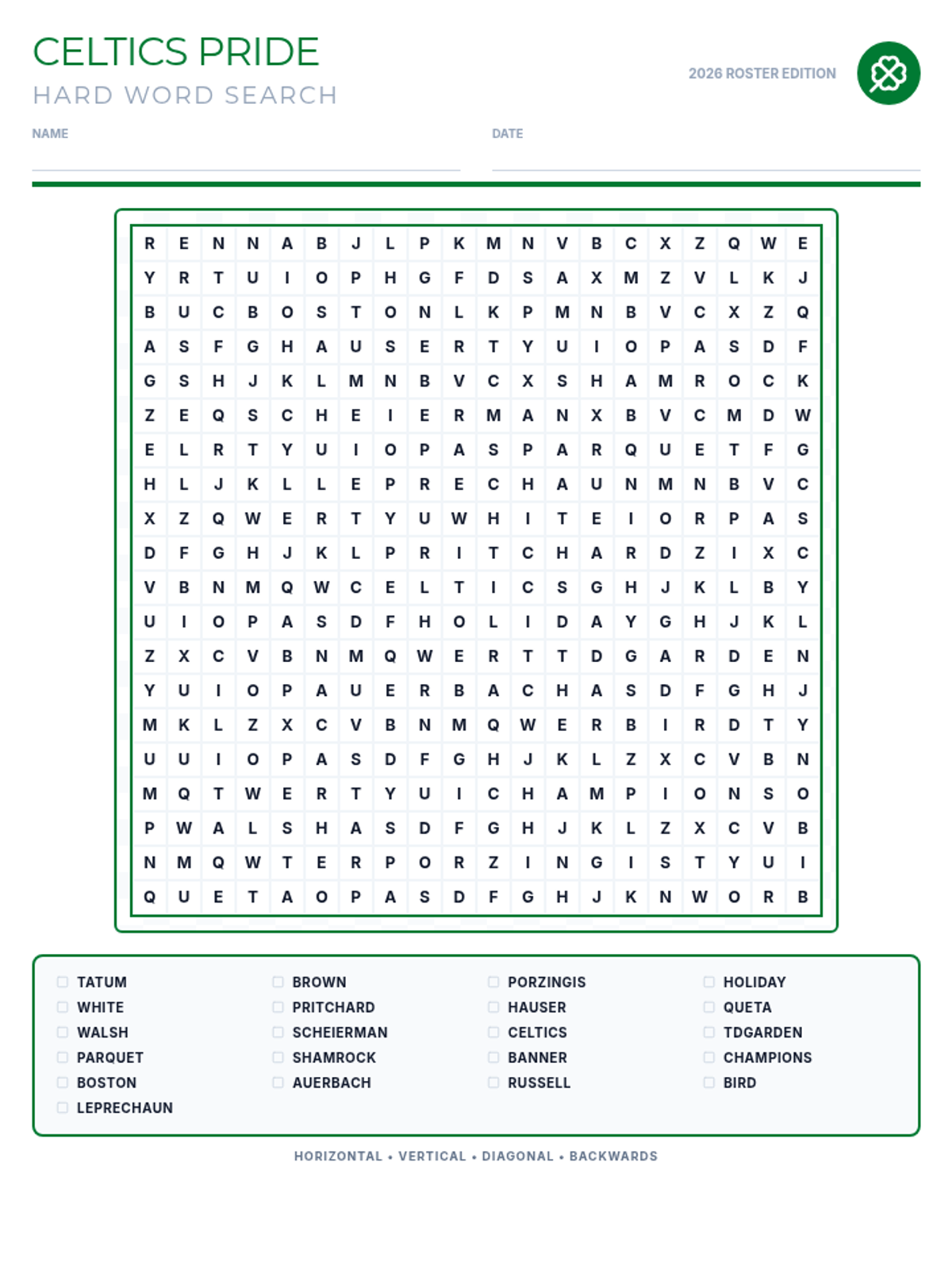
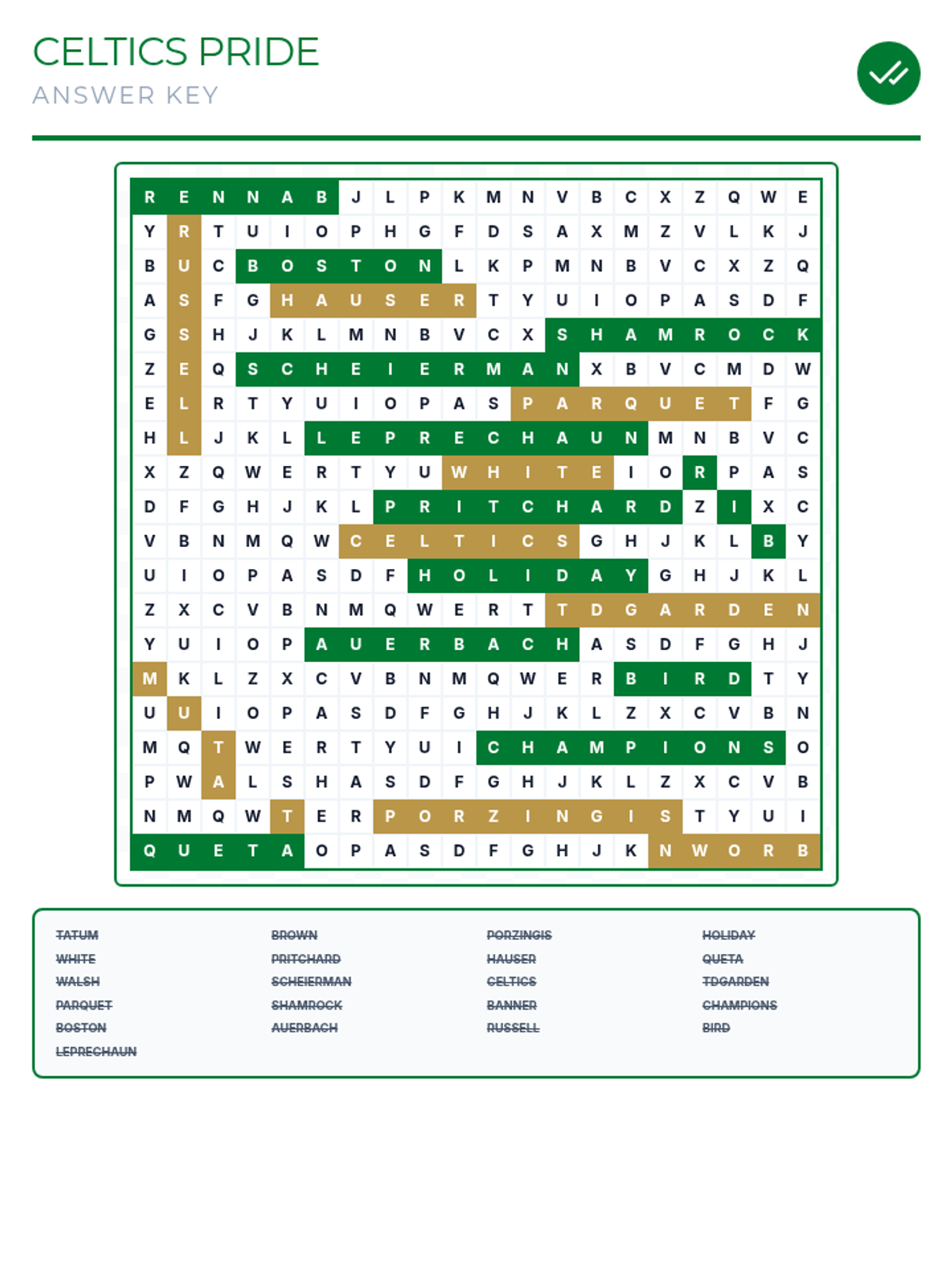
A challenging word search activity focused on the Boston Celtics, featuring 2026 roster players and franchise terminology.
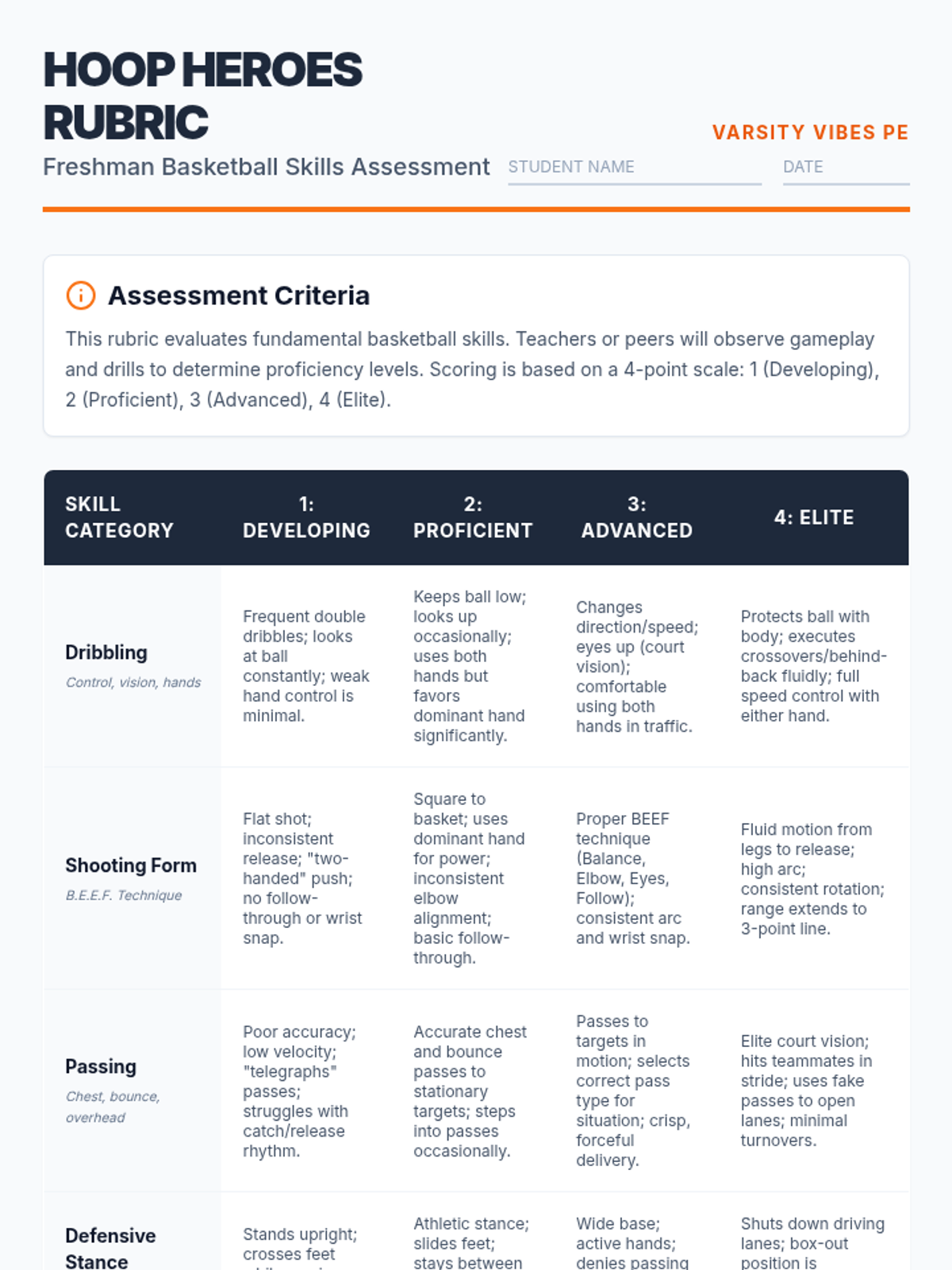
Assessment tools for mastering basketball fundamentals including shooting, dribbling, and defensive positioning.
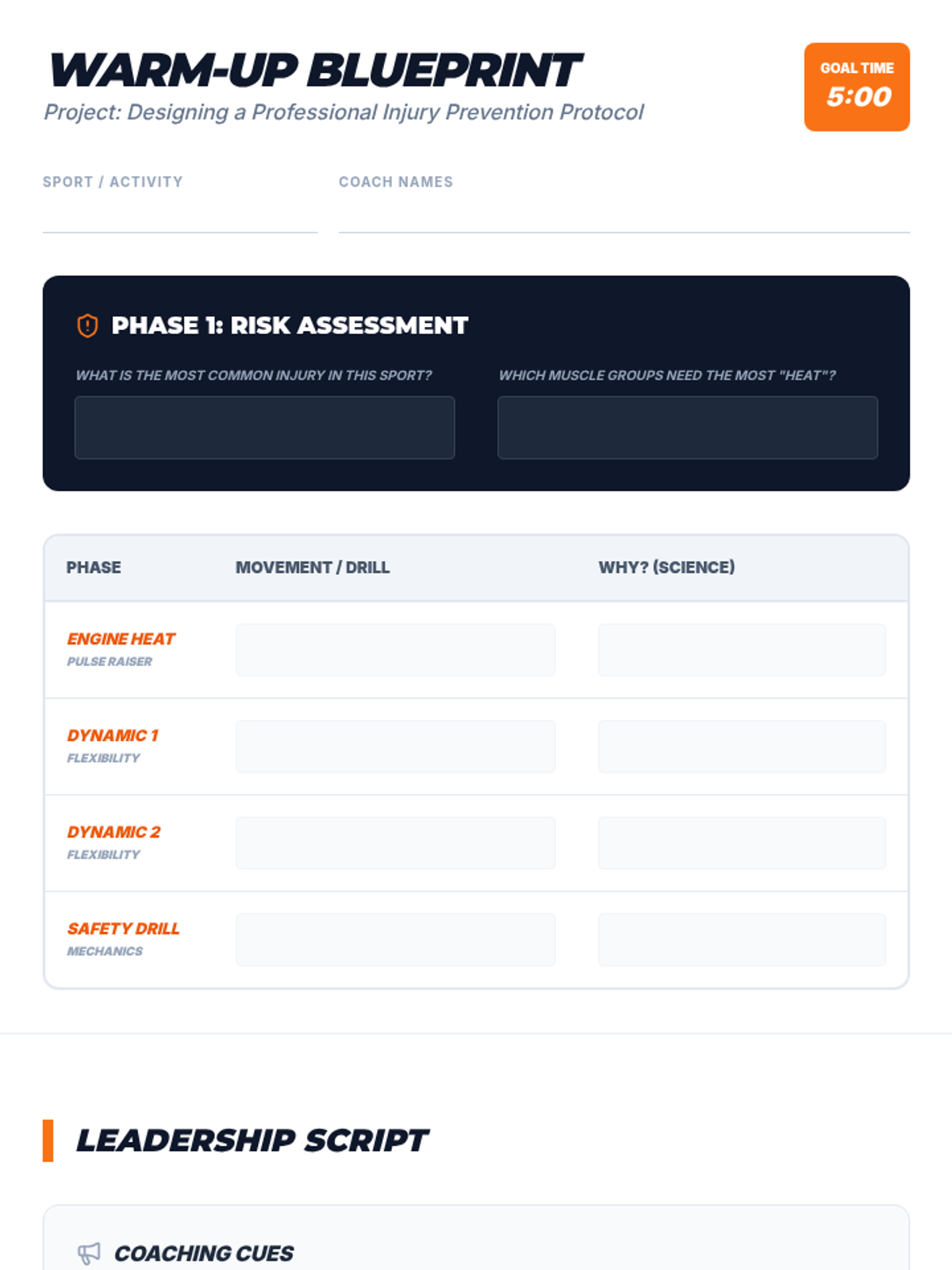
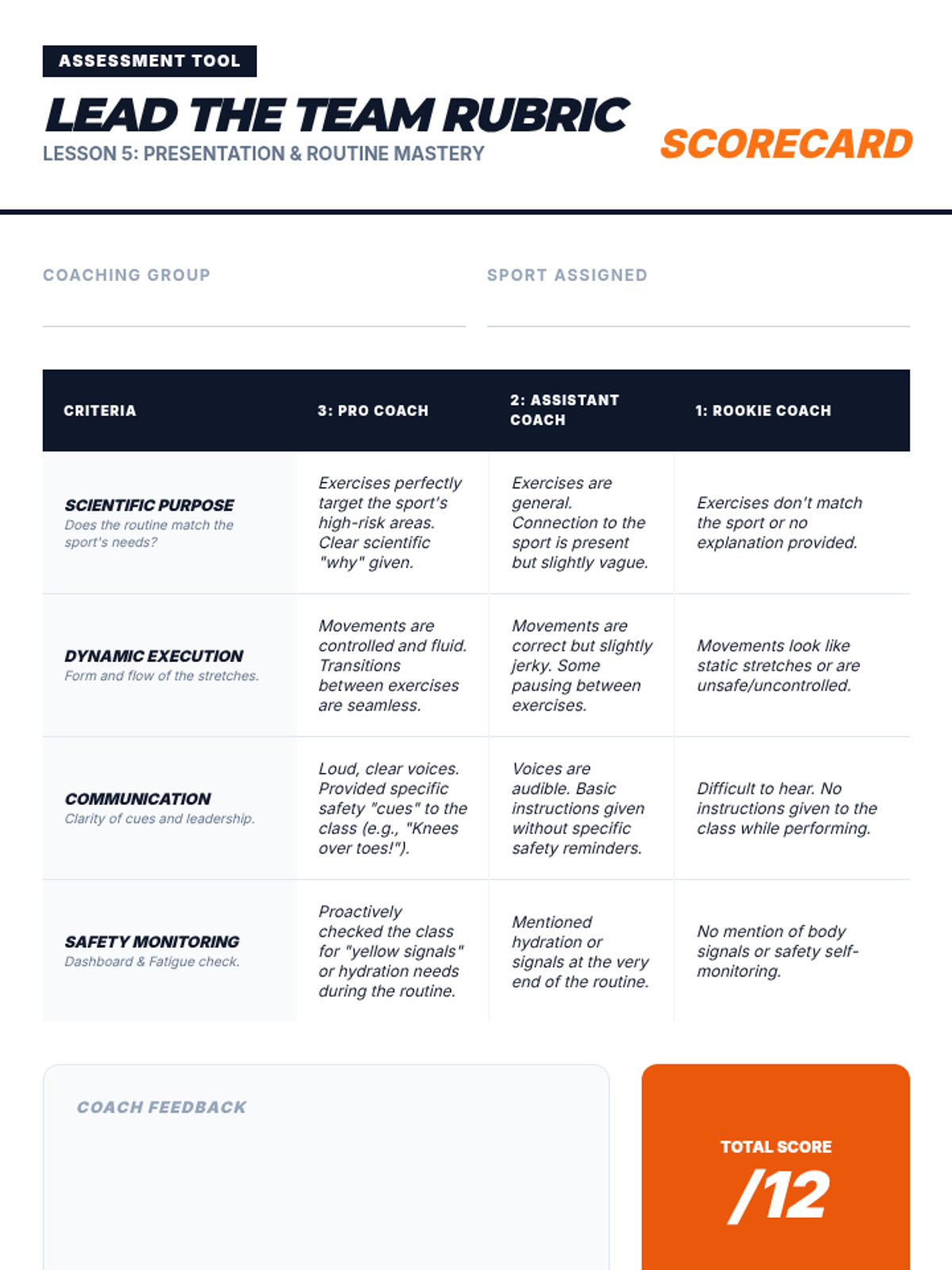
Synthesizing the previous lessons, students work in small groups to create a 5-minute warm-up routine tailored to a specific sport or activity. They present and lead the class through their routine, explaining how each movement prevents injuries common to that sport.
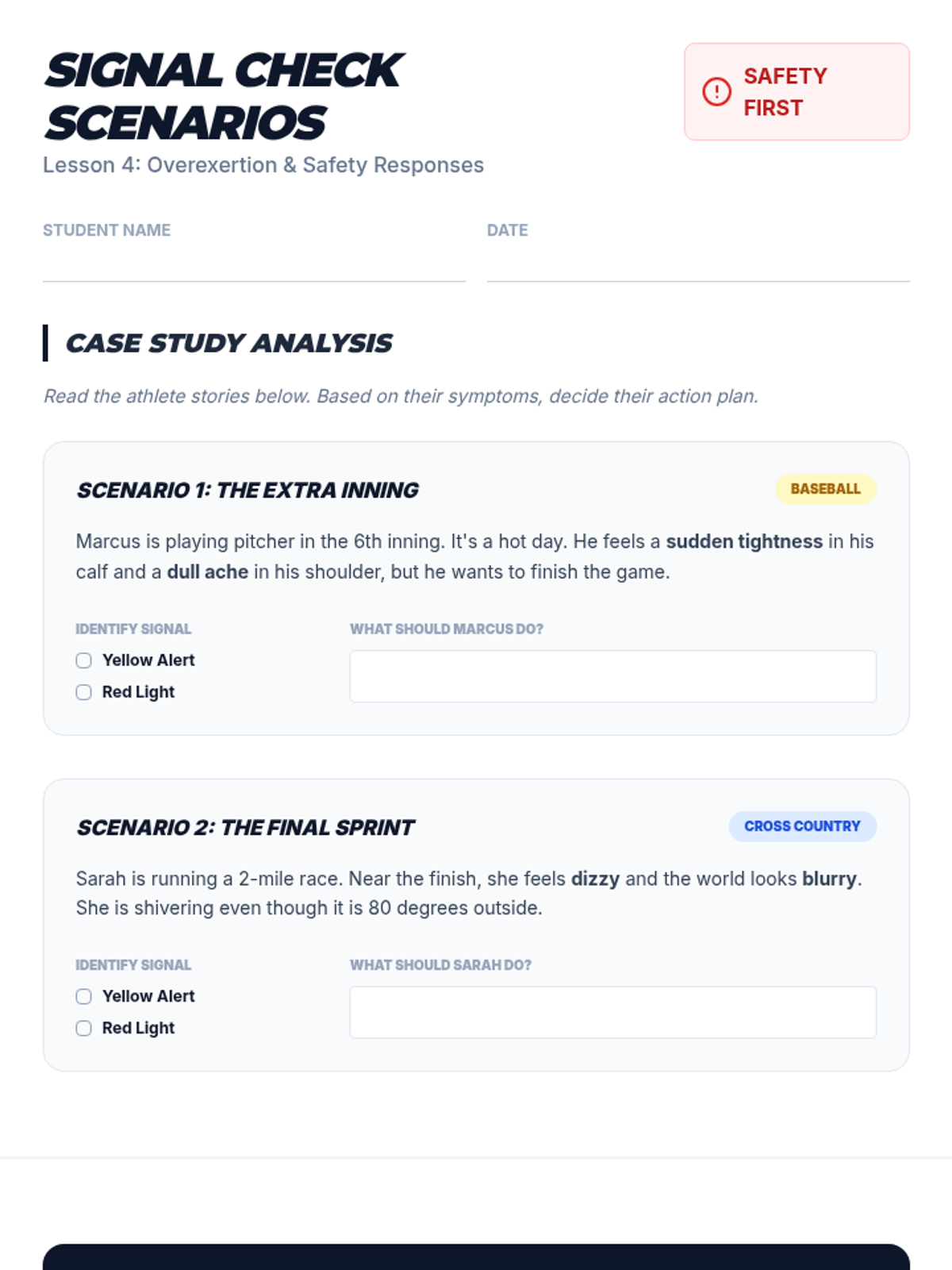
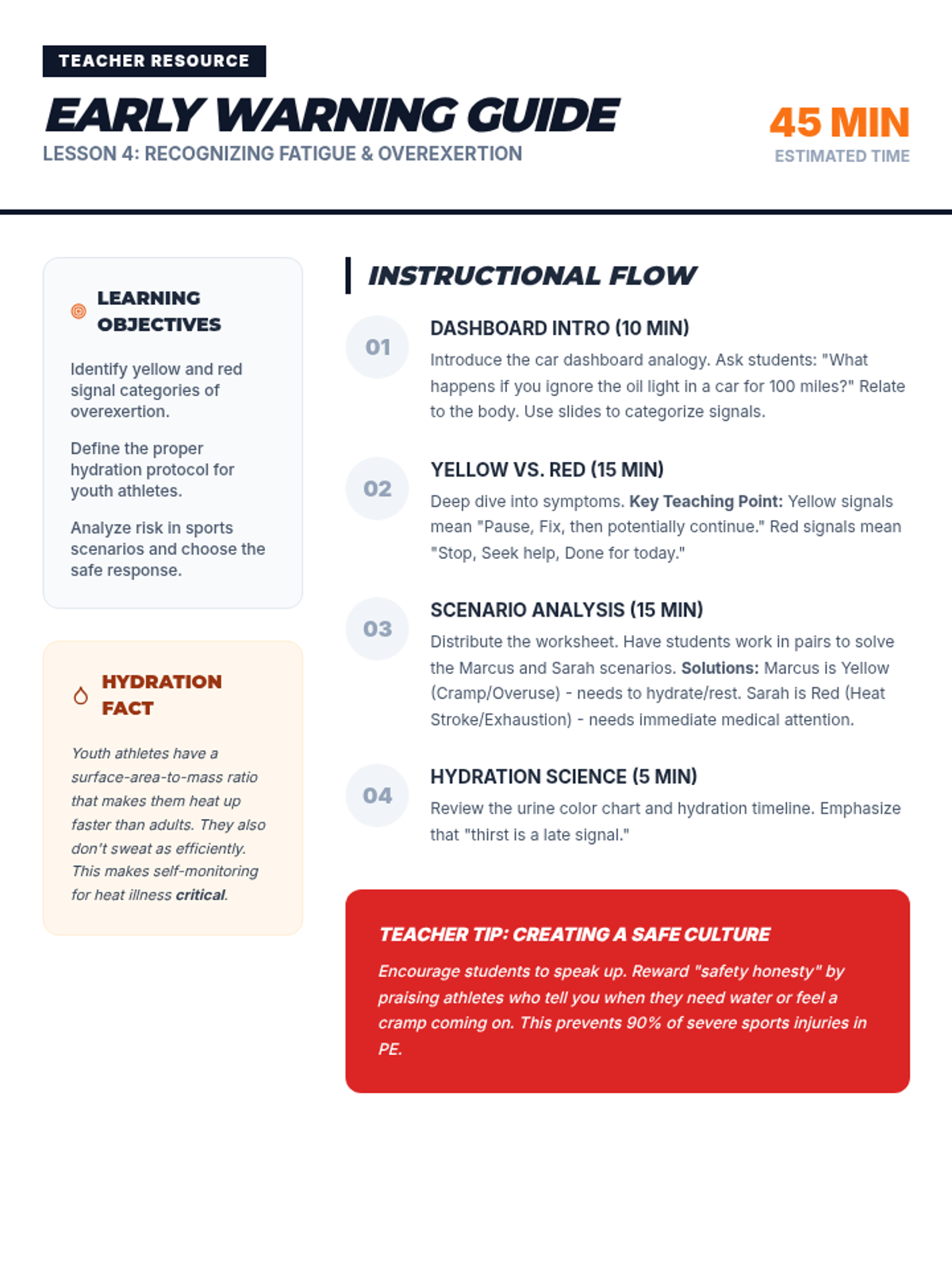
Students learn to identify the body's warning signals, such as cramps, dizziness, or pain, that indicate a need for rest or hydration. Through scenario analysis, they determine the appropriate response to various symptoms to prevent heat illness or overuse injuries.
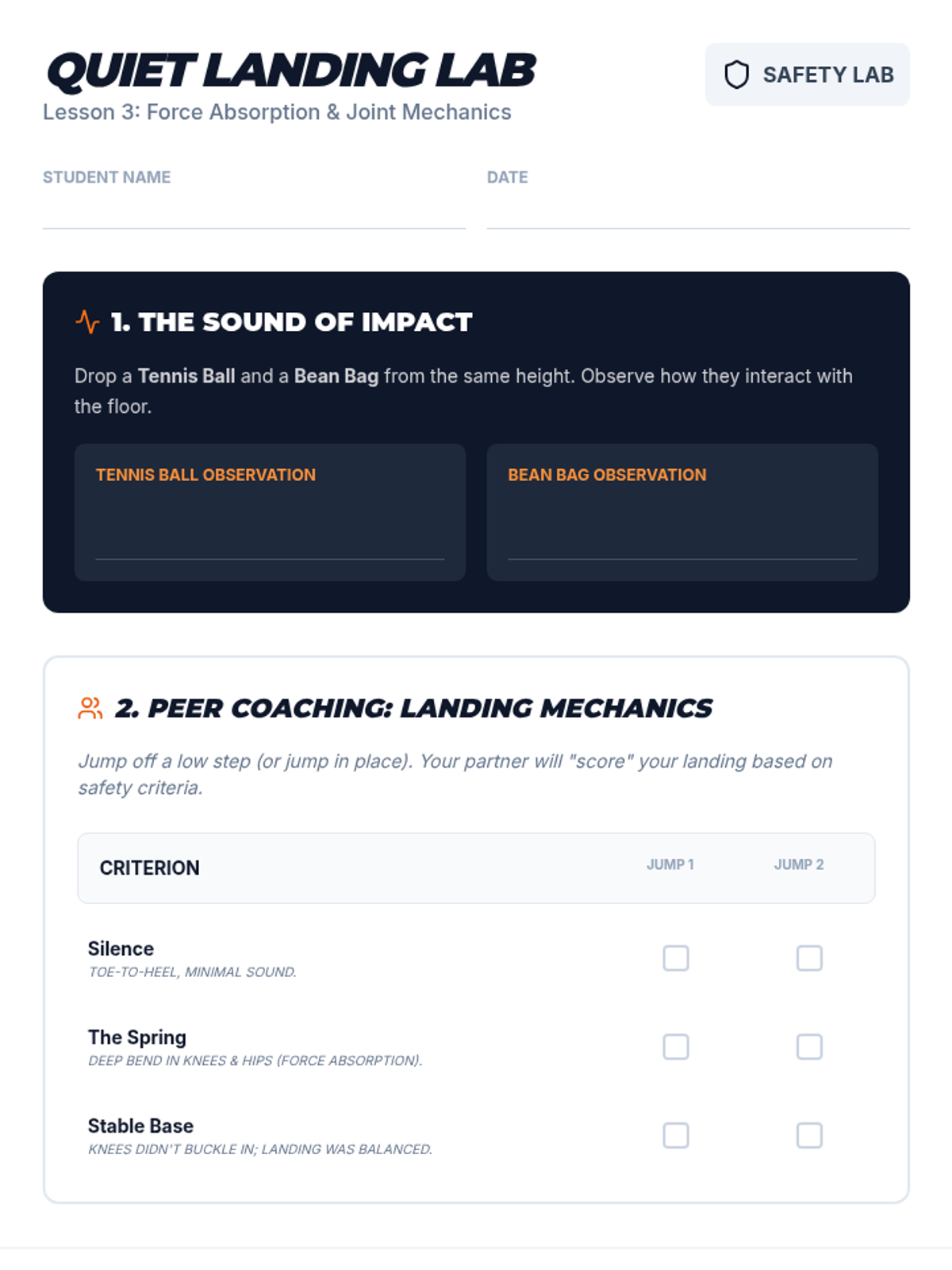
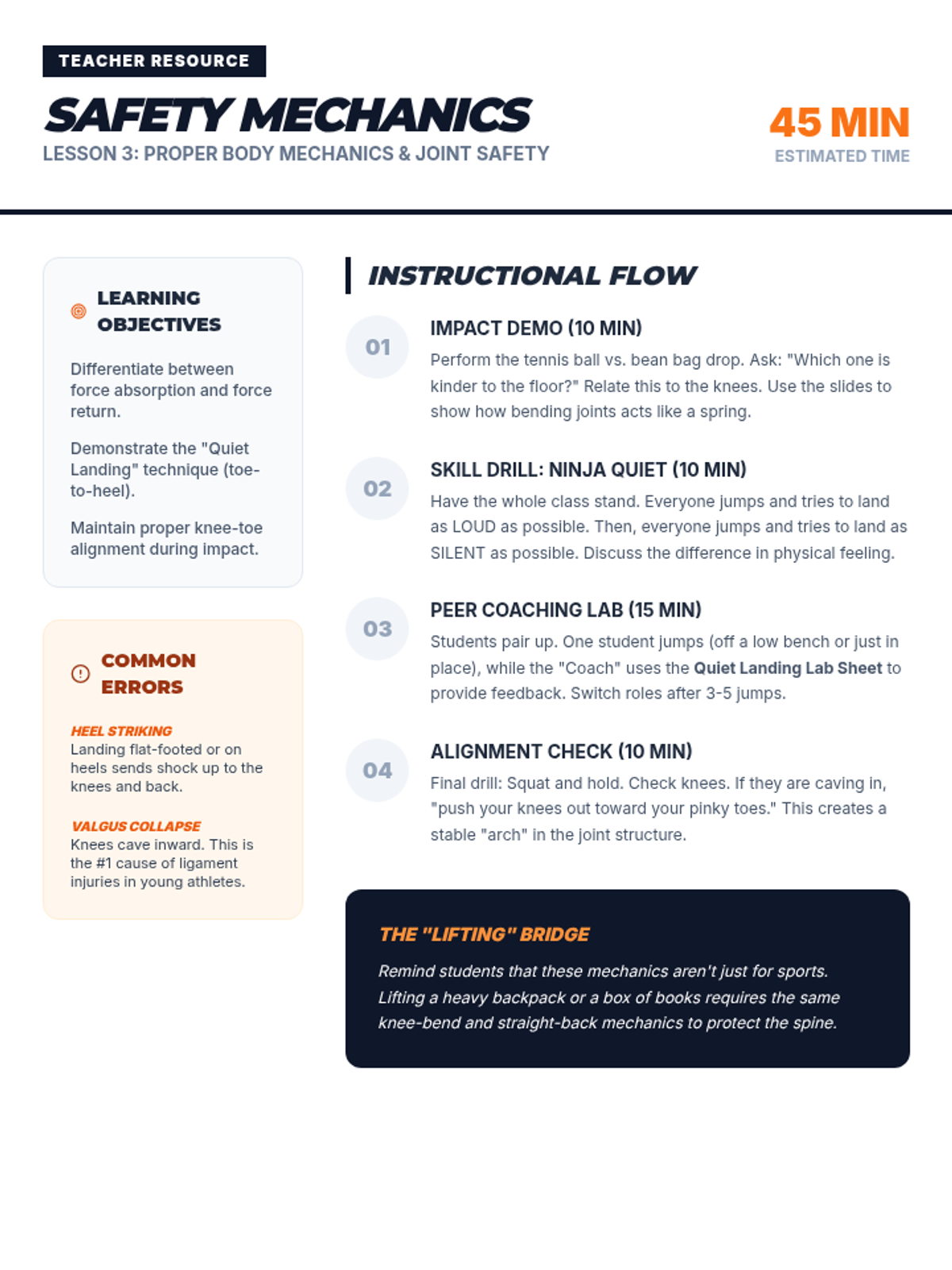
Focusing on joint safety, this lesson covers correct alignment for landing, jumping, and lifting. Students practice 'quiet landings' to reduce impact on knees and ankles, receiving peer feedback on their form to ensure structural safety.
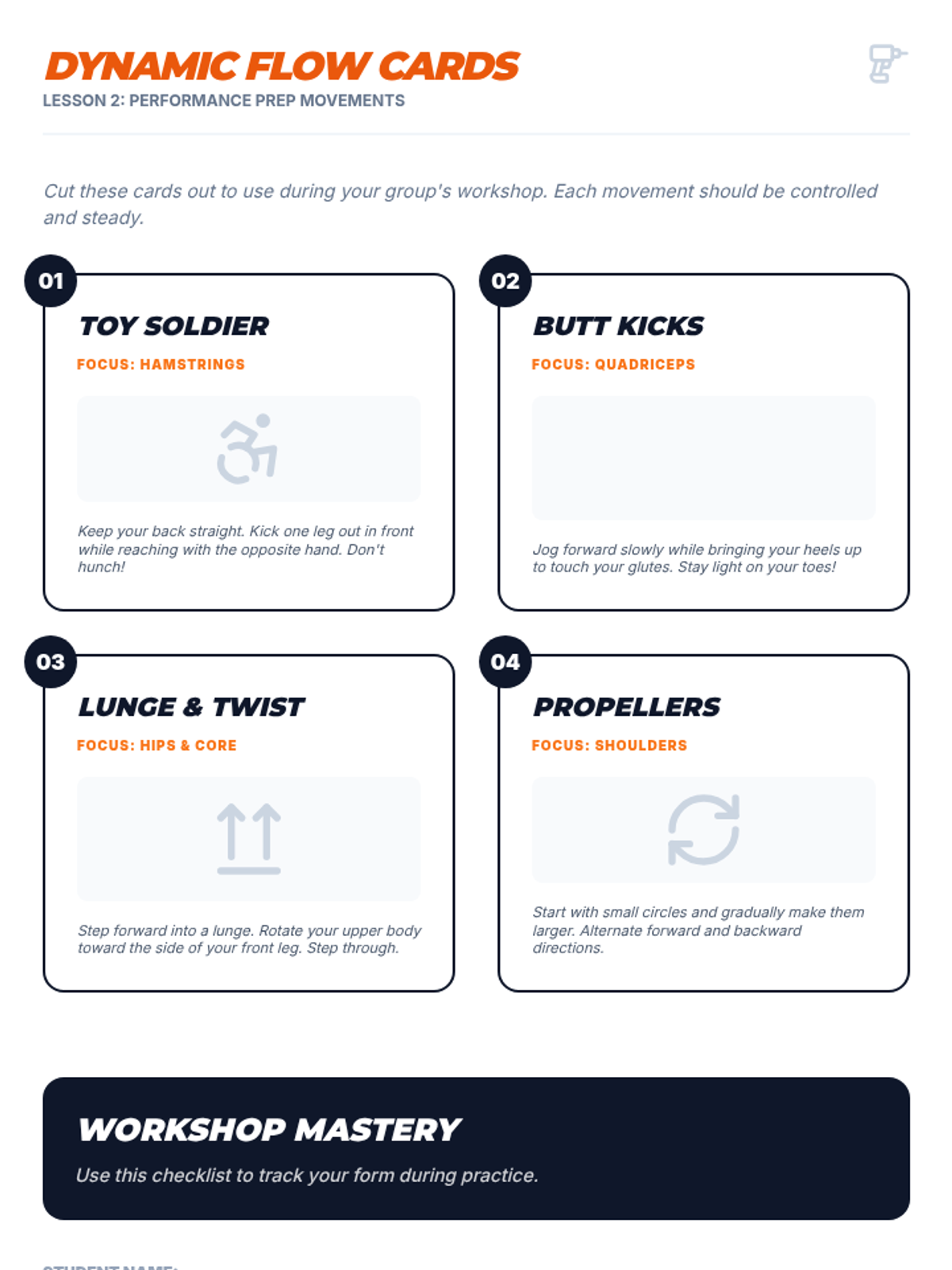
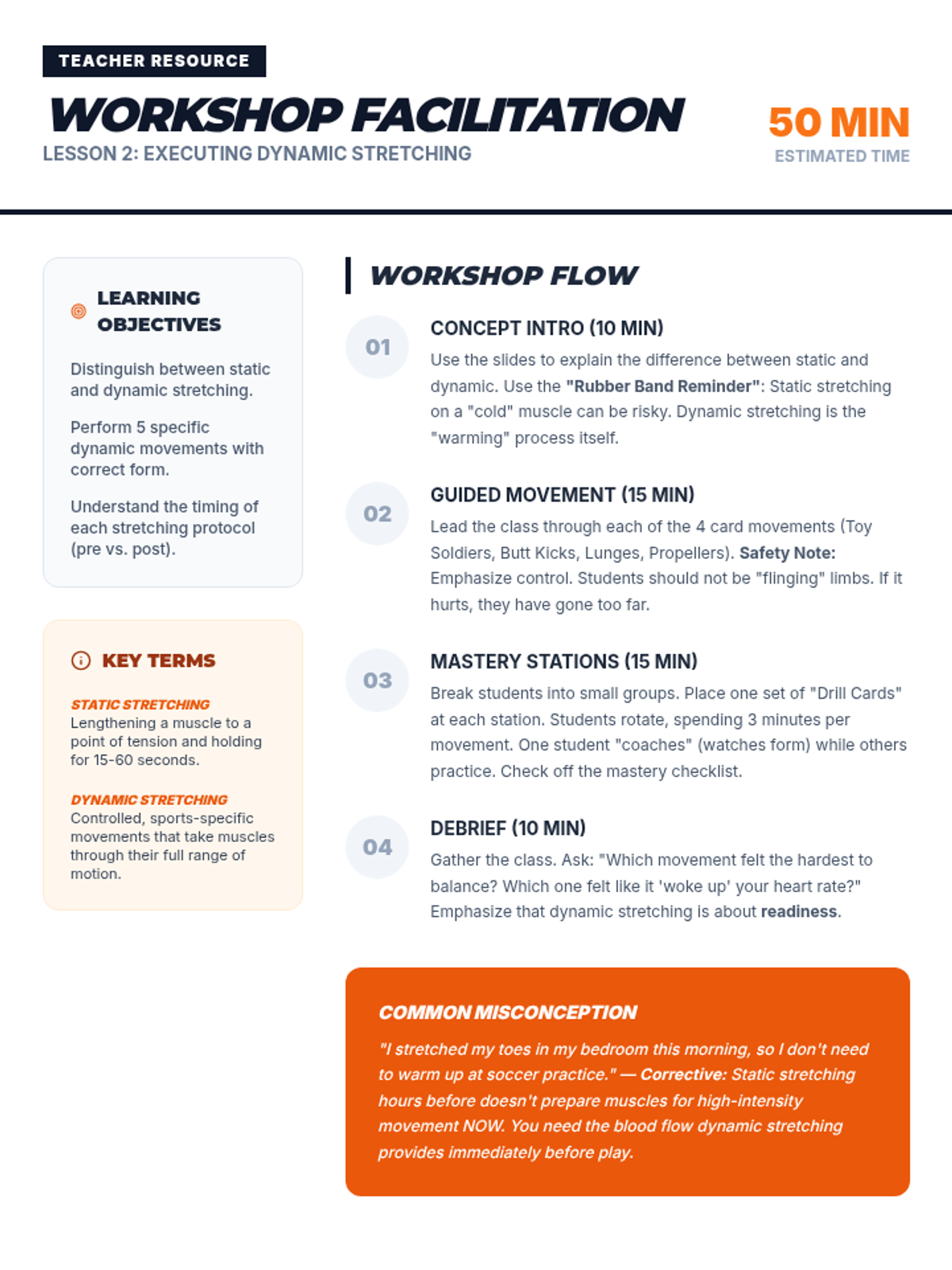
Students participate in a guided workshop to learn and practice dynamic stretching movements suitable for pre-activity preparation. The lesson distinguishes these active movements from static stretching, emphasizing when each type is appropriate to prevent muscle strain.
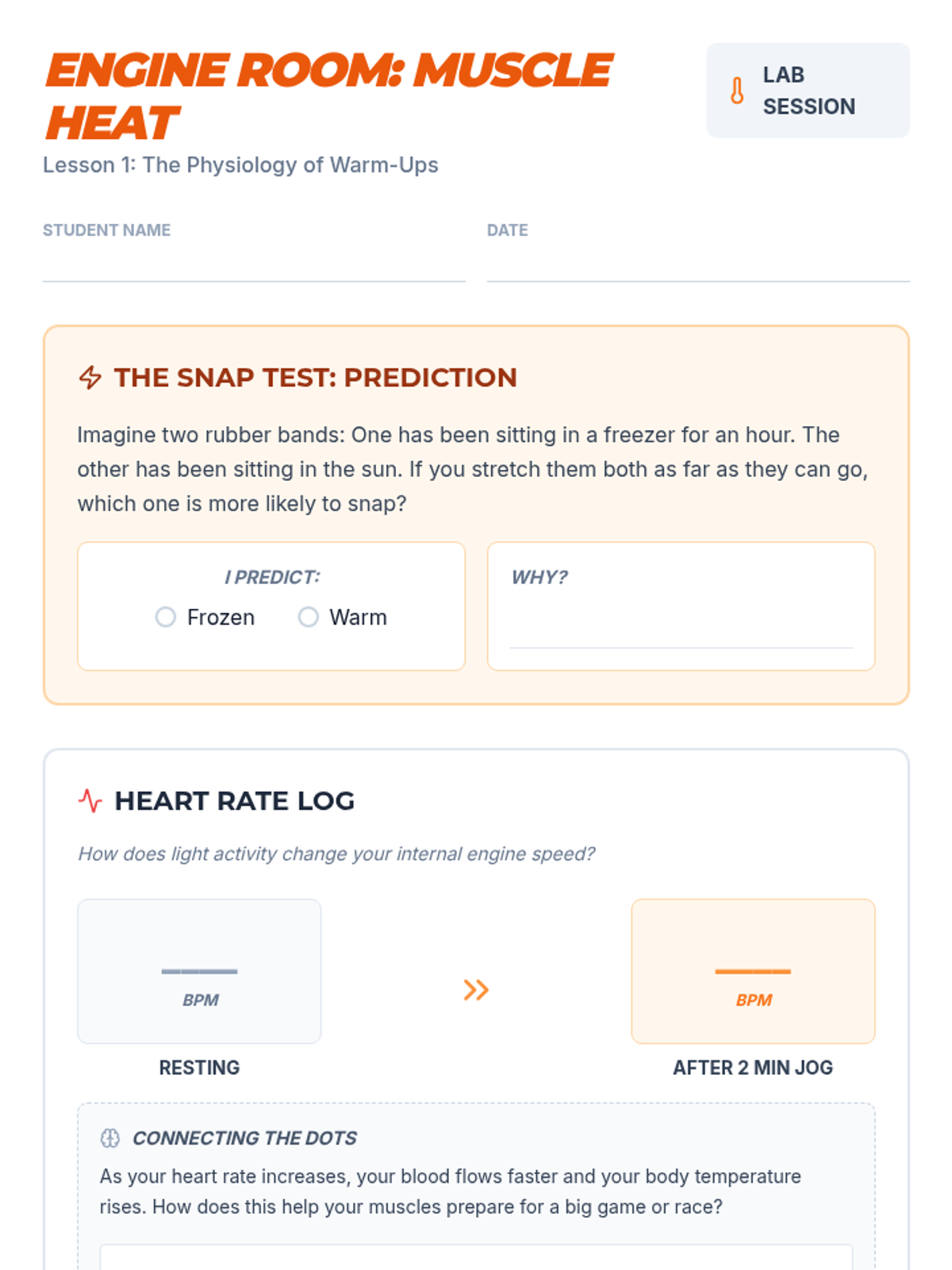
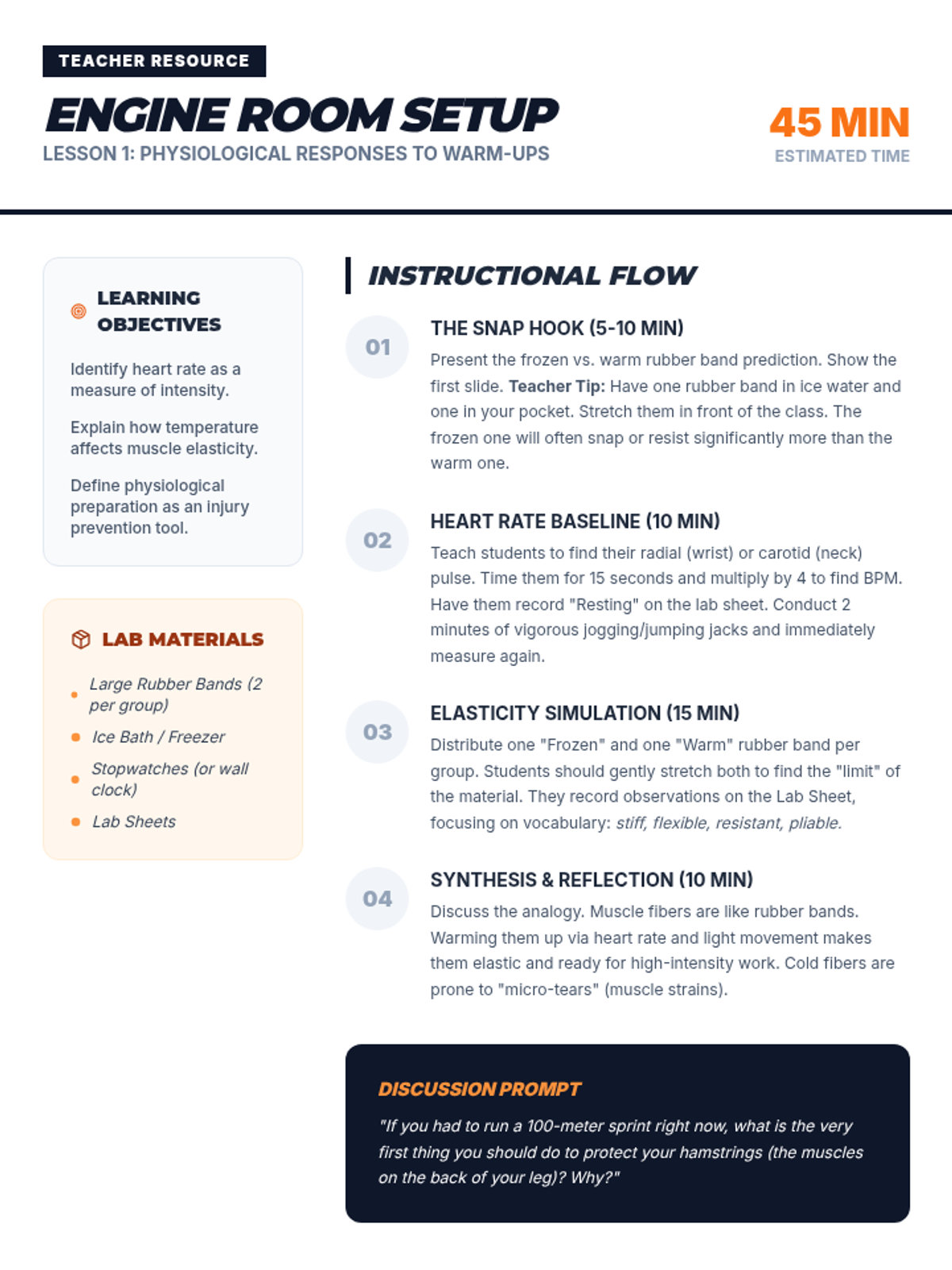
Students investigate the physiology of warm-ups, using a rubber band simulation to understand muscle elasticity and tracking heart rate changes during activity.
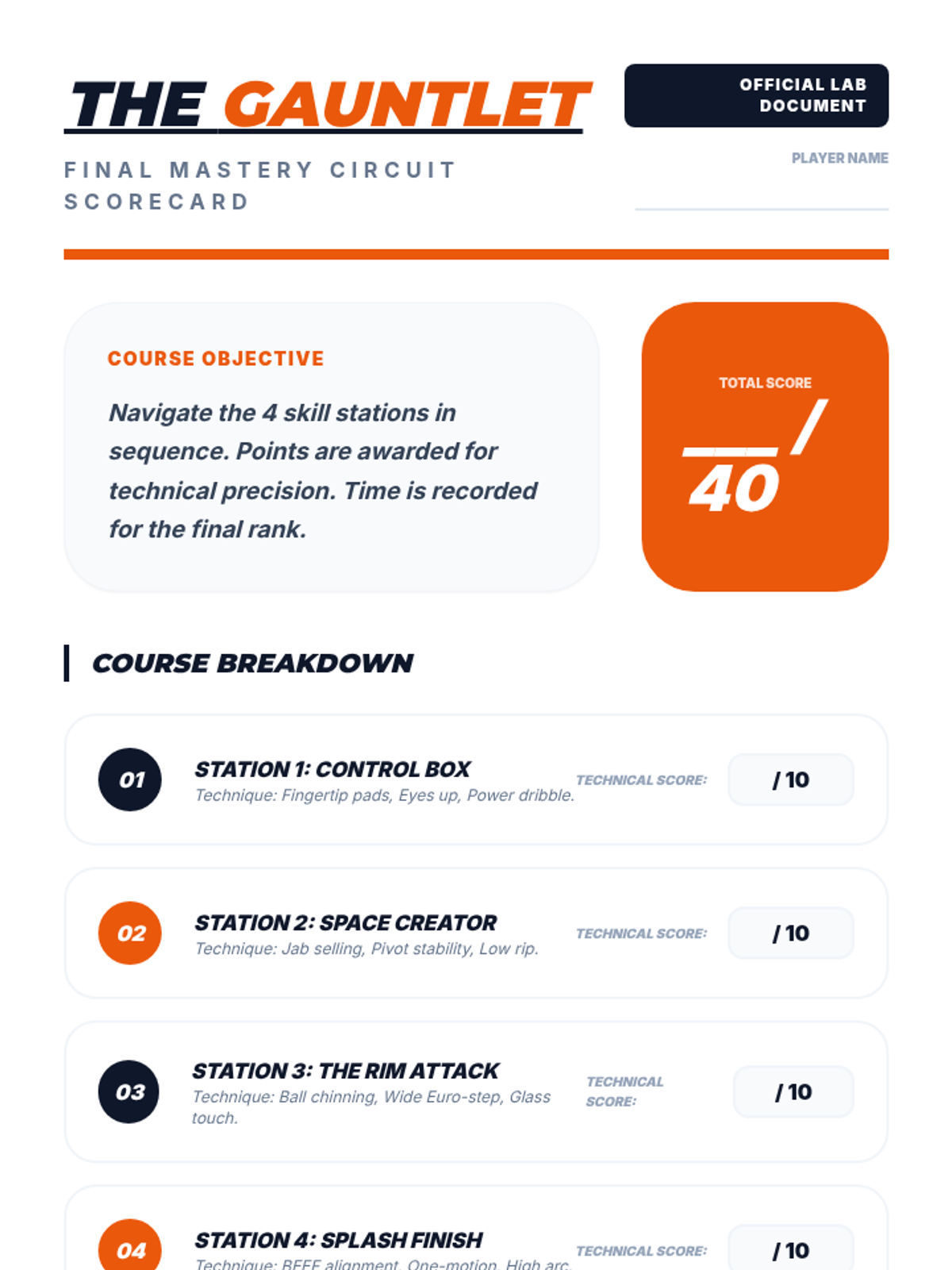
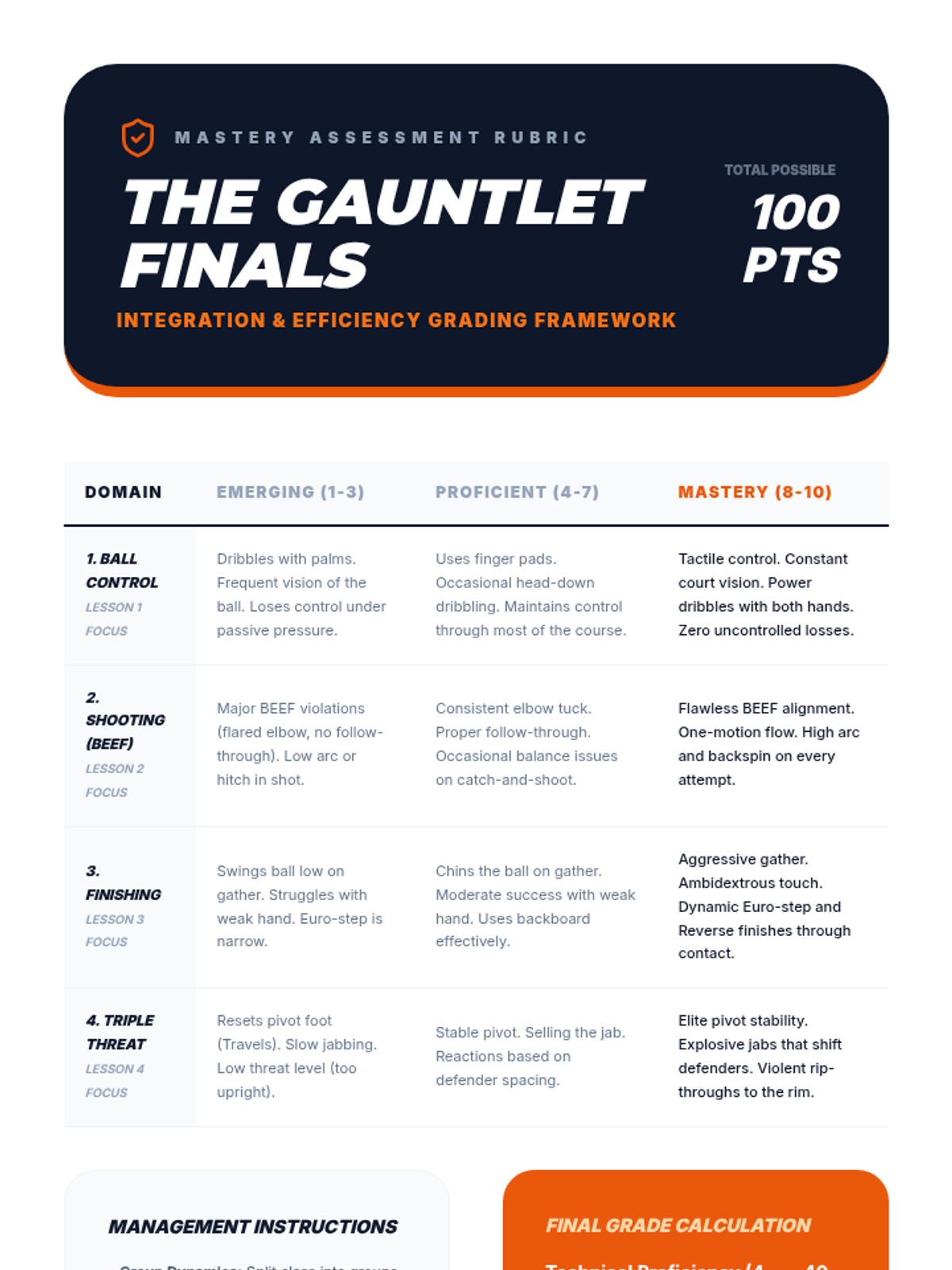
A mastery-based circuit combining dribbling, spacing, and shooting into fluid sequences. Includes the 'Gauntlet Challenge' obstacle course.
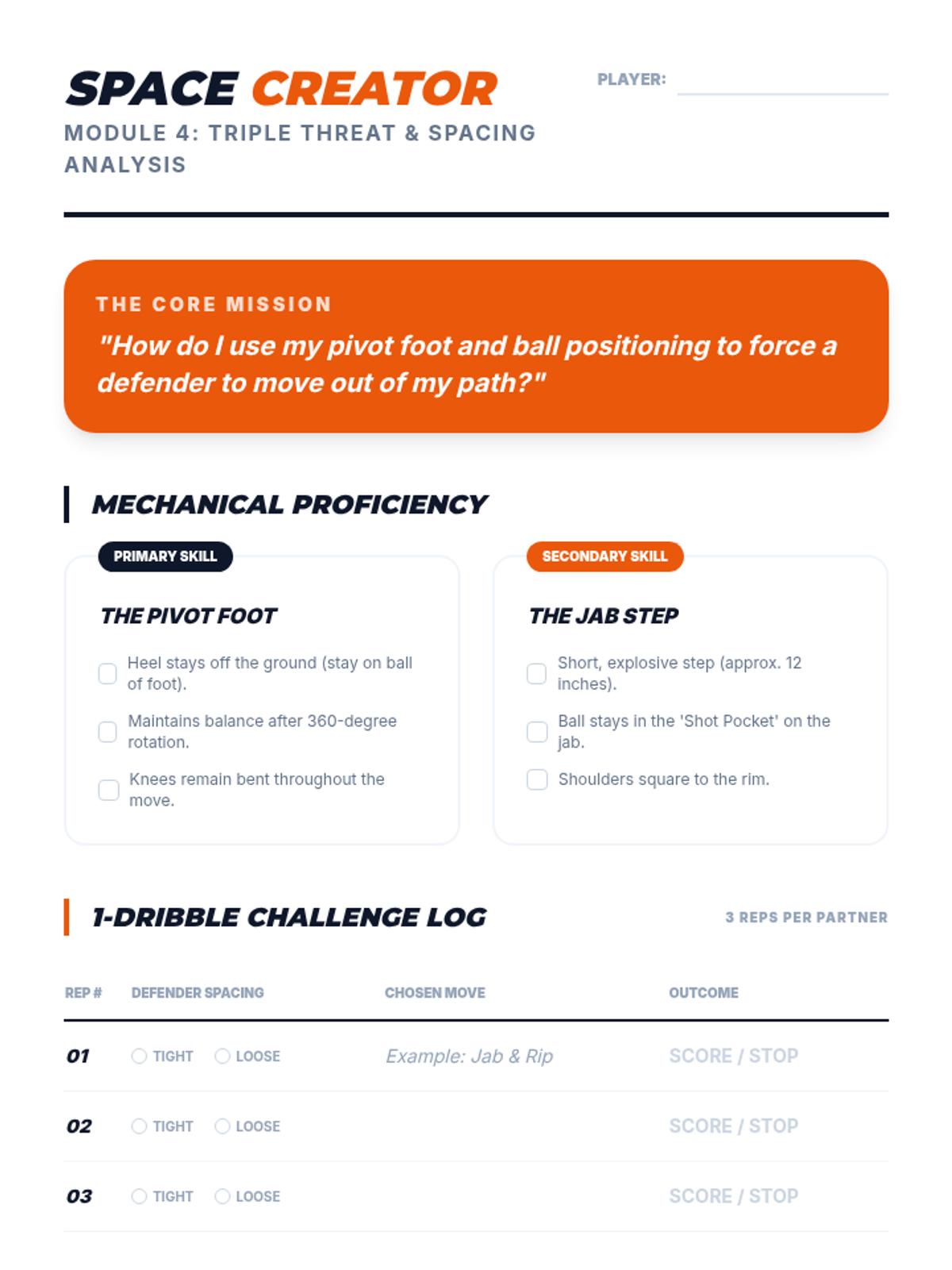
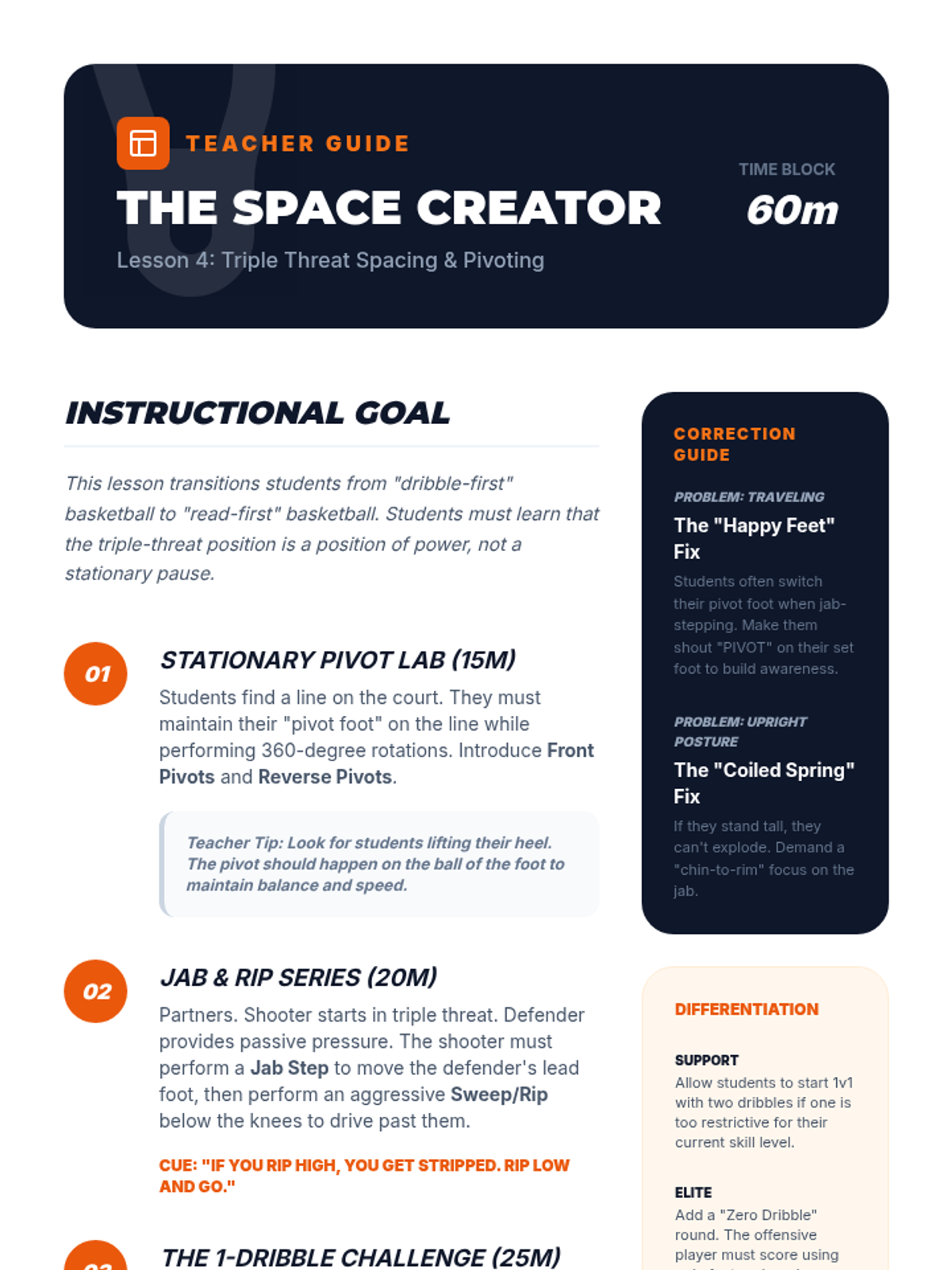
Utilizing the triple threat position to read defenders and create space. Covers jabs, rips, and pivot footwork to initiate offense efficiently.
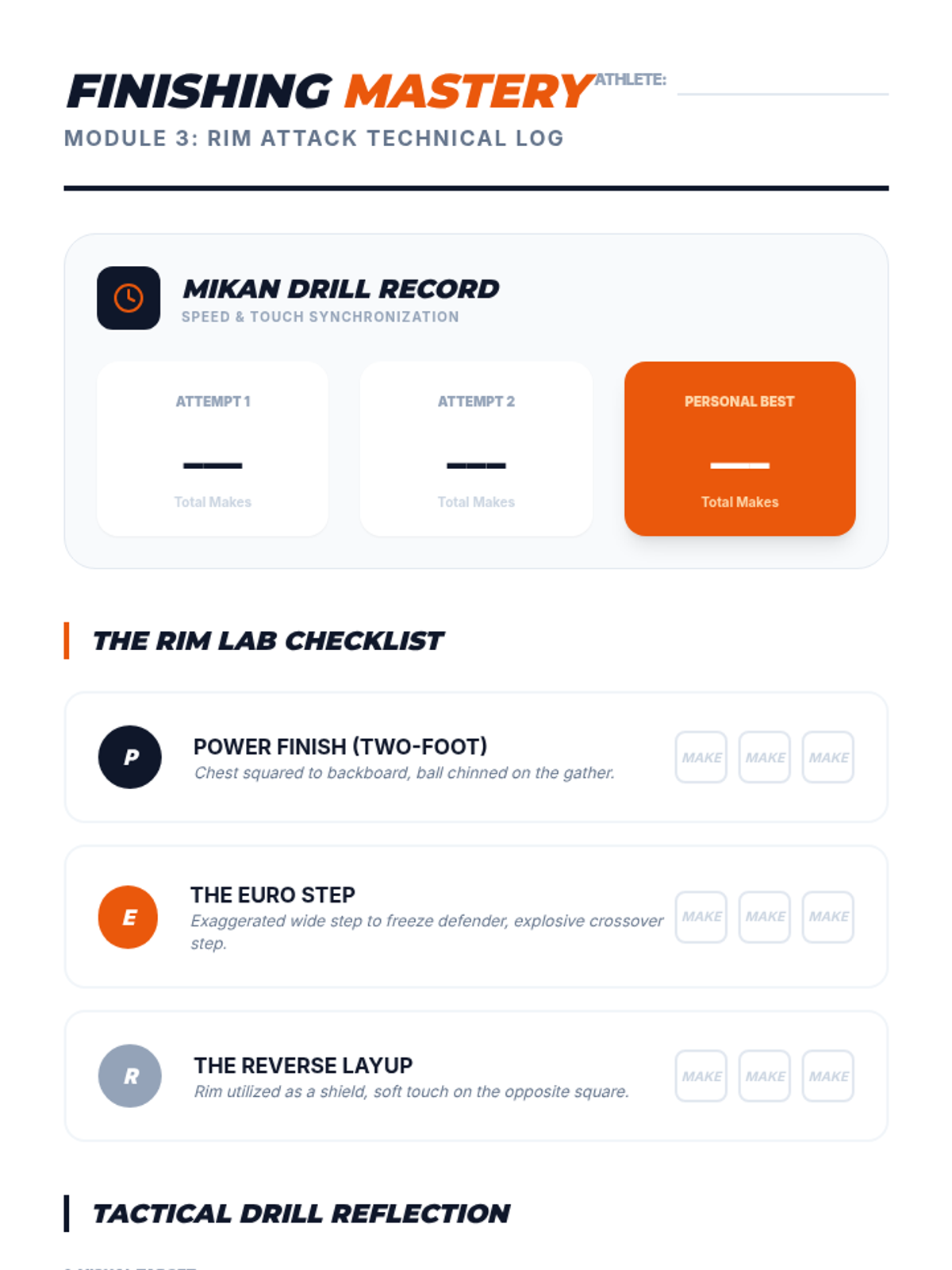
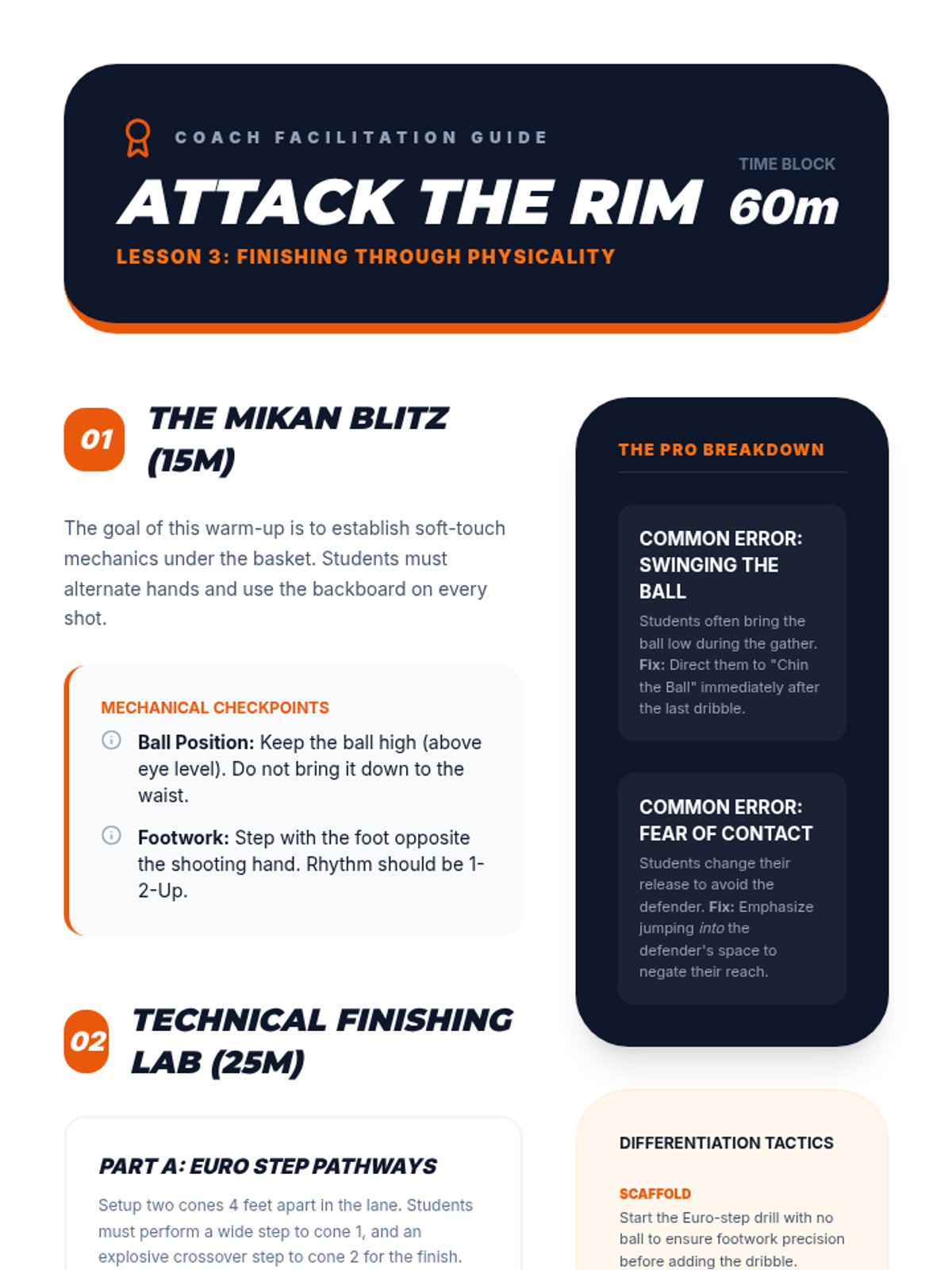
Exploring various layup techniques including Euro-steps, reverse layups, and power layups. Students learn to finish at the rim through contact and defensive pressure.
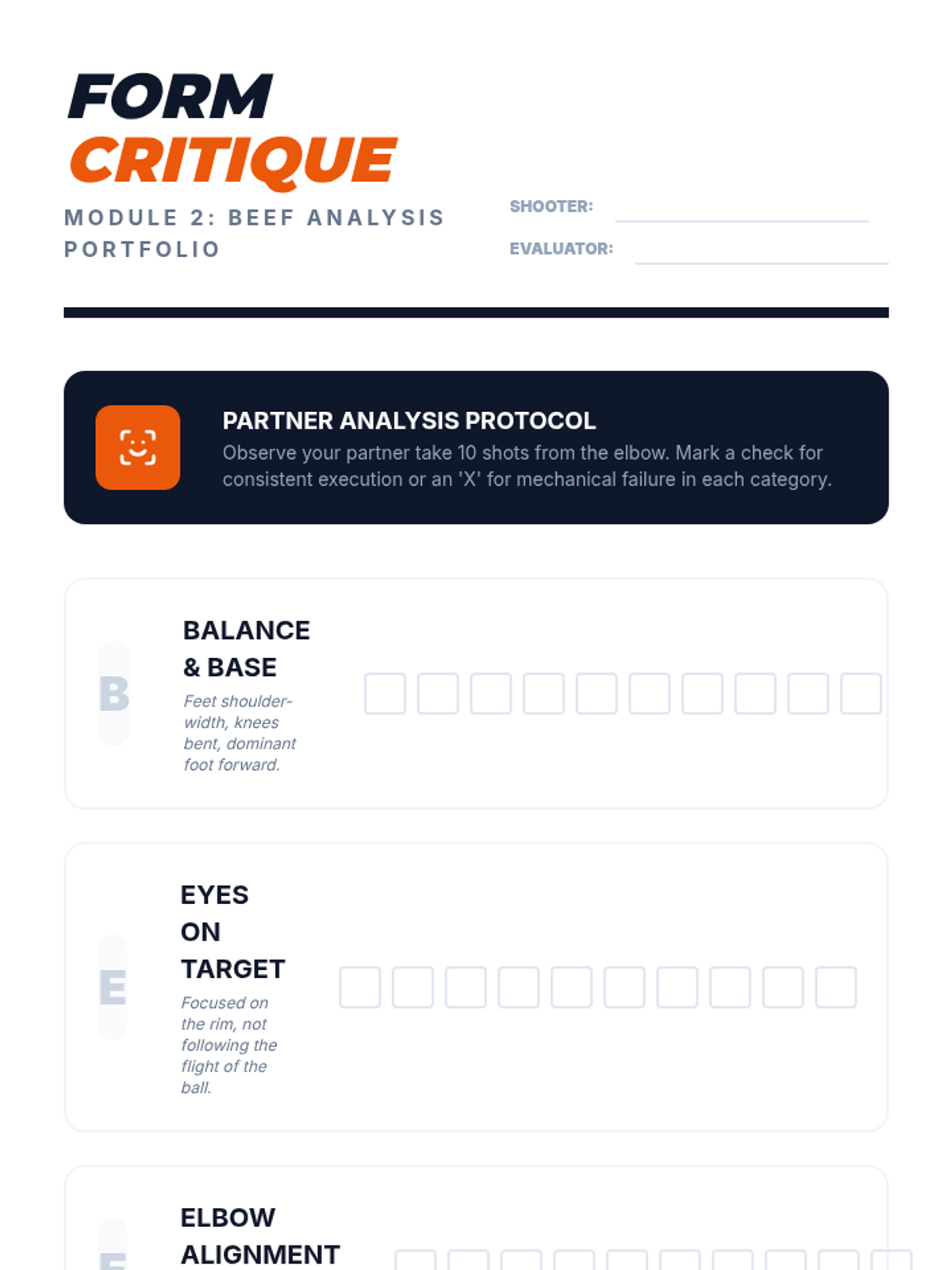
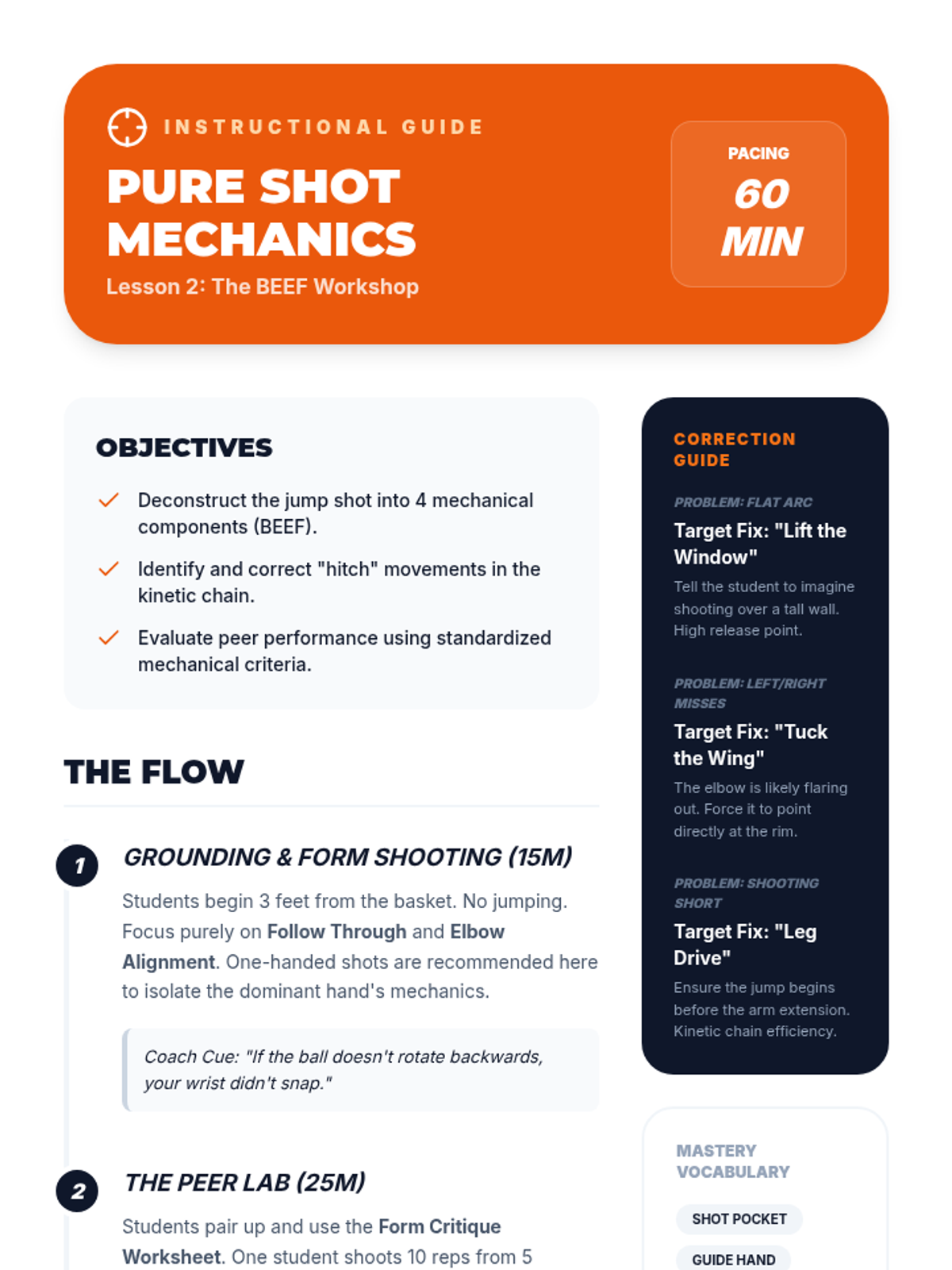
Breaking down the kinetic chain of a jump shot using the BEEF principle. Students use partner analysis to critique form and build muscle memory through spot shooting.
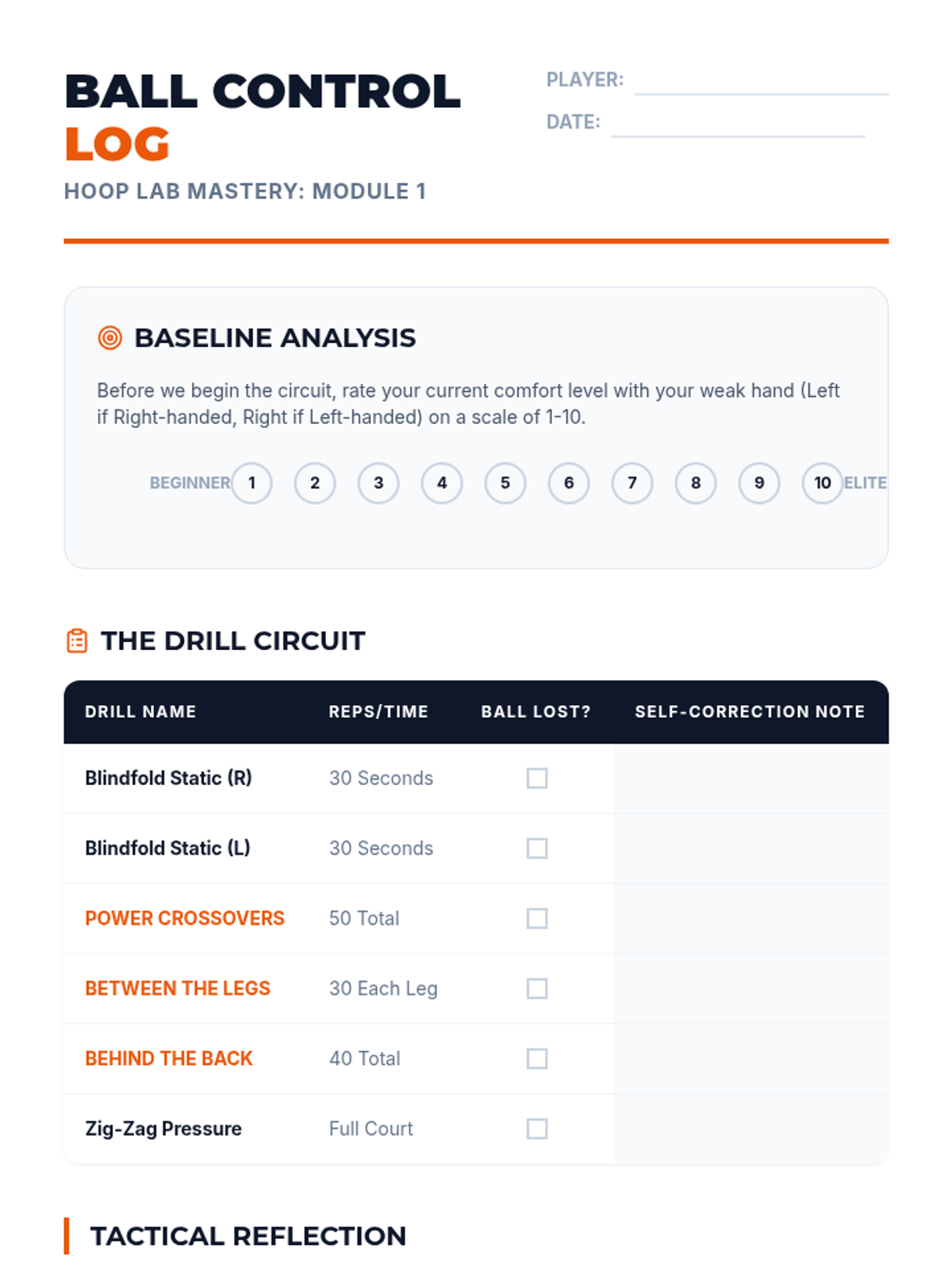
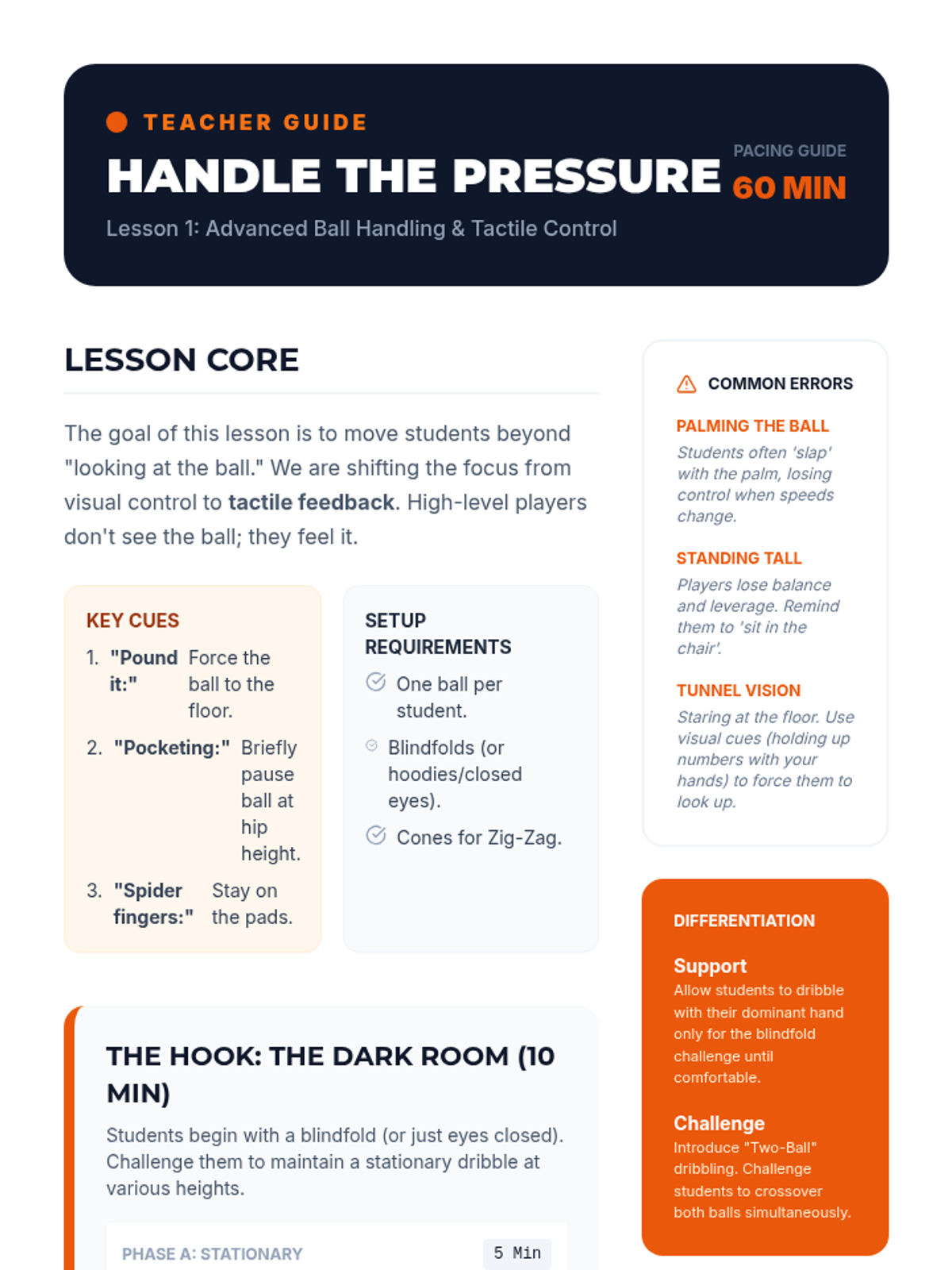
Students engage in high-intensity dribbling drills focusing on fingertip control, changing speeds, and protecting the ball. Emphasis is on crossovers, between-the-legs, and behind-the-back moves.
The unit culminates in a tactical tournament where students apply all learned concepts in a competitive environment, taking on leadership and coaching roles.
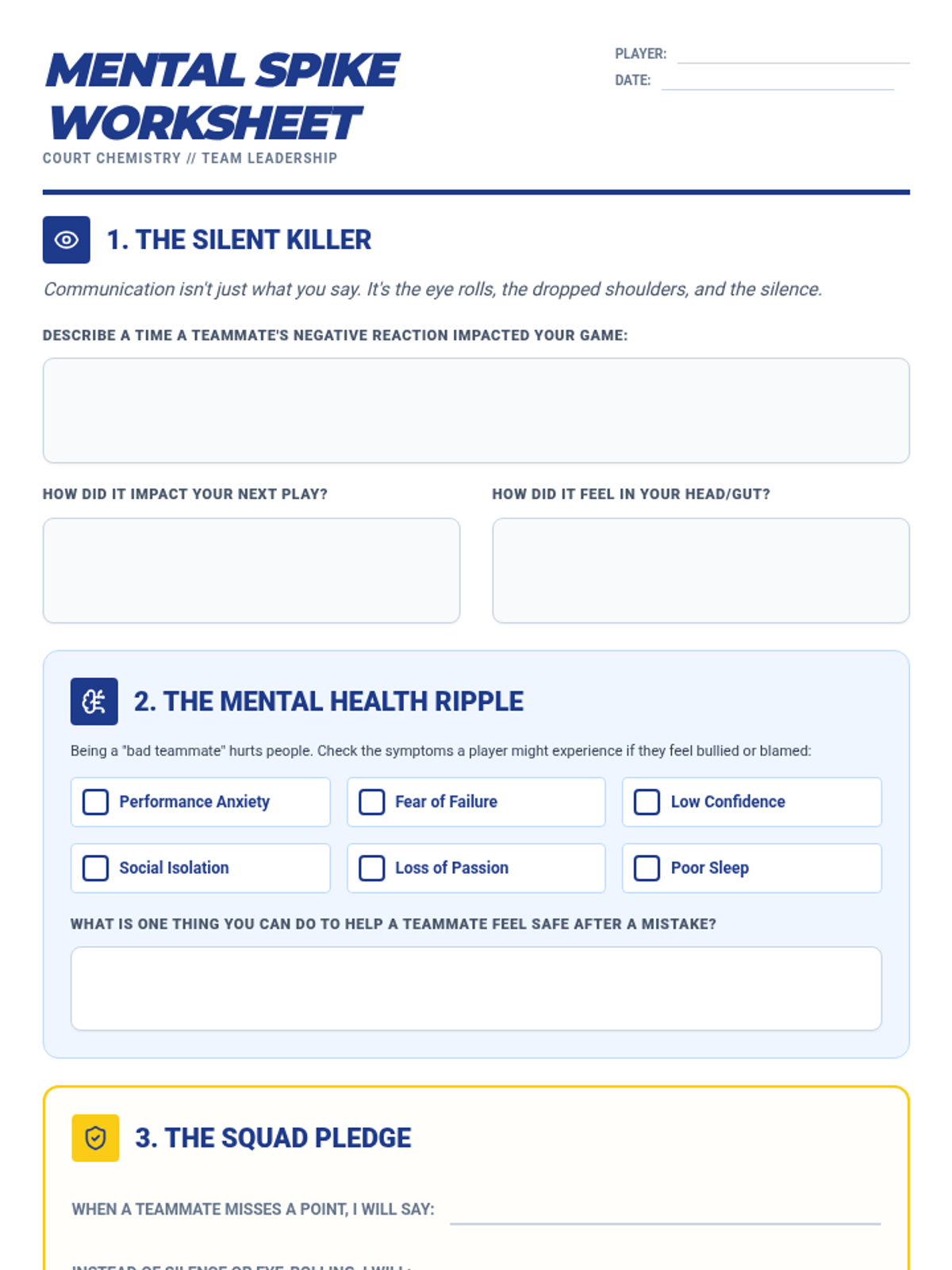
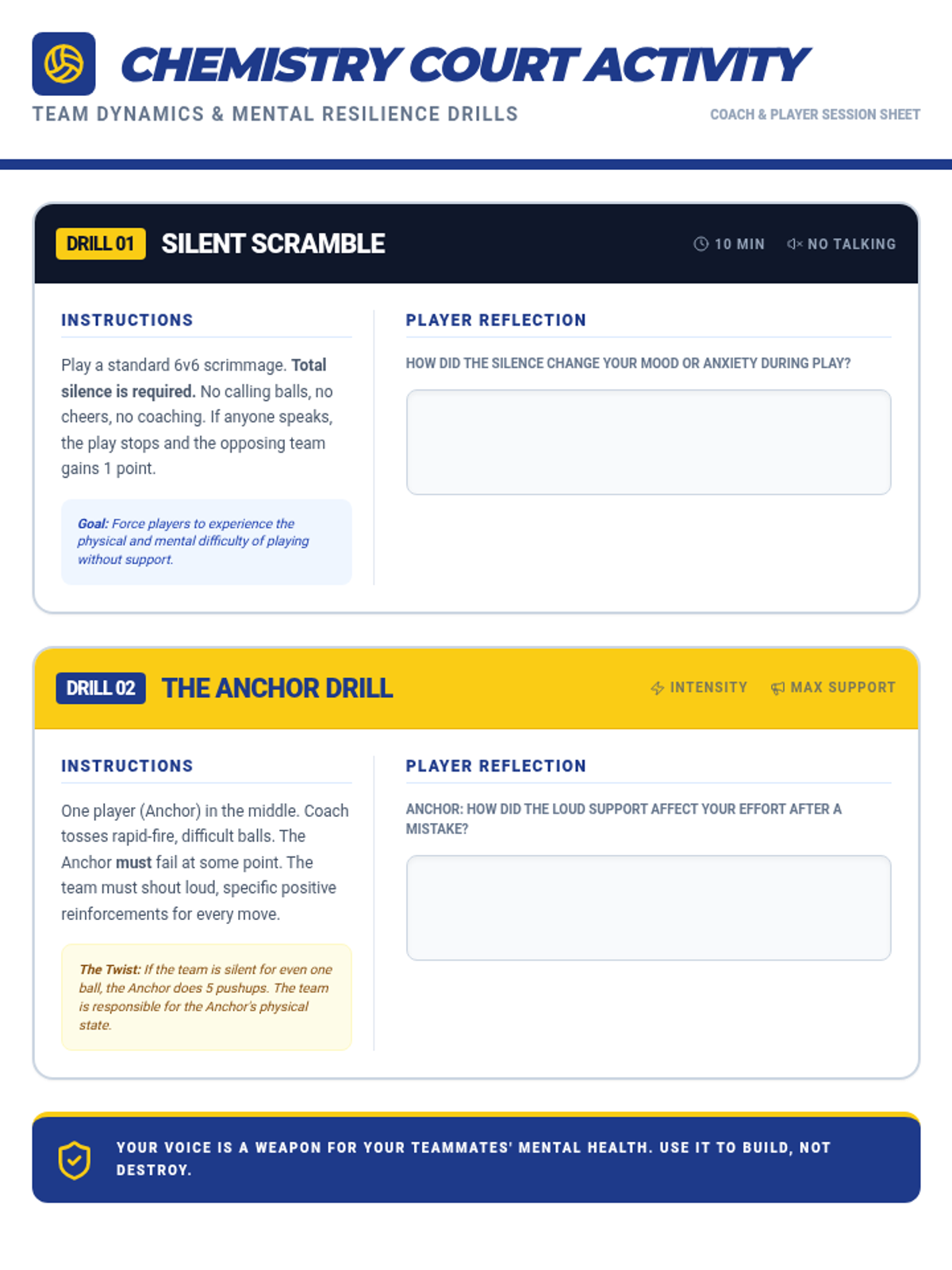
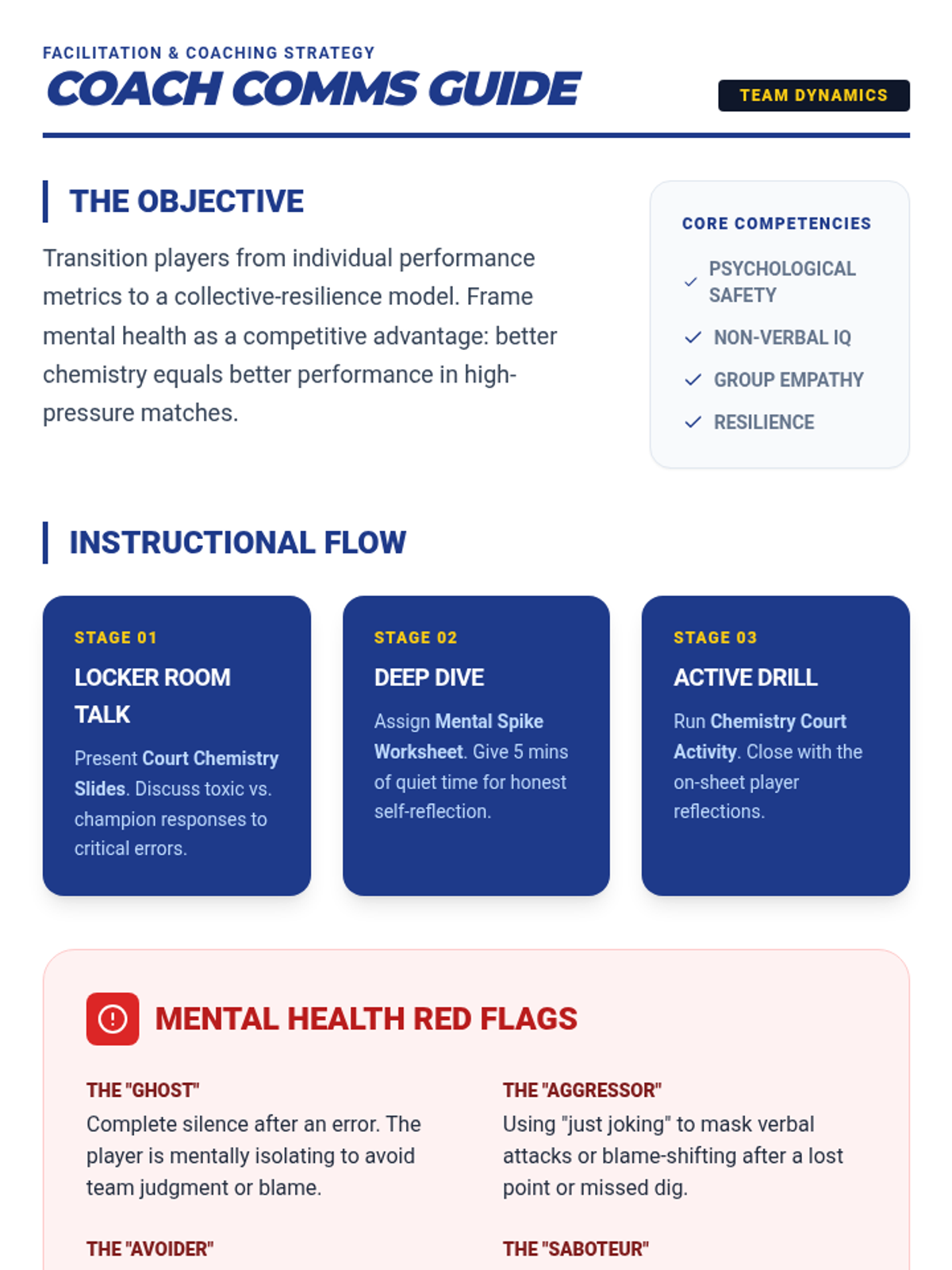
A lesson for boys' volleyball teams focused on building positive team dynamics, understanding the mental health impact of sportsmanship, and practicing supportive communication on the court.
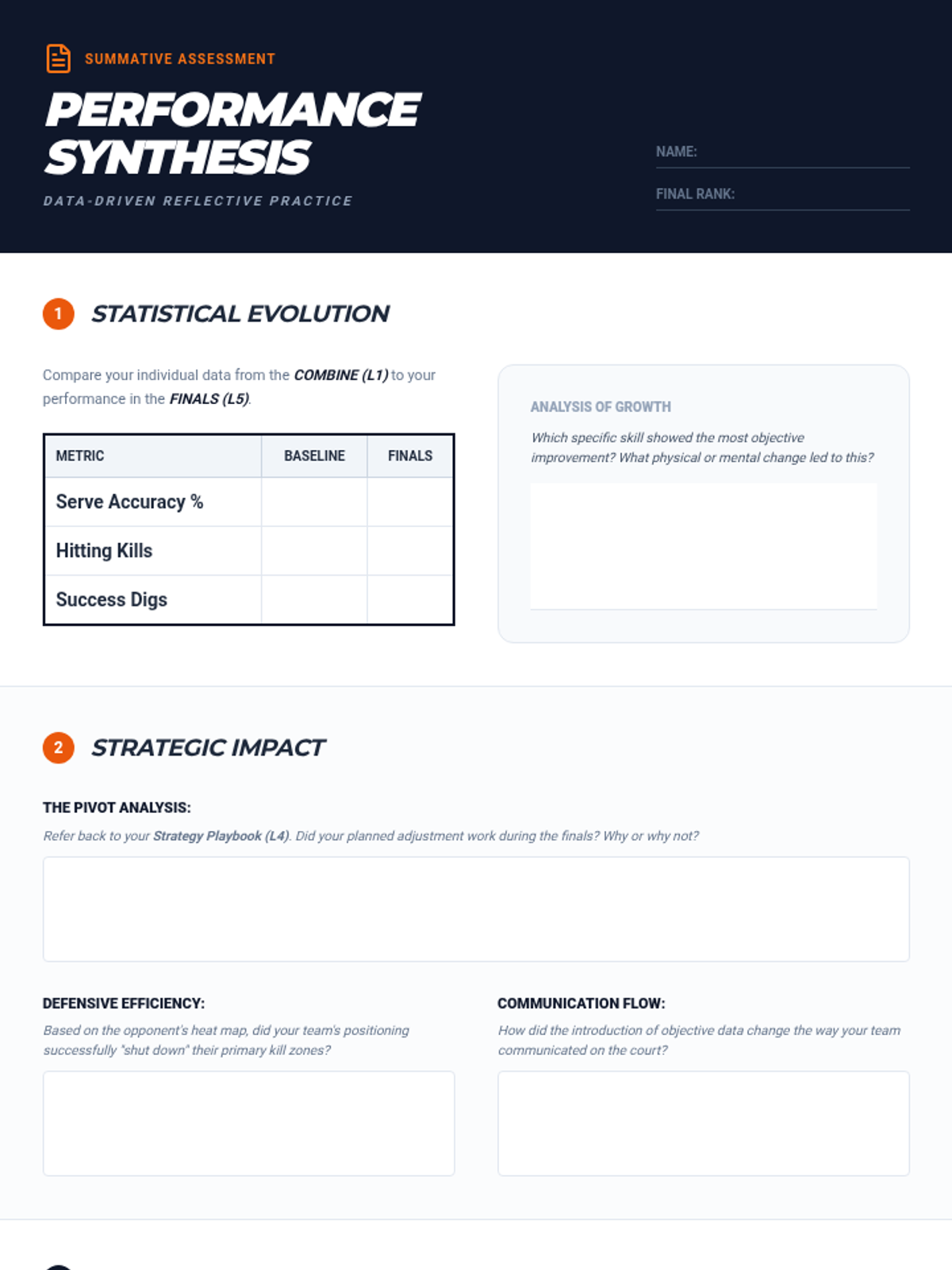
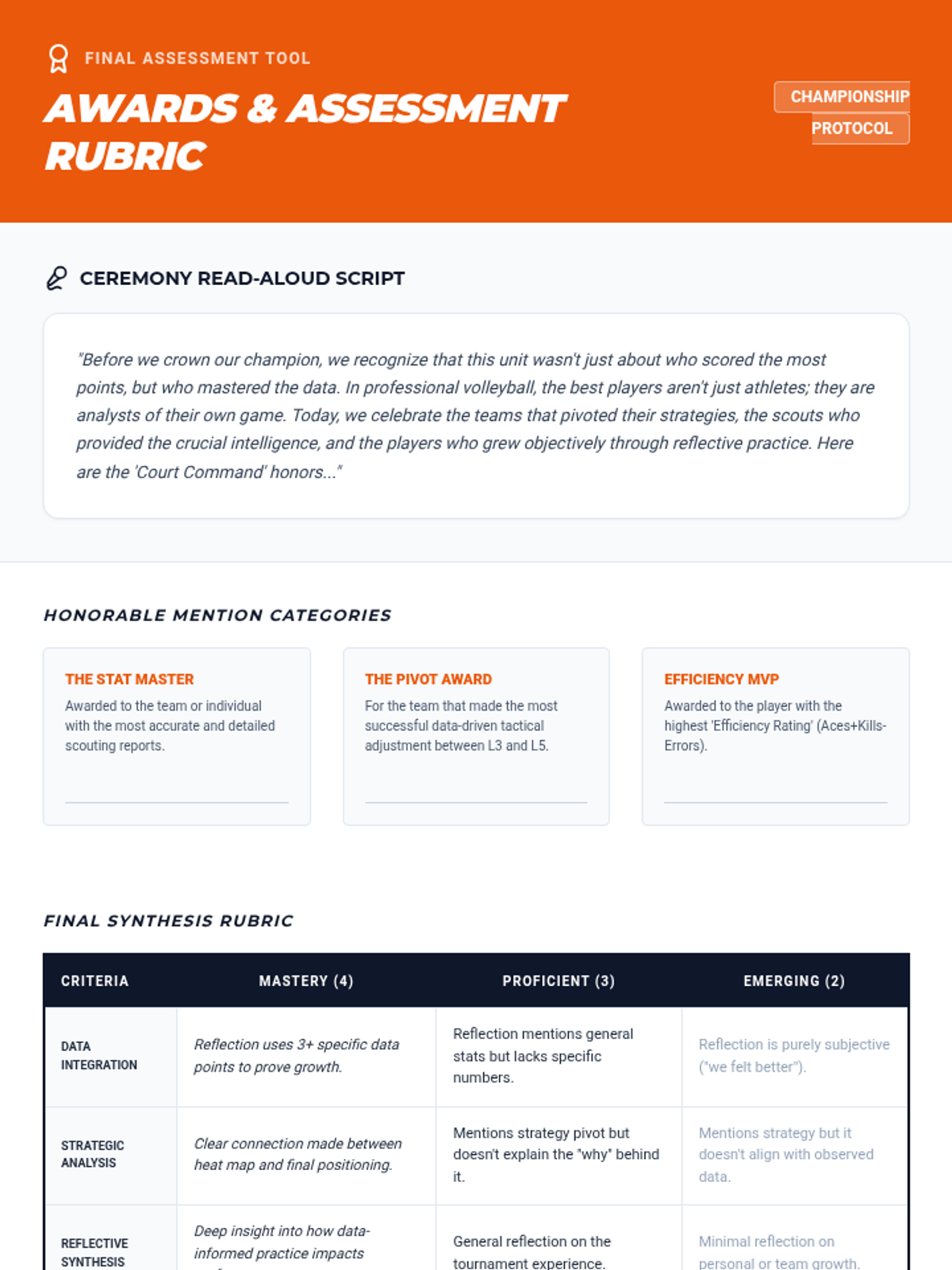
The sequence culminates in a high-stakes championship tournament featuring player introductions and adjusted strategies. Following the matches, students engage in a reflective synthesis to evaluate how data-informed decisions influenced their performance and personal growth.
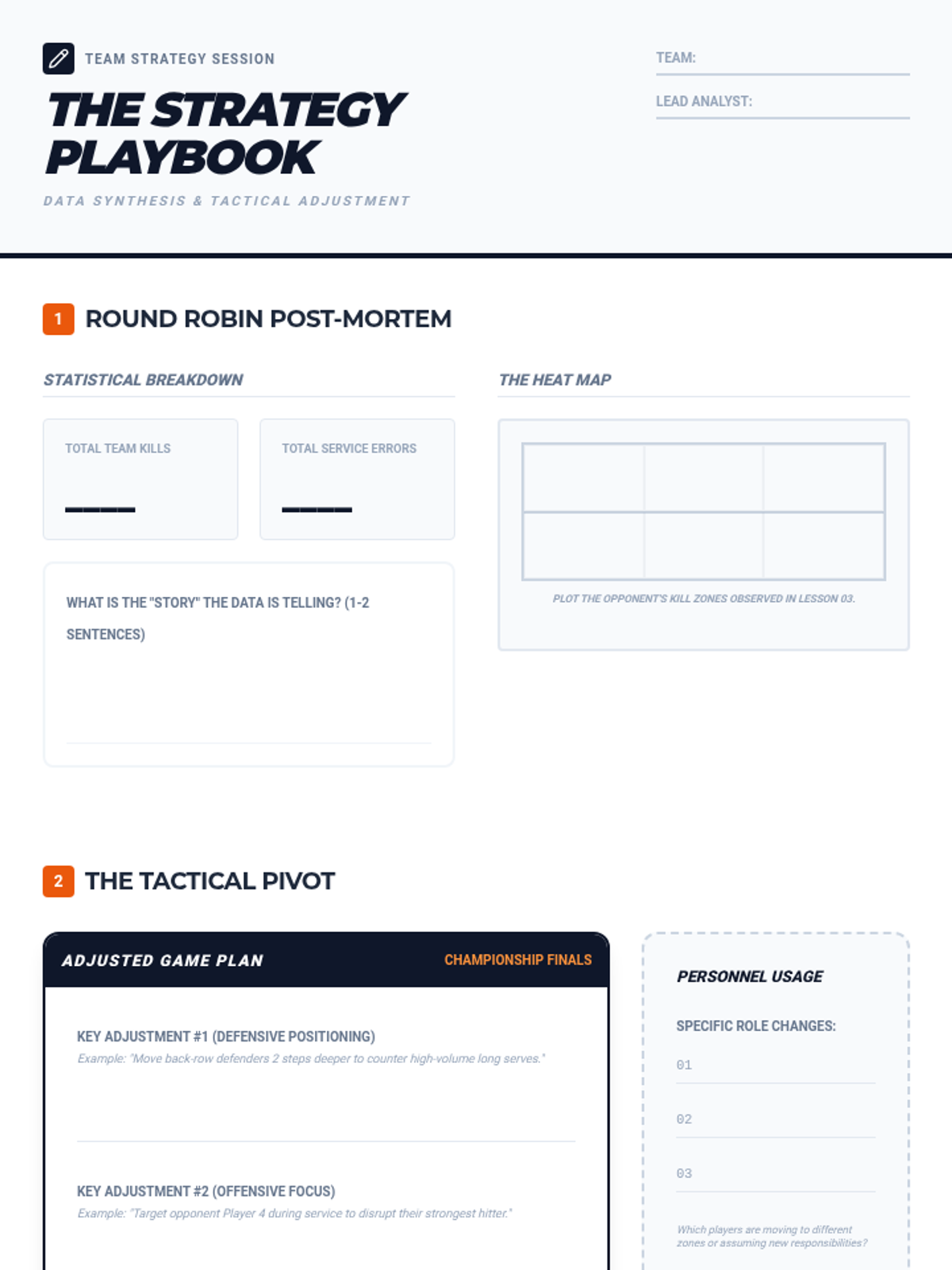
Teams dive into the raw data collected during the round-robin tournament to identify performance trends. Using heat maps and stat sheets, they diagnose specific weaknesses and design a 'Strategy Adjustment' plan for the upcoming championship matches.
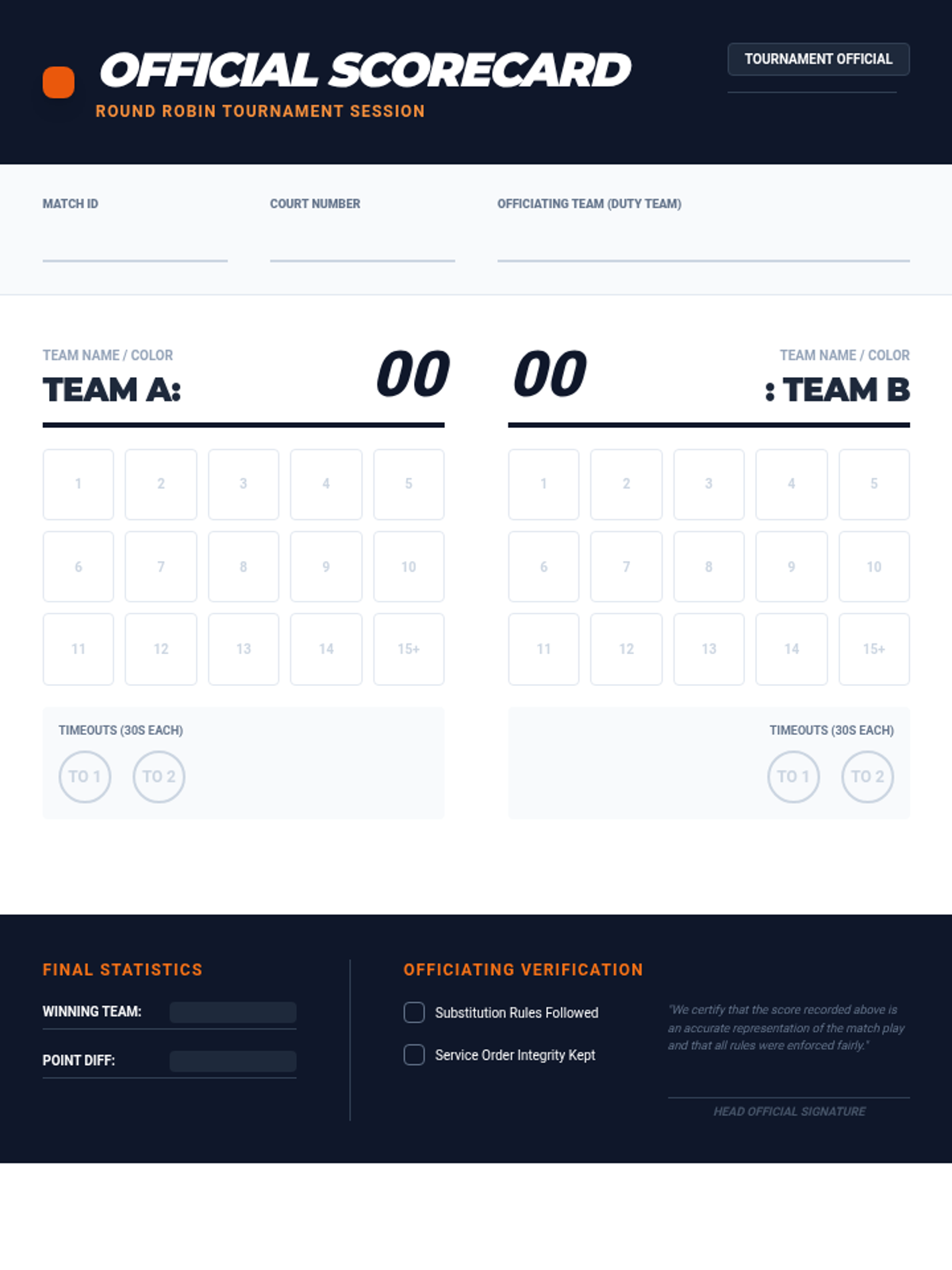
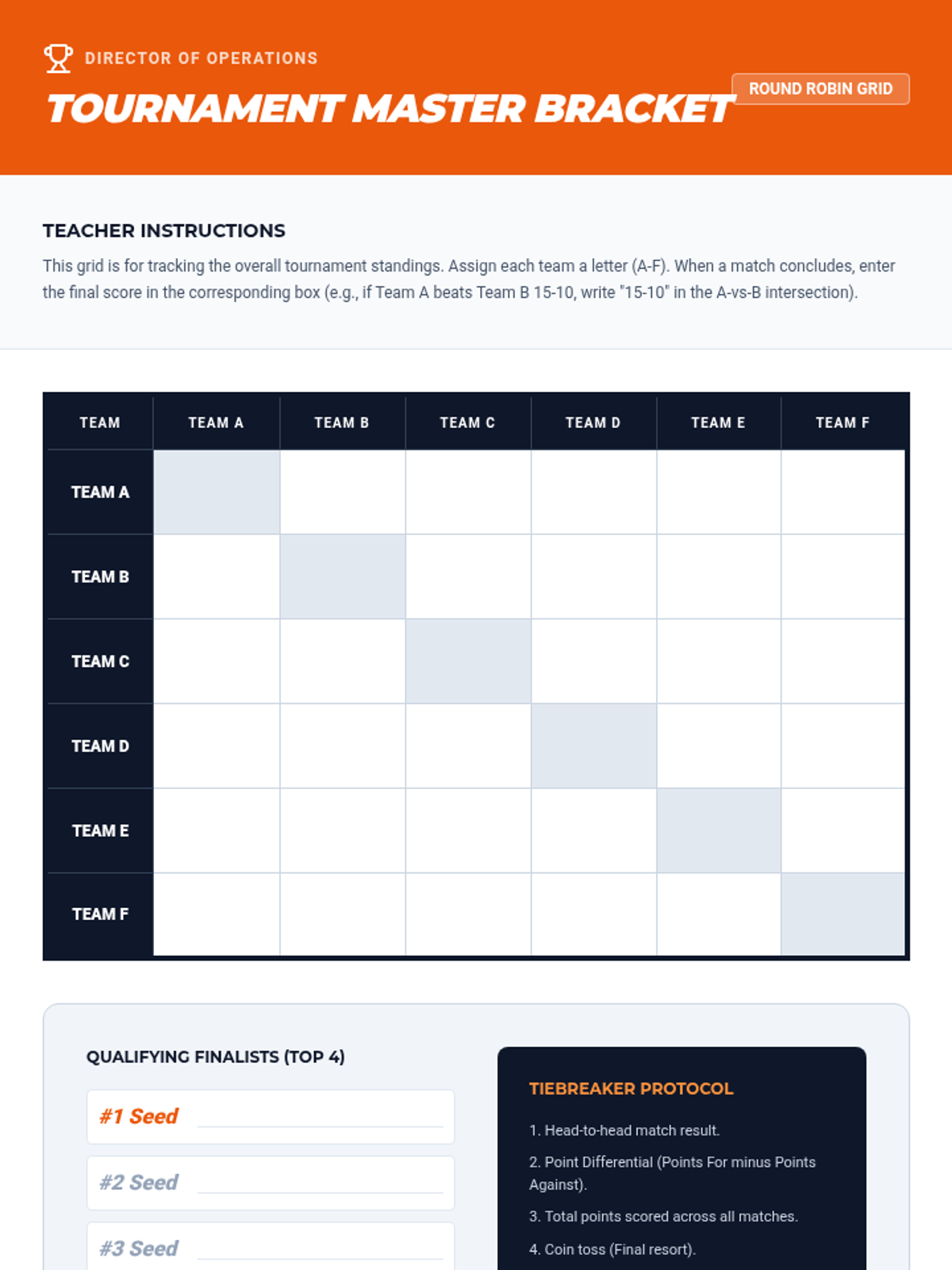
The tournament officially begins with a round-robin format. Teams rotate through active play, officiating, and statistical tracking roles, ensuring all students engage with both the physical and analytical aspects of the game.
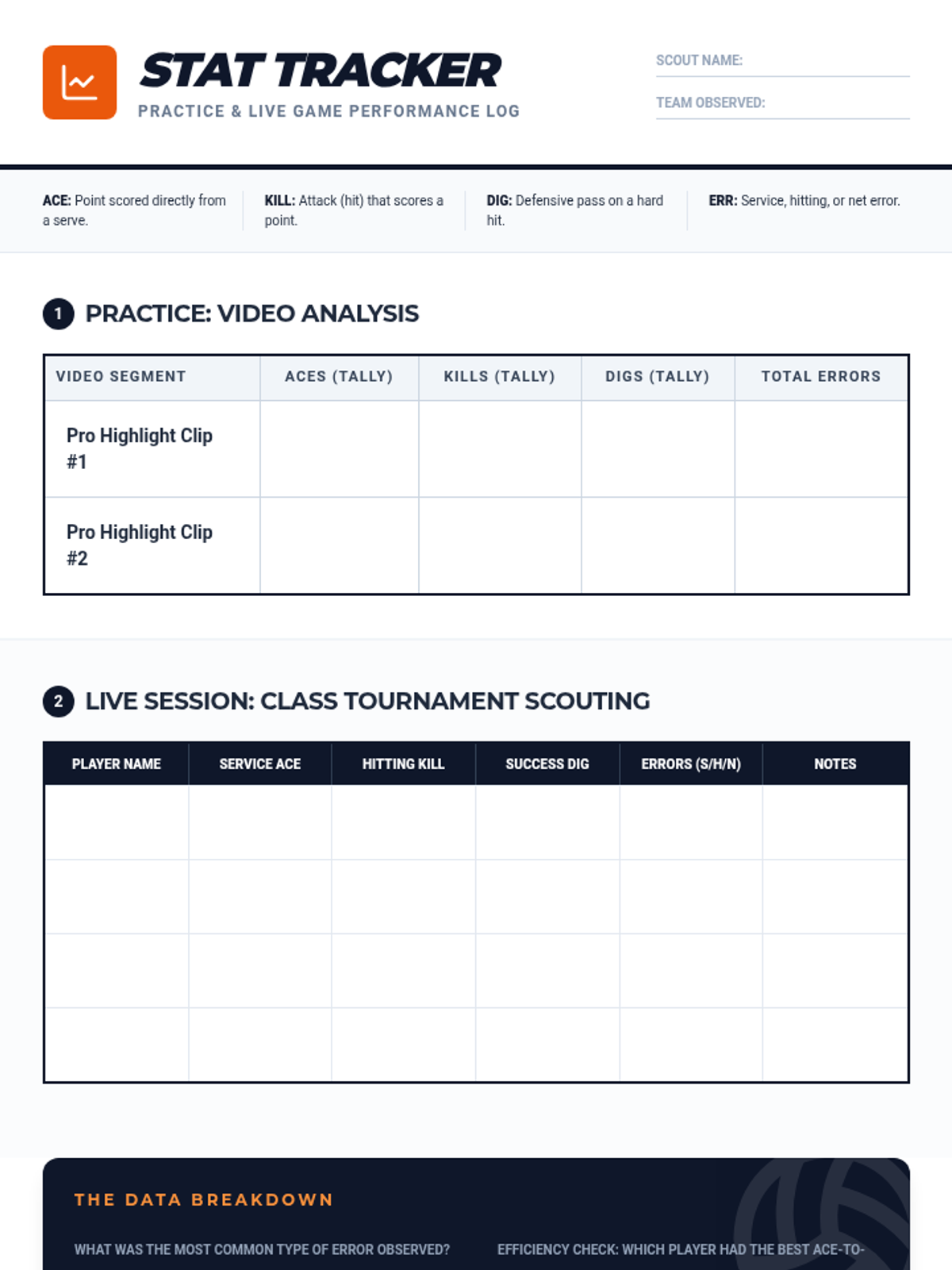
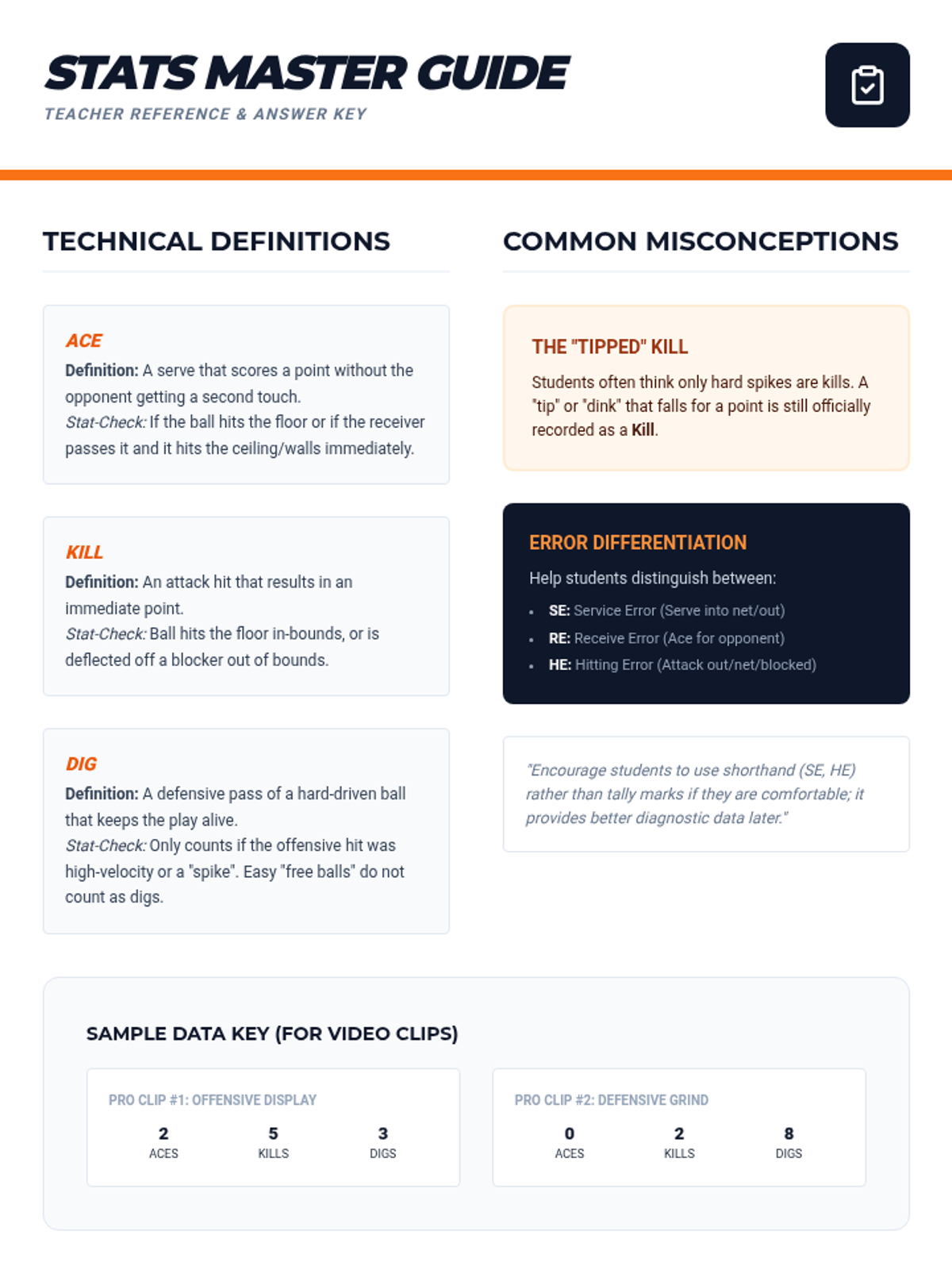
Students transition from playing to analyzing by learning to track official volleyball statistics. They practice identifying 'Aces', 'Kills', and 'Digs' using professional game footage before applying these skills to track their classmates in real-time.
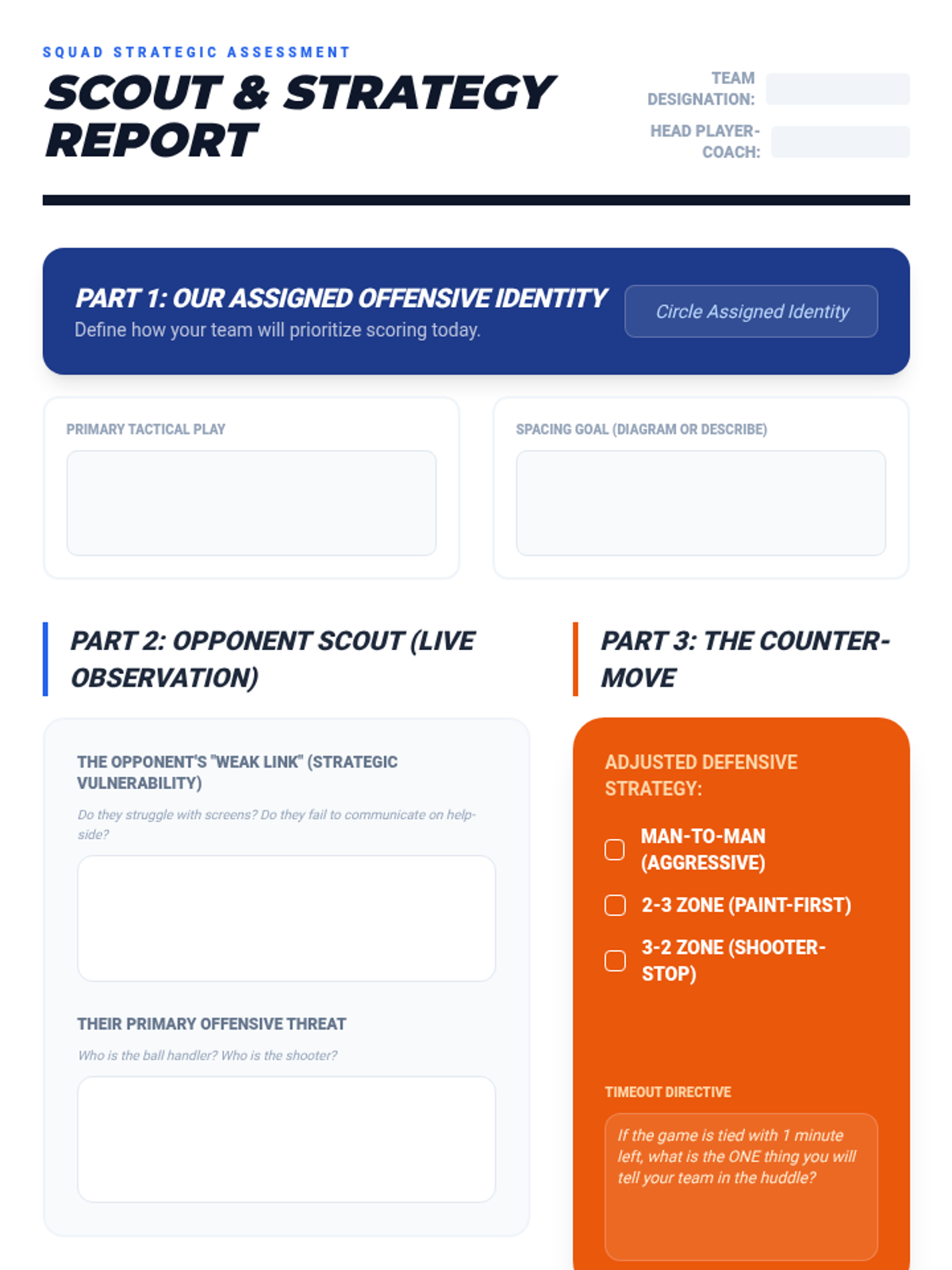
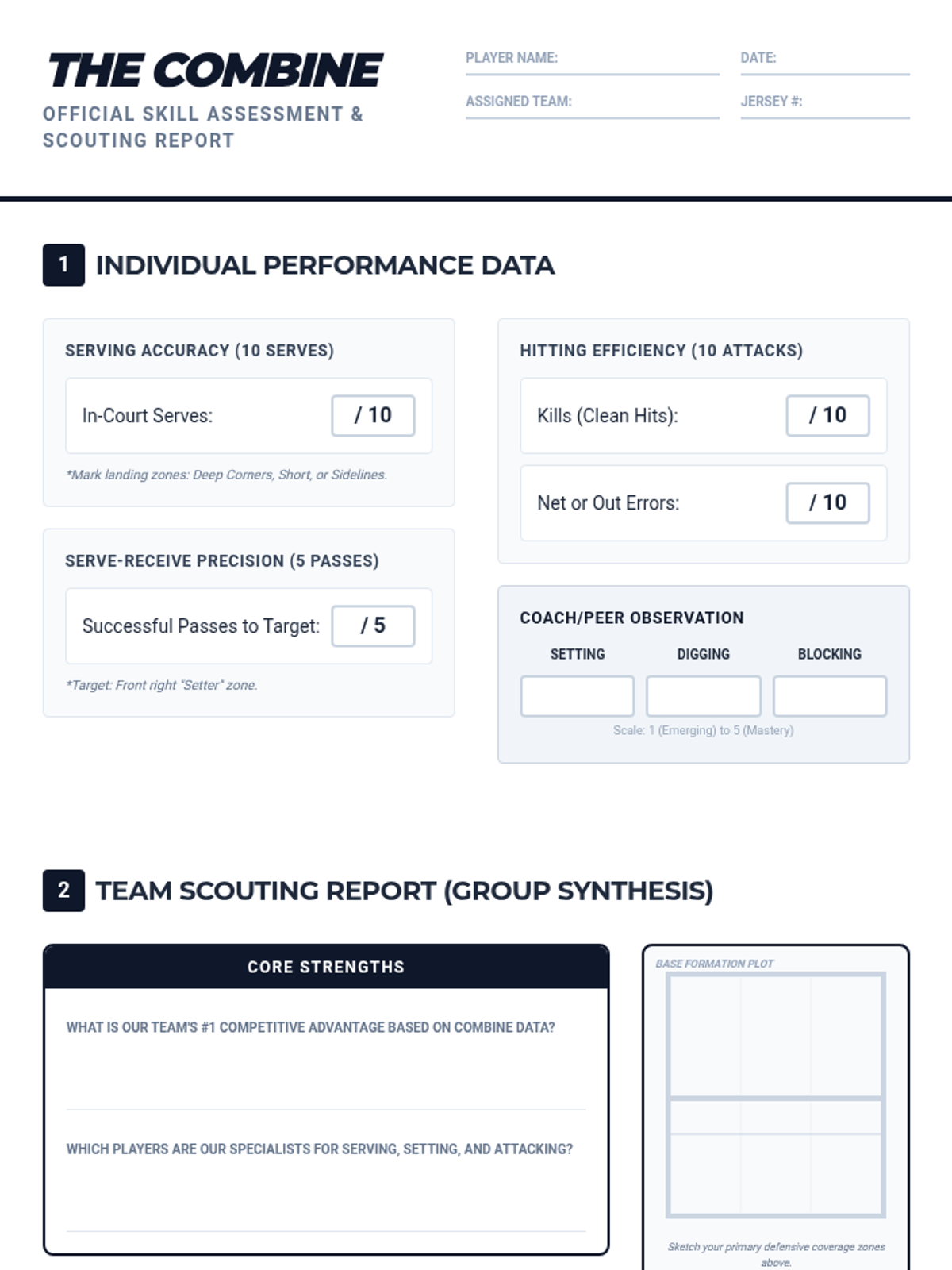
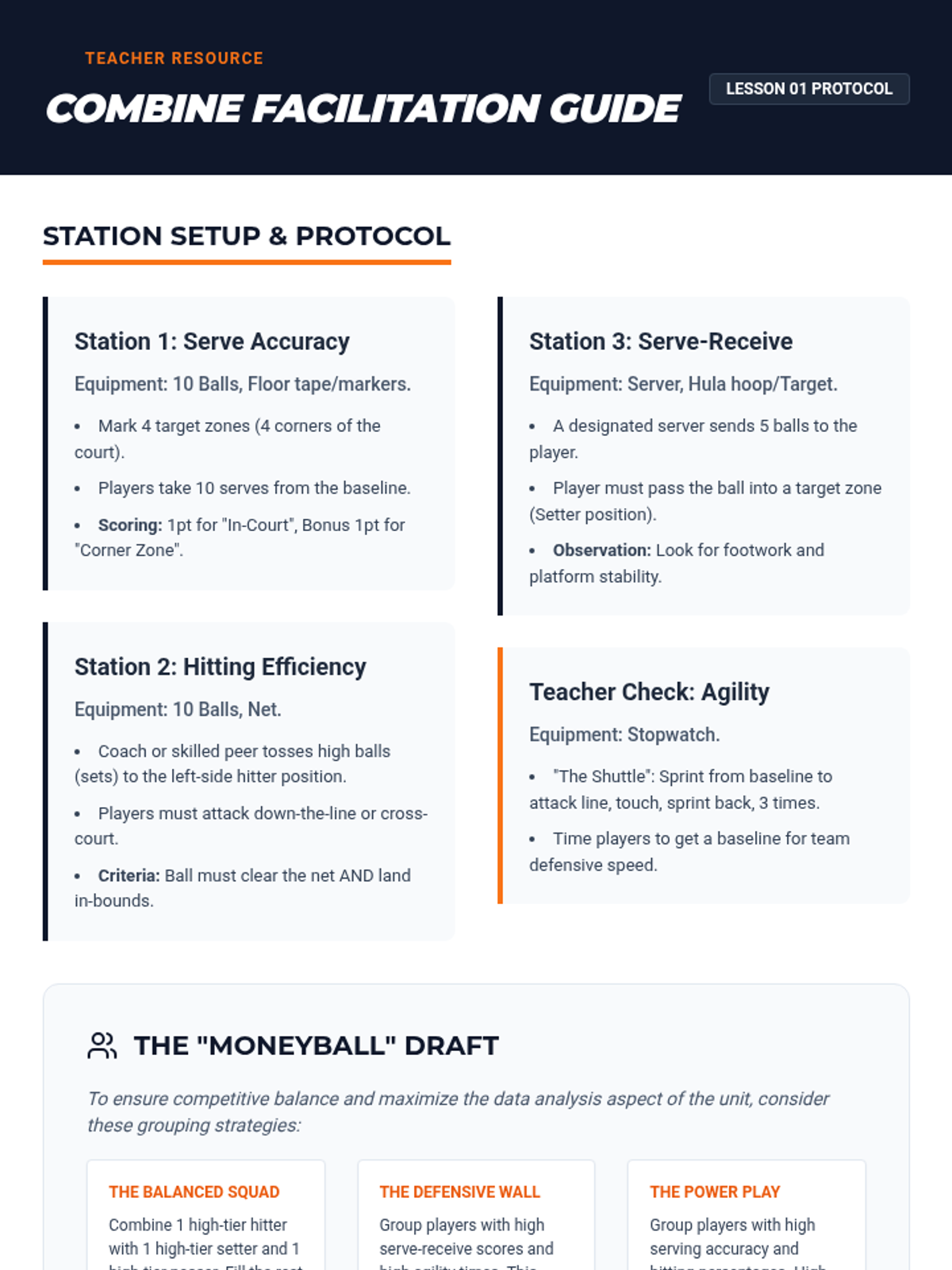
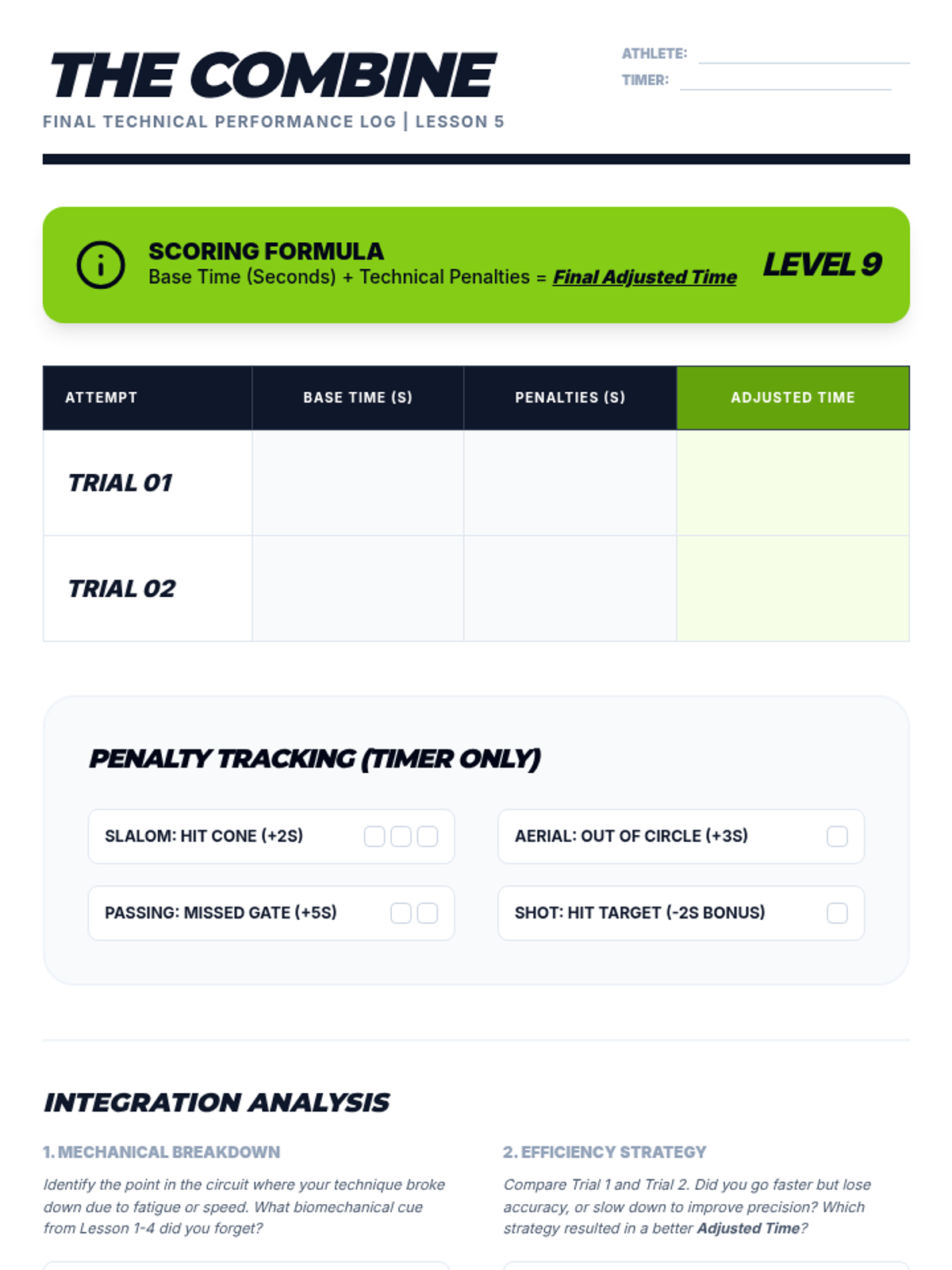
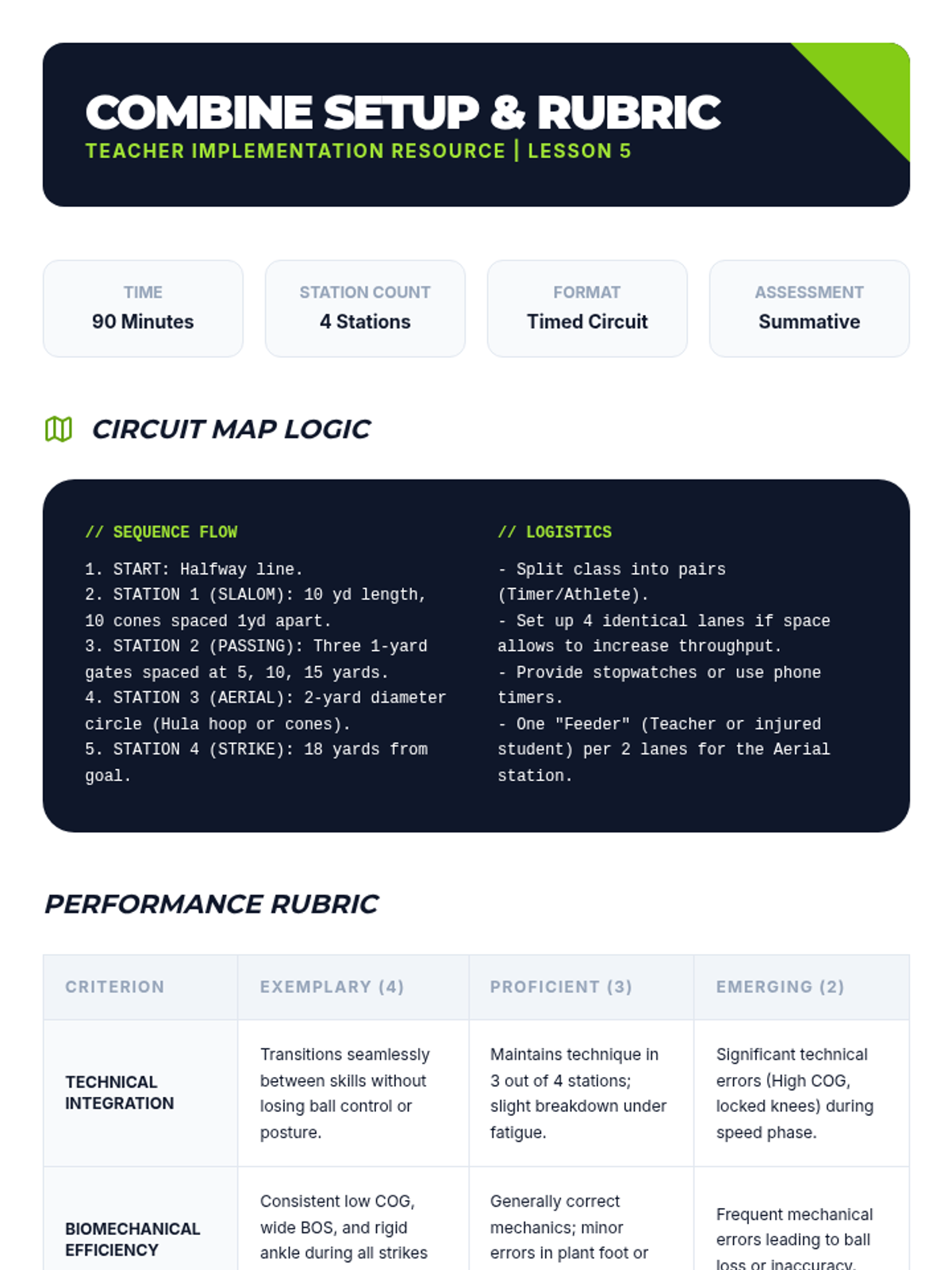
Students participate in a high-energy 'combine' to assess their technical skills before forming permanent tournament teams. They conclude by creating a 'Scouting Report' that identifies their team's baseline strengths and developmental areas.
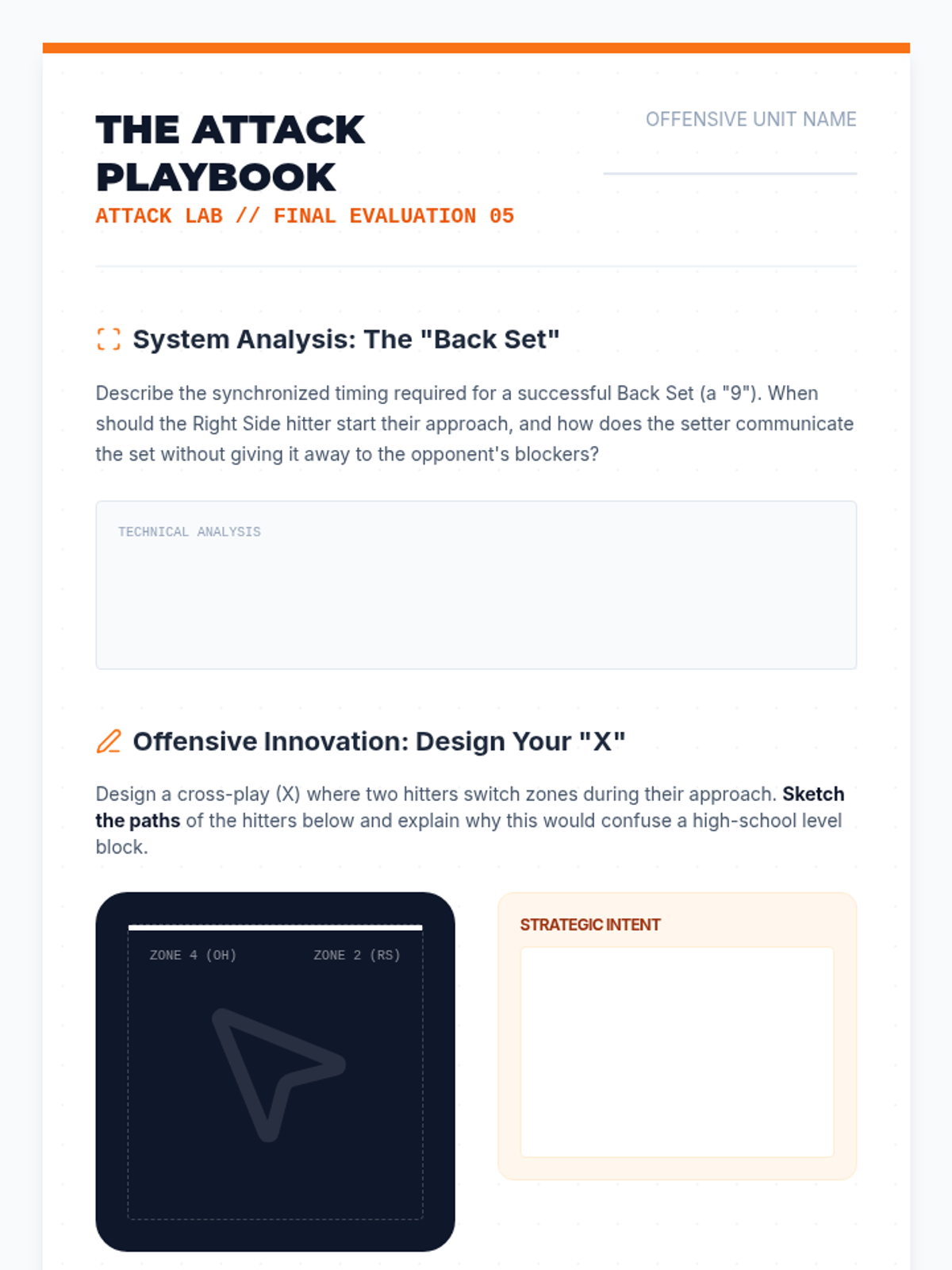
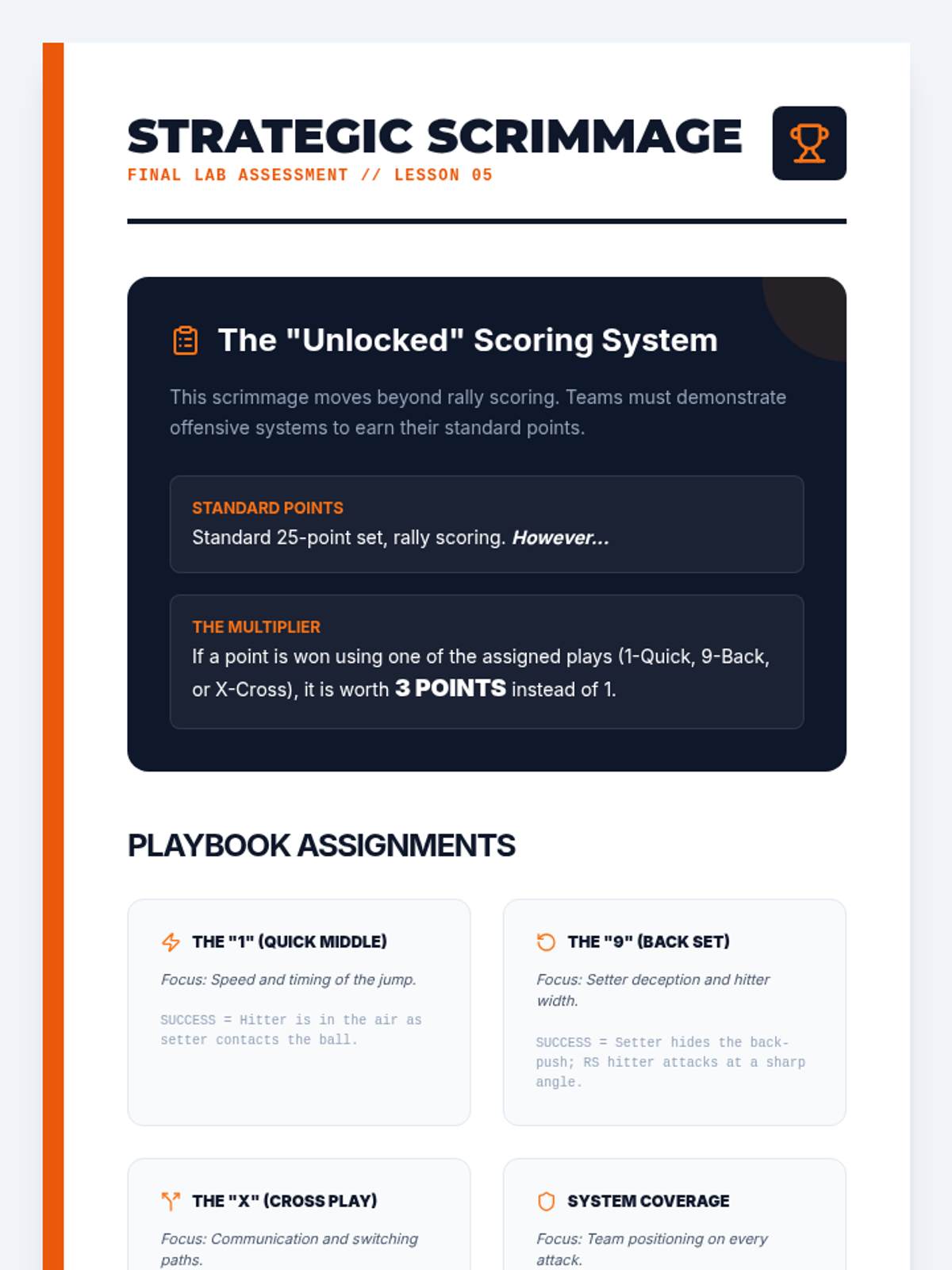
Students apply skills in a controlled scrimmage, attempting to run basic offensive plays like a 'quick set' or a 'back set.' The focus is on the fluidity of the set-hit connection in a live game context.
Students practice the critical moment of transition—converting a successful dig immediately into an offensive approach. The lesson connects defense back to offense in continuous rally drills.
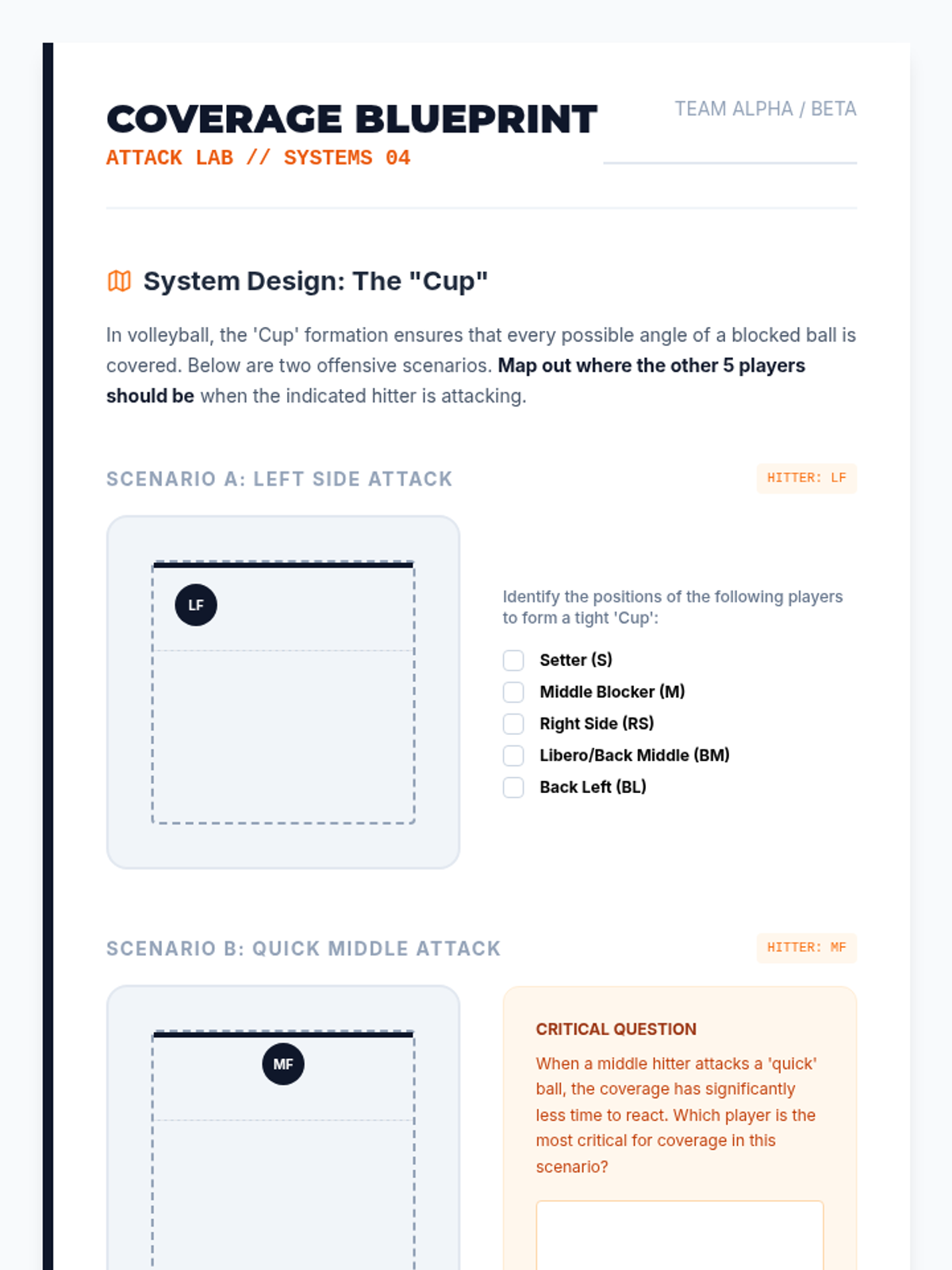
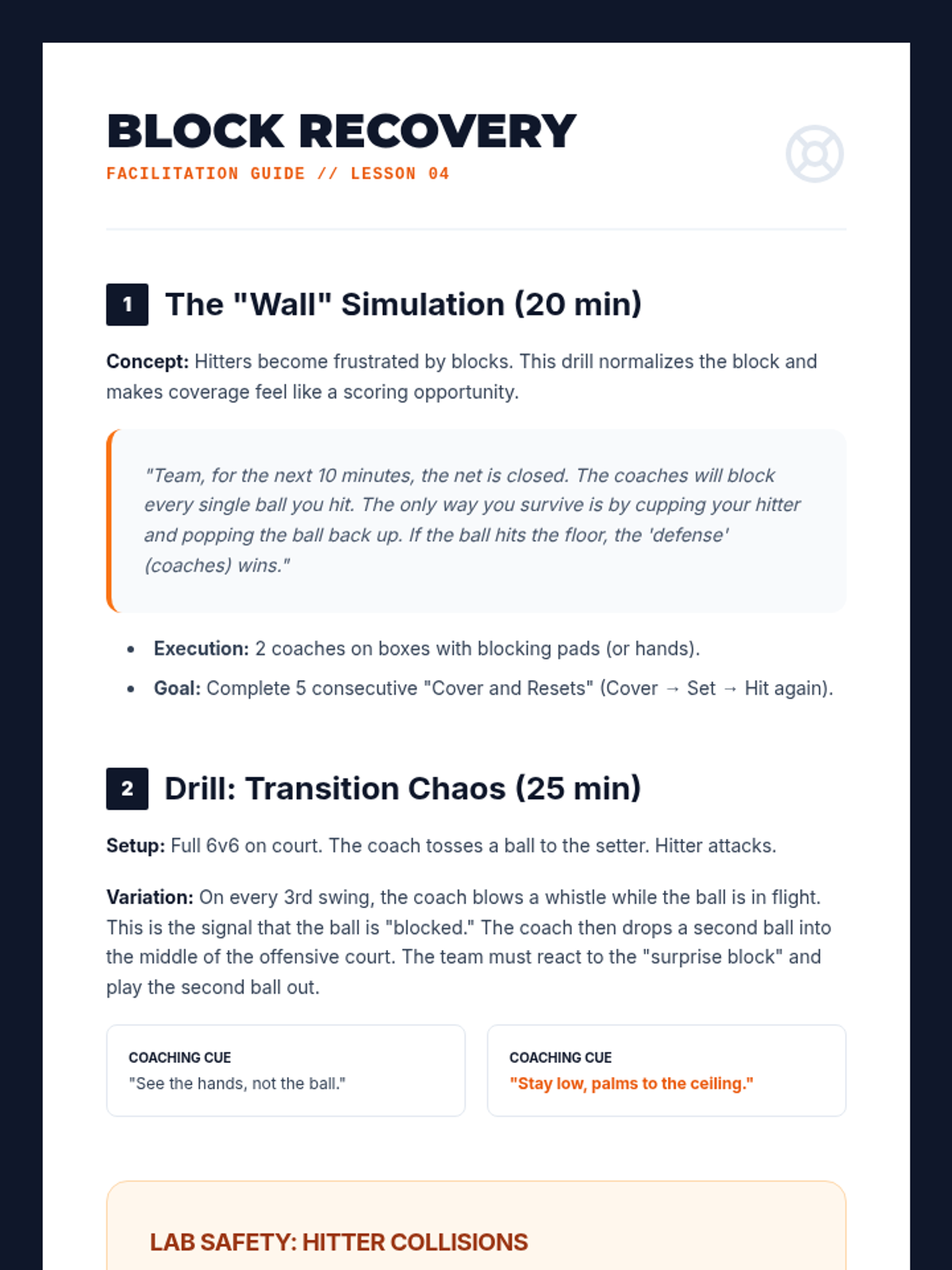
The lesson addresses what happens after the hit, teaching teammates to cover the hitter in case of a block. Students practice 'covering' positions and reacting to blocked balls to keep the play alive.
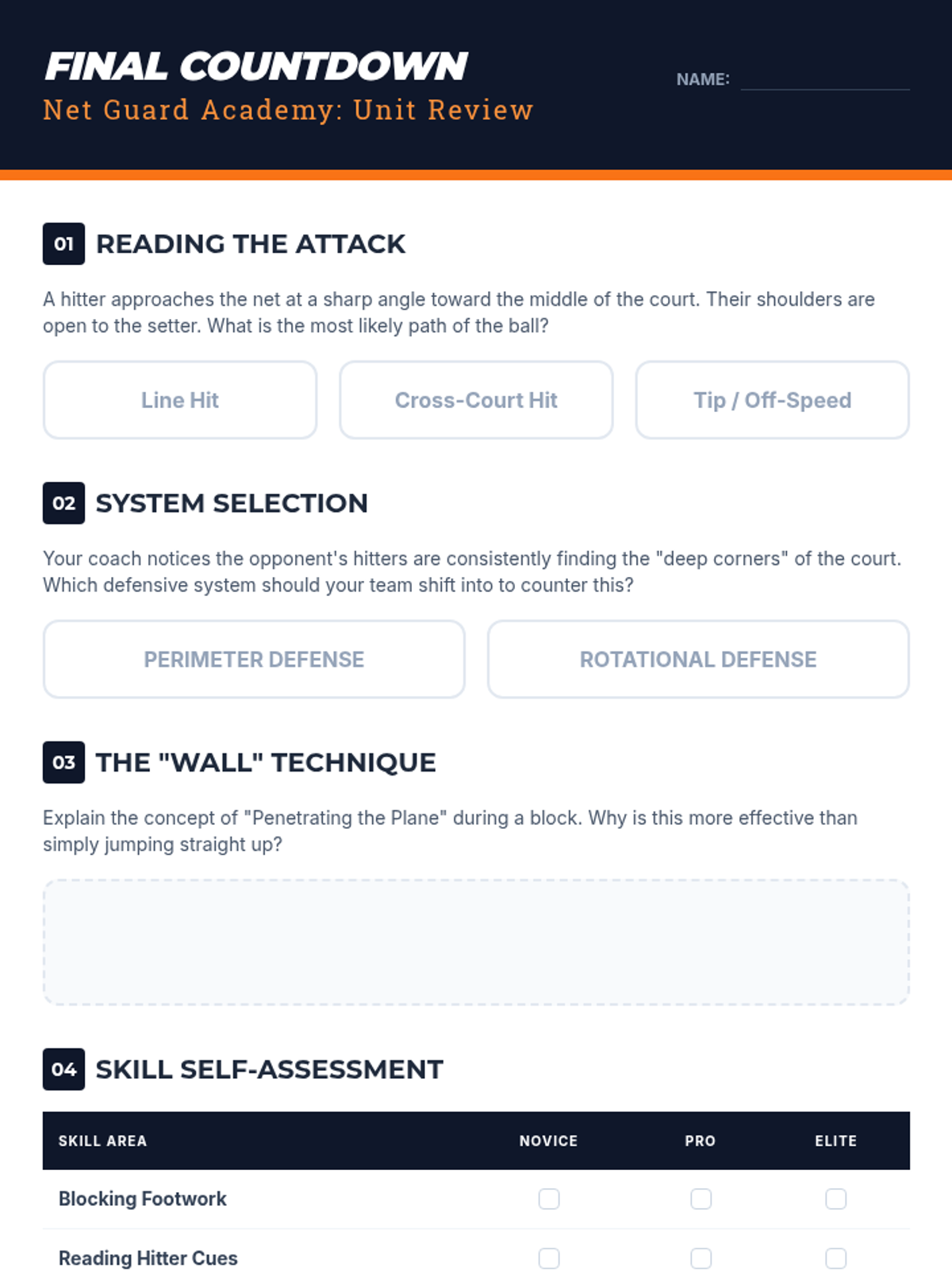
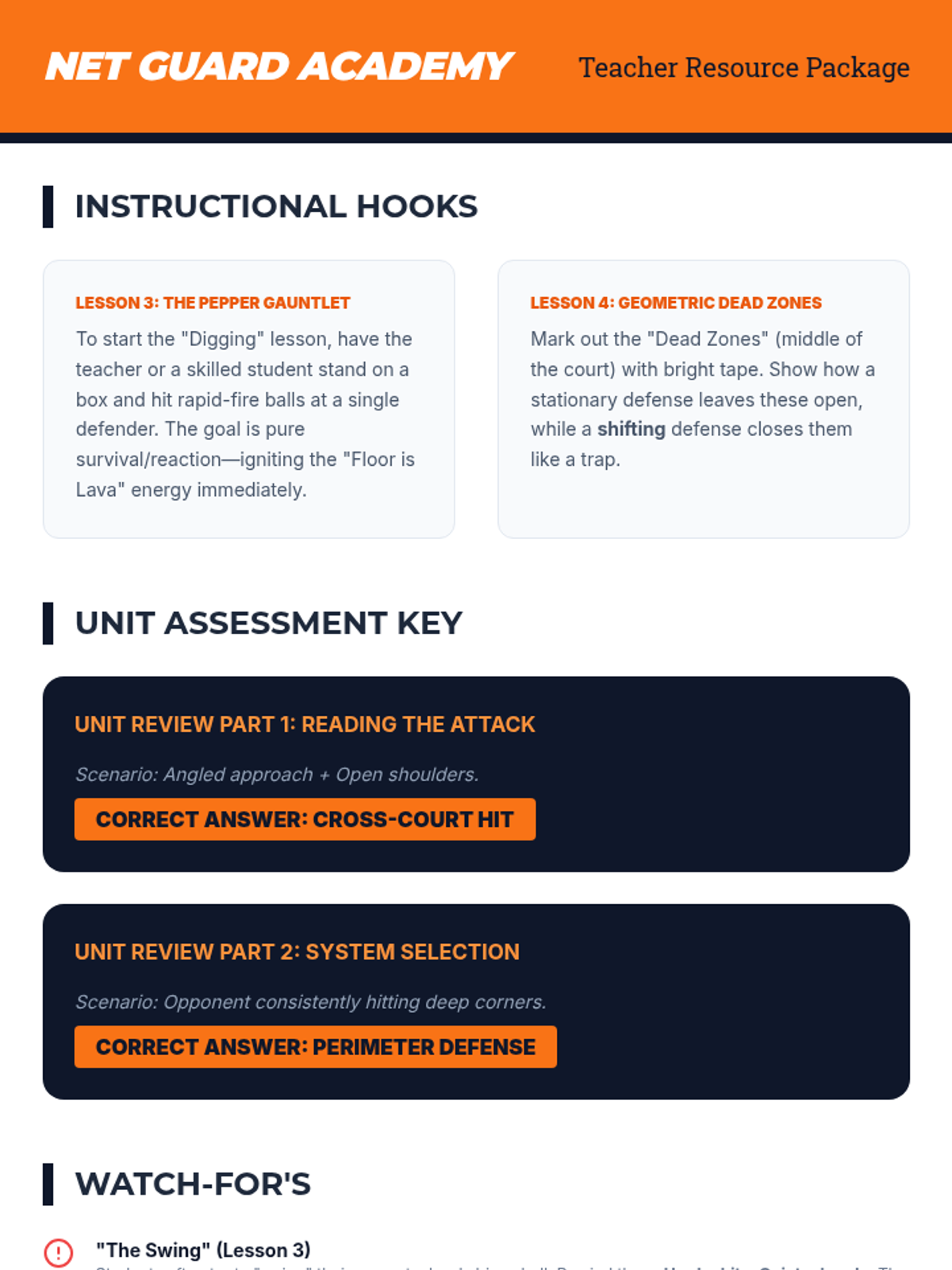
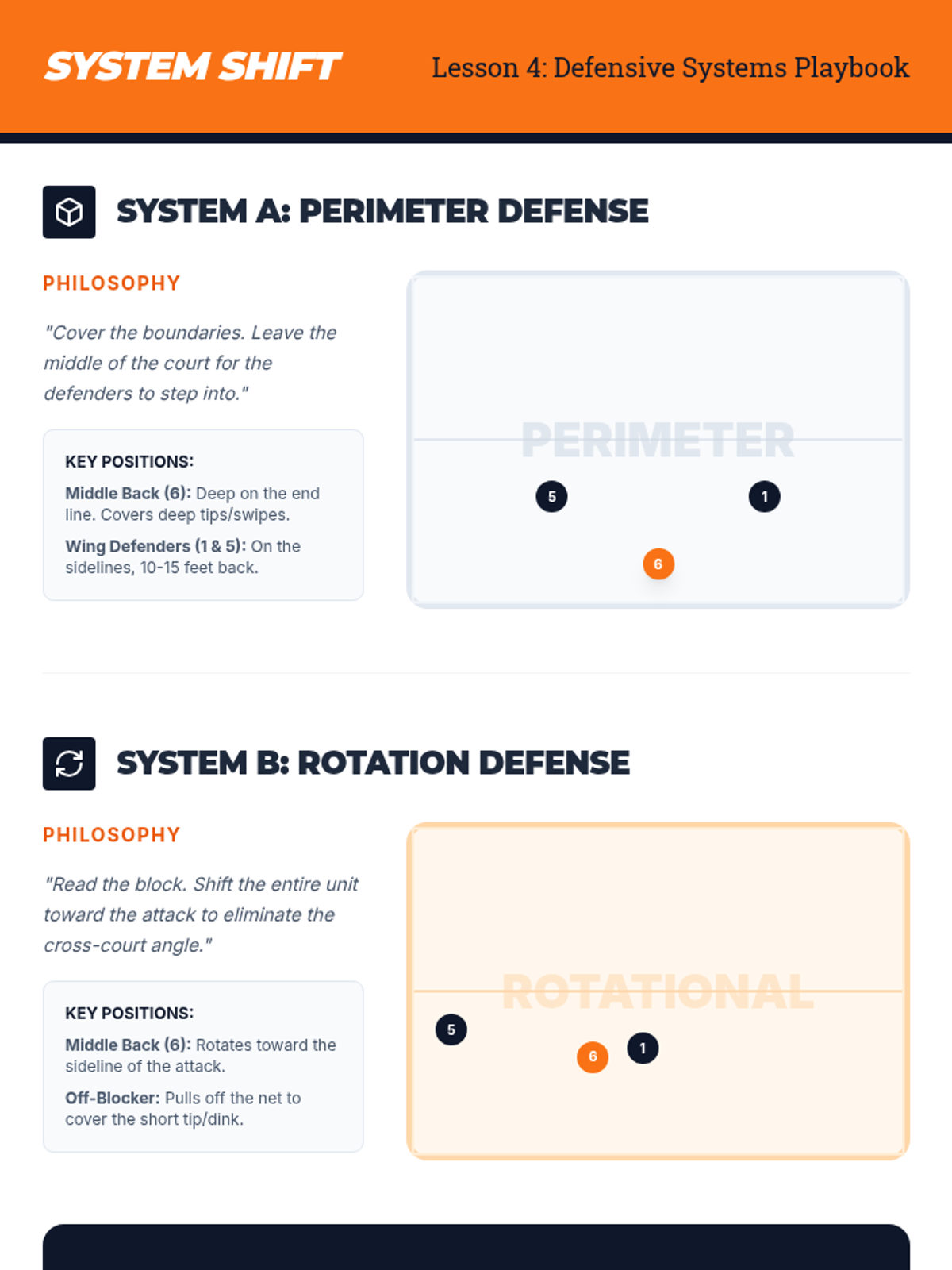
The class workshops two main defensive systems: Perimeter (middle back deep) and Rotation (reading the block). Teams practice shifting positions as a unit based on where the set goes.
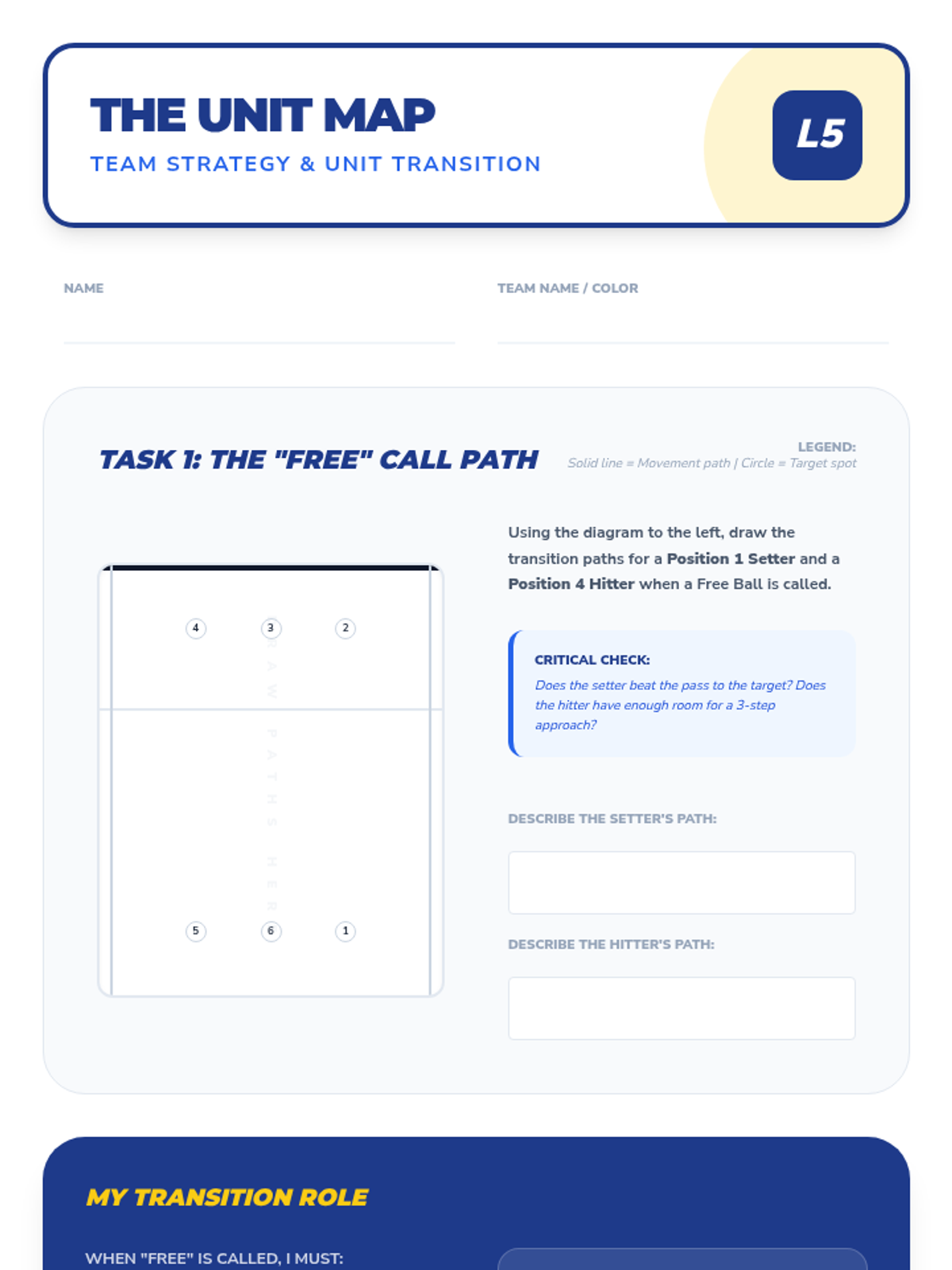
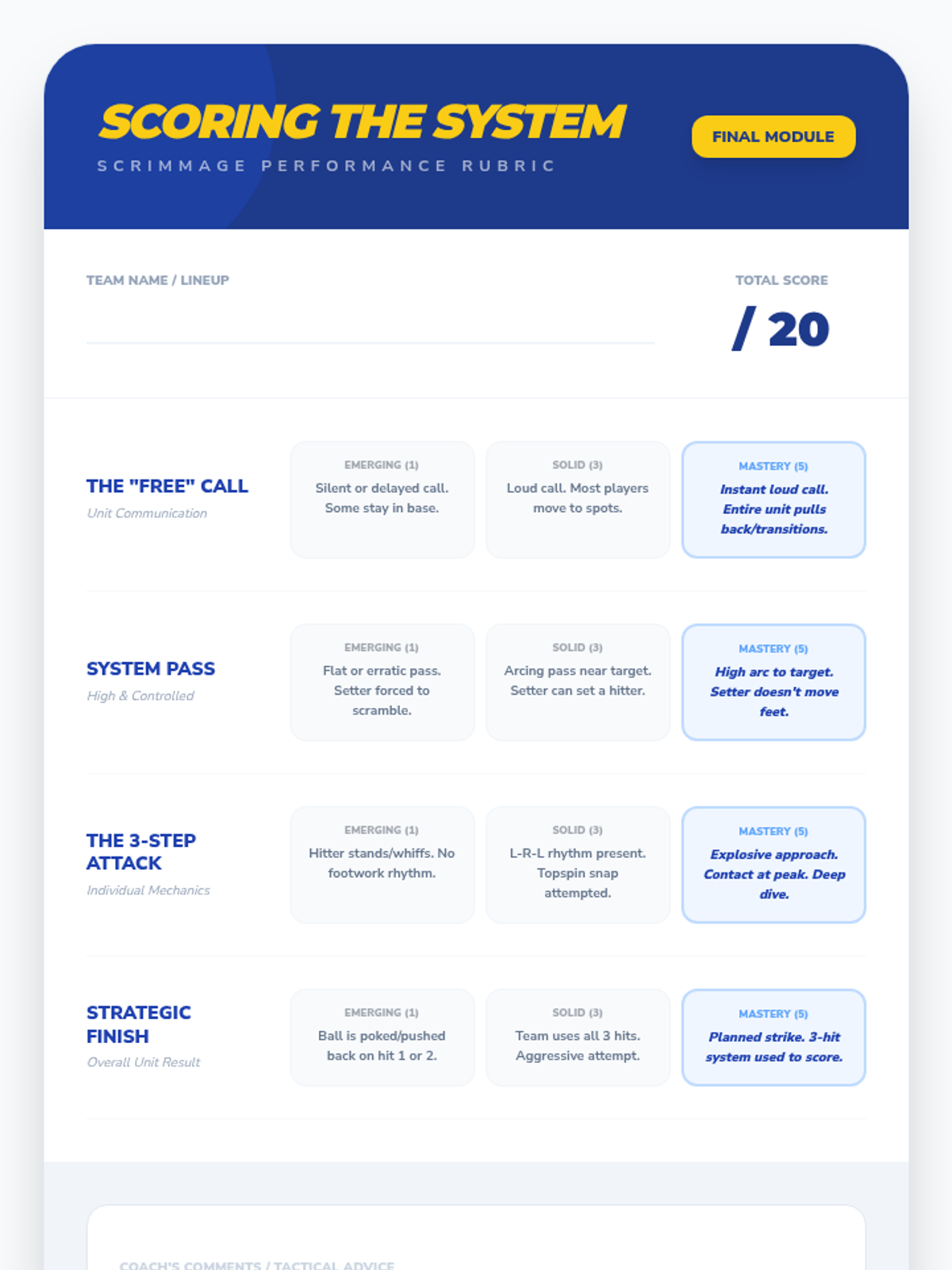
Students learn the concept of a 'free ball' offense, where the team pulls back to pass an easy ball, then transitions immediately to attack. The lesson simulates the full cycle: pass, set, and attack in a 6 vs. 6 setting. Emphasis is on moving as a unit.
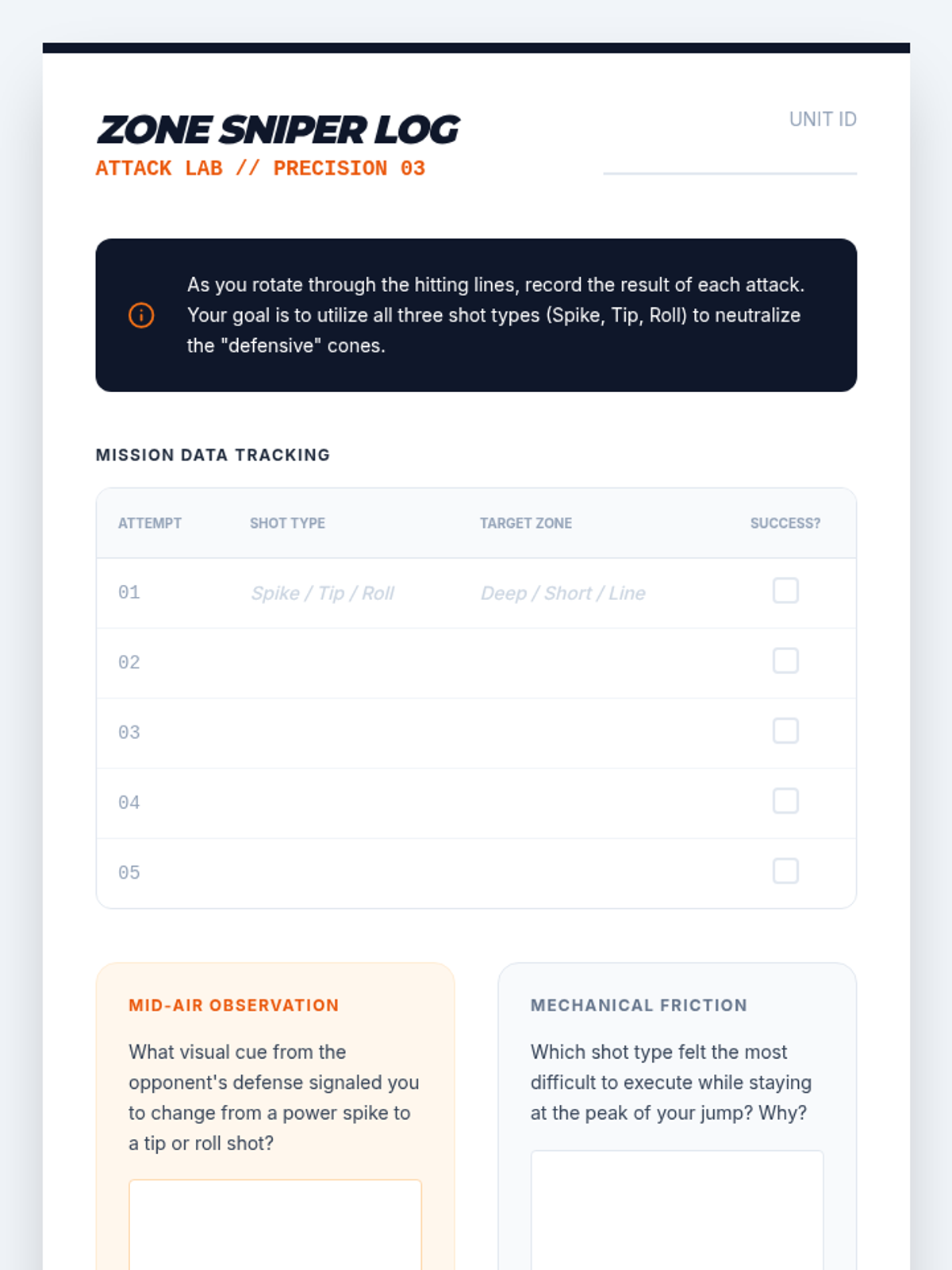
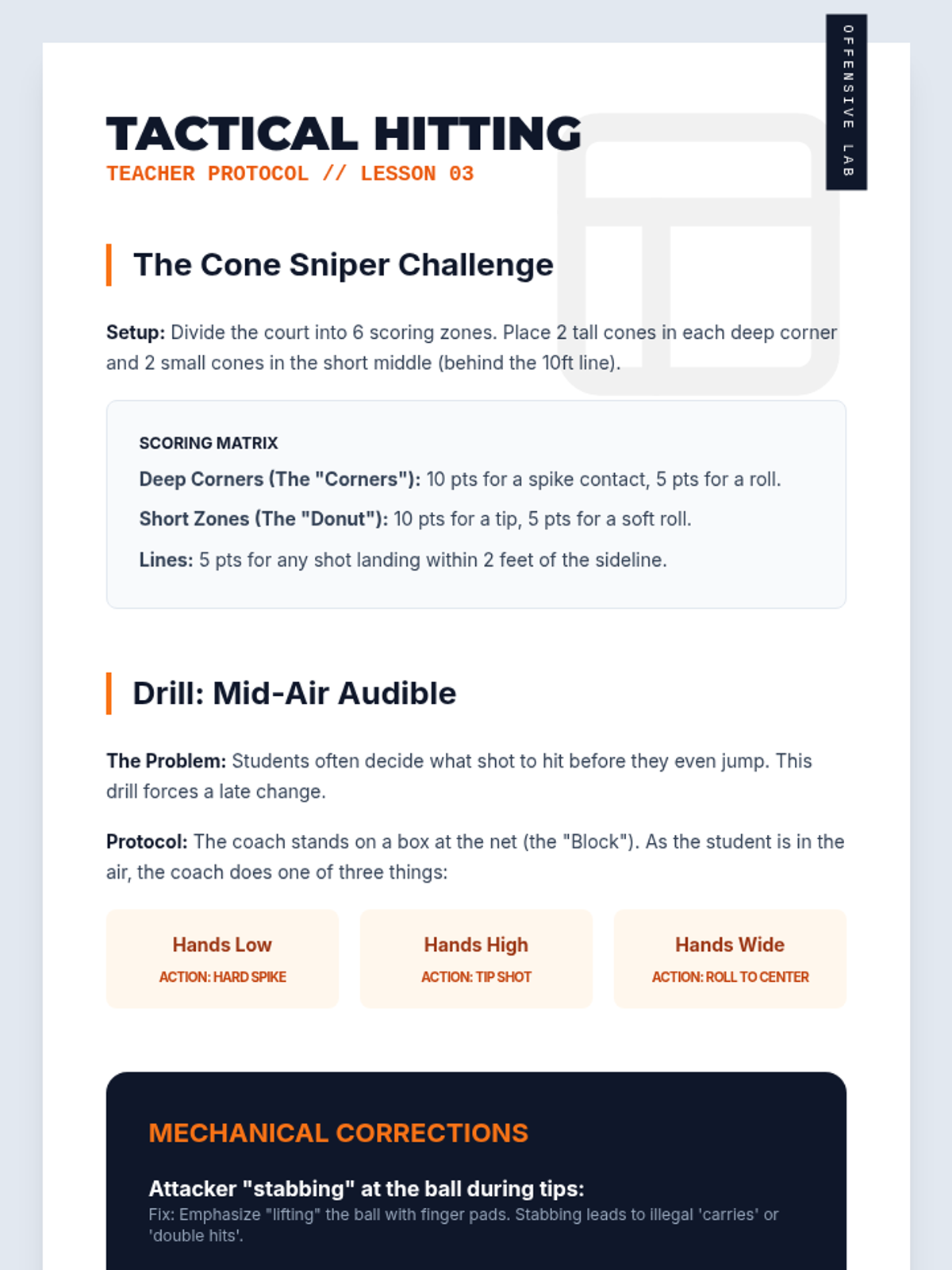
Students learn the difference between driving the ball for power and tipping or rolling shots for placement. Drills force hitters to read the defense mid-air and decide whether to swing hard or find an open spot.
Focus shifts to the back row, teaching techniques for digging spikes that get past the block. Students practice the 'sprawl' and emergency defensive moves to keep the ball off the floor.
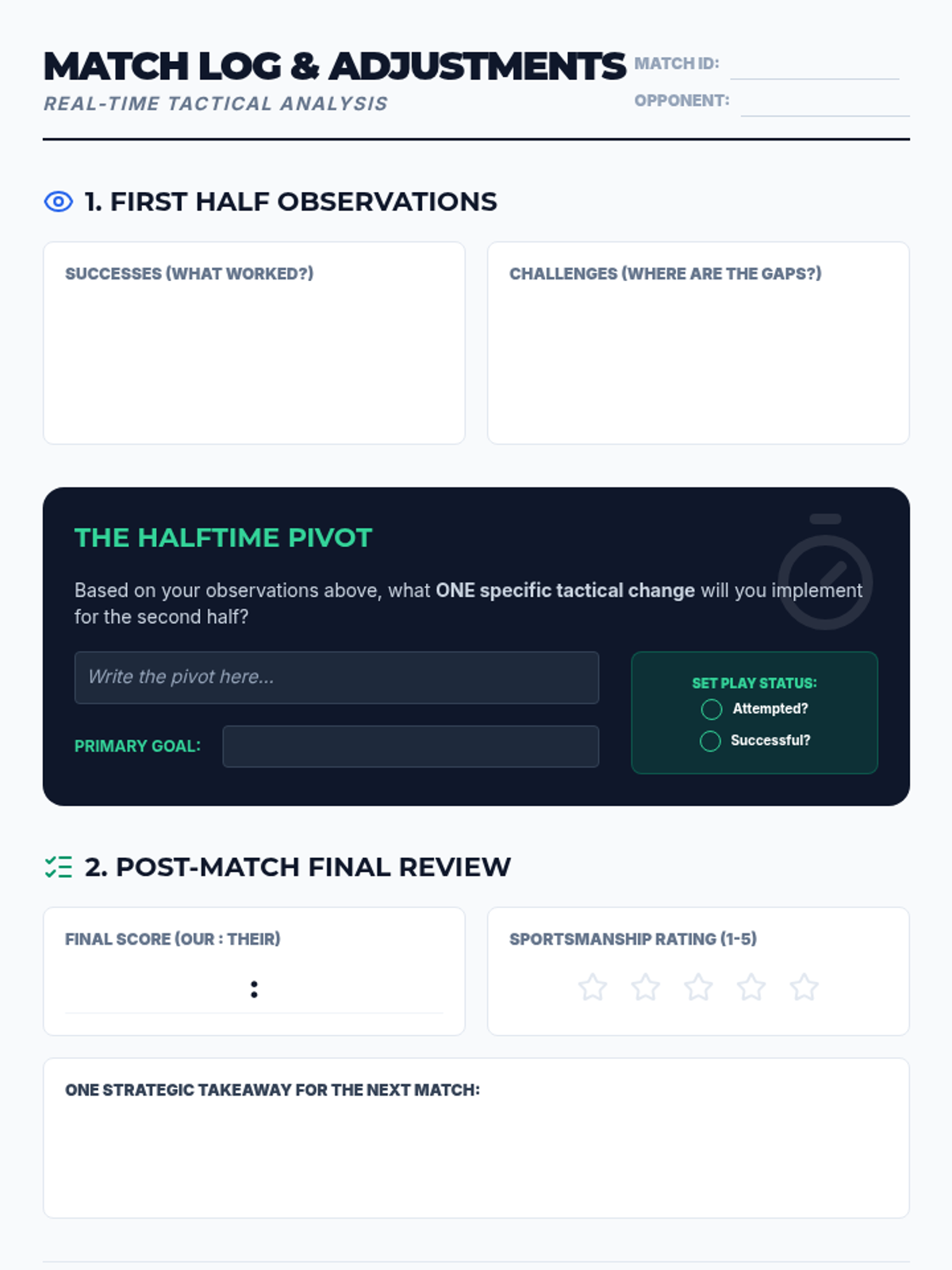
The class tournament begins with a focus on implementing the practiced strategies. Between games, teams conduct brief 'halftime talks' to discuss what is working and what needs to change.
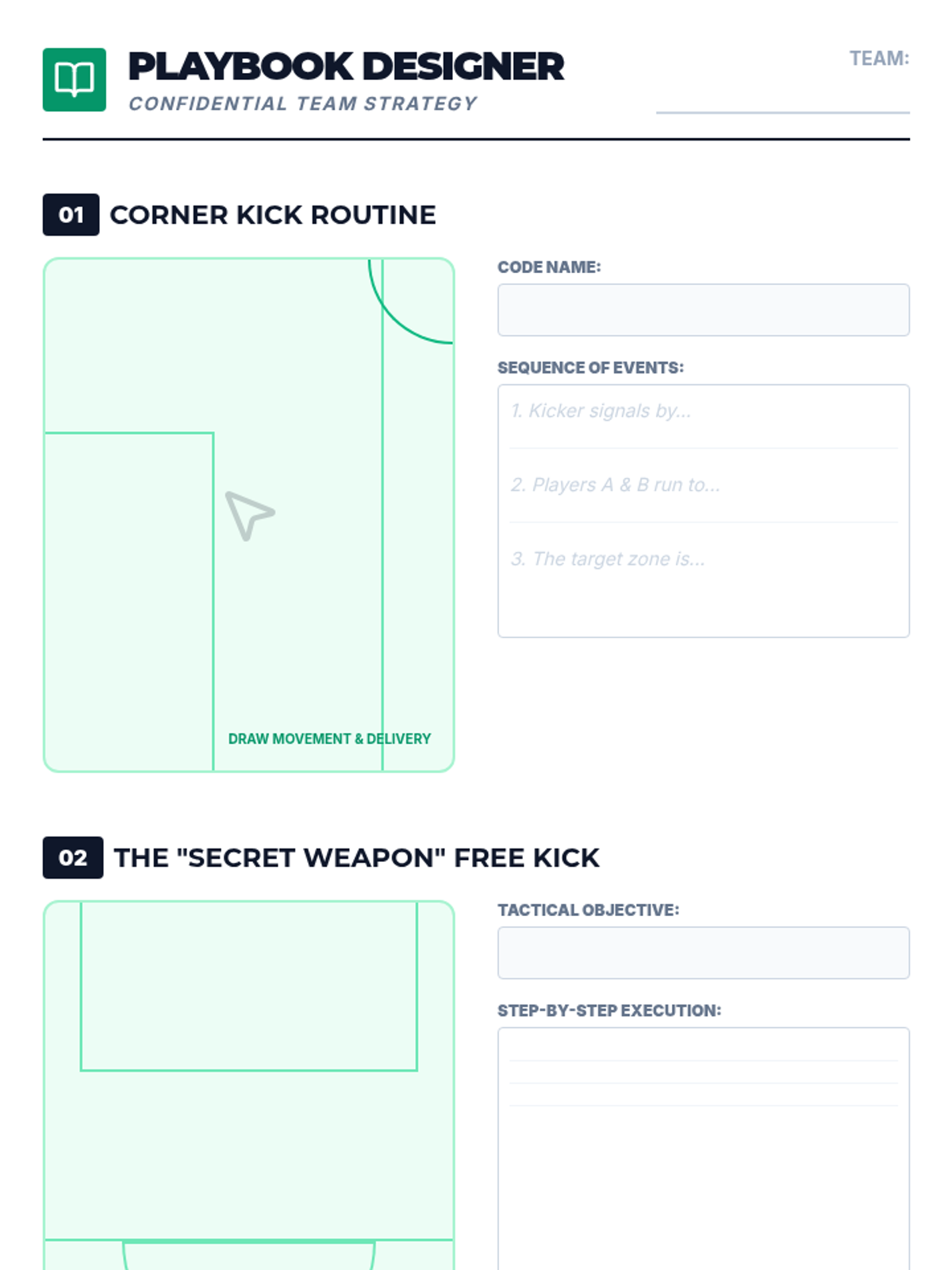
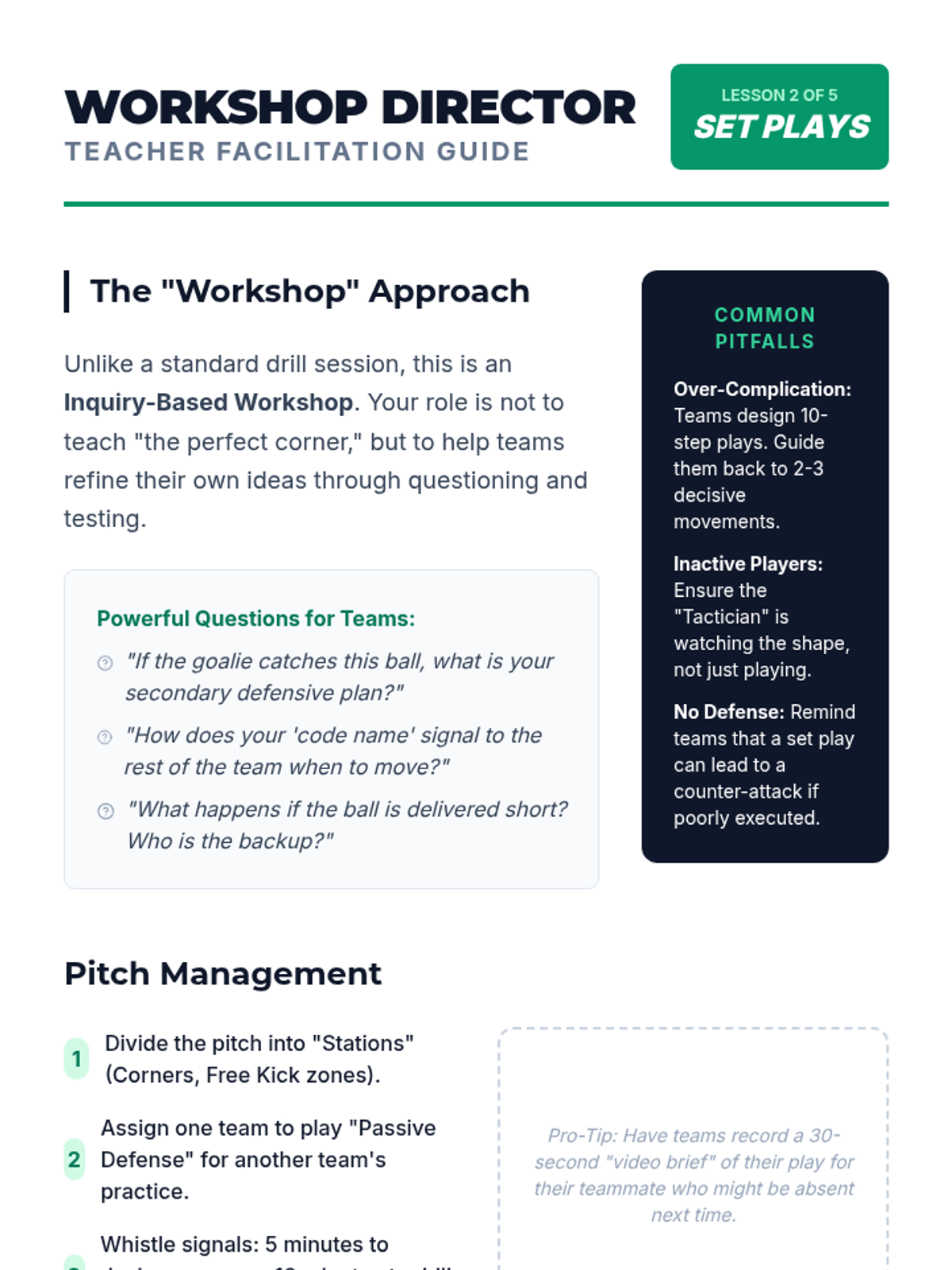
Teams spend the lesson designing and practicing two specific set plays (one corner kick, one free kick) and one defensive protocol. They document these plays to be used in the upcoming tournament.
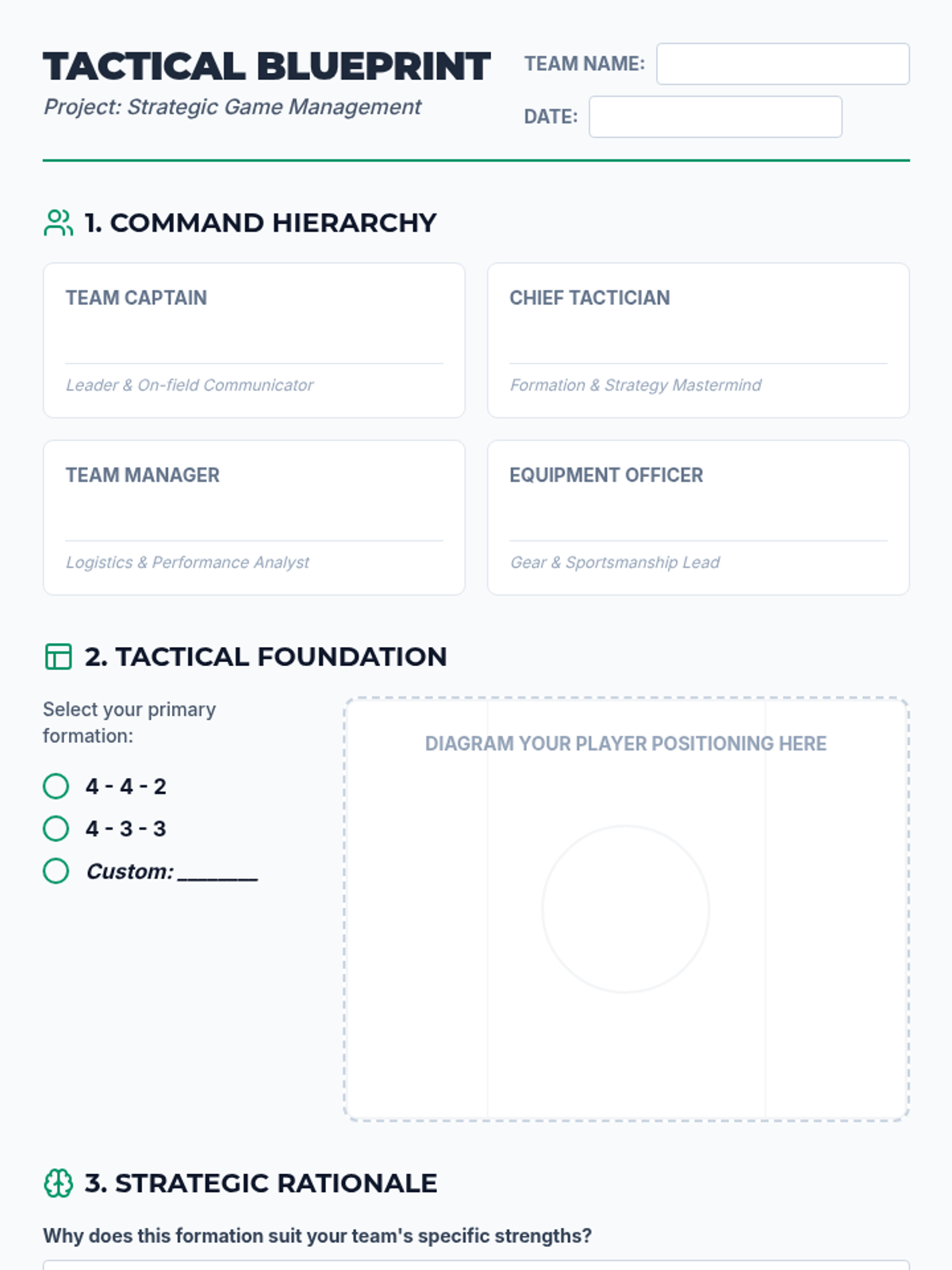
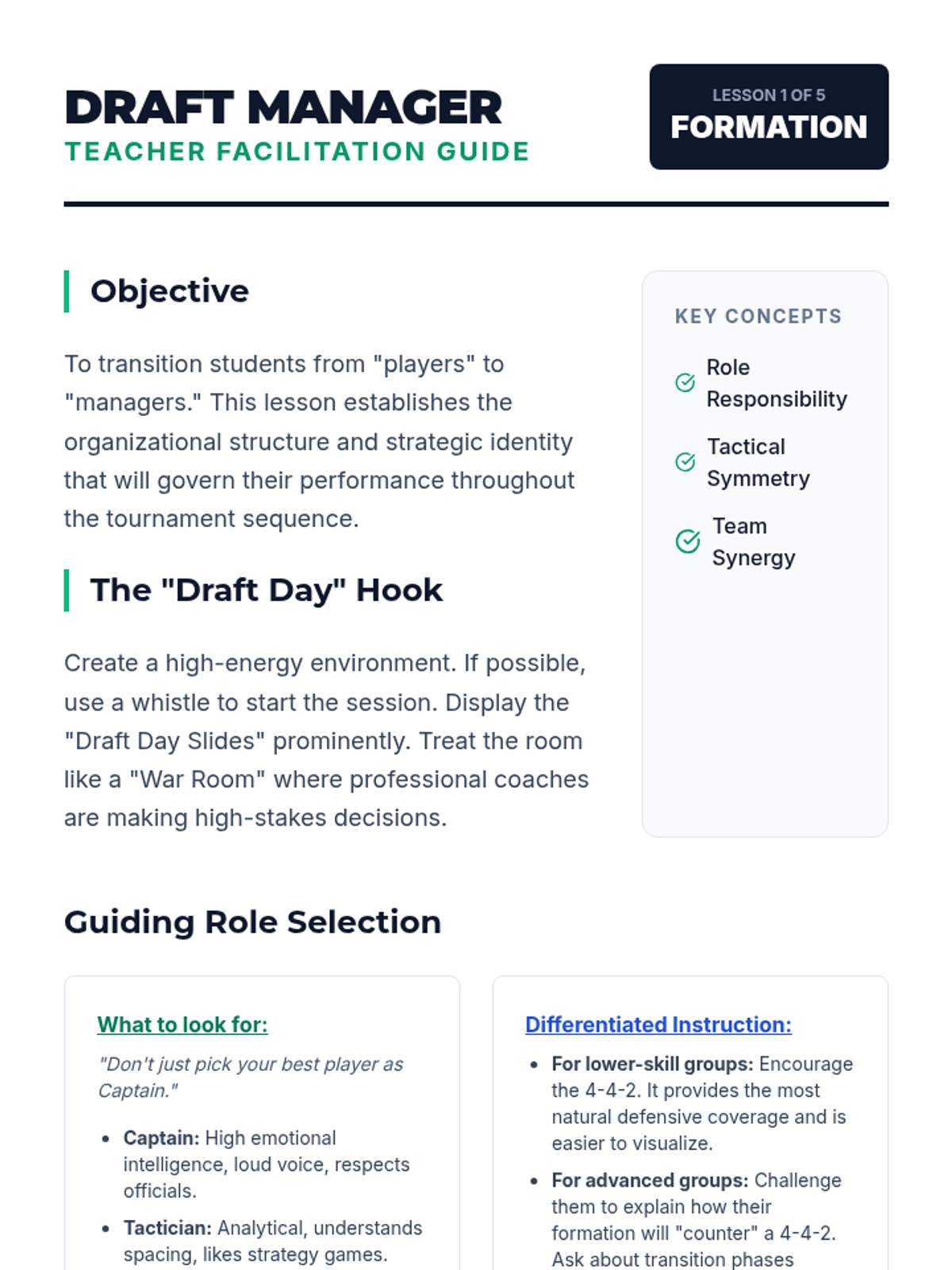
Students form teams and assume roles such as captain, tactician, and manager. They draft a team charter and choose a formation (e.g., 4-4-2, 4-3-3) that best suits their players' strengths.
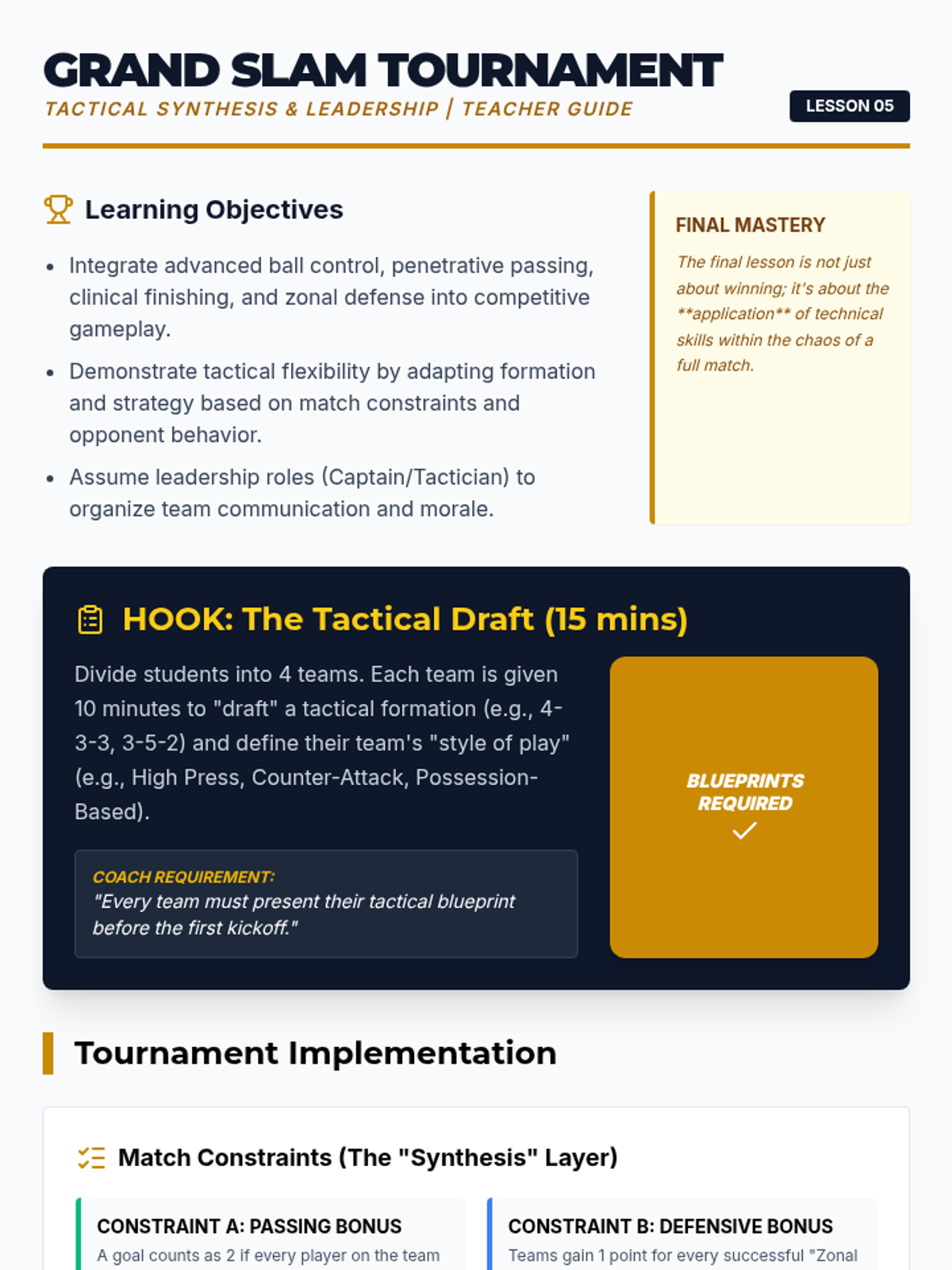
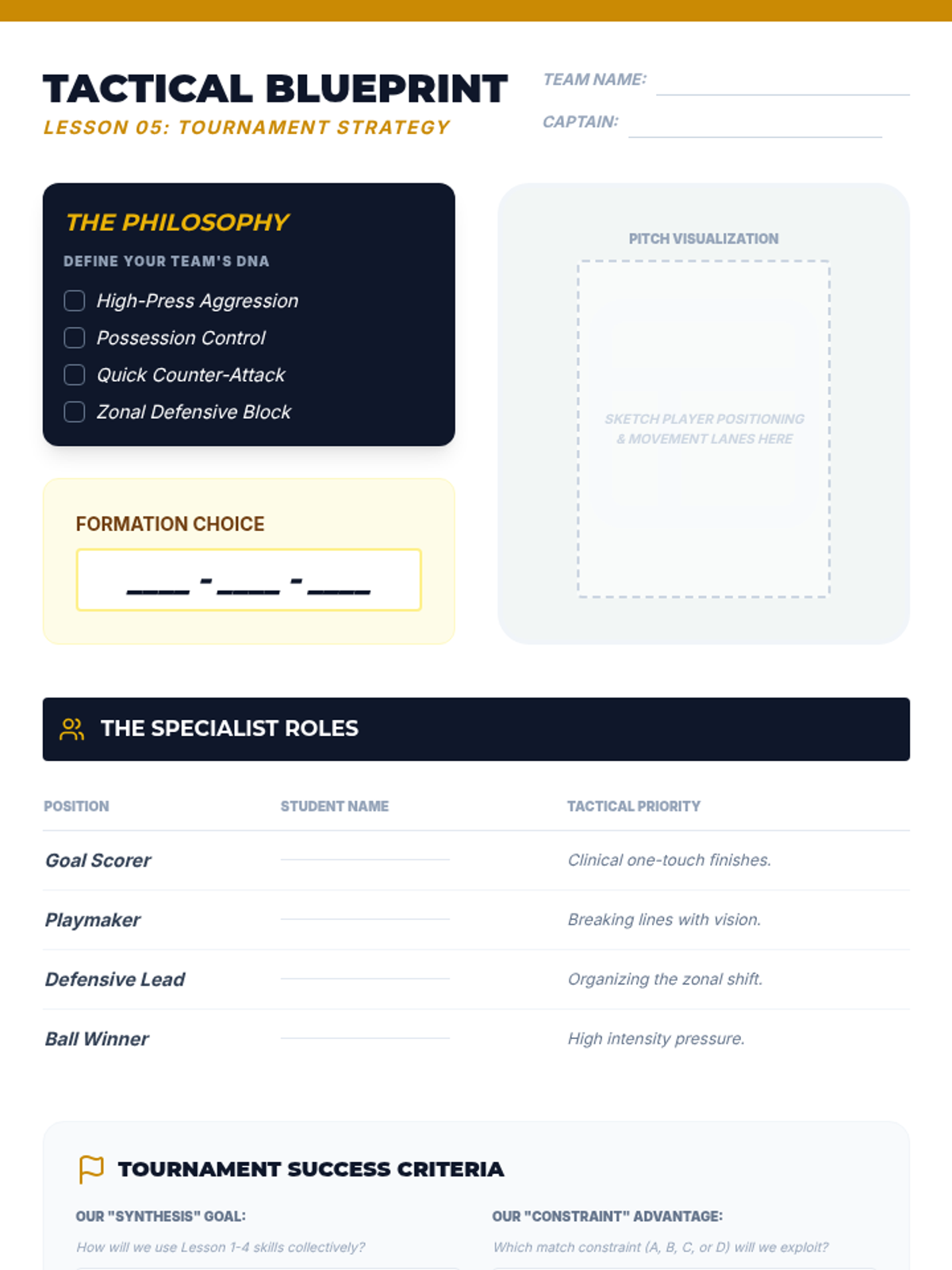
Integrates all unit skills into a tactical tournament with specific gameplay constraints.
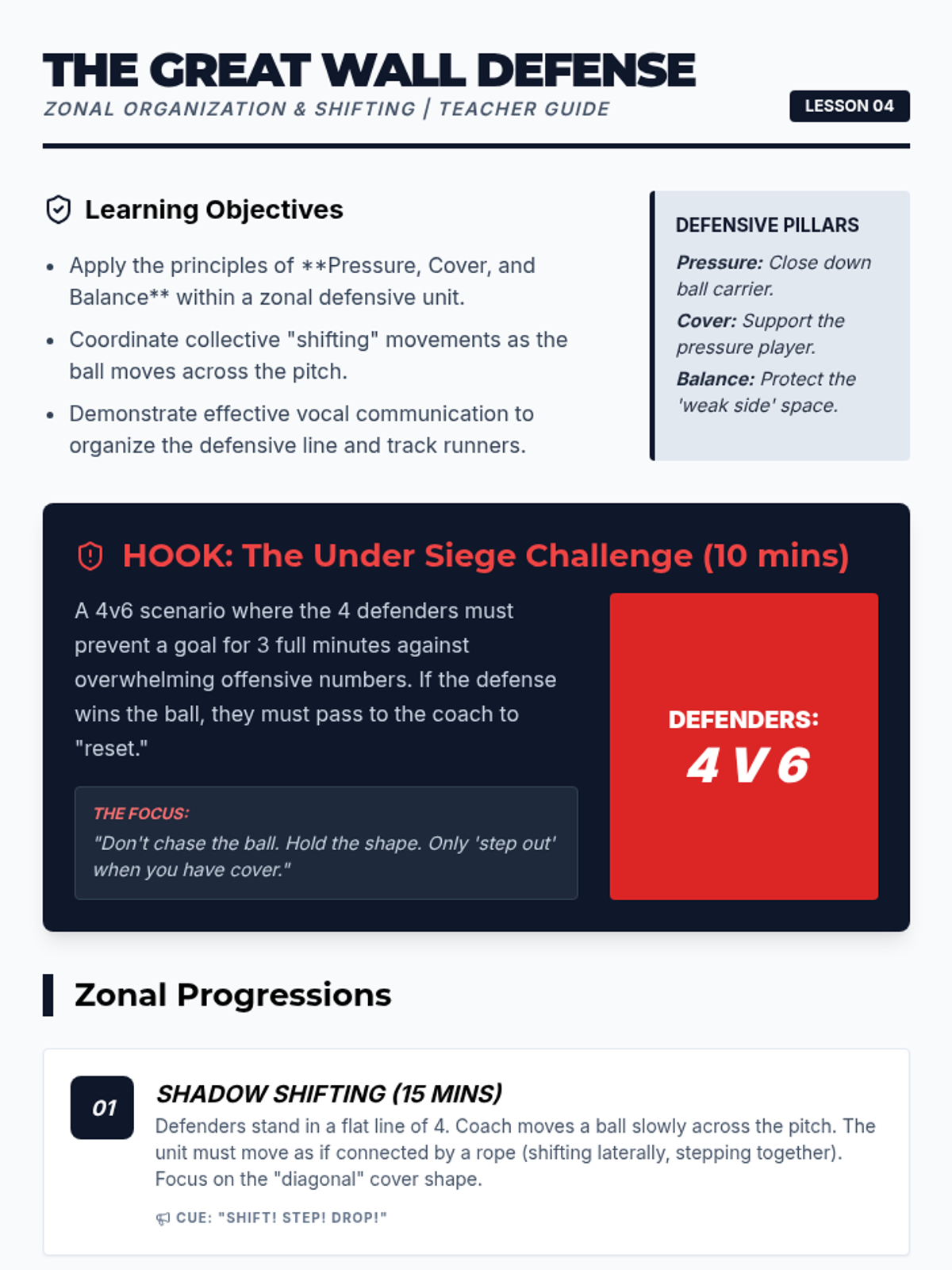
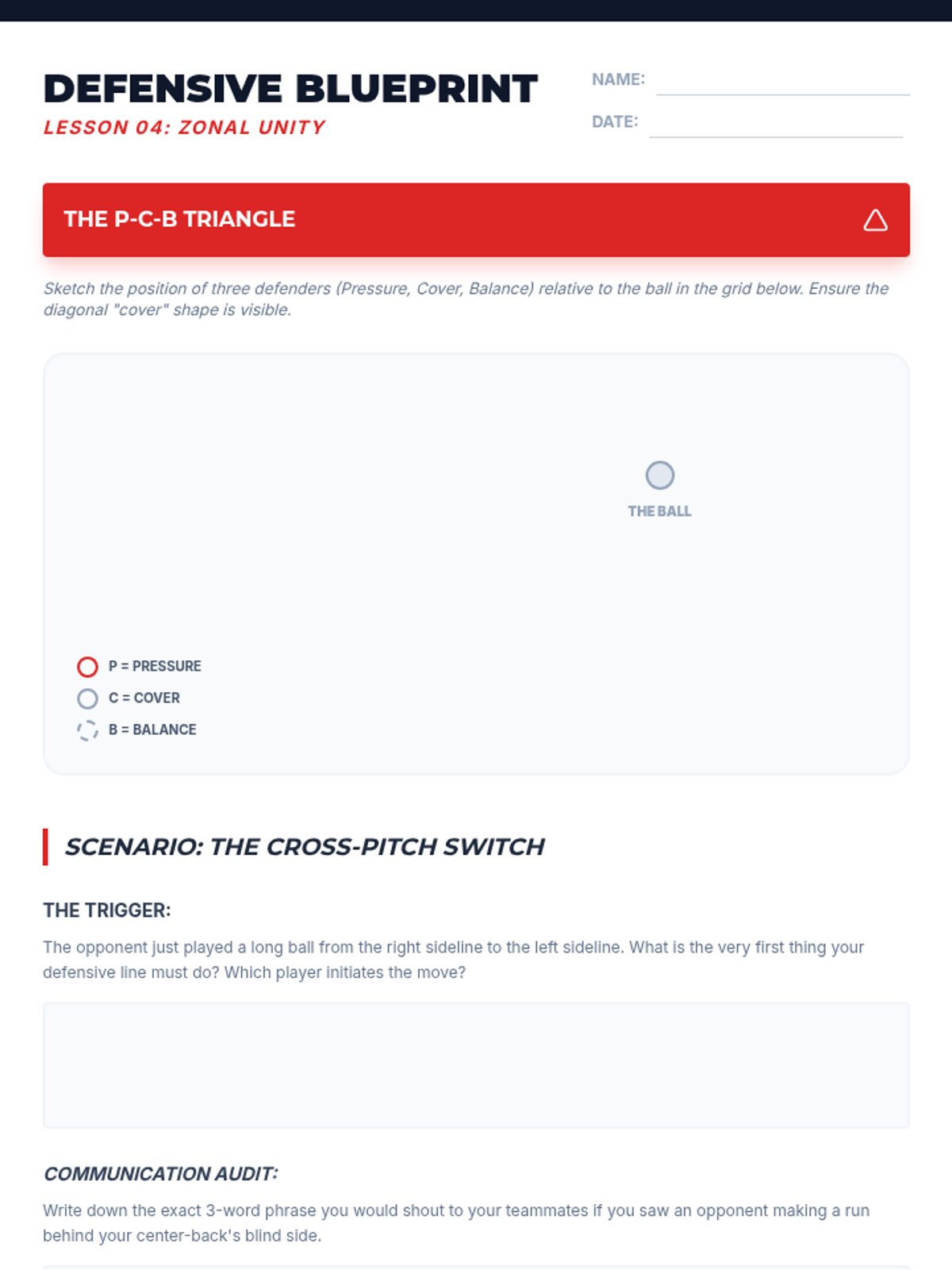
Teaches zonal organization, defensive shifting, and communication principles.
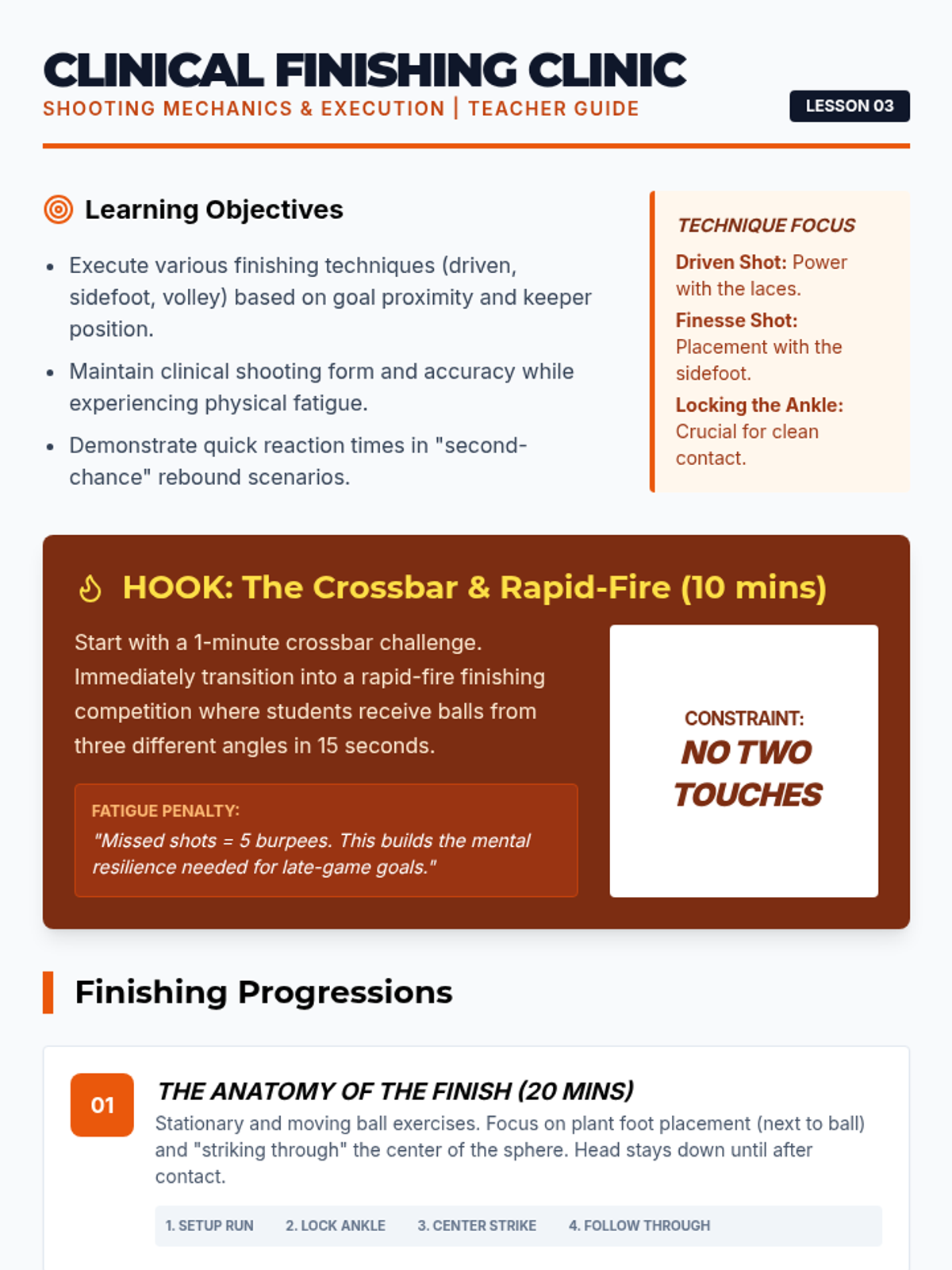
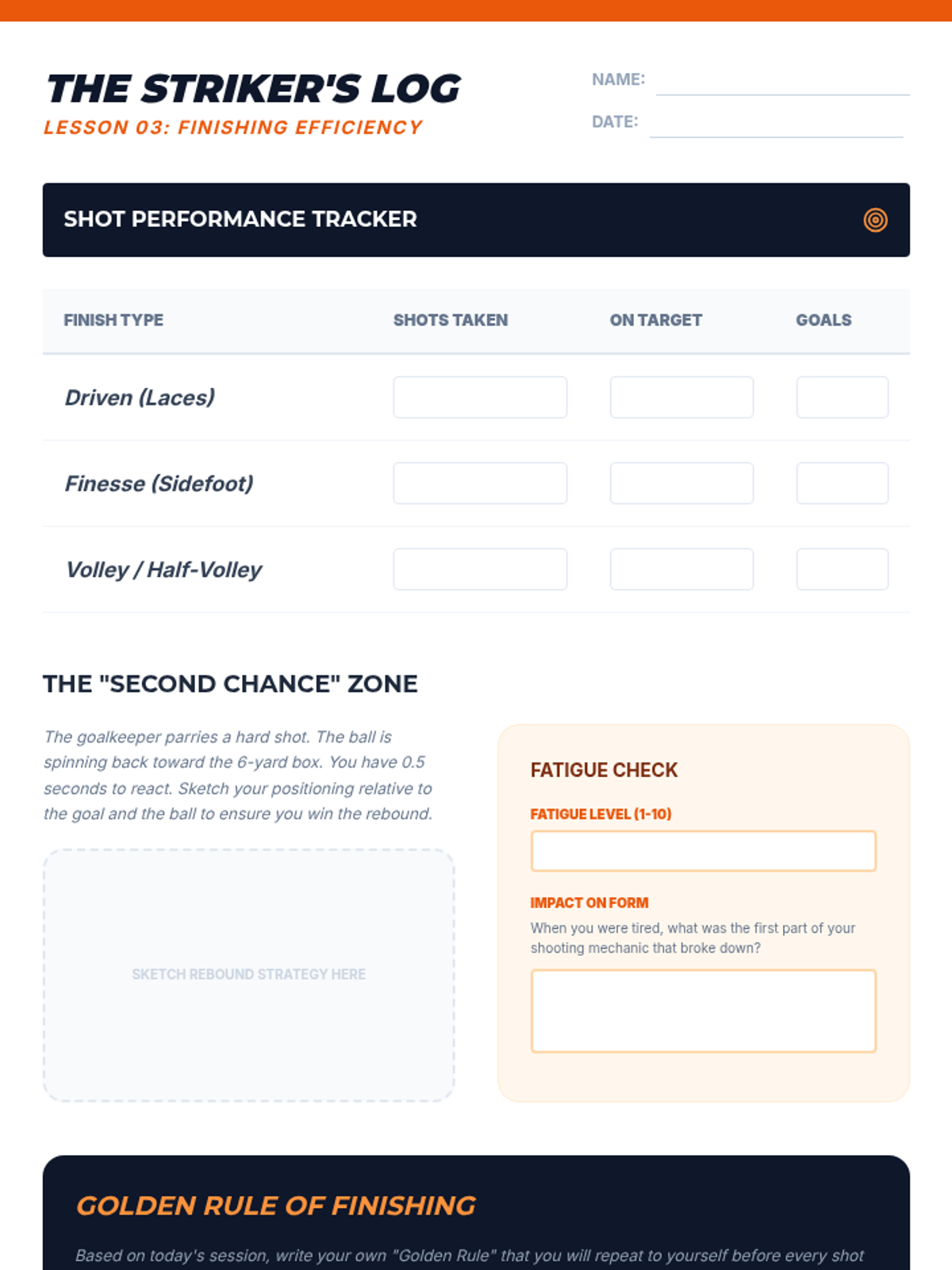
Develops shooting mechanics and finishing ability under physical fatigue.
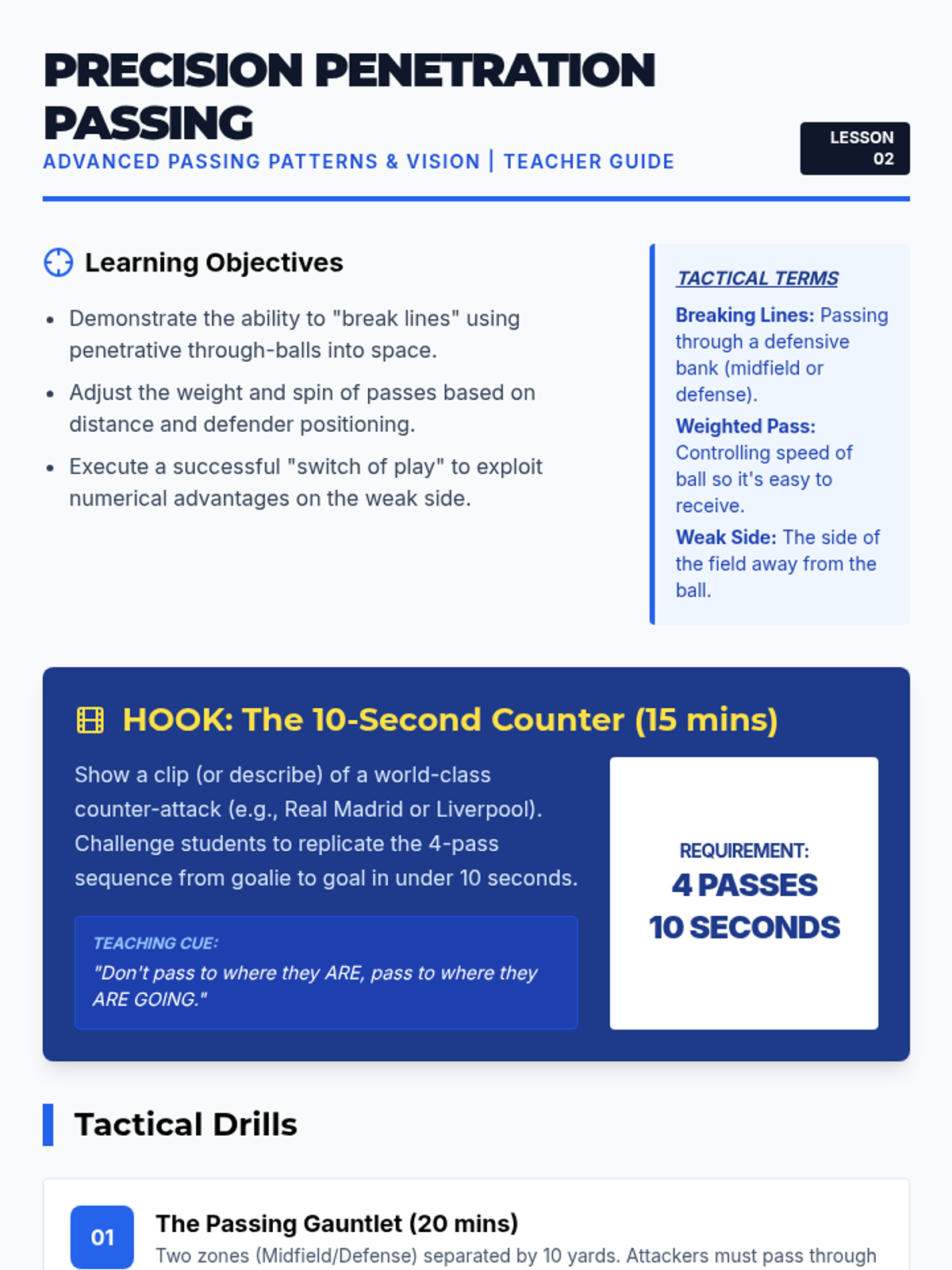
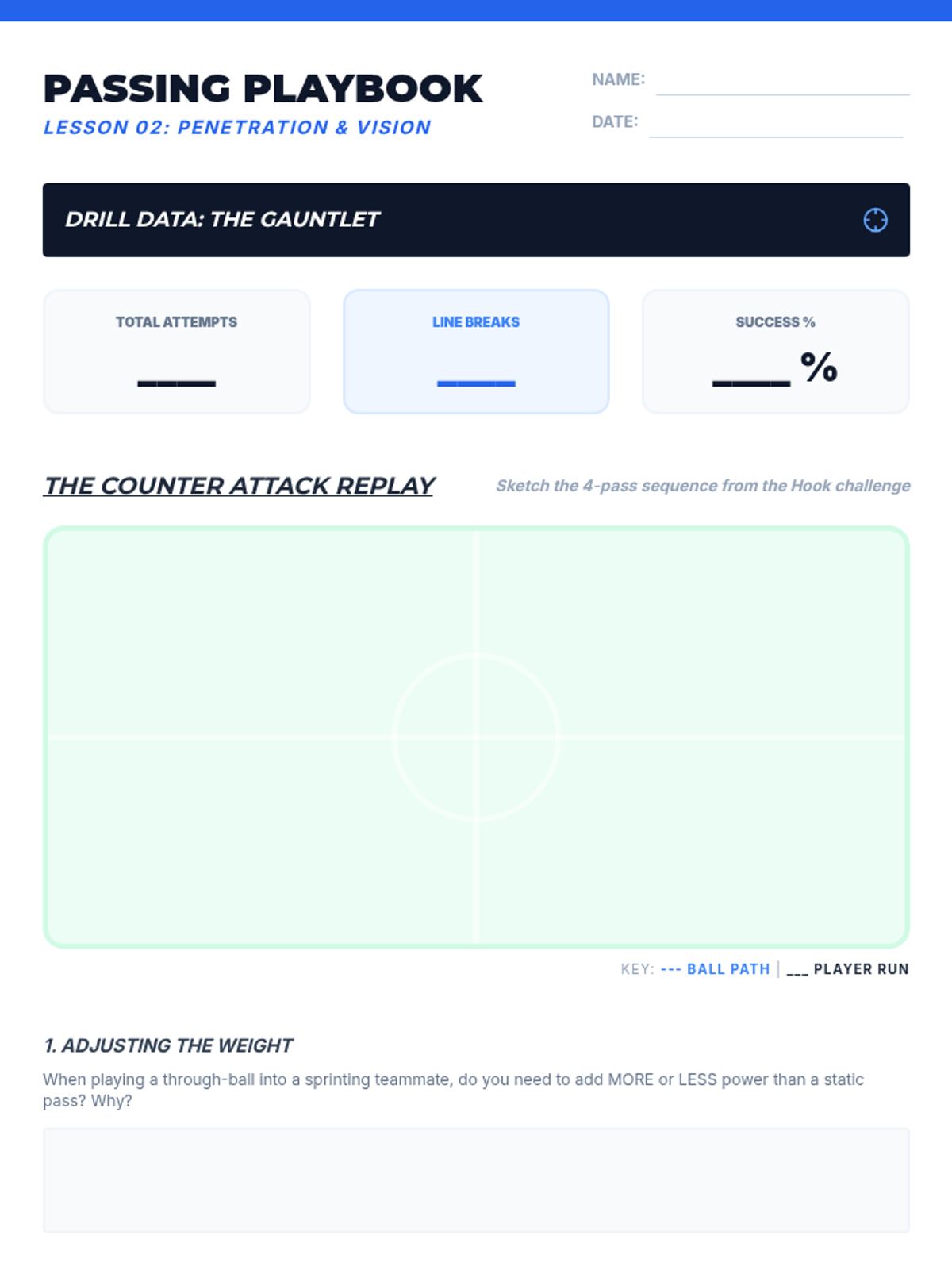
Focuses on weighted passes, through-balls, and switching play to break defensive lines.
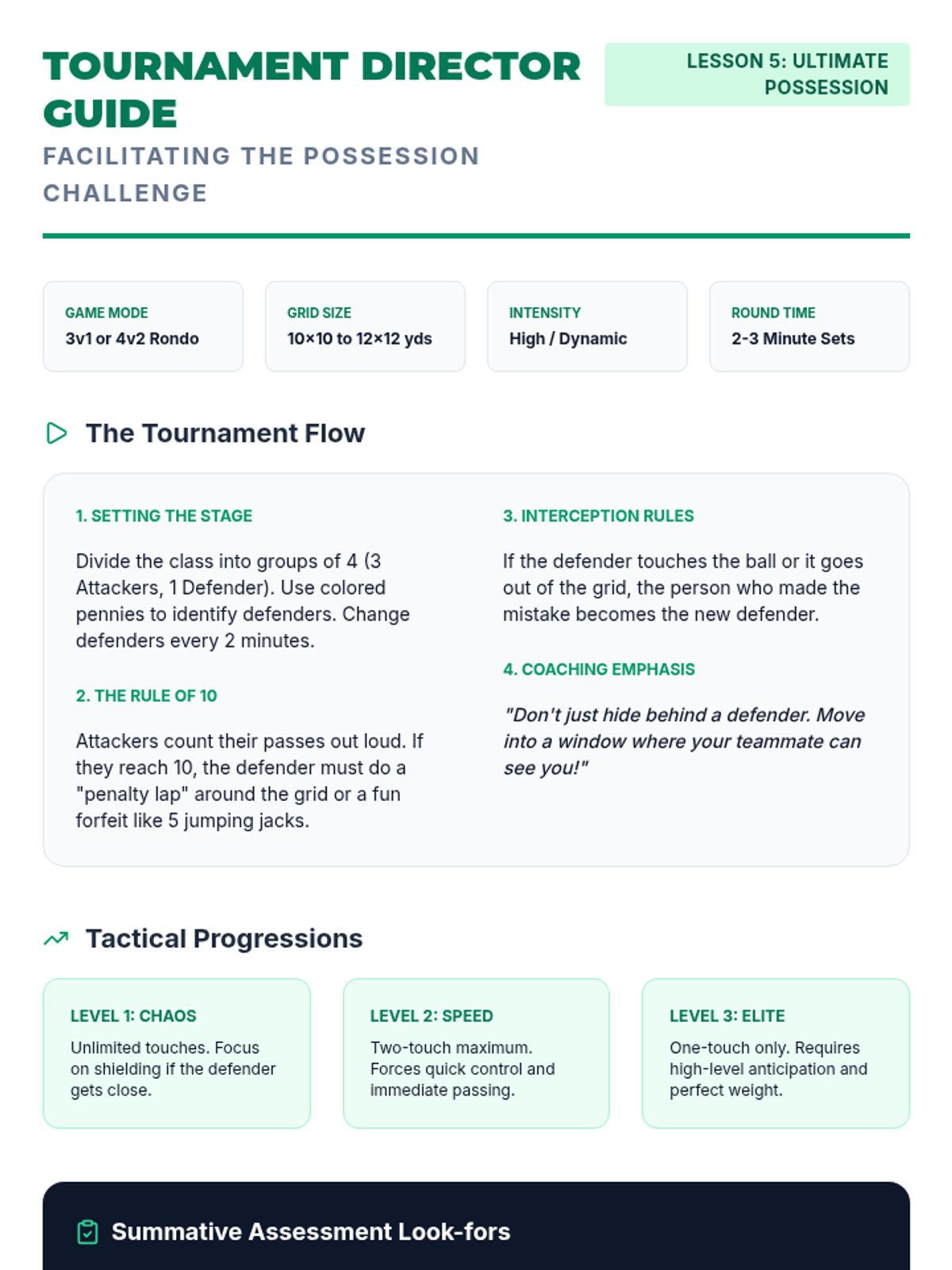
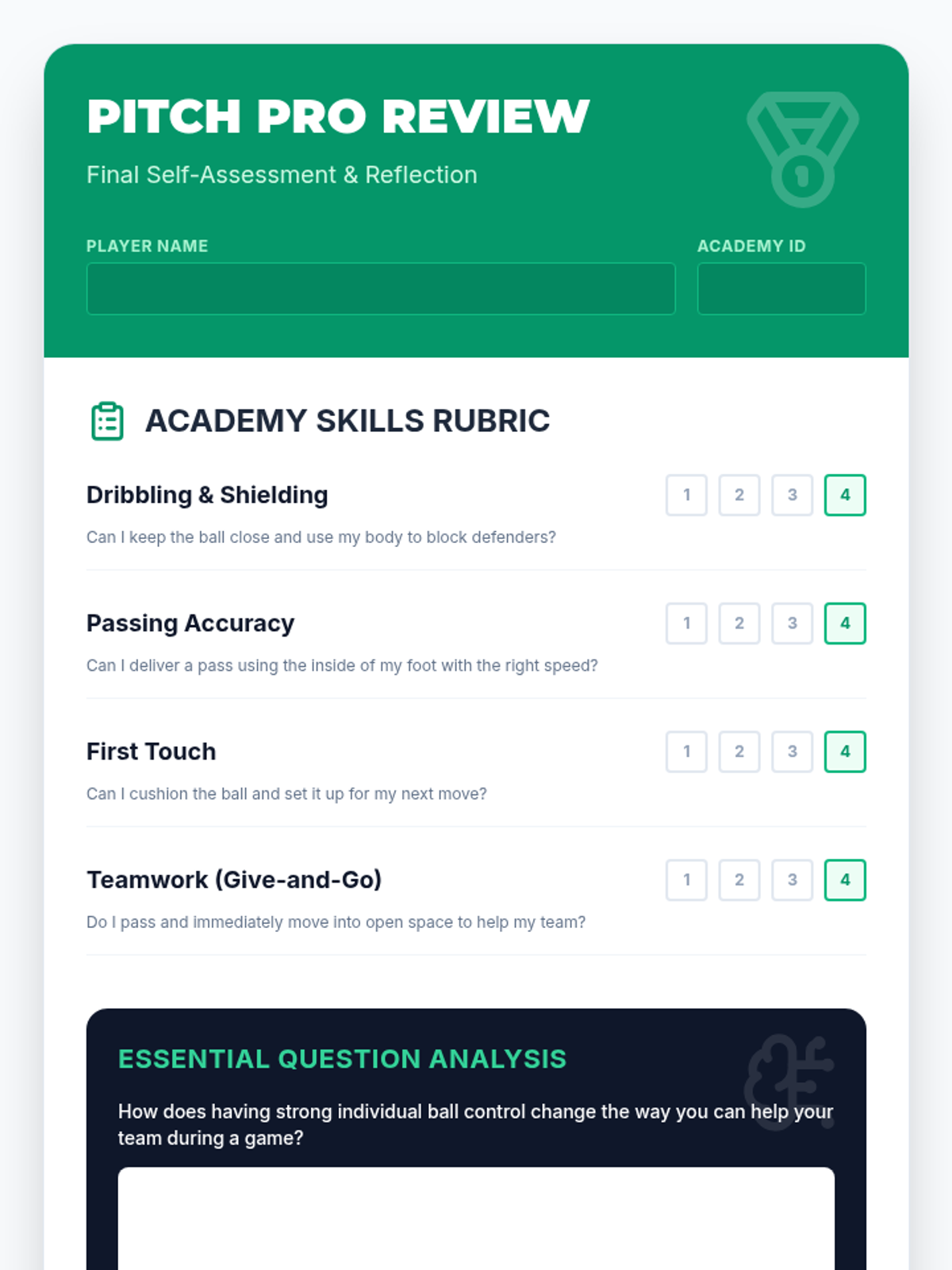
A culmination of skills applied in small-sided possession games focusing on decision-making.
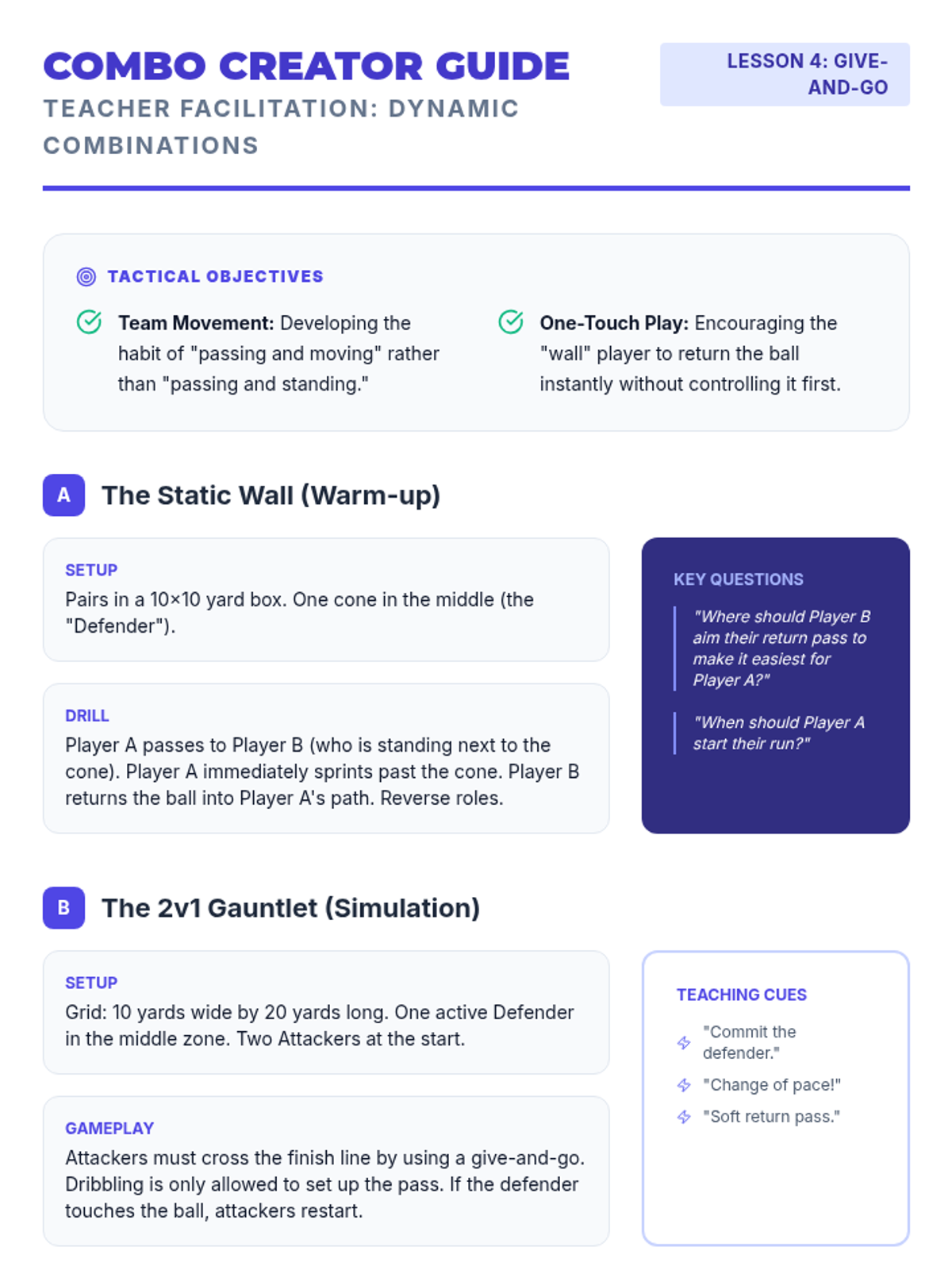
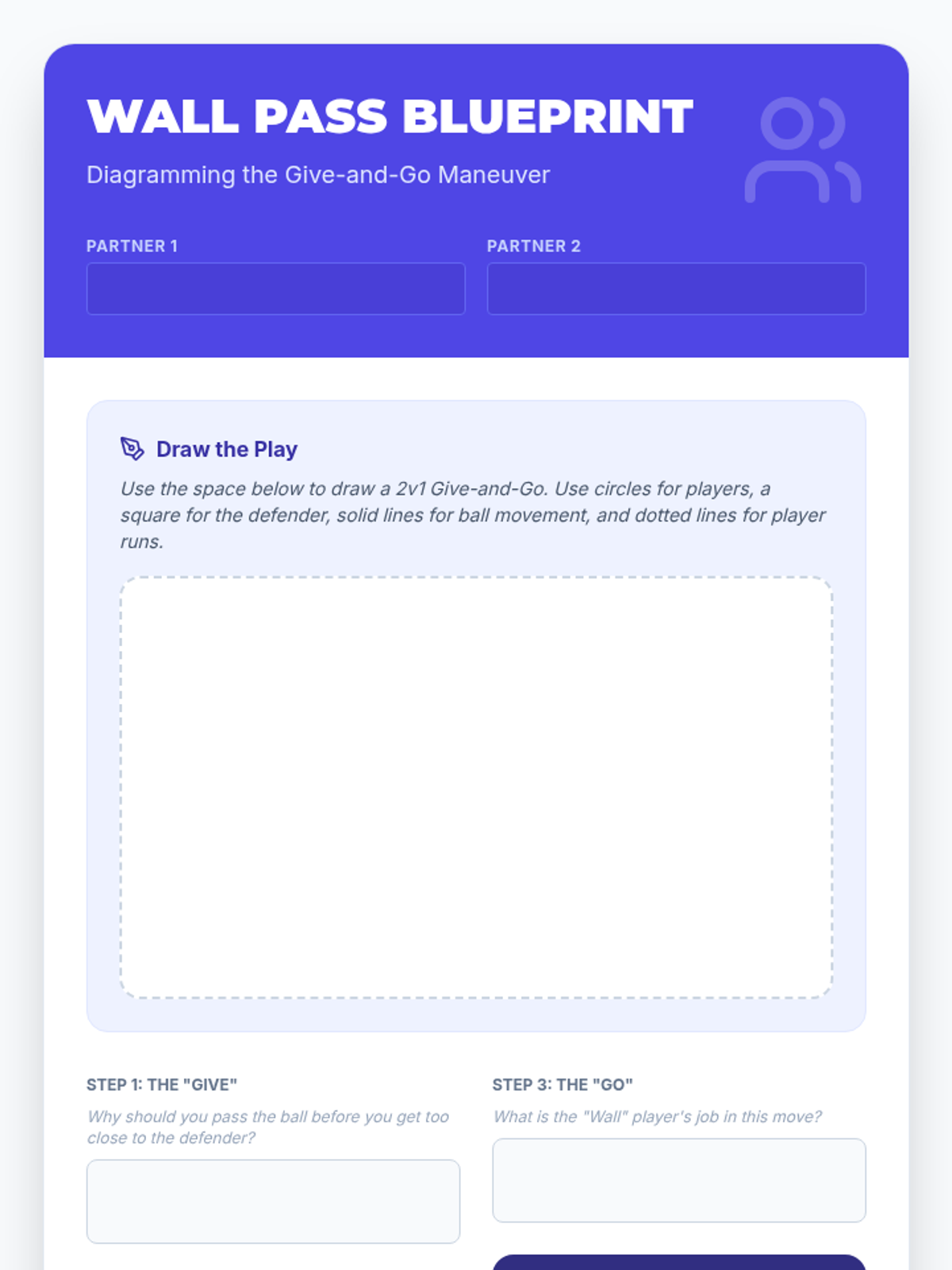
Introduces the wall pass or give-and-go as a way to bypass defenders through teamwork.
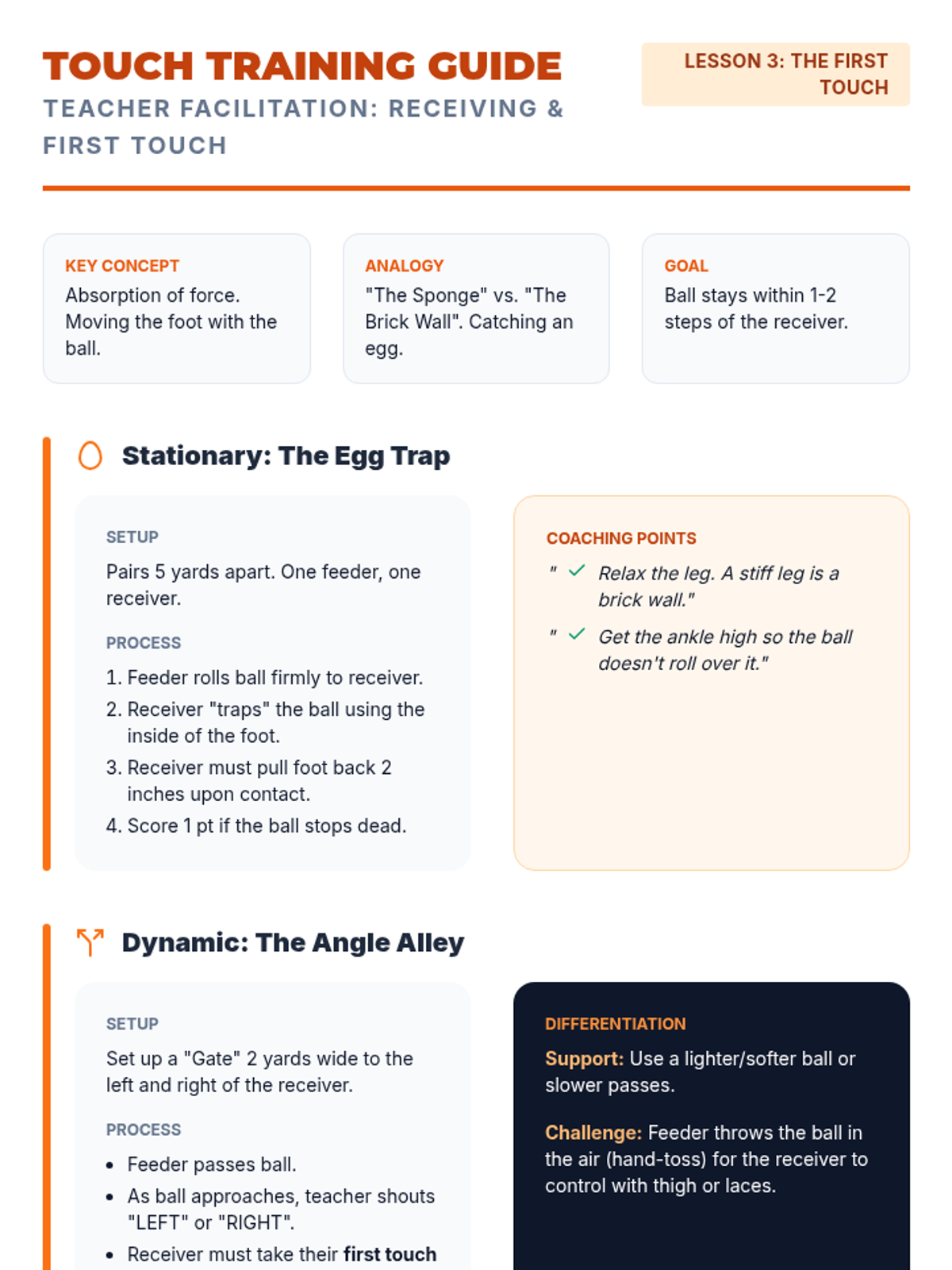
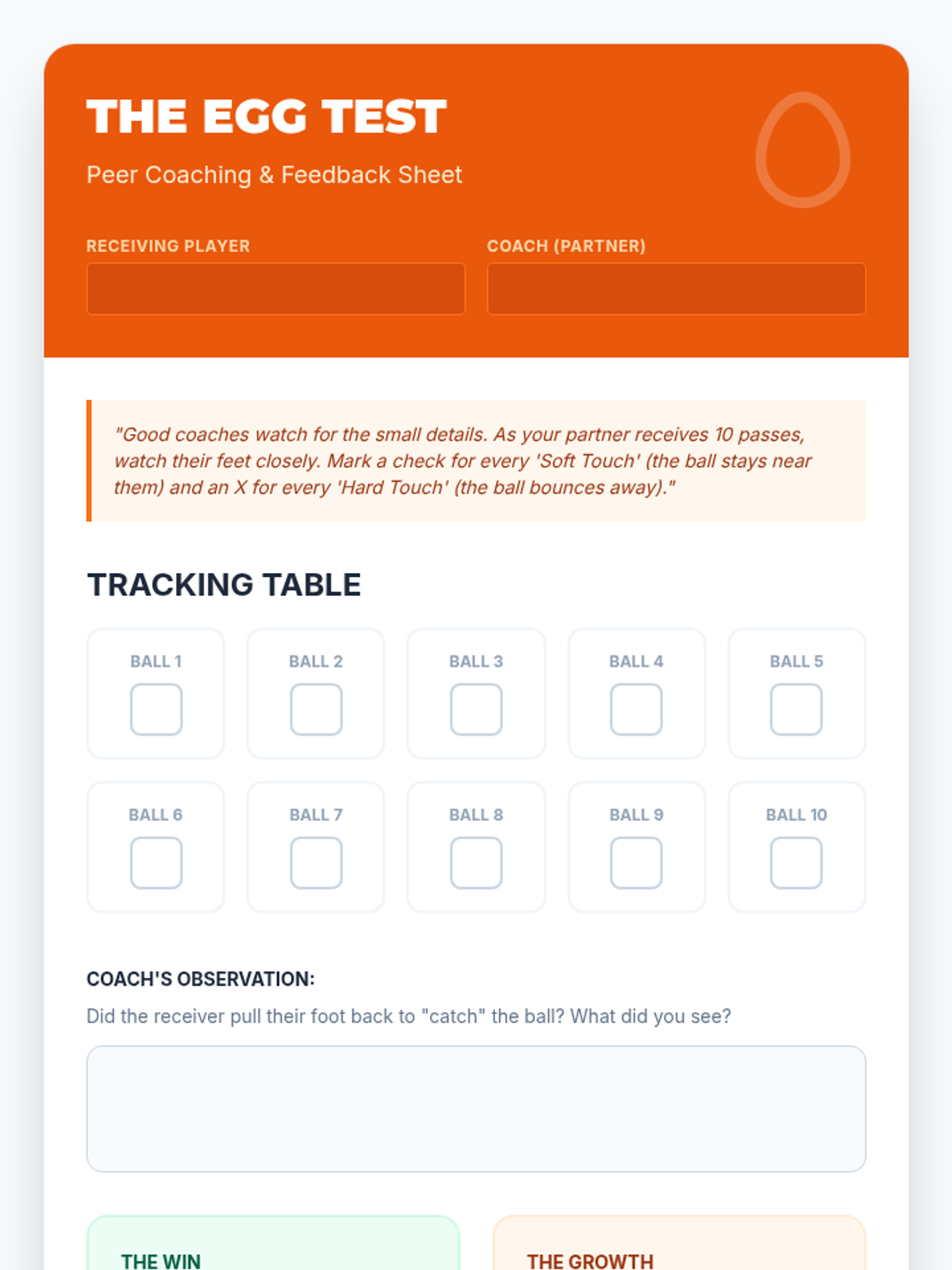
Teaches students how to cushion the ball's impact to maintain control during the first touch.
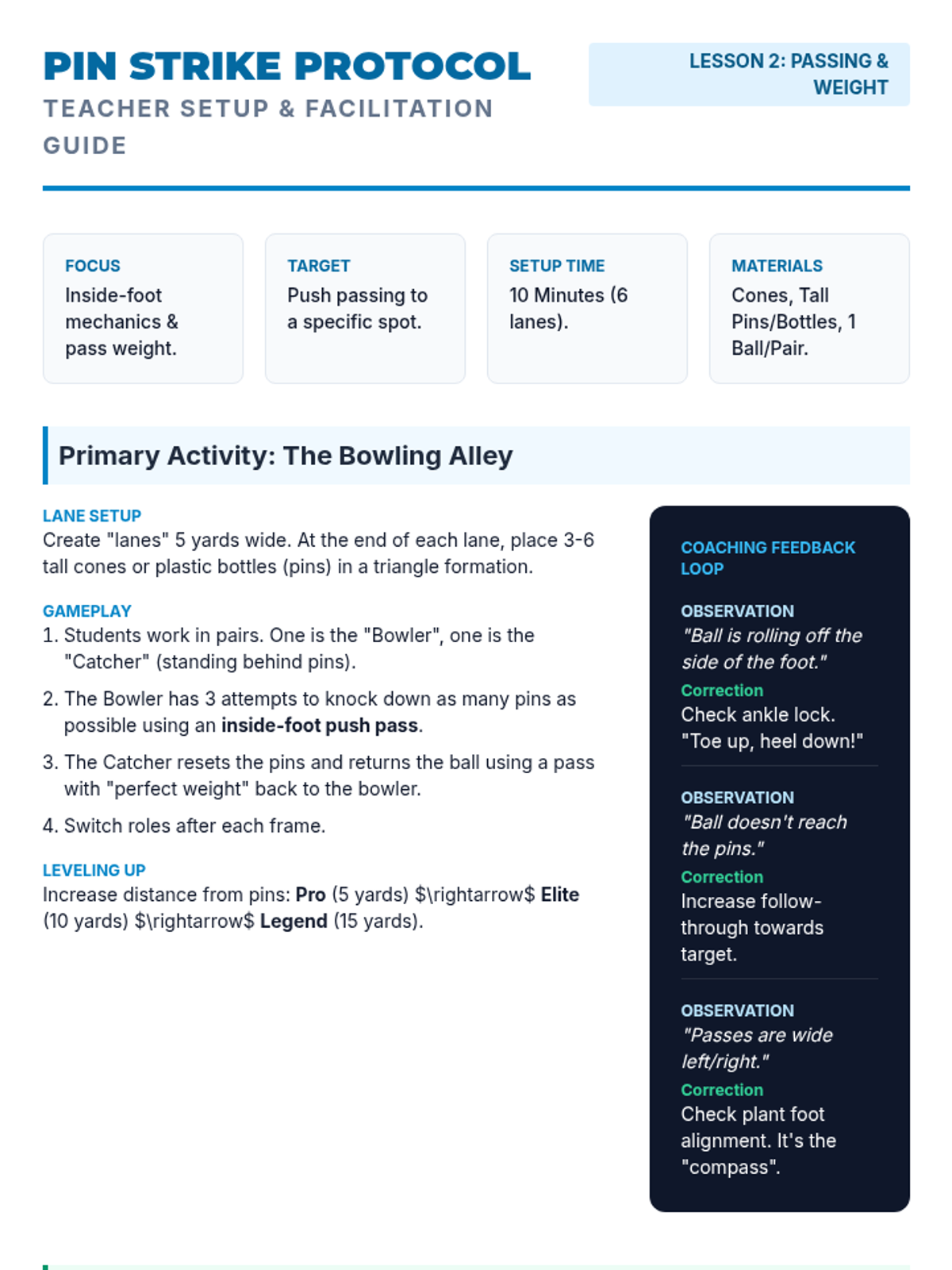
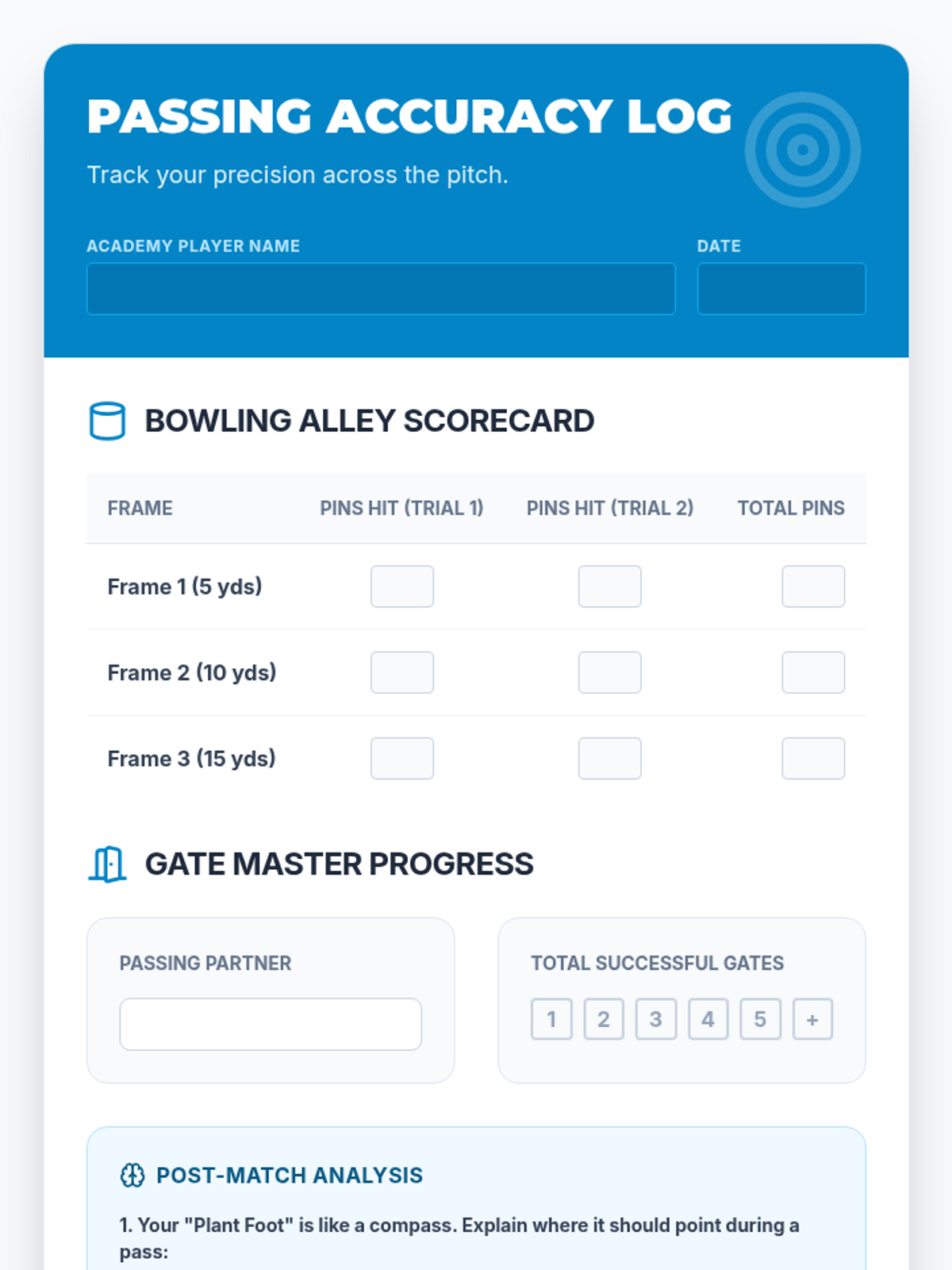
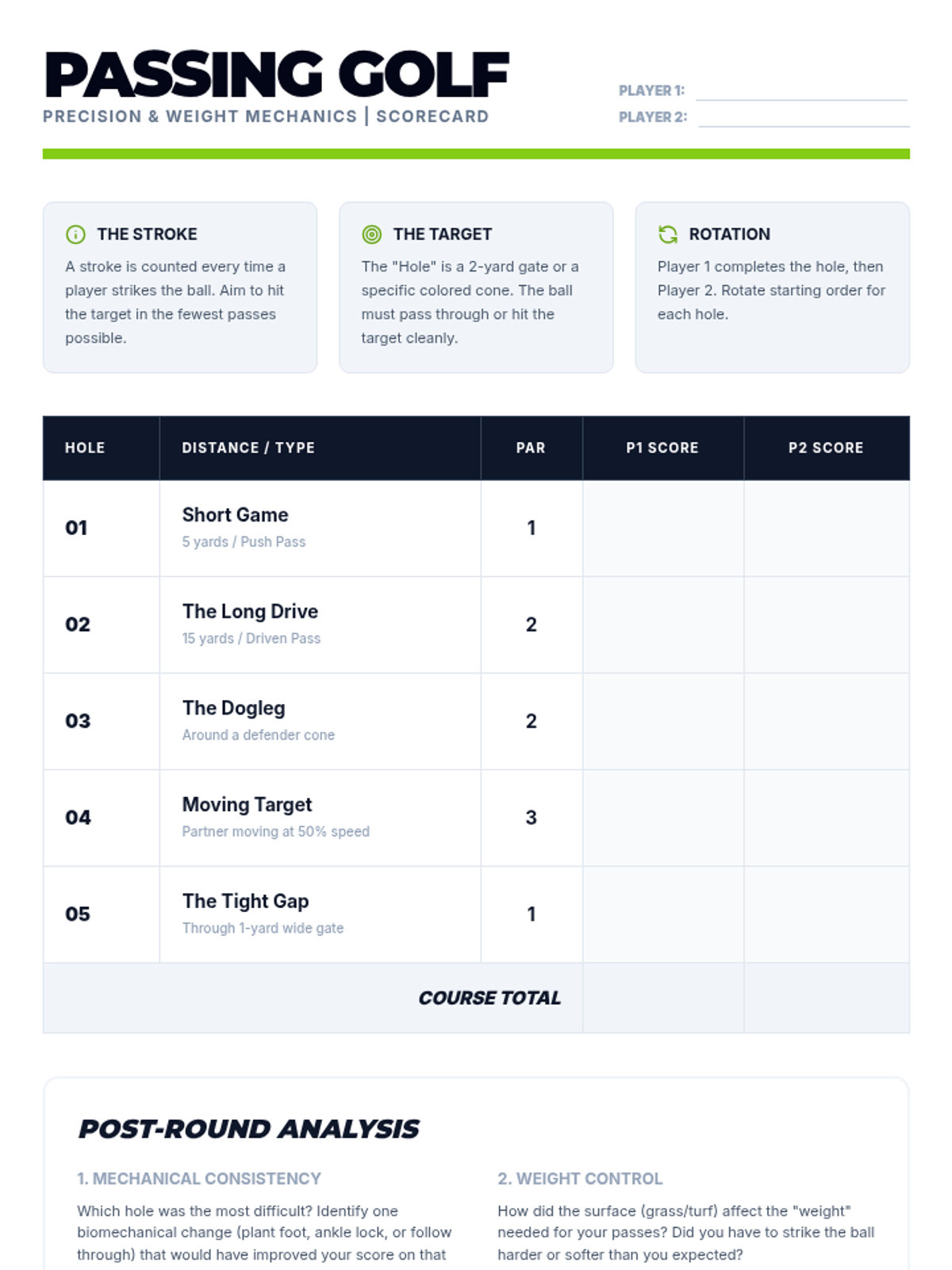
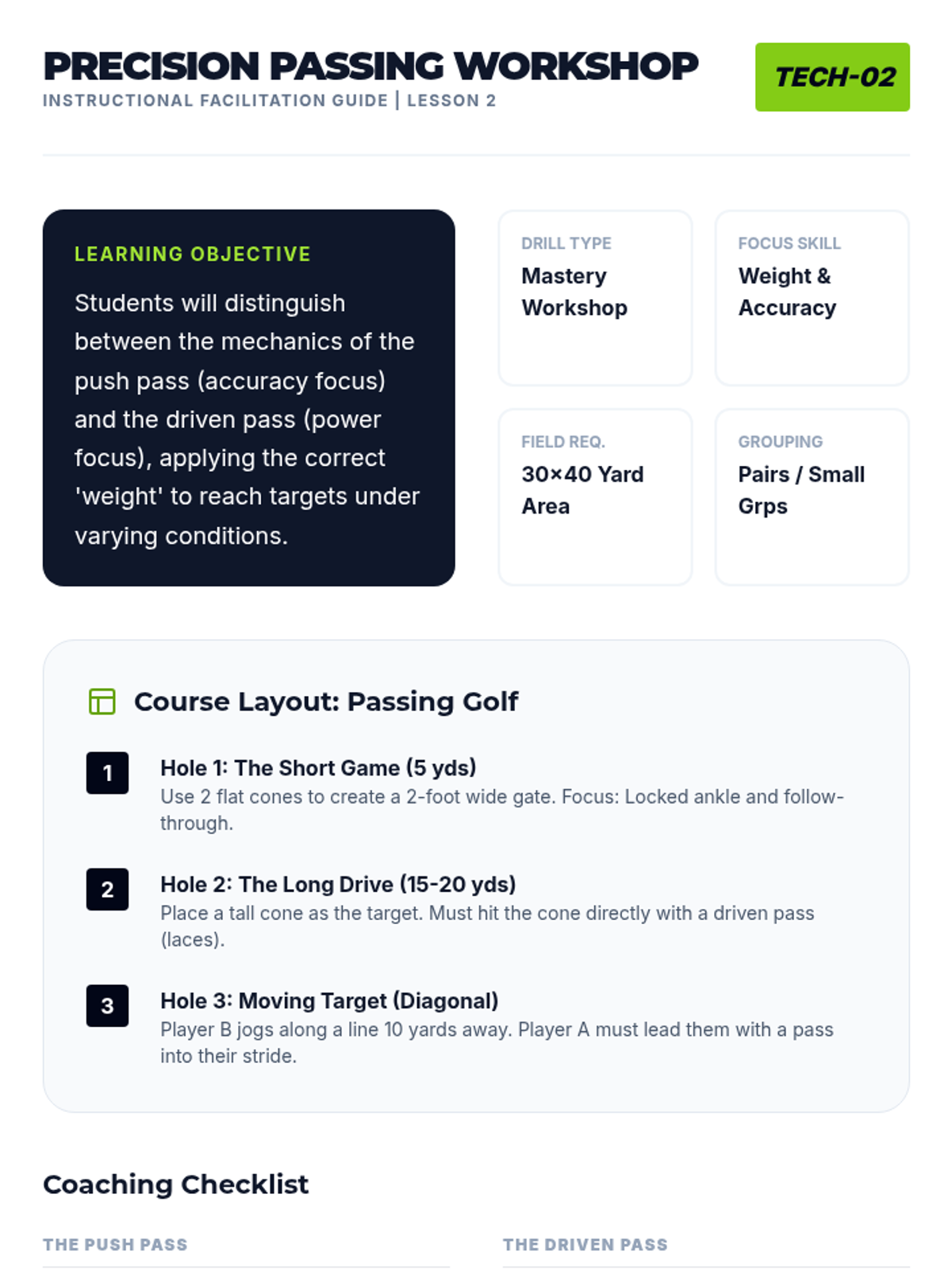
Focuses on the mechanics of the push pass for accuracy and the concept of 'weight' in passing.
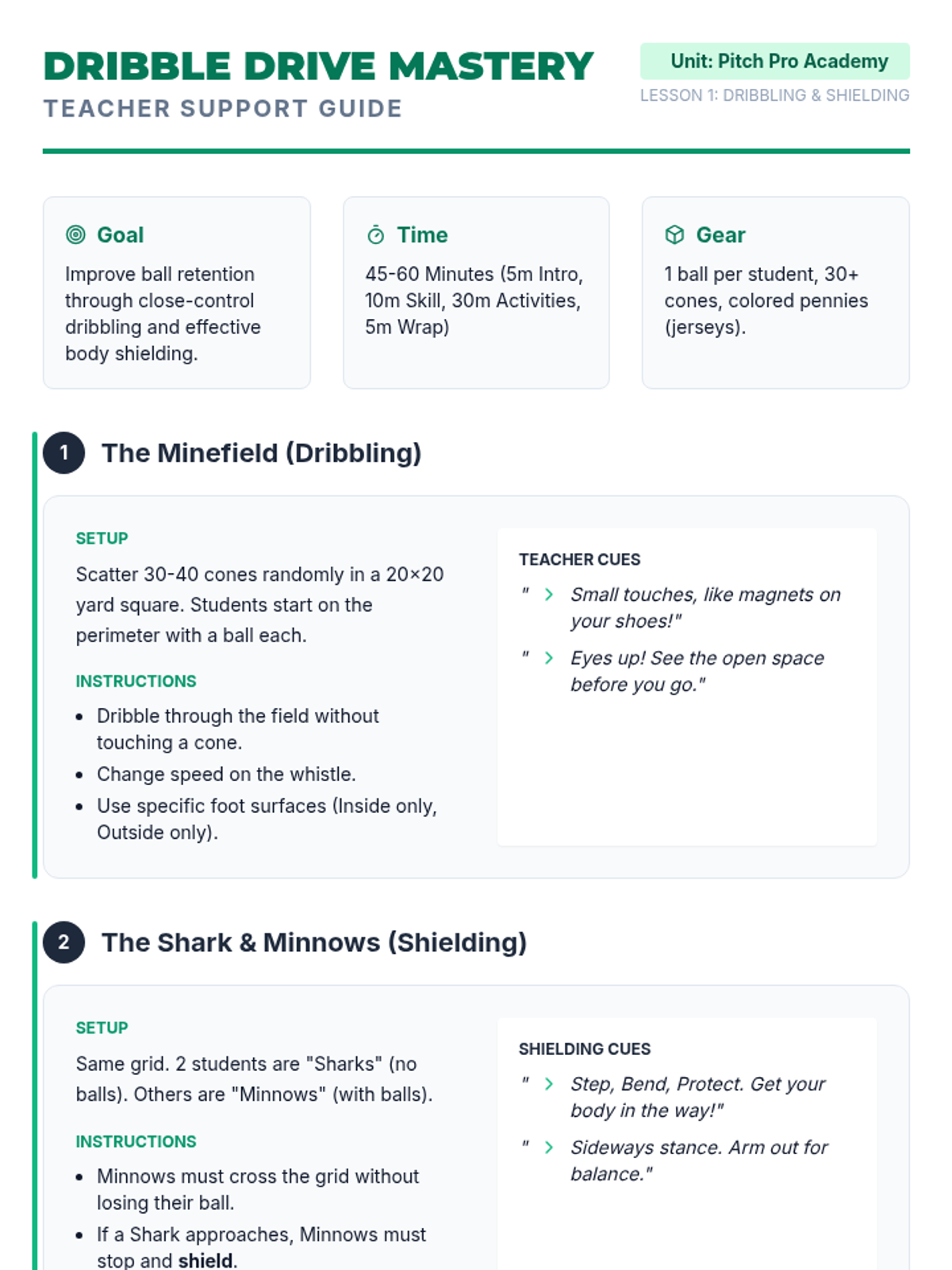
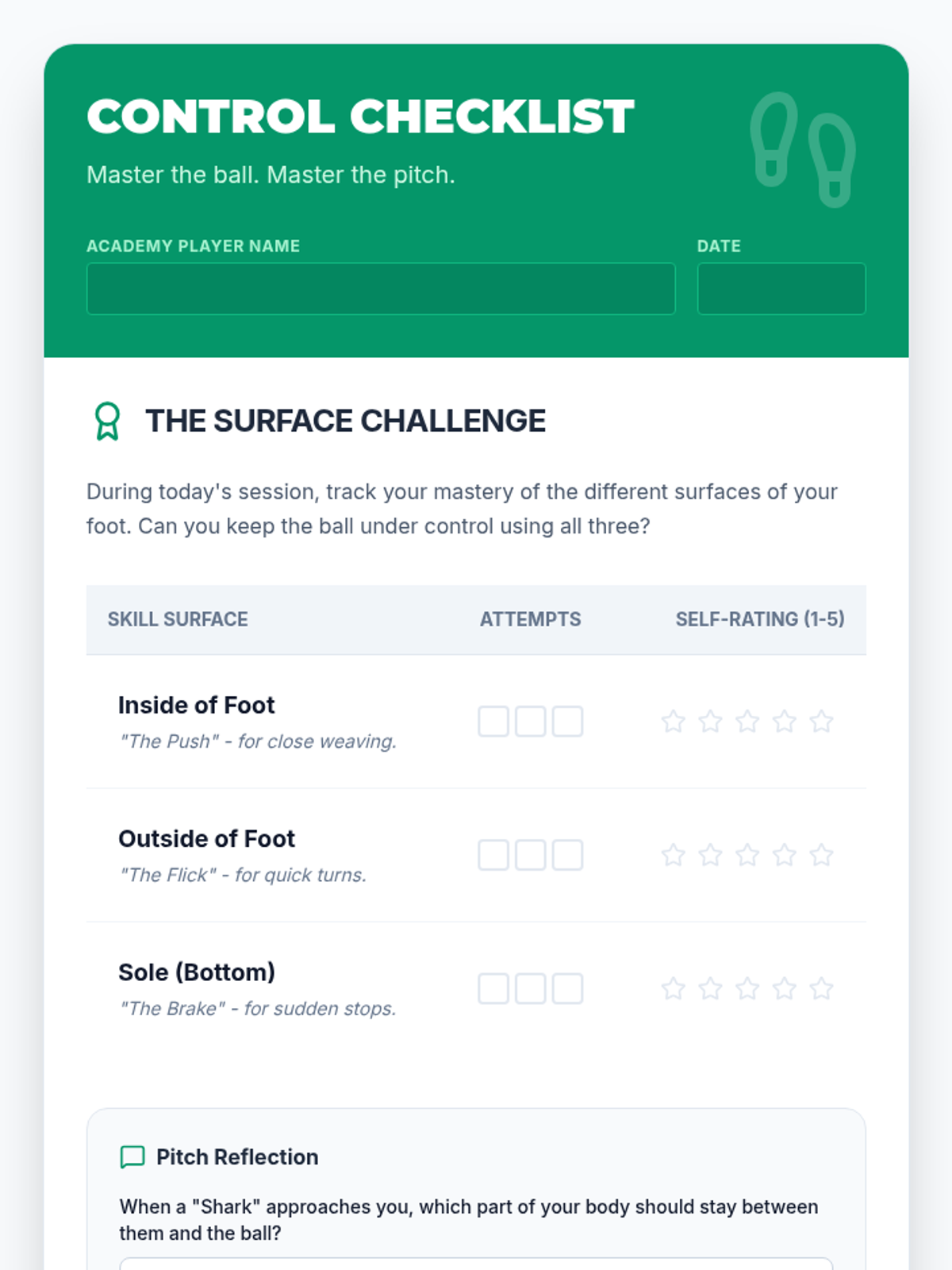
Students focus on keeping the ball close while moving and using their body to protect the ball from opponents.
A culminating technical circuit that assesses integration of dribbling, passing, and finishing under time and pressure.
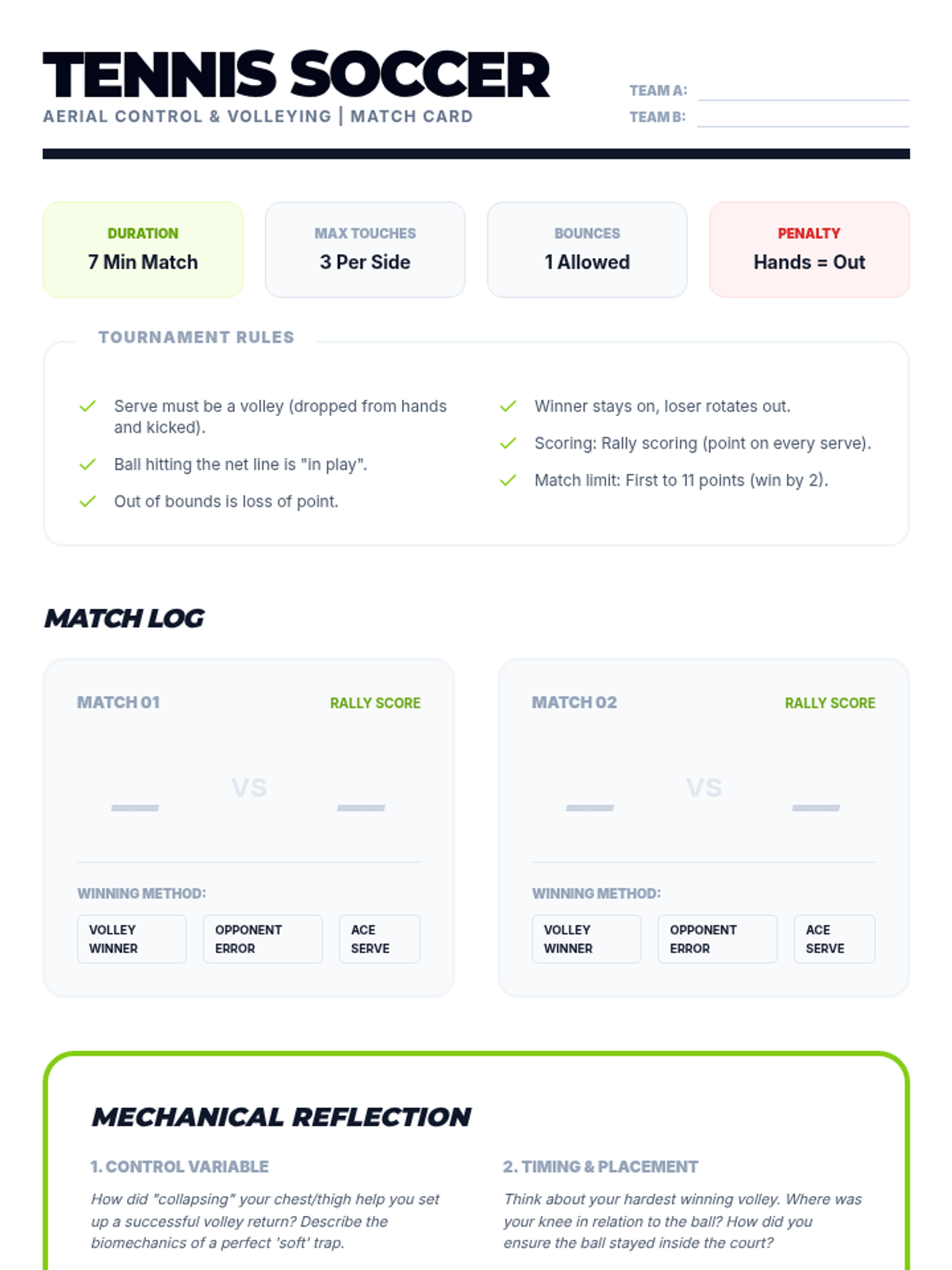
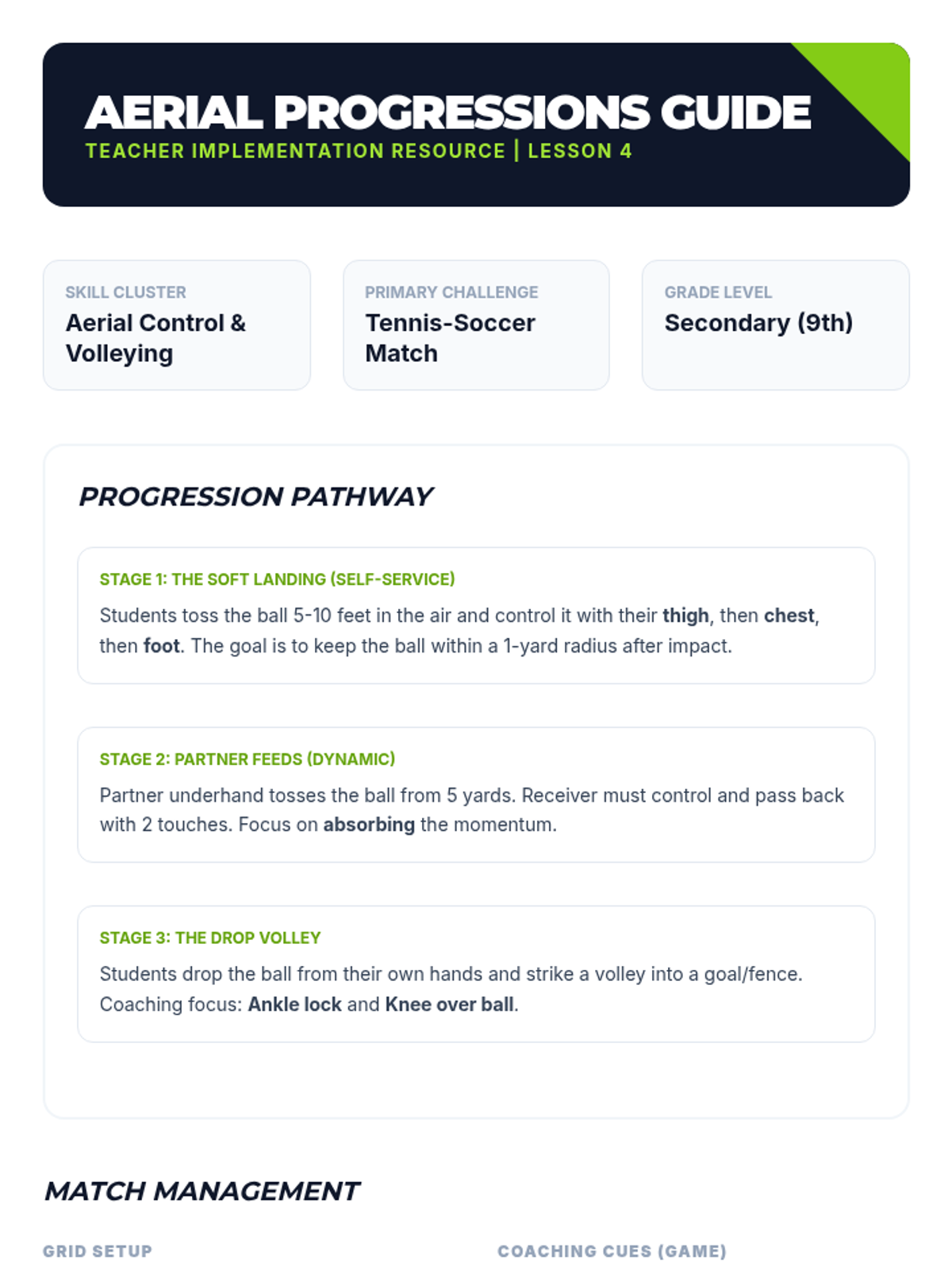
Introduces techniques for controlling the ball out of the air using the chest, thigh, and foot, as well as volleying mechanics.
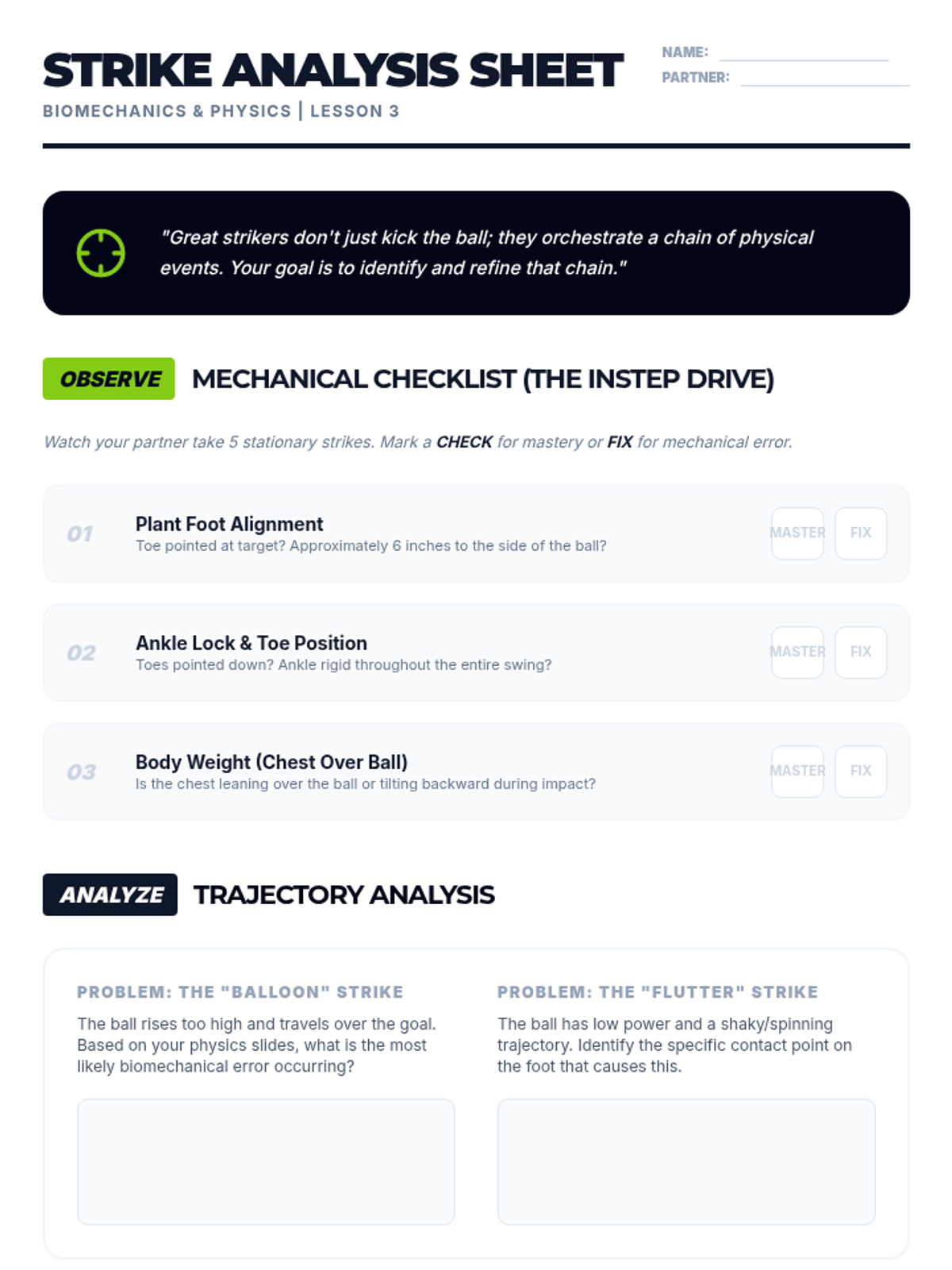
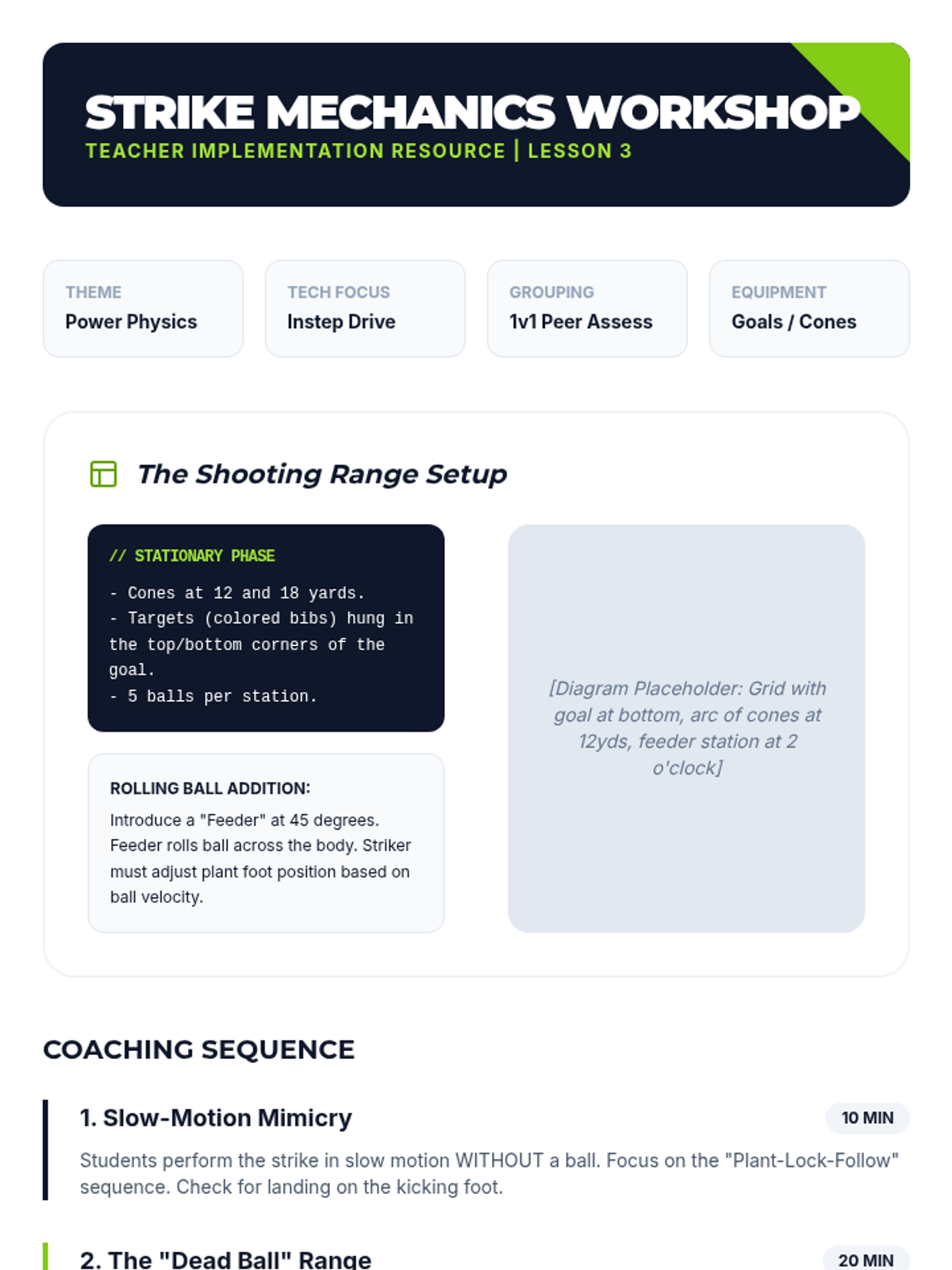
Explores the physics of striking the ball, comparing instep drives for power versus side-foot placement for accuracy.
Focuses on the mechanics of the push and driven pass, emphasizing the 'weight' of the pass and the importance of the first touch.
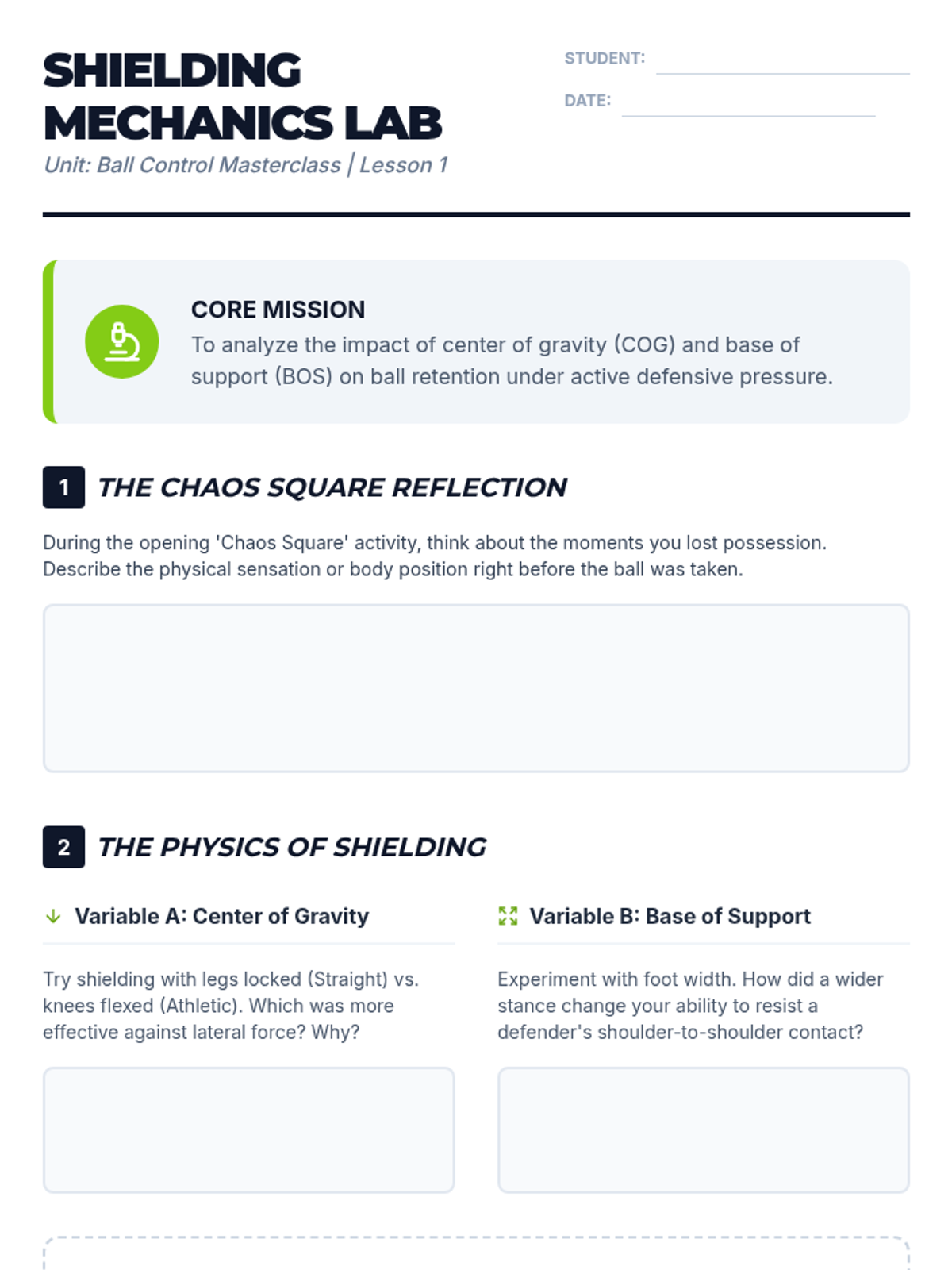
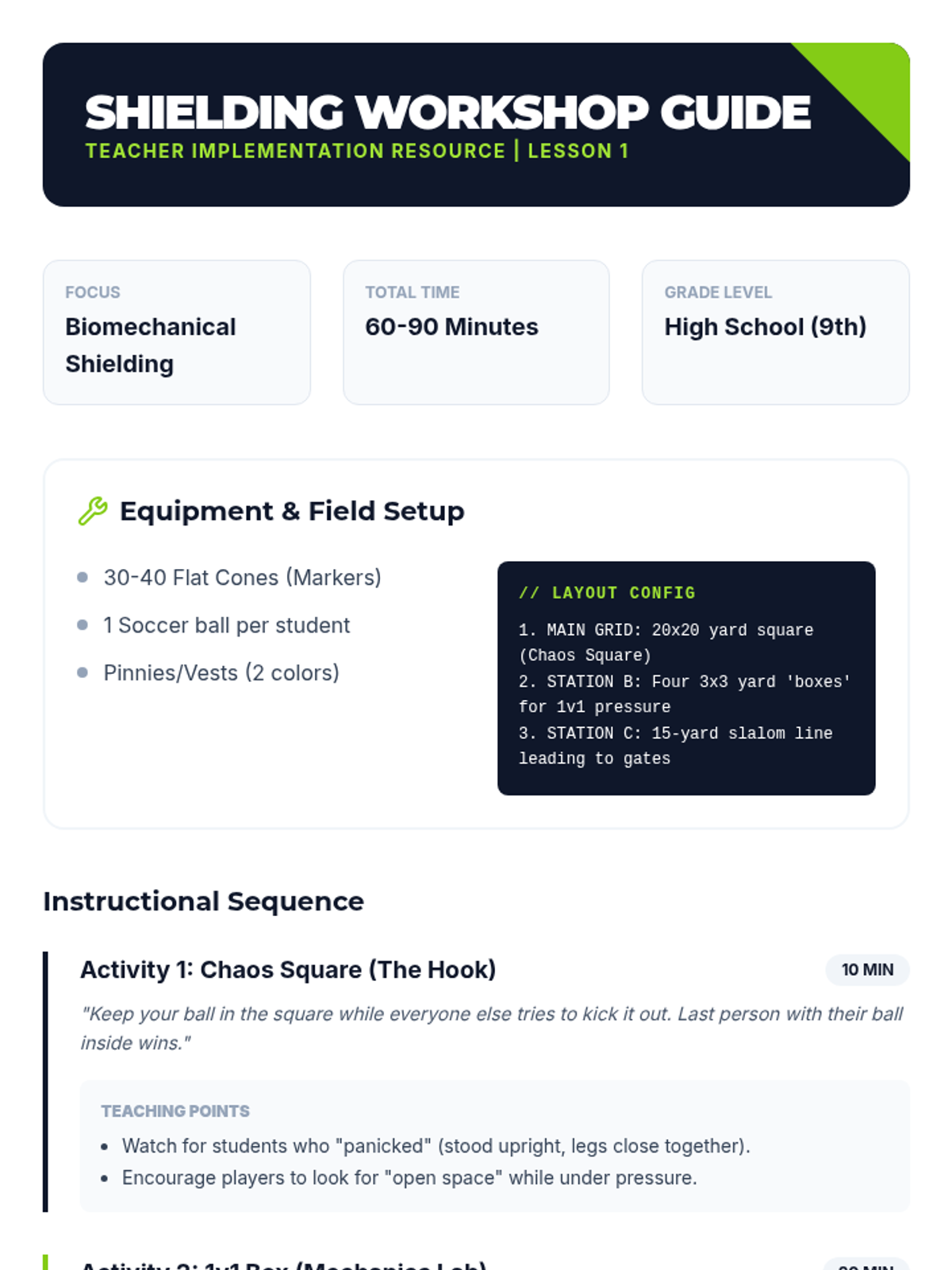
Students refine close-control dribbling and learn to use their body to shield the ball from defenders, focusing on center of gravity and balance.
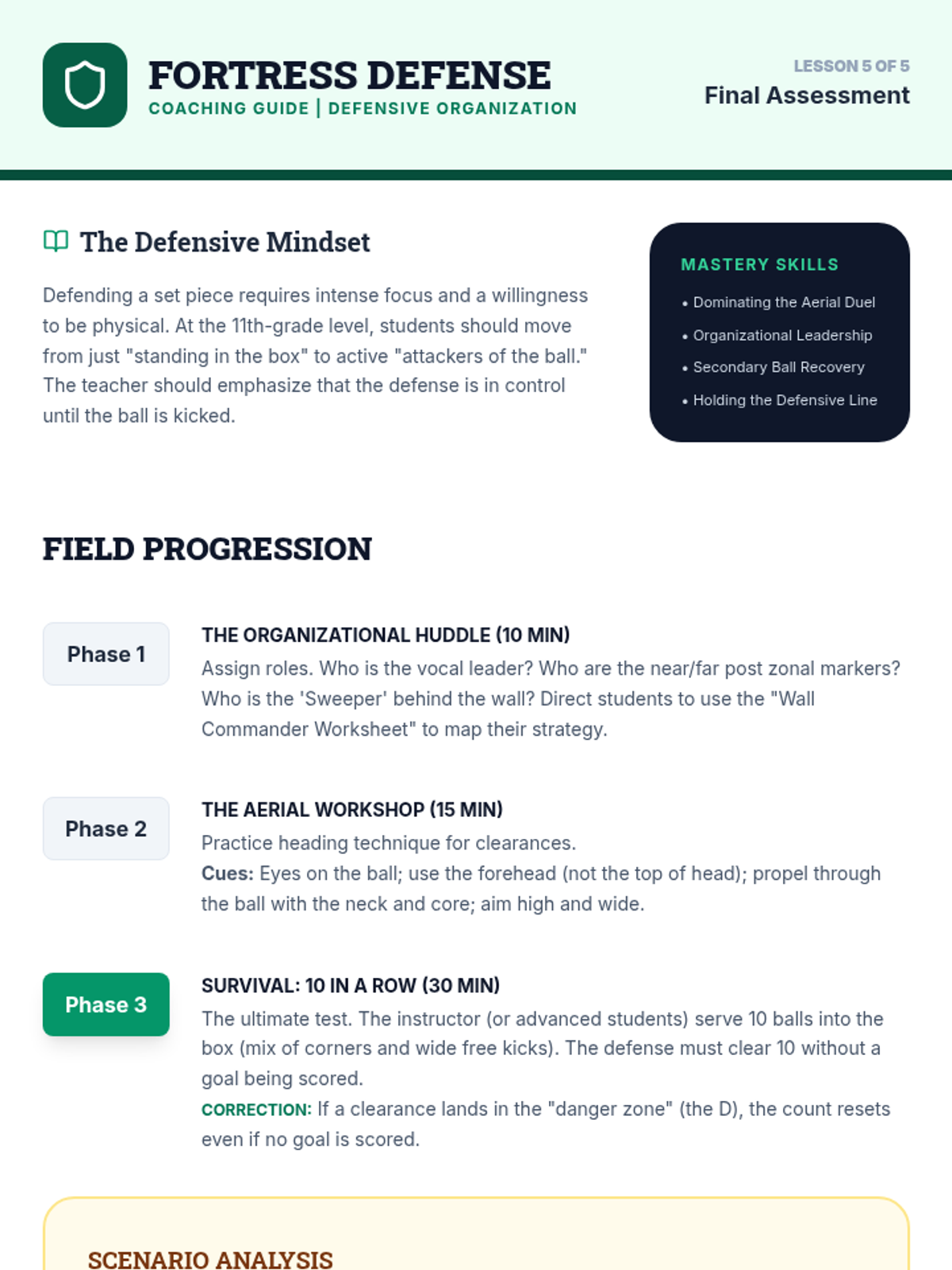
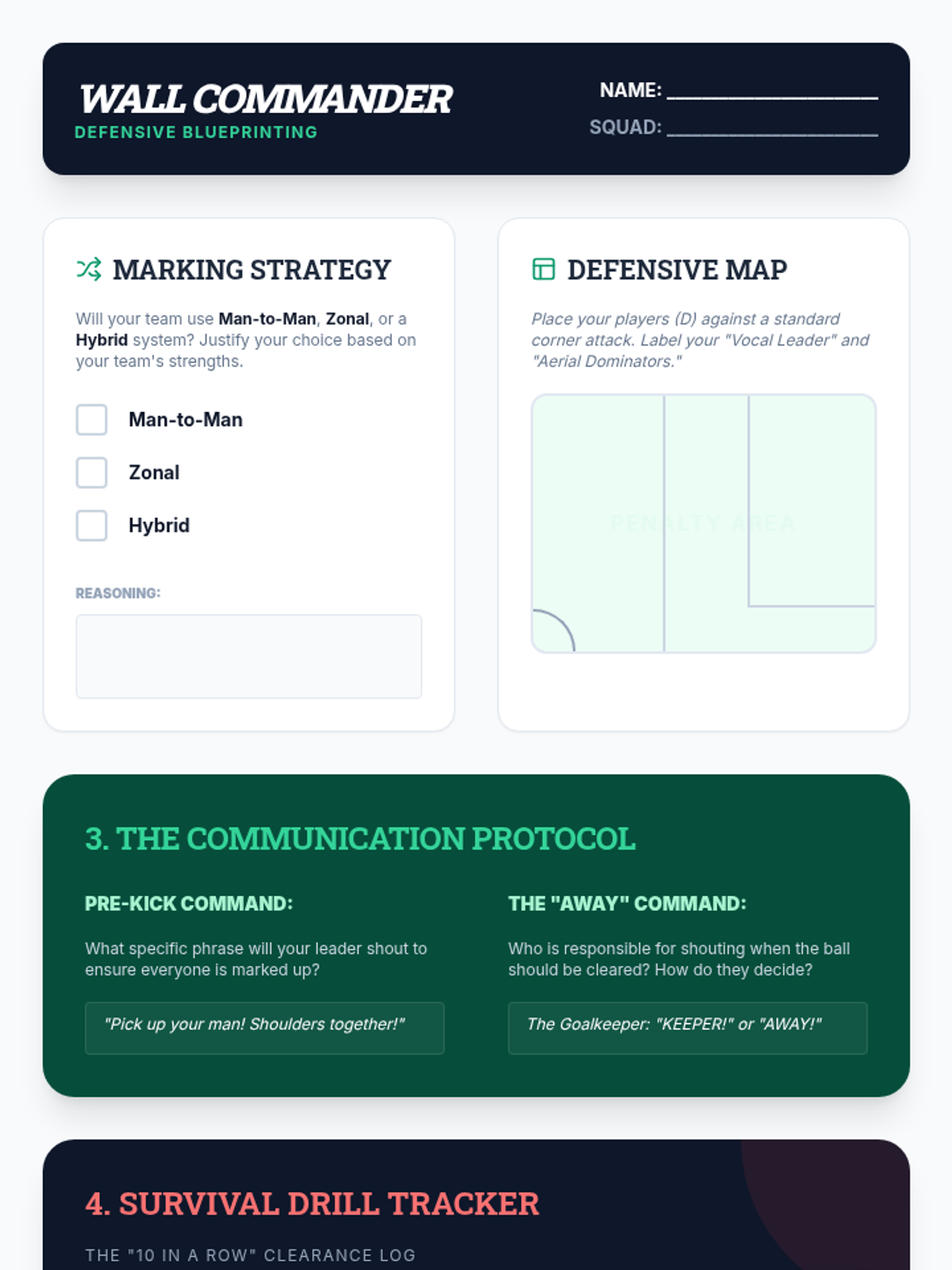
Students learn how to organize a zonal or man-marking defense against corners and free kicks. The focus is on communication, clearing lines, and winning the first header.
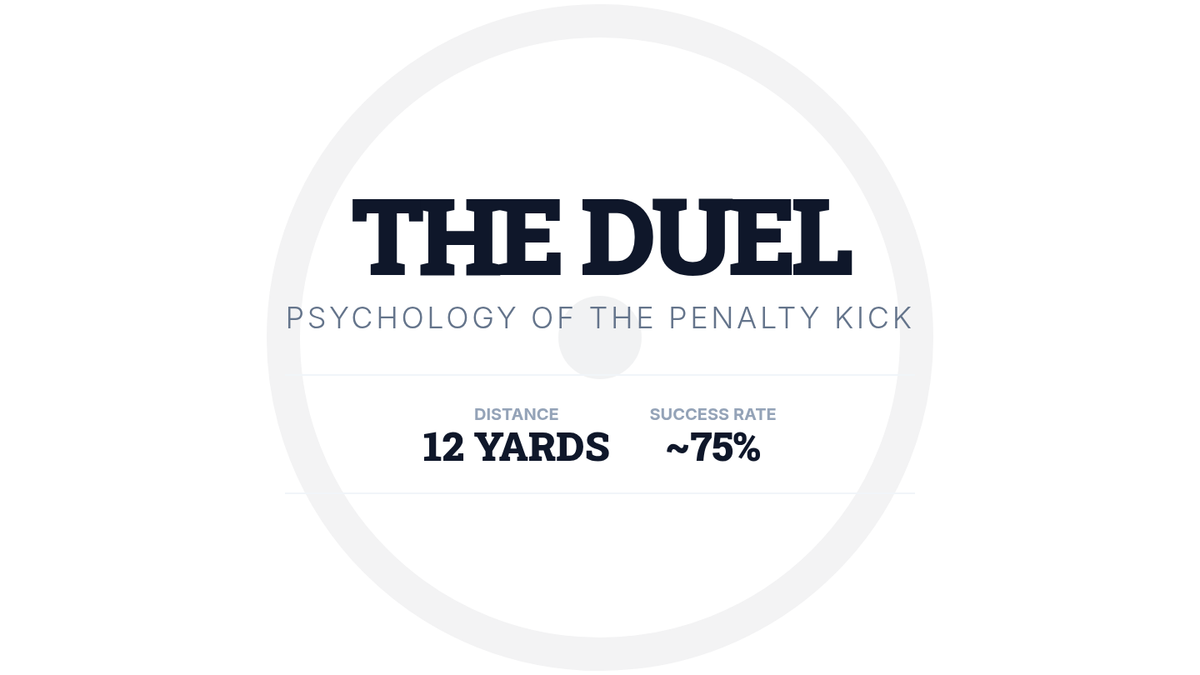
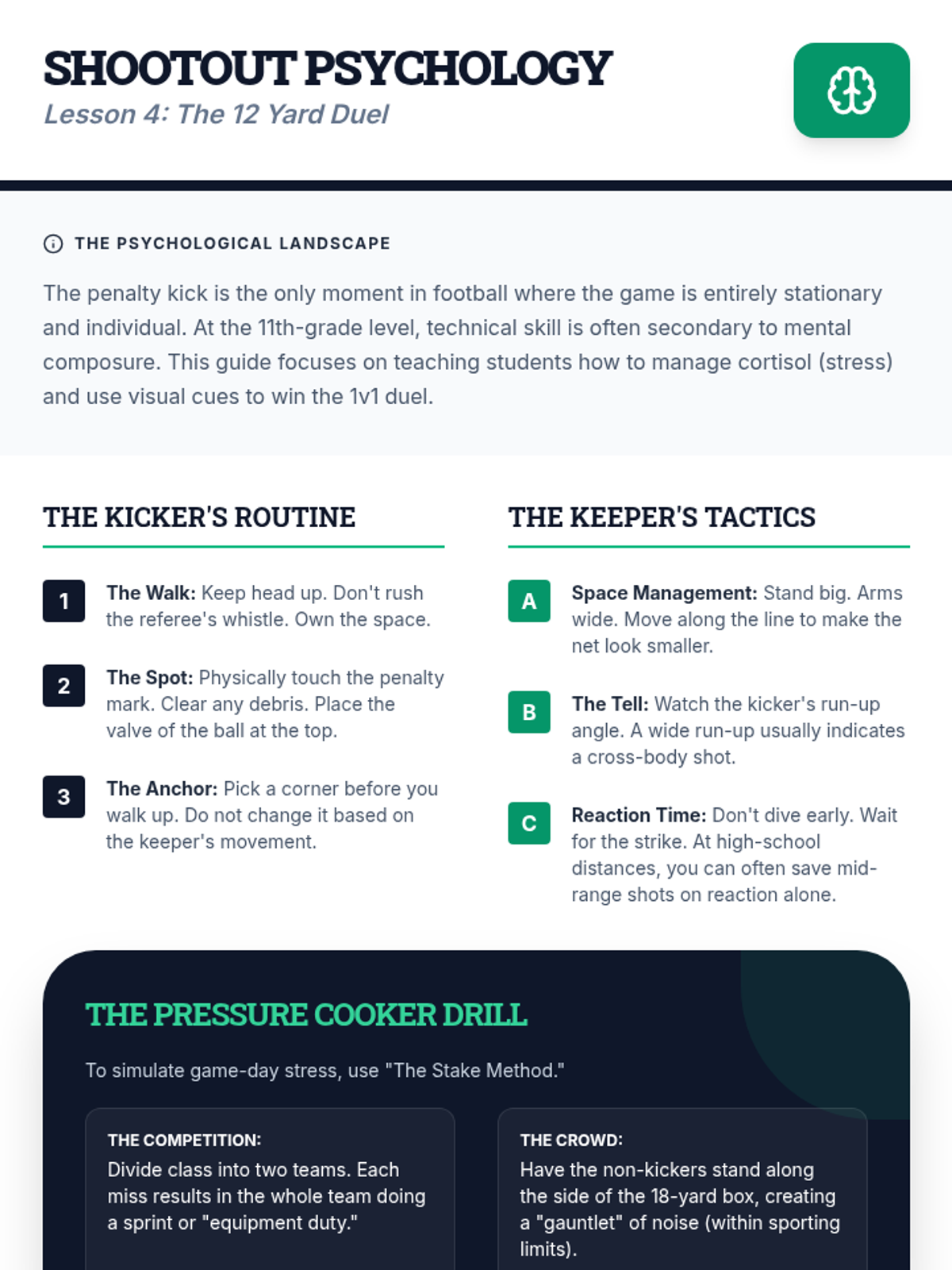
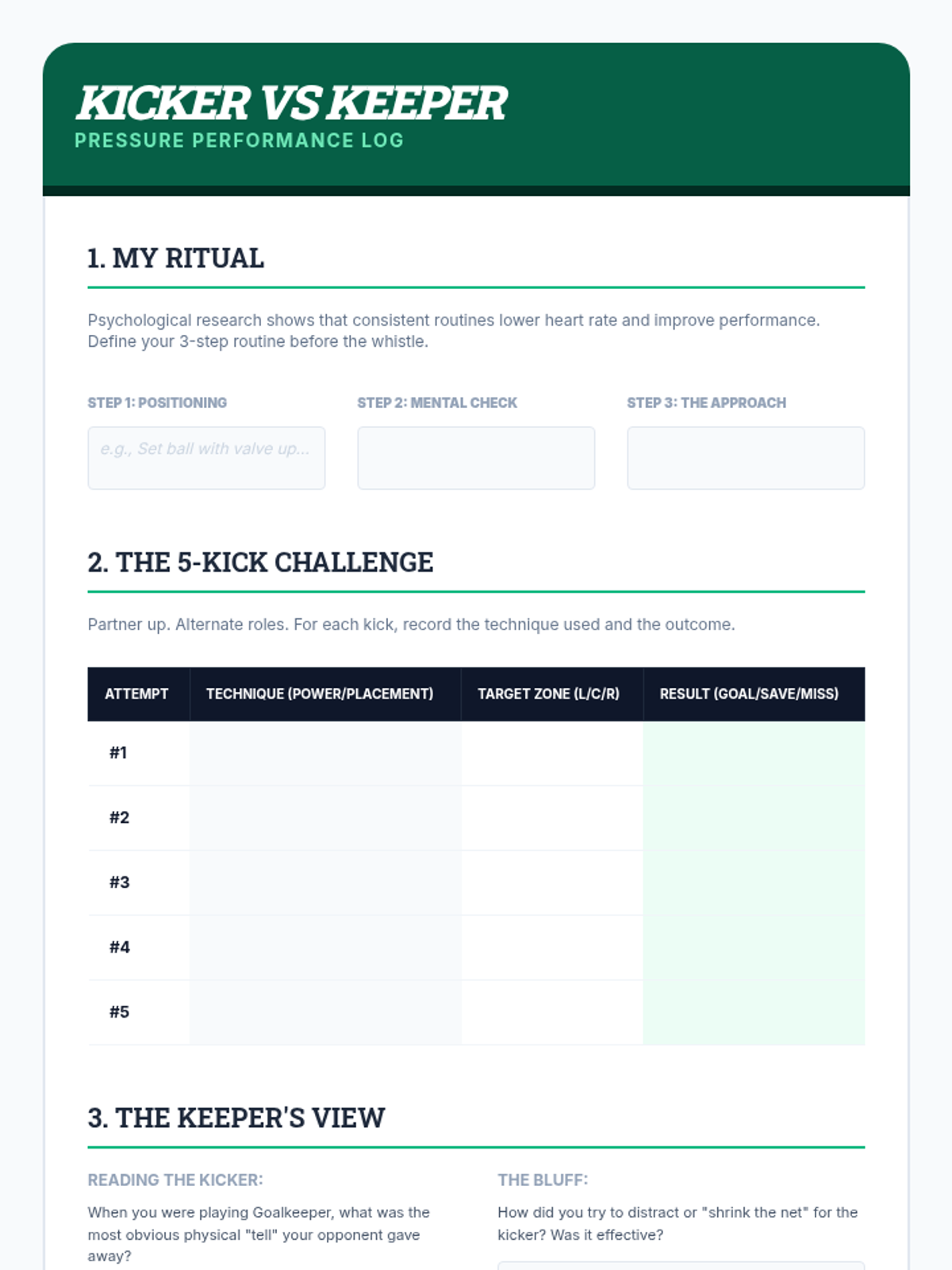
Focuses on the mental aspect of the 1v1 duel between kicker and keeper from 12 yards. Kickers practice routine and placement; keepers practice reading body language.
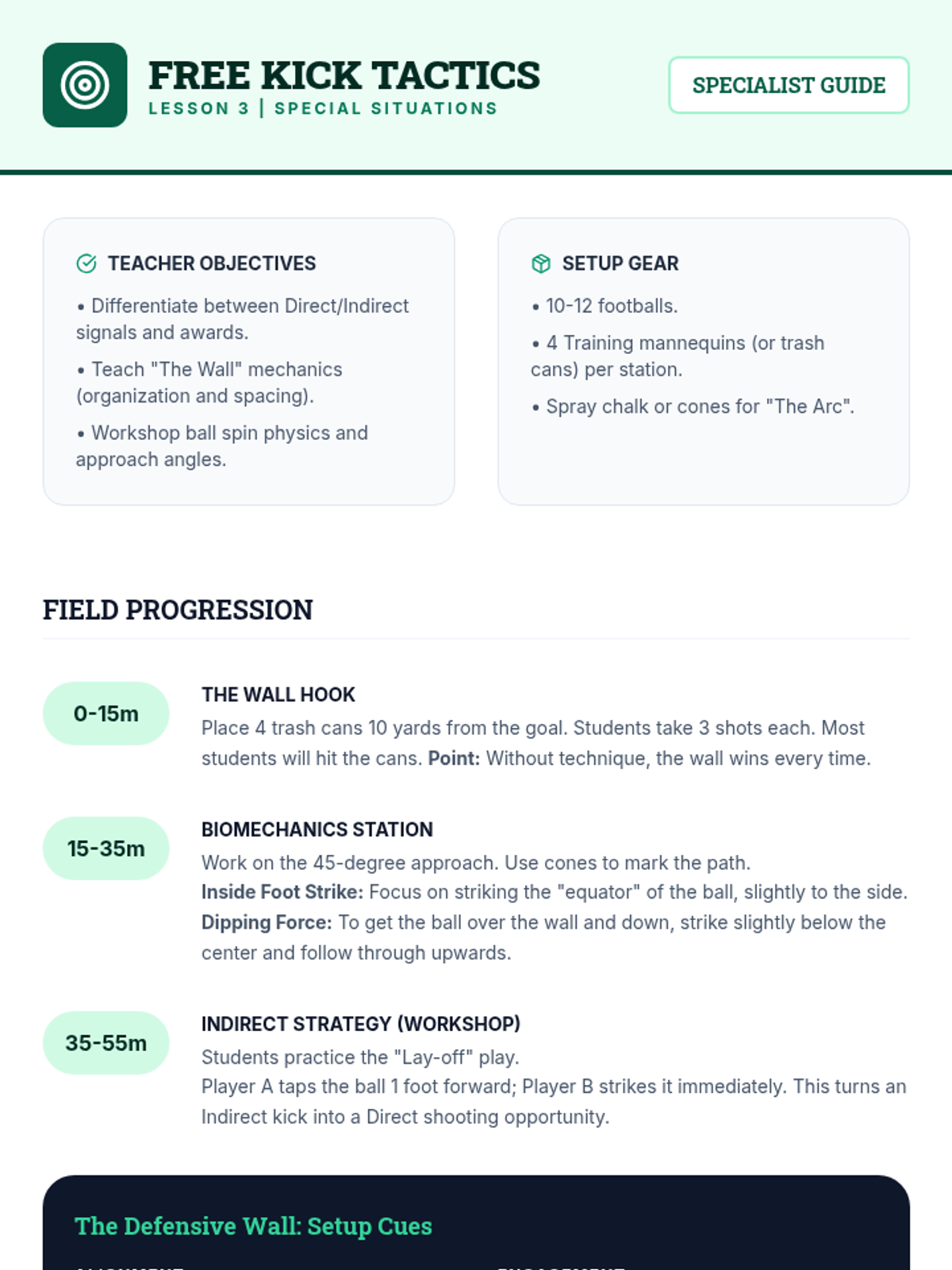
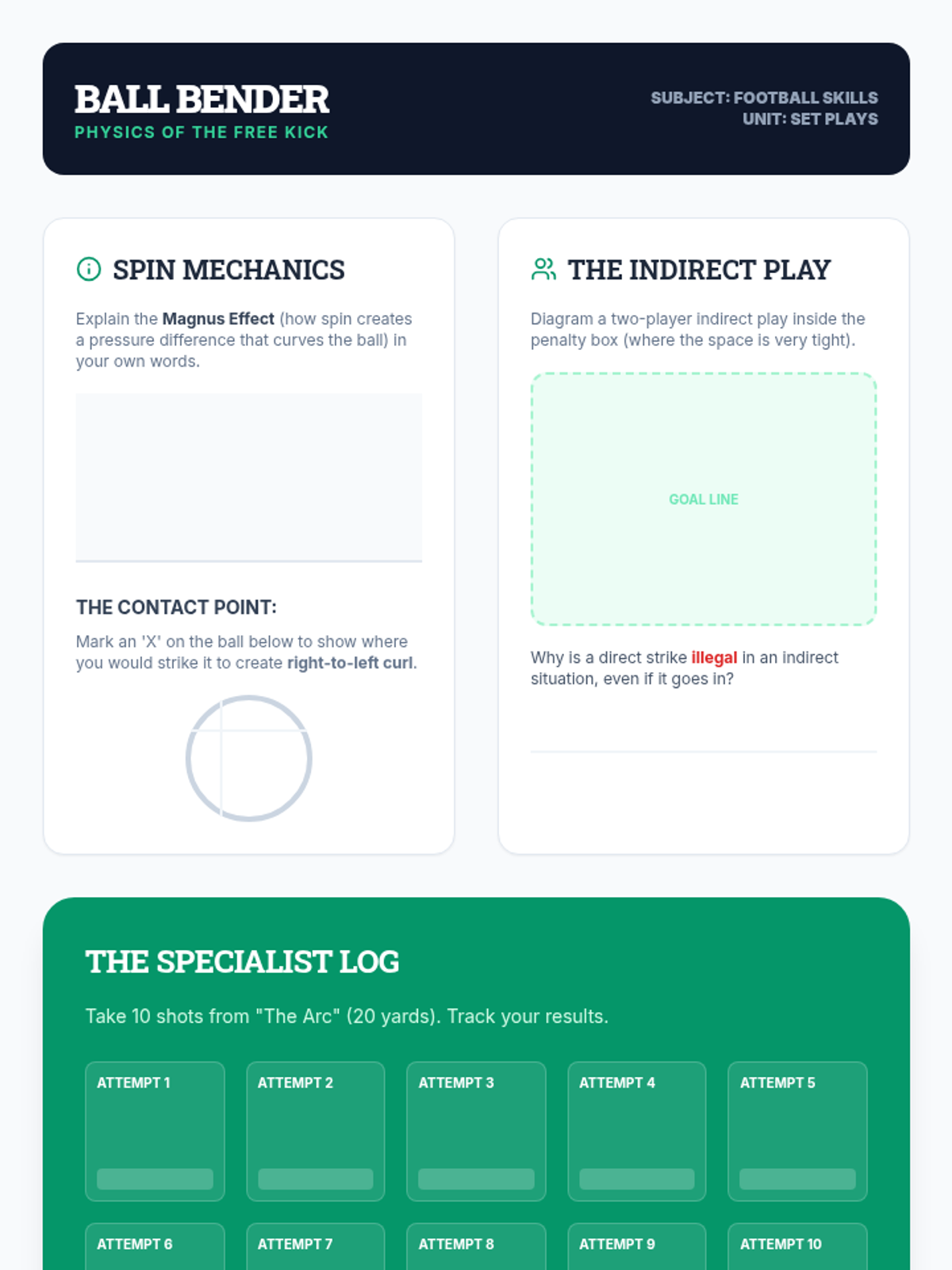
Students learn the rules distinguishing direct and indirect kicks and practice setting up walls (defense) and shooting around them (offense). Techniques include the 'knuckleball' and curling shots.
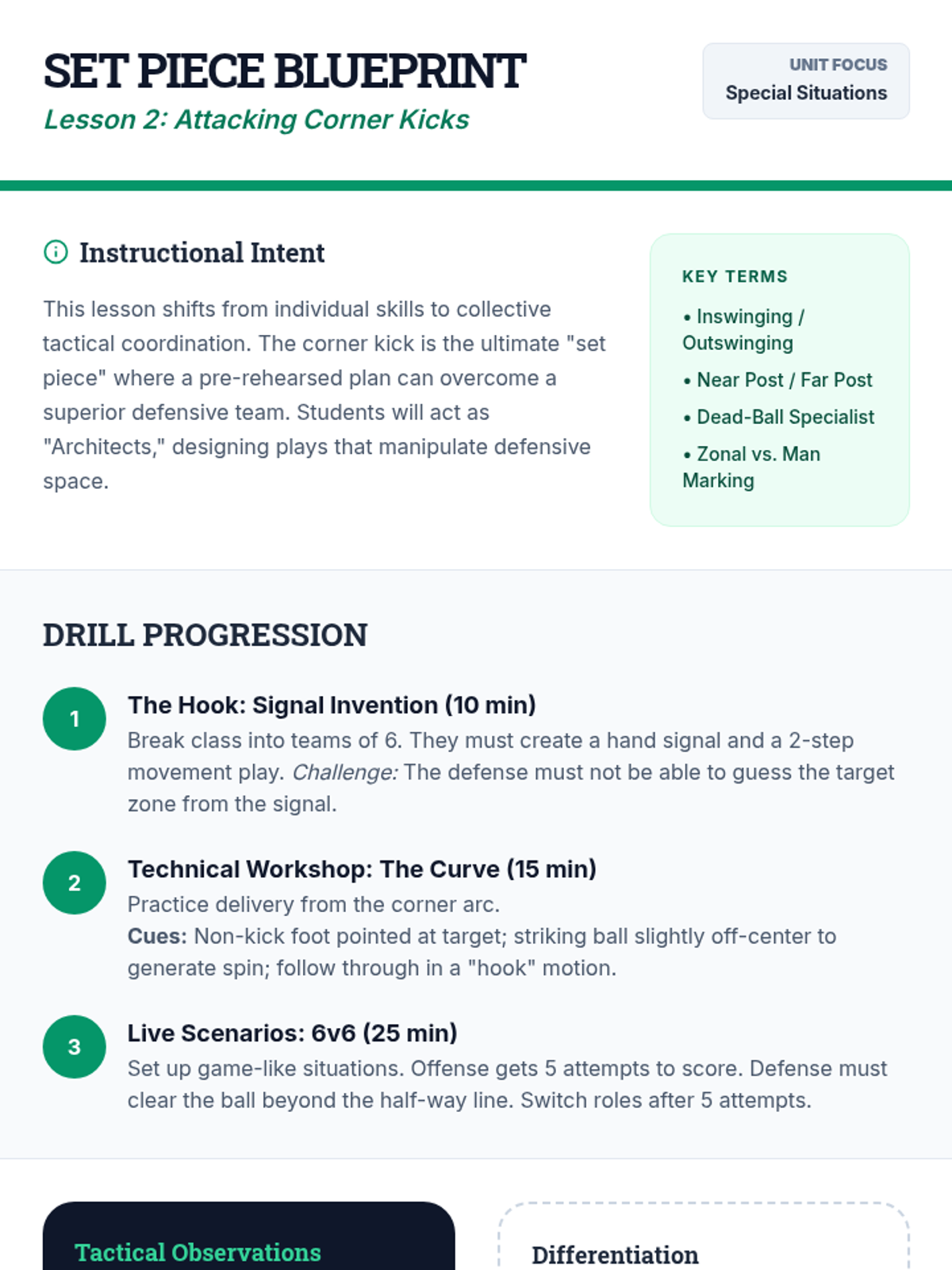
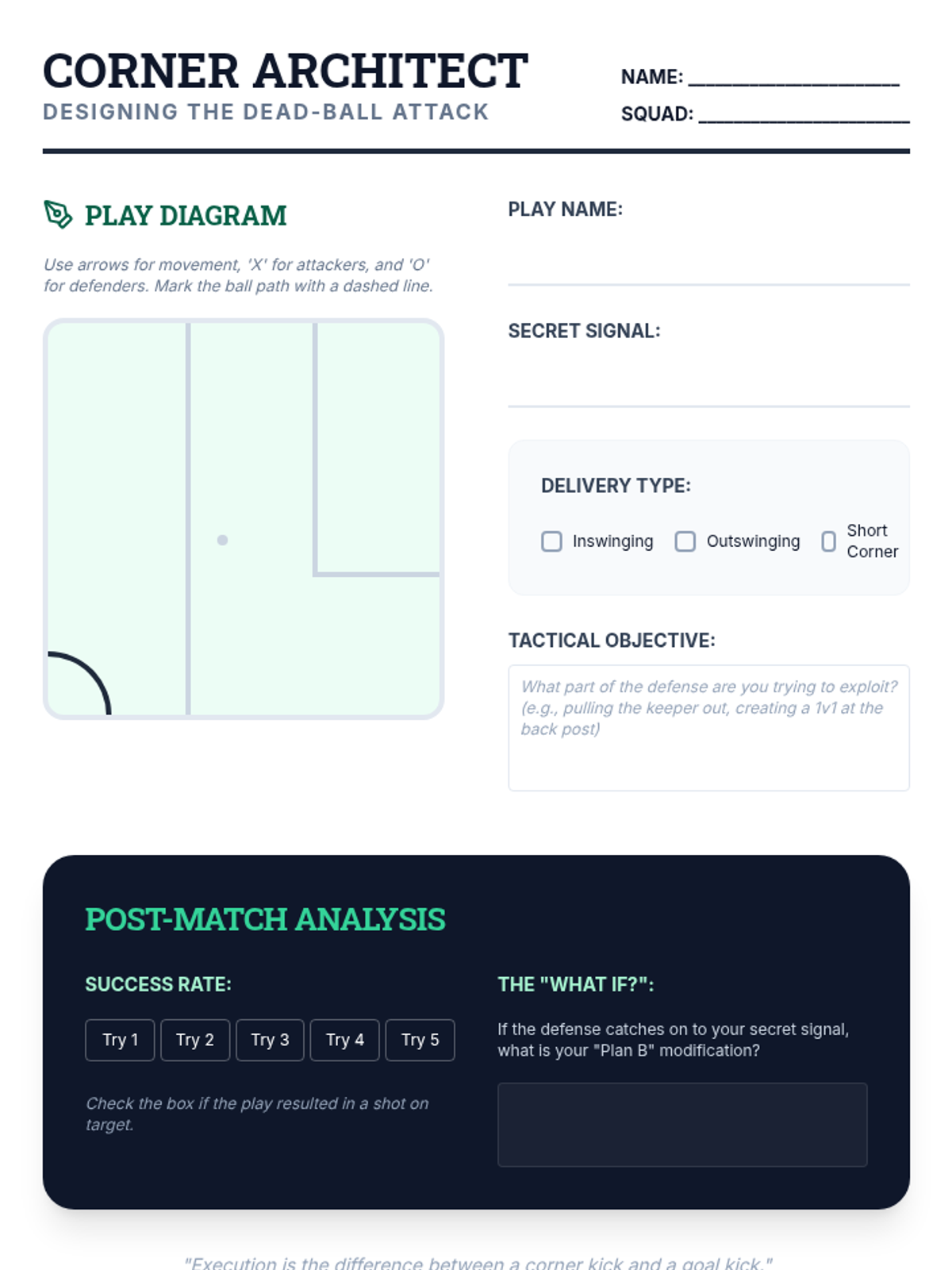
Students design and execute corner kick plays involving screens, near-post runs, and short corners. They experiment with inswinging vs. outswinging delivery.
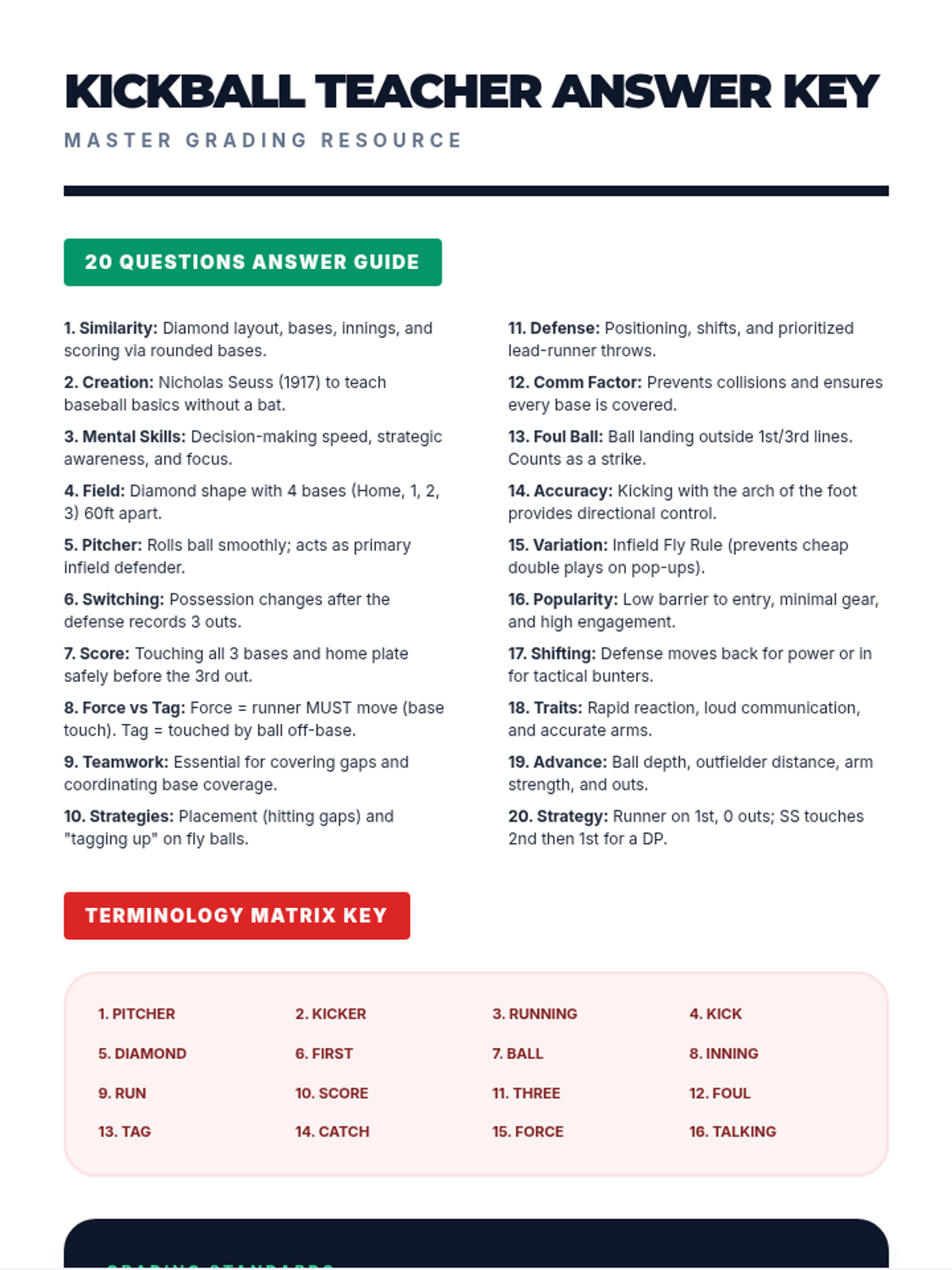
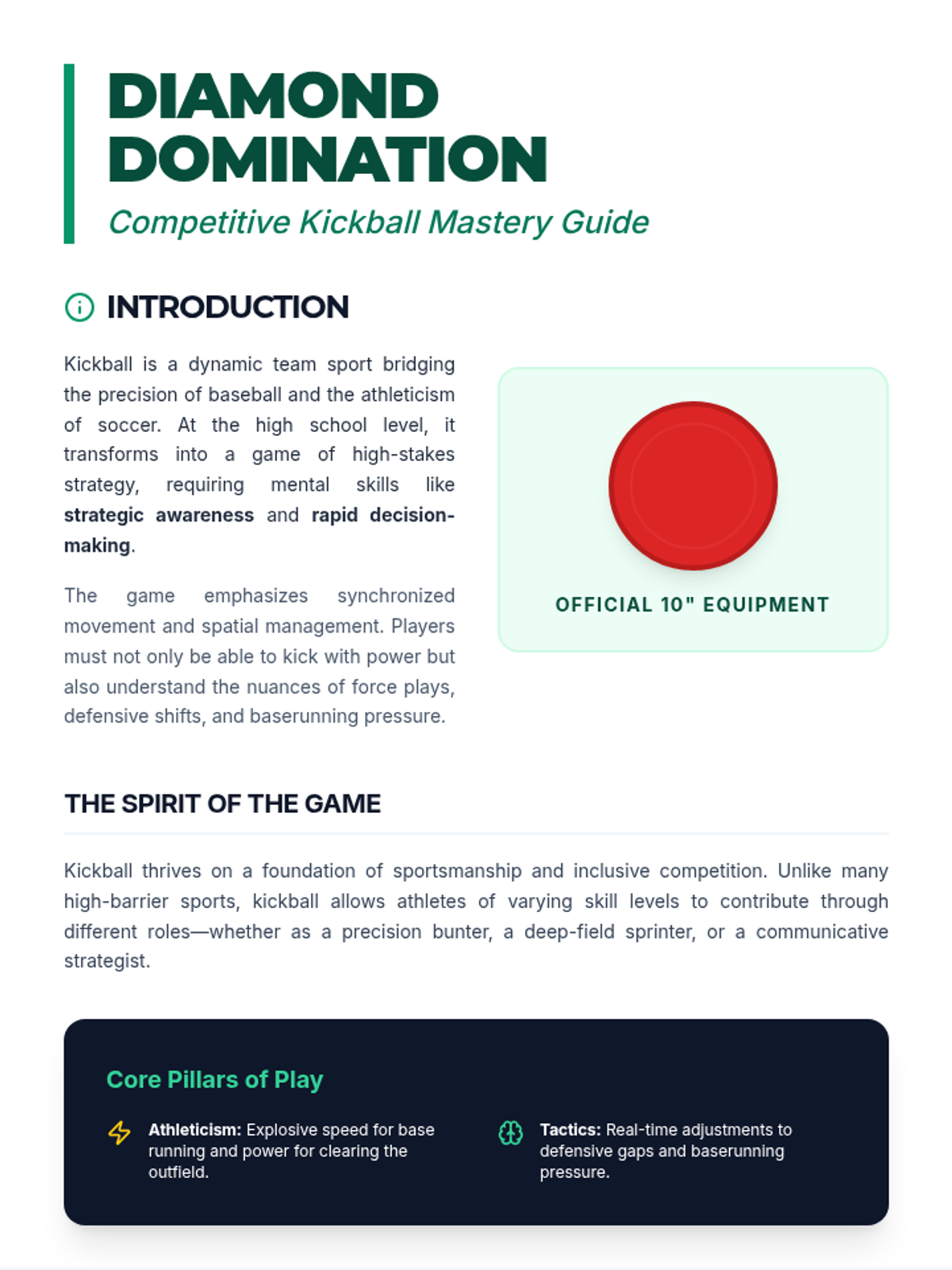
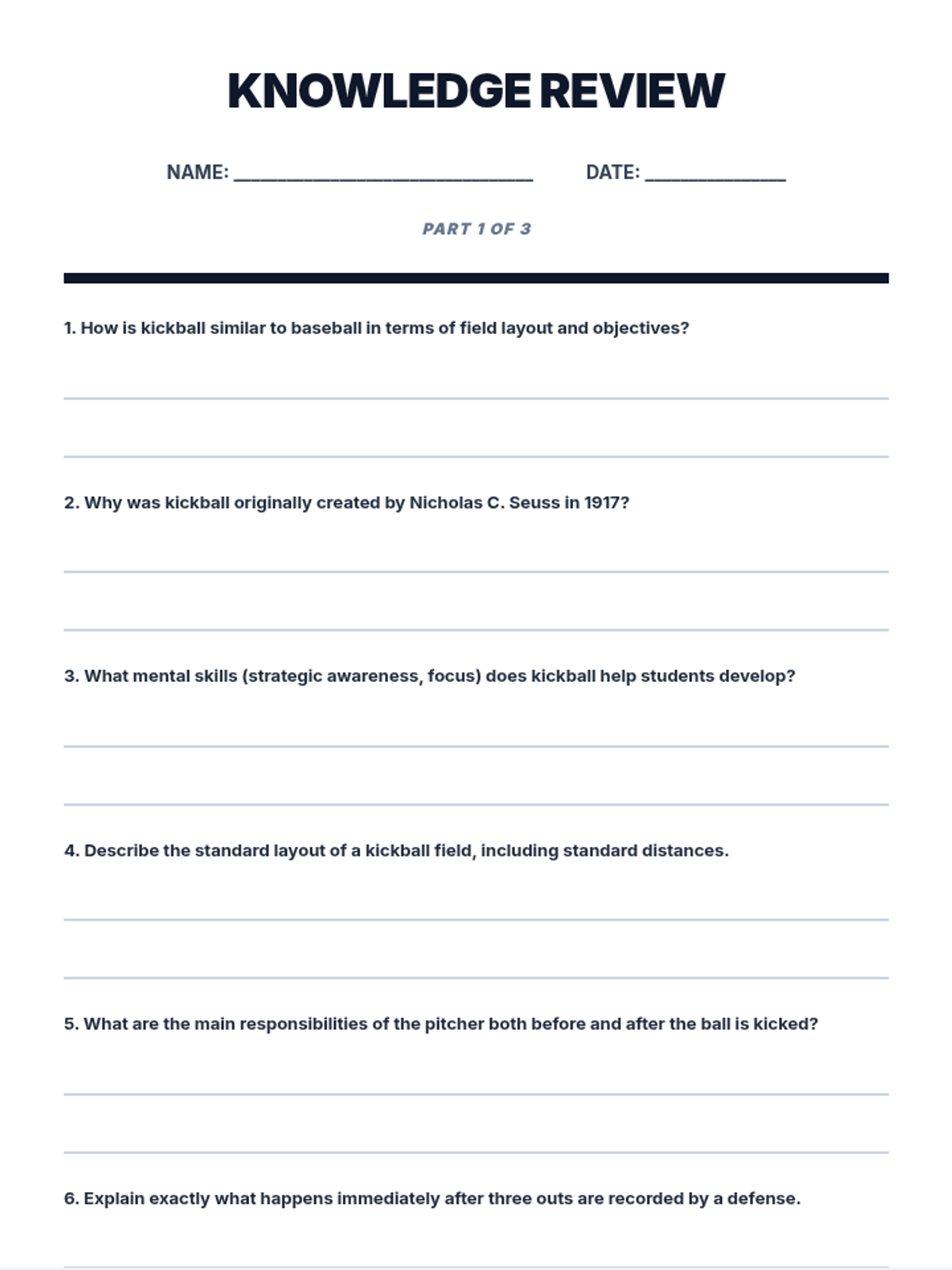
A comprehensive 10-page guide and activity set for high school students covering kickball history, rules, strategies, and vocabulary. Includes a 20-question review and a themed crossword puzzle.