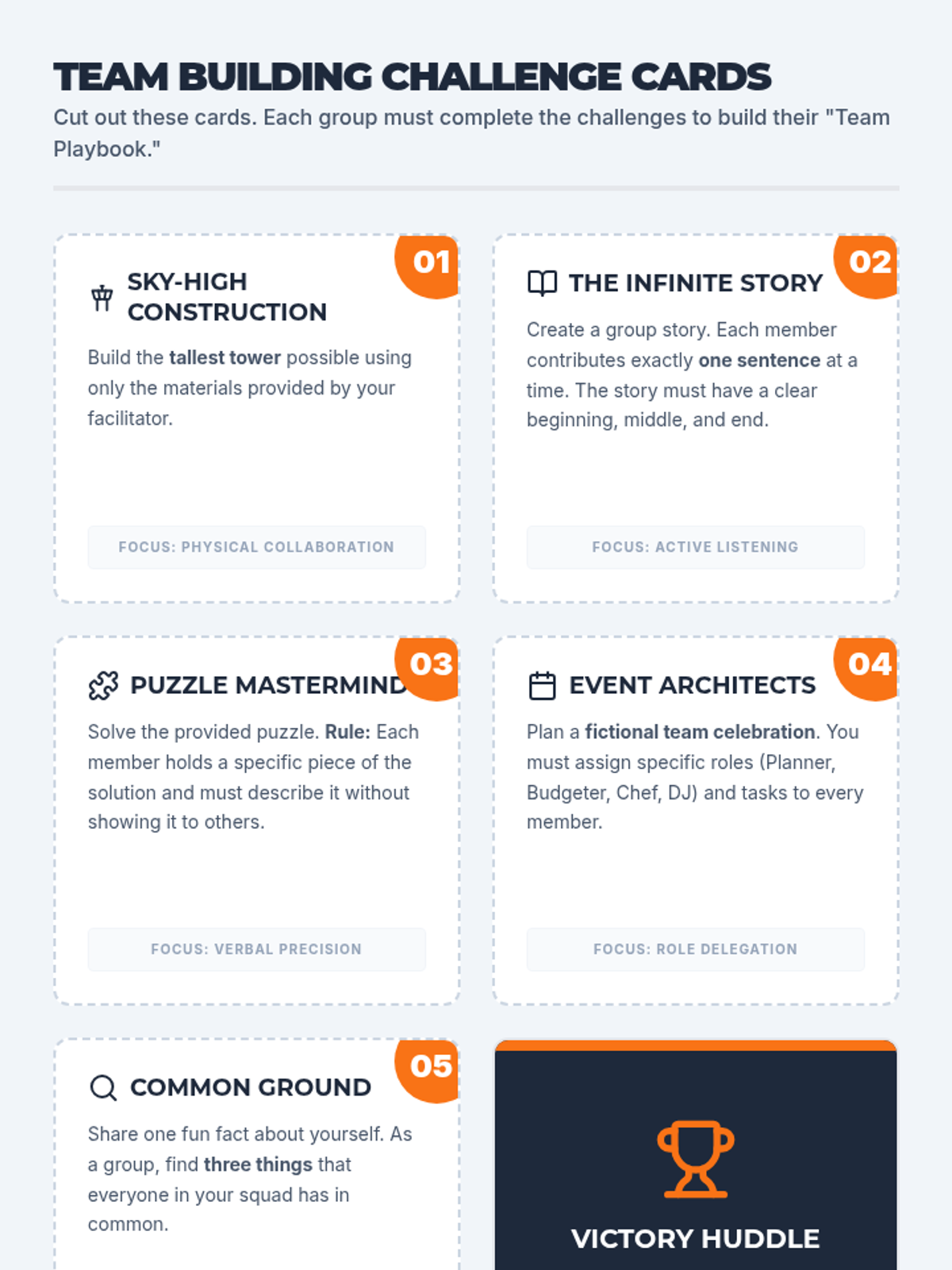
Essential safety protocols, map reading, and compass navigation for wilderness environments. Strengthens group dynamics and problem-solving through structured outdoor team-building challenges.
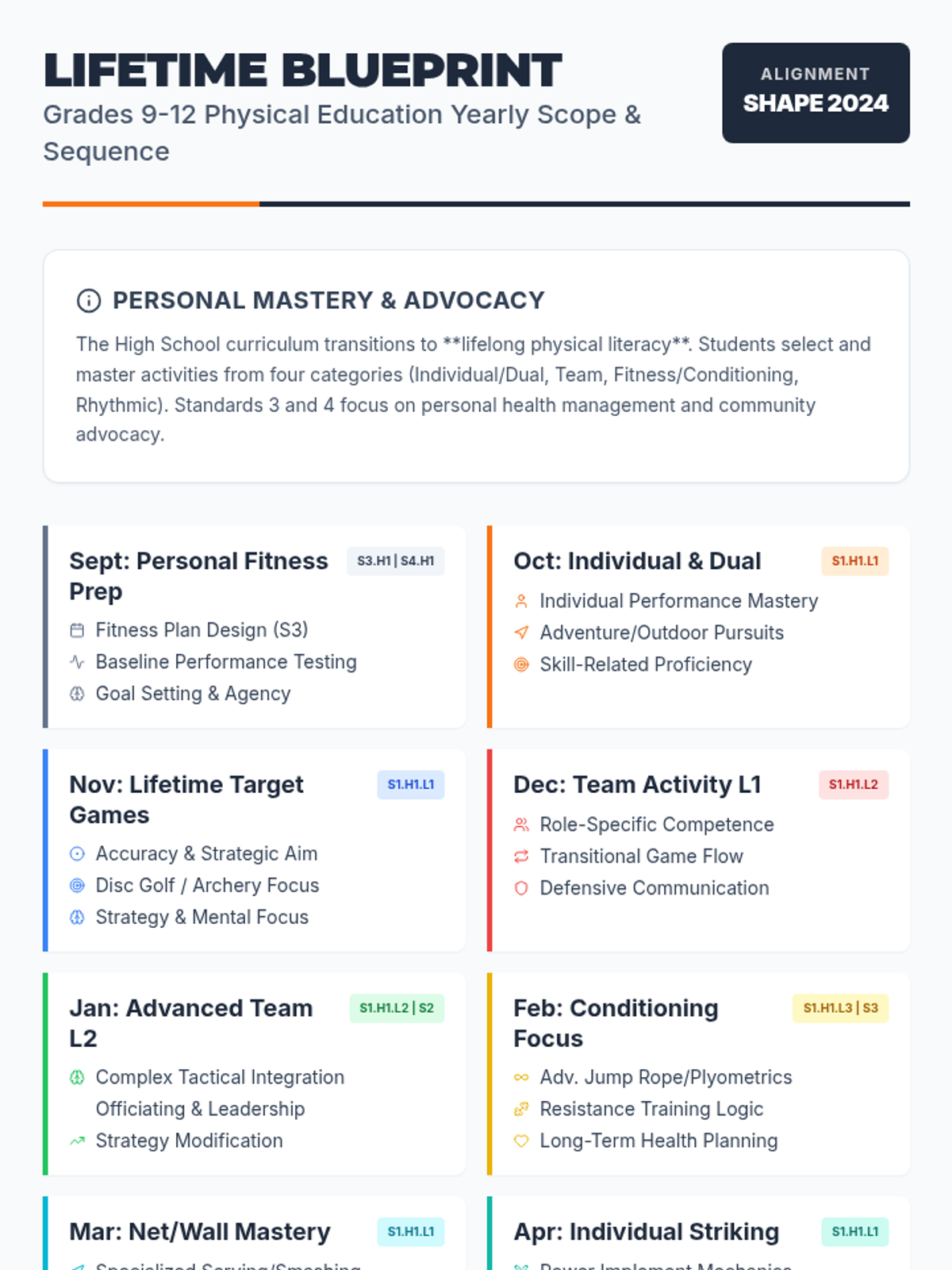
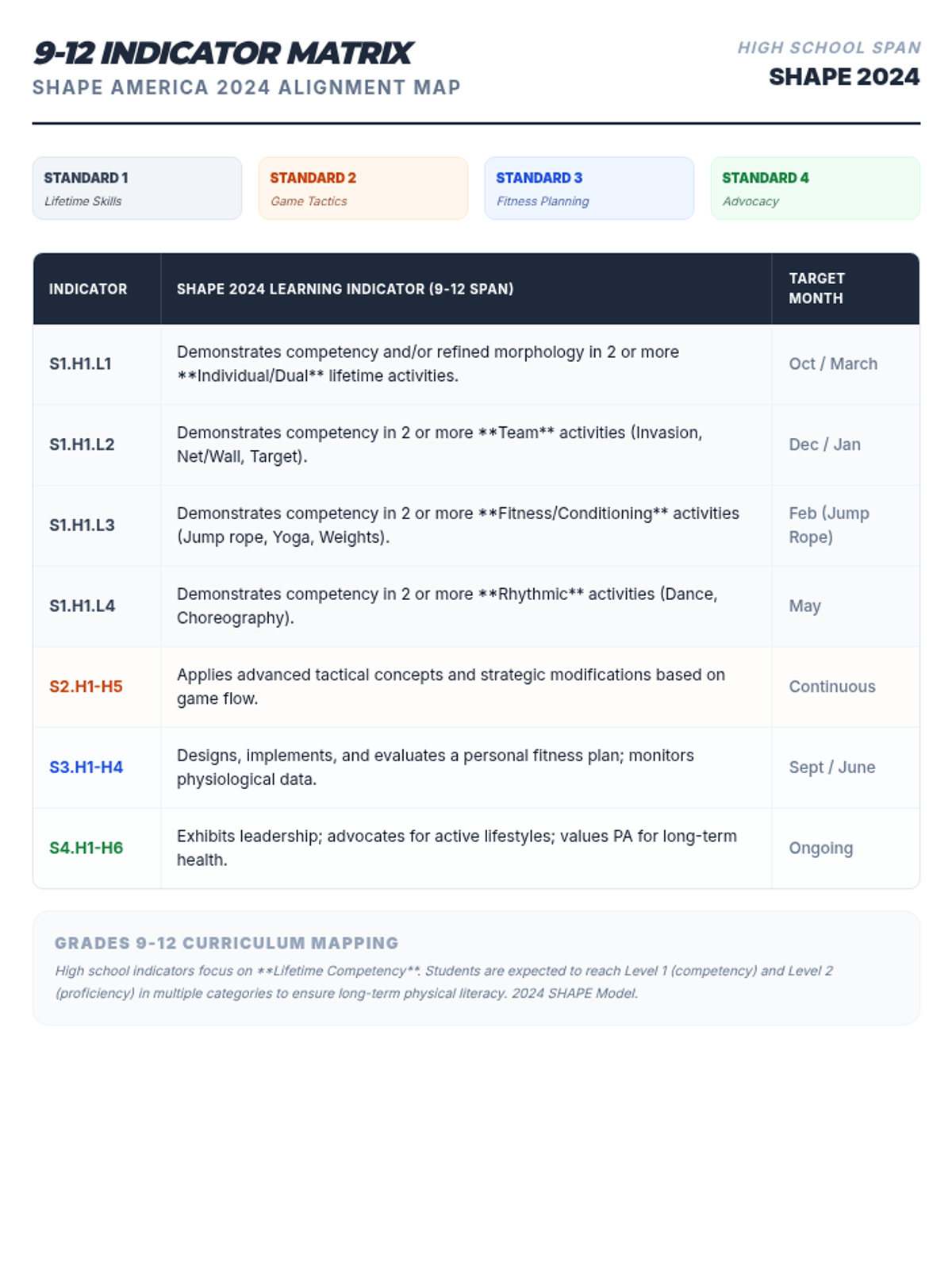
Designing and implementing personal fitness plans and mastering lifetime activities for Grades 9-12.
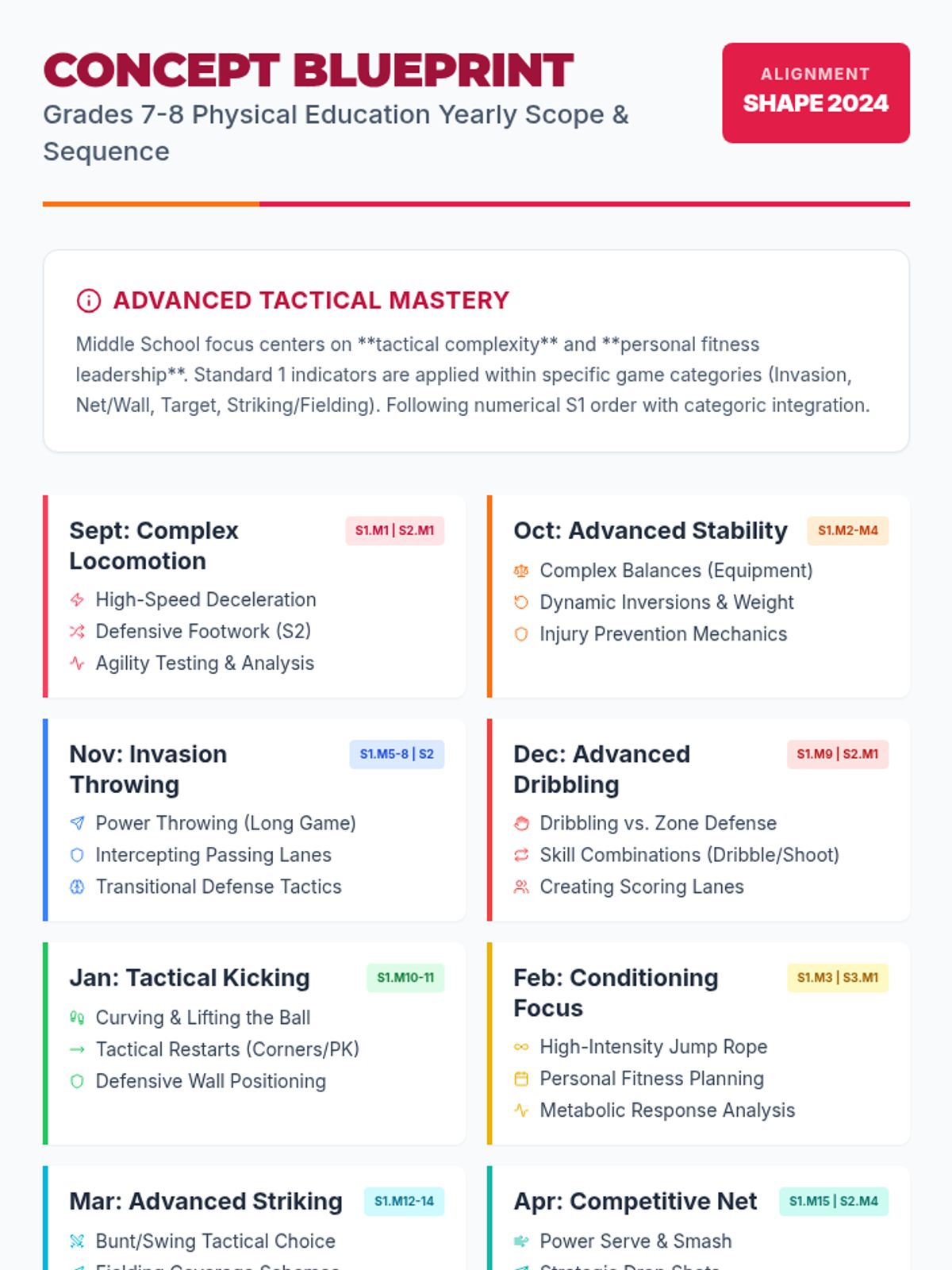
Applying advanced tactical principles and health-related fitness analysis for Grades 7-8.
Transitioning from skill mastery to tactical application and fitness planning for Grades 5-6.
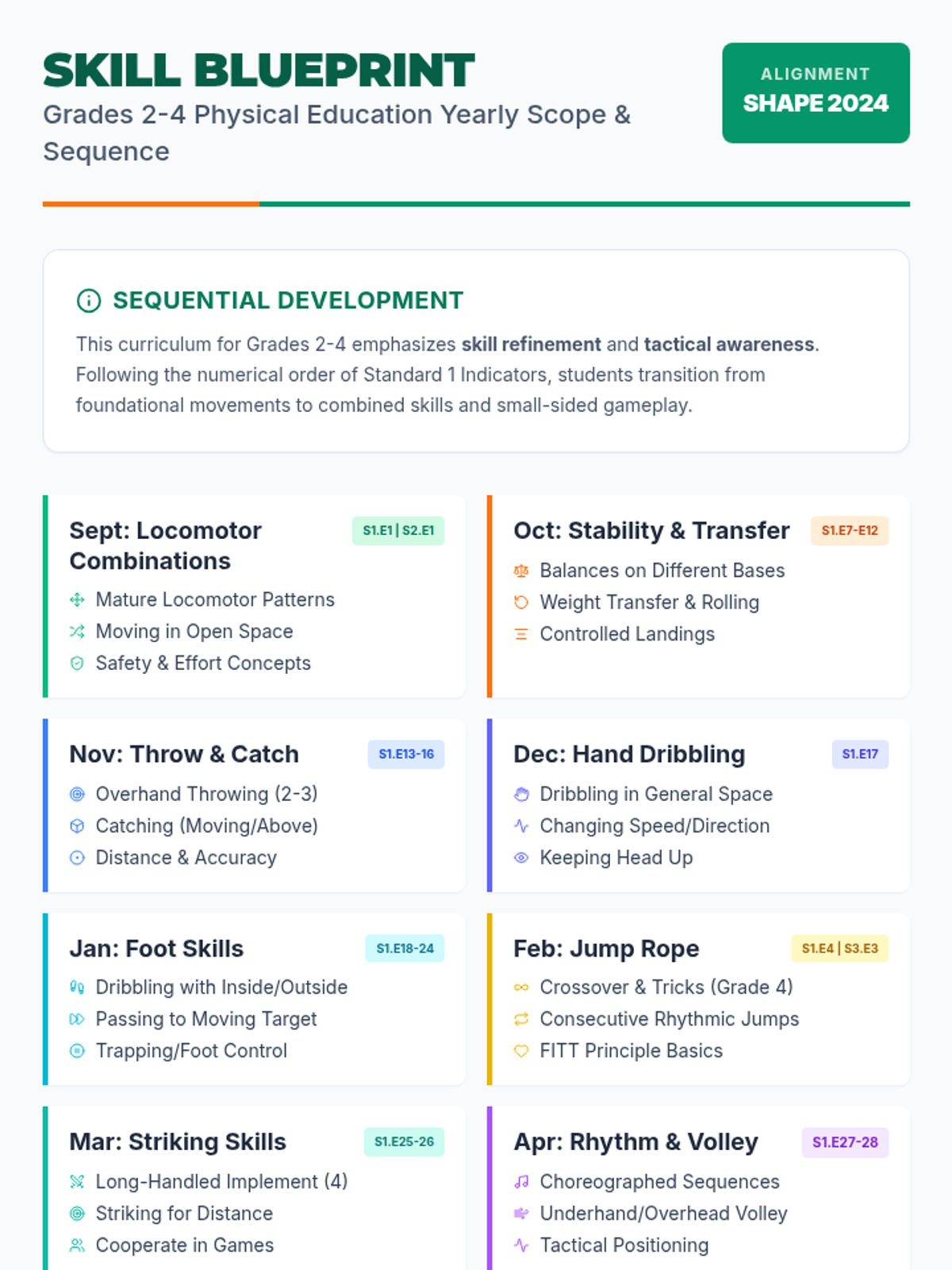
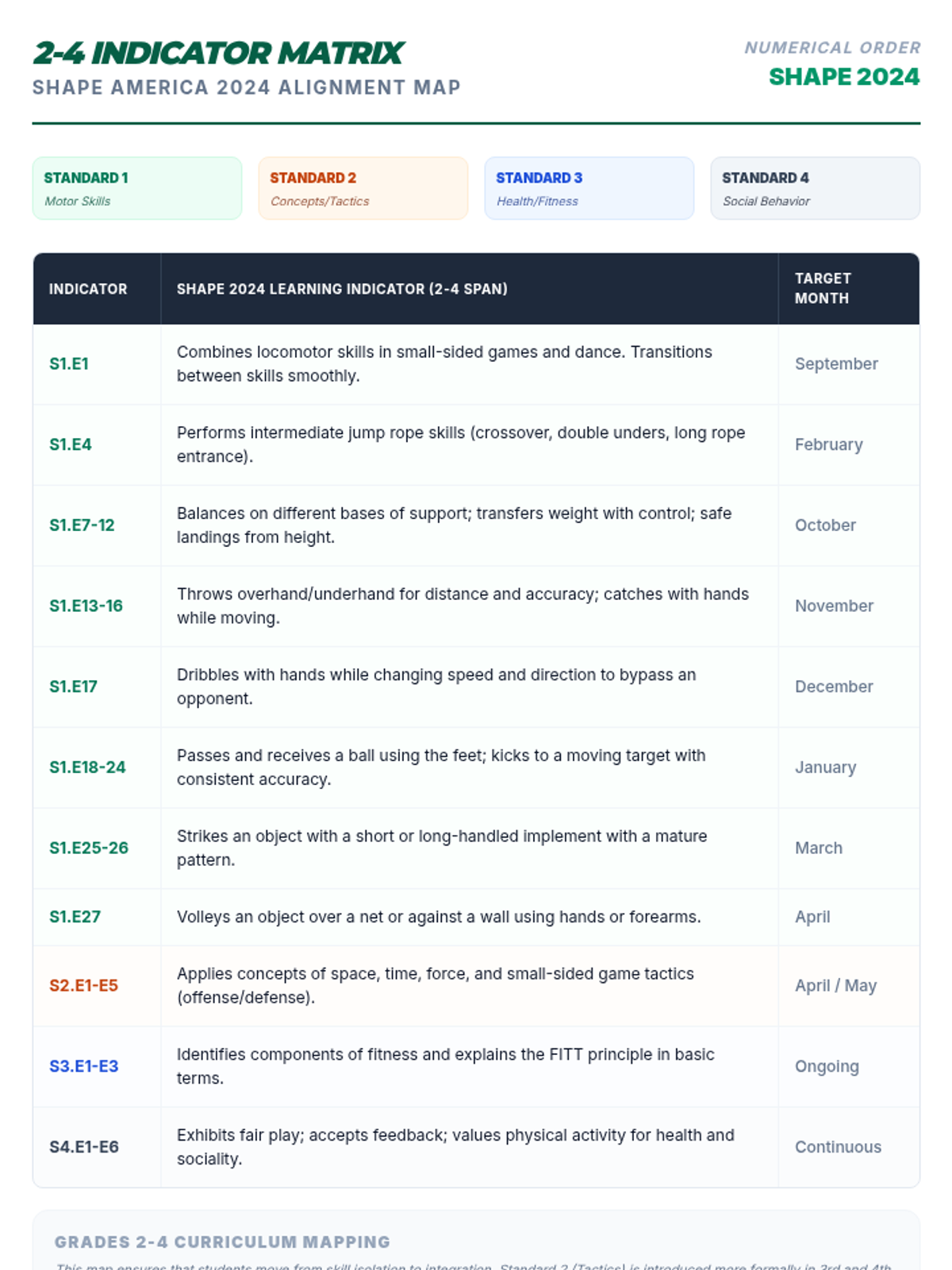
Curriculum planning and pacing for Grades 2-4, focusing on skill refinement and introductory strategies.
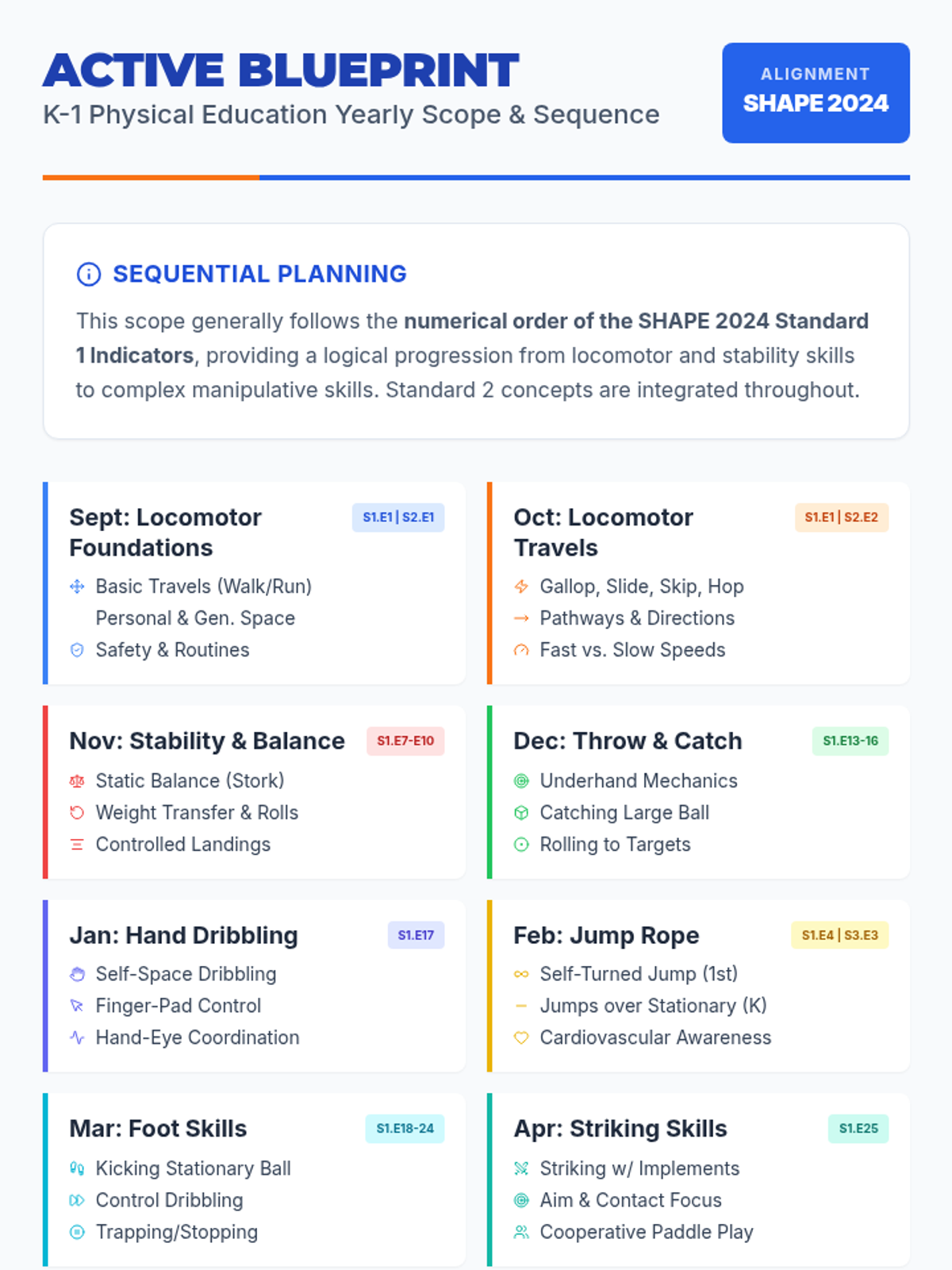
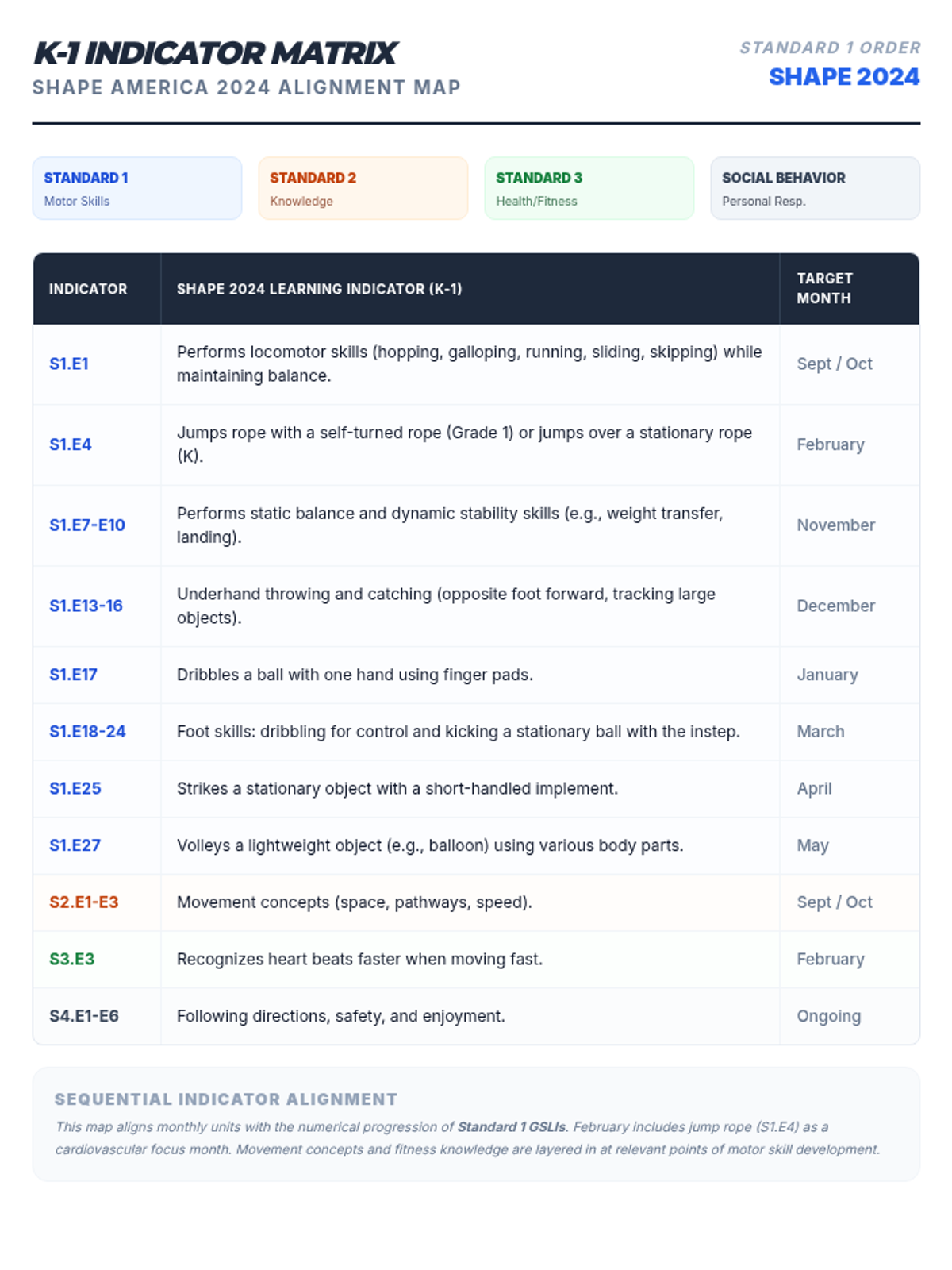
Foundational planning documents and visual guides for the K-1 PE school year.
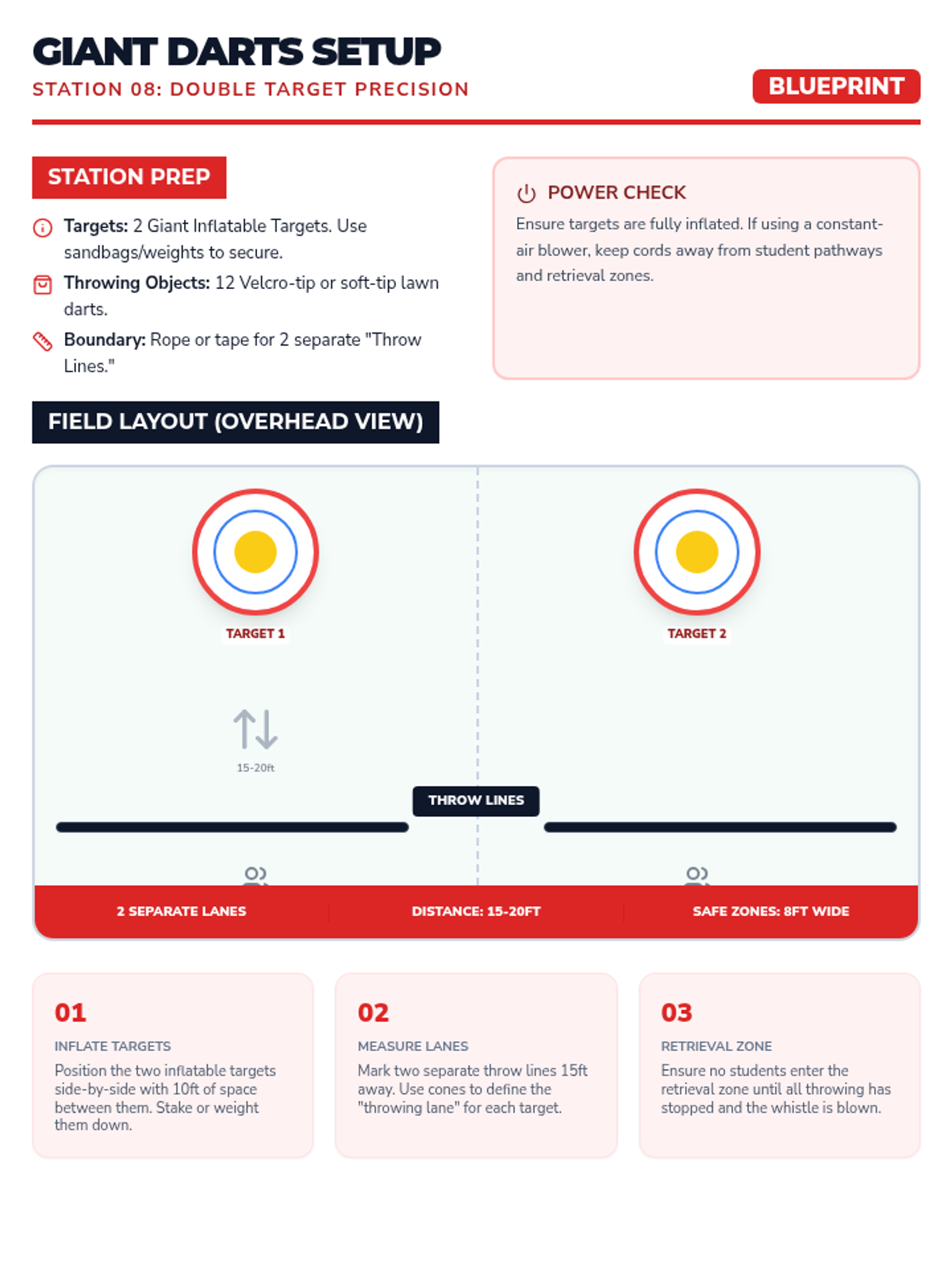
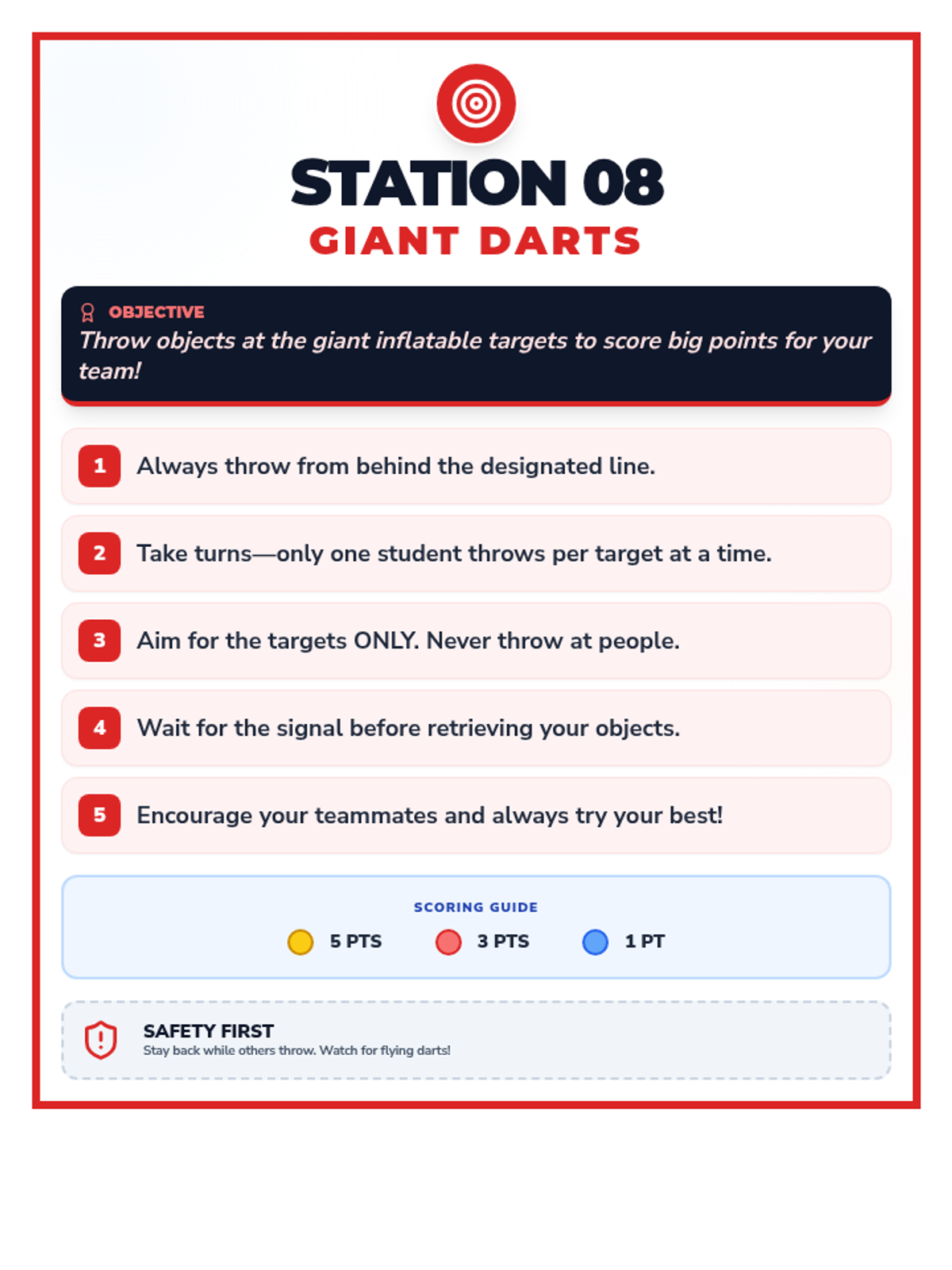
A target-based game guide for Giant Darts, featuring field setup for hula hoop targets, scoring systems, and safety protocols for throwing accuracy.
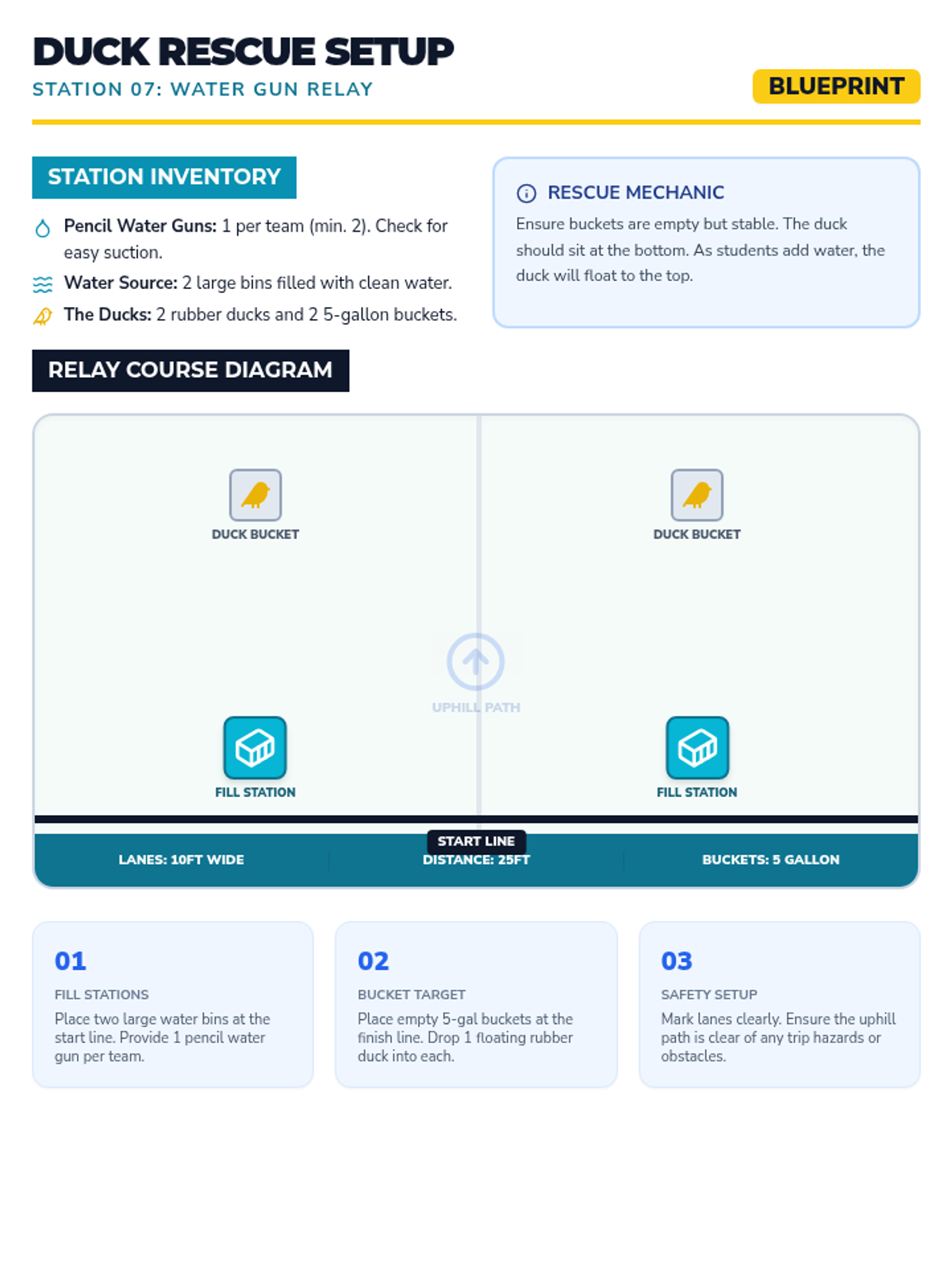
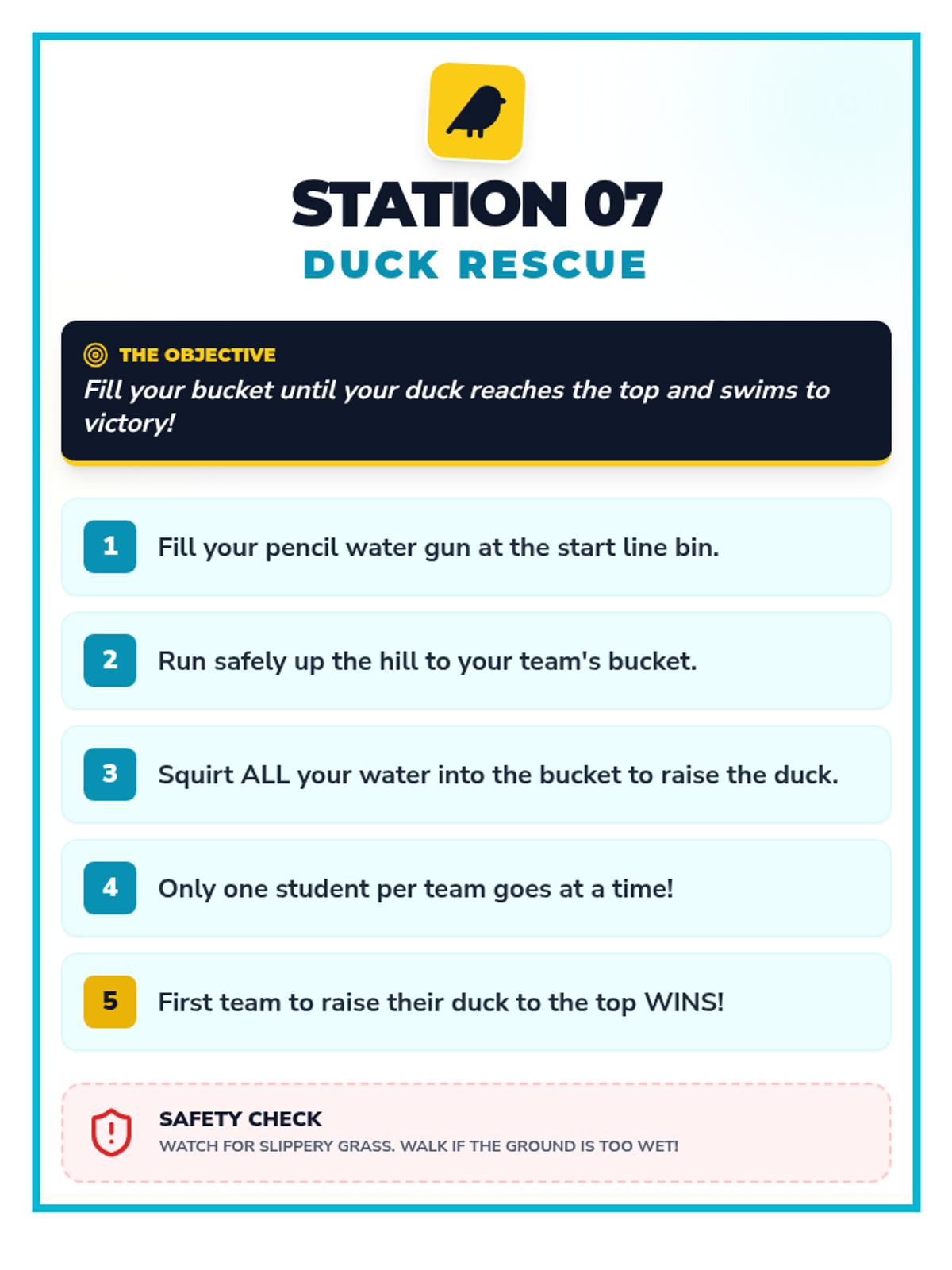
A high-energy water station guide for Duck Rescue, featuring field setup for water gun relays, duck-raising mechanics, and safety protocols for slippery fun.
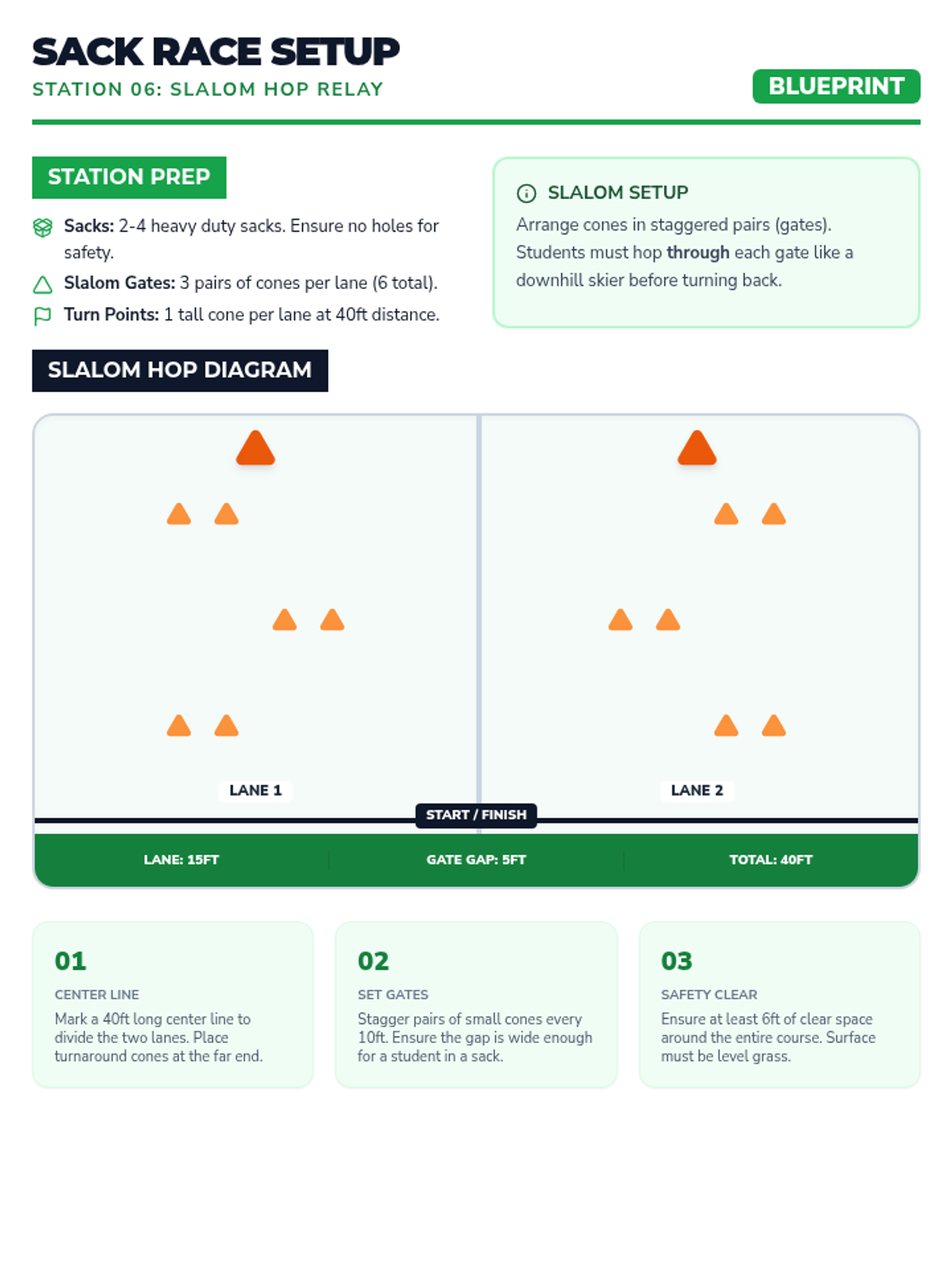
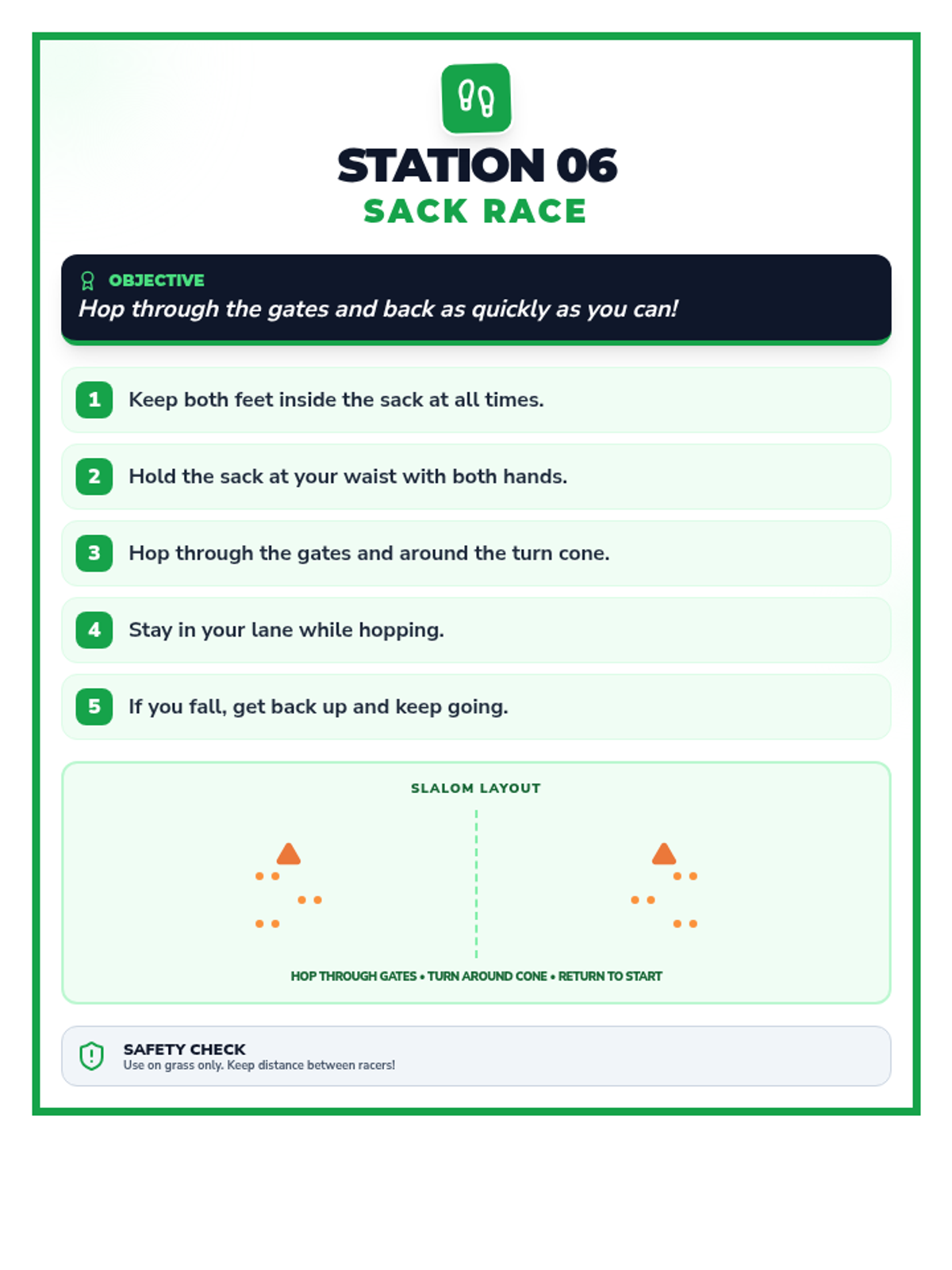
A high-energy station guide for the classic Sack Race, including lane setup diagrams, jumping technique tips, and safety protocols for a fun-filled race.
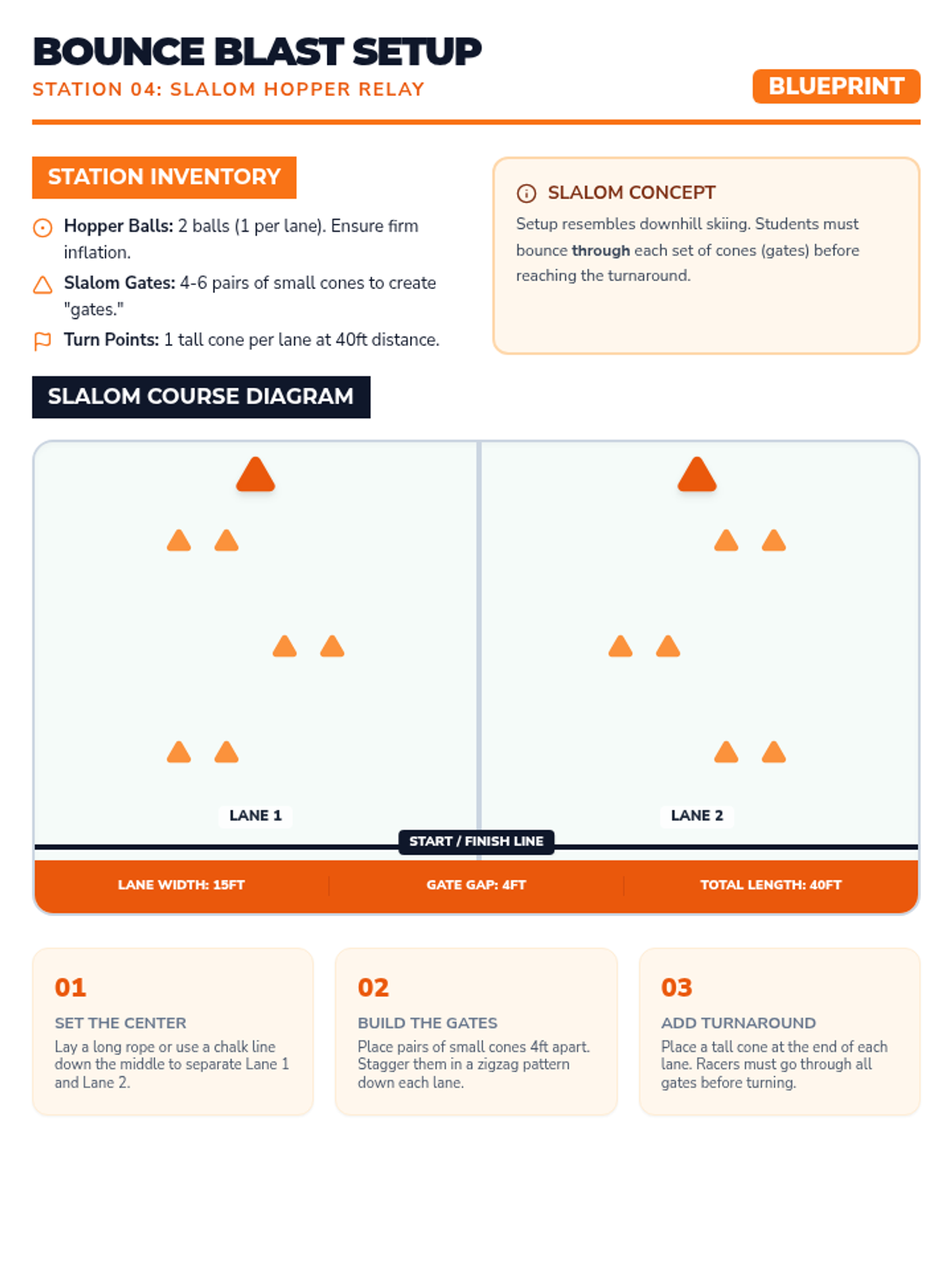
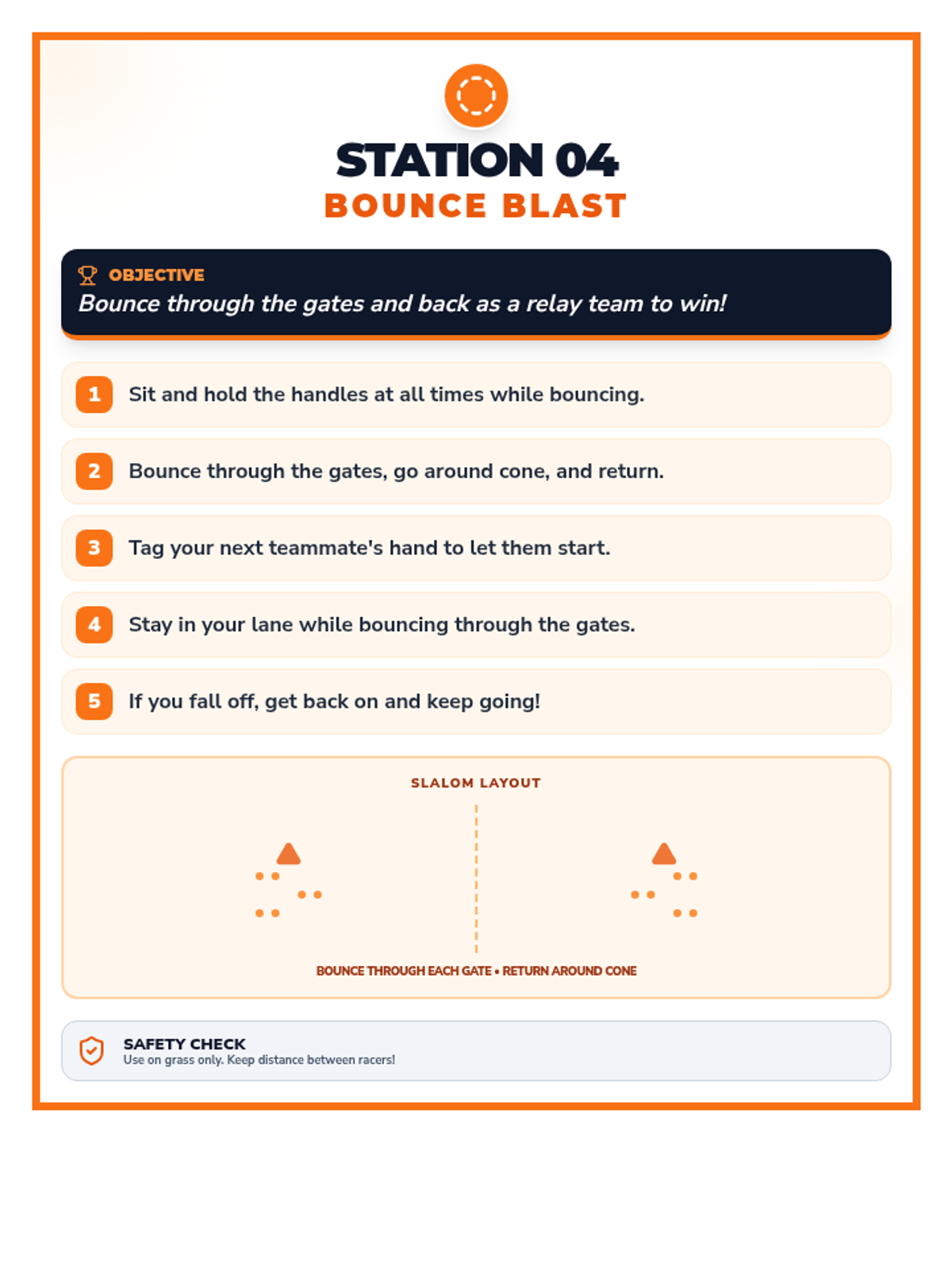
A high-energy relay station guide for the Bounce Blast hopper ball race, including lane setup diagrams, safety protocols, and relay hand-off instructions.
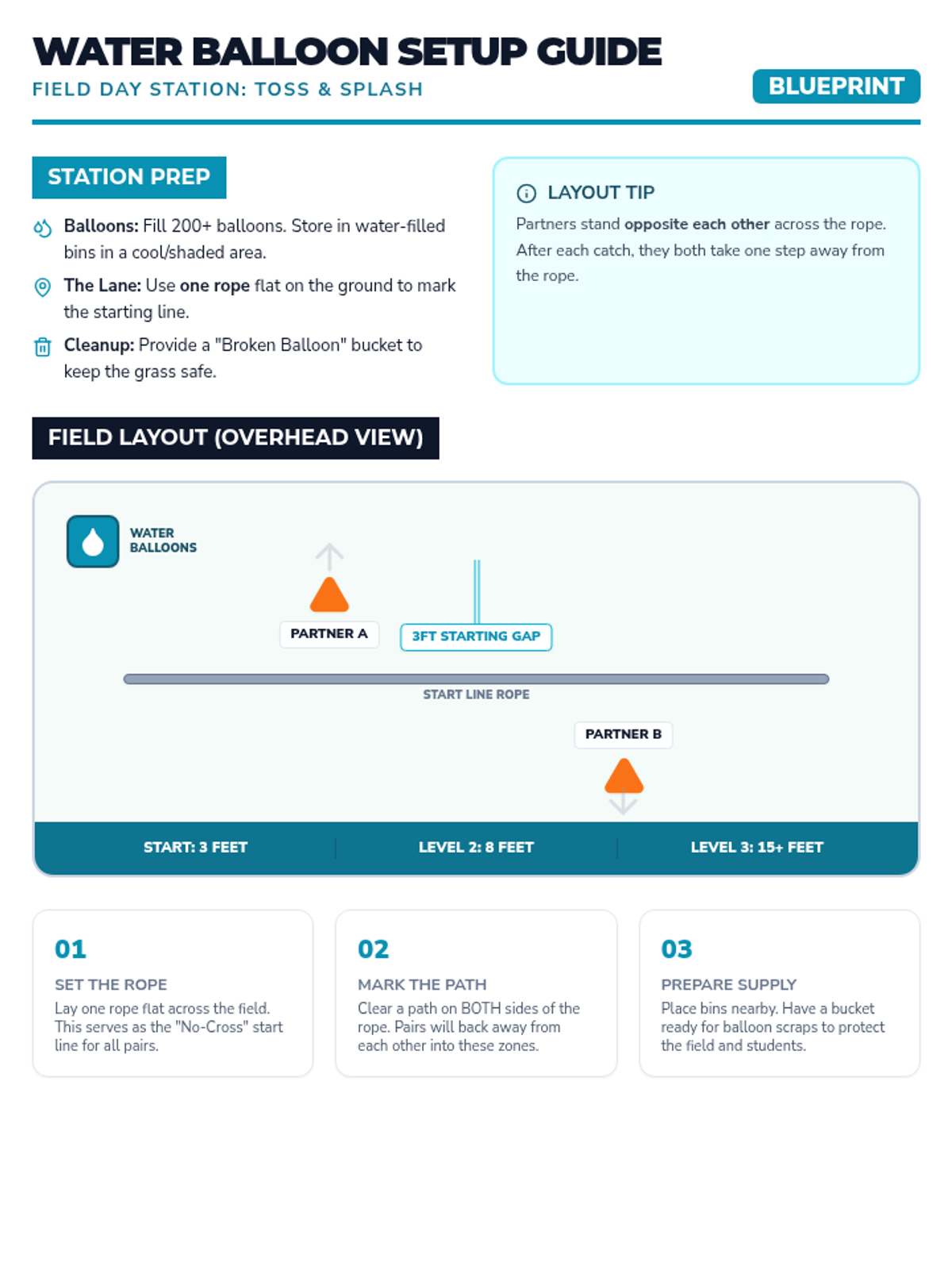
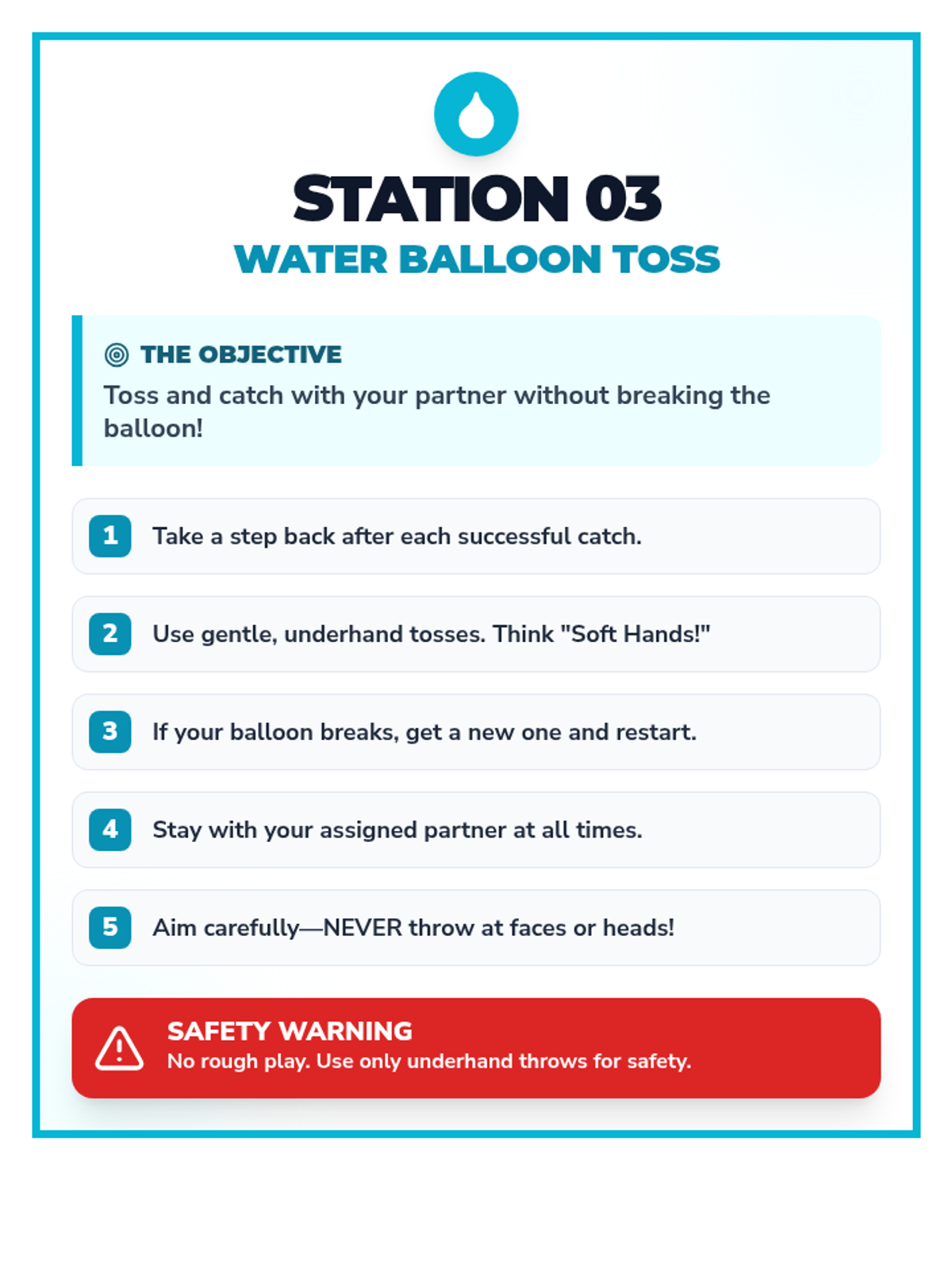
A comprehensive station guide for the Water Balloon Toss, including field setup diagrams, technique tips for catching, and safety protocols for aquatic fun.
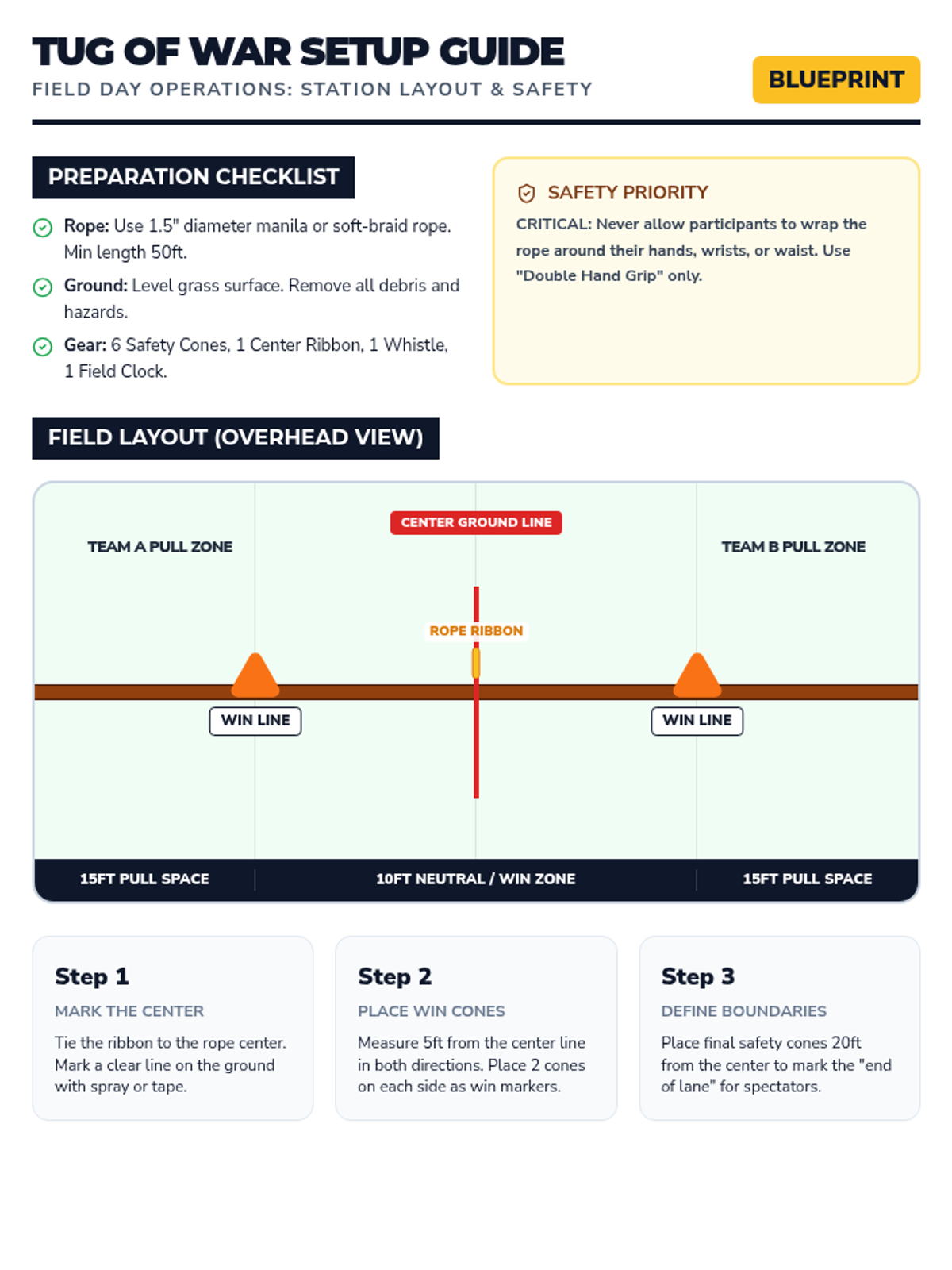
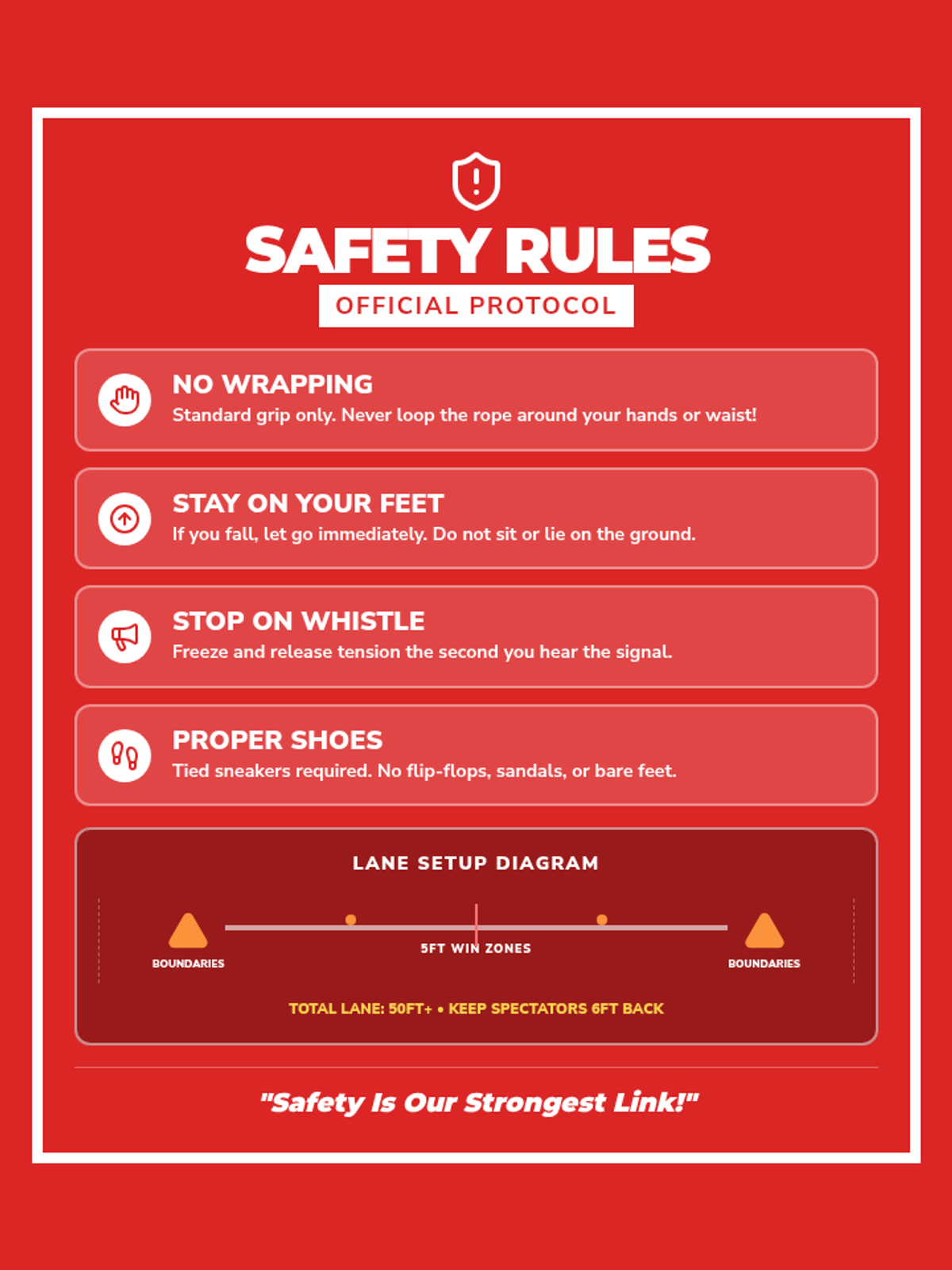
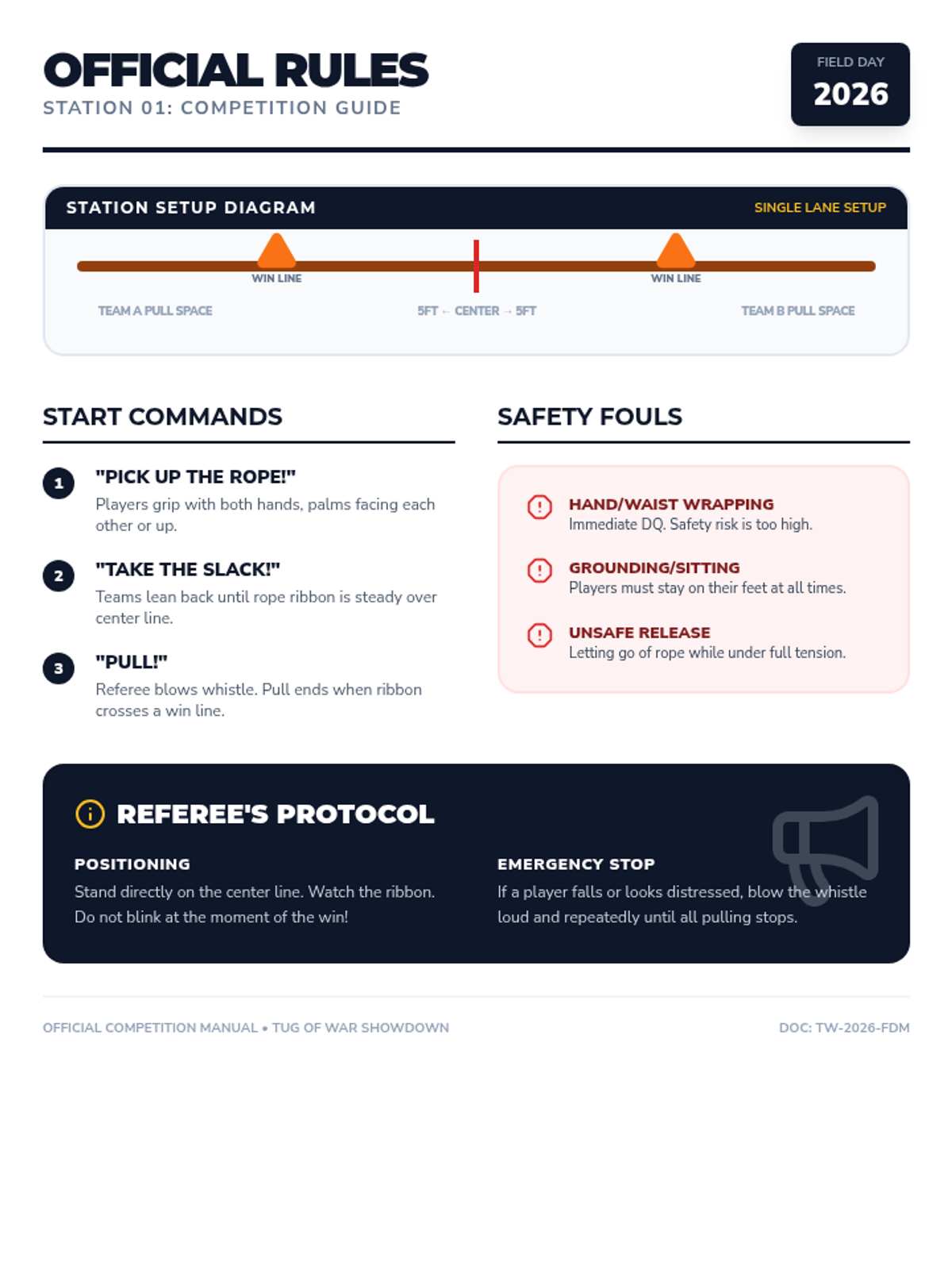
A complete guide for organizing a safe and fun tug of war event, including visual setup diagrams, safety protocols, and official competition rules.
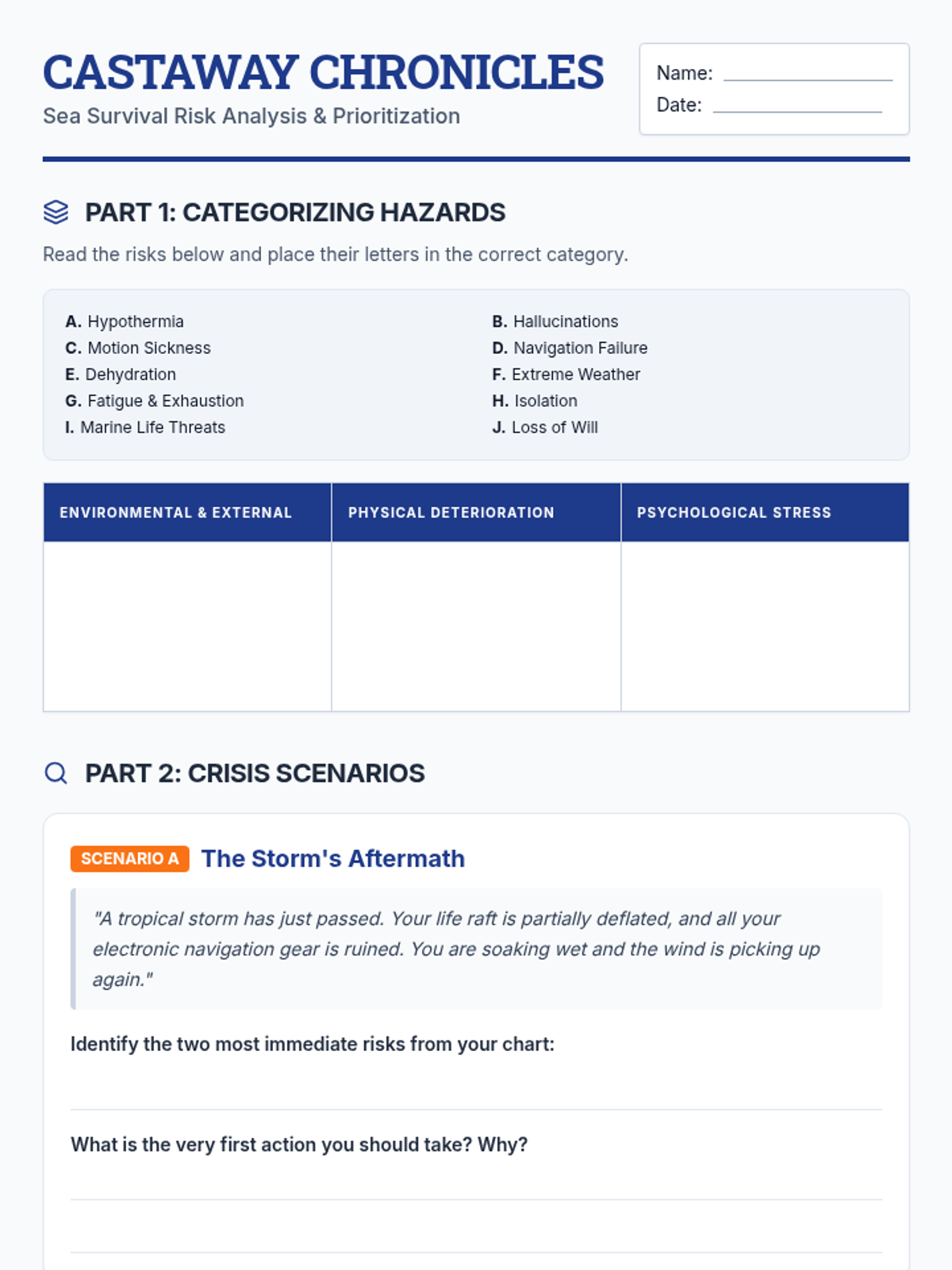
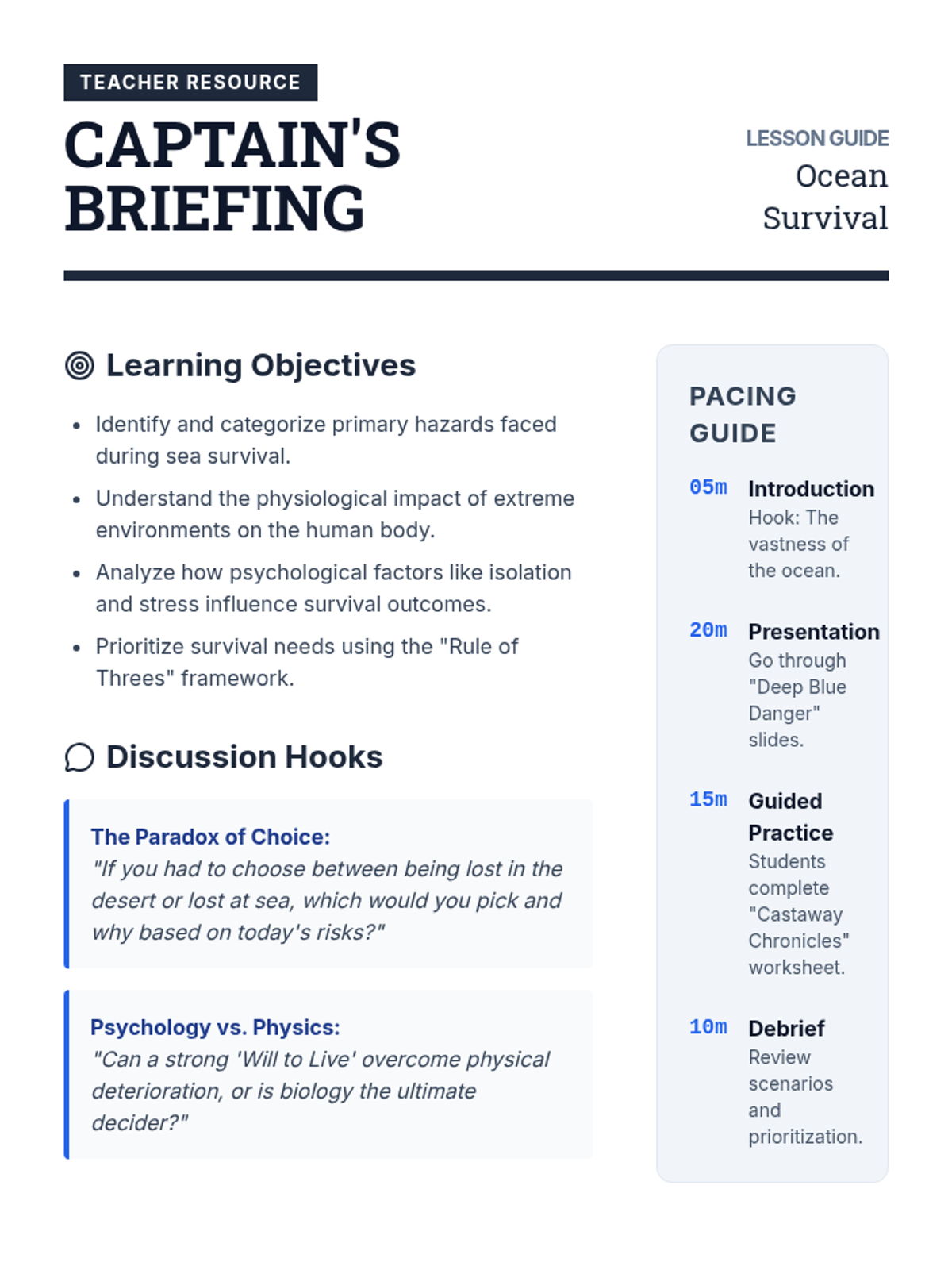
A comprehensive look at the physical, environmental, and psychological risks of being lost at sea, focusing on survival strategies and the human body's limits.
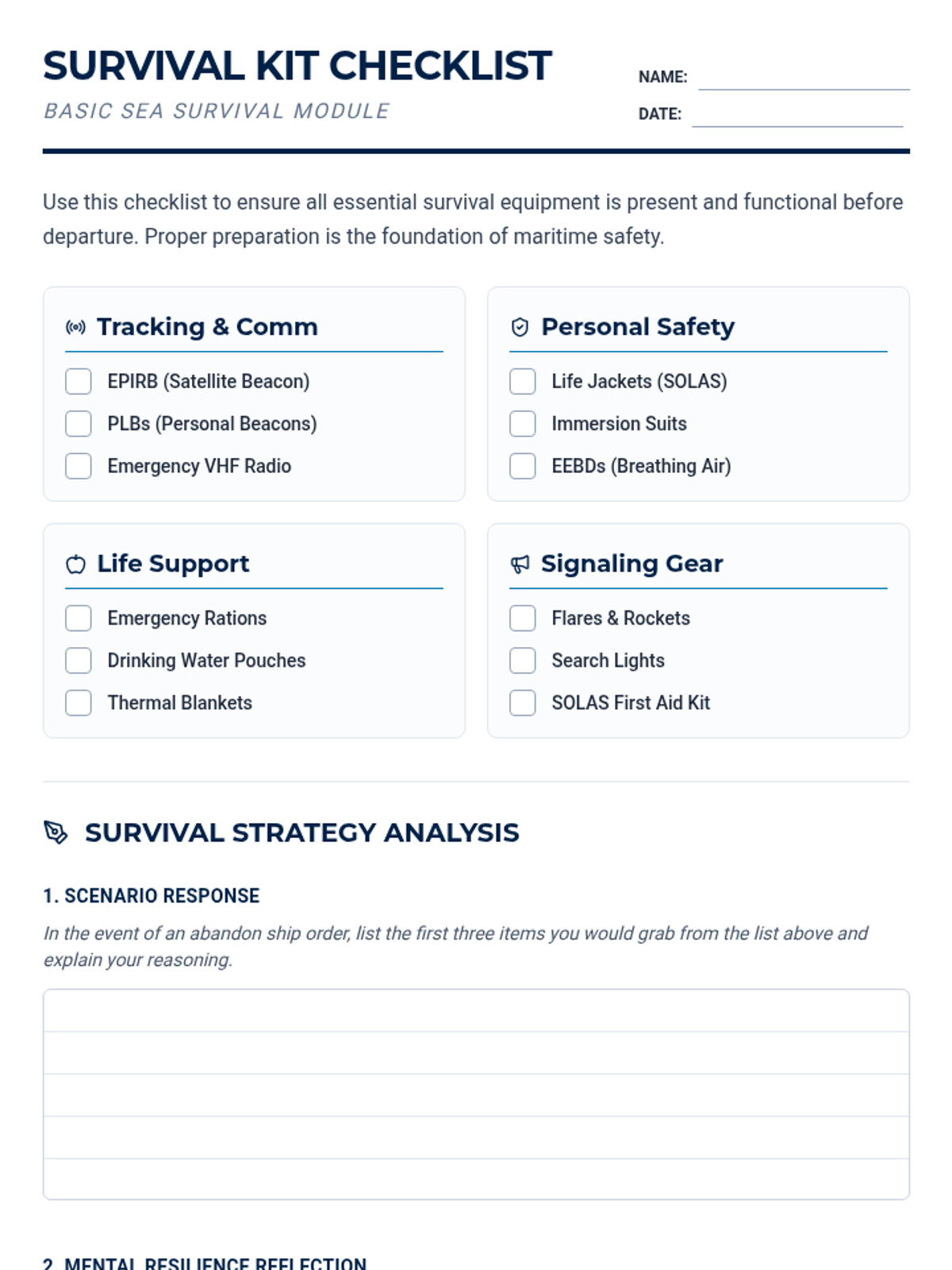
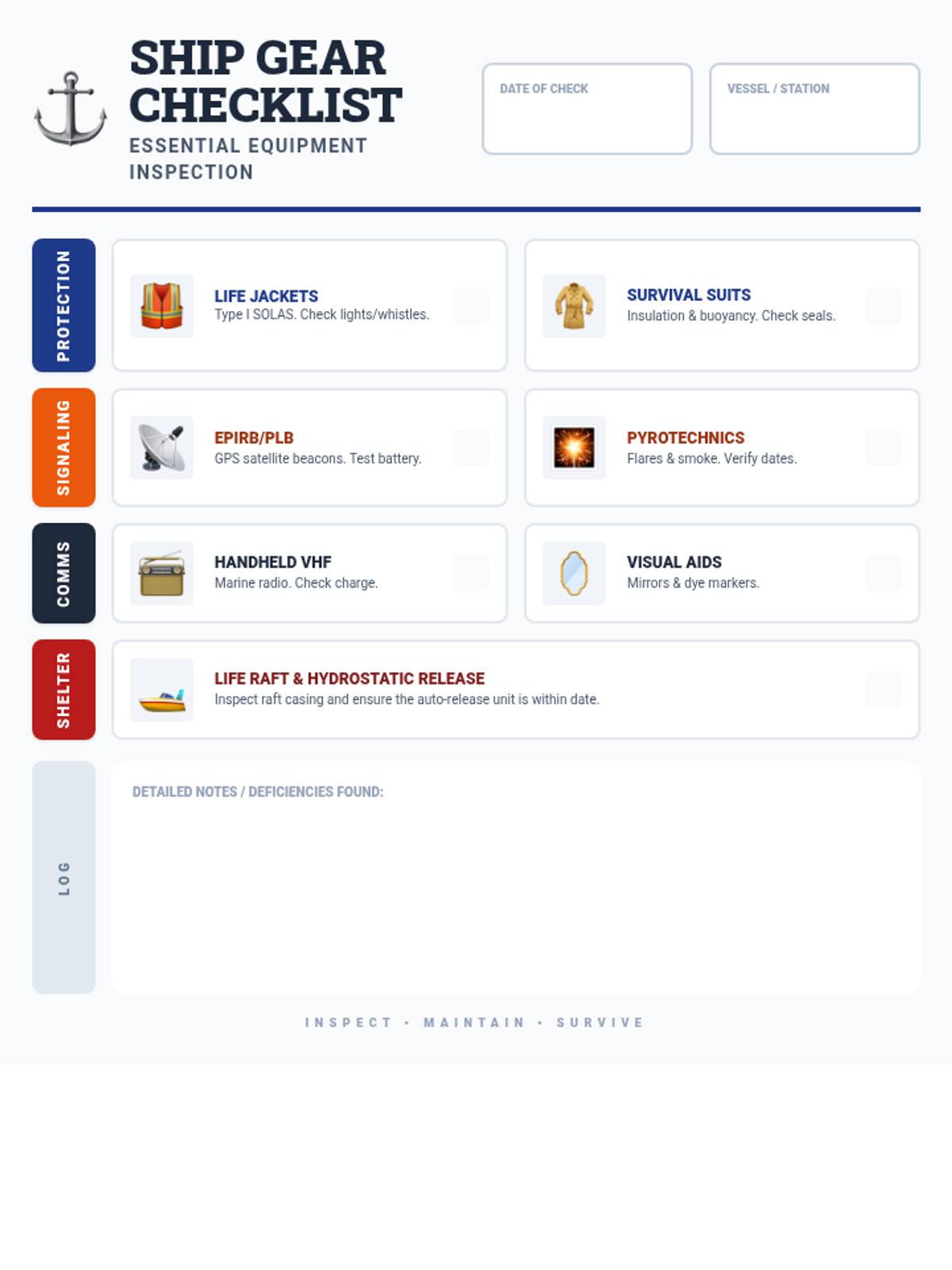
Students will learn the essential pillars of maritime survival, including risk management, technical equipment use, and survival protocols for extreme sea conditions.
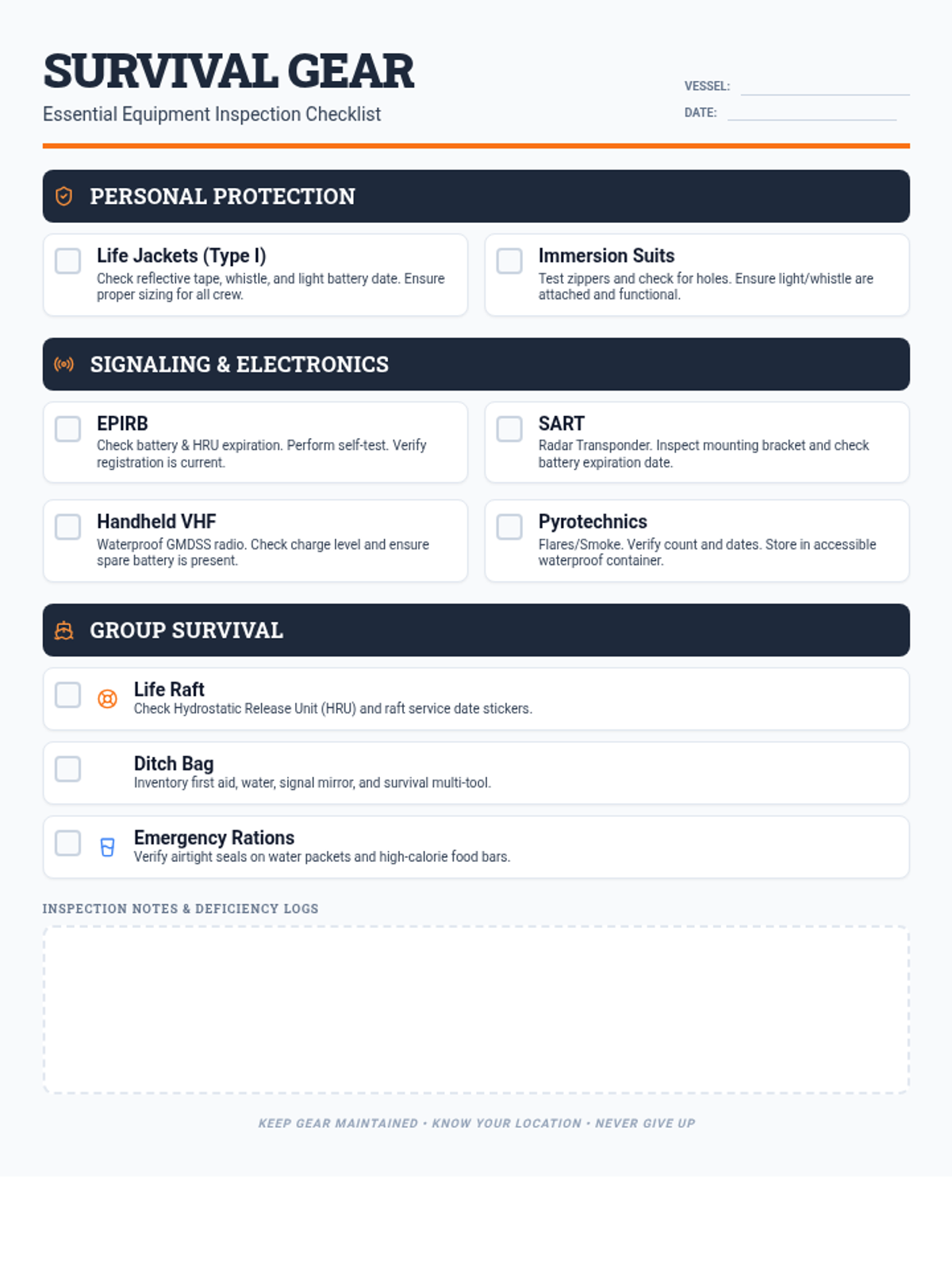
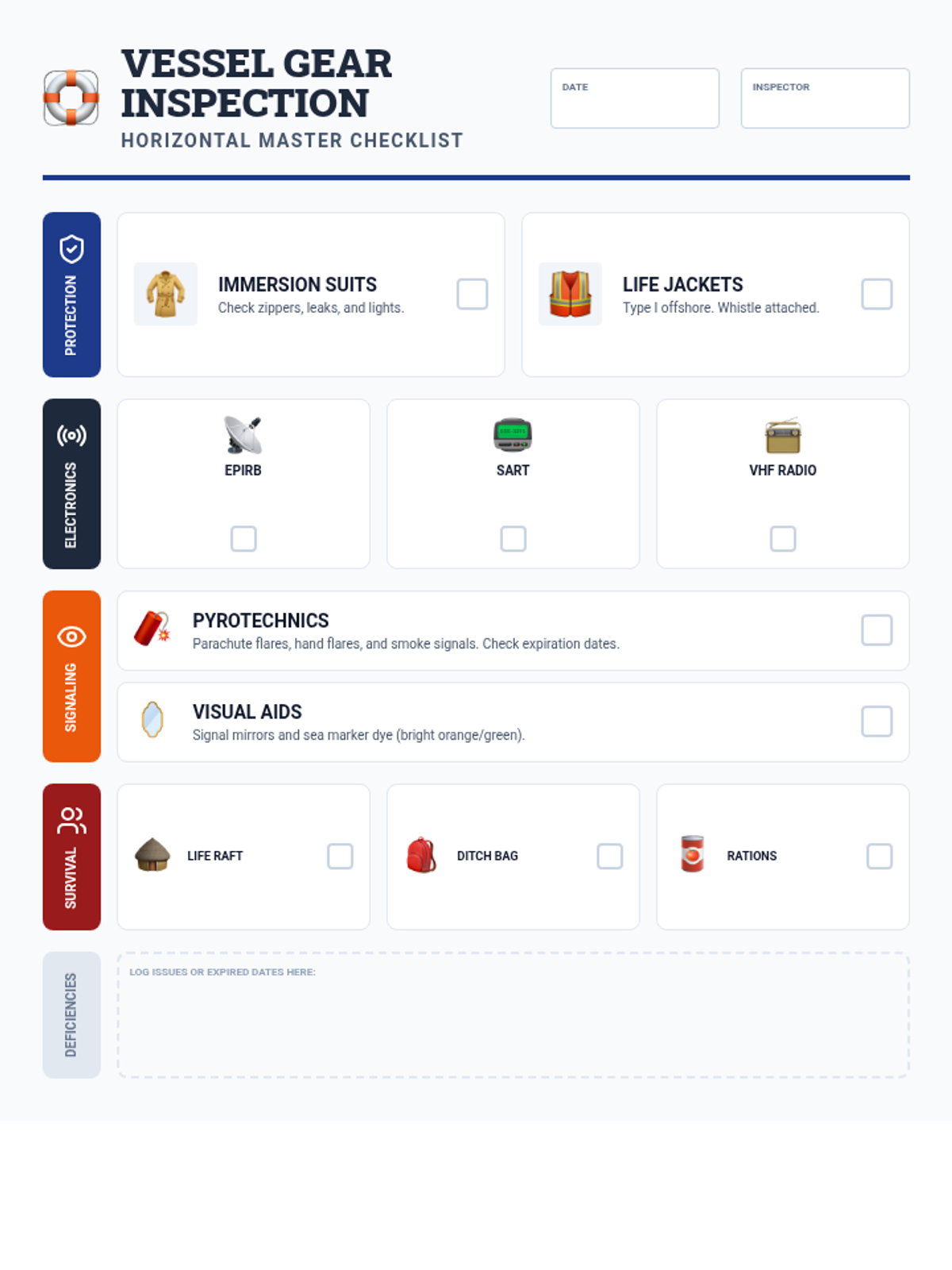
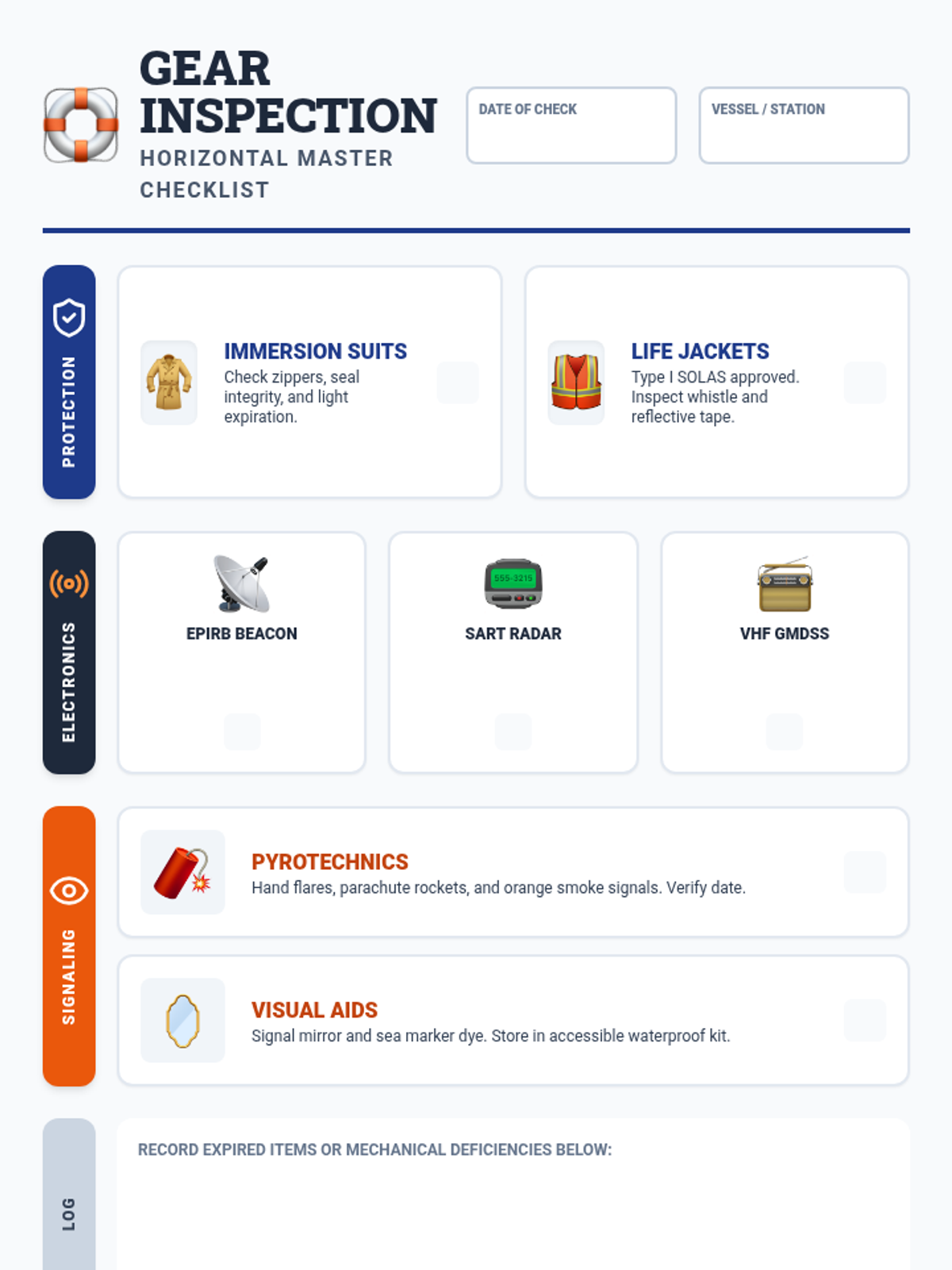
A beginner's guide to maritime survival, covering immediate actions, hypothermia prevention, and signaling for rescue in a shipwreck scenario.
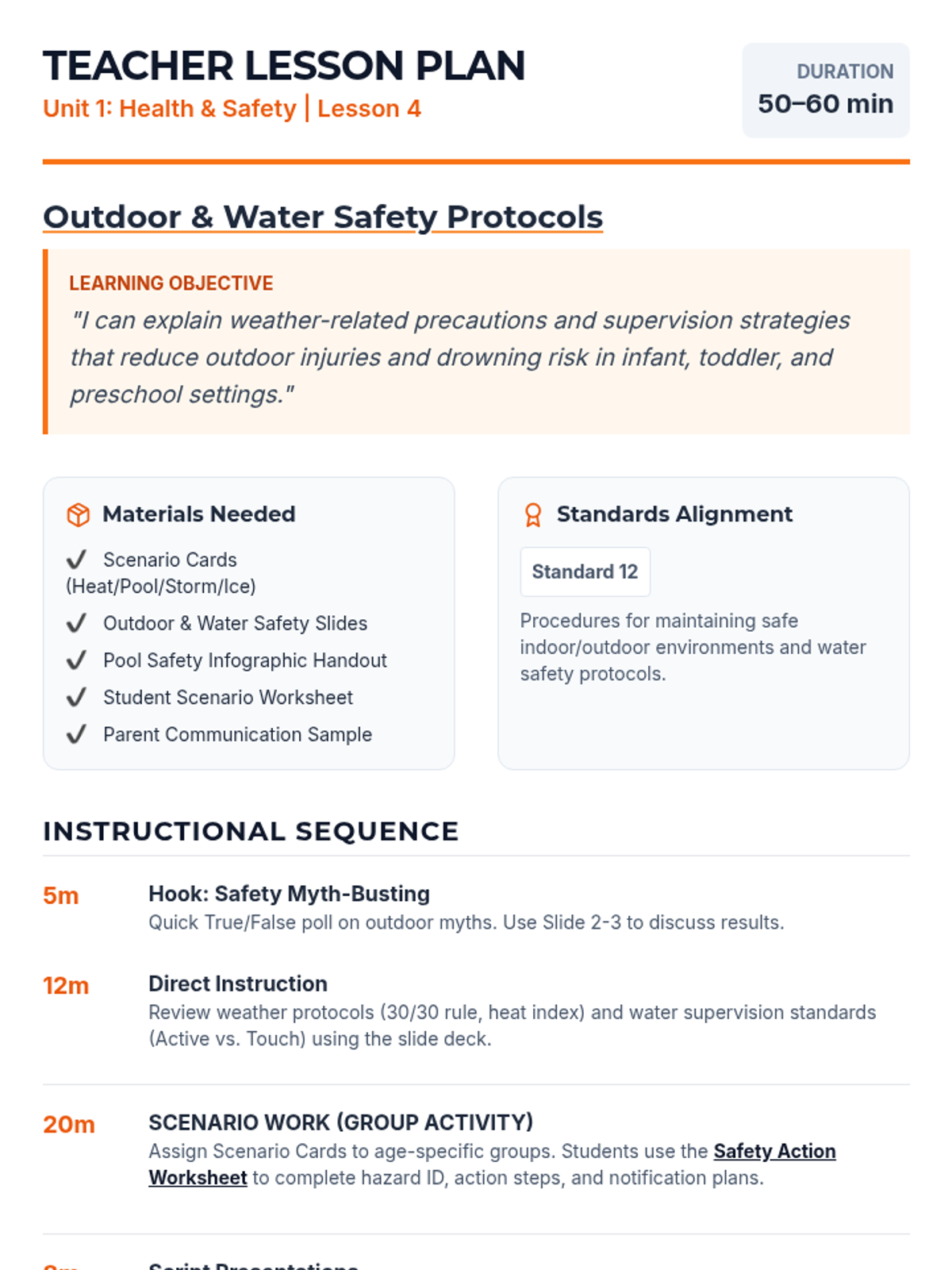
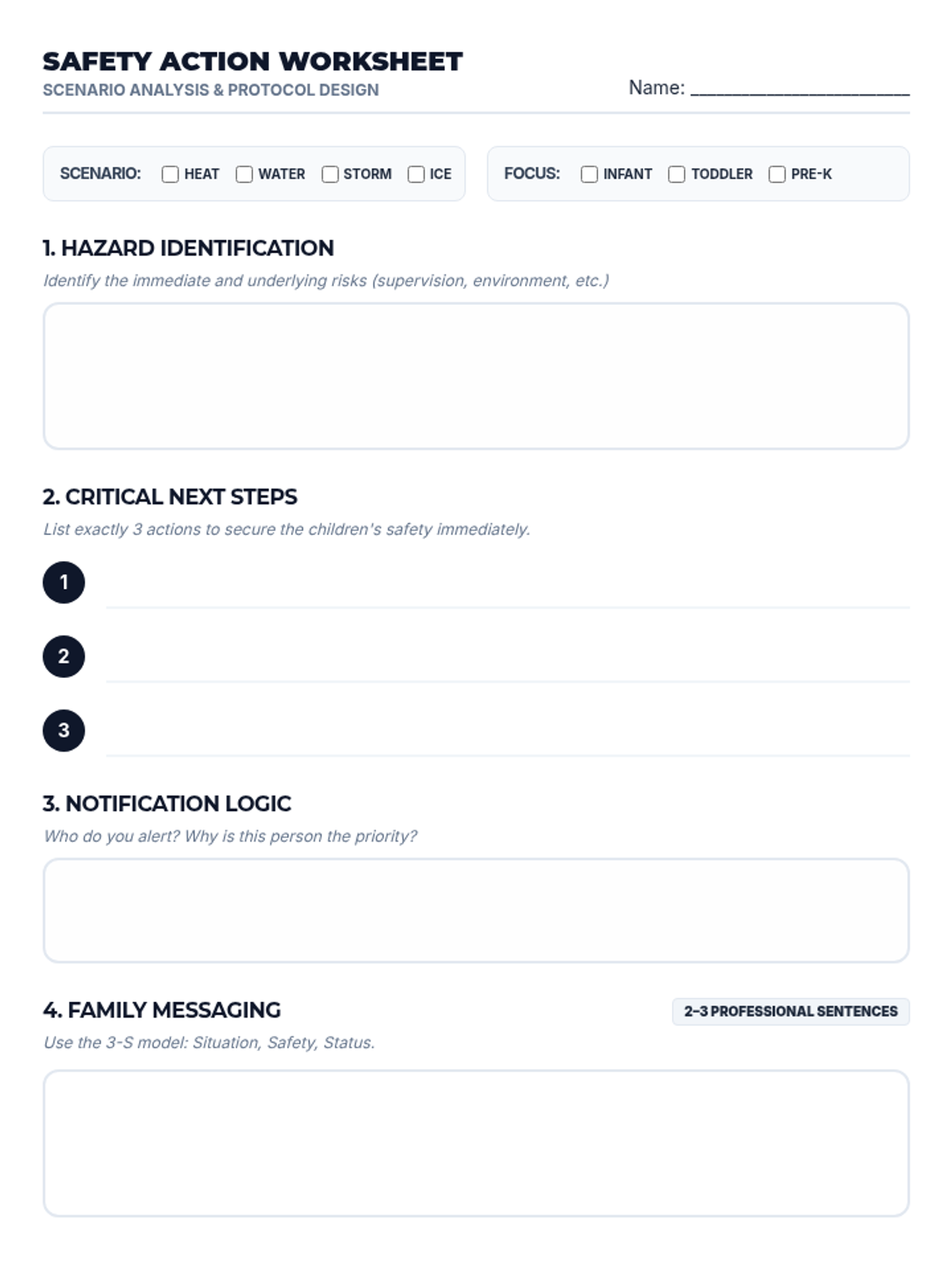
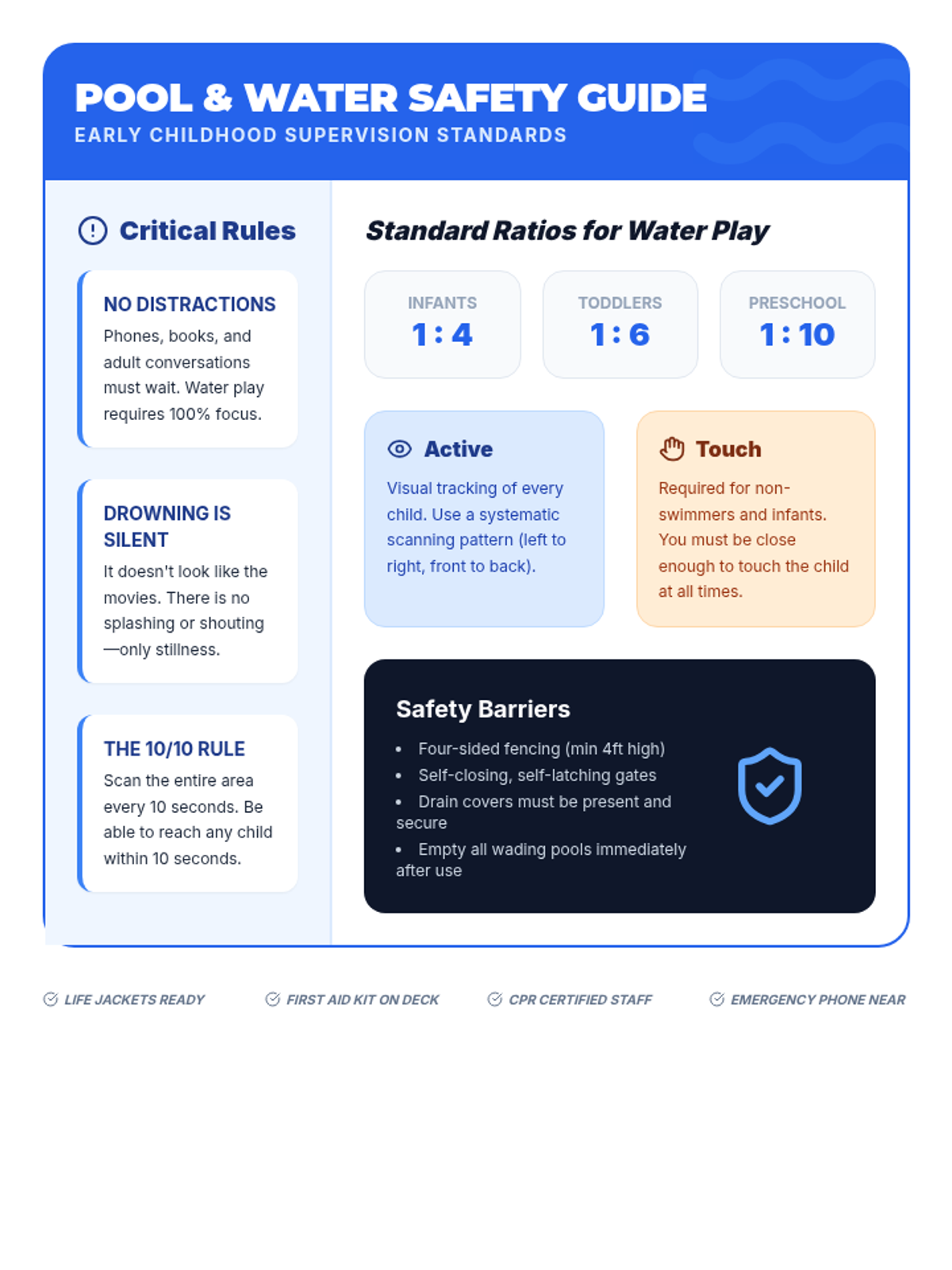
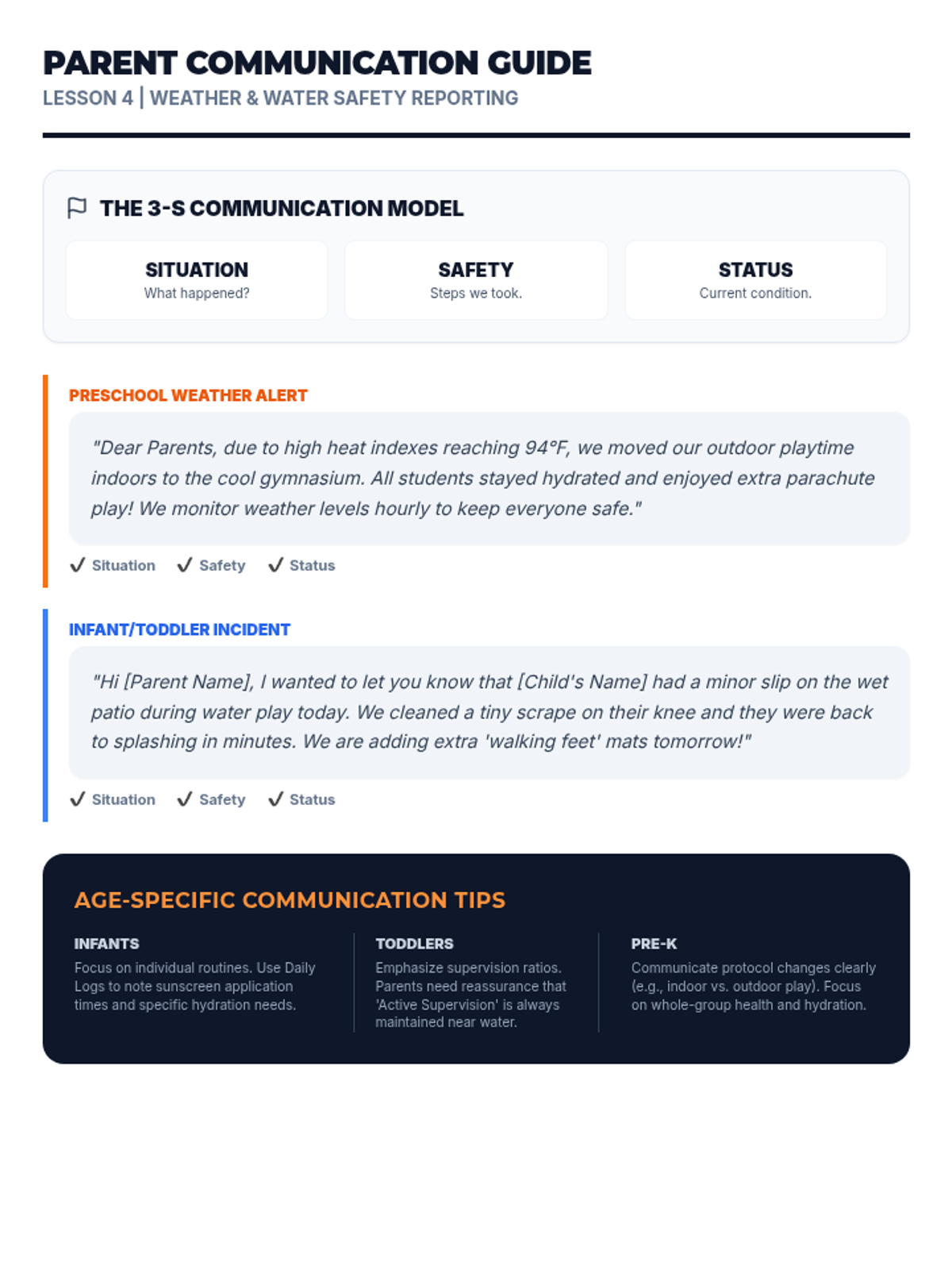
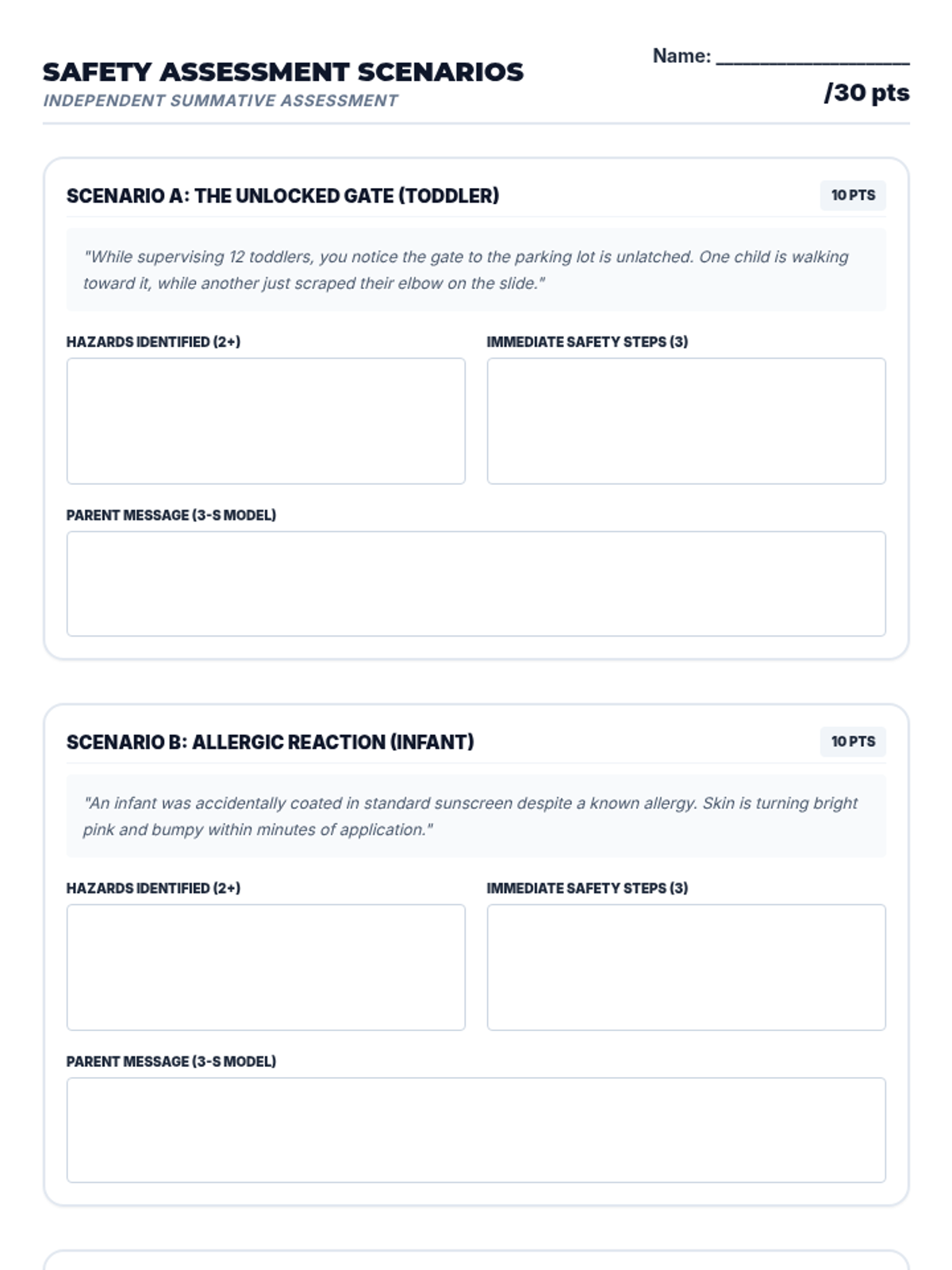
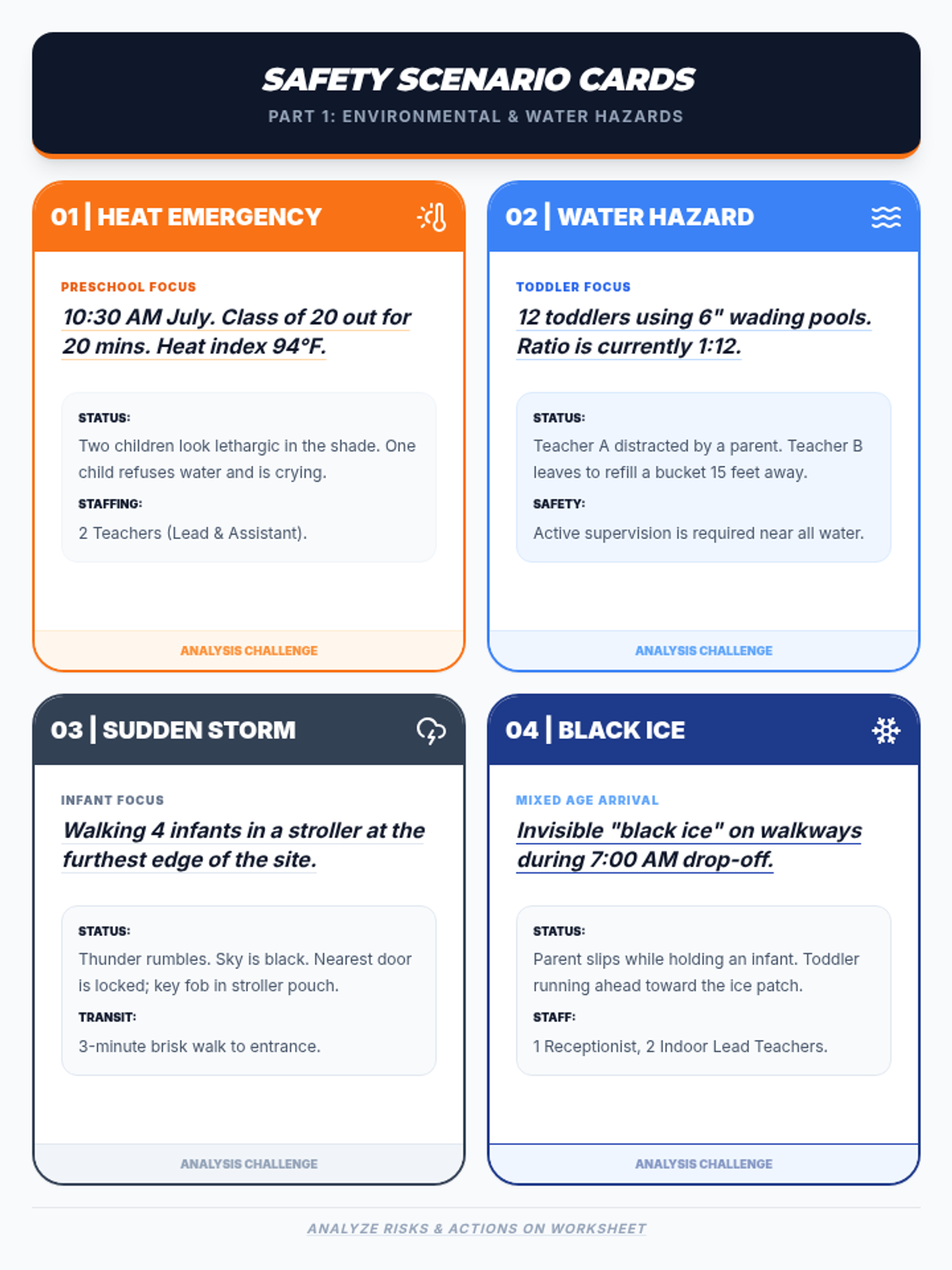
This lesson focuses on weather-related precautions and water safety strategies specifically for infant, toddler, and preschool environments, covering active supervision and emergency protocols.
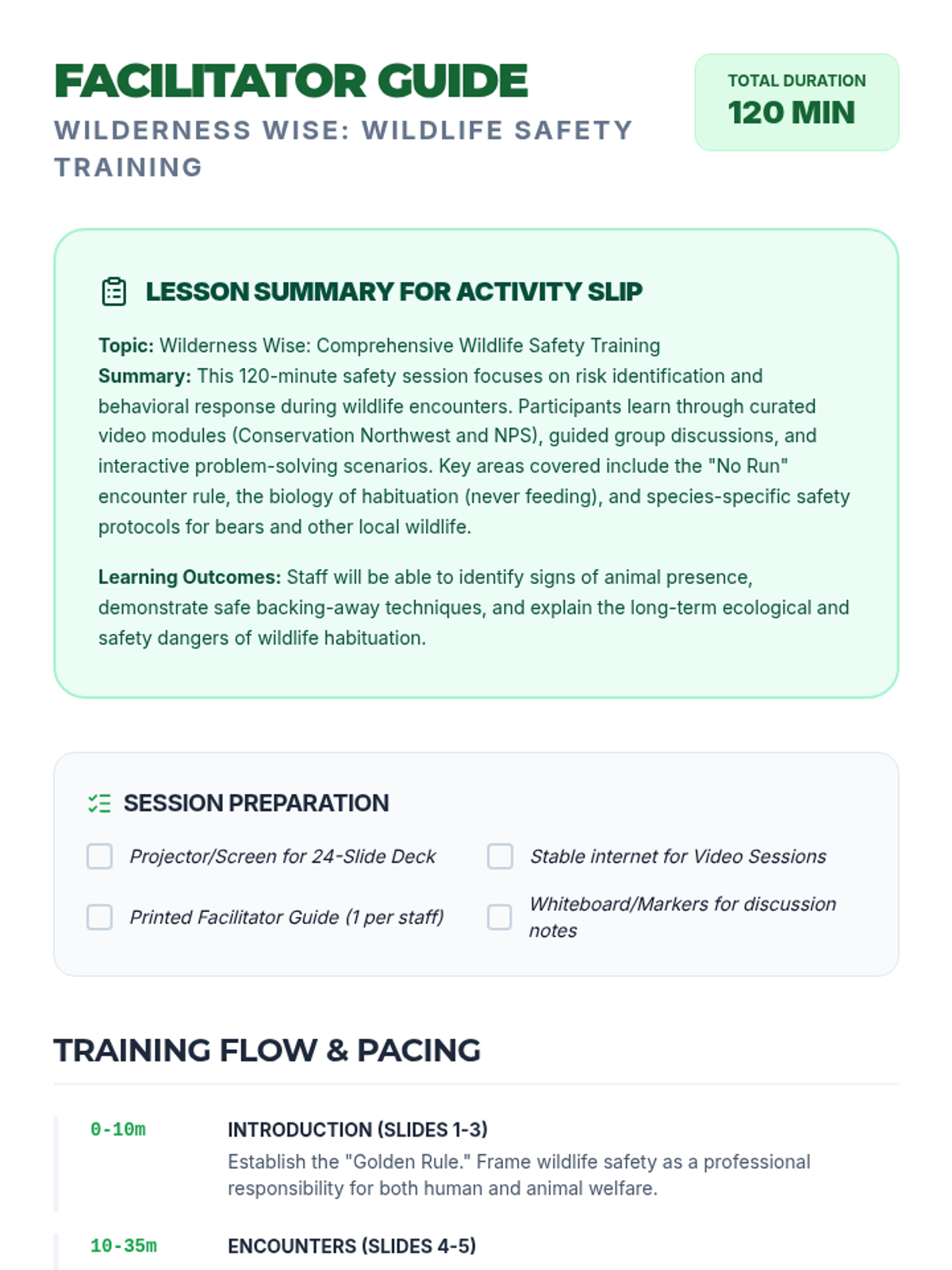
A comprehensive 120-minute safety training session focused on identifying wildlife risks, recognizing safe behaviors, and responding correctly to animal encounters. This lesson equips participants with practical skills to protect both themselves and local wildlife.
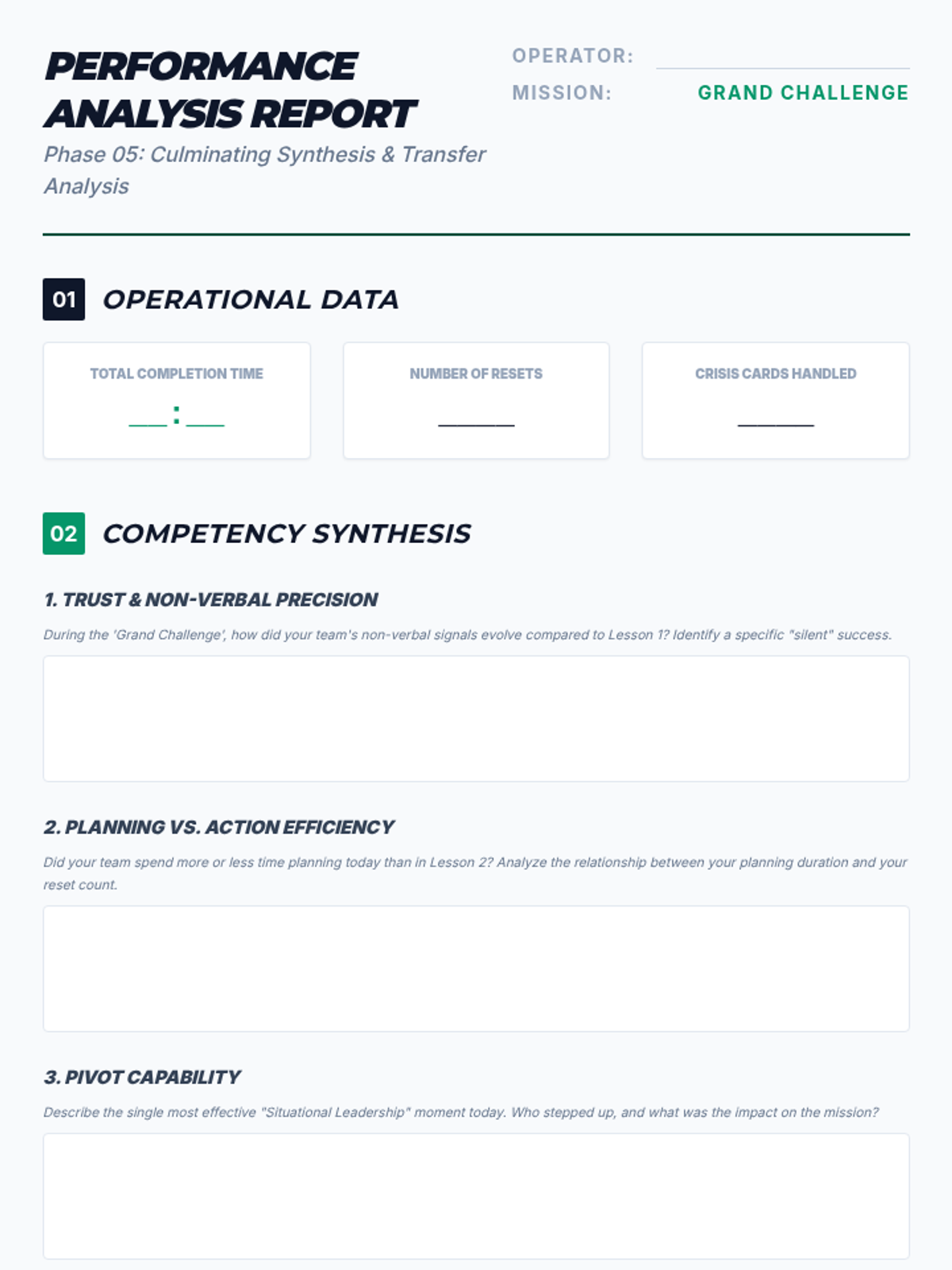
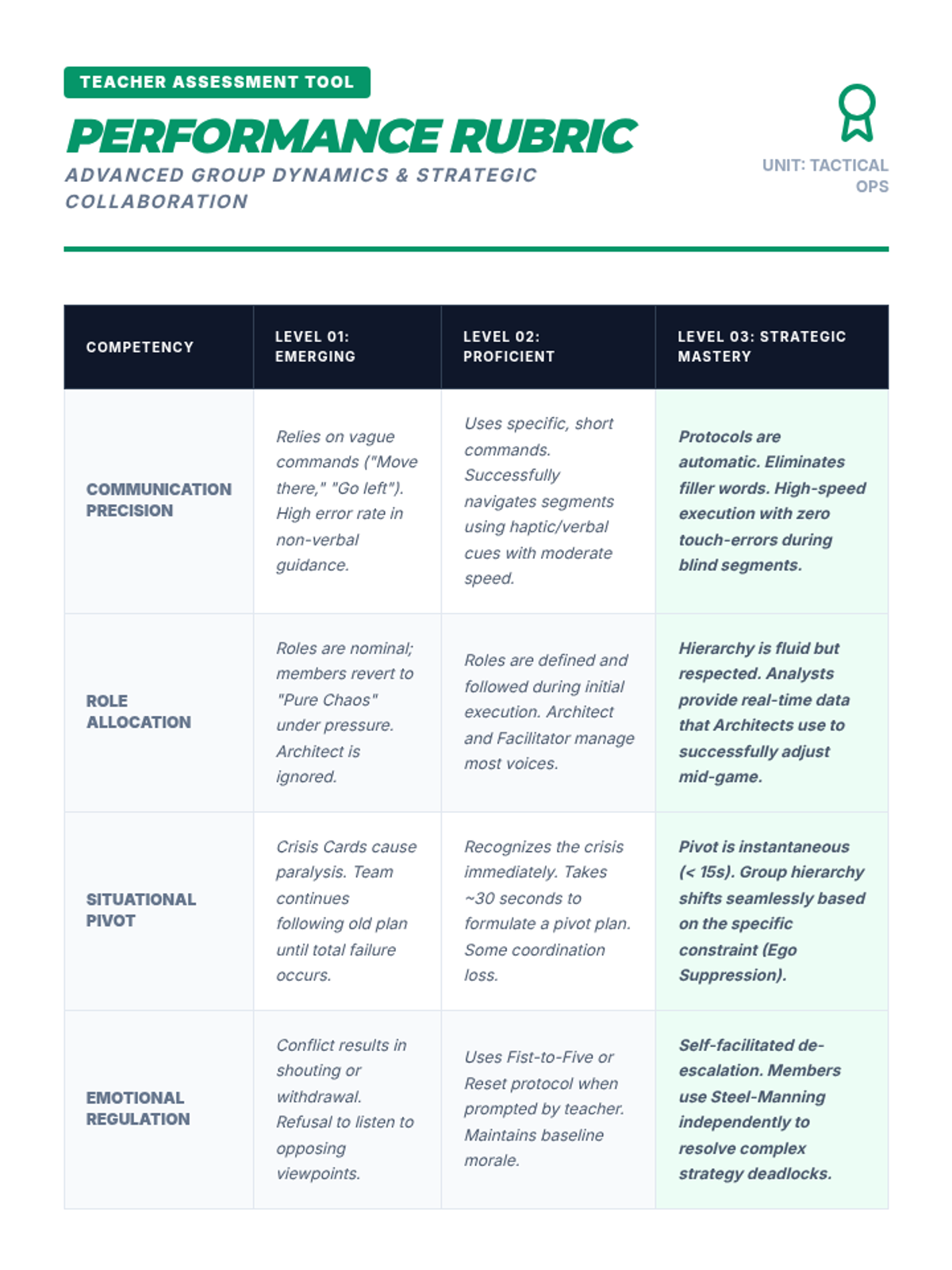
Students complete a culminating 'Grand Challenge' that combines elements of trust, strategy, adaptation, and physical coordination. Following the activity, the class engages in a structured debrief to evaluate their group's evolution.
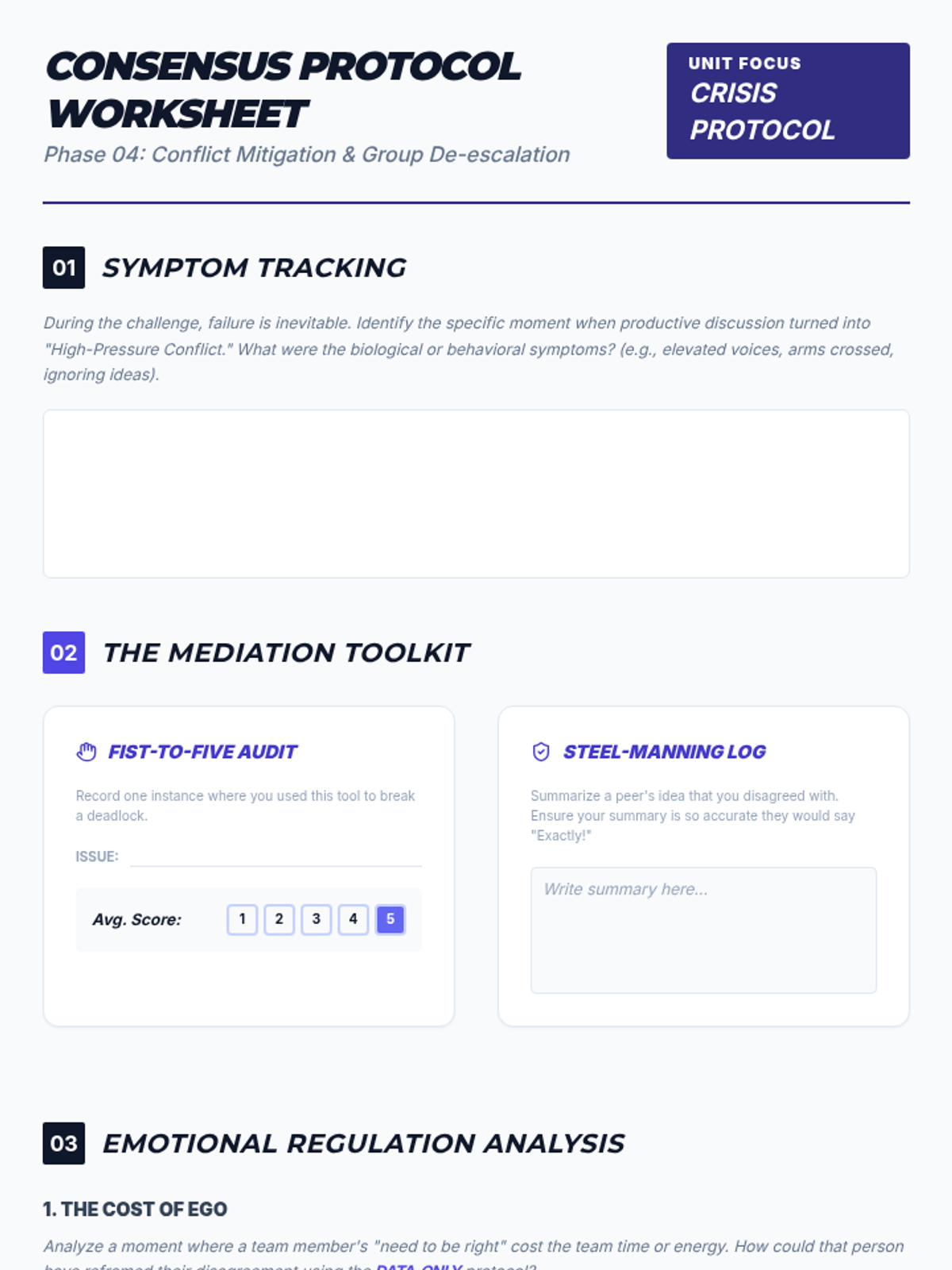
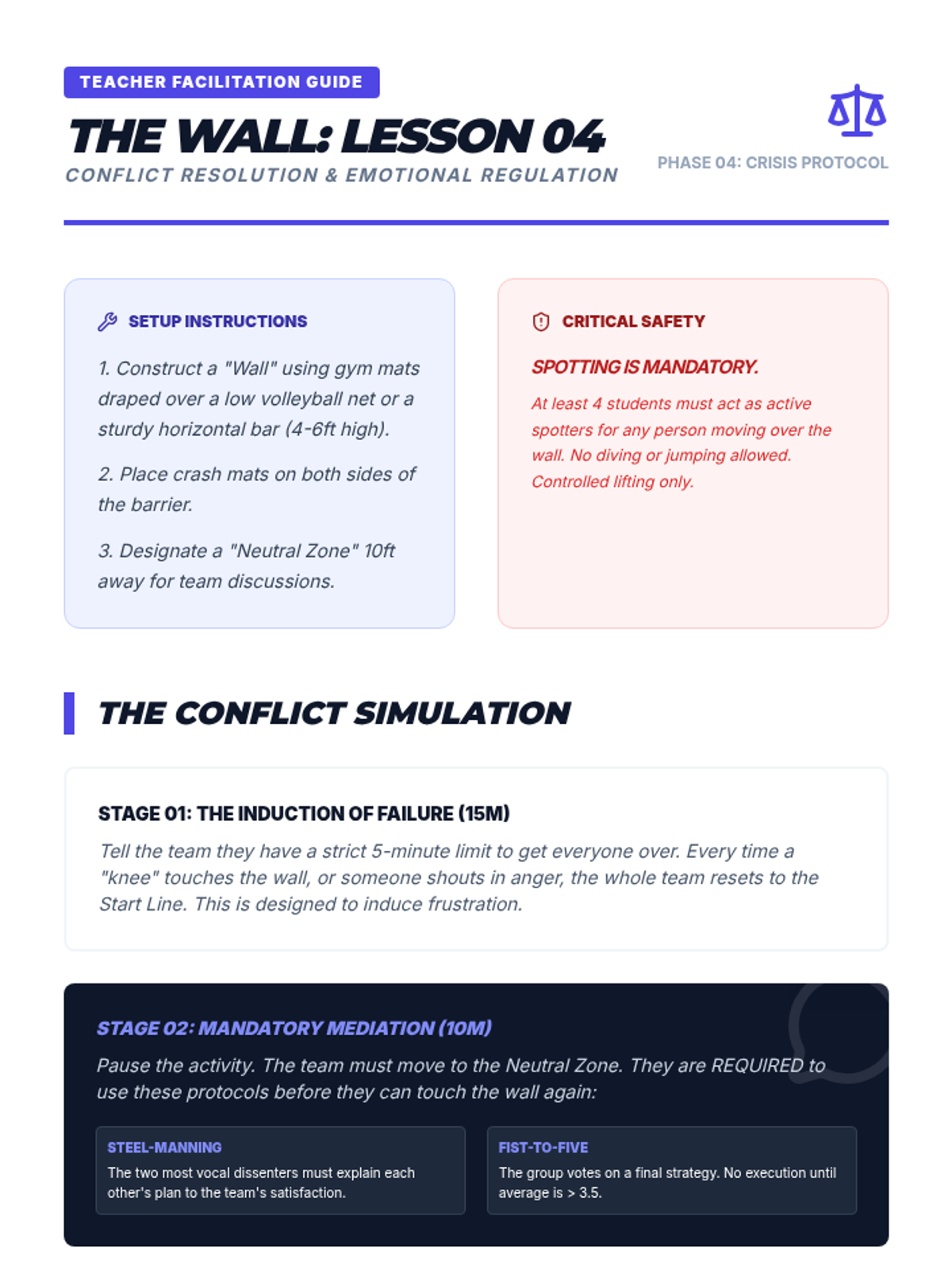
The class undertakes a high-frustration challenge designed to induce failure and disagreement on strategy. The lesson specifically targets how the group manages frustration, mediates conflicting ideas, and maintains morale.
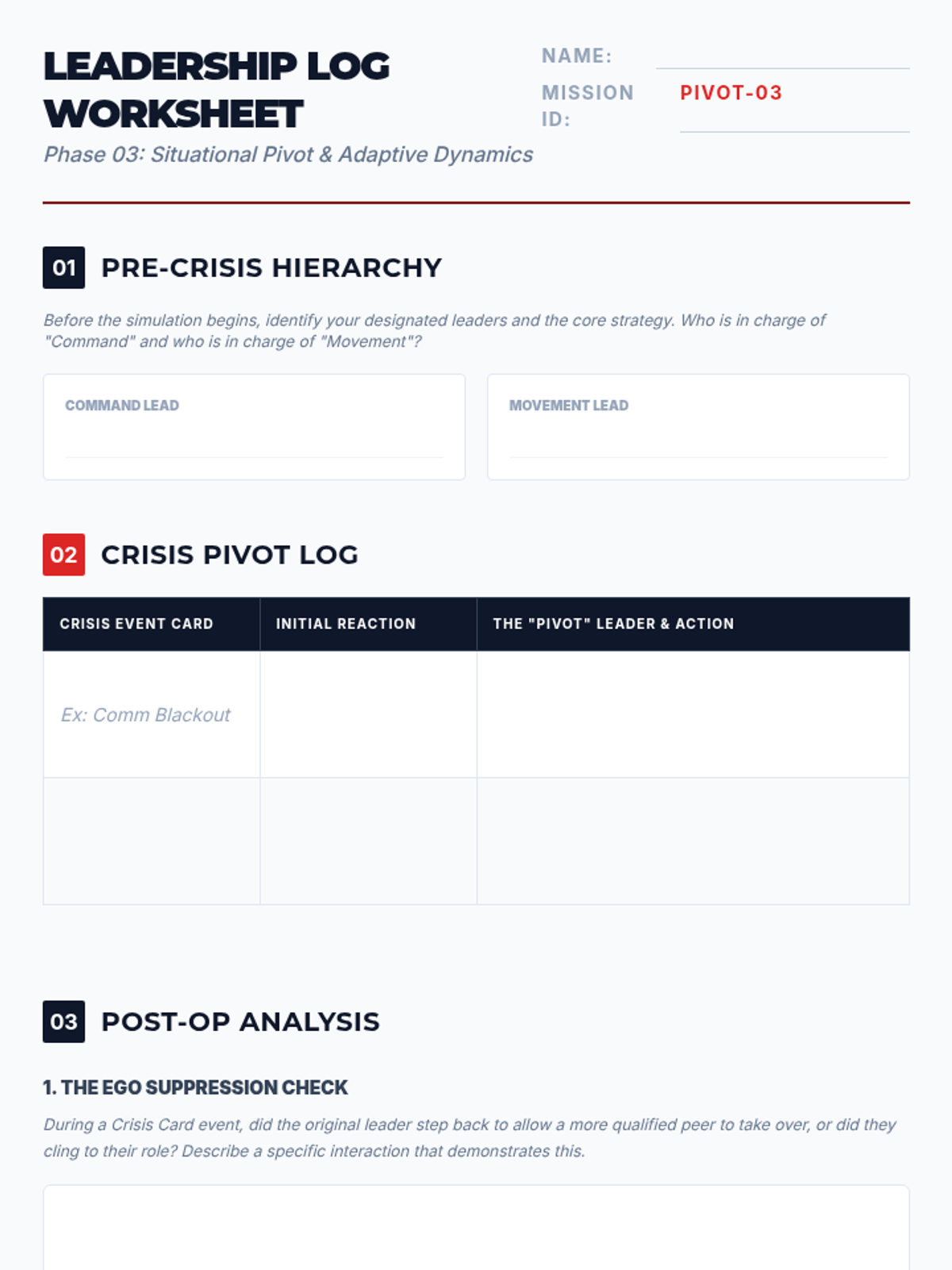
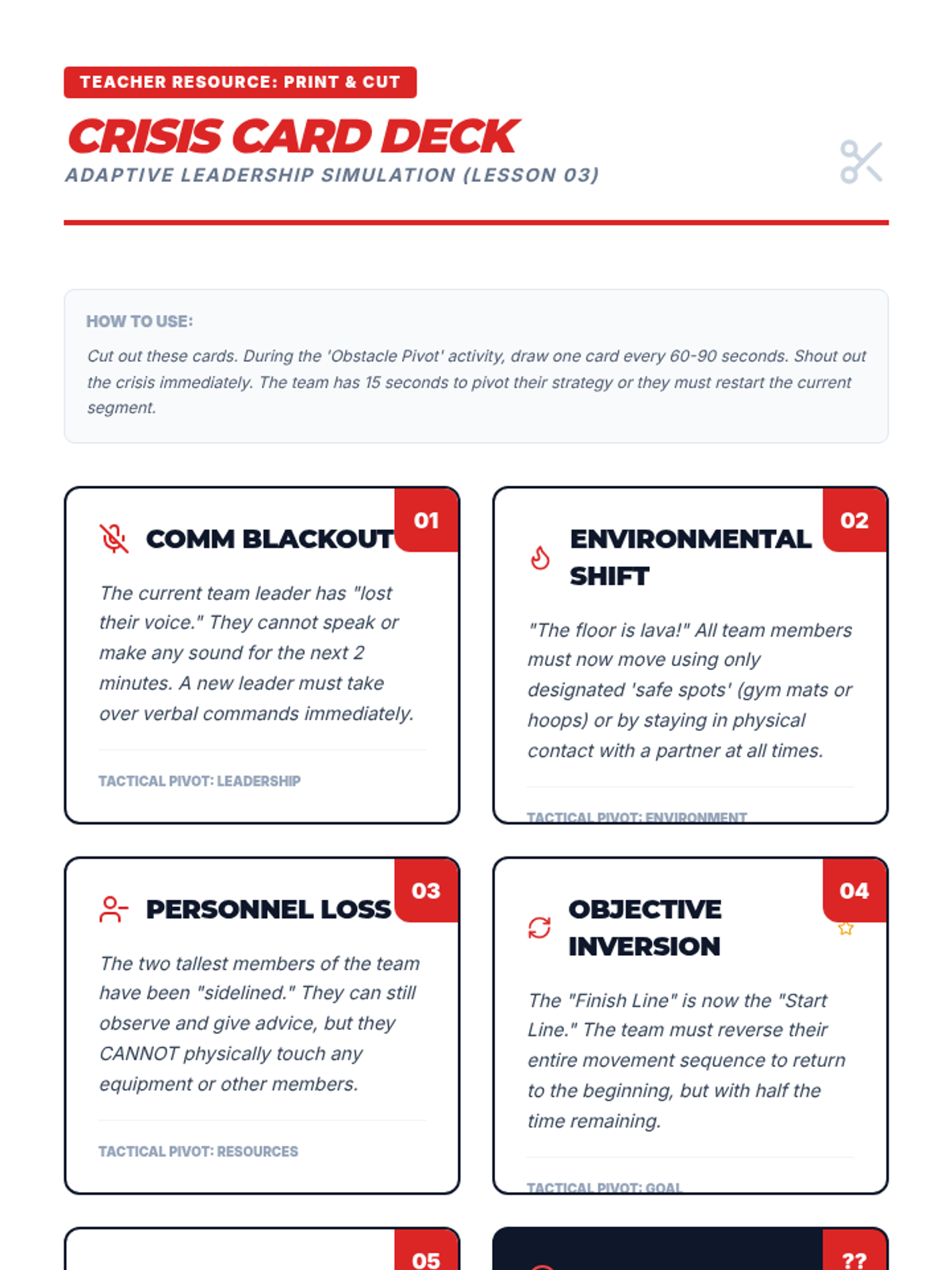
Students engage in a multi-stage obstacle challenge where the rules or constraints change unexpectedly mid-activity. This lesson forces the group to pivot strategies instantly and requires students to step up as situational leaders.
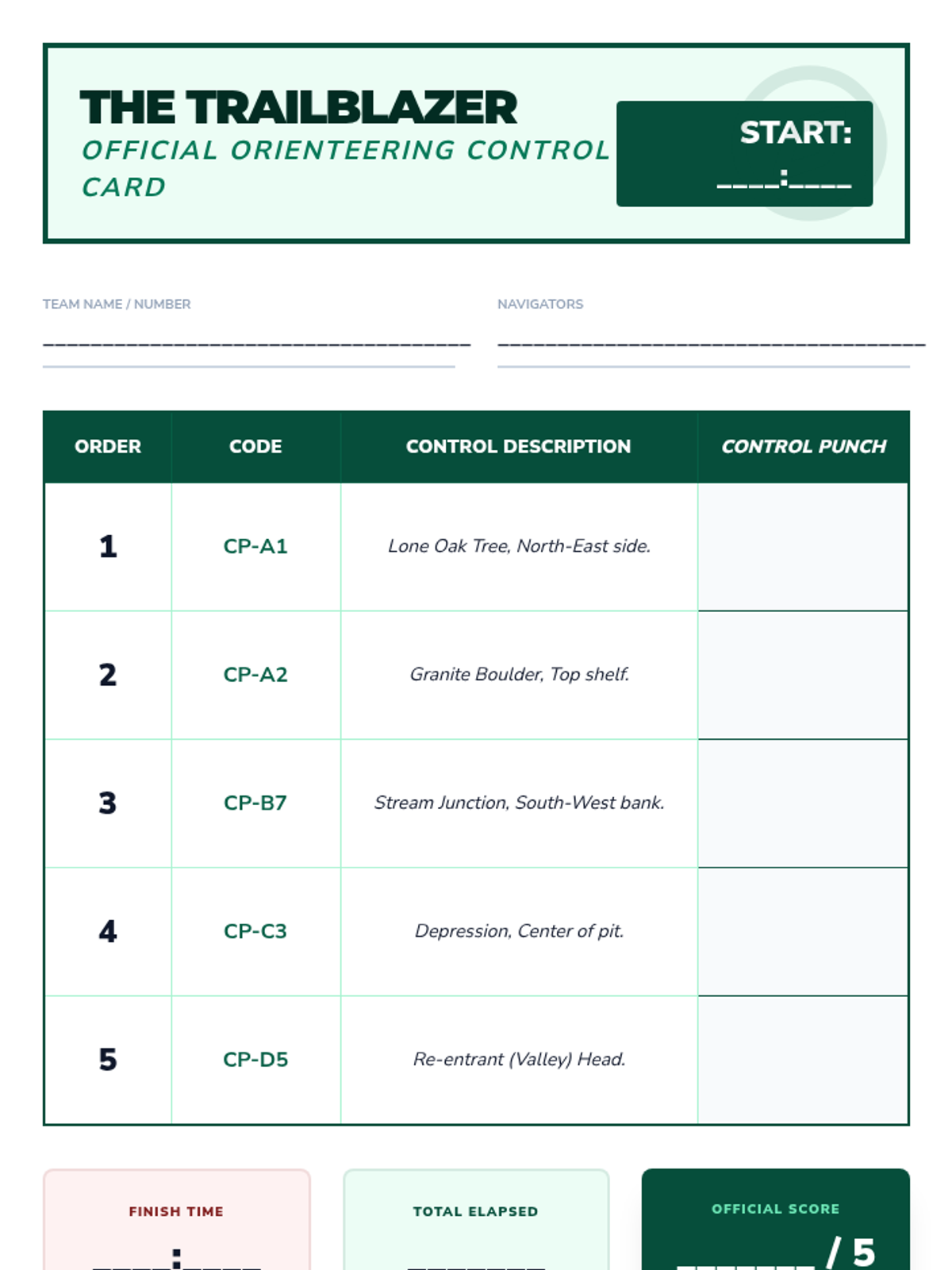
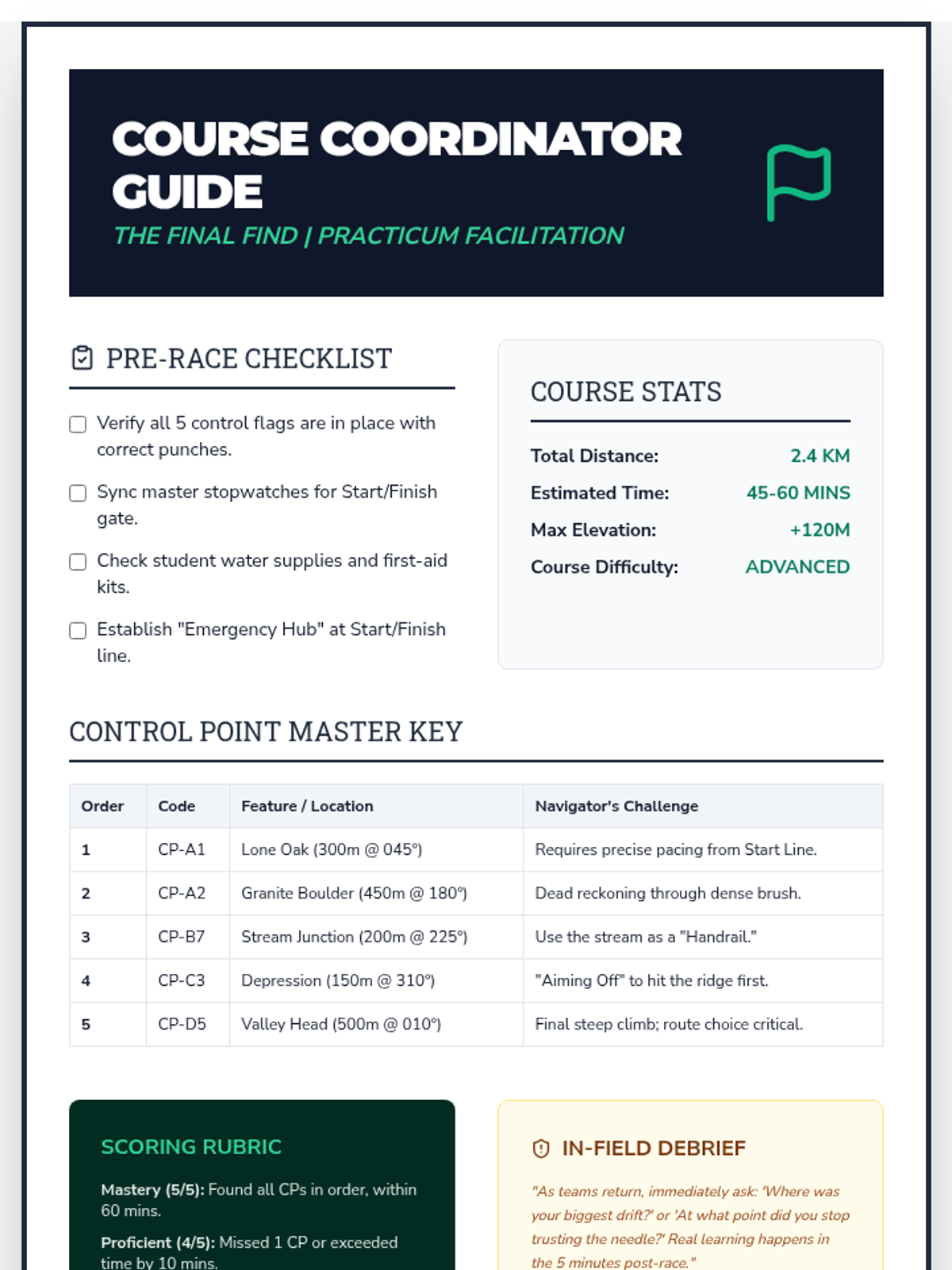
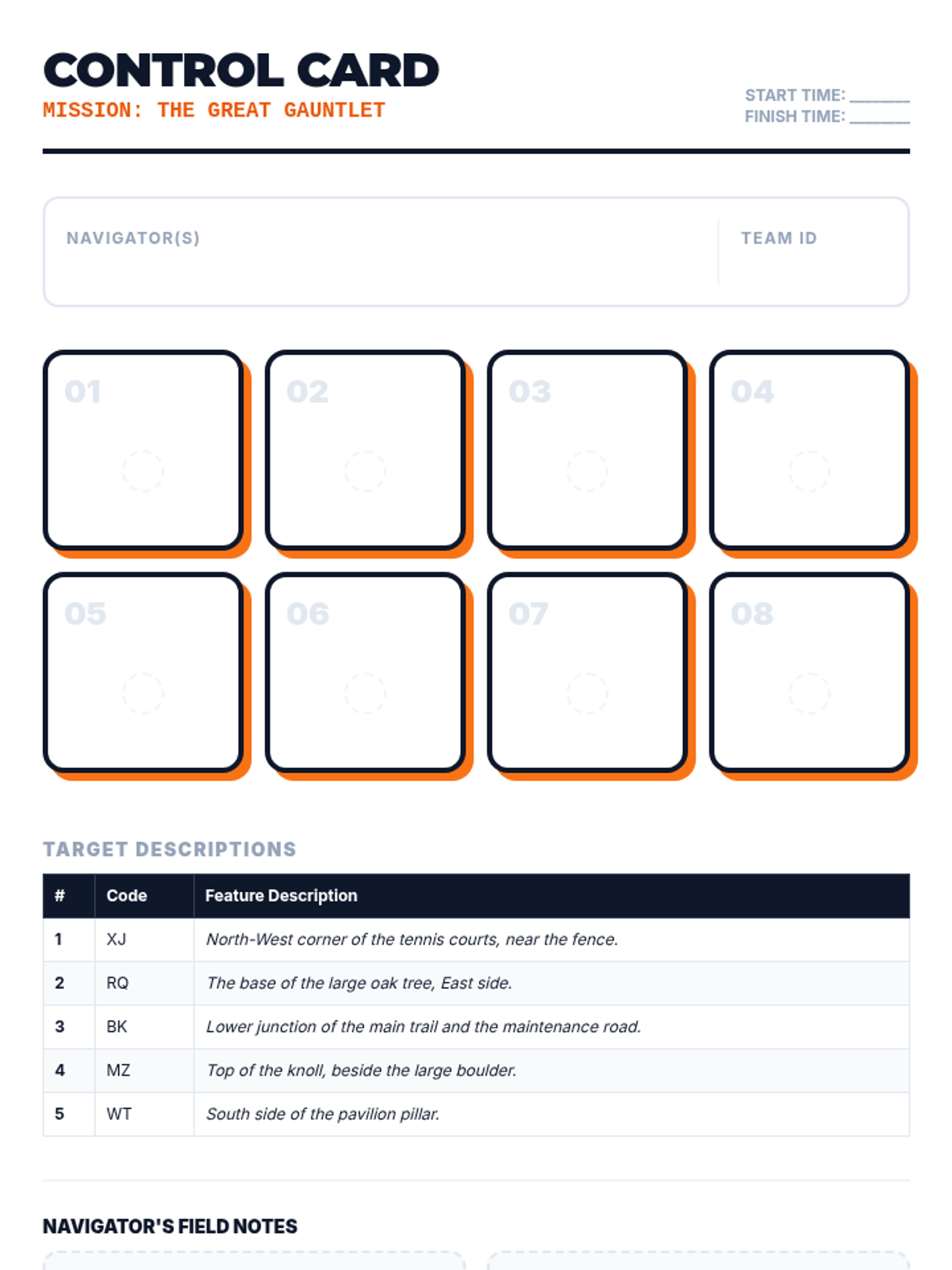
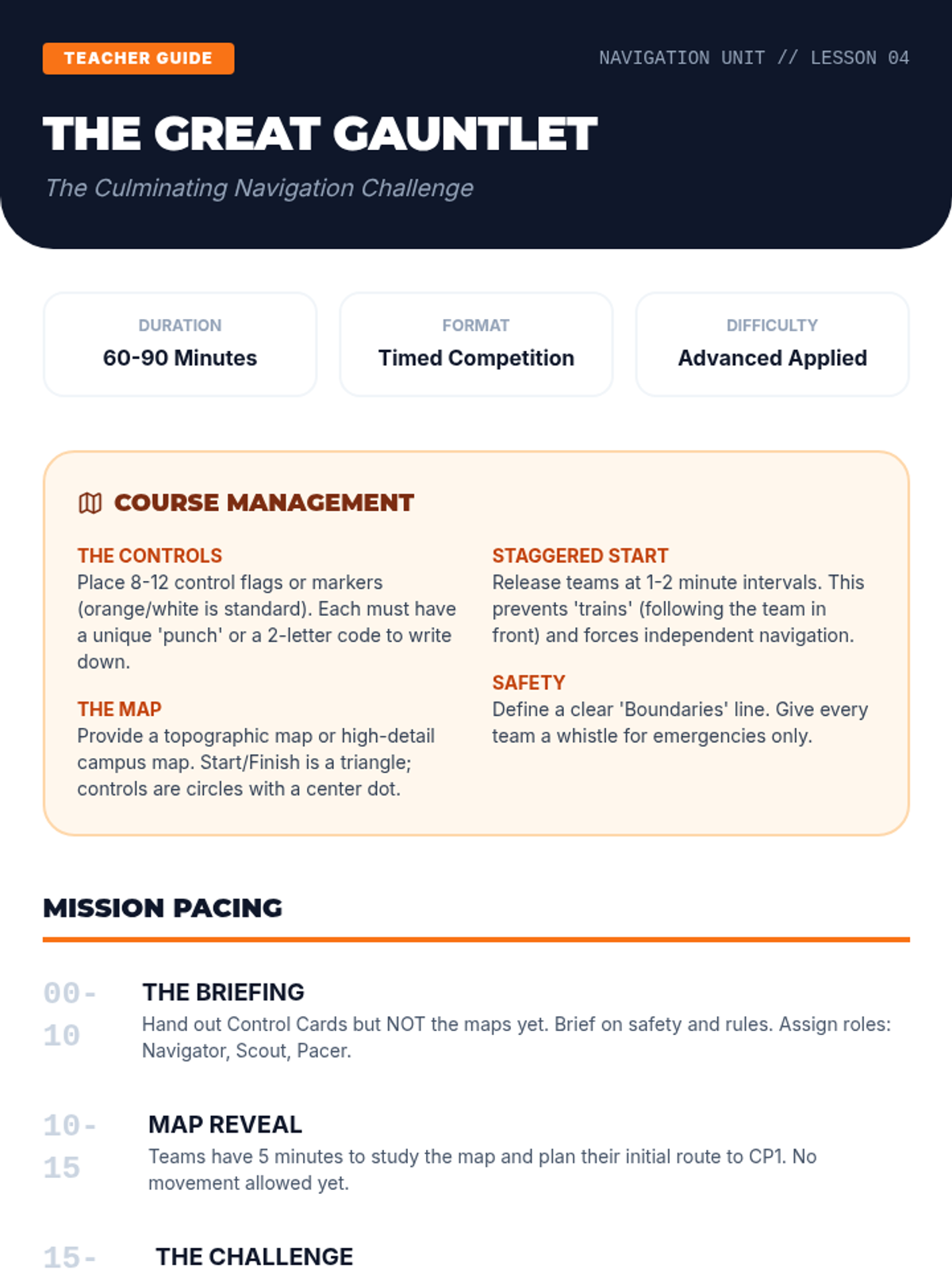
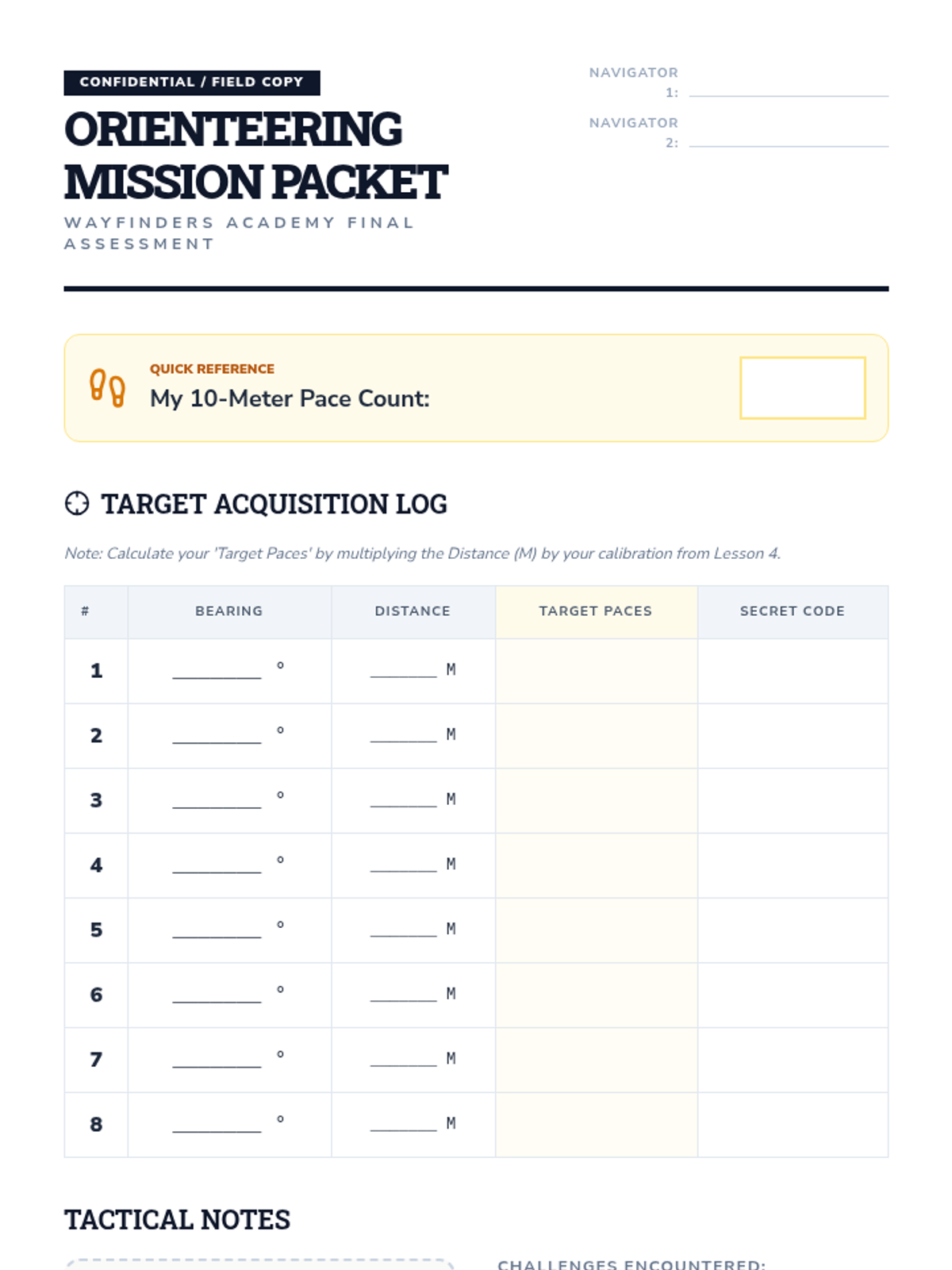
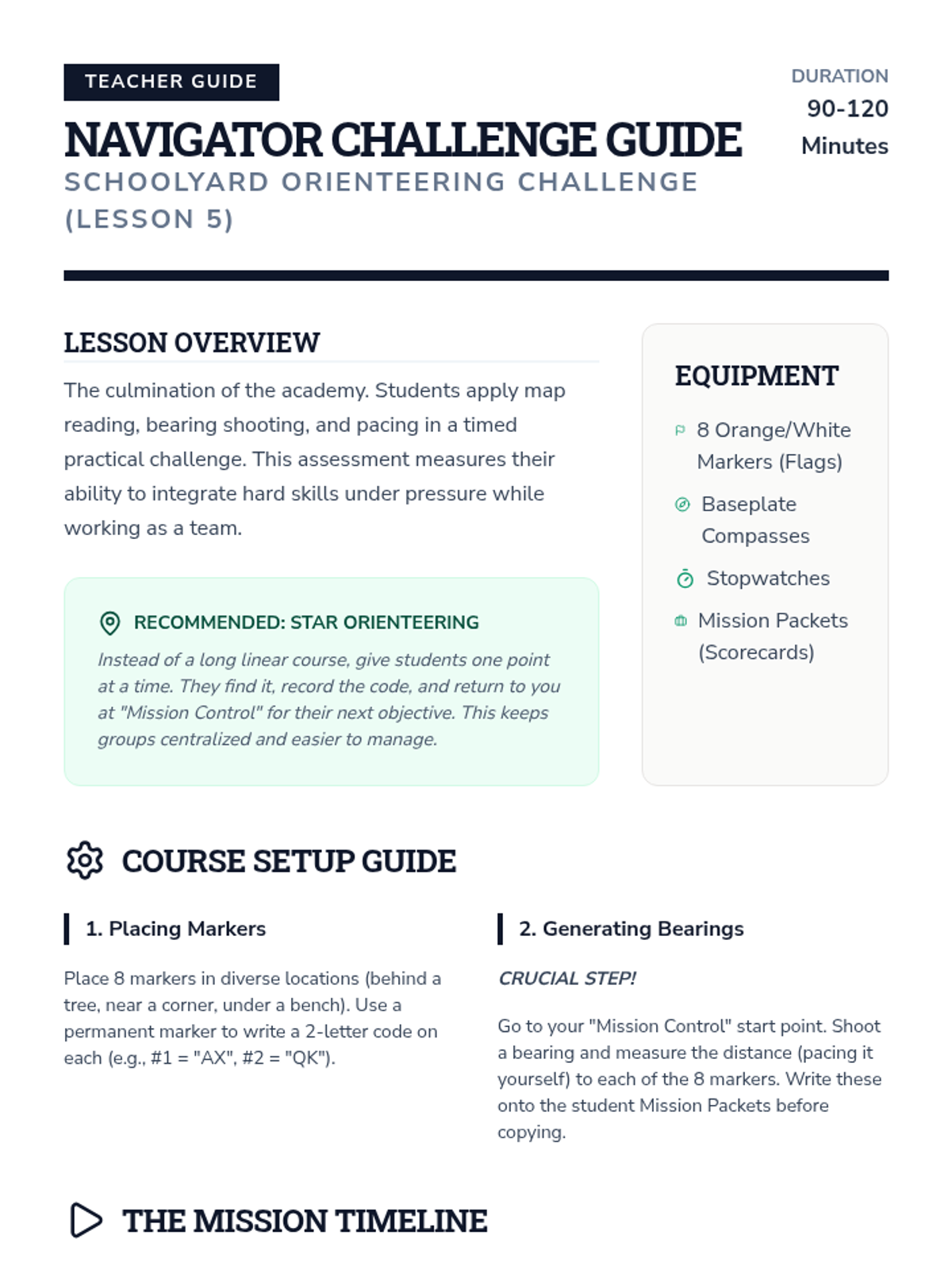
A culminating timed orienteering event where students navigate a complex course to find sequential control points.
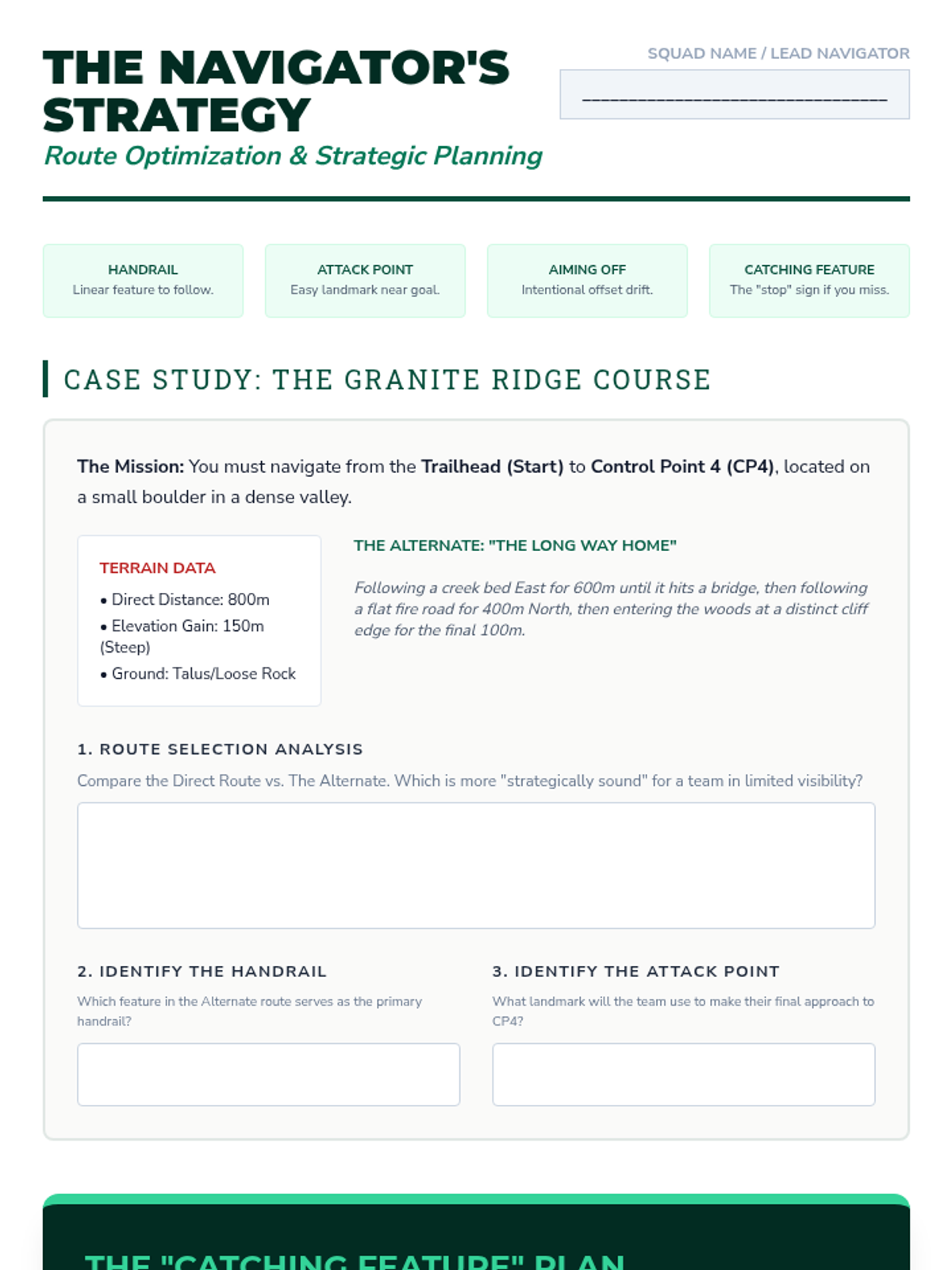
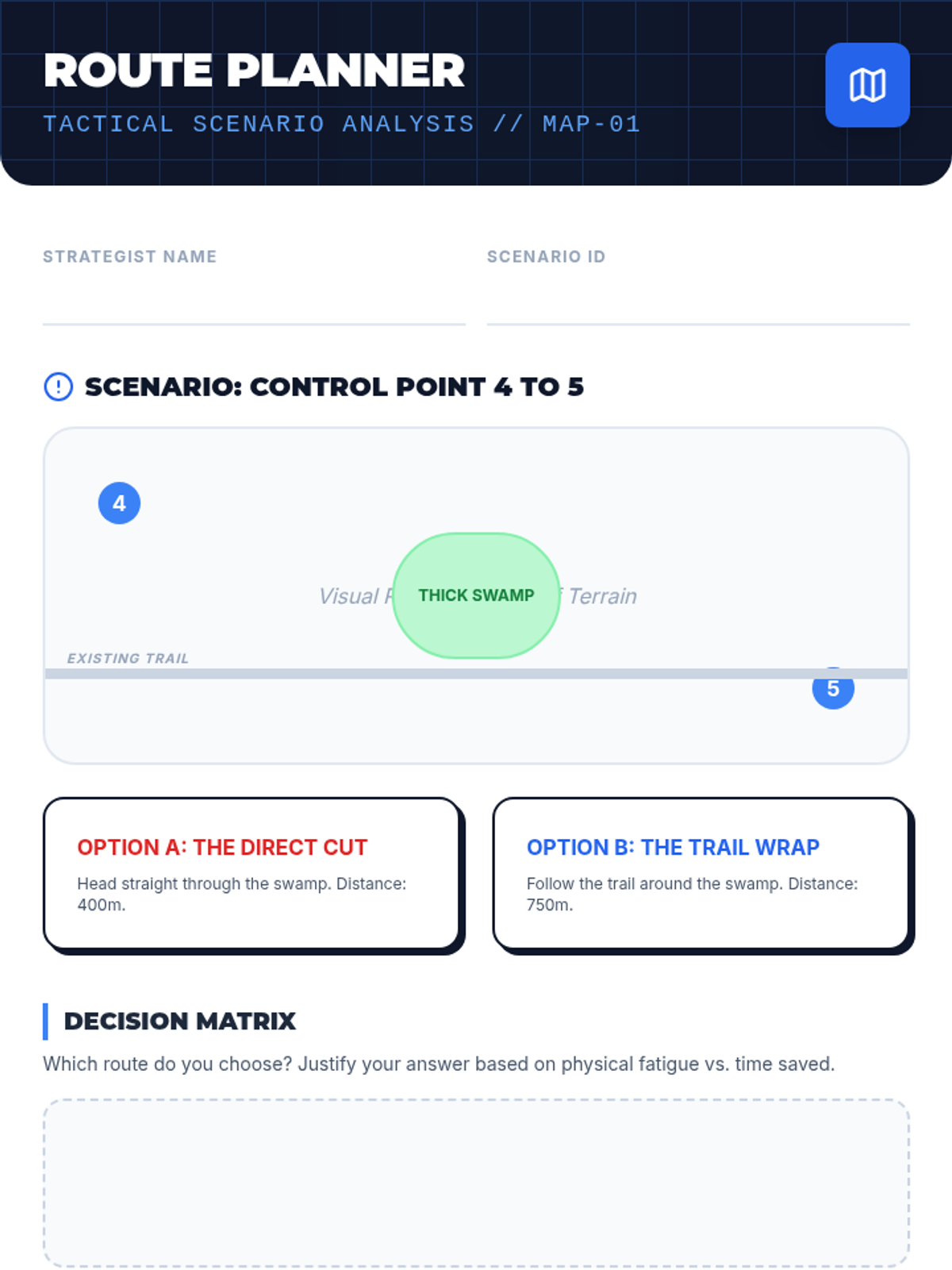
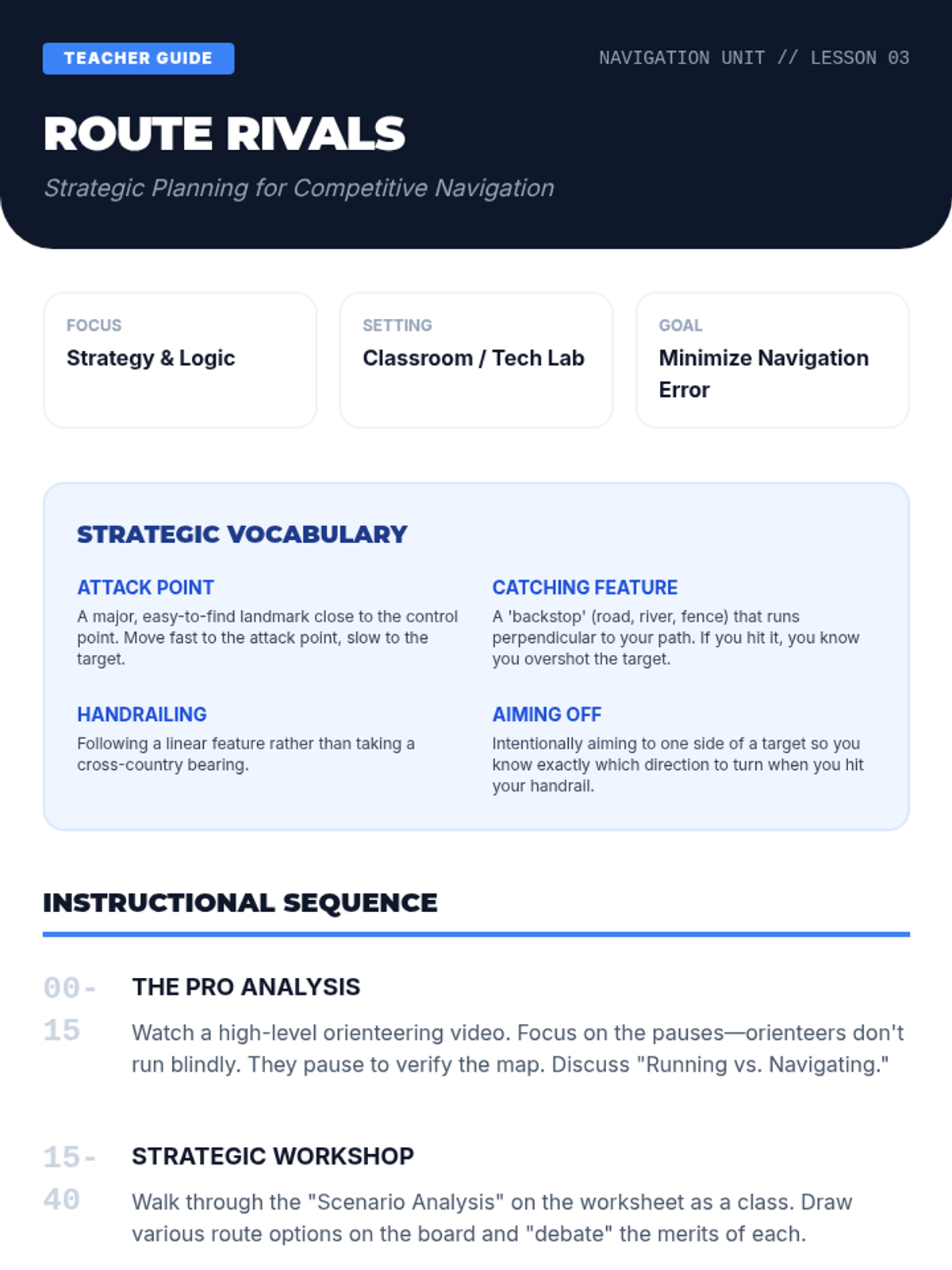
Students analyze terrain for strategic advantages using concepts like handrails, aiming off, and attack points.
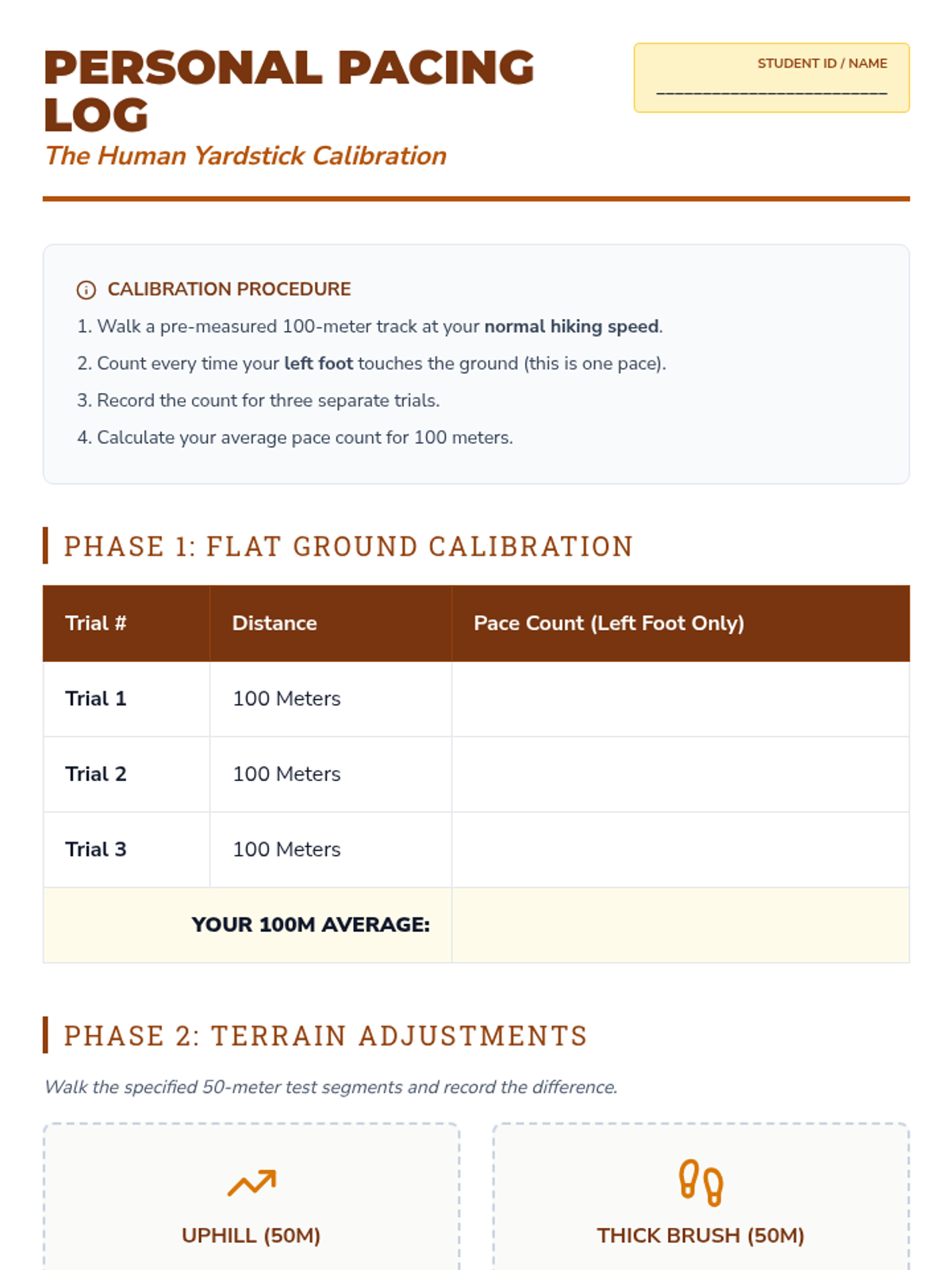
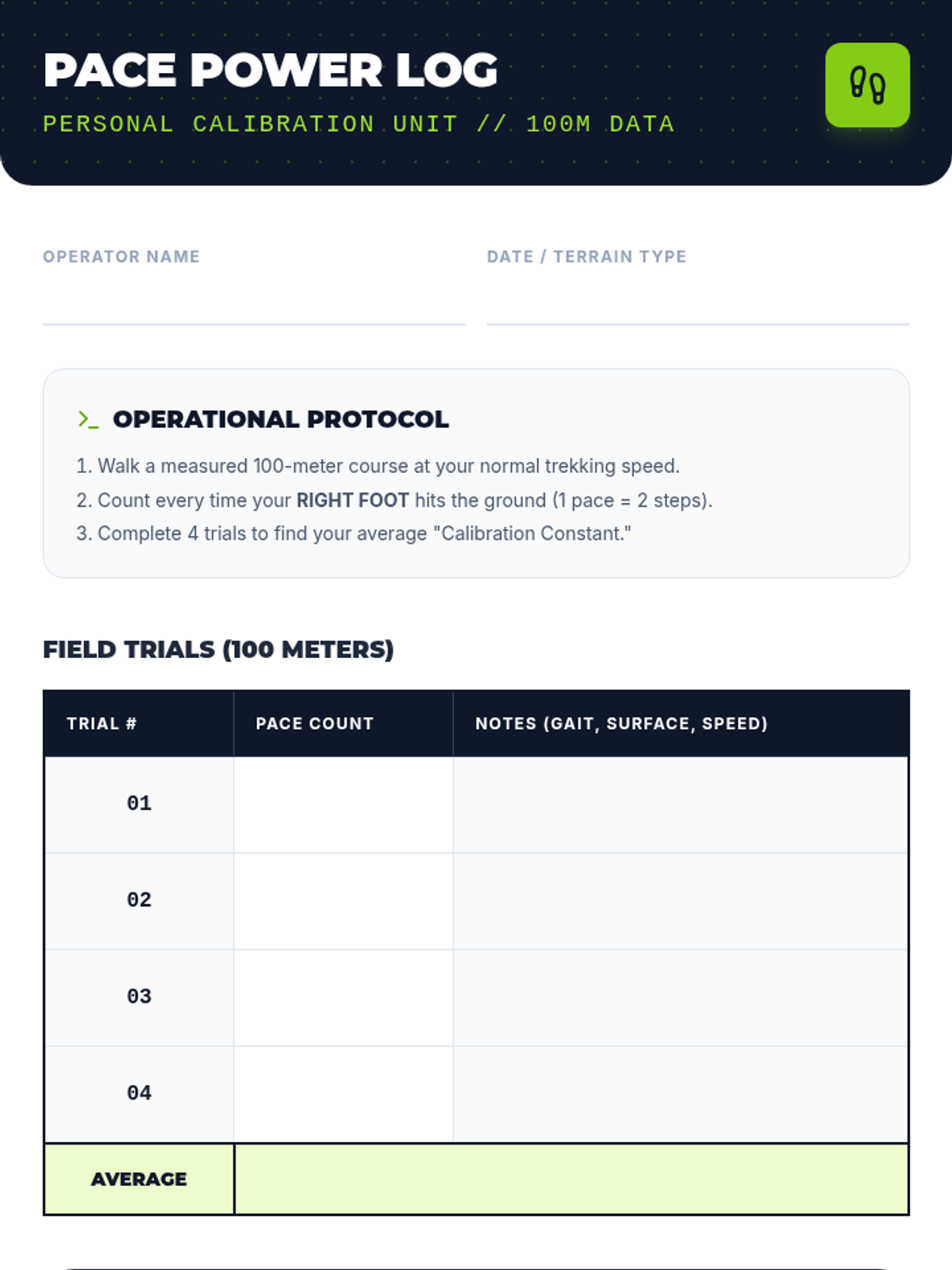
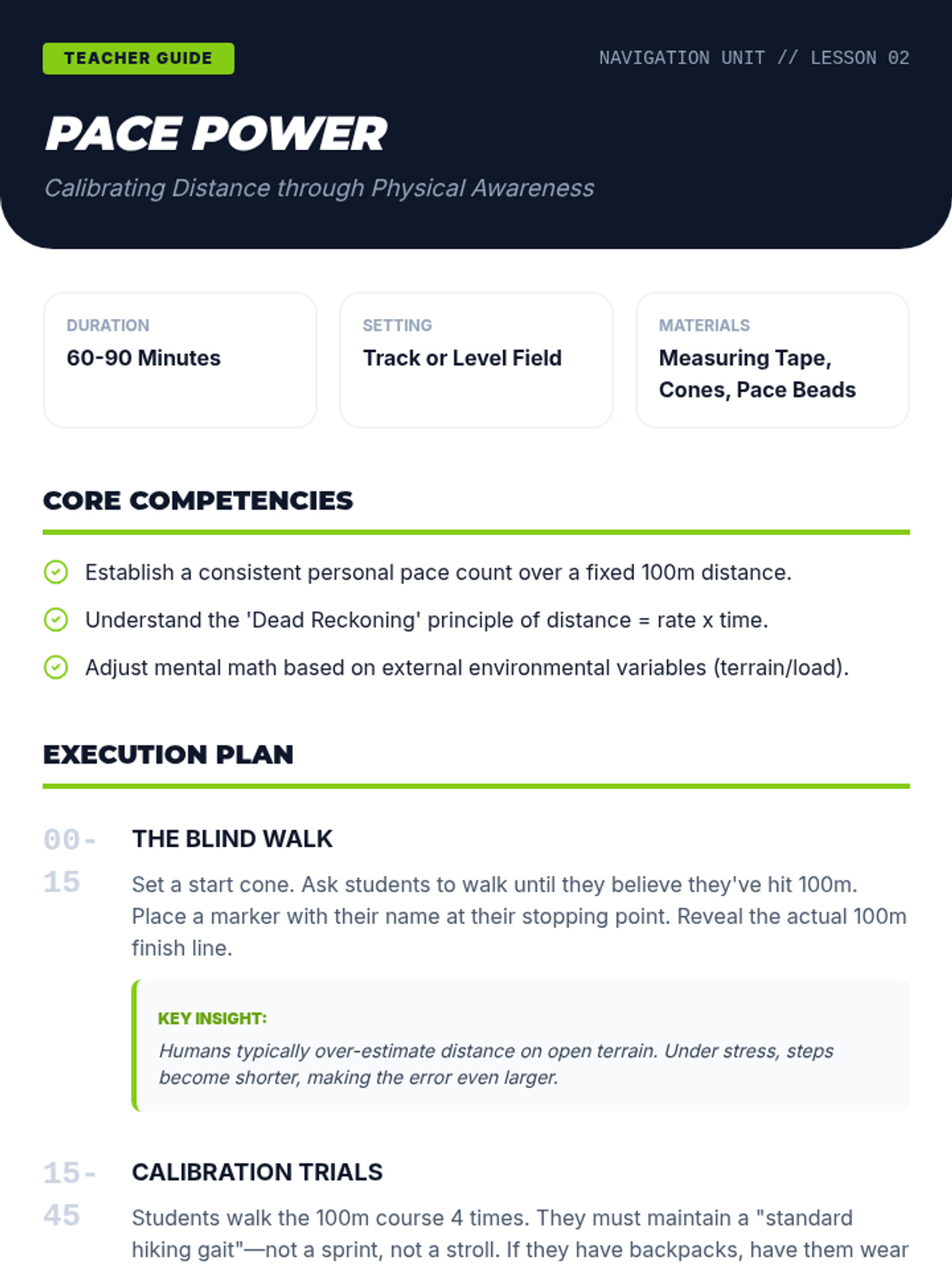
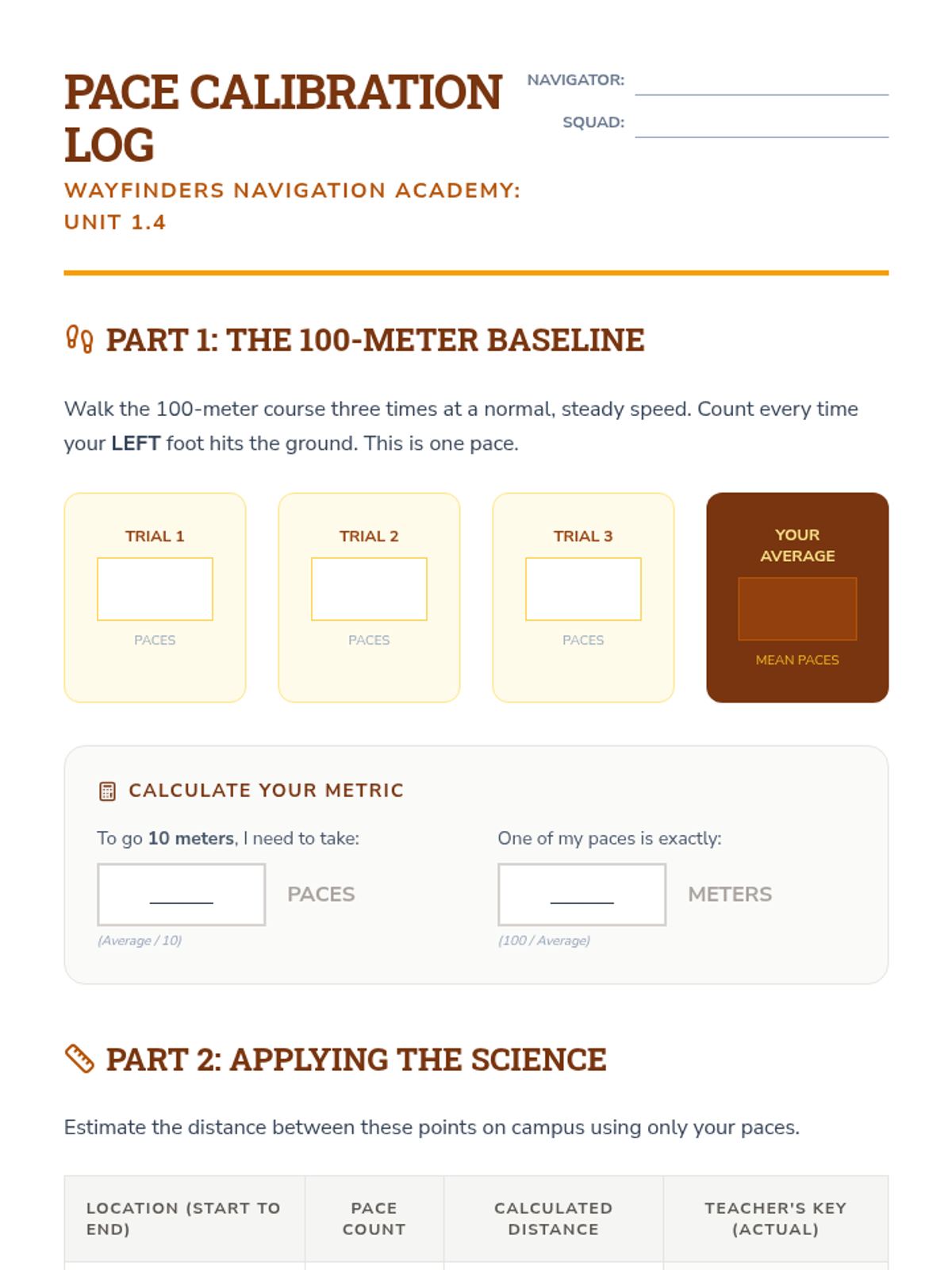
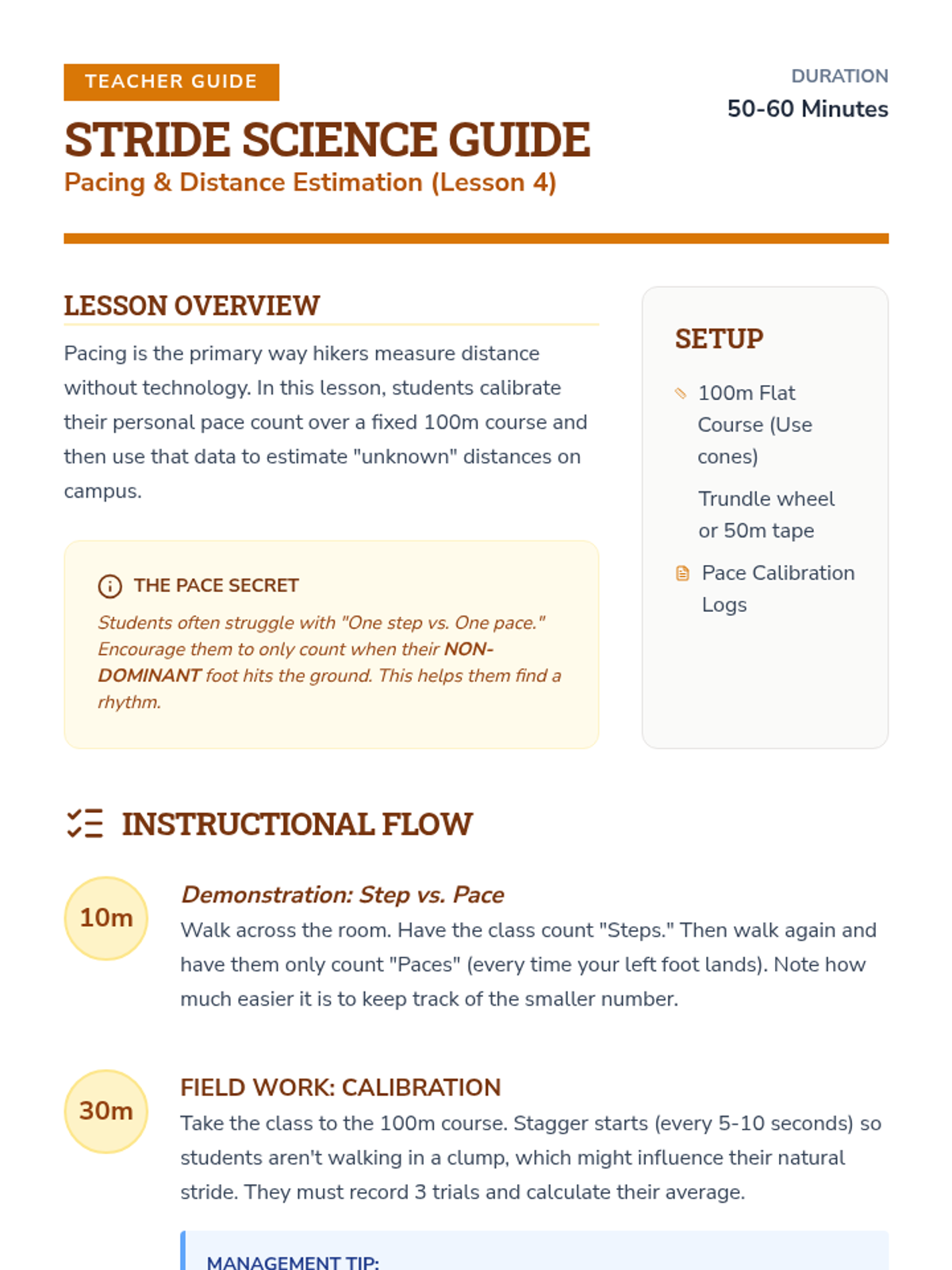
Students calculate their personal pace counts and apply dead reckoning to navigate without visual landmarks.
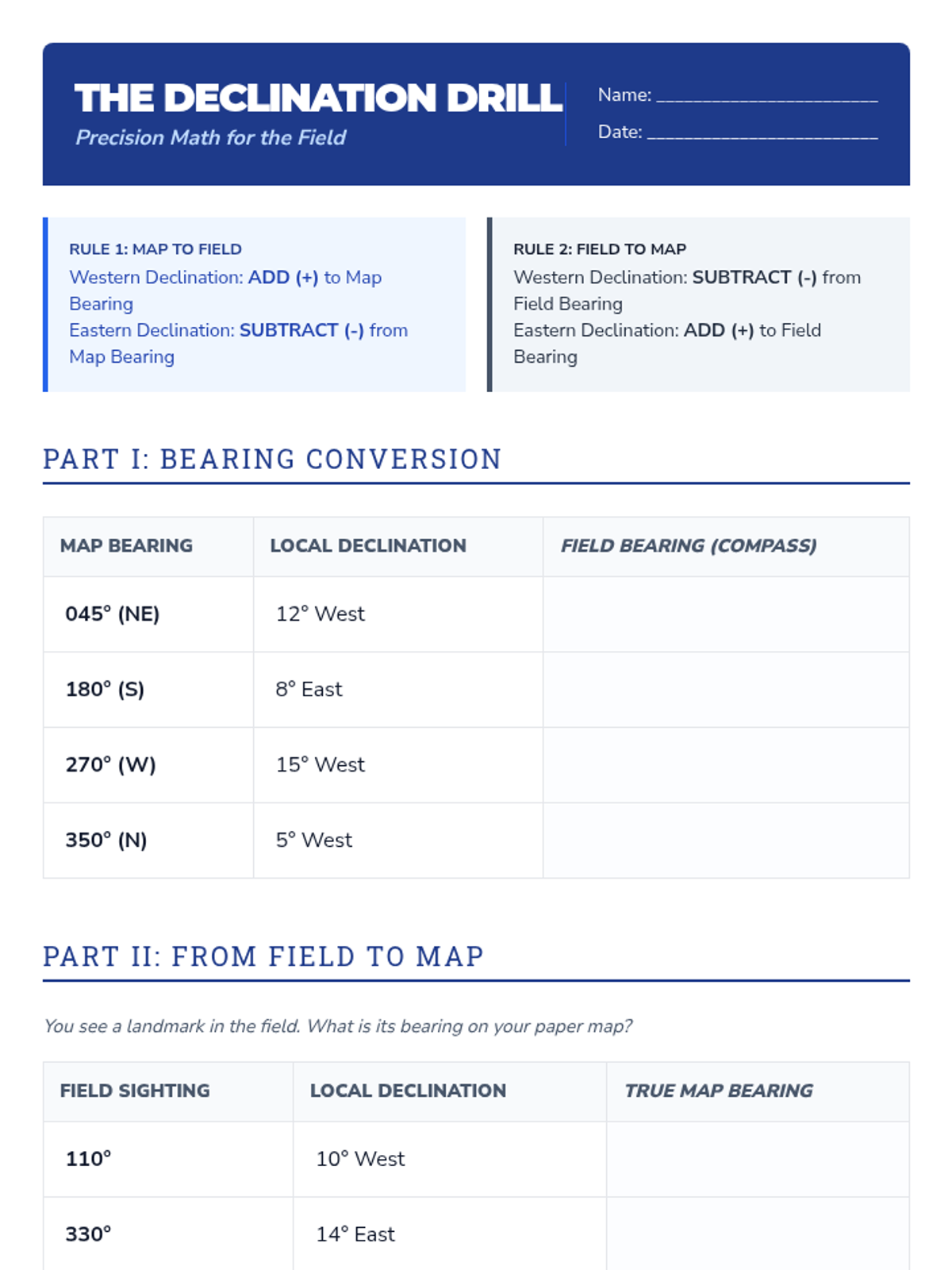
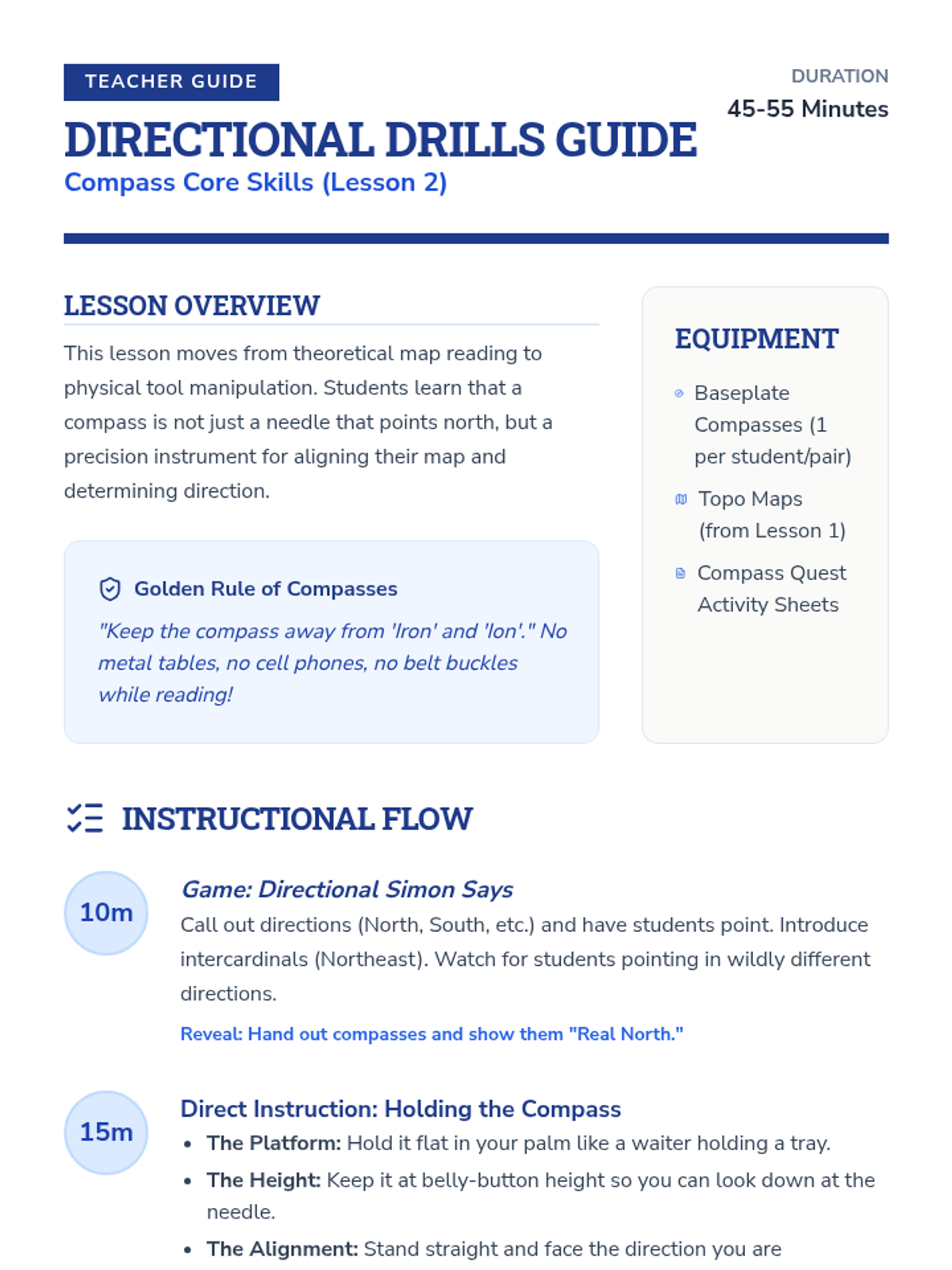
A technical workshop on using baseplate compasses, calculating bearings, and adjusting for magnetic declination.
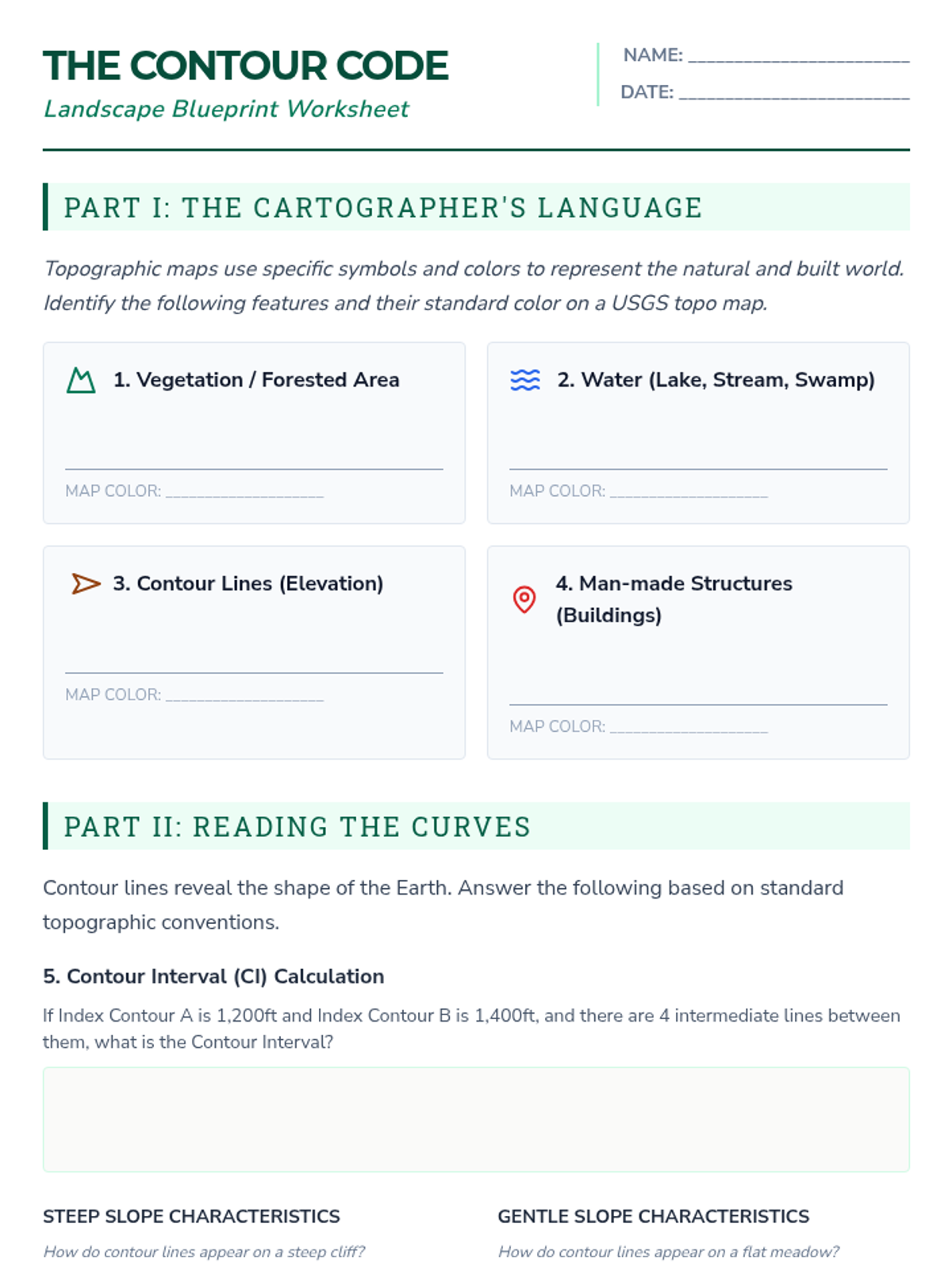
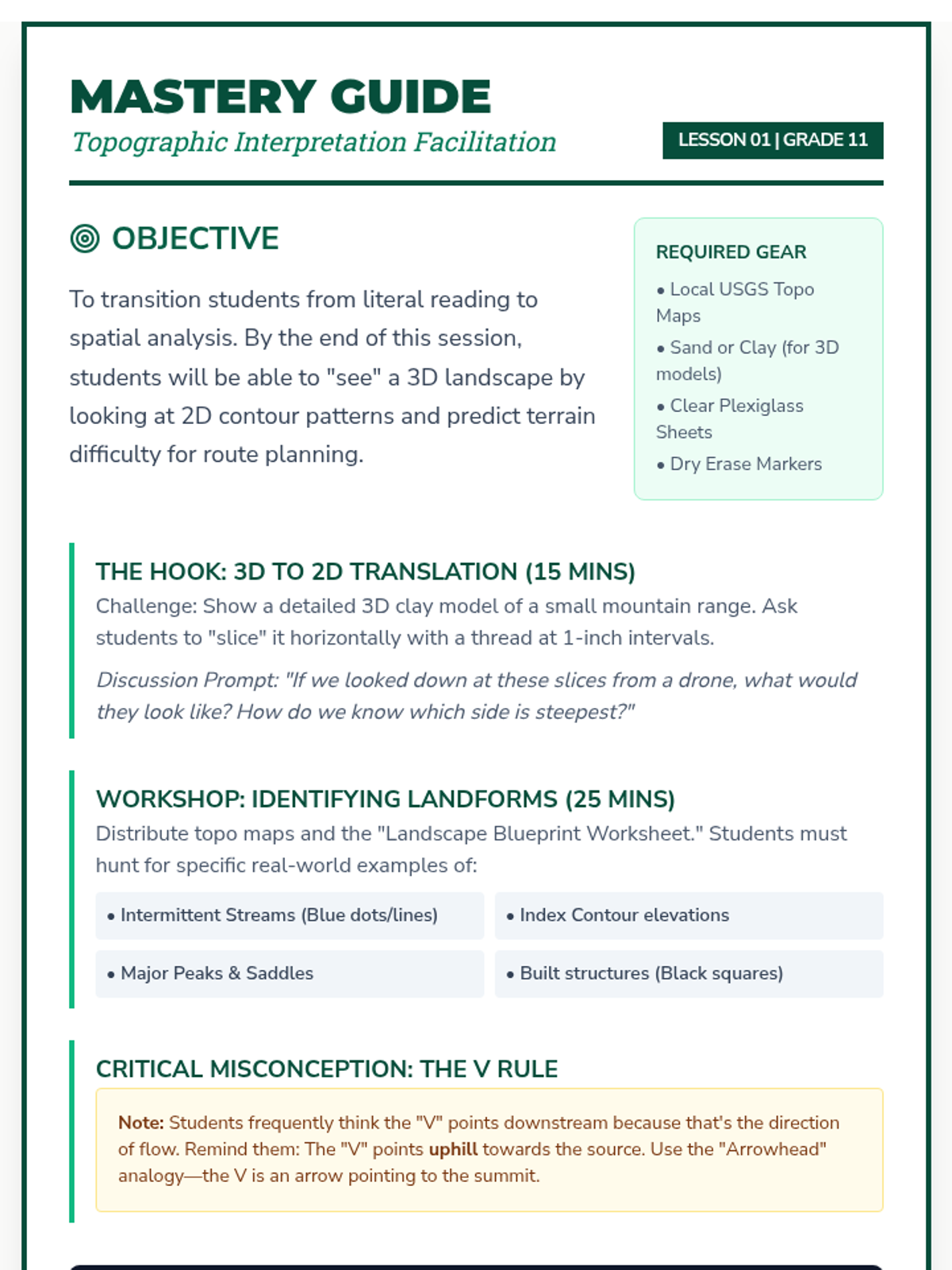
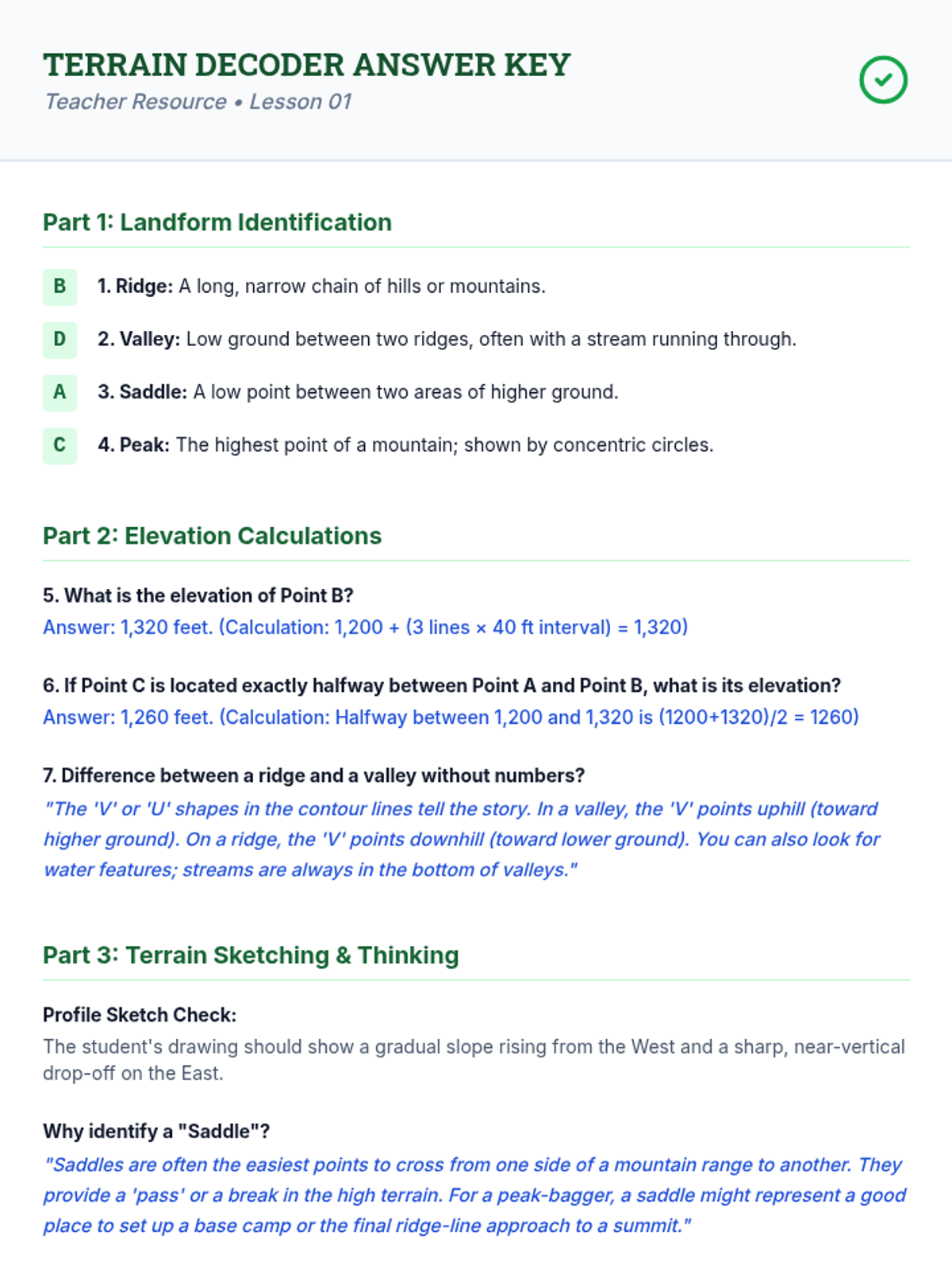
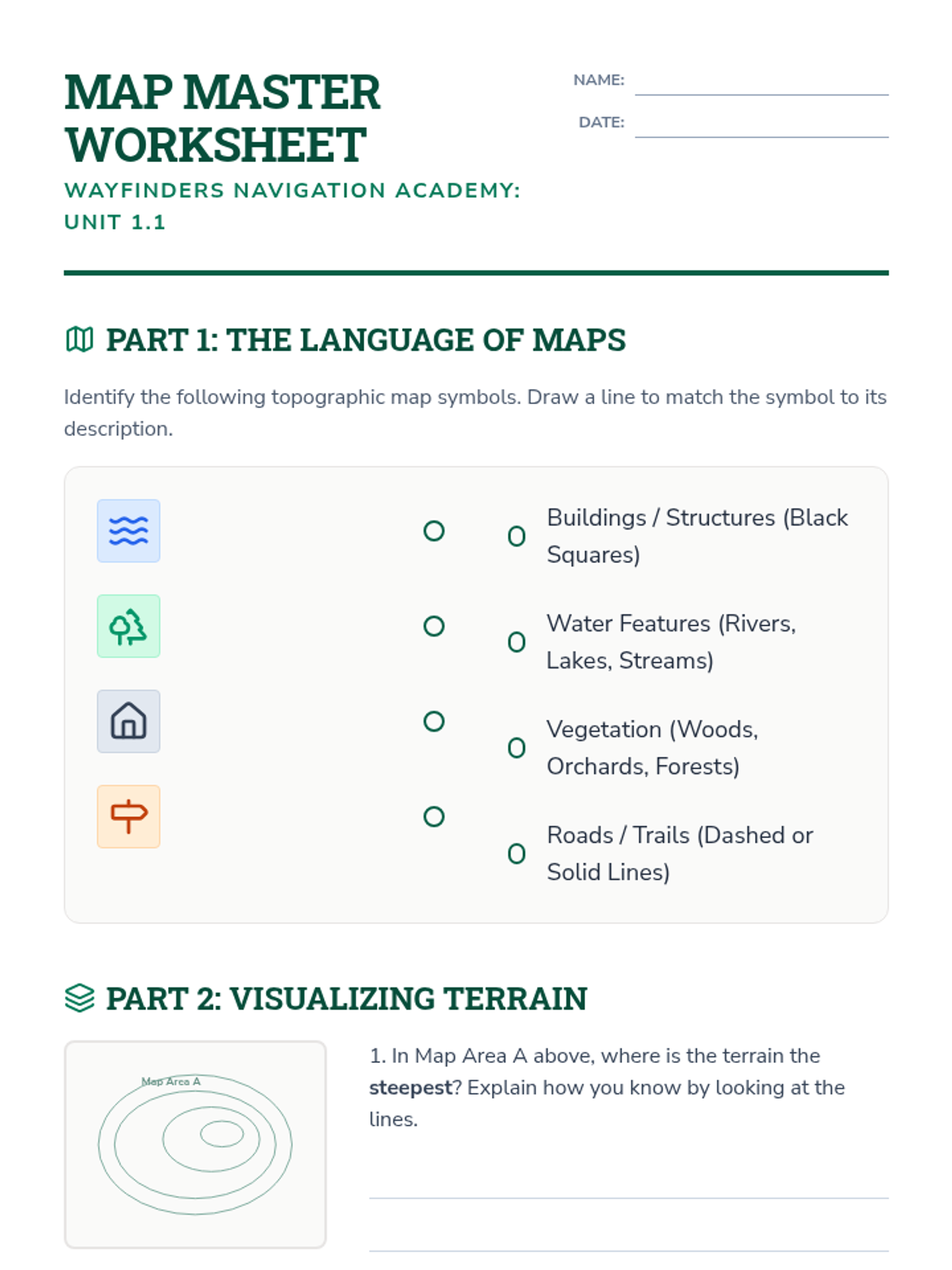
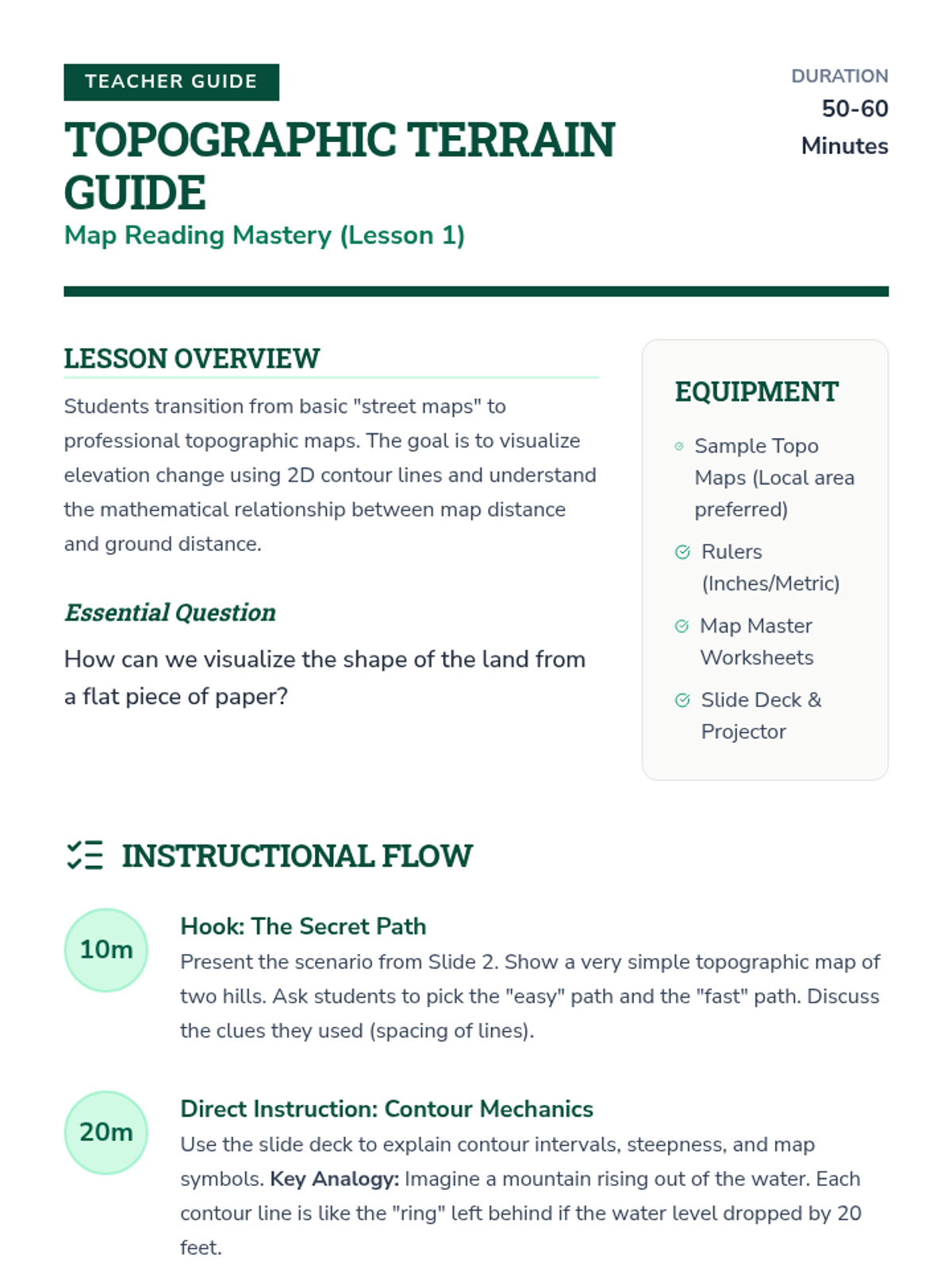
Students deconstruct topographic maps, visualizing 3D terrain from 2D contour lines and identifying key landscape features.
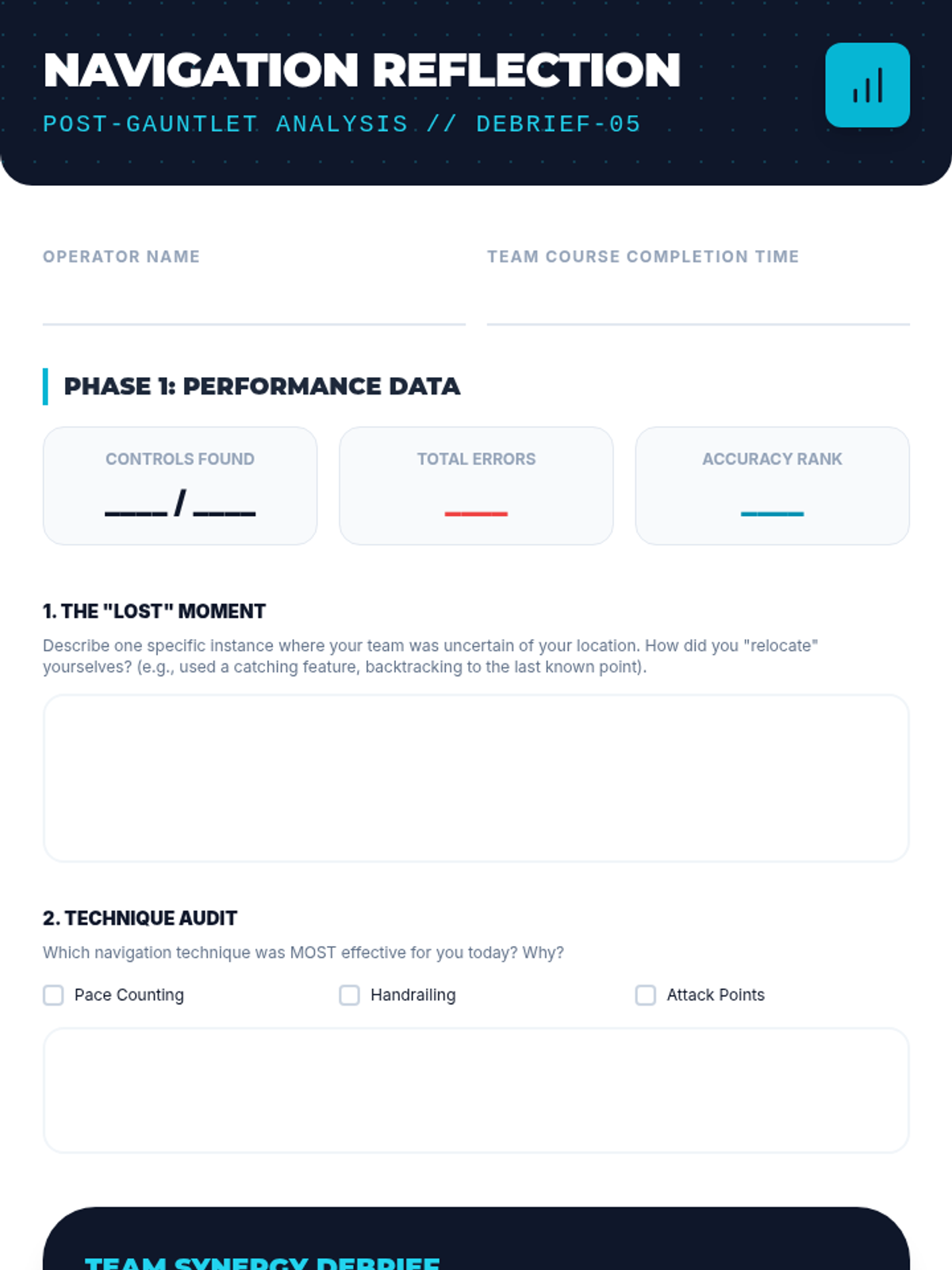
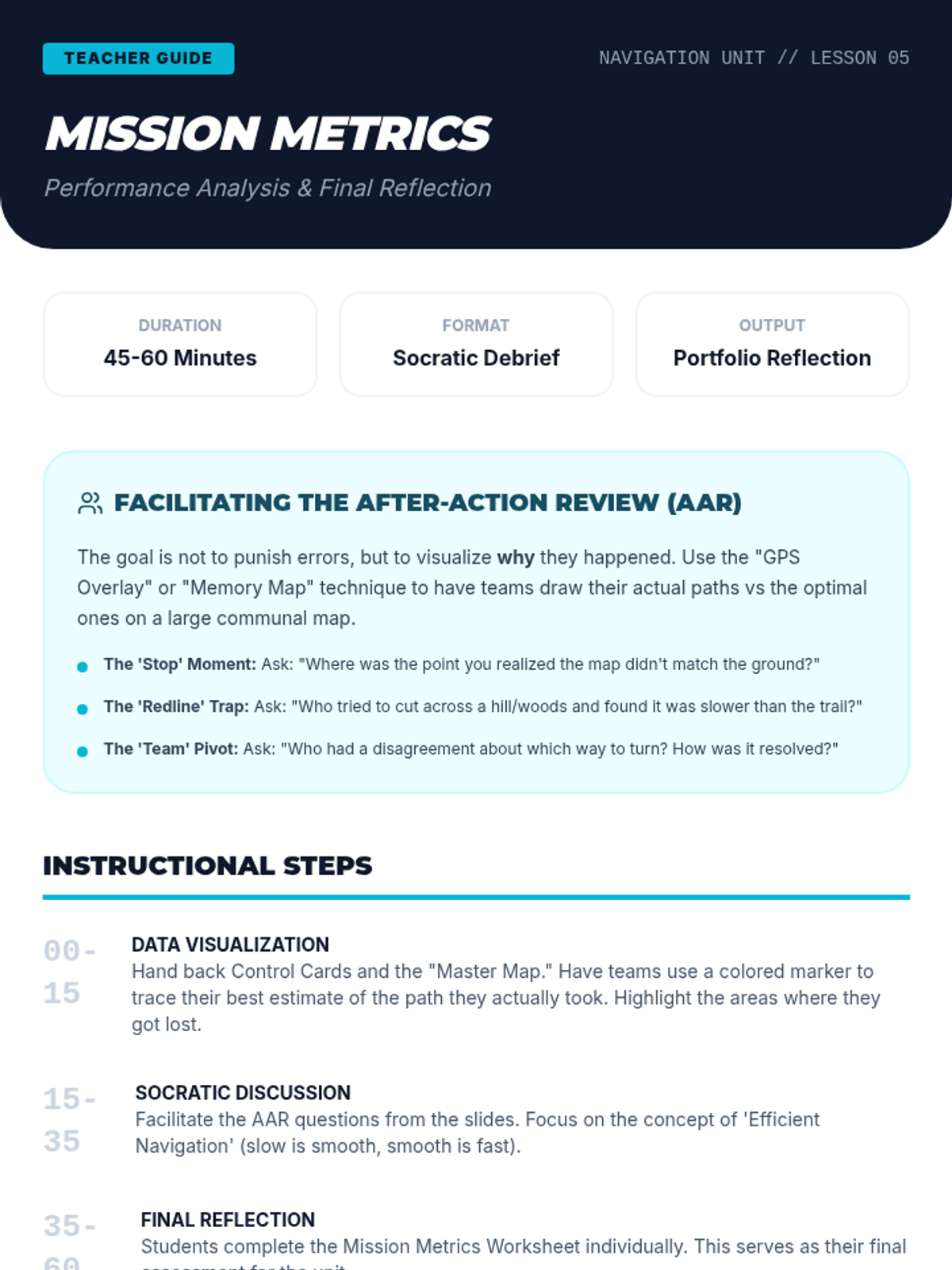
A reflective analysis of performance data and route choices to improve future navigational decision-making and teamwork.
A culminating physical and mental challenge where students navigate a timed course, applying all previously learned skills under pressure.
An introduction to competitive orienteering strategies, focusing on route choice, attack points, and catching features to optimize speed and accuracy.
Students calibrate their personal pace count to estimate distance over varied terrain, a vital skill for dead reckoning and precise navigation.
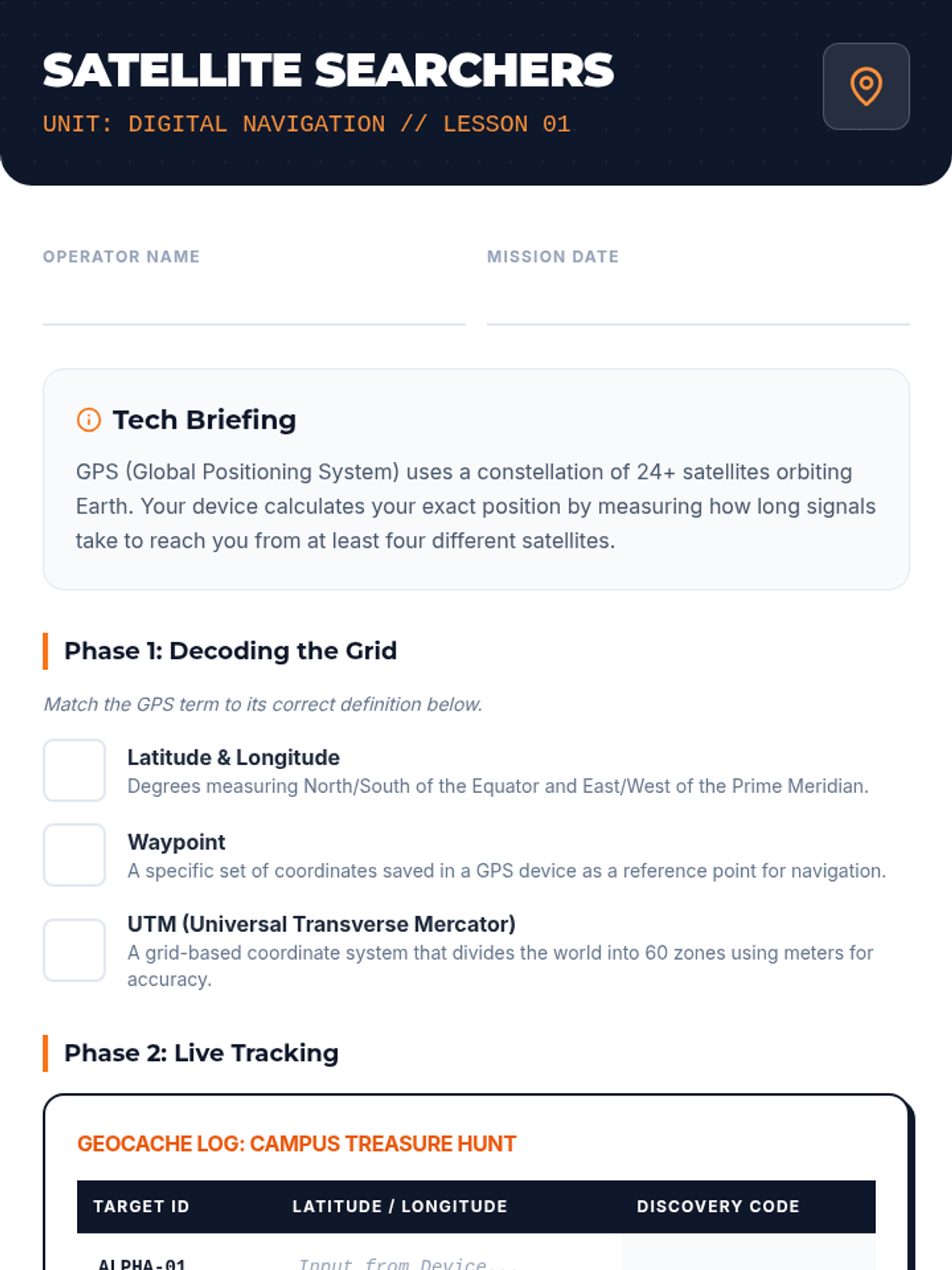
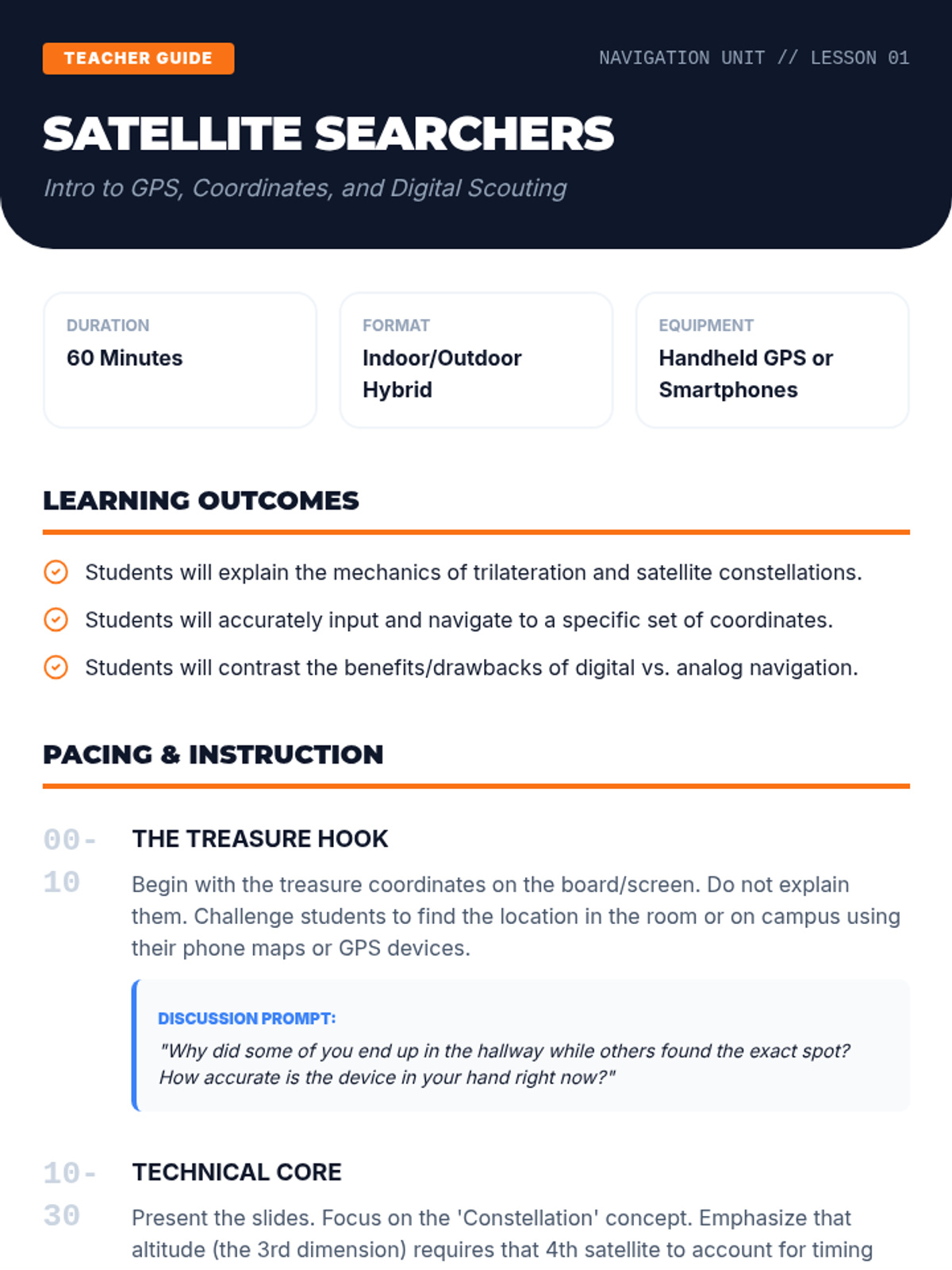
Students explore GPS technology, learning to interpret coordinates and manage waypoints while understanding the relationship between satellite tech and traditional map skills.
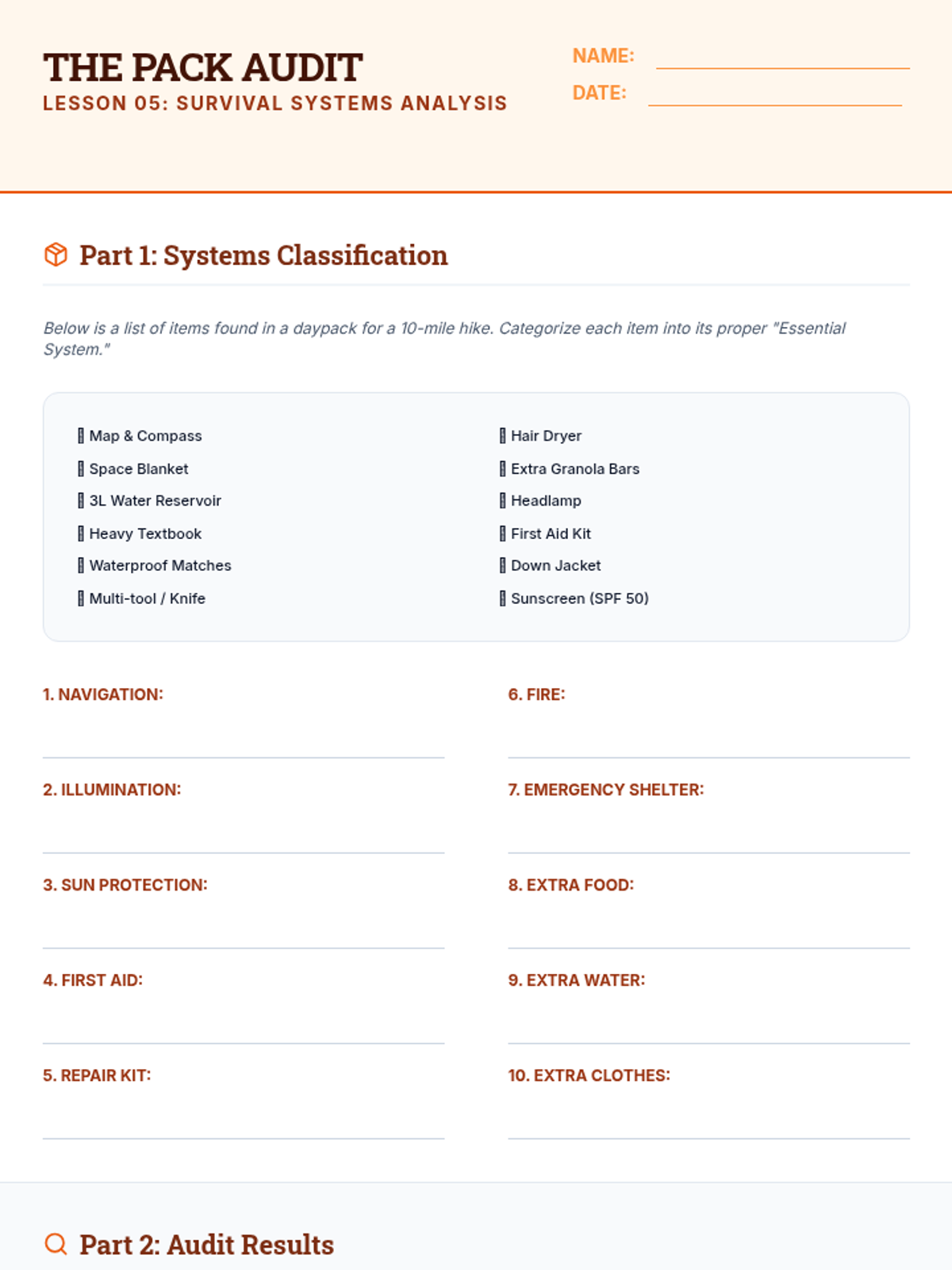
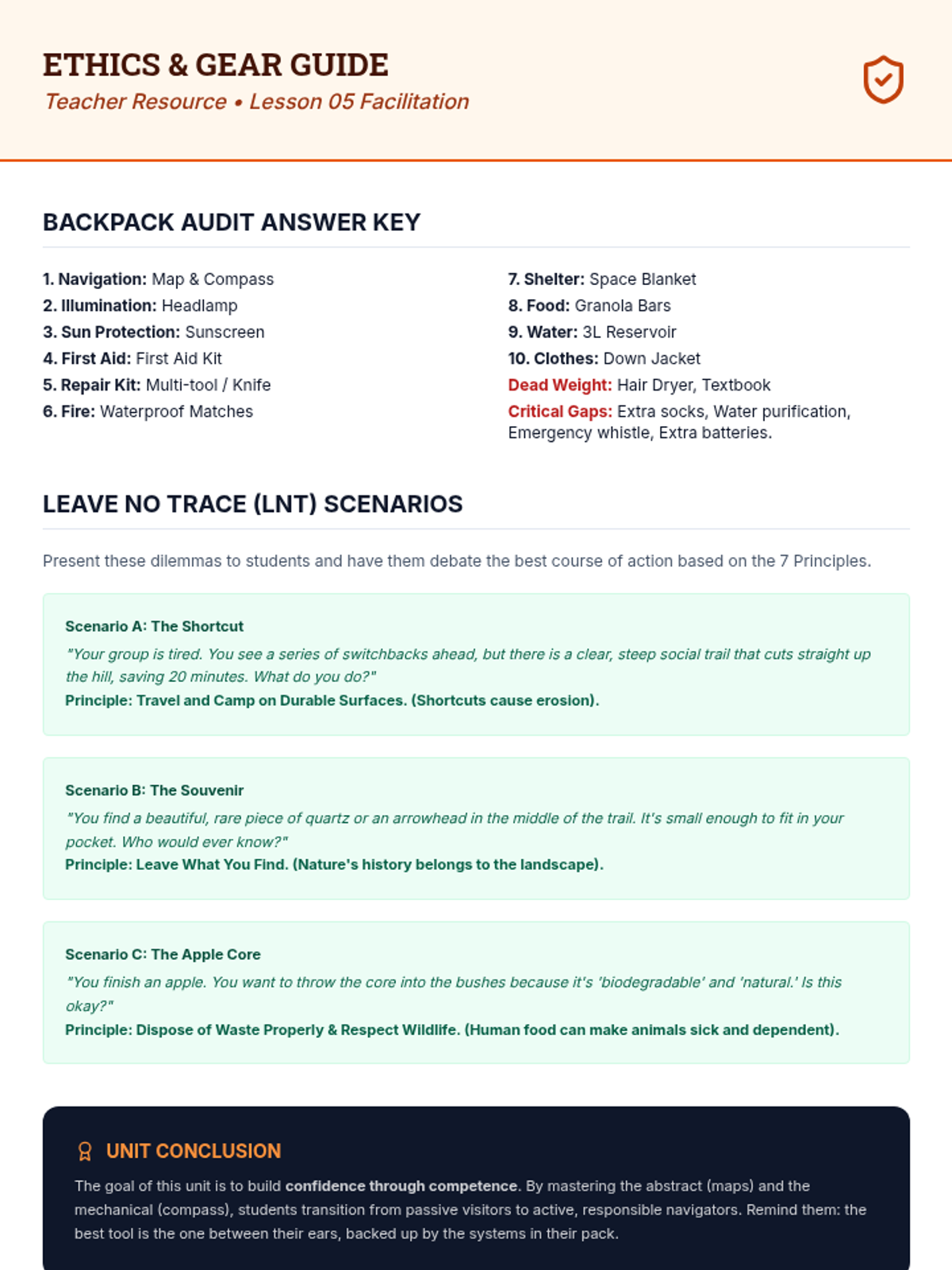
Essential gear for wilderness safety and the ethics of Leave No Trace principles.
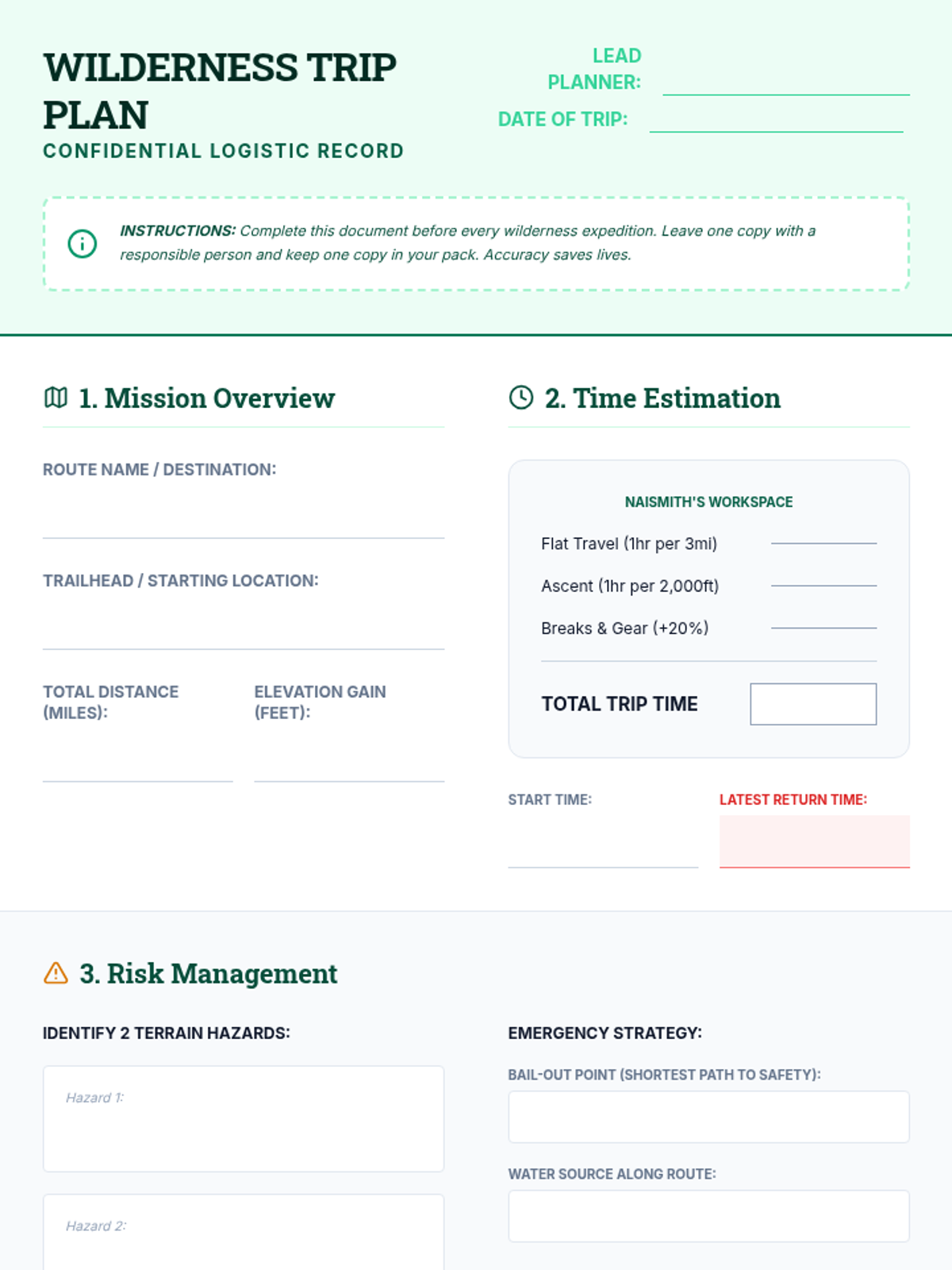
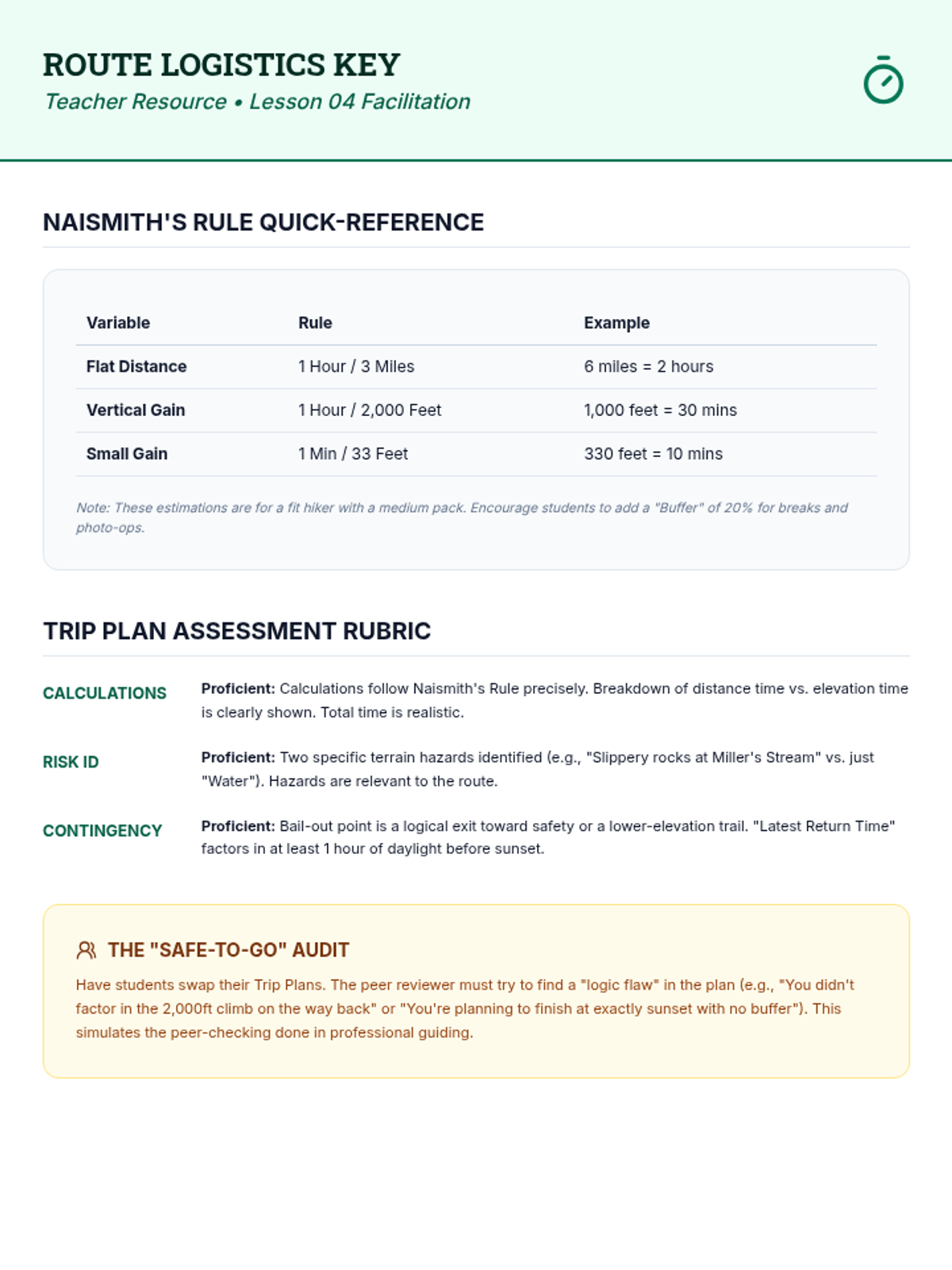
Logistical planning using Naismith's Rule to calculate travel time and assessing route risks.
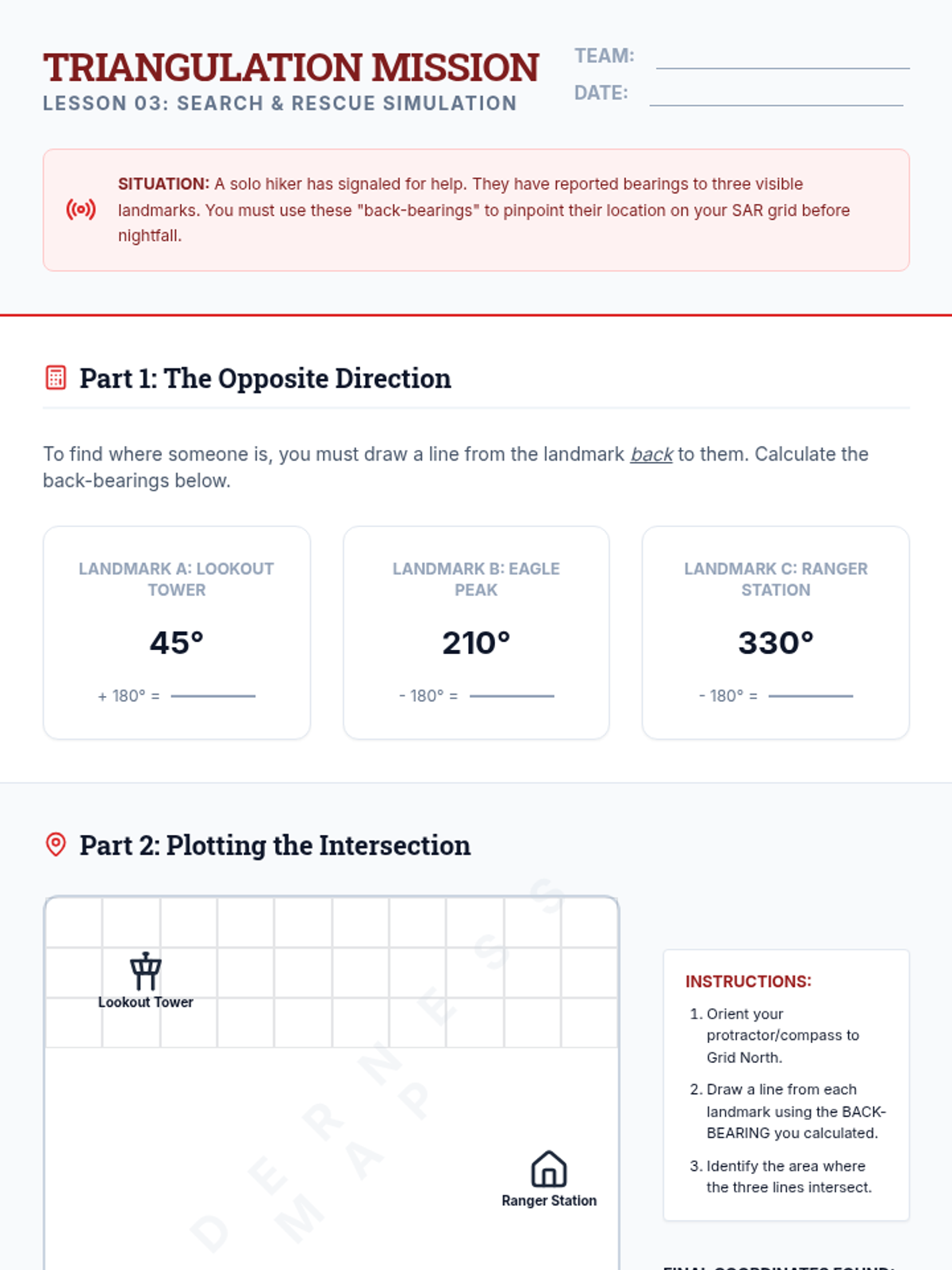
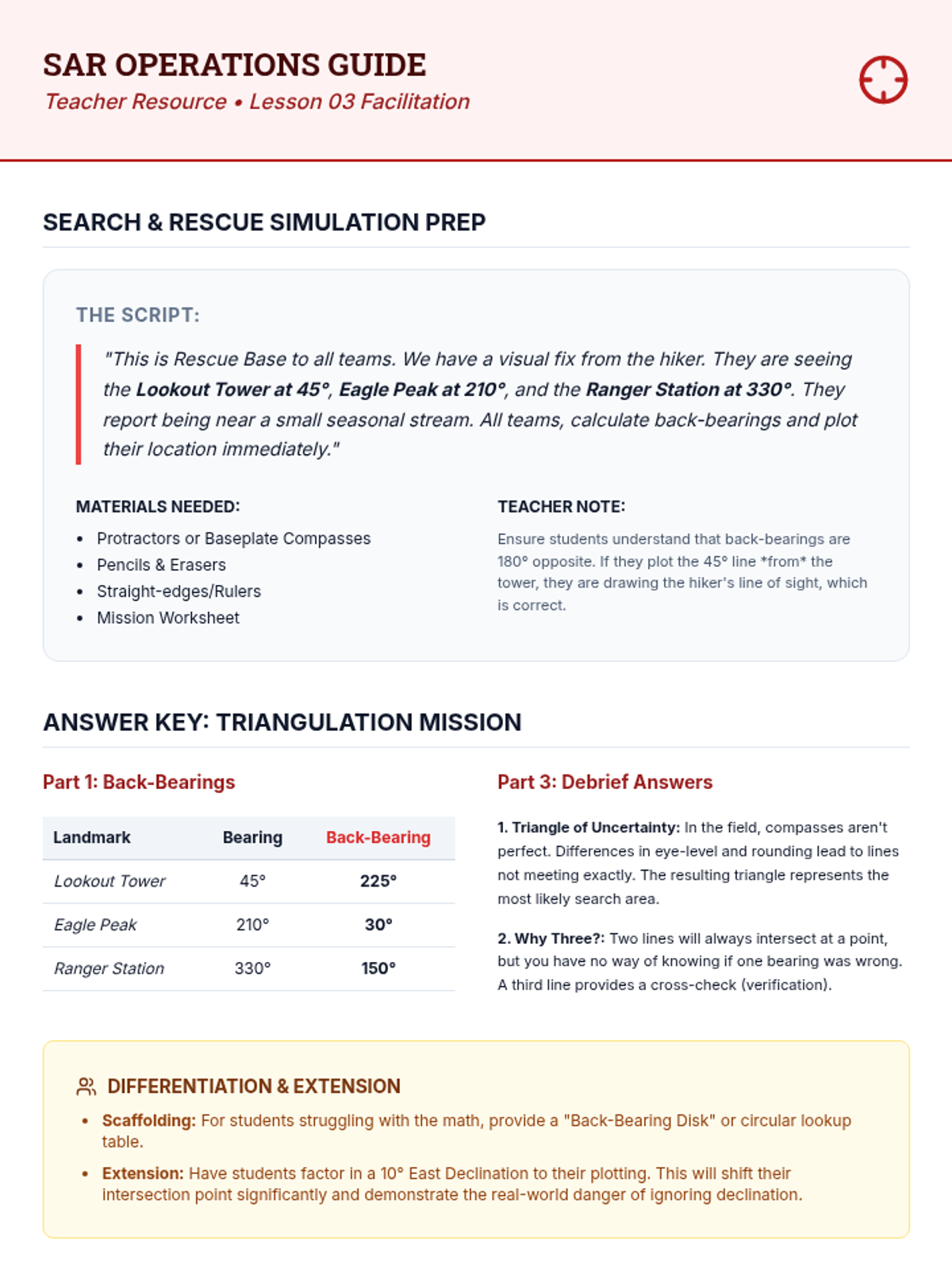
Integrating map and compass skills to pinpoint an unknown location using back-bearings and triangulation.
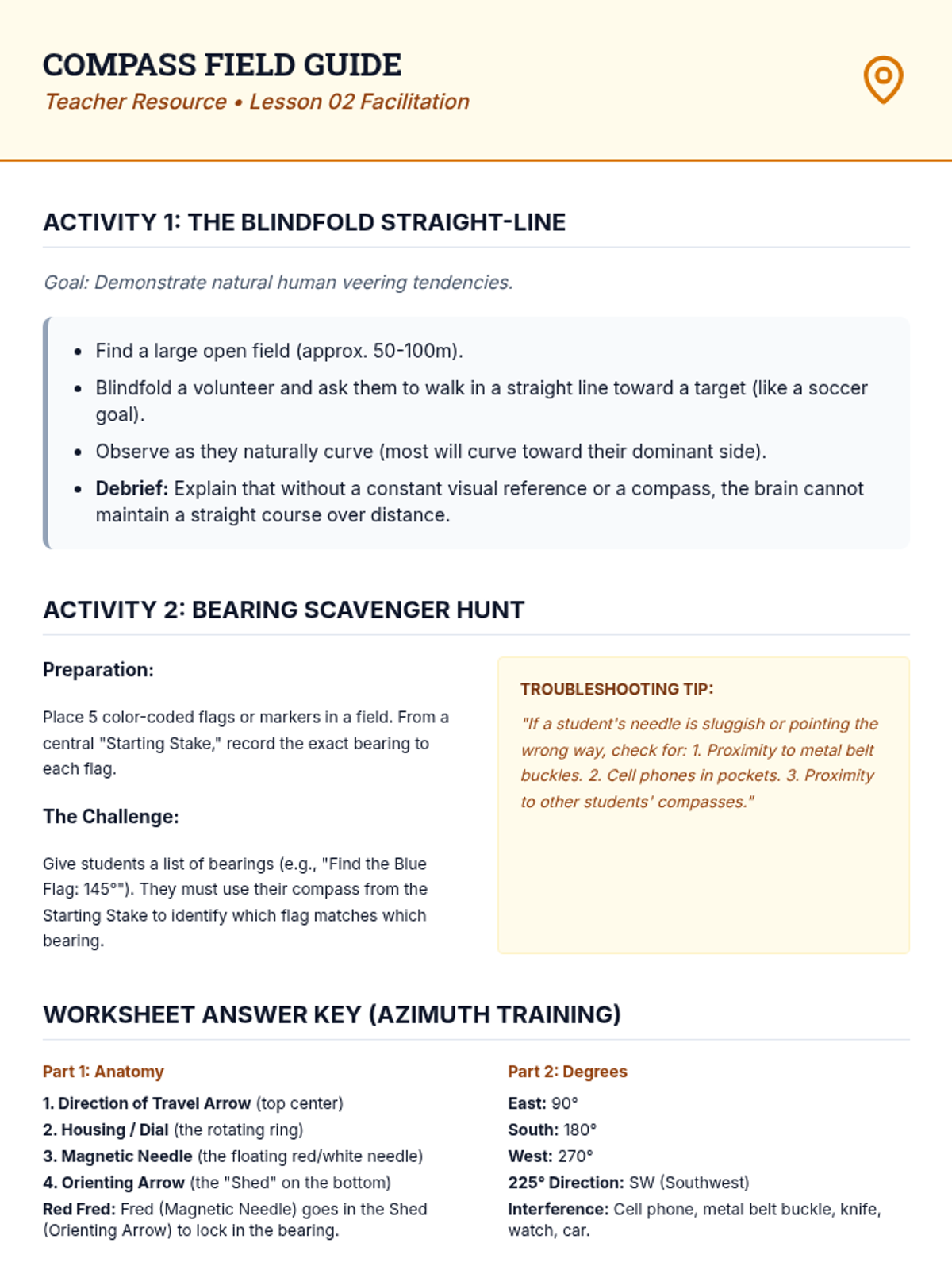
Introduction to the baseplate compass, magnetic declination, and the process of shooting and following bearings.
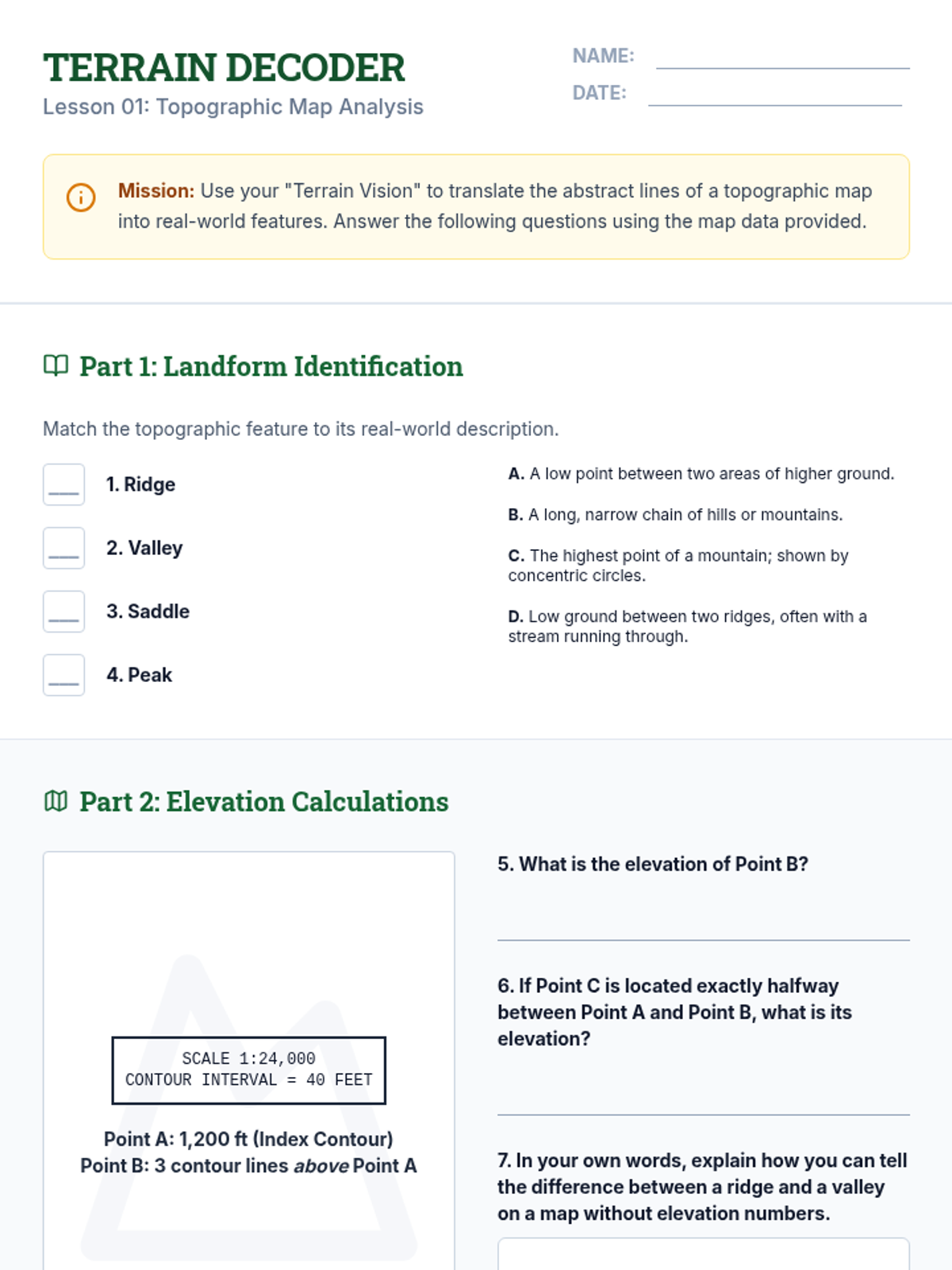
Students learn to translate 2D contour lines into 3D visualizations, identifying ridges, valleys, and peaks.
A final challenge where students apply all learned skills to complete a timed schoolyard orienteering course.
Learners calibrate their personal pace count to measure distances accurately on foot.
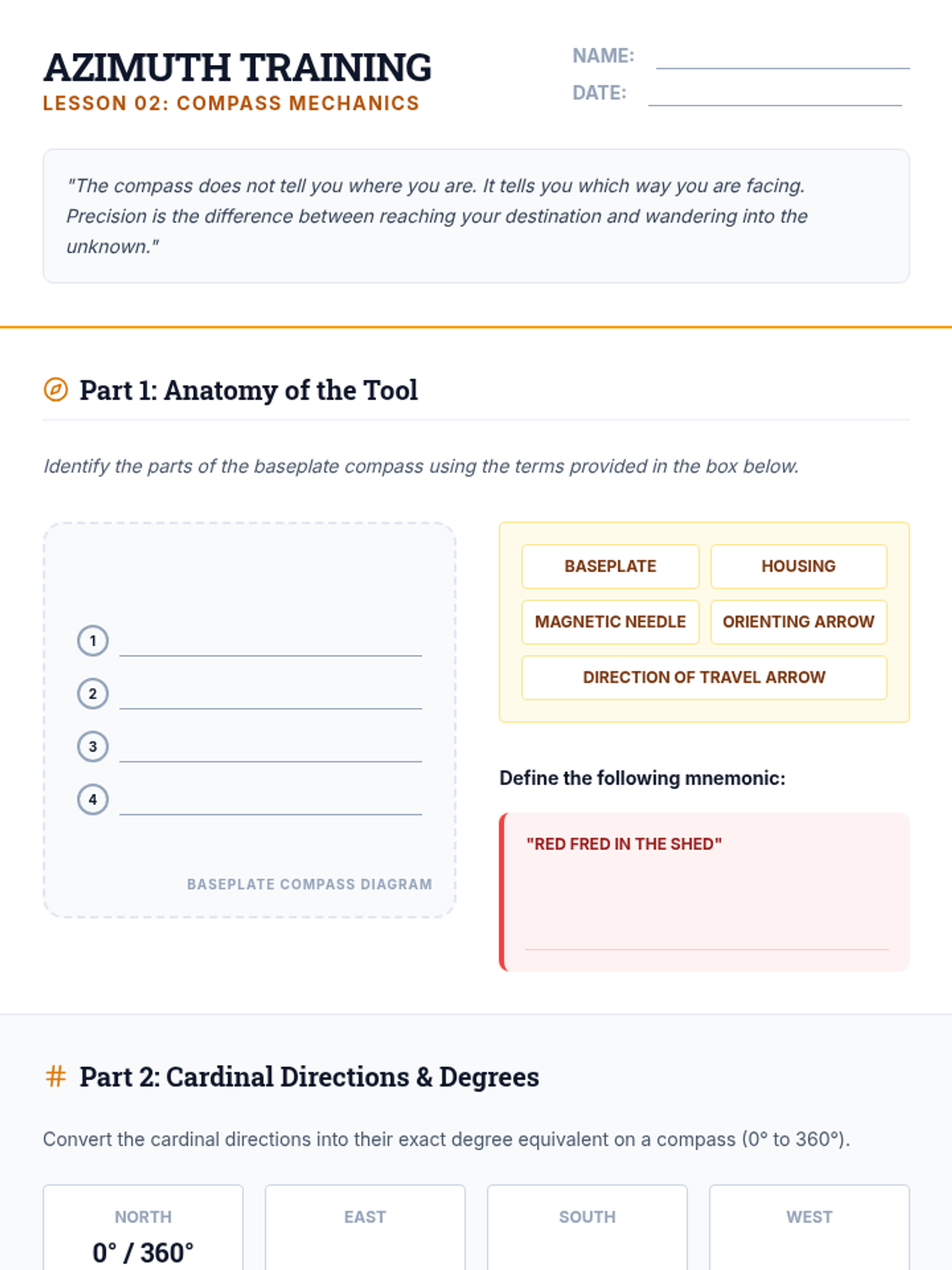
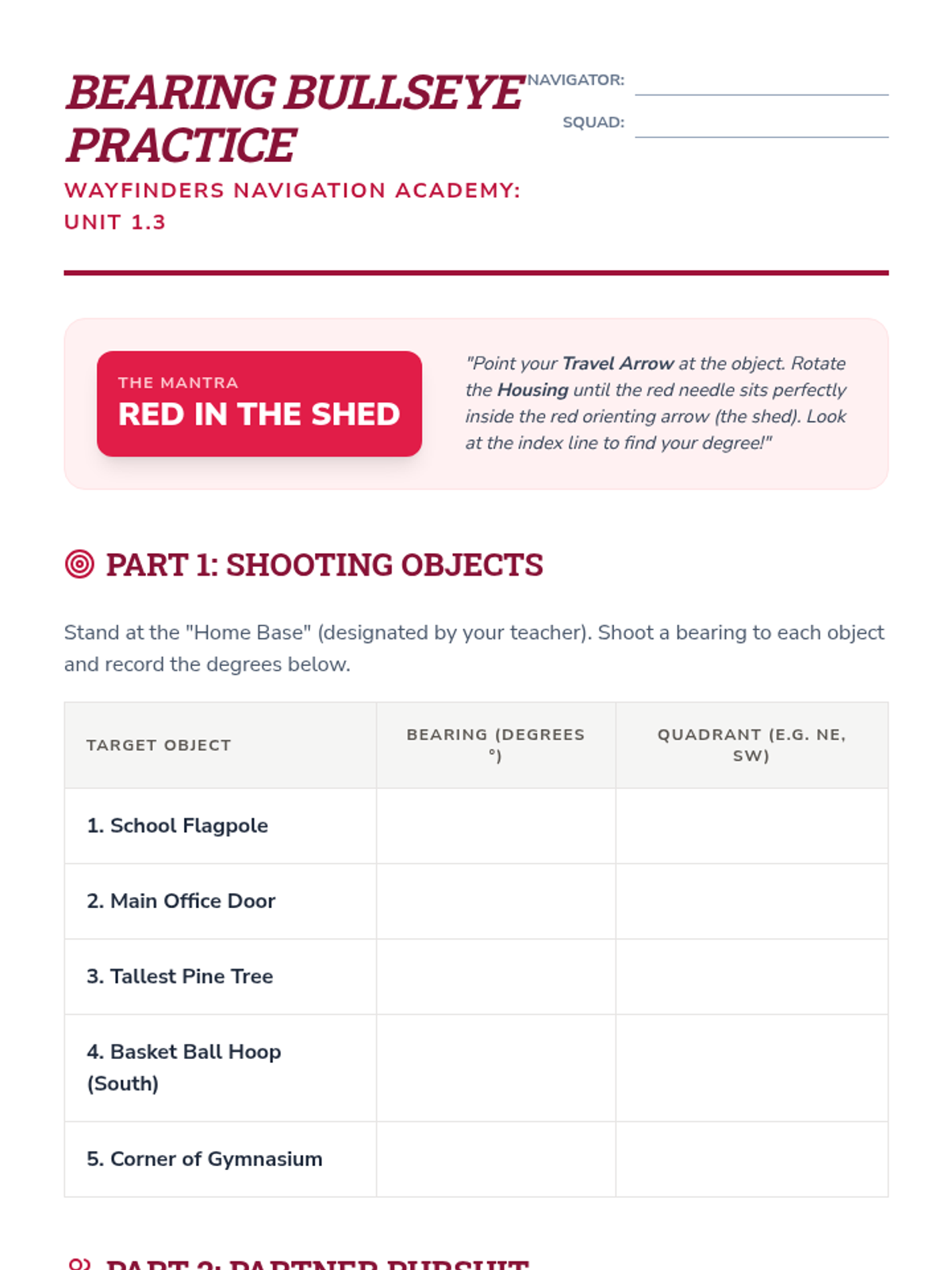
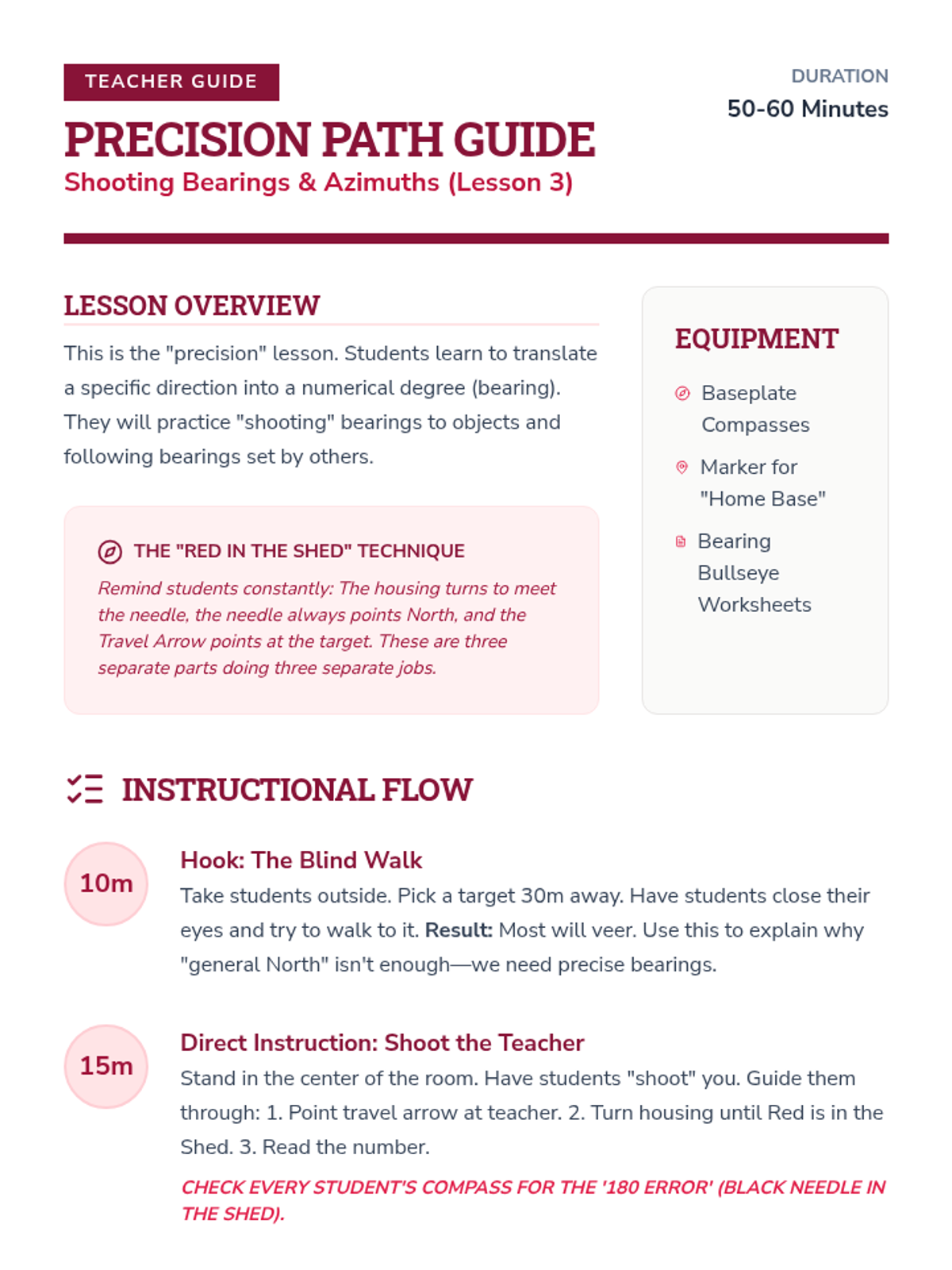
Students learn the 'Red in the Shed' technique to shoot bearings and follow a precise line of travel.
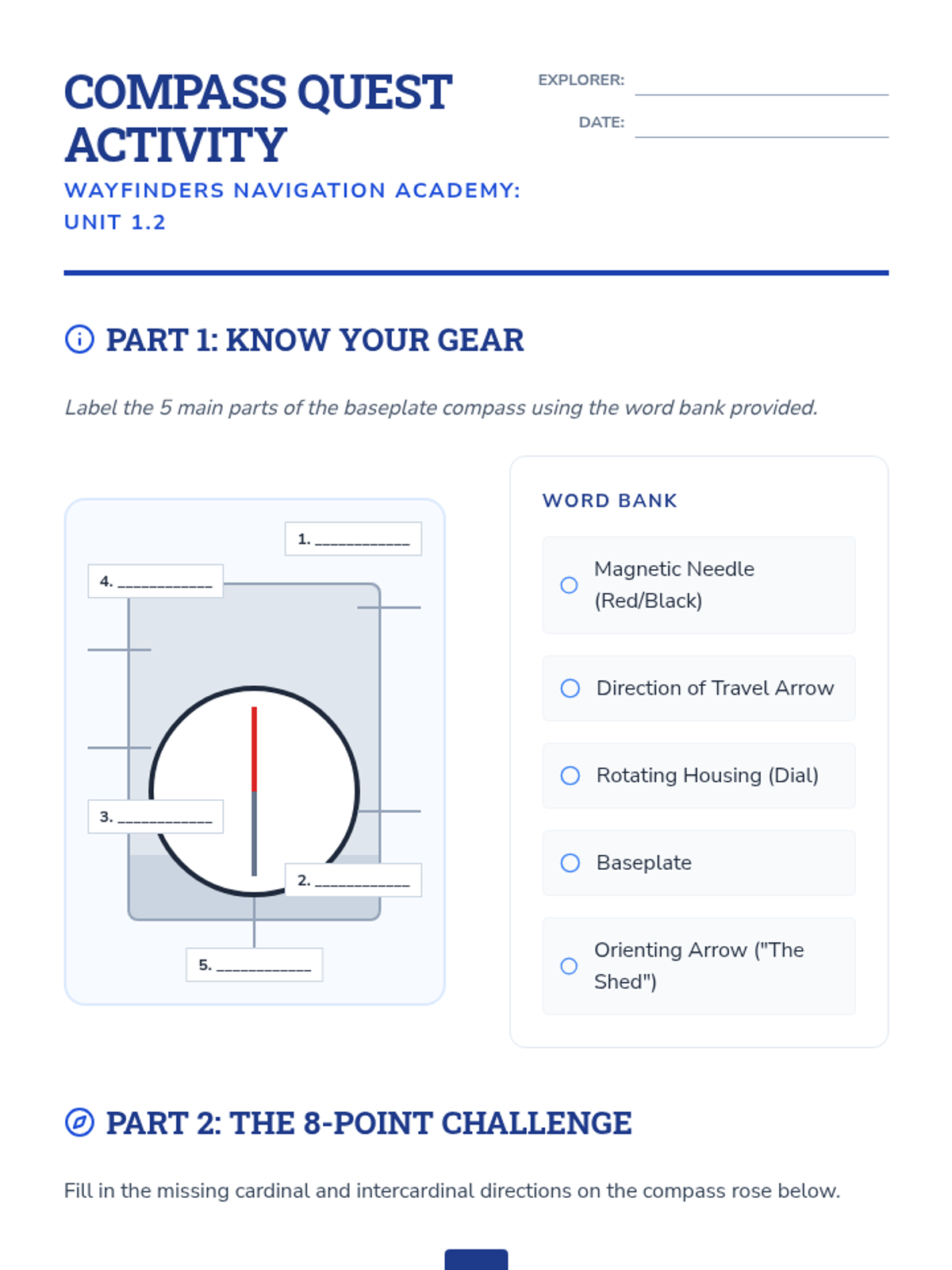
This lesson covers the parts of a baseplate compass, cardinal directions, and how to orient a map to North.
Students explore topographic maps, identifying legends, scales, and contour lines to visualize terrain and calculate distances.
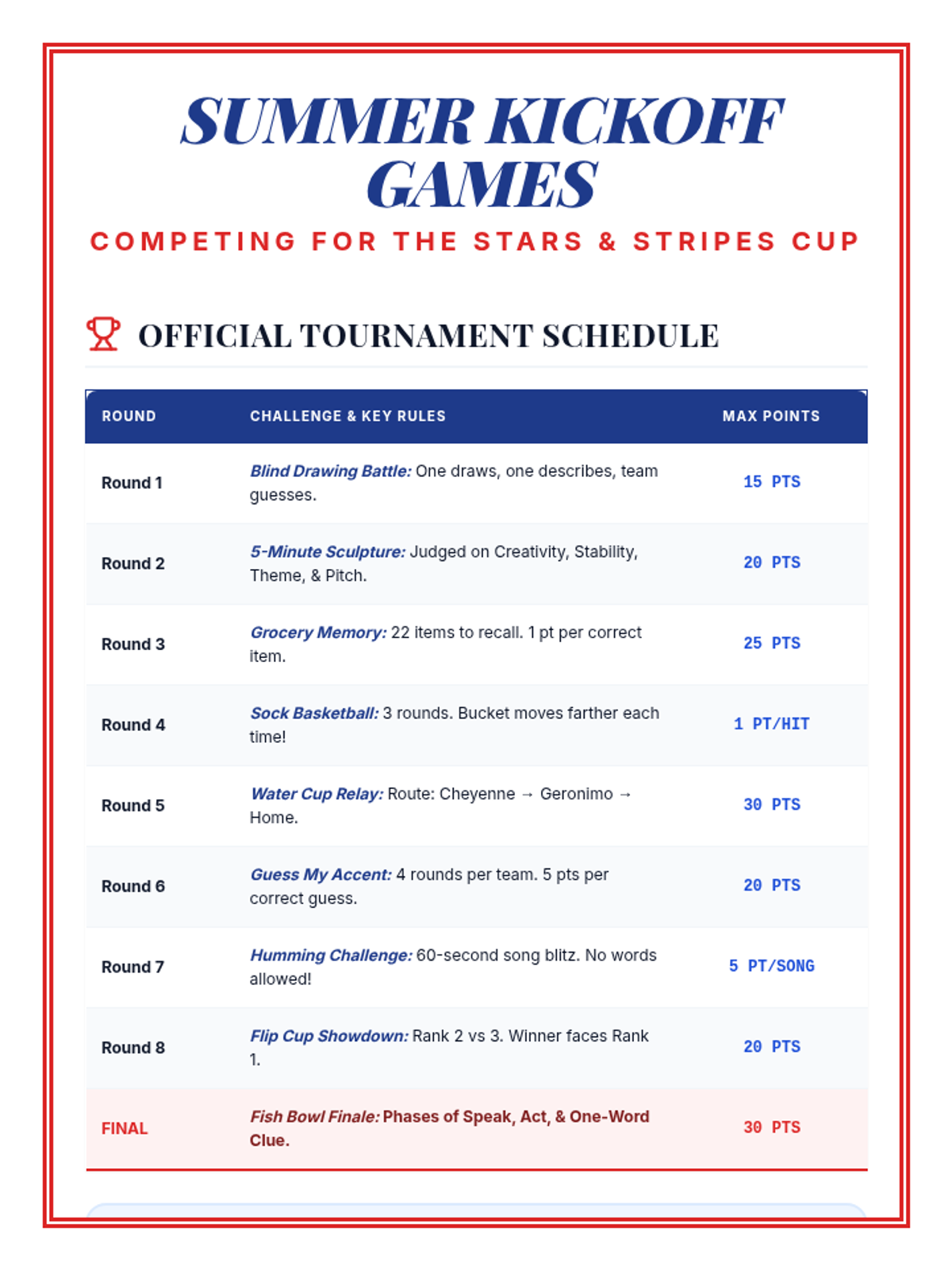
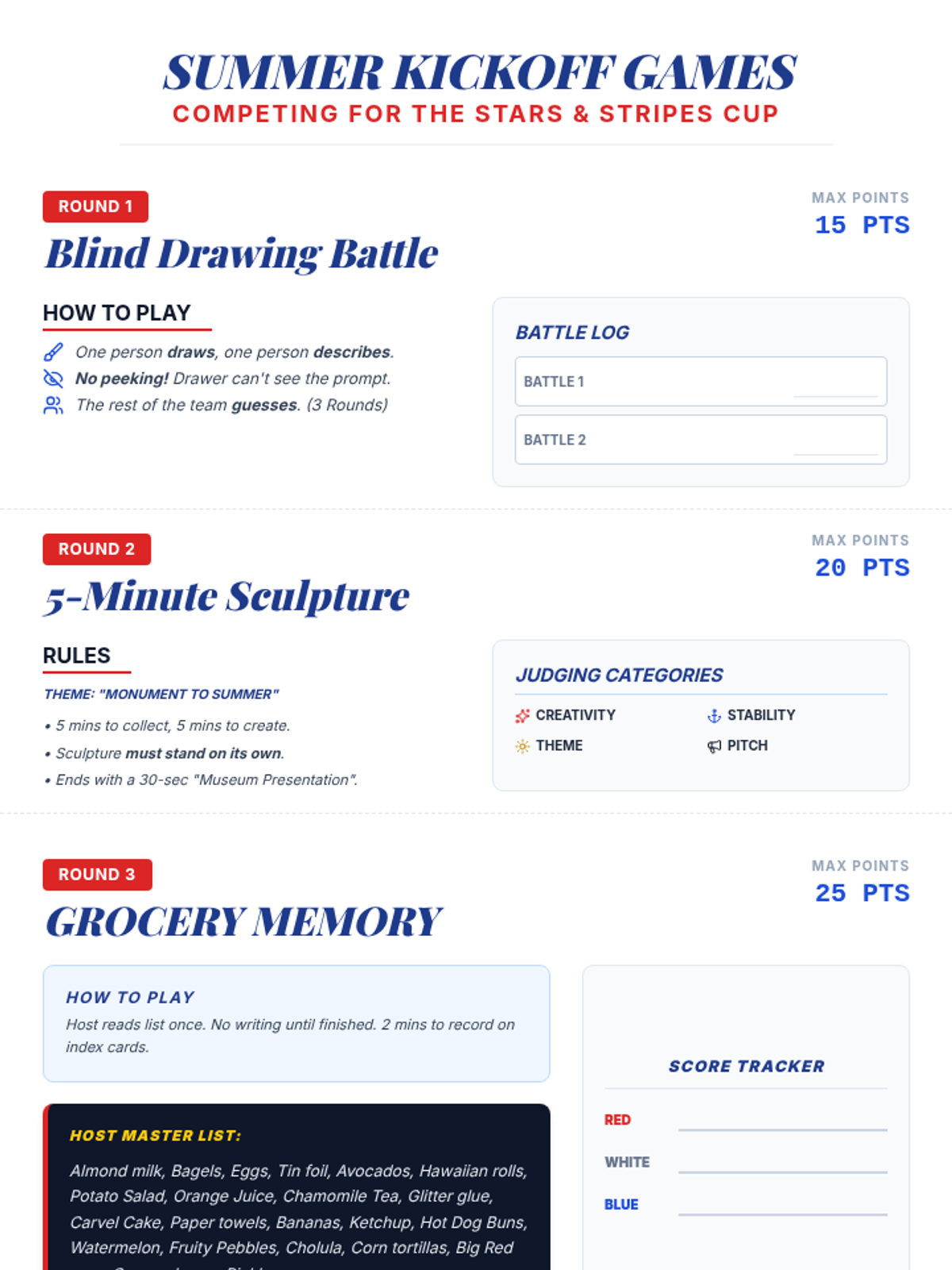
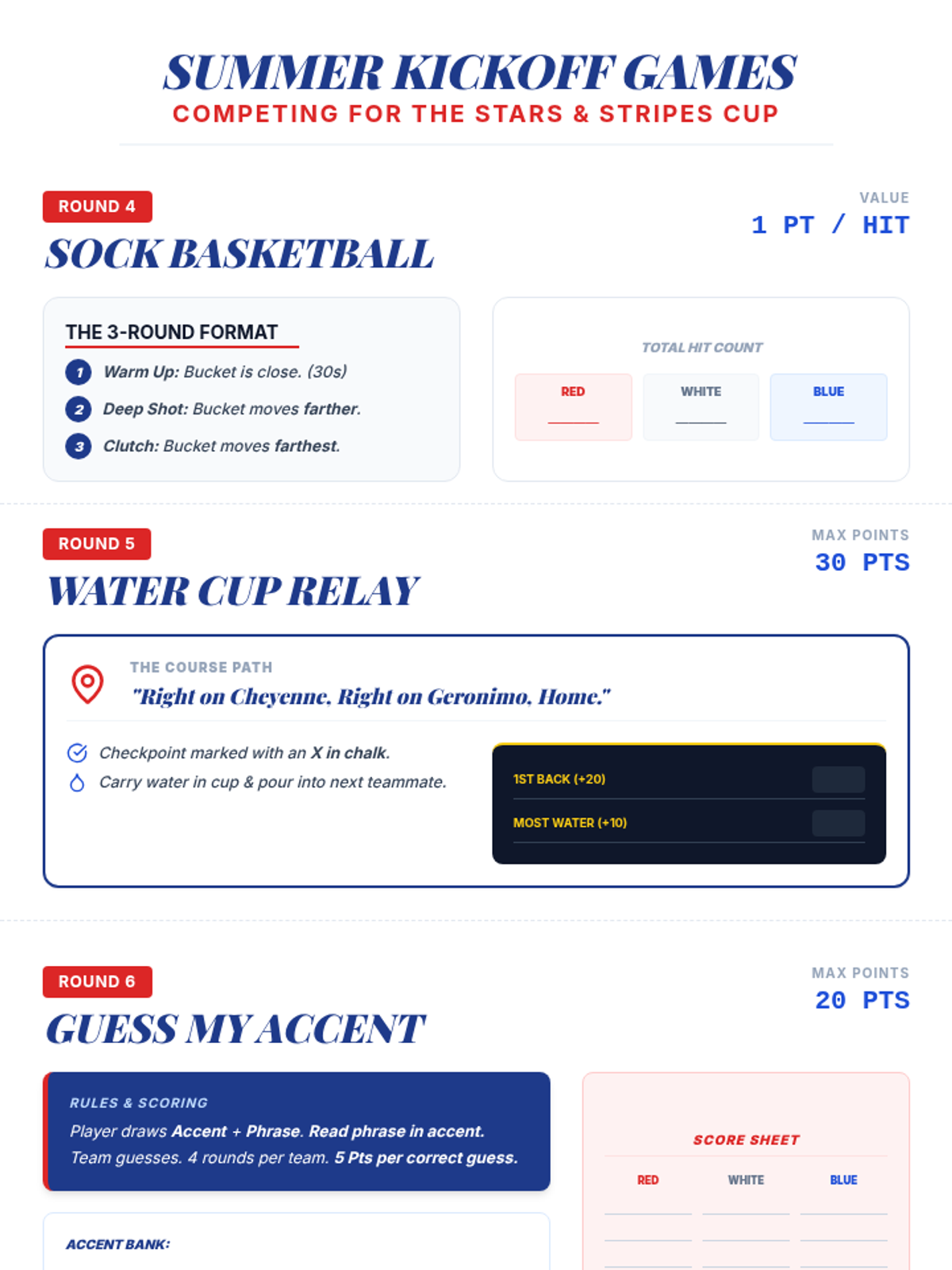
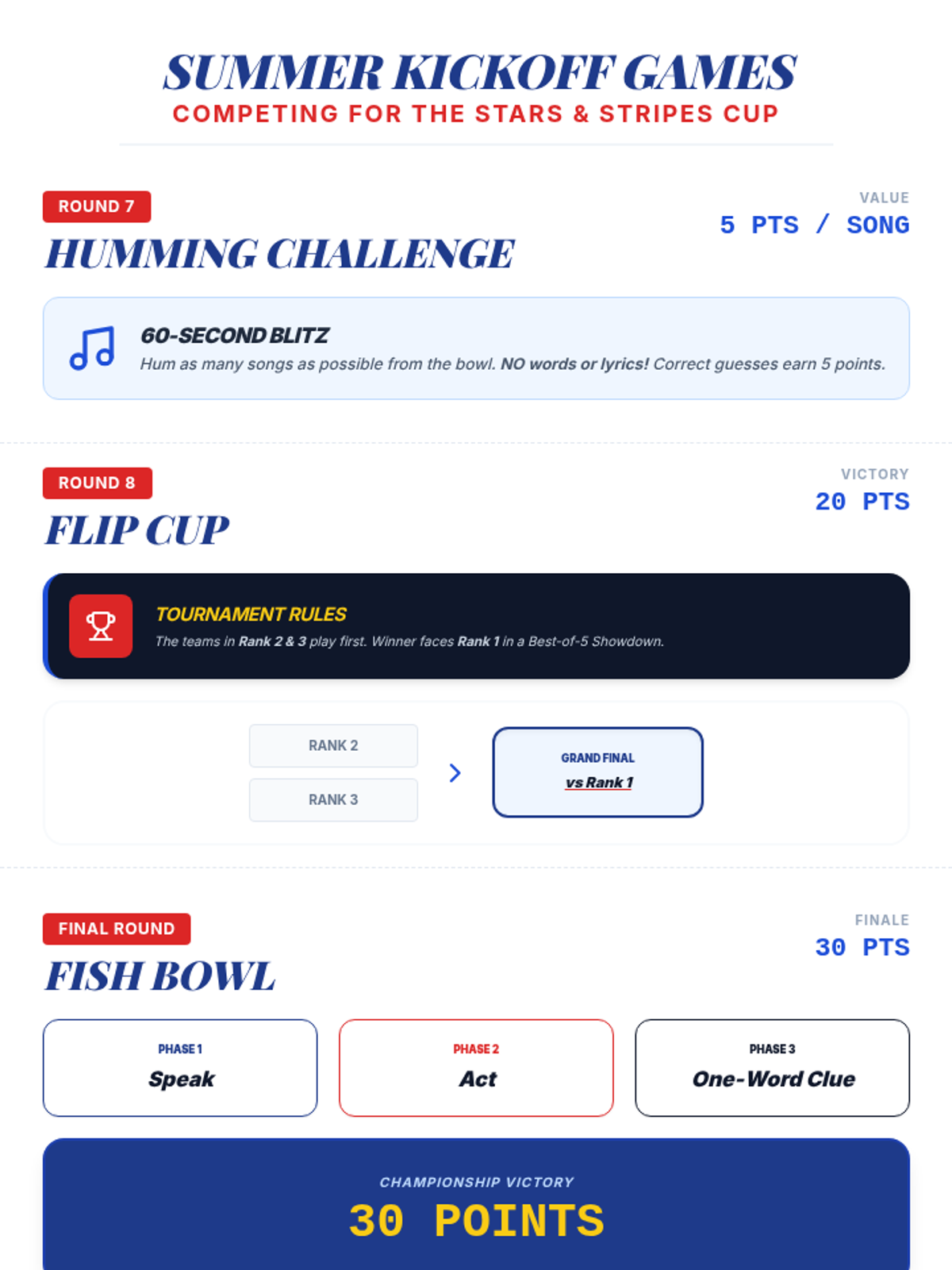
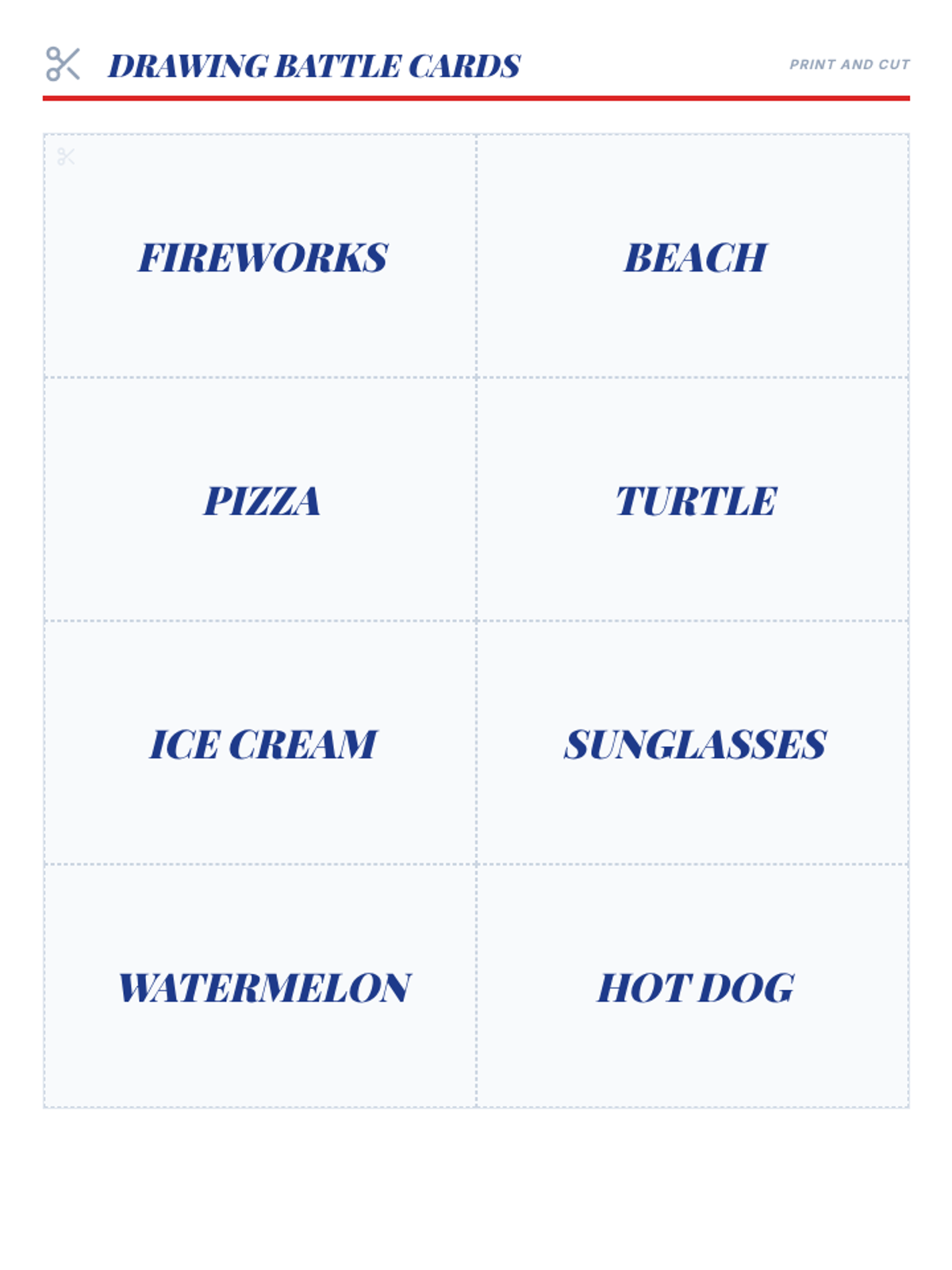
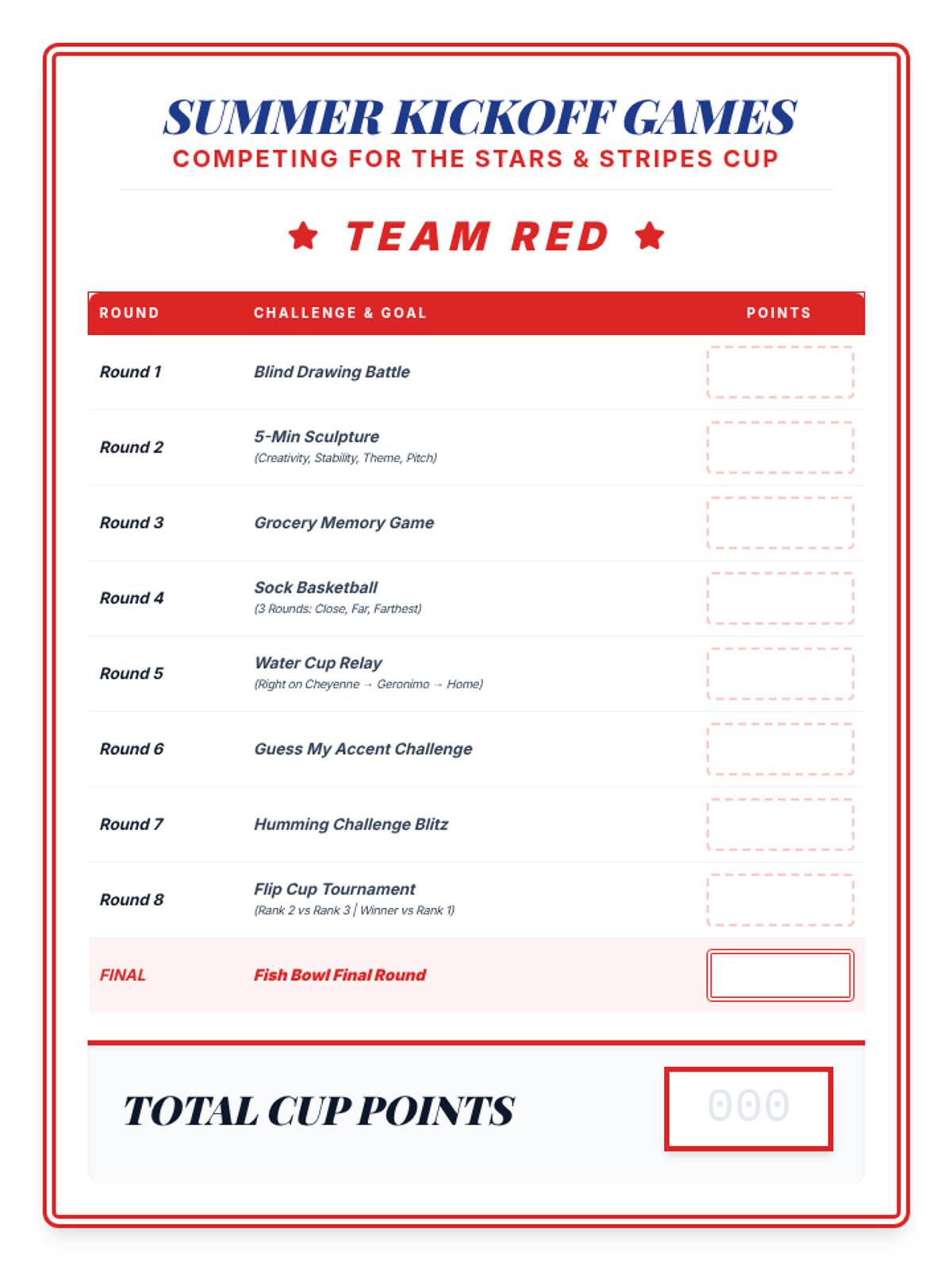
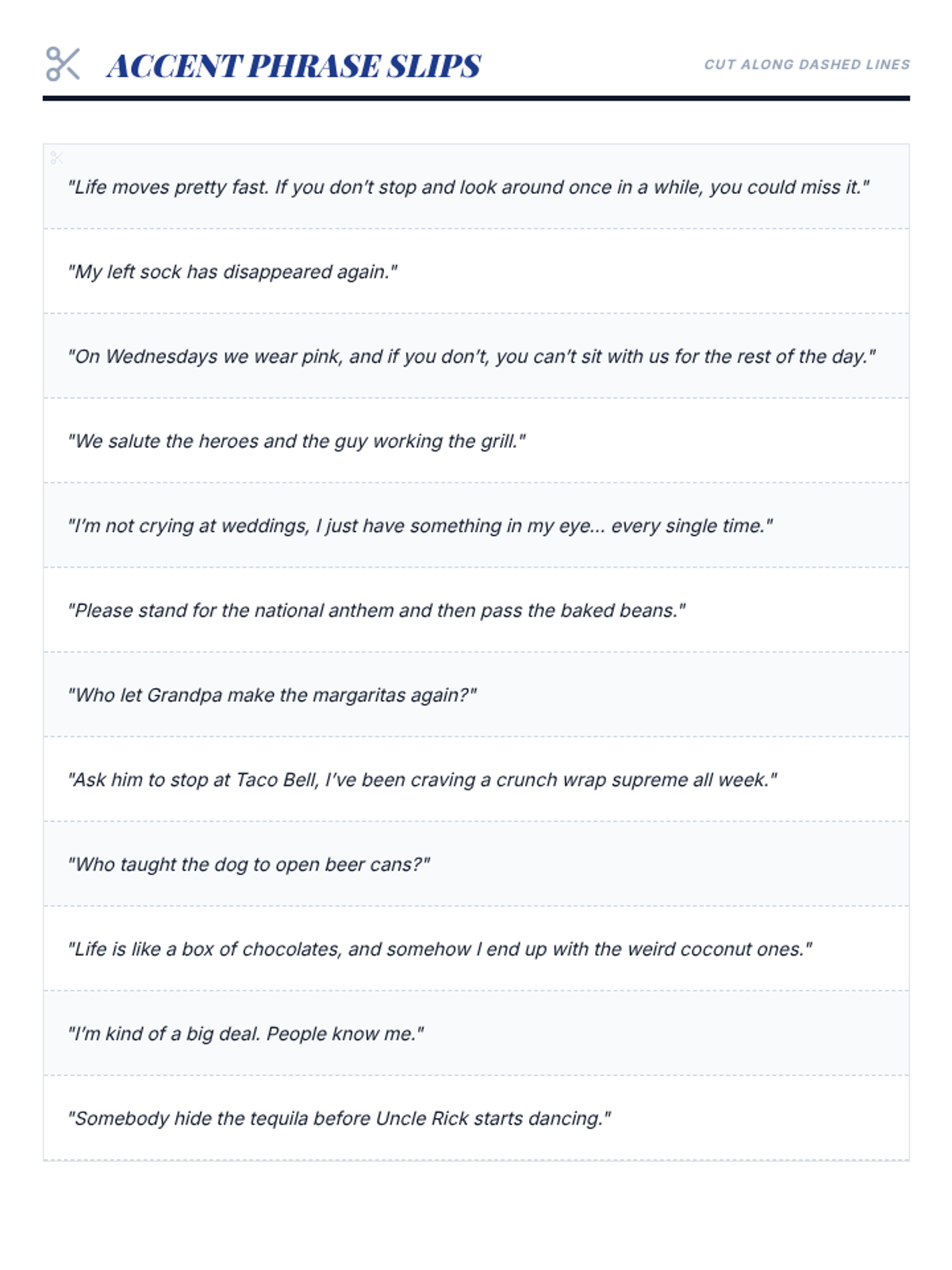
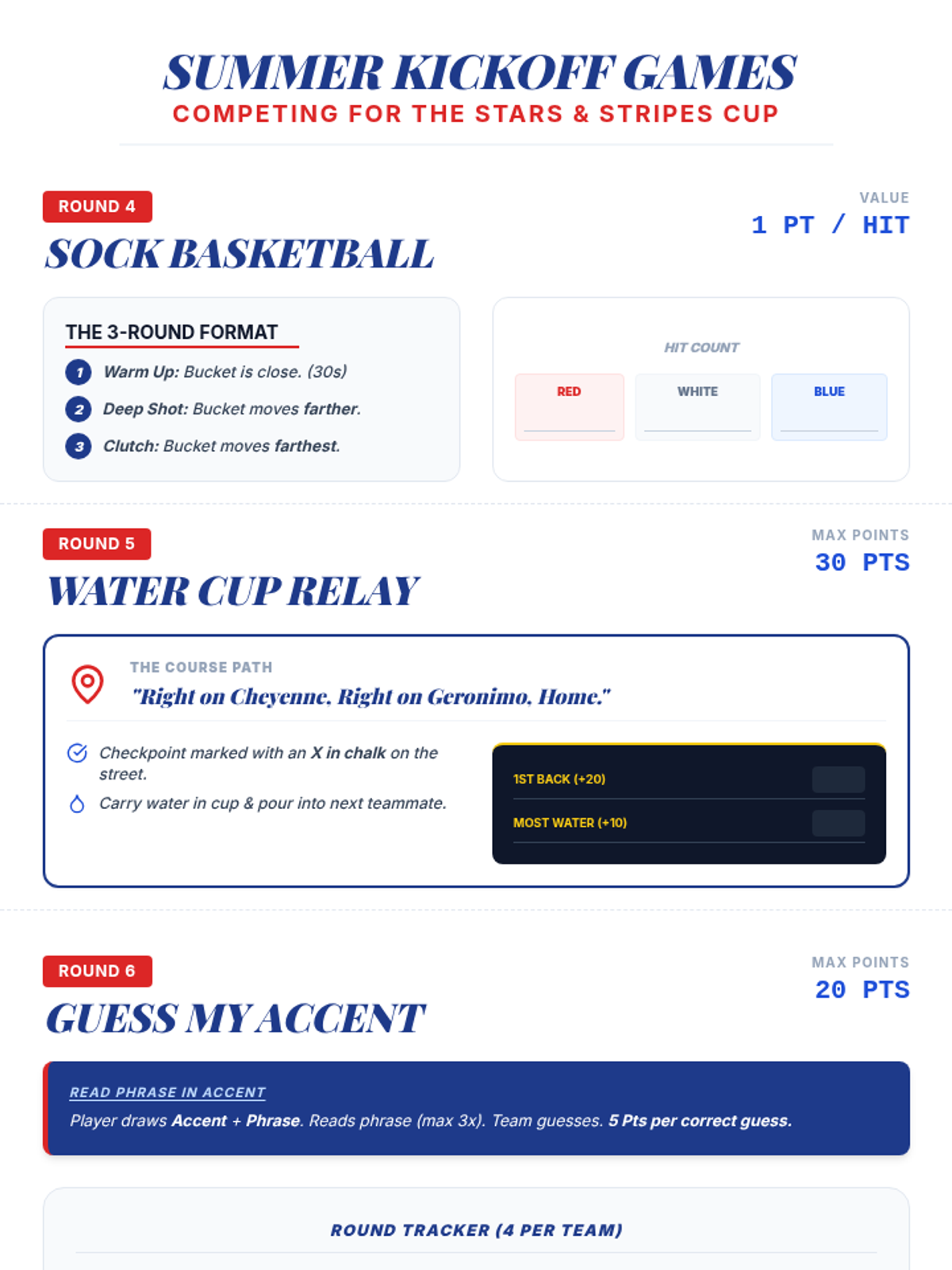
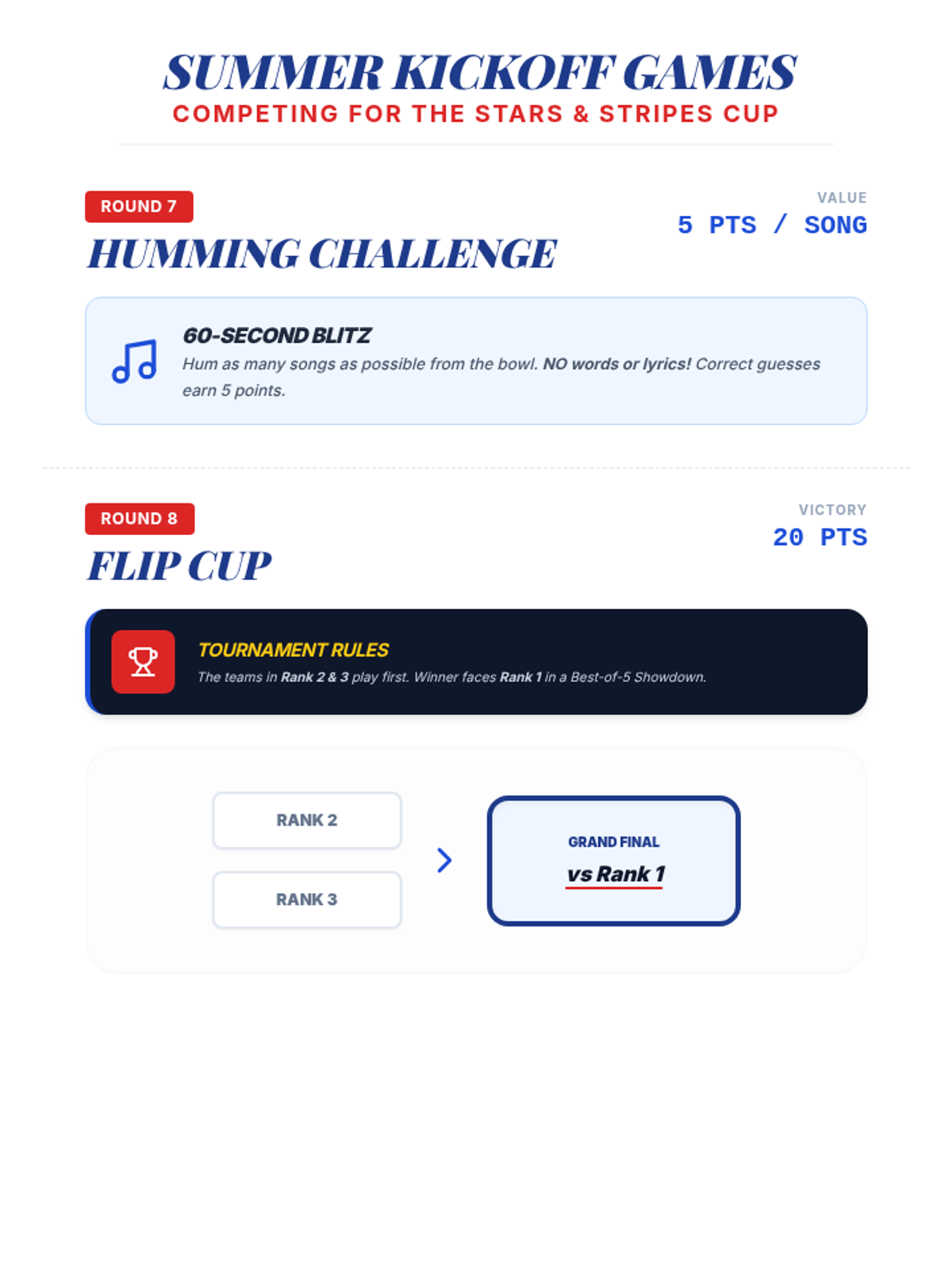
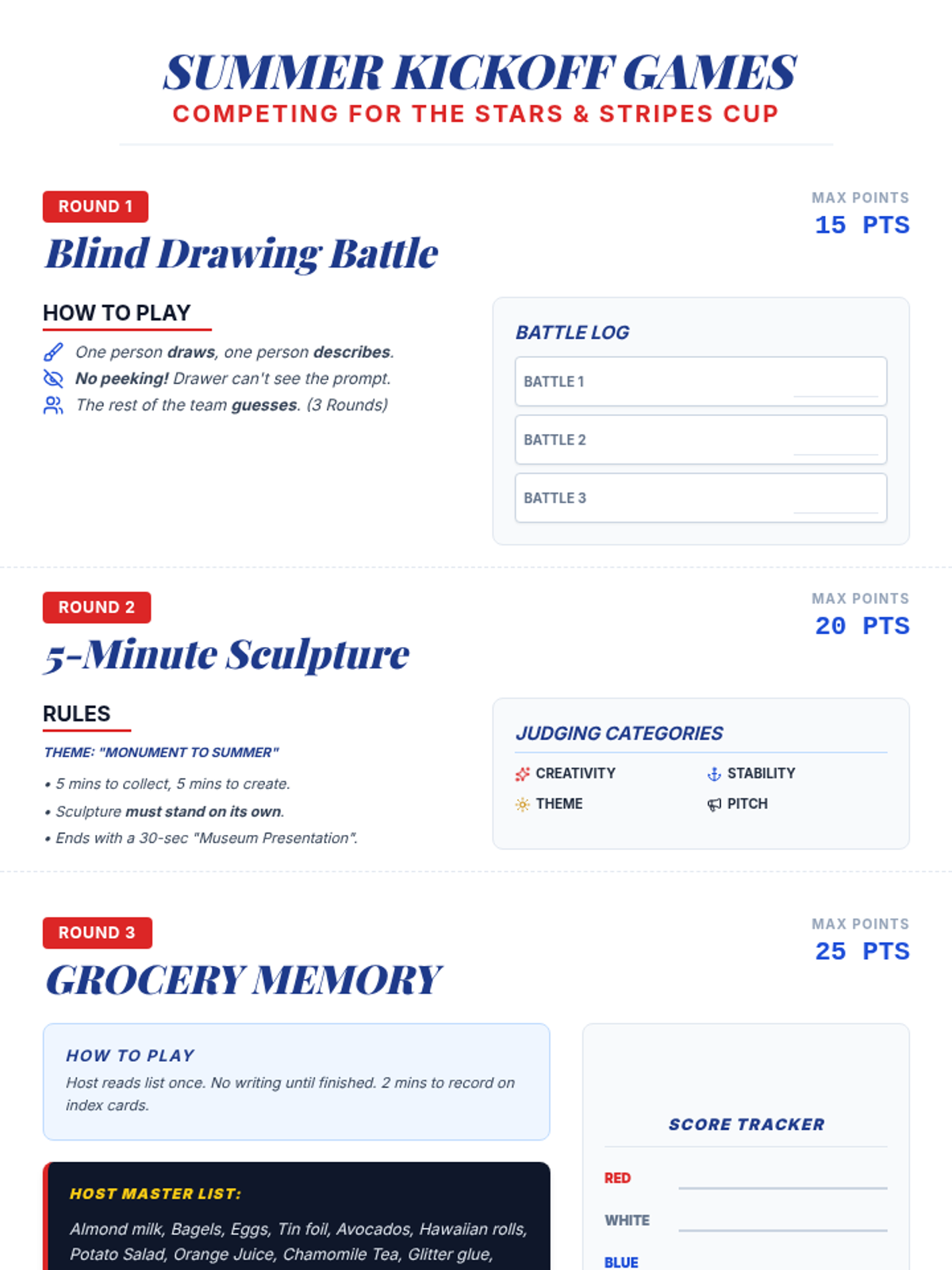
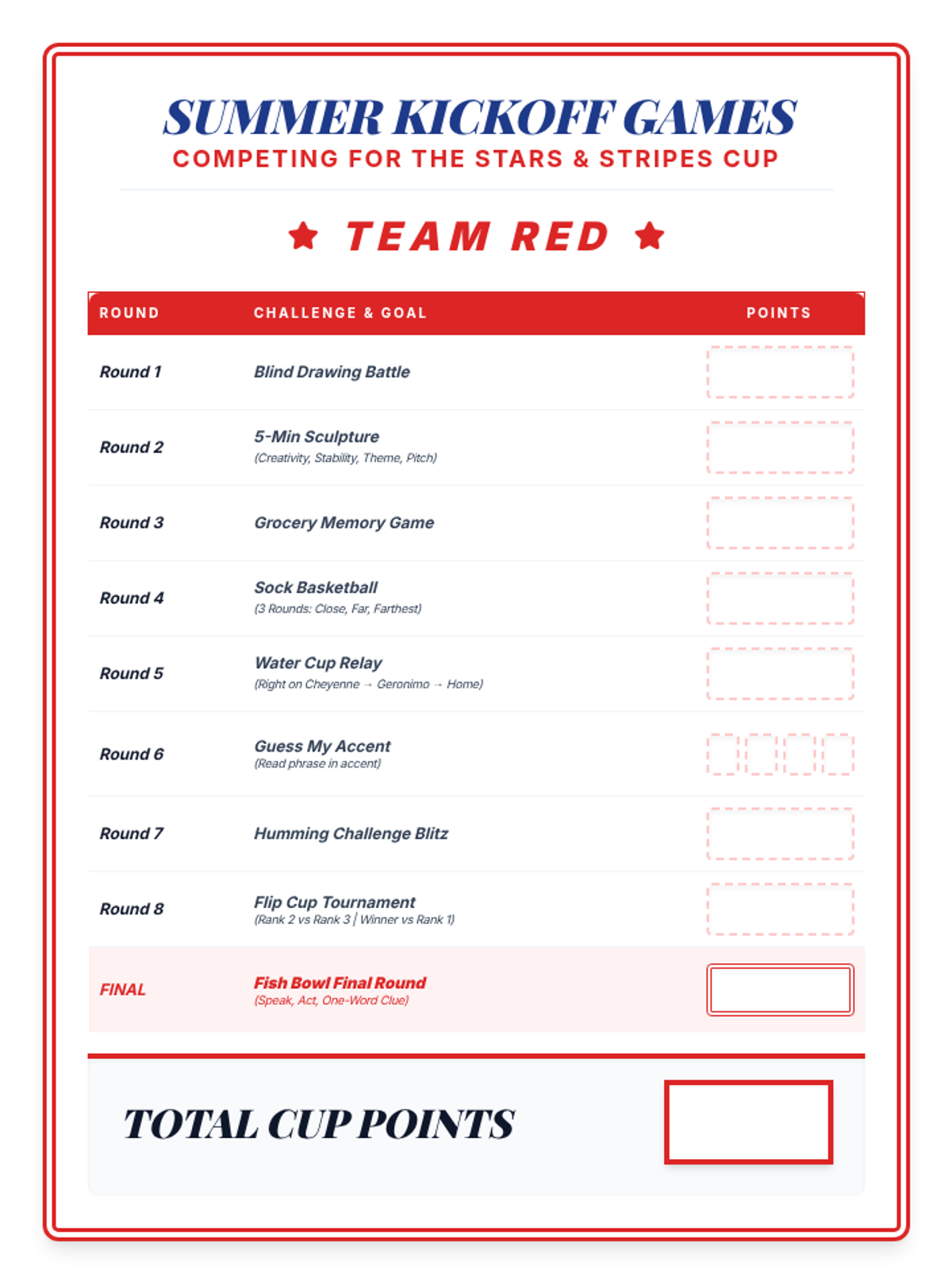
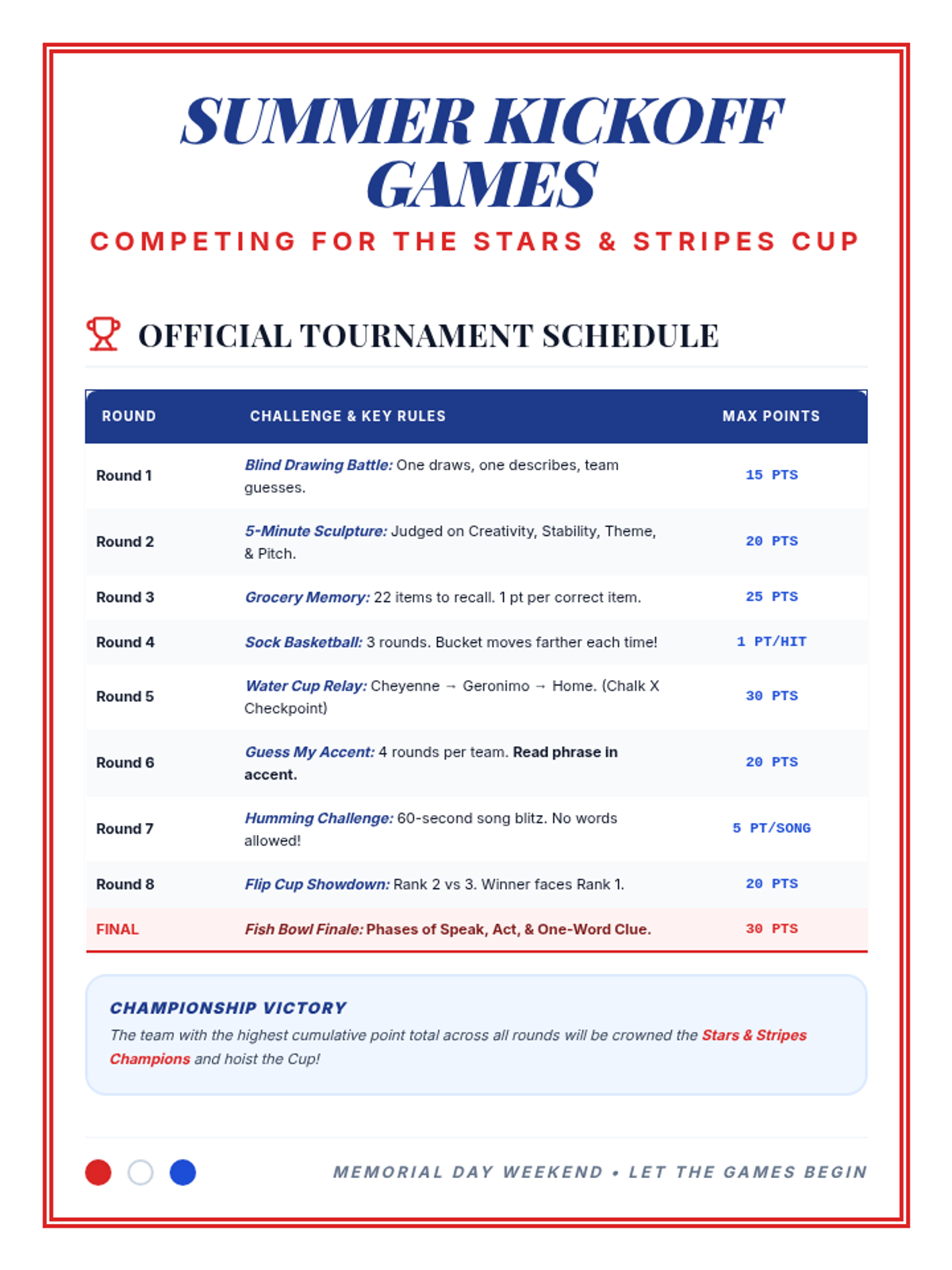
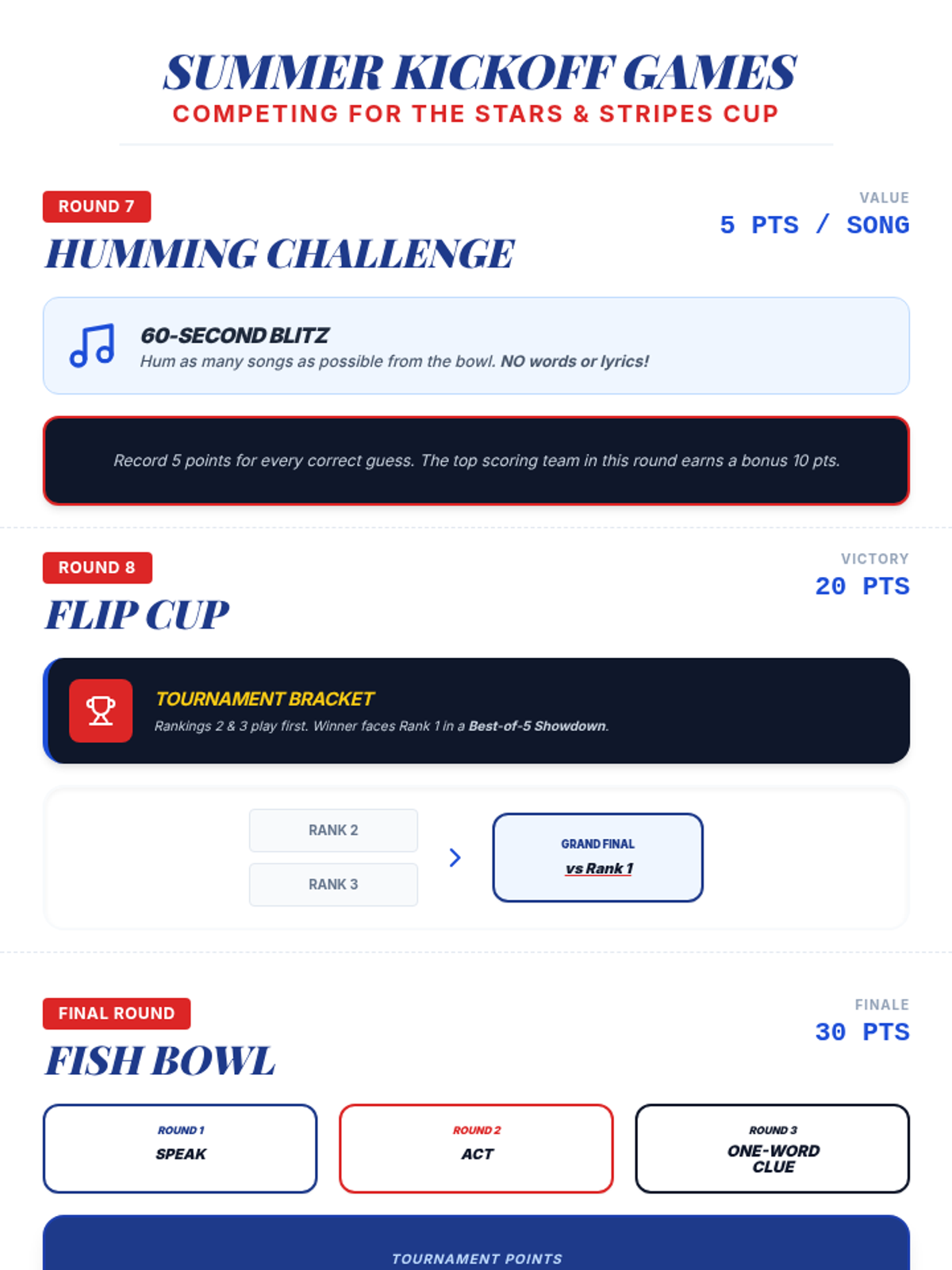
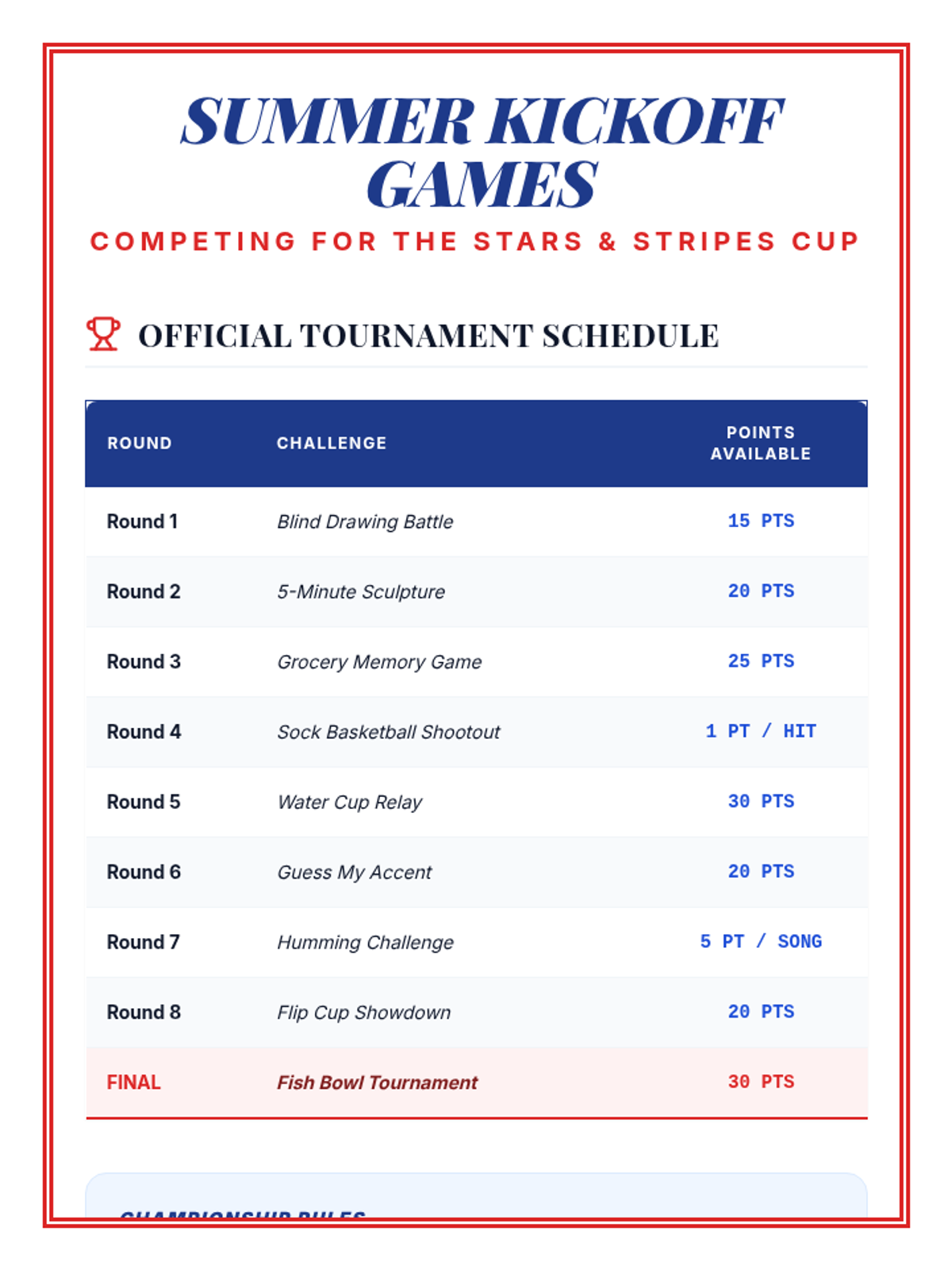
A complete set of summer kickoff games including drawing battles, relays, memory challenges, and more, all themed for a festive Memorial Day celebration.
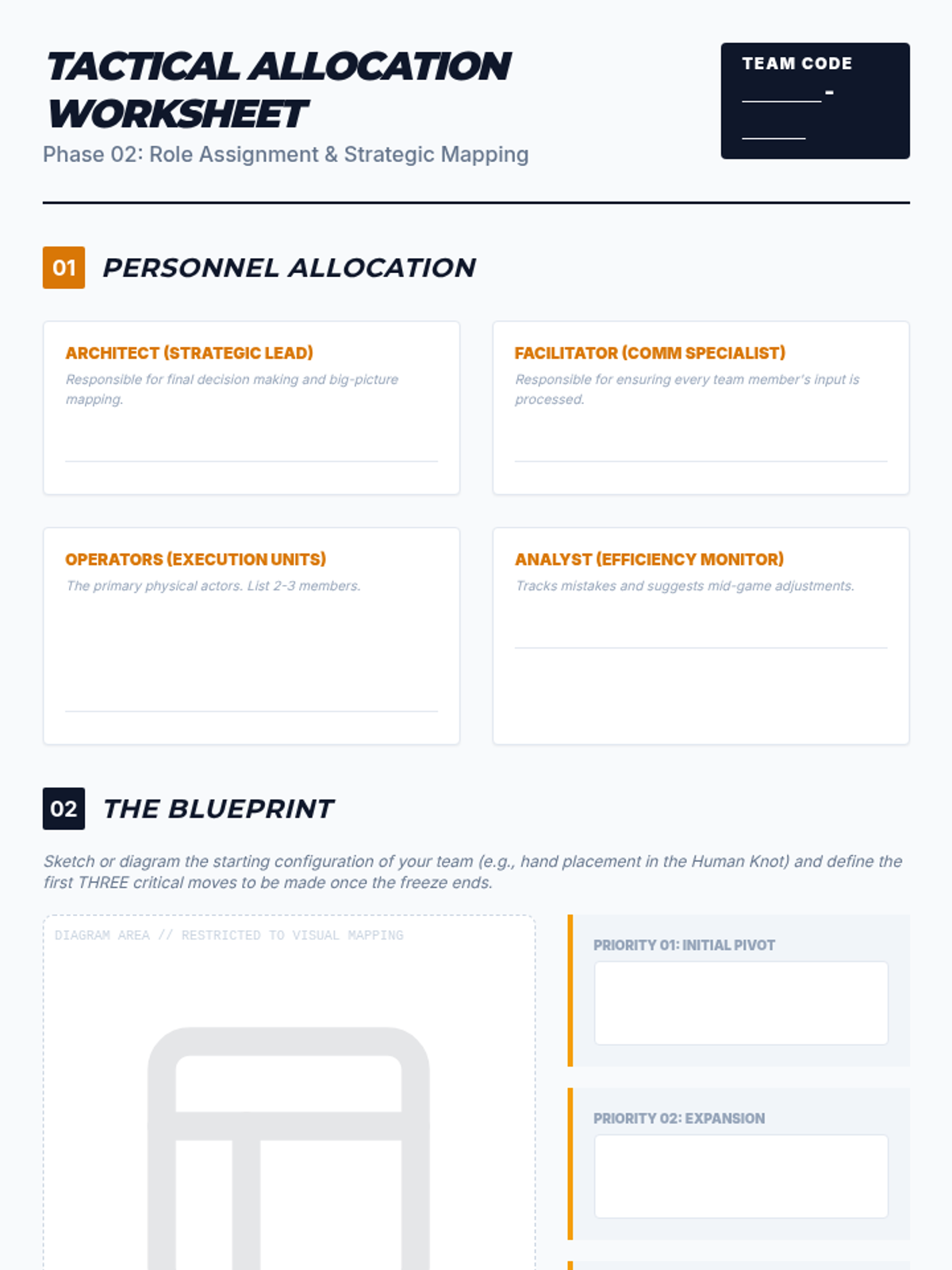
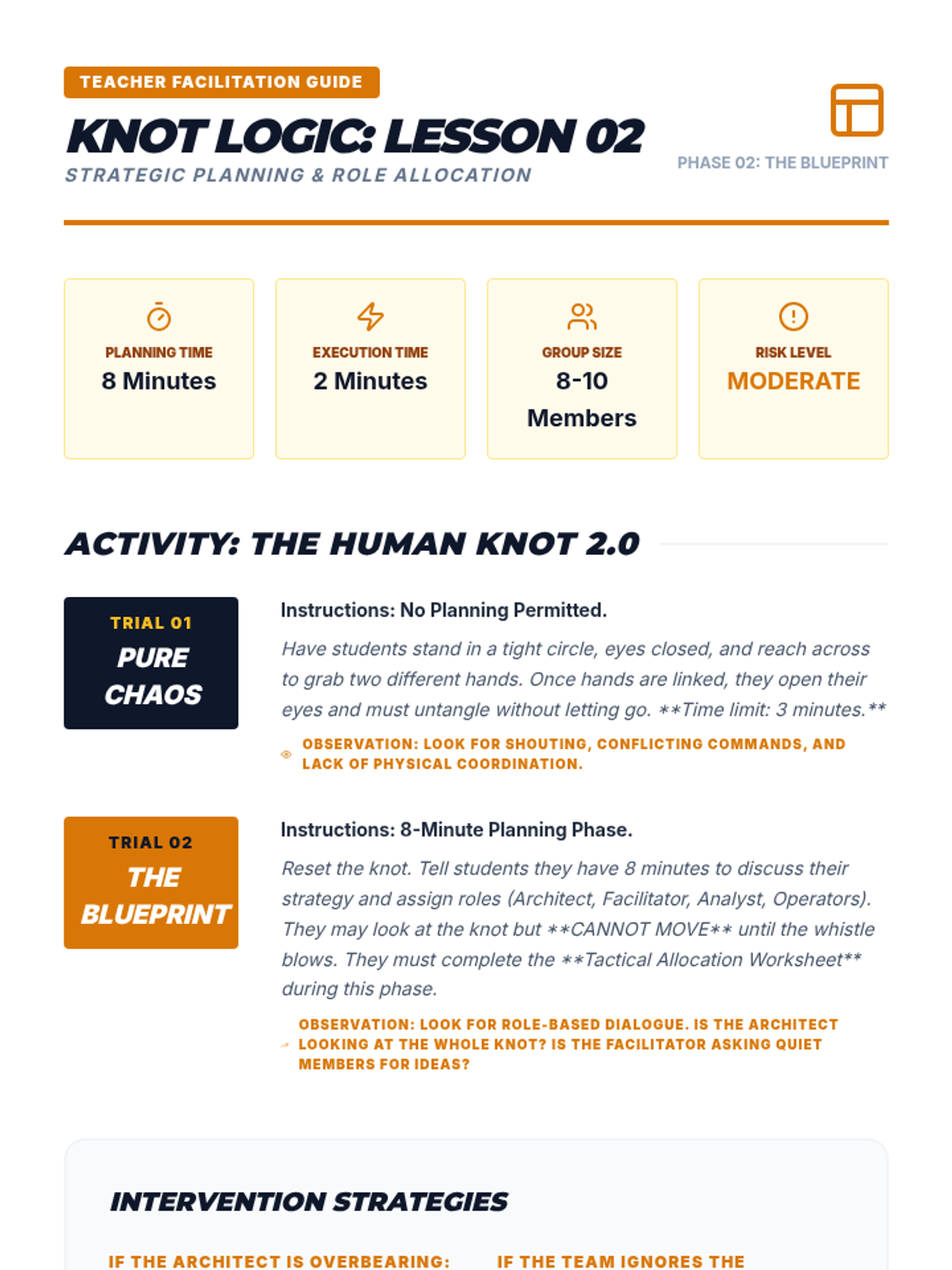
Groups are presented with a physical problem but are given a strict time limit for planning before action is permitted. Students practice identifying individual strengths and assigning specific roles to optimize efficiency.
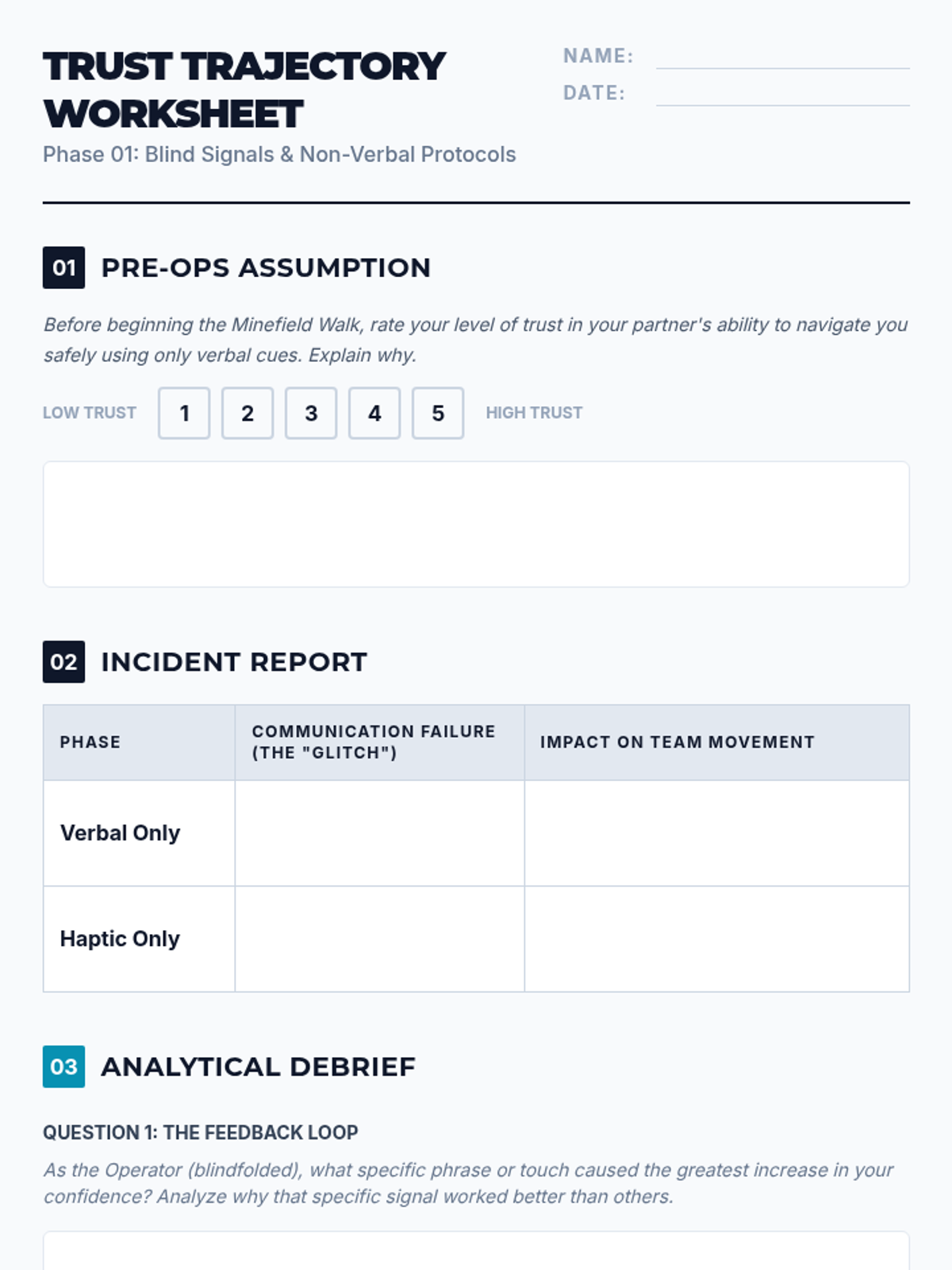
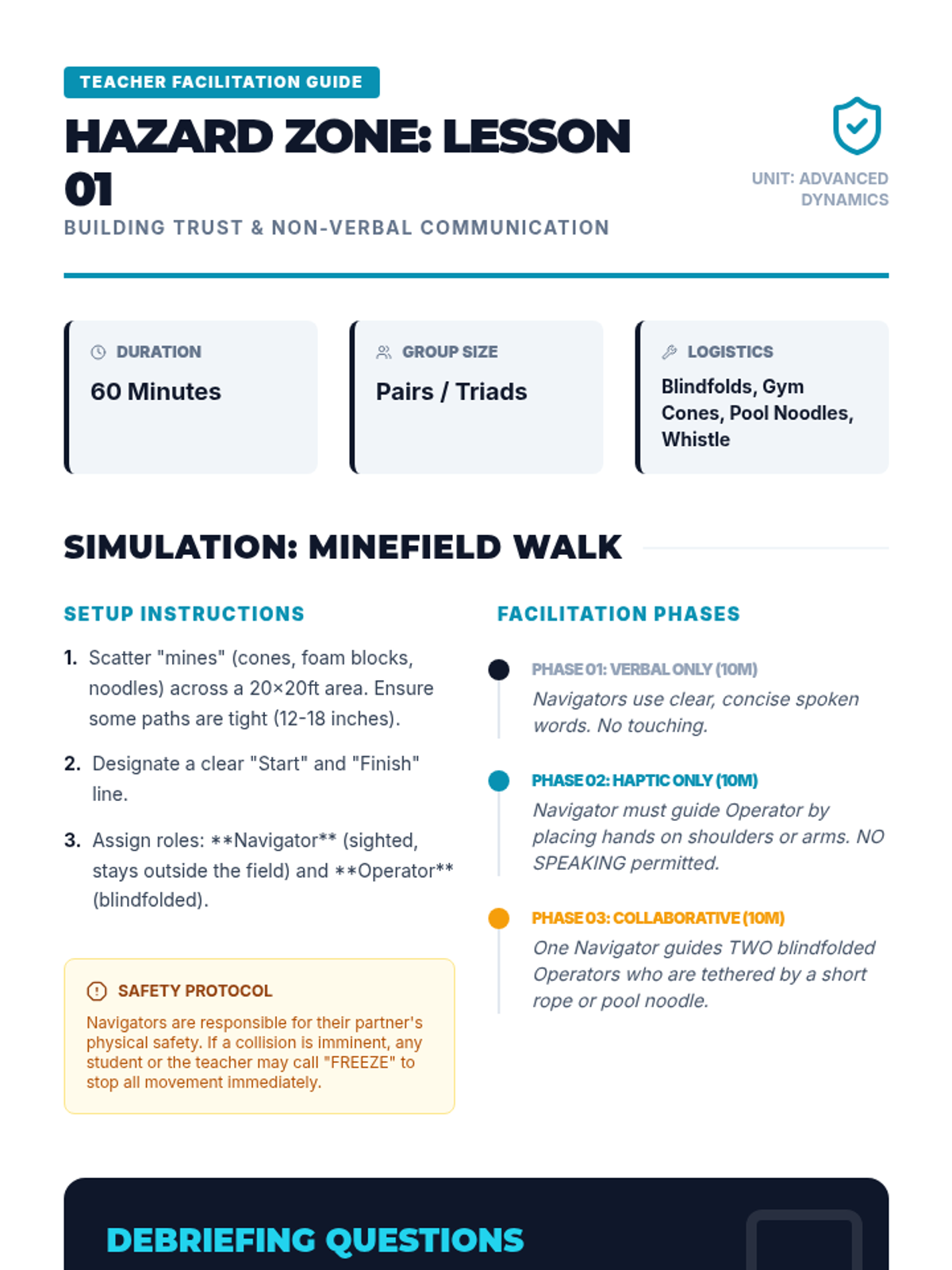
Students participate in 'blind' guidance activities such as a Minefield Walk or Blind Polygon, where they must rely entirely on non-verbal cues or limited auditory instructions from peers. The lesson emphasizes the importance of trust and precise communication channels when visual information is removed.
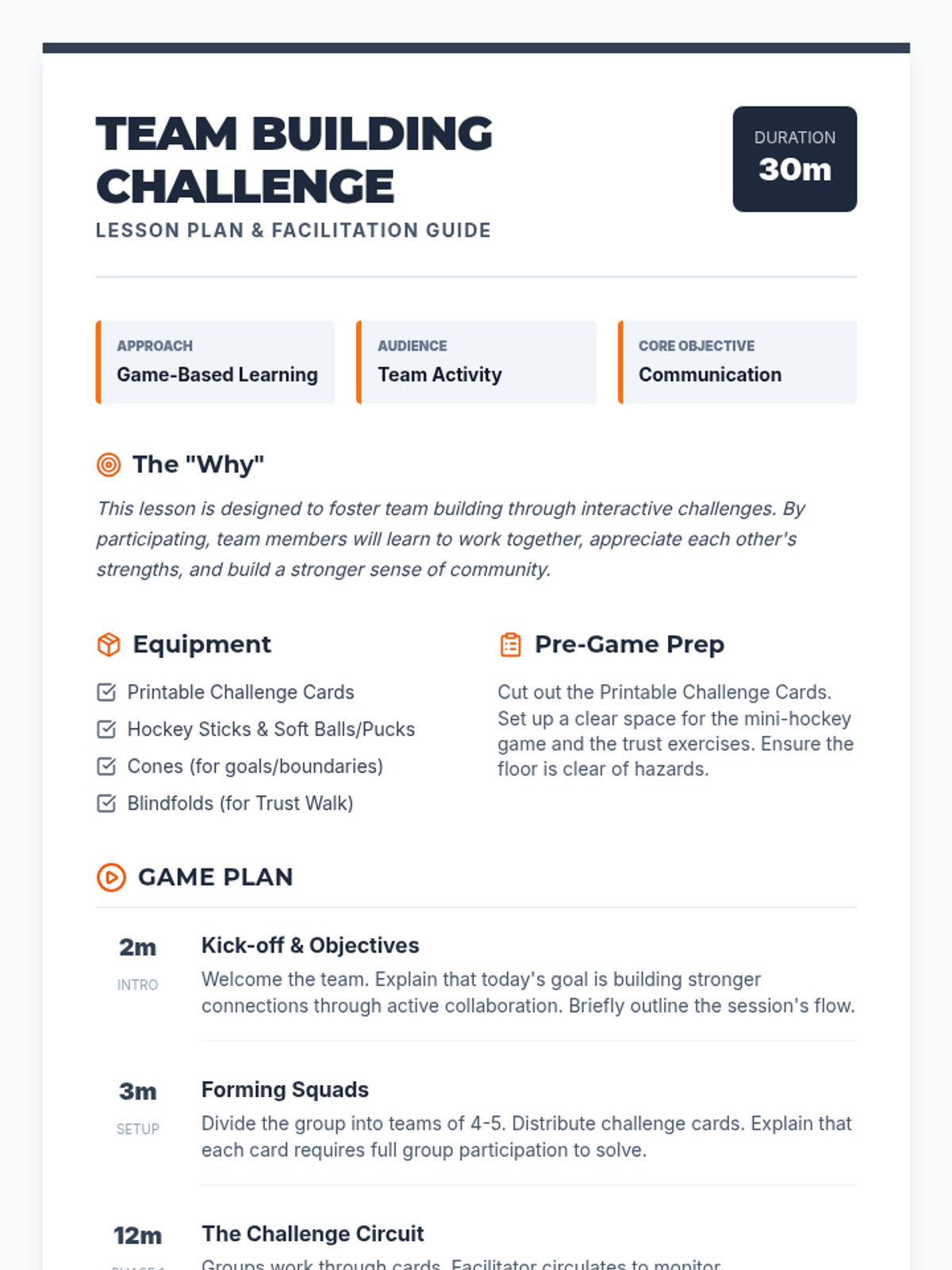
A high-energy team-building lesson focused on communication, trust, and collaboration through interactive challenges and a hockey-themed strategy game.