An introductory lesson using a visual 'tale of two elephants' to distinguish between specific (the) and general (a/an) nouns.

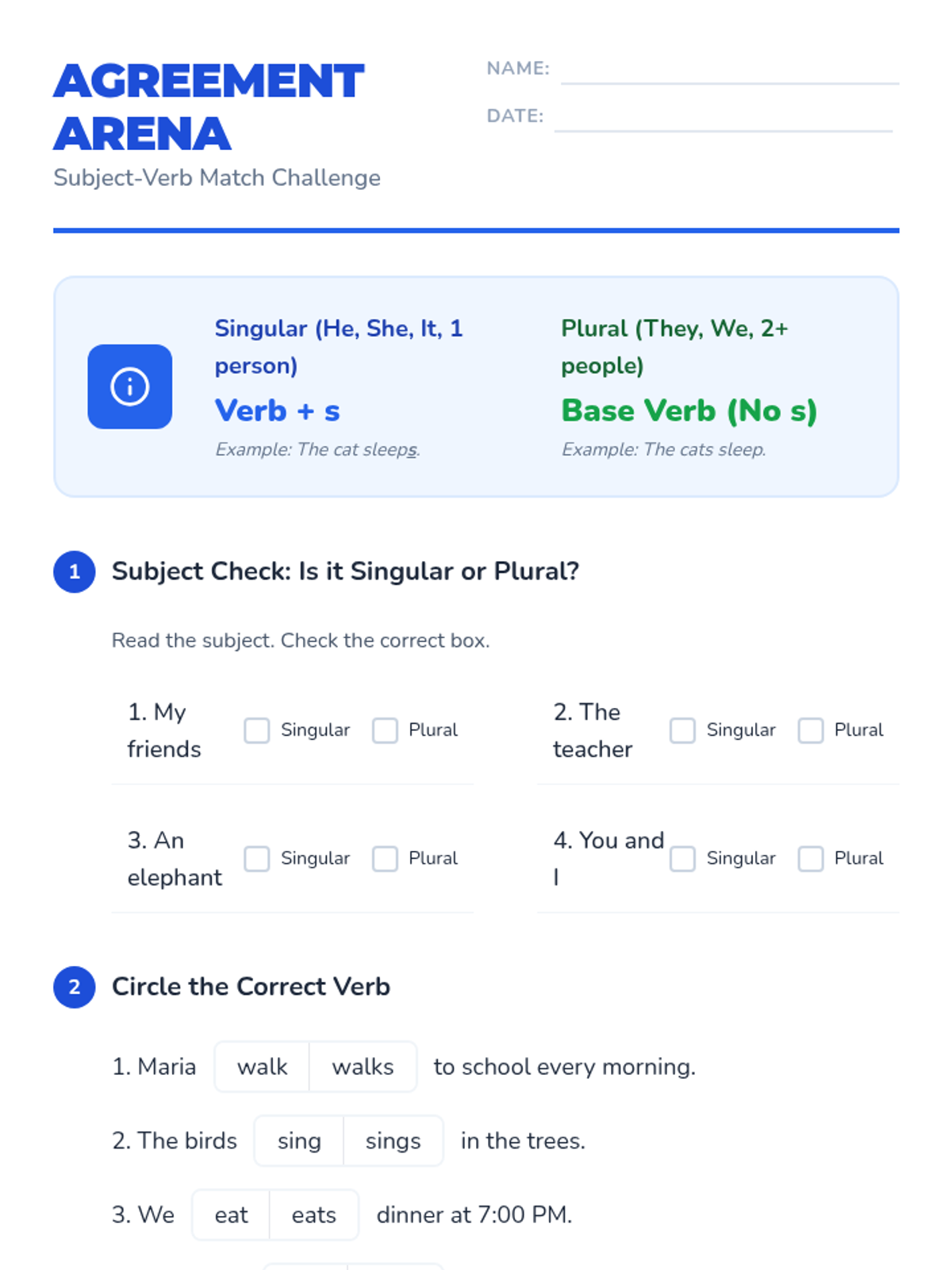
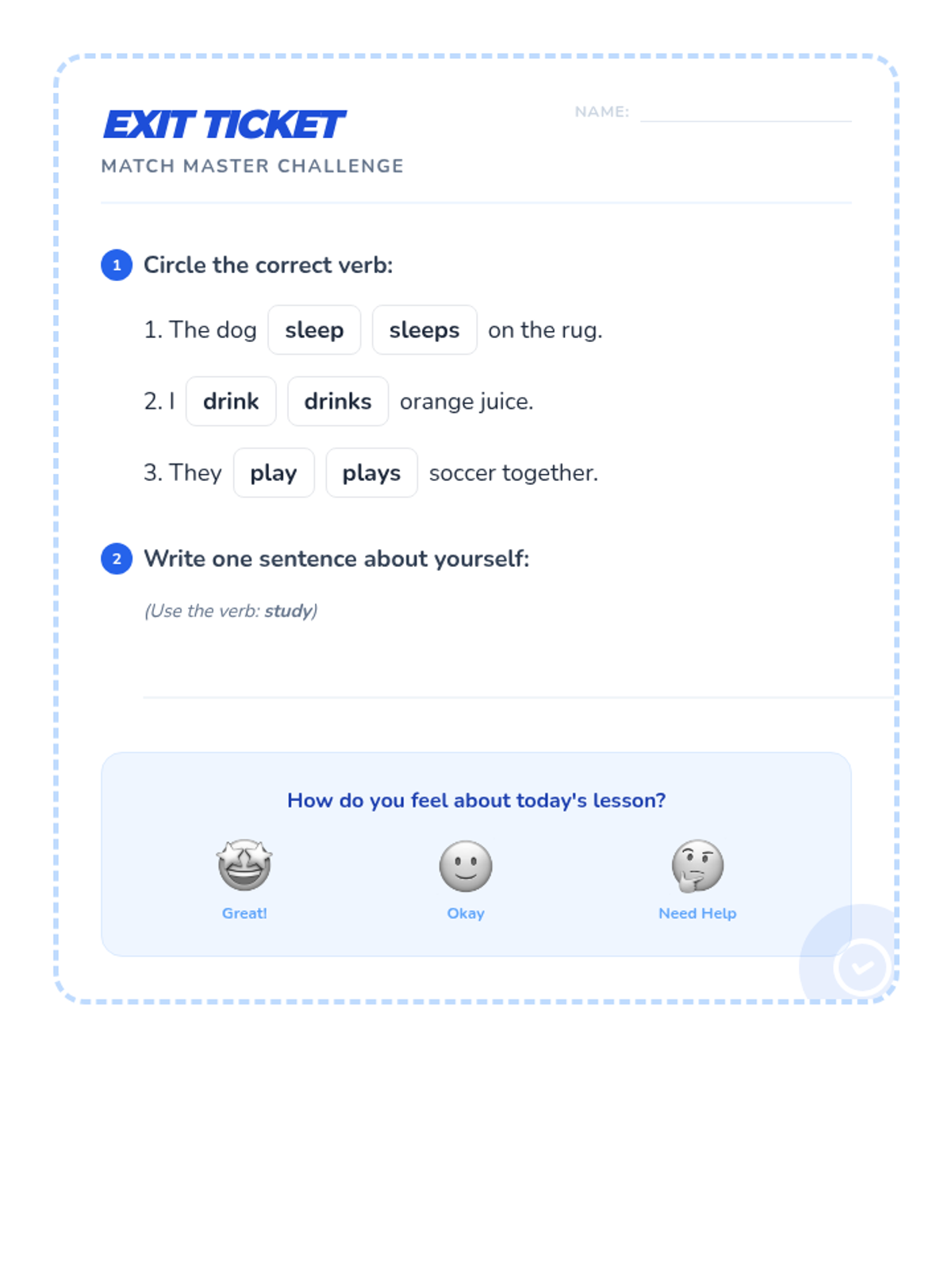
A foundational lesson for Level 1 English Learners to practice constructing simple Subject-Verb and Subject-Verb-Adjective sentences using visual scaffolds and word banks.
A comprehensive 90-minute ESL lesson for 10-11 year olds focusing on quantifiers (a/an, some, any, much, many, little/a little, few/a few) using food and school vocabulary, incorporating passive voice structures.
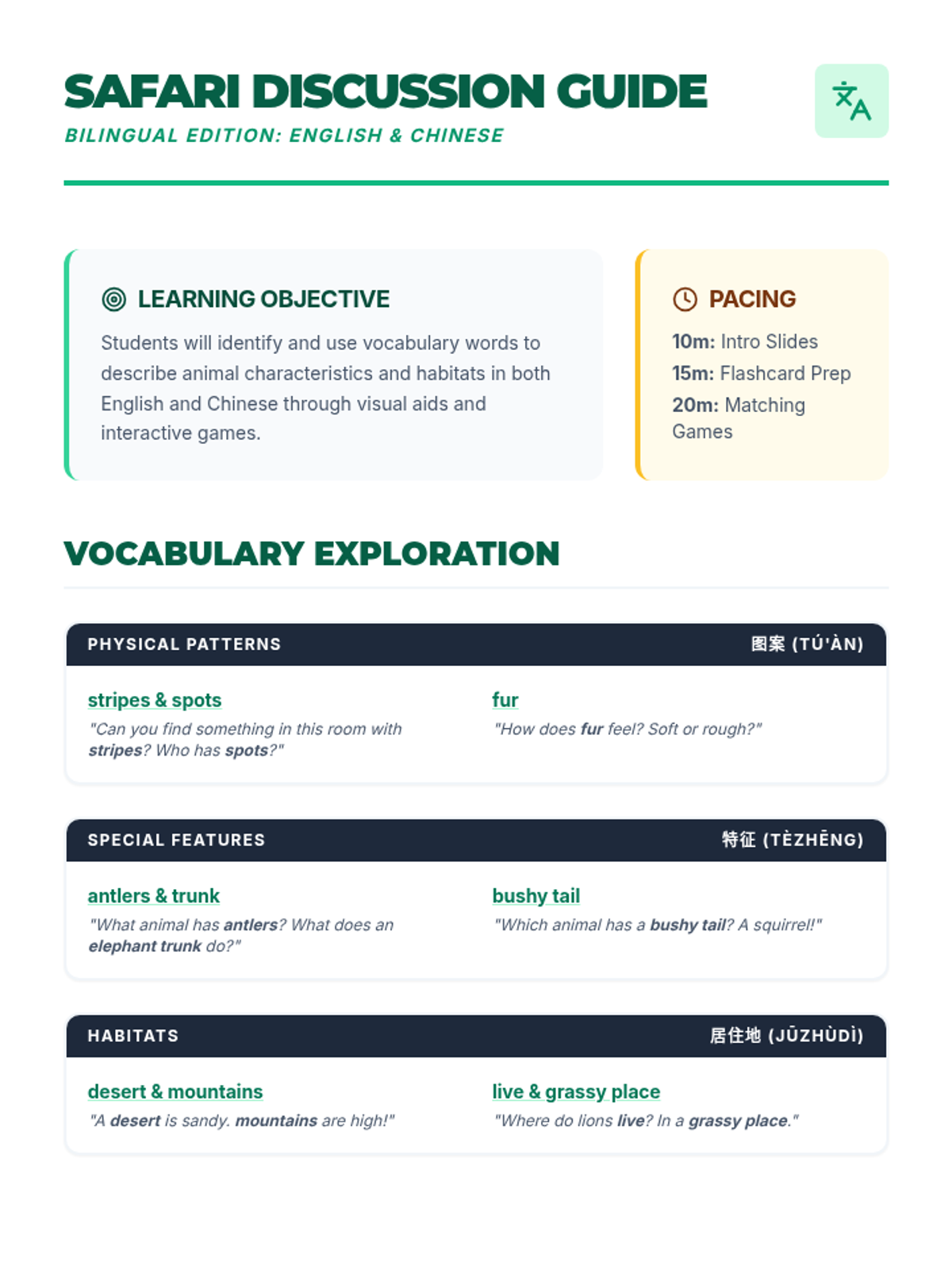
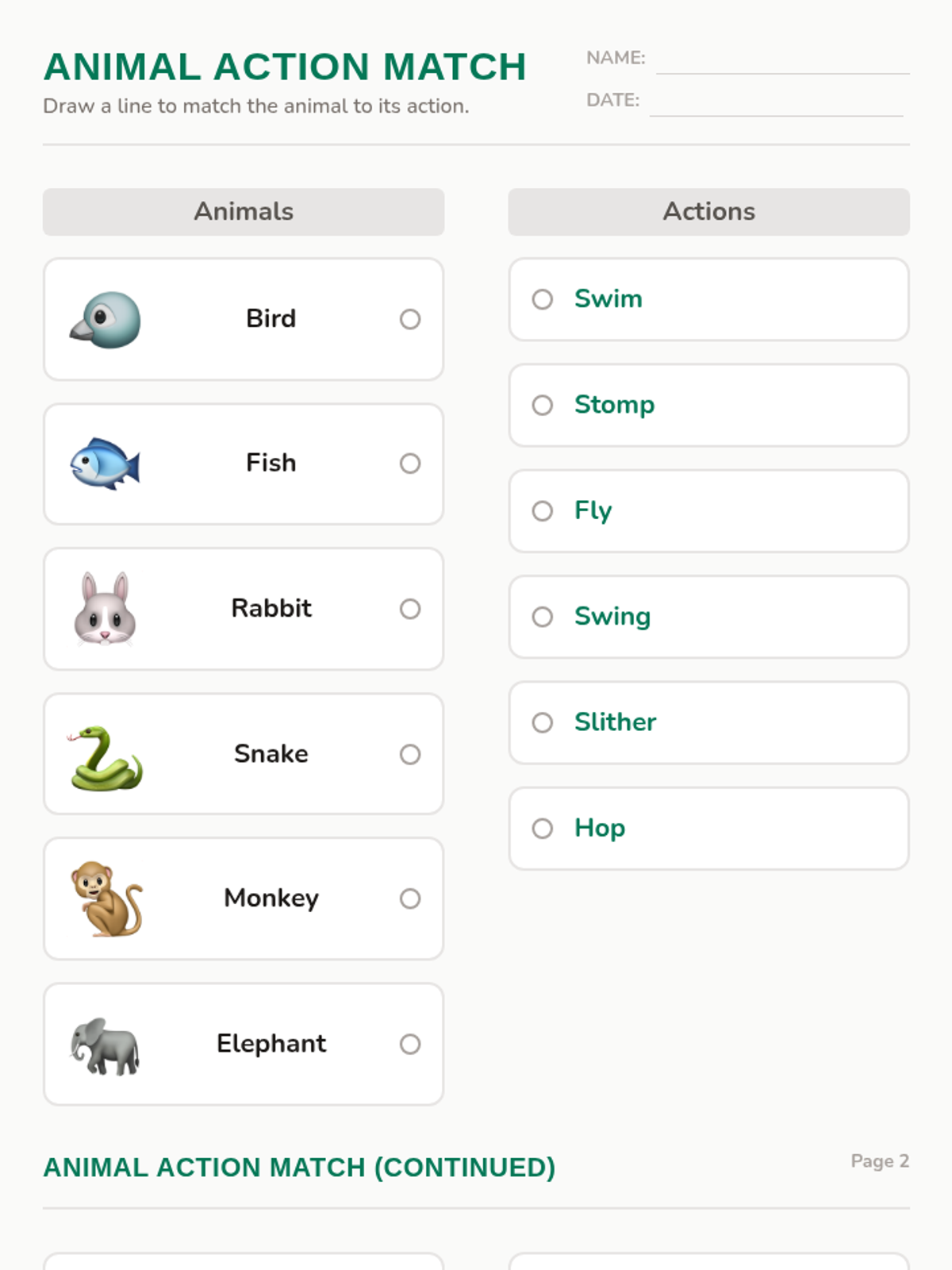
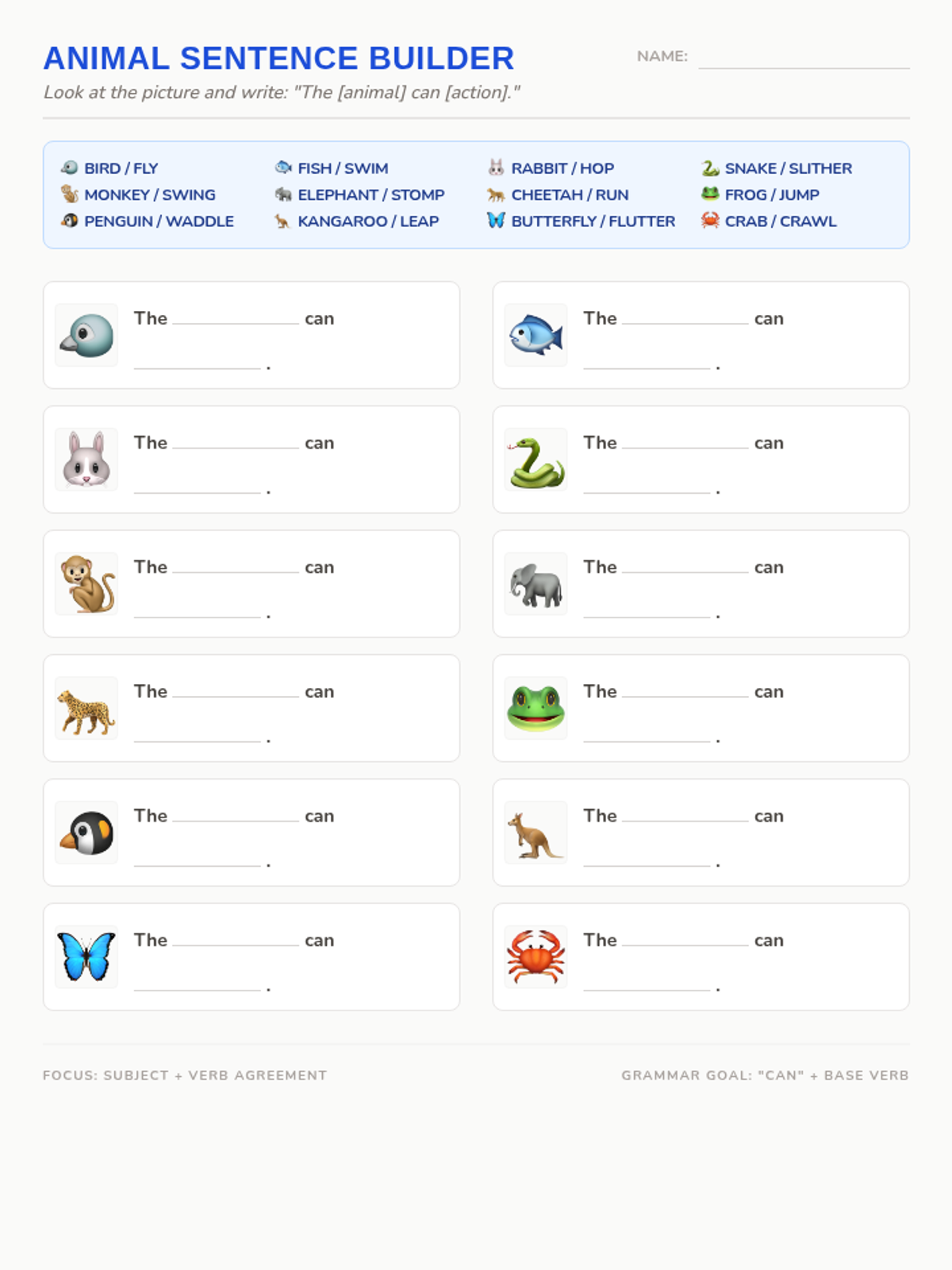
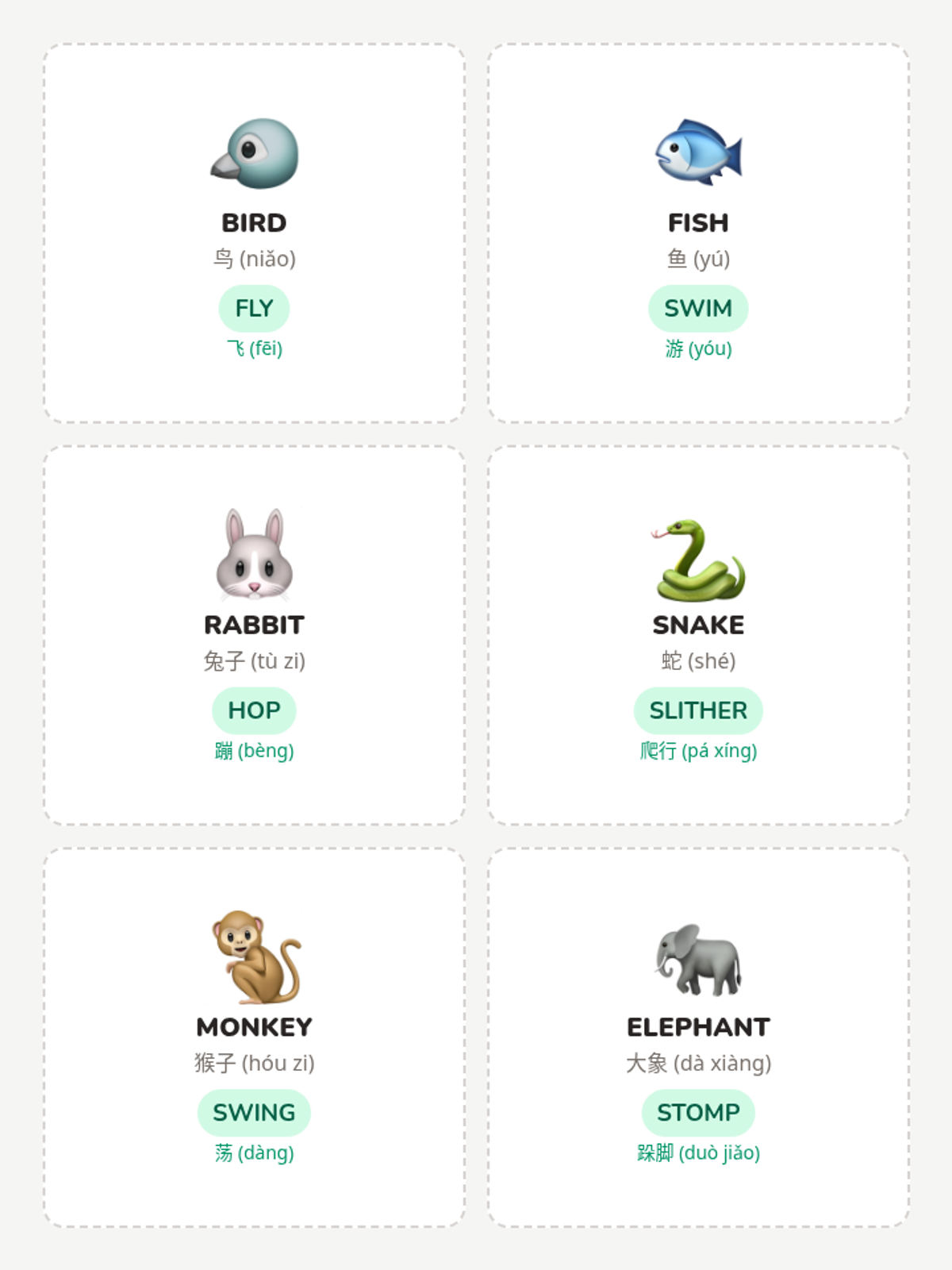
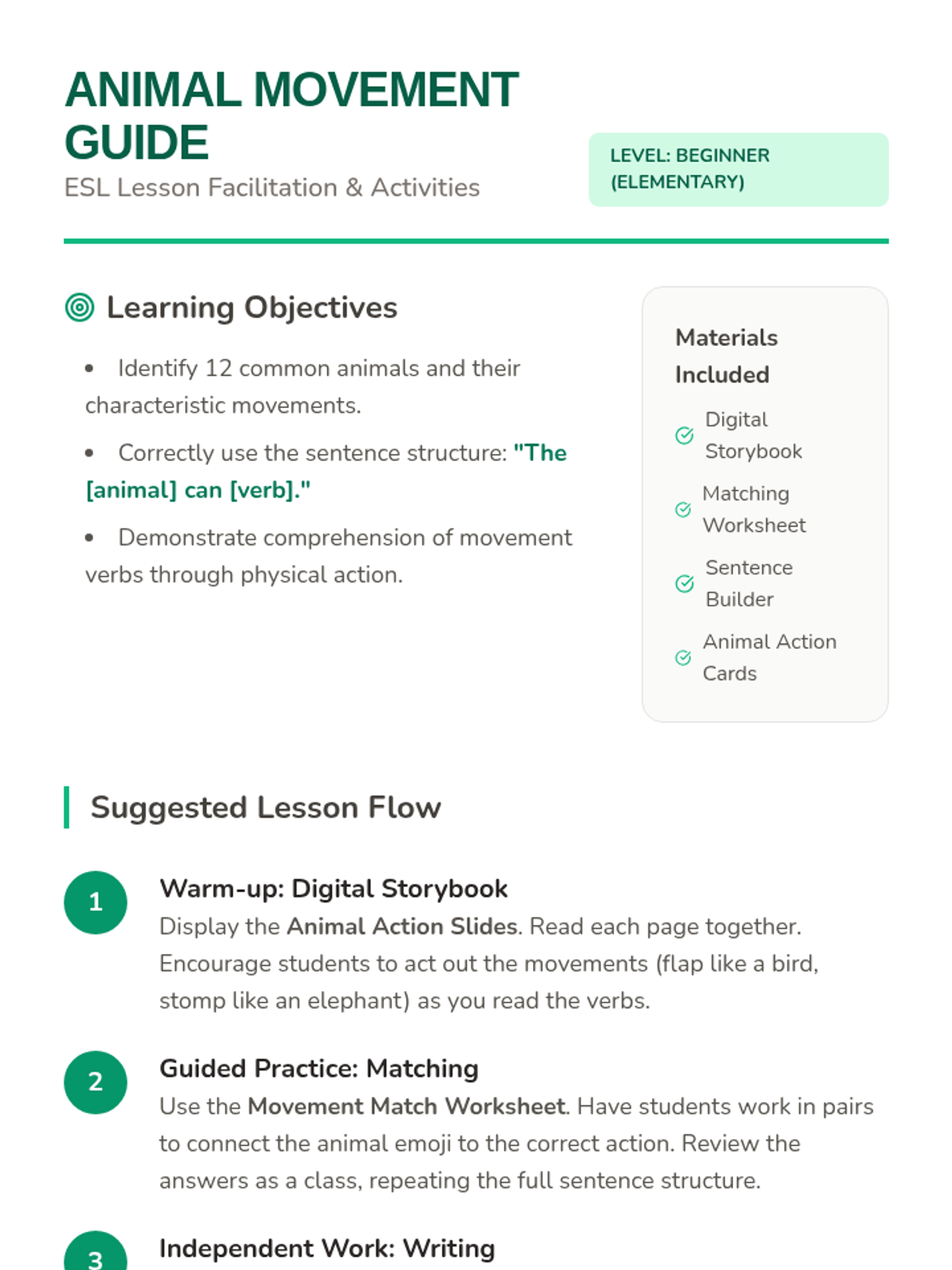
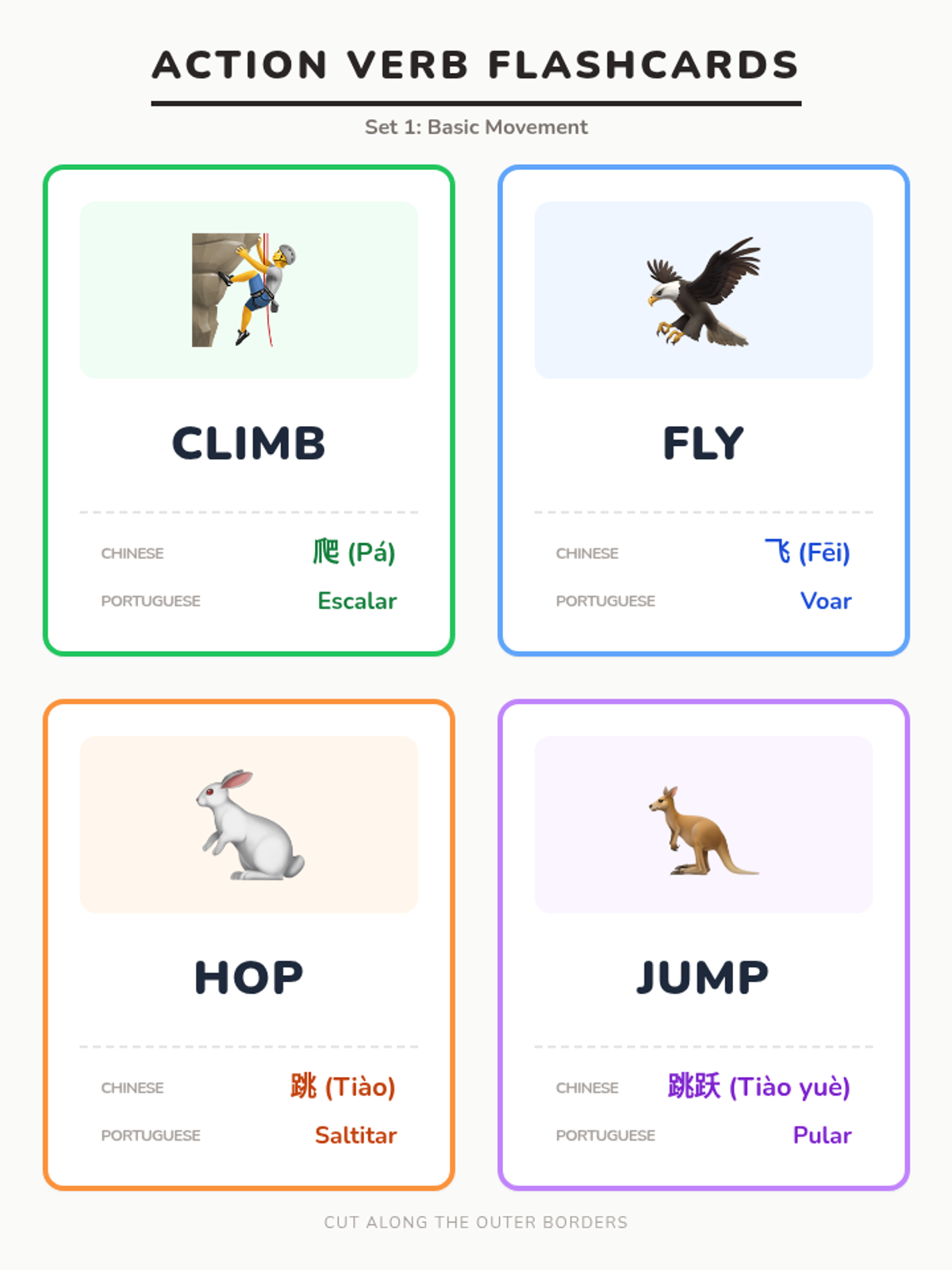
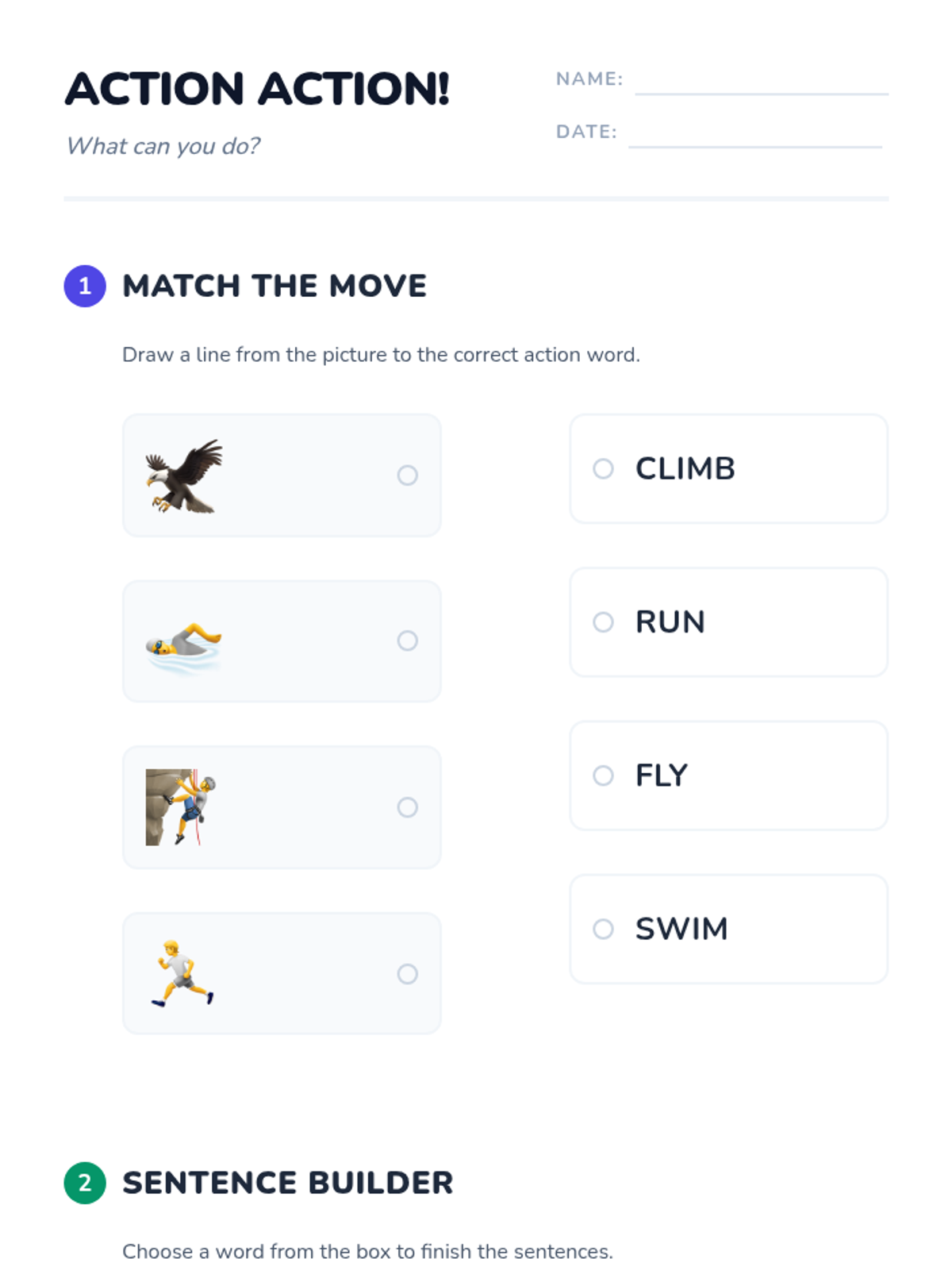
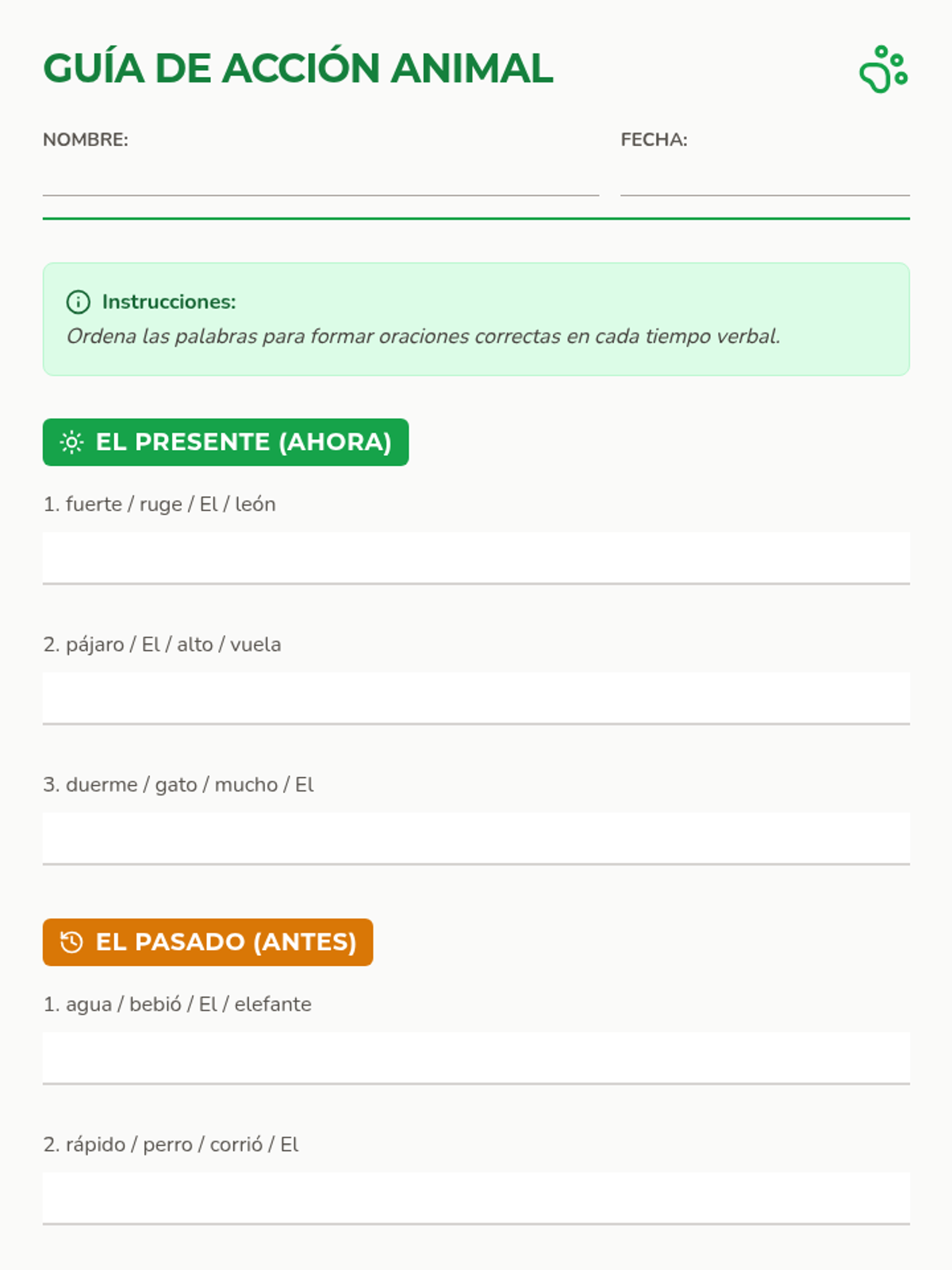
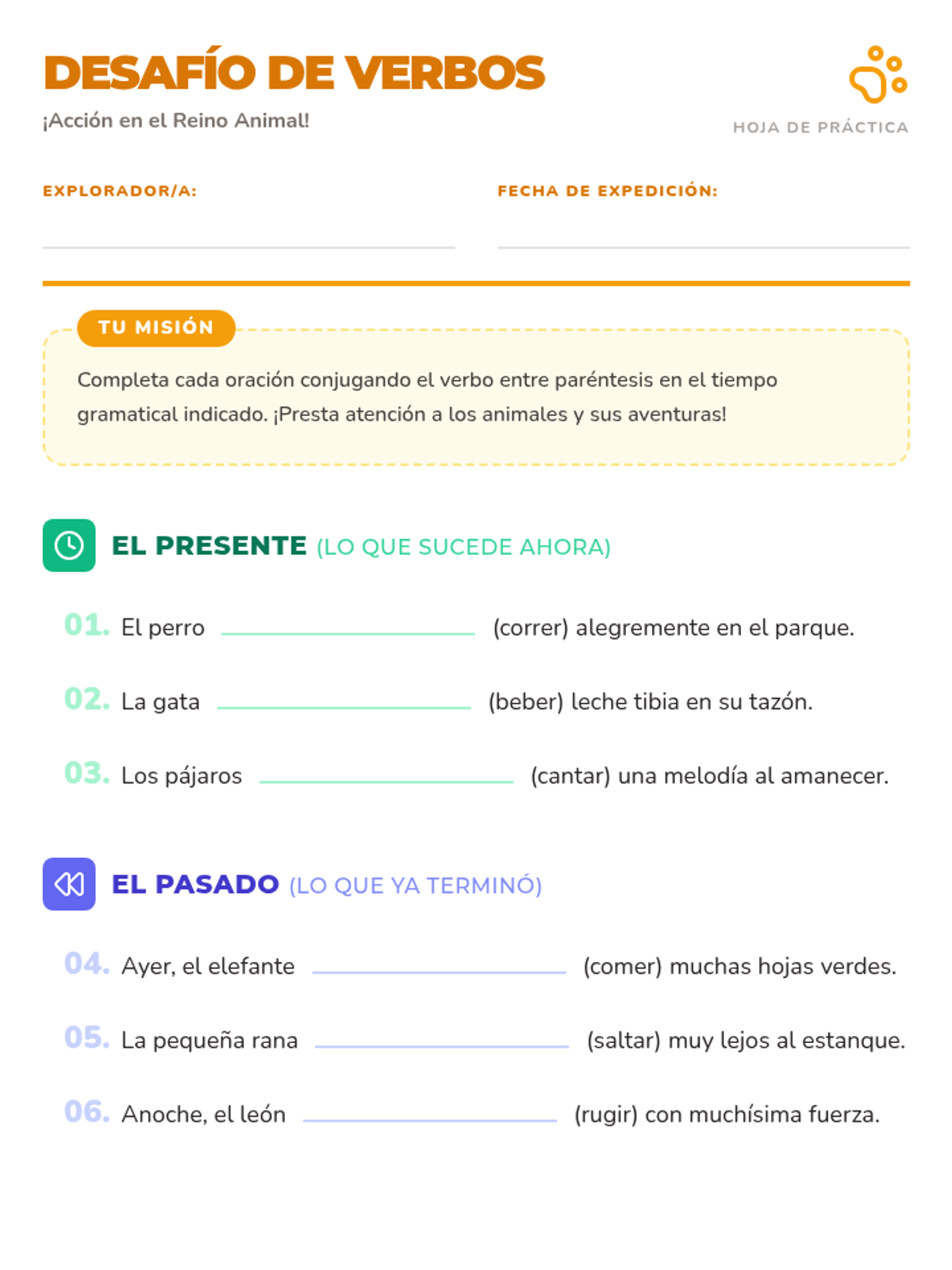
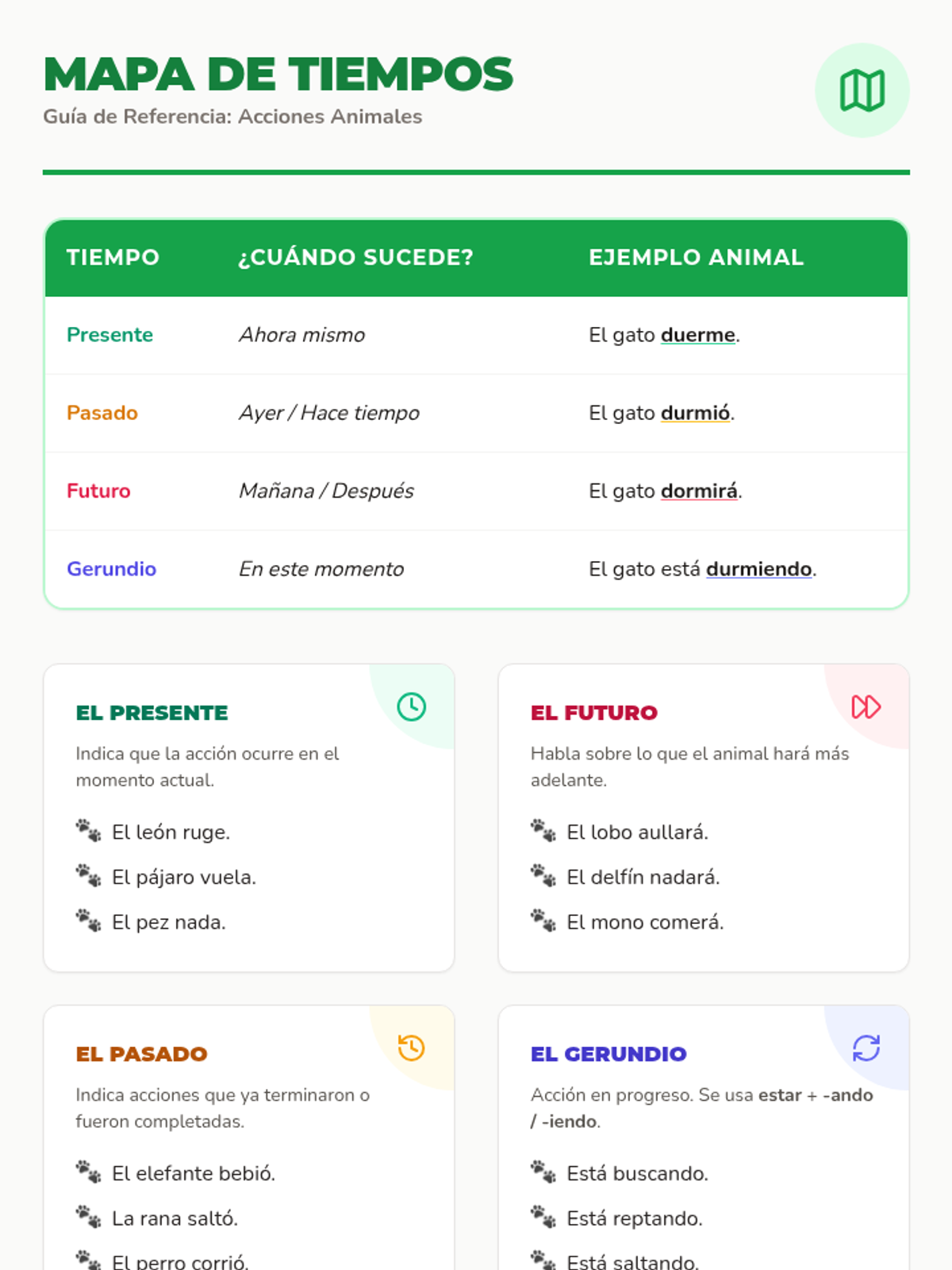
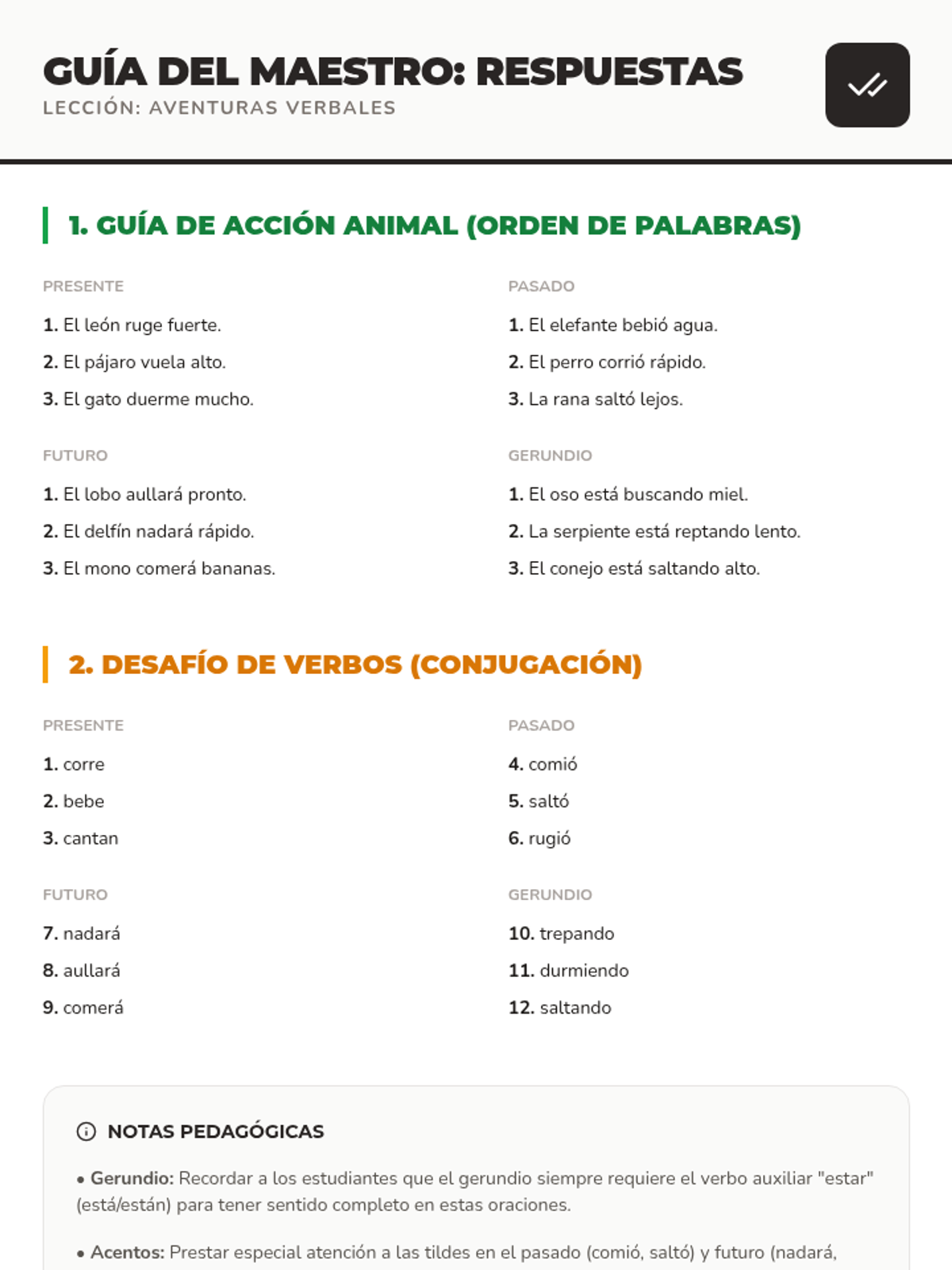
The final lesson focuses on animals in motion. Students apply their knowledge to describe animal behaviors and present a 'Nature Live' mini-project.
A lesson focused on traditional community activities. Students describe processes like weaving, drumming, and storytelling in progress.
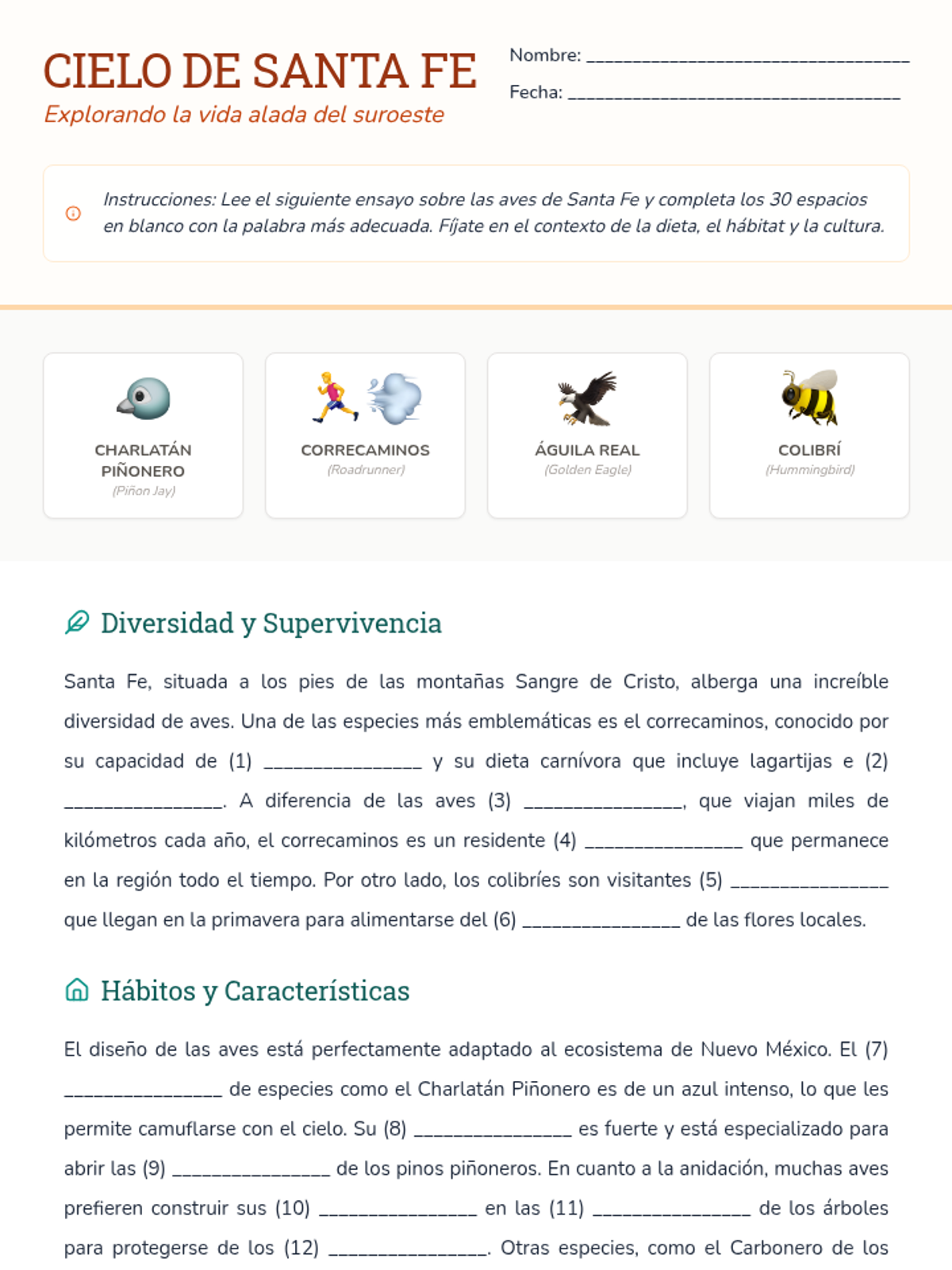
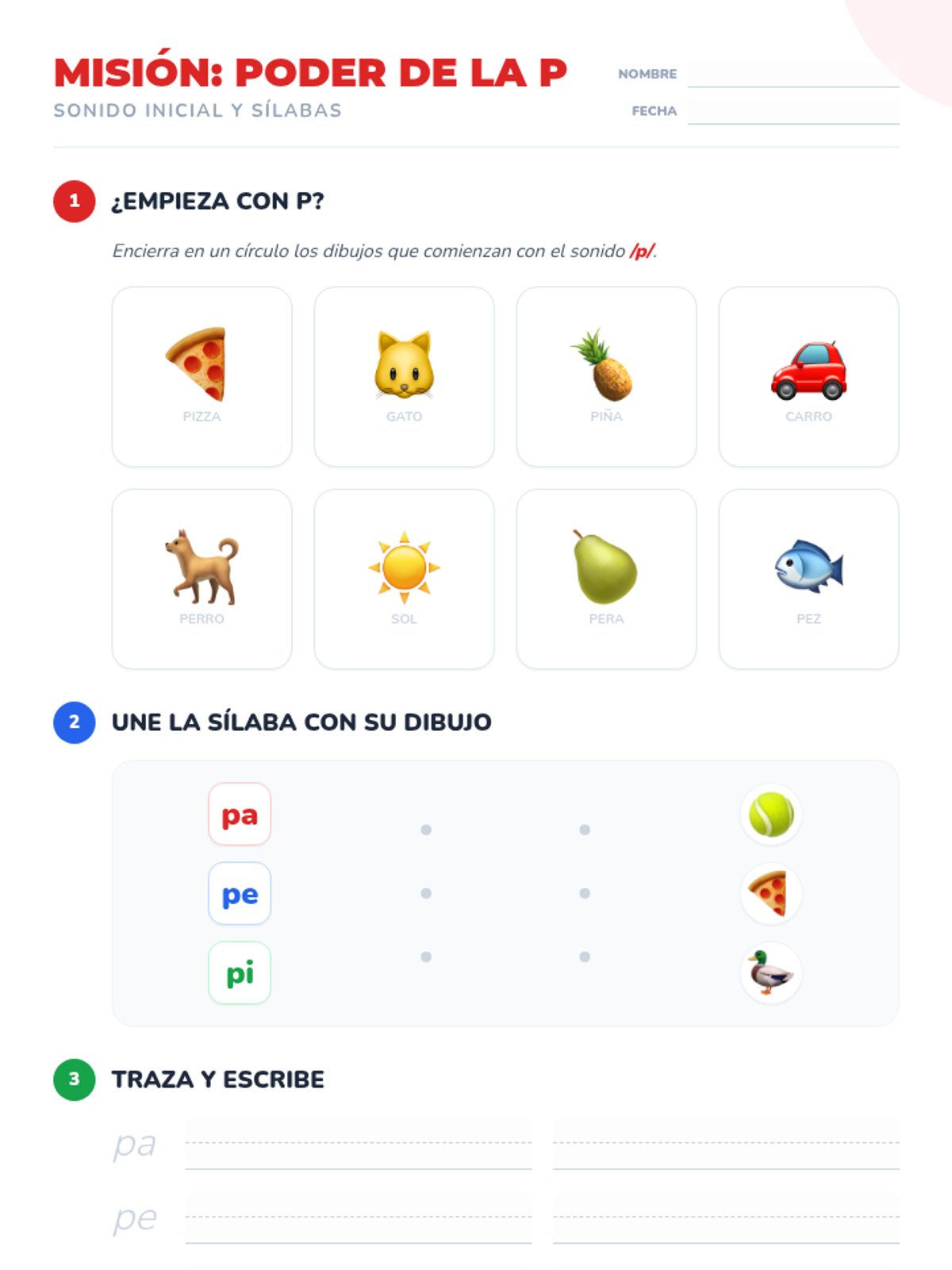
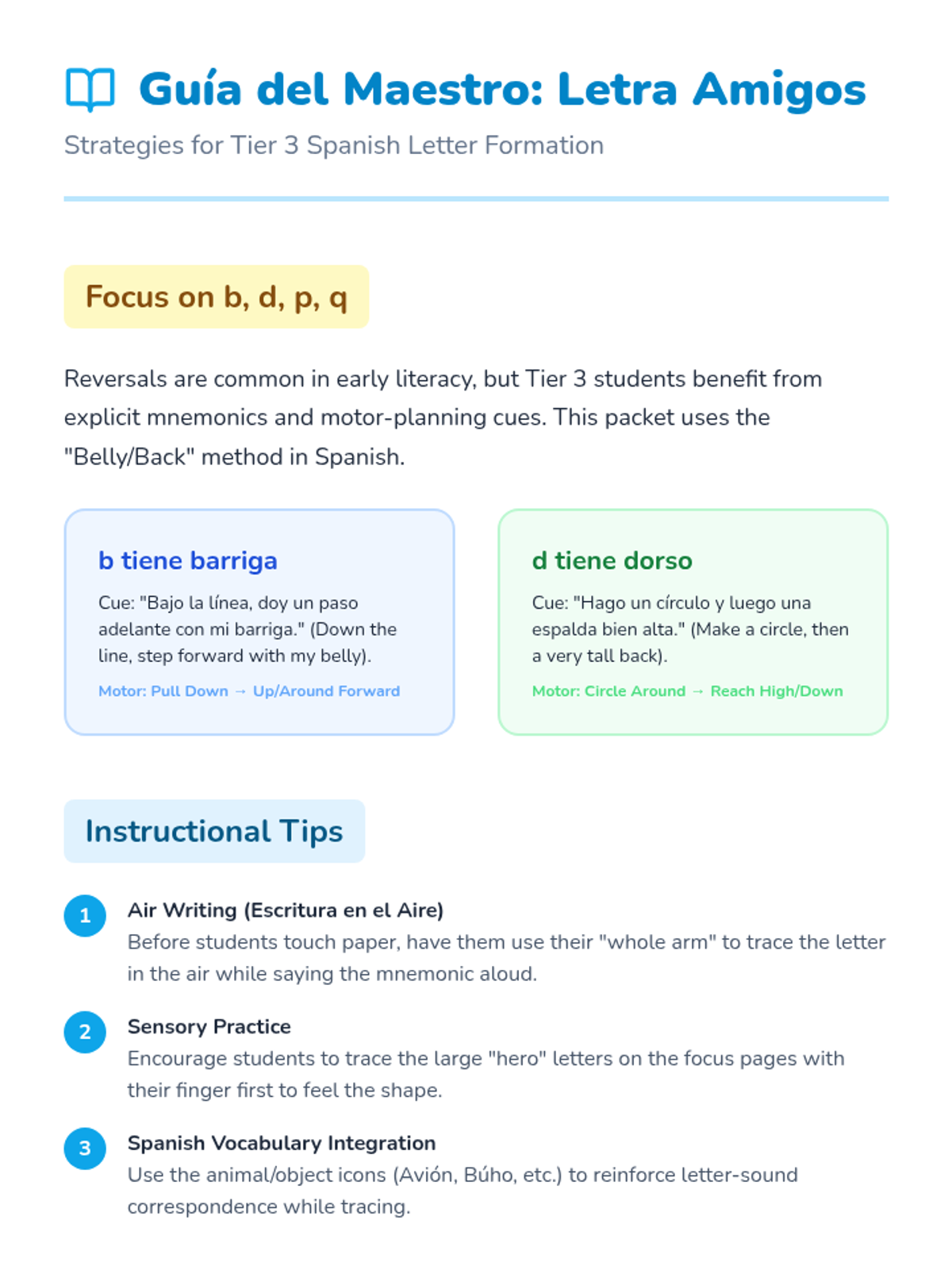
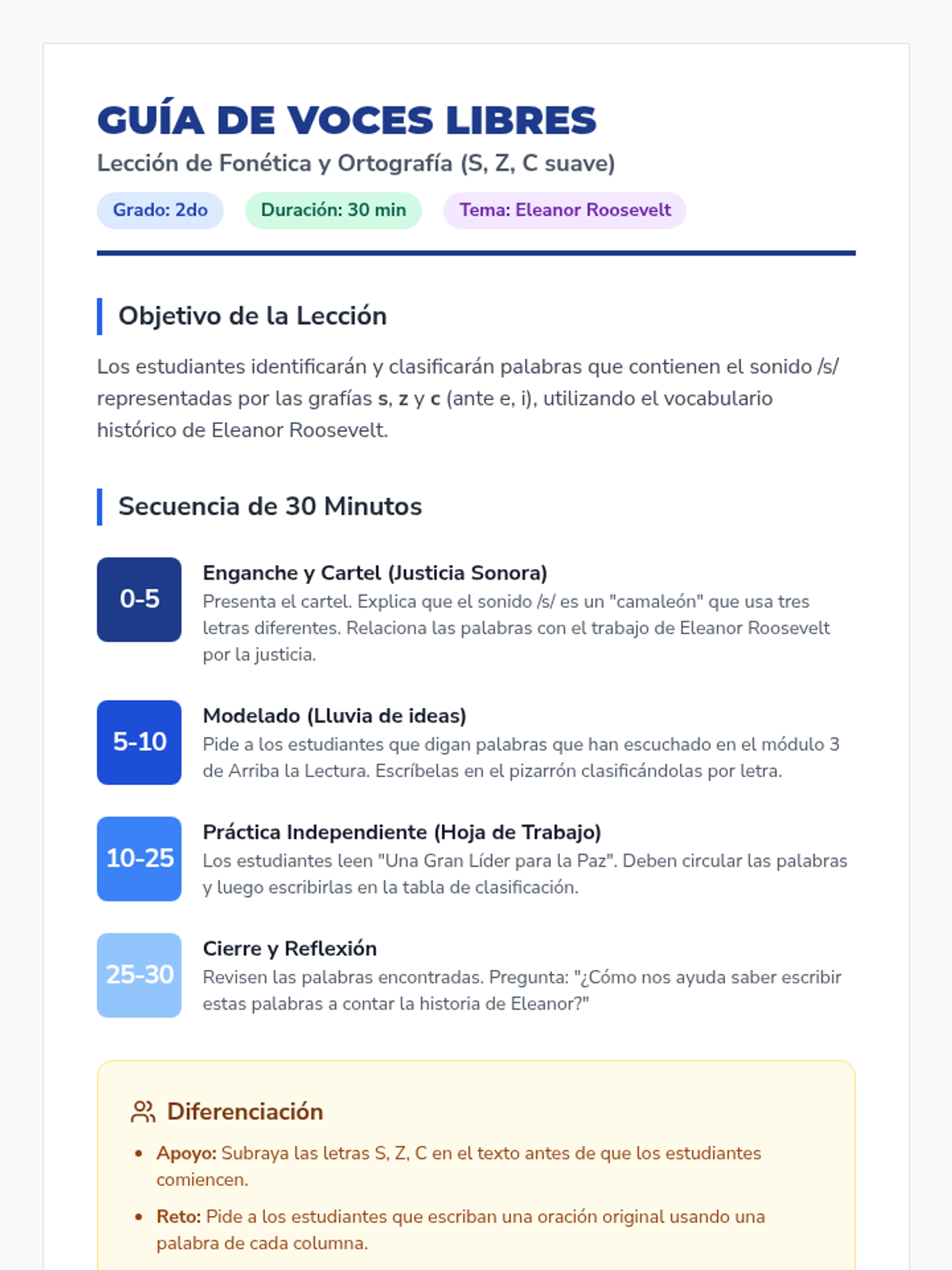
Students explore weather and seasonal changes using el gerundio. They learn to describe natural cycles like 'lloviendo', 'nevando', and 'brillando'.
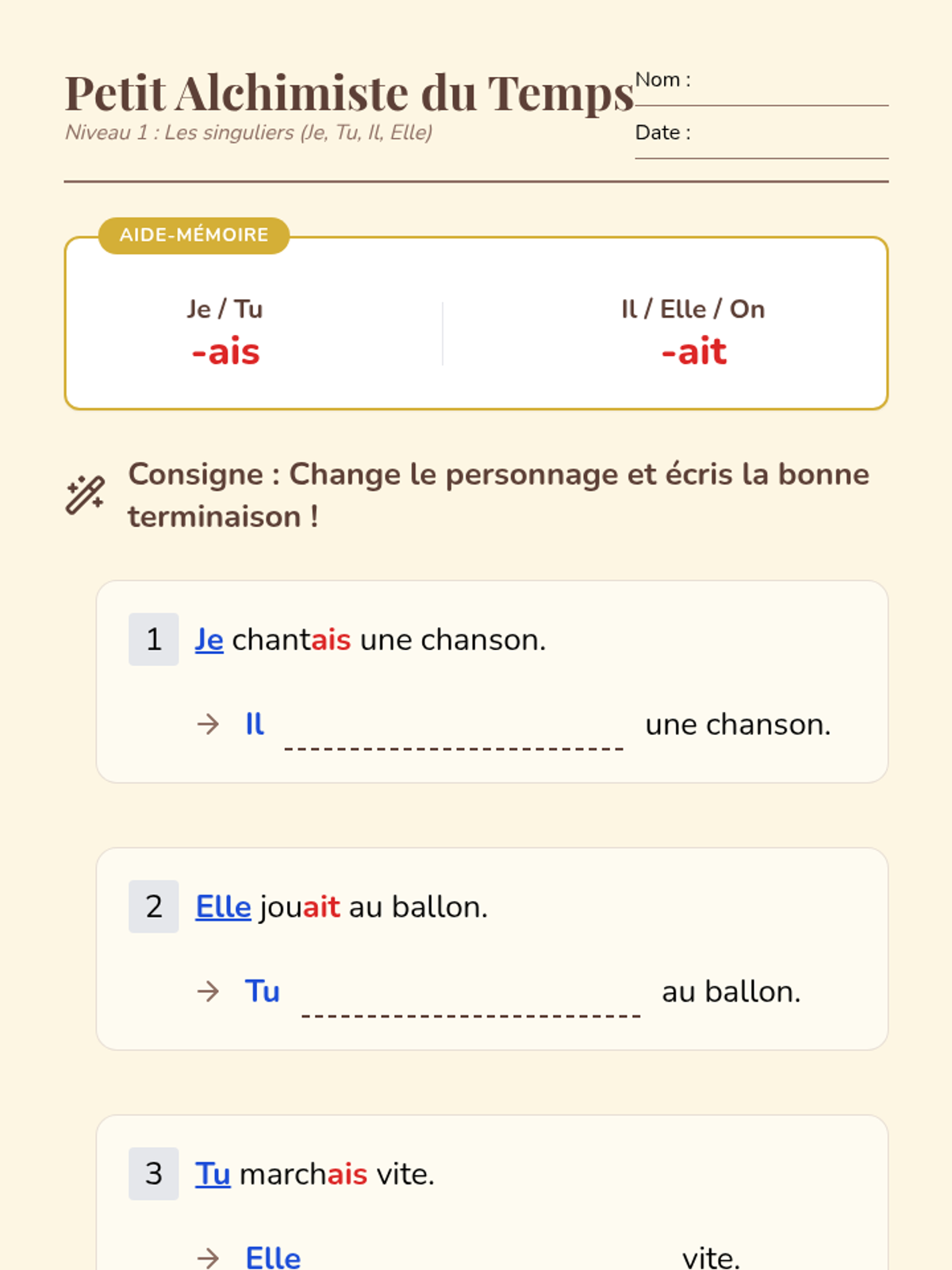
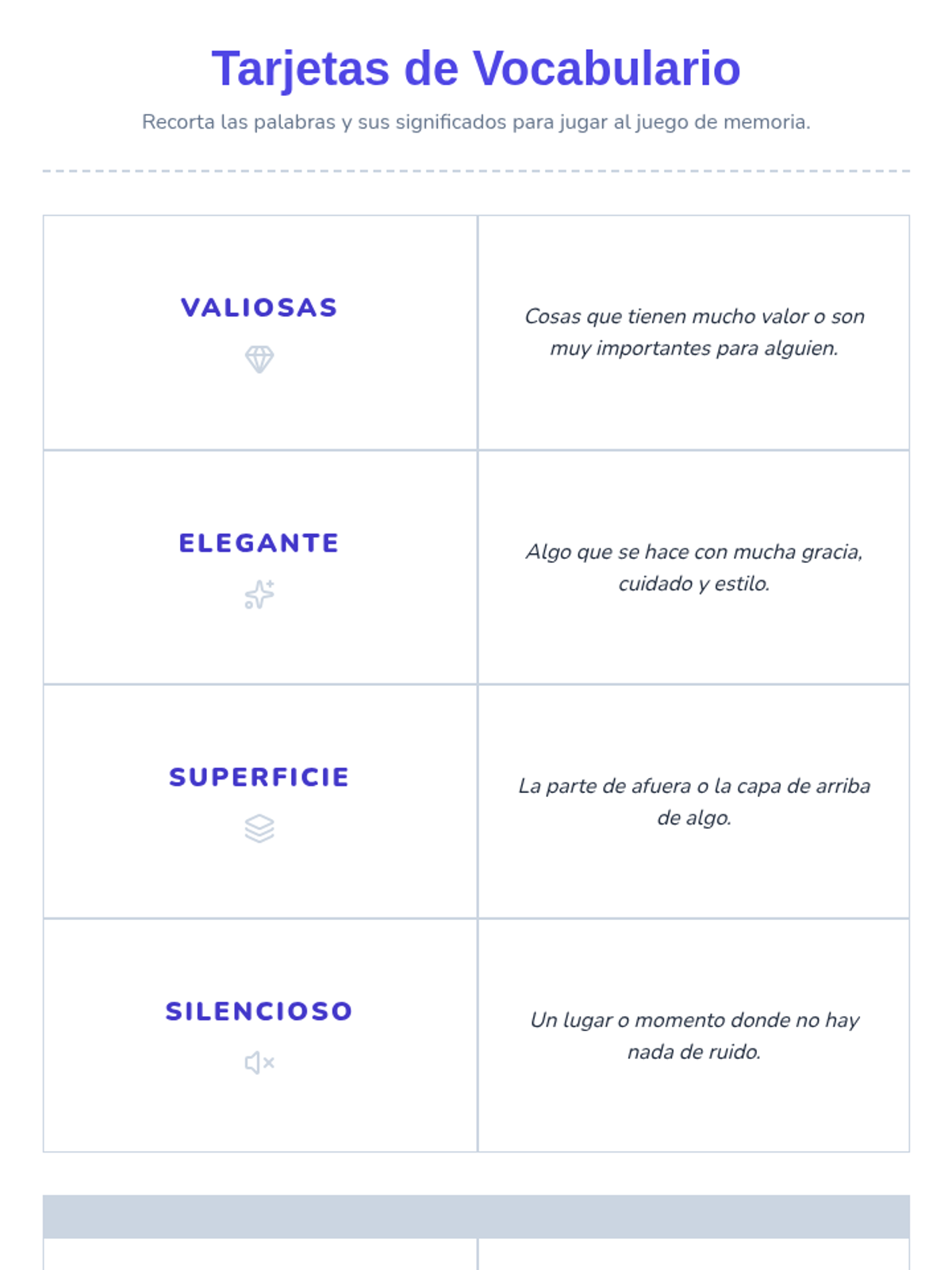
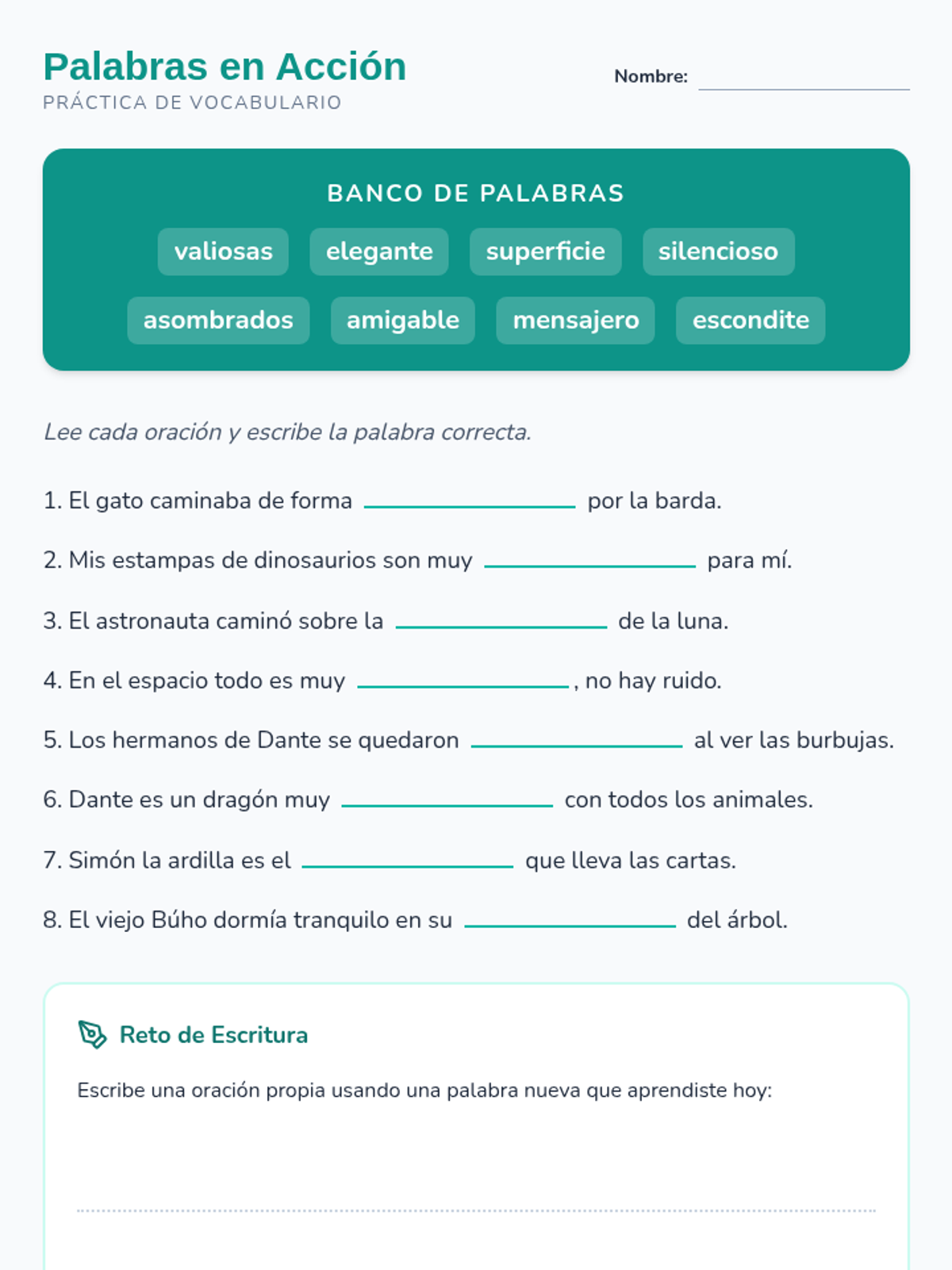
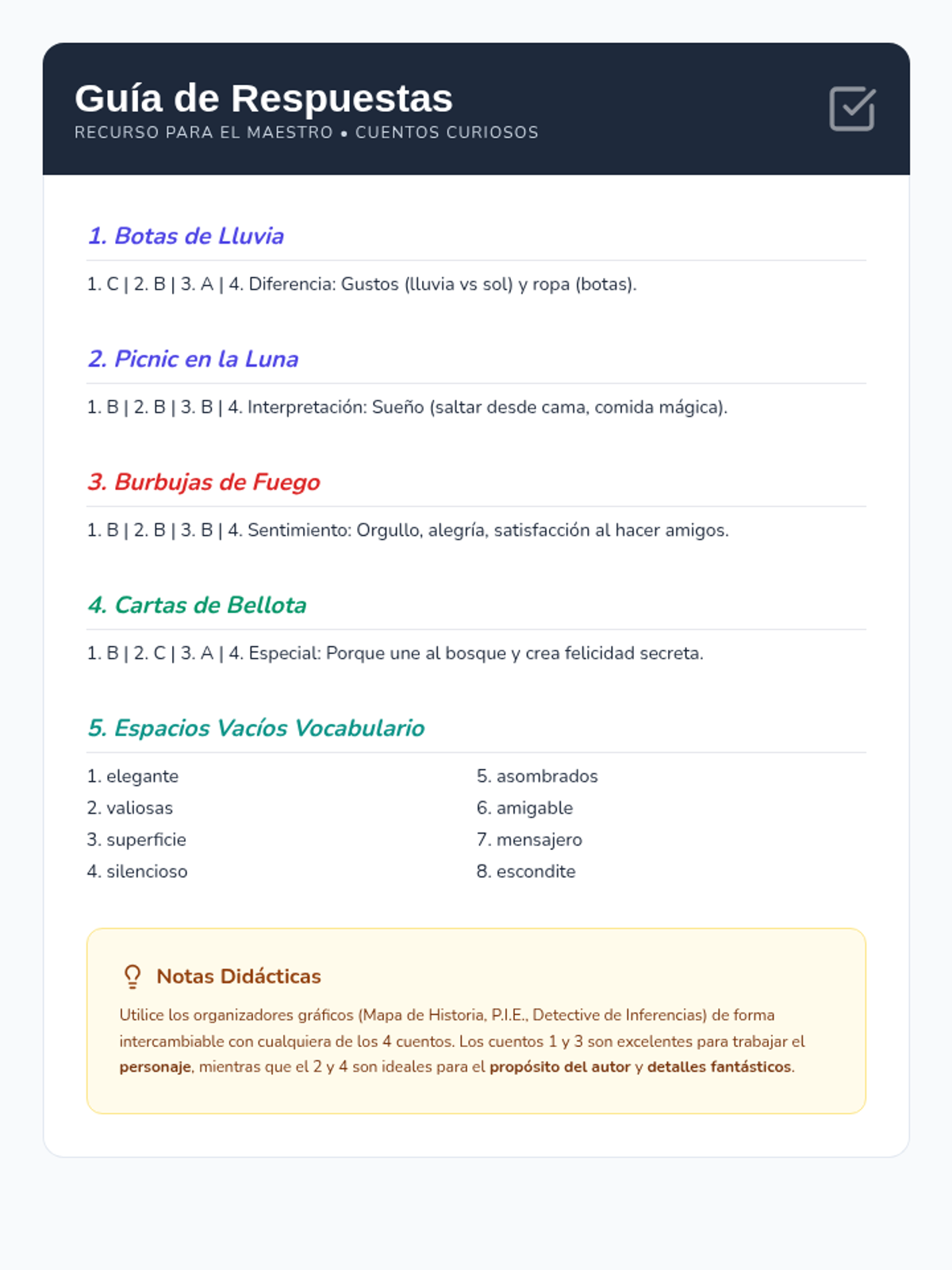
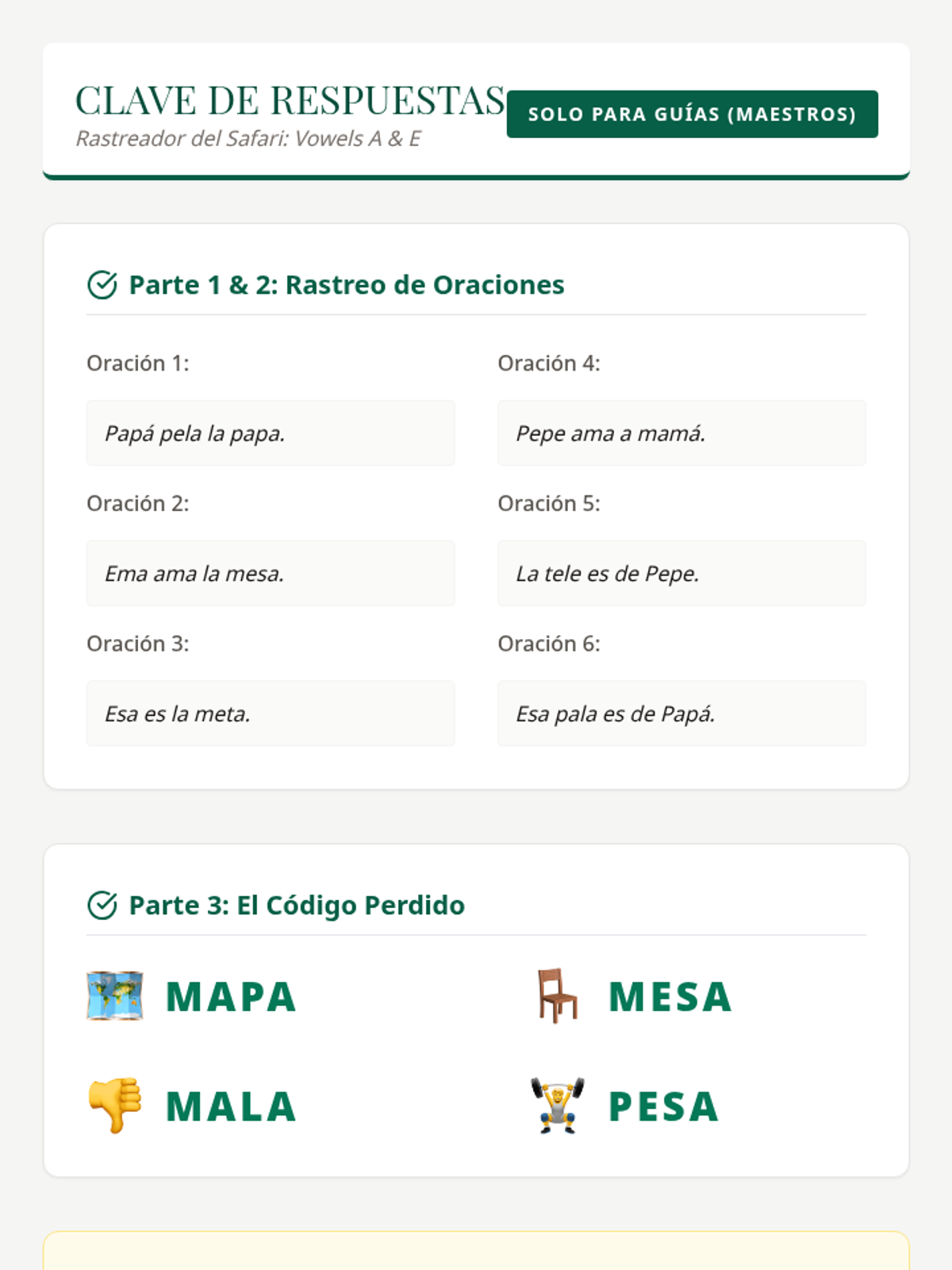
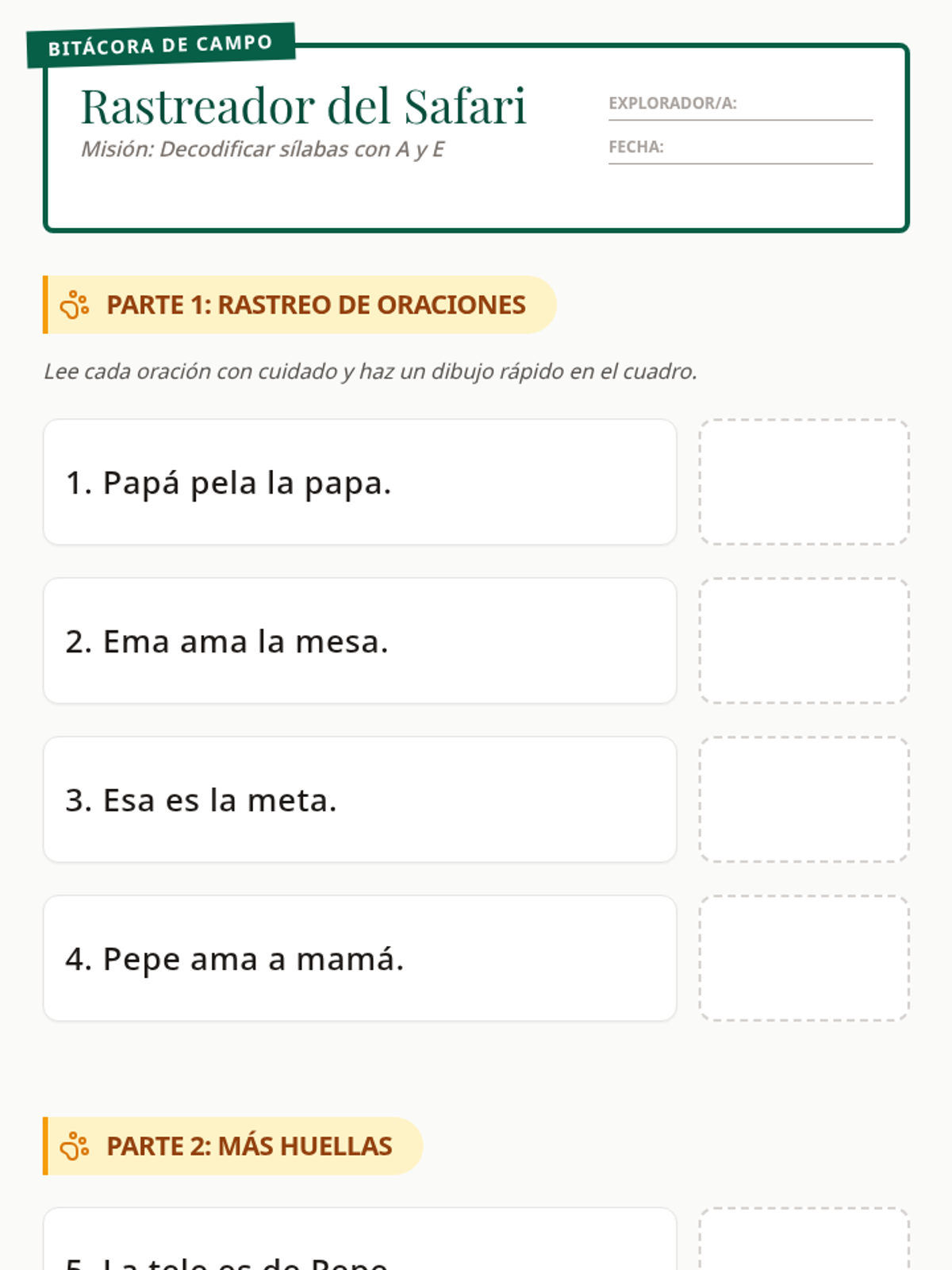
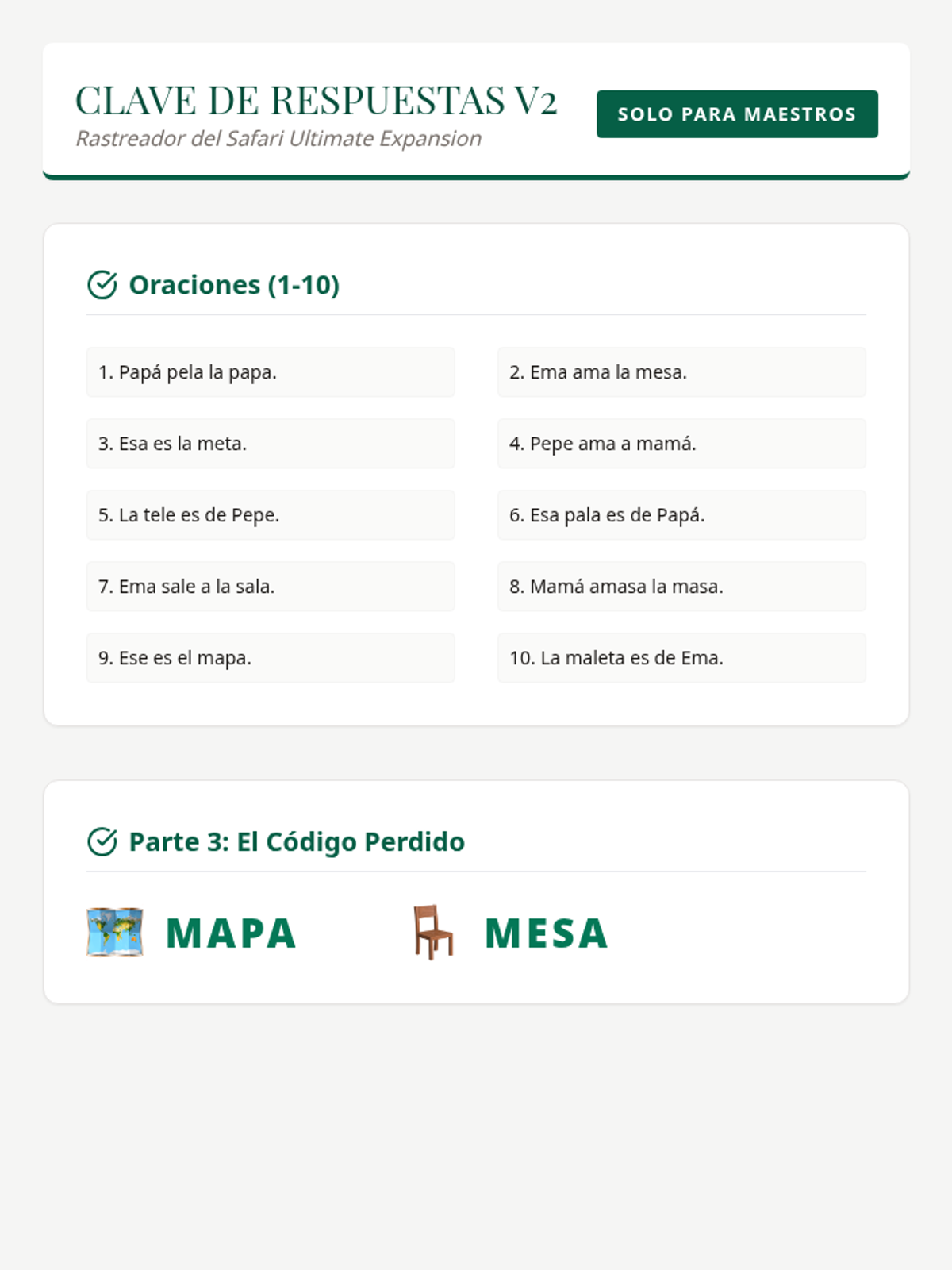
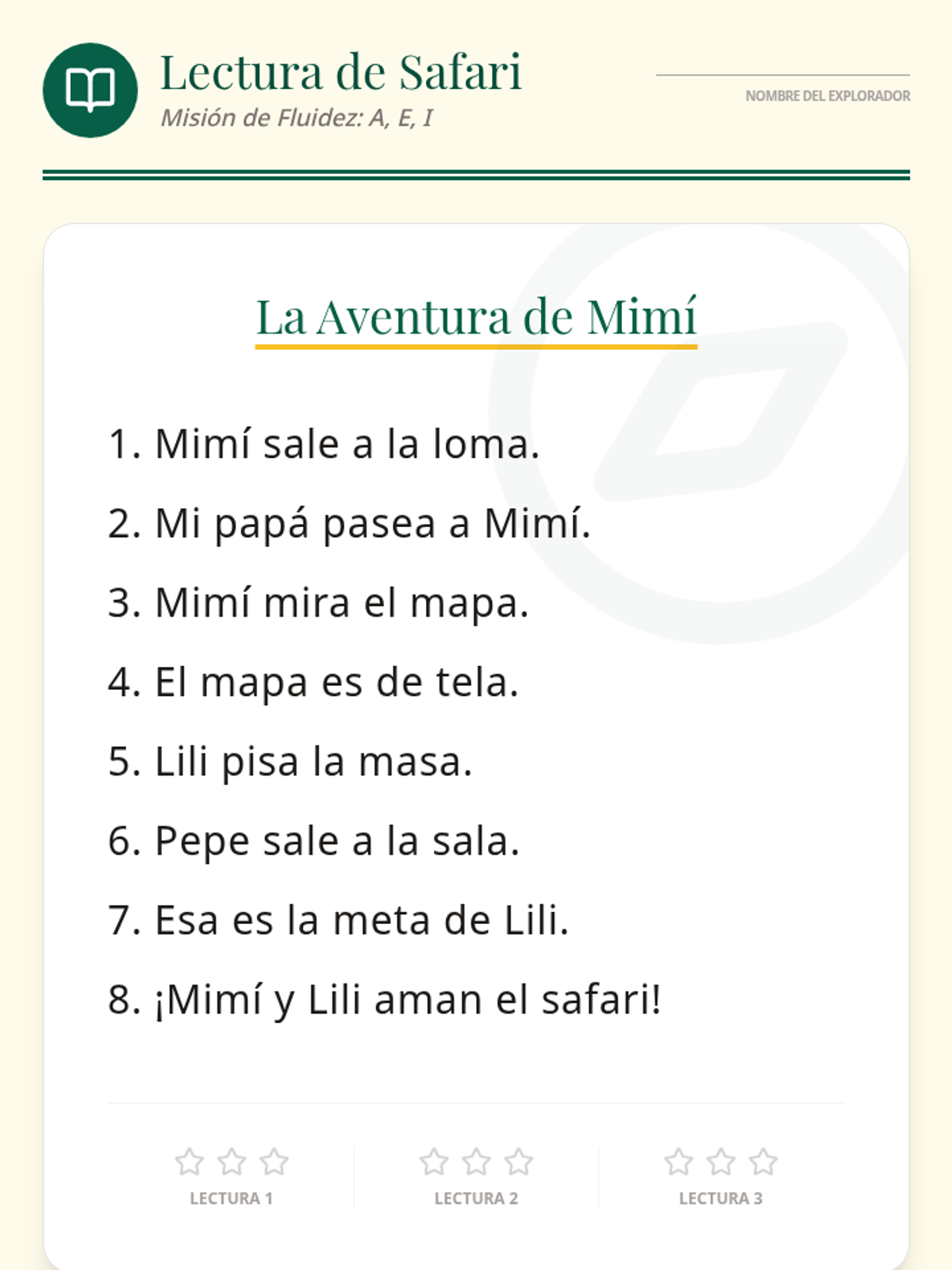
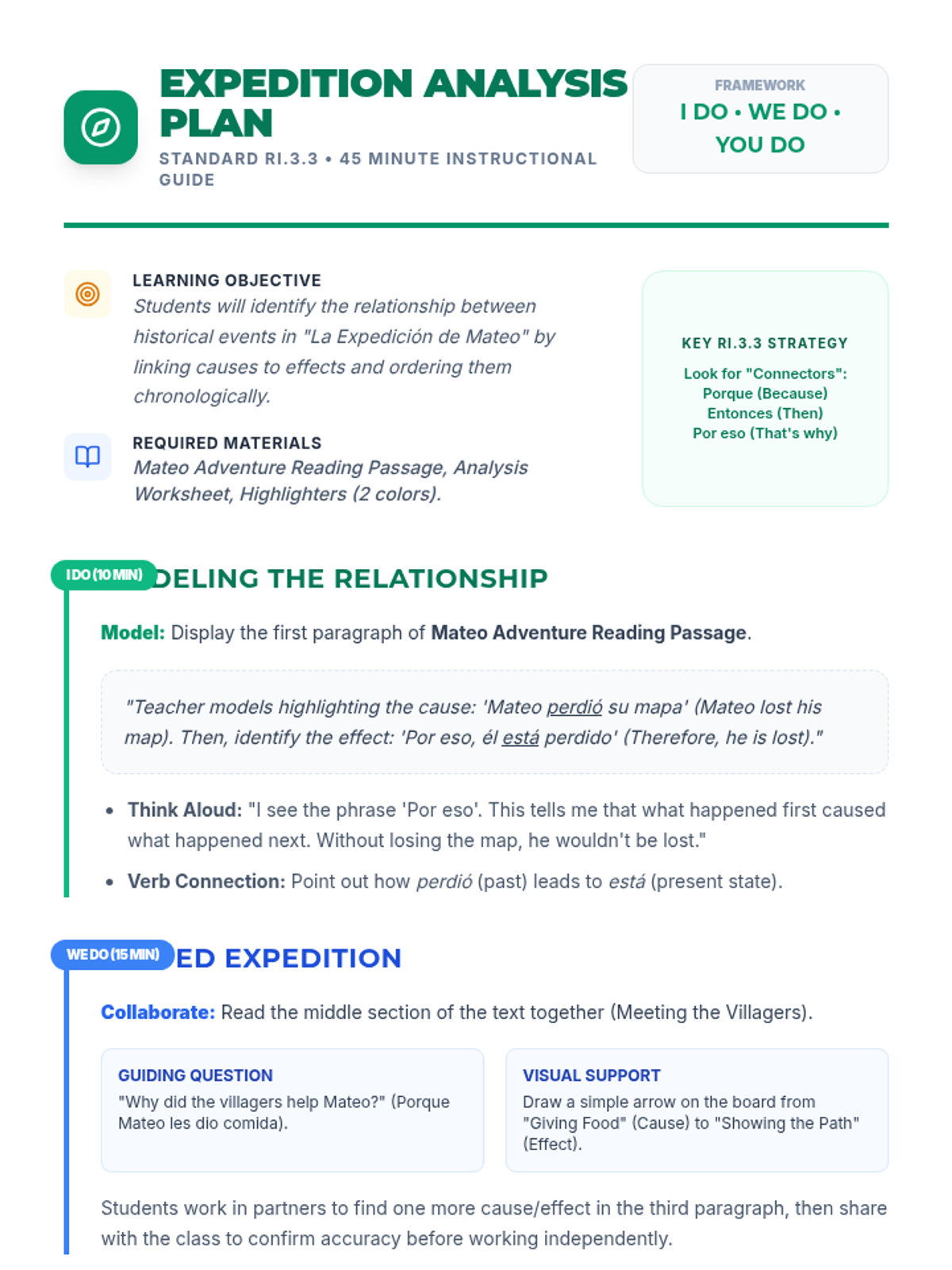
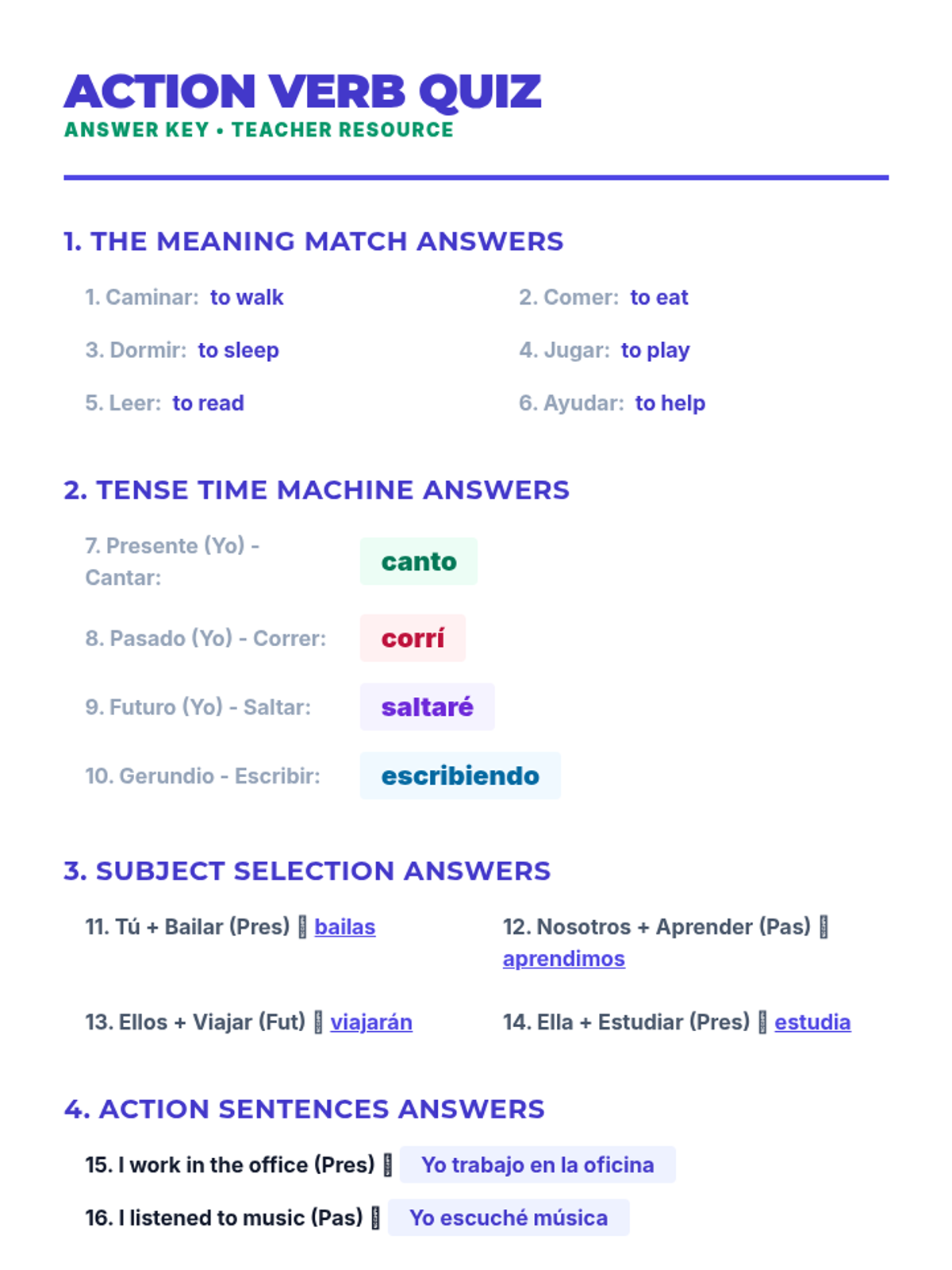
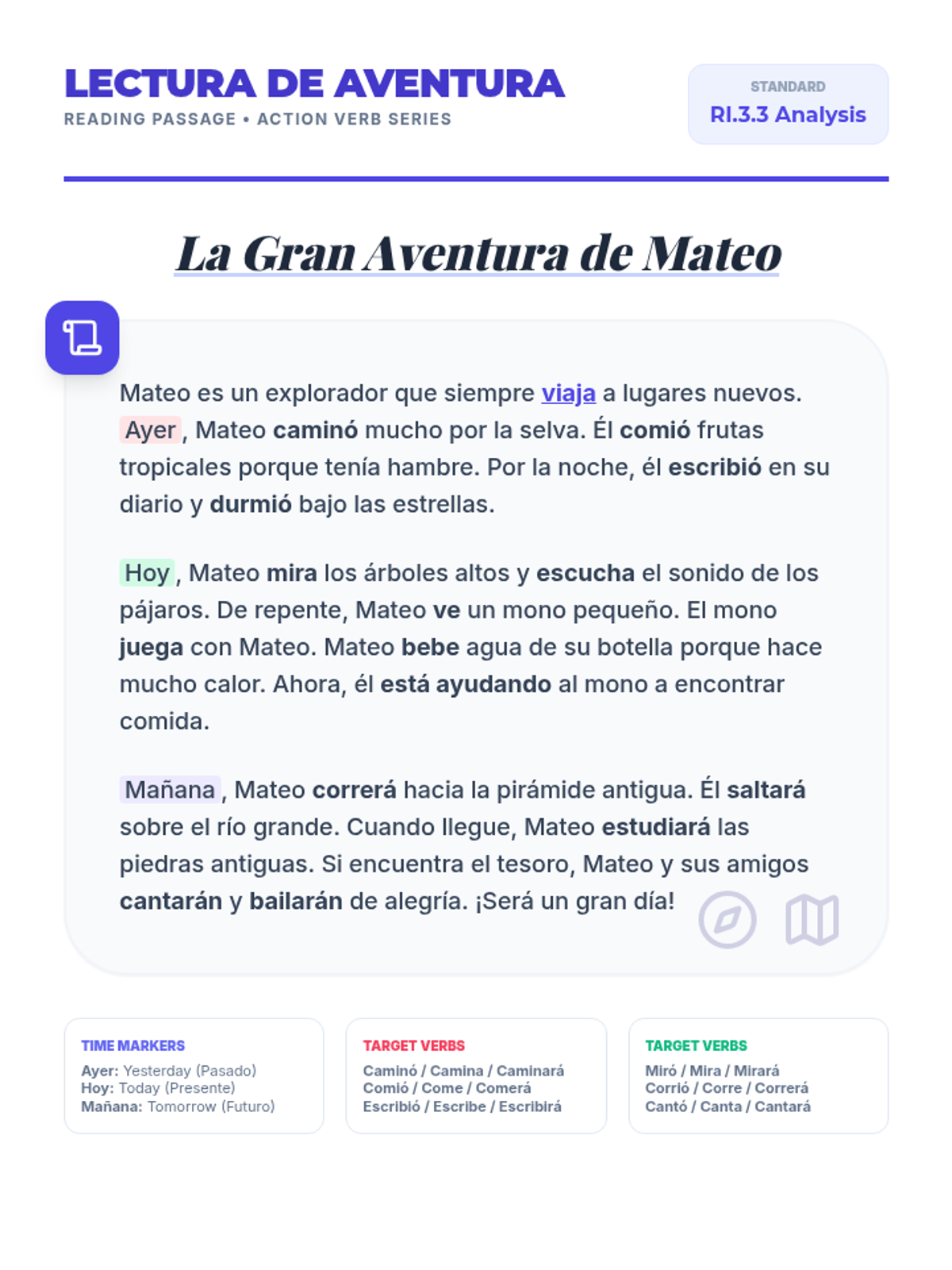
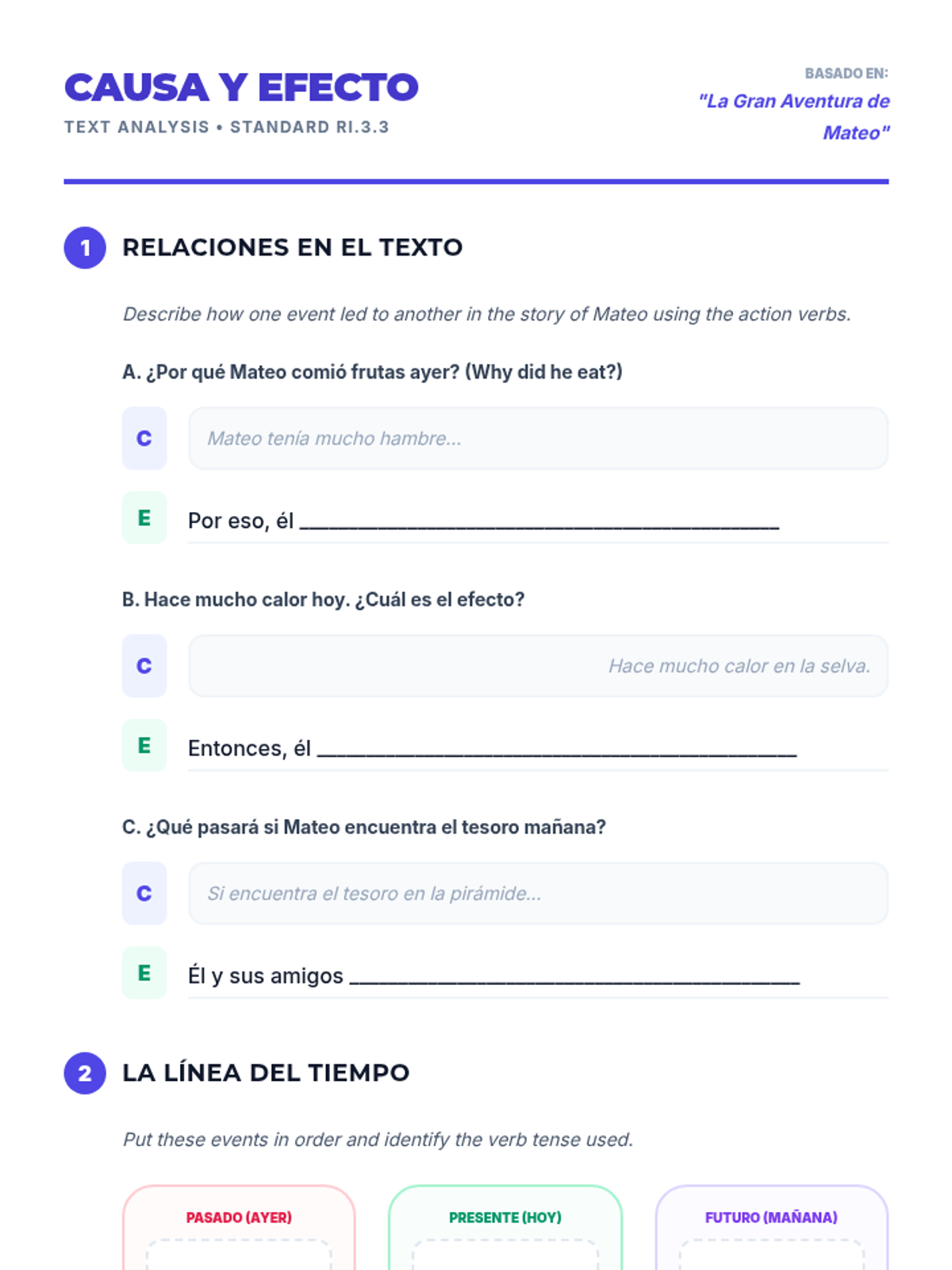
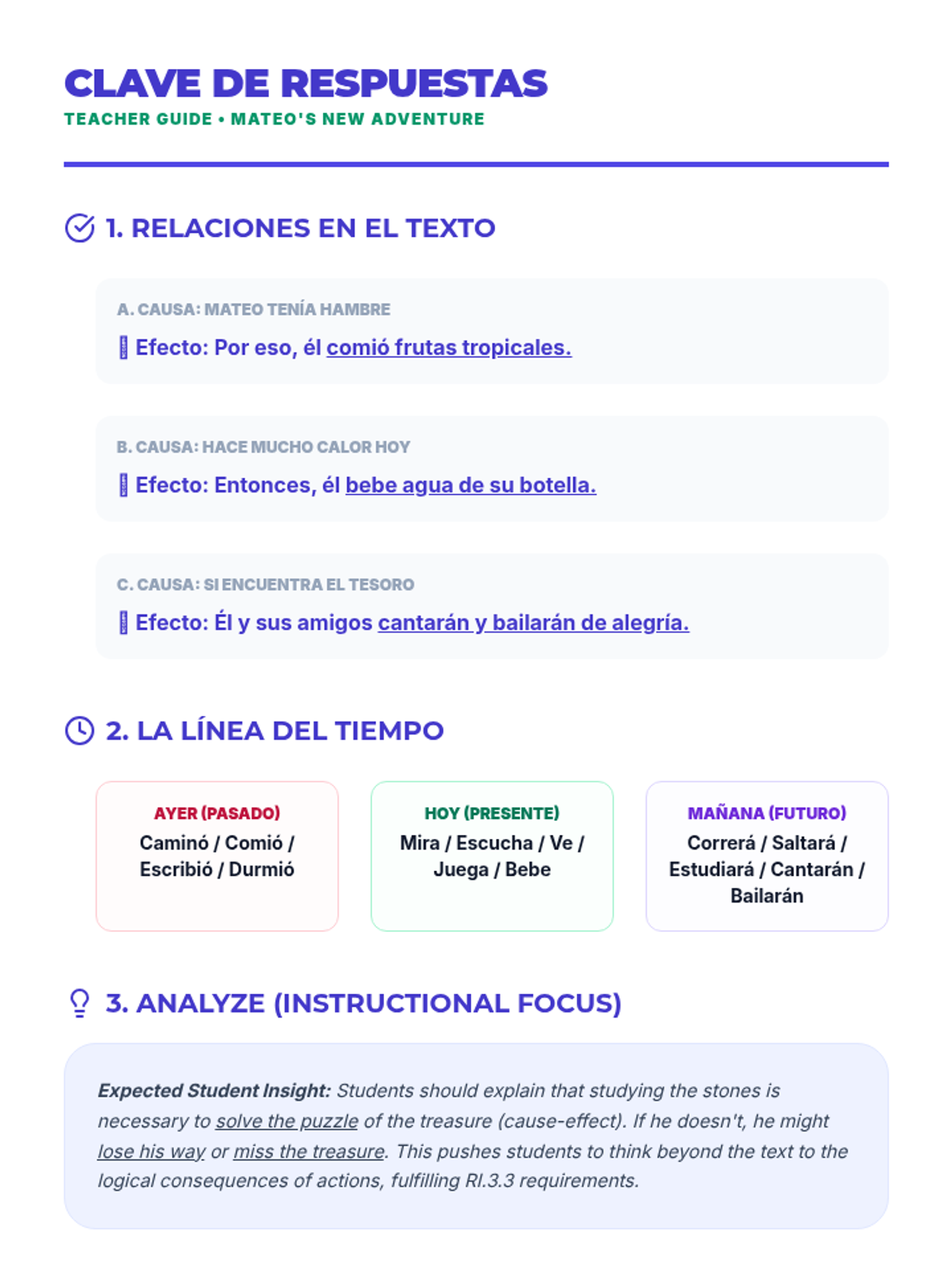
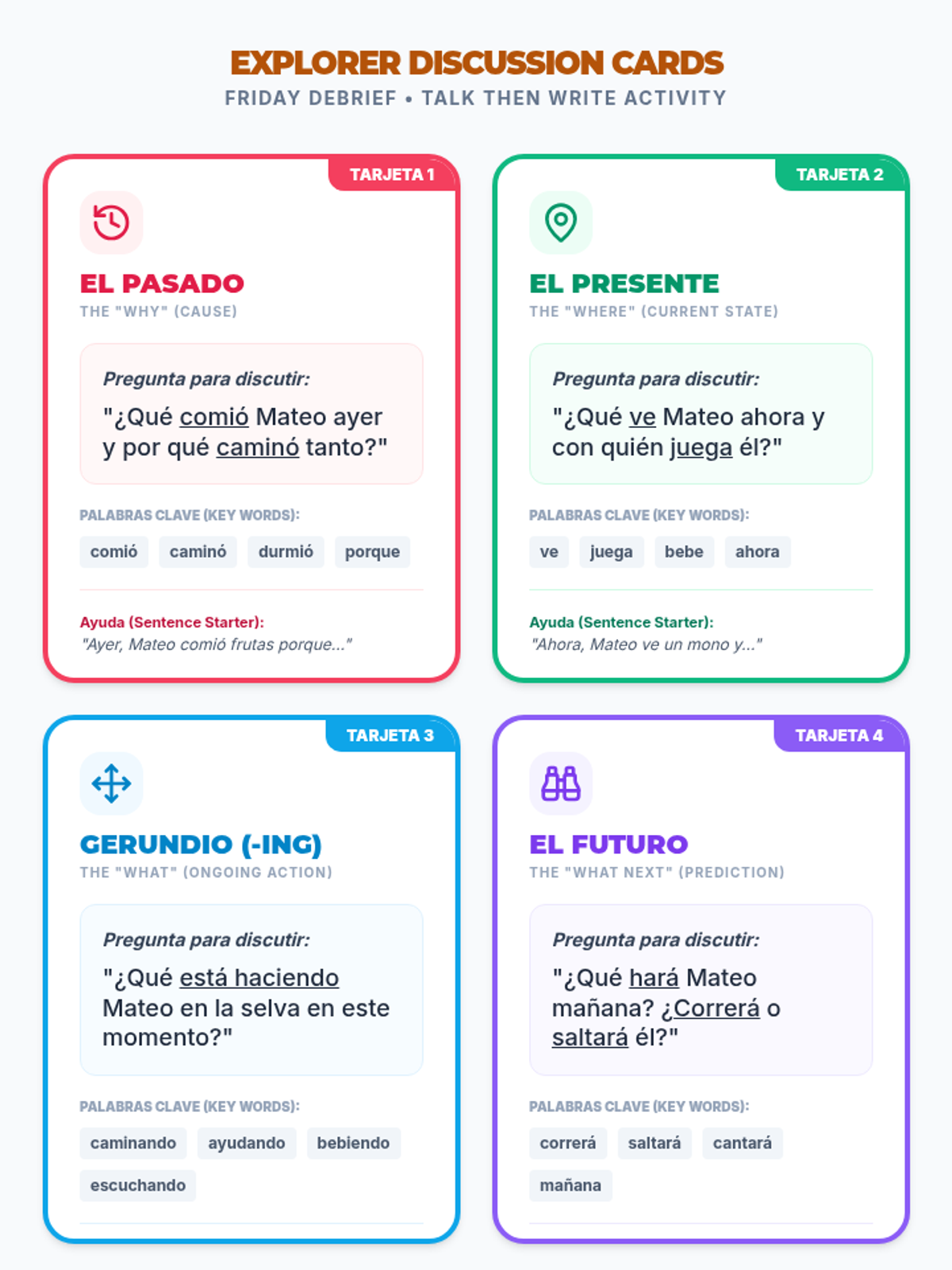
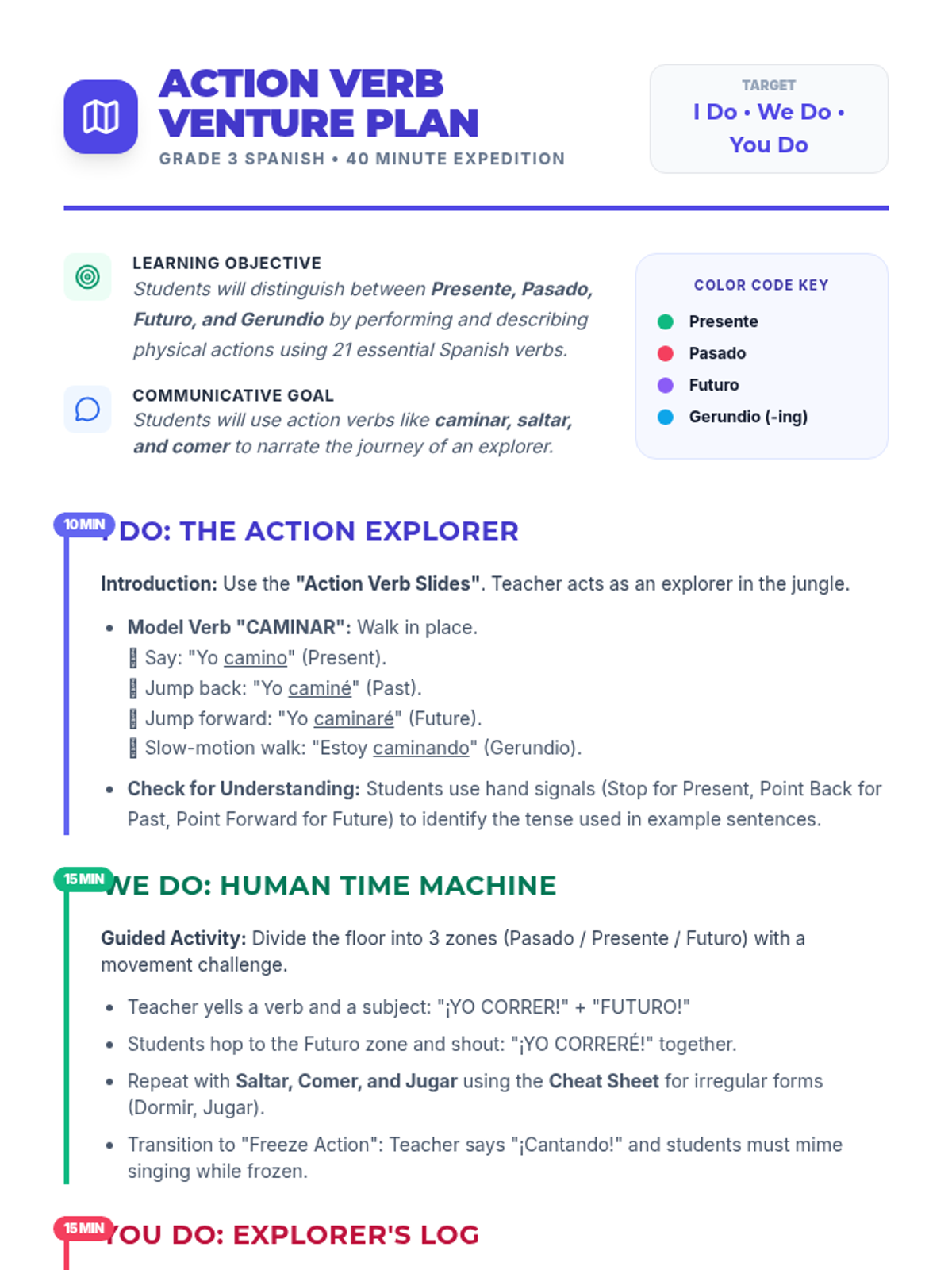
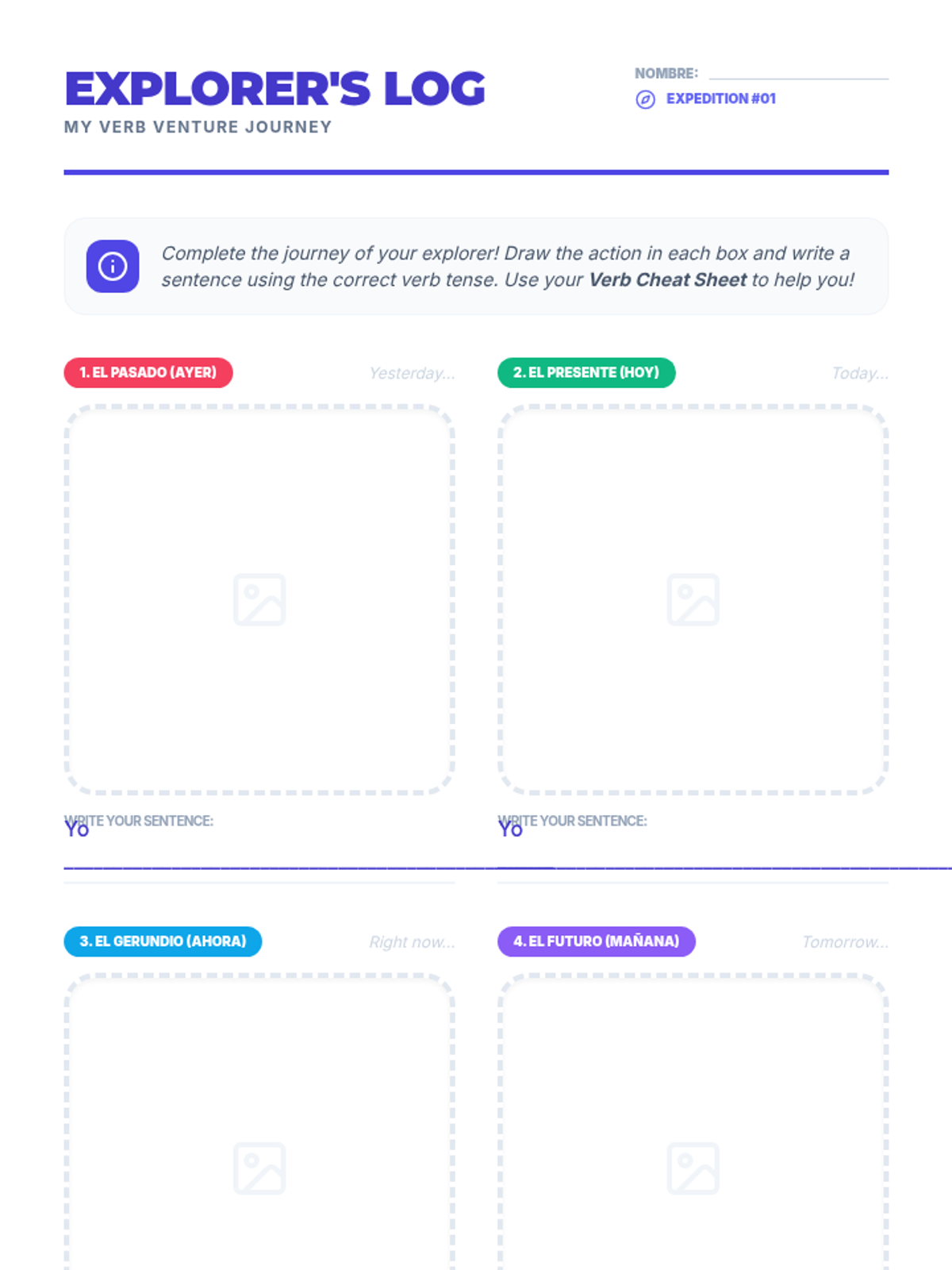
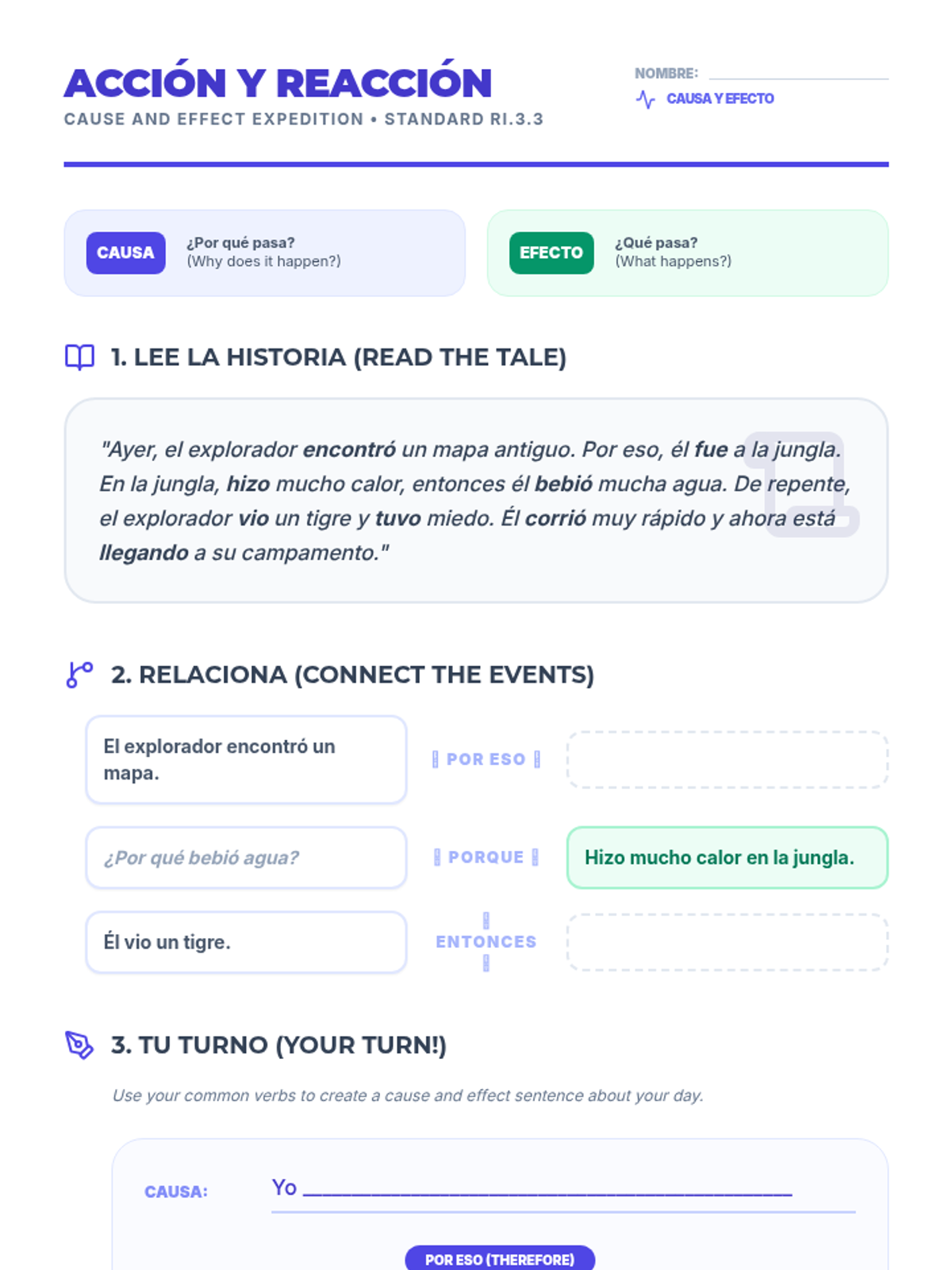
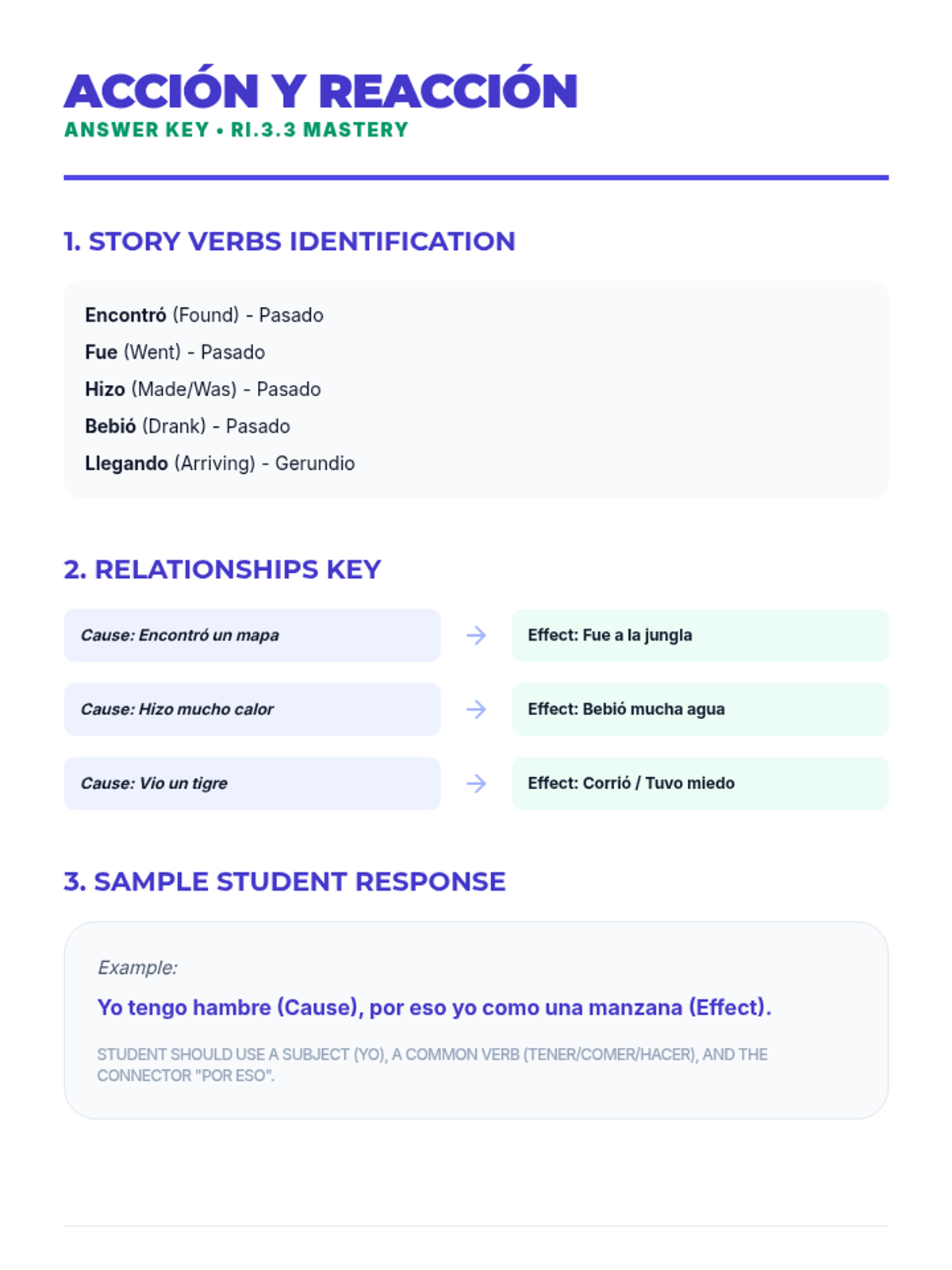
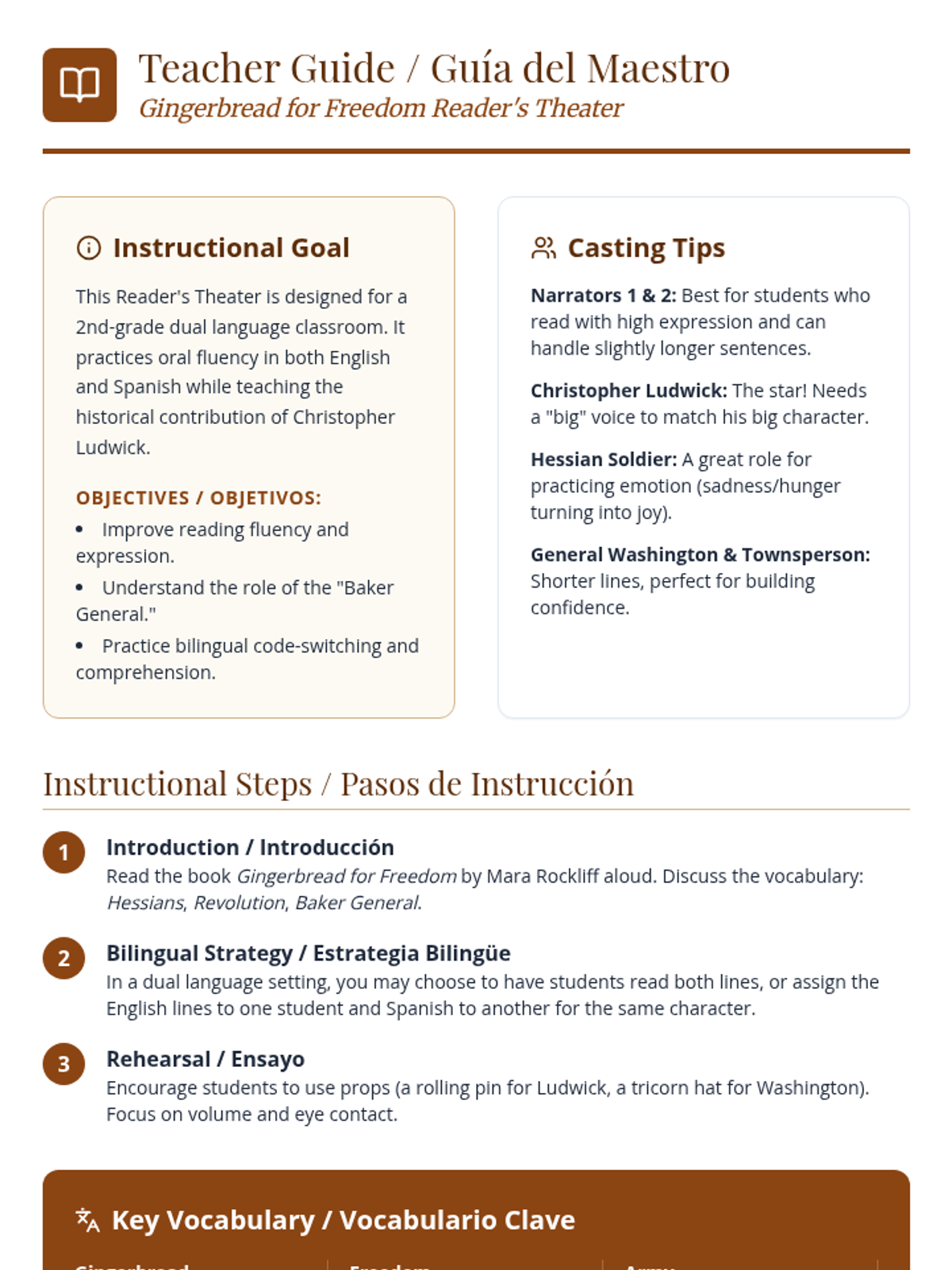
A communicative Spanish lesson for 3rd graders focused on 'el gerundio' (present progressive). The lesson uses themes of nature and community life to teach students how to describe ongoing actions in Spanish.
A lesson focused on the cultural tradition of sending Valentine's Day cards, designed for ESL students to practice functional reading and writing skills.
A lesson exploring the linguistic connections between Latin, Romance languages, and English through the lens of 'linguistic detective work.' Students identify cognates and understand the historical influence of the Roman Empire on modern speech.
A fun, movement-based lesson for early elementary ESL students to learn directional opposites (Up/Down, High/Low) using playground equipment and a catchy song. Students will engage in pronunciation practice, video analysis, and a partner dictation activity using character cut-outs.
A vibrant, high-energy vocabulary reinforcement lesson for 1st-grade ESL/ELL students focused on identifying and labeling body parts through song, movement, and a creative monster-building activity.
Students explore the difference between animal imitation and human language through the case study of Alex the Parrot and a communicative roleplay activity.
A foundational ESL lesson focused on numbers 1-10, connecting spoken words, written forms, and quantities through music, video, and movement. Students engage in choral counting, video-based handwriting practice, and a classroom-wide labeling activity.
A Kindergarten/1st Grade ESL lesson focusing on oral language development through comparative and superlative adjectives (long, longer, longest, short, shorter, shortest) using zoo animal comparisons.
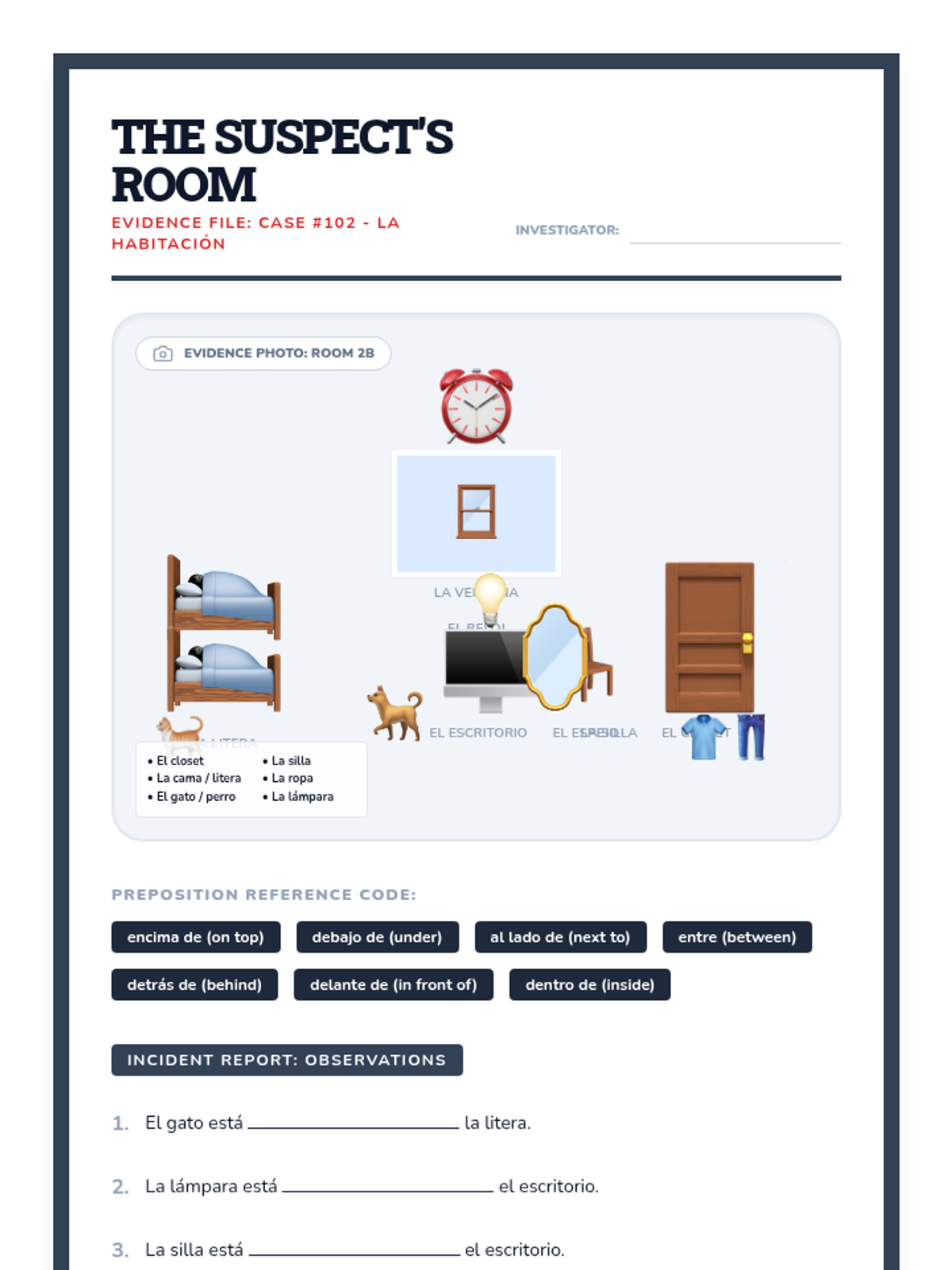
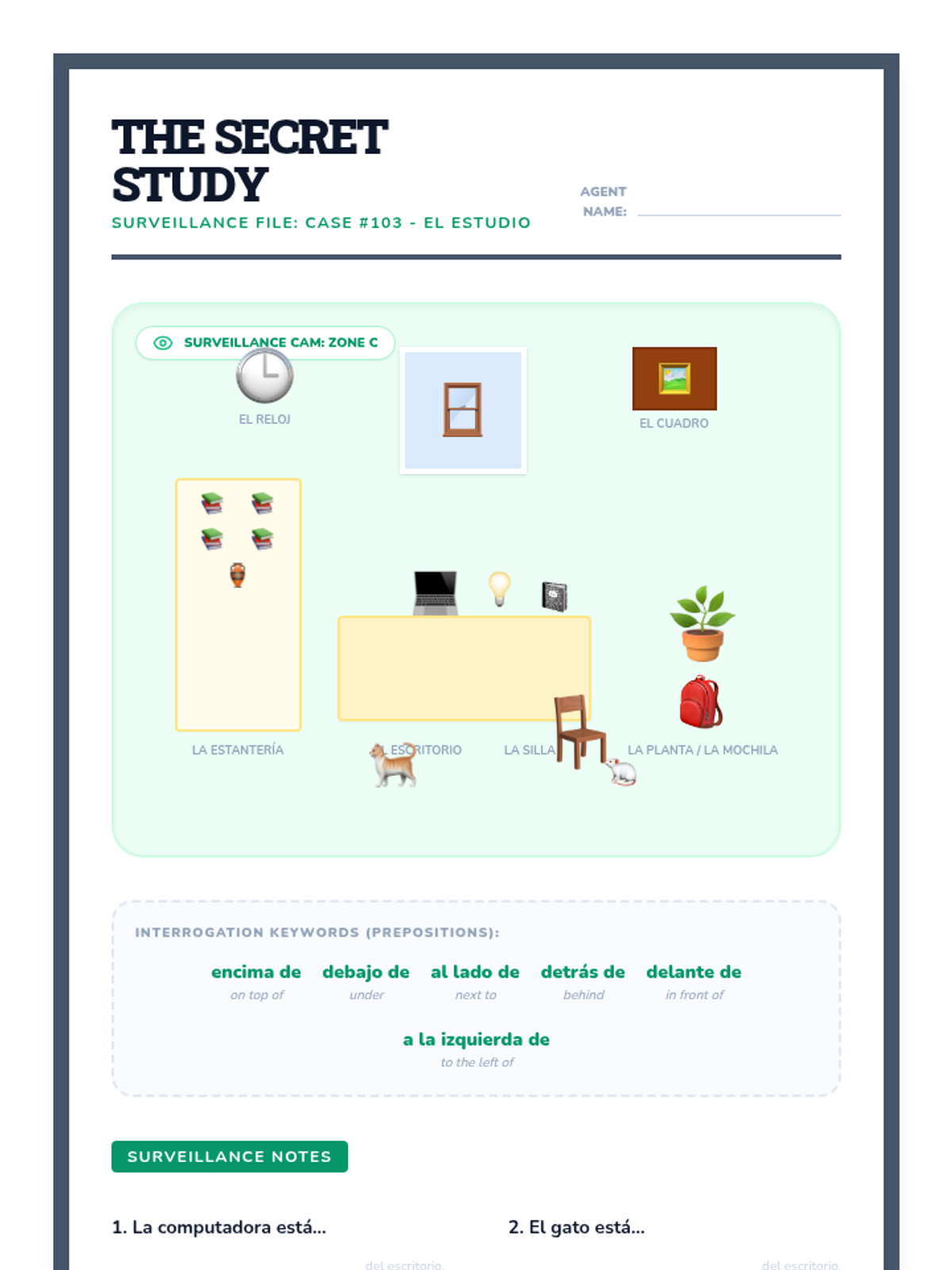
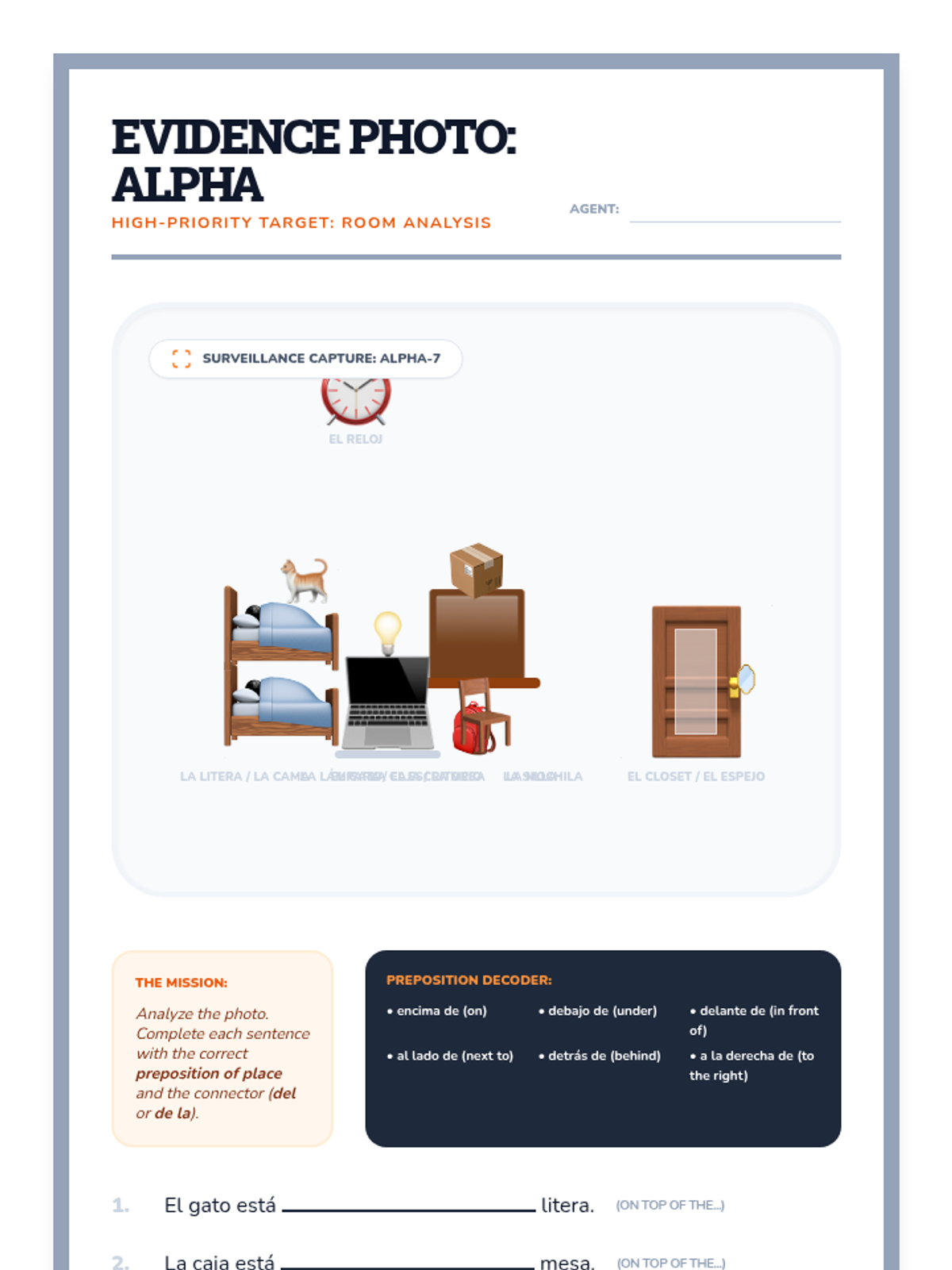
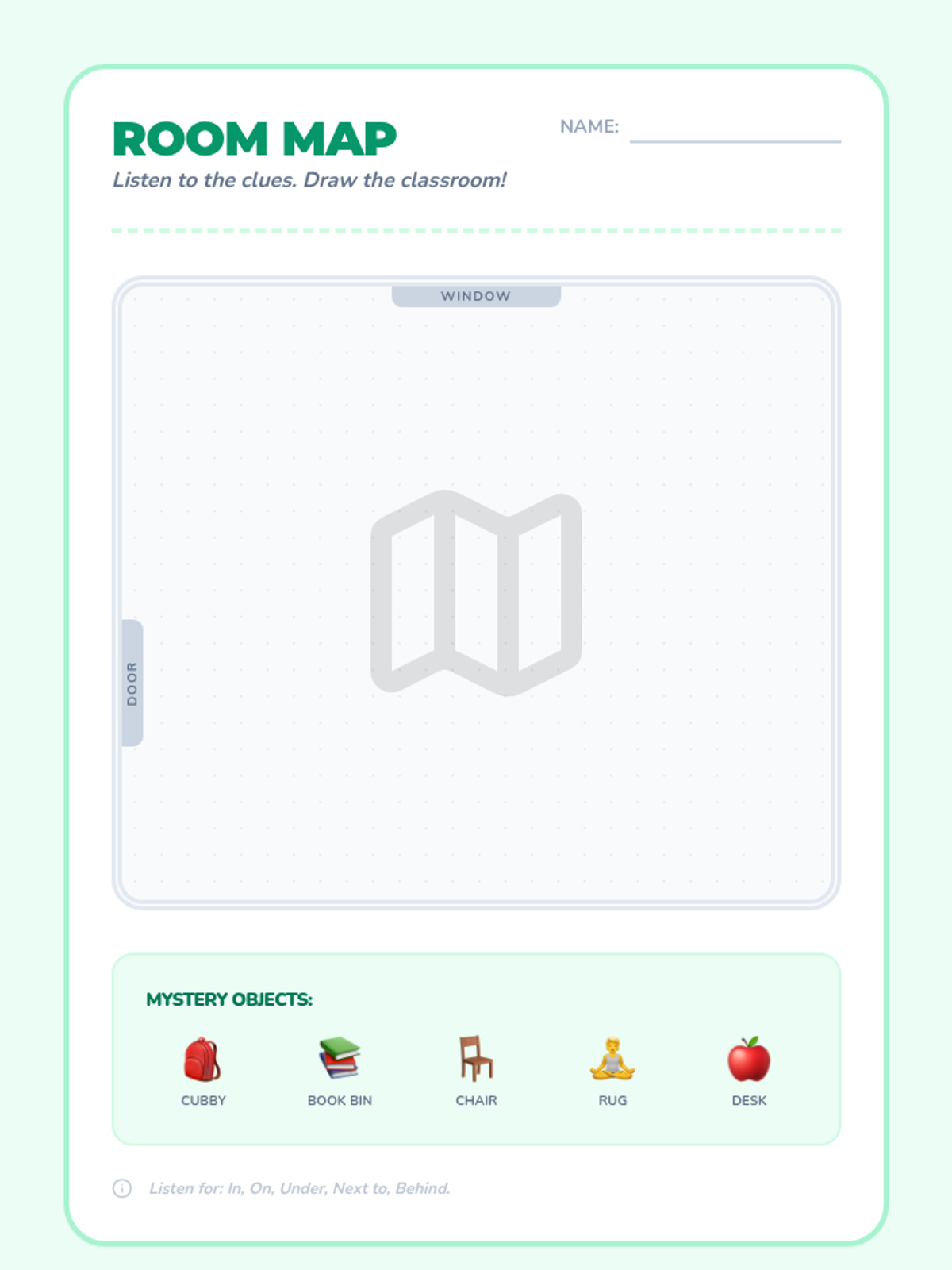
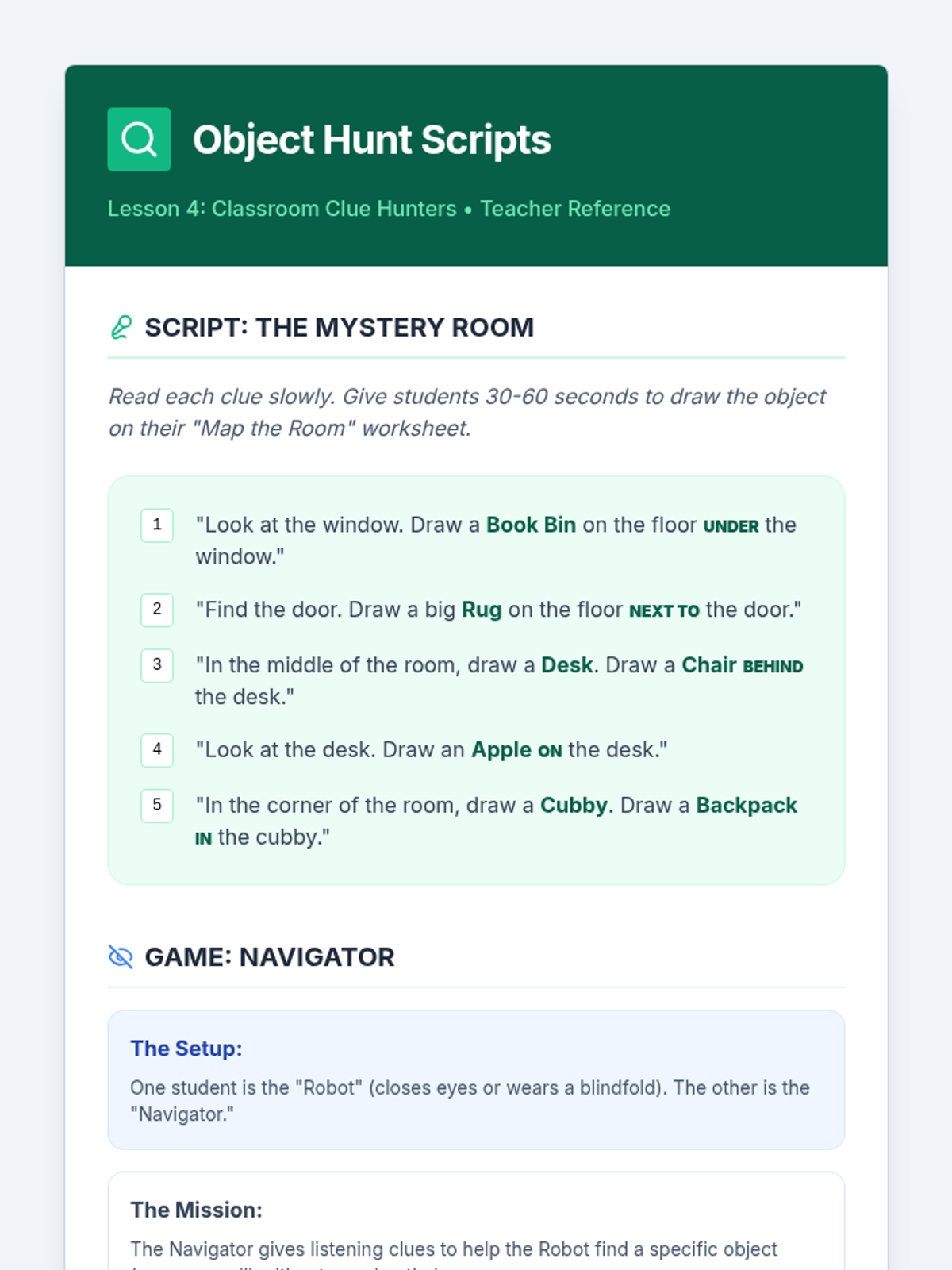
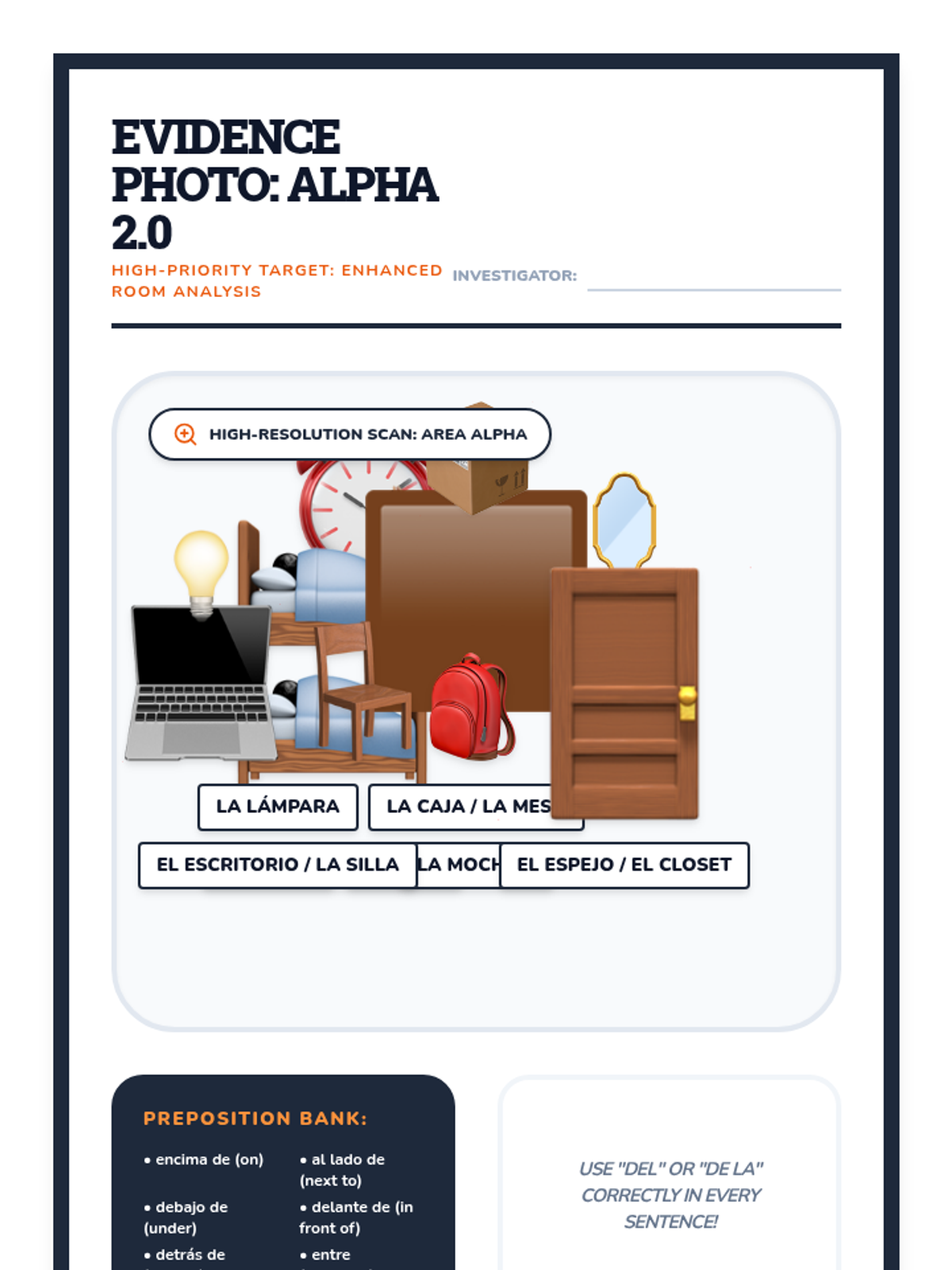
A beginner ESL lesson focused on identifying and using prepositions of place (on, under, below, in front of, behind, above) through a fun bedroom investigation theme.
A foundational grammar lesson for ESL/ELL students focusing on the four most common irregular verbs (be, have, do, say) and their past tense forms through video analysis and scaffolded storytelling.
A lesson for English Language Learners to identify and practice common American idioms using visual aids and video-based instruction. Students will explore literal vs. figurative meanings and practice using idioms in spoken sentences.
A whimsical, 'Time Wizard' themed lesson where ESL students master prepositions of time through categorization, a guided video analysis, and a sentence scramble activity. Students will learn to distinguish between point-in-time, duration, and deadline prepositions.
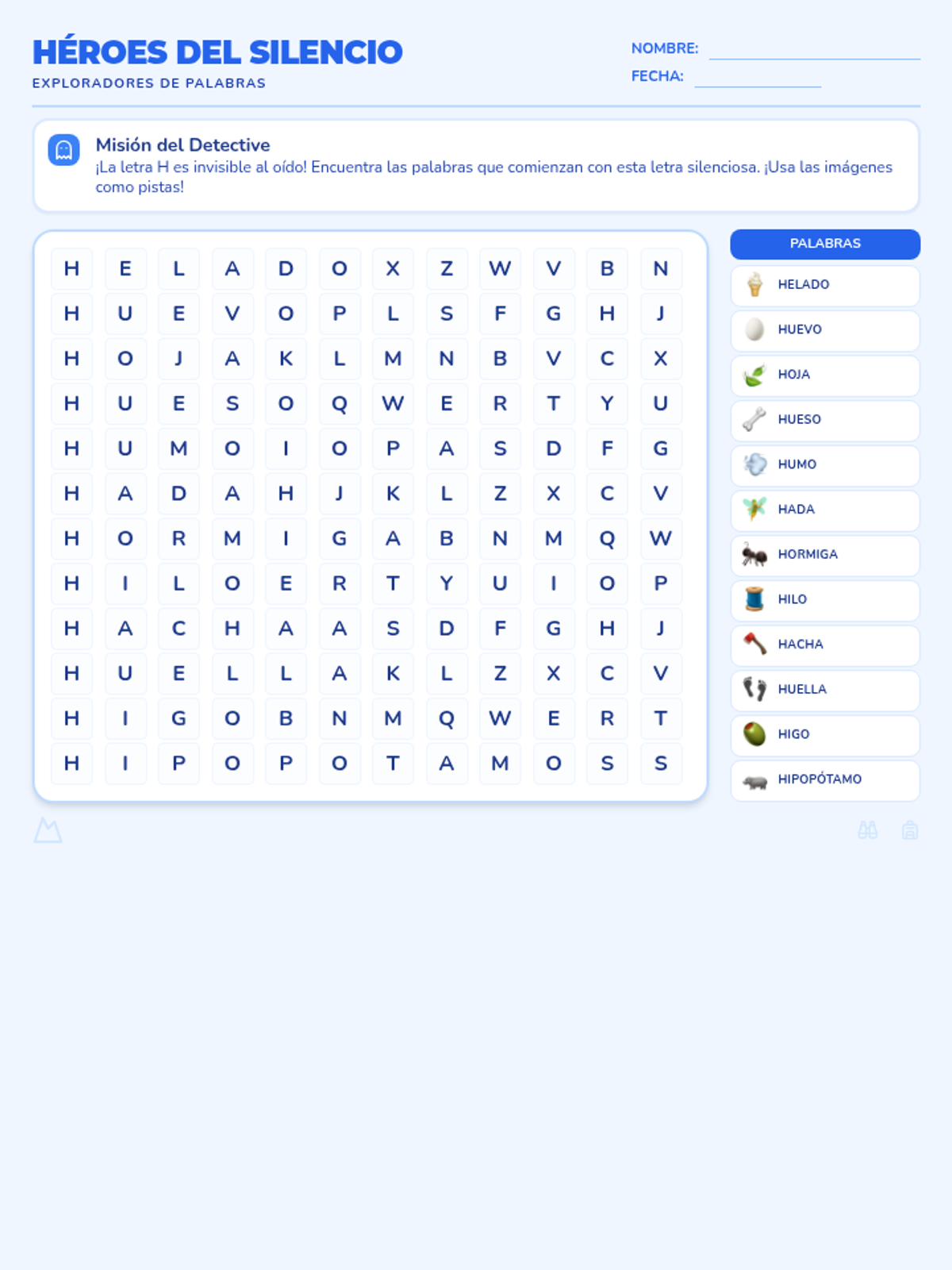
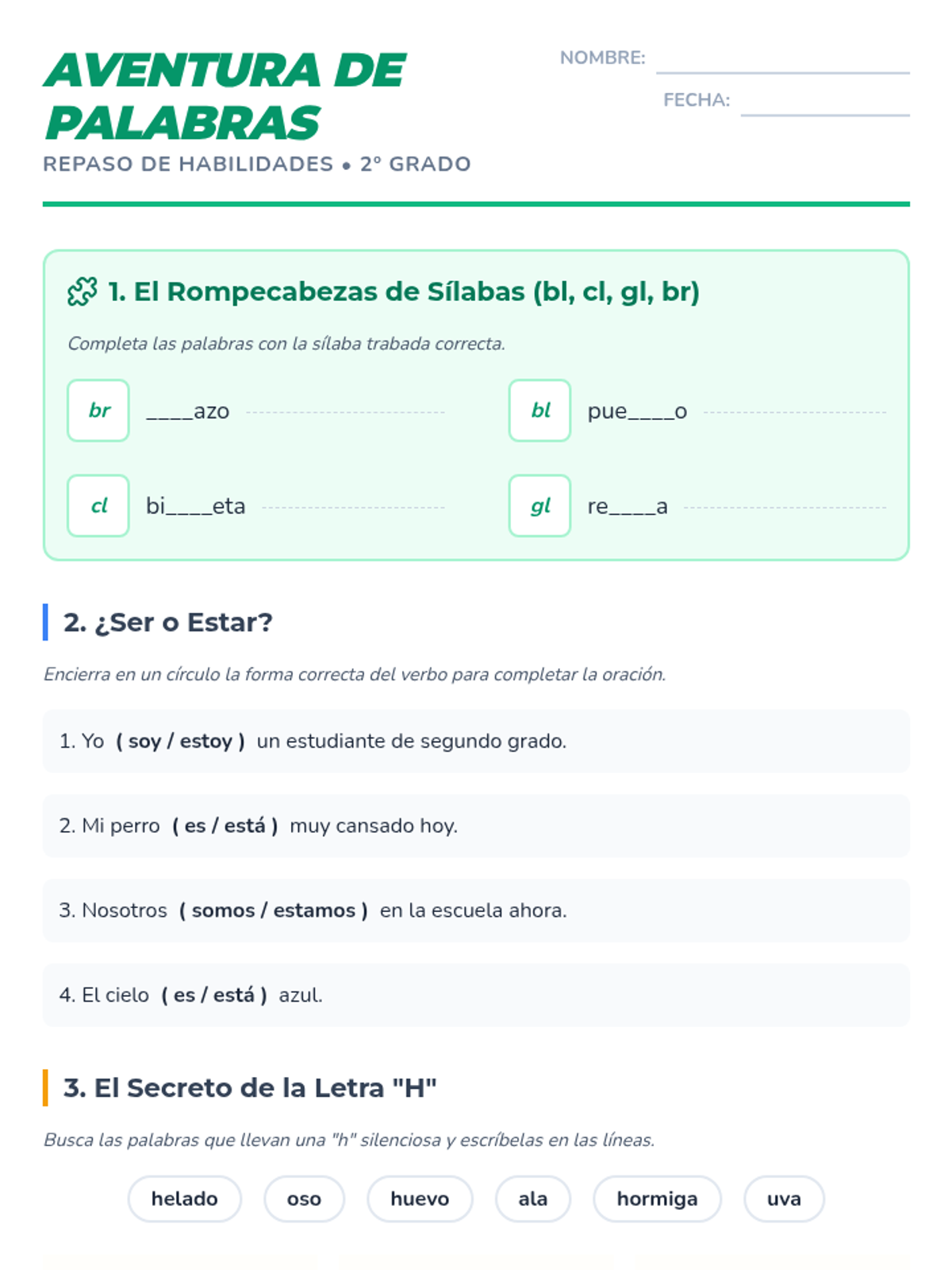
A fun, high-energy phonics lesson where students learn the 'silent H' rule for 'wh' words through a silly video and a fast-paced word relay.
An intermediate ESL lesson focusing on prepositions of purpose ('for') and characteristics ('with') through a hands-on classroom object gallery activity.
A high-energy Kindergarten ESL lesson teaching the sight word 'come' through rhythm, song, and physical movement. Students link the word to movement actions like walking, running, skipping, and hopping.
A dynamic lesson for ESL/ELL students to master subject and object pronouns through physical movement and visual examples from Khan Academy. Students practice the 'switcheroo' by tossing a ball and transforming sentences in real-time.
A beginner ESL lesson focused on prepositions of movement through song, character interaction, and physical role play. Students will learn to describe direction using words like into, out of, through, around, toward, past, up, and down.
A beginner-friendly ESL lesson focusing on the simplicity of modal verbs, emphasizing that they never change form (no conjugation). Students explore 'can' and 'will' through a collaborative 'Superpower Circle' activity and reflective writing.
A high-energy Kindergarten lesson where students connect letter names to visual symbols through music and movement. Students use pointers to track letters on a classroom chart in time with a reggae-style alphabet song.
A 1st-grade phonics and sight word lesson focused on the word 'cut' and the 'ut' word family, featuring a catchy song and a hands-on sentence scramble activity.
A phonics-focused ESL lesson for 2nd-5th graders practicing the /t/ ending sound in past tense verbs using a Khan Academy video and interactive clapping games.
A 1st-grade ESL-focused lesson centered on the sight word 'did', teaching students to distinguish between question and statement intonation through music and a 'Punctuation Police' roleplay activity.
A spooky-themed lesson for 3rd-5th grade ESL students focusing on directional preposition pairs: In/Out and On/Off. Through video analysis, role-play, and visual aids, students master spatial relationships.
A Kindergarten lesson focused on identifying the sight word 'by' and understanding its positional meaning through a 'Word Detective' theme. Includes a scavenger hunt, video analysis, and hands-on proximity practice.
This lesson focuses on vowel shifts in irregular past tense verbs, specifically the 'say' to 'said' and 'flee' to 'fled' transitions, helping Elementary ESL students master tricky pronunciations through visual aids, sorting, and partner practice.
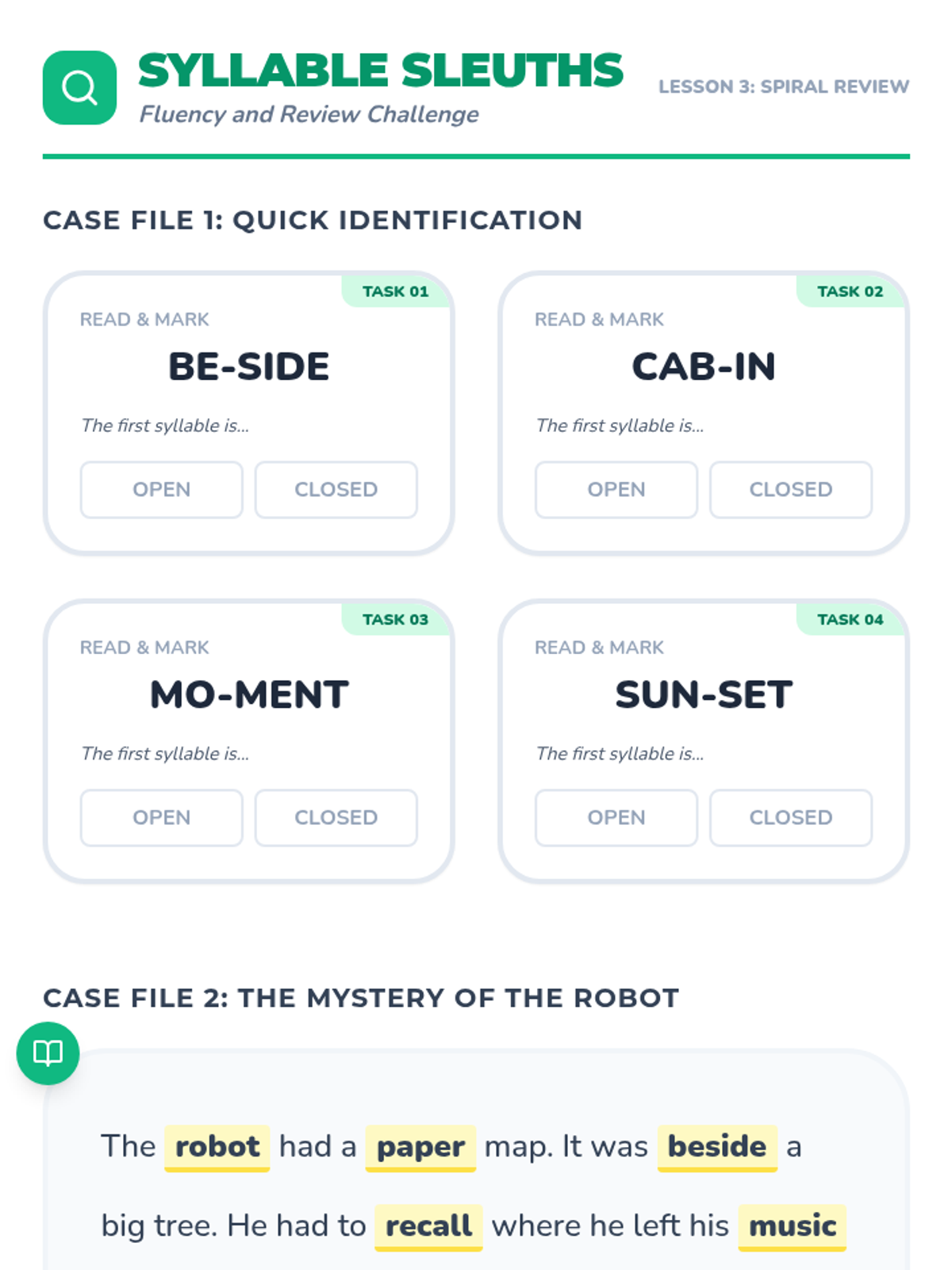
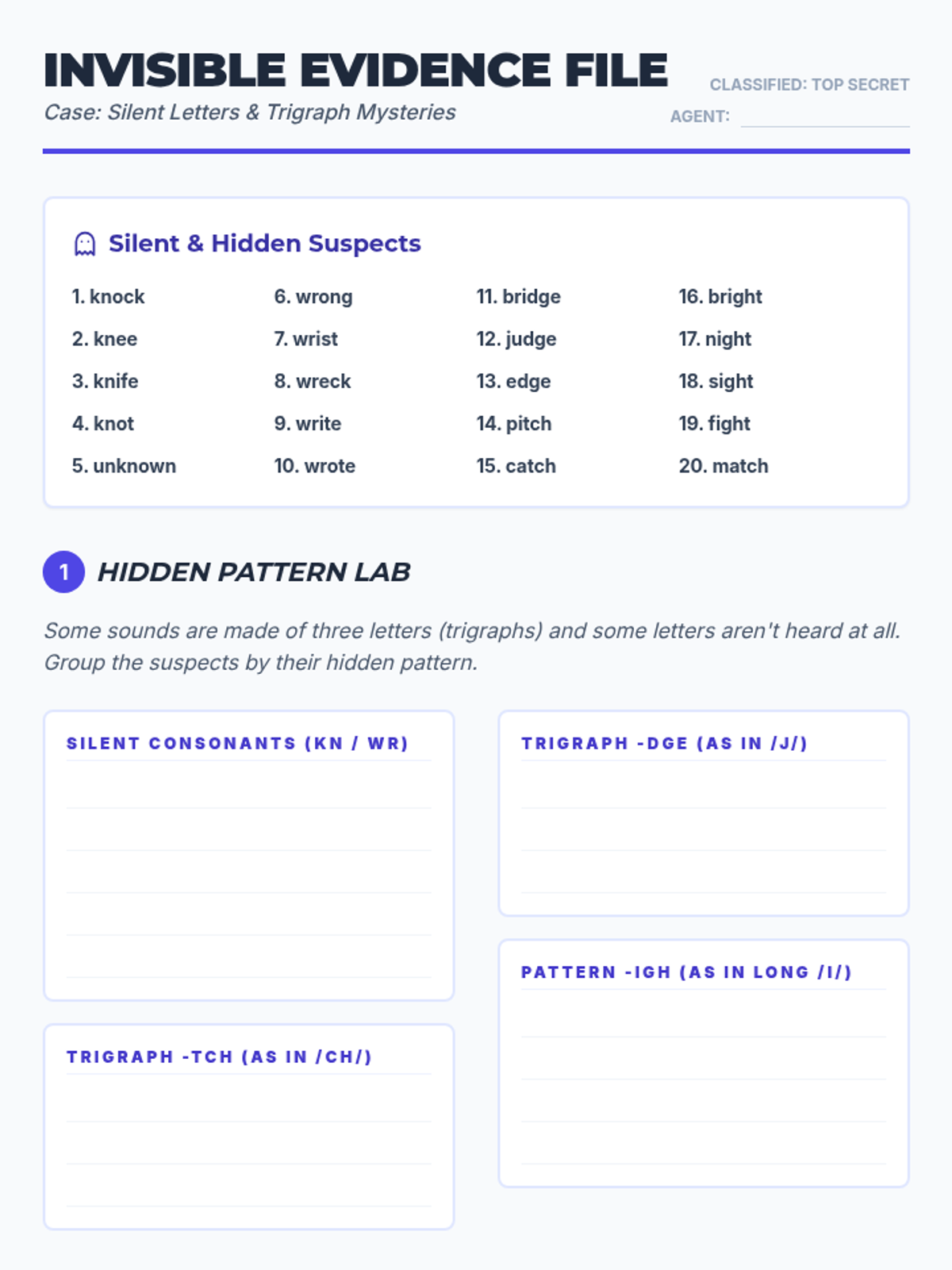
A detective-themed phonics lesson for 2nd grade students to distinguish the /kw/ sound (represented by the digraph 'qu') from the /k/ sound. Includes a visual presentation with a Scratch Garden video, a word-sorting evidence activity, and a quick auditory exit ticket.
A comprehensive lesson for Beginner/Intermediate ELLs focusing on the Simple Aspect (Past and Future). Students will explore the timeline of language through visual aids, a Khan Academy video, and interactive "Will Wall" activities.
A royal-themed phonics lesson for 1st graders to master the 'qu' digraph through a video-based challenge and a 'Queen's Scroll' word hunt activity.
A mastery-based lesson using 'Lǎoshī shuō' (Simon Says) to integrate all previous commands into complex sequences.
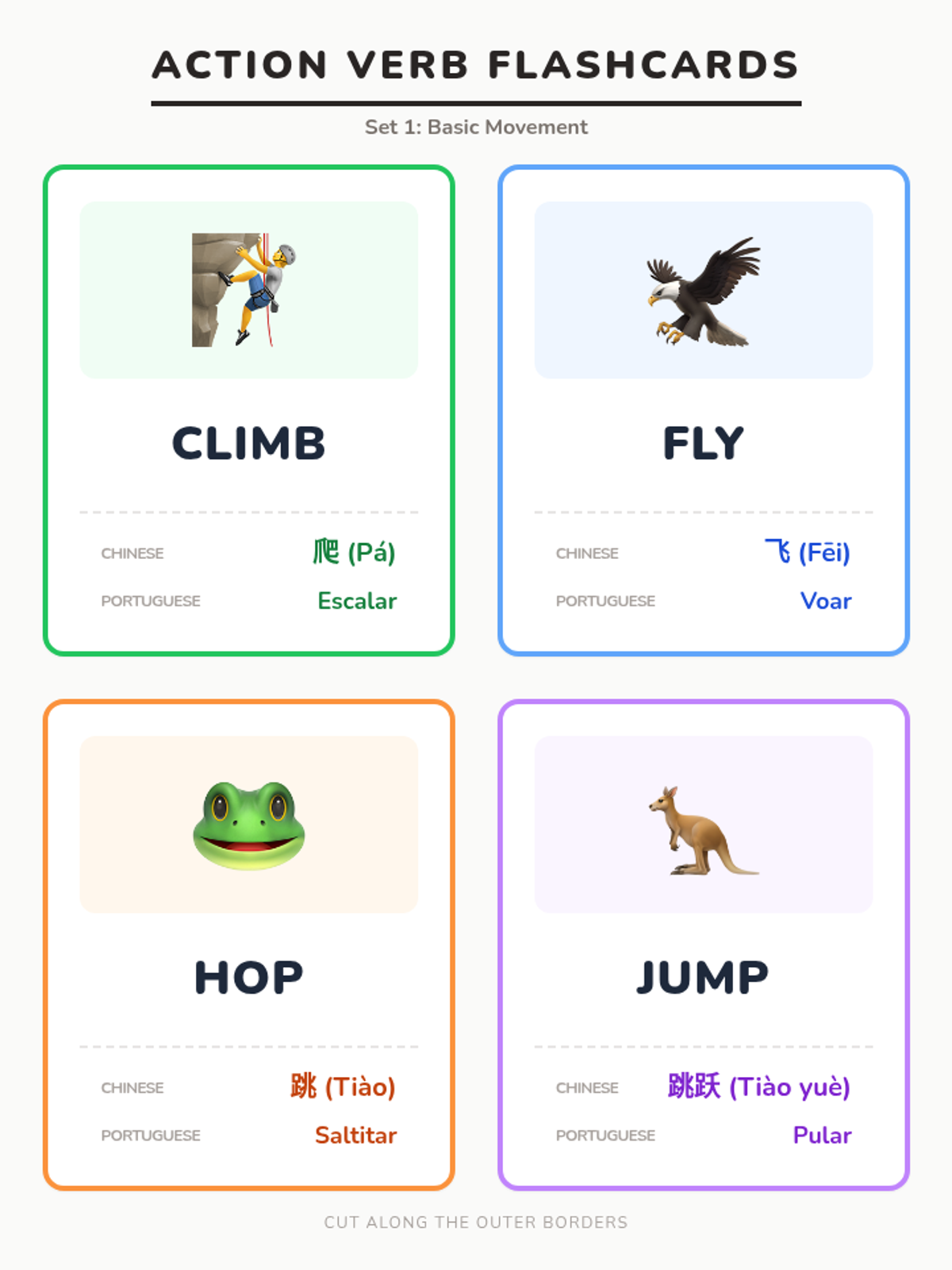
Learning 'Pāi shǒu' (Clap hands) and 'Tiào' (Jump) with rhythm and music to reinforce high-energy action vocabulary.
The sequence concludes with a song 'Wǒ ài wǒ de jiā', combining vocabulary with the verb 'to love' and expressive hand motions.
Focusing on sensory verbs 'Tīng' (Listen) and 'Kàn' (Look) through a detective-themed scavenger hunt.
Introducing 'Zǒu' (Walk) and 'Tíng' (Stop) using a Mandarin version of Red Light, Green Light to build impulse control and verb recognition.
Students learn 'Zhàn qǐ lái' (Stand up) and 'Zuò xià' (Sit down) through rapid-fire reaction games. focus is on gross motor response to auditory cues.
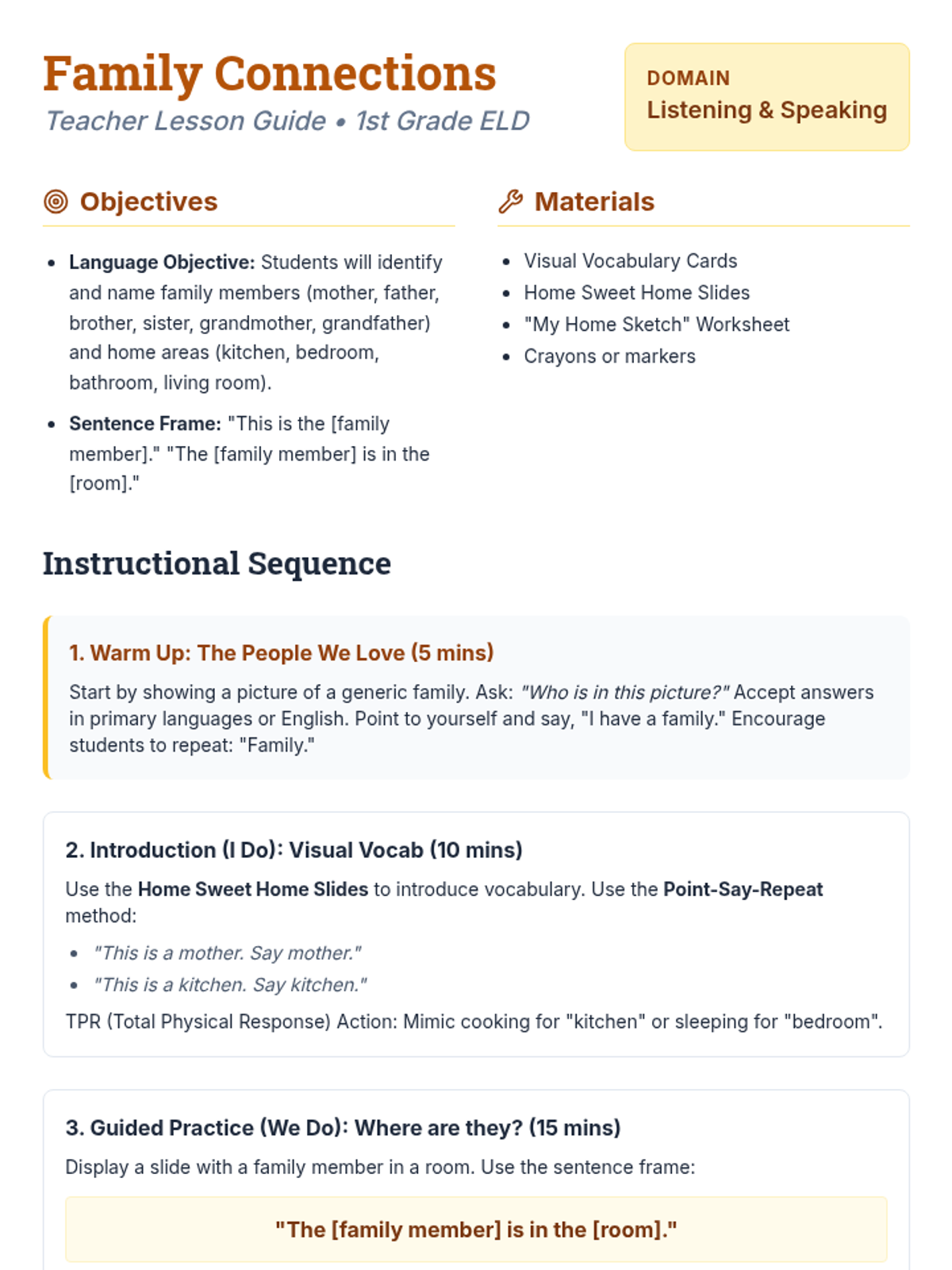
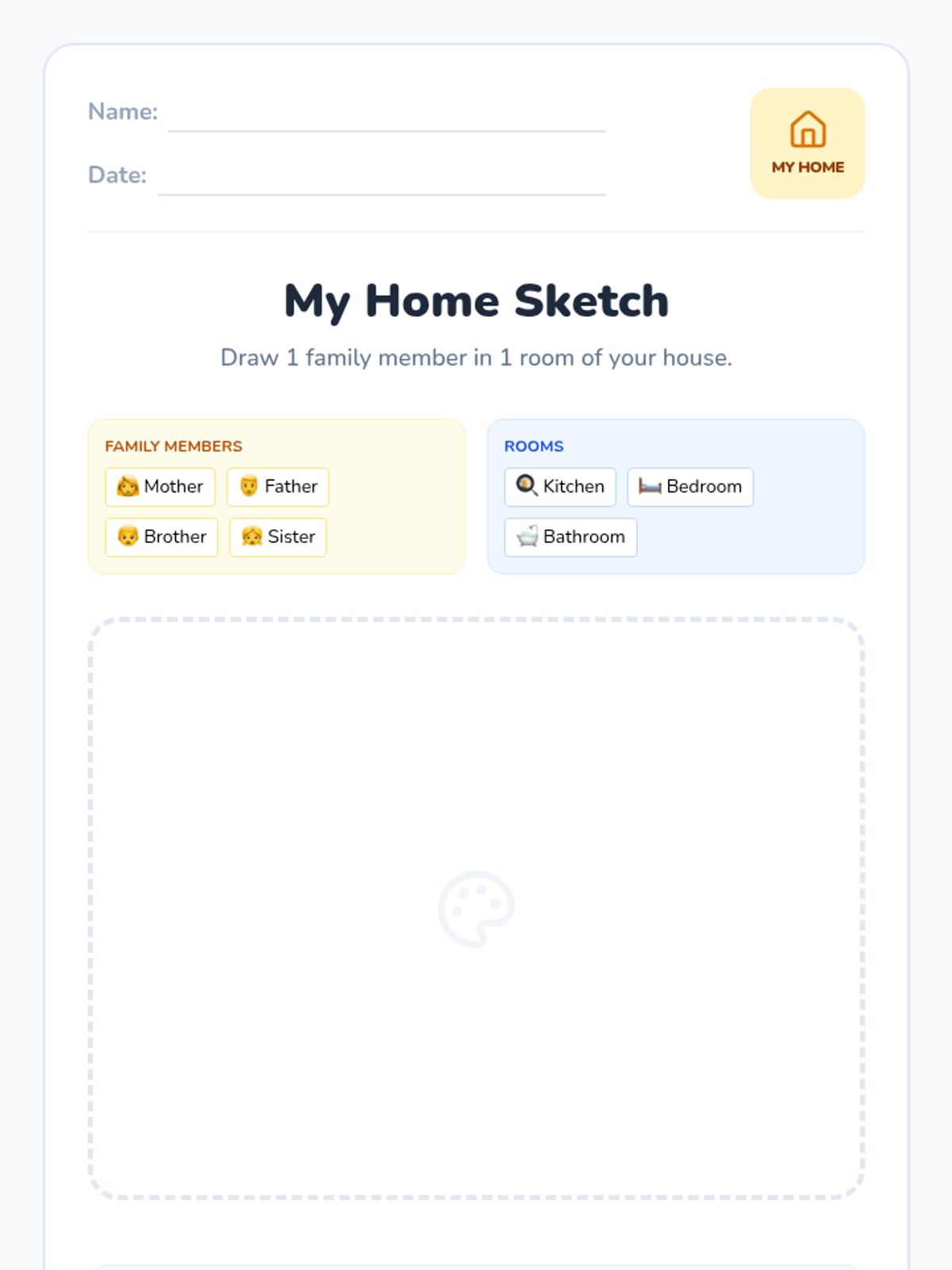
Students practice the sentence structure 'Zhè shì...' to introduce their own family members using photos or drawings.
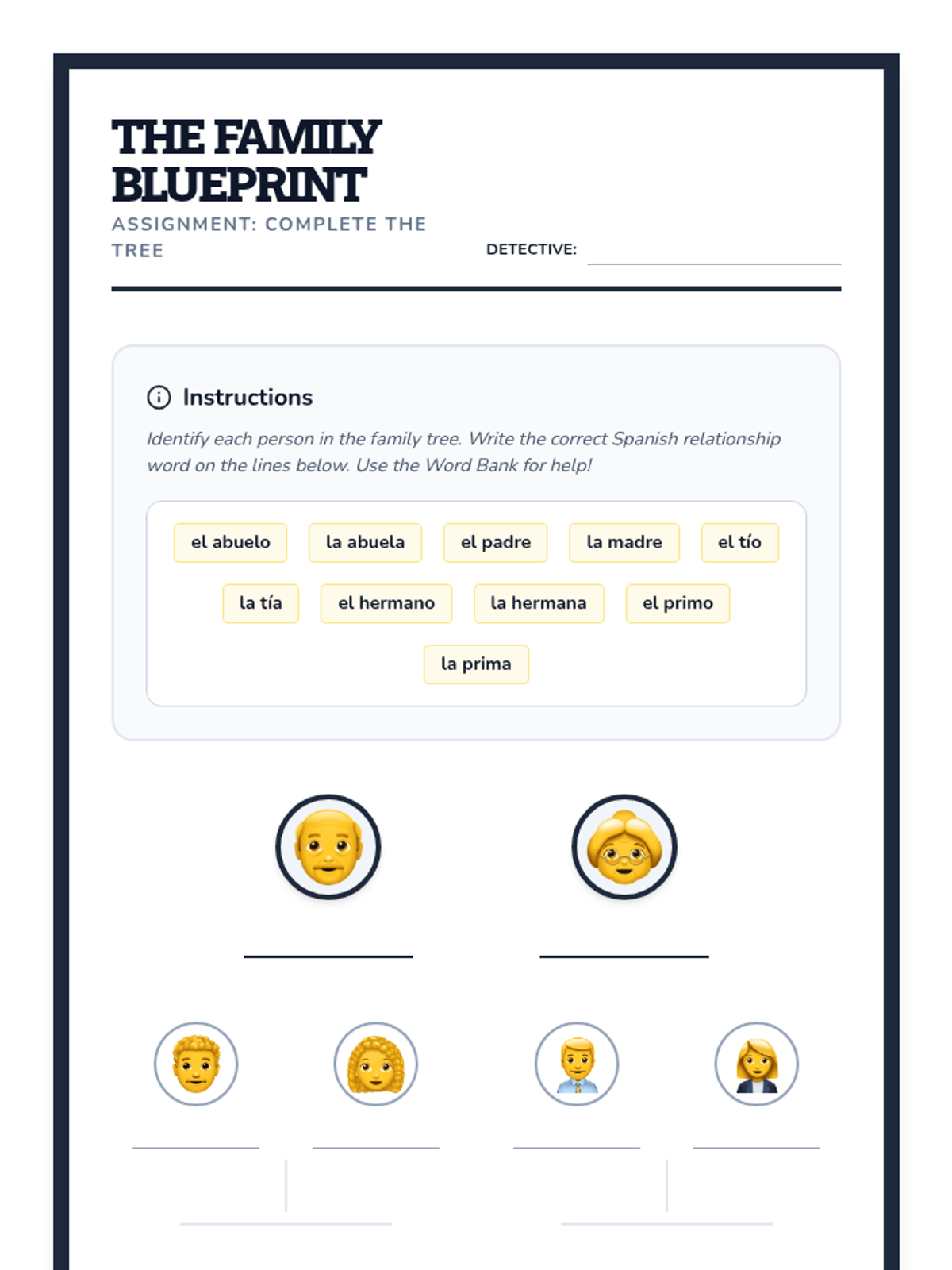
Introduction to grandparents, Yéye and Nǎinai. Students explore generational structures using a visual family tree and storytelling.
In this synthesis lesson, students participate in a pretend tea party, applying all learned greetings in a social setting.
Exploration of siblings in Mandarin, focusing on older and younger distinctions. Students learn Gēge, Jiějie, Dìdi, and Mèimei through size-based activities.
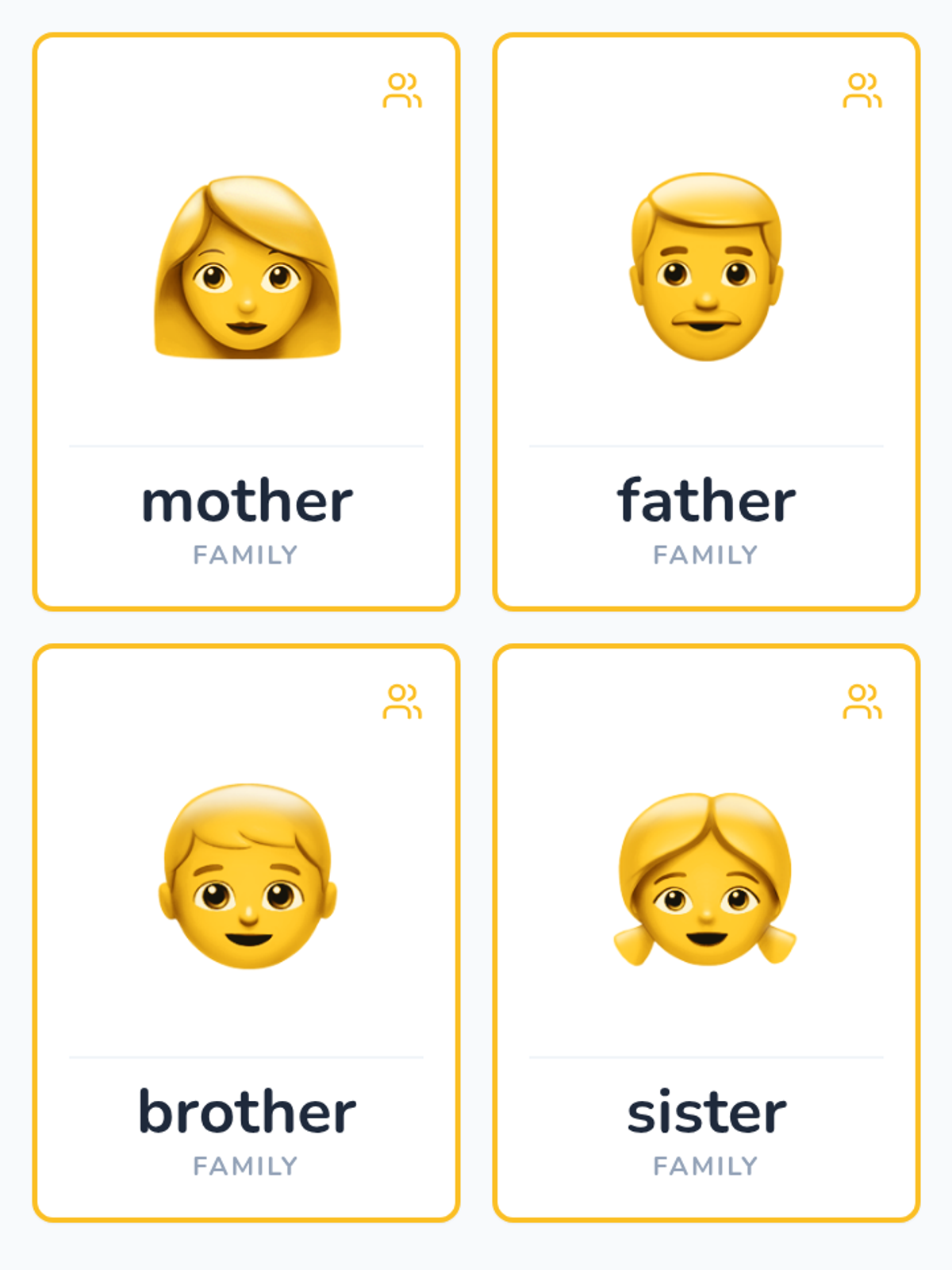
Introduction to the terms for Mom and Dad in Mandarin. Students use finger puppets to practice Bàba and Māma while associating the words with parental figures.
Students explore empathy and repair by learning 'Duìbuqǐ' (Sorry) and 'Méiguānxi' (It's okay) through gentle role-play.
This lesson introduces 'Xièxie' (Thank you) and 'Bú kèqì' (You're welcome) through a gift-giving simulation.
Learners focus on 'Zàijiàn' (Goodbye) by enacting end-of-day routines and singing a Mandarin goodbye song.
Students learn 'Nǐ hǎo' (Hello) through a hand puppet interaction circle, focusing on eye contact and friendly body language.
In this culminating lesson, students combine the movements and rhythms they have learned. They participate in a structured dance circle, taking turns showing a move for their friends to copy.
Learners are introduced to the instruments of a Mexican Mariachi band, specifically the guitar, trumpet, and violin. They engage in role-play, pretending to play these instruments while marching in a line.