A 1st-grade ESL-focused lesson centered on the sight word 'did', teaching students to distinguish between question and statement intonation through music and a 'Punctuation Police' roleplay activity.
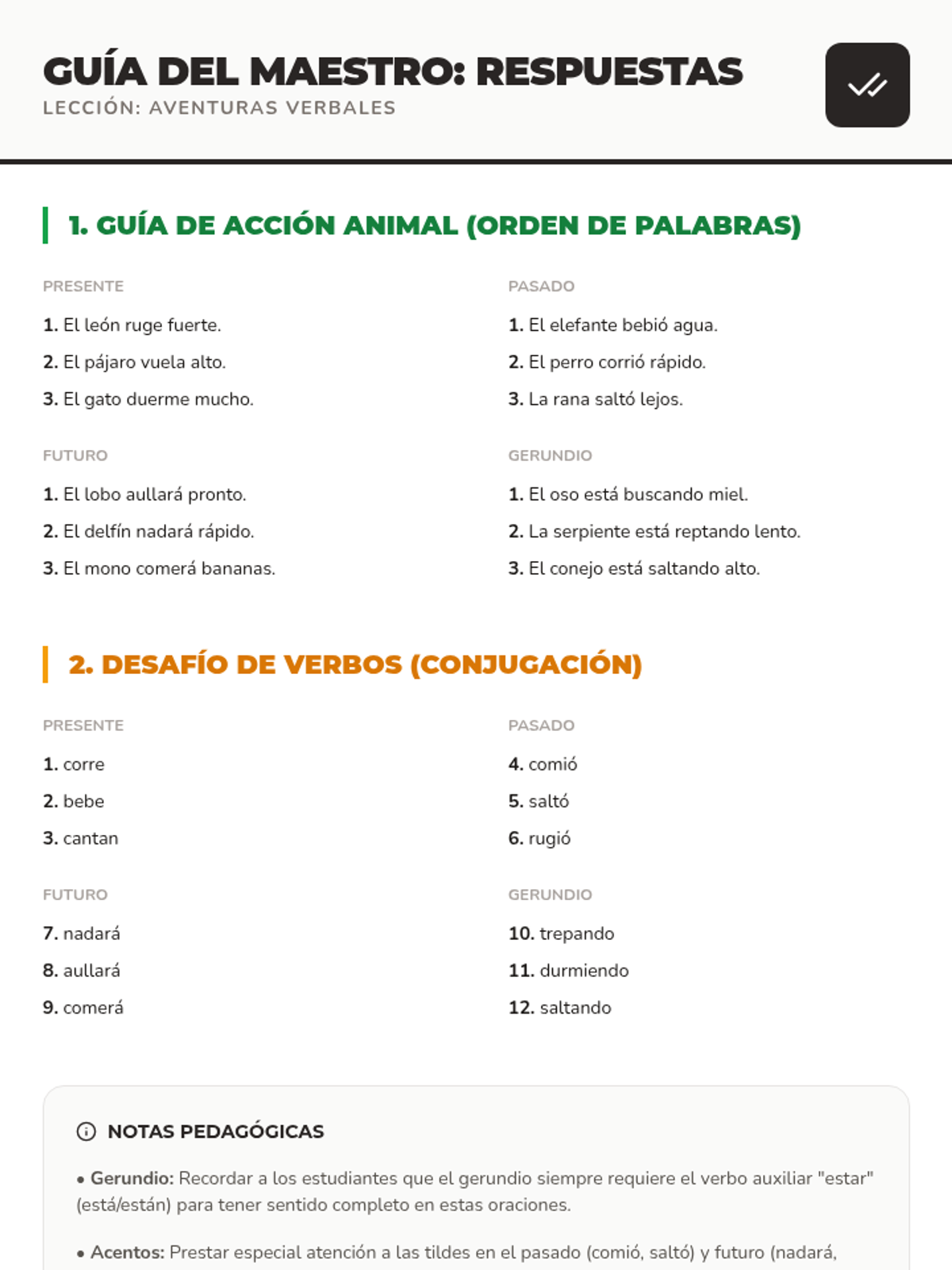
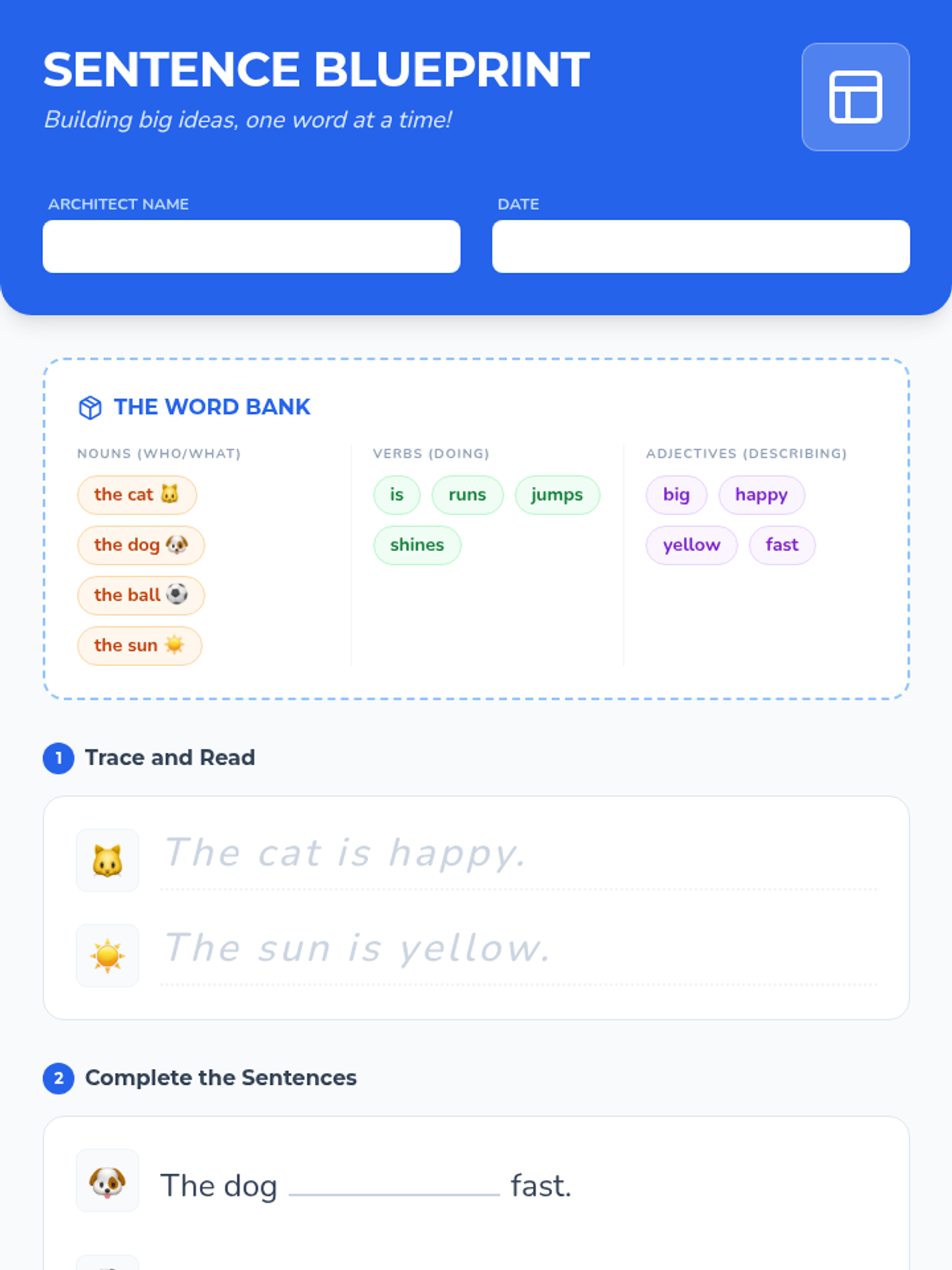
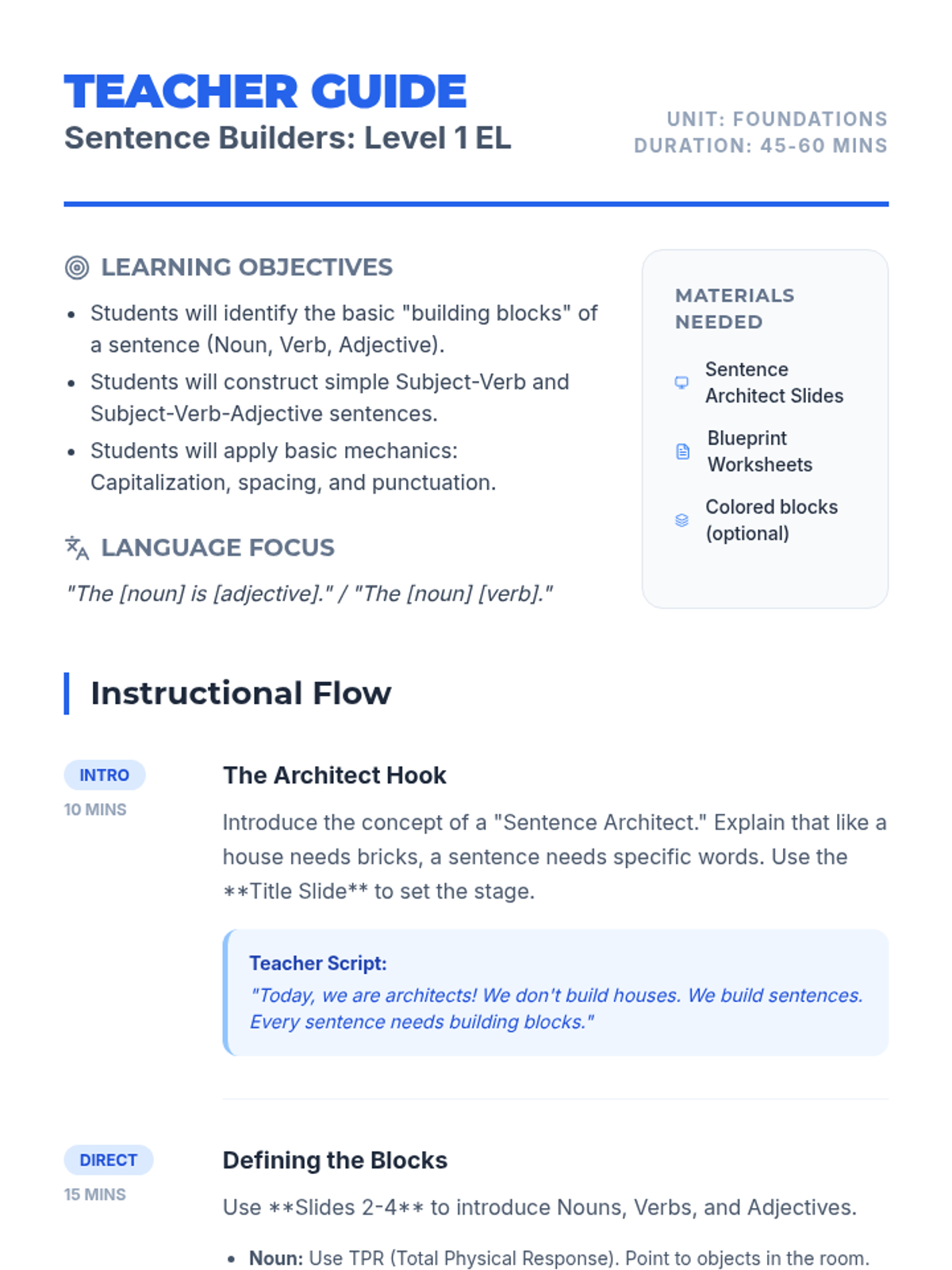
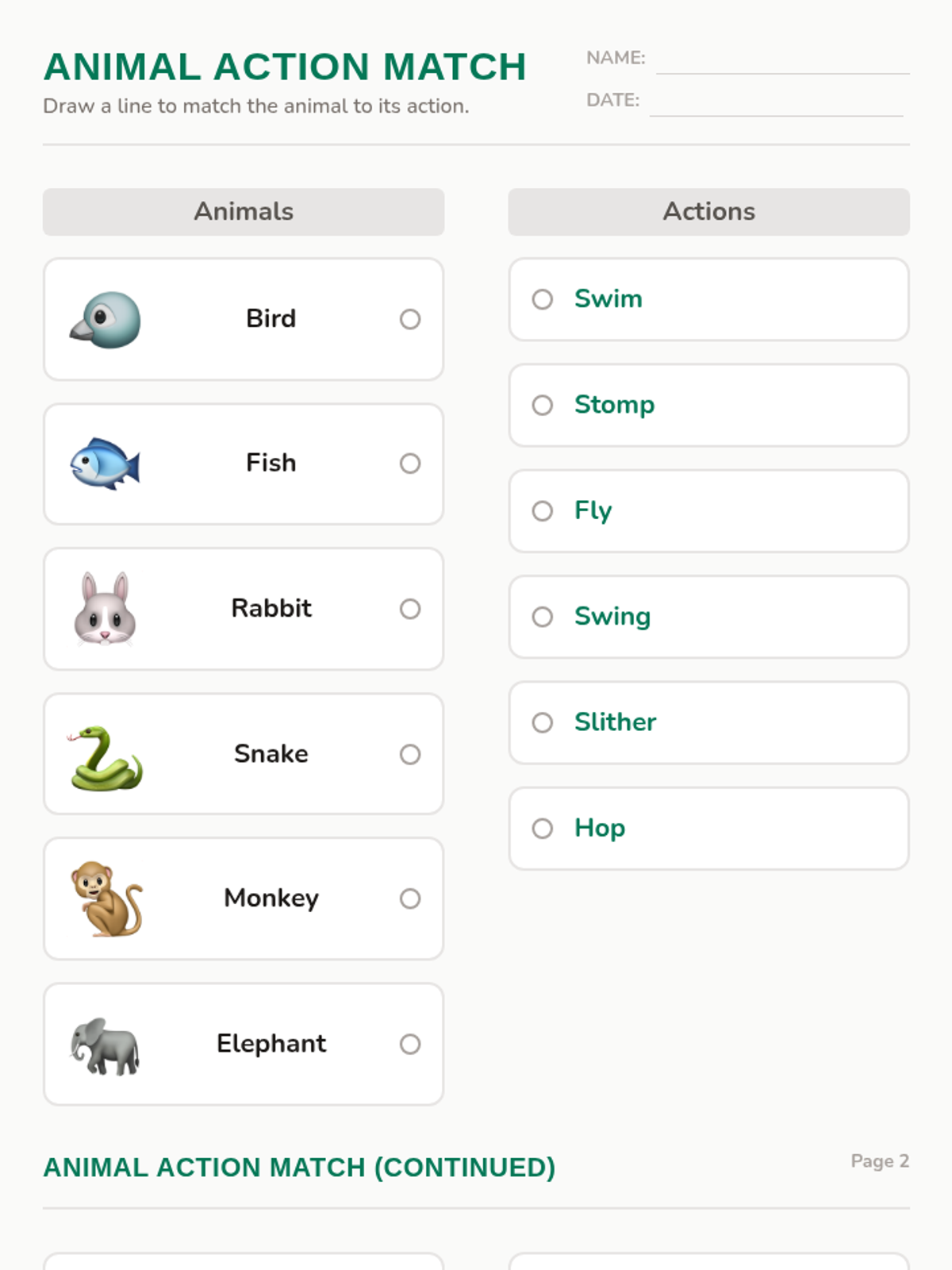
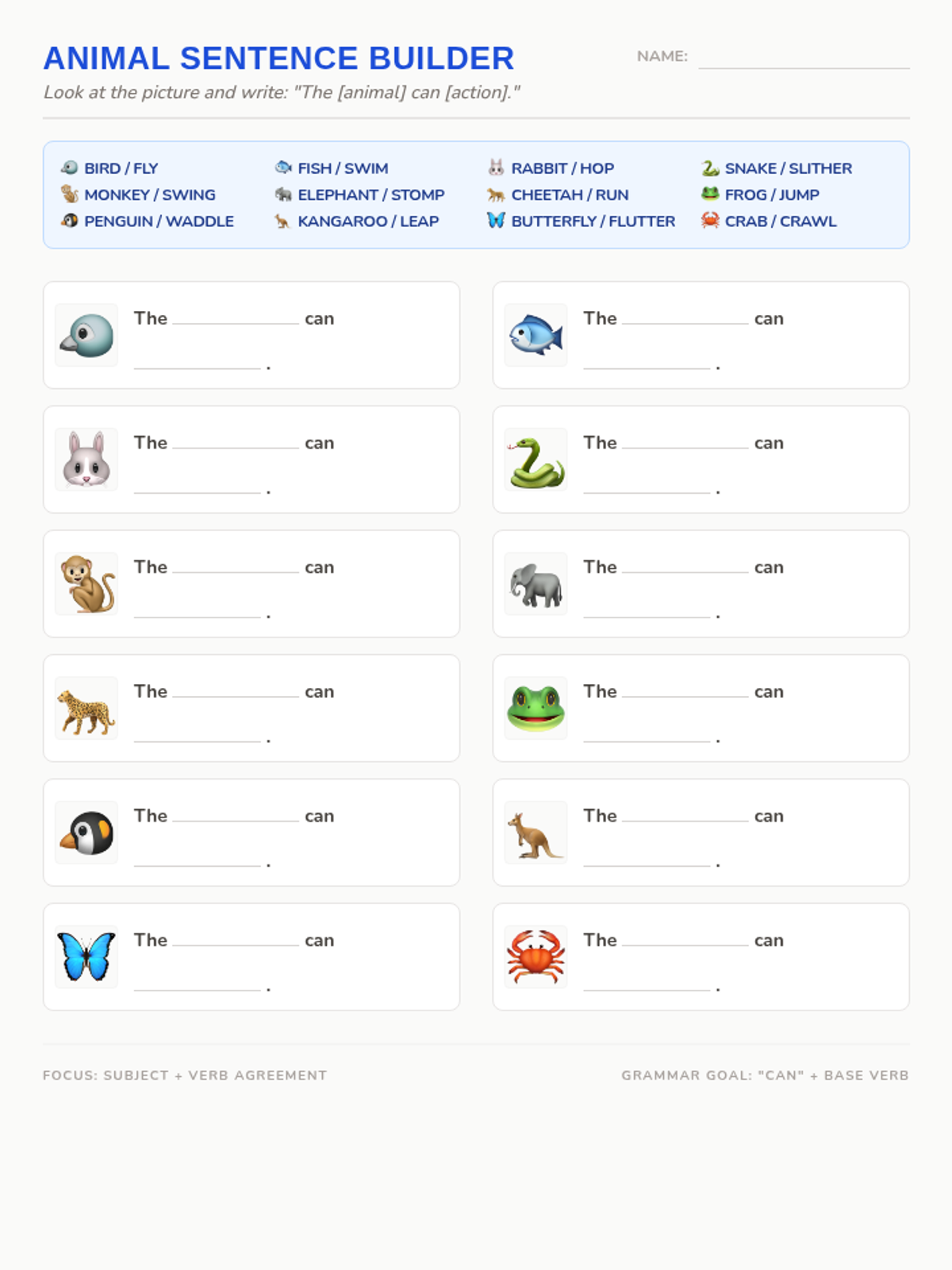
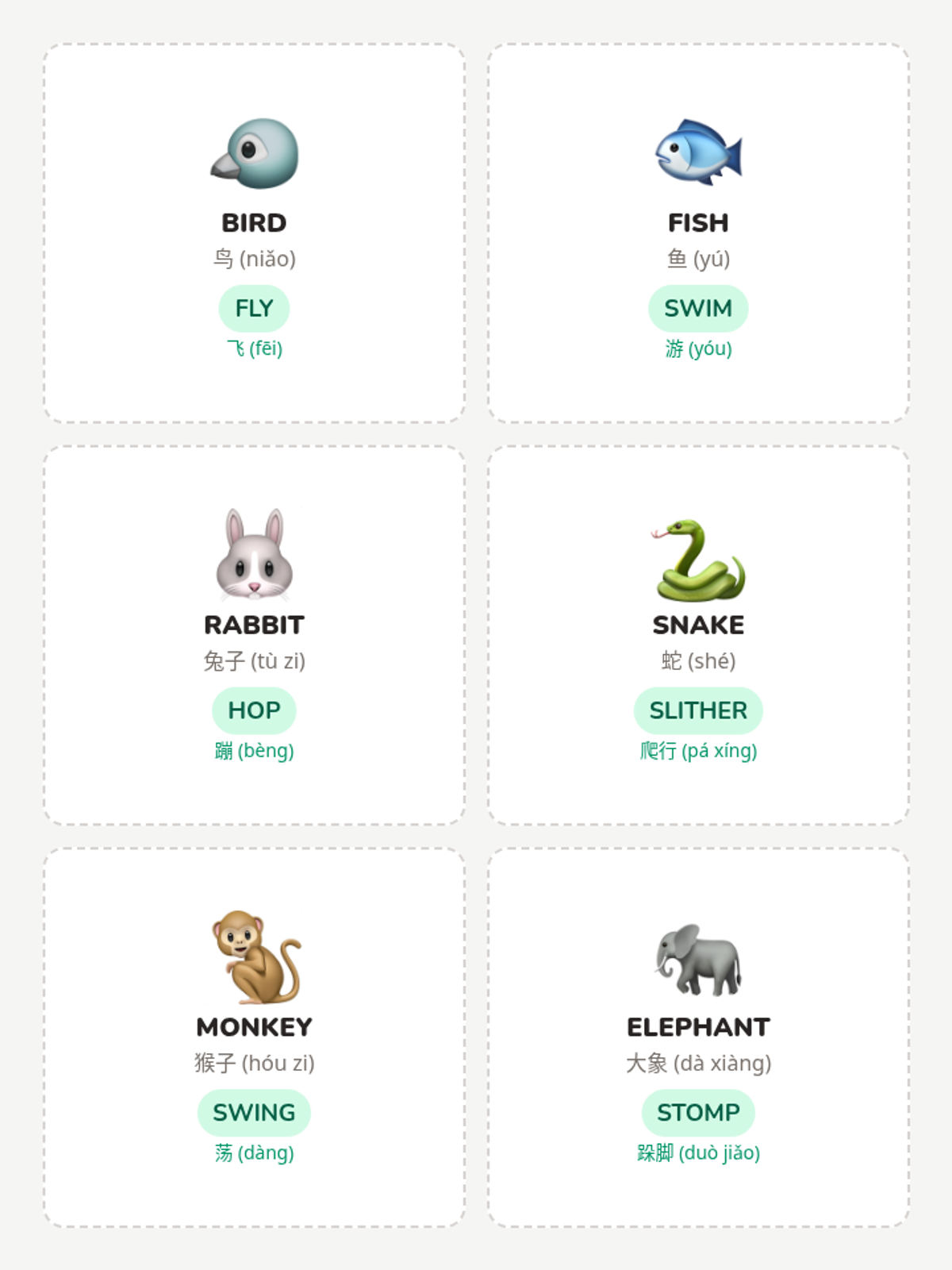
A foundational lesson for Level 1 English Learners to practice constructing simple Subject-Verb and Subject-Verb-Adjective sentences using visual scaffolds and word banks.
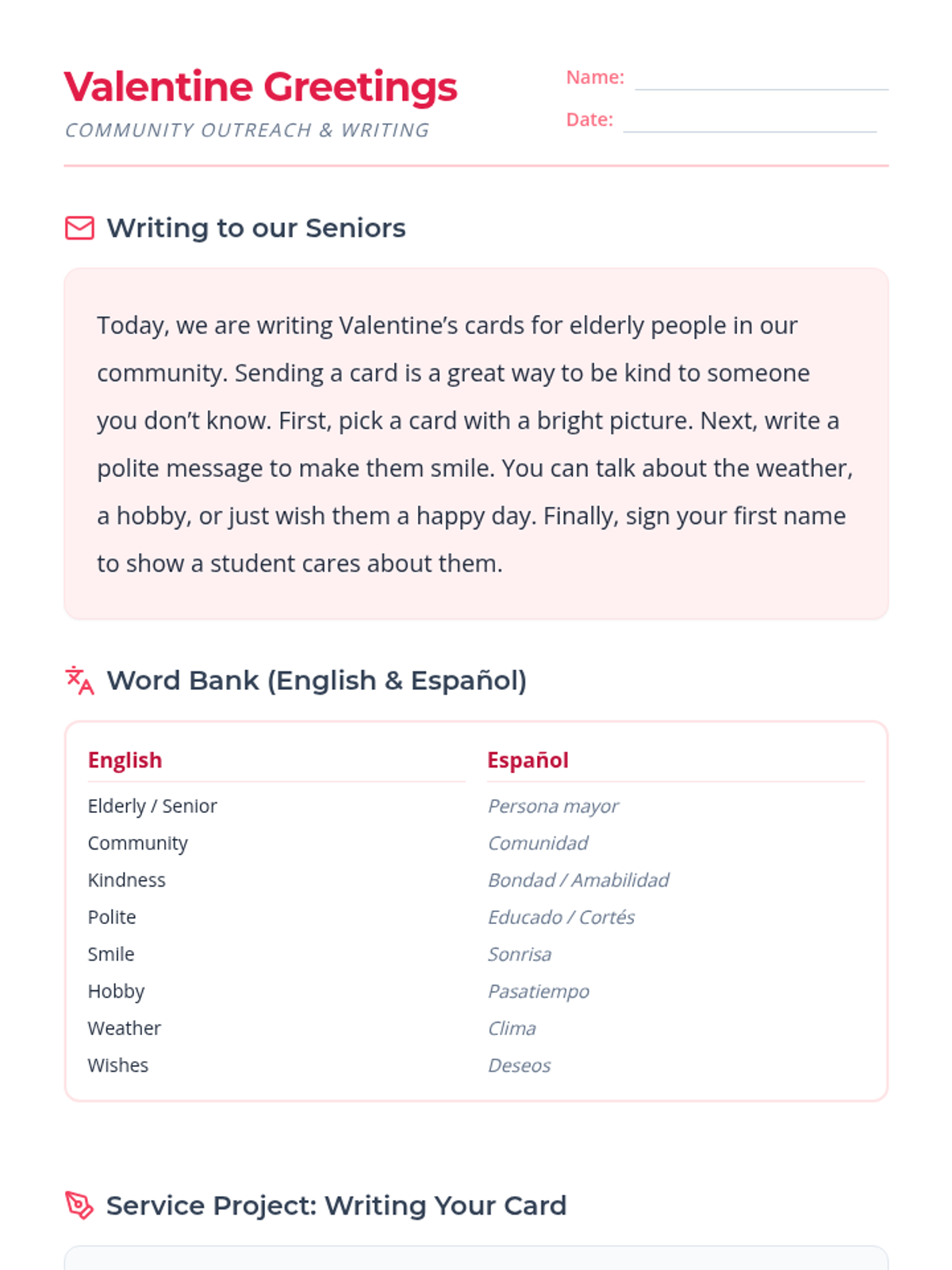
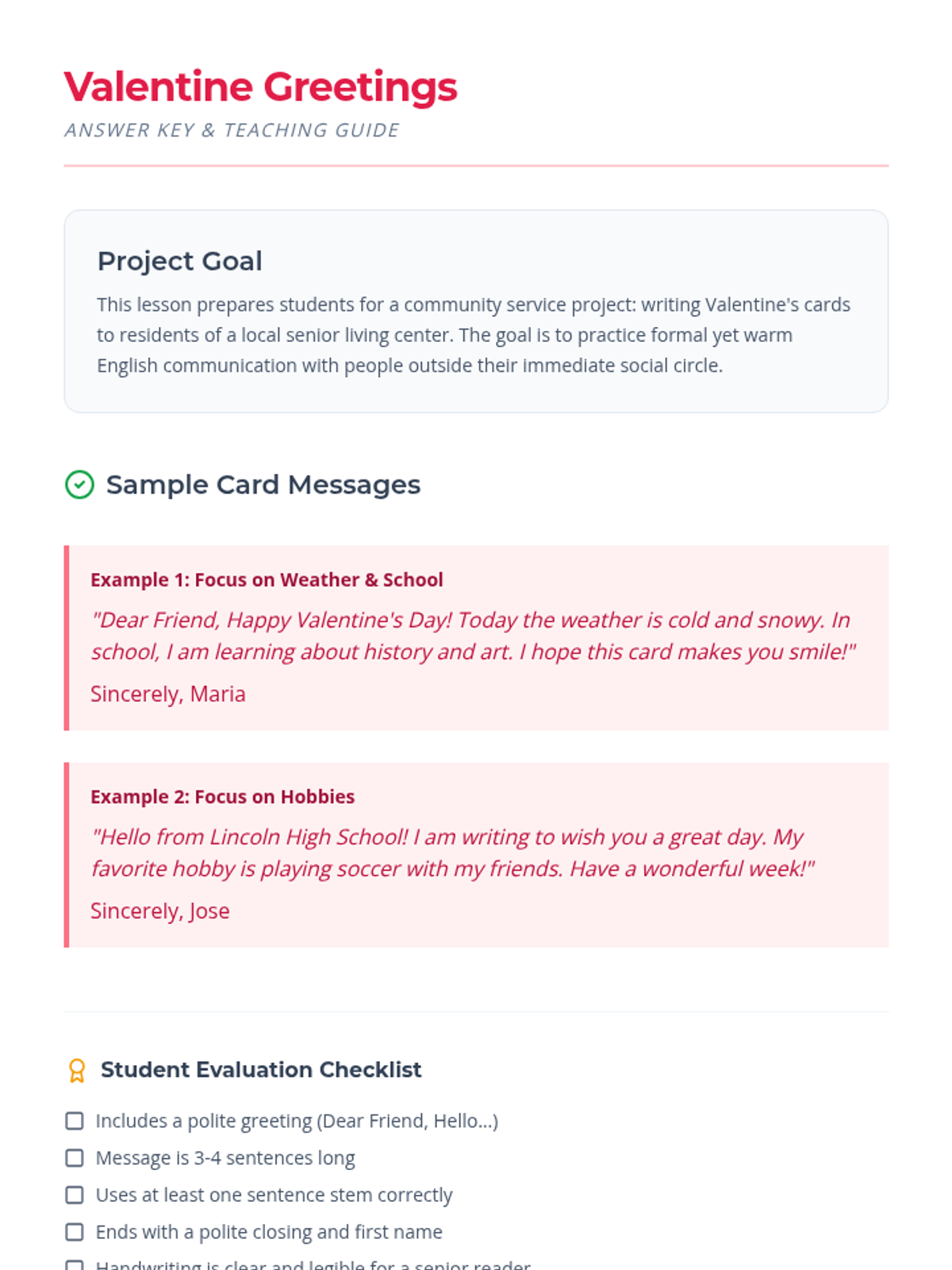
A lesson focused on the cultural tradition of sending Valentine's Day cards, designed for ESL students to practice functional reading and writing skills.
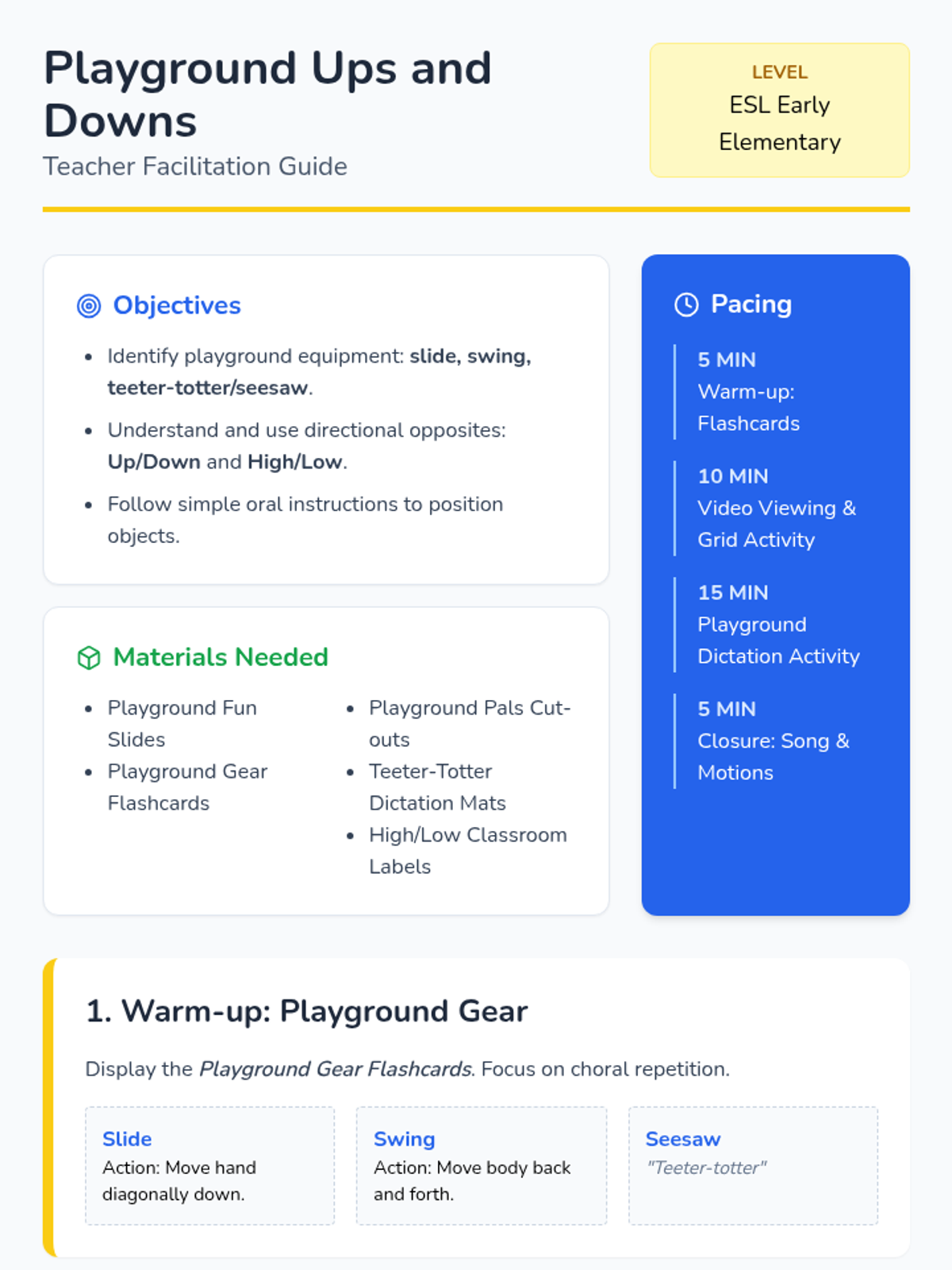
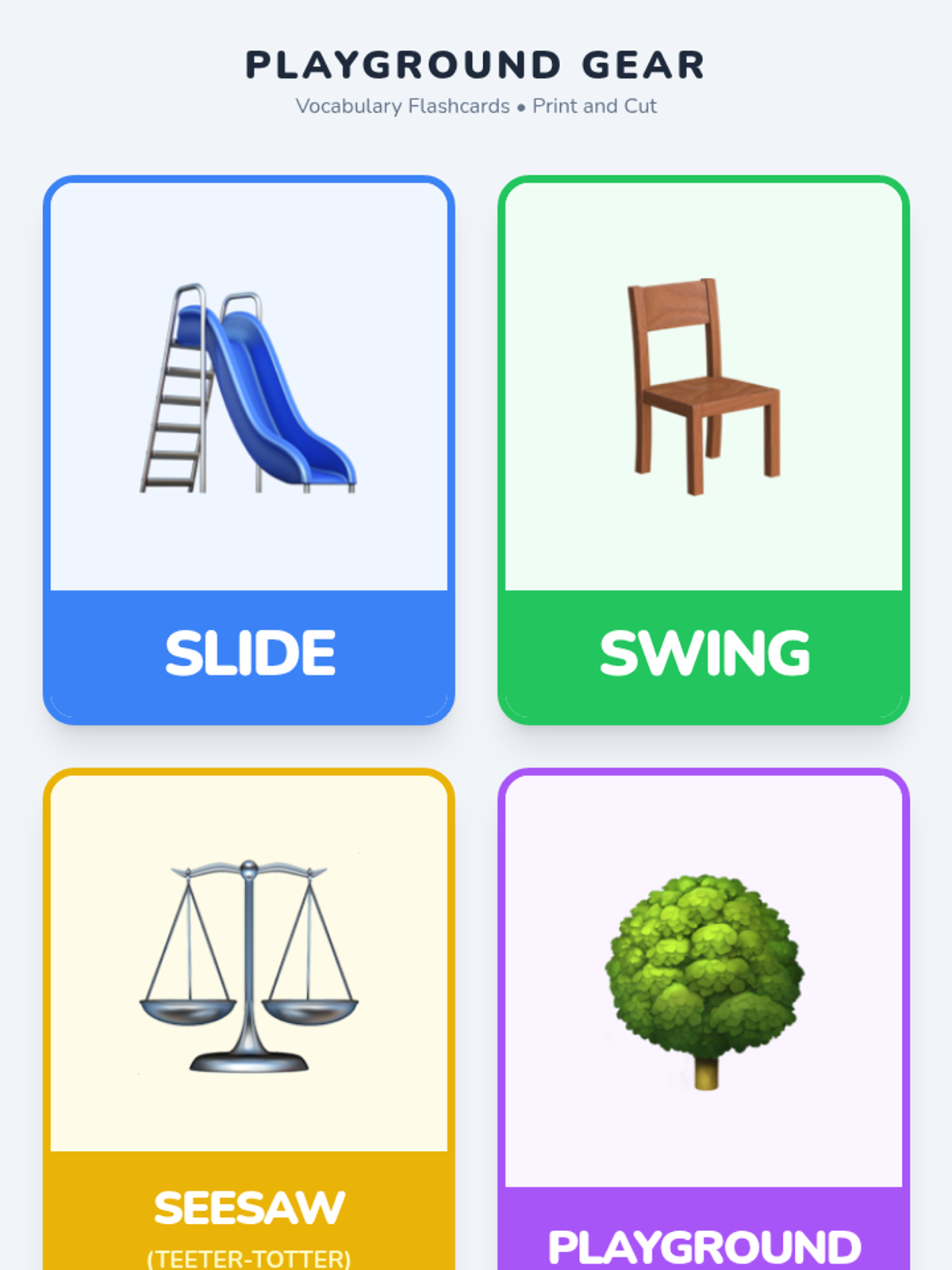
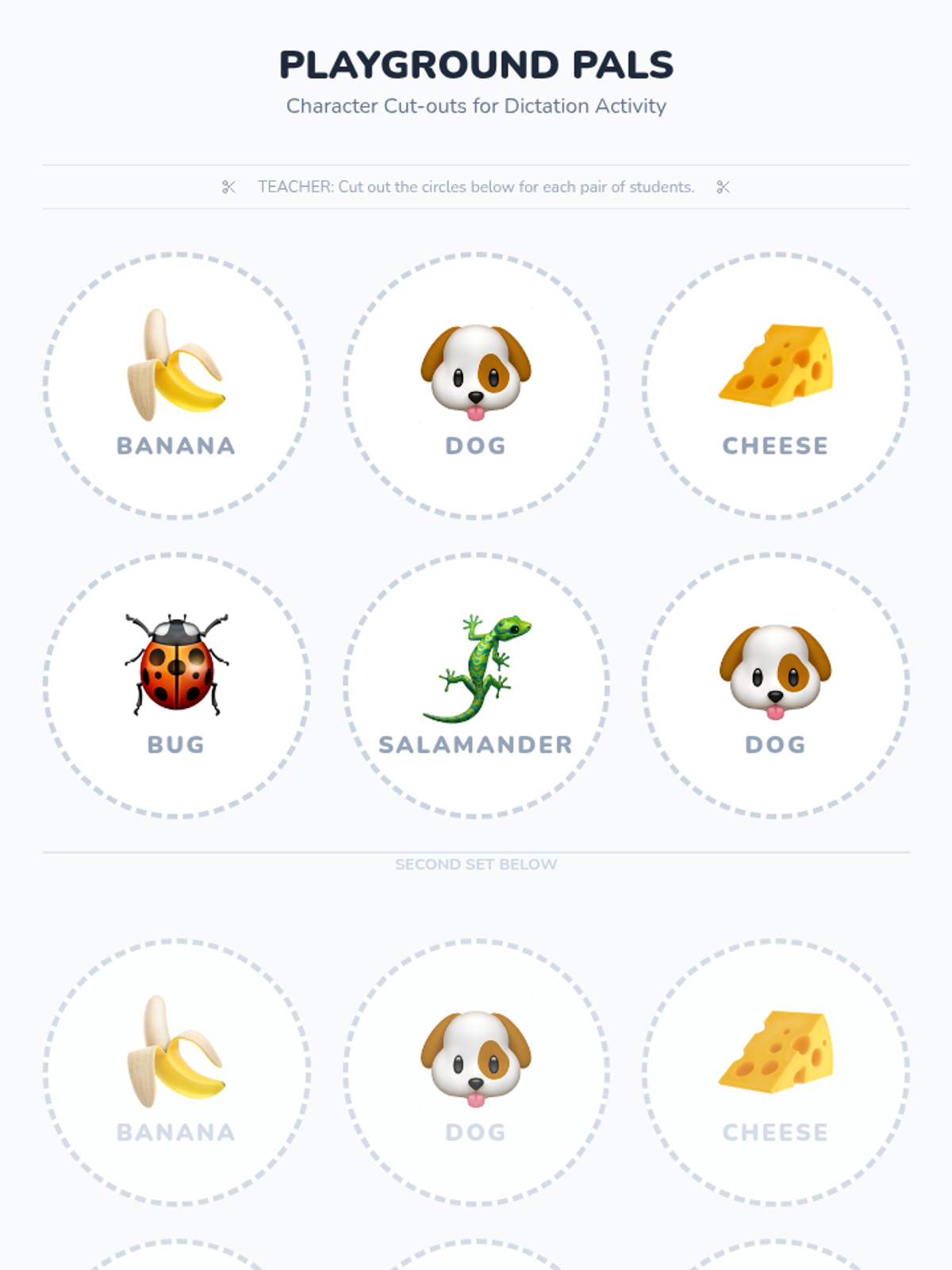
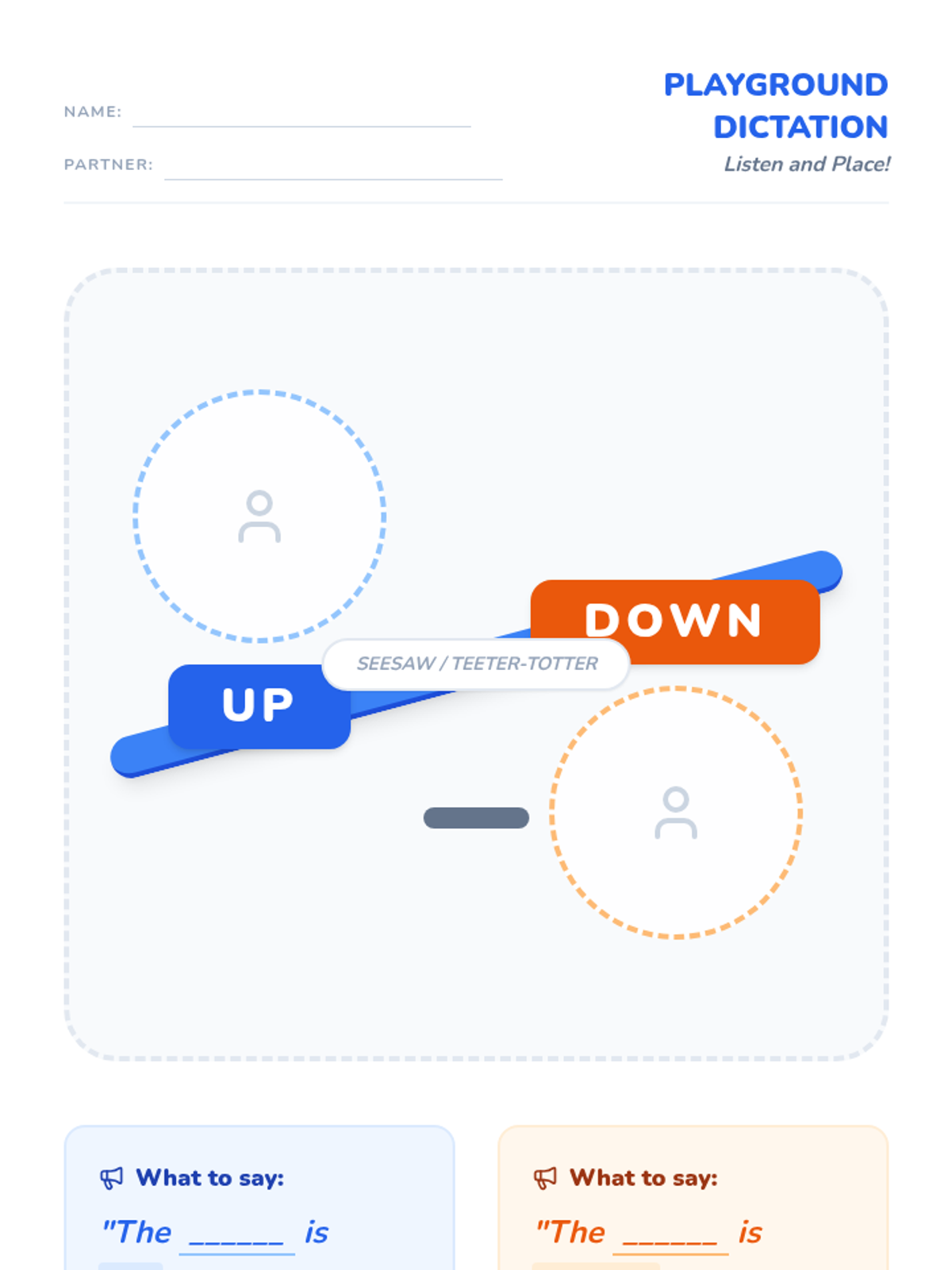
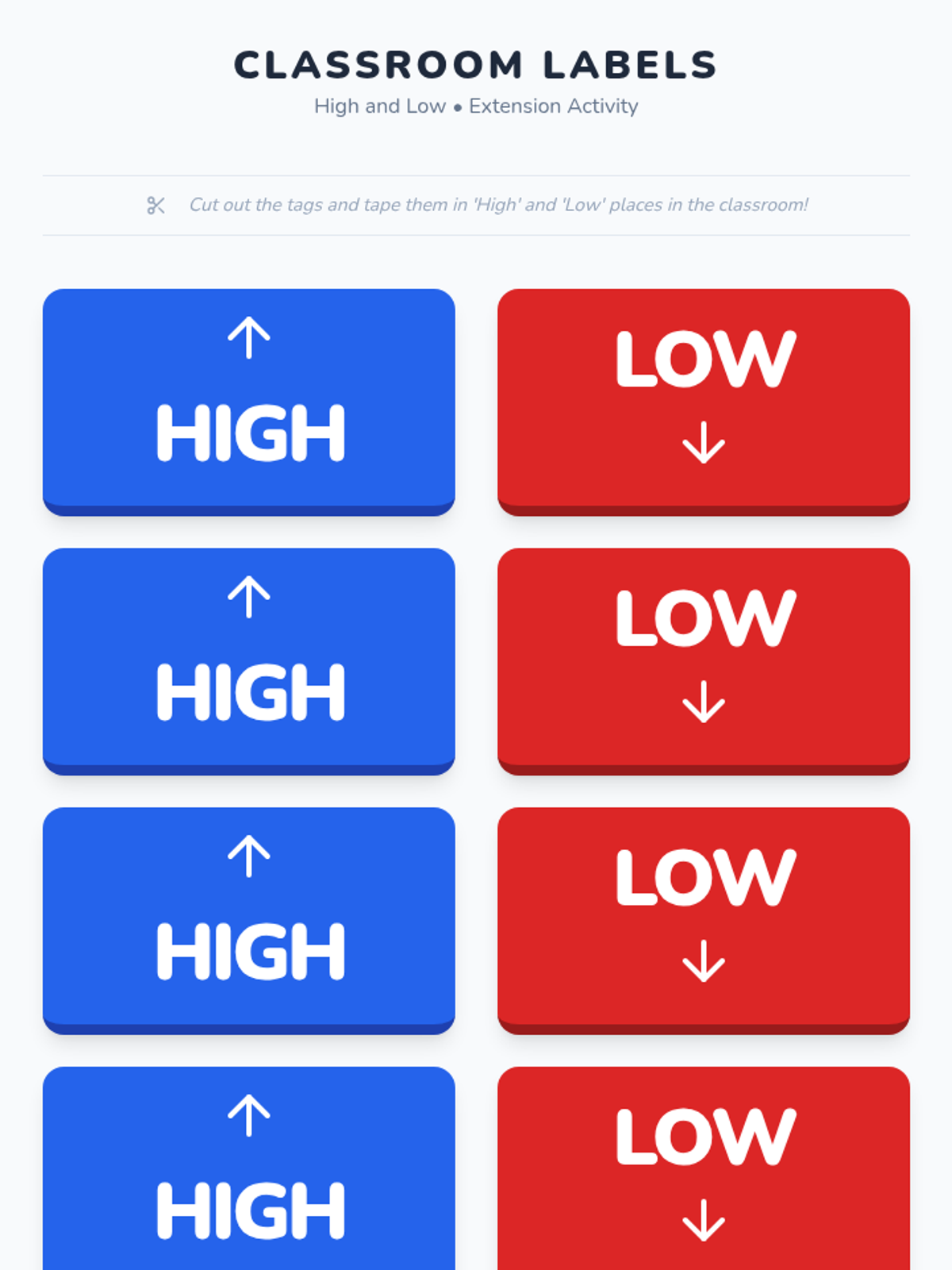
A fun, movement-based lesson for early elementary ESL students to learn directional opposites (Up/Down, High/Low) using playground equipment and a catchy song. Students will engage in pronunciation practice, video analysis, and a partner dictation activity using character cut-outs.
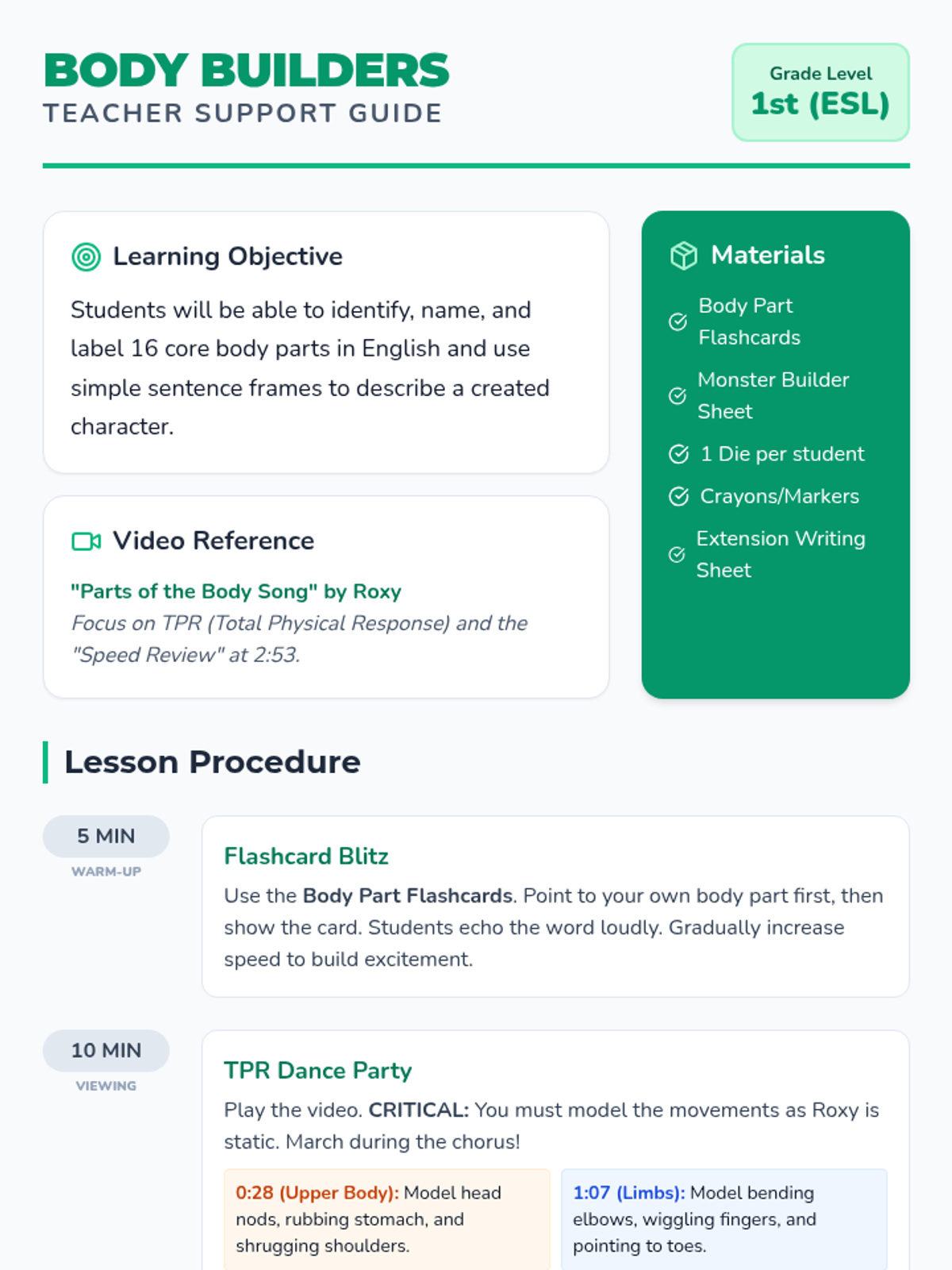
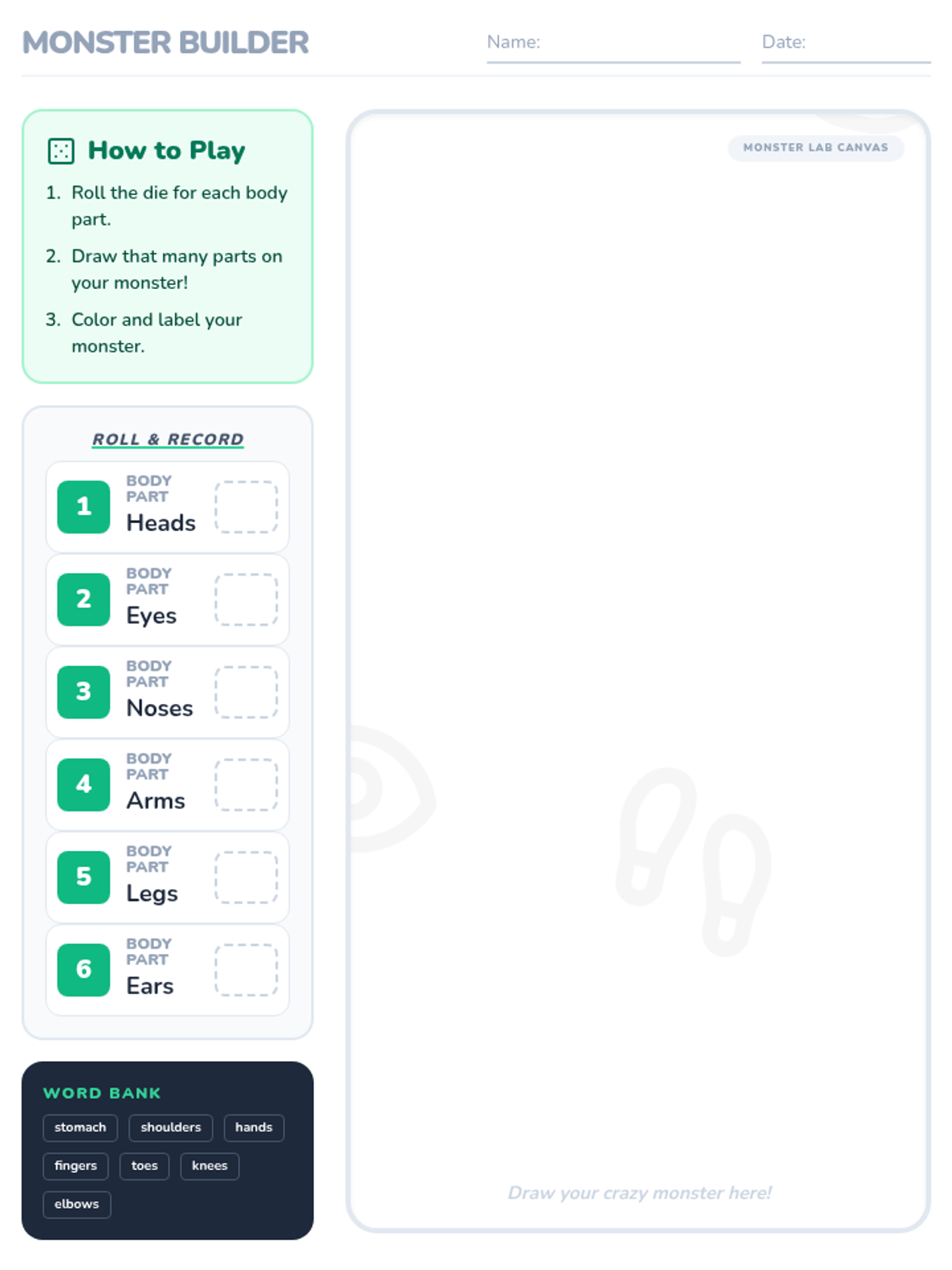
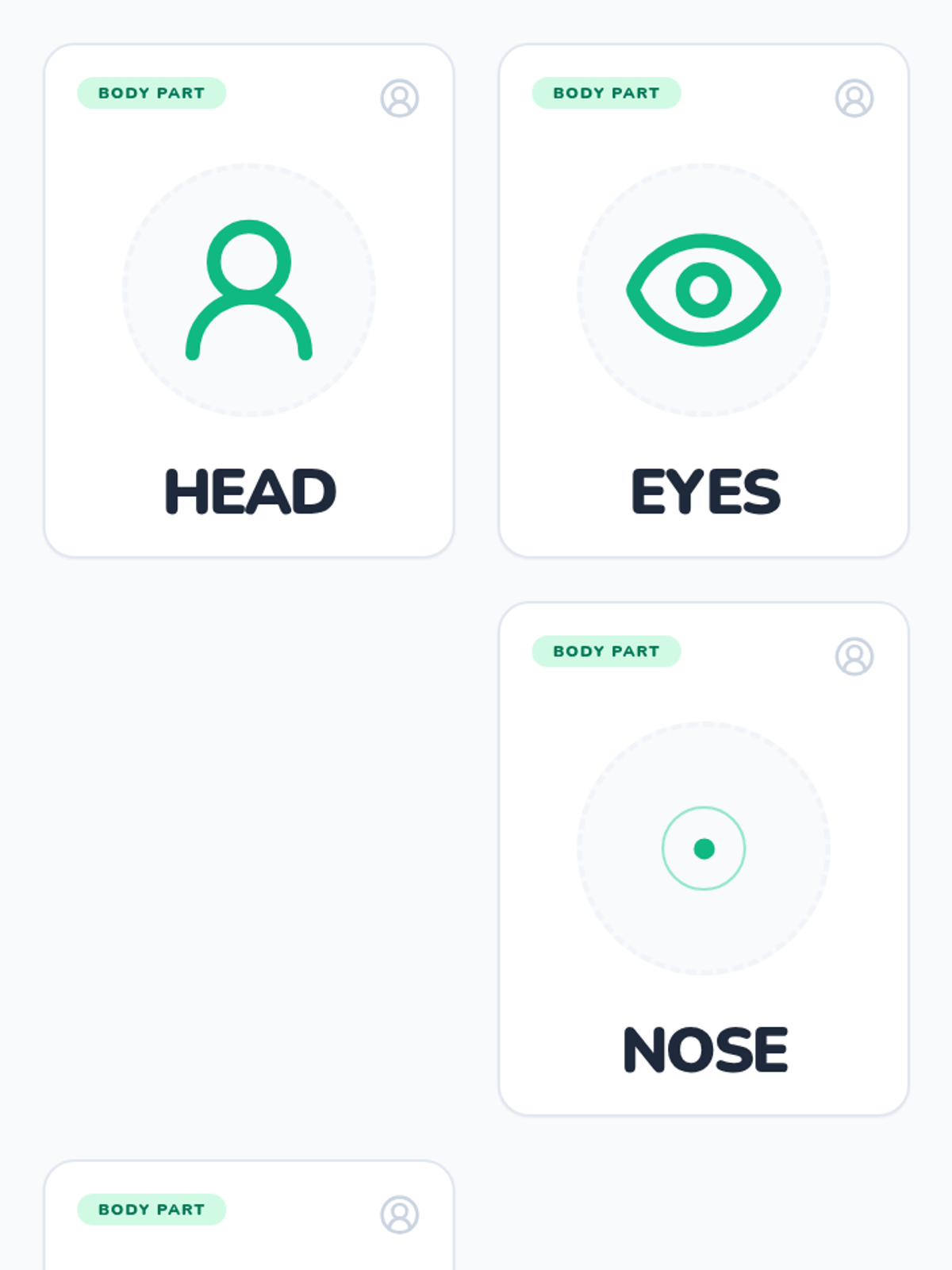
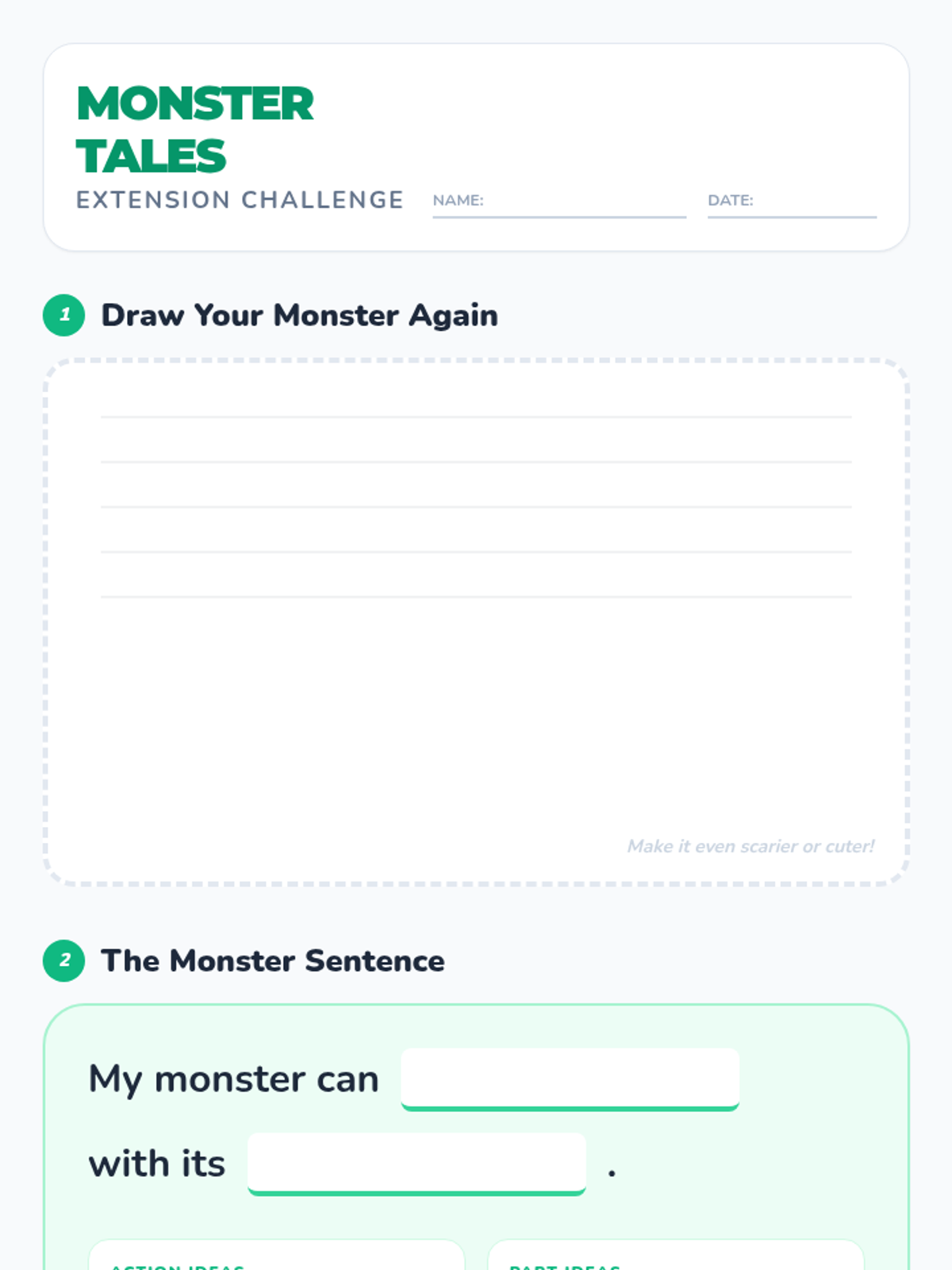
A vibrant, high-energy vocabulary reinforcement lesson for 1st-grade ESL/ELL students focused on identifying and labeling body parts through song, movement, and a creative monster-building activity.
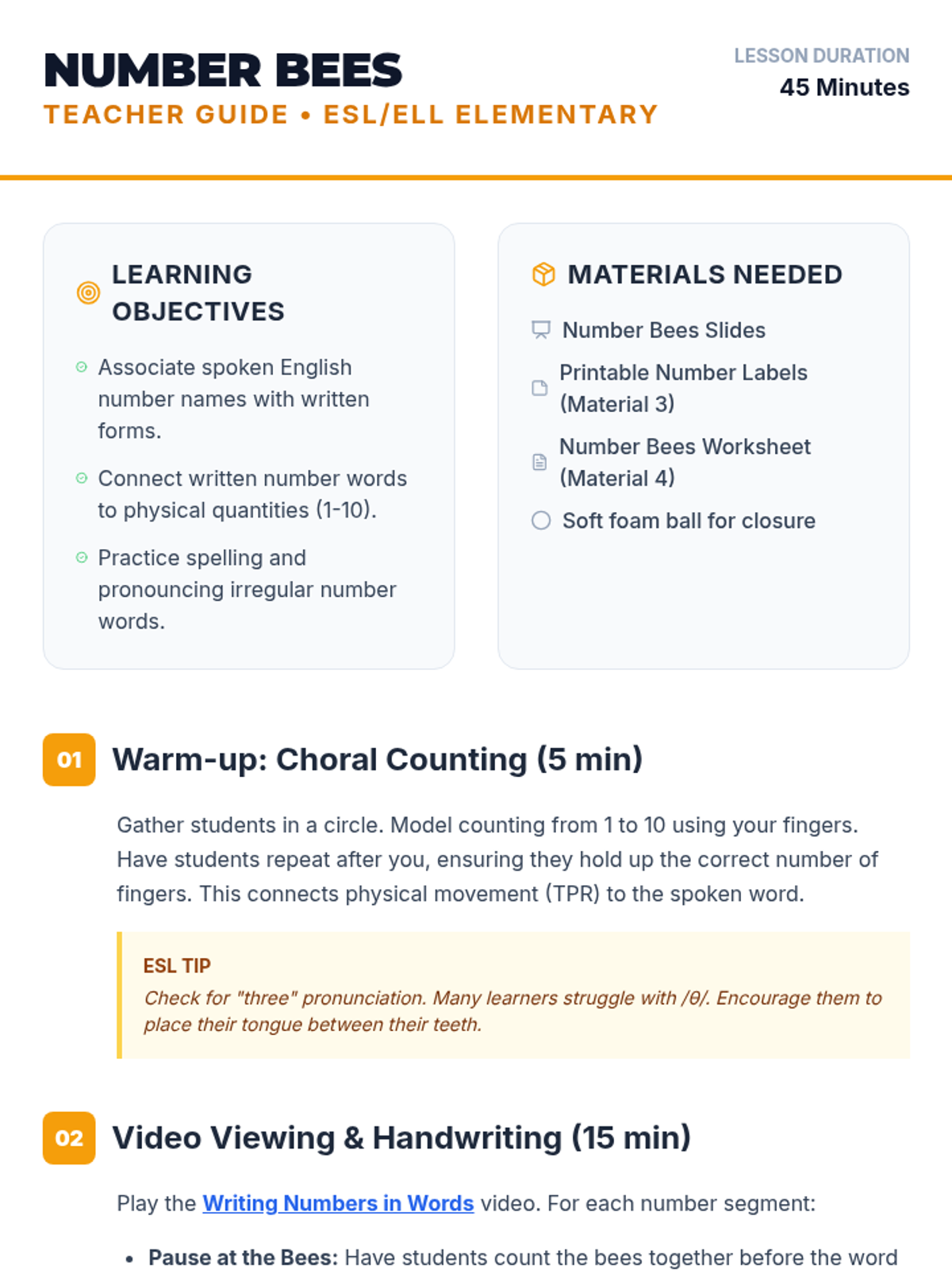
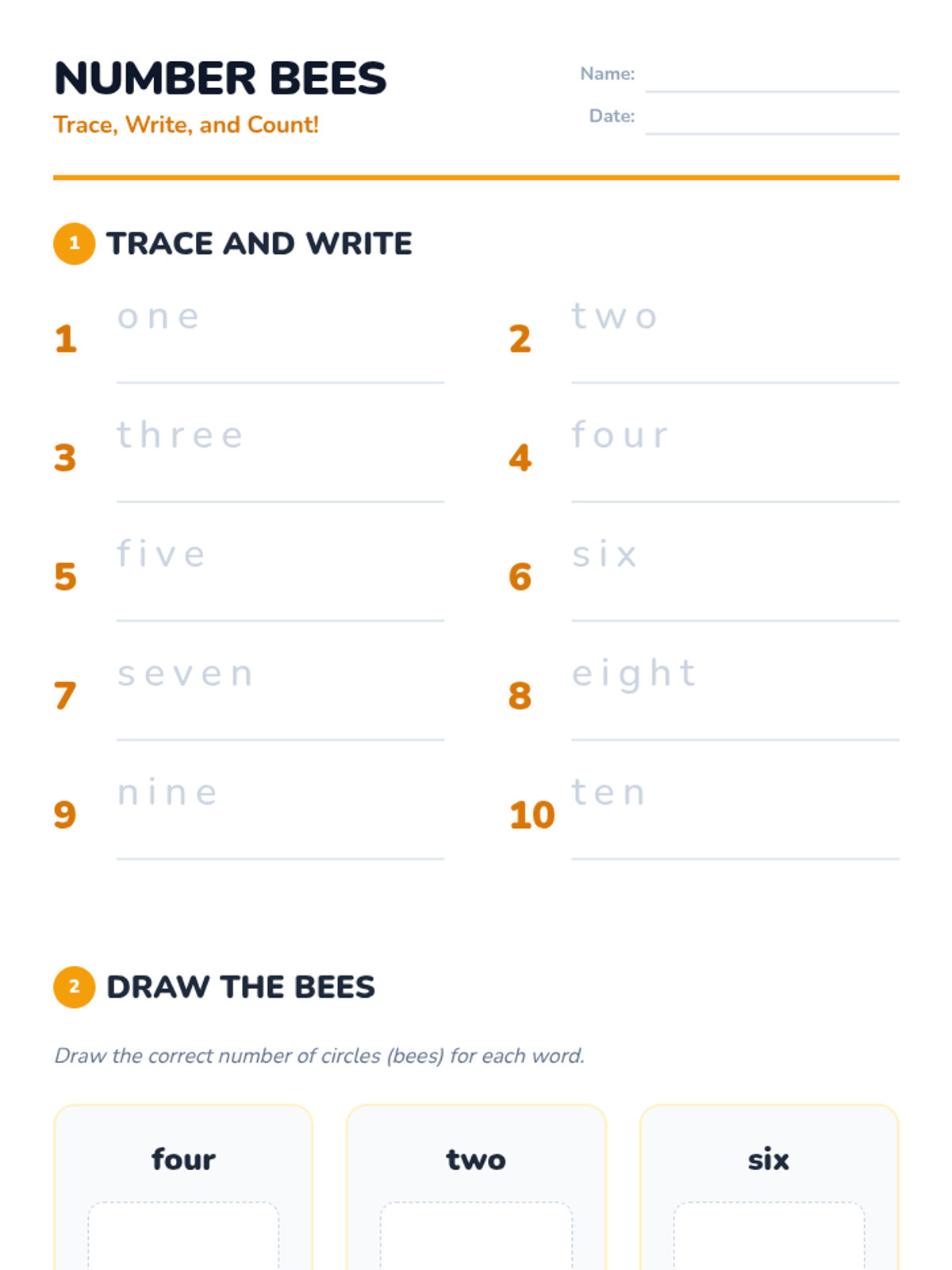
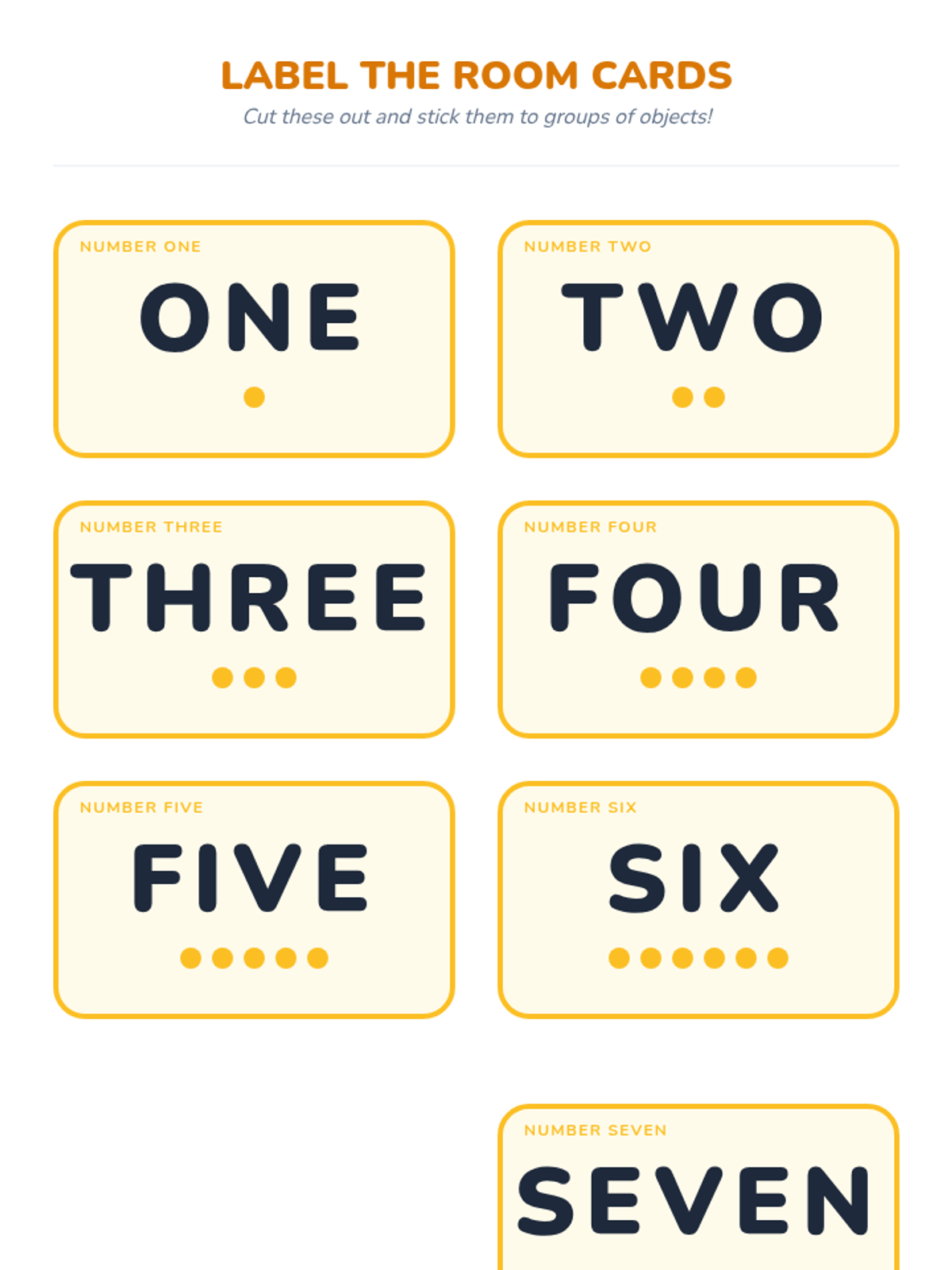
A foundational ESL lesson focused on numbers 1-10, connecting spoken words, written forms, and quantities through music, video, and movement. Students engage in choral counting, video-based handwriting practice, and a classroom-wide labeling activity.
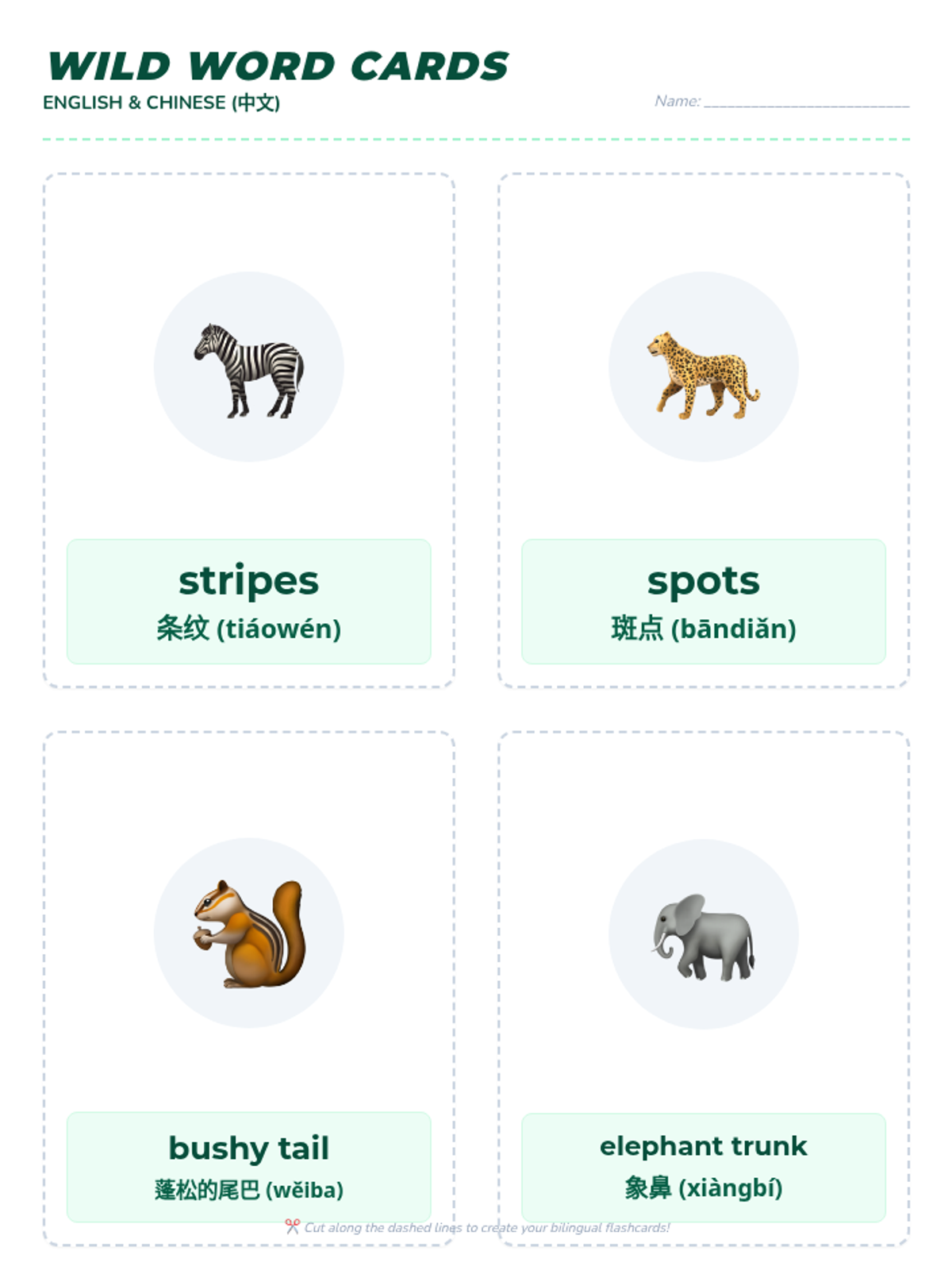
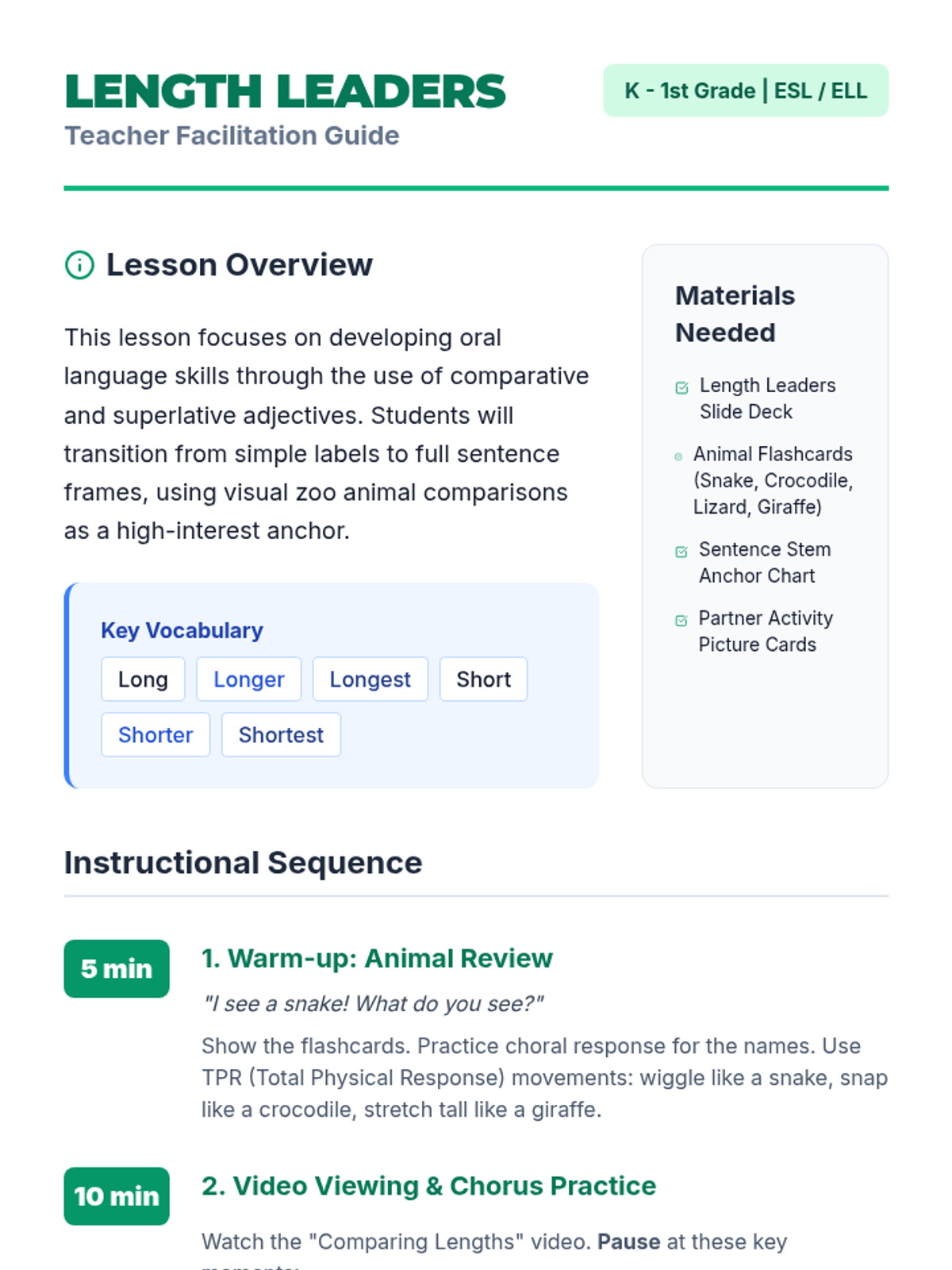
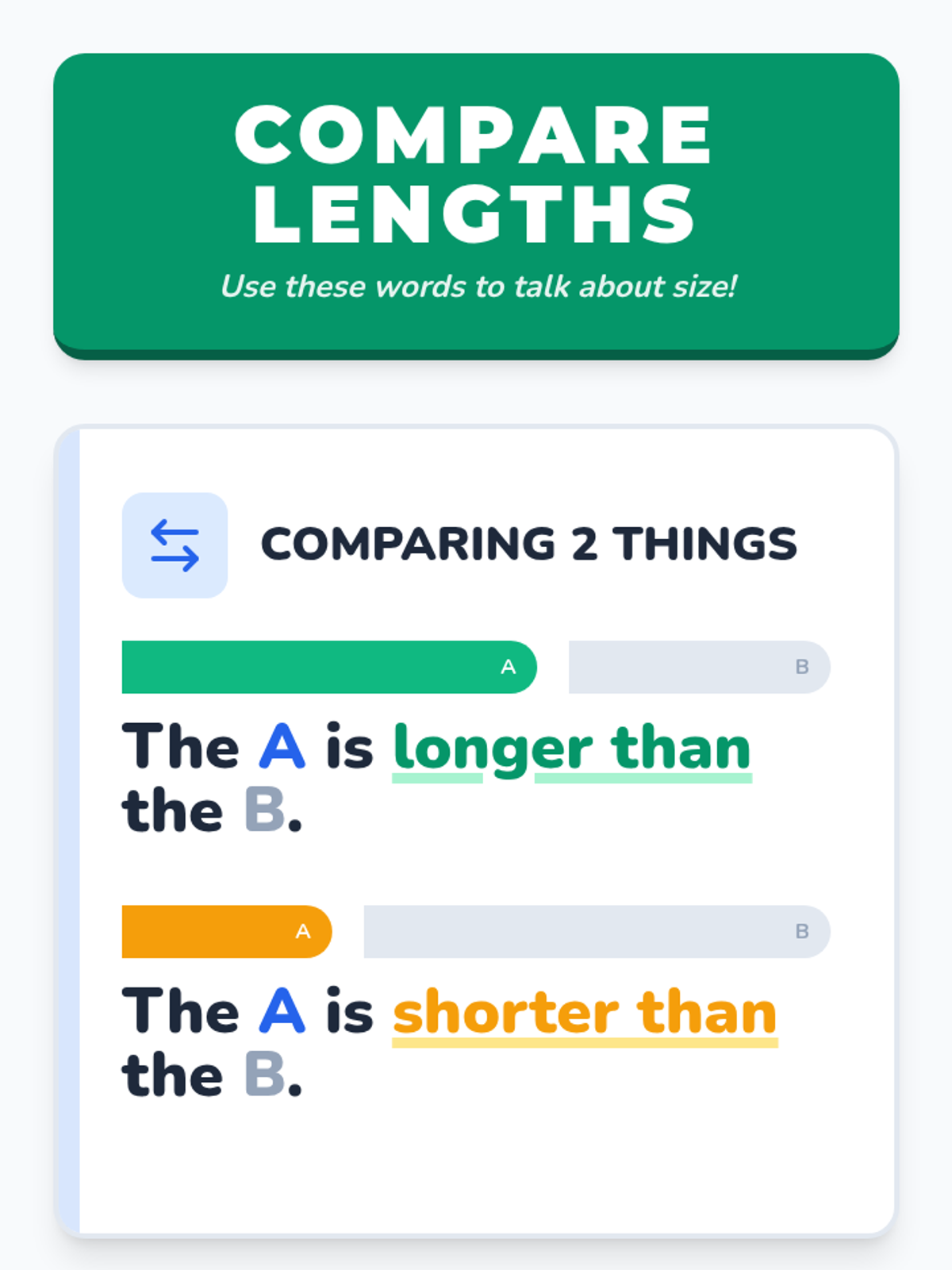
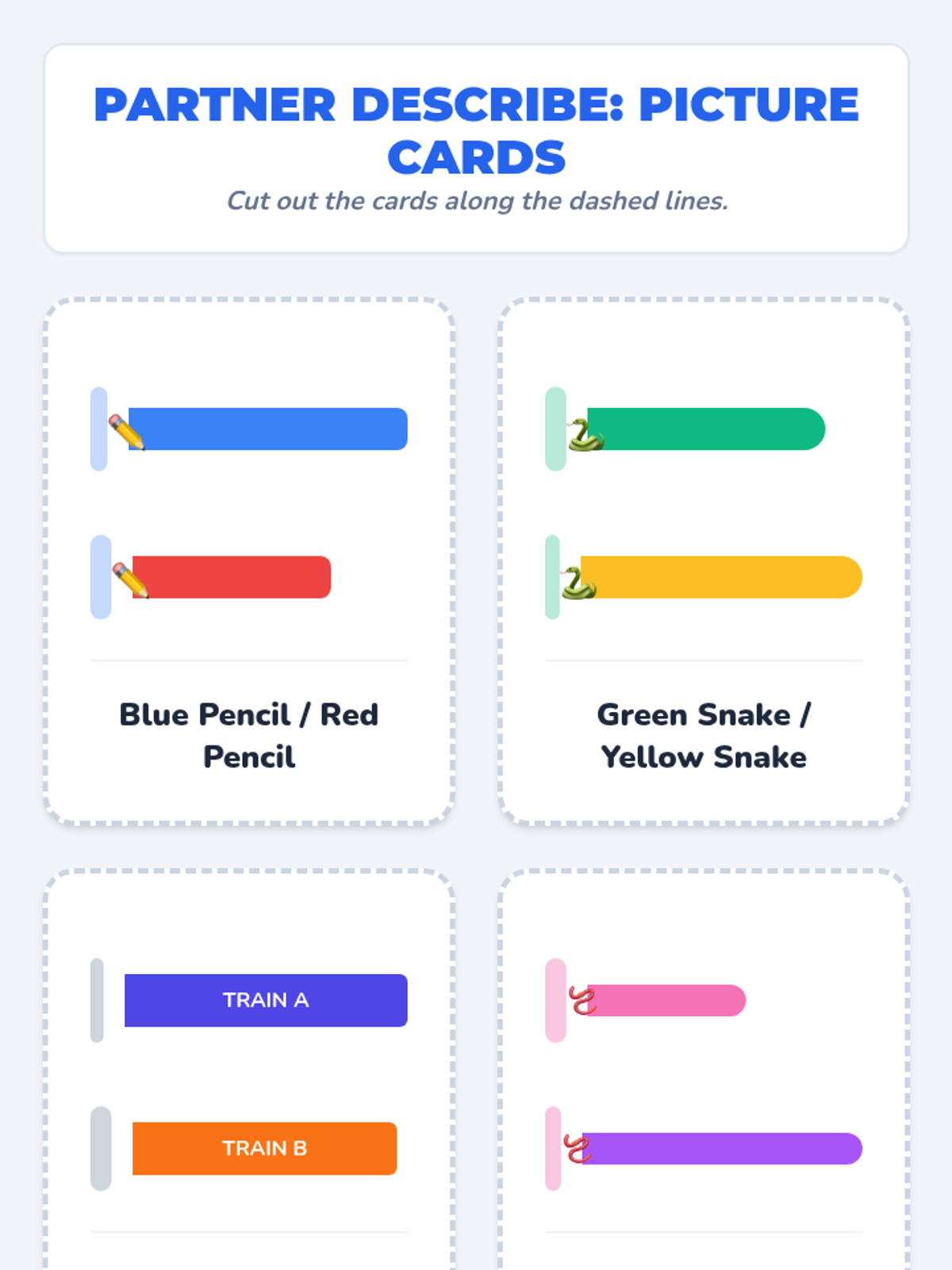
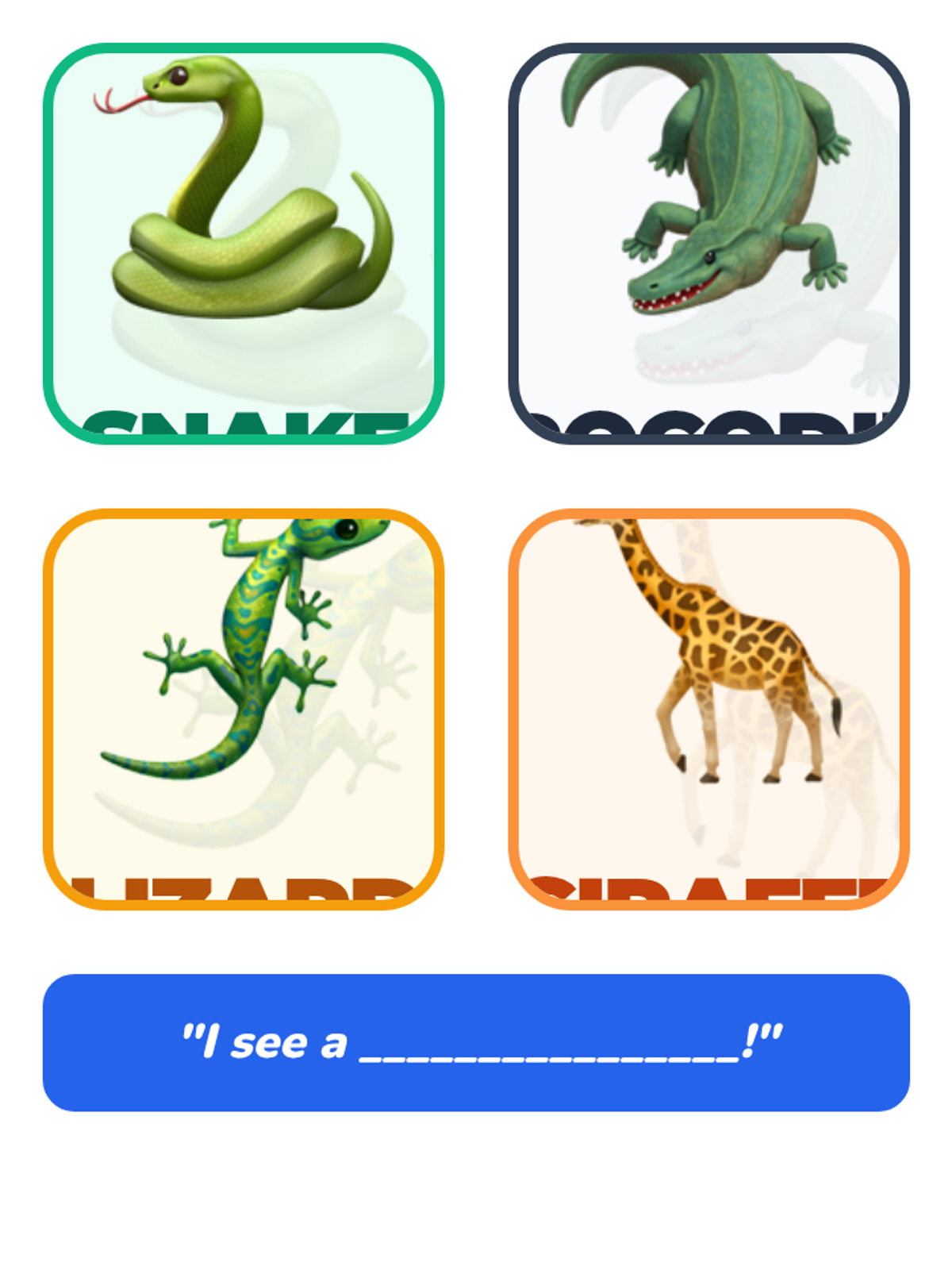
A Kindergarten/1st Grade ESL lesson focusing on oral language development through comparative and superlative adjectives (long, longer, longest, short, shorter, shortest) using zoo animal comparisons.
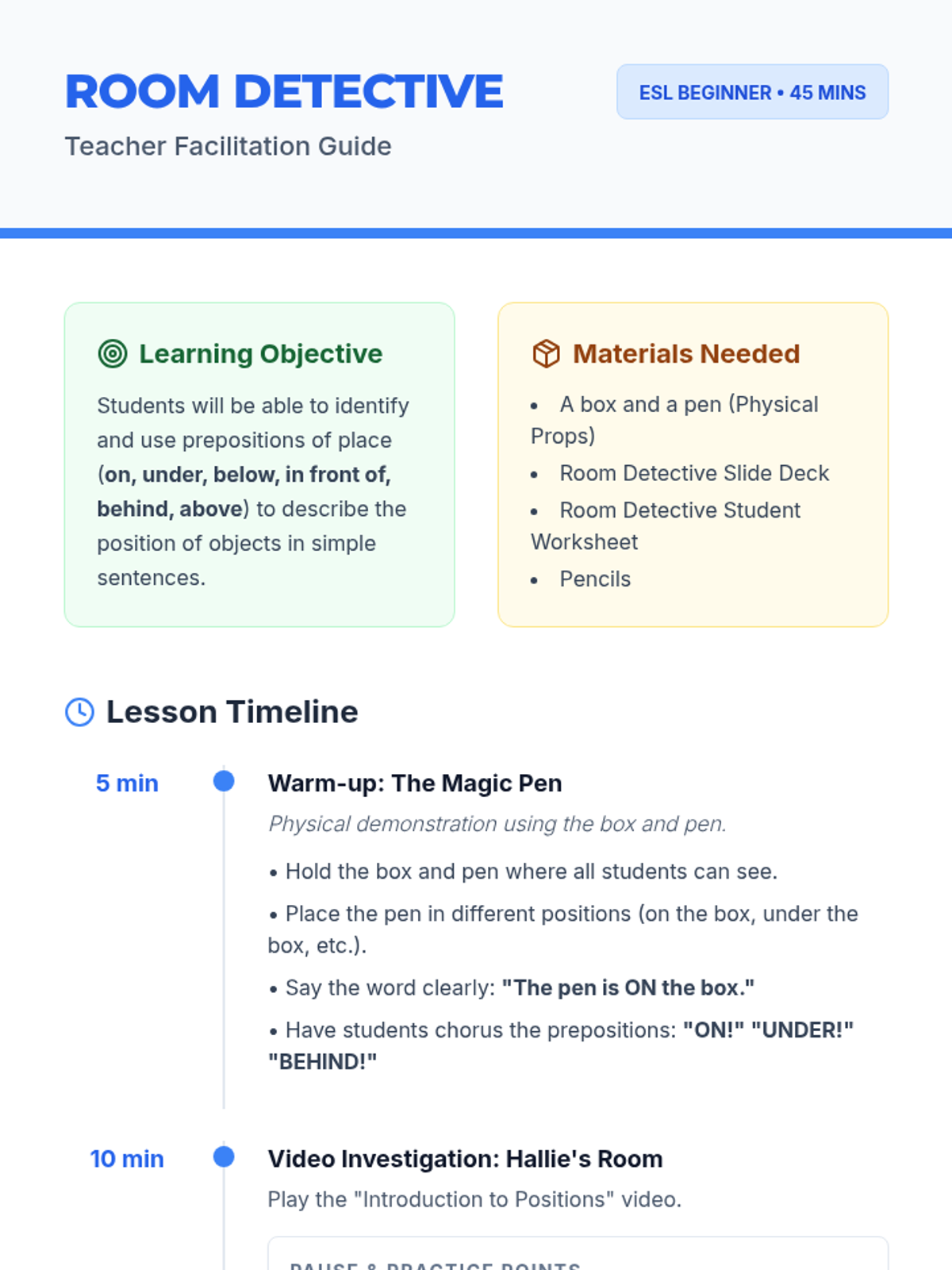
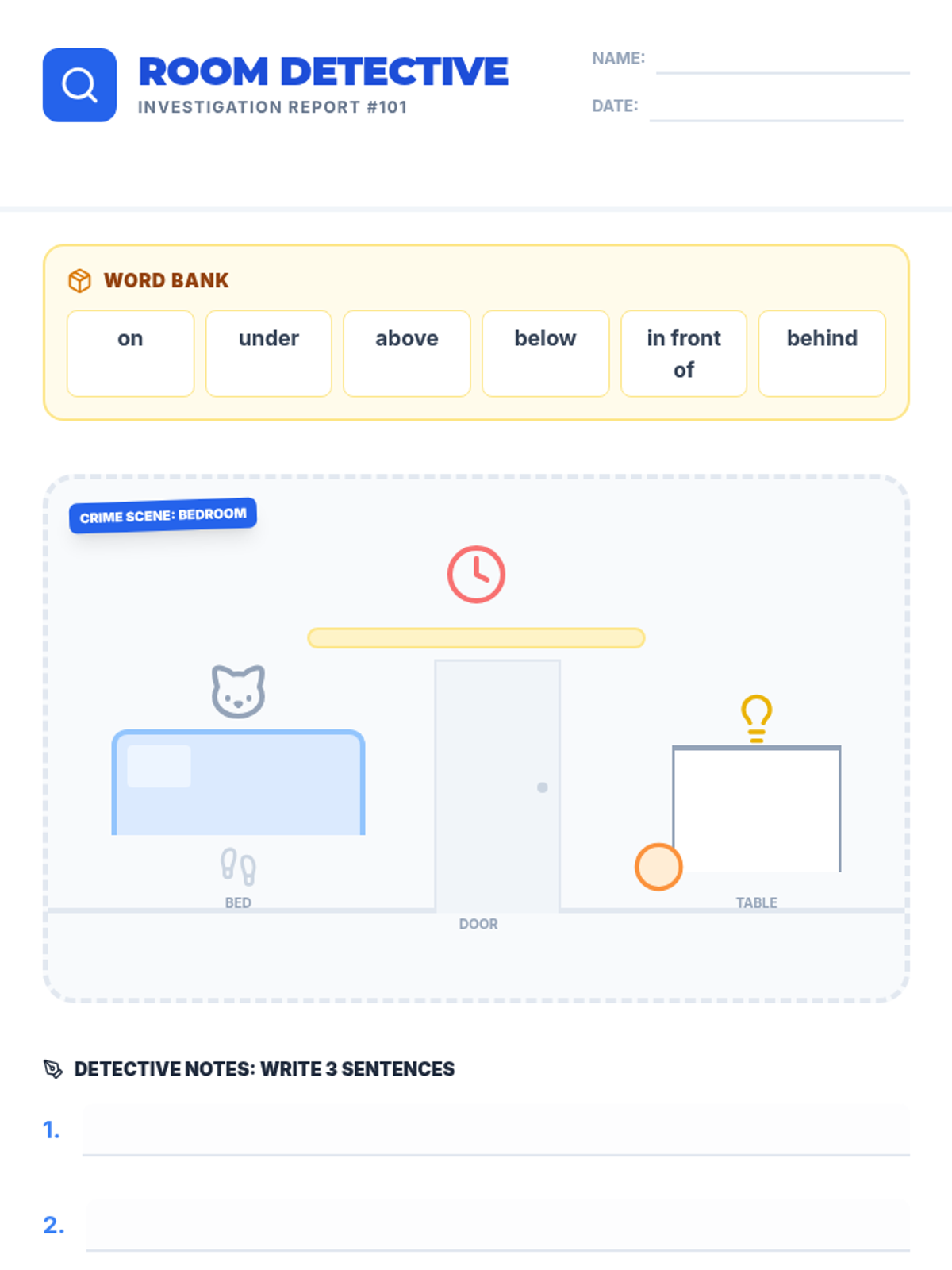
A beginner ESL lesson focused on identifying and using prepositions of place (on, under, below, in front of, behind, above) through a fun bedroom investigation theme.
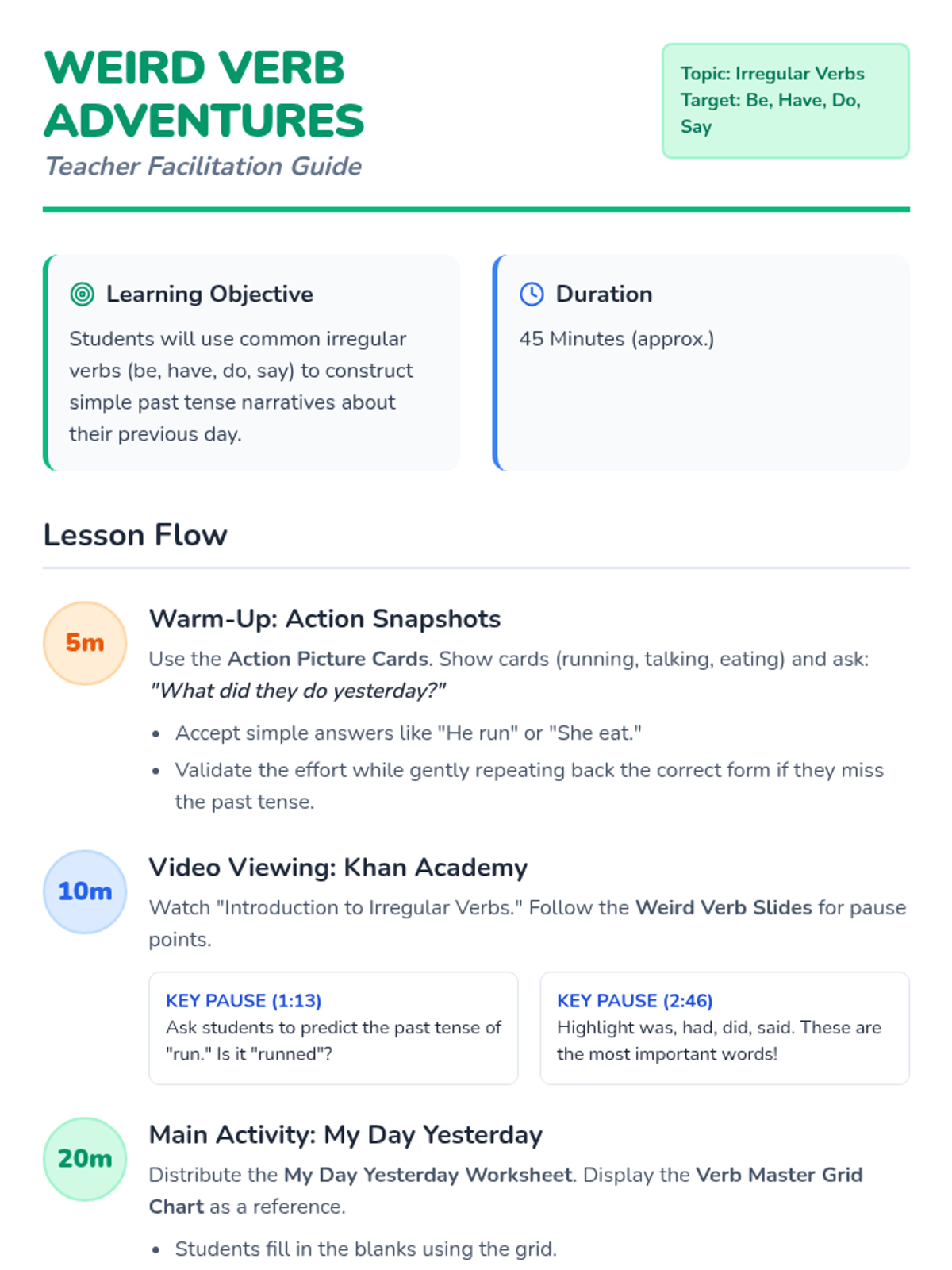
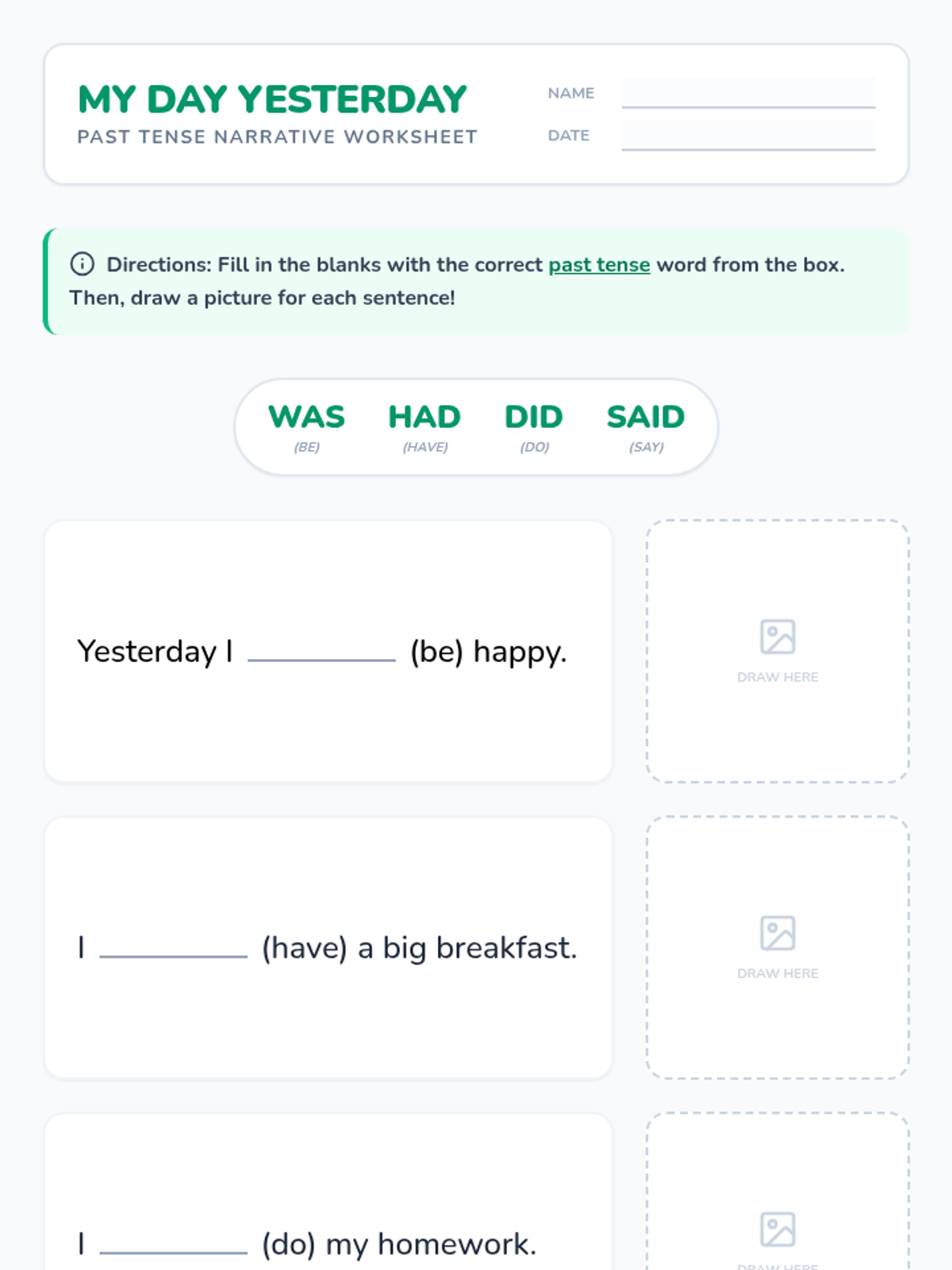
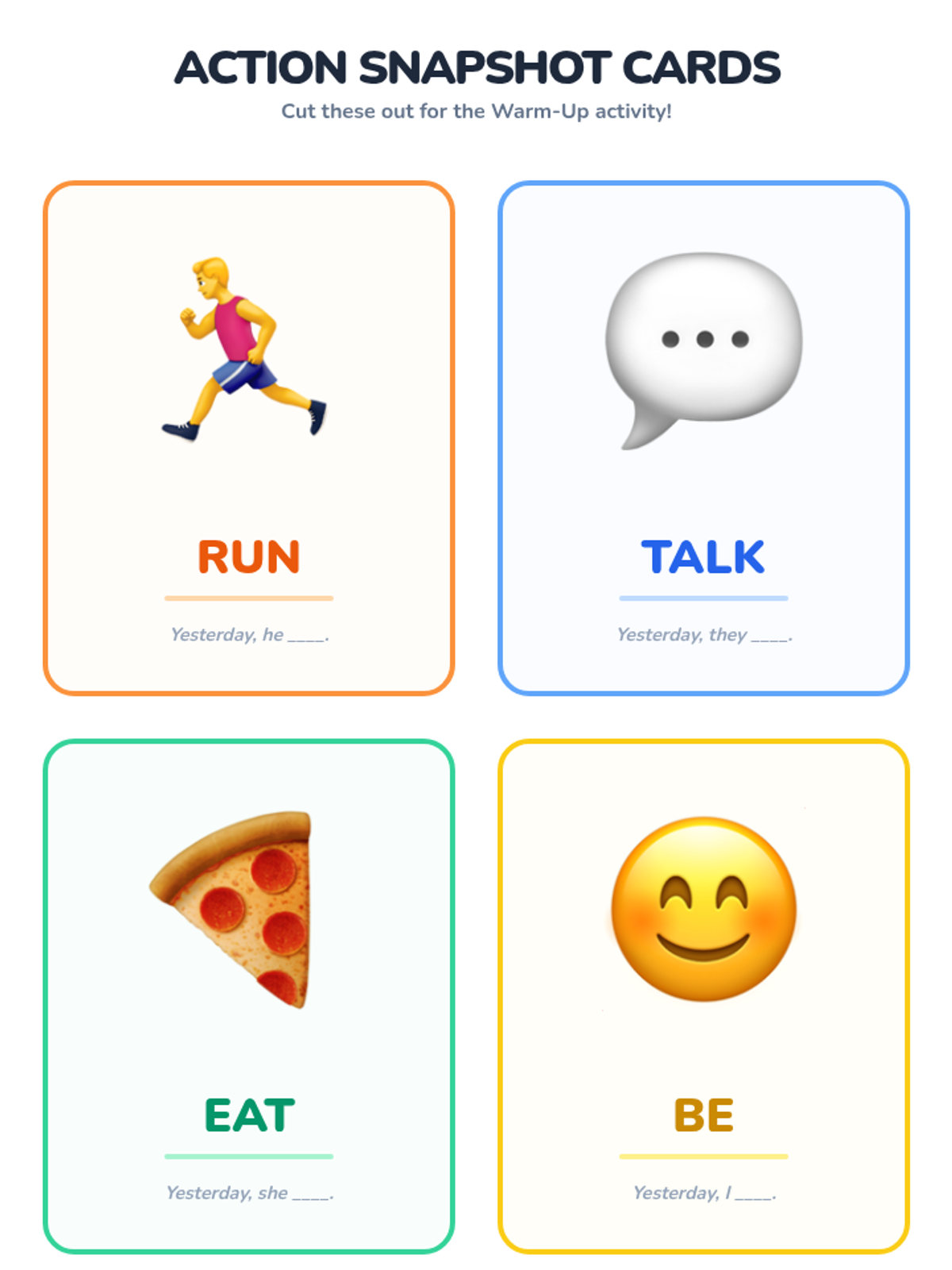
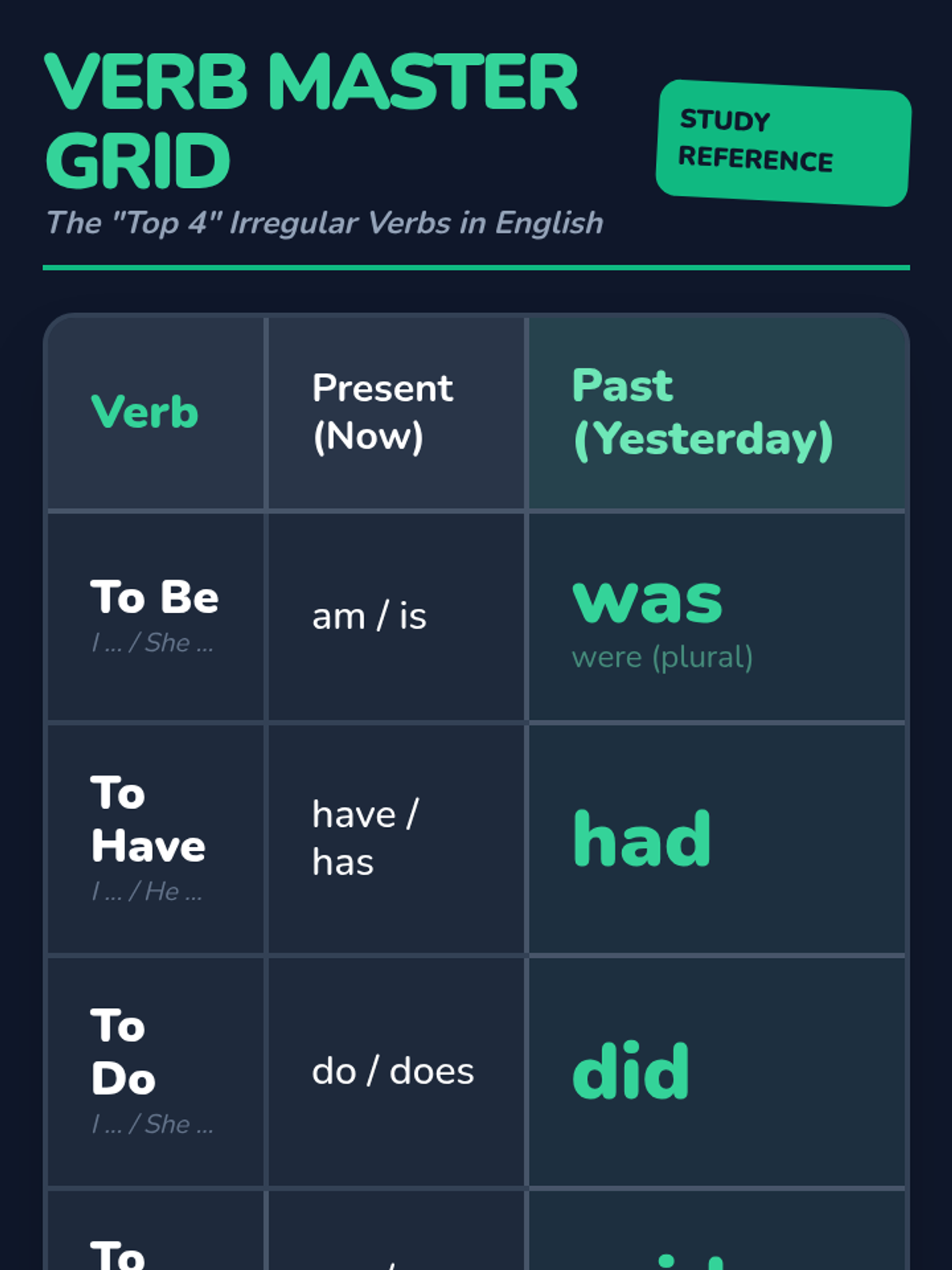
A foundational grammar lesson for ESL/ELL students focusing on the four most common irregular verbs (be, have, do, say) and their past tense forms through video analysis and scaffolded storytelling.
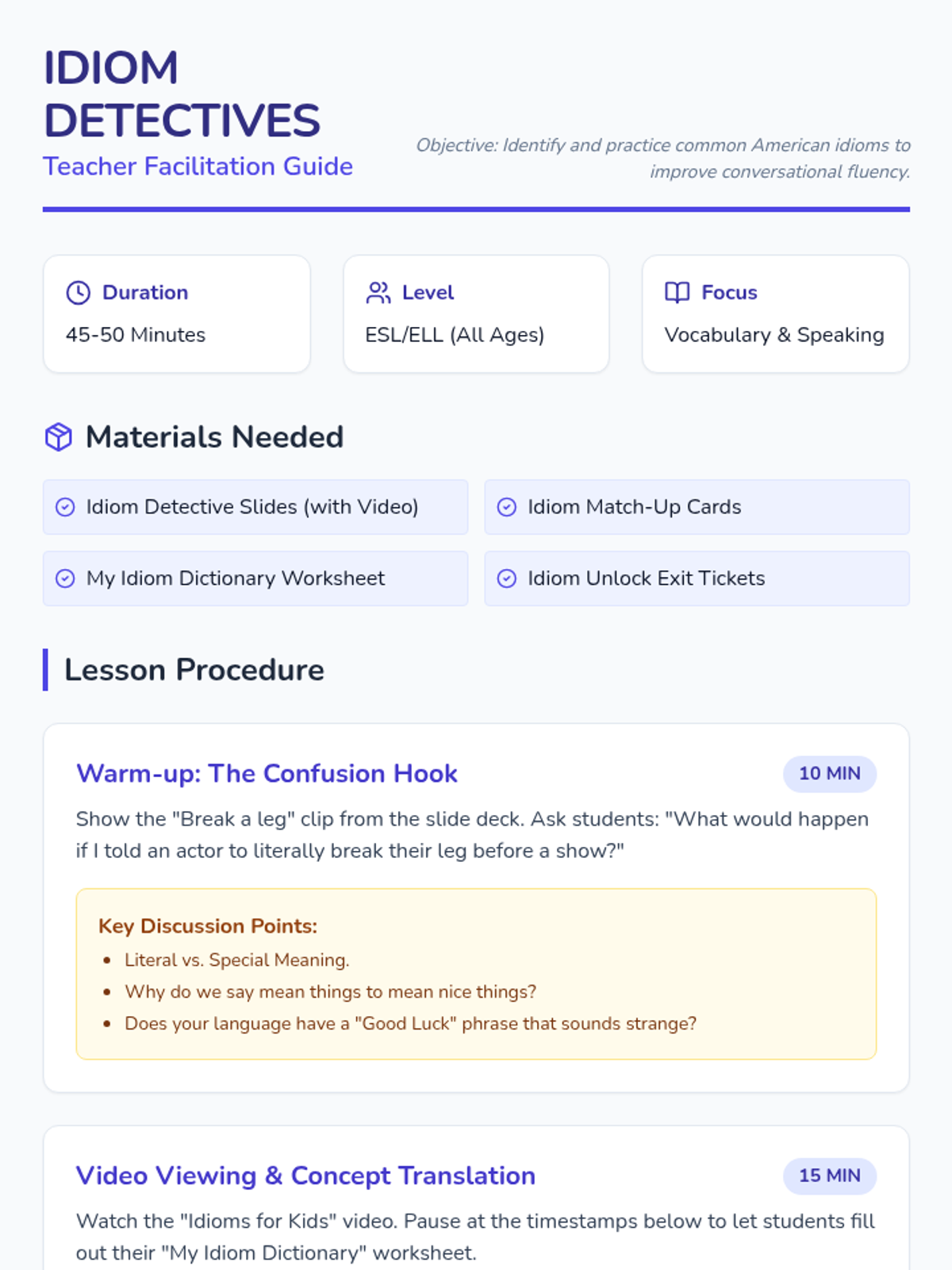
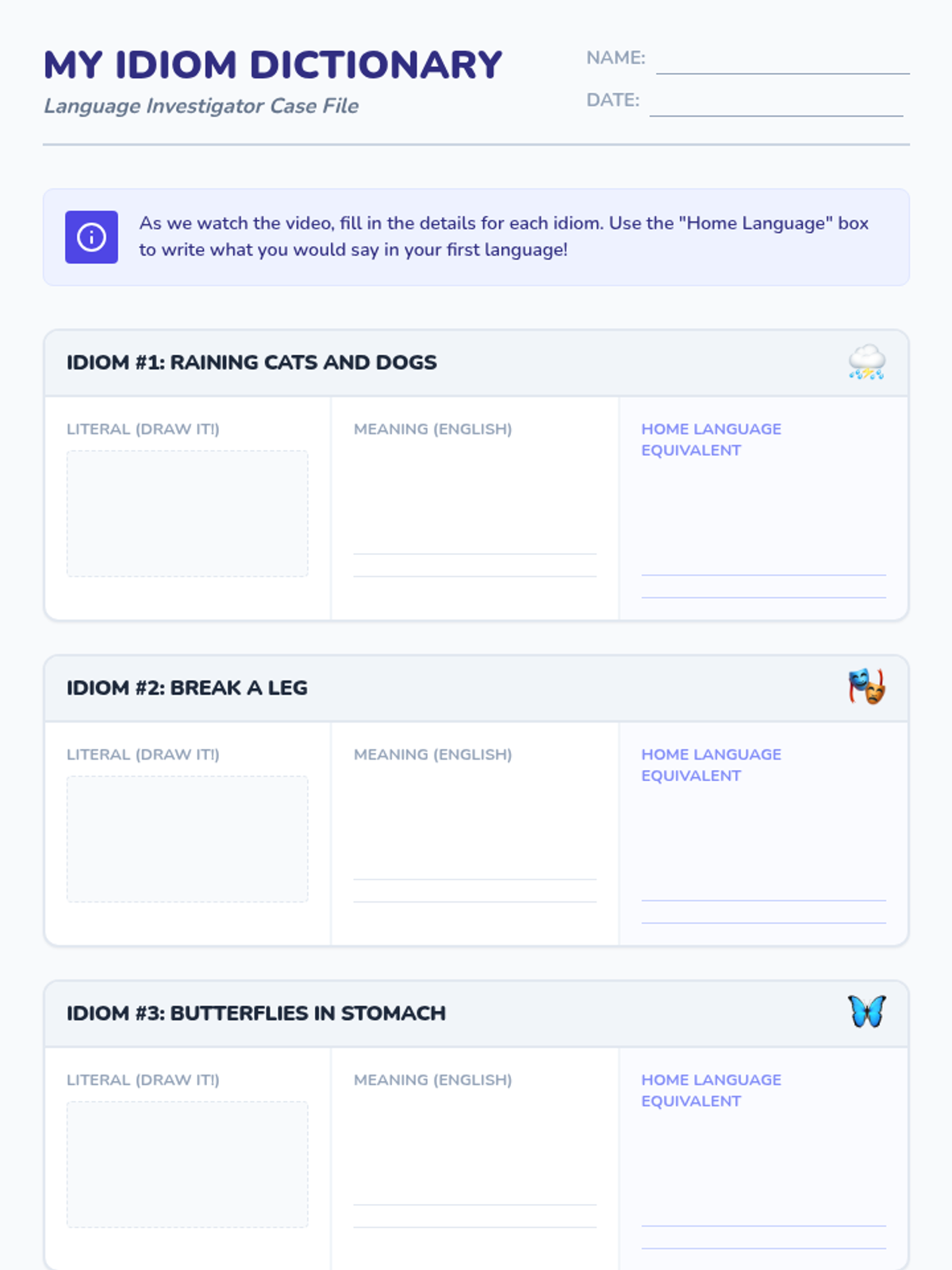
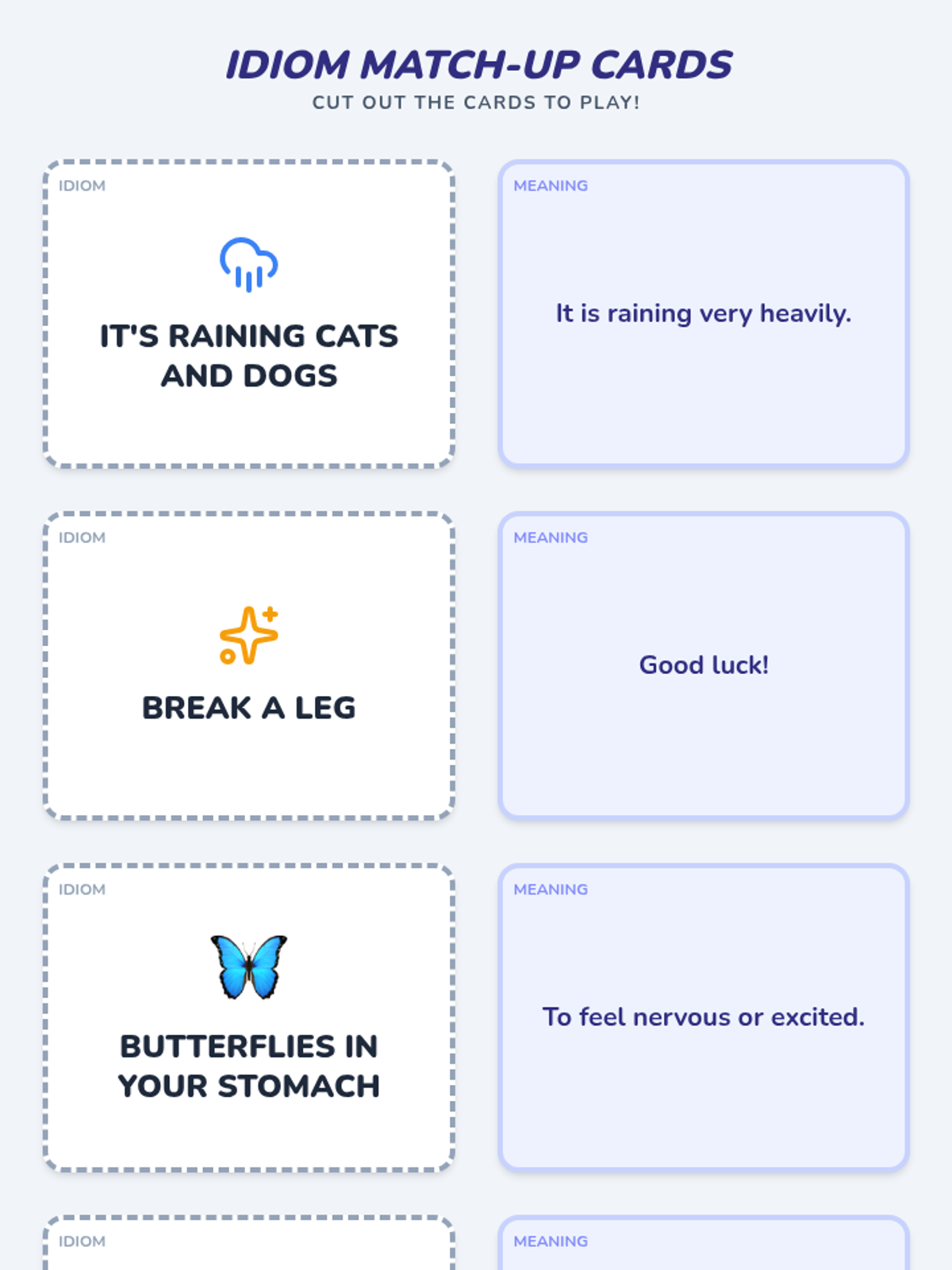
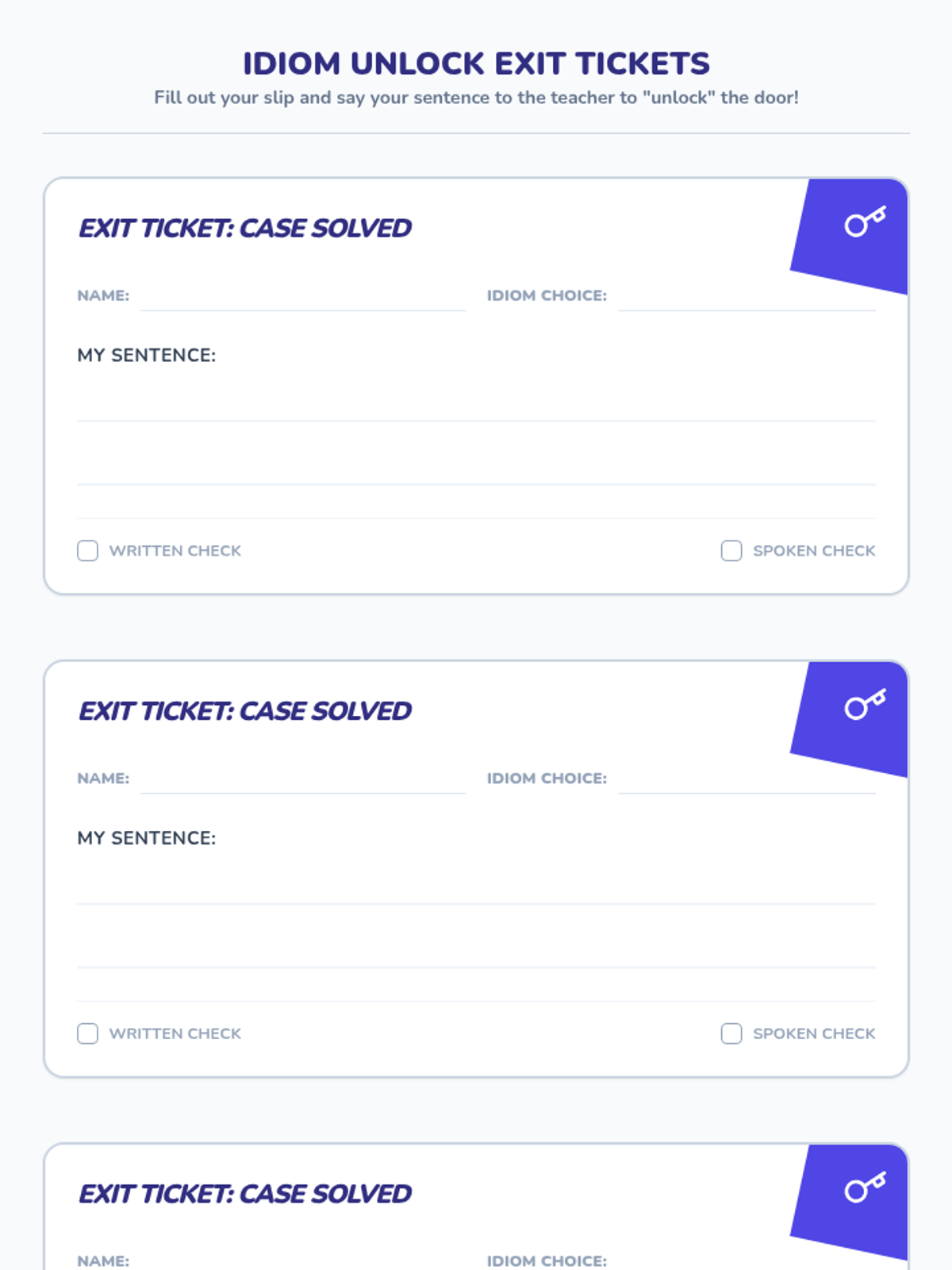
A lesson for English Language Learners to identify and practice common American idioms using visual aids and video-based instruction. Students will explore literal vs. figurative meanings and practice using idioms in spoken sentences.
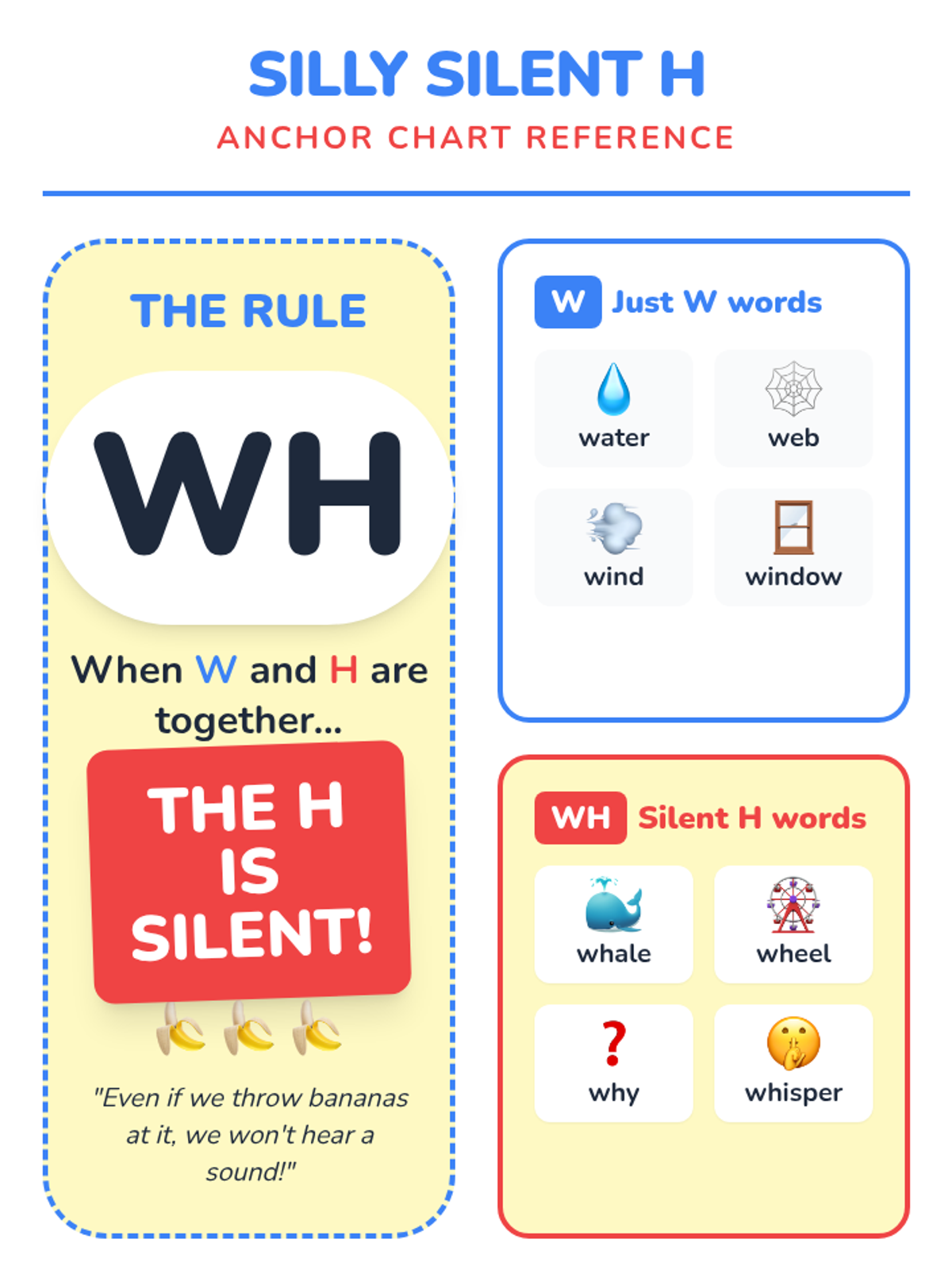
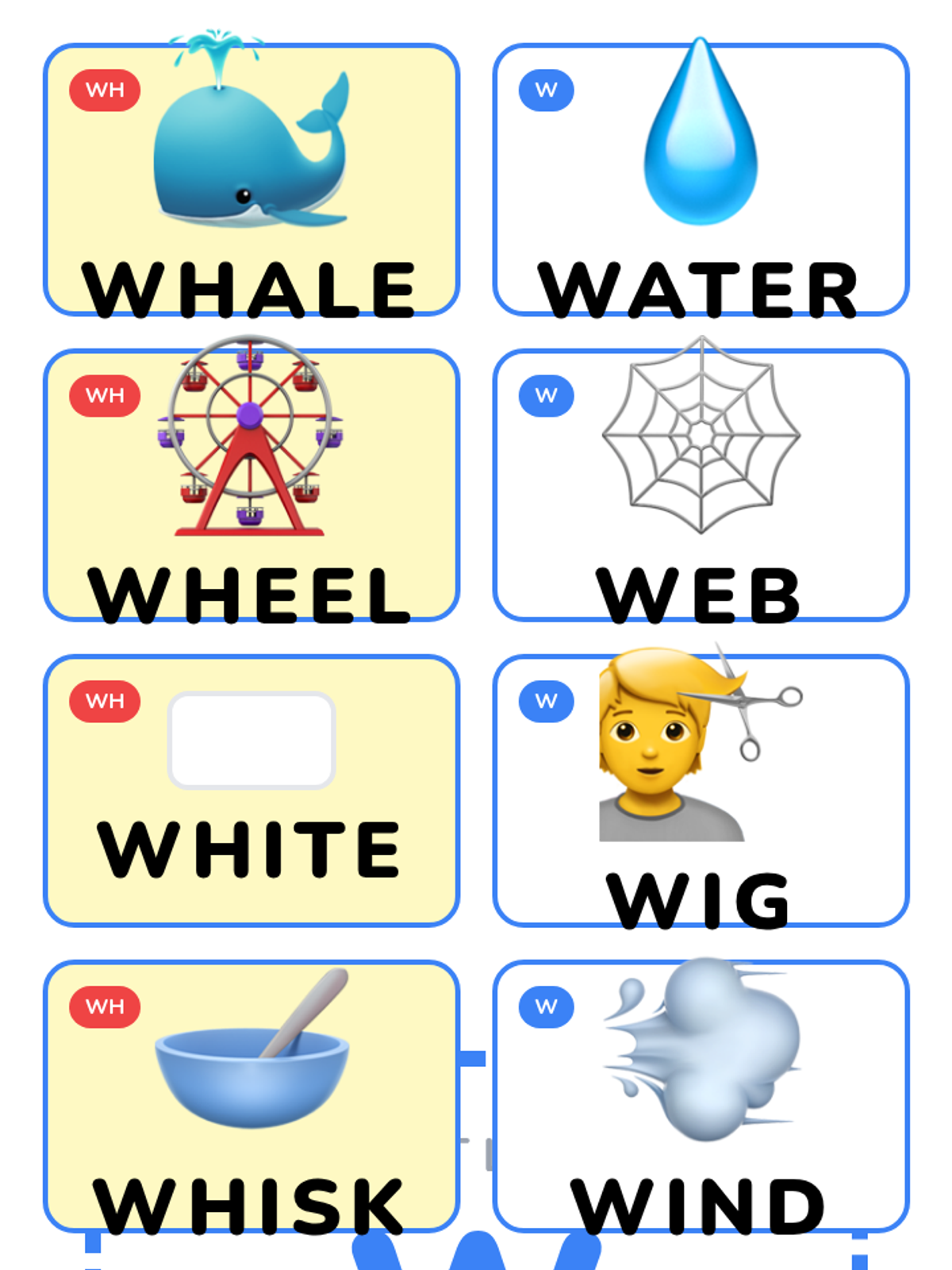
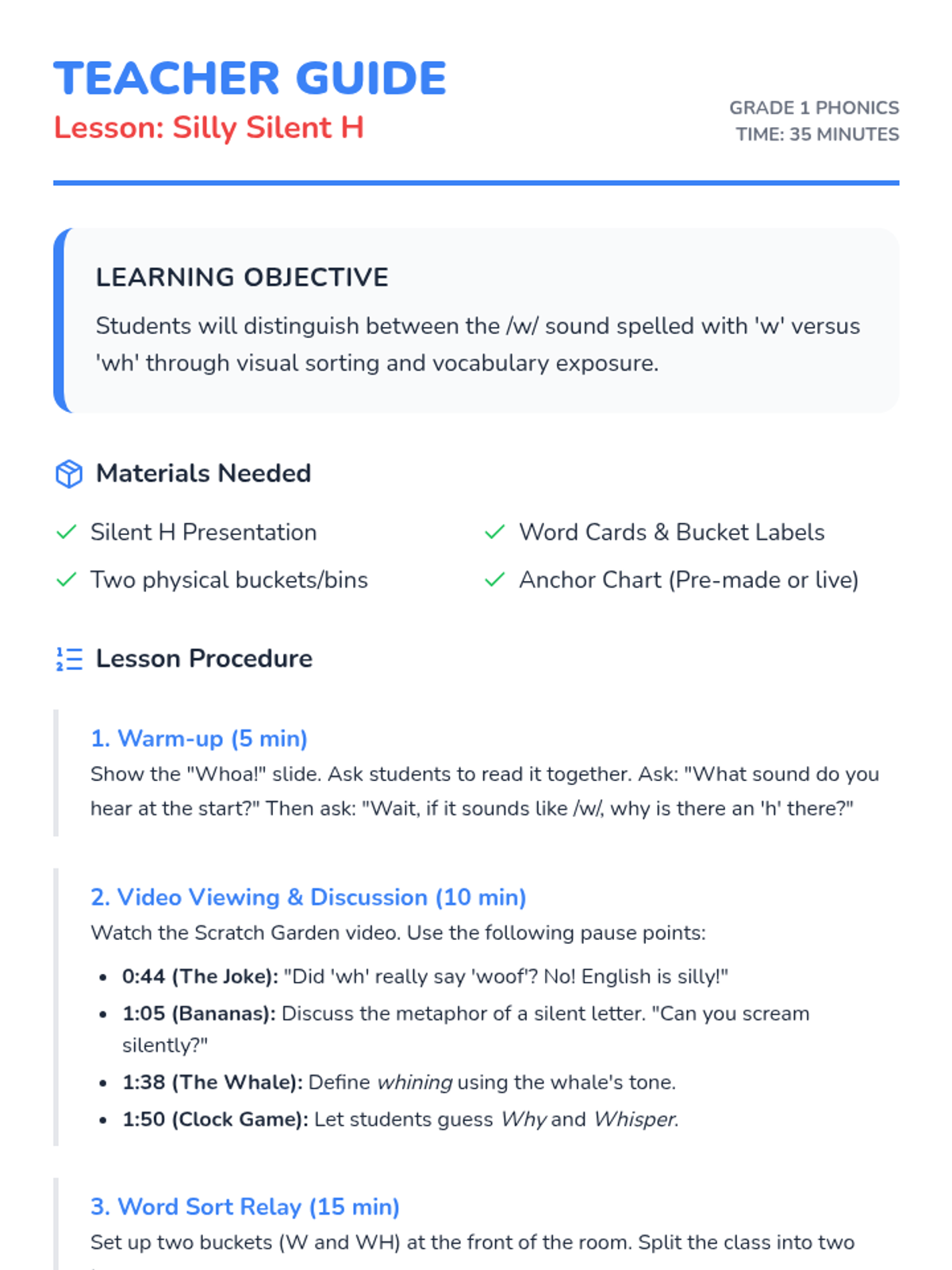
A fun, high-energy phonics lesson where students learn the 'silent H' rule for 'wh' words through a silly video and a fast-paced word relay.
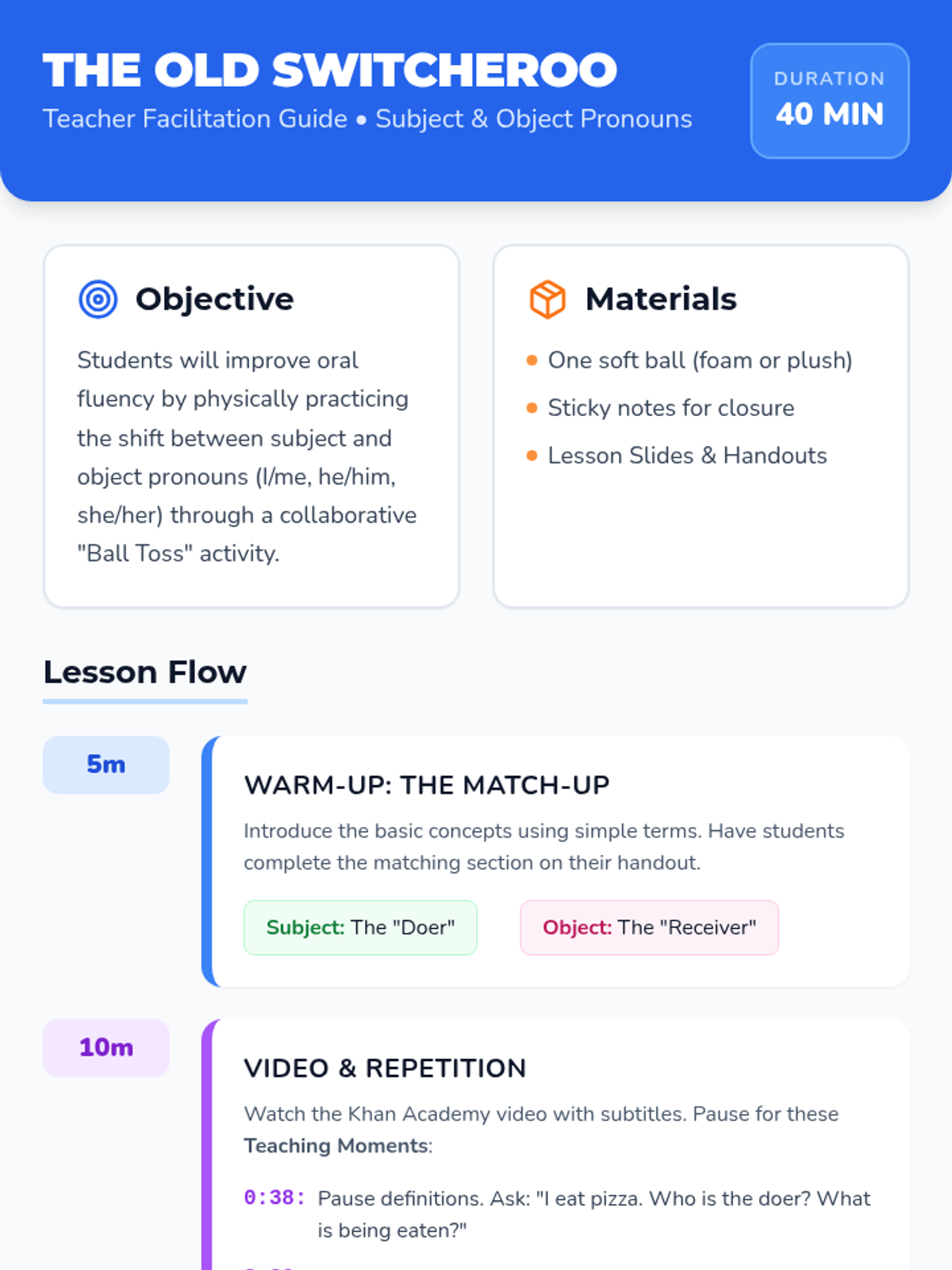
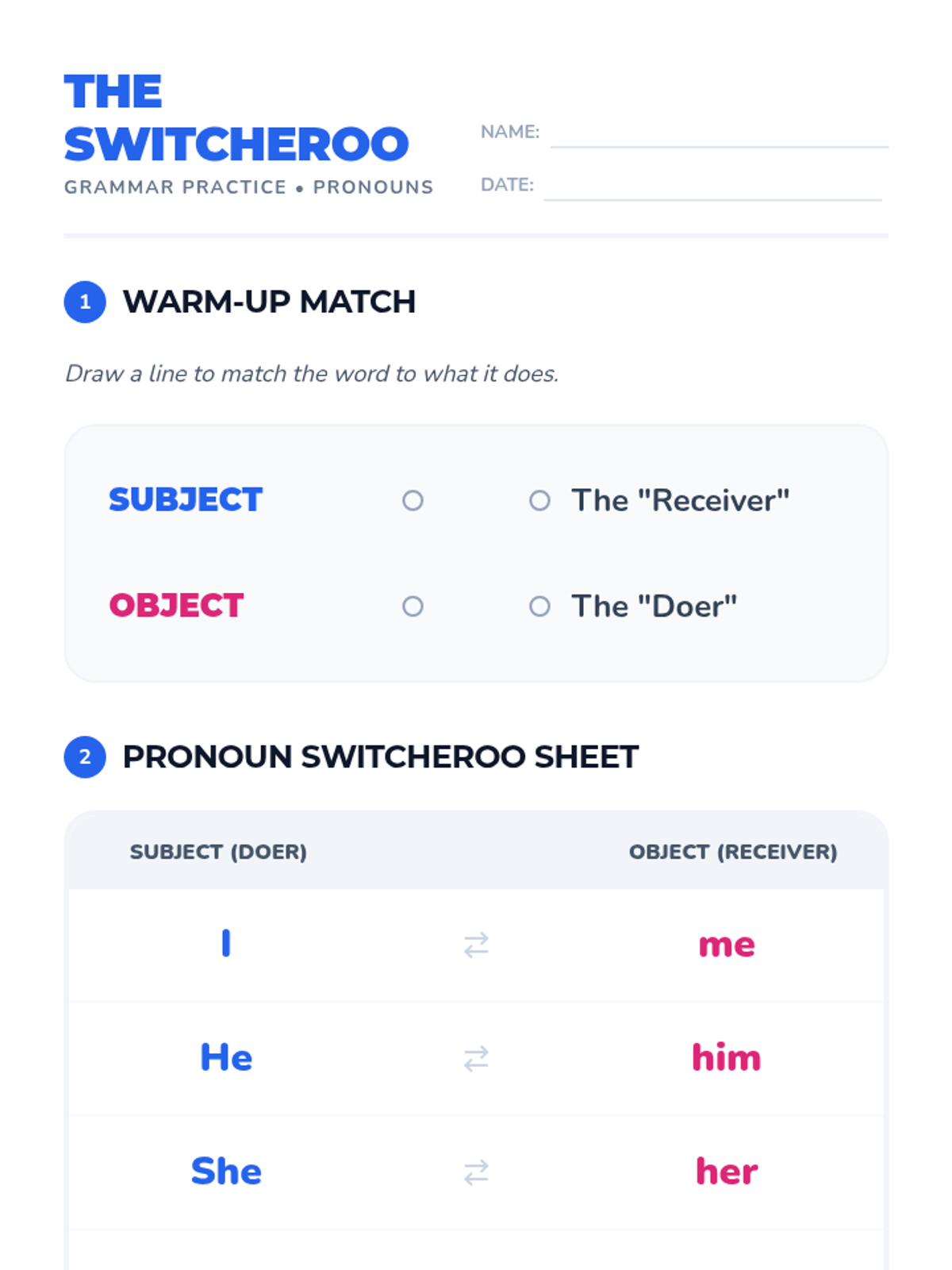
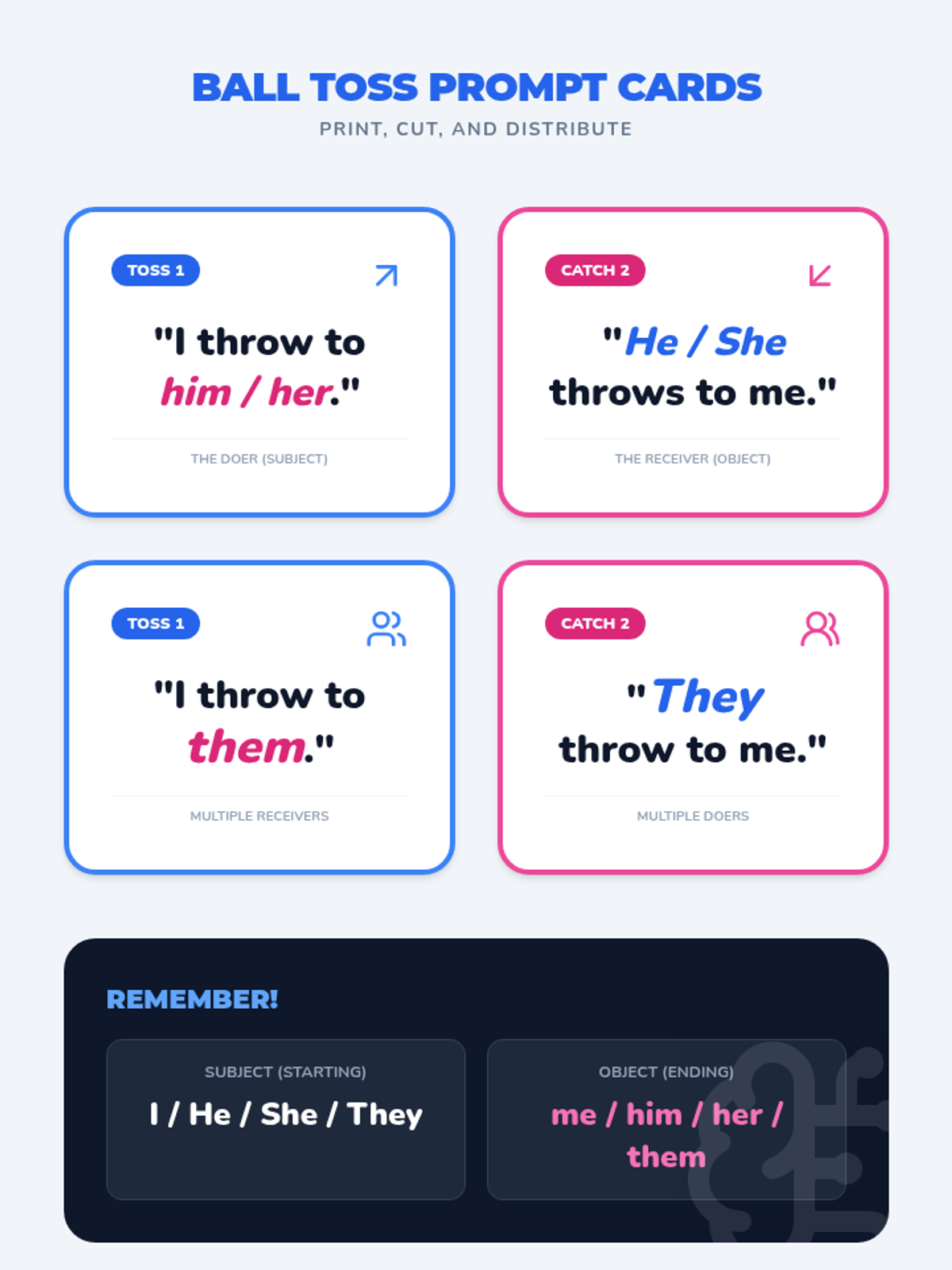
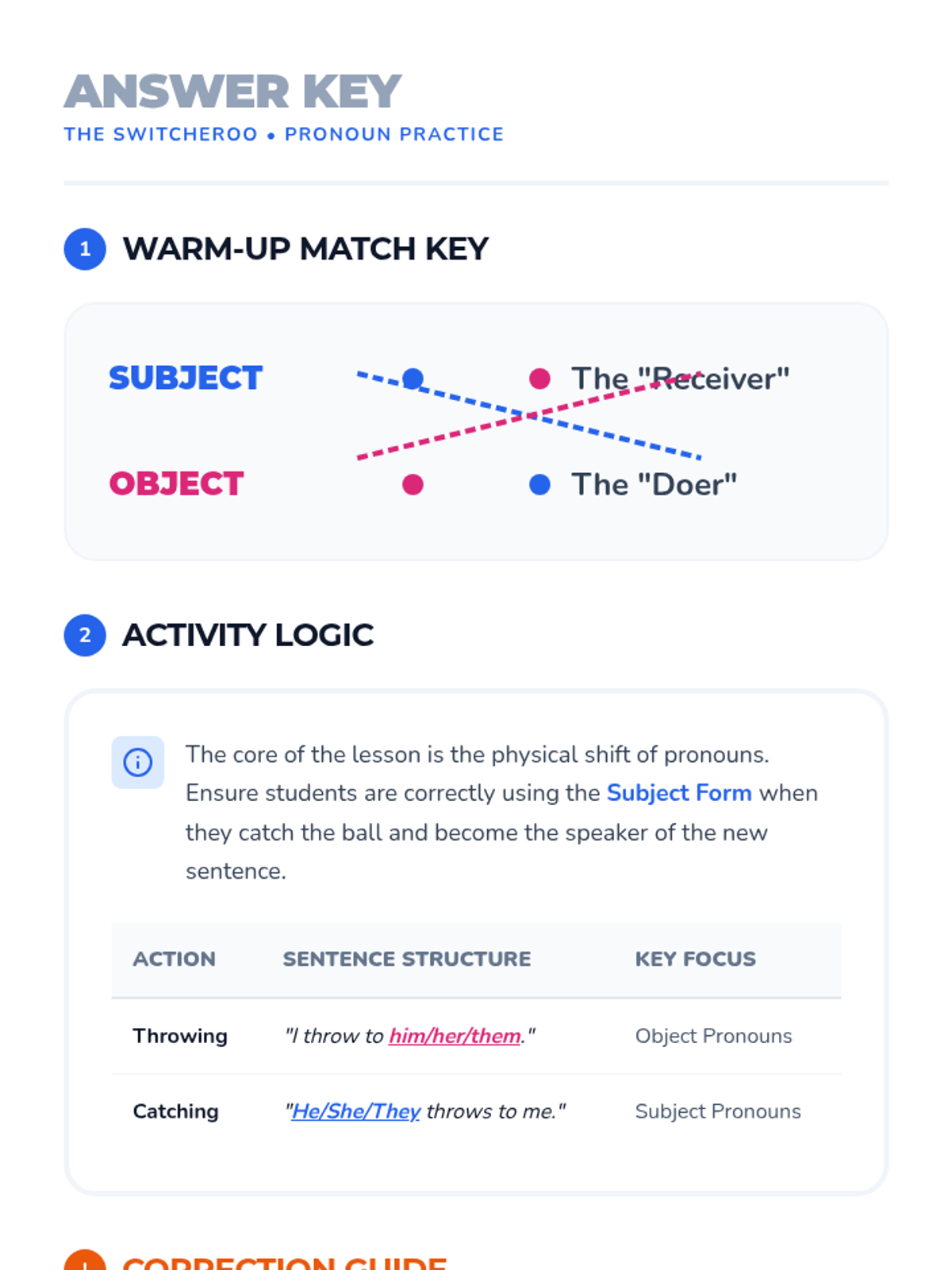
A dynamic lesson for ESL/ELL students to master subject and object pronouns through physical movement and visual examples from Khan Academy. Students practice the 'switcheroo' by tossing a ball and transforming sentences in real-time.
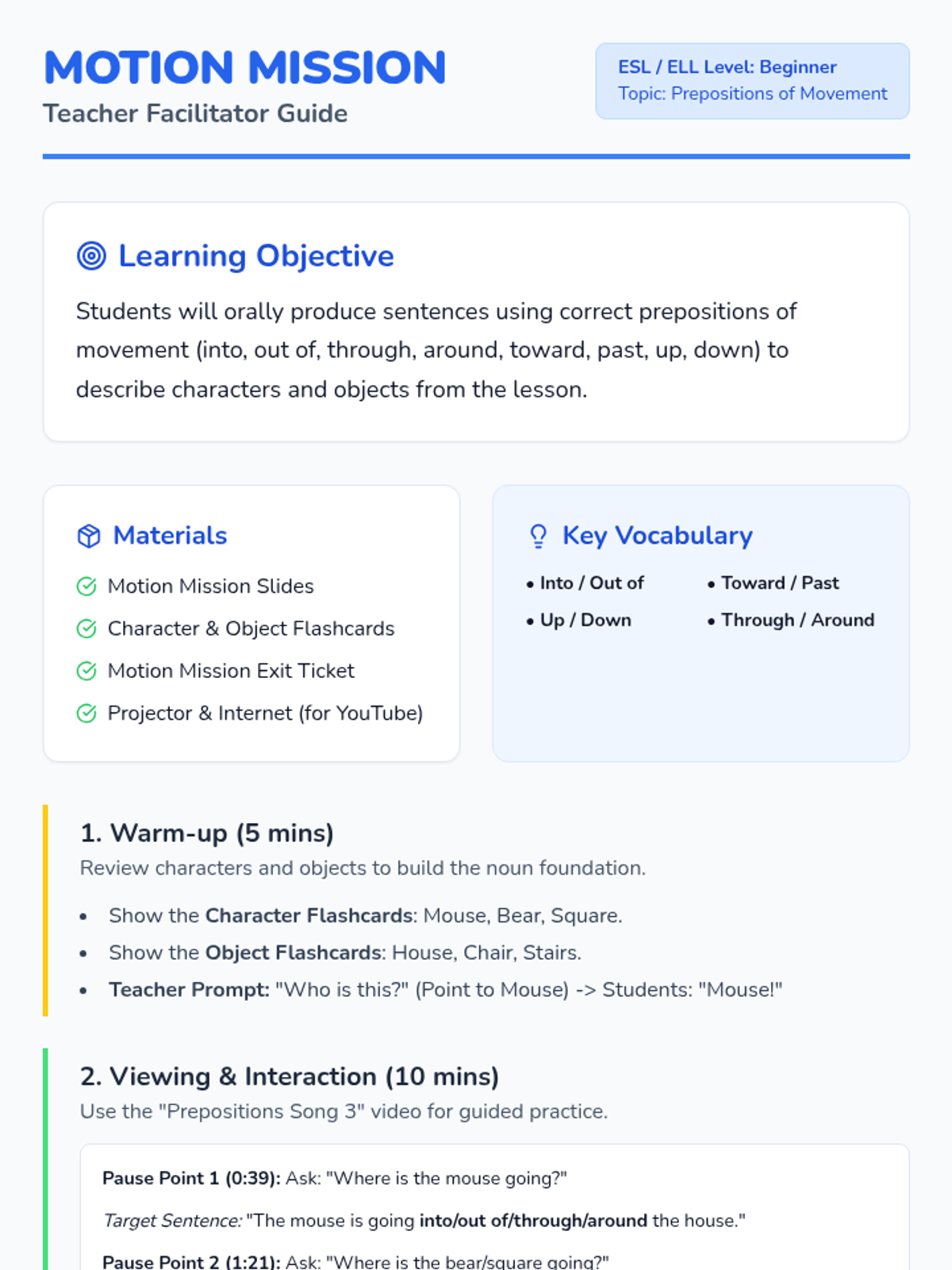
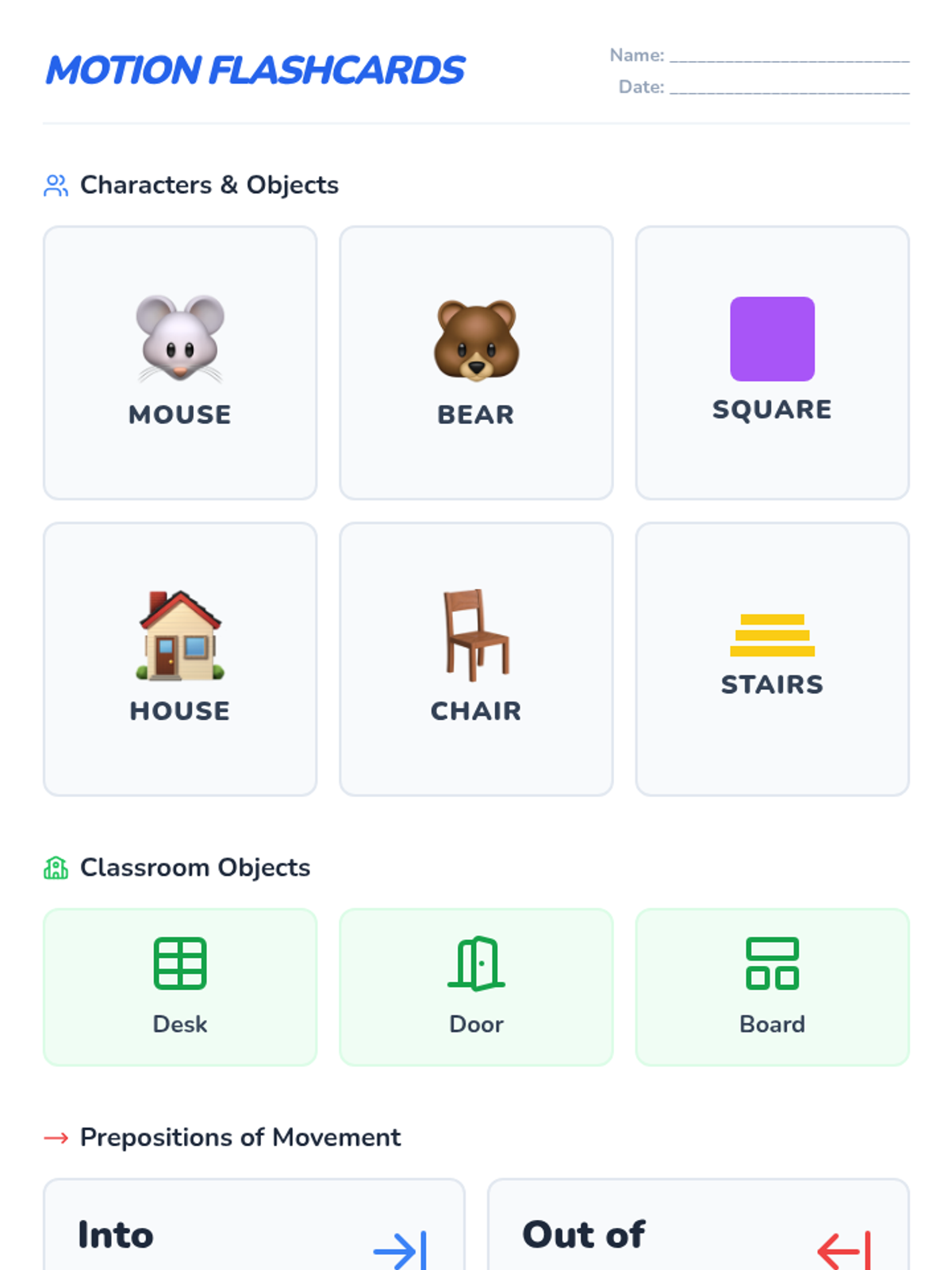
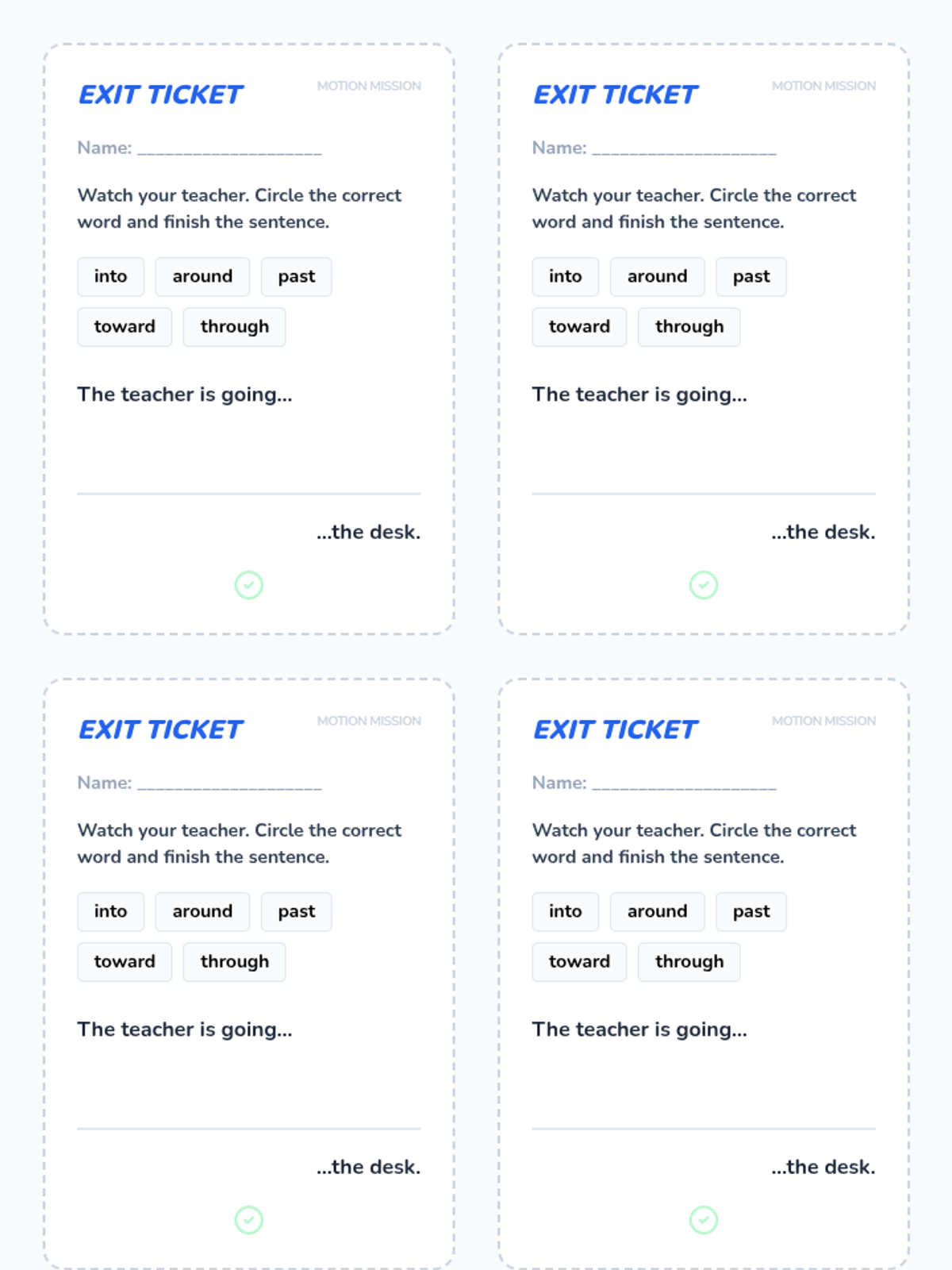
A beginner ESL lesson focused on prepositions of movement through song, character interaction, and physical role play. Students will learn to describe direction using words like into, out of, through, around, toward, past, up, and down.
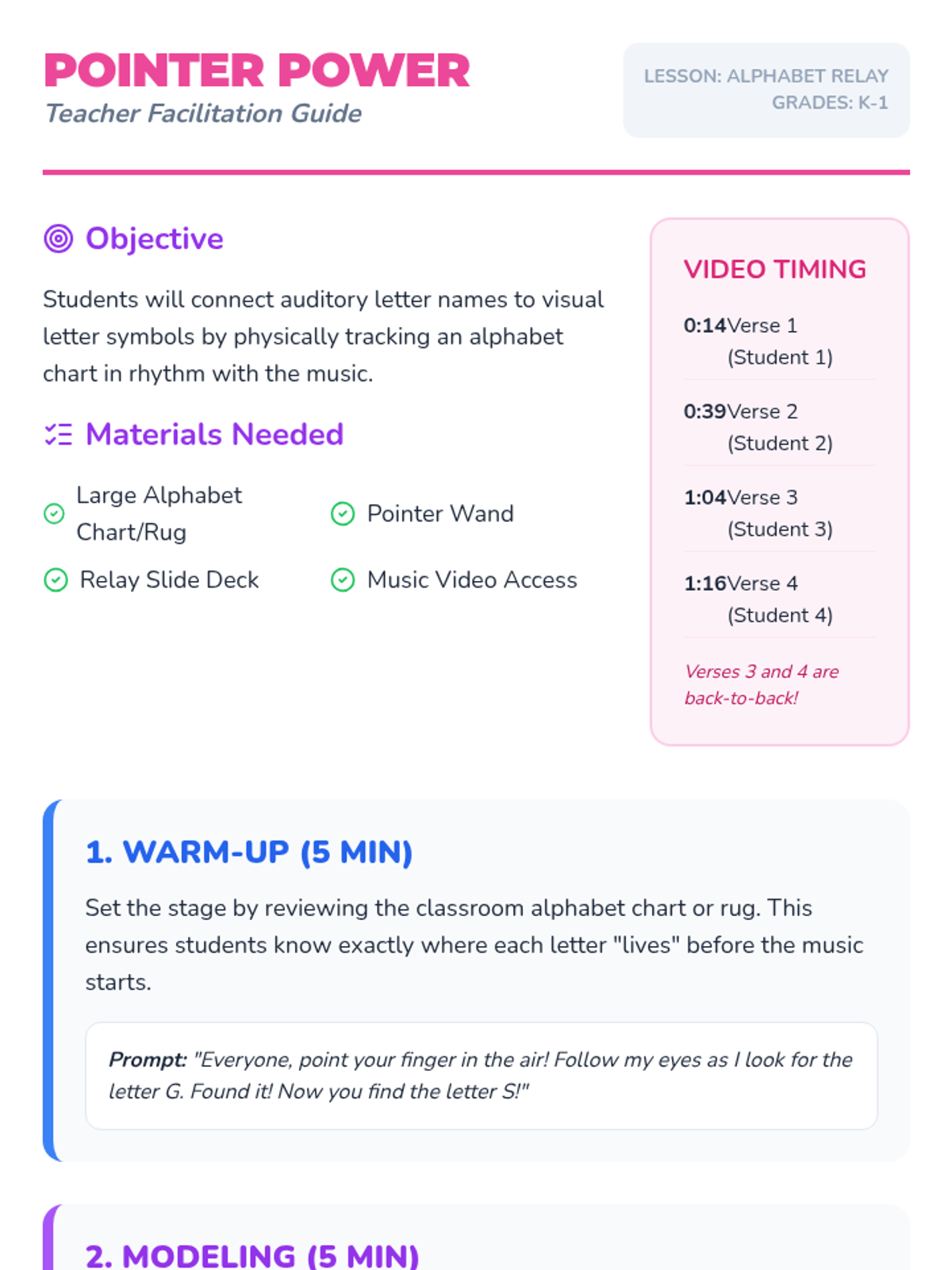
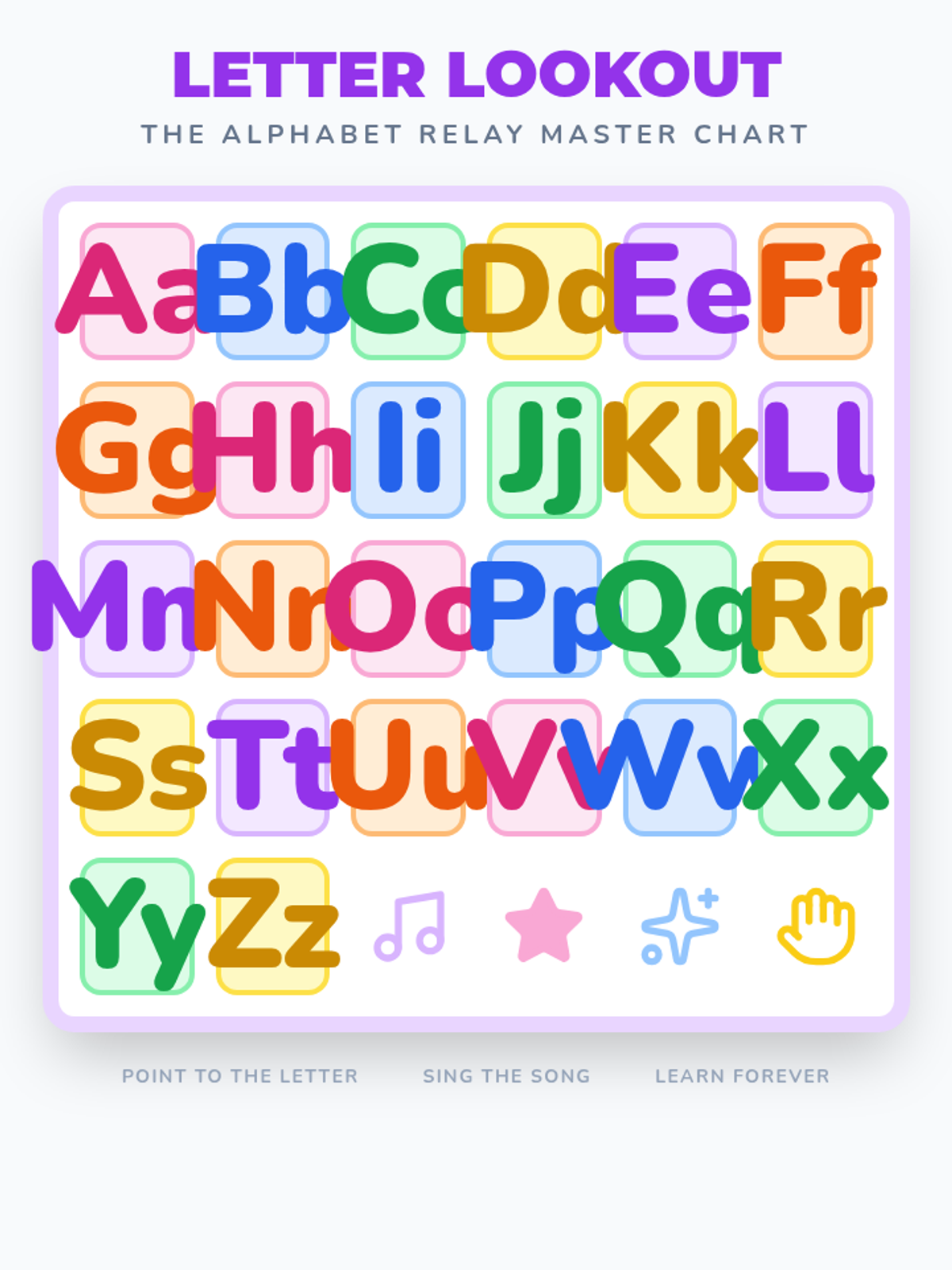
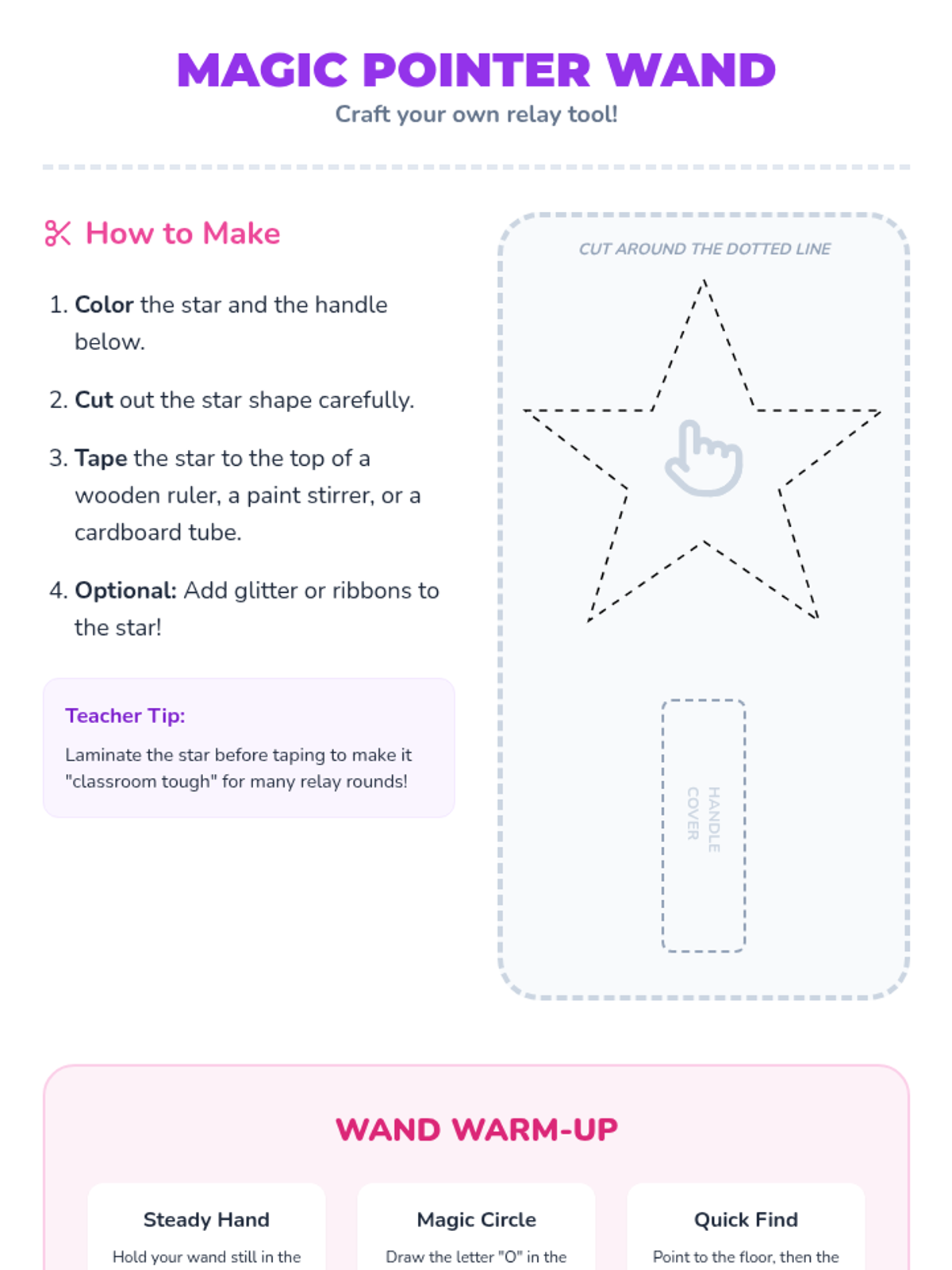
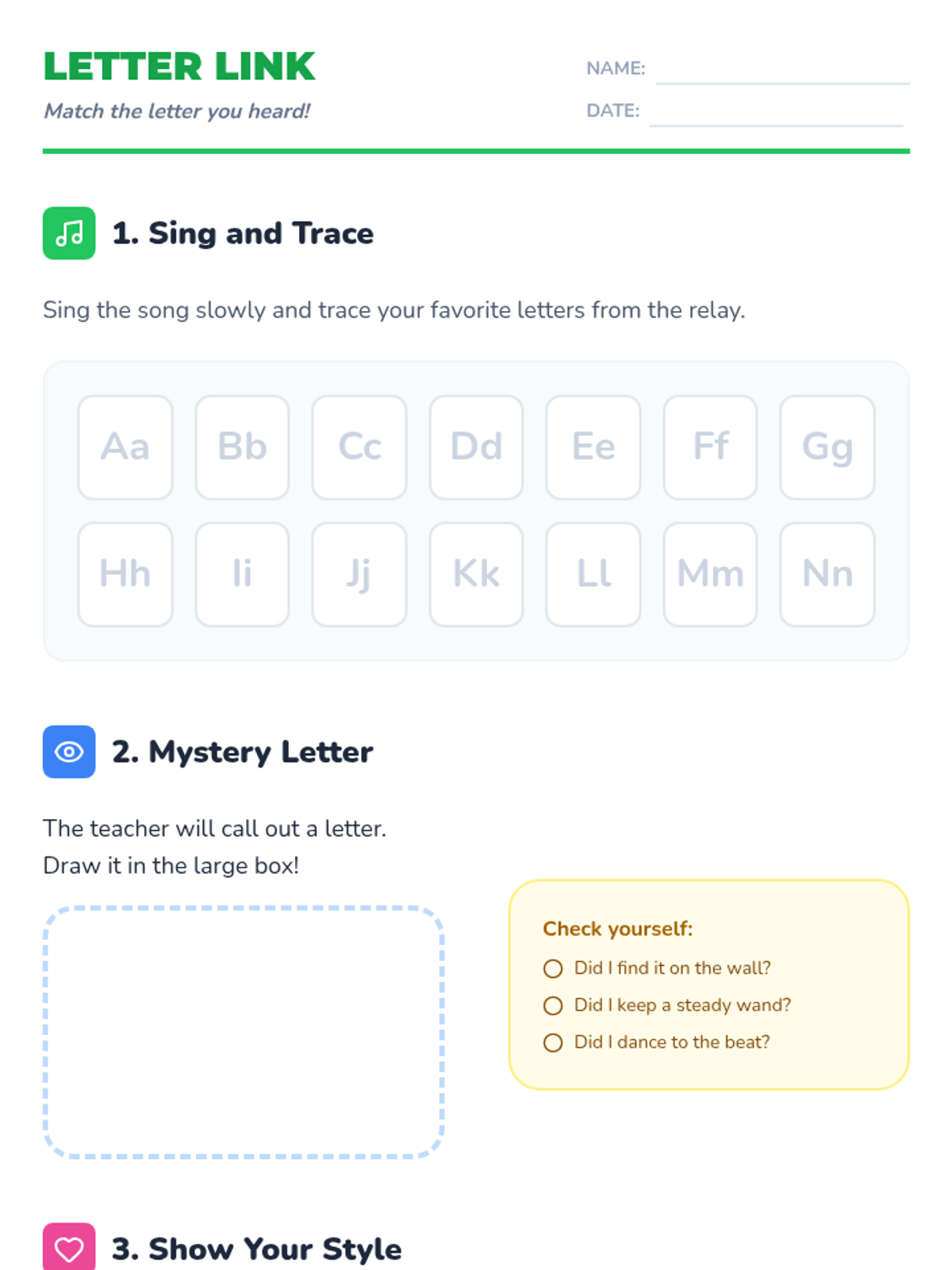
A high-energy Kindergarten lesson where students connect letter names to visual symbols through music and movement. Students use pointers to track letters on a classroom chart in time with a reggae-style alphabet song.
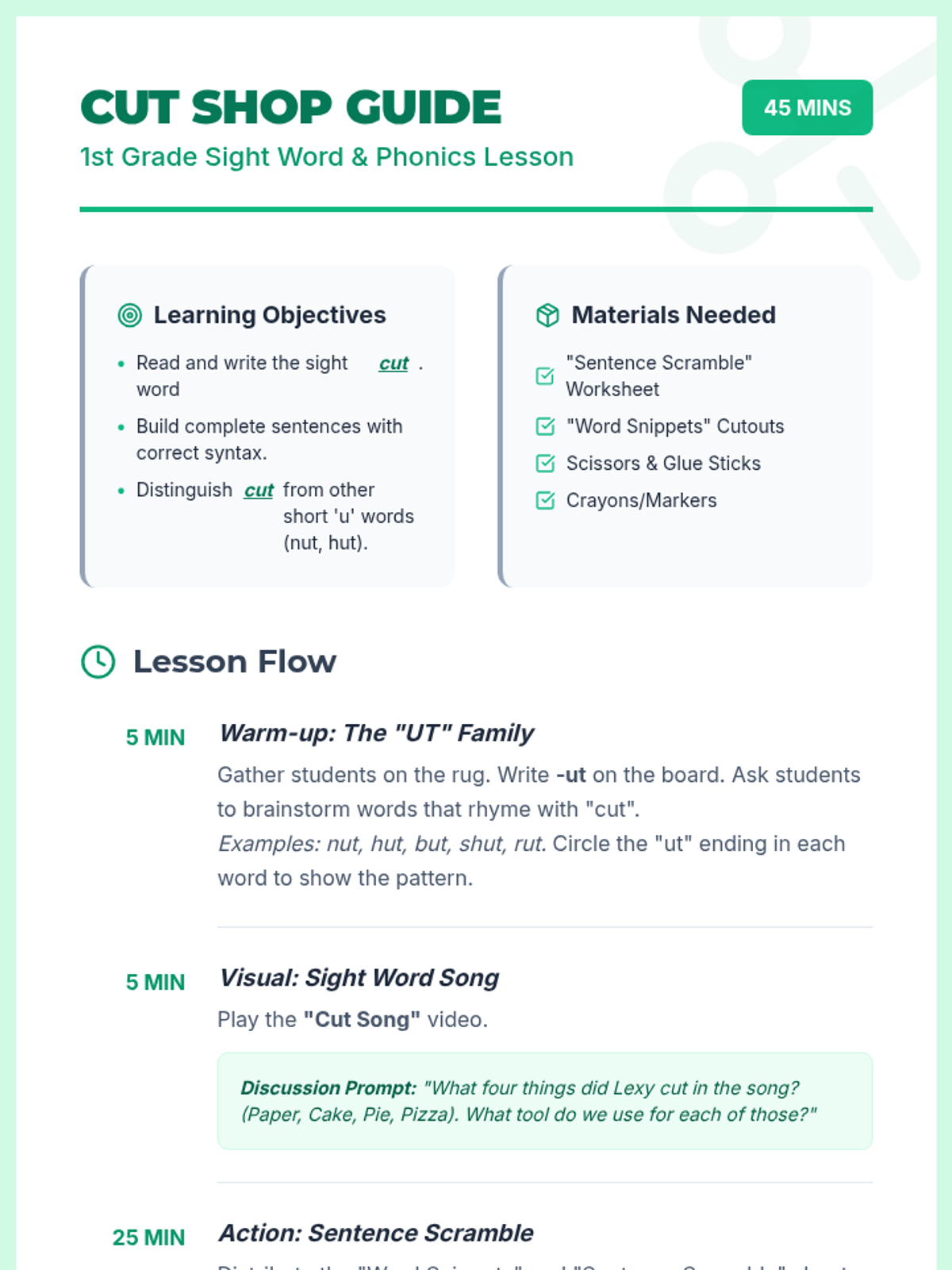
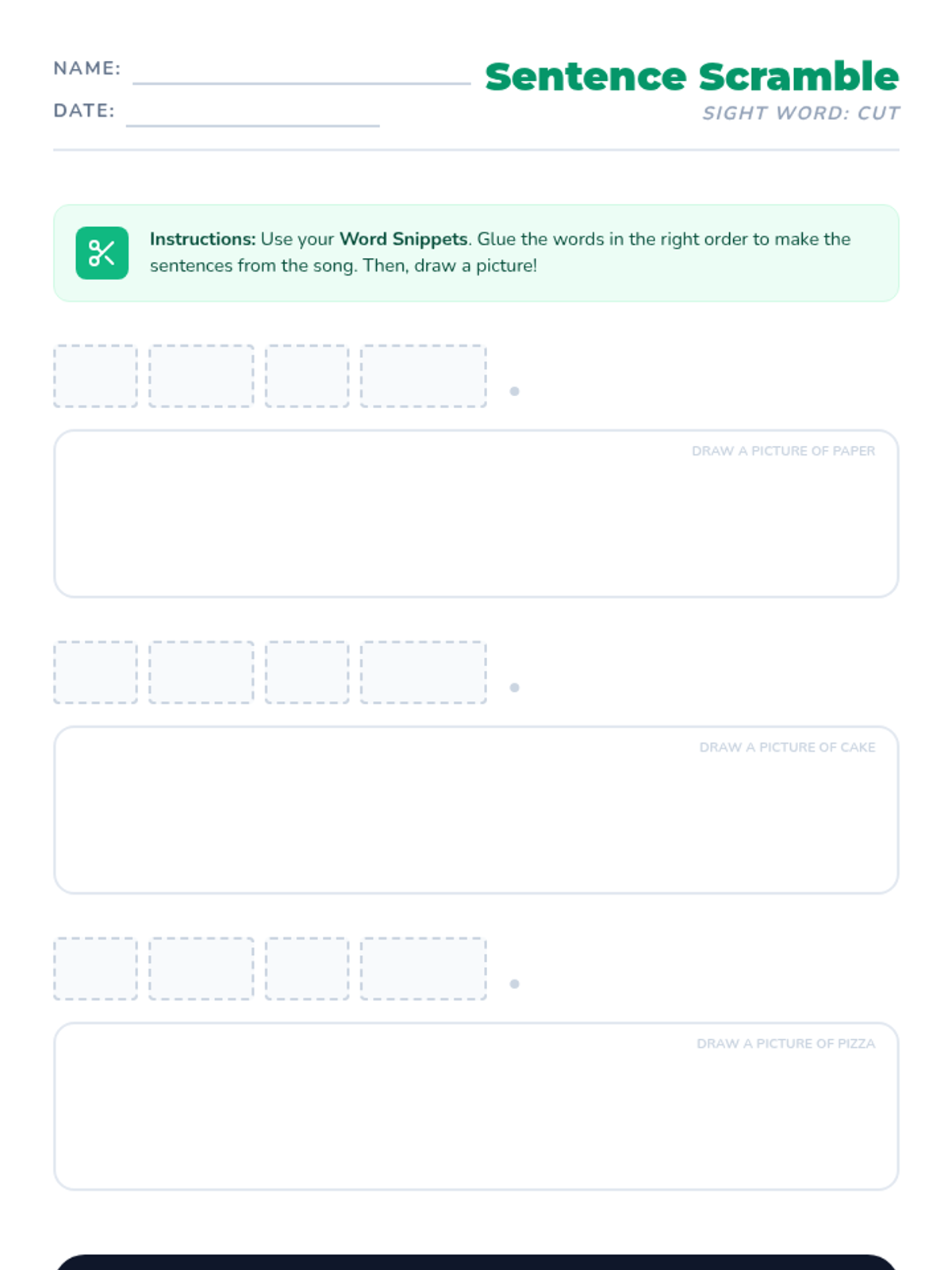
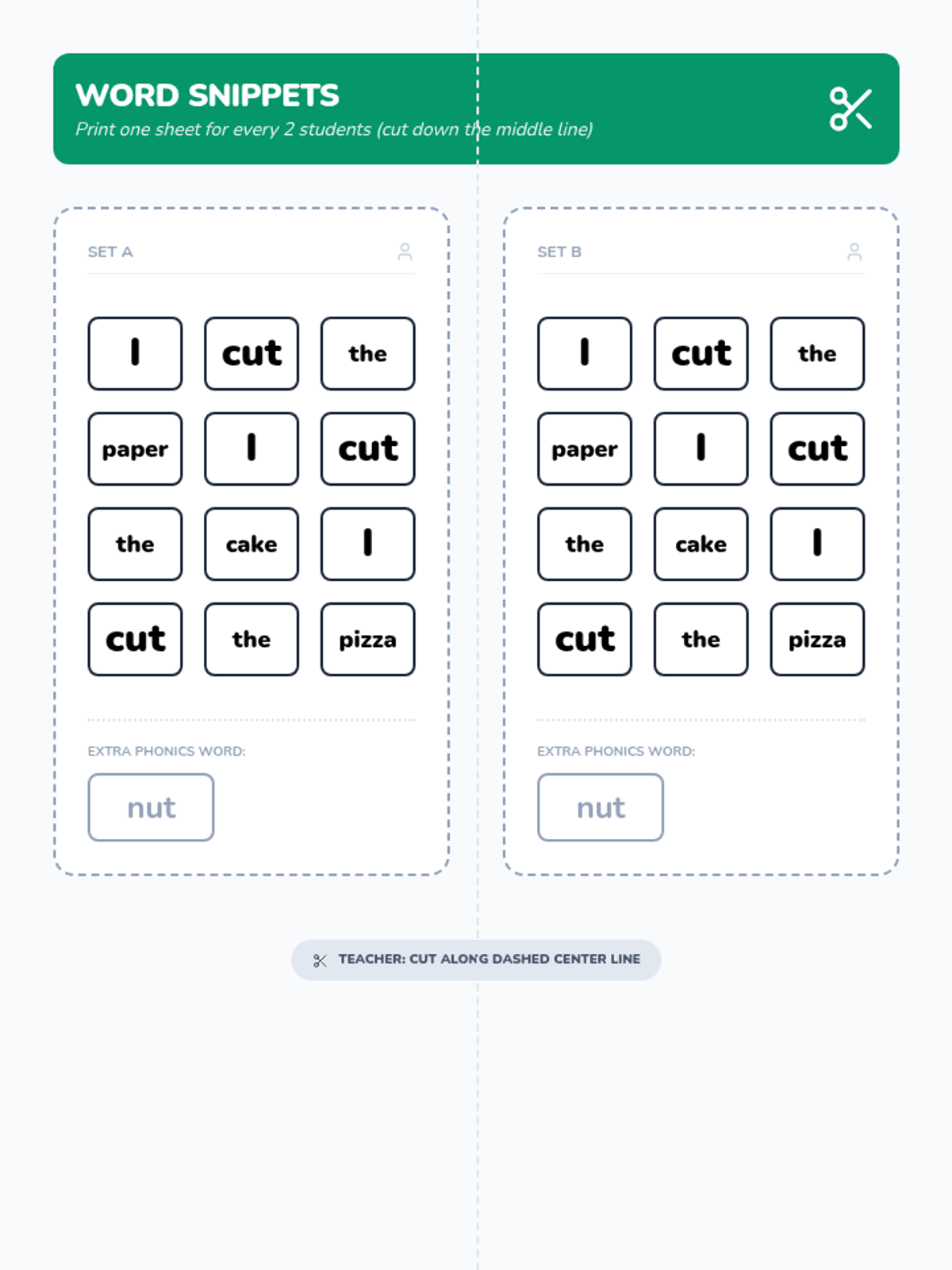
A 1st-grade phonics and sight word lesson focused on the word 'cut' and the 'ut' word family, featuring a catchy song and a hands-on sentence scramble activity.
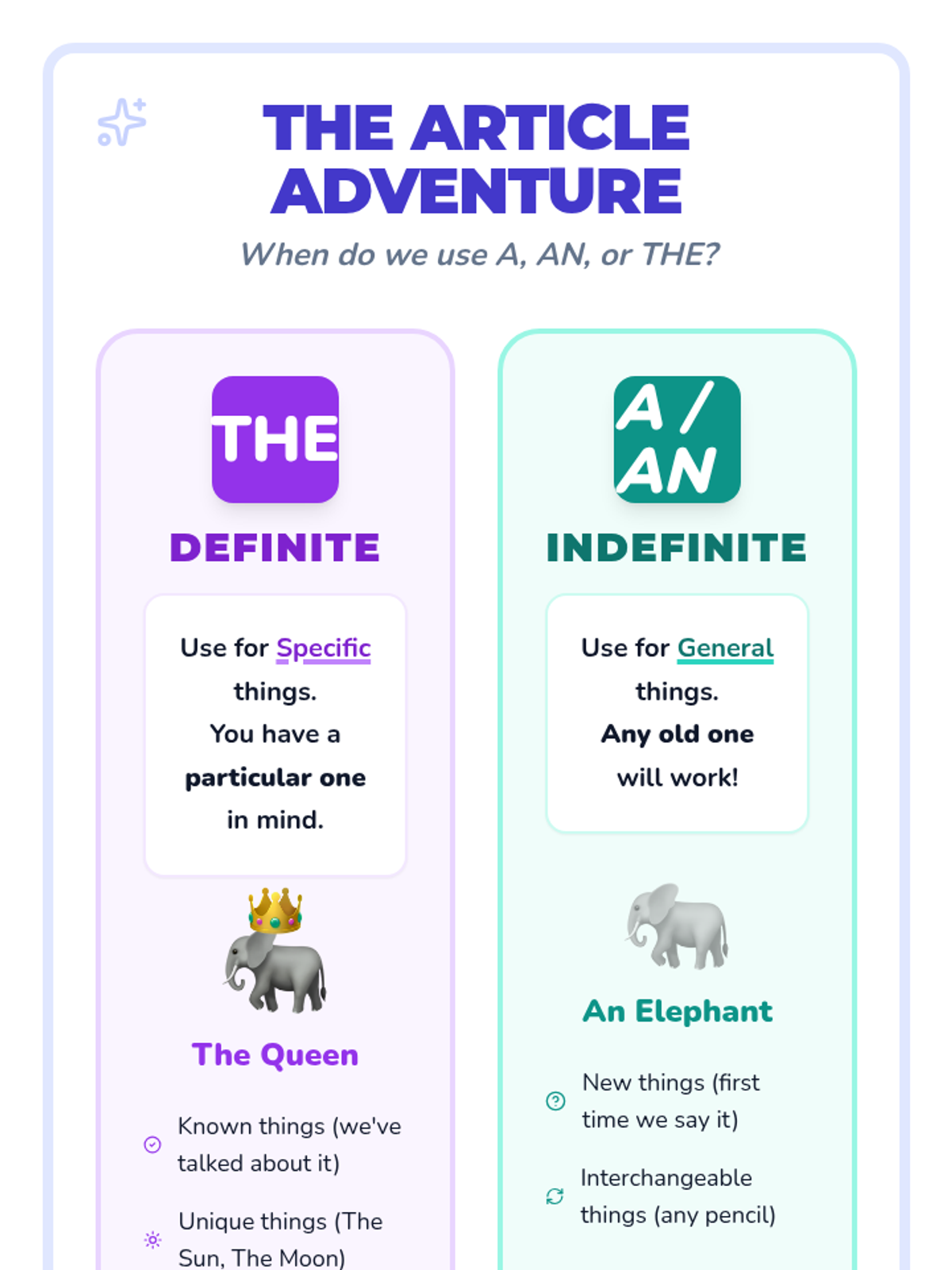
An introductory lesson using a visual 'tale of two elephants' to distinguish between specific (the) and general (a/an) nouns.
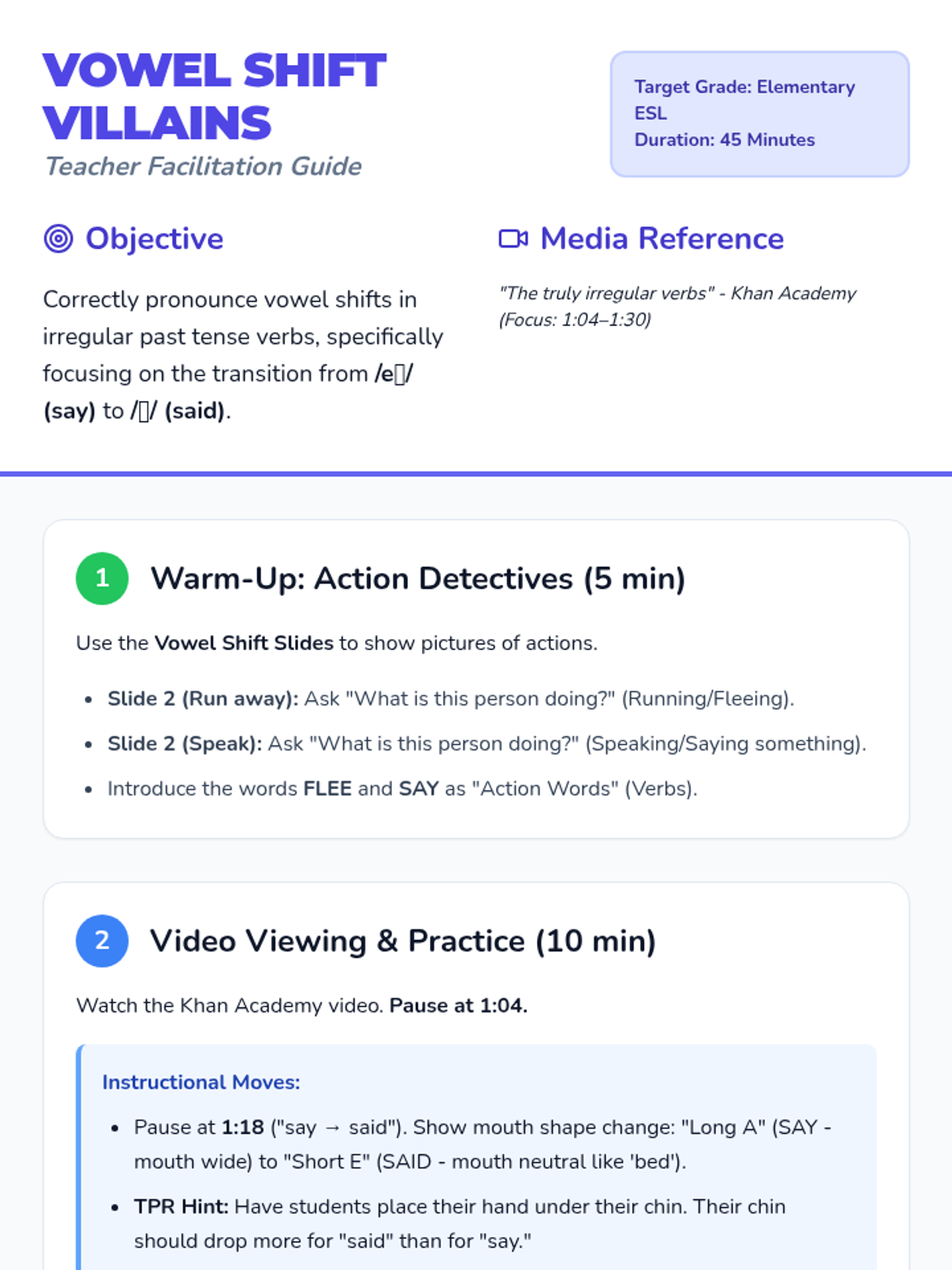
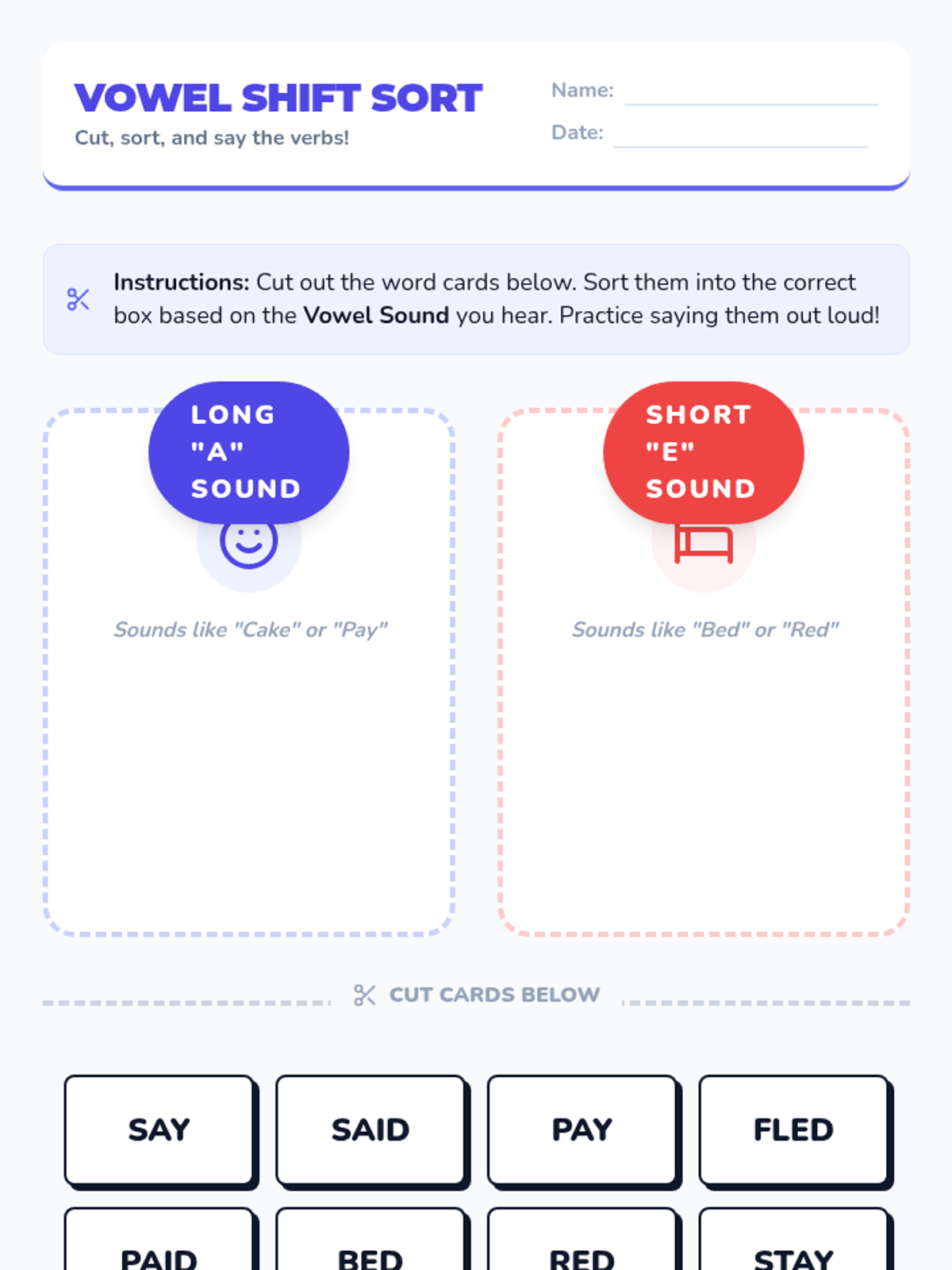
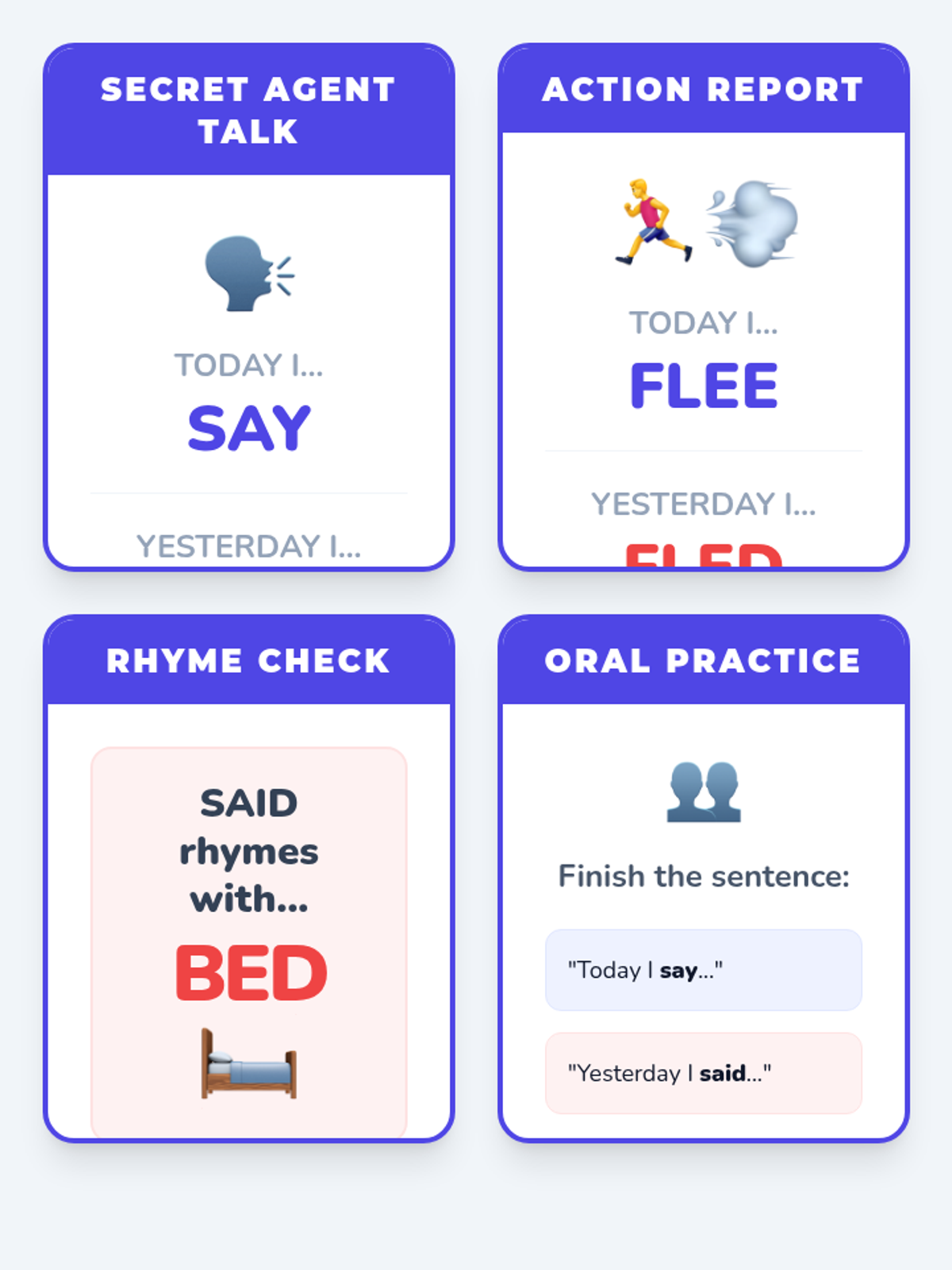
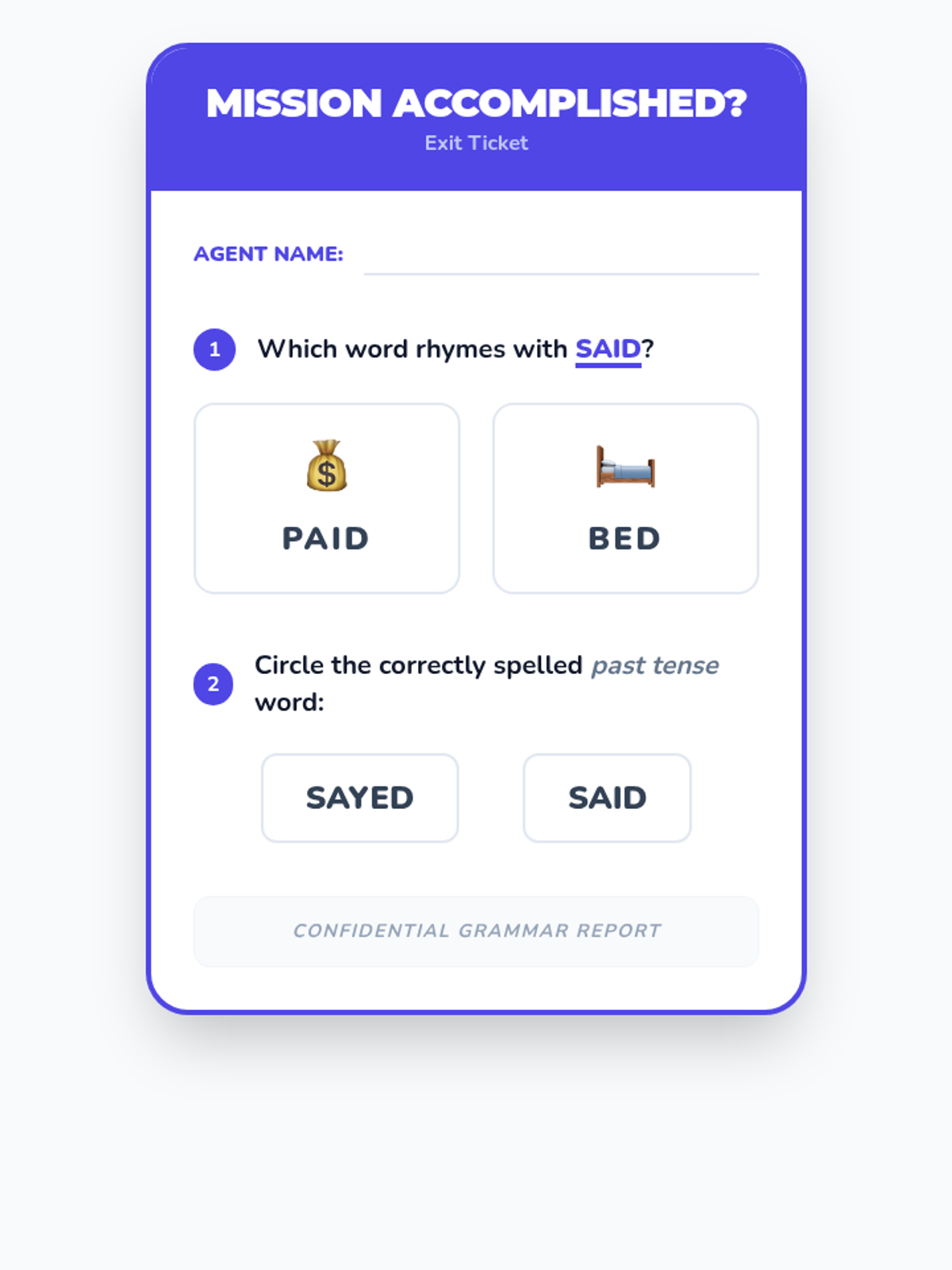
This lesson focuses on vowel shifts in irregular past tense verbs, specifically the 'say' to 'said' and 'flee' to 'fled' transitions, helping Elementary ESL students master tricky pronunciations through visual aids, sorting, and partner practice.
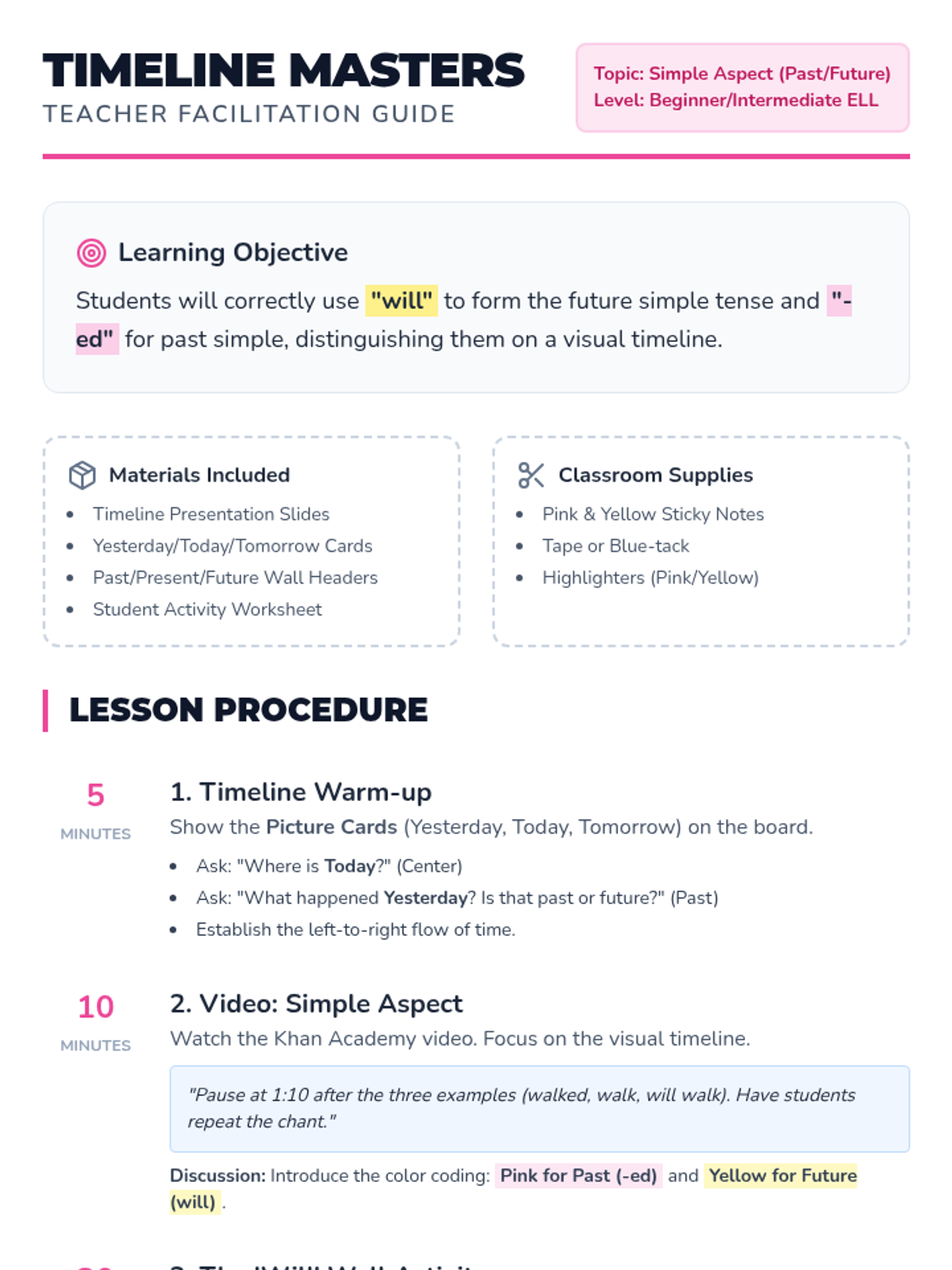
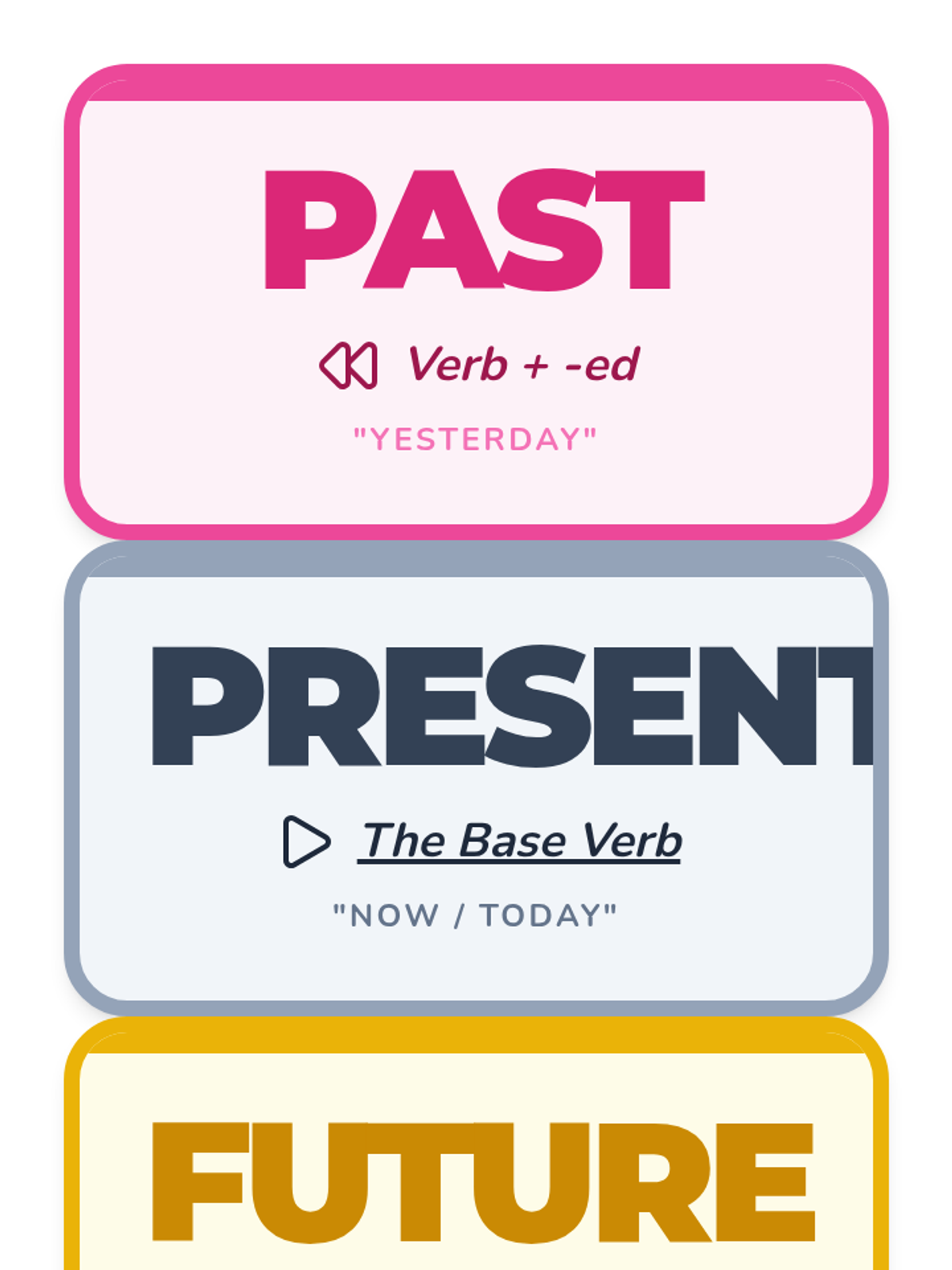
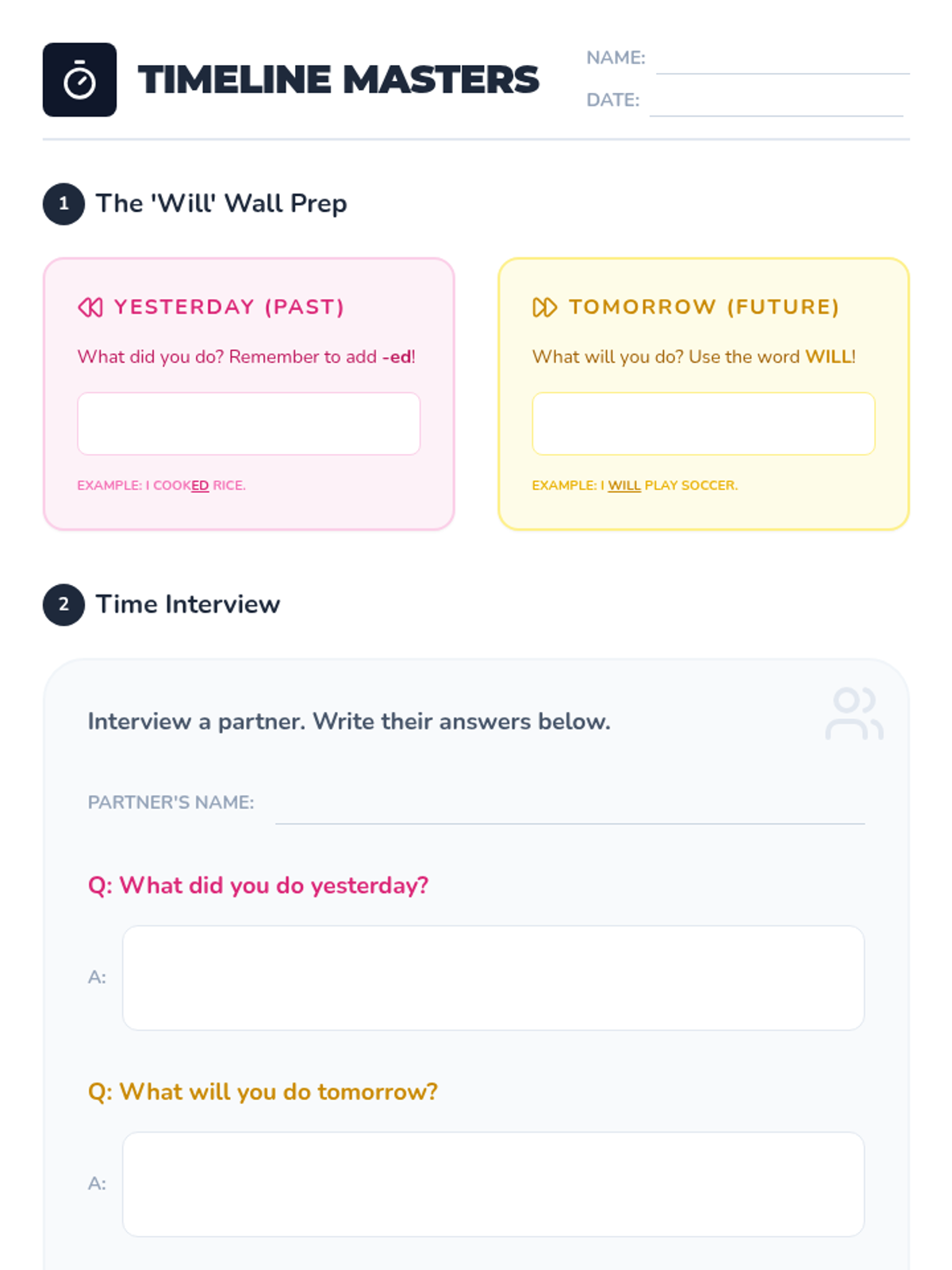
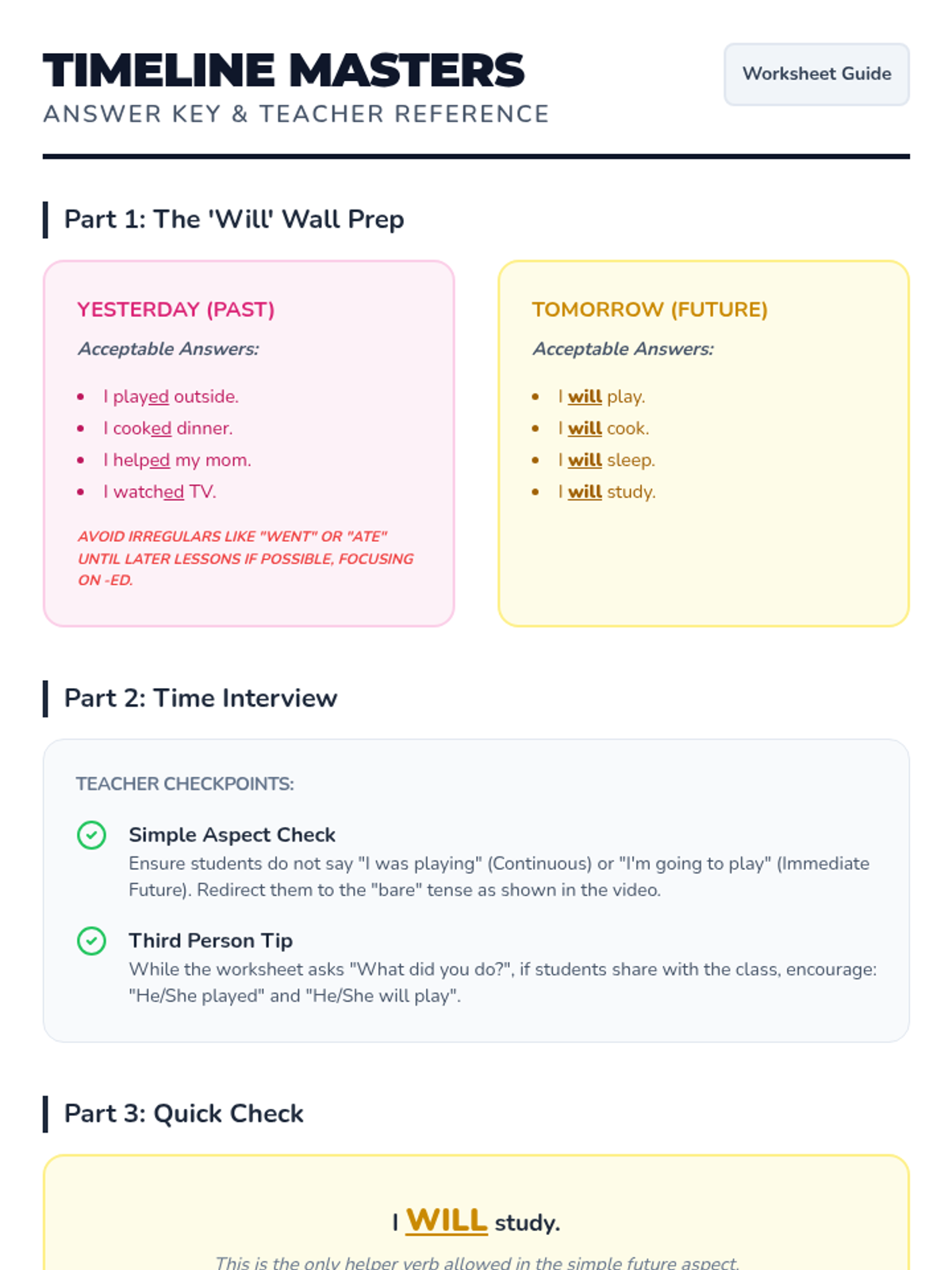
A comprehensive lesson for Beginner/Intermediate ELLs focusing on the Simple Aspect (Past and Future). Students will explore the timeline of language through visual aids, a Khan Academy video, and interactive "Will Wall" activities.
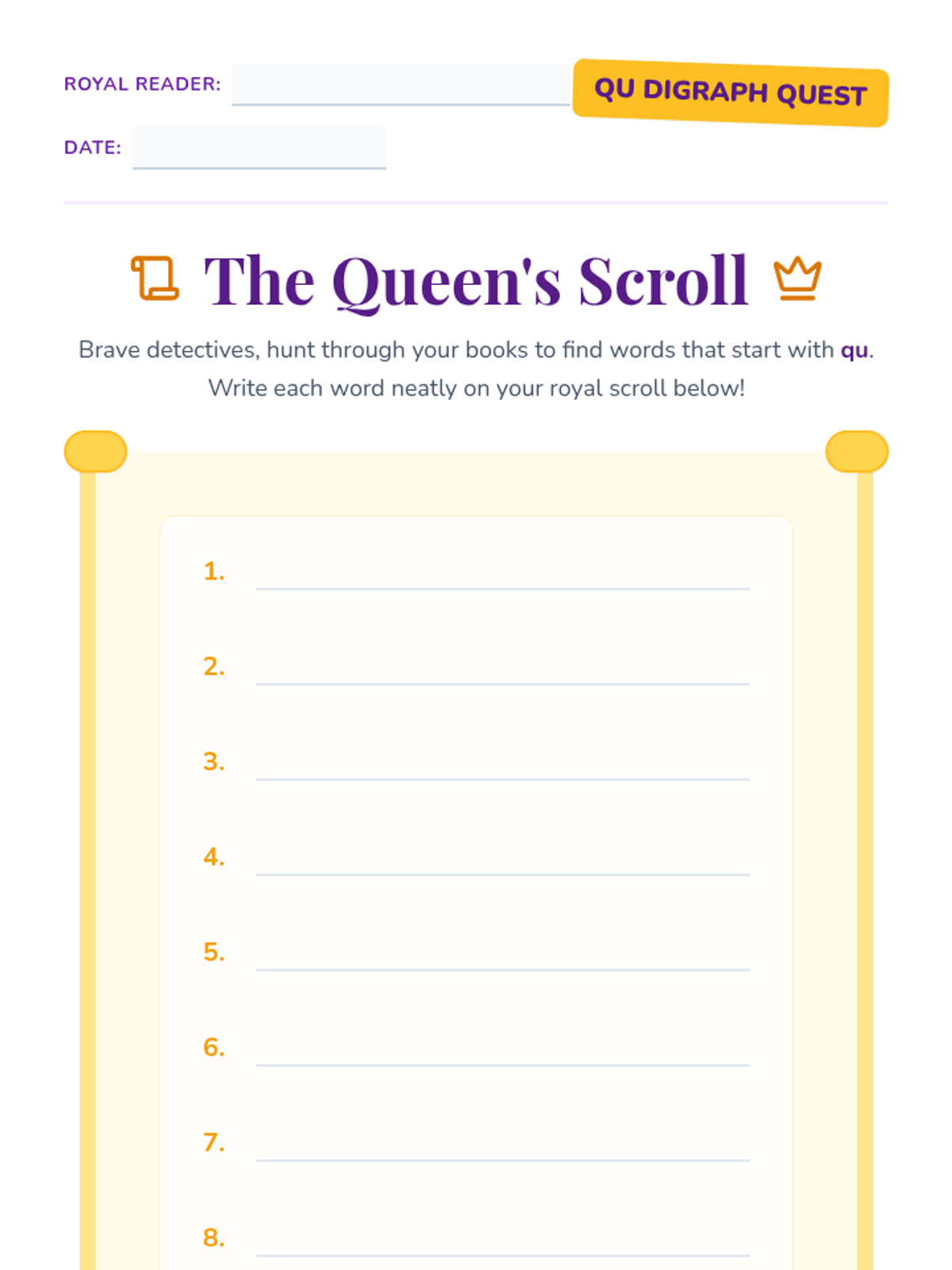
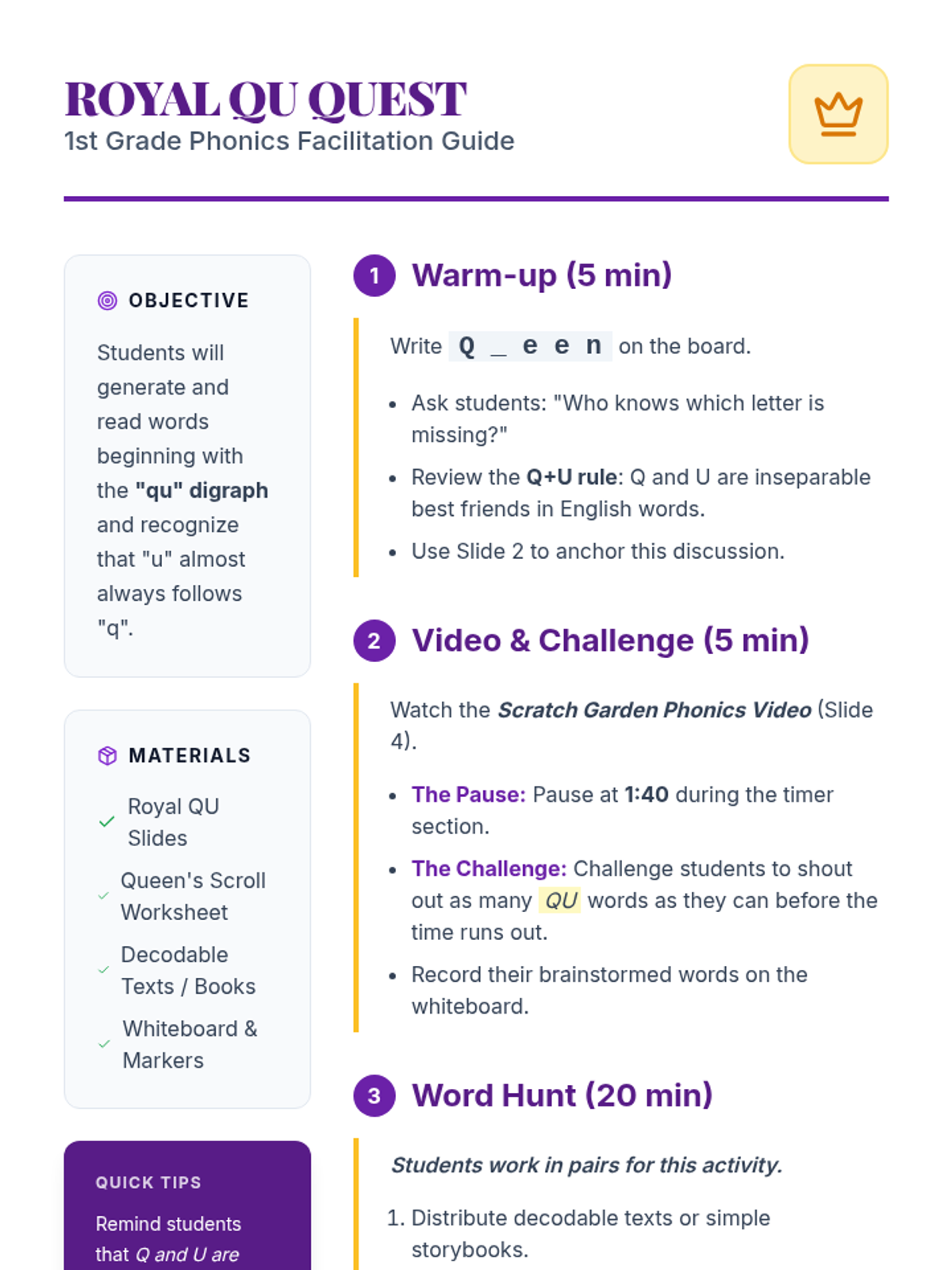
A royal-themed phonics lesson for 1st graders to master the 'qu' digraph through a video-based challenge and a 'Queen's Scroll' word hunt activity.
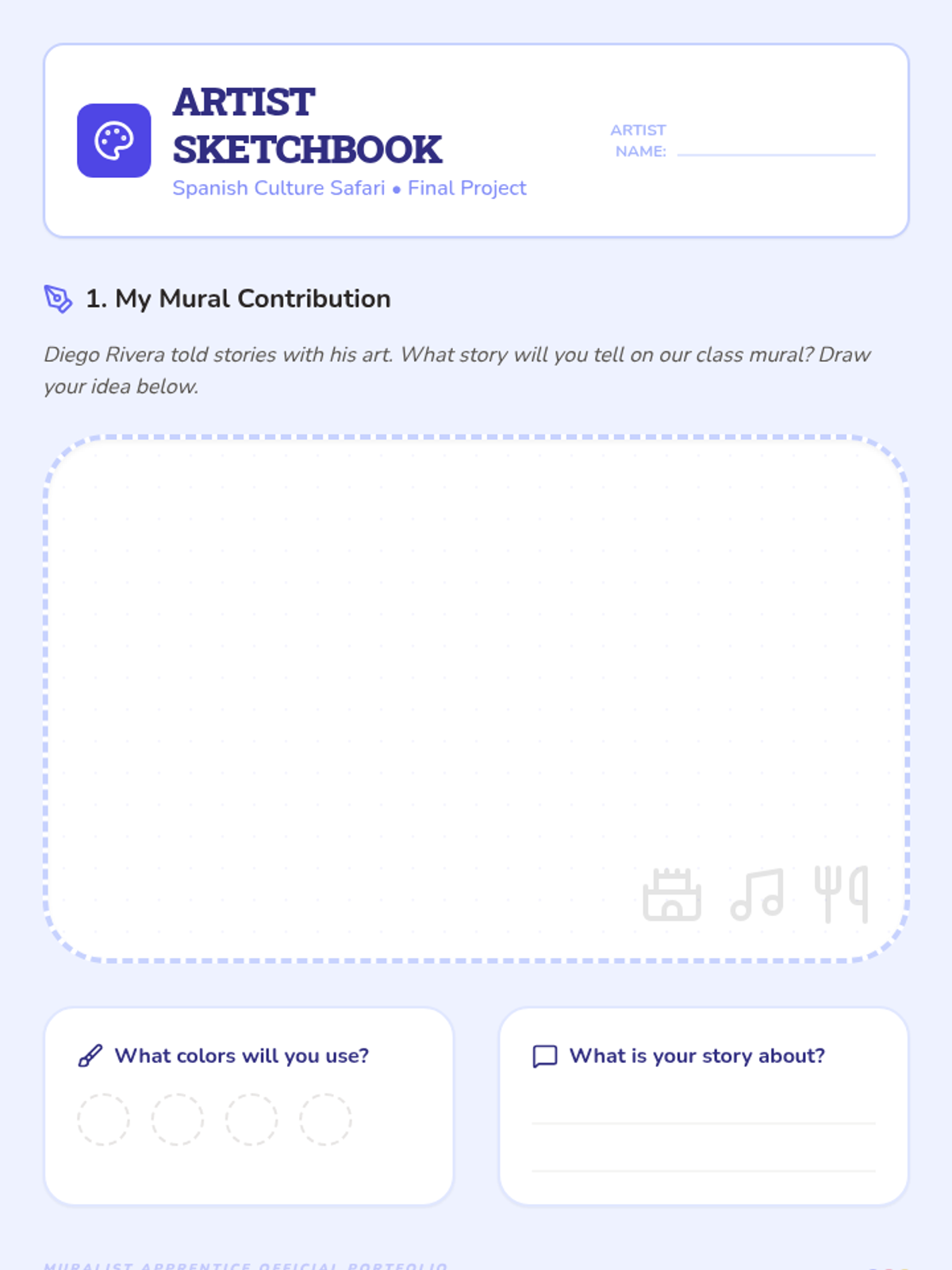
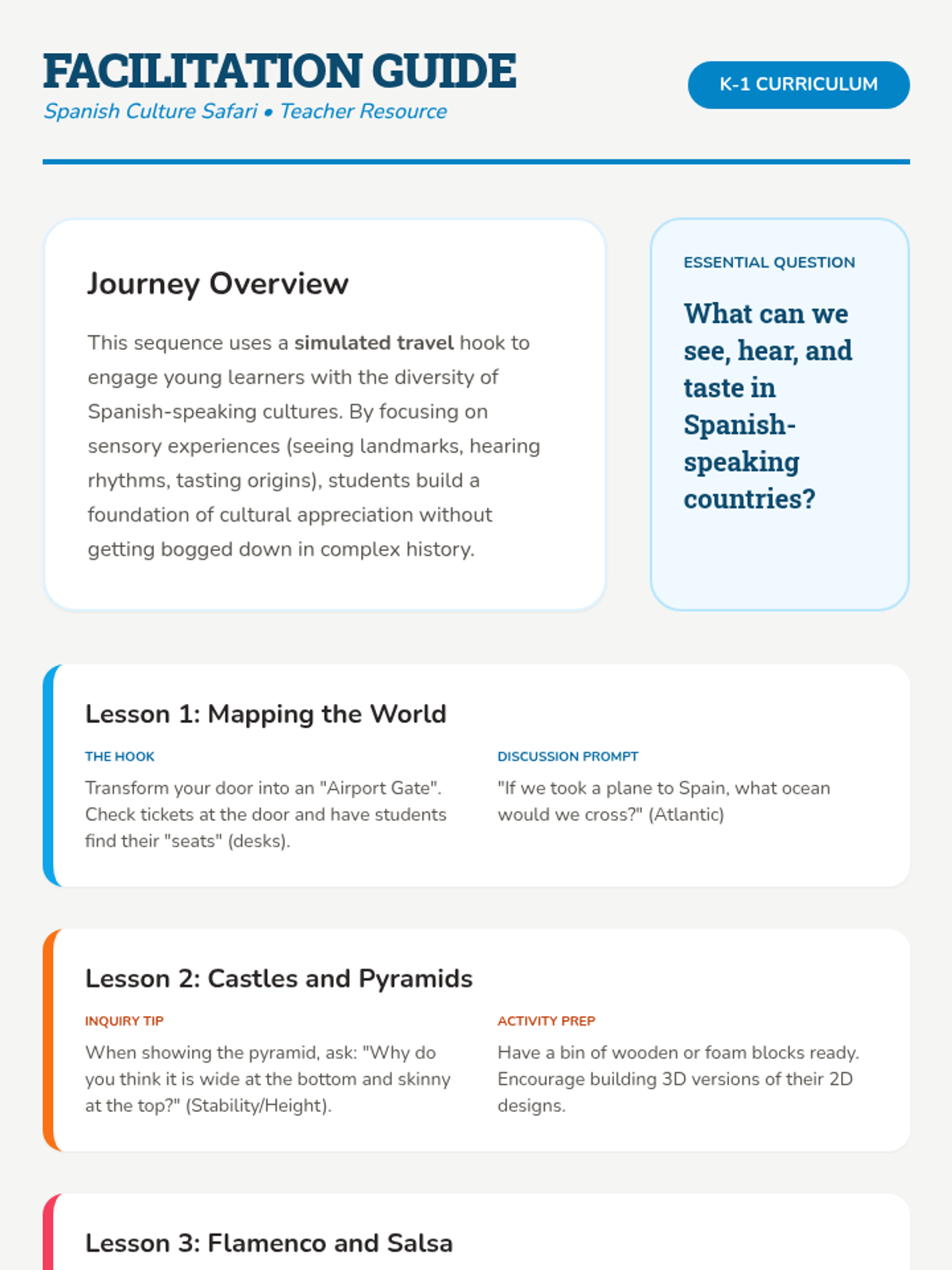
A focus on muralism and telling stories through art. Students collaborate to create a class mural reflecting their learning from the sequence.
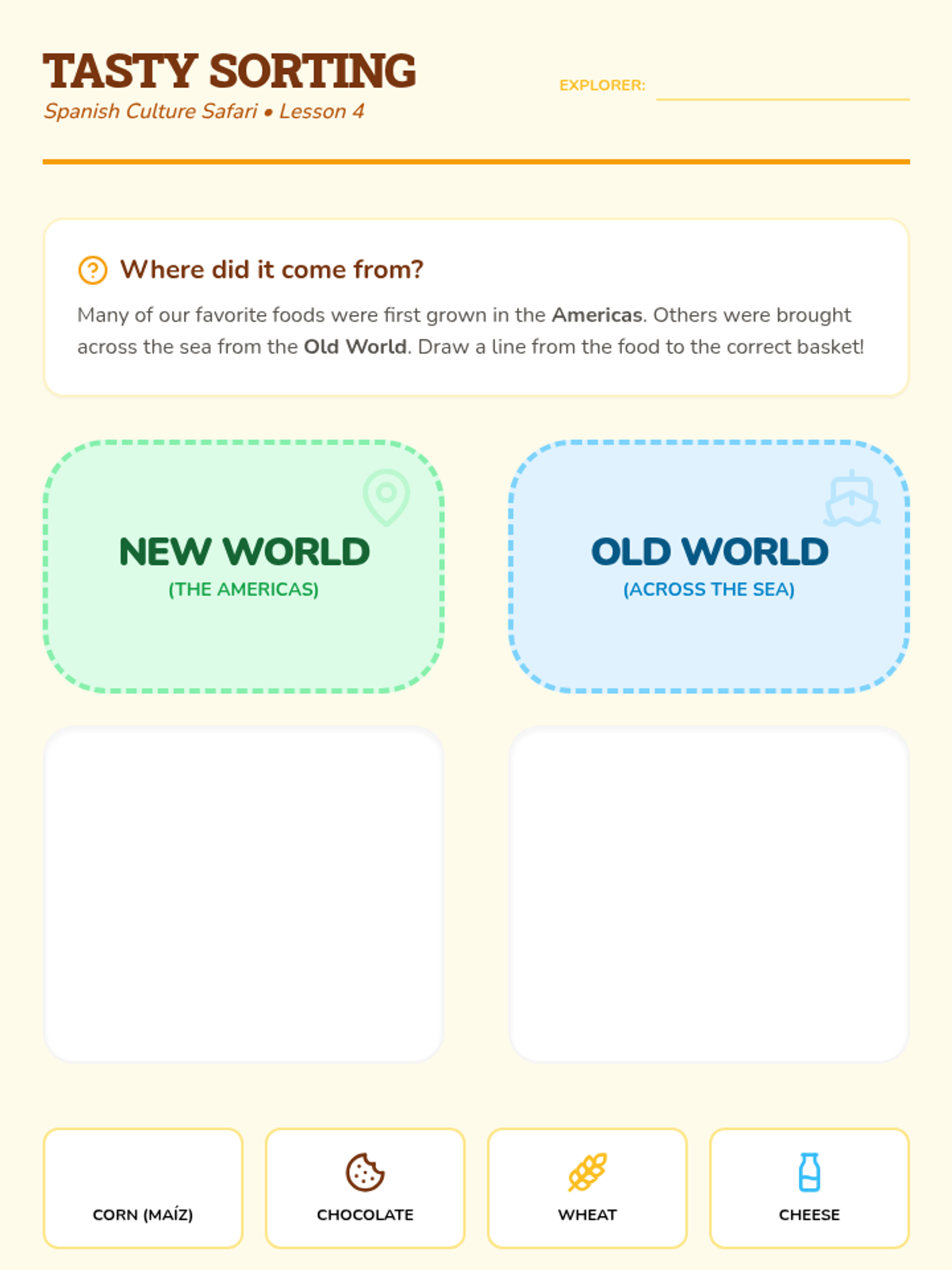
Students investigate native ingredients like corn, tomatoes, and cacao. They learn about the origins of popular foods and how they bring people together.
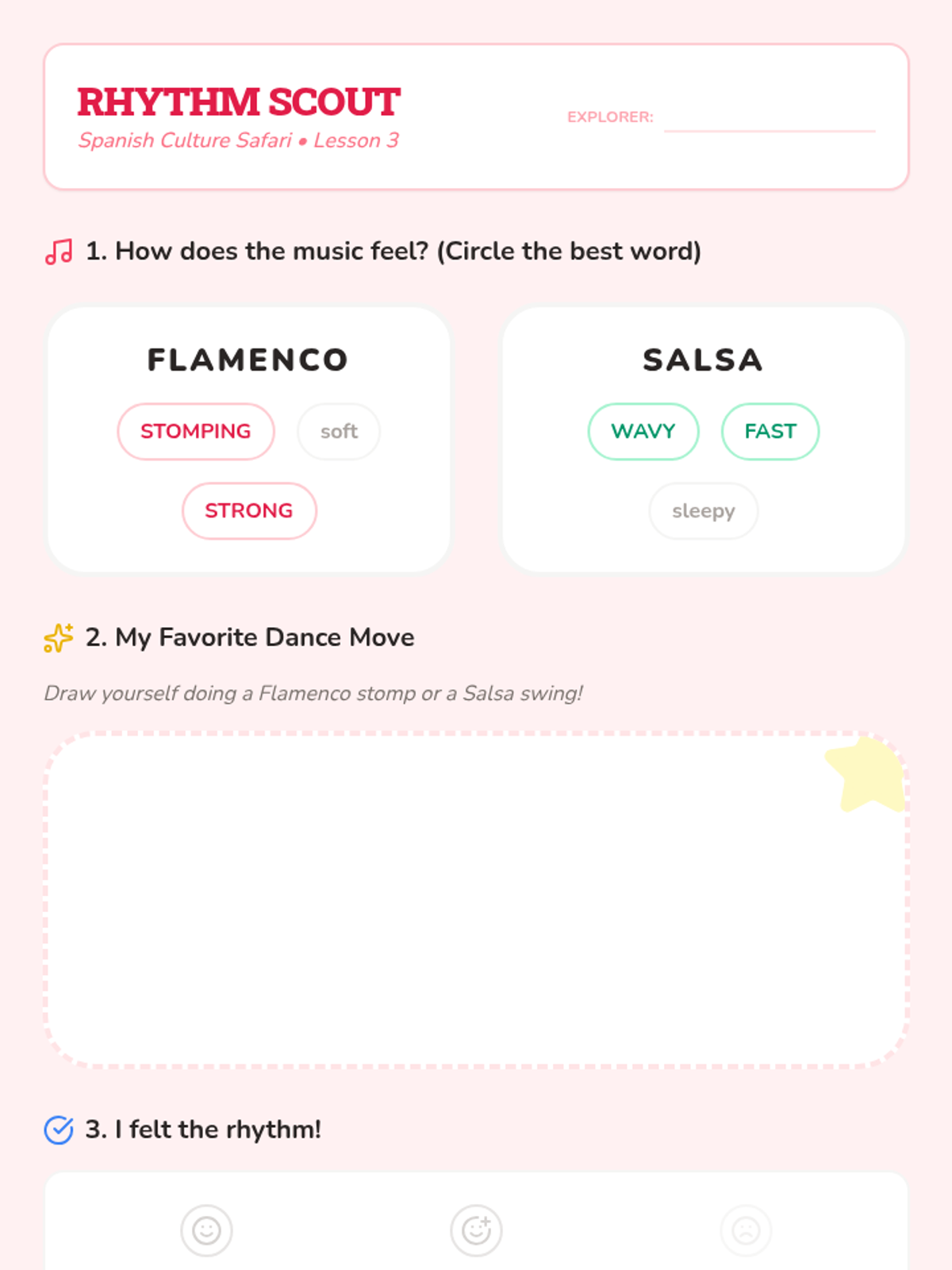
An exploration of Flamenco and Salsa. Students compare rhythms and movements, learning how music tells a story of cultural heritage.
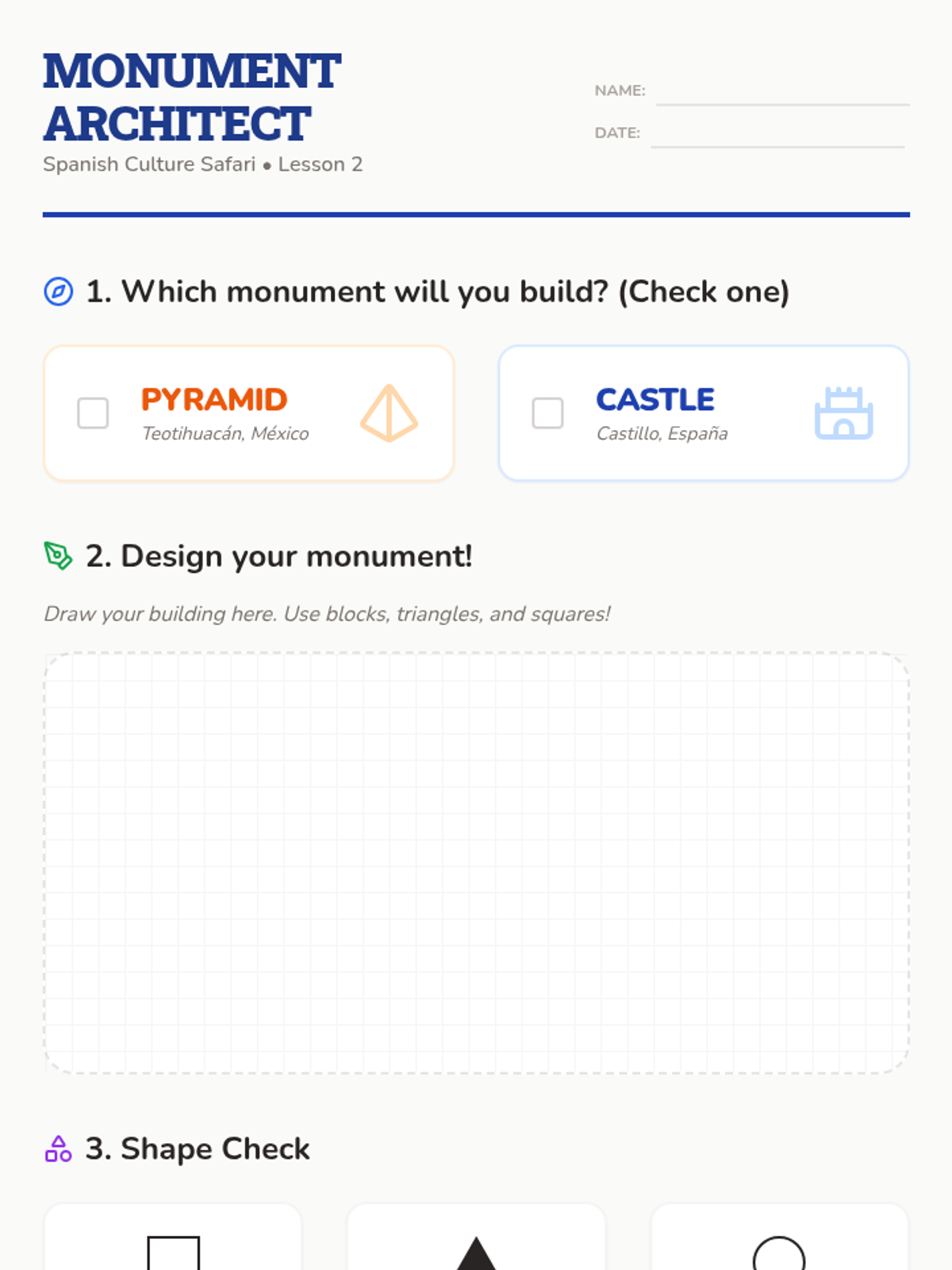
A look at iconic structures like pyramids and castles. Students observe shapes and materials used in architecture across the Spanish-speaking world.
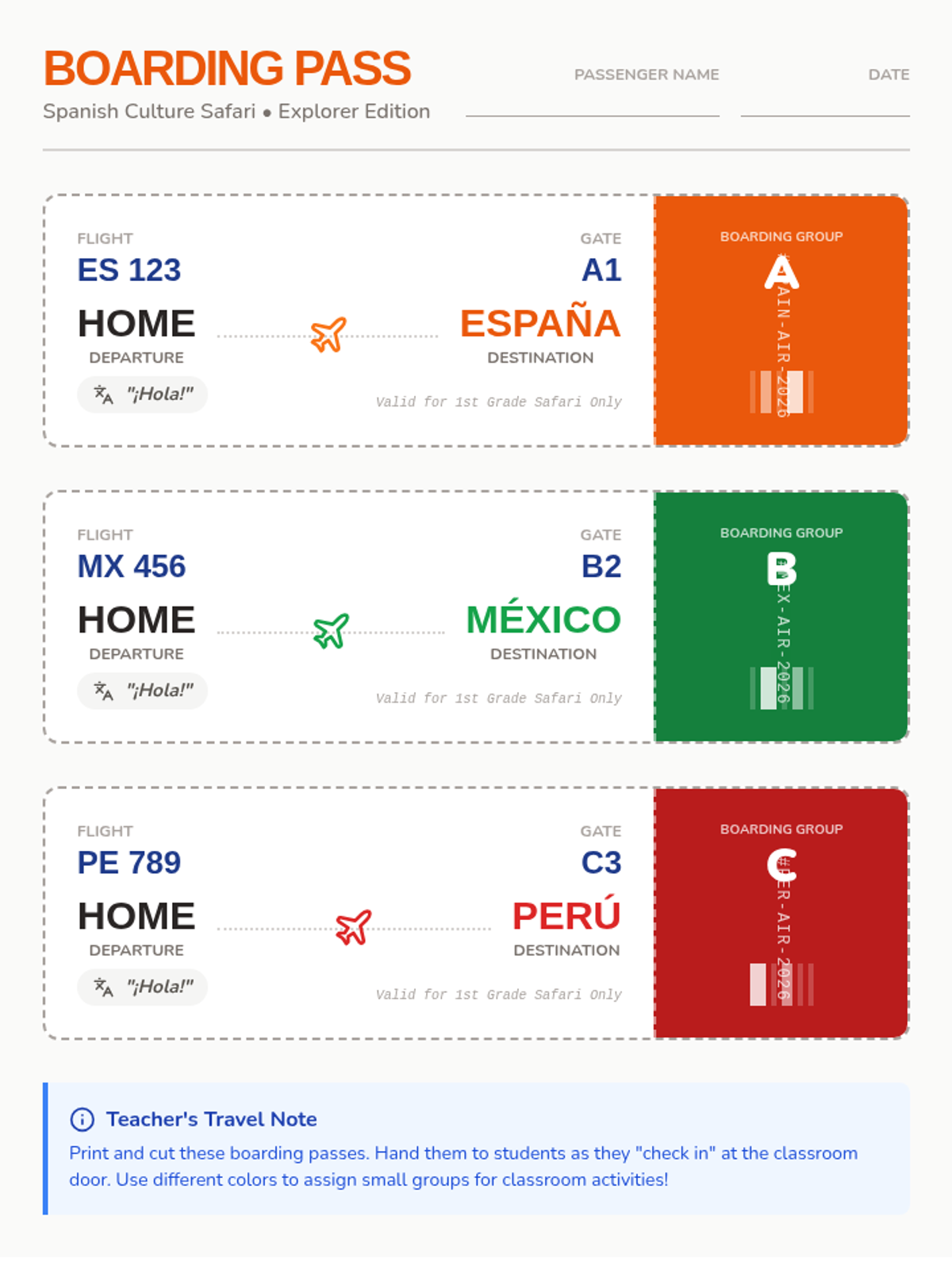
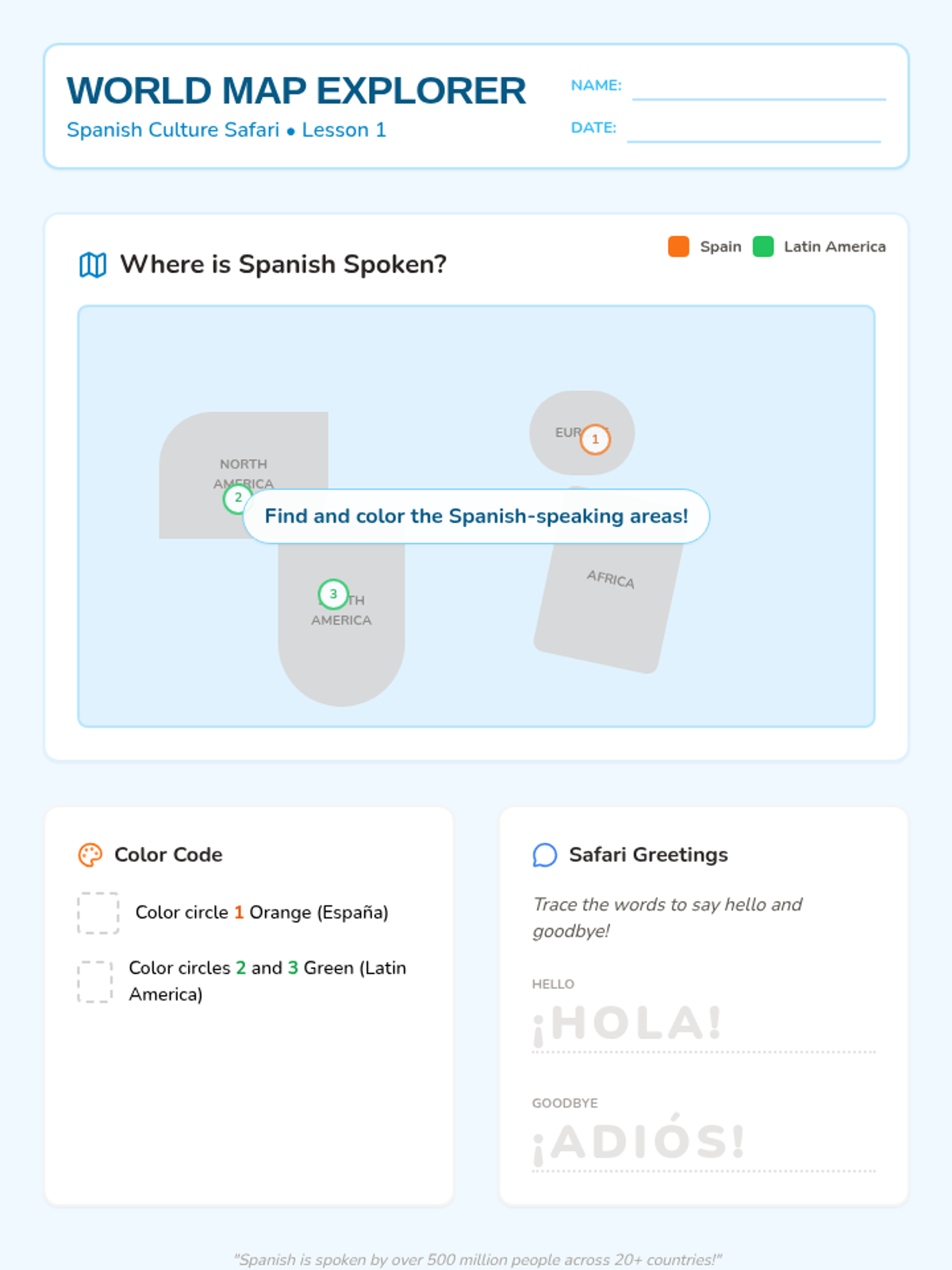
Students are introduced to the globe and identify where Spanish is spoken. They receive boarding passes and learn basic greetings to start their cultural journey.
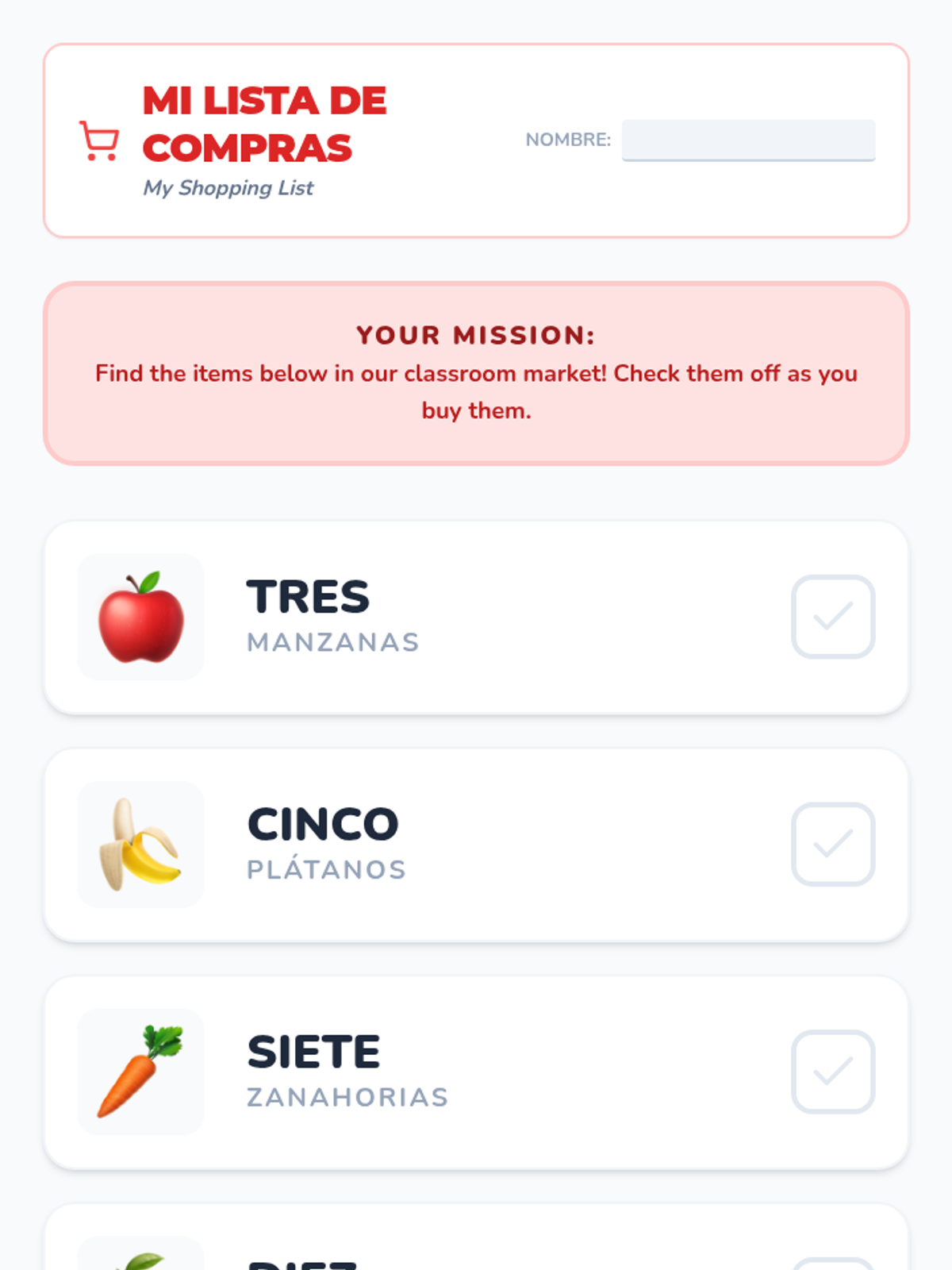
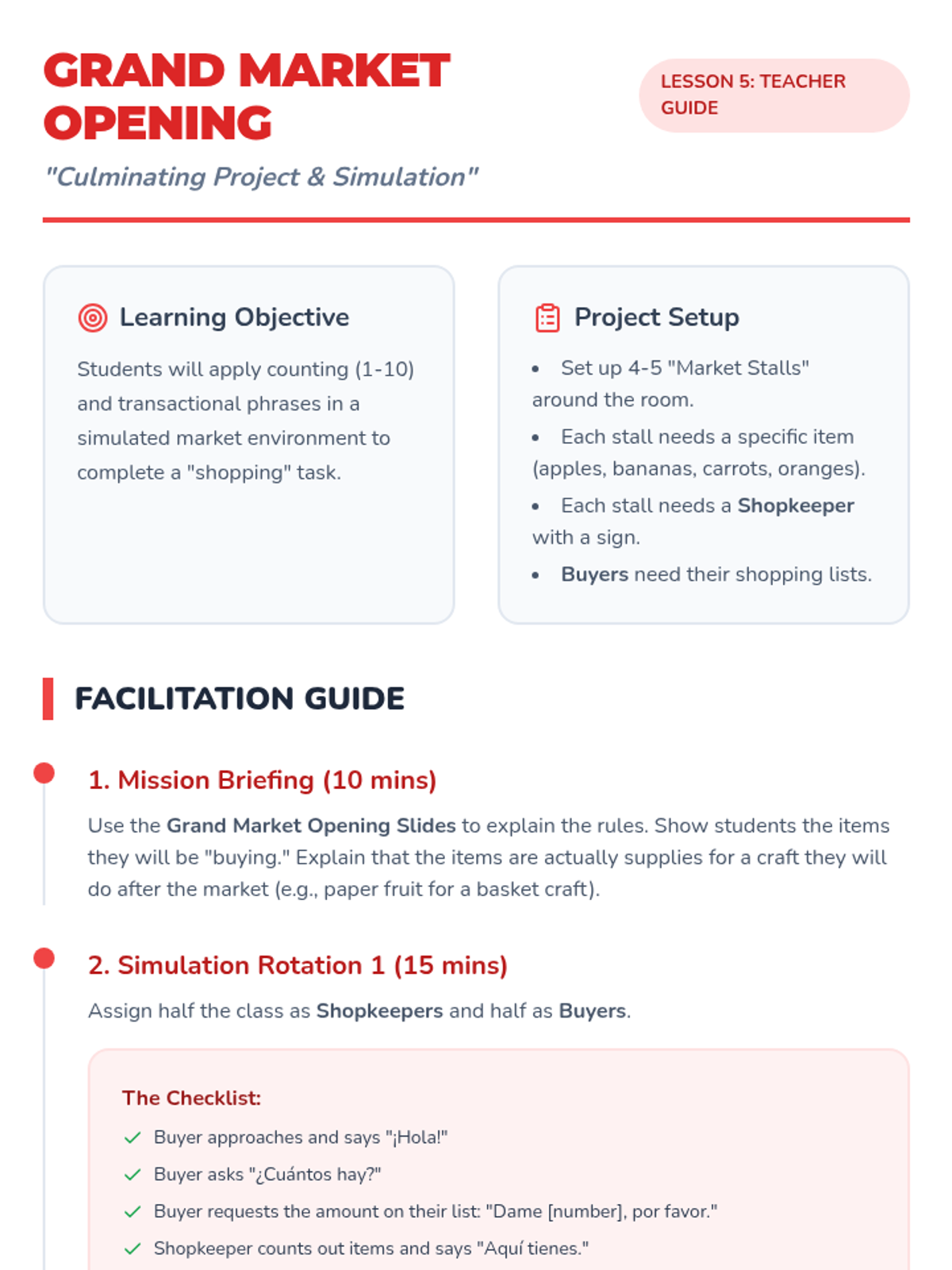
A culminating simulation where students take turns being buyers and sellers in a classroom market. They use greetings, questions, and requests to 'buy' items for a craft.
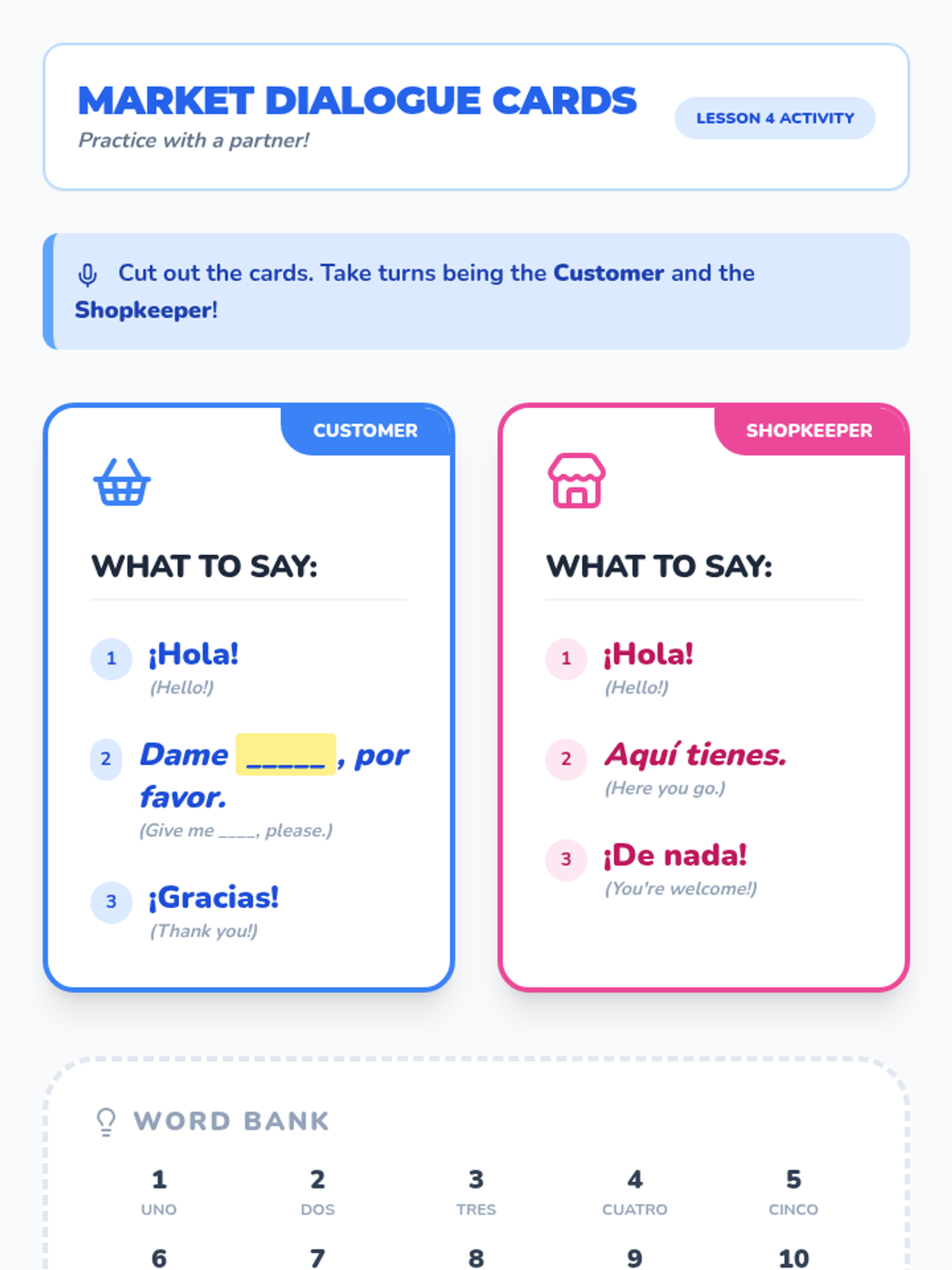
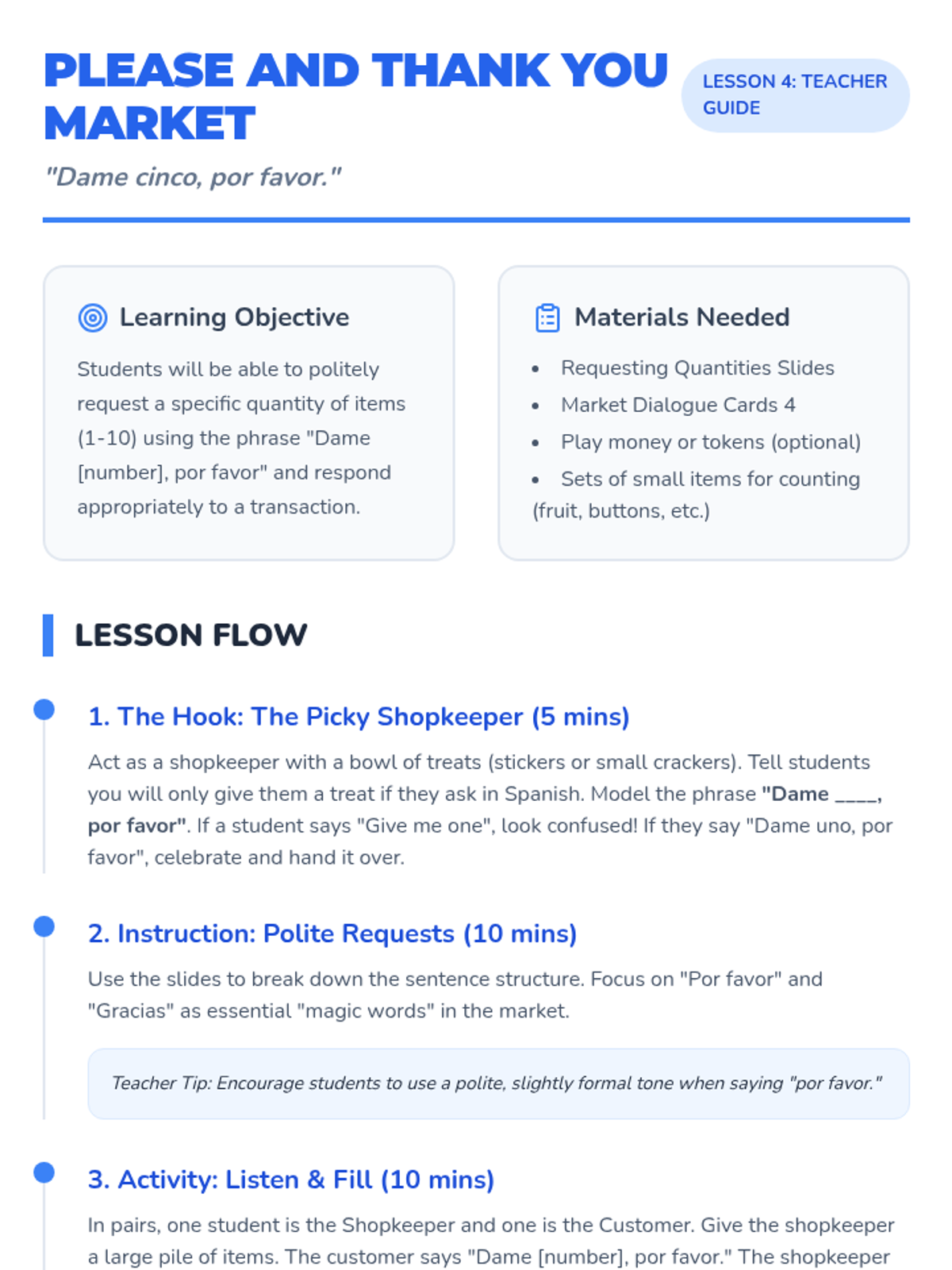
Students practice the phrase 'Dame [number], por favor' to request items. They learn the importance of politeness and listening for specific numerical details in a transaction.
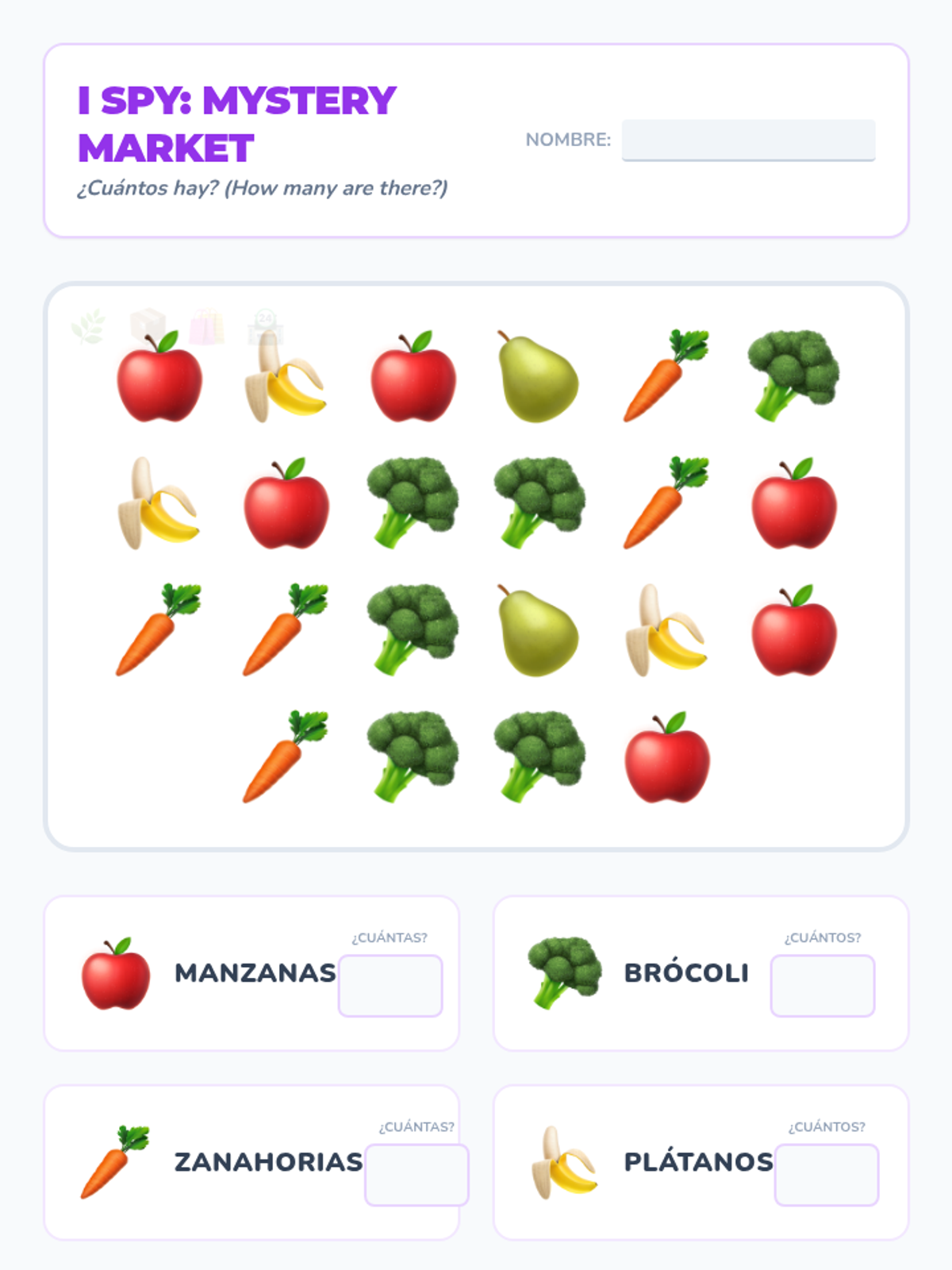
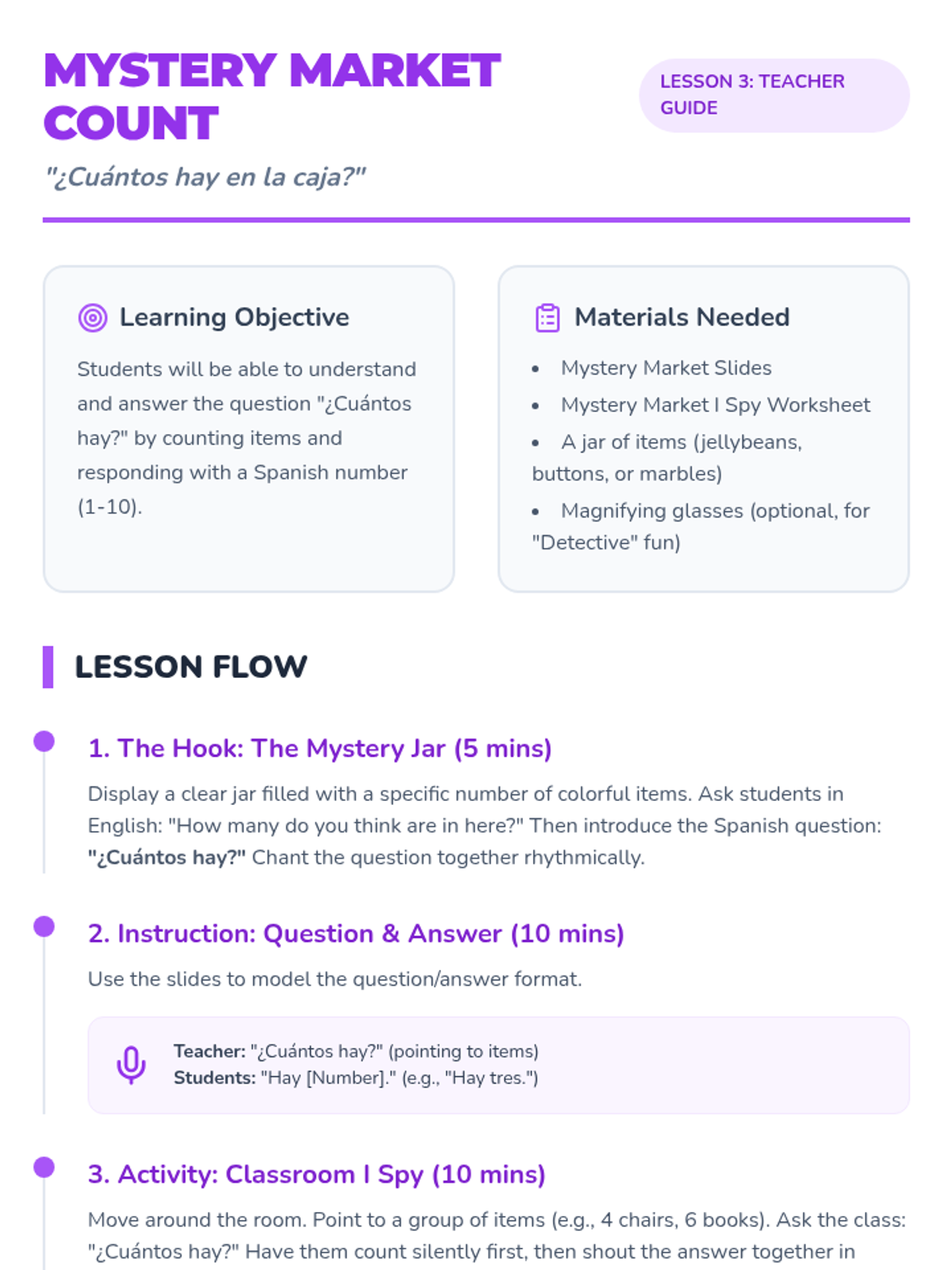
Students learn to ask '¿Cuántos hay?' and respond with the correct number. They practice visual discrimination and counting through an 'I Spy' market activity.
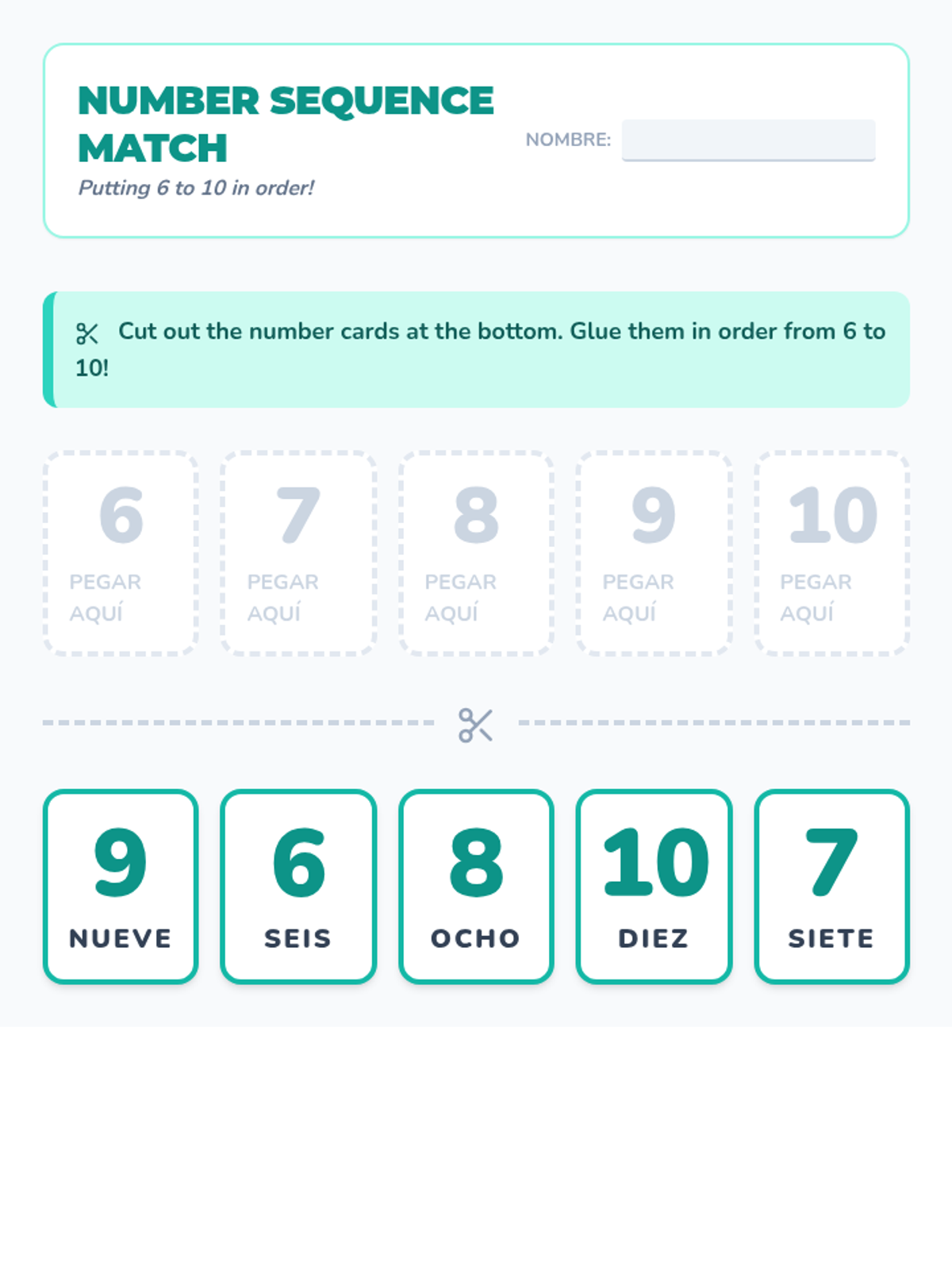
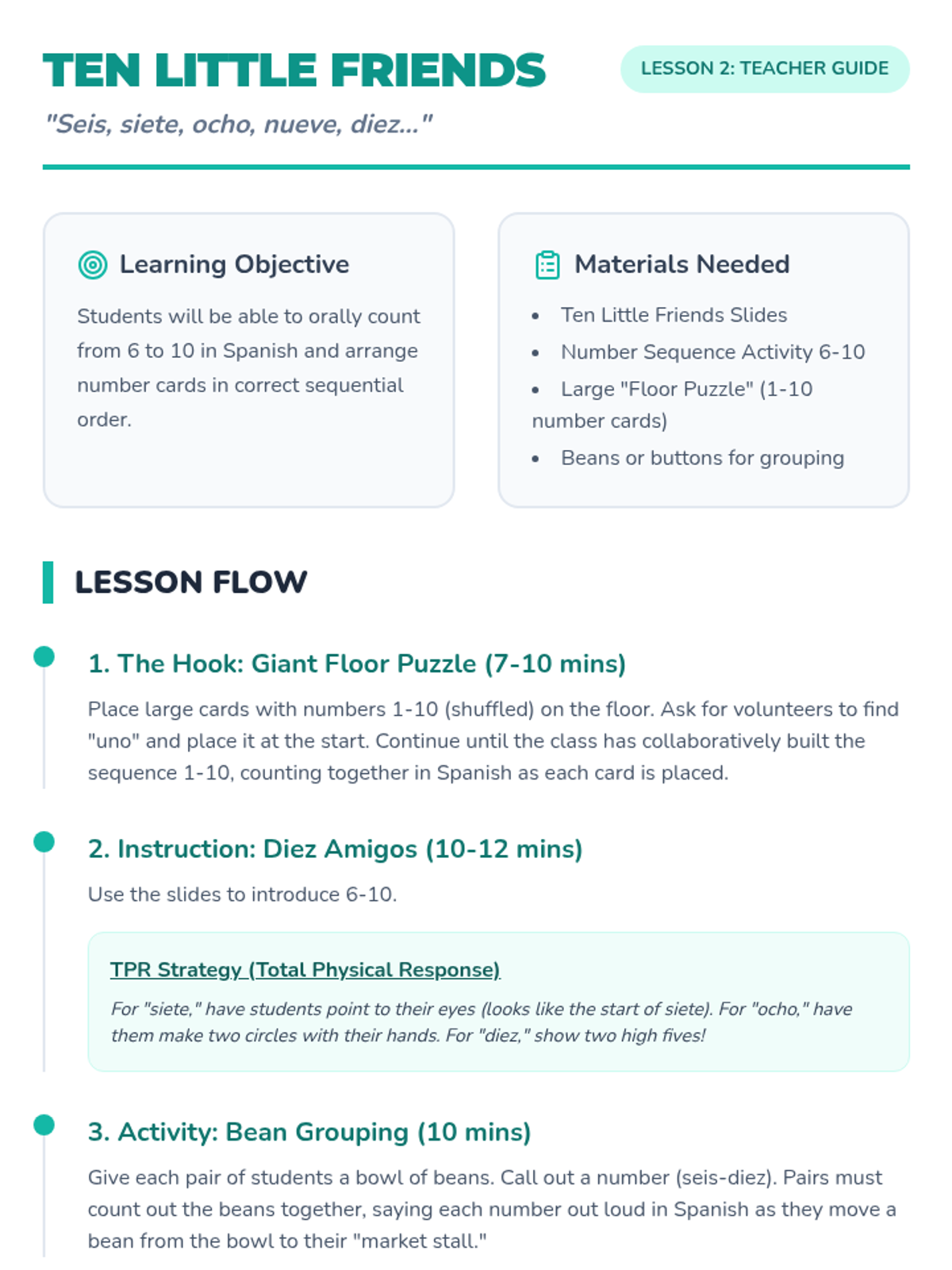
Building on the first five numbers, students learn 6-10 (seis to diez). They practice sequencing and grouping collections of items to represent these larger quantities.
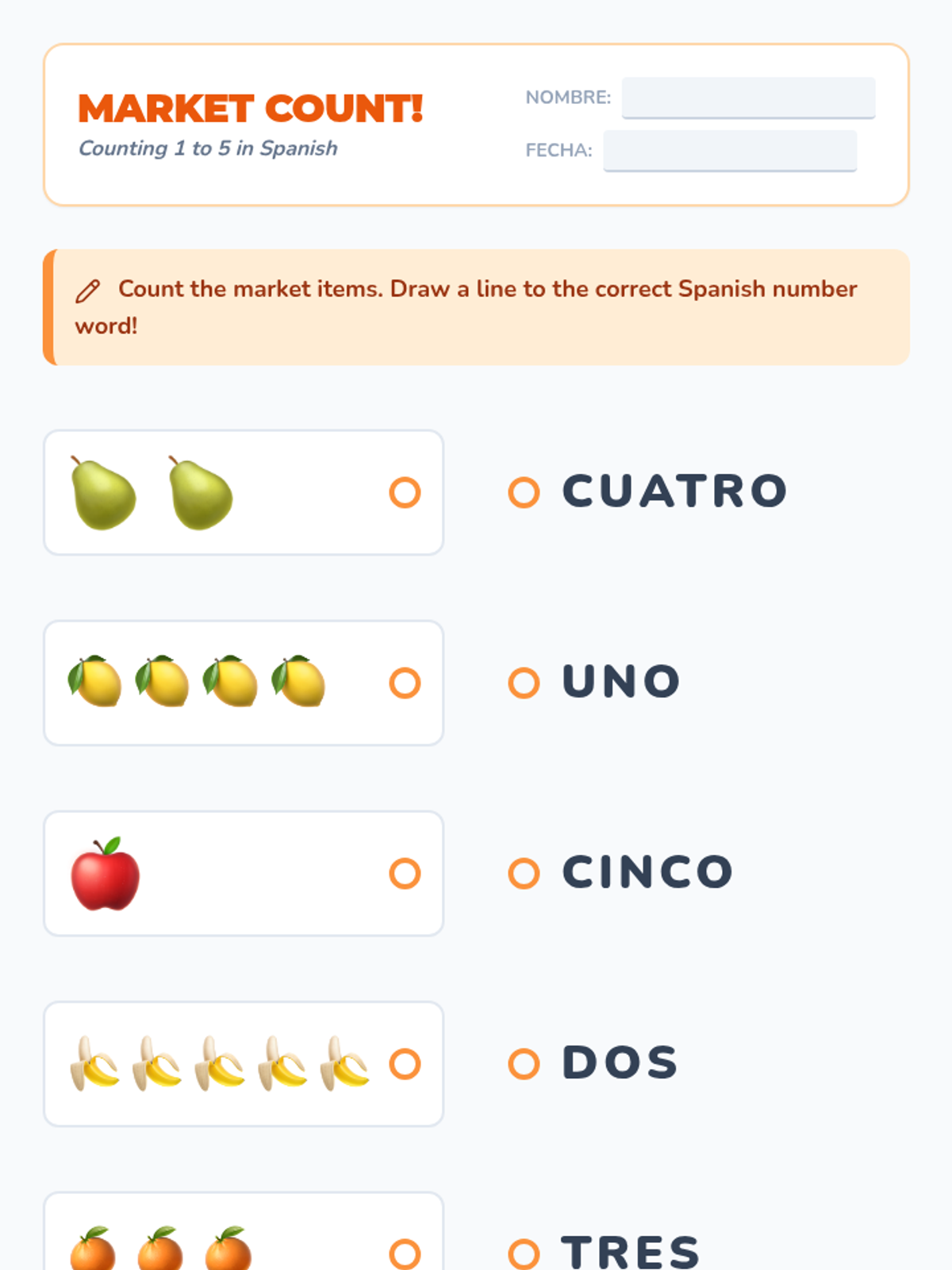
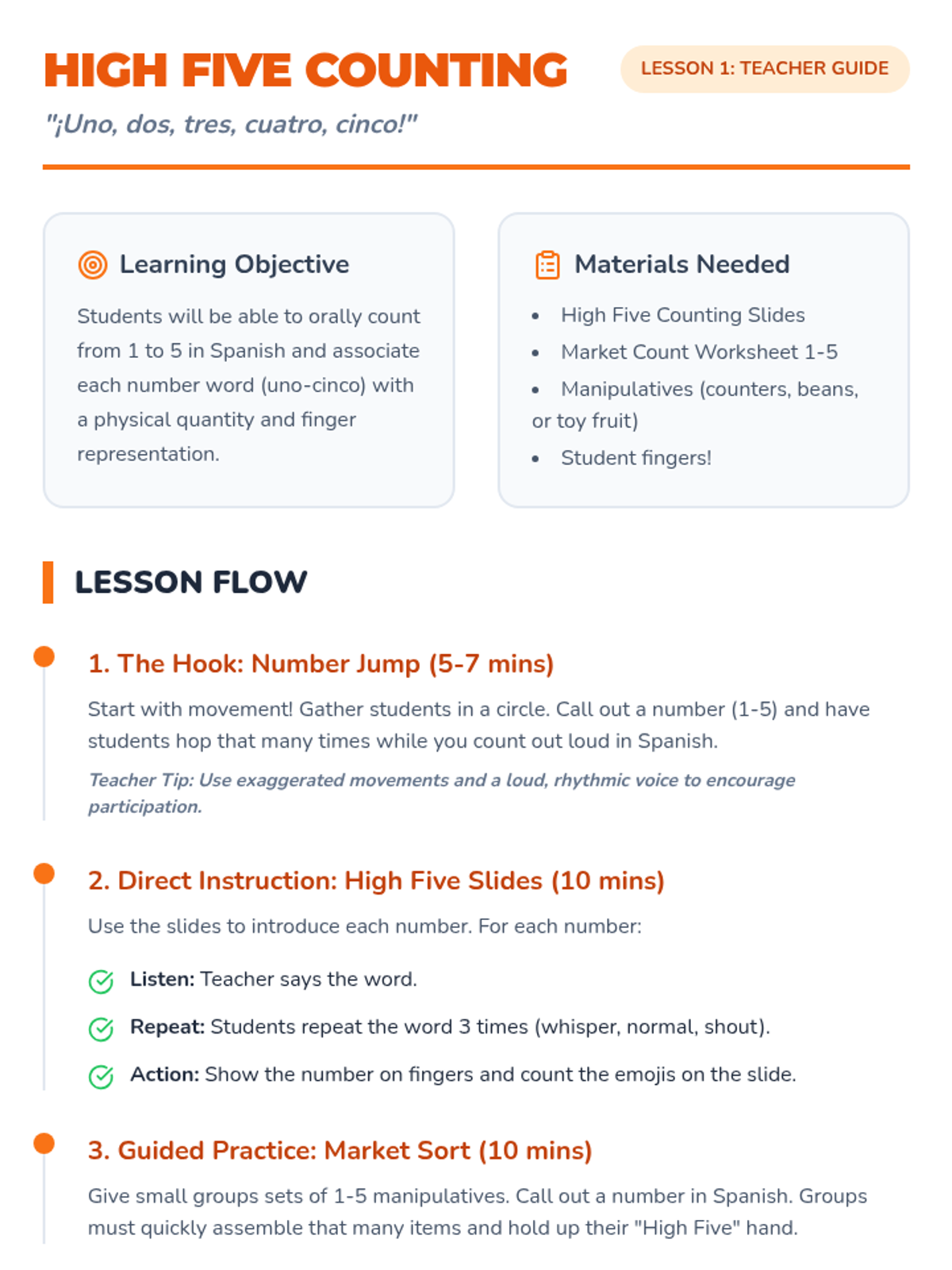
Students learn the numbers 1-5 (uno to cinco) through movement, chanting, and finger-counting. They associate the sounds of the Spanish words with physical quantities.
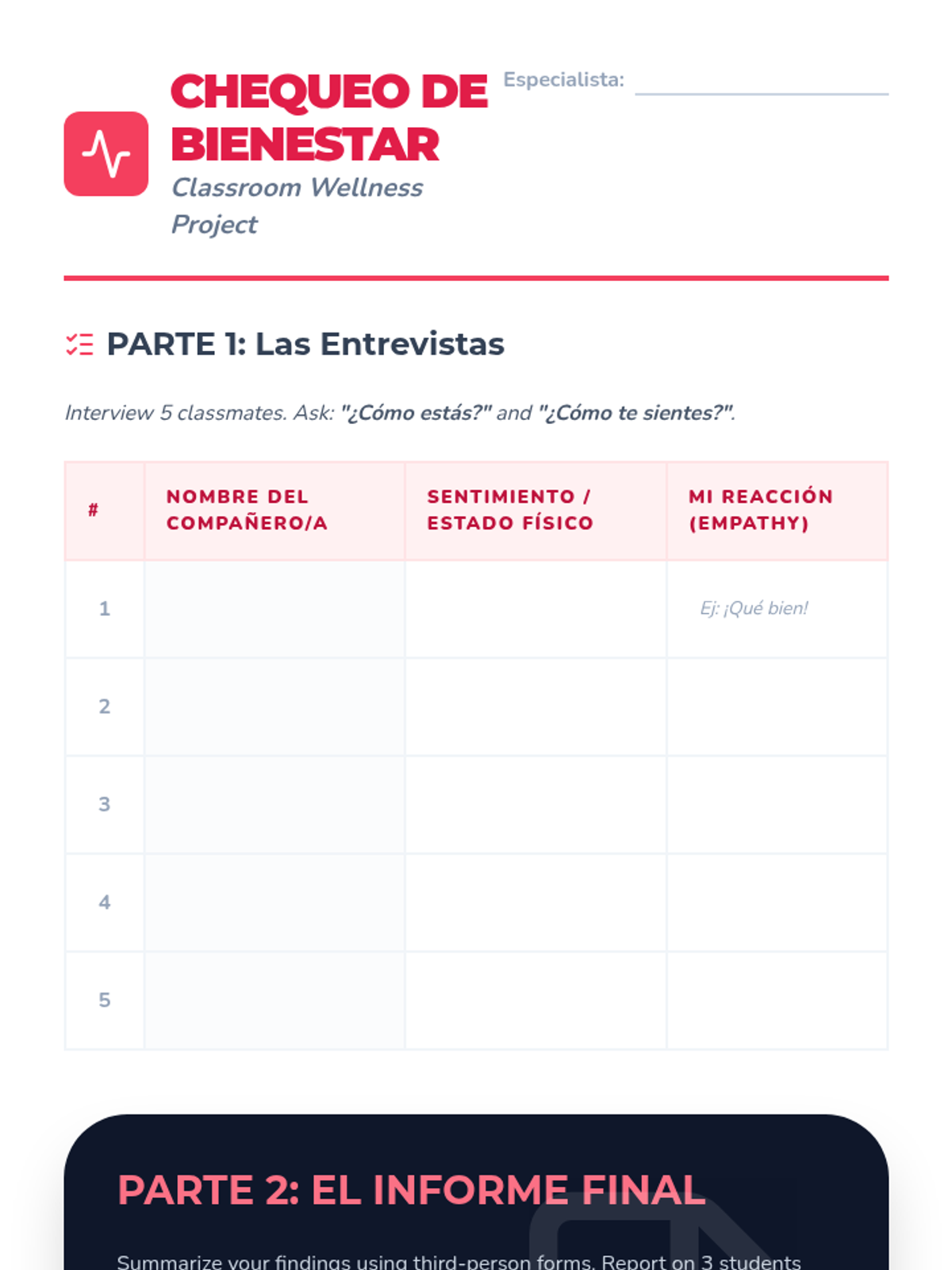
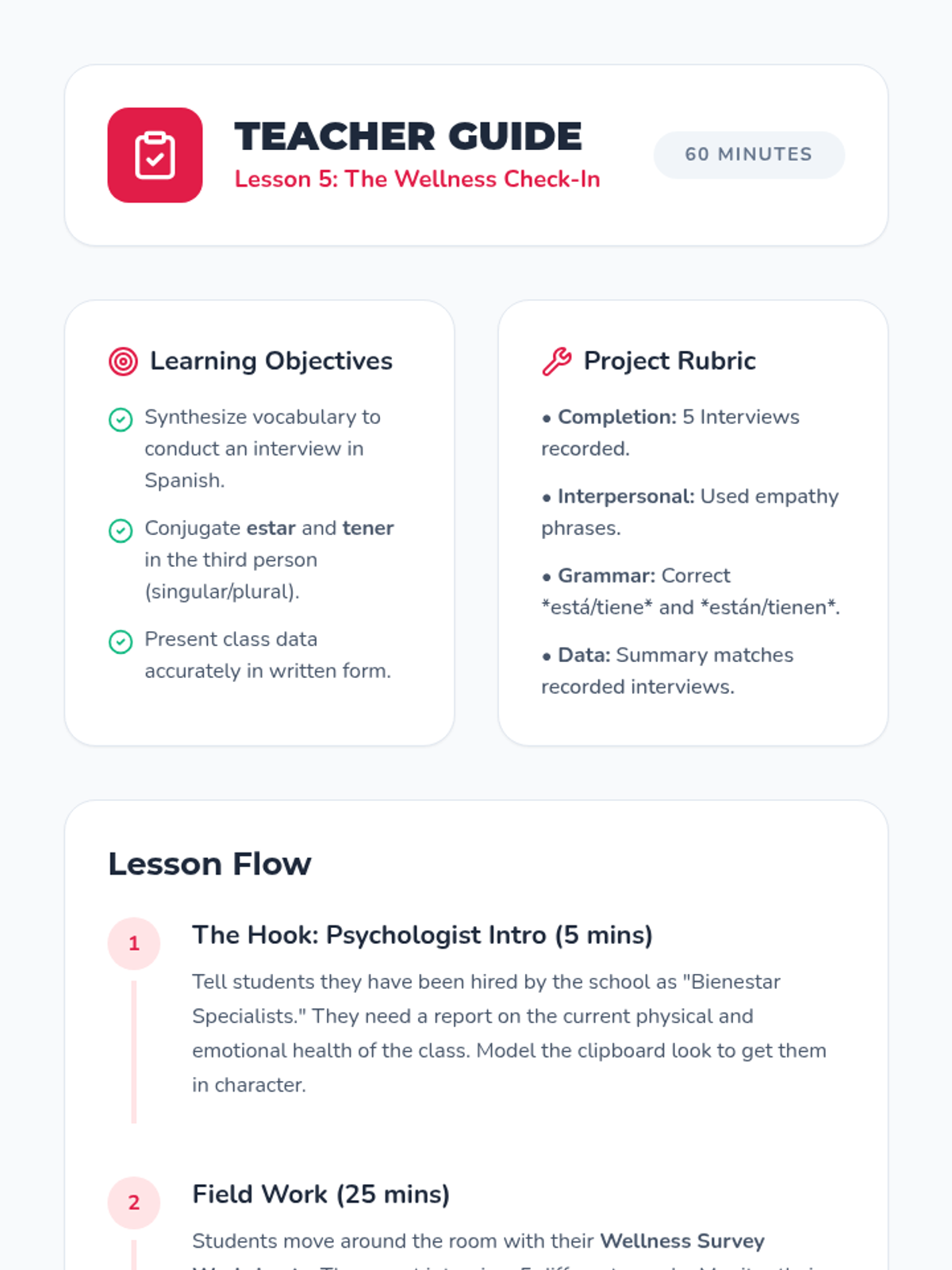
A synthesis project where students conduct a class wellness survey, collect data, and report findings using third-person conjugations.
Expanding vocabulary with antonyms and intensifiers (muy, un poco). Students analyze character emotions in stories and media.
Moving beyond basic greetings to deep follow-up questions and empathetic responses. Students practice active listening in a 'Speed Chat' format.
Focus on physical sensations using 'tener' idioms (hunger, thirst) and 'estar' conditions (tired, sick). Students simulate a visit to the school nurse.
Introduction to the verb 'estar' for temporary states and high-frequency emotion adjectives. Students practice gender agreement and decode emoji-based sentences.
Bringing all skills together, students practice reading short paragraphs aloud, focusing on flow, linking words, and maintaining correct pronunciation, culminating in a recorded 'voiceover' activity.
Students learn the two basic rules of natural stress in Spanish and how written accent marks (tildes) break those rules. They practice identifying emphasis through rhythmic activities.
Students explore the difference between the single 'r' (tap) and the double 'rr' (trill), learning the physical mechanics of vibrating the tongue. The lesson focuses on distinguishing minimal pairs like 'pero' and 'perro'.
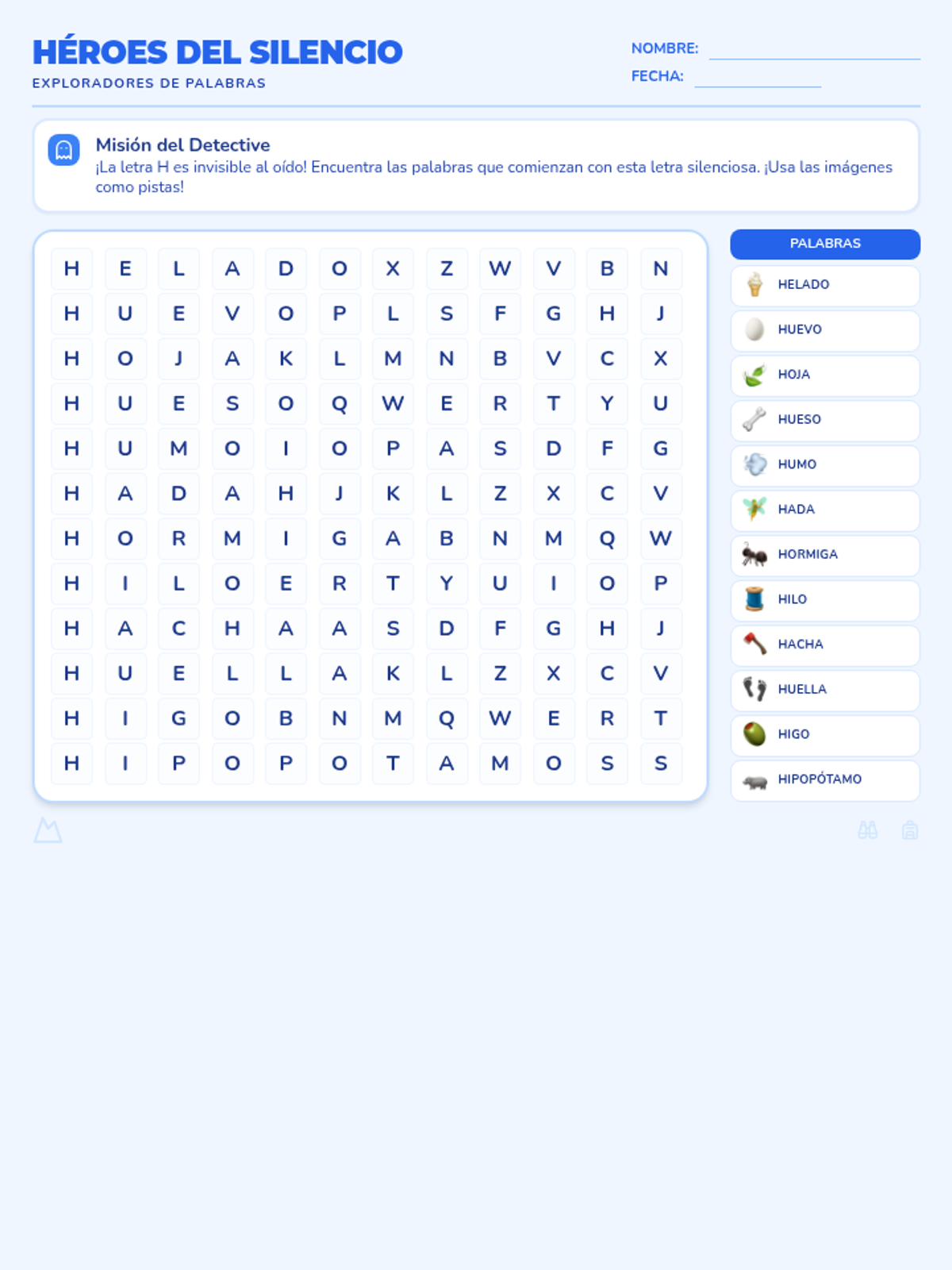
This lesson introduces consonants that function differently in Spanish, such as h (silent), j (aspirated), ll, ñ, and z/c. Students practice tongue placement and air flow to produce these sounds accurately through tongue twister challenges.
Students focus exclusively on the five Spanish vowels (a, e, i, o, u), learning their short, crisp, and invariable nature compared to English diphthongs. Through choral repetition and listening discrimination drills, students practice identifying and producing these core sounds.
Students present their final 'Star Student' posters in a classroom gallery walk, practicing oral production and listening.
Students synthesize their age, traits, and preferences into a coherent written paragraph in a writer's workshop format.
Focusing on the verb 'aimer', students express their likes and dislikes for various foods and activities.
Learners acquire descriptive adjectives and basic gender agreement by matching traits to diverse characters and superheroes.
Students master numbers 1-20 and the phrase 'J'ai... ans' through rhythmic games and math problems.
Students present a chosen object to the class using the 'Es un [object] [color]' sentence structure.
Small groups rotate through stations to solve puzzles by identifying objects and their colors.
Students combine colors and nouns, learning the specific Spanish word order (Noun + Color).
Students learn classroom object nouns (lápiz, libro, mesa) through a Mystery Box activity and classroom labeling.
Students are introduced to rojo, azul, and amarillo through a color hunt to rescue colors from the Color Monster.
Students create and present self-portraits expressing an emotion, practicing presentational speaking.
A mastery-based lesson using 'Simón Dice' to reinforce rapid recall of emotional vocabulary.