Students explore the Law of Reflection using plane mirrors, learning to construct ray diagrams and distinguish between specular and diffuse reflection.
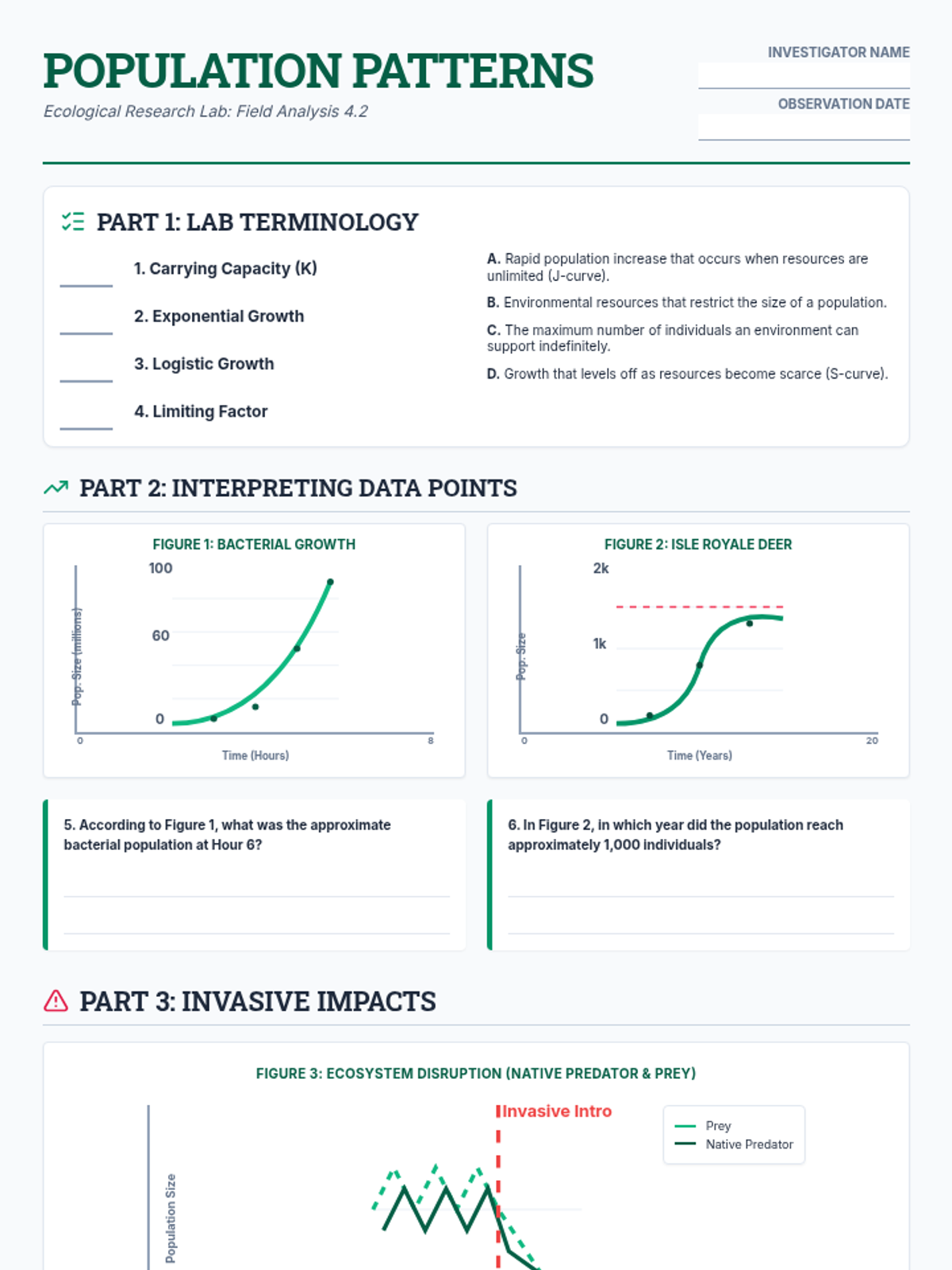
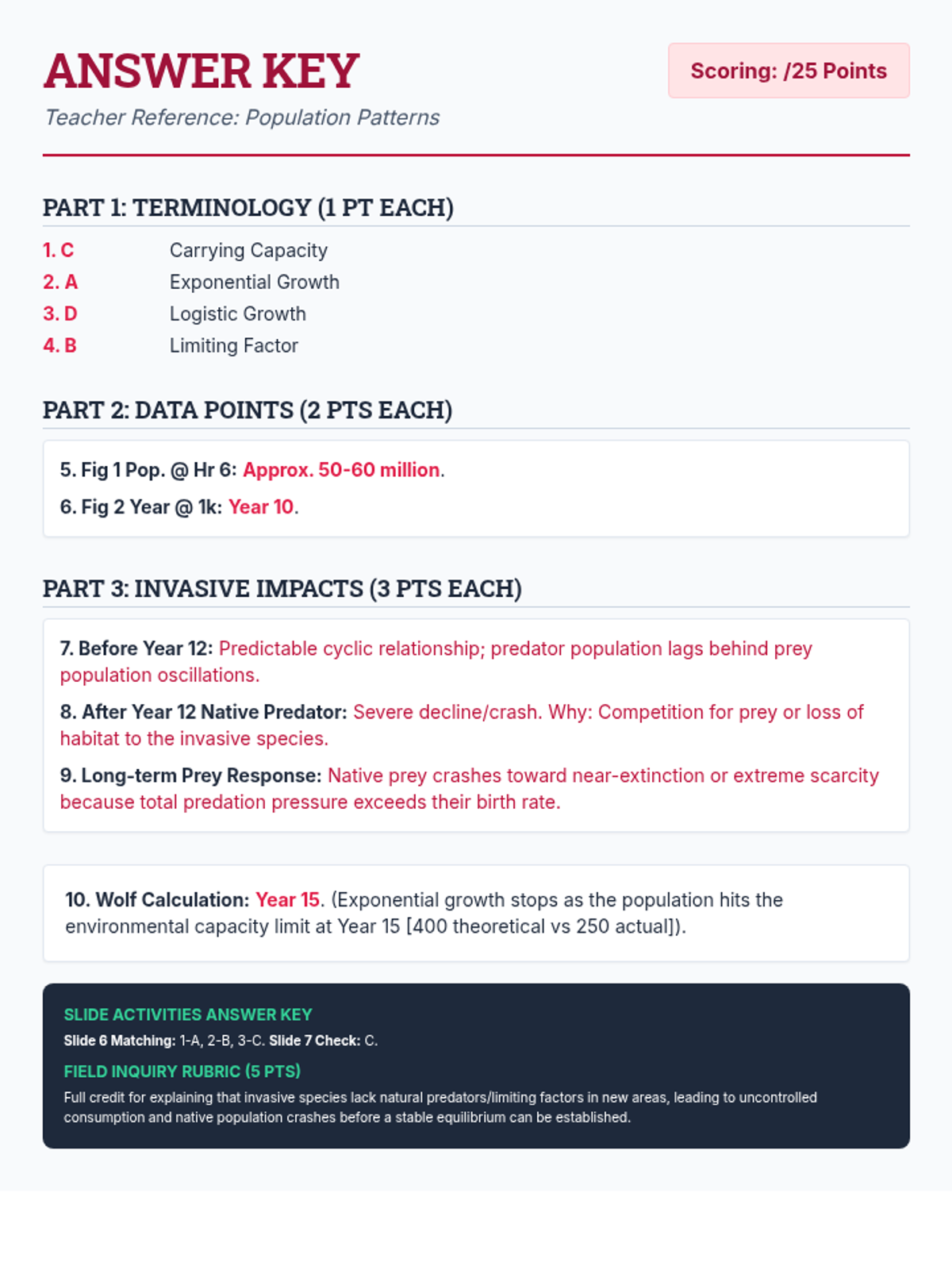
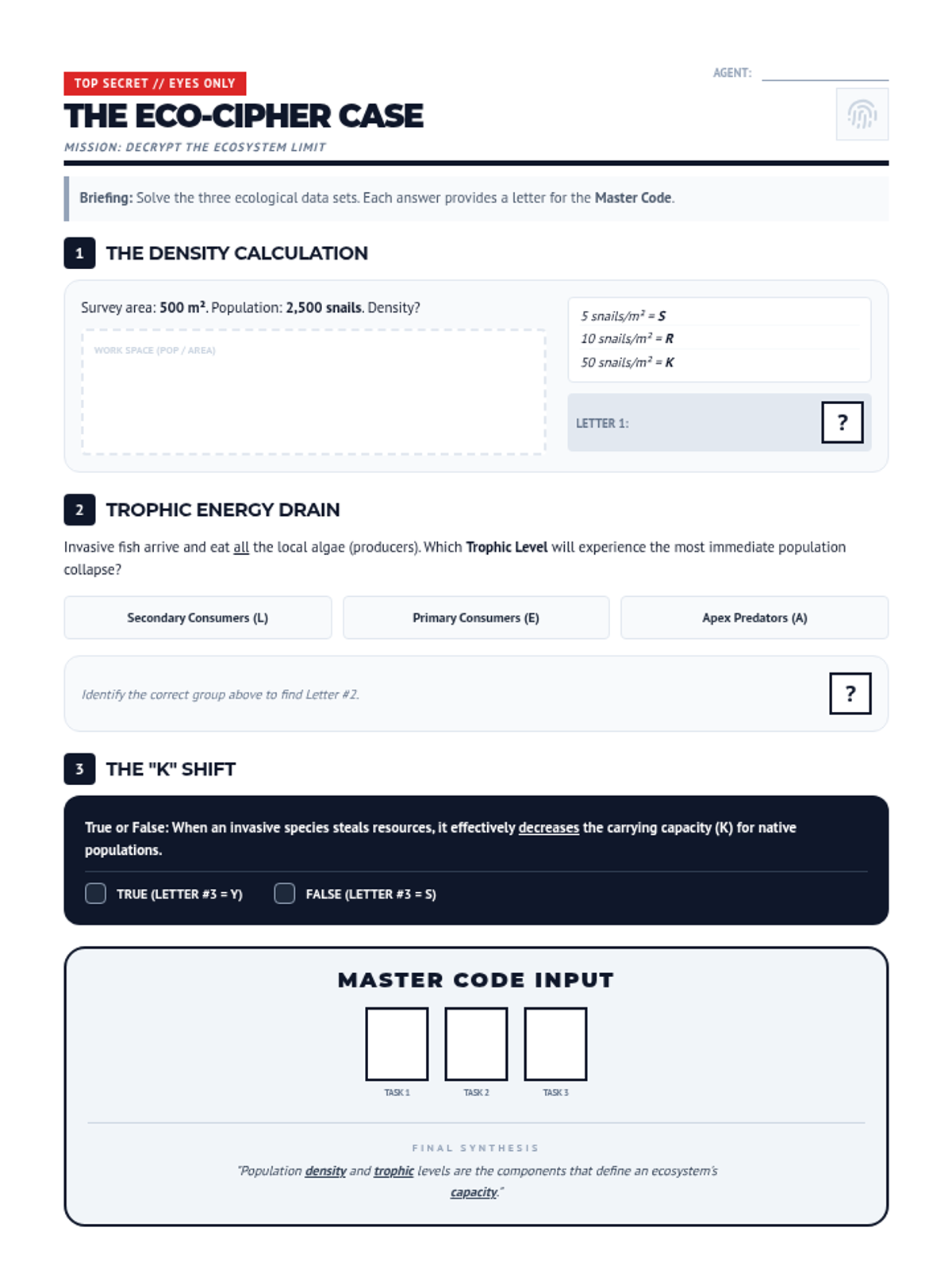
Students learn to distinguish between exponential and logistic population growth models, identify carrying capacity, and understand the role of limiting factors in shaping biological communities.
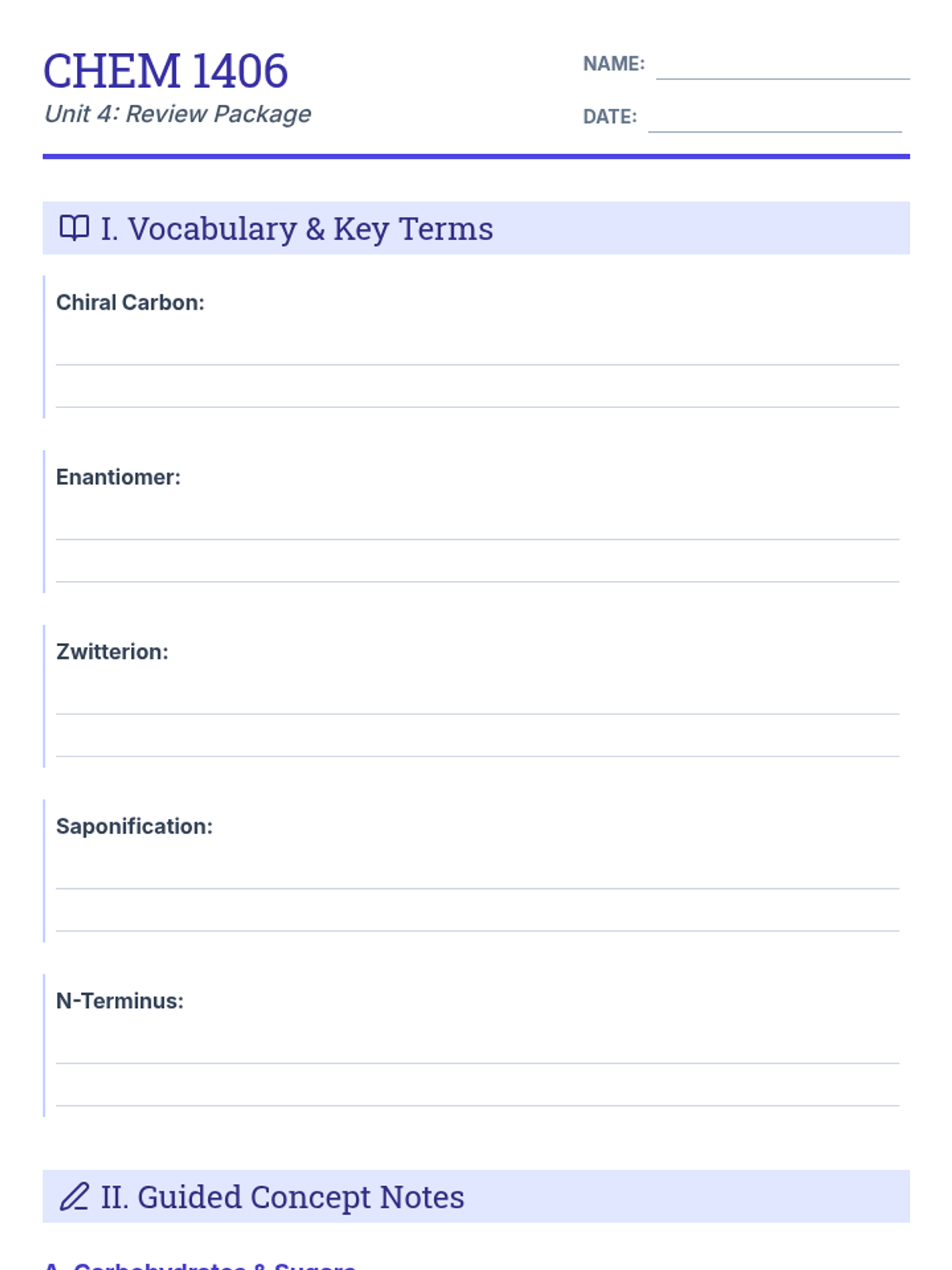
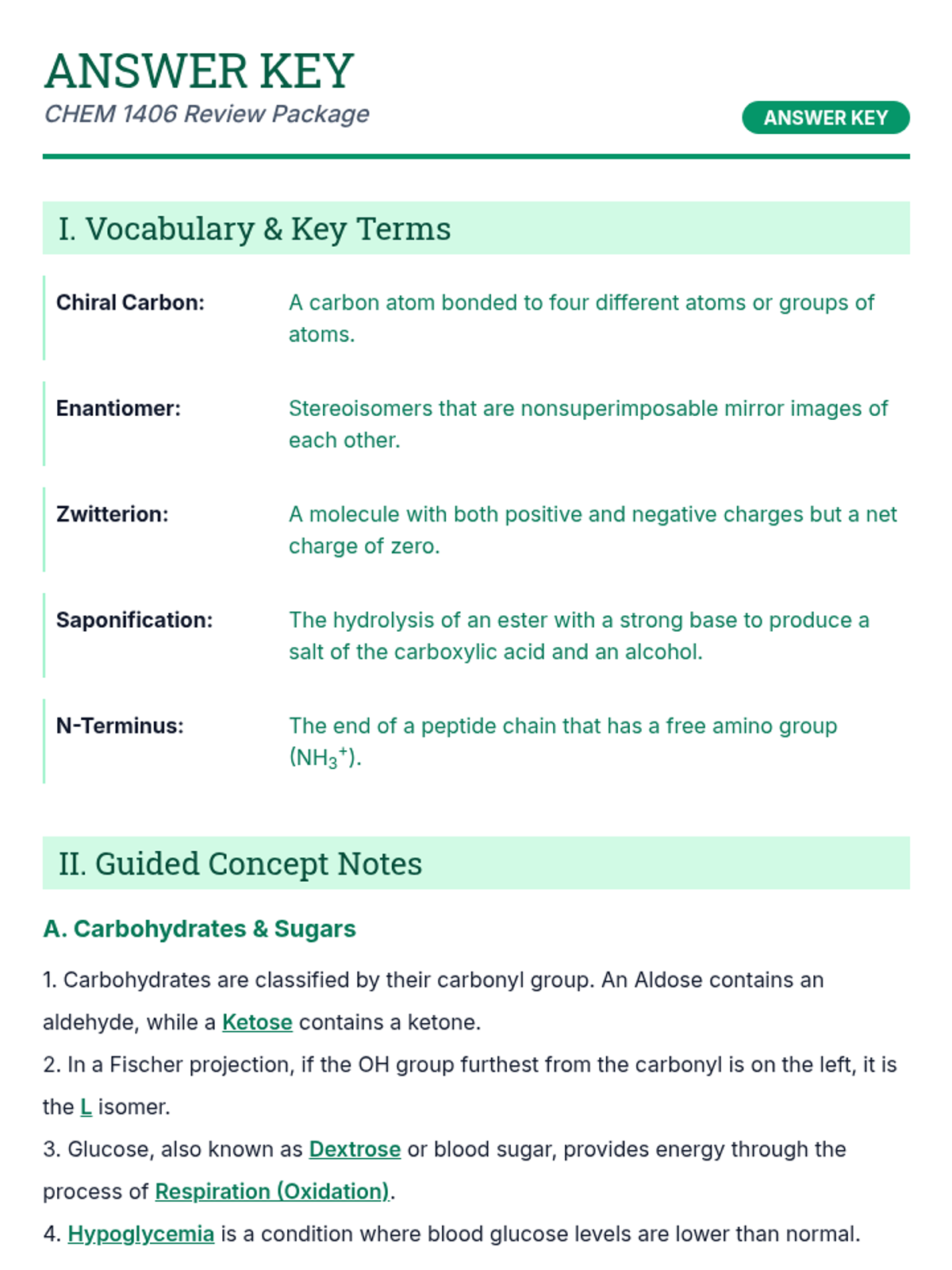
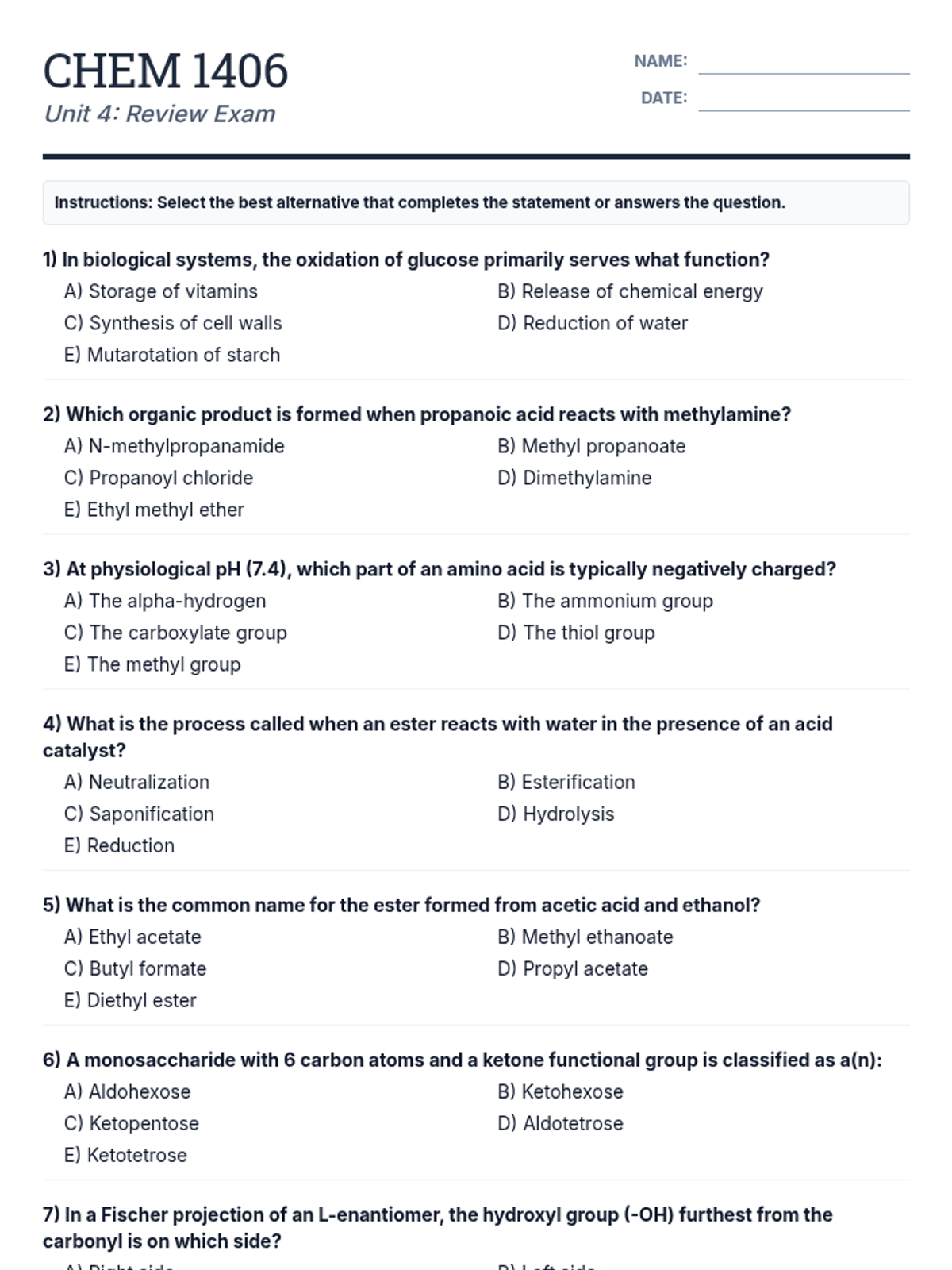
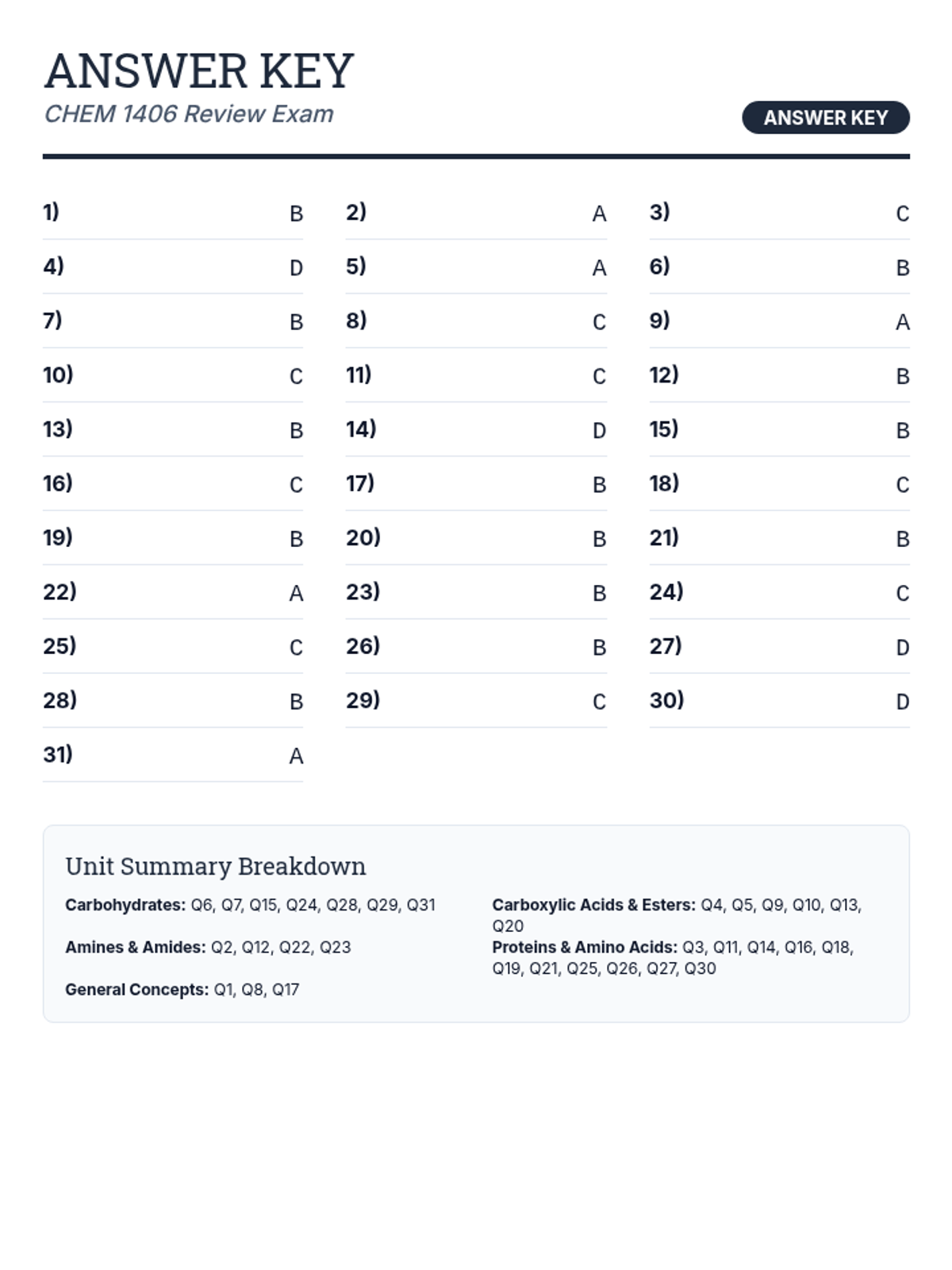
A deep dive into the structures and reactions of organic molecules and biomolecules, focusing on nomenclature, structural identification, and biological functions.
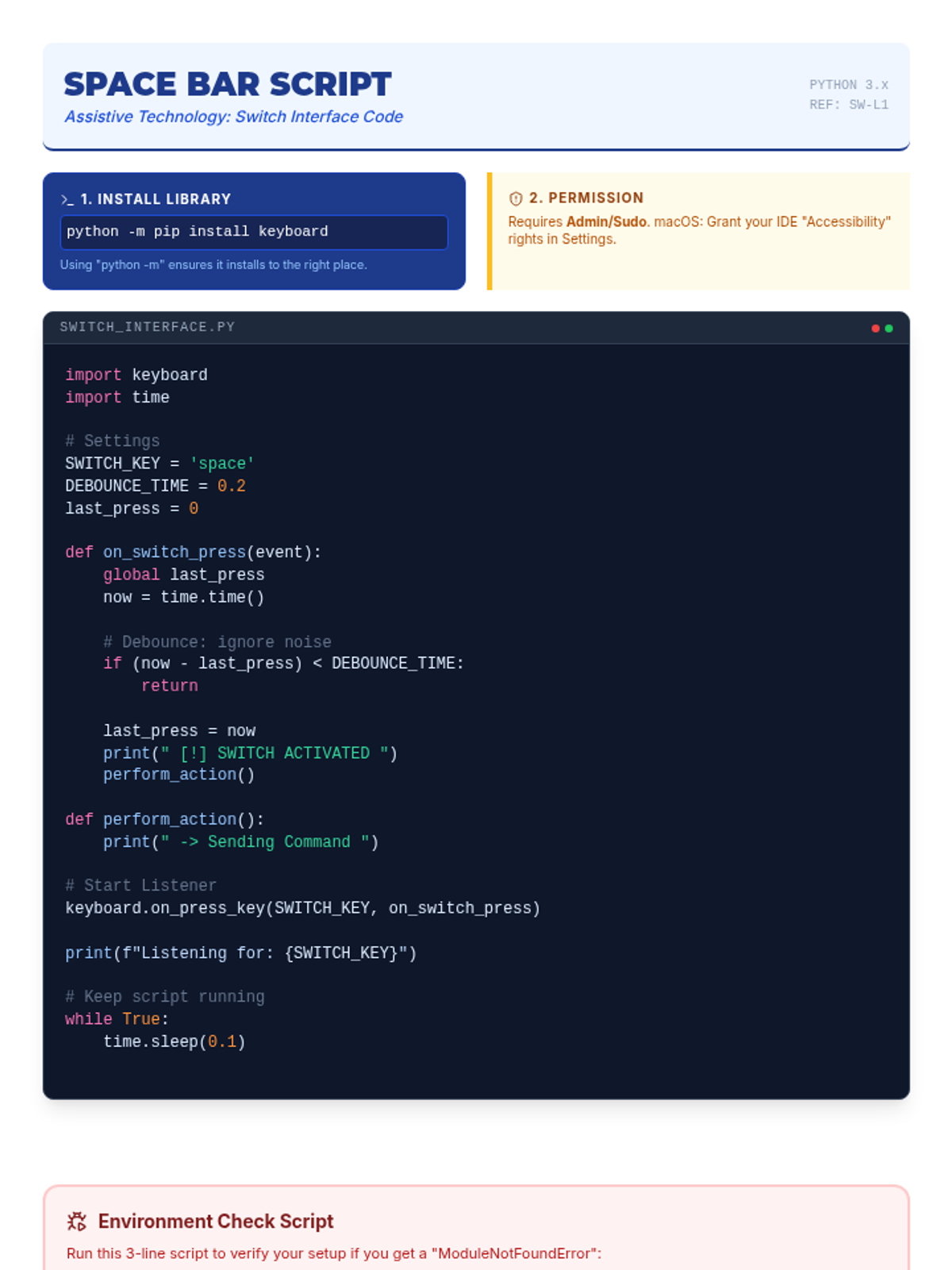
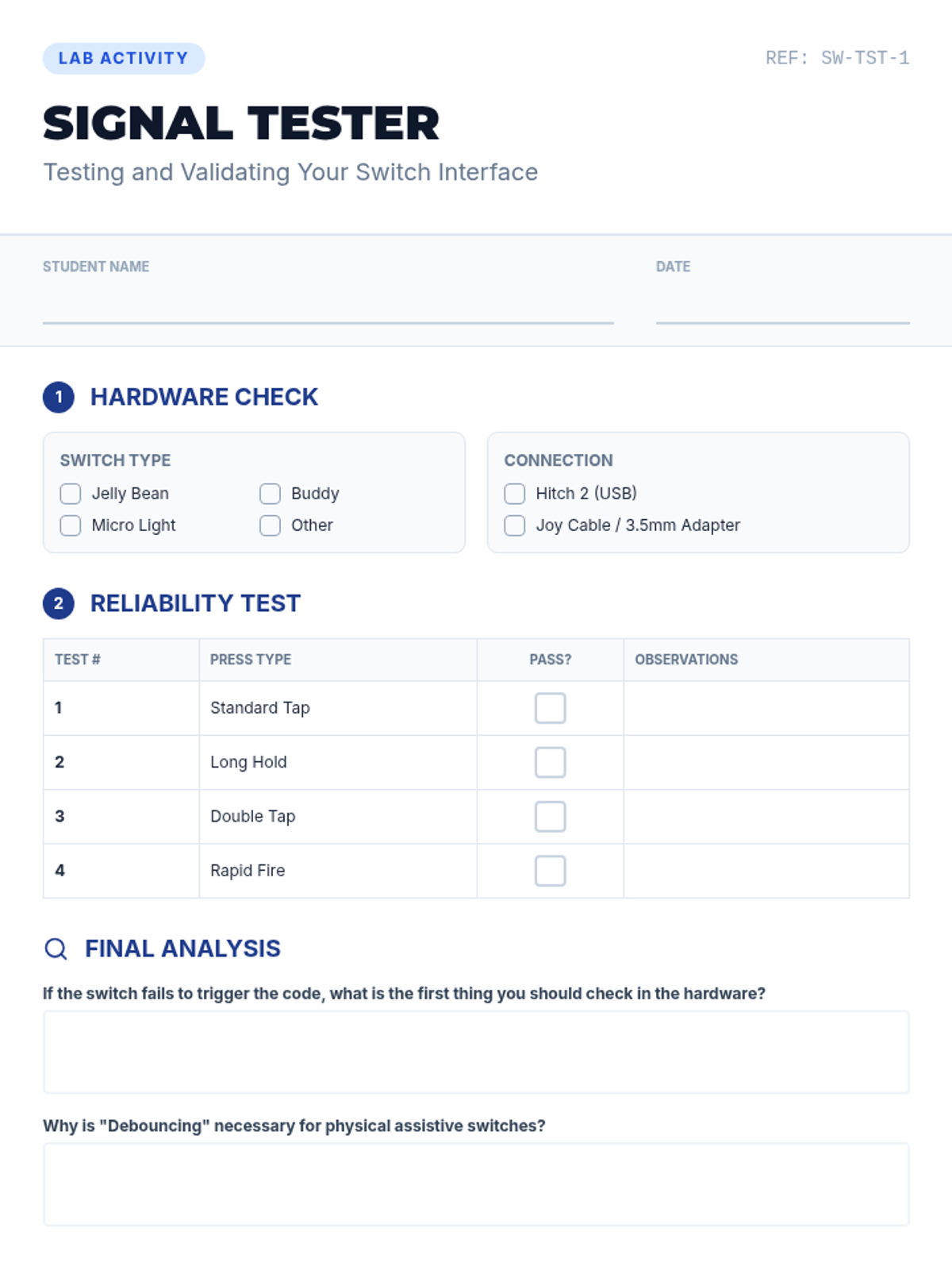
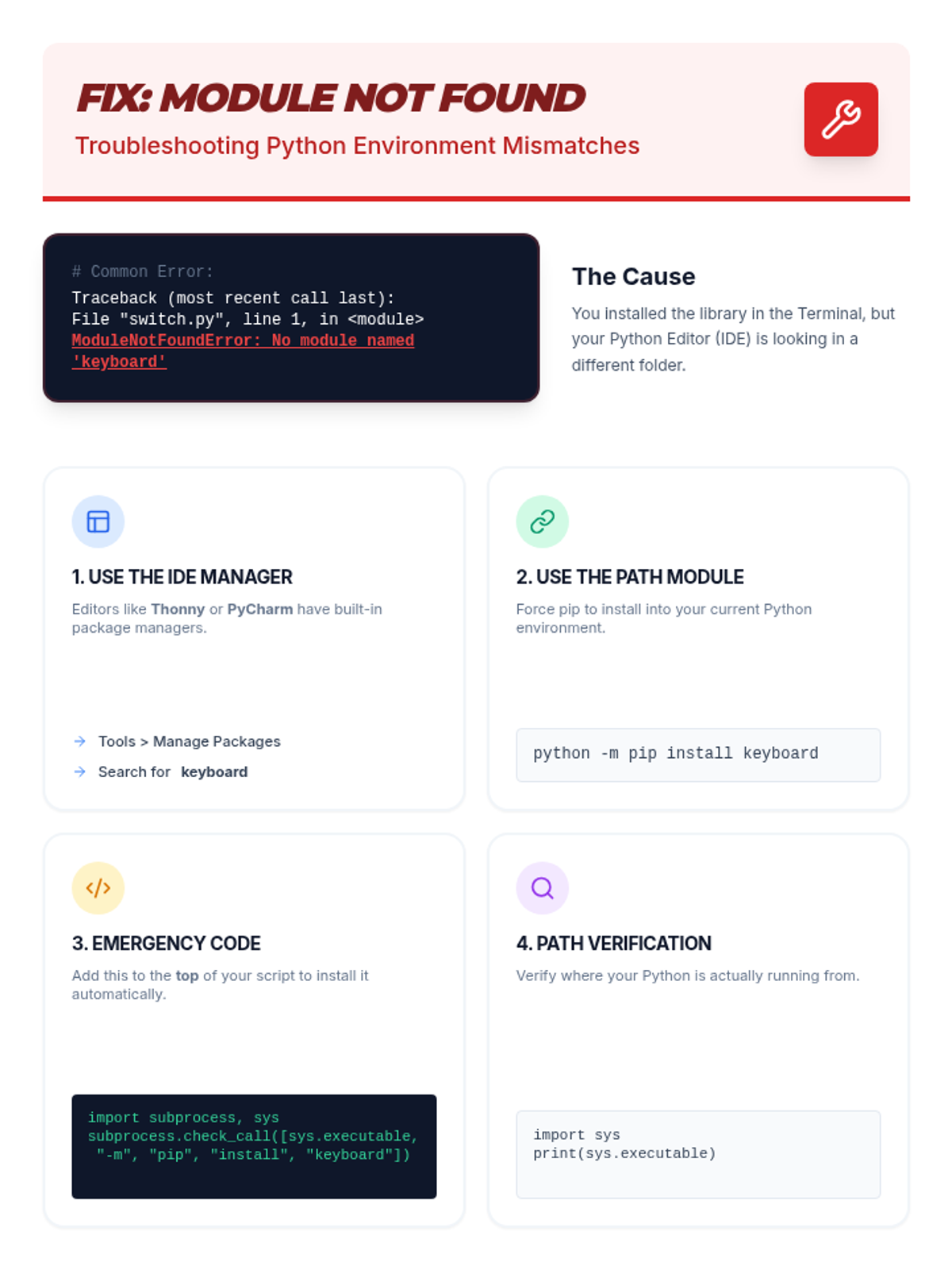
This lesson covers the logic and programming required to create a digital switch interface using Python, focusing on key bindings and signal processing.
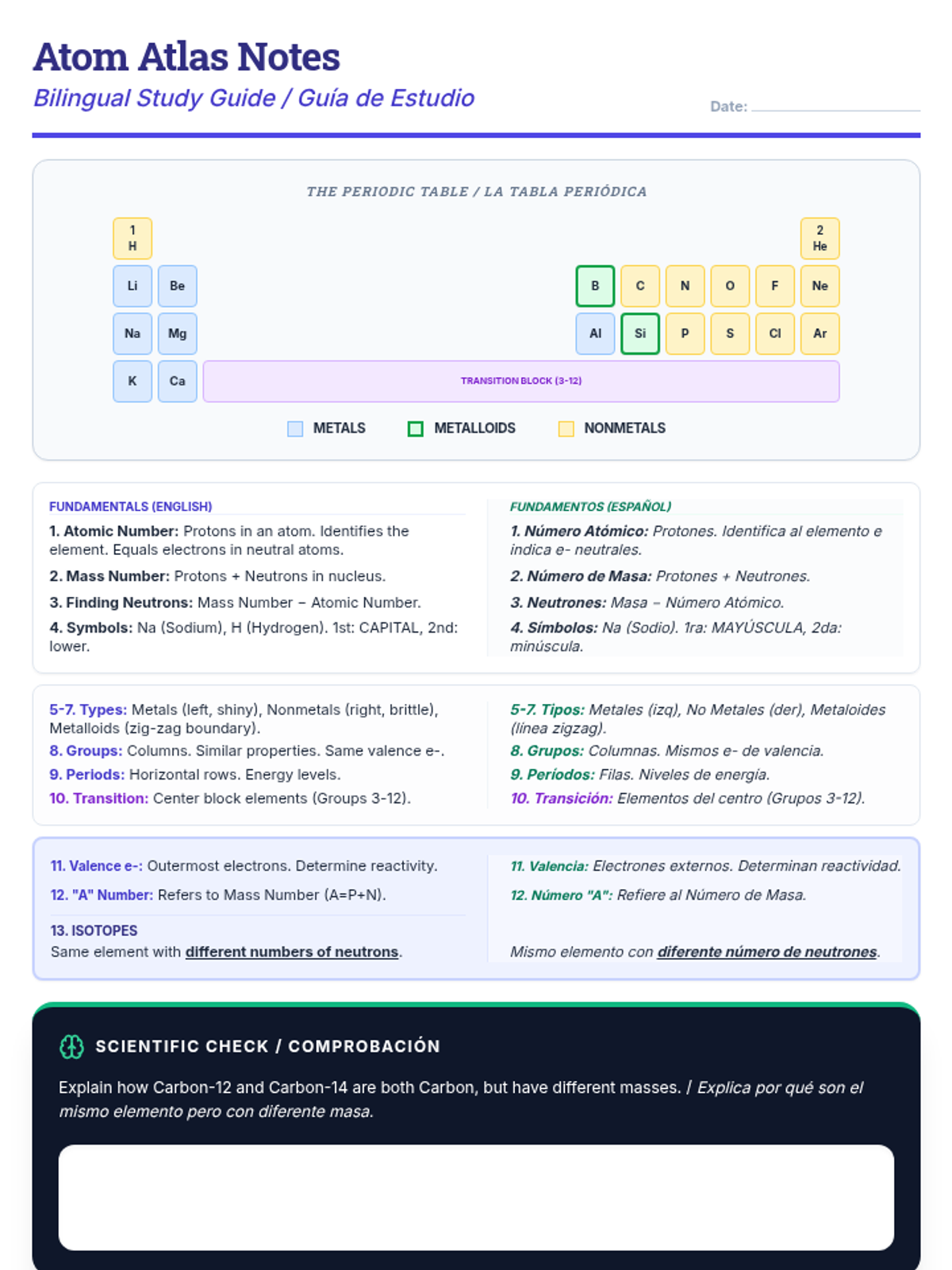
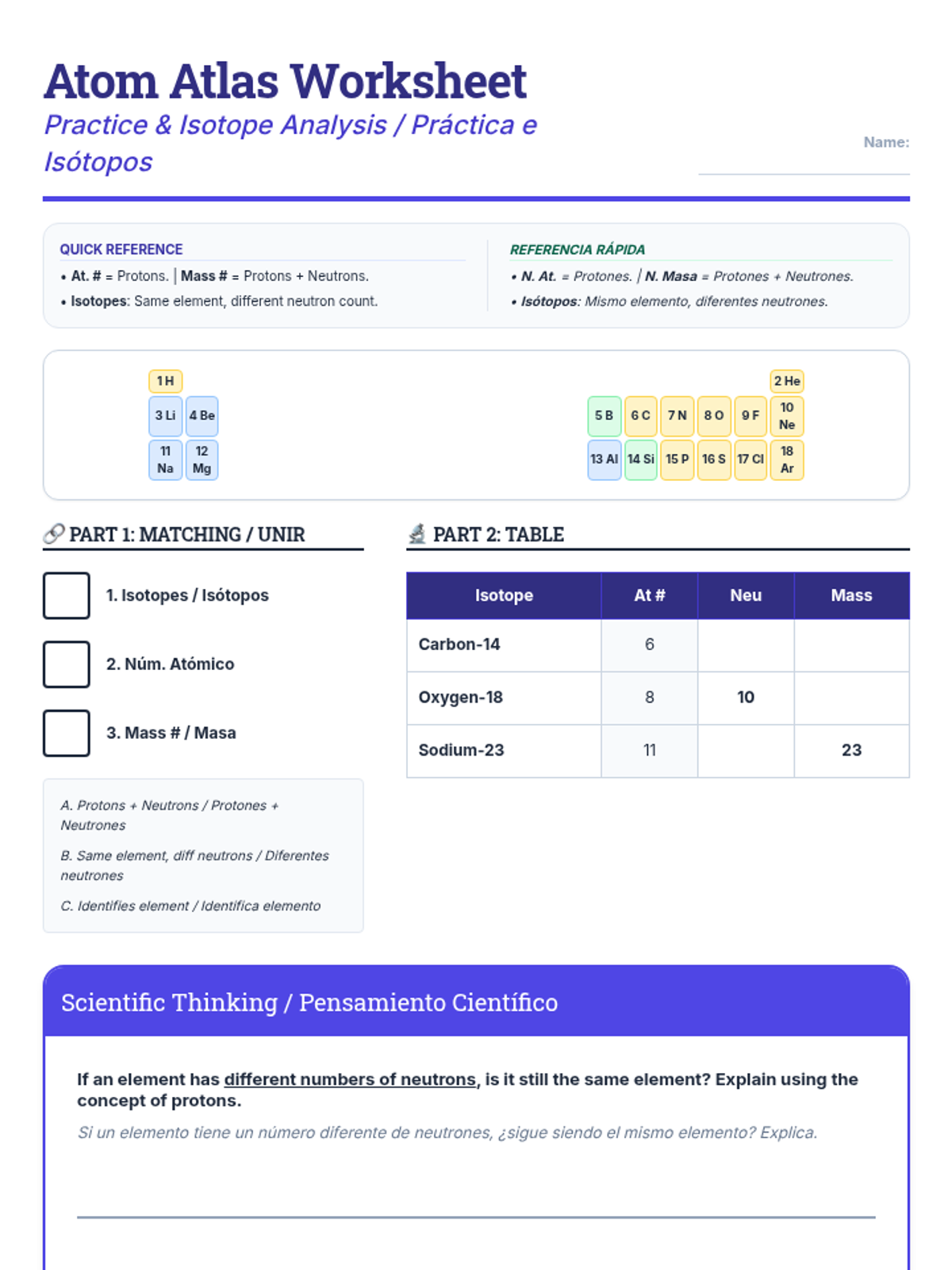
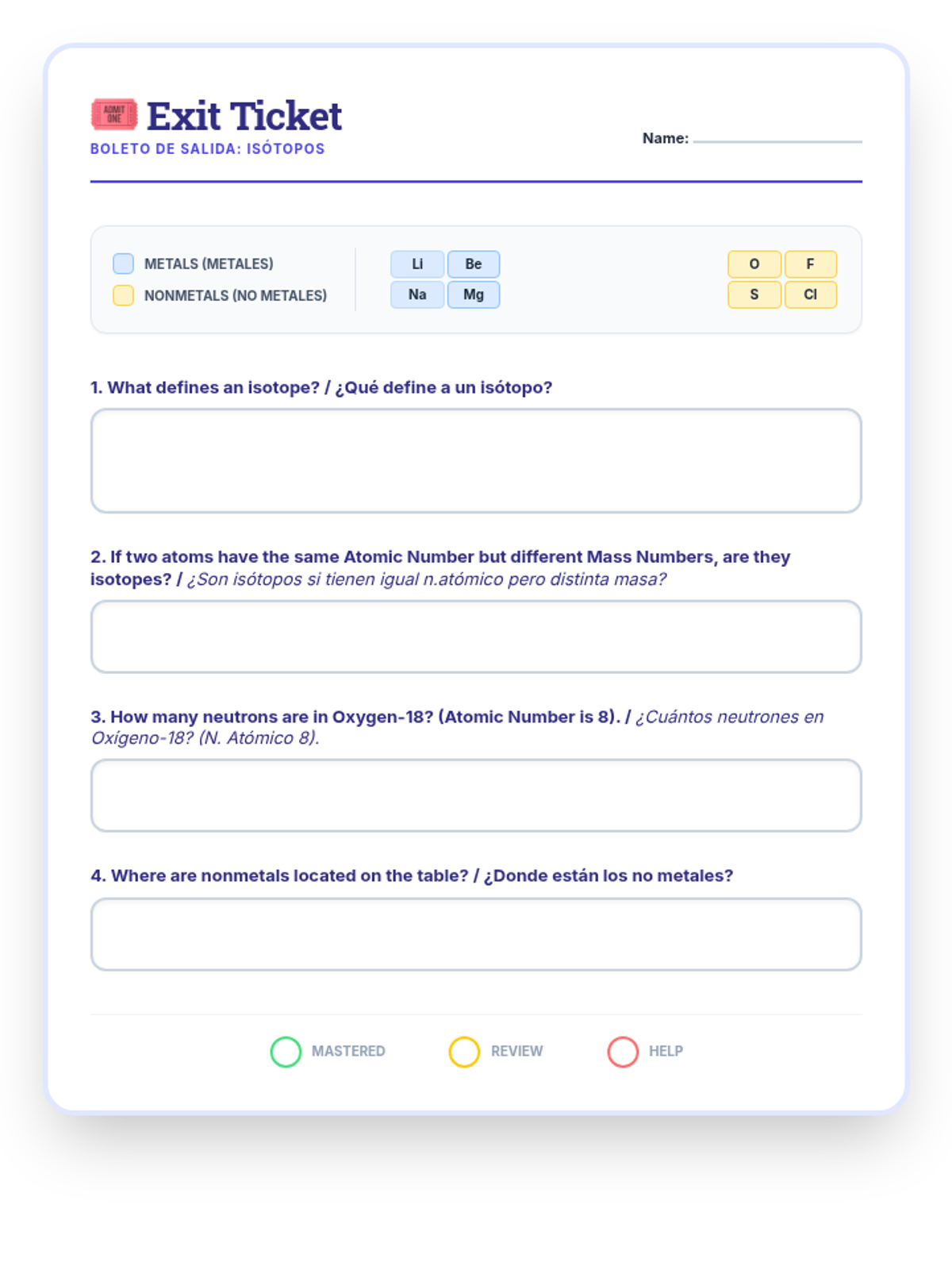
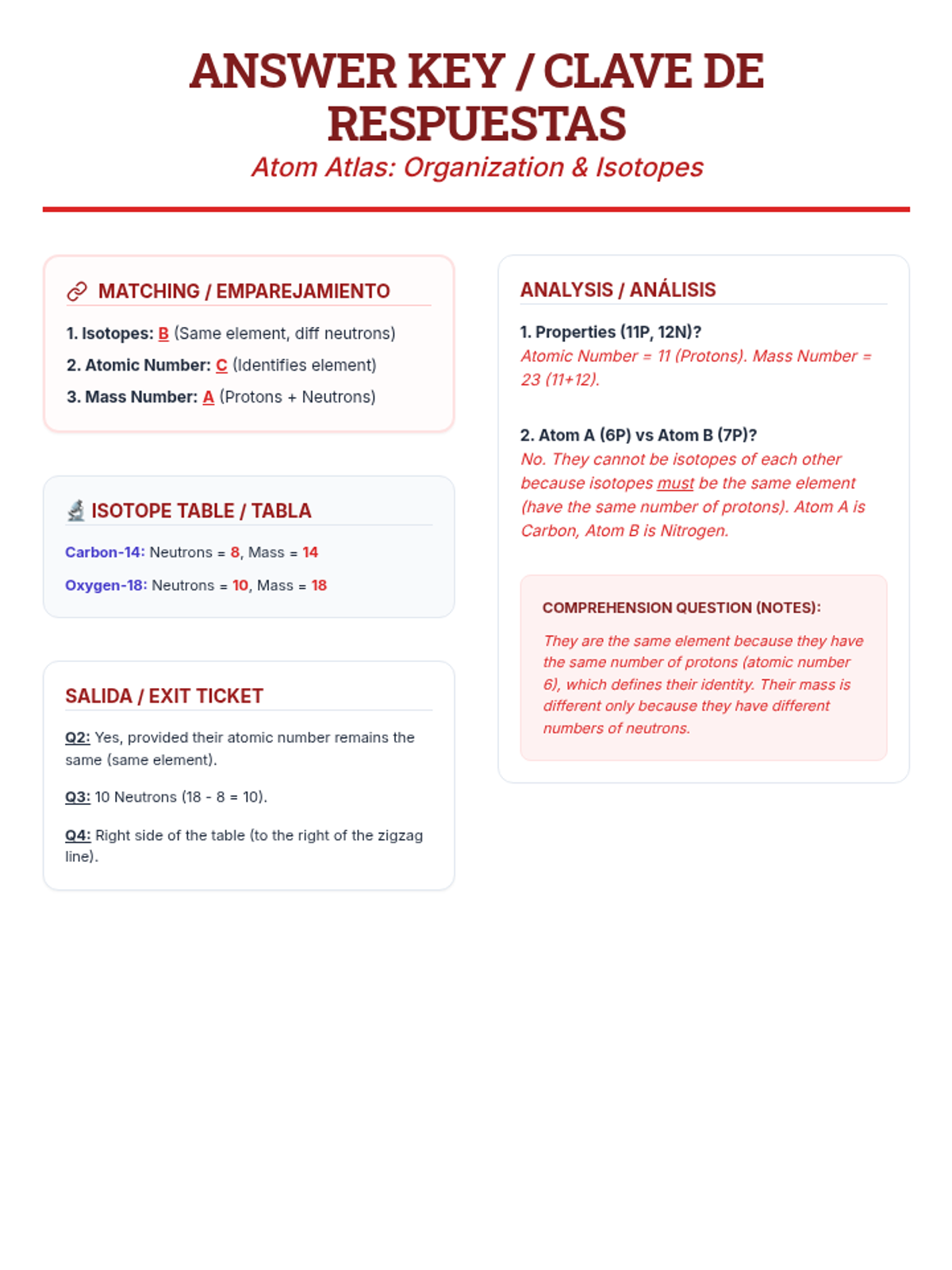
An introductory lesson on how the periodic table is organized, covering atomic numbers, mass, types of elements, and periodic trends.
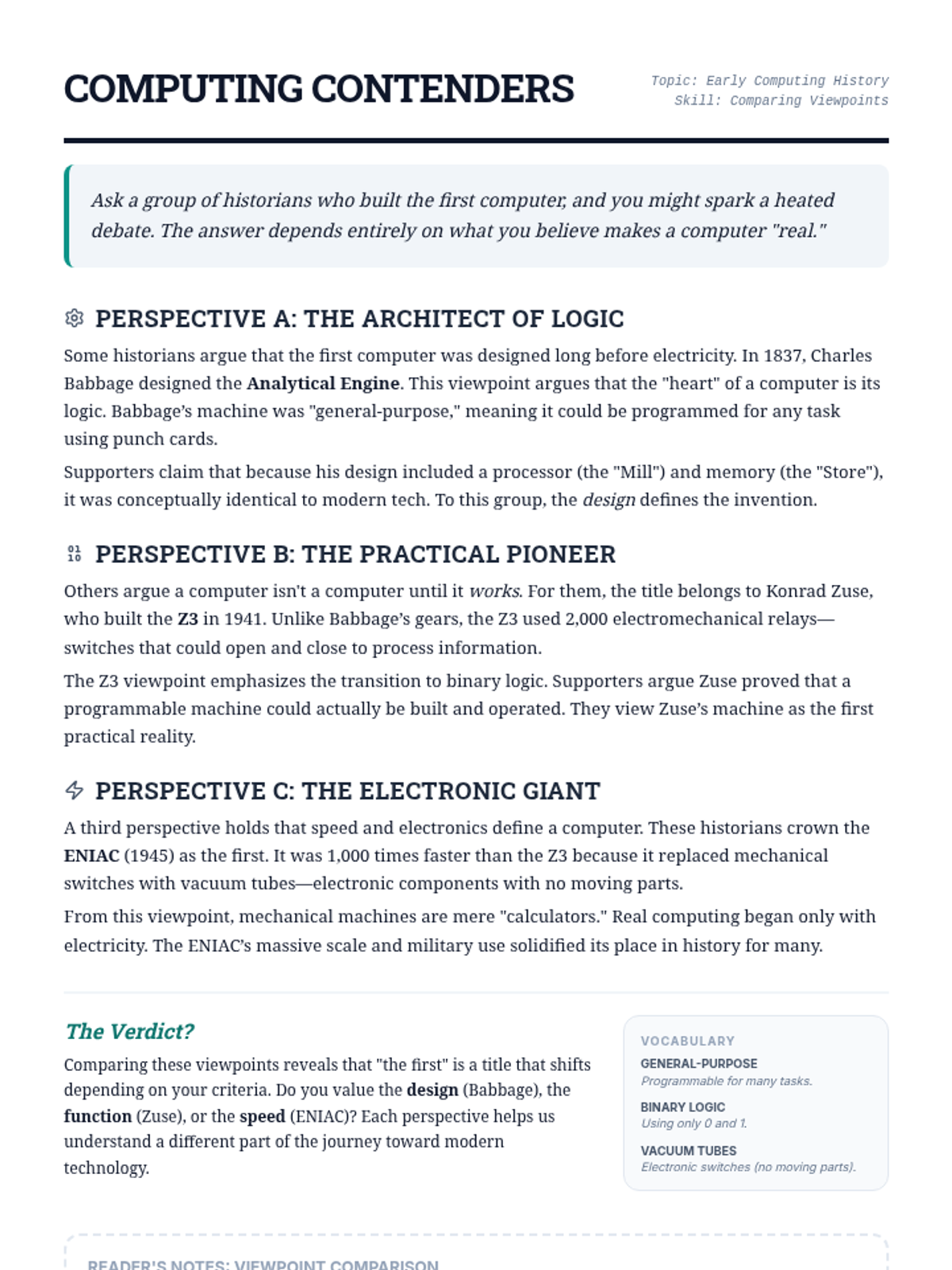
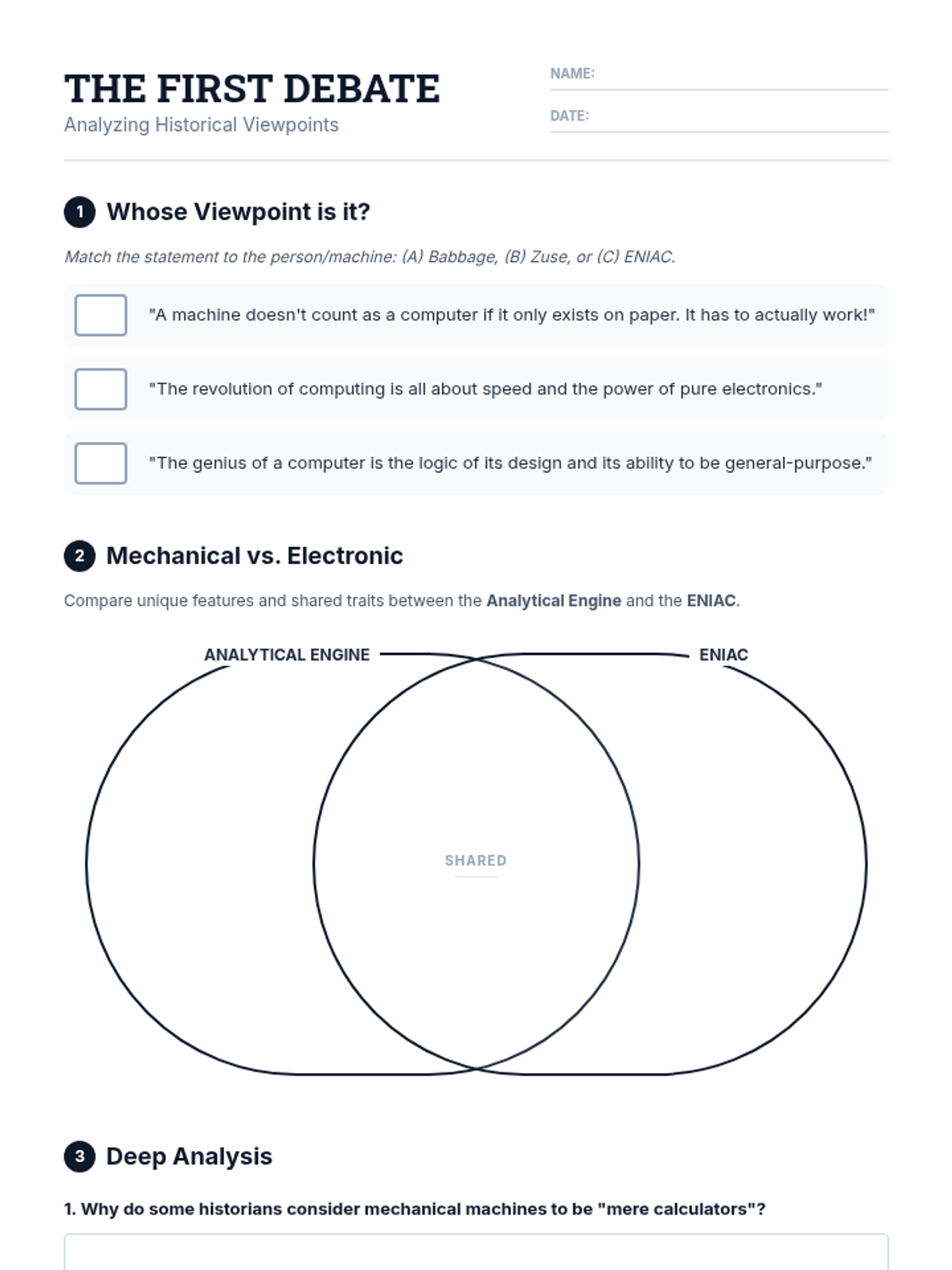
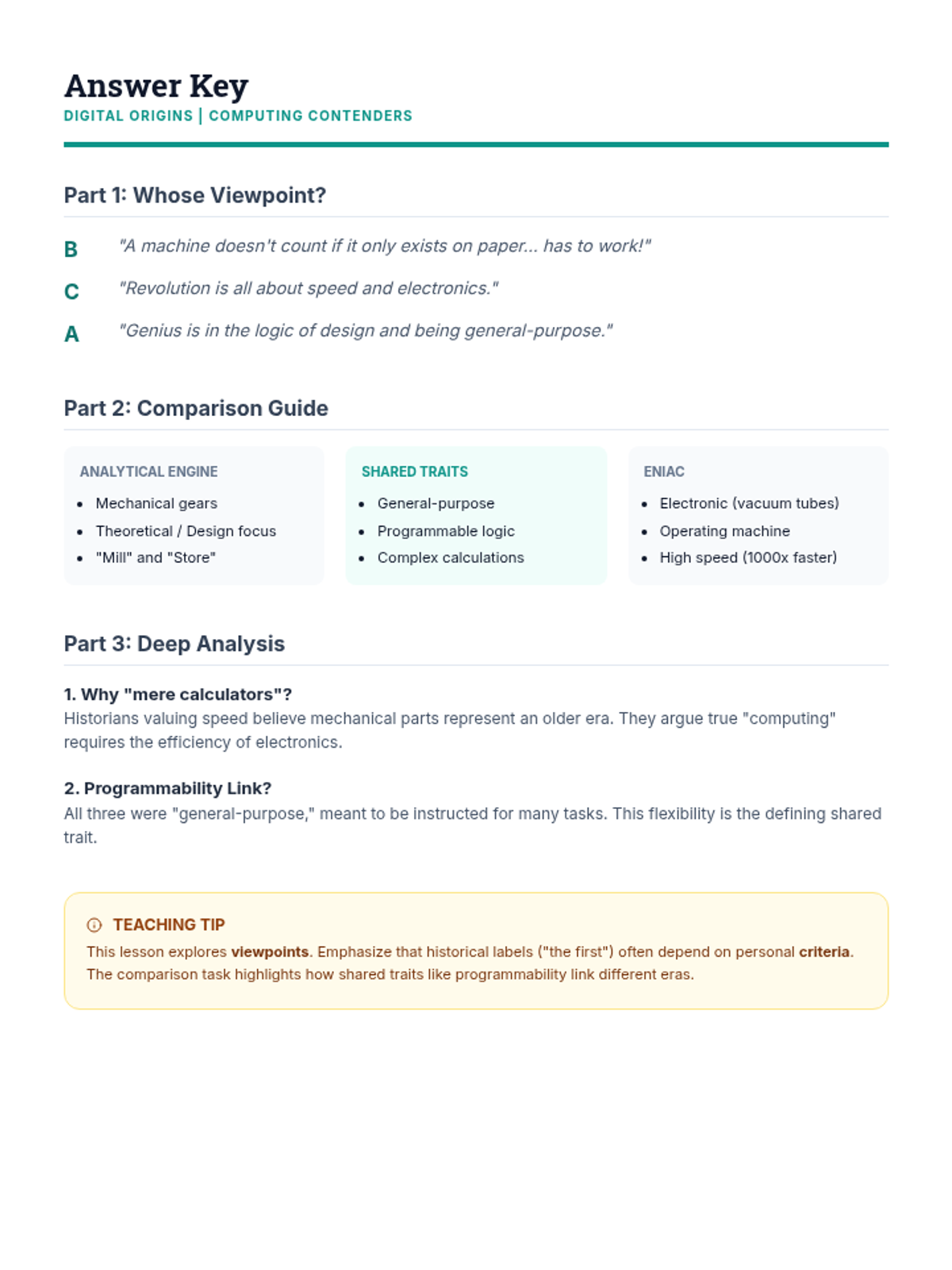
A lesson exploring the evolution of early computing machines and the varying historical perspectives on which machine deserves the title of the 'first' computer. Students will analyze different viewpoints based on technical criteria like programmability, electronics, and logic.
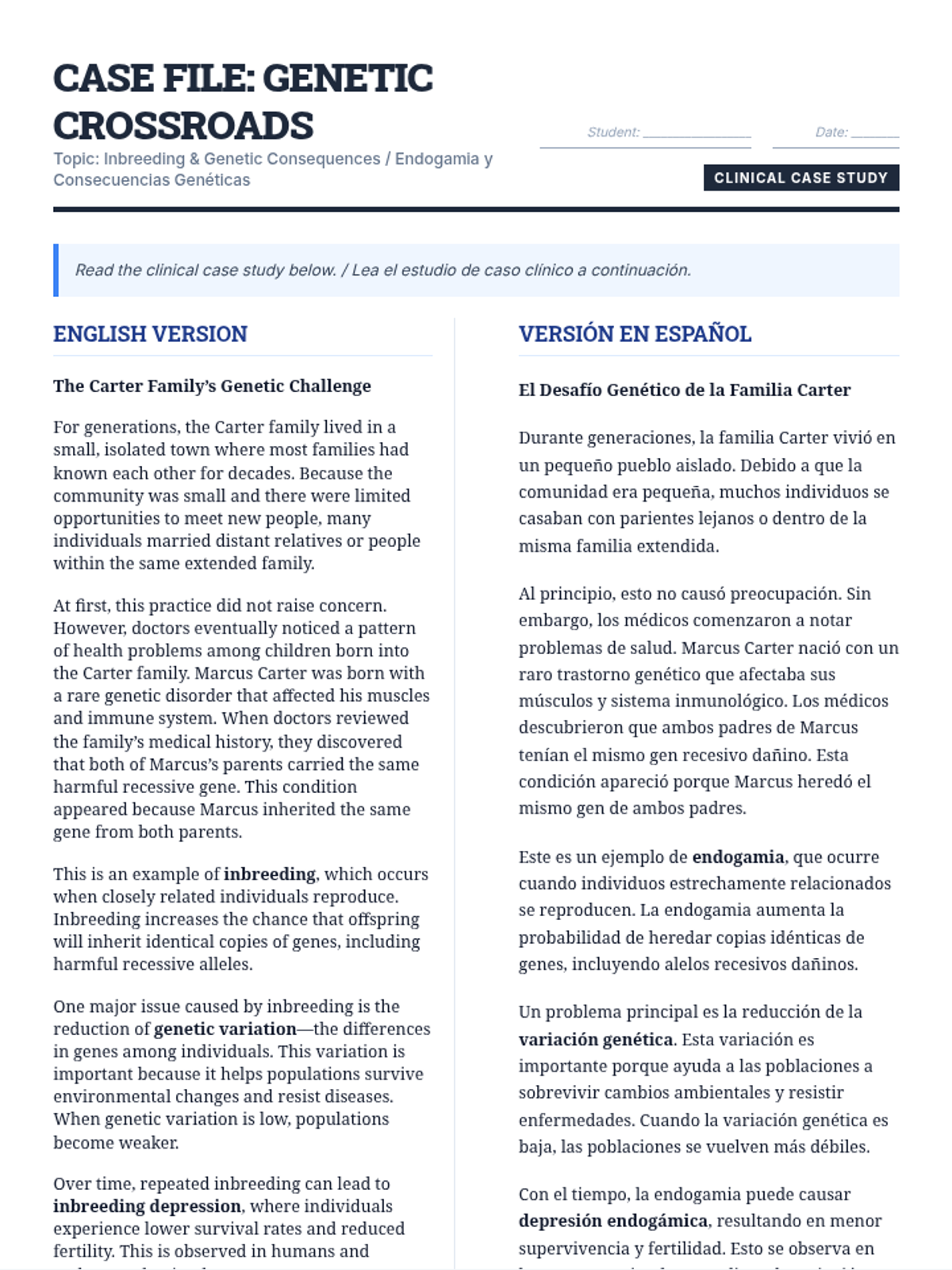
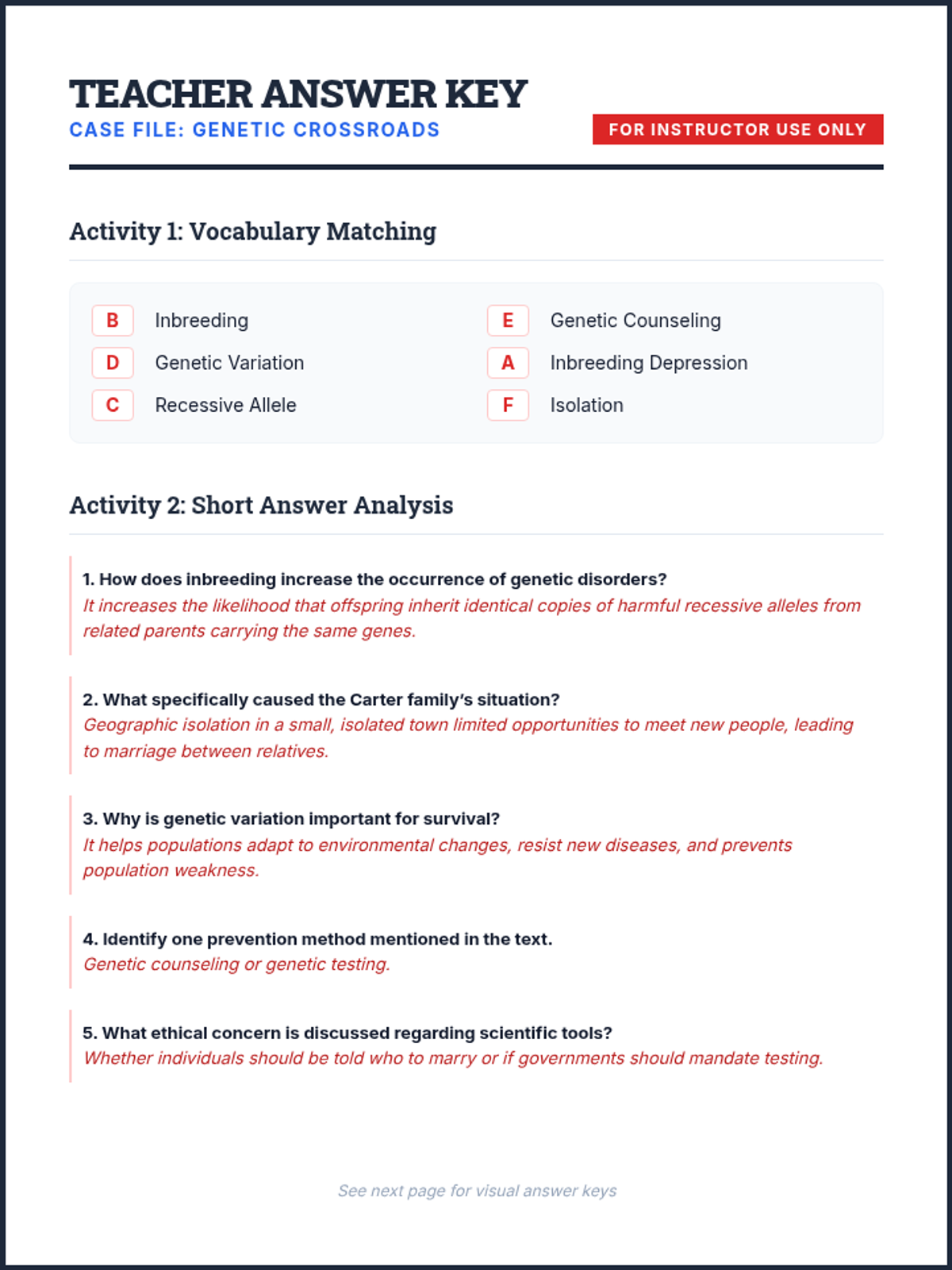
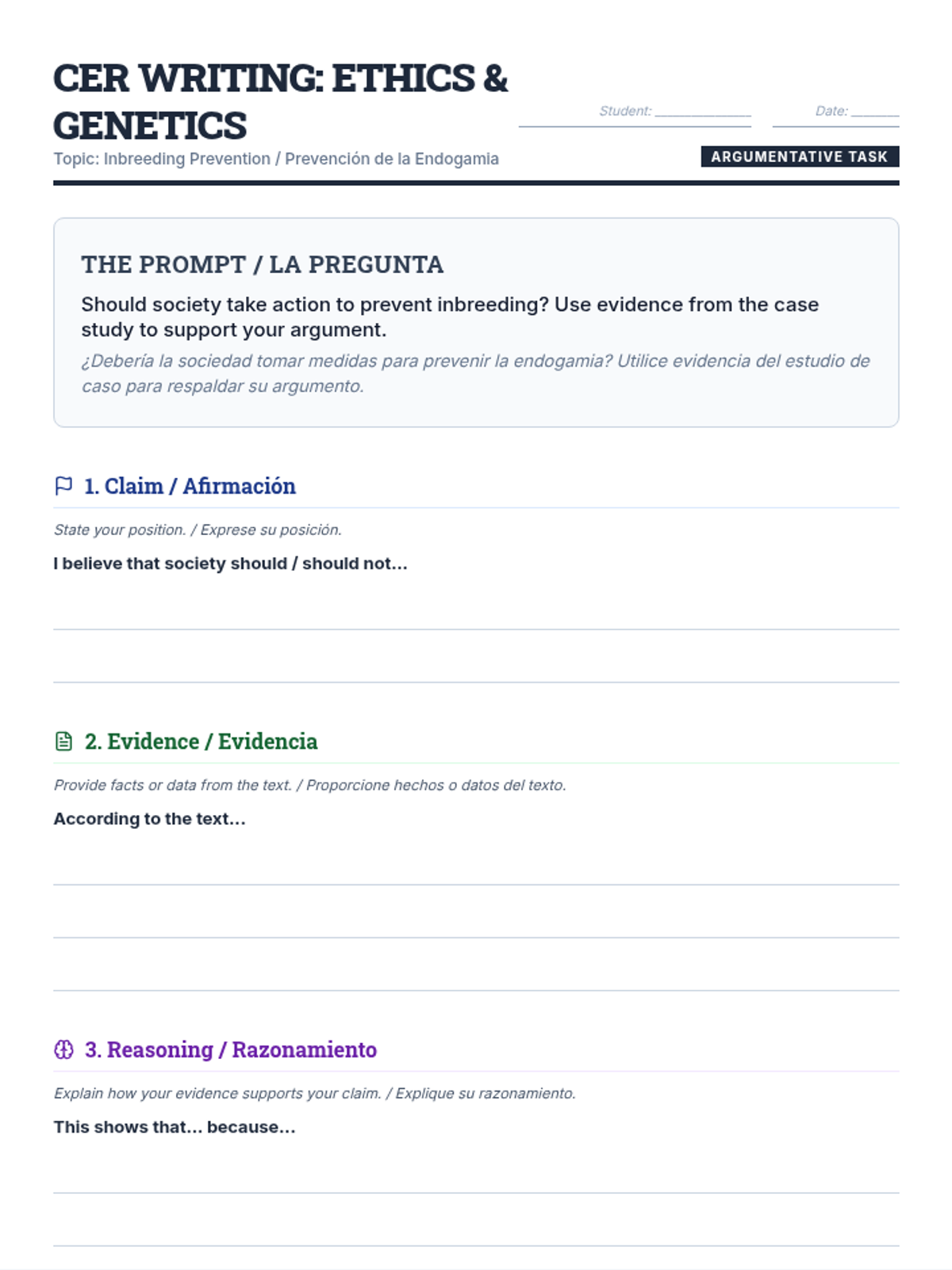
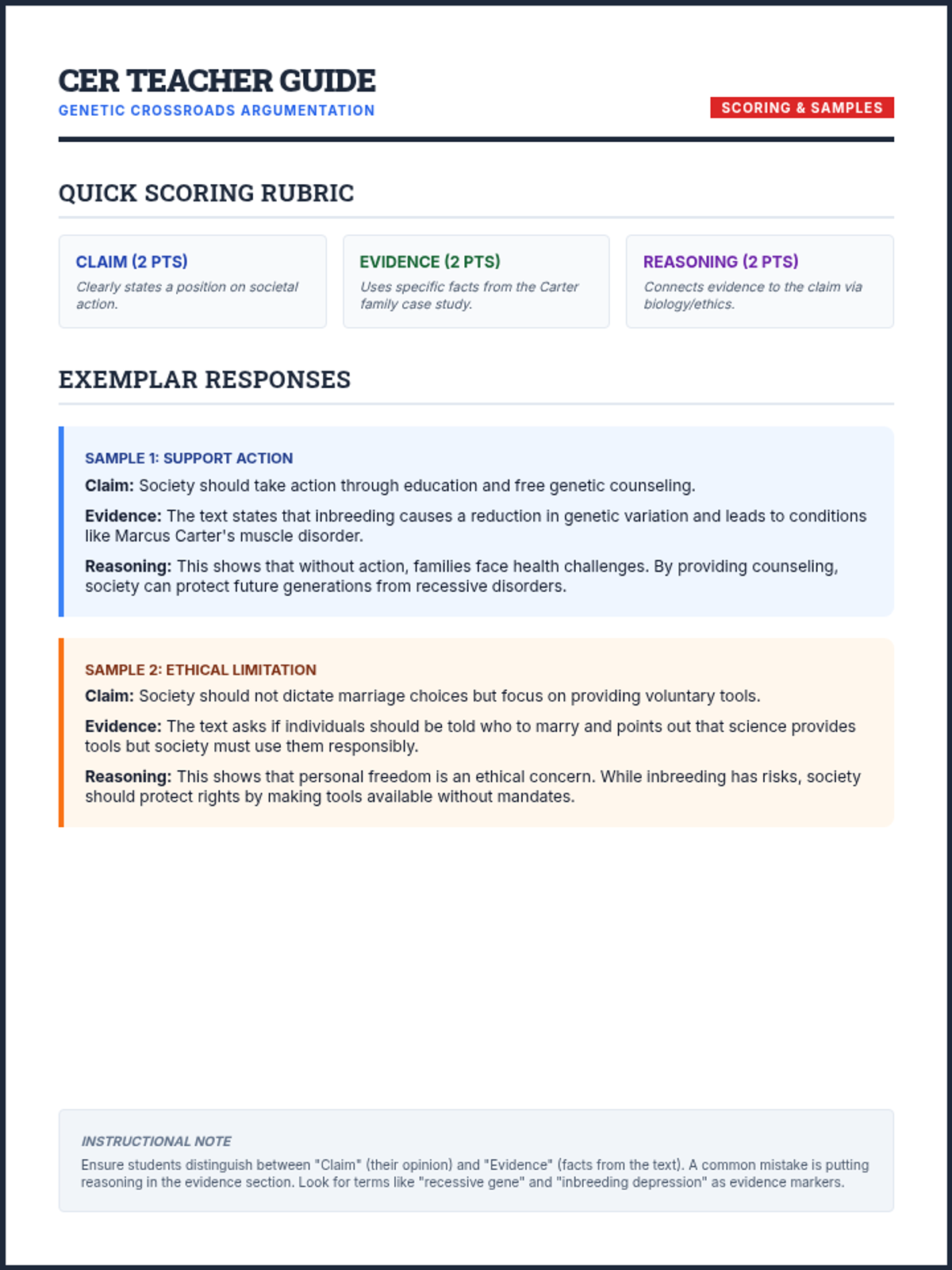
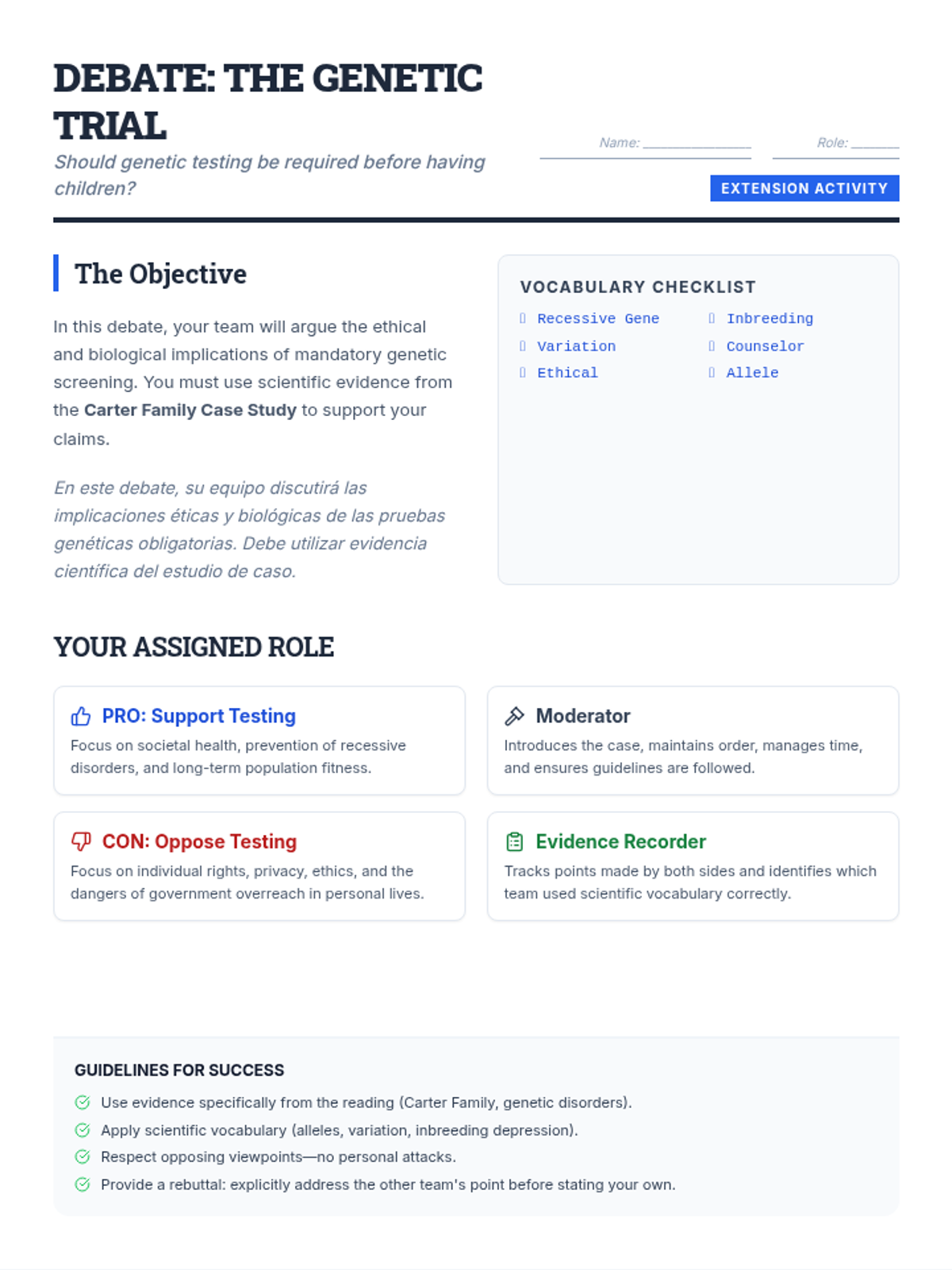
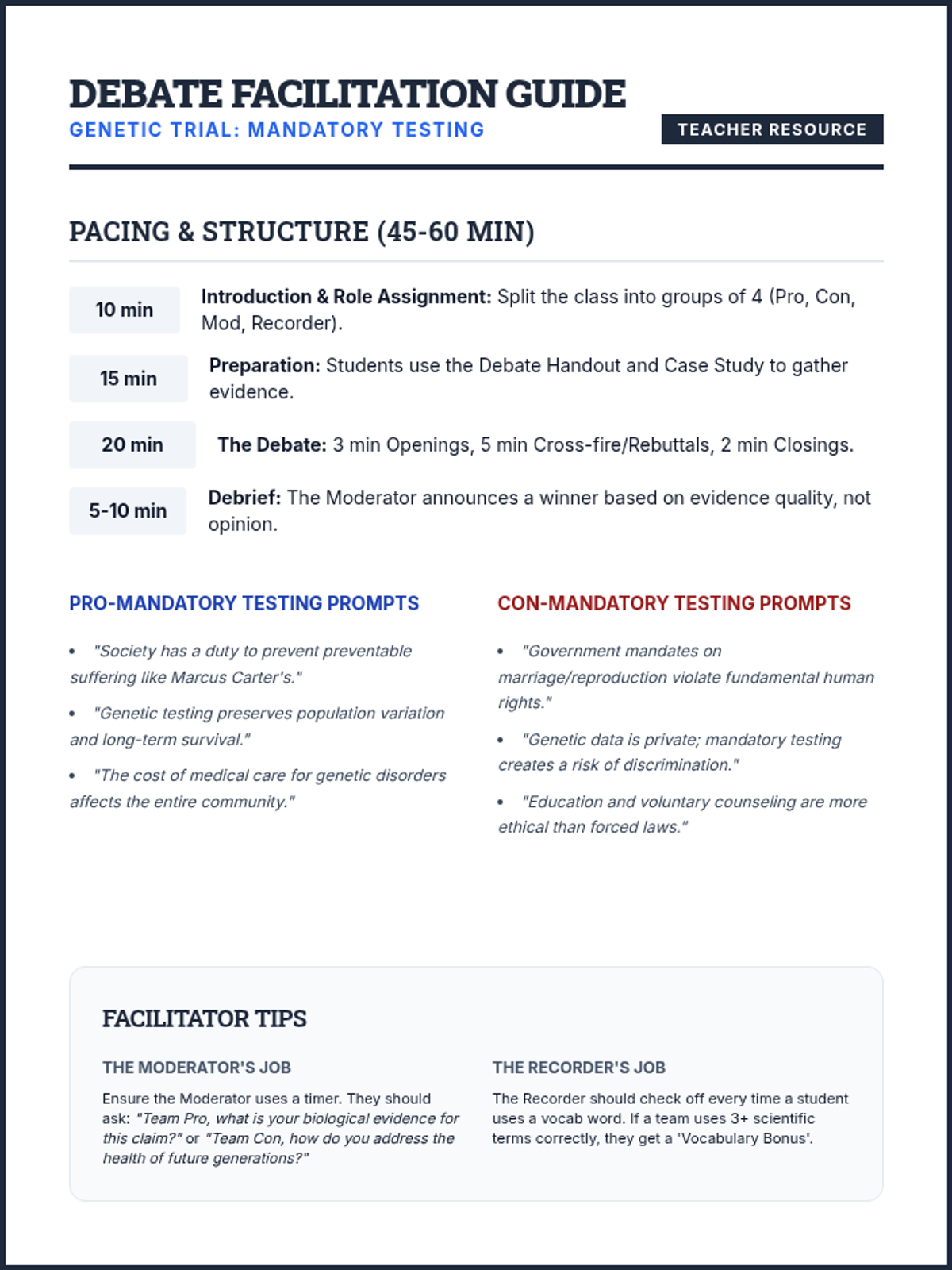
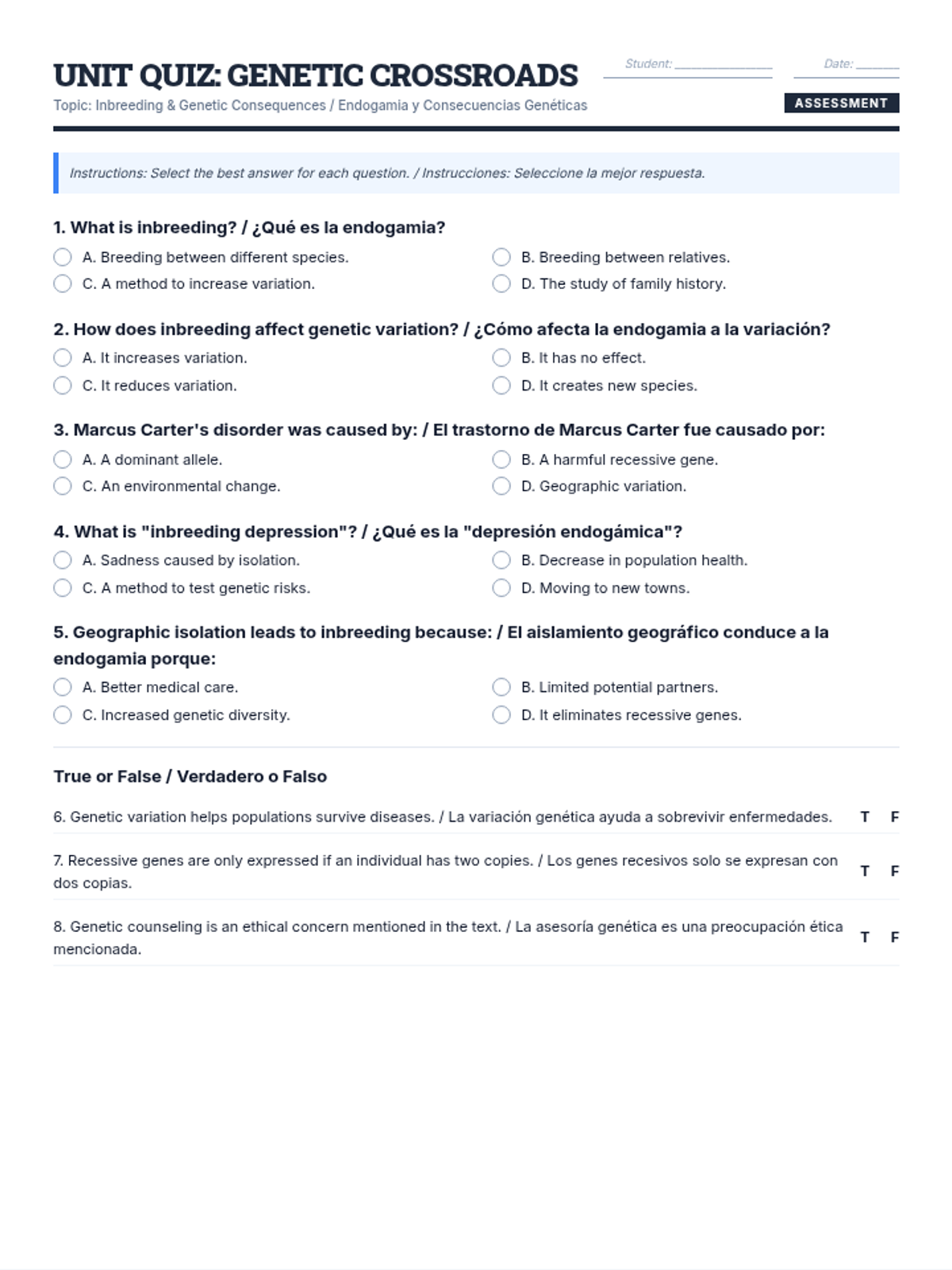
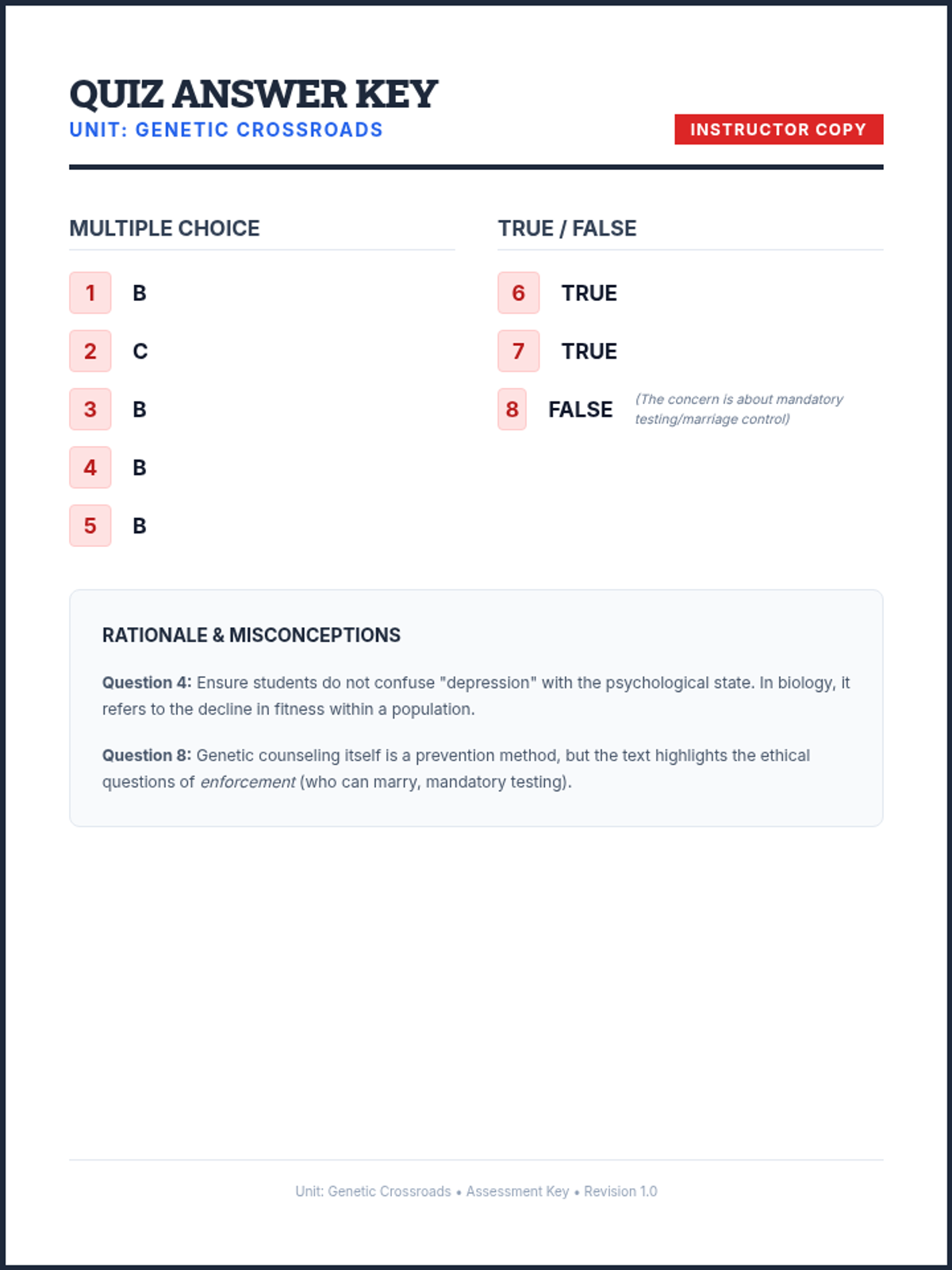
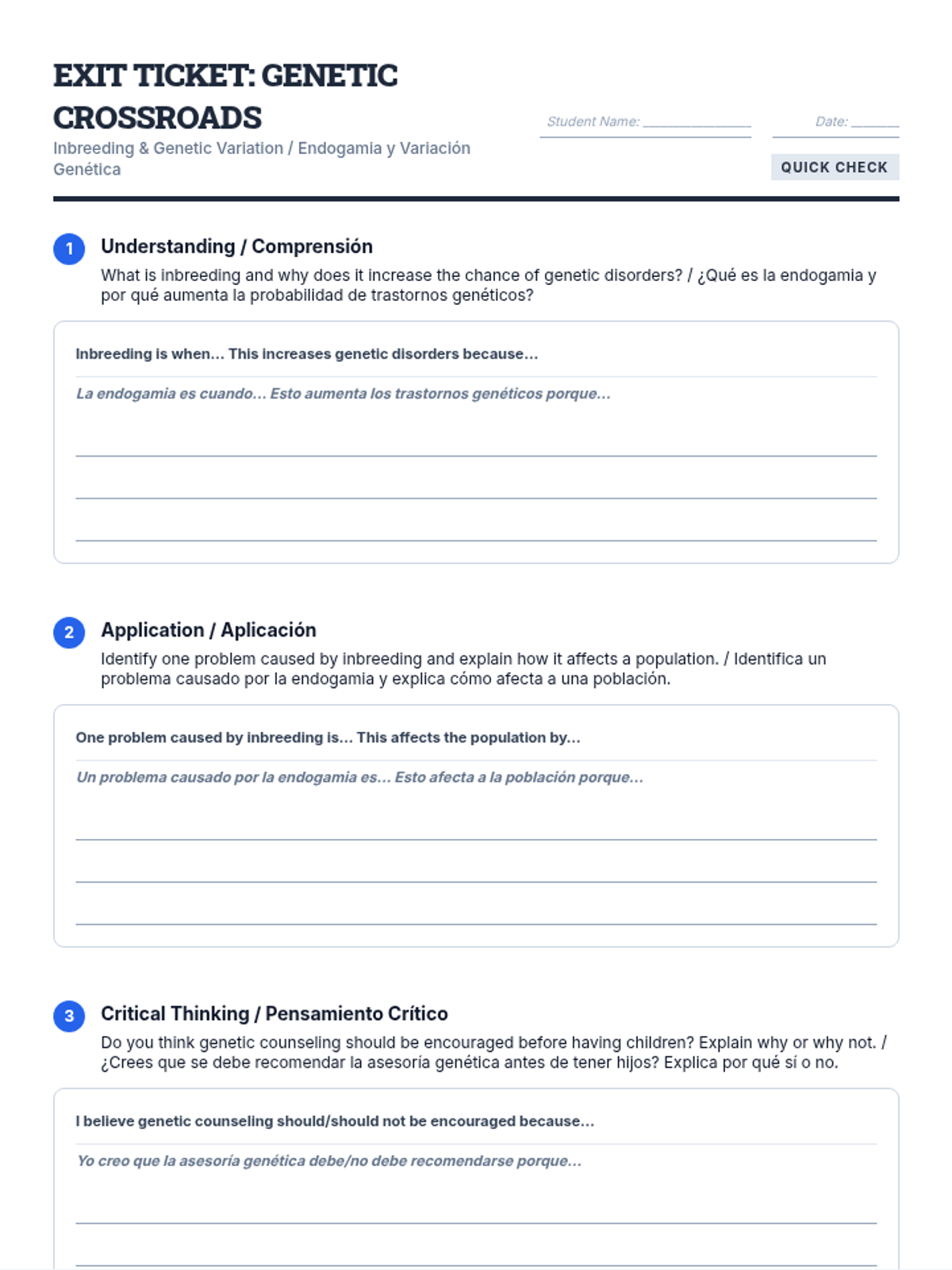
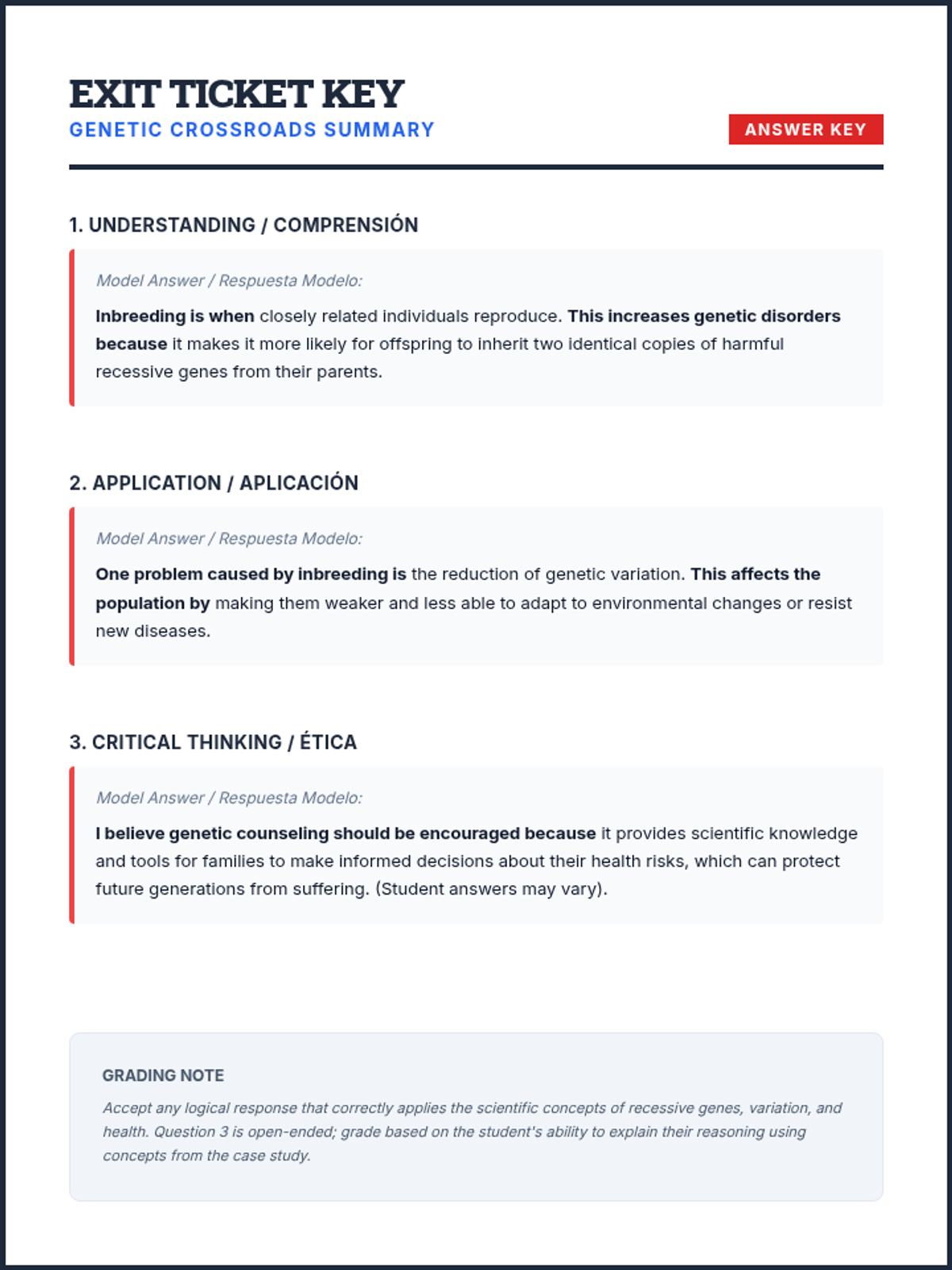
A biology lesson focused on the genetic implications of inbreeding, utilizing a bilingual case study to explore recessive traits, genetic variation, and population health.
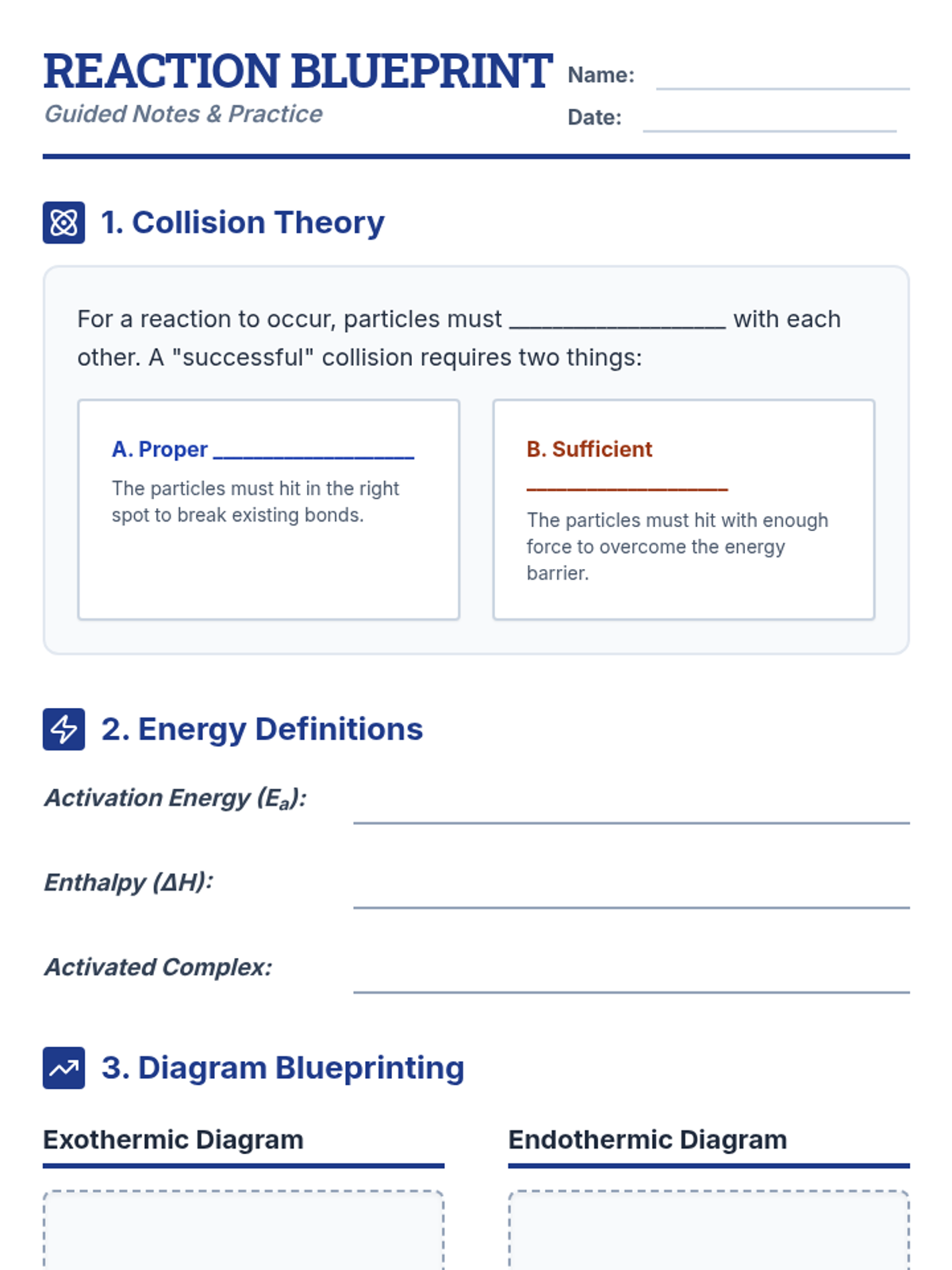
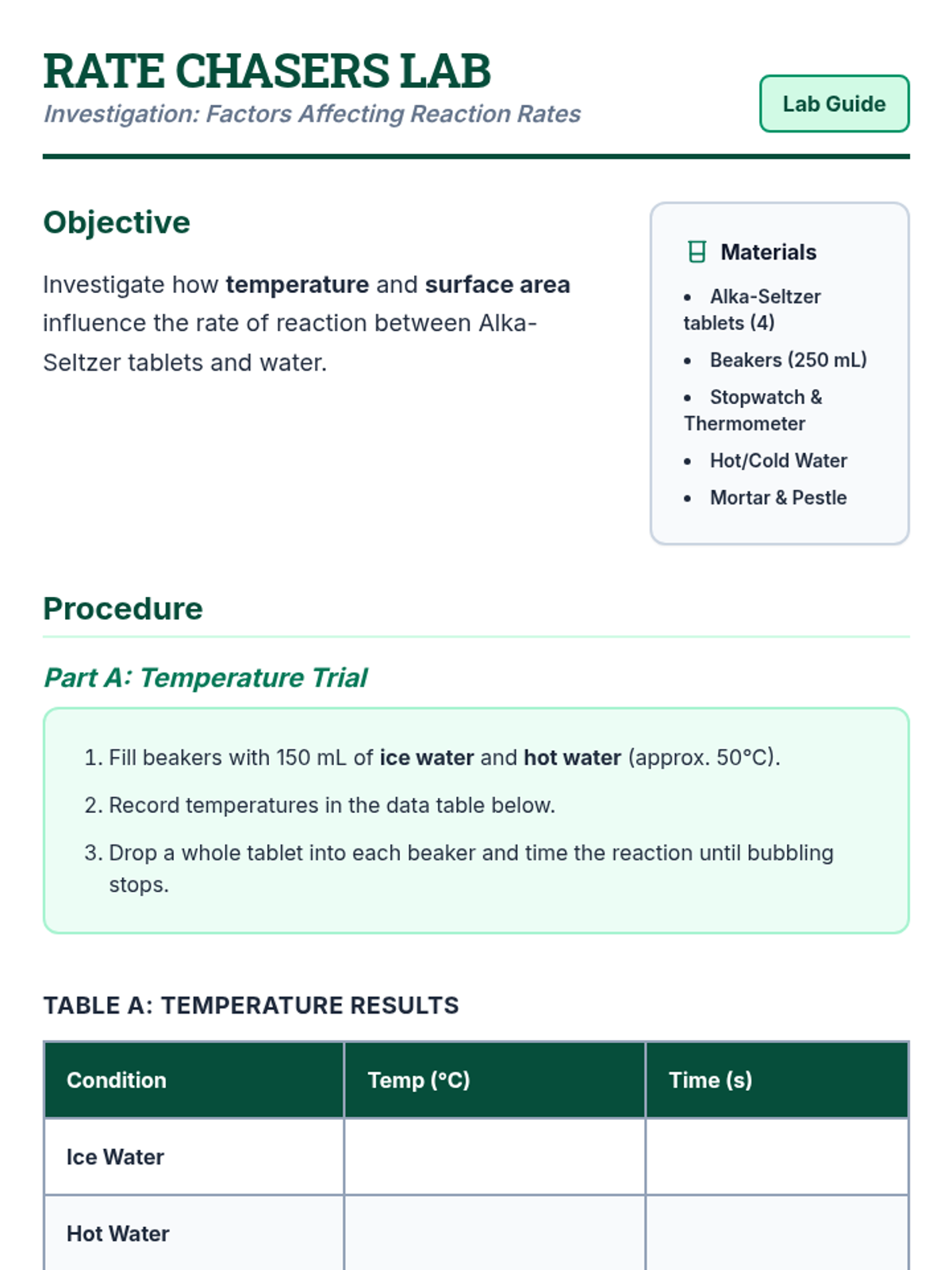
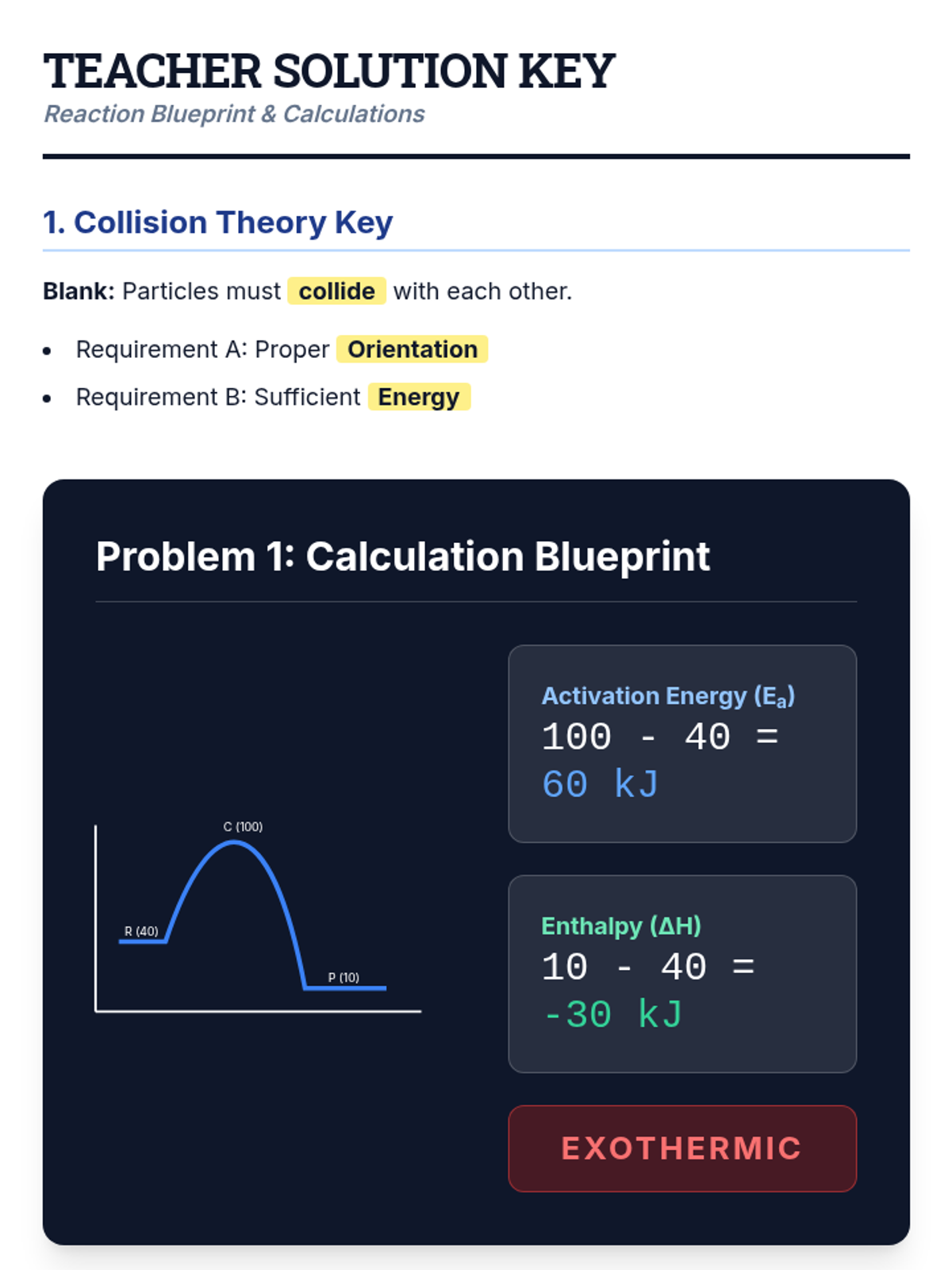
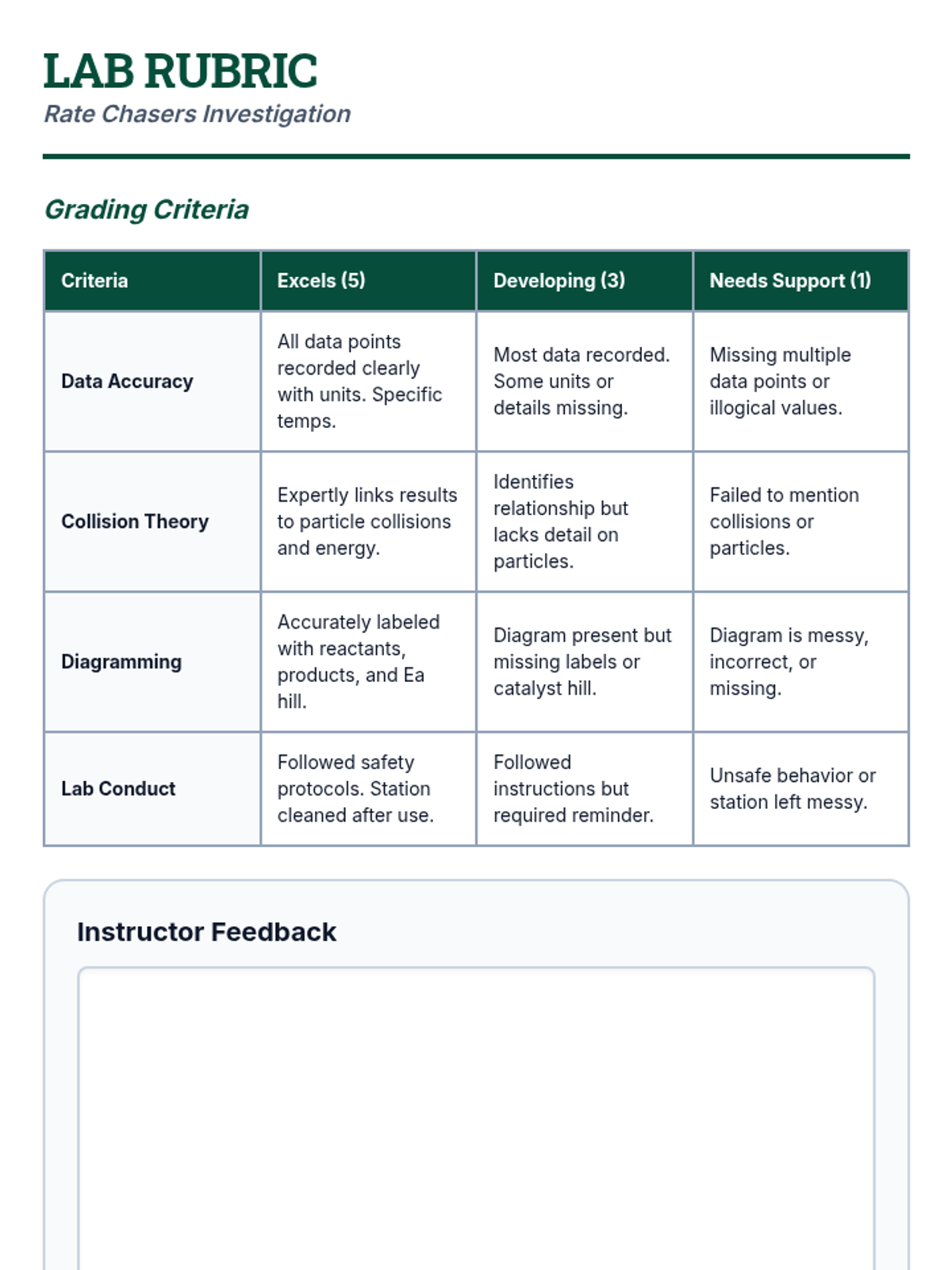
A comprehensive lesson exploring the mechanics of chemical reactions, including collision theory, energy diagrams, and the factors that influence reaction rates. Students will learn to visualize and calculate energy changes while conducting a hands-on investigation.
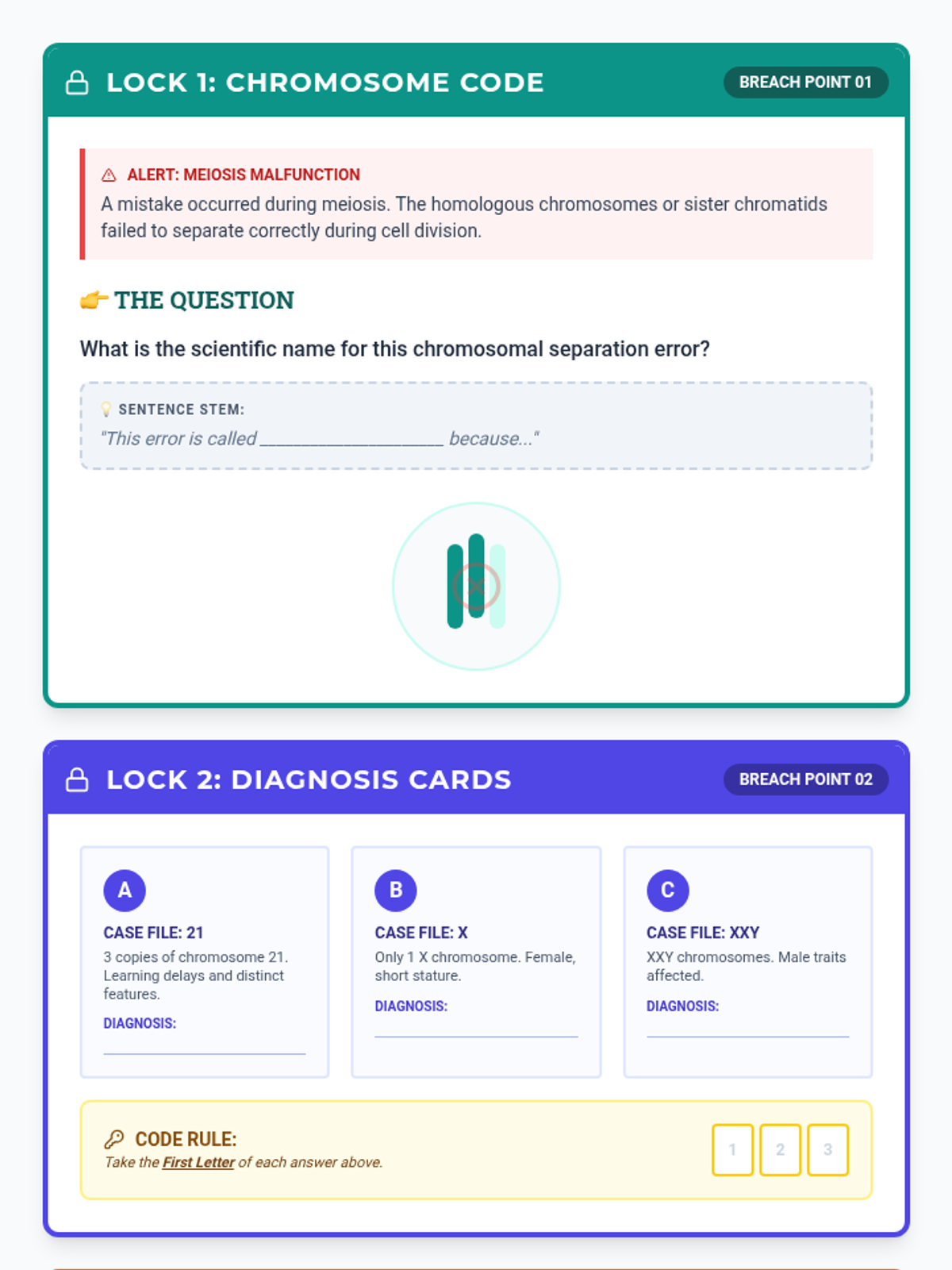
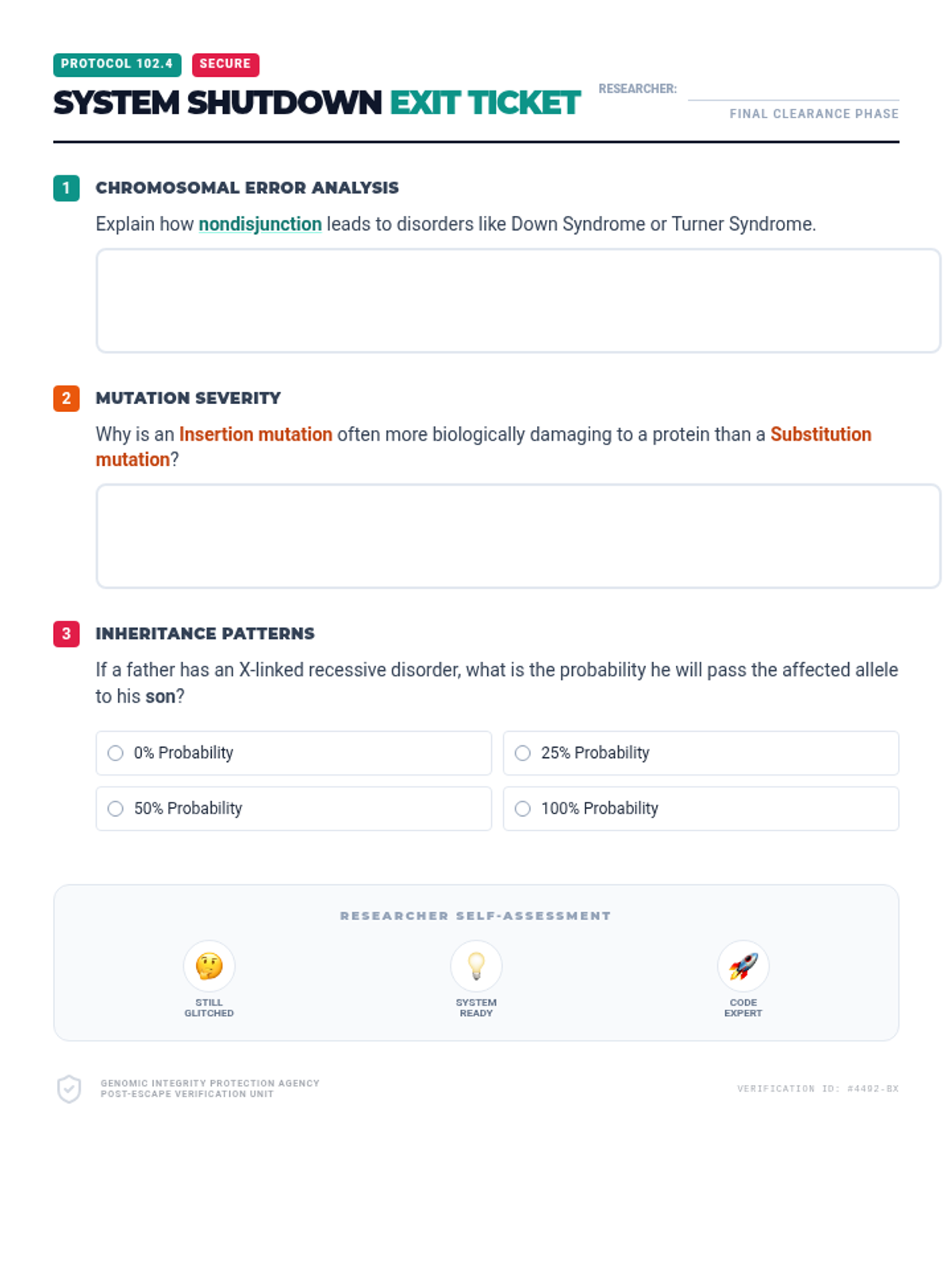
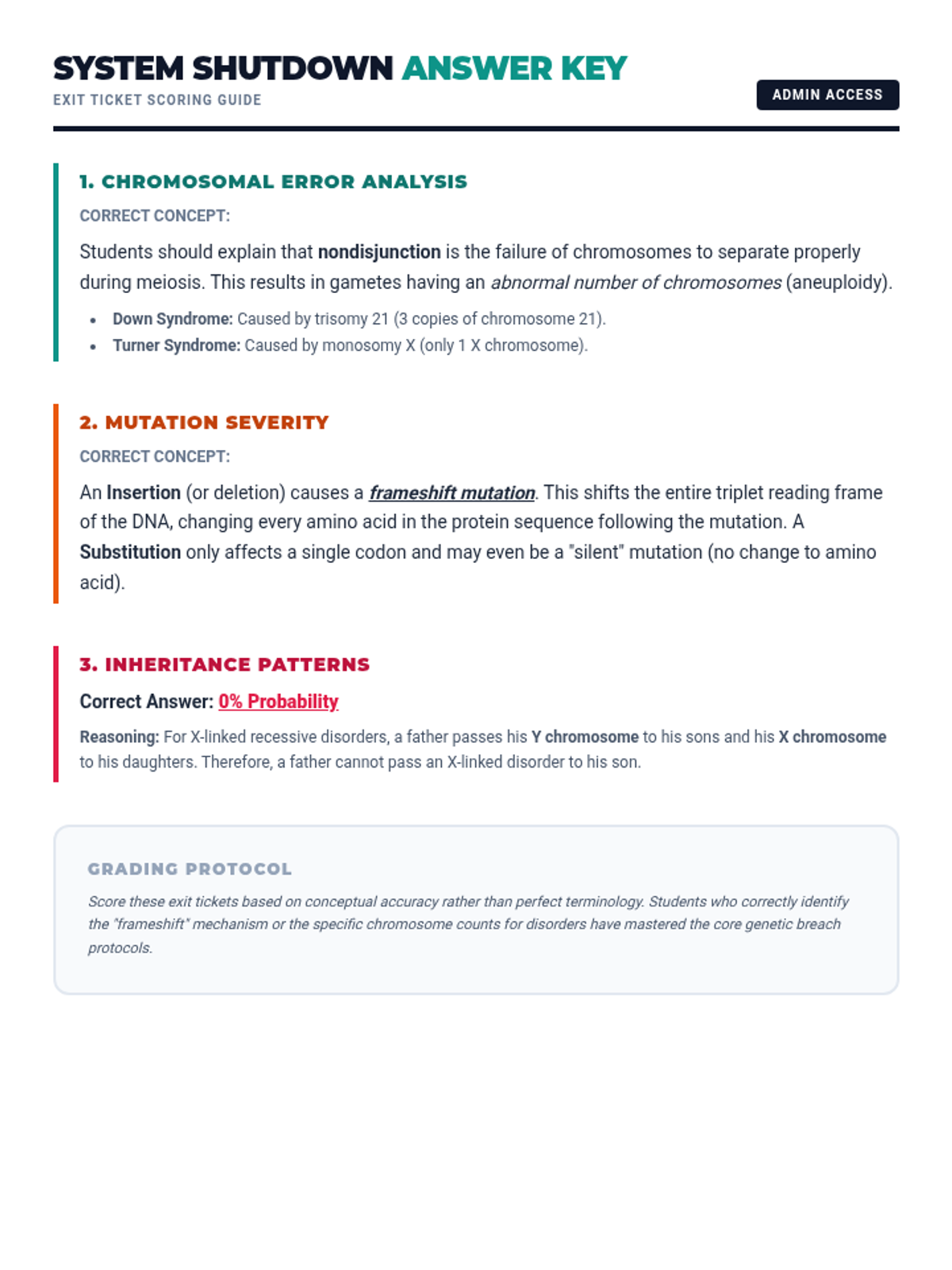
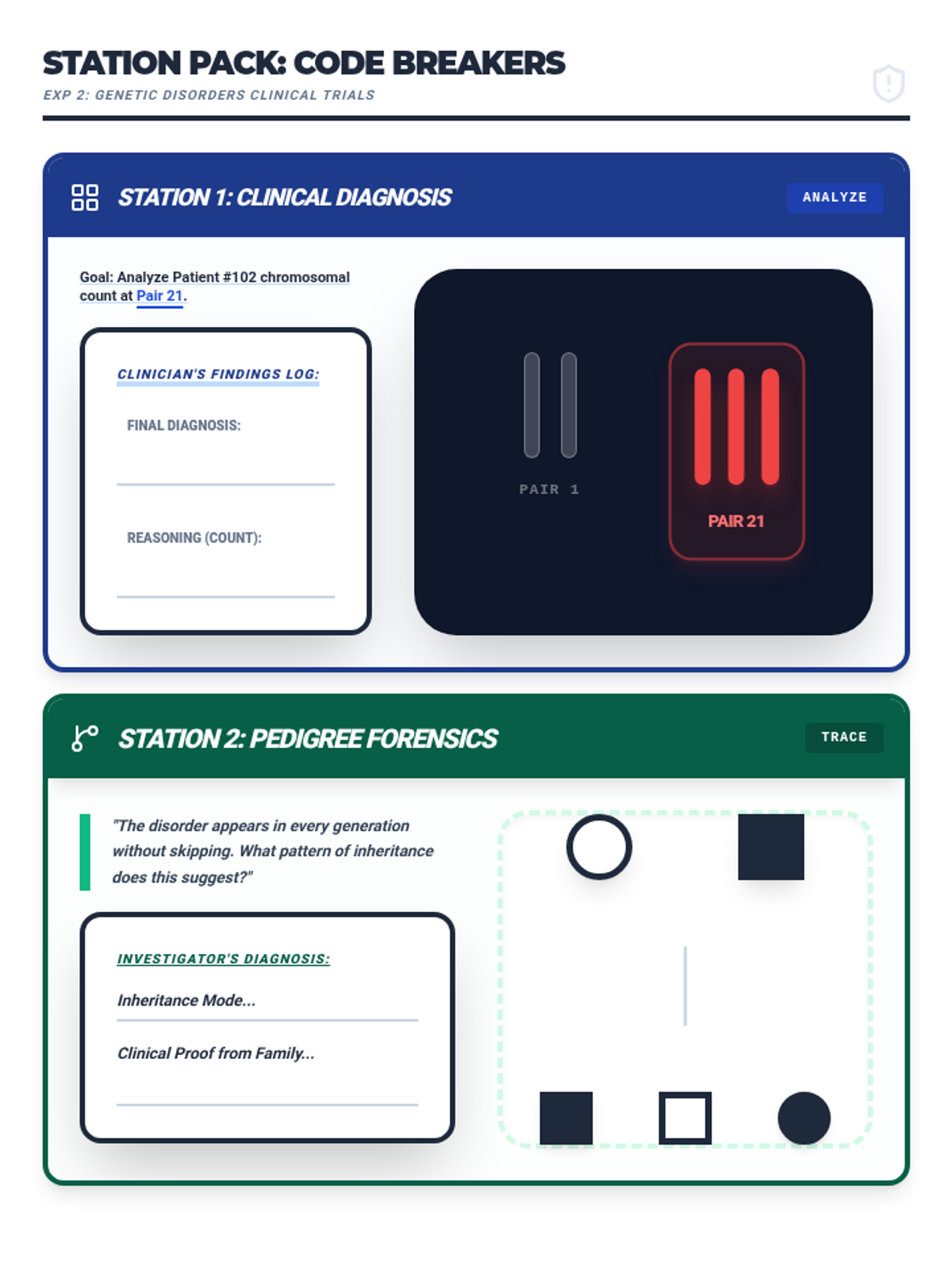
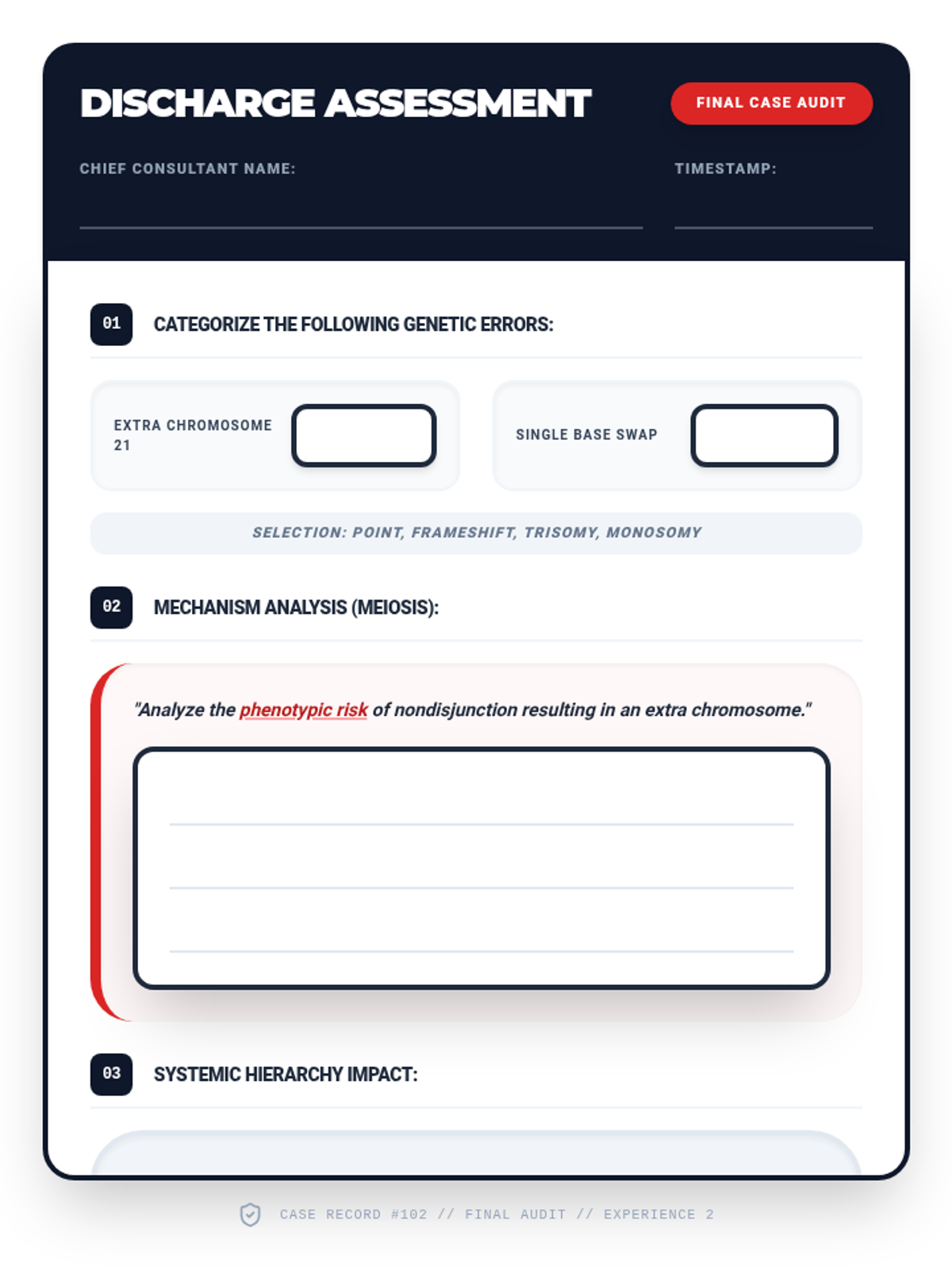
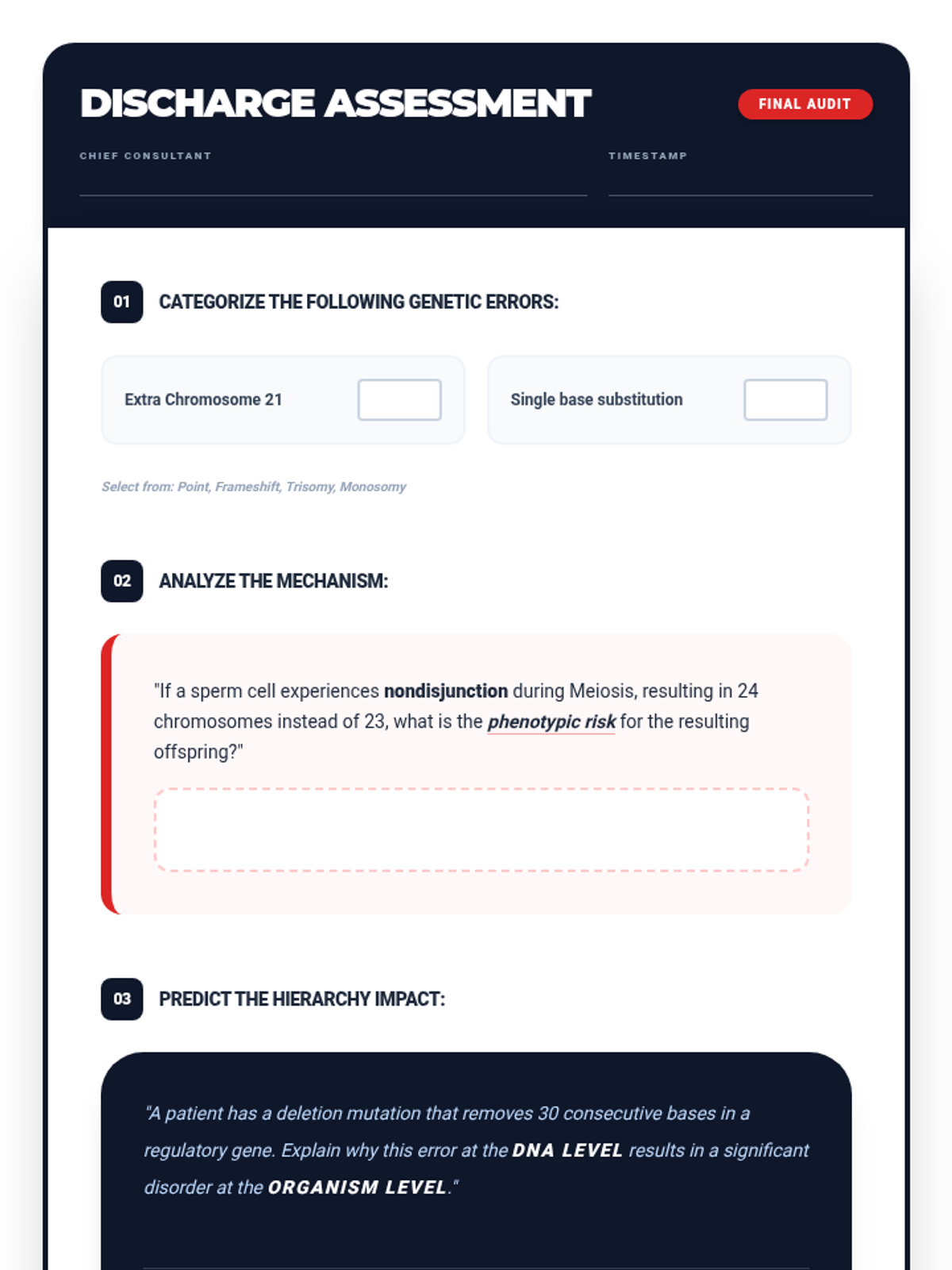
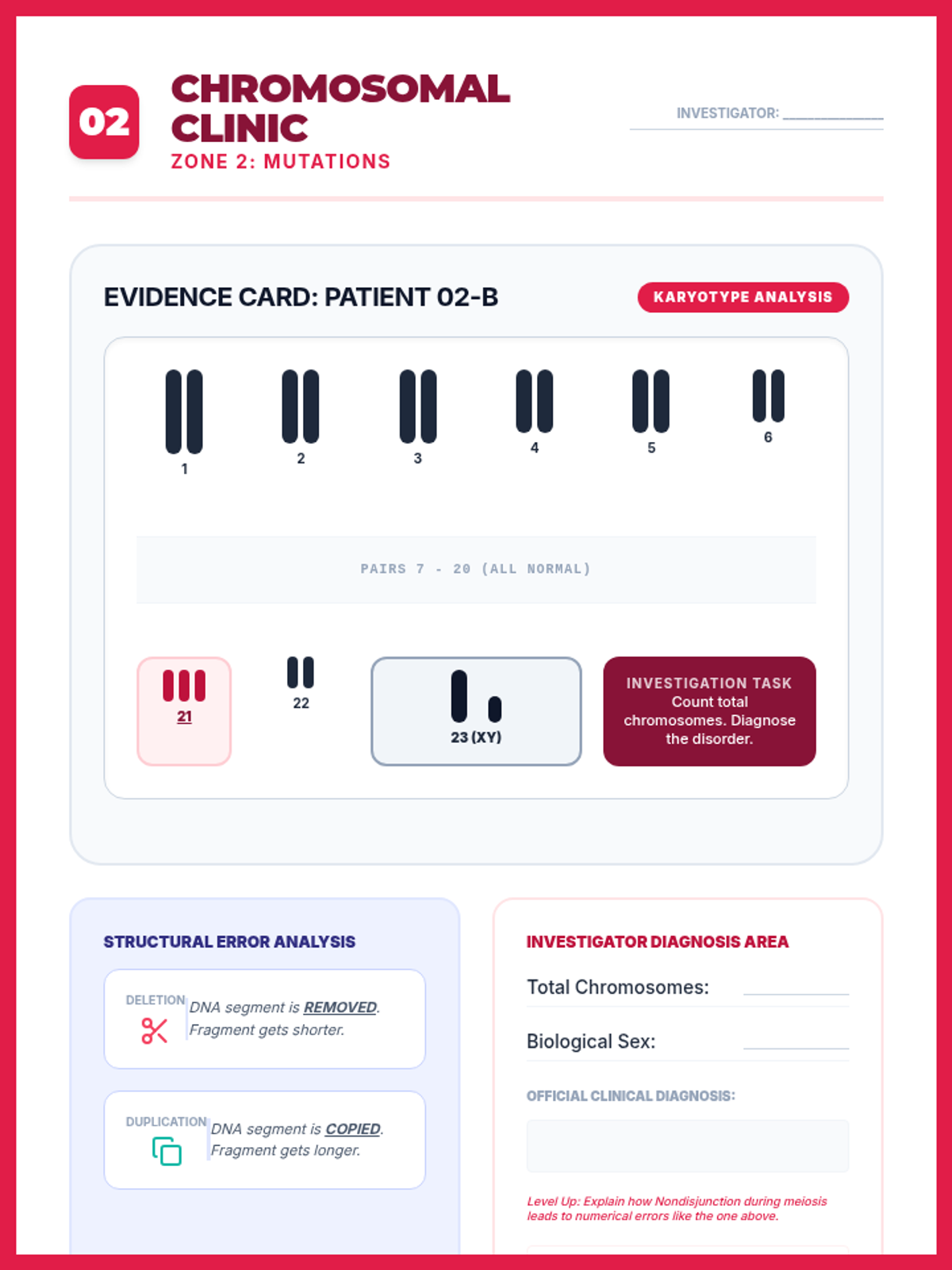
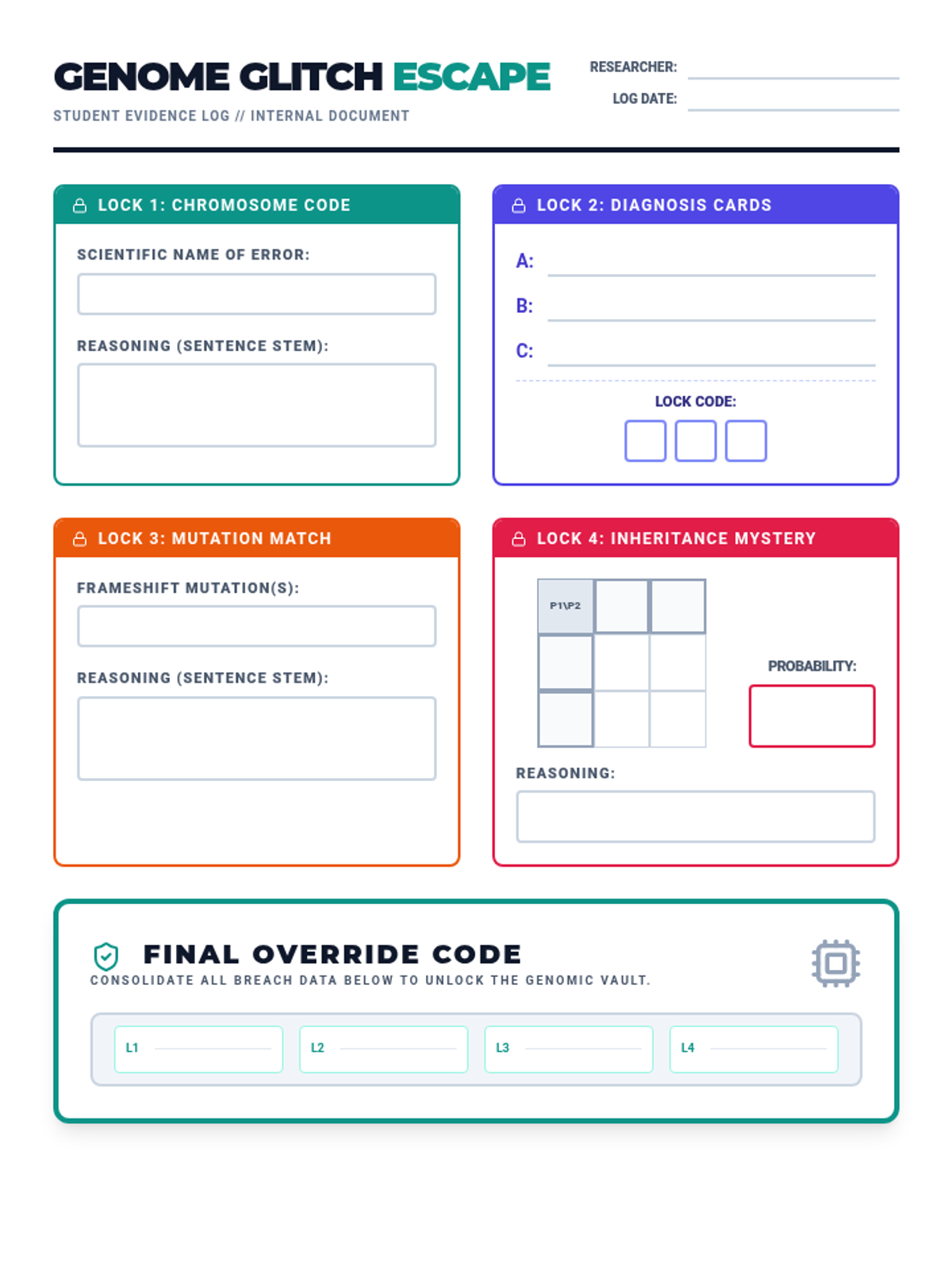
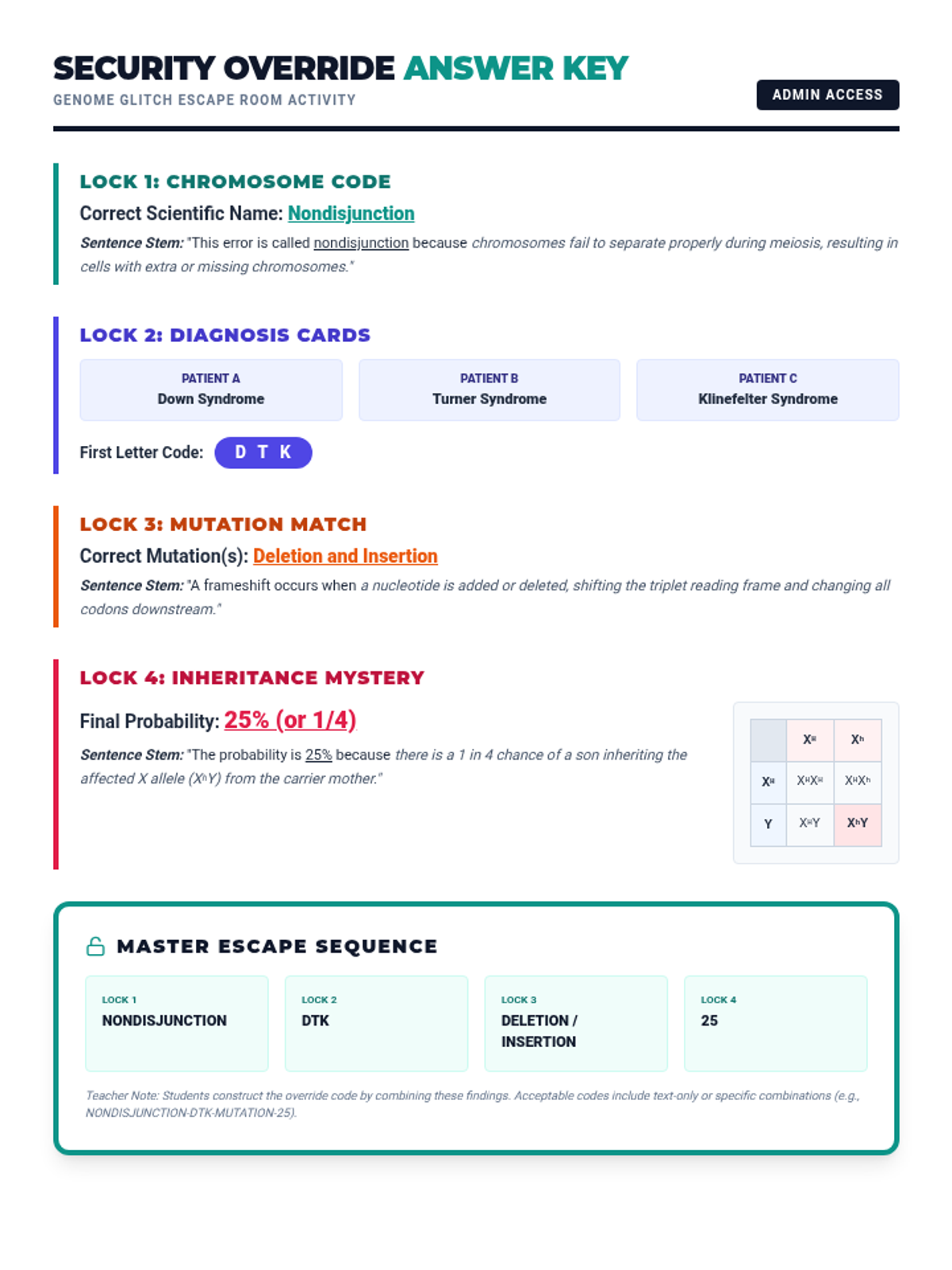
An immersive genetics escape room activity where students solve puzzles related to chromosomal errors, mutations, and inheritance patterns to 'unlock' a breached genomic system.
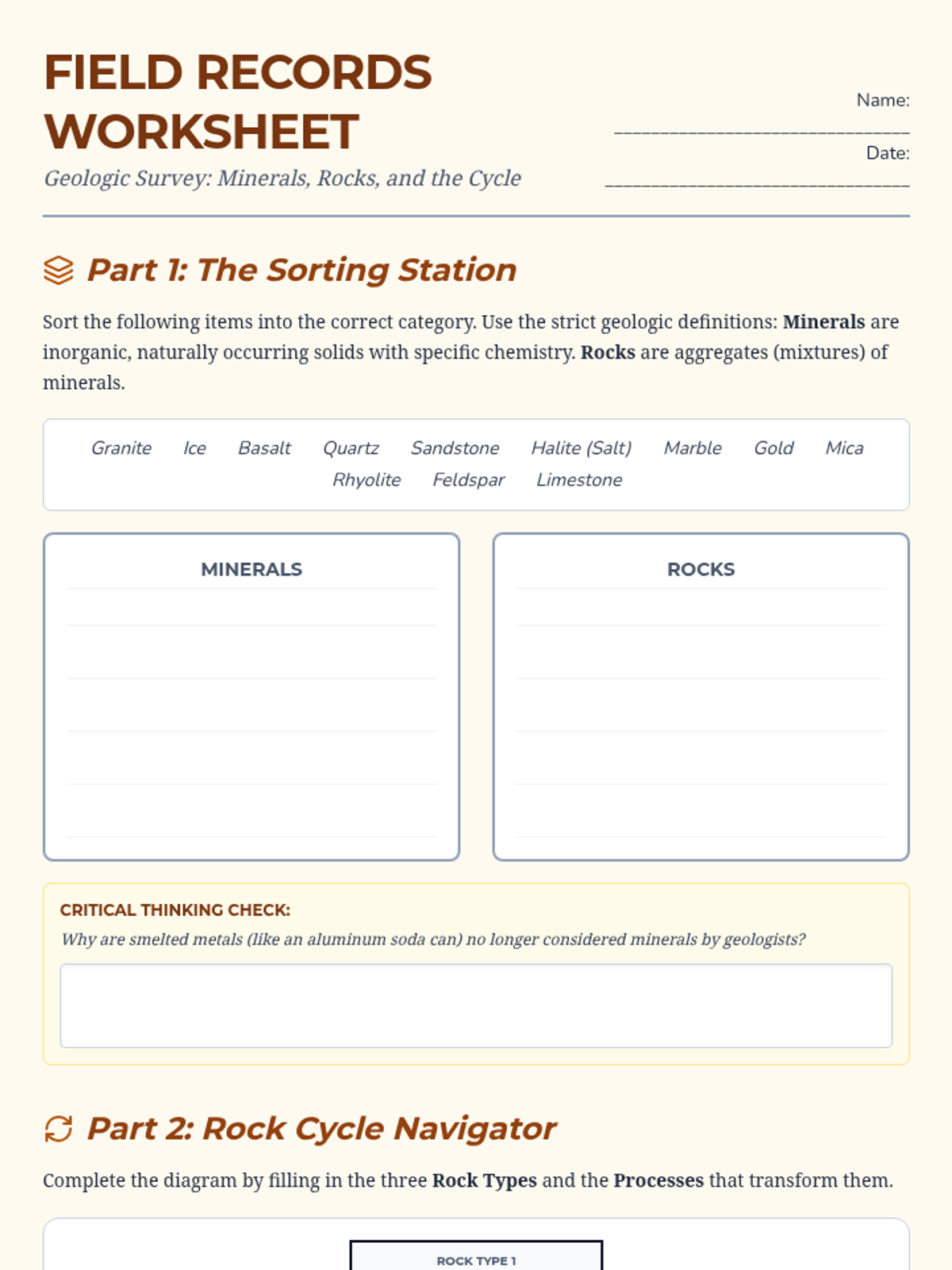
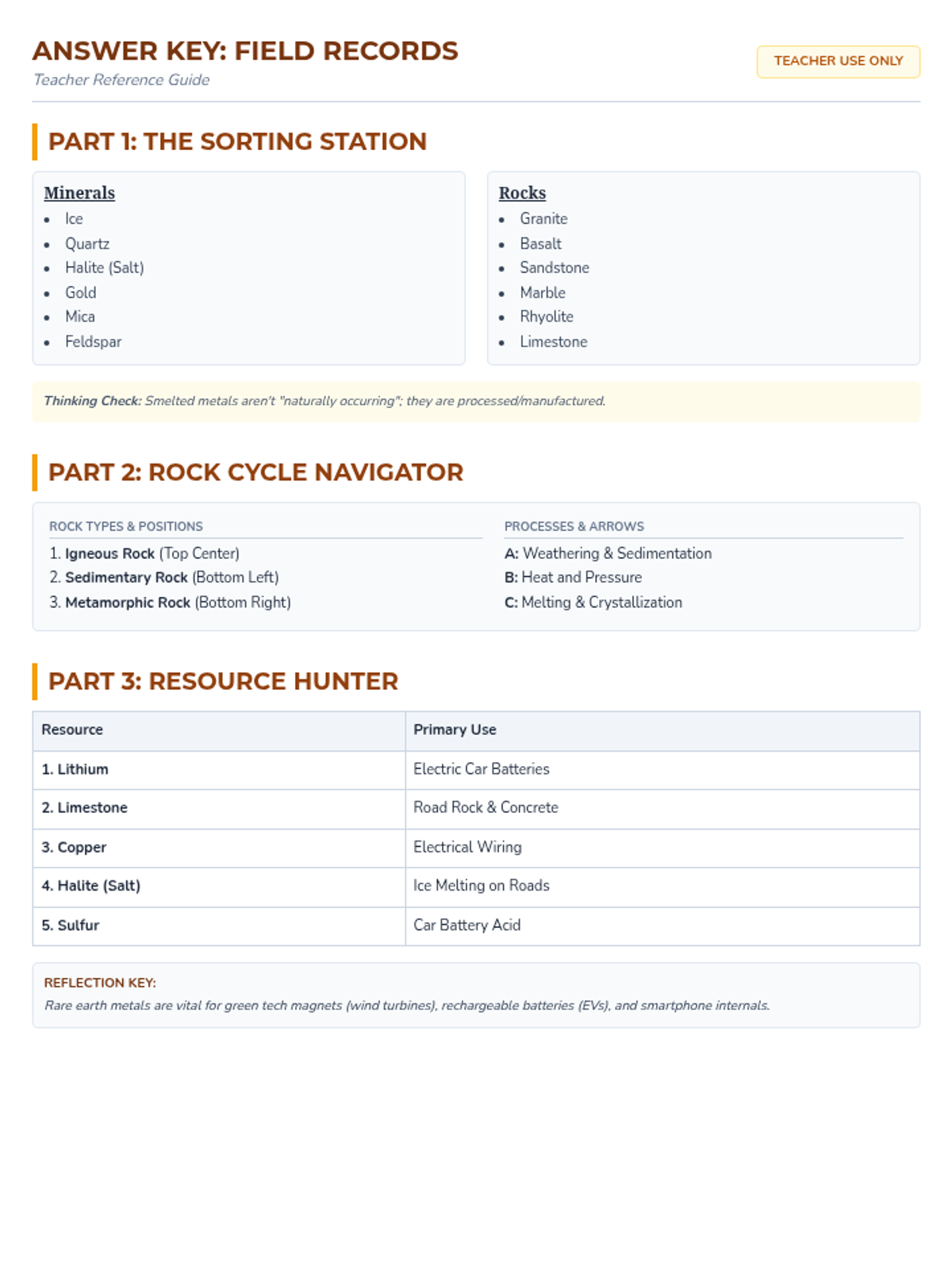
An exploration of the fundamental building blocks of Earth's crust, focusing on the differences between minerals and rocks, the dynamic processes of the rock cycle, and the economic importance of geologic resources.
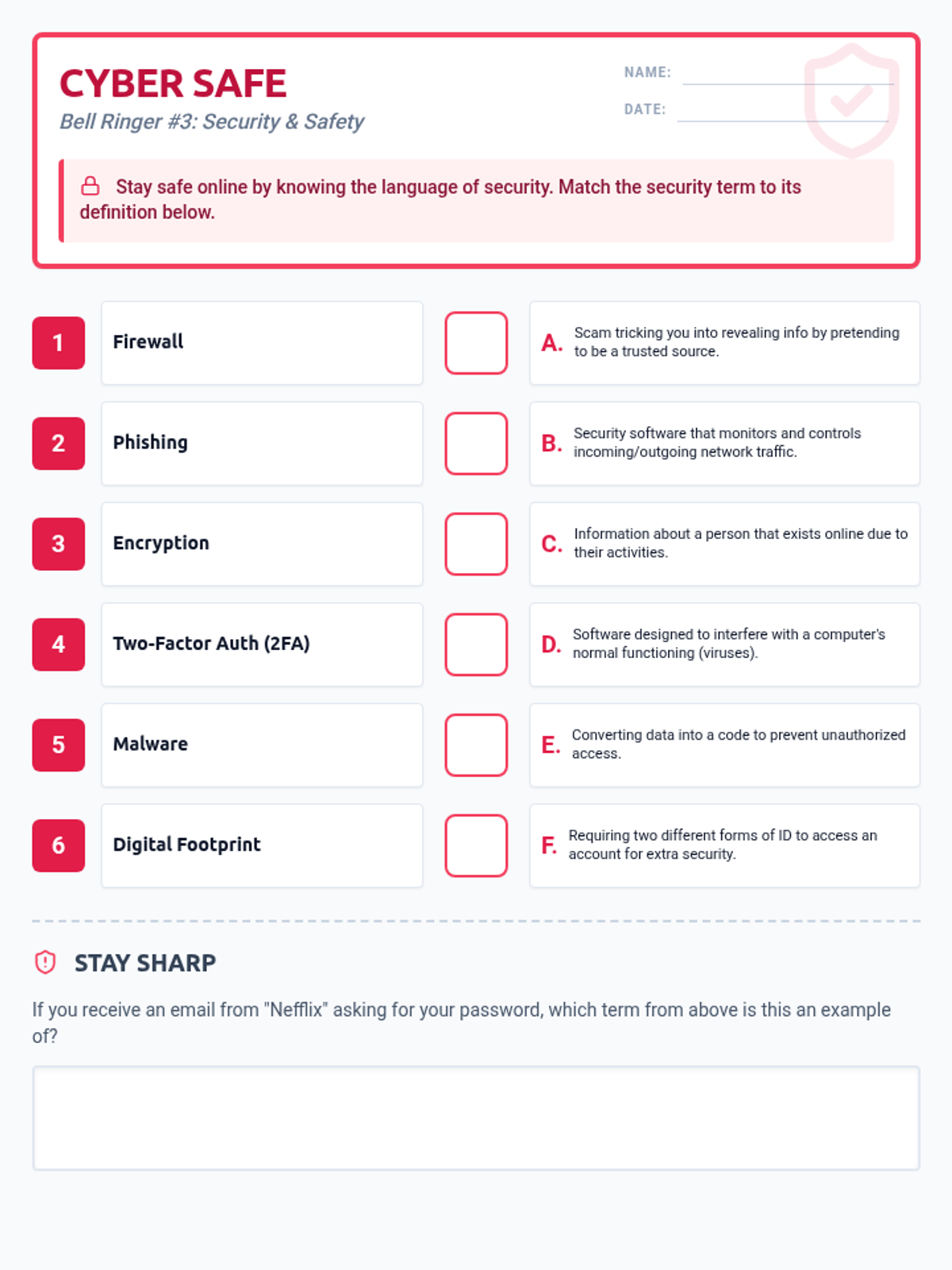
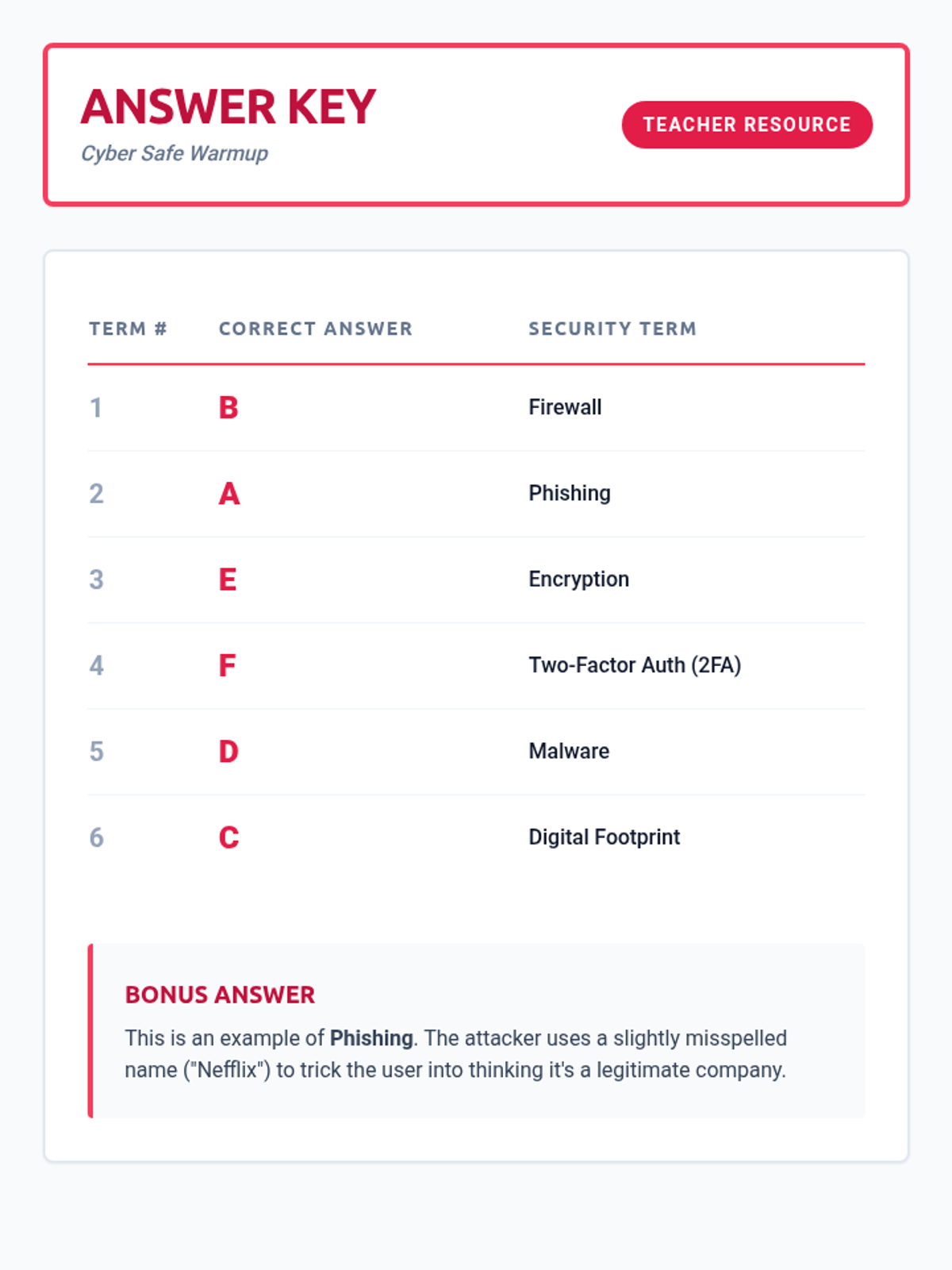
Students learn key terms related to online safety, privacy, and responsible digital behavior.
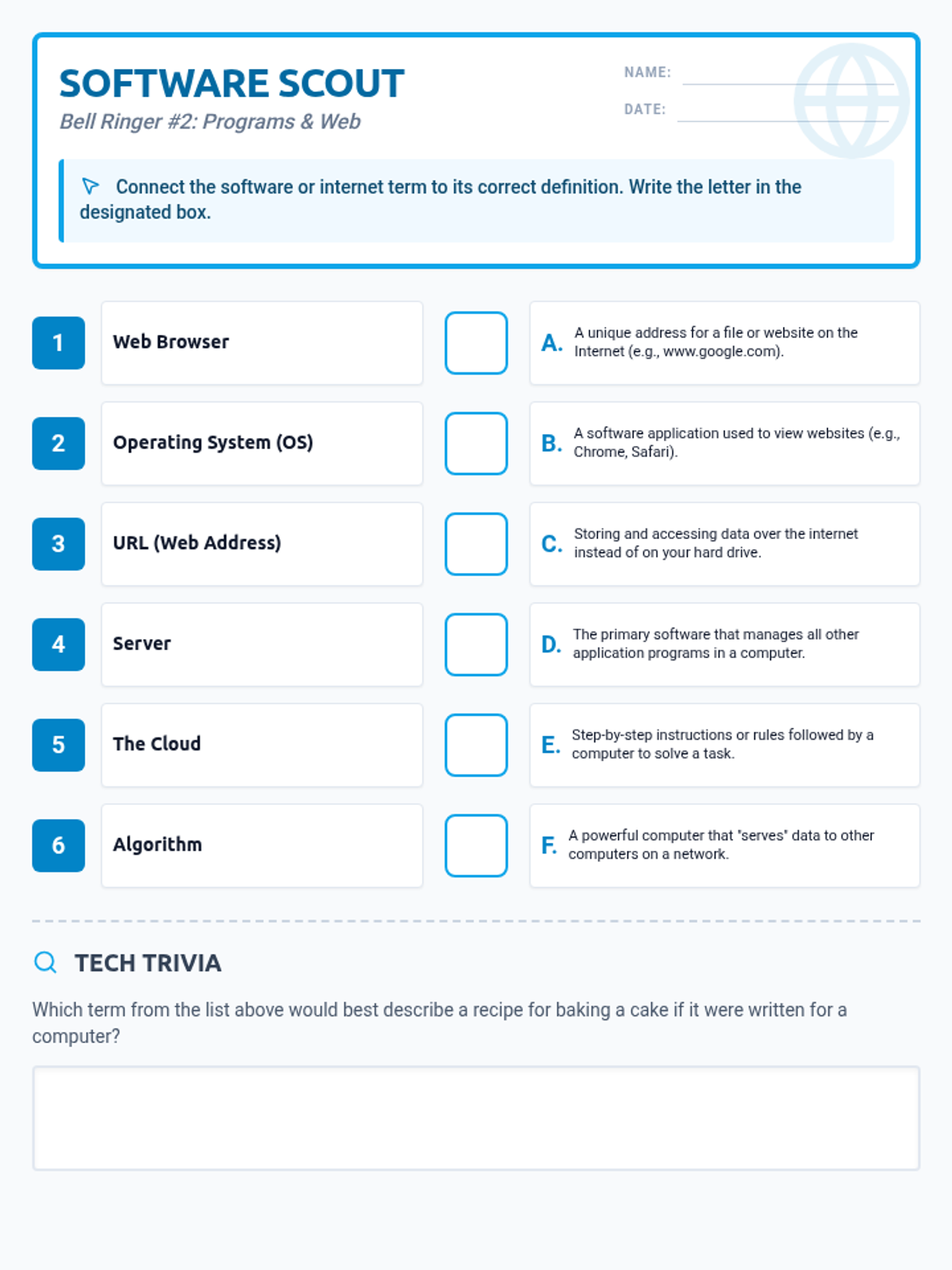
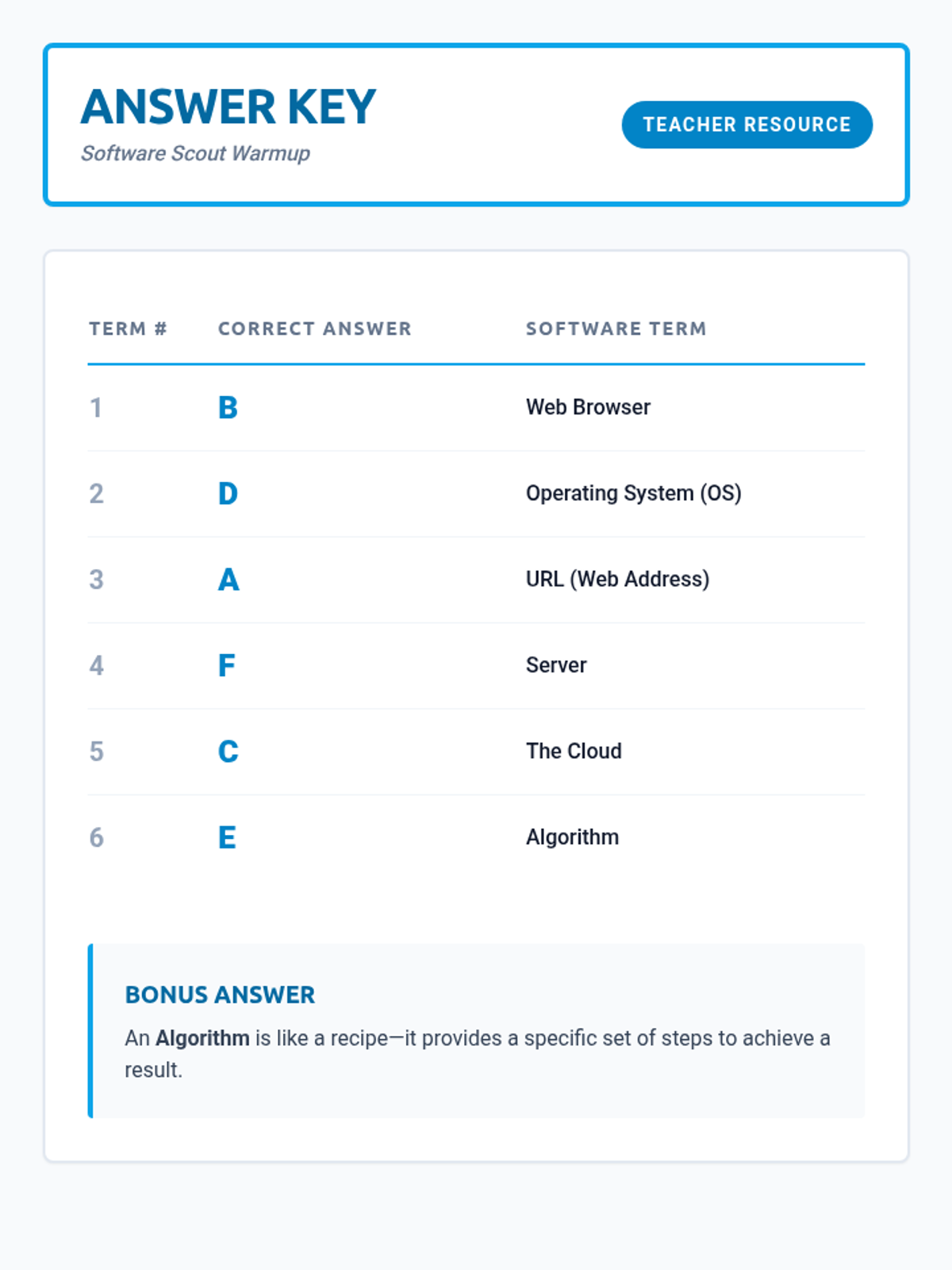
Students explore vocabulary related to software applications, the internet, and digital navigation.
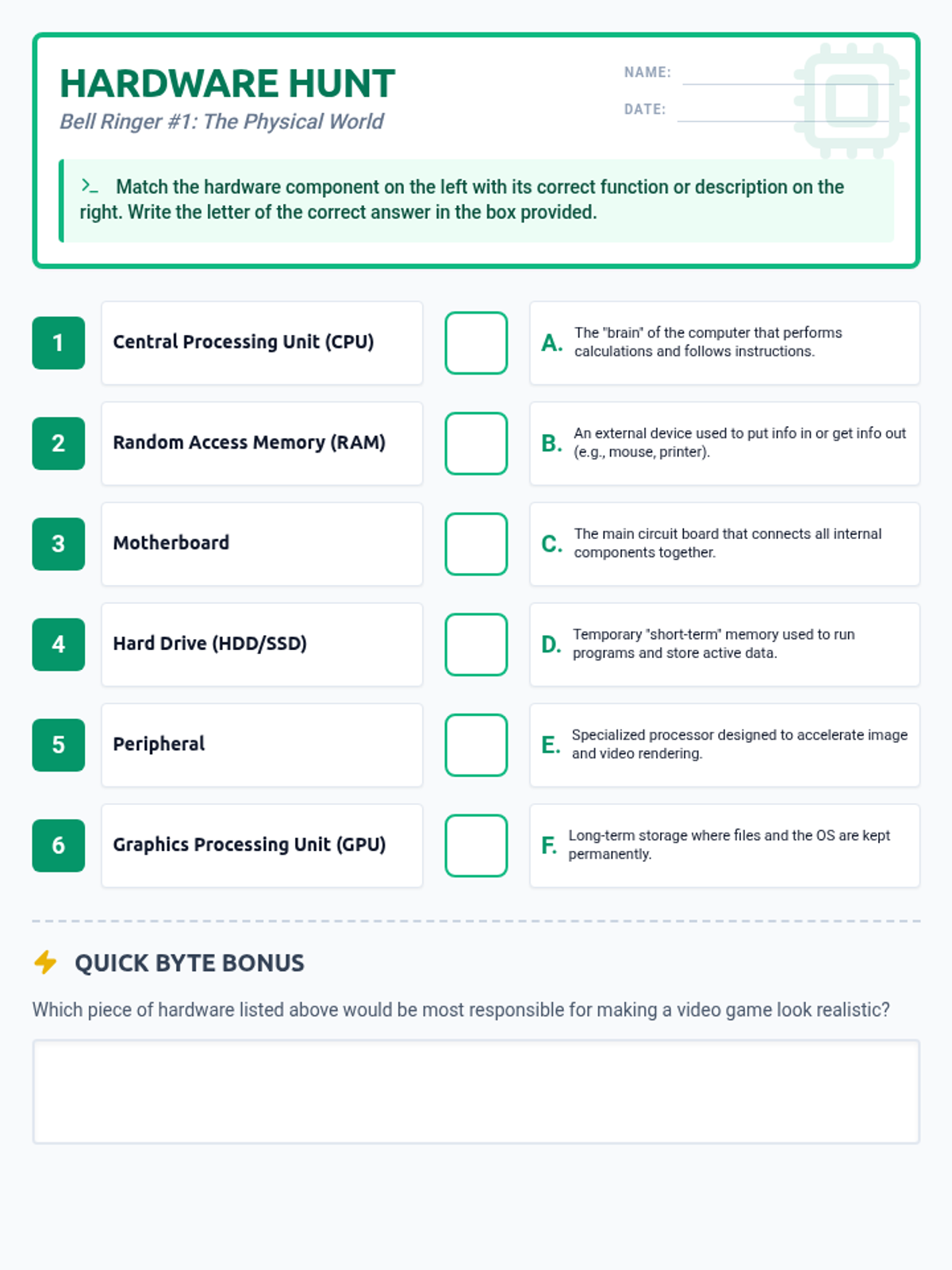
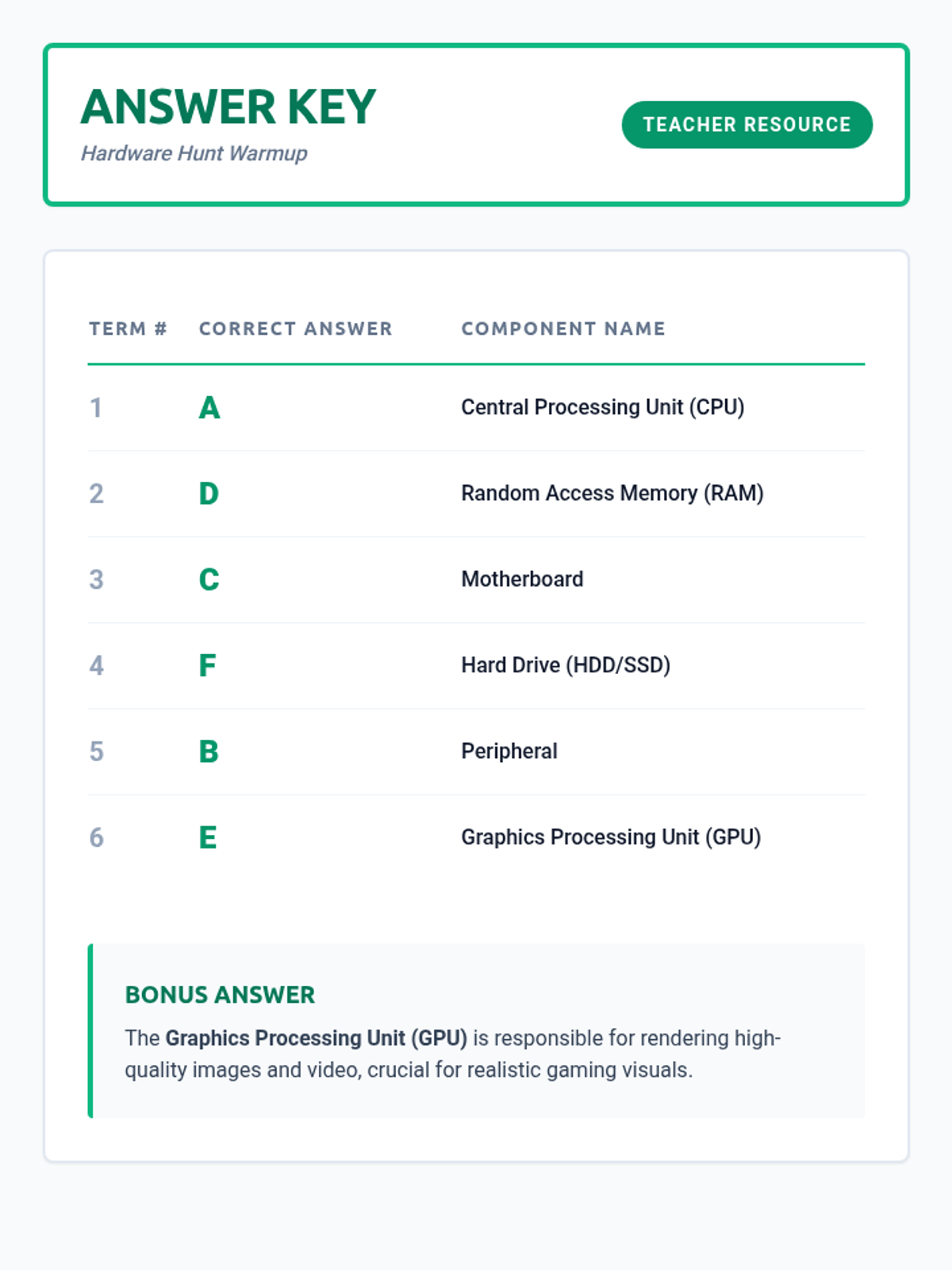
Students identify and define common physical components of a computer system.
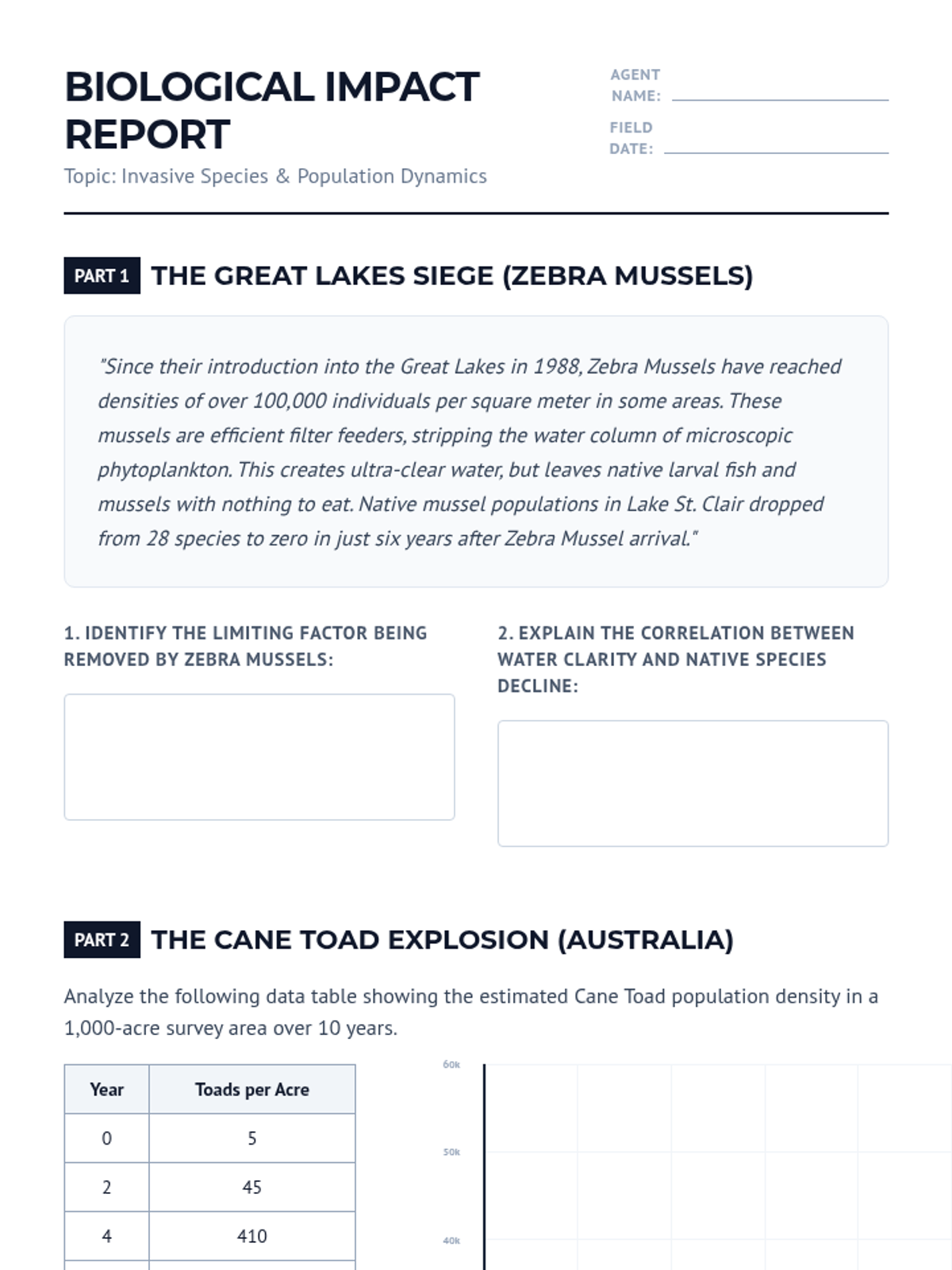
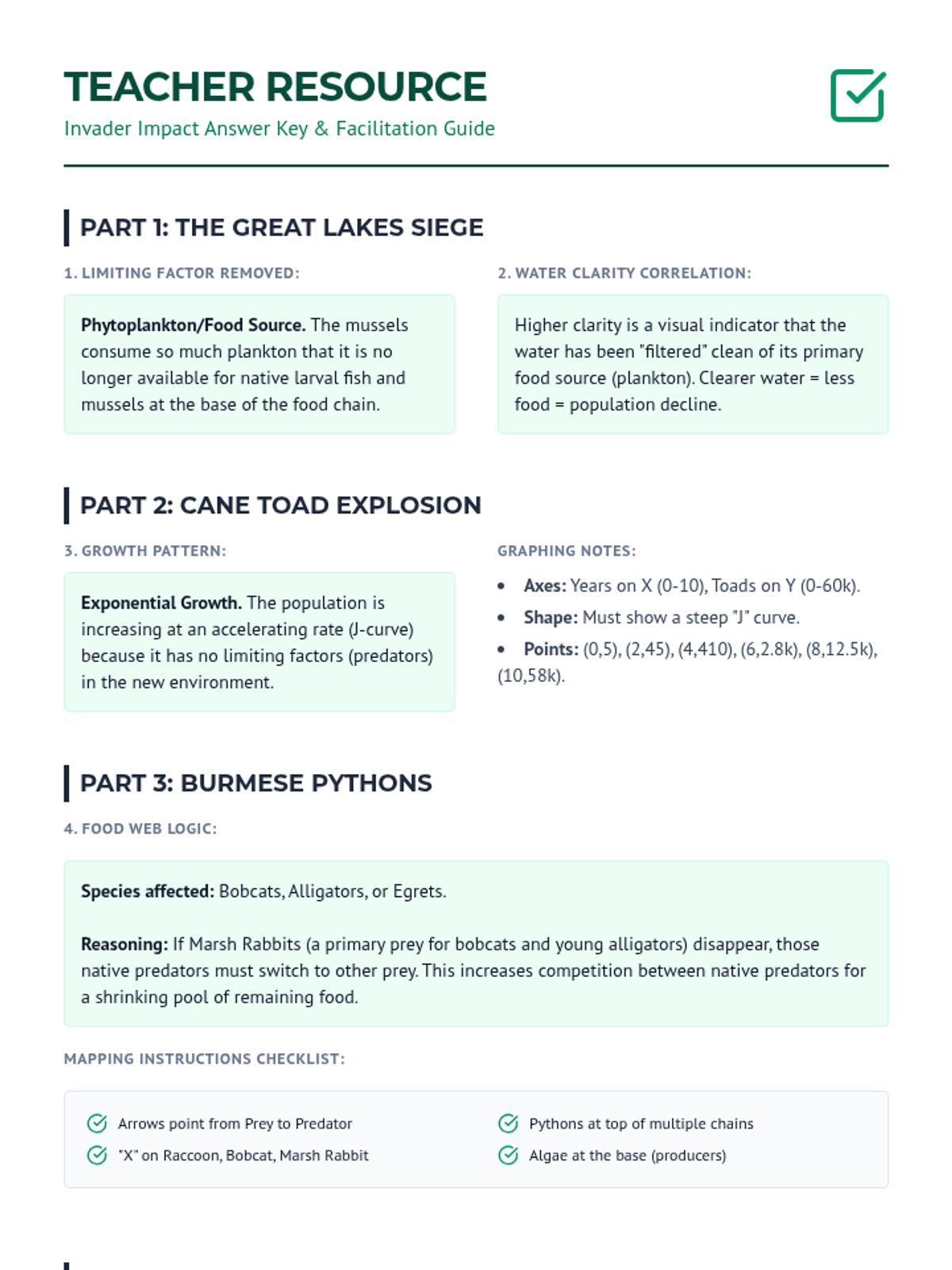
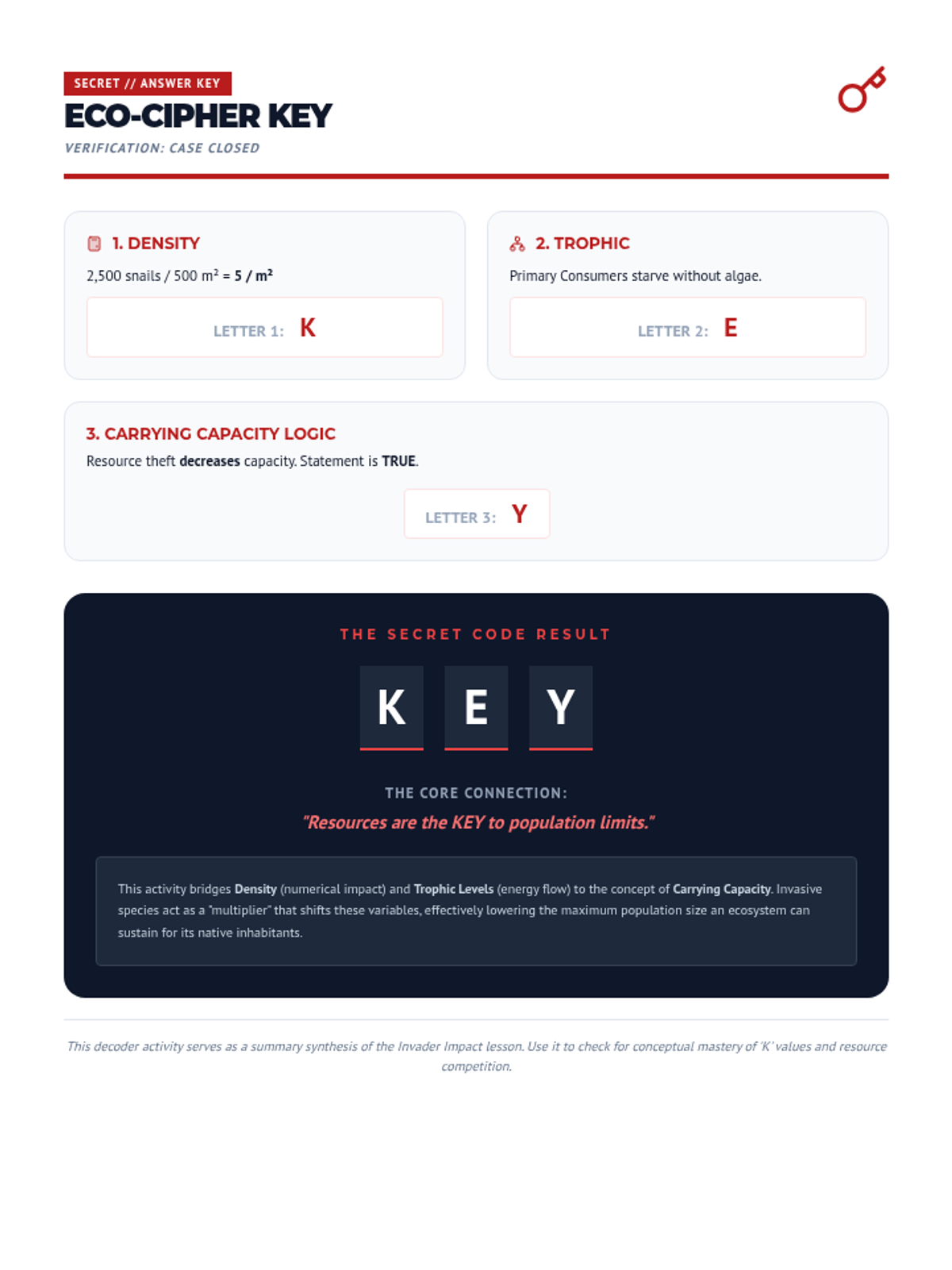
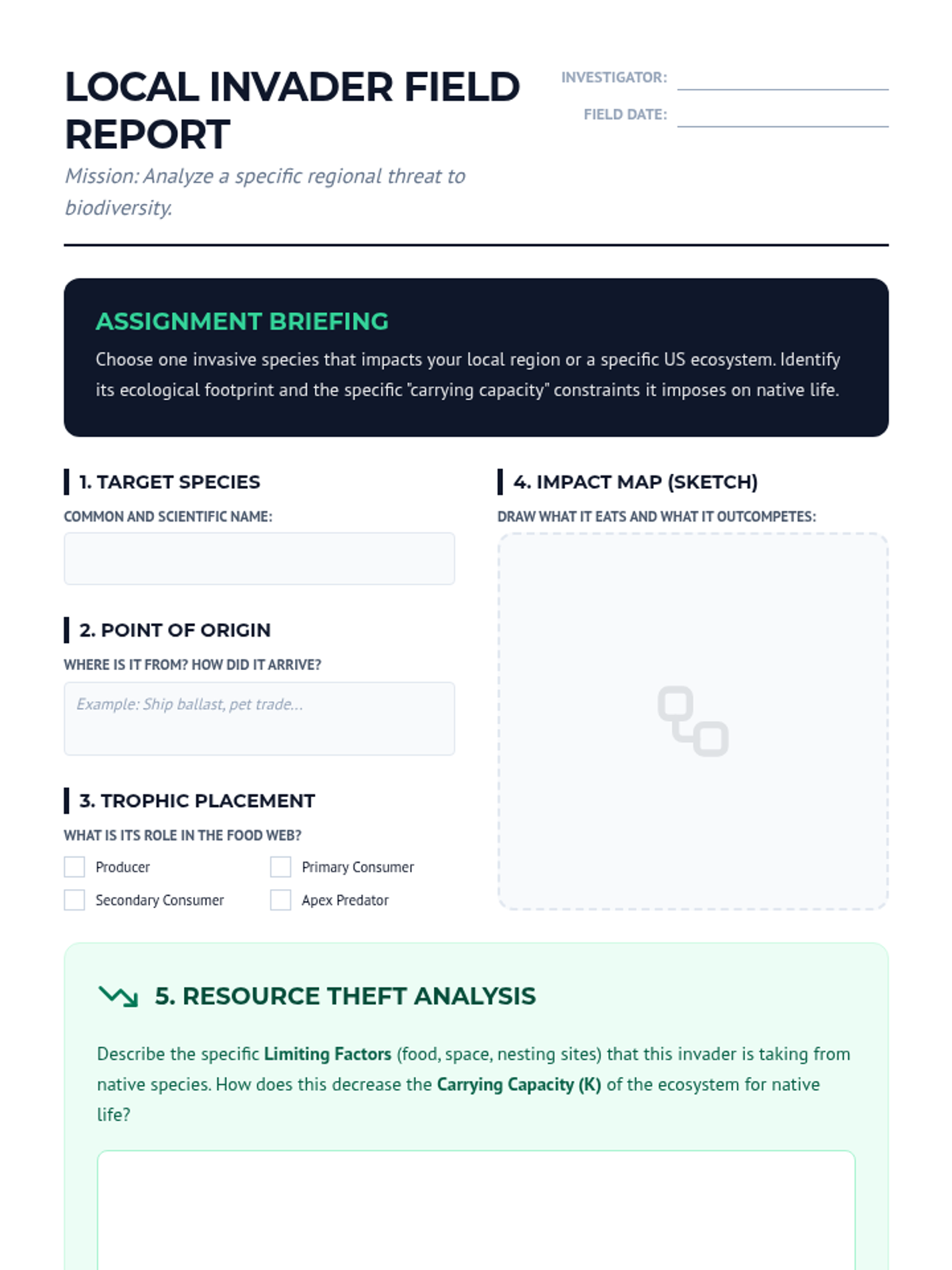
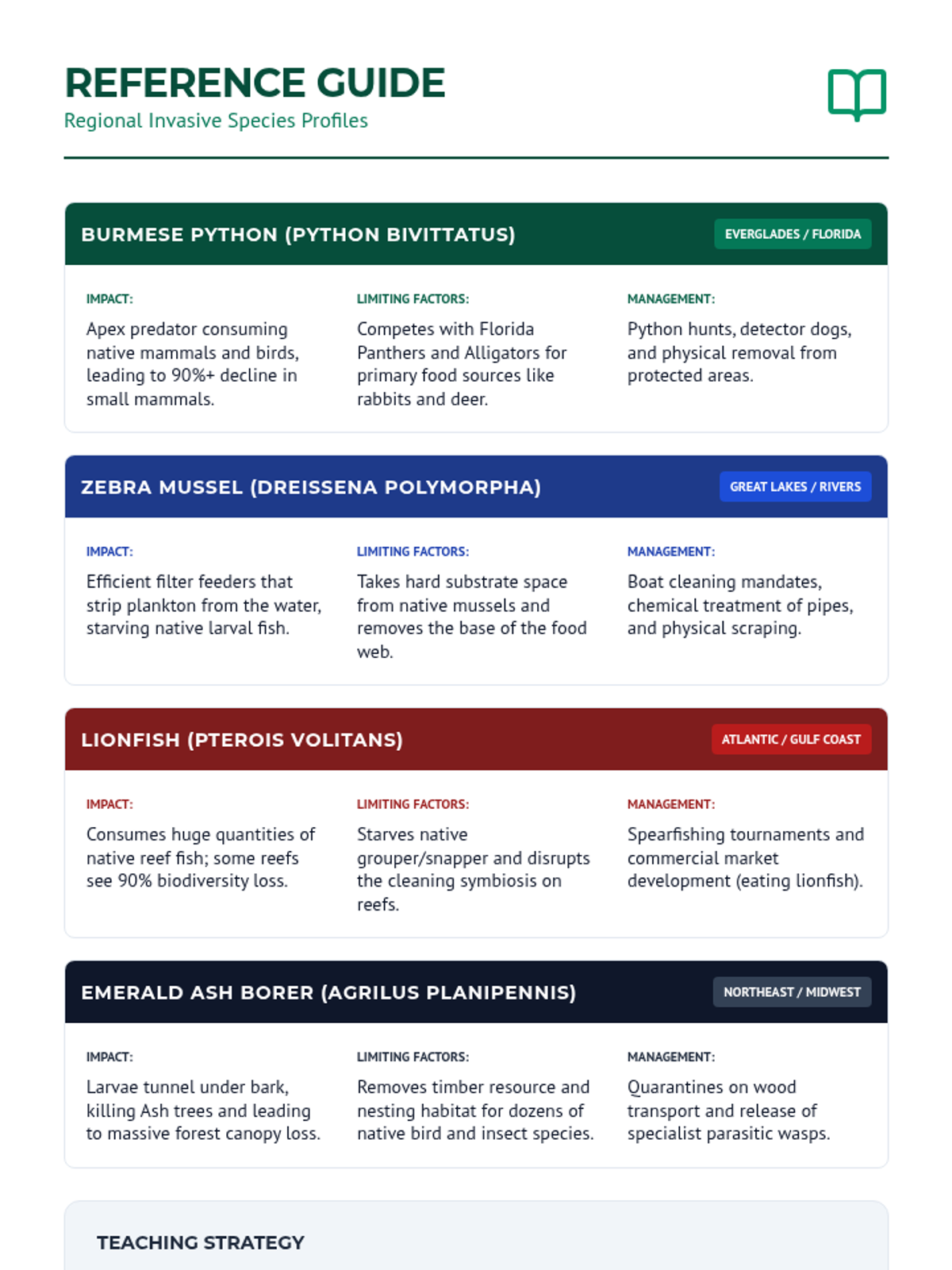
A comprehensive lesson on invasive species focusing on their dramatic impact on local populations and ecosystems through data analysis and food web mapping.
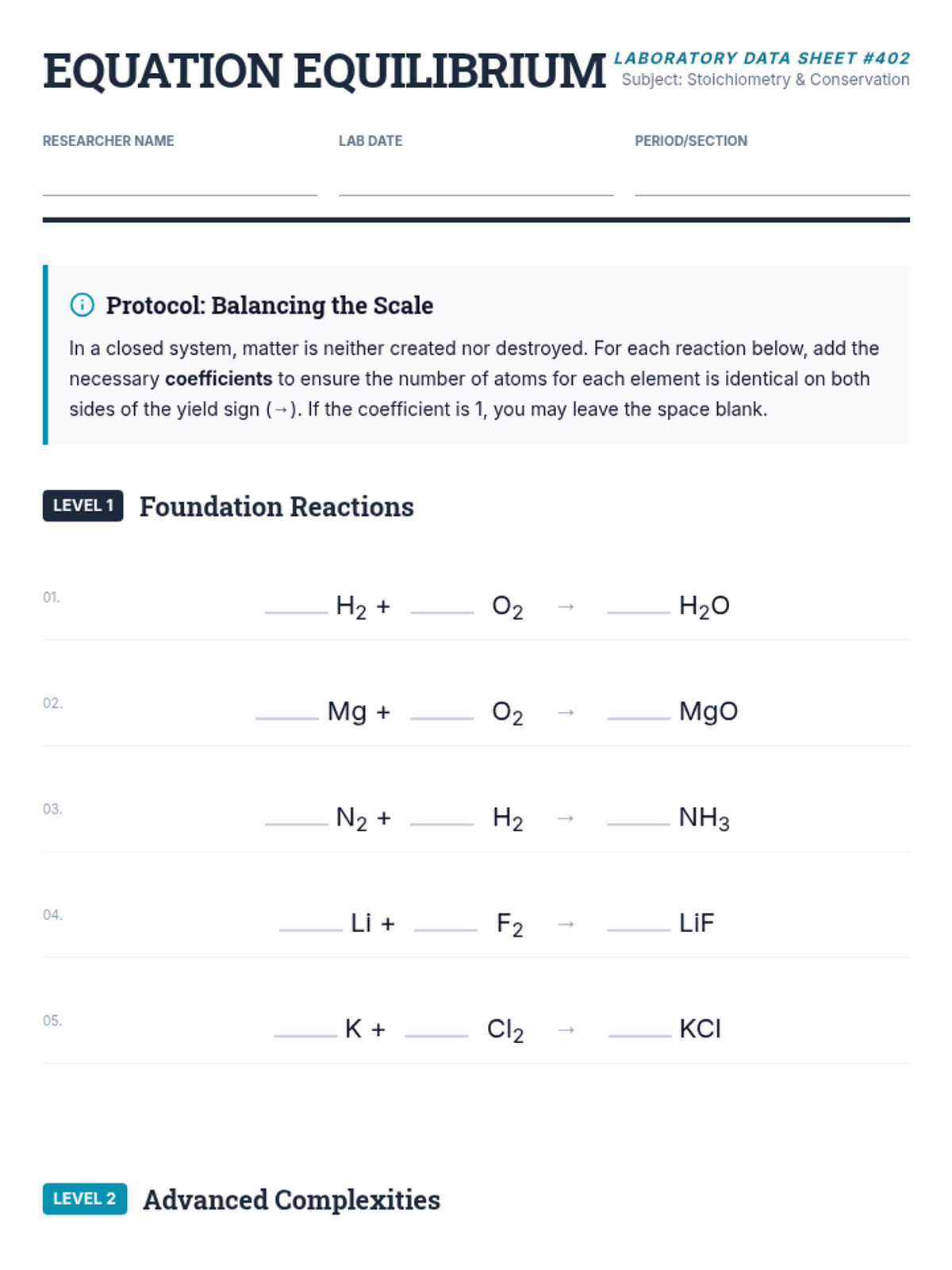
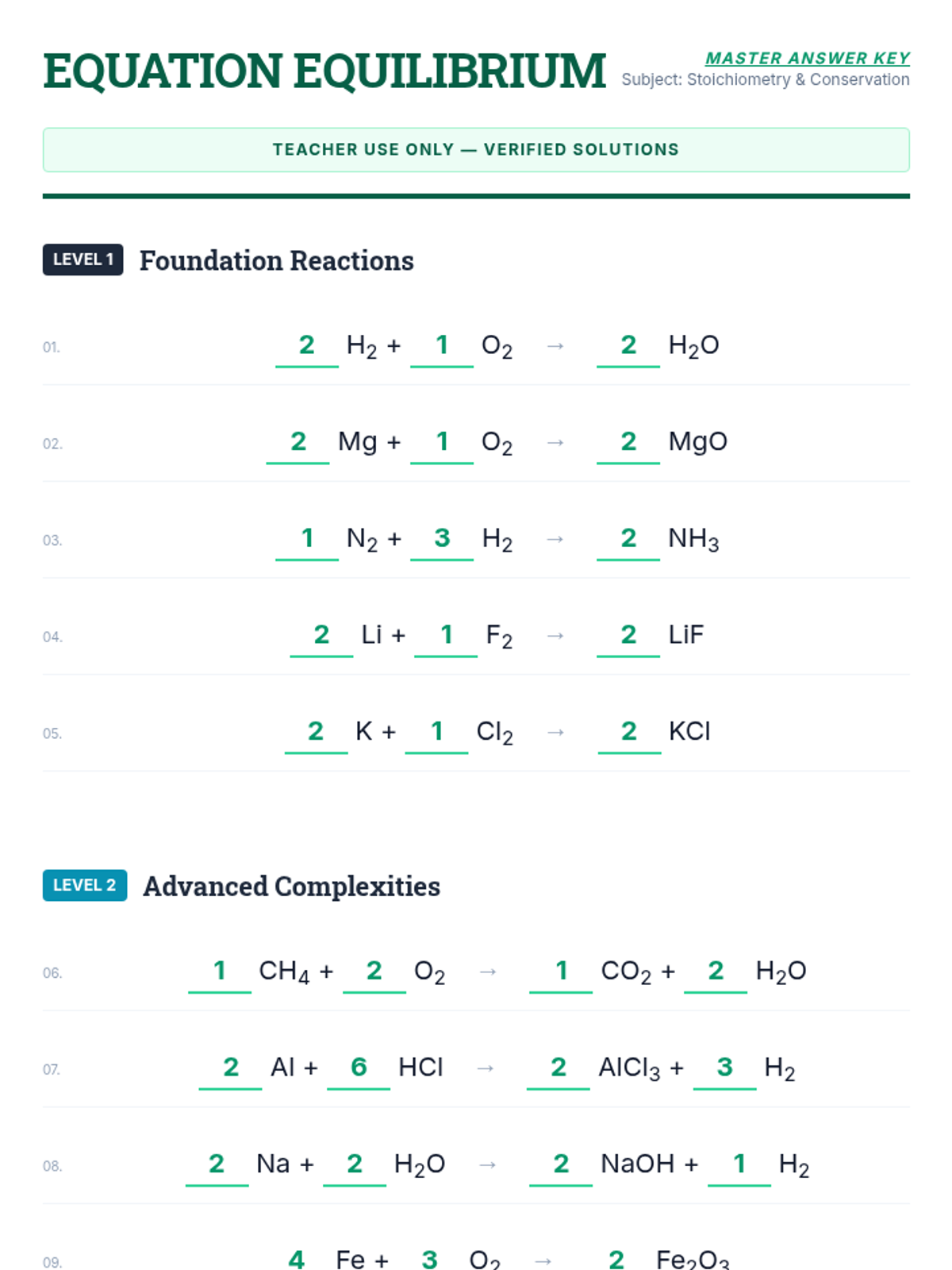
A lesson focused on the Law of Conservation of Mass through the practice of balancing chemical equations. Students move from basic synthesis reactions to more complex combustion and replacement reactions.
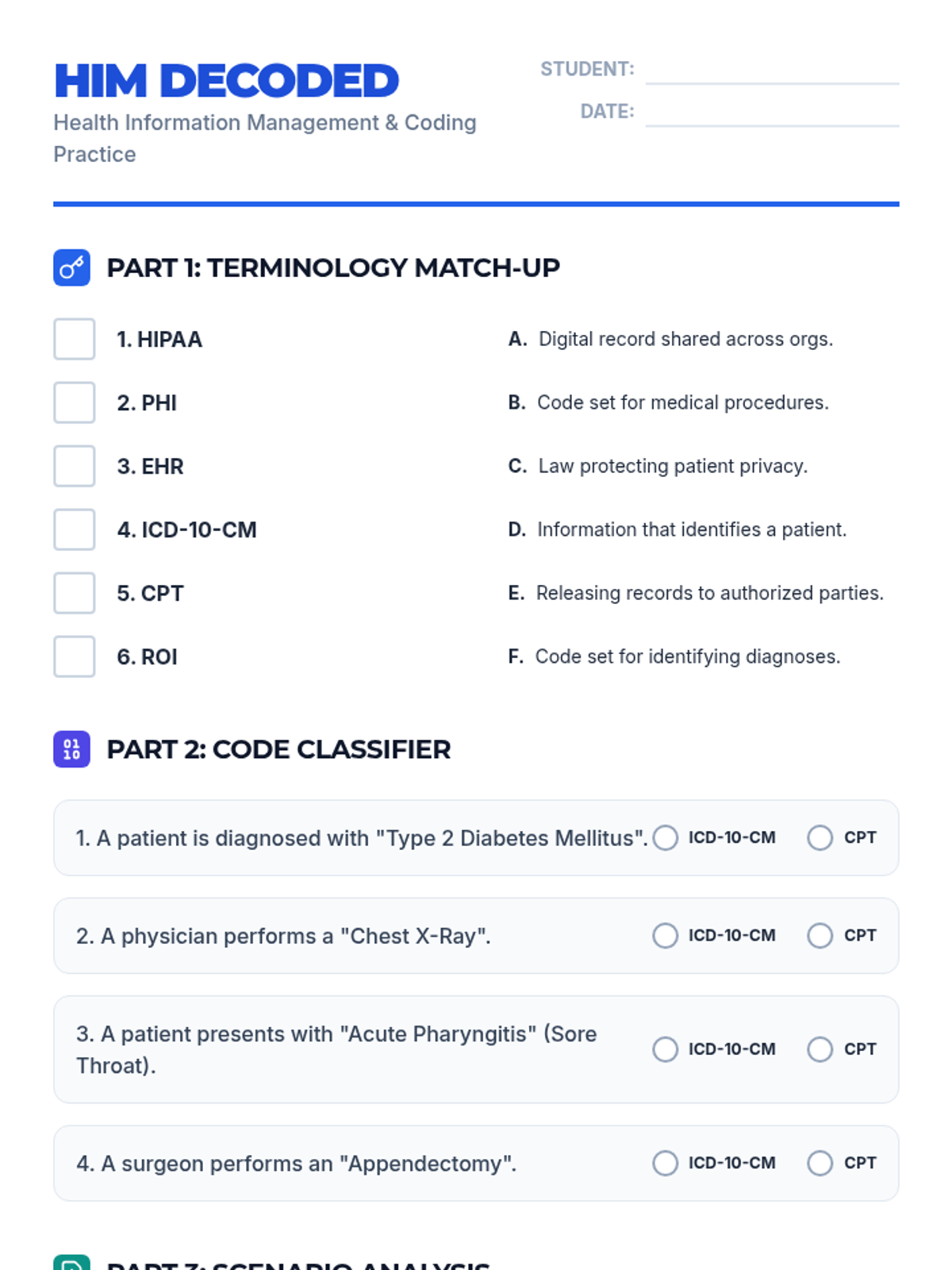
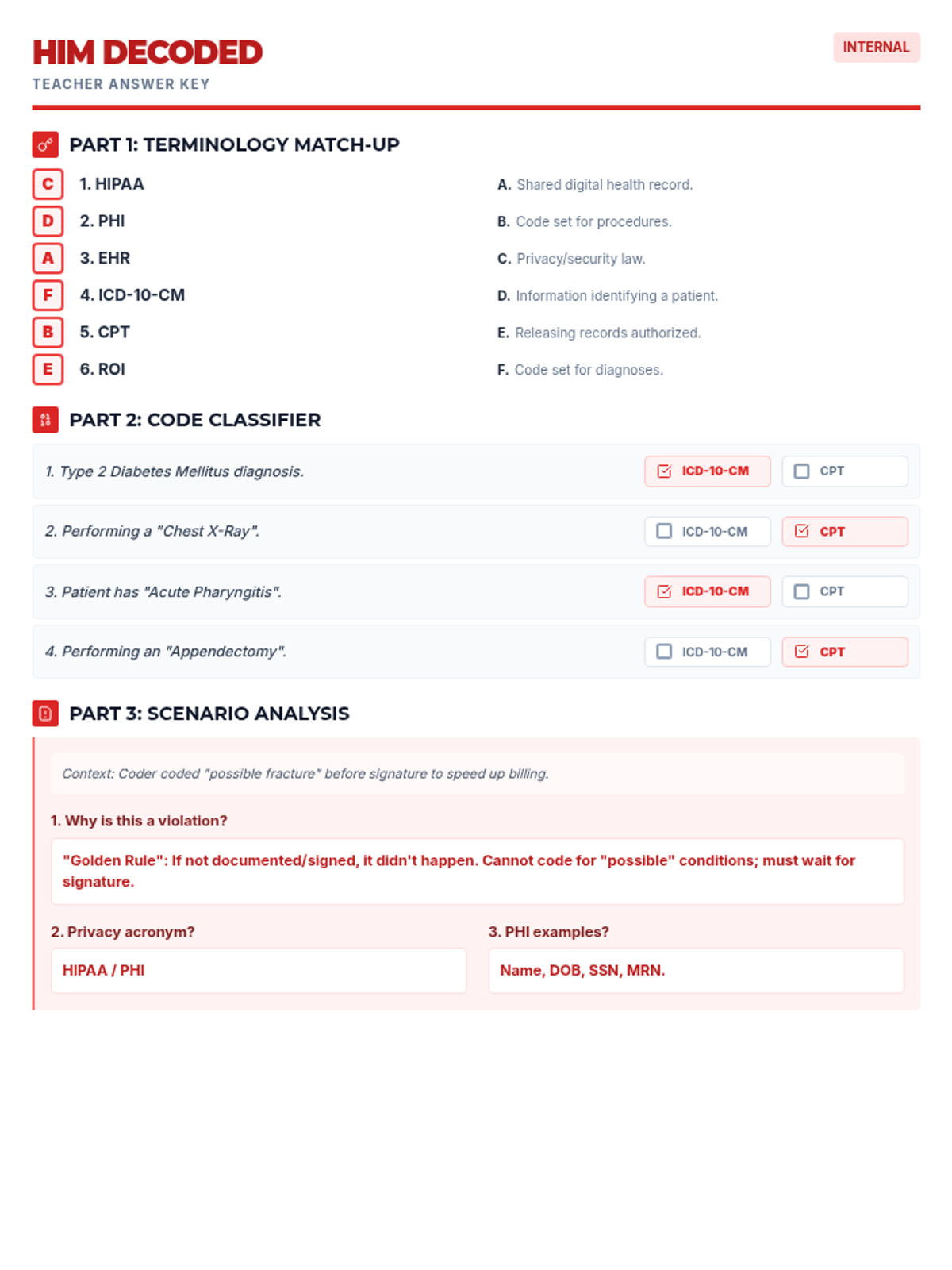
A comprehensive introduction to Health Information Management (HIM), focusing on essential terminology, legal standards like HIPAA, and the basics of medical coding (ICD-10-CM and CPT) for high school CTE students.
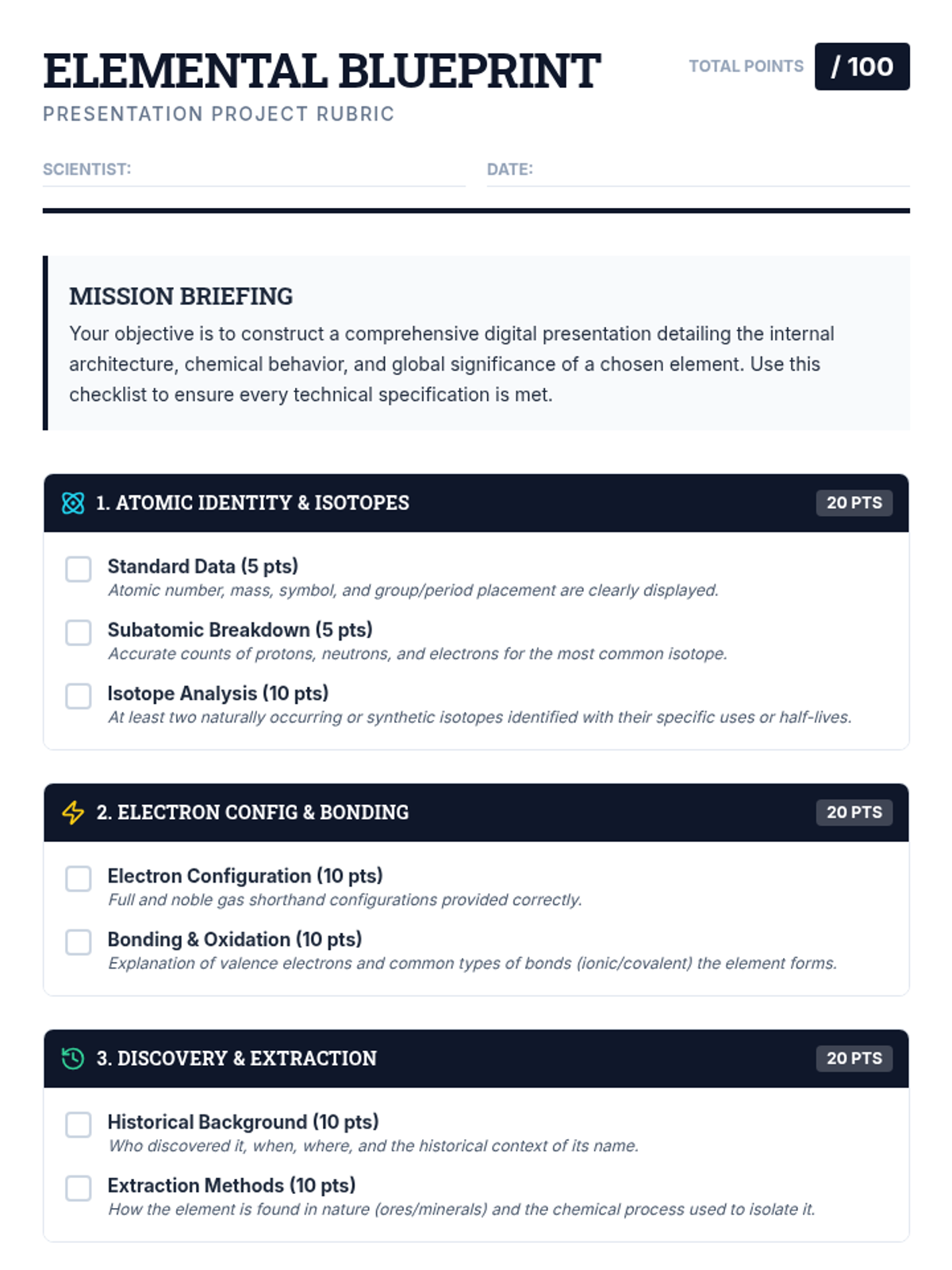
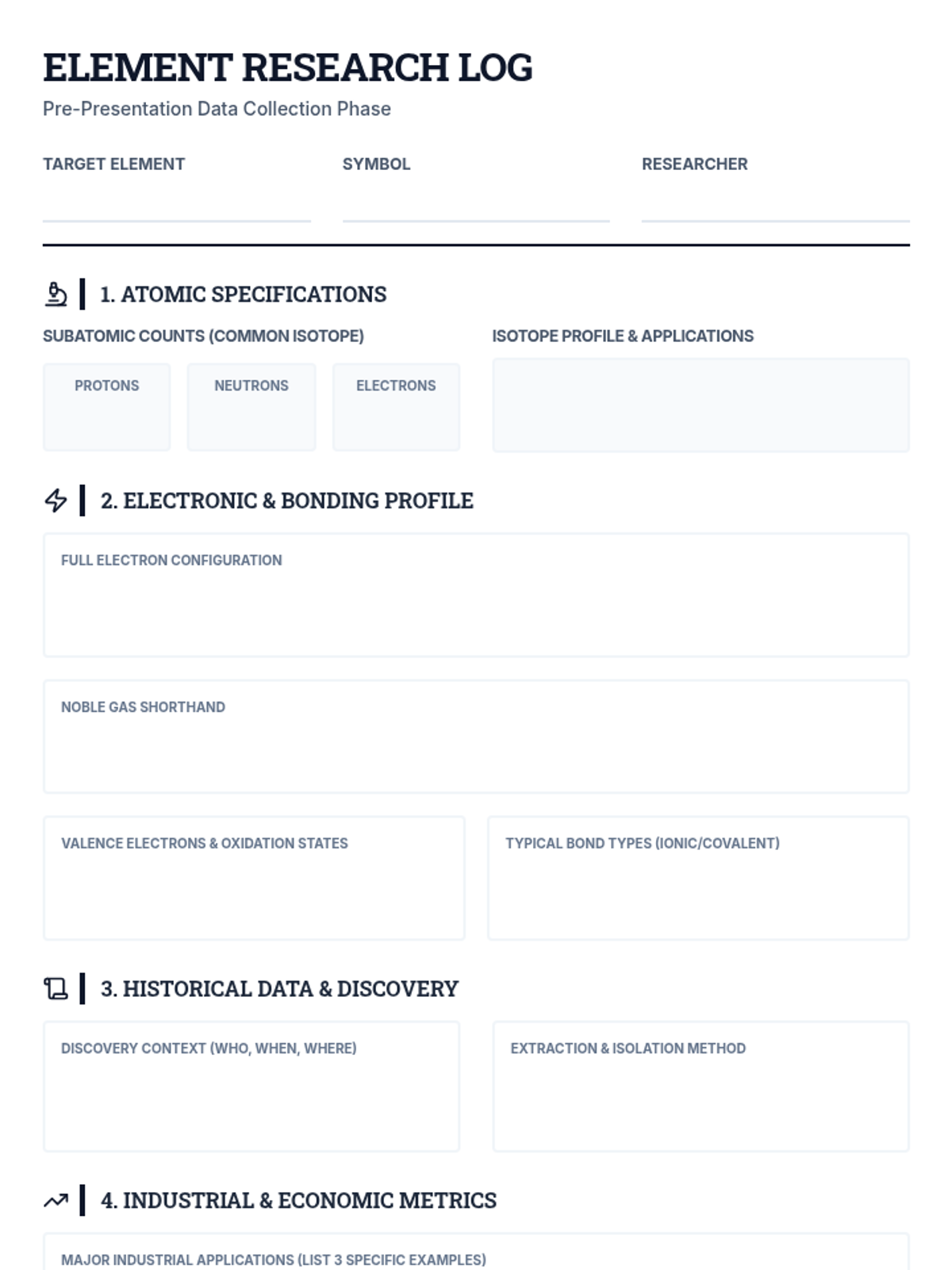
A comprehensive project guide for a deep-dive research presentation on chemical elements, including a detailed point-based rubric and a research organizer.
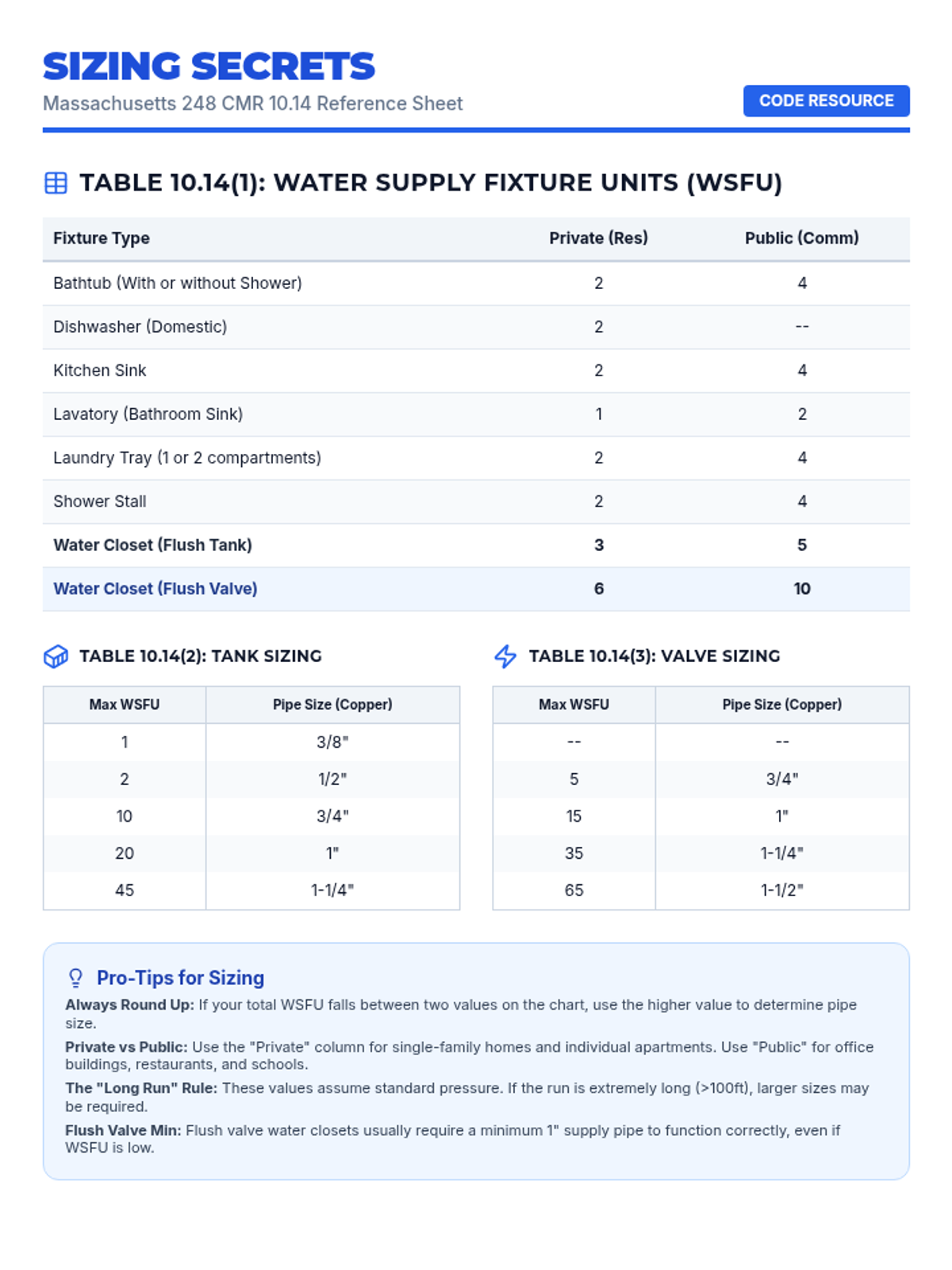
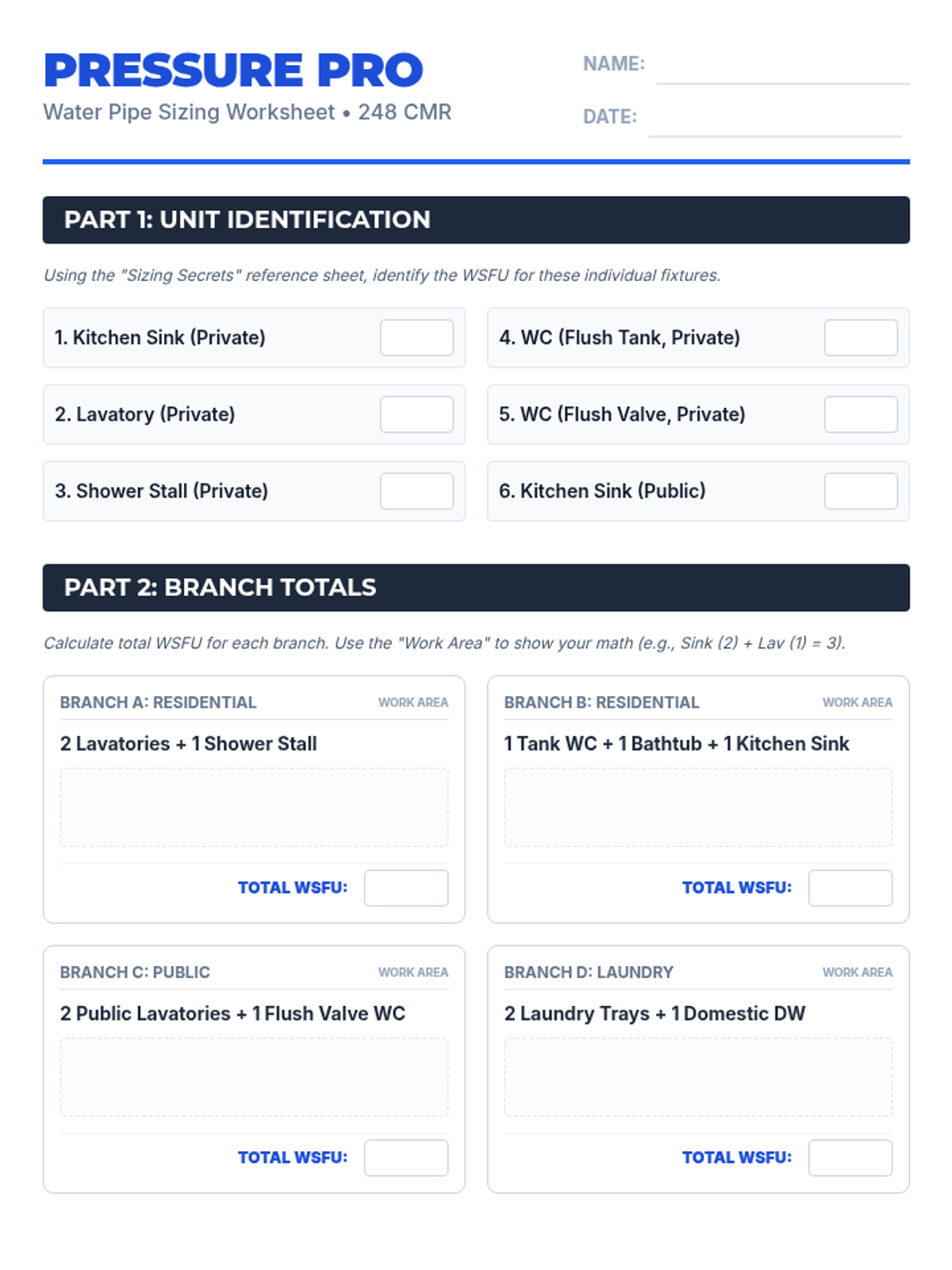
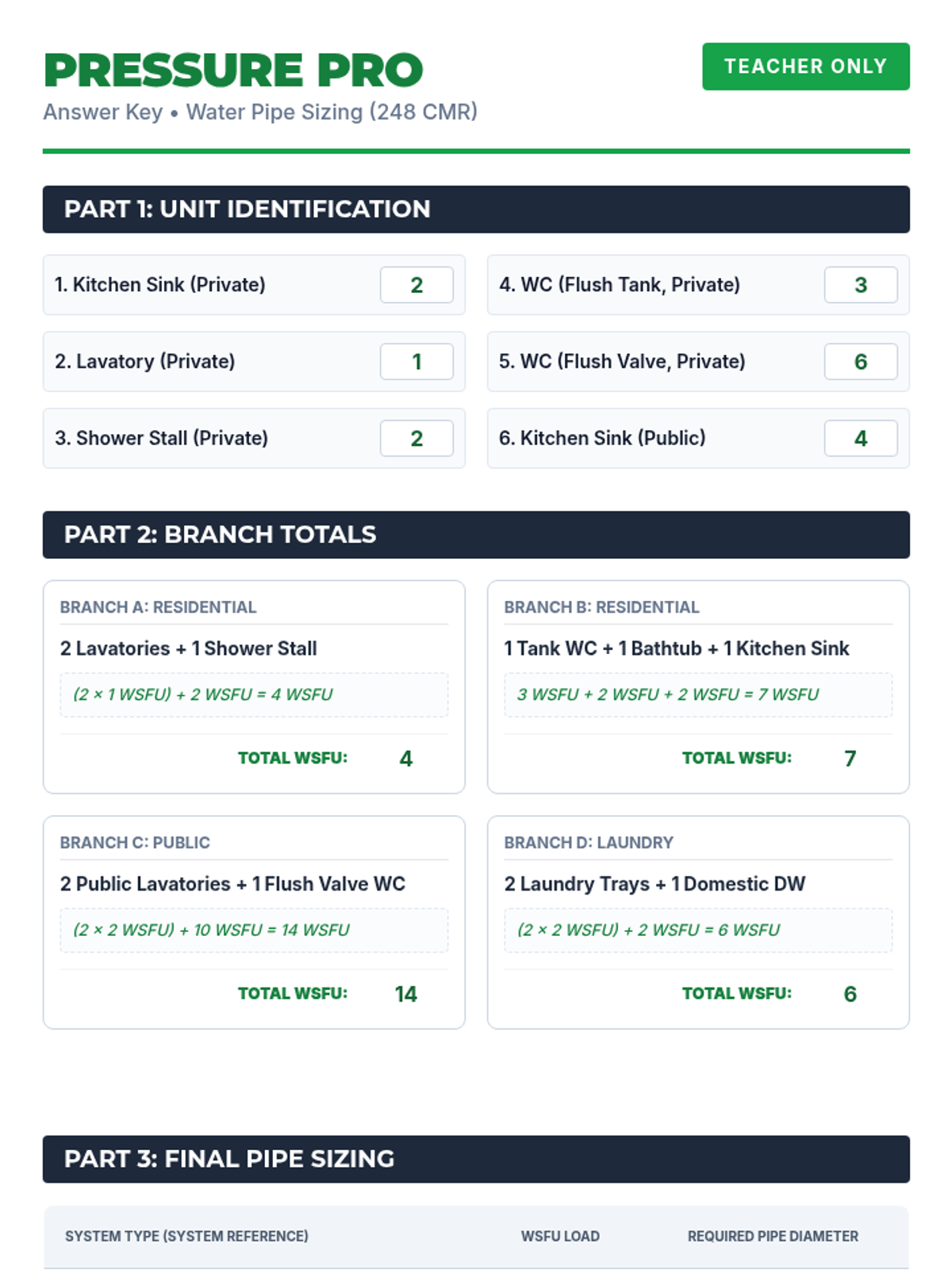
An introductory lesson on sizing water supply pipes using the Massachusetts 248 CMR plumbing code, focusing on Water Supply Fixture Units (WSFU) and table interpretation.
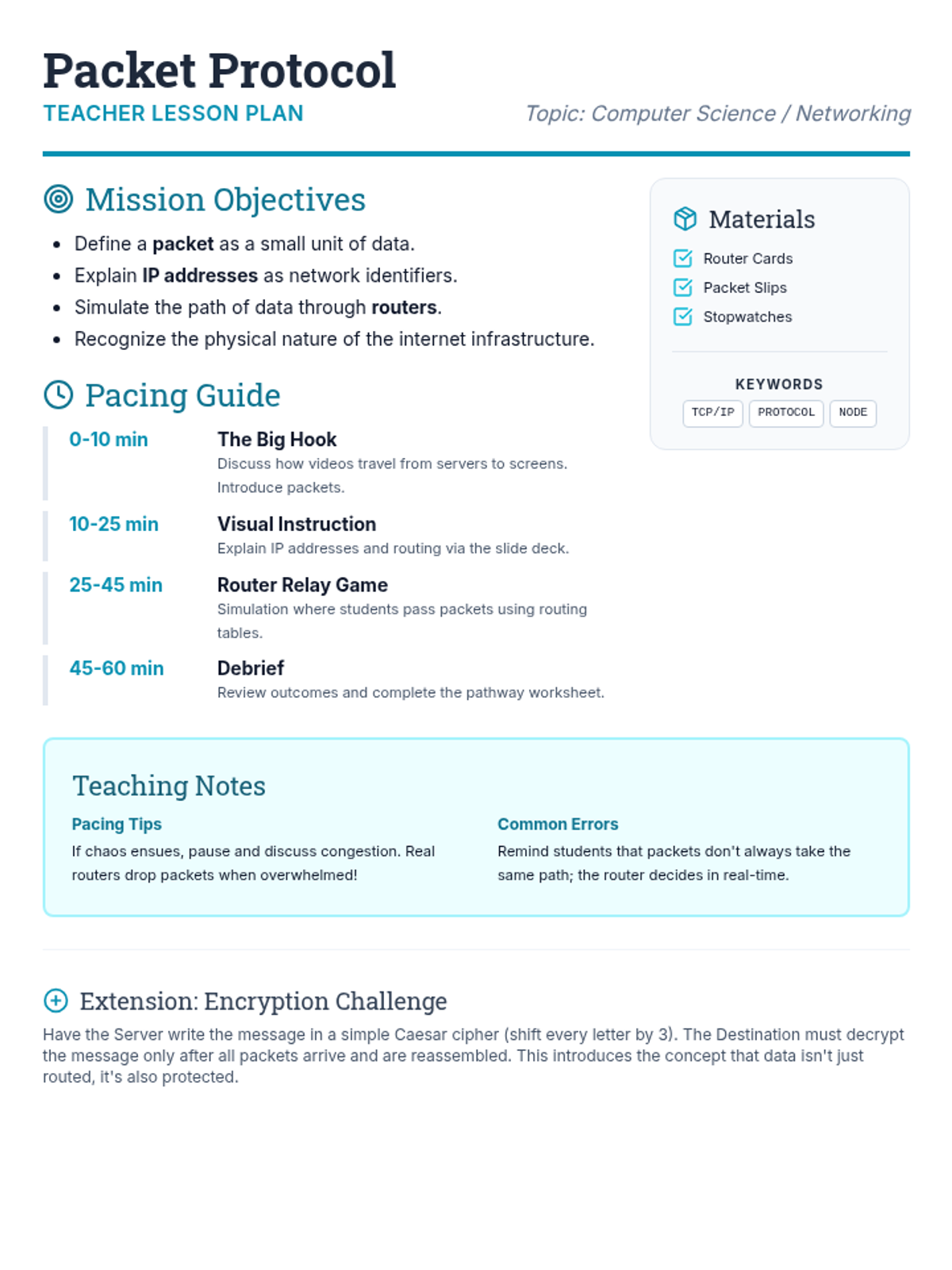
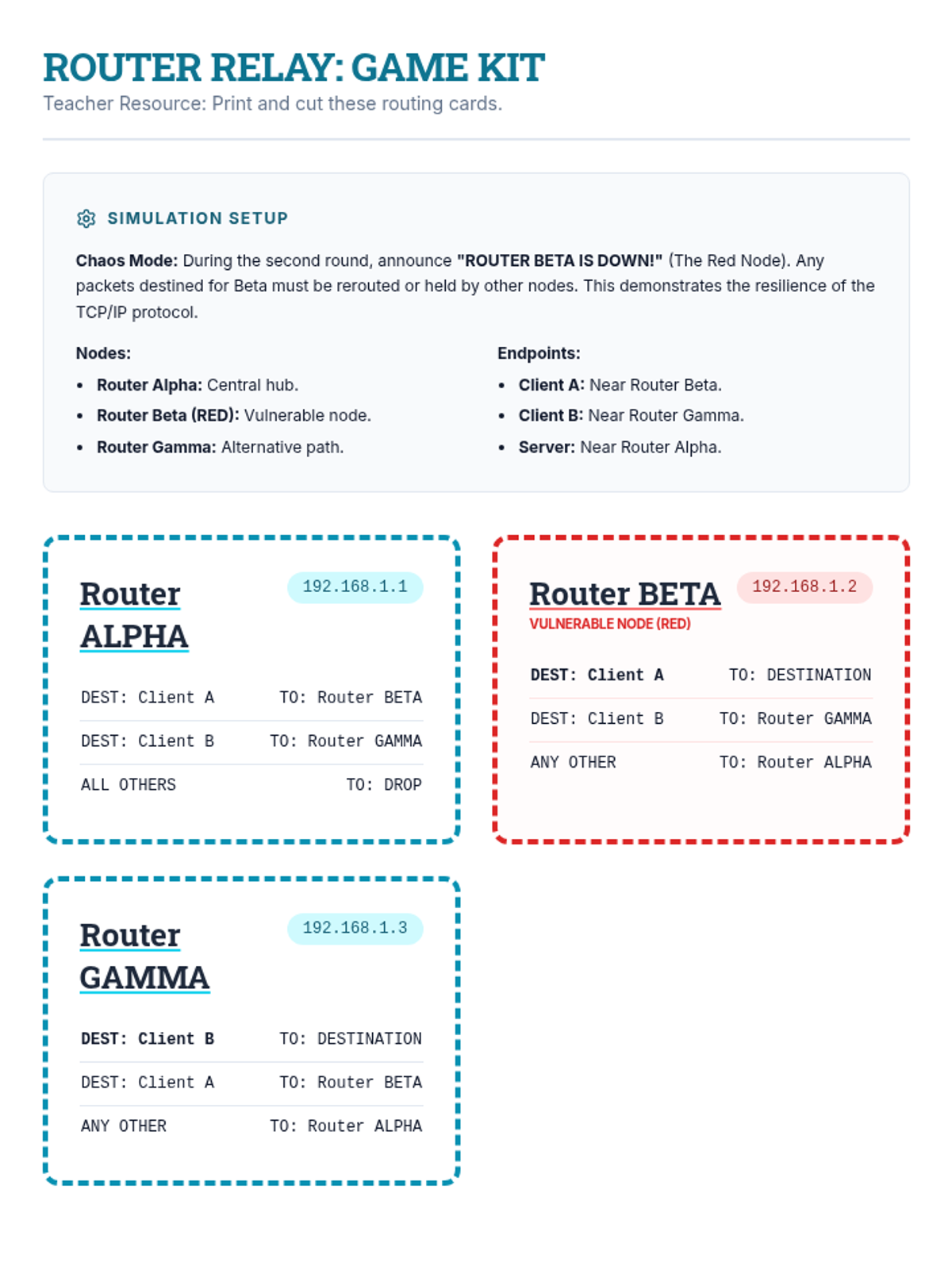
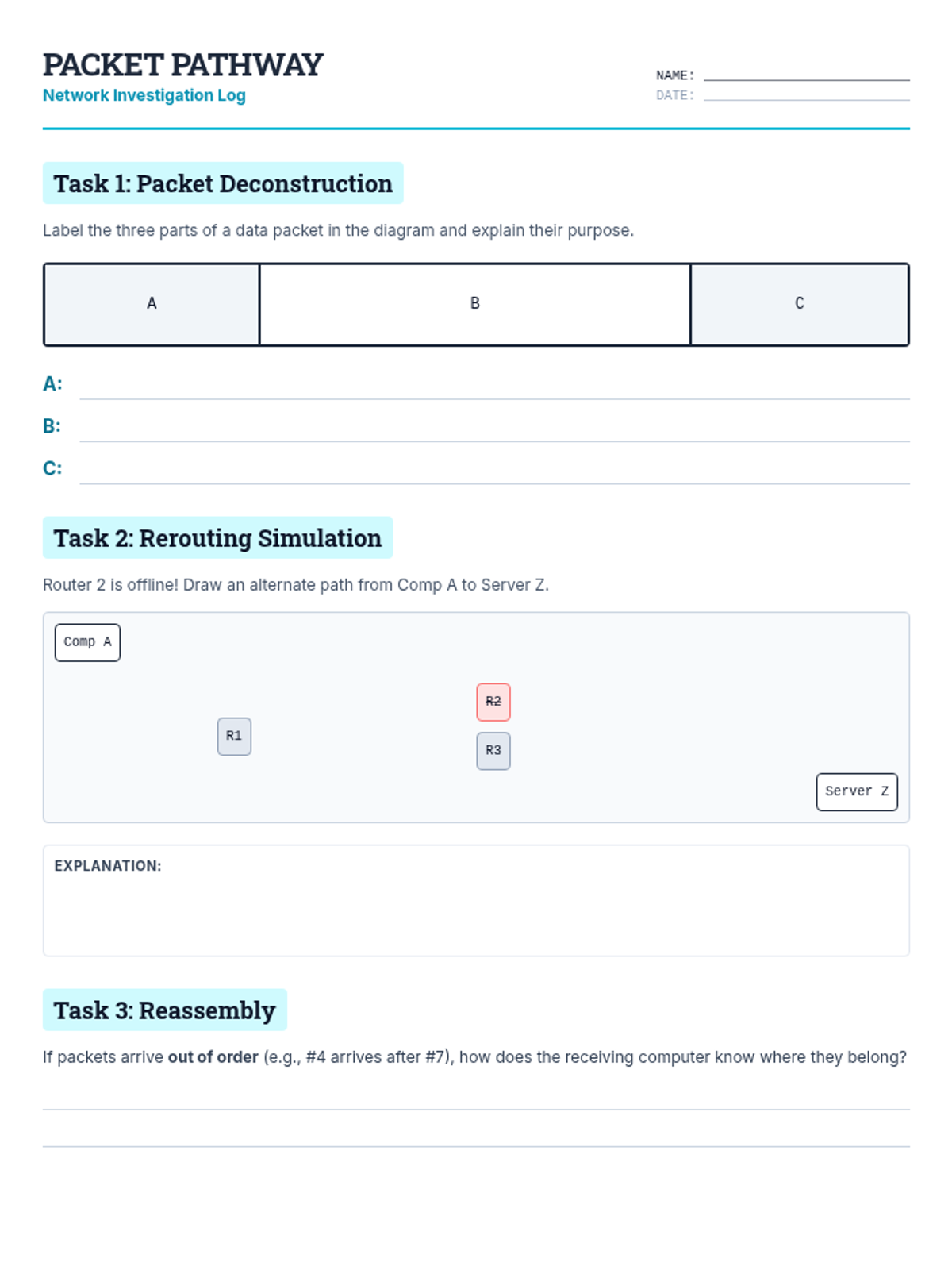
A hands-on simulation lesson where students act as routers and servers to understand how data packets travel across the internet using IP addresses and physical infrastructure.
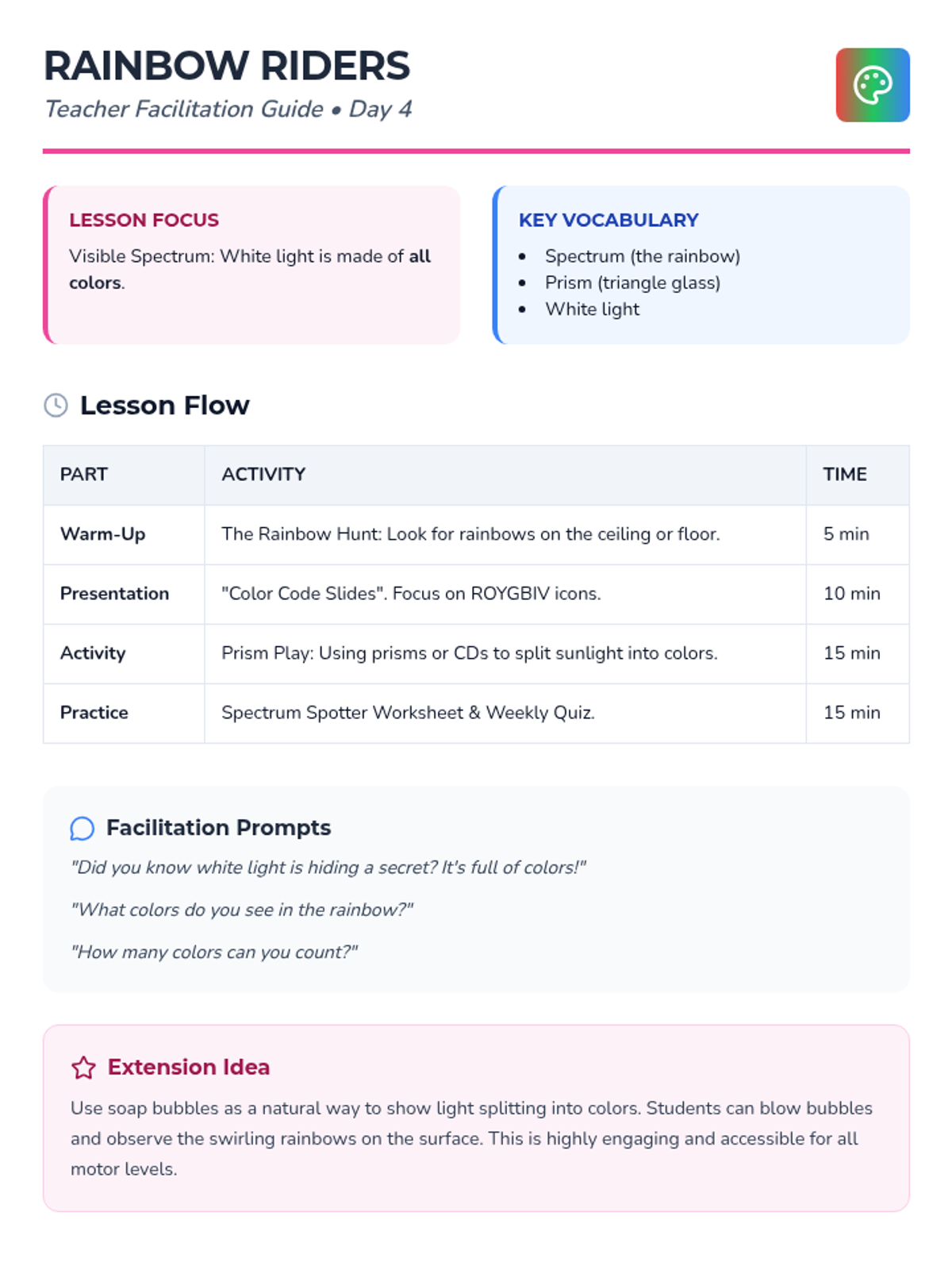
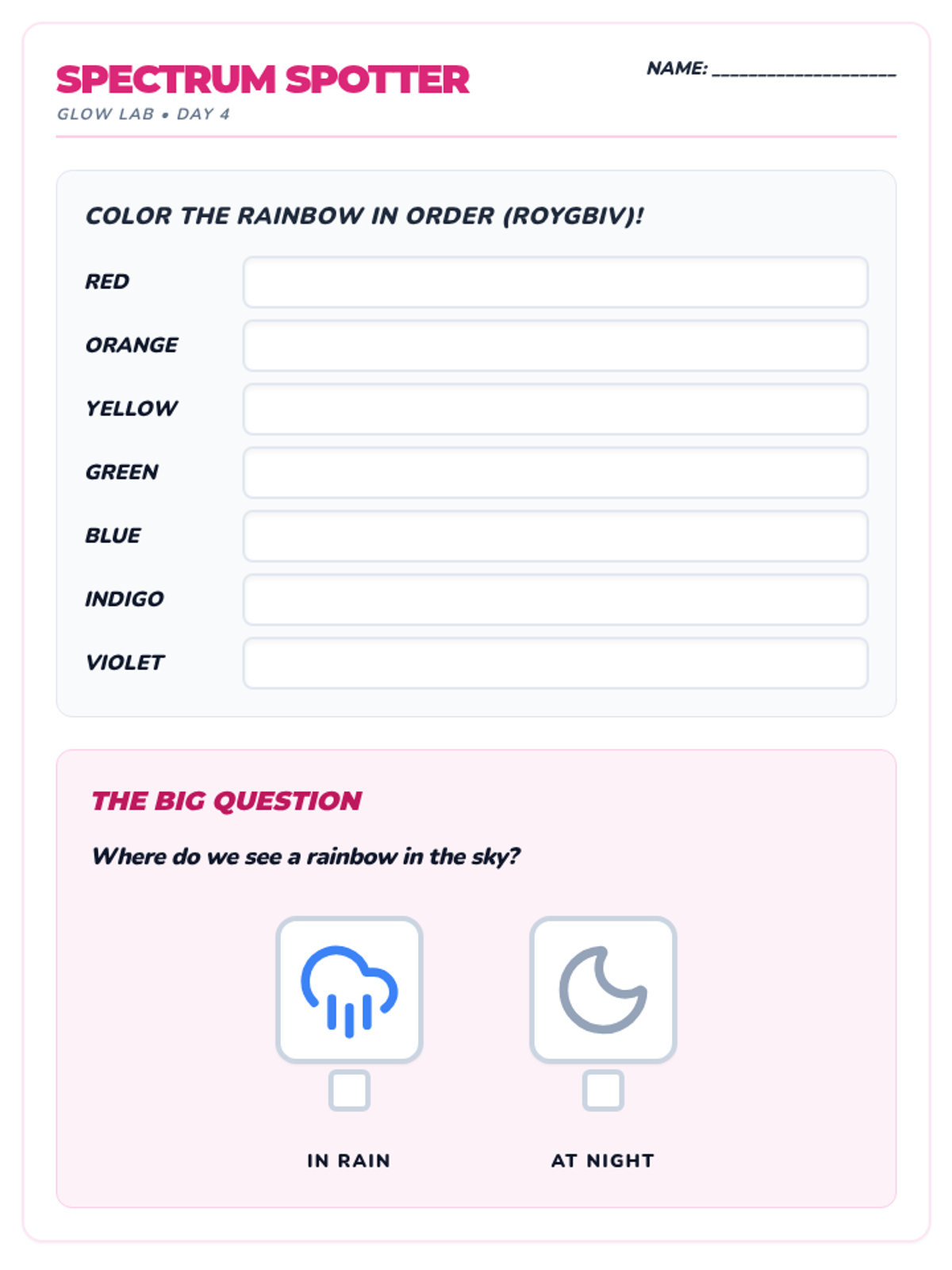
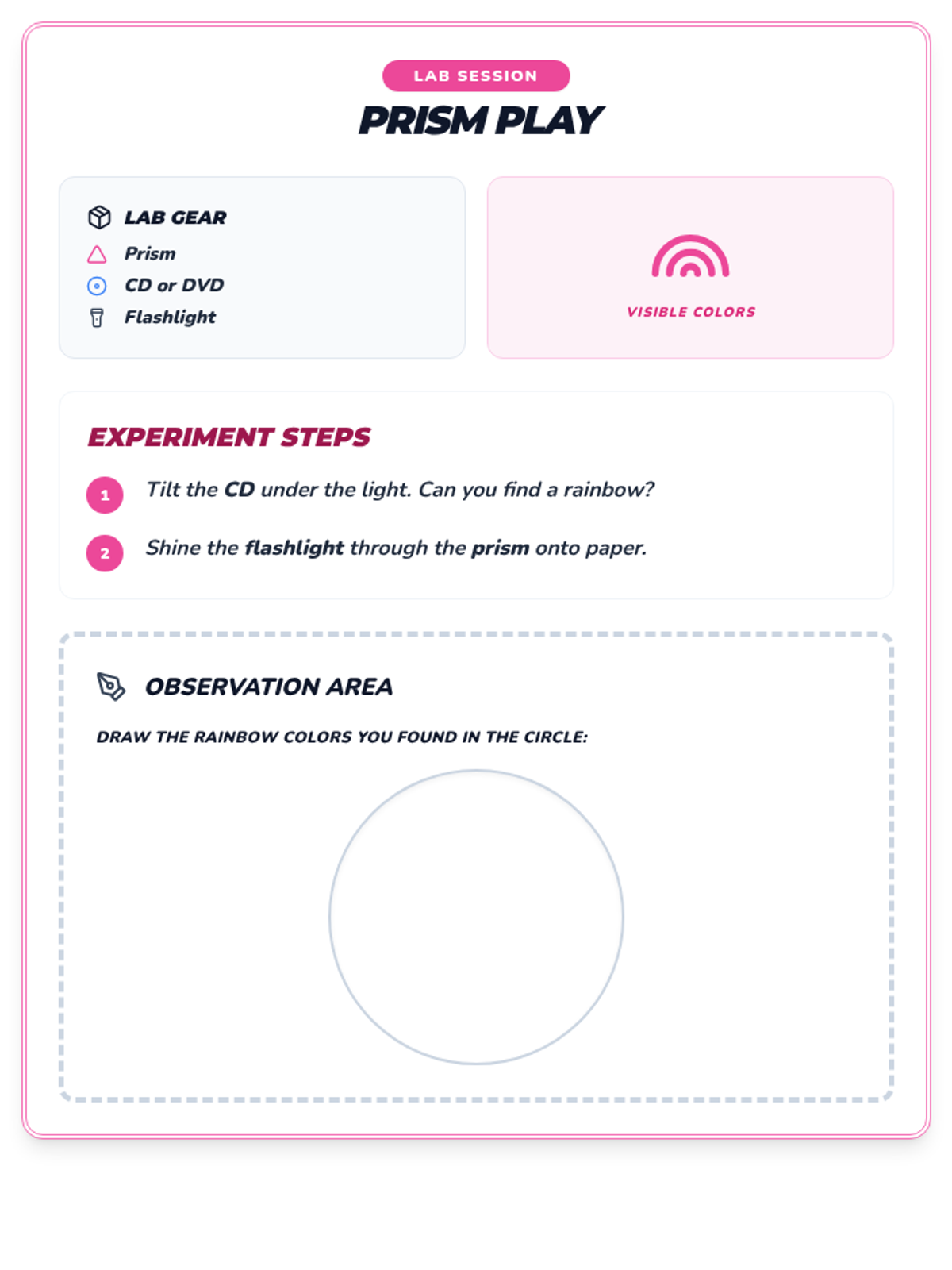
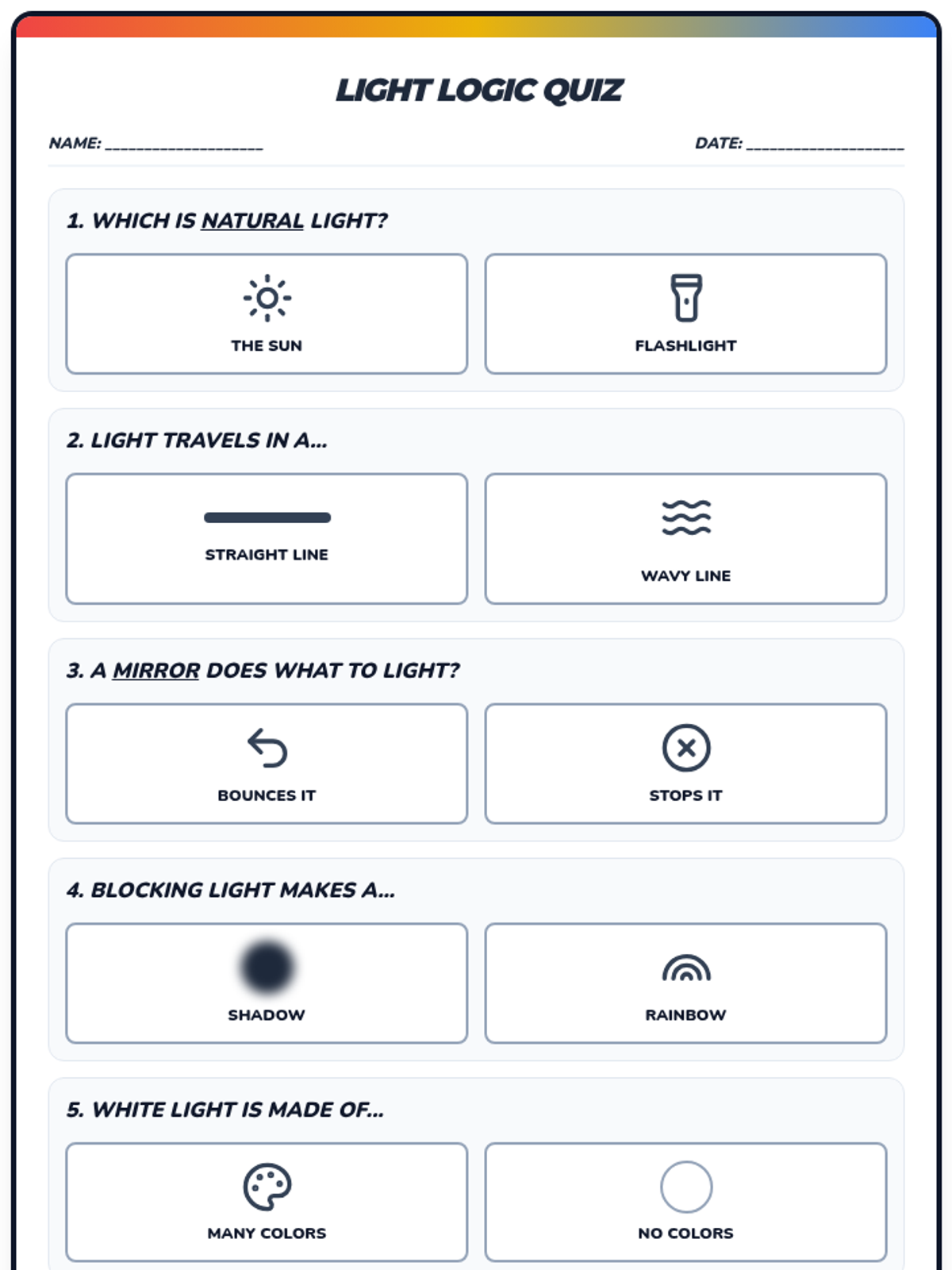
A discovery of the visible spectrum, rainbow colors, and a final unit quiz to celebrate learning.
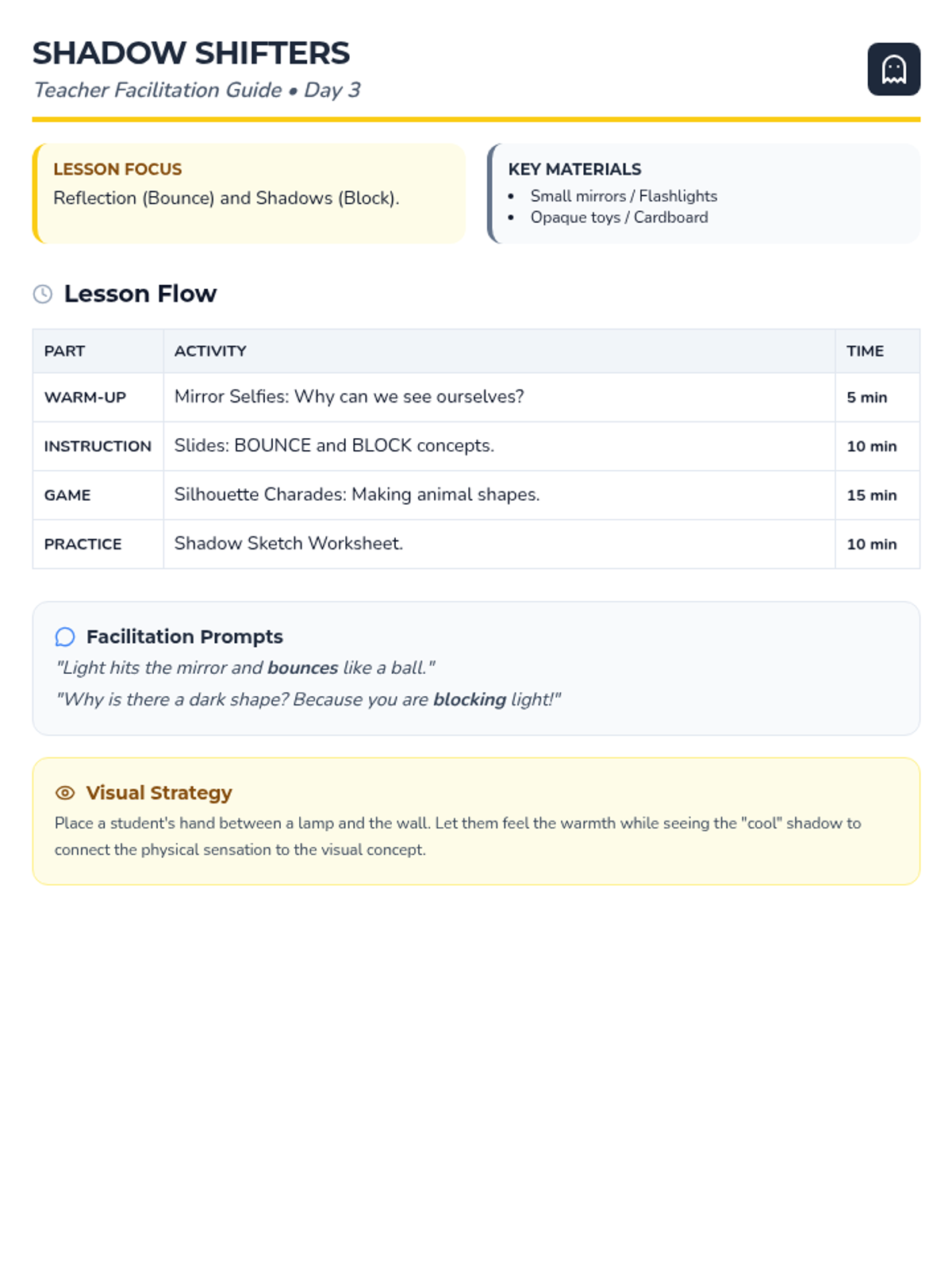
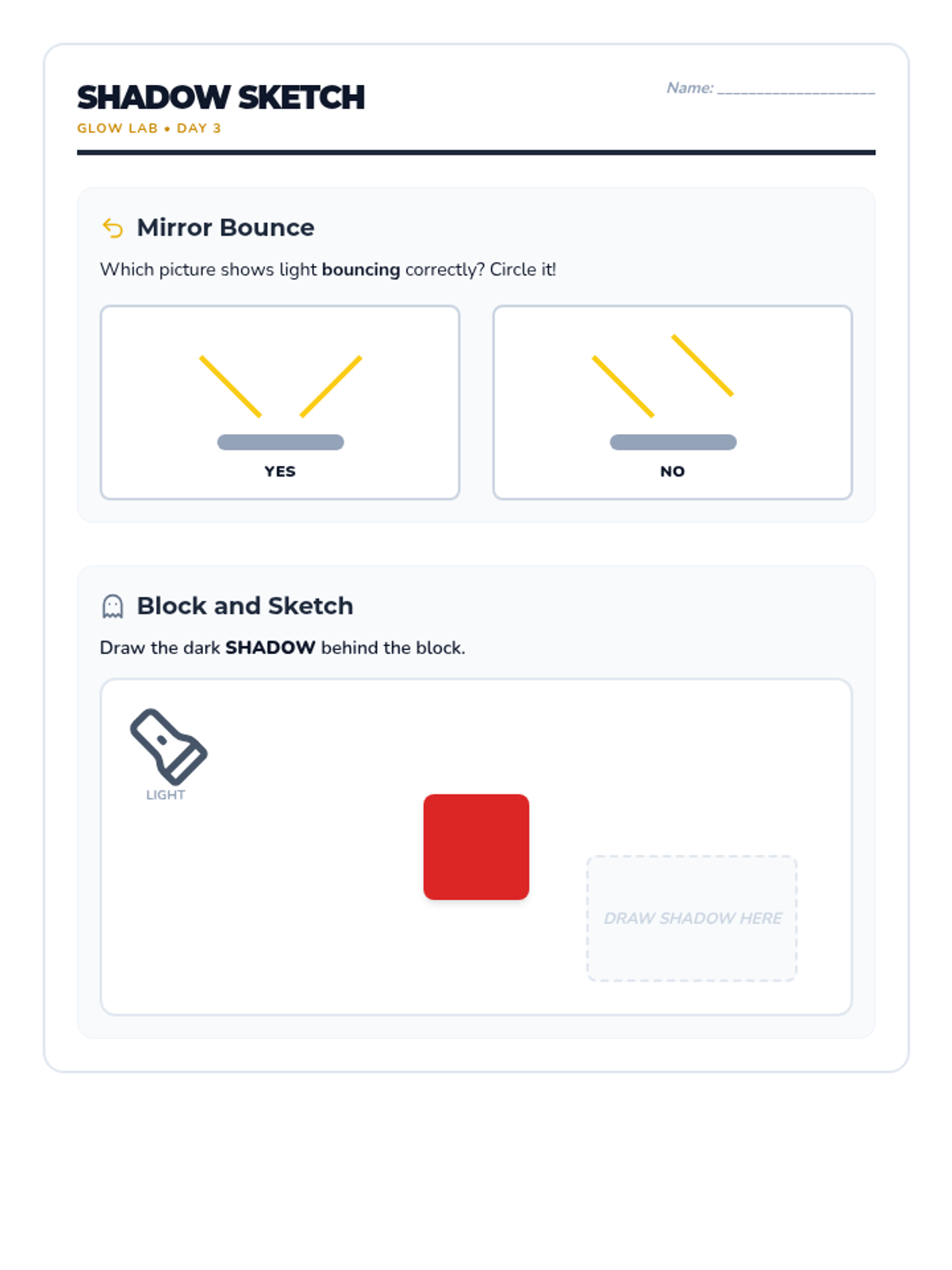
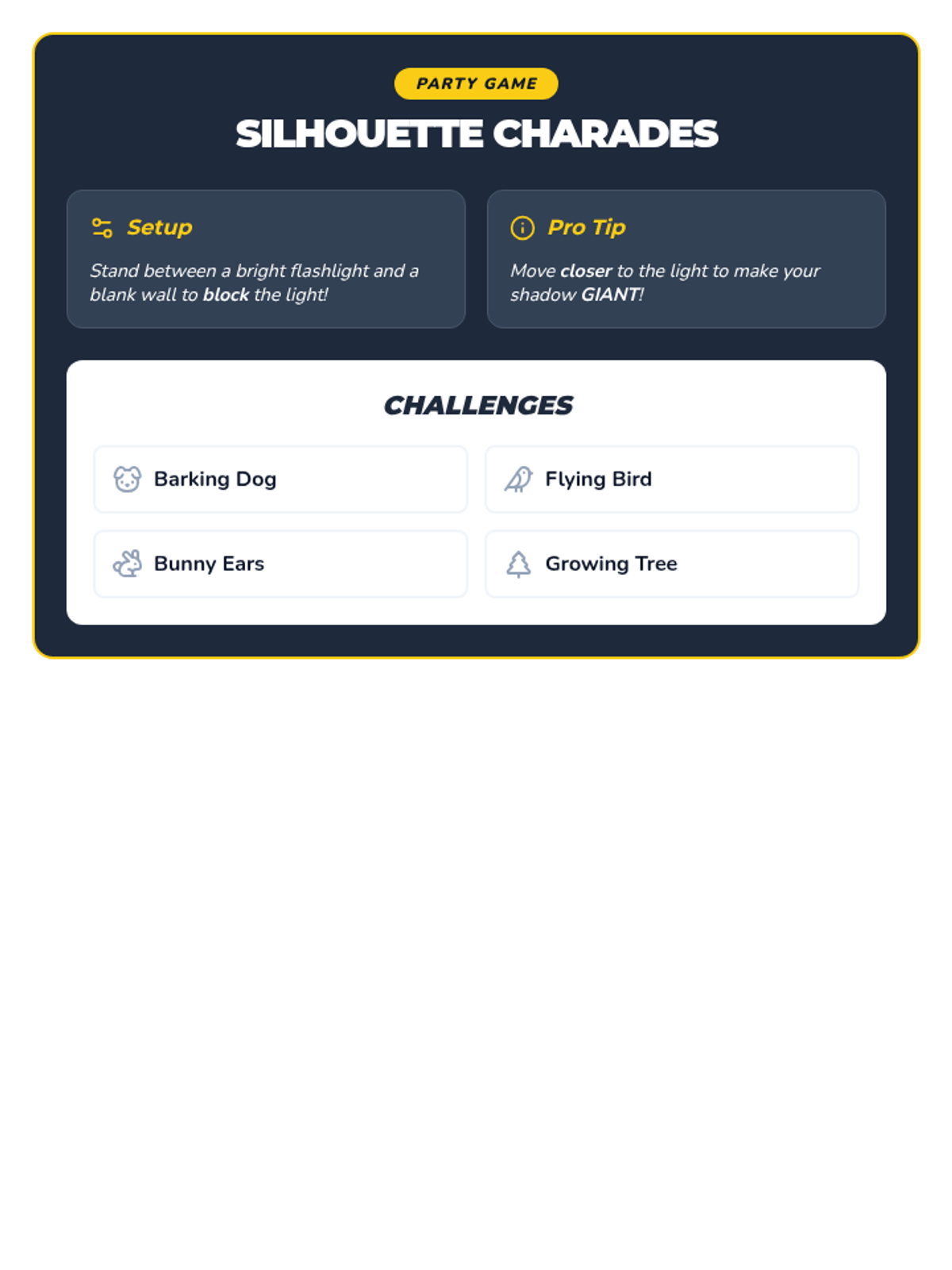
Students investigate how light bounces off mirrors and how objects block light to create shadows.
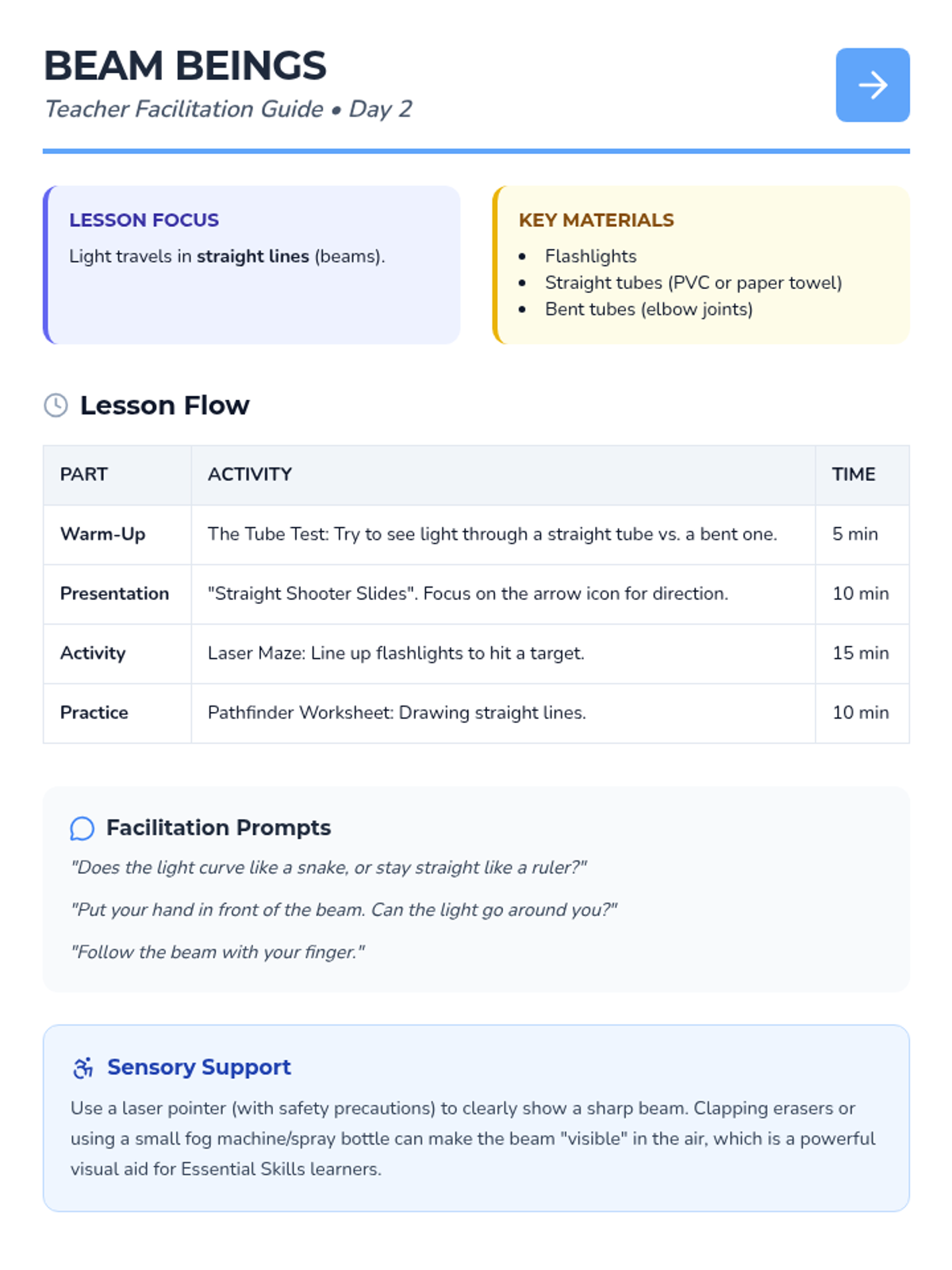
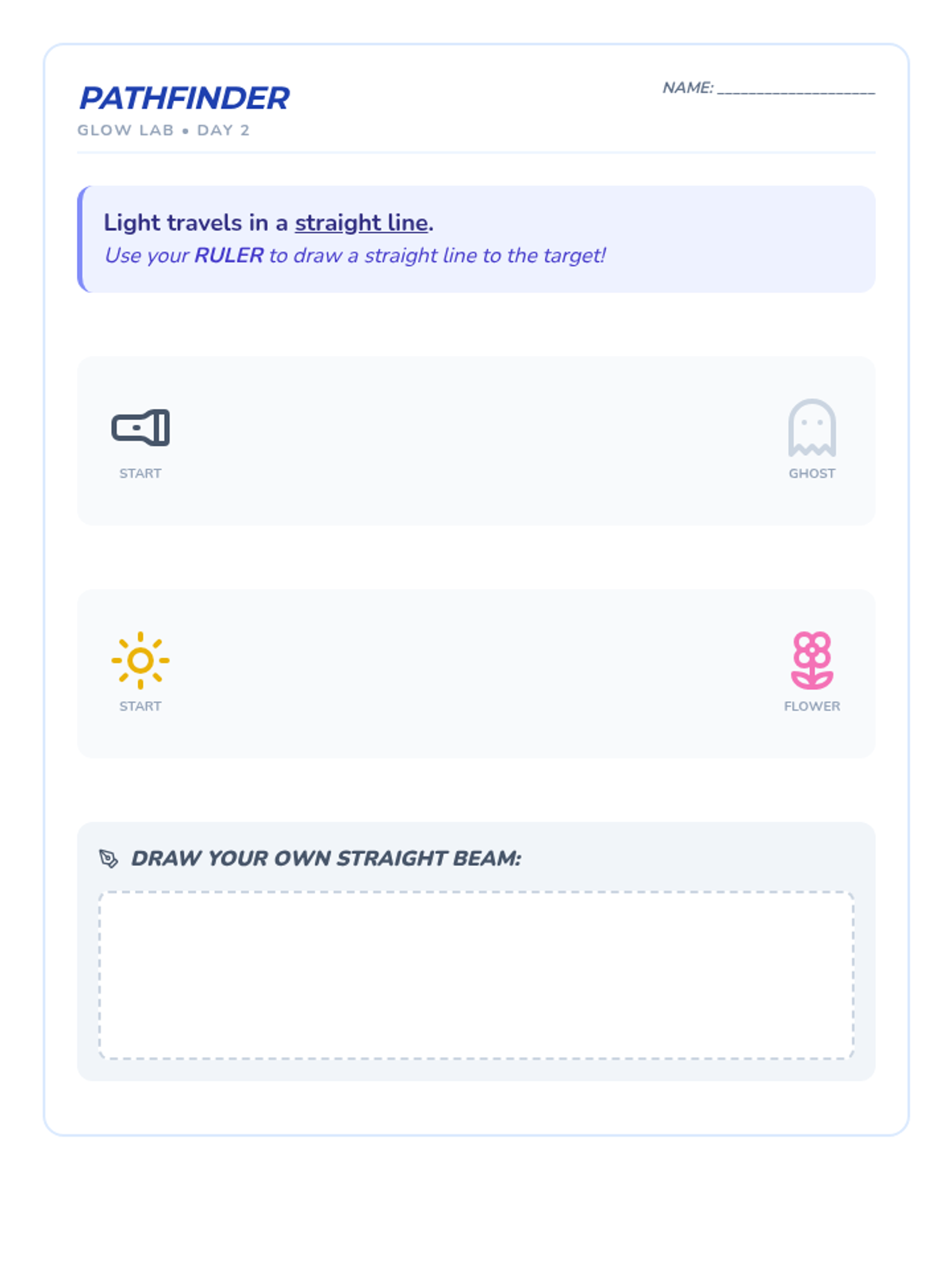
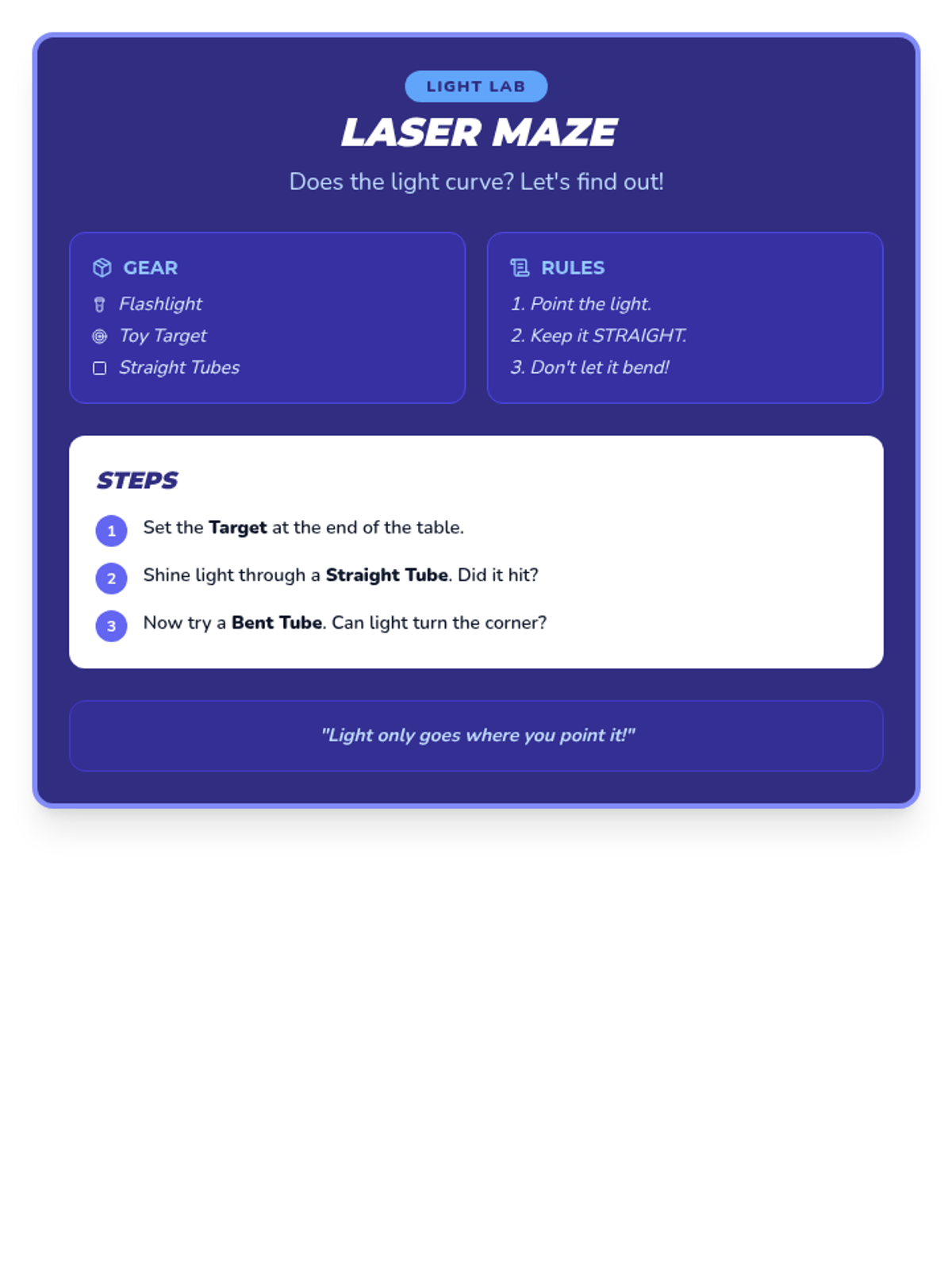
An exploration of how light travels in straight lines and what happens when those beams are interrupted.
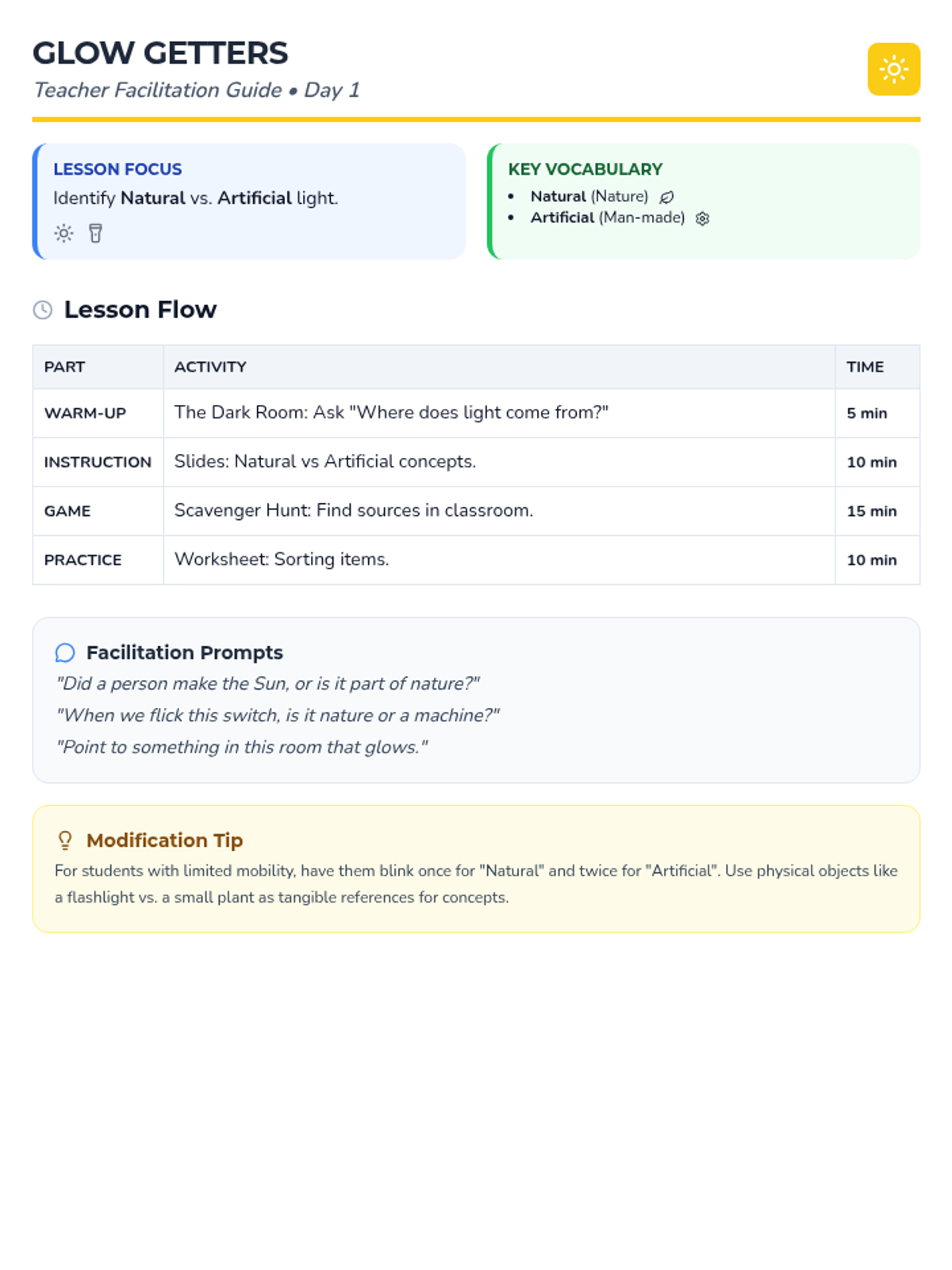
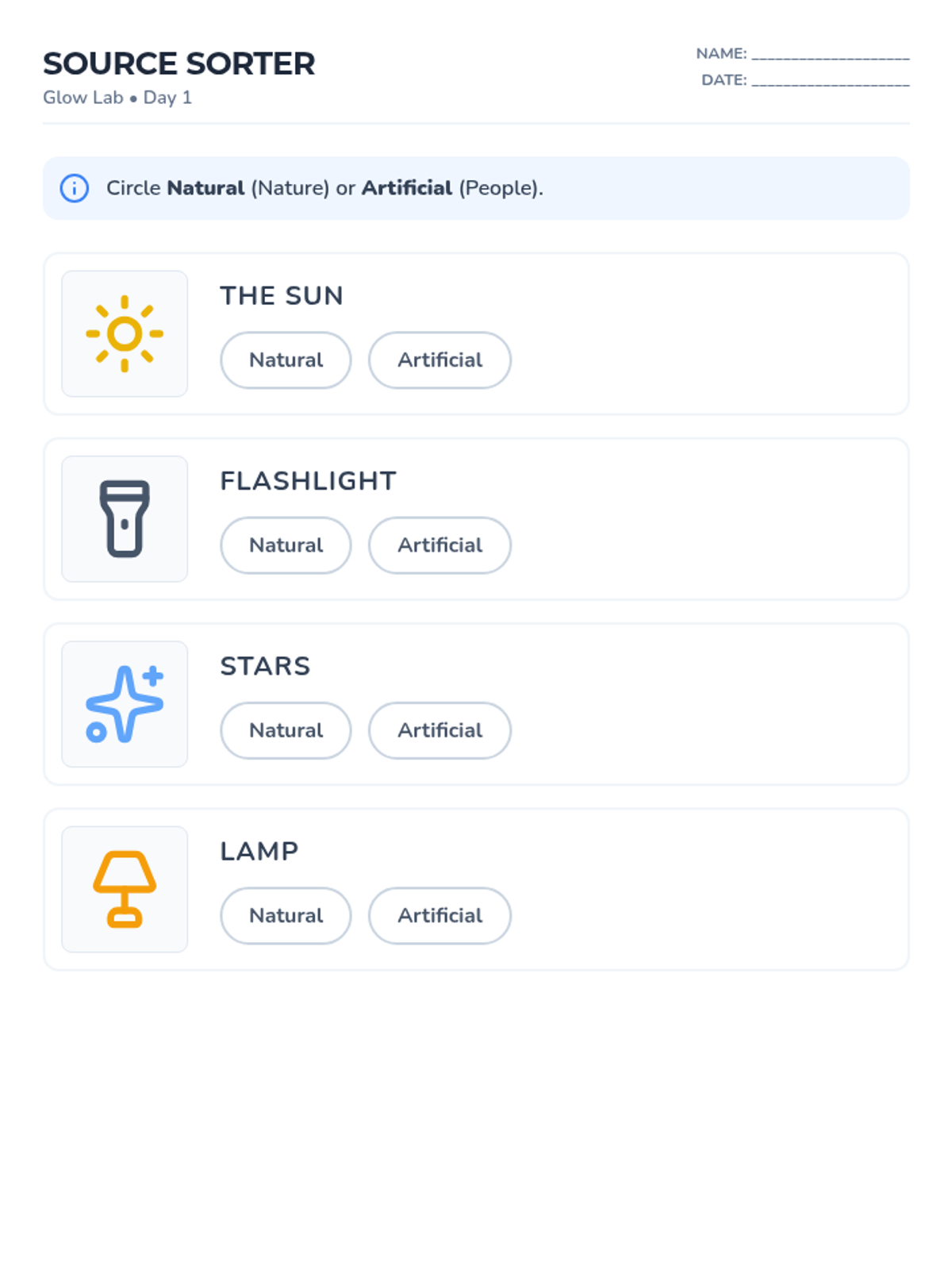
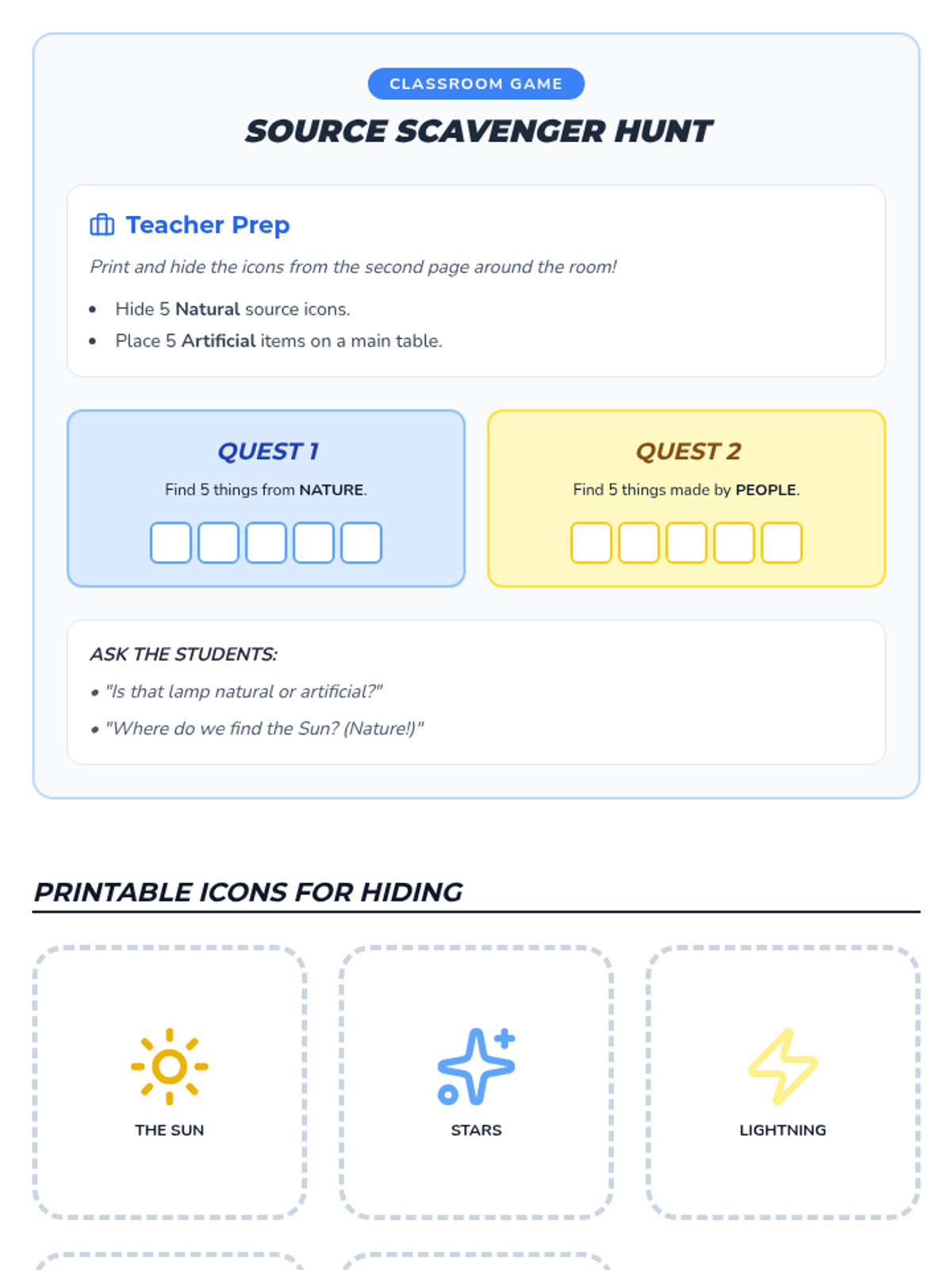
Students identify and differentiate between natural and artificial light sources using high-contrast visuals and sorting activities.
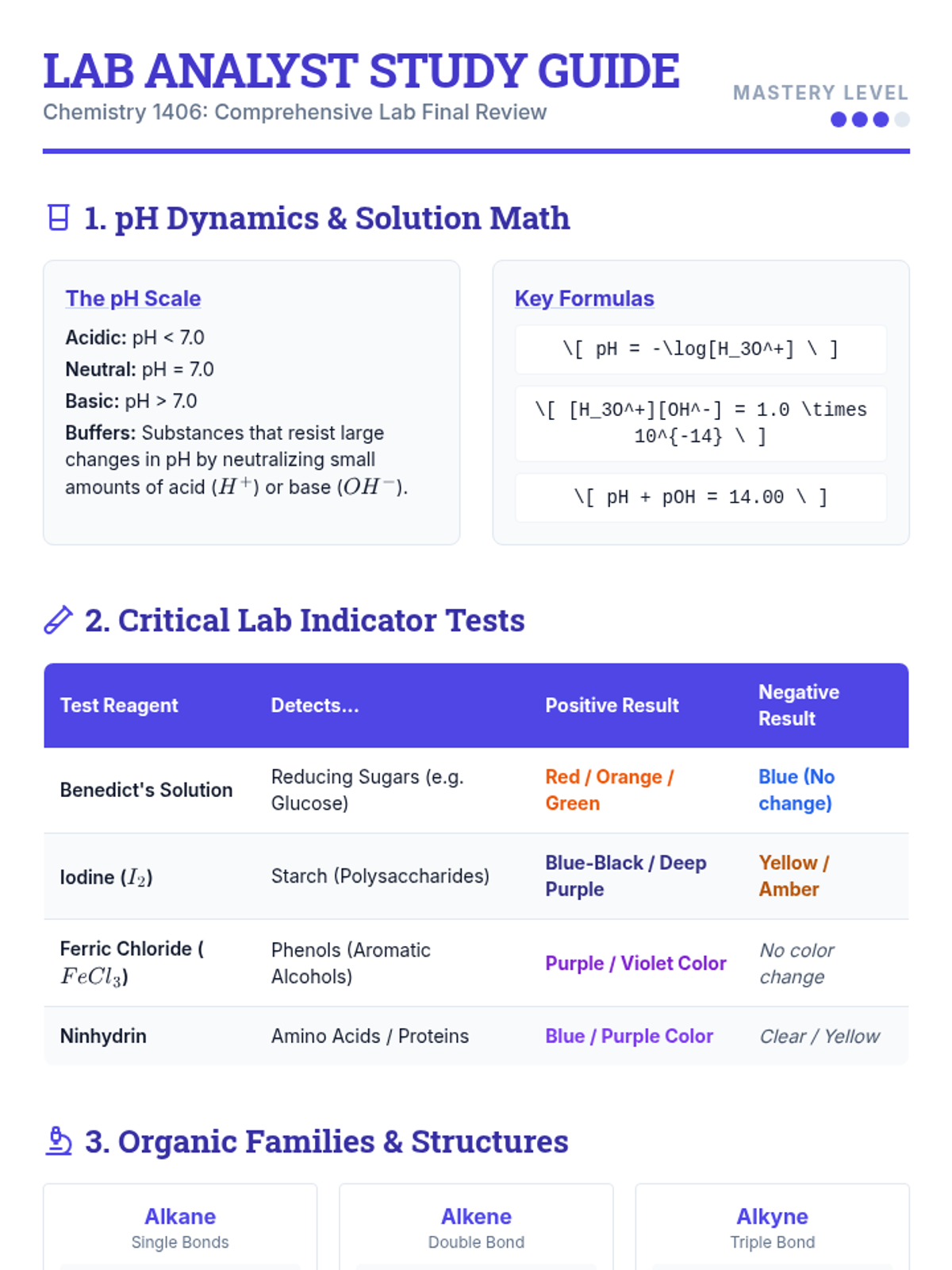
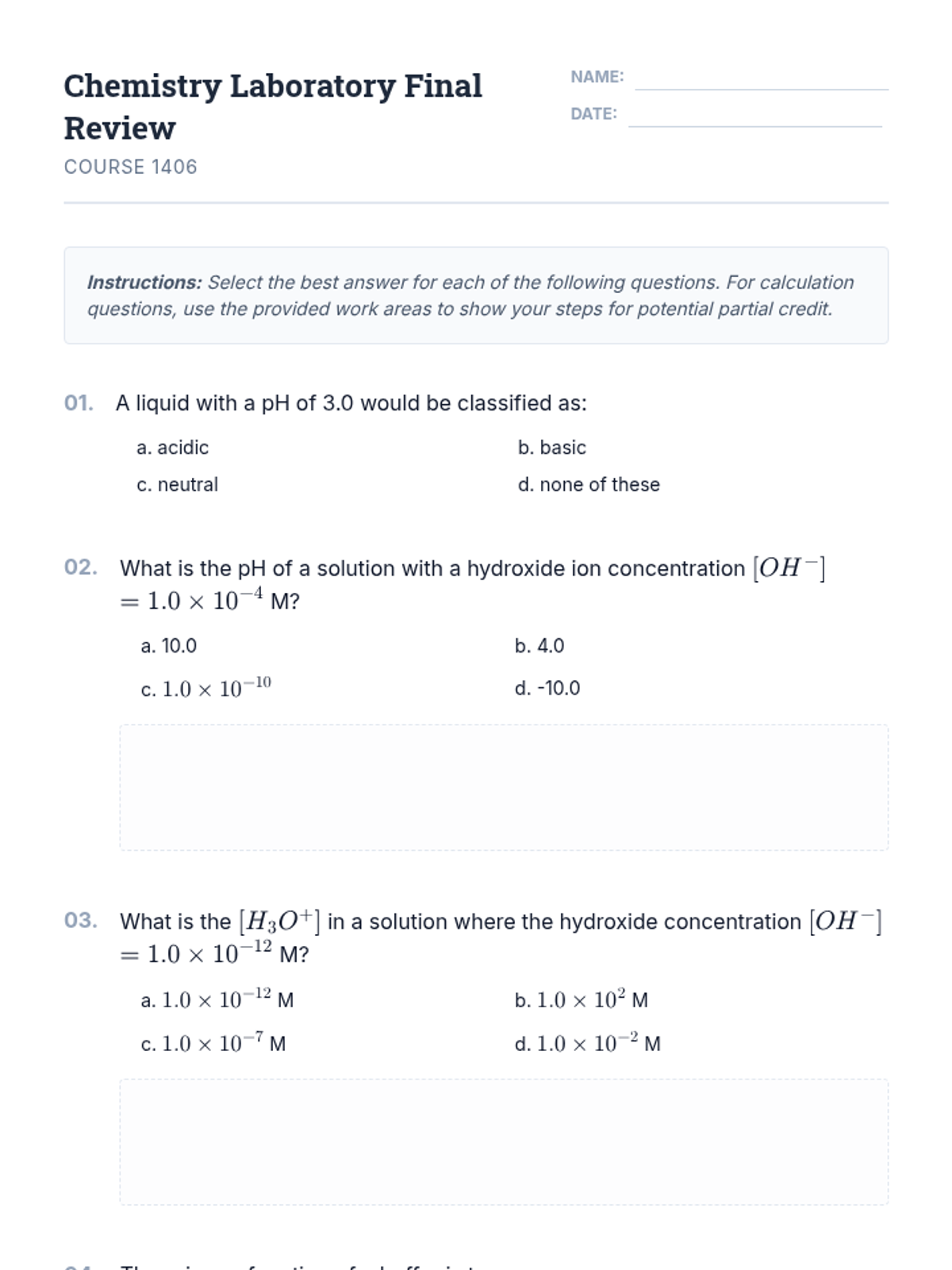
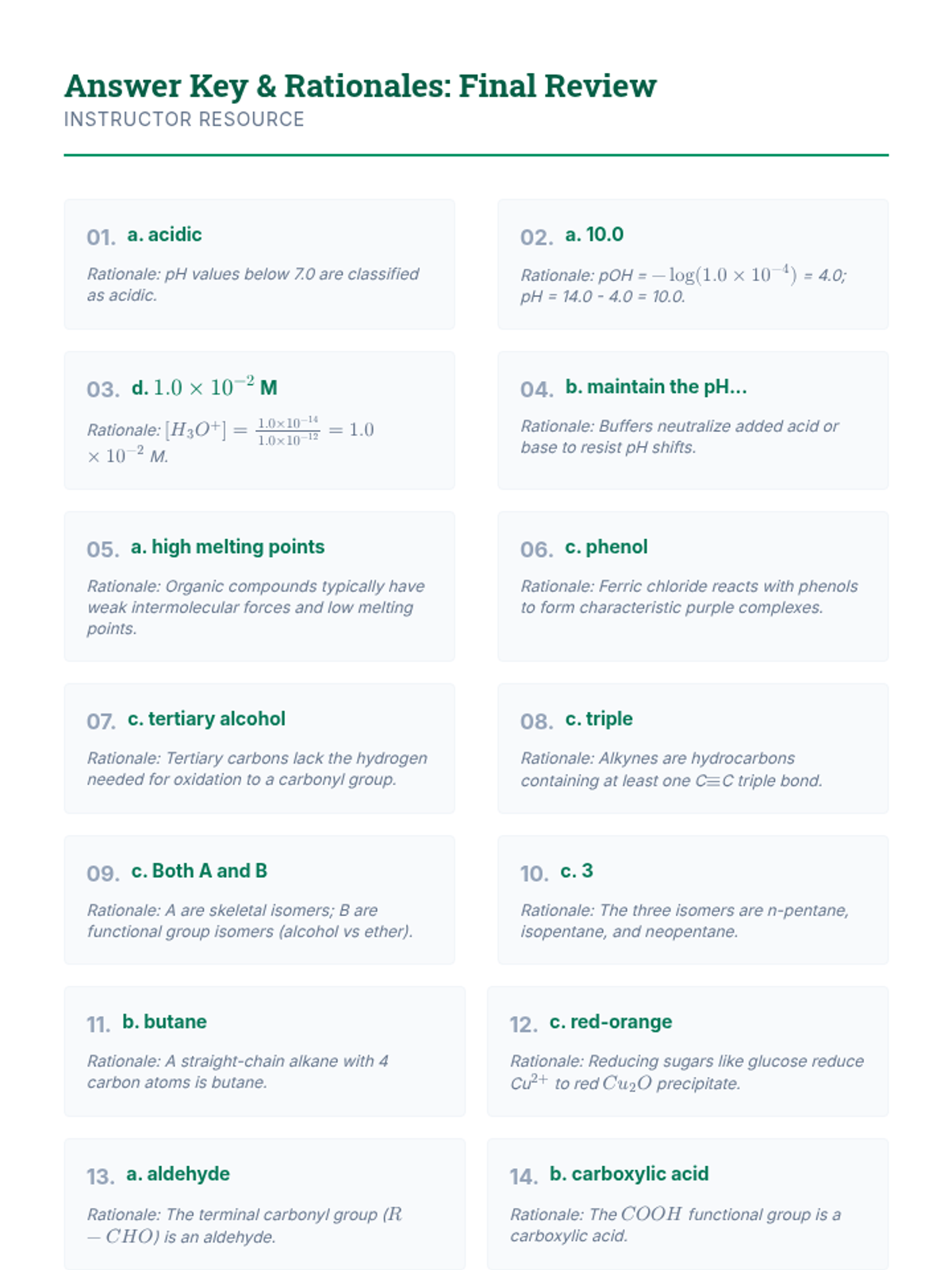
A comprehensive review of introductory chemistry lab concepts including pH calculations, organic nomenclature, functional group identification, and laboratory testing procedures.
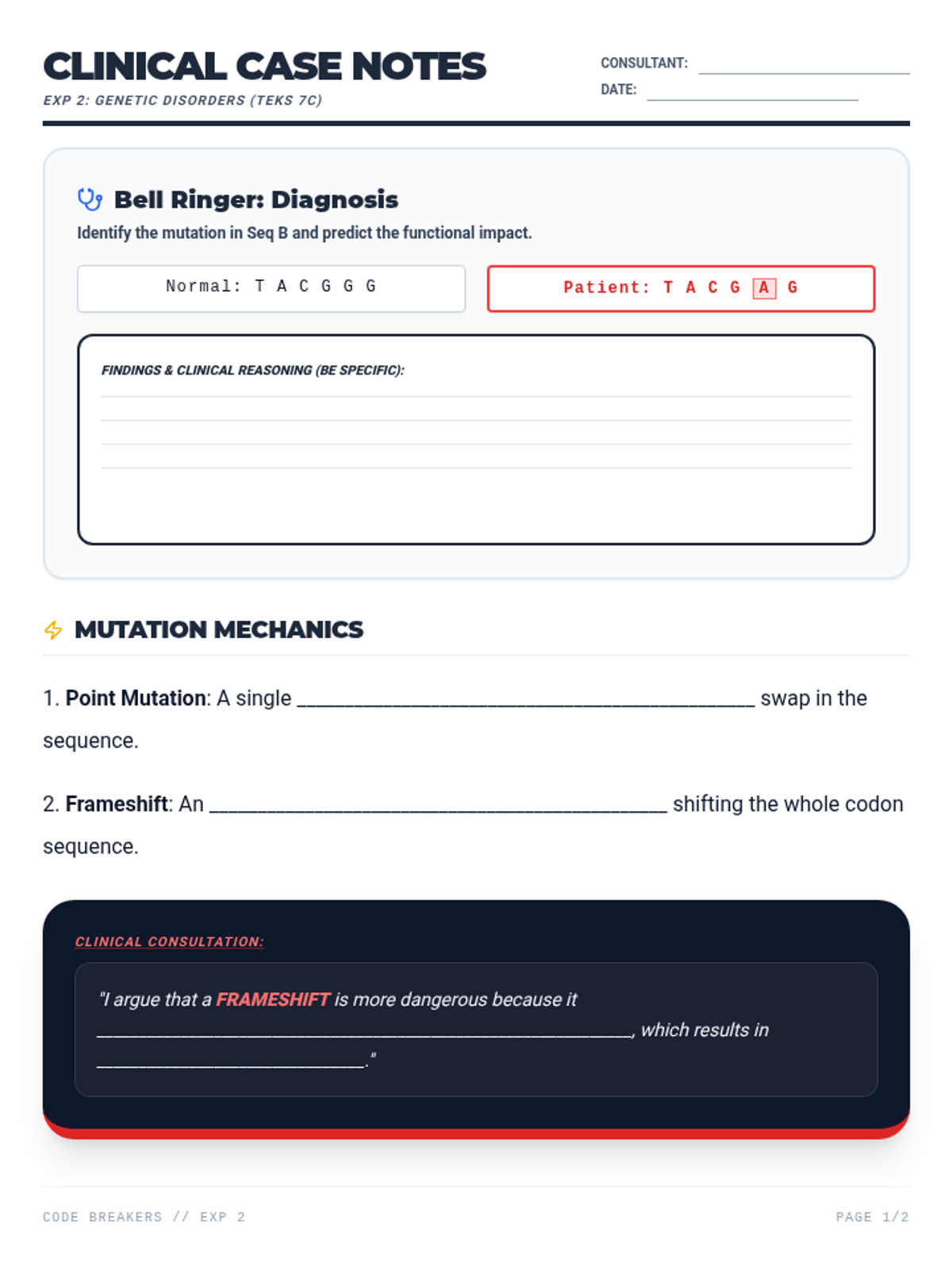
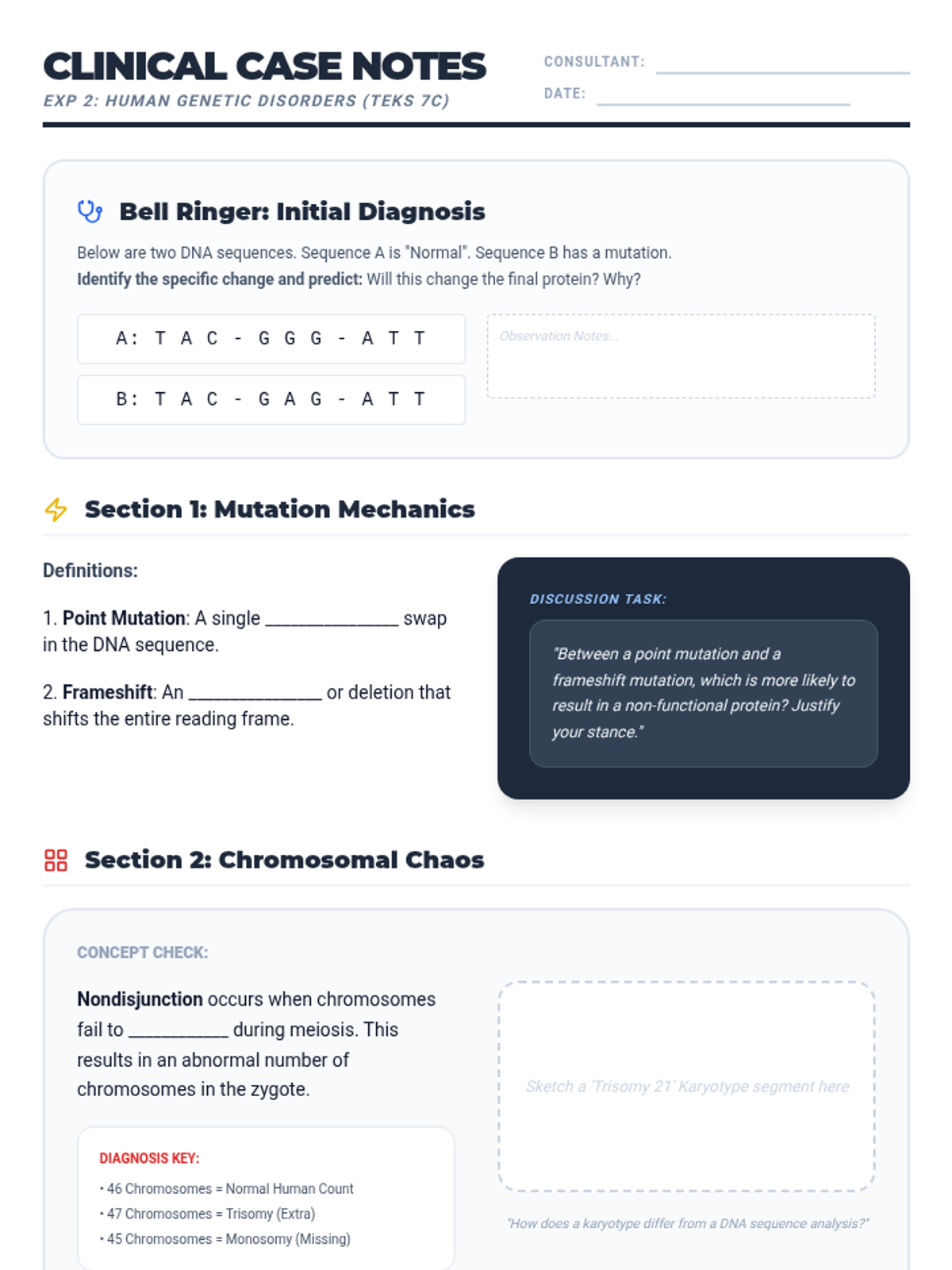
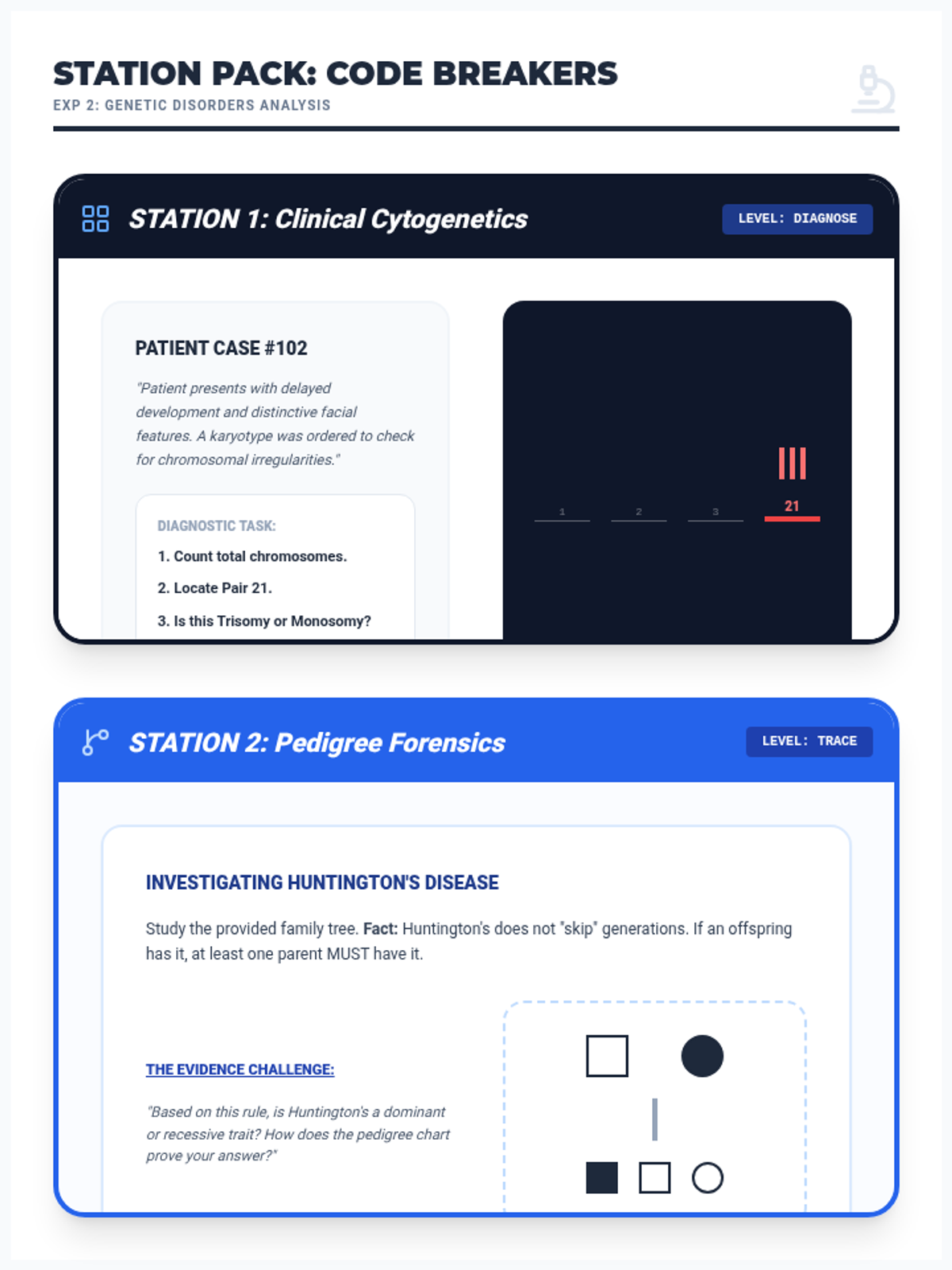
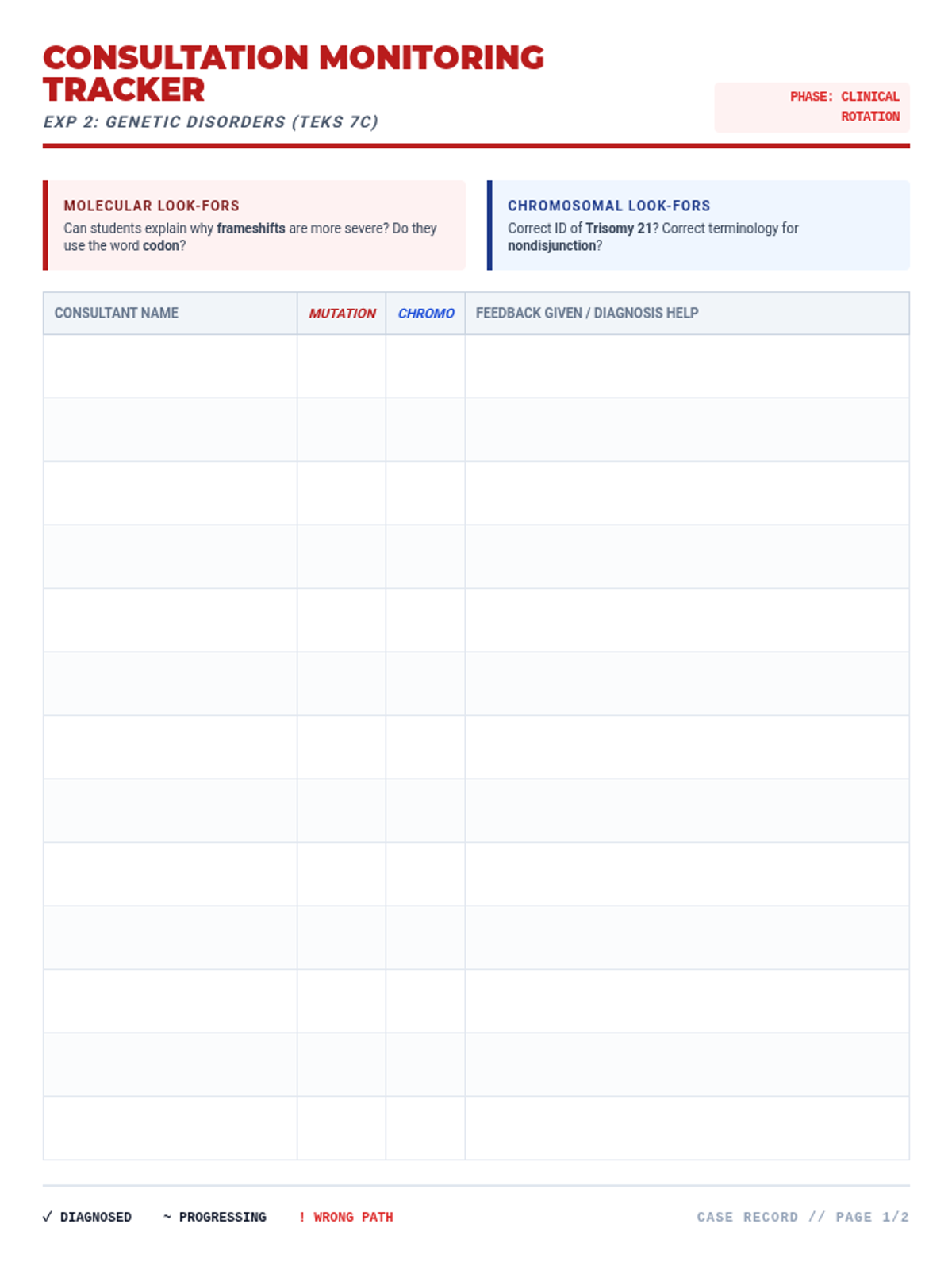
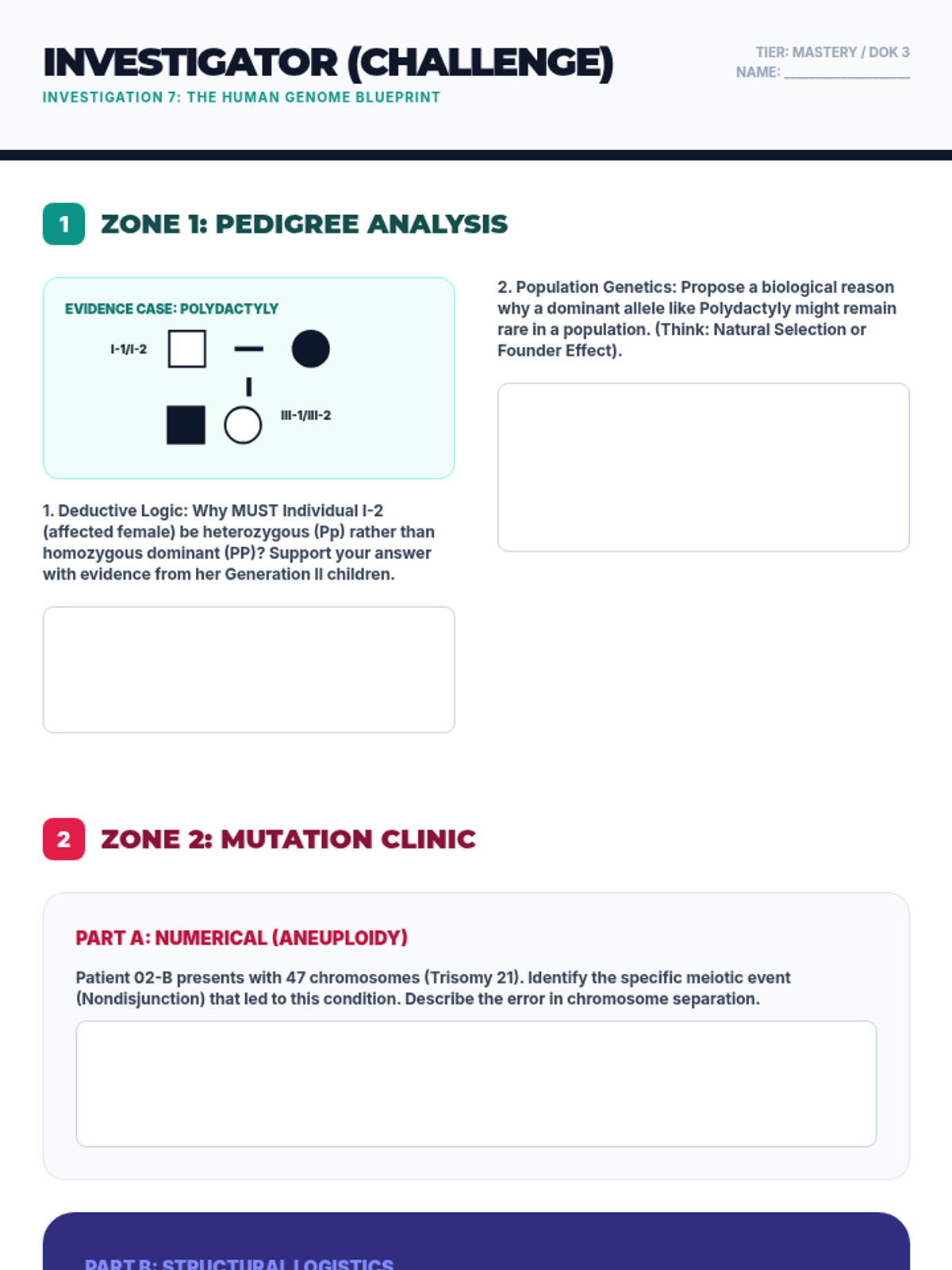
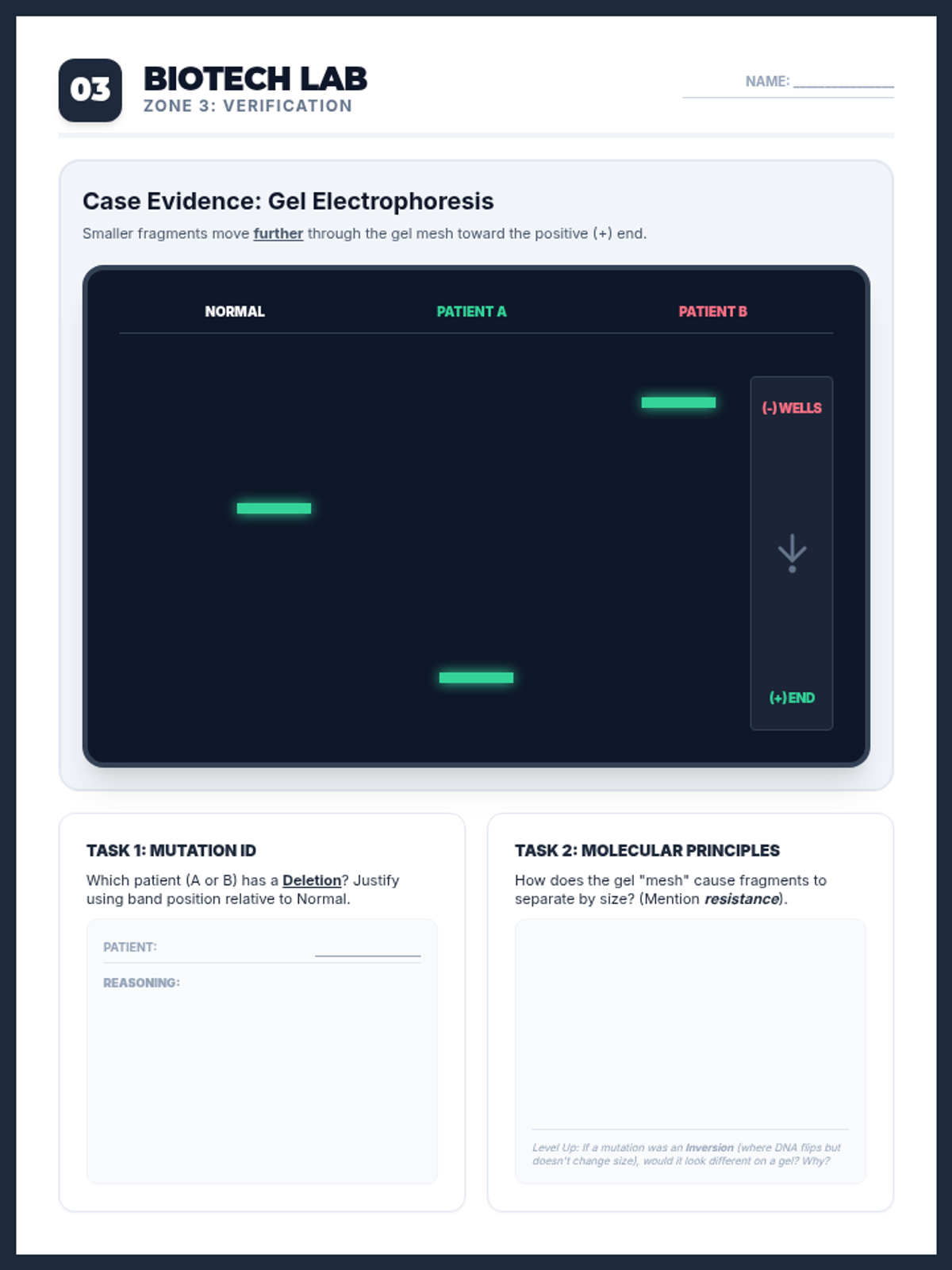
A 90-minute investigation into how genetic mutations and chromosomal abnormalities lead to human disorders. Students act as 'genetic consultants' to analyze karyotypes, pedigrees, and mutation types.
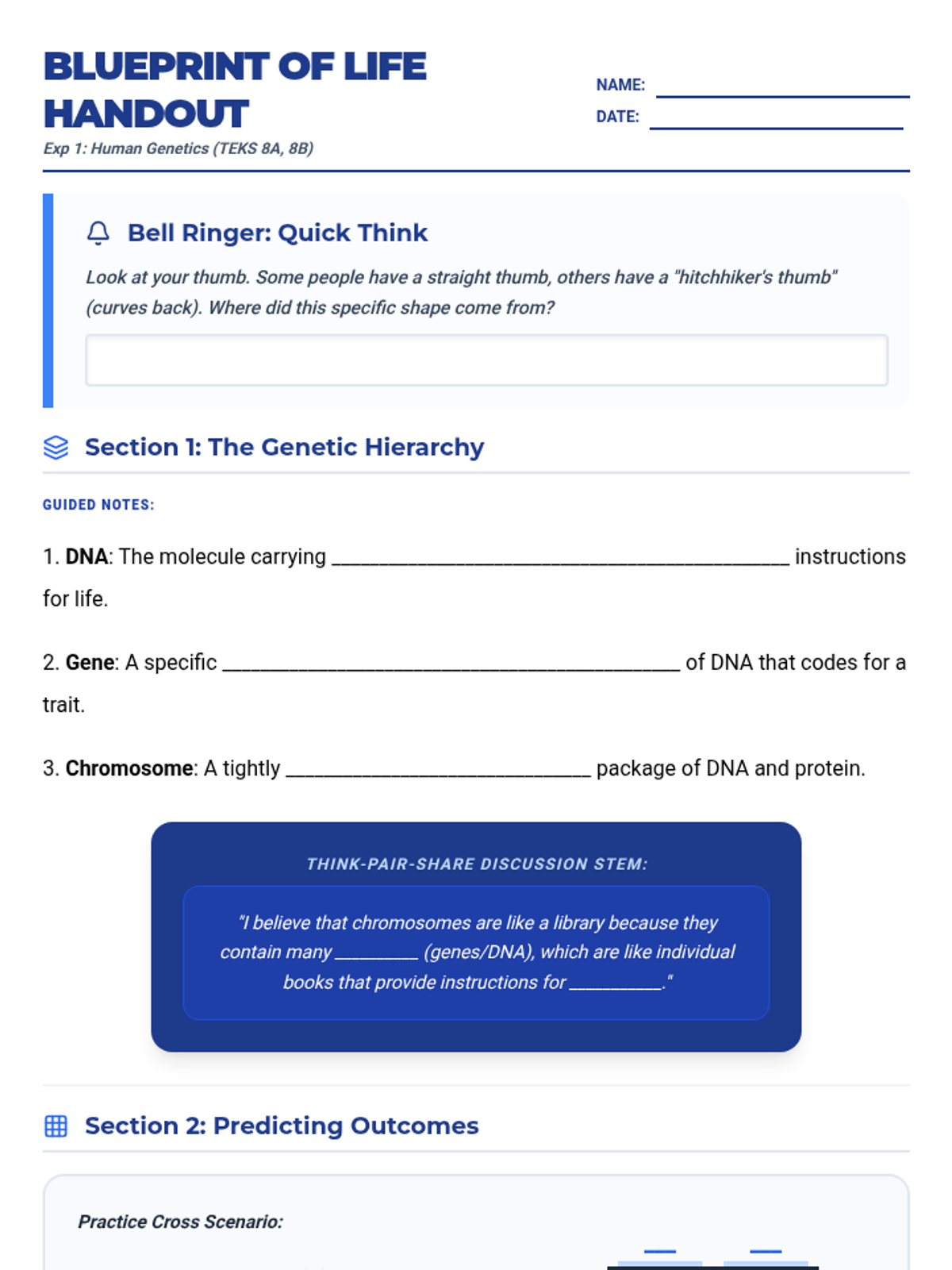
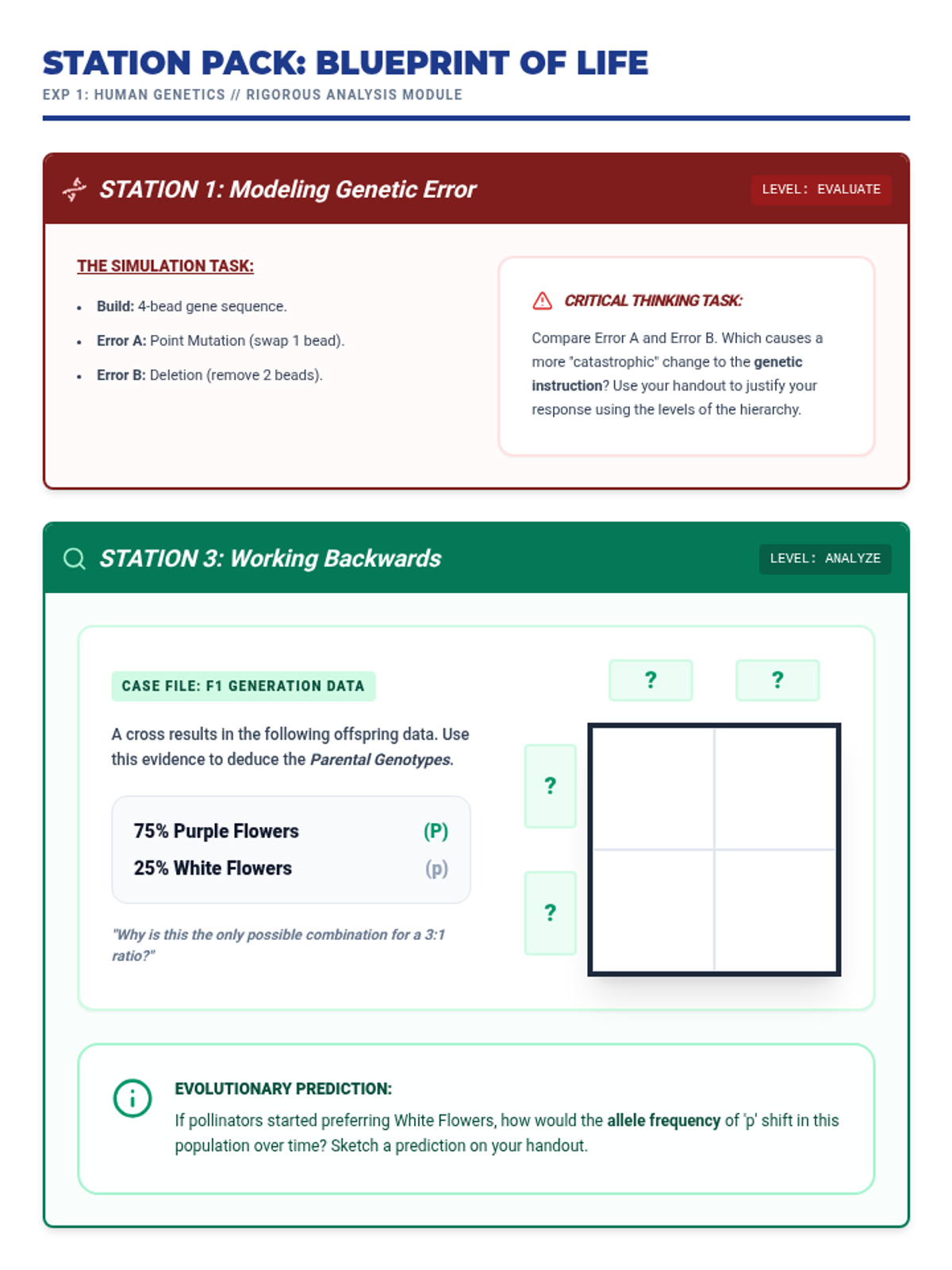
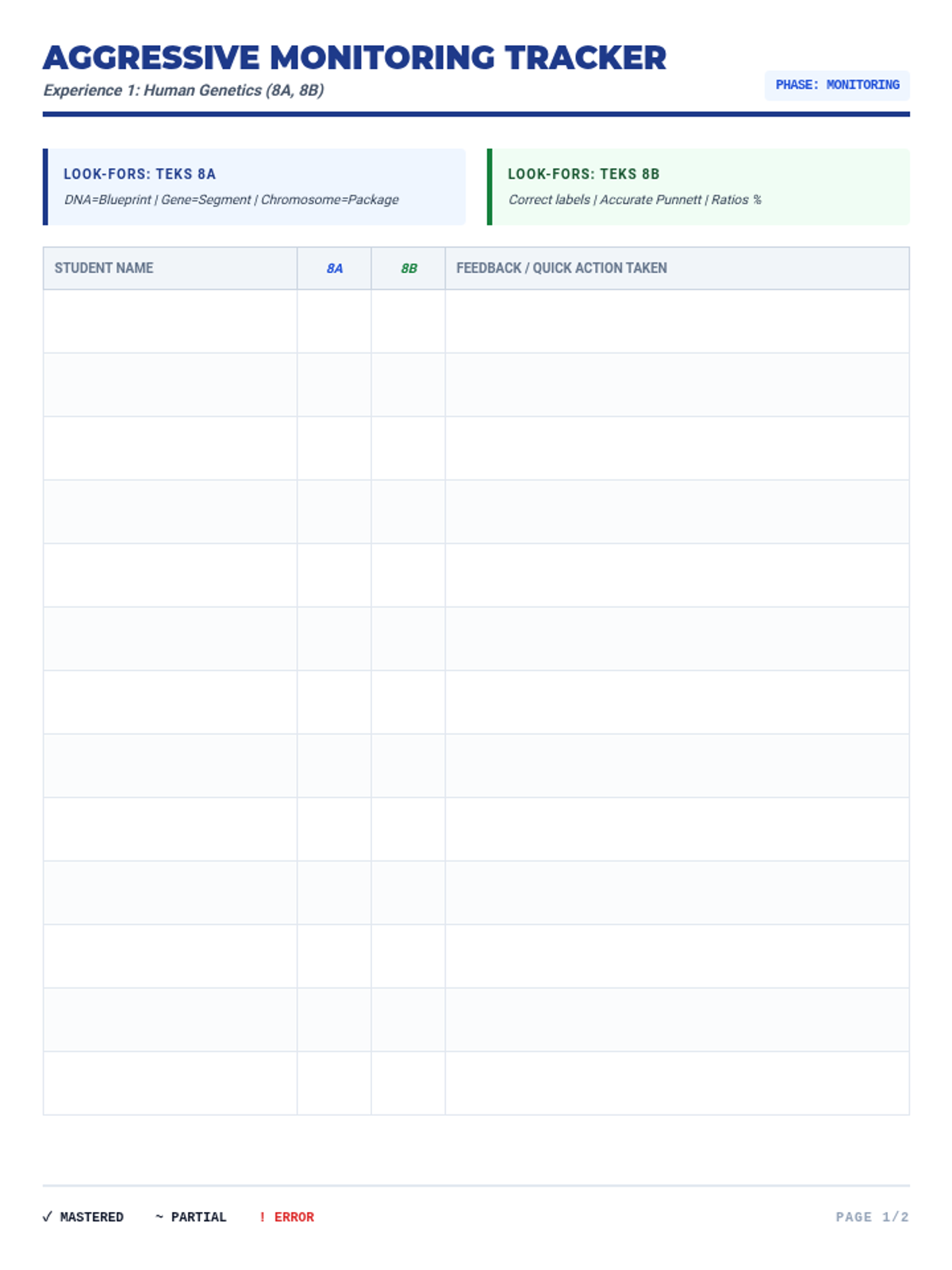
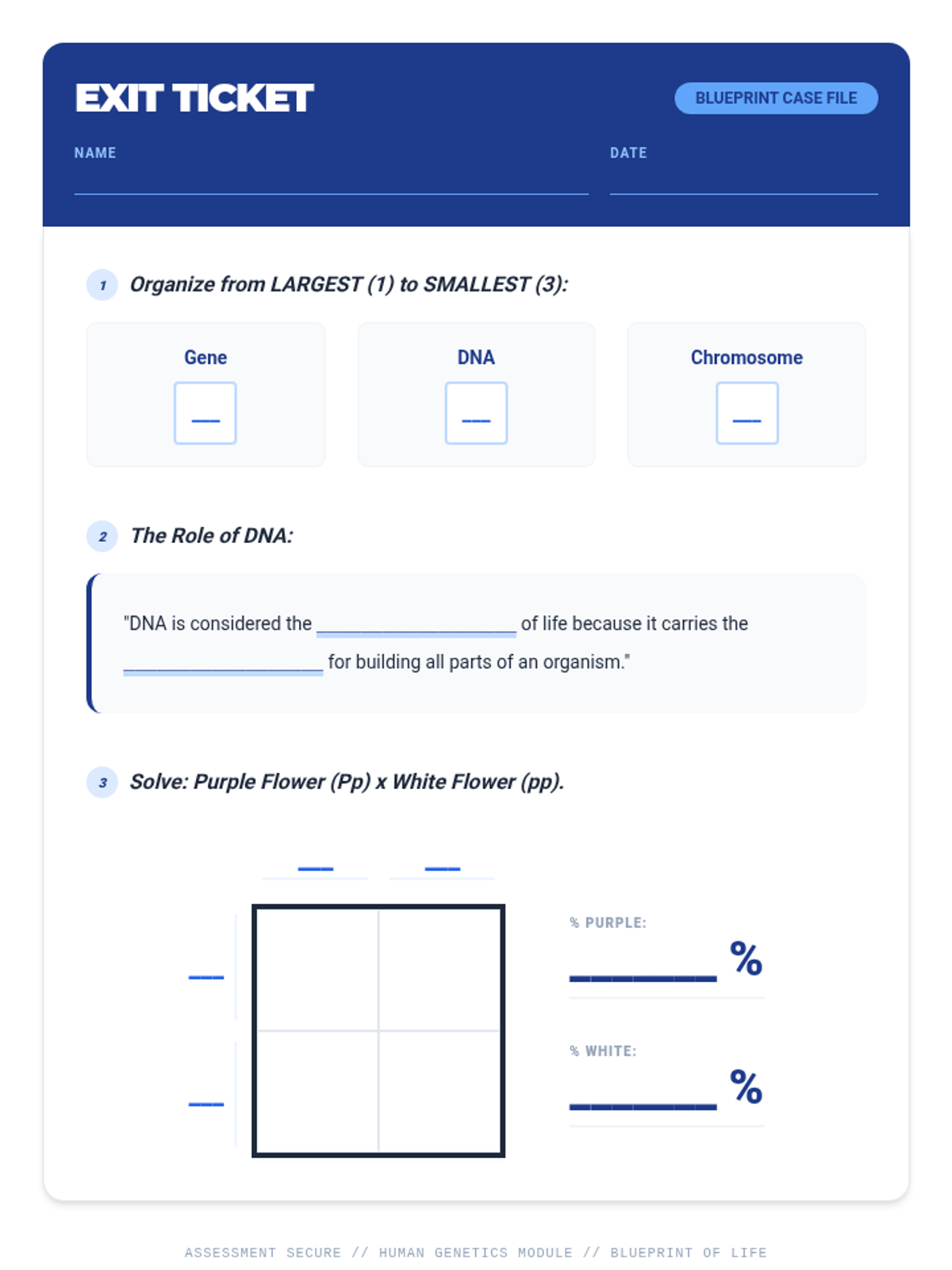
A comprehensive 90-minute lesson on DNA, genes, chromosomes, and genetic crosses. Students explore the 'Blueprint of Life' through chunked instruction, Think-Pair-Share discussions, and hands-on modeling stations.
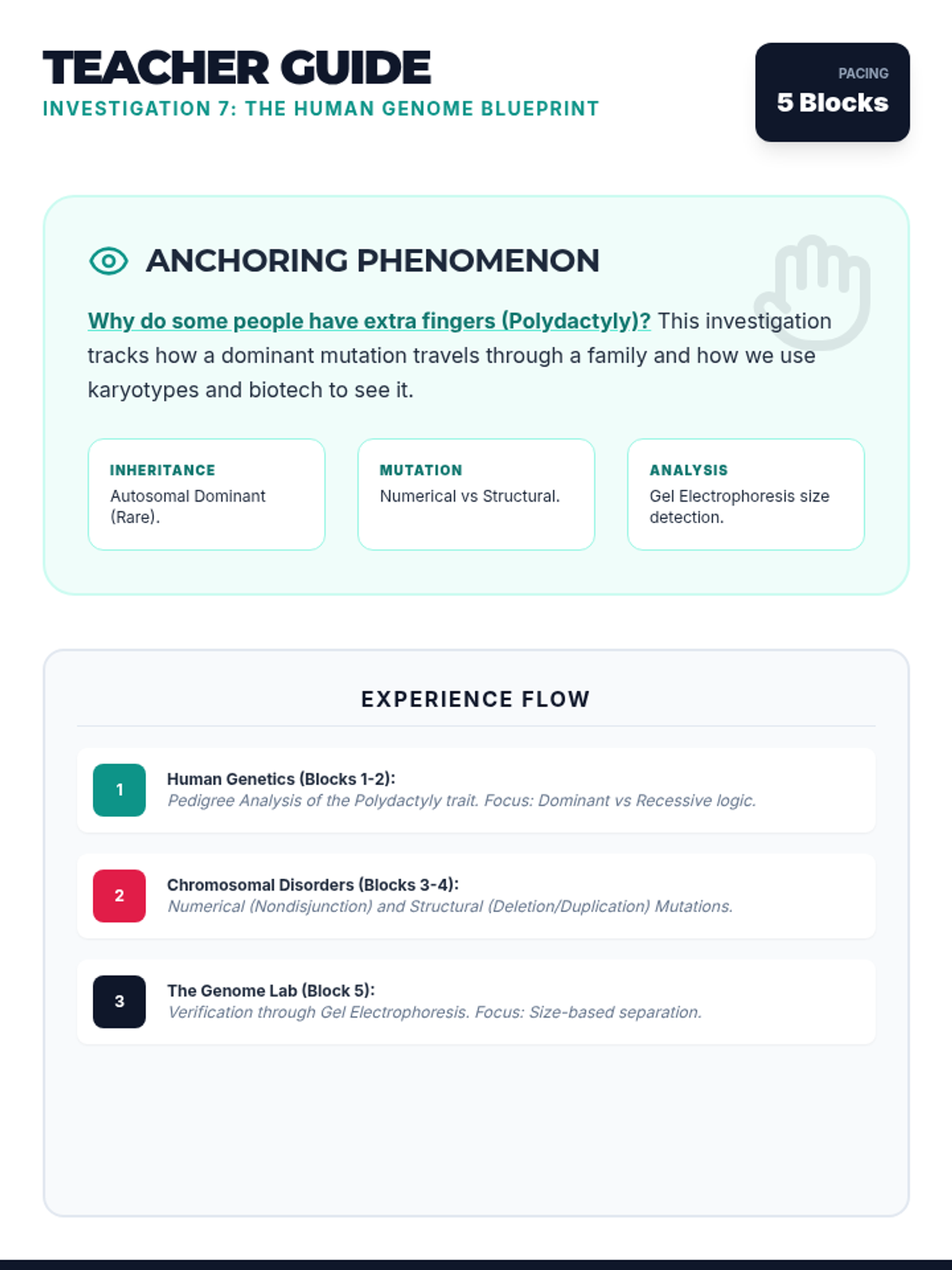
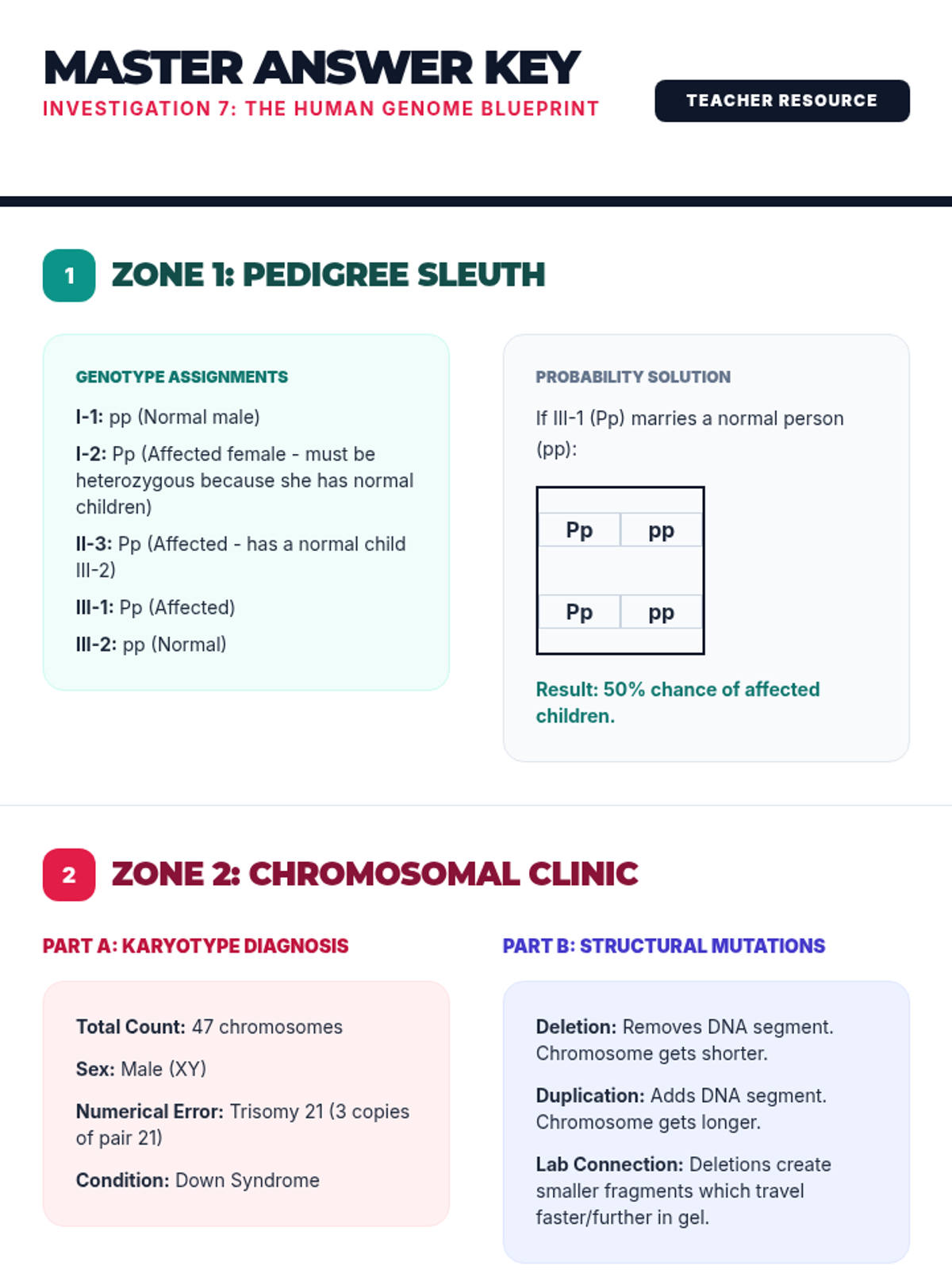
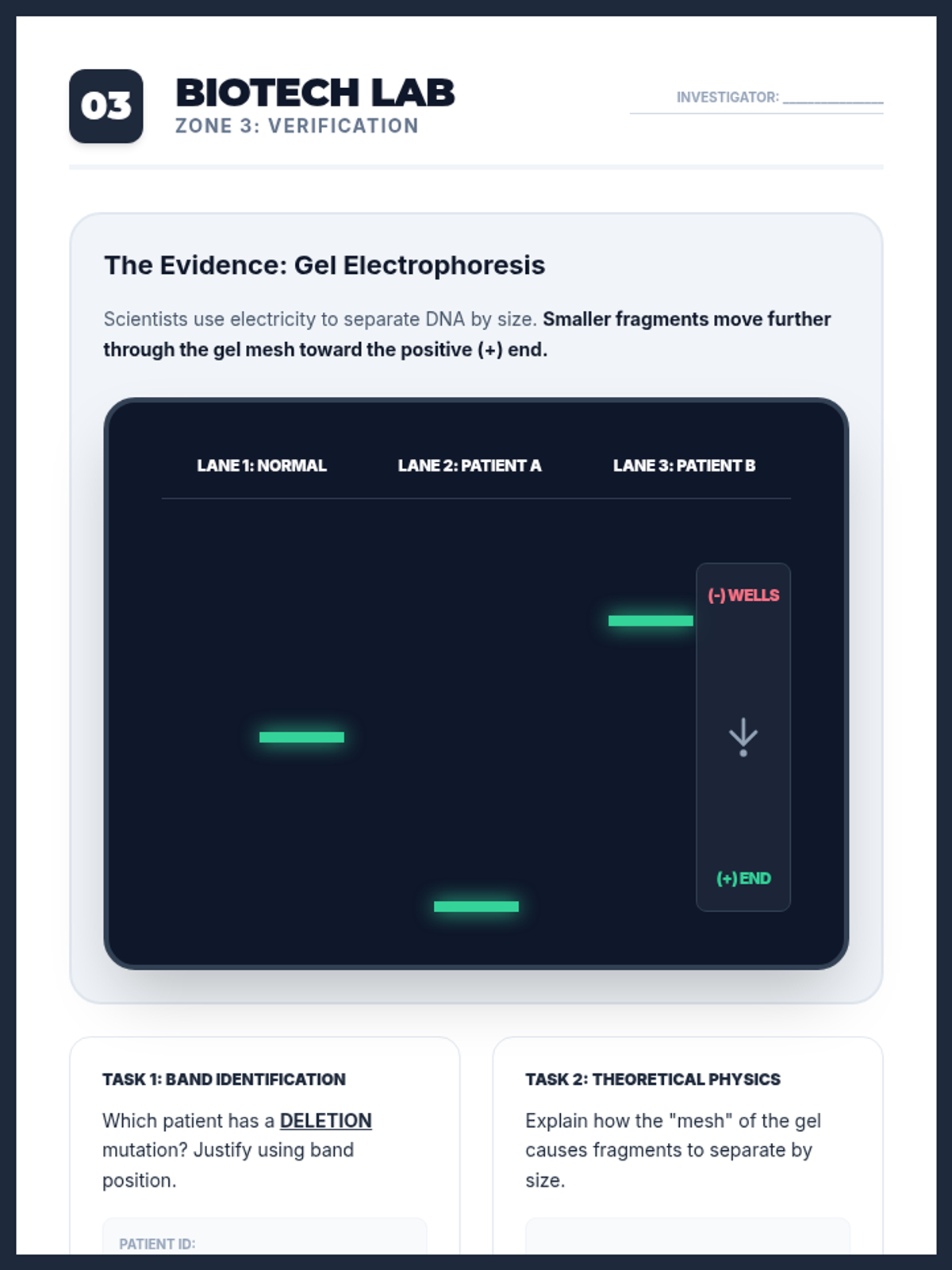
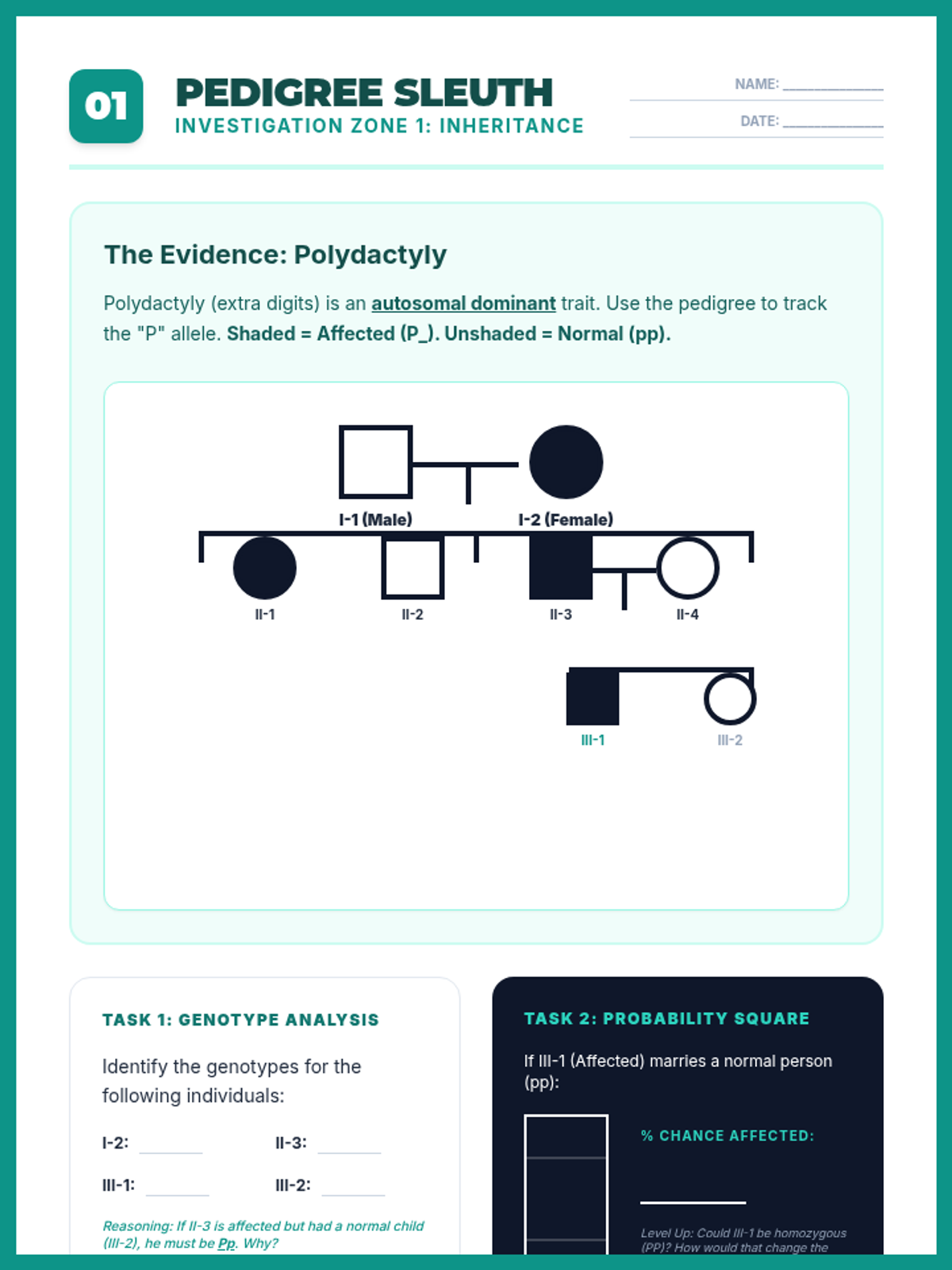
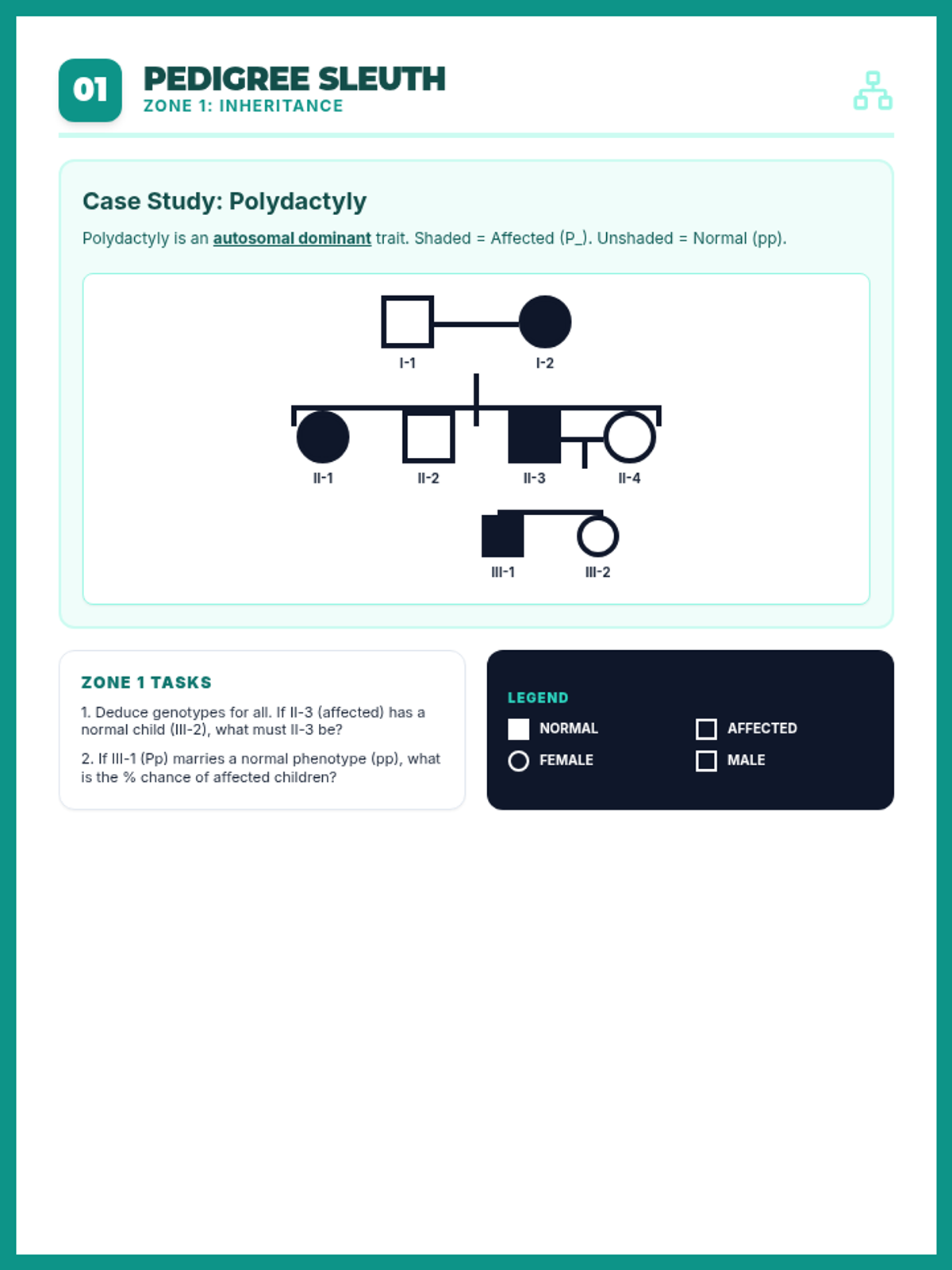
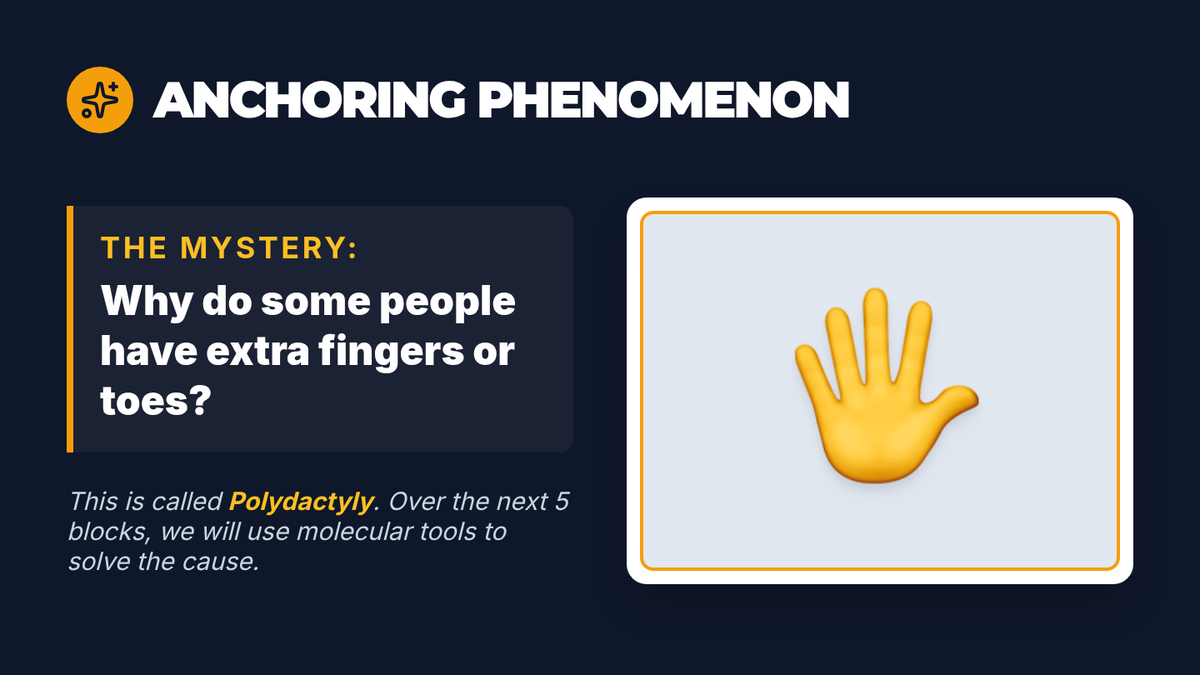
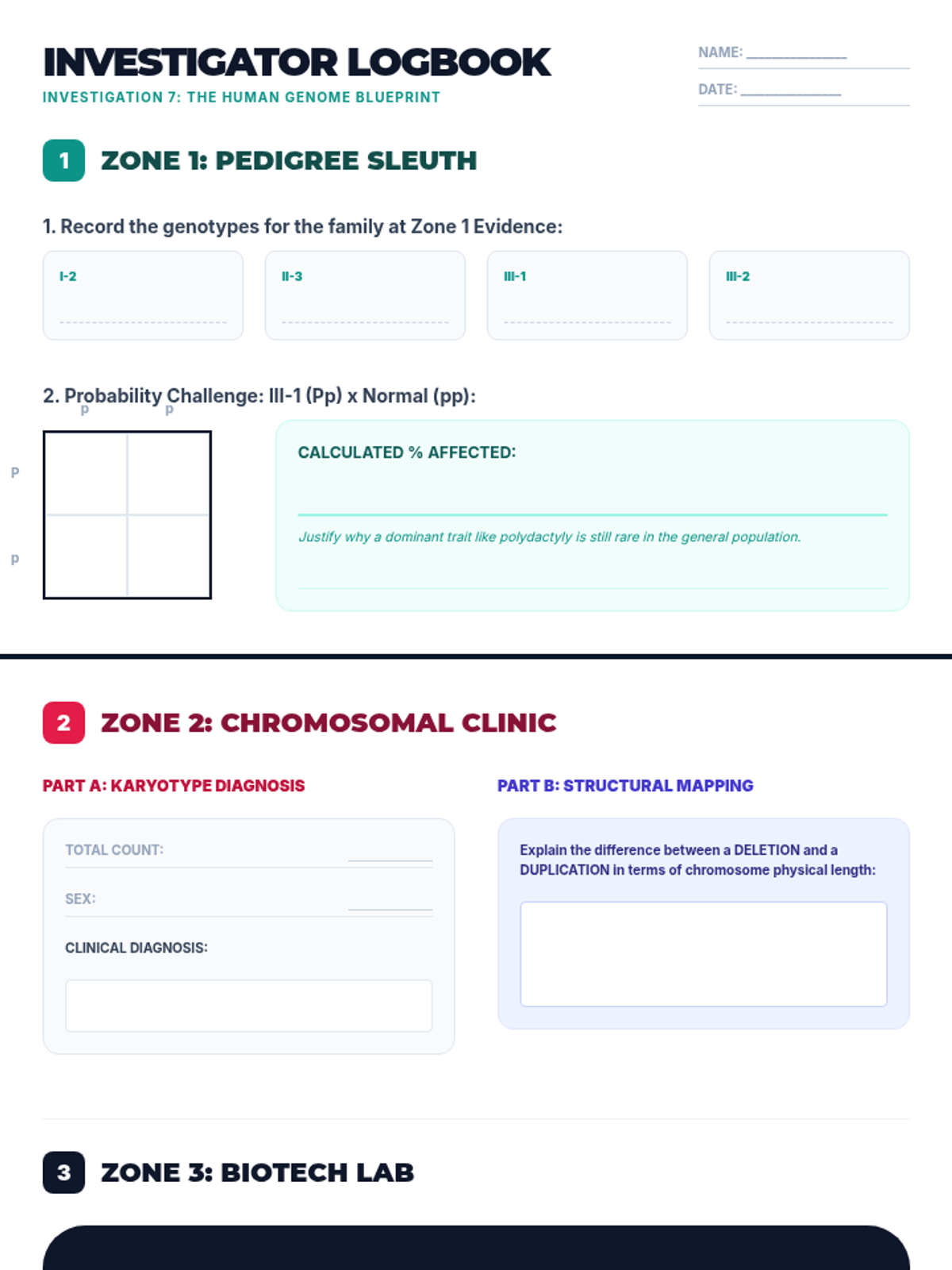
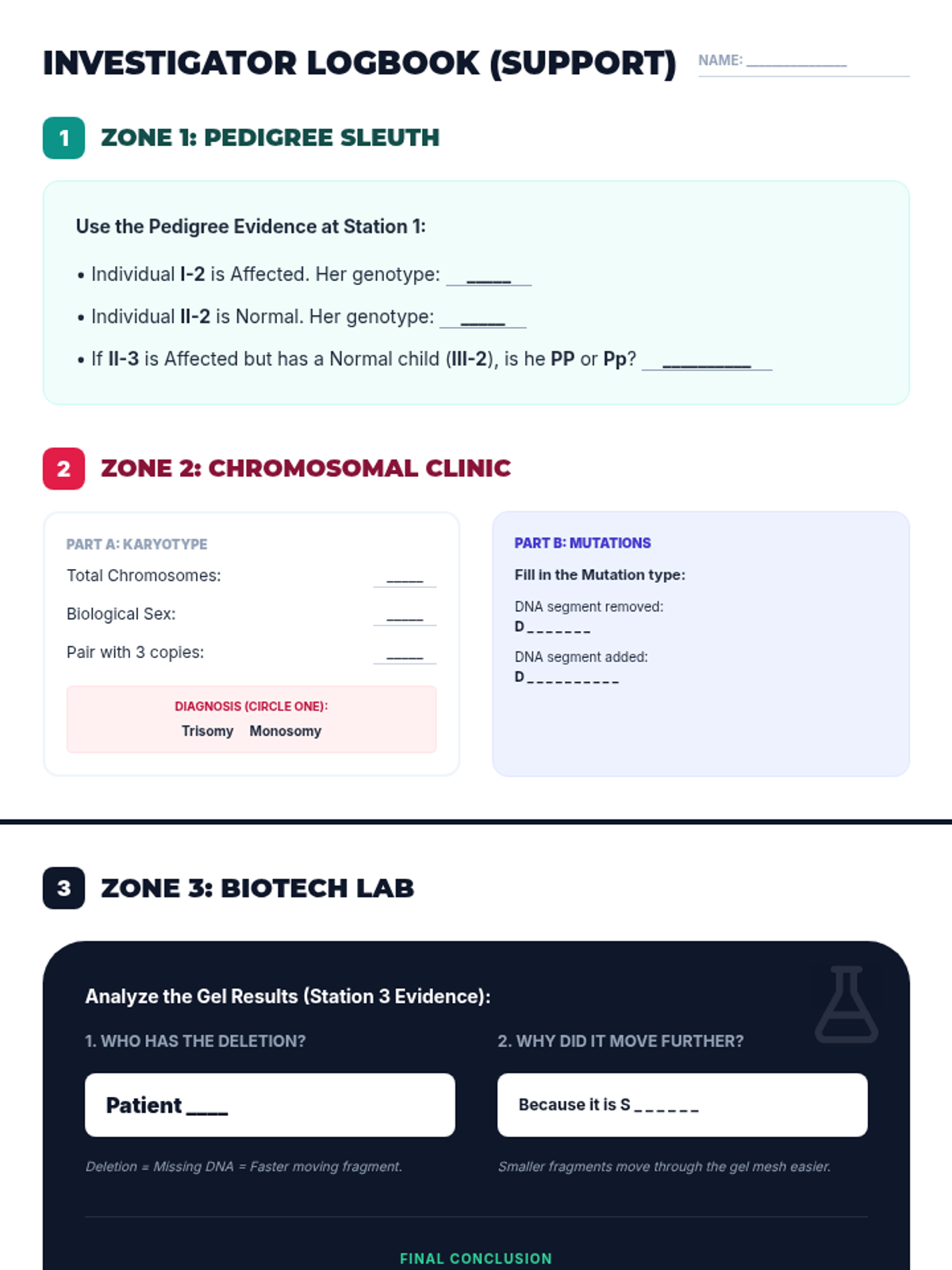
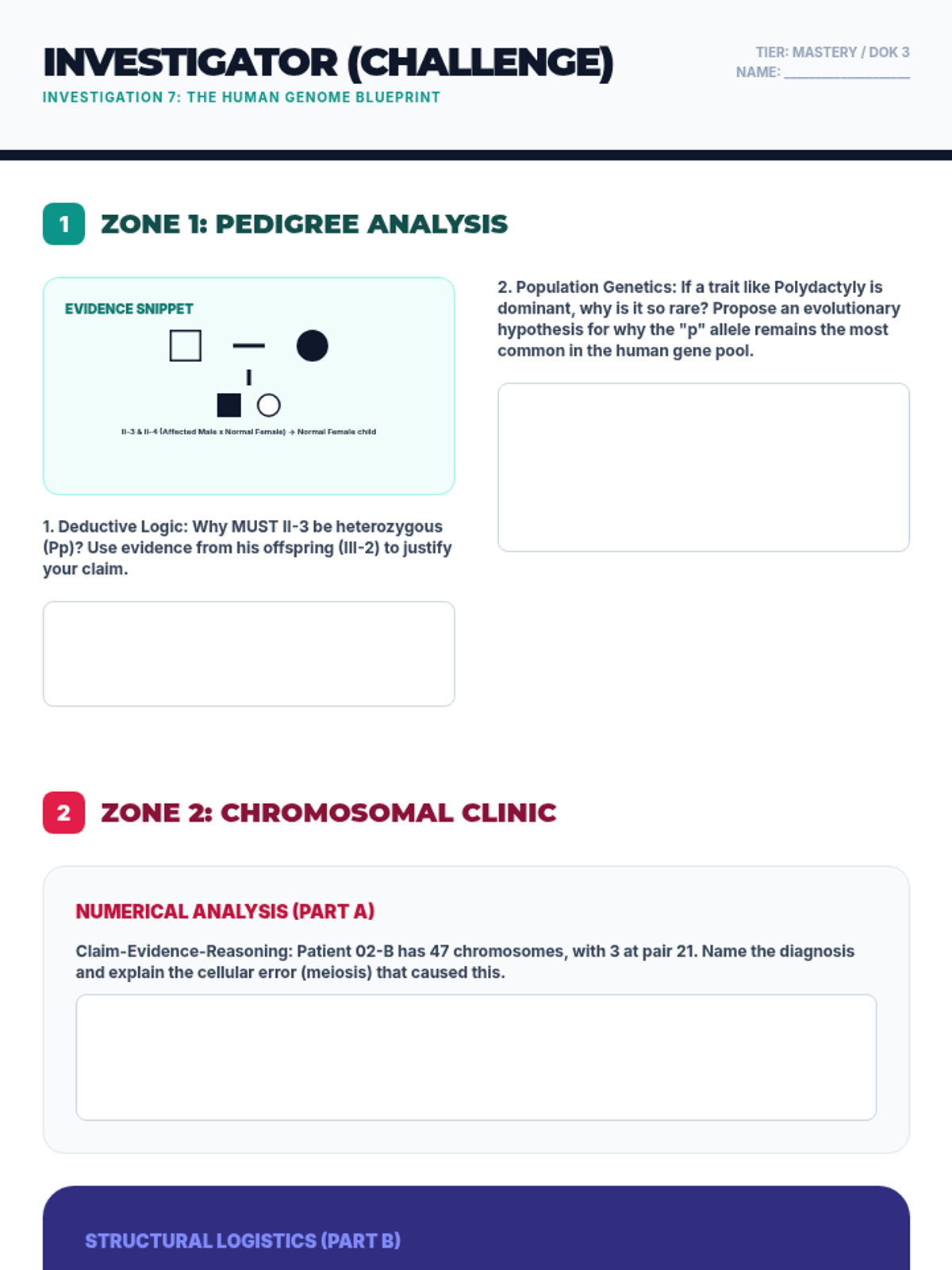
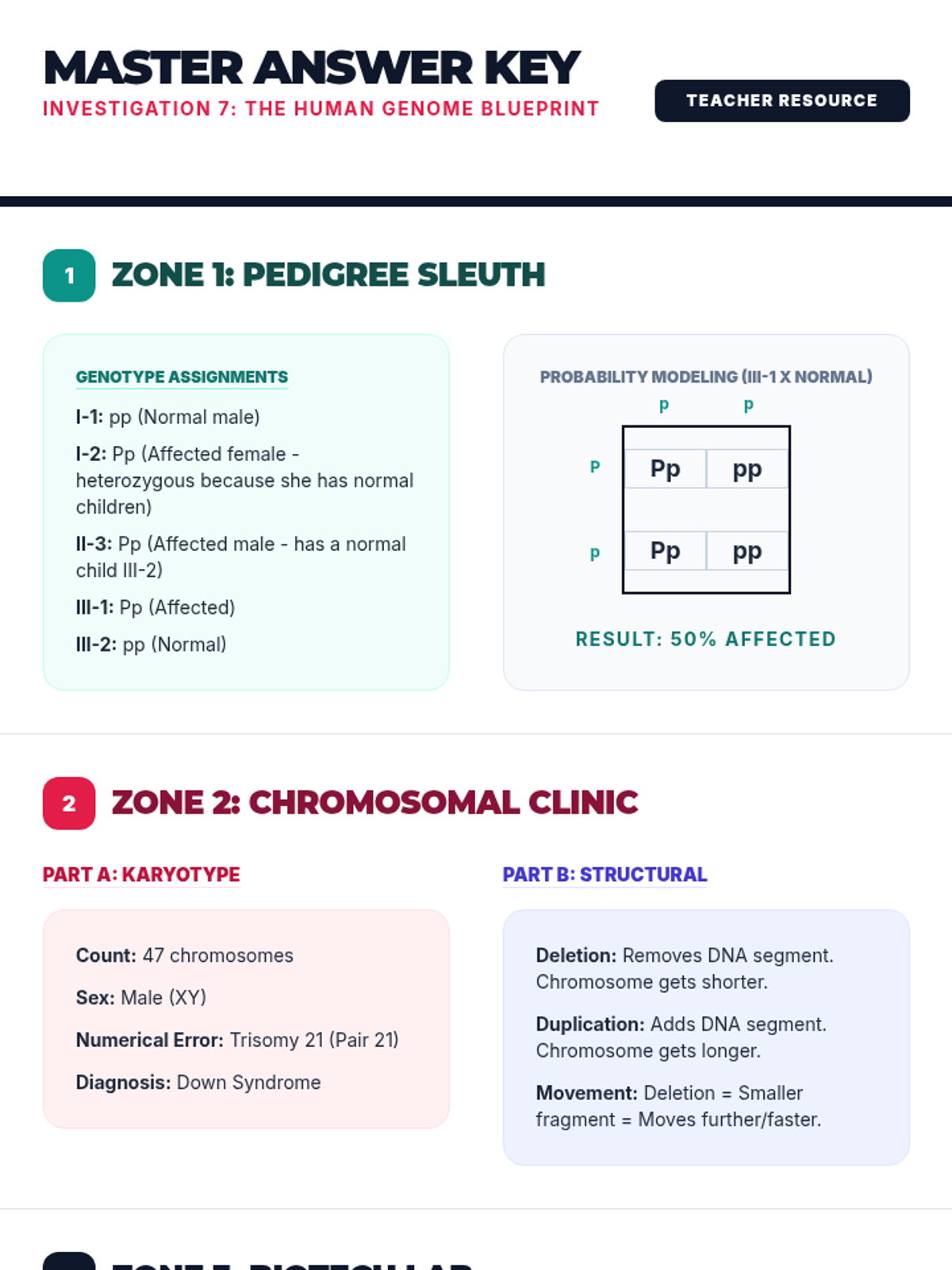
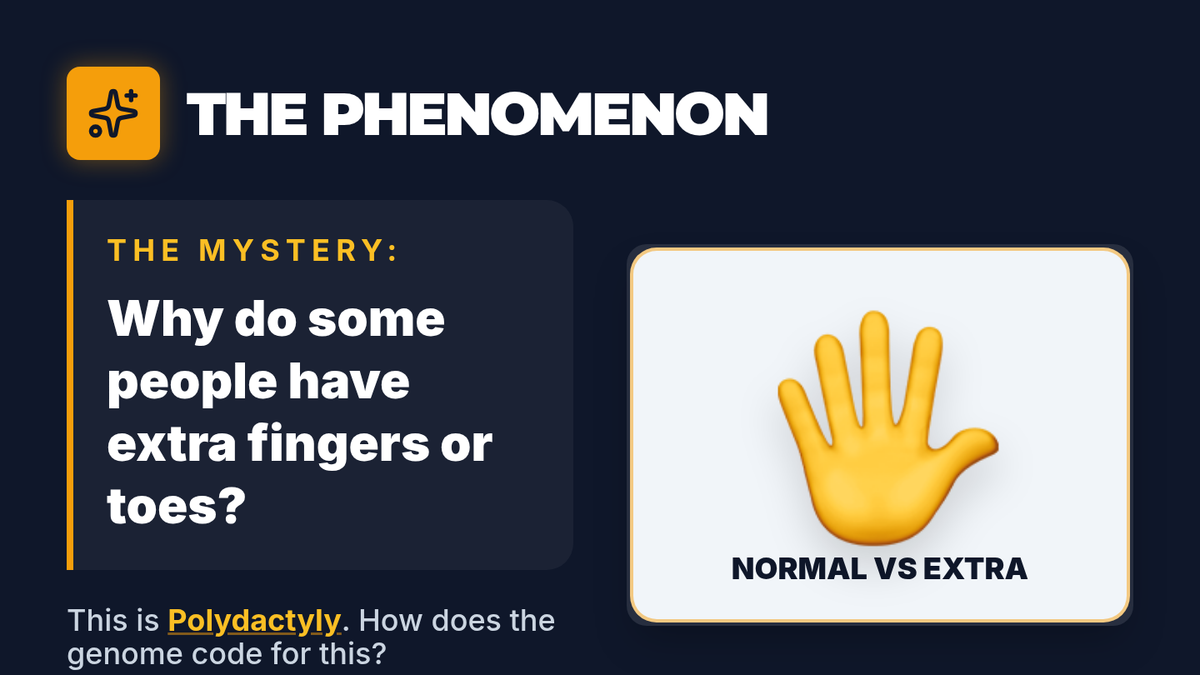
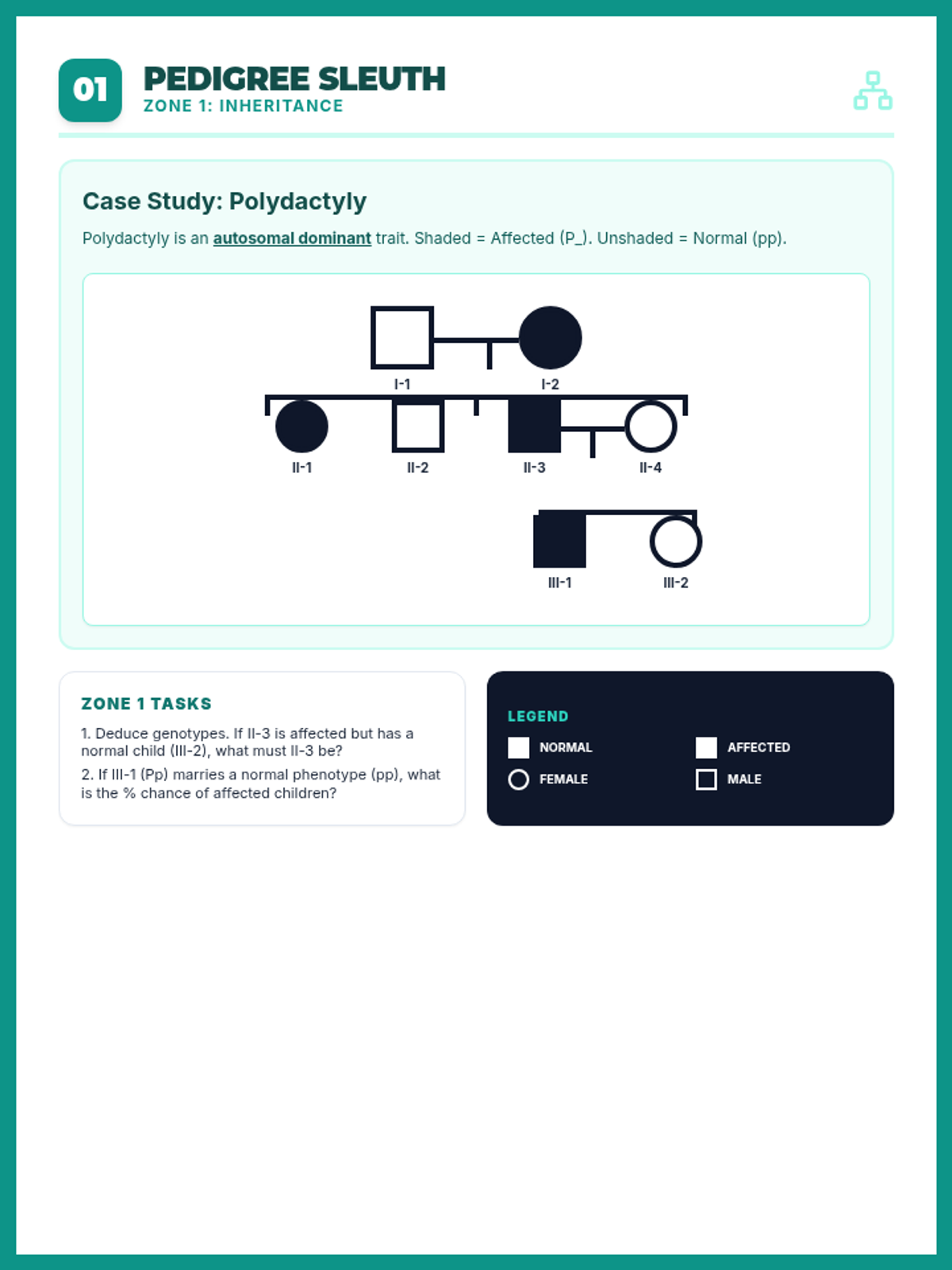
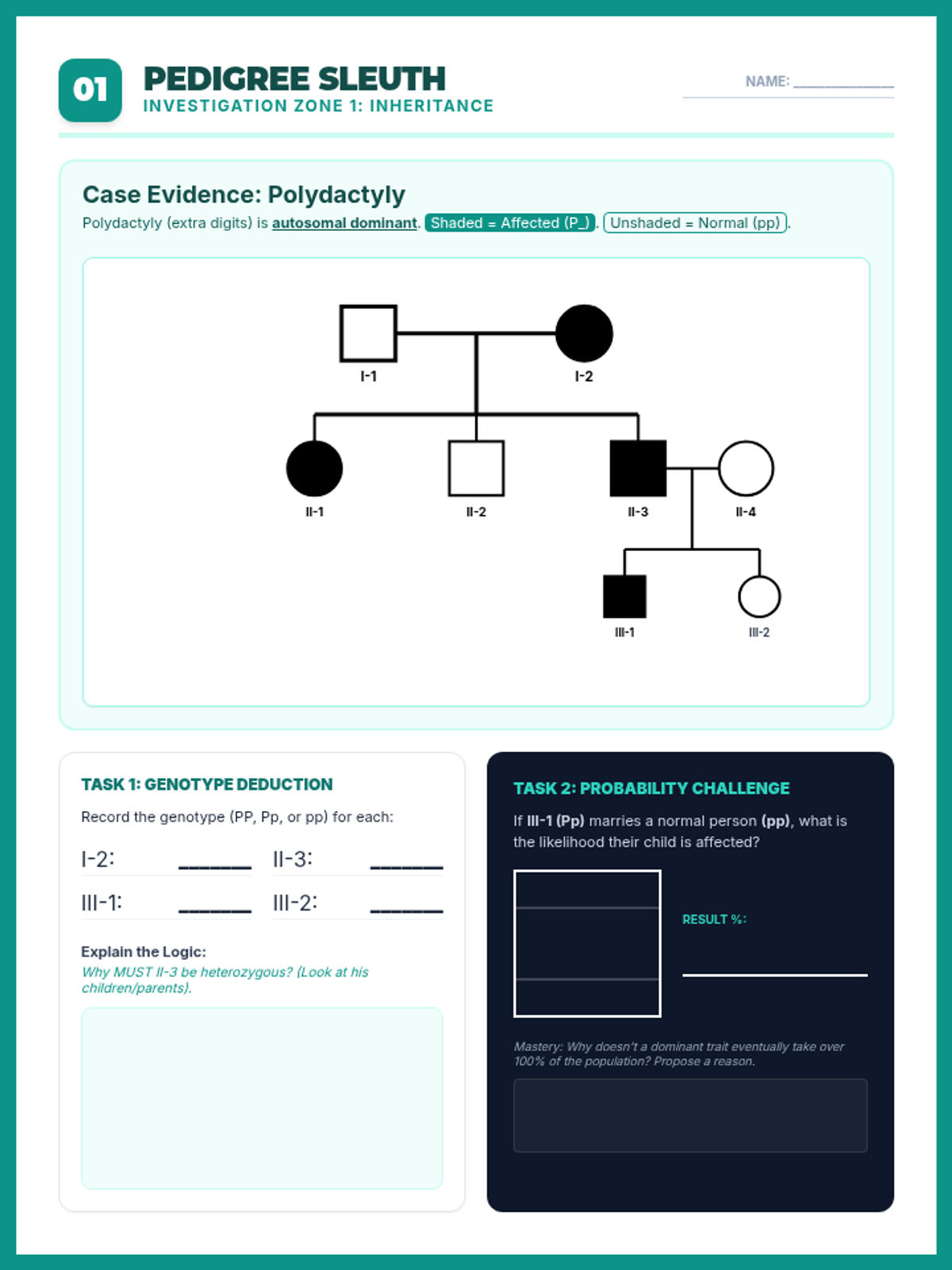
A 5-block (10 period) investigation into the human genome, focusing on patterns of inheritance, chromosomal disorders, and molecular biotechnology through the lens of polydactyly.
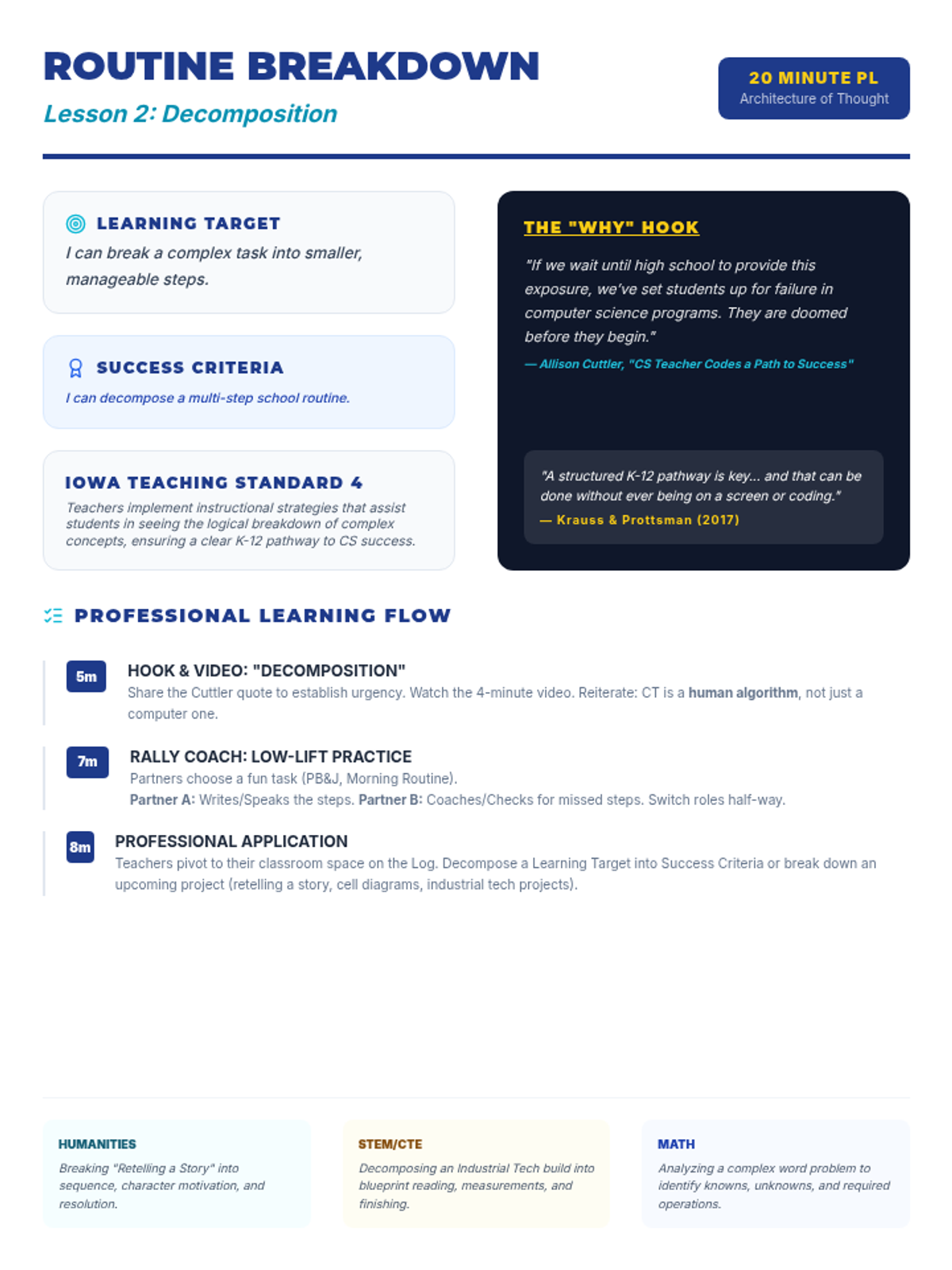
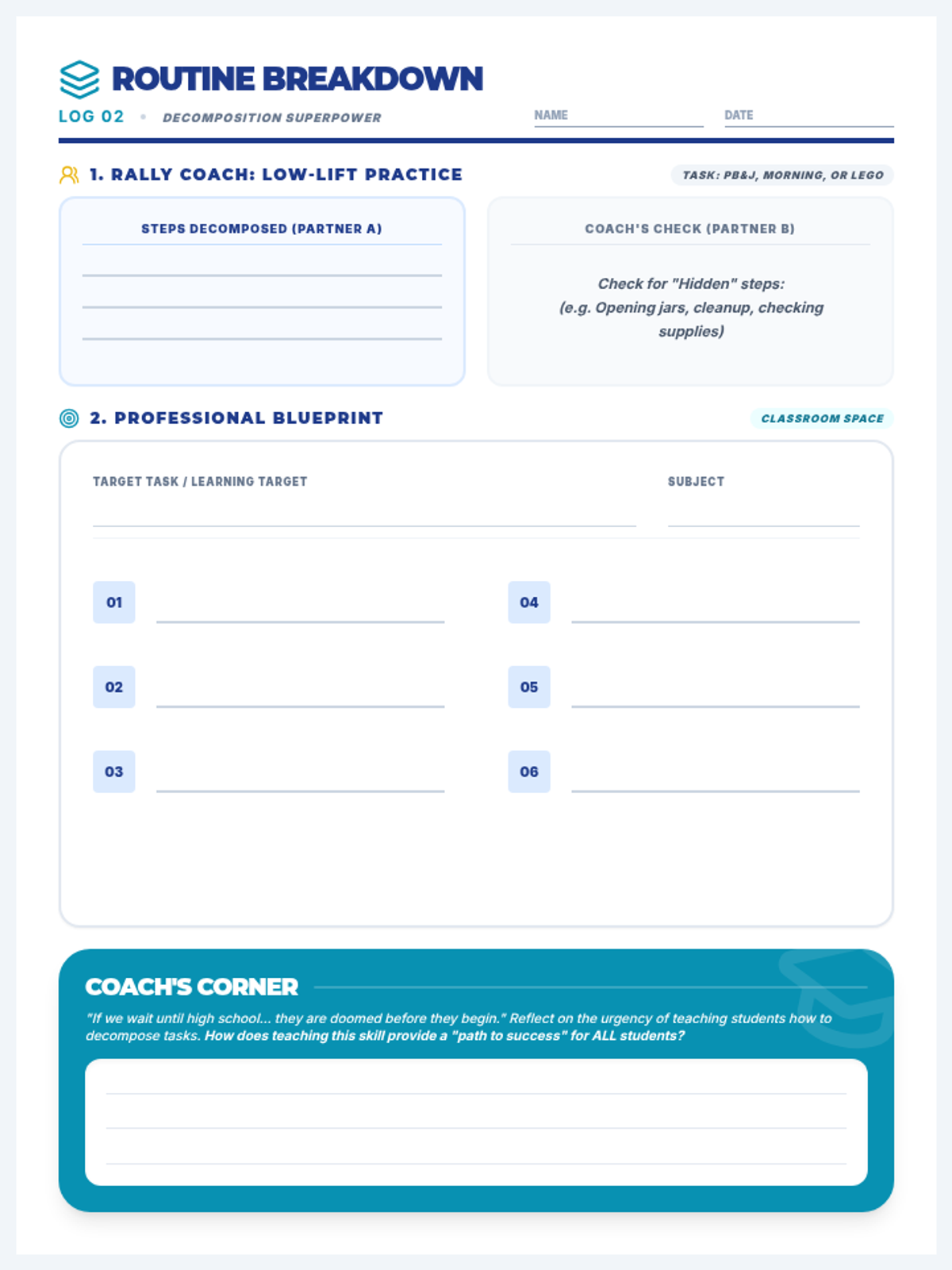
Teachers learn to break complex tasks into smaller, manageable steps using classroom routines and Iowa Core standards as examples.
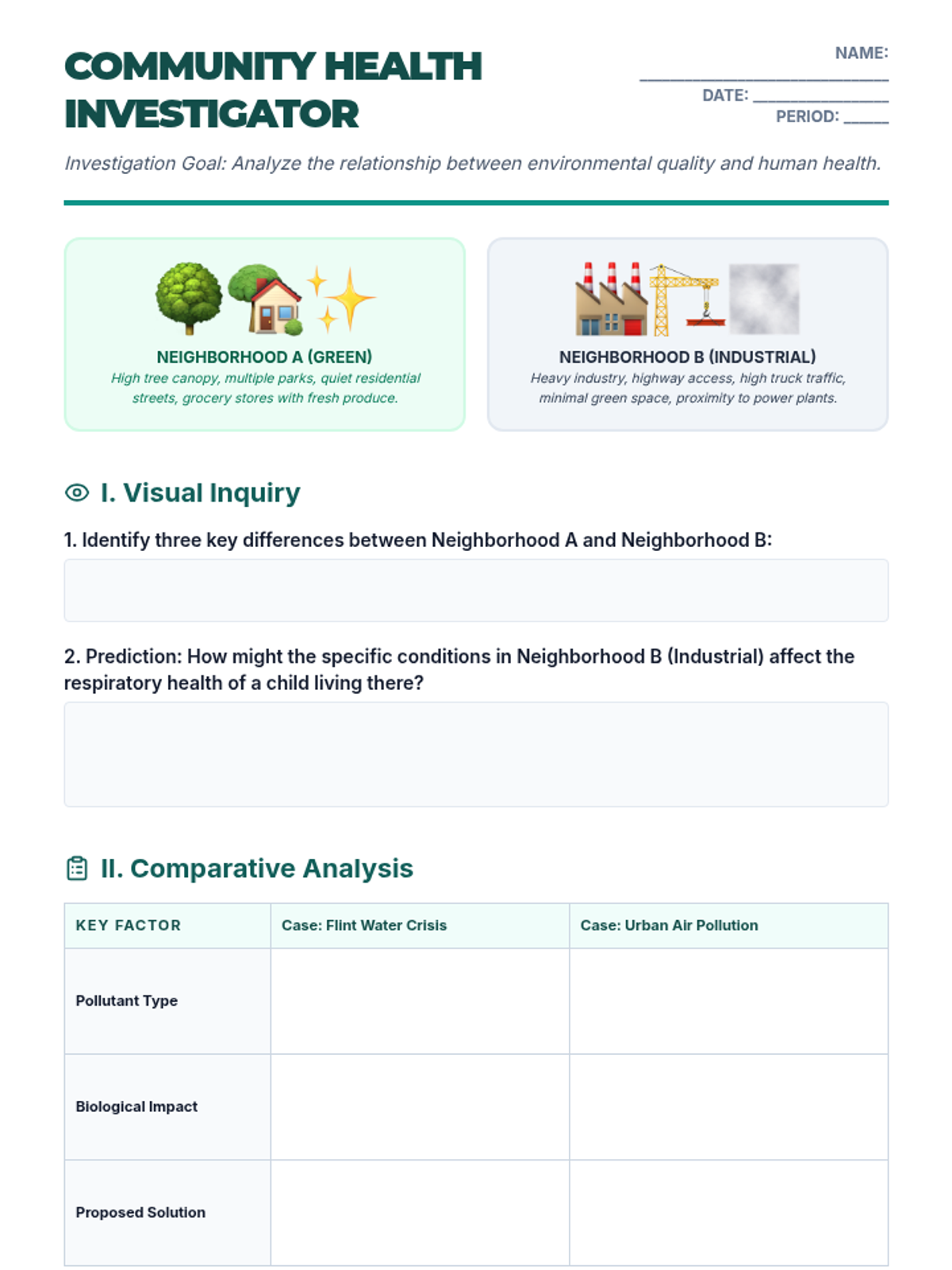
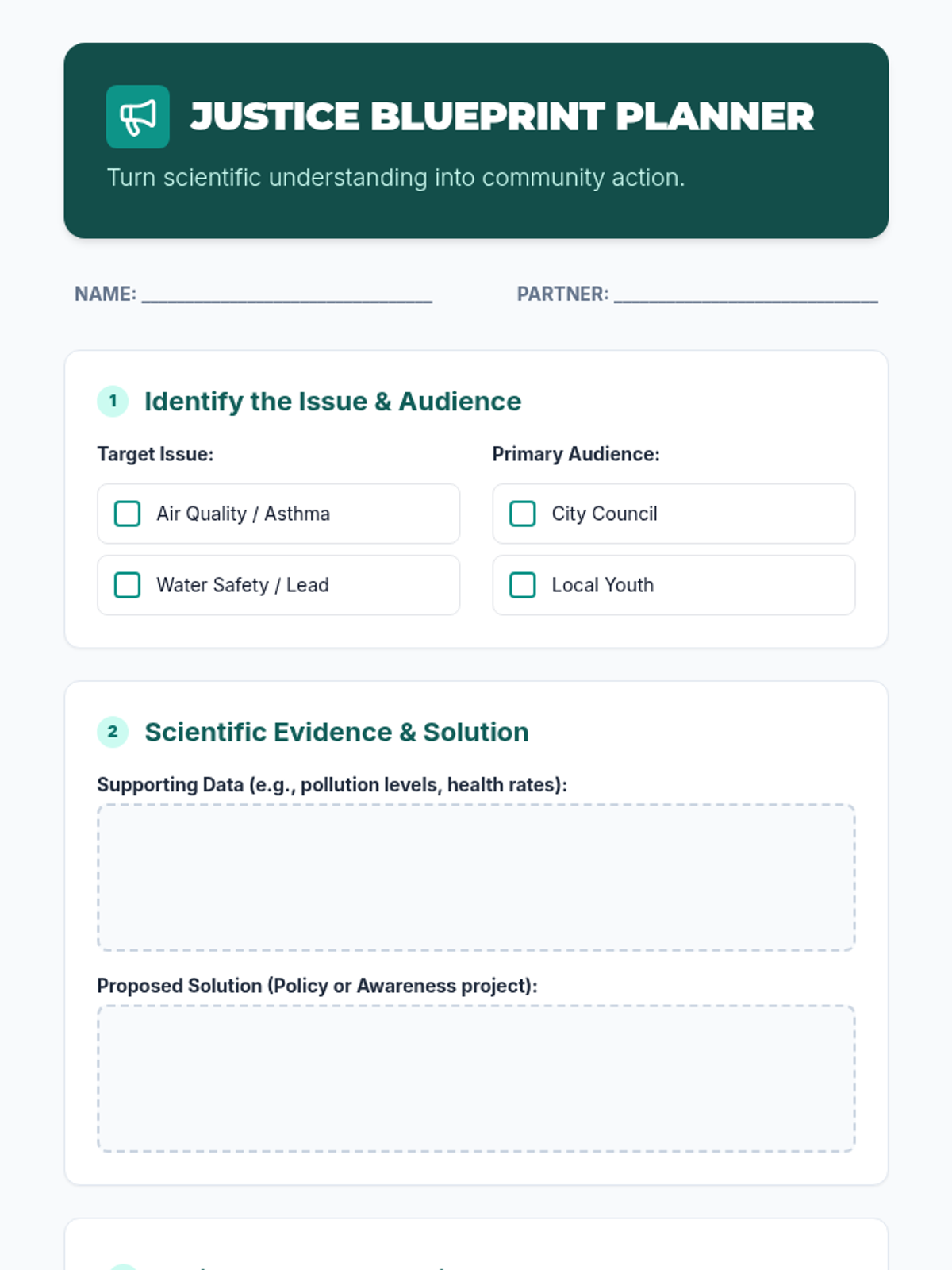
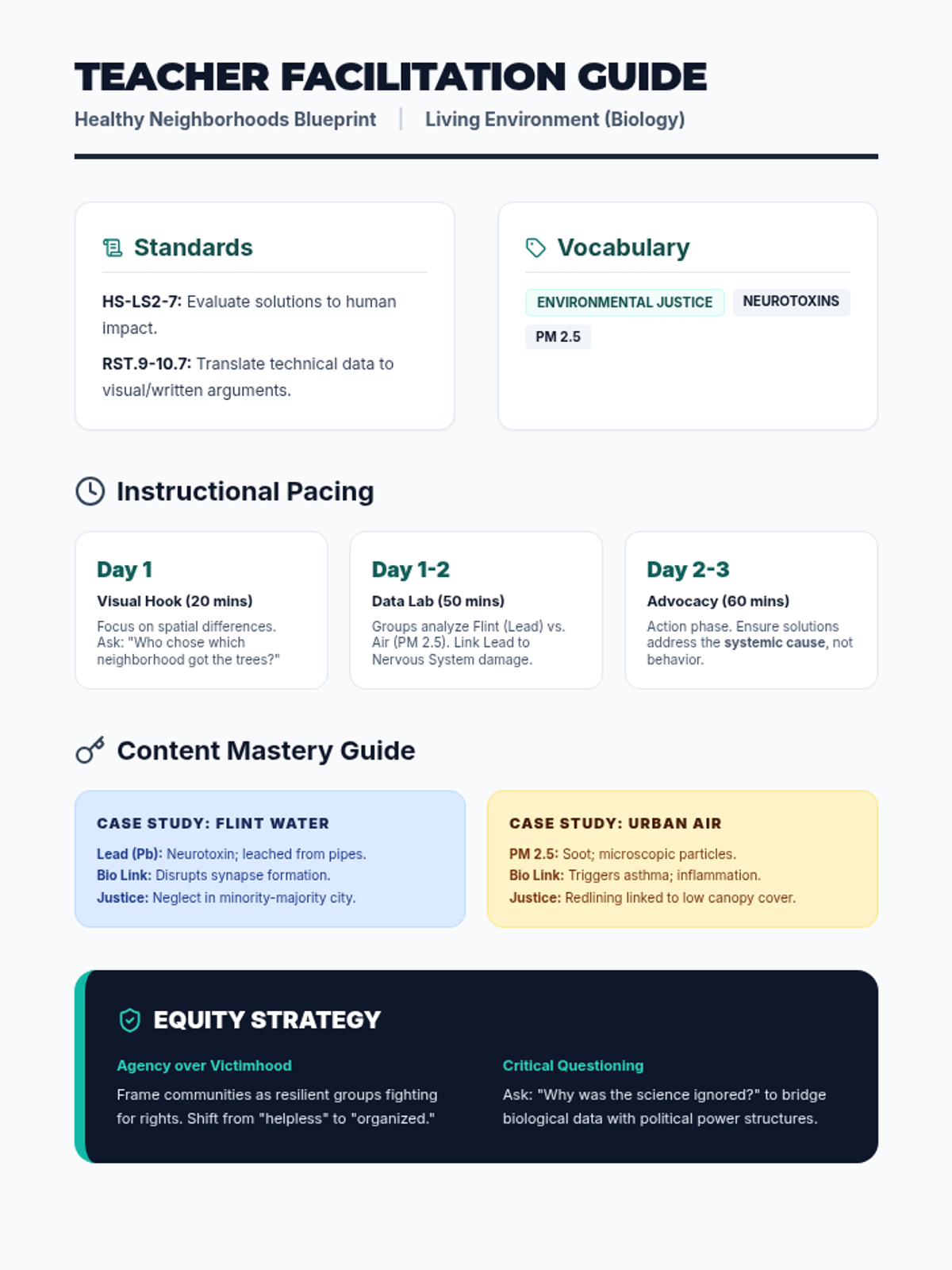
A critical examination of how systemic inequities influence environmental health outcomes, focusing on Flint's water and urban air quality. Students analyze data and develop advocacy products to promote environmental justice.
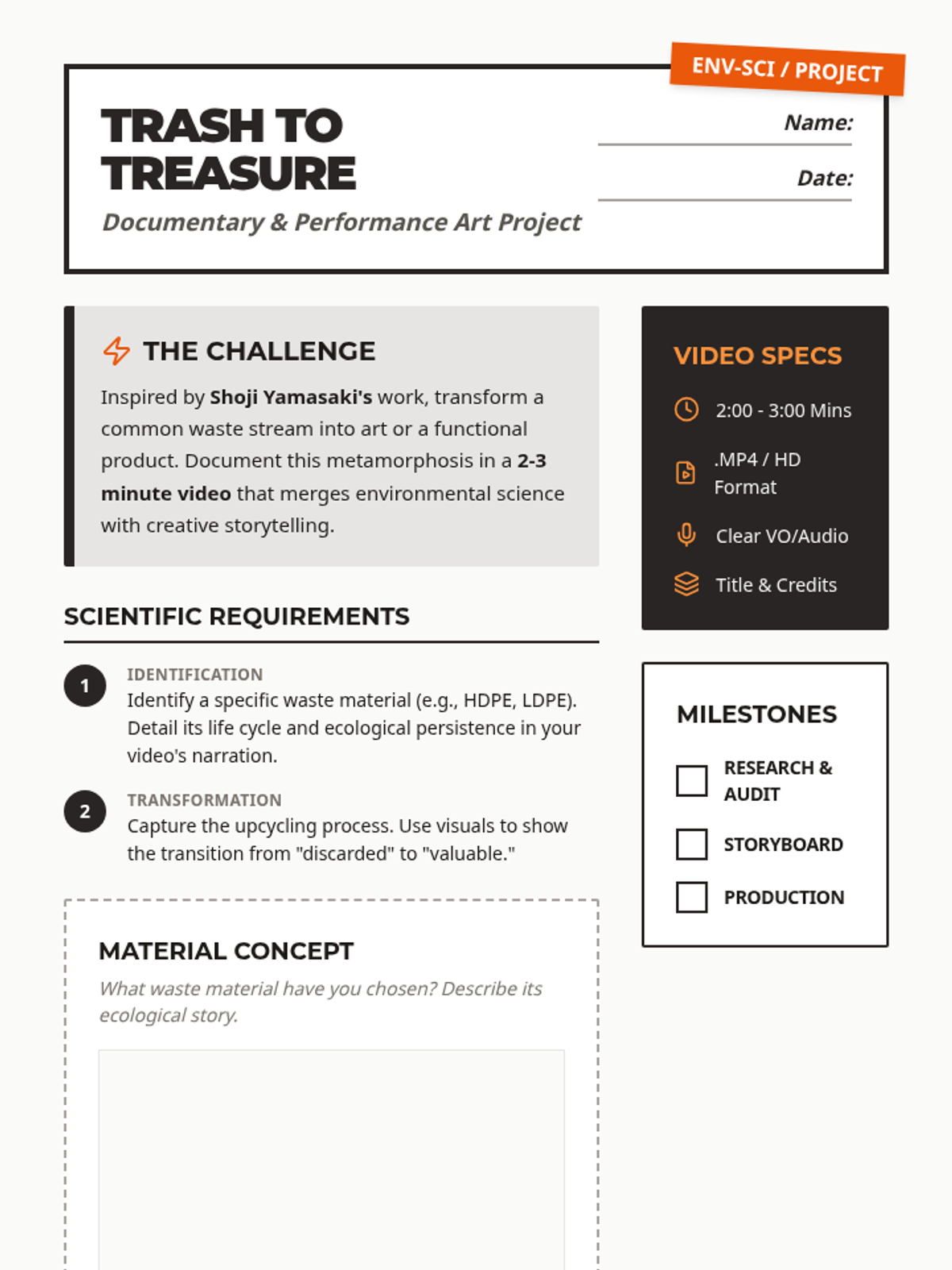
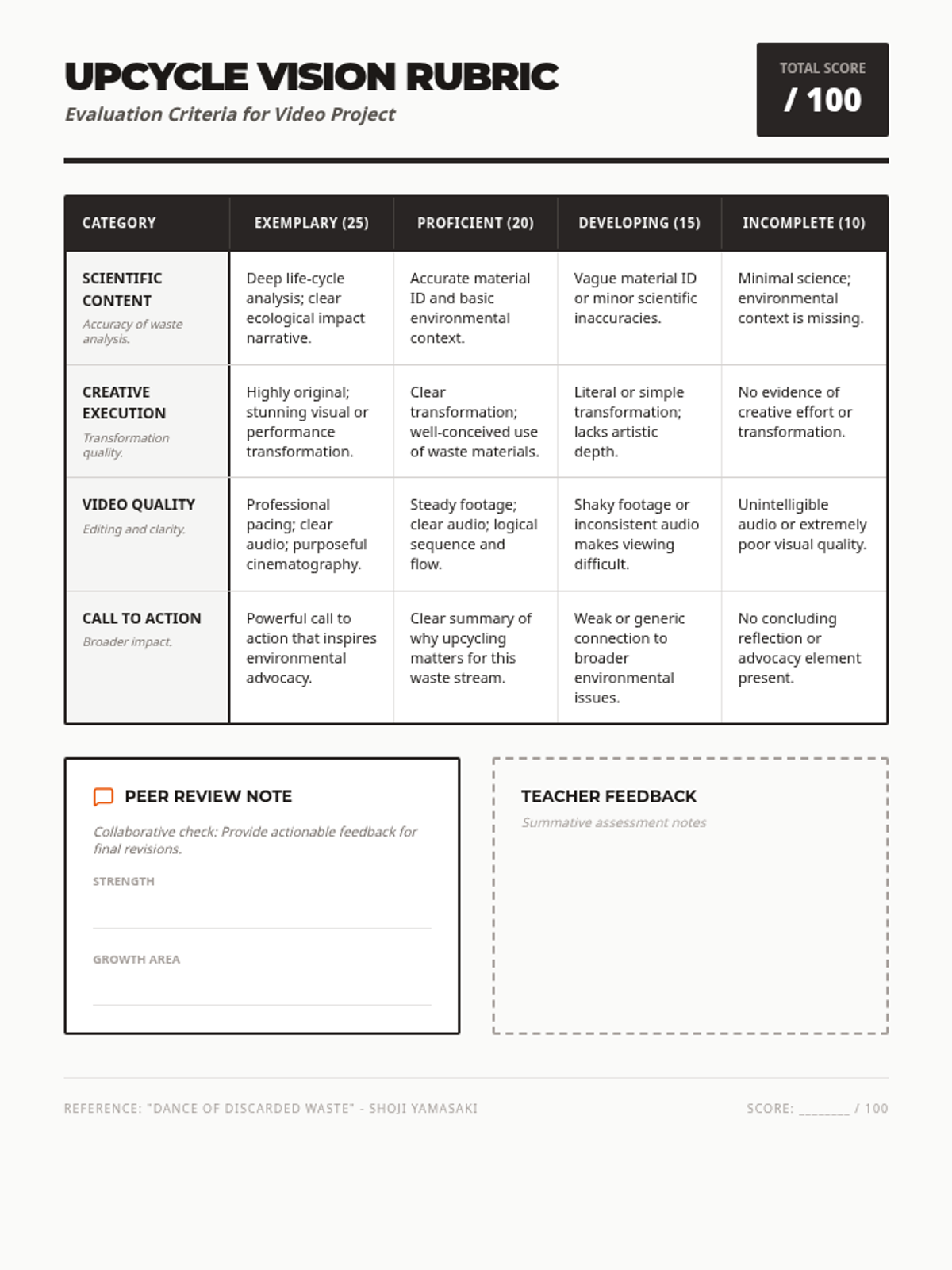
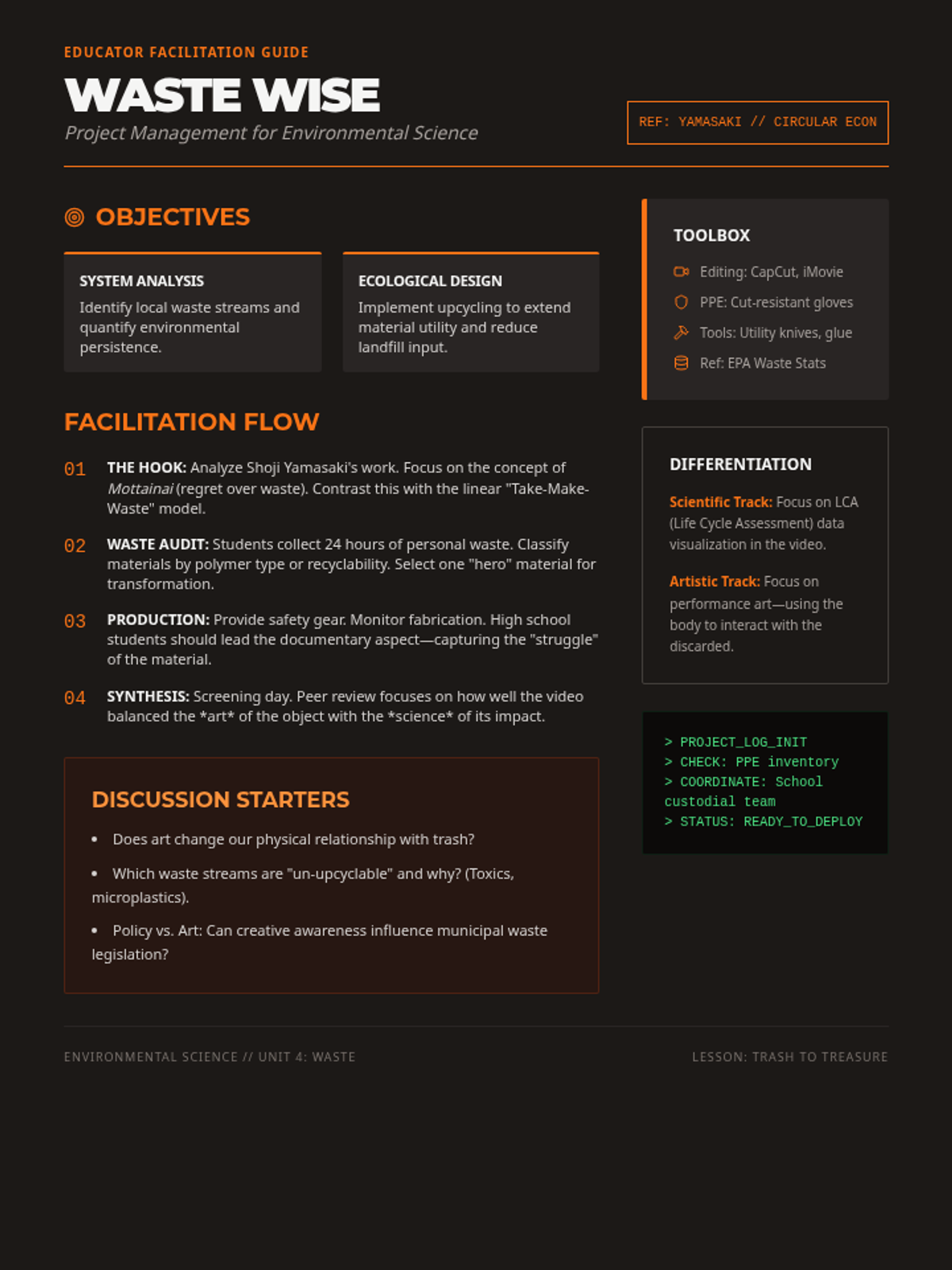
A hands-on project where students explore waste management through the lens of Shoji Yamasaki's art, culminating in a creative video showcasing their own upcycling process or performance.
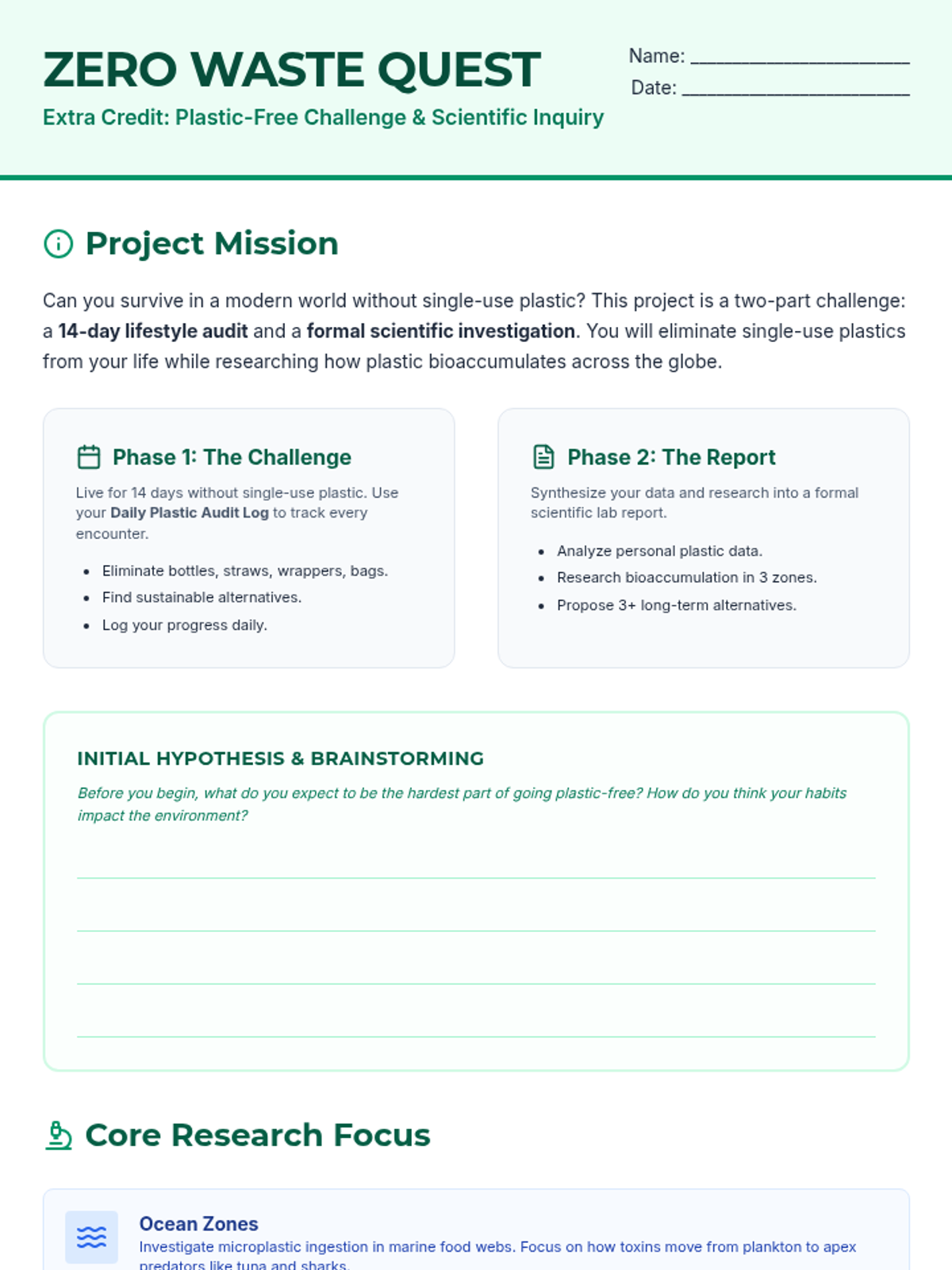
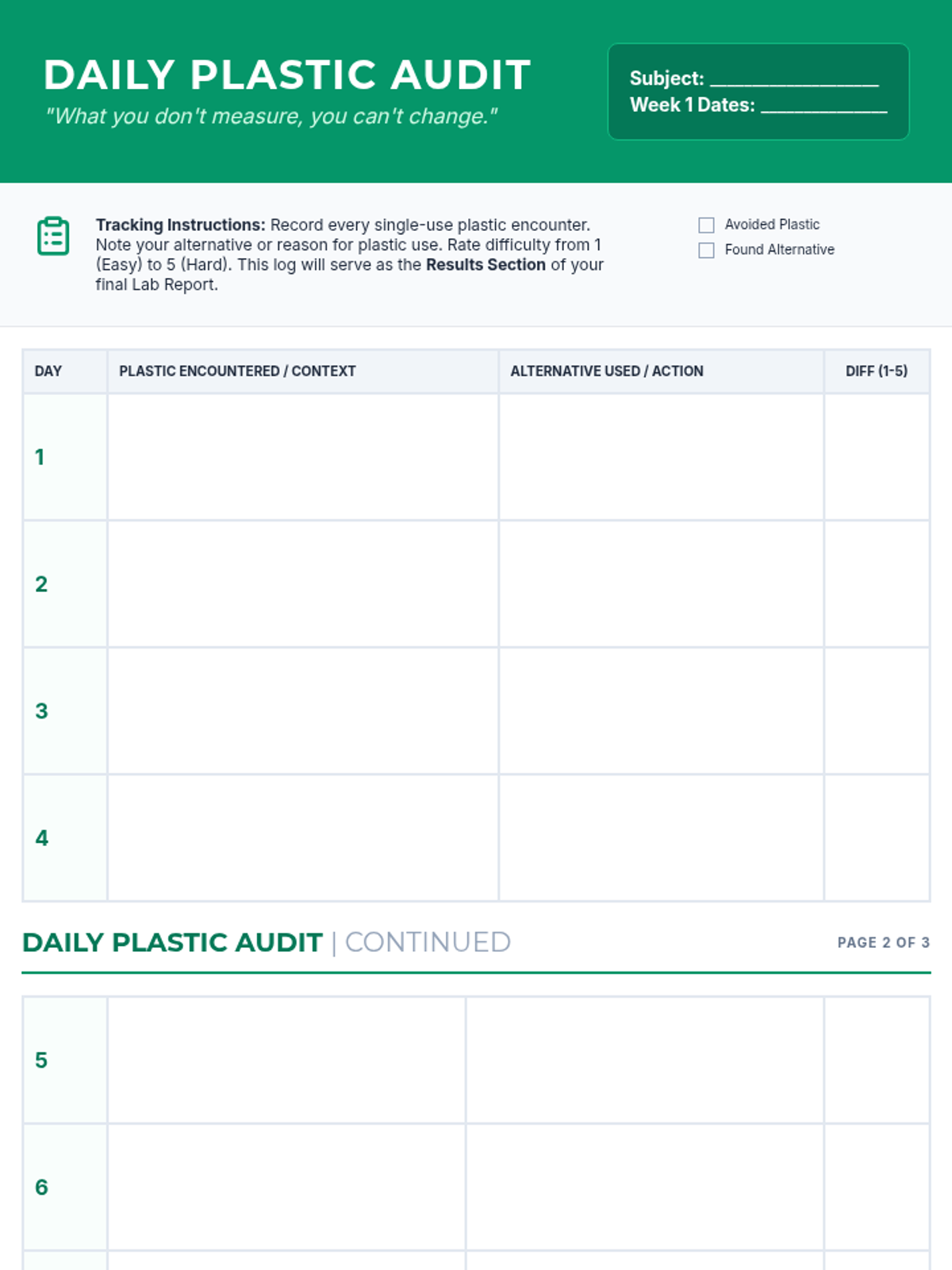
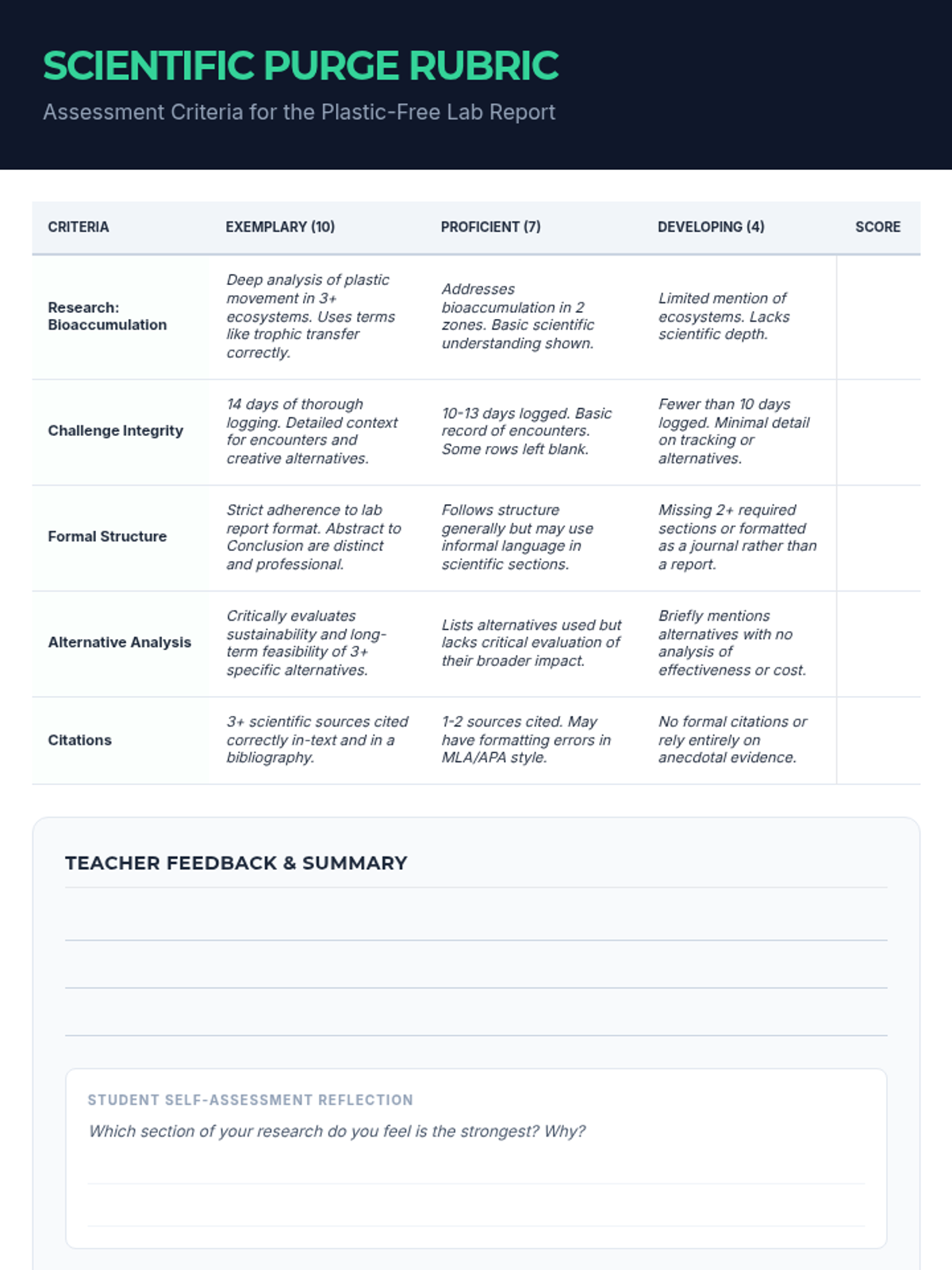
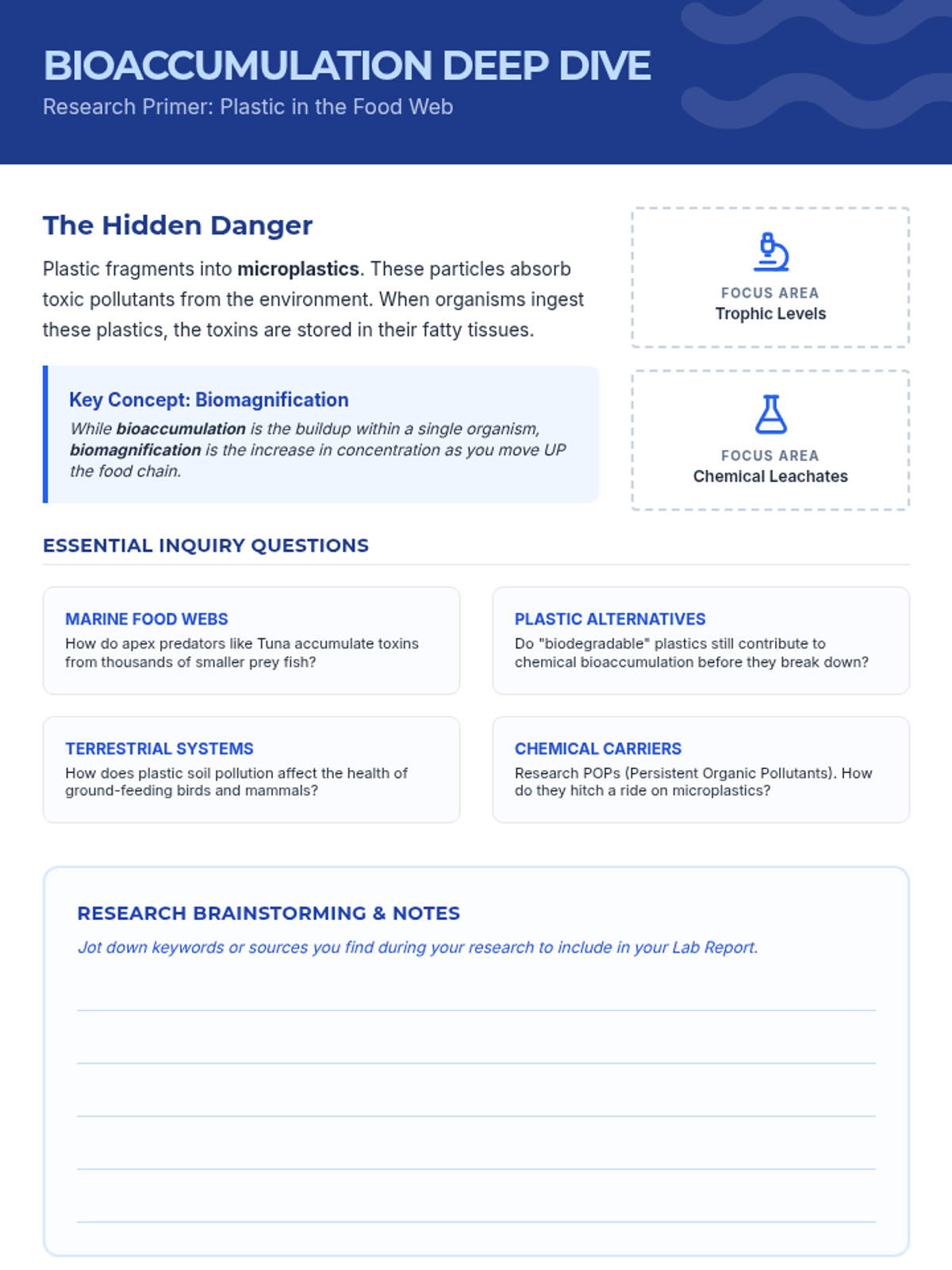
An extra credit project challenging students to live plastic-free for two weeks while researching the impacts of bioaccumulation and exploring sustainable alternatives. Students document their journey and findings in a formal scientific lab report.
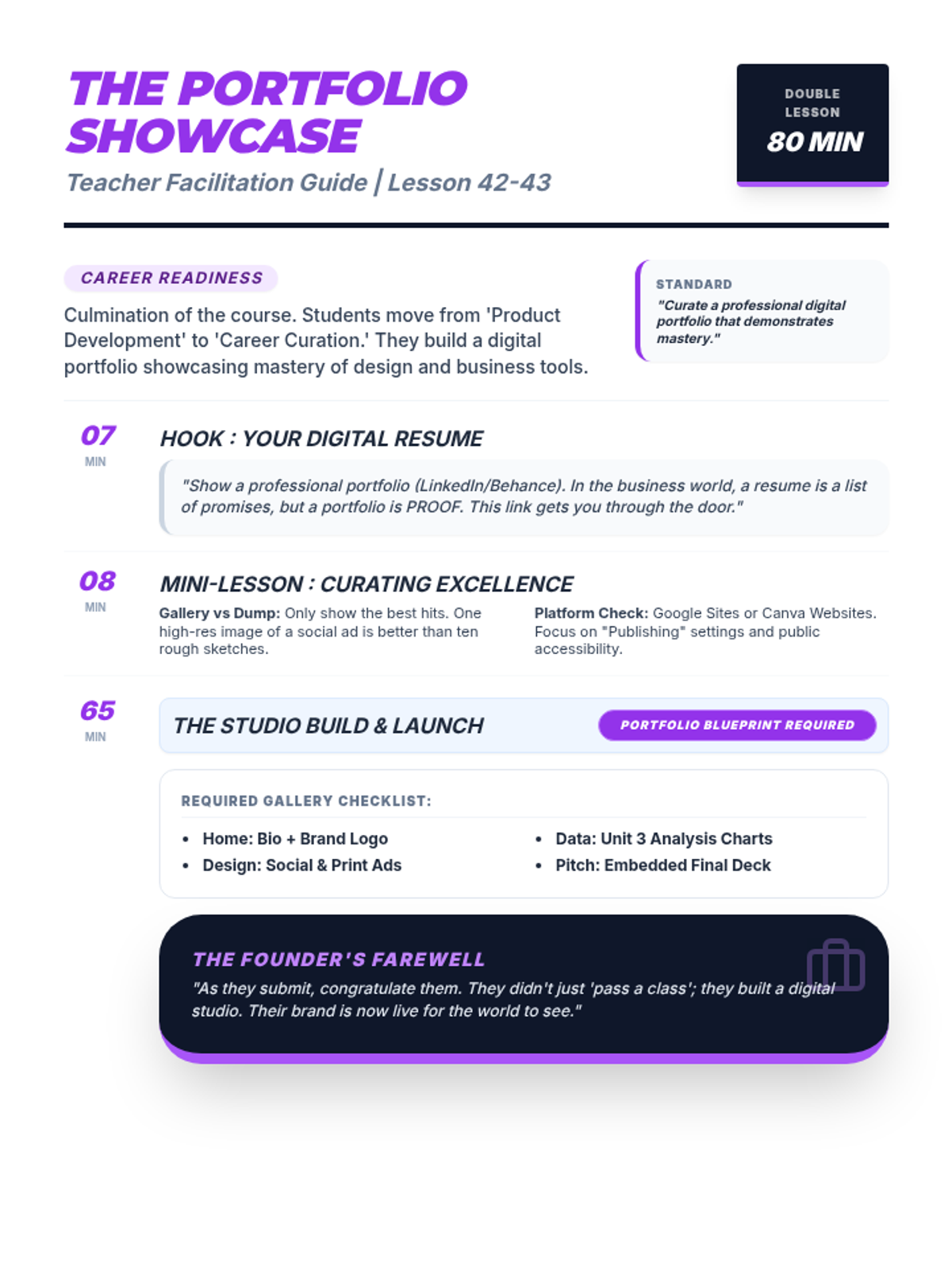
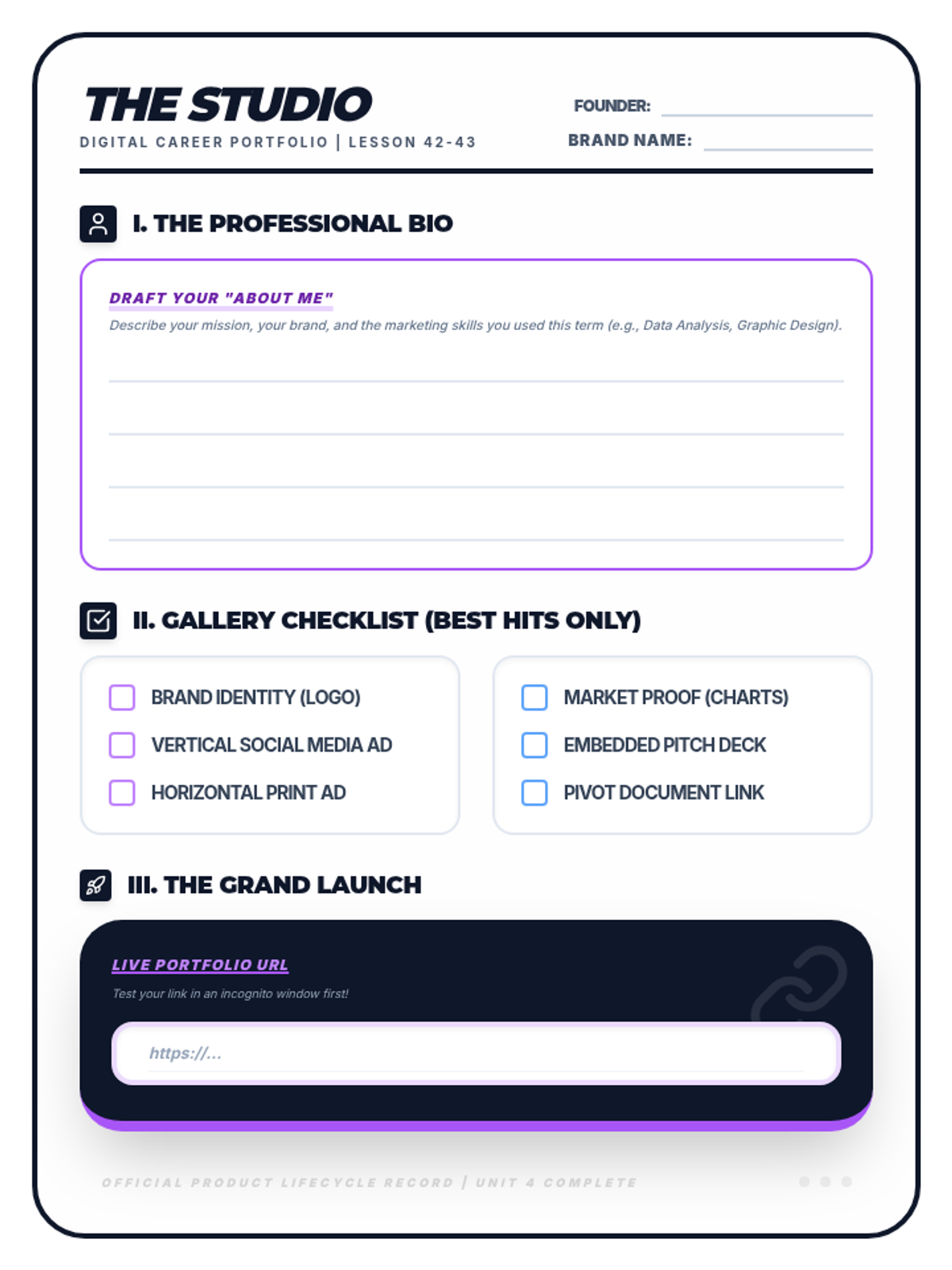
The final project compilation phase where students curate their best work from the term into a professional digital portfolio. Students learn the art of curation and how to publish a simple one-page website as a 'Digital Resume'.
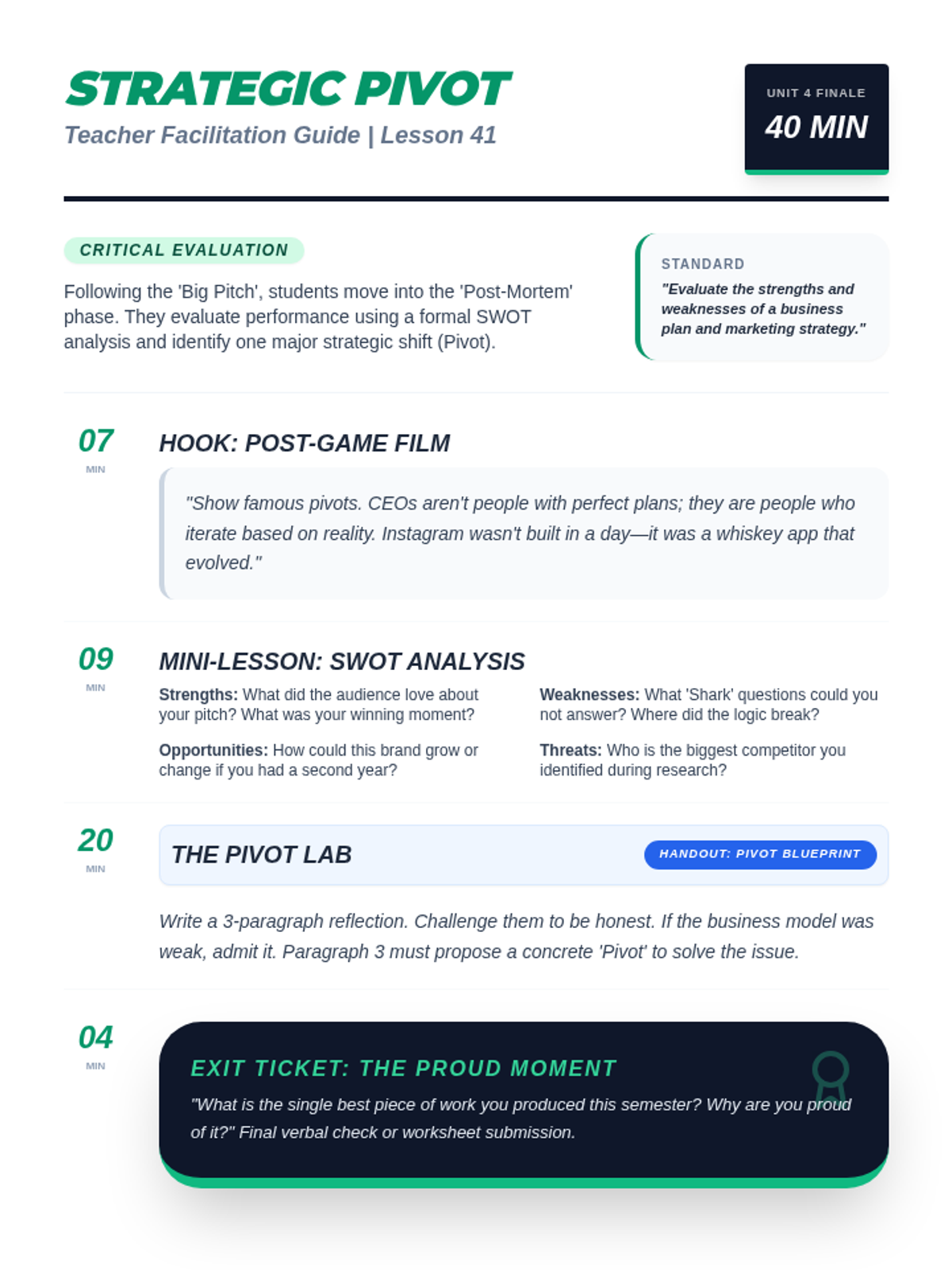
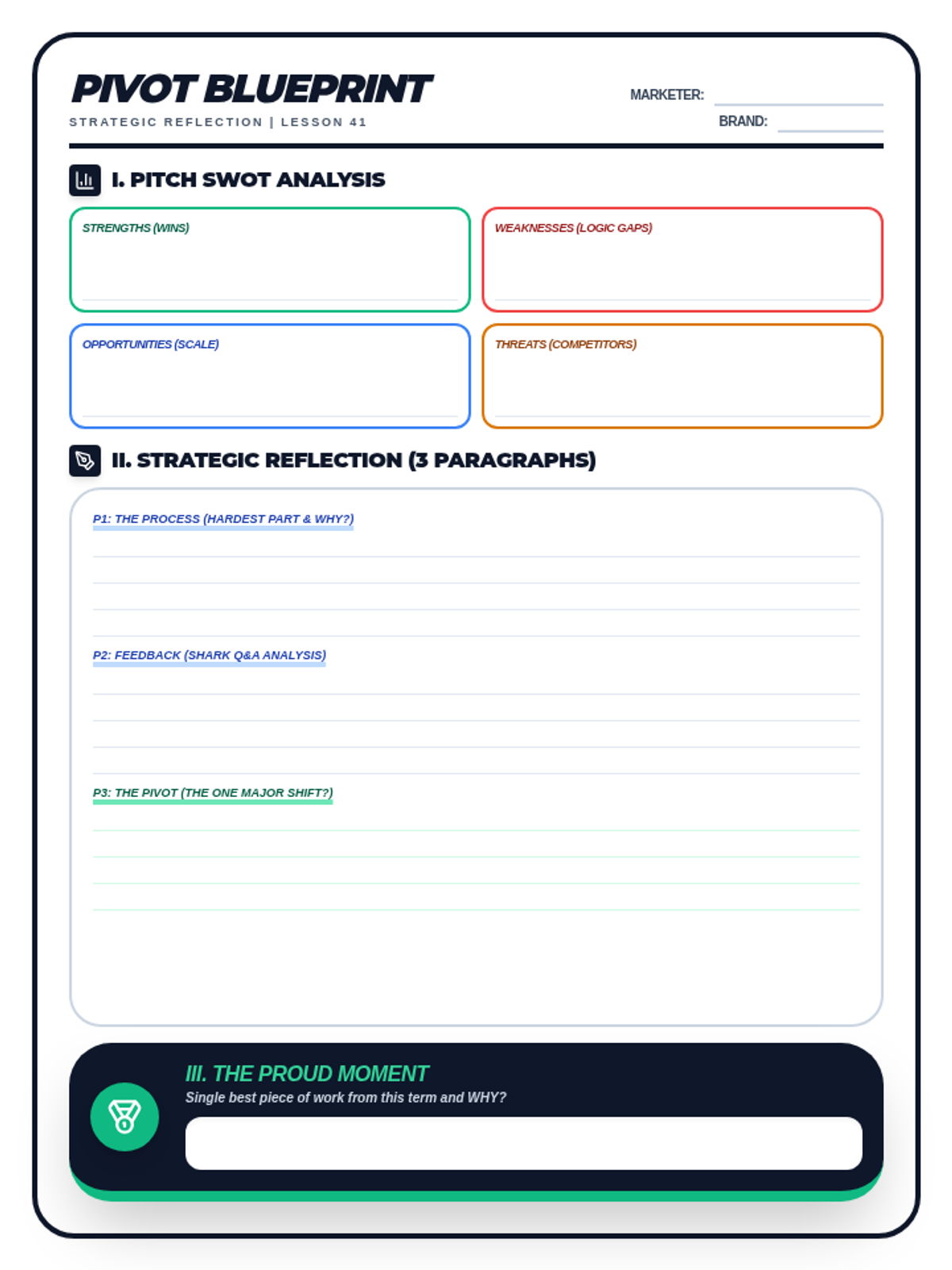
A lesson focused on post-pitch reflection and strategic iteration. Students conduct a SWOT analysis of their own performance and draft a 'Pivot' plan to refine their business concept based on audience feedback.