Students explore the specific features of academic databases, including filters, metadata, and specialized search bars, comparing them to general search engines.
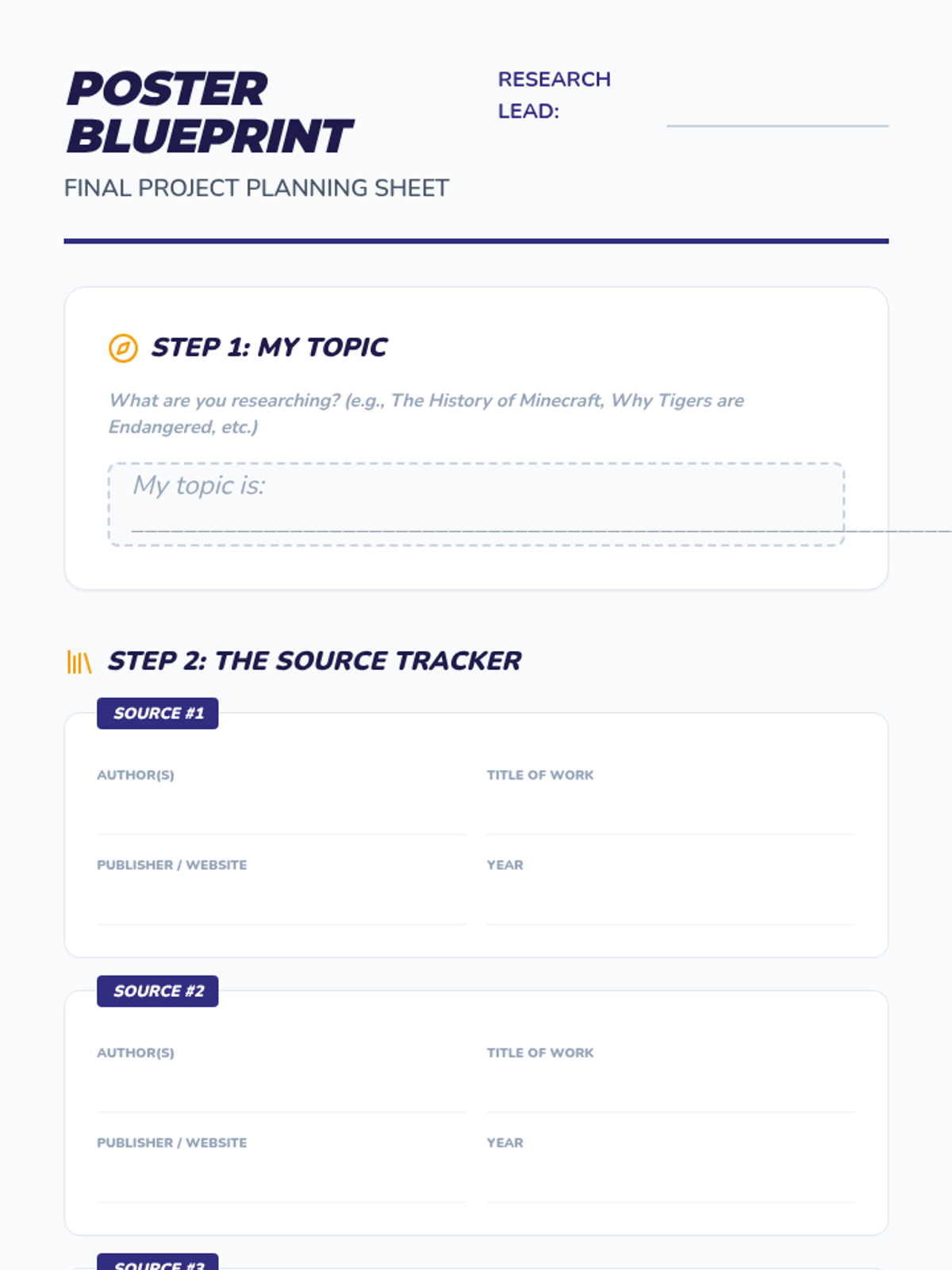
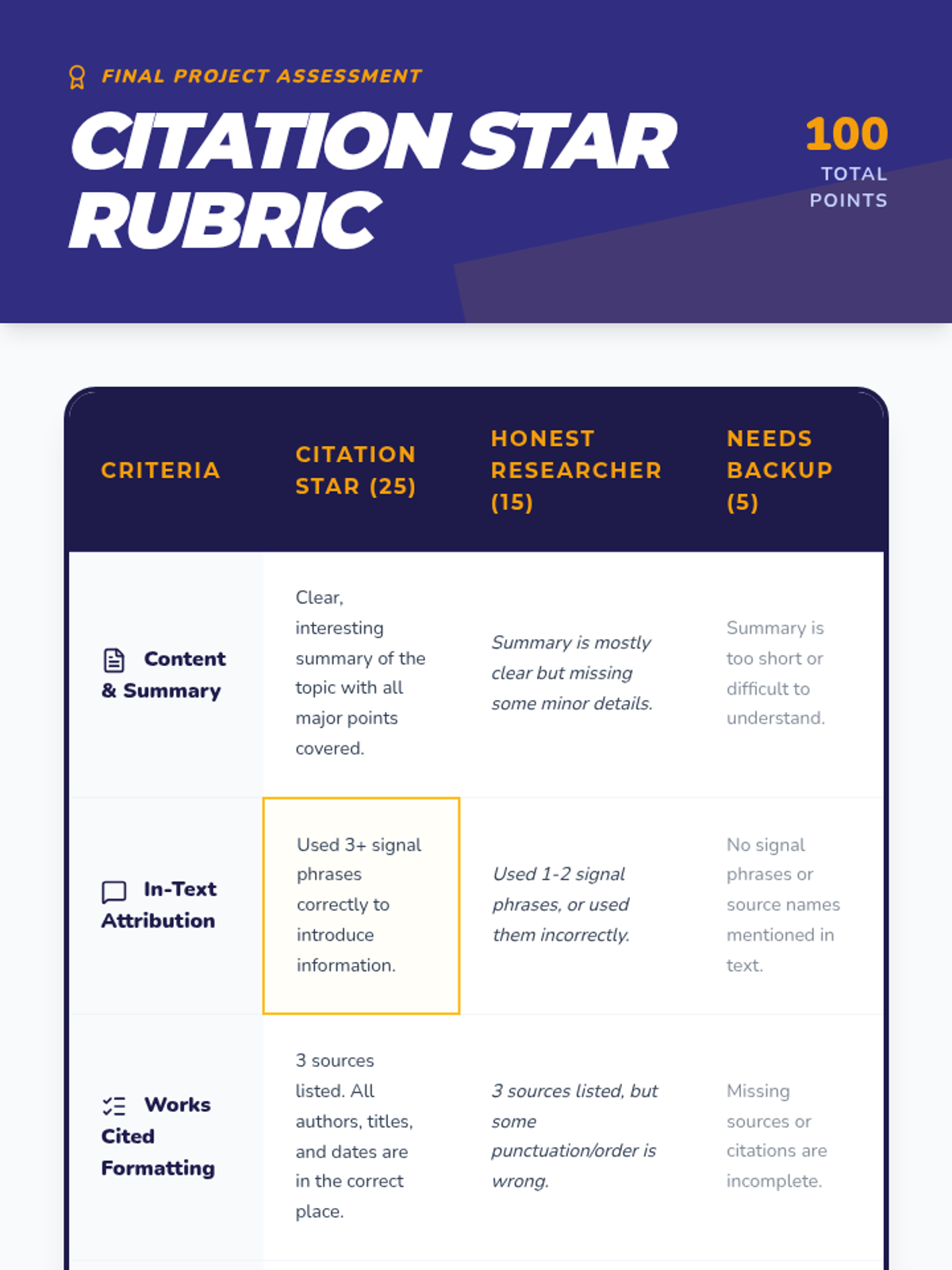
In this final project-based lesson, students synthesize their learning by creating a "Research Credits" poster. They select a topic of interest, find three sources, summarize key information, and produce a perfectly formatted Works Cited section.
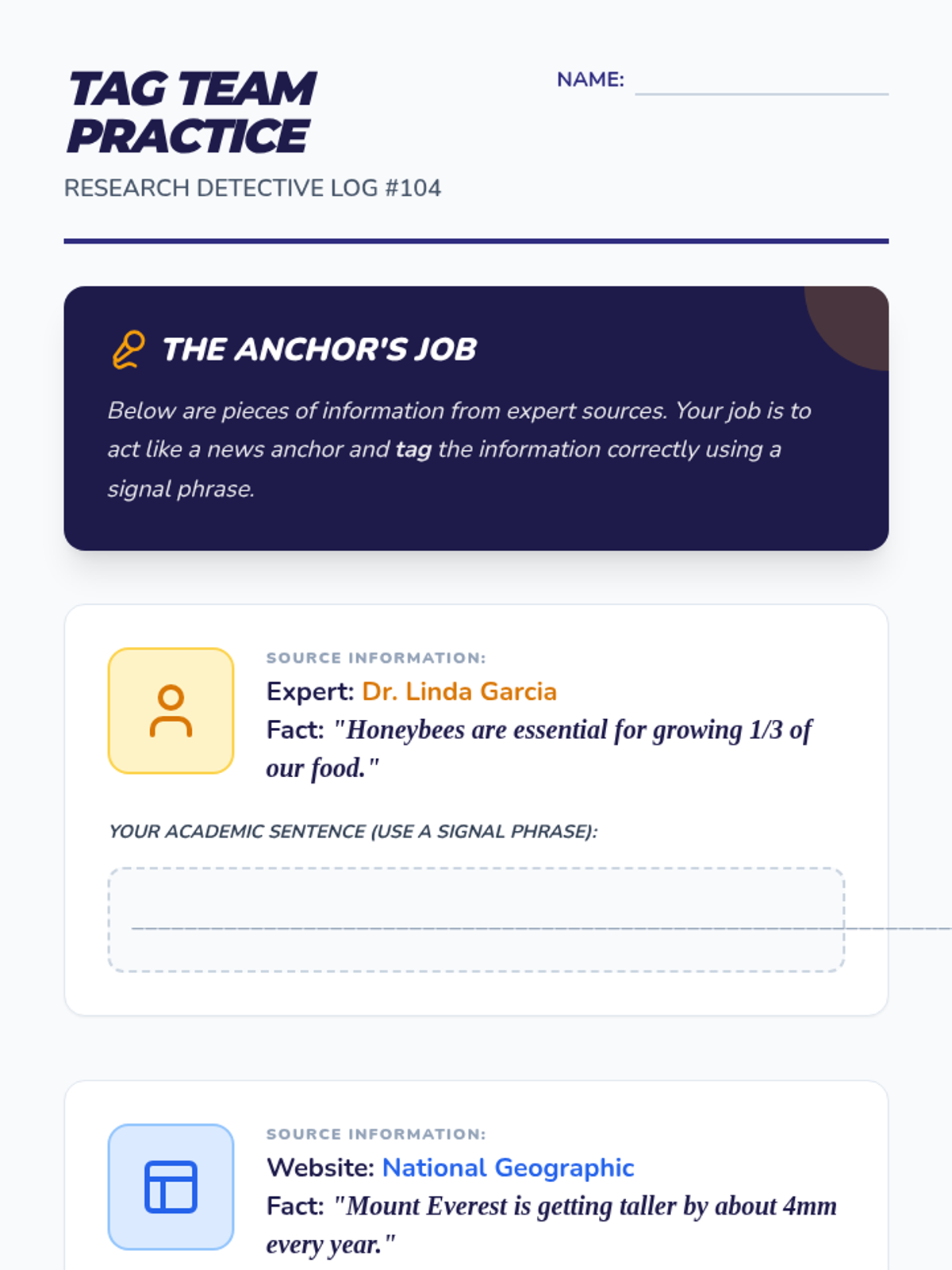
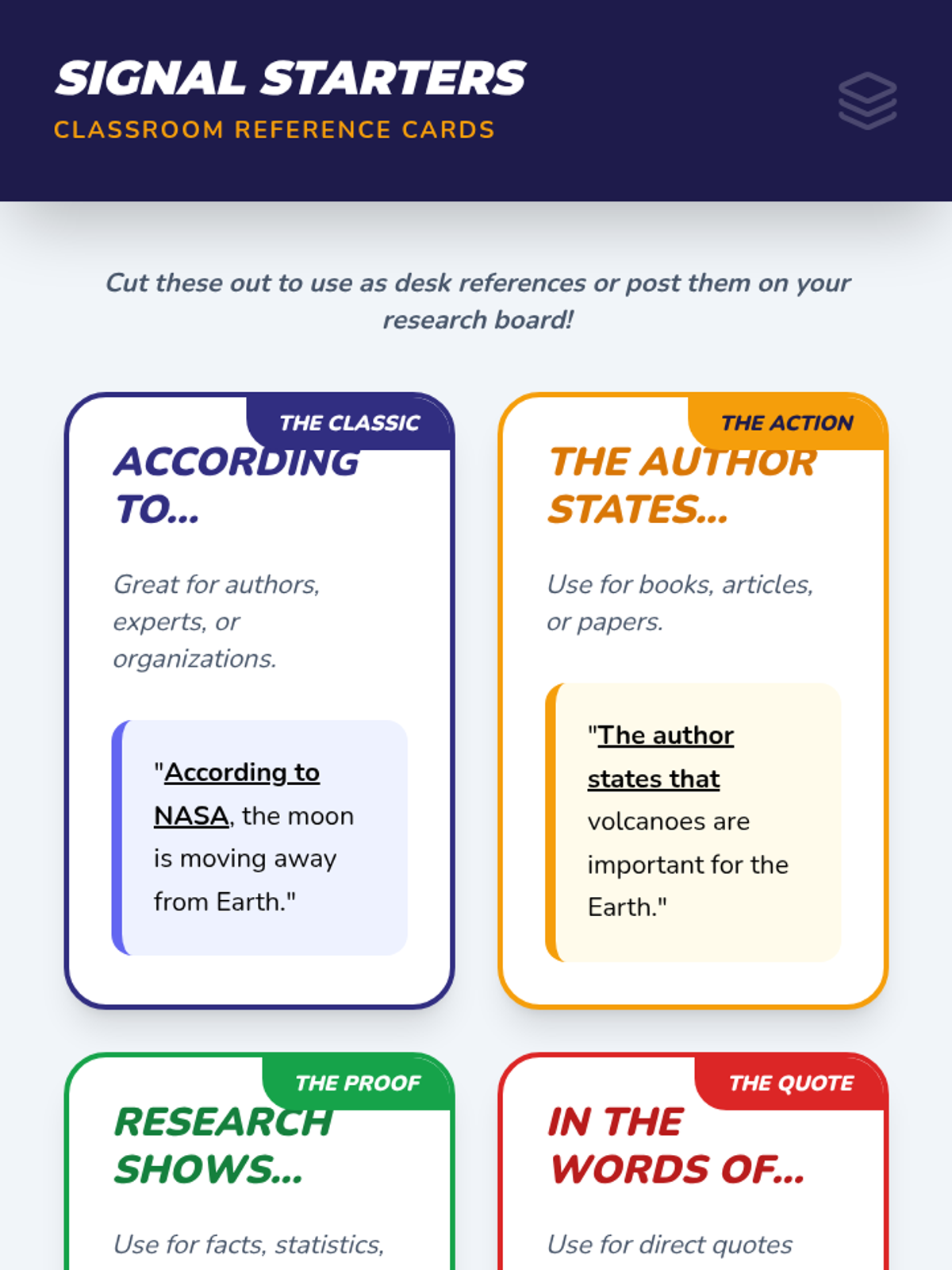
Students learn the mechanics of in-text attribution, practicing how to introduce sources using "signal phrases" (e.g., 'According to...'). They understand how to bridge the gap between their own ideas and those of external experts.
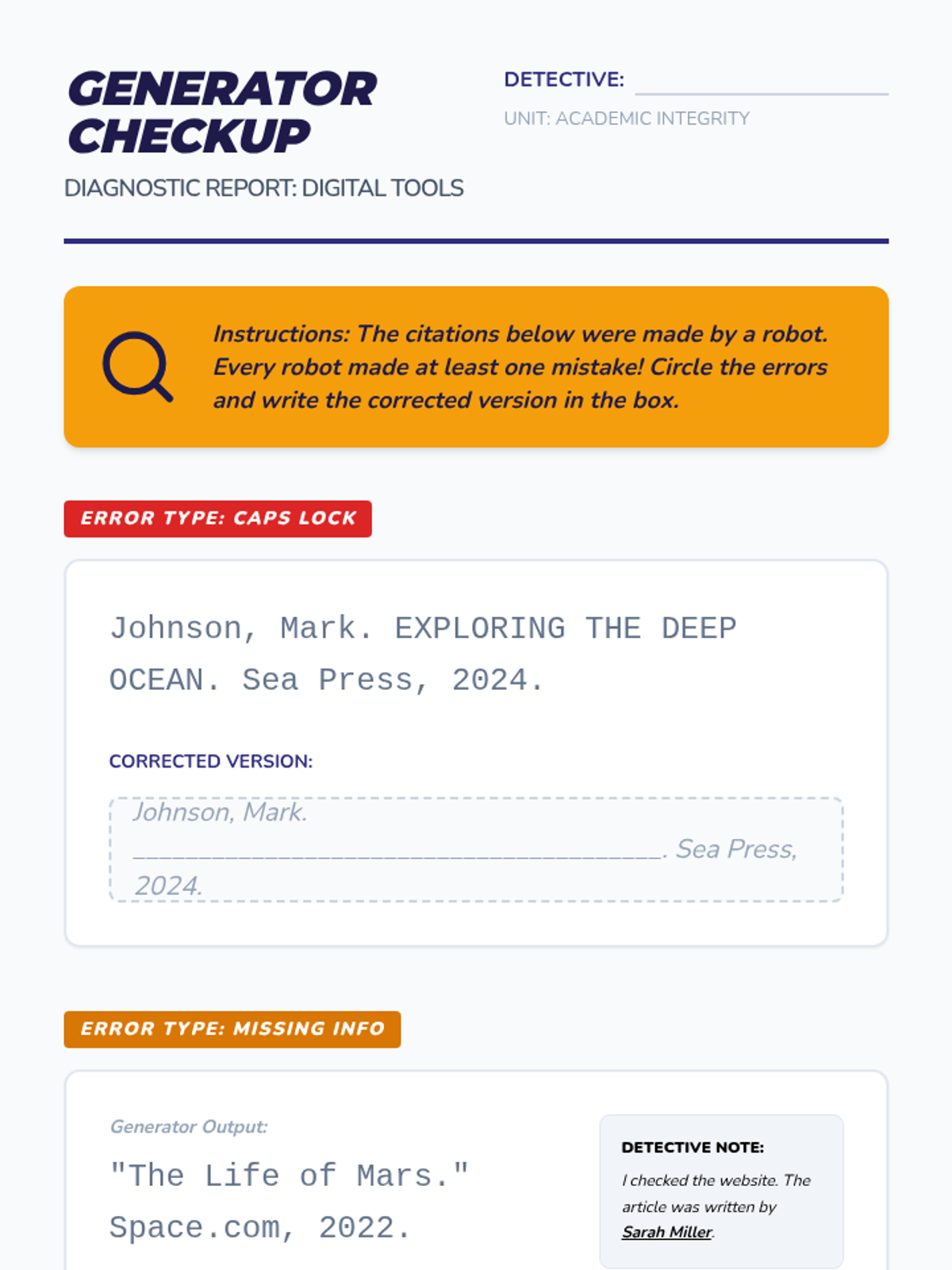
Students learn the benefits and risks of using digital citation tools. This lesson focuses on identifying common machine errors, such as capitalization issues and missing data, and emphasizes student accountability for final accuracy.
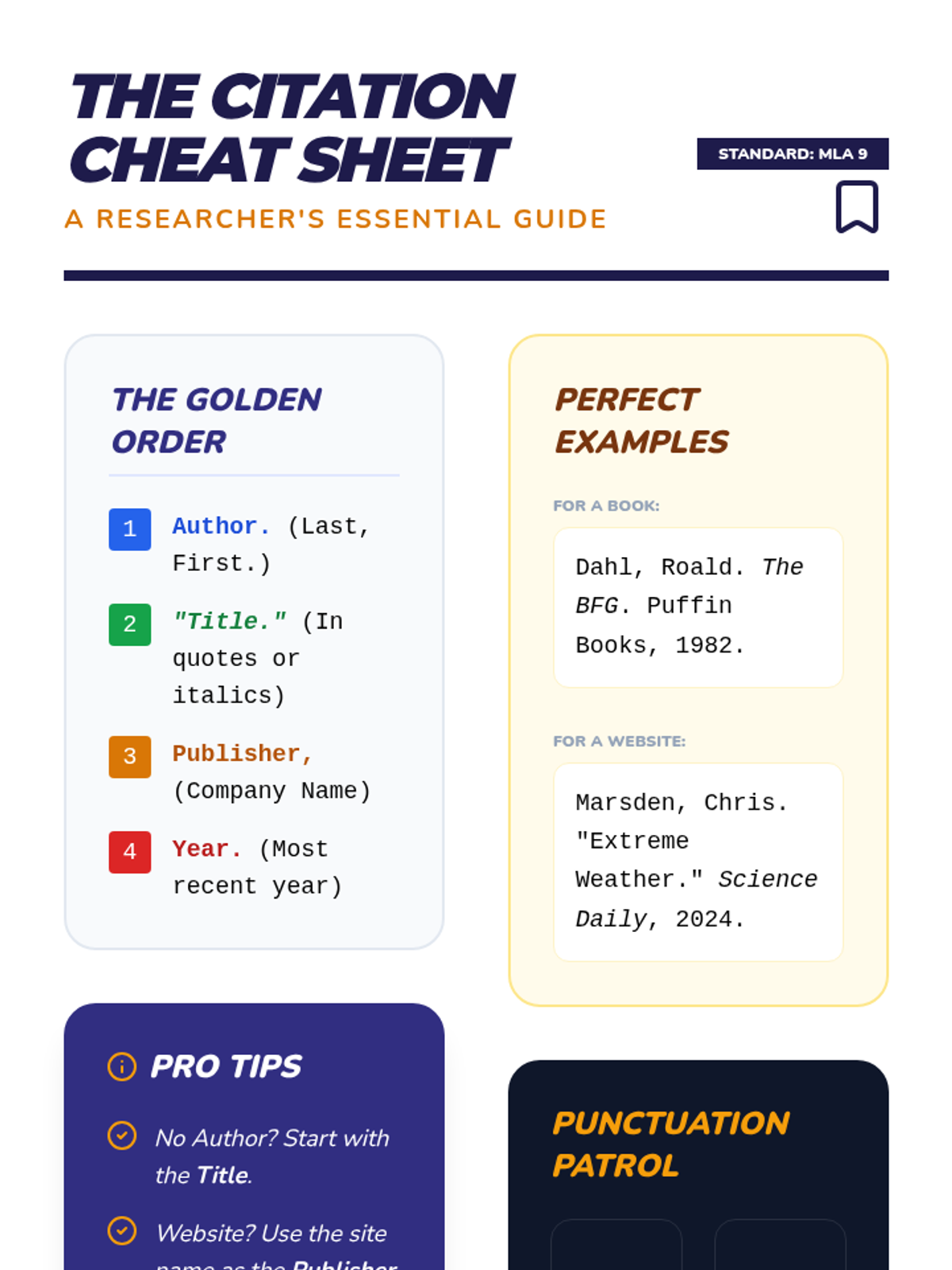
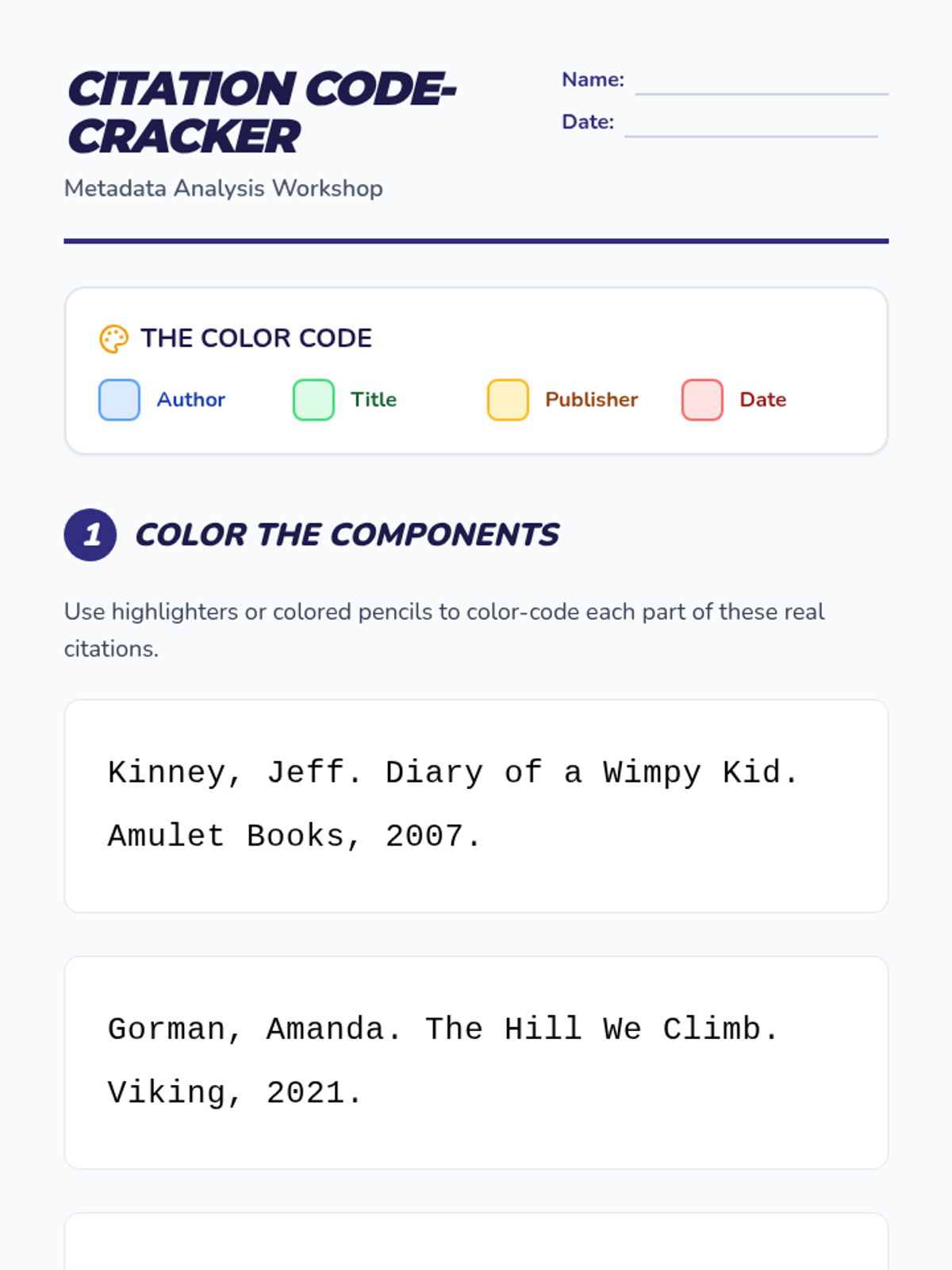
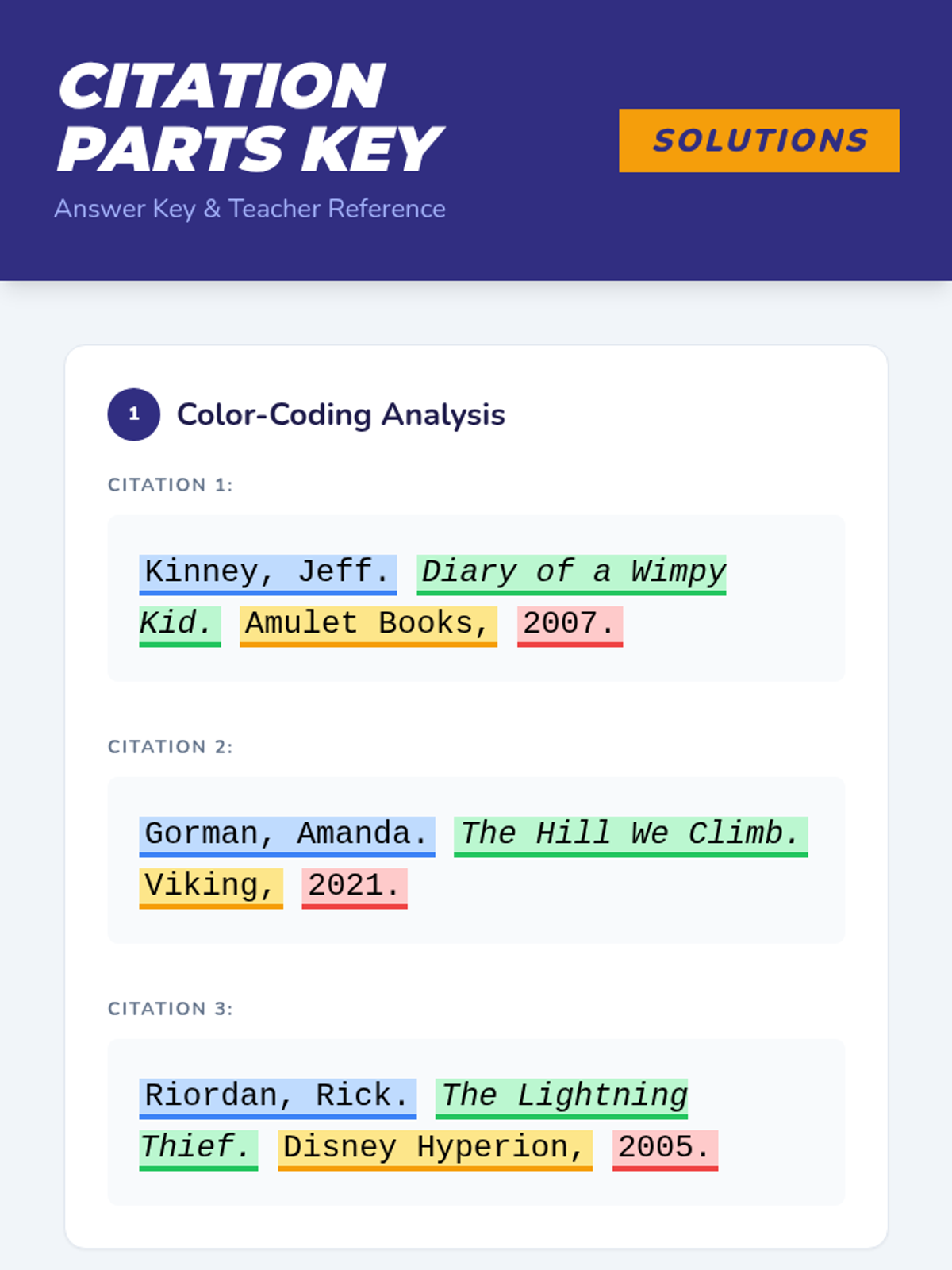
Students learn to identify and format the four core elements of an MLA citation: Author, Title, Publisher, and Date. They use color-coding to demystify the punctuation and structure of citations.
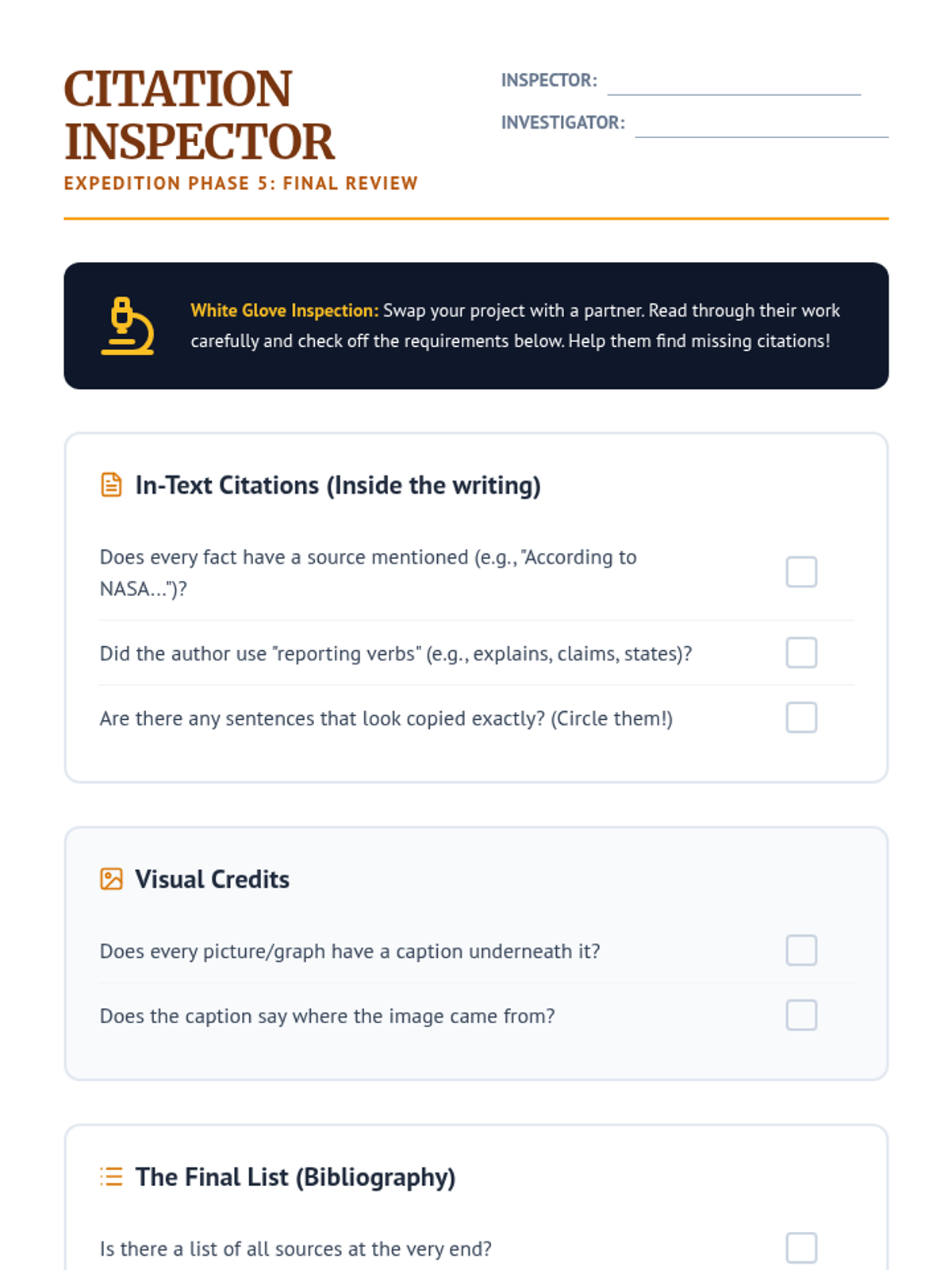
The final stage where students review citations, credit images, and finalize their bibliography for presentation.
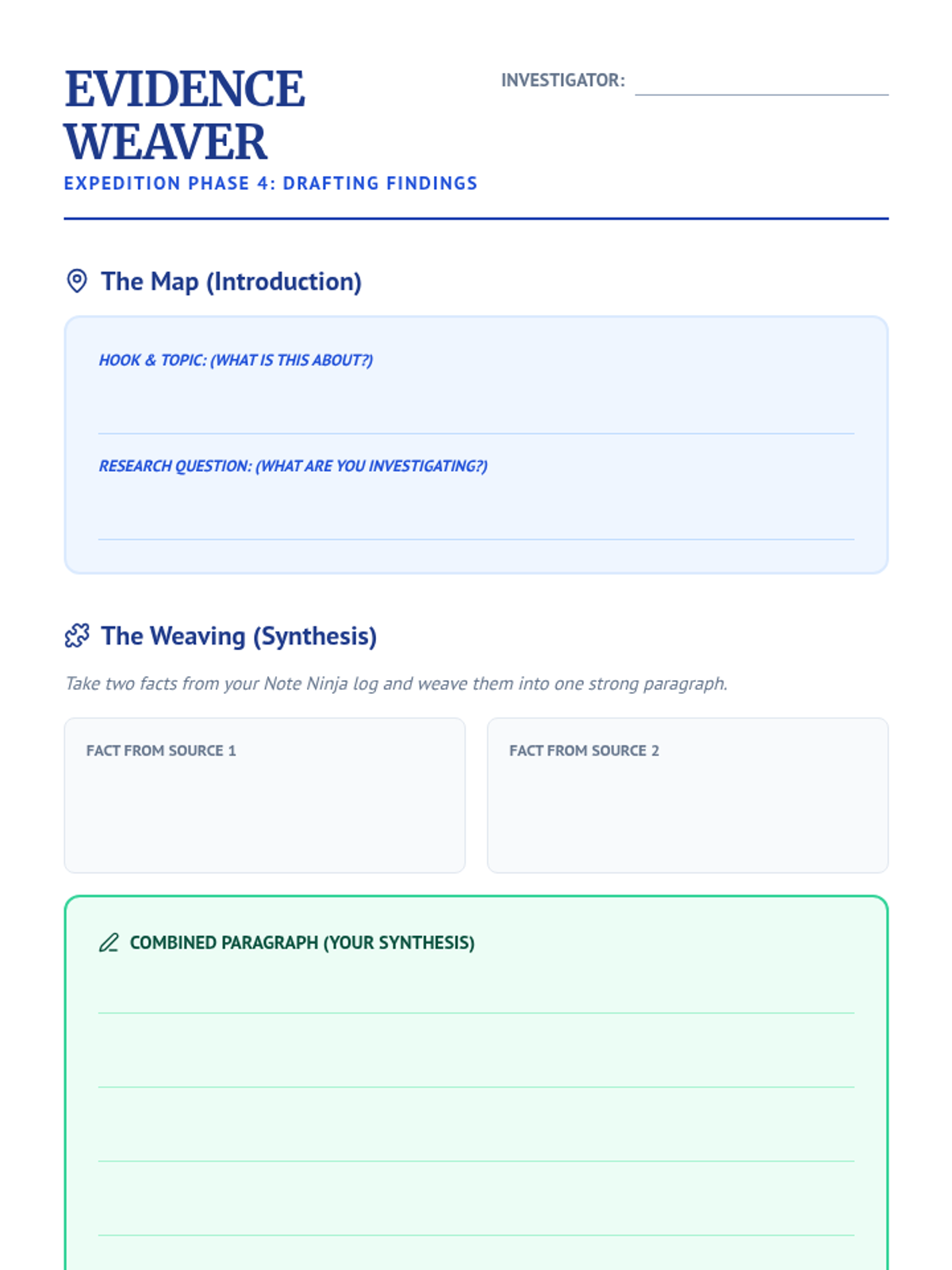
Students synthesize their research notes into a cohesive draft, focusing on using attribution verbs and clear sentence structures.
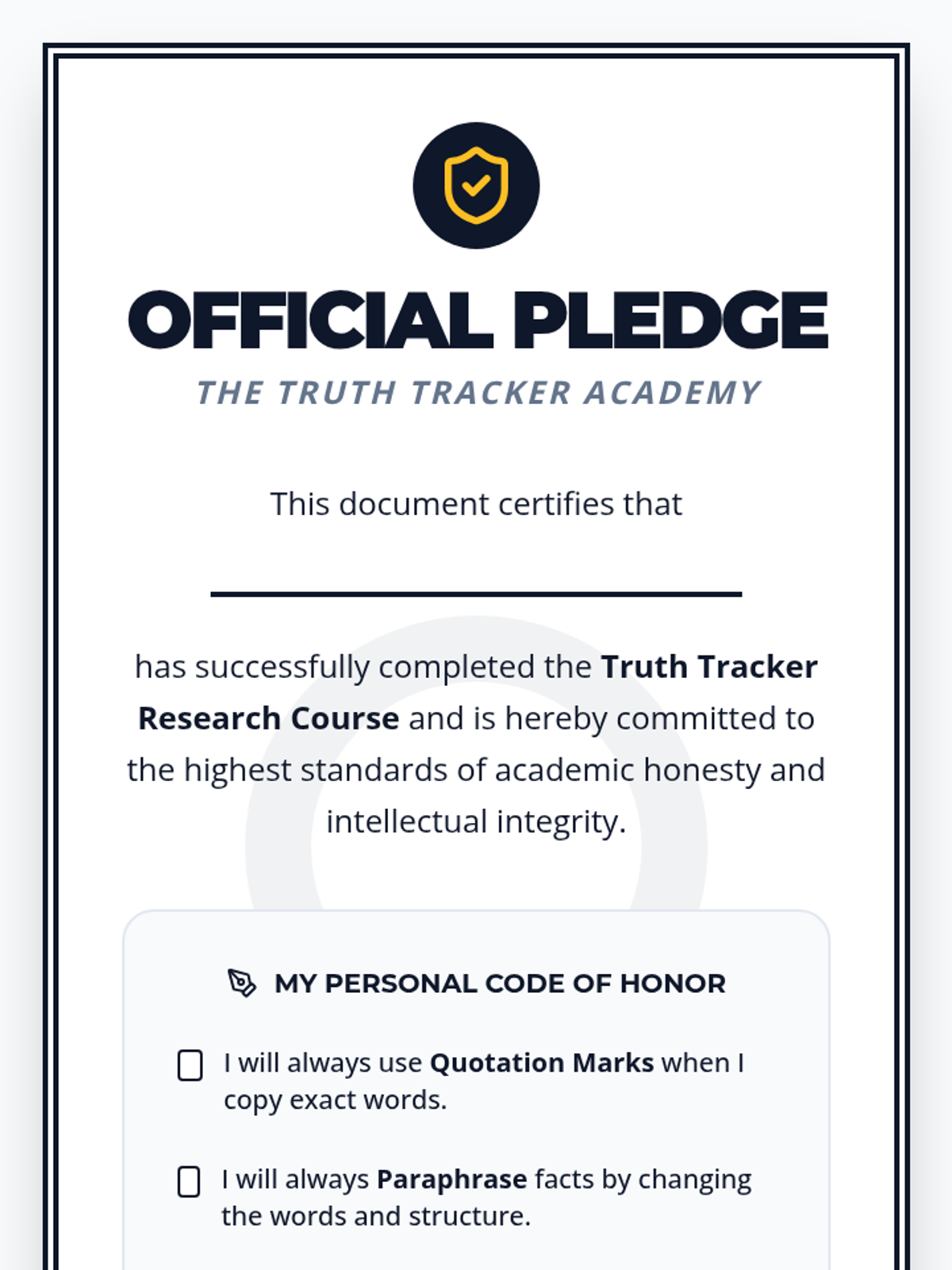
Synthesizes learning through case studies of intentional vs. accidental plagiarism and concludes with an academic integrity pledge.
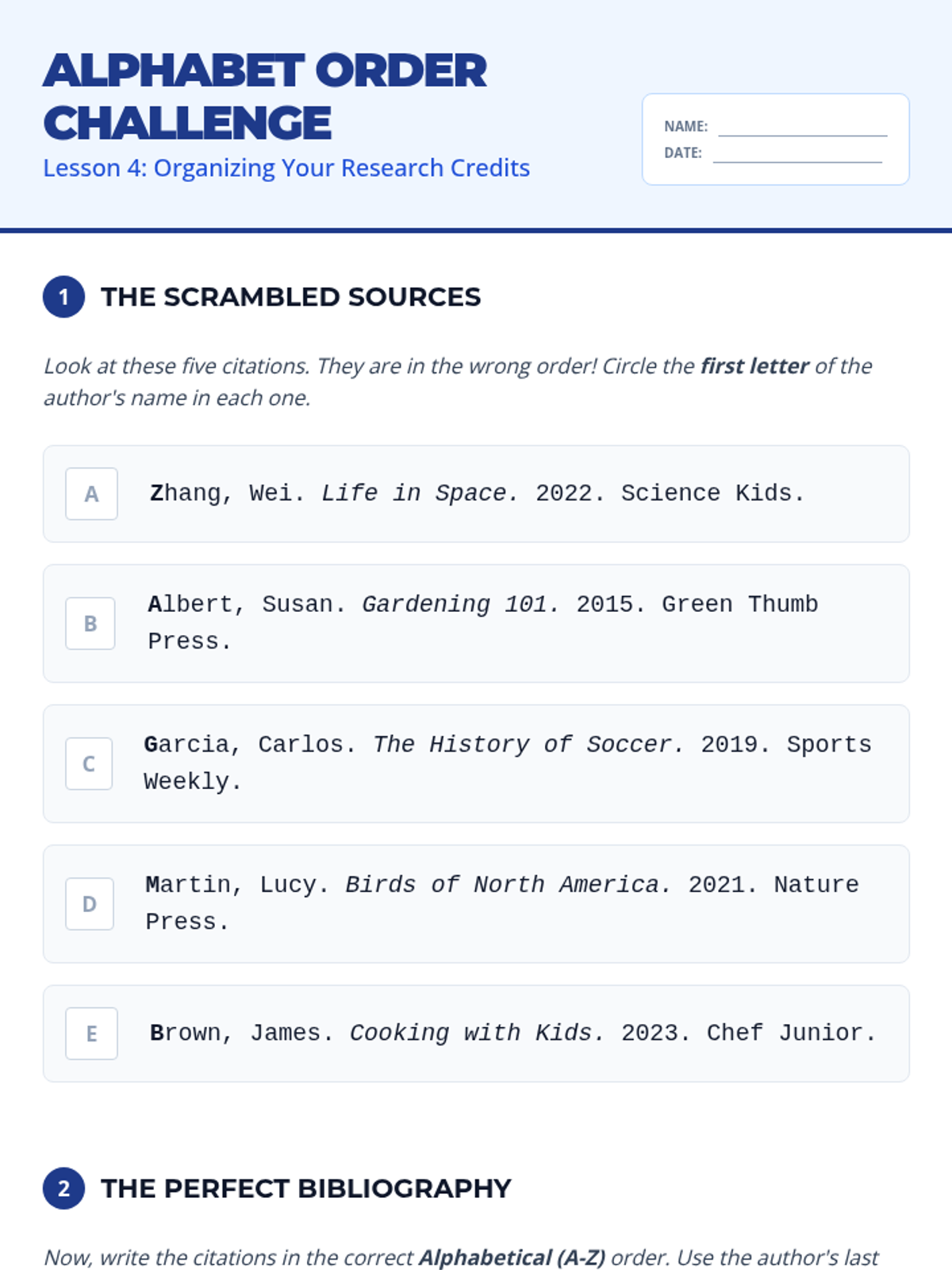
Teaches students how to compile individual citations into a cohesive, alphabetized reference list.
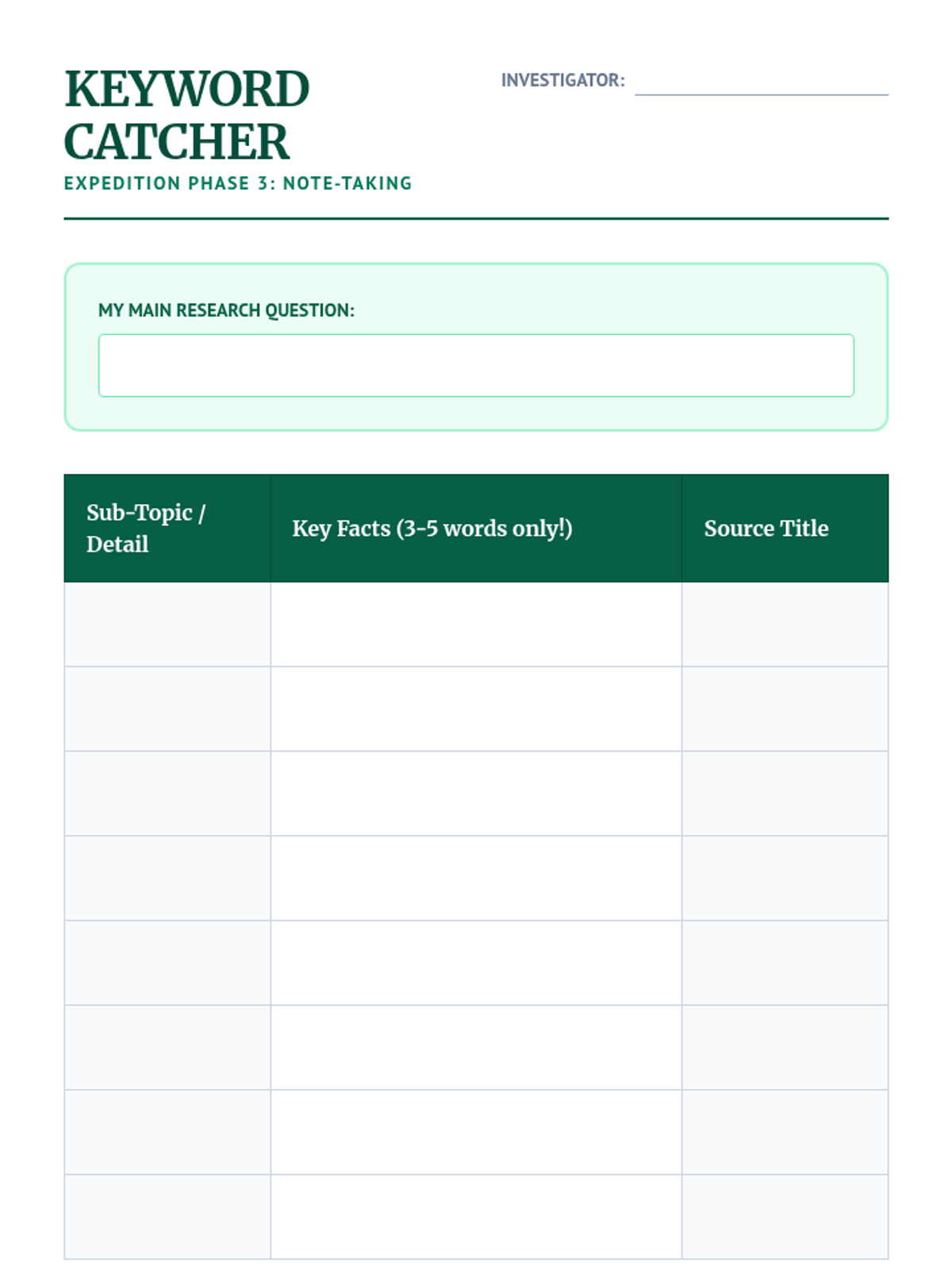
Focuses on extracting key facts and paraphrasing using keywords to avoid plagiarism and organize information effectively.
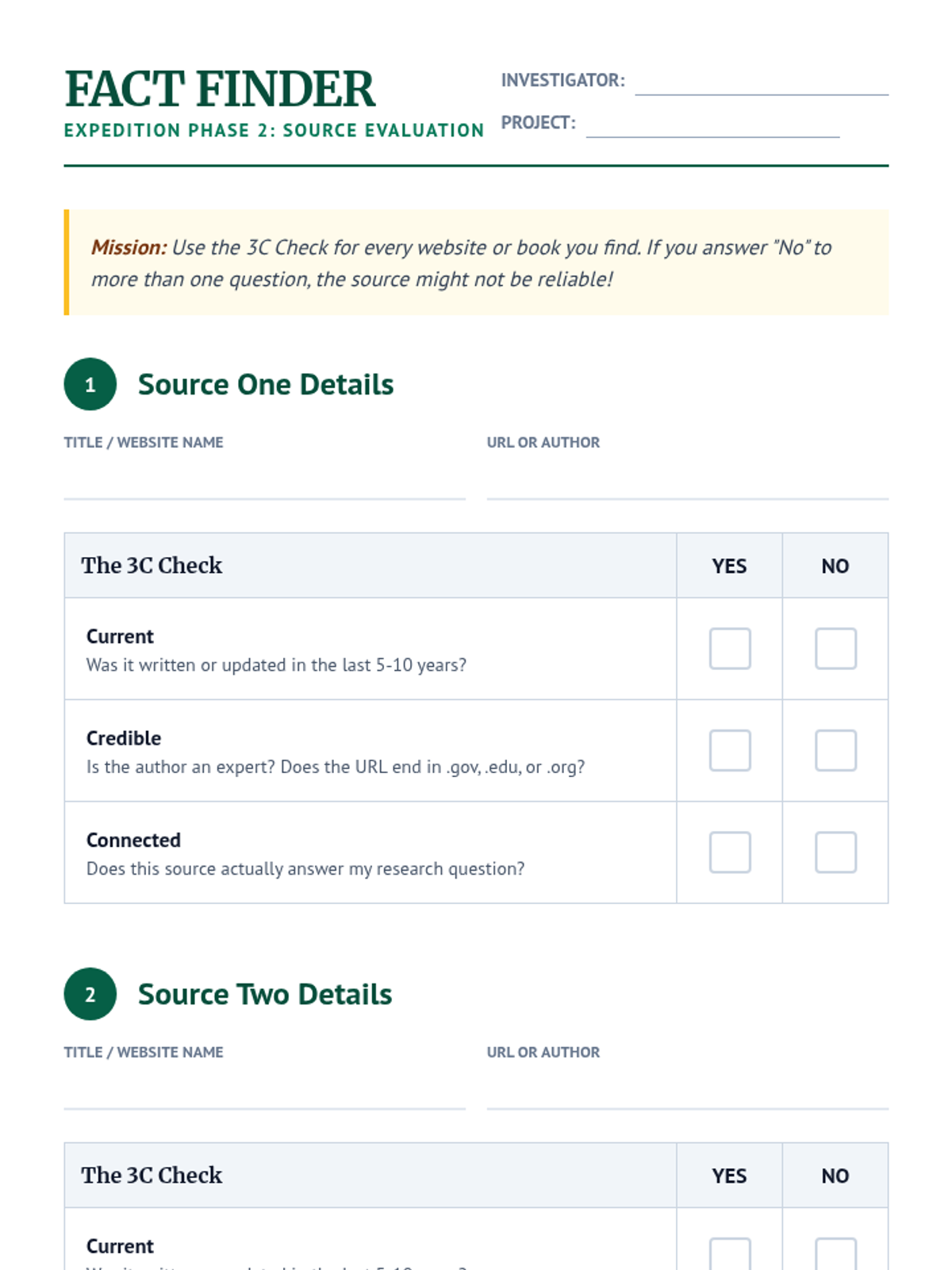
Students learn to find and validate credible sources using search strategies and a simplified evaluation checklist.