Developing numerical methods for summing and resolving complex multi-force systems. Students design algorithms for static and dynamic equilibrium analysis.
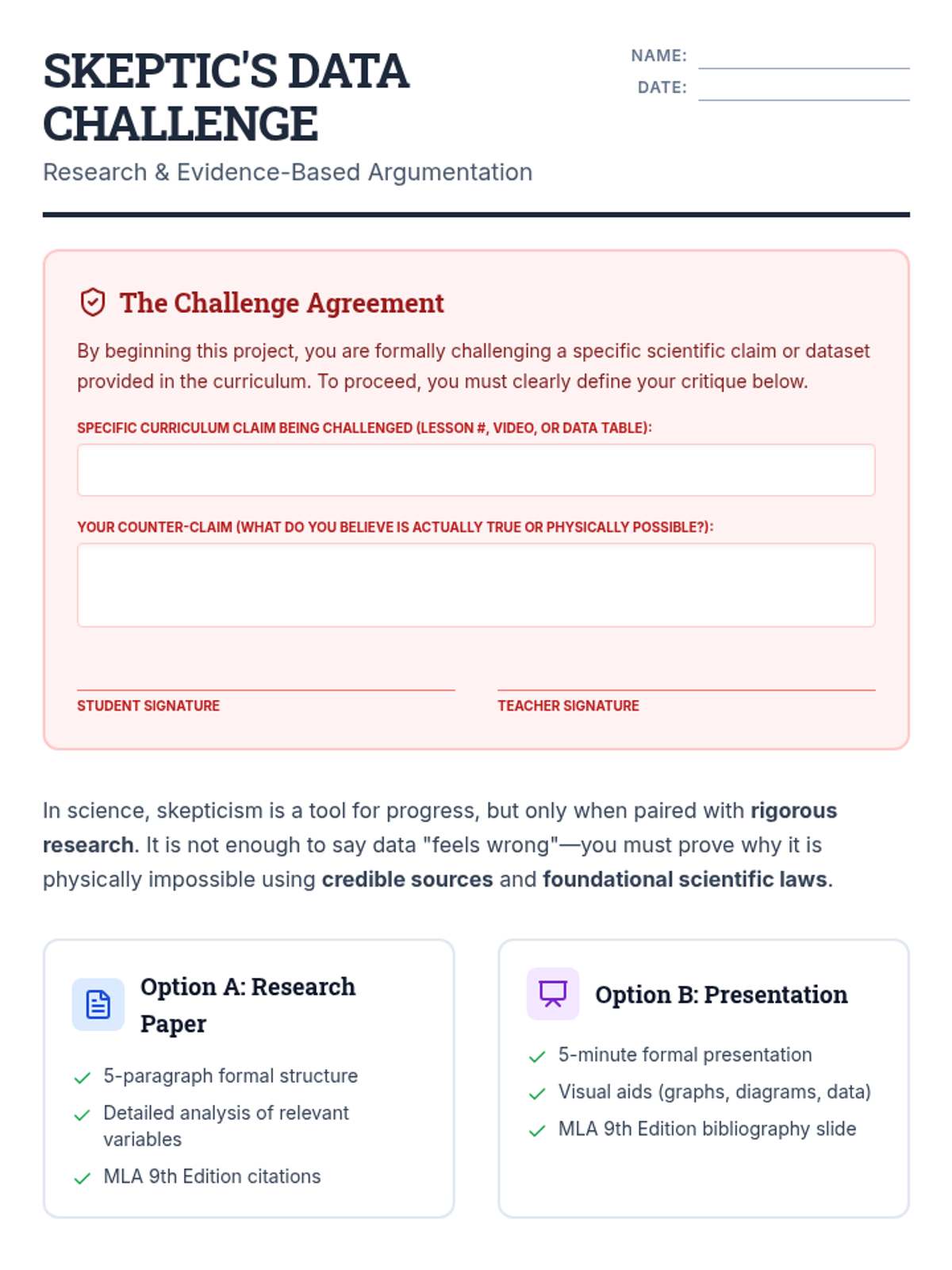
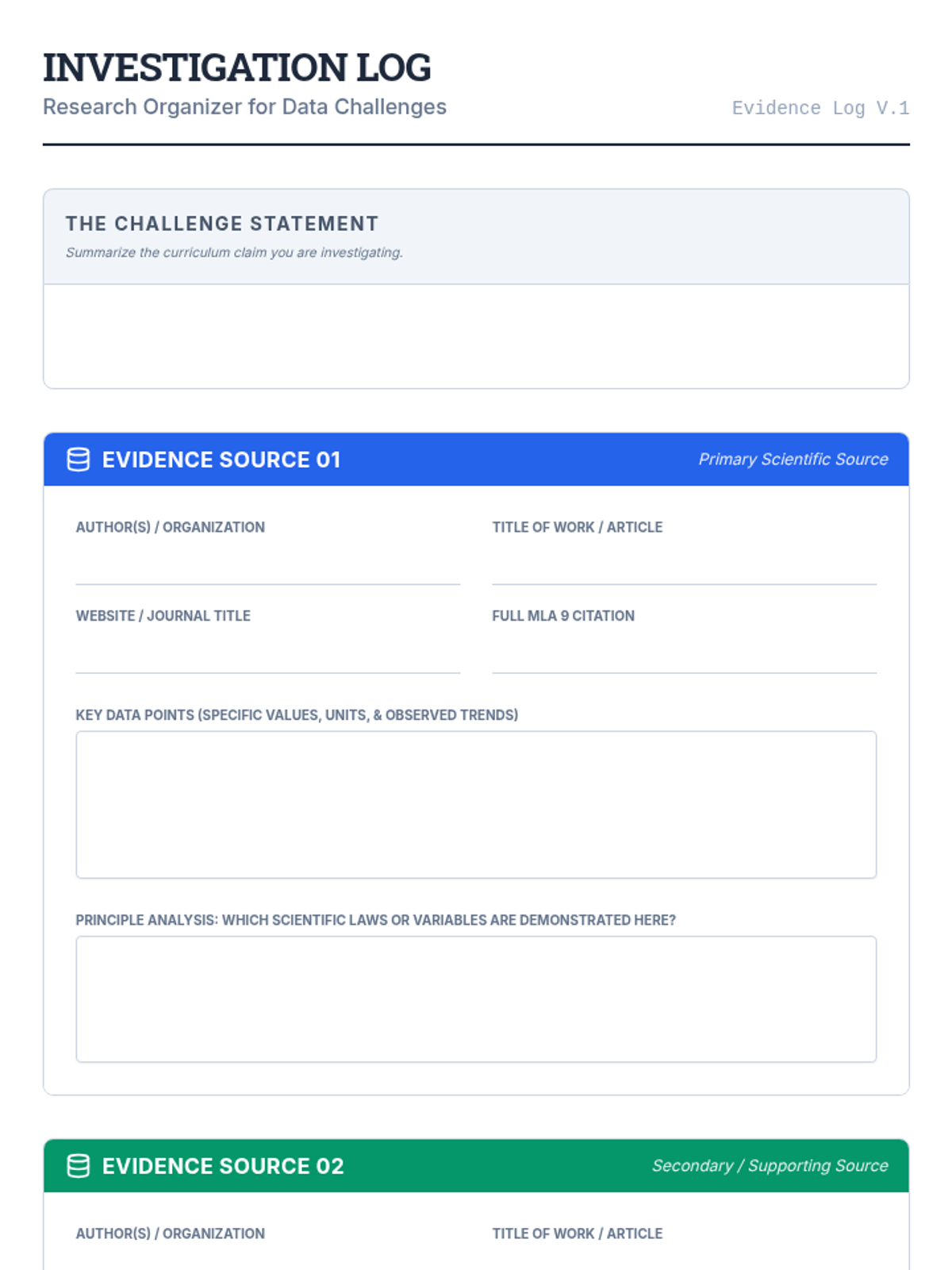
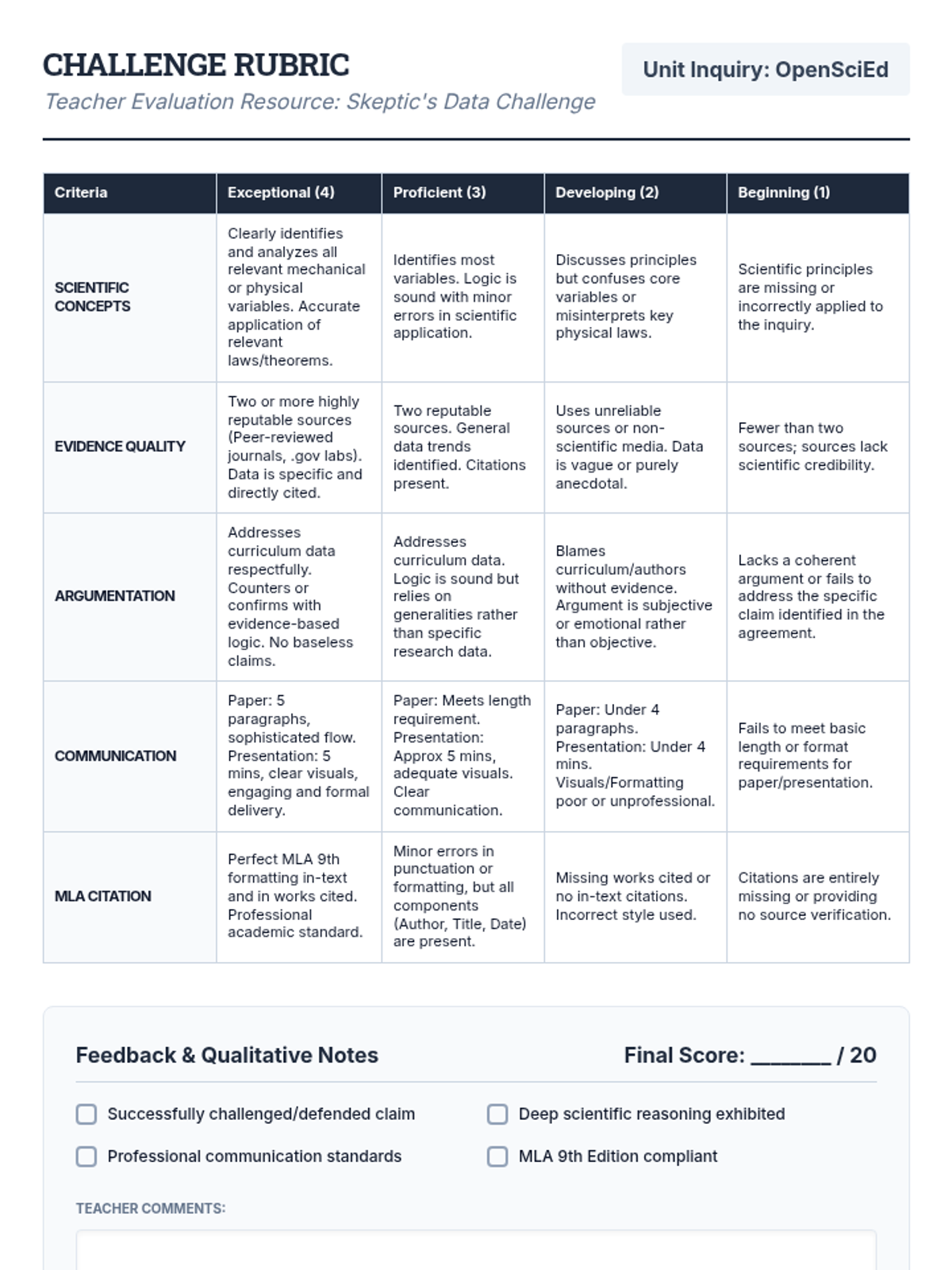
An optional enrichment lesson for students to investigate curriculum data through formal research and evidence-based argumentation, honoring scientific inquiry and rigorous data validation.
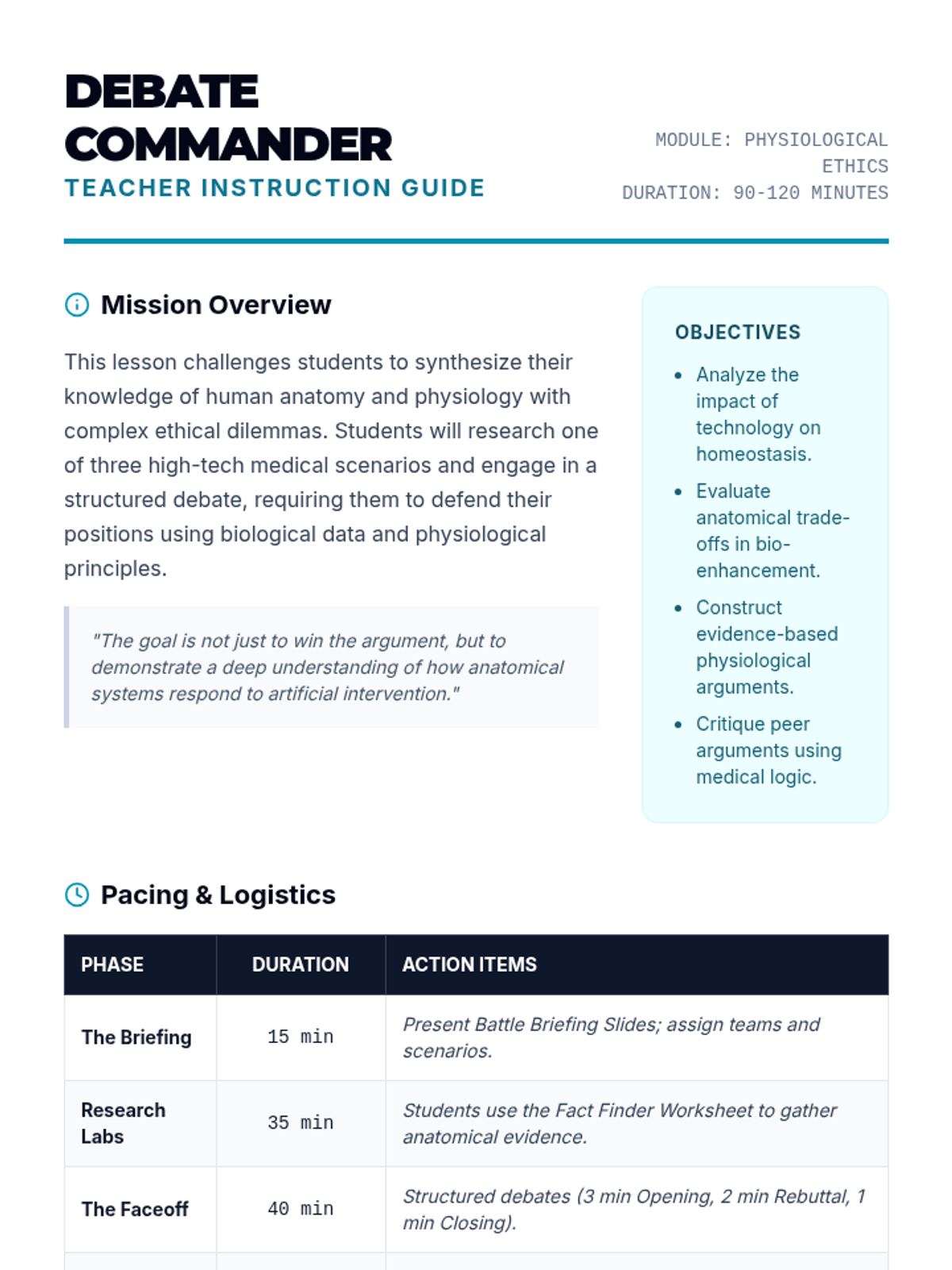
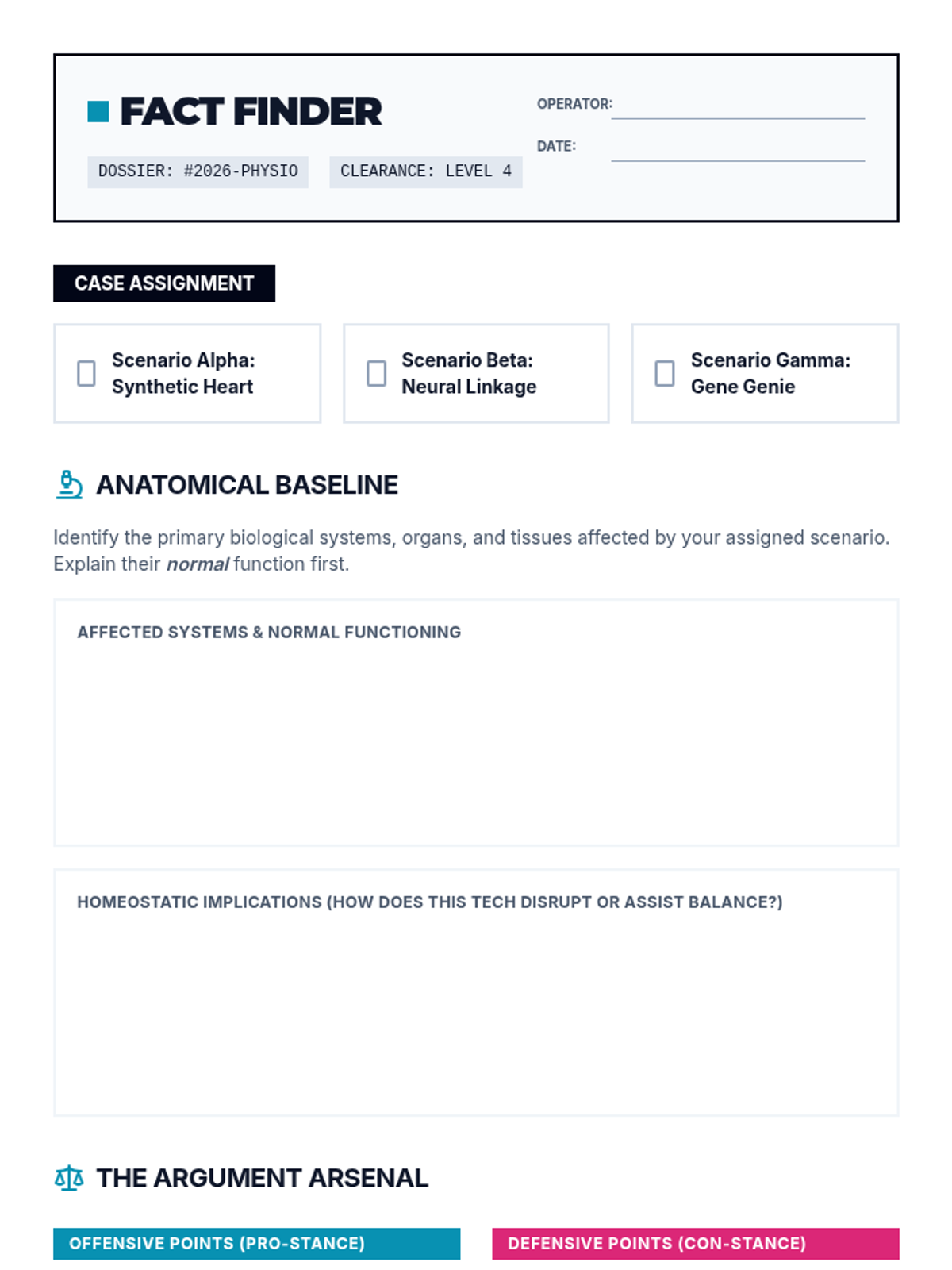
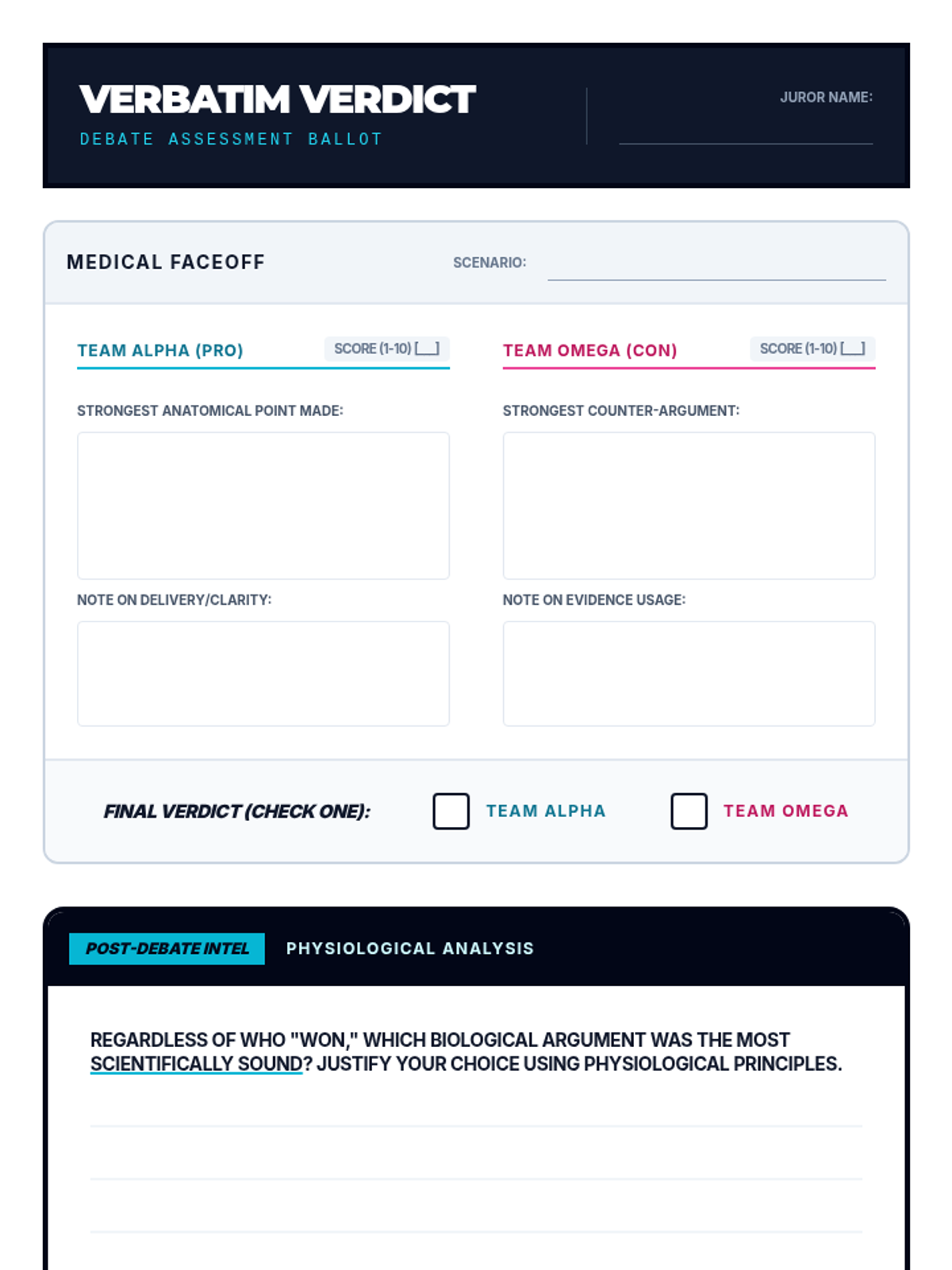
A high-stakes debate lesson where students explore the ethical and physiological implications of human bio-enhancement and medical technology.
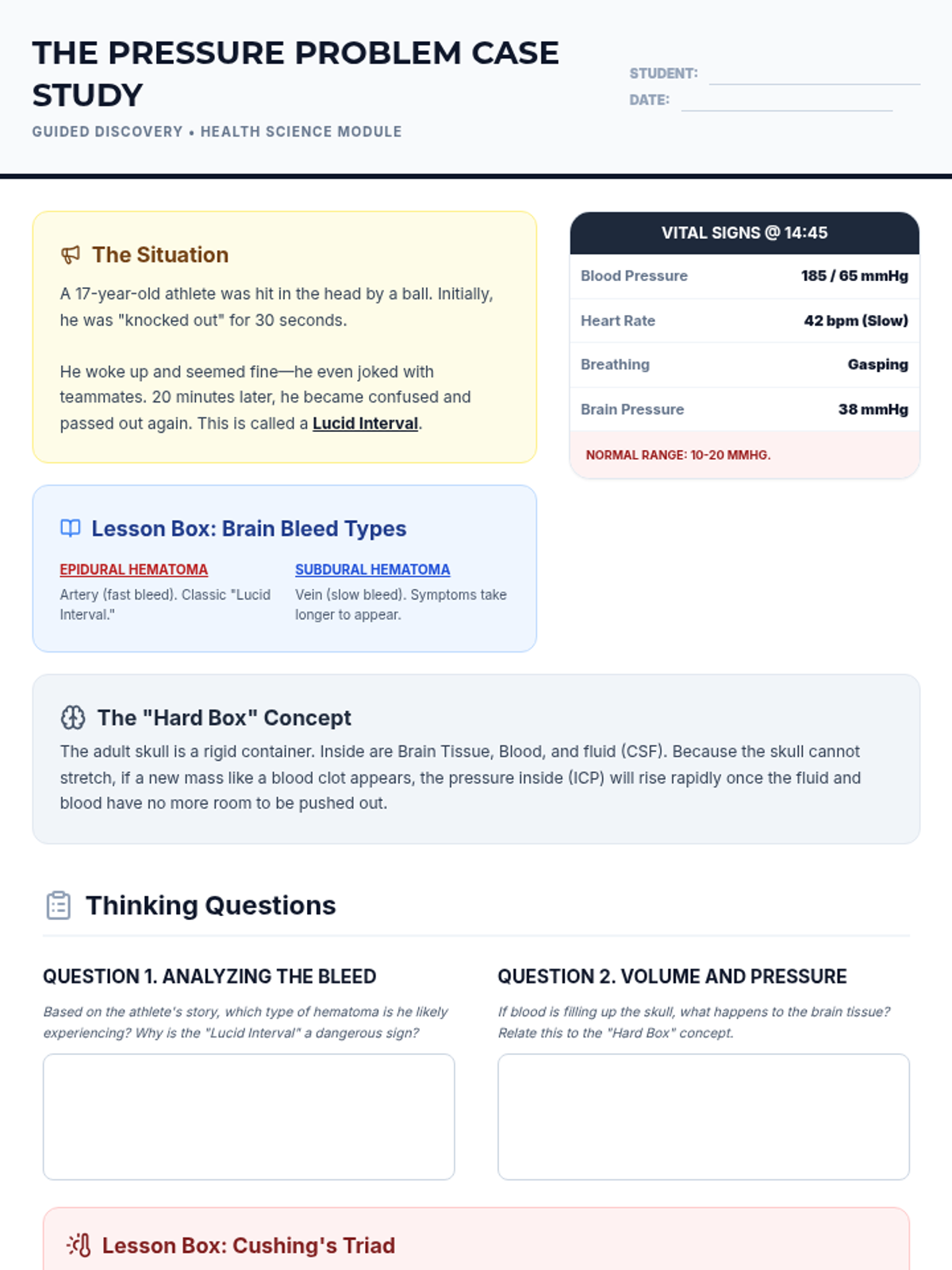
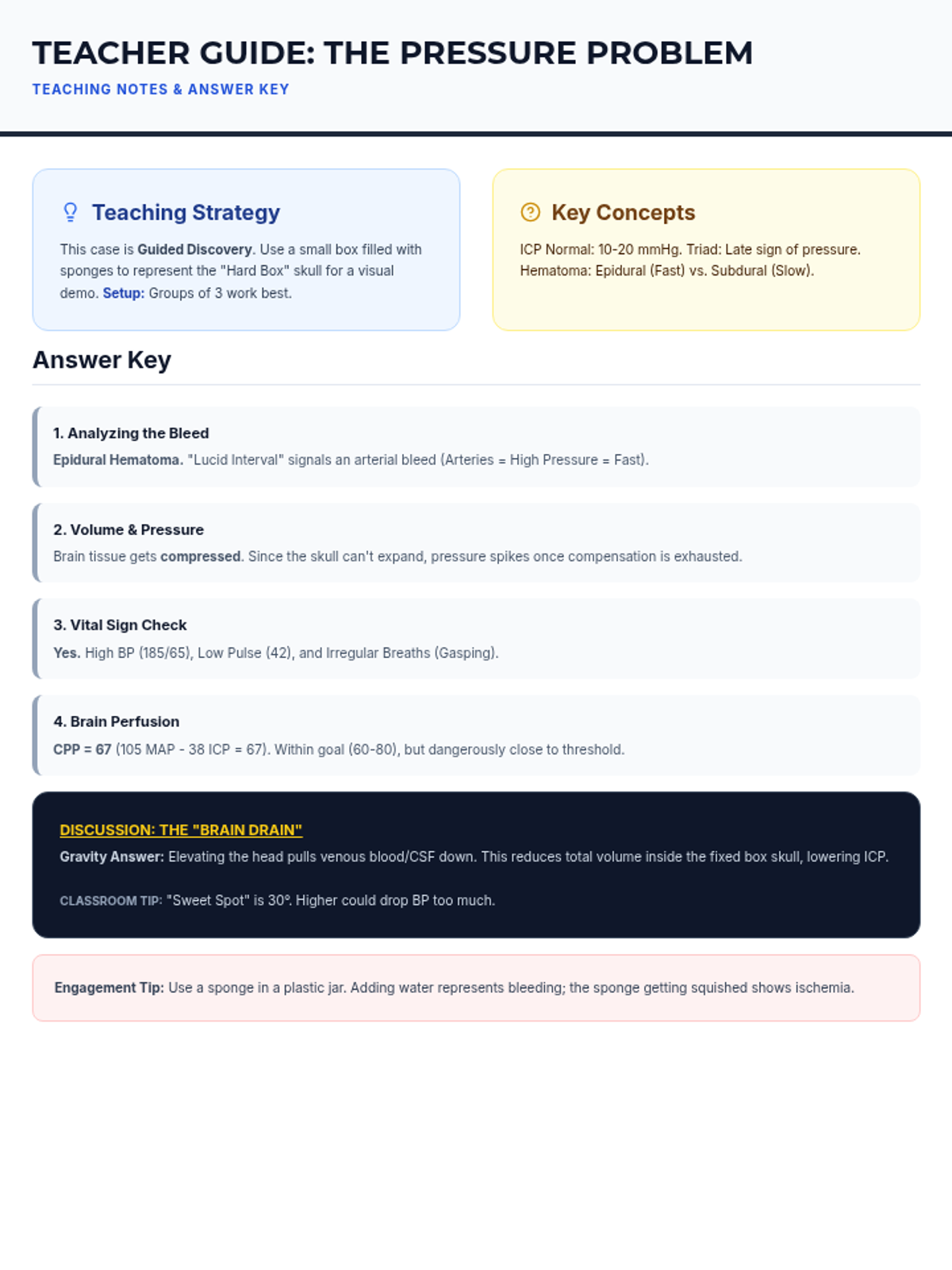
A health-science focused lesson on the anatomy, physiology, and clinical implications of increased intracranial pressure, featuring the Monro-Kellie doctrine and Cushing's Triad.
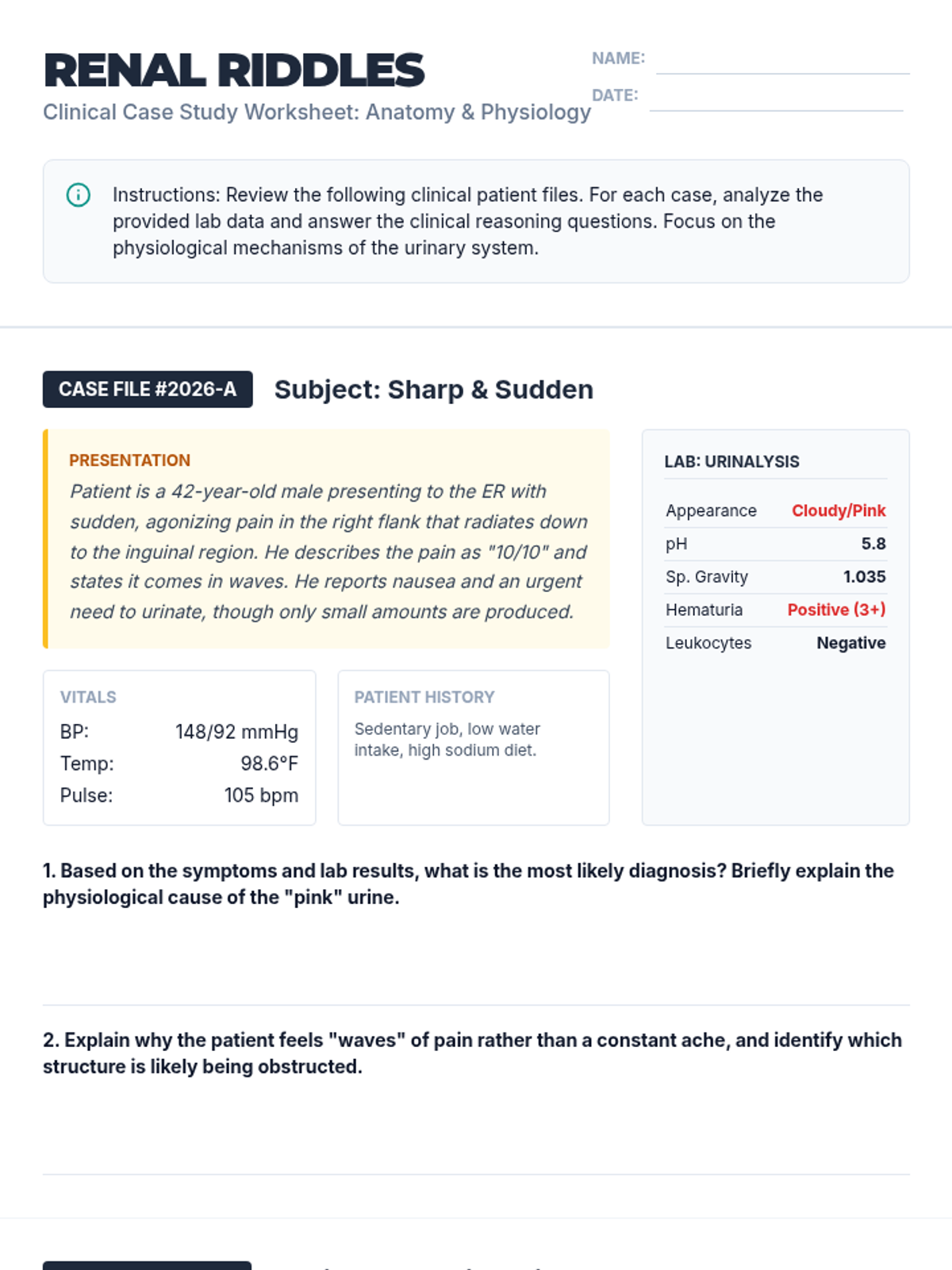
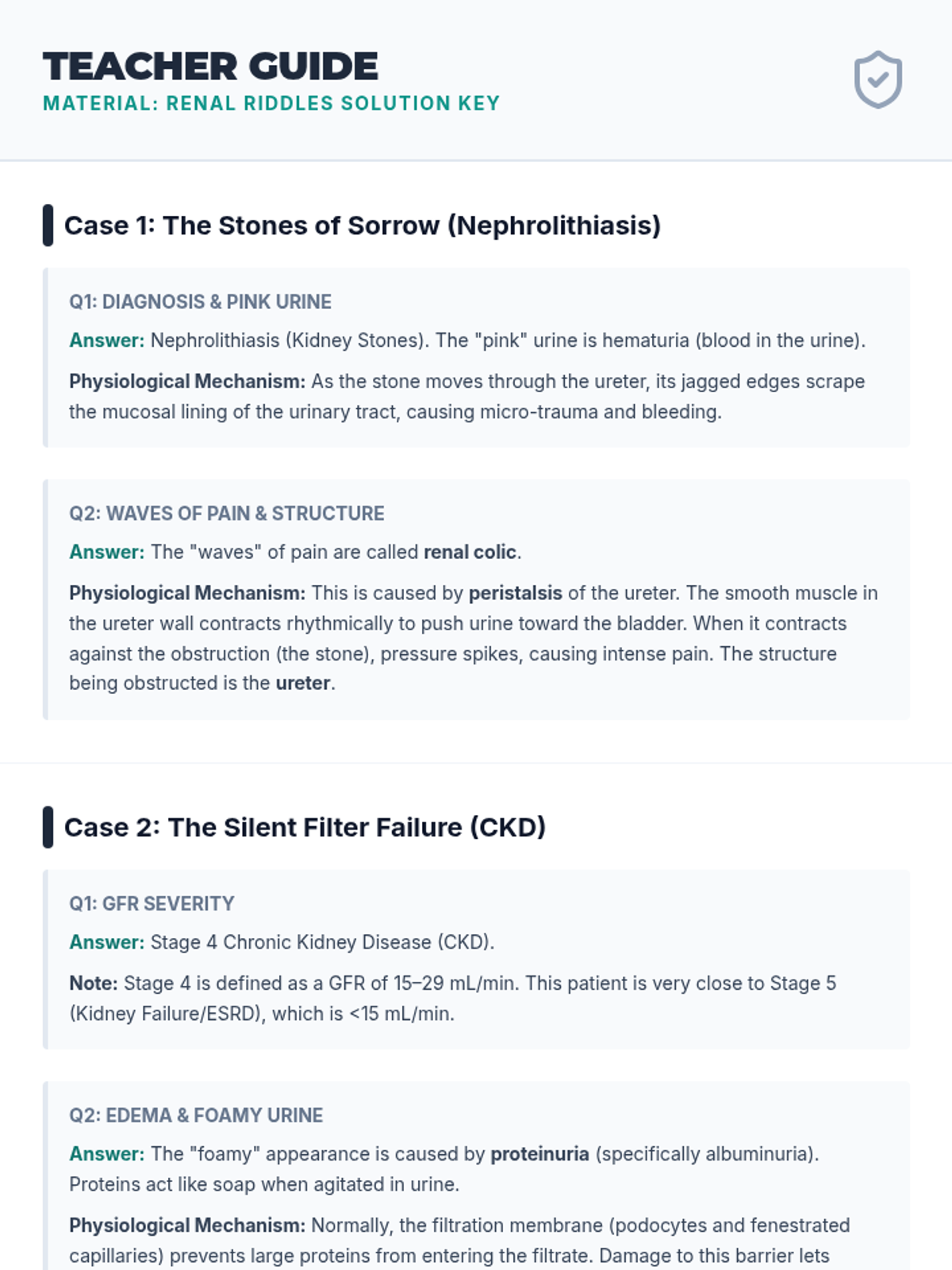
A series of clinical case studies exploring urinary system pathology, diagnostic testing, and physiological principles for advanced Anatomy & Physiology students.
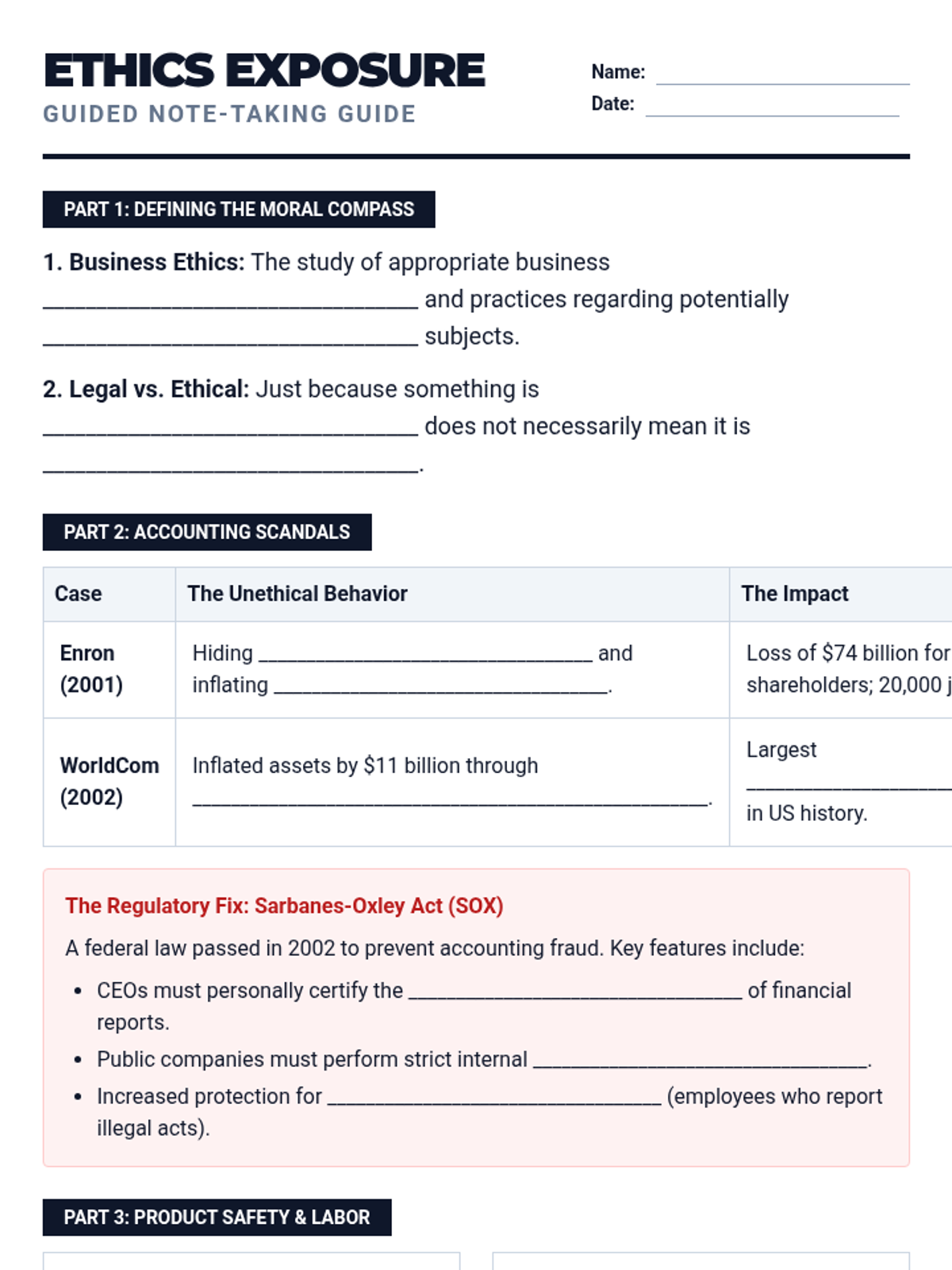
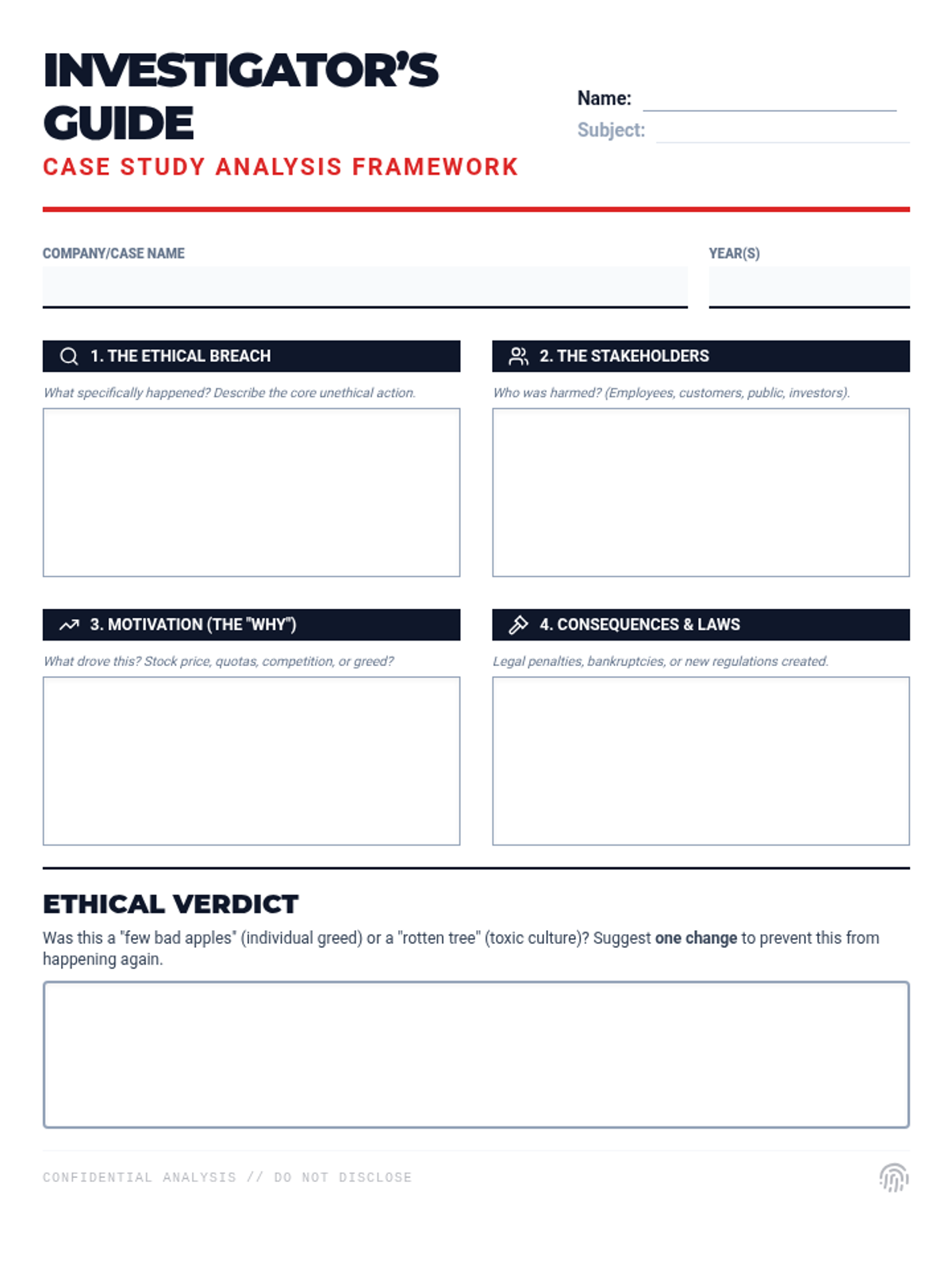
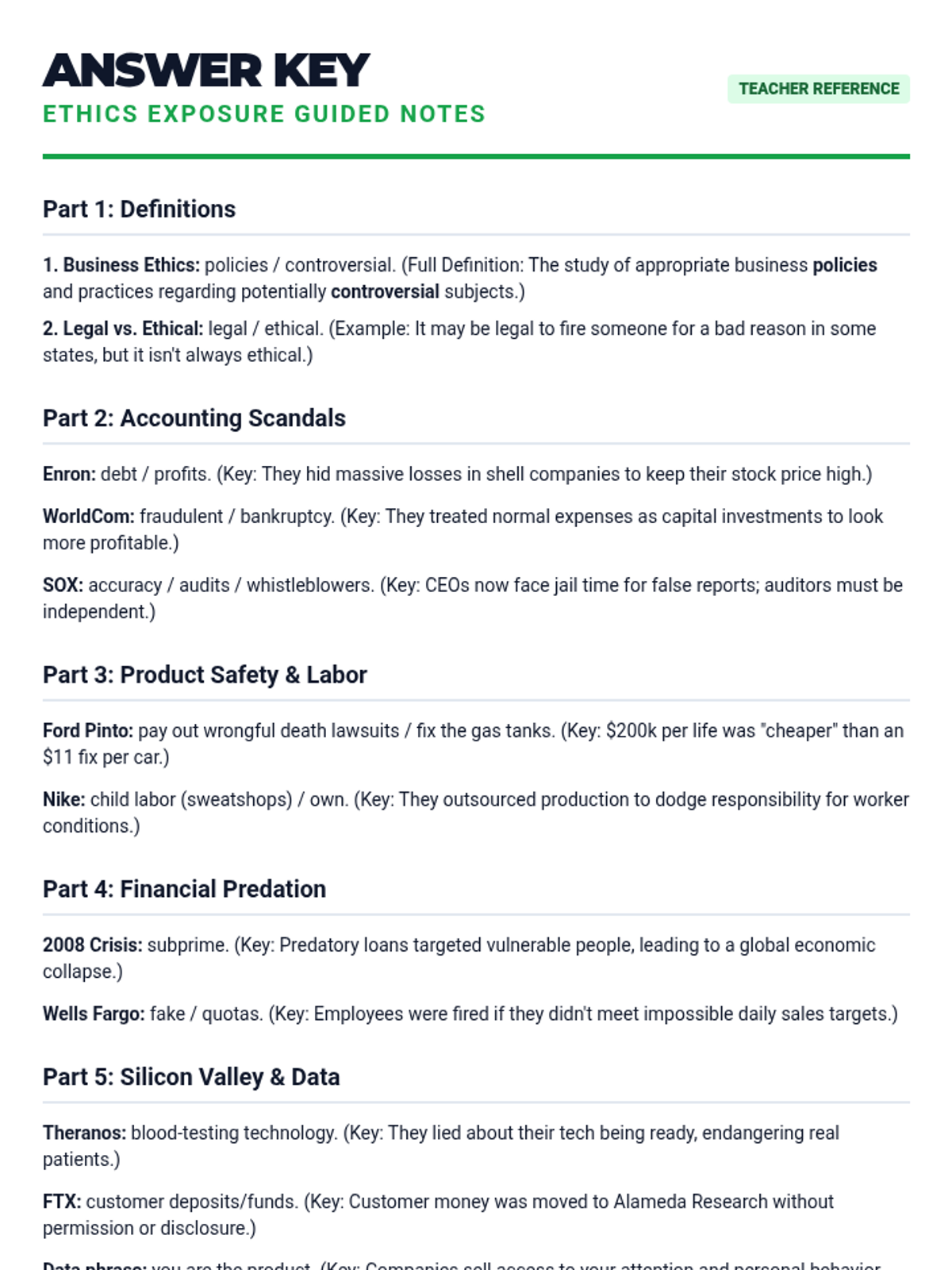
An introductory lesson on business ethics, covering major historical scandals, regulatory responses, and modern ethical dilemmas in the corporate world.
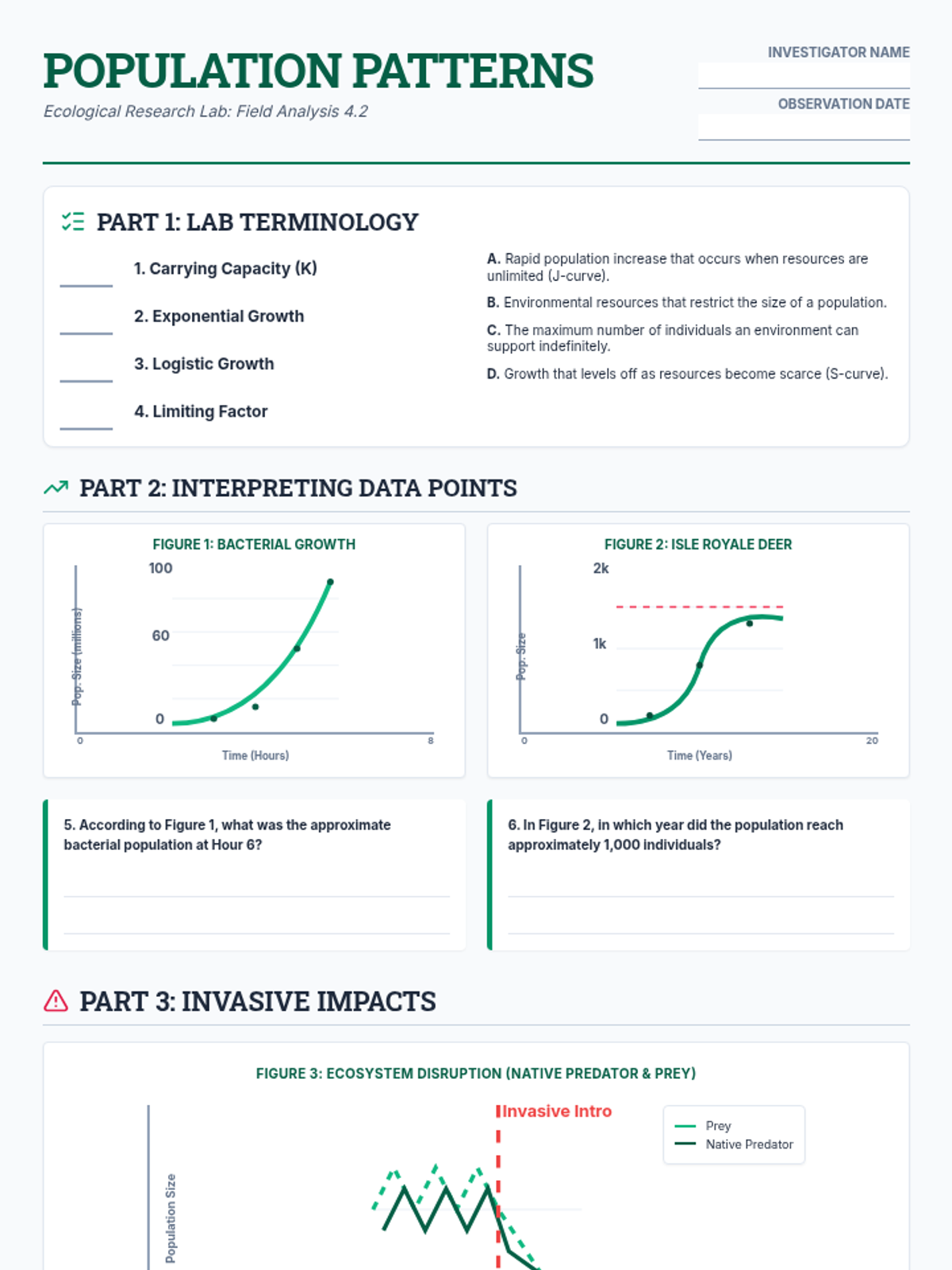
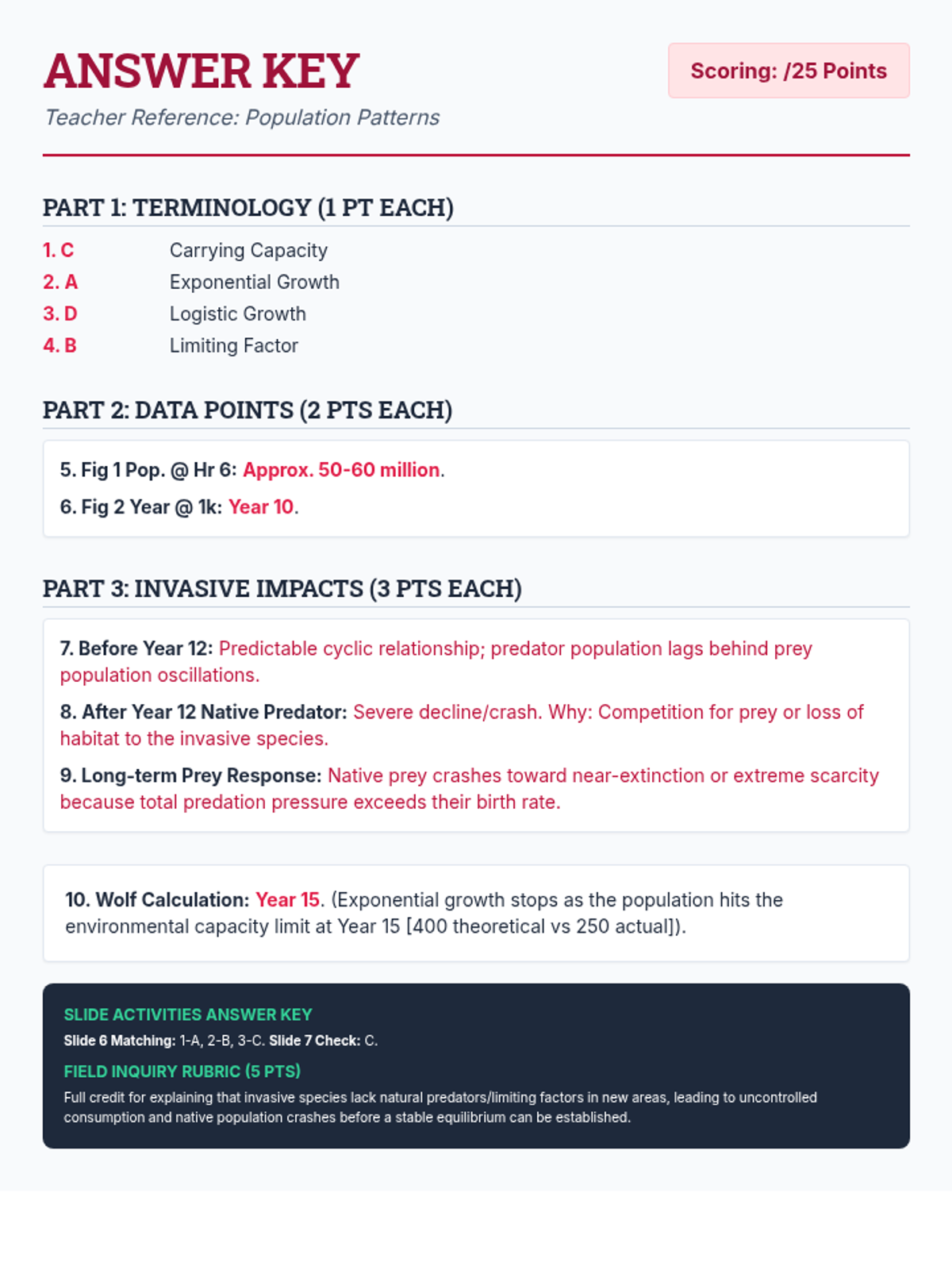
Students learn to distinguish between exponential and logistic population growth models, identify carrying capacity, and understand the role of limiting factors in shaping biological communities.
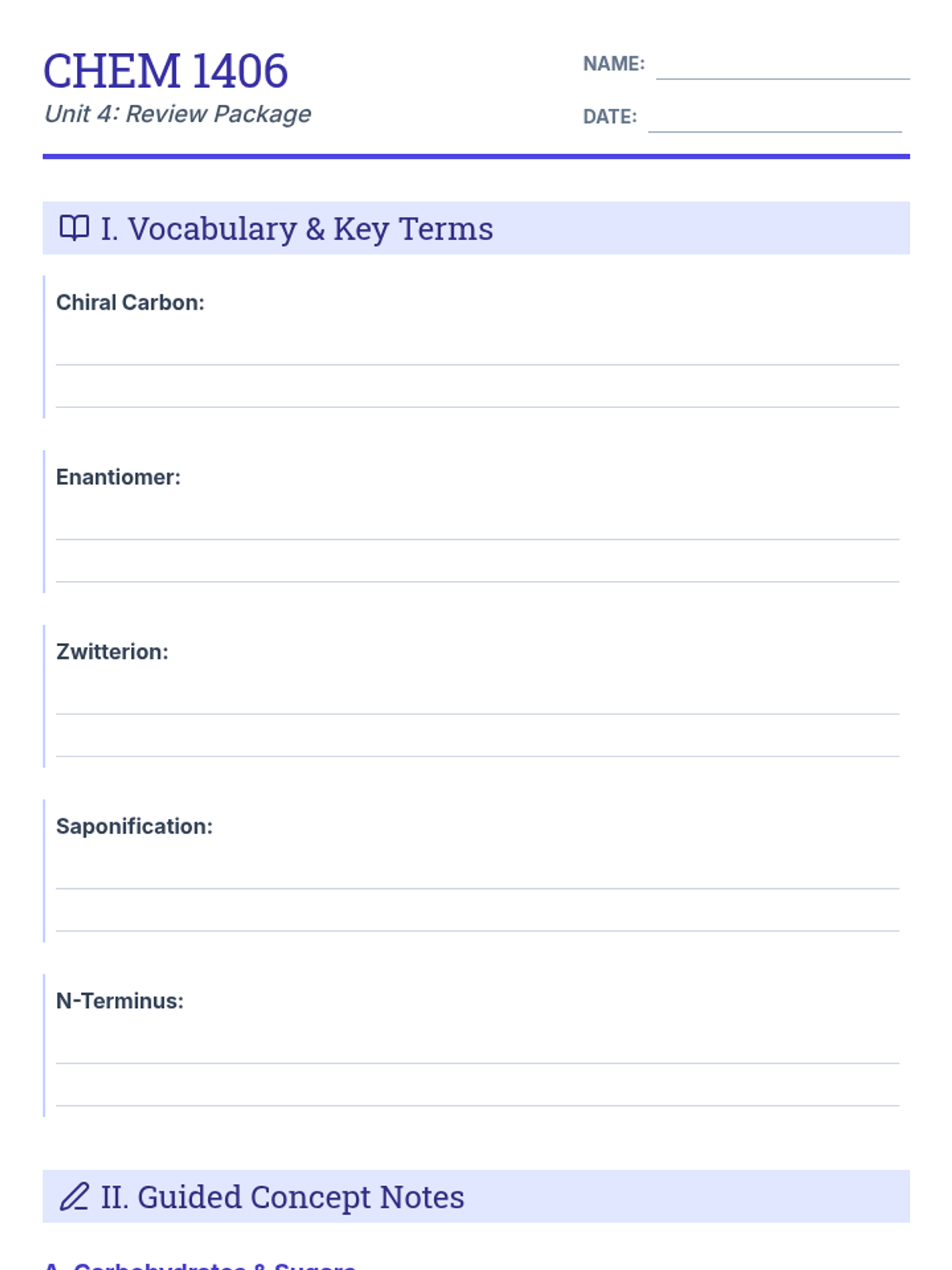
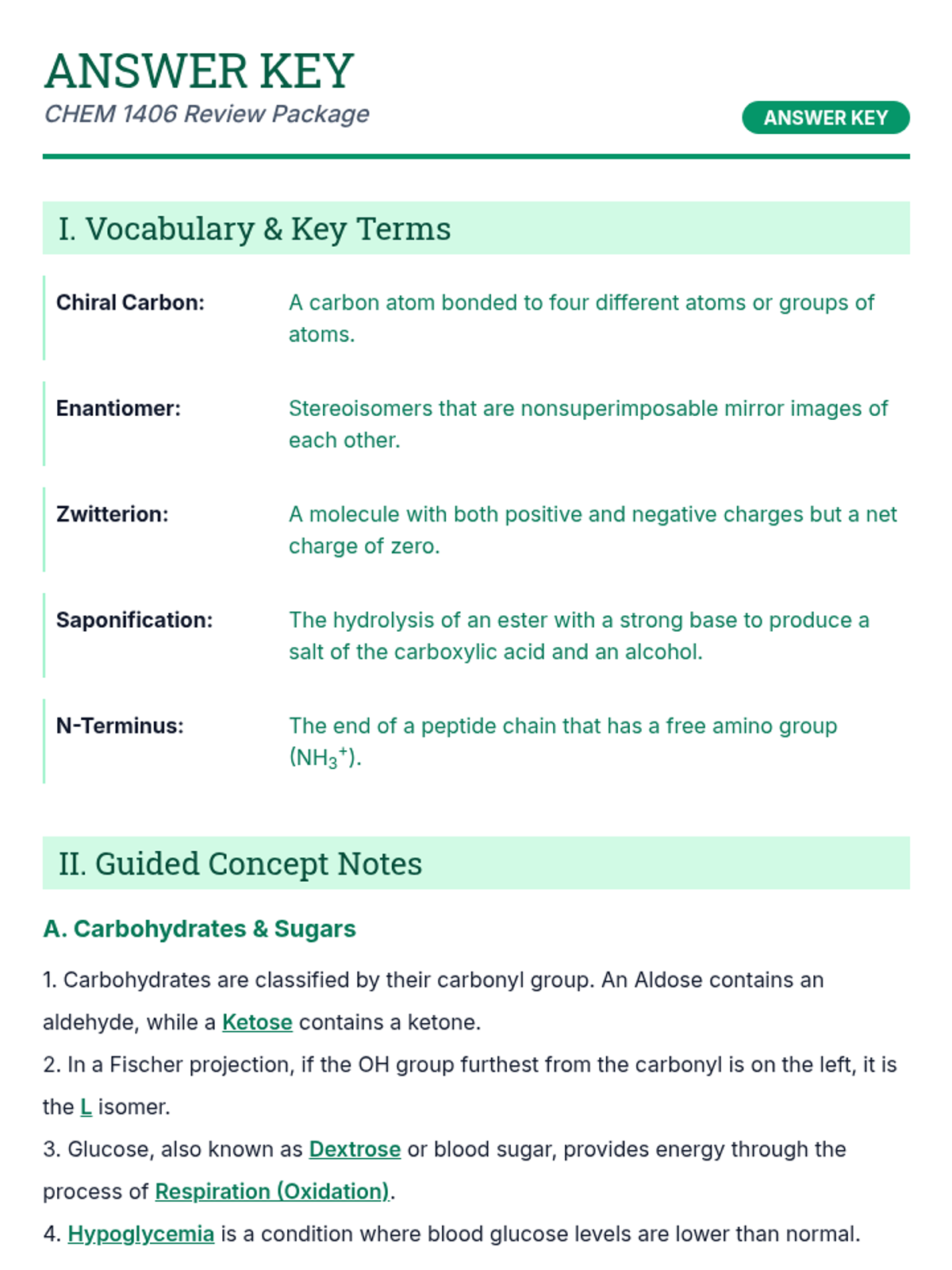
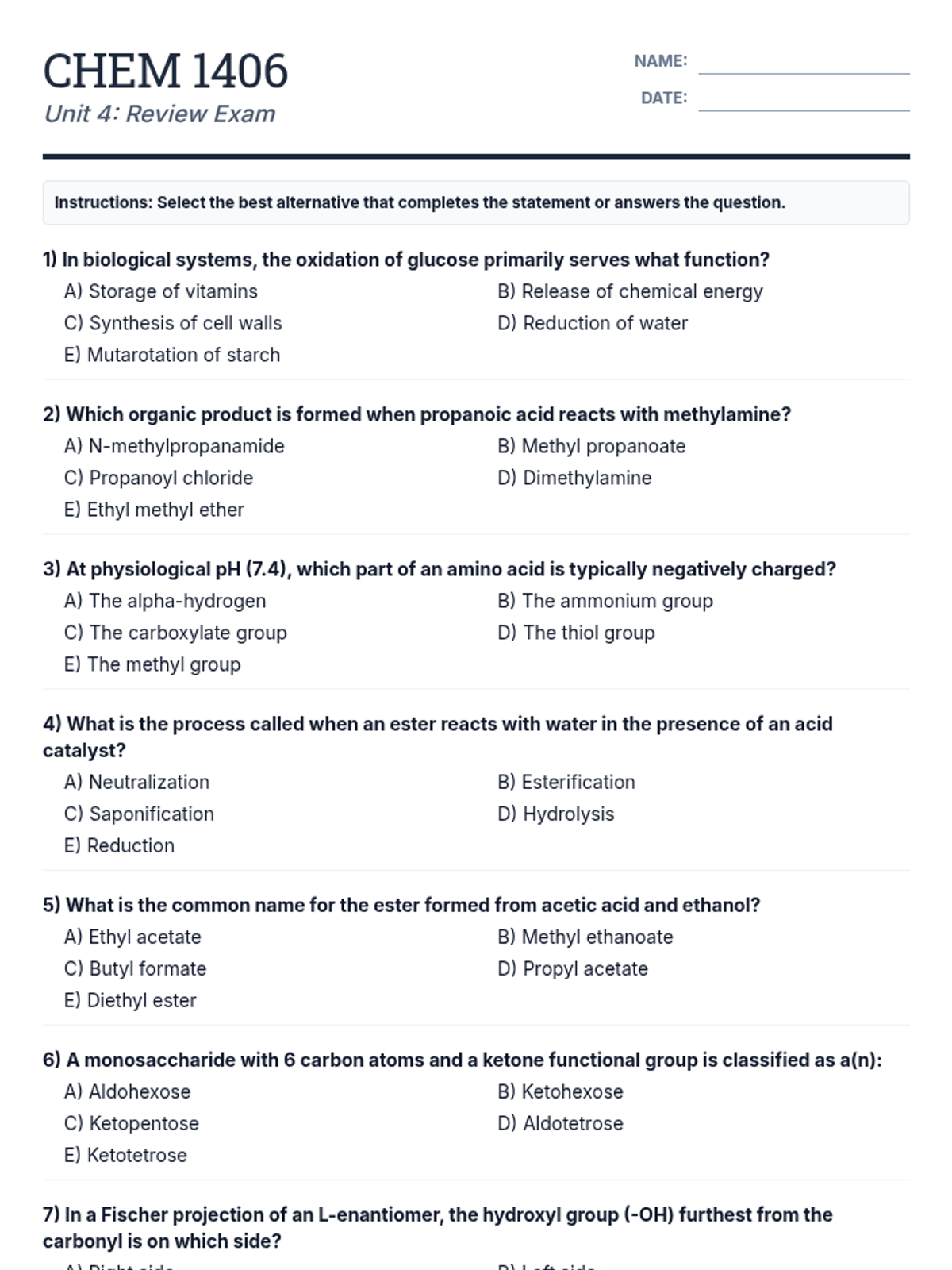
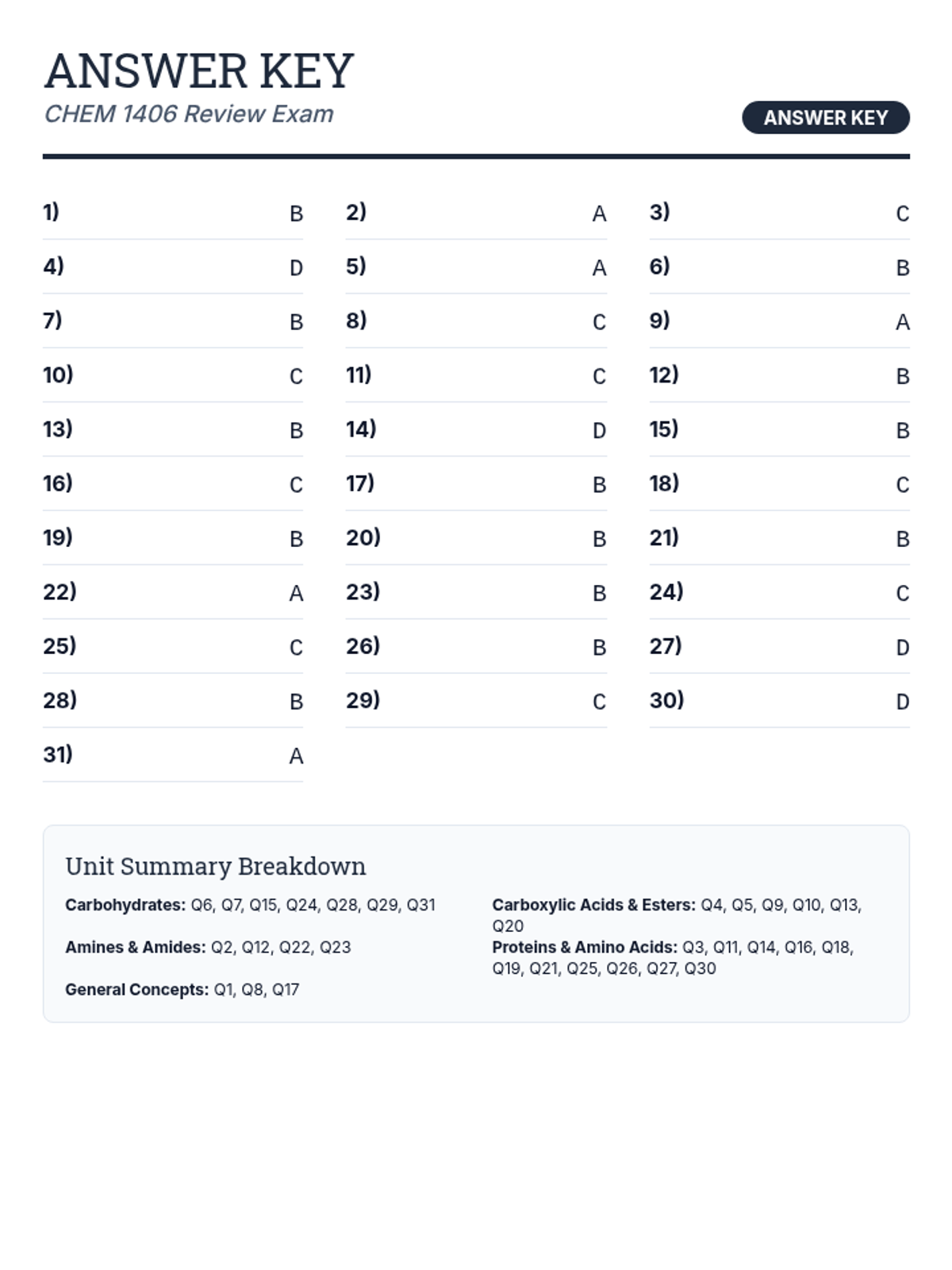
A deep dive into the structures and reactions of organic molecules and biomolecules, focusing on nomenclature, structural identification, and biological functions.
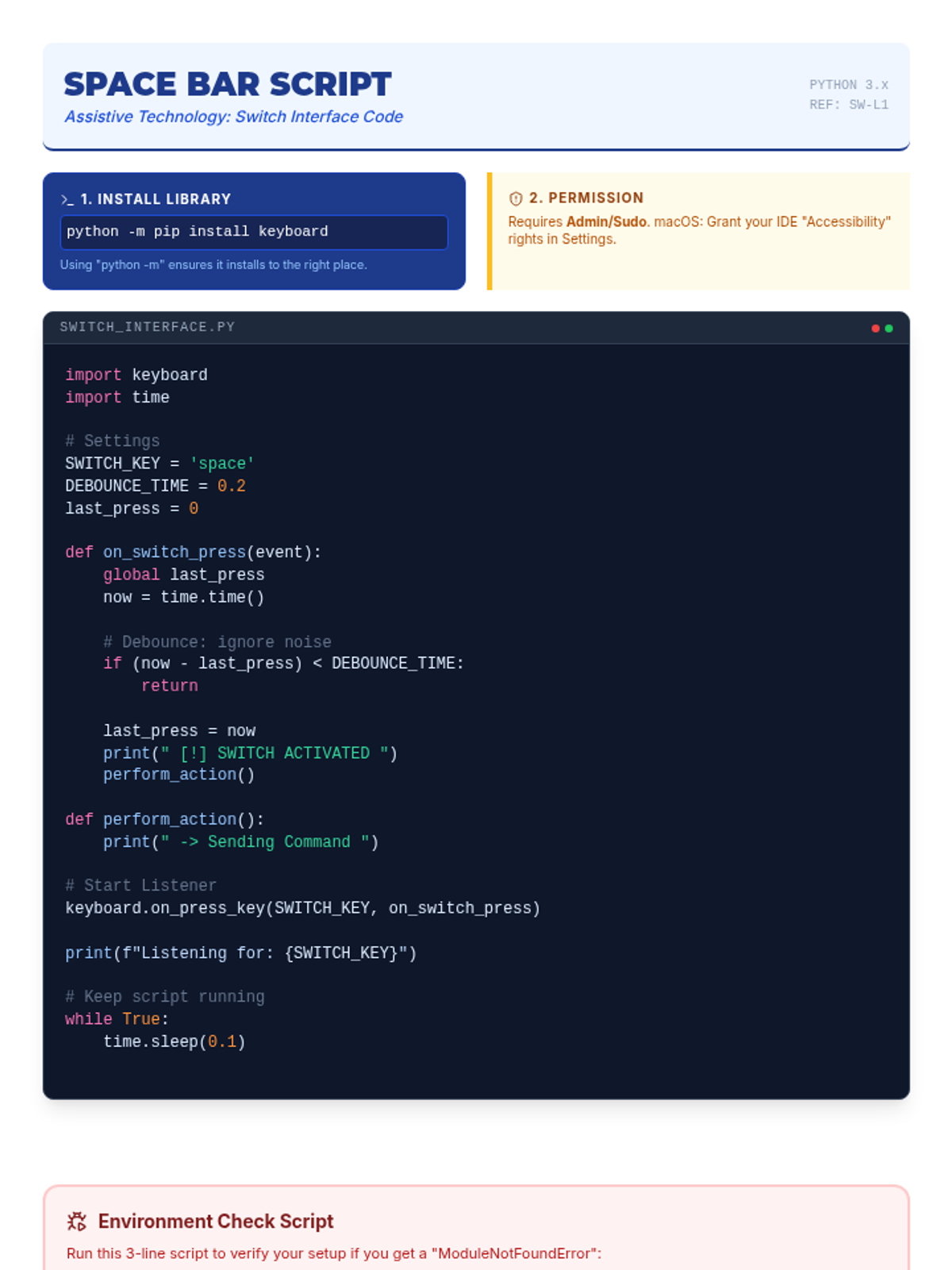
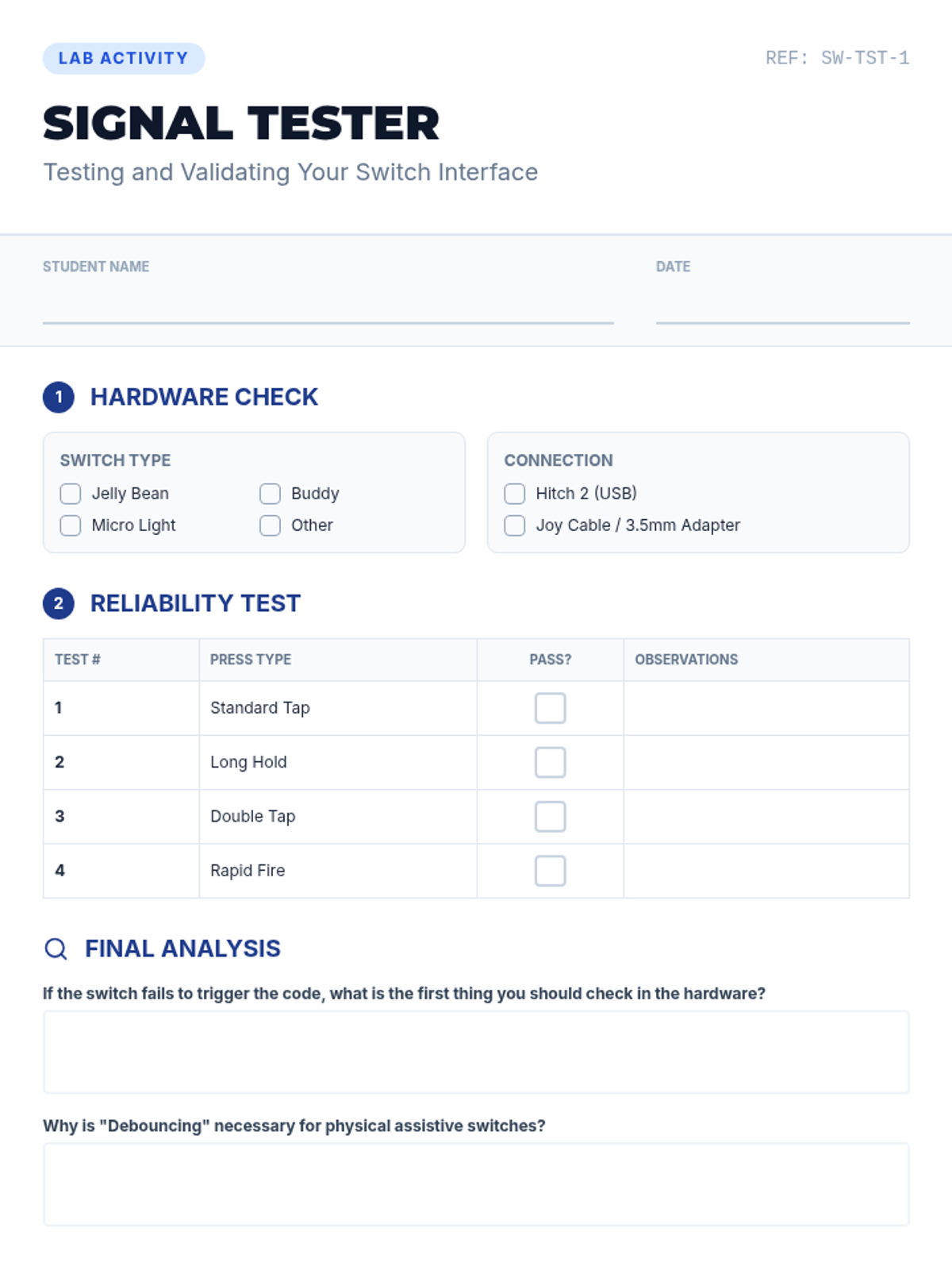
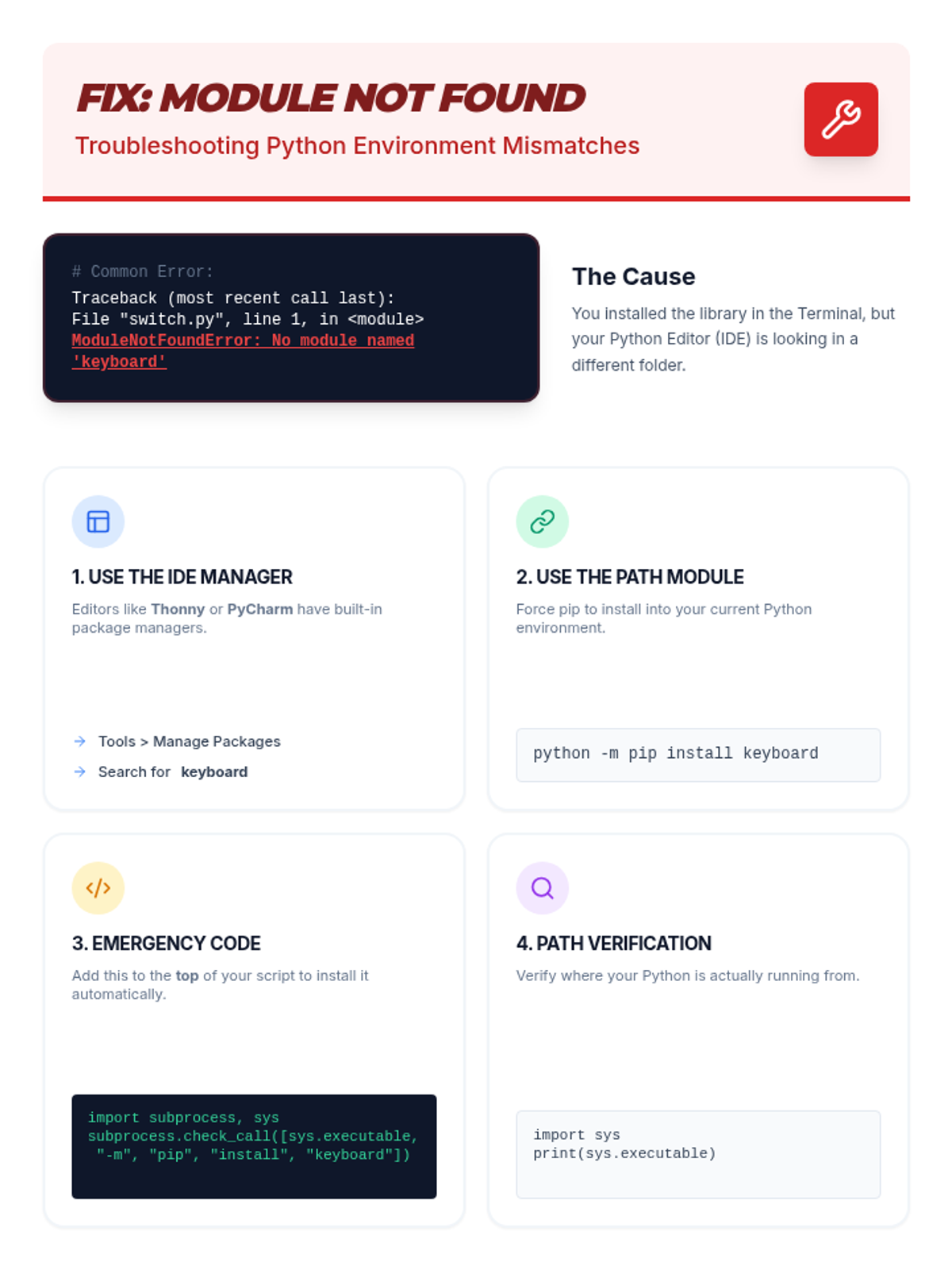
This lesson covers the logic and programming required to create a digital switch interface using Python, focusing on key bindings and signal processing.
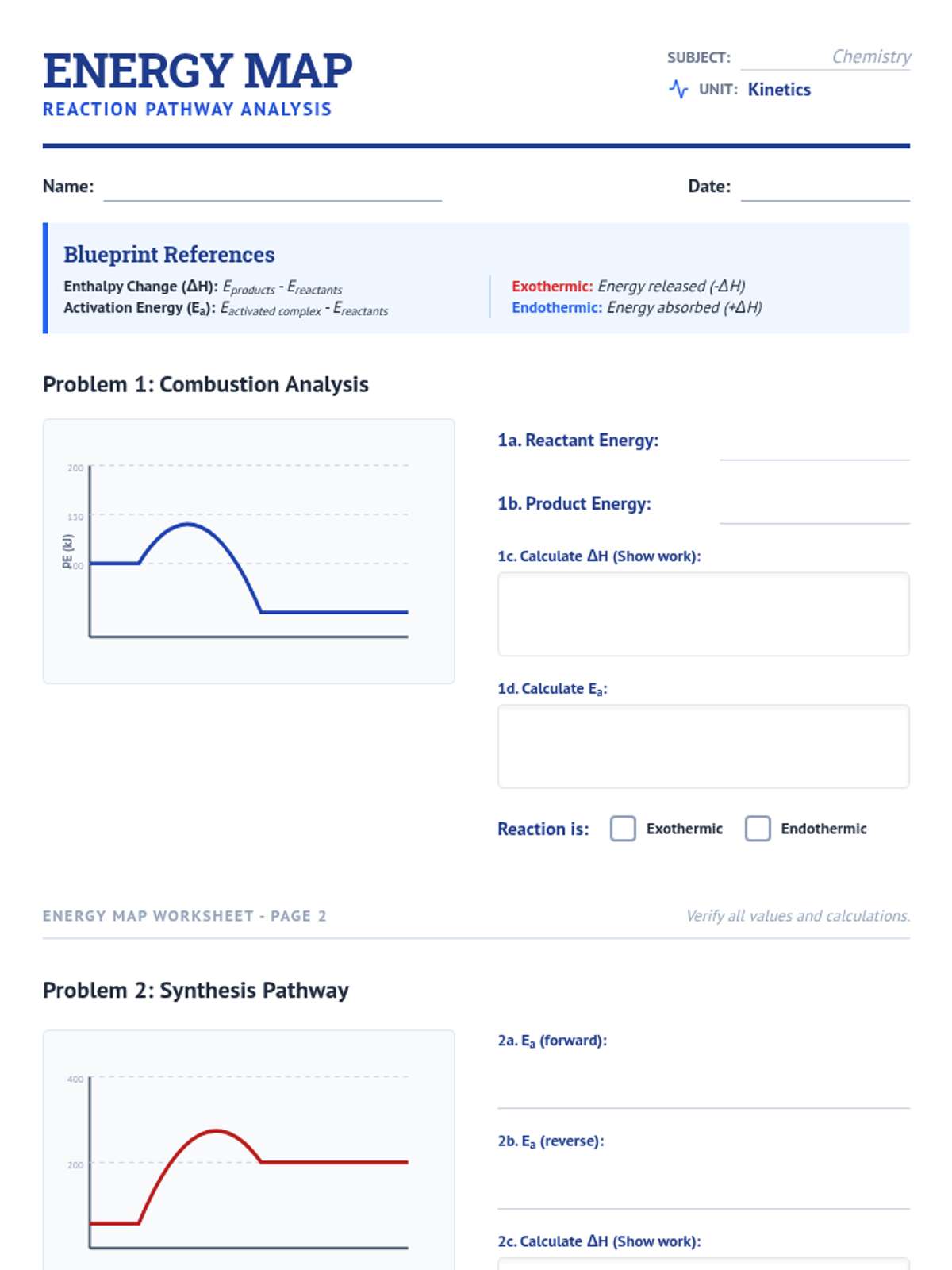
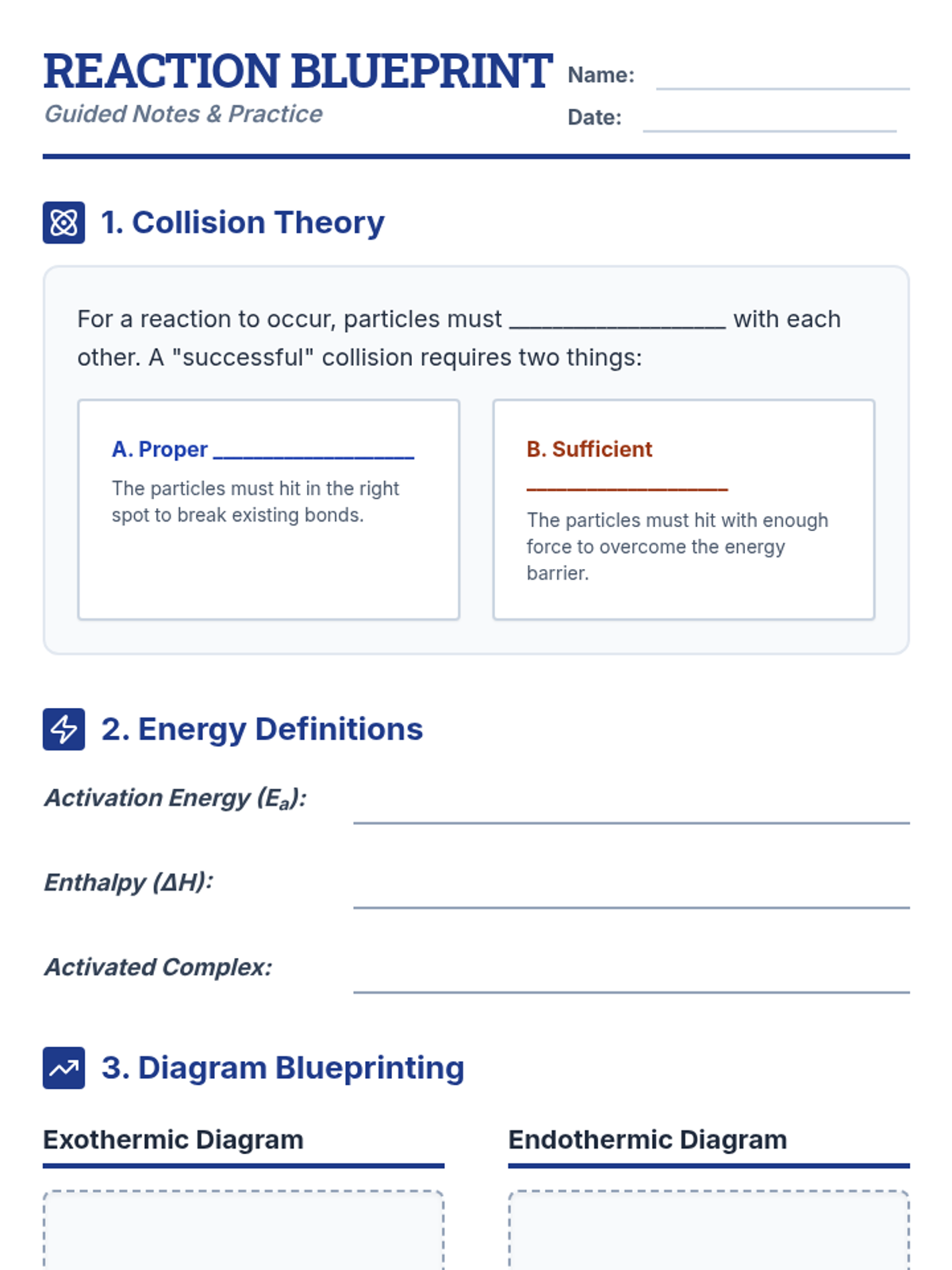
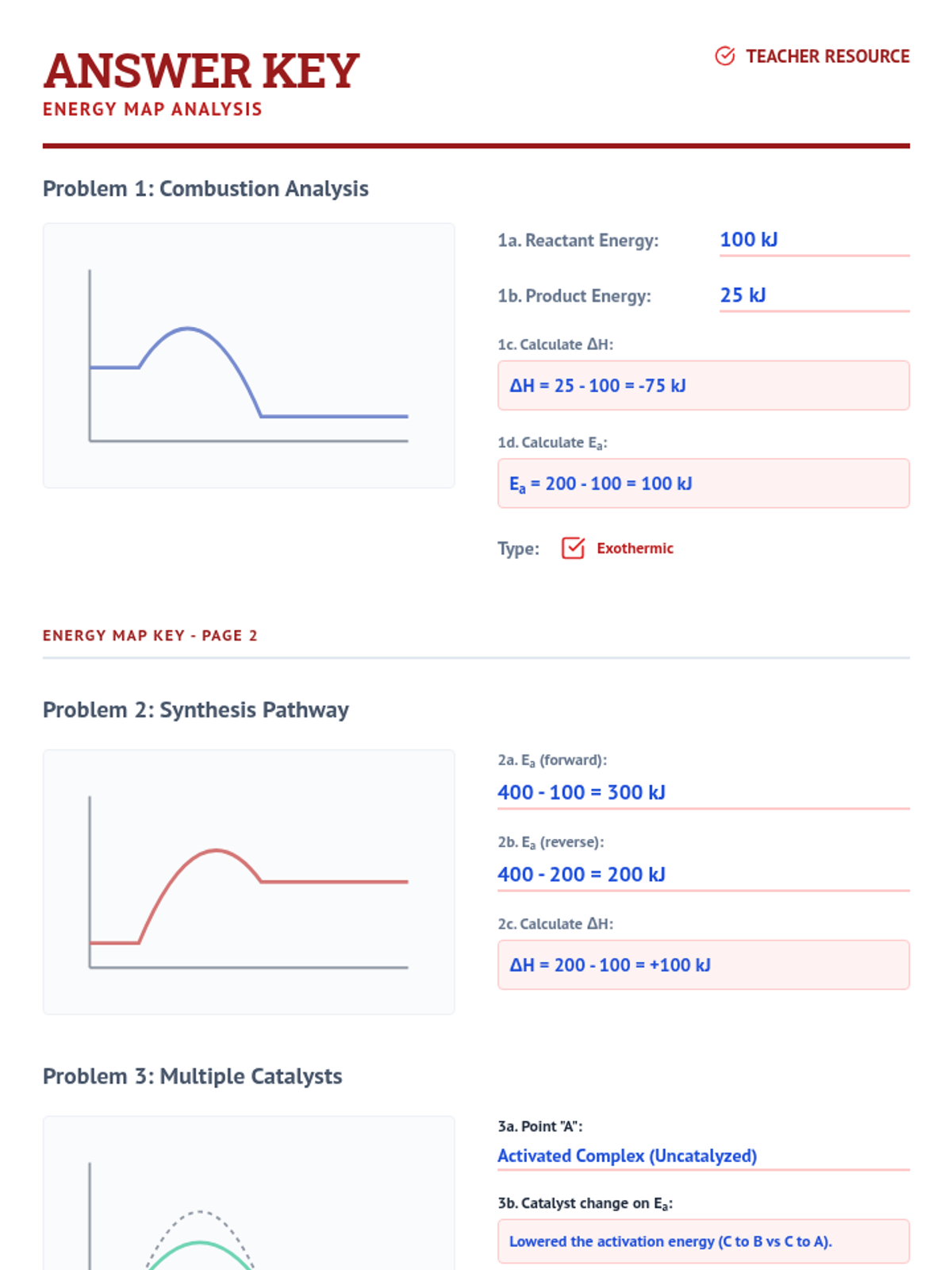
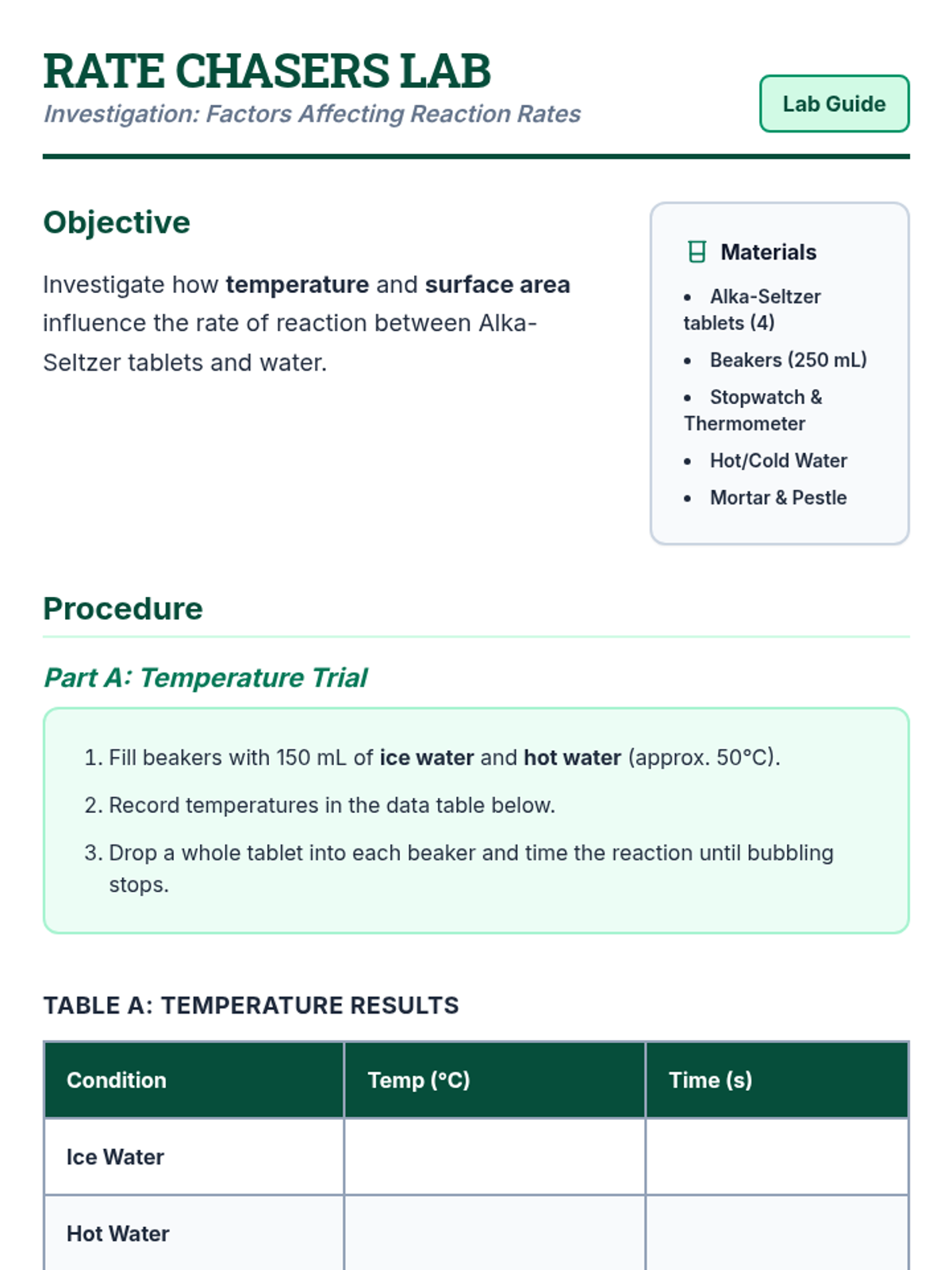
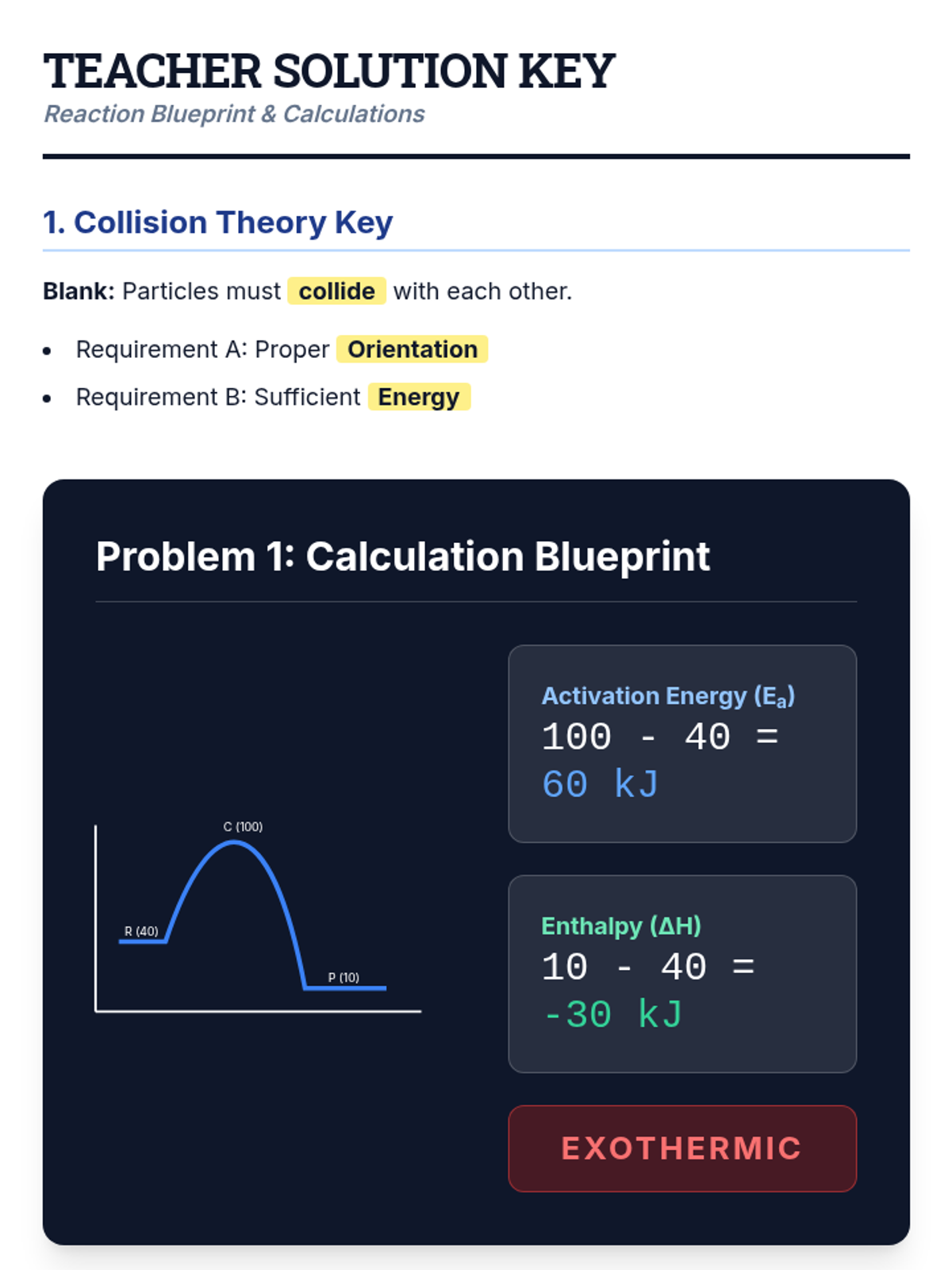
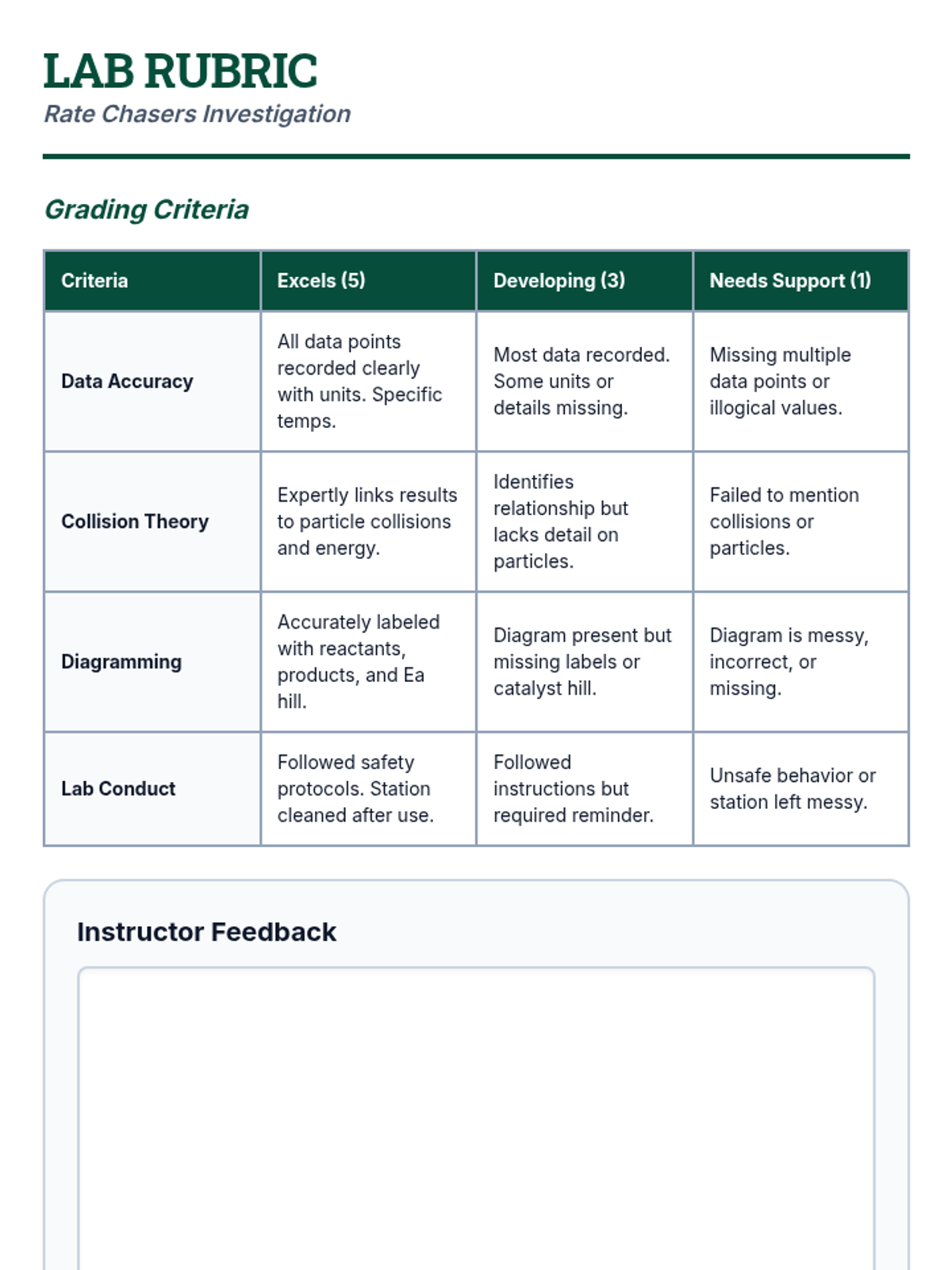
A comprehensive lesson exploring the mechanics of chemical reactions, including collision theory, energy diagrams, and the factors that influence reaction rates. Students will learn to visualize and calculate energy changes while conducting a hands-on investigation.
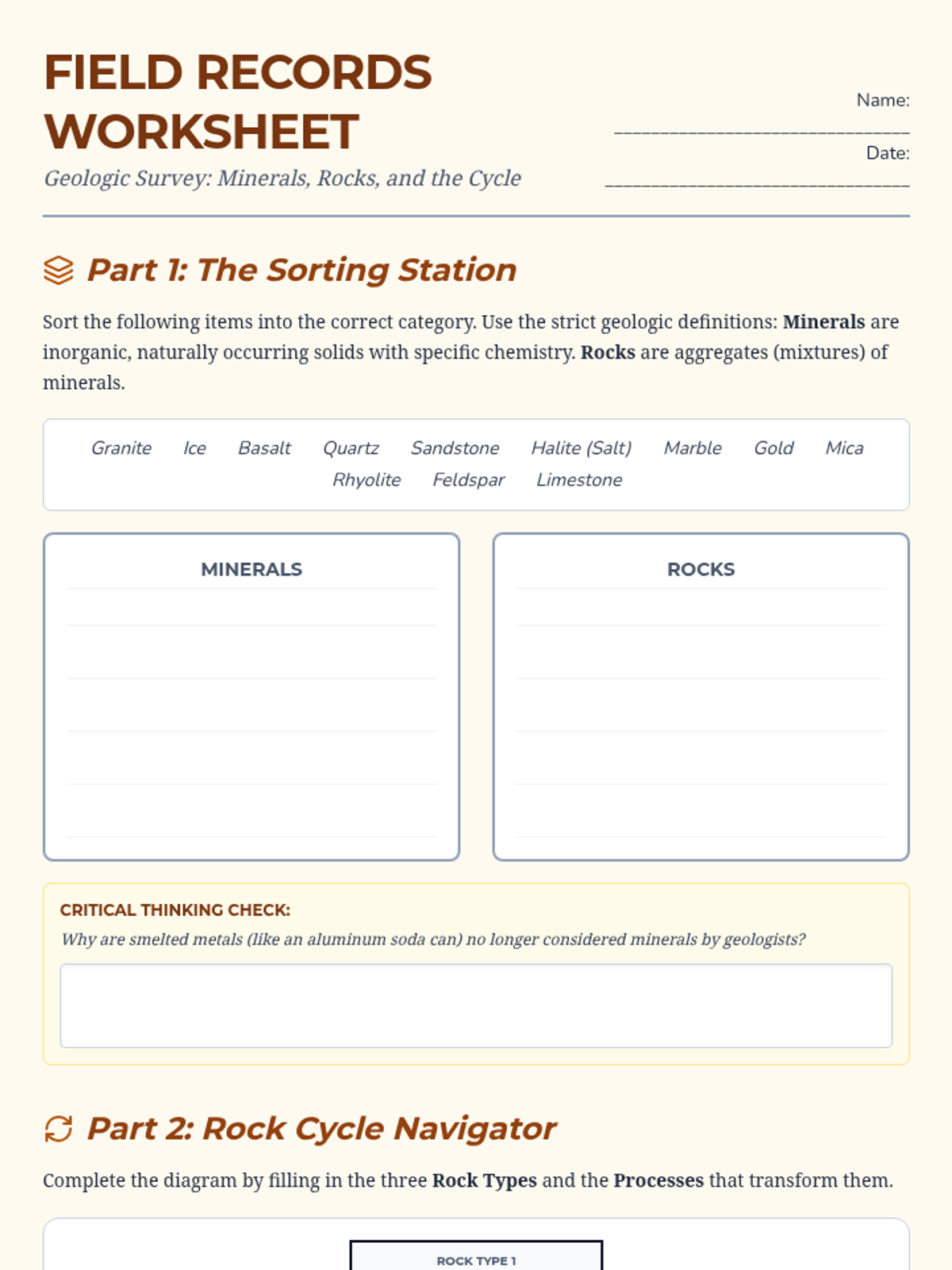
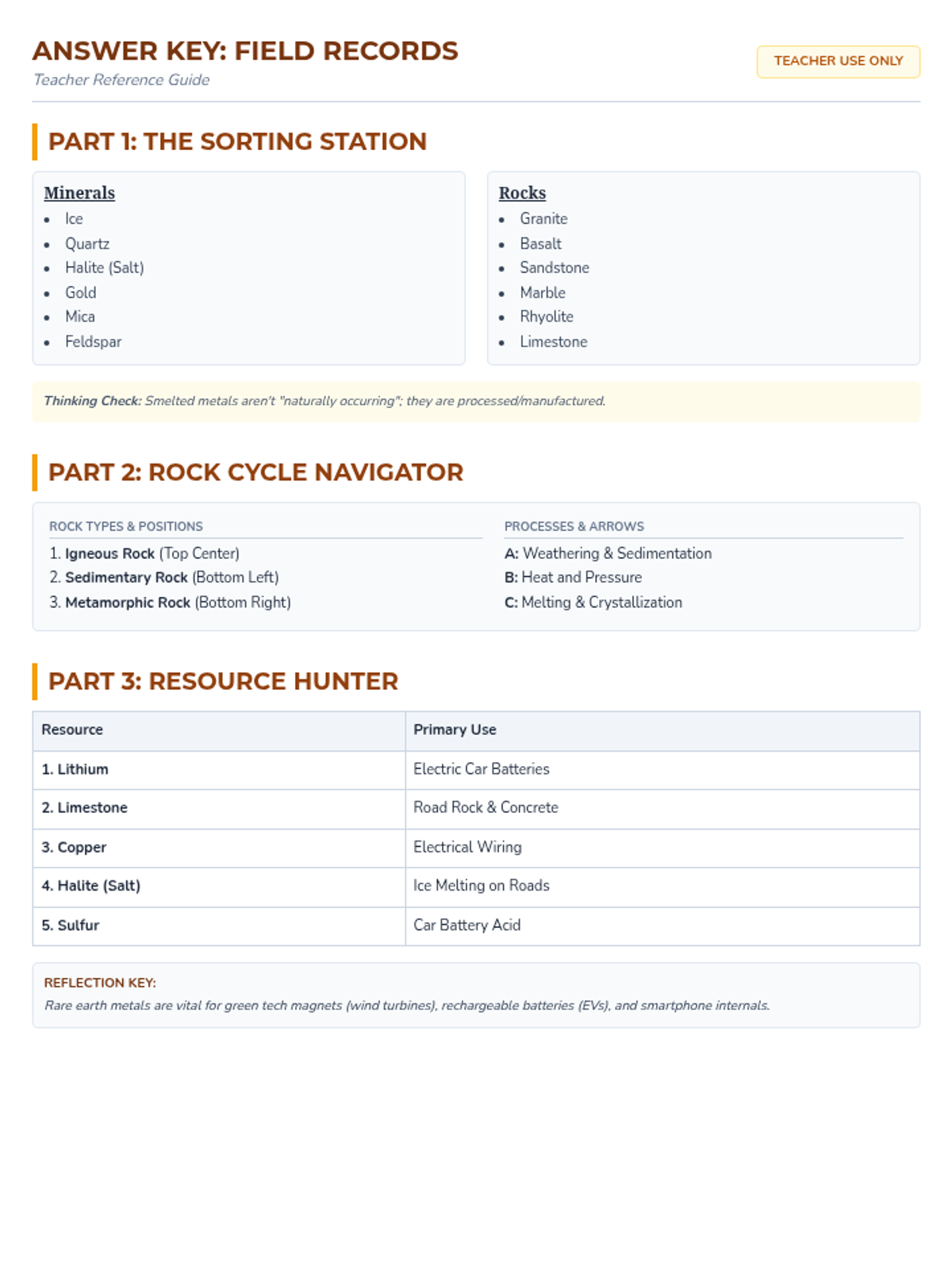
An exploration of the fundamental building blocks of Earth's crust, focusing on the differences between minerals and rocks, the dynamic processes of the rock cycle, and the economic importance of geologic resources.
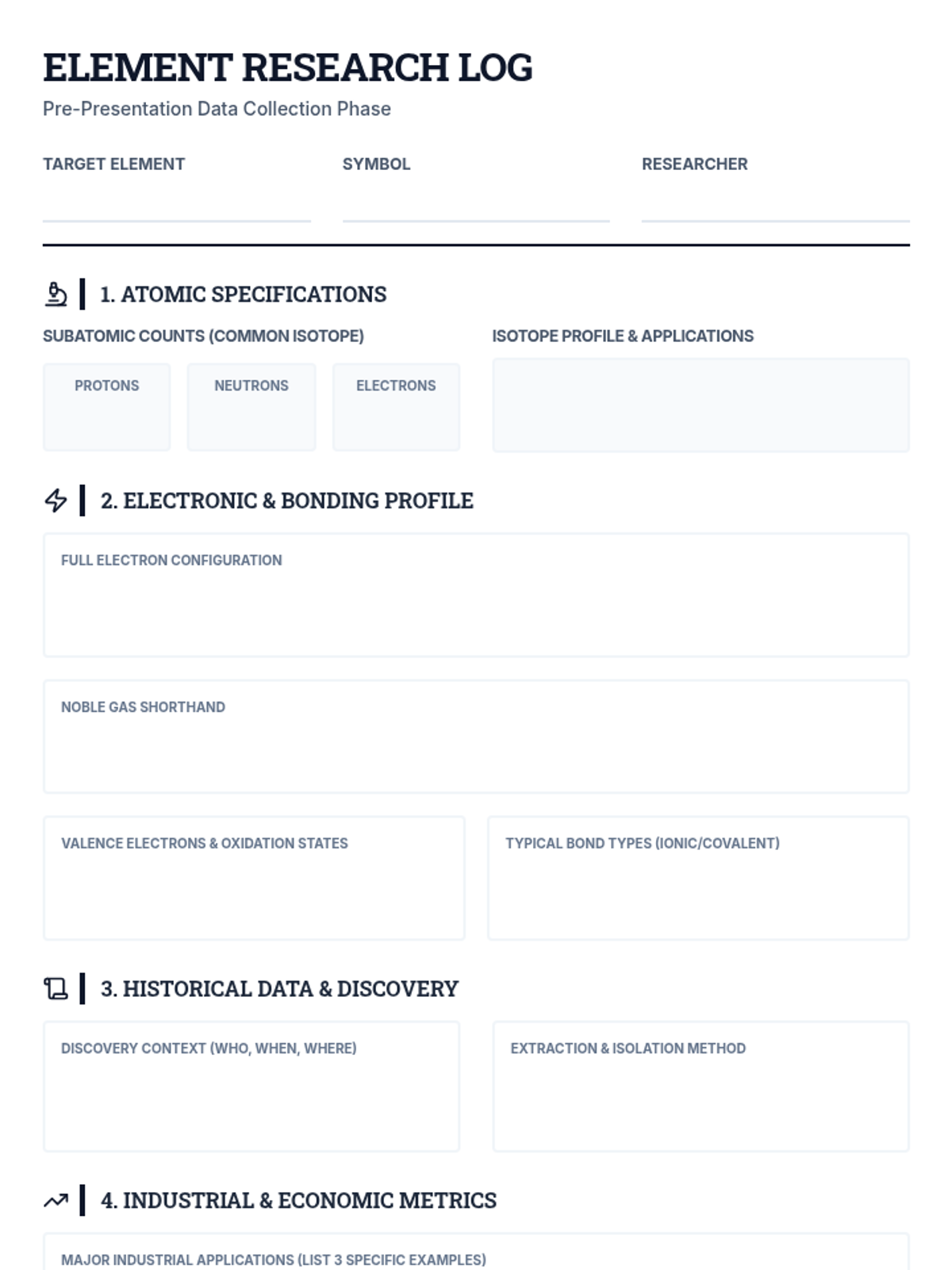
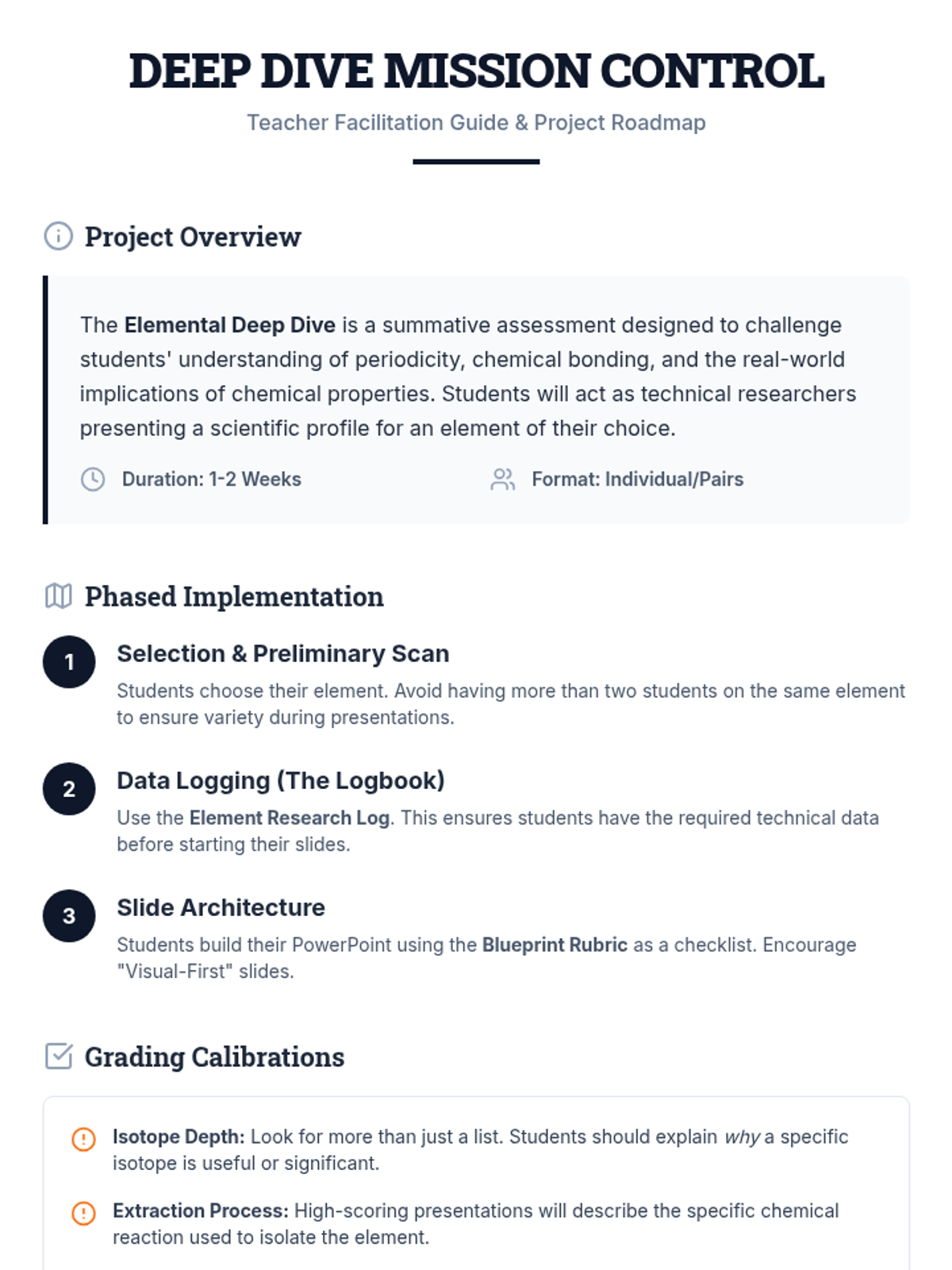
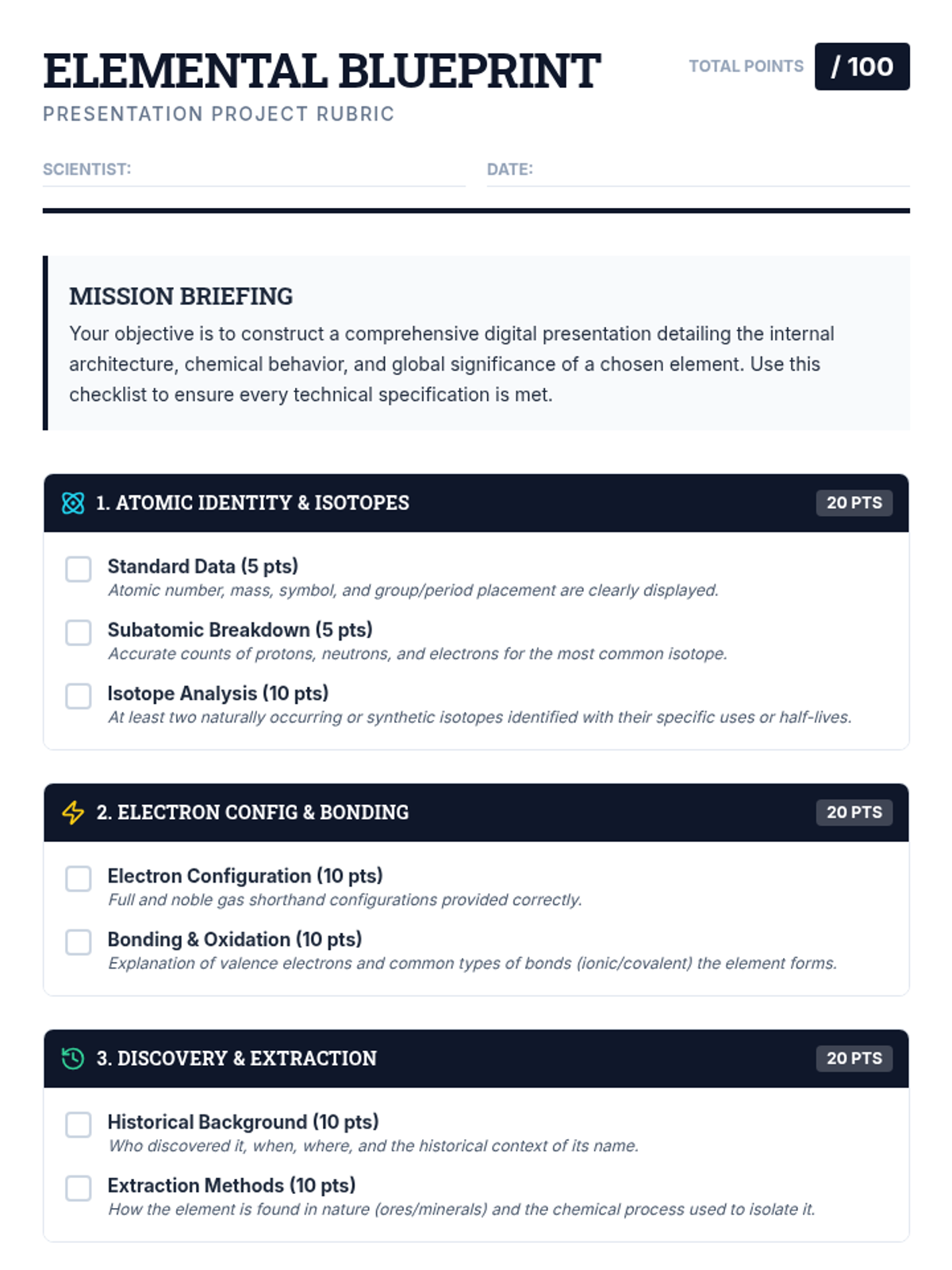
A comprehensive project guide for a deep-dive research presentation on chemical elements, including a detailed point-based rubric and a research organizer.
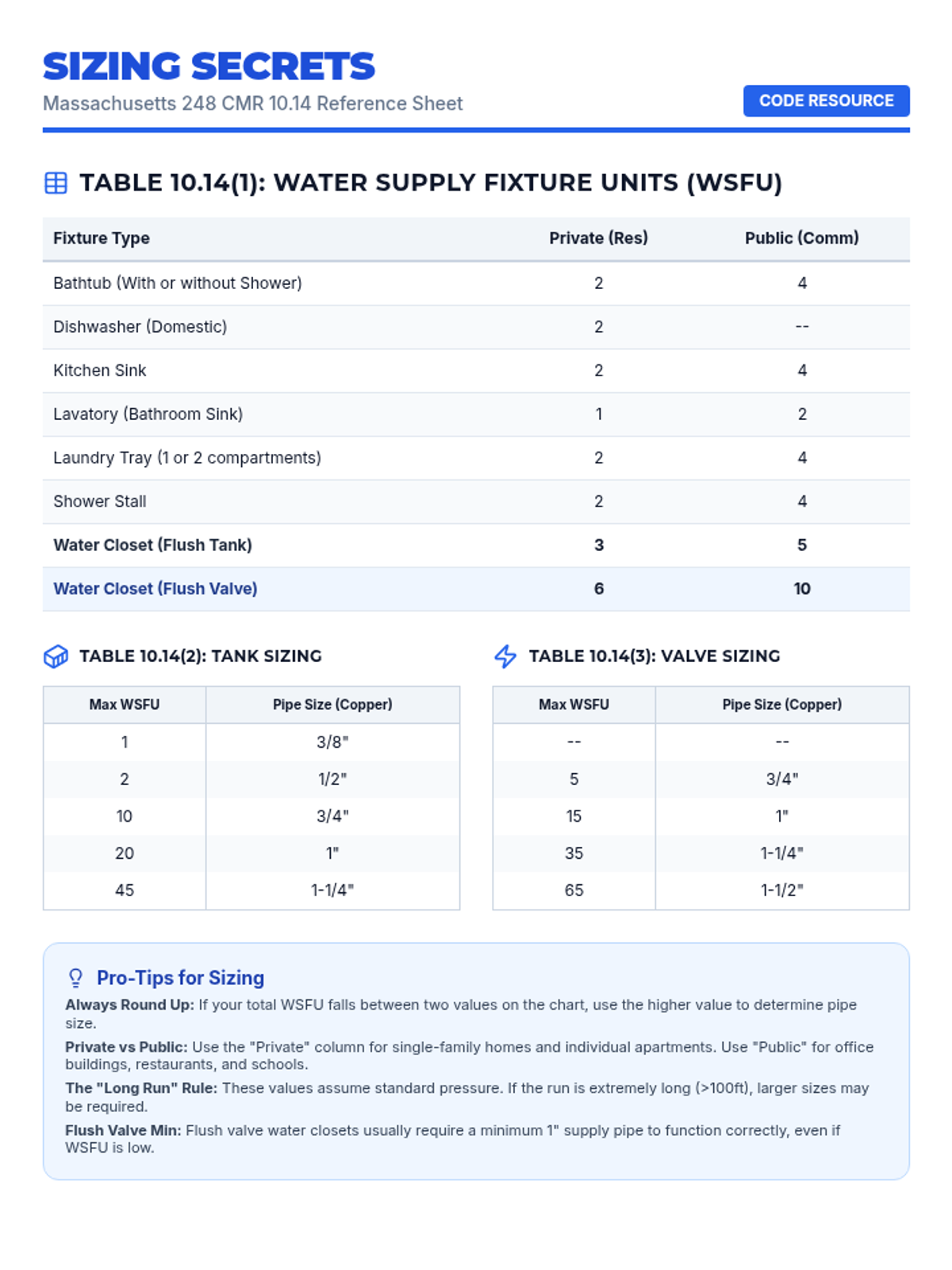
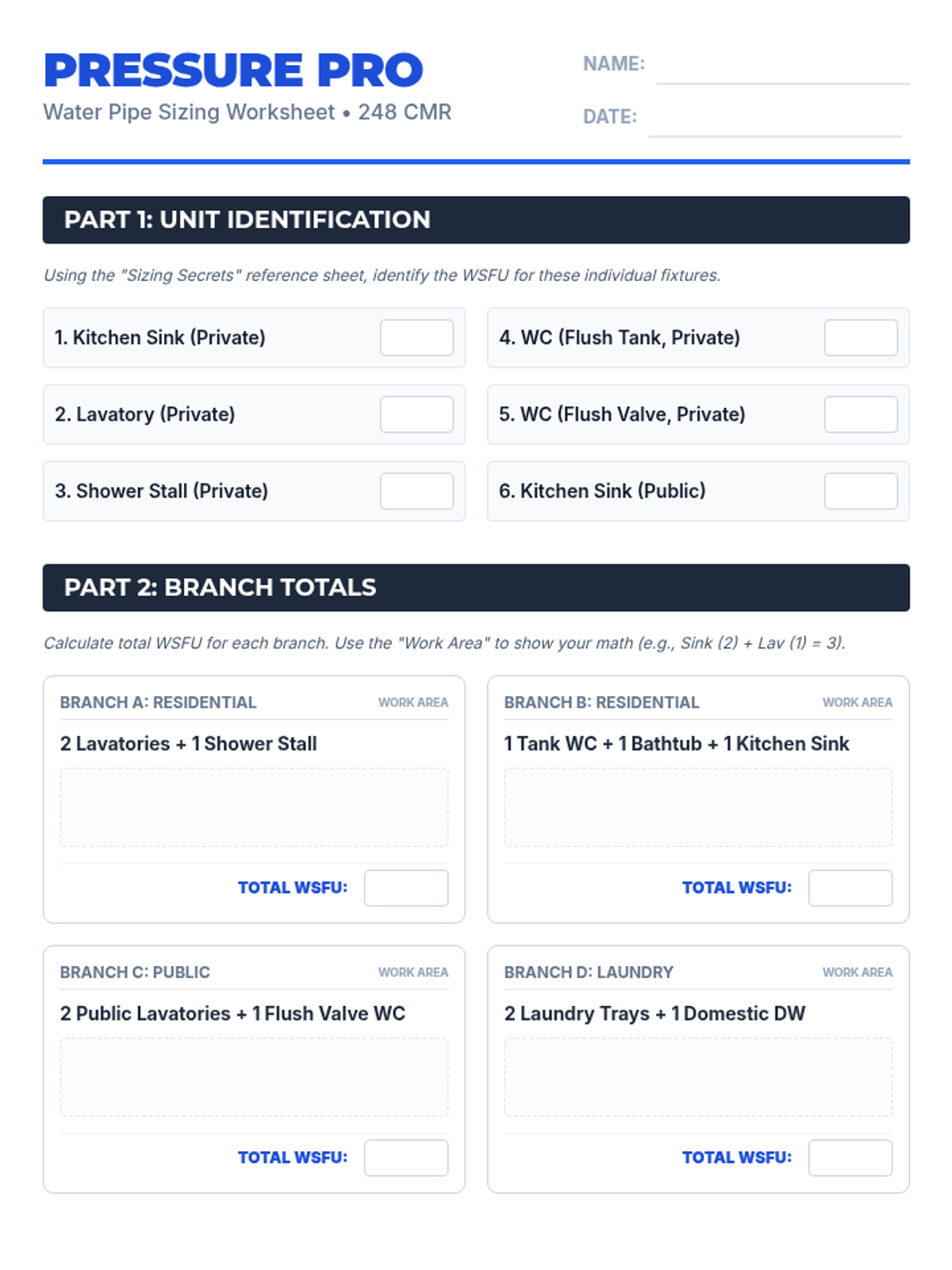
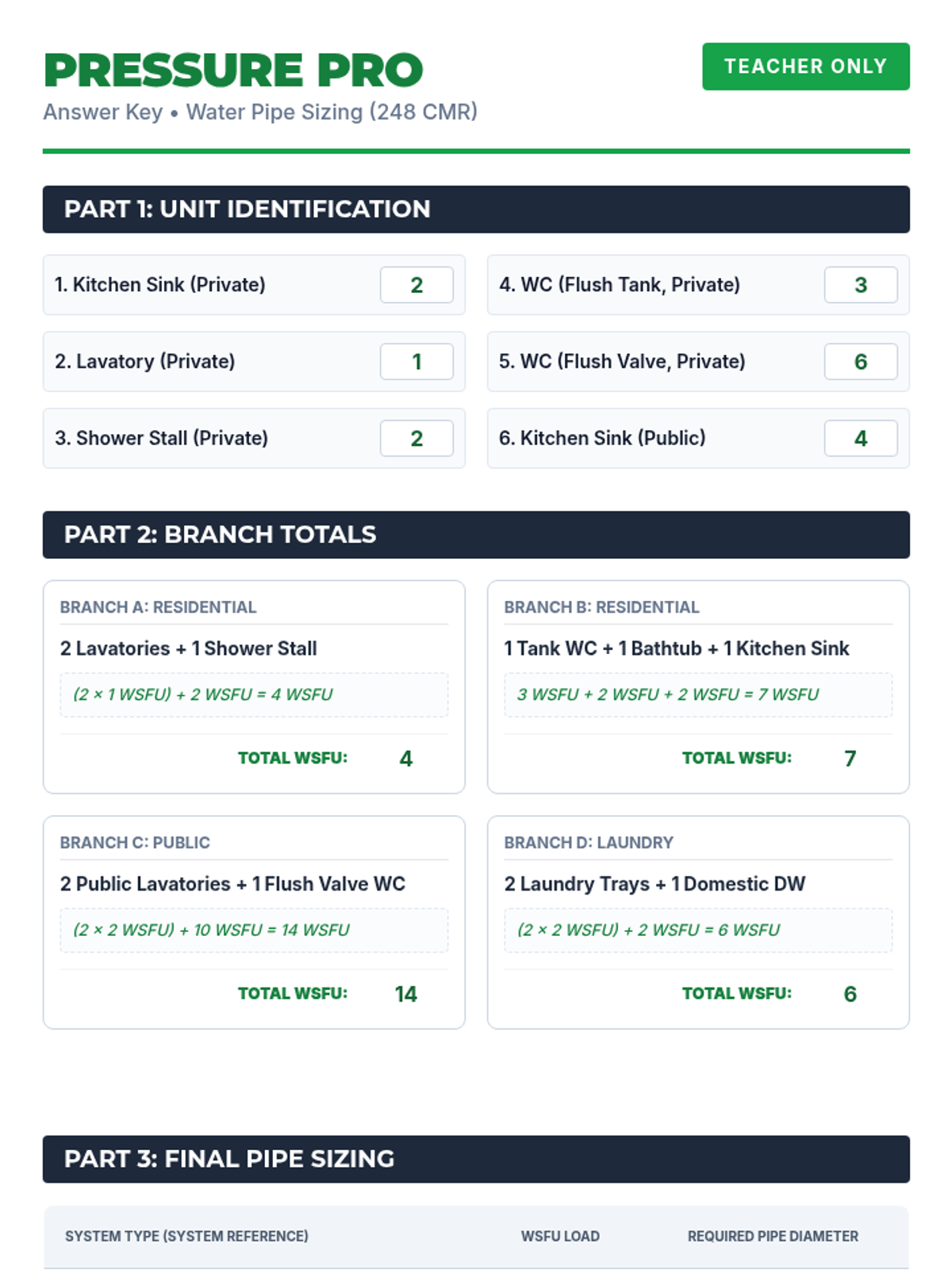
An introductory lesson on sizing water supply pipes using the Massachusetts 248 CMR plumbing code, focusing on Water Supply Fixture Units (WSFU) and table interpretation.
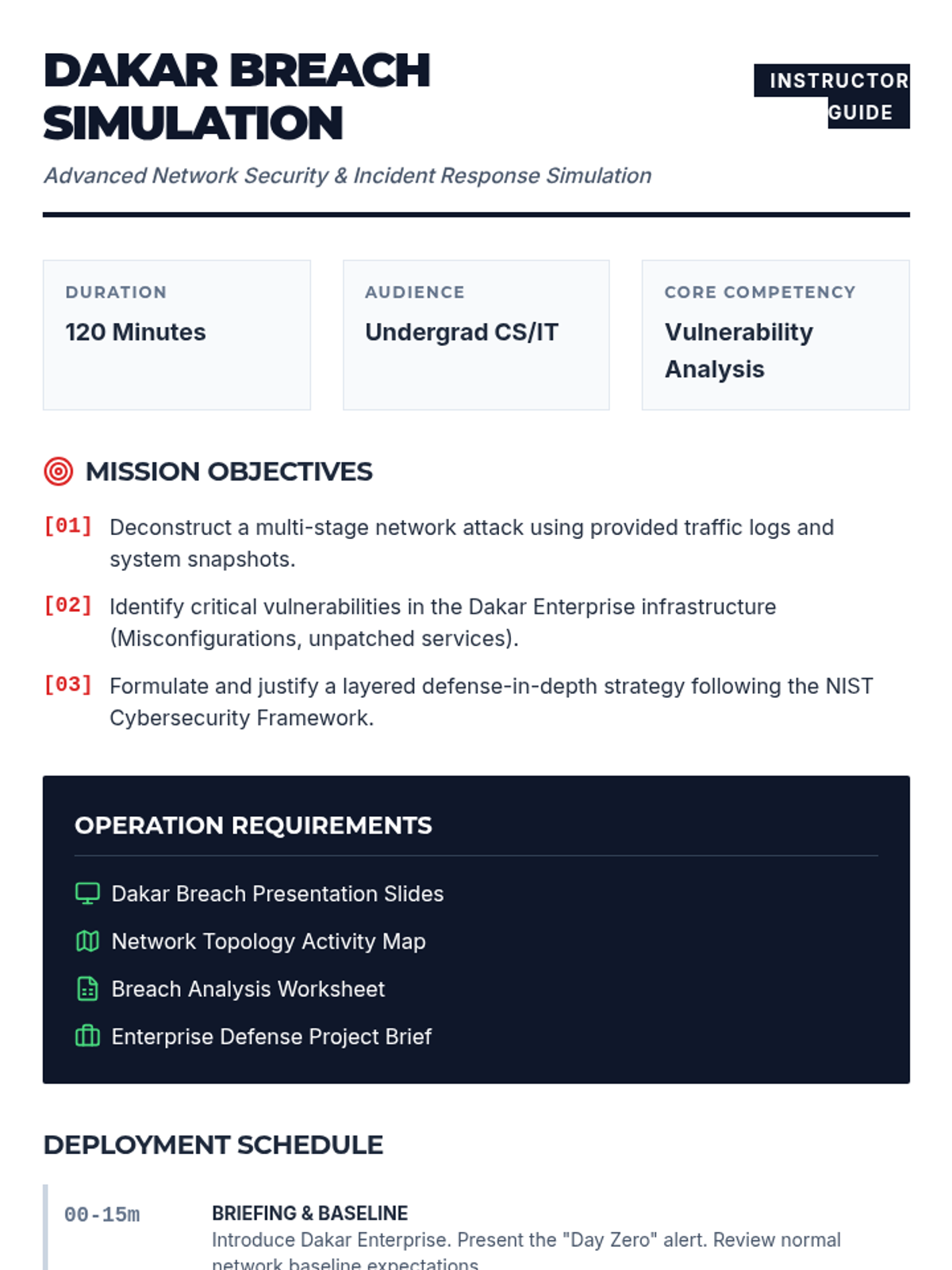
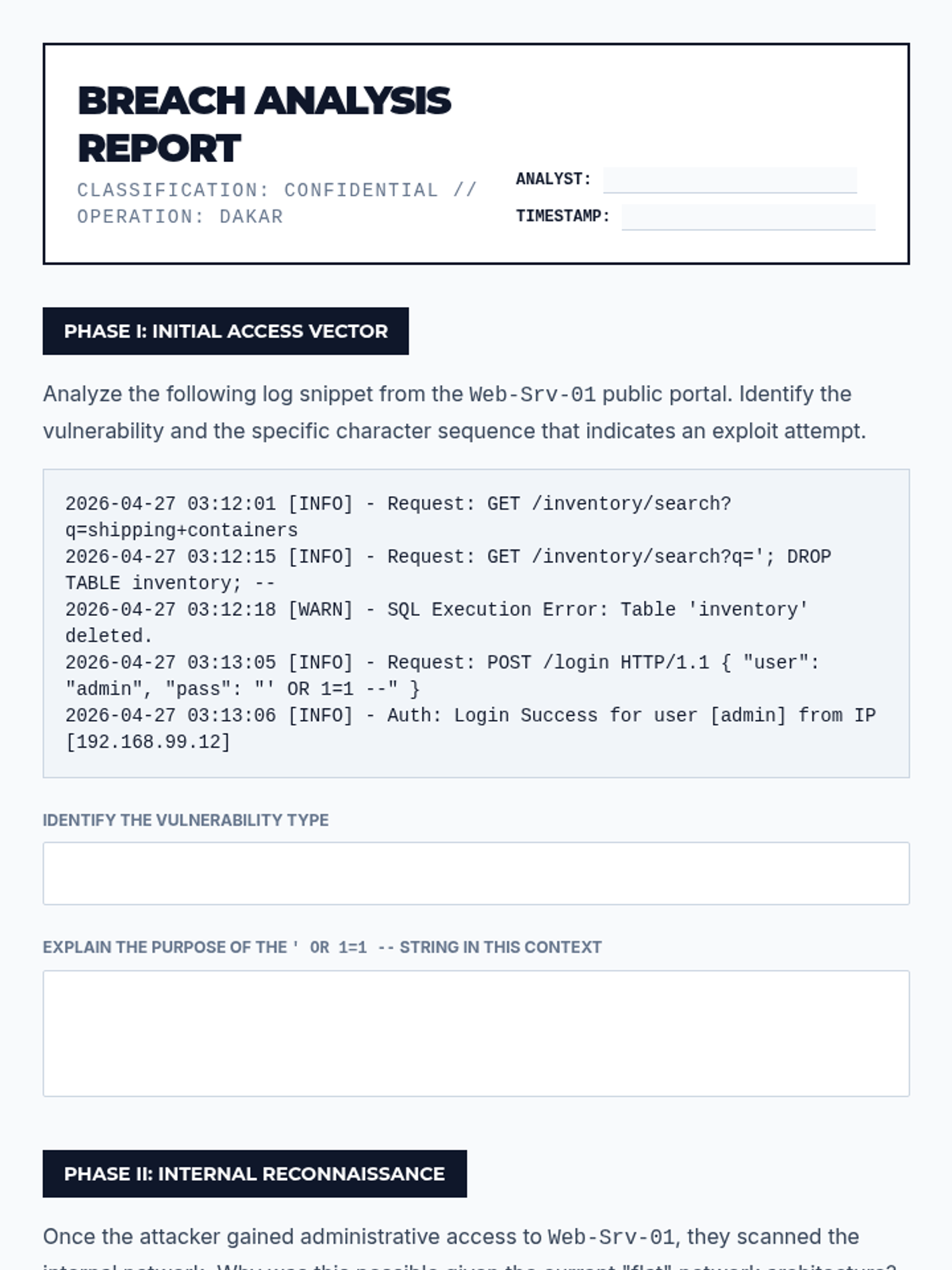
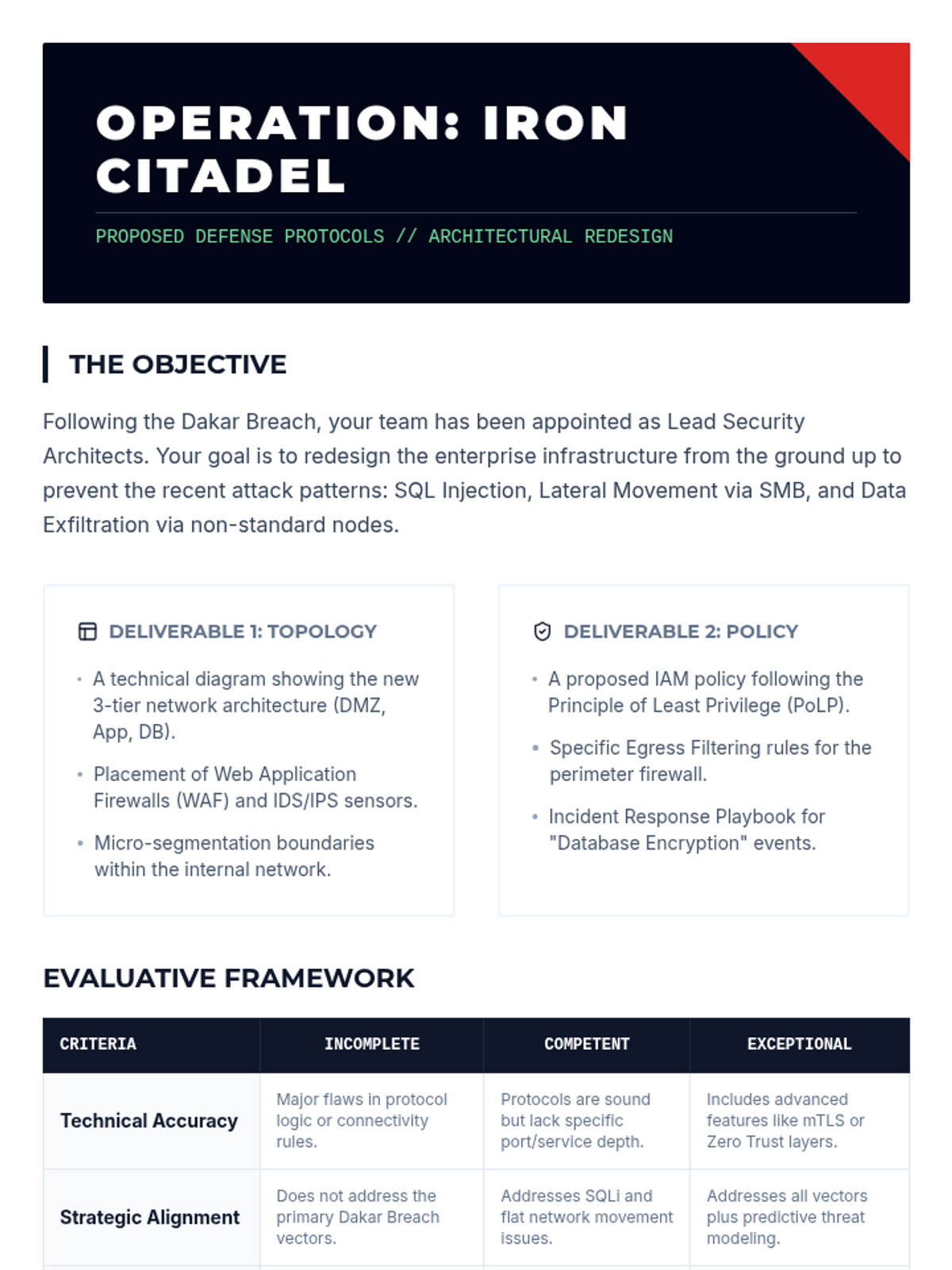
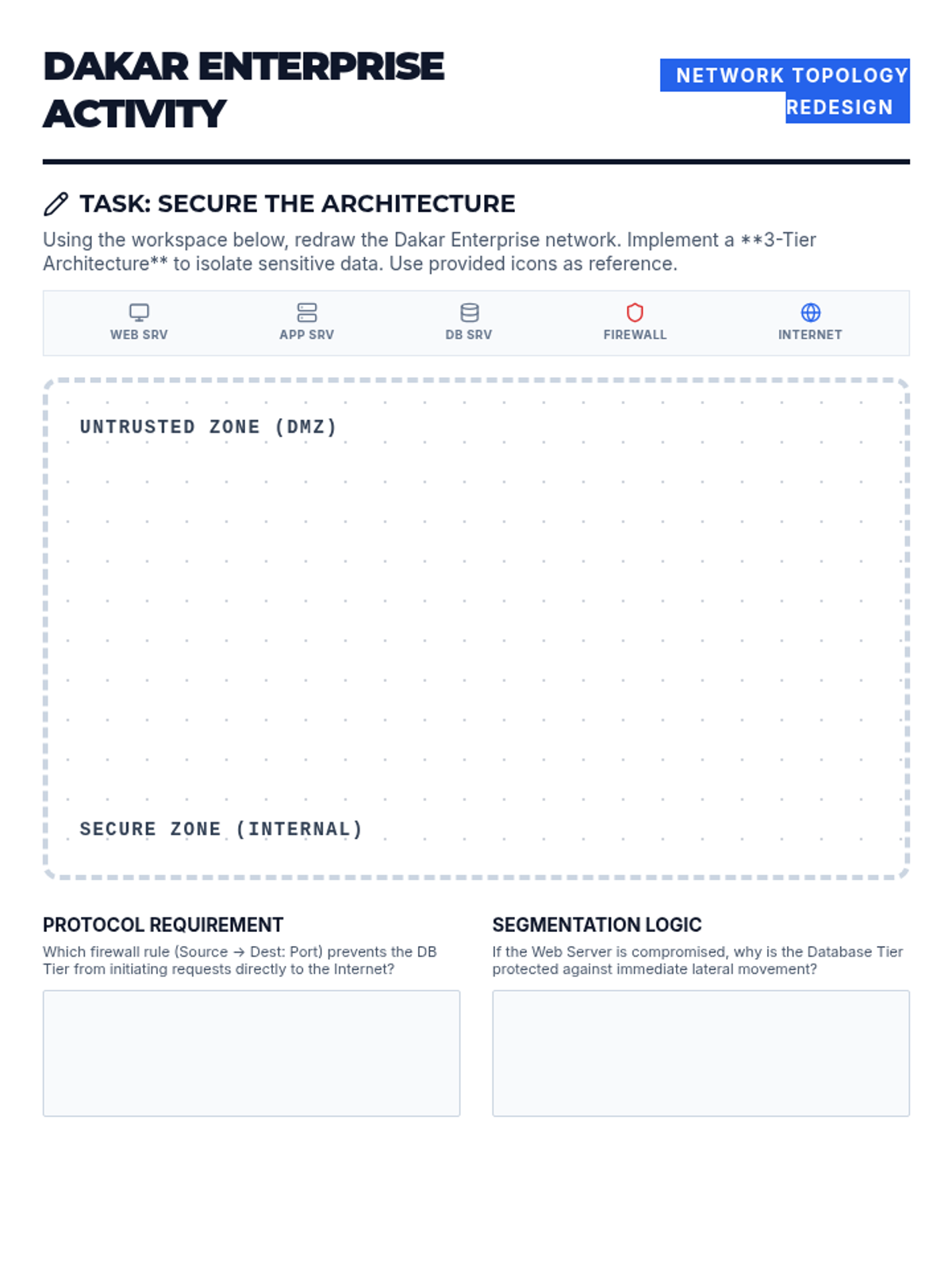
An intensive cybersecurity simulation where undergraduate students analyze a network breach, identify vulnerabilities, and design robust defensive protocols for a fictional enterprise.
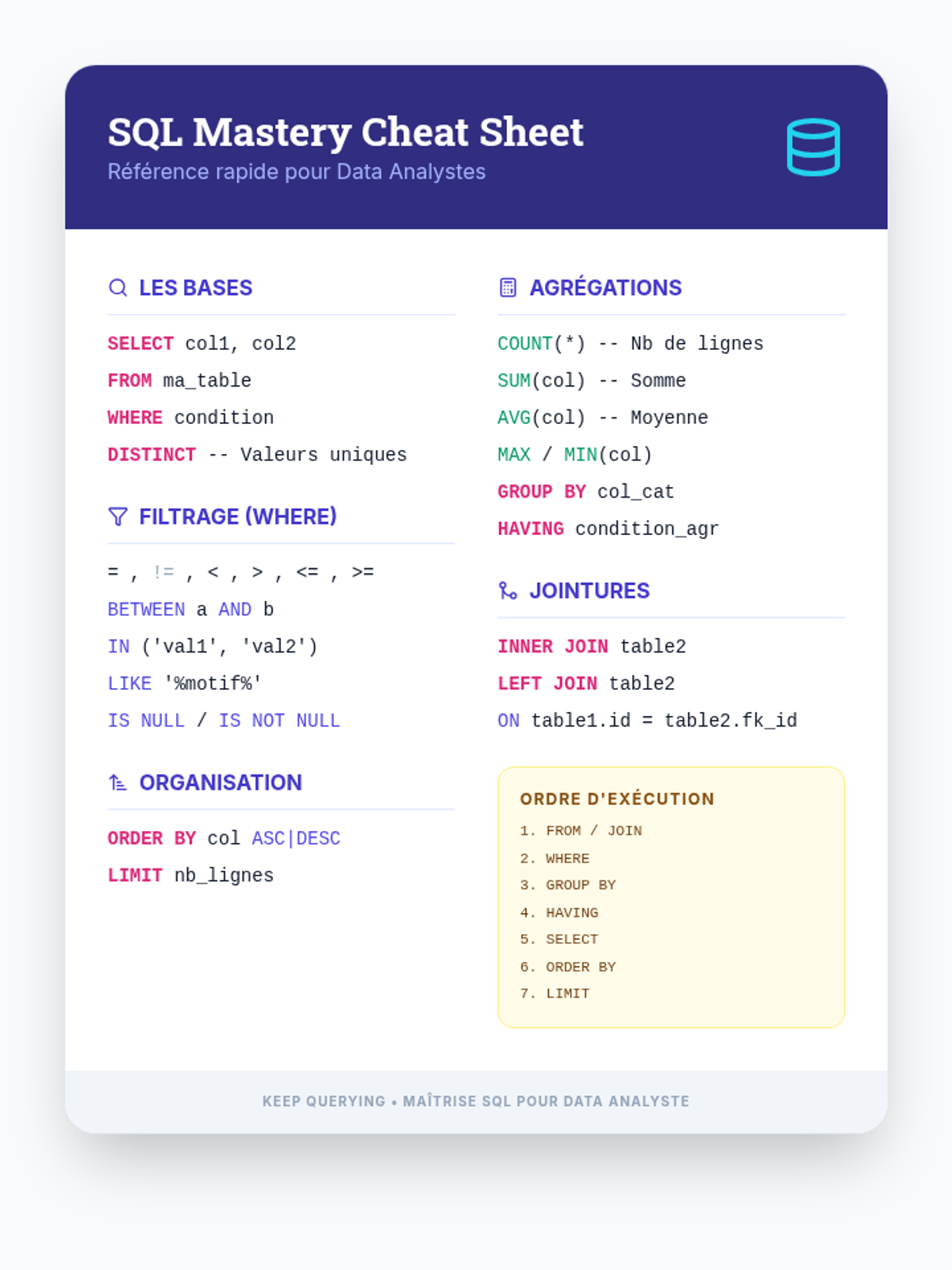
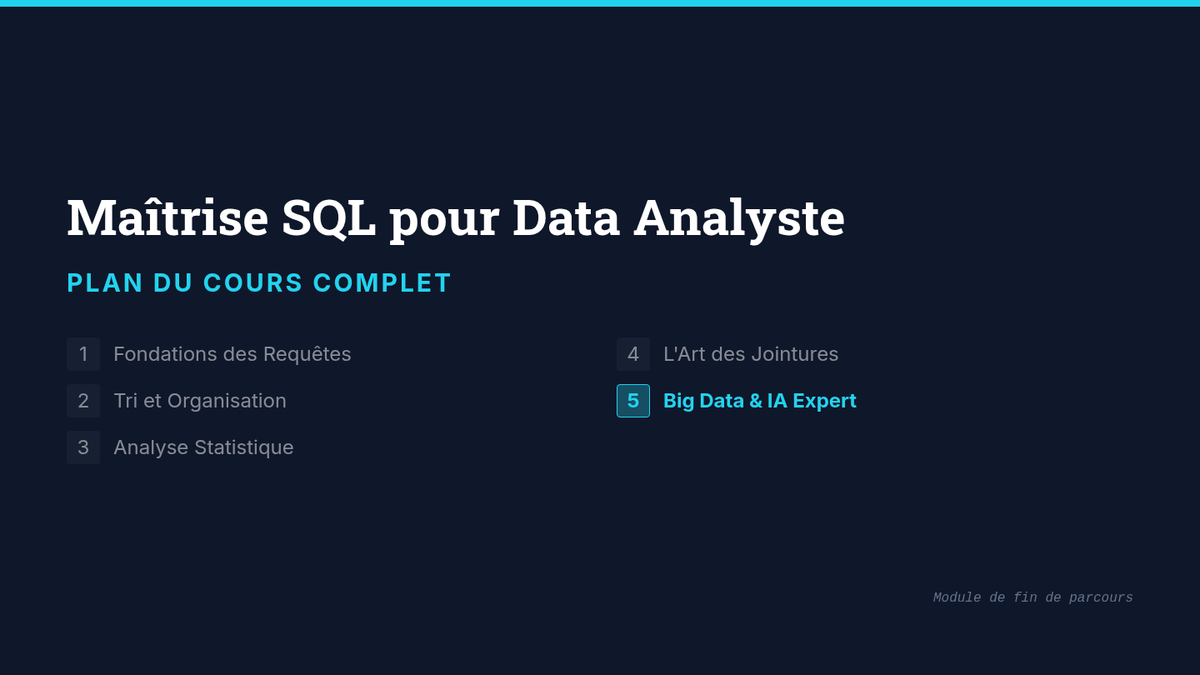
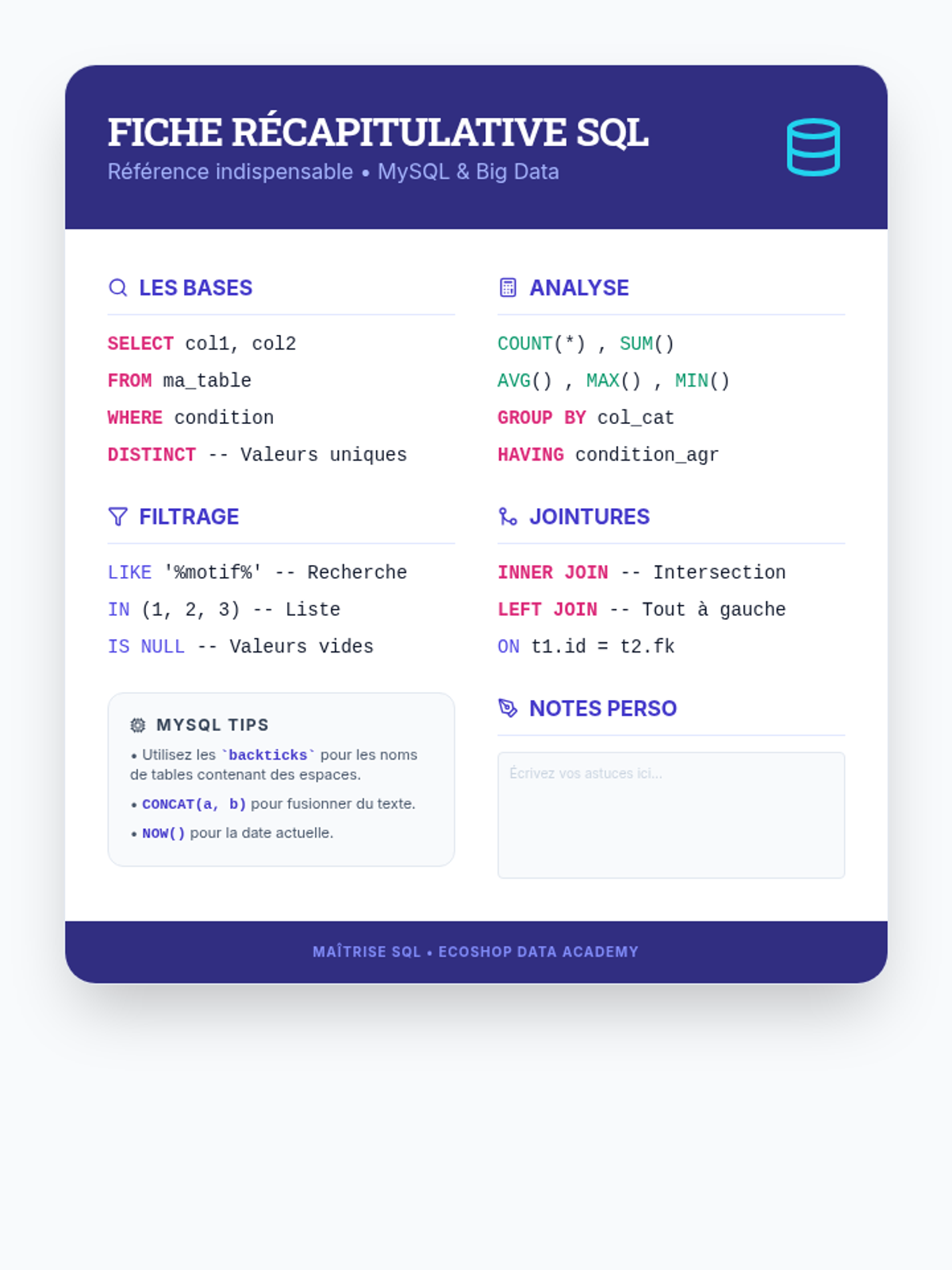
Introduction au SQL dans le contexte du Big Data, de l'optimisation des requêtes et de la préparation des données pour l'IA.
Maîtriser l'art de combiner plusieurs tables avec INNER JOIN, LEFT JOIN et comprendre les relations entre les données.
Utilisation des fonctions d'agrégation (SUM, AVG, COUNT) et de la clause GROUP BY pour générer des rapports statistiques.
Apprendre à organiser les résultats de recherche avec ORDER BY, LIMIT et à éliminer les doublons avec DISTINCT.