Students create multiple identical geometric units (modules) and explore how they can be combined to create larger, complex forms. This lesson introduces concepts of repetition, rhythm, and pattern in 3D space.
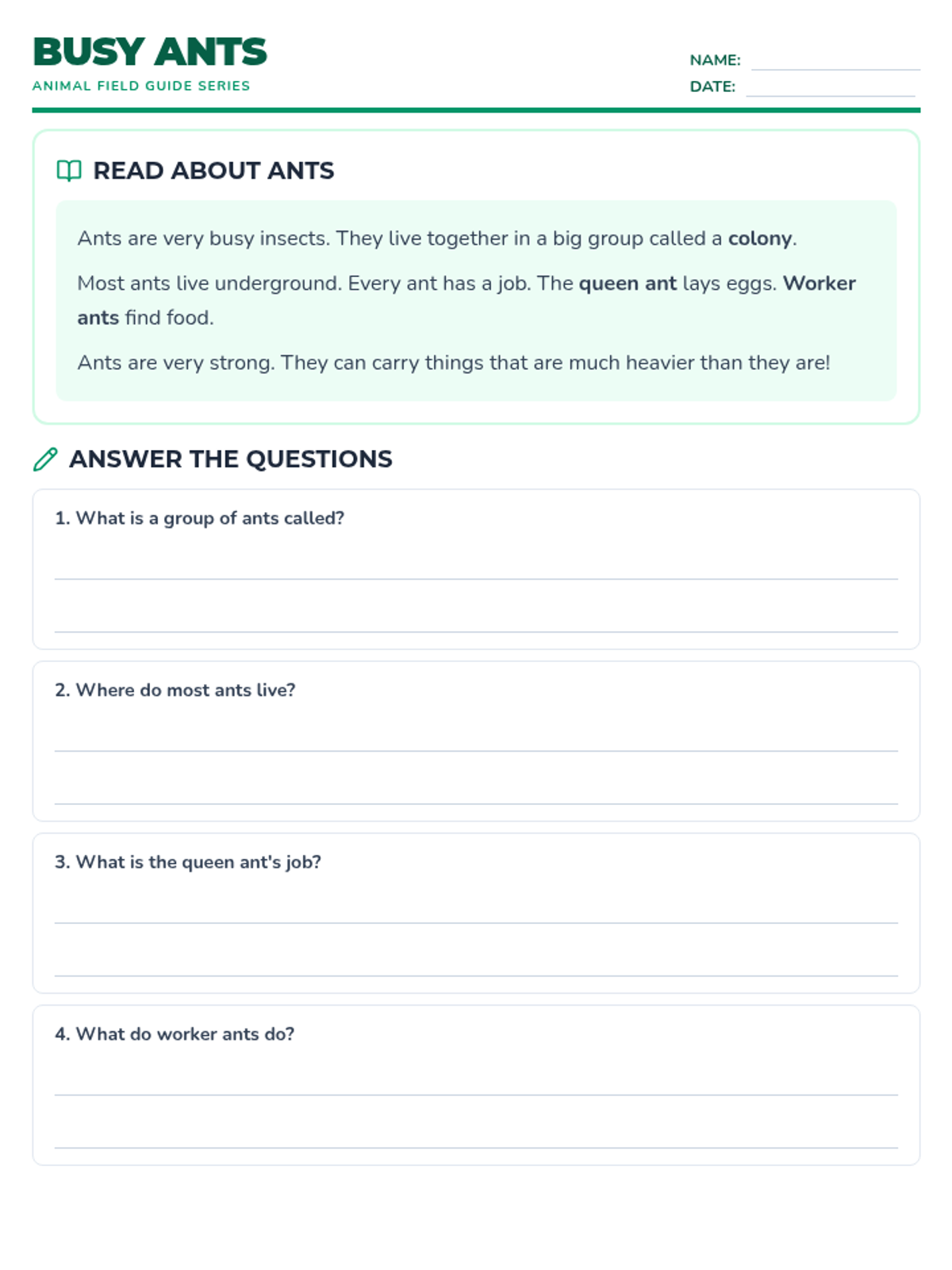
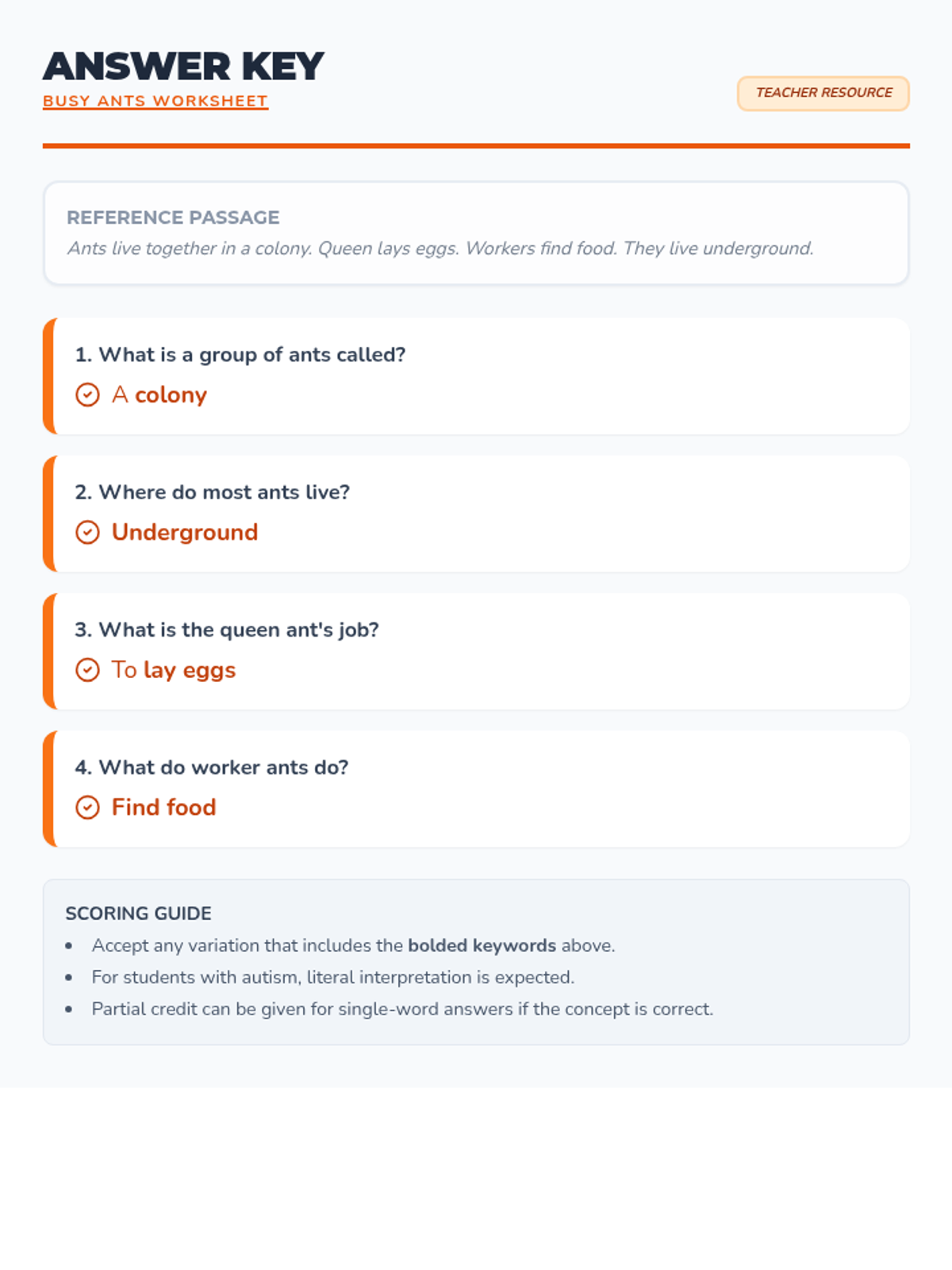
A focused reading comprehension lesson exploring the lives of ants, designed with clear structure and visual supports for 1st-2nd grade students.
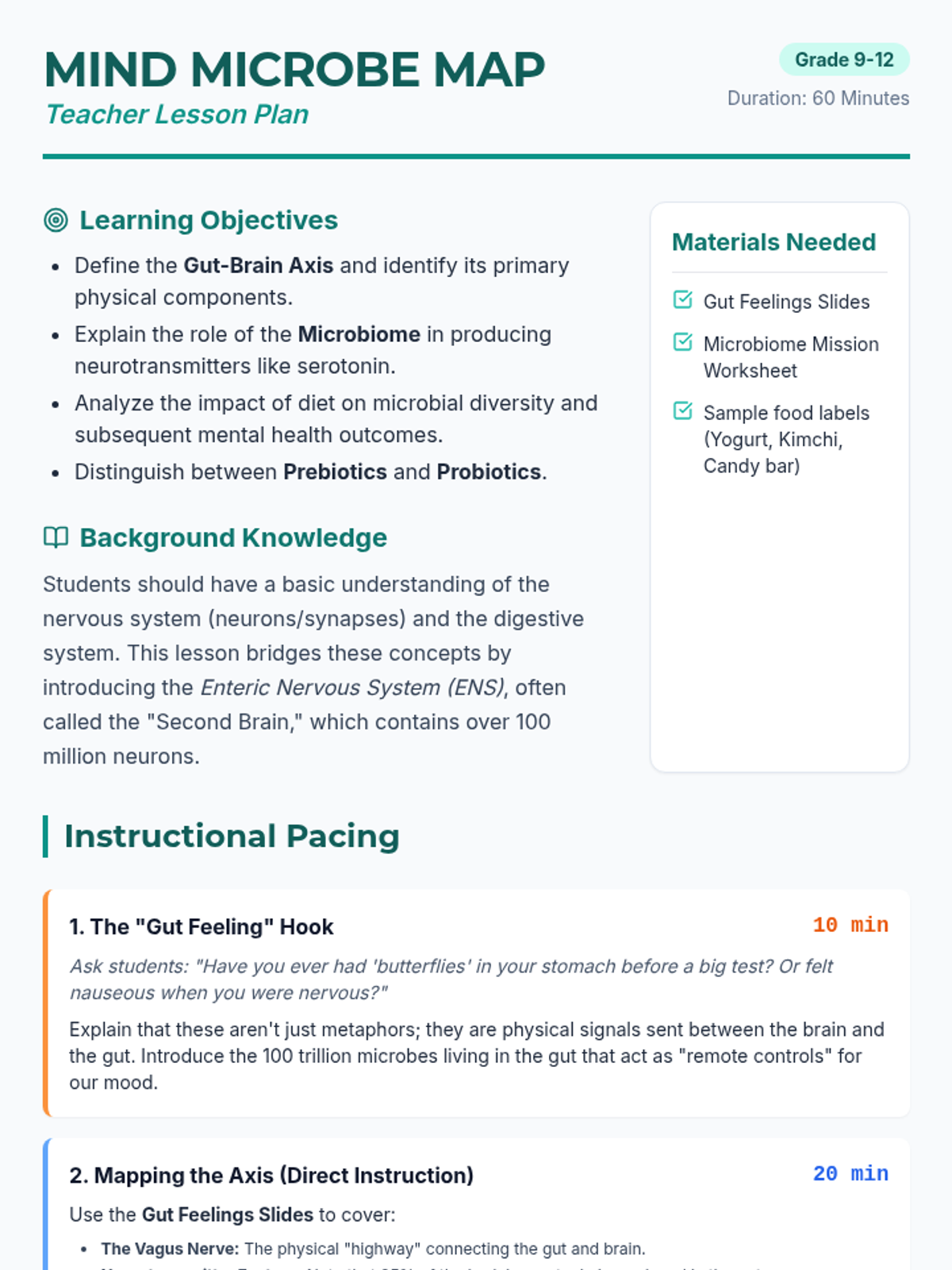
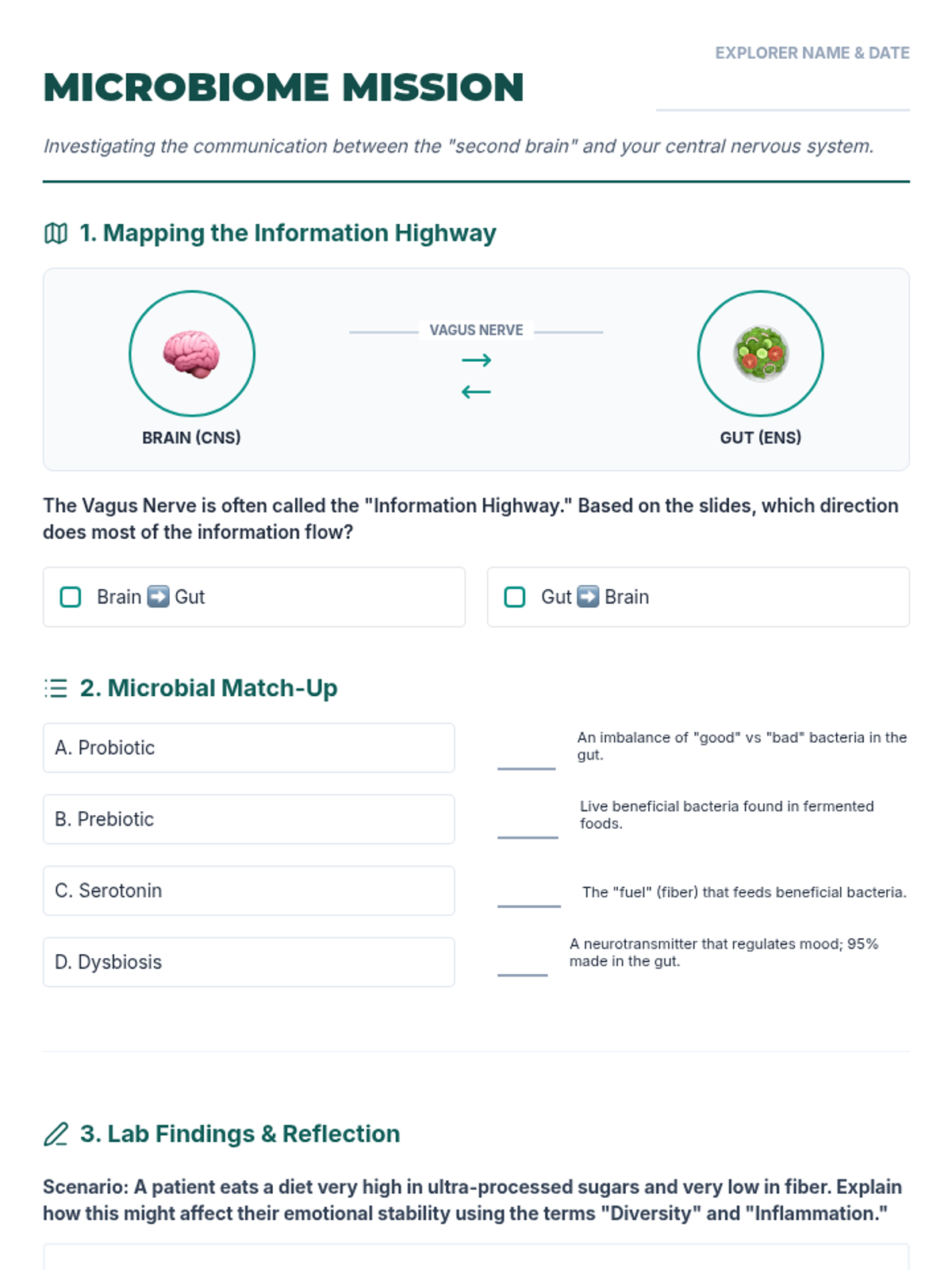
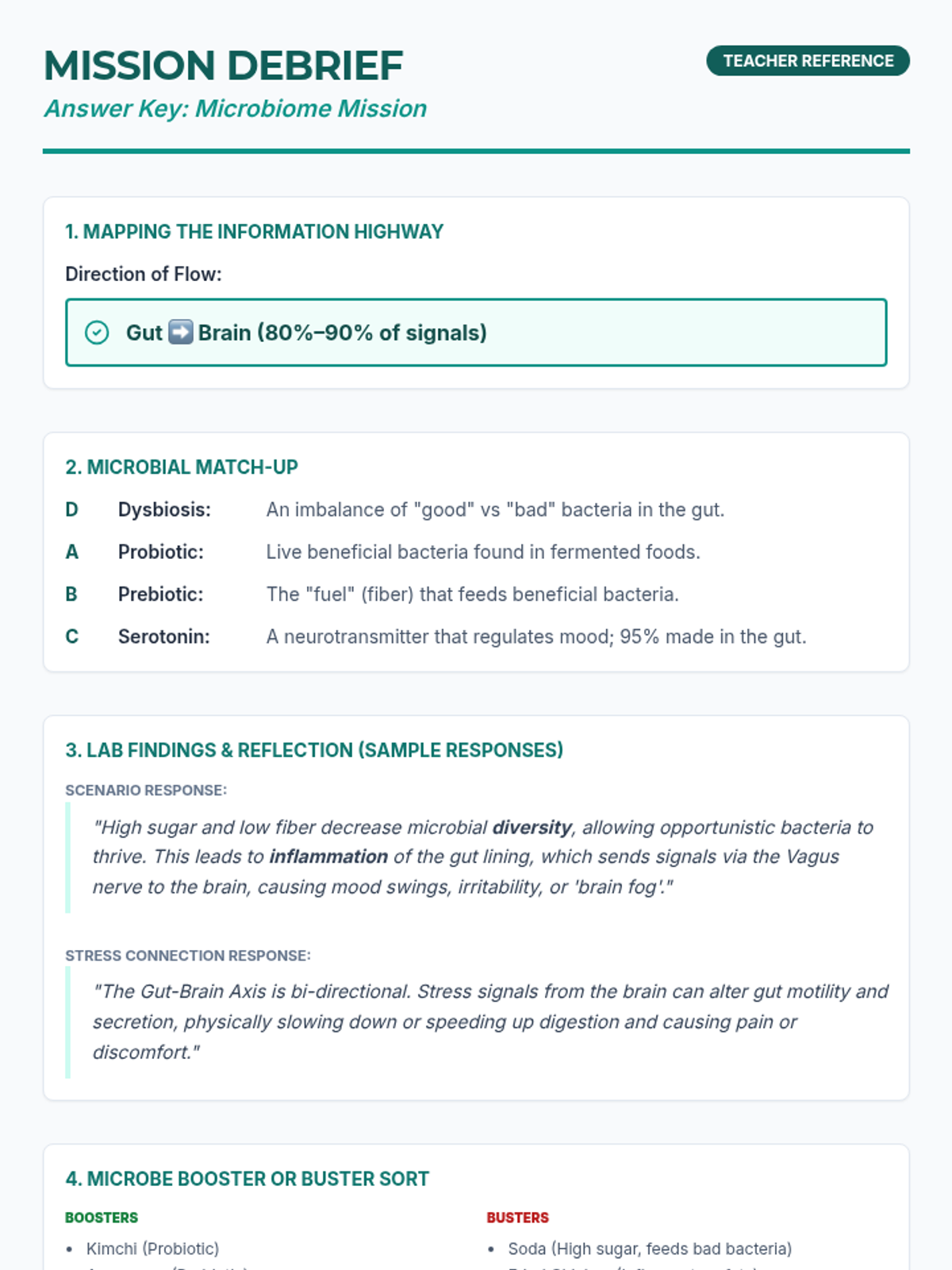
A comprehensive lesson exploring the gut-brain axis and how the microbiome influences mental health, neurotransmitter production, and emotional well-being.
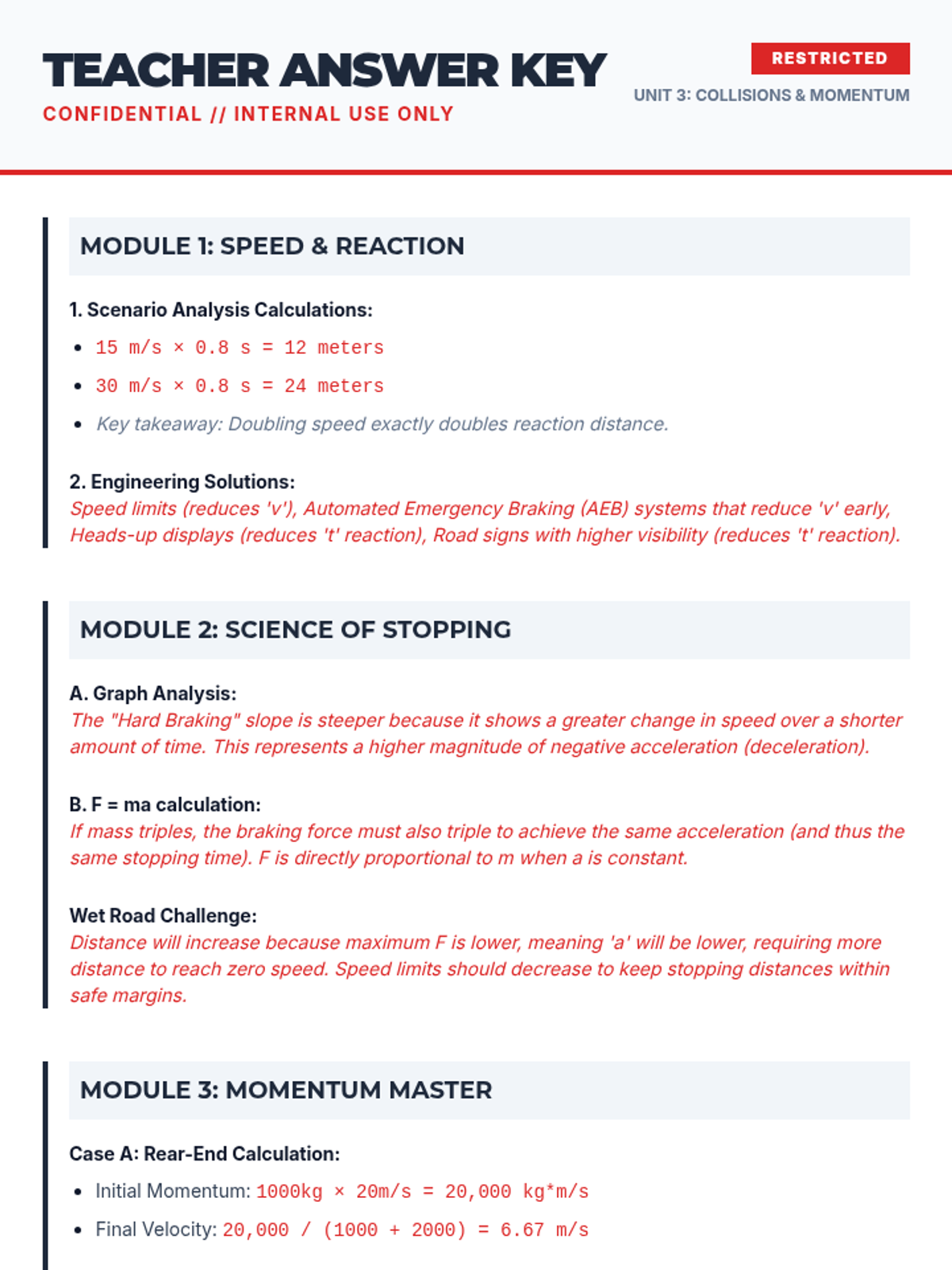
A series of independent modules covering mathematical models of reaction distance, braking forces, momentum conservation, and safety engineering.
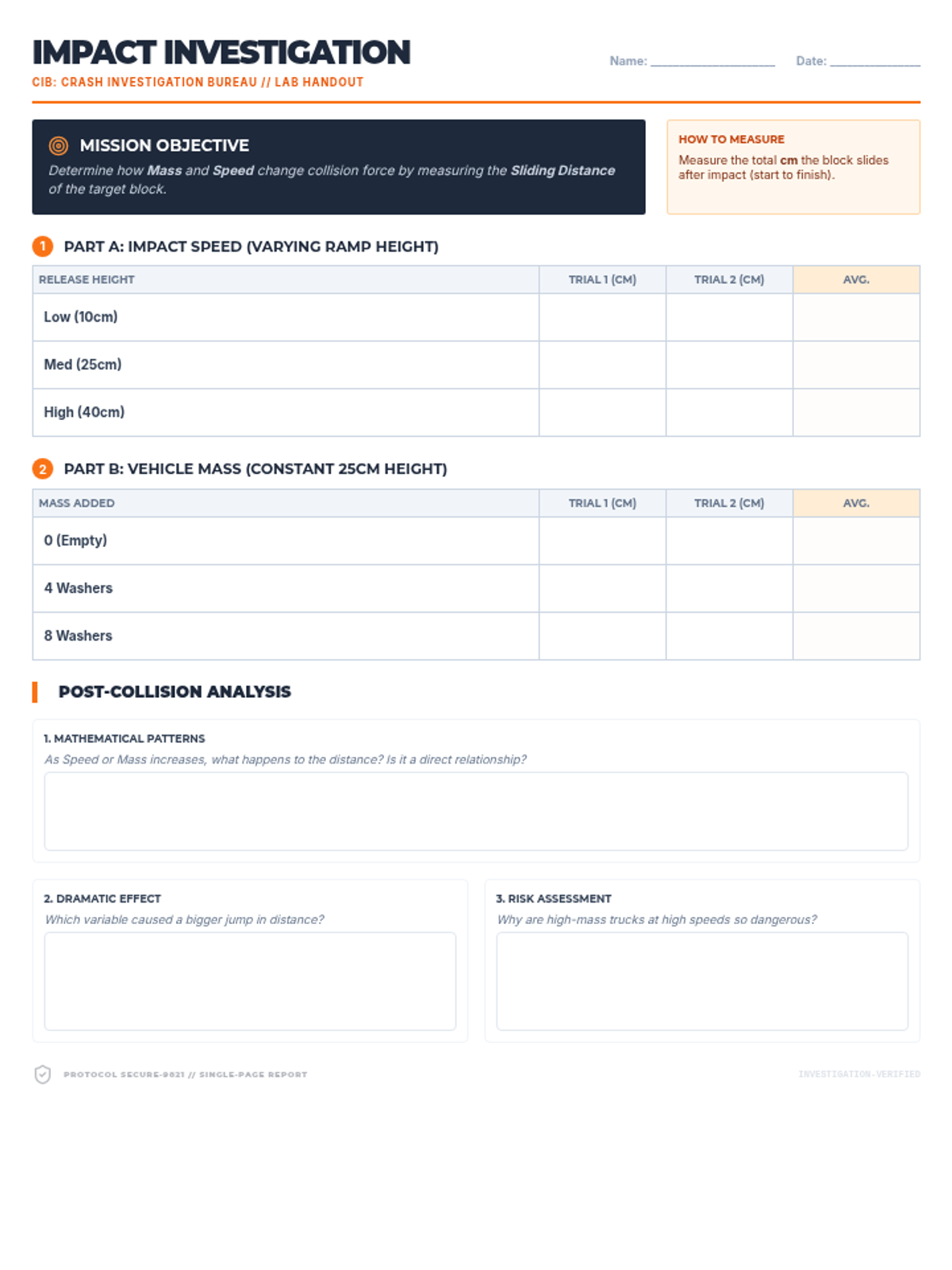
A hands-on interactive session where students investigate the relationship between mass, speed, and impact force using ramps and sliding targets.
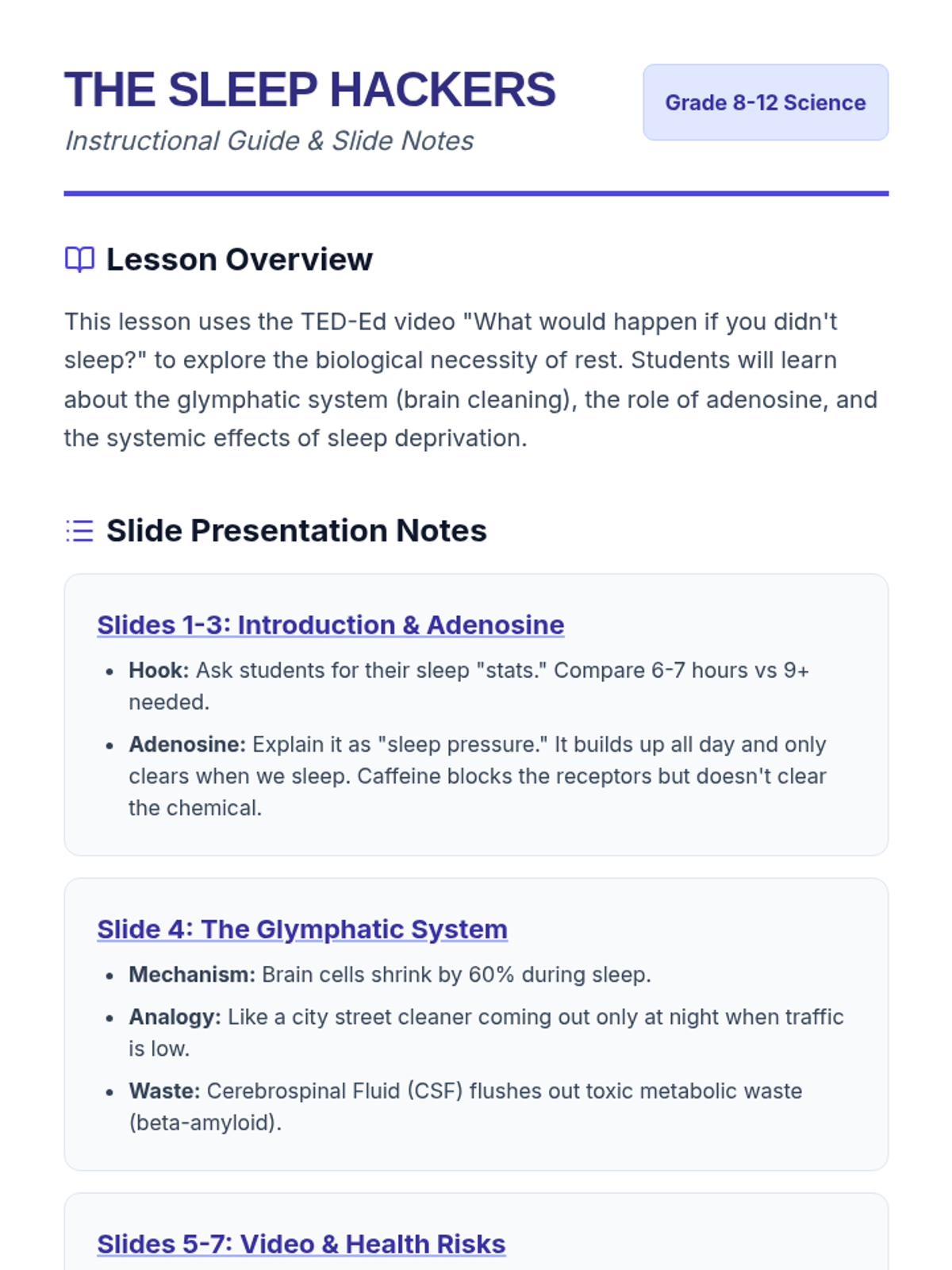
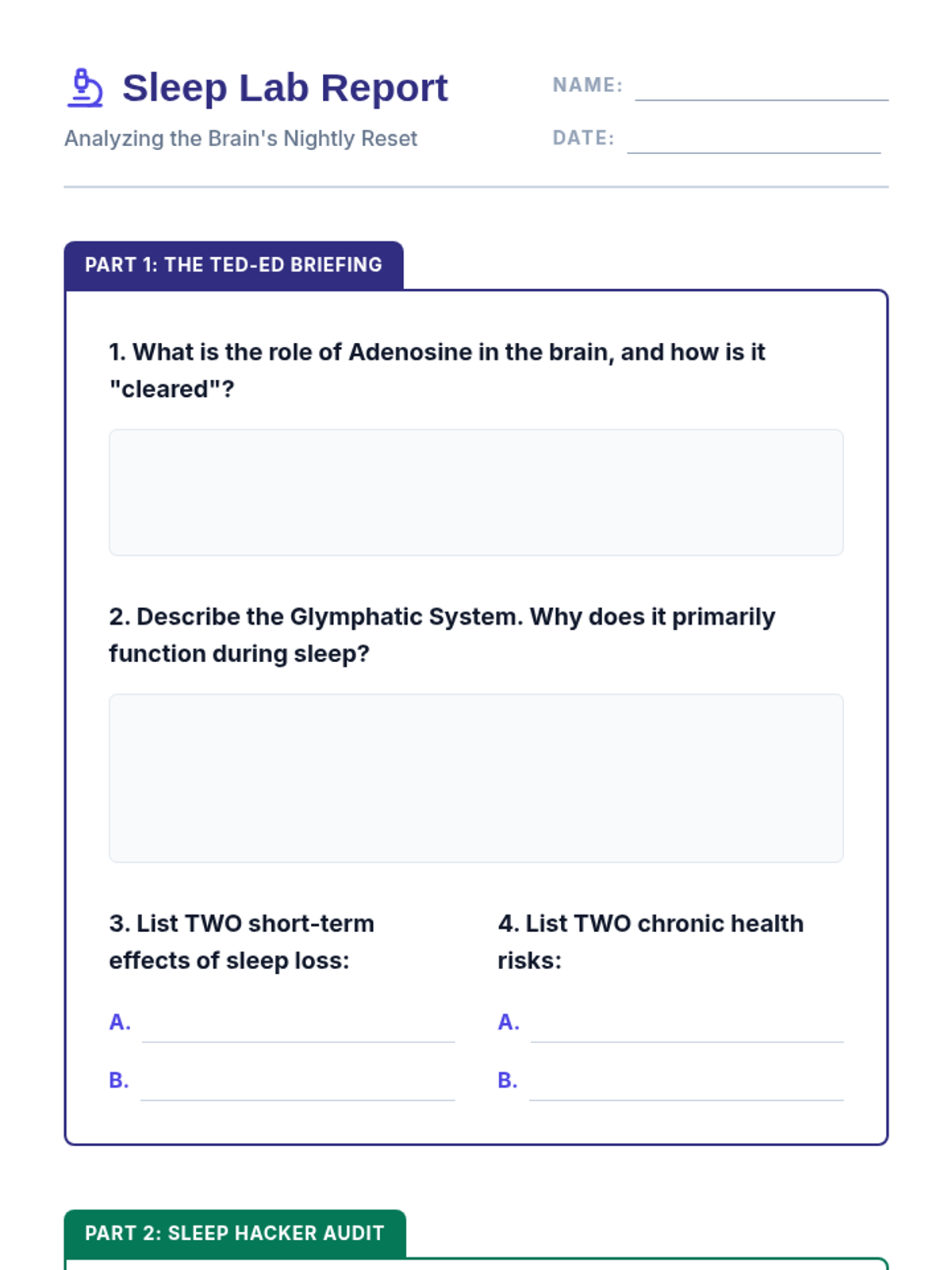
An exploration of the biological necessity of sleep, the mechanics of how the brain cleans itself during rest, and the physiological consequences of sleep deprivation.
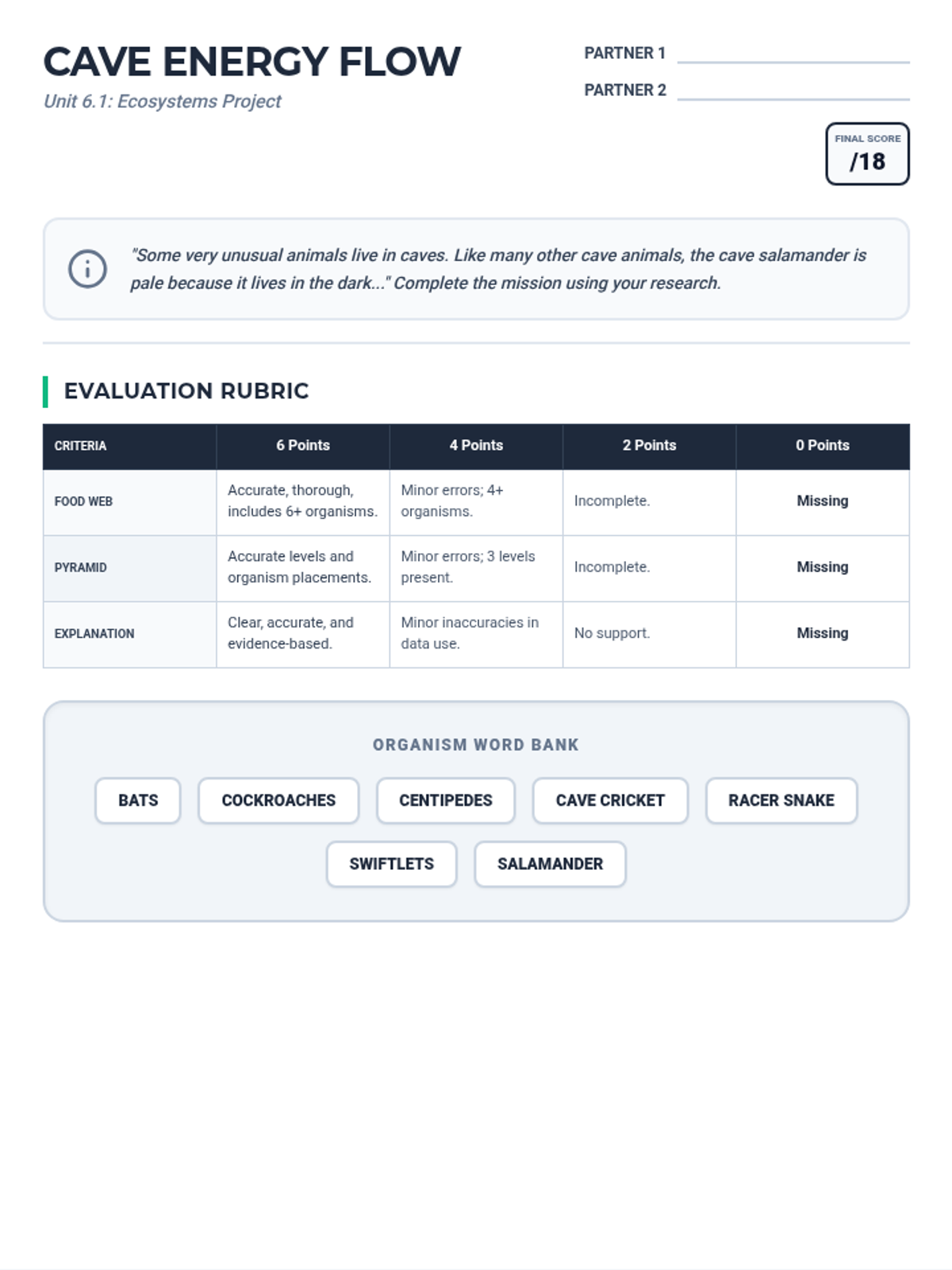
A middle school STEM project focusing on energy flow, food webs, and energy pyramids within unique cave ecosystems, featuring data analysis on bat-centipede relationships.
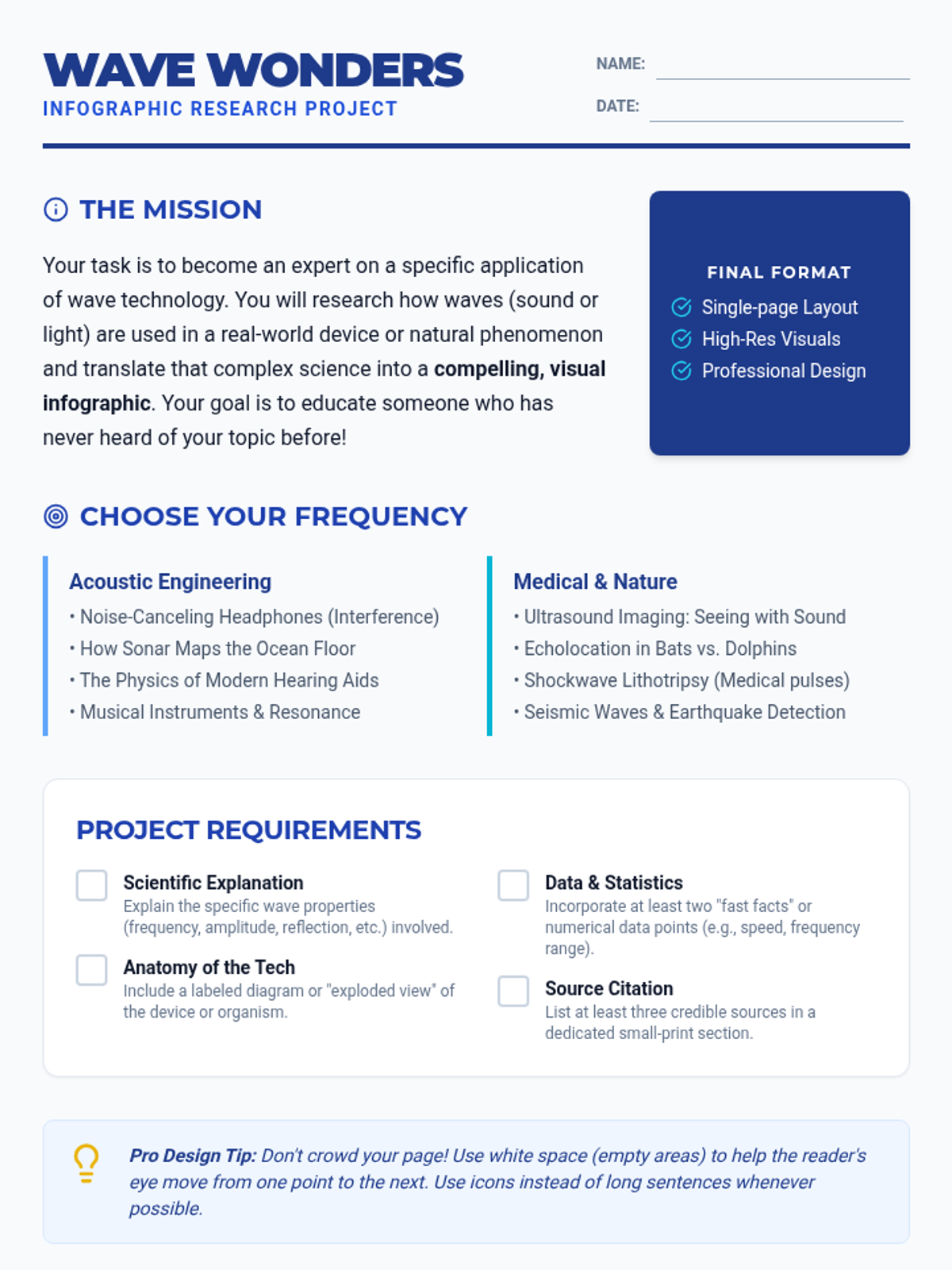
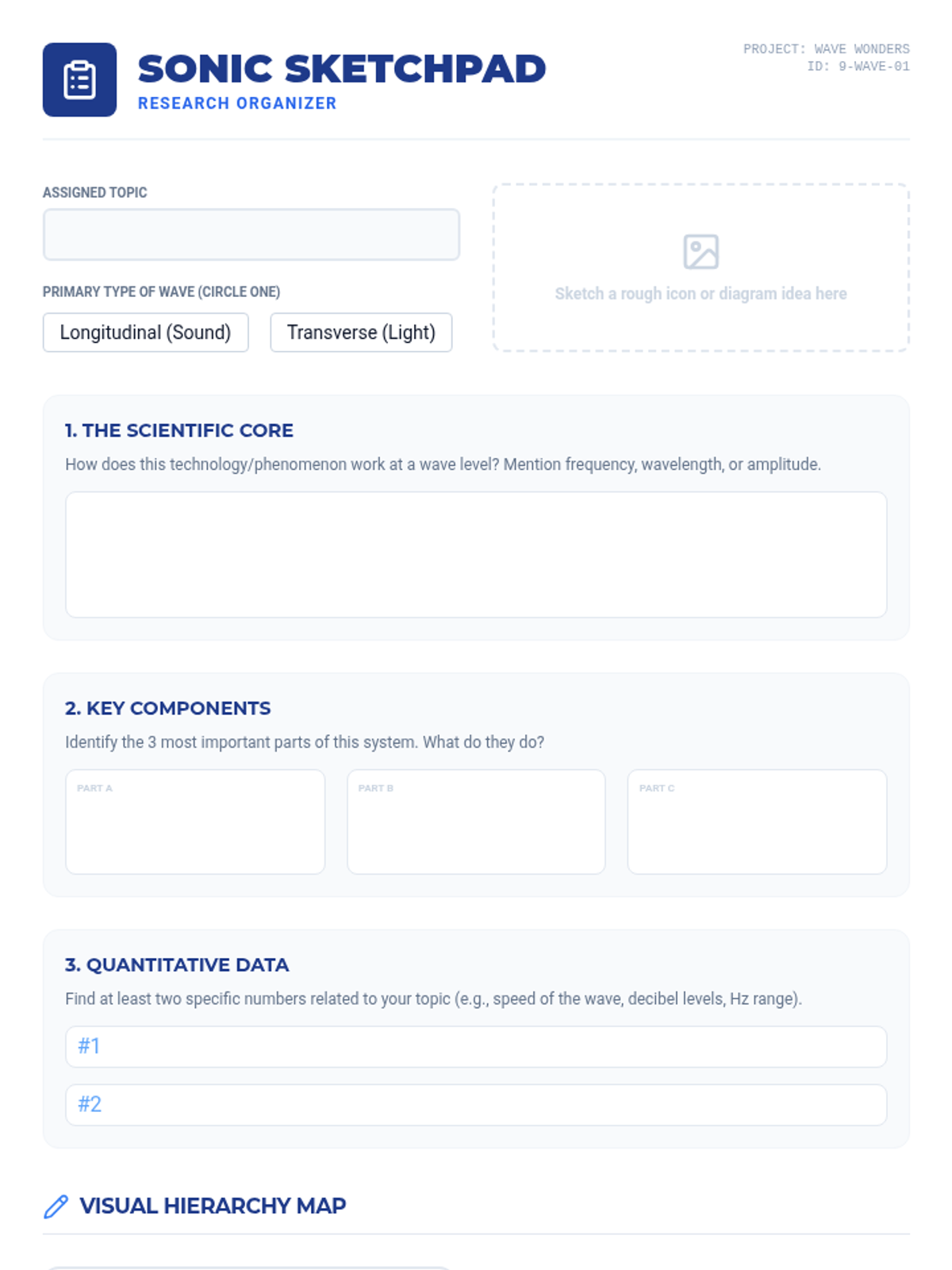
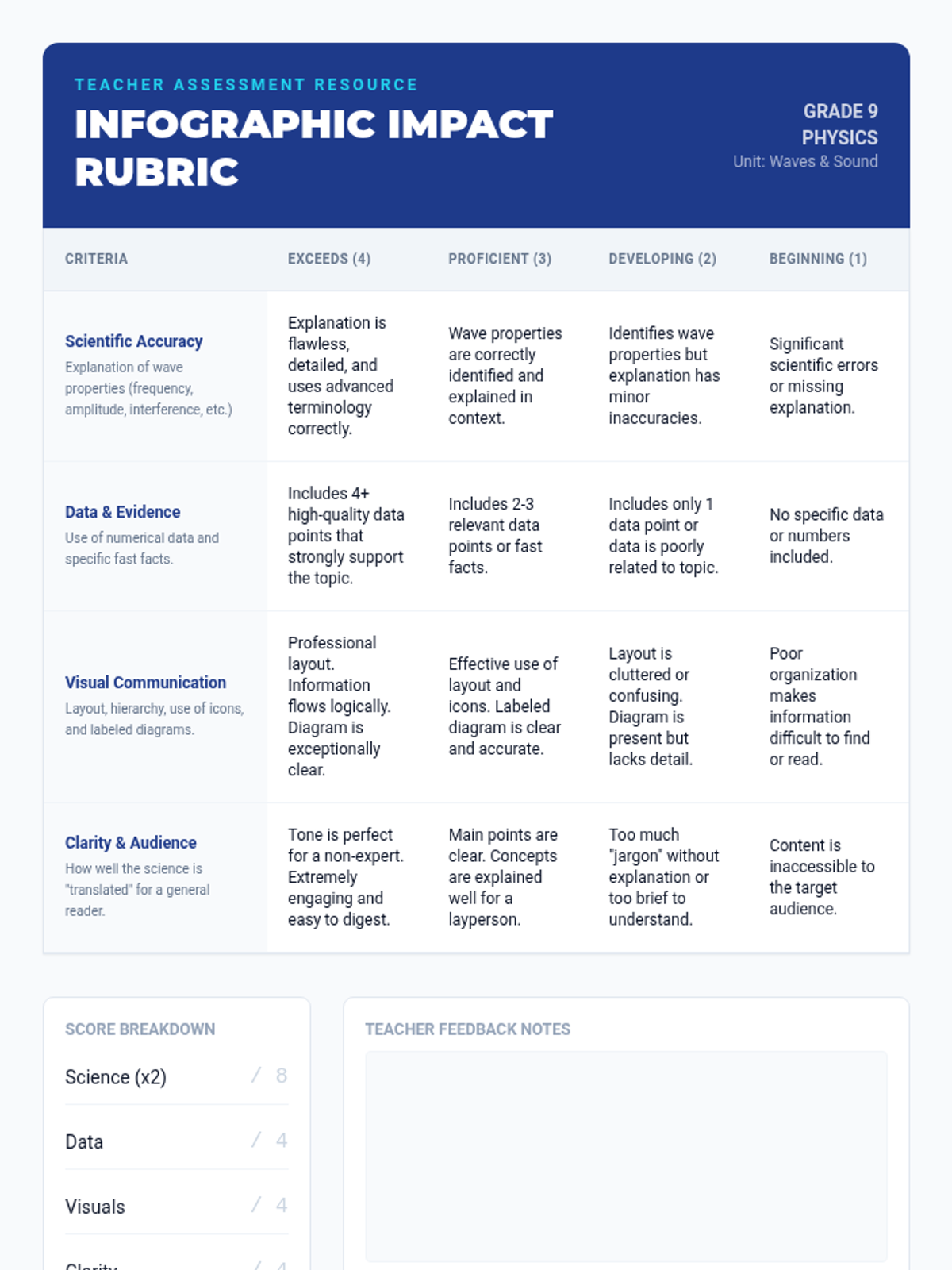
A project-based lesson where students research a real-world application of sound or light waves and design an informative infographic. This lesson bridges physics concepts with visual communication skills.
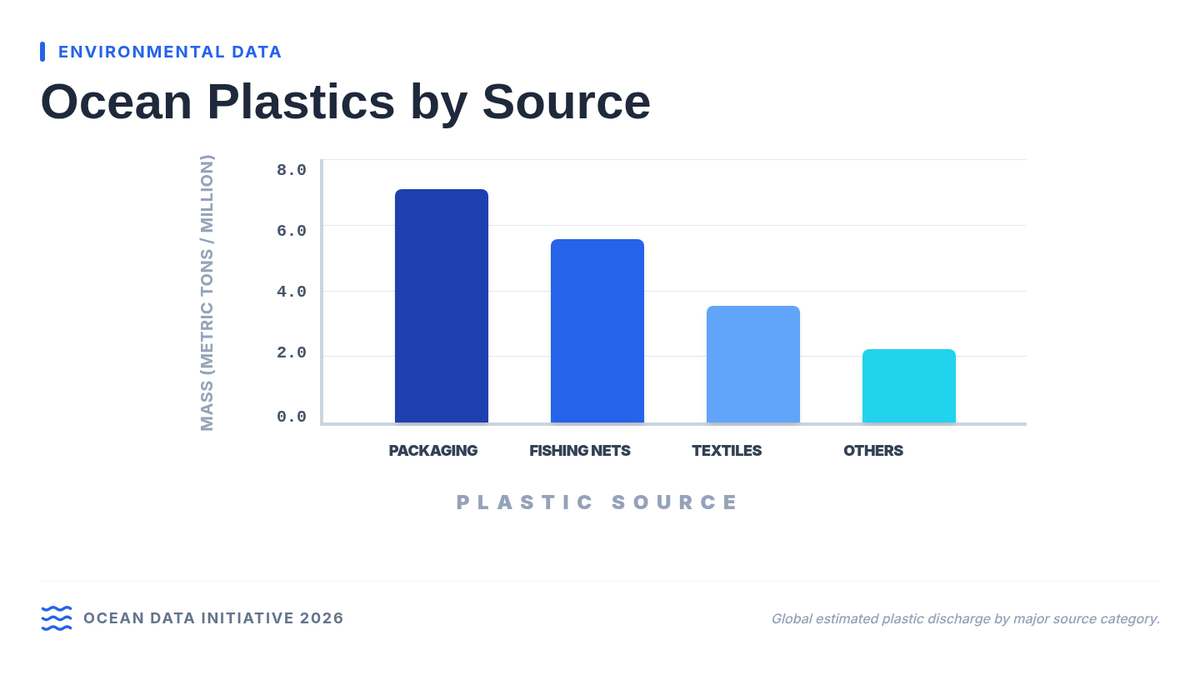
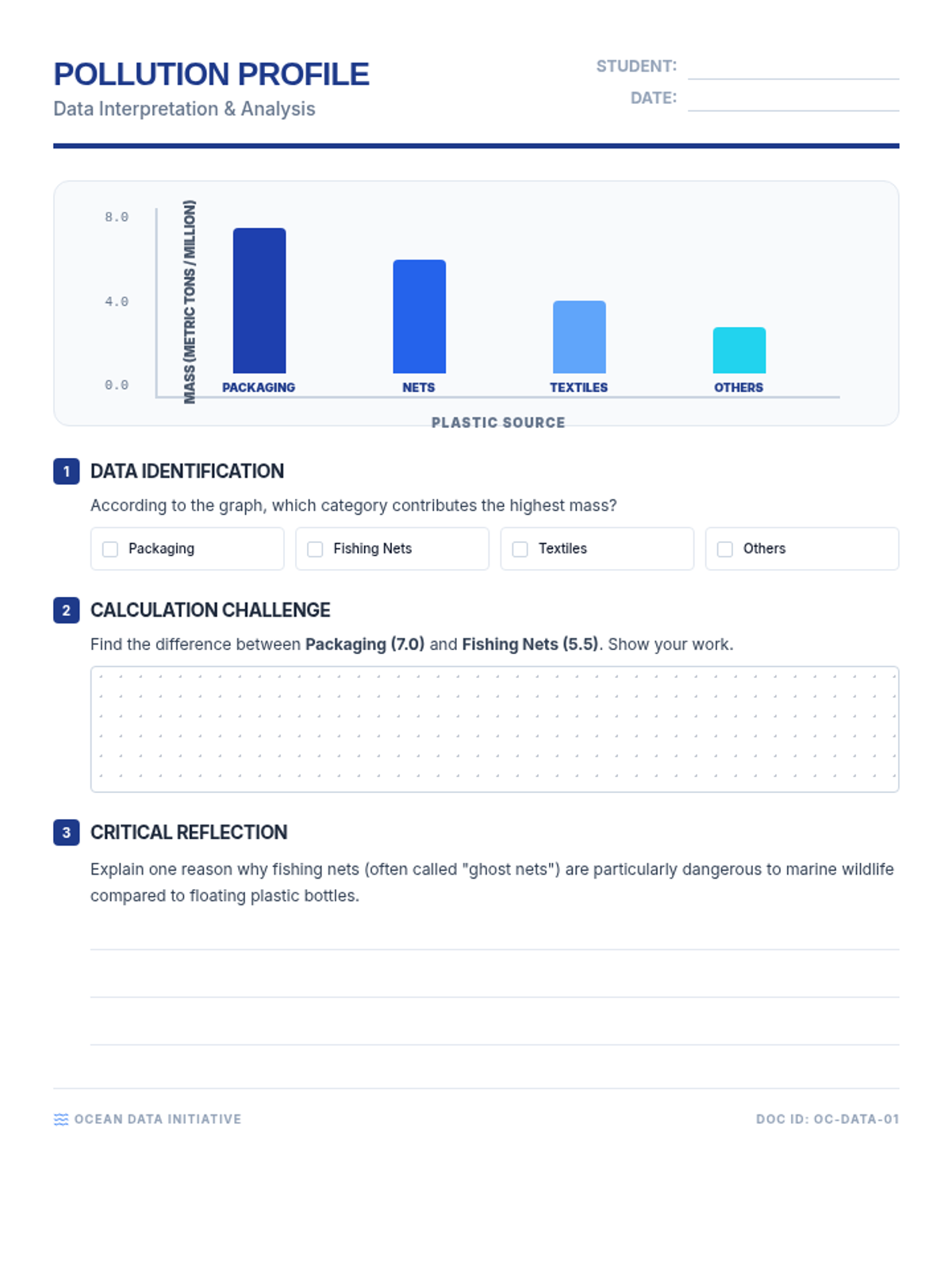
A lesson exploring the impact of plastic pollution on our oceans, featuring data analysis and identification of primary waste sources.
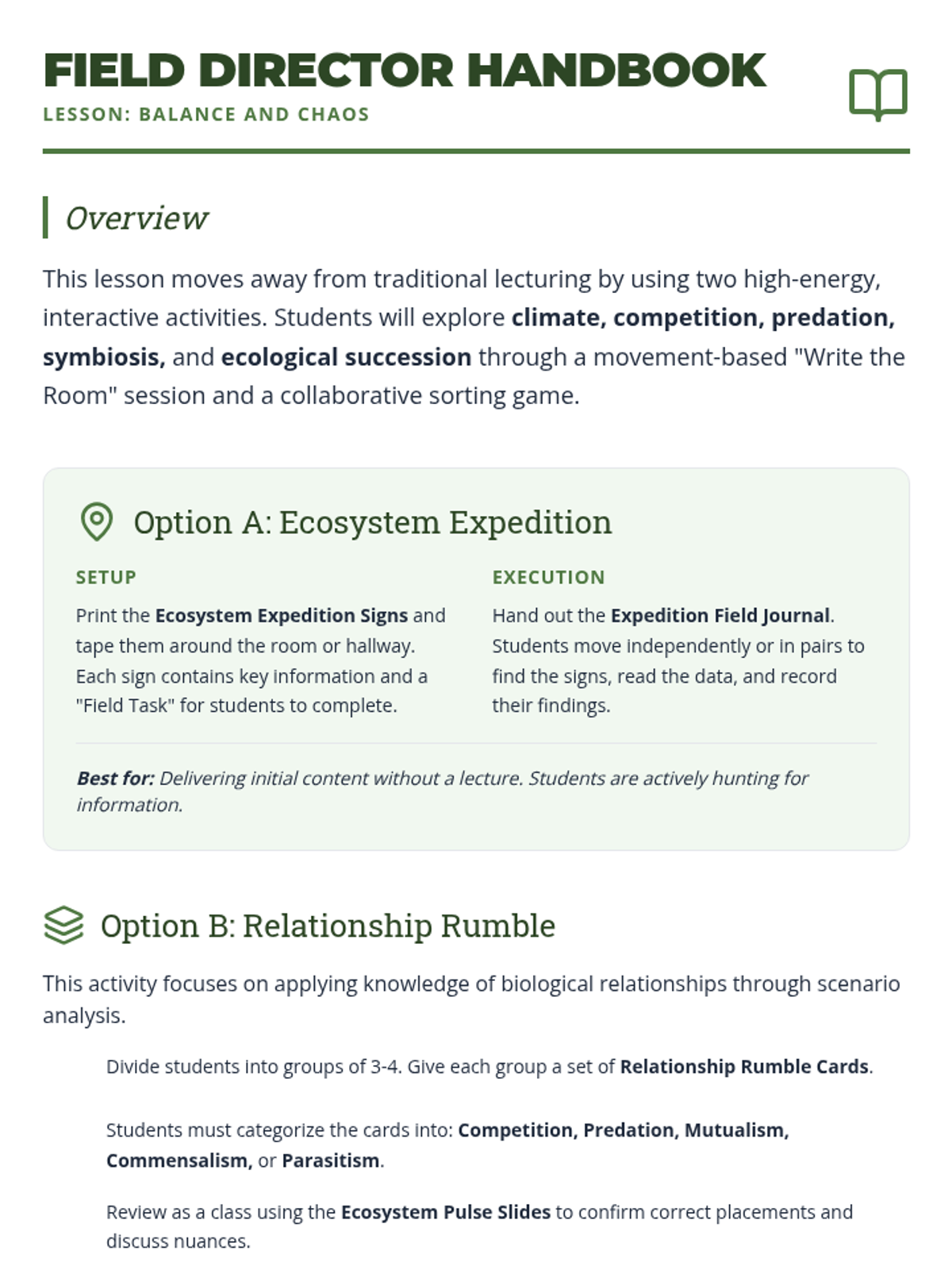
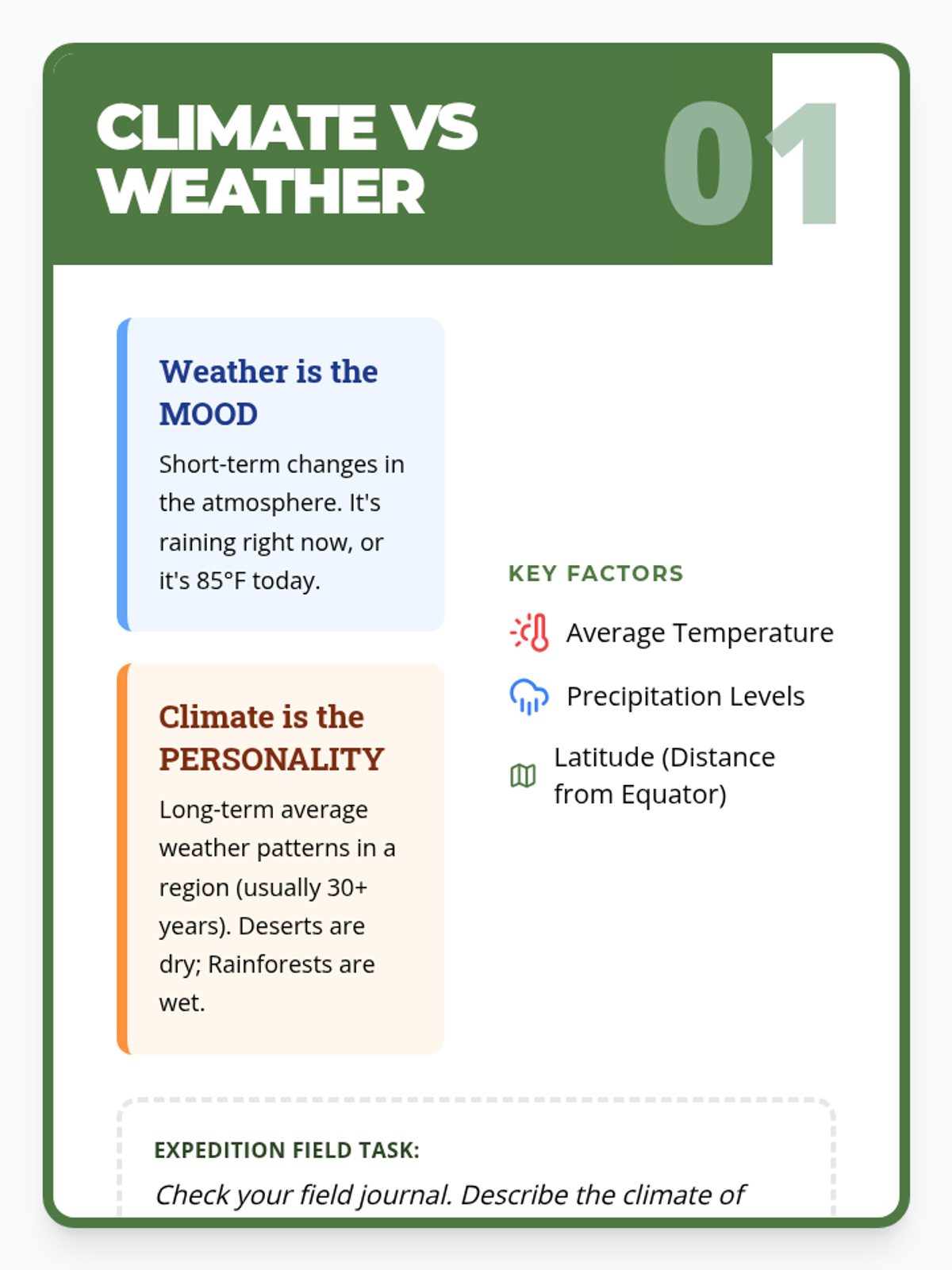
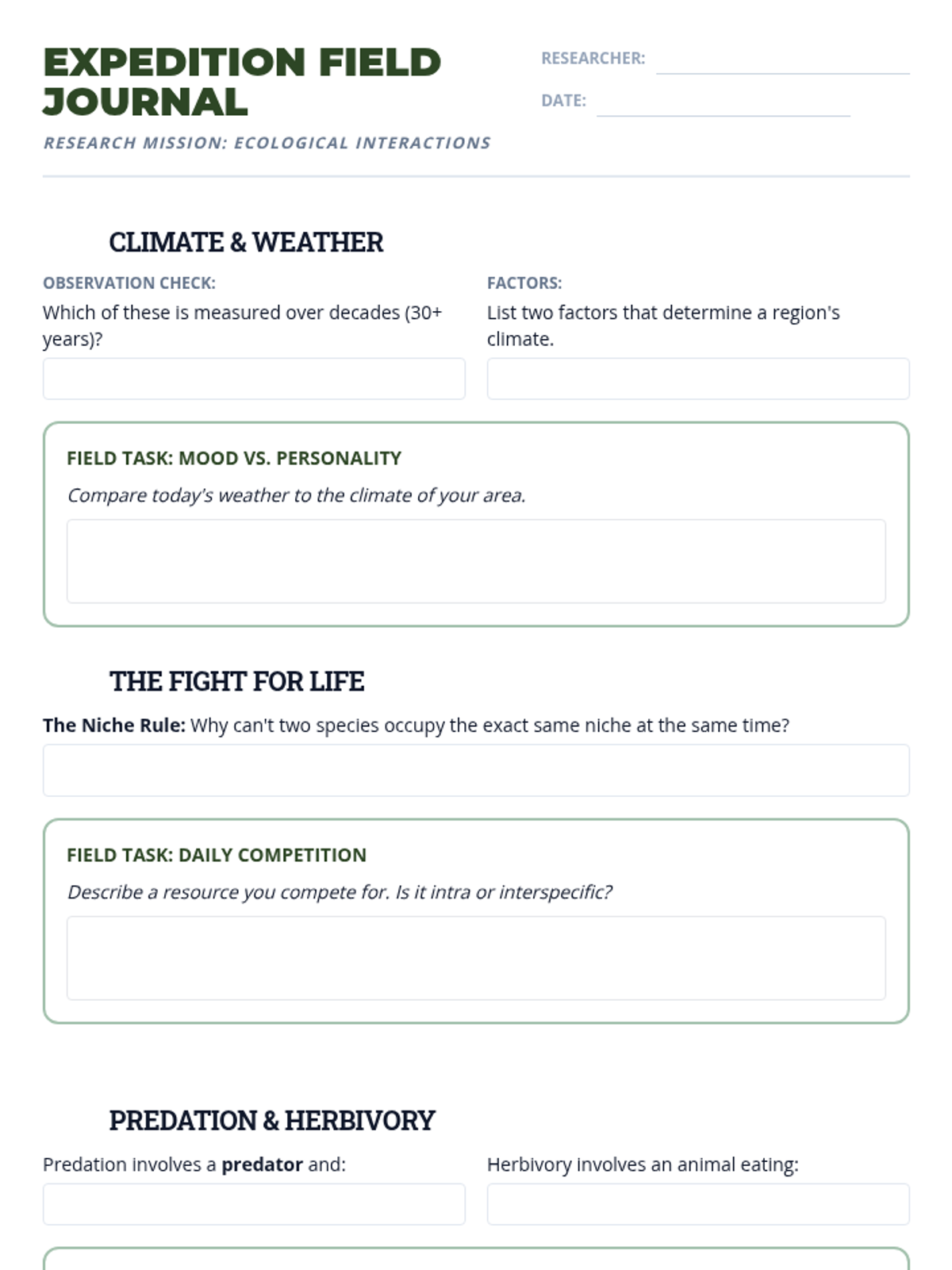
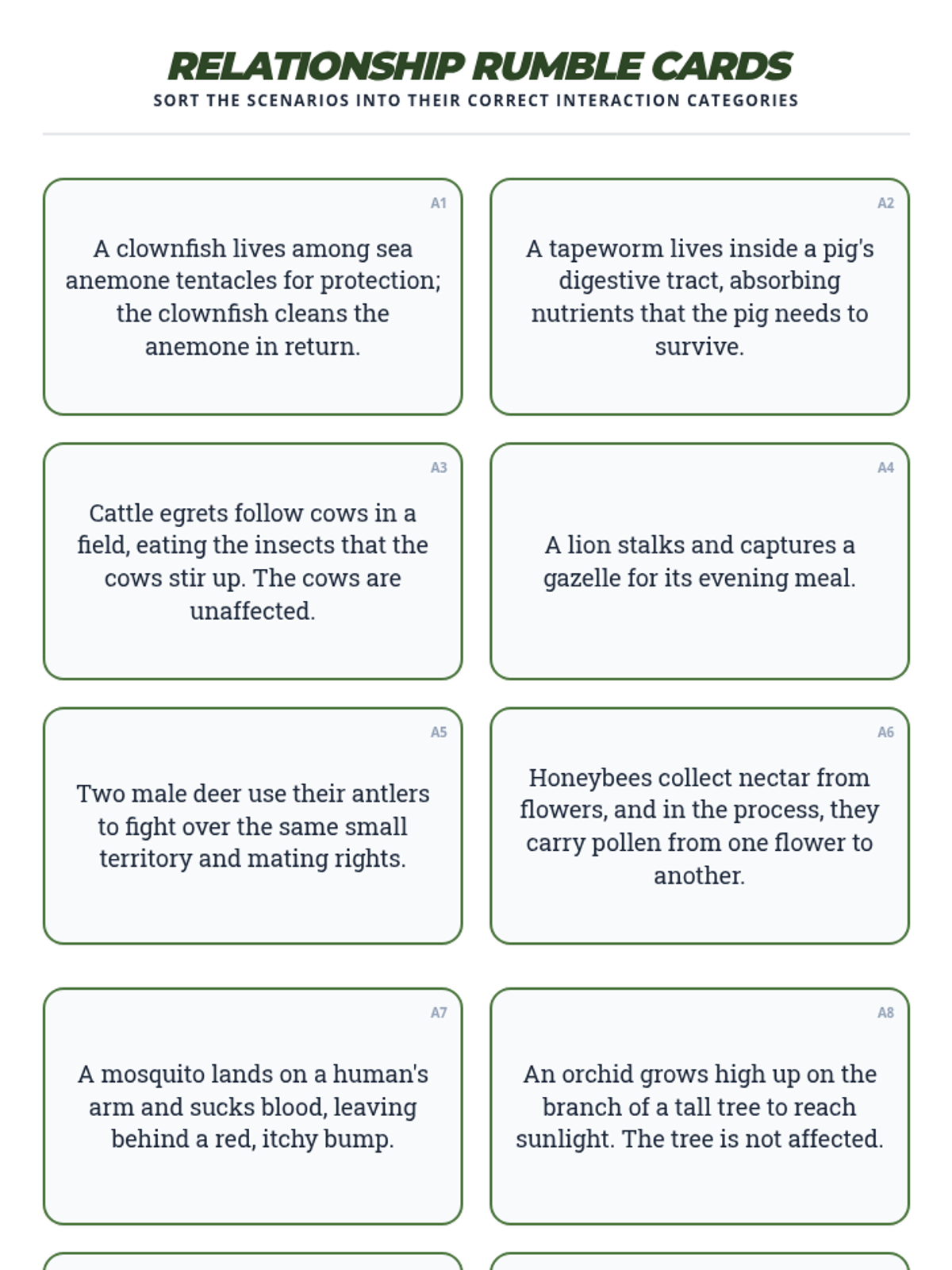
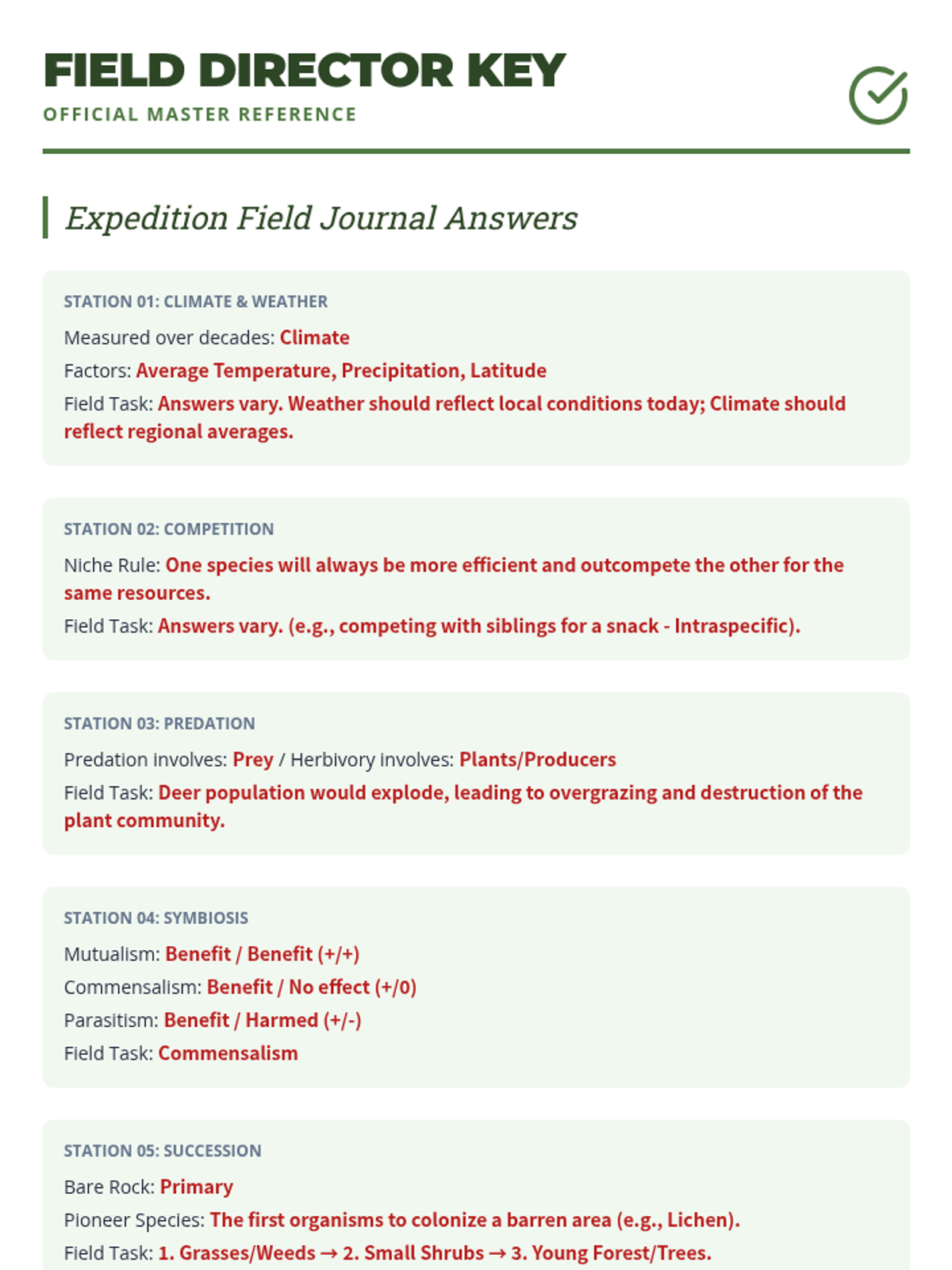
A deep dive into how organisms interact with each other and their environment through climate, competition, symbiosis, and succession.
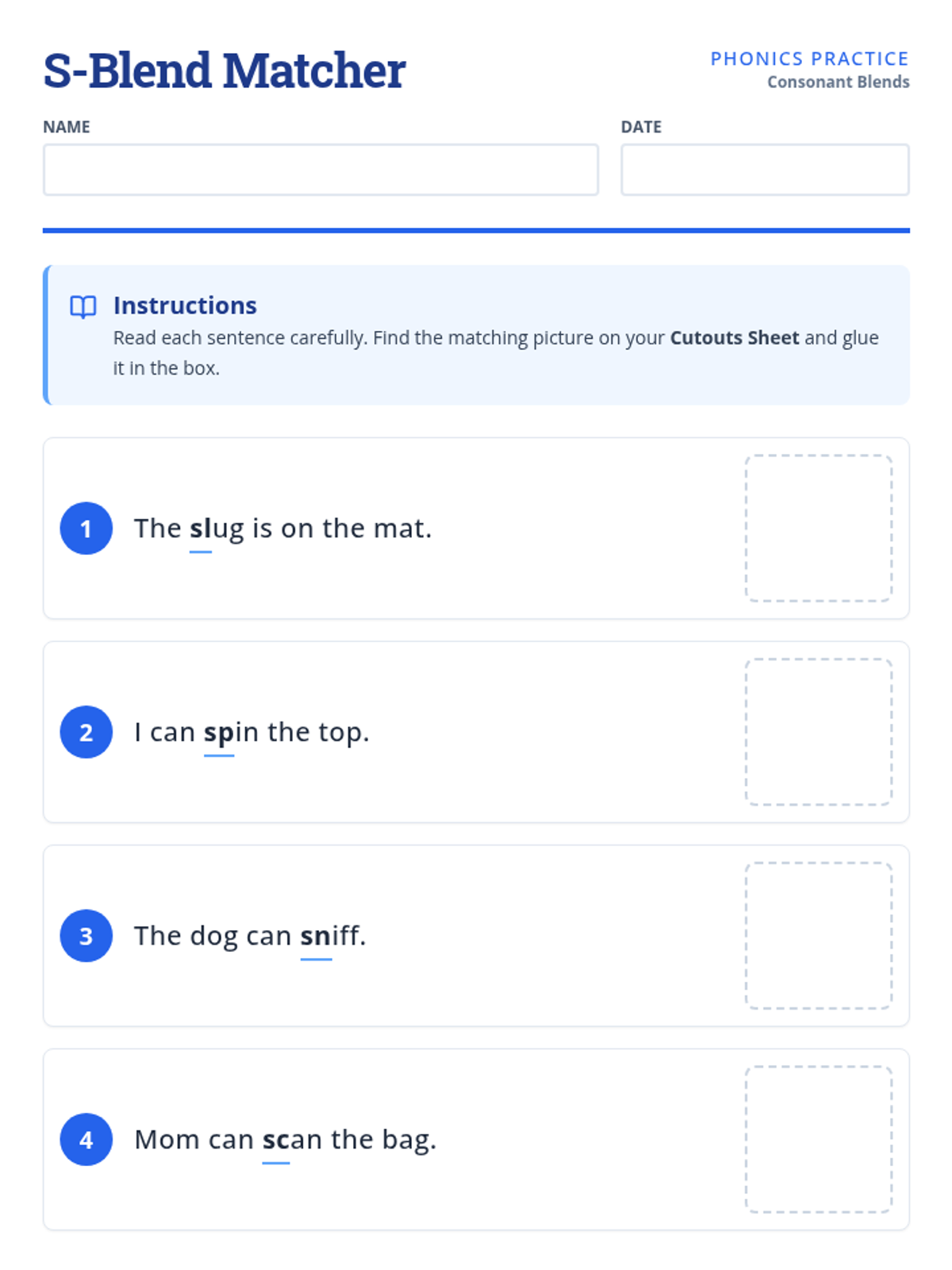
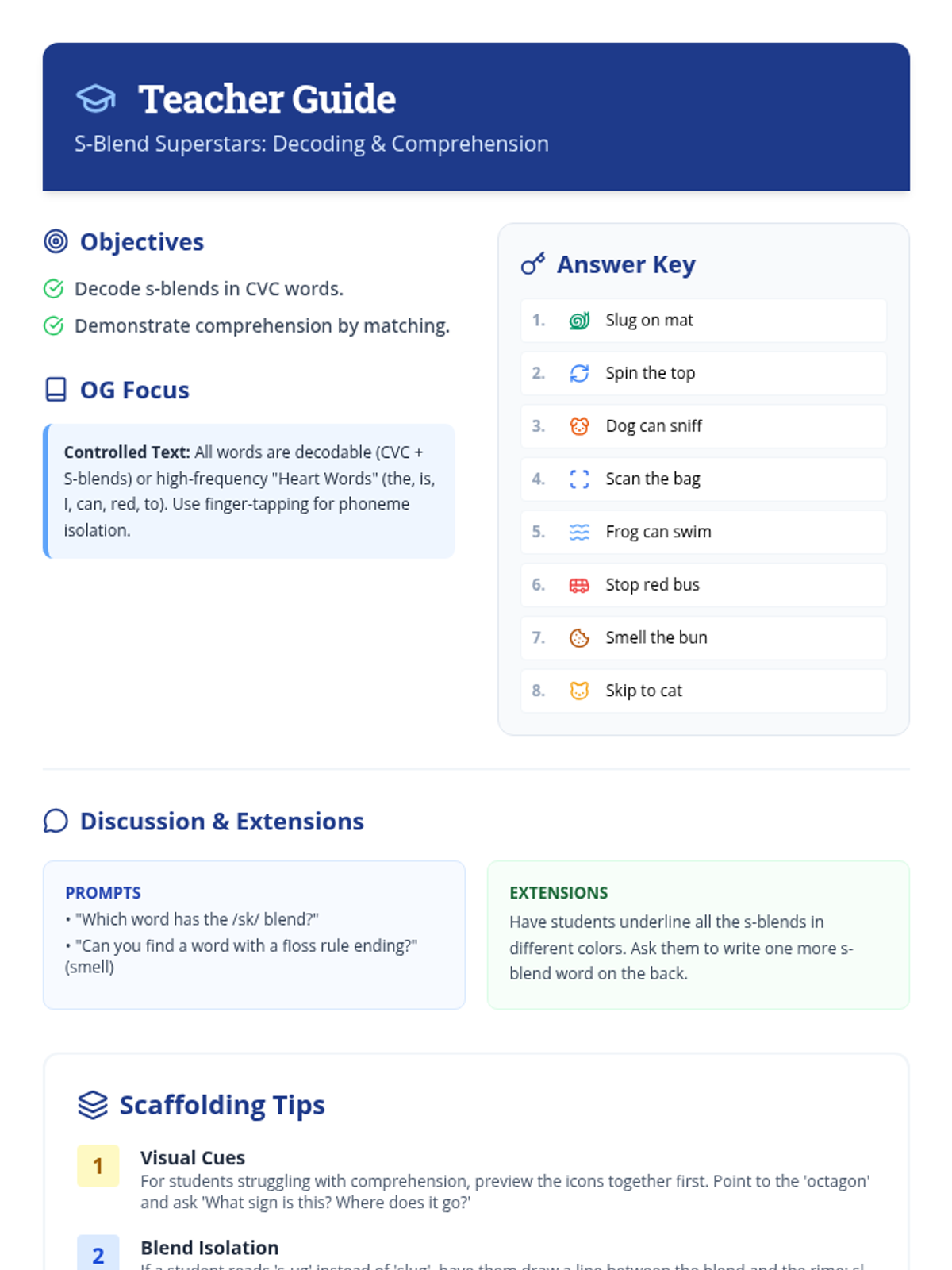
A phonics-focused lesson for kindergarteners to practice reading and comprehending initial s-blends through decodable sentences and visual matching.
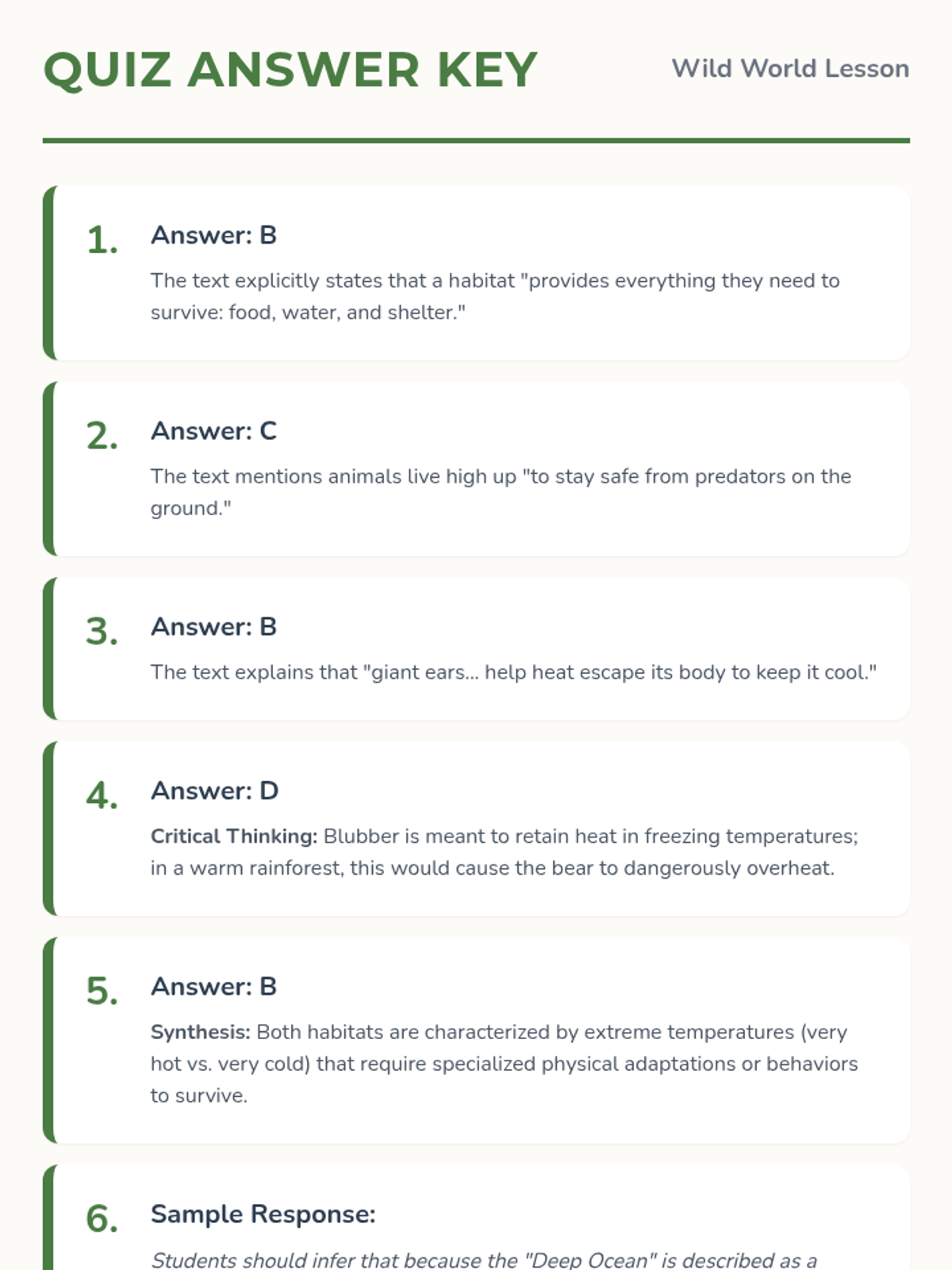
Students explore the diverse ecosystems of our planet through a non-fiction reading passage and an engaging class discussion focused on animal adaptations and survival.
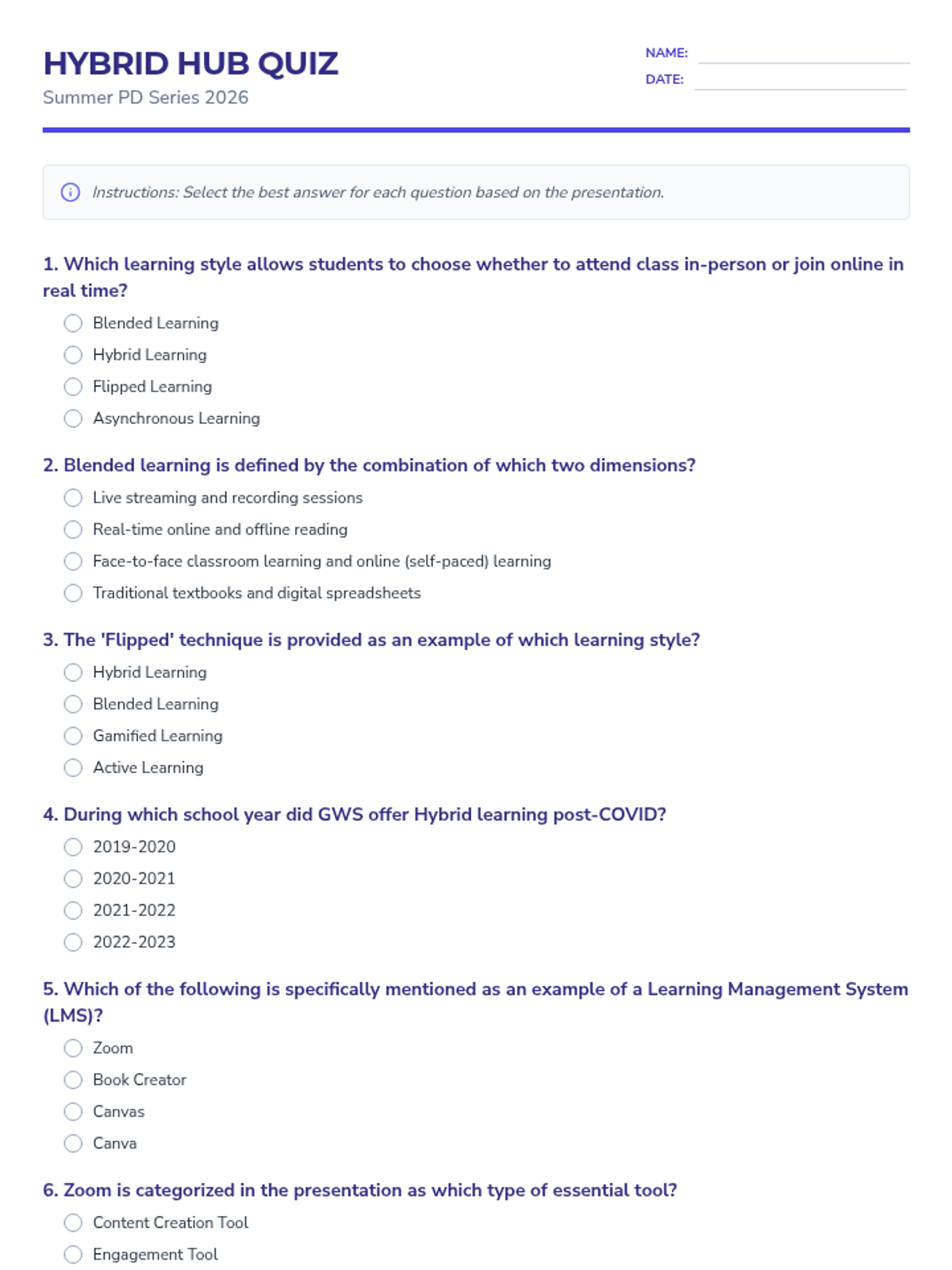
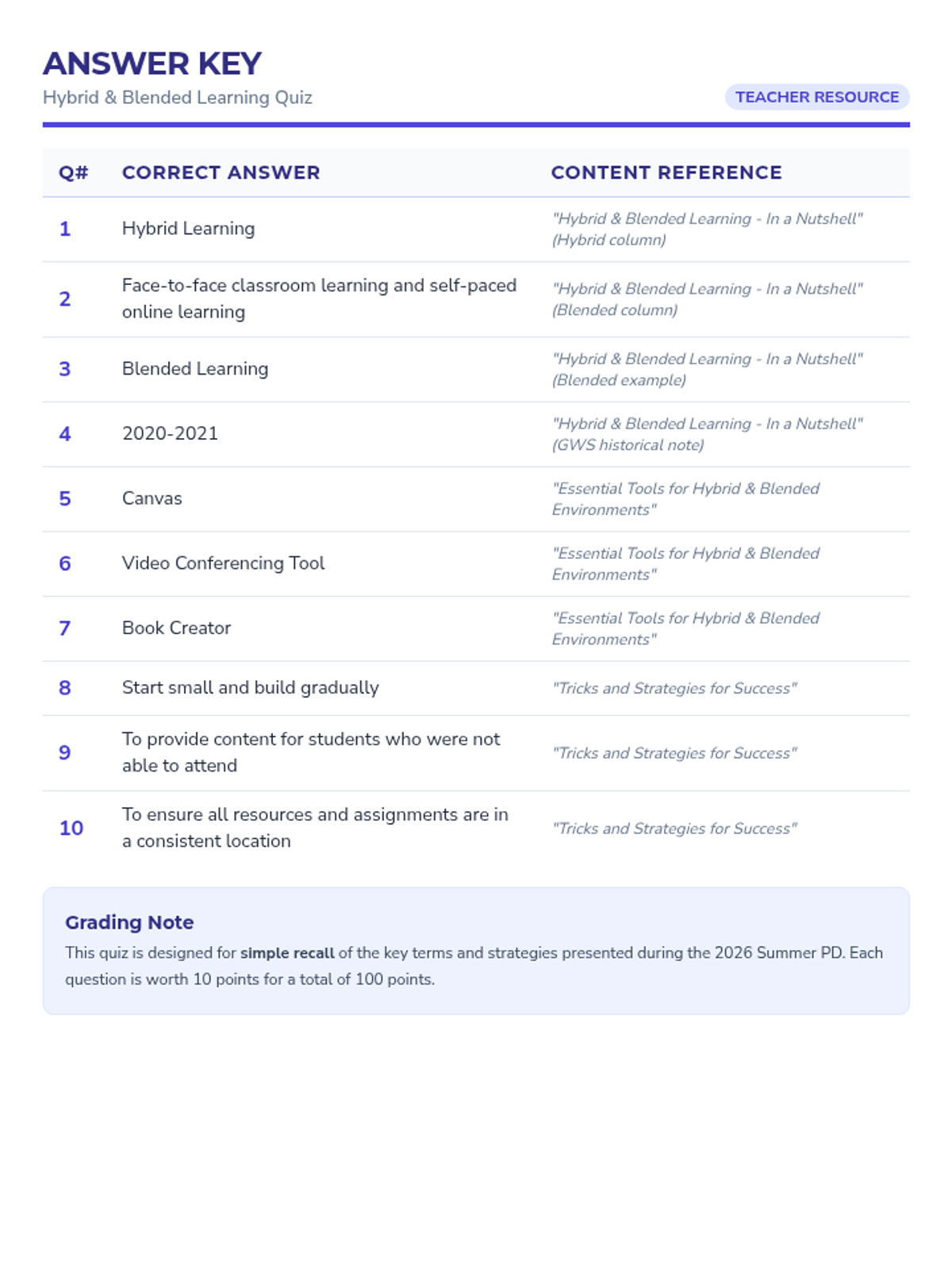
A professional development assessment designed to evaluate understanding of the differences between hybrid and blended learning models, essential tools, and instructional strategies.
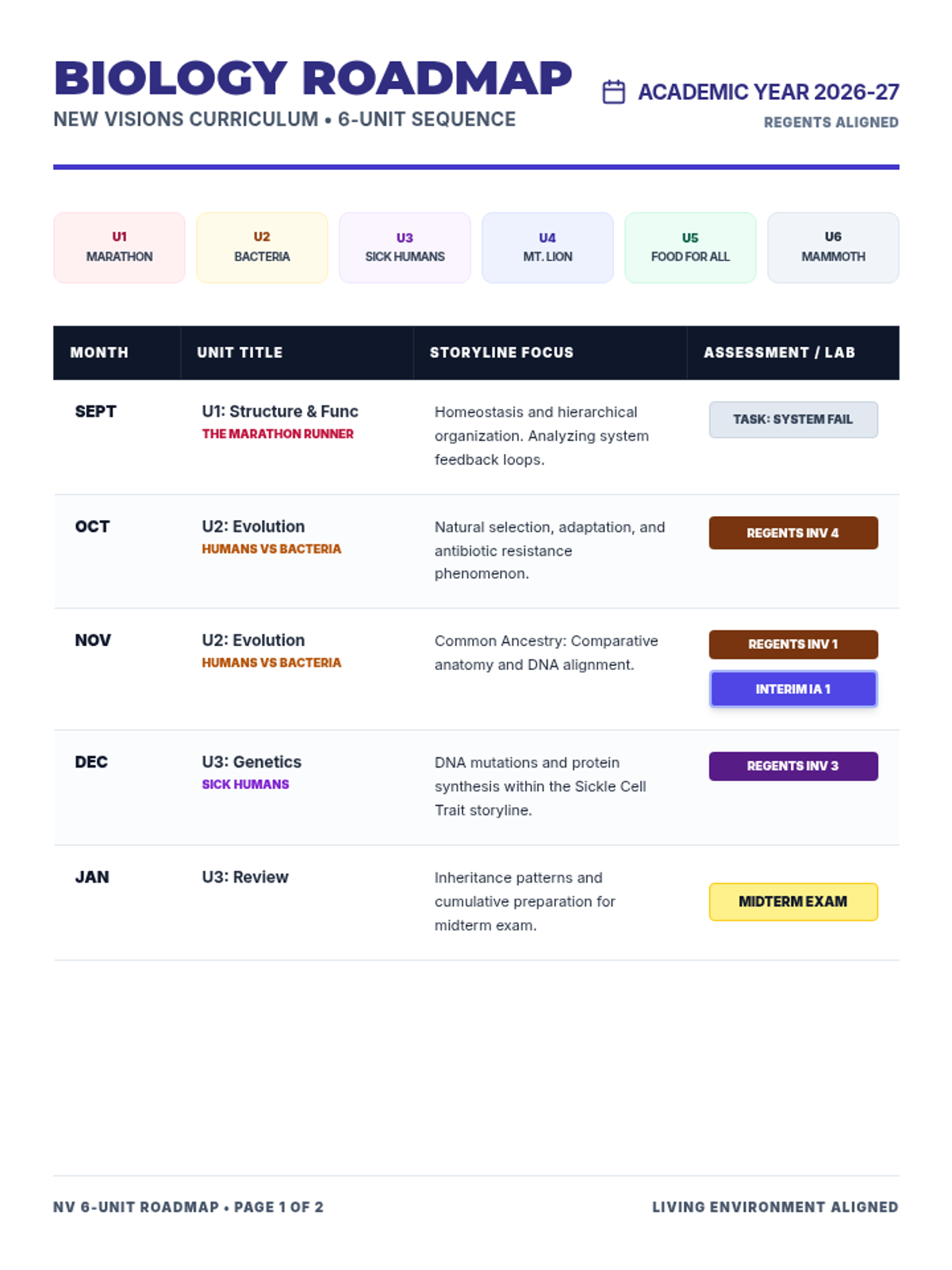
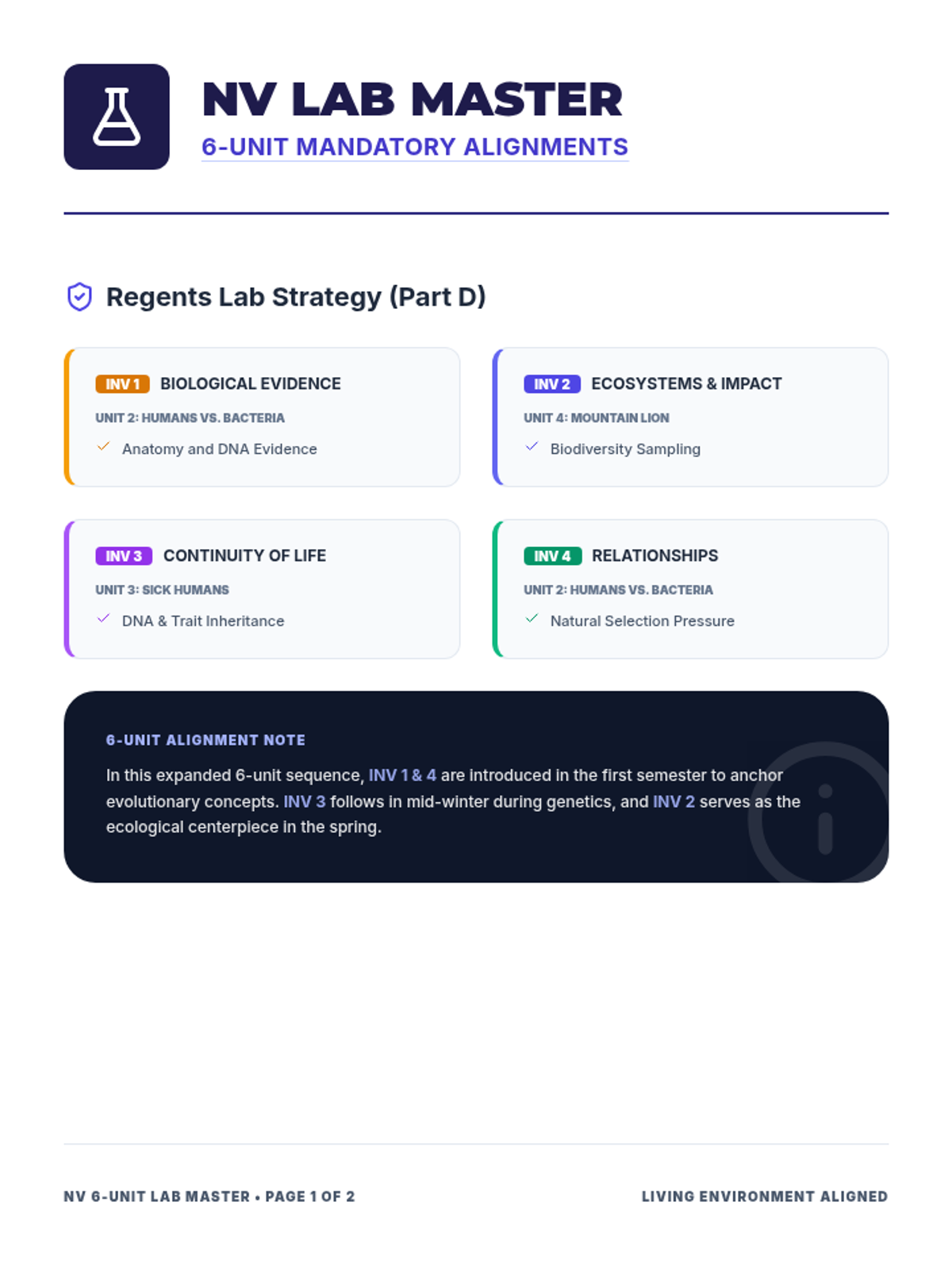
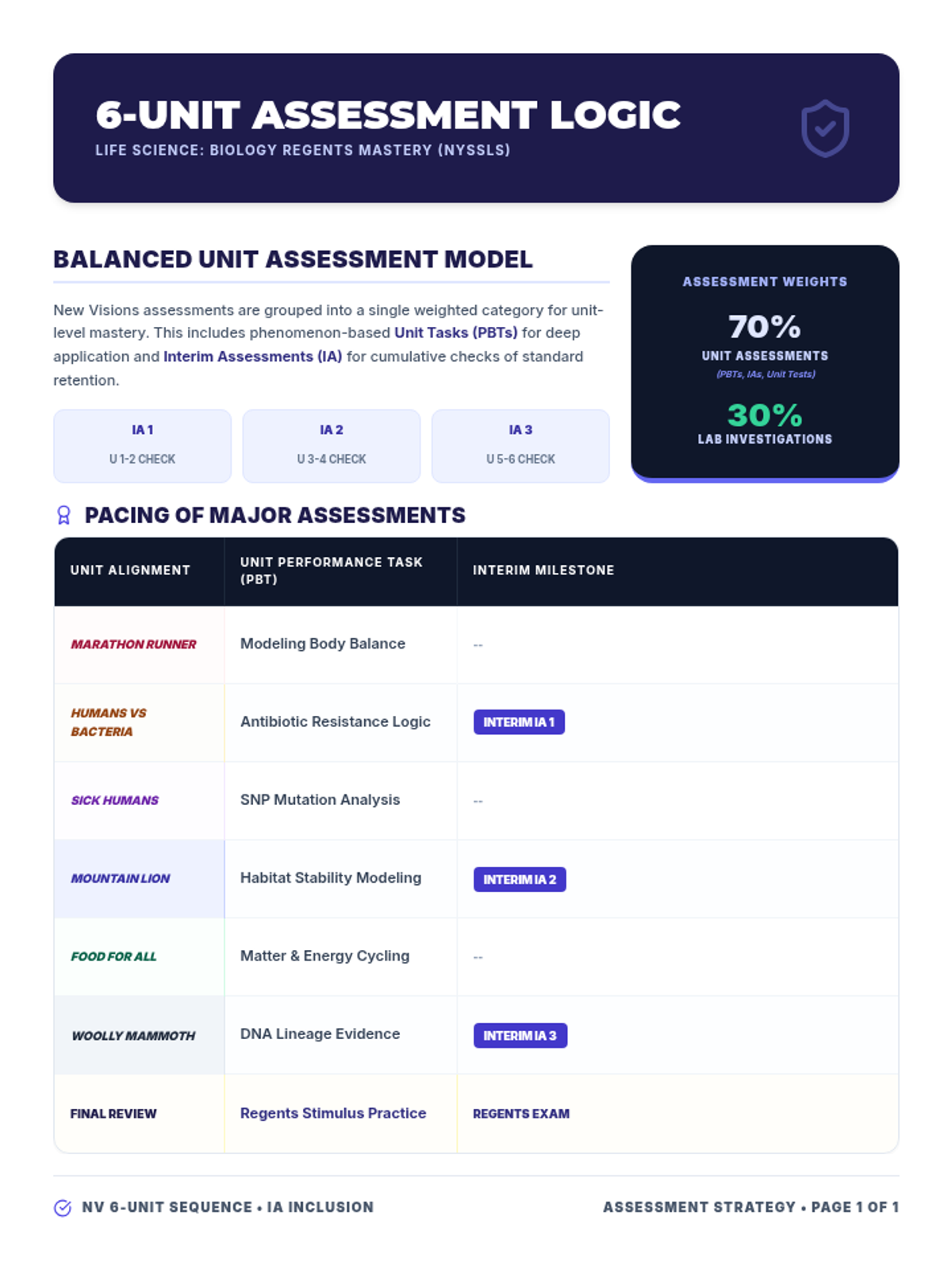
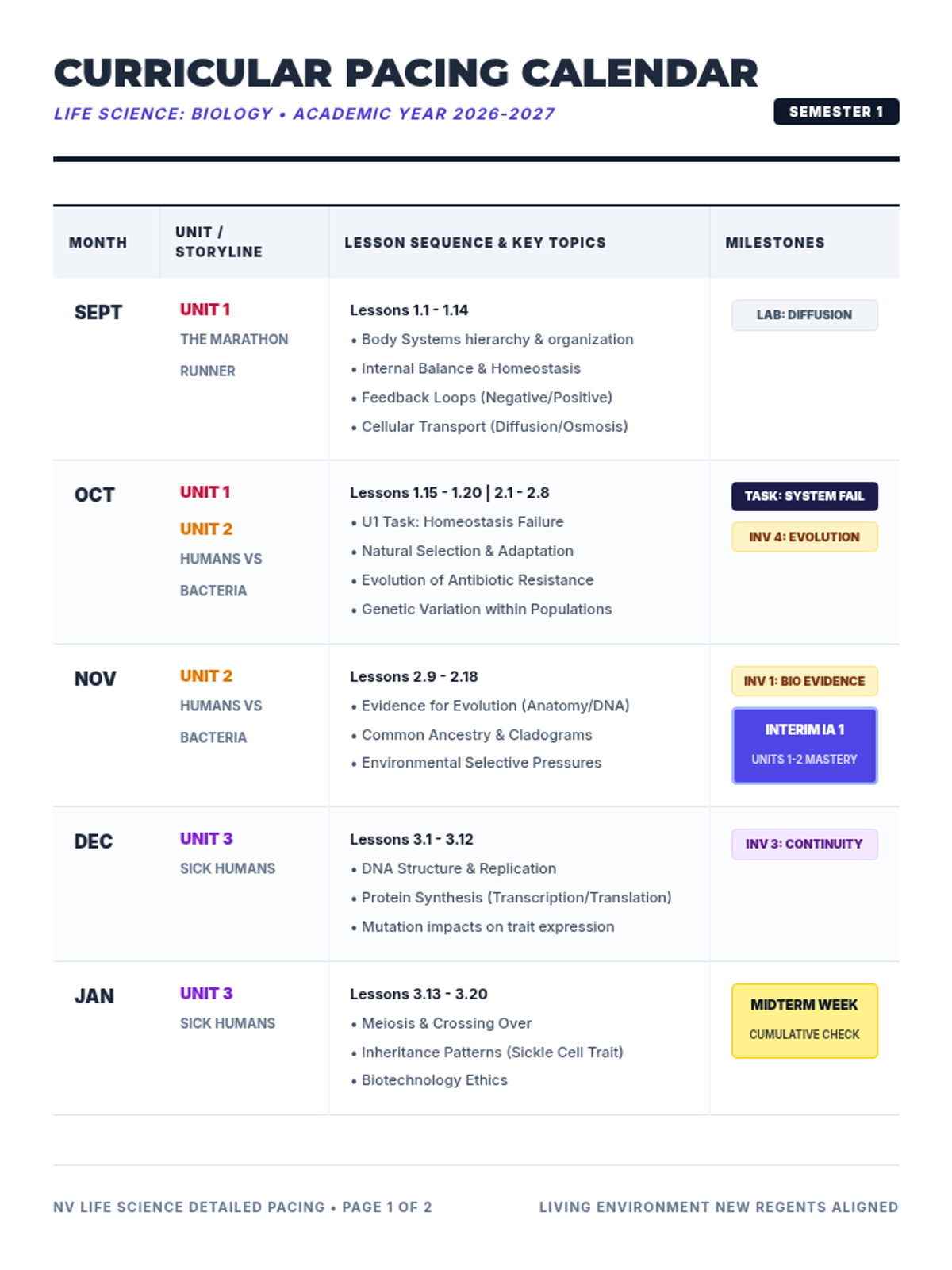
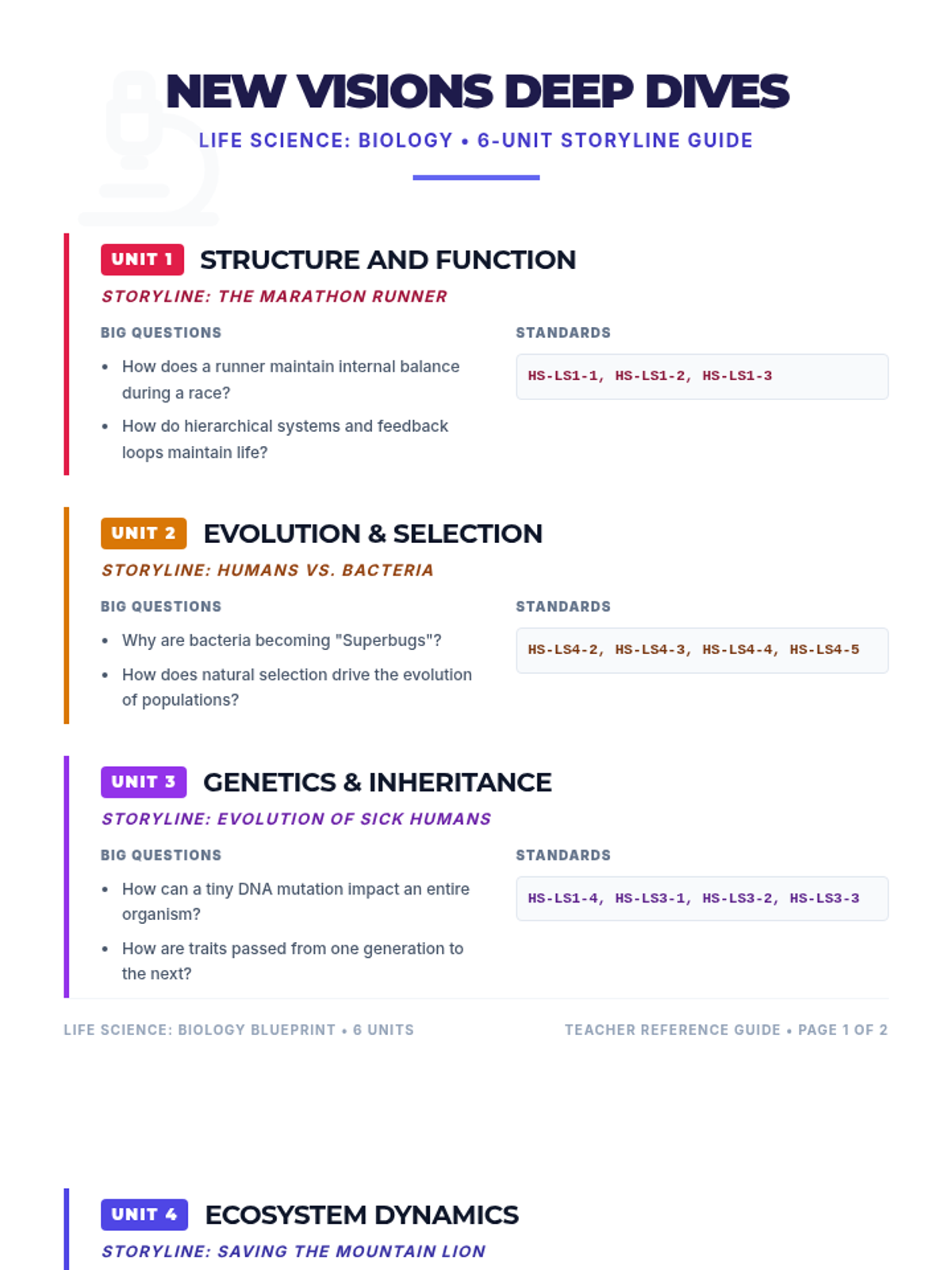
The foundational planning materials for the full-year Life Science: Biology curriculum, providing a high-level roadmap and detailed unit breakdowns.
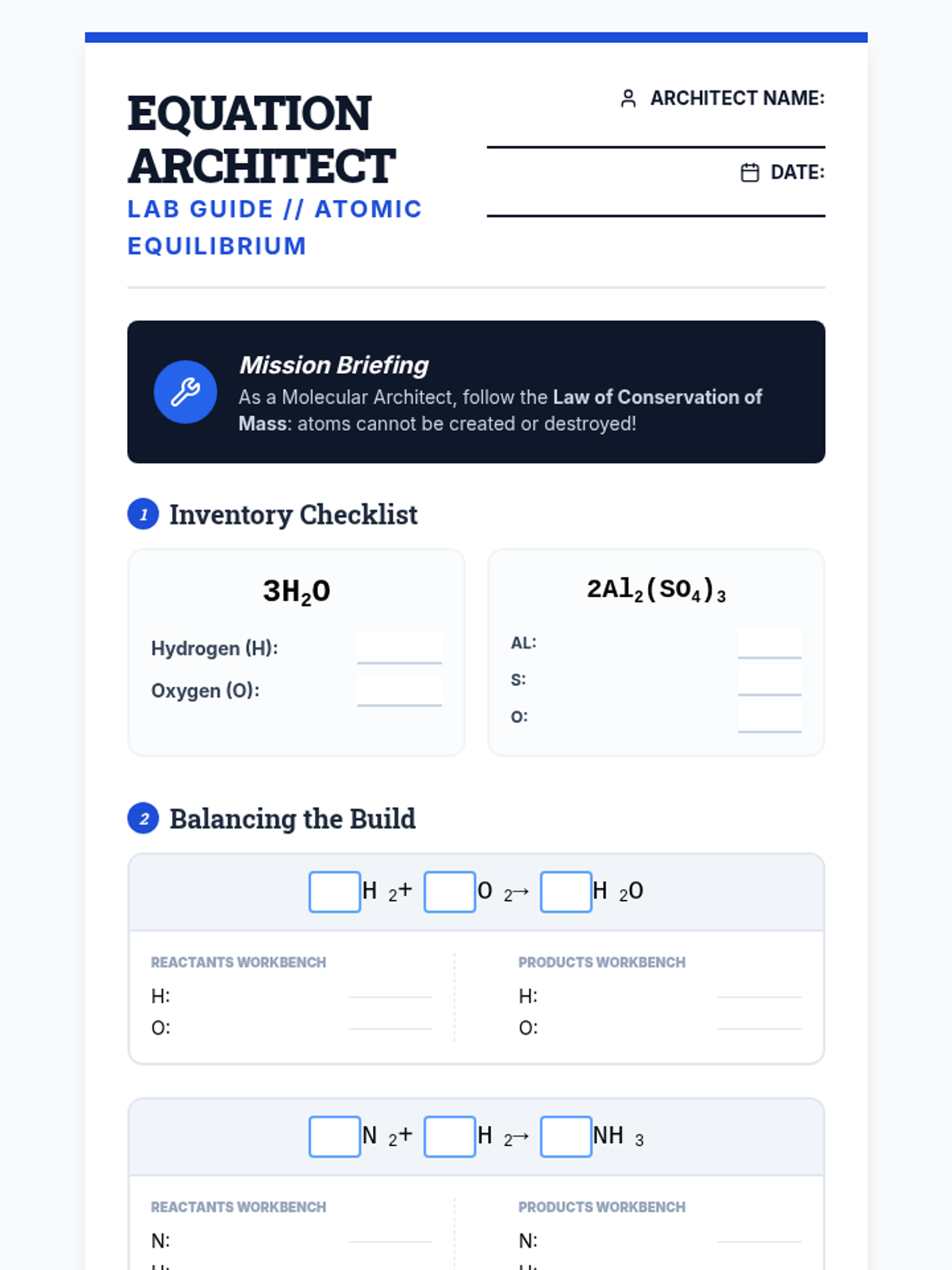
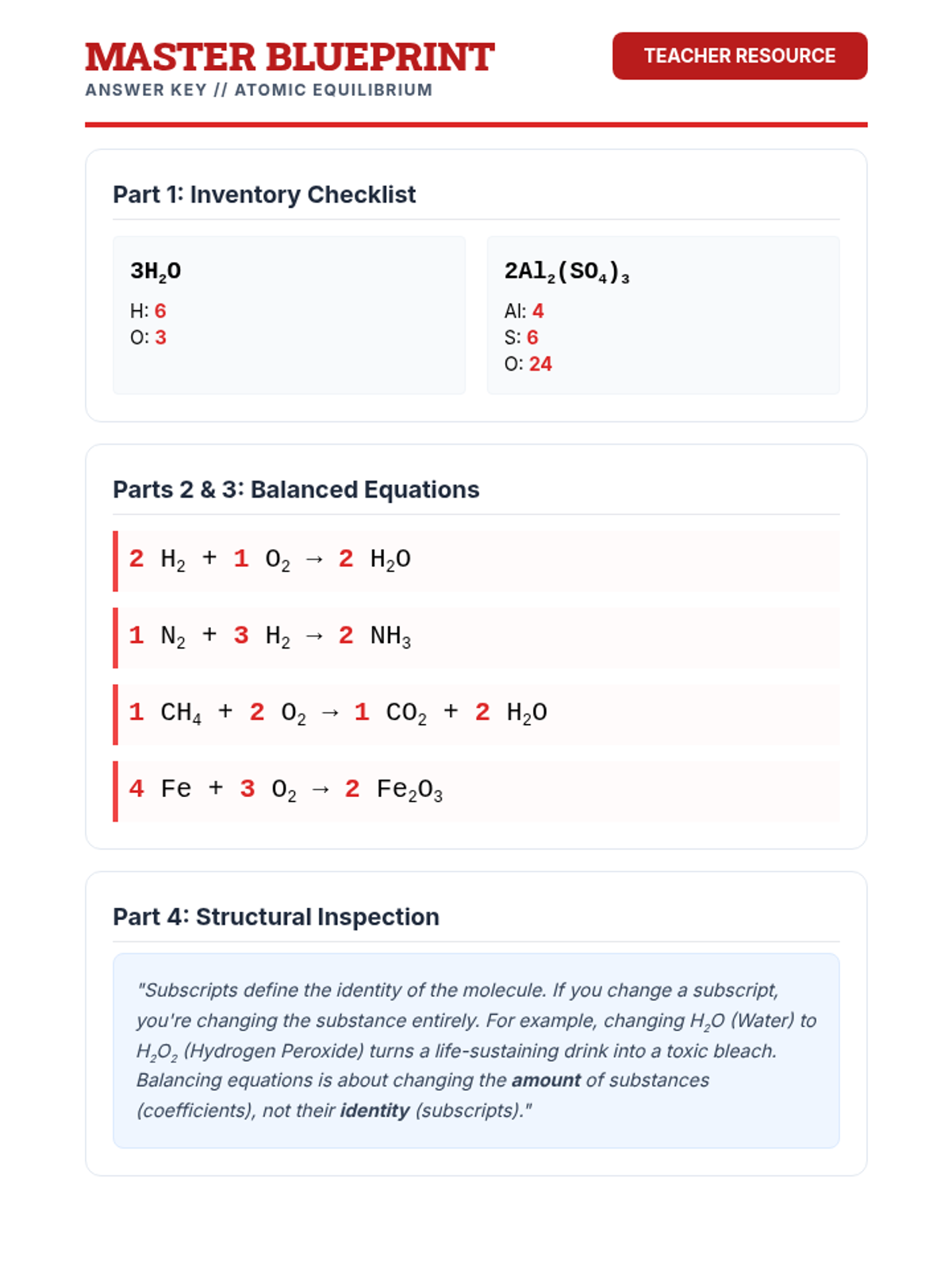
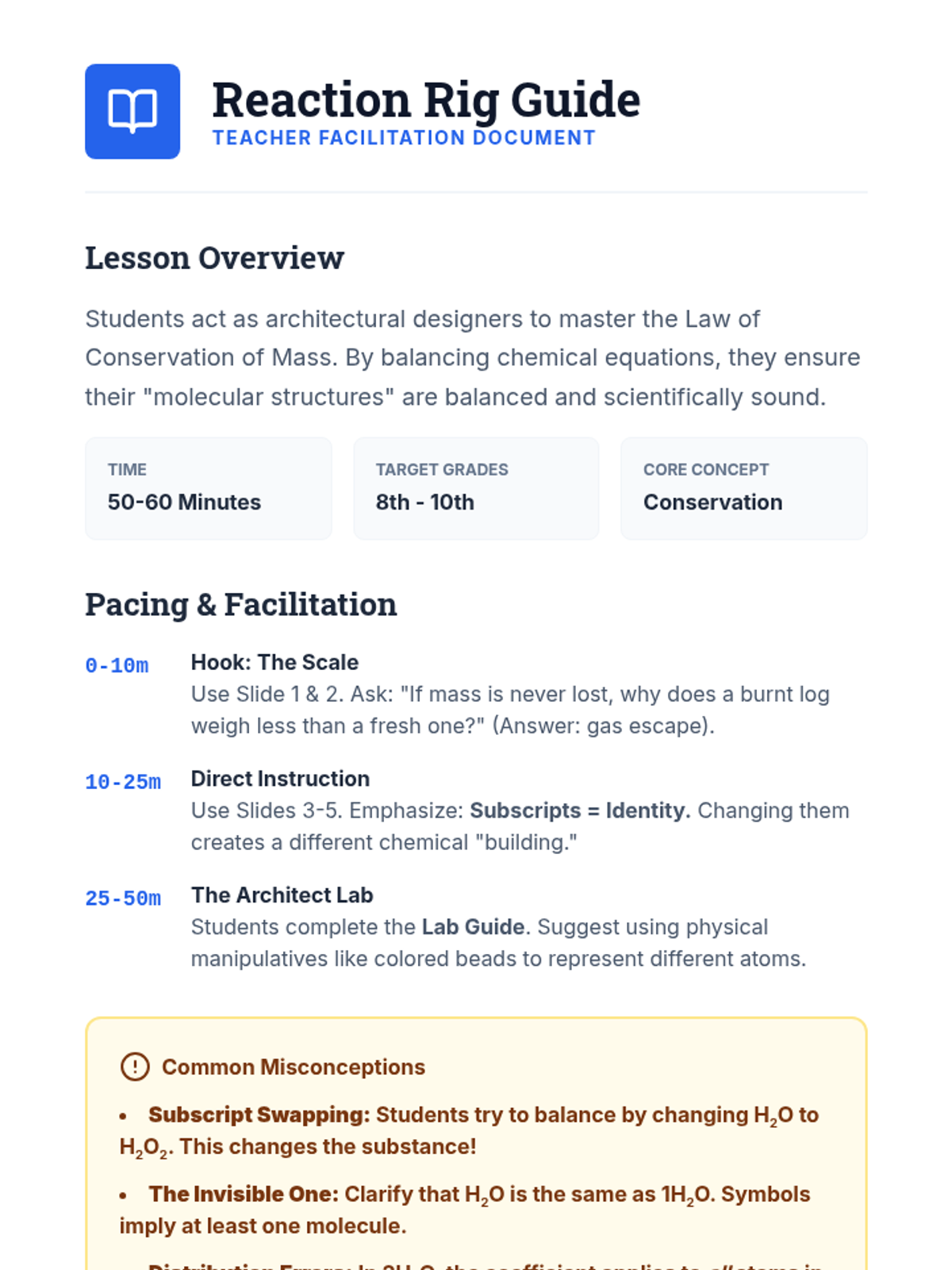
A comprehensive lesson on balancing chemical equations, focusing on the Law of Conservation of Mass and the visual representation of atoms. Students act as 'Molecular Architects' to build balanced chemical reactions.
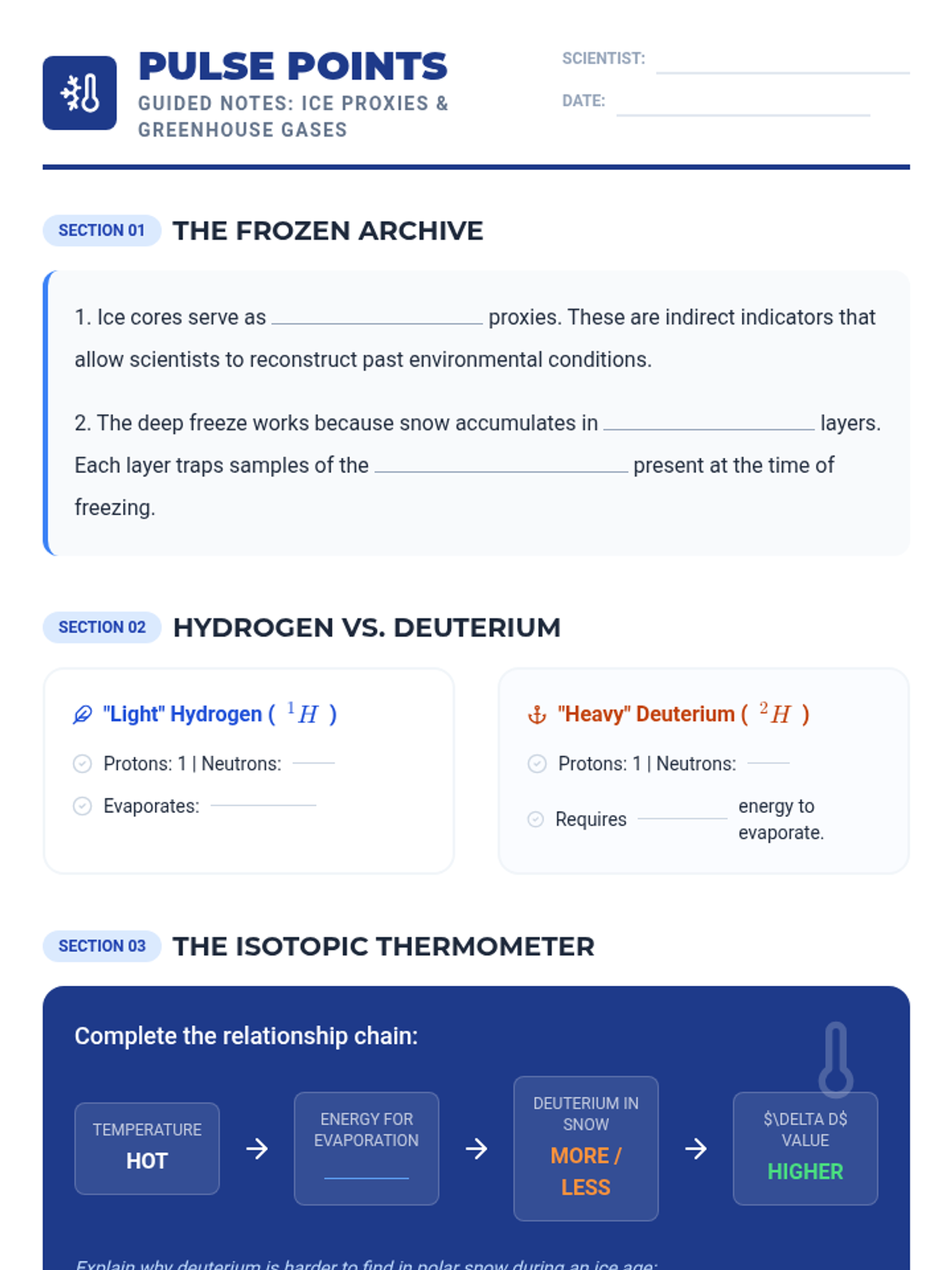
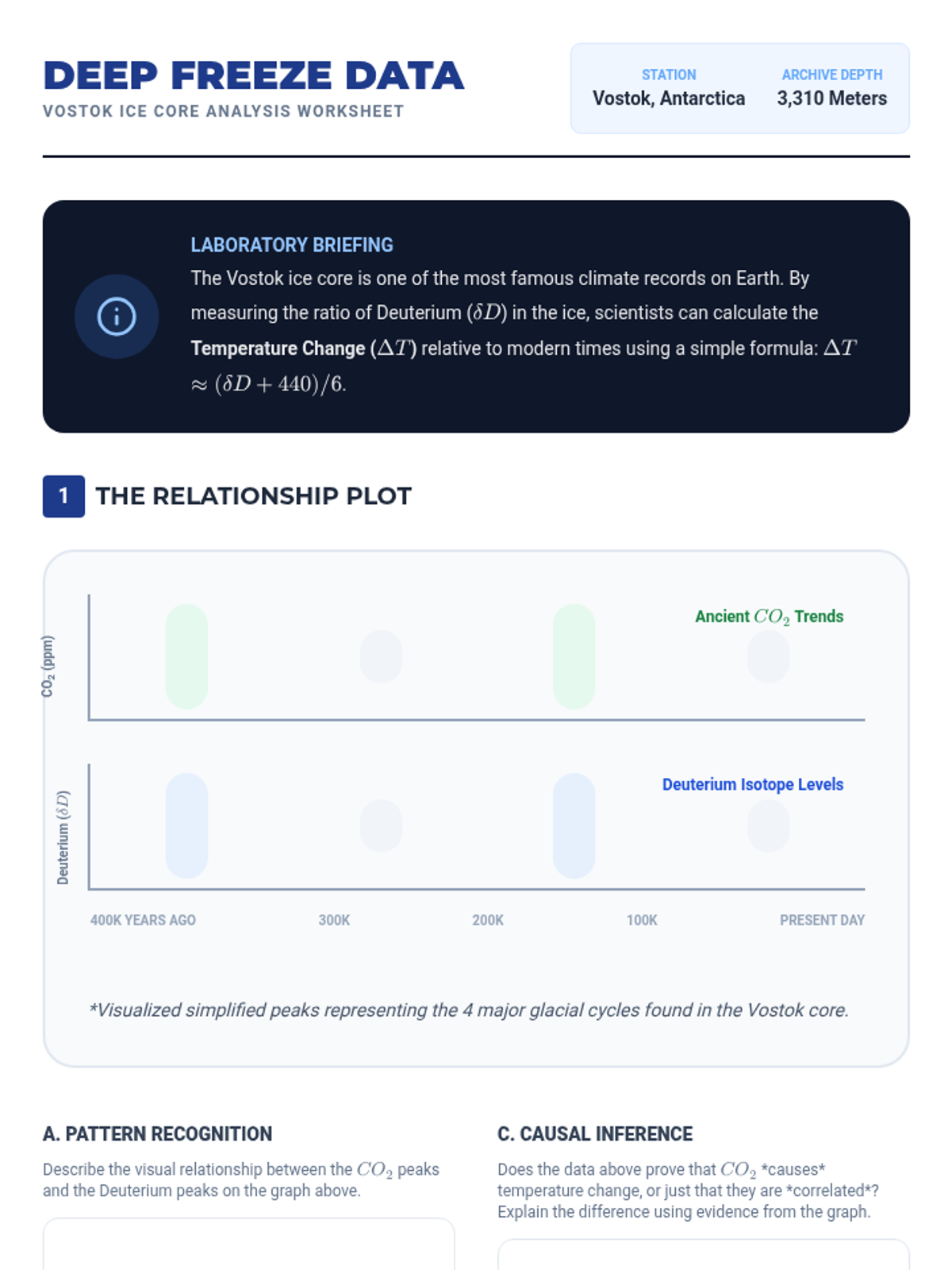
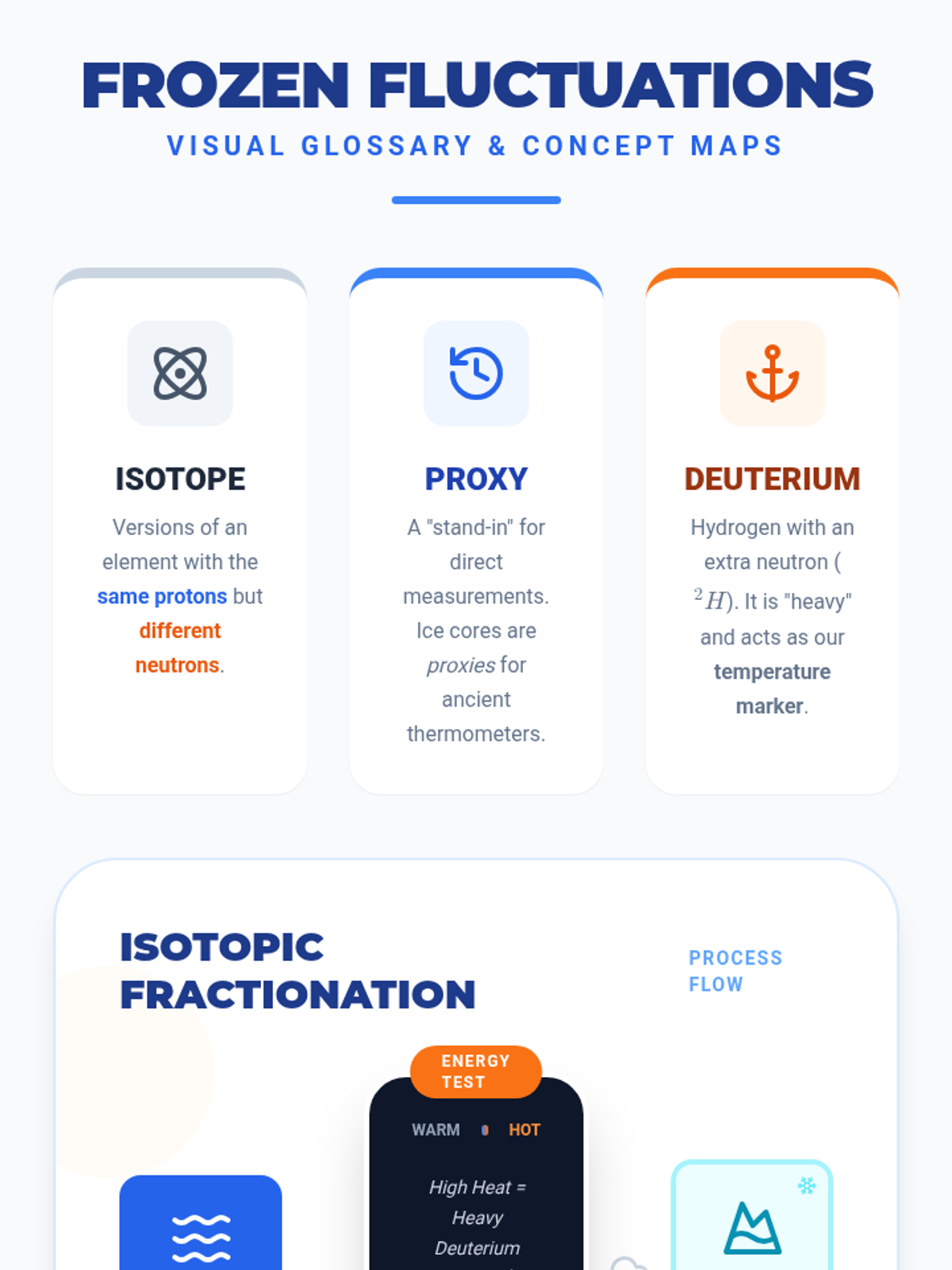
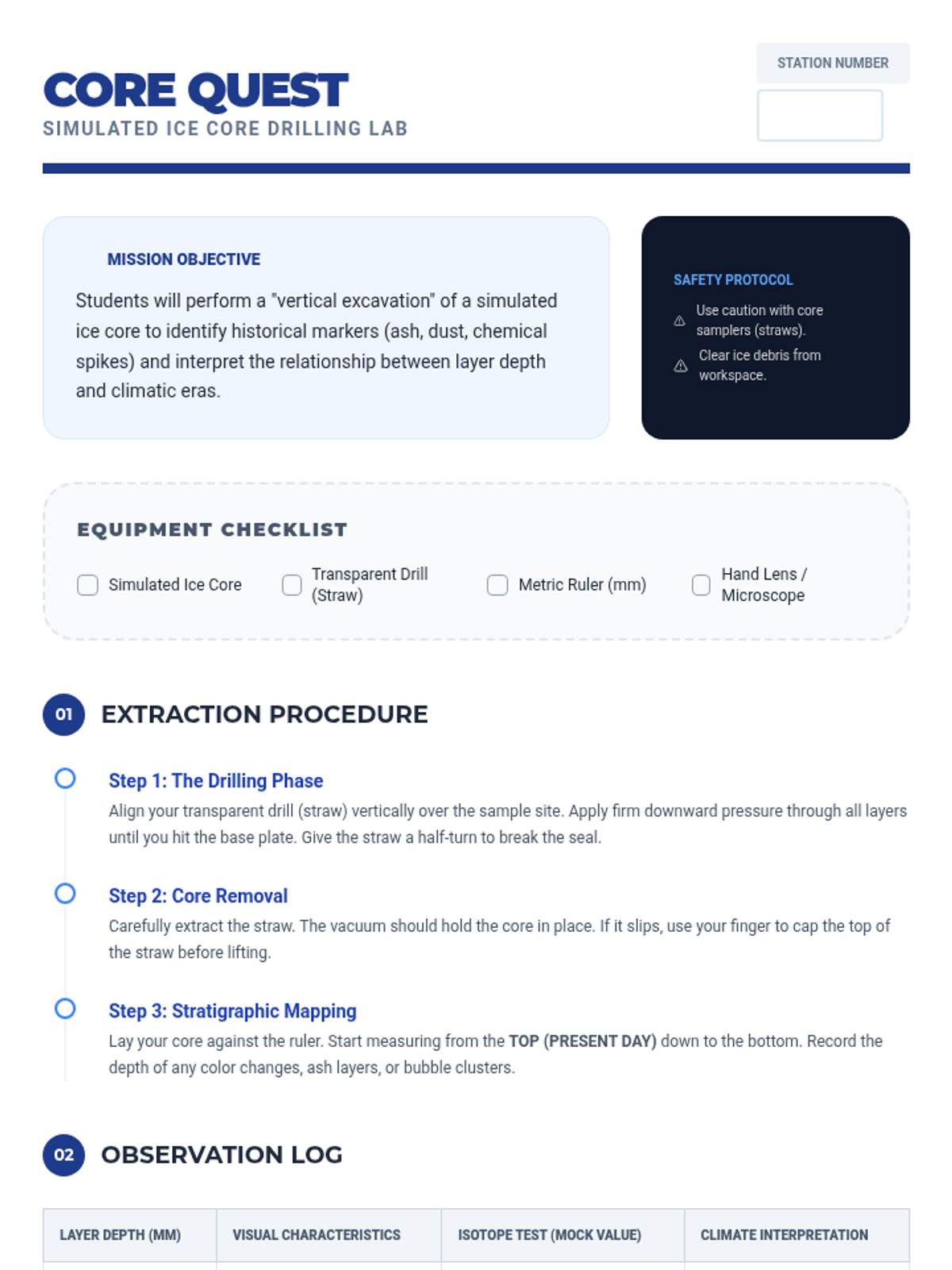
A high school lesson exploring the relationship between deuterium isotopes in ice cores and historical greenhouse gas levels to reconstruct past climates. Students analyze isotopic data to understand how scientists decode Earth's climate history from the deep freeze.
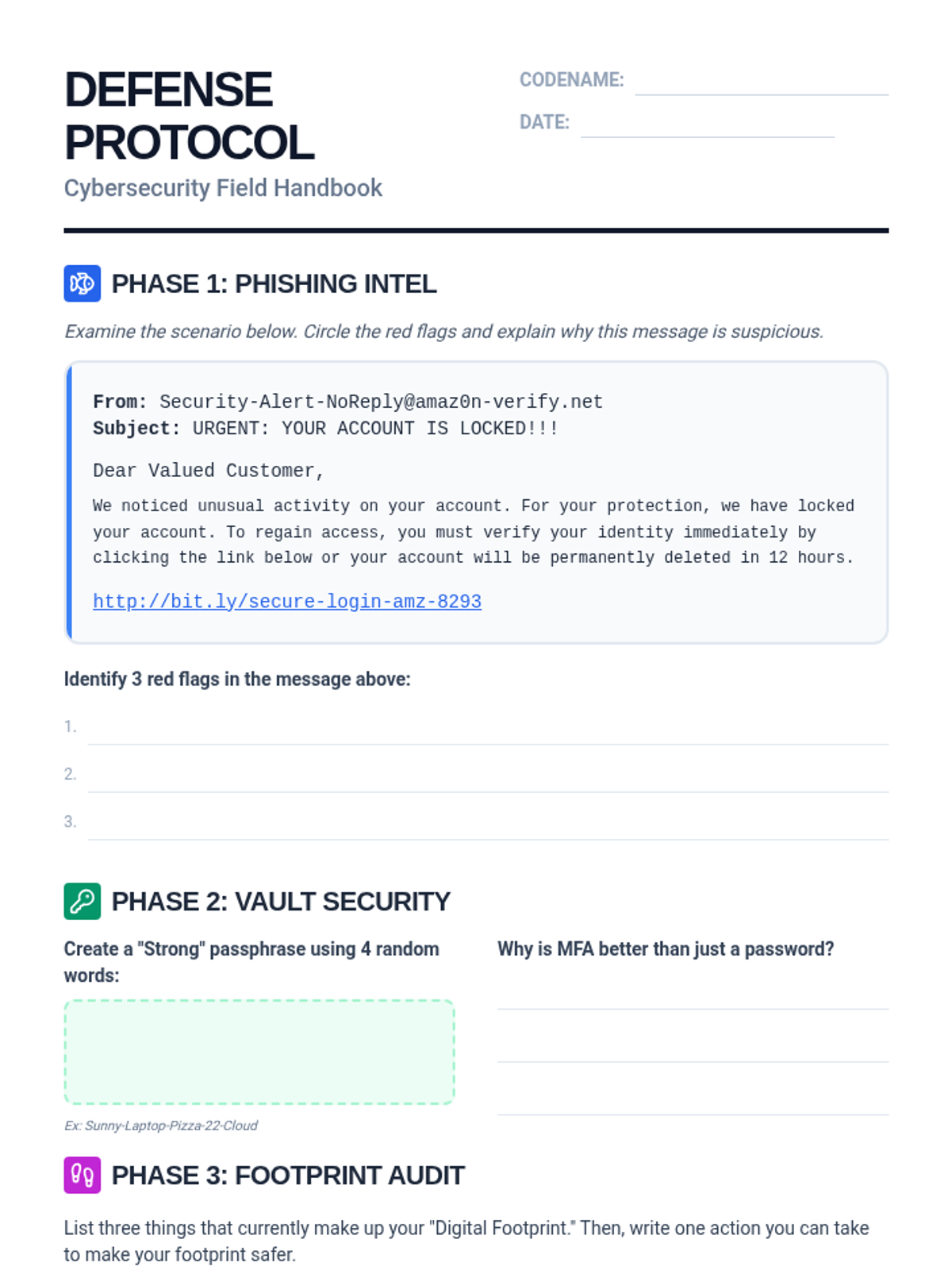
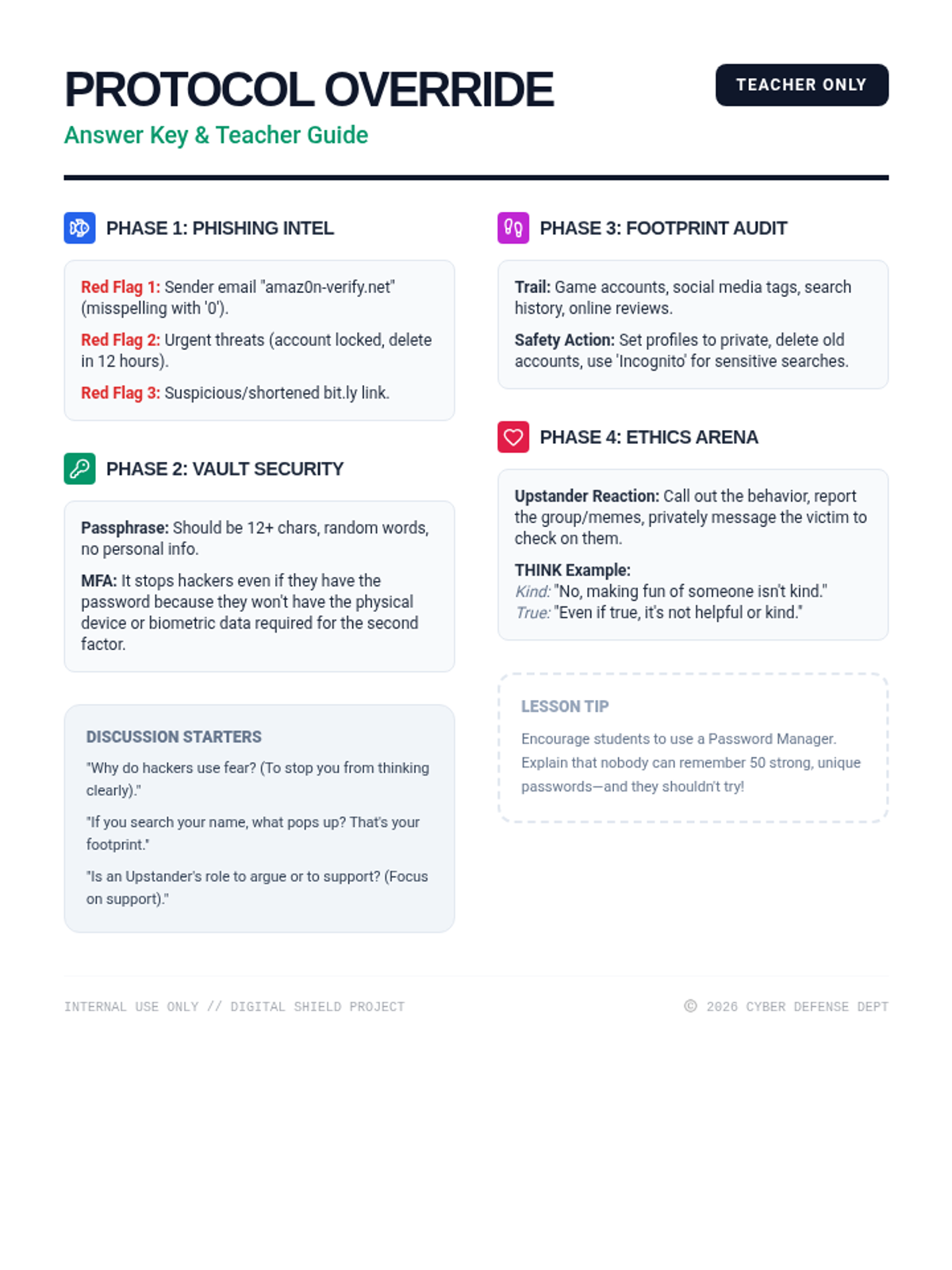
A comprehensive introduction to cybersecurity essentials, covering phishing, password security, digital footprints, and online ethics. Students learn to protect themselves and act responsibly in the digital world.
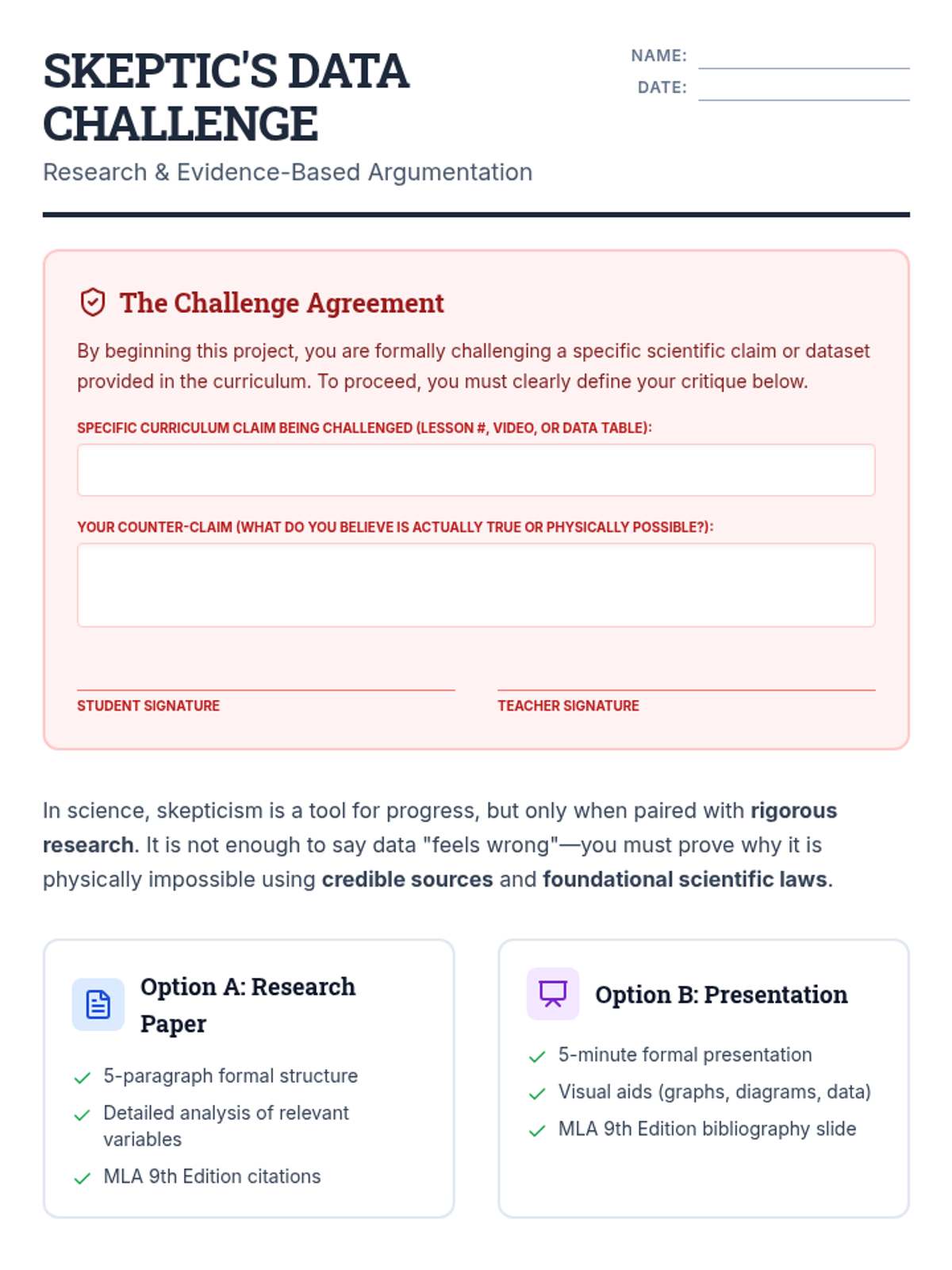
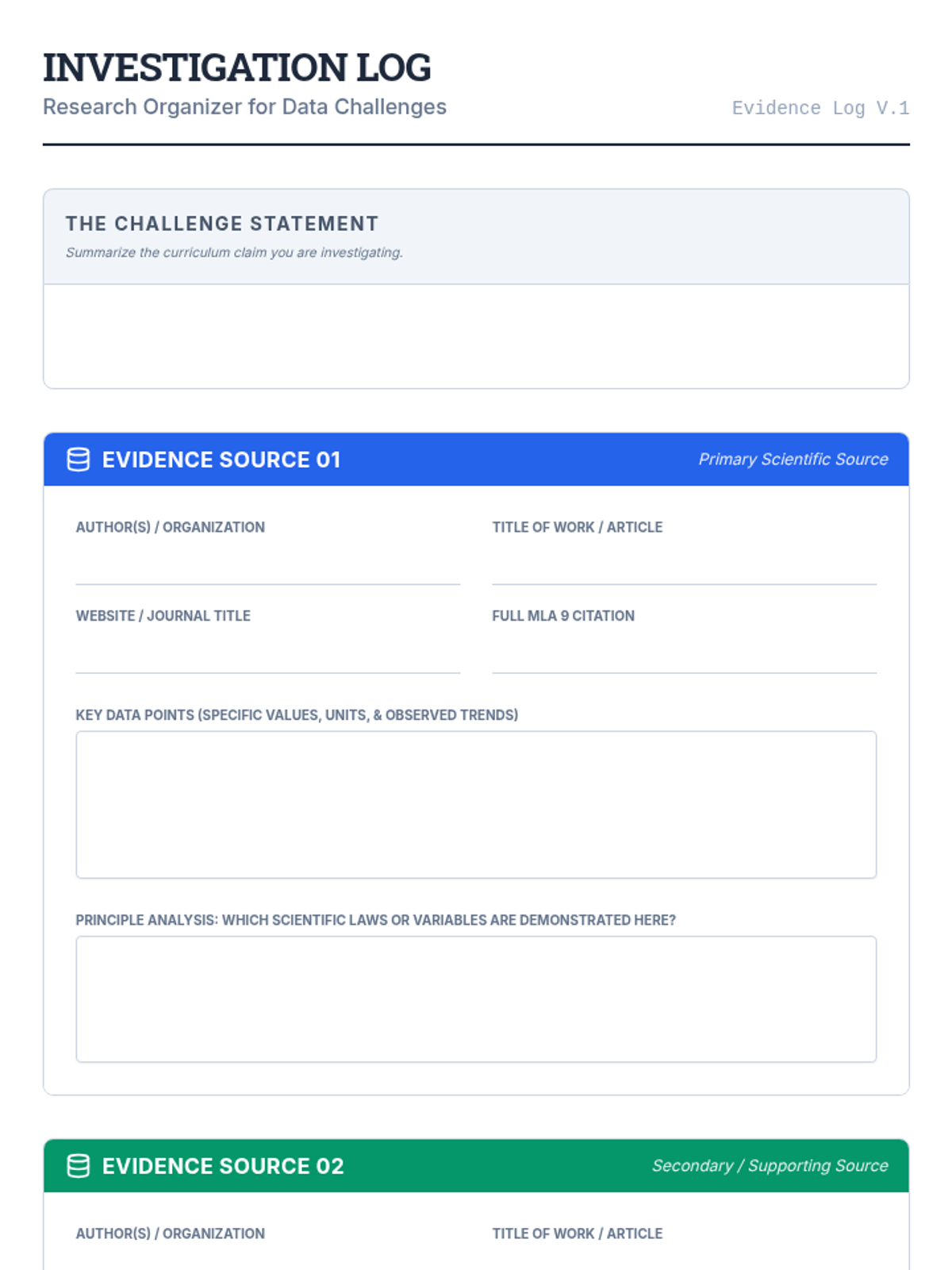
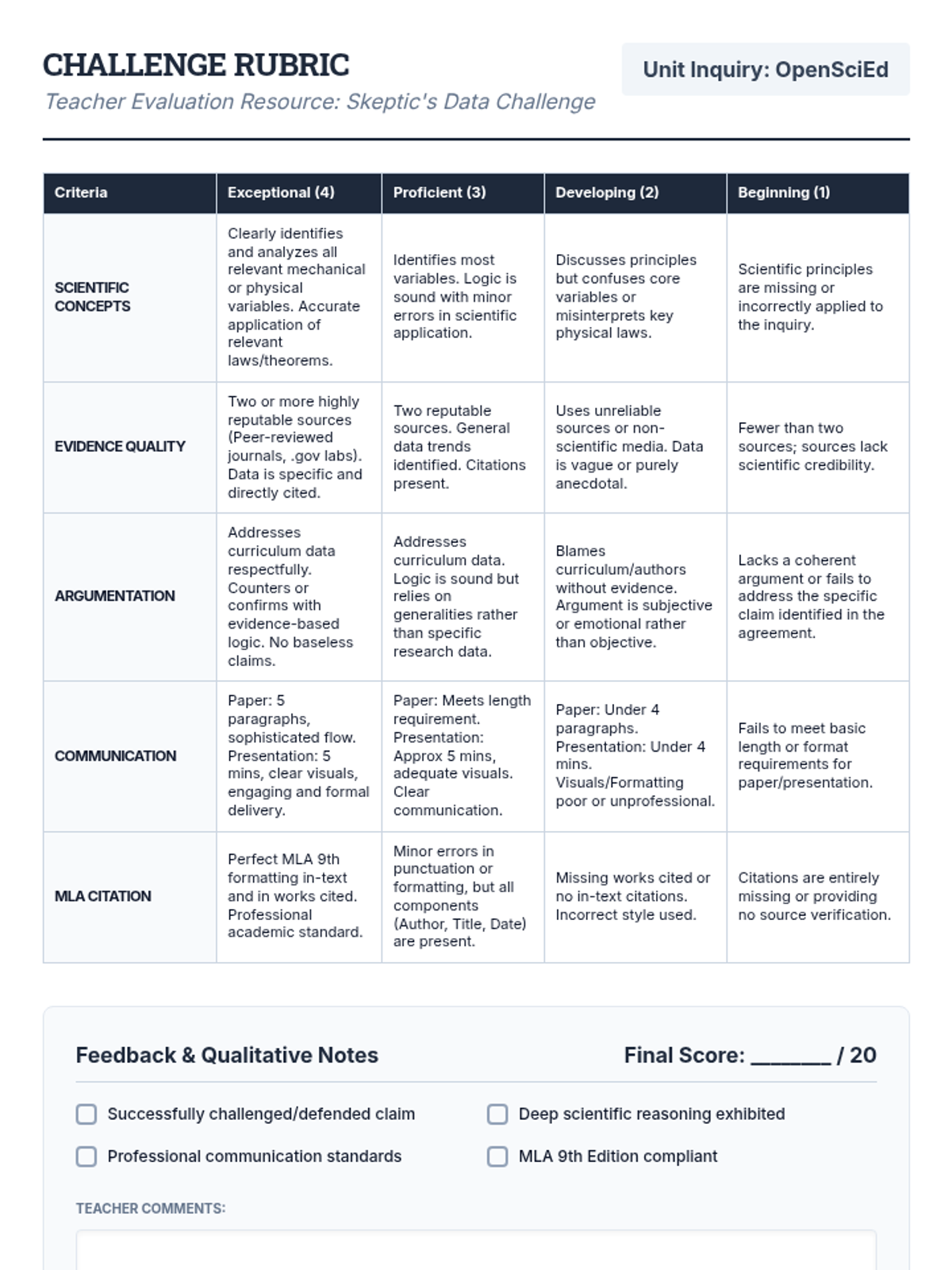
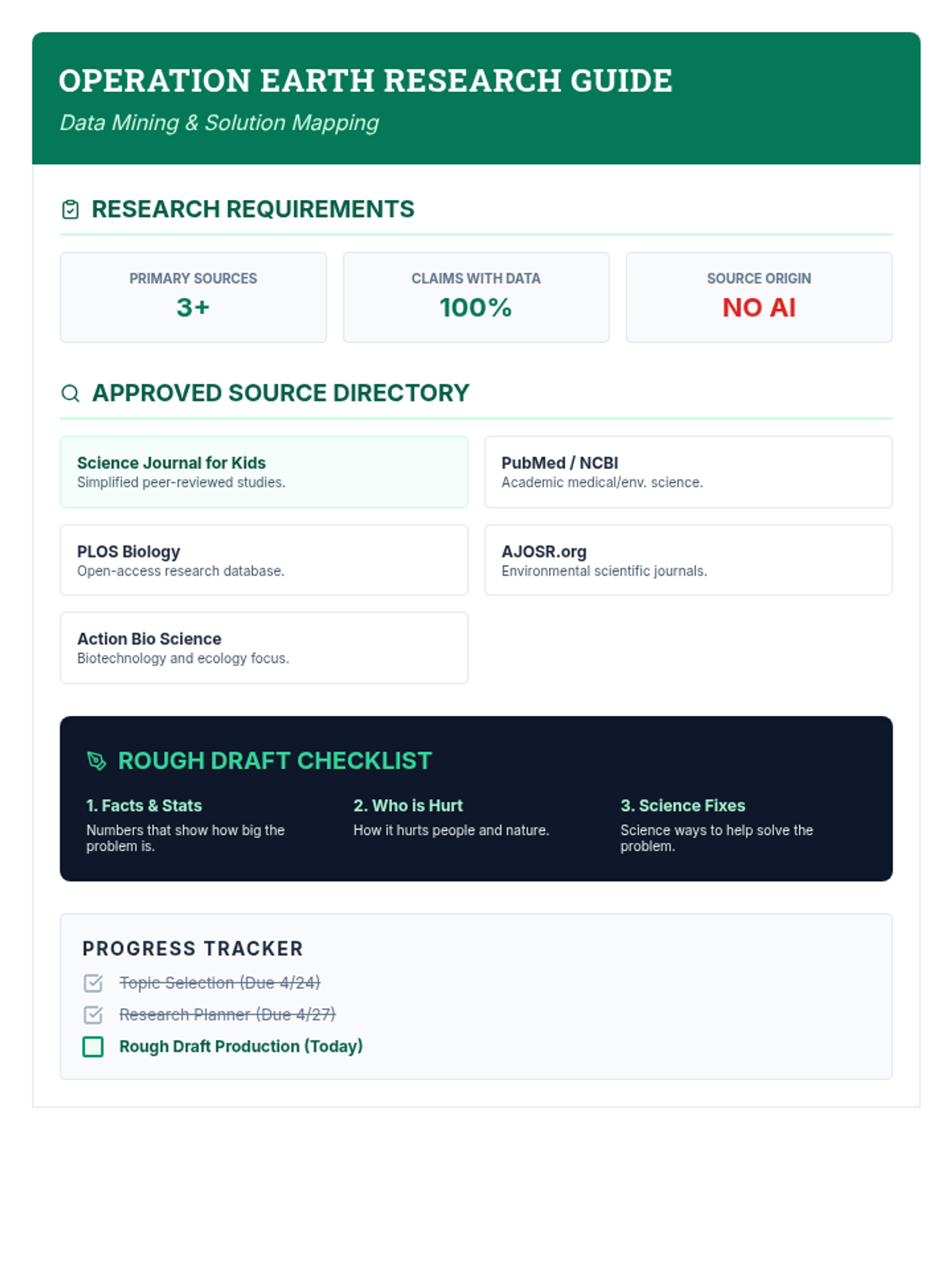
An optional enrichment lesson for students to investigate curriculum data through formal research and evidence-based argumentation, honoring scientific inquiry and rigorous data validation.
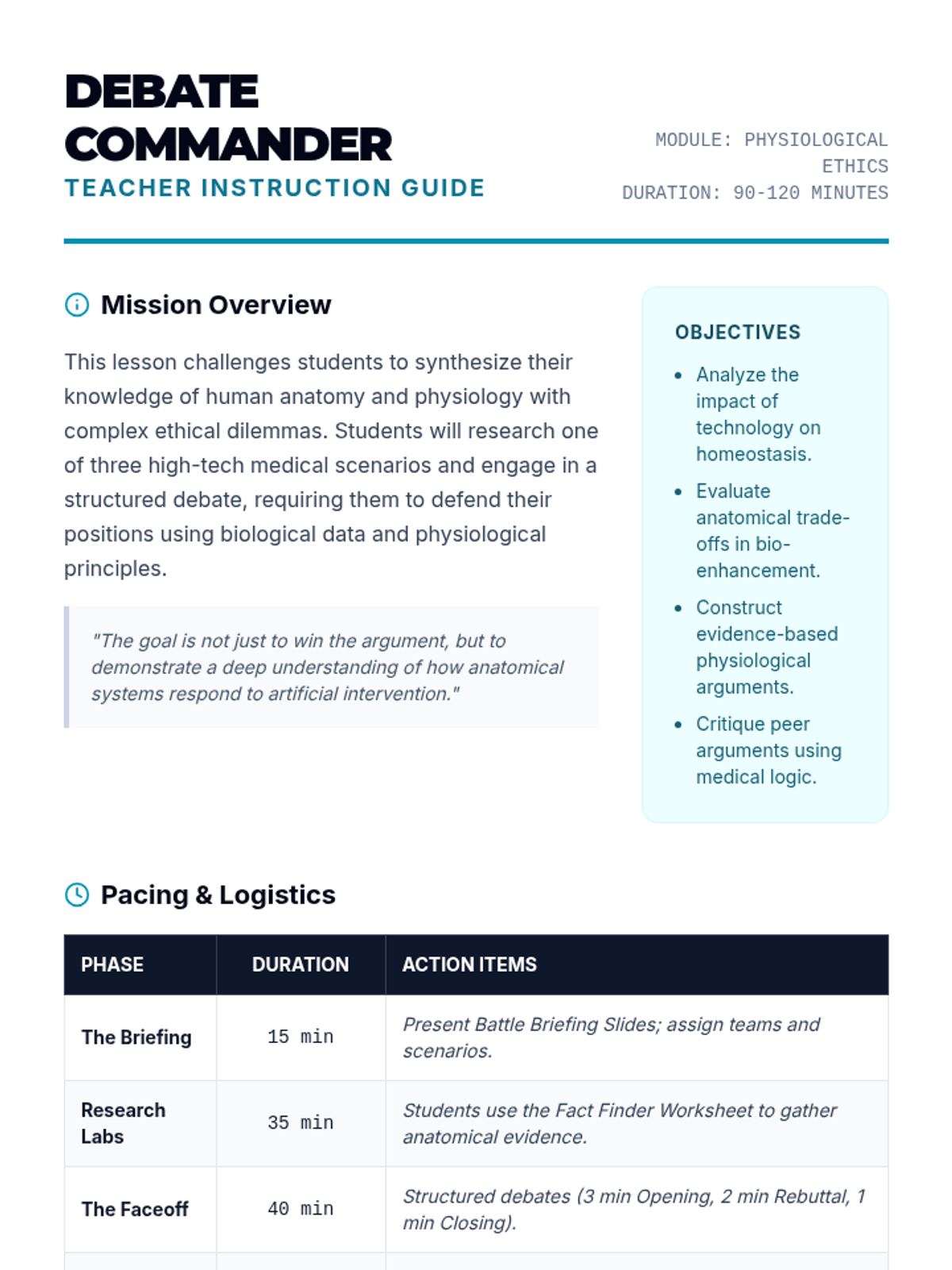
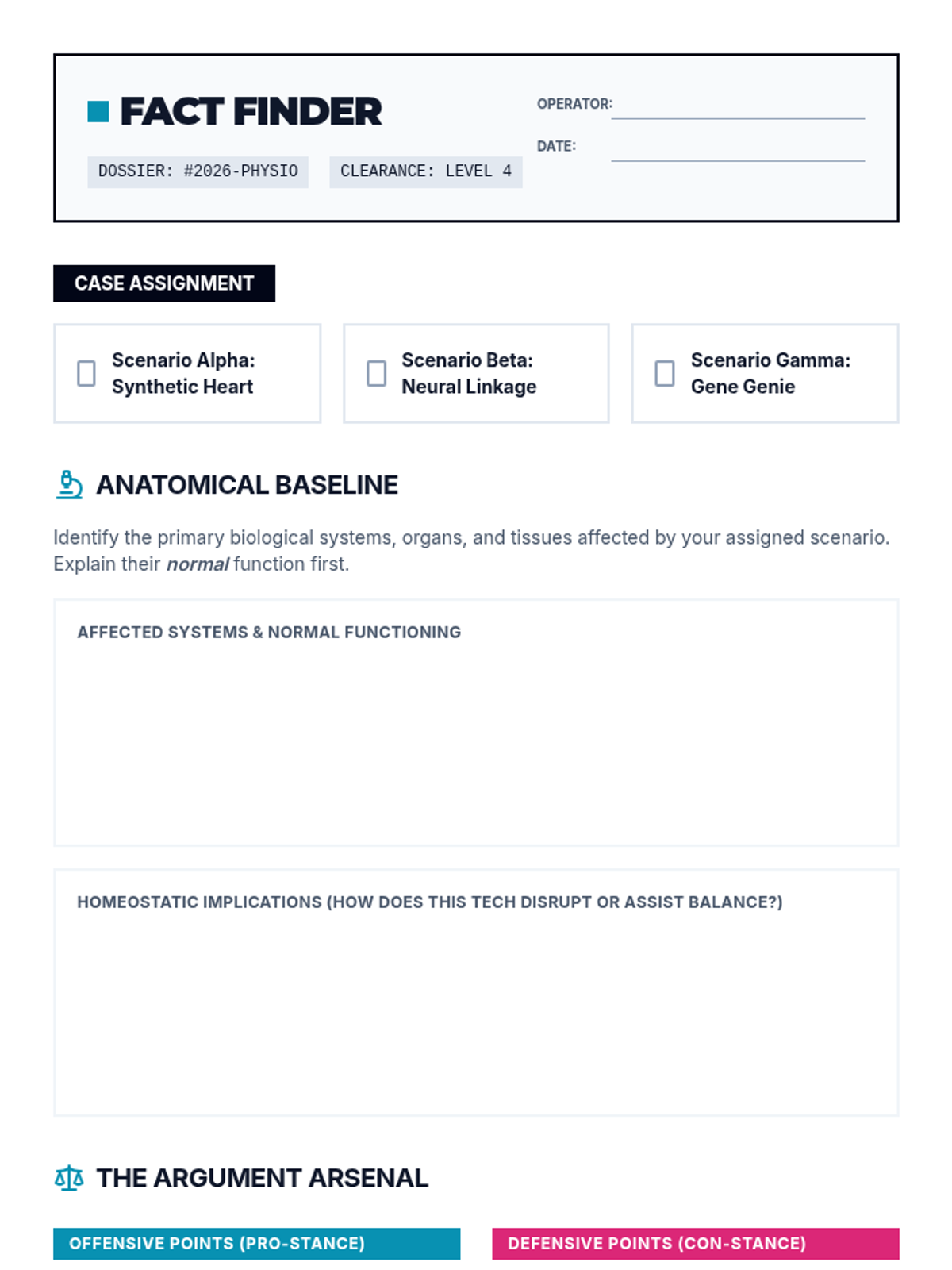
A high-stakes debate lesson where students explore the ethical and physiological implications of human bio-enhancement and medical technology.
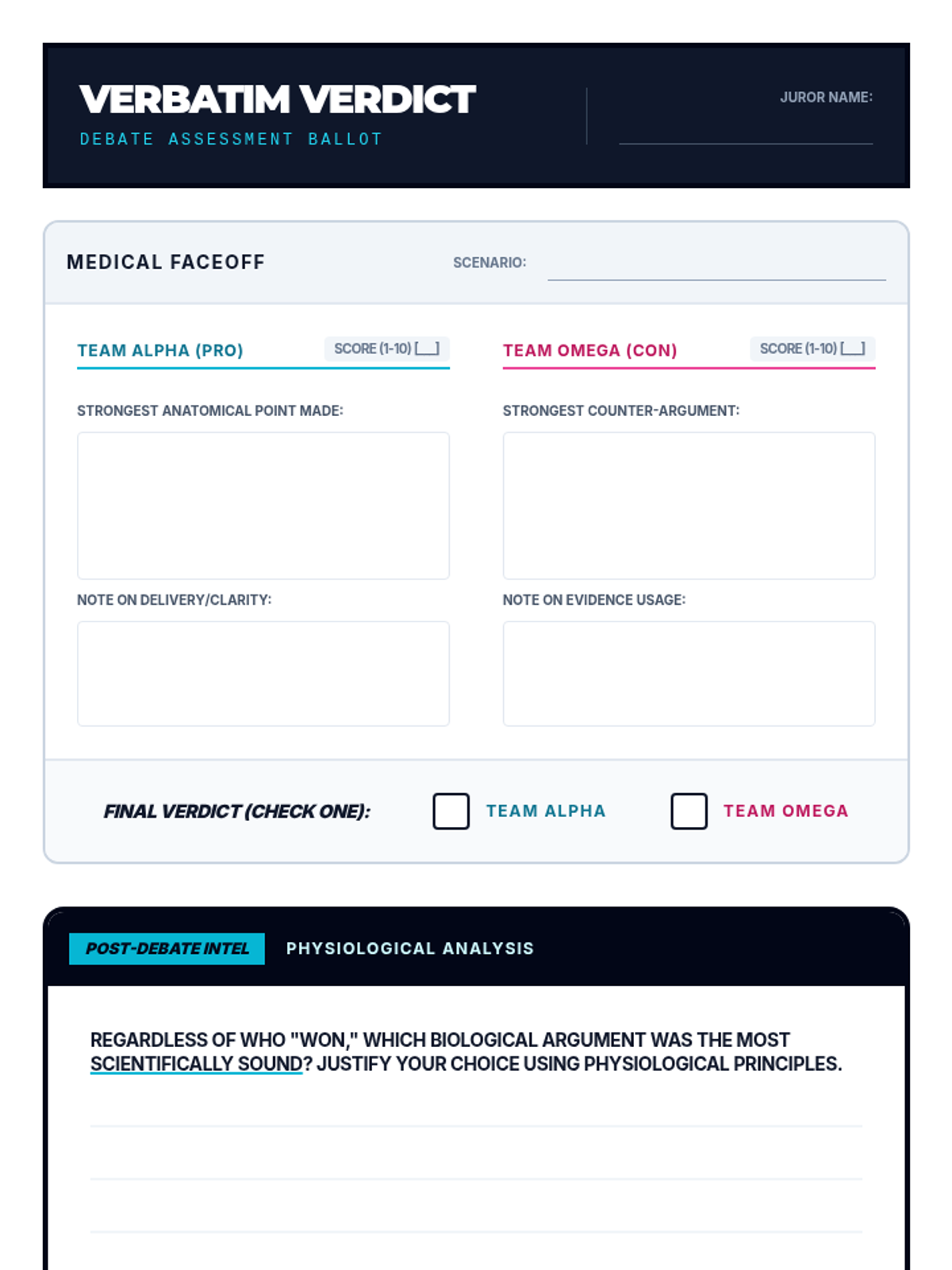
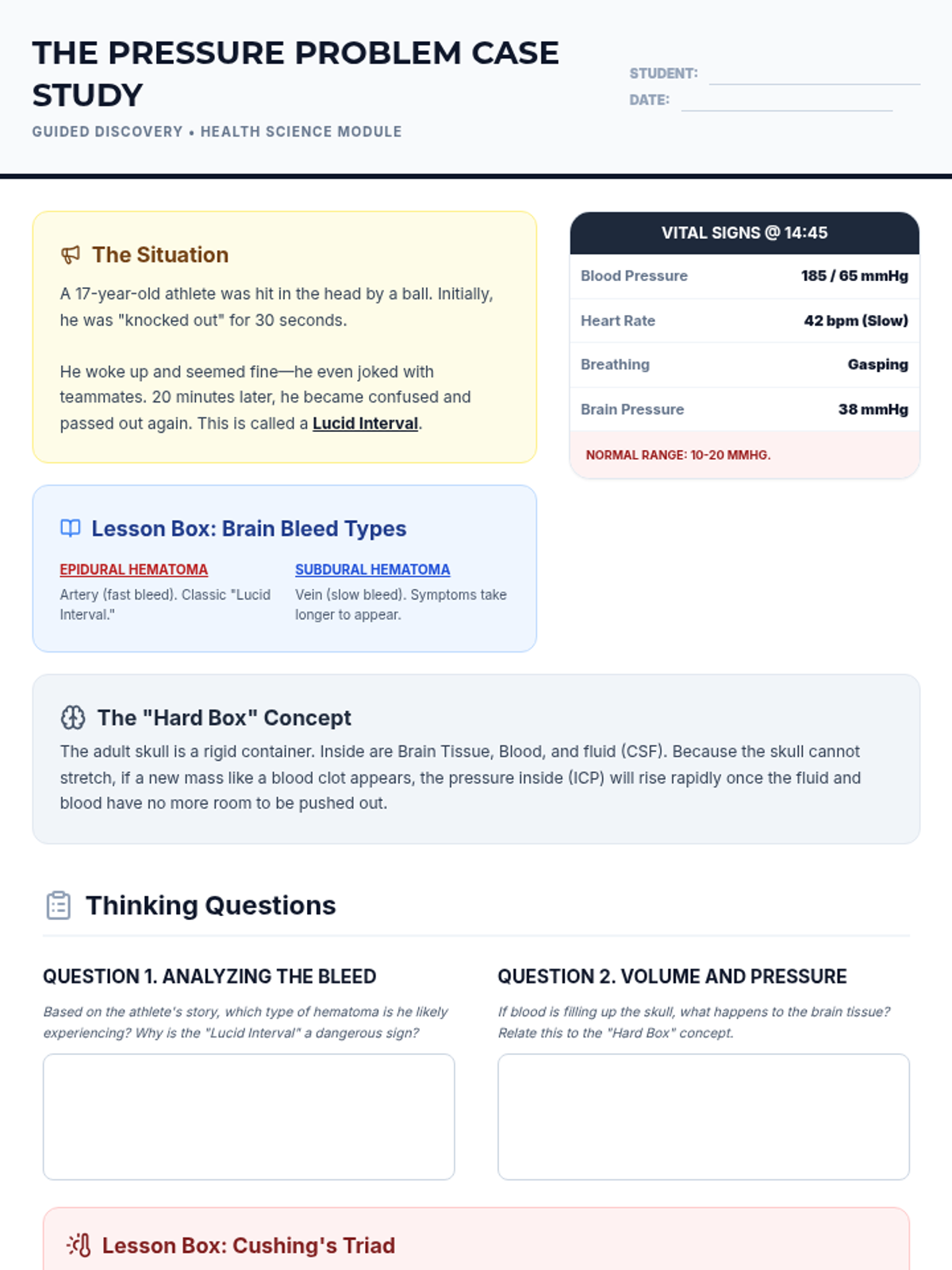
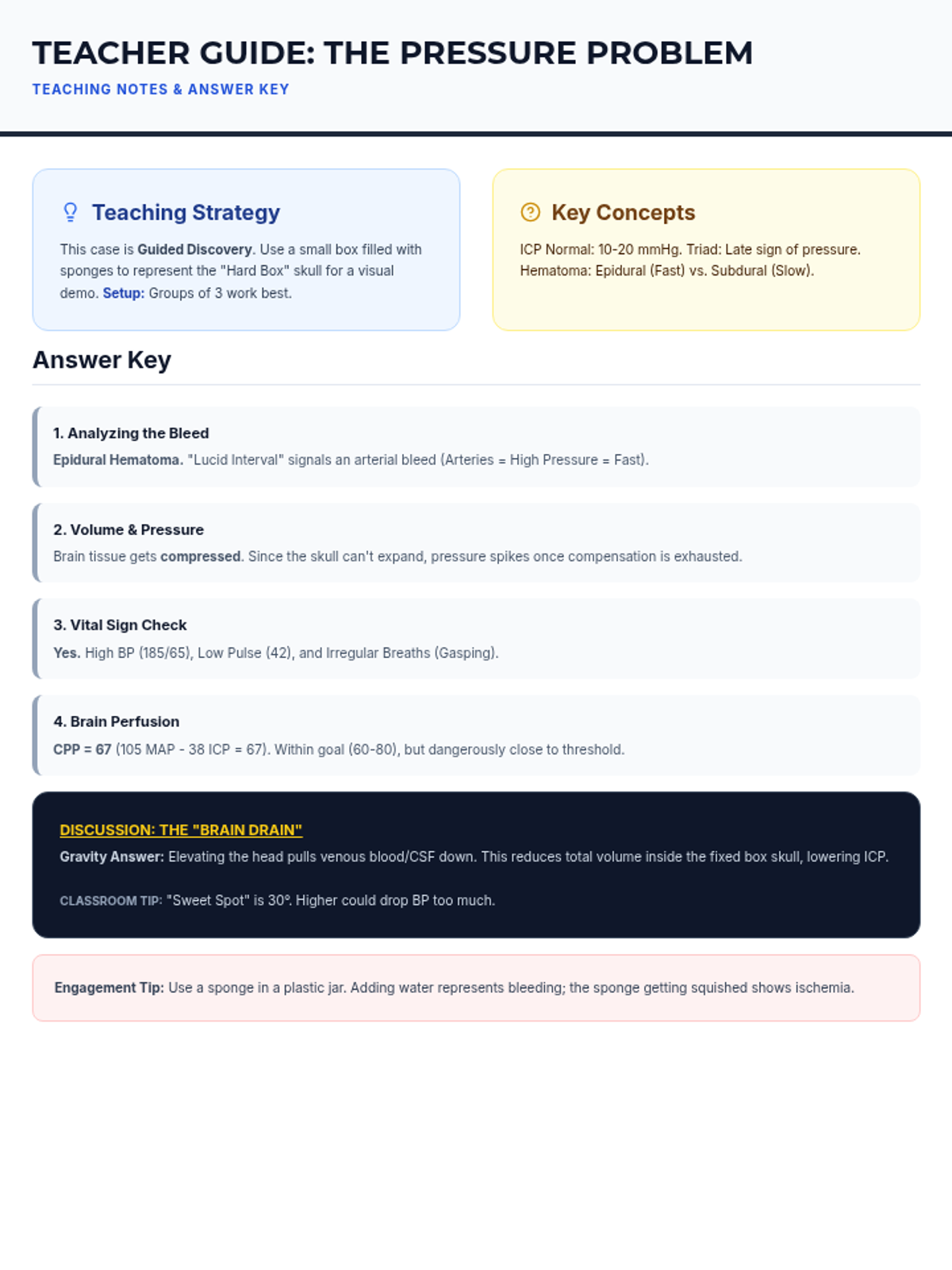
A health-science focused lesson on the anatomy, physiology, and clinical implications of increased intracranial pressure, featuring the Monro-Kellie doctrine and Cushing's Triad.
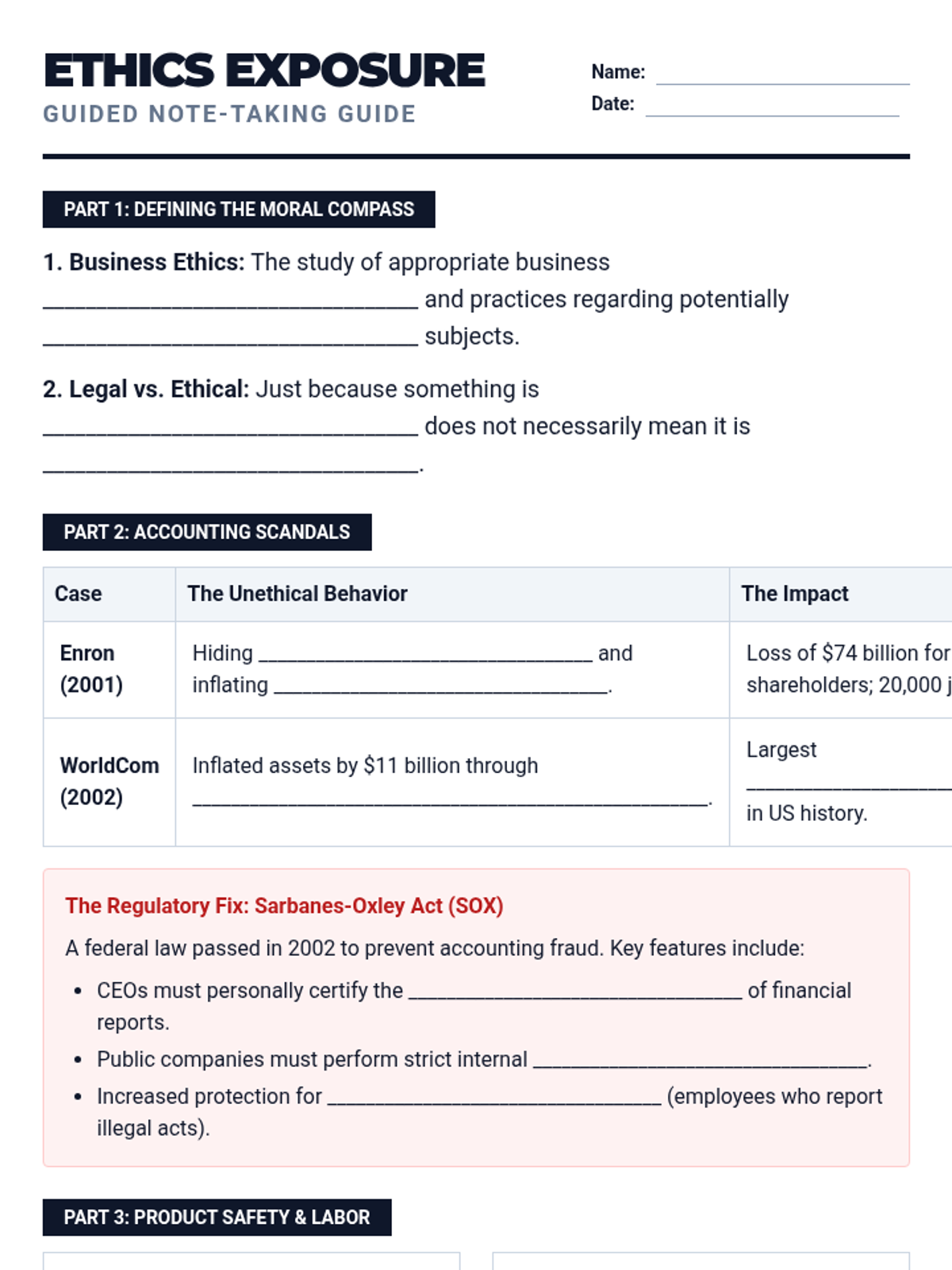
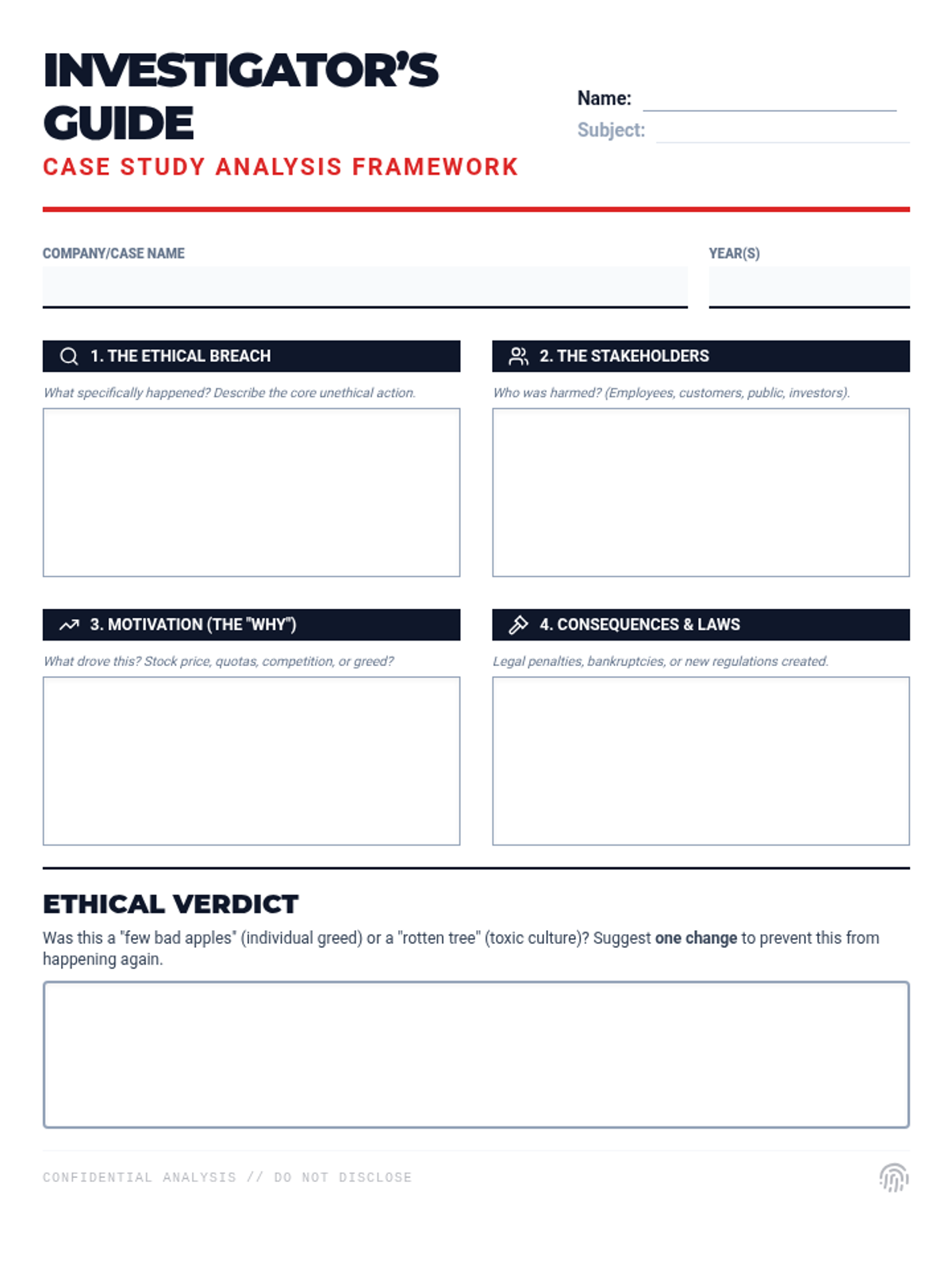
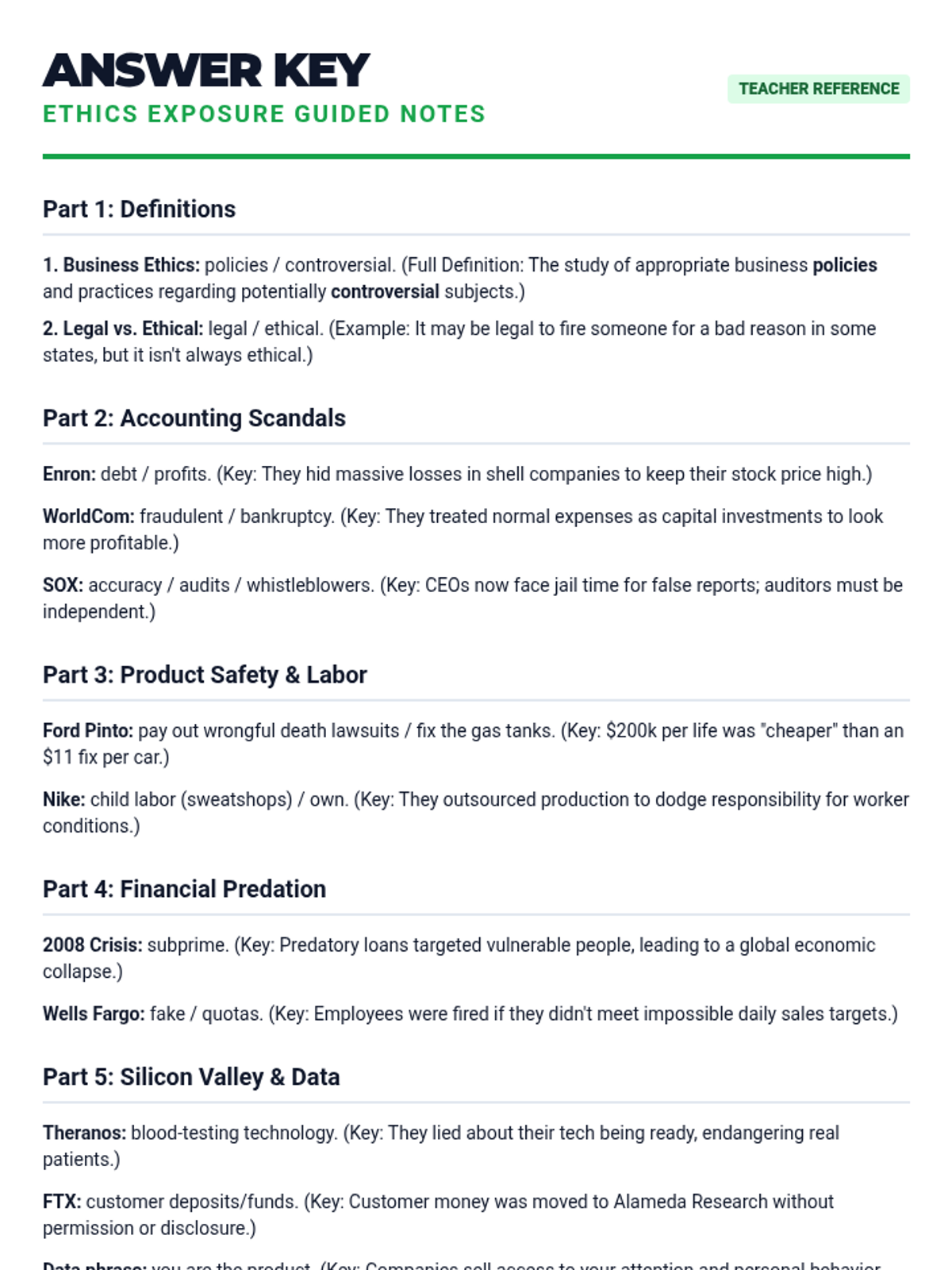
An introductory lesson on business ethics, covering major historical scandals, regulatory responses, and modern ethical dilemmas in the corporate world.
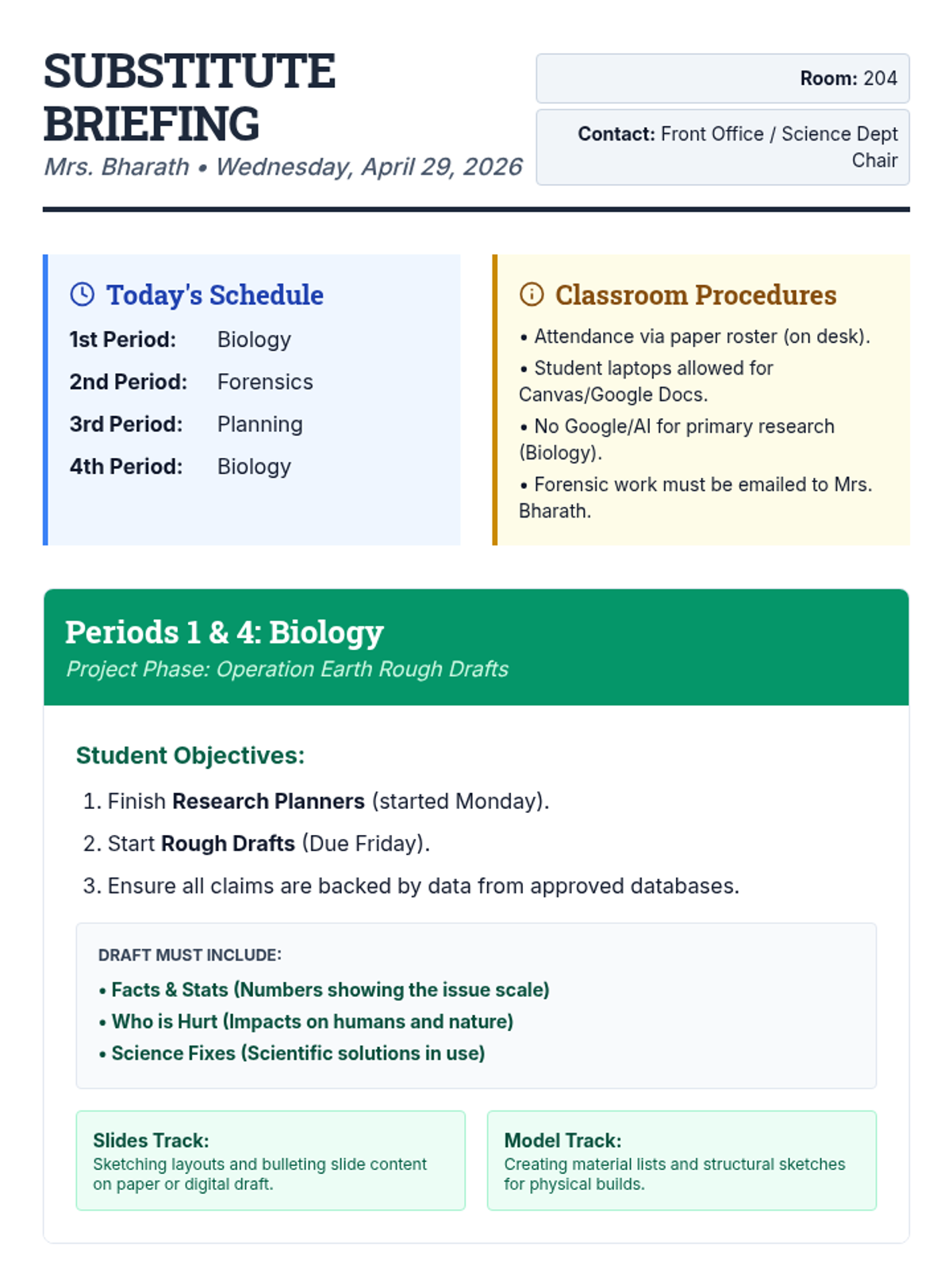
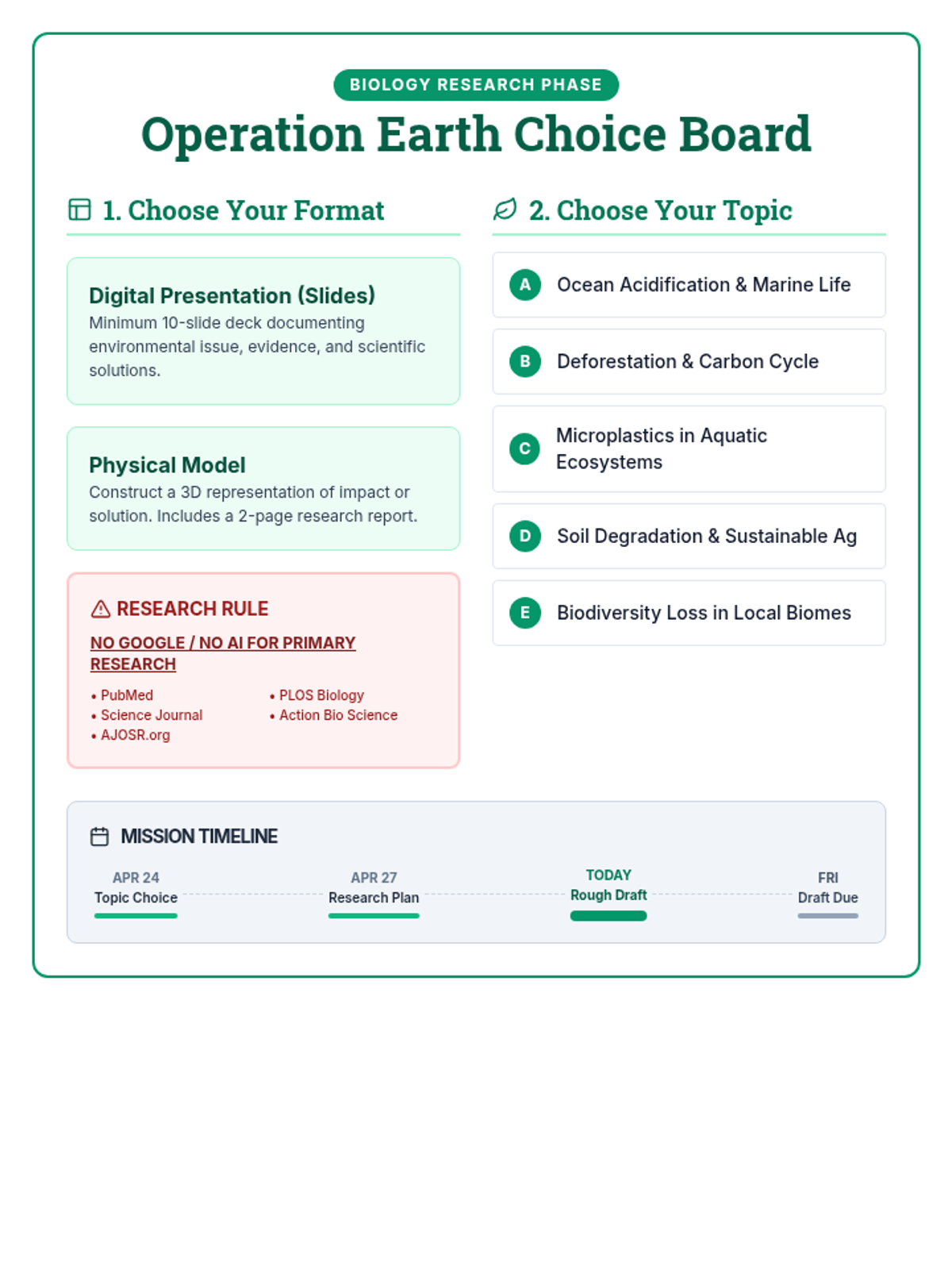
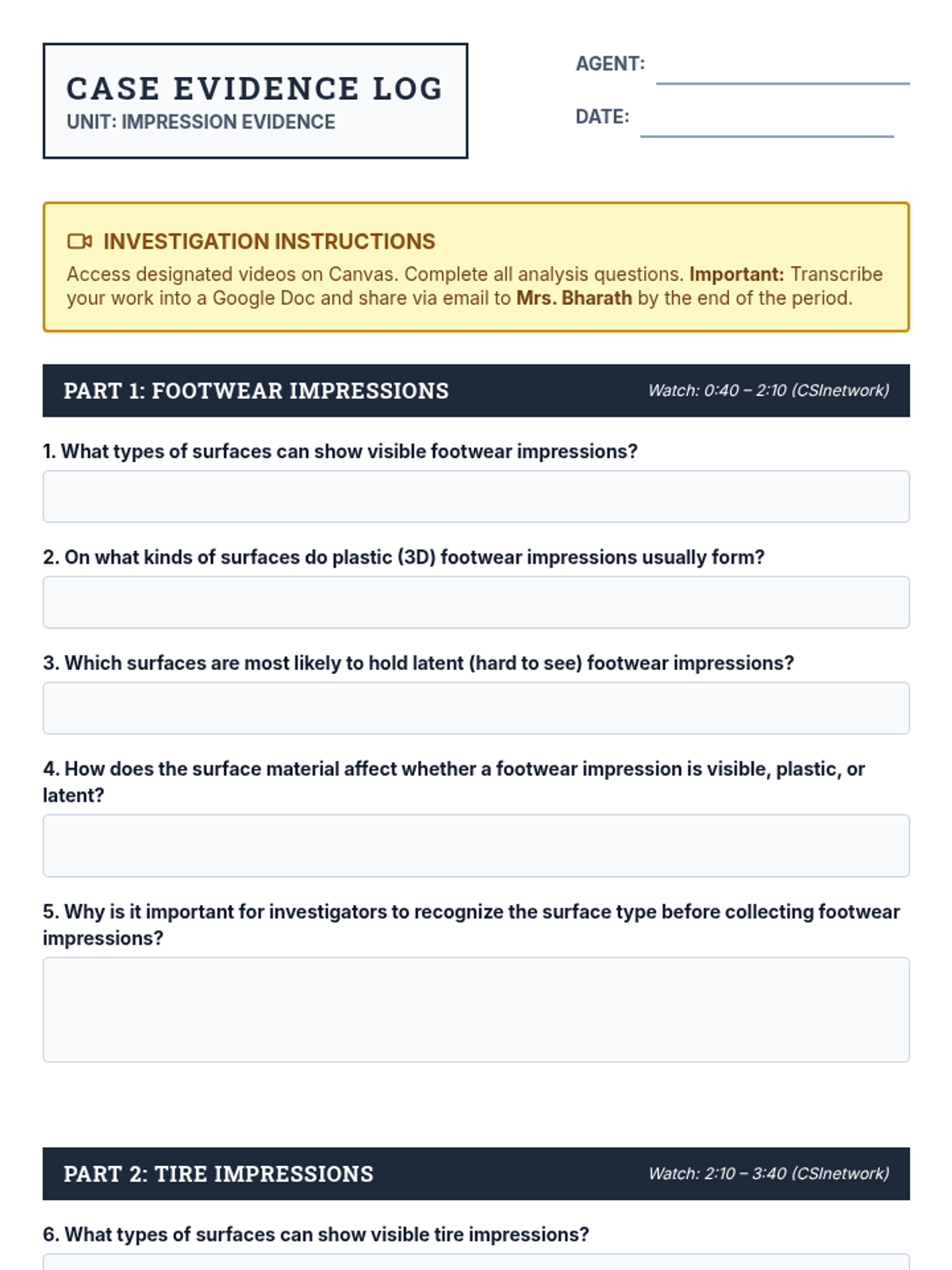
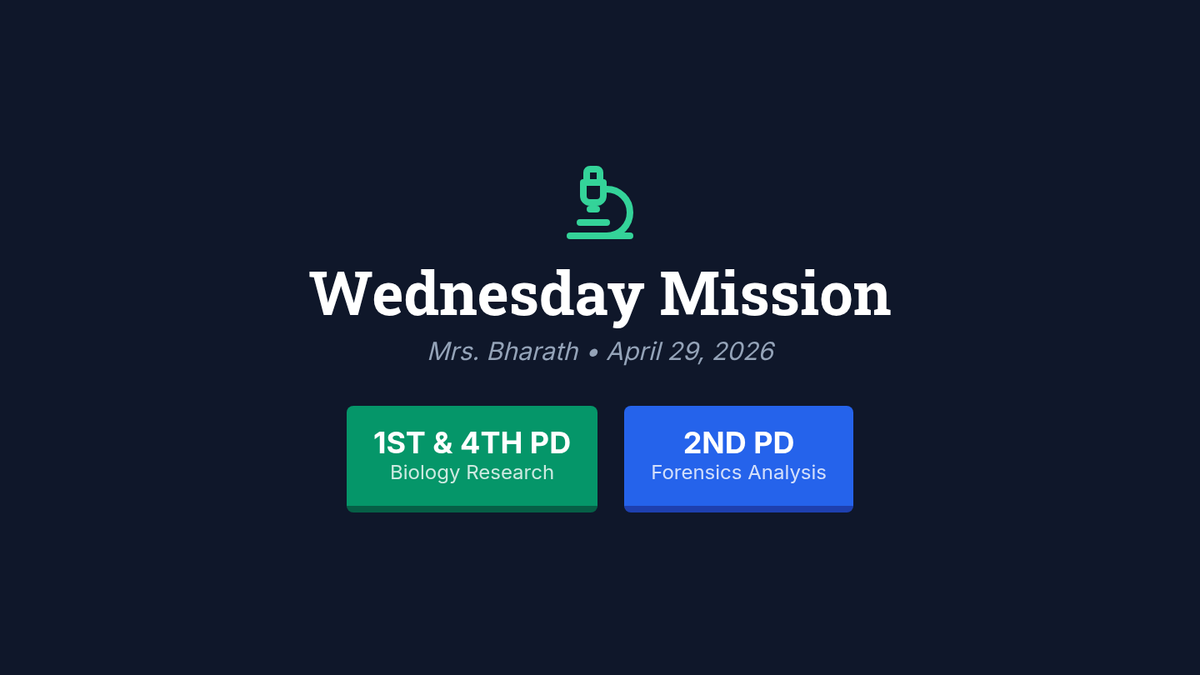
A comprehensive substitute teacher plan for 1st and 4th period Biology and 2nd period Forensics, focusing on environmental research and forensic impression evidence.
A comprehensive 8th-grade review game covering major concepts in Social Studies, Math, and Science. Designed for classroom engagement and cumulative review.