Una lección de repaso de lengua española que cubre las reglas de ortografía de 'm' antes de 'b' y 'p', tiempos verbales (pasado, presente, futuro) y la estructura de la oración (sujeto, verbo, predicado).
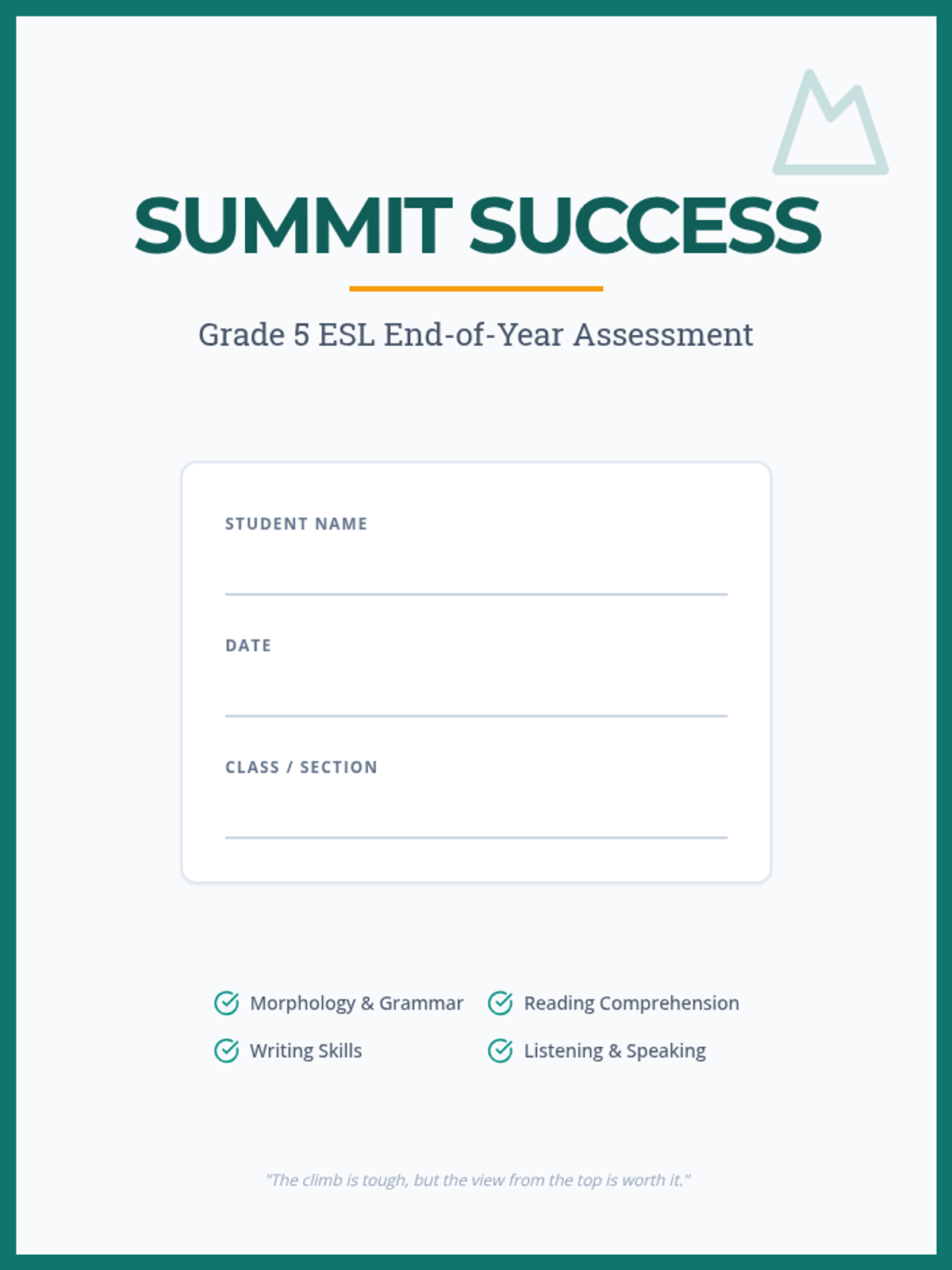
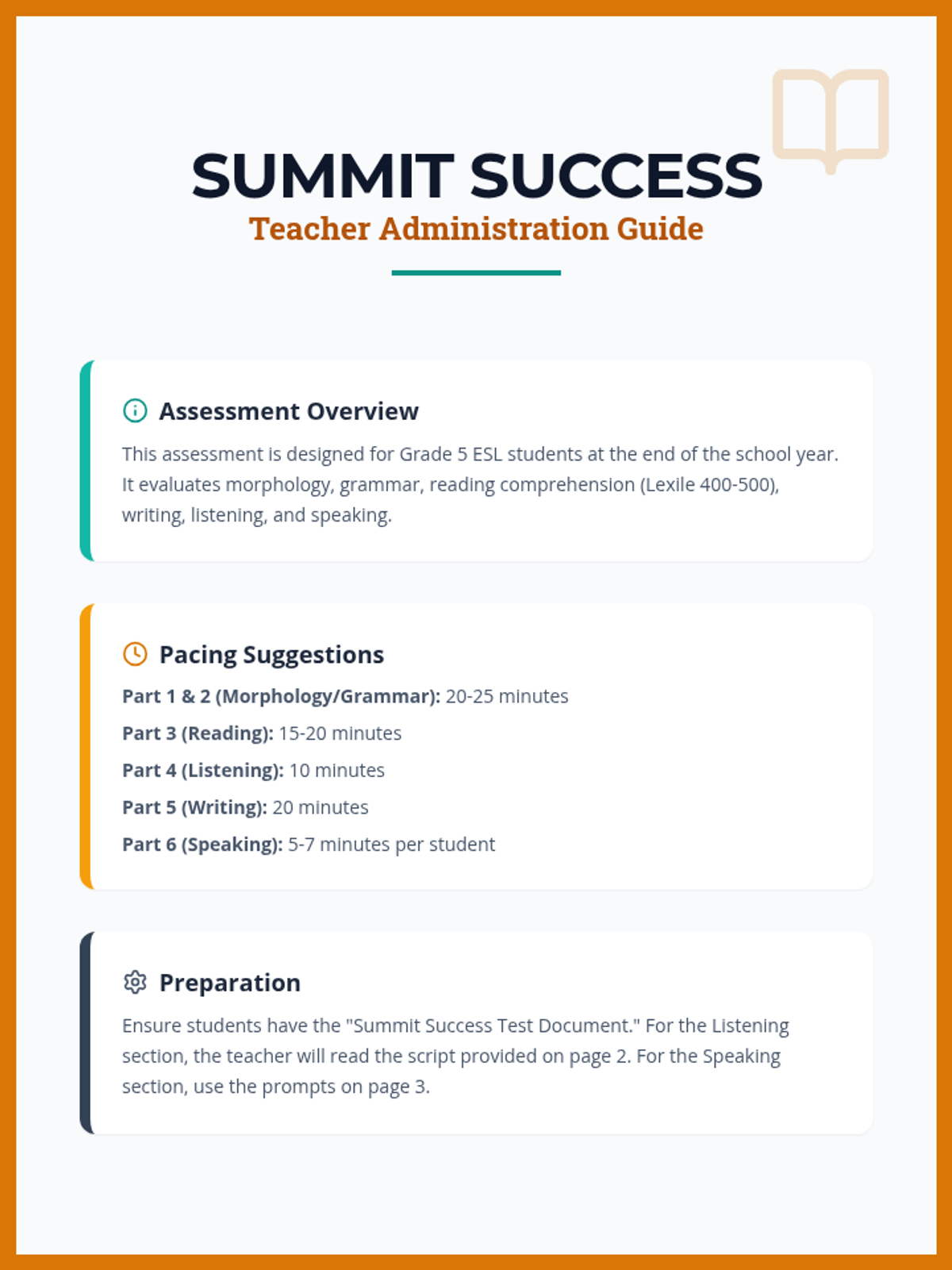
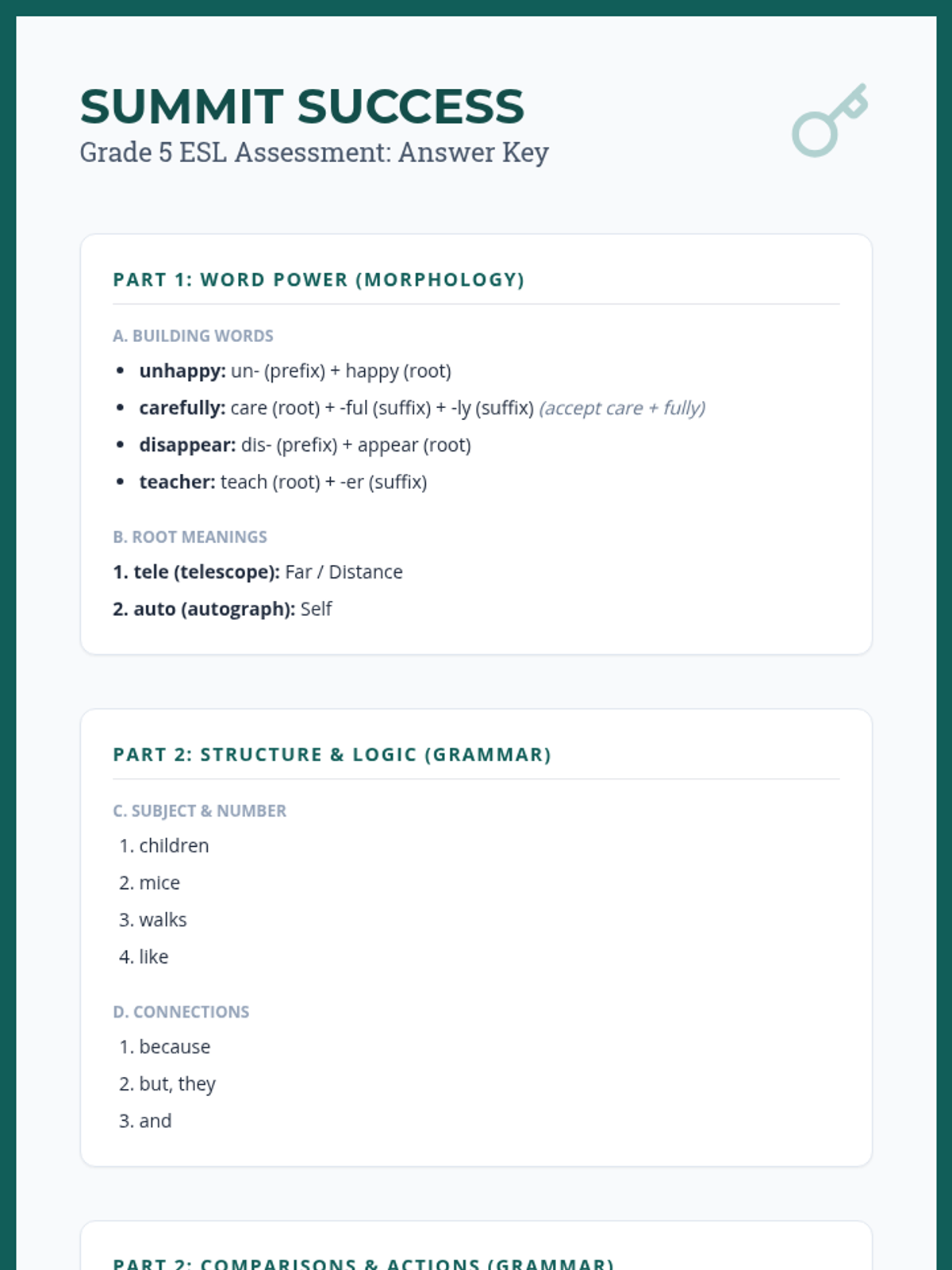
A comprehensive end-of-year assessment for Grade 5 ESL students covering morphology, grammar, reading, writing, listening, and speaking with a Lexile 400-500 nonfiction focus.
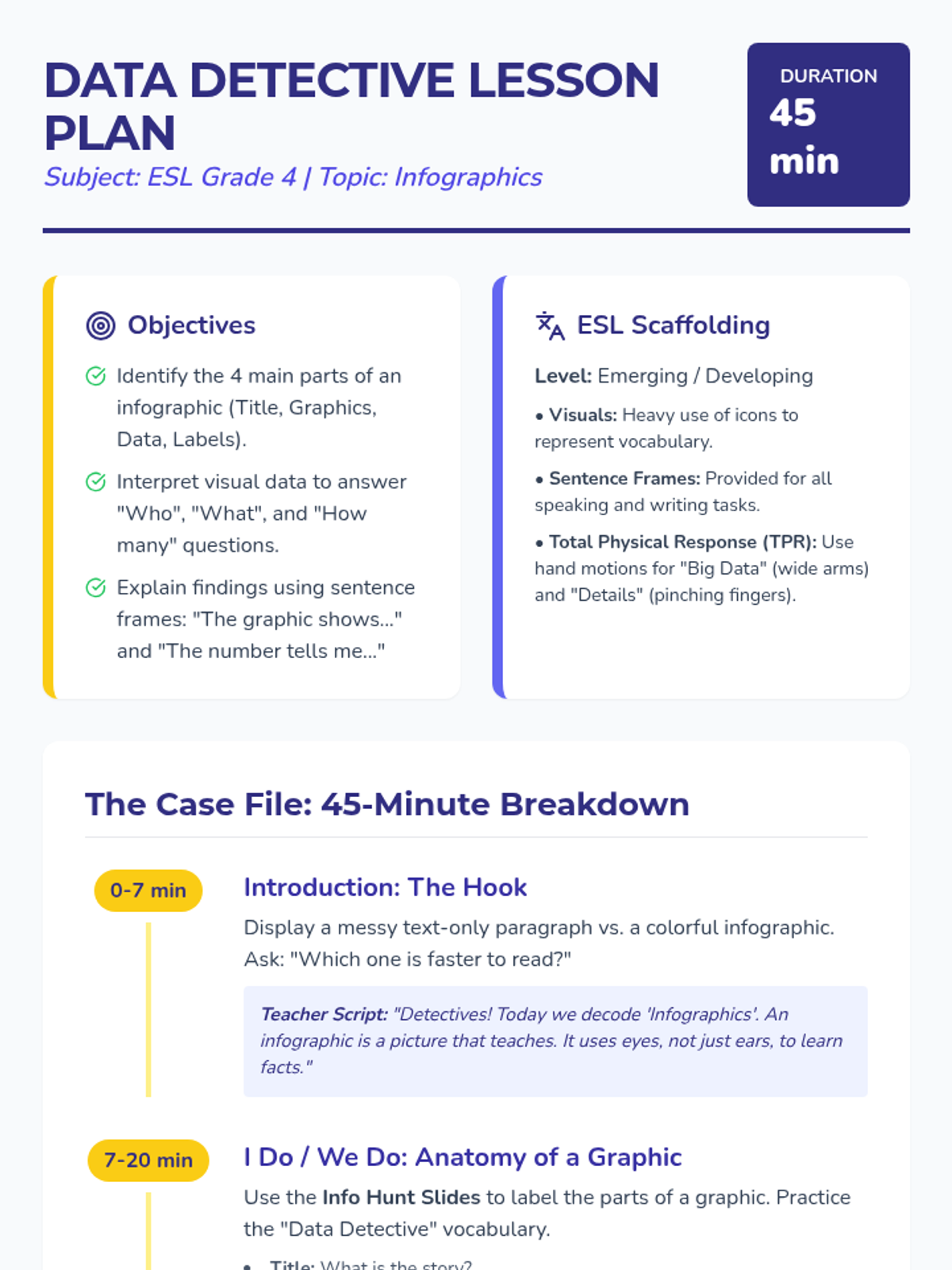
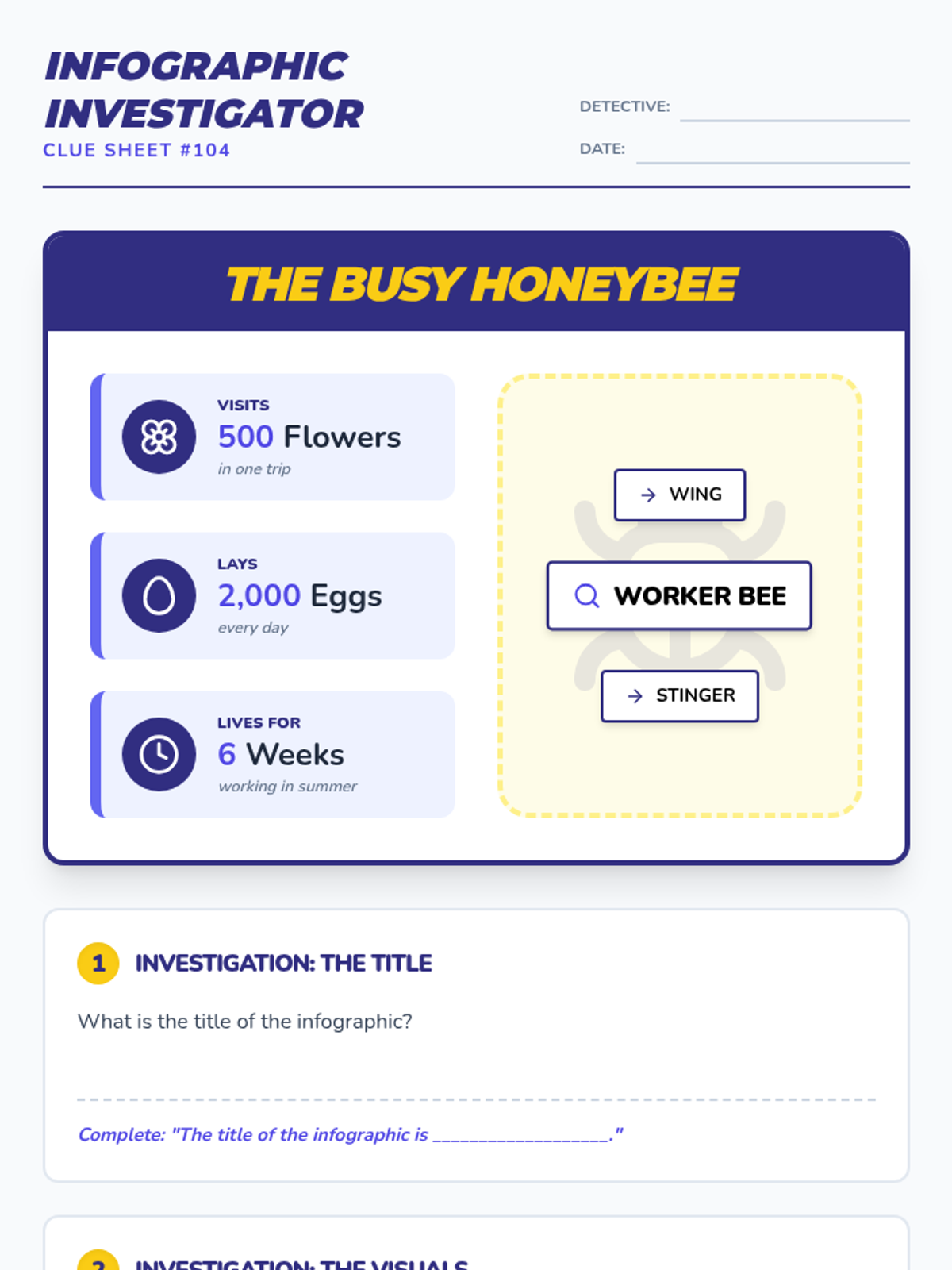
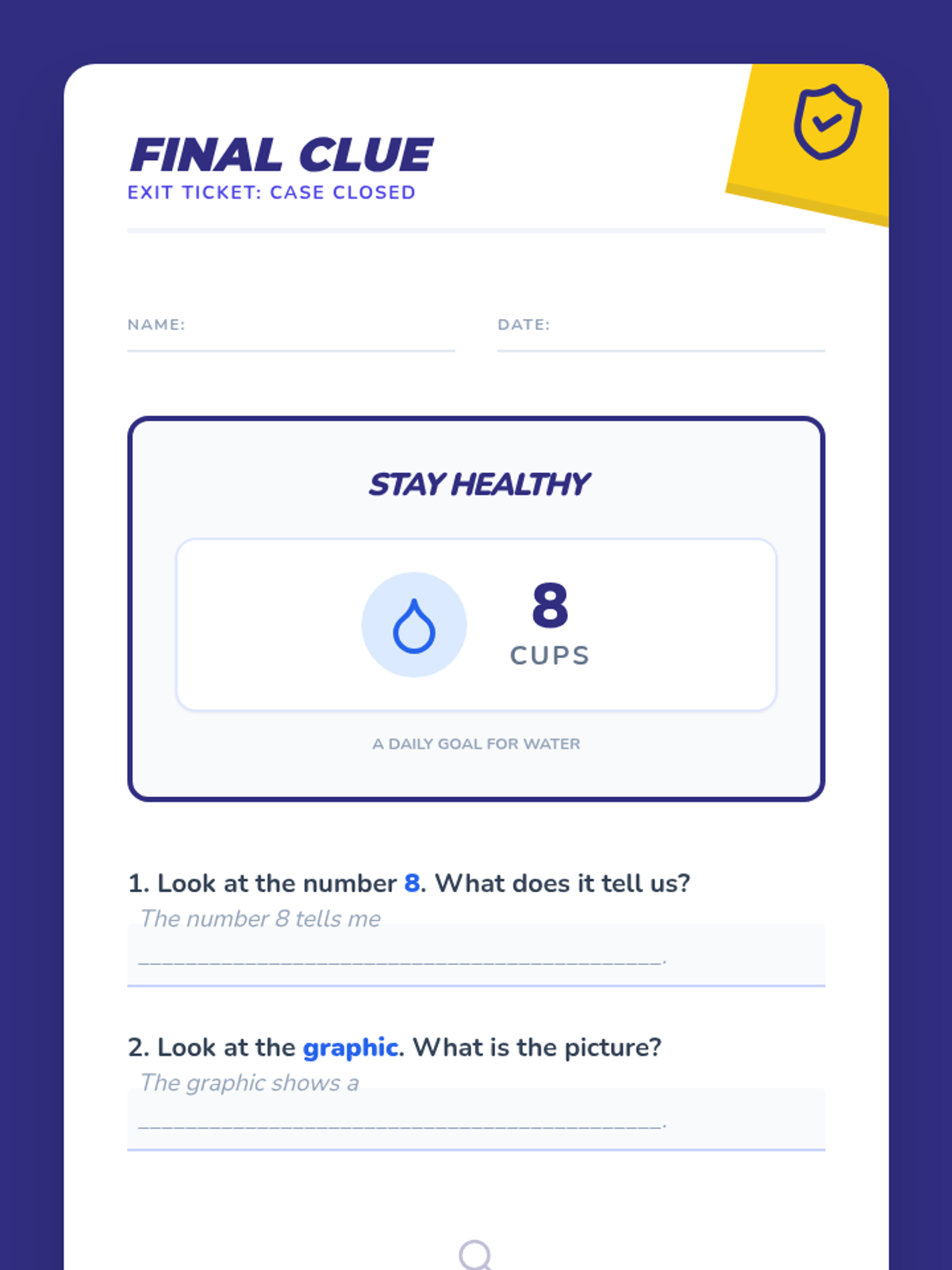
A 45-minute ESL lesson for Grade 4 (Emerging/Developing proficiency) focused on interpreting and explaining information from infographics. Students act as 'Data Detectives' to decode visual information.
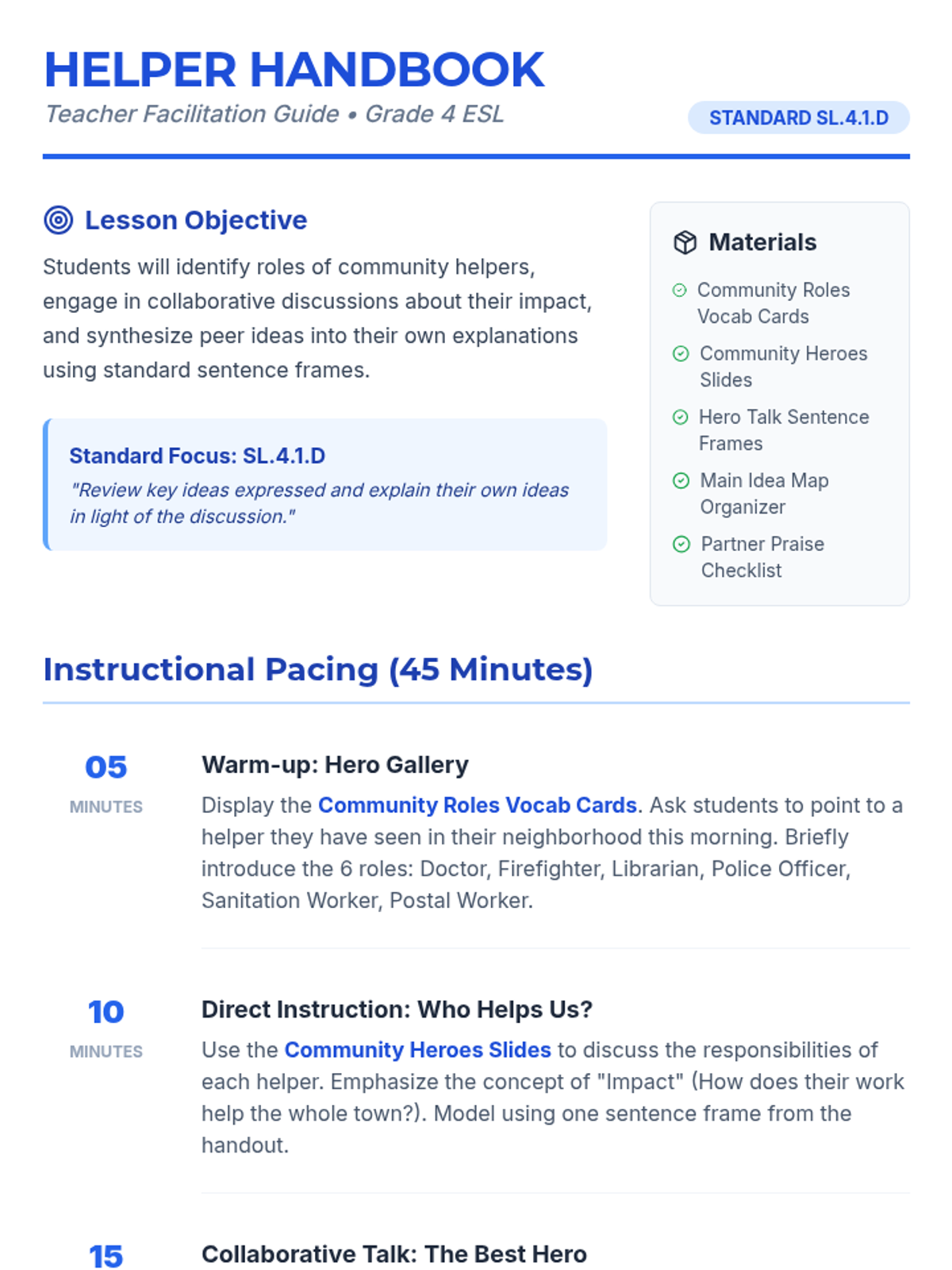
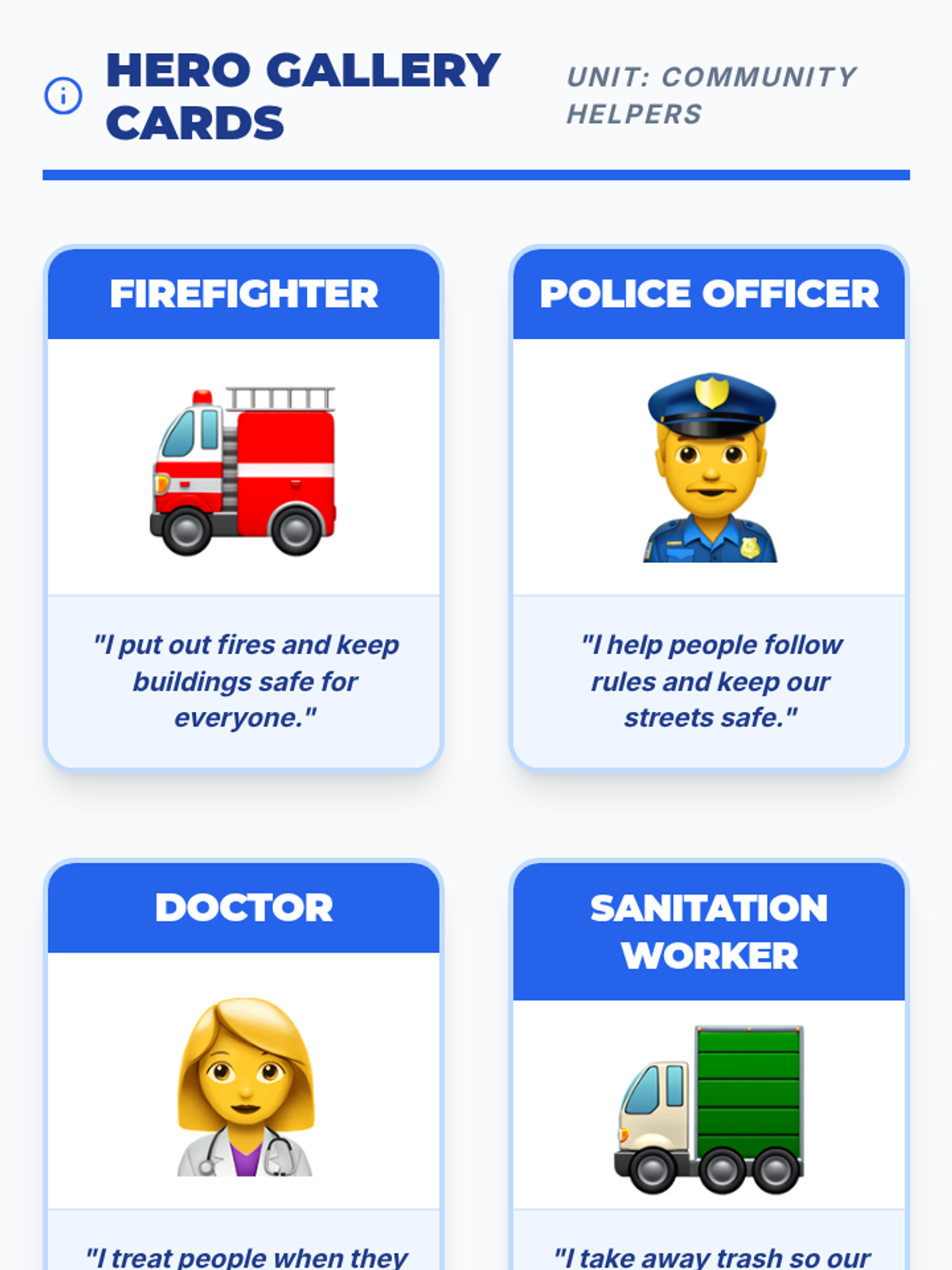
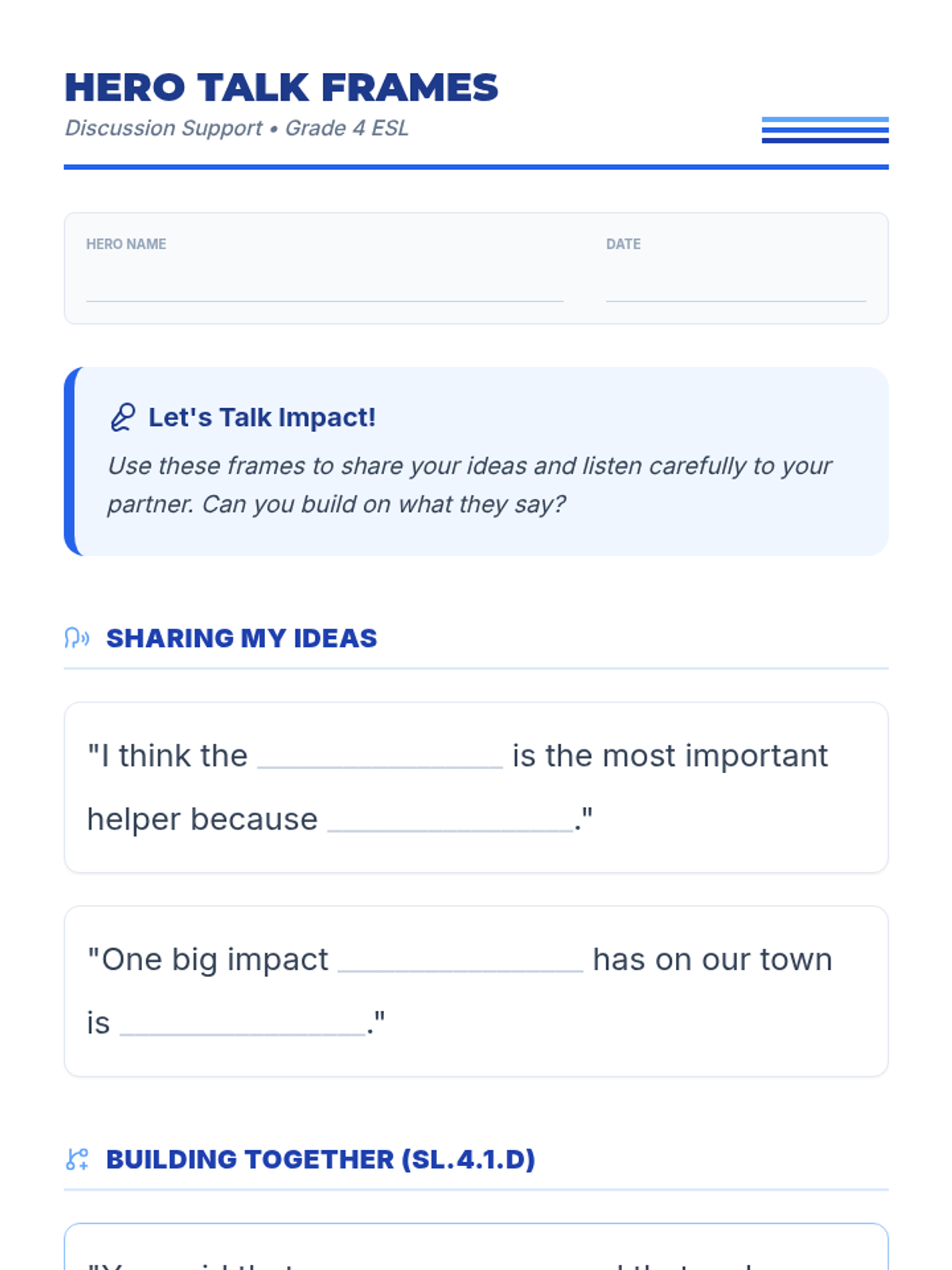
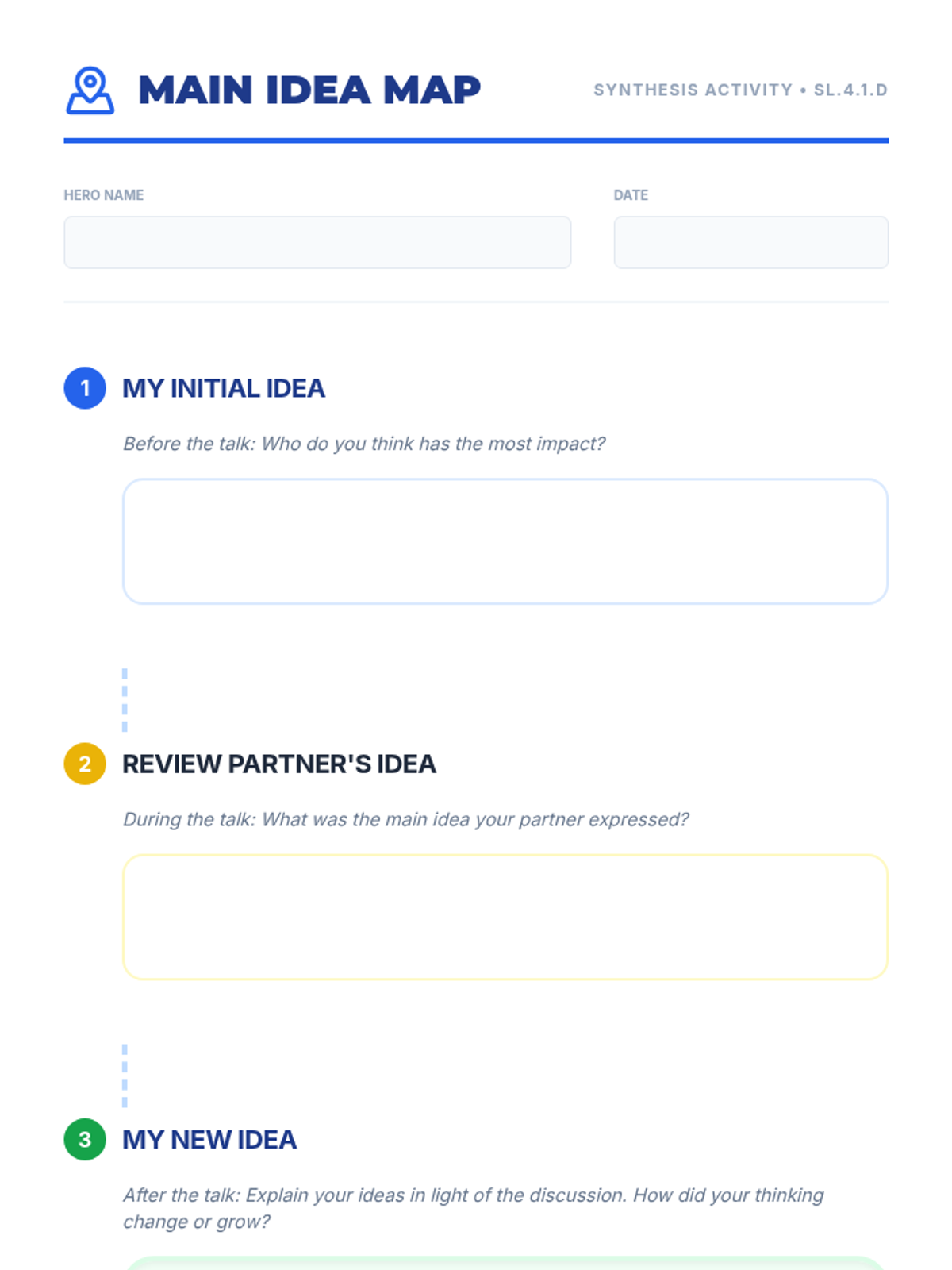
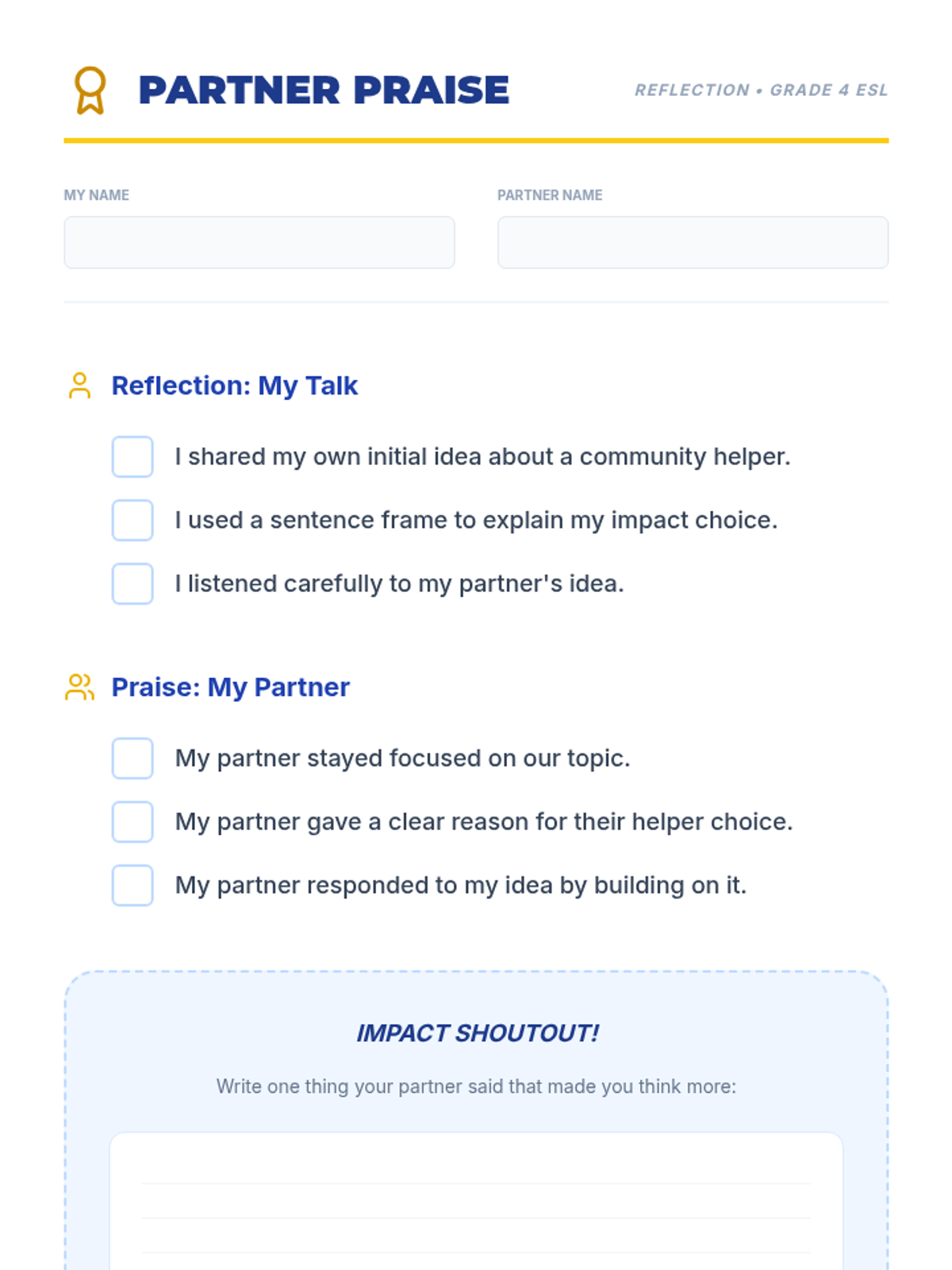
A 45-minute ESL lesson for 4th grade focused on discussing community helpers and synthesizing ideas from peer conversations. Students will learn key vocabulary and practice active listening and responding skills.
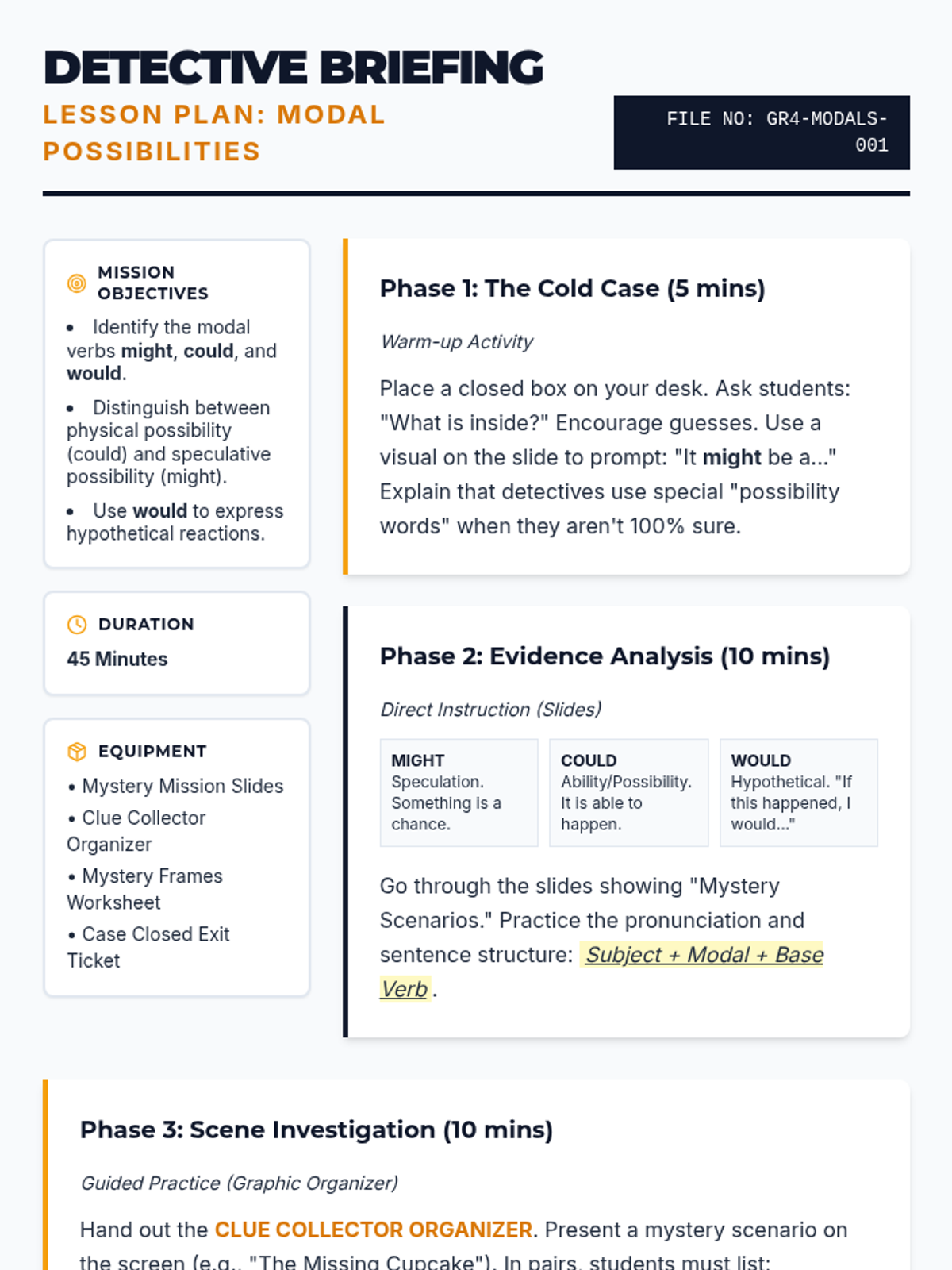
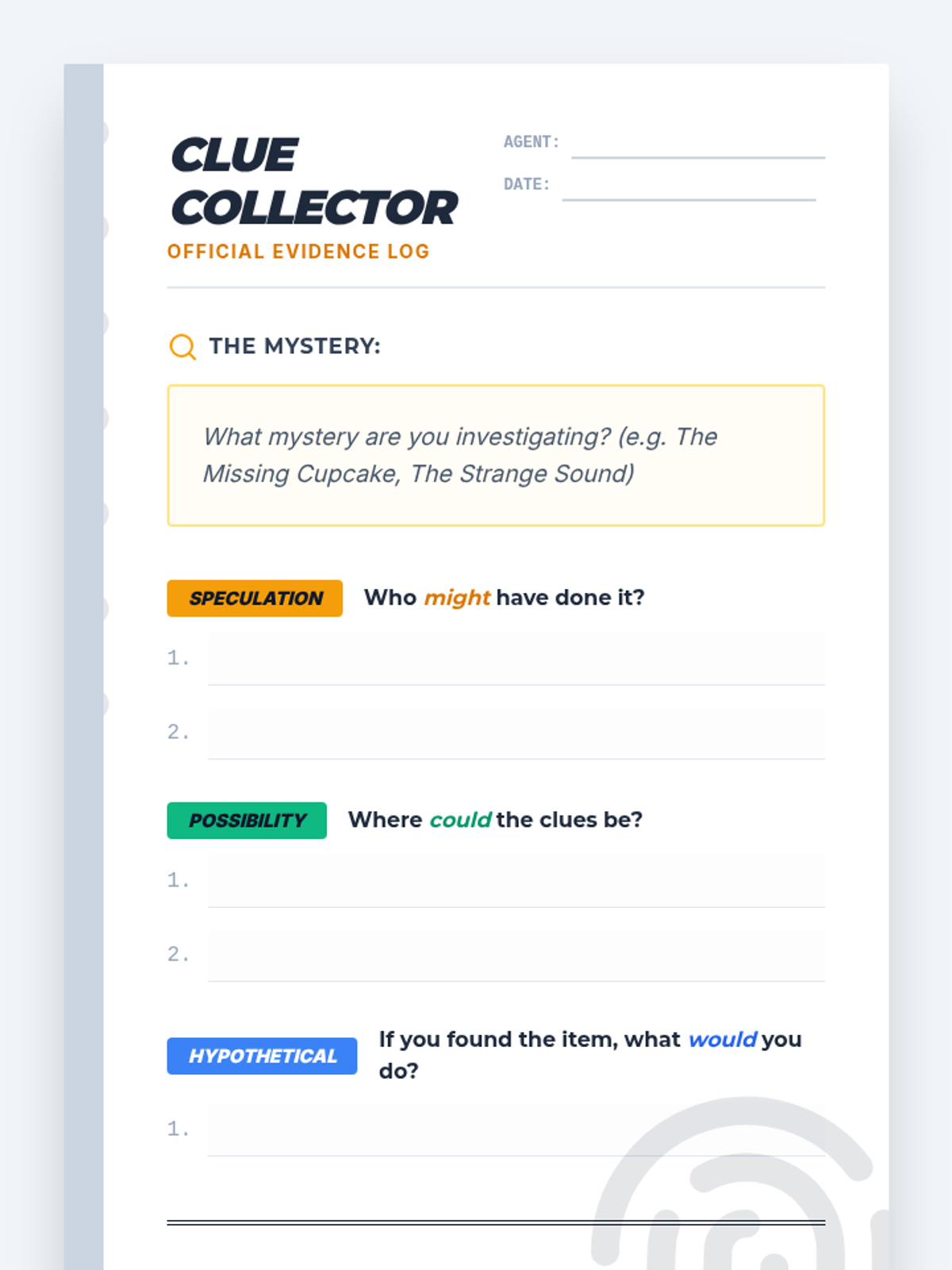
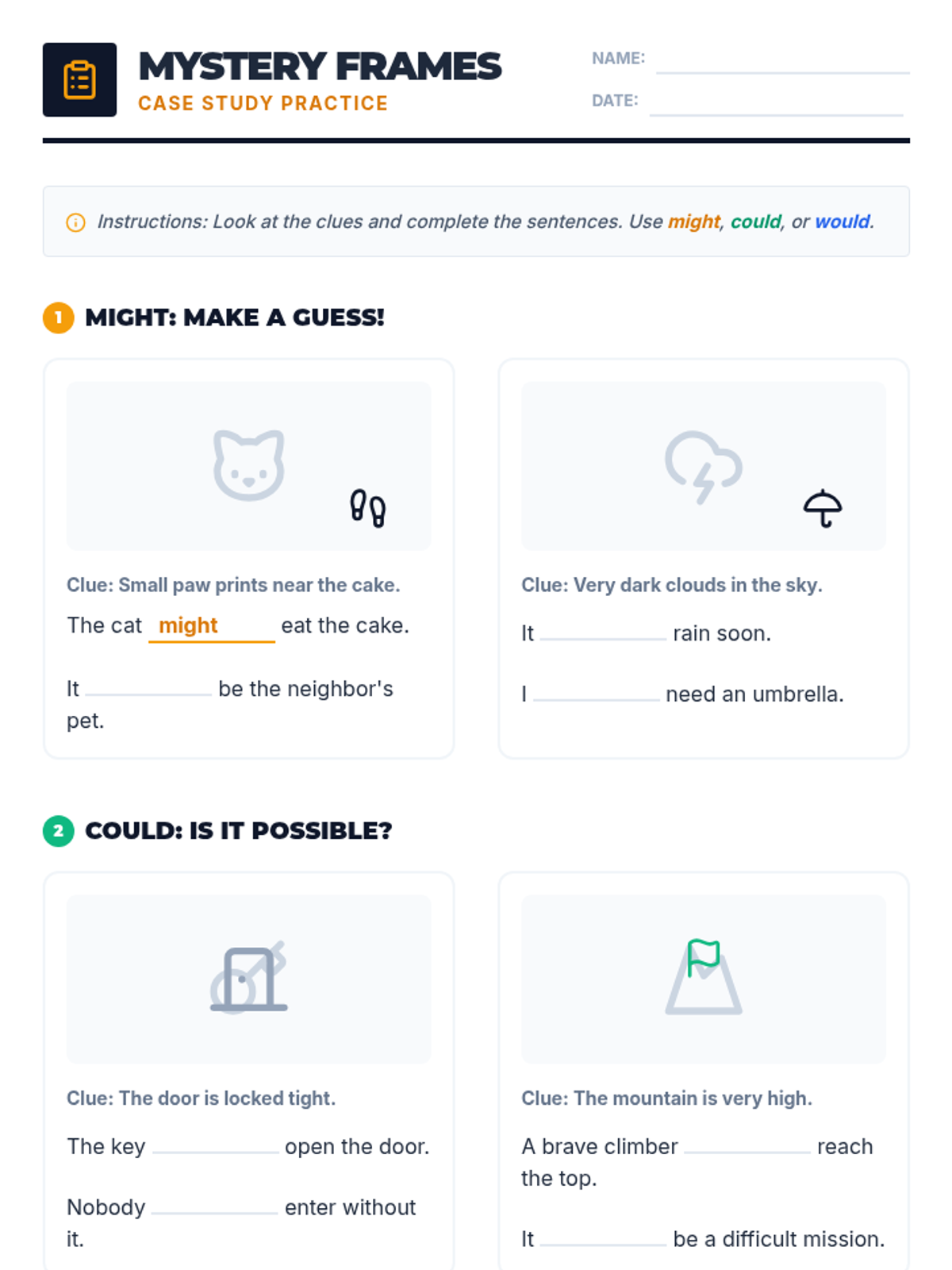
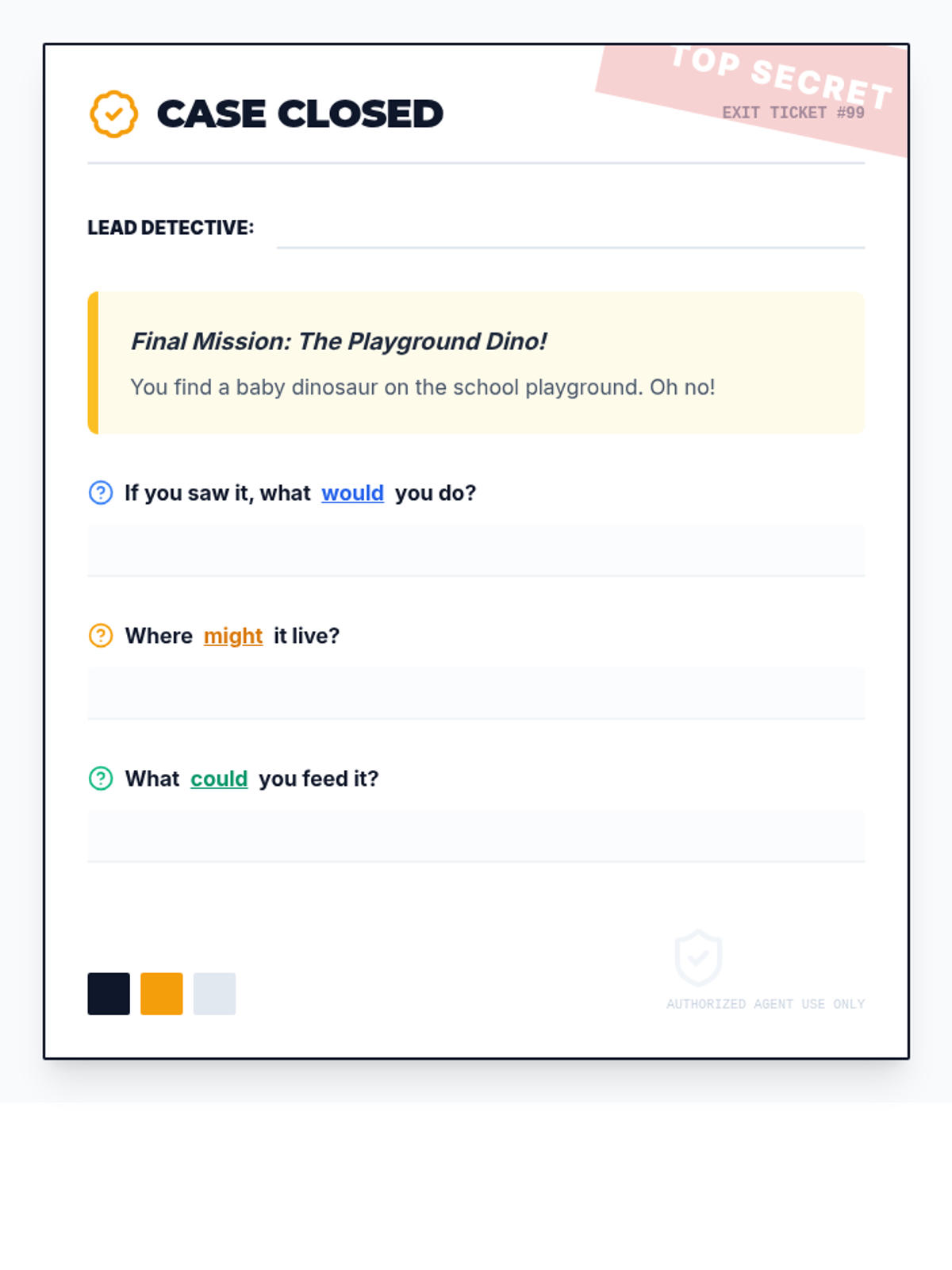
A 45-minute Grade 4 ESL lesson where students become detectives to explore the modal verbs might, could, and would to express possibility and hypothetical situations.
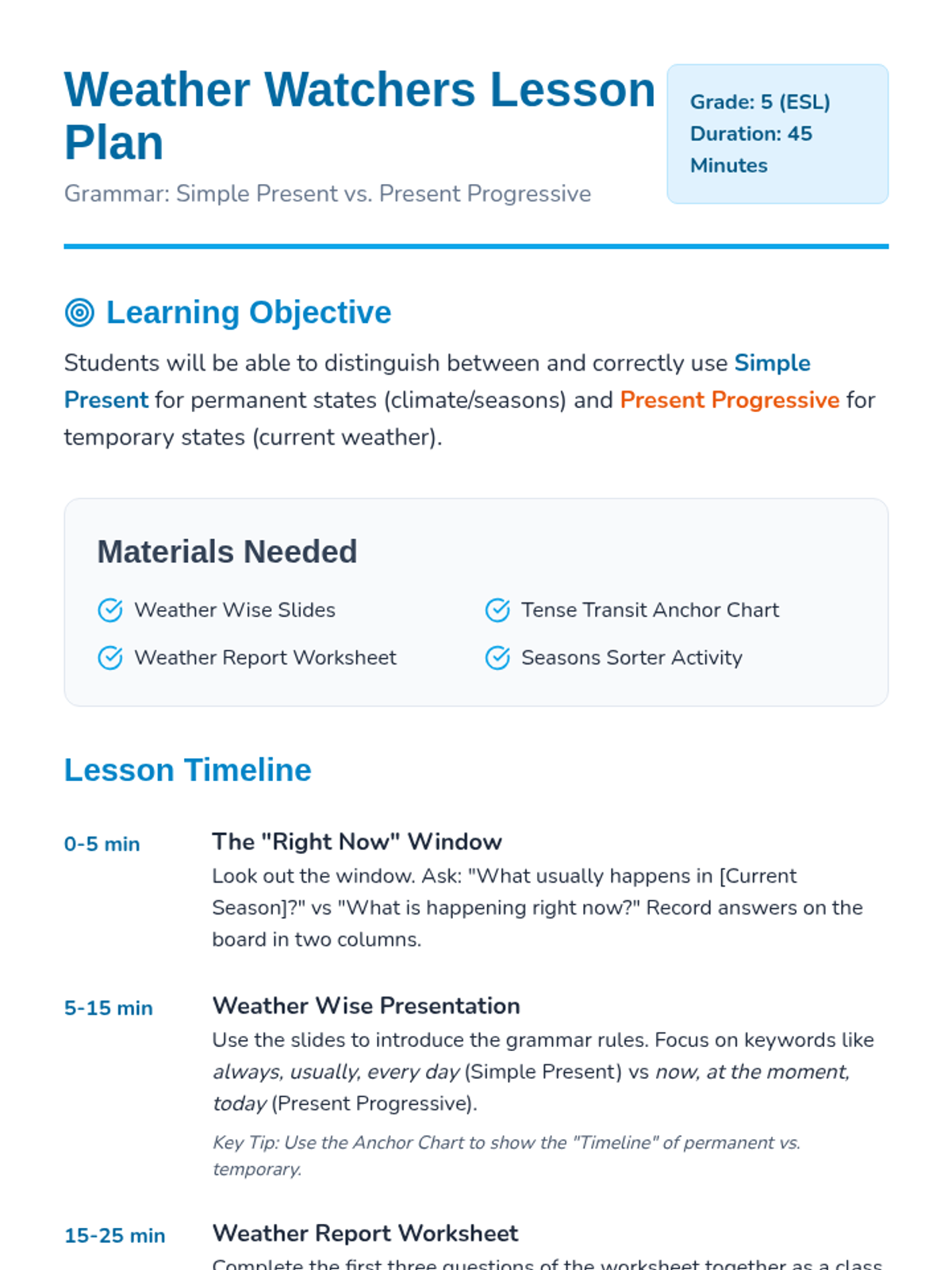
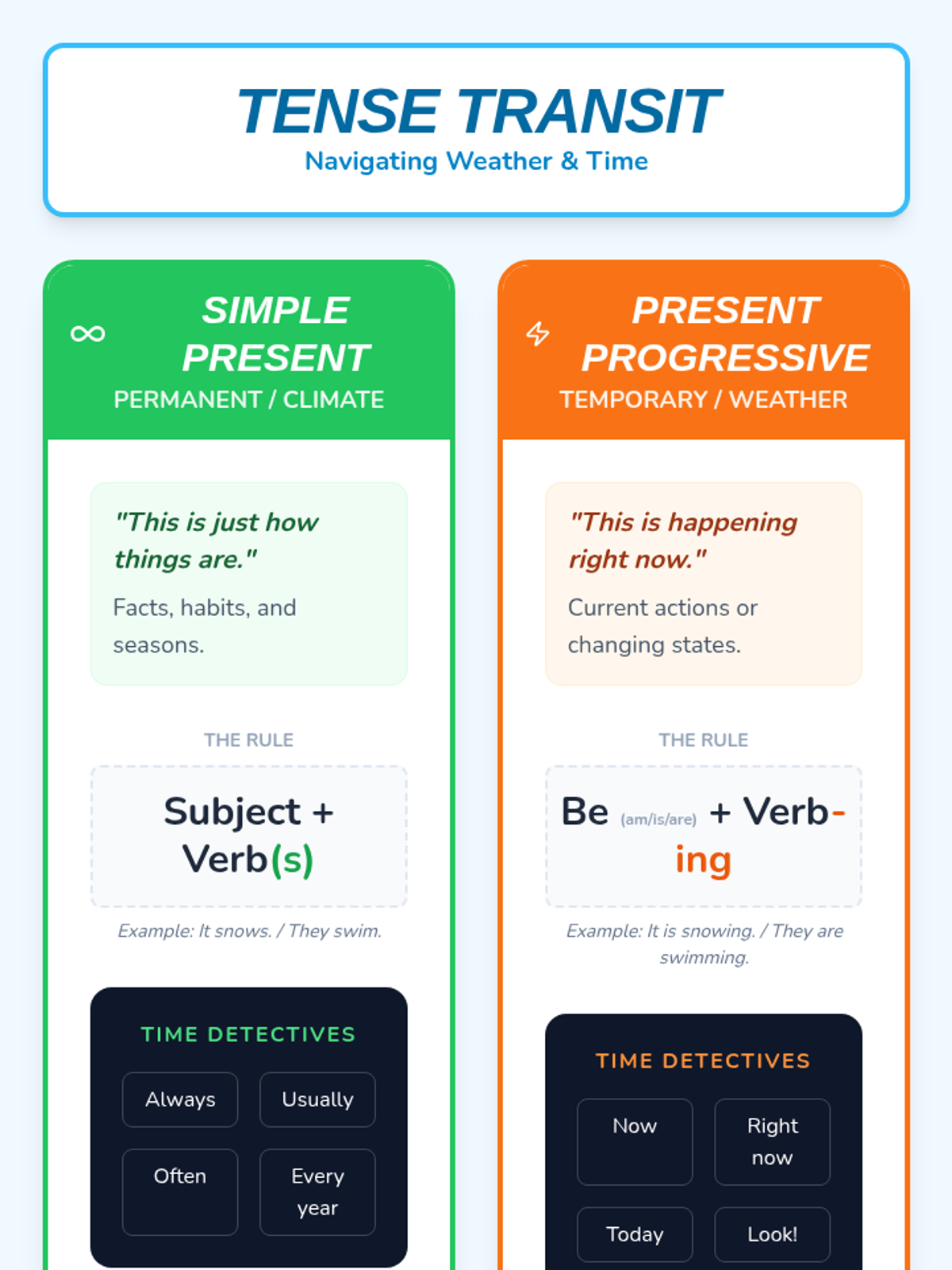
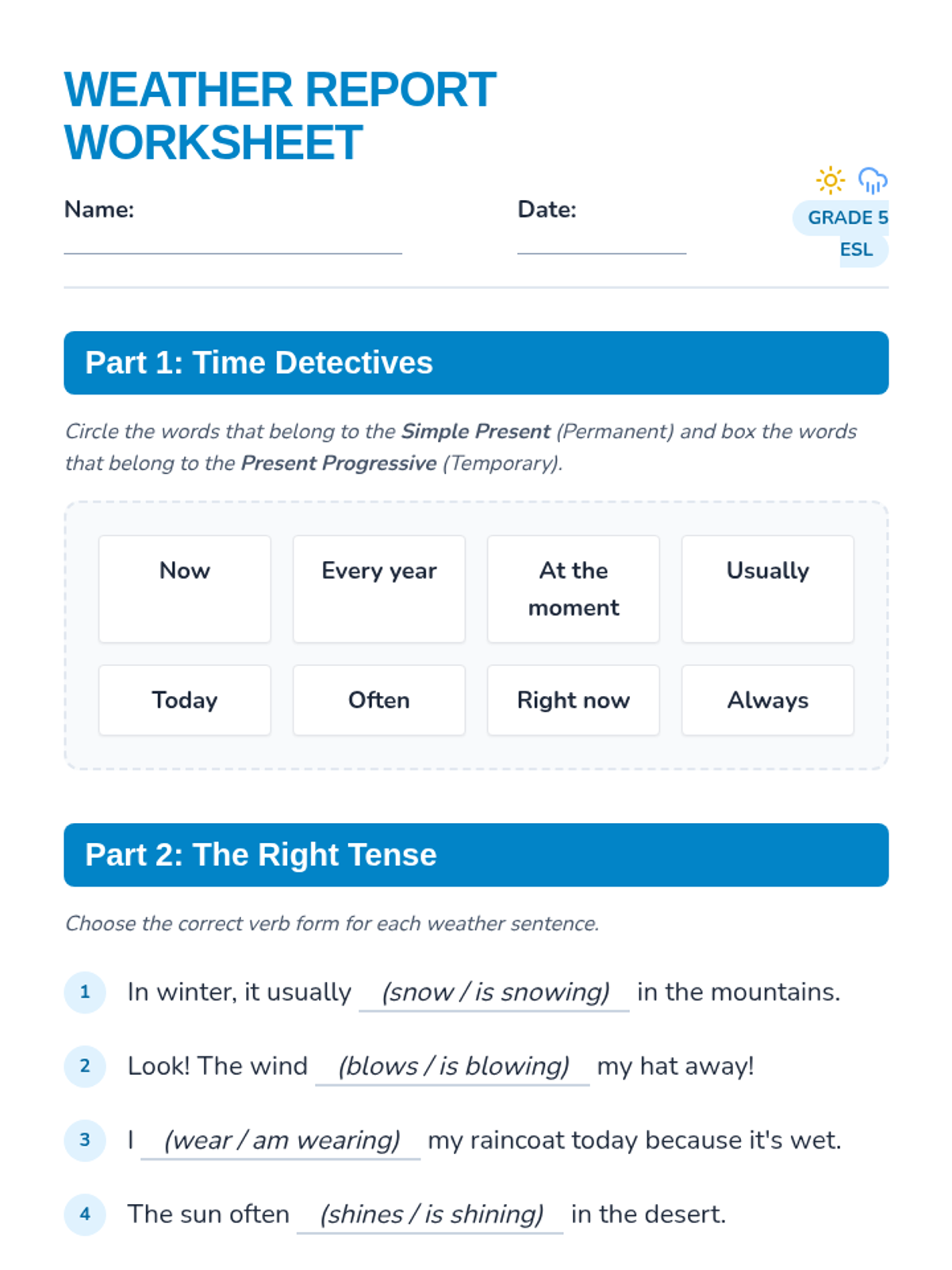
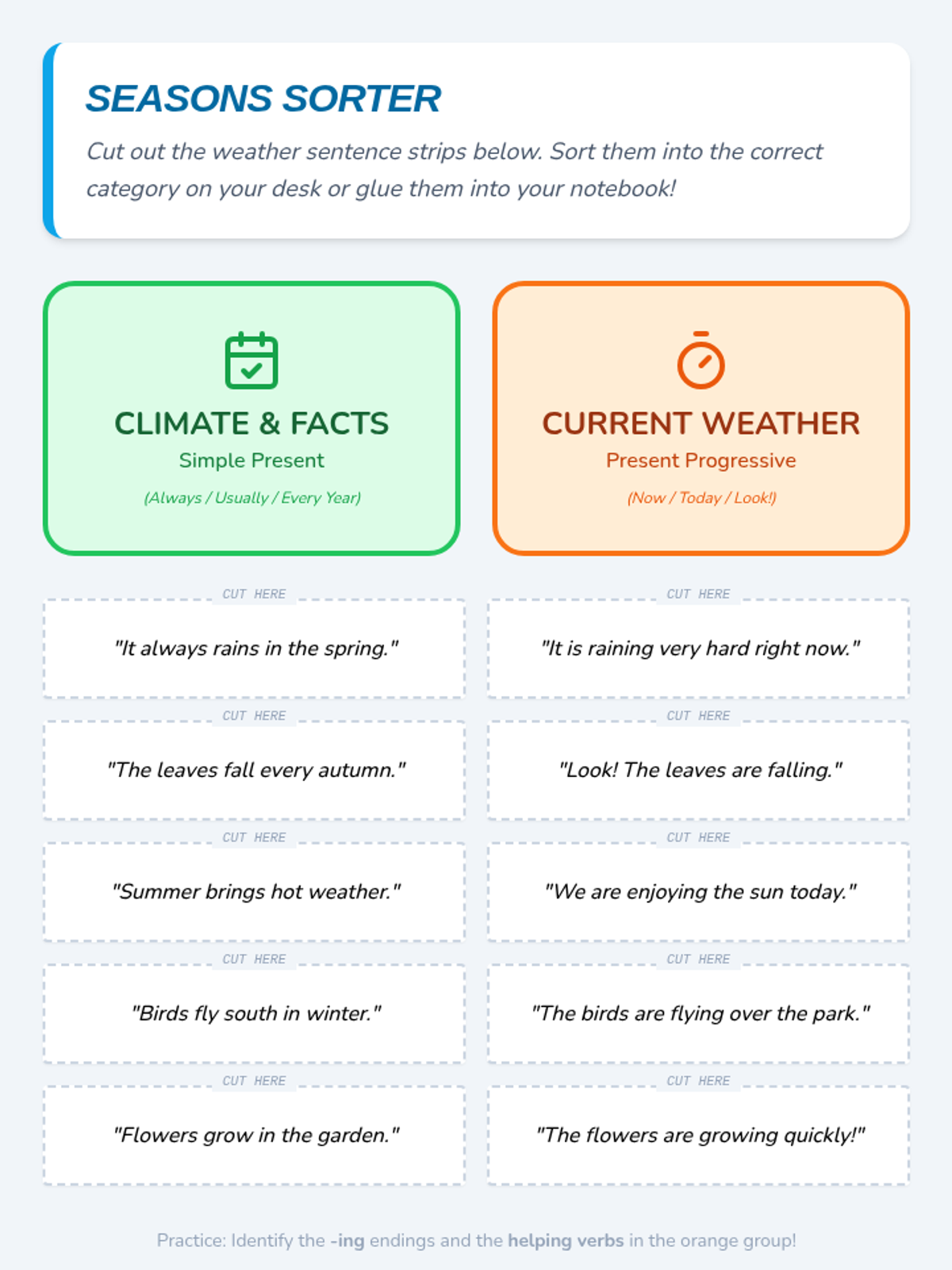
A 45-minute ESL lesson for 5th graders focusing on the difference between Simple Present for permanent states and Present Progressive for temporary weather conditions.
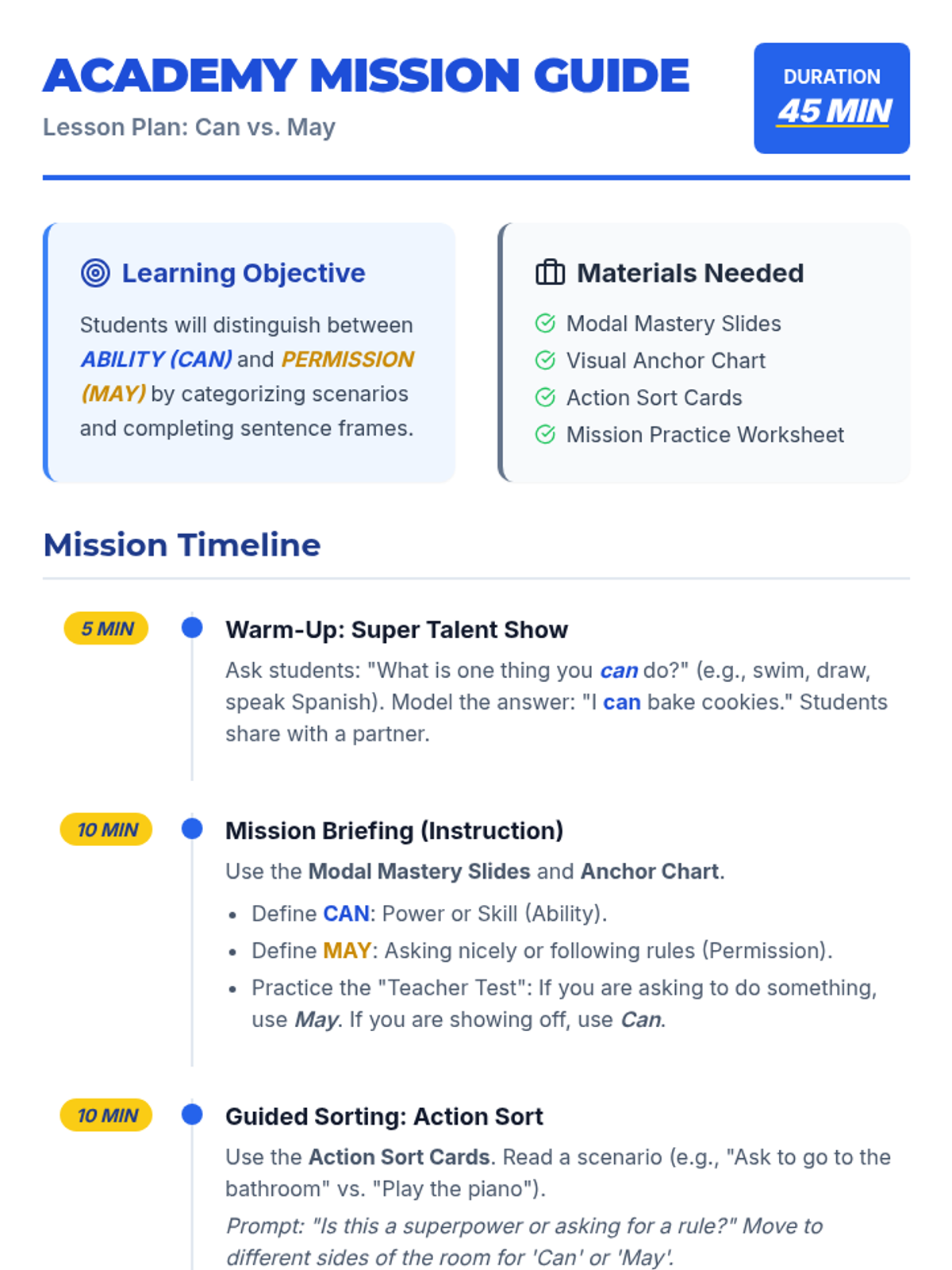
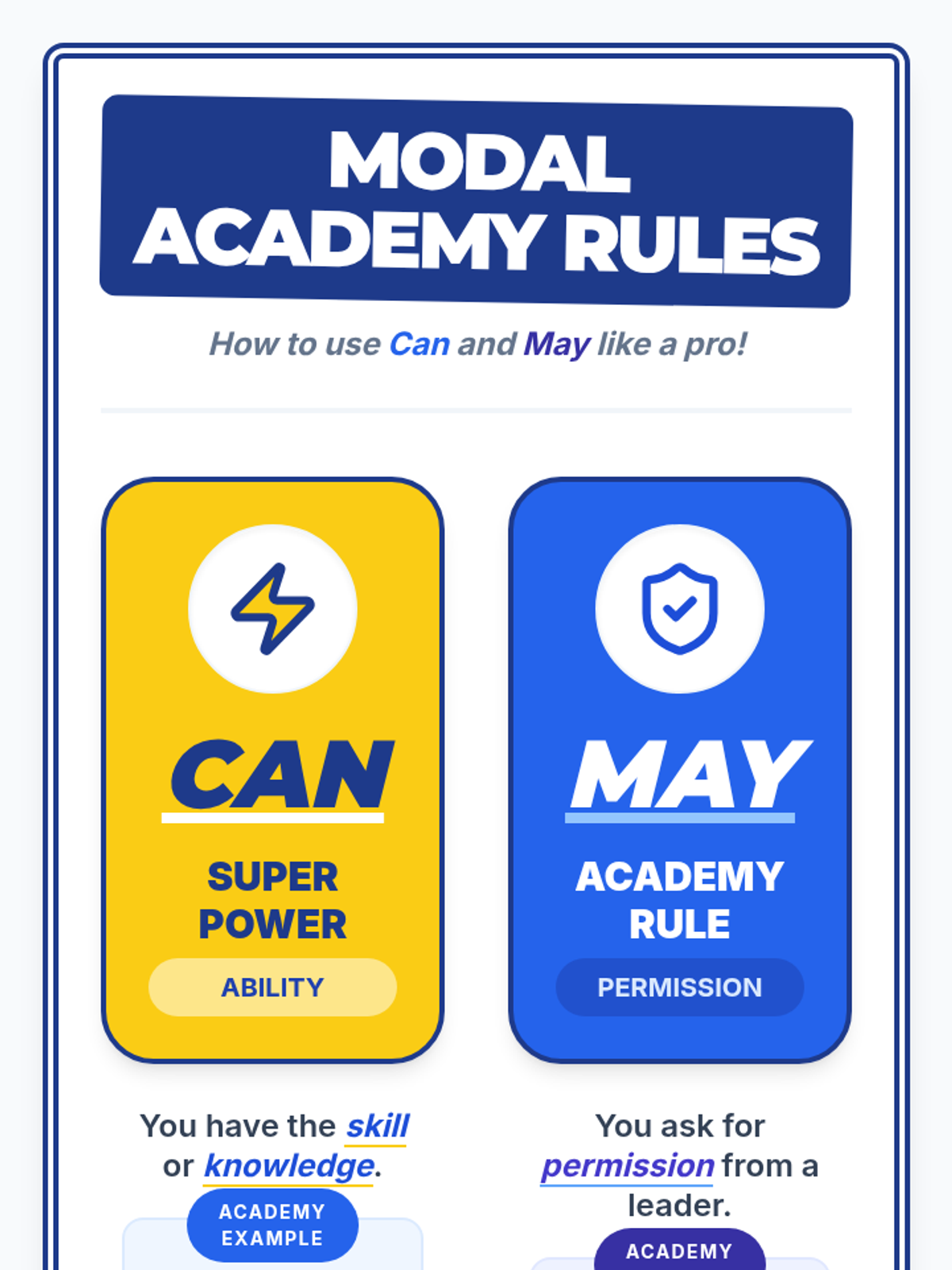
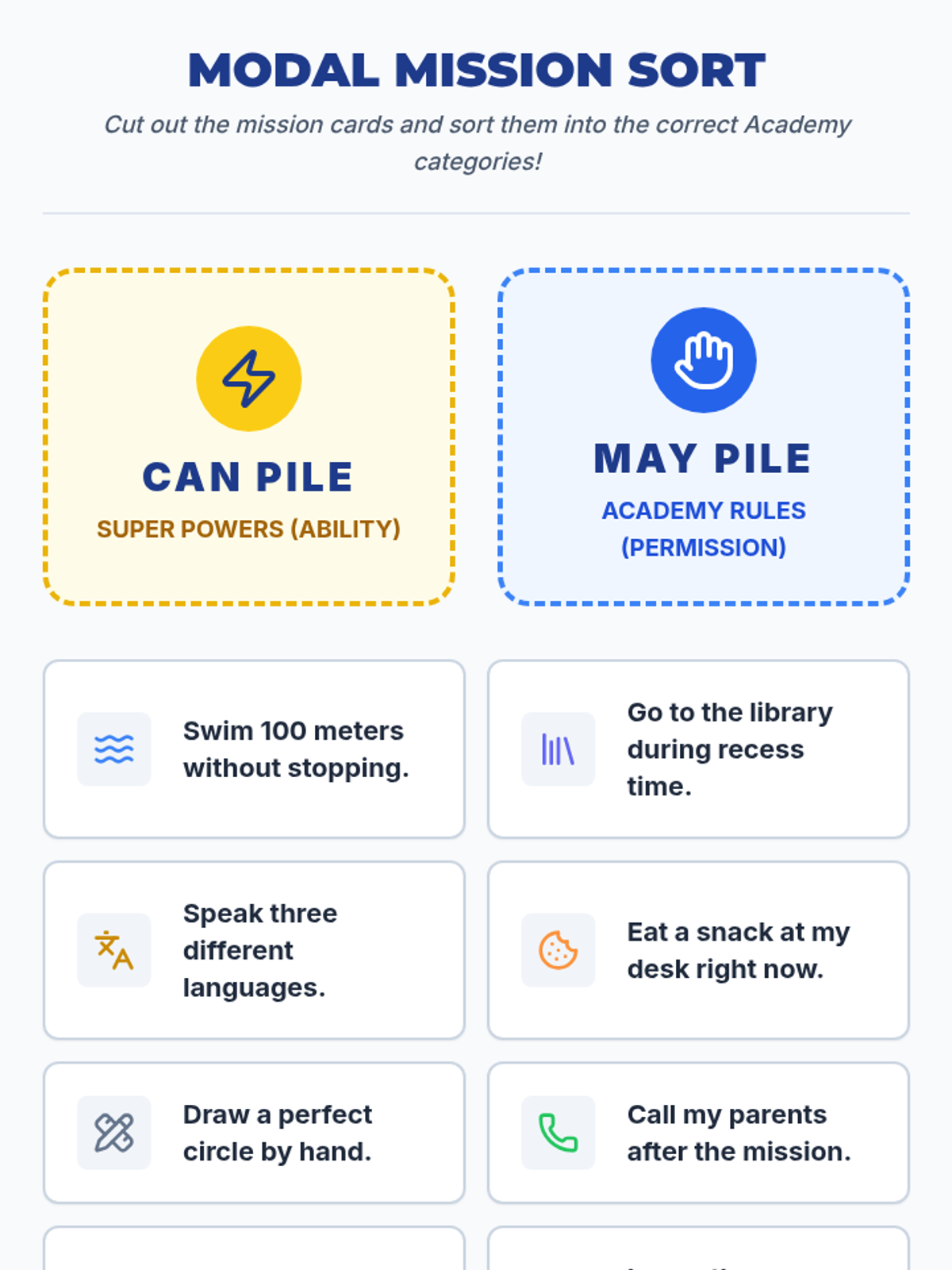
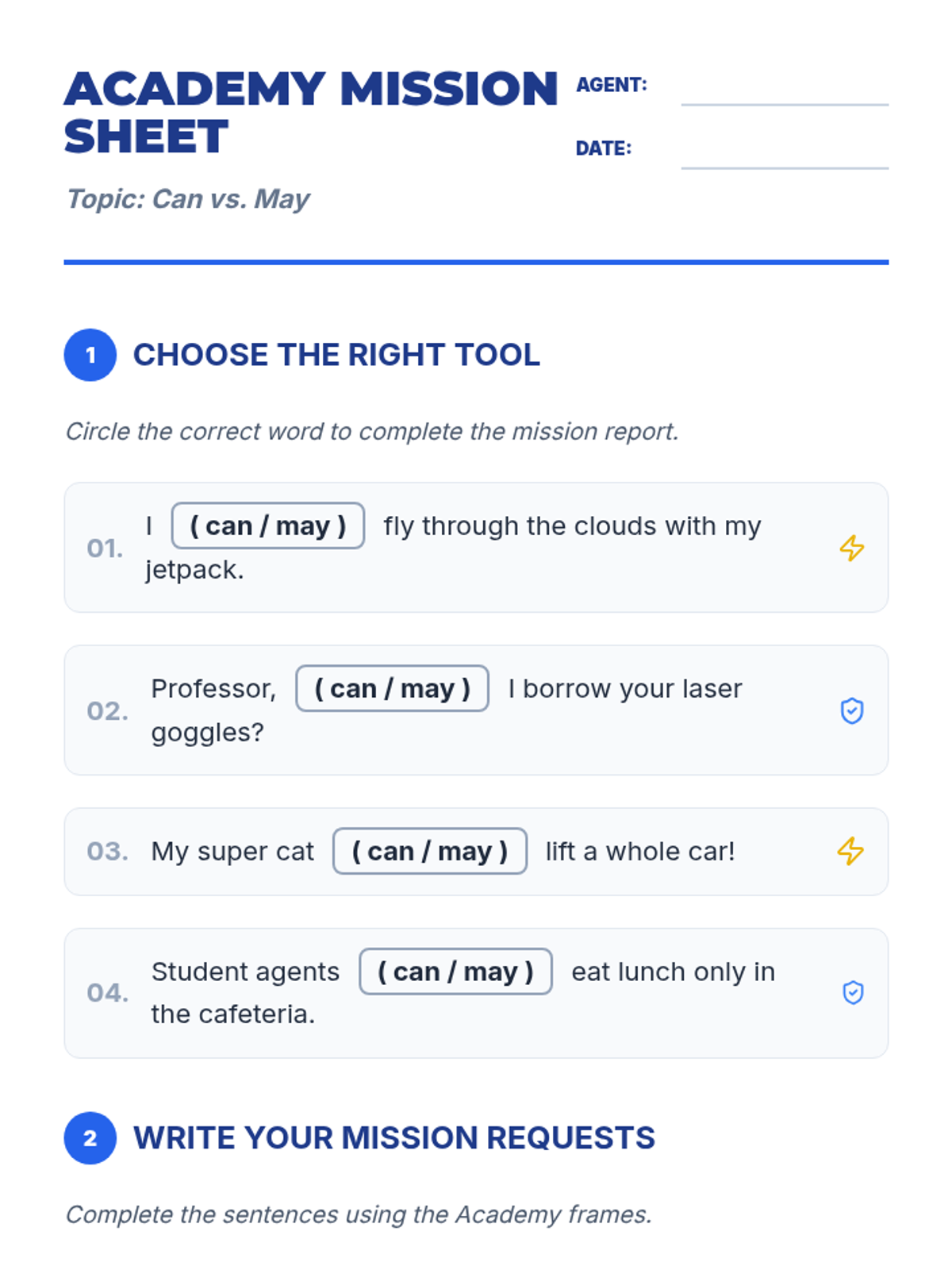
A 45-minute ESL lesson for Grade 4 (Level 3) focused on distinguishing between modal verbs 'can' (ability) and 'may' (permission) using a Super Academy theme.
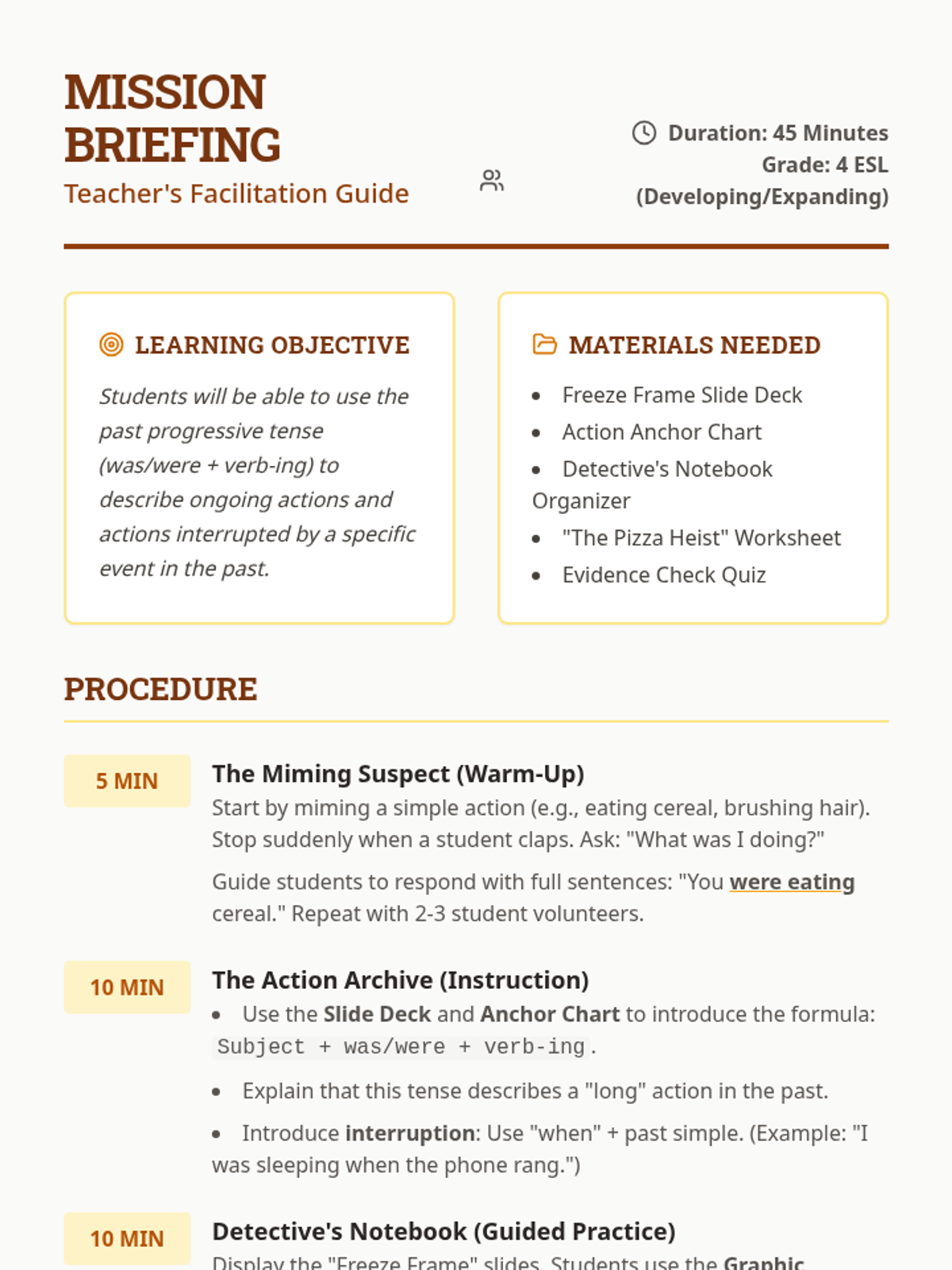
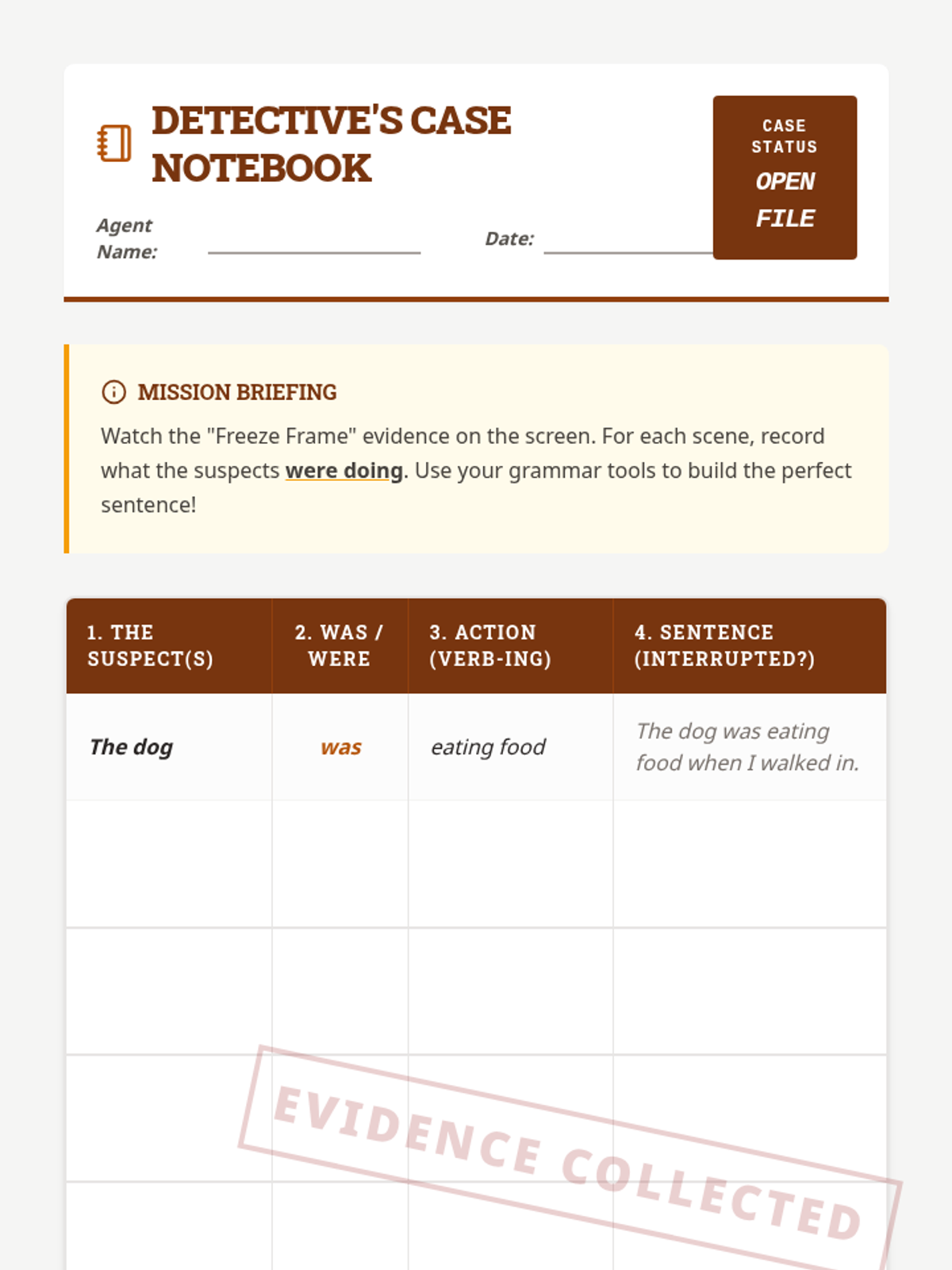
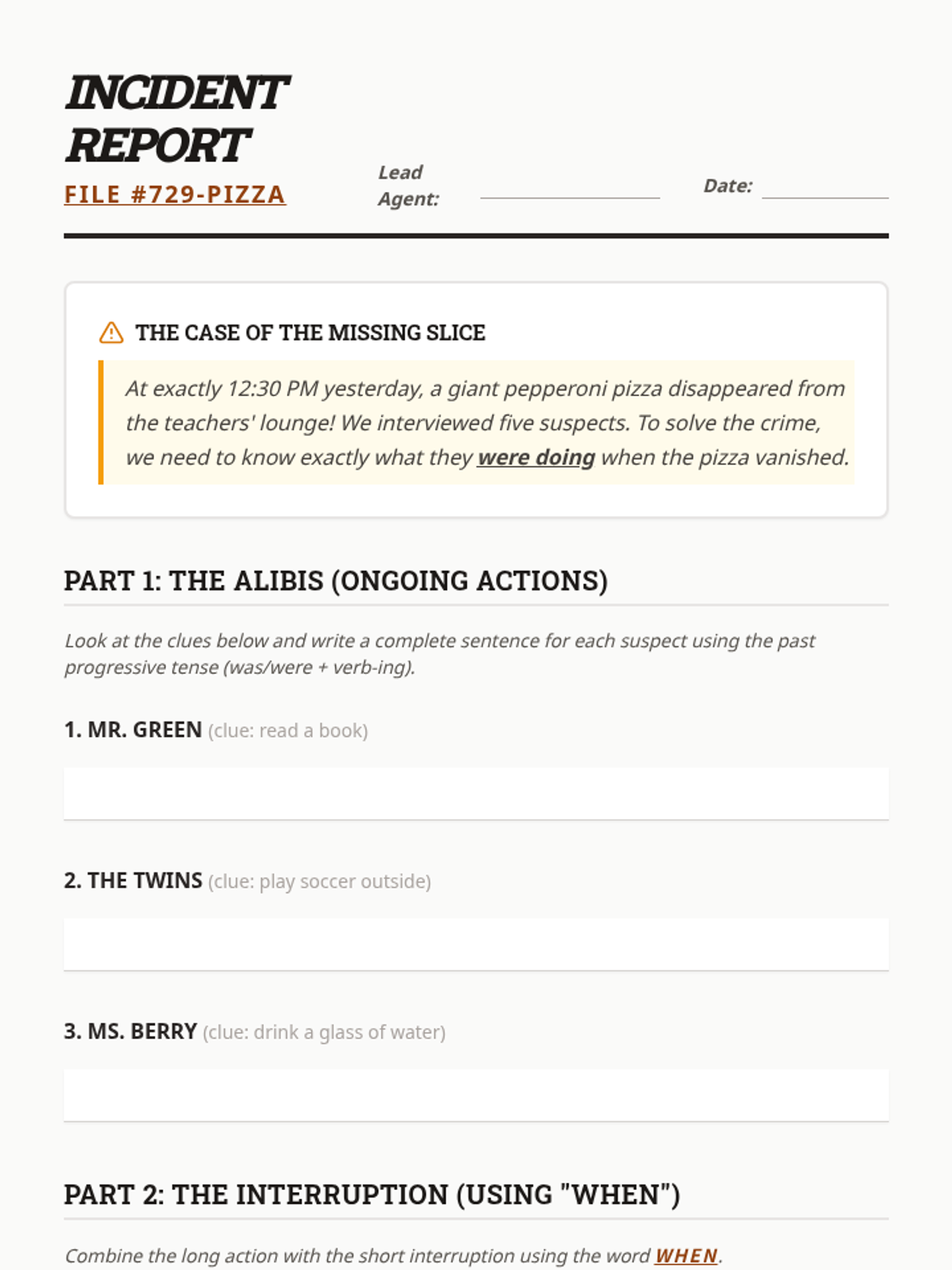
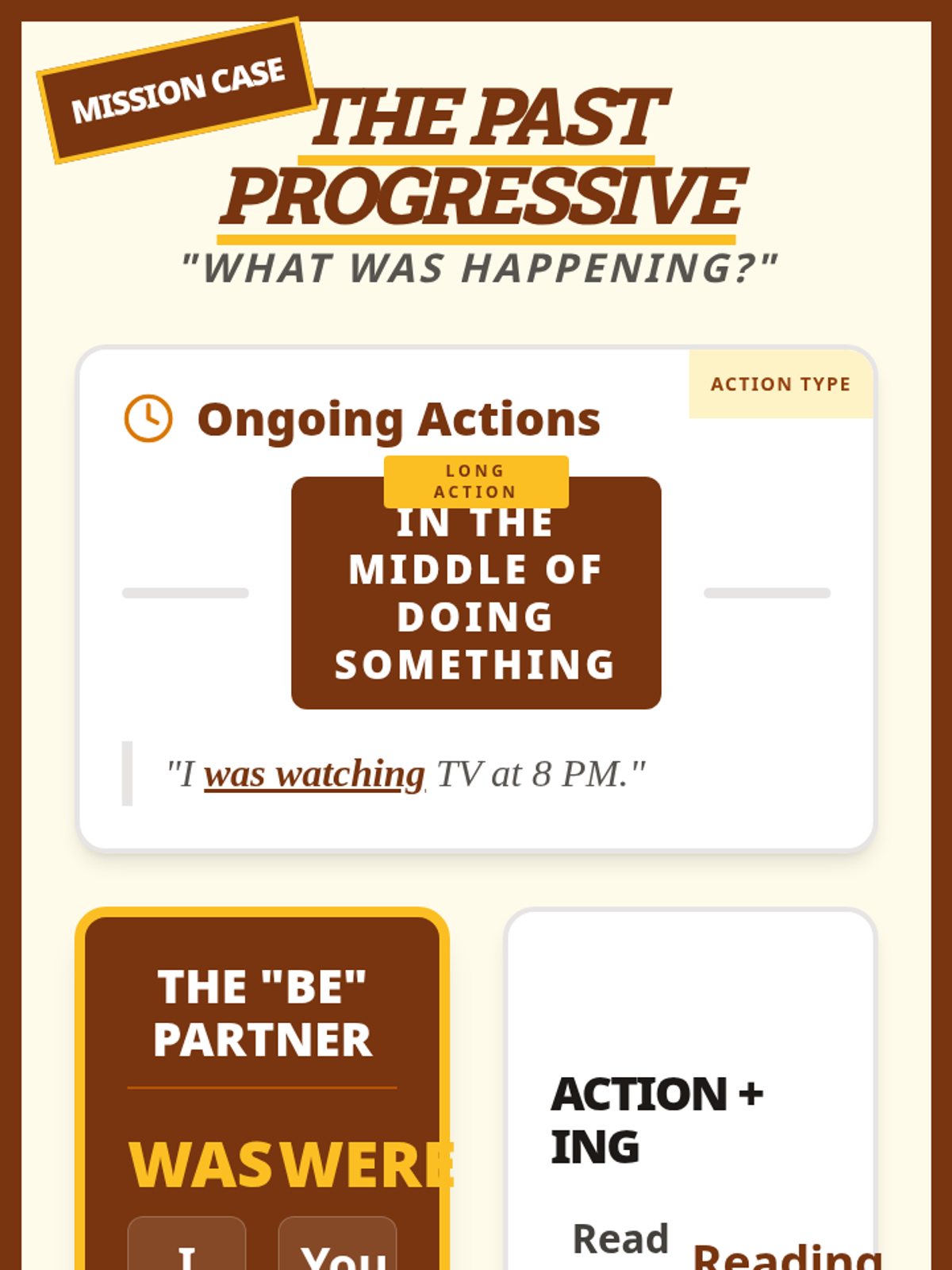
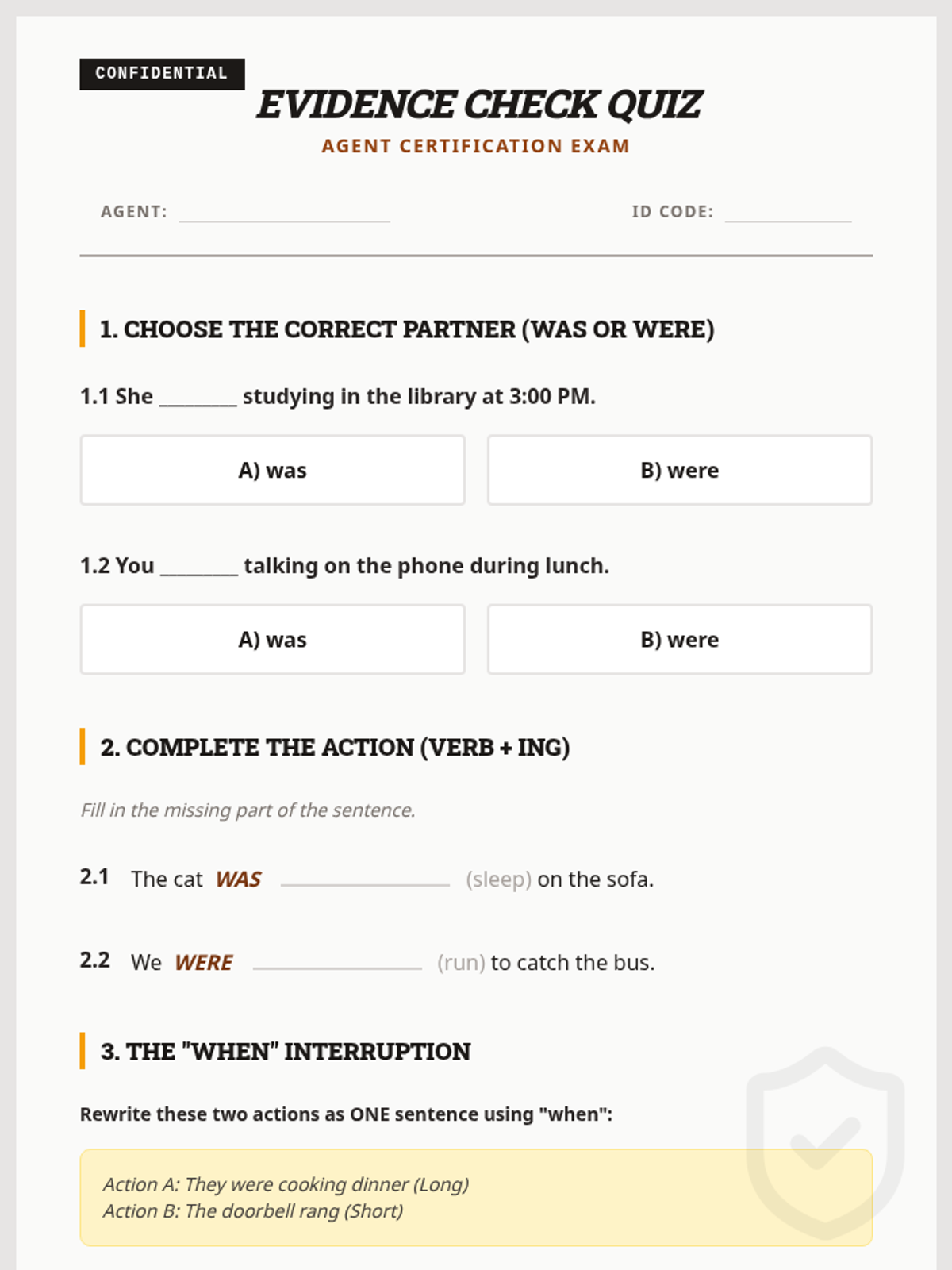
A 45-minute ESL lesson for Grade 4 (Developing/Expanding) focused on using the past progressive tense (was/were + verb-ing) to describe ongoing and interrupted actions in the past. Students take on the role of 'Freeze Frame Detectives' to investigate past events.
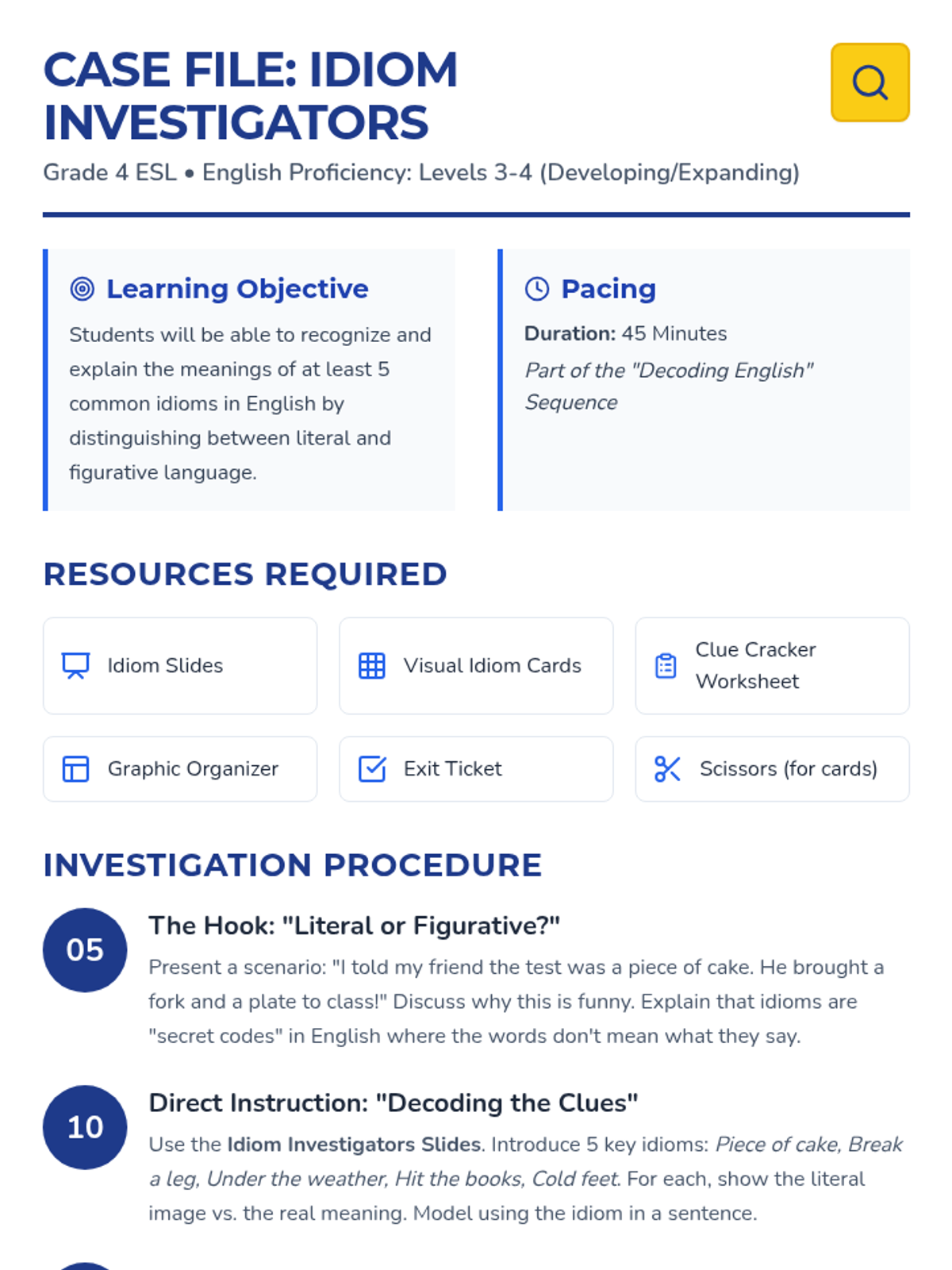
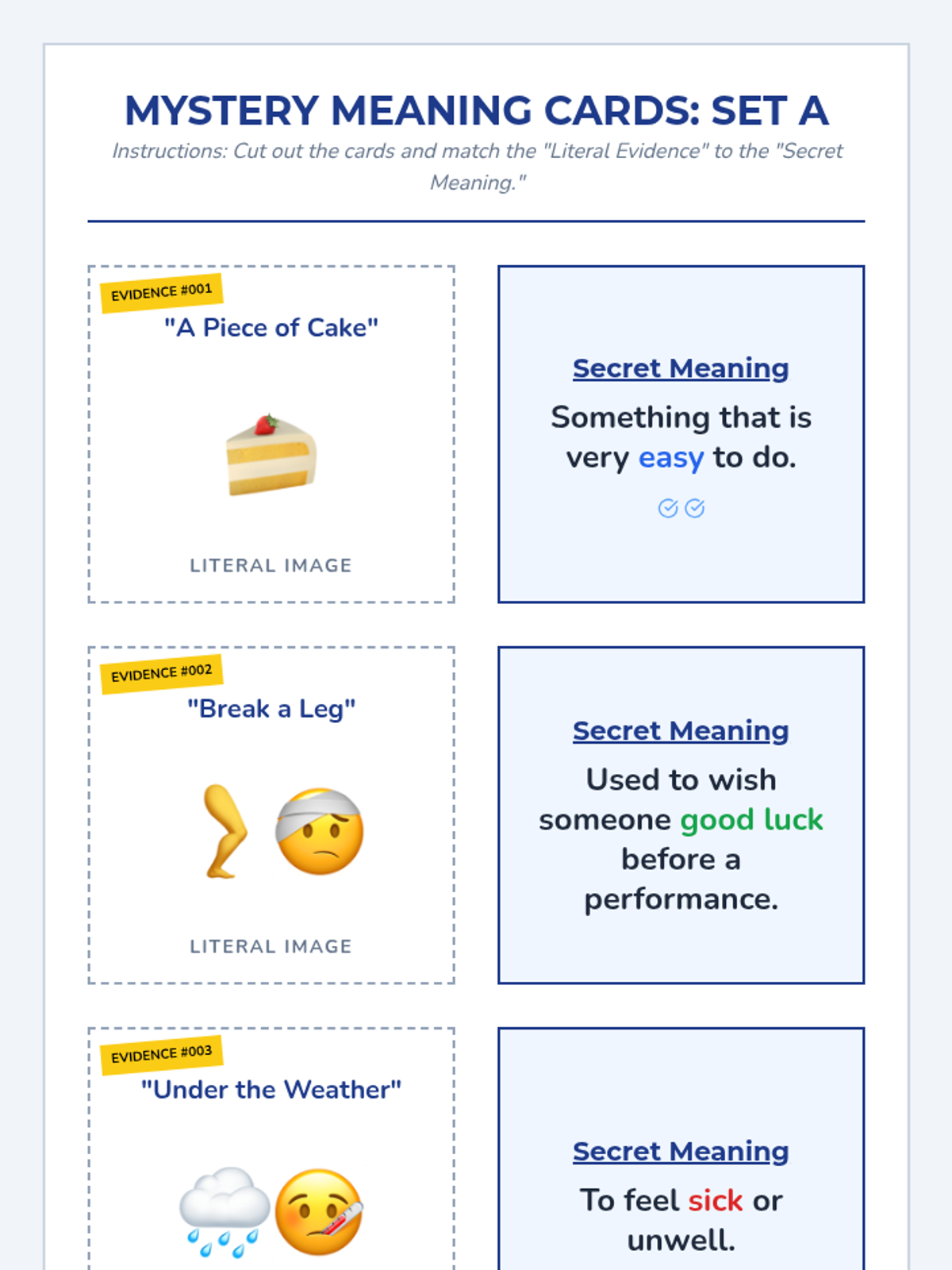
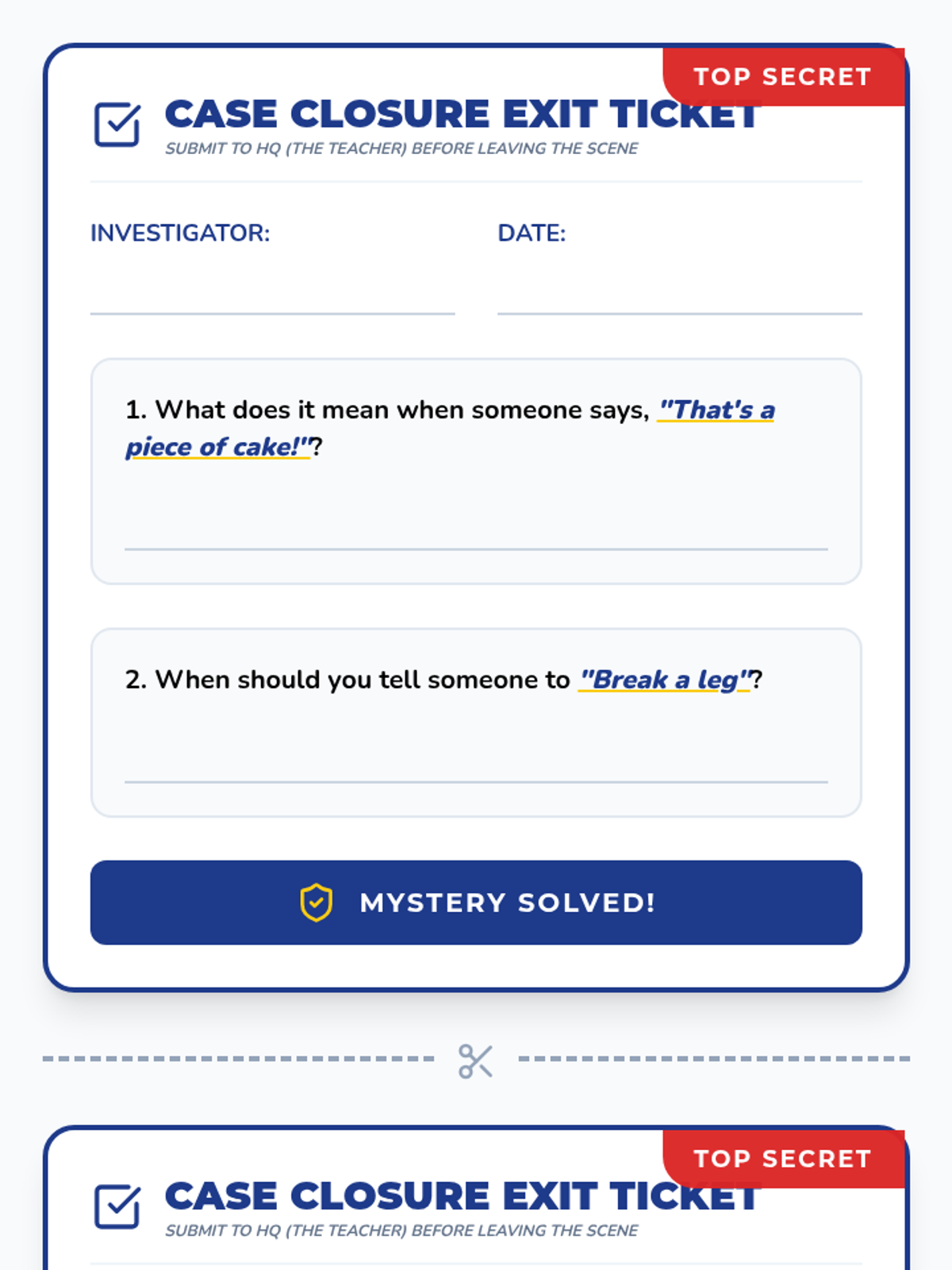
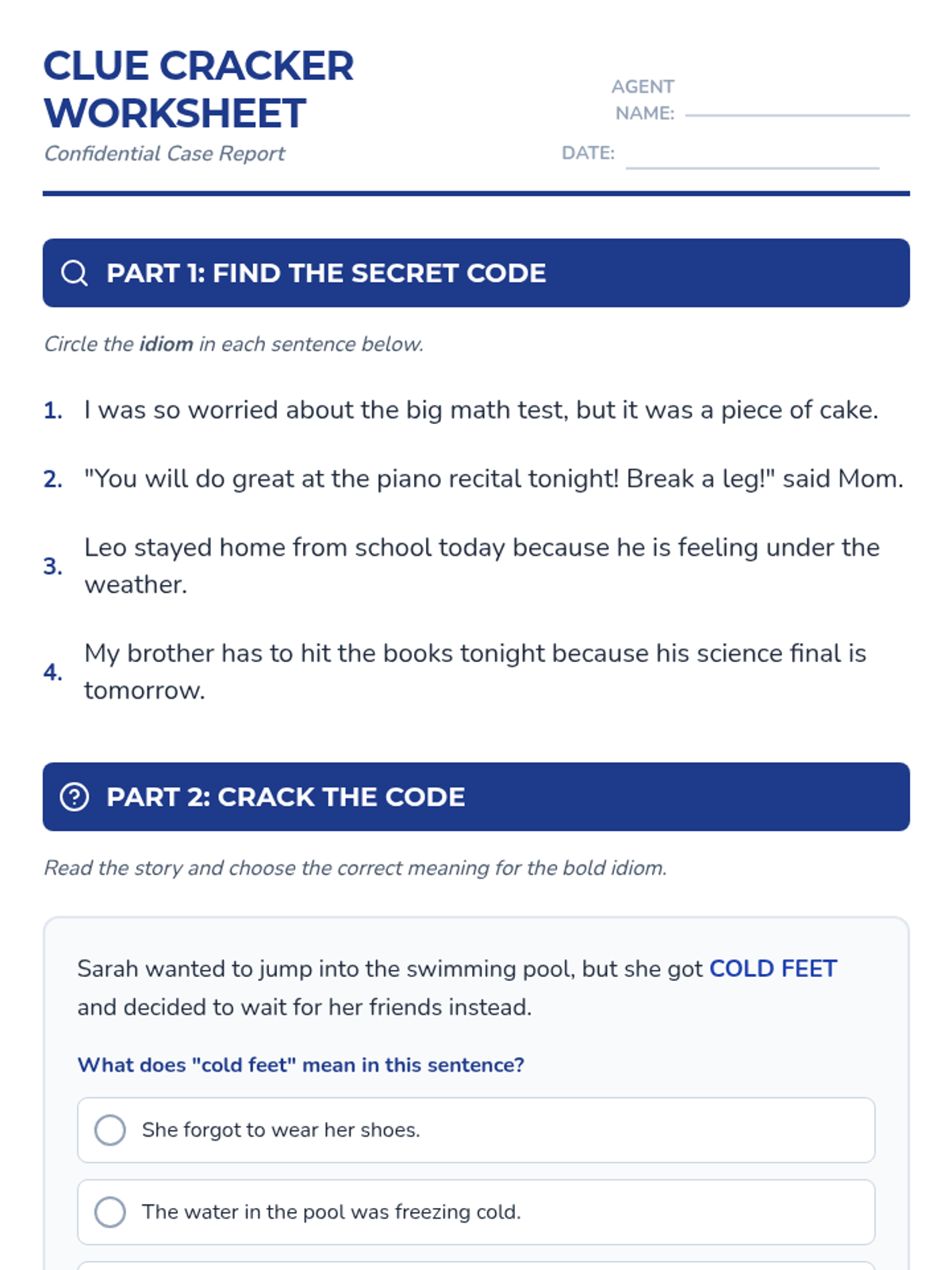
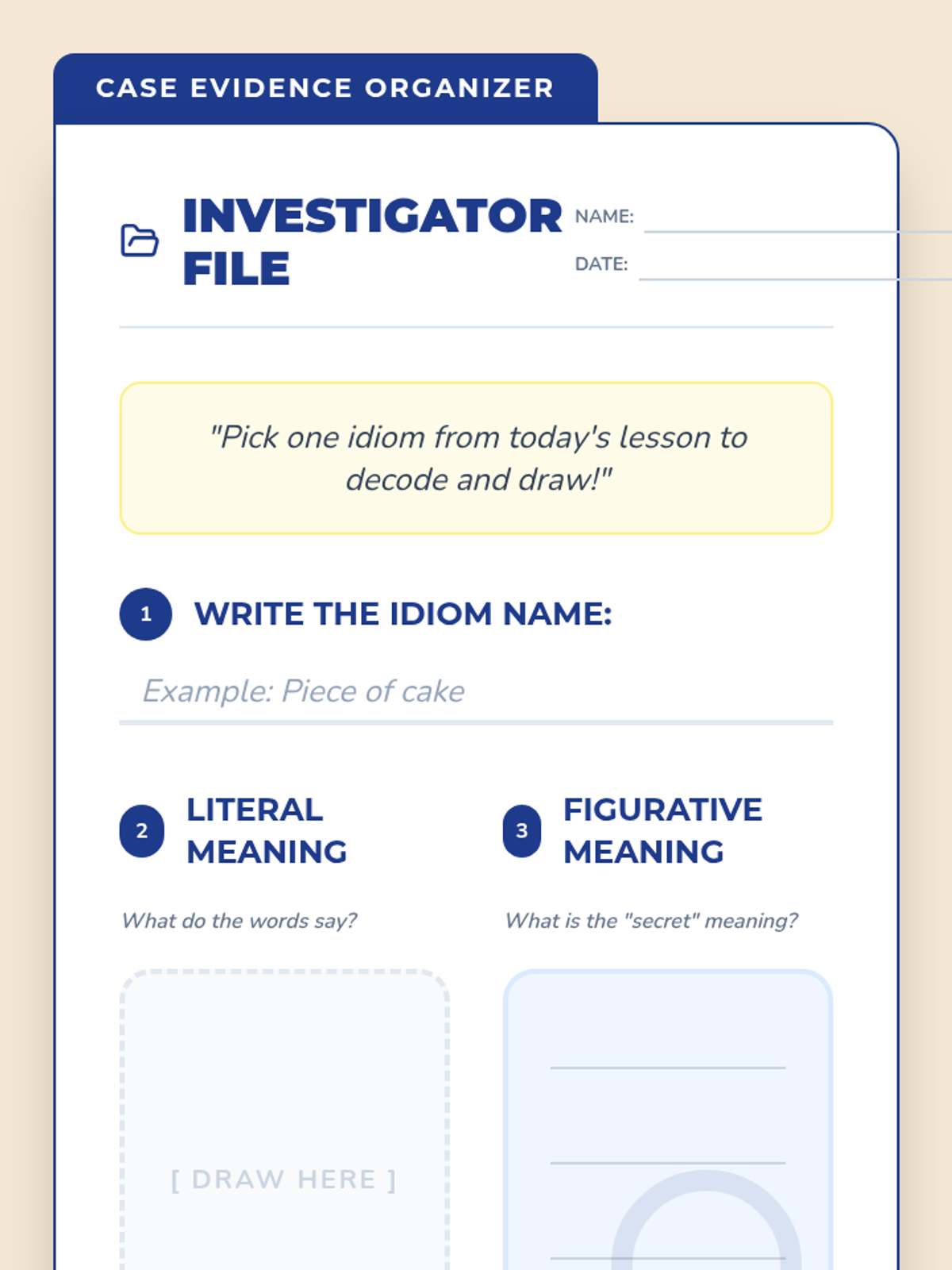
A 45-minute ESL lesson for Grade 4 (Levels 3-4) focusing on recognizing and explaining common idioms through a fun detective theme. Students act as 'Idiom Investigators' to decode hidden meanings in everyday English.
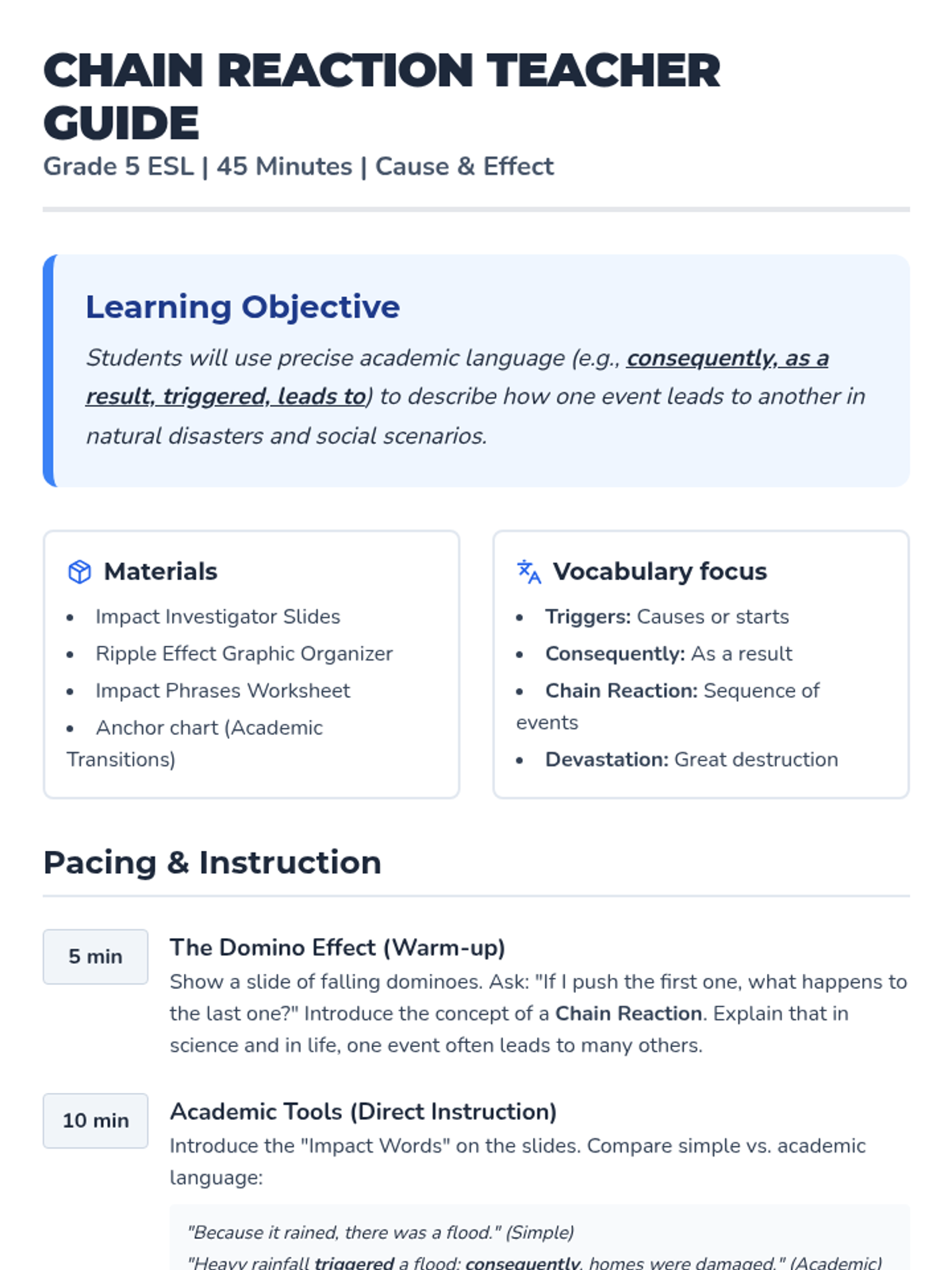
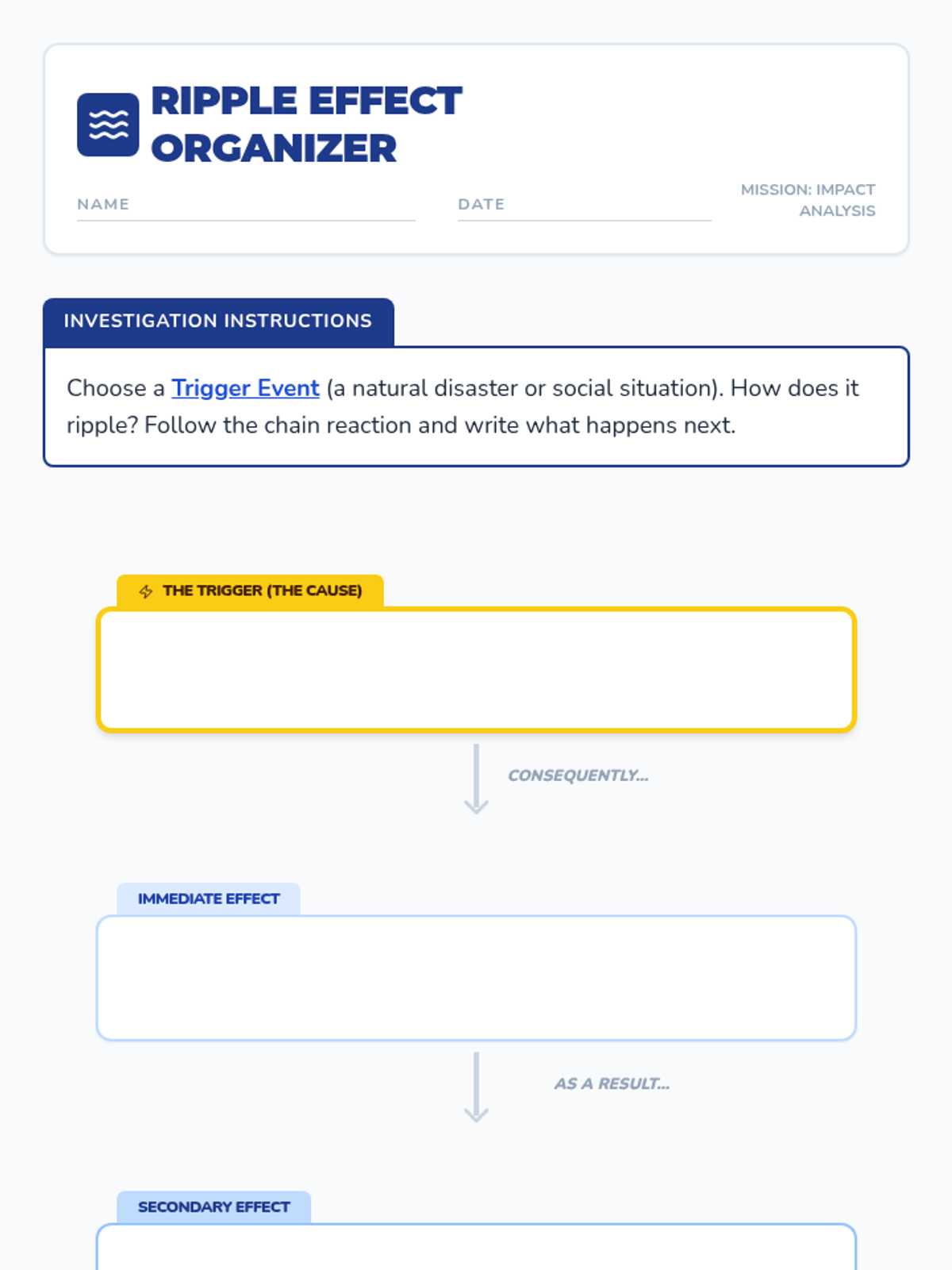
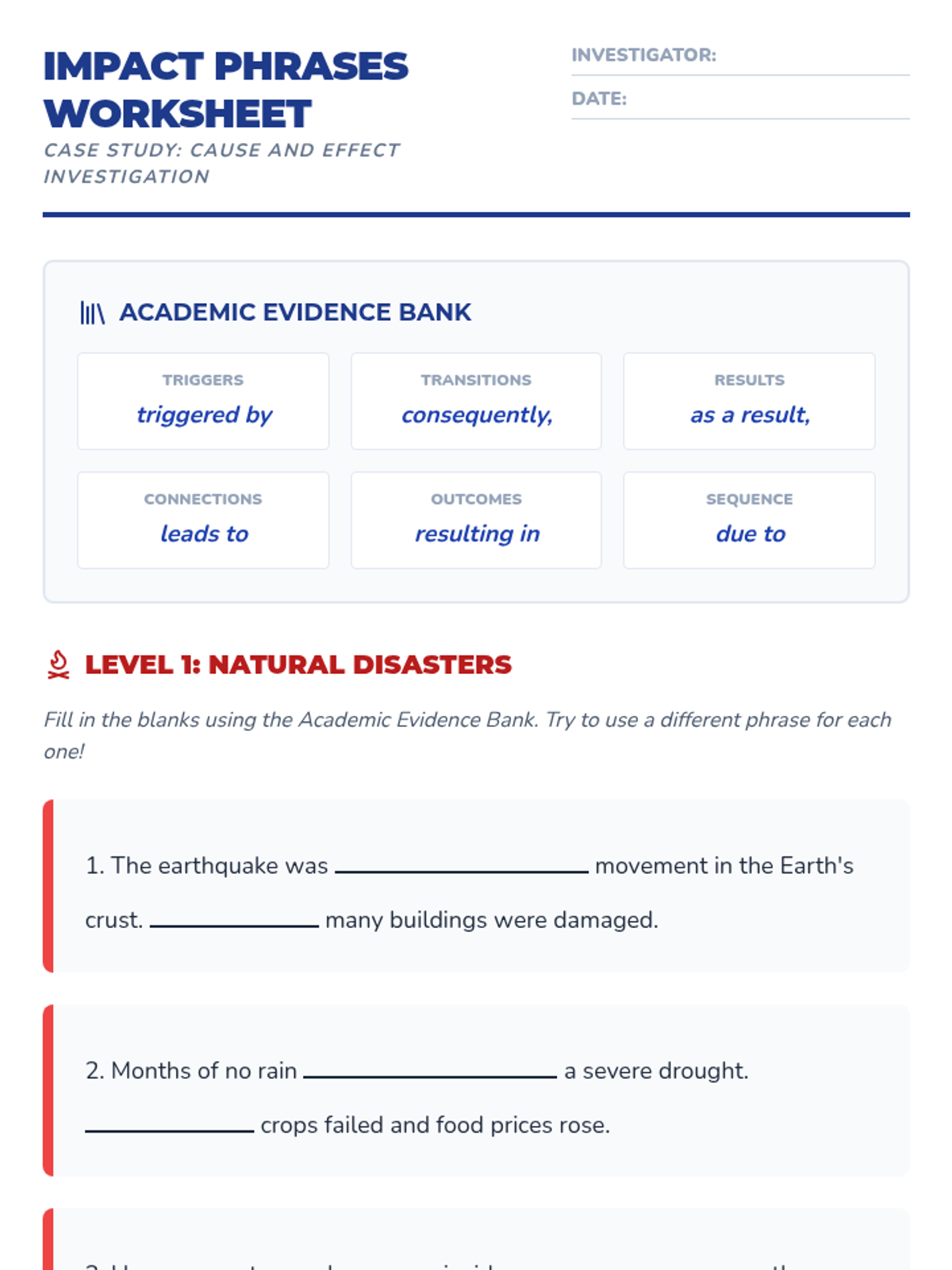
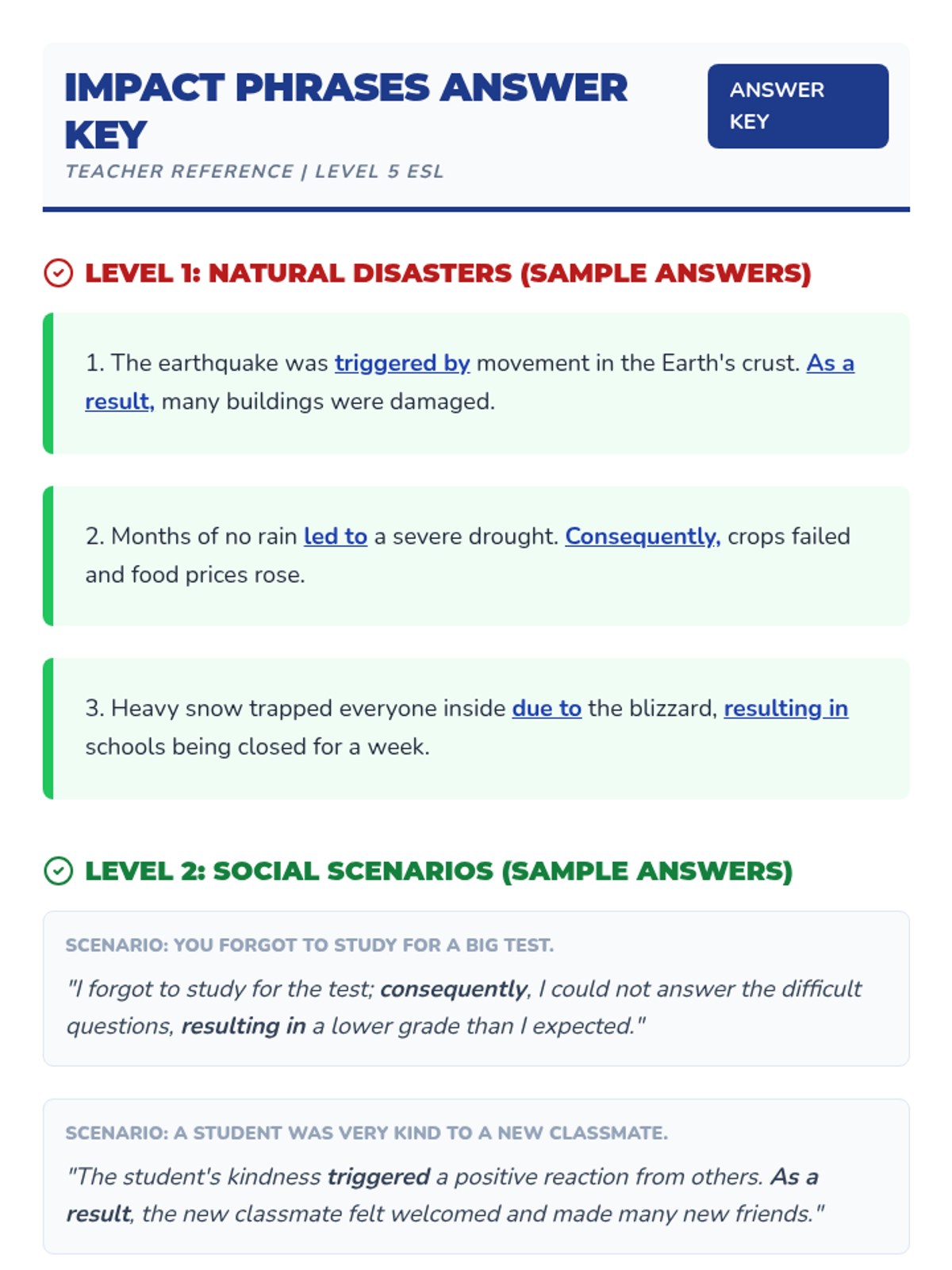
In this 45-minute Grade 5 ESL lesson, students will master precise academic language to describe cause-and-effect relationships. They will explore how natural disasters and social scenarios create chain reactions, using transitional phrases like 'consequently', 'as a result', and 'triggered by'.
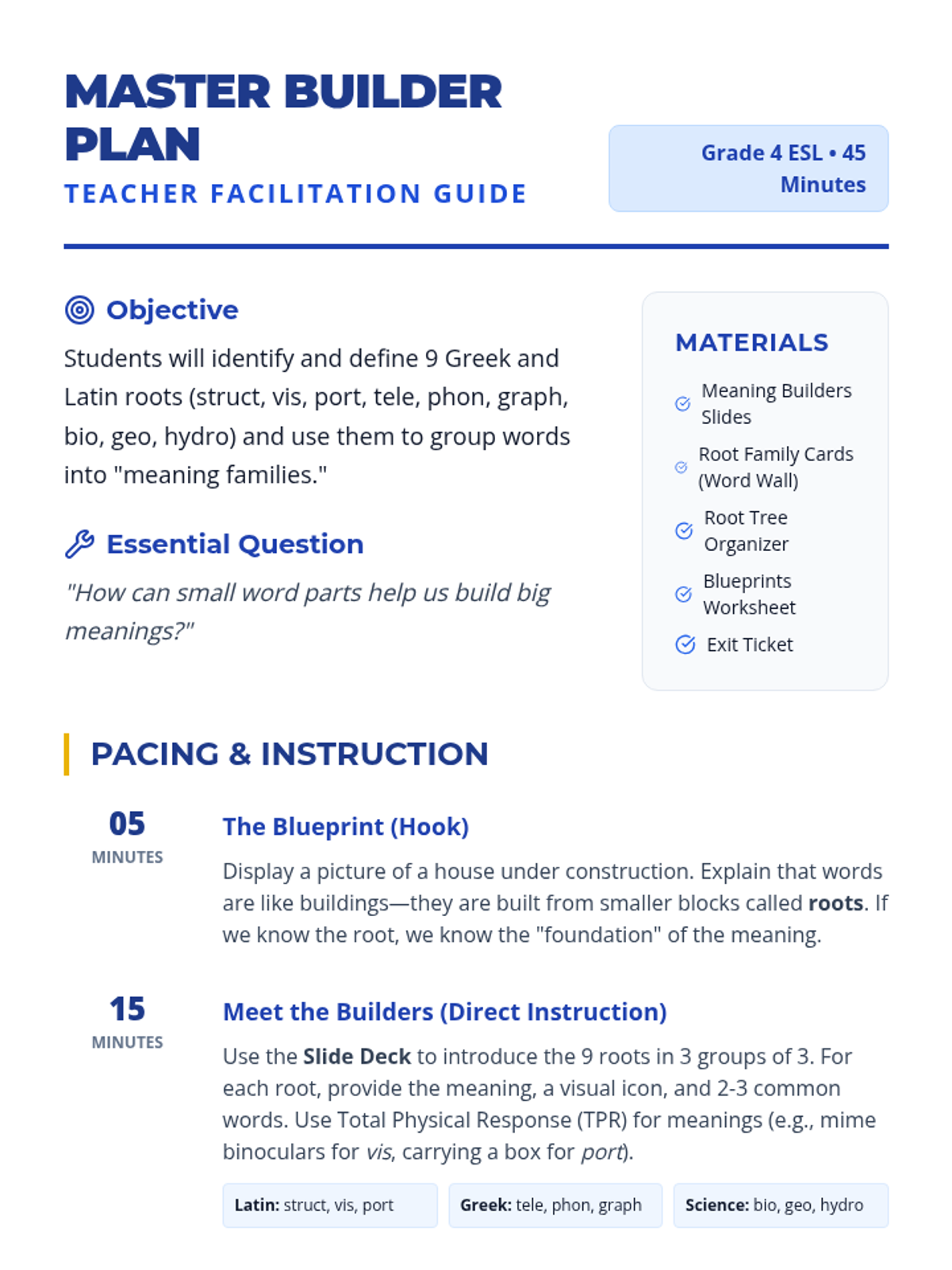
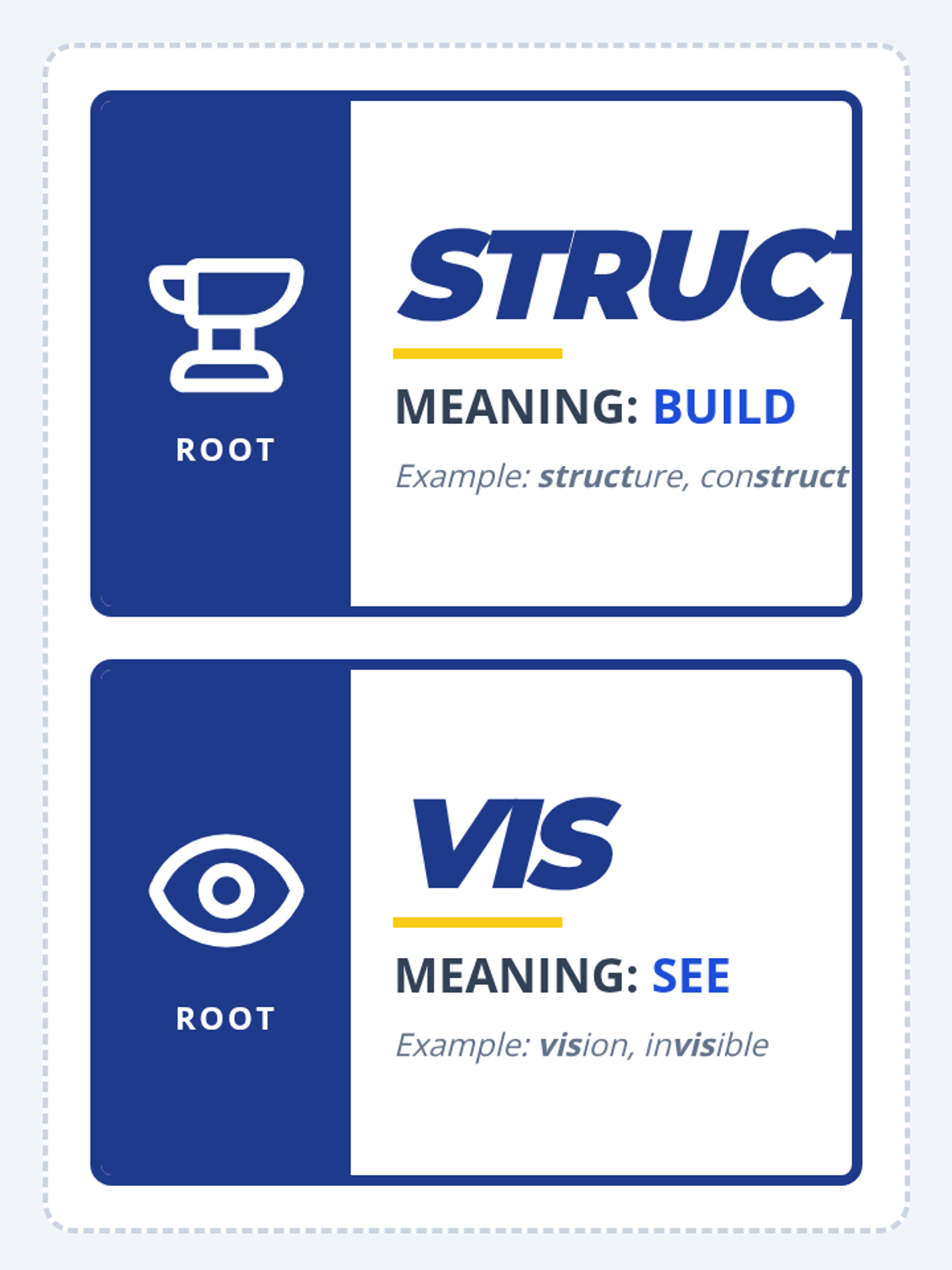
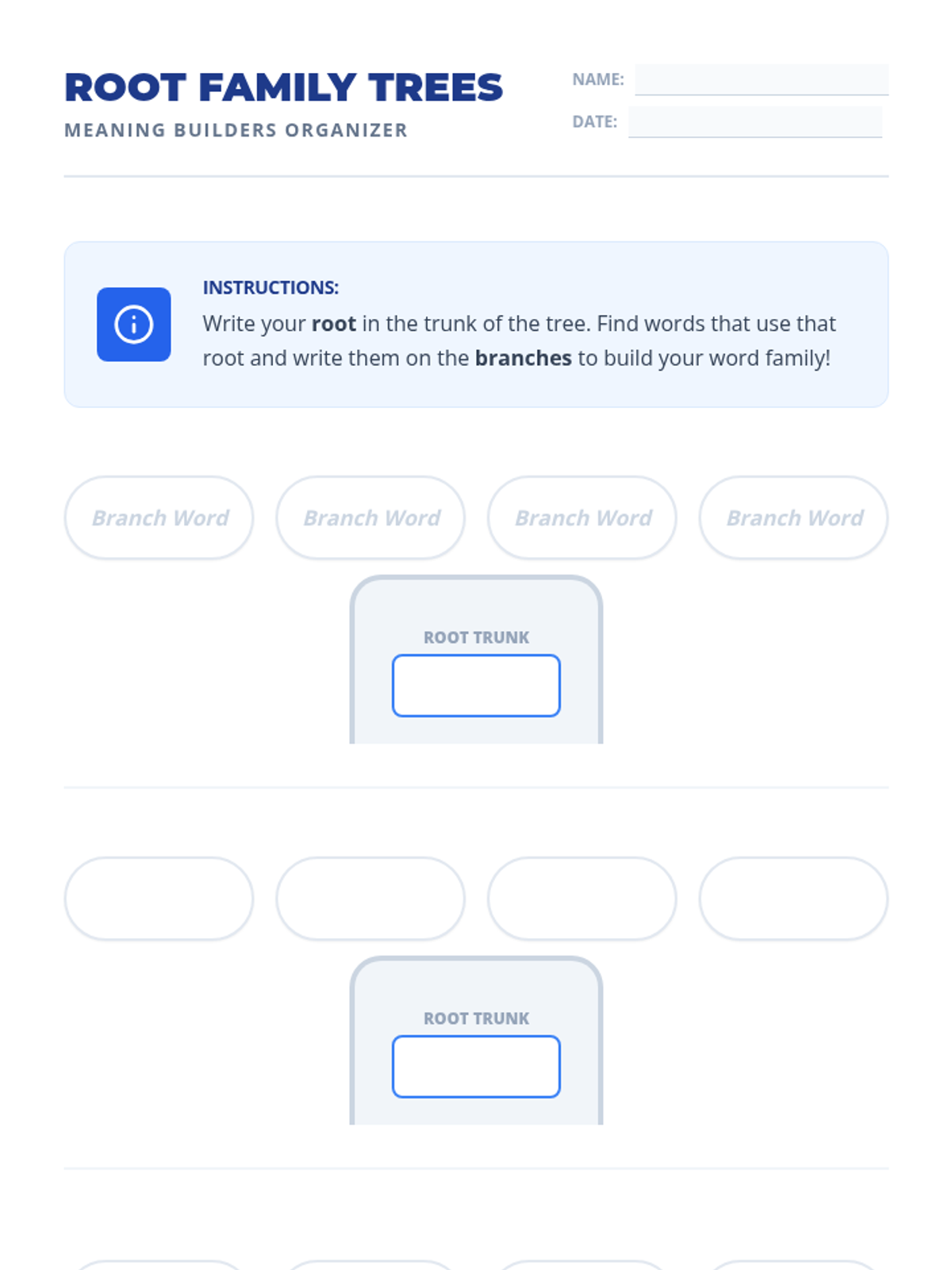
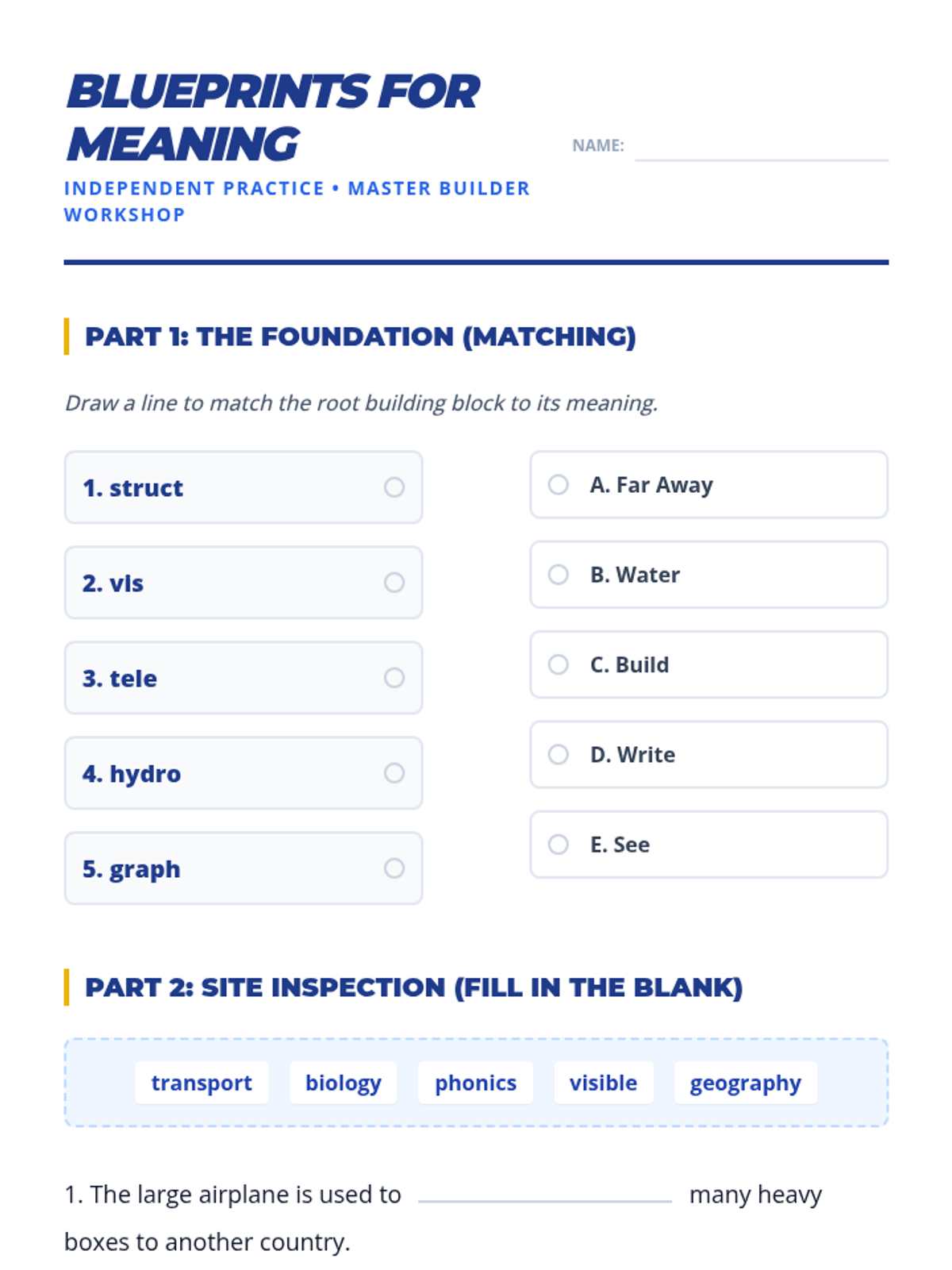
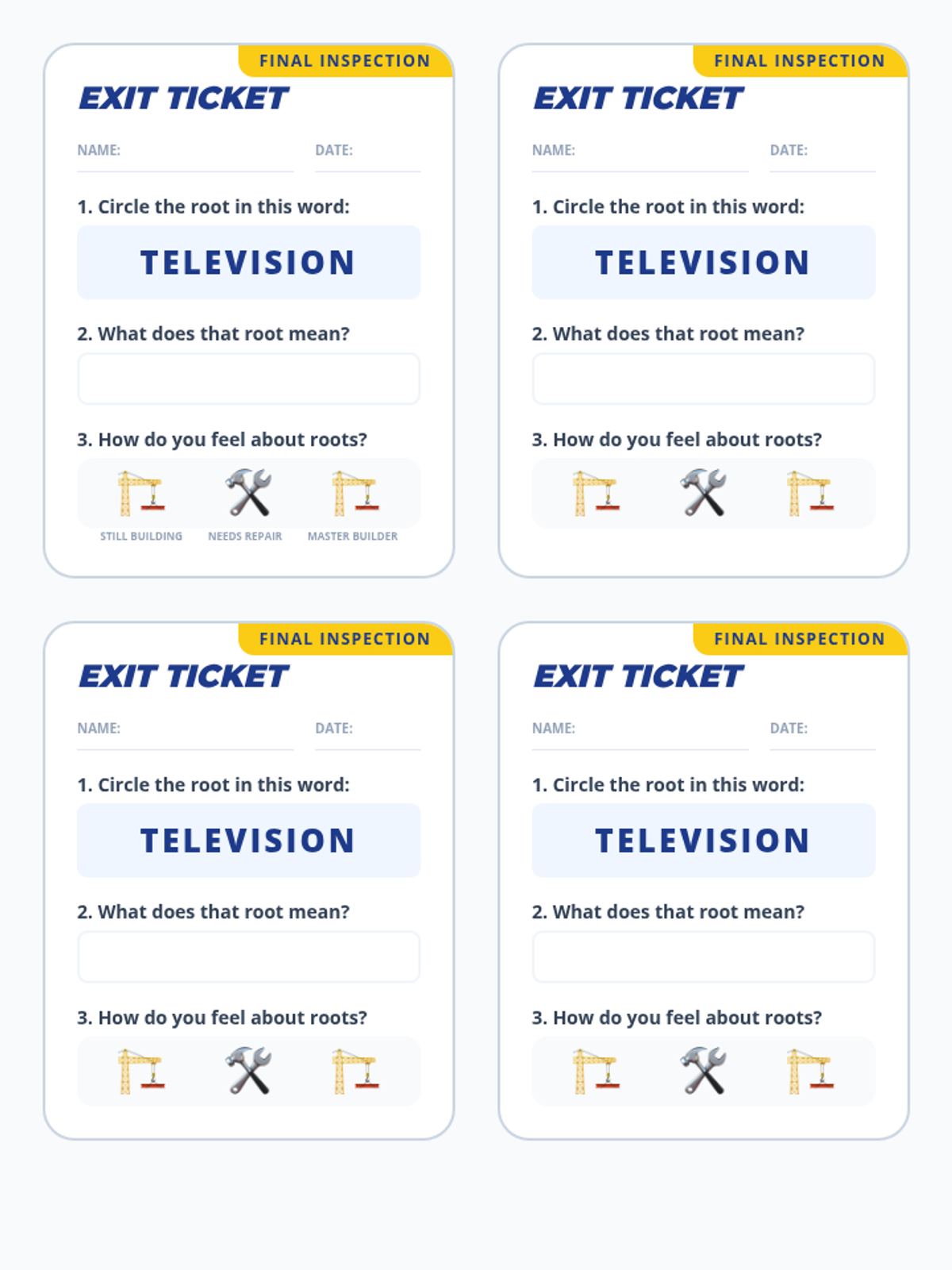
A 45-minute Grade 4 ESL lesson exploring 9 essential Greek and Latin roots (struct, vis, port, tele, phon, graph, bio, geo, hydro) to help students decode complex words and build word families.
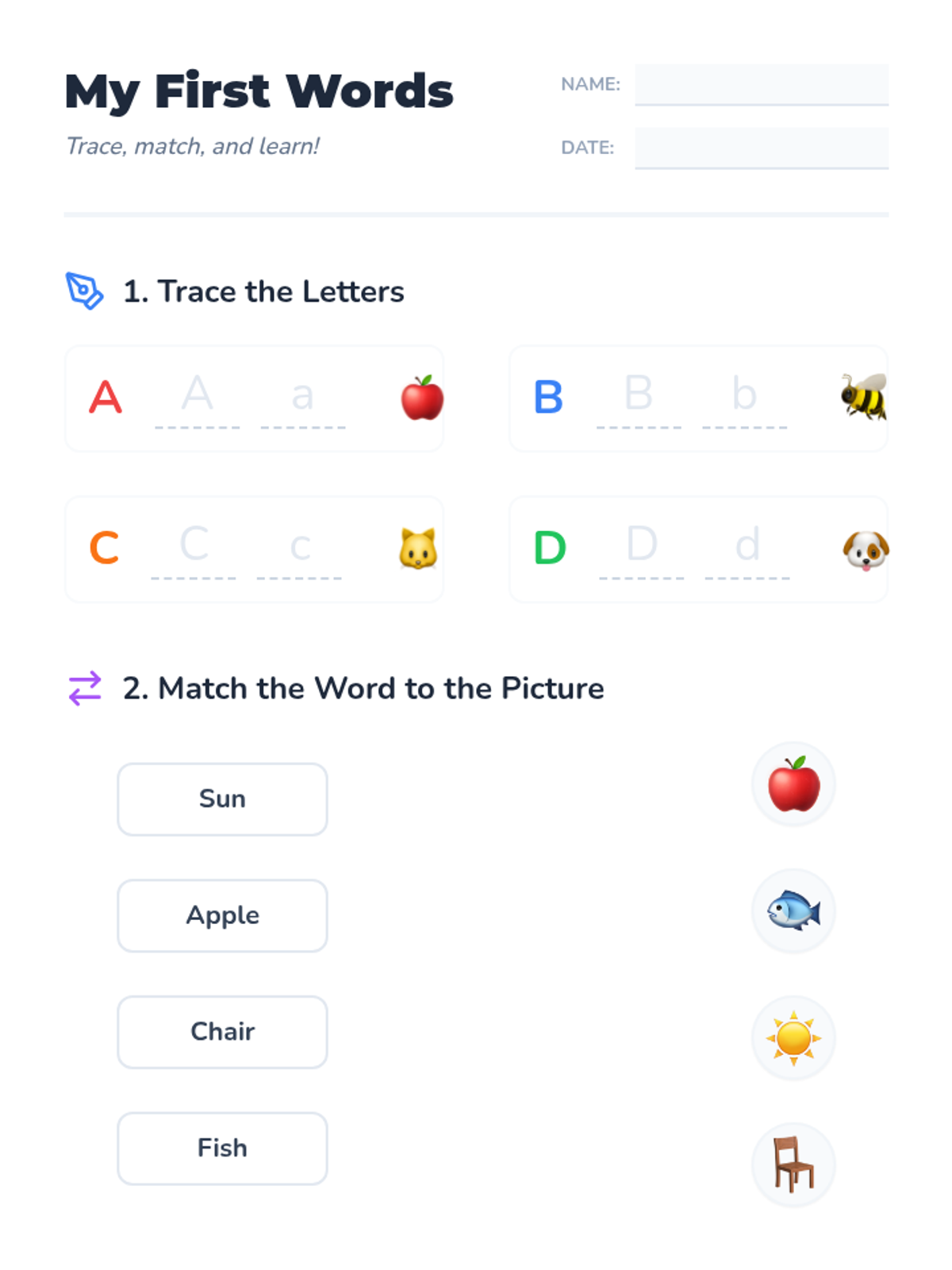
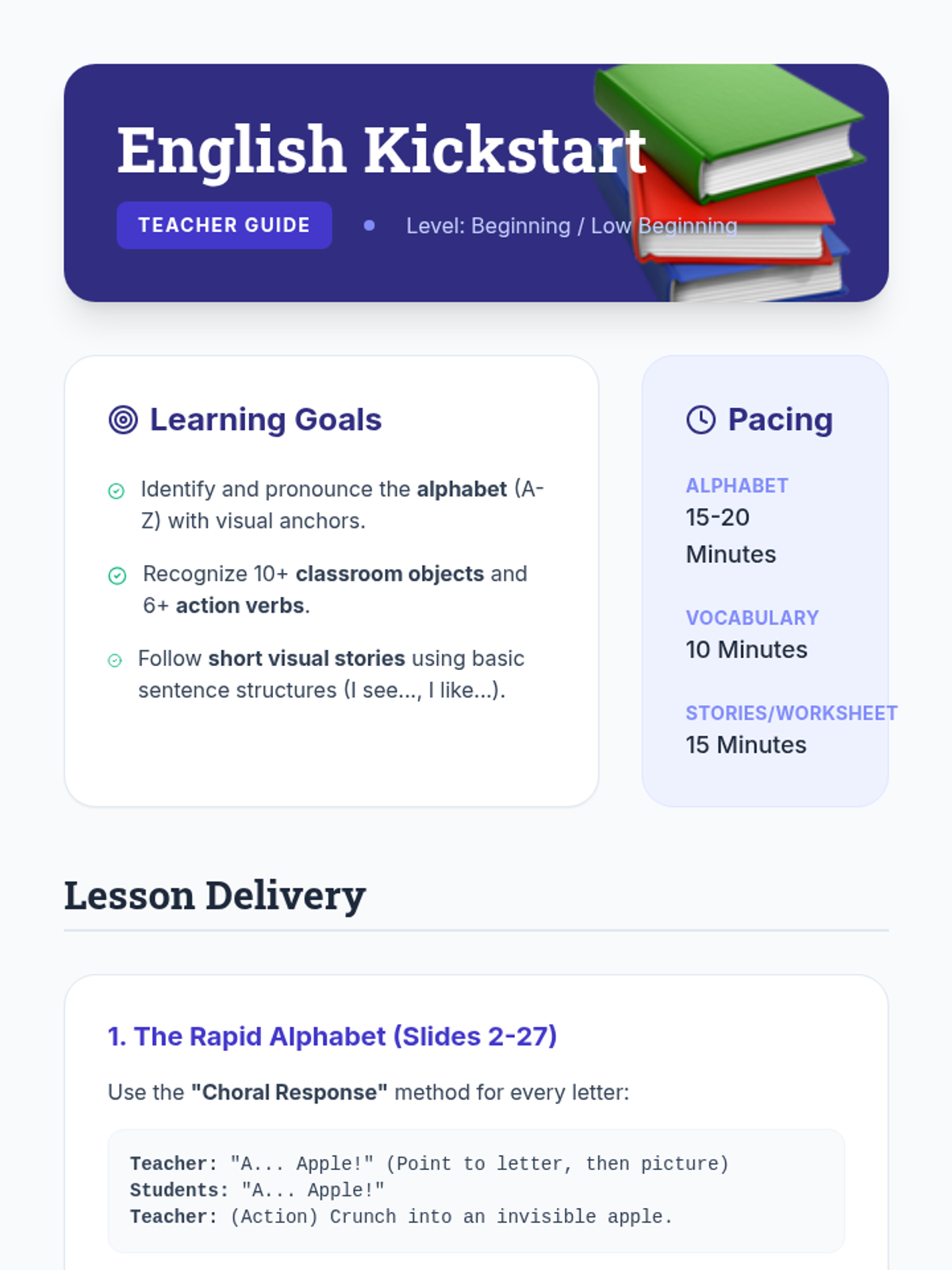
A comprehensive introductory English presentation for beginning learners, covering the alphabet, everyday objects, colors, shapes, actions, and basic stories.
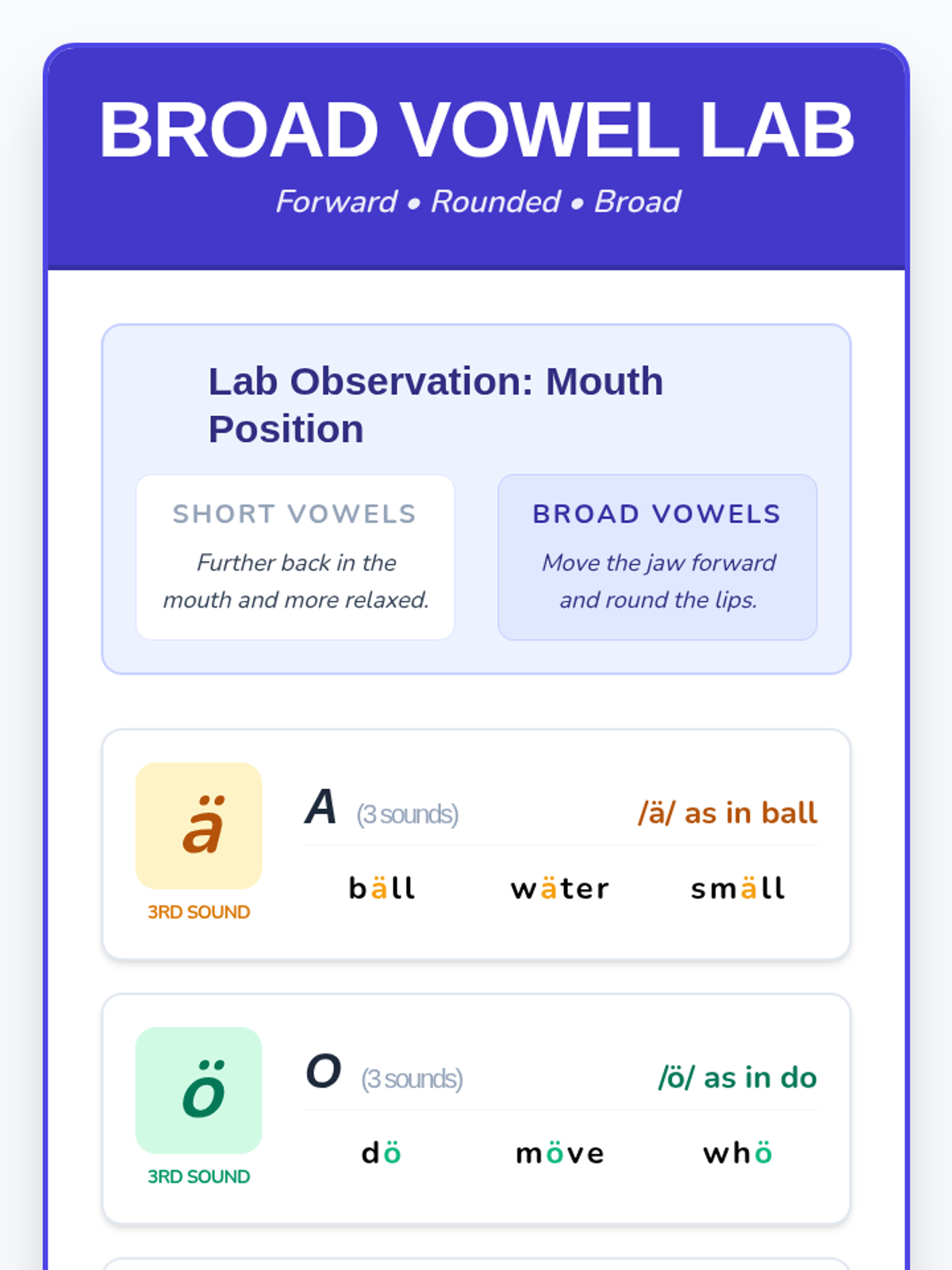
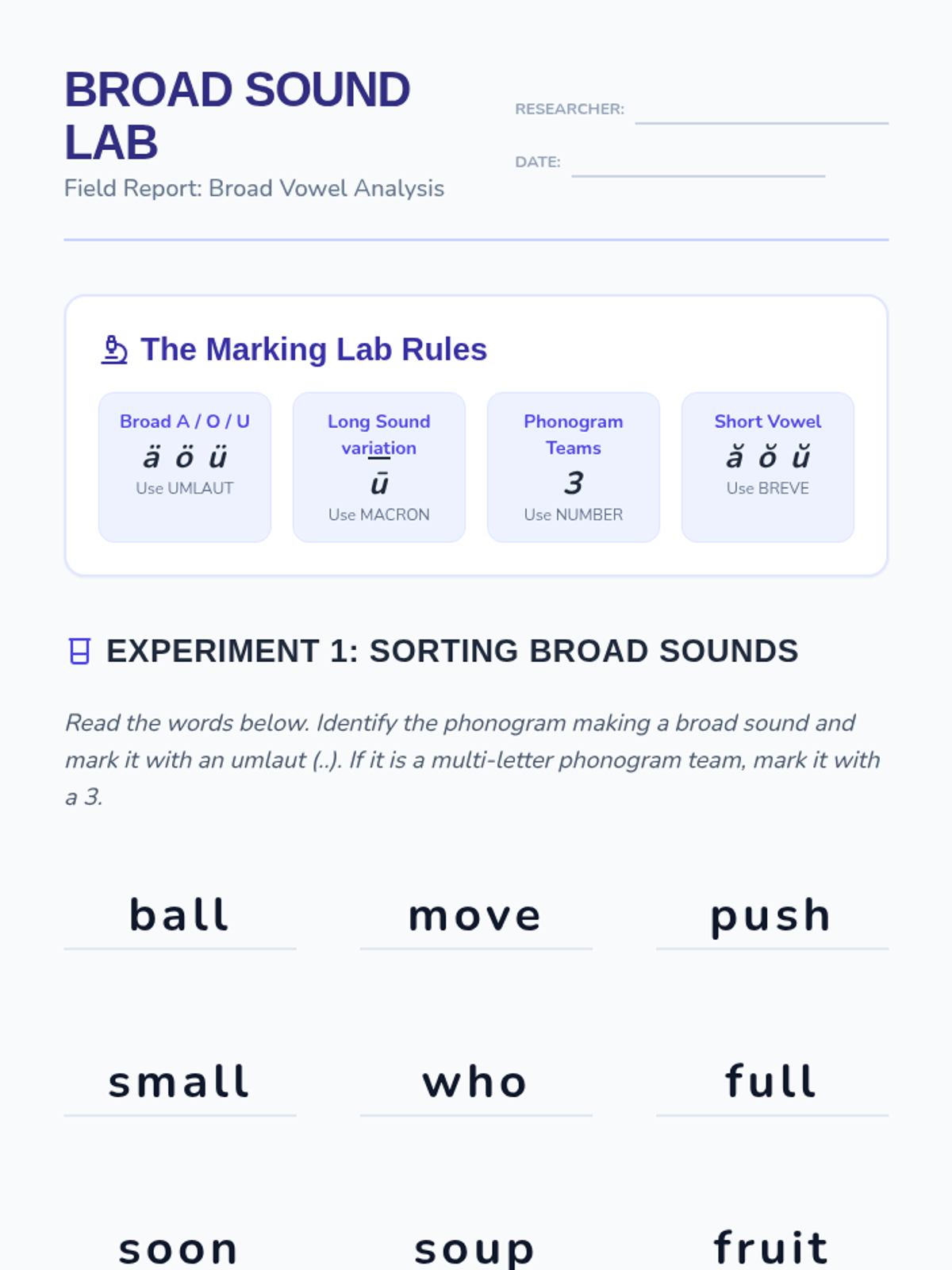
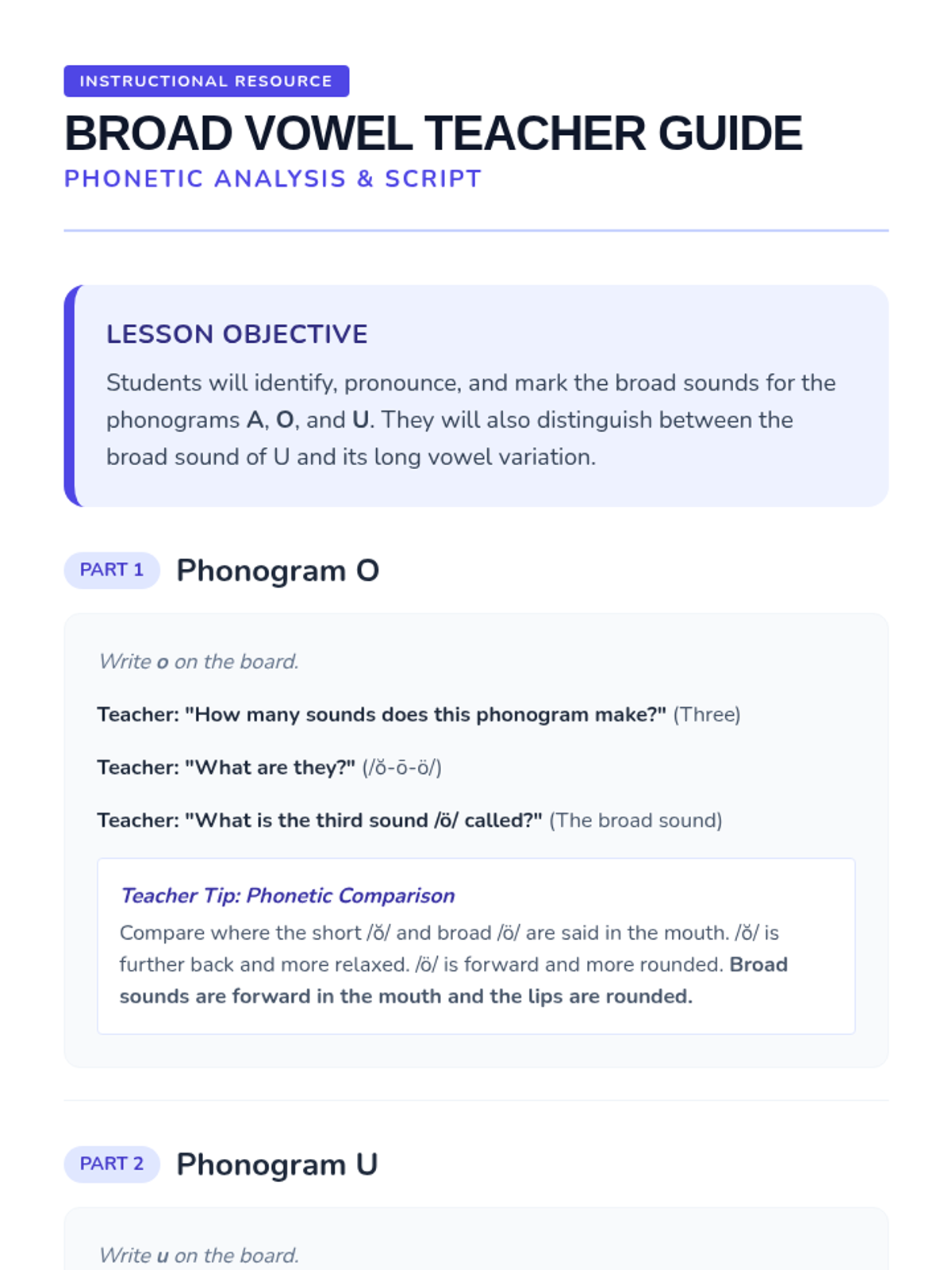
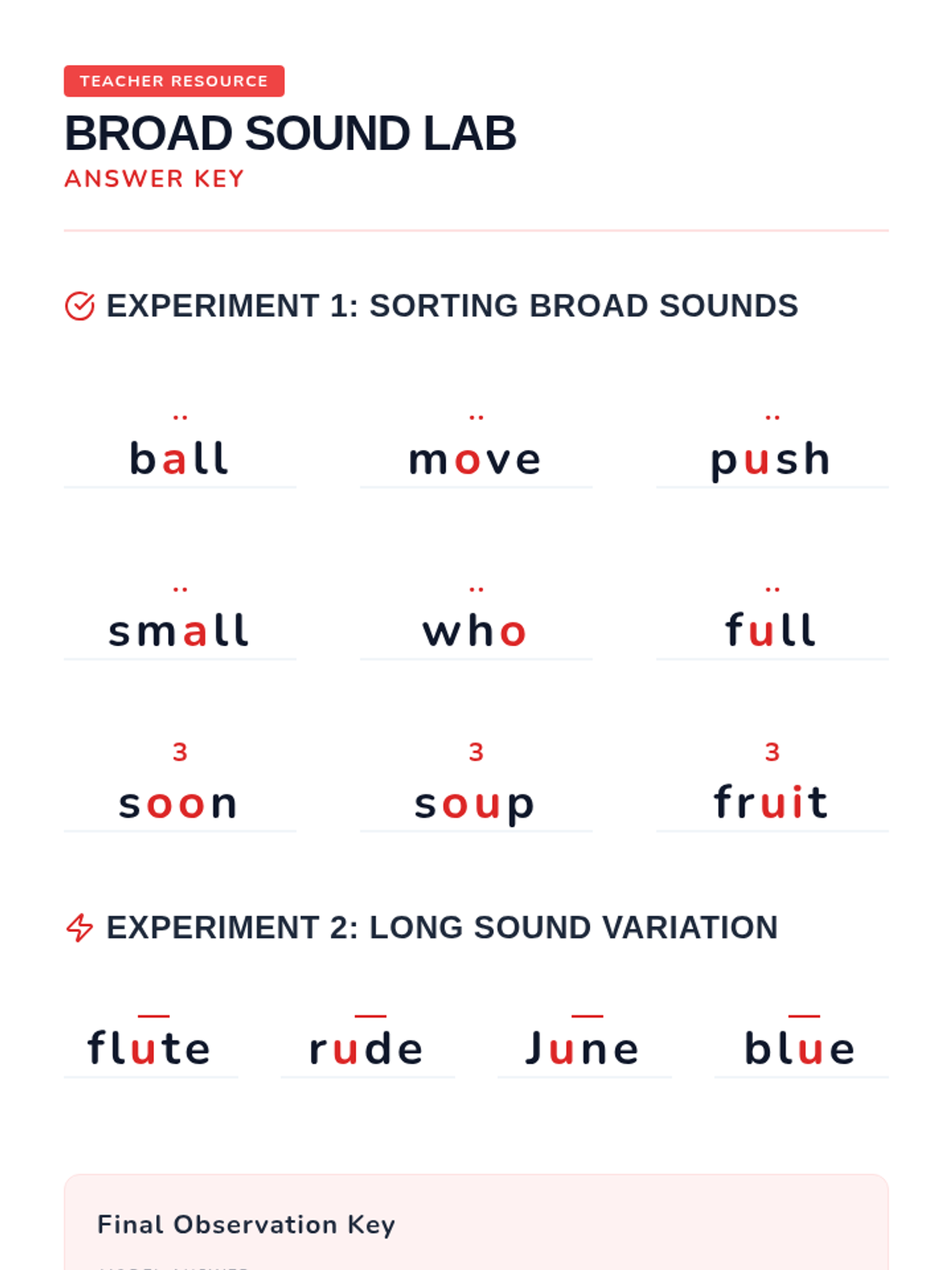
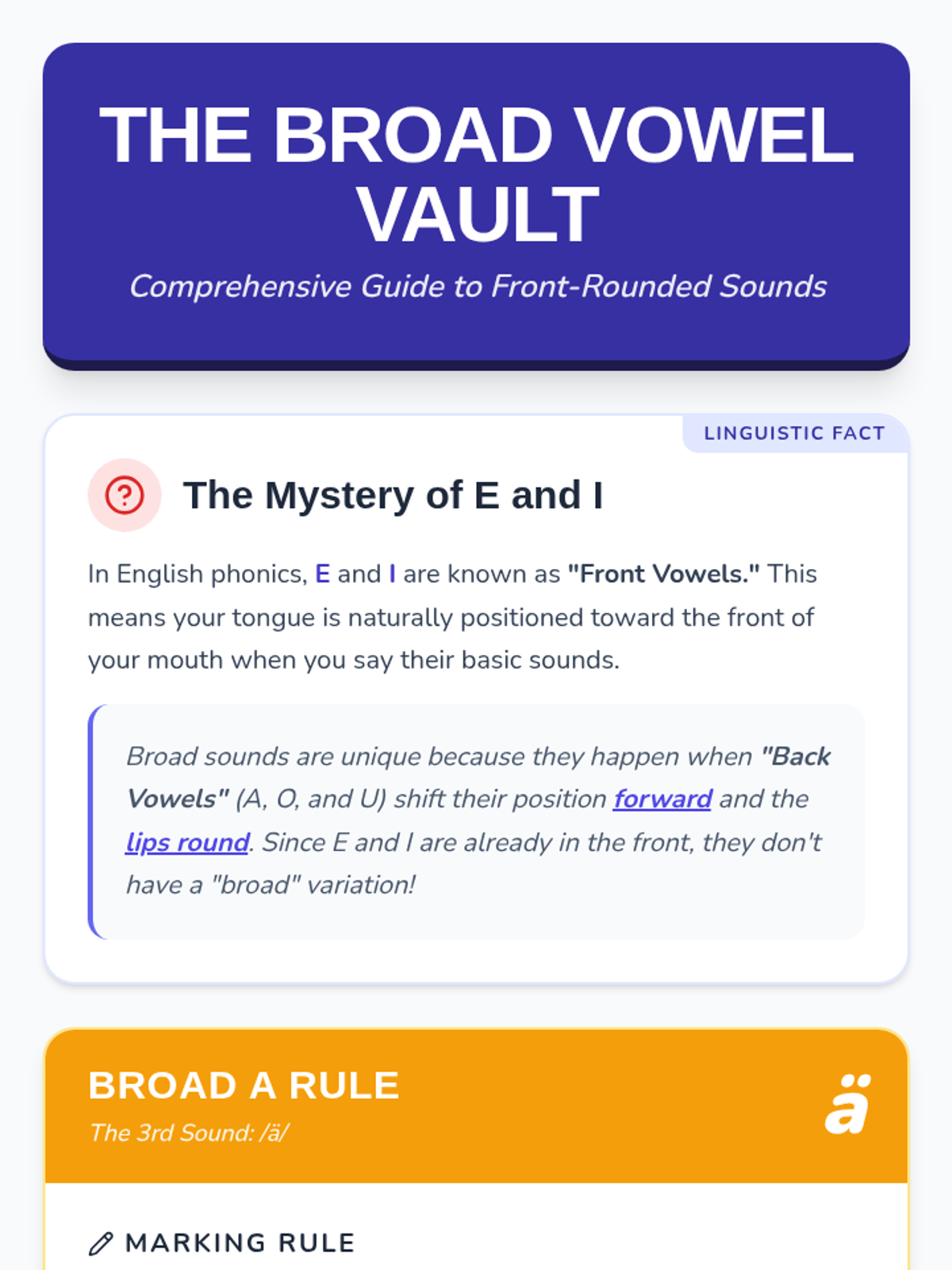
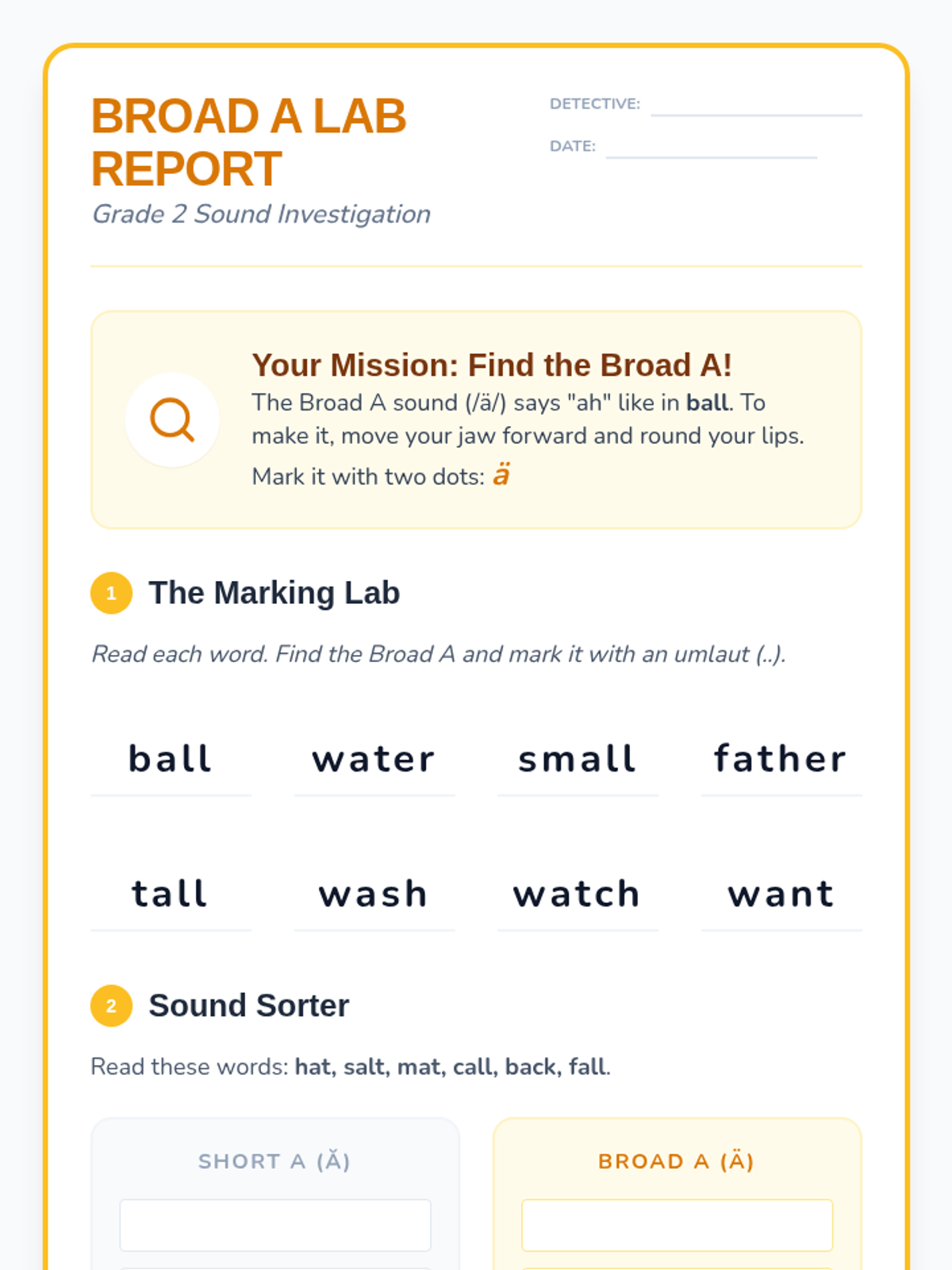
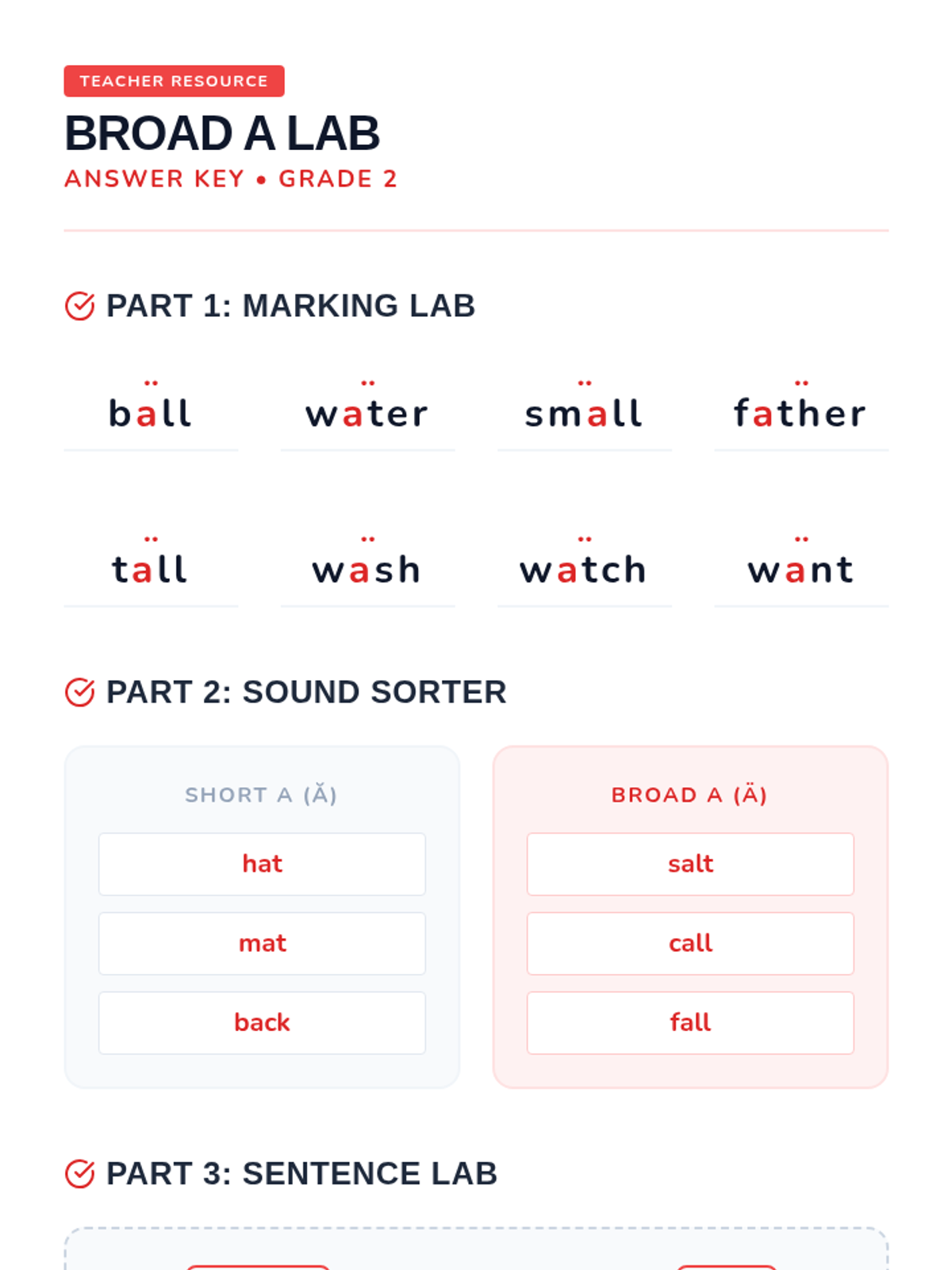
A comprehensive lesson on identifying and marking broad vowel sounds for A, O, and U. Students learn the phonetic differences between short and broad sounds and master the marking conventions for single-letter vowels and multi-letter phonograms.
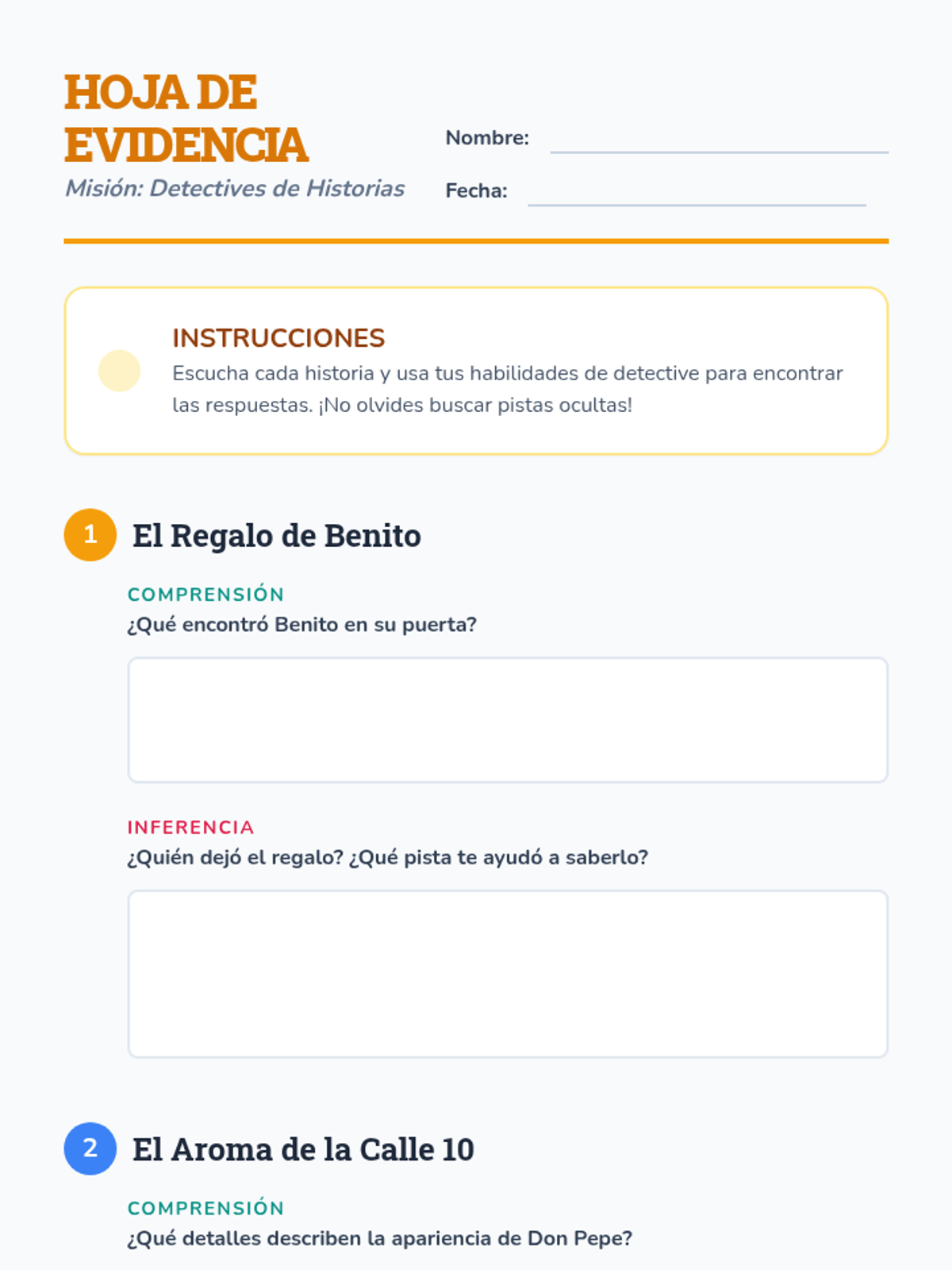
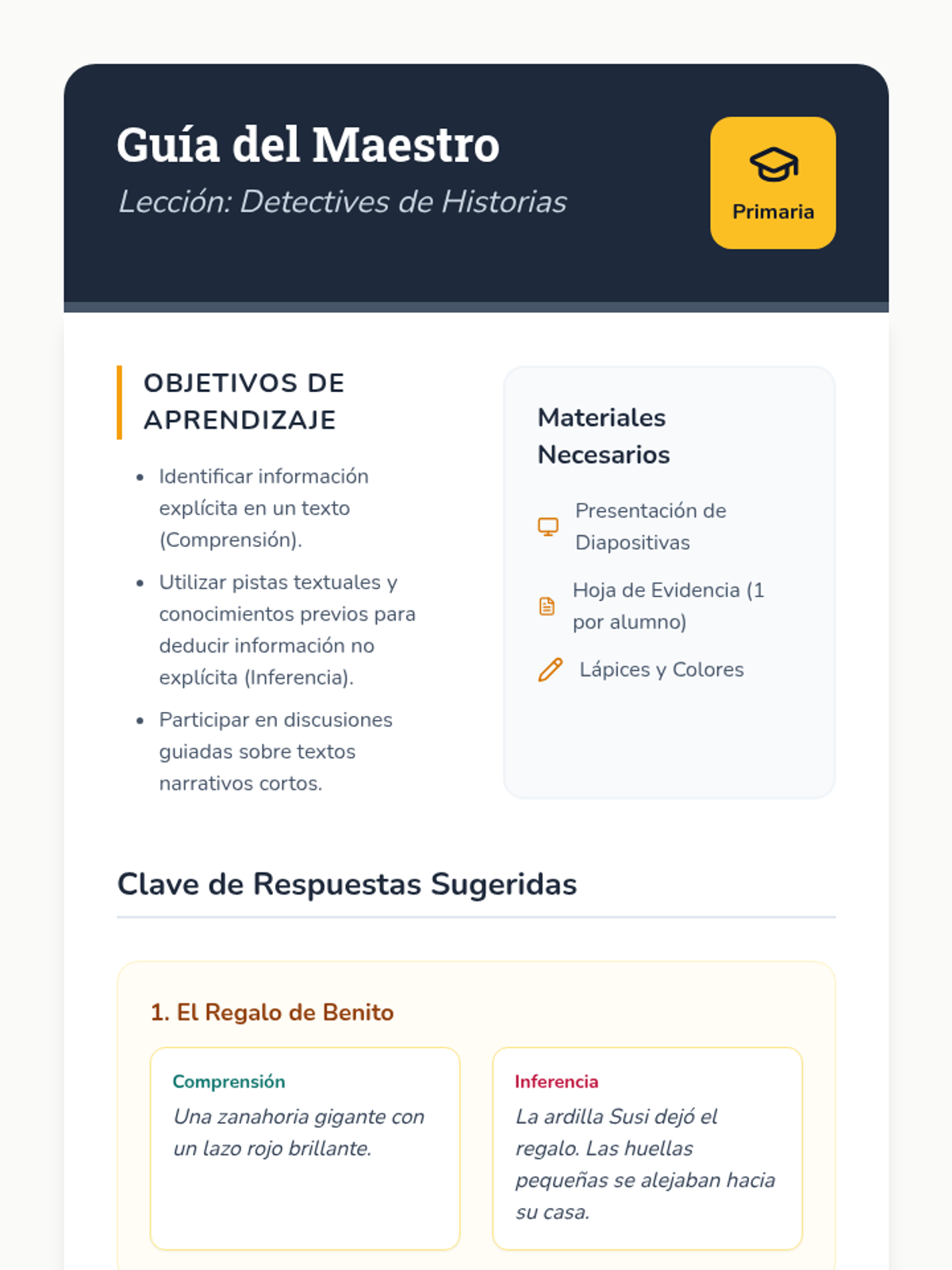
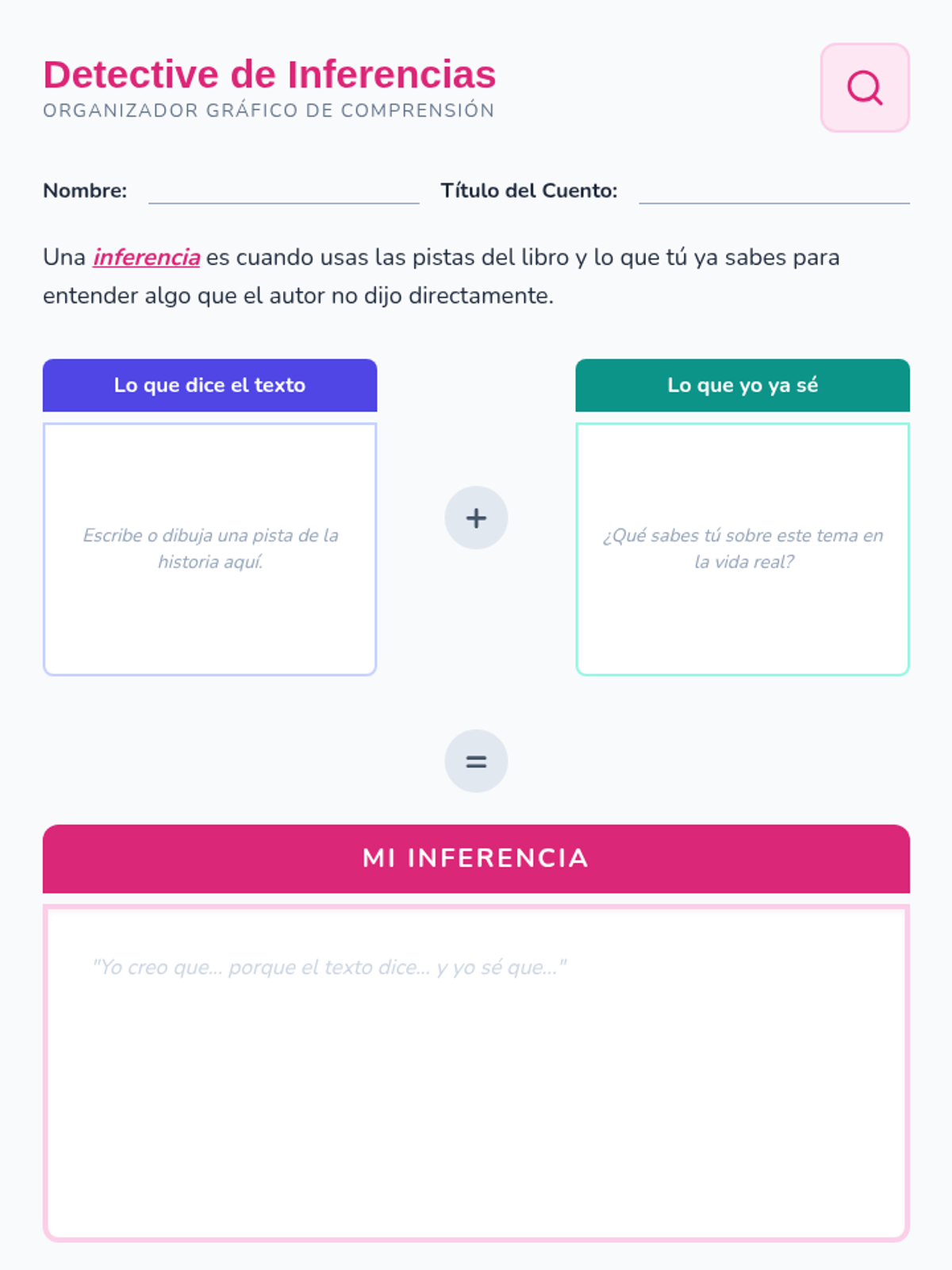
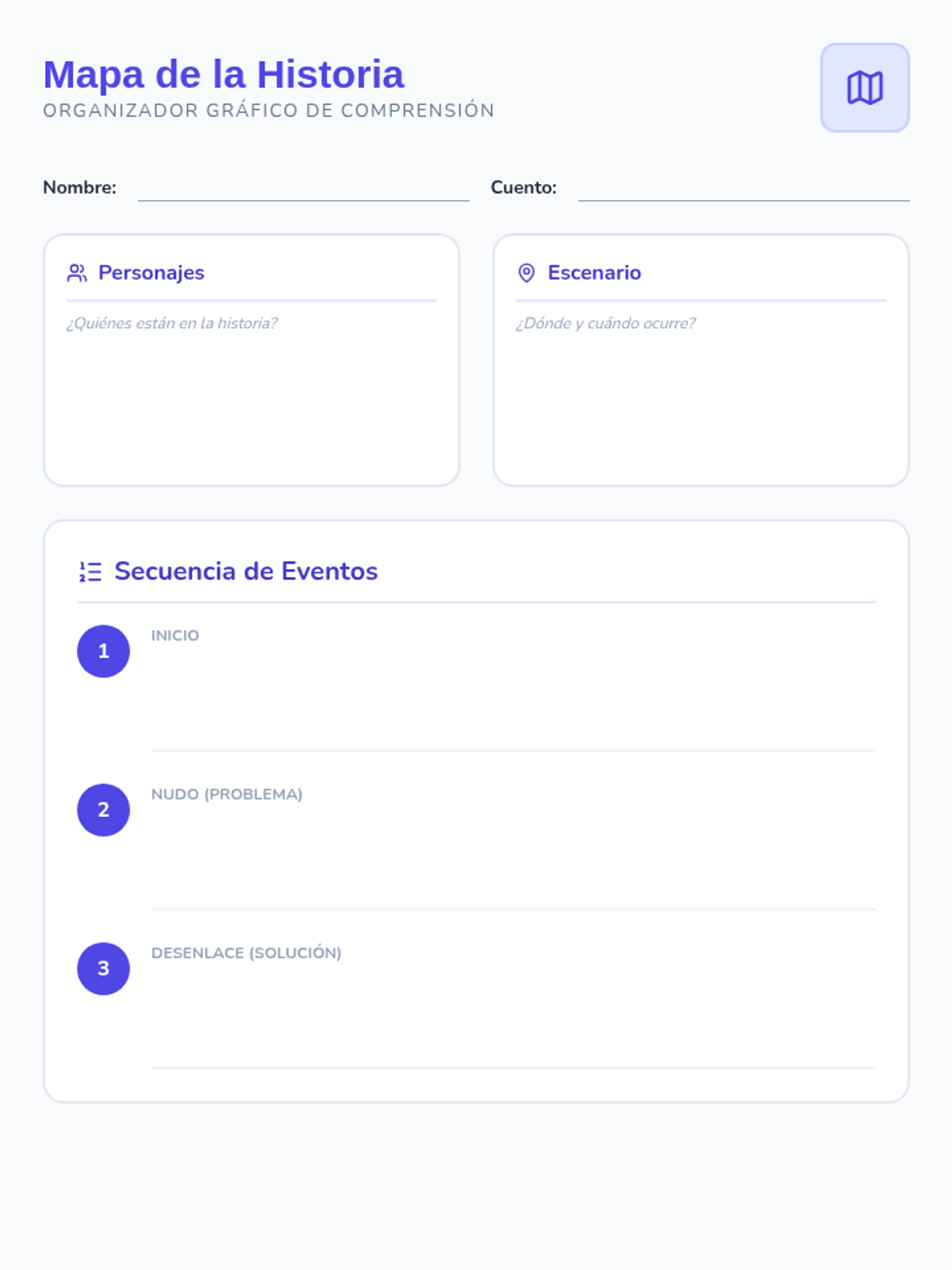
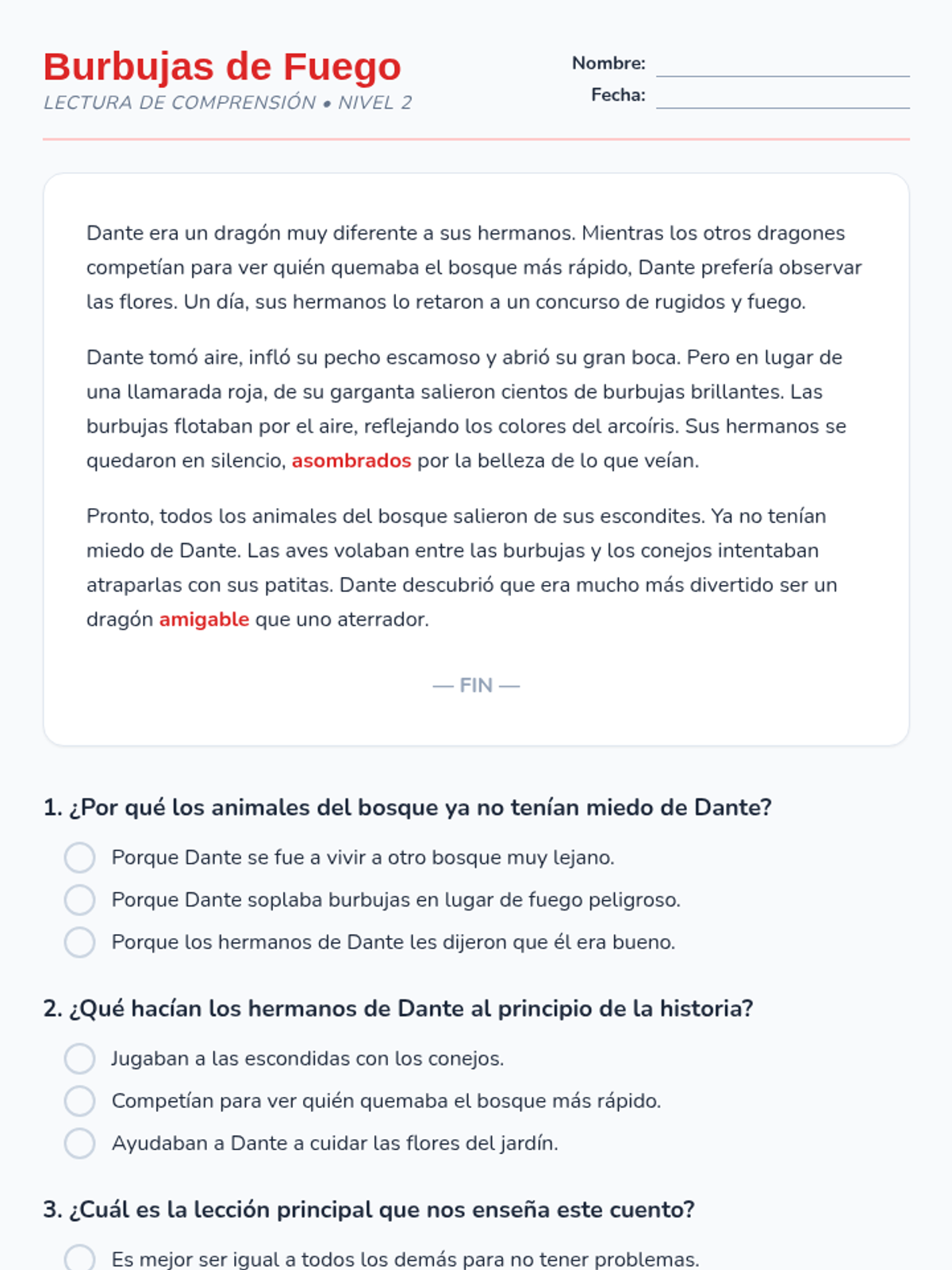
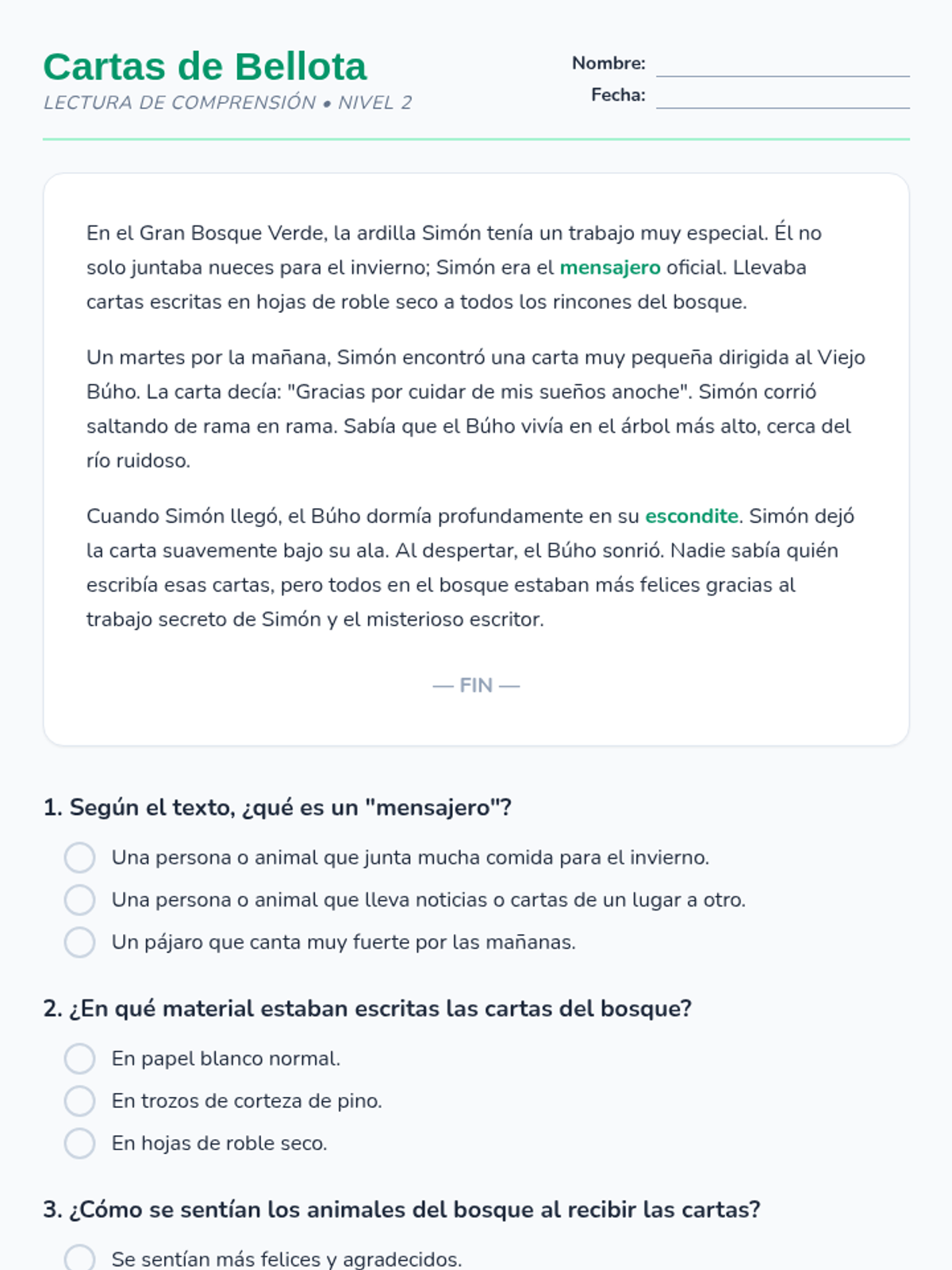
Una lección interactiva diseñada para enseñar a los estudiantes a comprender textos y realizar inferencias a través de tres cuentos cortos y encantadores. Incluye una mini-lección sobre las habilidades de pensamiento crítico necesarias para ser un detective de historias.
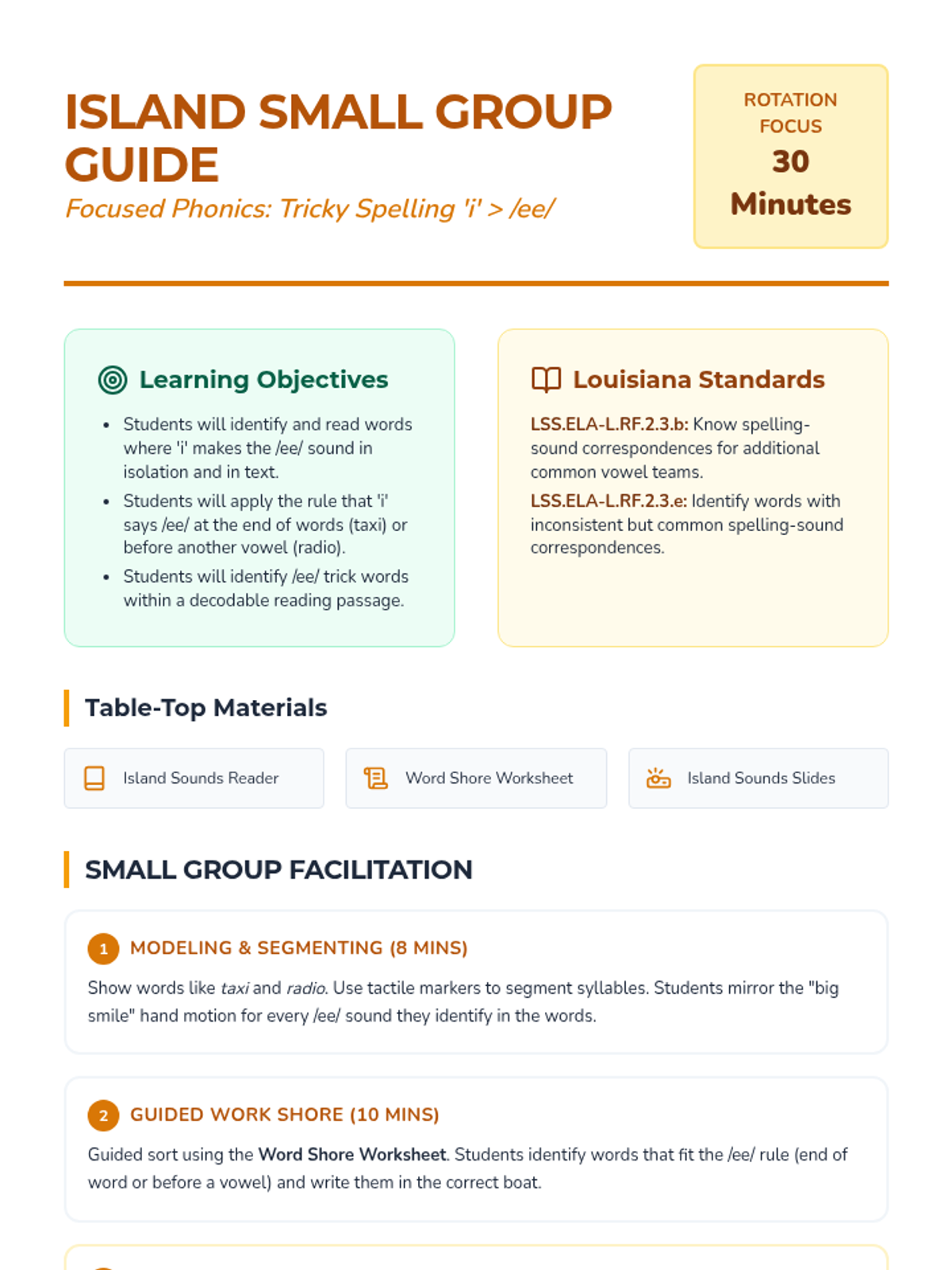
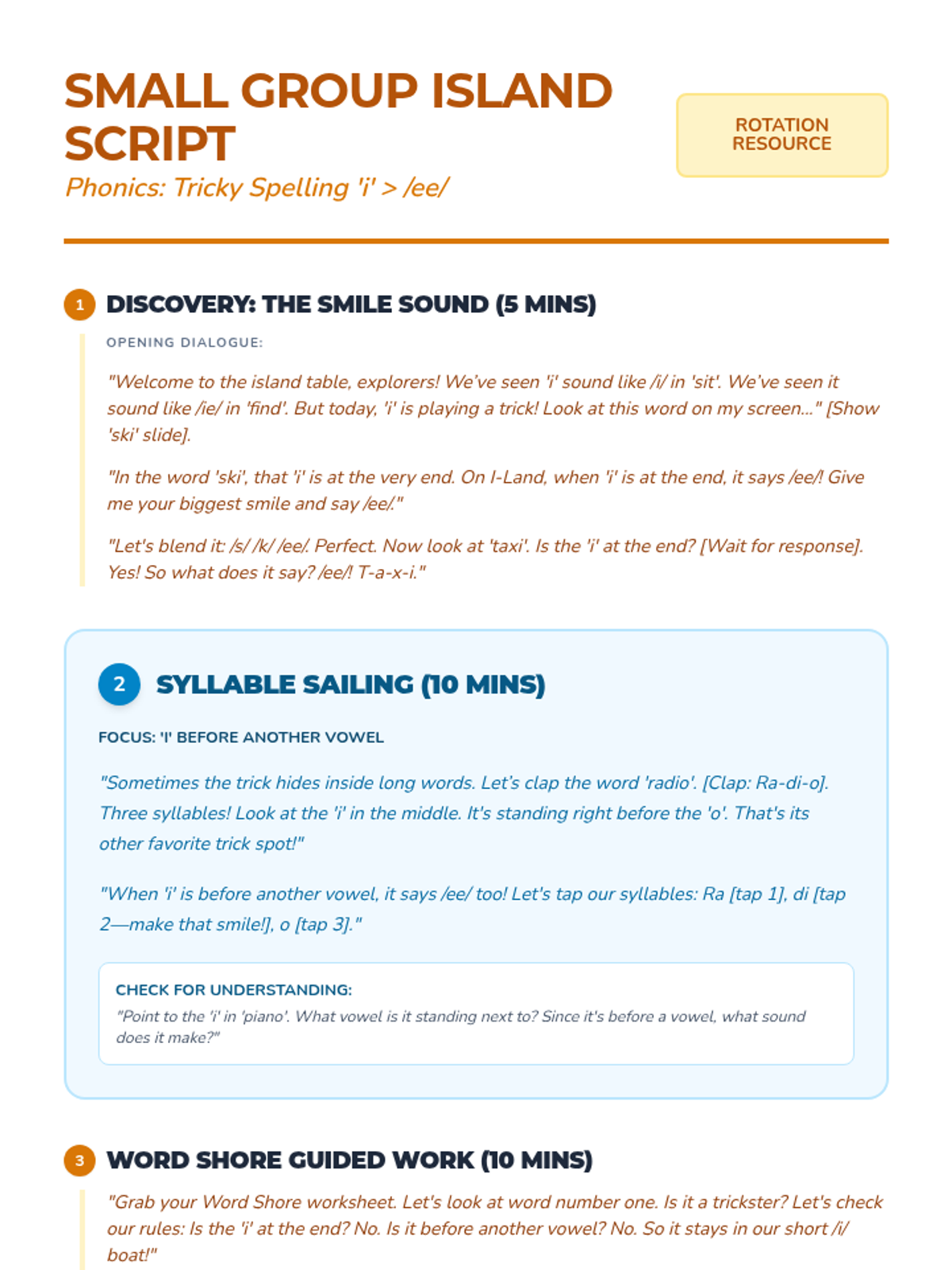
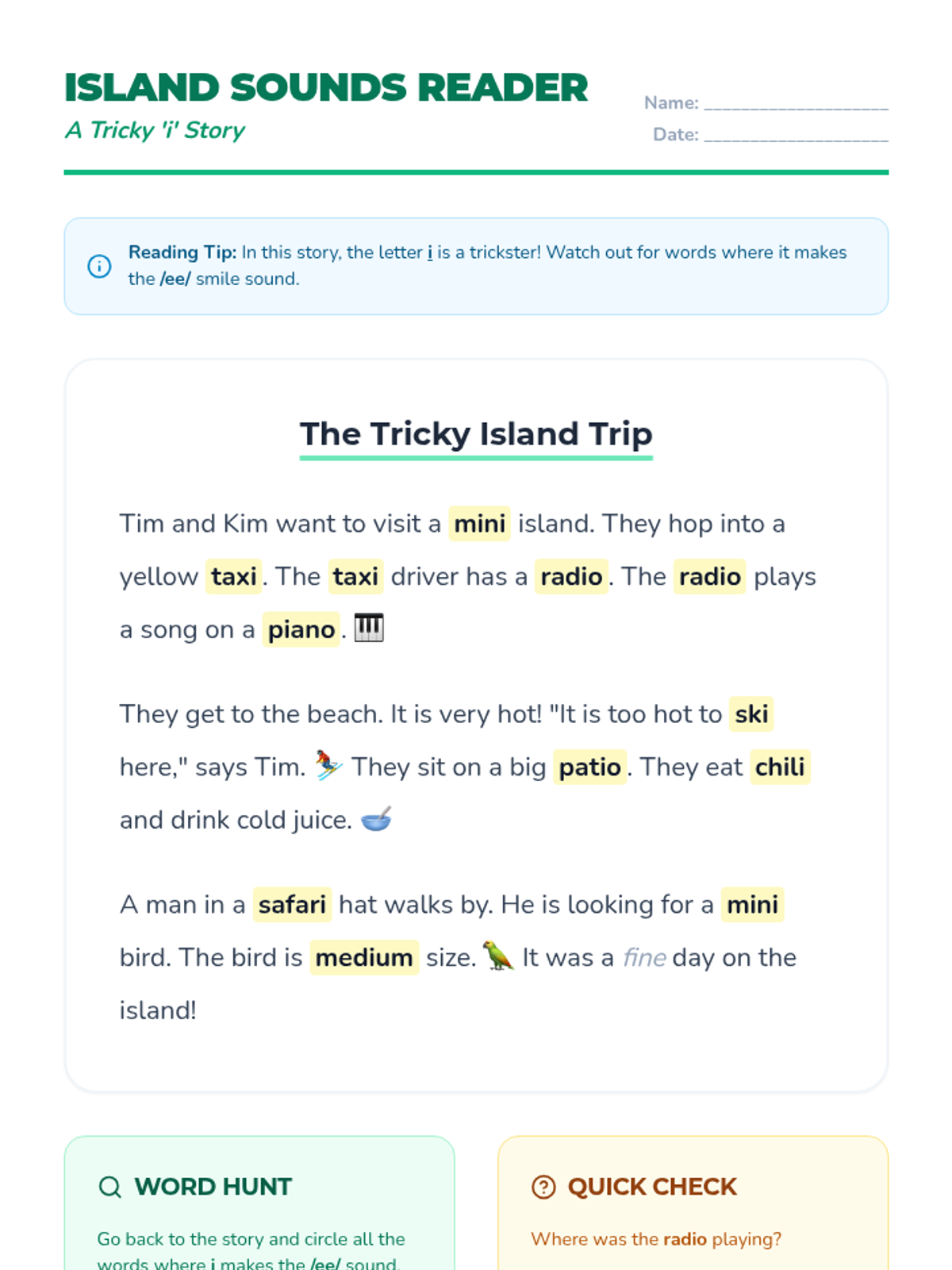
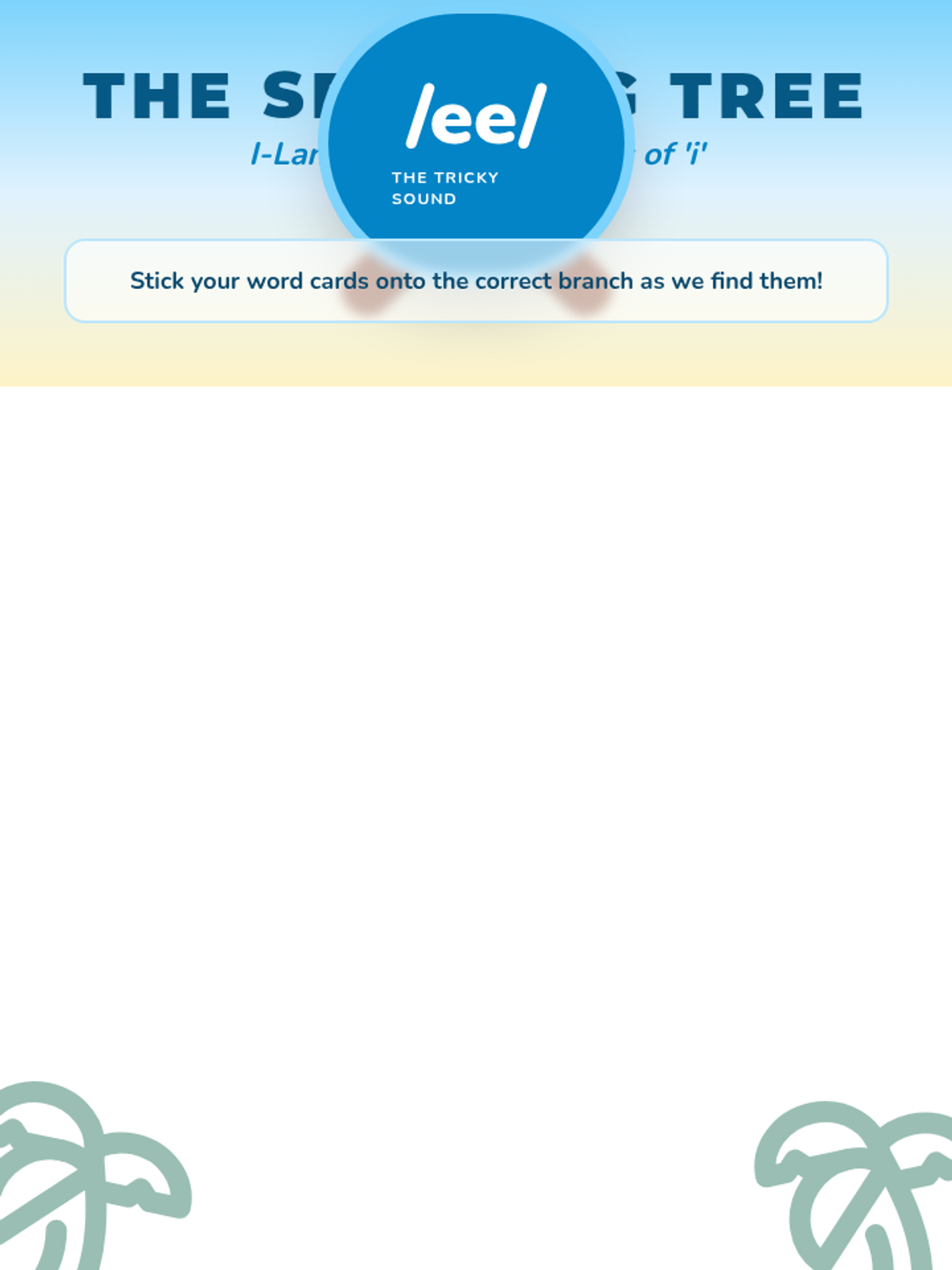
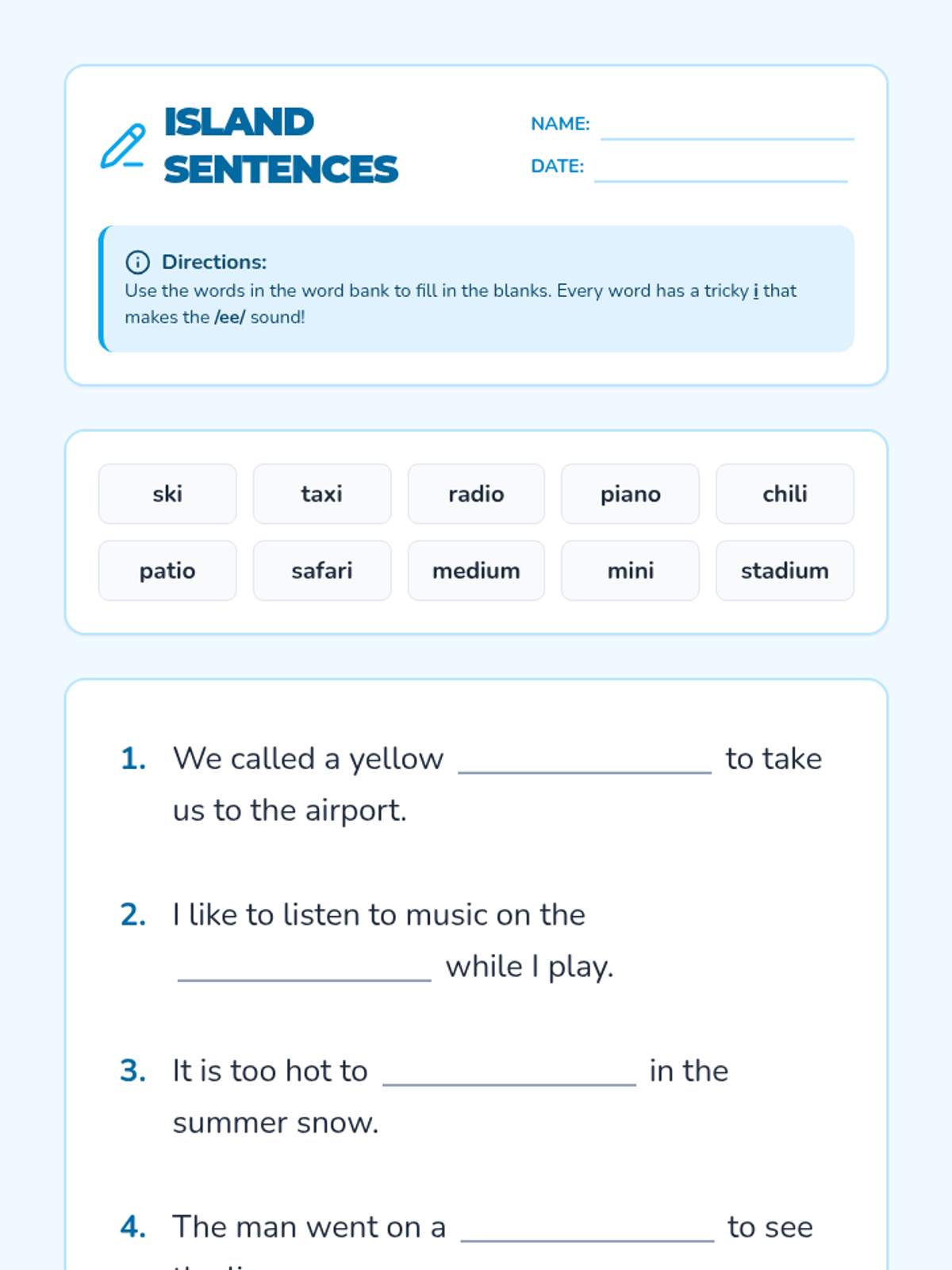
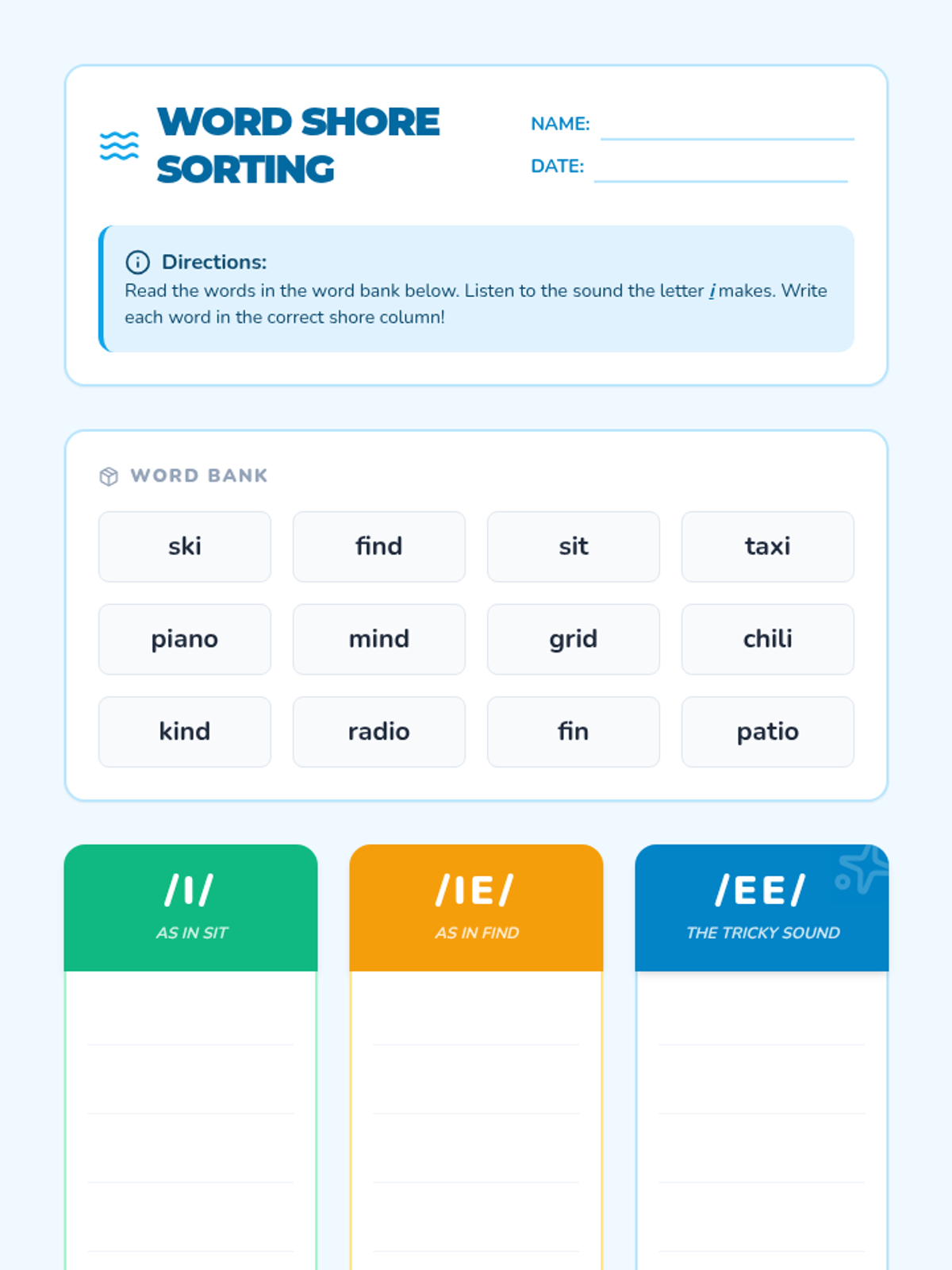
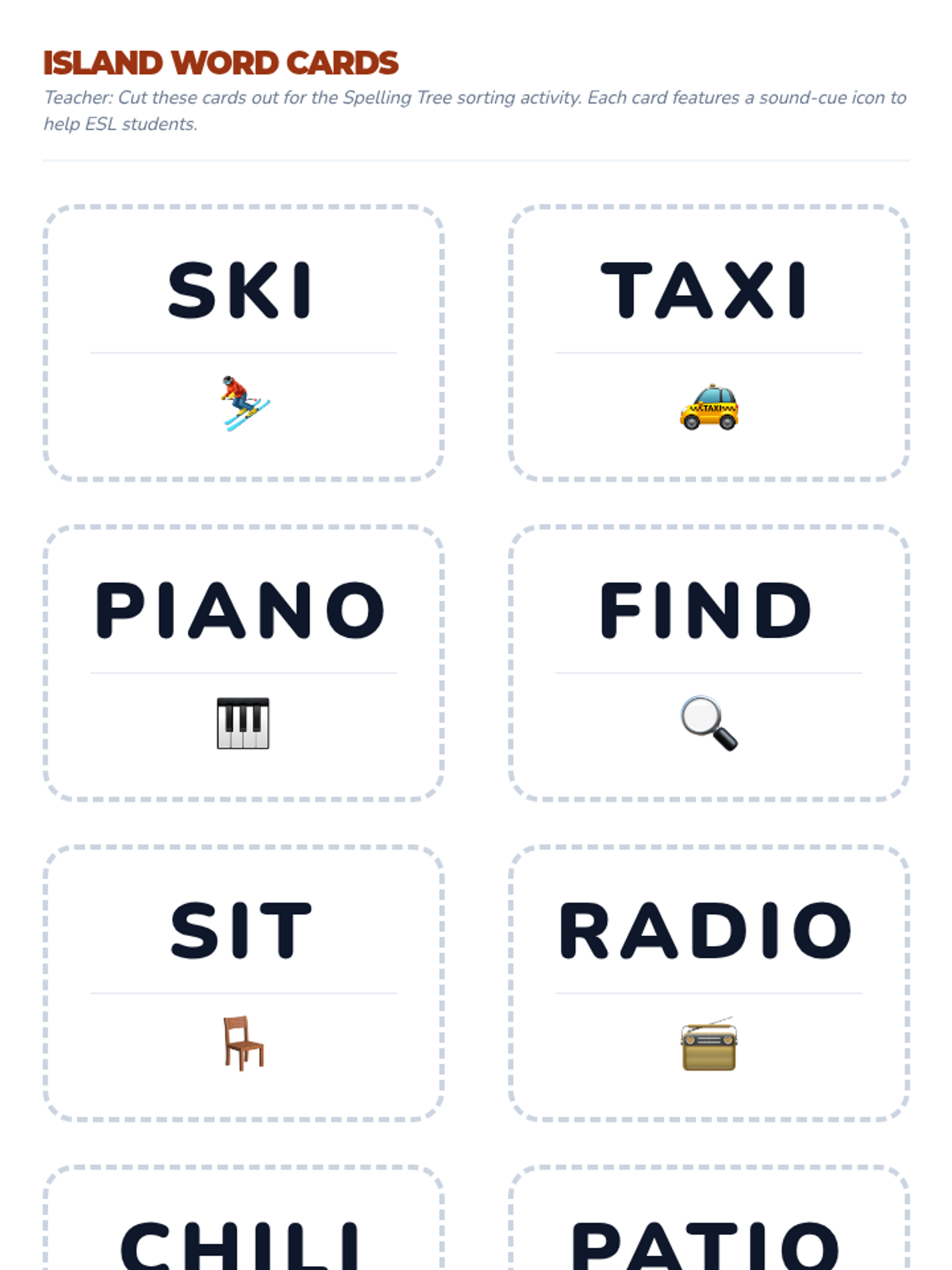
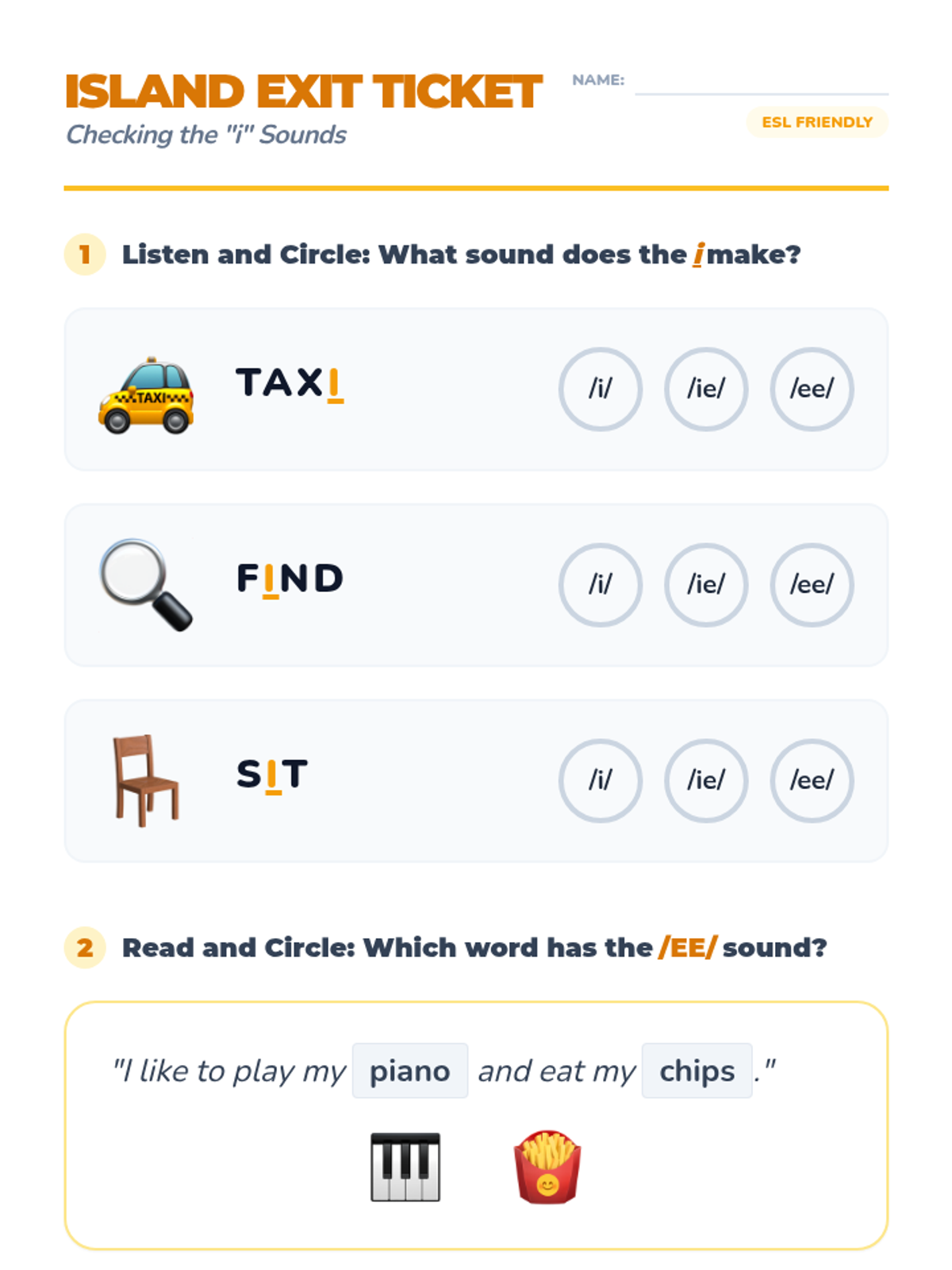
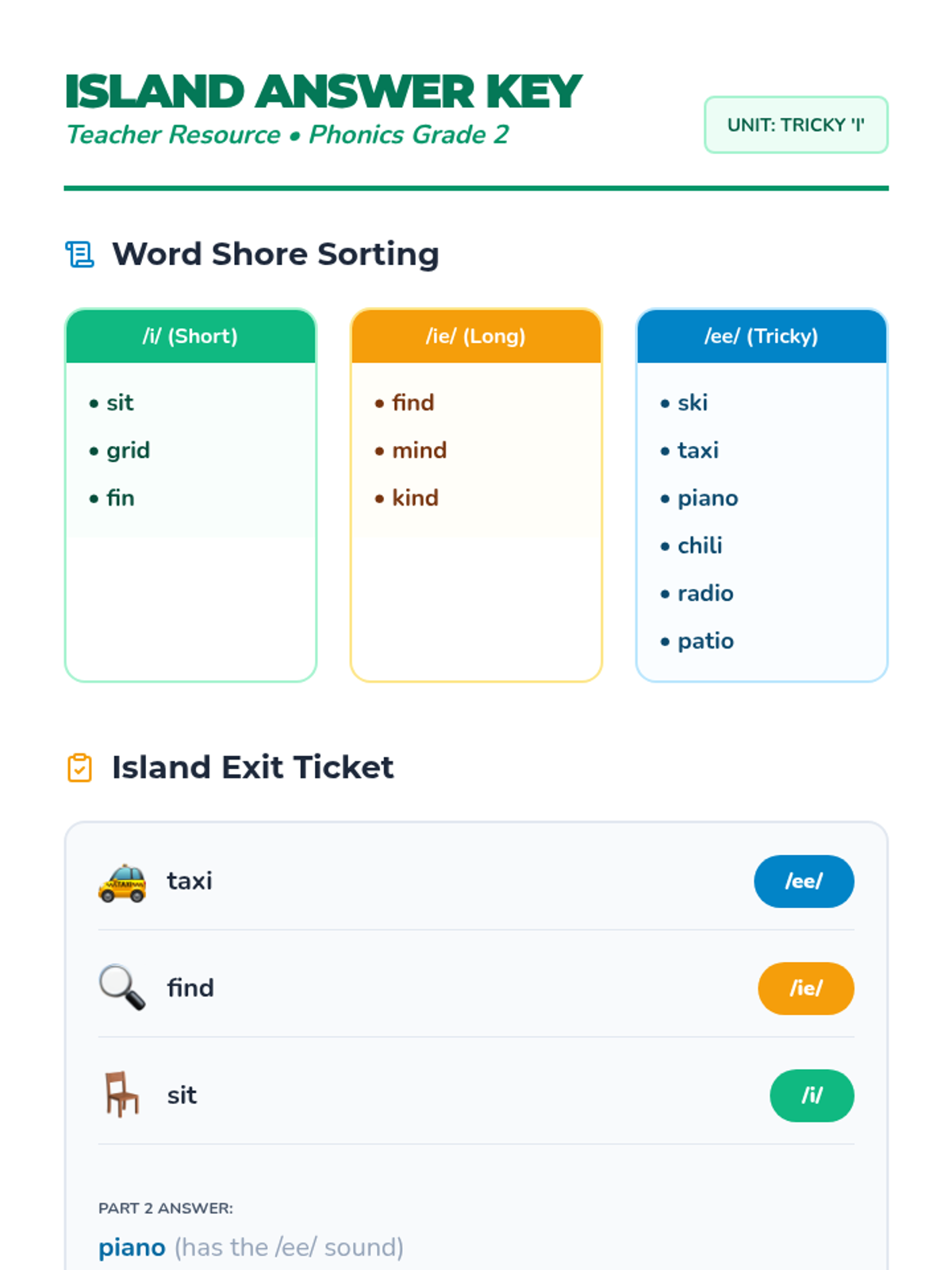
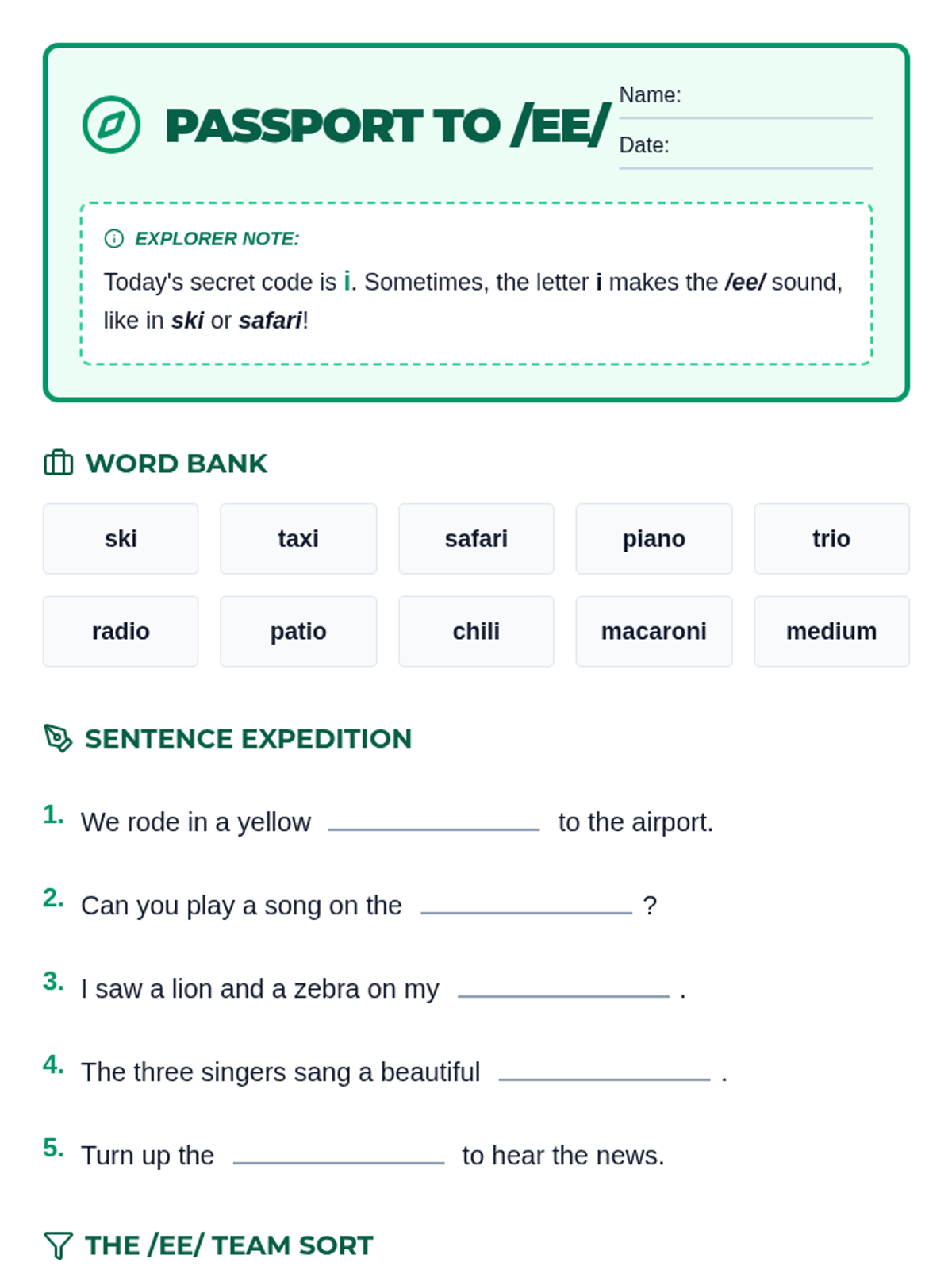
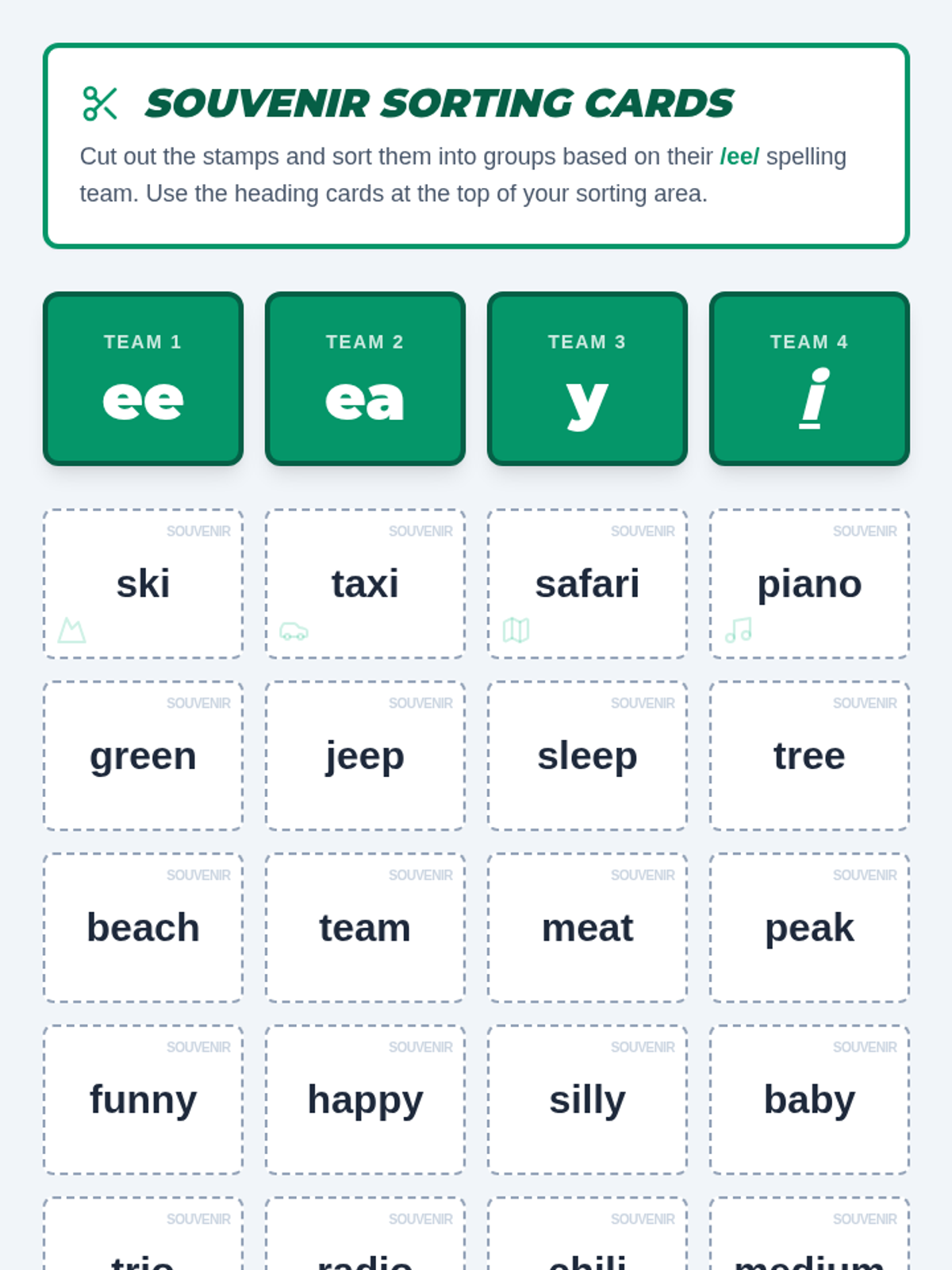
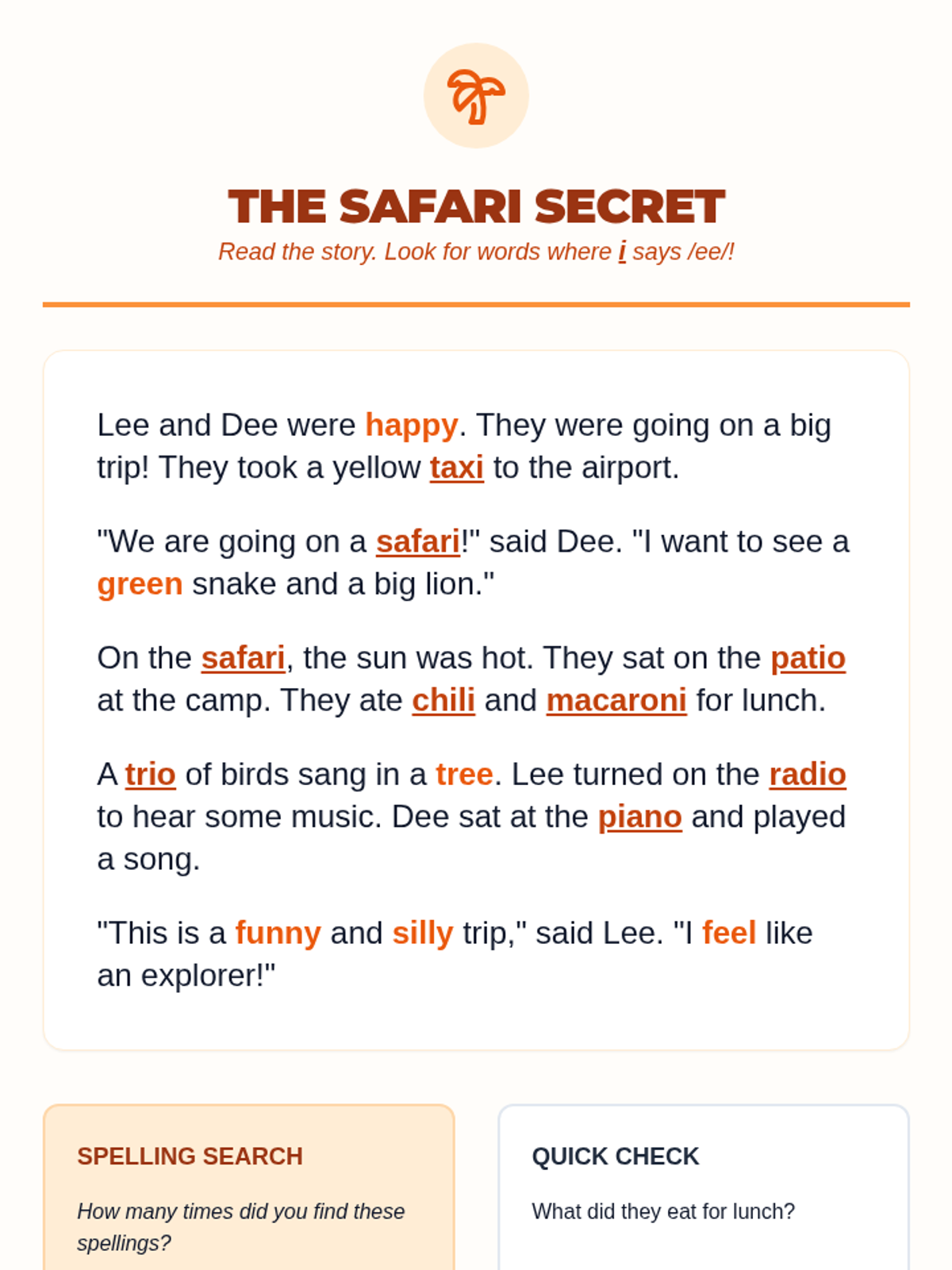
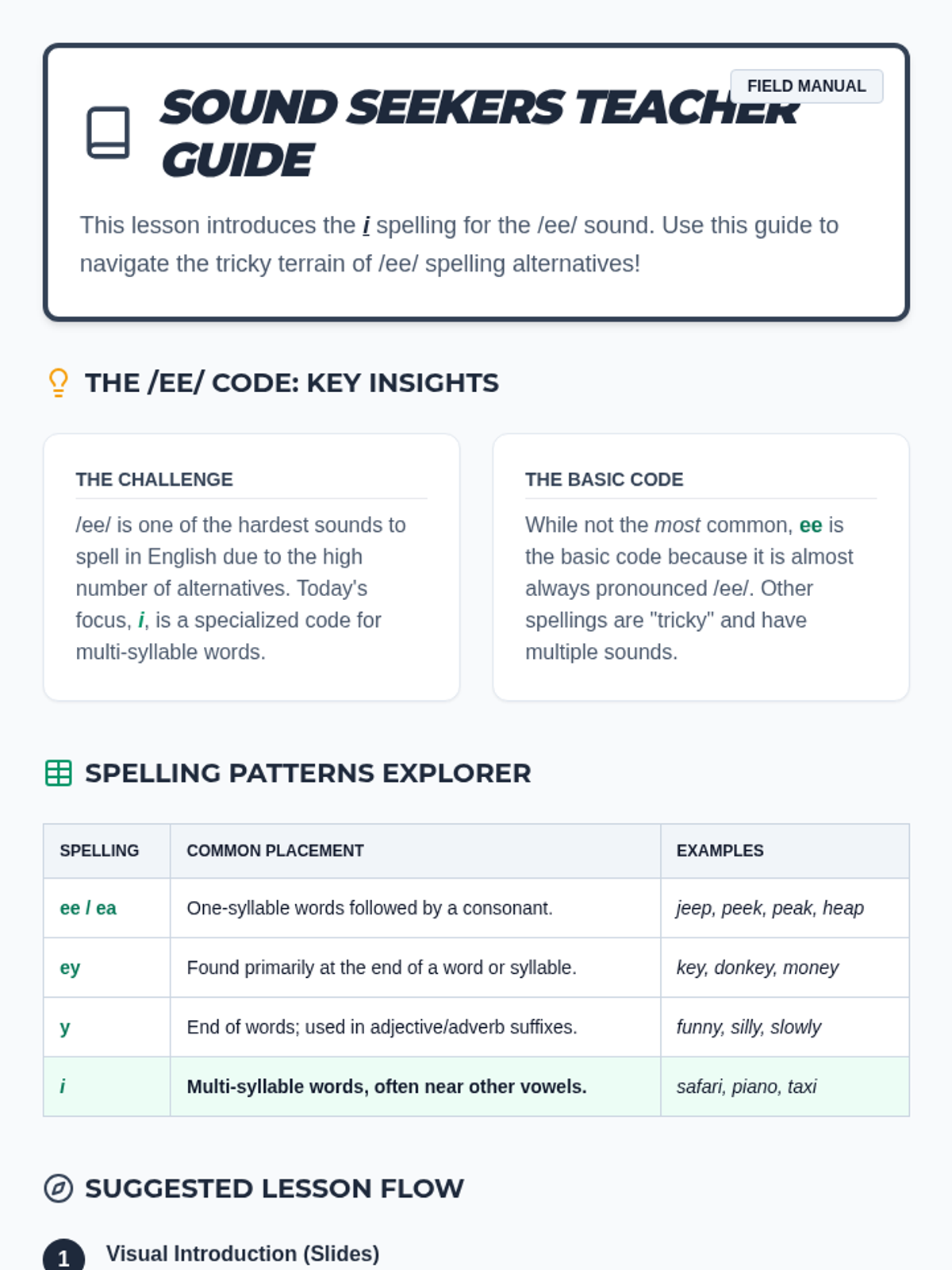
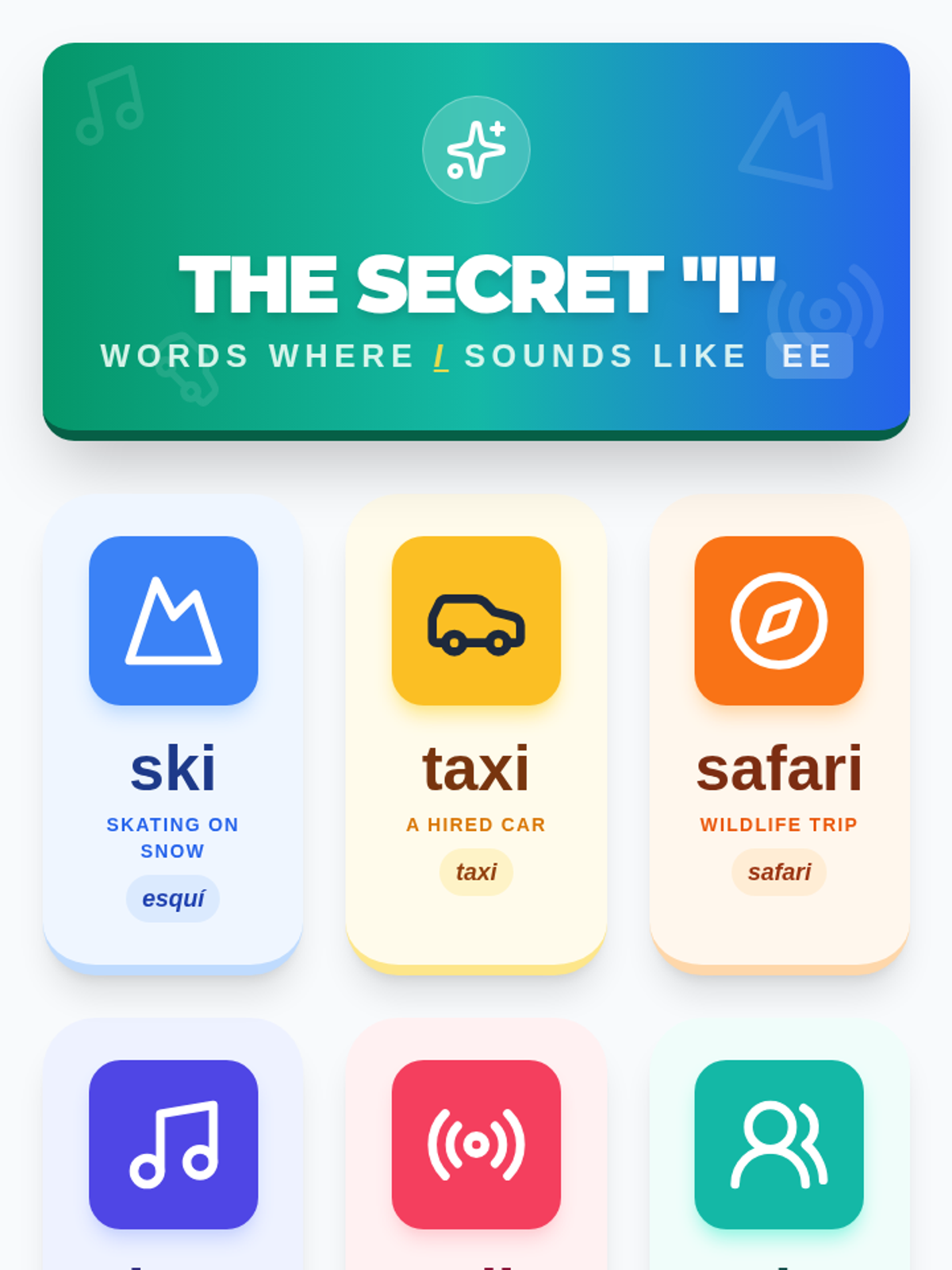
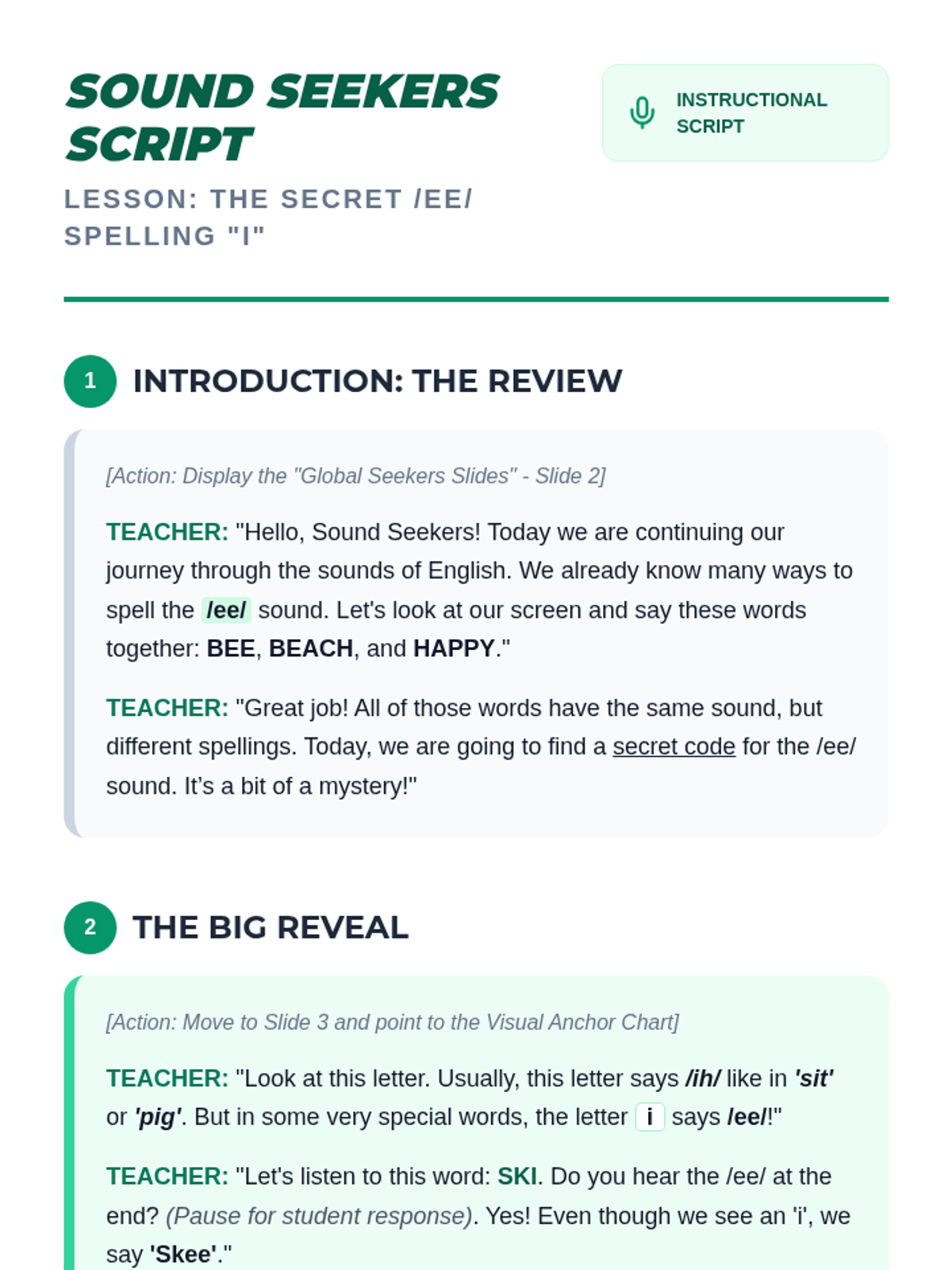
A comprehensive phonics lesson focusing on the various sounds of the letter 'i', specifically the tricky /ee/ sound in words like 'ski' and 'taxi'. Includes sorting activities and a 'Spelling Tree' interactive component.
A comprehensive phonics lesson introducing the 'i' spelling for the /ee/ sound, featuring multi-syllable words like 'safari' and 'piano', while reviewing 'ee', 'ea', and 'y' spellings.
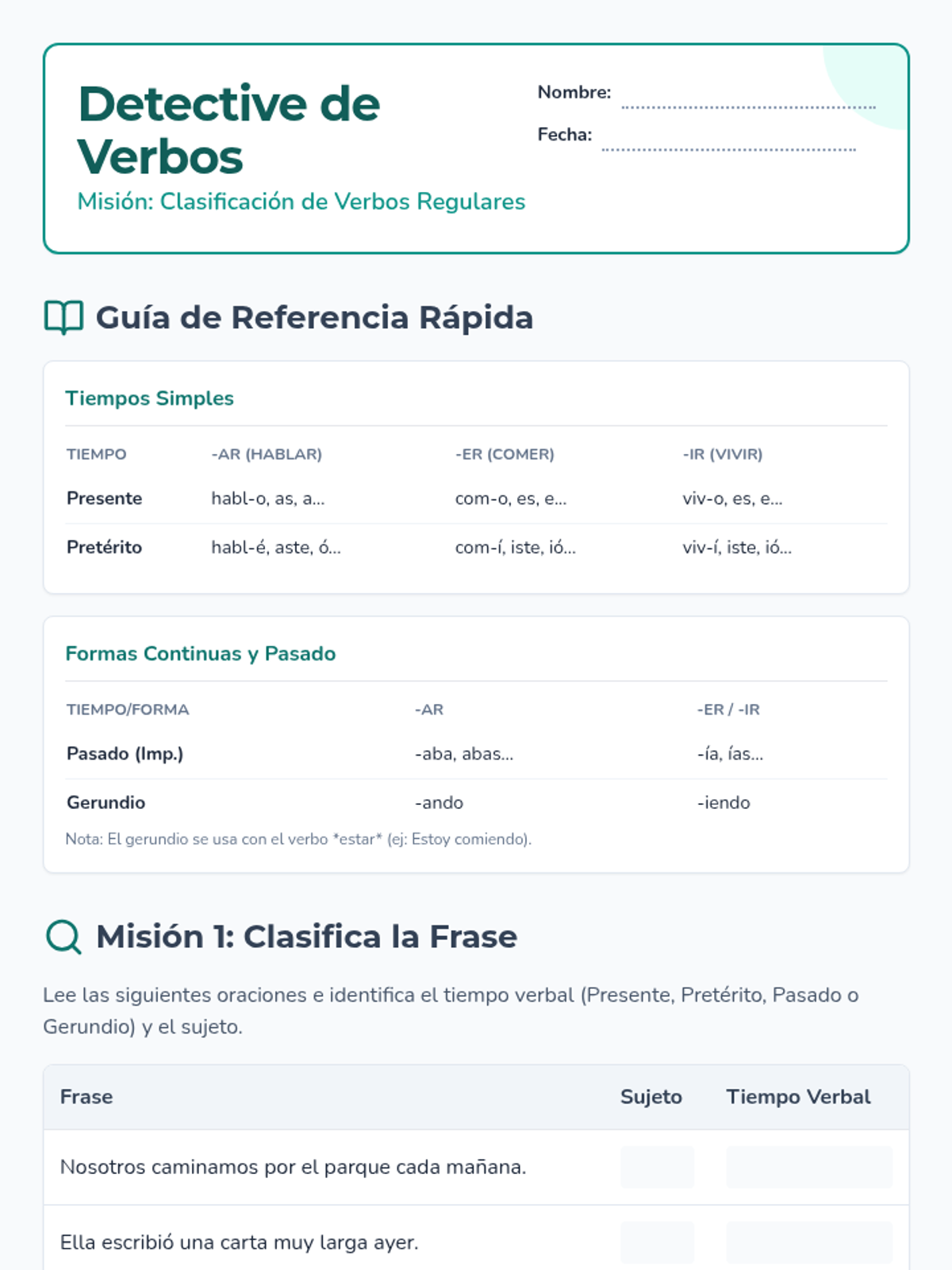
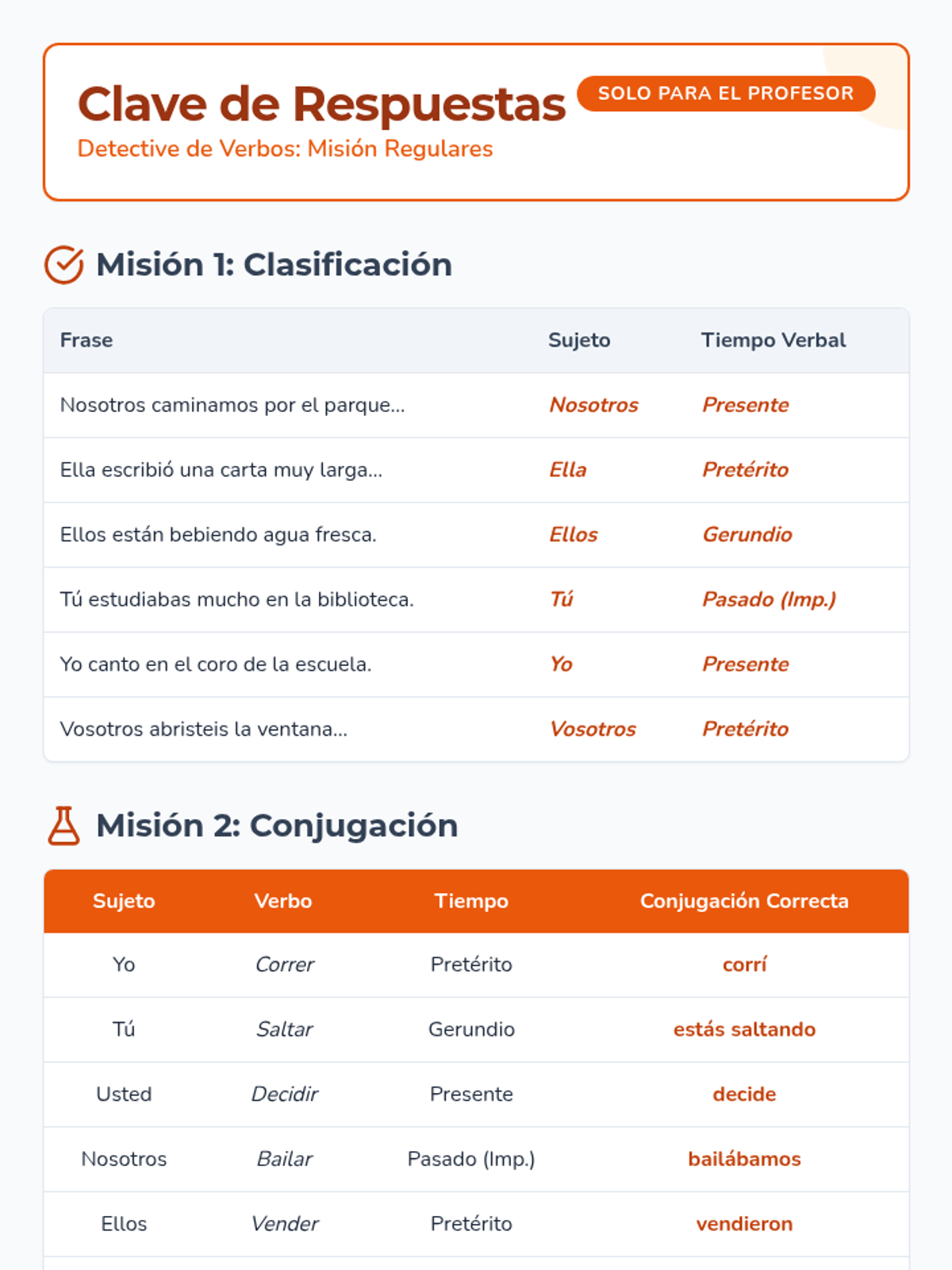
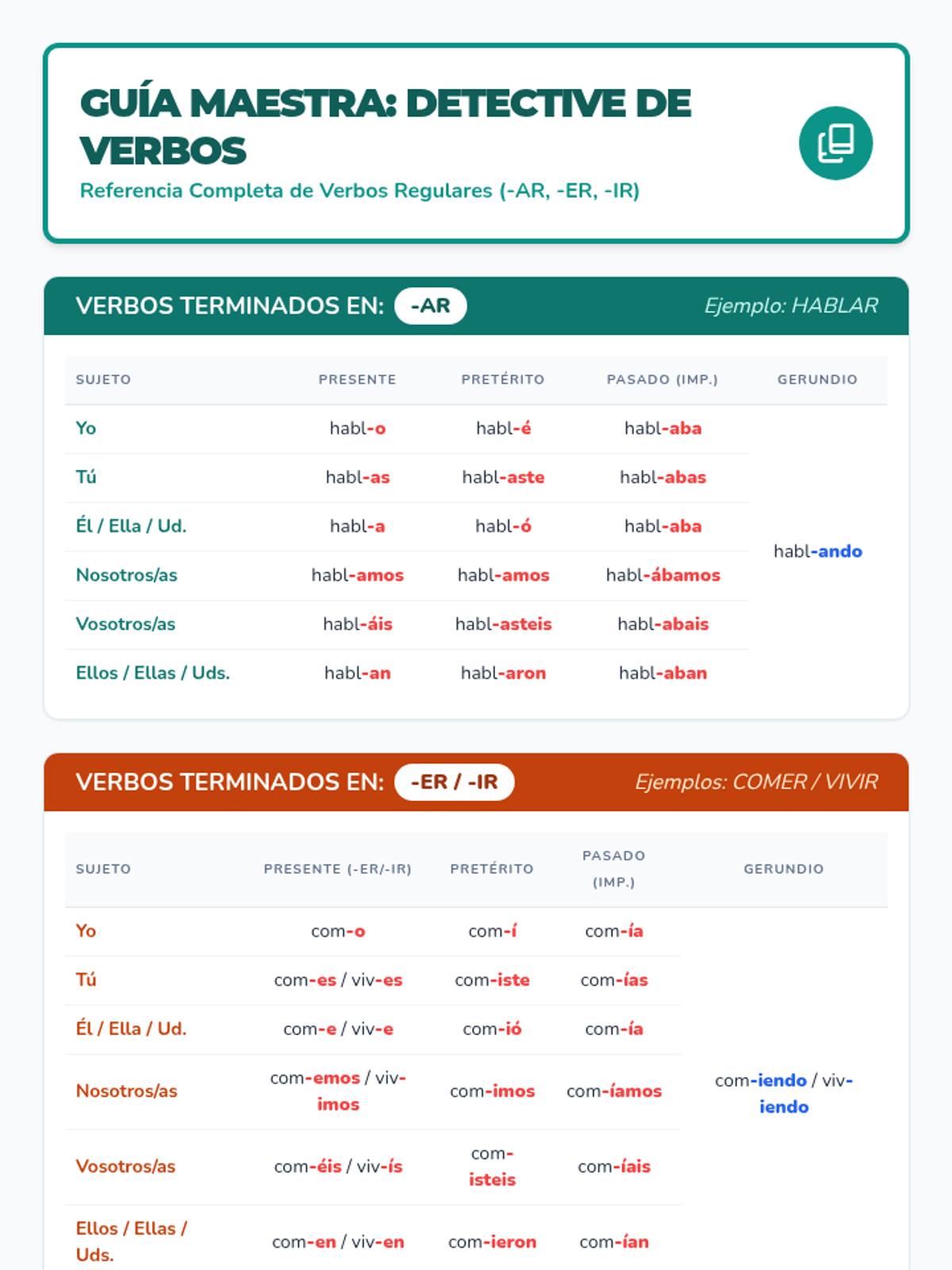
Una lección enfocada en la identificación y uso de verbos regulares en español en diferentes tiempos verbales.
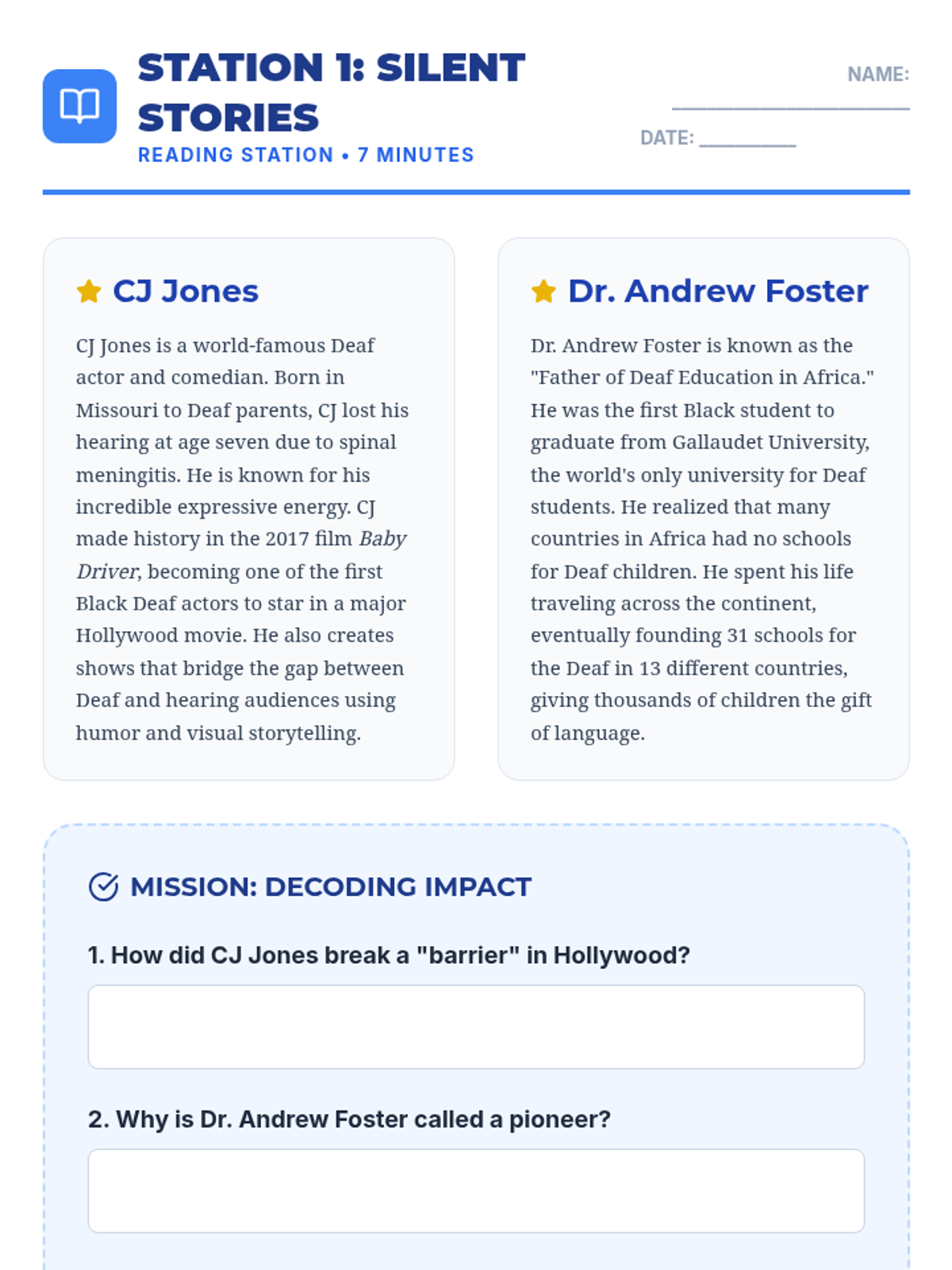
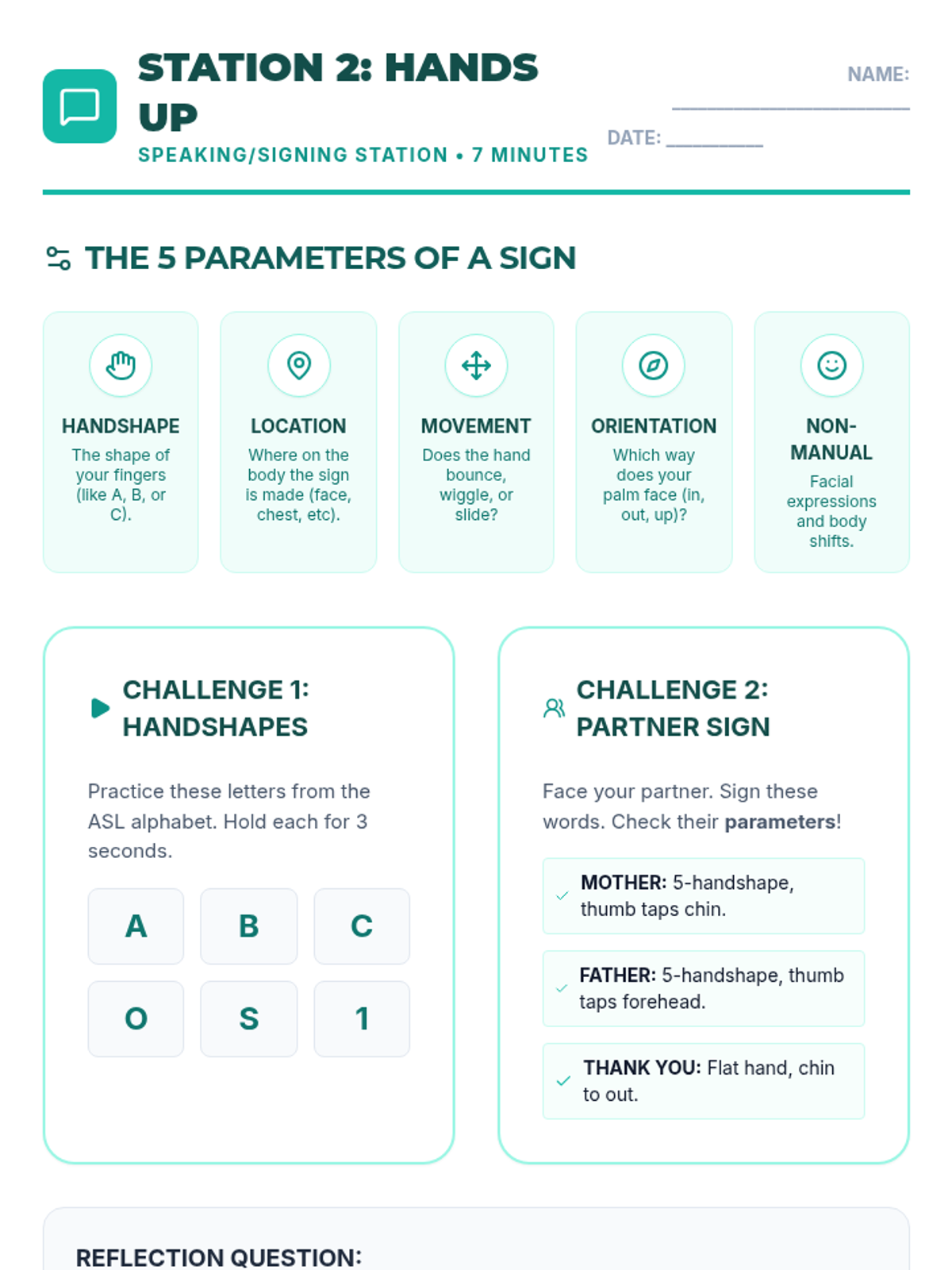
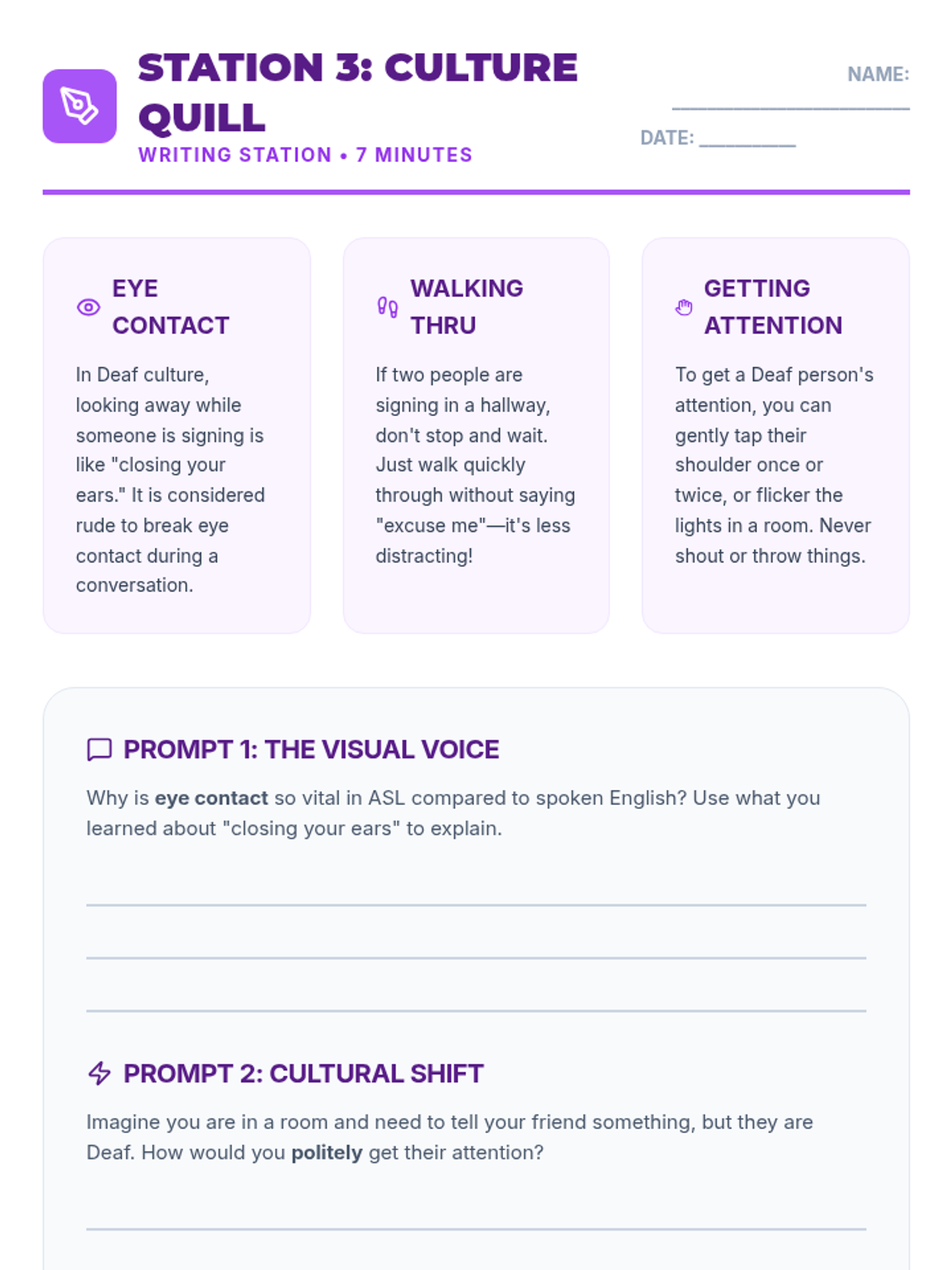
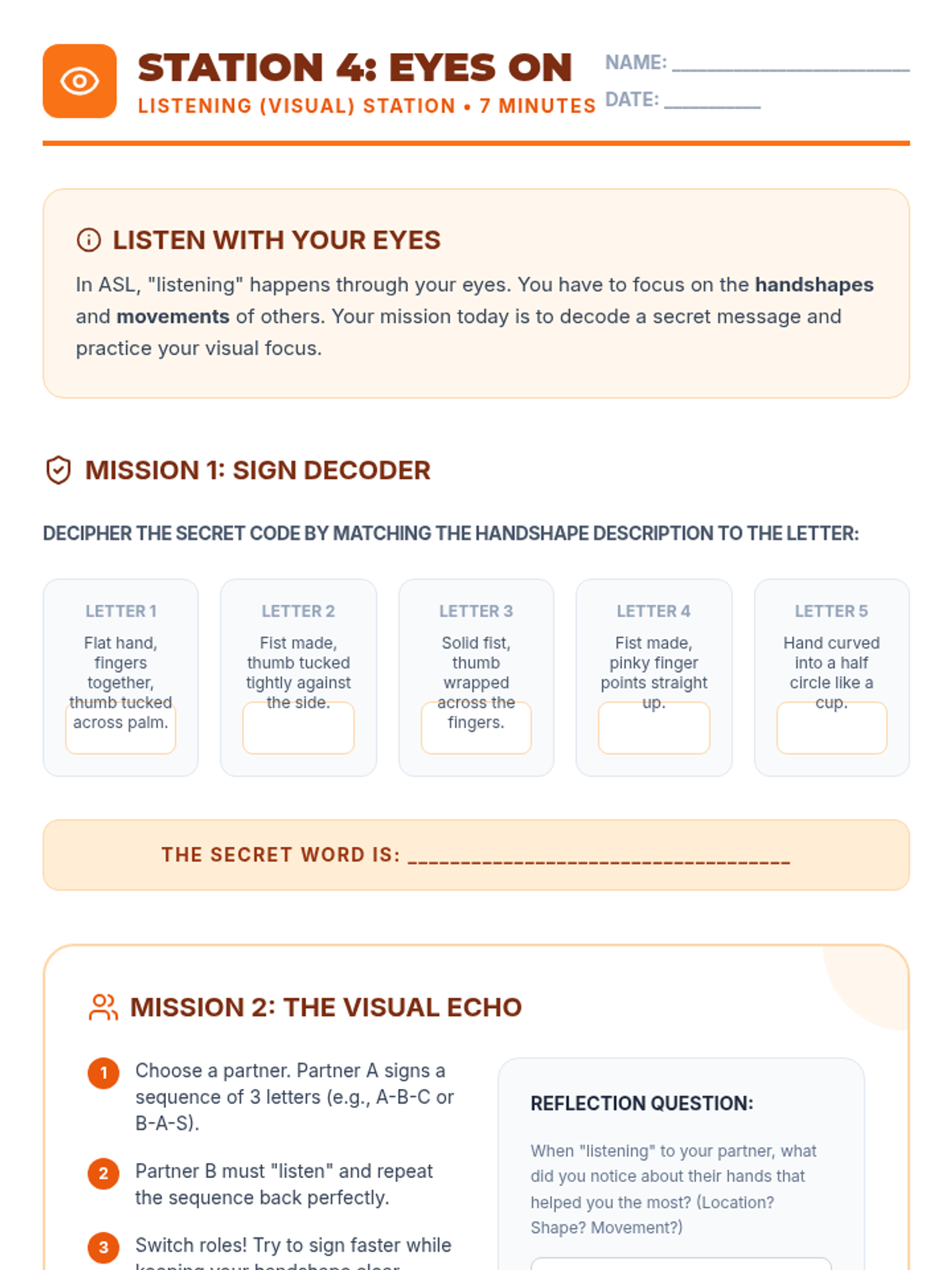
A 30-minute station rotation lesson focused on the fundamentals of American Sign Language (ASL), including Deaf culture, basic handshapes, parameters, and famous Deaf individuals. Students rotate through four 7-minute stations to practice reading, writing, speaking (signing), and visual listening.
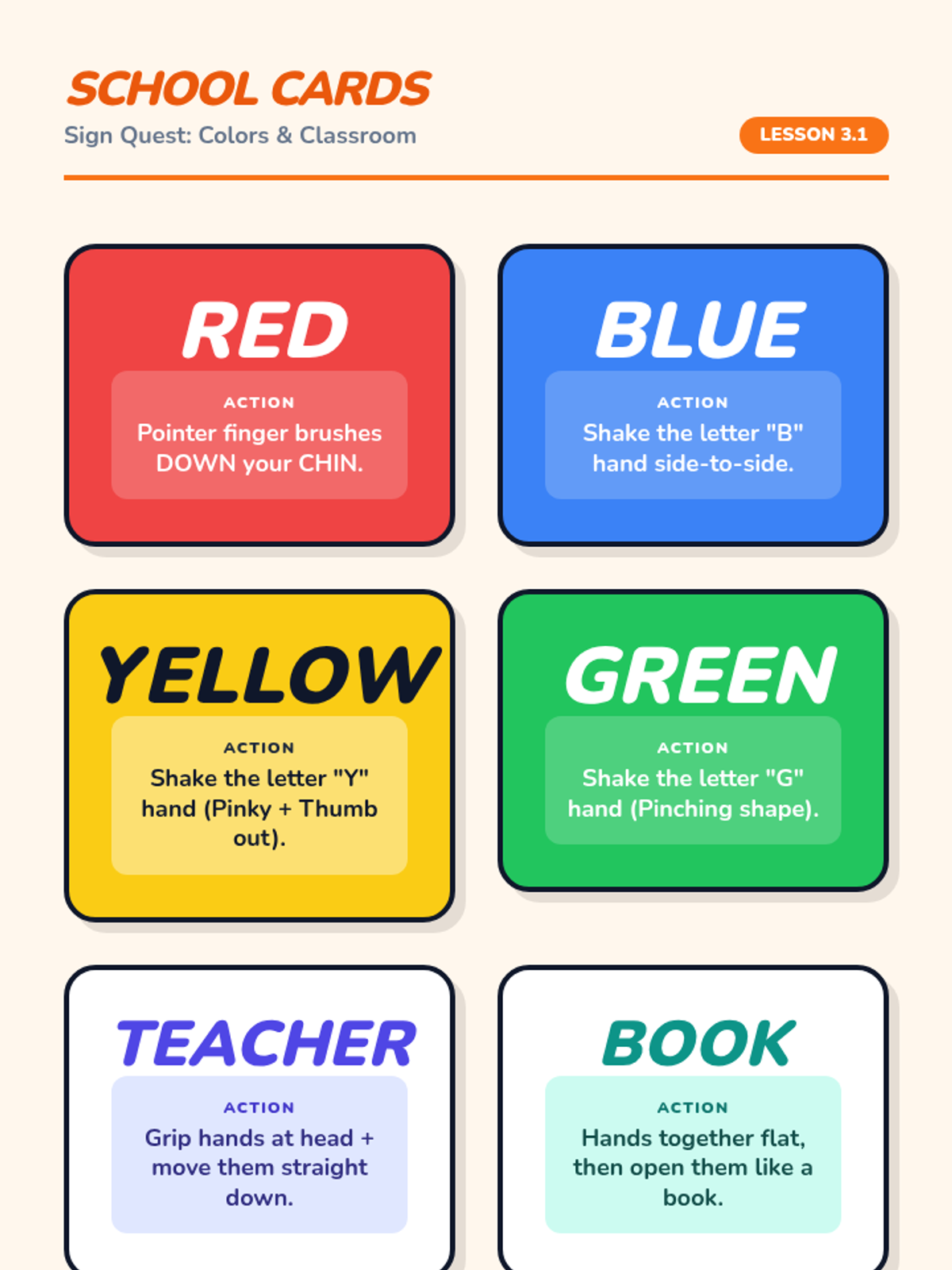
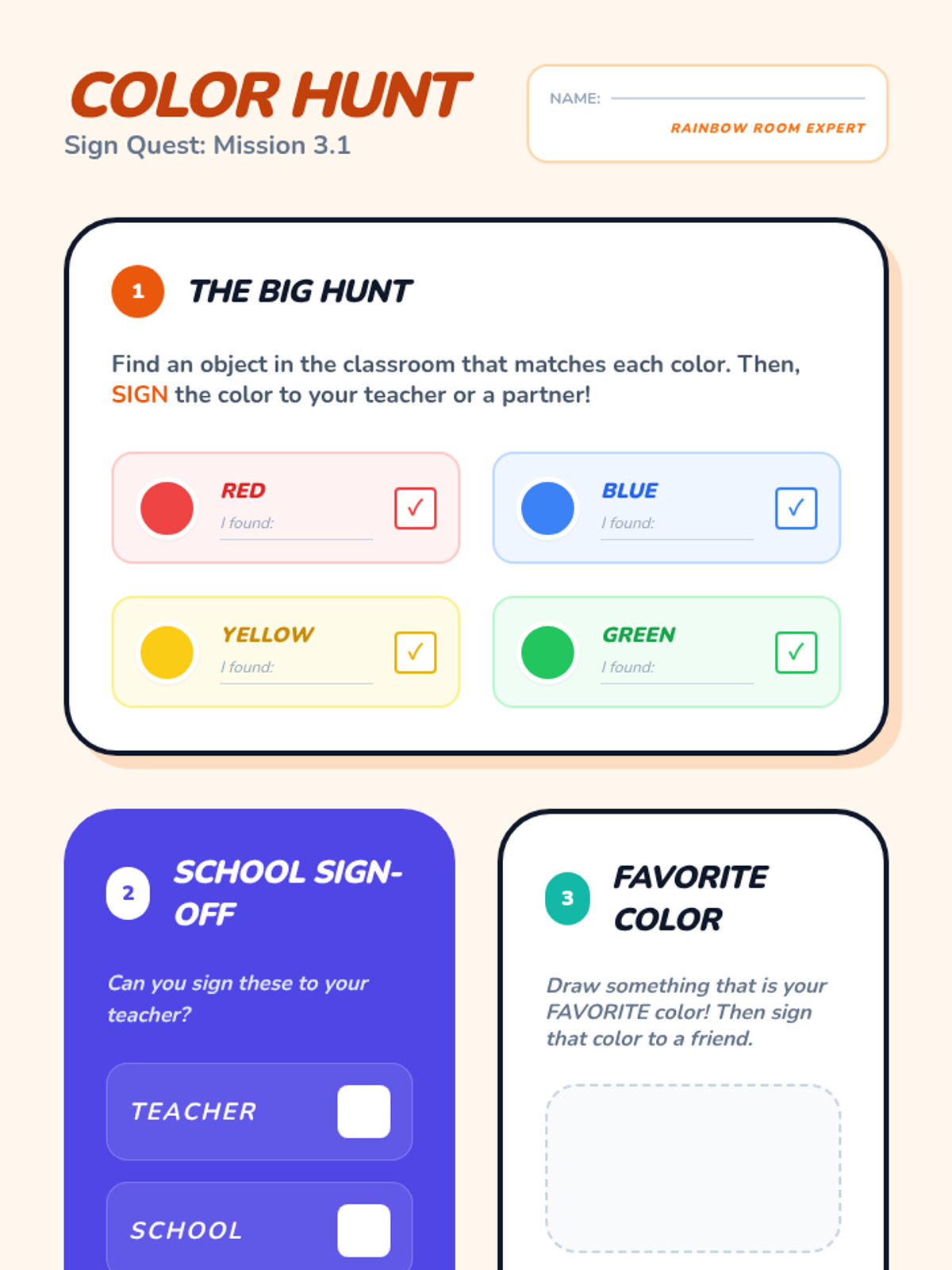
Learn the signs for common classroom objects and a vibrant spectrum of colors to describe the world around you.
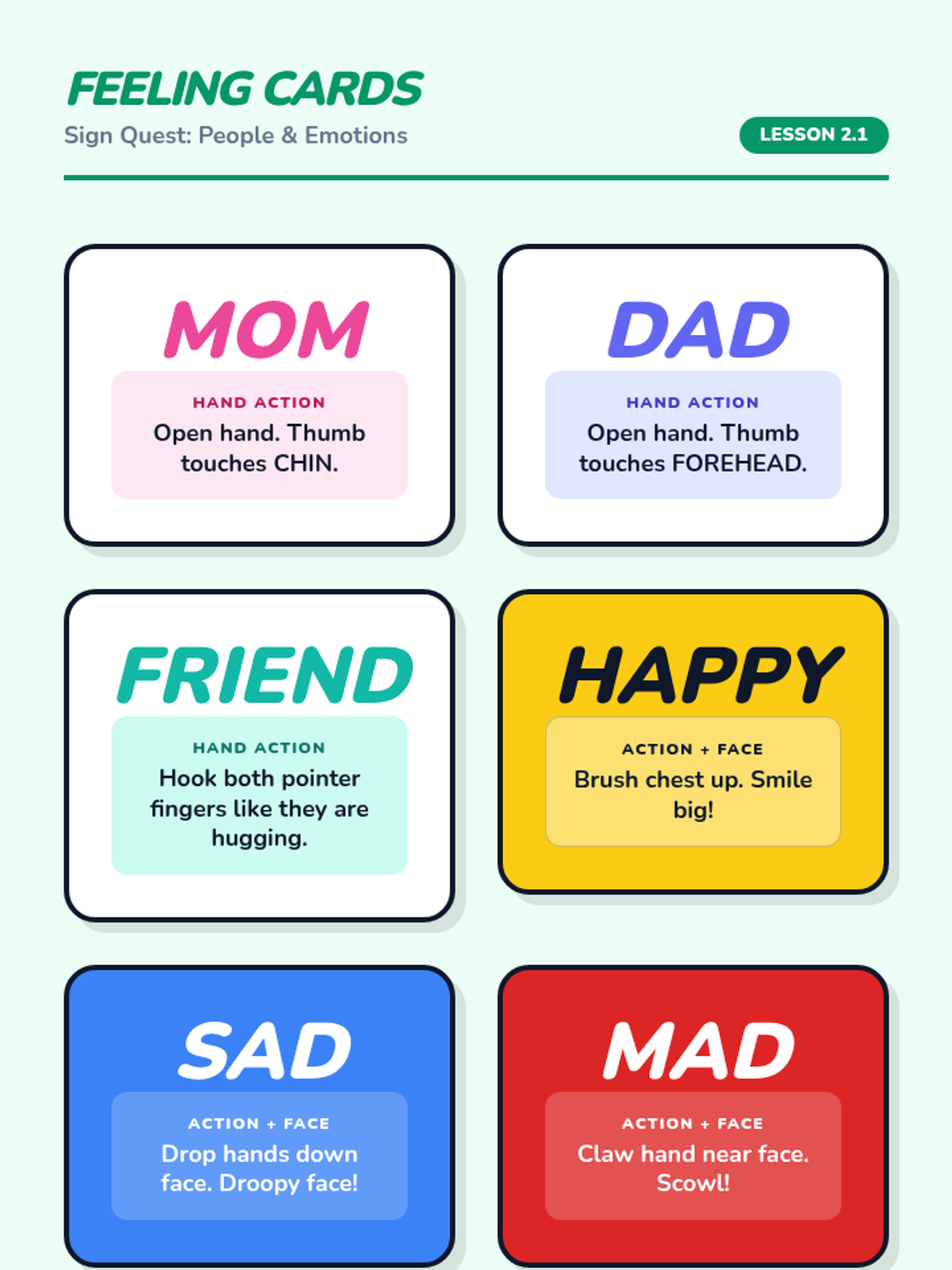
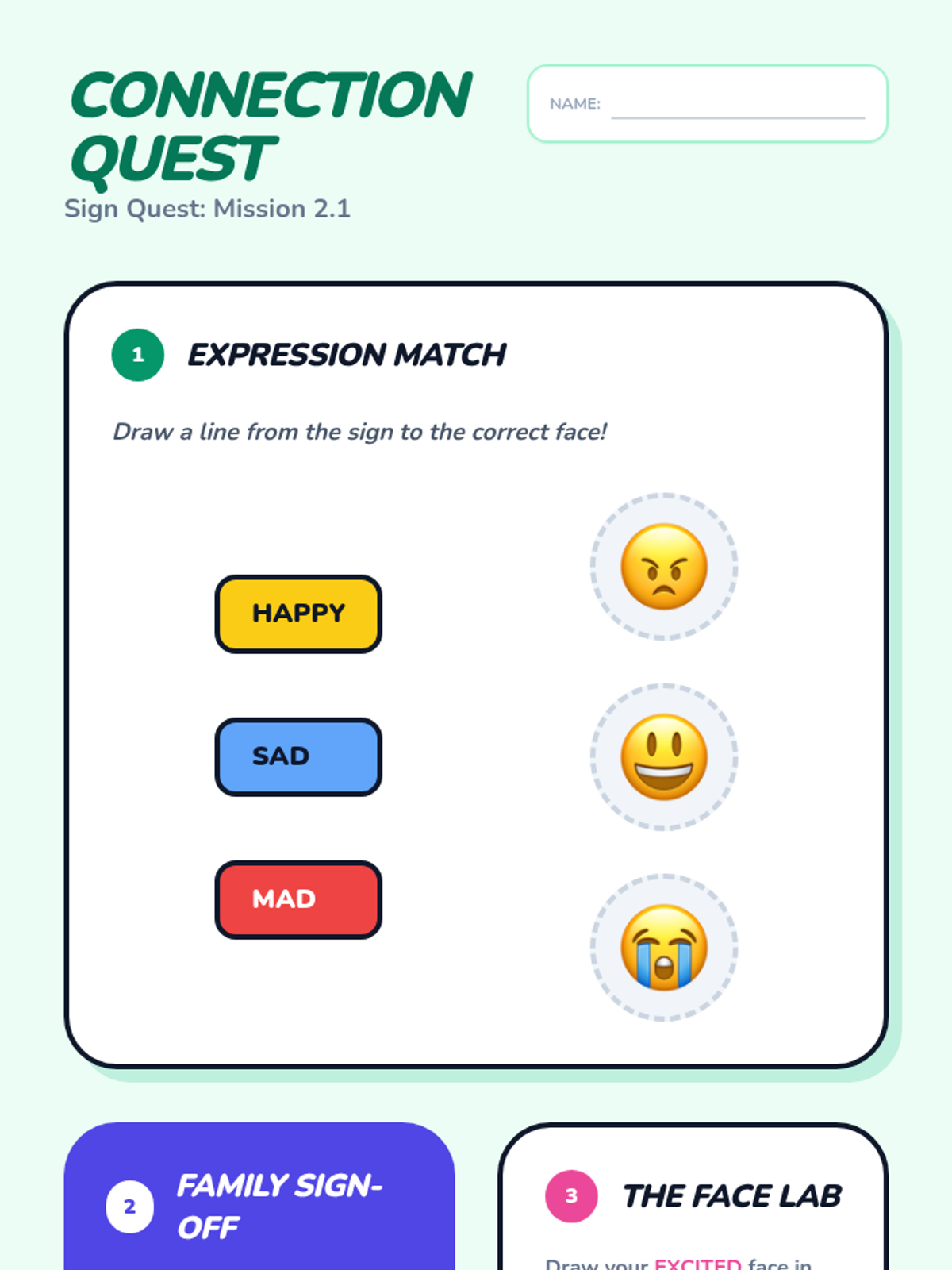
Explore signs for the people in our lives and learn how to use facial expressions to show feelings.
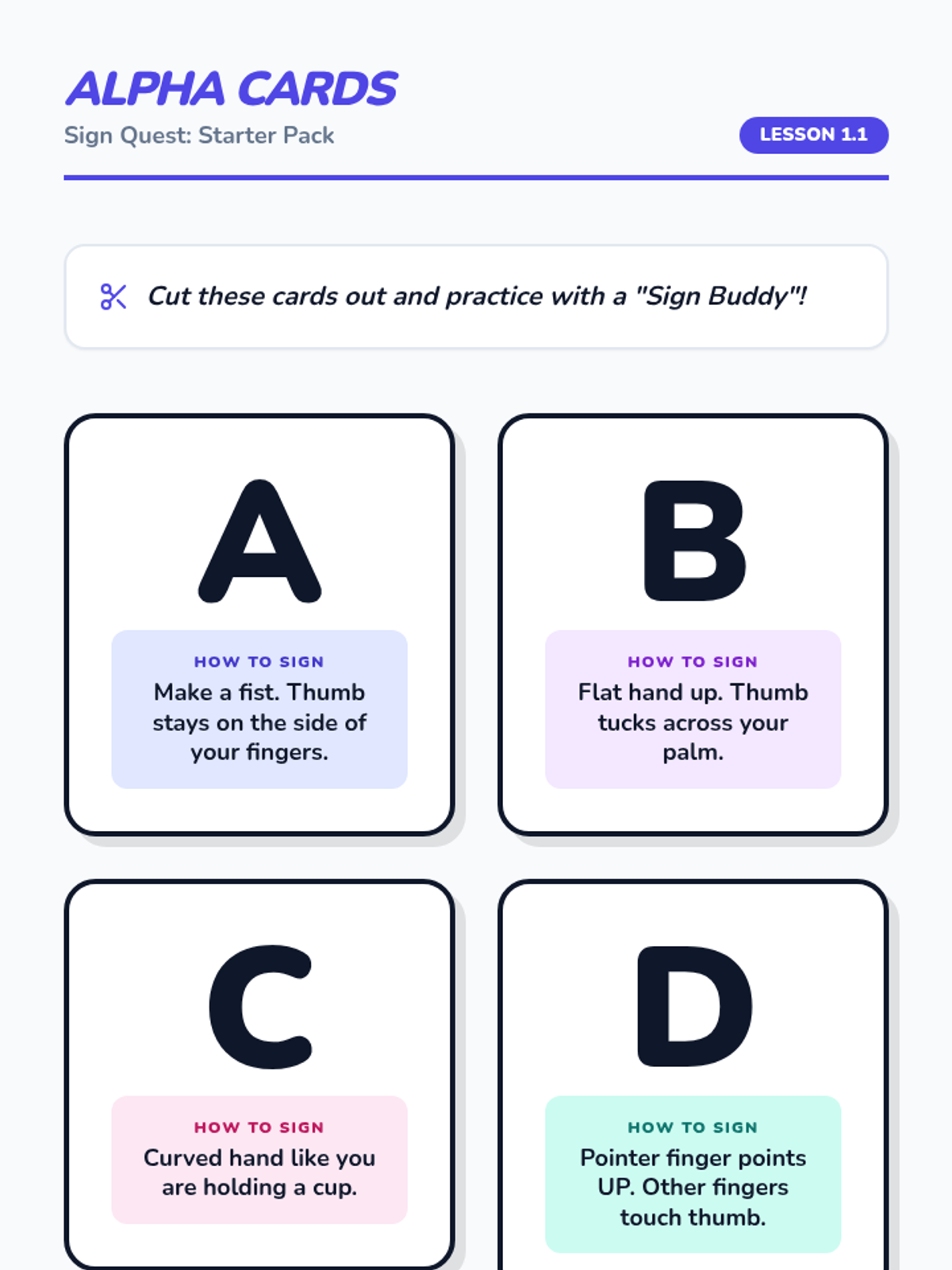
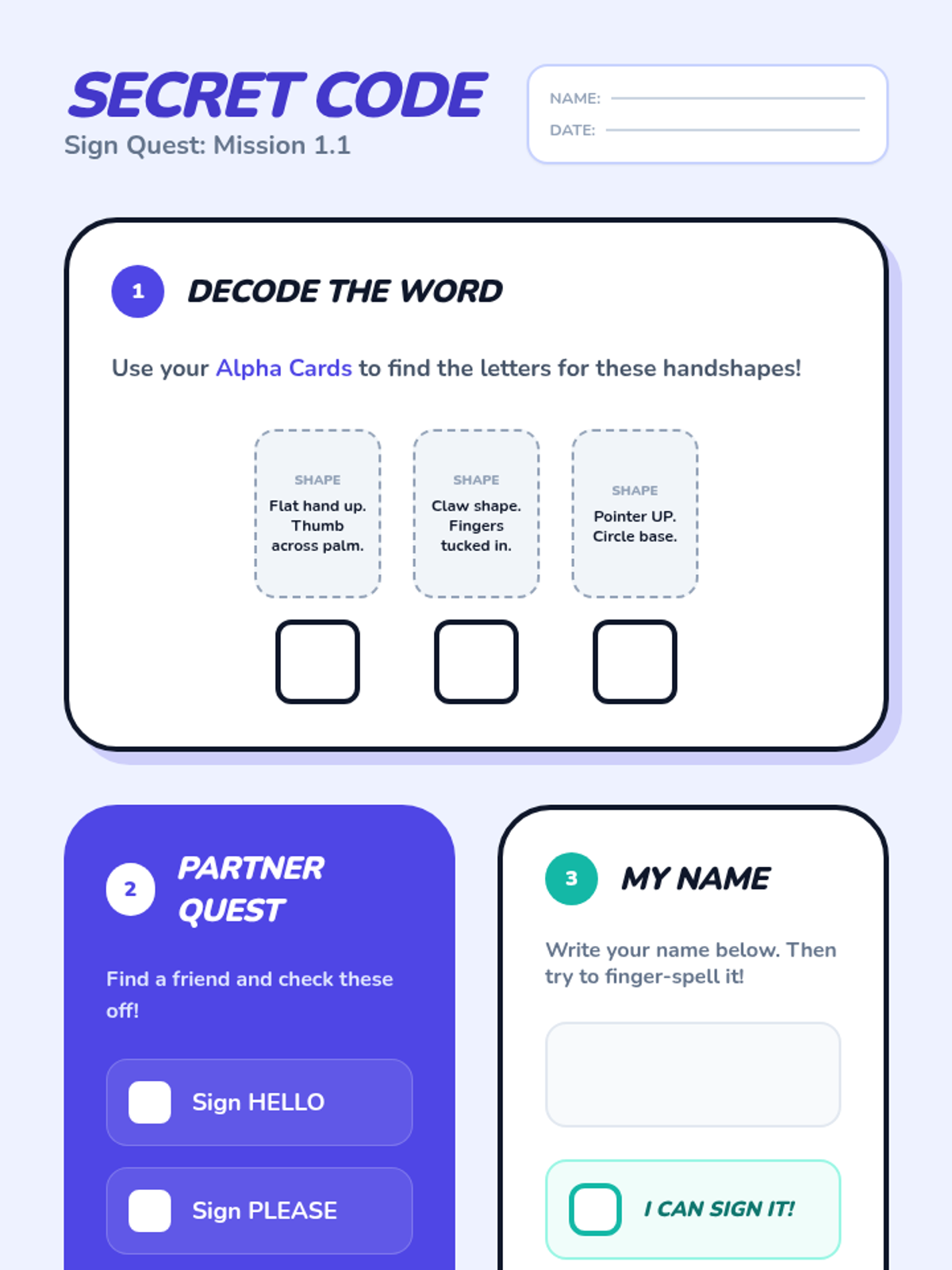
Jump into the basics of ASL with a focus on the manual alphabet and essential polite signs like hello, please, and thank you.
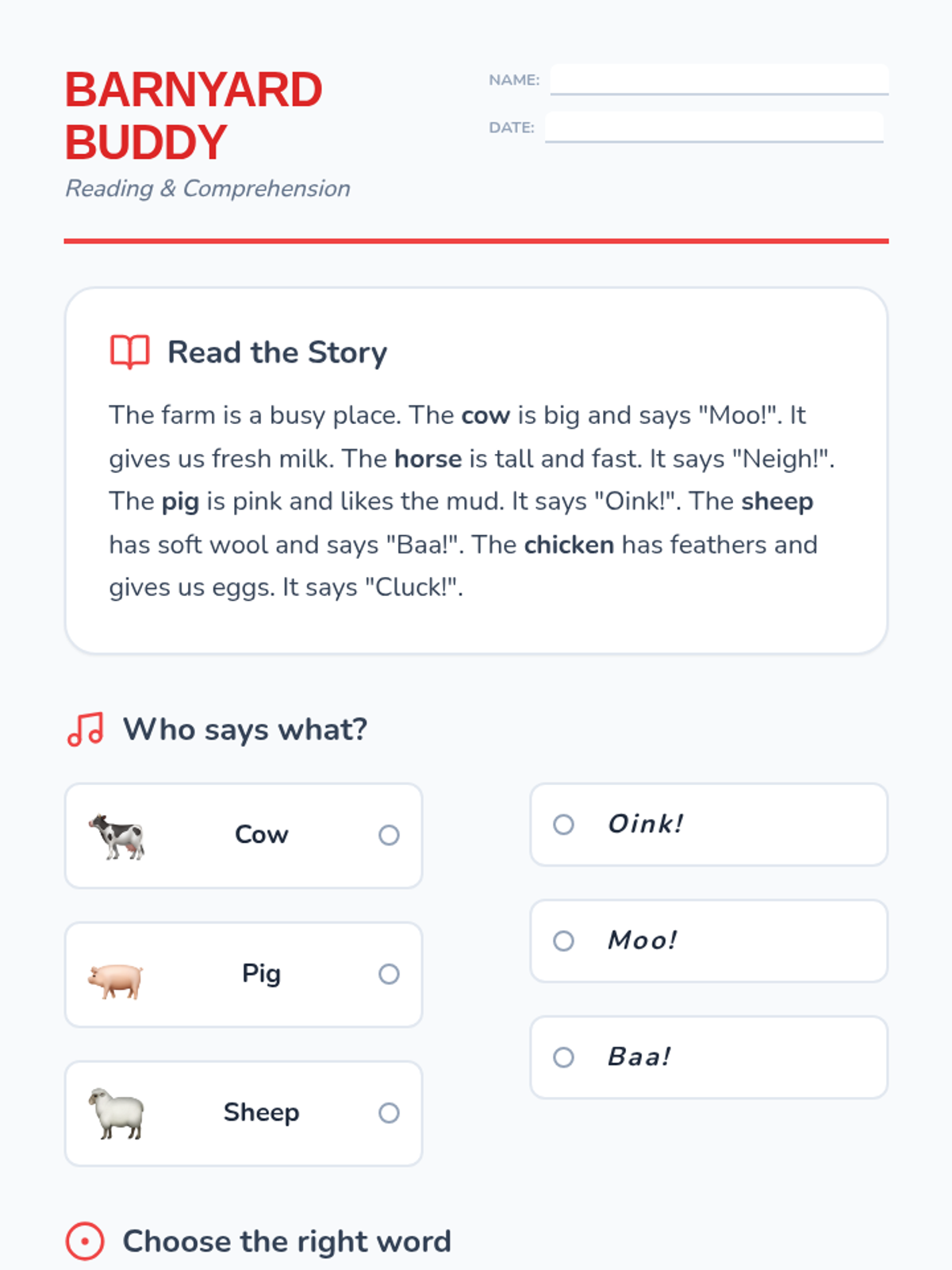
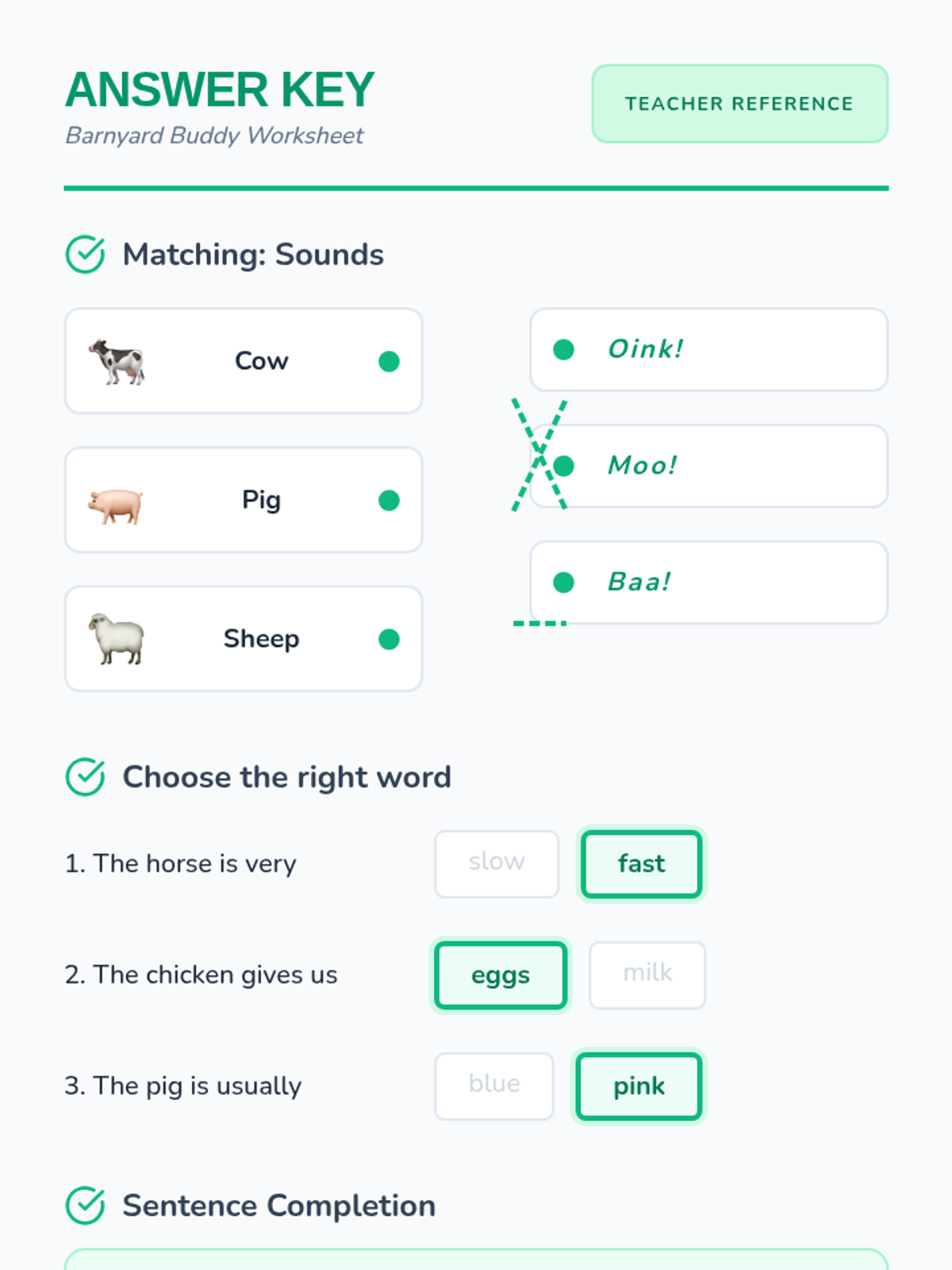
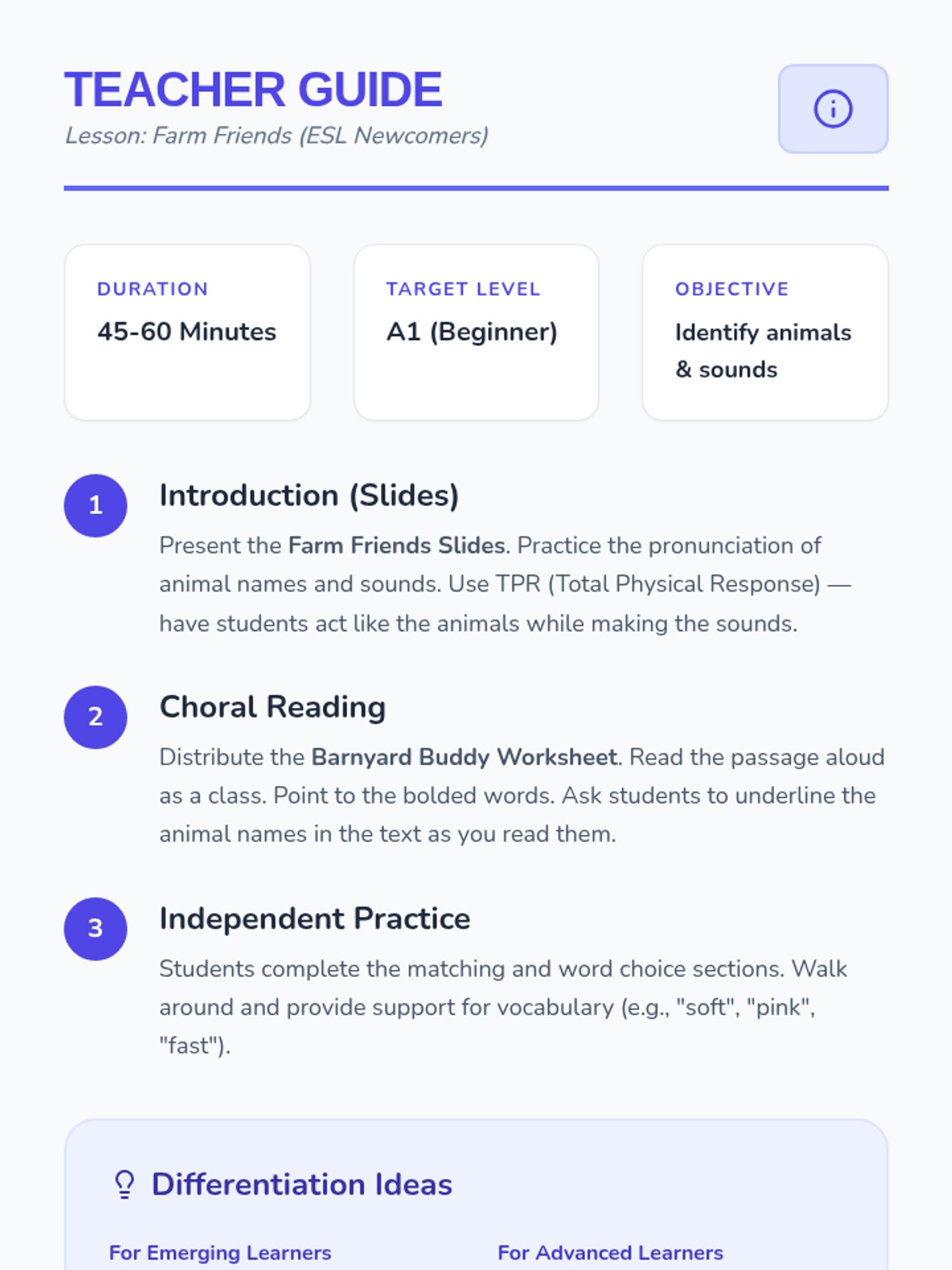
A beginner-friendly lesson introducing common farm animals, their sounds, and basic characteristics for ESL newcomers. Includes a visual slide deck, a reading comprehension worksheet, and an answer key.
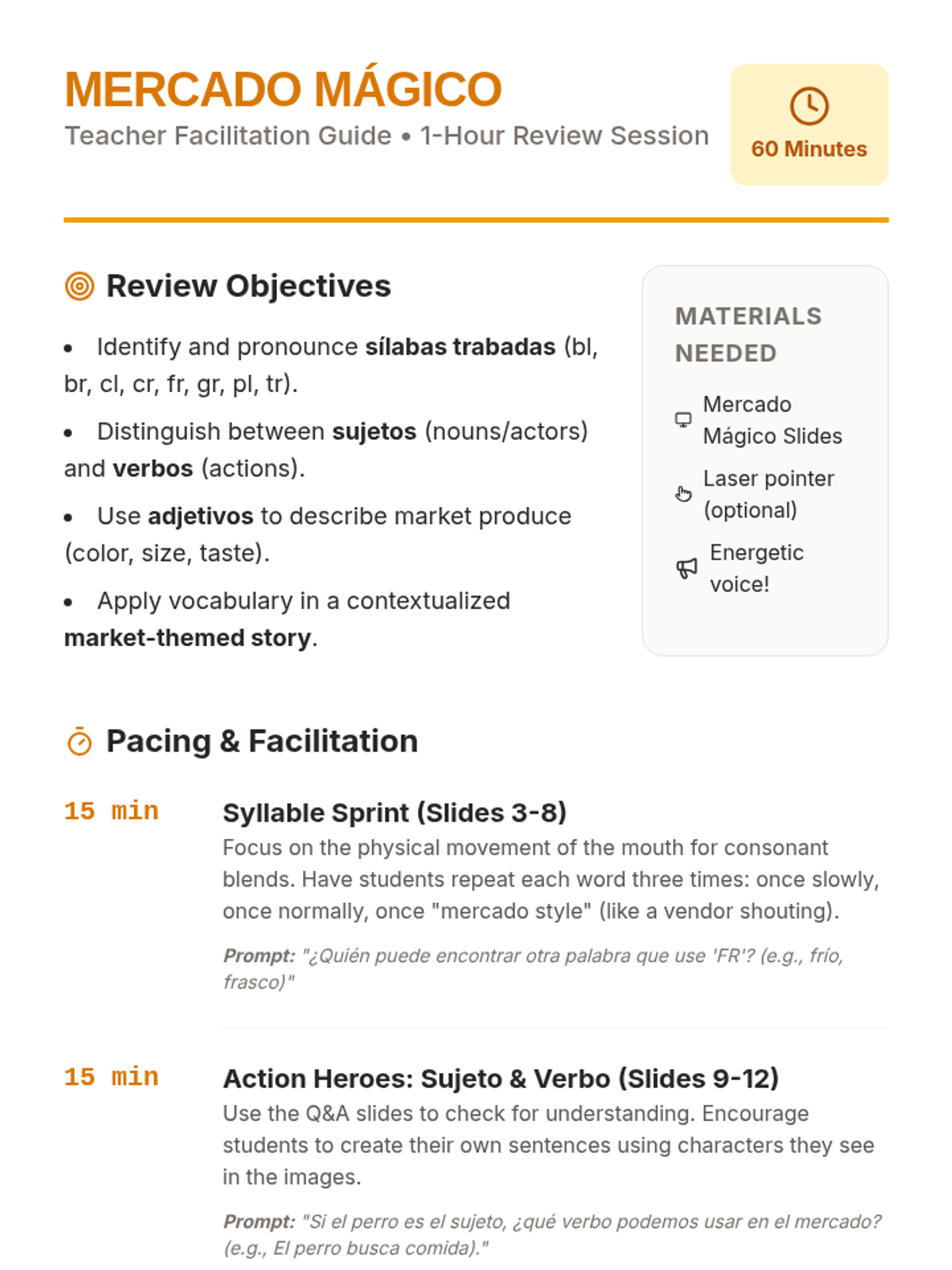
A comprehensive one-hour Spanish review session focusing on tricky syllables, basic grammar (subject, verb, adjectives), and market-themed vocabulary through interactive slides.
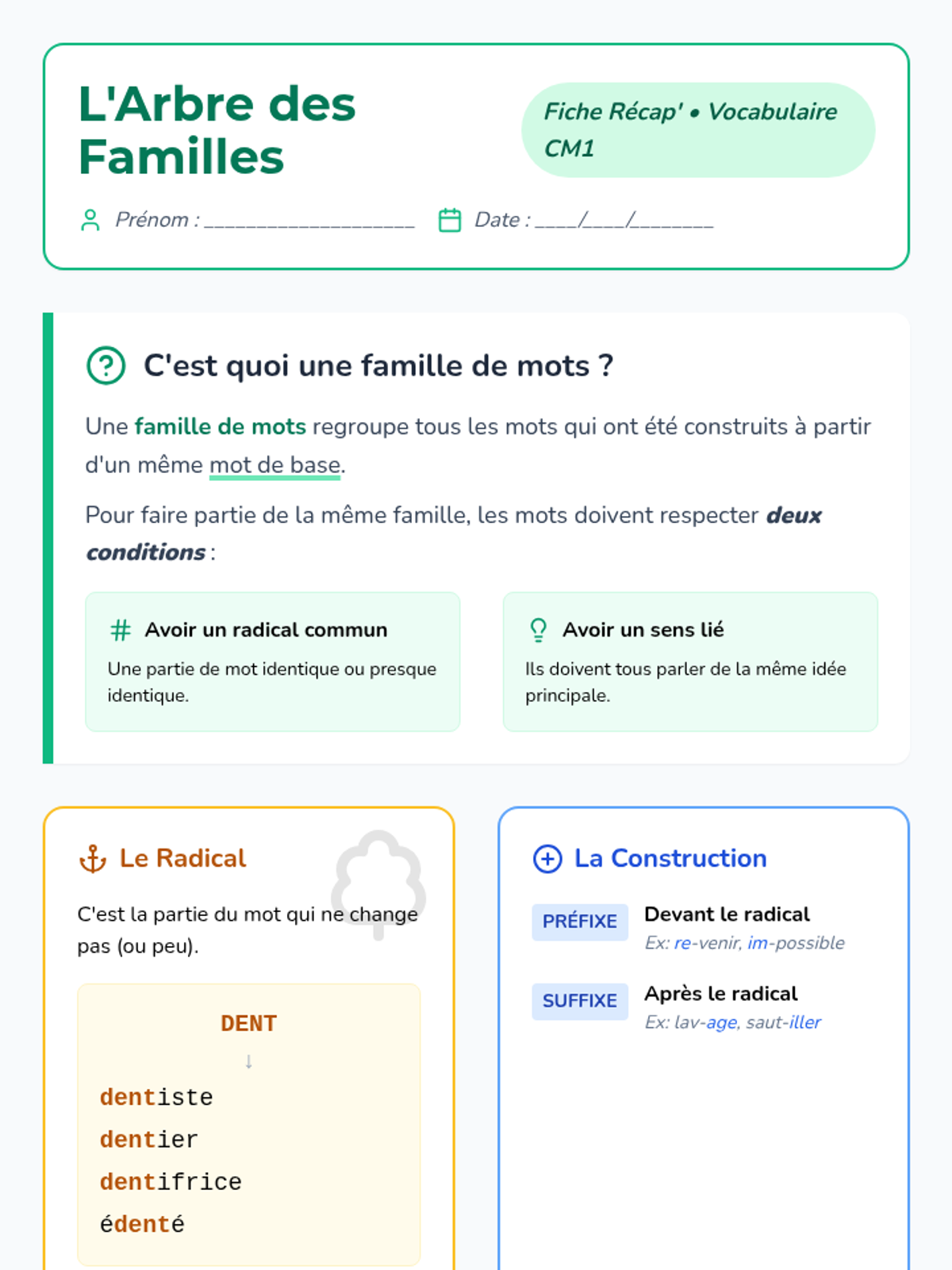
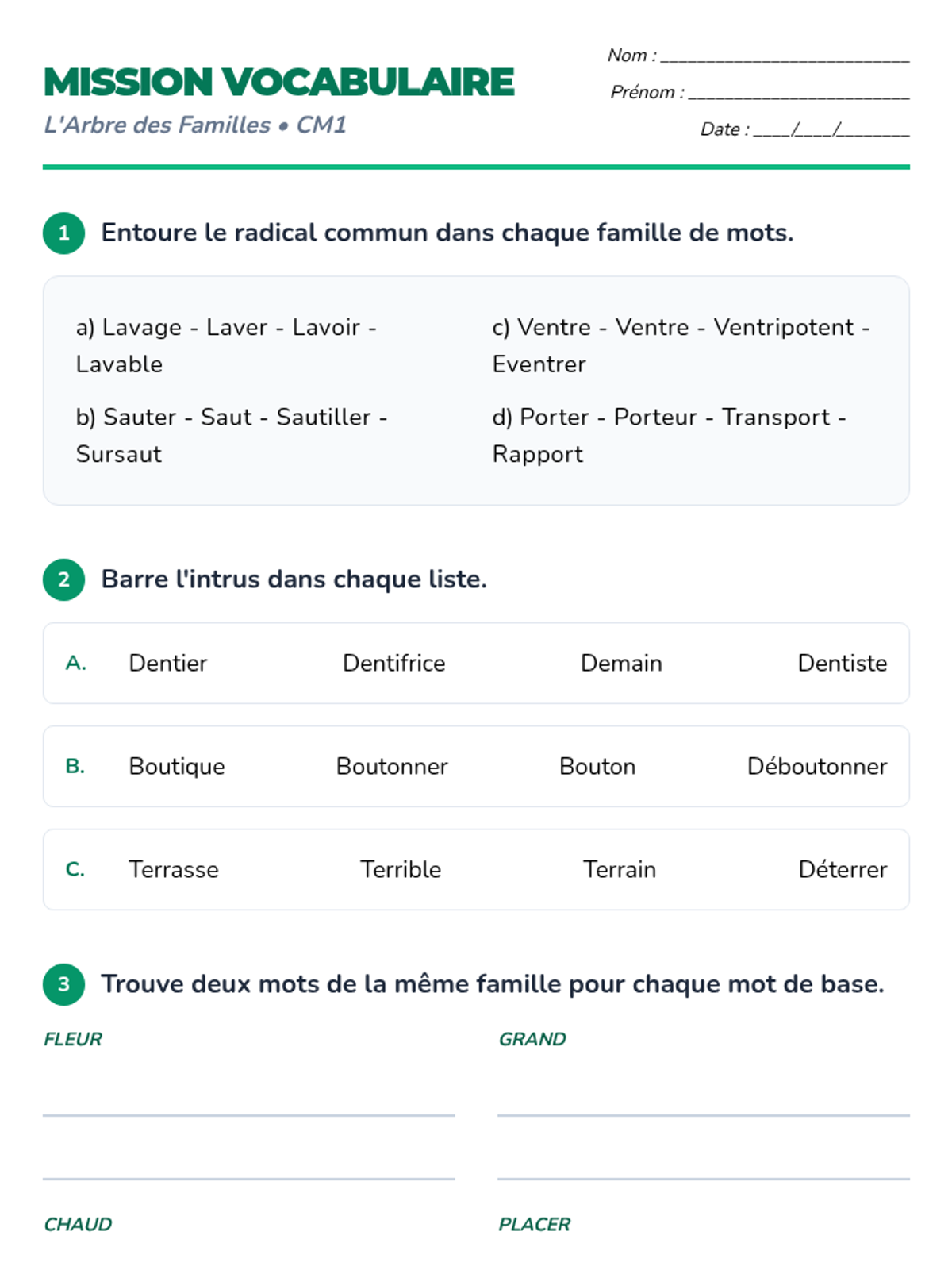
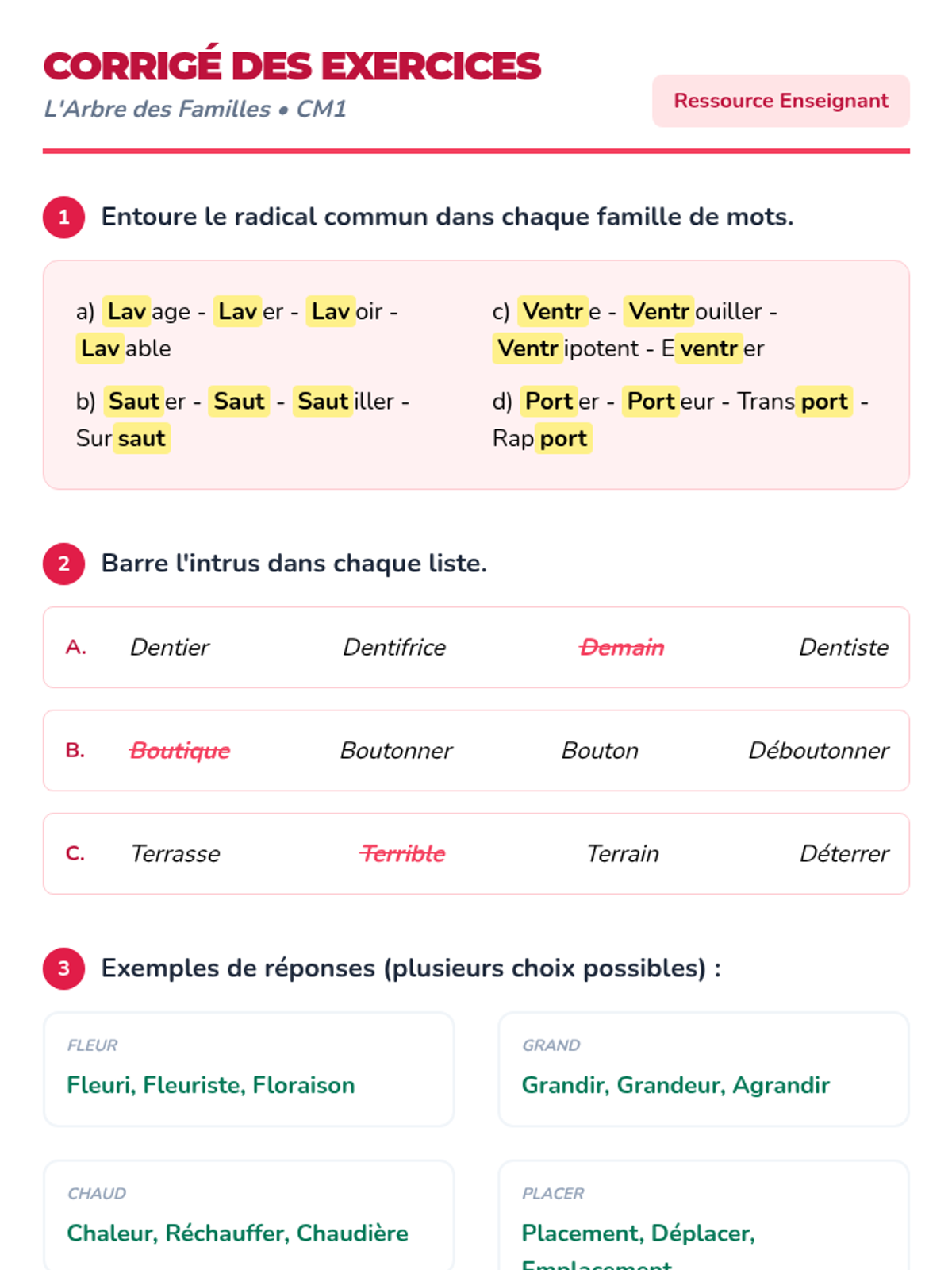
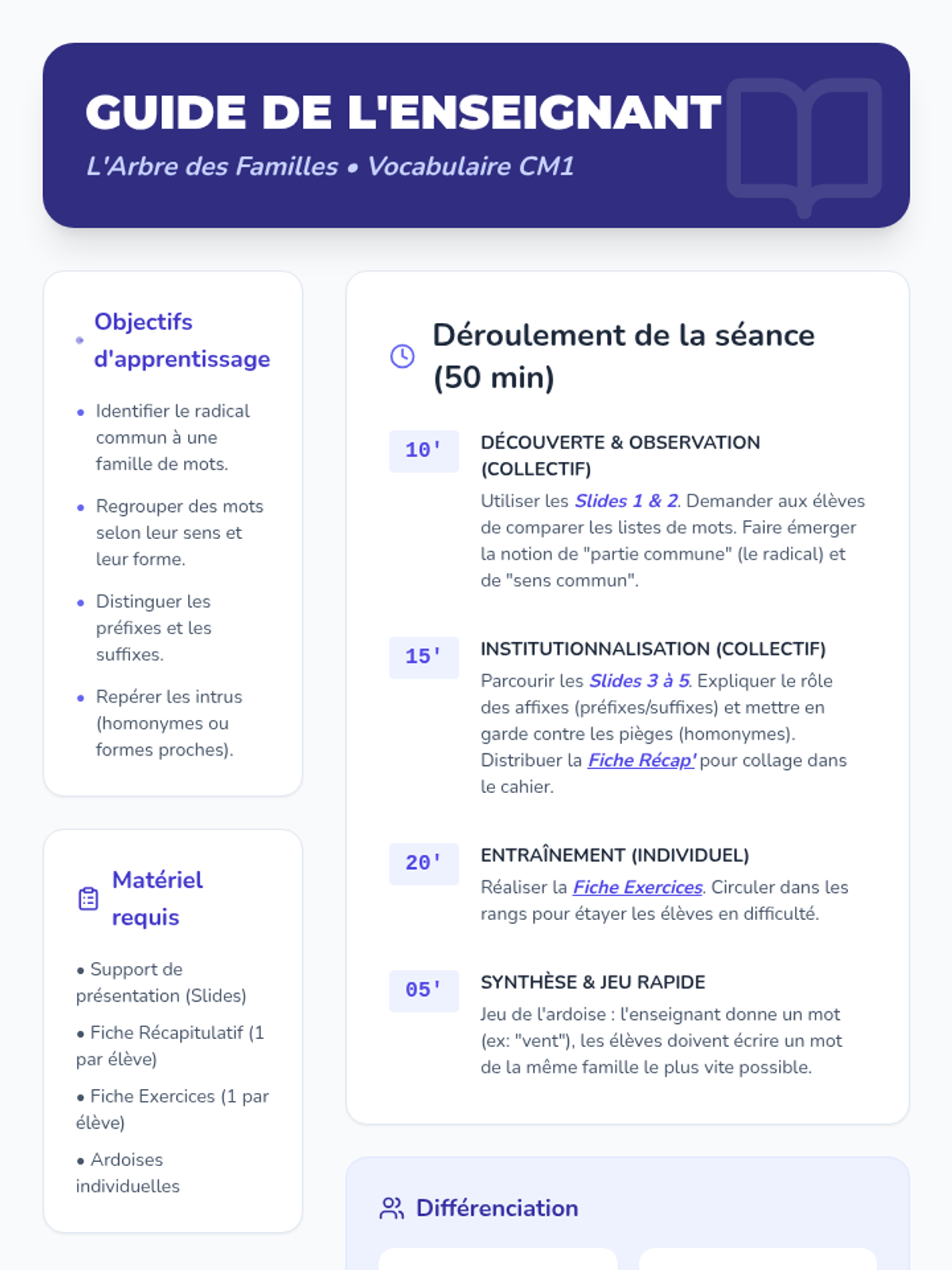
Une leçon complète pour comprendre et identifier les mots d'une même famille, avec une fiche mémo, des exercices et un support de présentation.
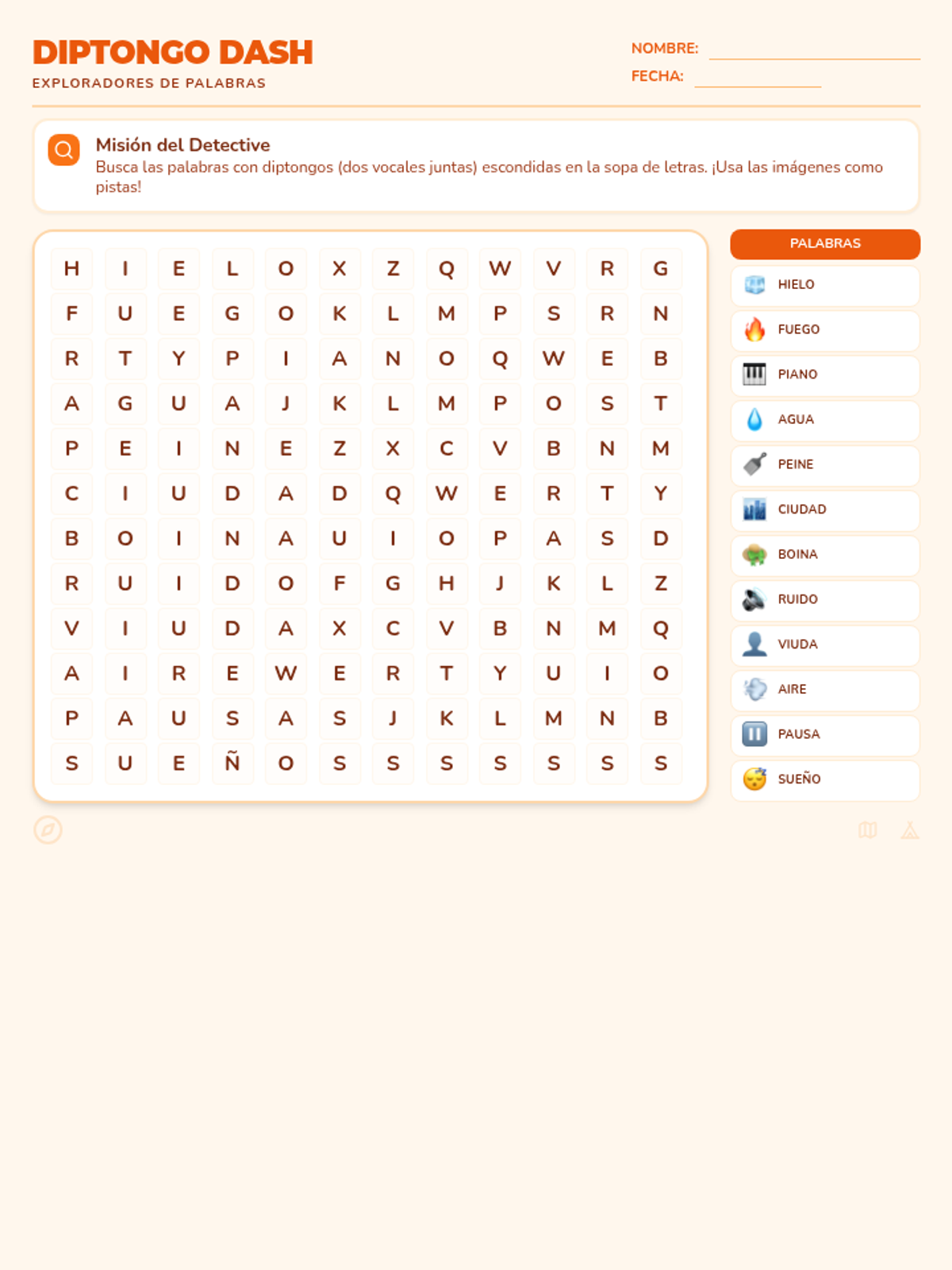
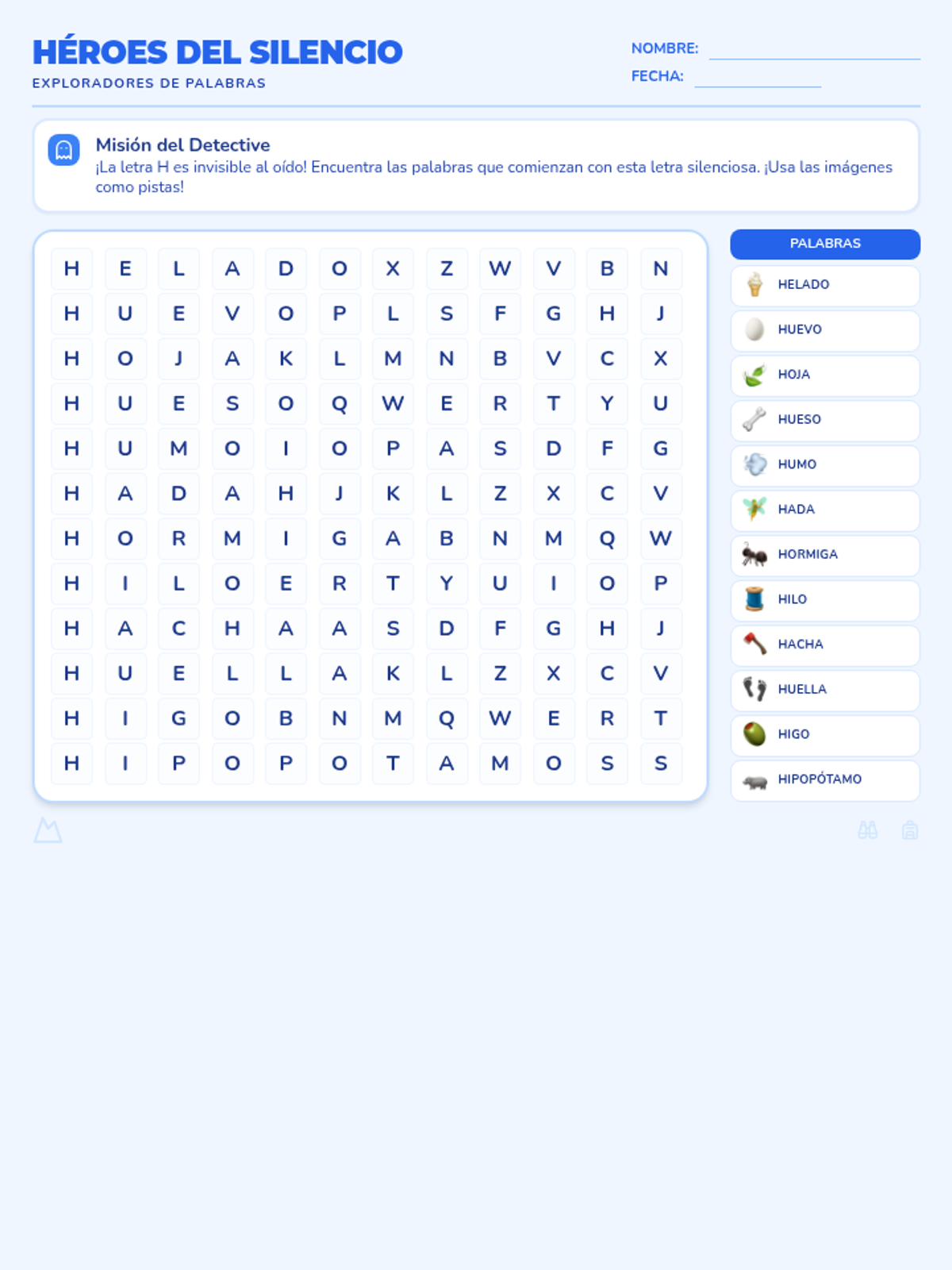
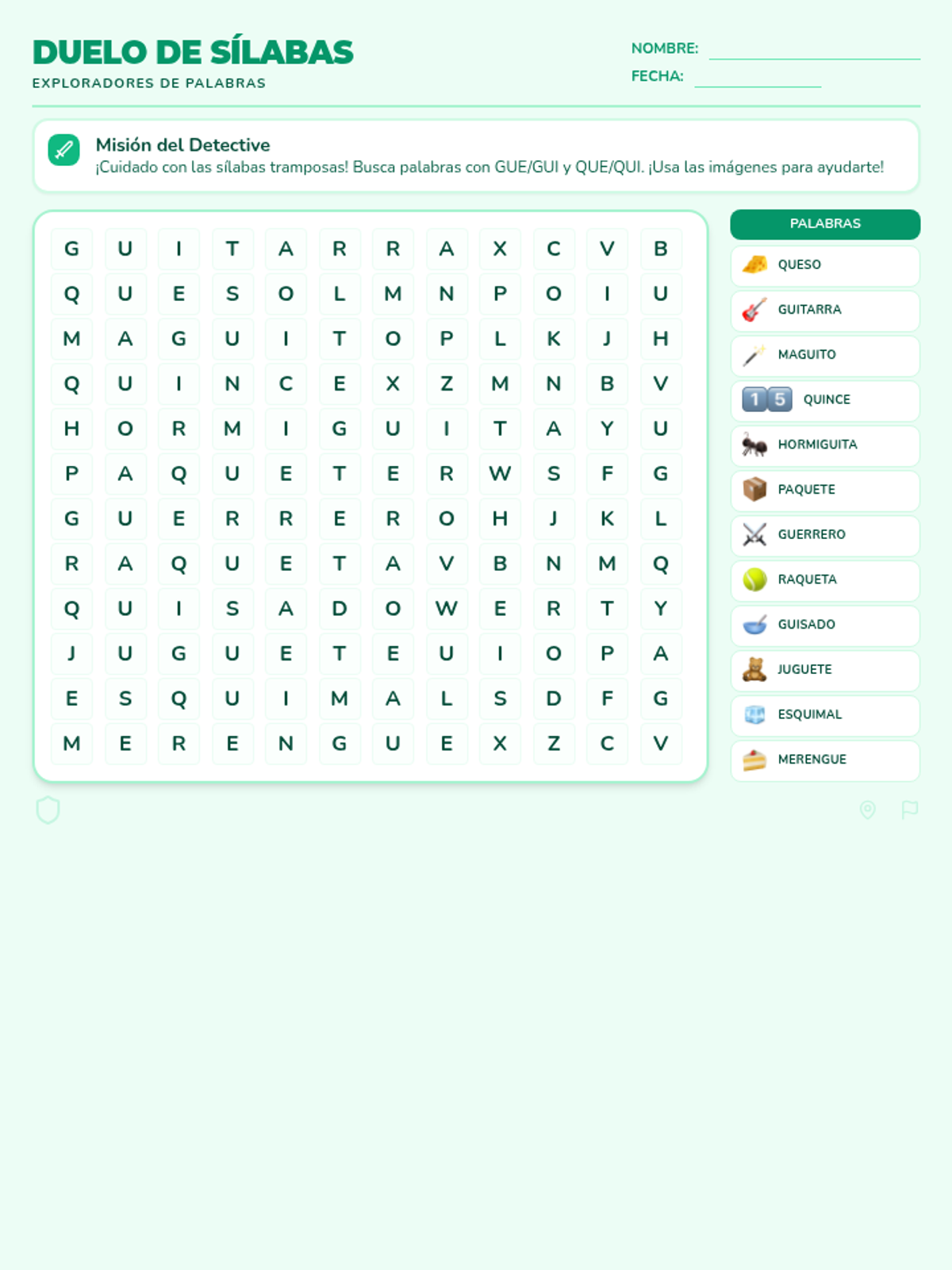
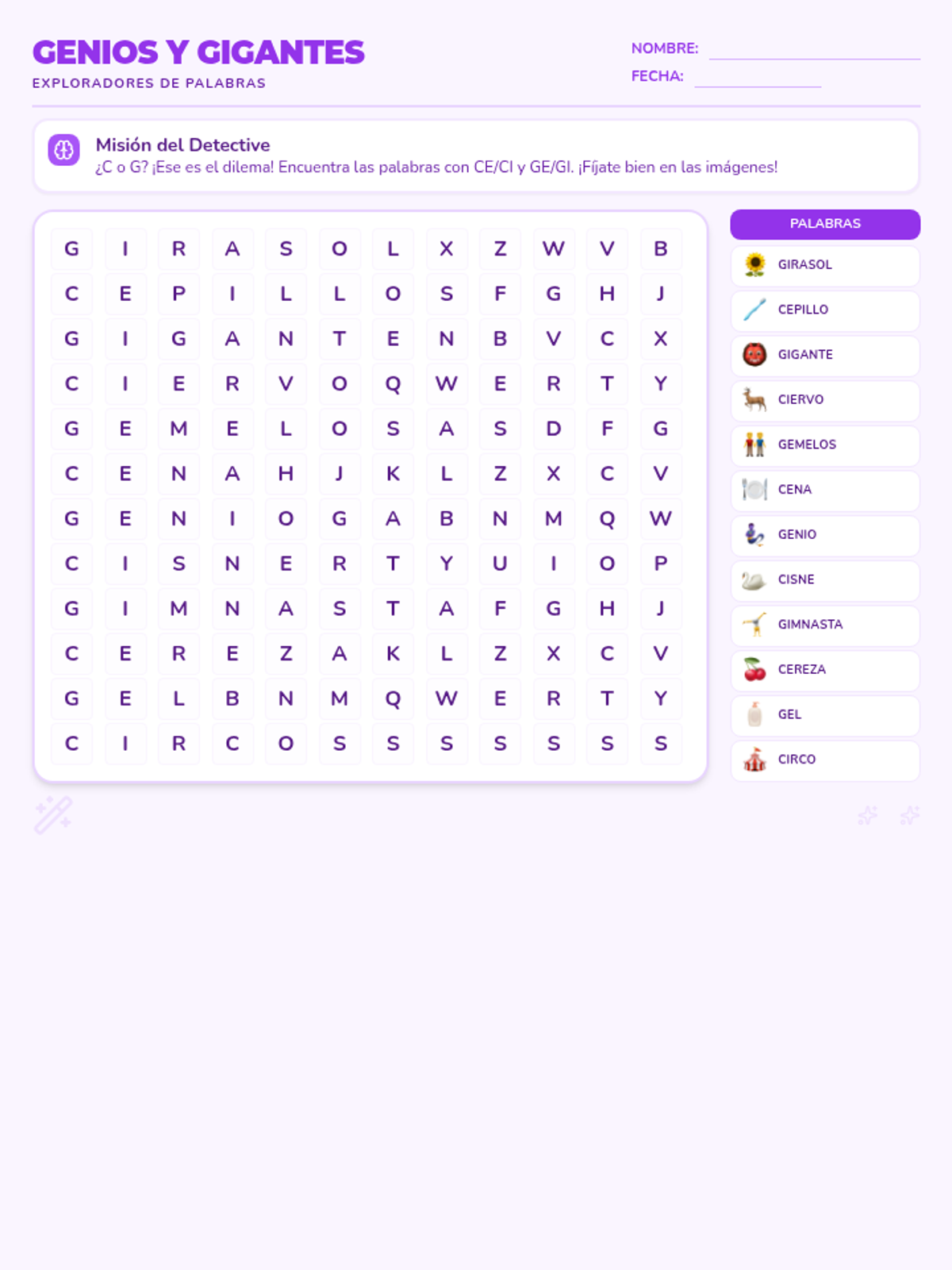
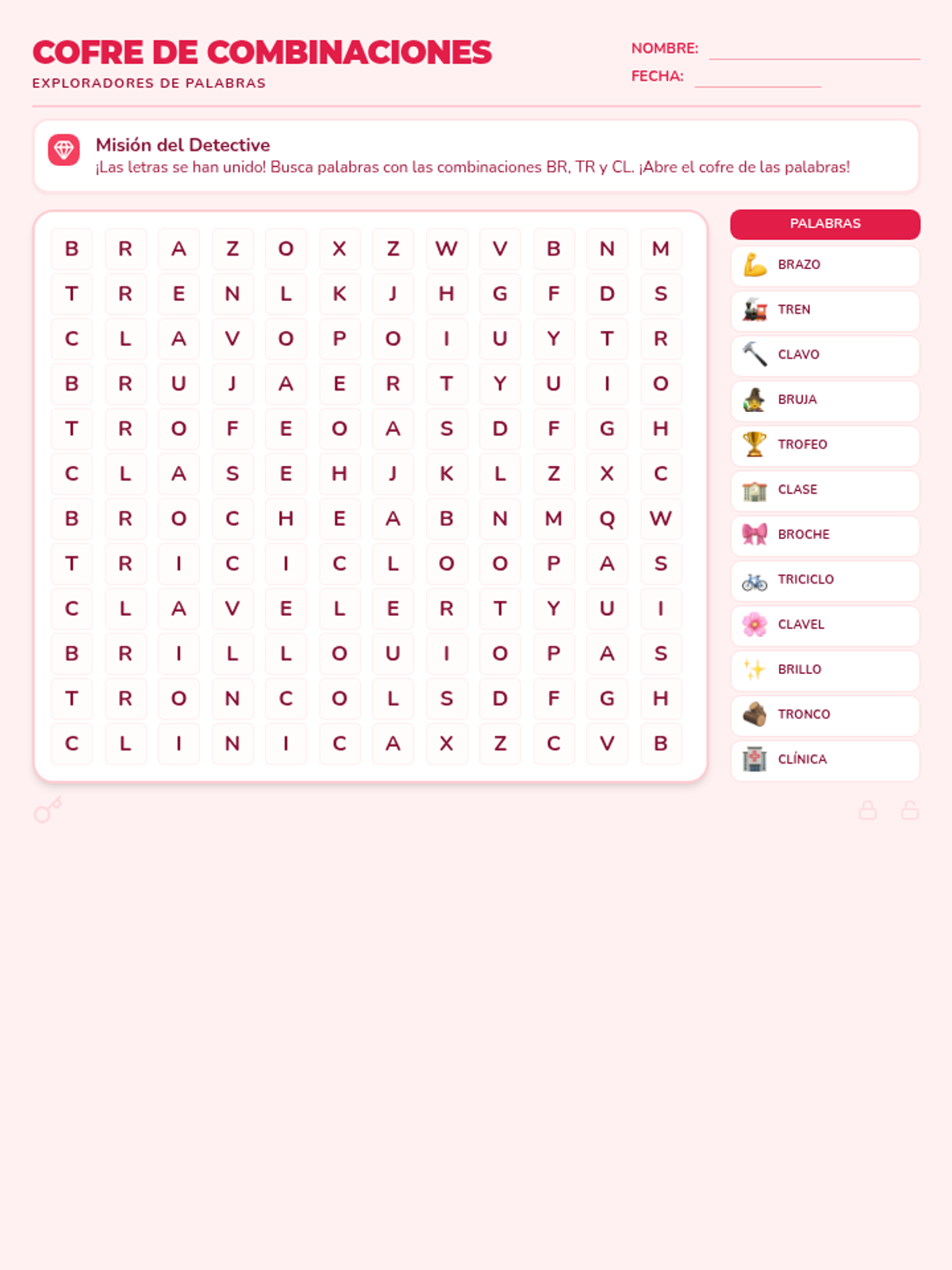
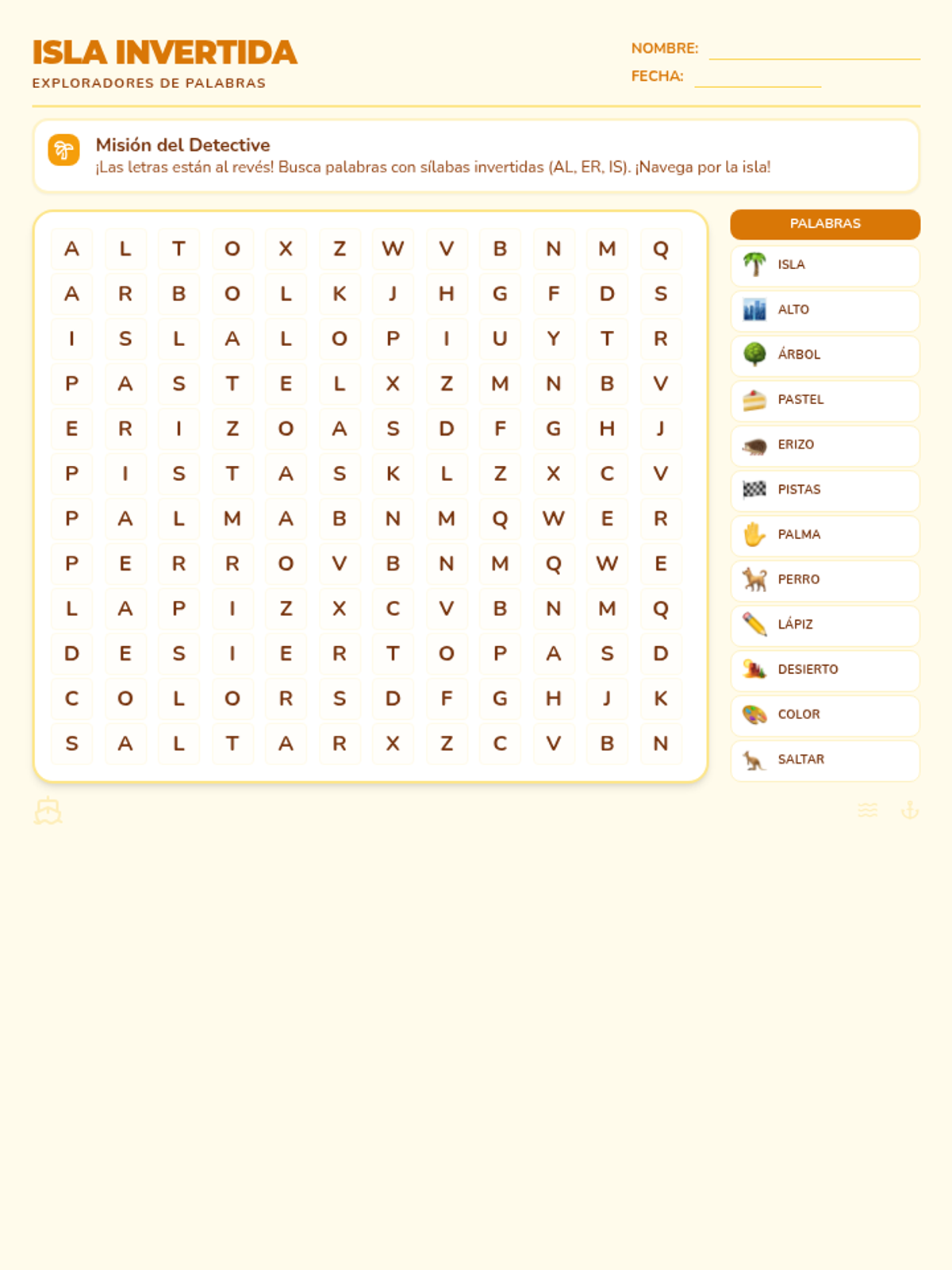
A series of 6 Spanish word search puzzles focusing on challenging orthographic patterns including diphthongs, silent H, tricky syllables (GUE/GUI, QUE/QUI, CE/CI, GE/GI), consonant blends (BR, TR, CL), and inverted syllables (AL, ER, IS). Each puzzle includes visual cues to support vocabulary development.
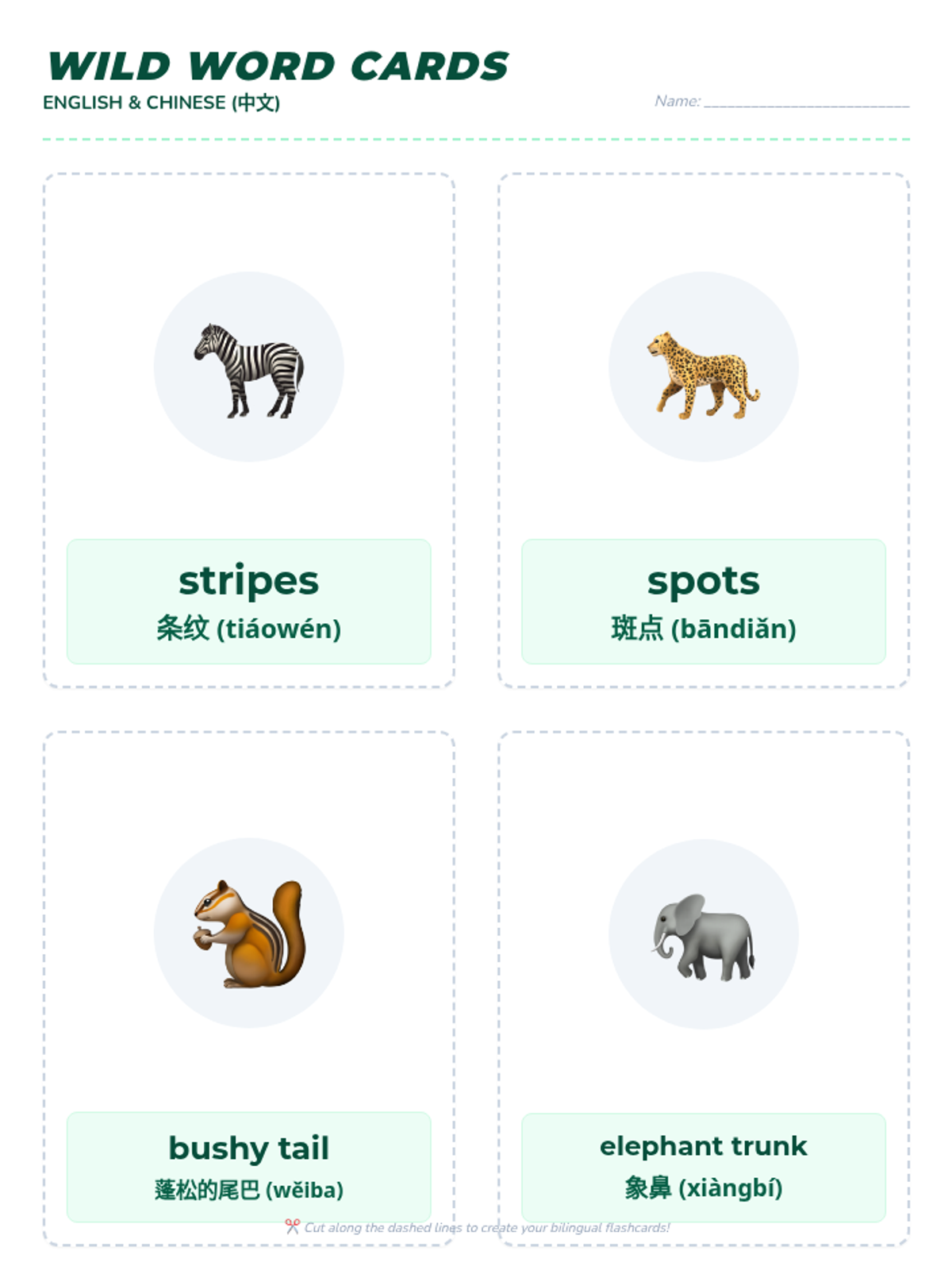
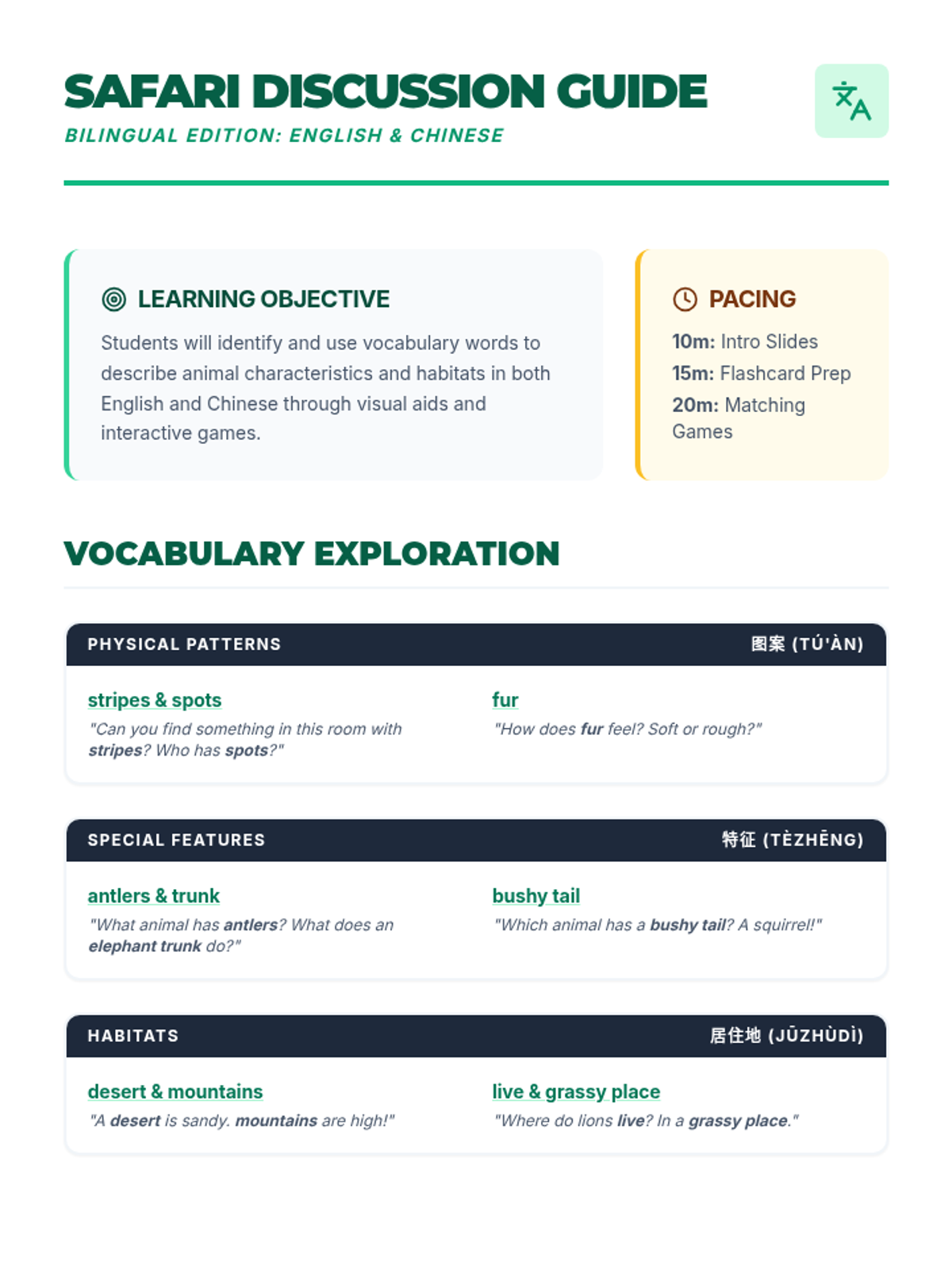
A lesson focused on animal characteristics and habitats, helping students build descriptive vocabulary.
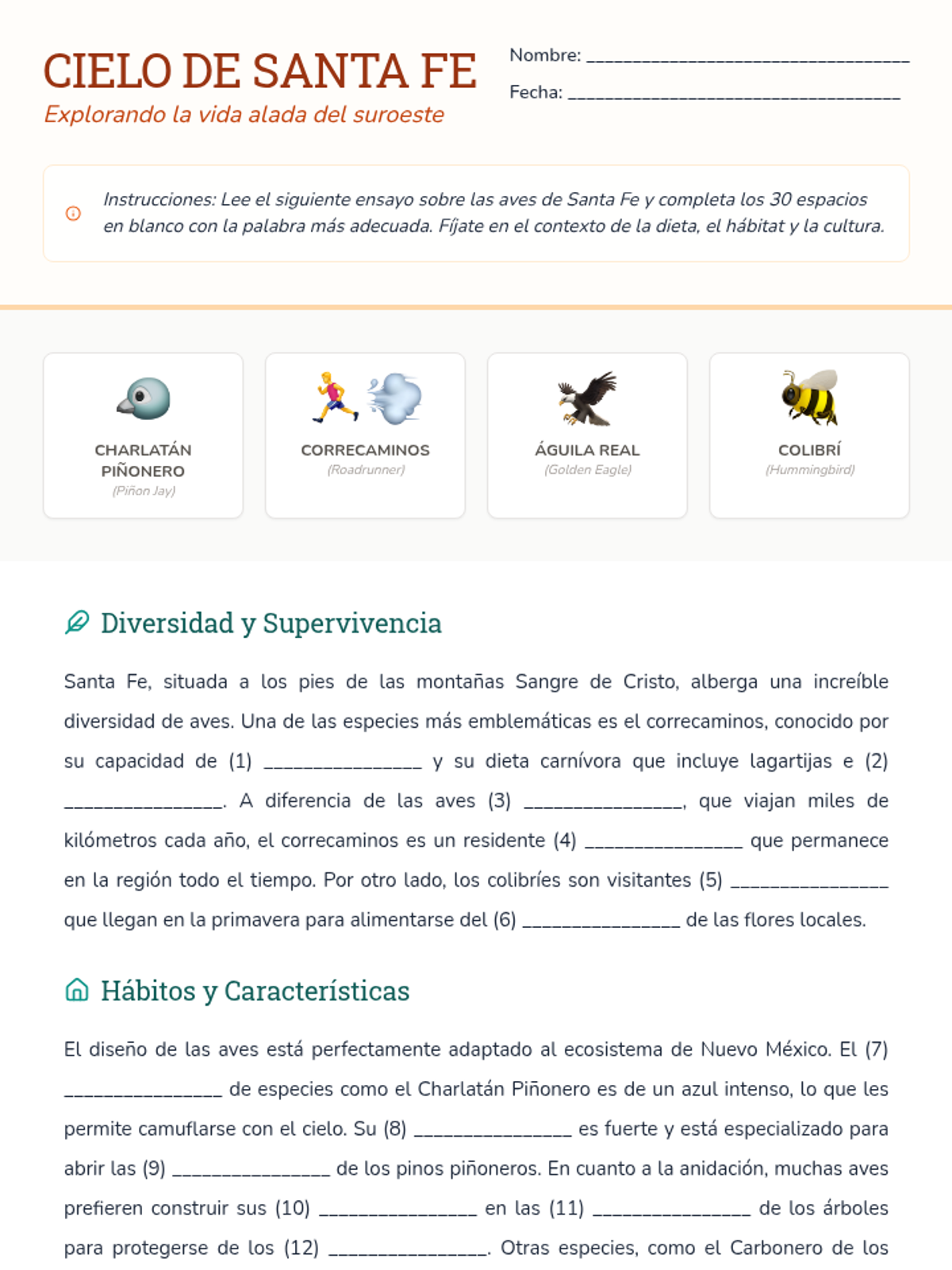
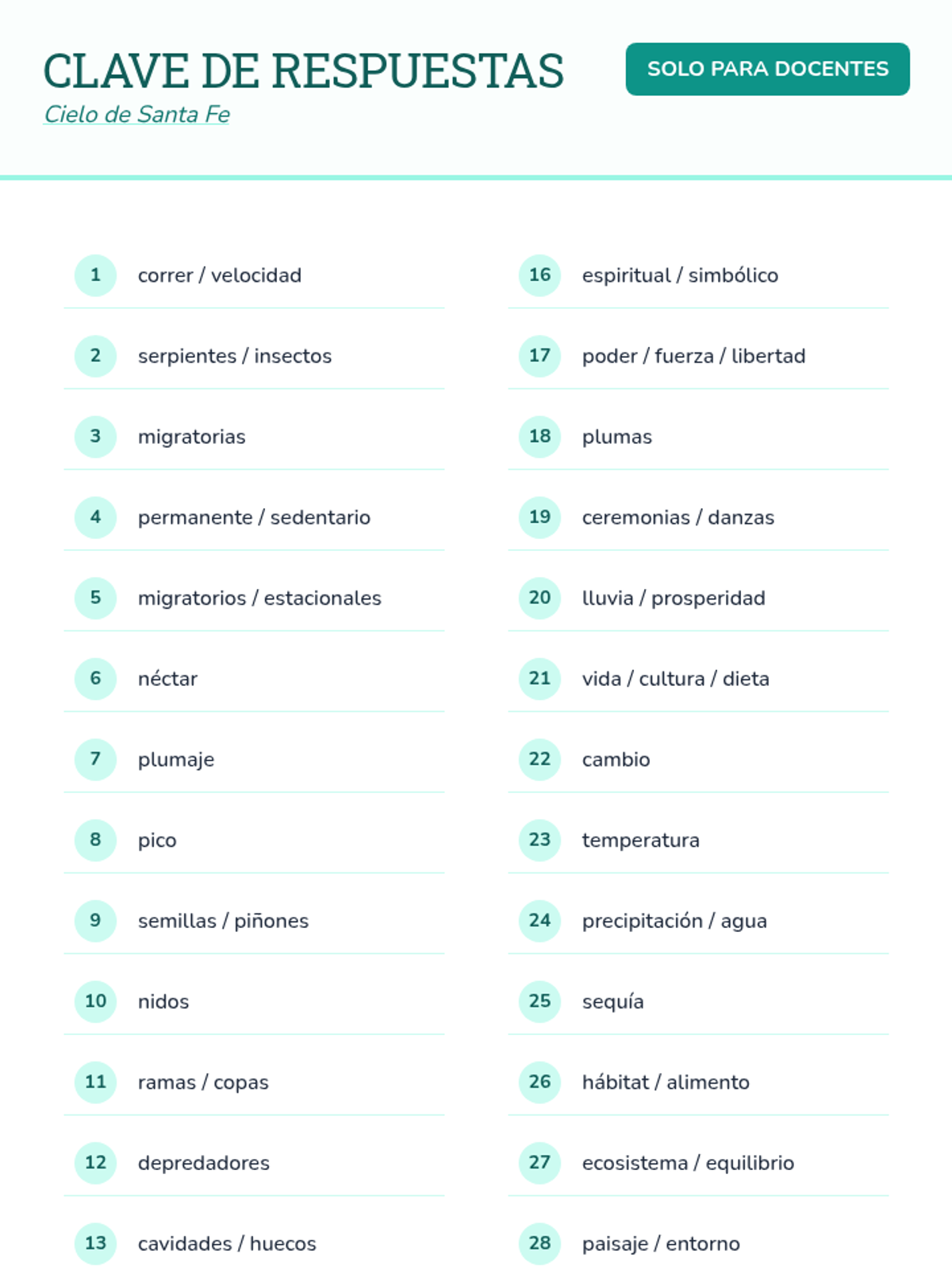
Una lección sobre la avifauna de Santa Fe, Nuevo México, que explora sus características físicas, su importancia cultural para los pueblos indígenas y los desafíos del cambio climático.
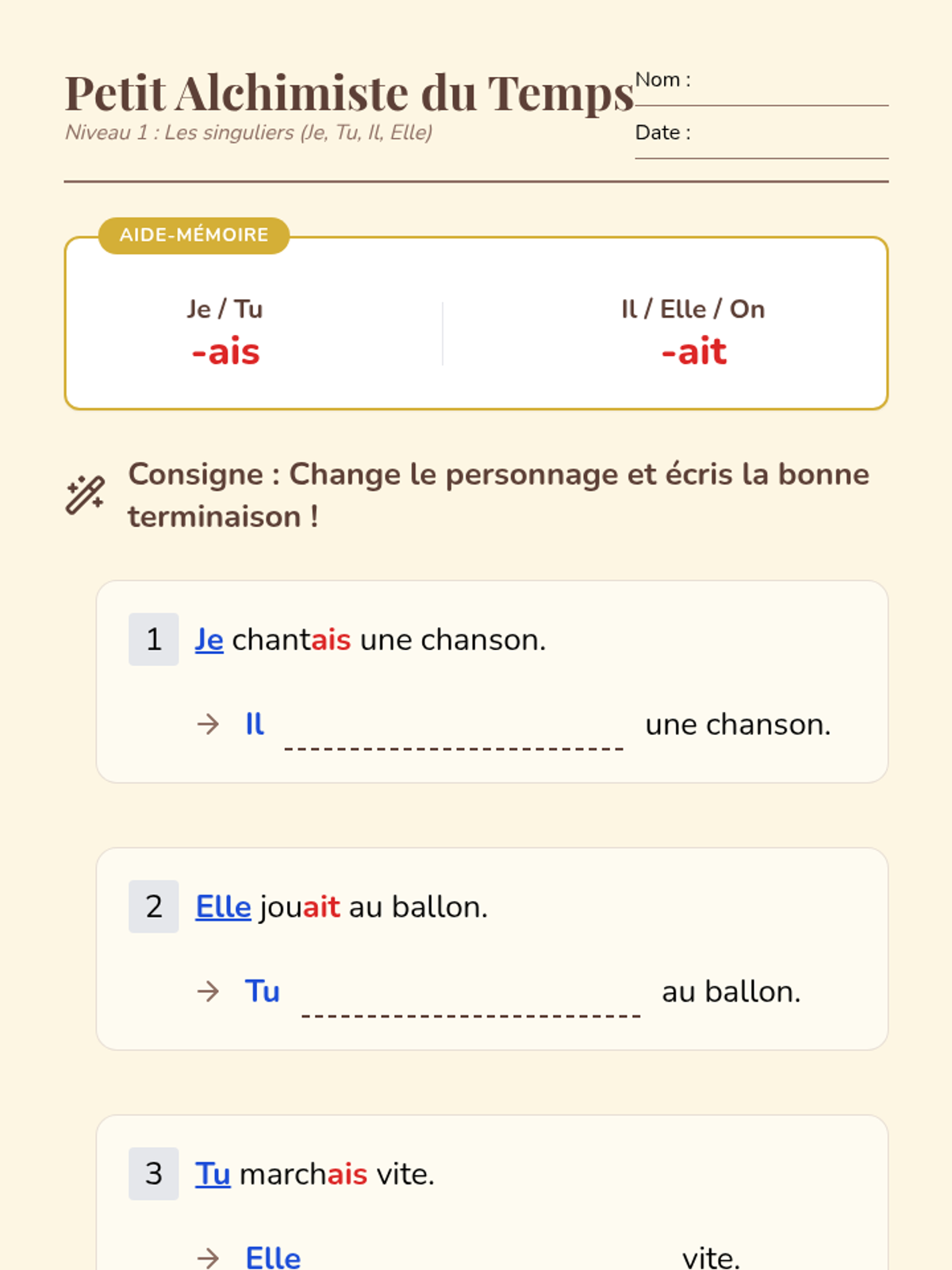
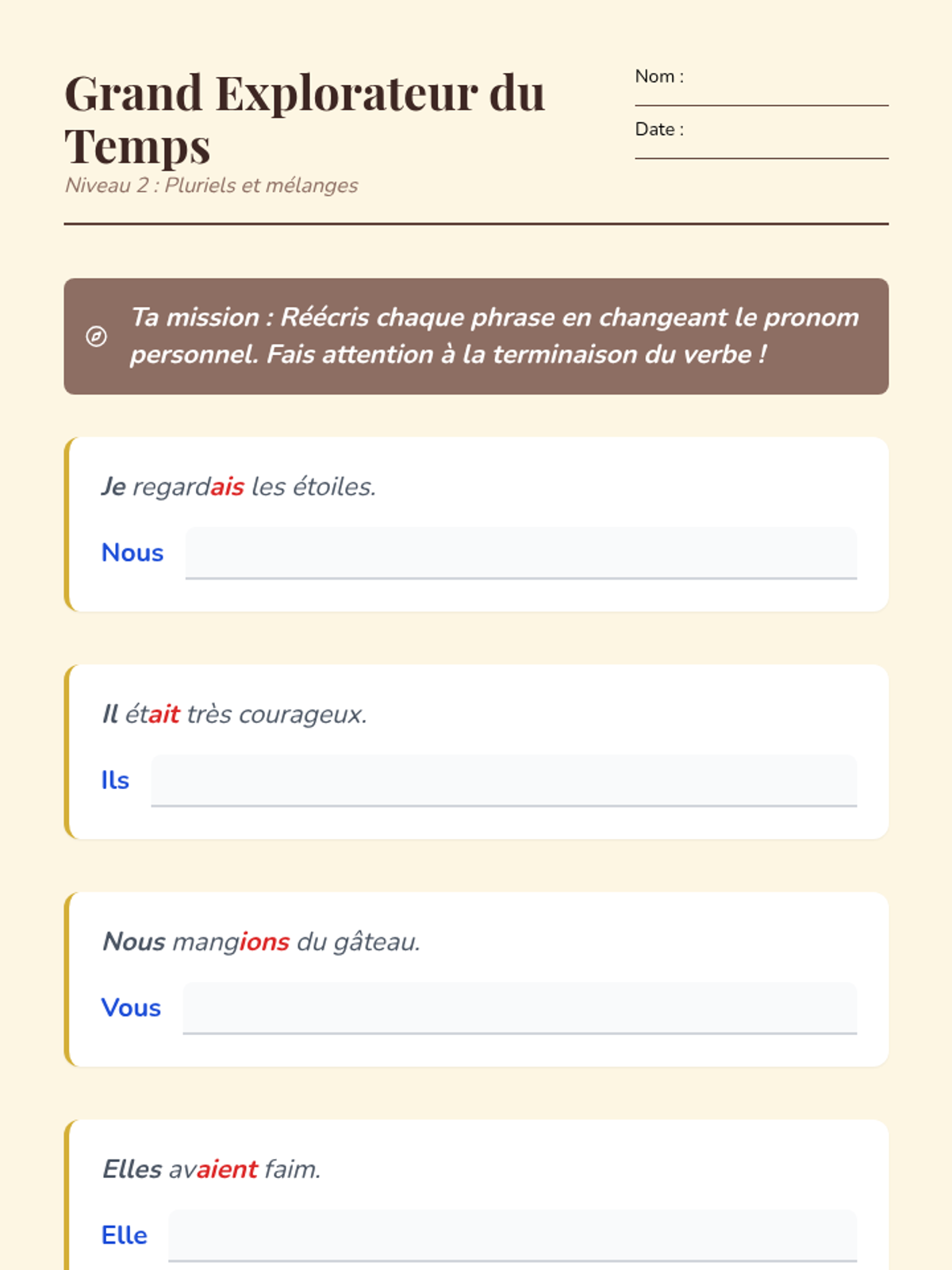
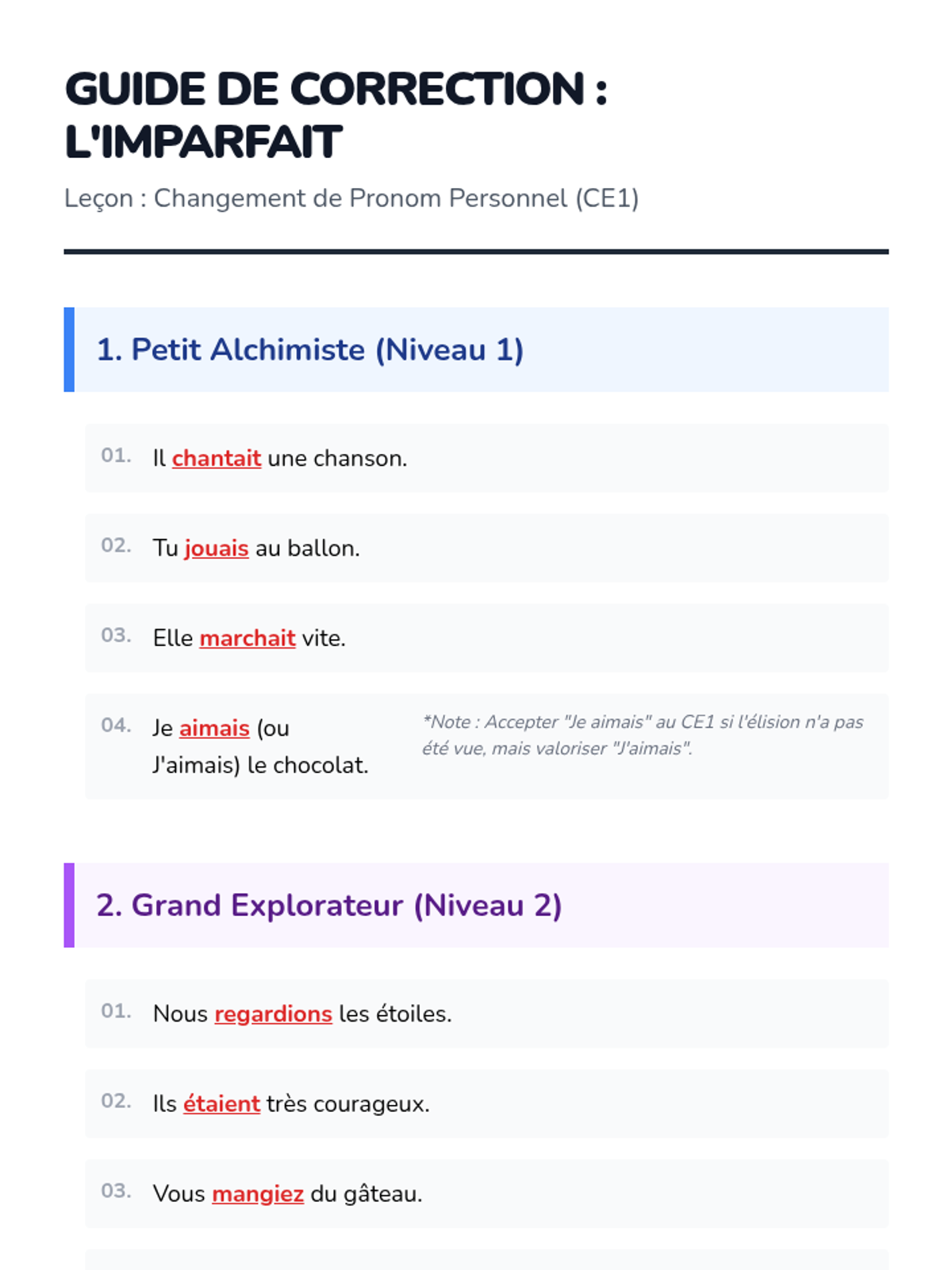
Cette leçon apprend aux élèves de CE1 à conjuguer des verbes à l'imparfait en changeant le pronom personnel sujet, avec des exercices différenciés pour s'adapter au rythme de chaque enfant.
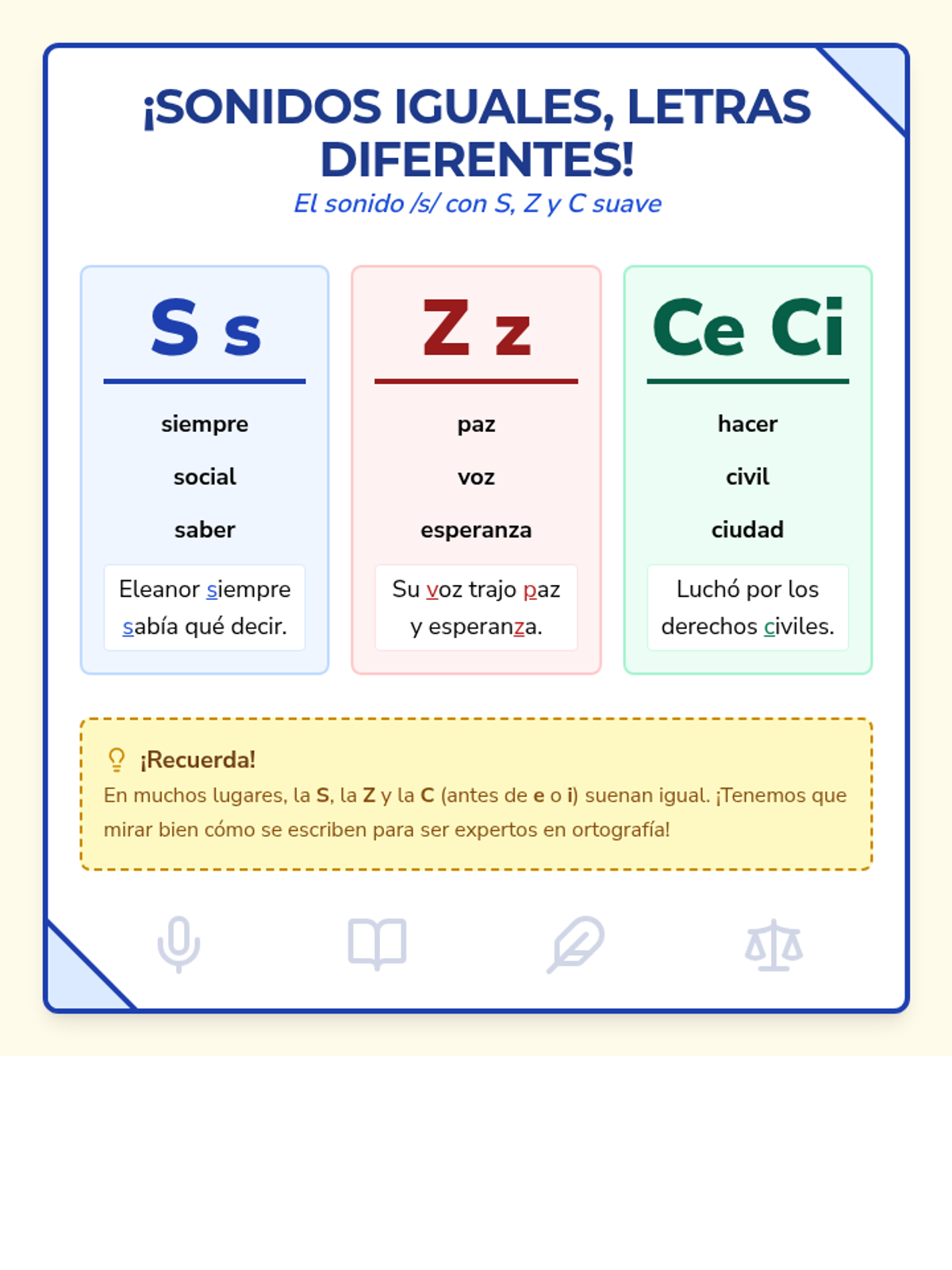
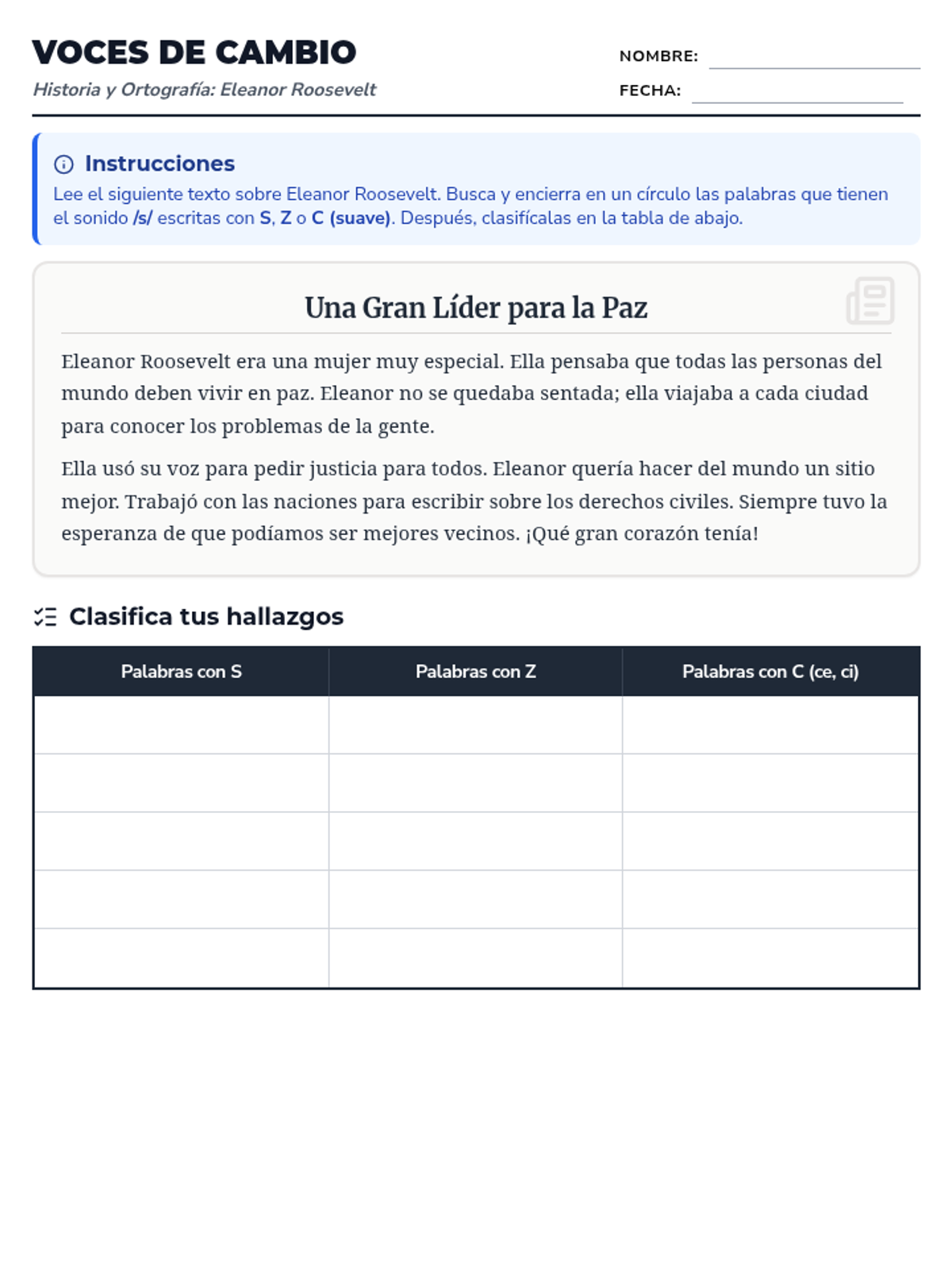
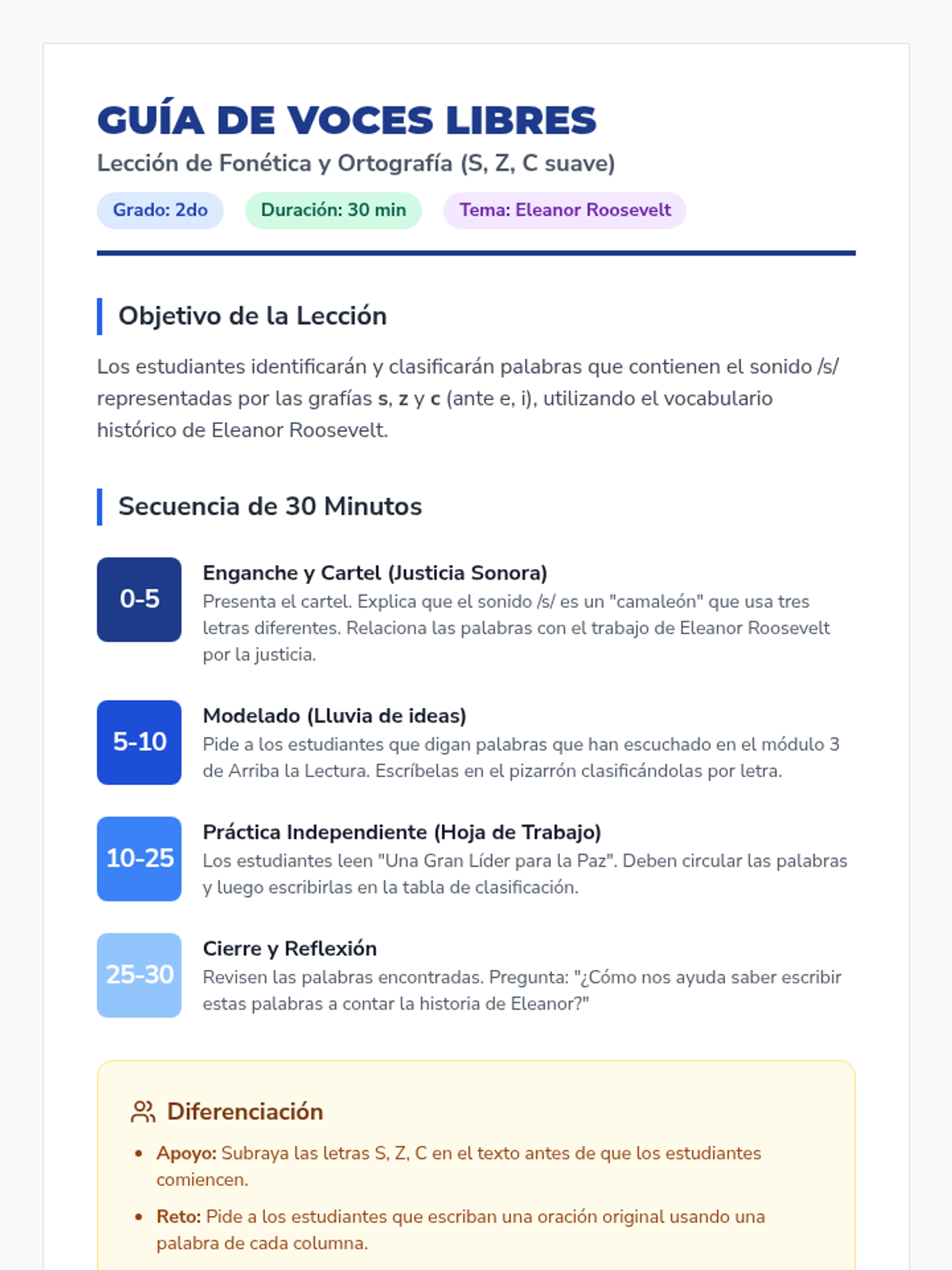
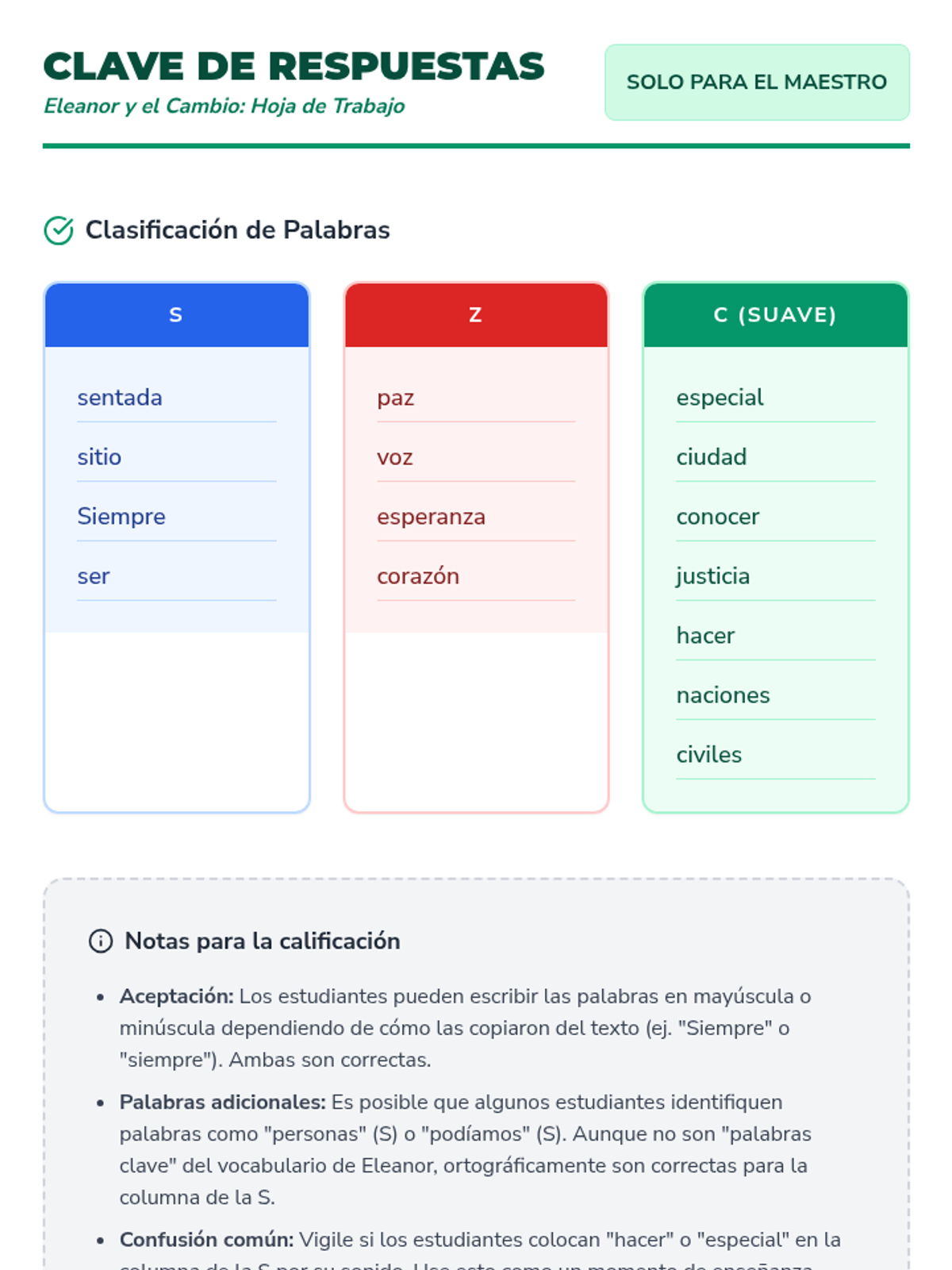
A 30-minute Spanish phonics lesson for 2nd graders focusing on the orthographic differences between s, z, and soft c, themed around the life of Eleanor Roosevelt. Students will distinguish these identical sounds in writing through a historical lens.
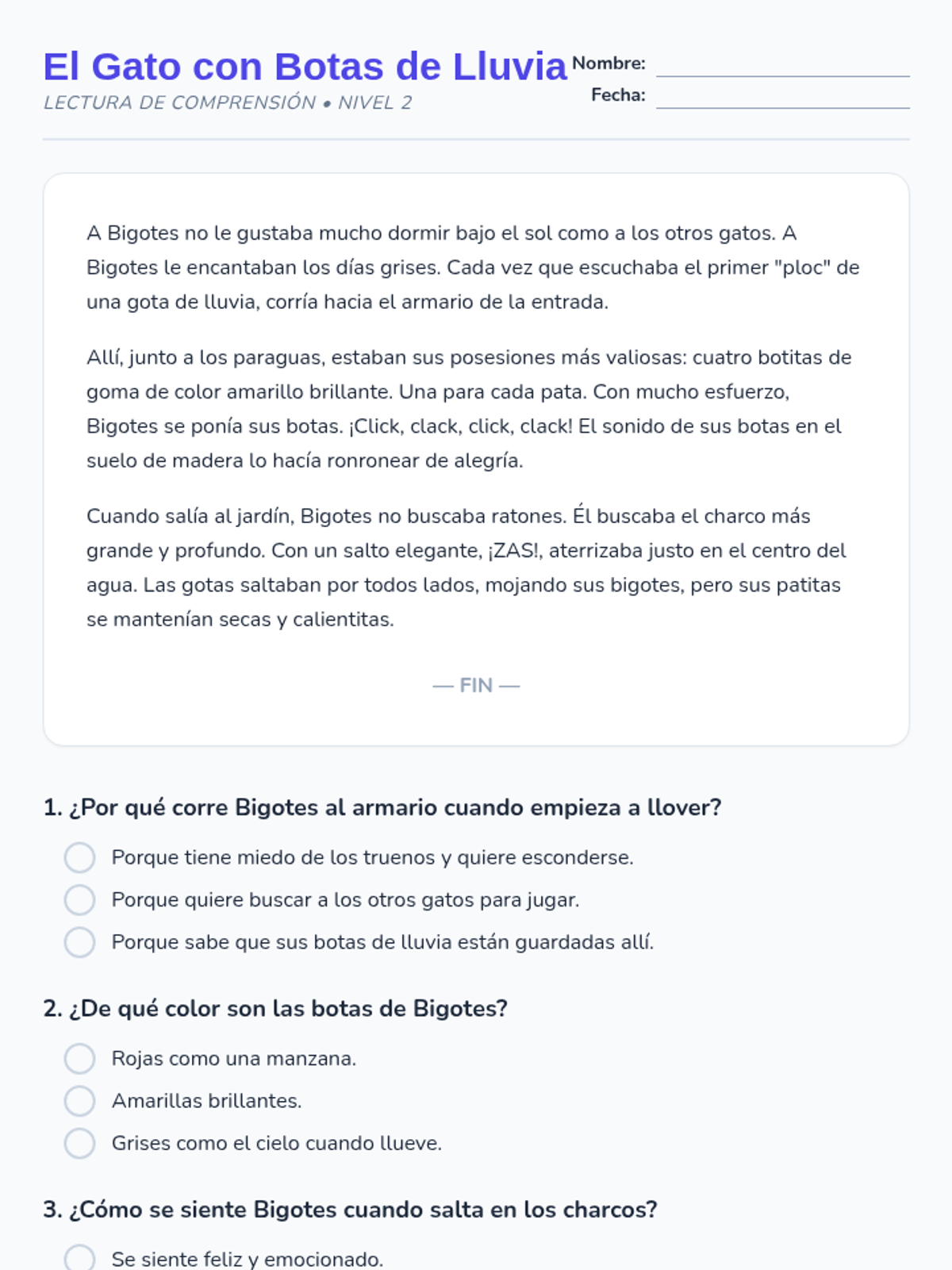
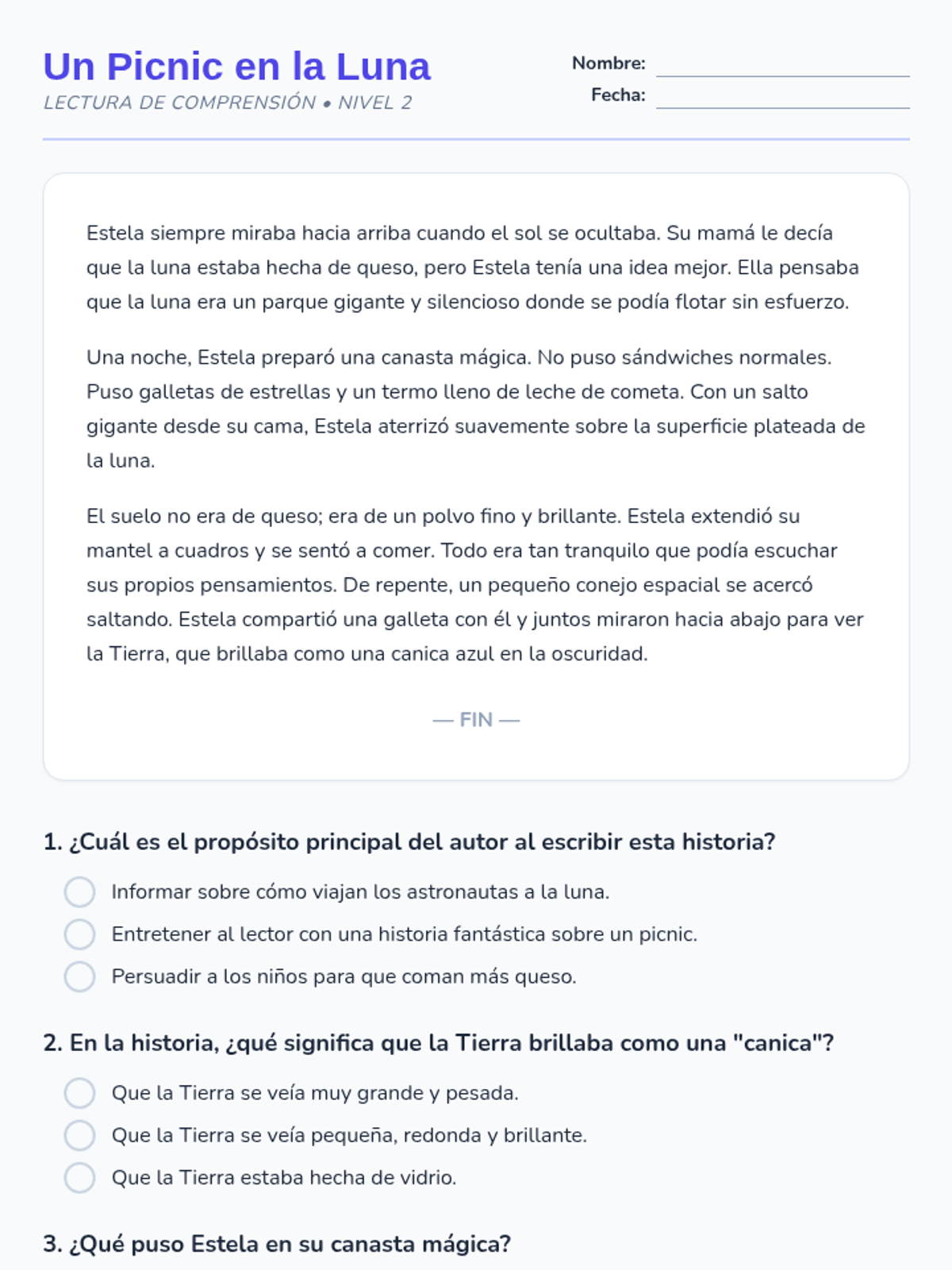
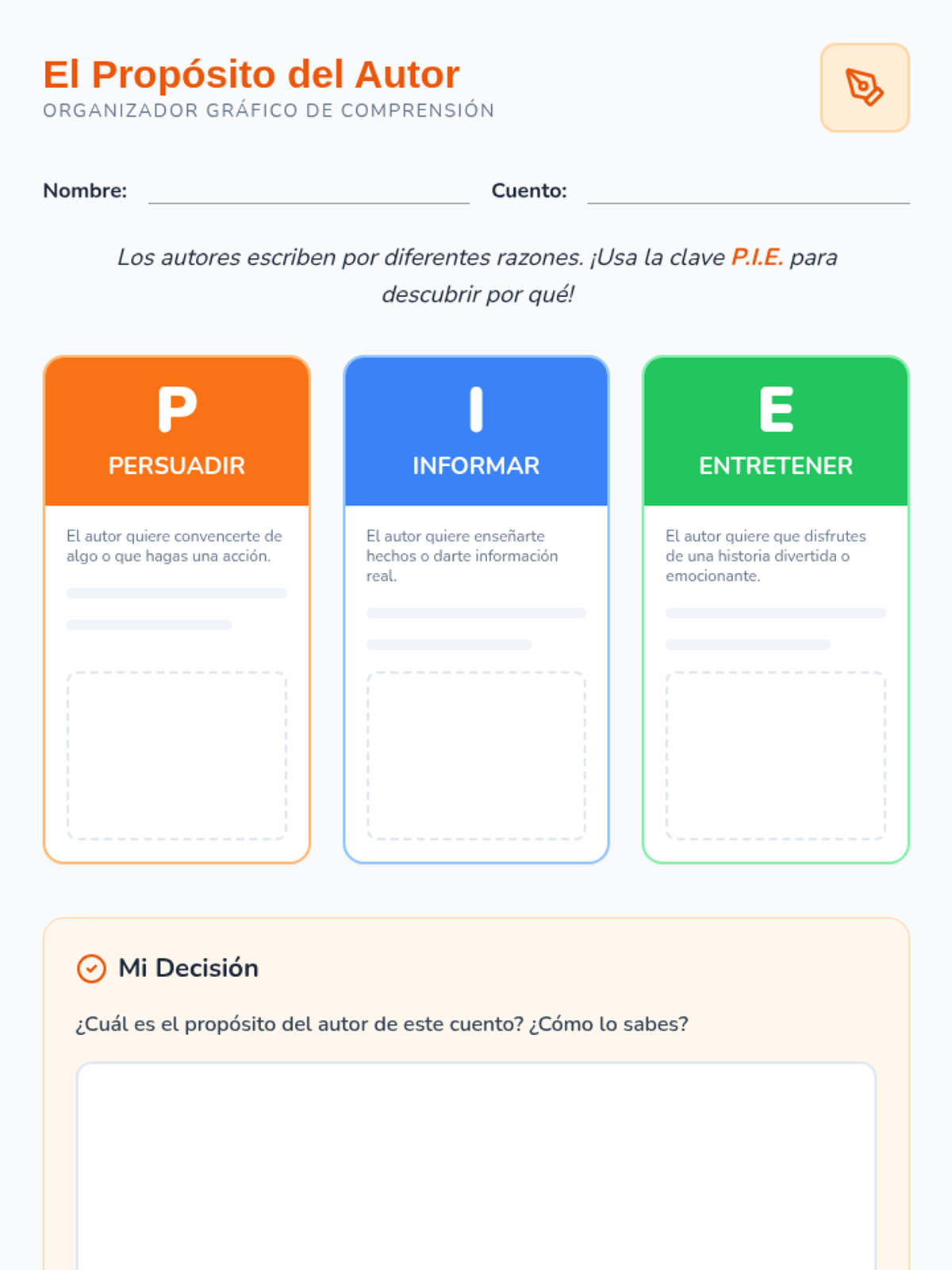
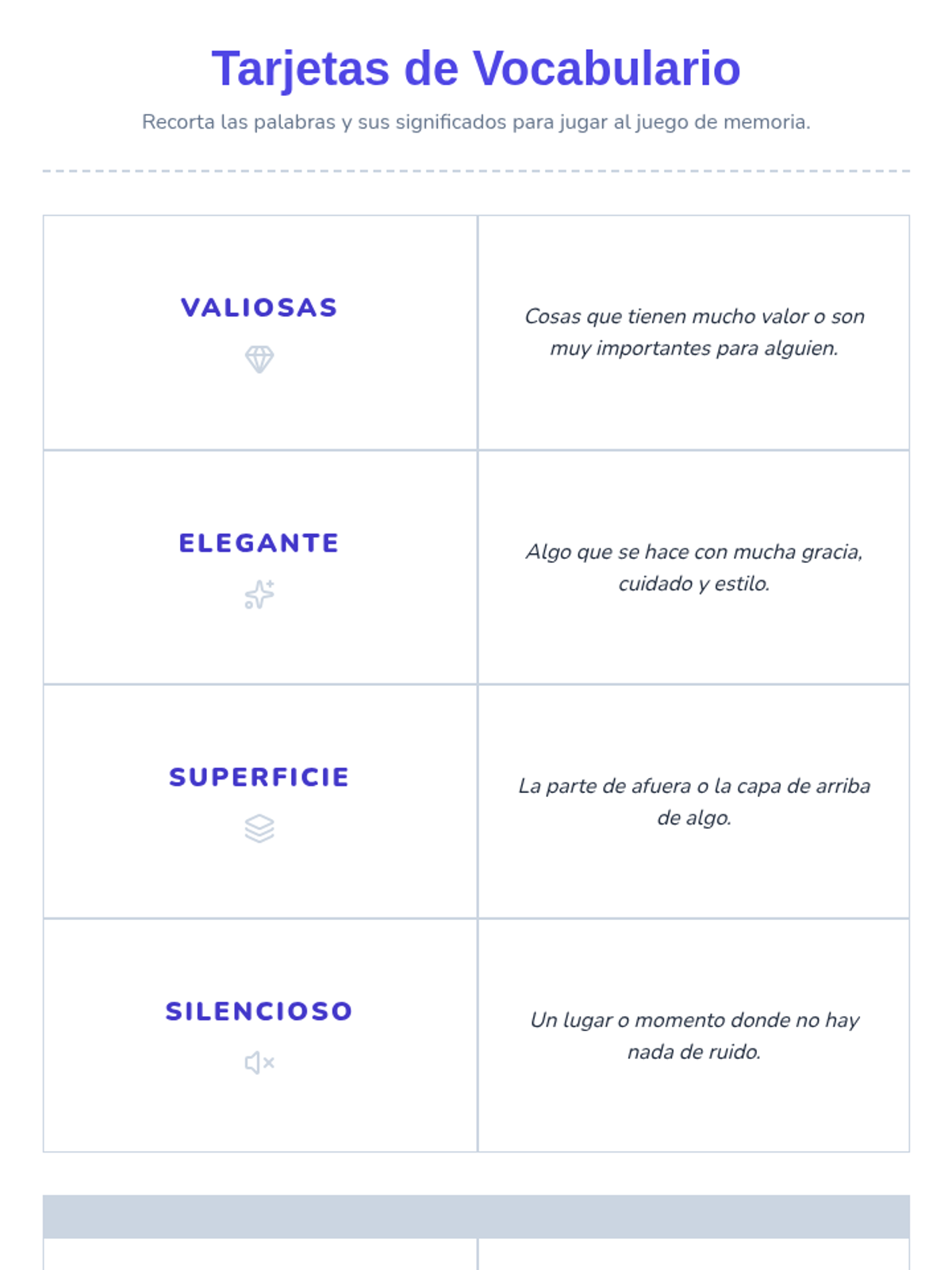
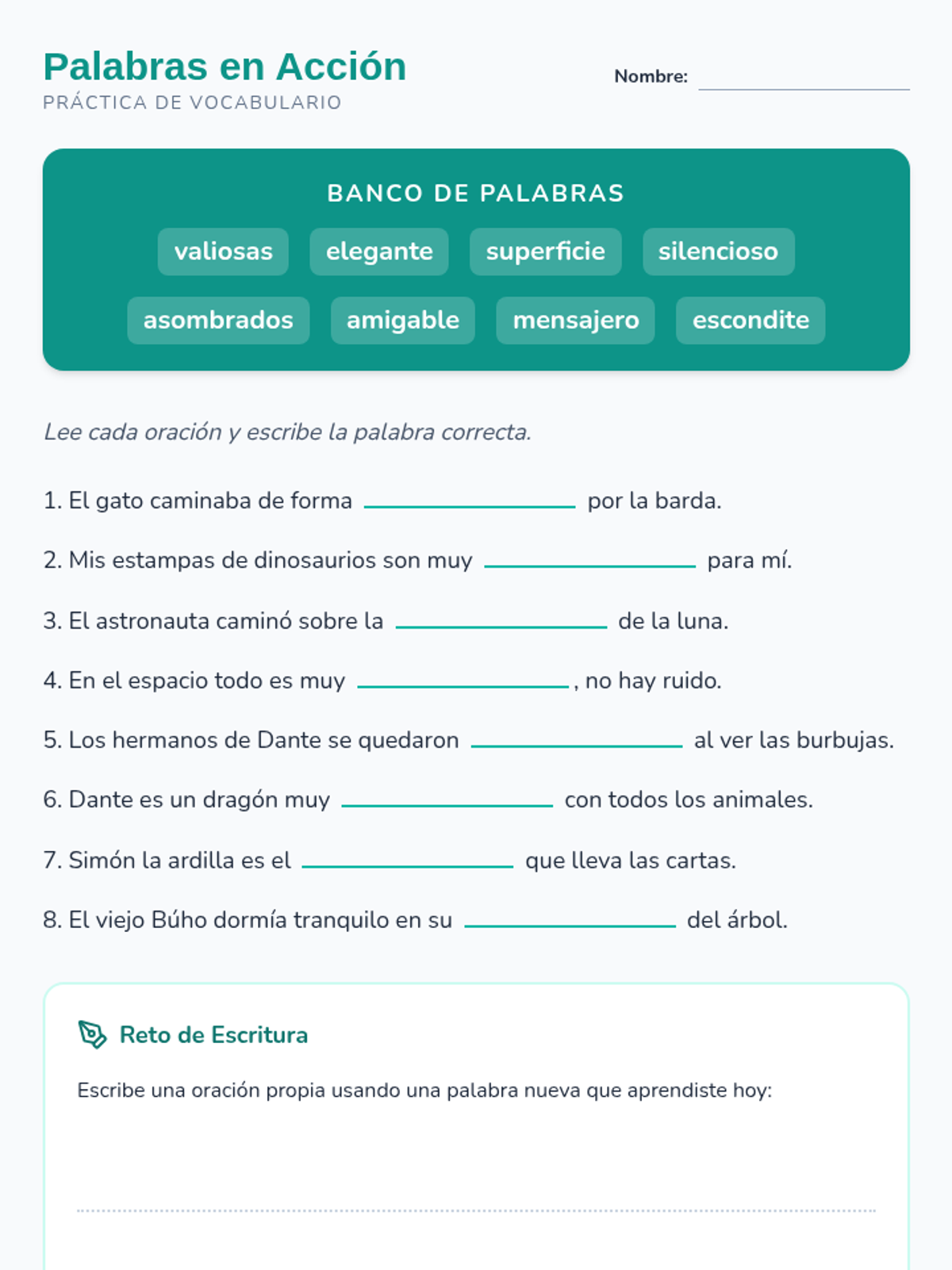
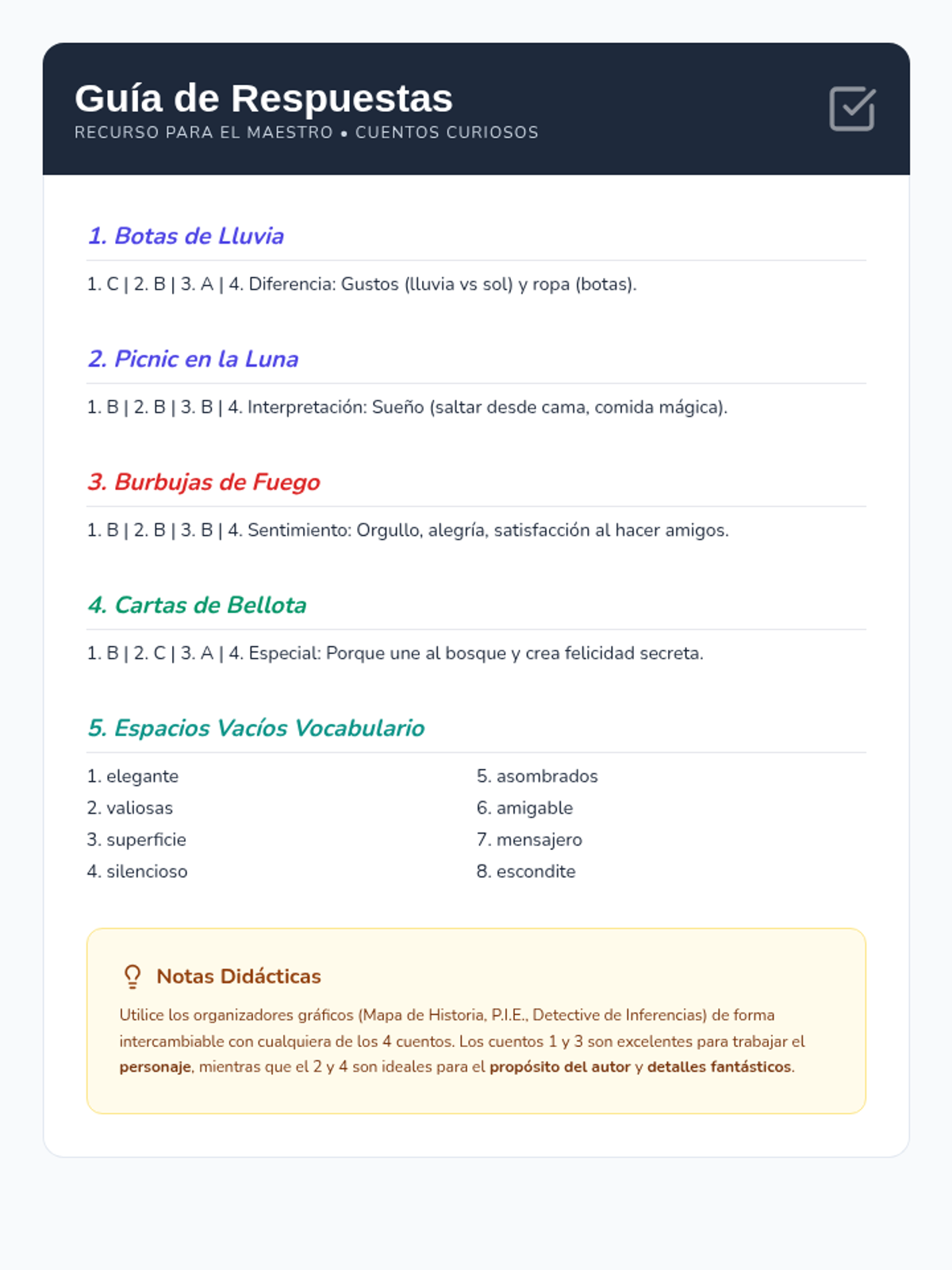
Una colección de cuentos adorables en español diseñados para estudiantes de segundo grado, enfocados en la comprensión lectora, inferencias y propósito del autor con un estilo de evaluación estandarizada.
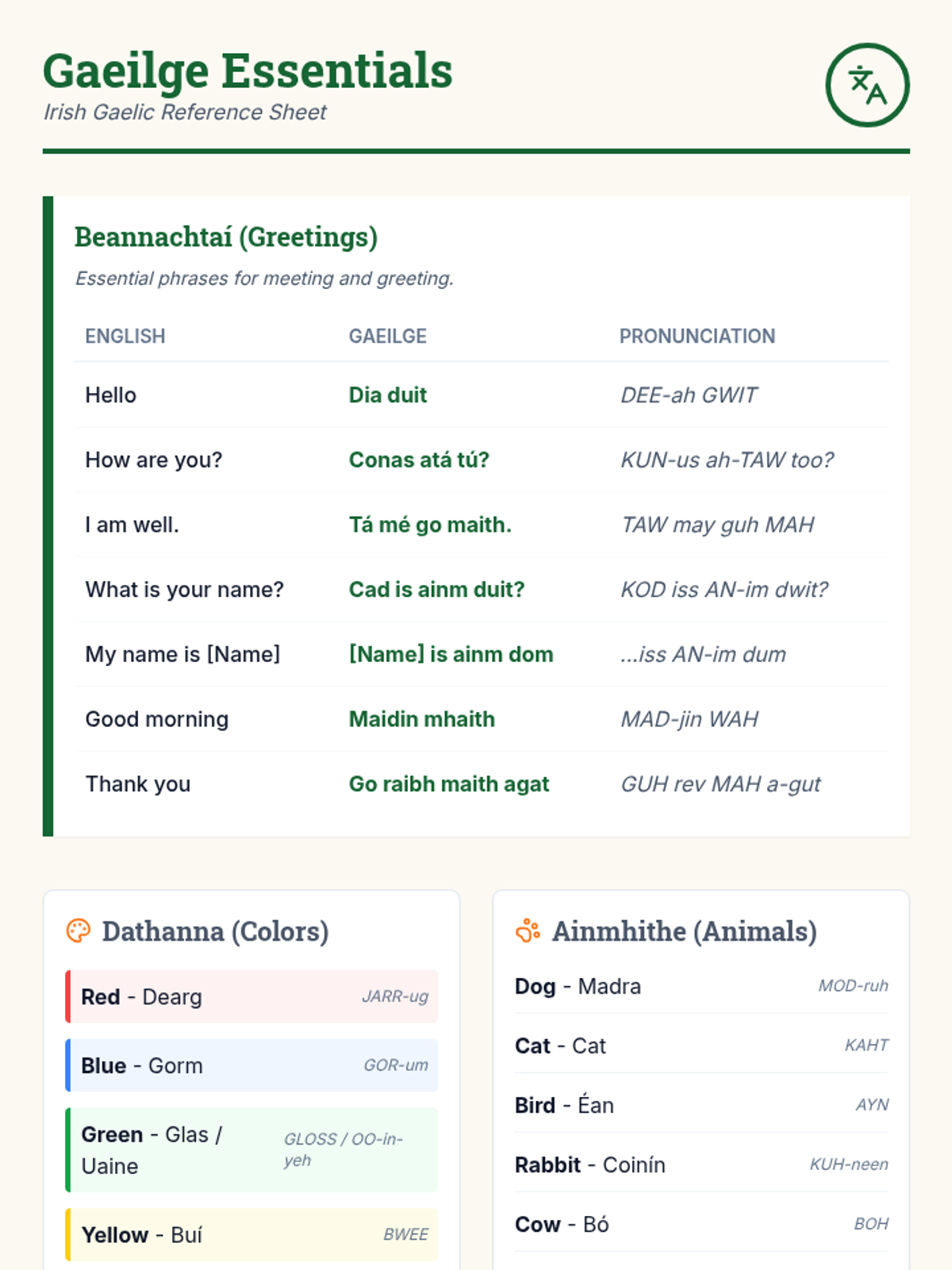
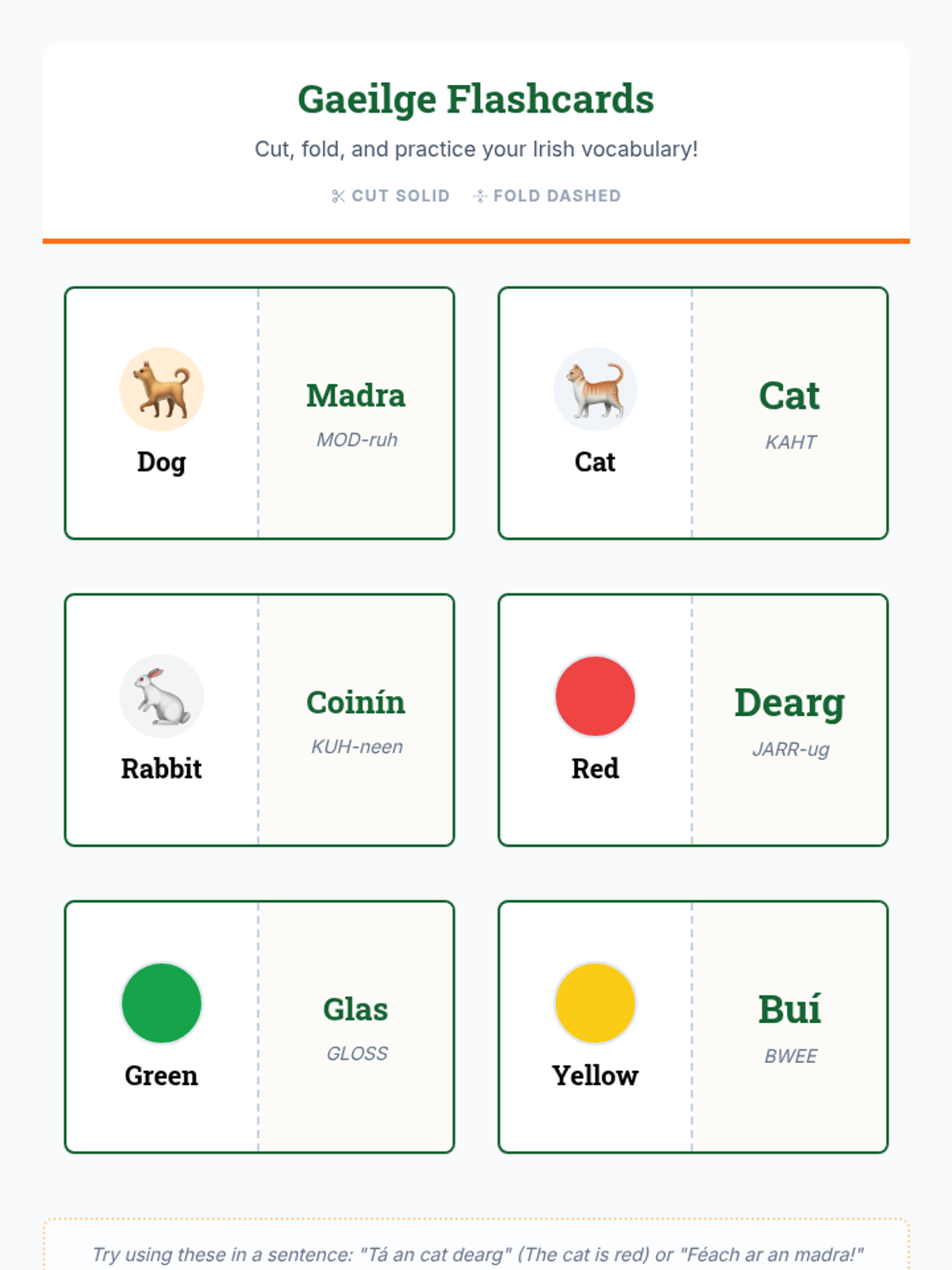
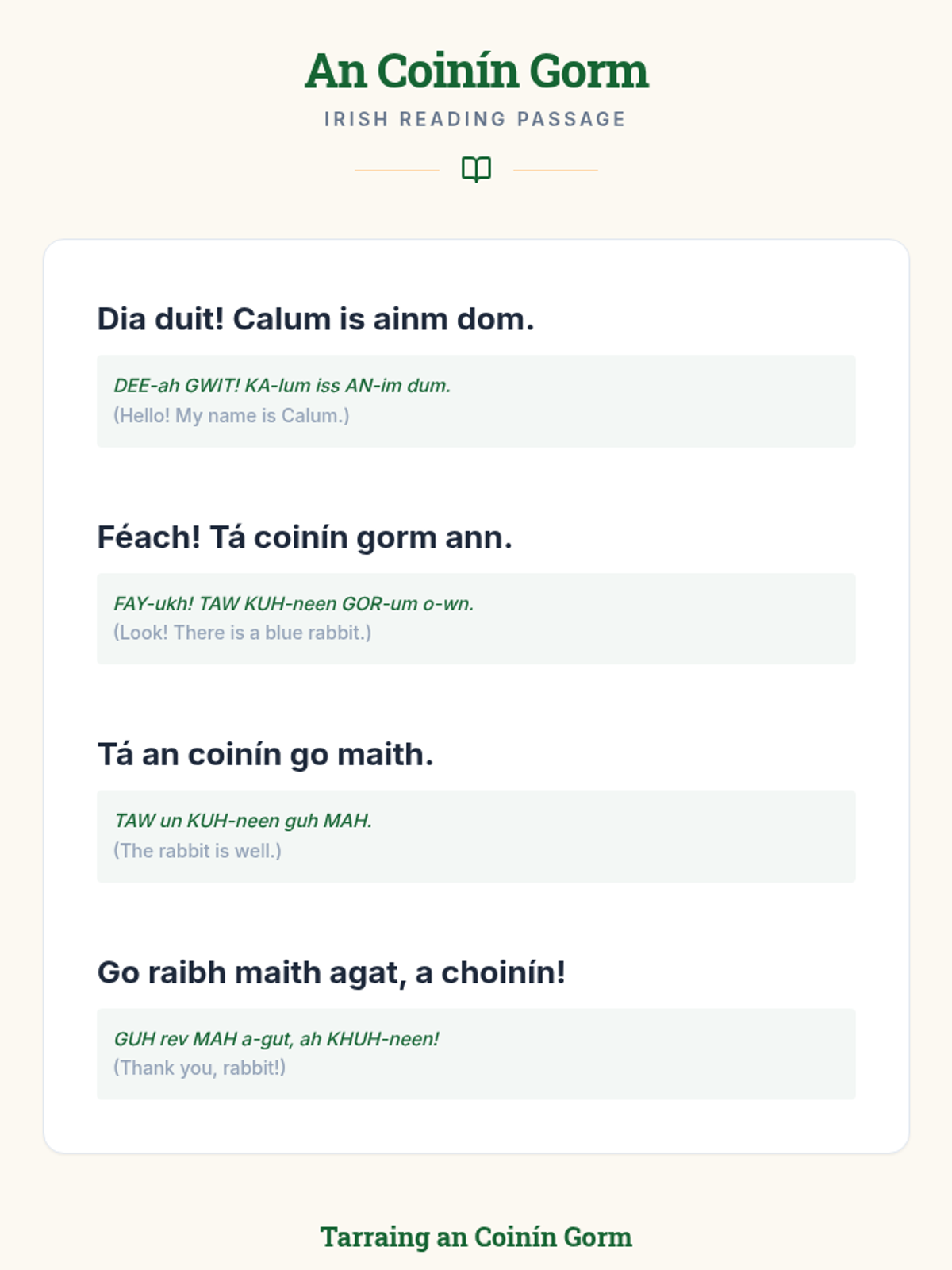
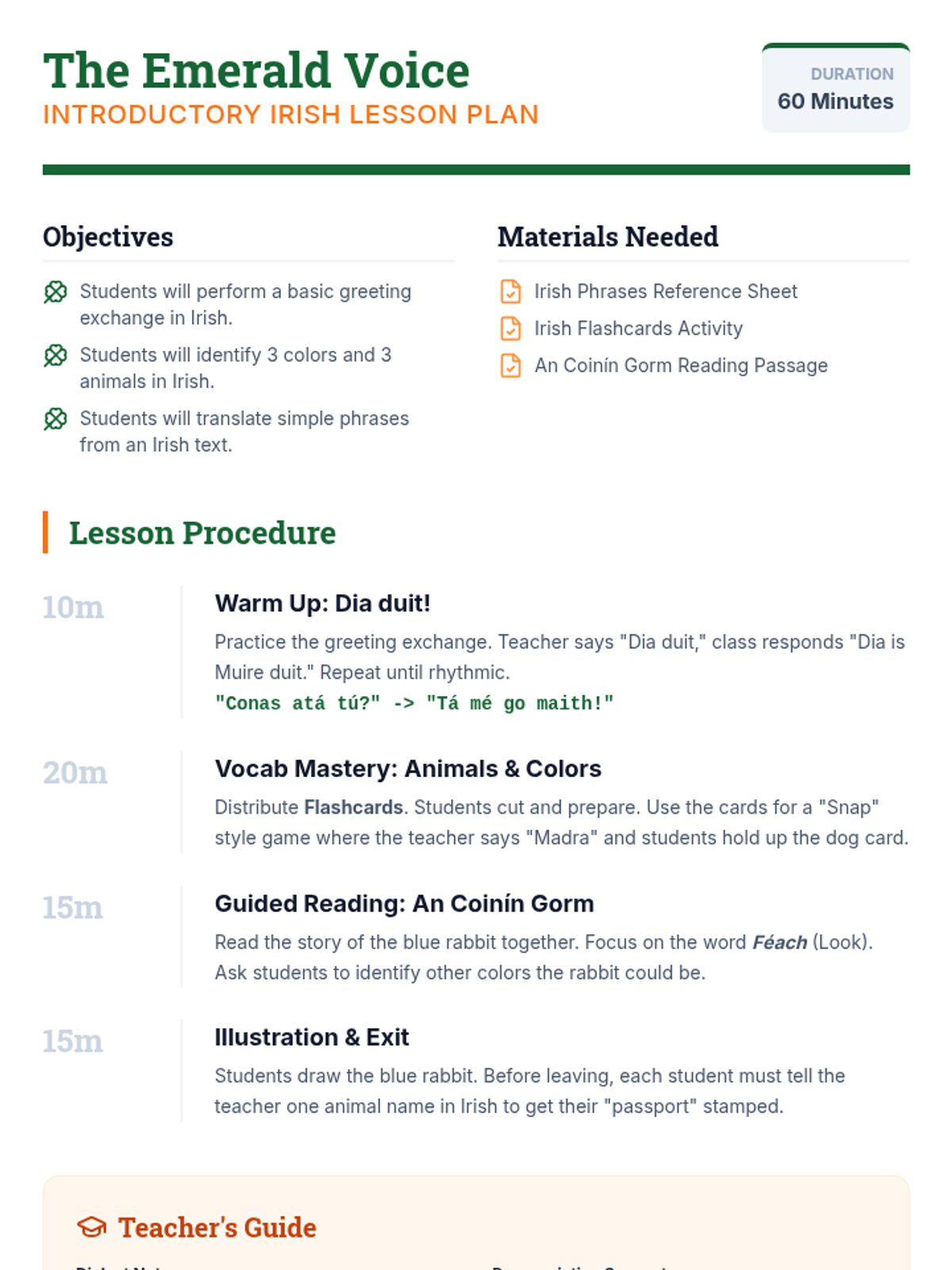
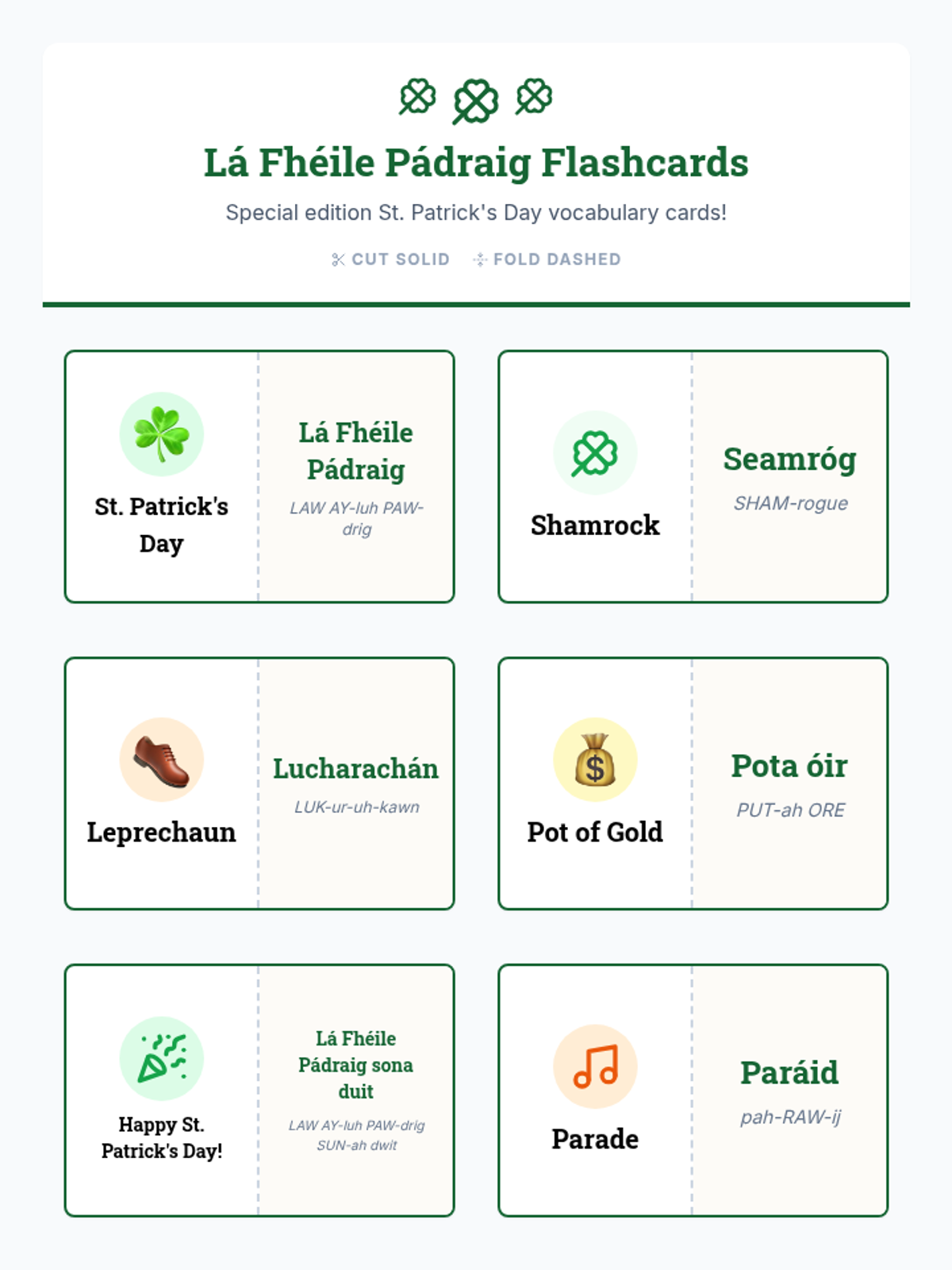
An introductory Irish Gaelic (Gaeilge) lesson covering greetings, animals, colors, and basic conversational questions with a focus on pronunciation.
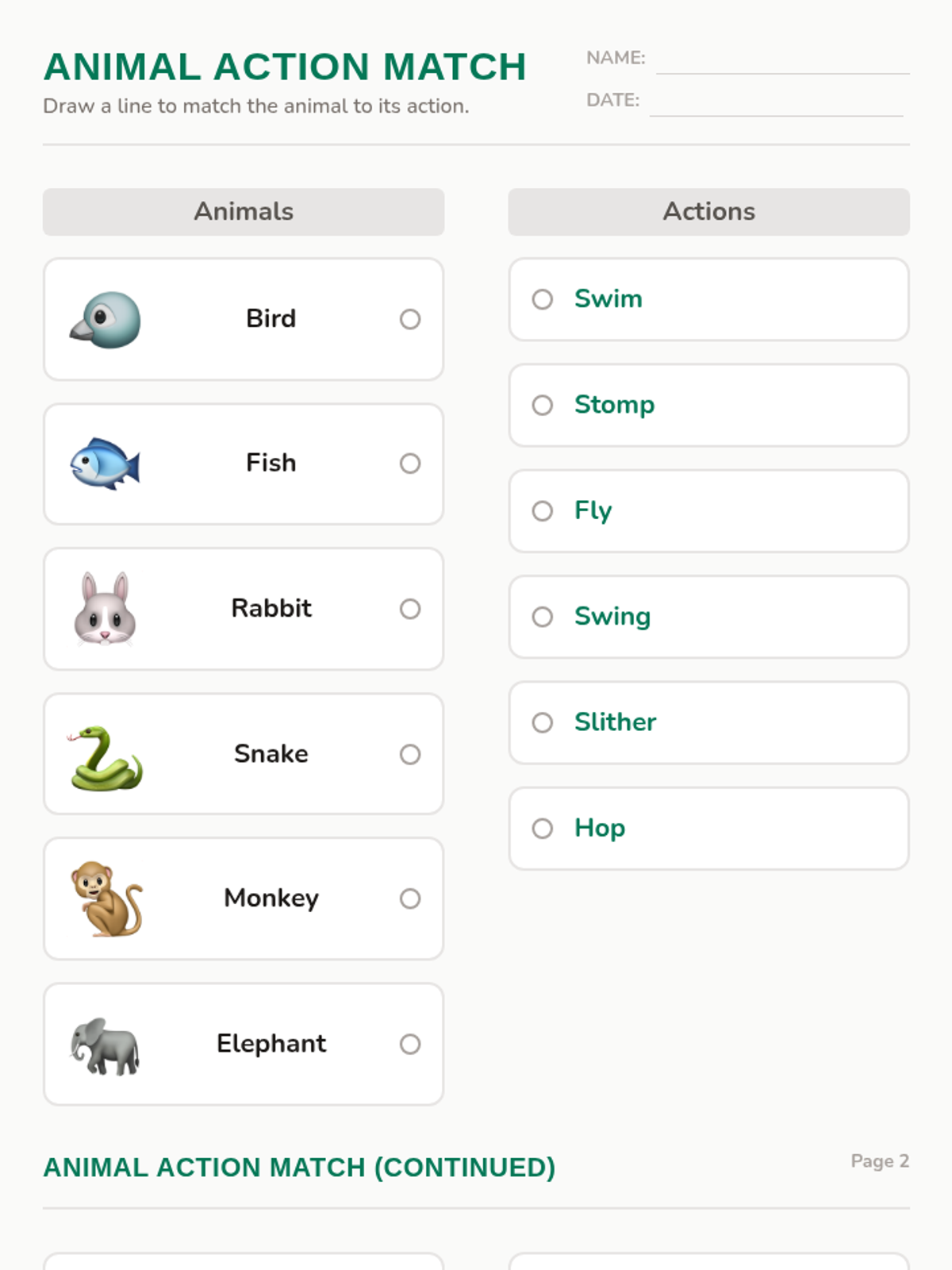
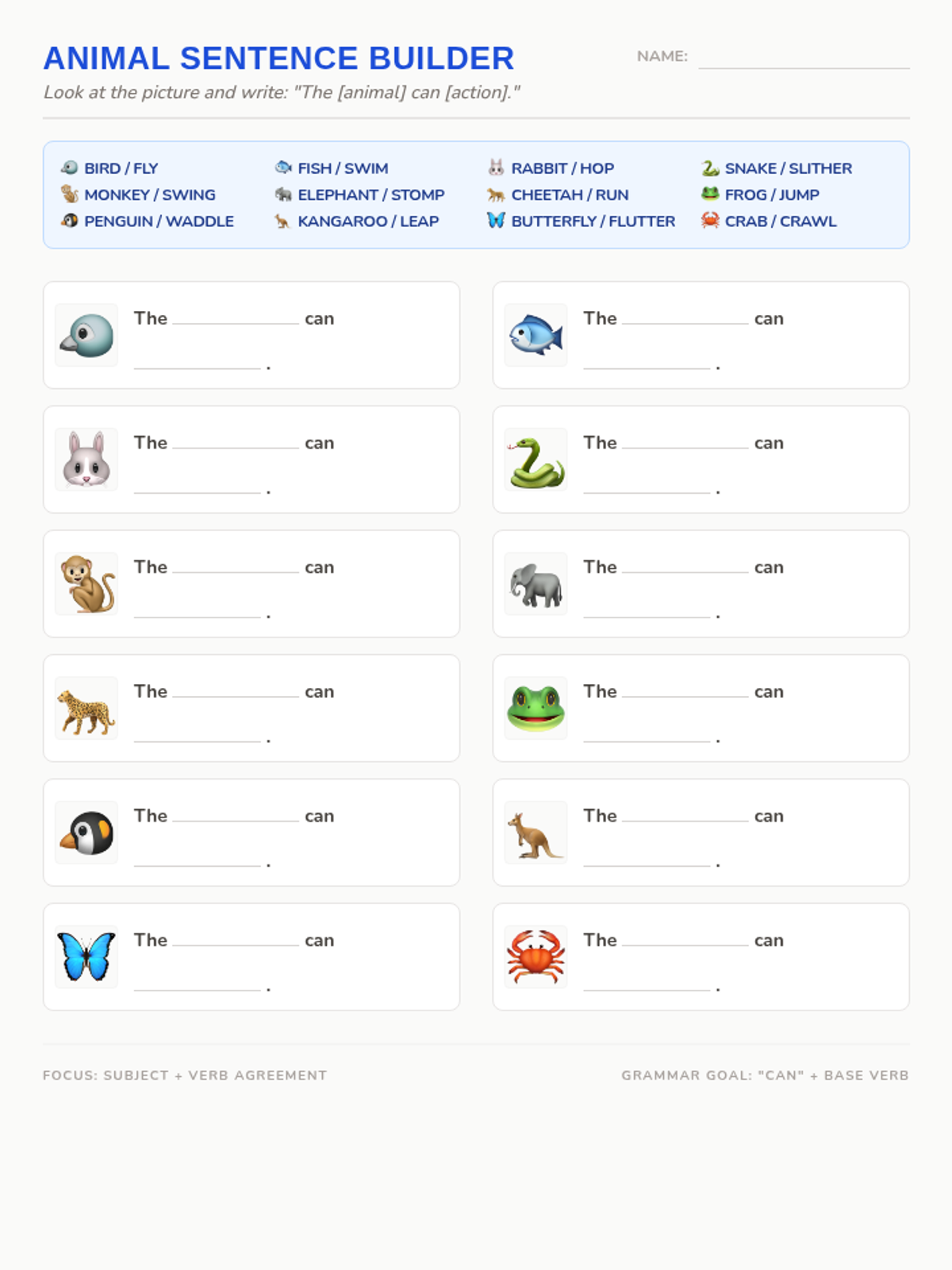
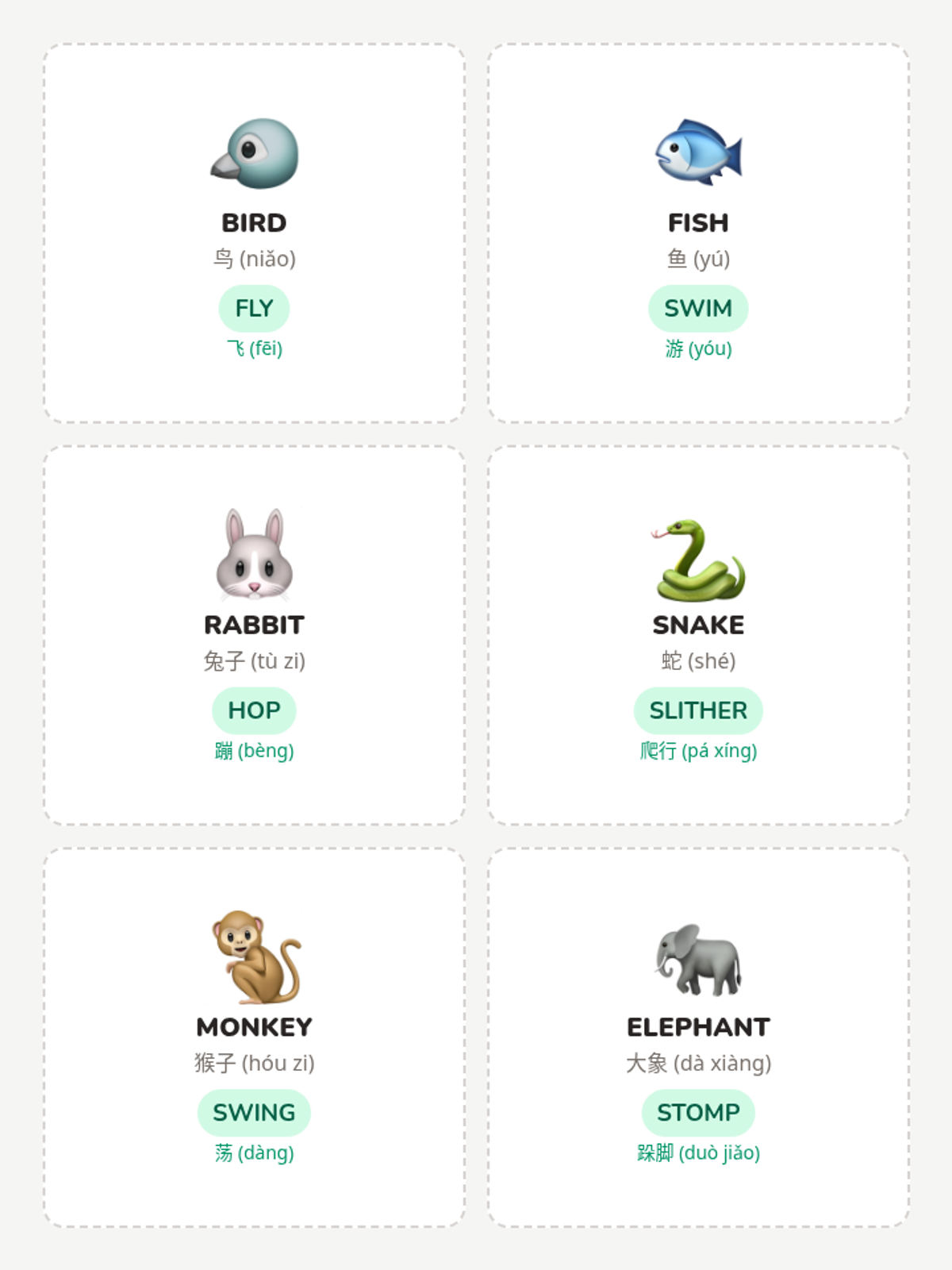
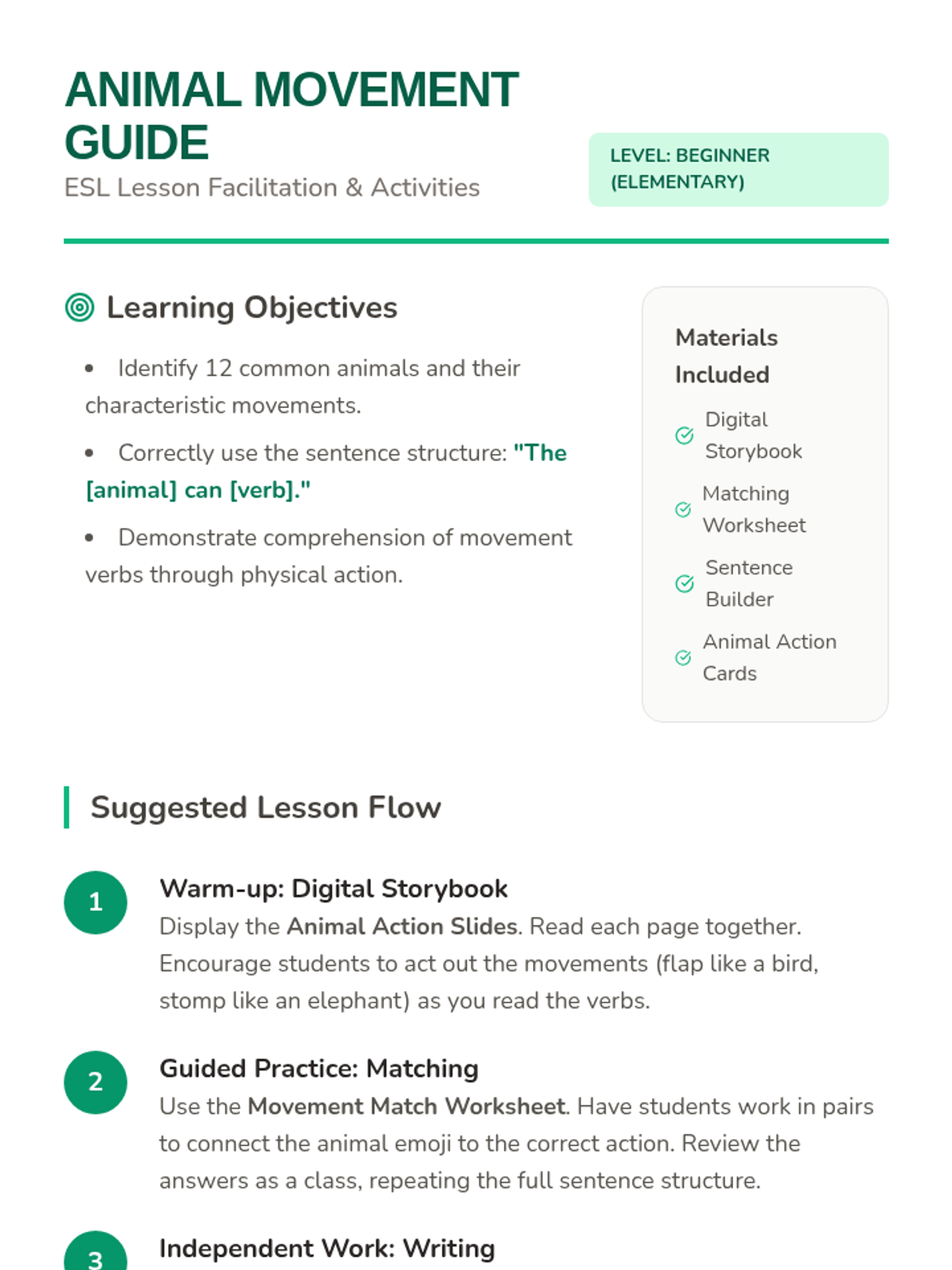
A beginner-level ESL lesson introducing 12 common animals and their characteristic movements through reading, writing, and movement-based games.
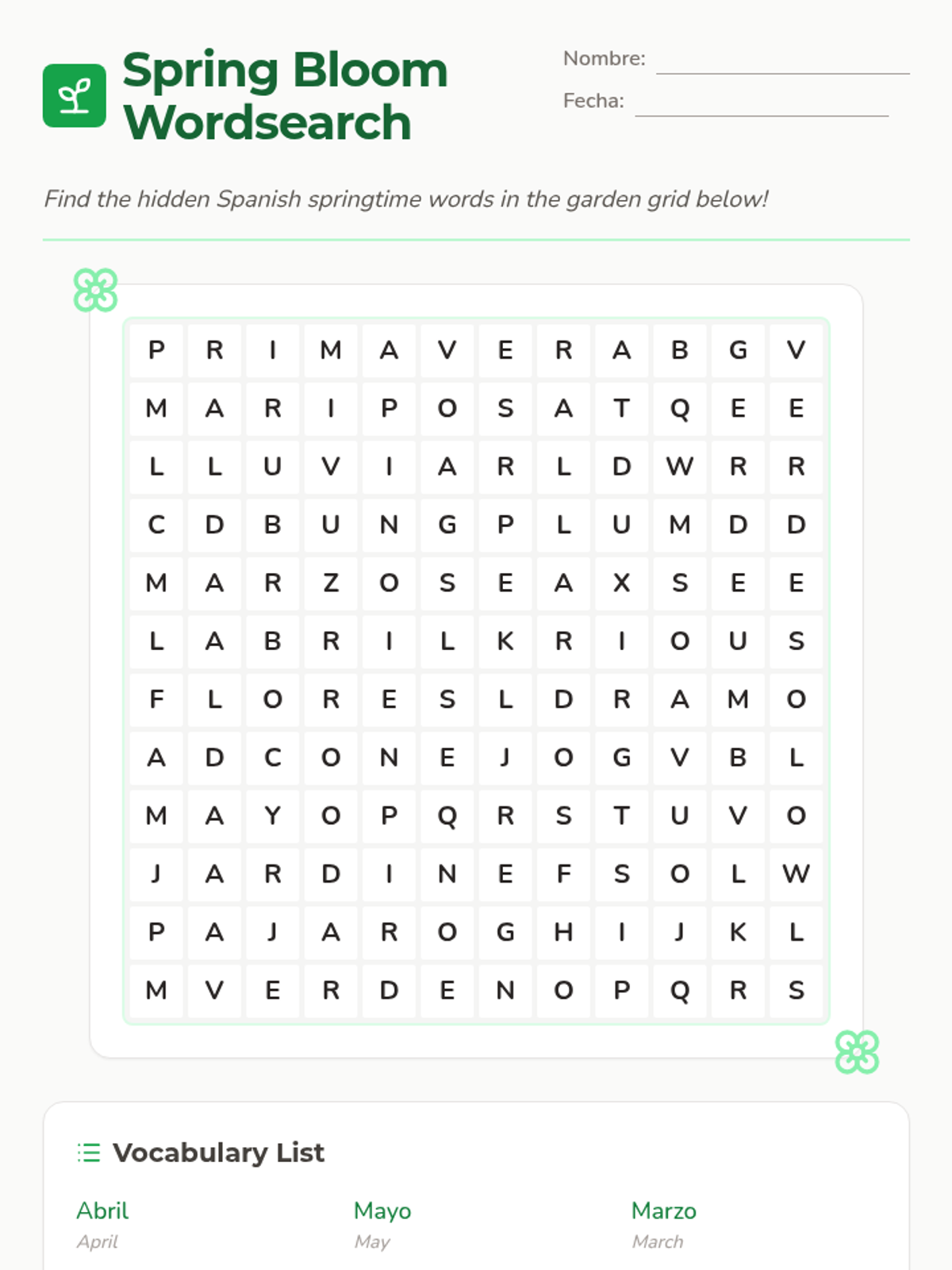
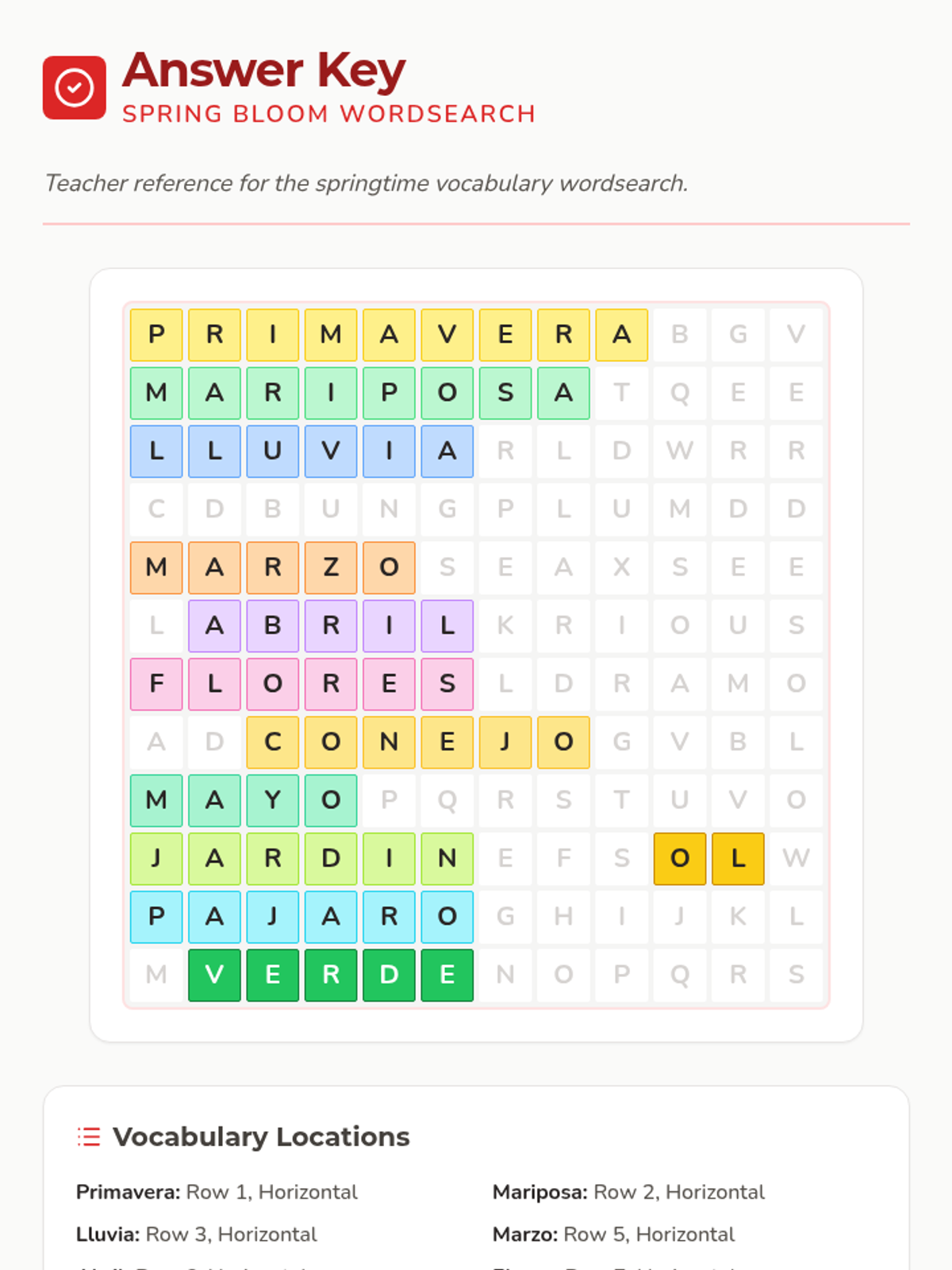
A vibrant introductory lesson to Spanish vocabulary related to springtime and the months of March, April, and May. Students will learn key seasonal terms through visual aids and interactive activities.
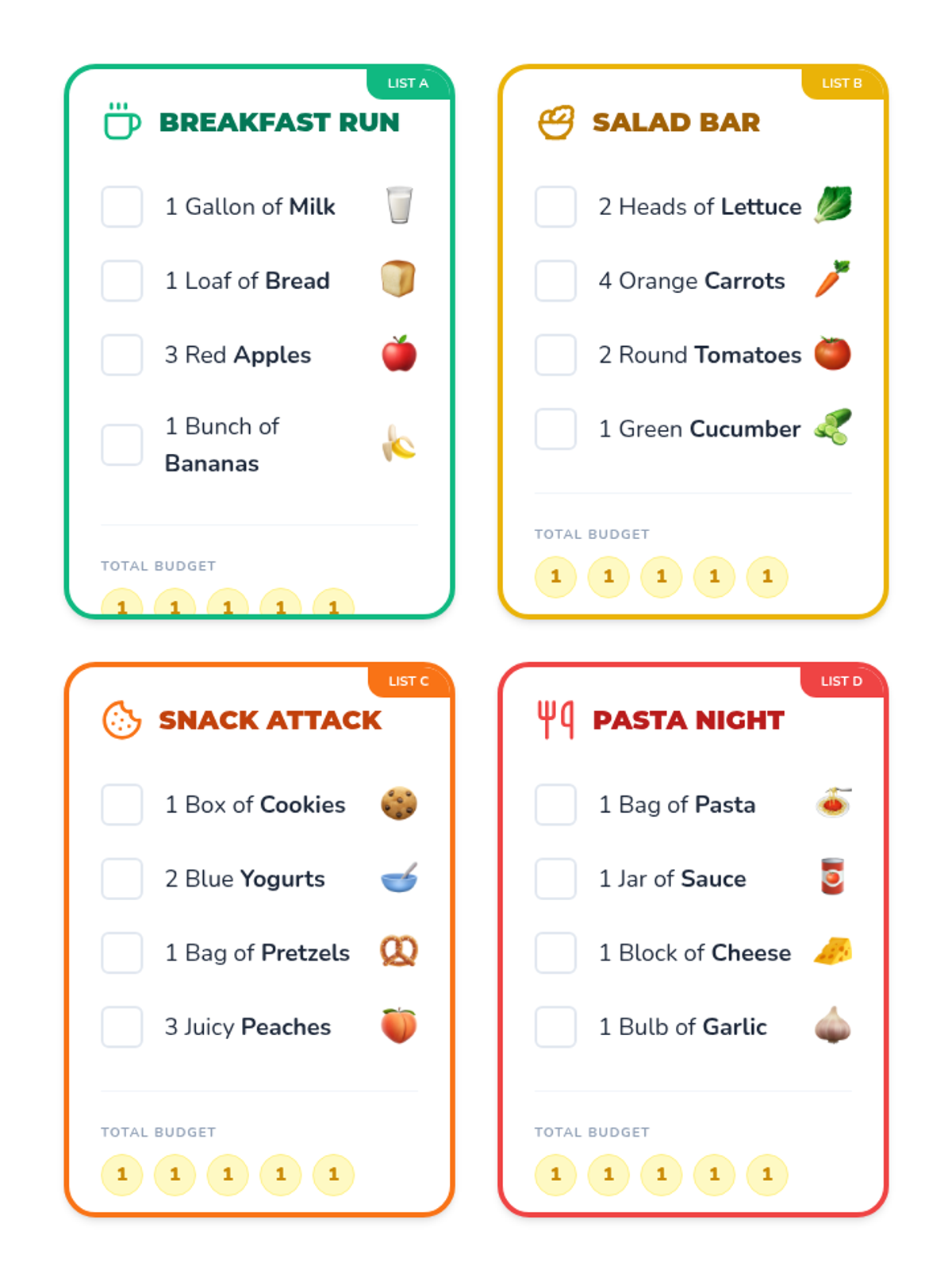
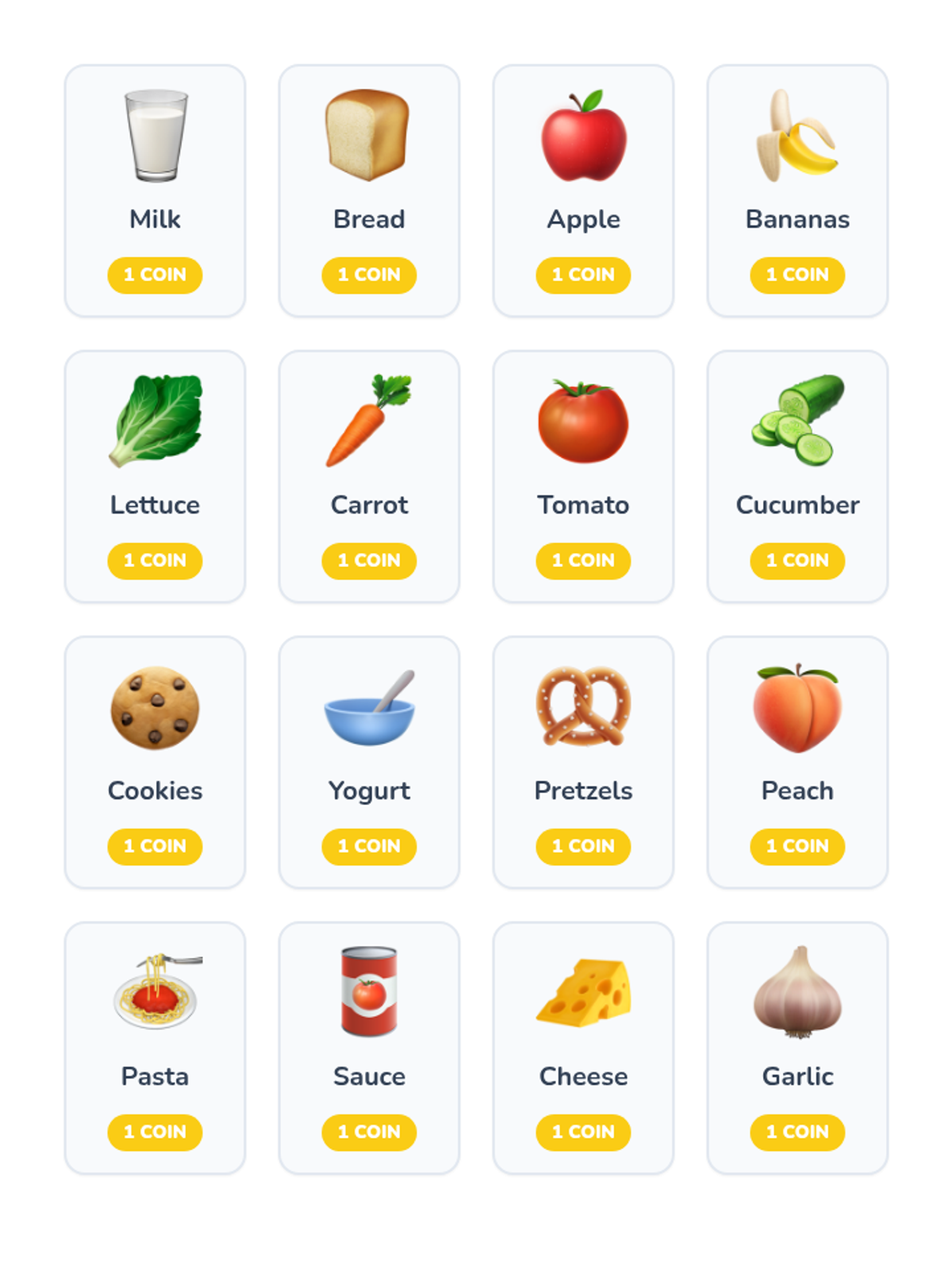
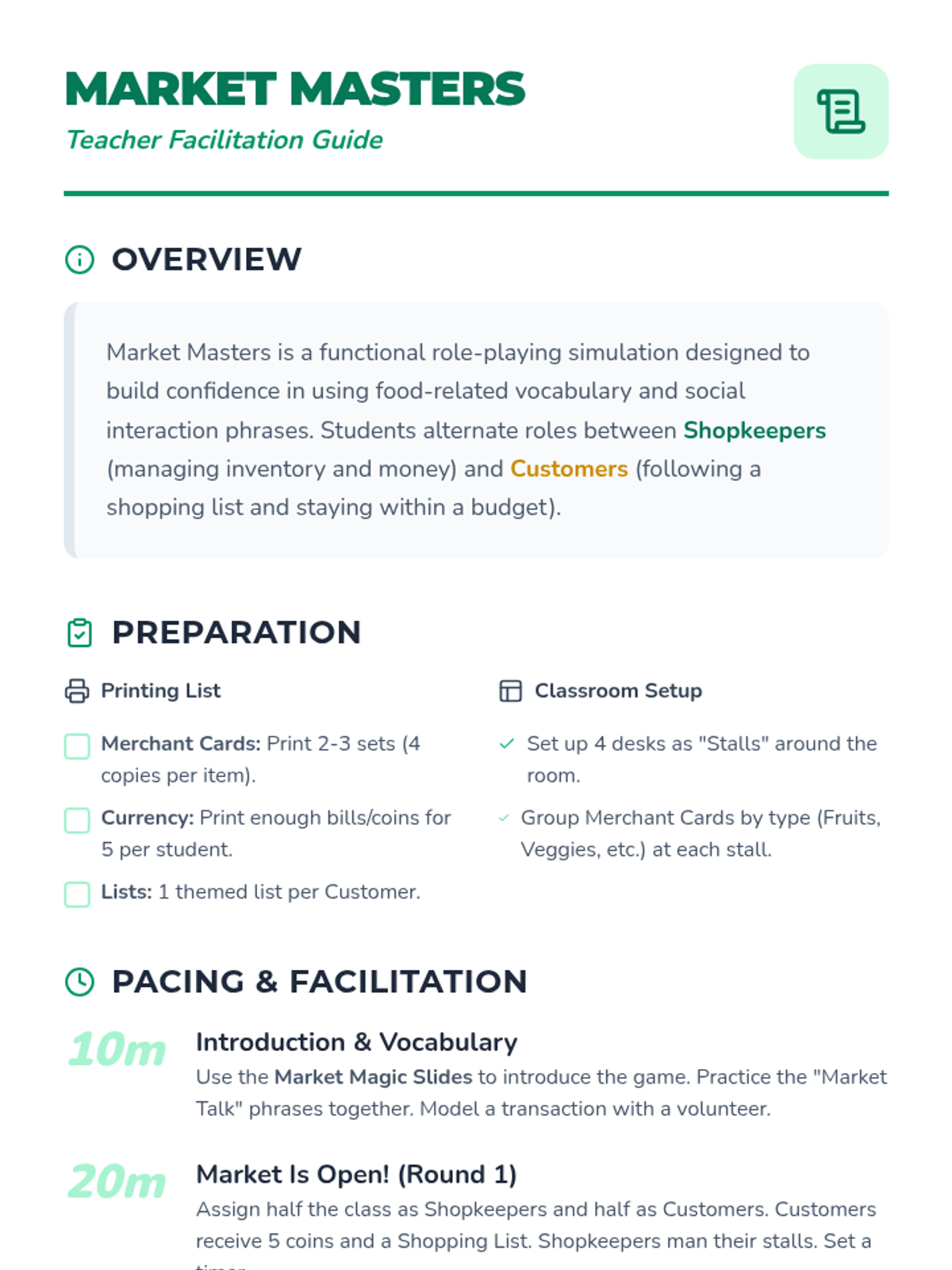
An interactive role-playing lesson where students practice food vocabulary and social skills by simulating a grocery shopping experience. Students take on roles as shopkeepers and customers to use target language in a functional context.