A 45-minute ESL lesson for 5th graders focusing on the difference between Simple Present for permanent states and Present Progressive for temporary weather conditions.
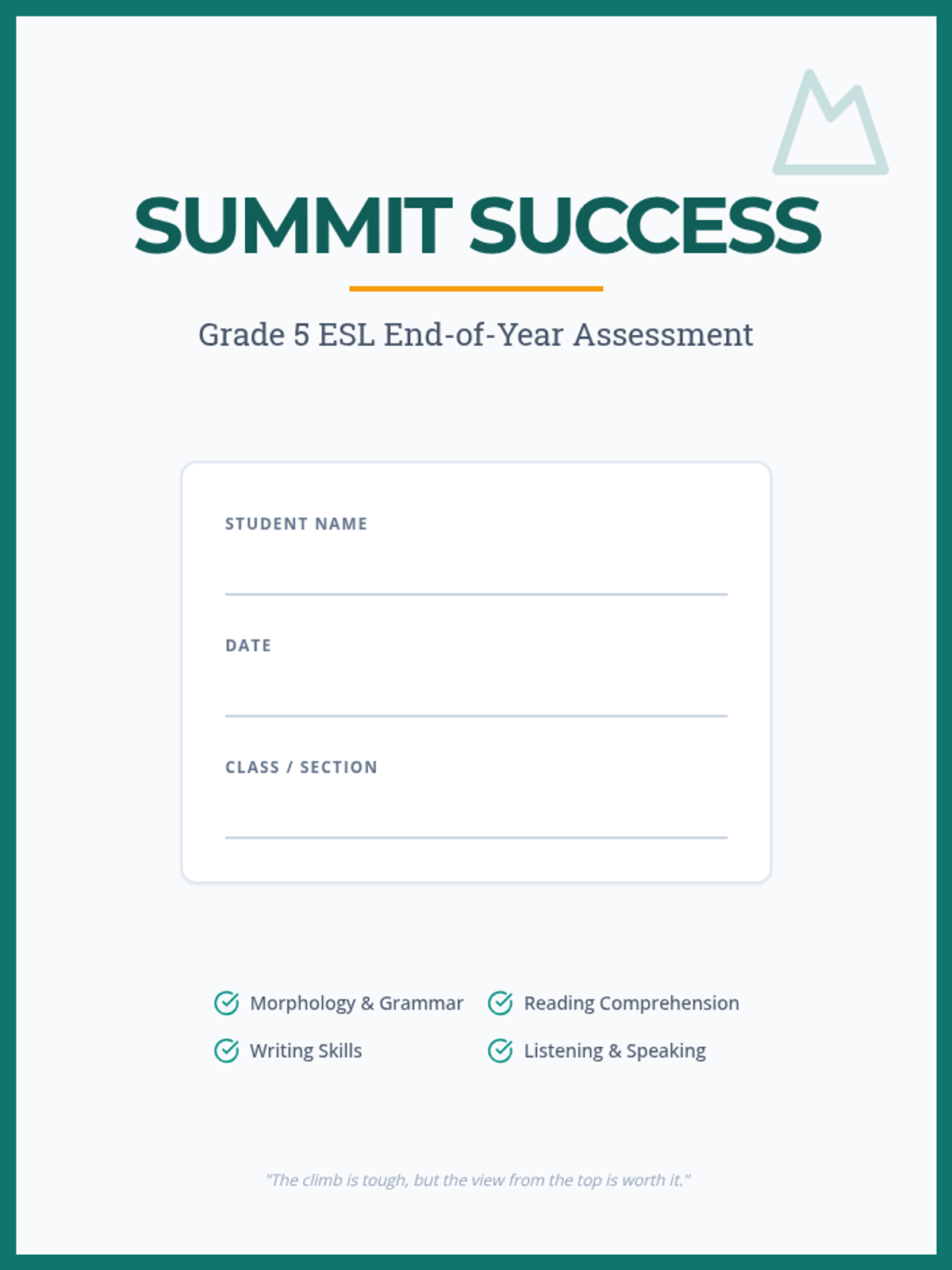
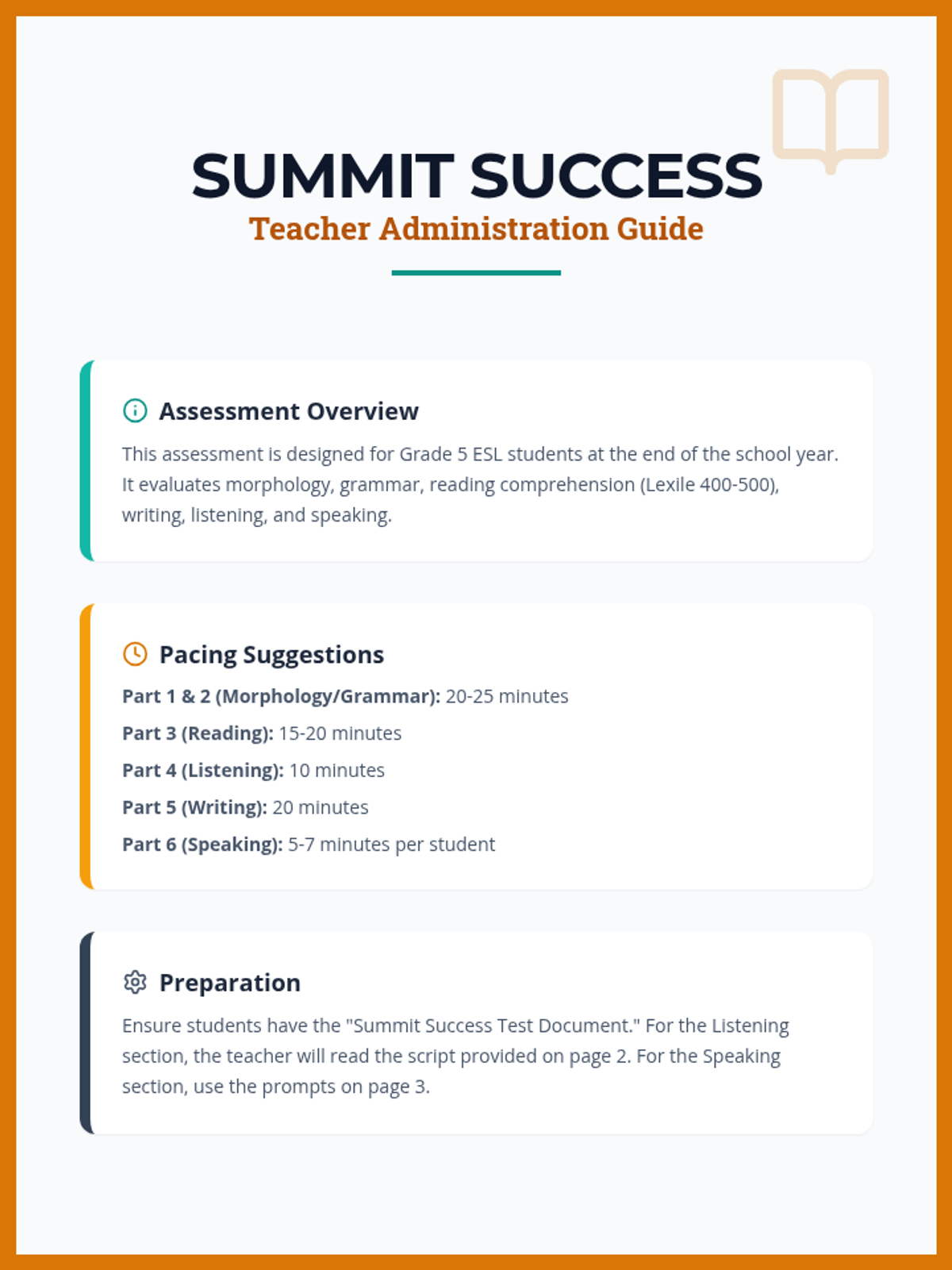
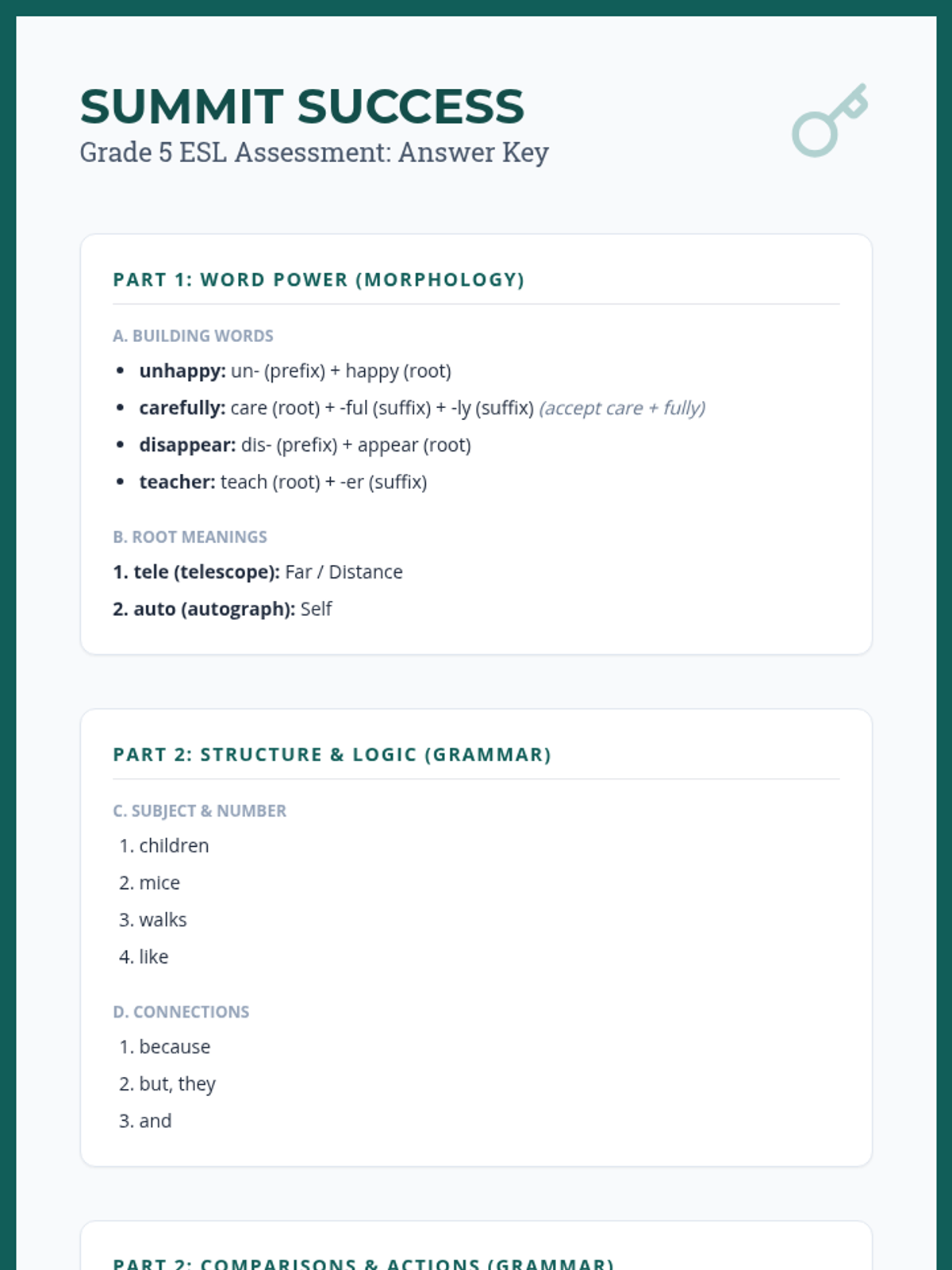
A comprehensive end-of-year assessment for Grade 5 ESL students covering morphology, grammar, reading, writing, listening, and speaking with a Lexile 400-500 nonfiction focus.
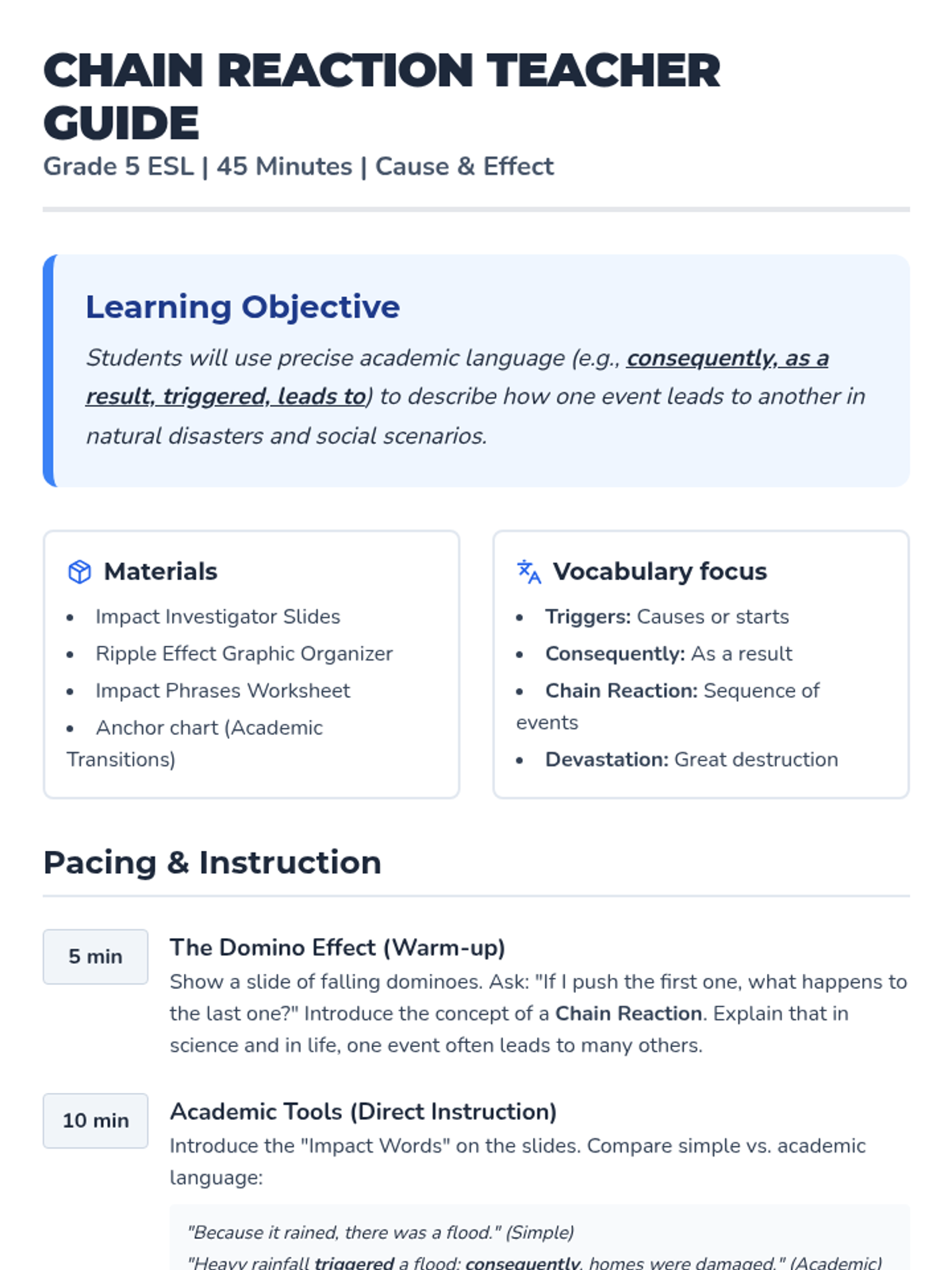
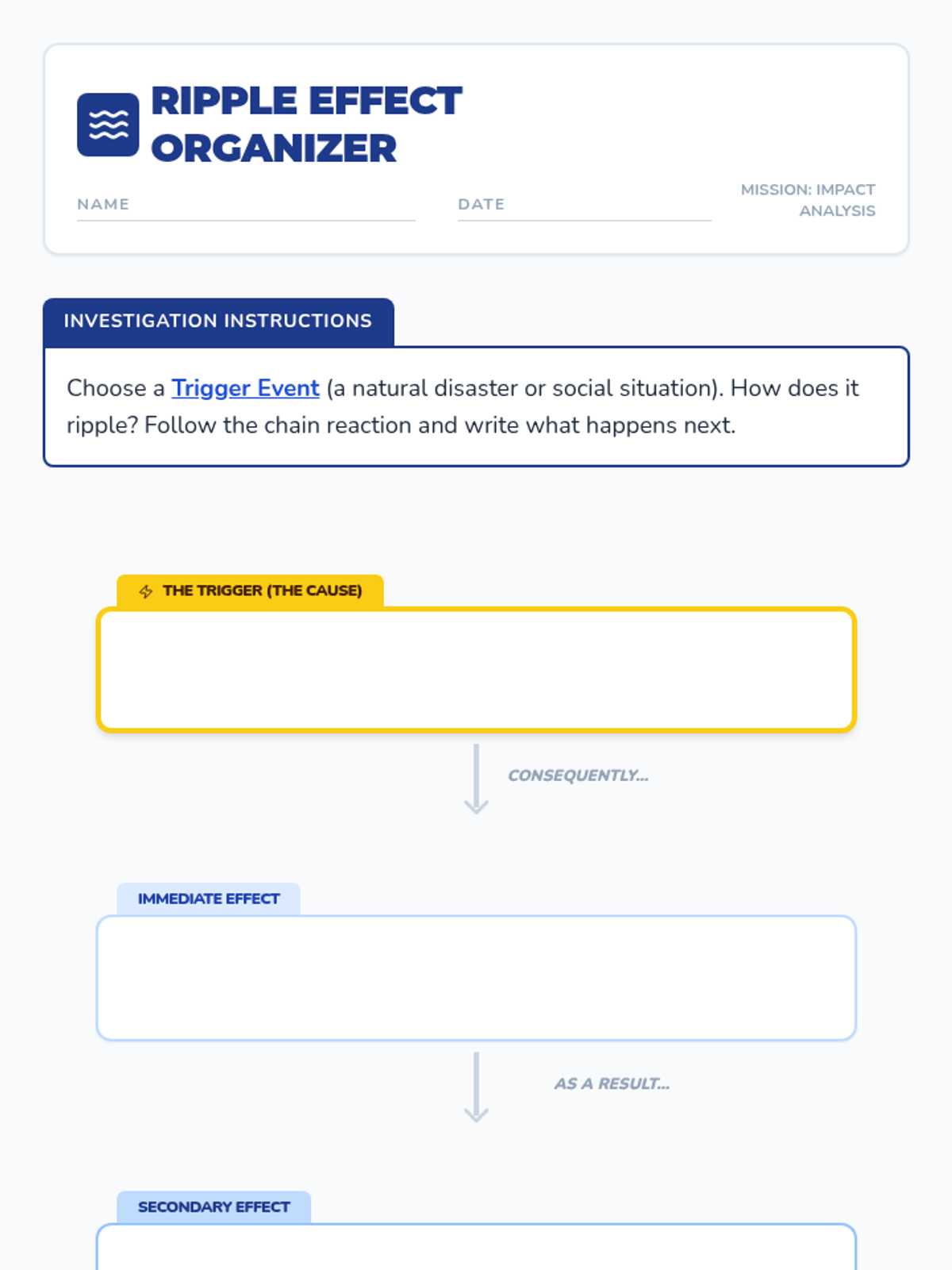
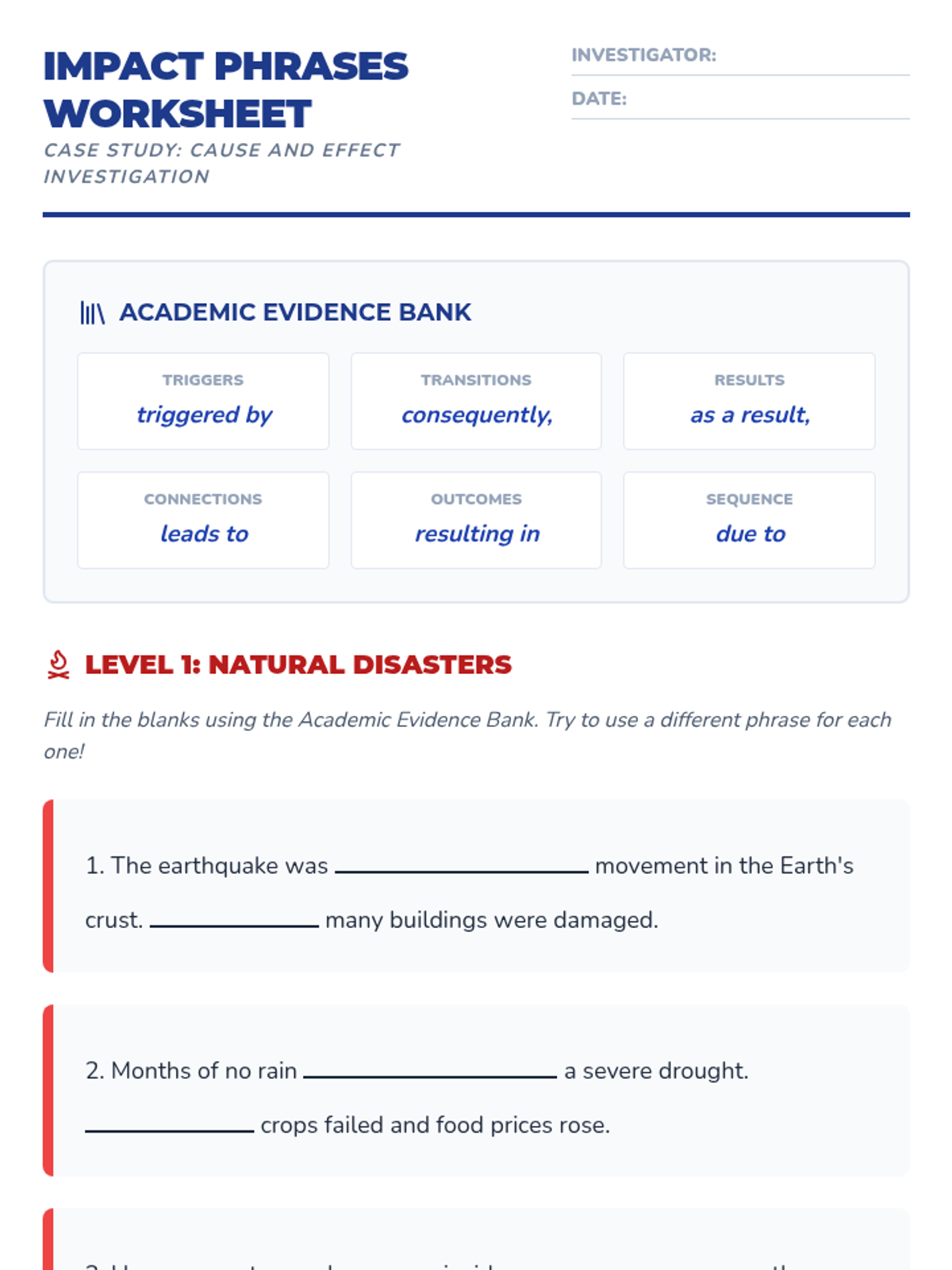
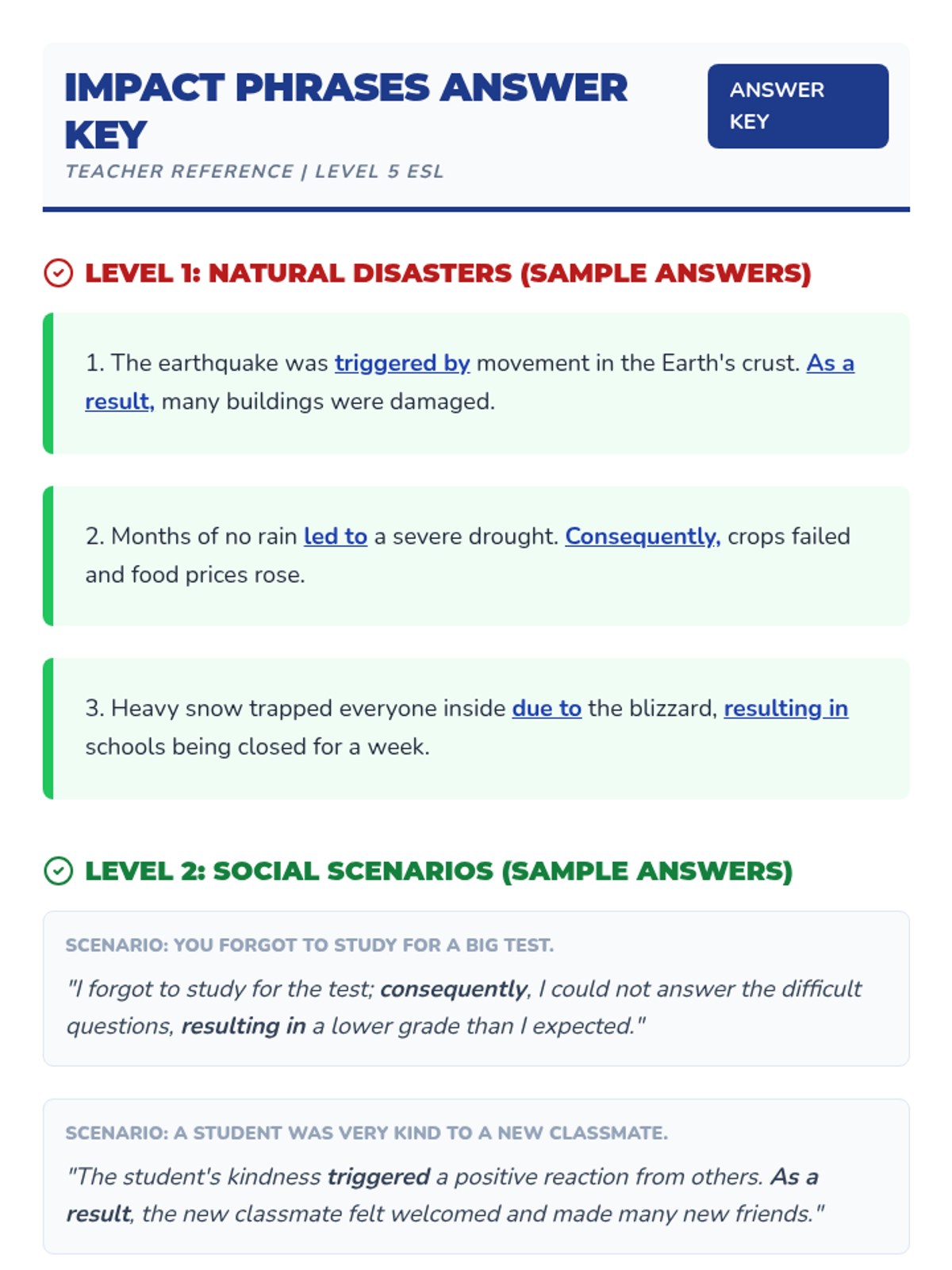
In this 45-minute Grade 5 ESL lesson, students will master precise academic language to describe cause-and-effect relationships. They will explore how natural disasters and social scenarios create chain reactions, using transitional phrases like 'consequently', 'as a result', and 'triggered by'.
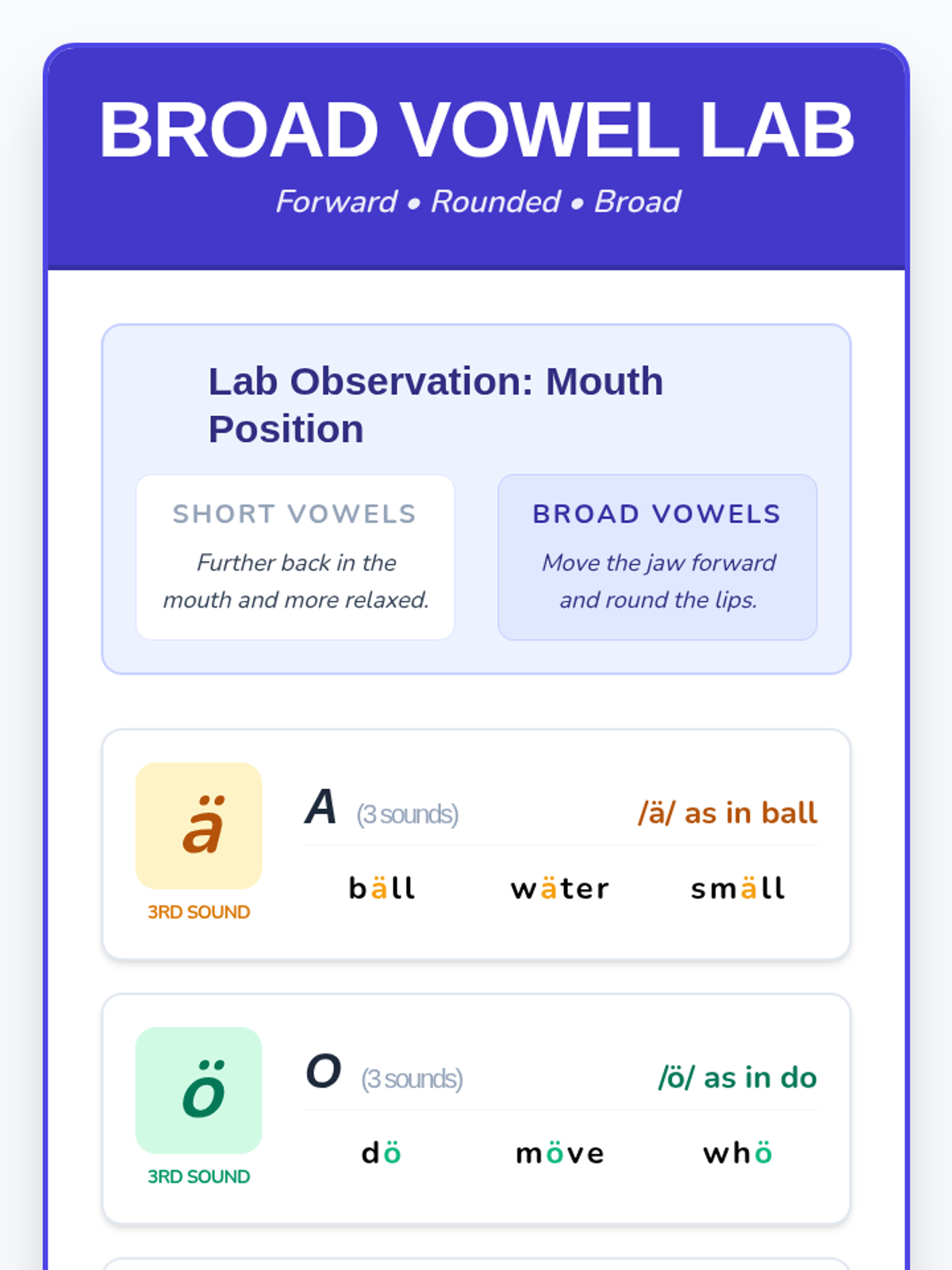
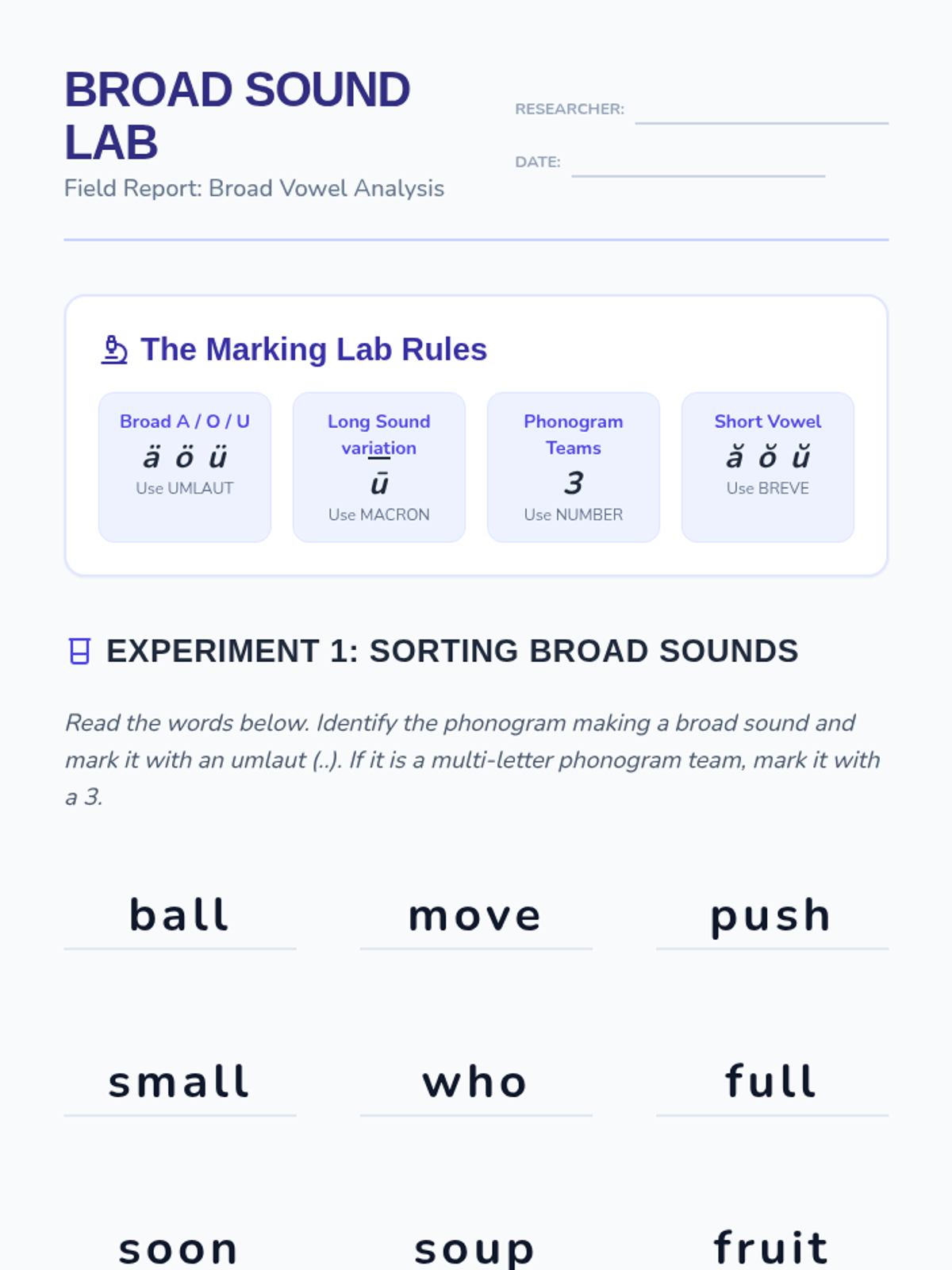
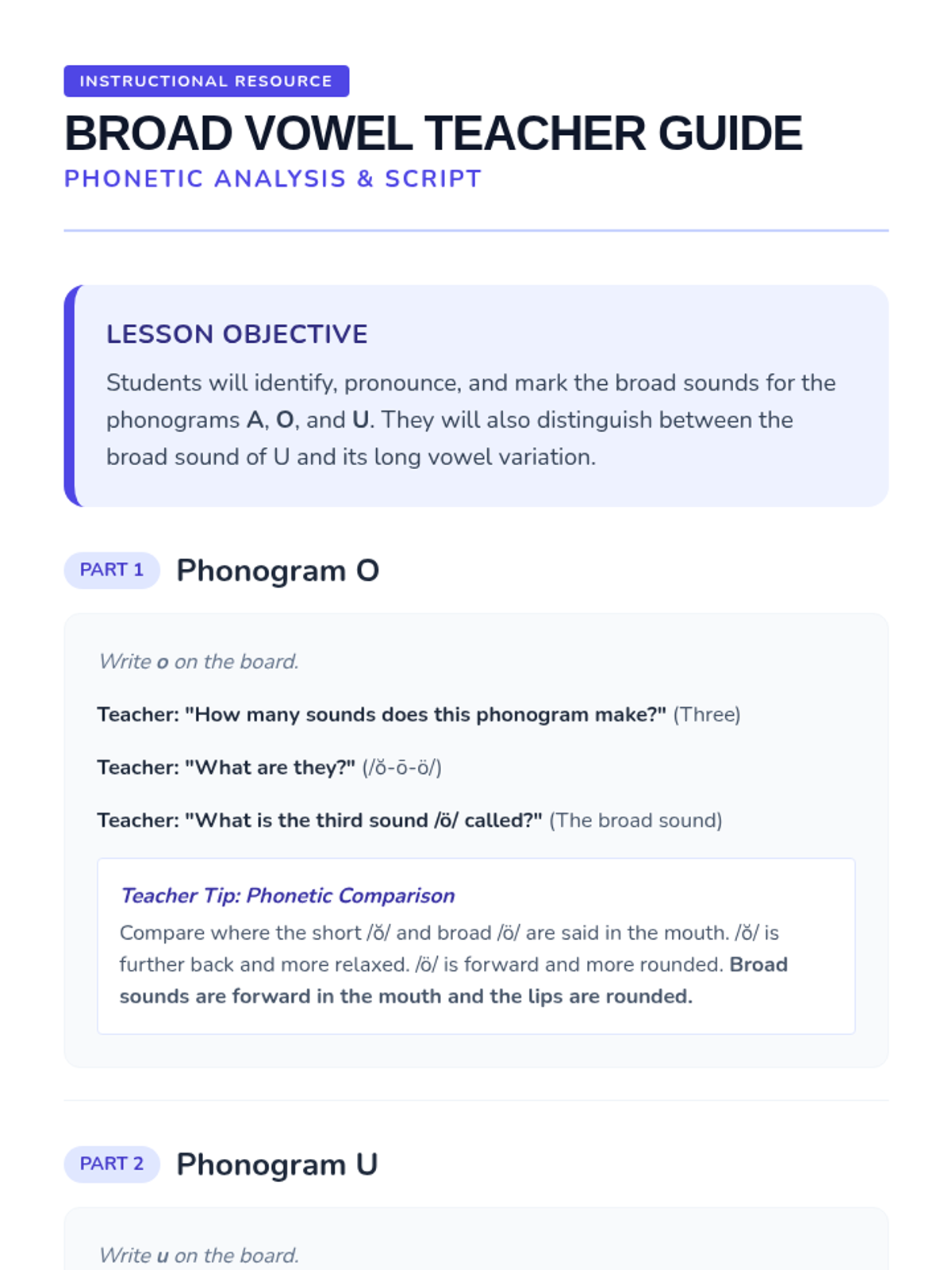
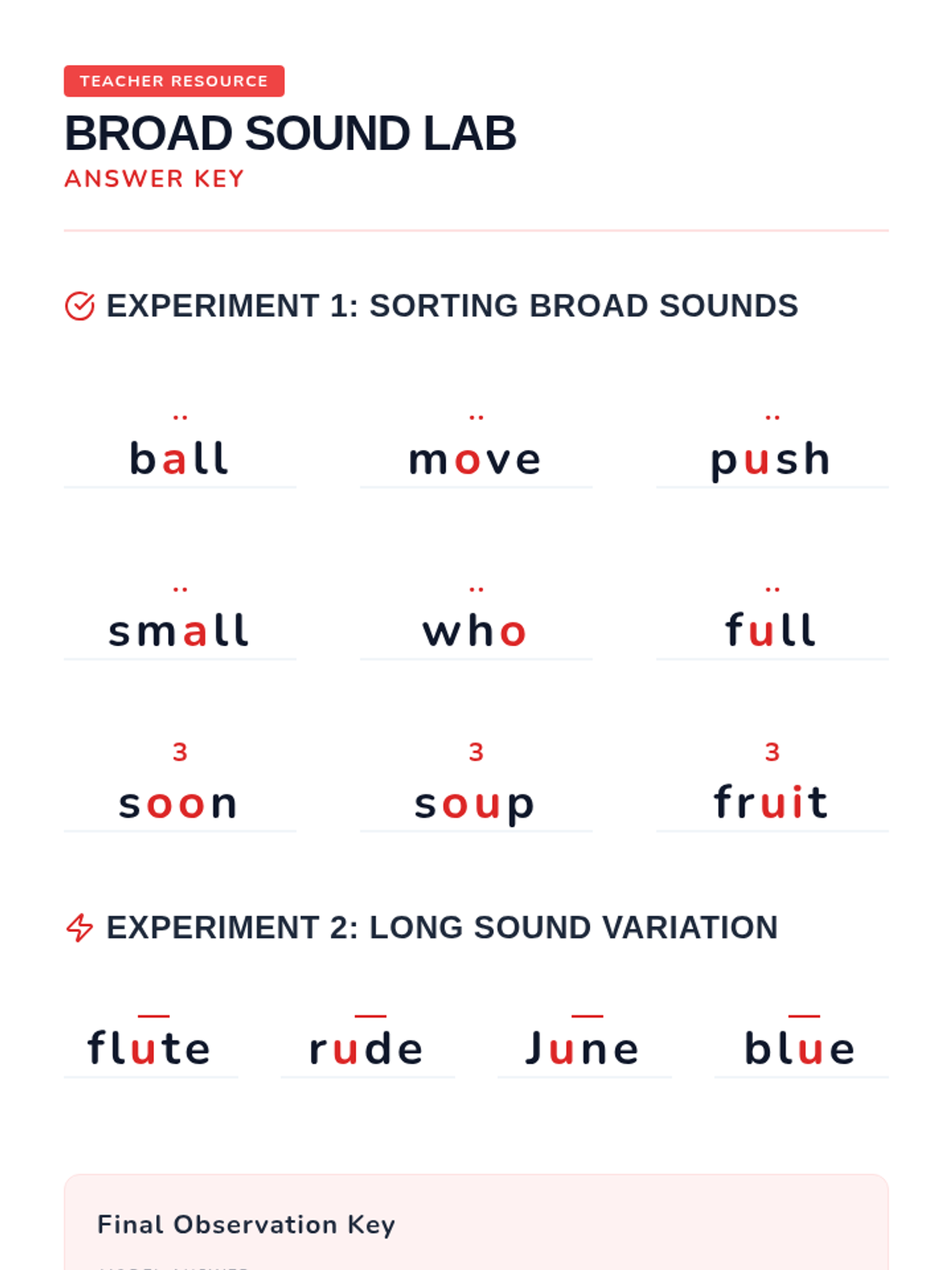
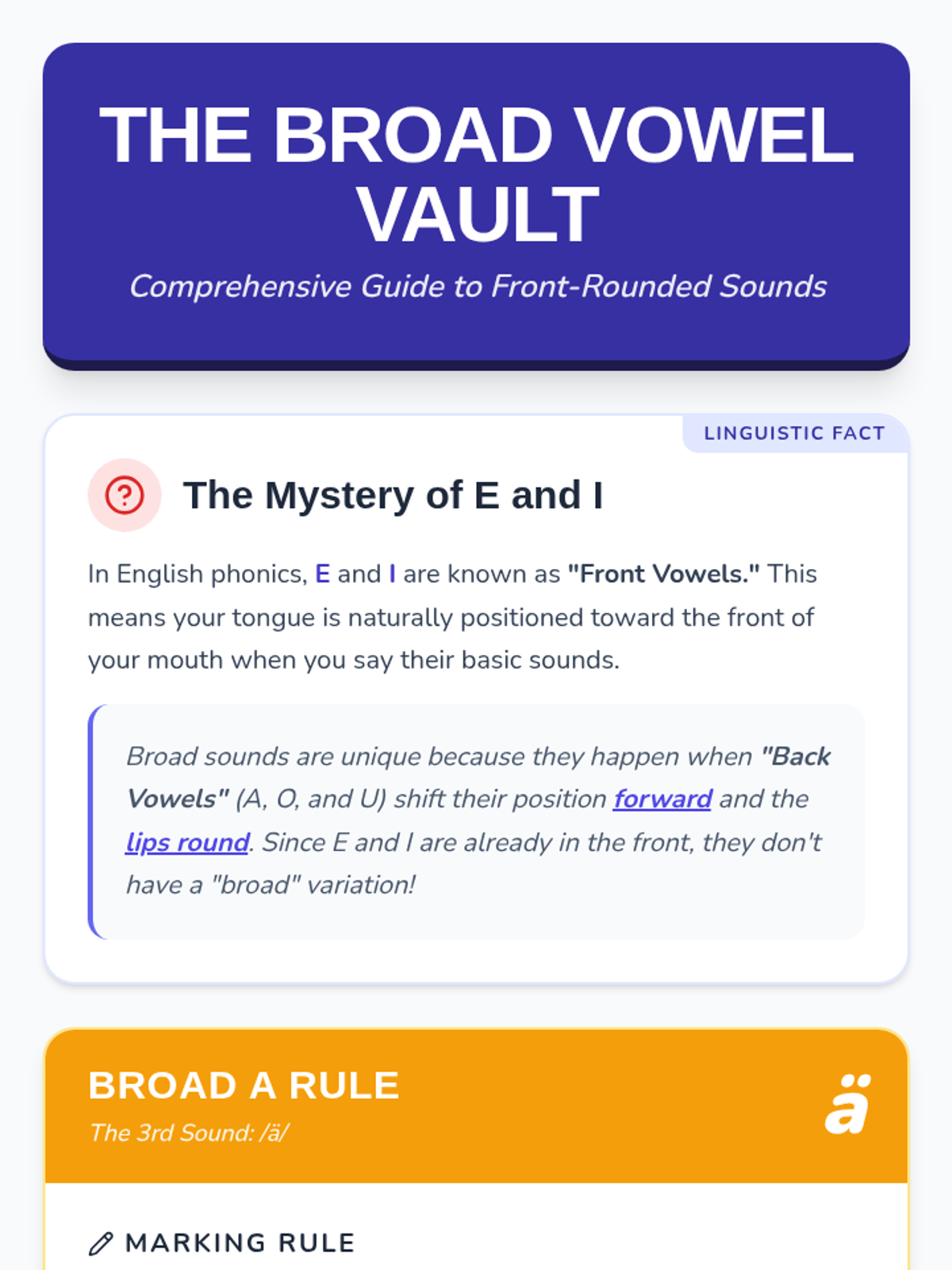
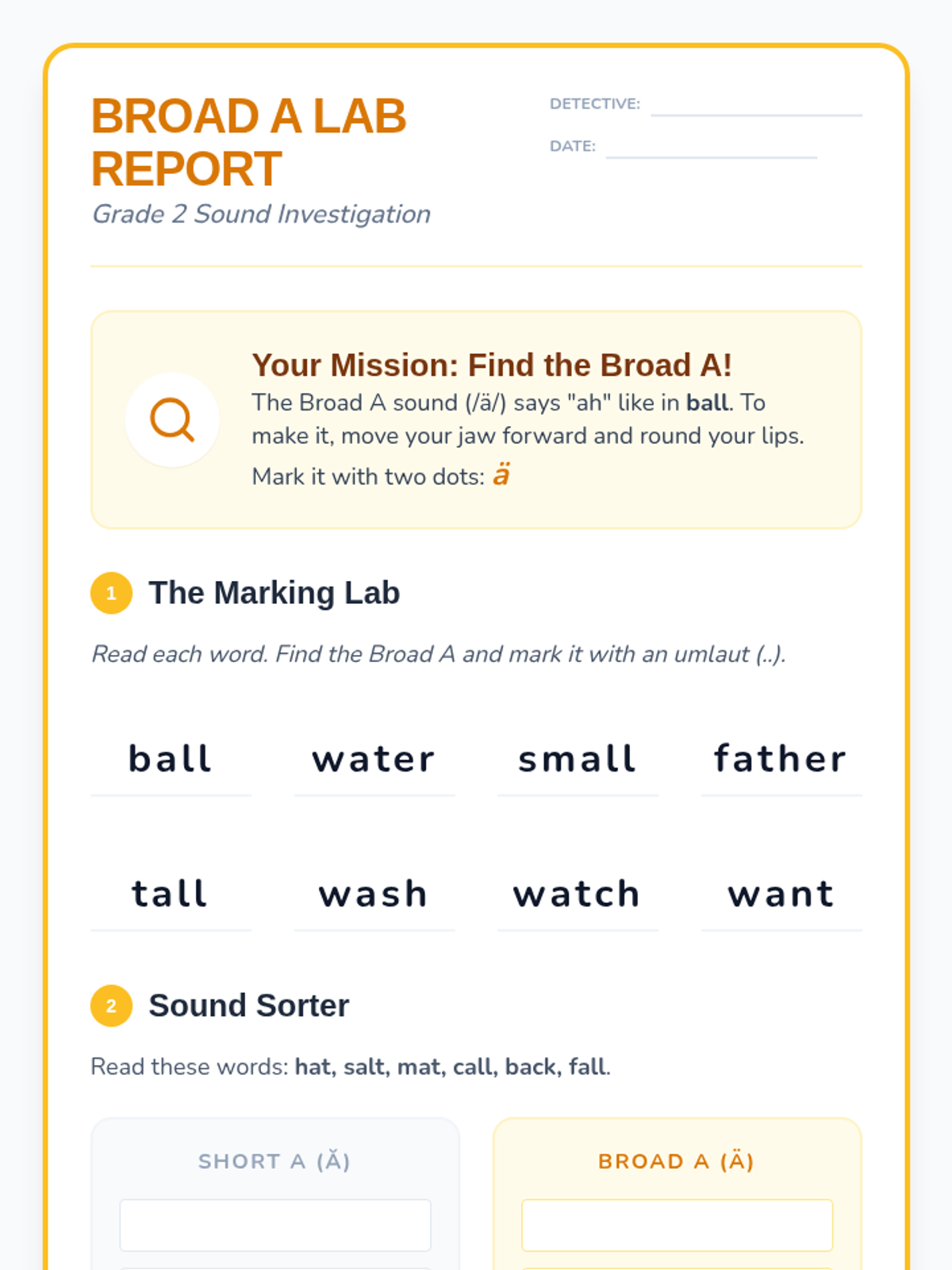
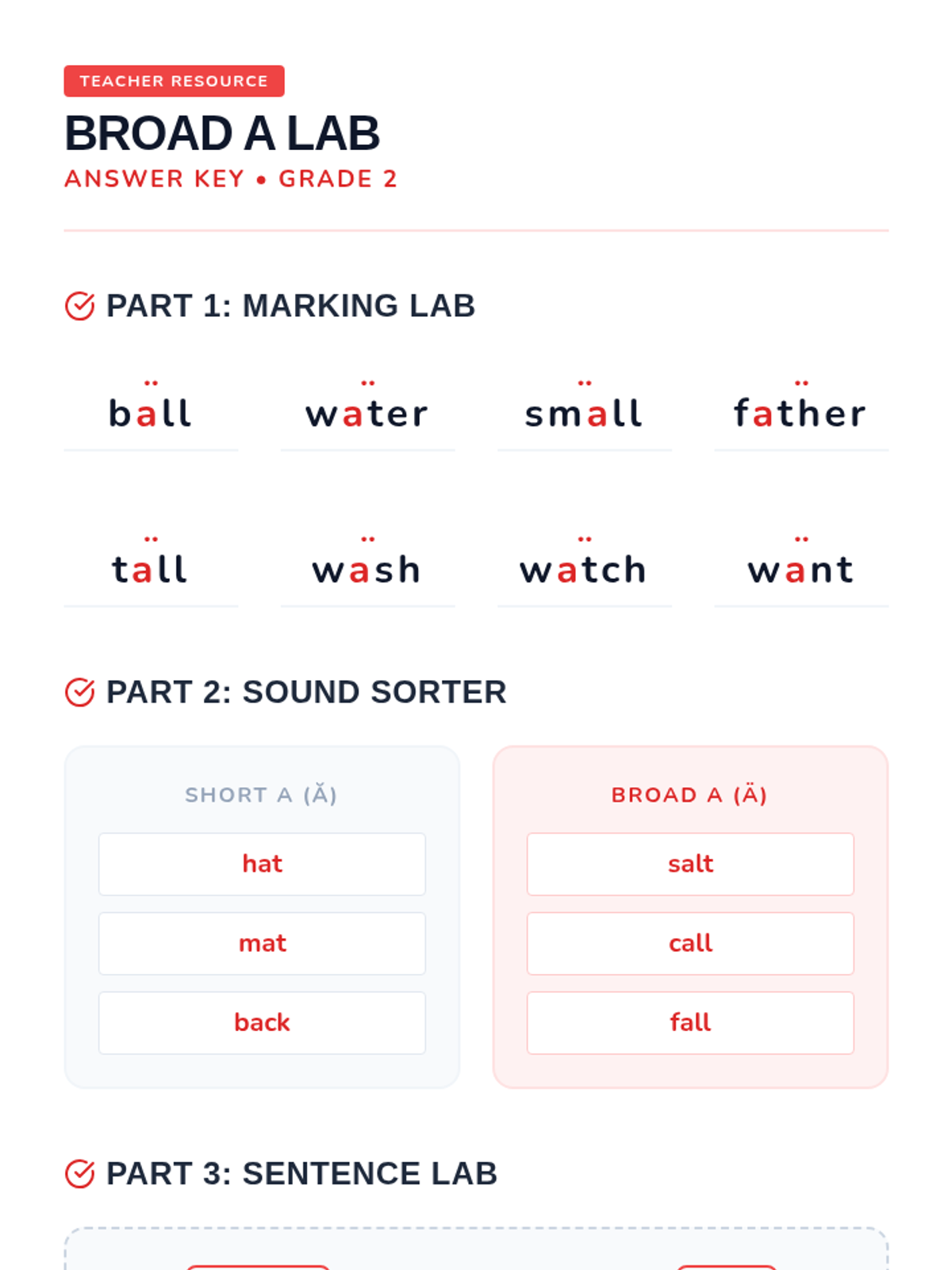
A comprehensive lesson on identifying and marking broad vowel sounds for A, O, and U. Students learn the phonetic differences between short and broad sounds and master the marking conventions for single-letter vowels and multi-letter phonograms.
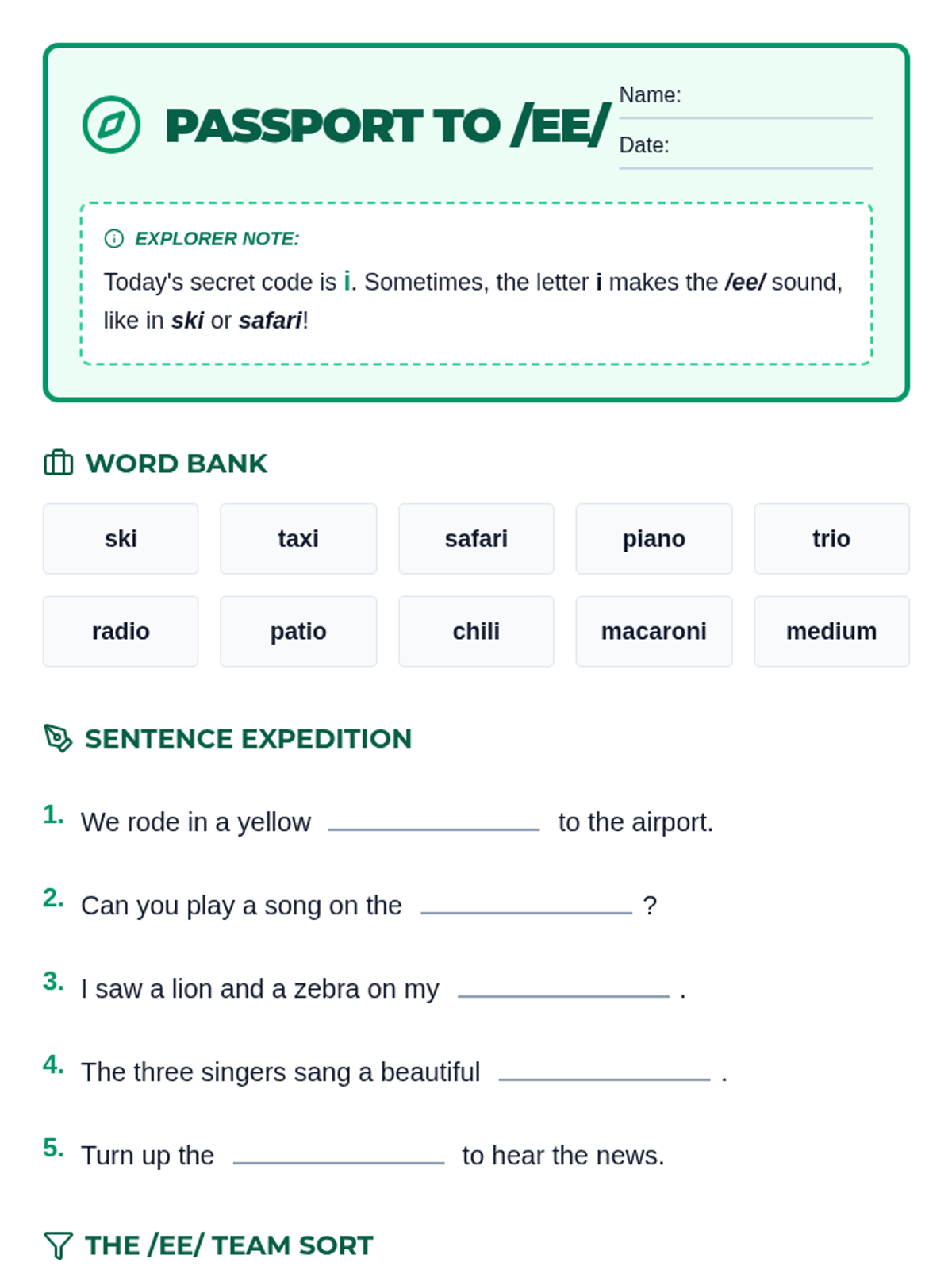
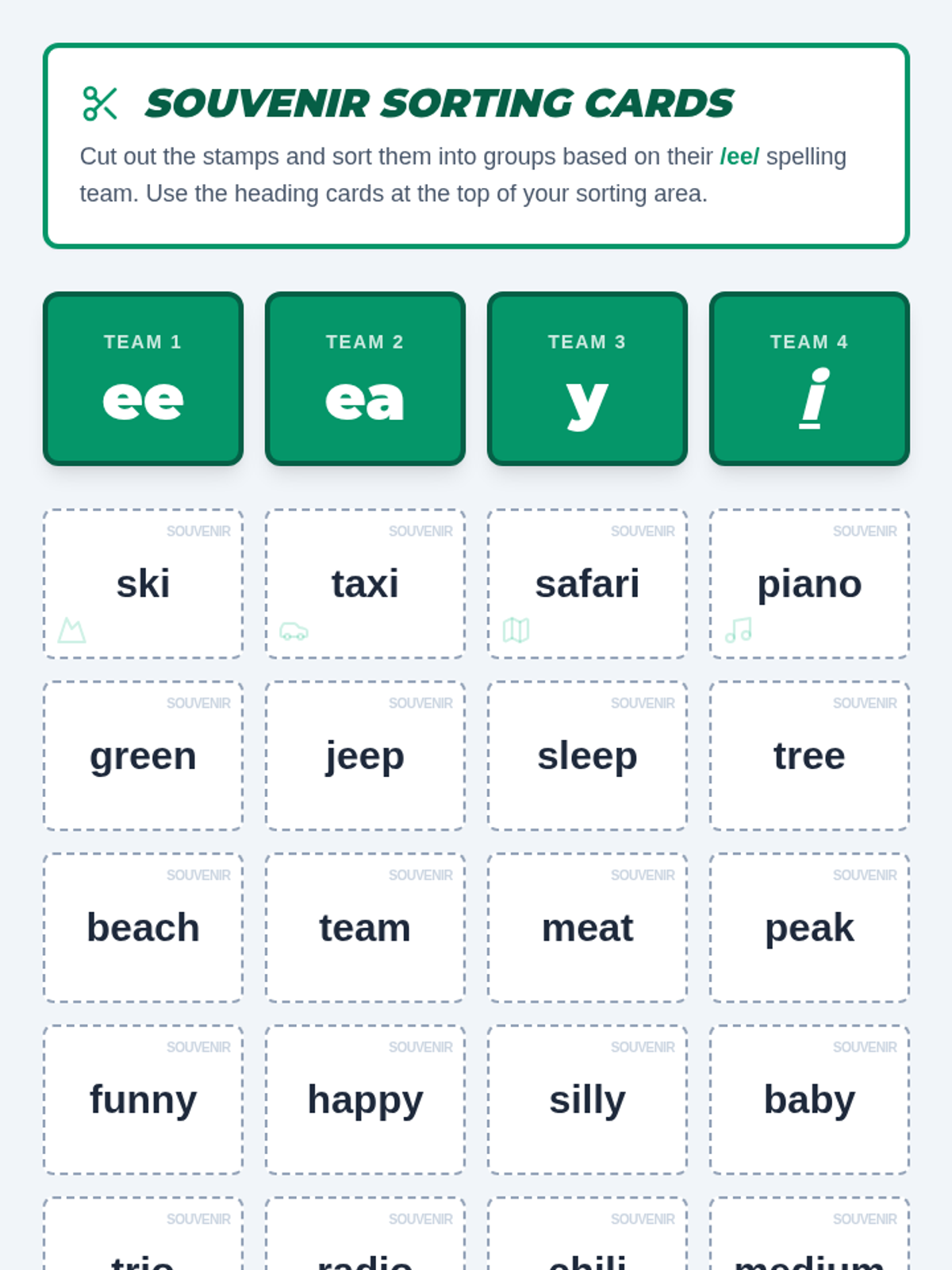
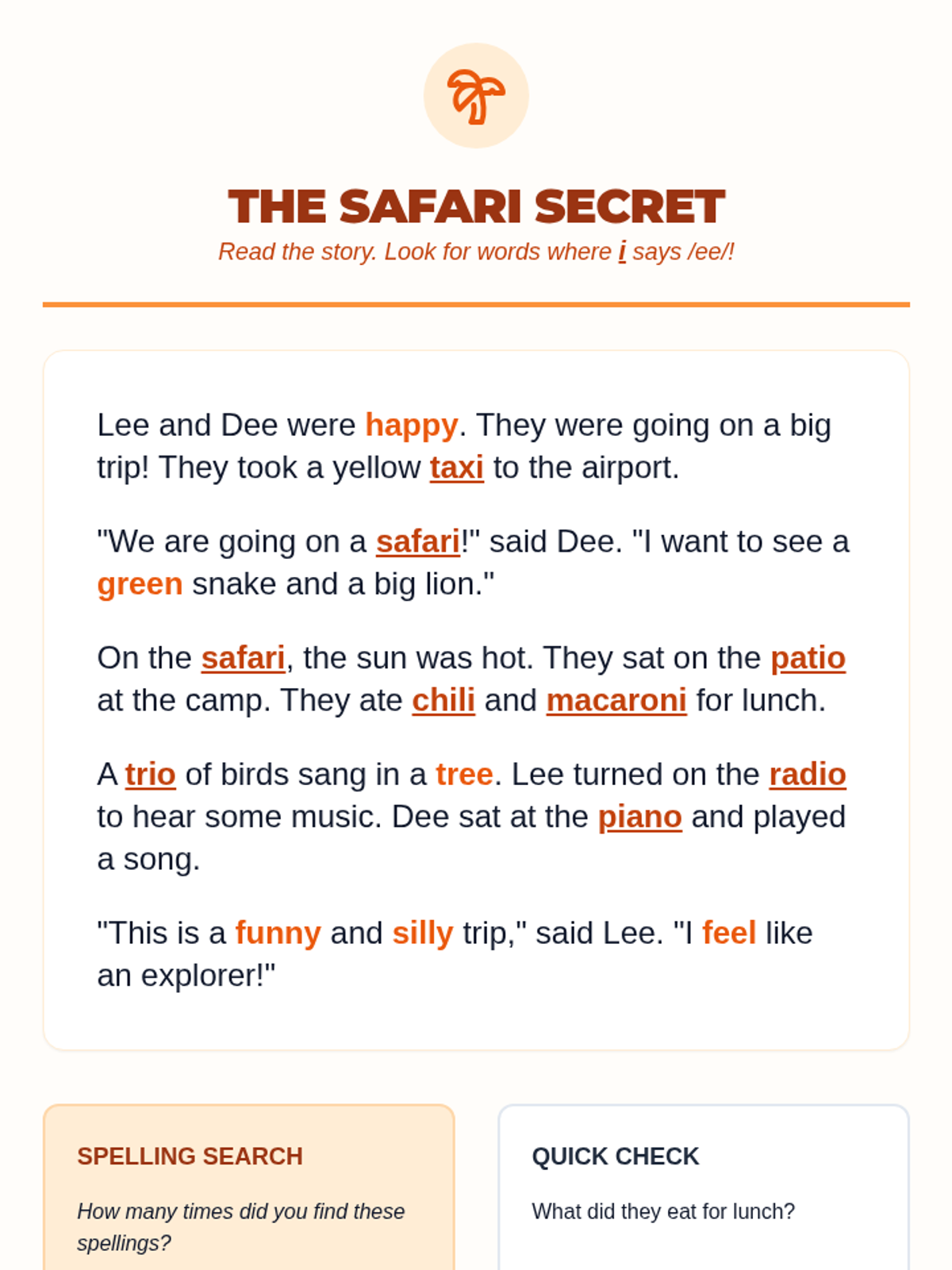
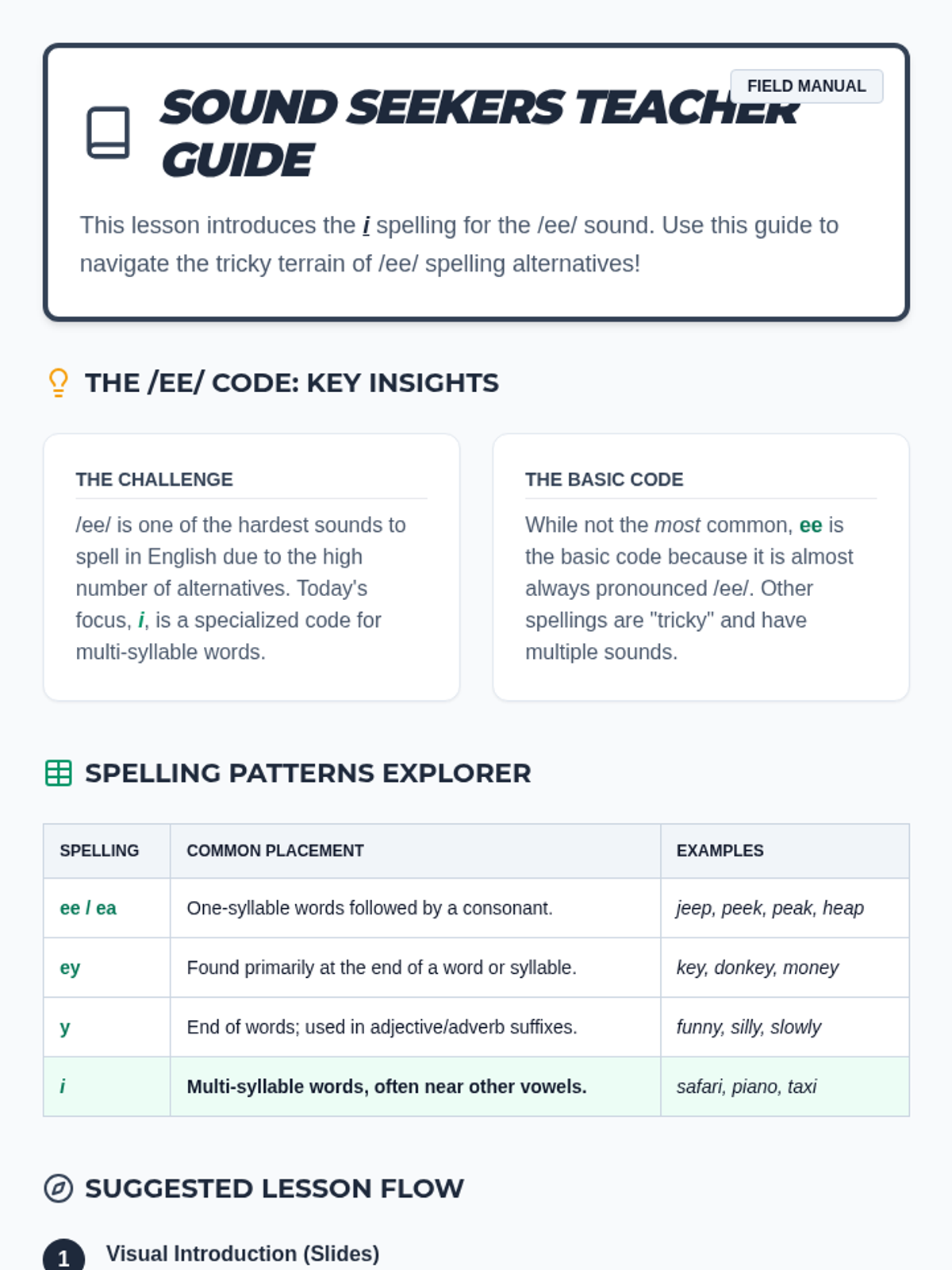
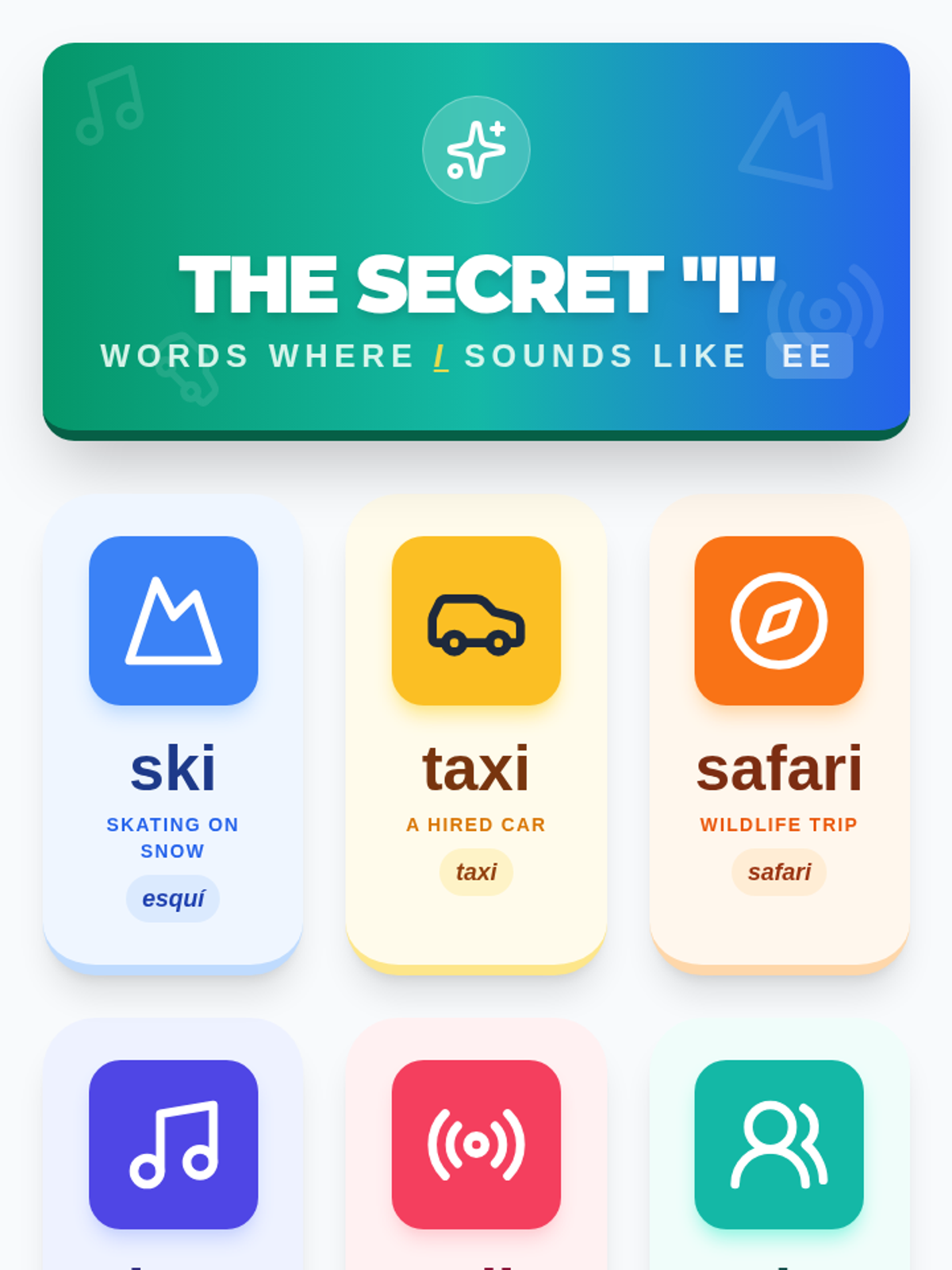
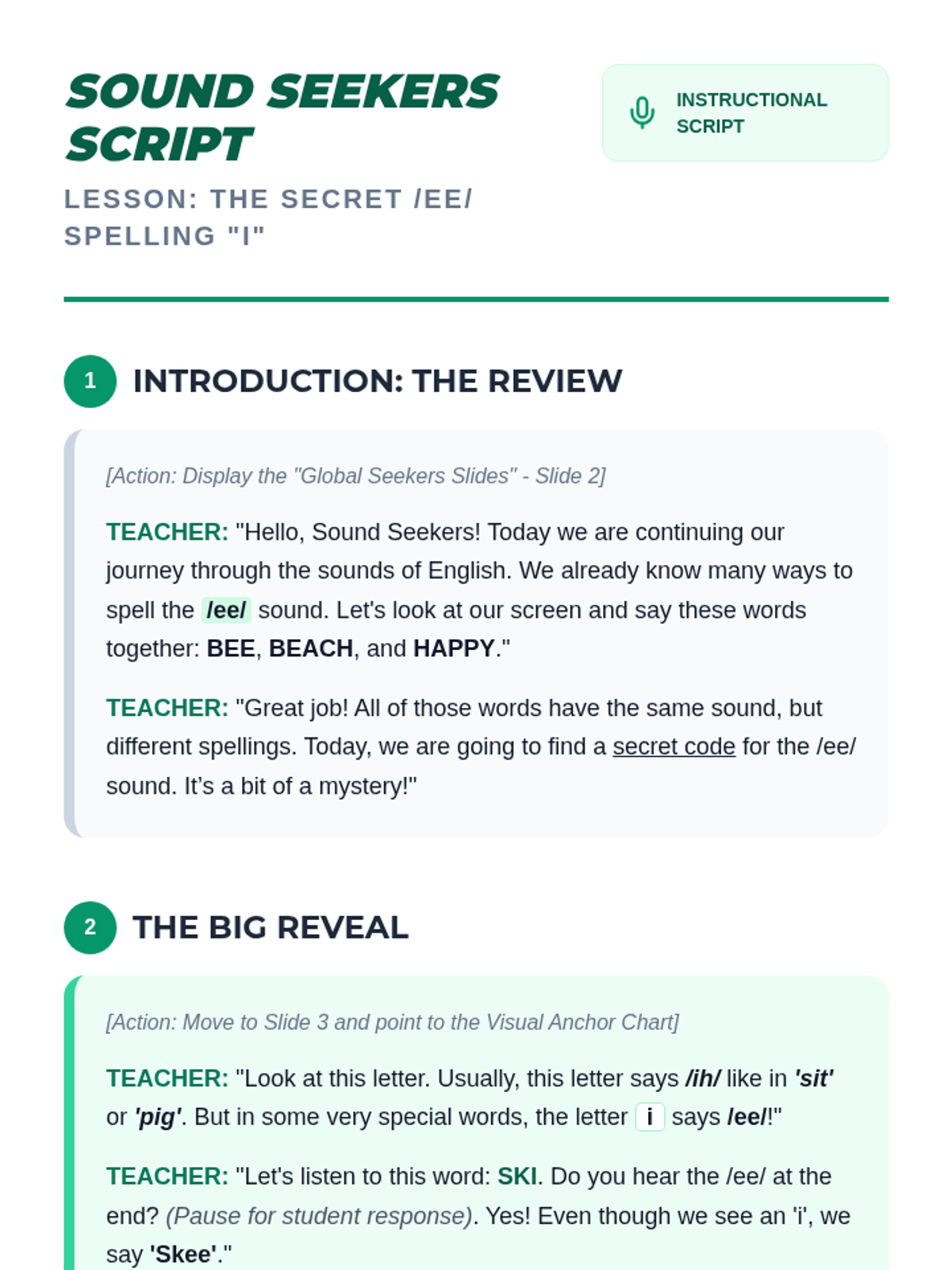
A comprehensive phonics lesson introducing the 'i' spelling for the /ee/ sound, featuring multi-syllable words like 'safari' and 'piano', while reviewing 'ee', 'ea', and 'y' spellings.
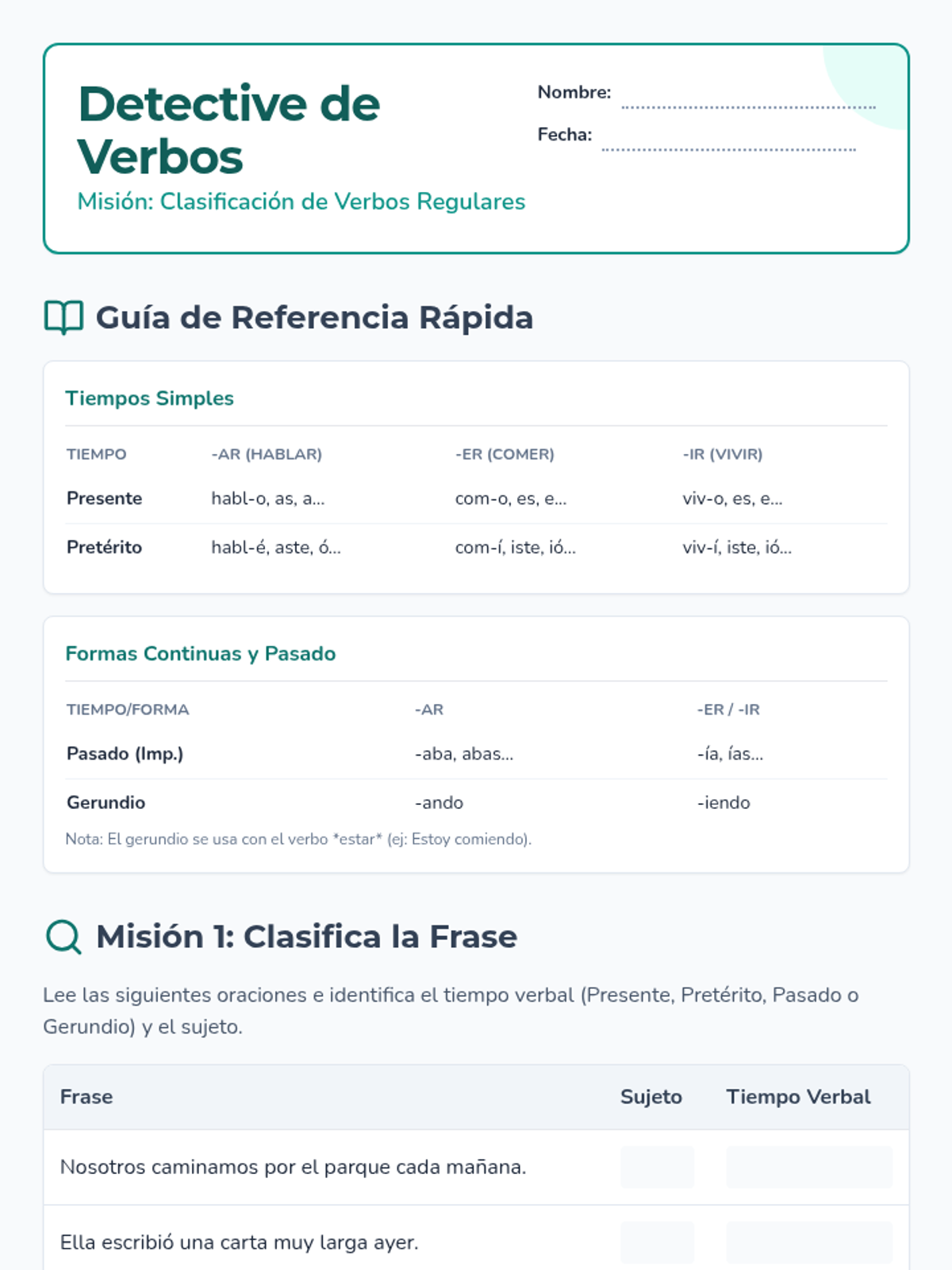
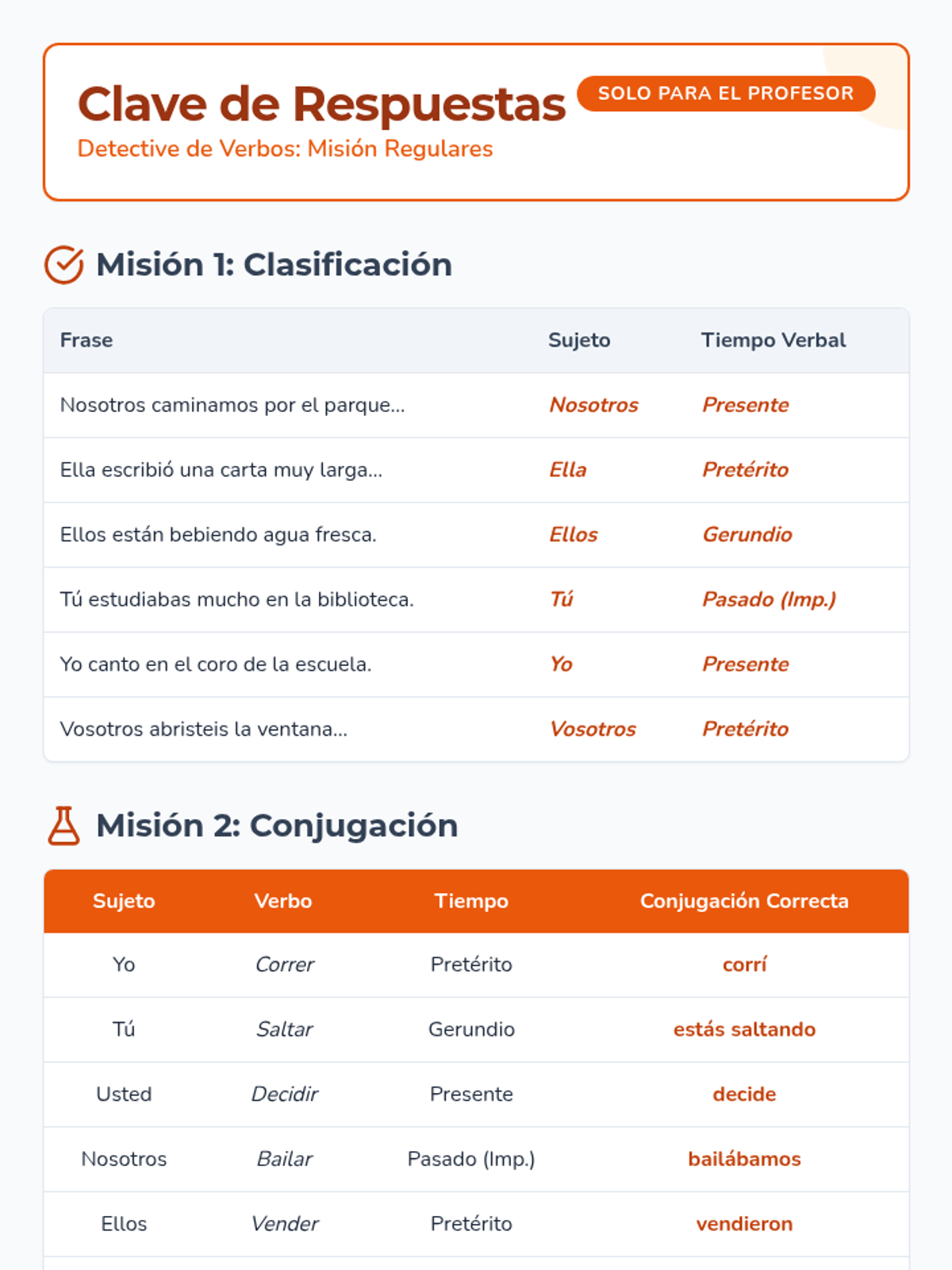
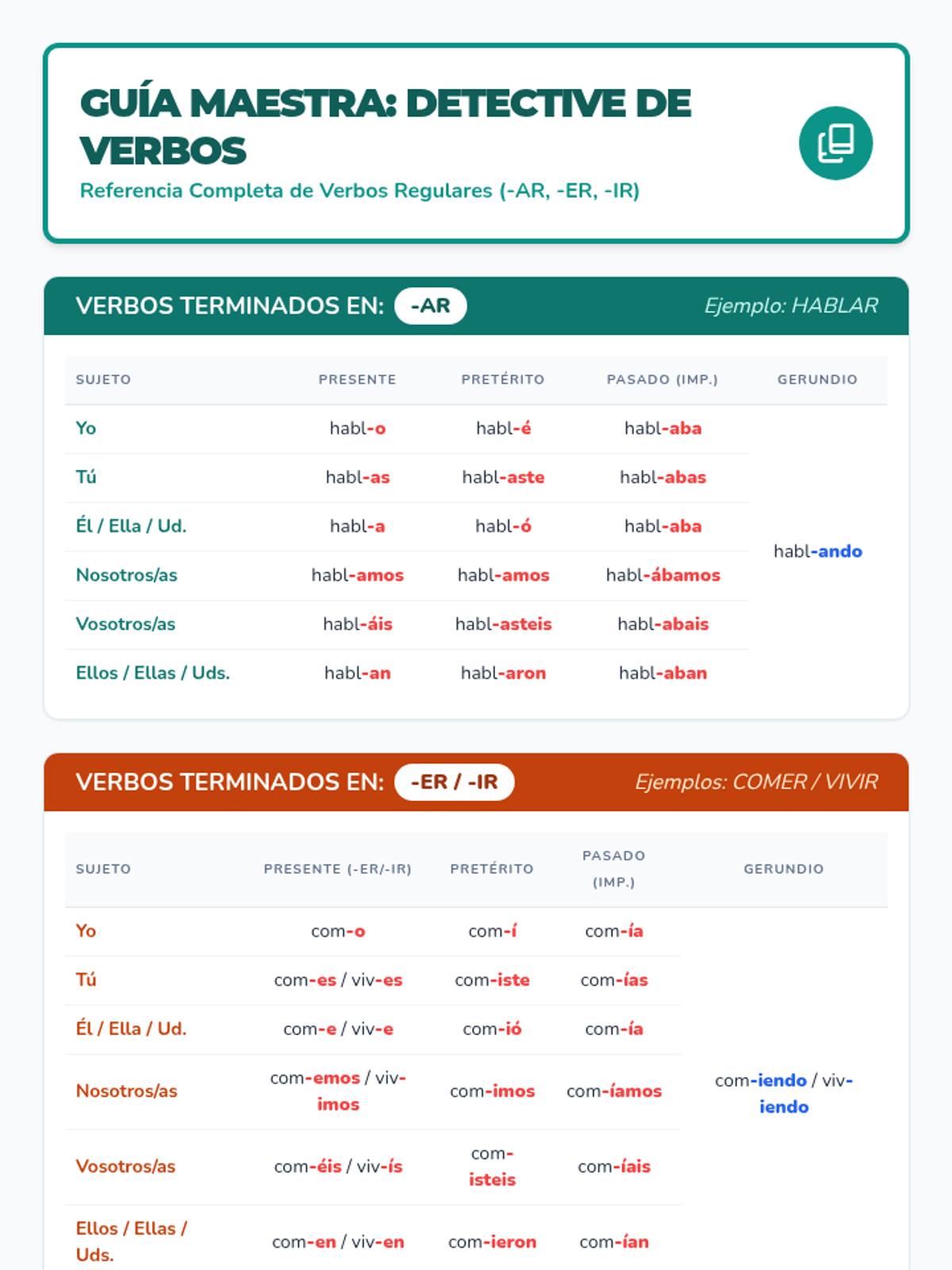
Una lección enfocada en la identificación y uso de verbos regulares en español en diferentes tiempos verbales.
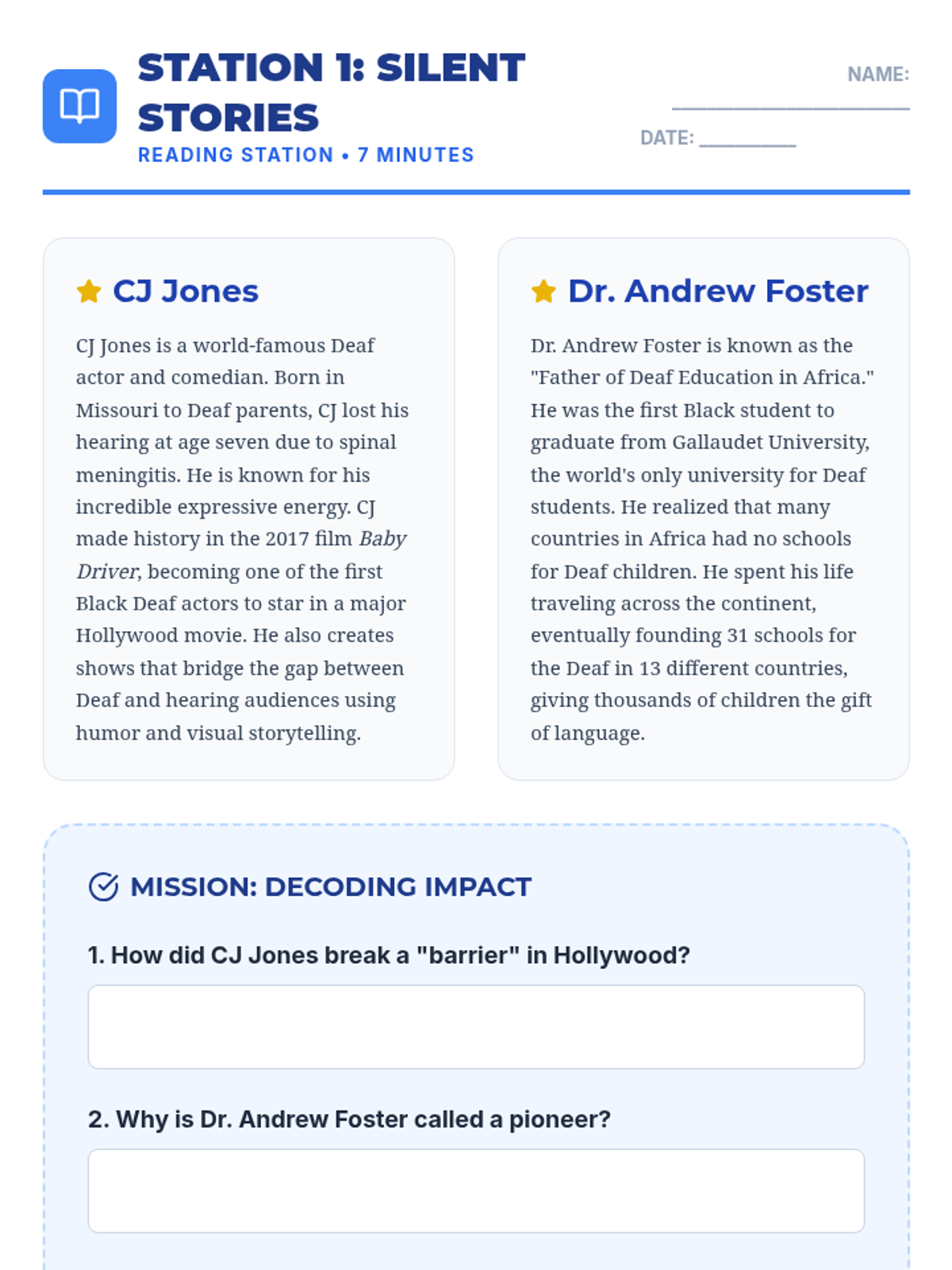
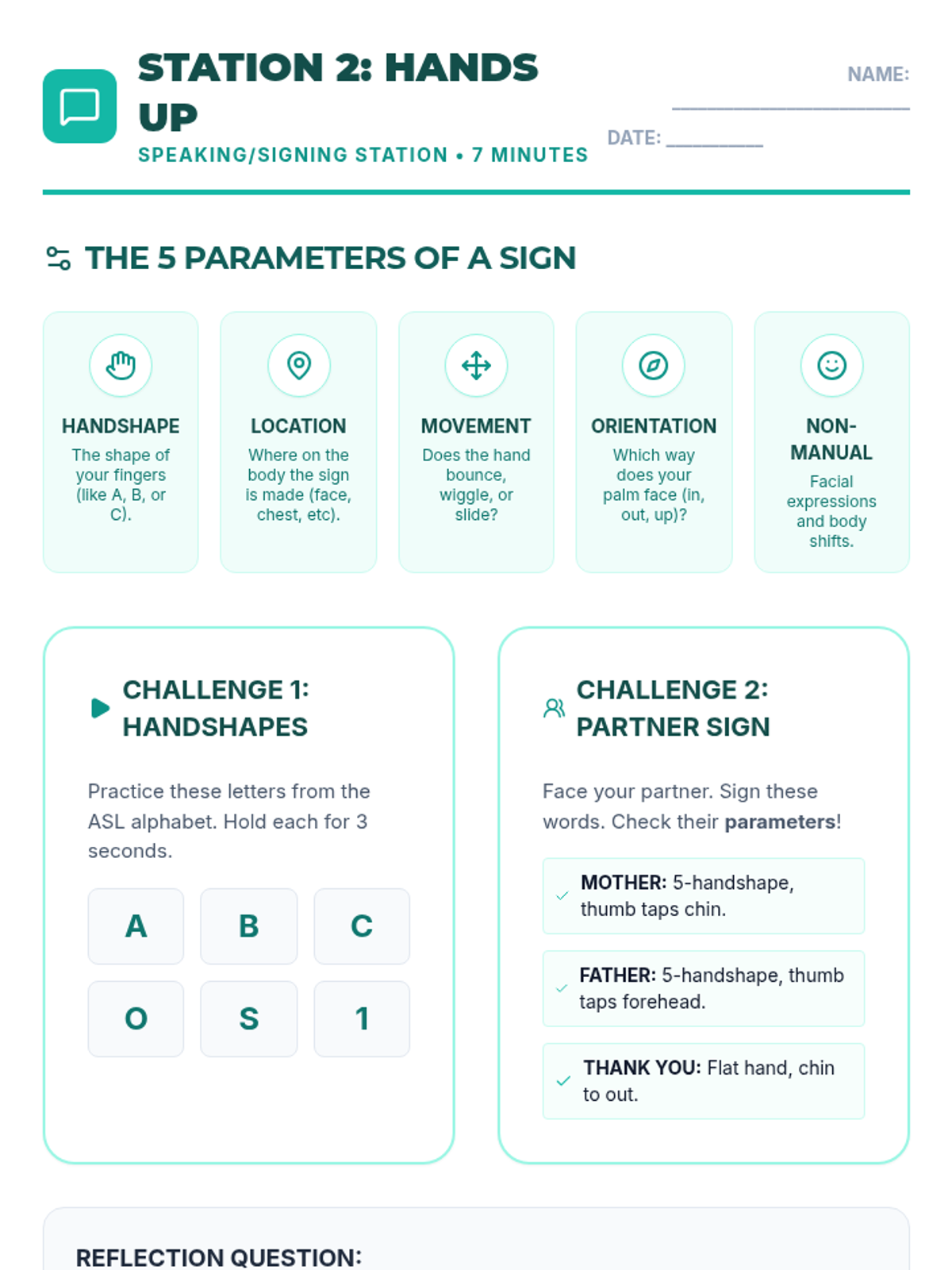
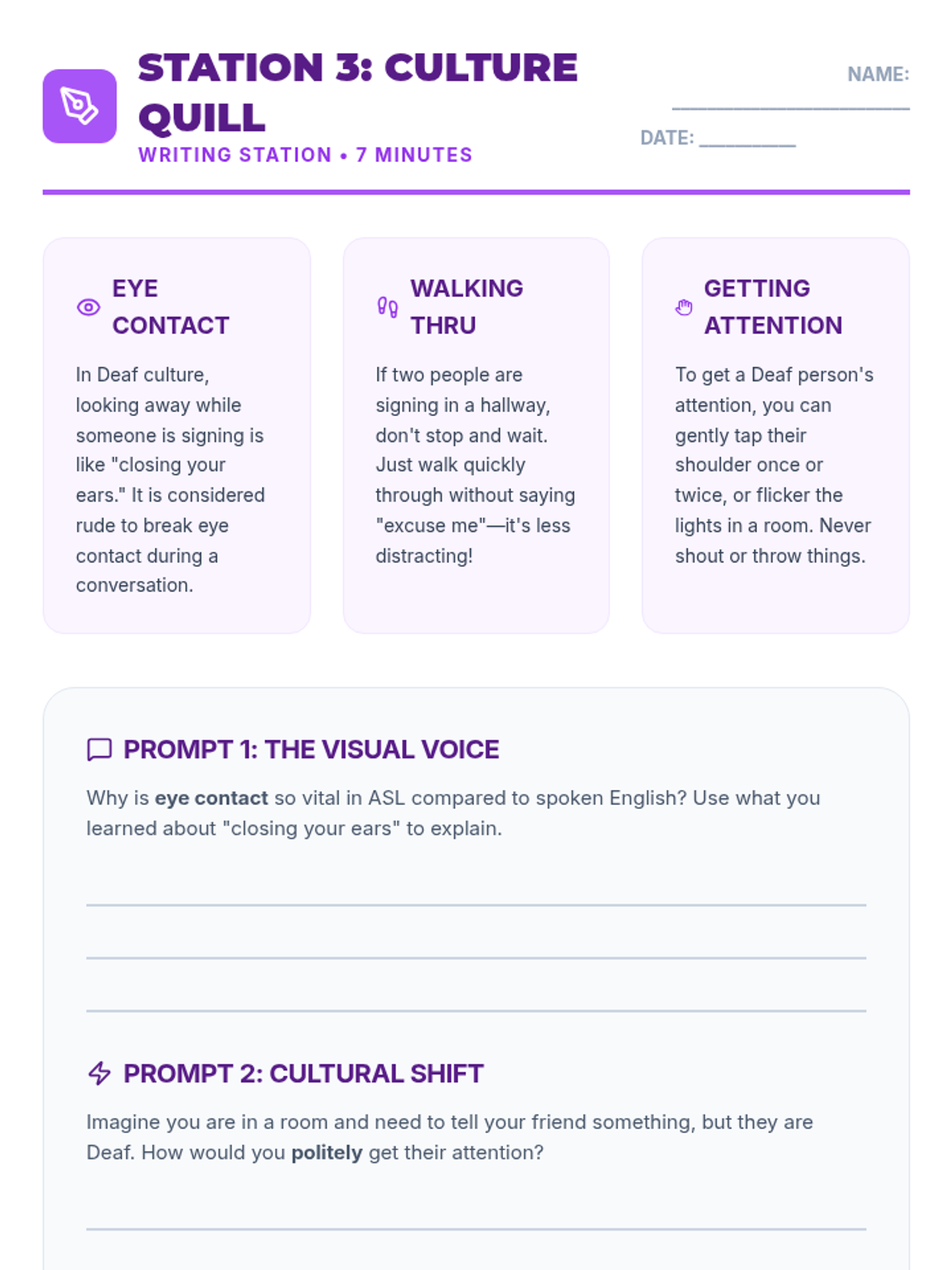
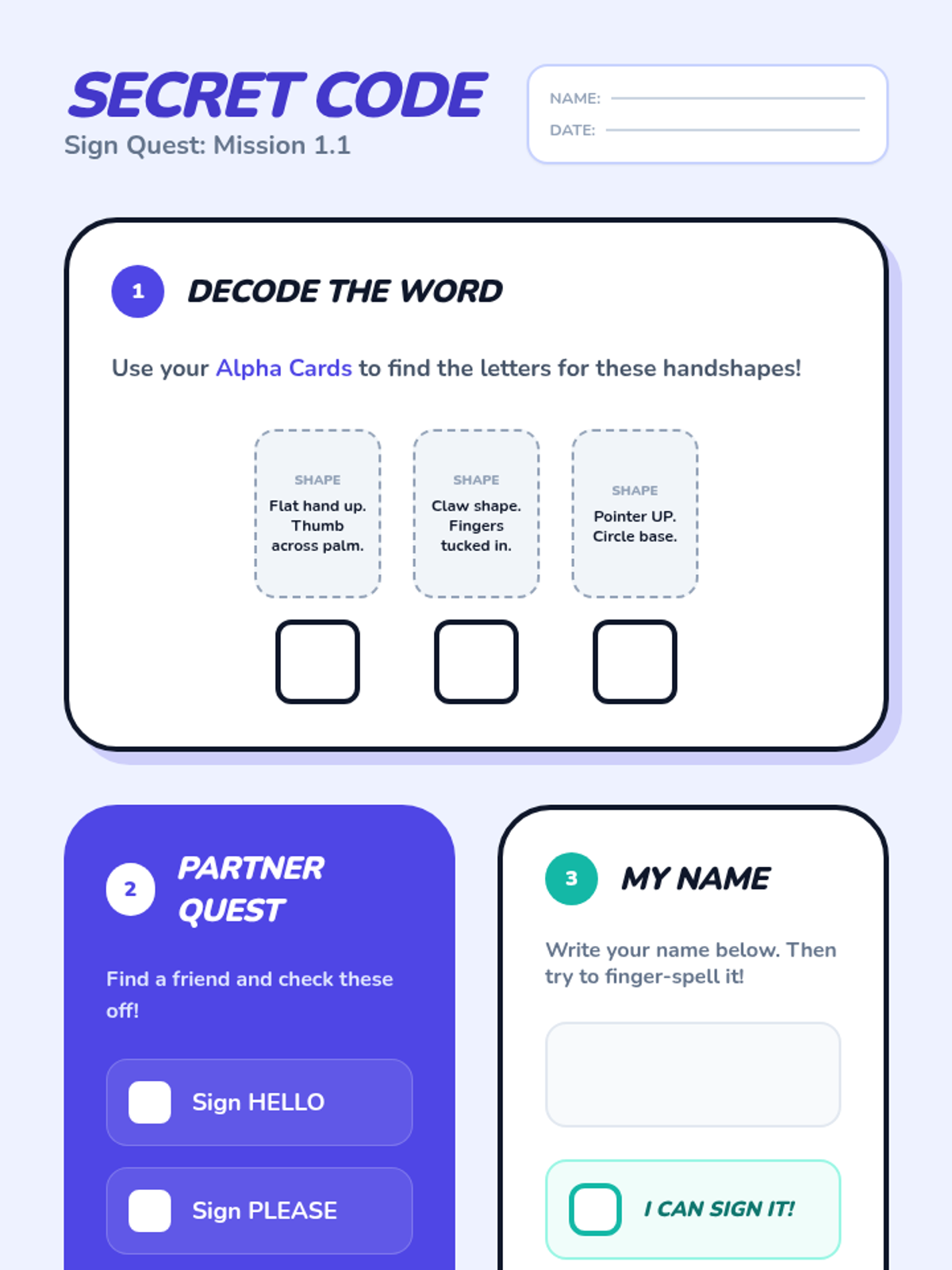
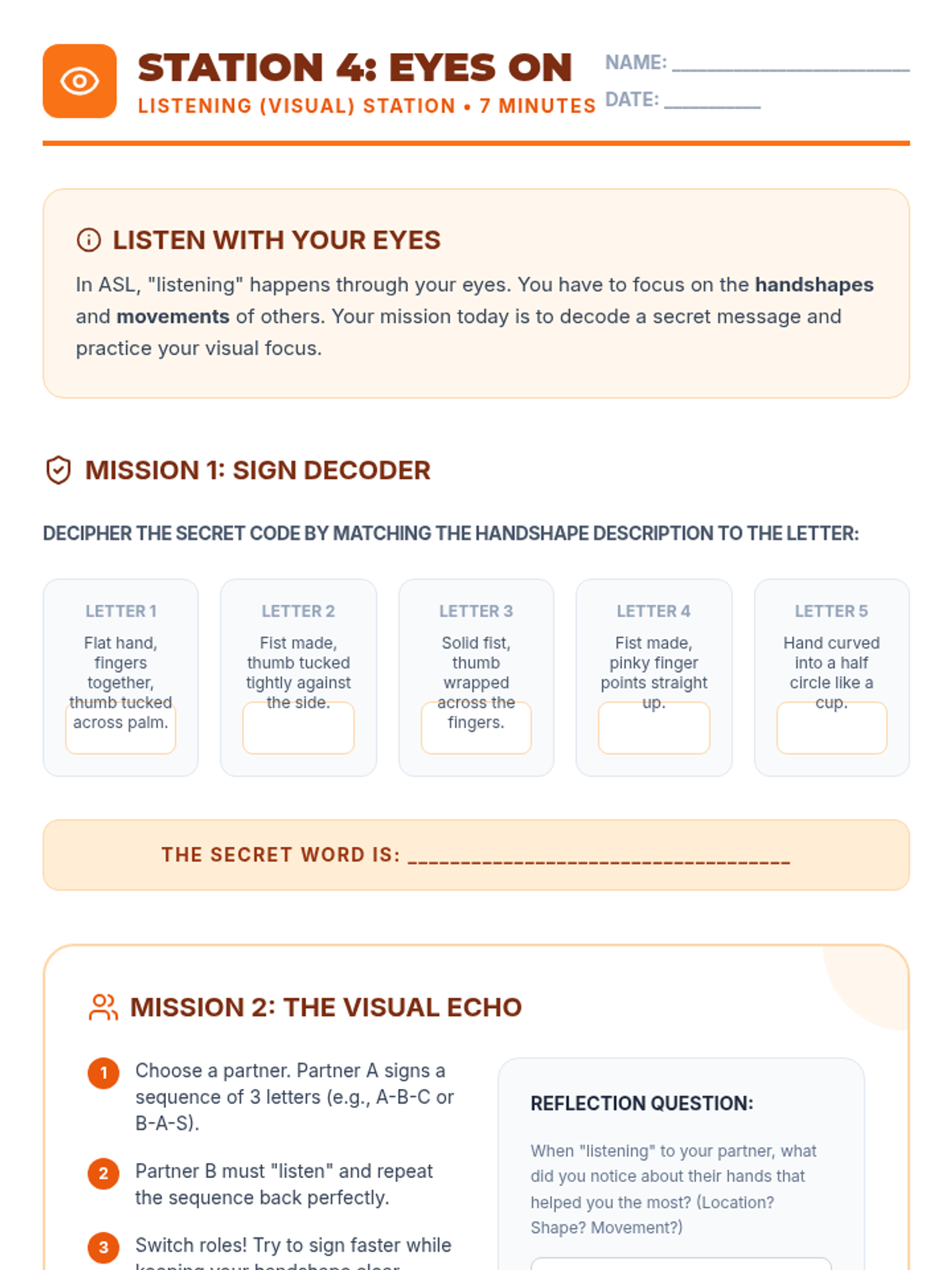
A 30-minute station rotation lesson focused on the fundamentals of American Sign Language (ASL), including Deaf culture, basic handshapes, parameters, and famous Deaf individuals. Students rotate through four 7-minute stations to practice reading, writing, speaking (signing), and visual listening.
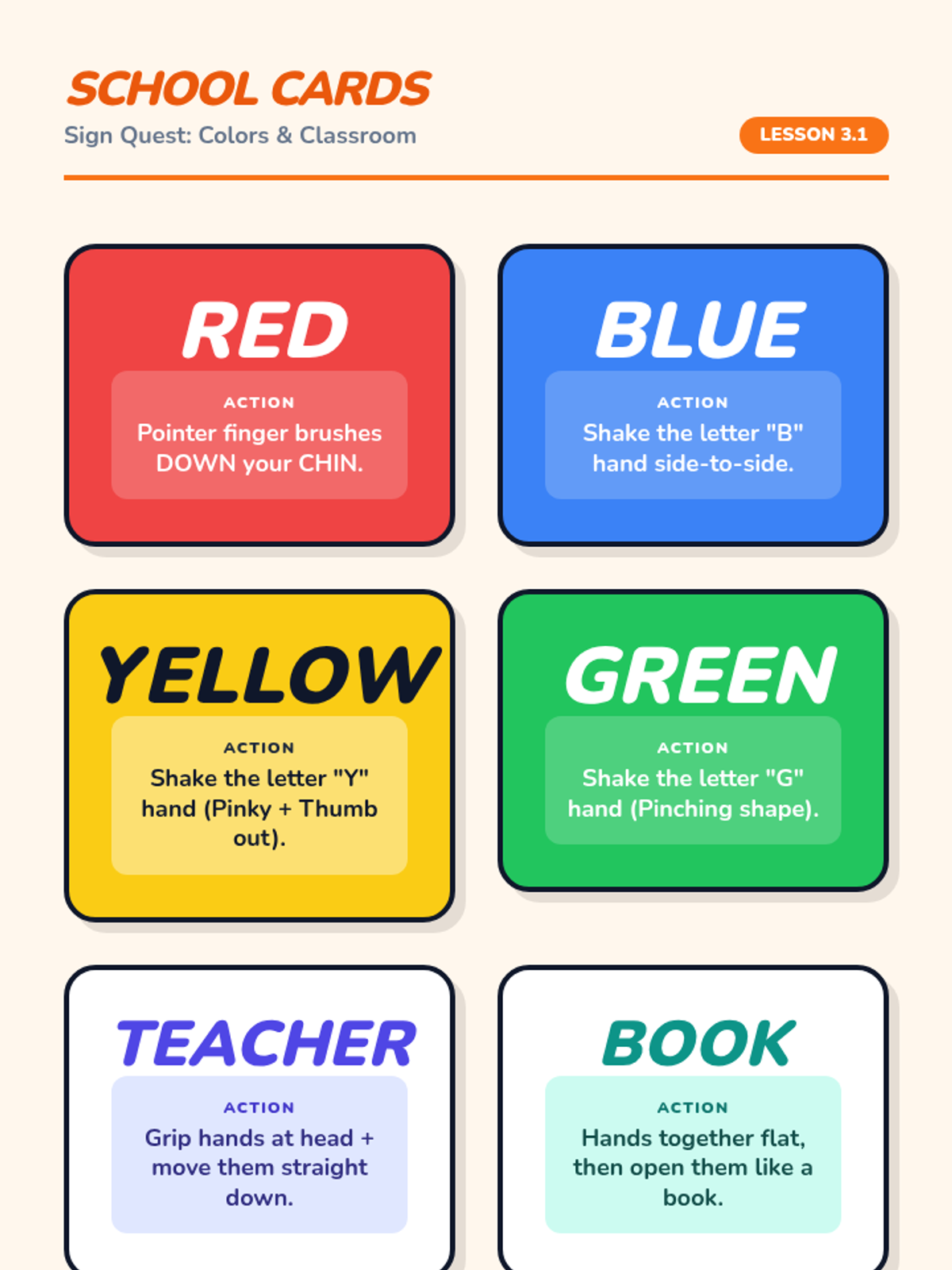
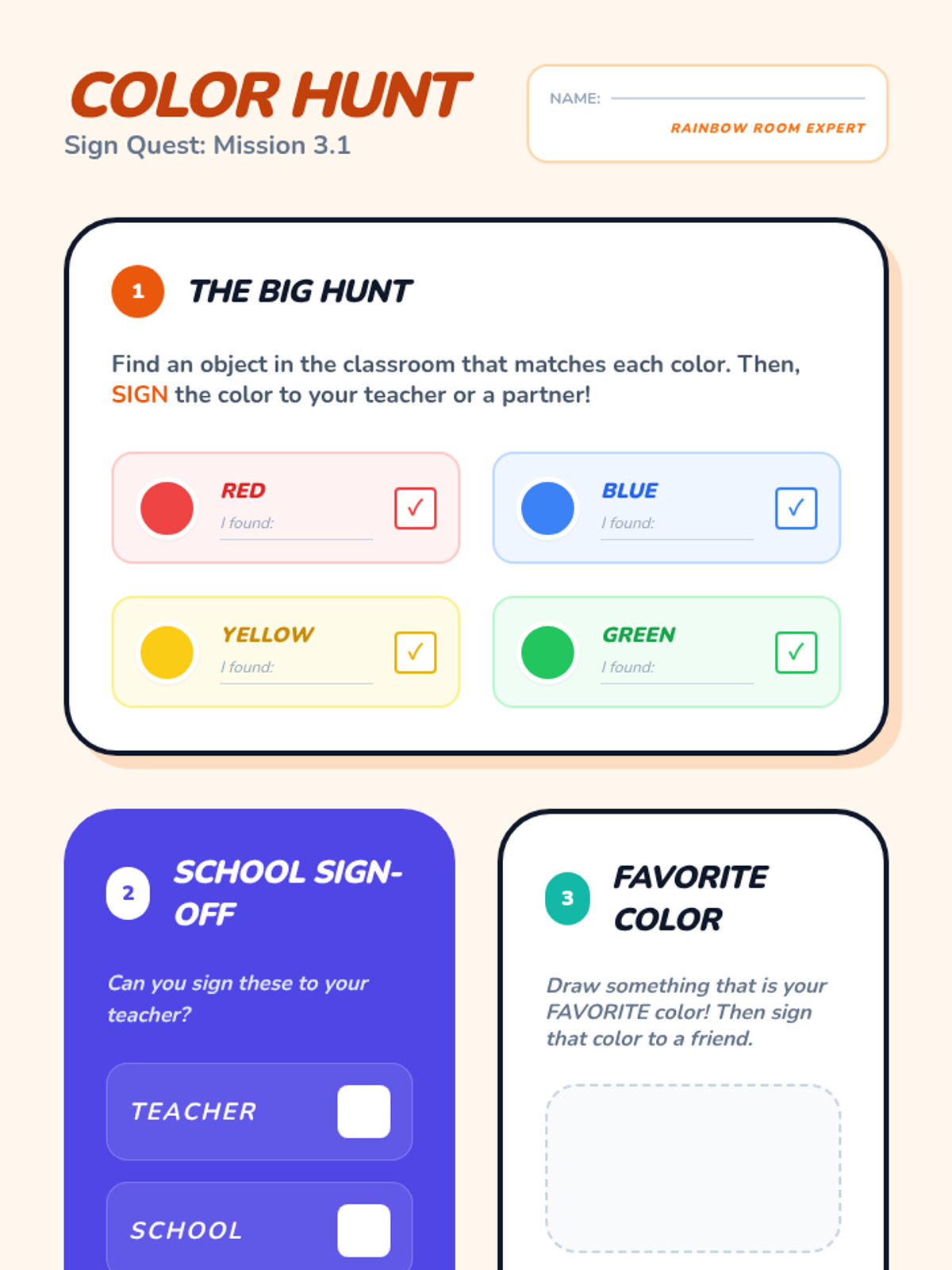
Learn the signs for common classroom objects and a vibrant spectrum of colors to describe the world around you.
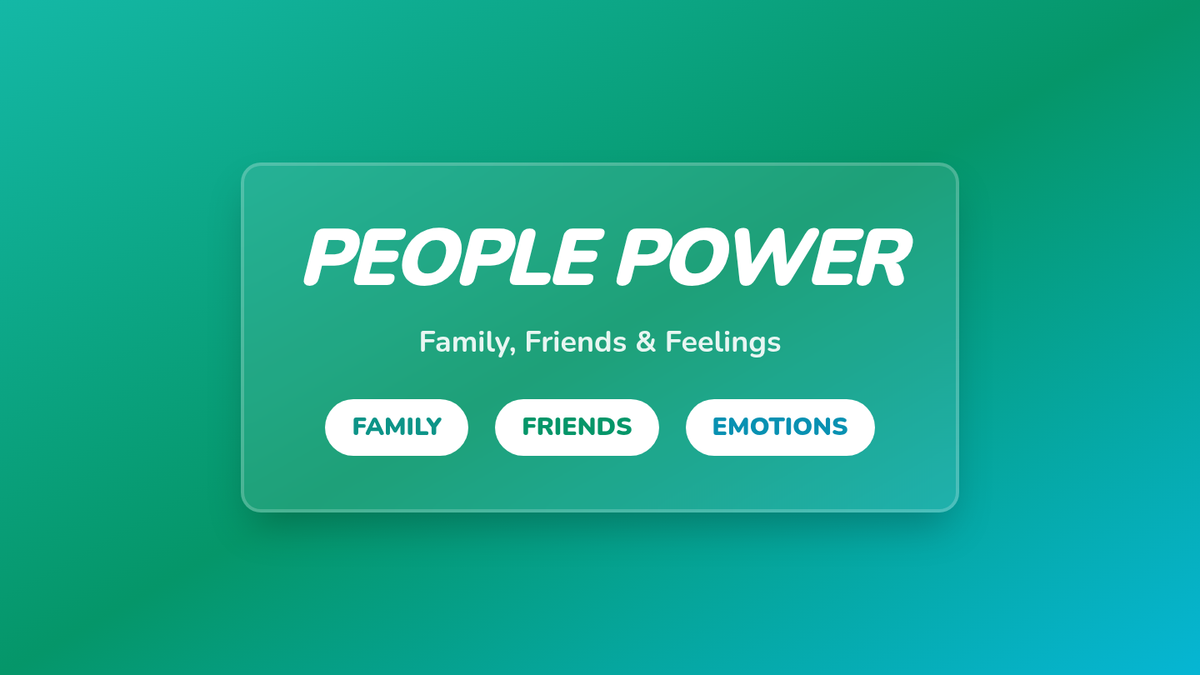
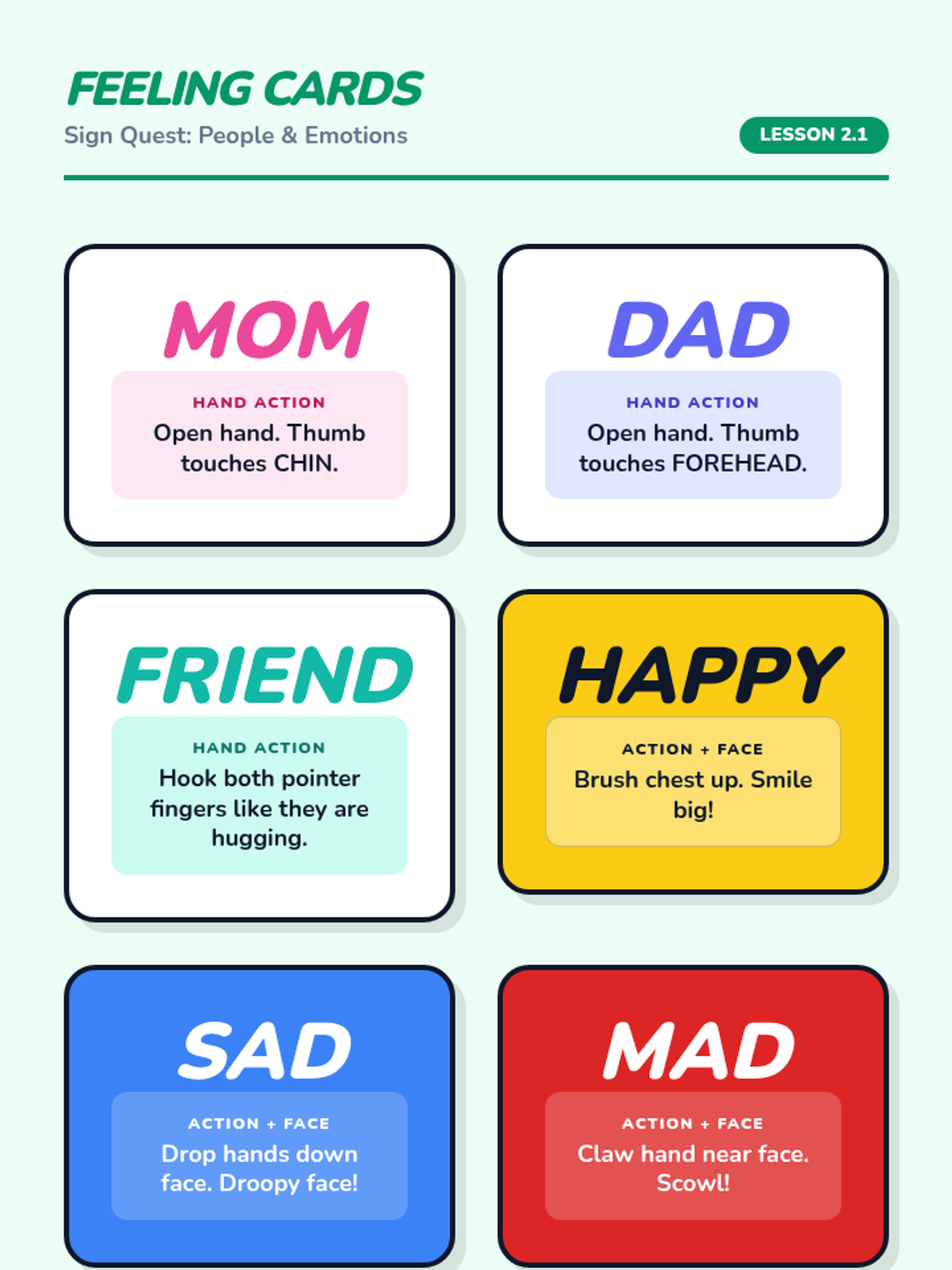
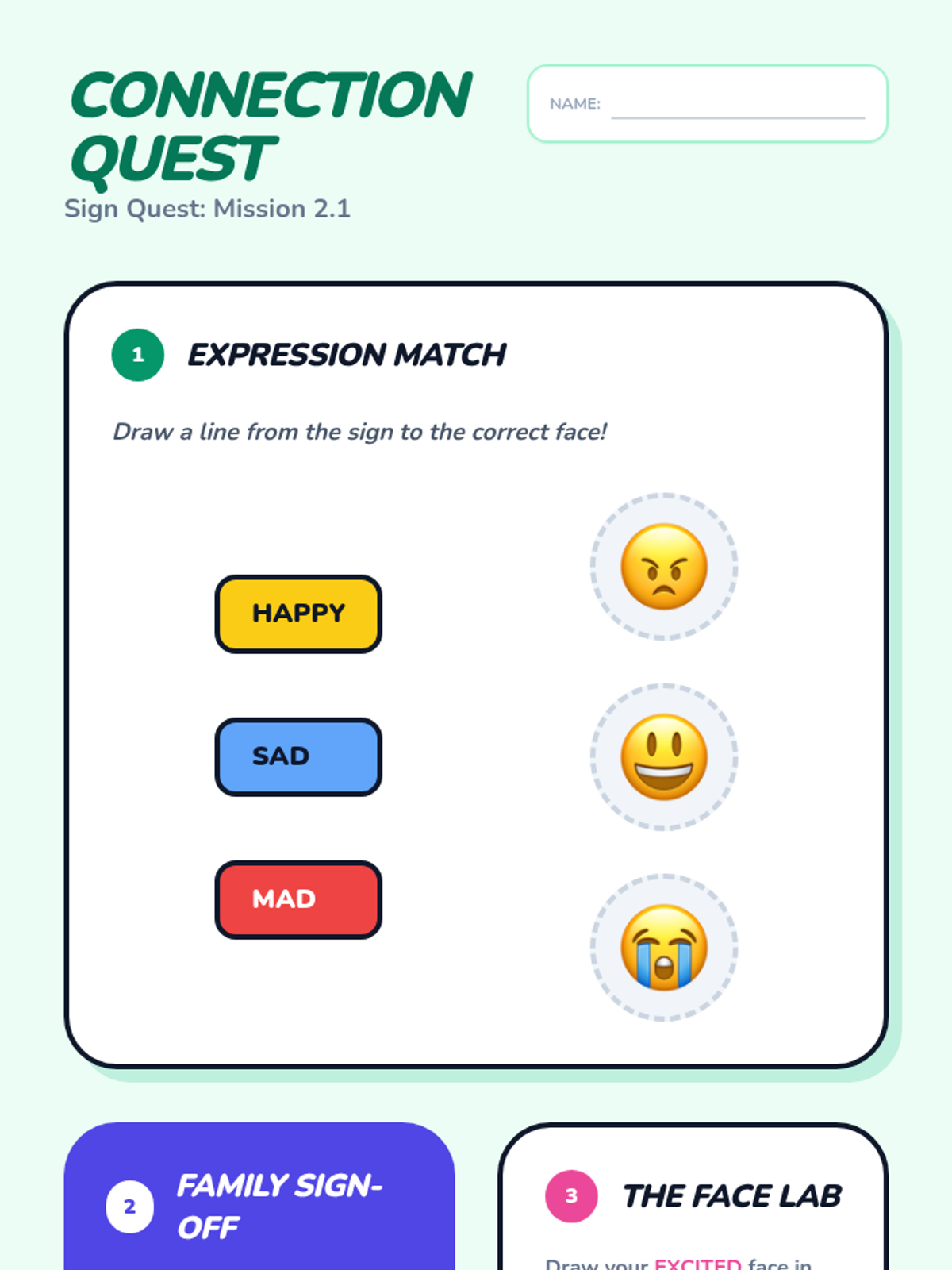
Explore signs for the people in our lives and learn how to use facial expressions to show feelings.
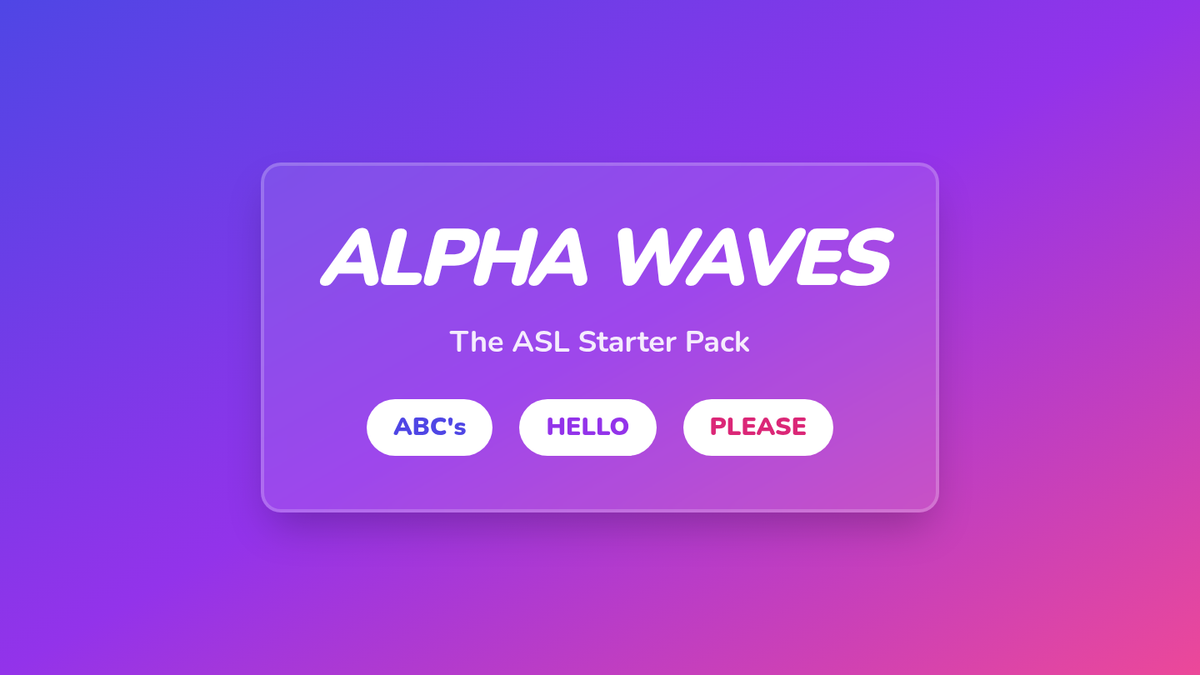
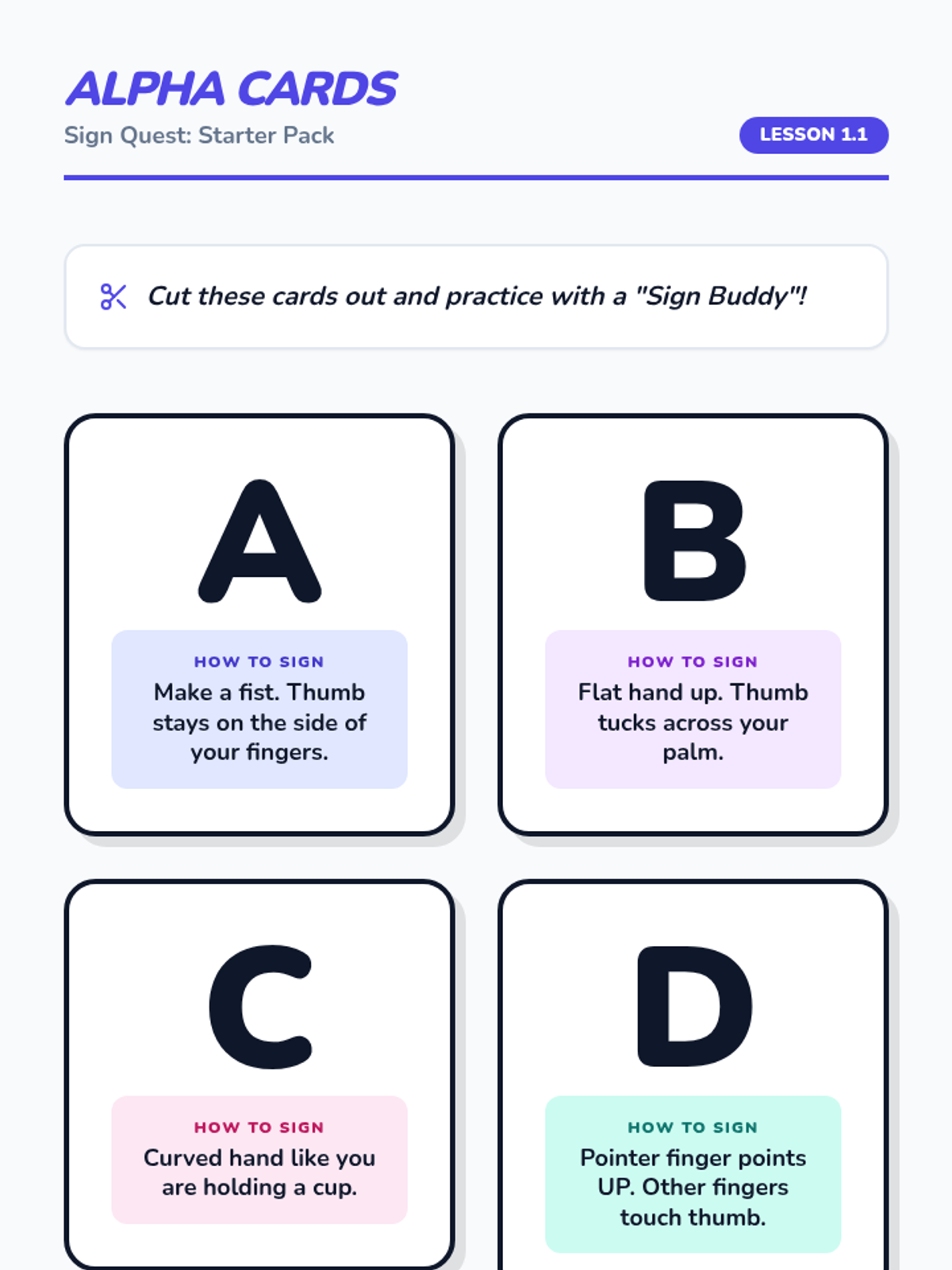
Jump into the basics of ASL with a focus on the manual alphabet and essential polite signs like hello, please, and thank you.
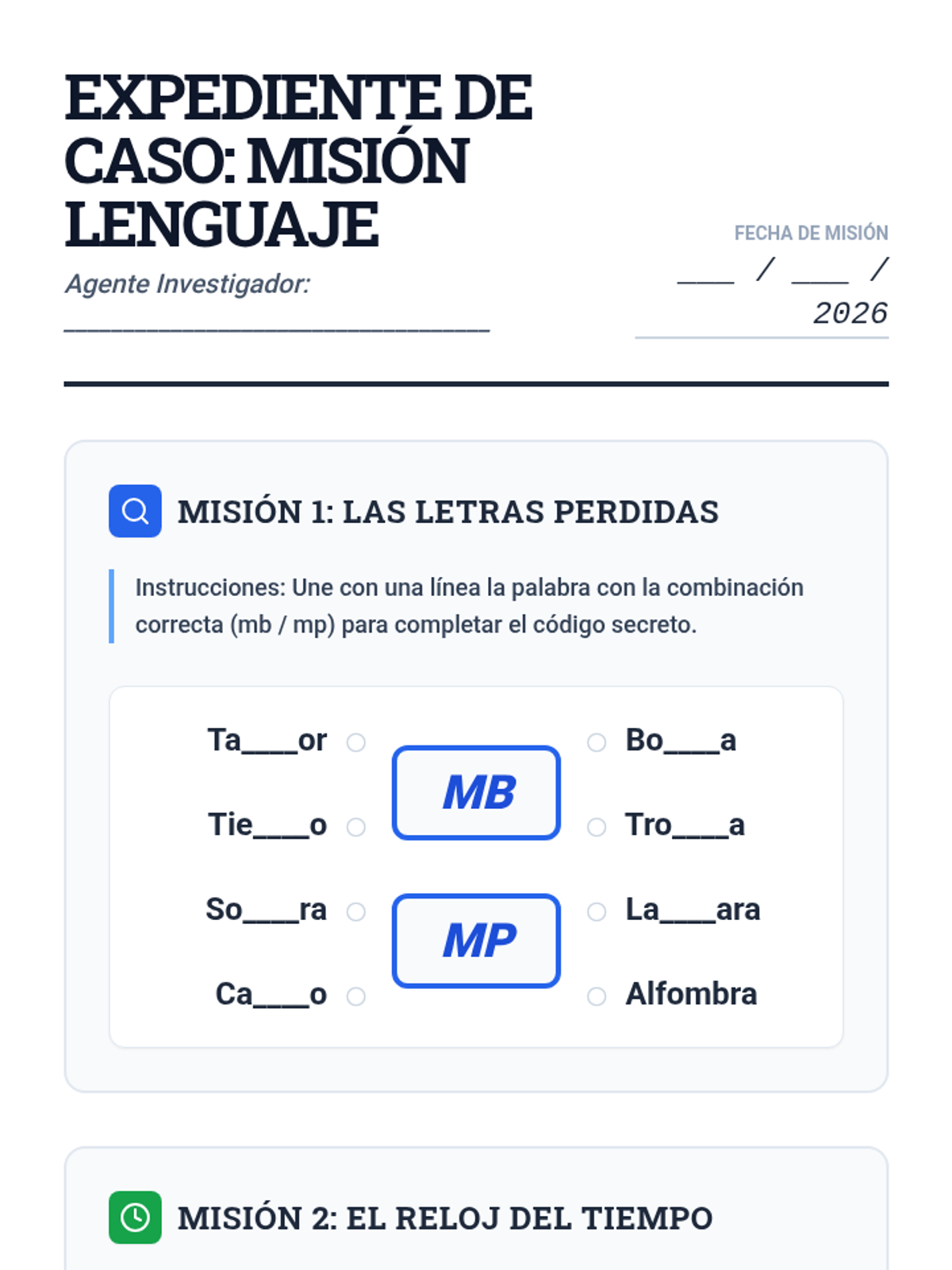
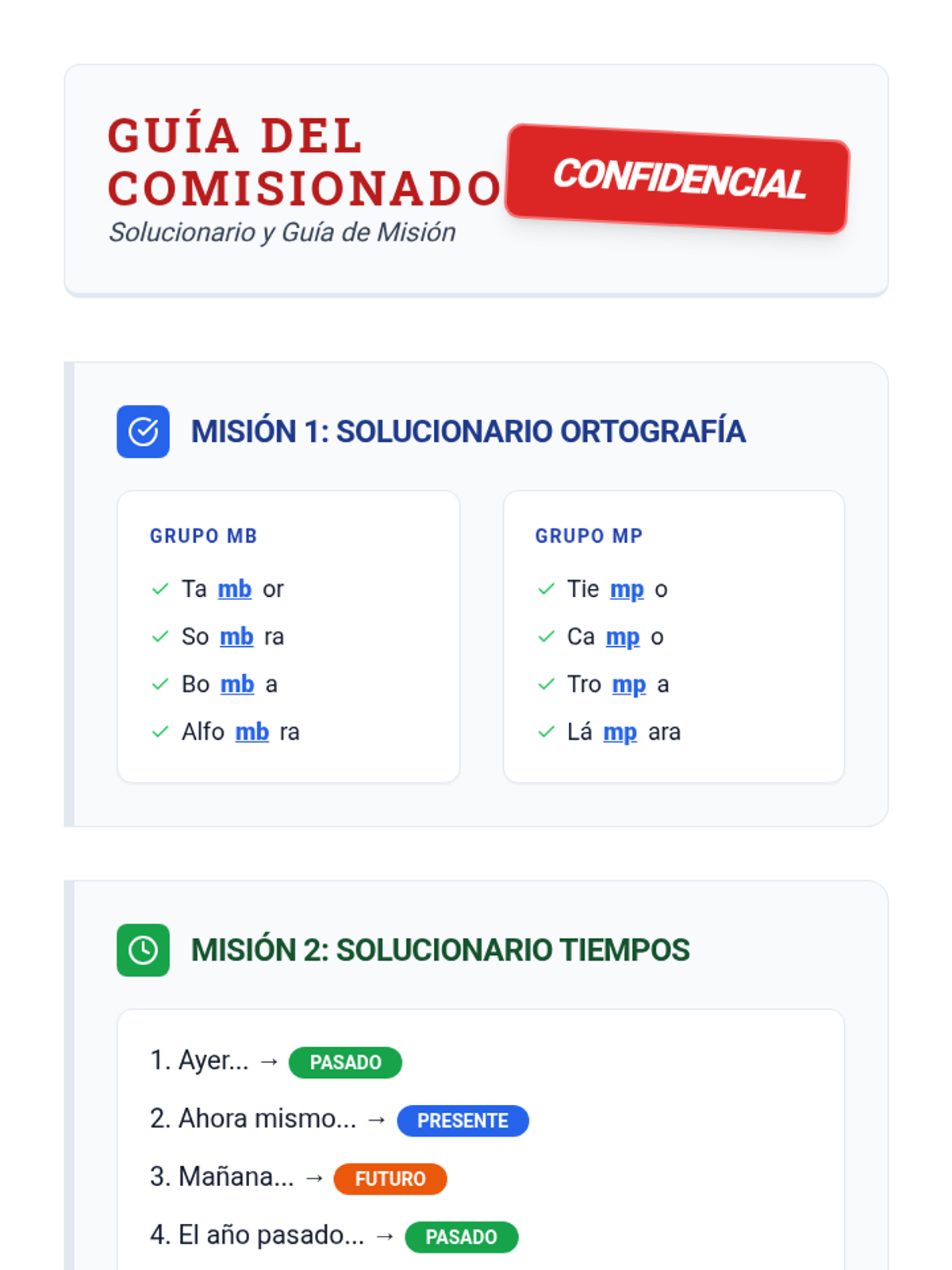
Una lección de repaso de lengua española que cubre las reglas de ortografía de 'm' antes de 'b' y 'p', tiempos verbales (pasado, presente, futuro) y la estructura de la oración (sujeto, verbo, predicado).
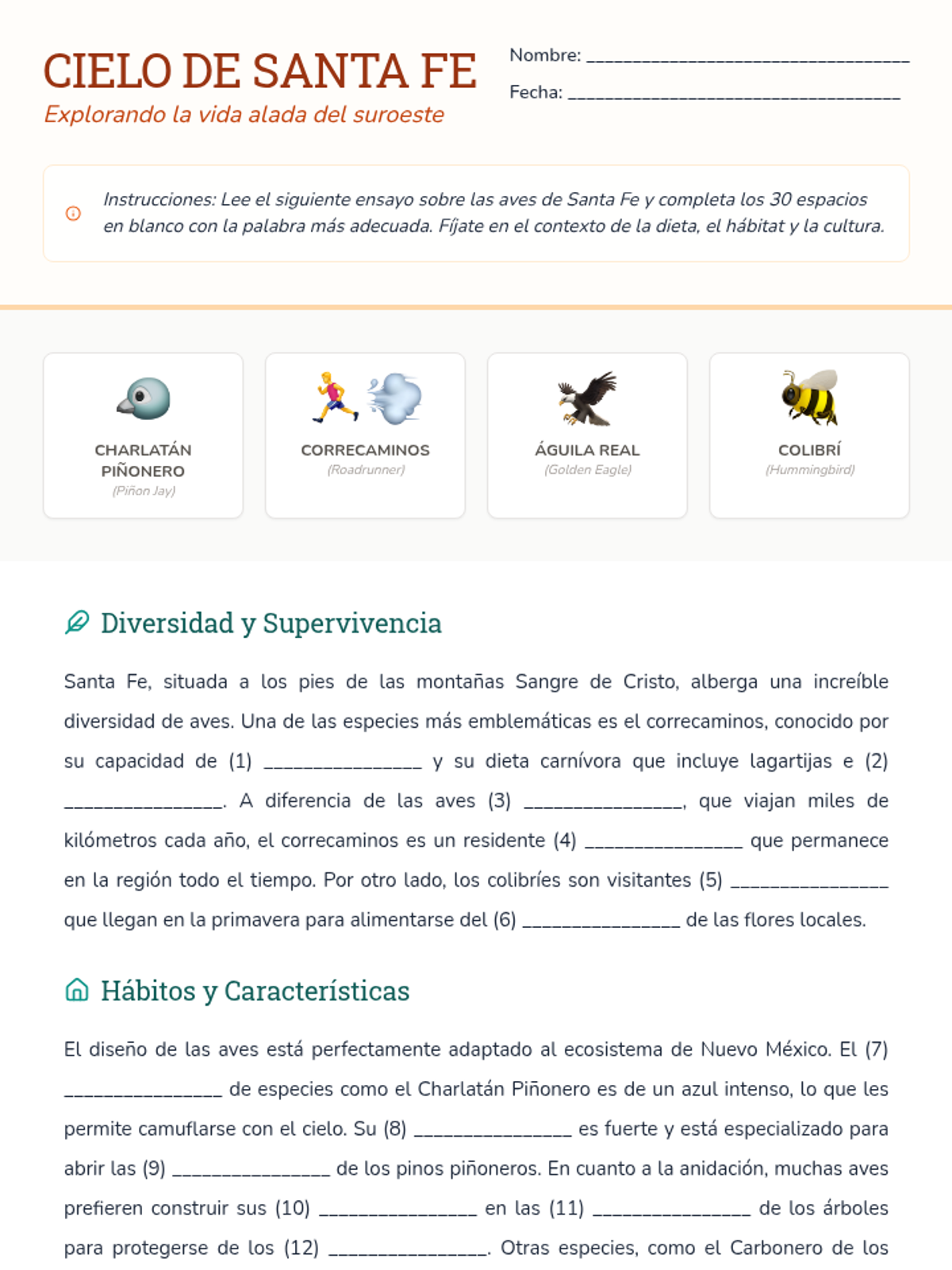
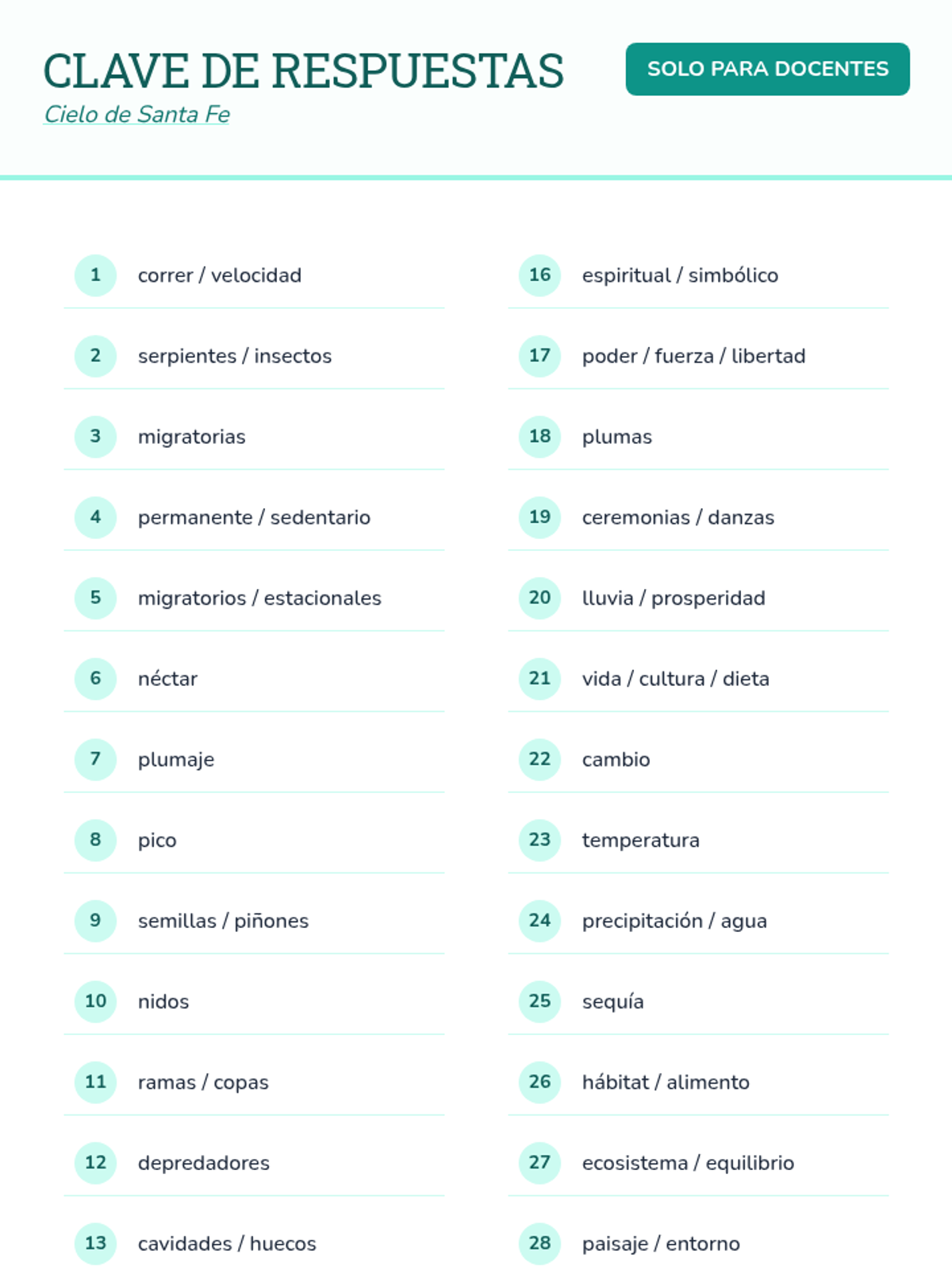
Una lección sobre la avifauna de Santa Fe, Nuevo México, que explora sus características físicas, su importancia cultural para los pueblos indígenas y los desafíos del cambio climático.
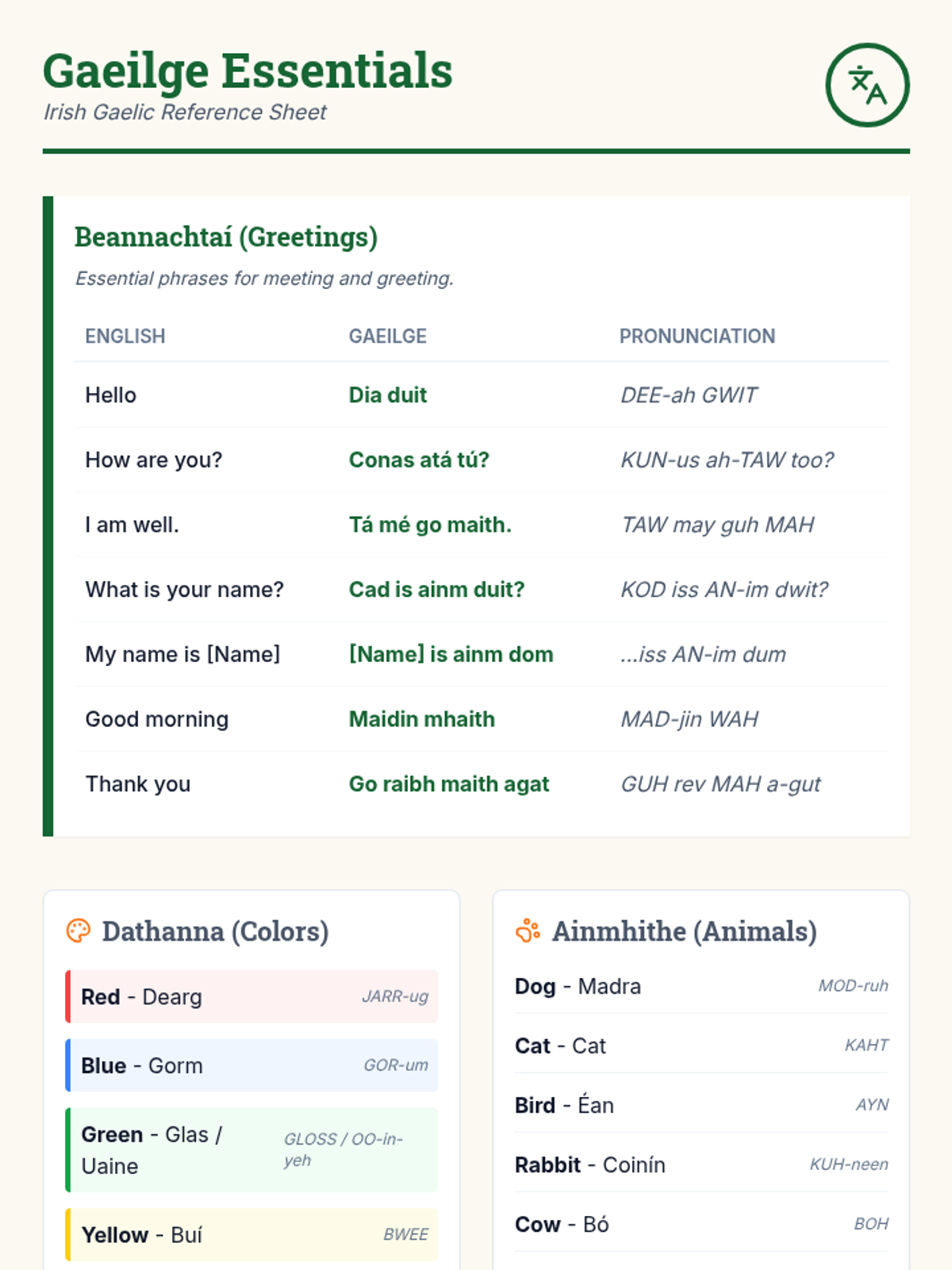
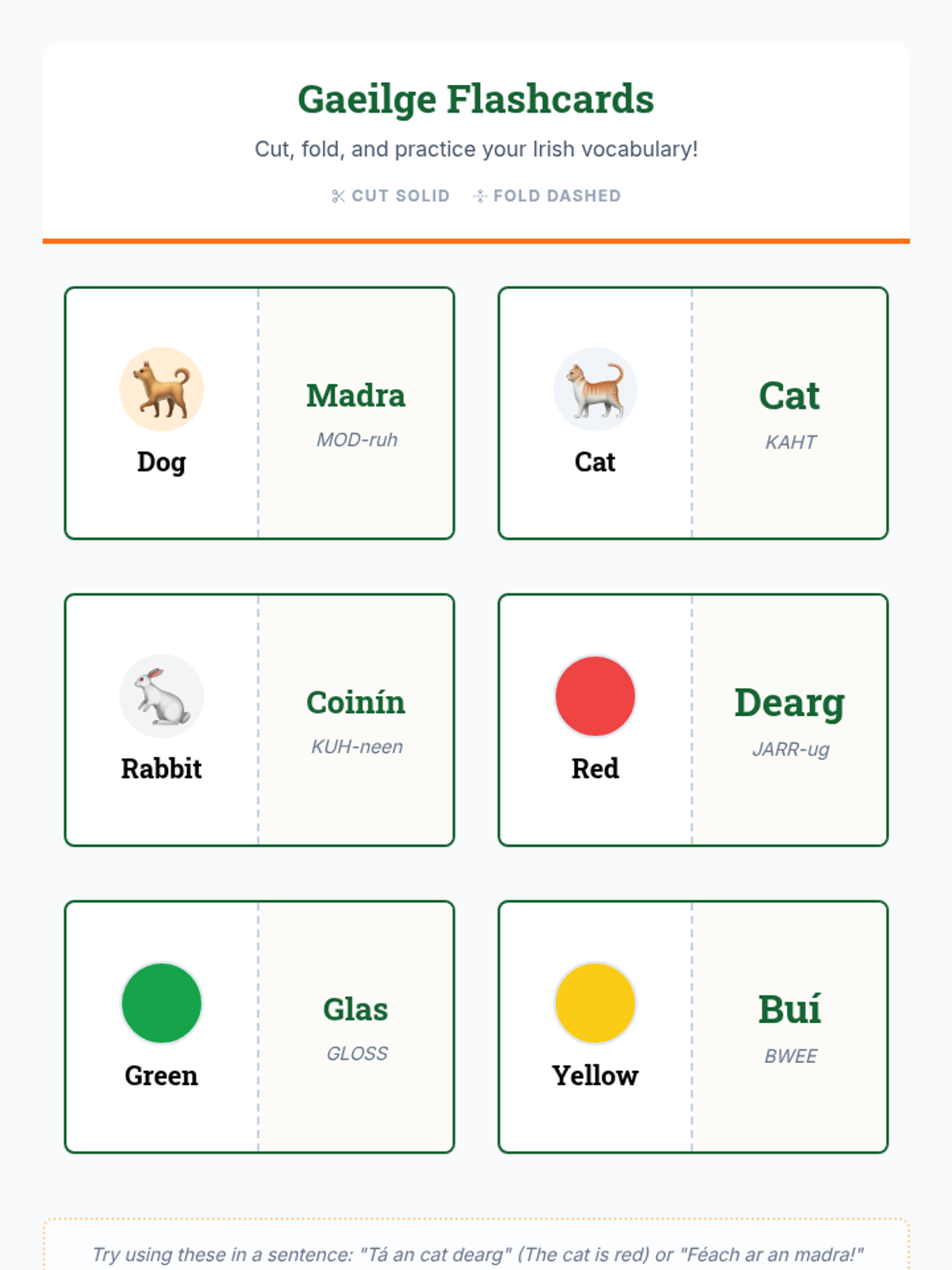
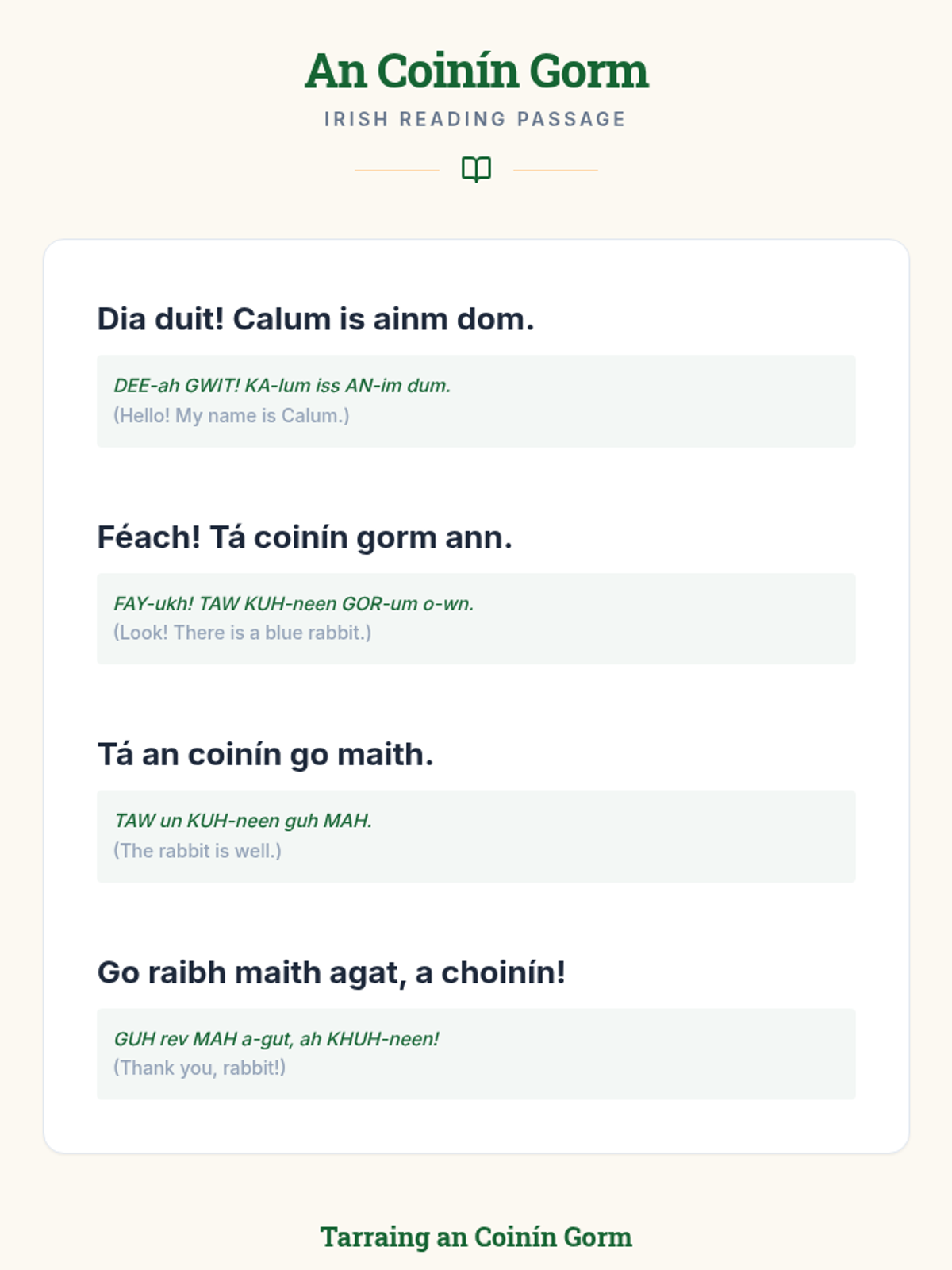
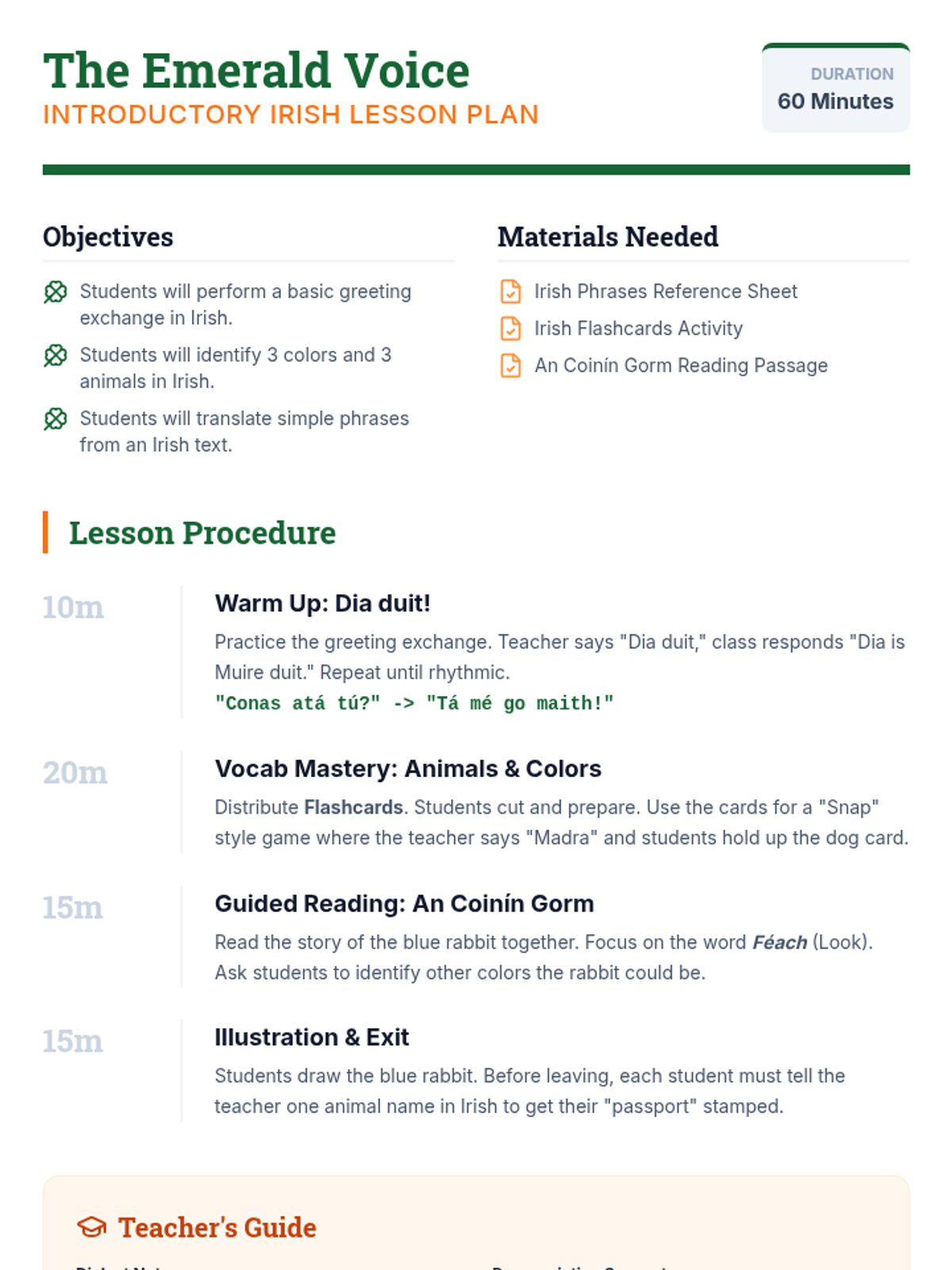
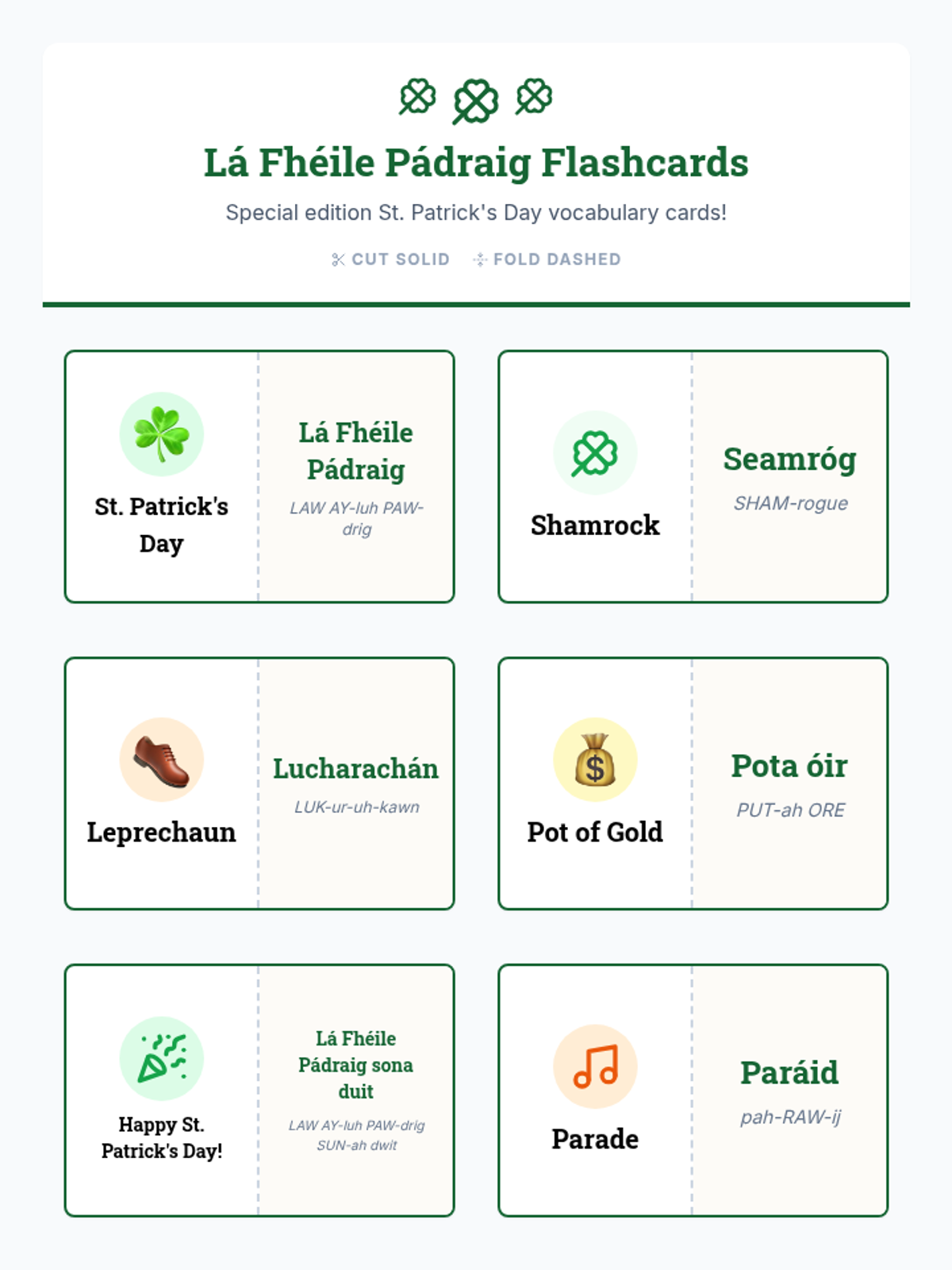
An introductory Irish Gaelic (Gaeilge) lesson covering greetings, animals, colors, and basic conversational questions with a focus on pronunciation.
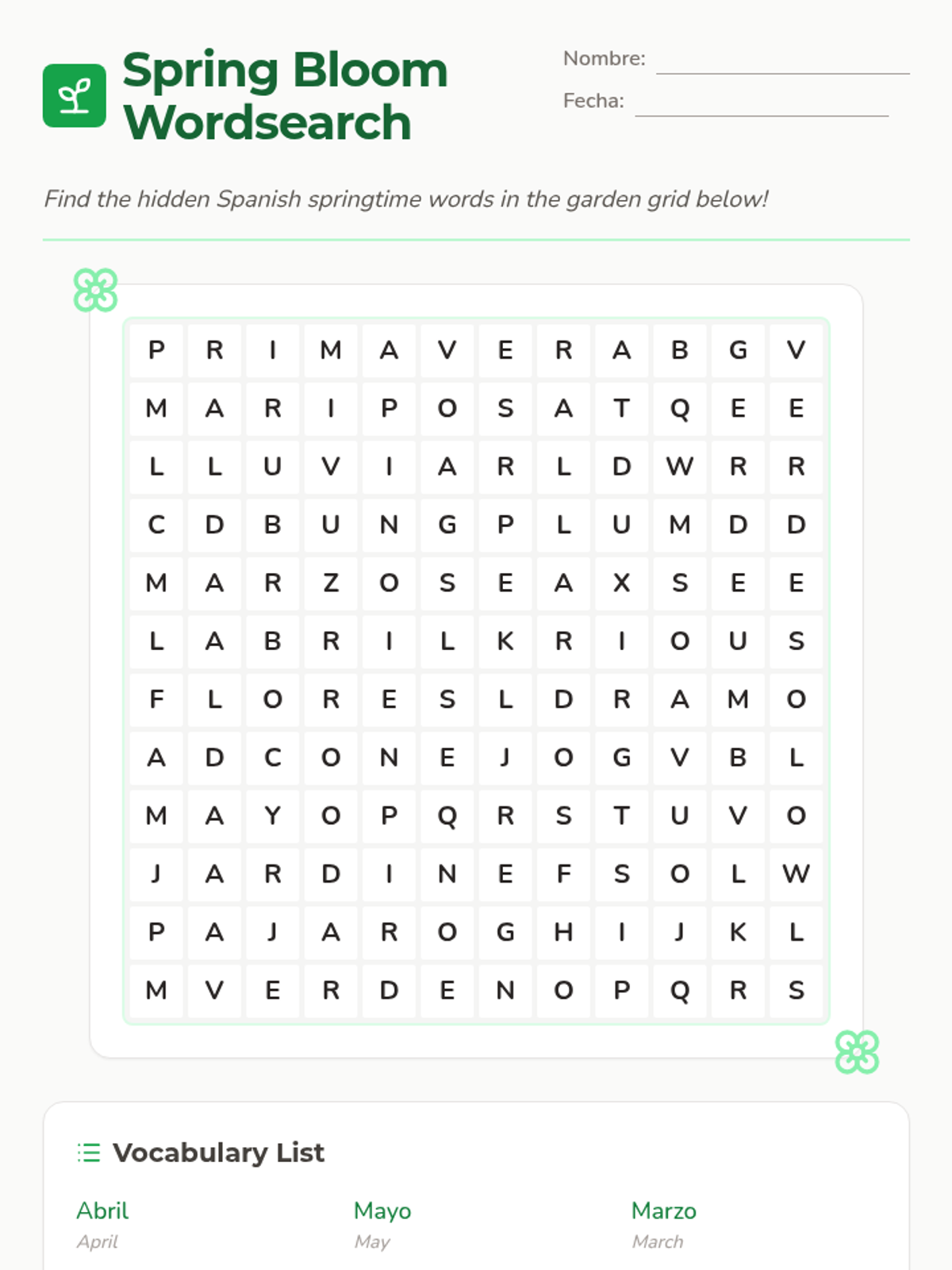
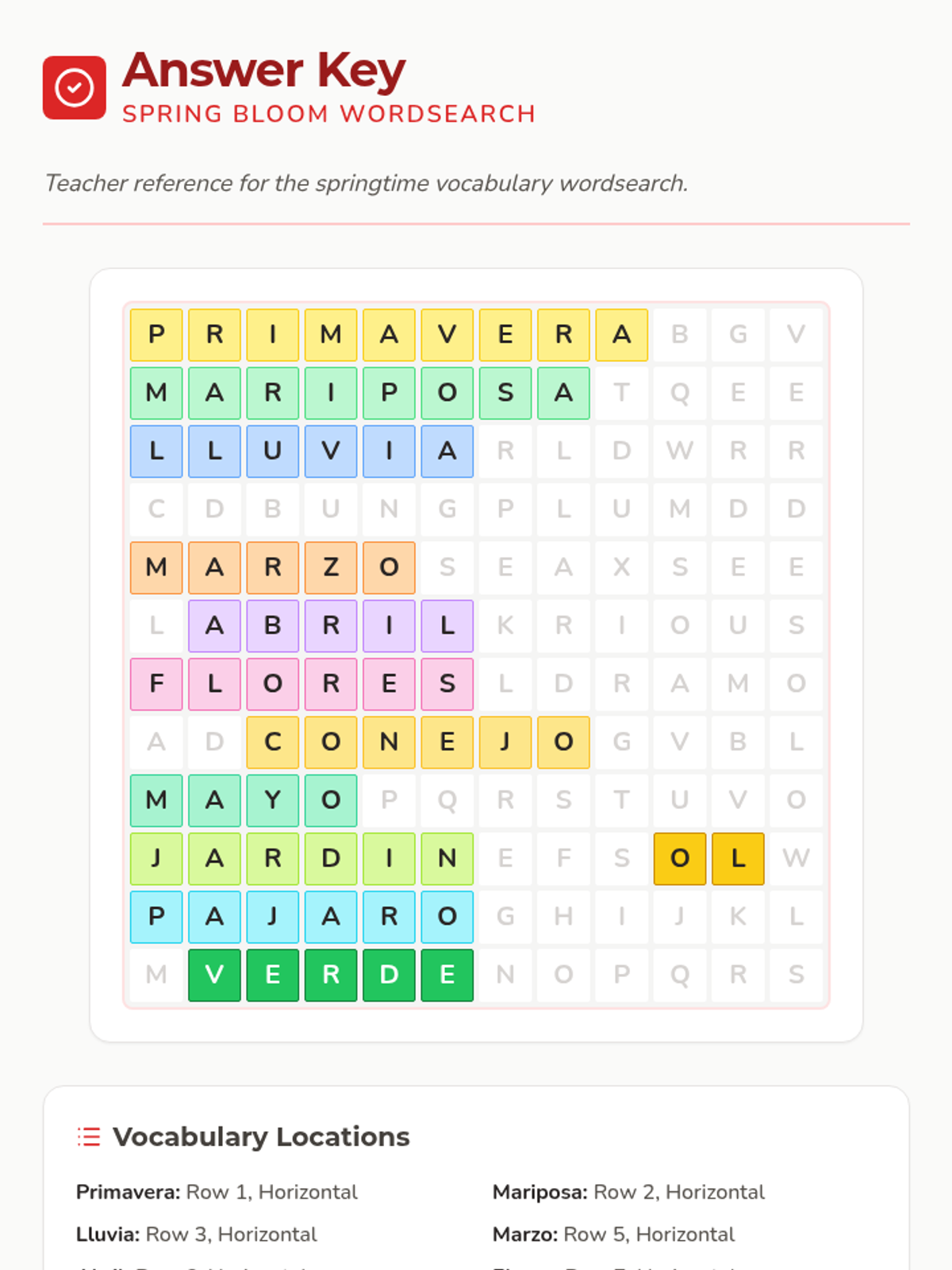
A vibrant introductory lesson to Spanish vocabulary related to springtime and the months of March, April, and May. Students will learn key seasonal terms through visual aids and interactive activities.
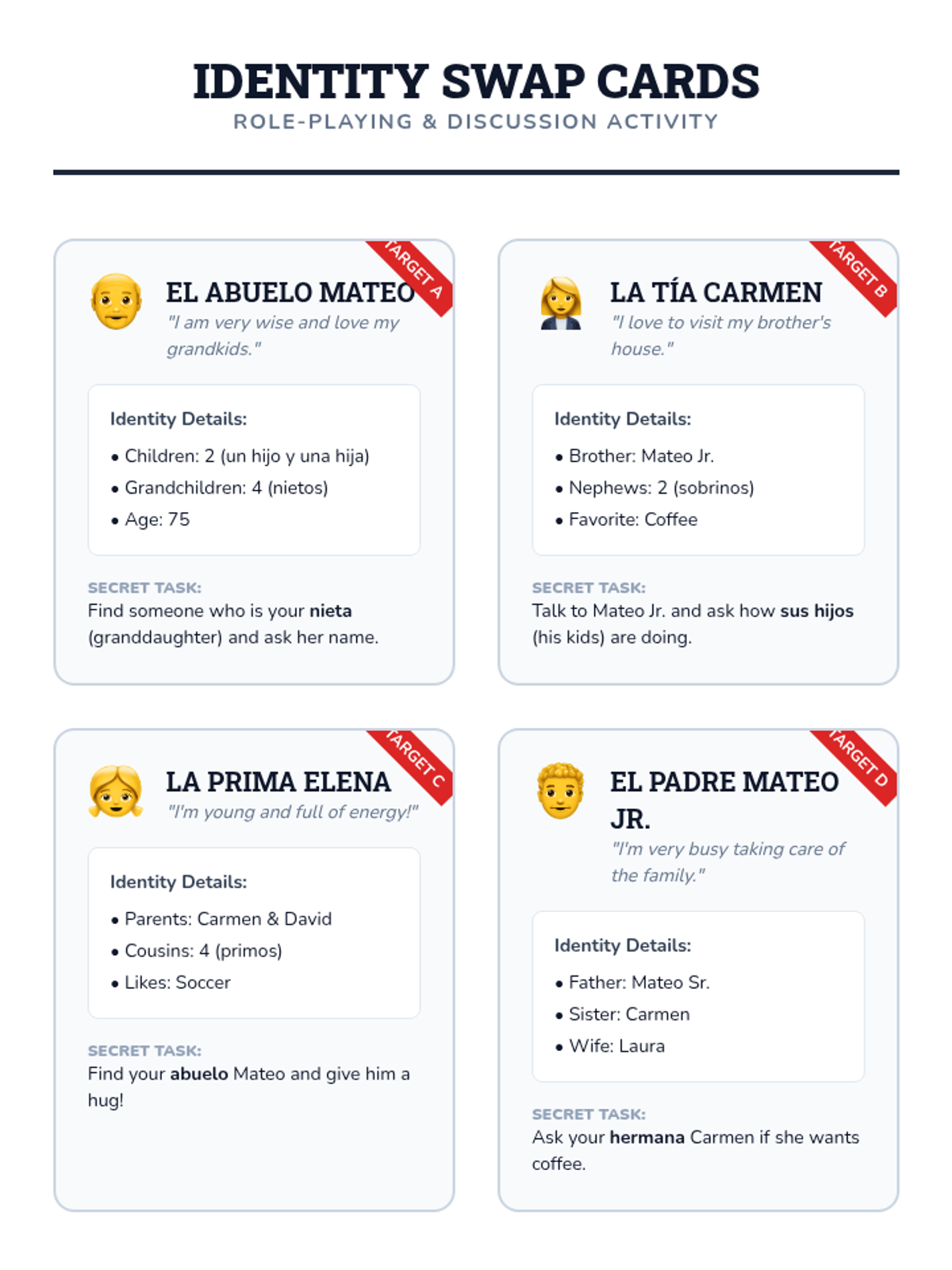
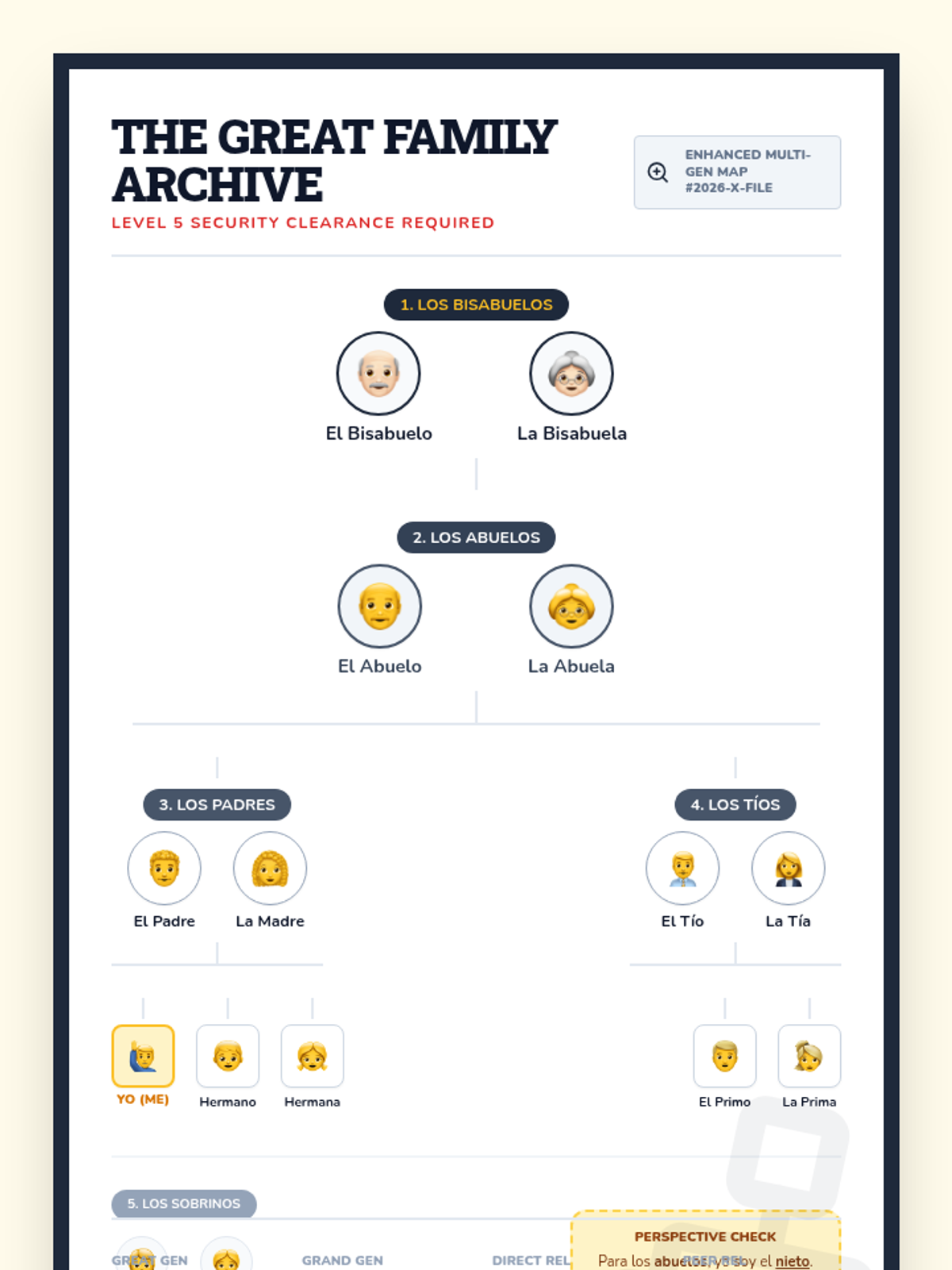
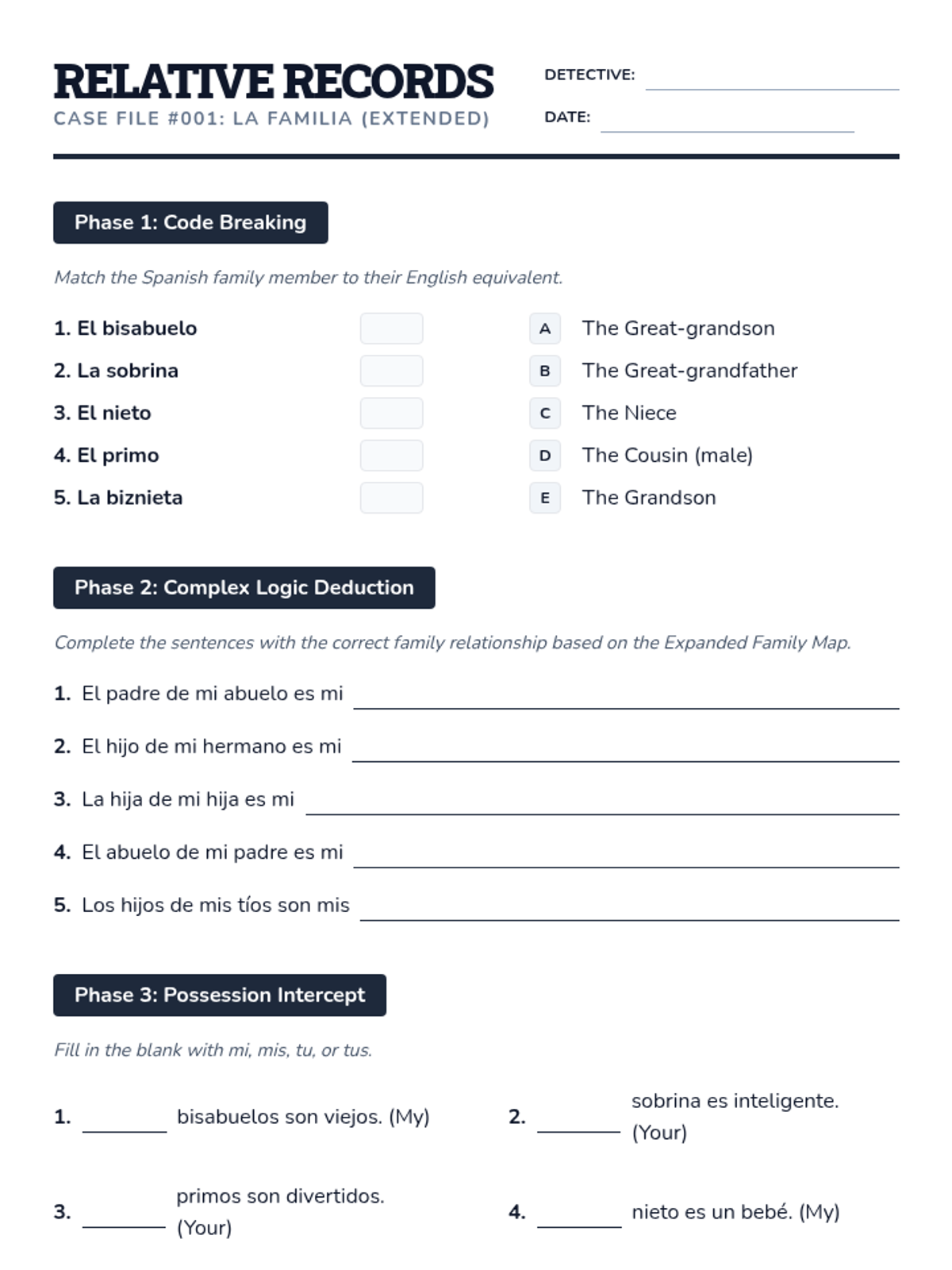
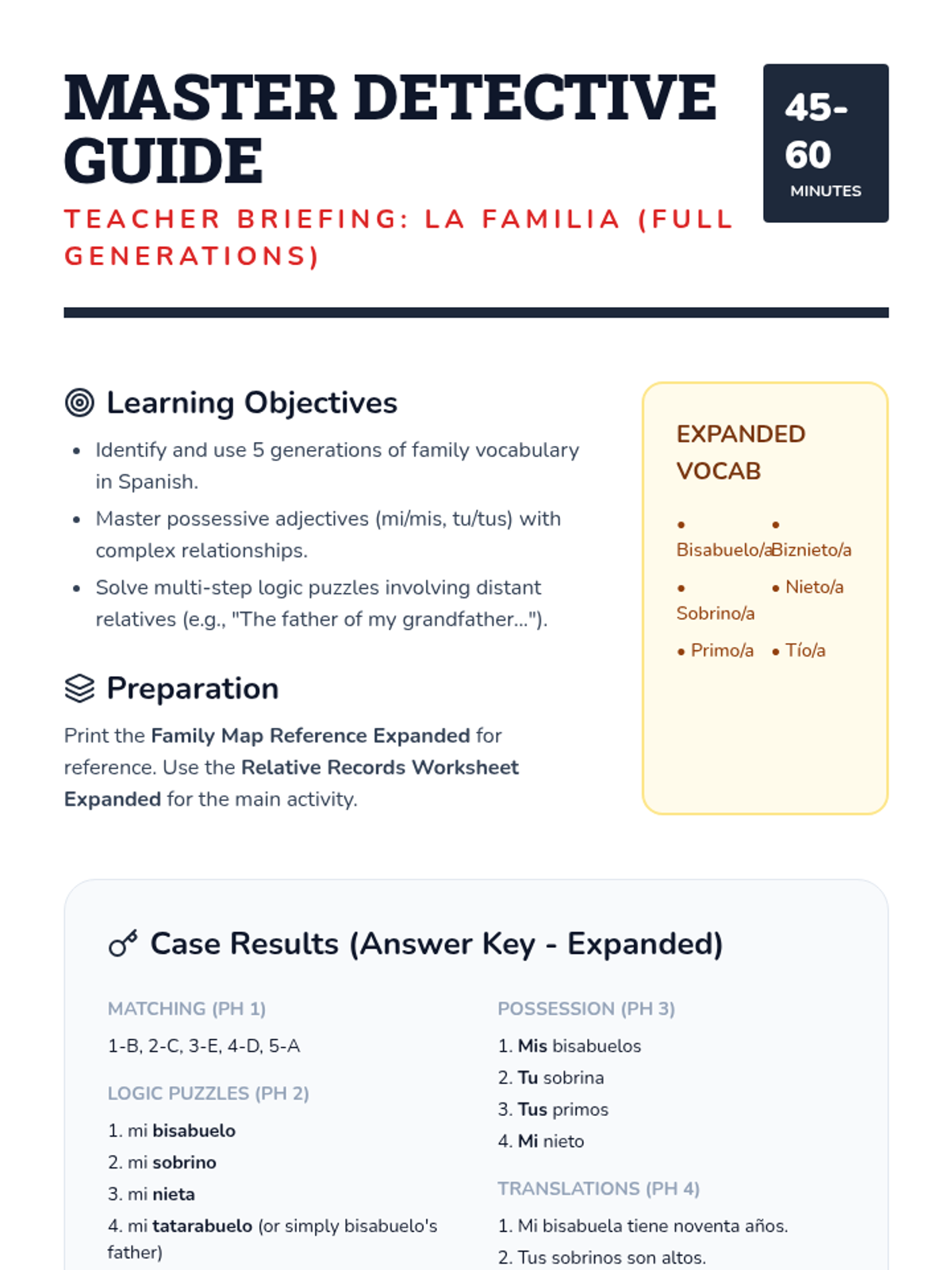
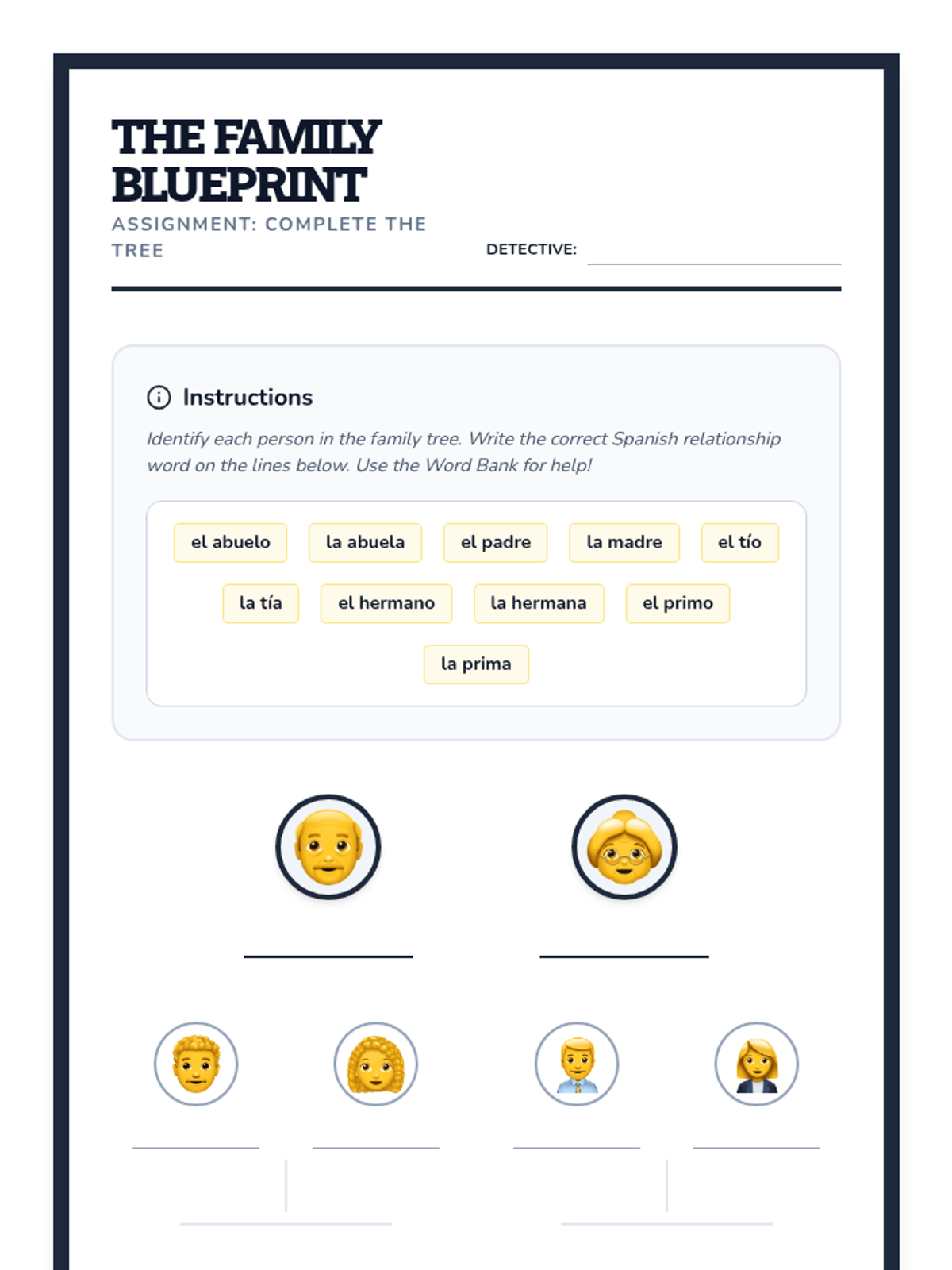
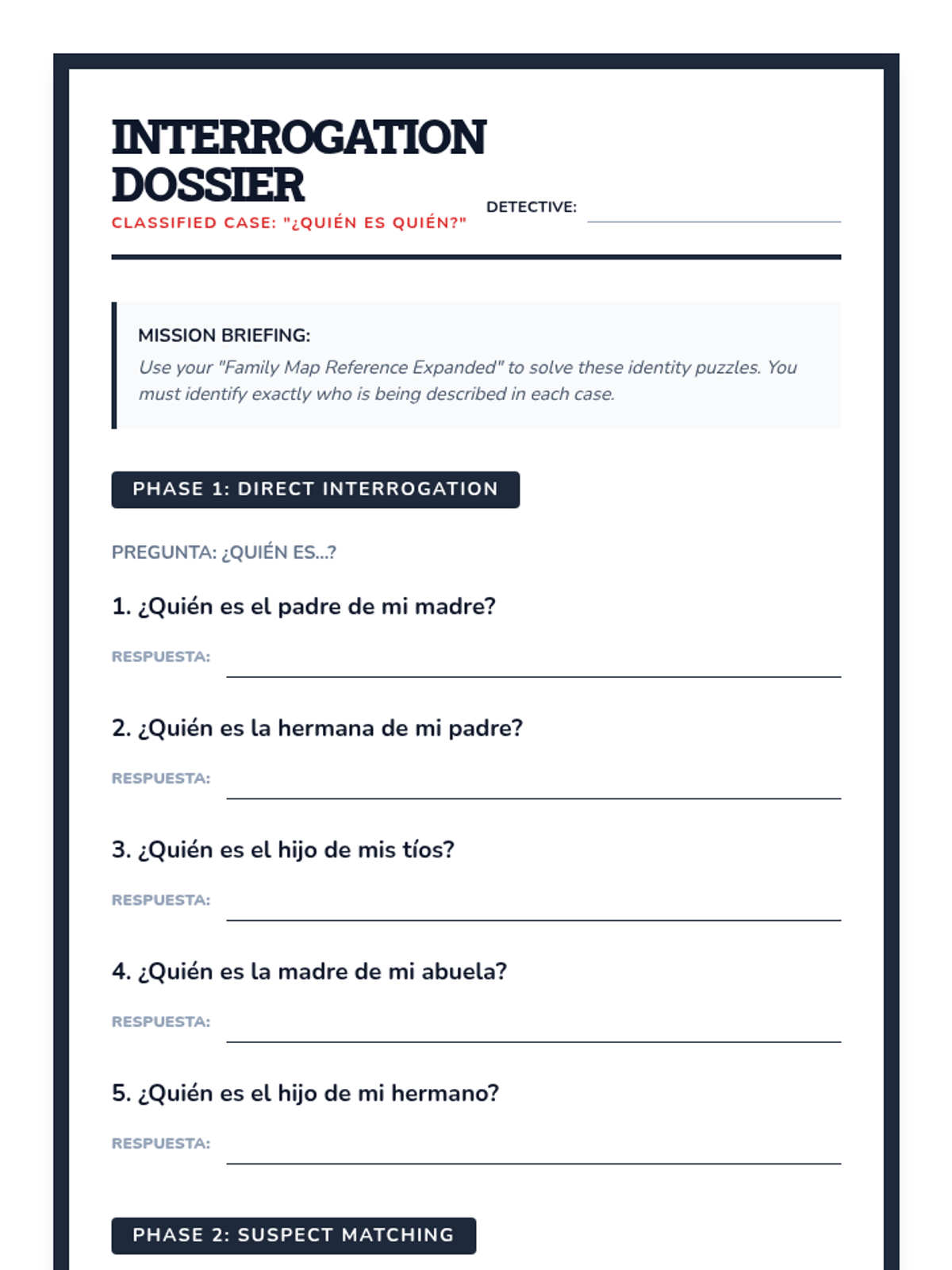
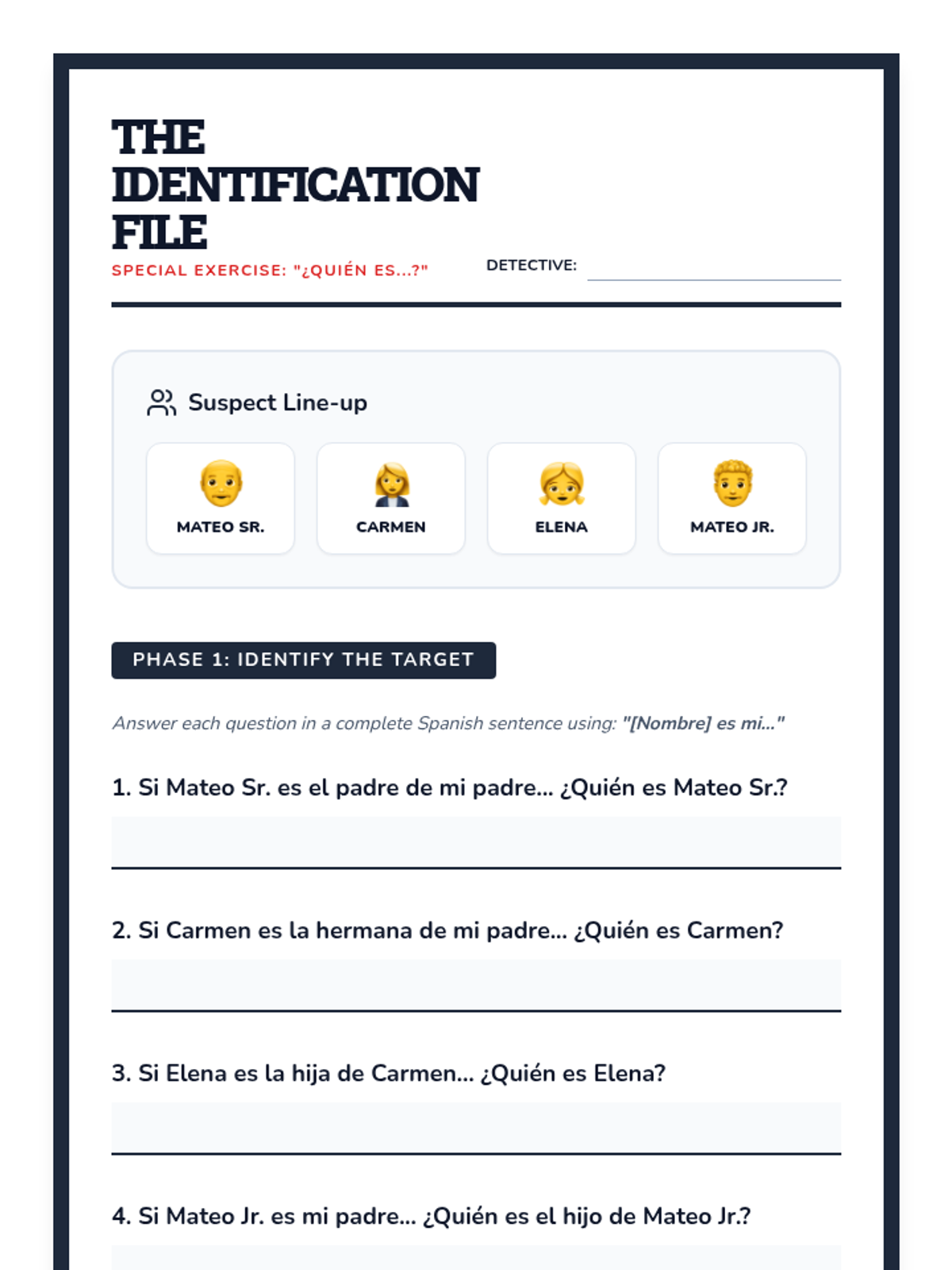
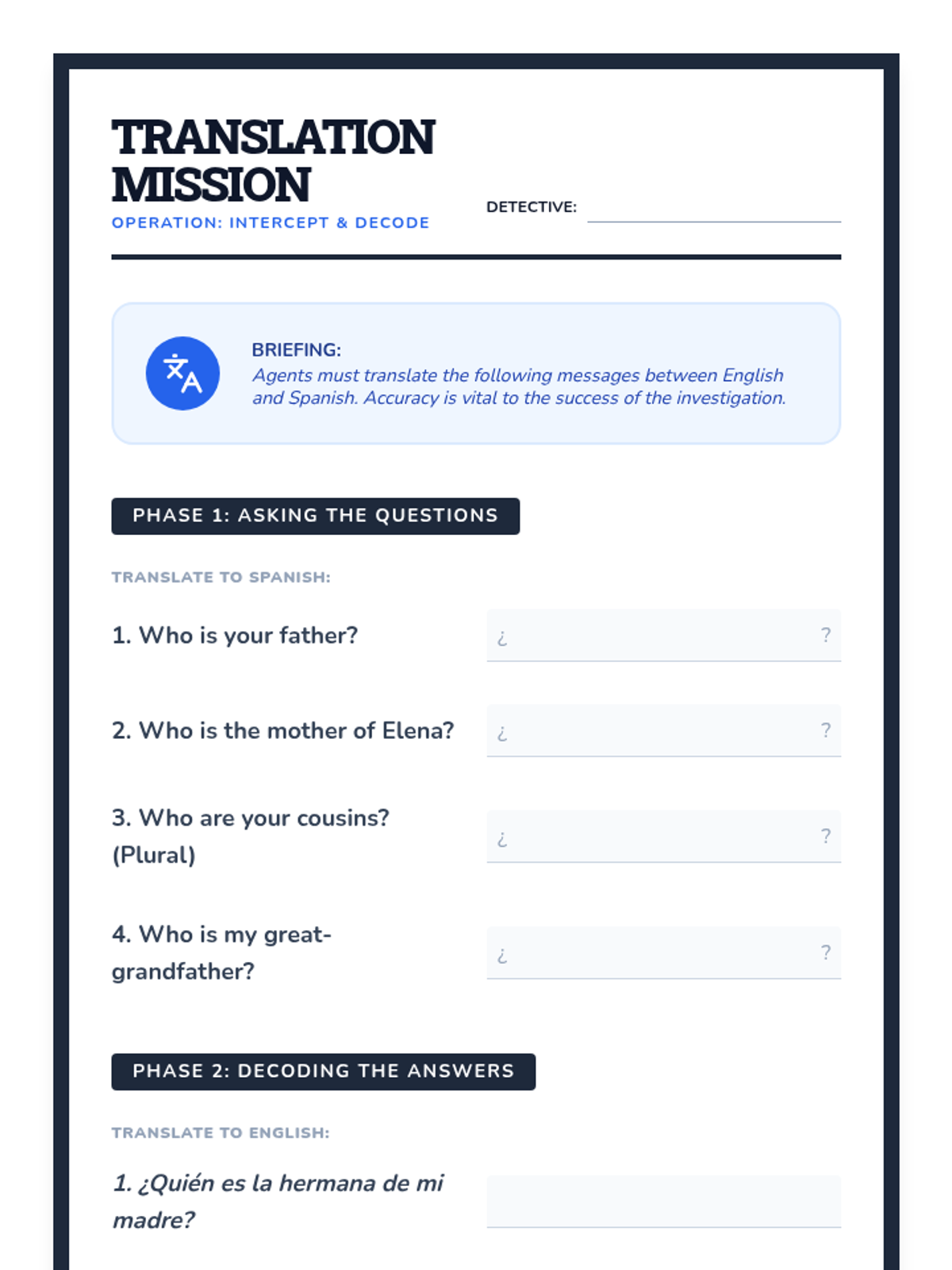
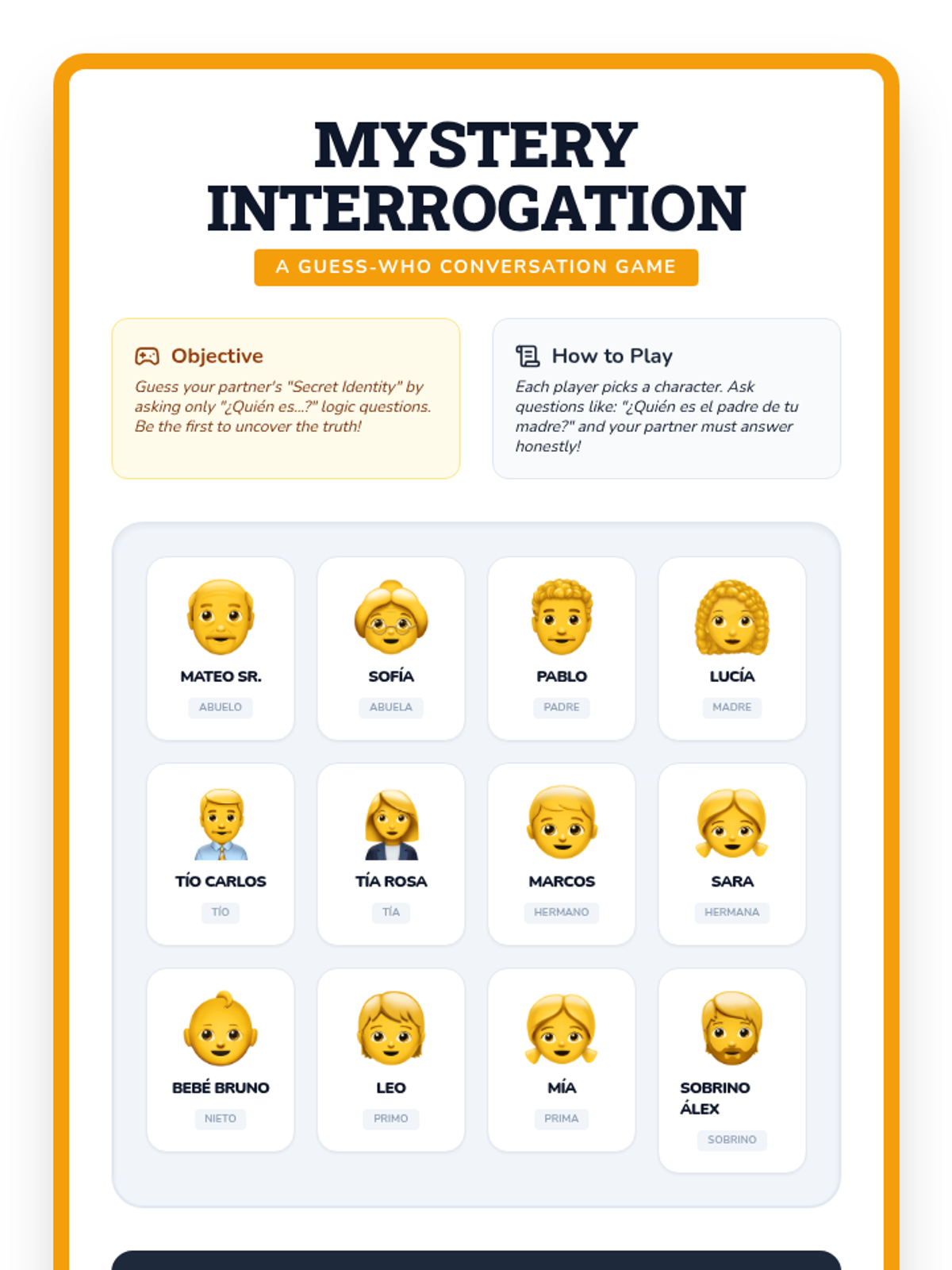
A comprehensive Spanish lesson focused on family and relatives vocabulary through a detective-themed investigation. Students will identify, describe, and discuss family members using a variety of interactive and written exercises.
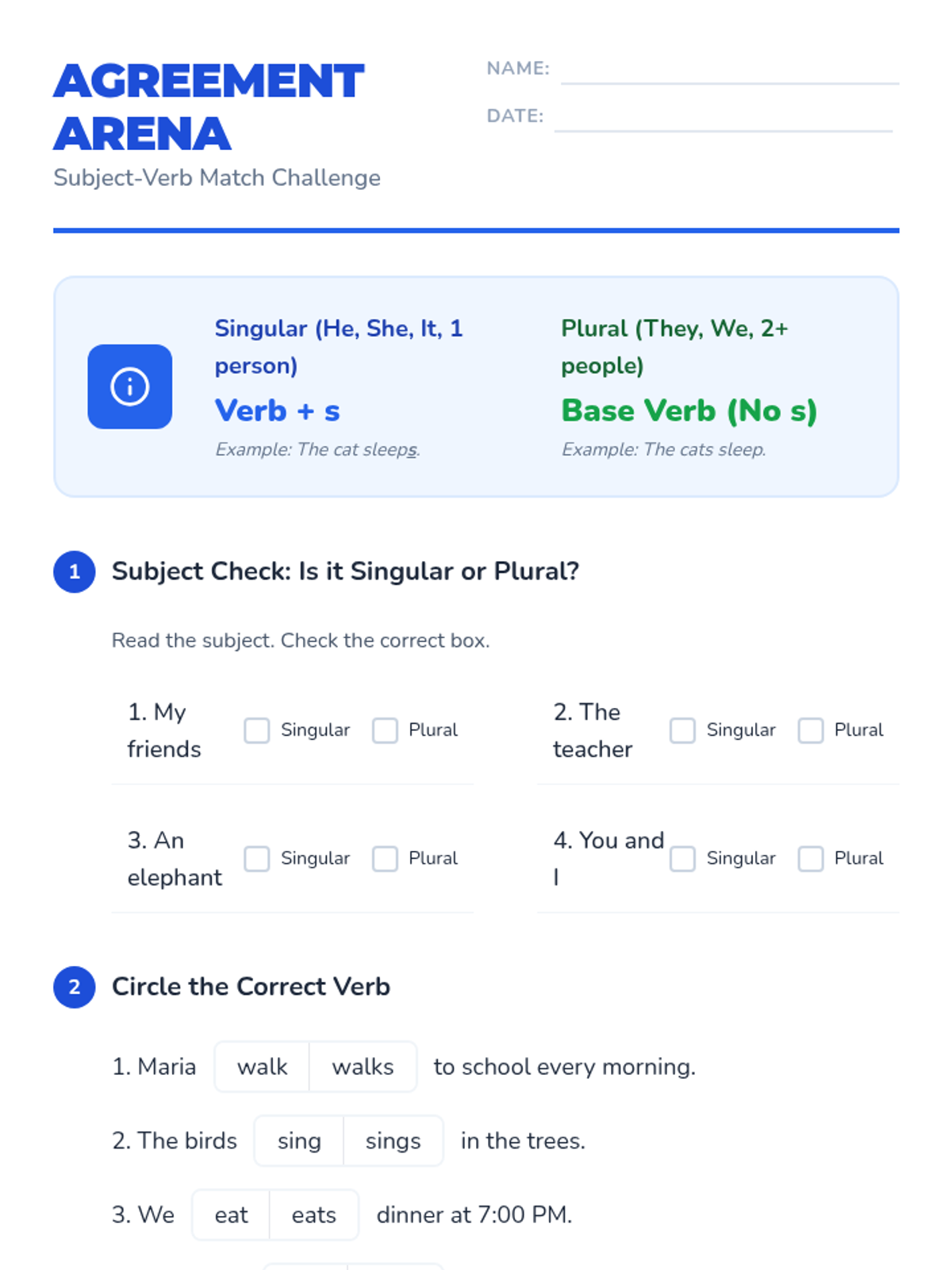
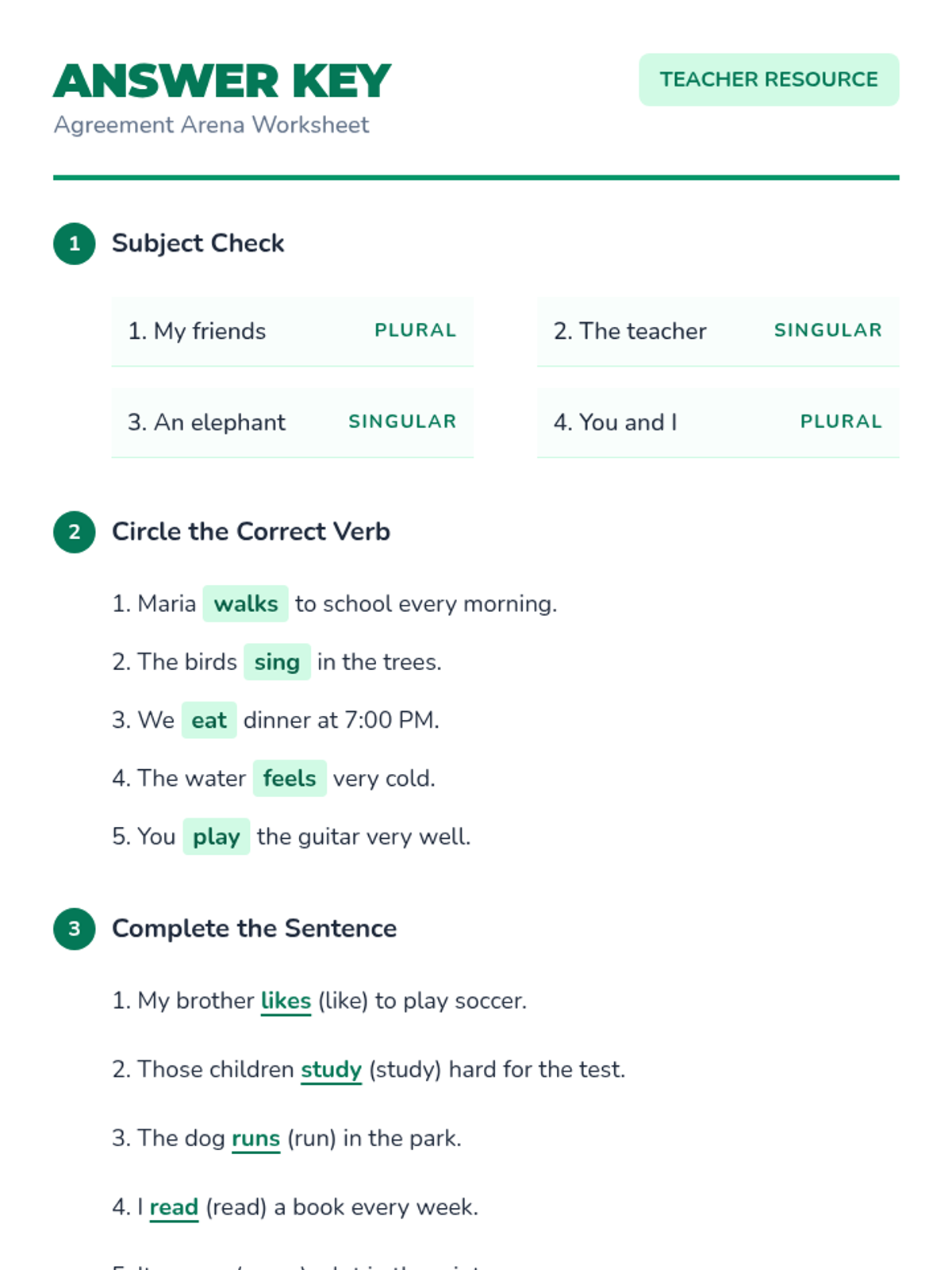
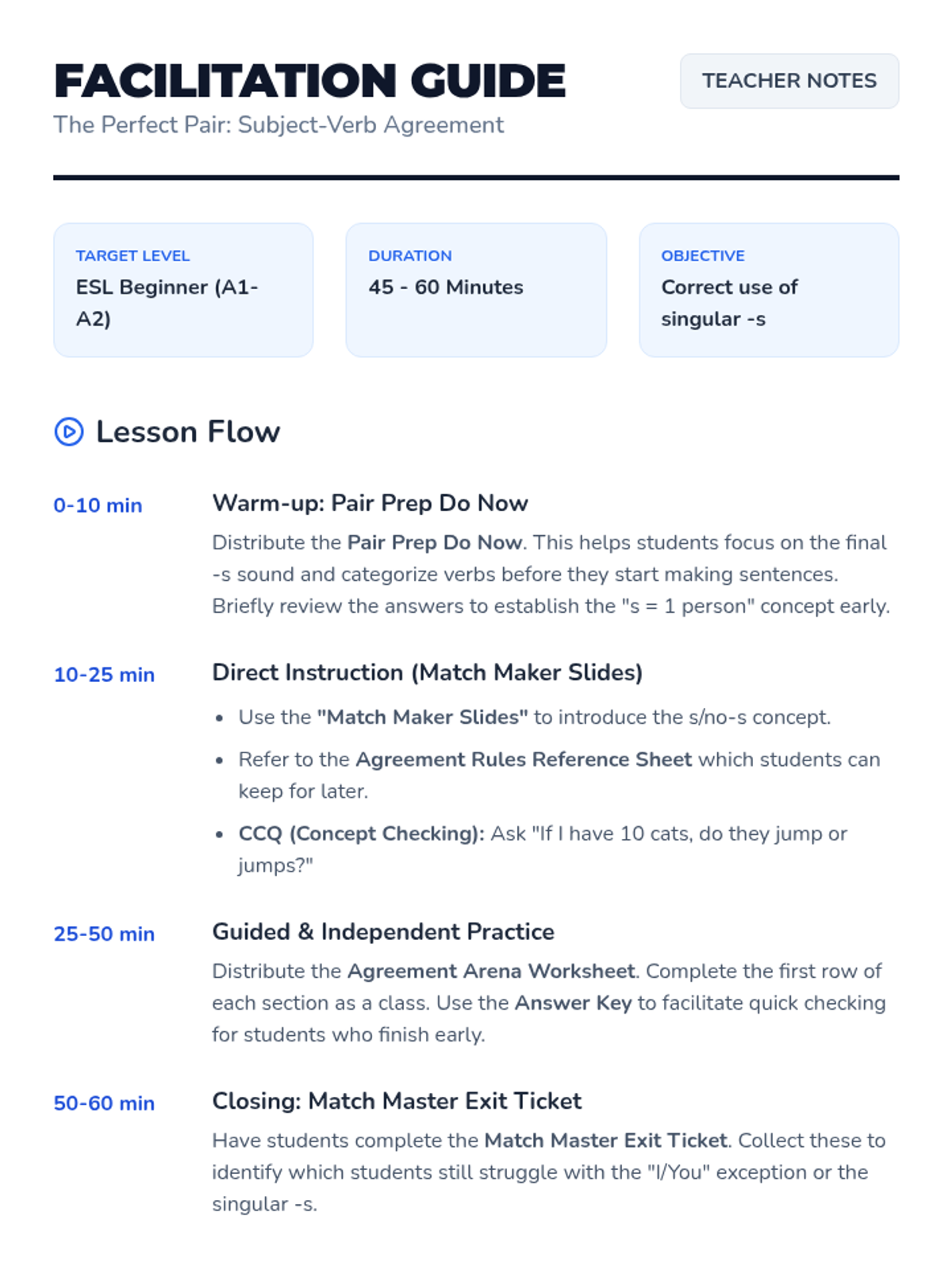
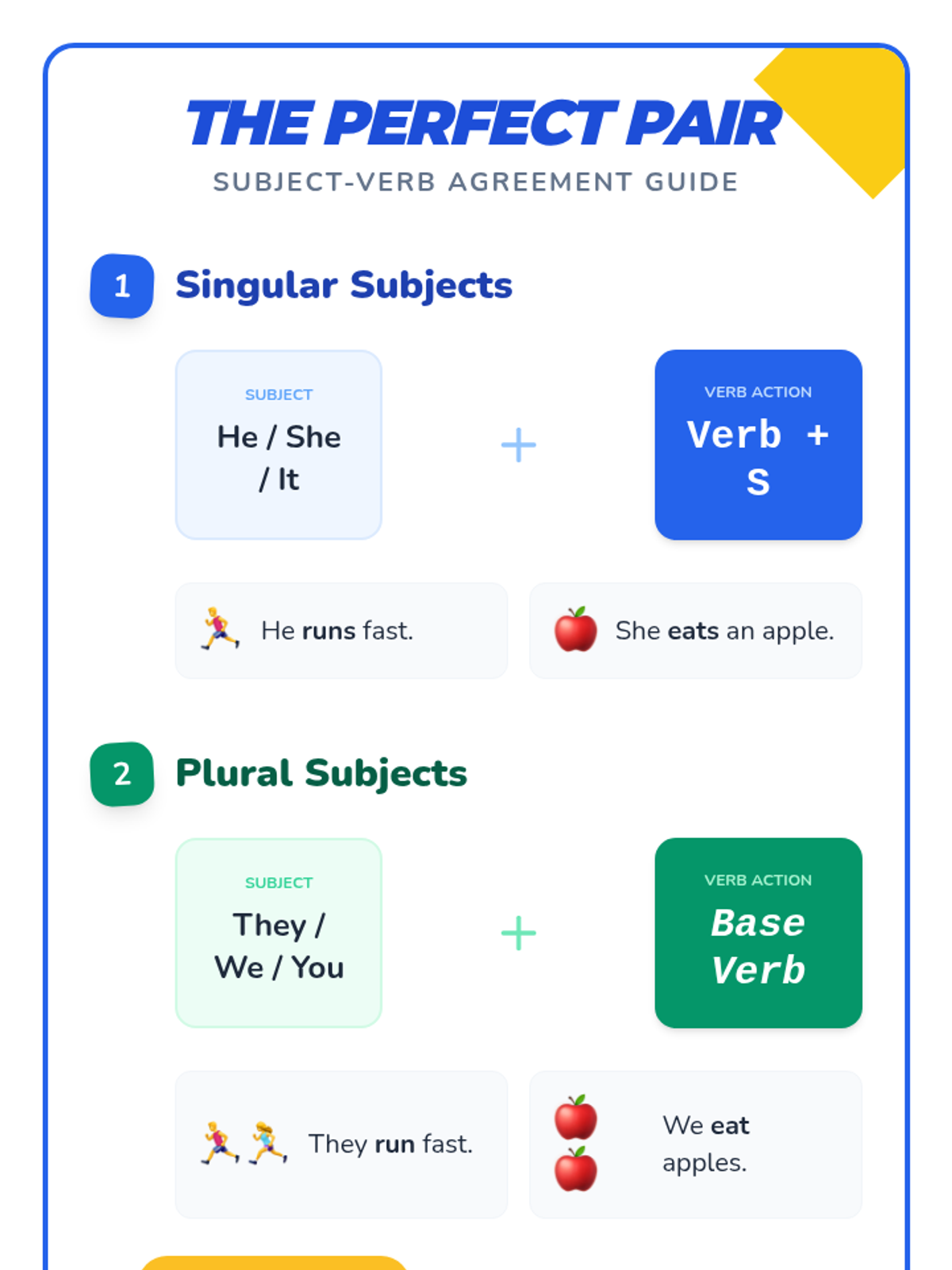
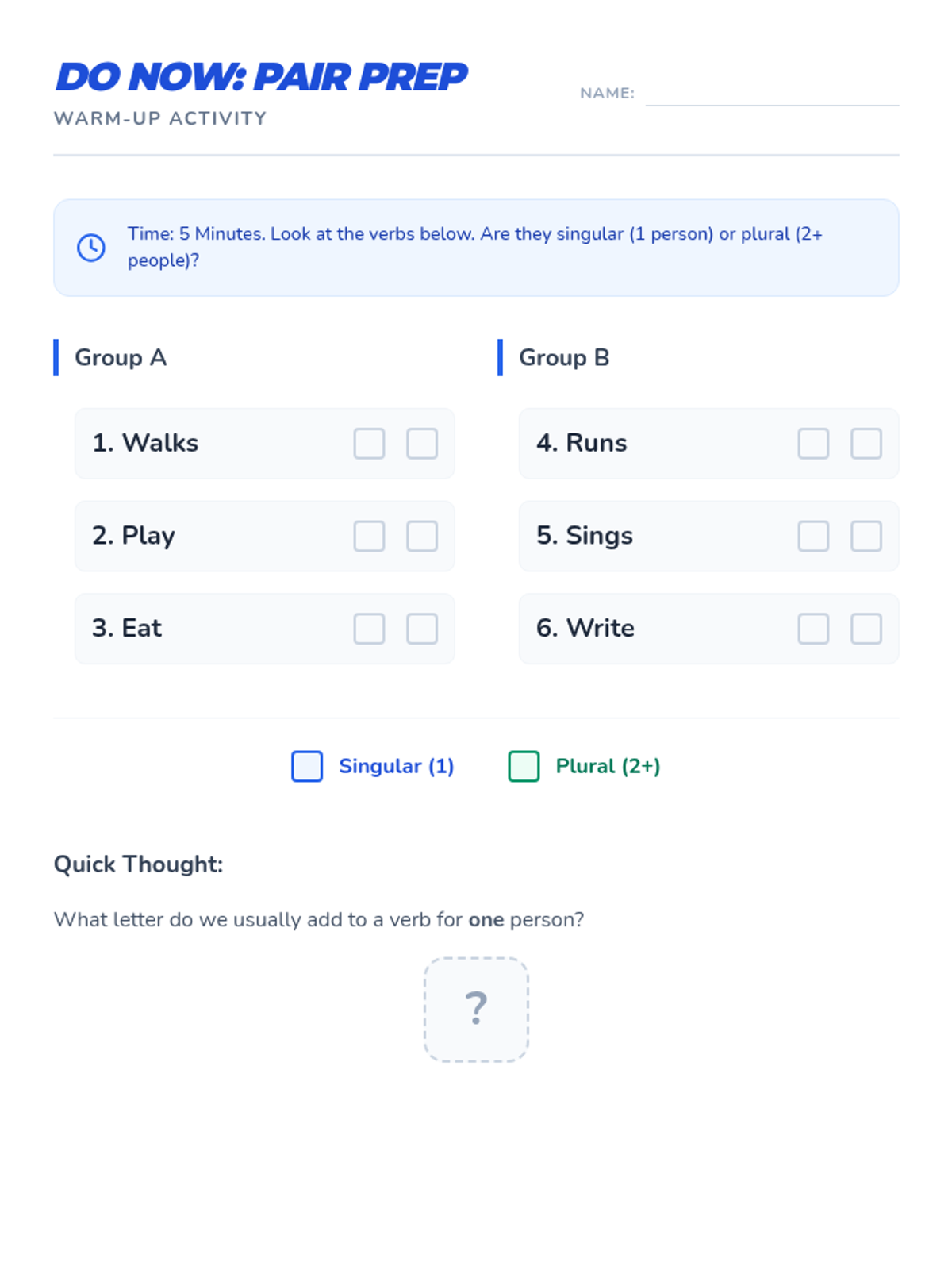
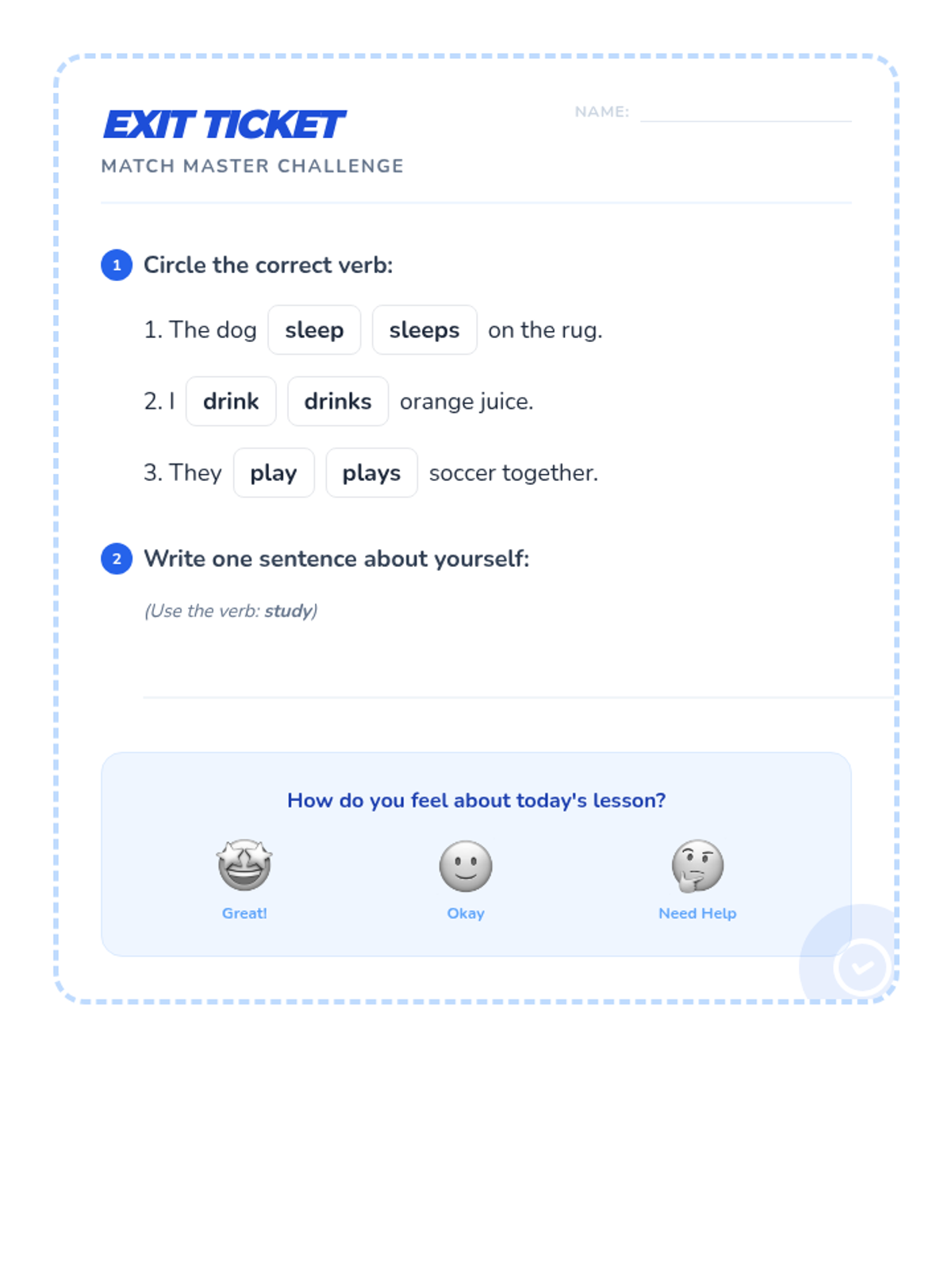
A foundational lesson on simple subject-verb agreement for ESL students, focusing on the singular -s ending and plural base forms. Students will learn to match subjects with their correct verb forms through visual aids and structured practice.
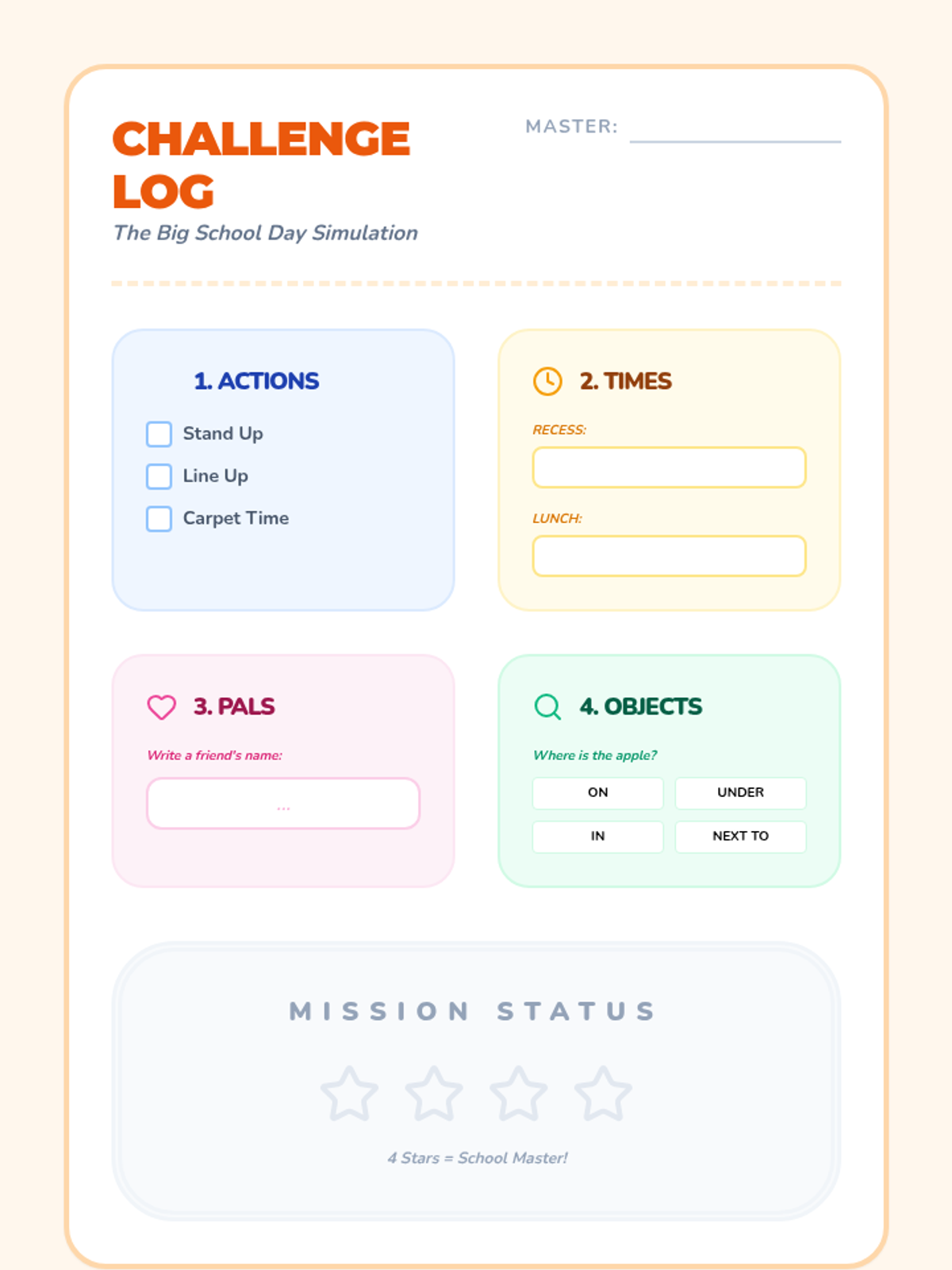
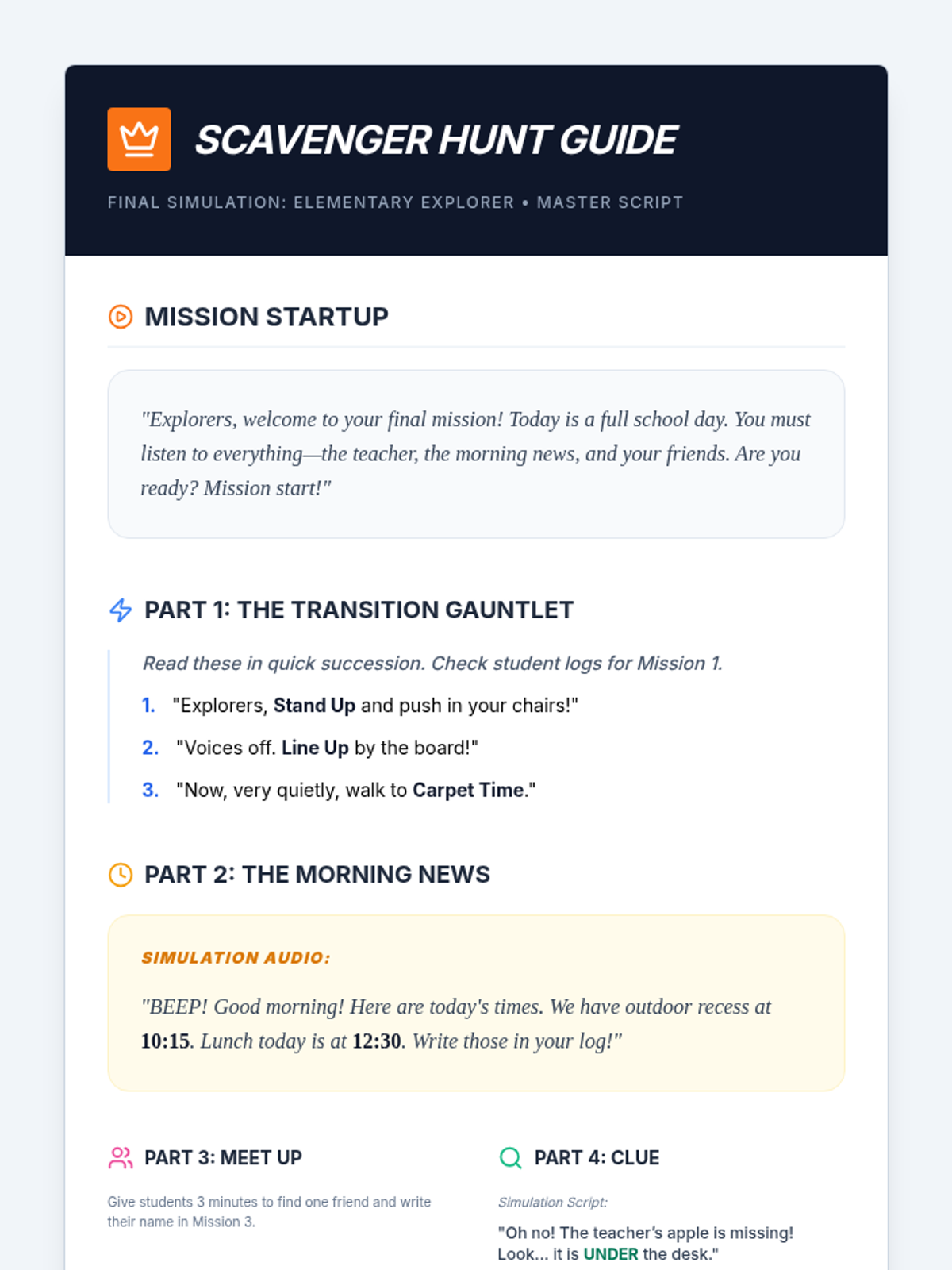
A culminating simulation of a full elementary school day where students use all their listening skills to navigate transitions, lunchroom rules, and social interactions.
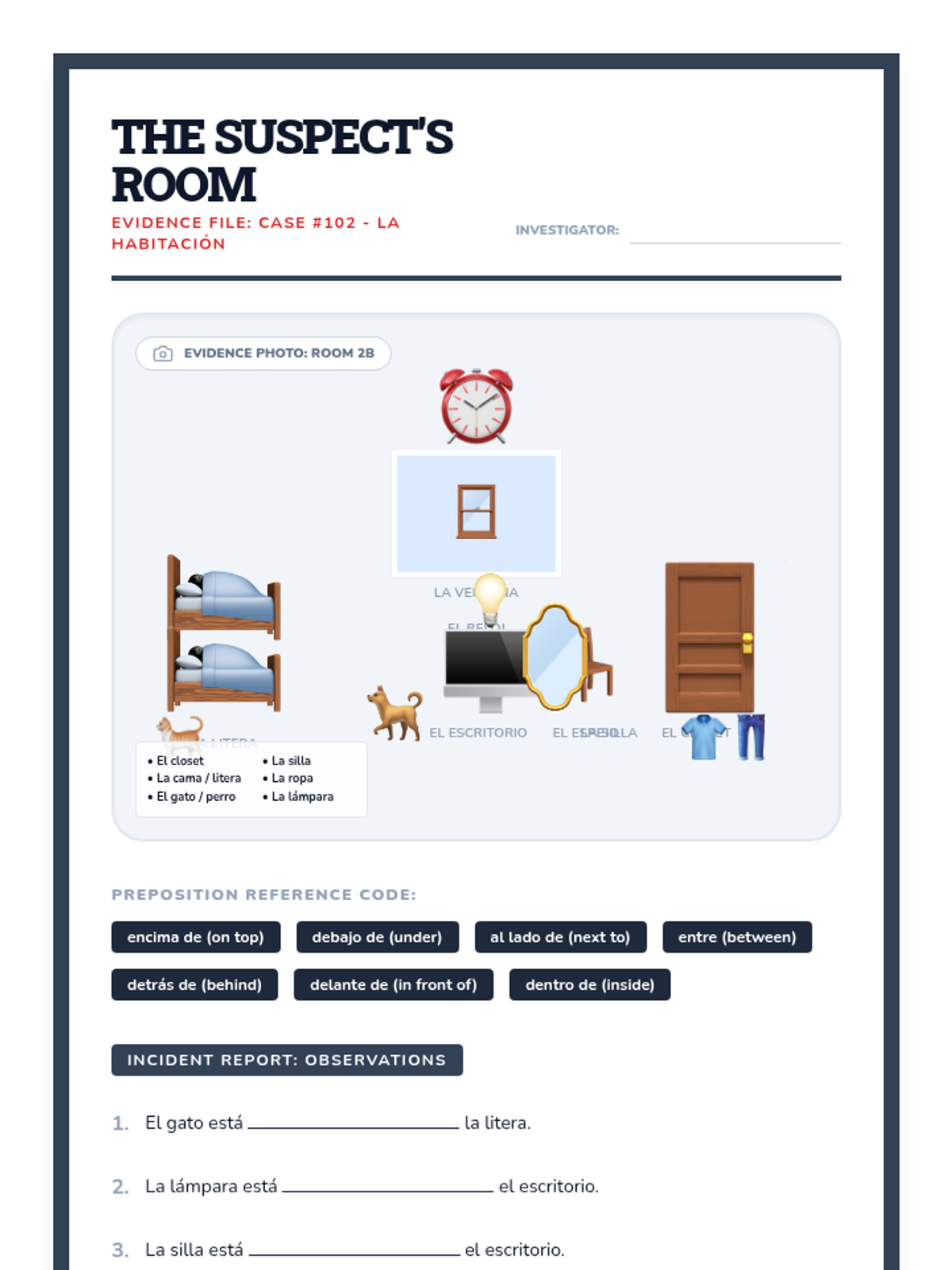
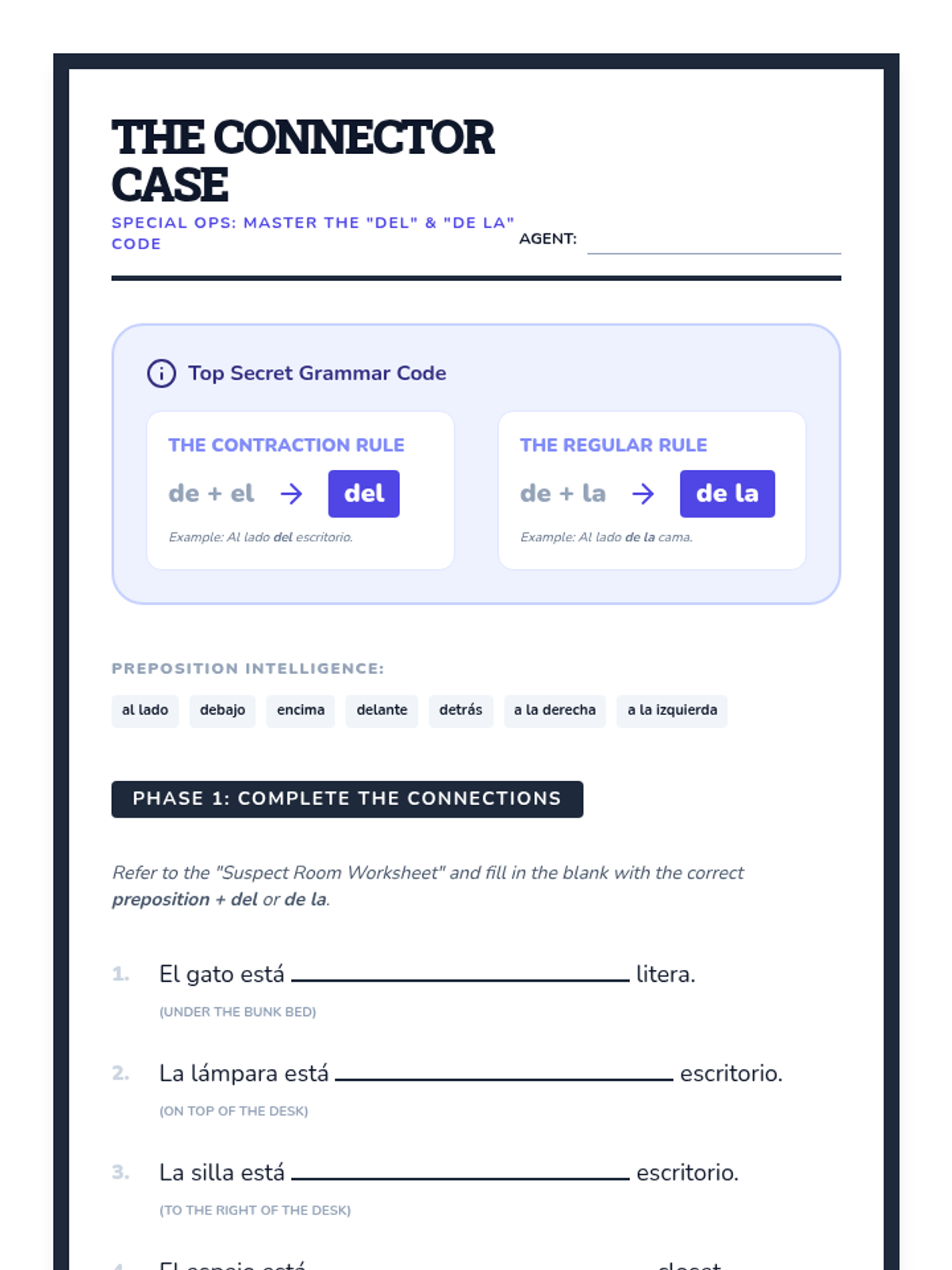
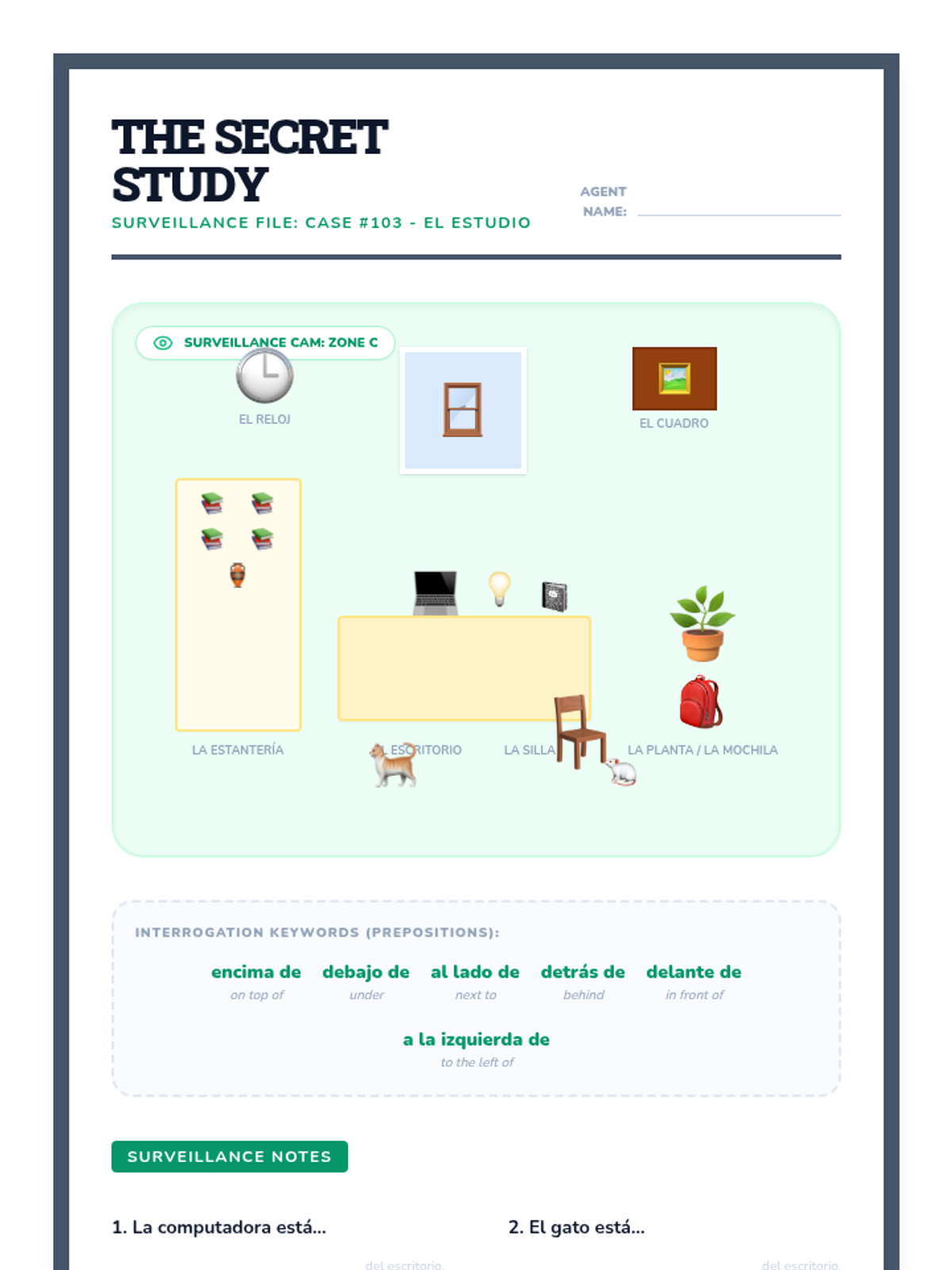
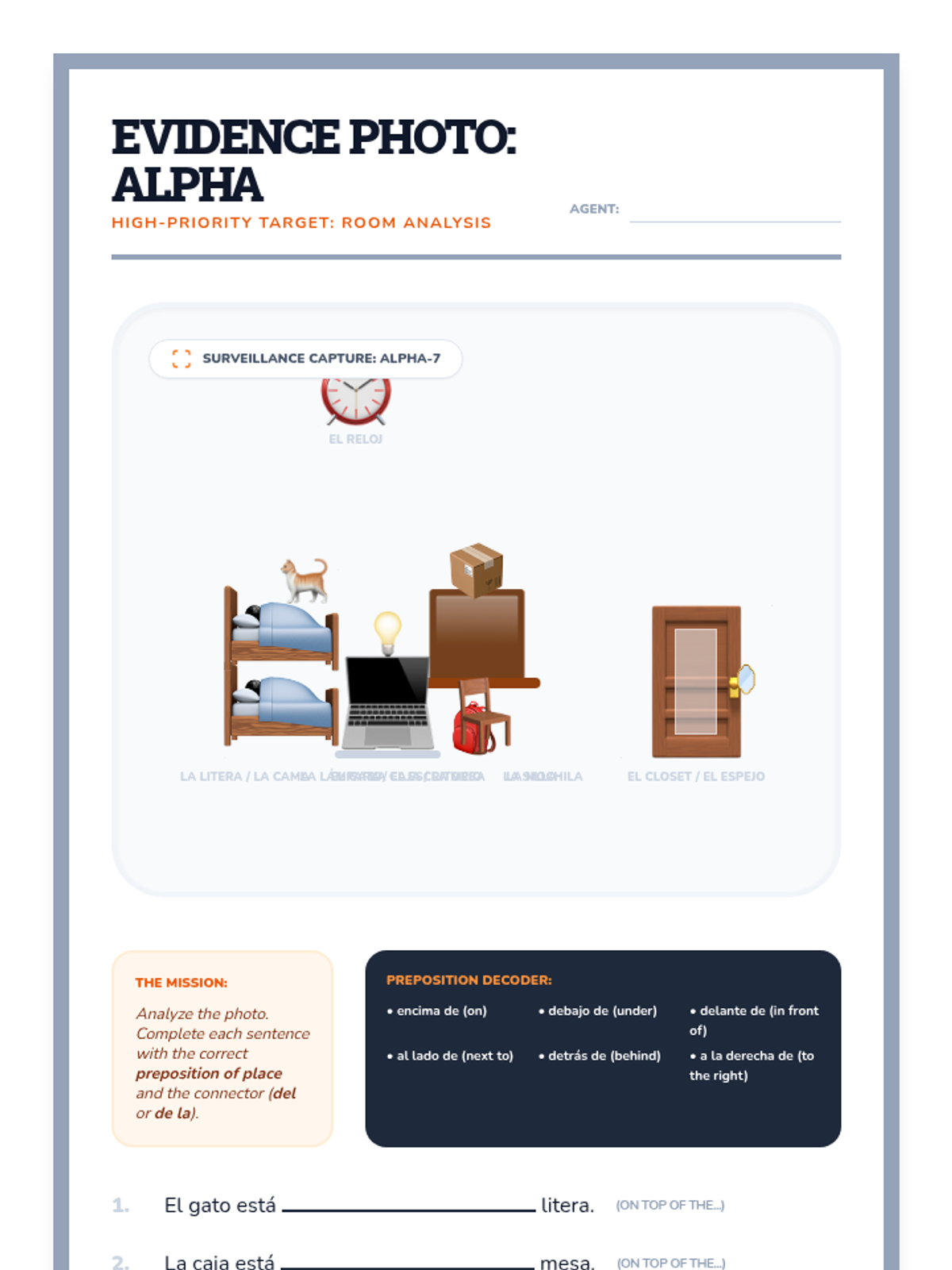
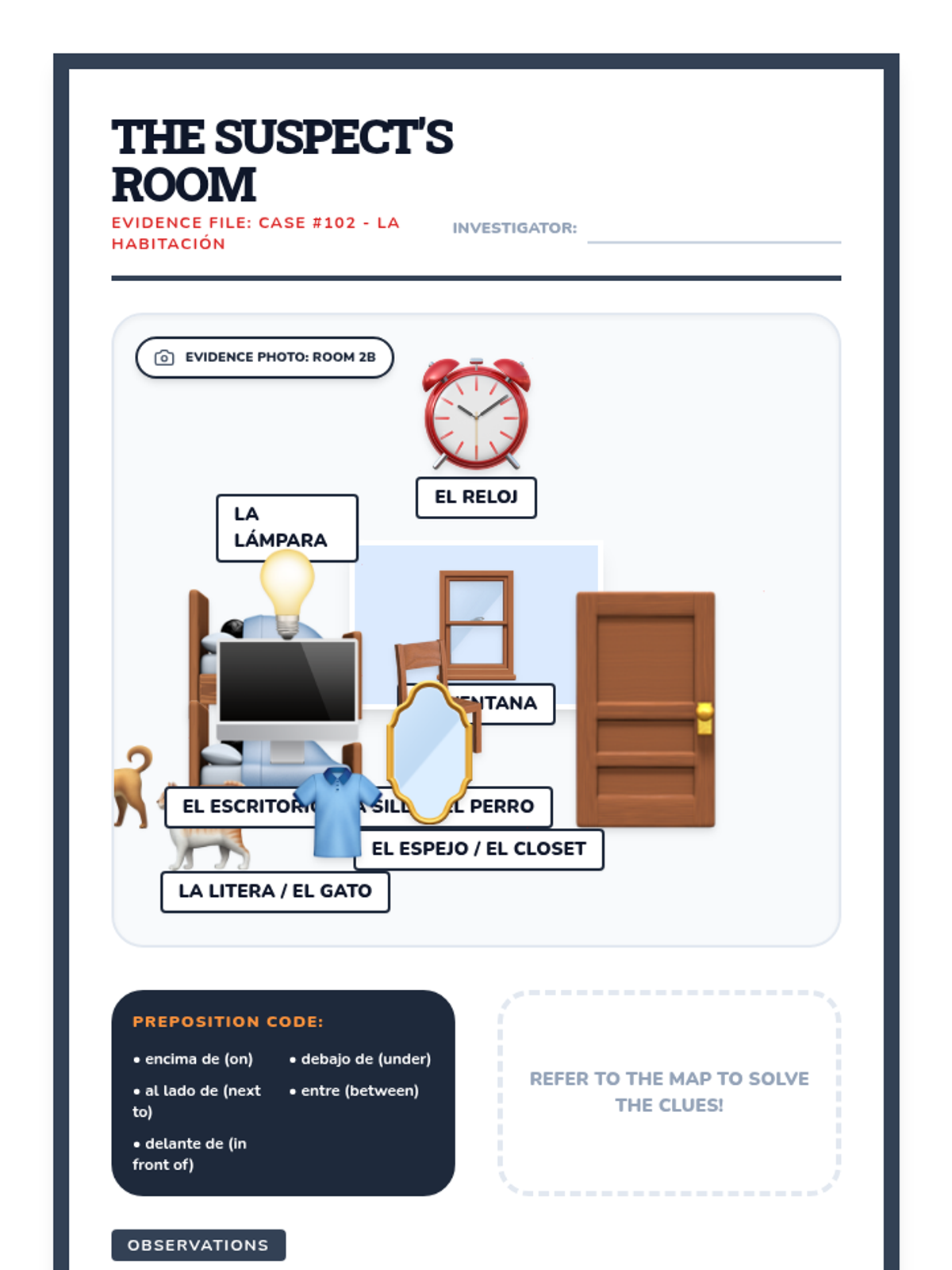
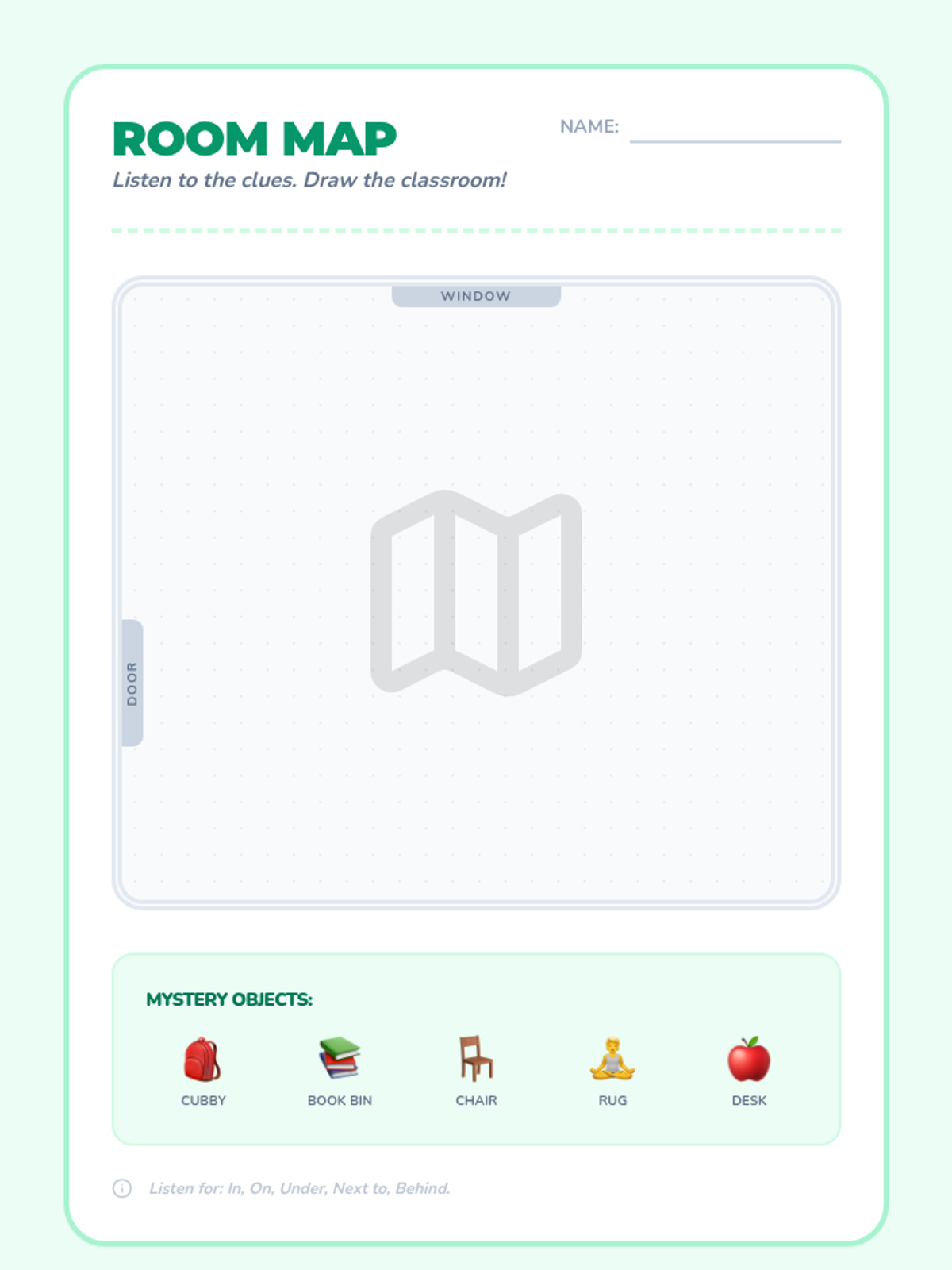
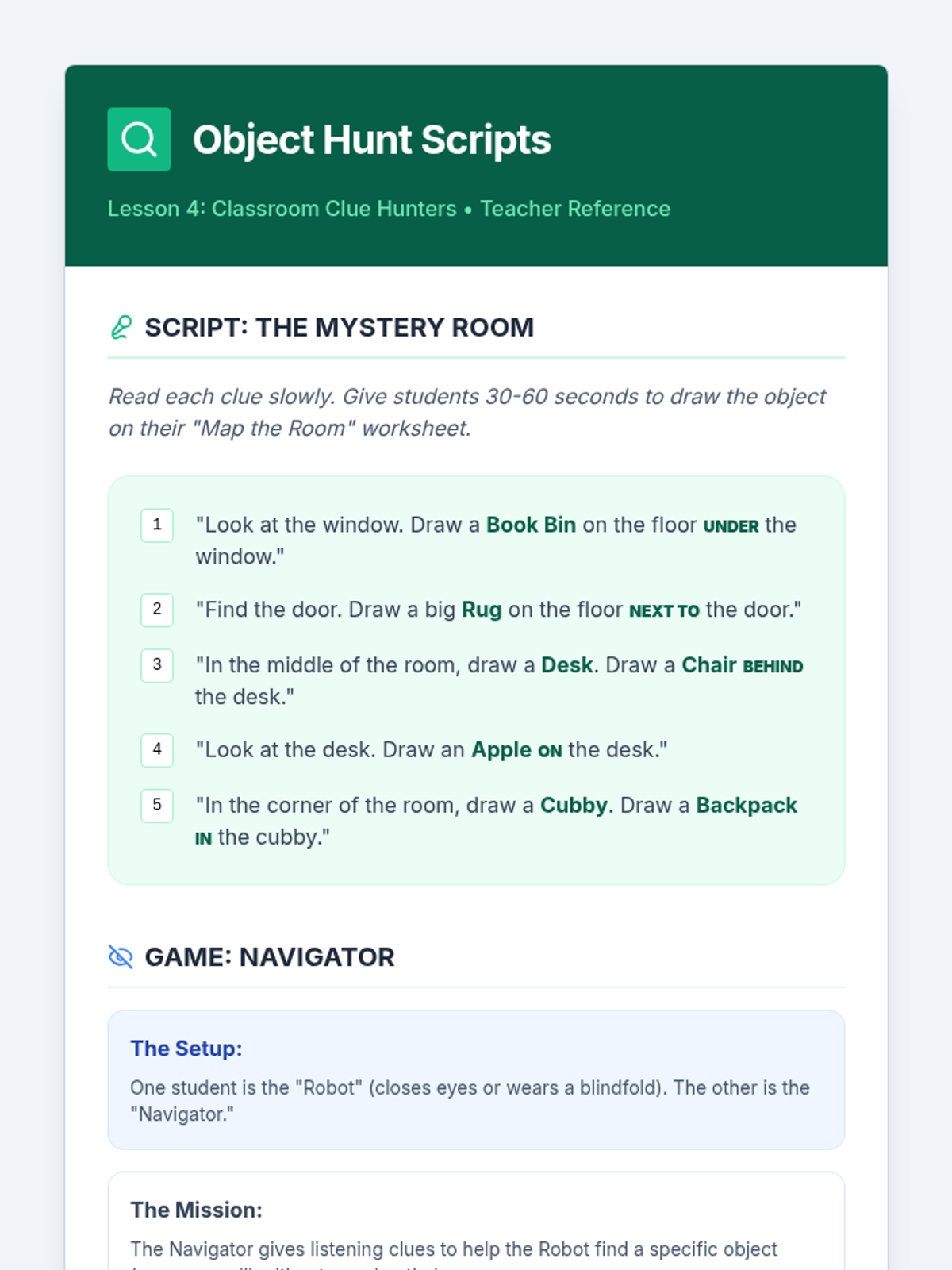
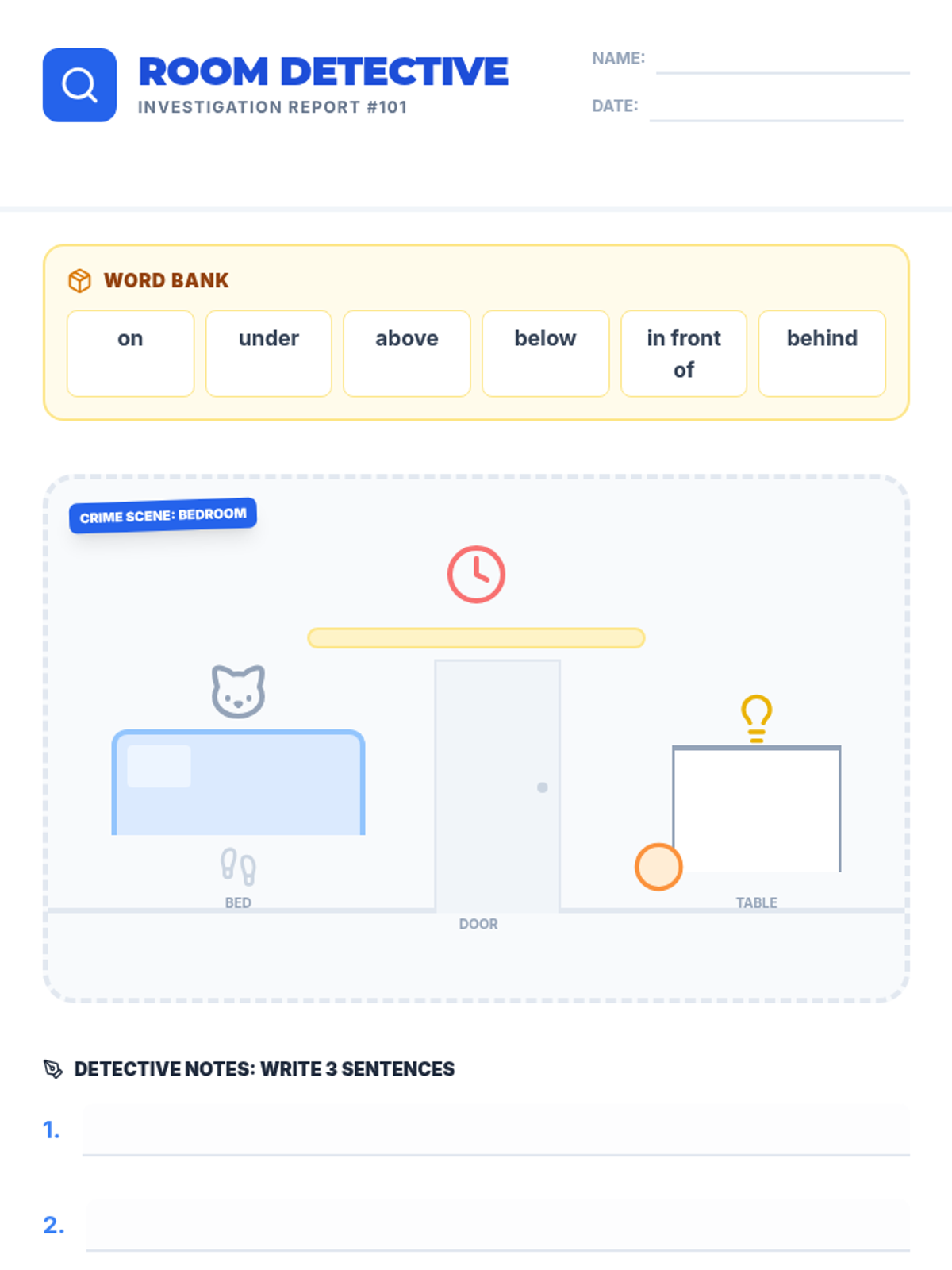
A detective-themed lesson focusing on prepositions of place and identifying common elementary classroom objects like cubbies, book bins, and art supplies.
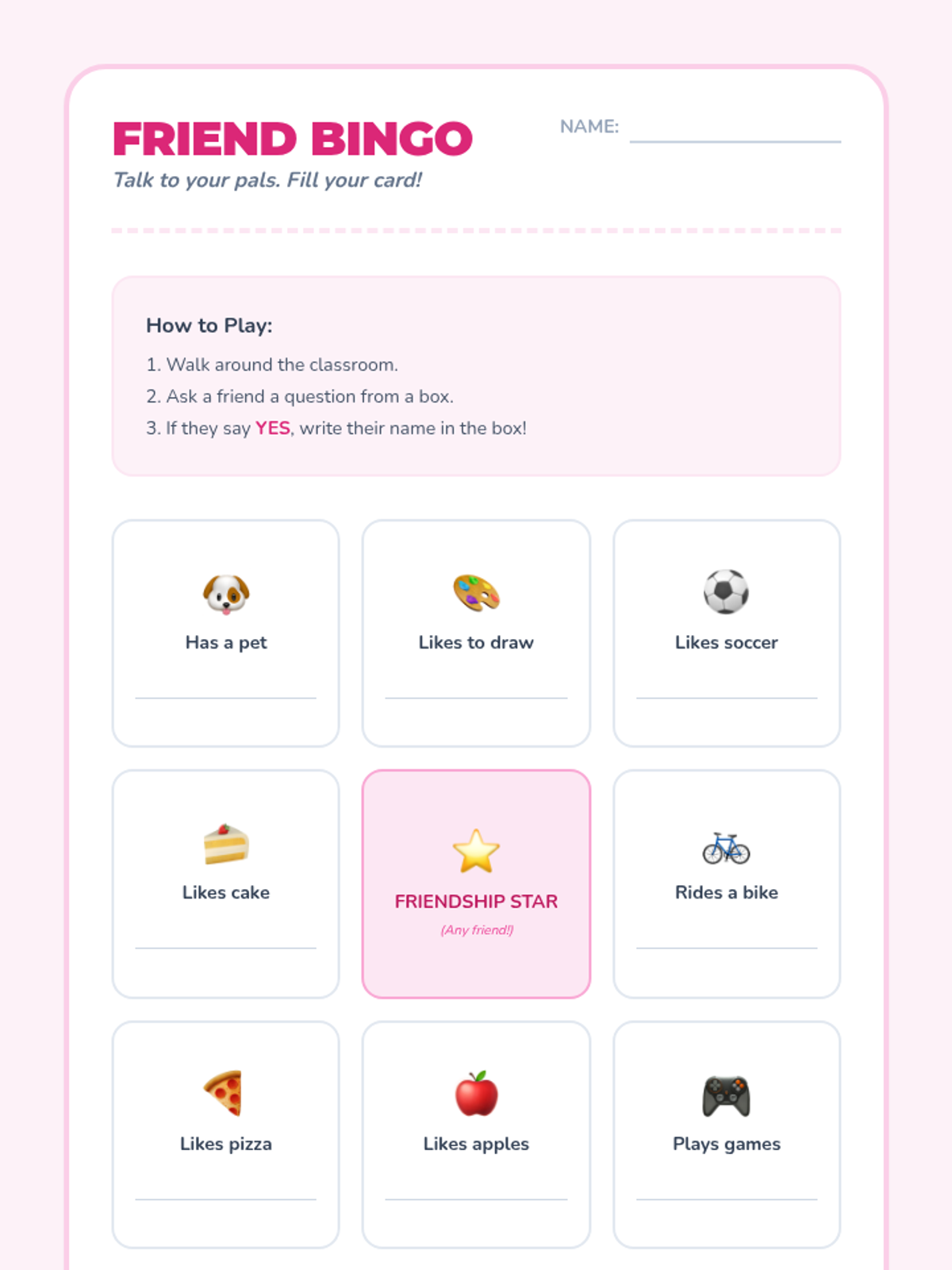
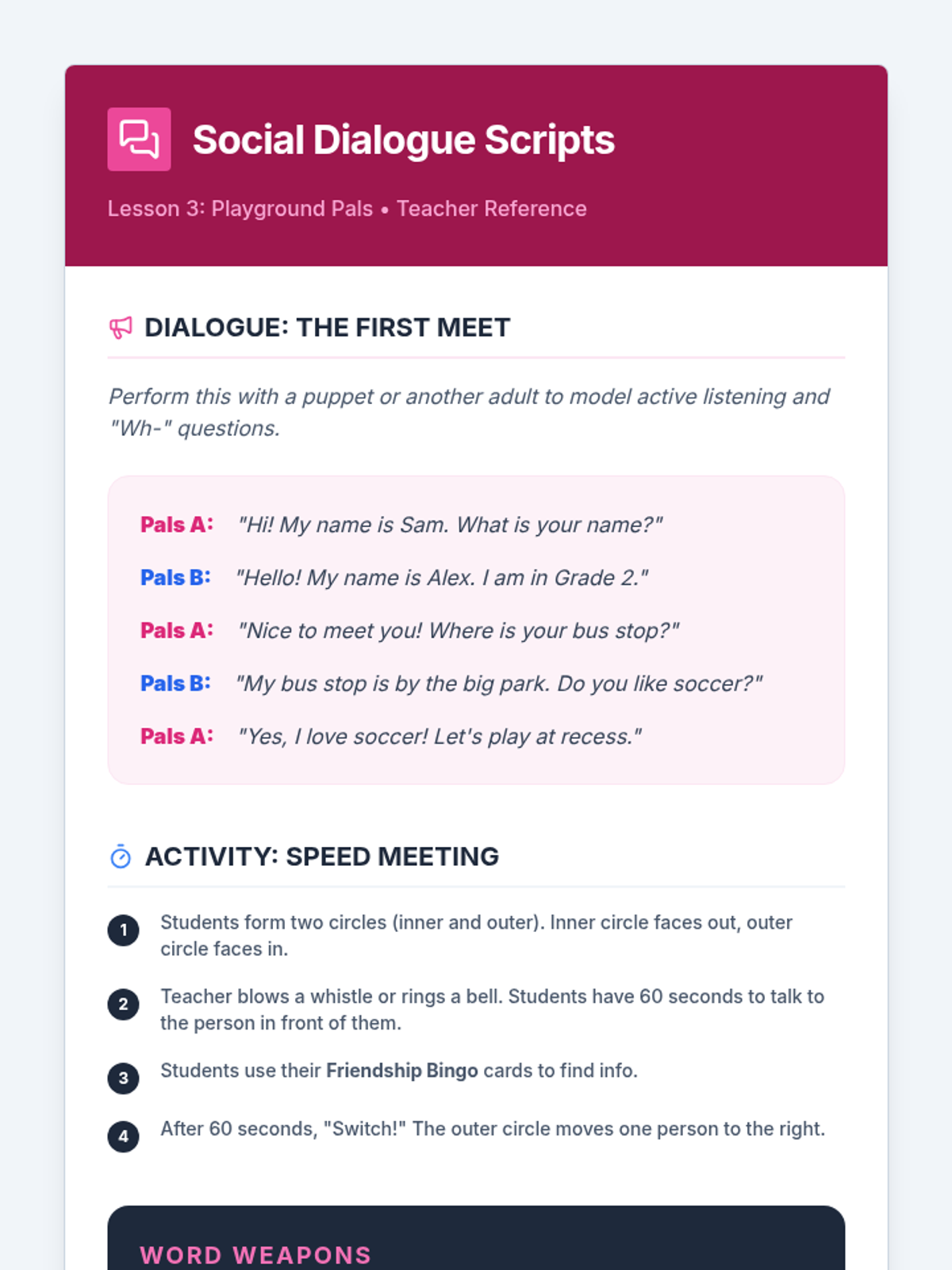
Students learn to listen for and use basic social greetings, introductions, and classroom-sharing phrases with their peers.
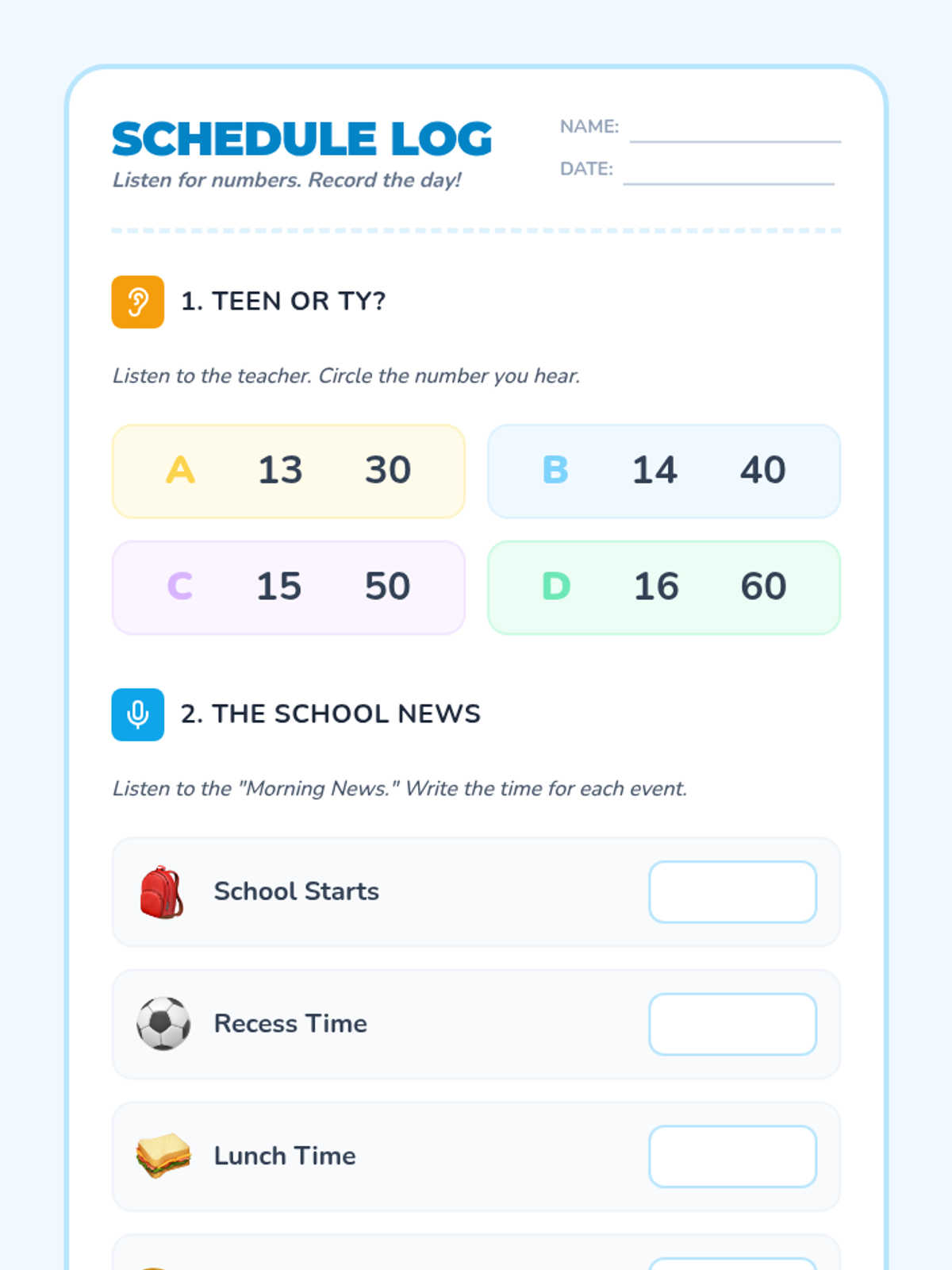
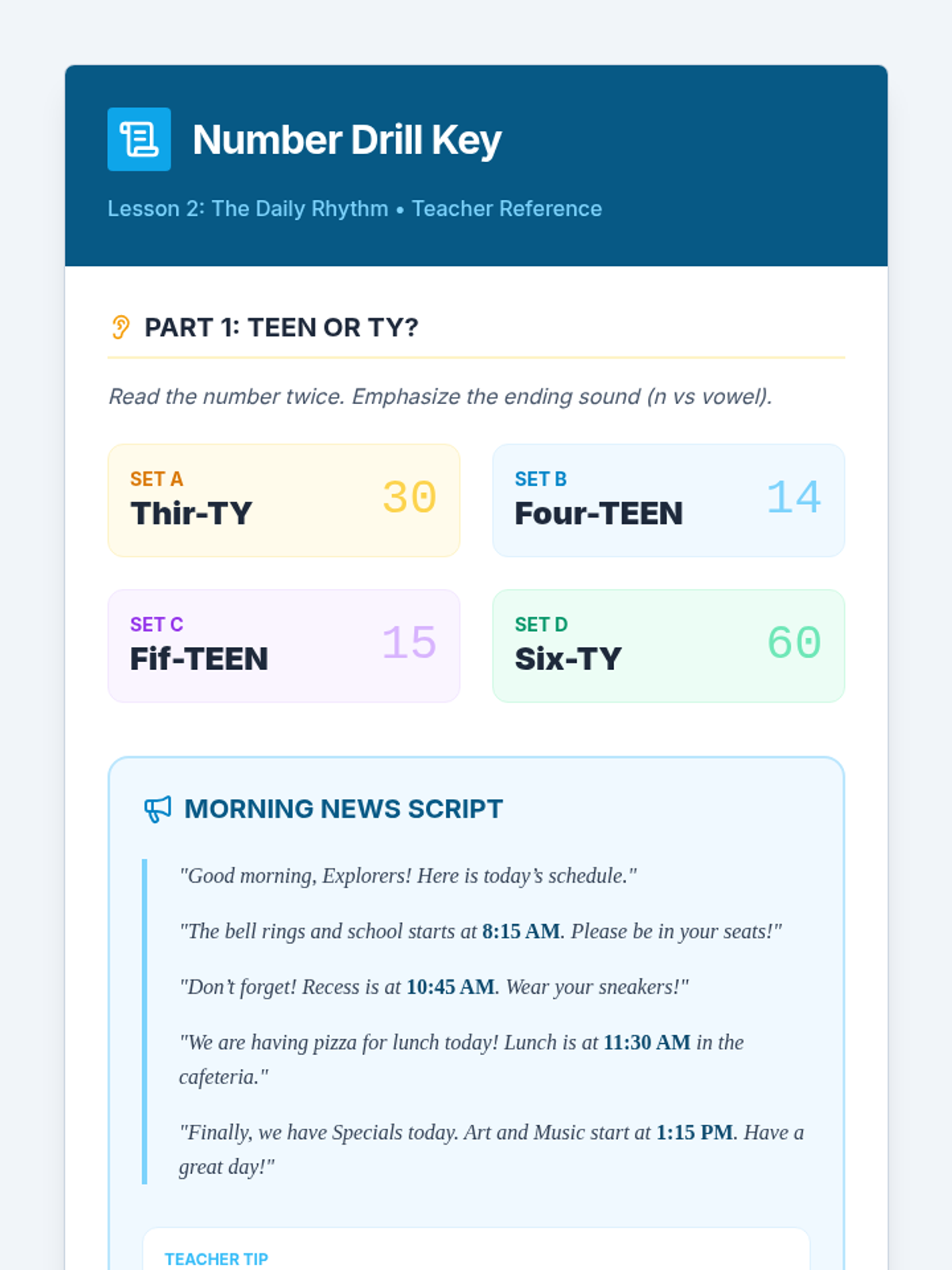
Focuses on listening for numbers and time in the context of the elementary school schedule, including lunch, recess, and 'specials' like art and music.
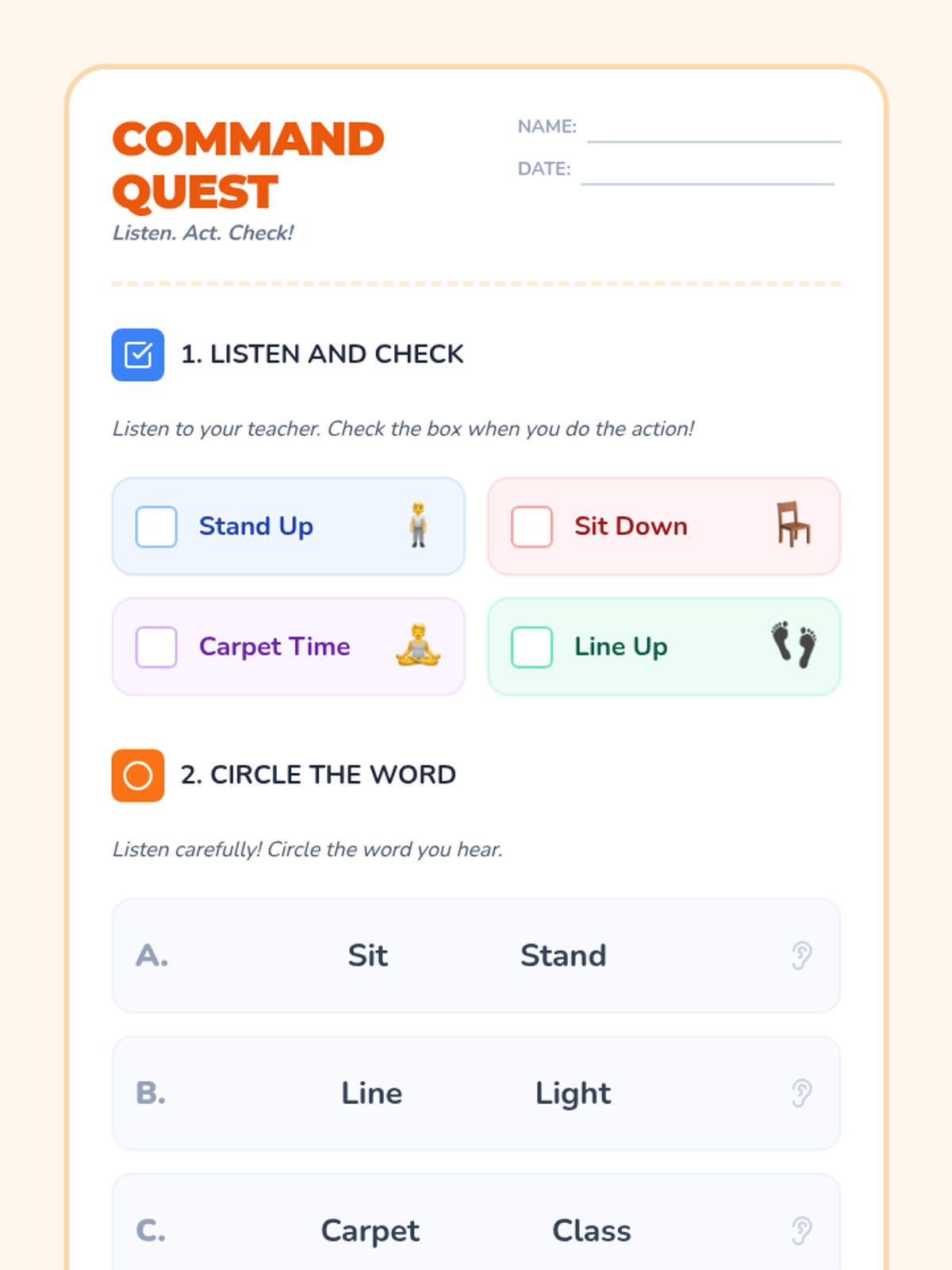
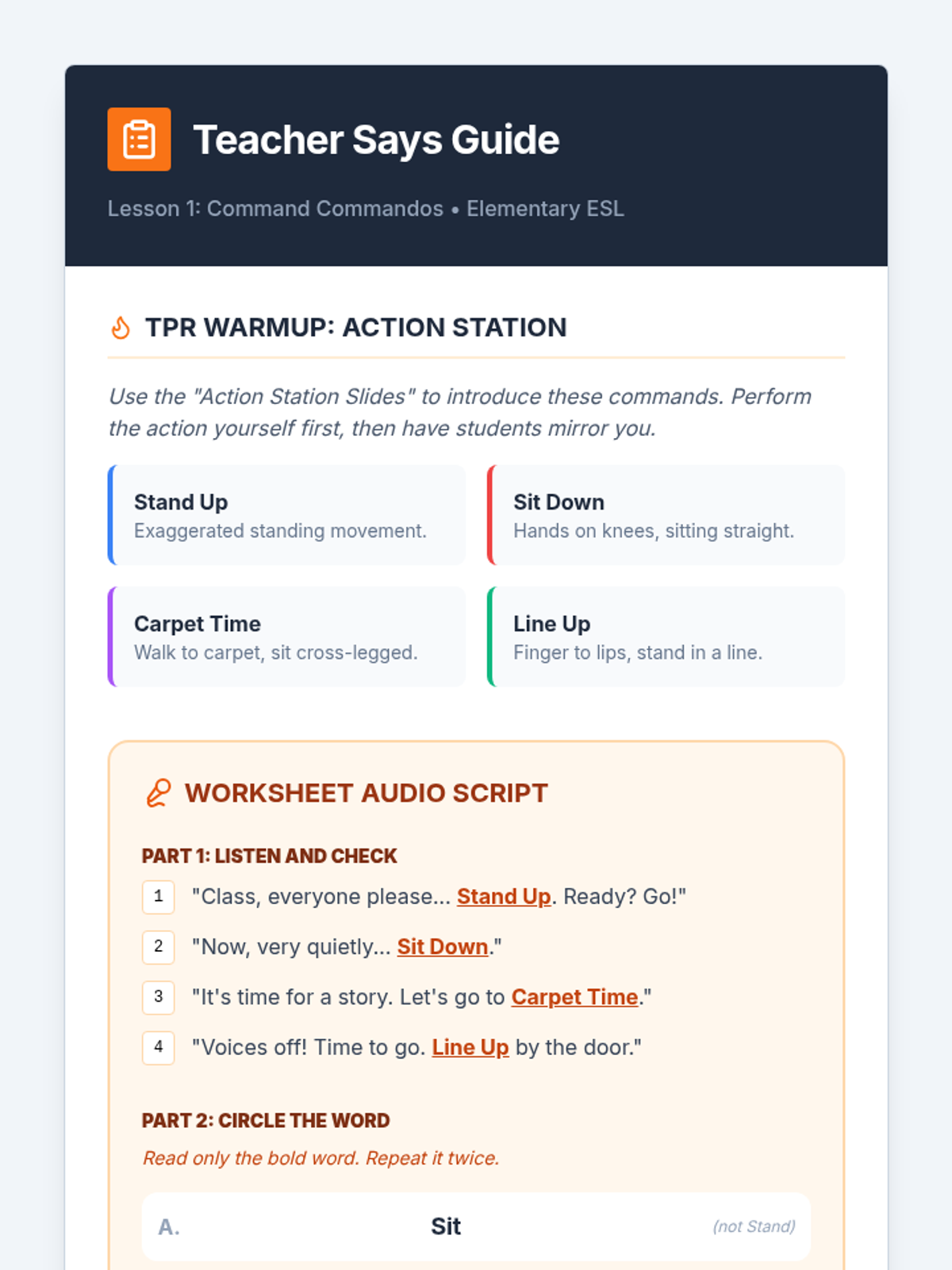
Students practice recognizing and responding to essential classroom commands (stand up, sit down, line up, carpet time) through high-energy movement activities.
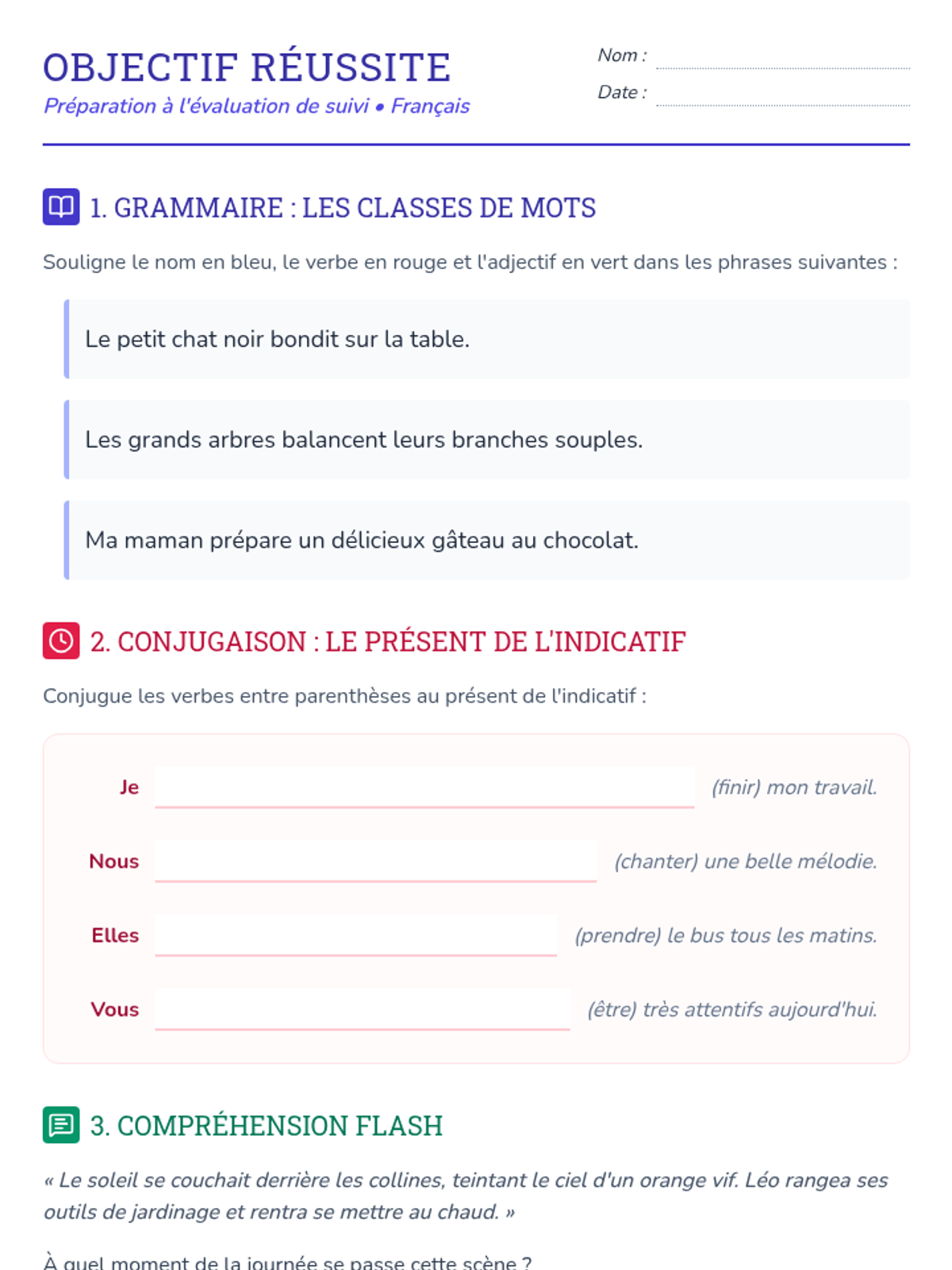
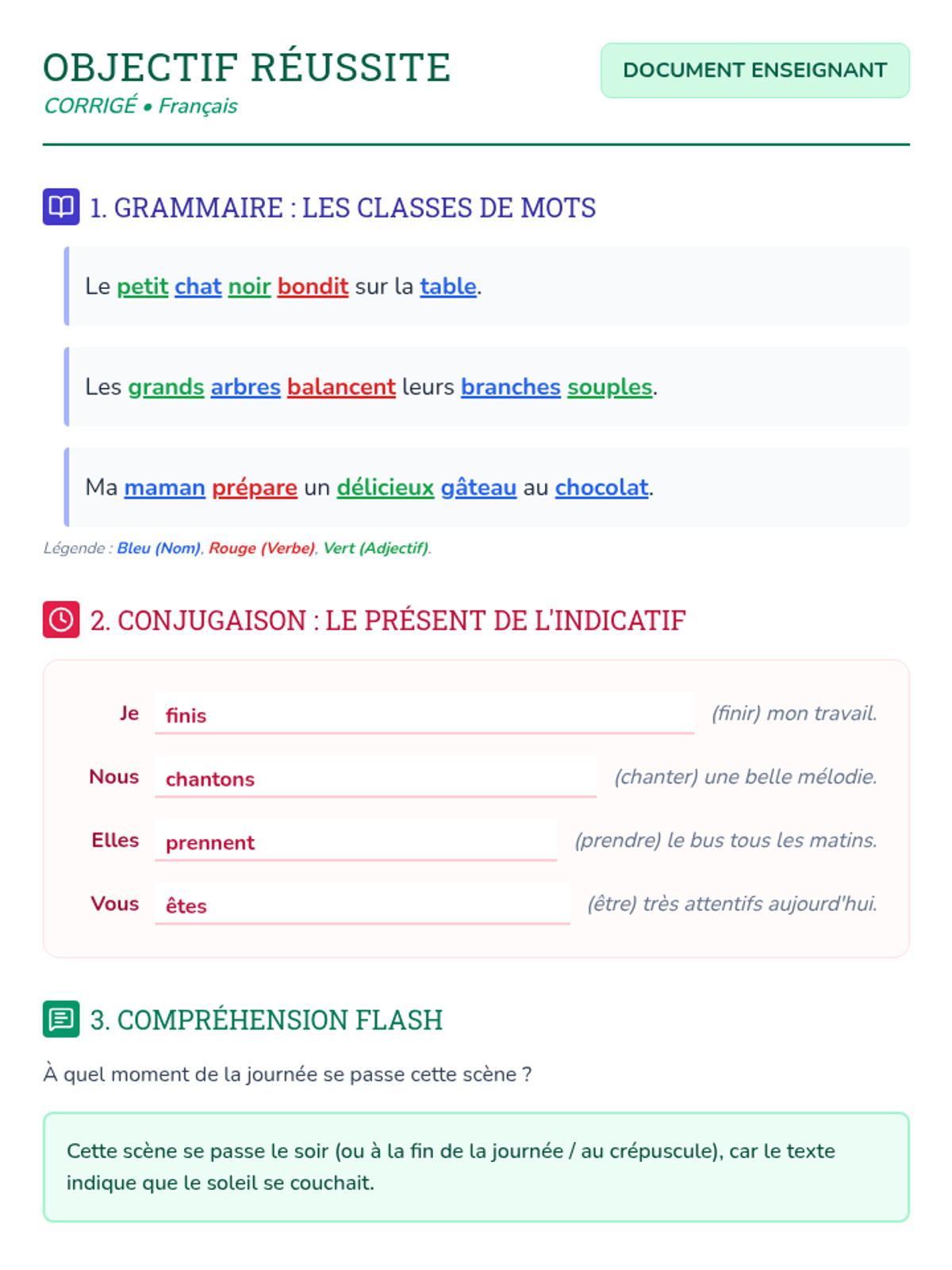
Un ensemble complet de ressources pour préparer les élèves à une évaluation de suivi, couvrant les fondamentaux en français et en mathématiques pour le niveau CM1/CM2.
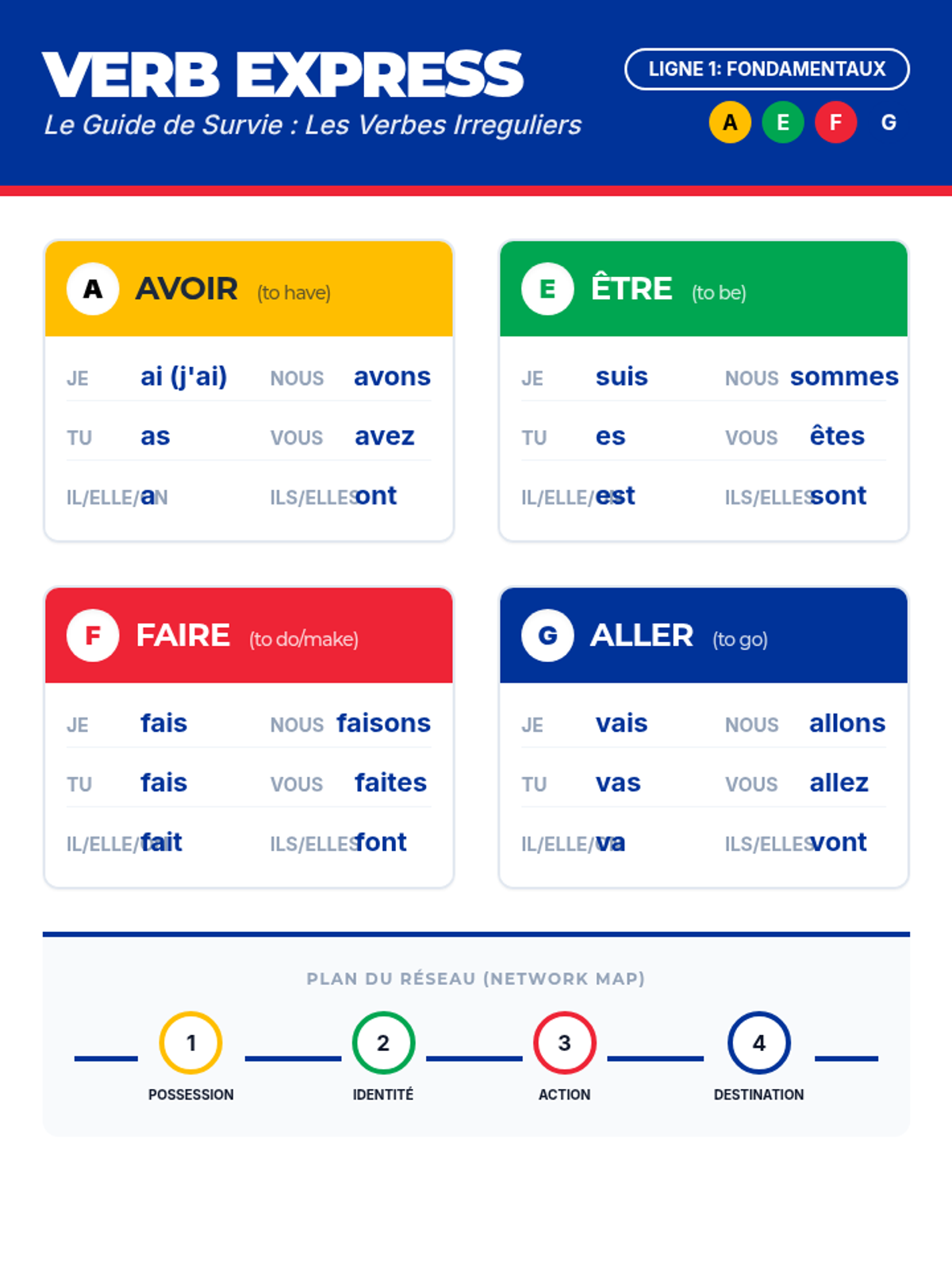
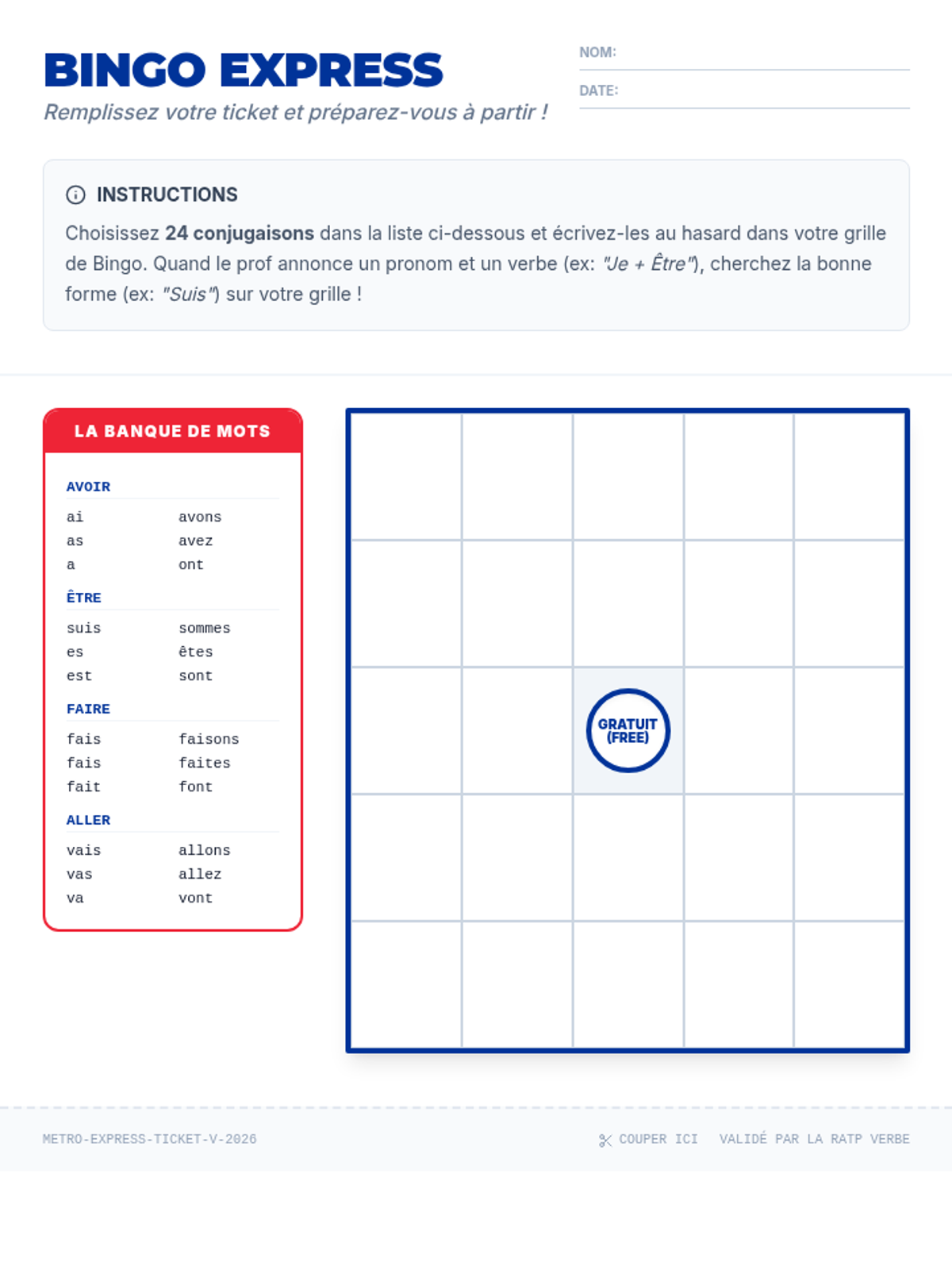
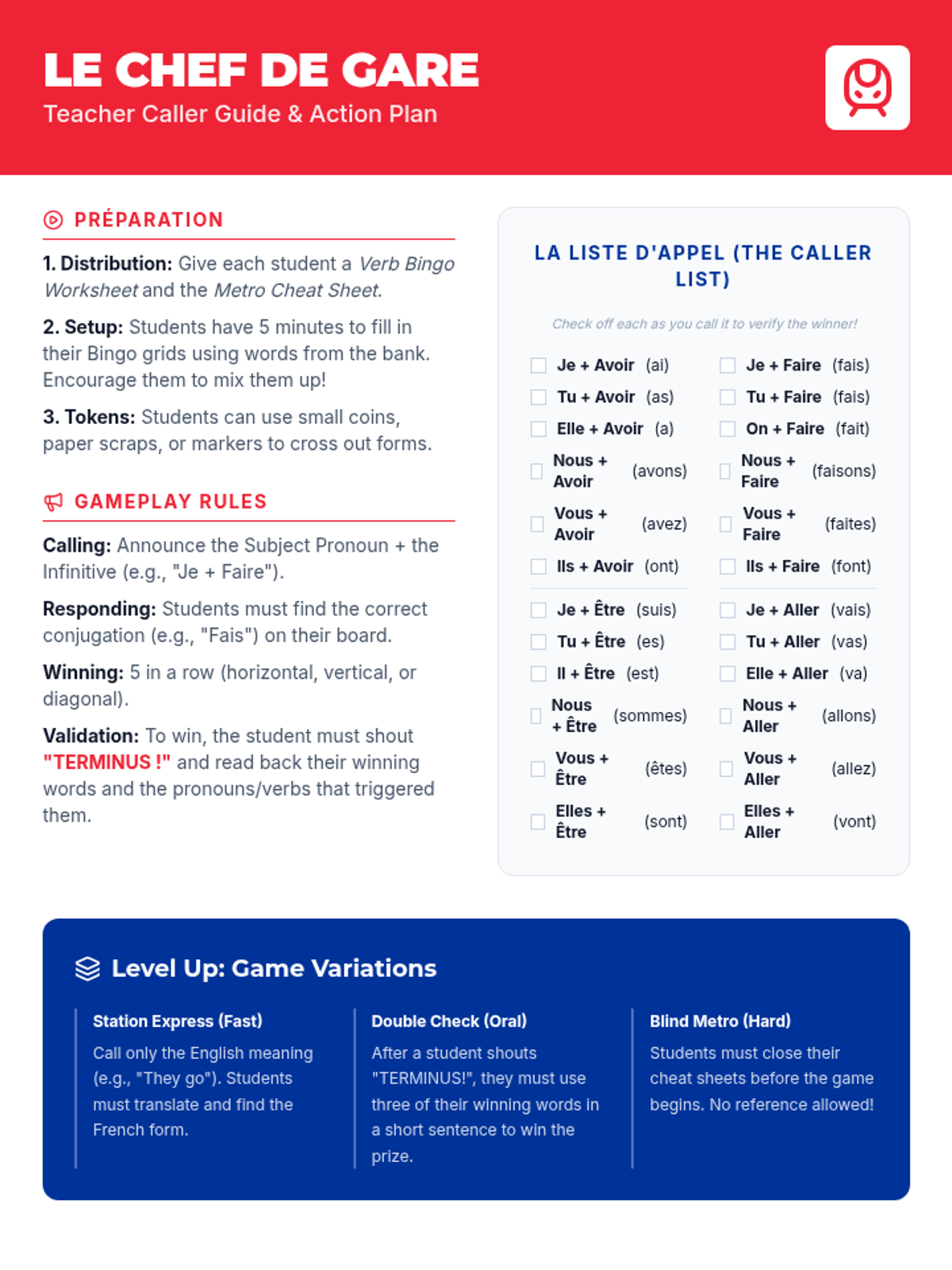
A high-energy lesson focused on mastering the four most important irregular French verbs (avoir, être, faire, aller) through a competitive Metro-themed Bingo game. Students review conjugations and apply them in a fast-paced listening activity.
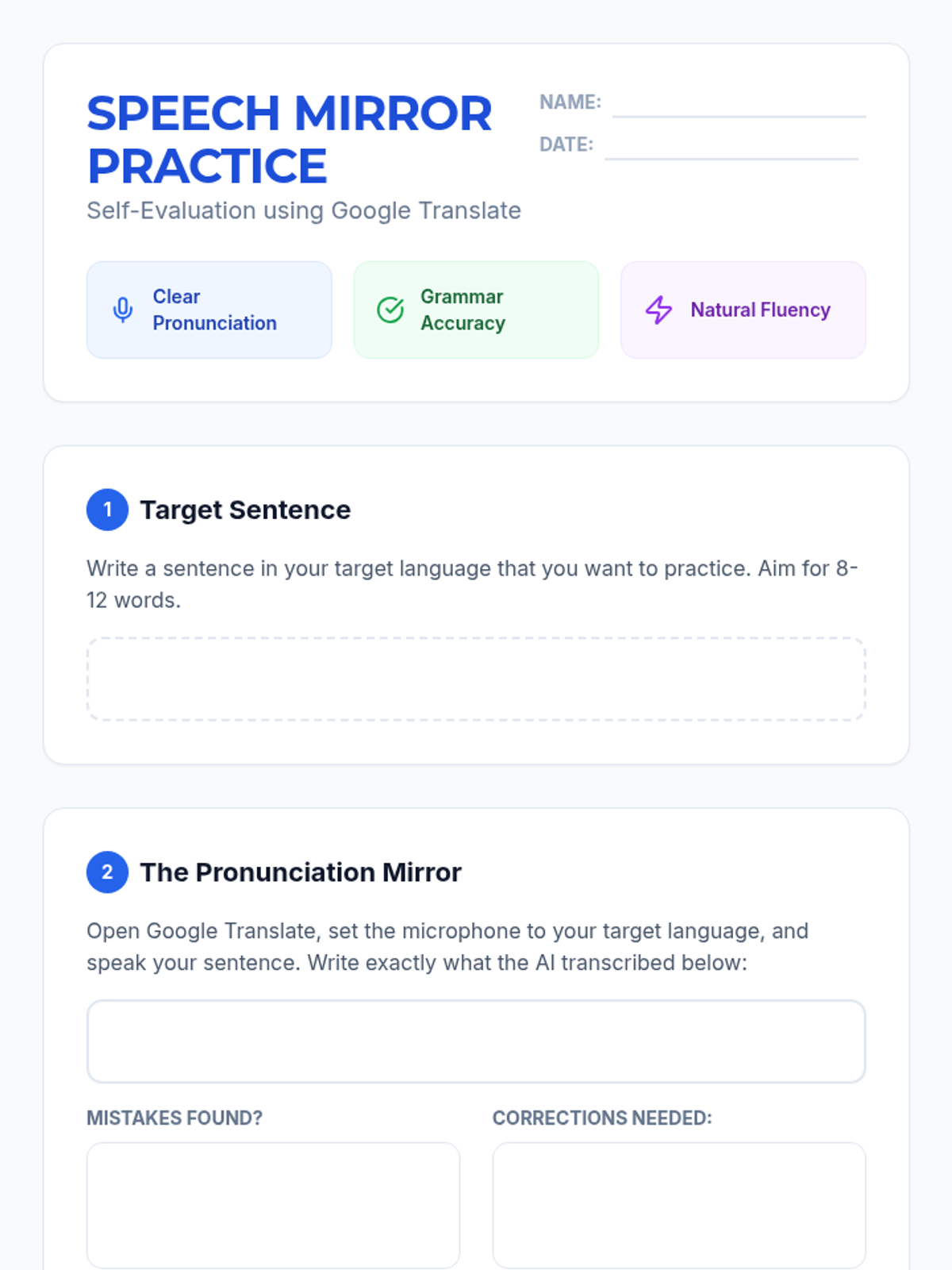
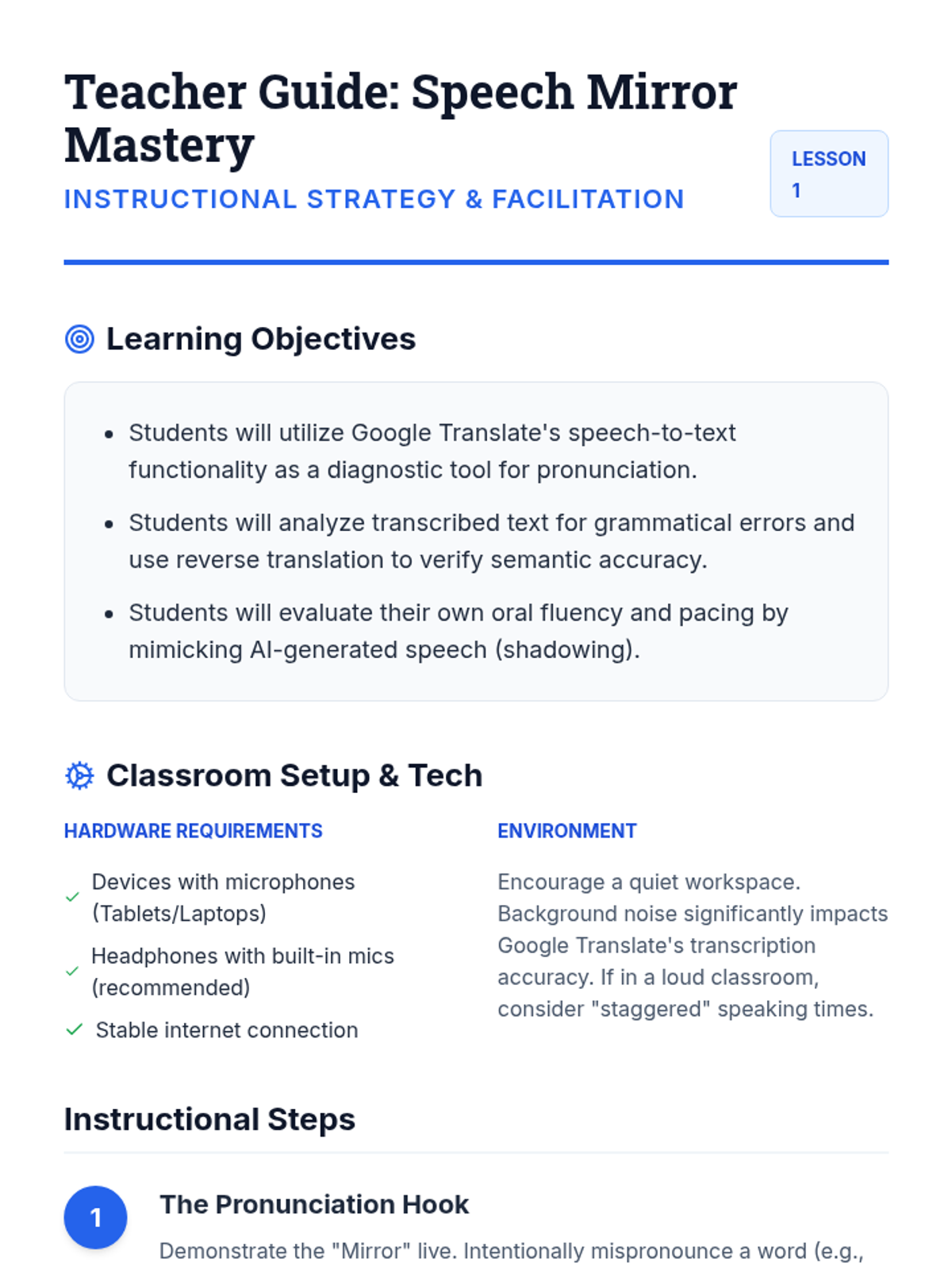
This lesson teaches students how to use Google Translate's speech-to-text and text-to-speech features to self-evaluate their spoken language. Focus areas include pronunciation clarity, grammatical accuracy of transcribed text, and oral fluency.
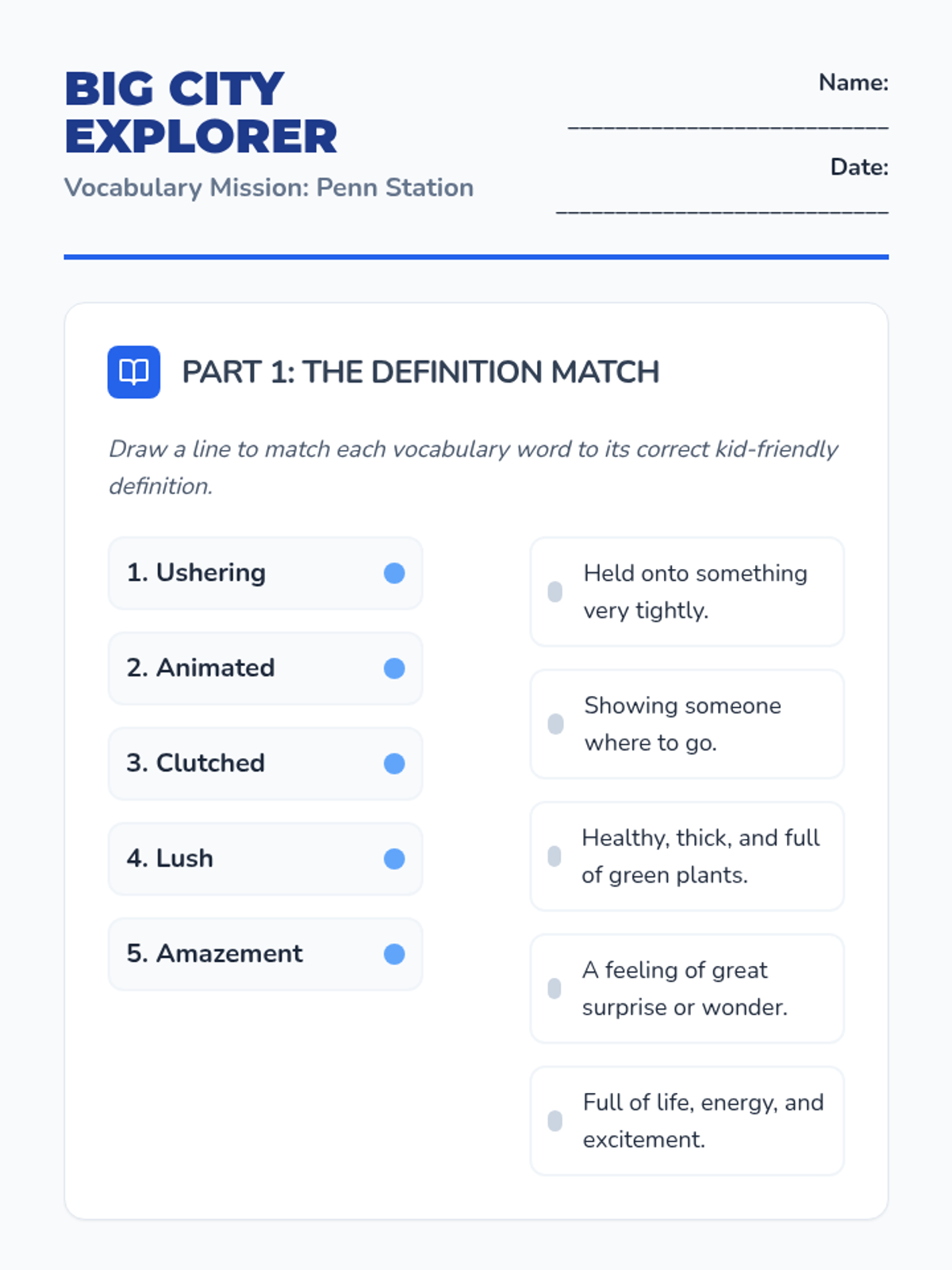
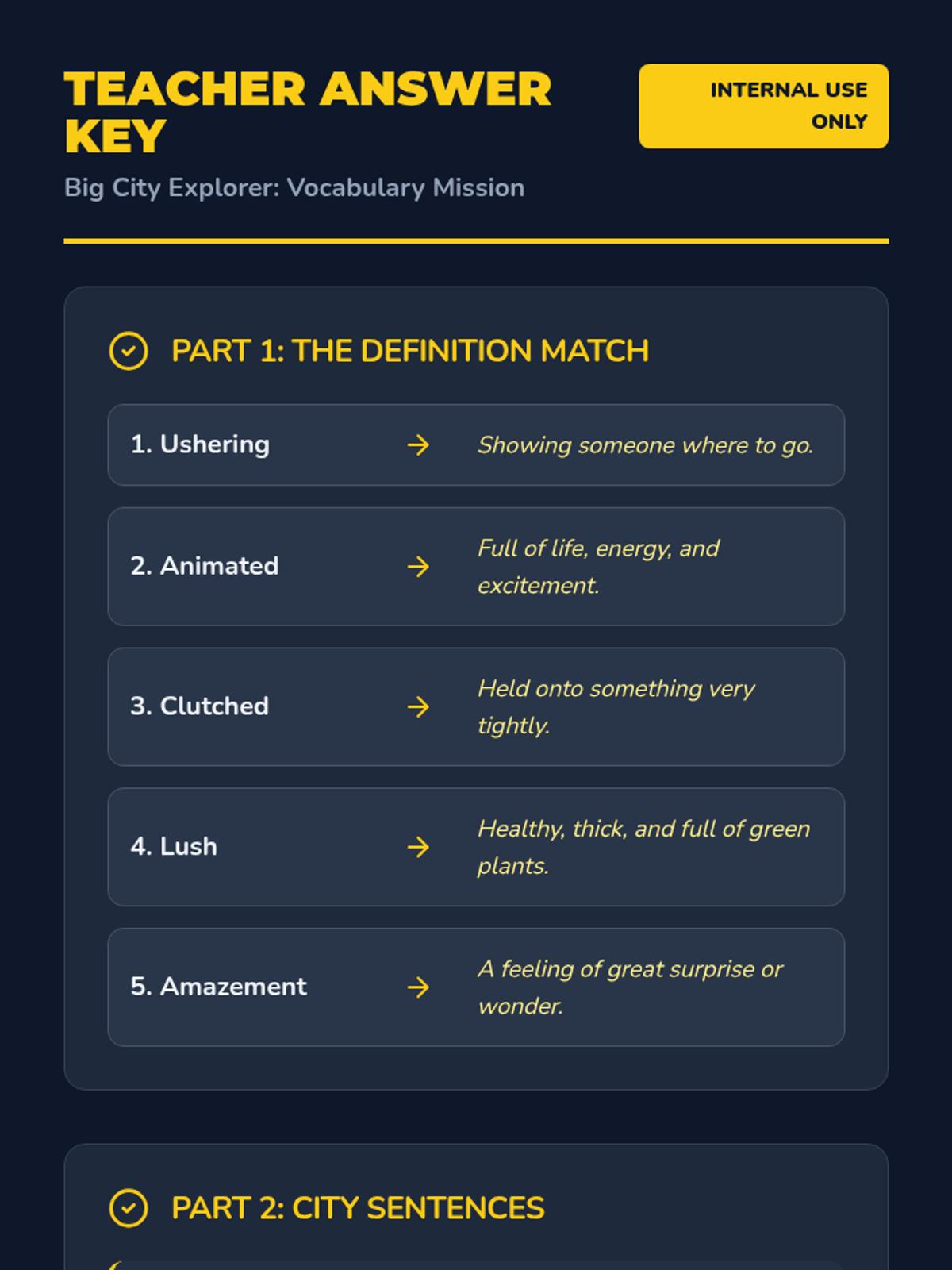
A vocabulary journey through the bustling atmosphere of New York City's Penn Station, teaching 10 key words through urban exploration.
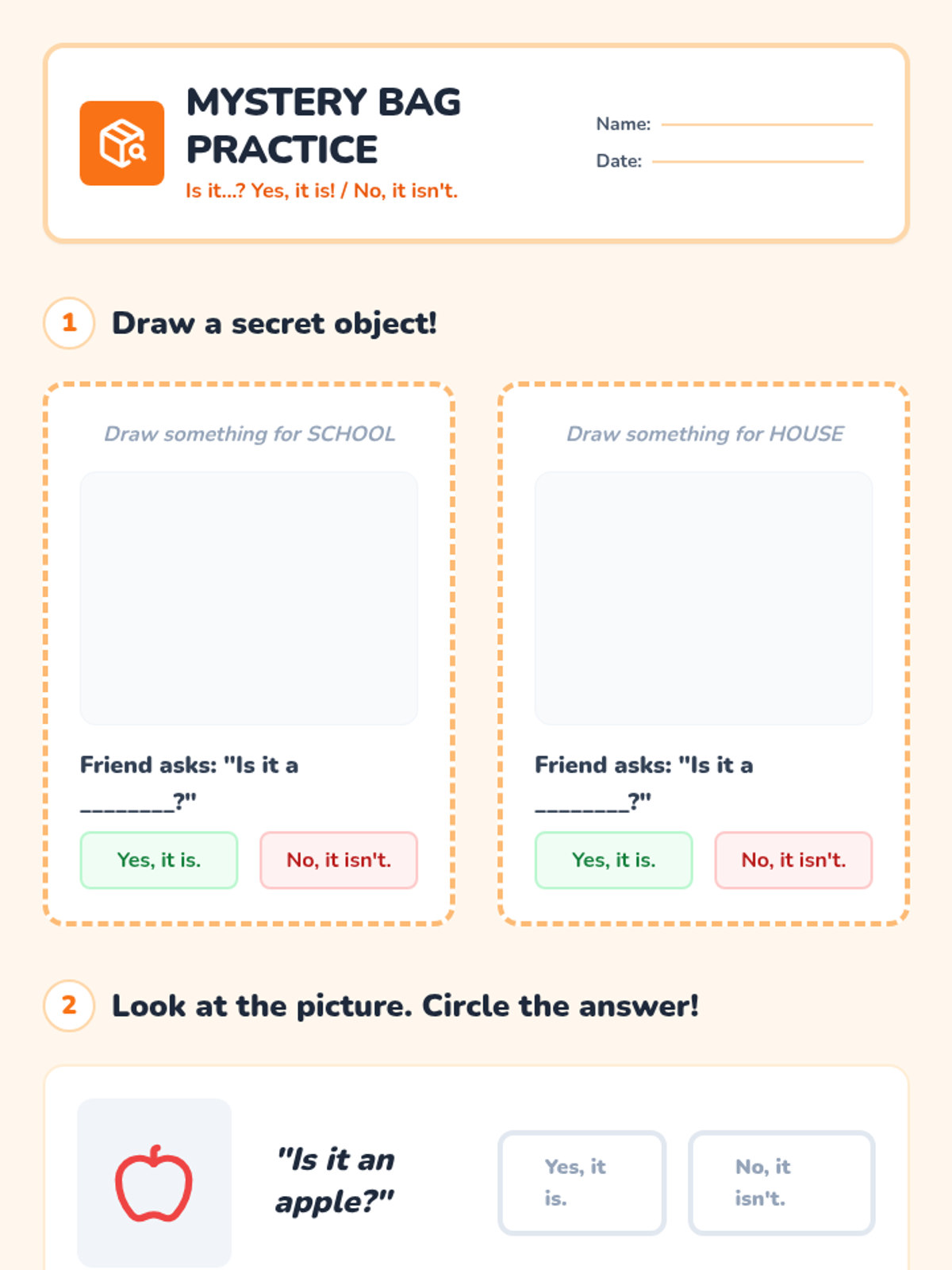
A beginner-level English lesson for 2nd grade Multilingual Learners focused on 'Is it...?' questions using school, food, and house vocabulary.
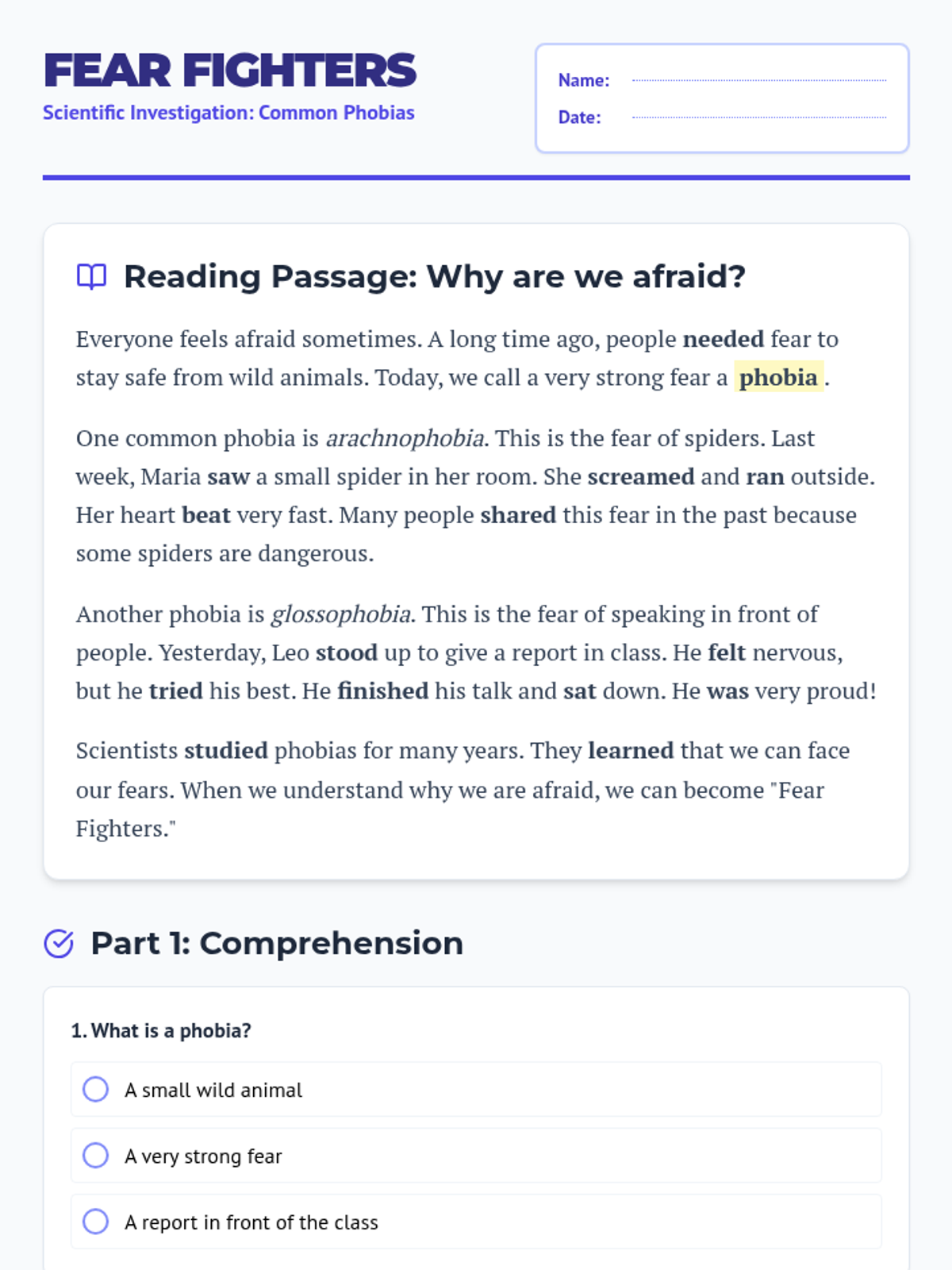
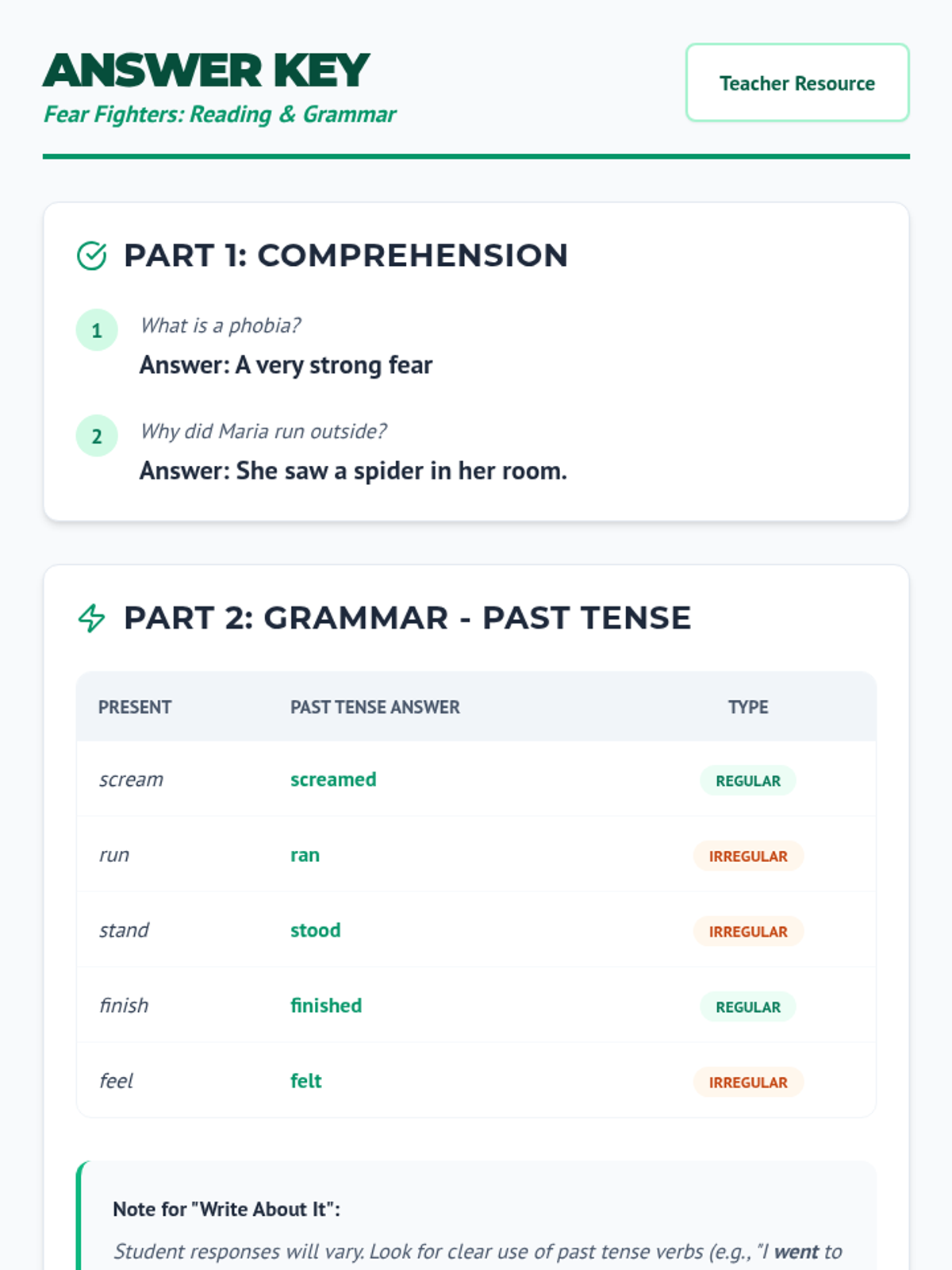
A reading comprehension lesson about common phobias designed for 5th grade Multilingual Learners, focusing on past tense verb conjugation.
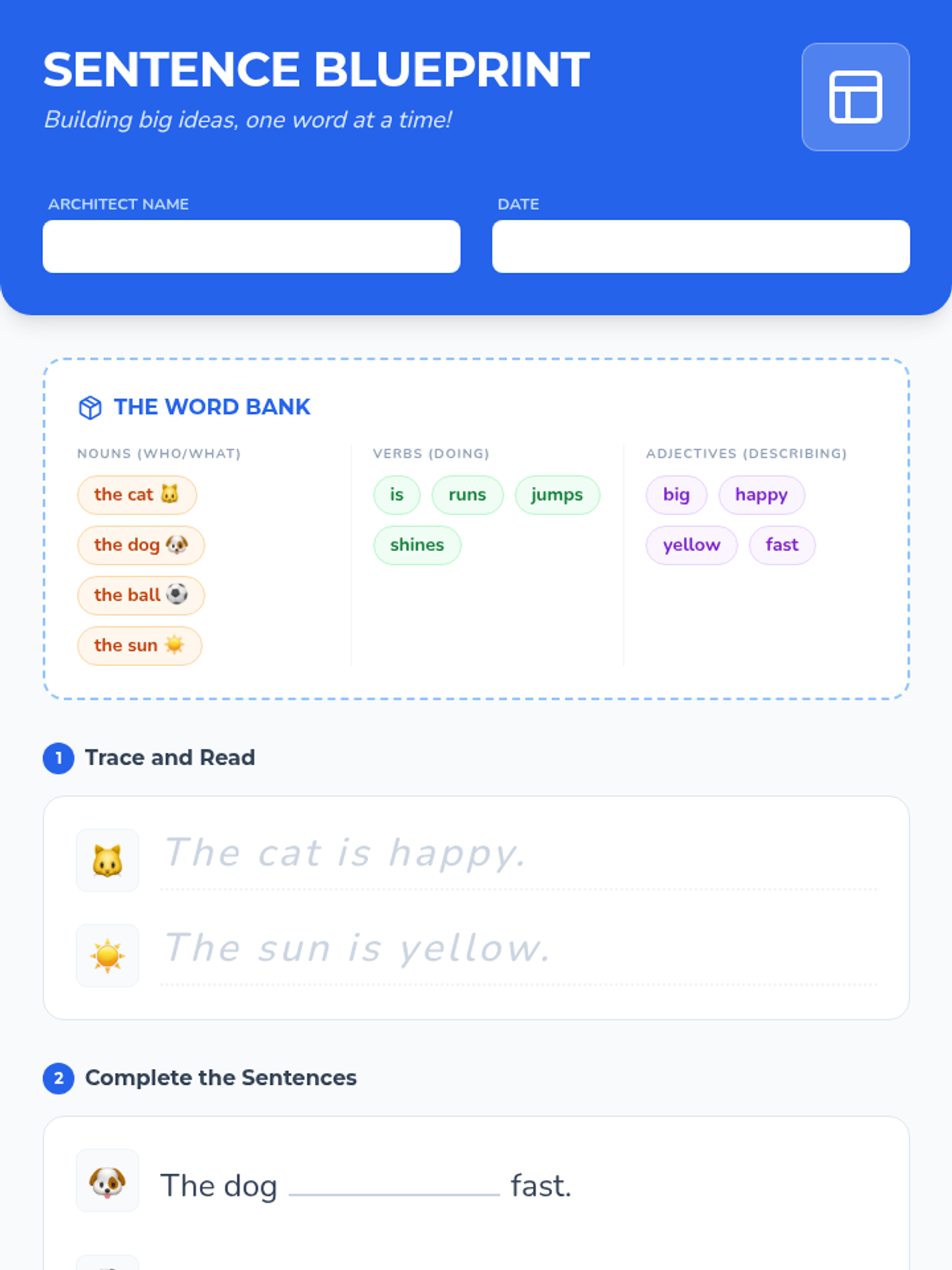
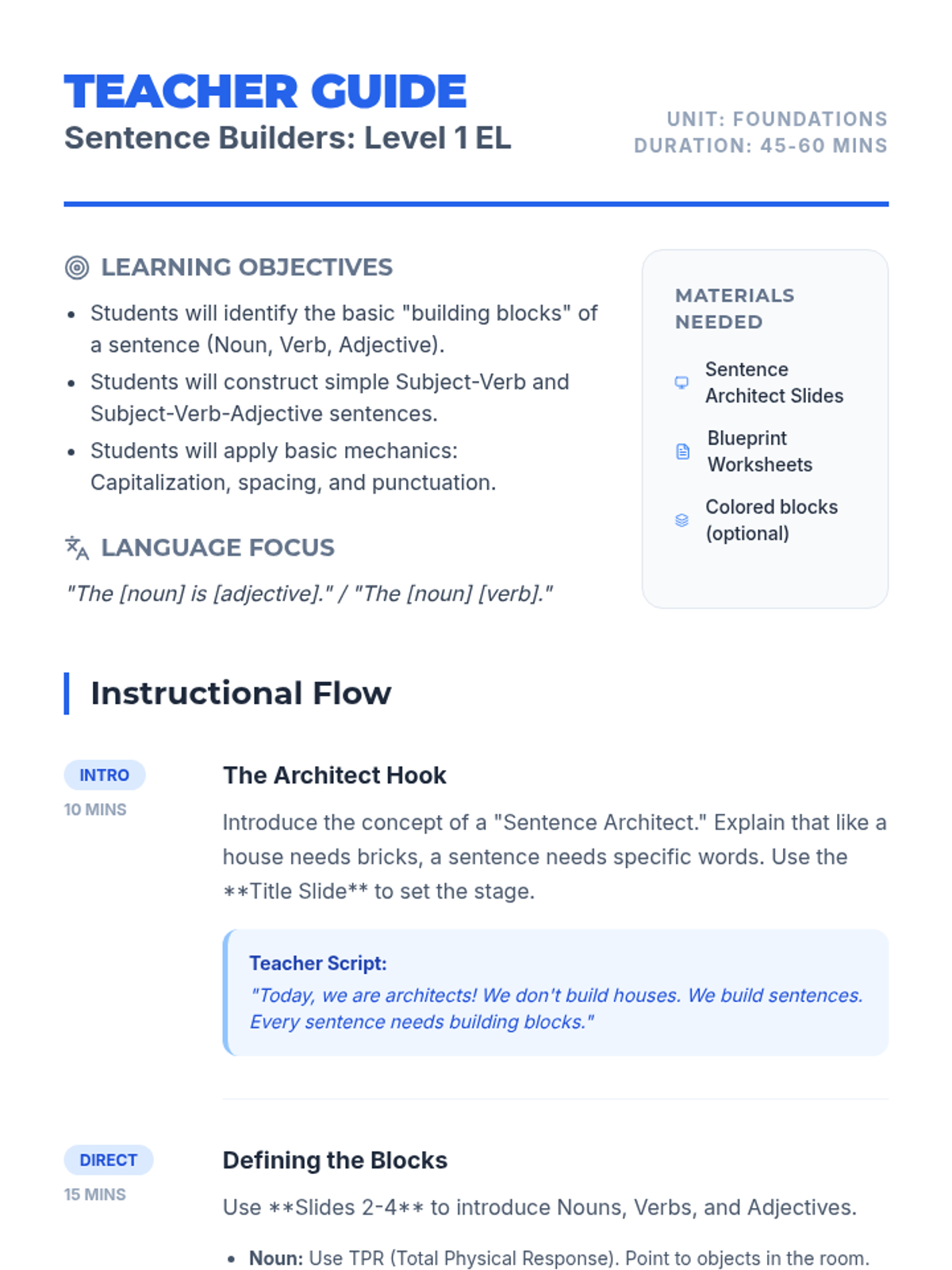
A foundational lesson for Level 1 English Learners to practice constructing simple Subject-Verb and Subject-Verb-Adjective sentences using visual scaffolds and word banks.
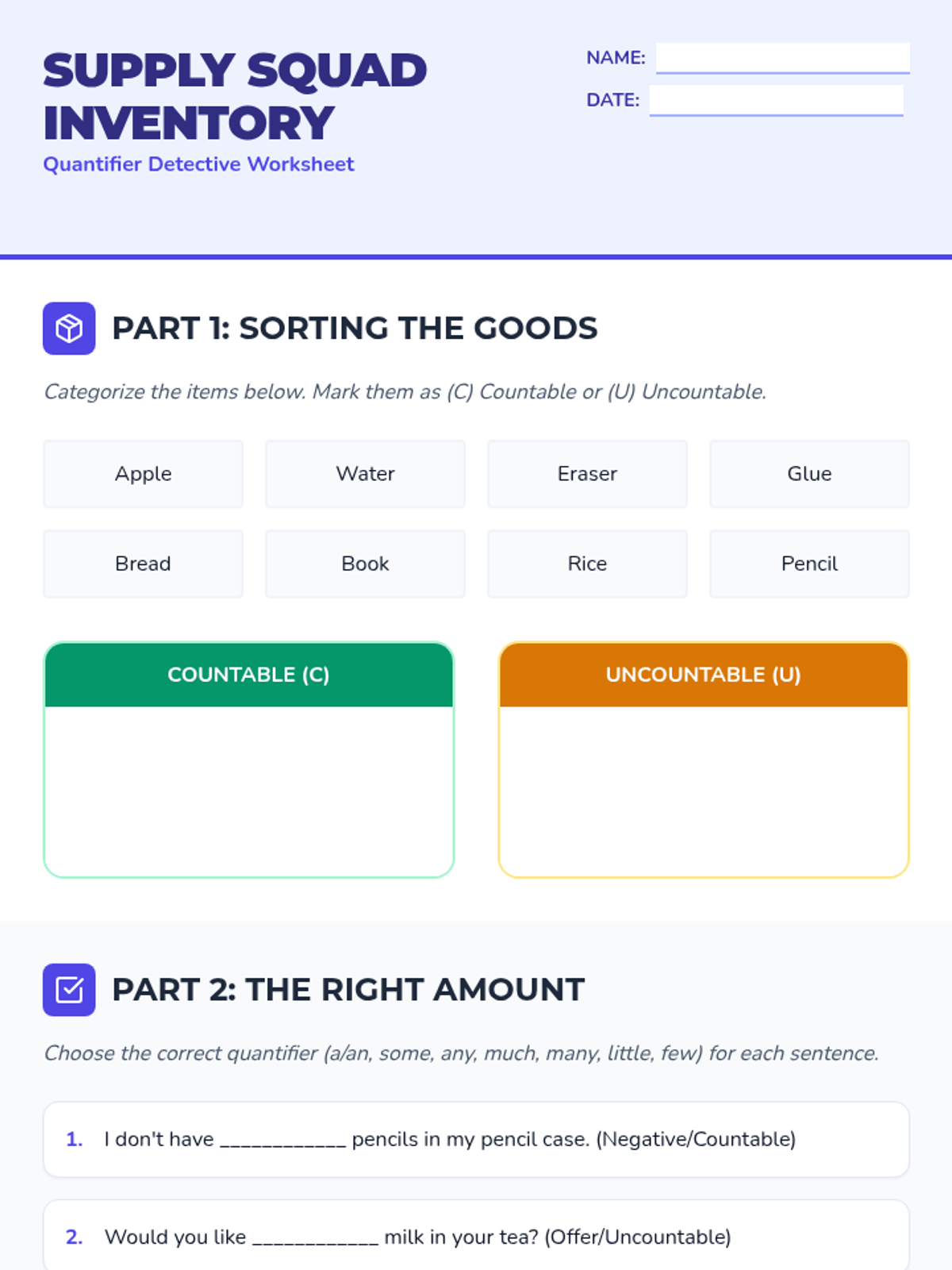
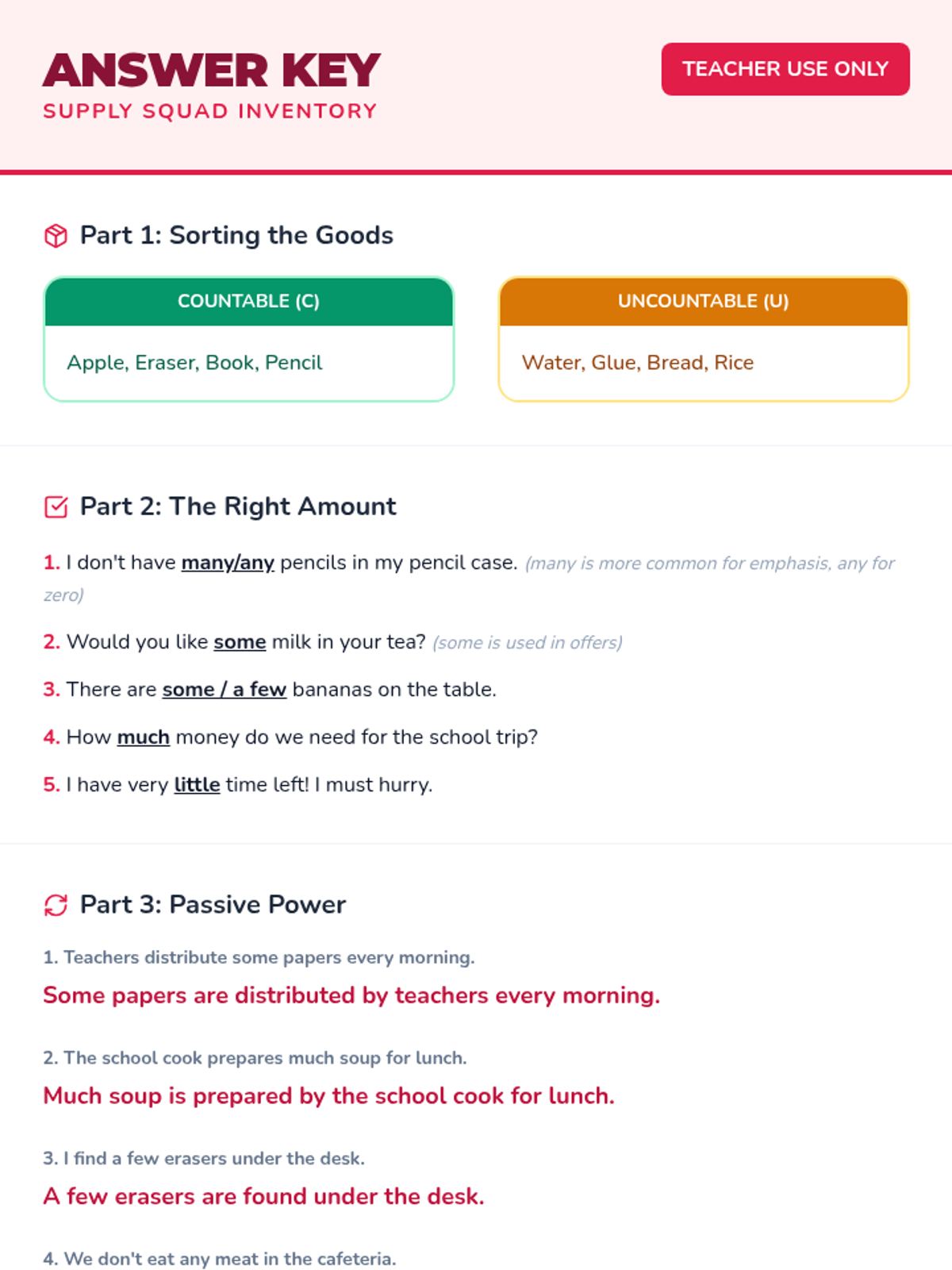
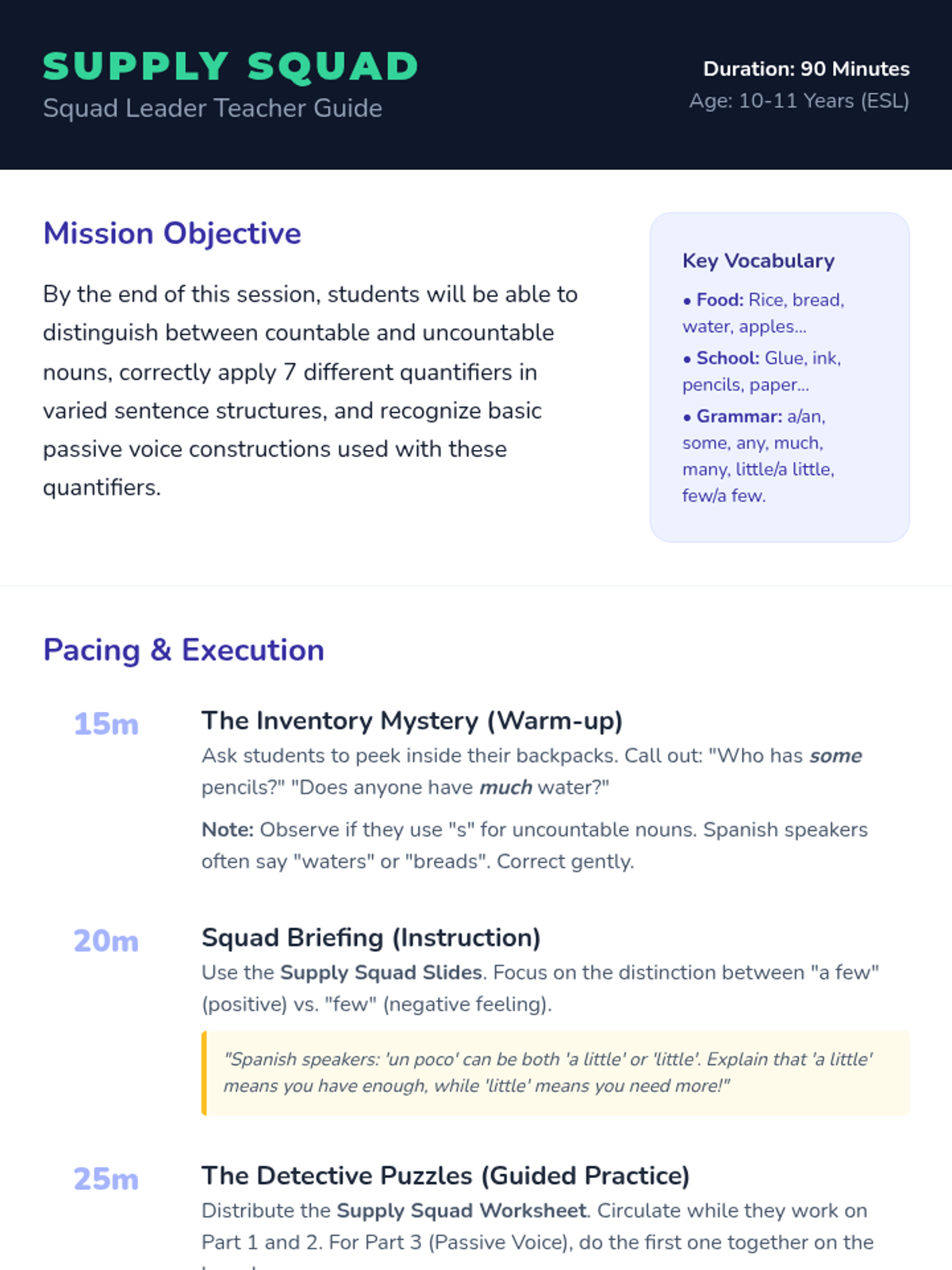
A comprehensive 90-minute ESL lesson for 10-11 year olds focusing on quantifiers (a/an, some, any, much, many, little/a little, few/a few) using food and school vocabulary, incorporating passive voice structures.
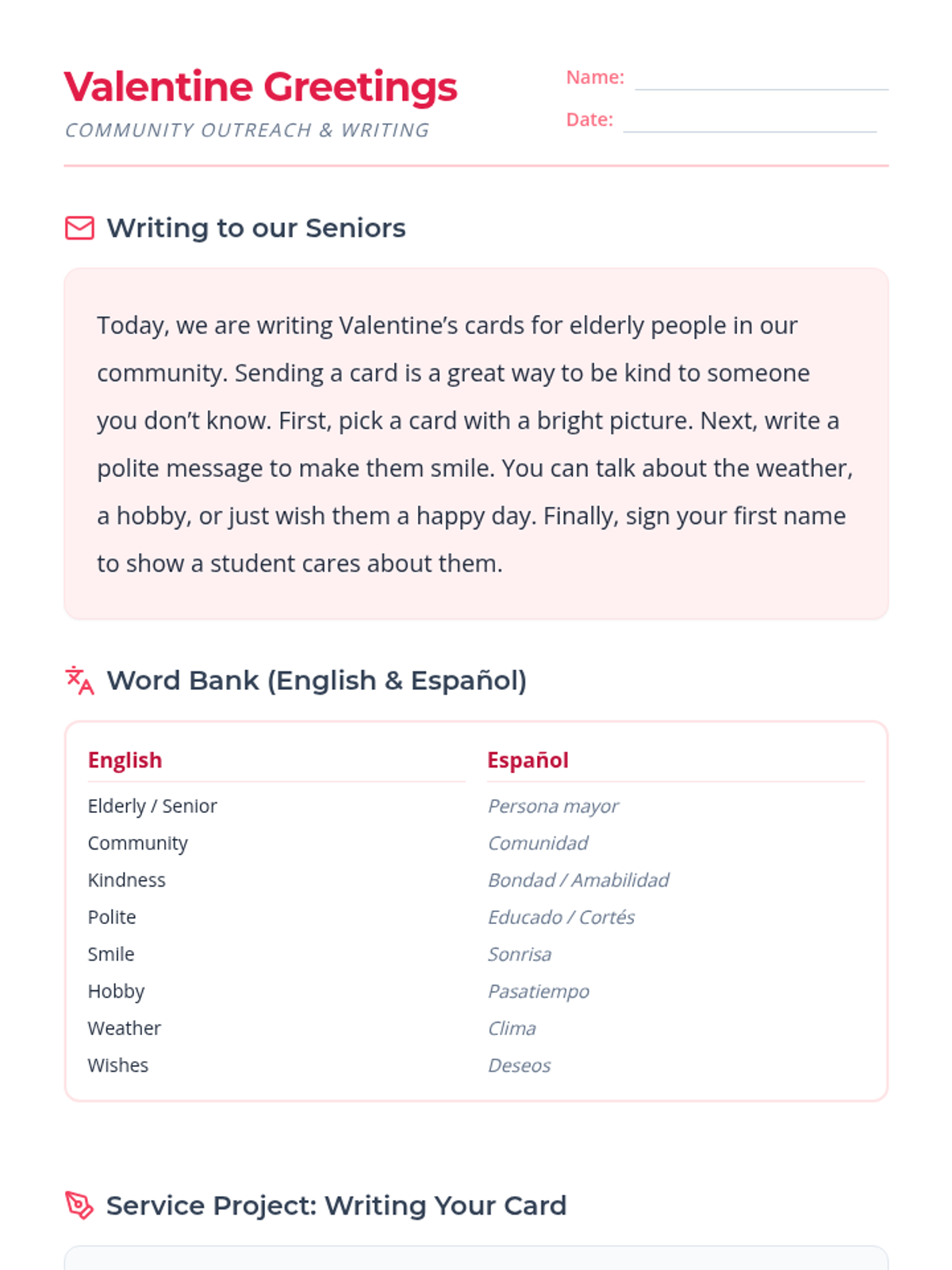
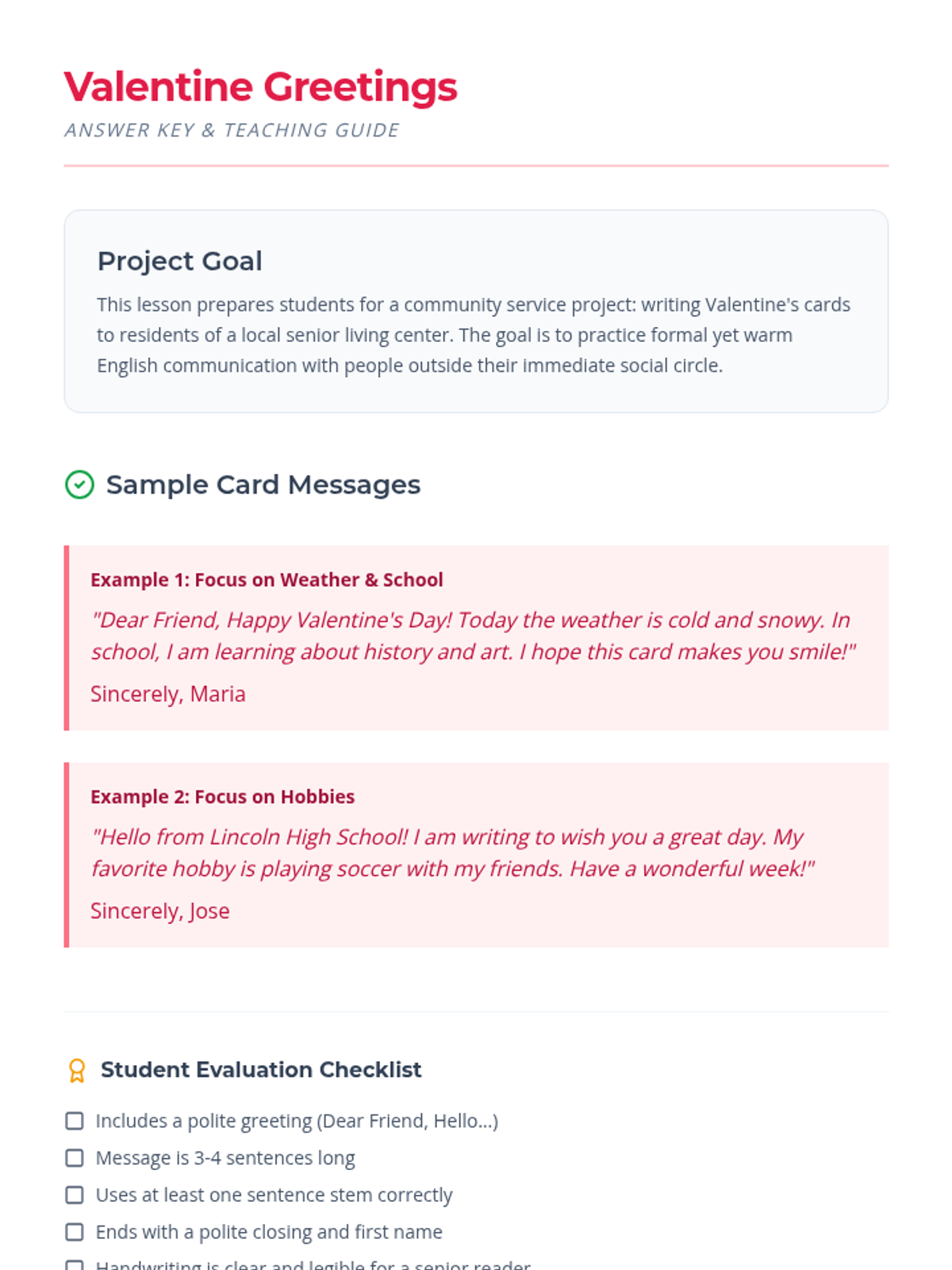
A lesson focused on the cultural tradition of sending Valentine's Day cards, designed for ESL students to practice functional reading and writing skills.
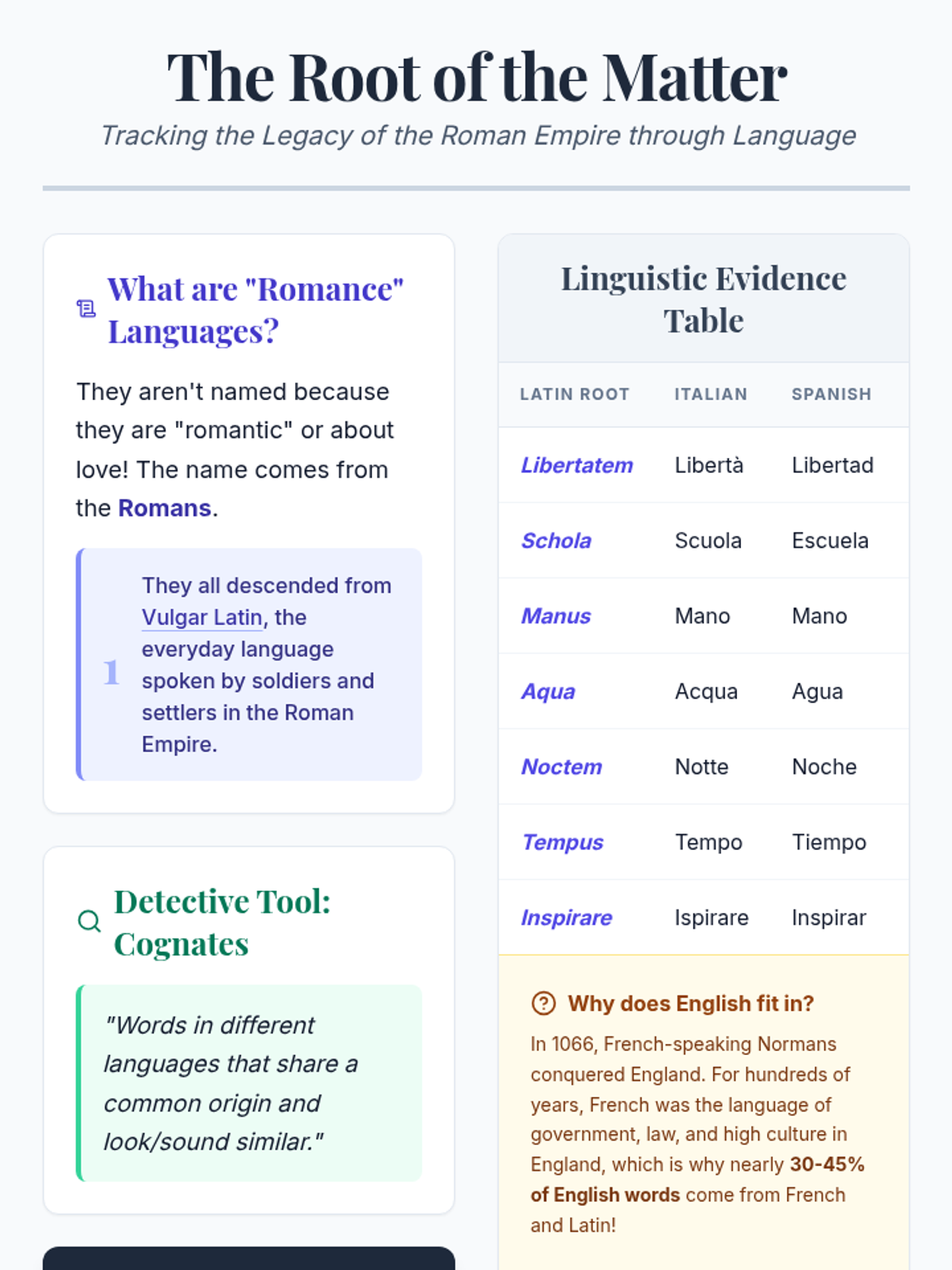
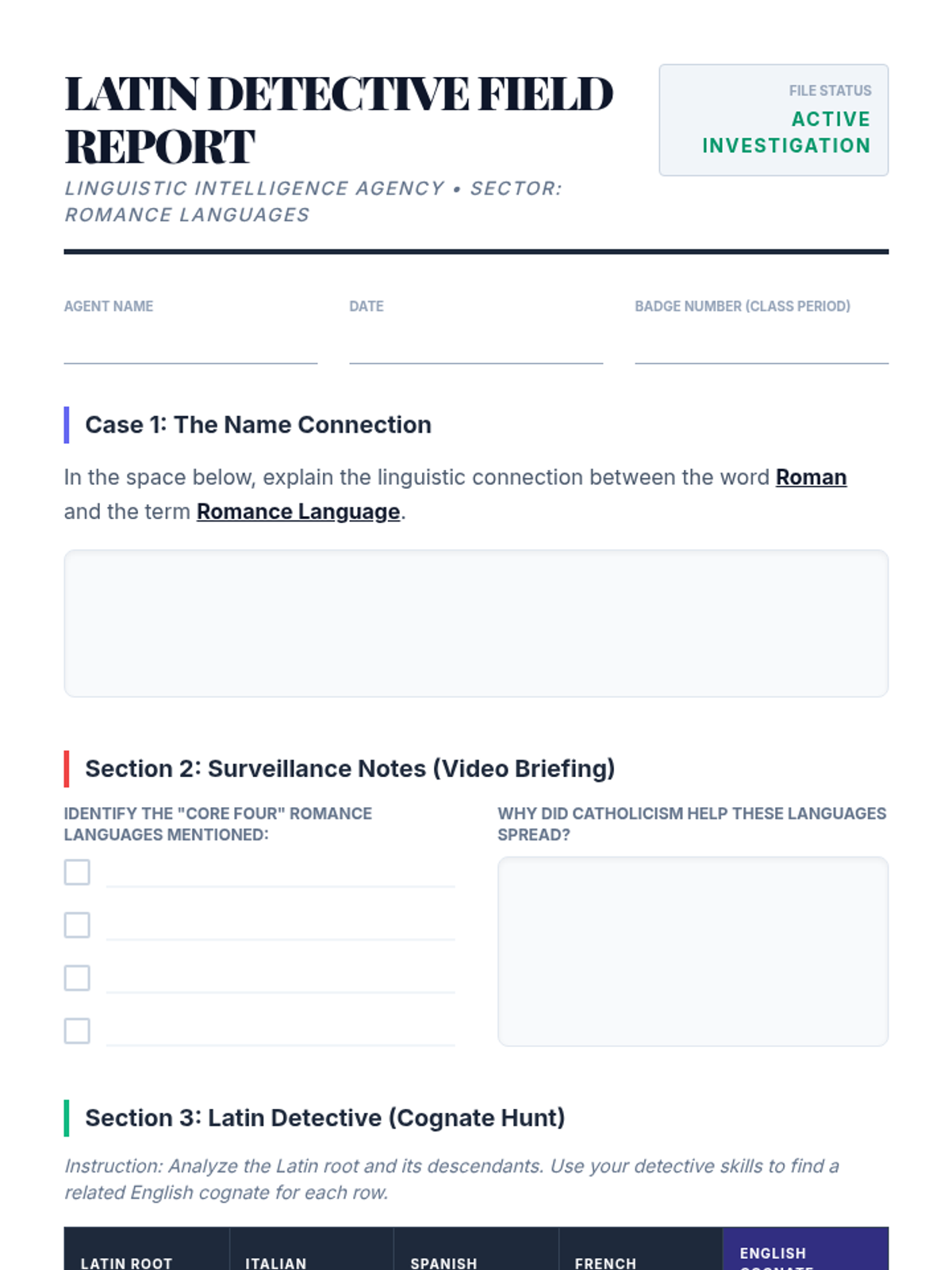
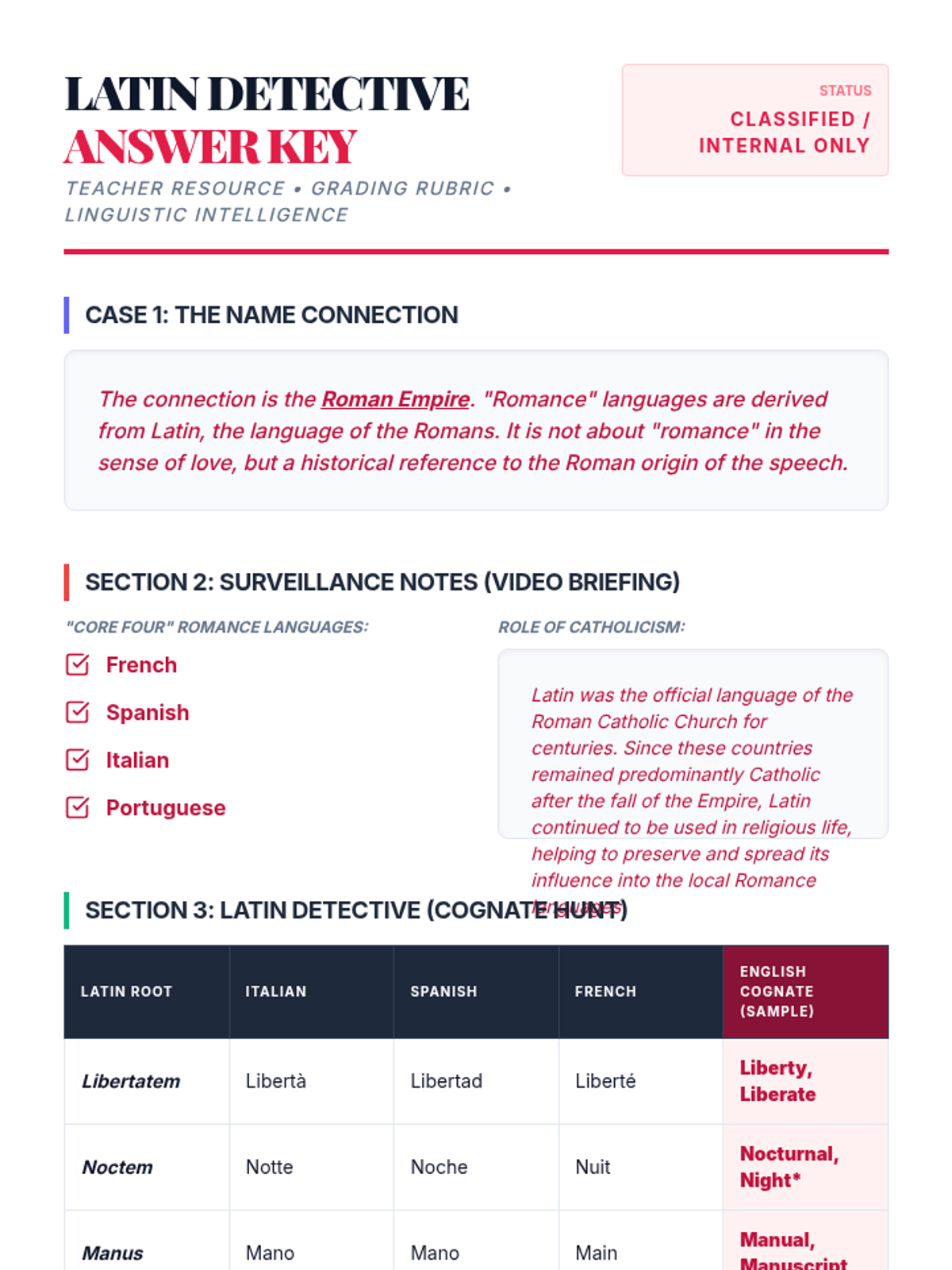
A lesson exploring the linguistic connections between Latin, Romance languages, and English through the lens of 'linguistic detective work.' Students identify cognates and understand the historical influence of the Roman Empire on modern speech.
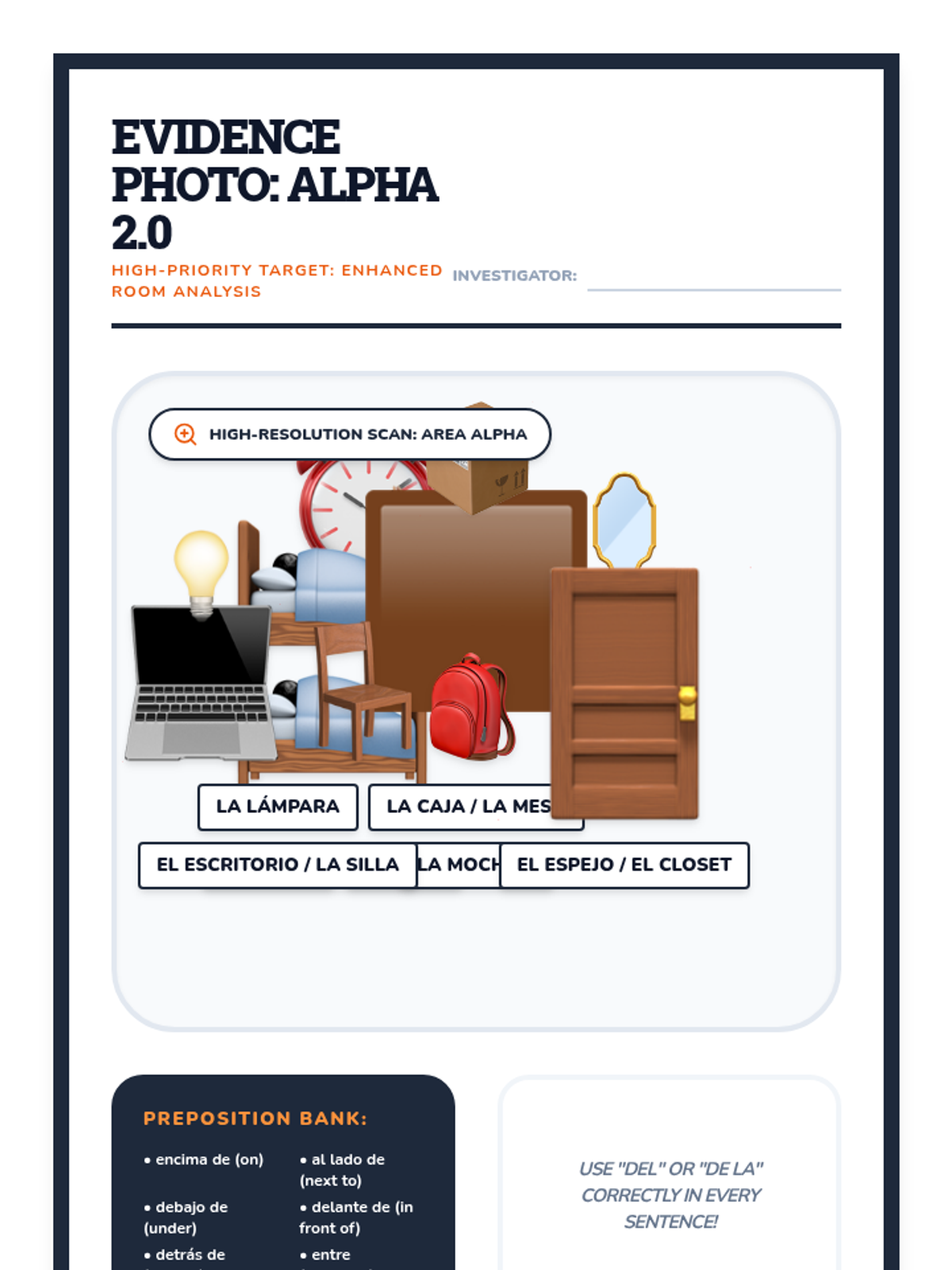
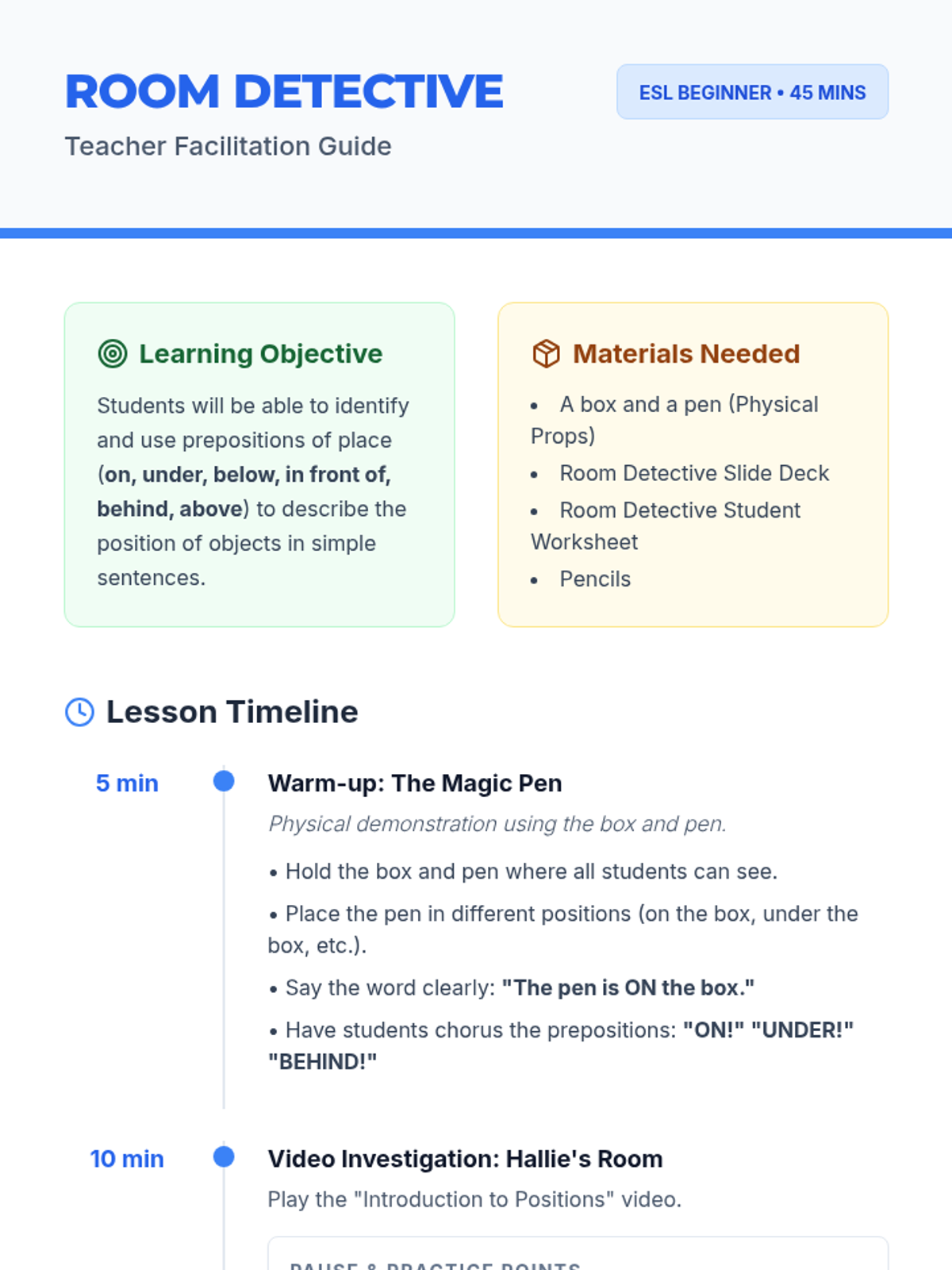
A beginner ESL lesson focused on identifying and using prepositions of place (on, under, below, in front of, behind, above) through a fun bedroom investigation theme.
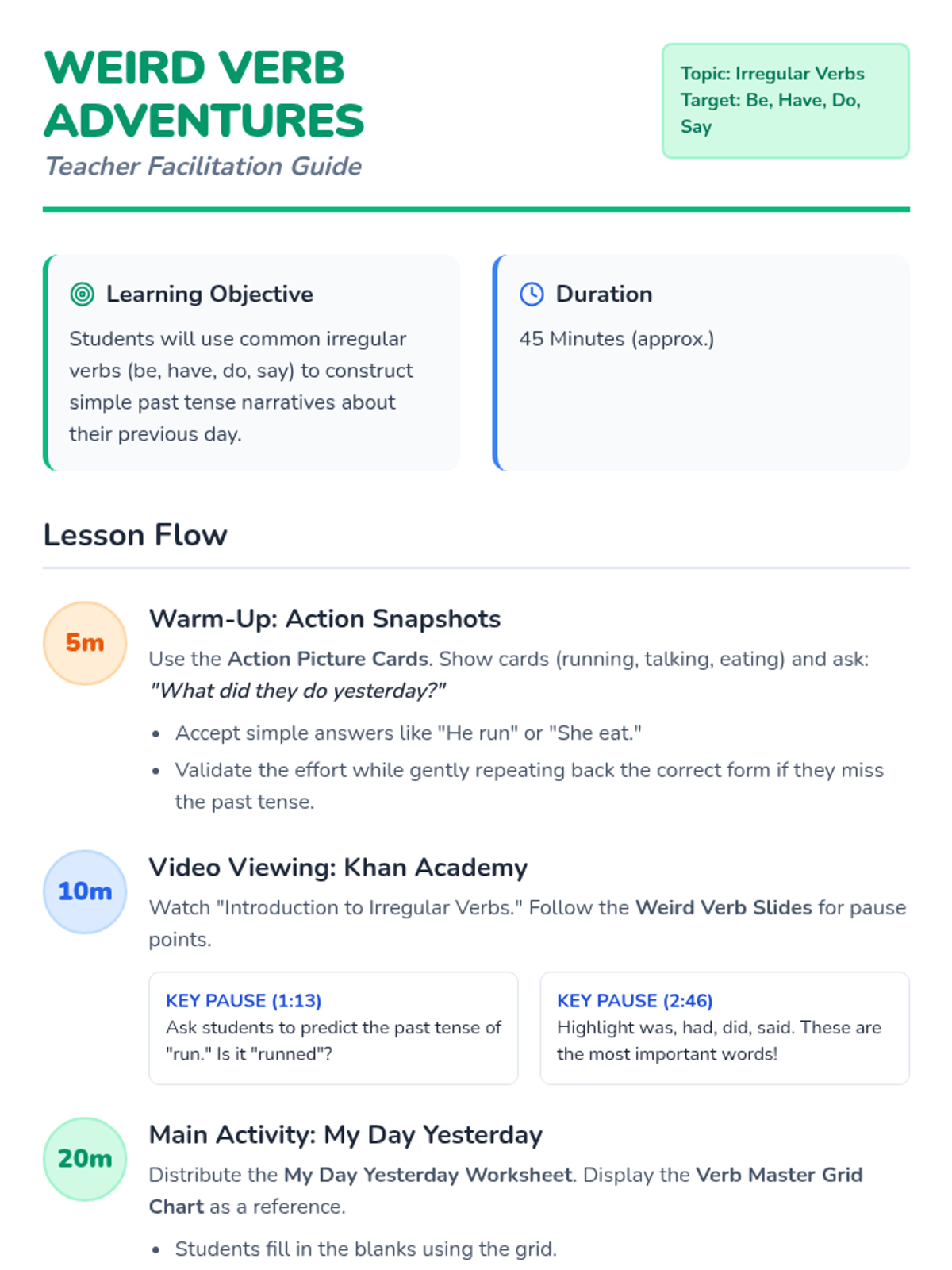
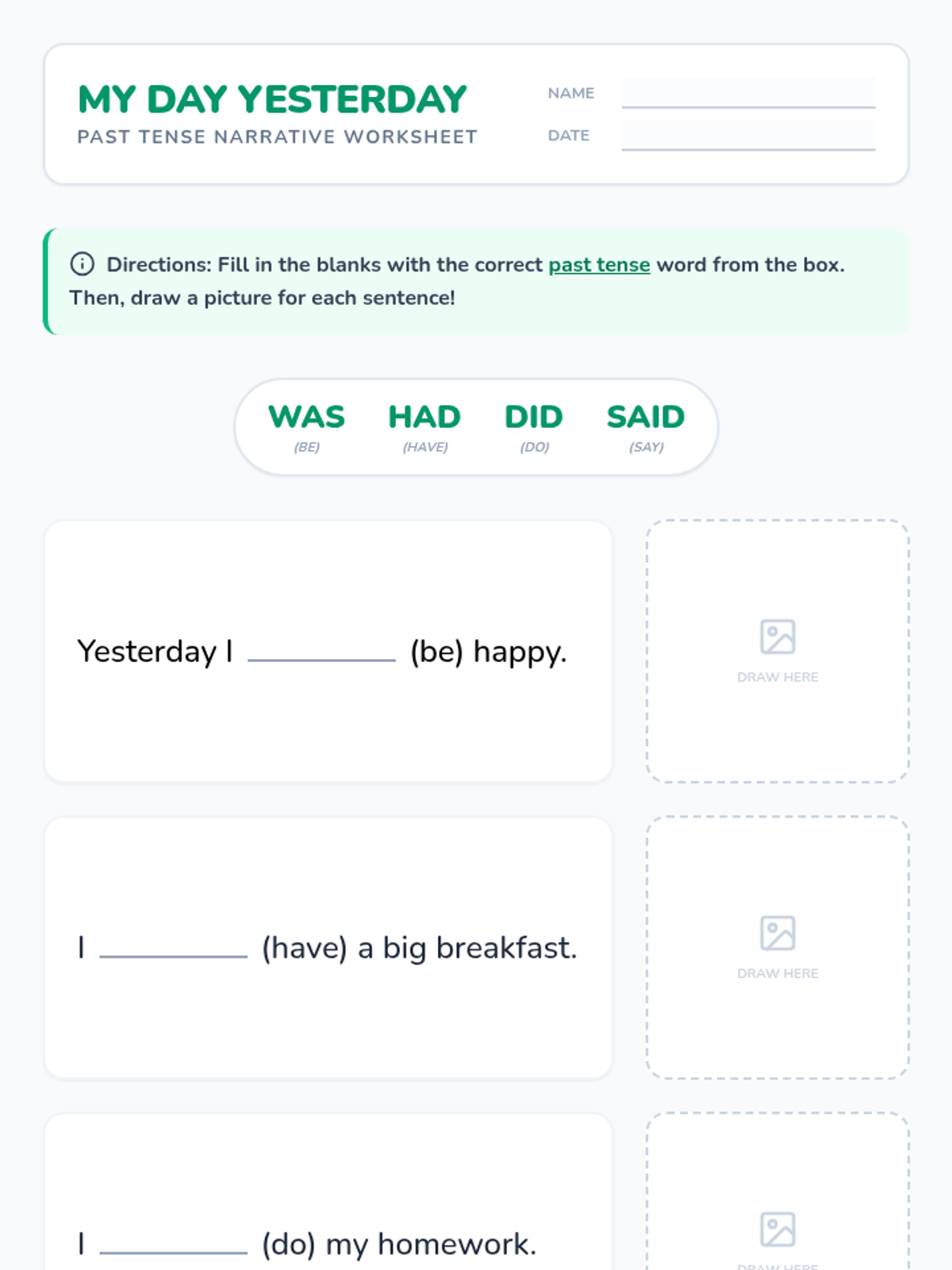
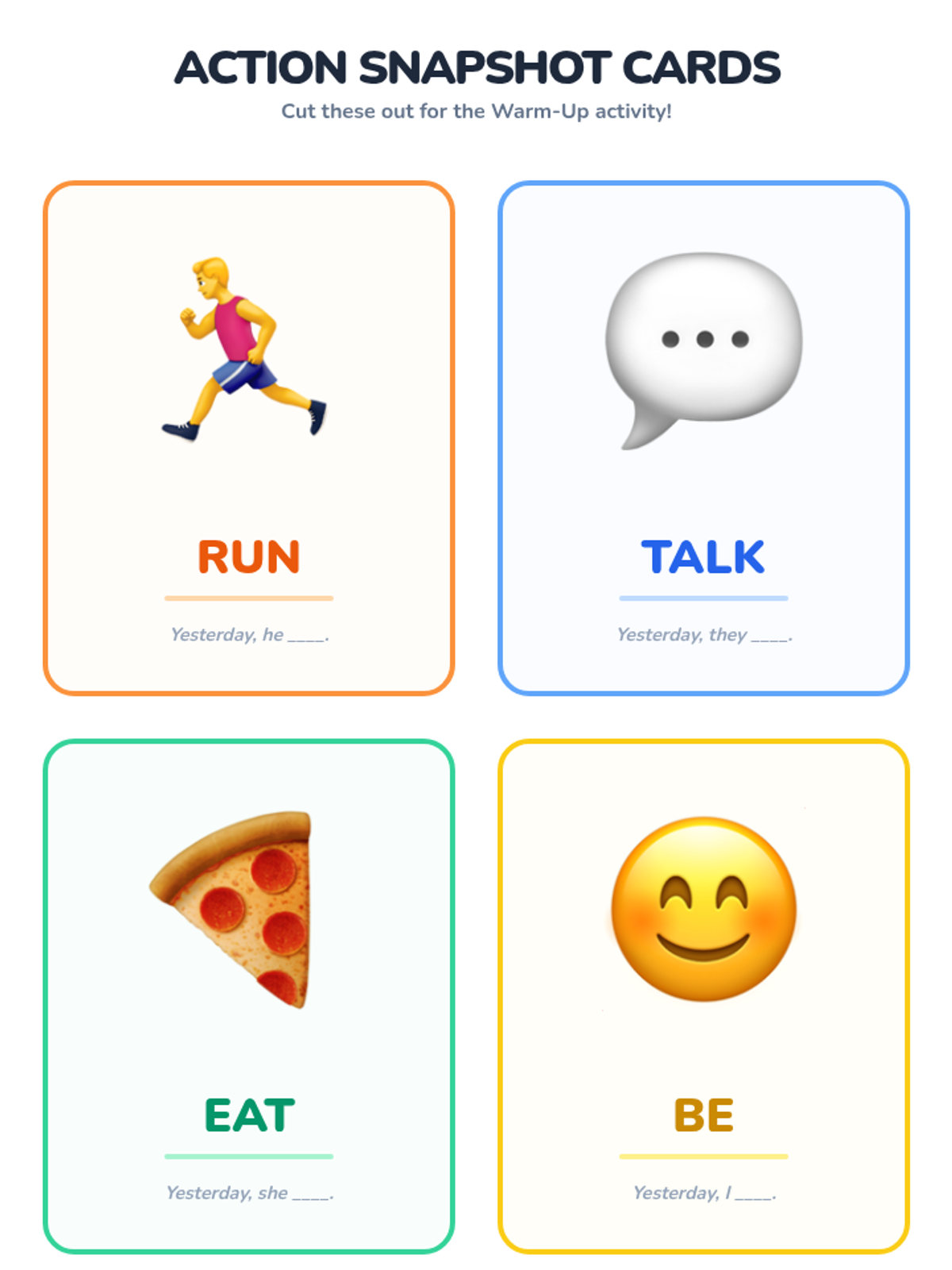
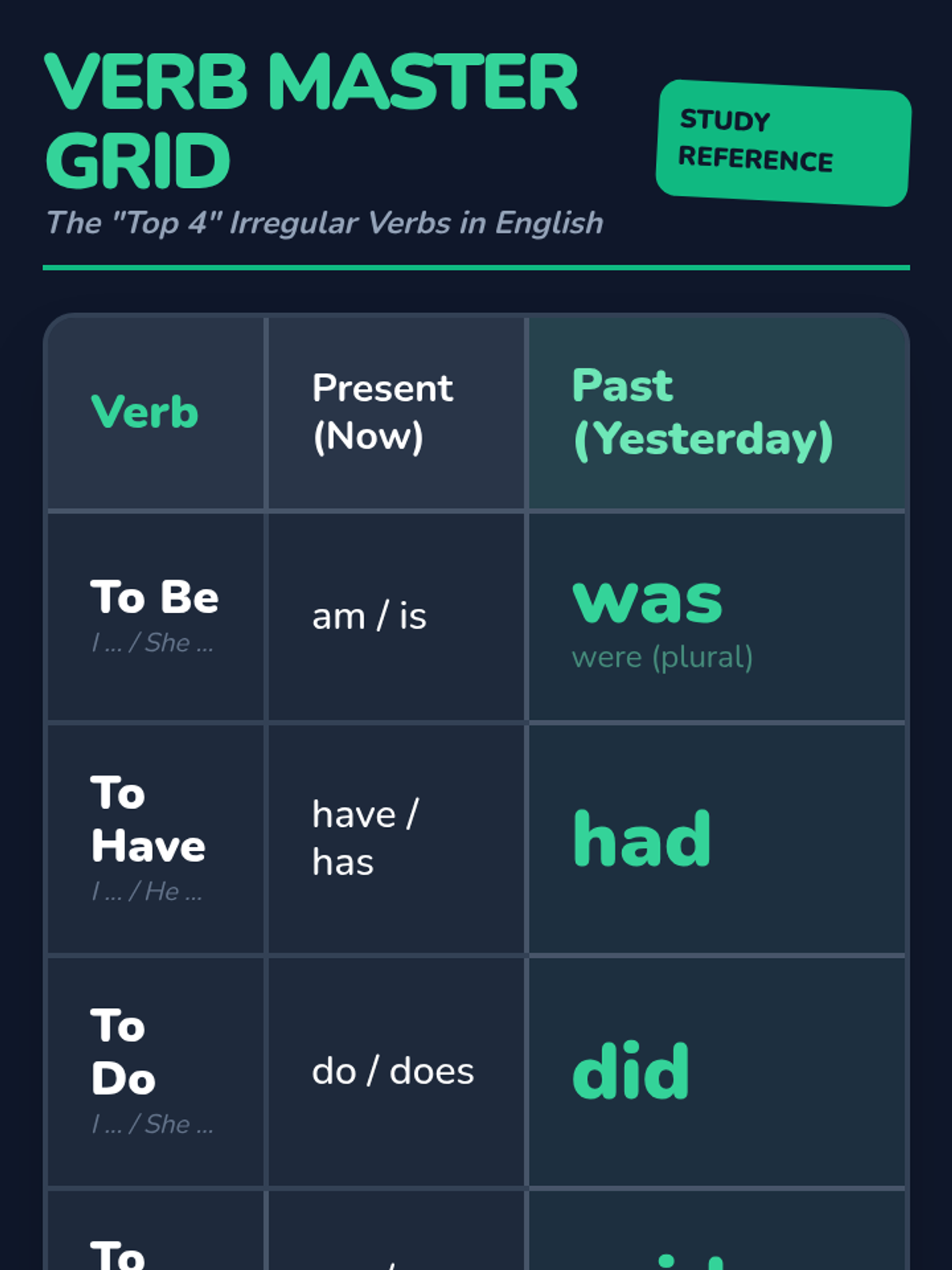
A foundational grammar lesson for ESL/ELL students focusing on the four most common irregular verbs (be, have, do, say) and their past tense forms through video analysis and scaffolded storytelling.
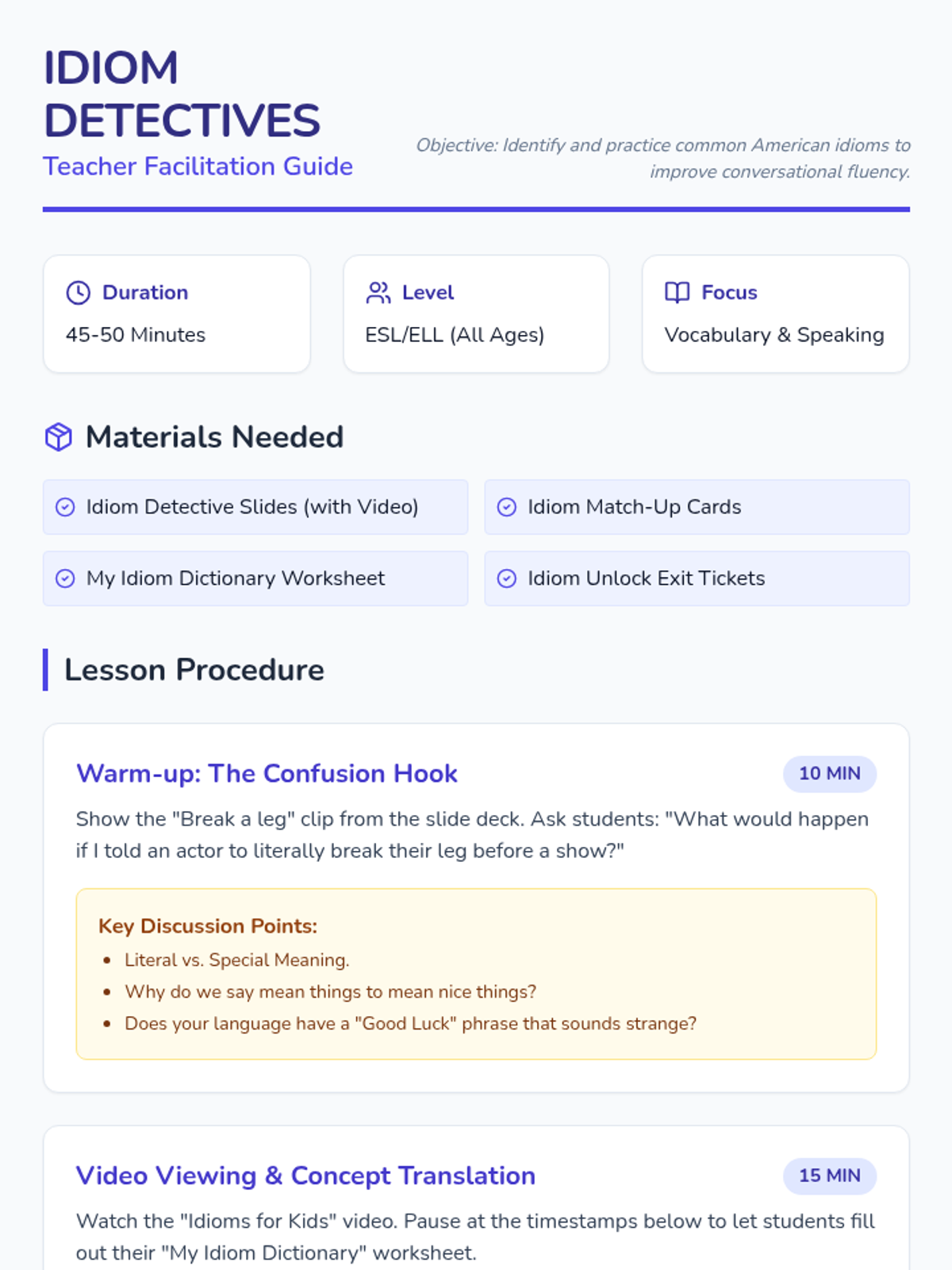
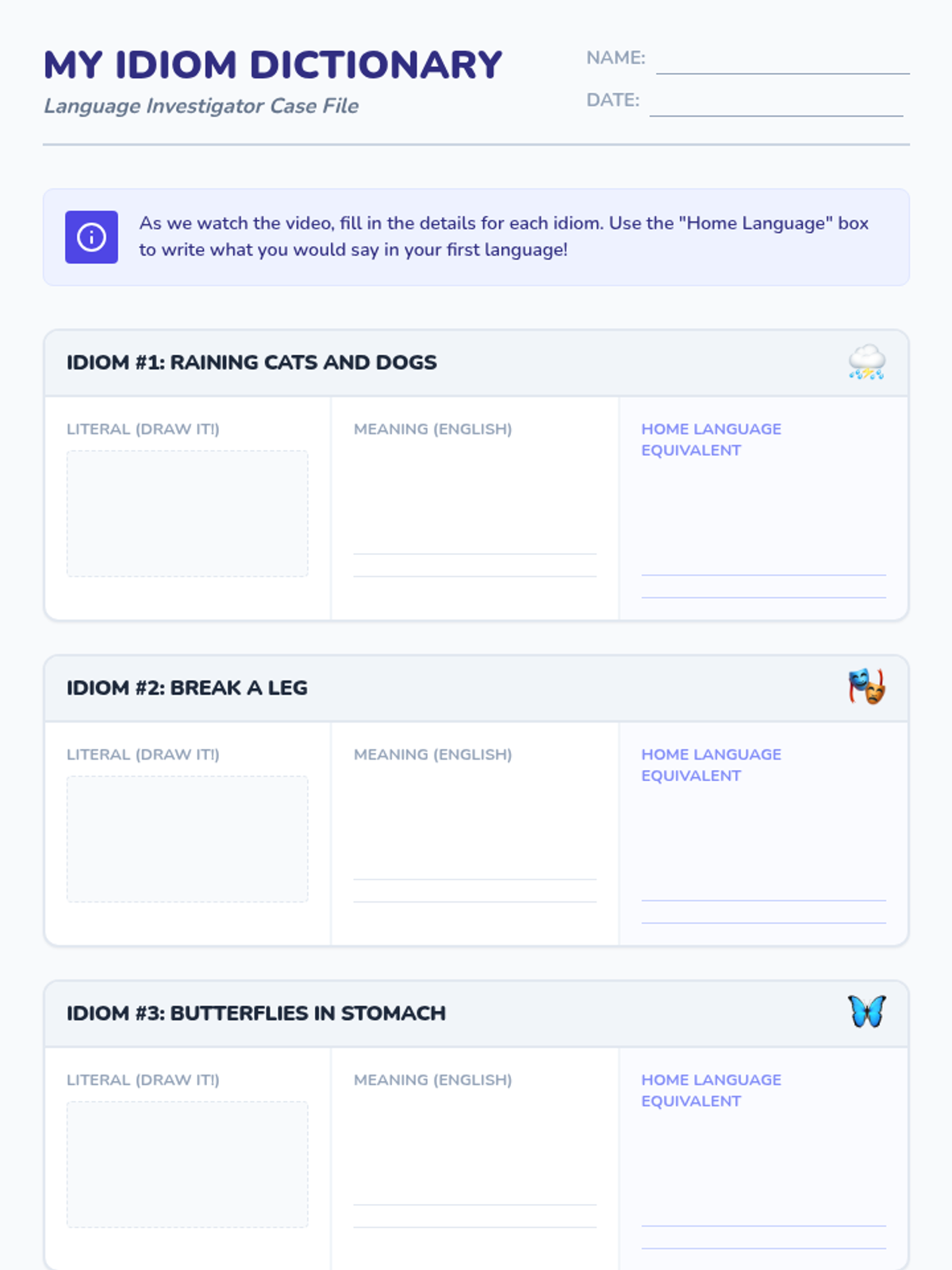
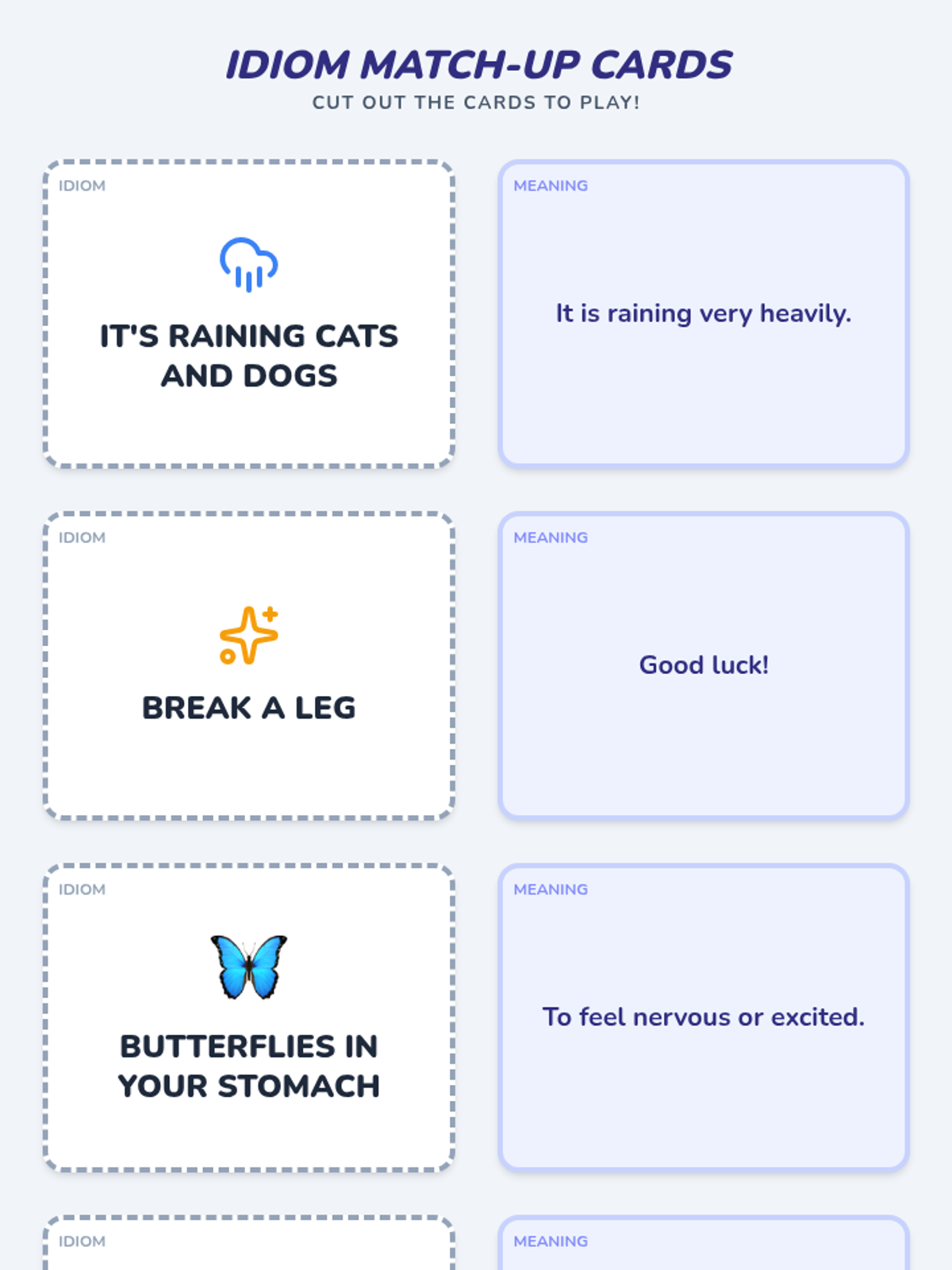
A lesson for English Language Learners to identify and practice common American idioms using visual aids and video-based instruction. Students will explore literal vs. figurative meanings and practice using idioms in spoken sentences.
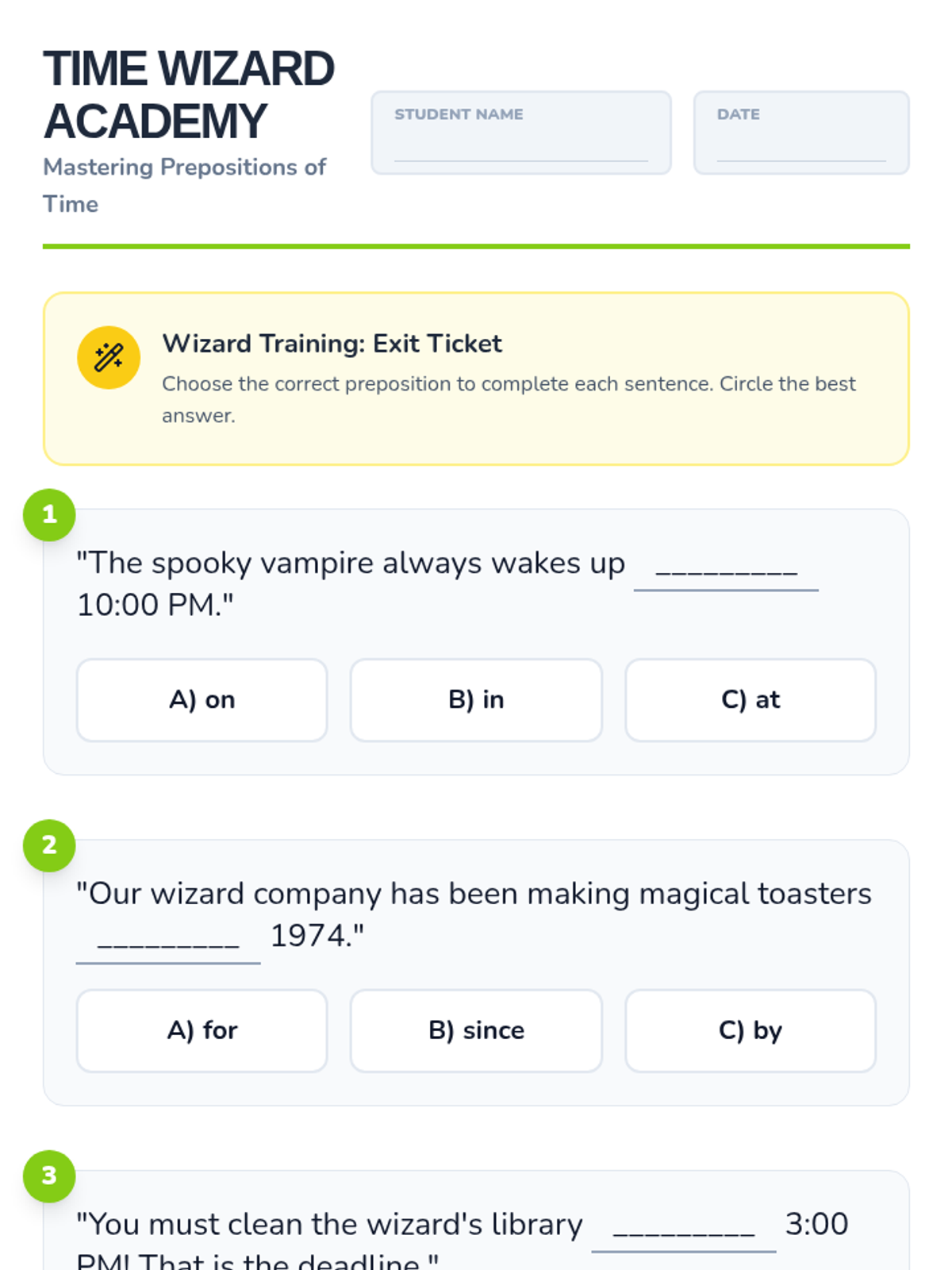
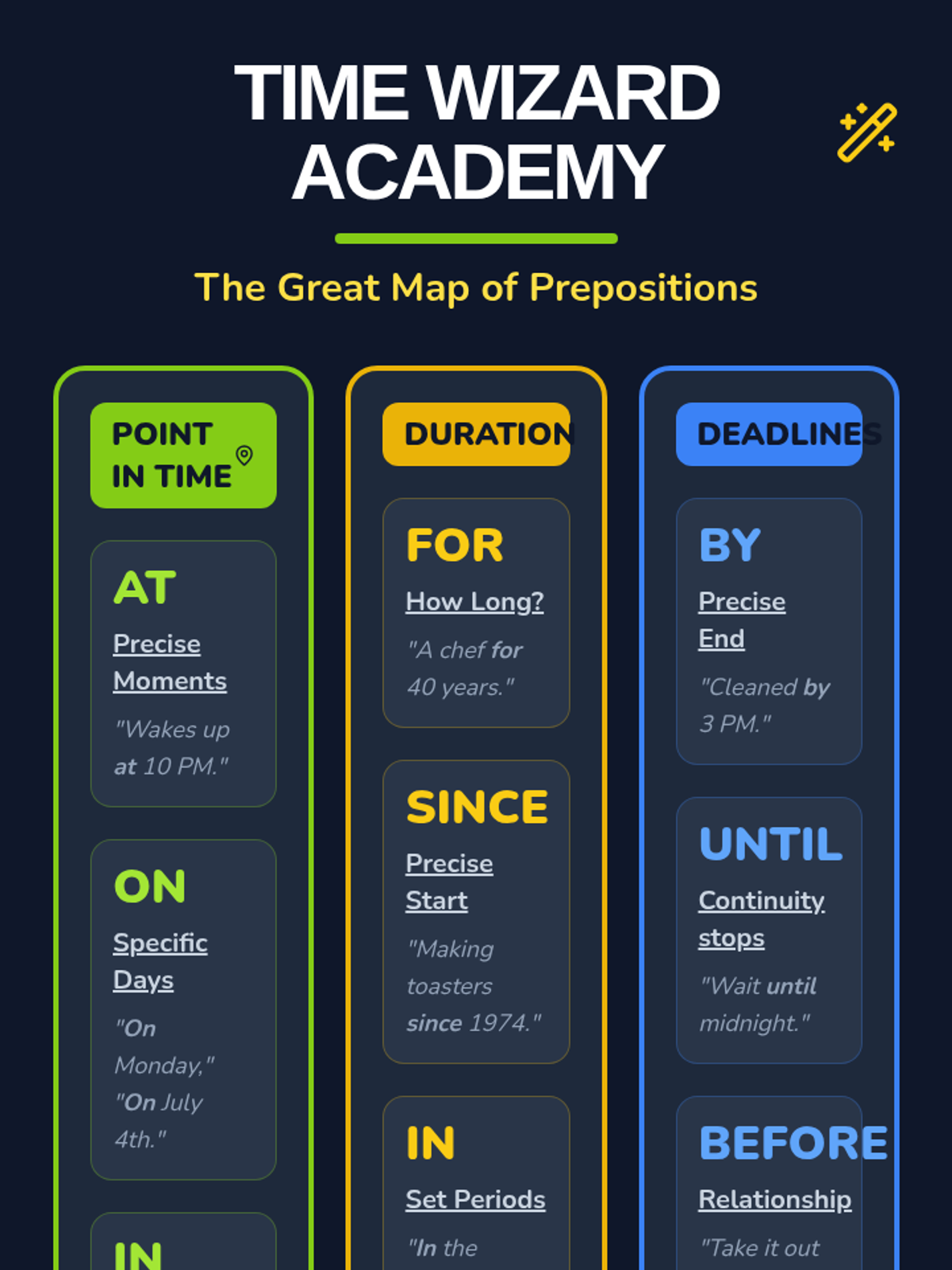
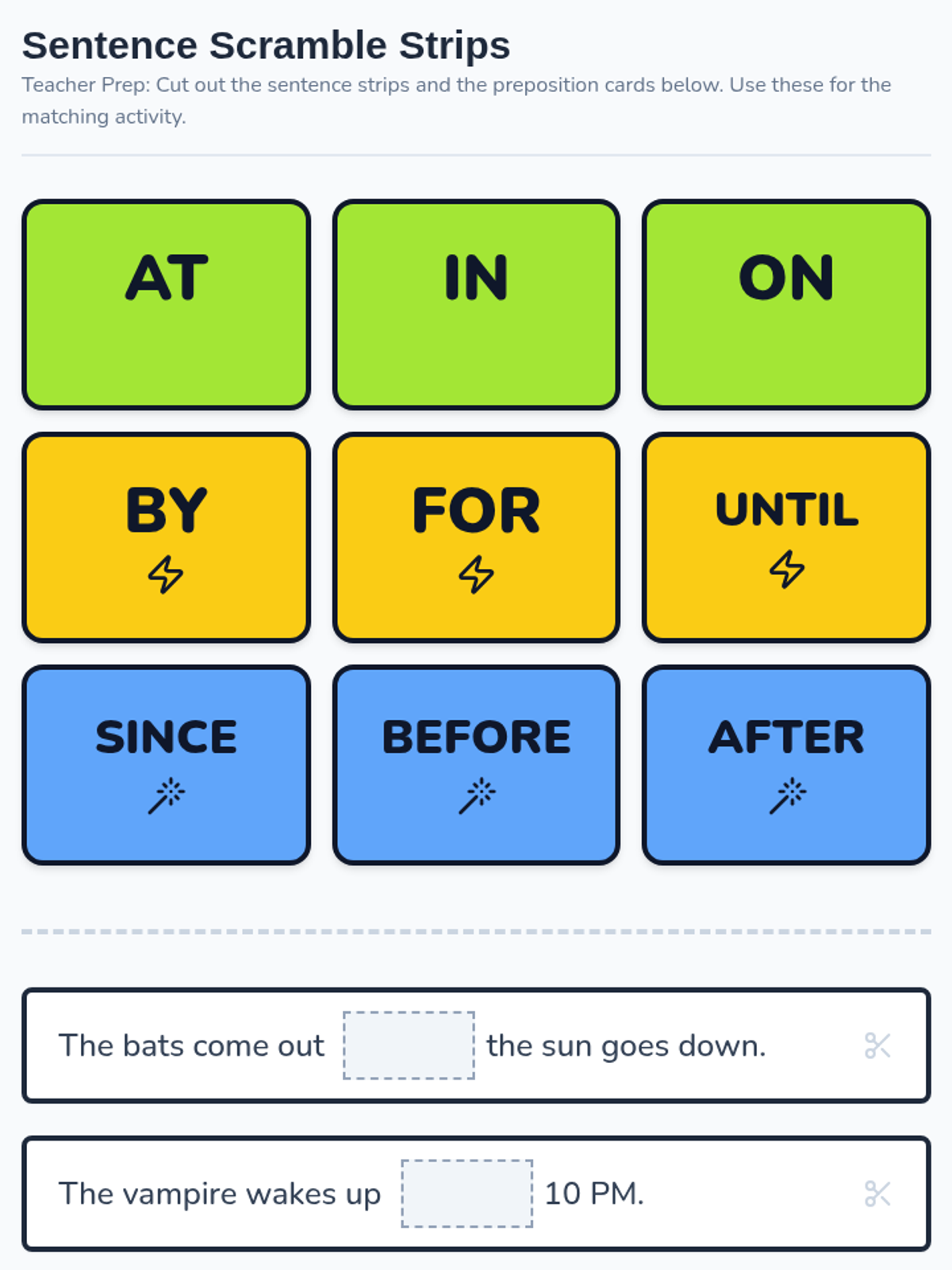
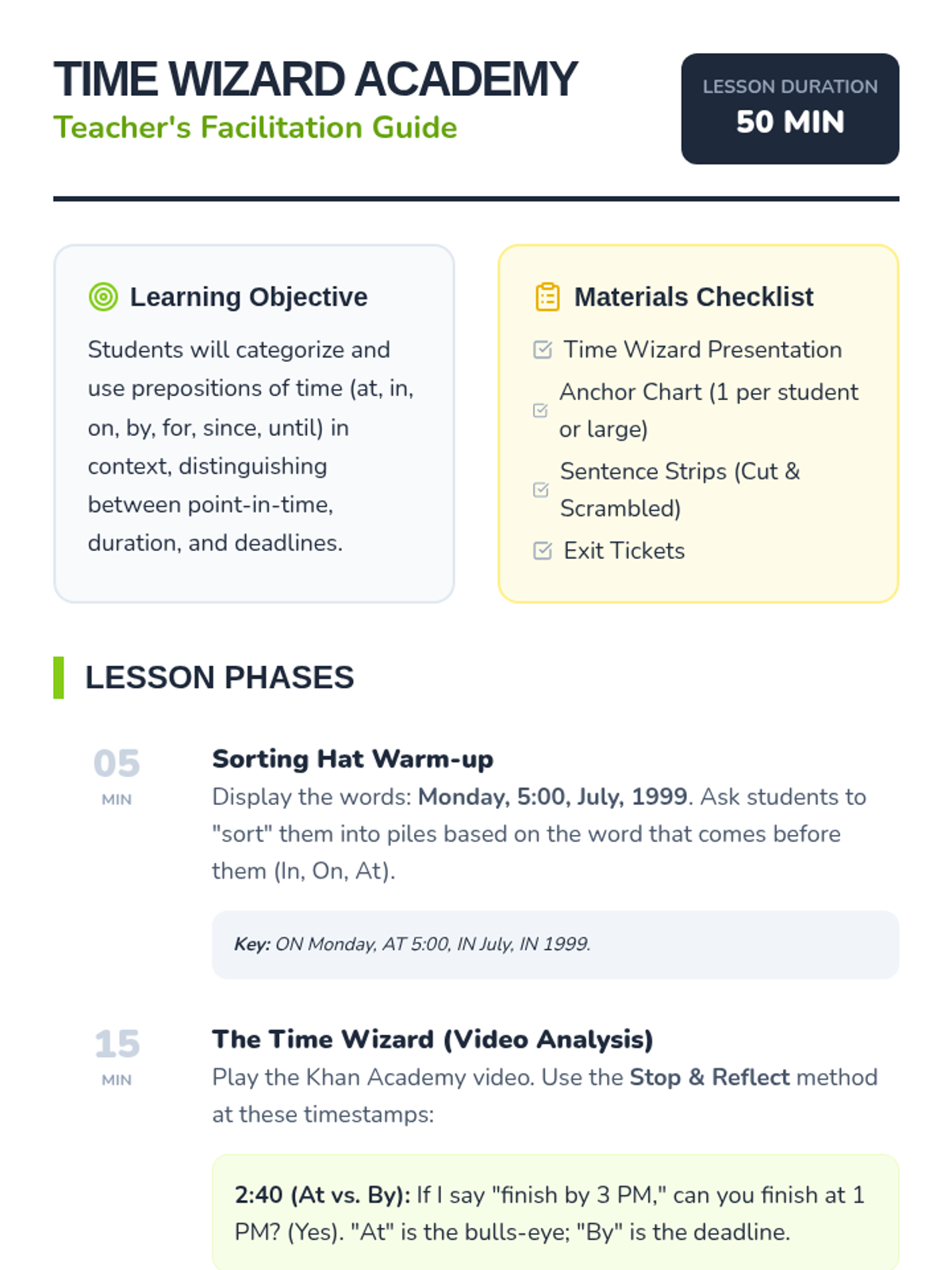
A whimsical, 'Time Wizard' themed lesson where ESL students master prepositions of time through categorization, a guided video analysis, and a sentence scramble activity. Students will learn to distinguish between point-in-time, duration, and deadline prepositions.
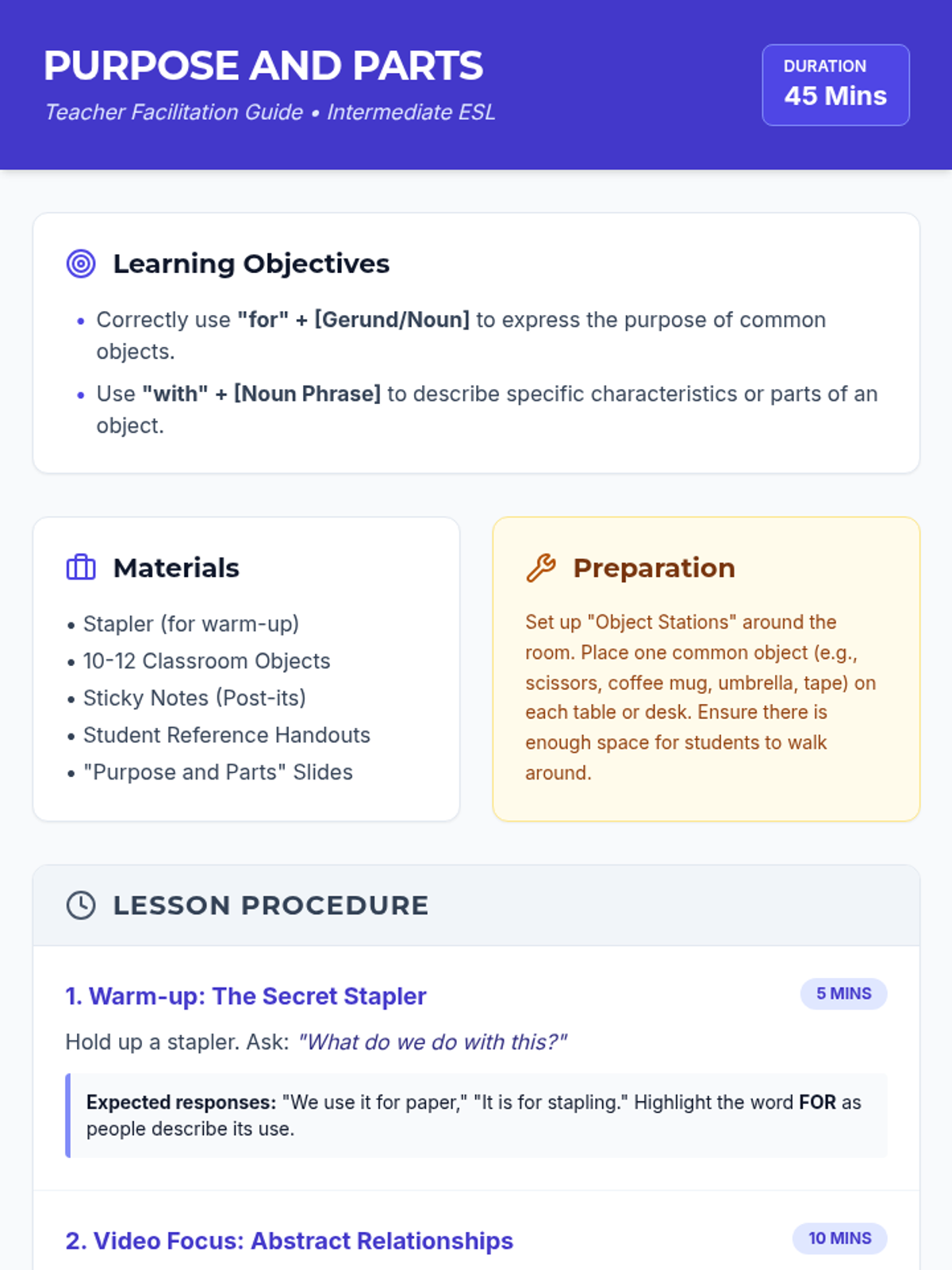
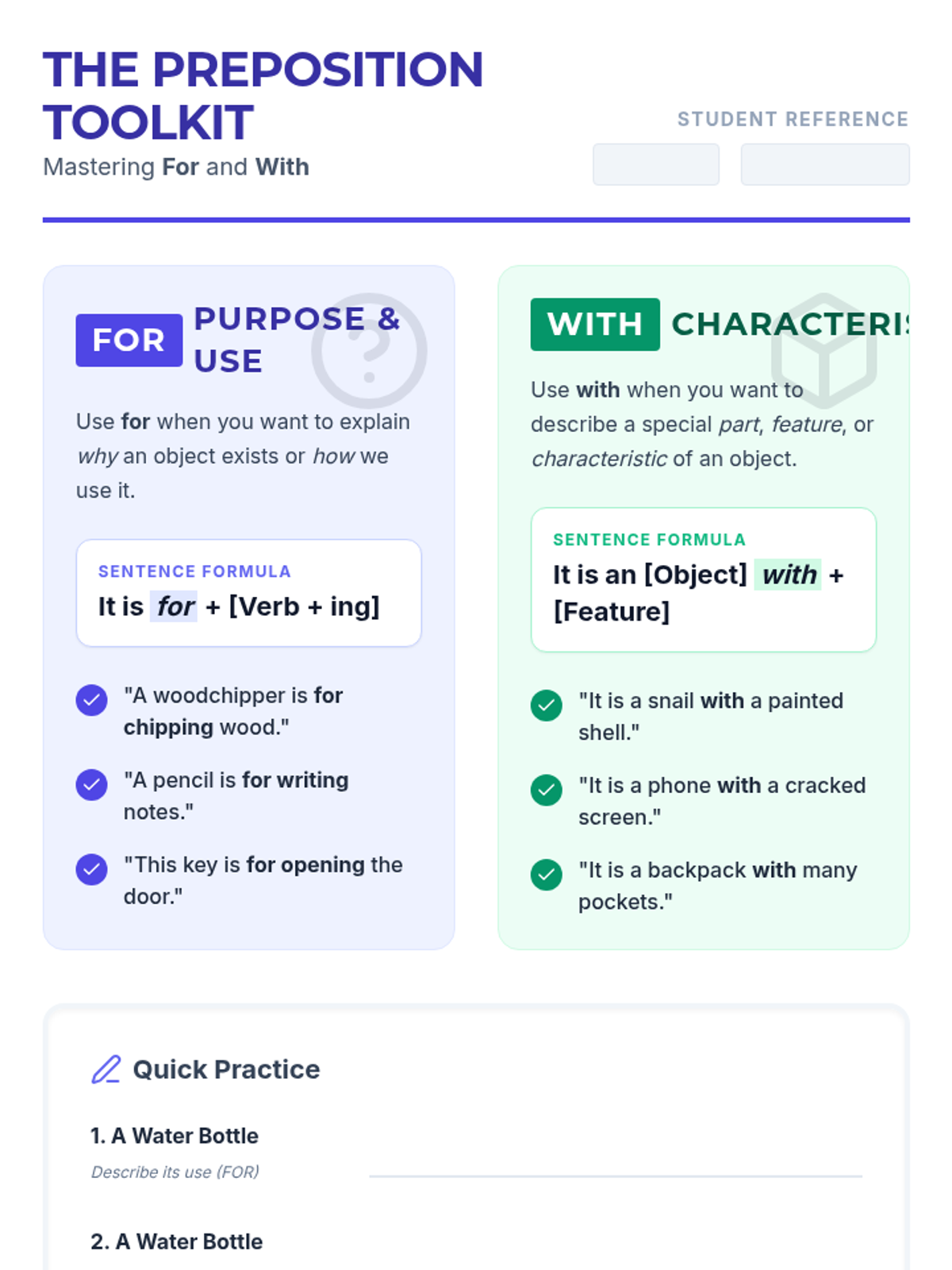
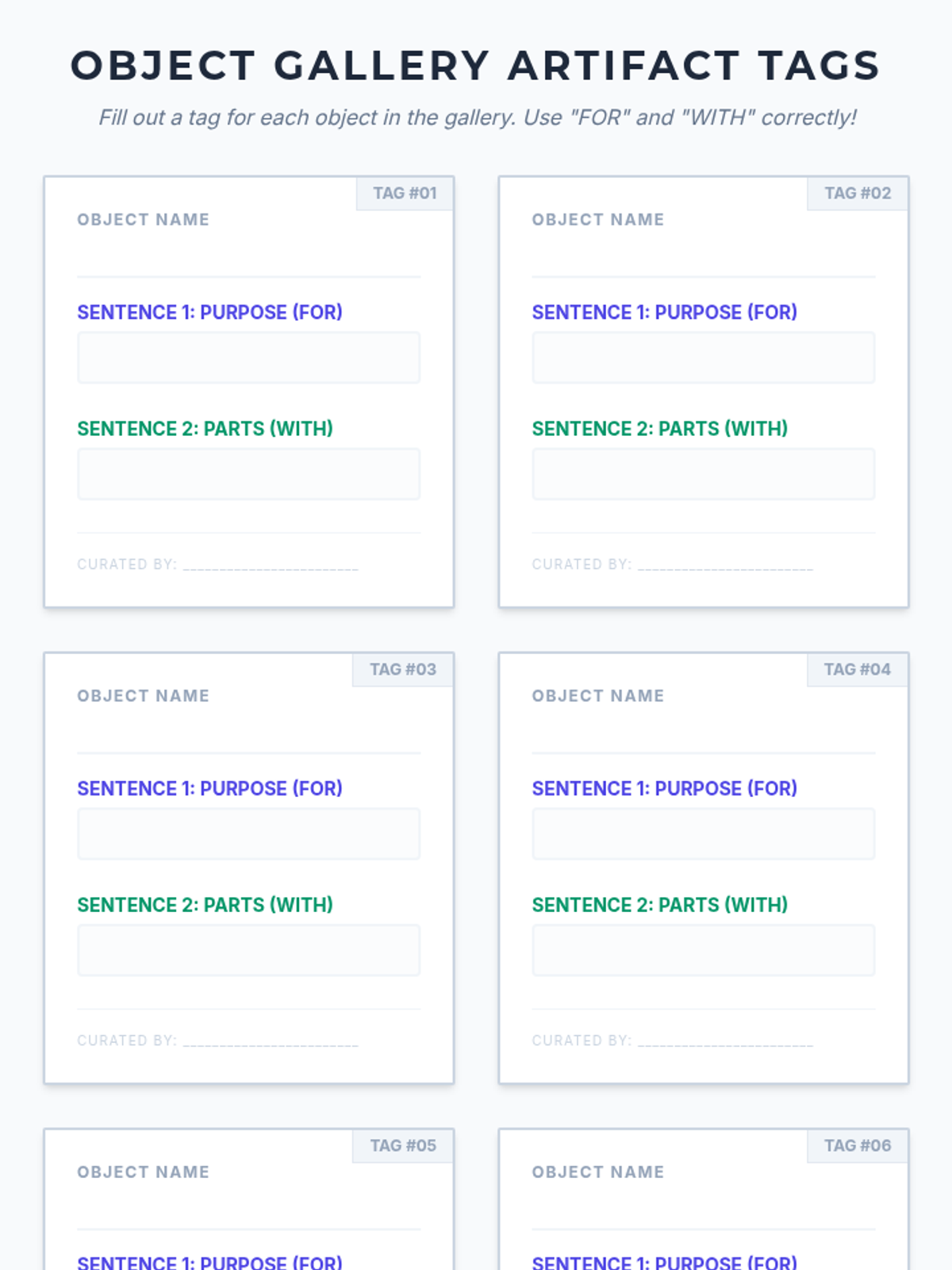
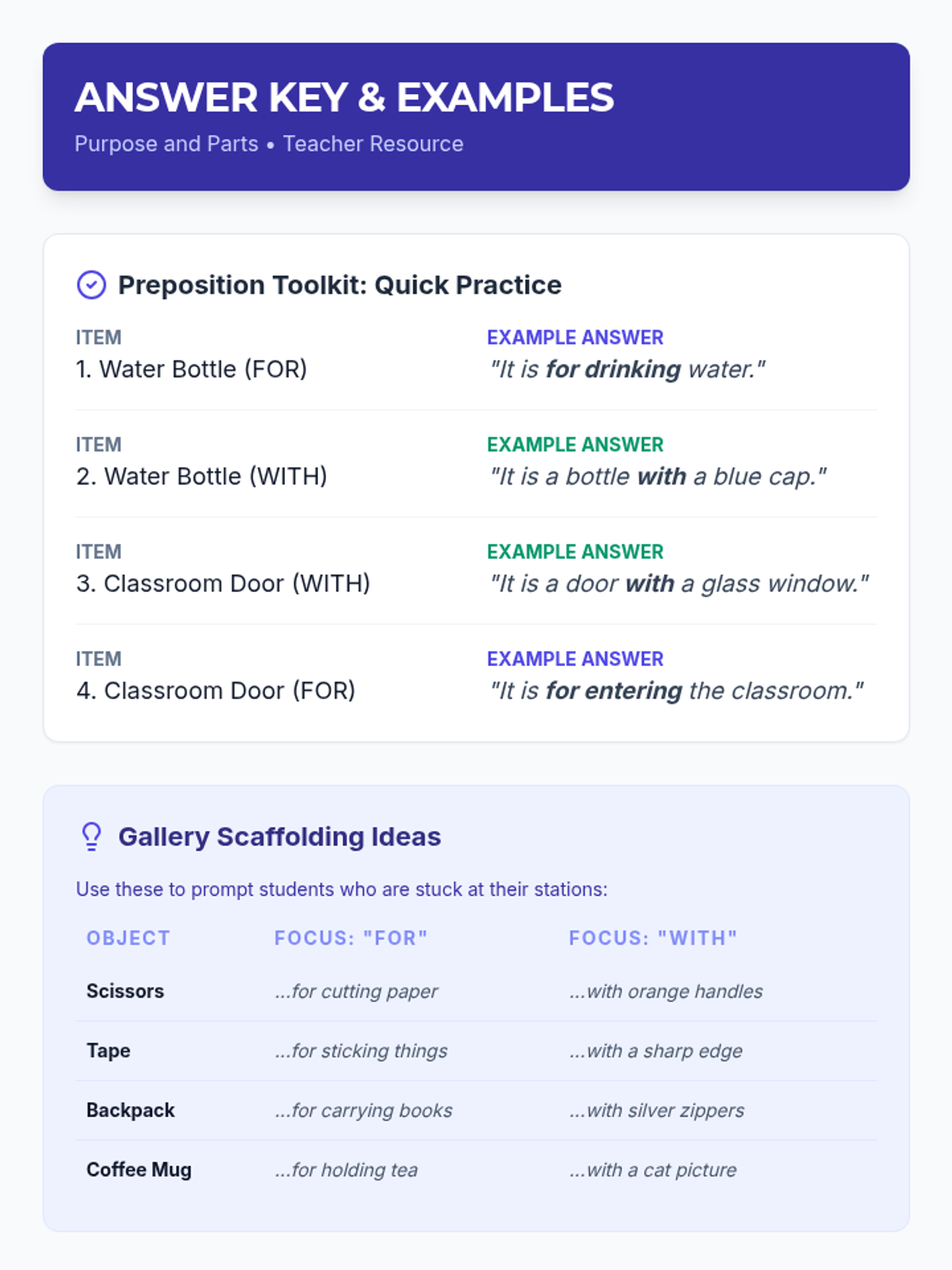
An intermediate ESL lesson focusing on prepositions of purpose ('for') and characteristics ('with') through a hands-on classroom object gallery activity.
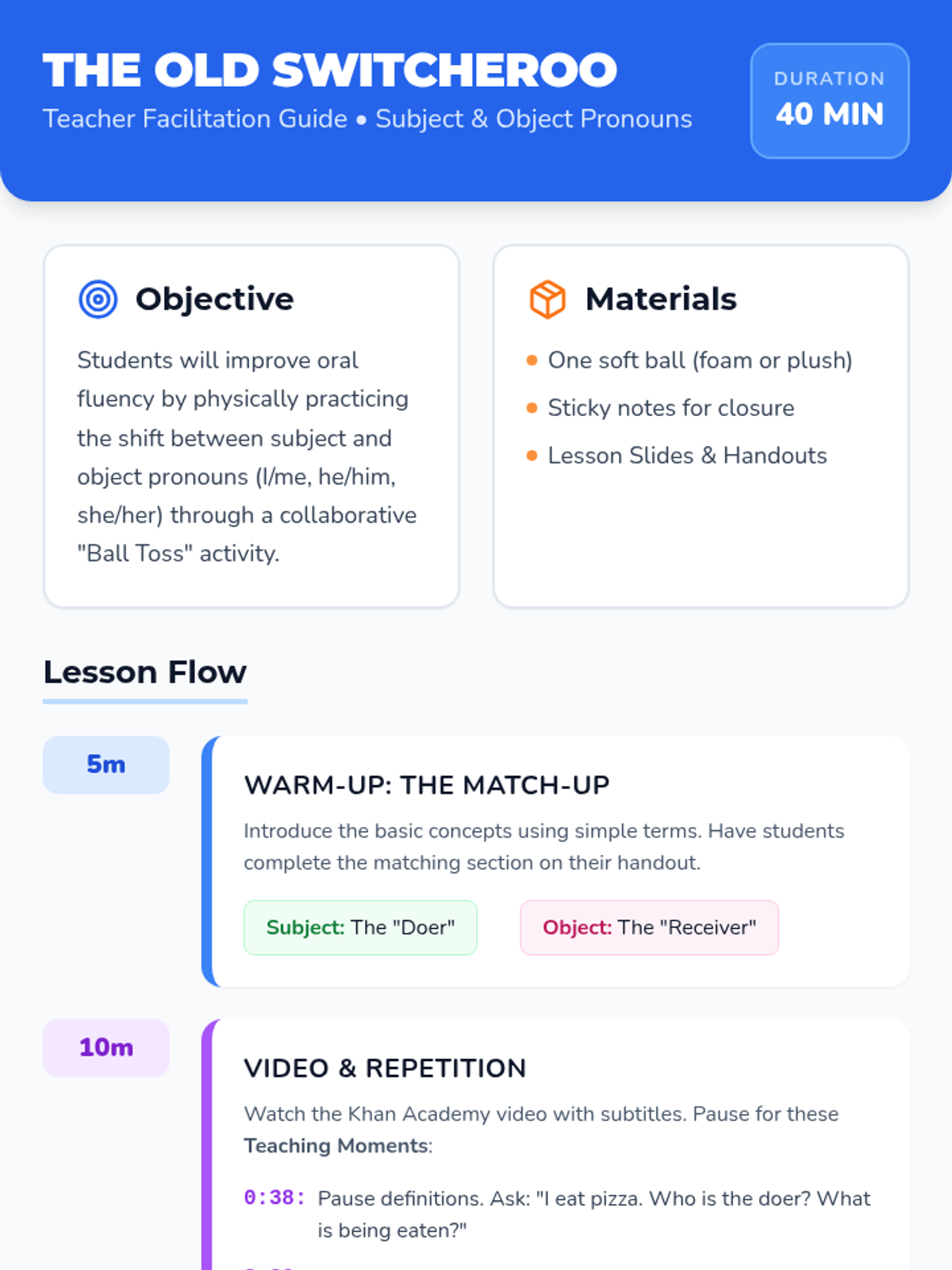
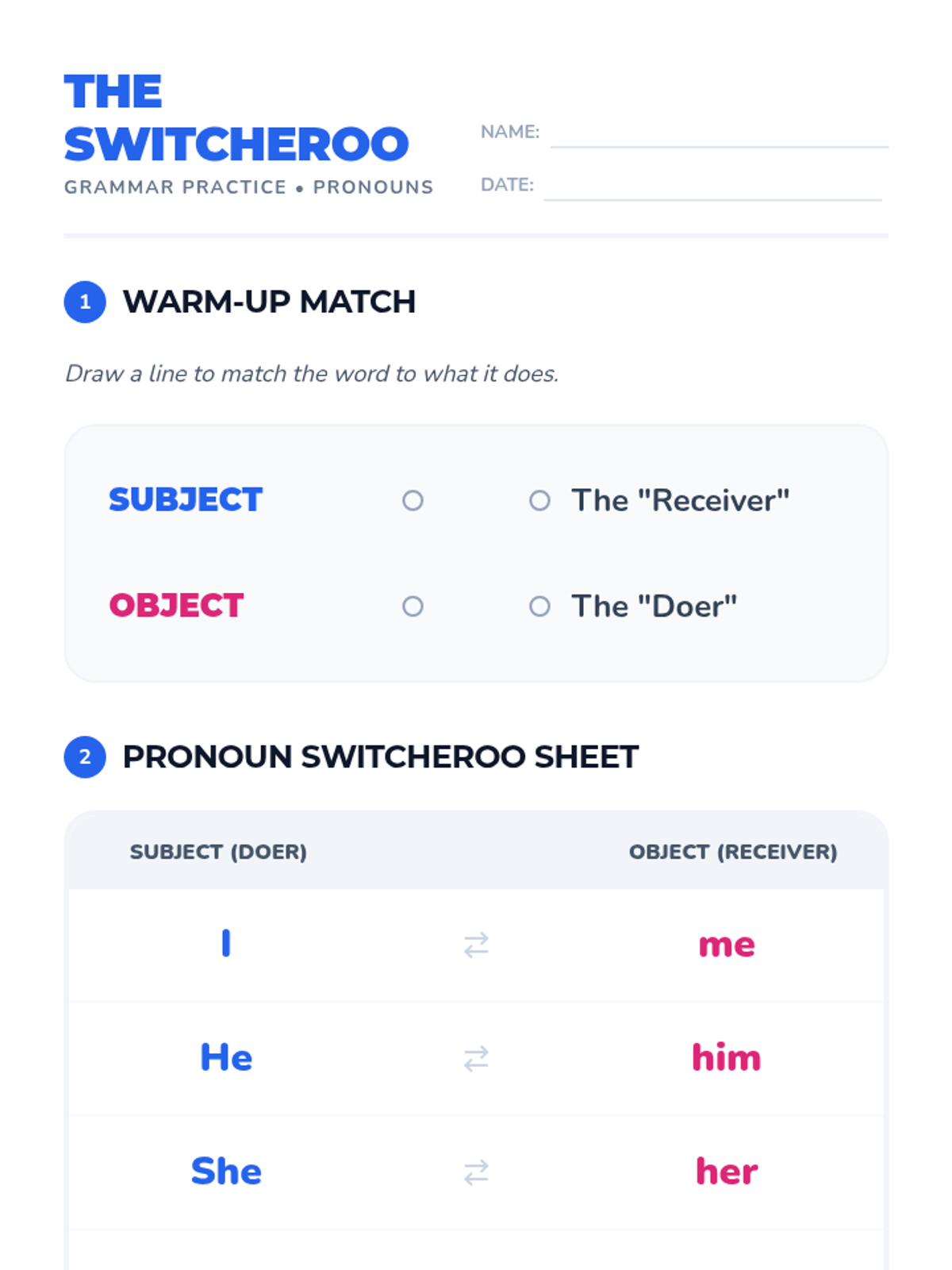
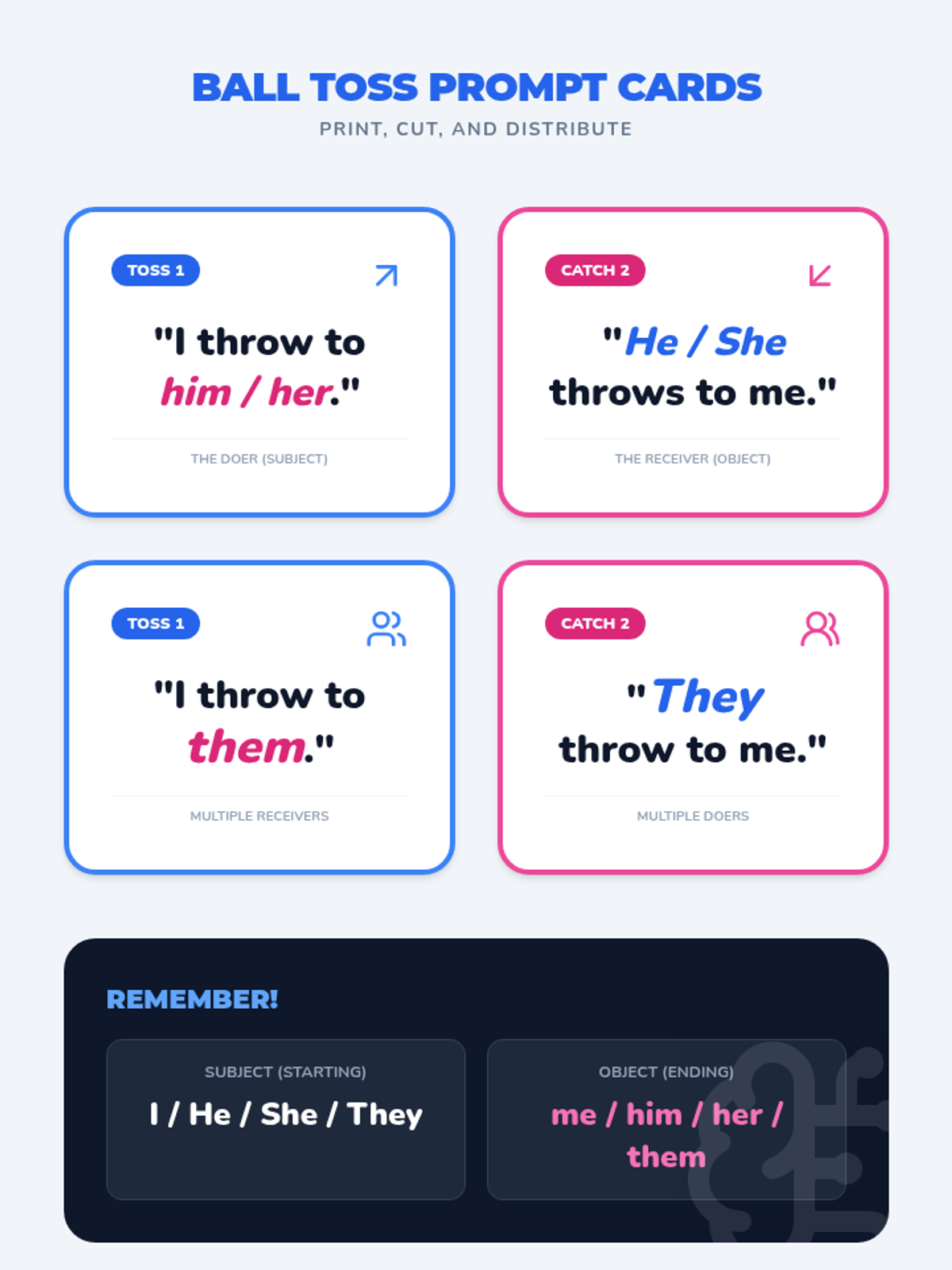
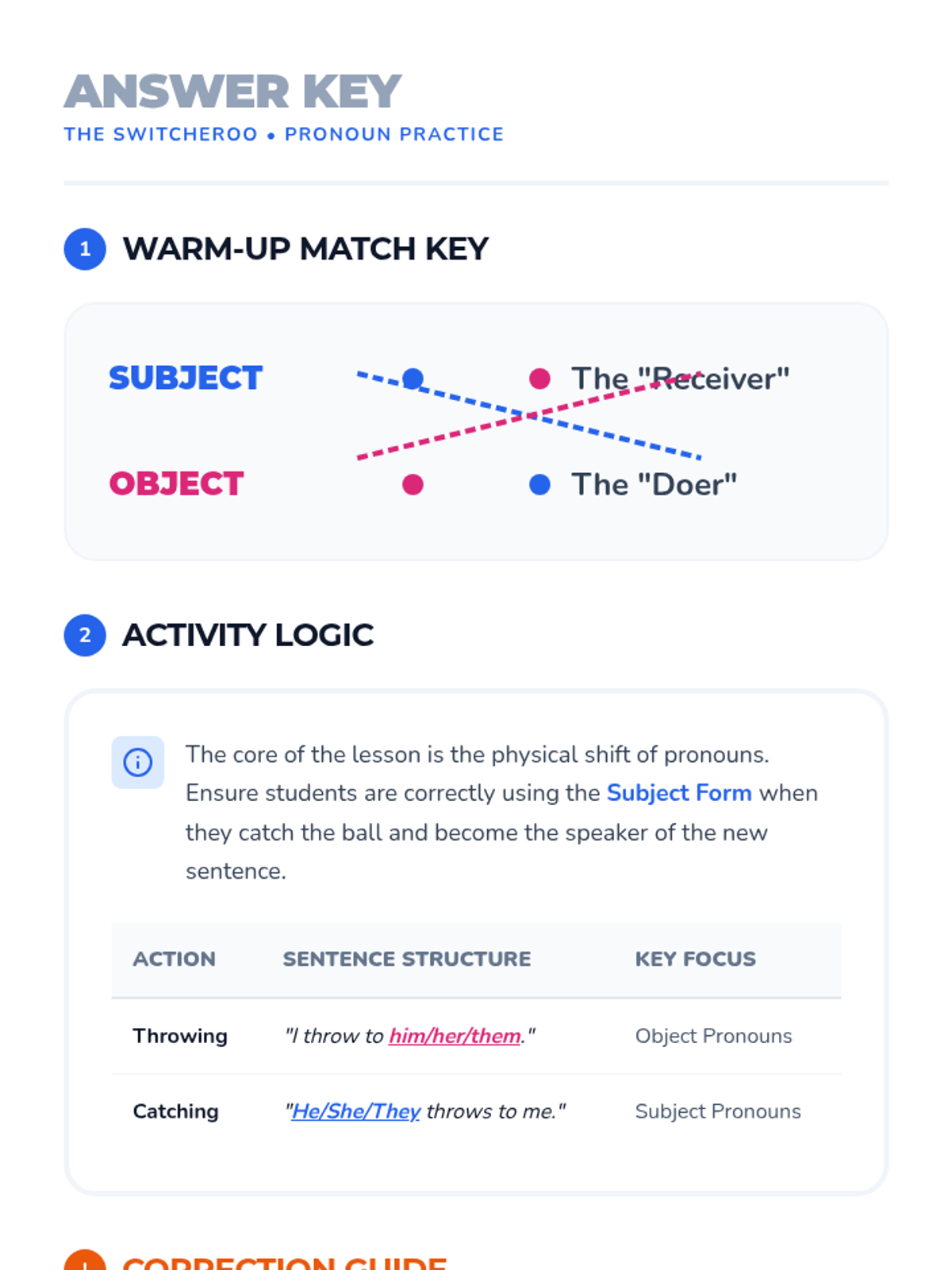
A dynamic lesson for ESL/ELL students to master subject and object pronouns through physical movement and visual examples from Khan Academy. Students practice the 'switcheroo' by tossing a ball and transforming sentences in real-time.
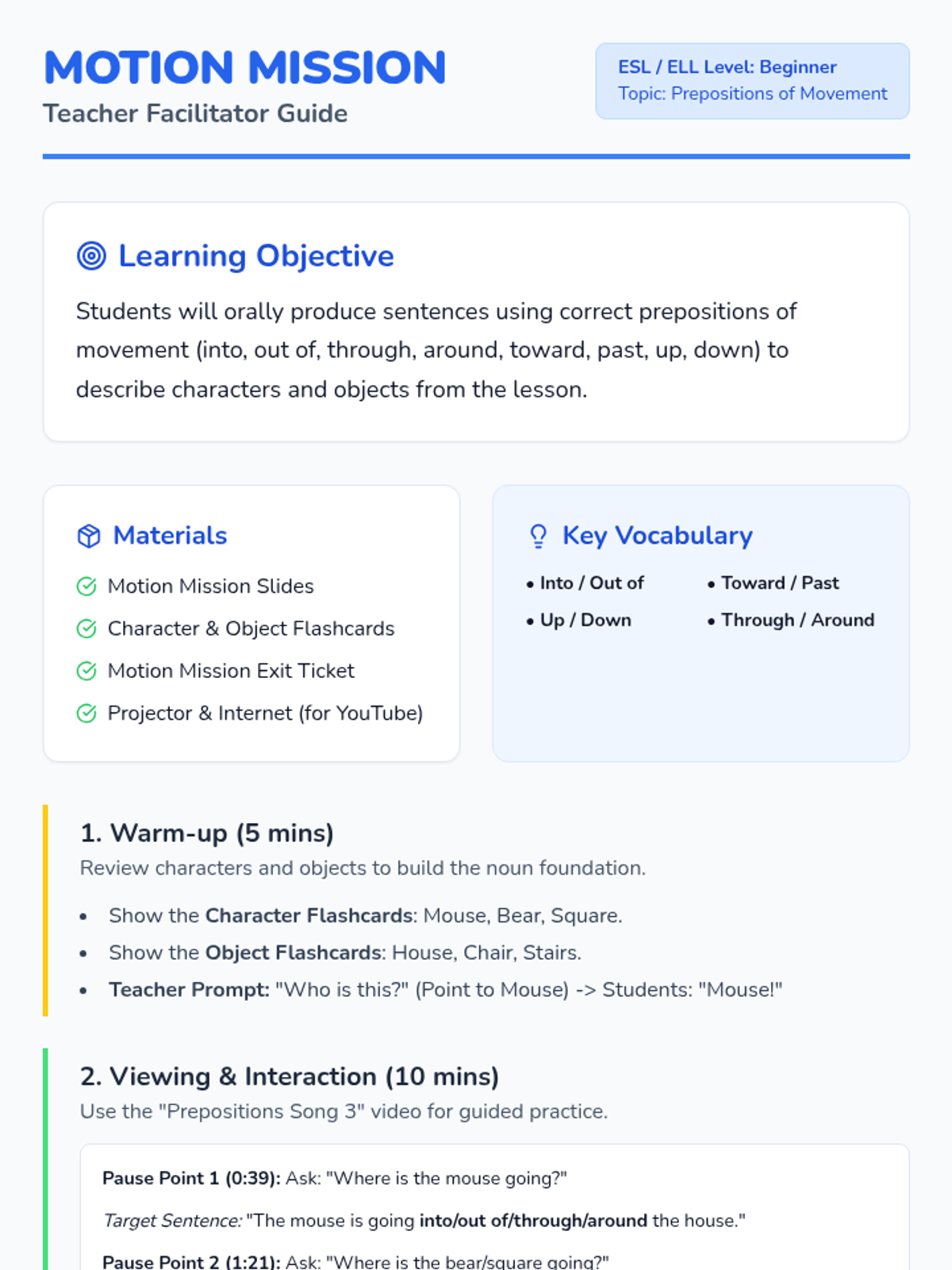
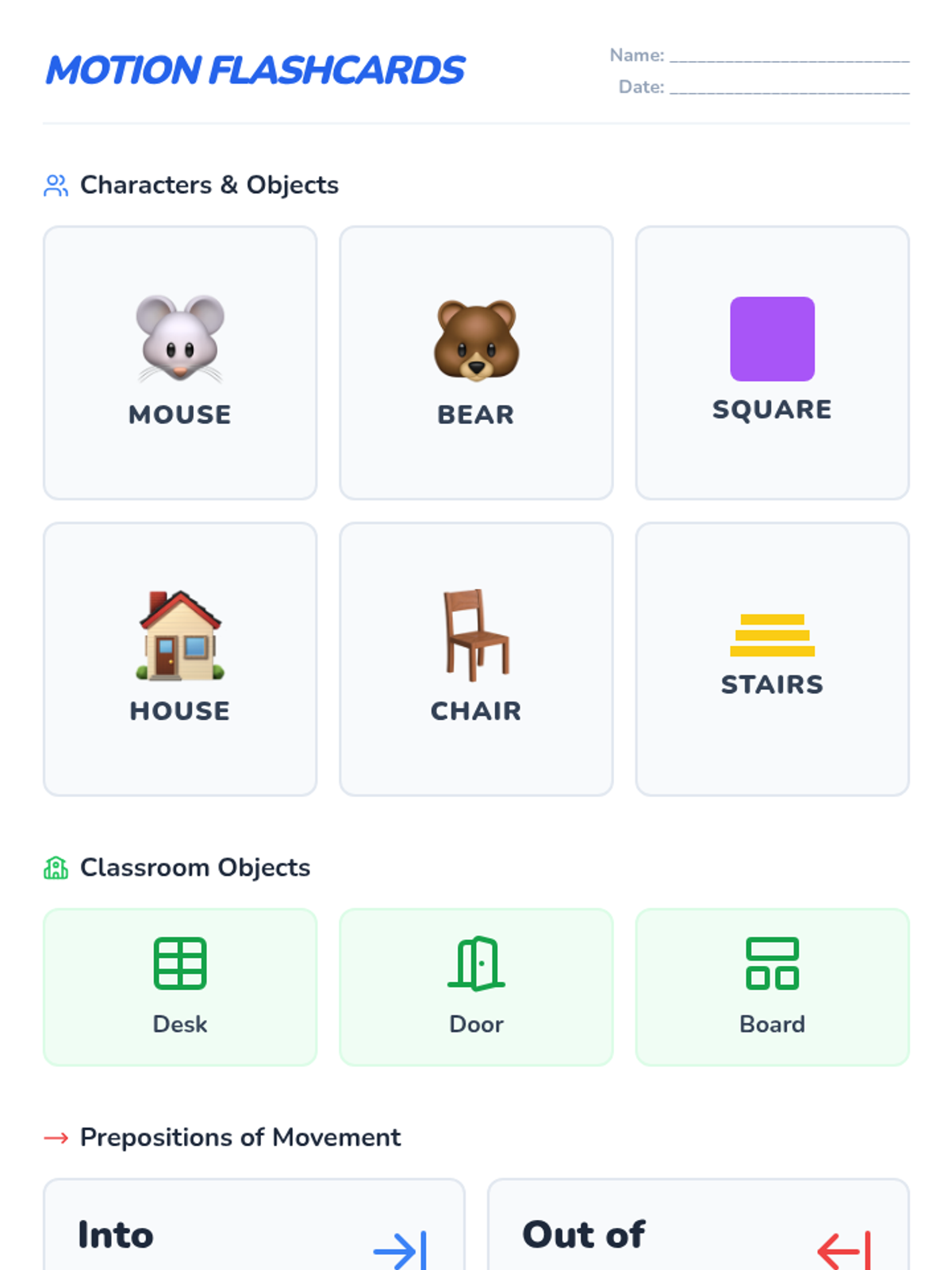
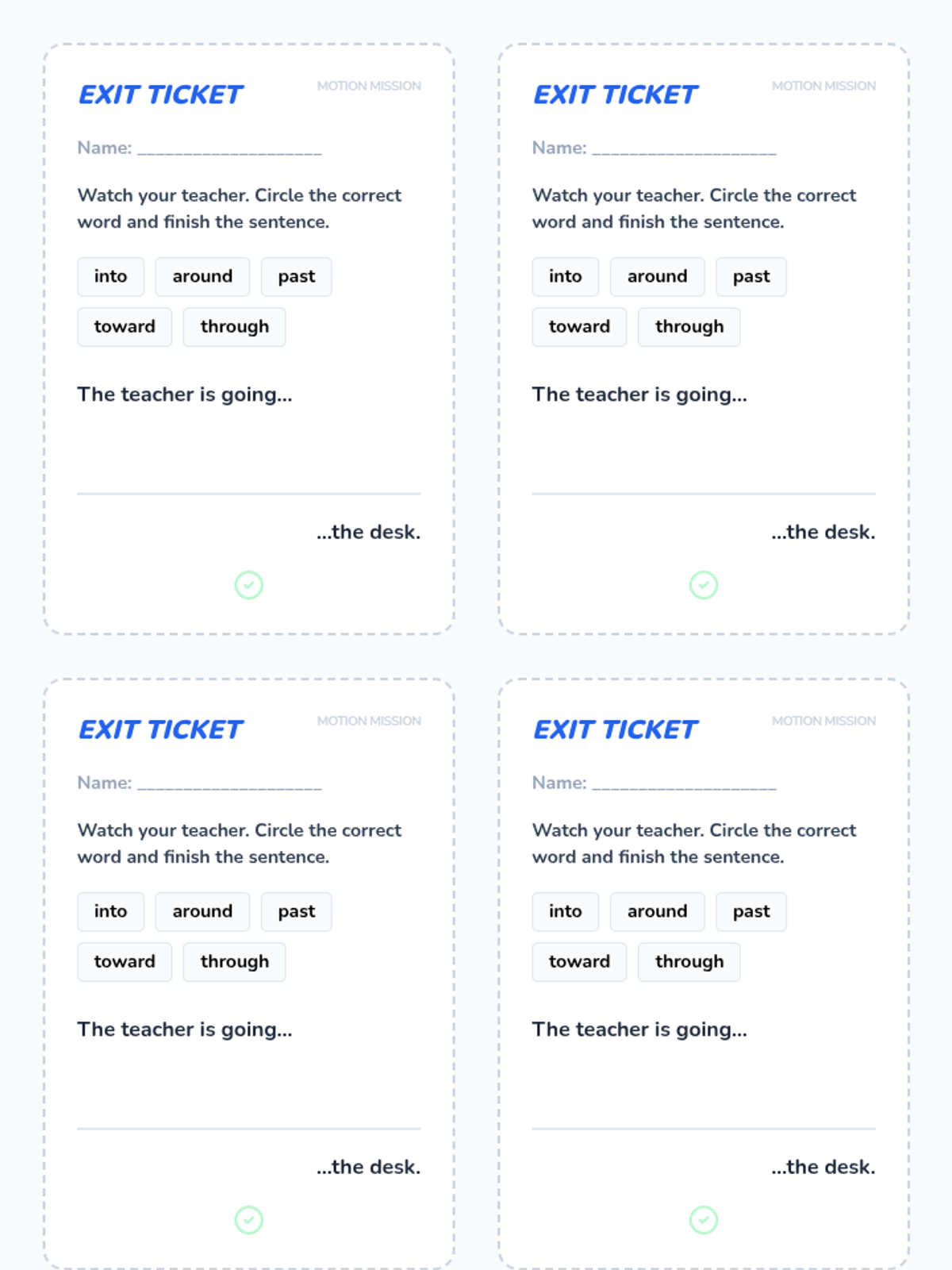
A beginner ESL lesson focused on prepositions of movement through song, character interaction, and physical role play. Students will learn to describe direction using words like into, out of, through, around, toward, past, up, and down.
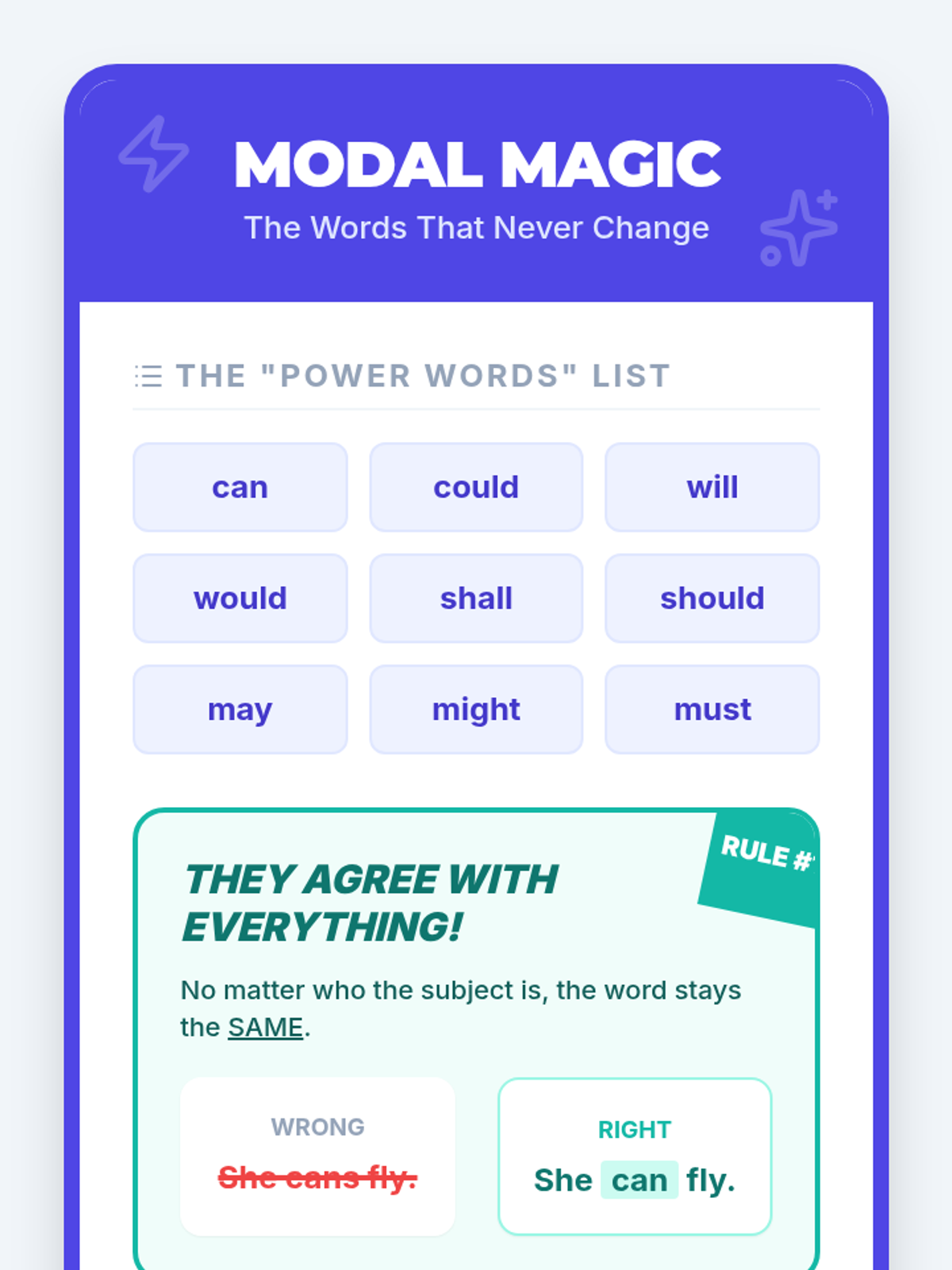
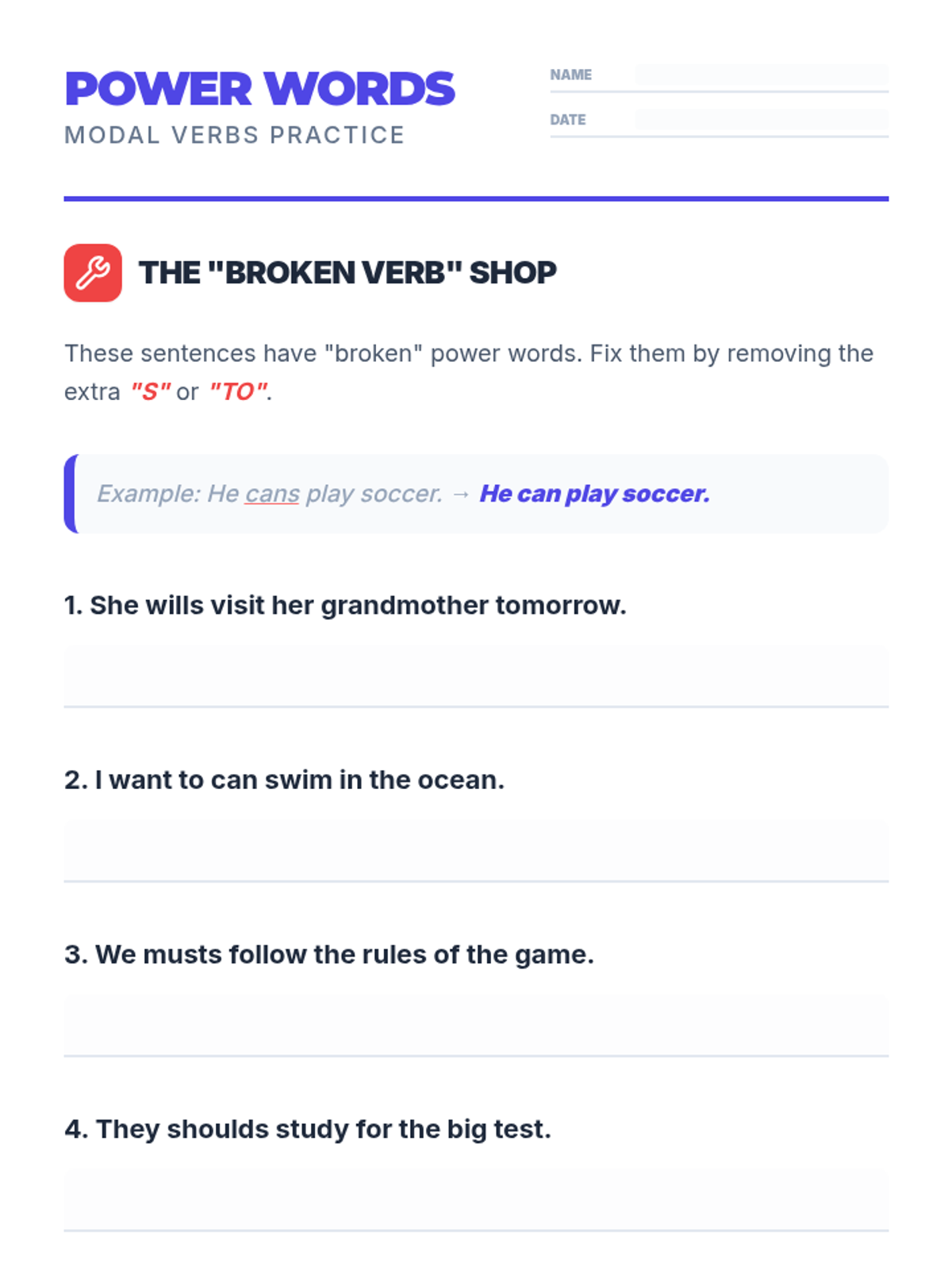
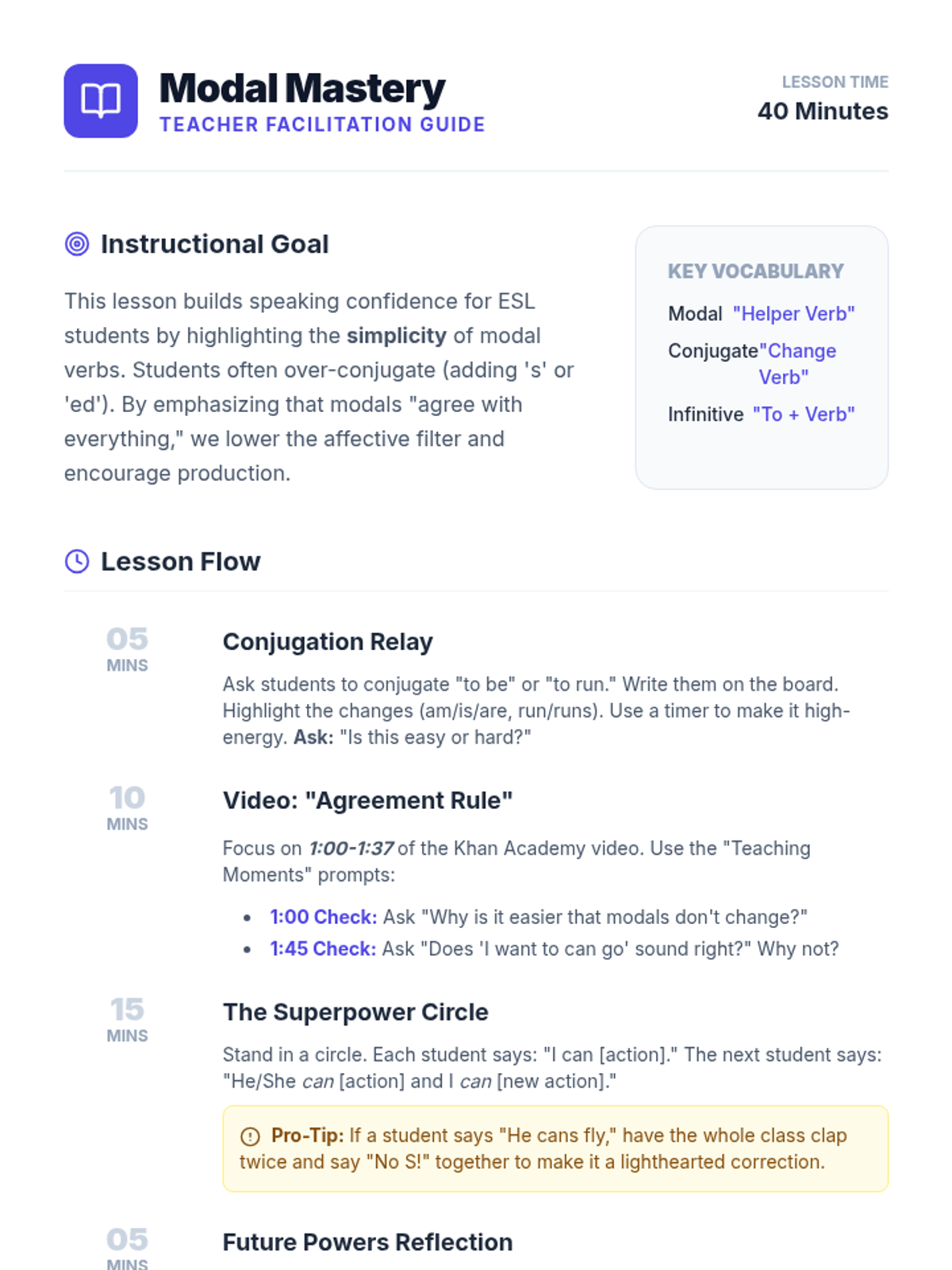
A beginner-friendly ESL lesson focusing on the simplicity of modal verbs, emphasizing that they never change form (no conjugation). Students explore 'can' and 'will' through a collaborative 'Superpower Circle' activity and reflective writing.
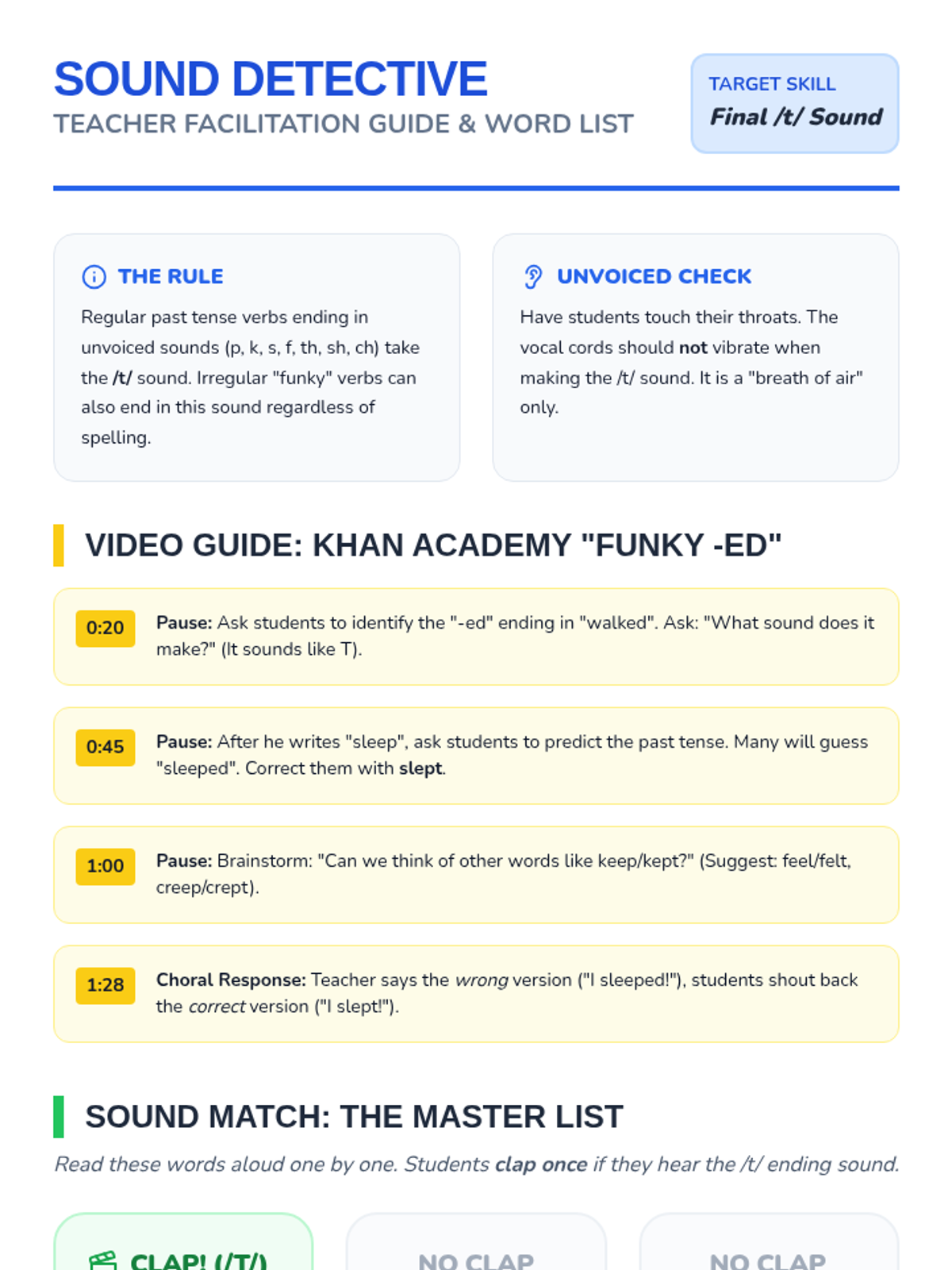
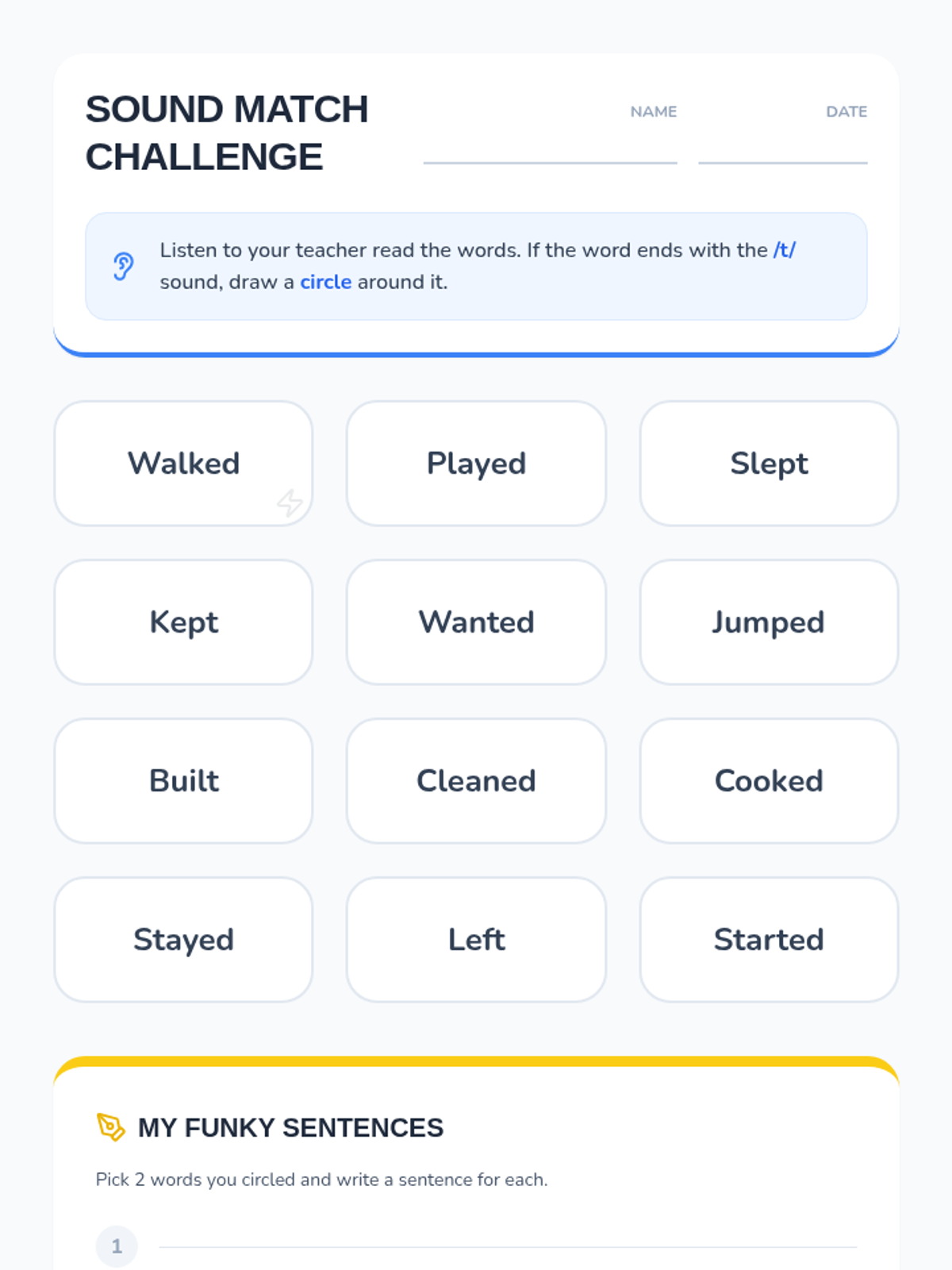
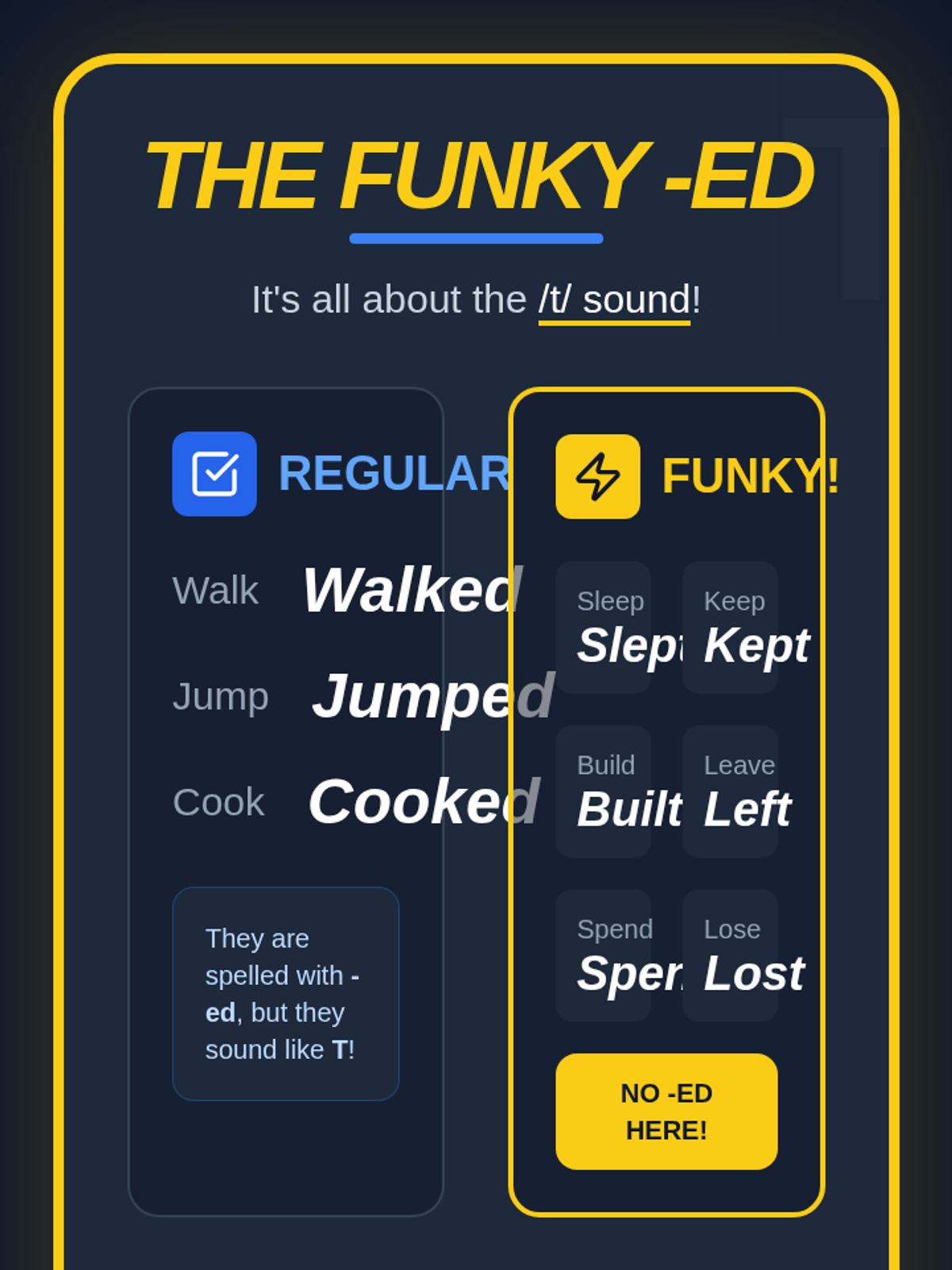
A phonics-focused ESL lesson for 2nd-5th graders practicing the /t/ ending sound in past tense verbs using a Khan Academy video and interactive clapping games.
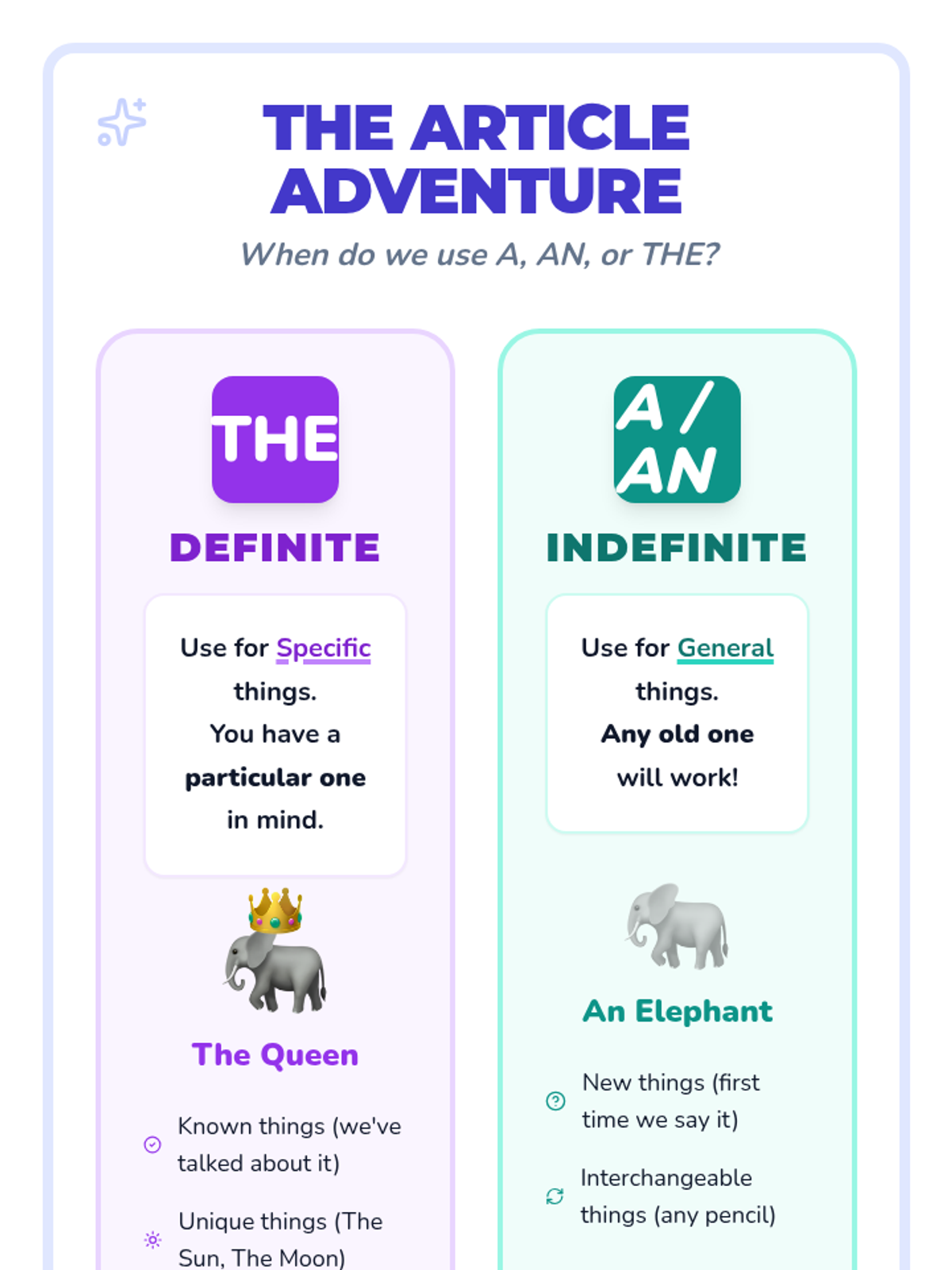
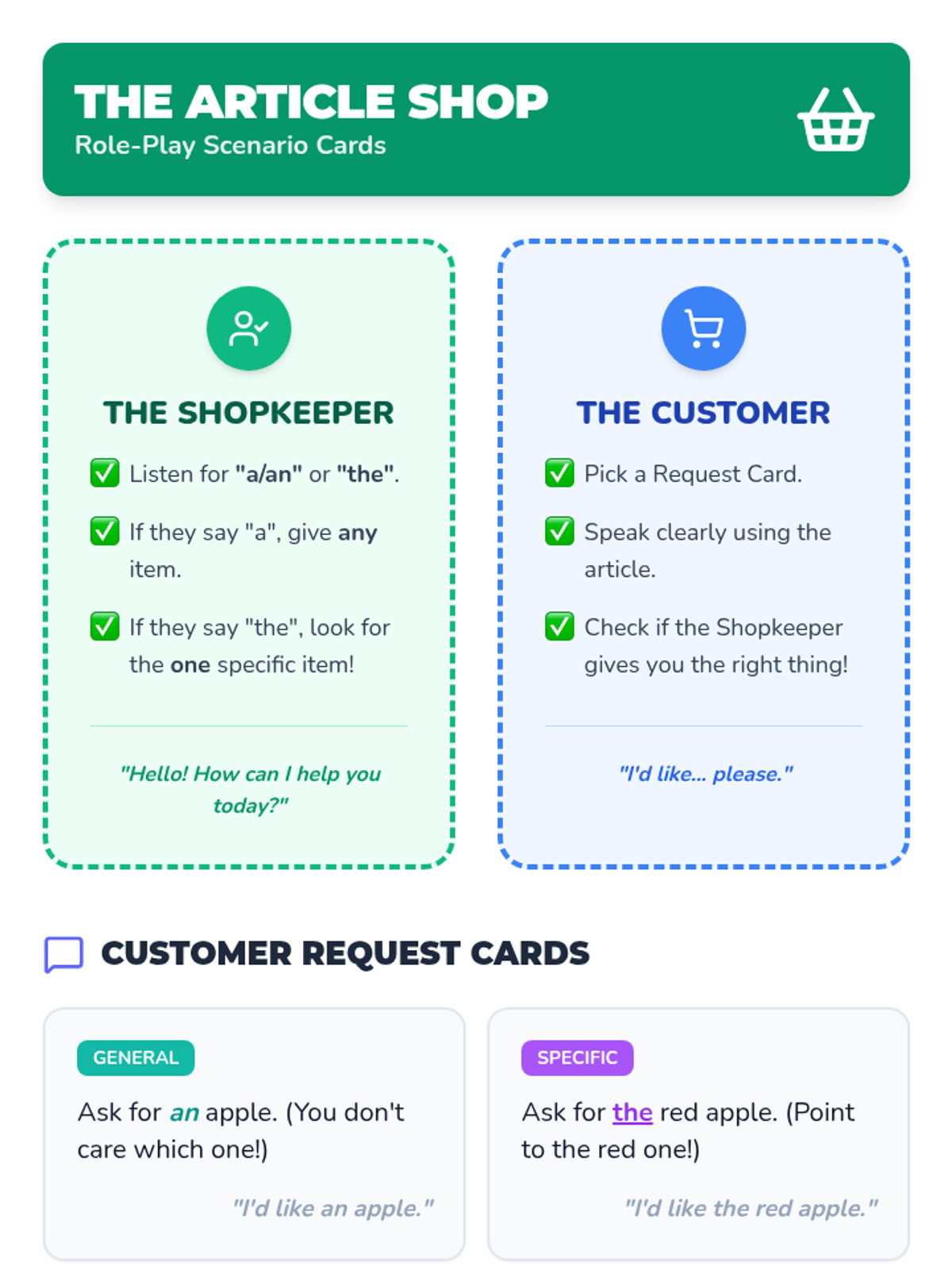
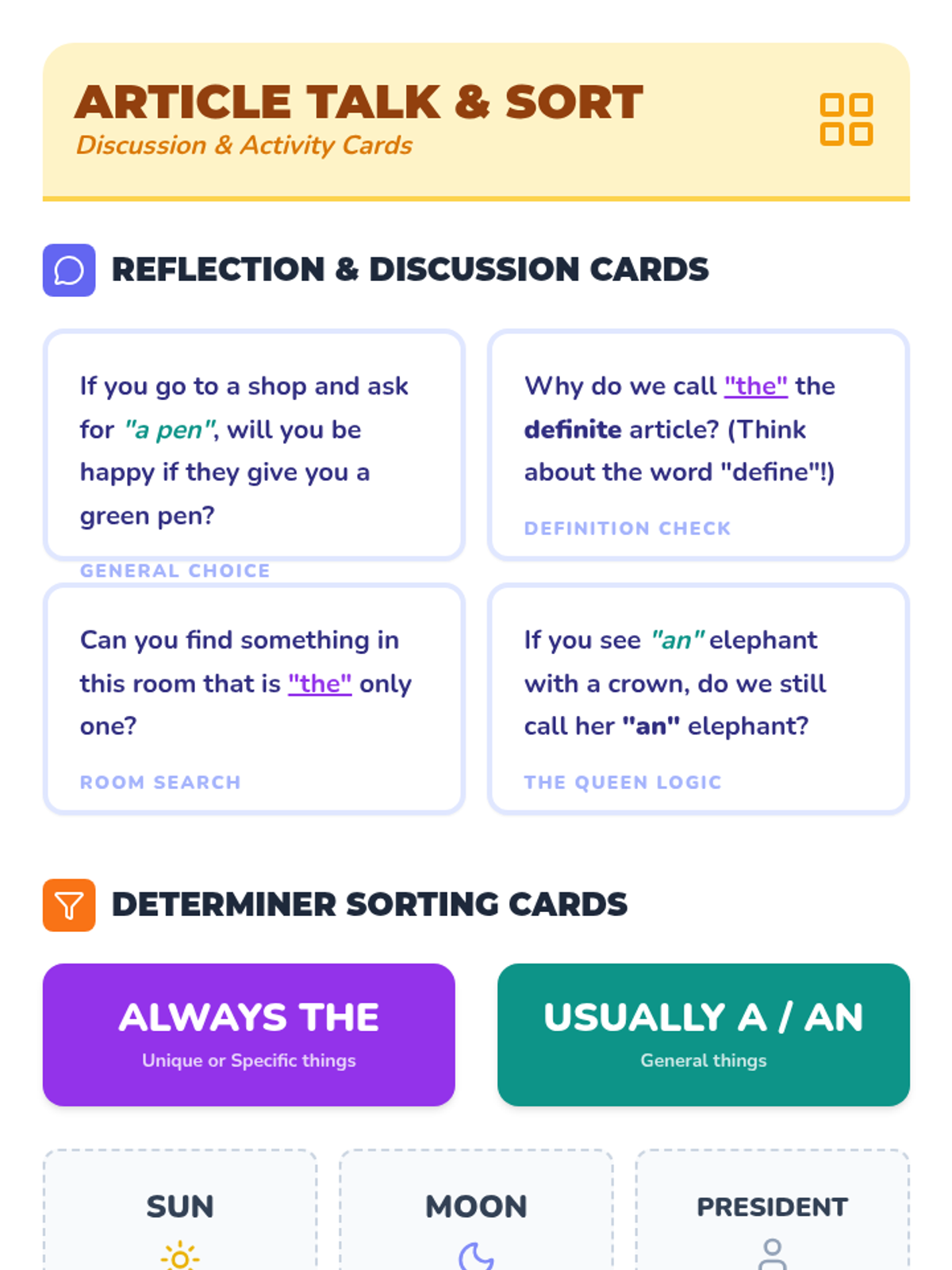
An introductory lesson using a visual 'tale of two elephants' to distinguish between specific (the) and general (a/an) nouns.
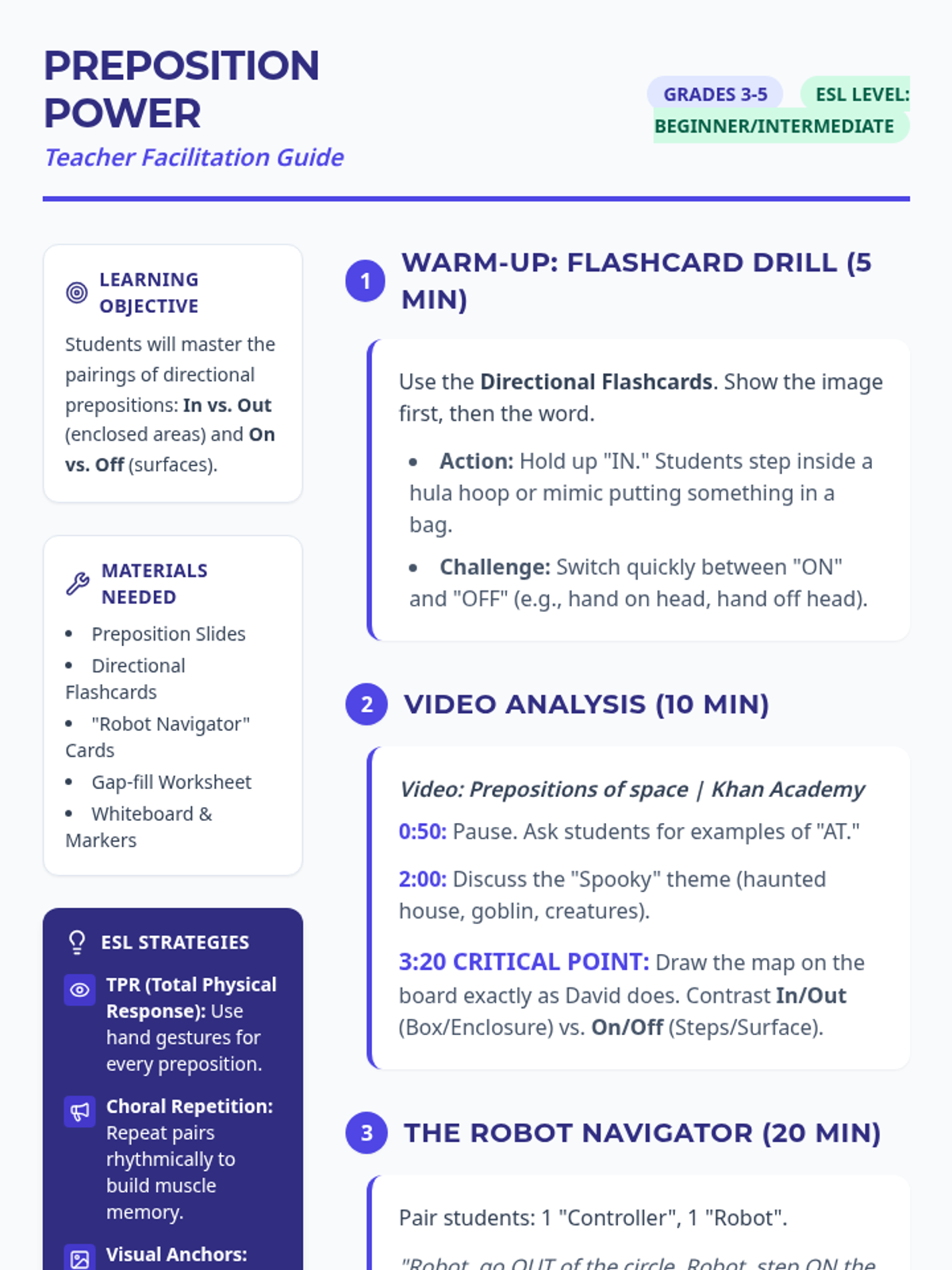
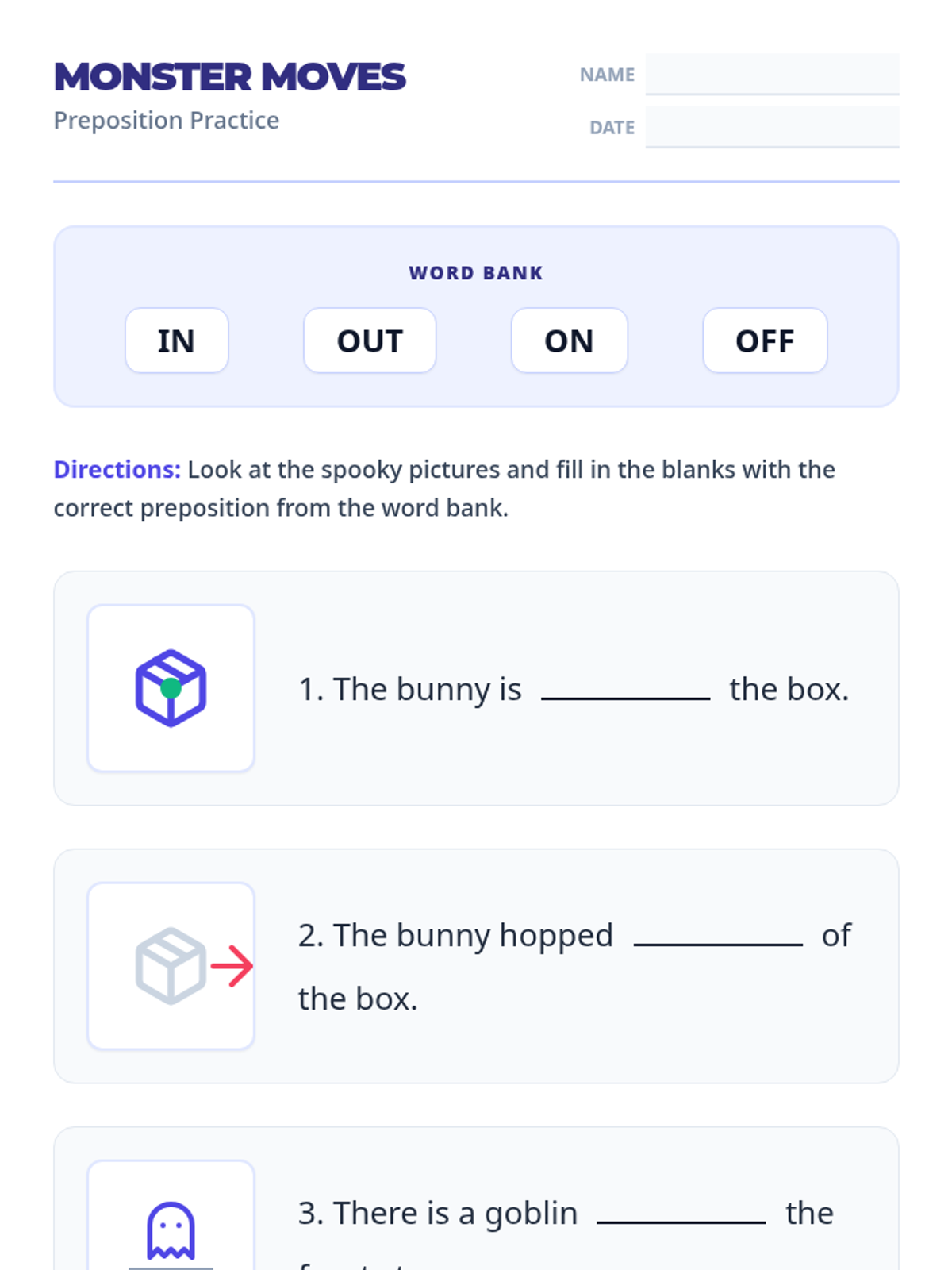
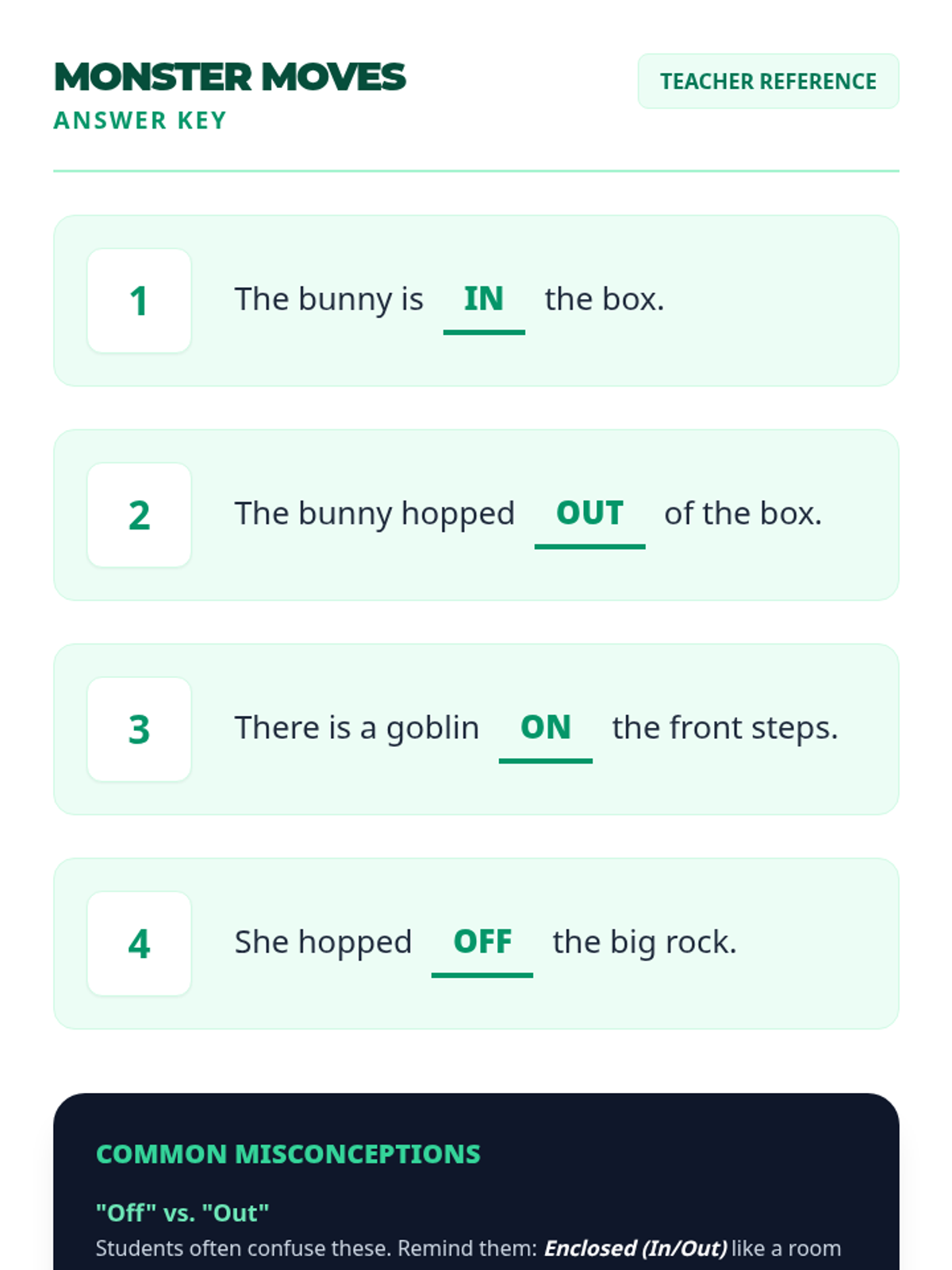
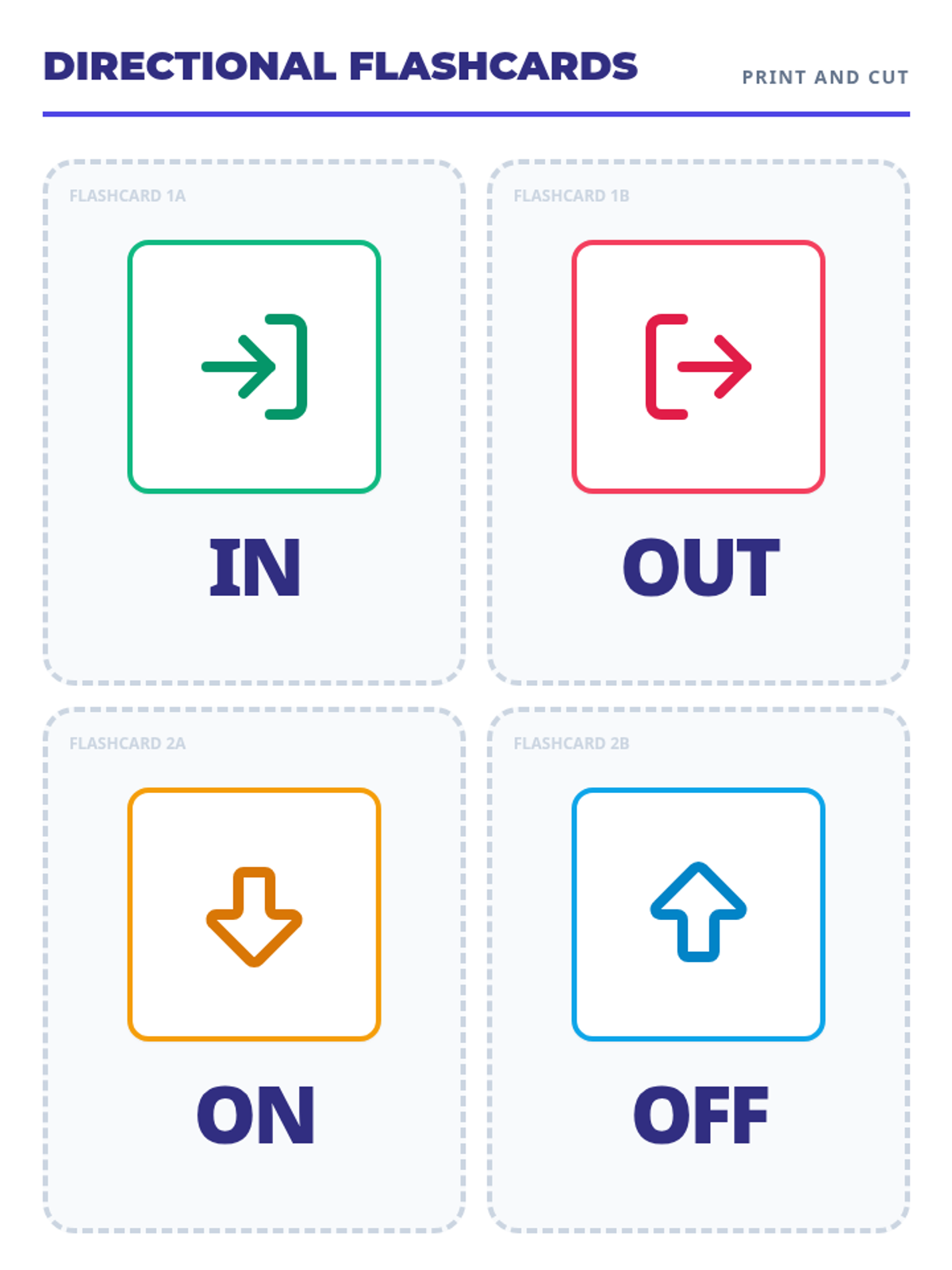
A spooky-themed lesson for 3rd-5th grade ESL students focusing on directional preposition pairs: In/Out and On/Off. Through video analysis, role-play, and visual aids, students master spatial relationships.
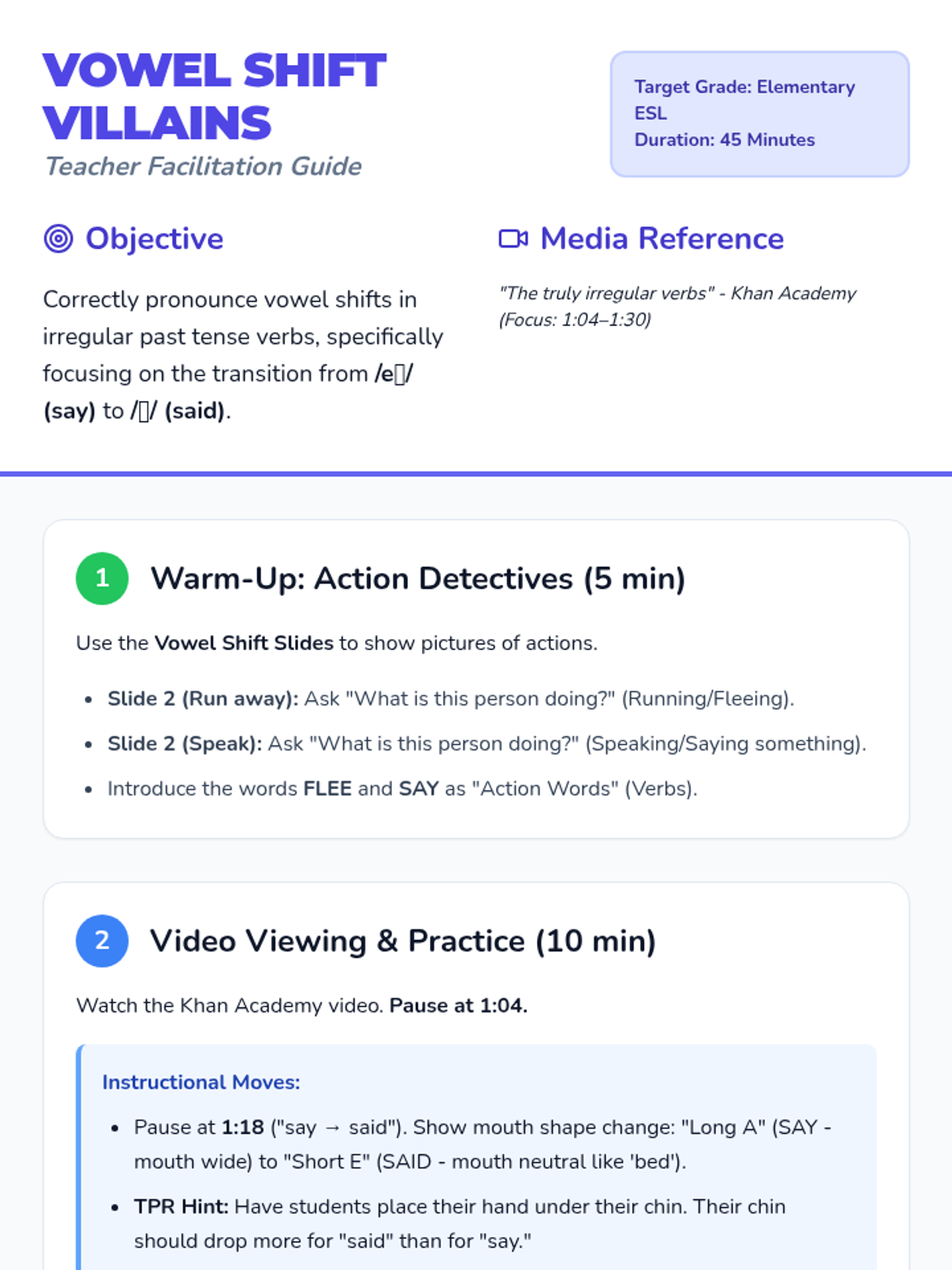
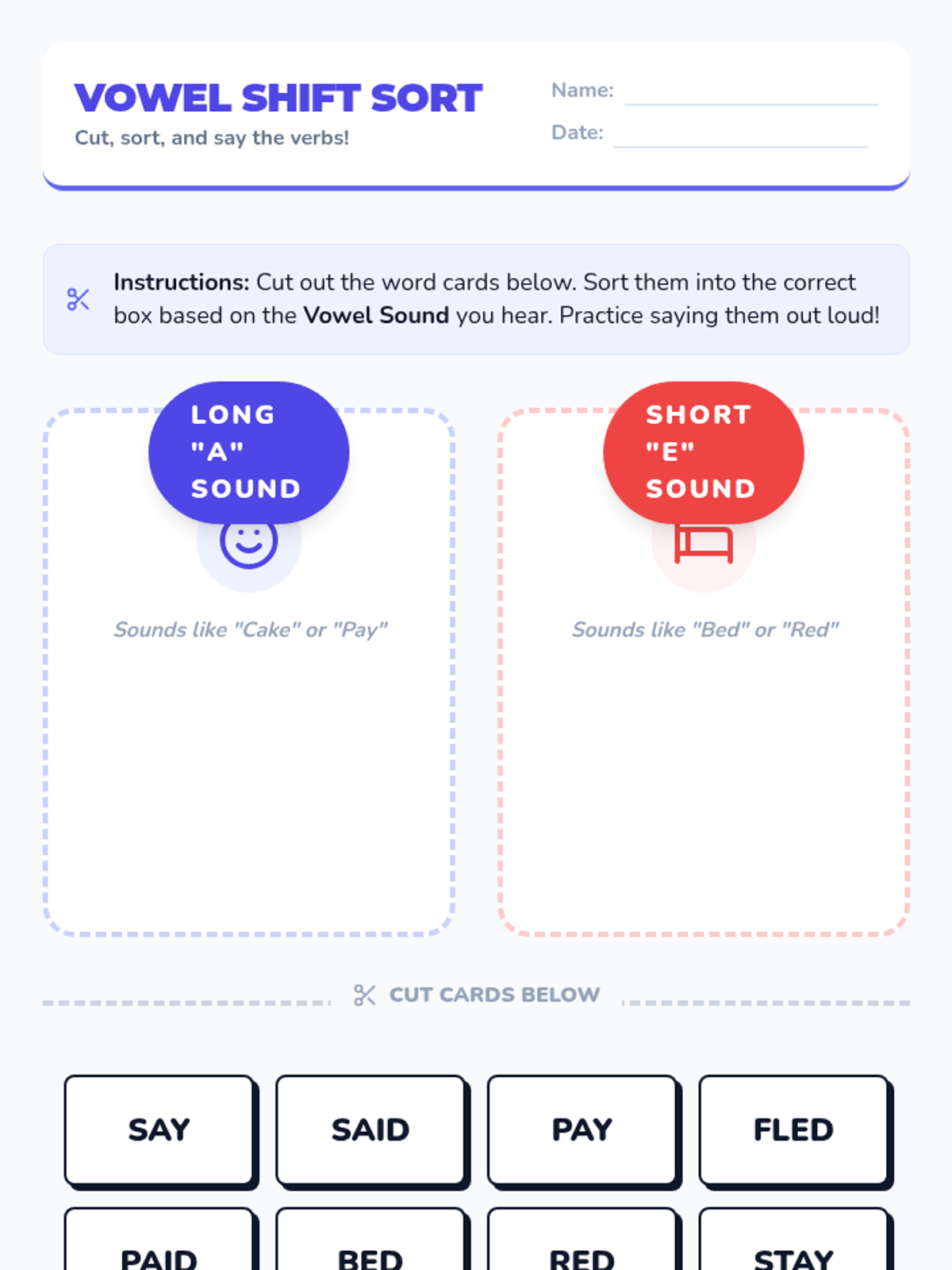
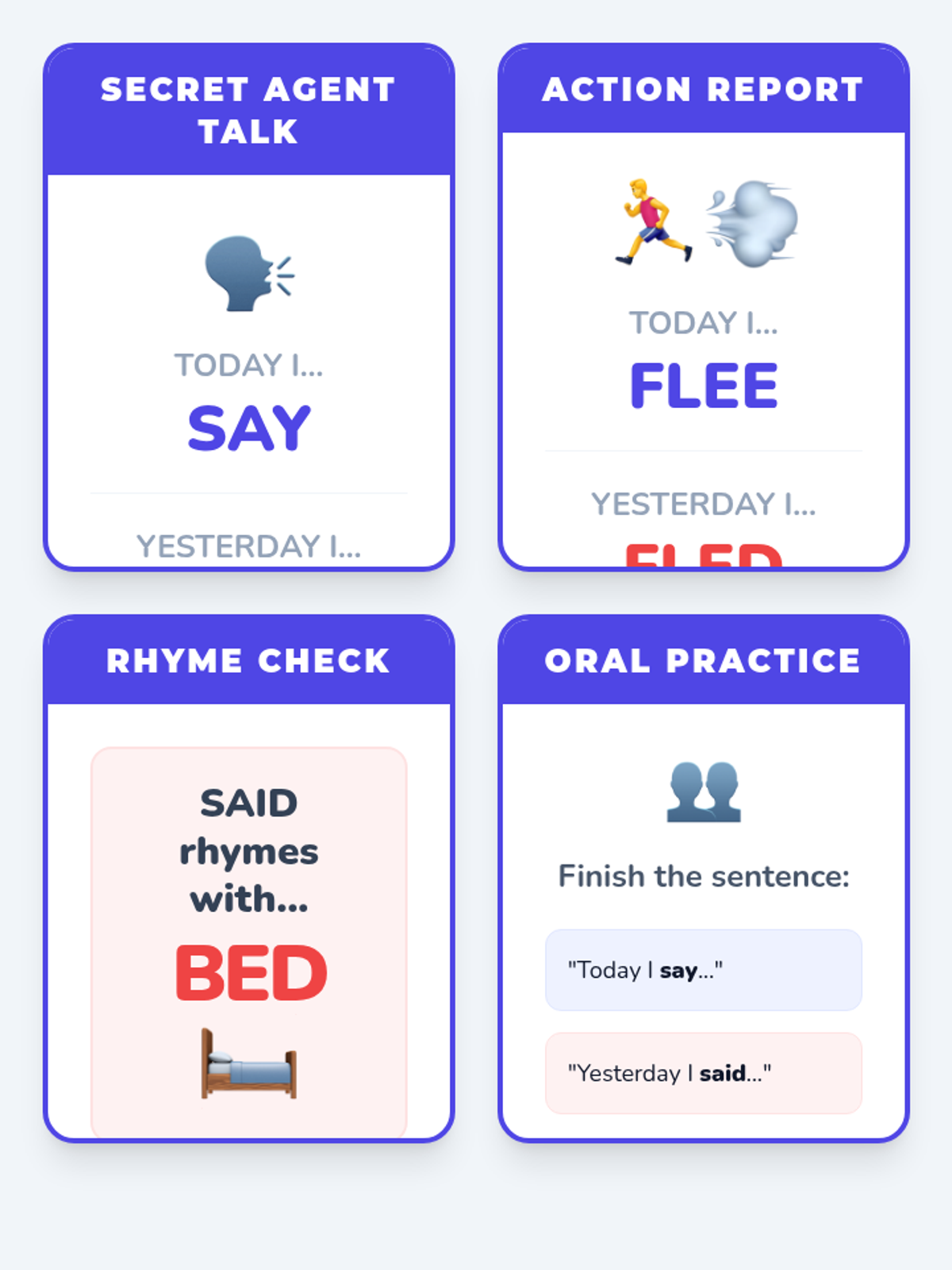
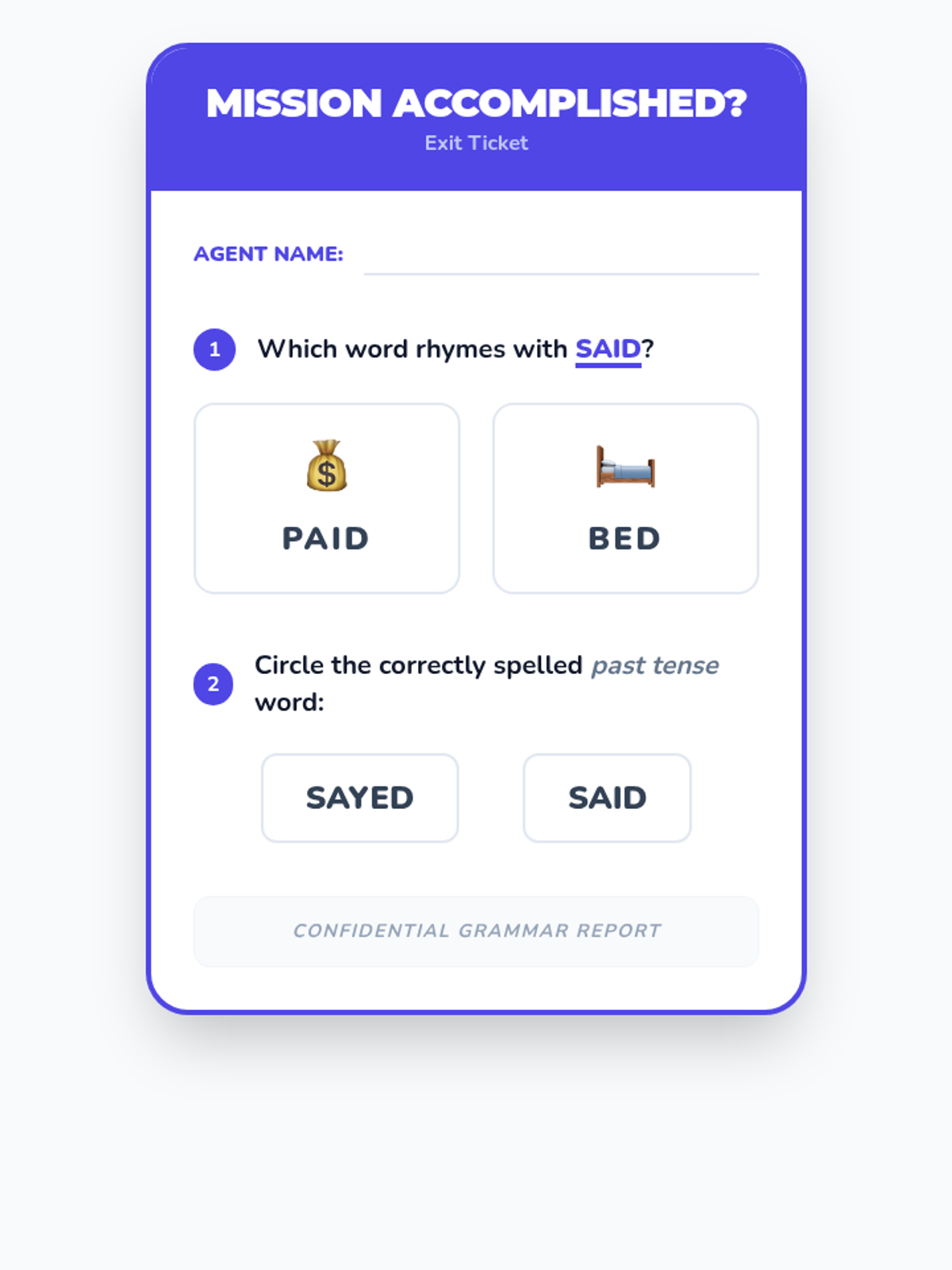
This lesson focuses on vowel shifts in irregular past tense verbs, specifically the 'say' to 'said' and 'flee' to 'fled' transitions, helping Elementary ESL students master tricky pronunciations through visual aids, sorting, and partner practice.
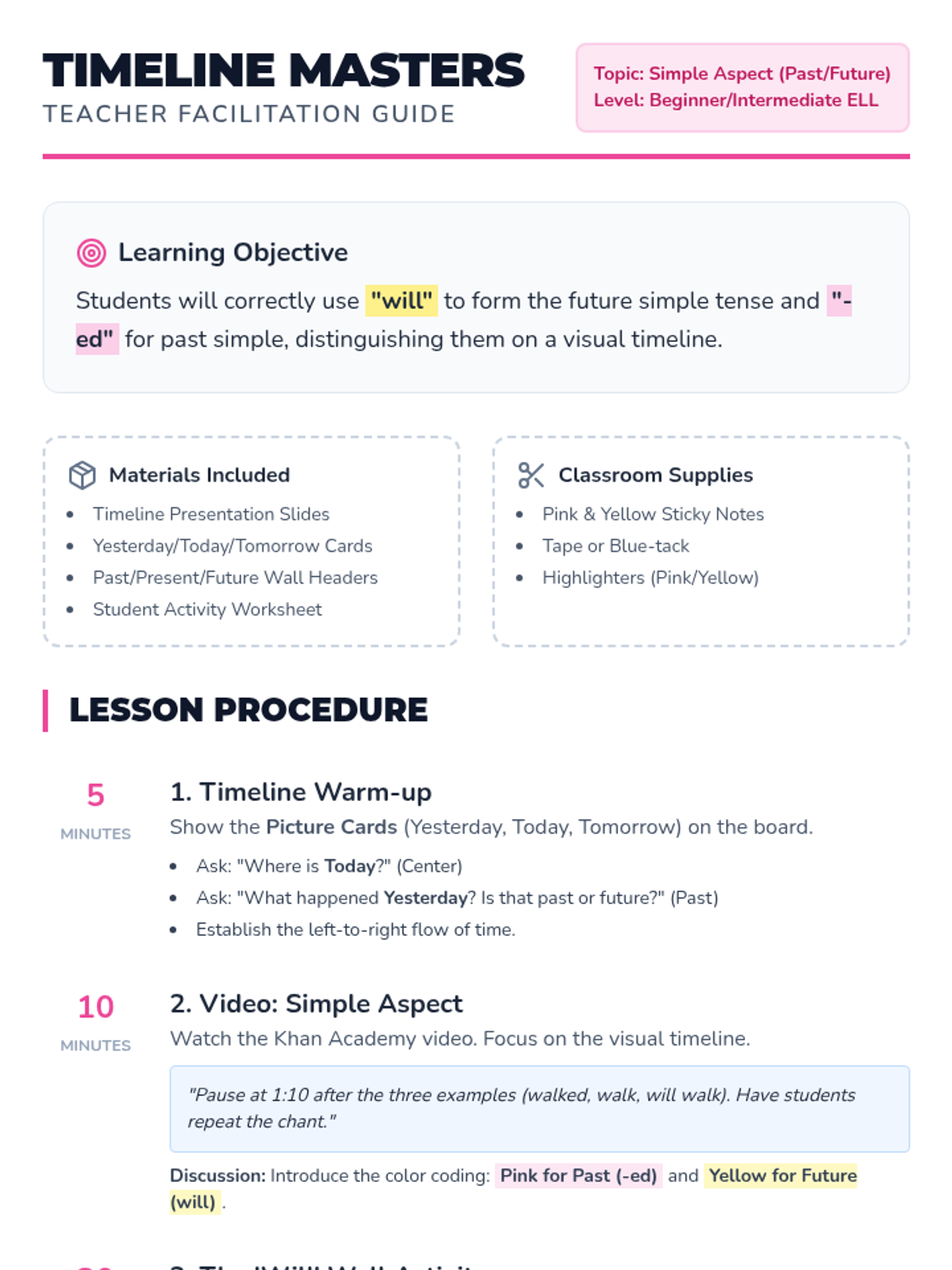
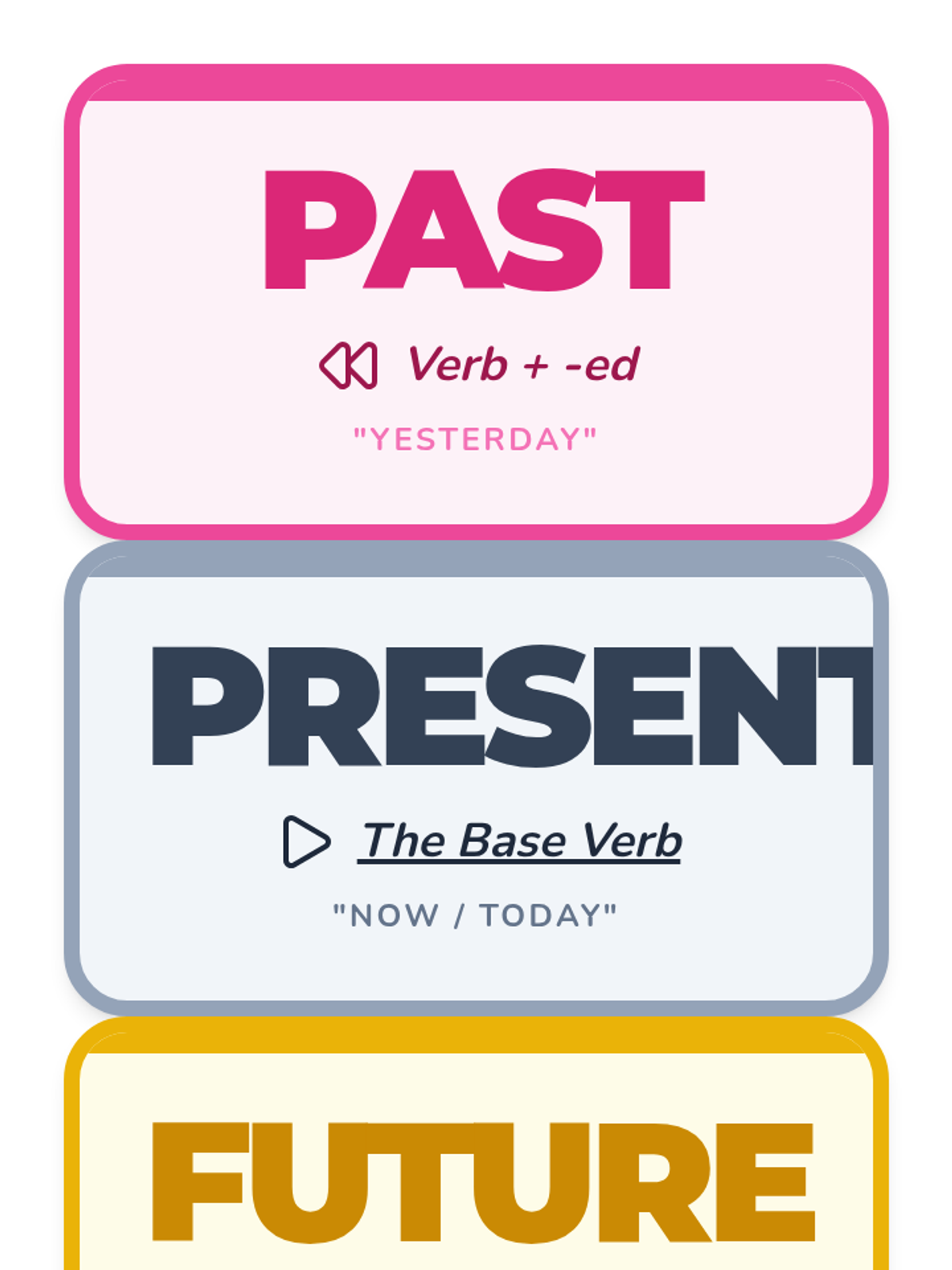
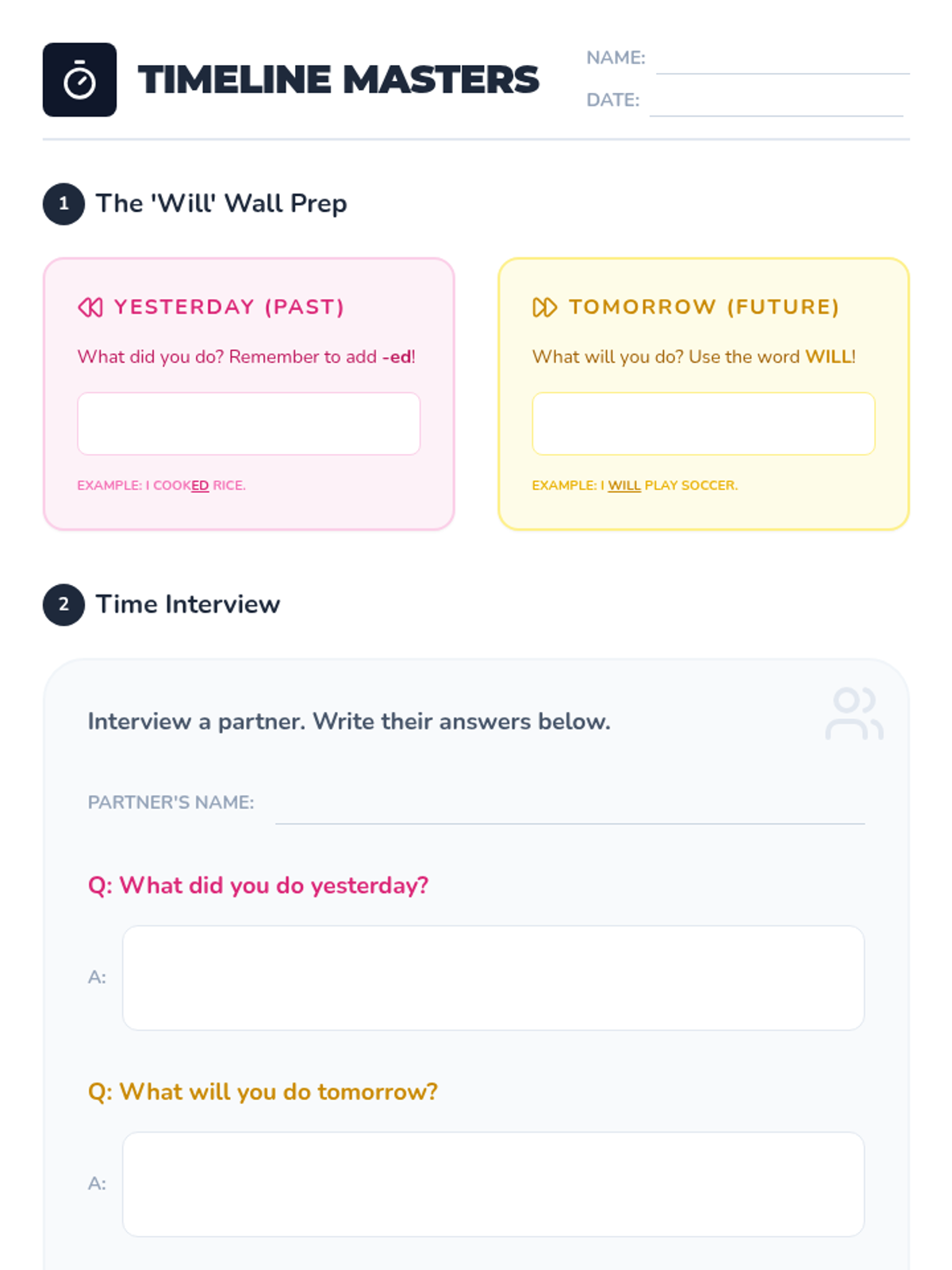
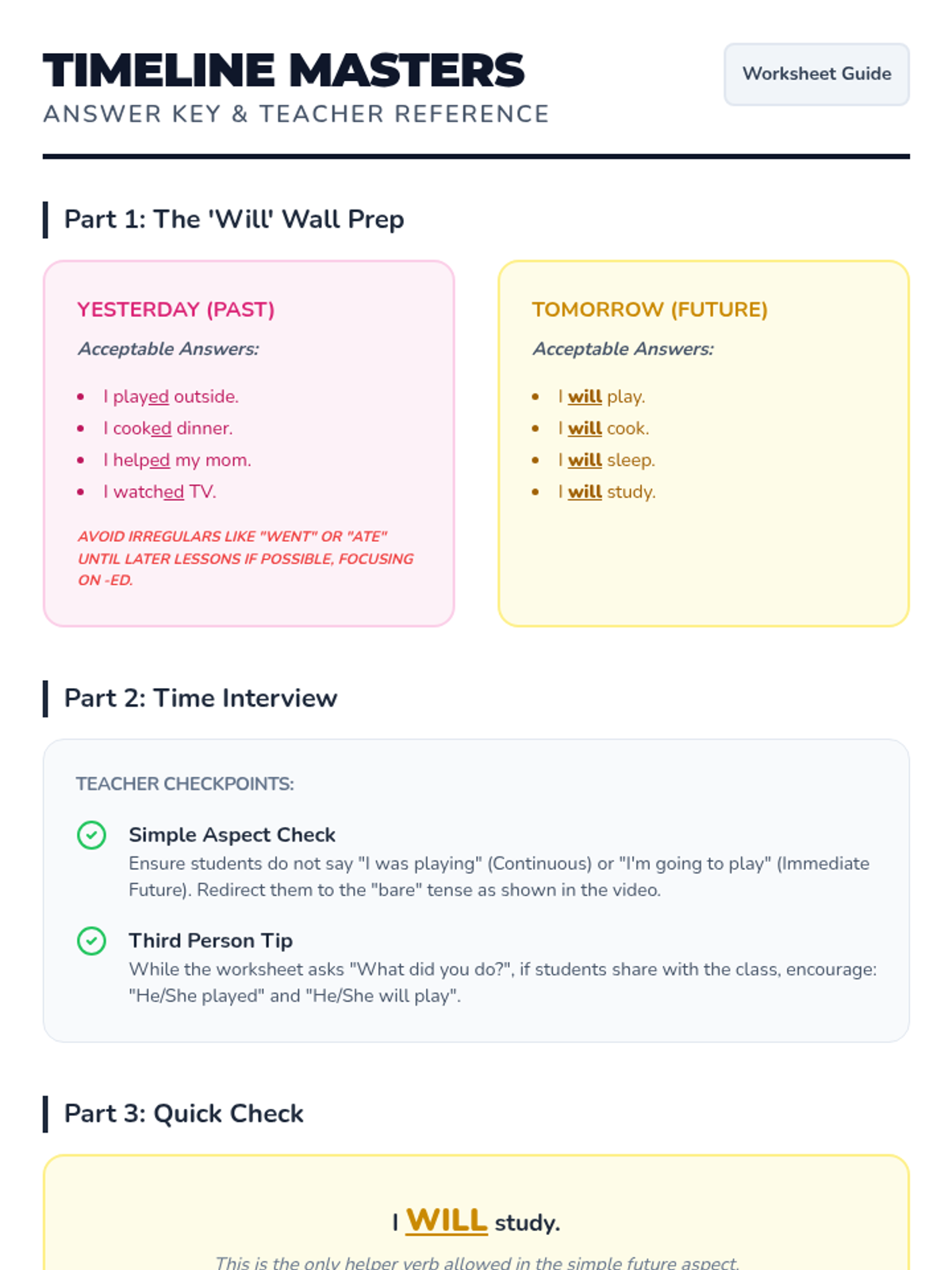
A comprehensive lesson for Beginner/Intermediate ELLs focusing on the Simple Aspect (Past and Future). Students will explore the timeline of language through visual aids, a Khan Academy video, and interactive "Will Wall" activities.
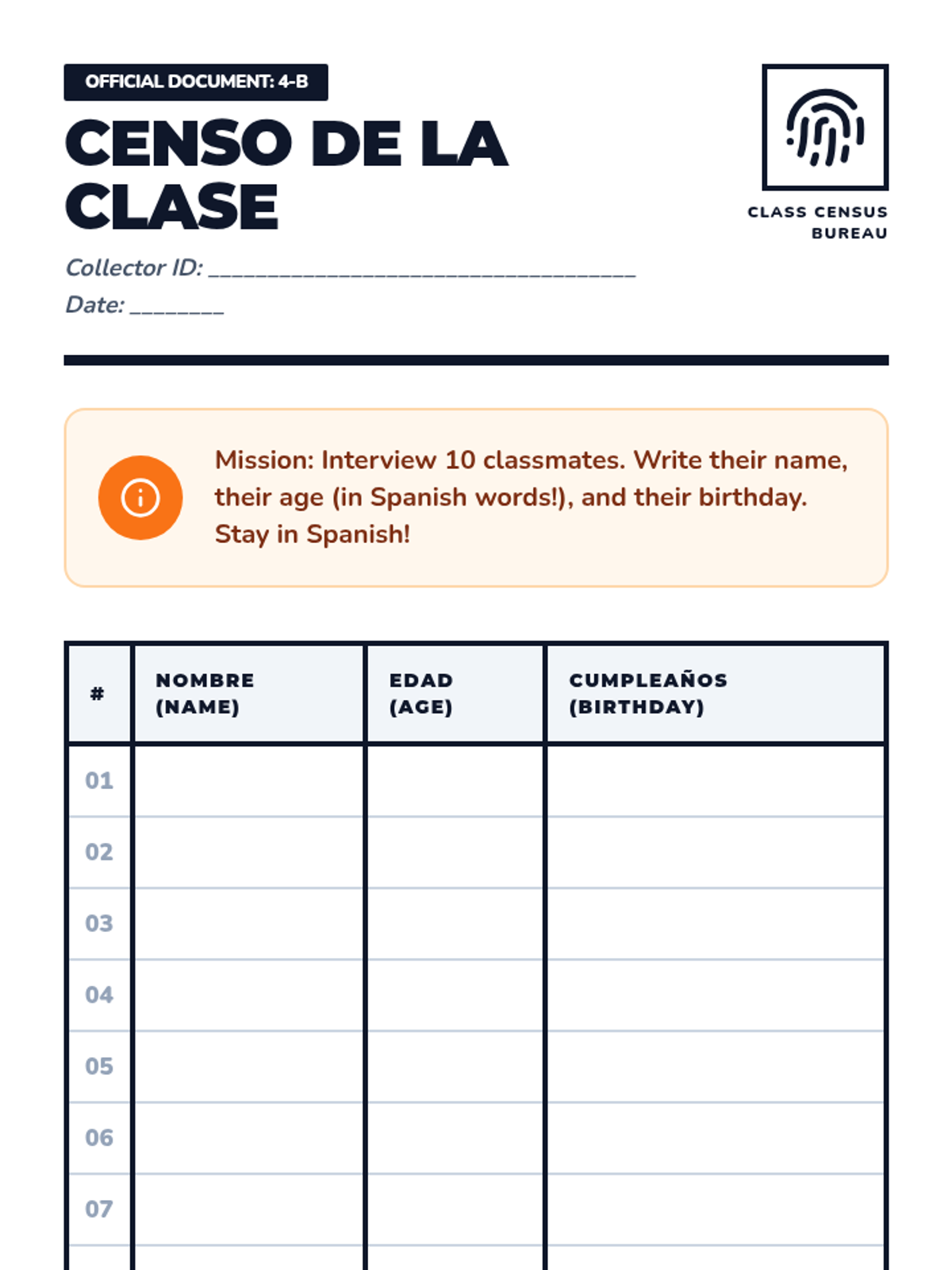
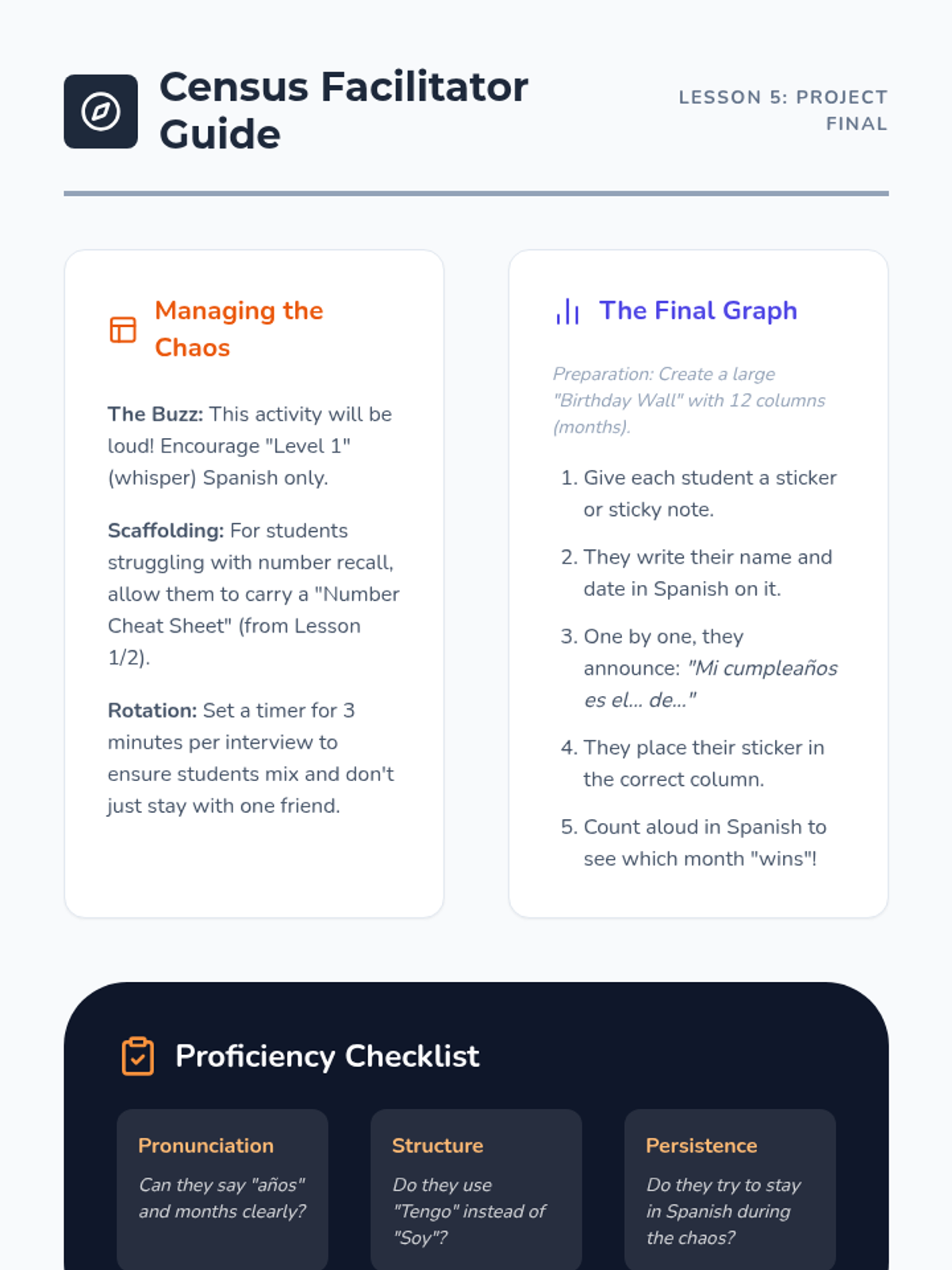
In this culminating project, students act as official 'Census Collectors,' interviewing their classmates in Spanish to gather data on ages and birthdays. They synthesize this information into a collaborative classroom data graph.
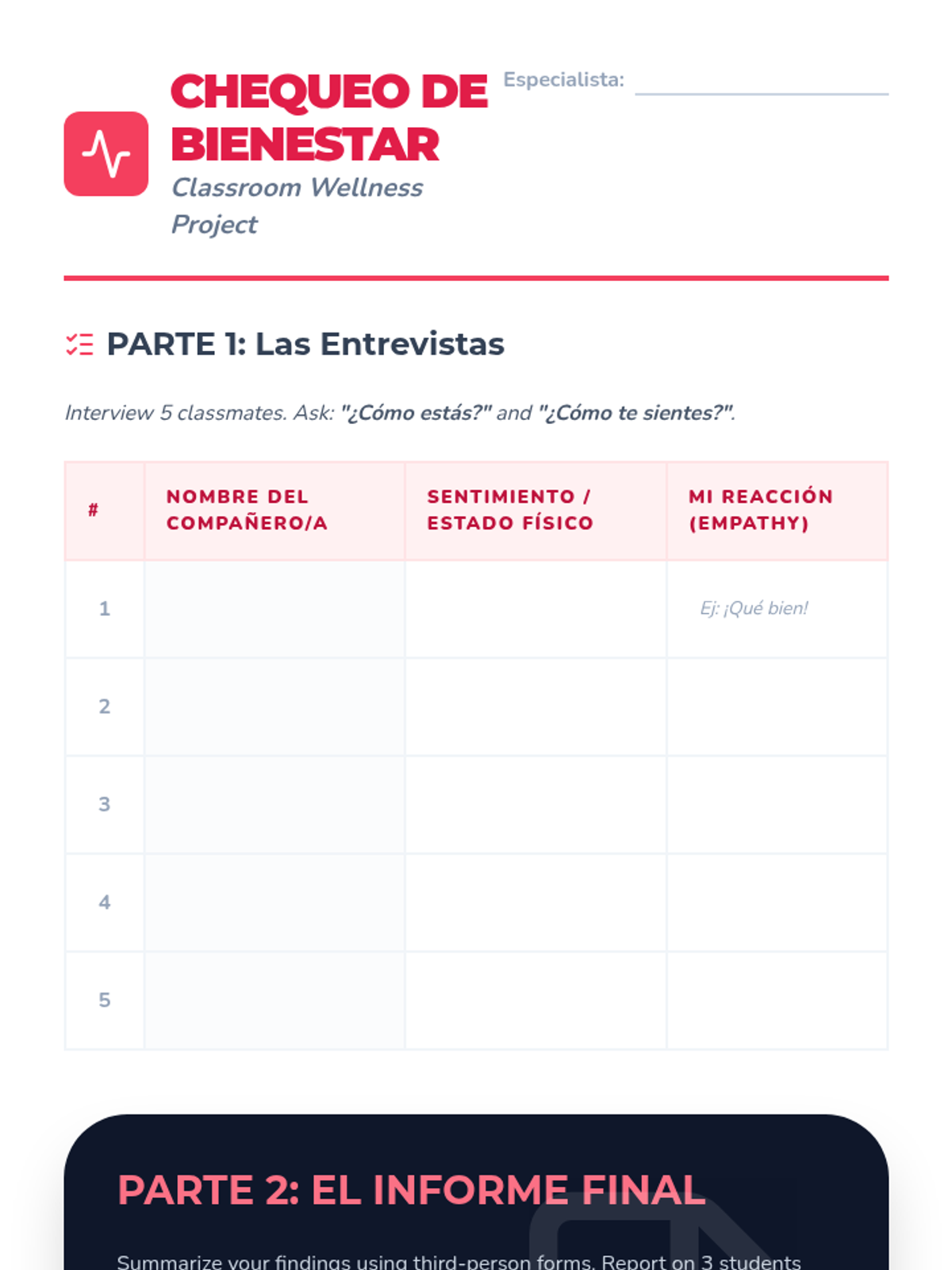
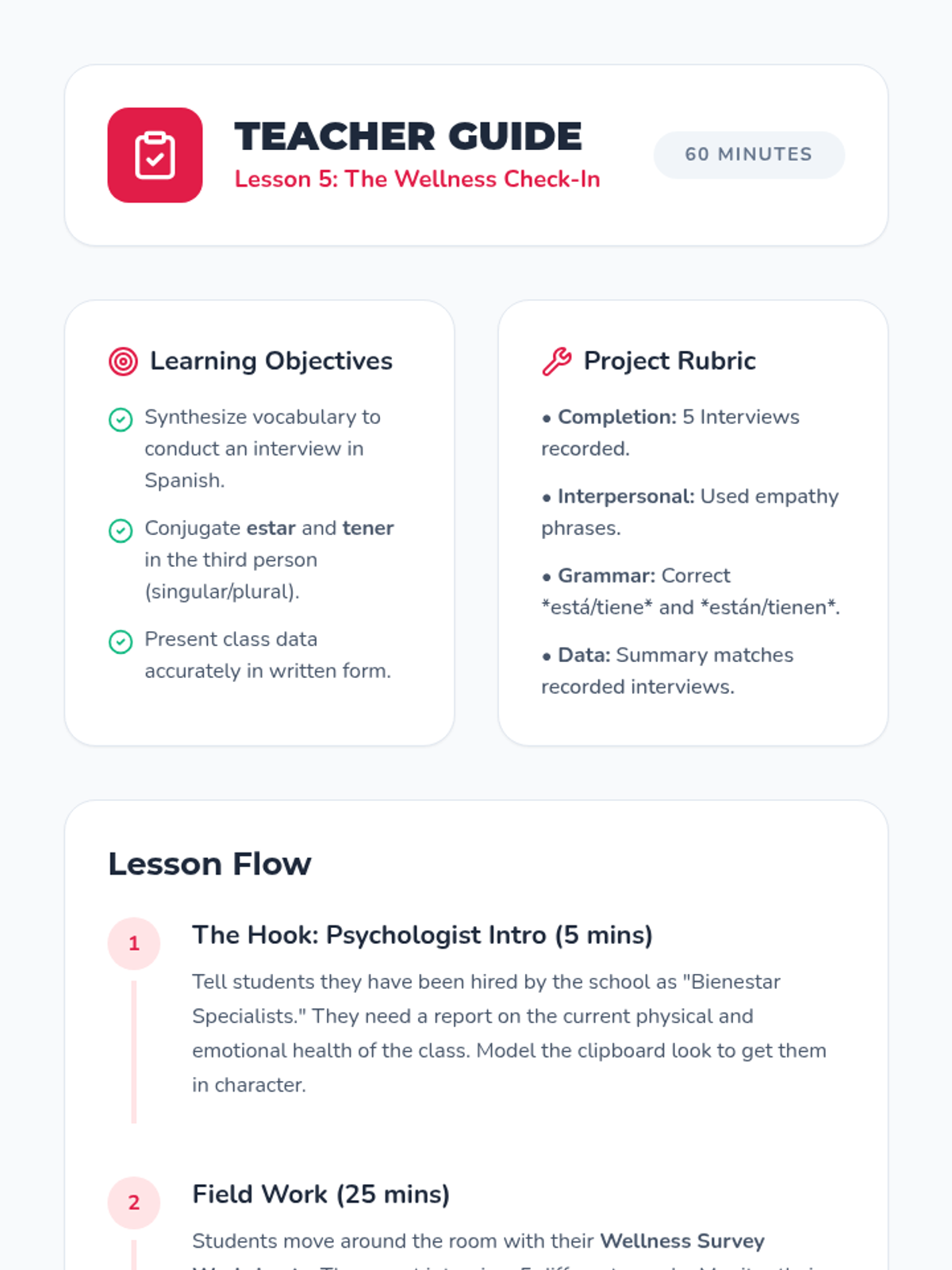
A synthesis project where students conduct a class wellness survey, collect data, and report findings using third-person conjugations.
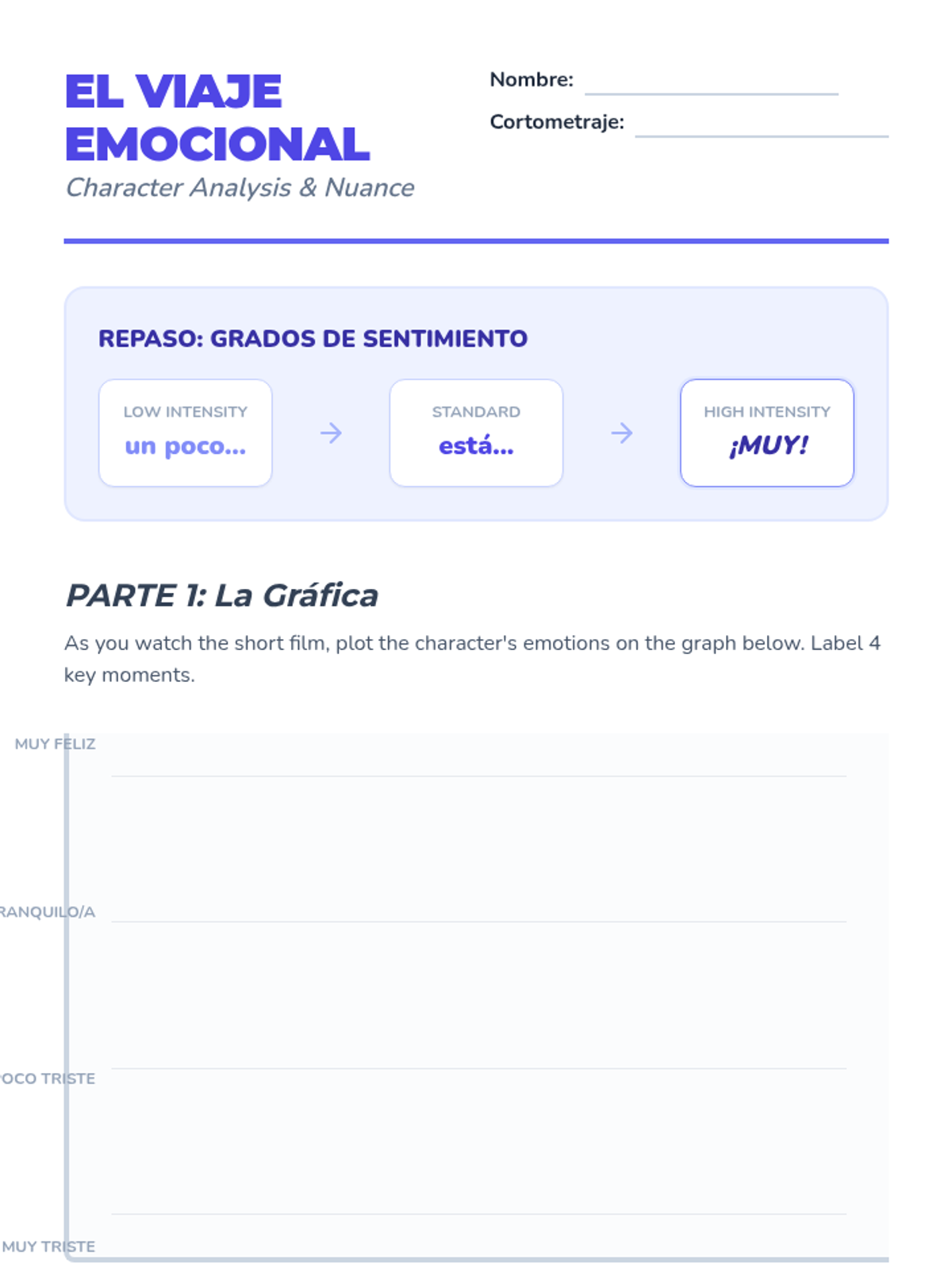
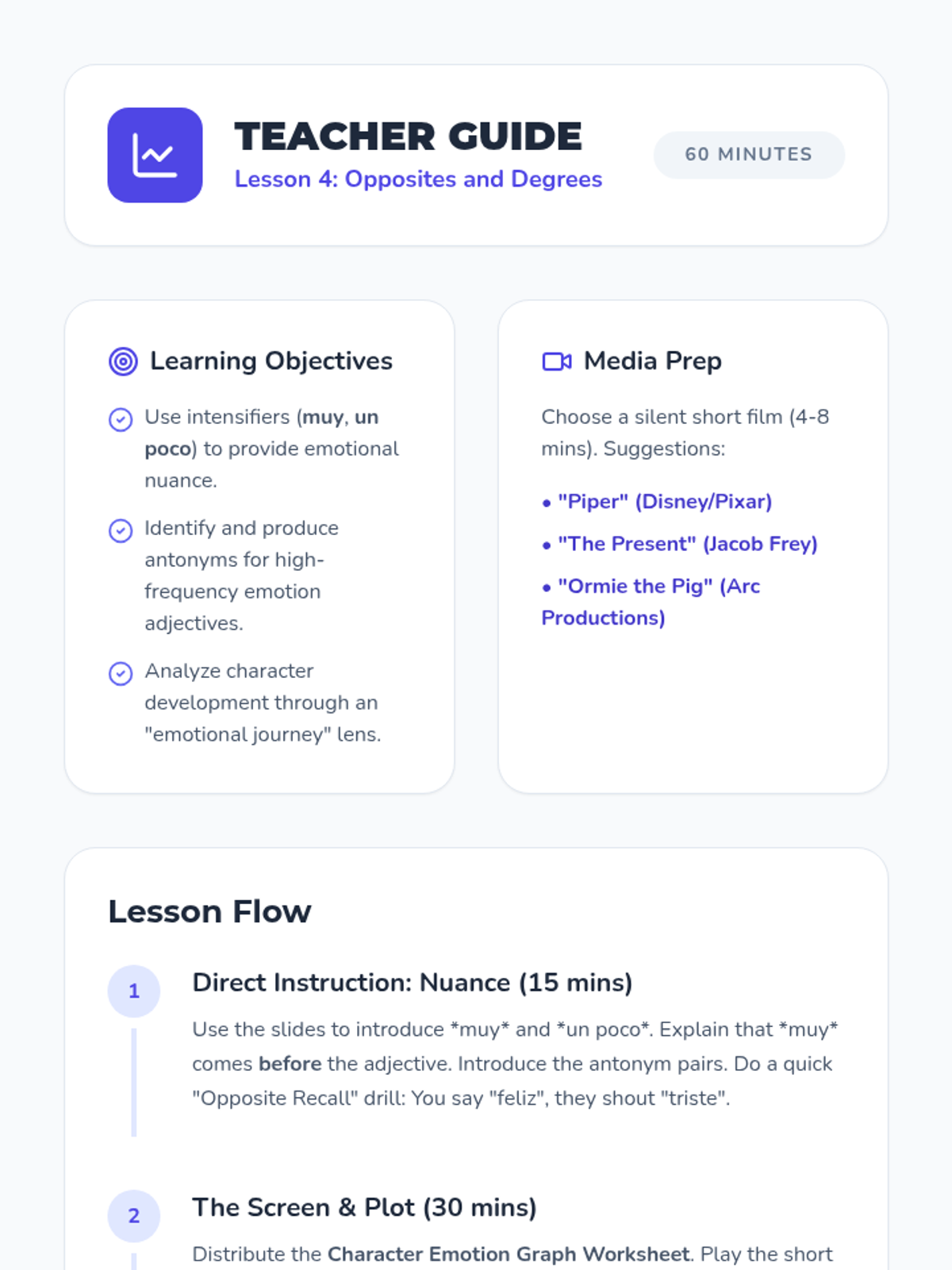
Expanding vocabulary with antonyms and intensifiers (muy, un poco). Students analyze character emotions in stories and media.
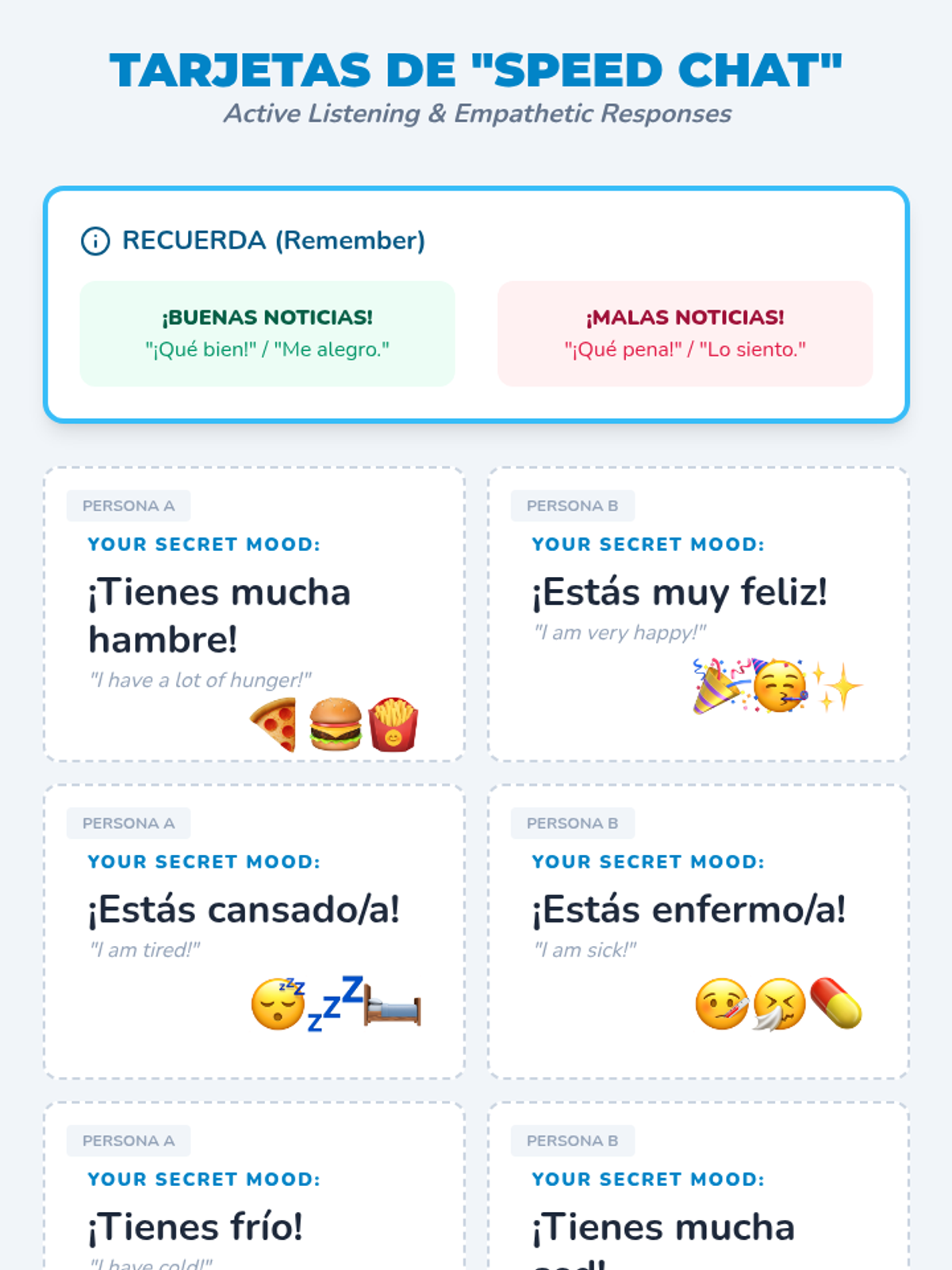
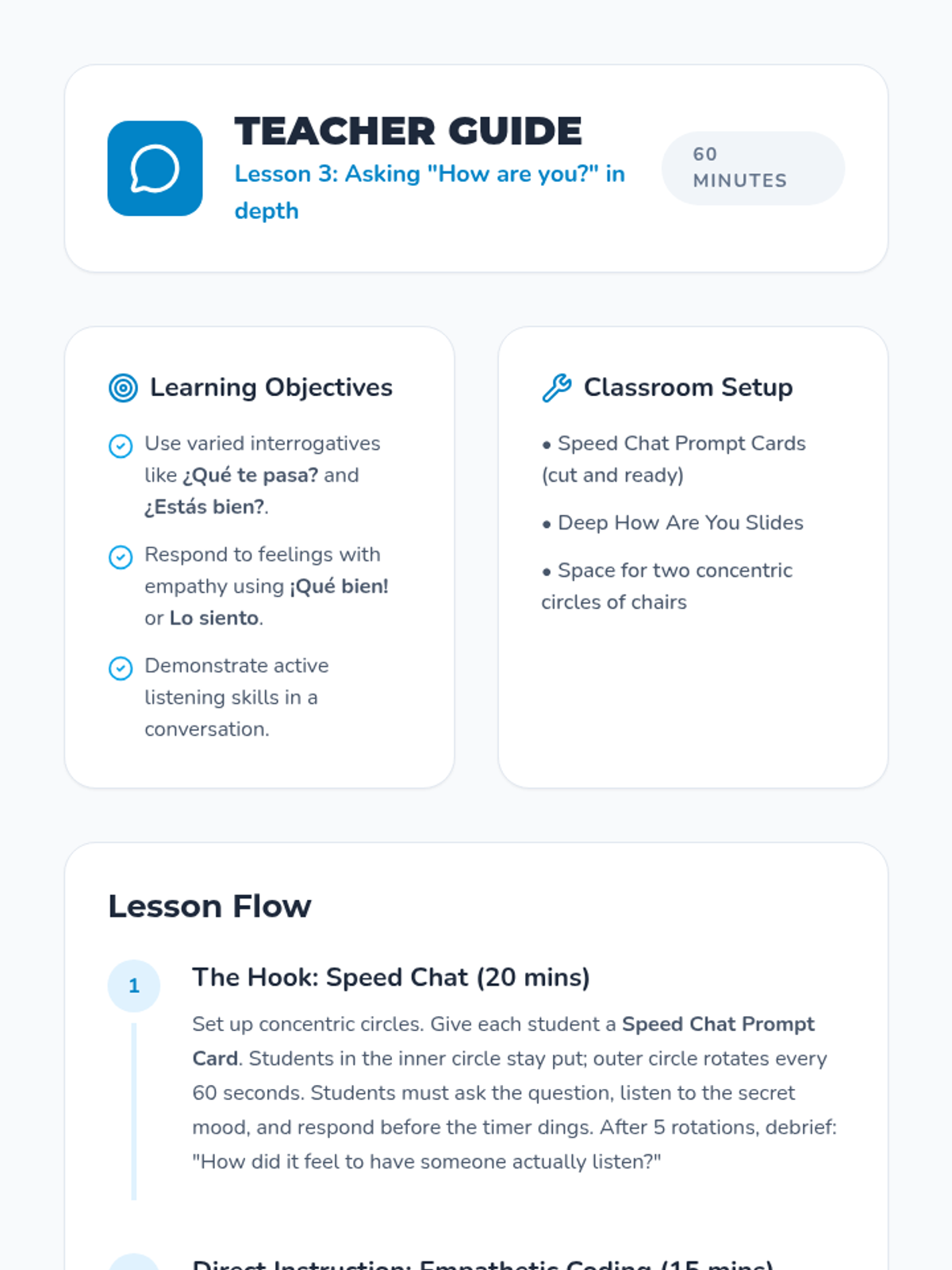
Moving beyond basic greetings to deep follow-up questions and empathetic responses. Students practice active listening in a 'Speed Chat' format.
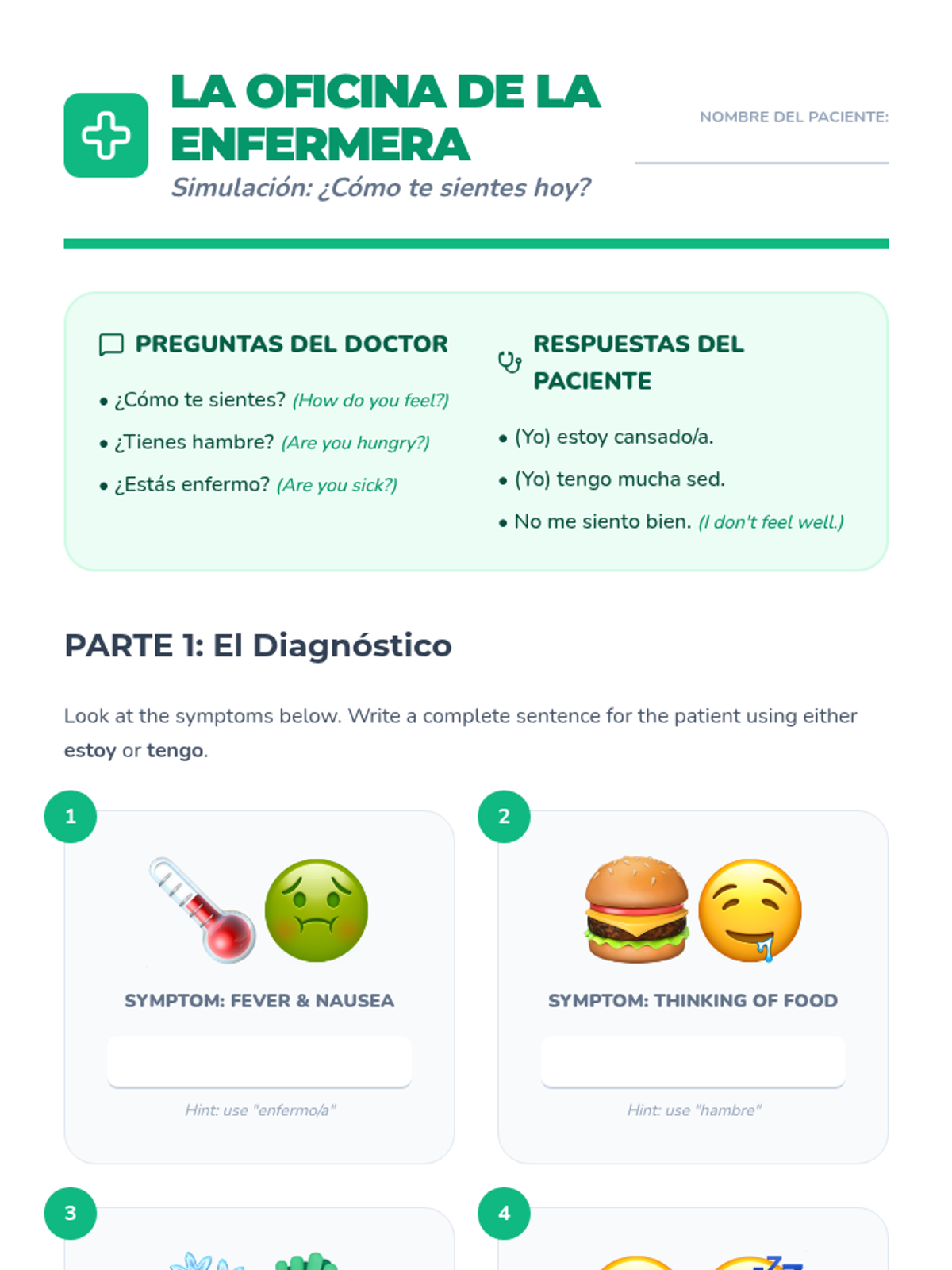
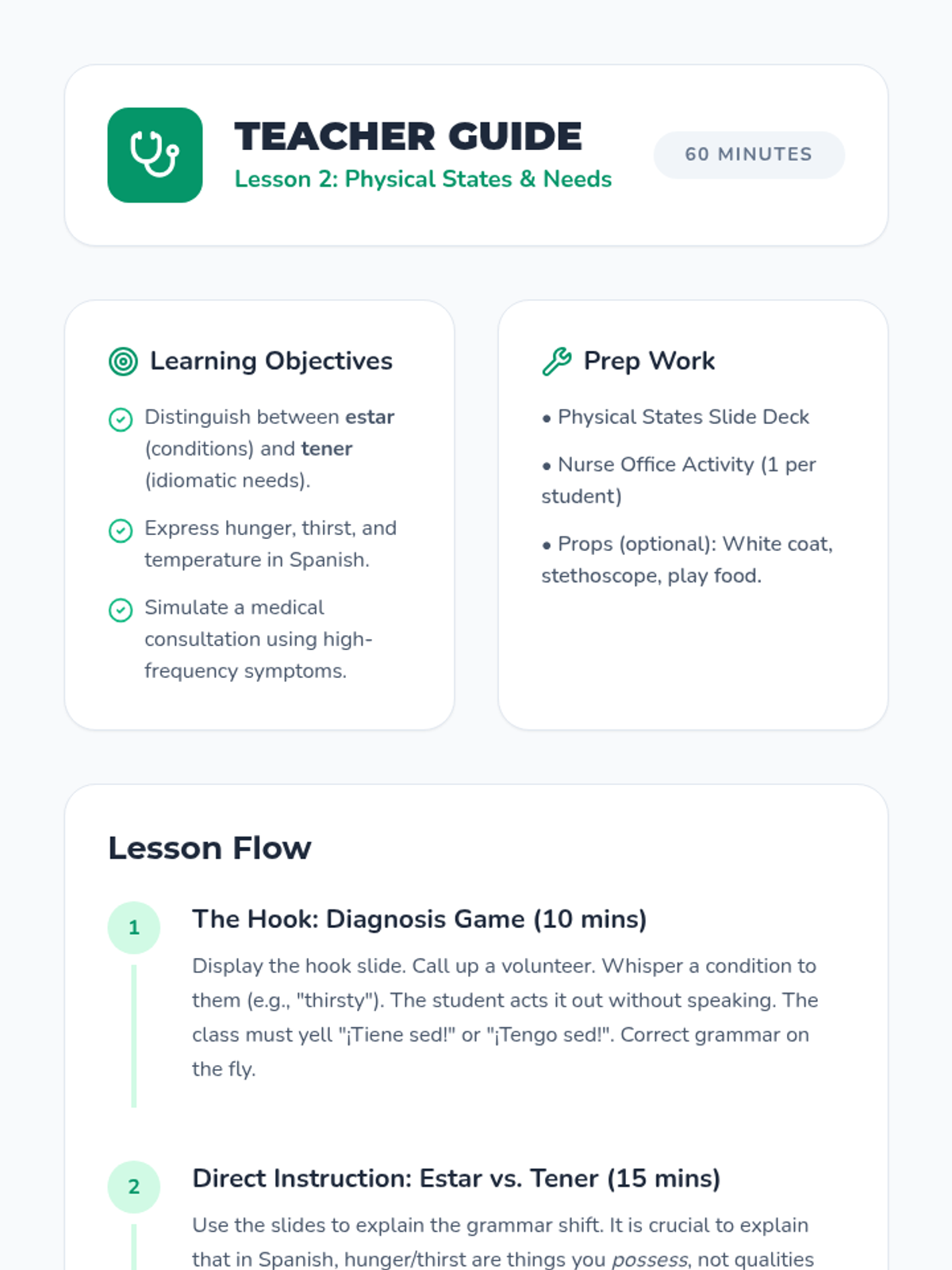
Focus on physical sensations using 'tener' idioms (hunger, thirst) and 'estar' conditions (tired, sick). Students simulate a visit to the school nurse.
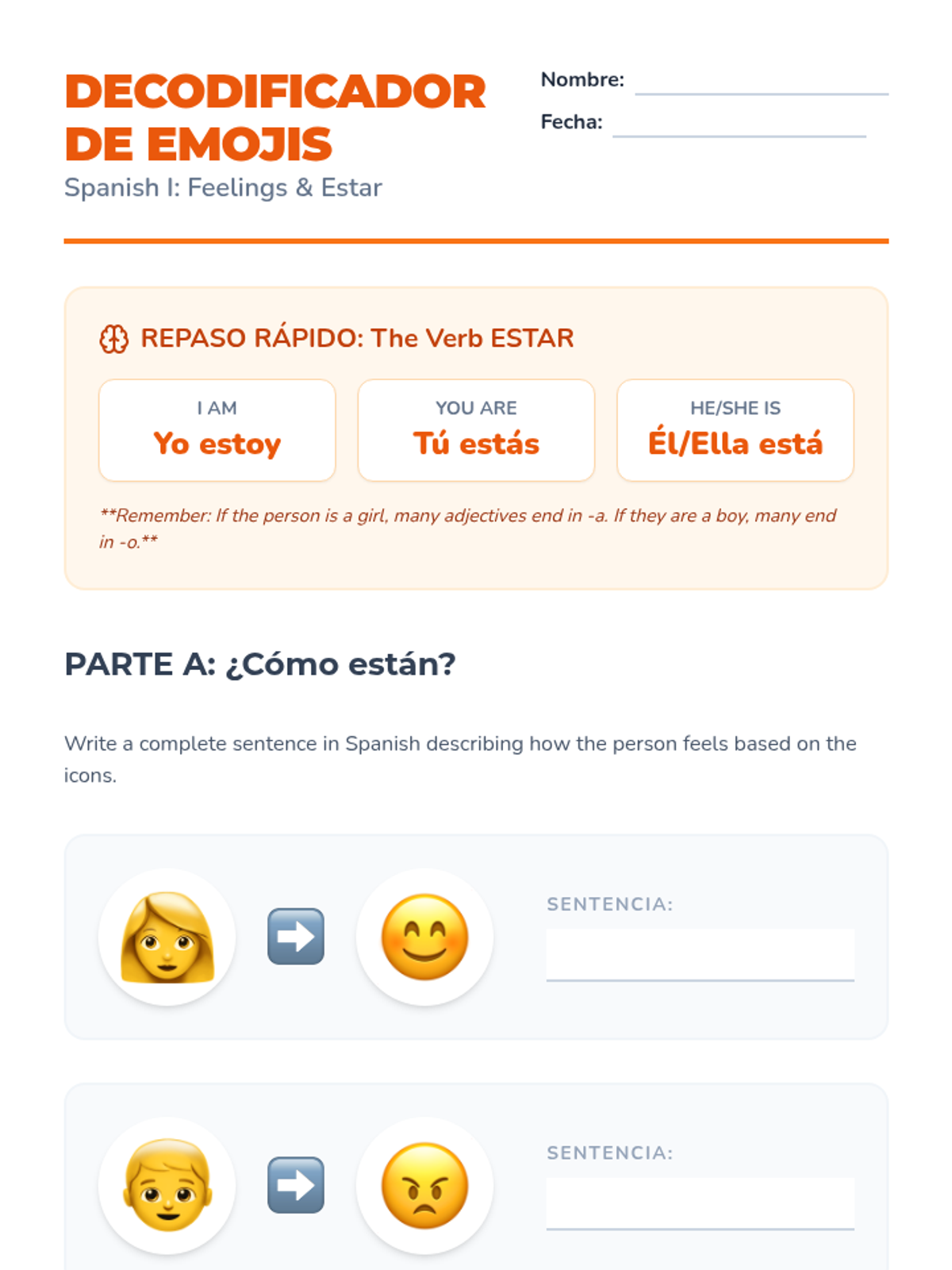
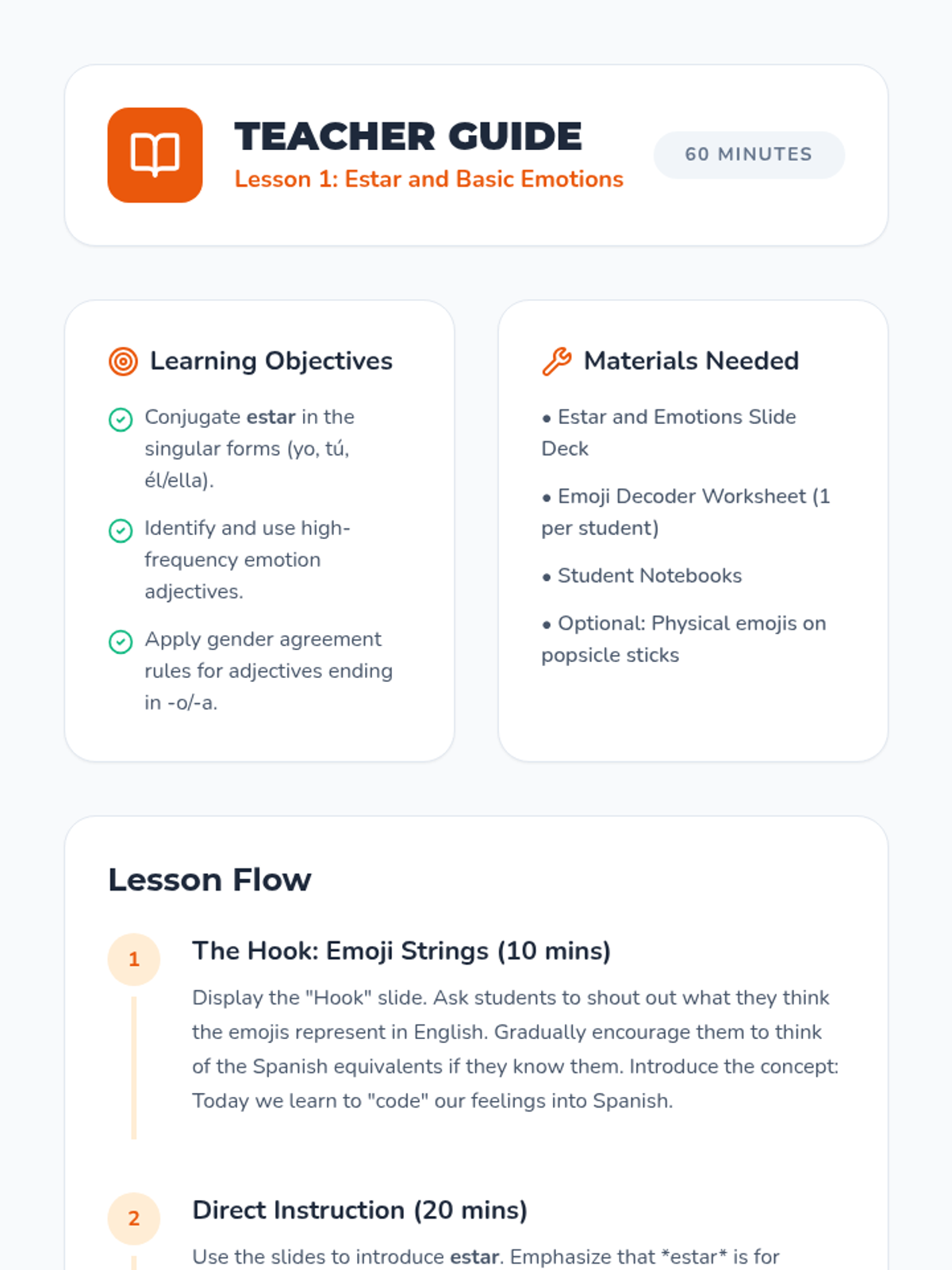
Introduction to the verb 'estar' for temporary states and high-frequency emotion adjectives. Students practice gender agreement and decode emoji-based sentences.
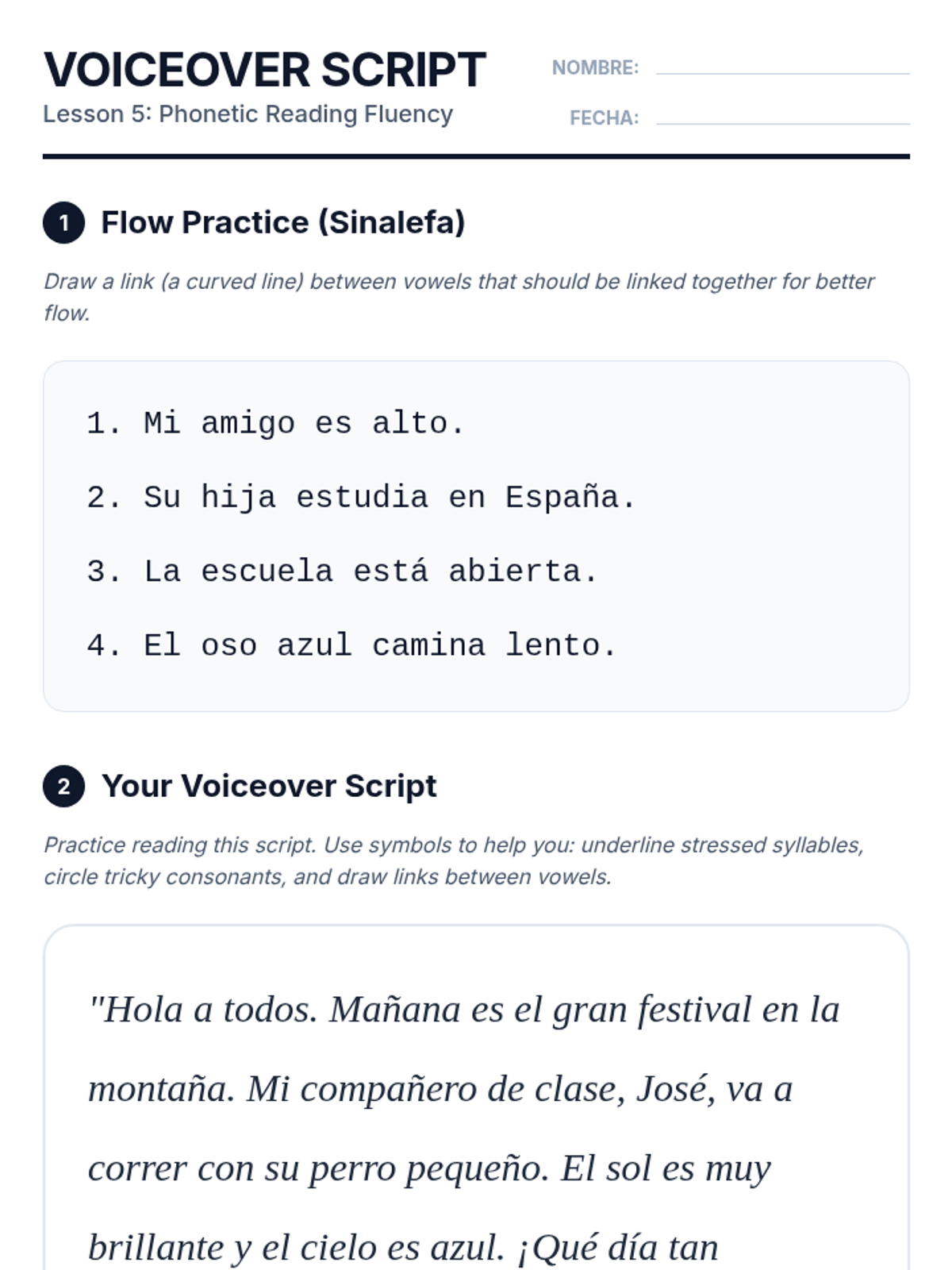
Bringing all skills together, students practice reading short paragraphs aloud, focusing on flow, linking words, and maintaining correct pronunciation, culminating in a recorded 'voiceover' activity.