A 15-minute introductory lesson for 8th graders exploring the intersection of geometry and art, focusing on how geometric shapes are used in architecture and design to enhance analytical skills.
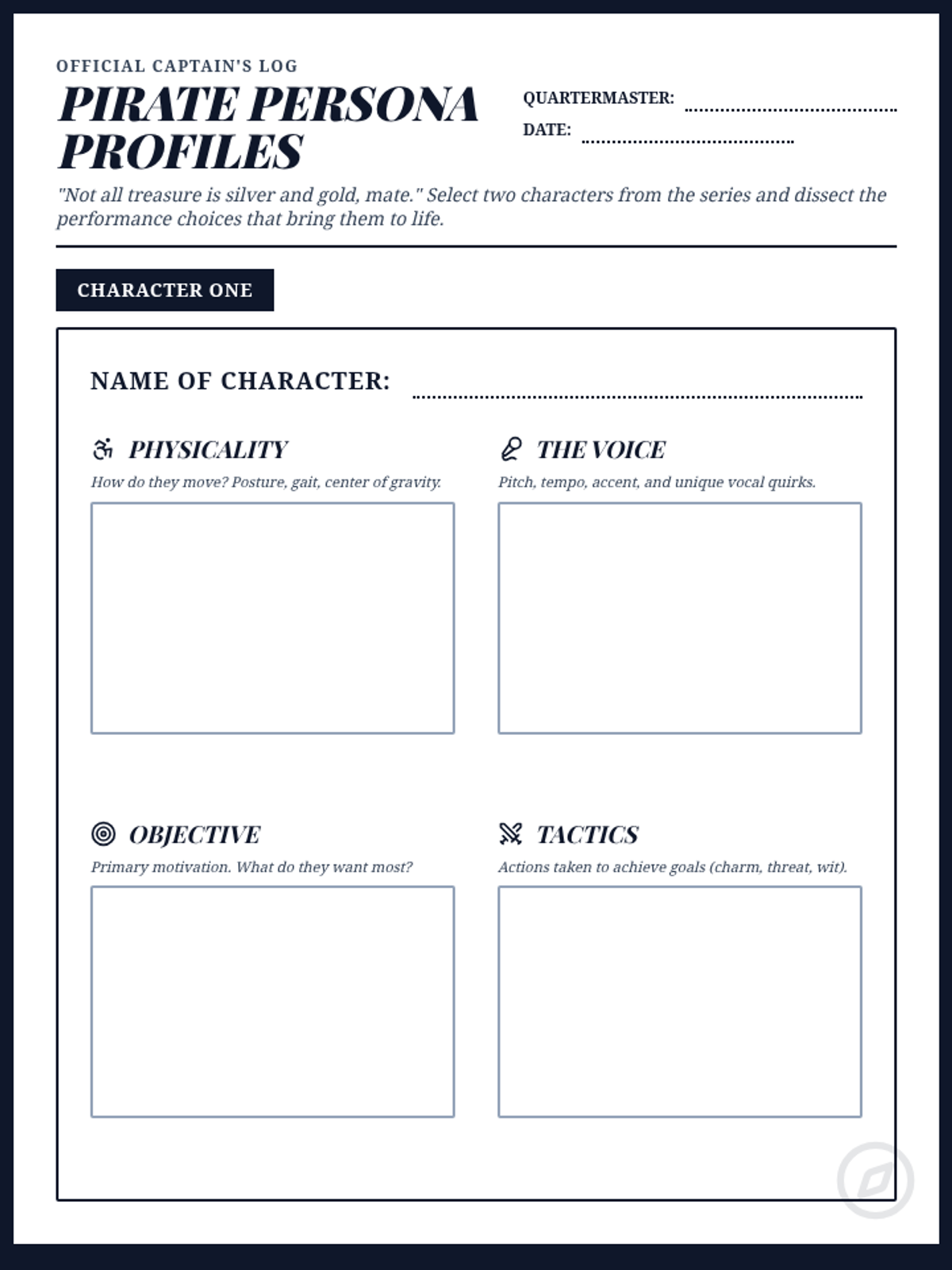
A lesson focused on analyzing the performance choices and narrative motivations of characters in the Pirates of the Caribbean series. Students explore how physicality, voice, and tactics define iconic cinematic figures.
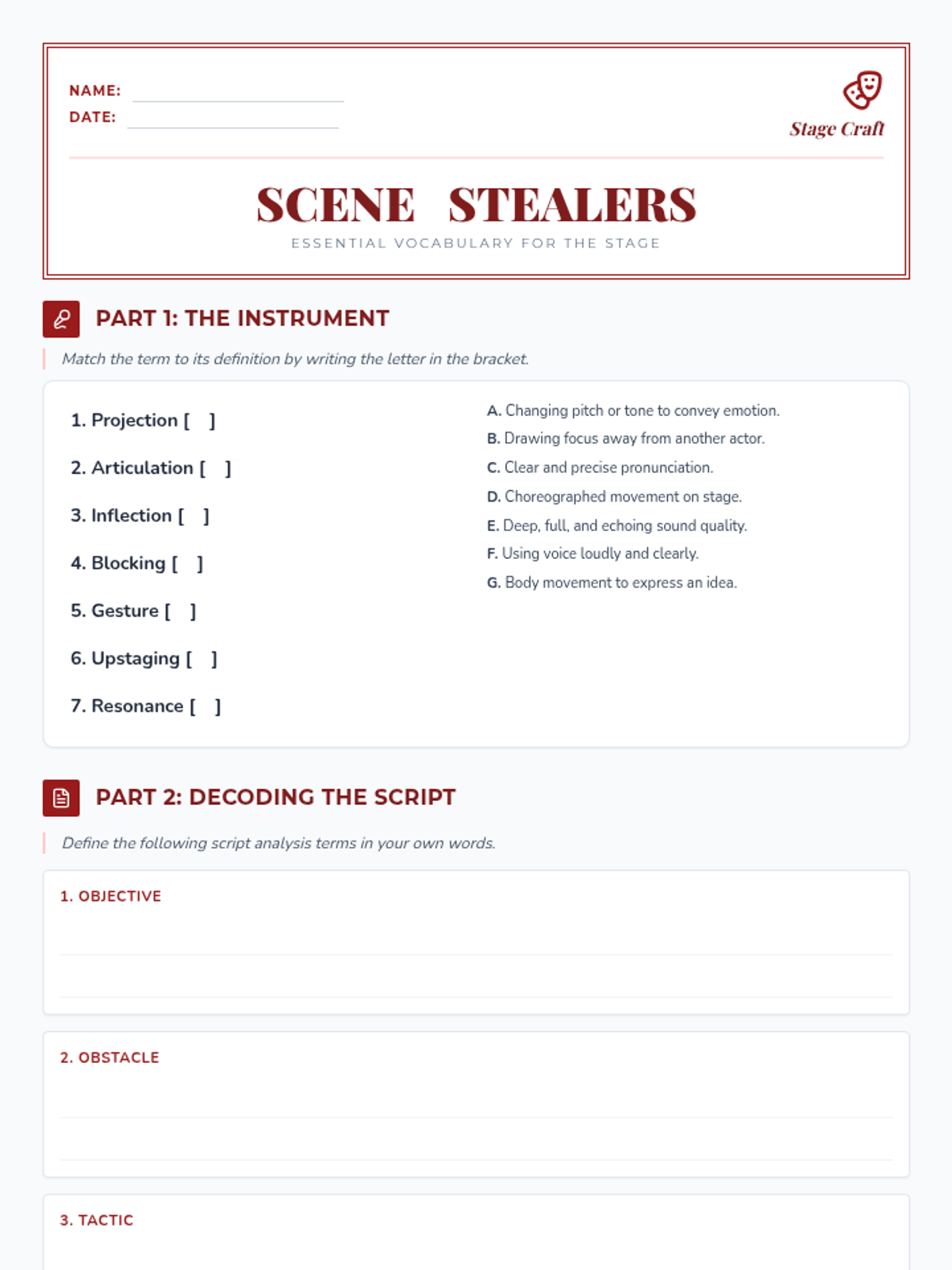
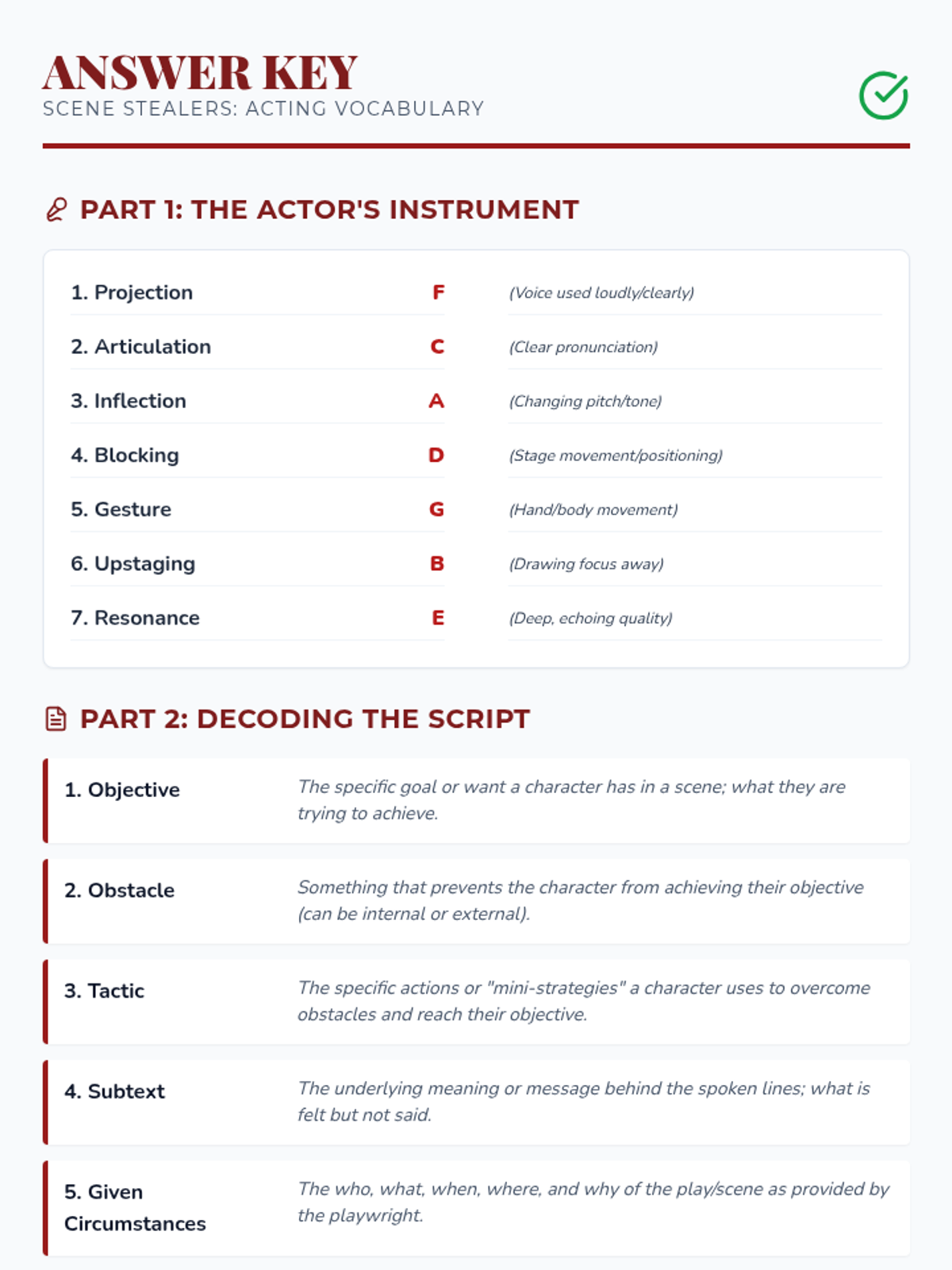
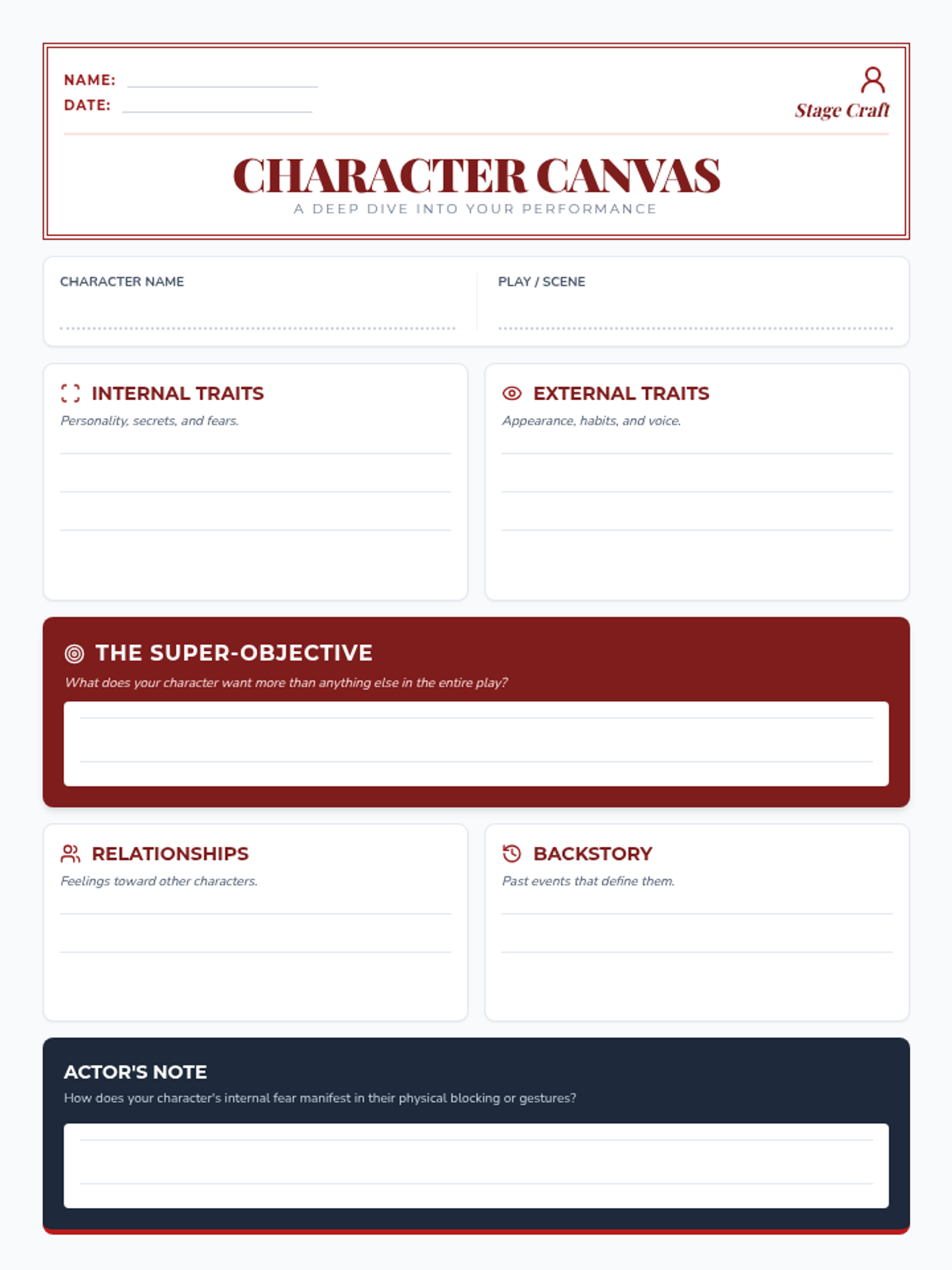
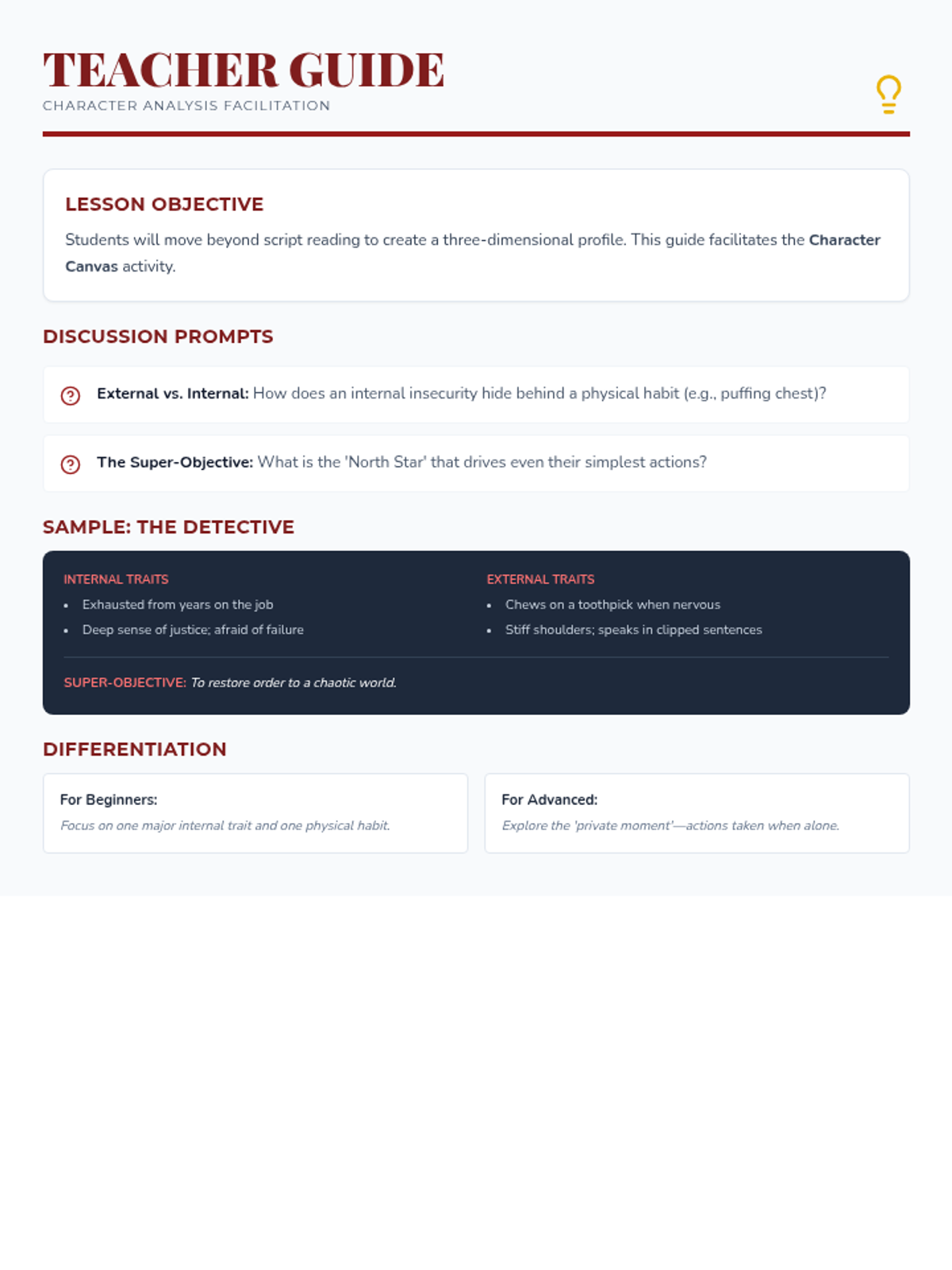
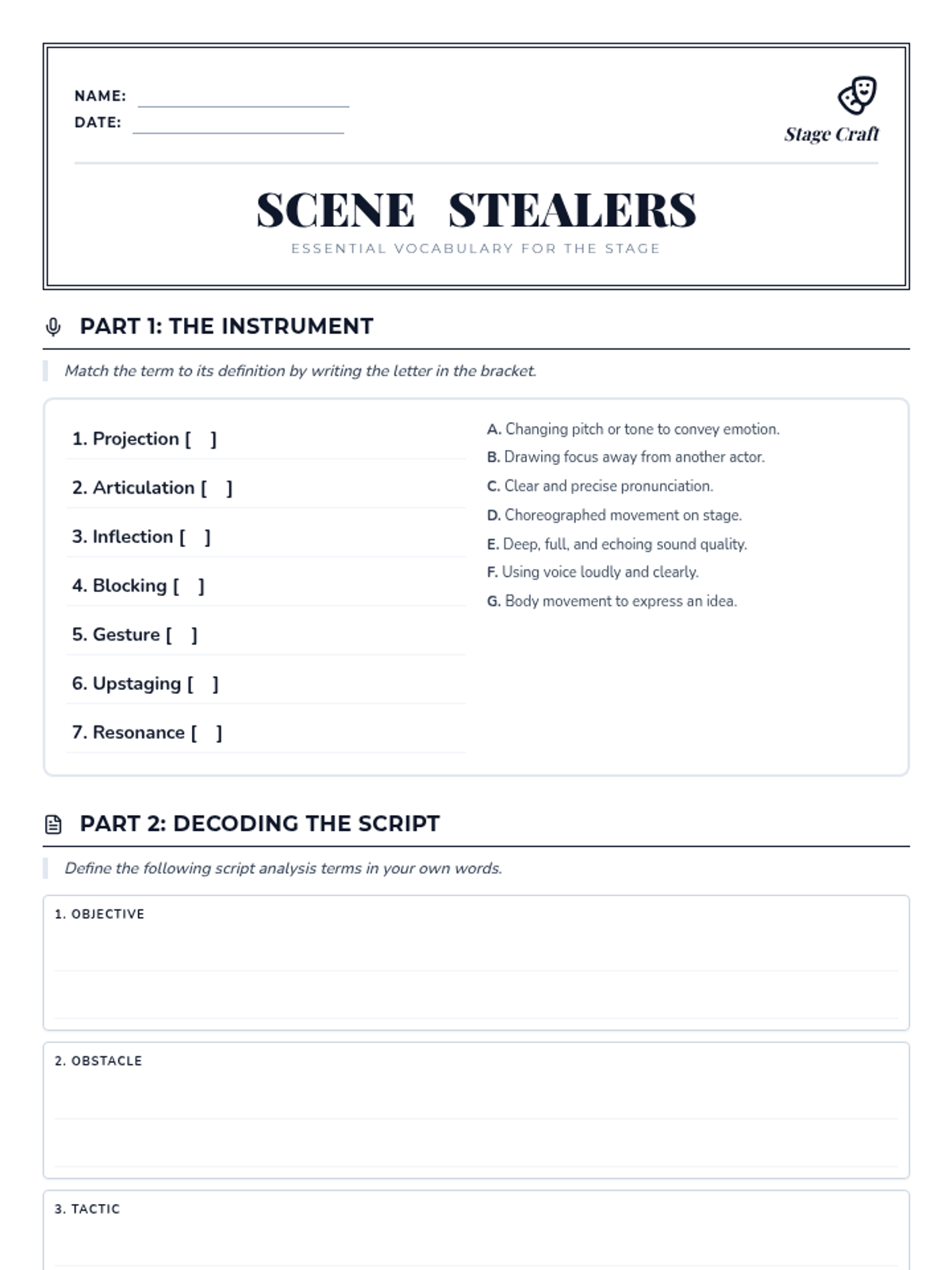
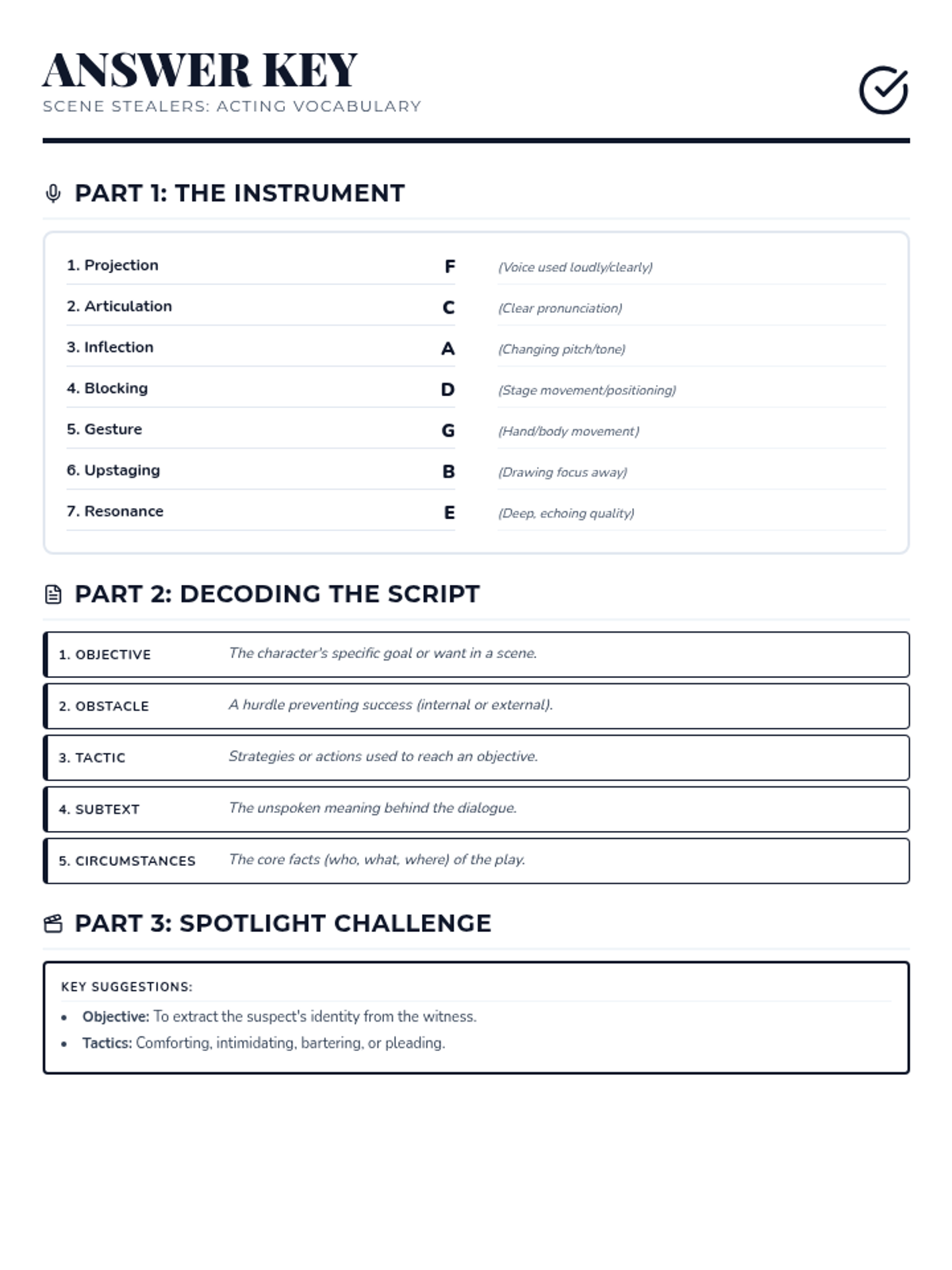
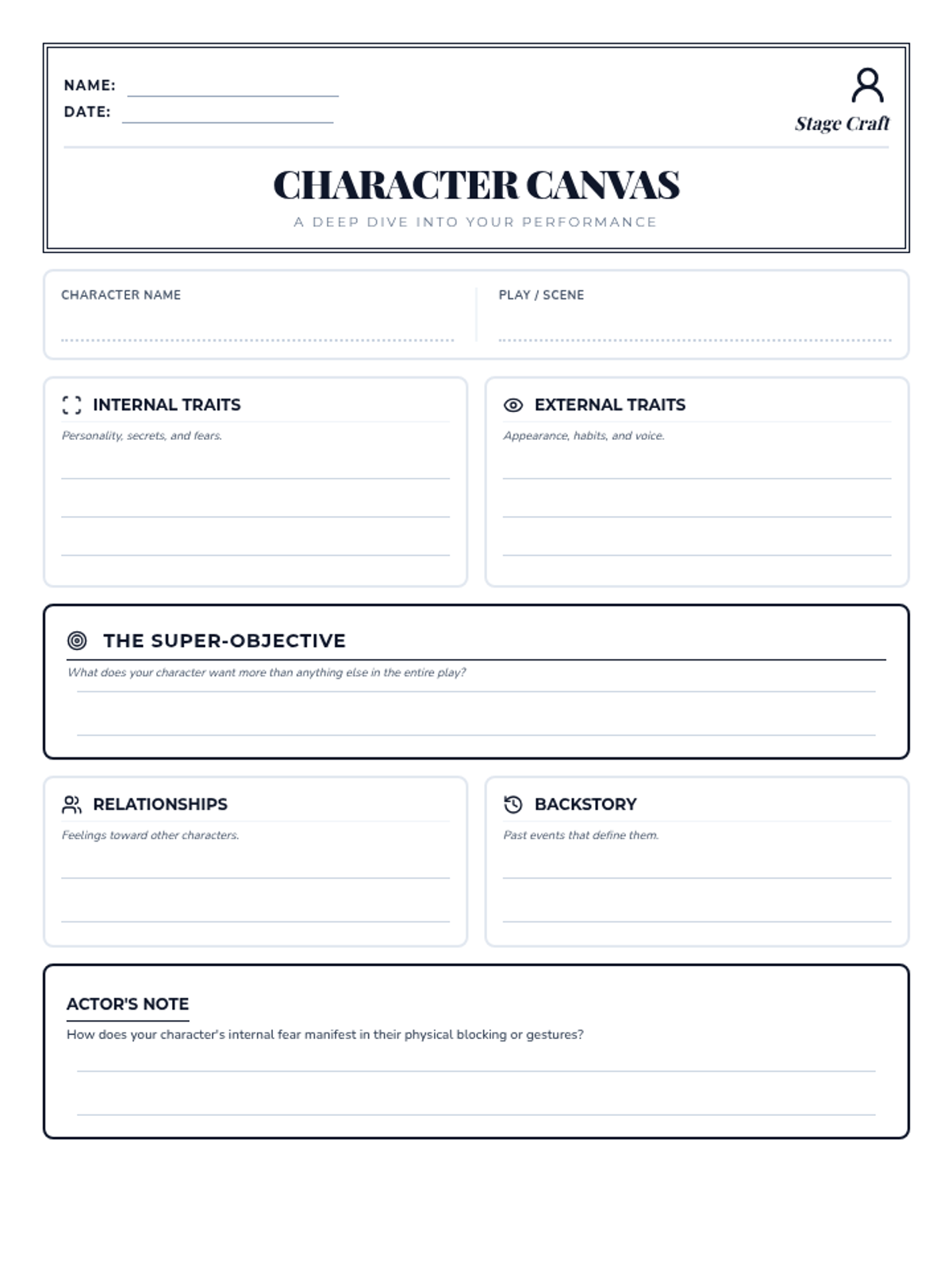
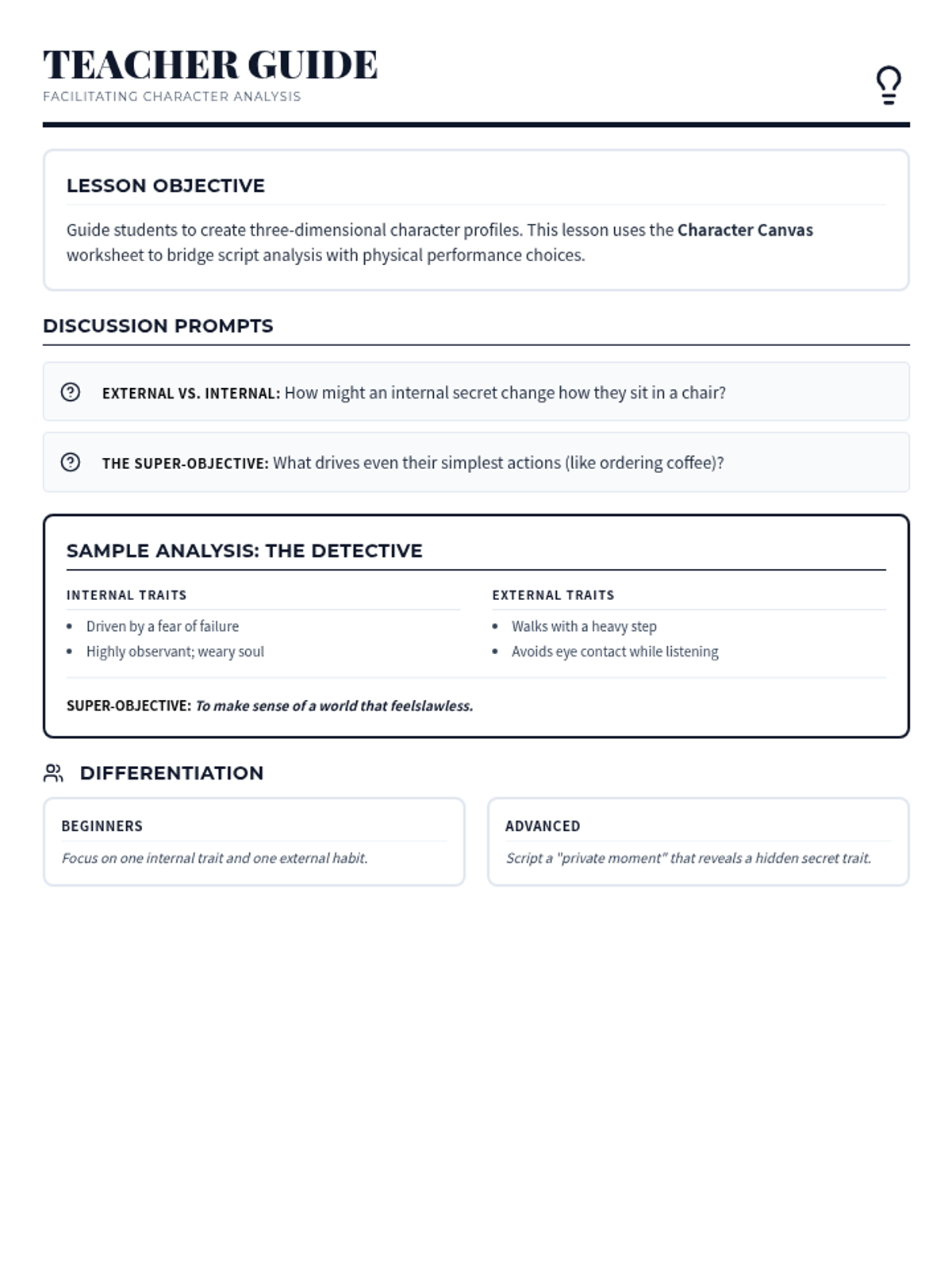
A foundational lesson on theater terminology focusing on how actors use their voice, body, and script analysis to create compelling characters.
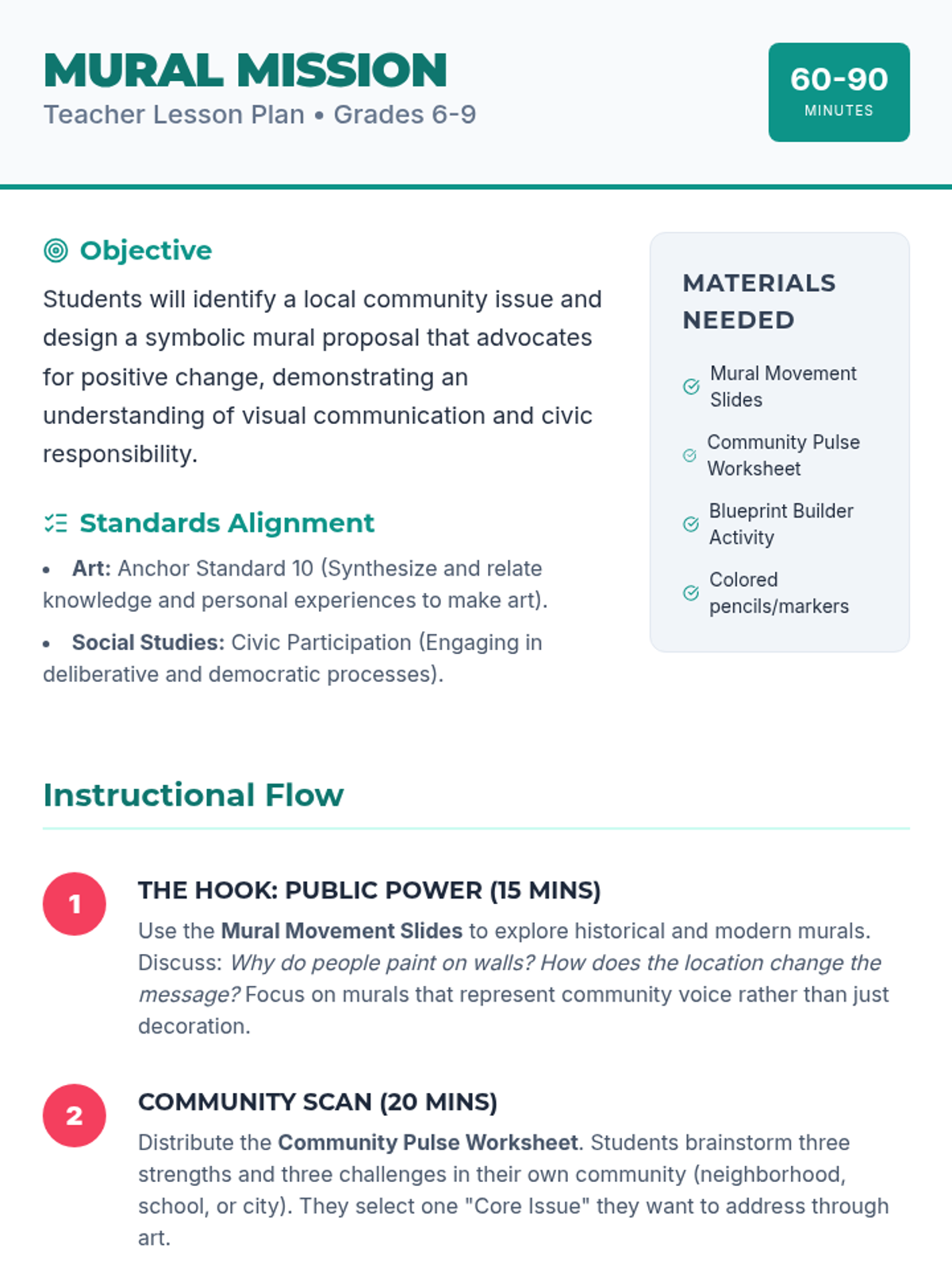
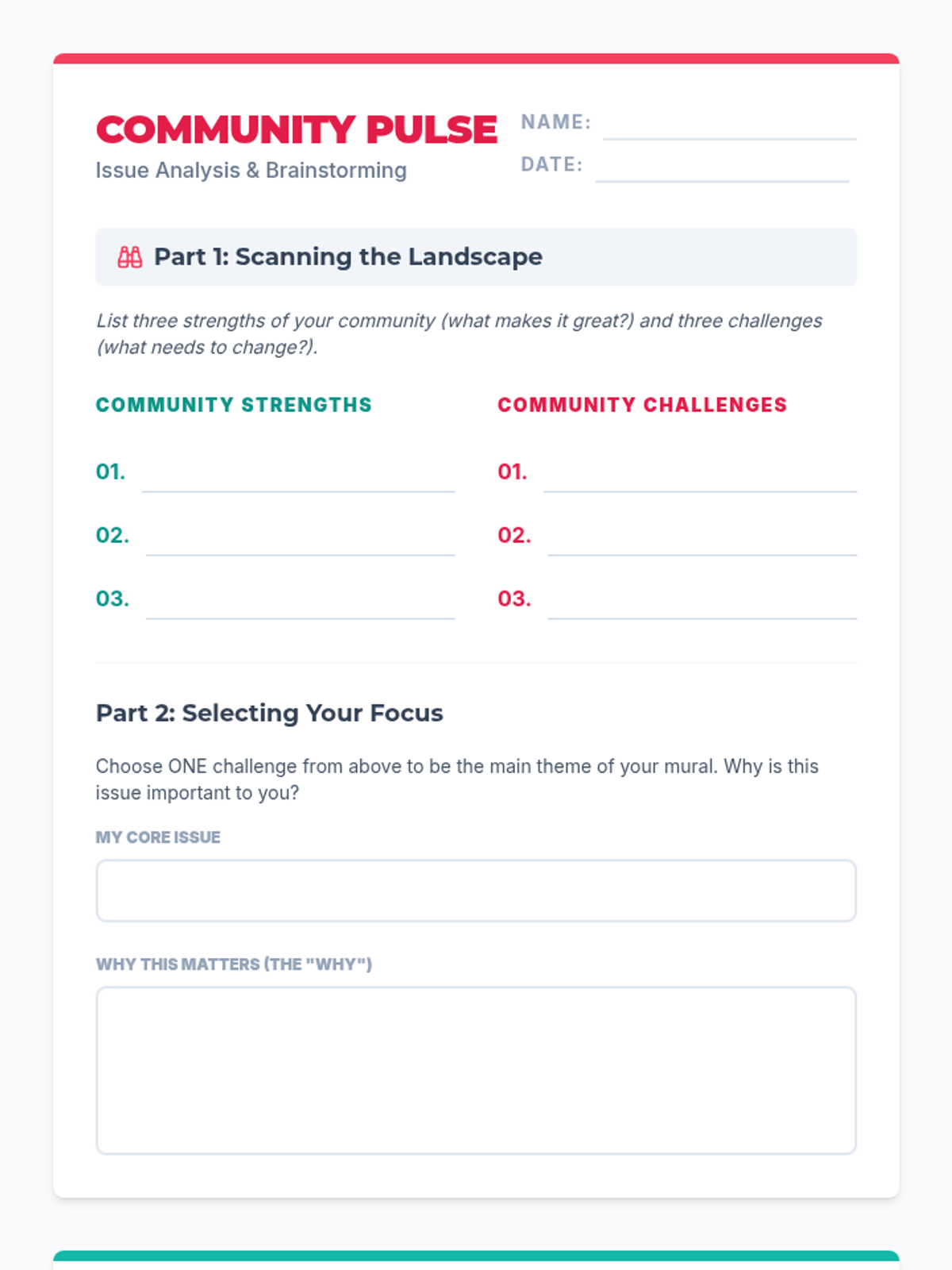
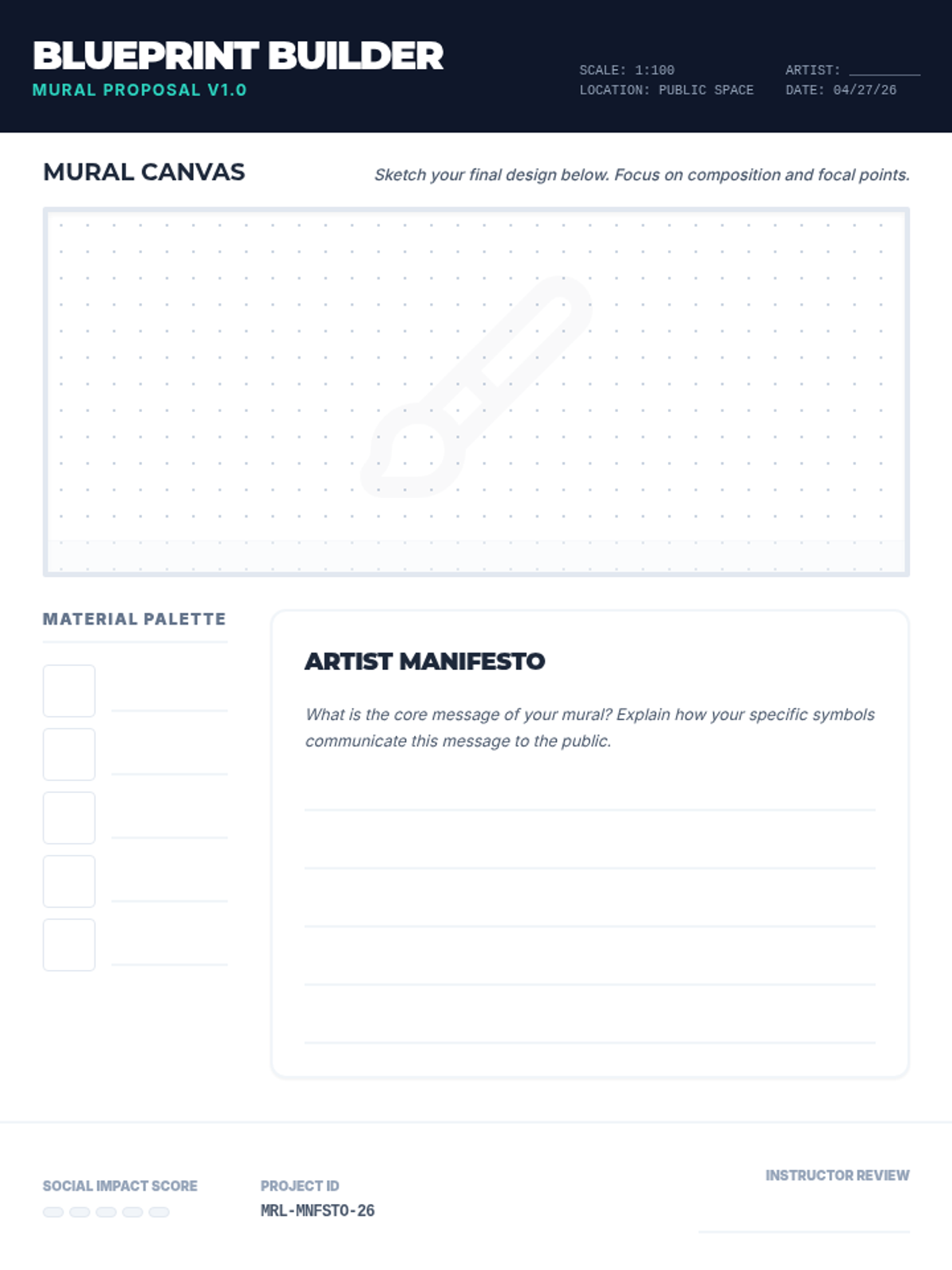
A project-based lesson where students investigate local social issues and translate their findings into a symbolic mural design. This lesson bridges the gap between civic engagement and visual arts through collaborative planning and creative expression.
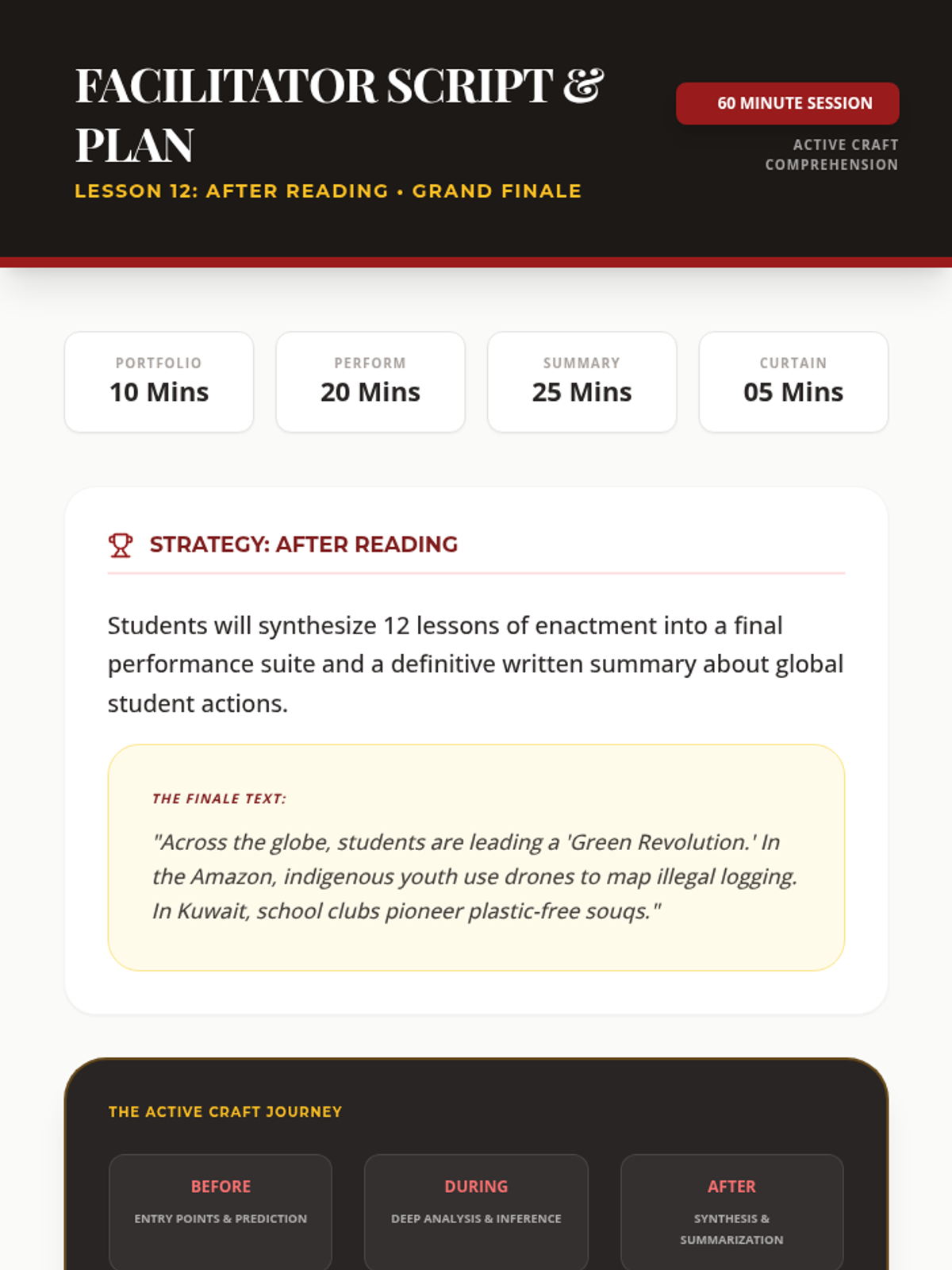
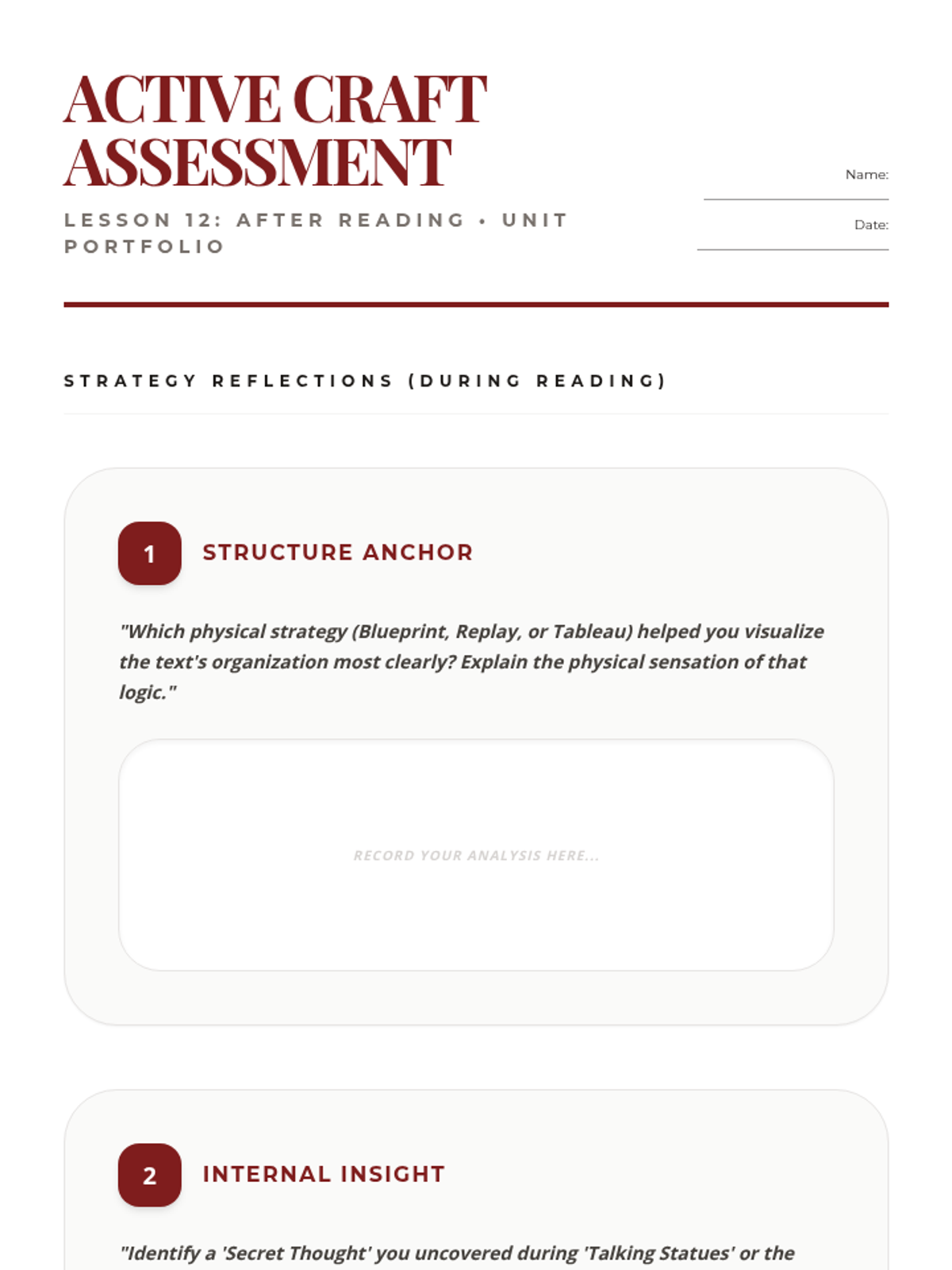
After Reading Strategy: Consolidating skills into a final performance and assessment about students’ actions around the world.
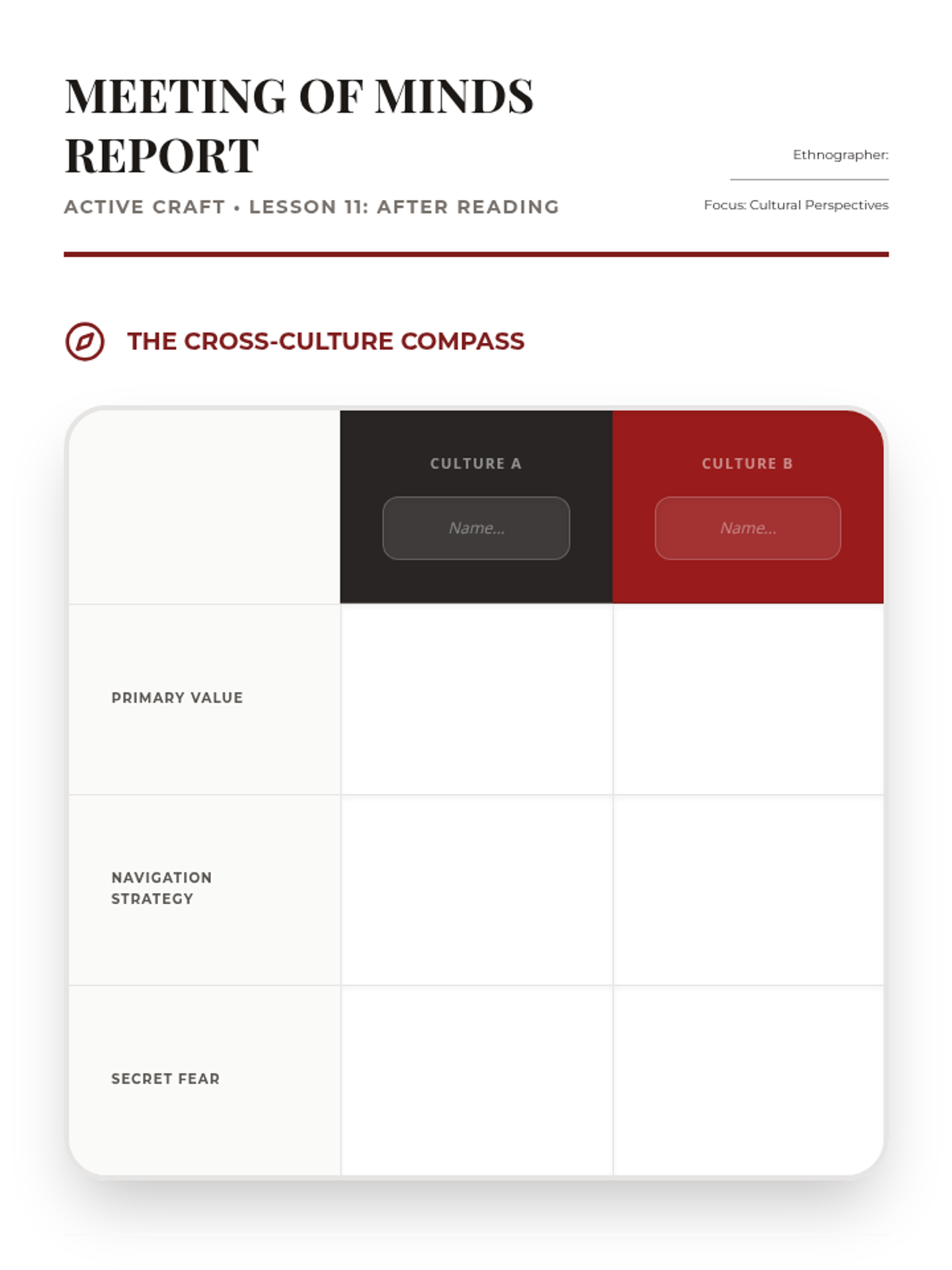
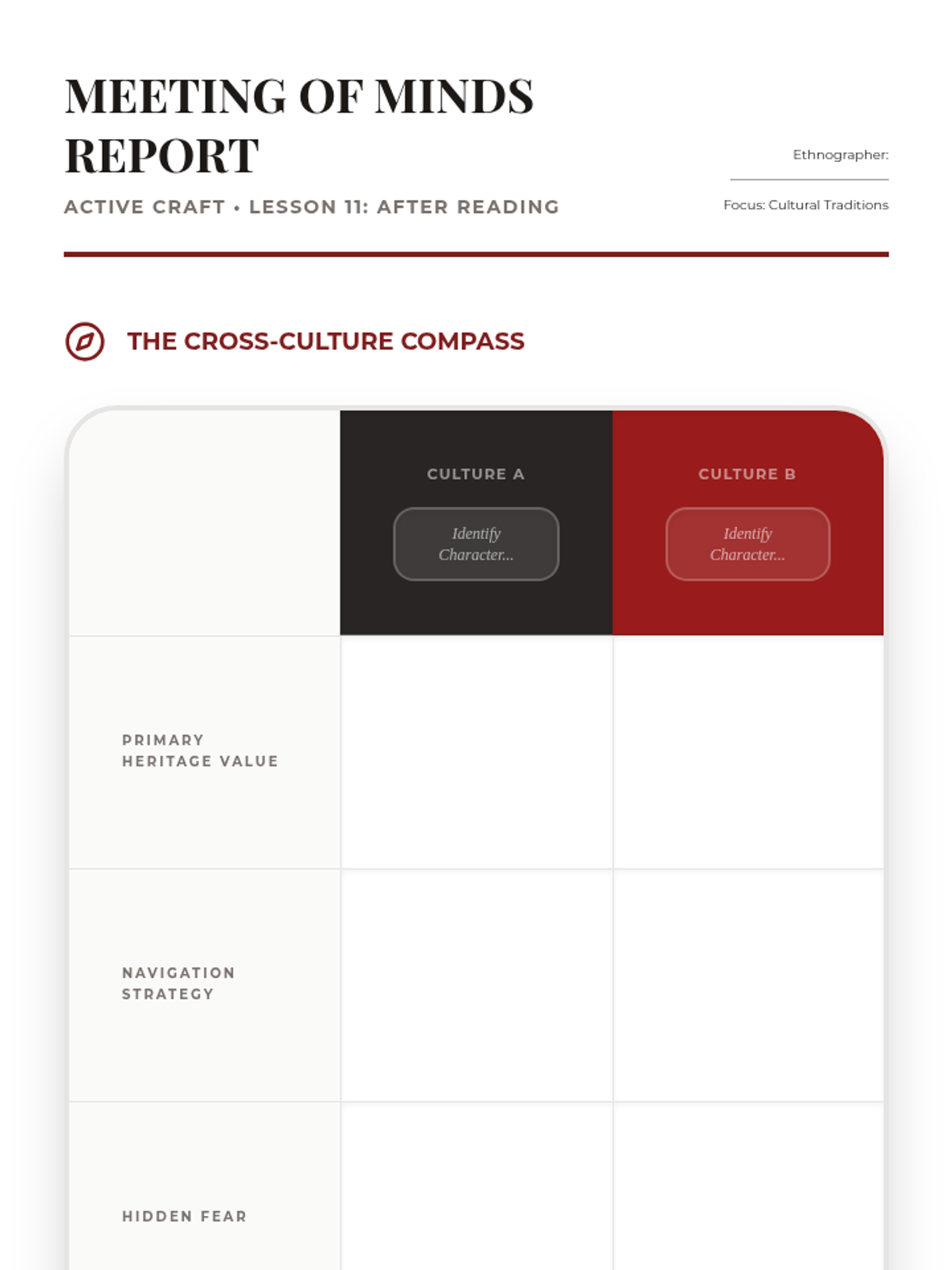
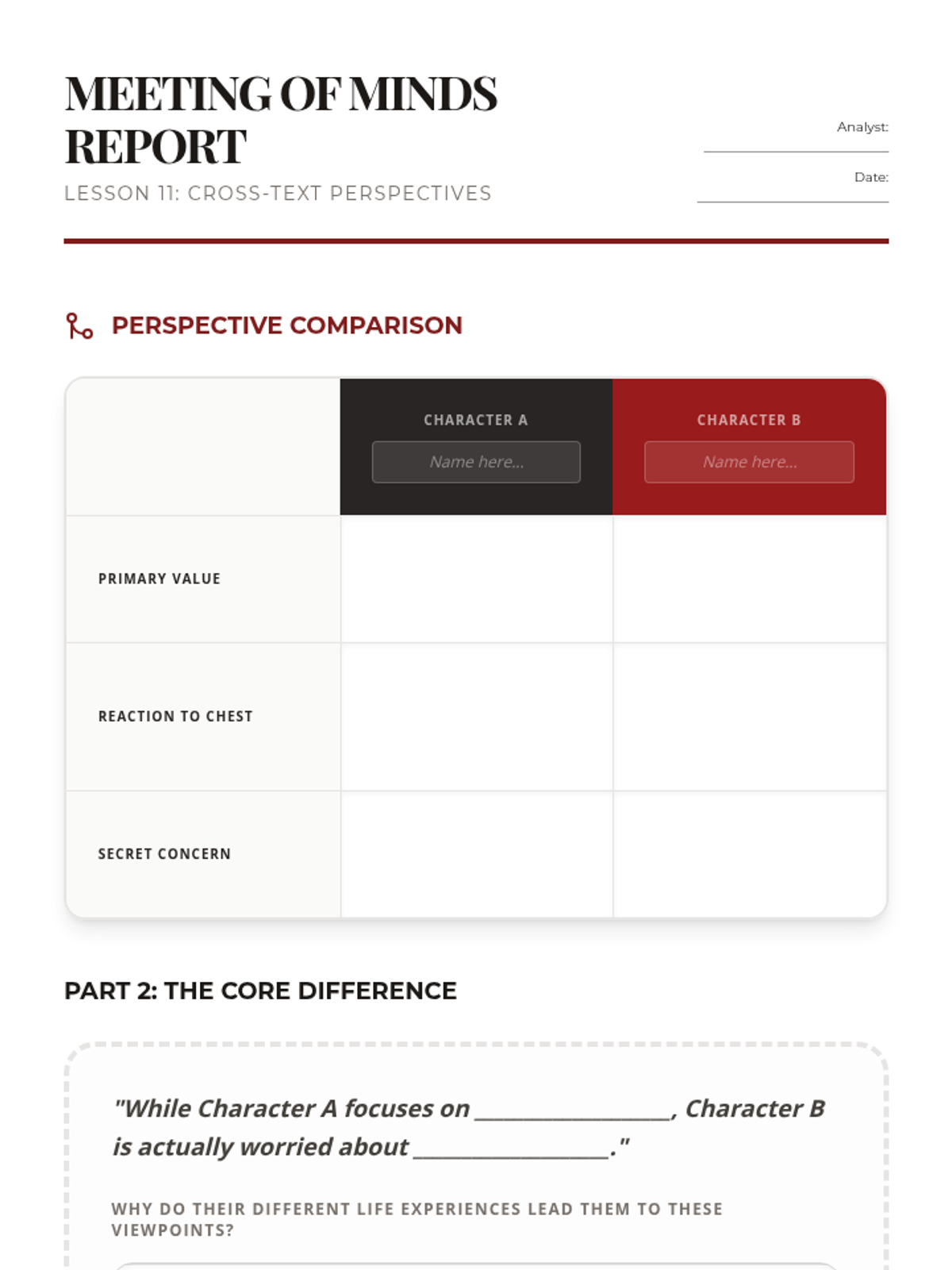
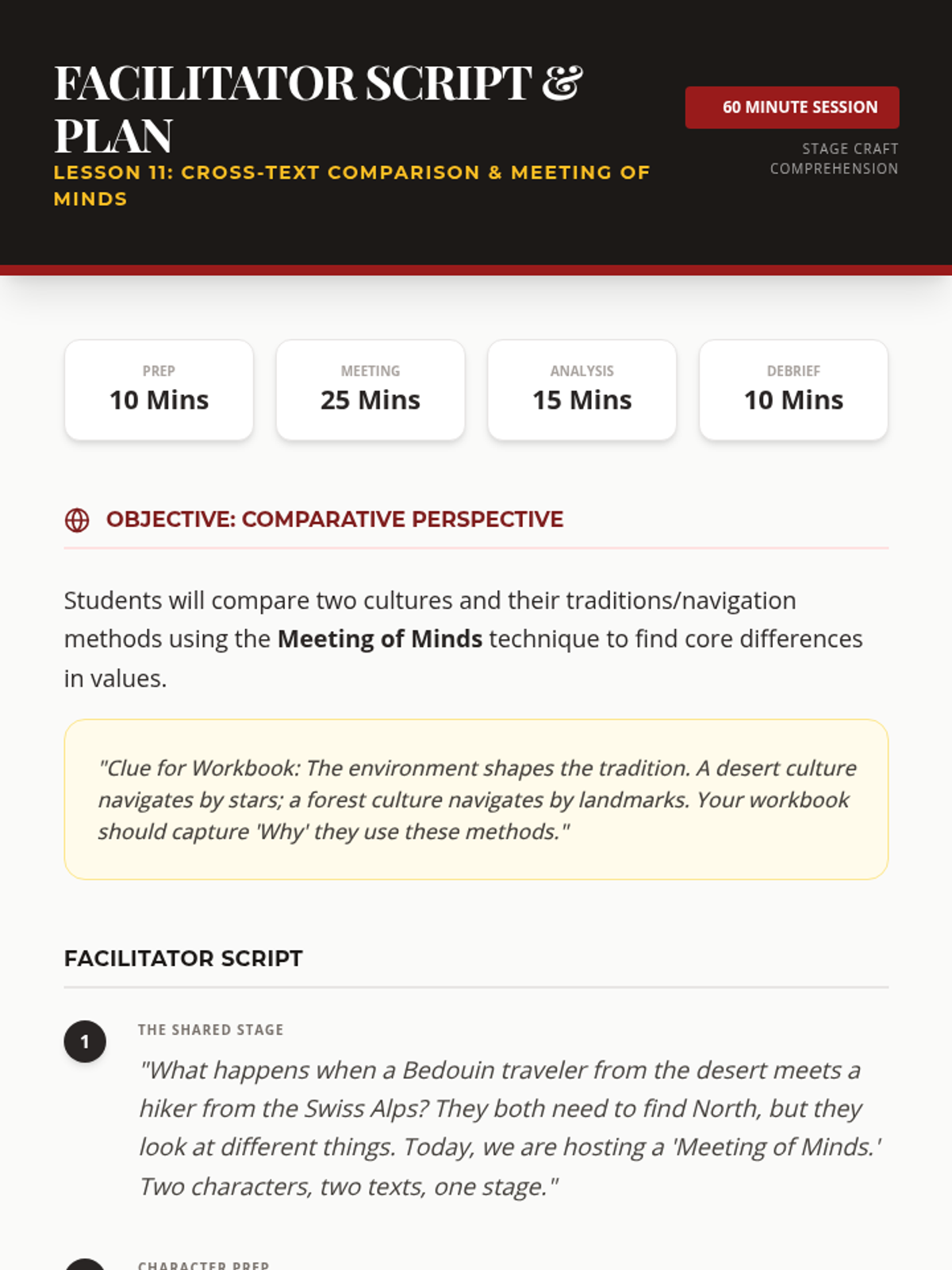
After Reading Strategy: Comparing cultures, traditions, and navigation (directions) using role-play to evaluate perspectives across texts.
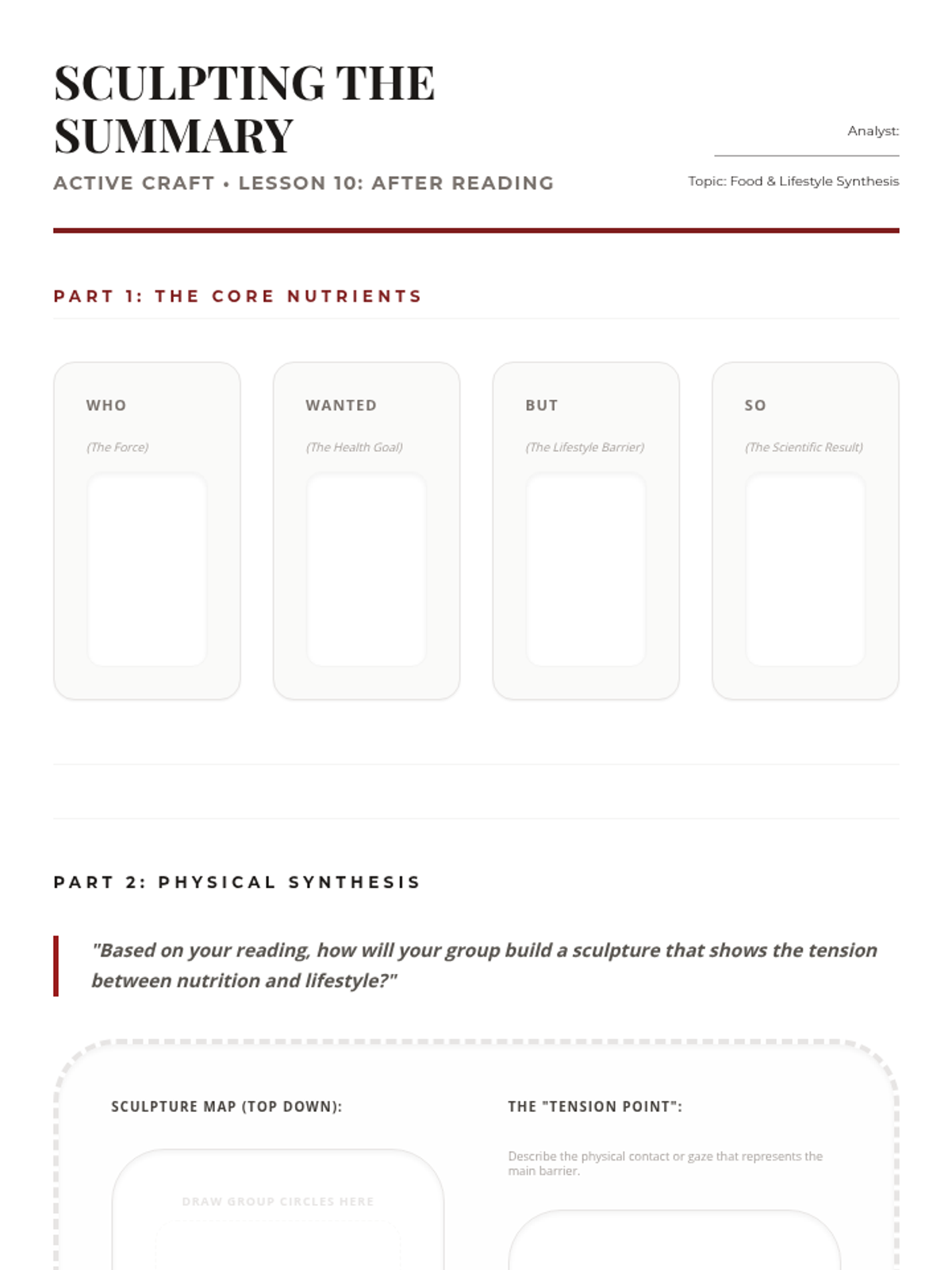
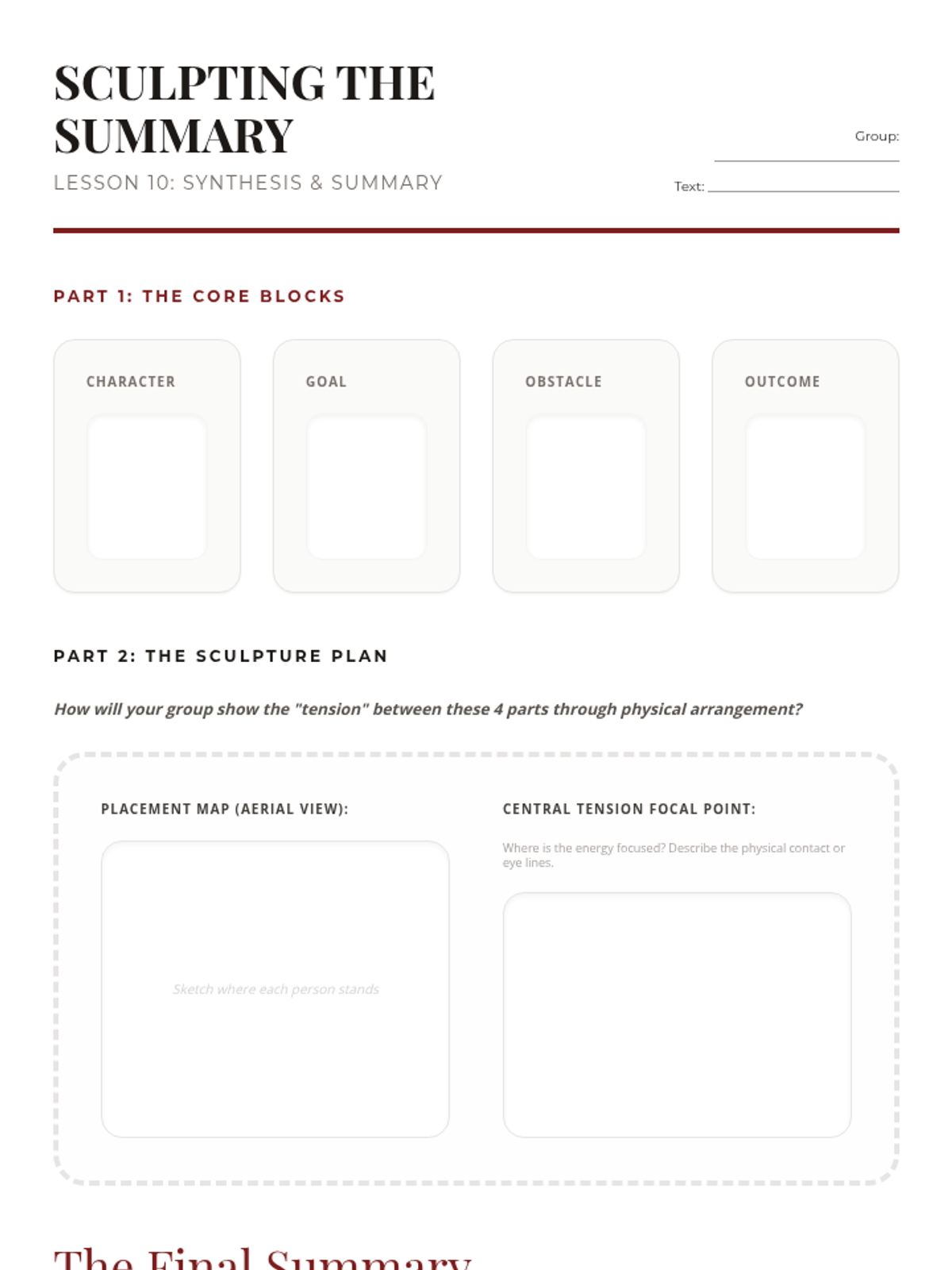
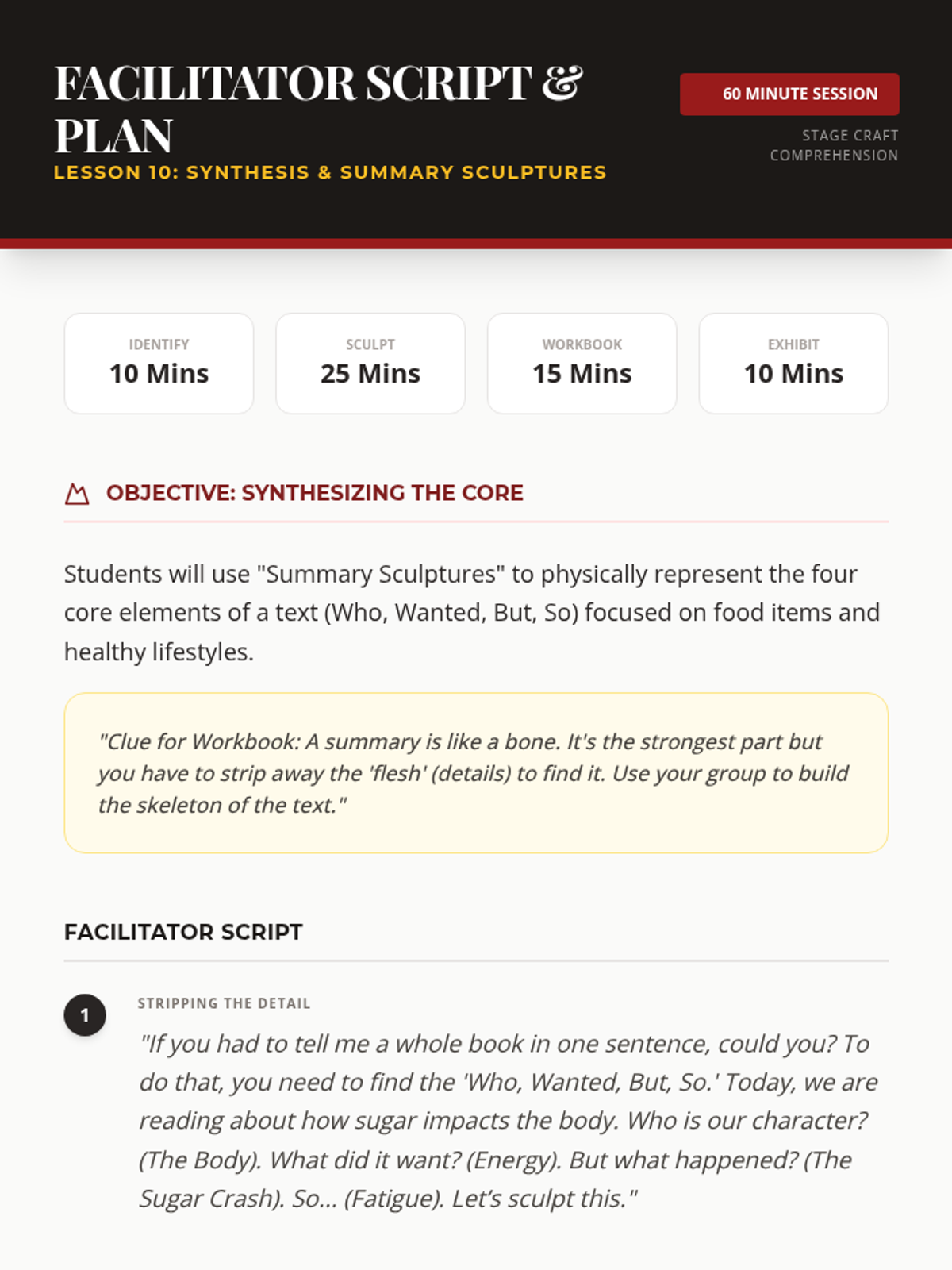
After Reading Strategy: Synthesizing information into 'Summary Sculptures' focused on food items and healthy lifestyles.
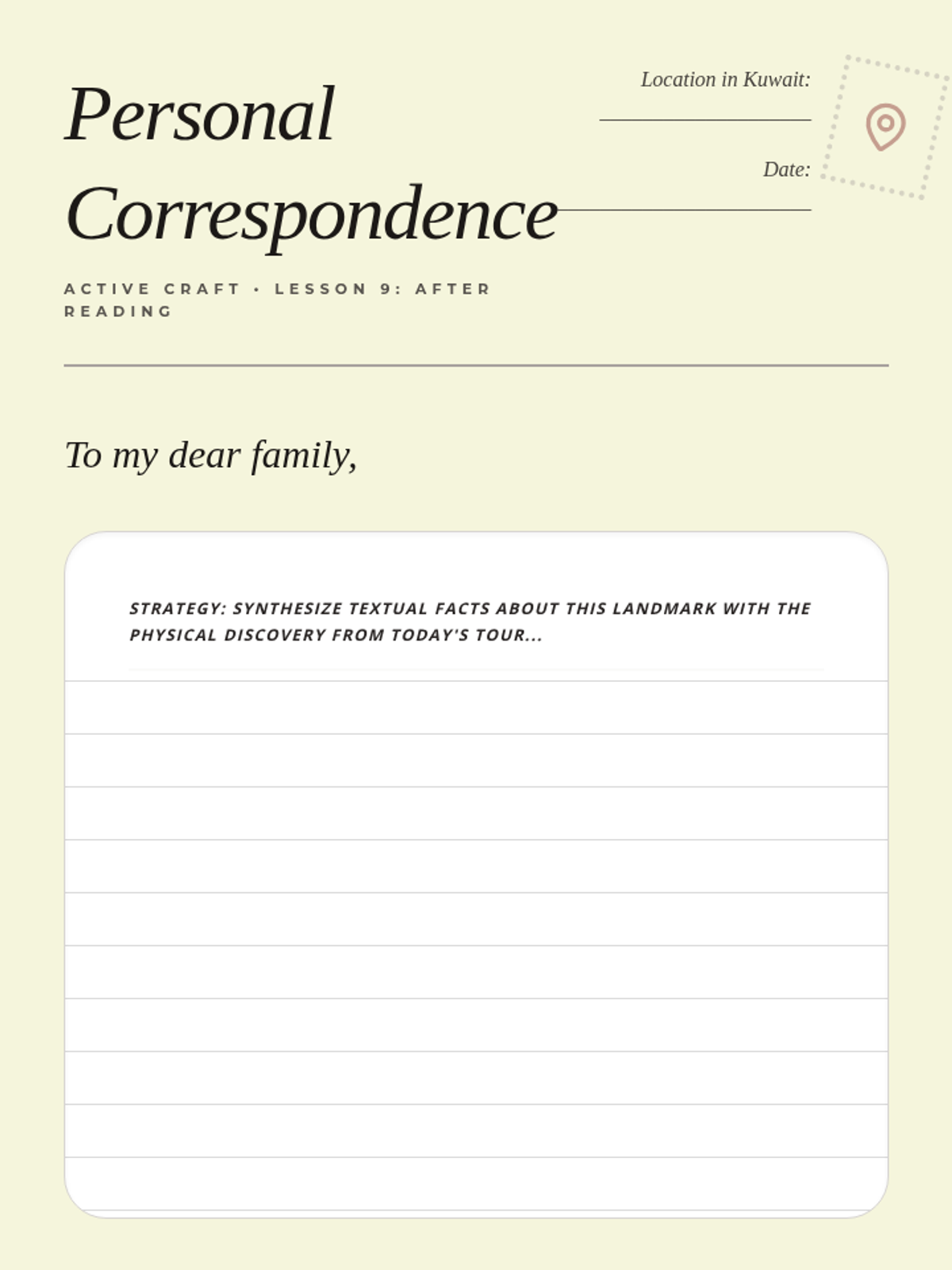
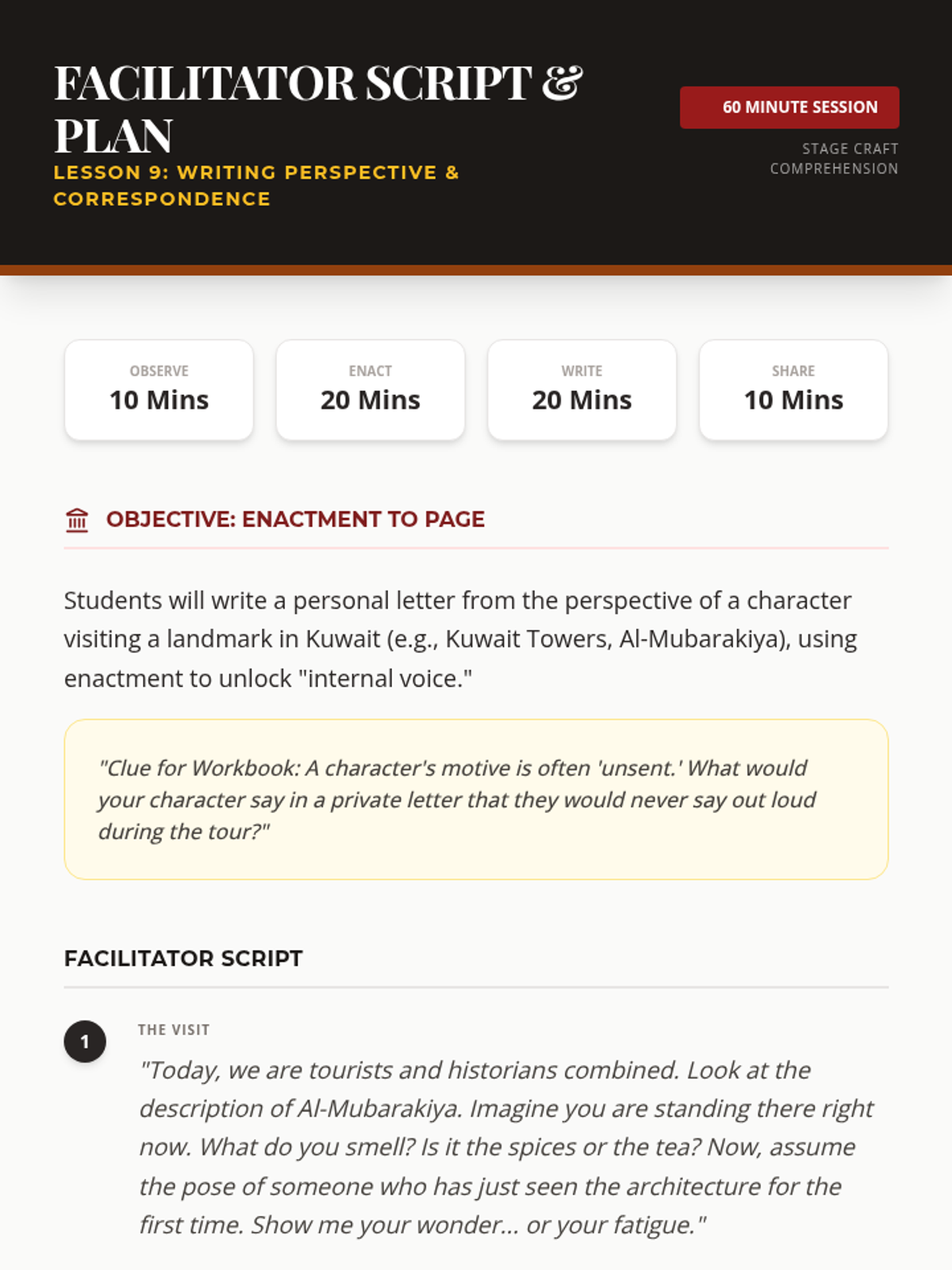
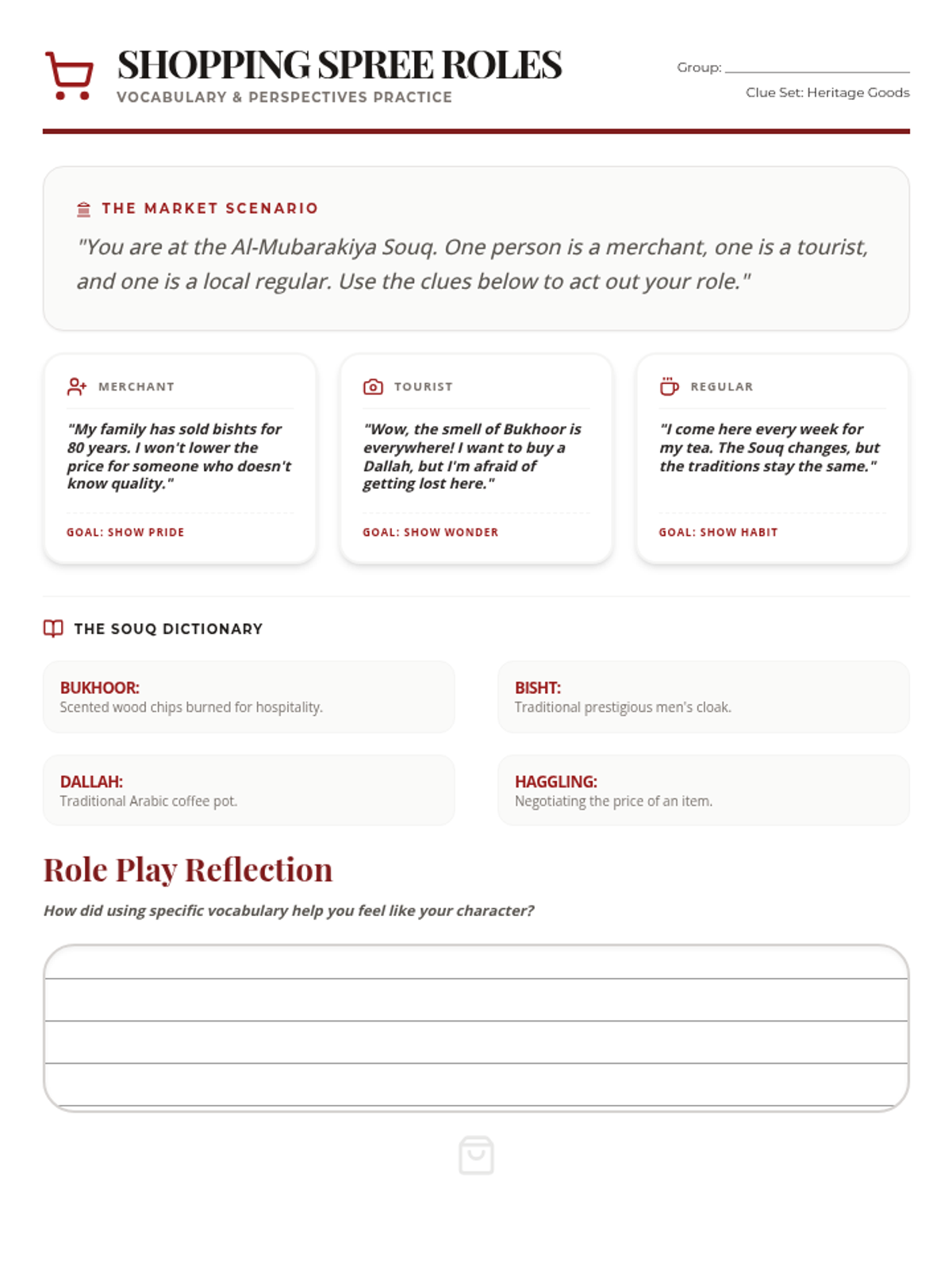
After Reading Strategy: Writing from the perspective of characters visiting cultural and educational places in Kuwait to synthesize meaning.
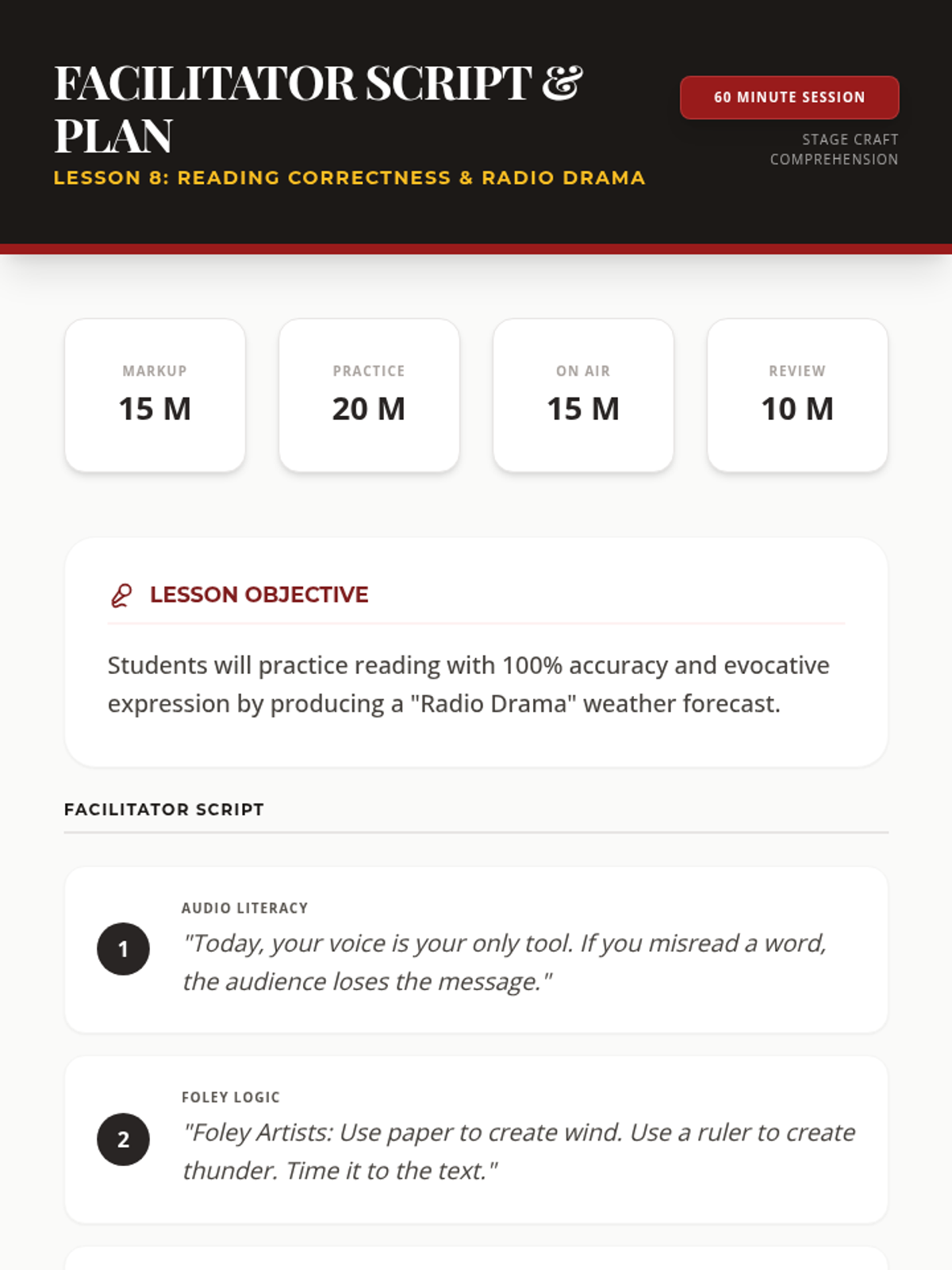
Before Reading Strategy: Practicing fluency and previewing text through weather forecast 'Radio Dramas' and climate reports.
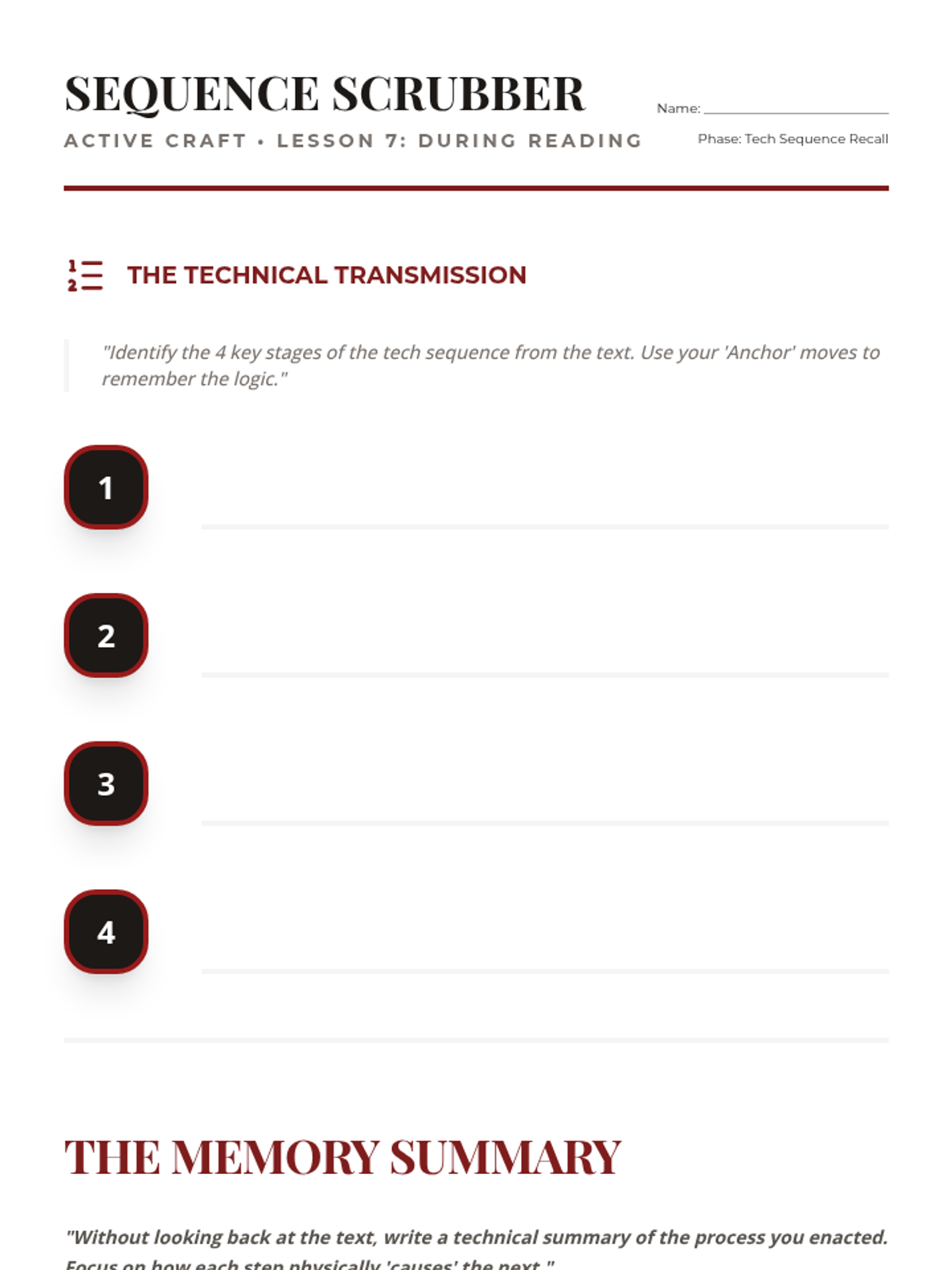
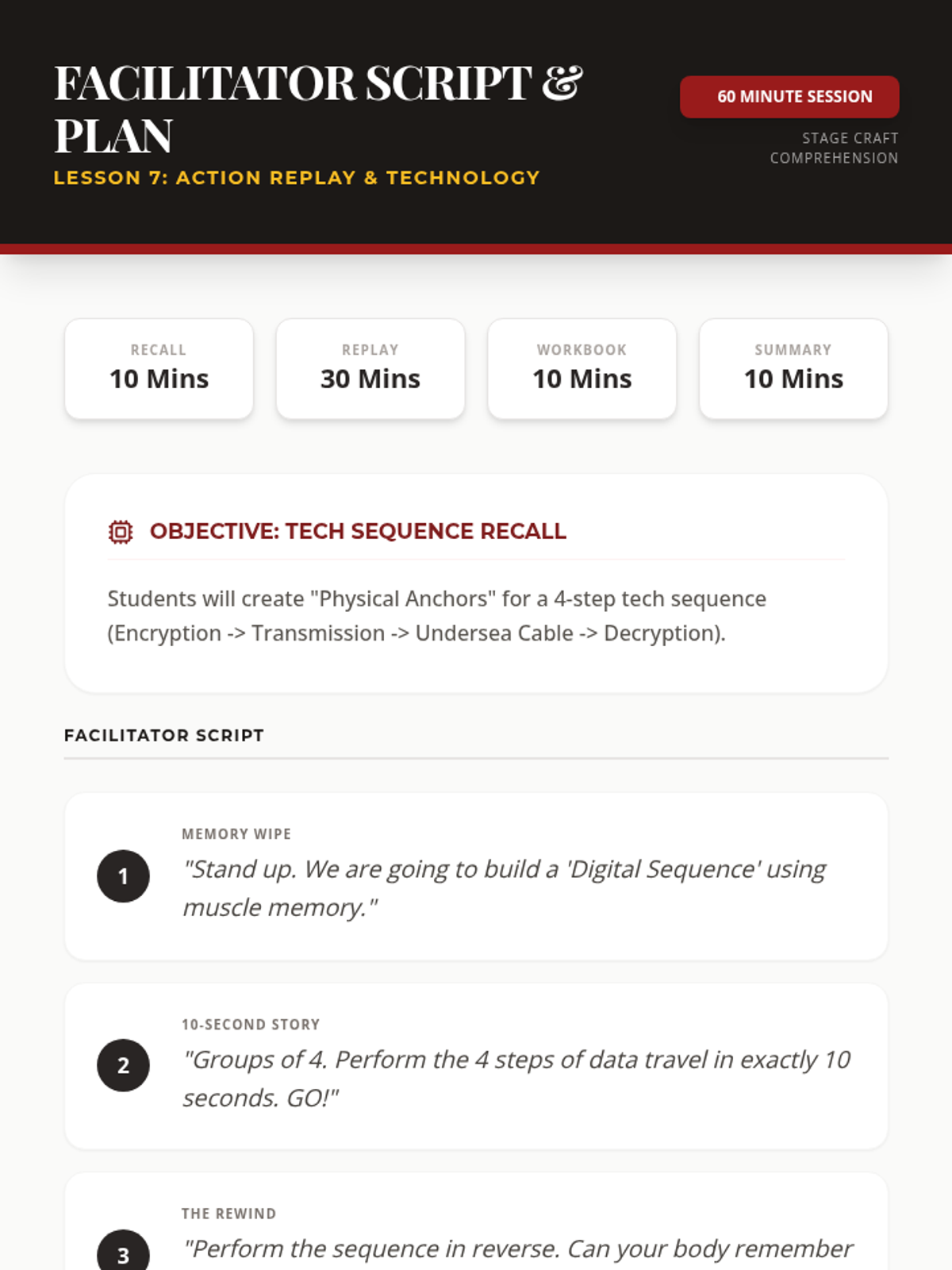
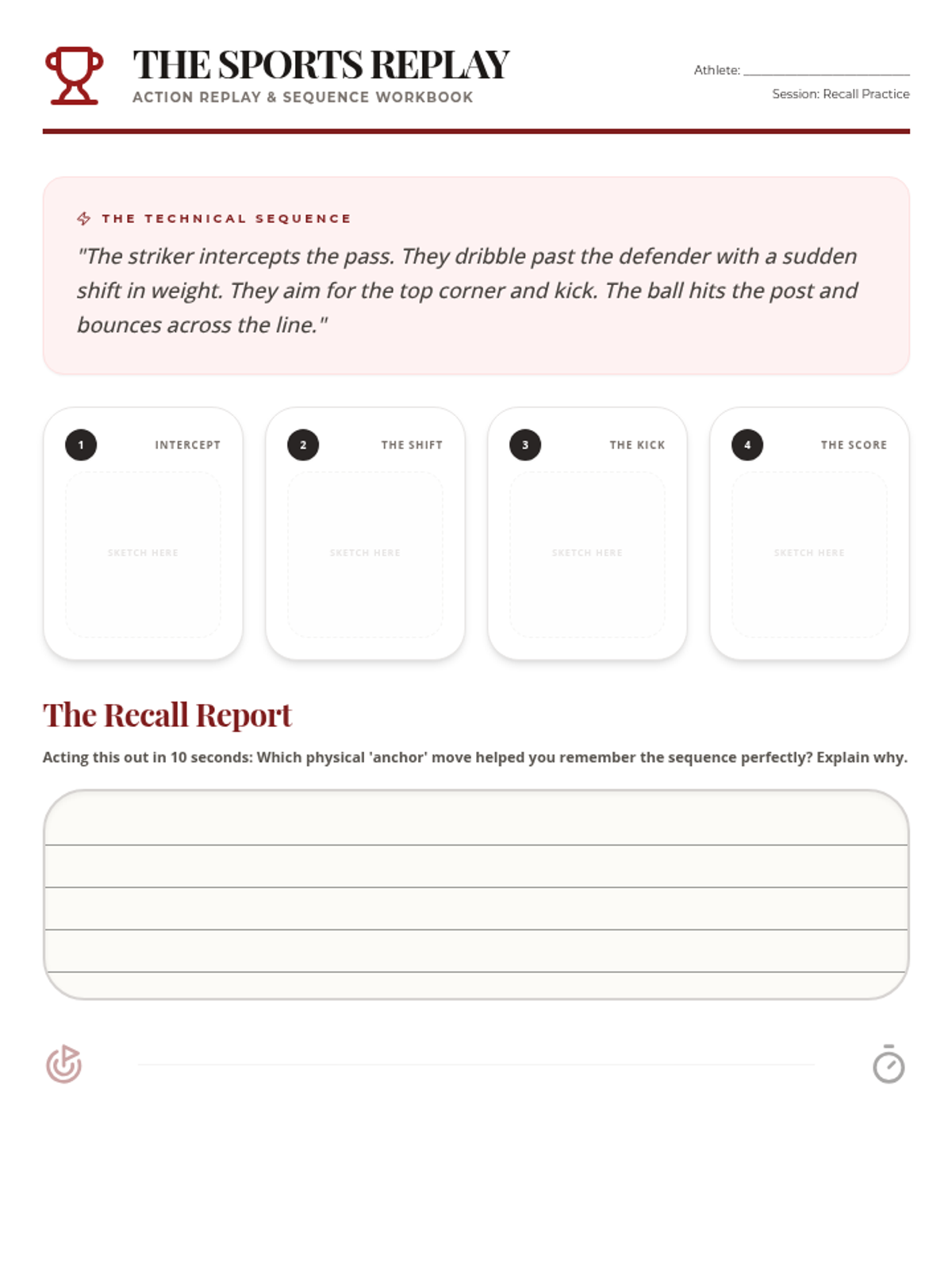
During Reading Strategy: Using reenactment to boost recall of the history of technology and modern hobbies.
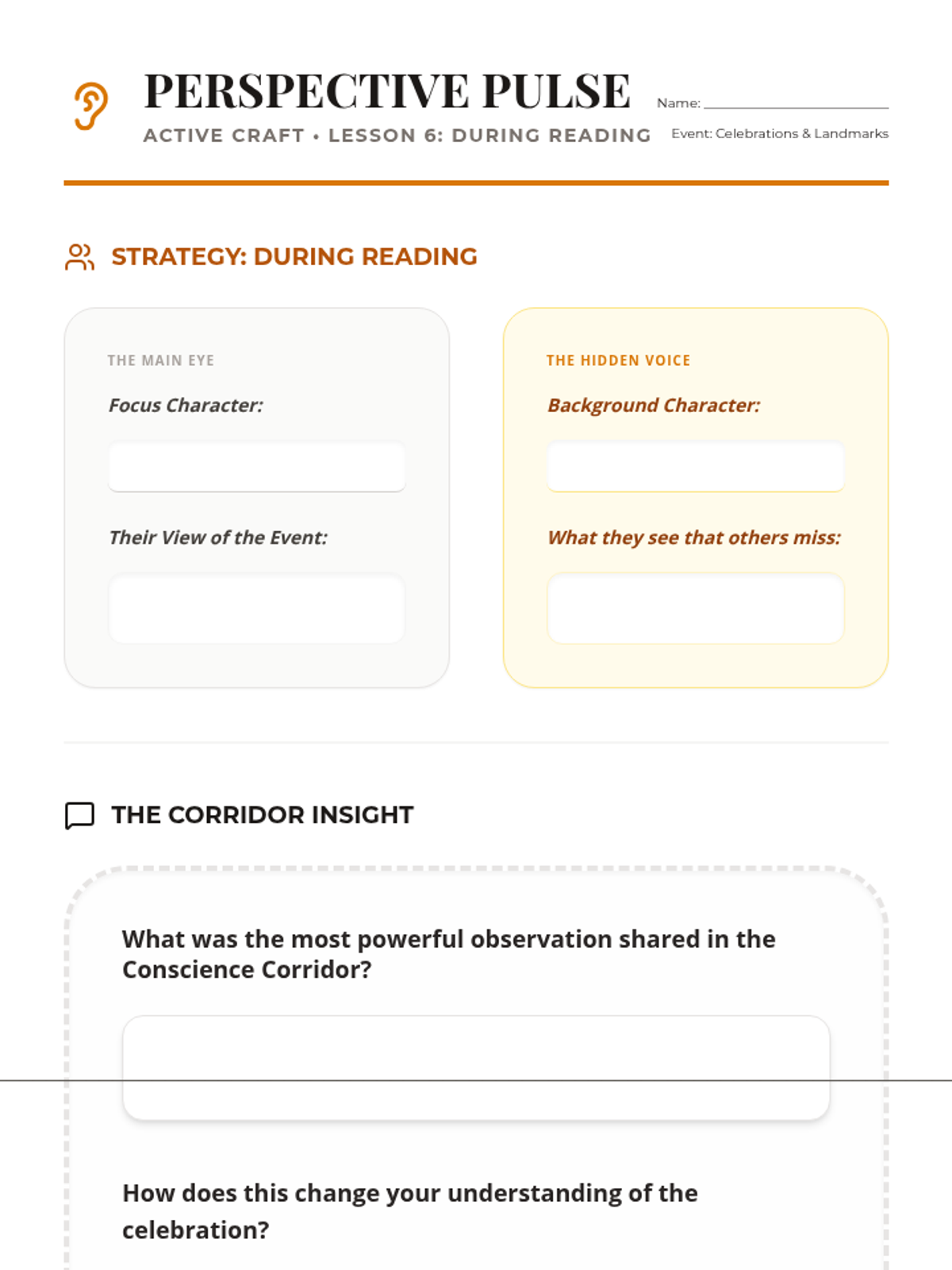
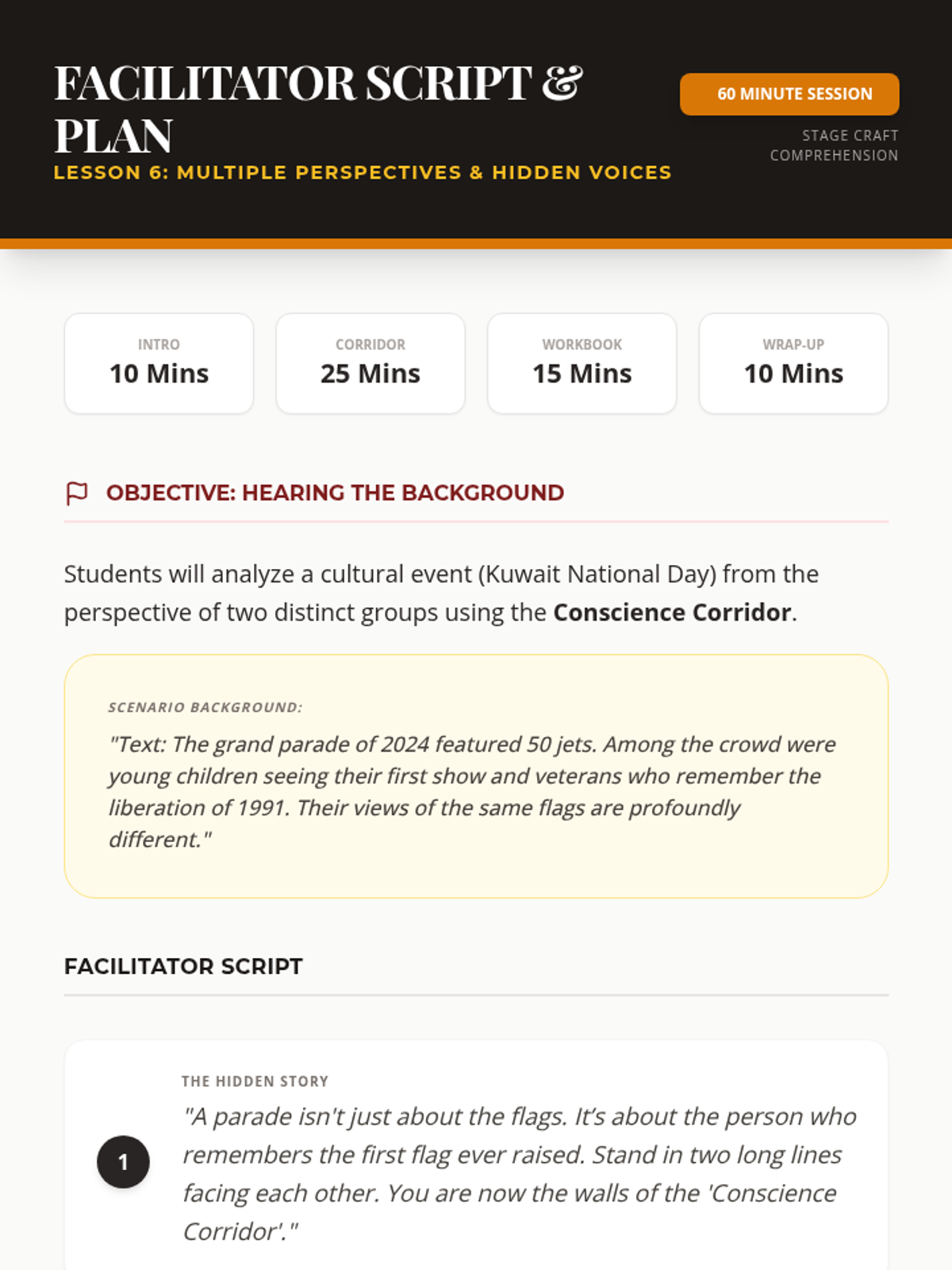
During Reading Strategy: Exploring multiple viewpoints within global celebrations and cultural events.
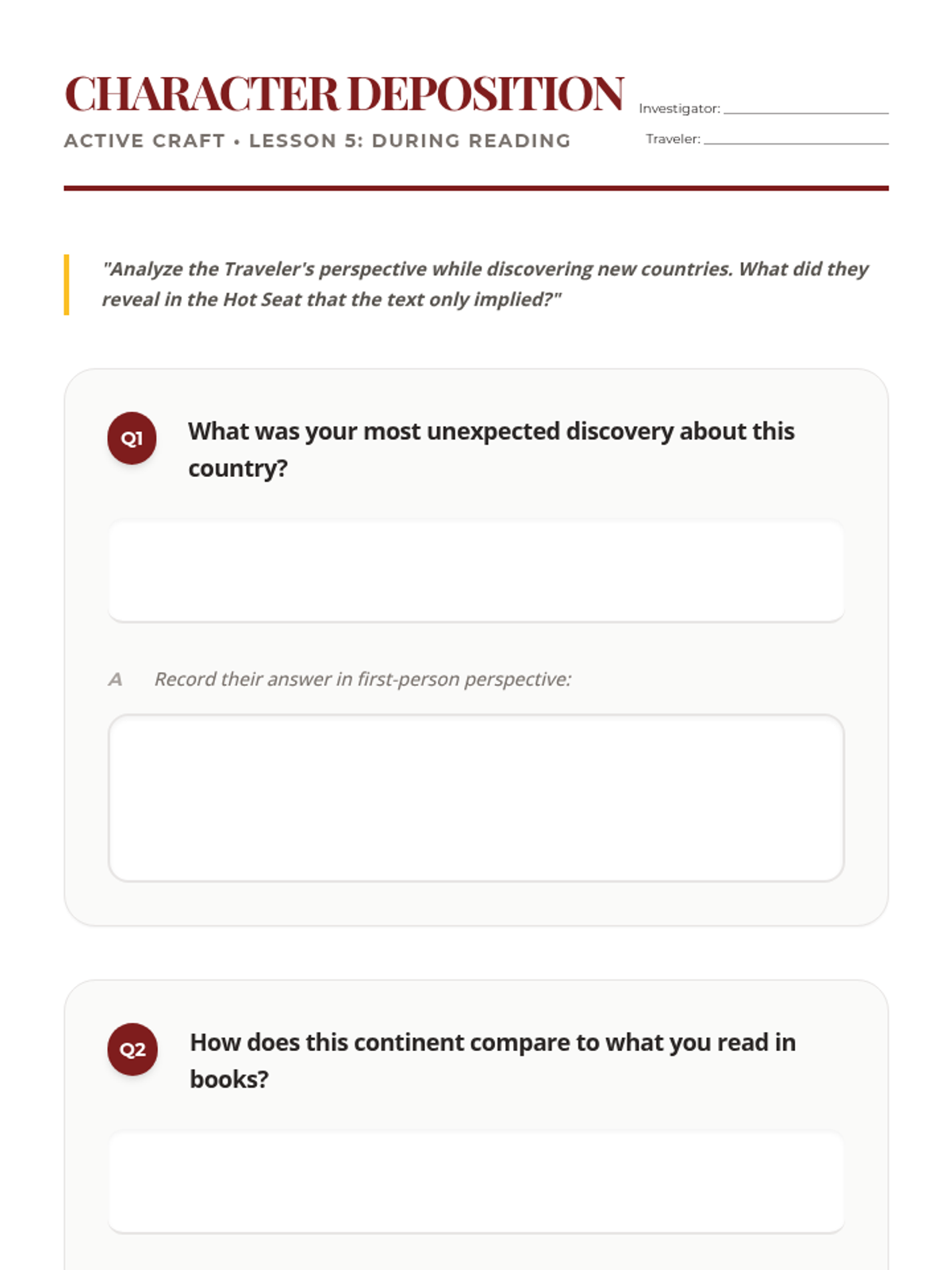
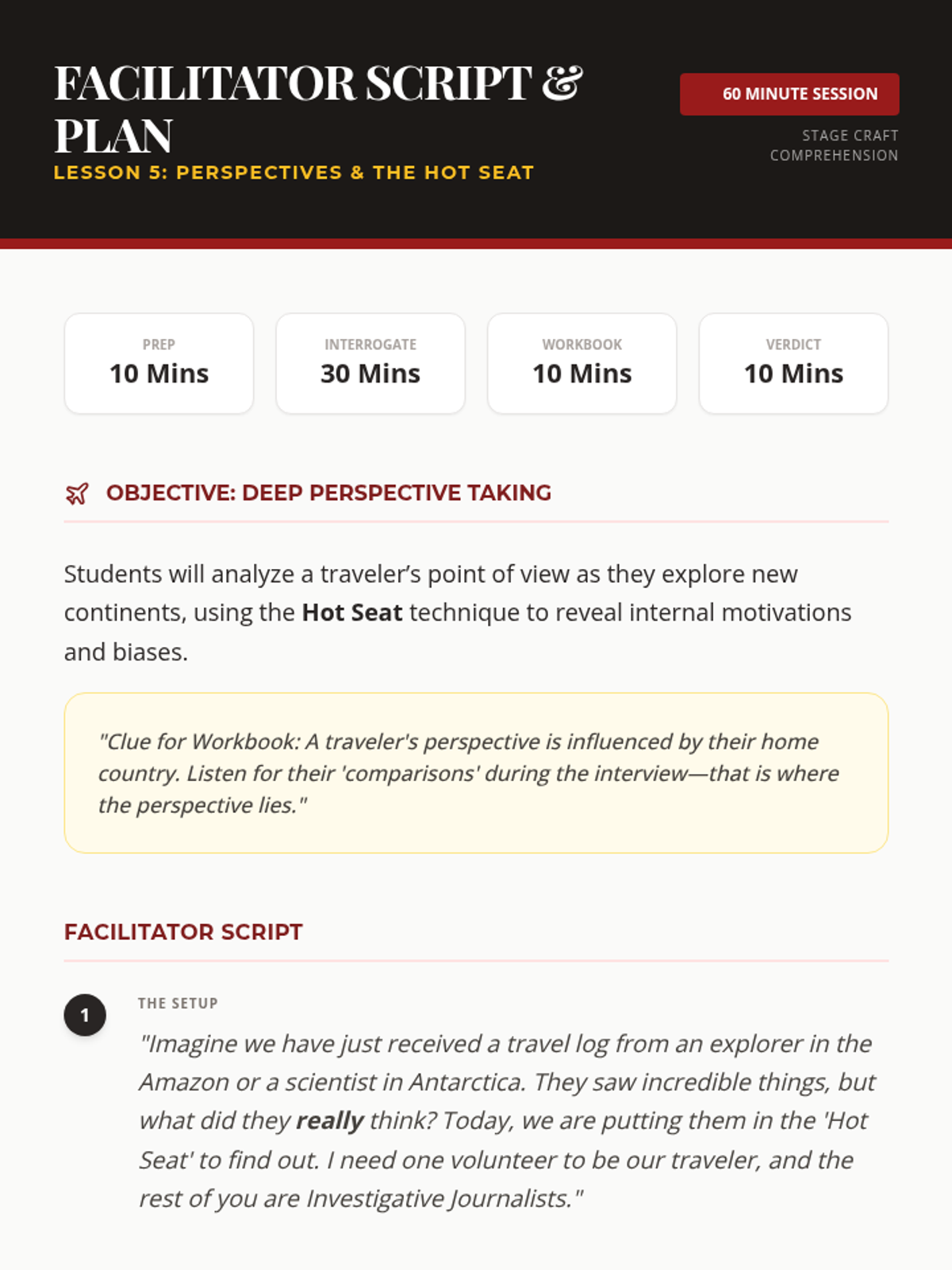
During Reading Strategy: Diving deep into traveler perspectives through the 'Hot Seat' technique while discovering countries.
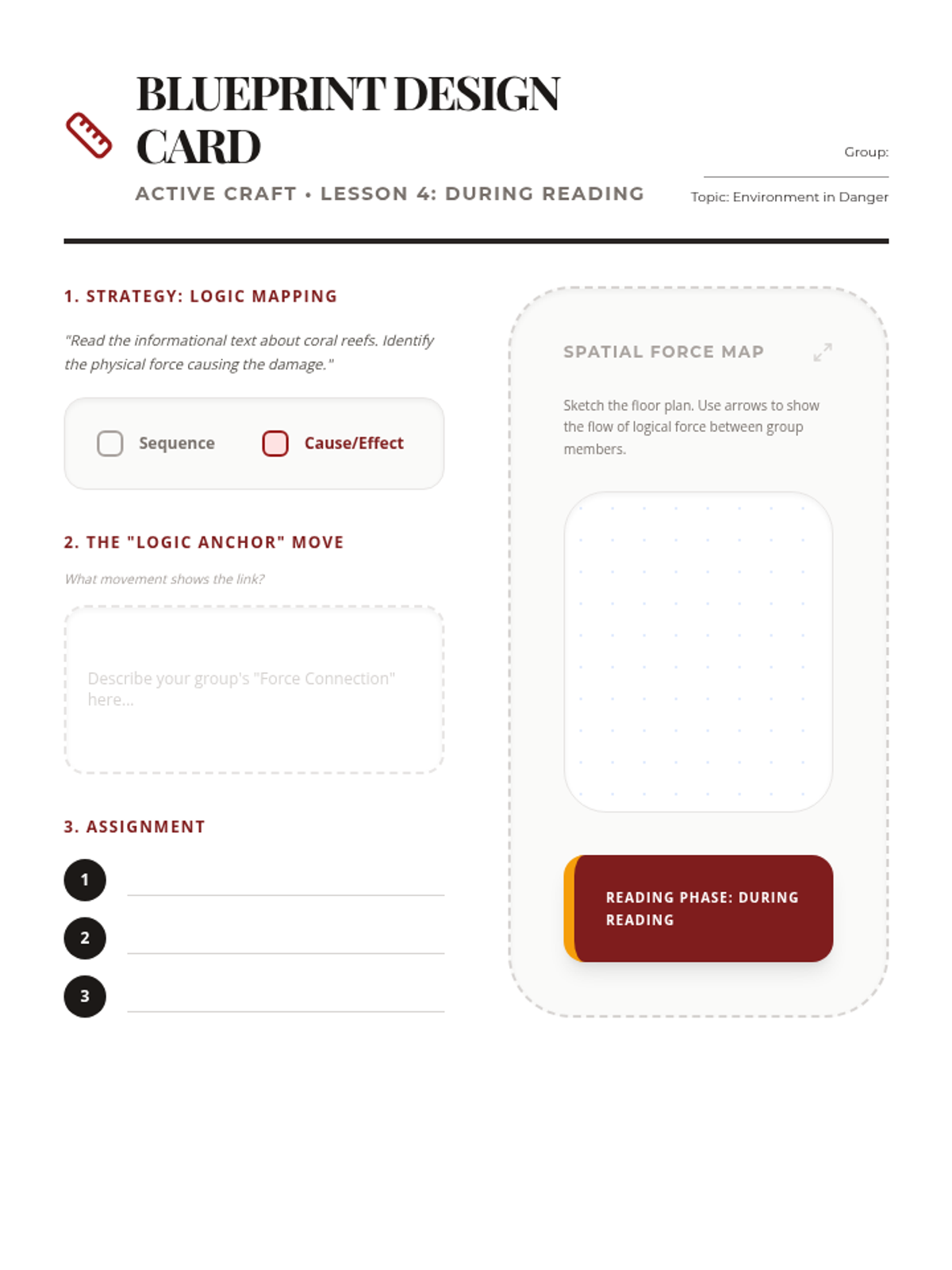
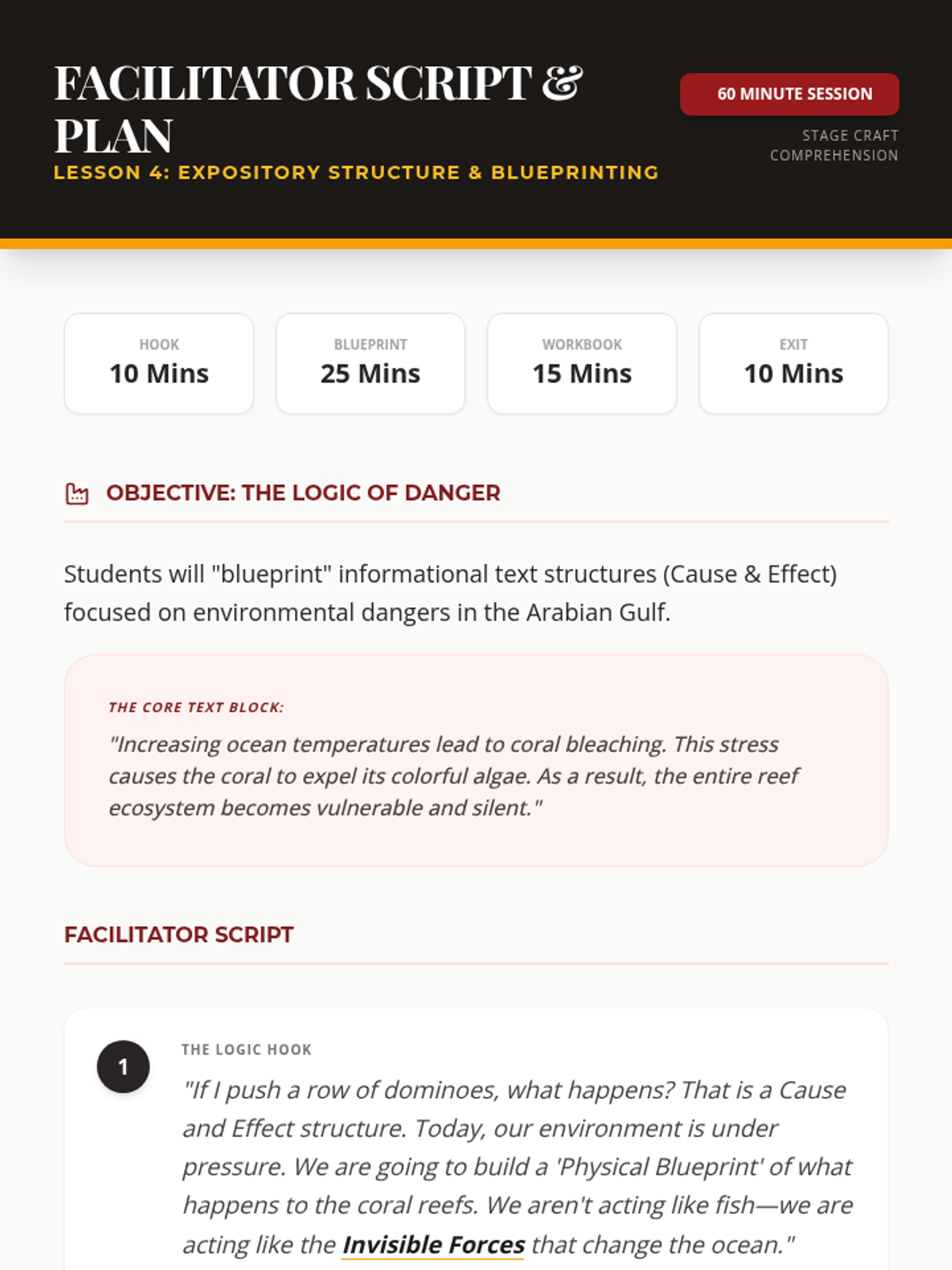
During Reading Strategy: Using physical poses to represent informational text structures like cause/effect focused on environmental danger.
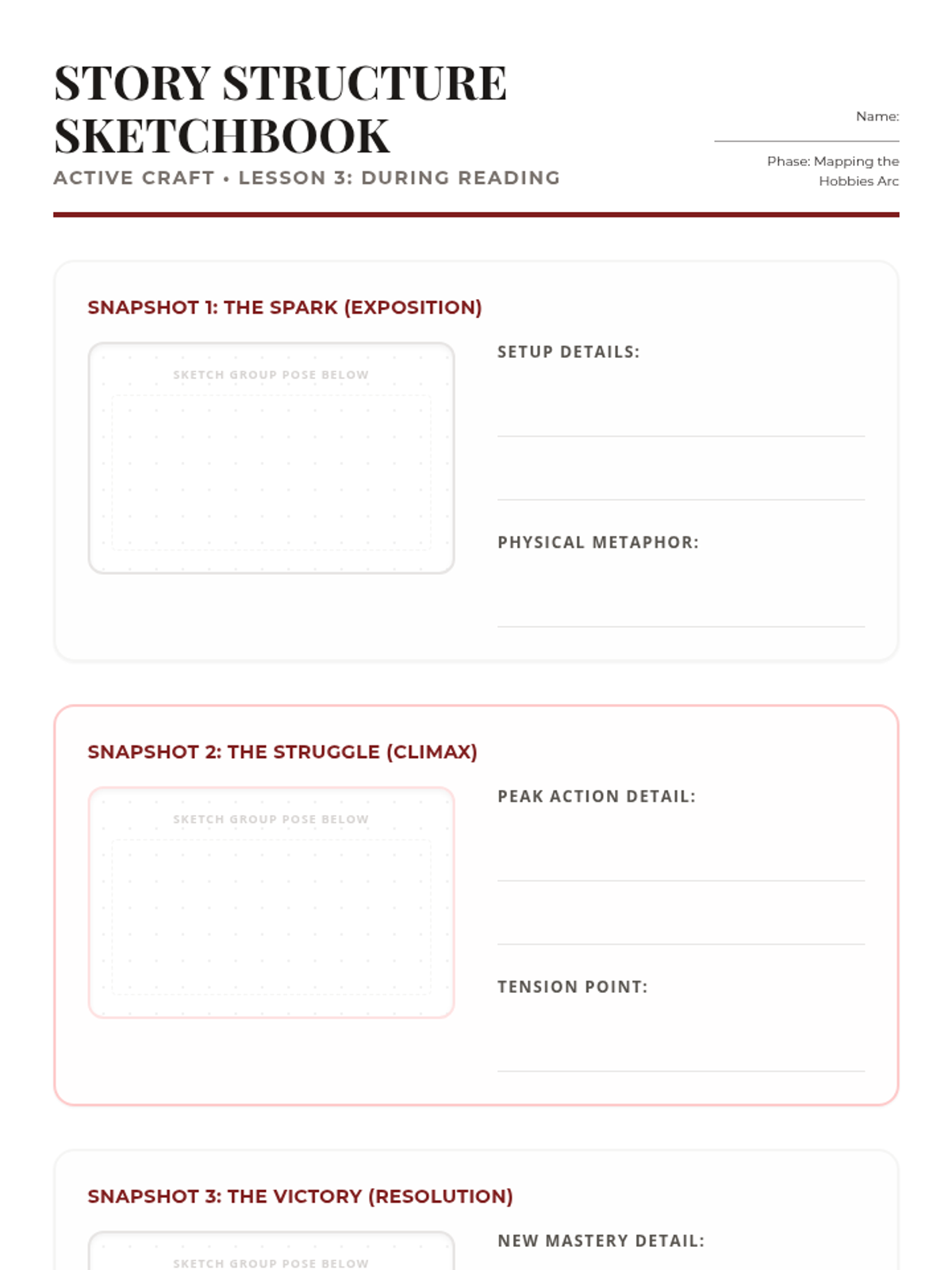
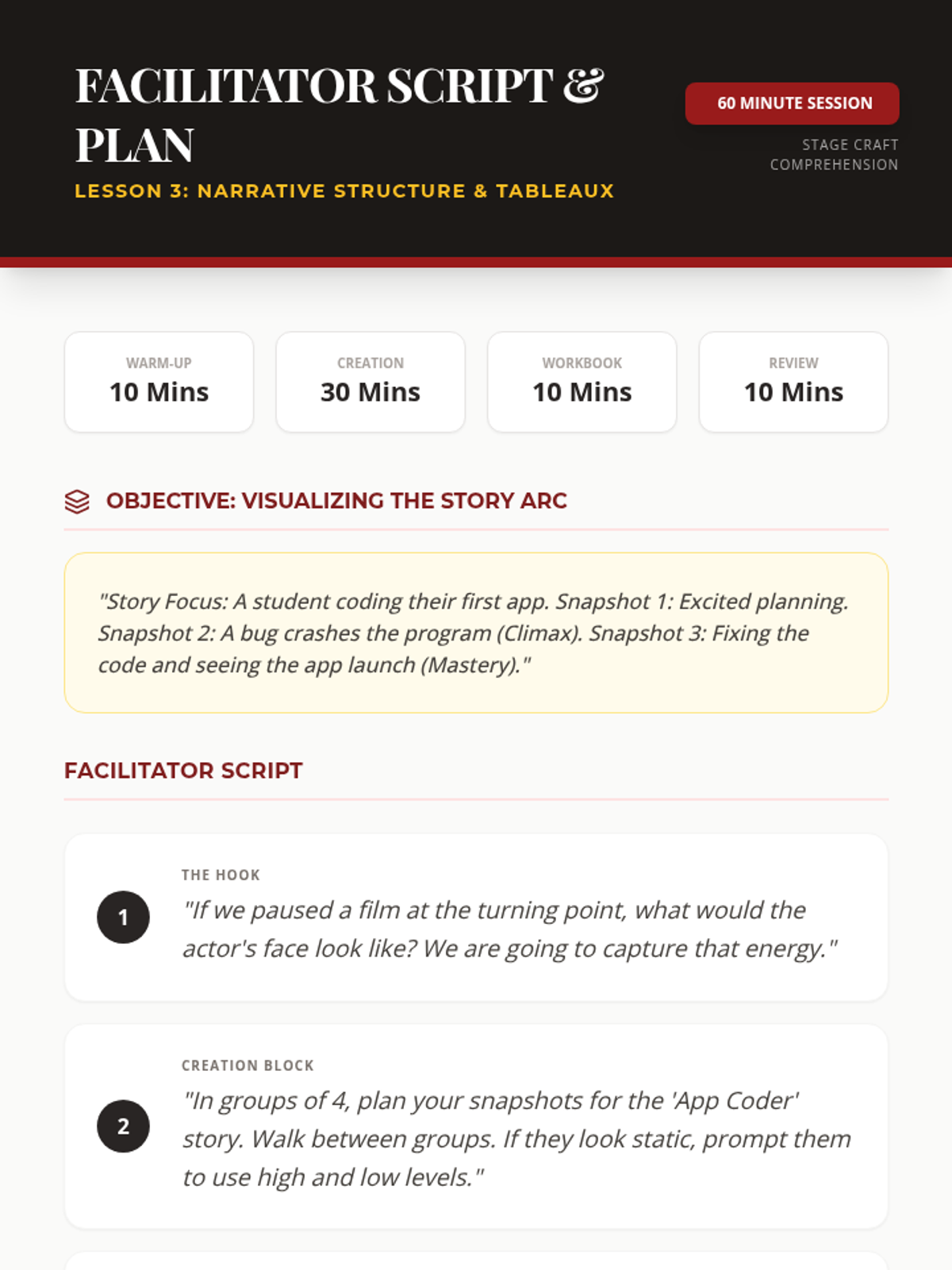
During Reading Strategy: Creating frozen tableaus to represent narrative story arcs centered on the joy of hobbies.
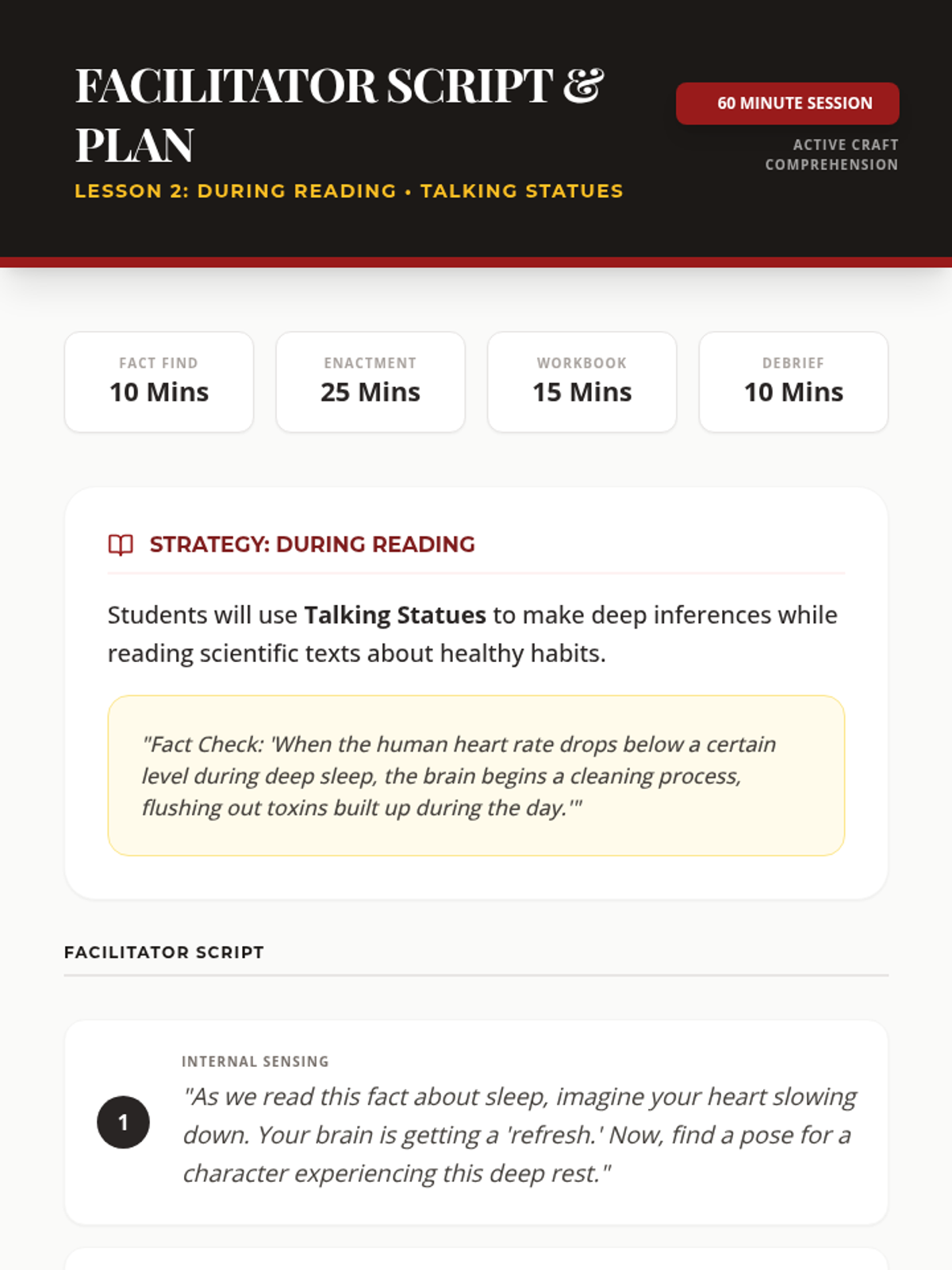
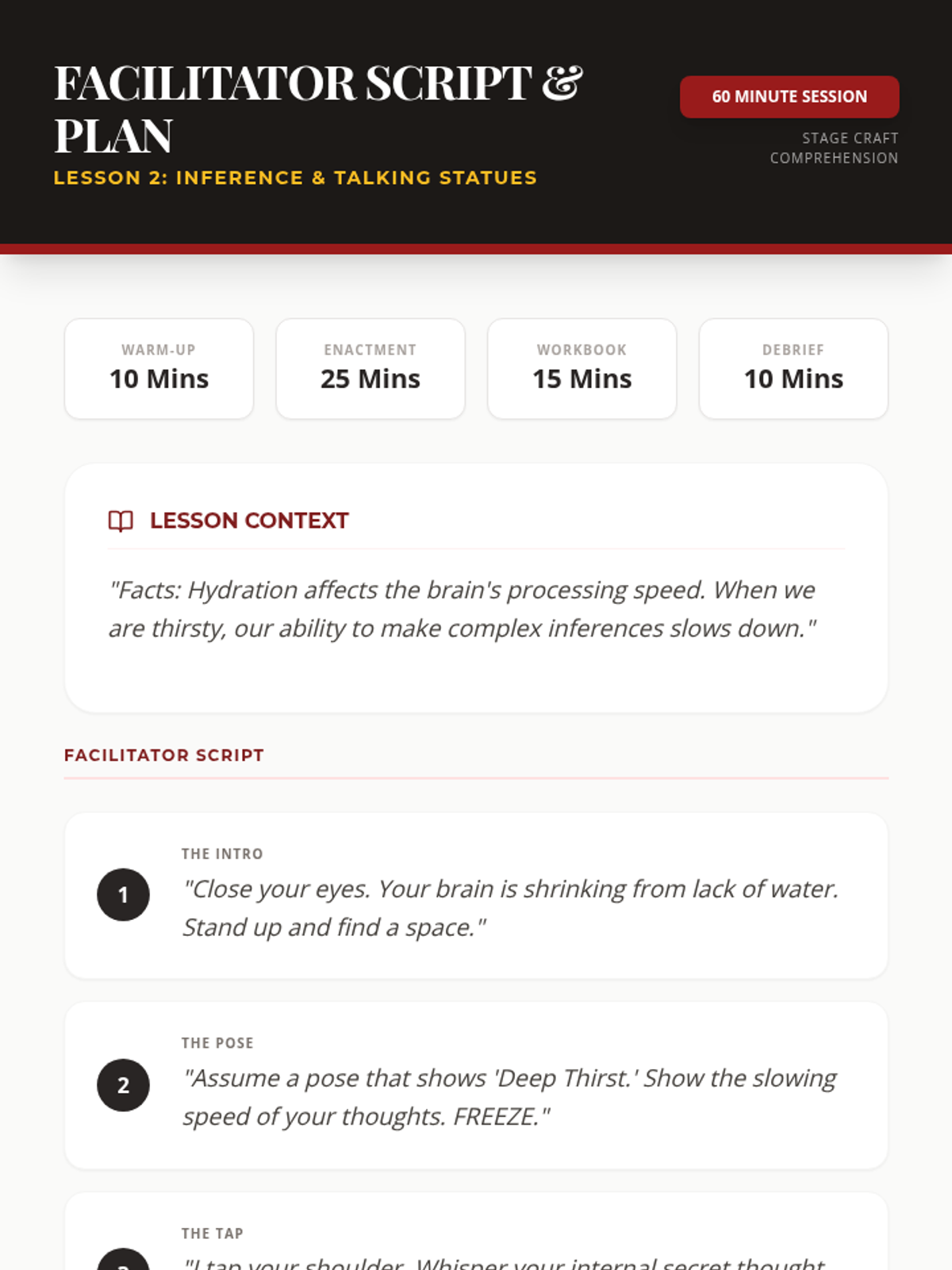
During Reading Strategy: Using 'Talking Statues' to make inferences about healthy habits and scientific facts about health.
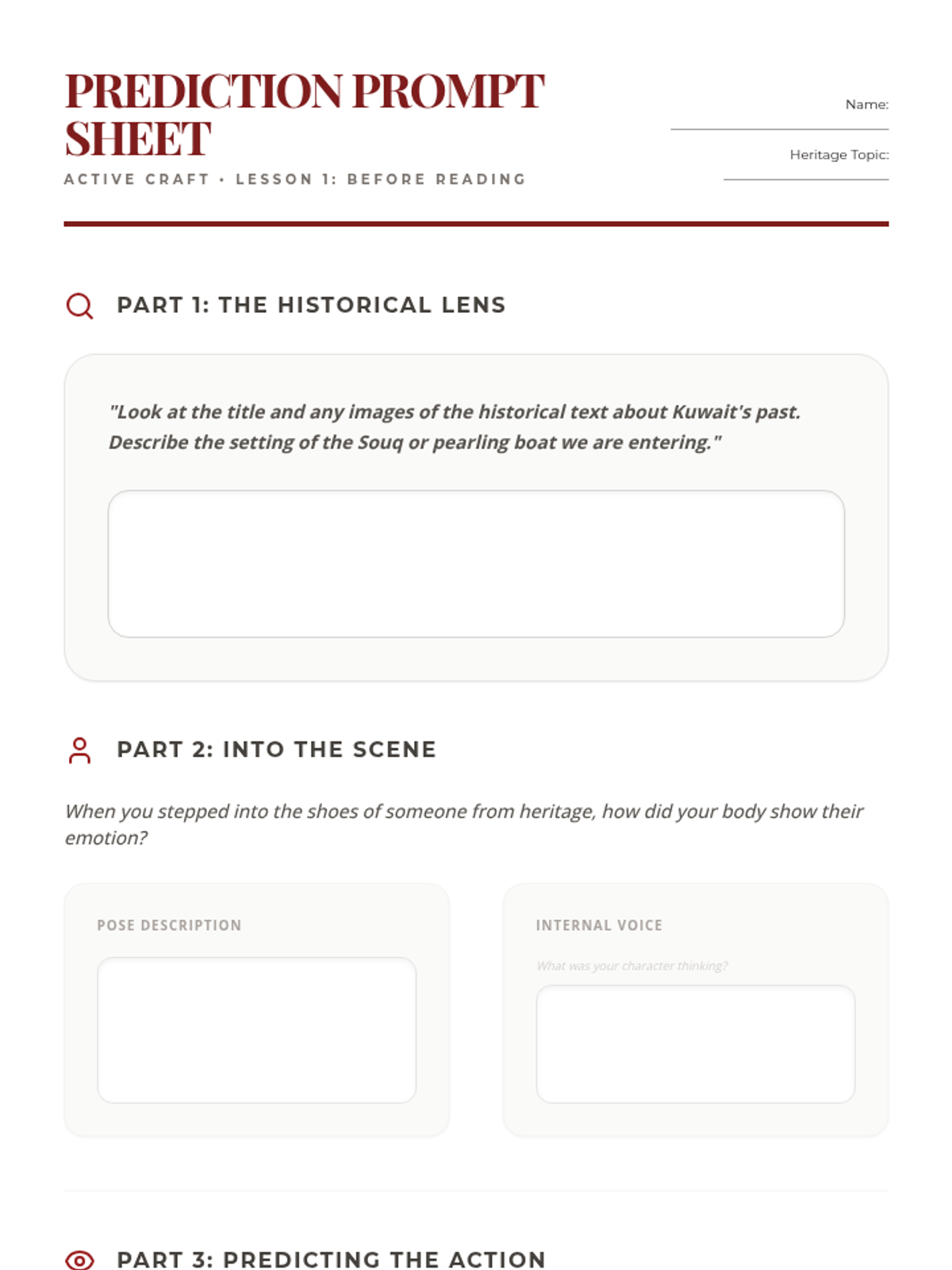
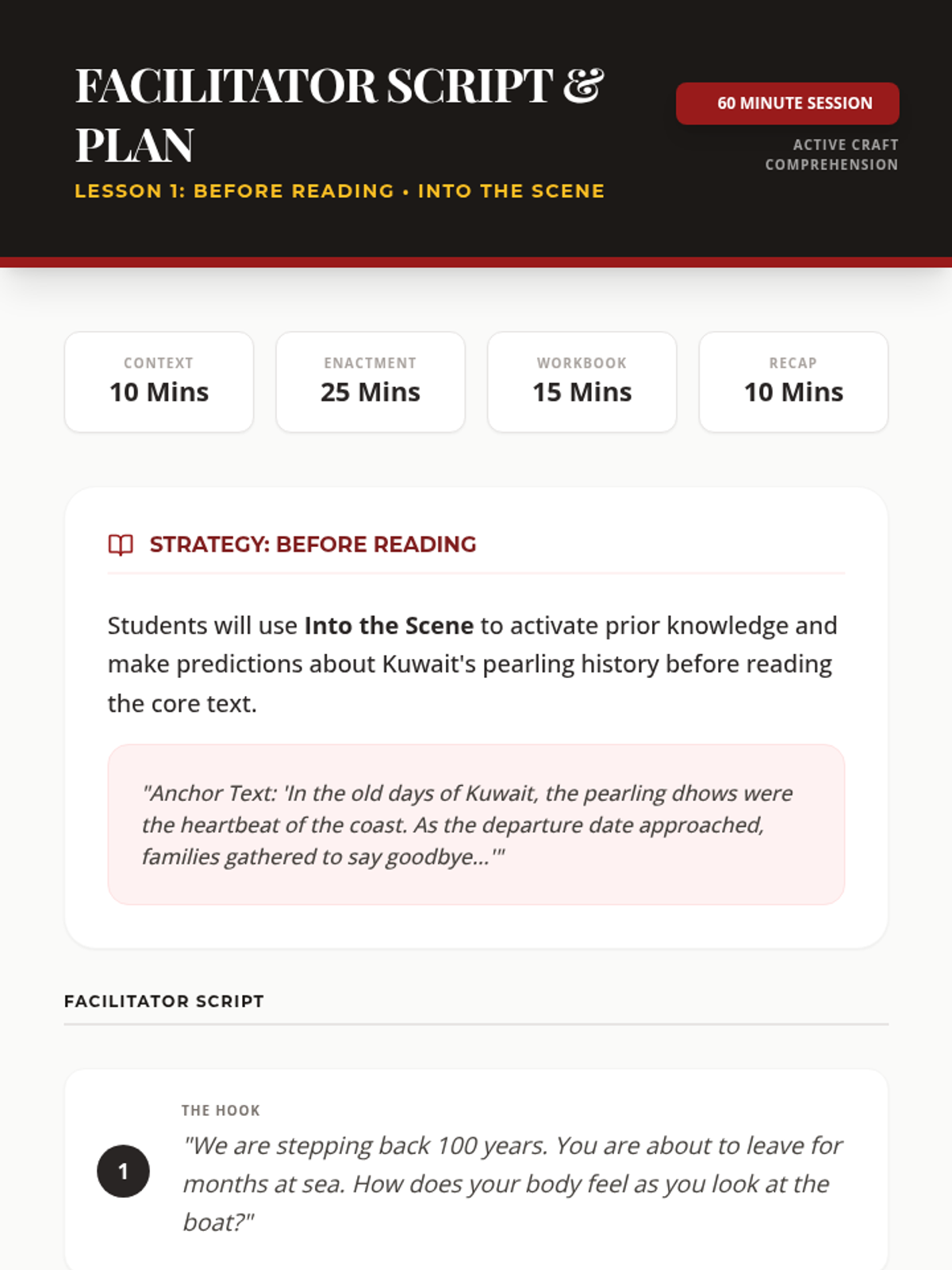
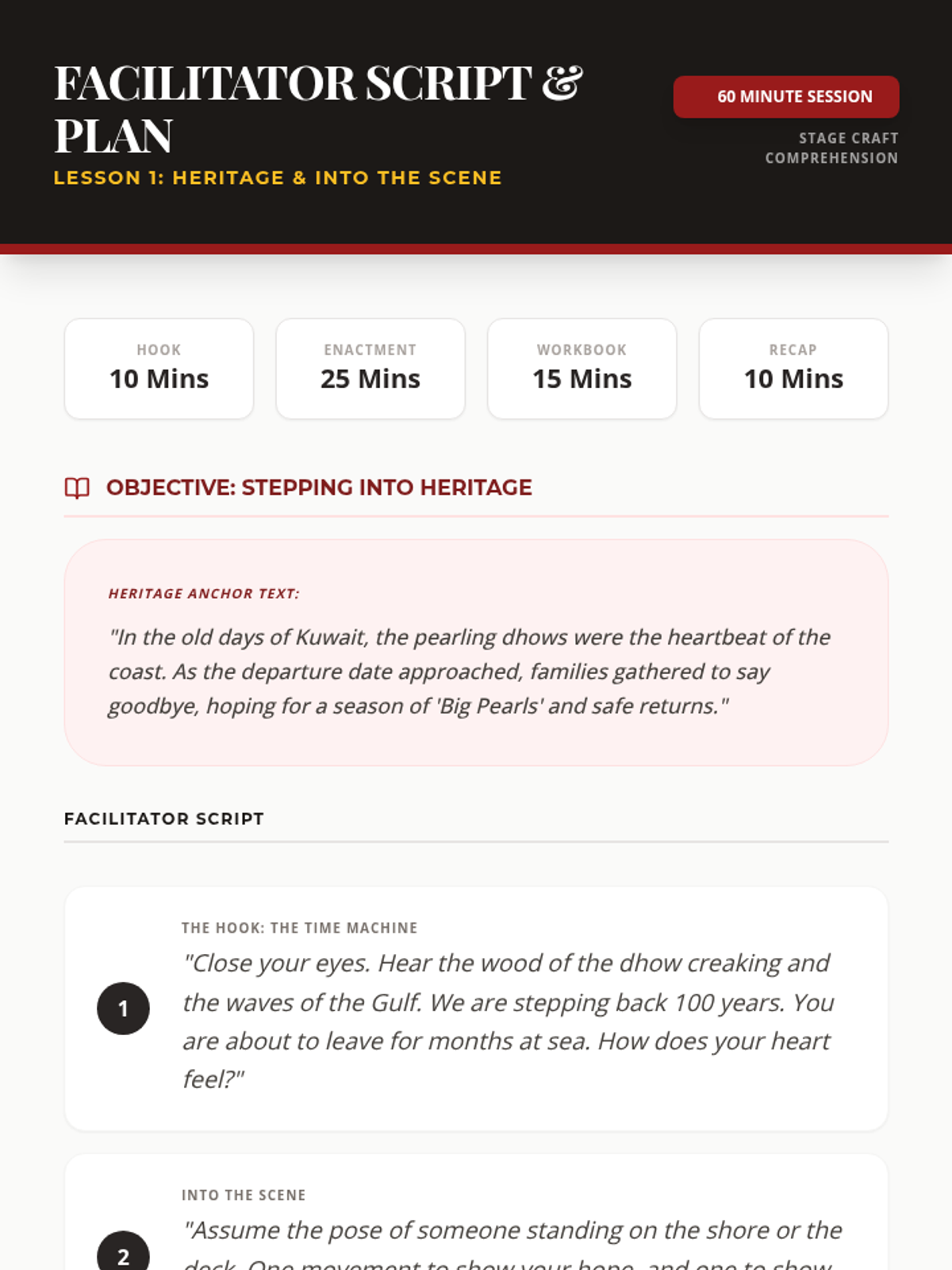
Before Reading Strategy: Introduction to enactment as a tool for prediction and frontloading, focused on Kuwaiti heritage and life in the past.
Consolidating skills into a final performance about students’ actions around the world.
Comparing cultures, traditions, and navigation (directions) using role-play.
Synthesizing information into 'Summary Sculptures' focused on food items and healthy lifestyles.
Writing from the perspective of characters visiting cultural and educational places in Kuwait.
Practicing fluency through weather forecast 'Radio Dramas' and climate reports.
Using reenactment to boost recall of the history of technology and modern hobbies.
Exploring multiple viewpoints within global celebrations and cultural events.
Diving deep into traveler perspectives through the 'Hot Seat' technique while discovering countries.
Using physical poses to represent informational text structures like cause/effect focused on environmental danger.
Creating frozen tableaus to represent narrative story arcs centered on the joy of hobbies.
Using 'Talking Statues' to make inferences about healthy habits and scientific facts about health.
Introduction to enactment as a tool for prediction, focused on Kuwaiti heritage and life in the past.
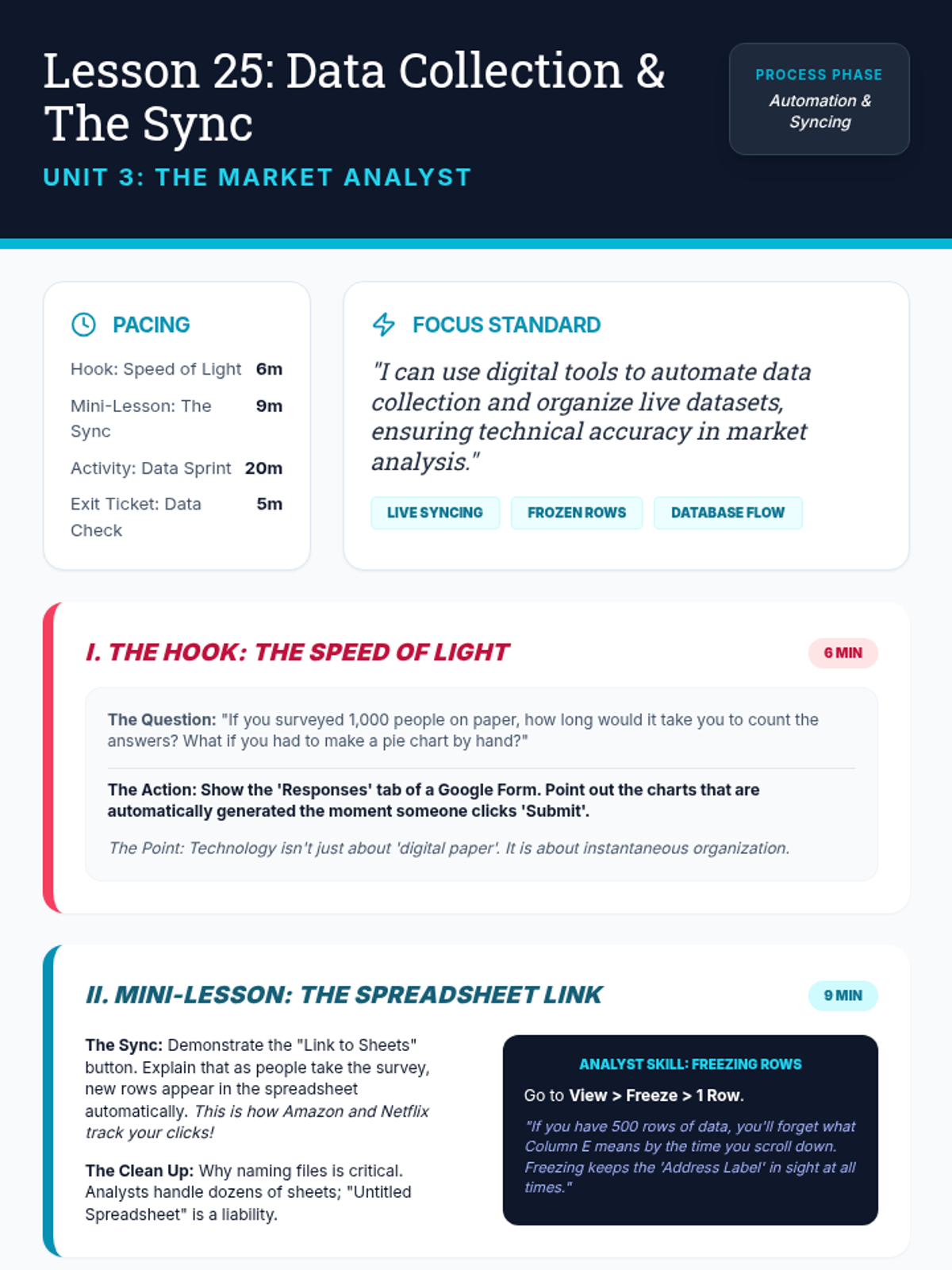
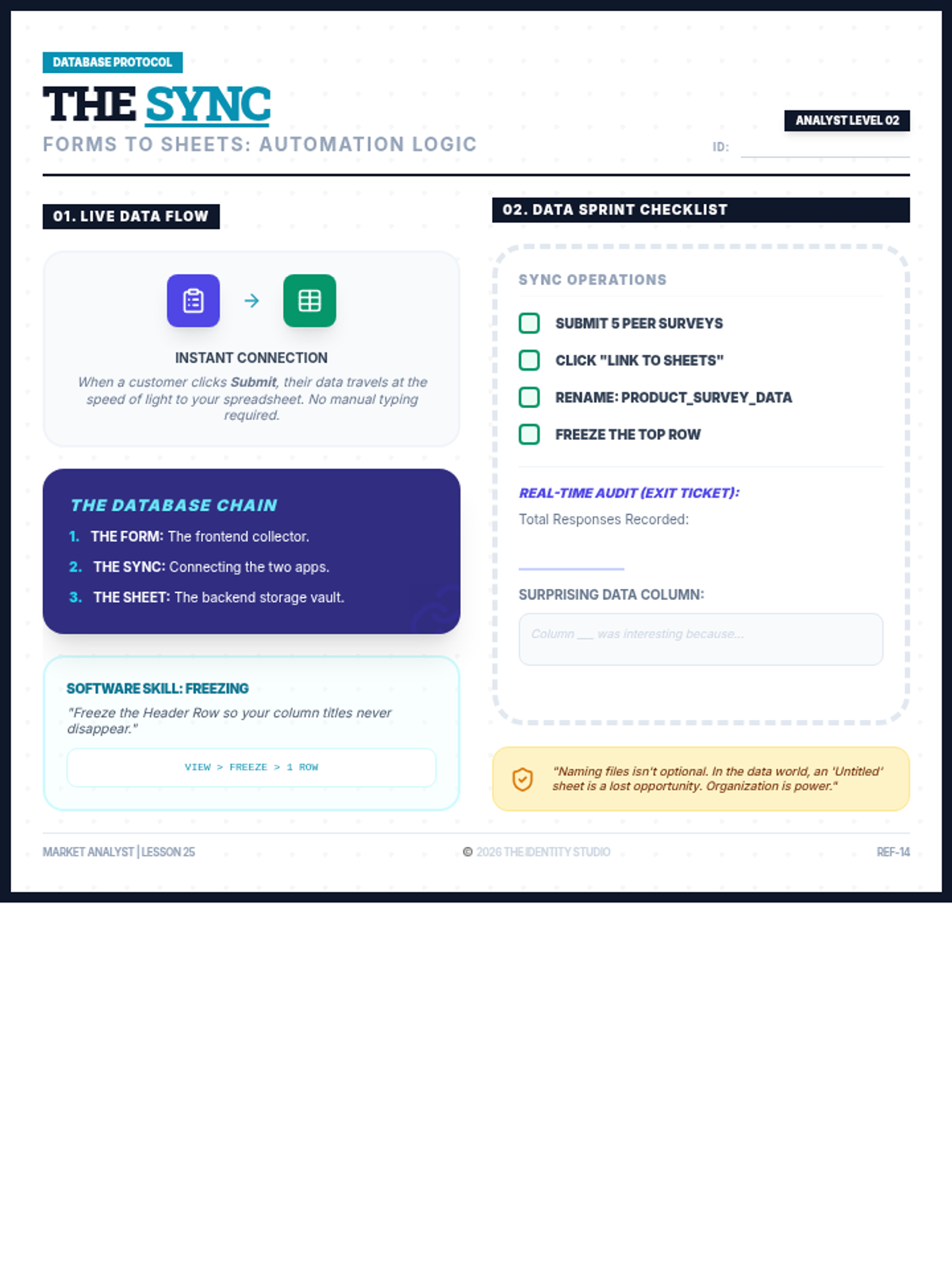
Students explore the efficiency of automated data collection by linking their market research forms to live spreadsheets. They learn the concept of real-time data syncing and master the 'Freezing Rows' skill to manage large datasets effectively.
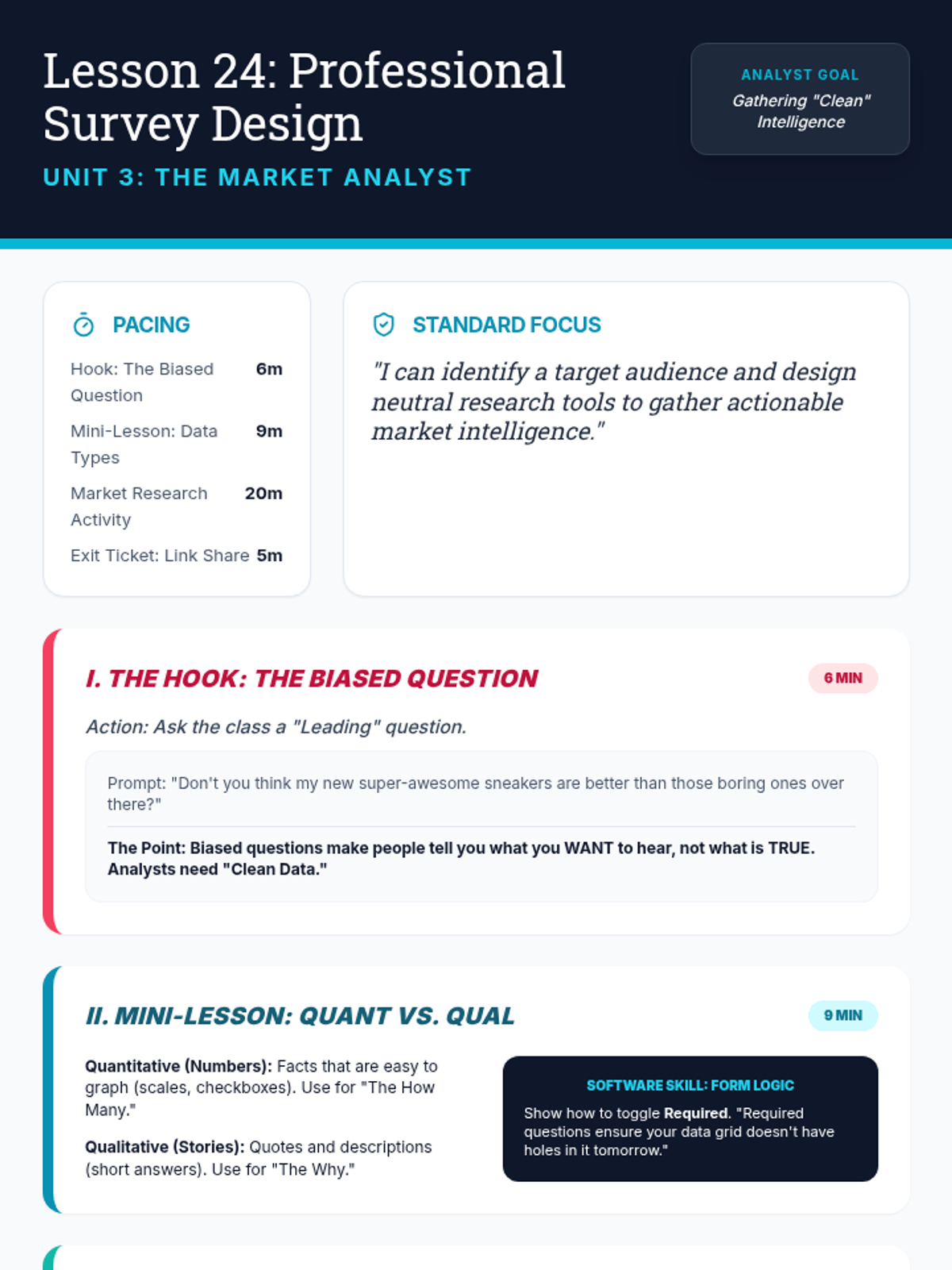
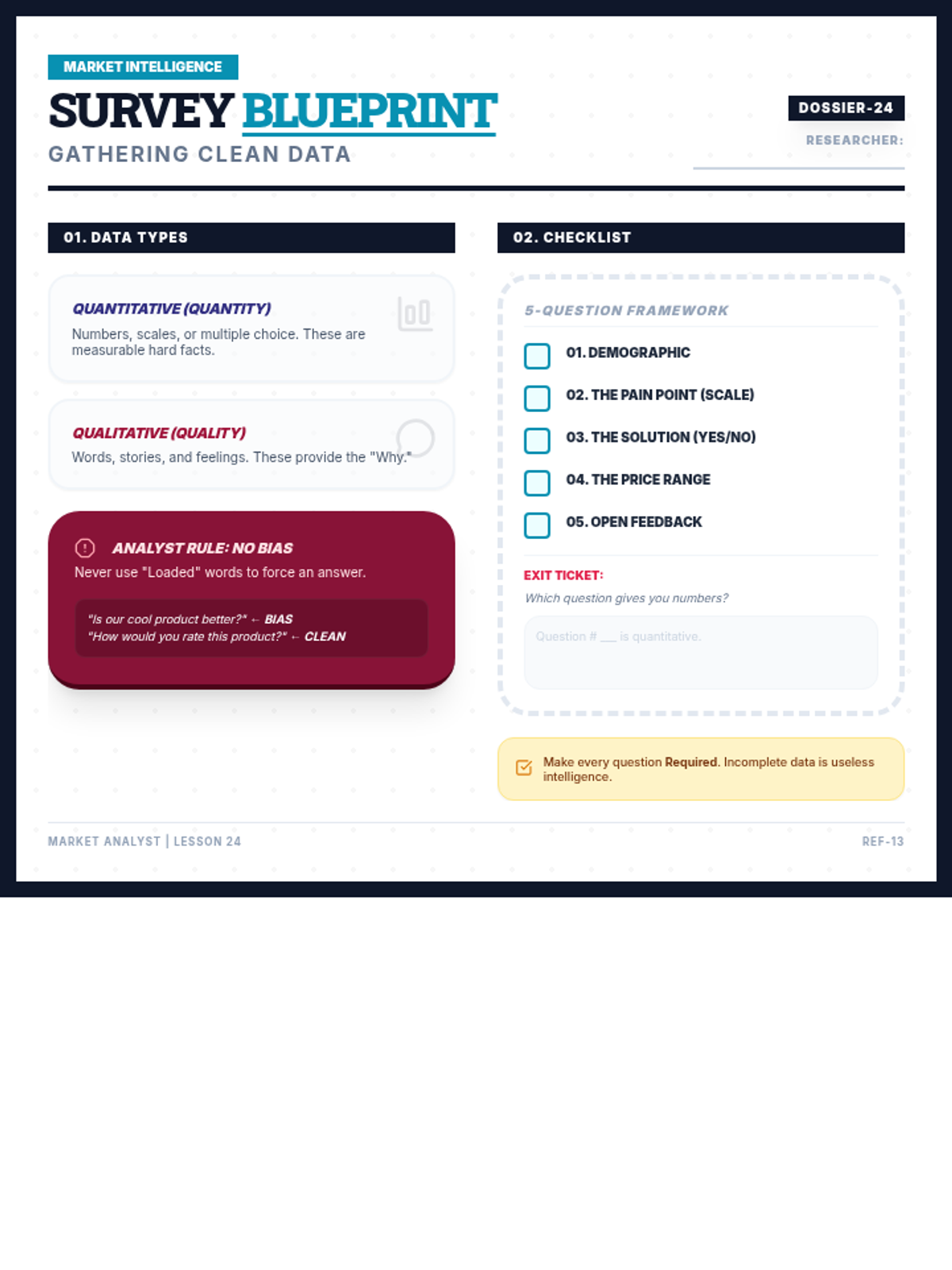
Students learn the art of professional survey design to gather market intelligence. They distinguish between quantitative and qualitative data, identify biased questioning, and build a multi-format survey in Google Forms or Microsoft Forms to collect clean data from their target audience.
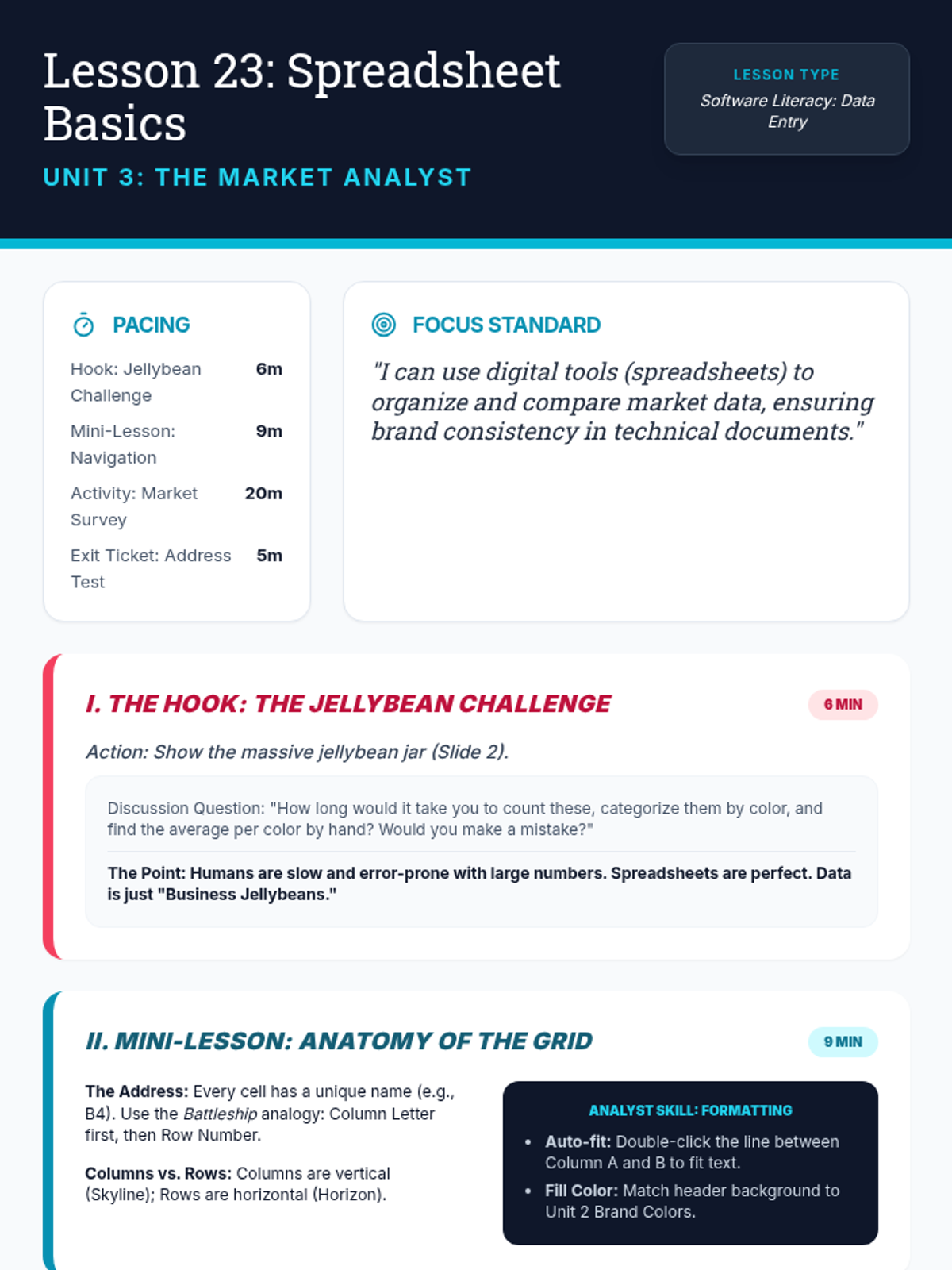
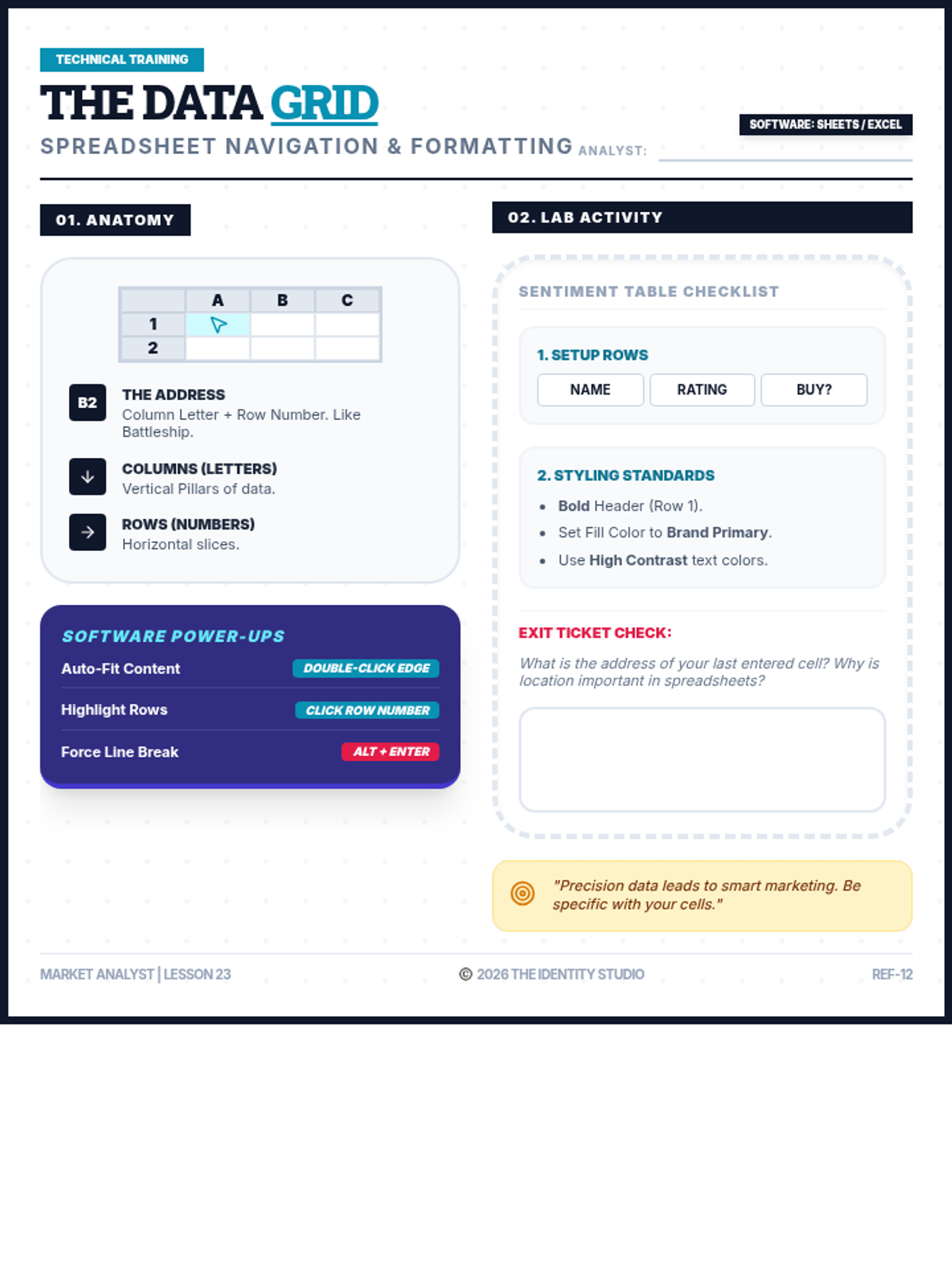
This lesson introduces students to the fundamental structure of spreadsheet software. They learn about cells, rows, columns, and addresses while performing basic data entry and formatting to align with their brand identity.
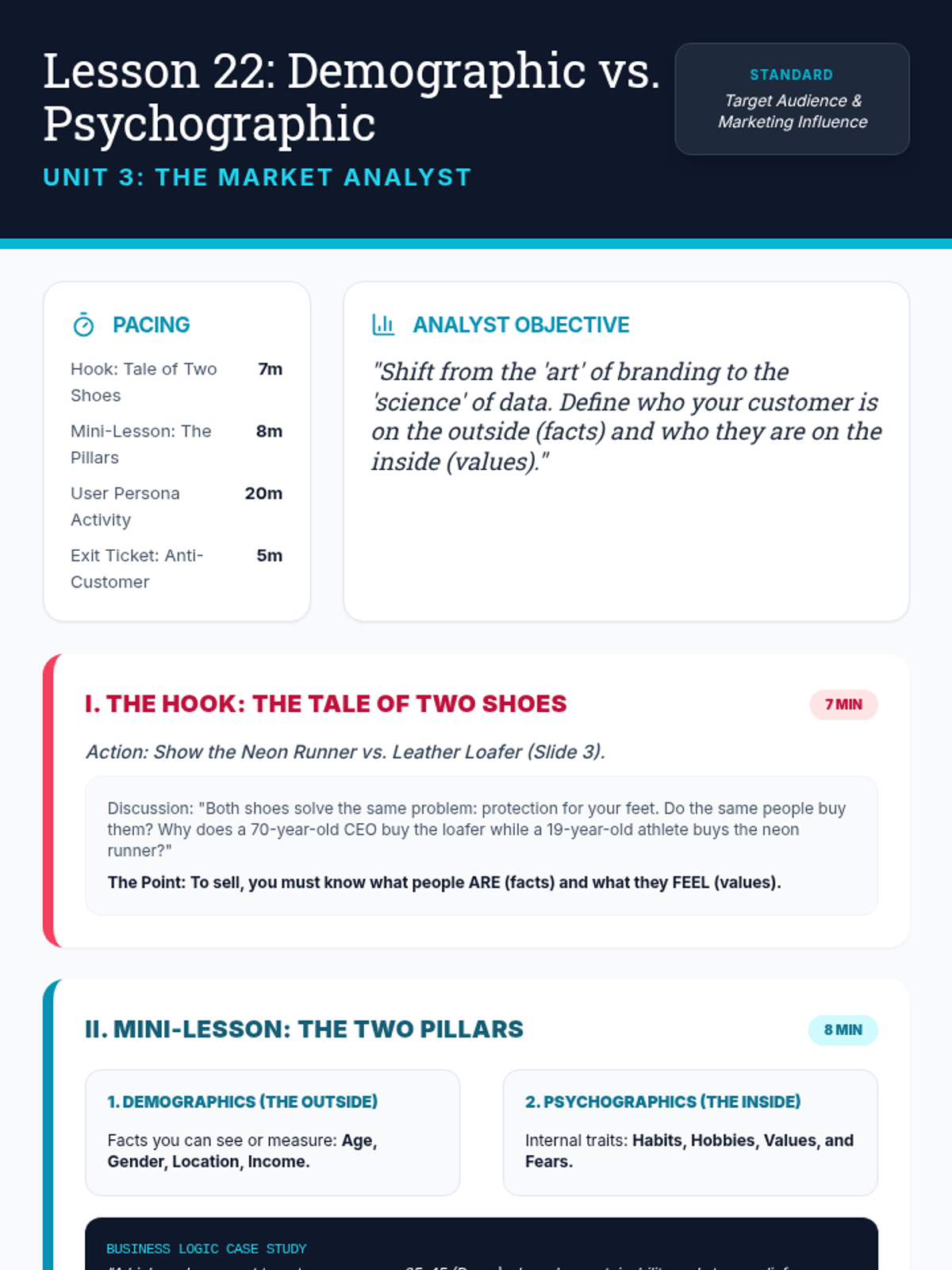
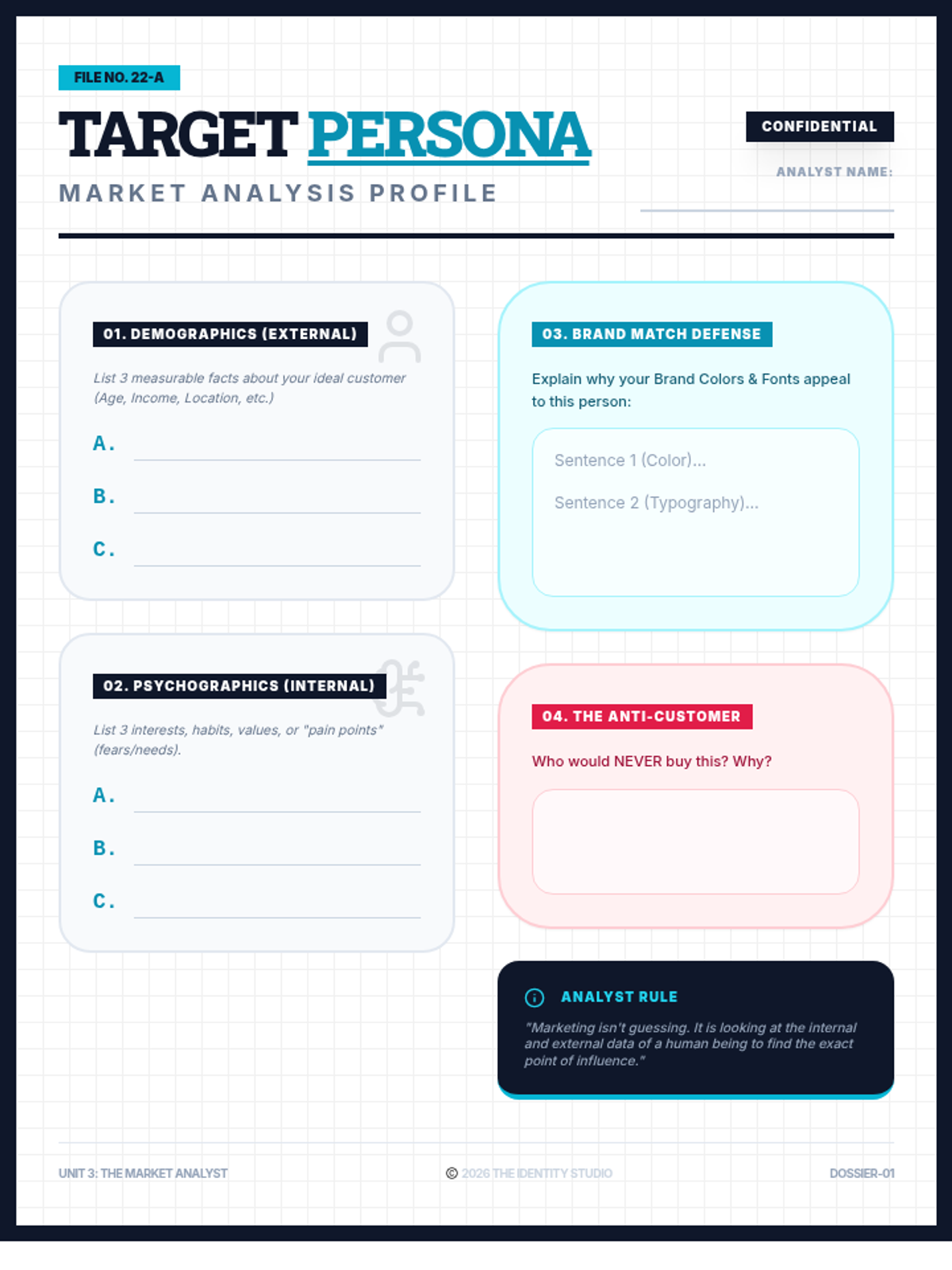
Students transition from brand design to market analysis by distinguishing between demographic data (external facts) and psychographic data (internal values). They apply these concepts by building a formal User Persona for their brand, justifying their earlier design choices based on audience data.
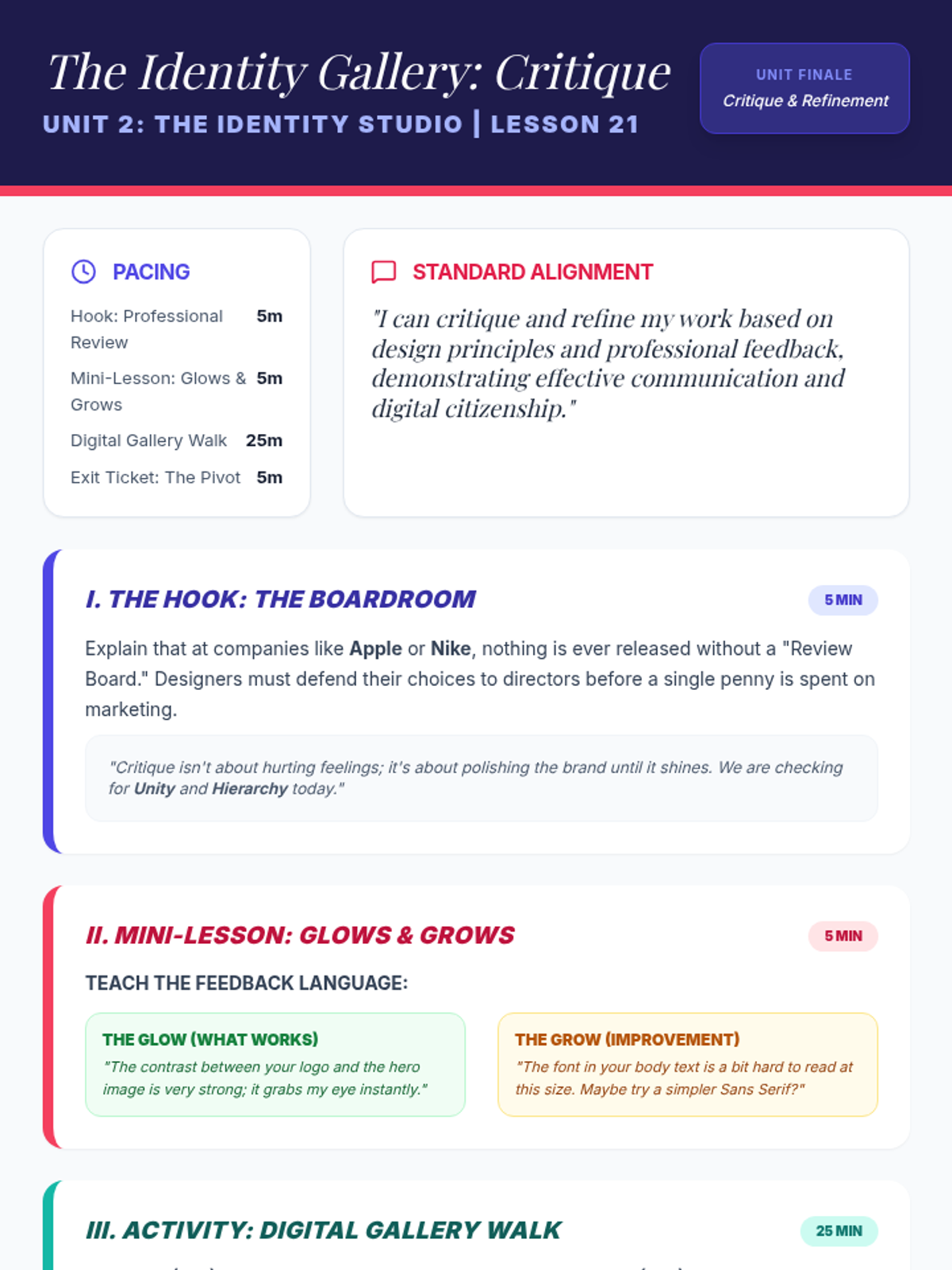
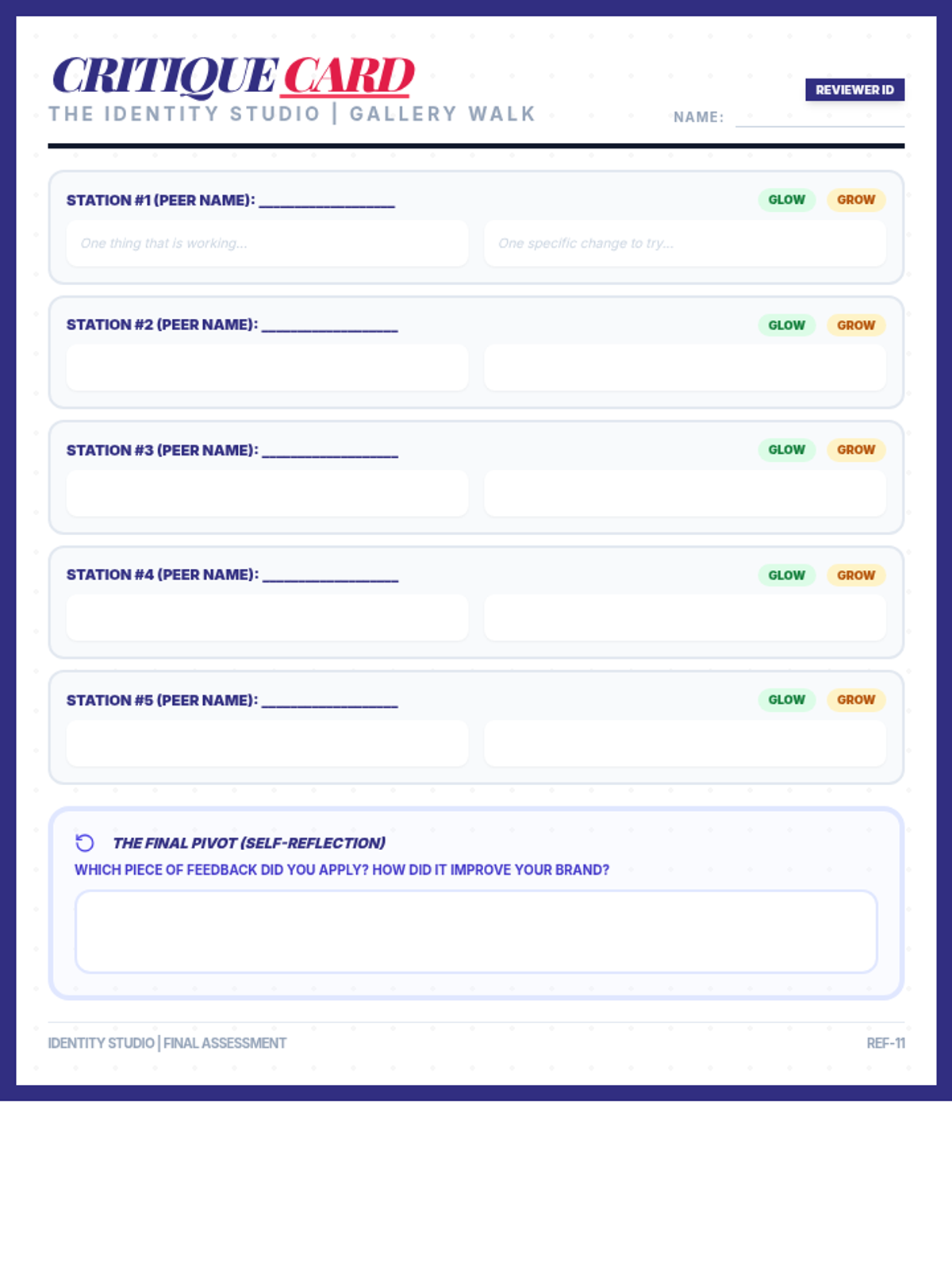
Students participate in a professional 'Gallery Walk' to provide and receive constructive feedback on their Brand Style Guides and One-Pagers. They apply the 'Glow and Grow' framework to refine their designs, fulfilling standards for artistic critique and professional communication.
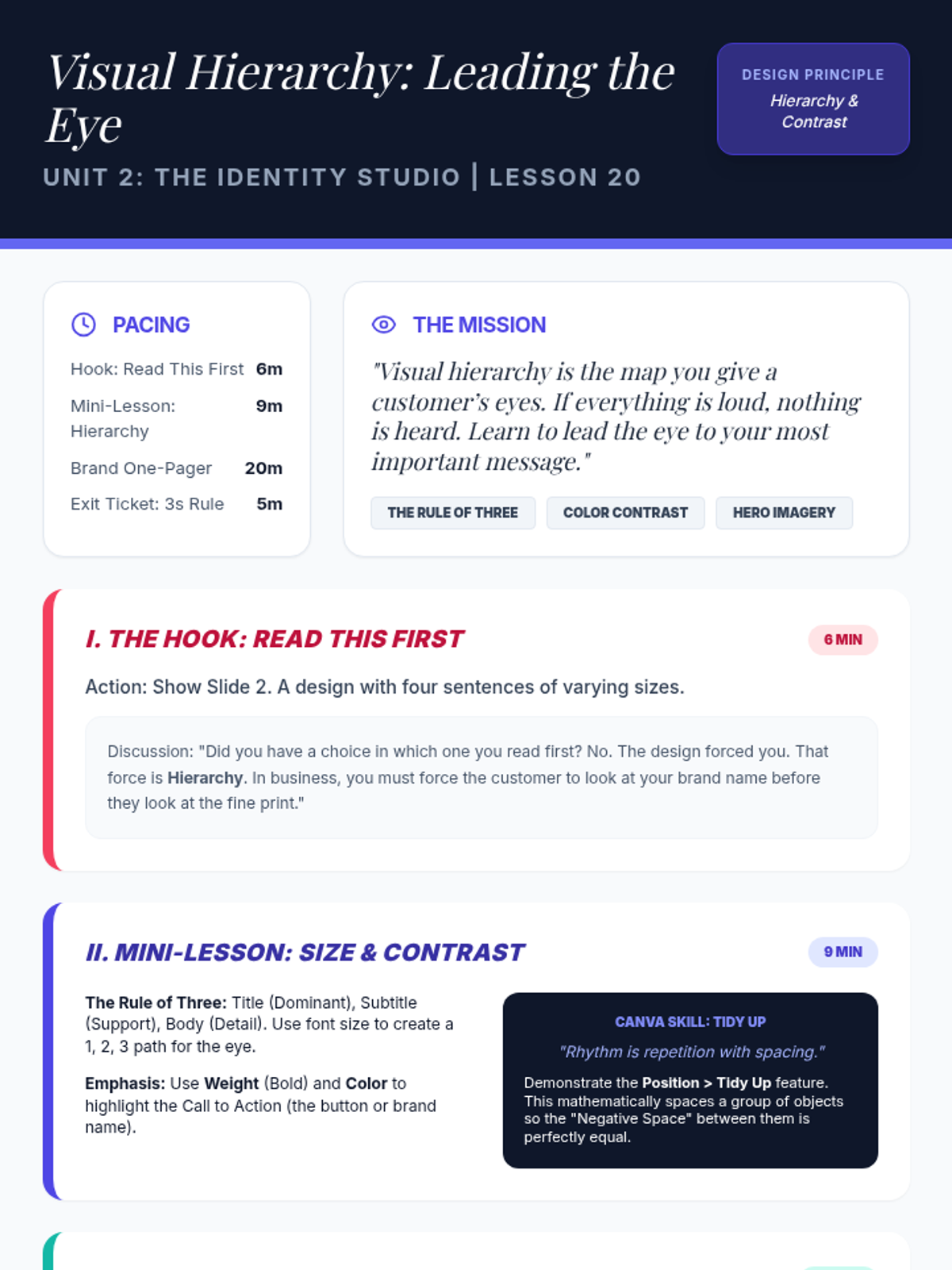
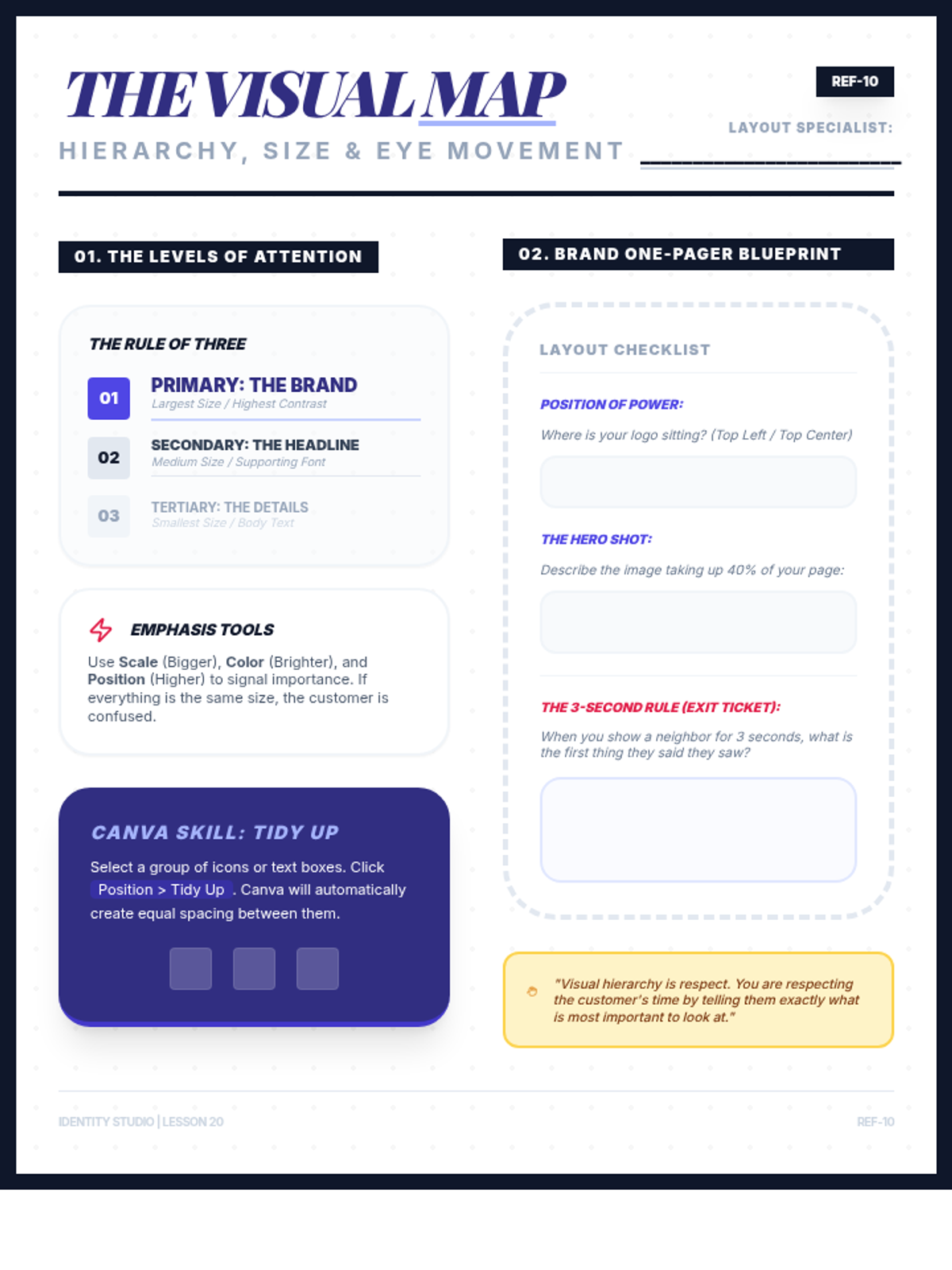
Students master the principle of visual hierarchy to lead a customer's eye through a design. They apply the 'Rule of Three' (Size, Weight, and Contrast) to create a professional brand 'One-Pager' in Canva, ensuring their most important brand assets receive maximum visibility.
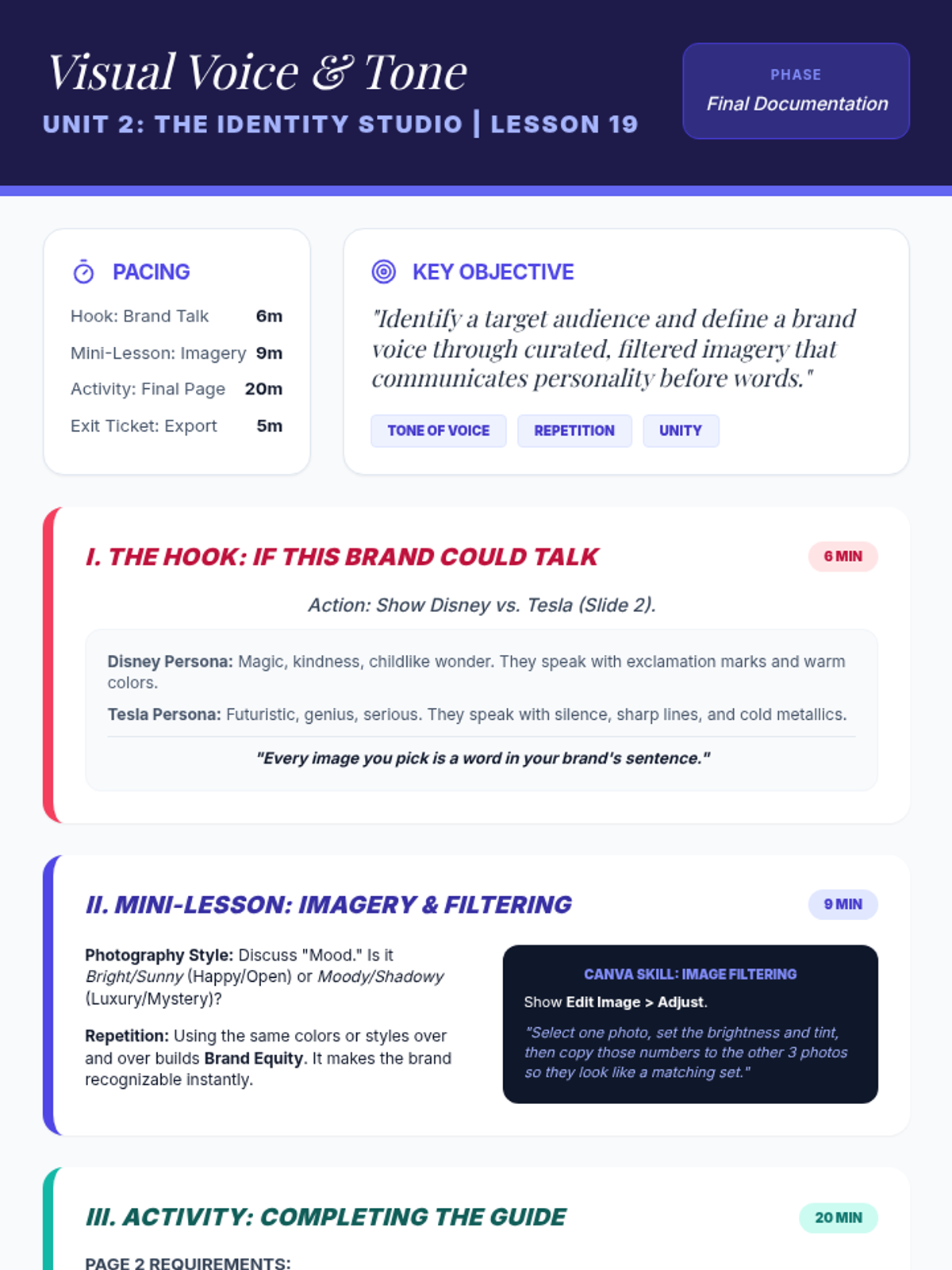
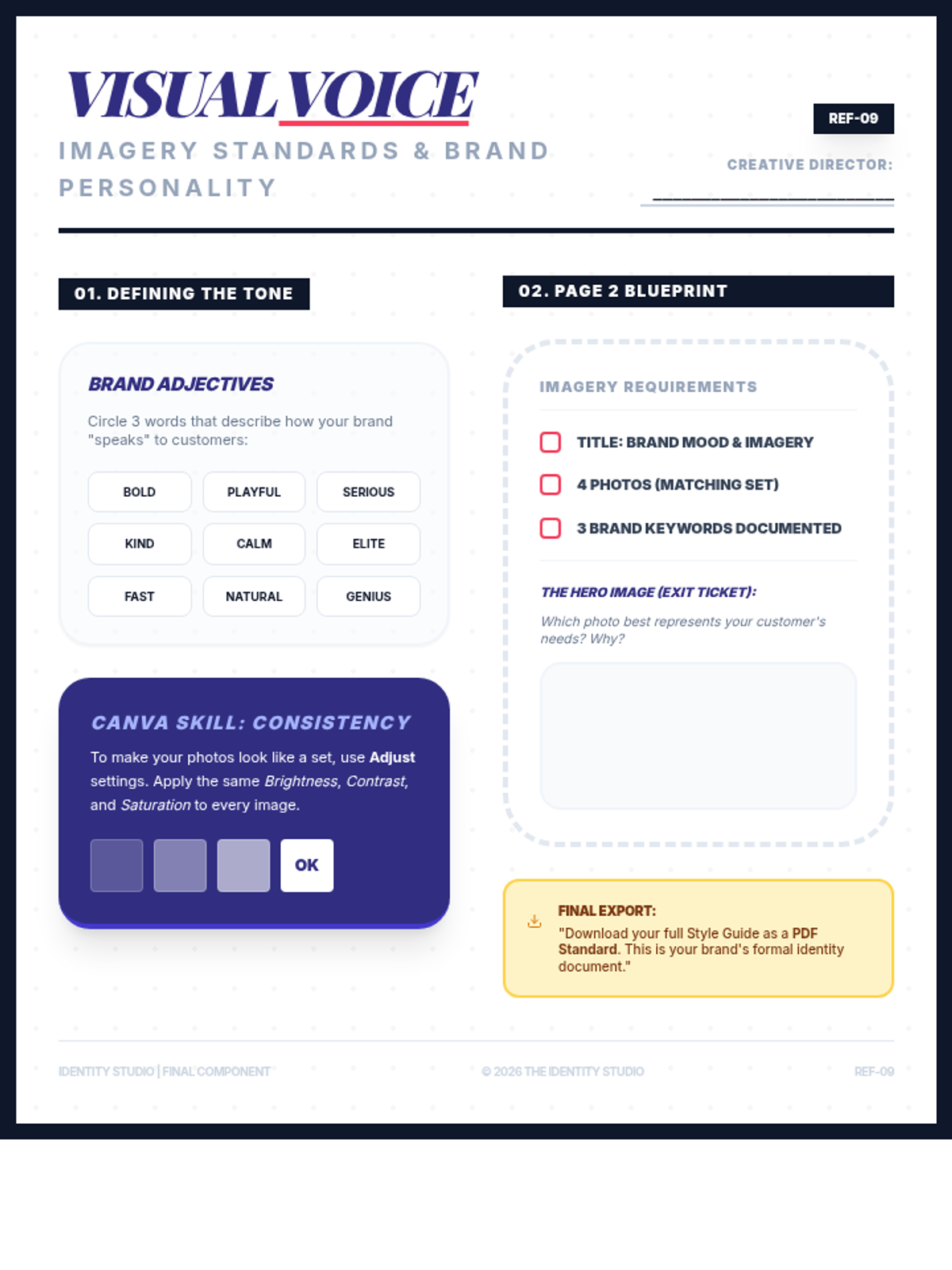
Students define their brand's 'personality' by selecting and filtering imagery that aligns with a specific tone. They complete their formal Brand Style Guide by documenting photography standards and brand keywords, focusing on the principles of repetition and unity.
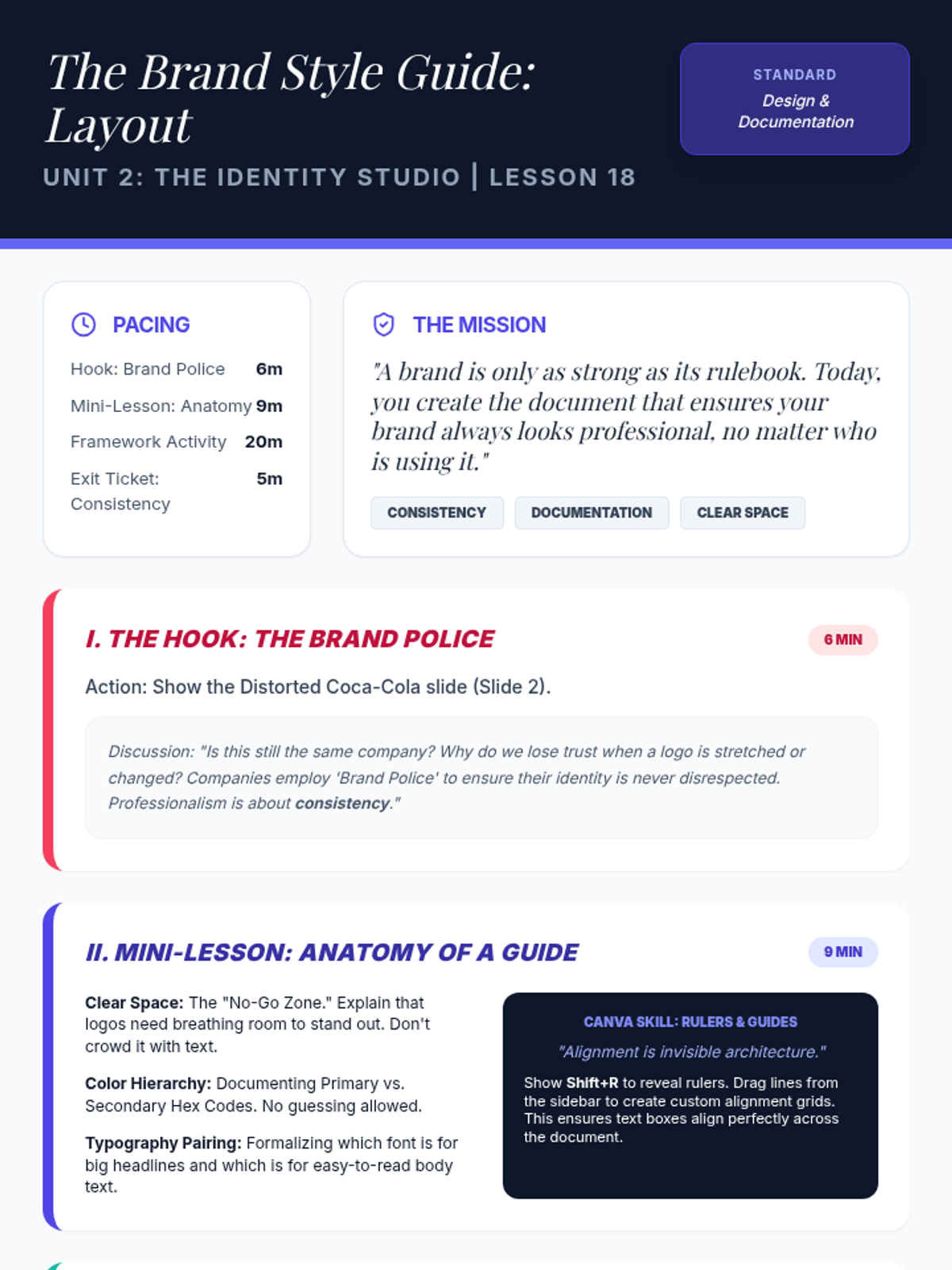
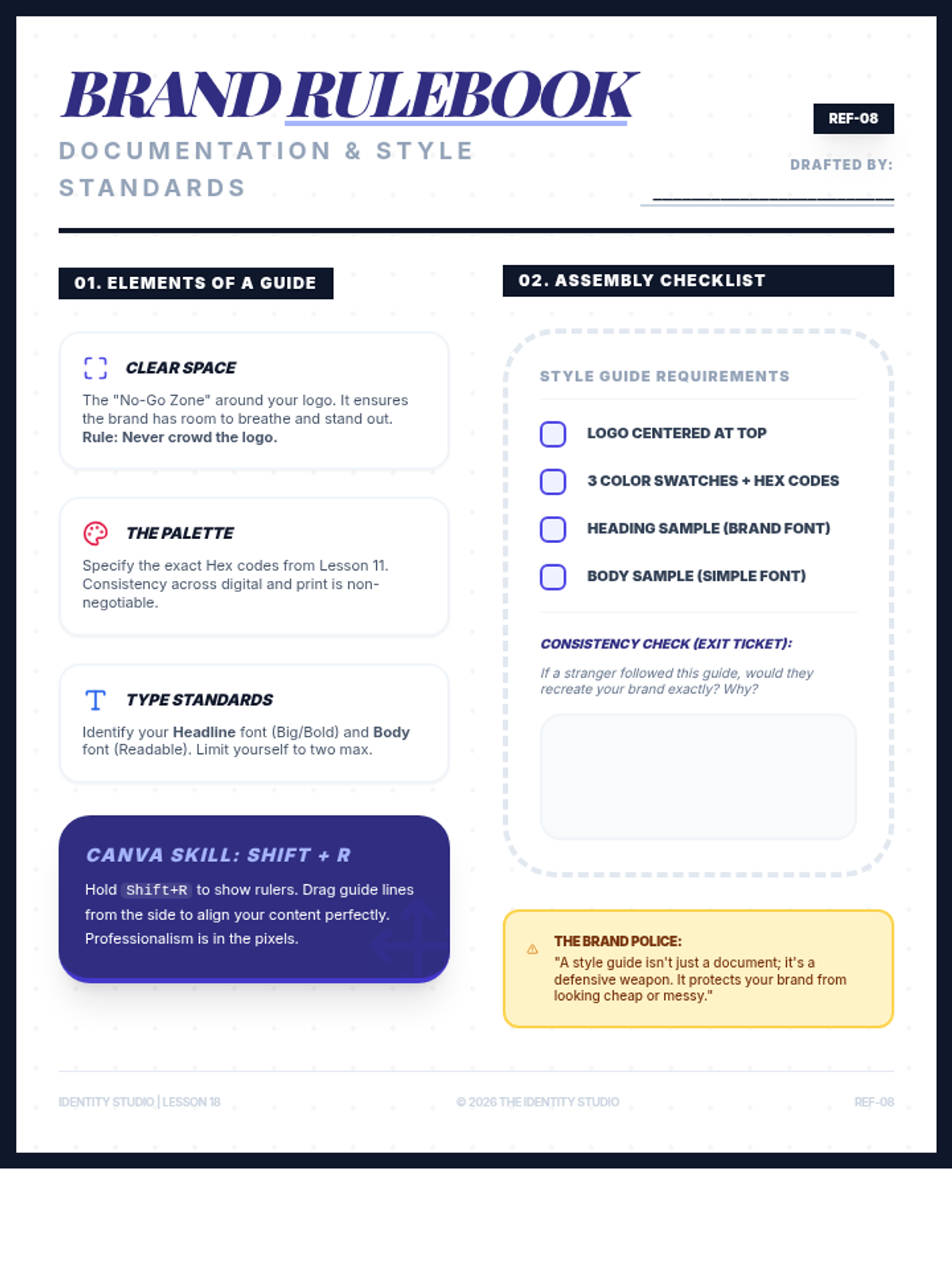
Students transition from brand creation to documentation by building a formal Style Guide. They learn the importance of brand consistency through 'The Brand Police' concept and document their logo usage, hex codes, and typography pairings in Canva using alignment rulers and guides.
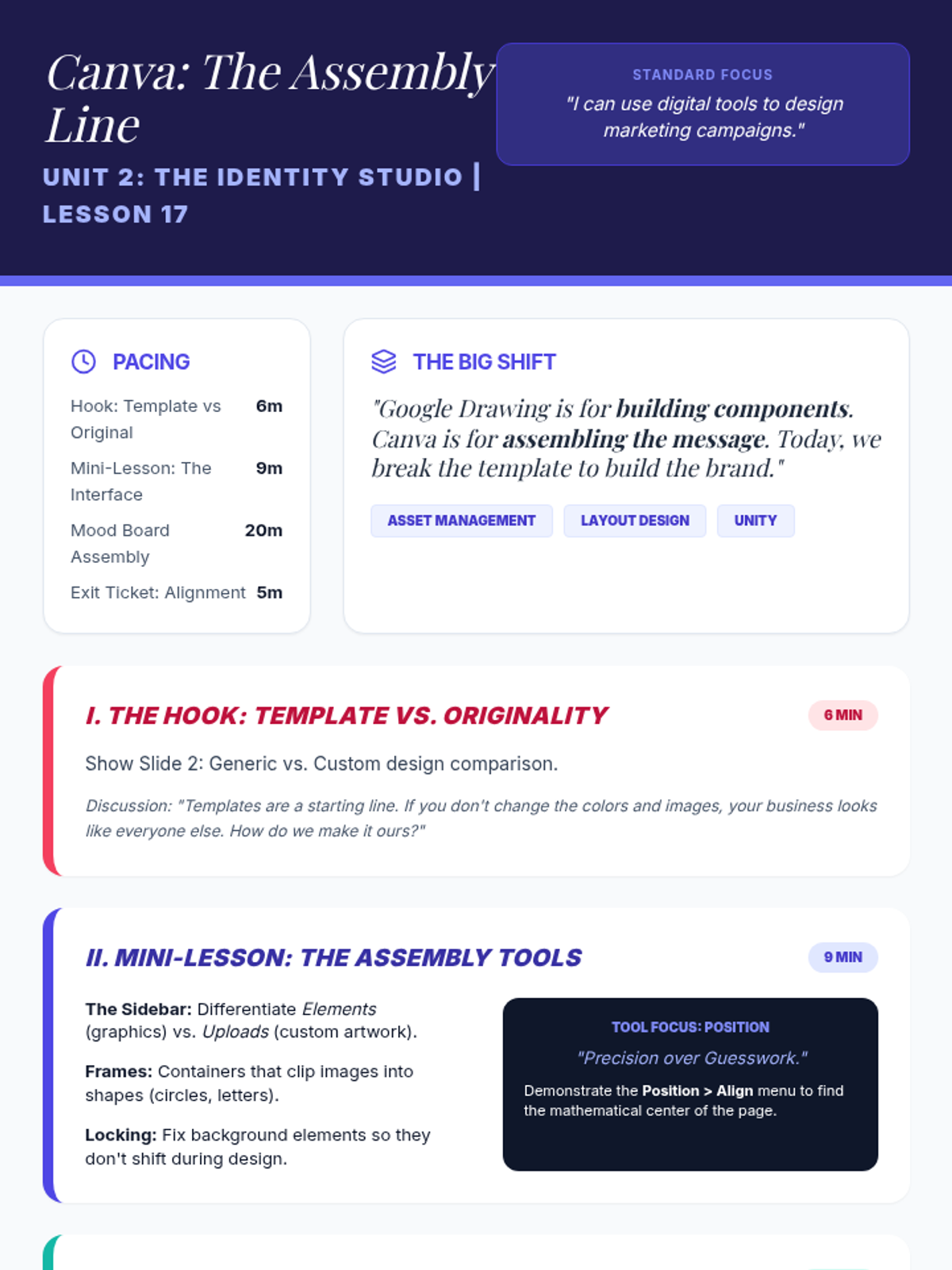
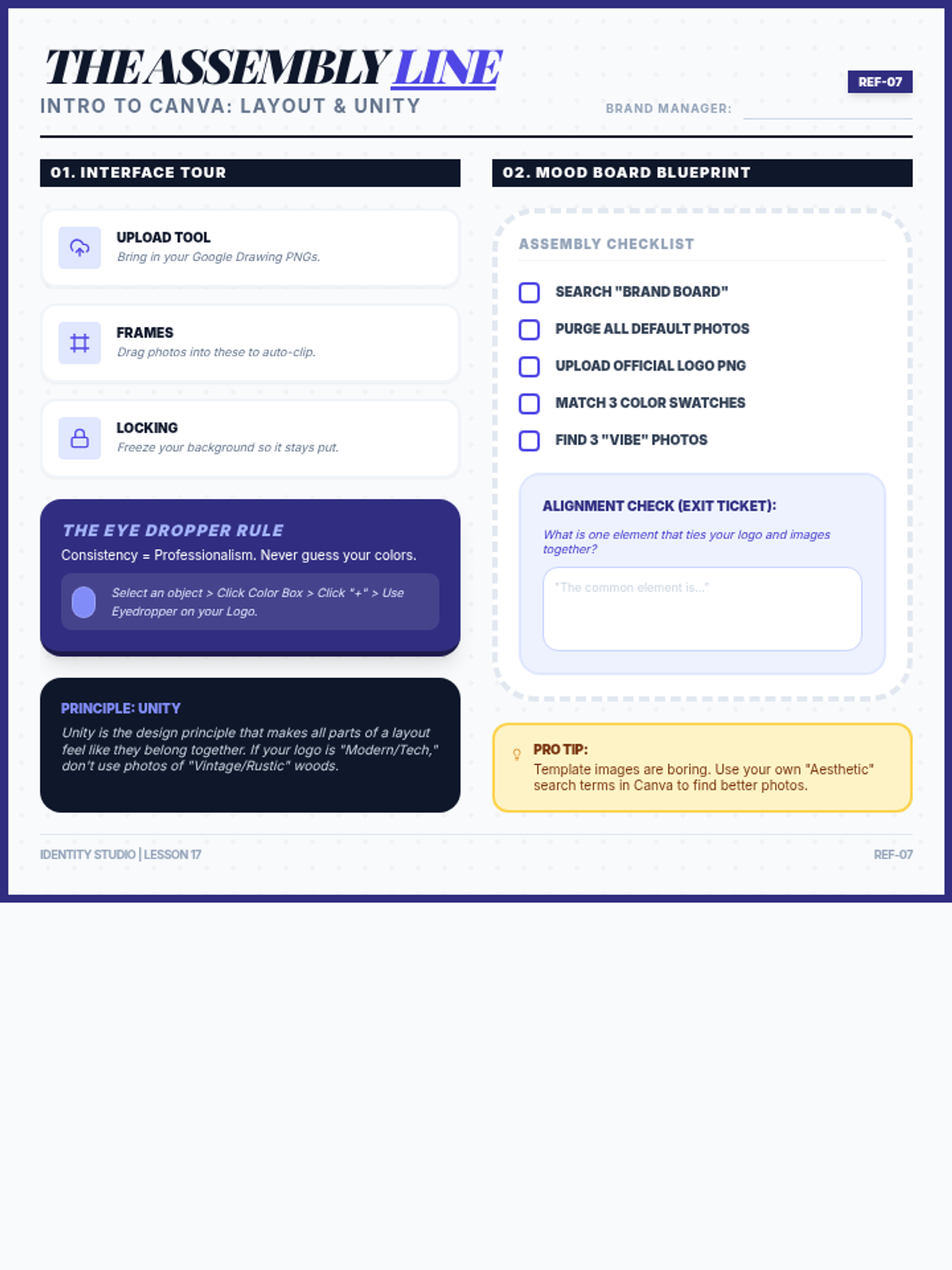
Students transition to Canva as a layout tool to assemble their brand assets into a professional Mood Board. They learn to 'break' templates by replacing generic elements with their own custom logos and colors, focusing on brand consistency and visual harmony.
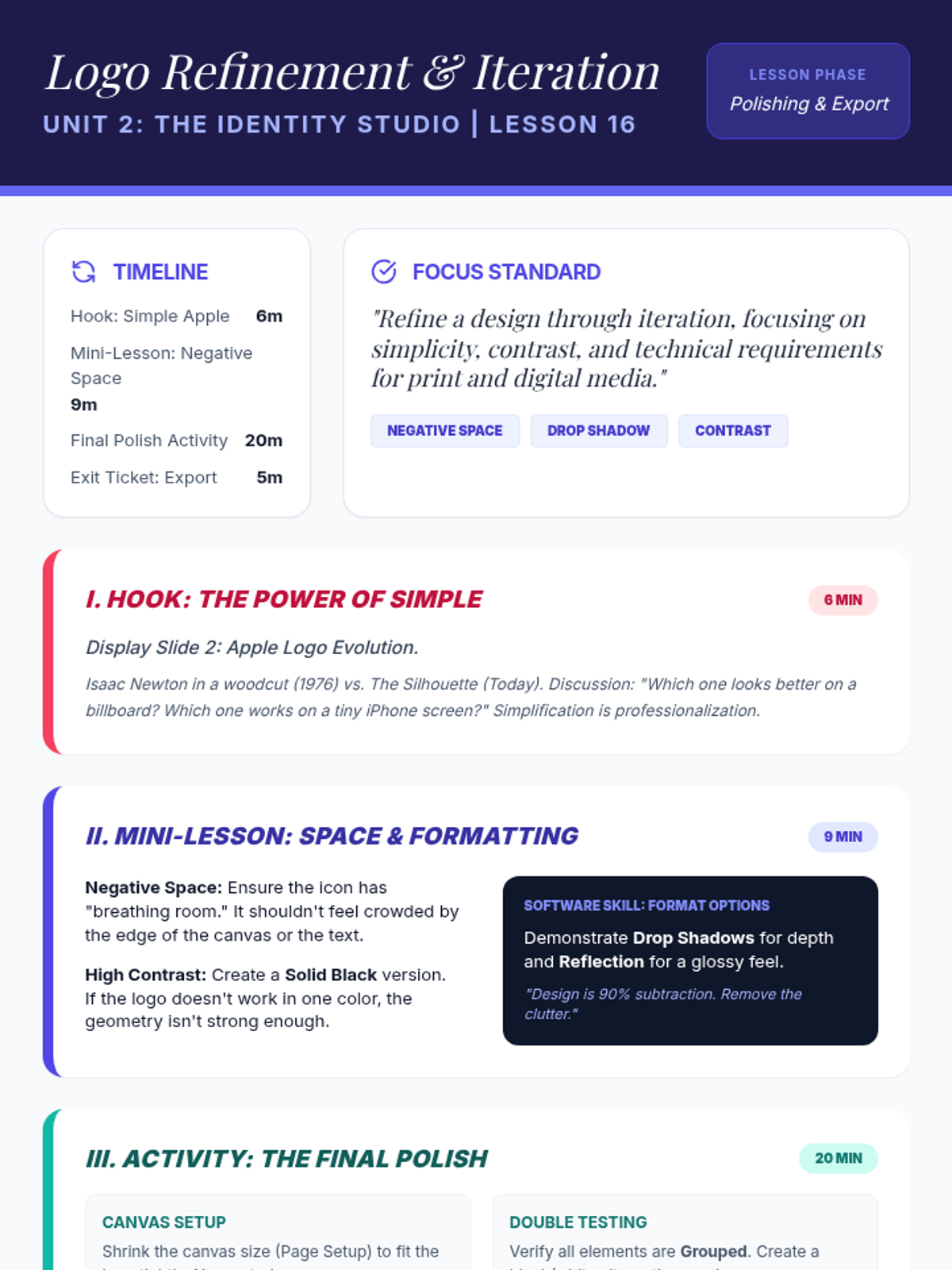
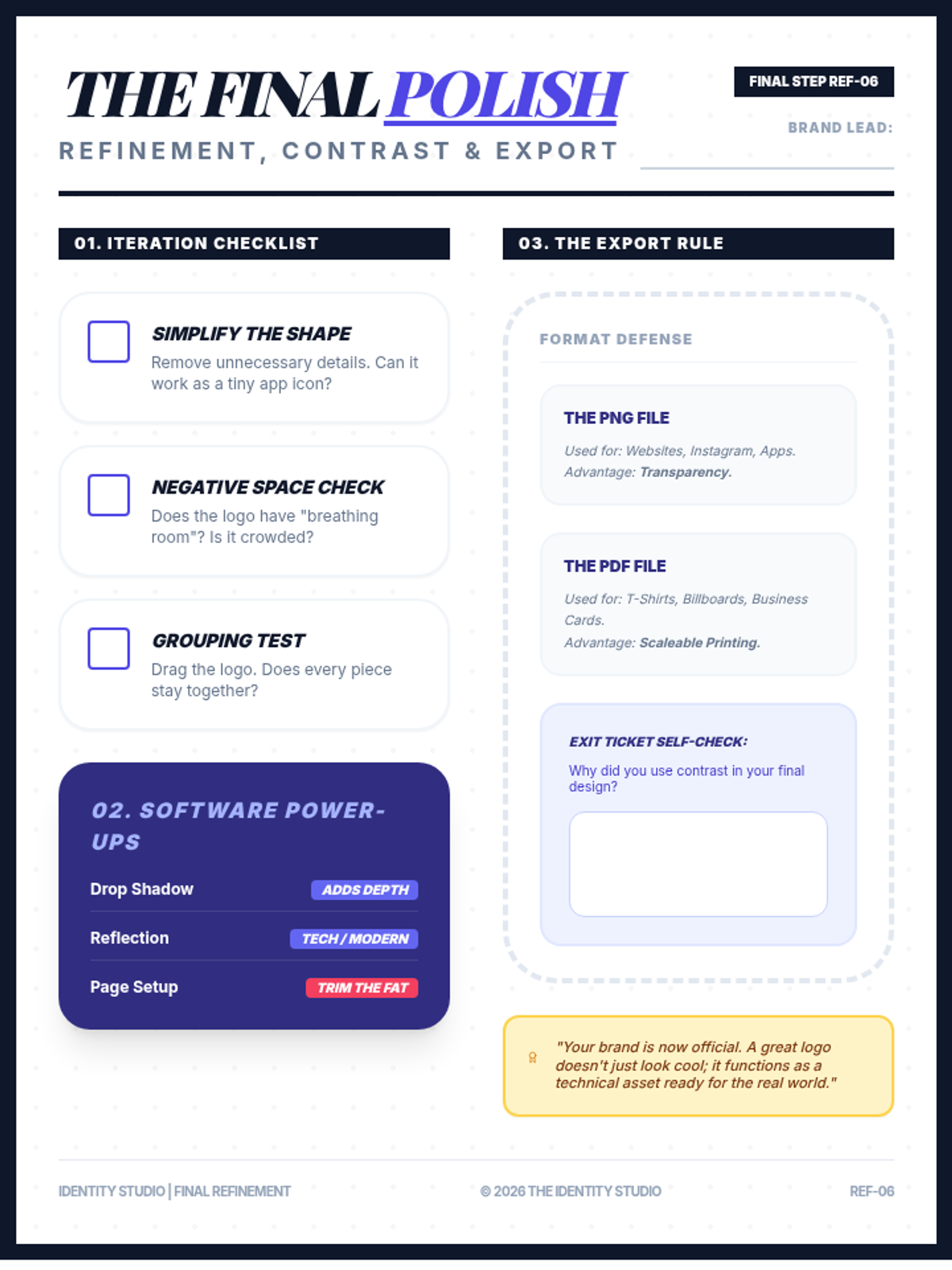
Students refine their logo drafts for professional use, focusing on simplicity, negative space, and contrast. They learn to create multiple versions (Full Color and Solid Black) and understand the technical export requirements for digital vs. print media (PNG vs. PDF).
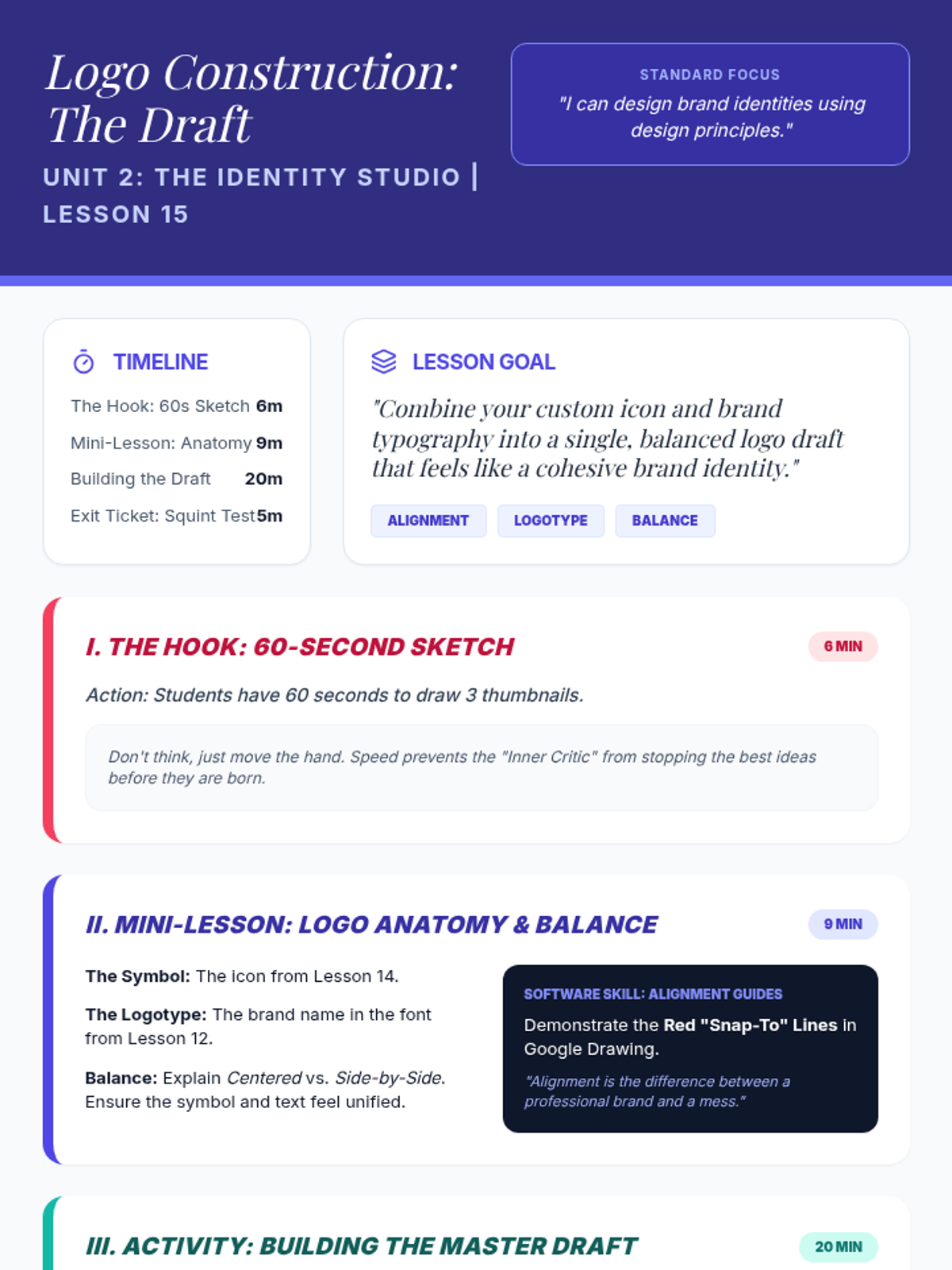
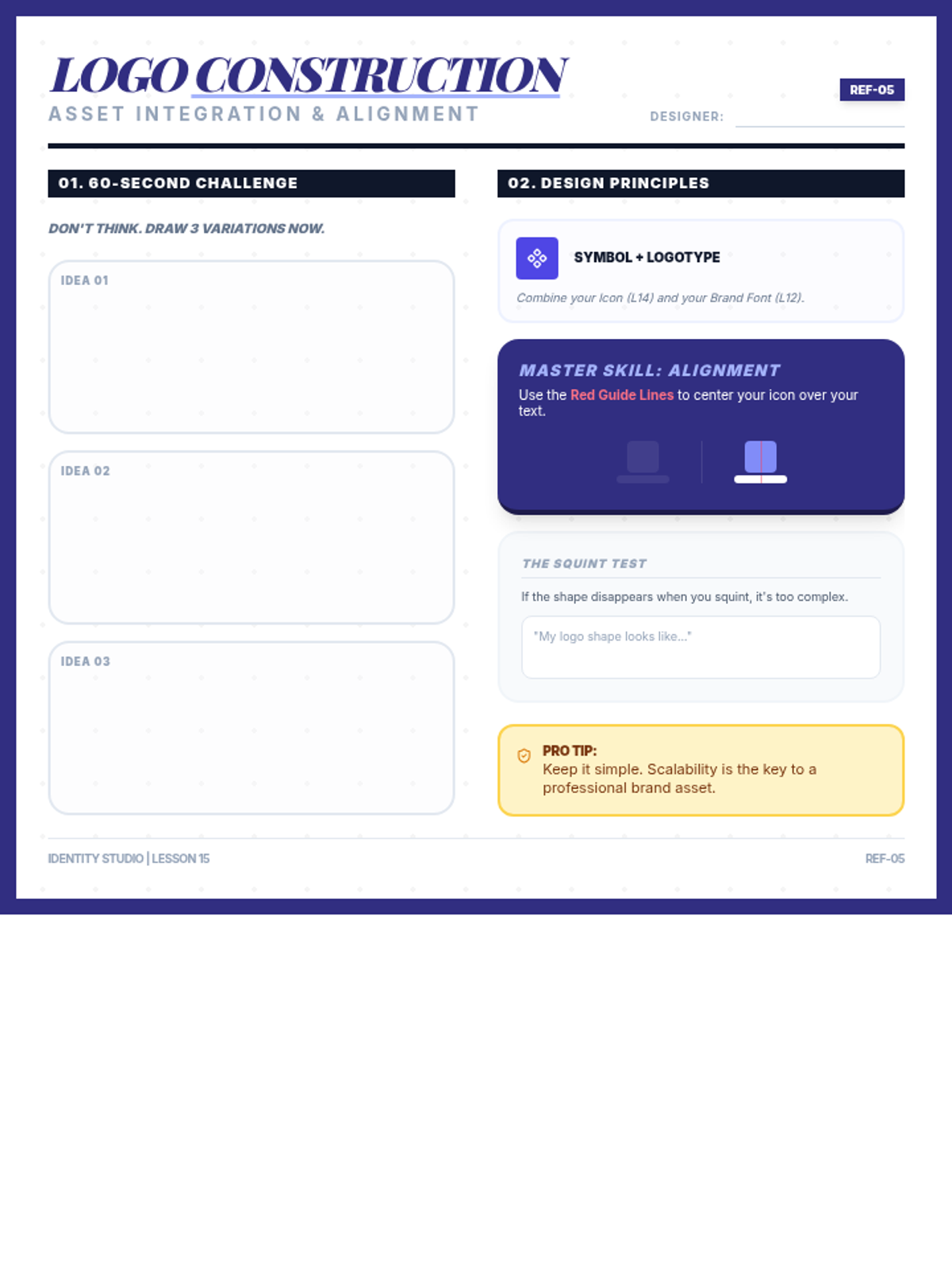
Students transition from creating isolated assets to building their official brand logo. They learn the anatomy of a logo (Symbol + Logotype), master alignment guides in Google Drawing, and perform the 'Squint Test' to ensure their design is clear and balanced.