Covers essential phrases for ordering food and drinks, understanding menus, and navigating restaurant etiquette in Brazil, including tipping customs.
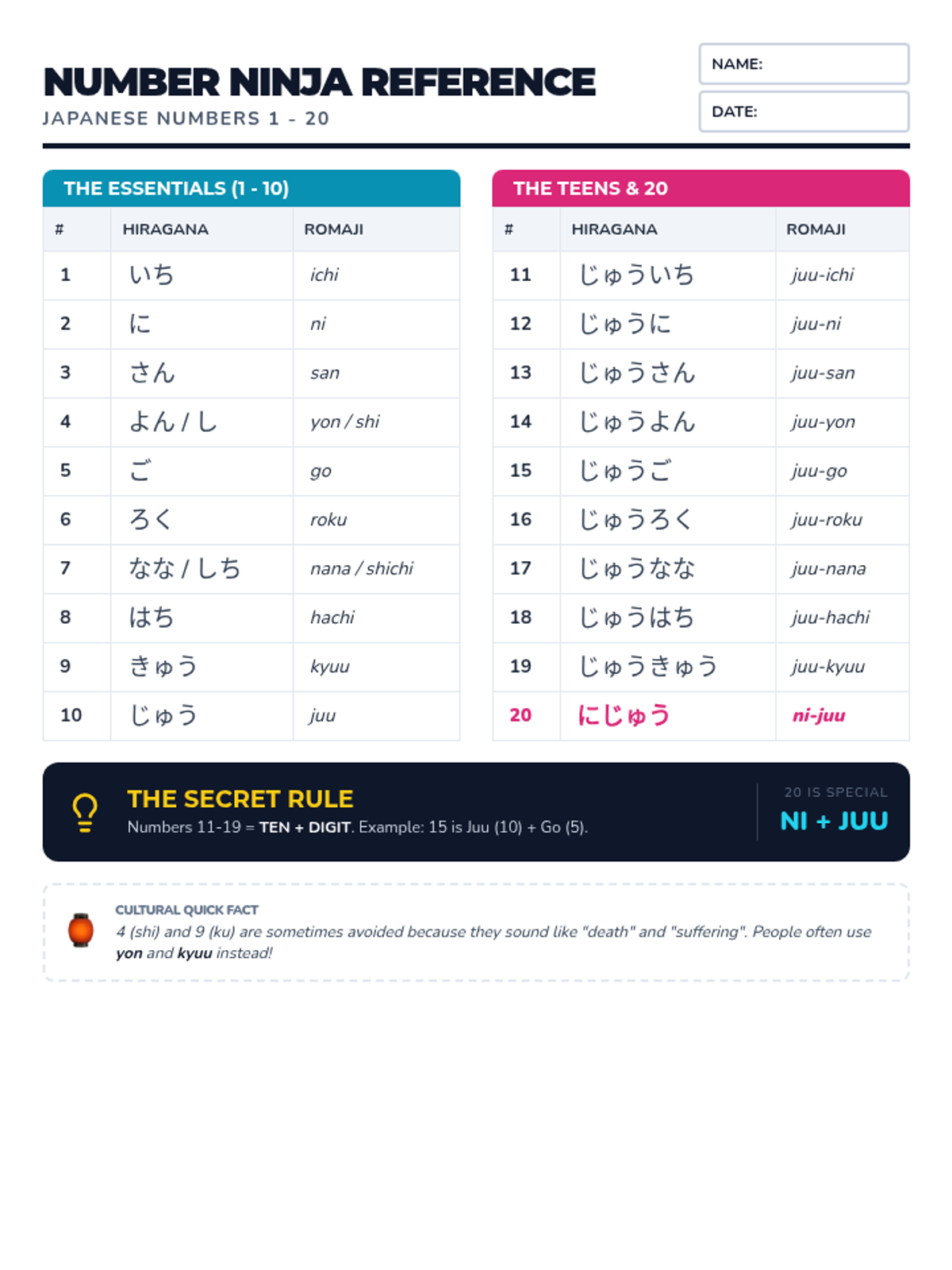
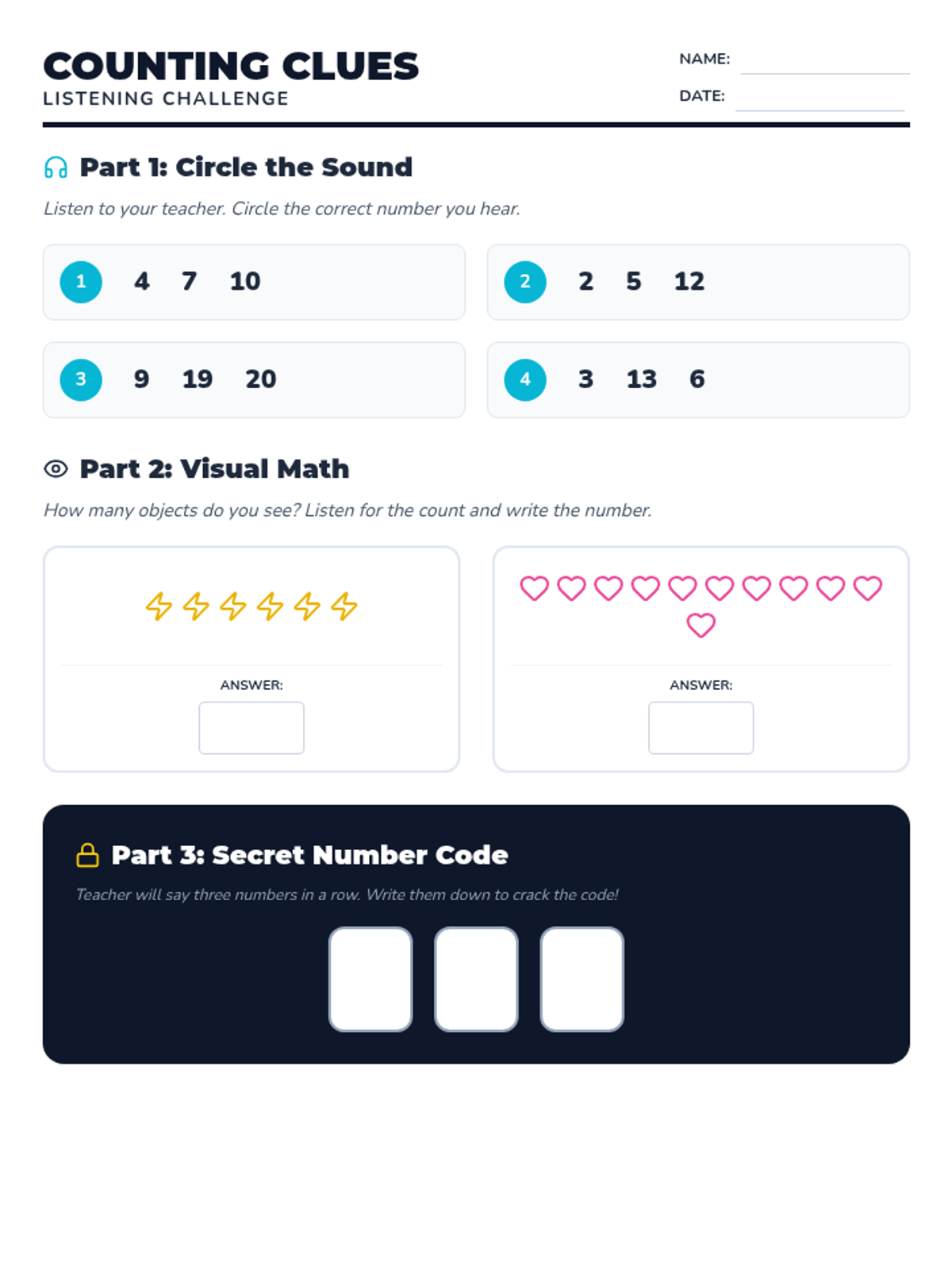
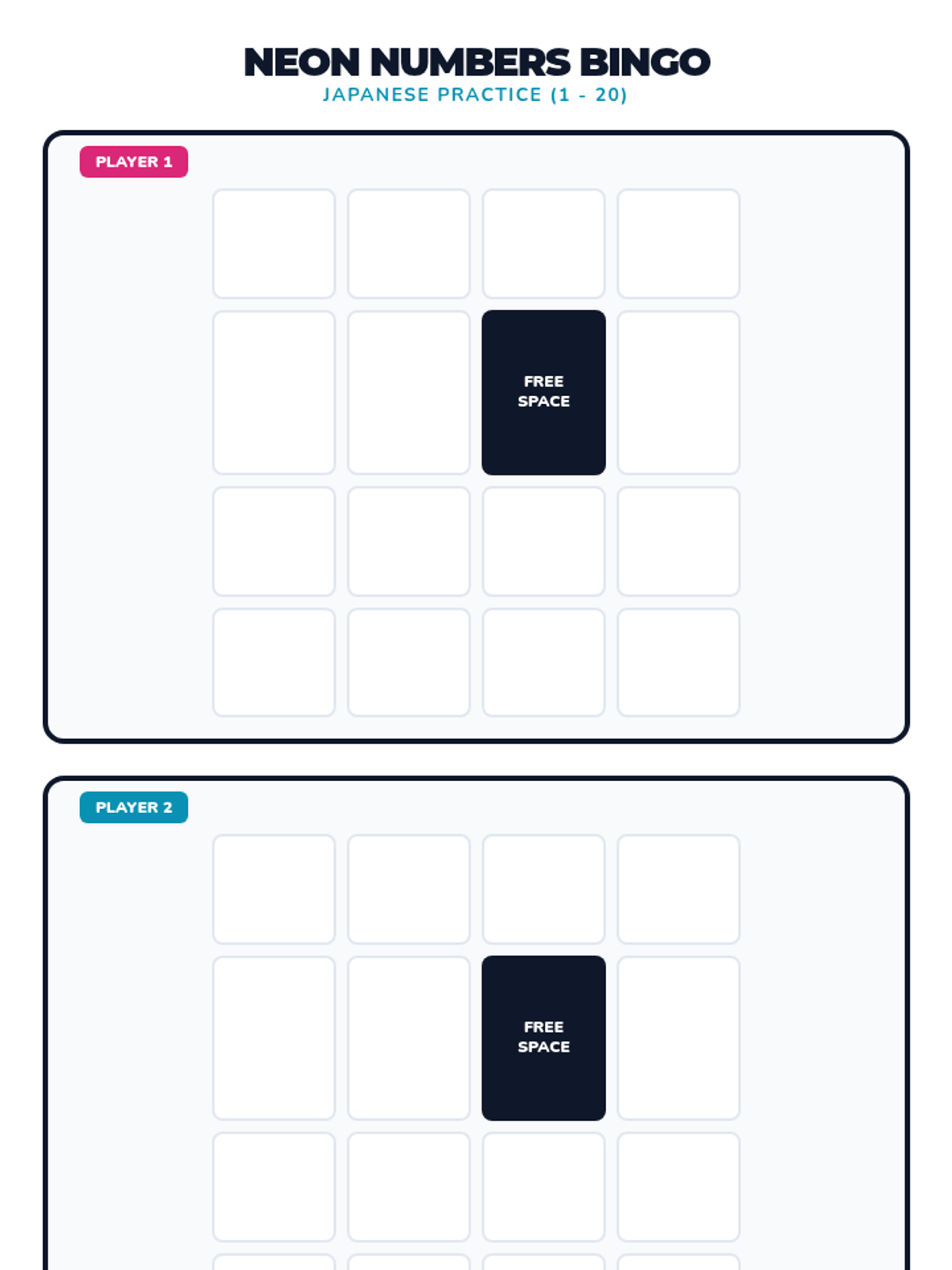
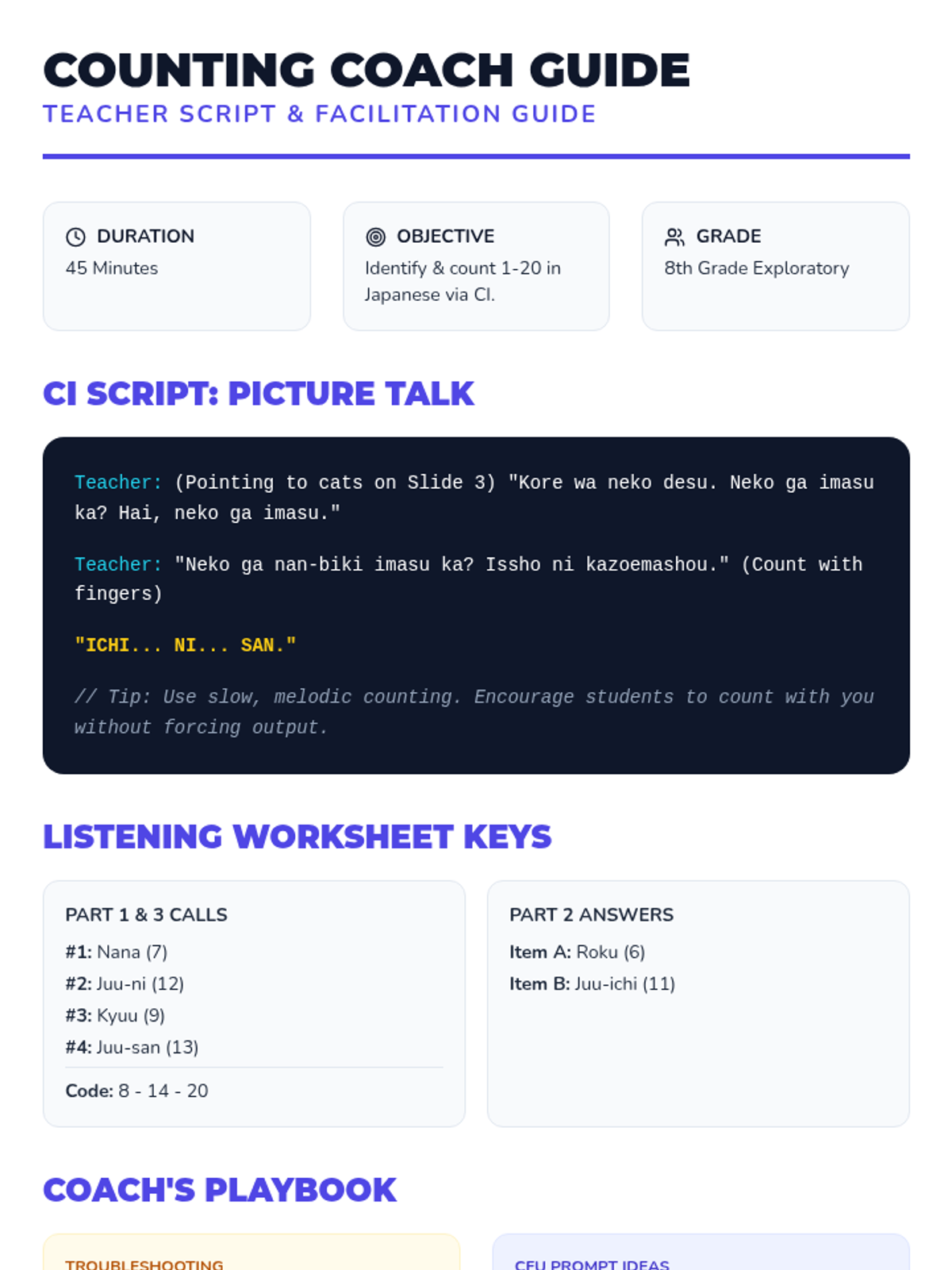
A comprehensive introductory lesson to Japanese focusing on essential greetings, Hiragana basics, classroom etiquette, and everyday objects.
Focuses on navigating Brazilian cities using taxis, ride-shares, buses, and the metro. Students will learn to ask for directions and understand common transit signage.
An introductory lesson focused on essential Brazilian Portuguese greetings, introductions, and pronunciation for adult travelers. Students will practice basic interactions and learn the phonetic foundations of the language.
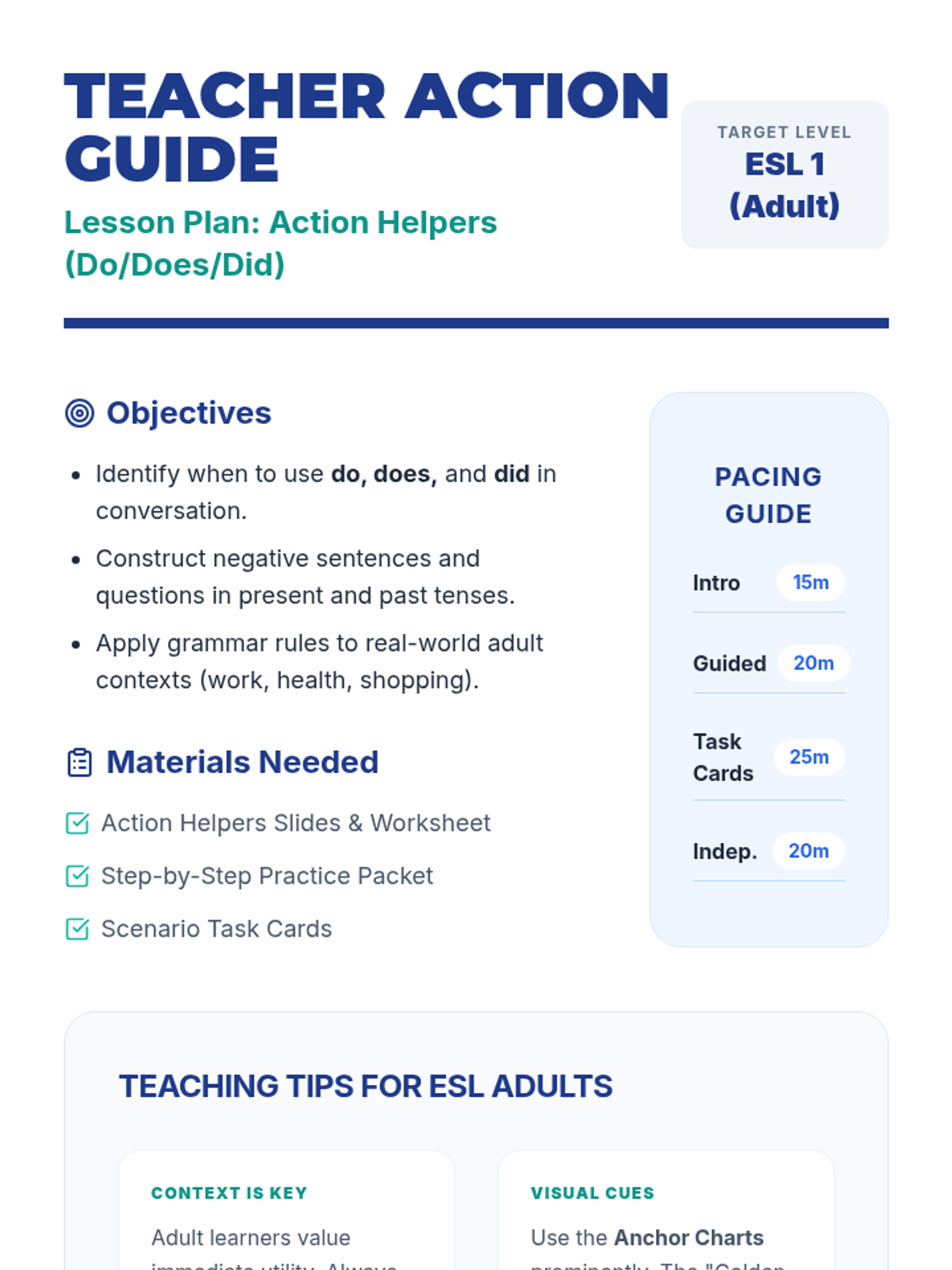
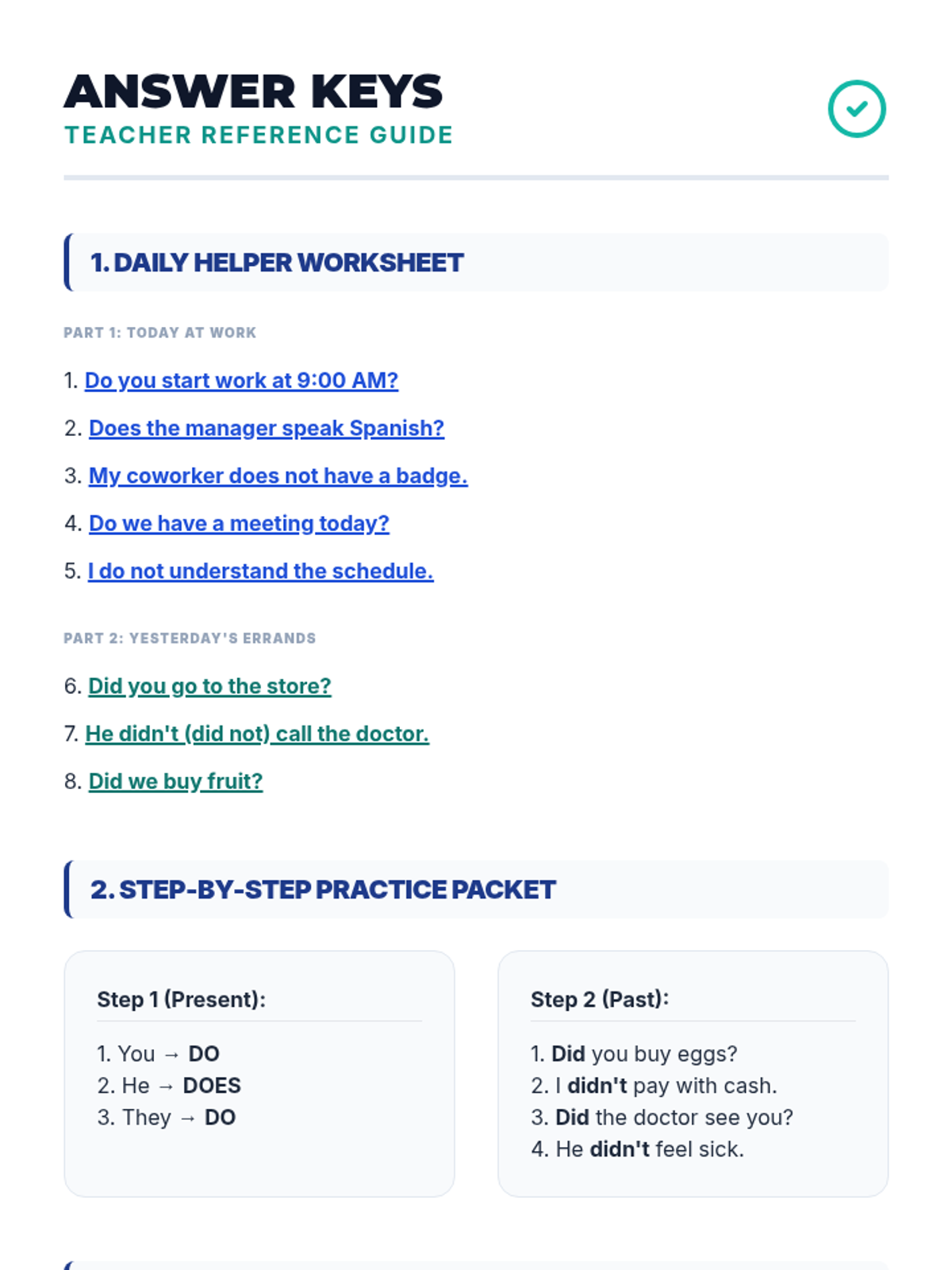
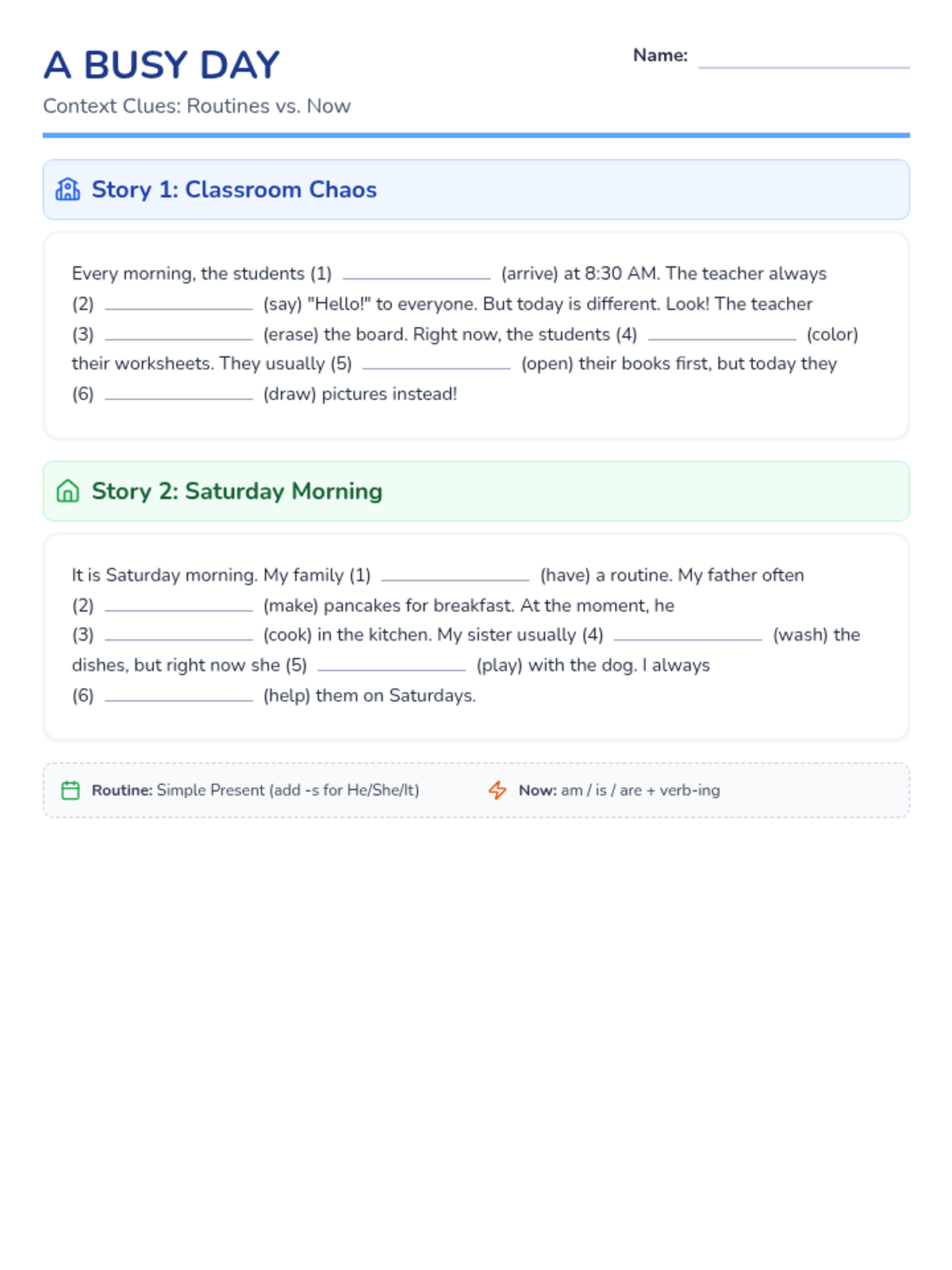
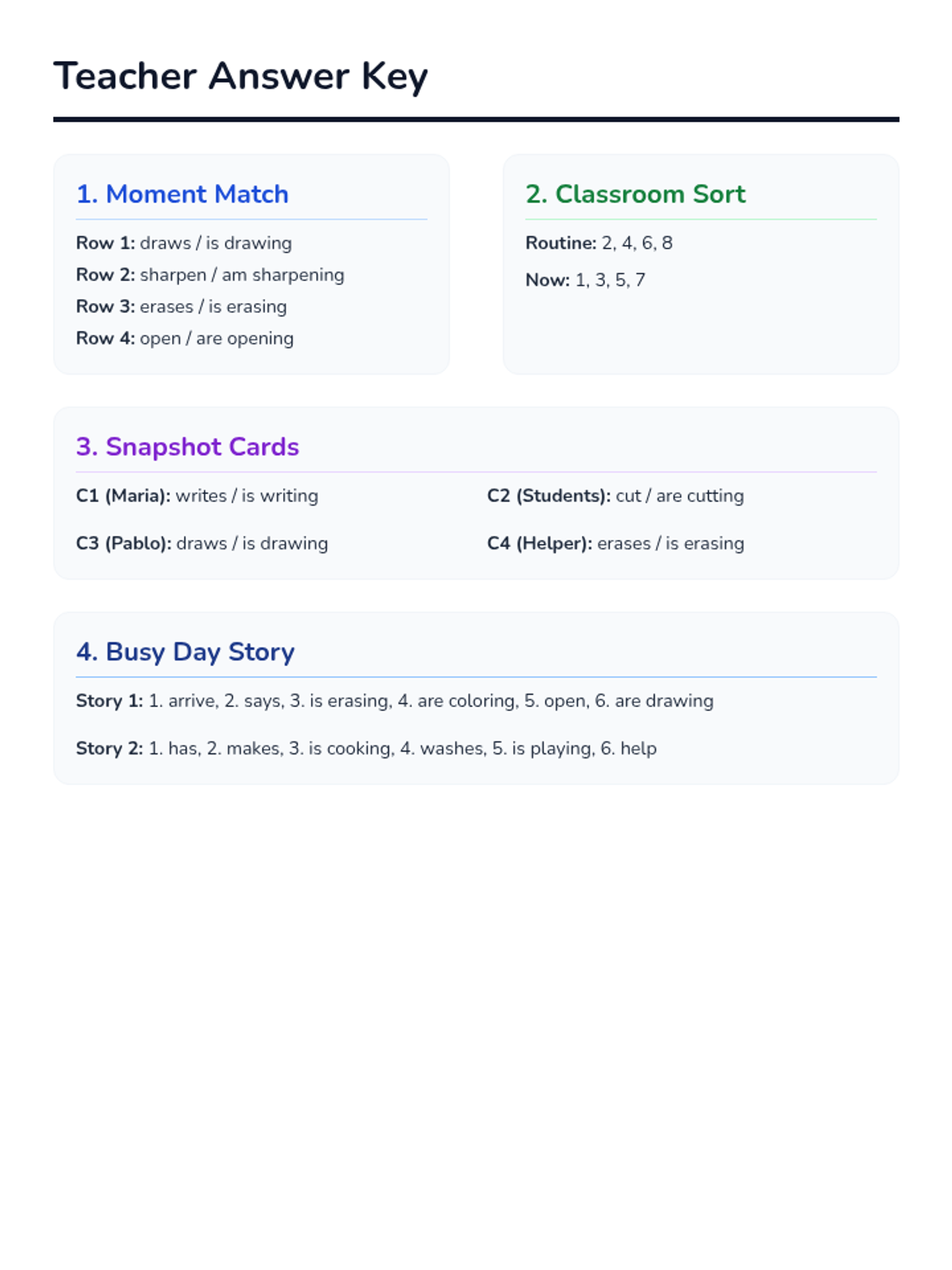
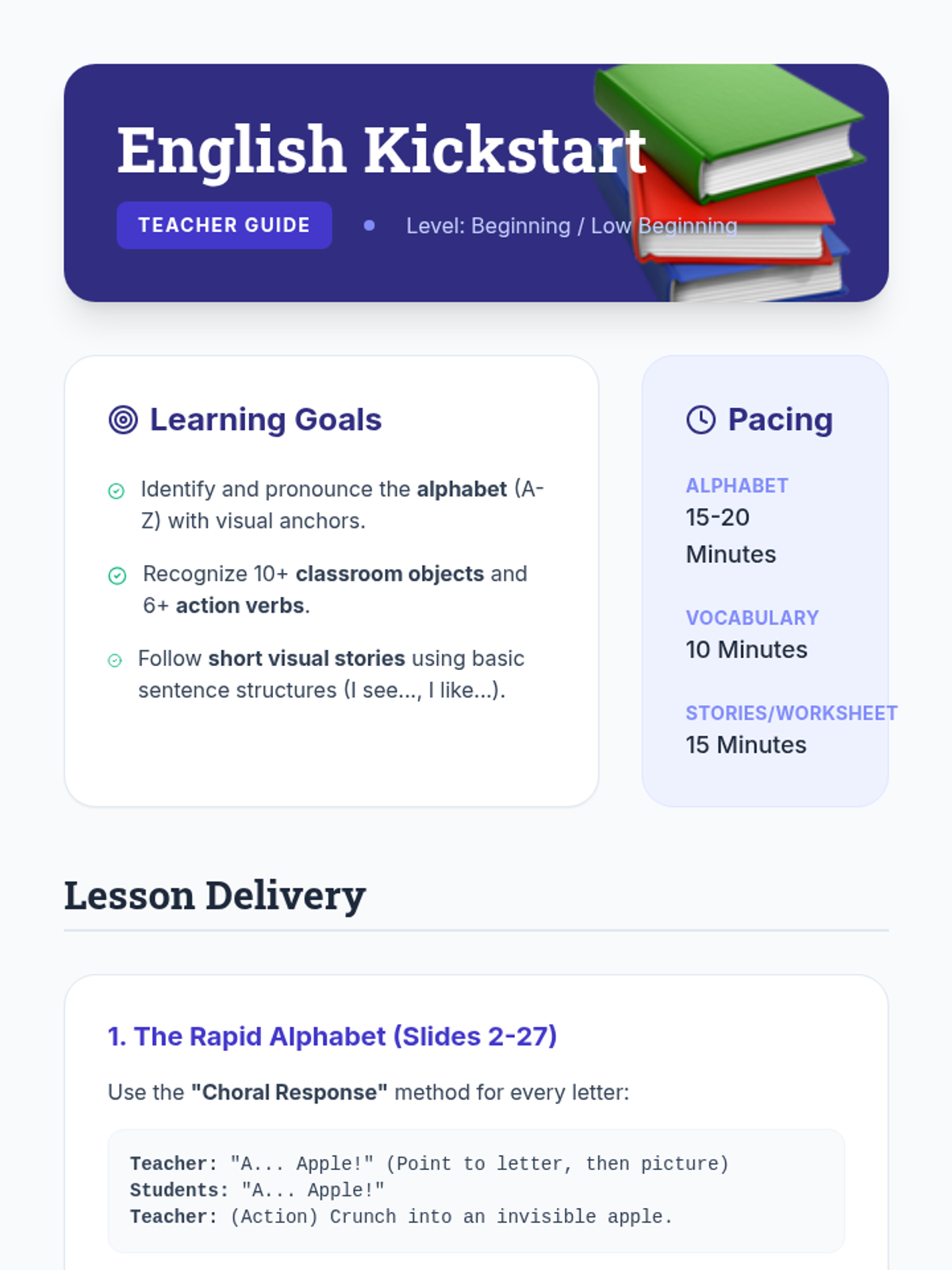
A foundational lesson on simple subject-verb agreement for ESL students, focusing on the singular -s ending and plural base forms. Students will learn to match subjects with their correct verb forms through visual aids and structured practice.
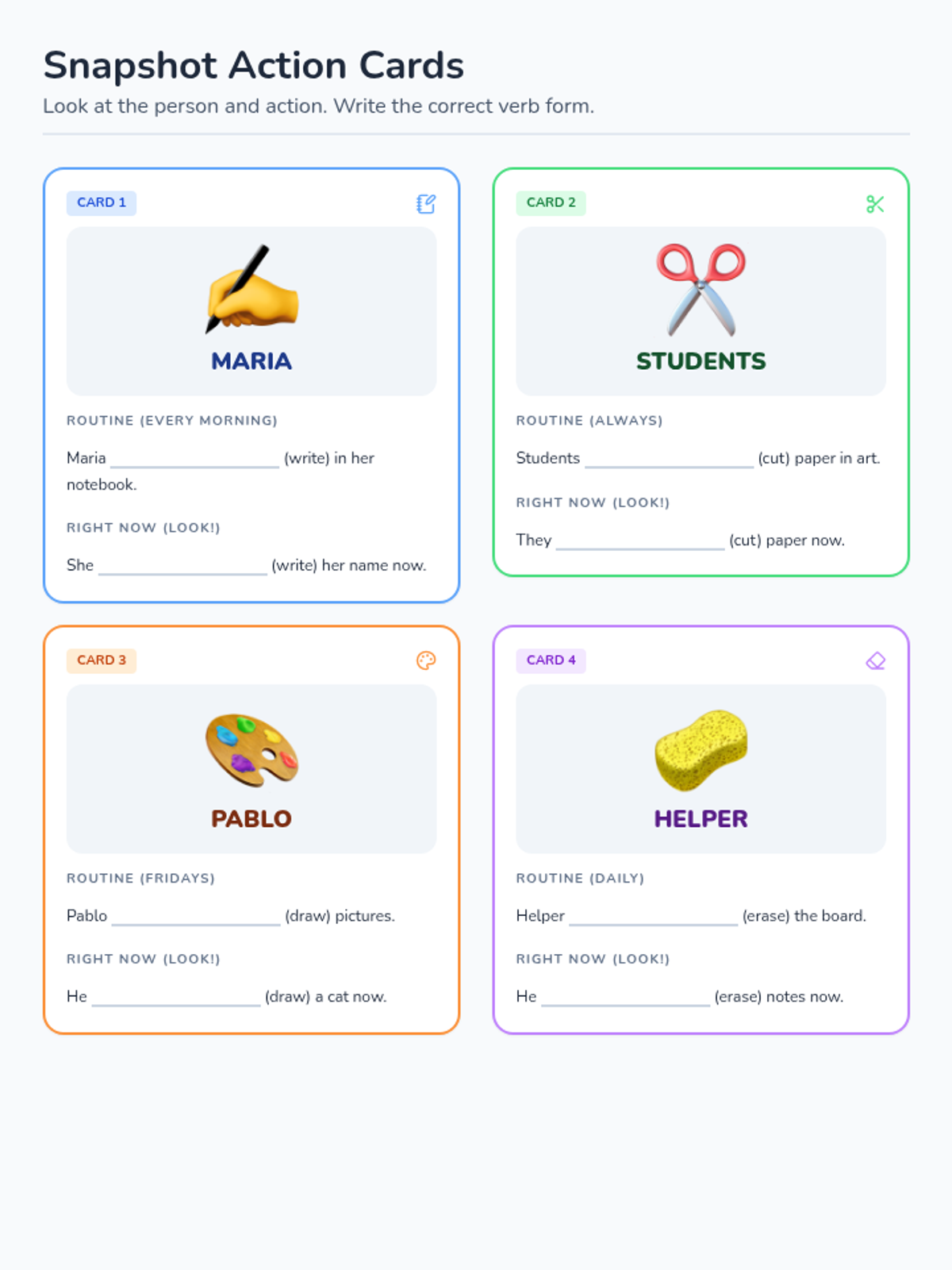
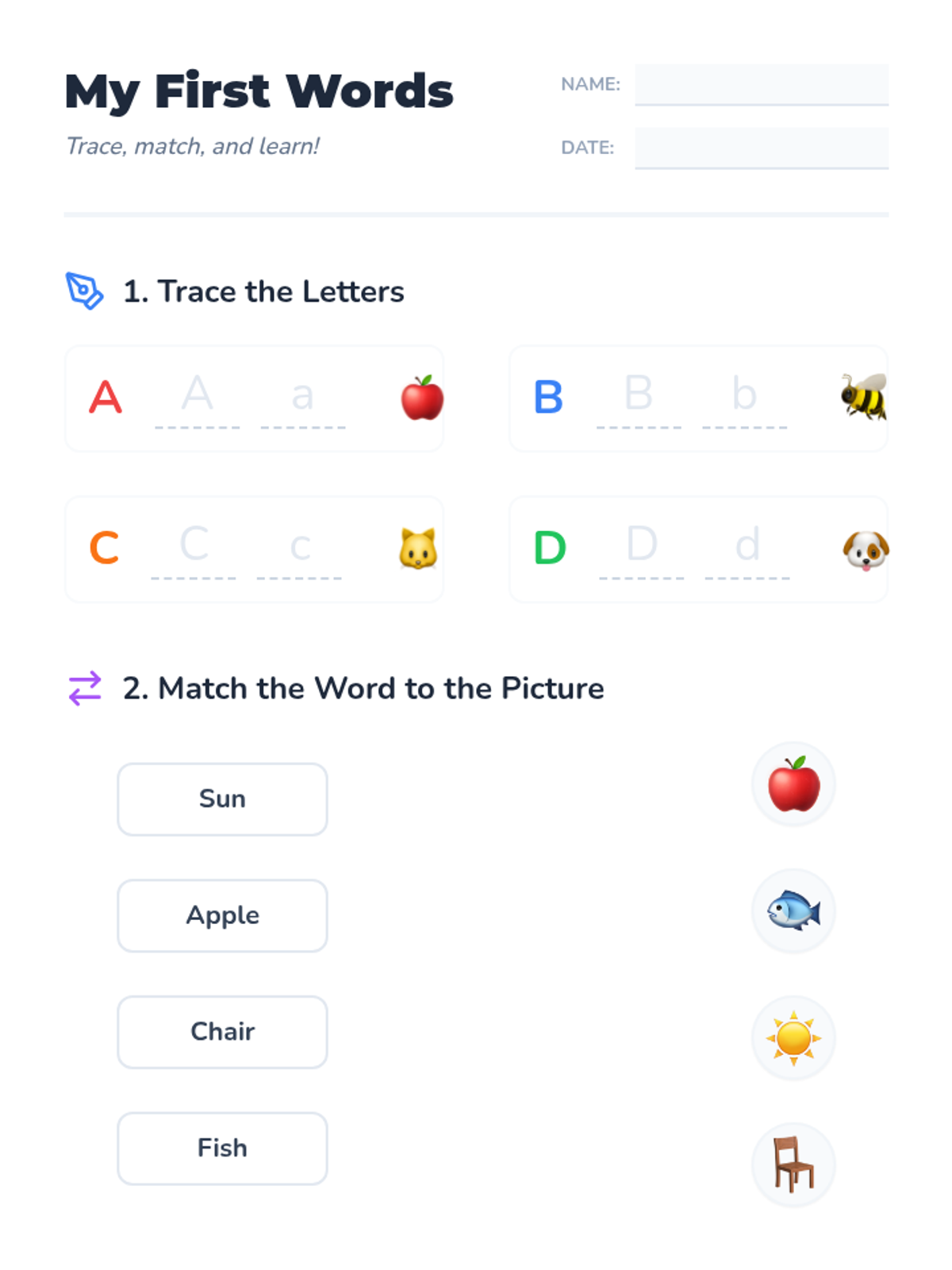
A collection of introductory materials for learning common action verbs in English, featuring visual aids and multilingual translations in Chinese and Portuguese.
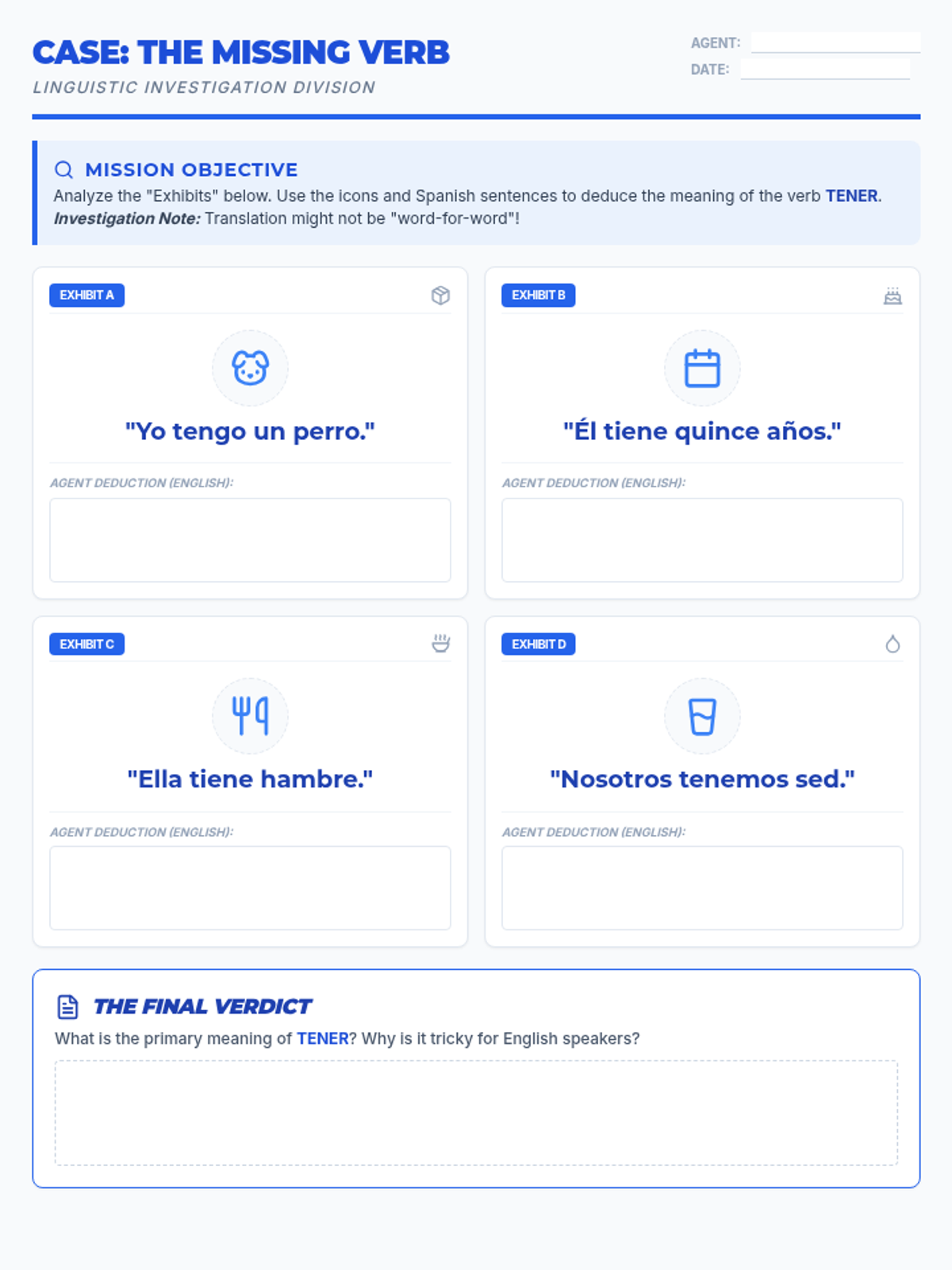
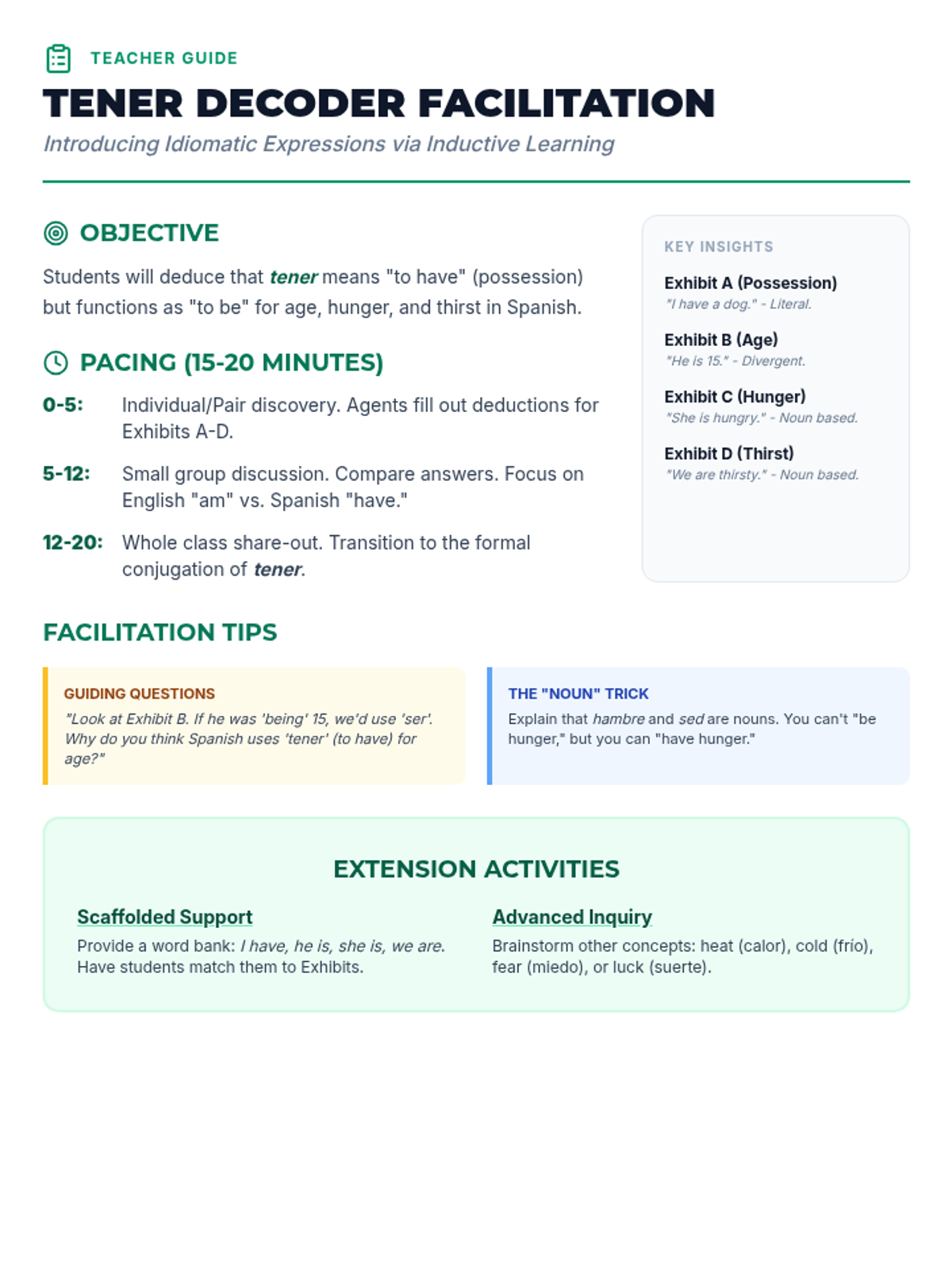
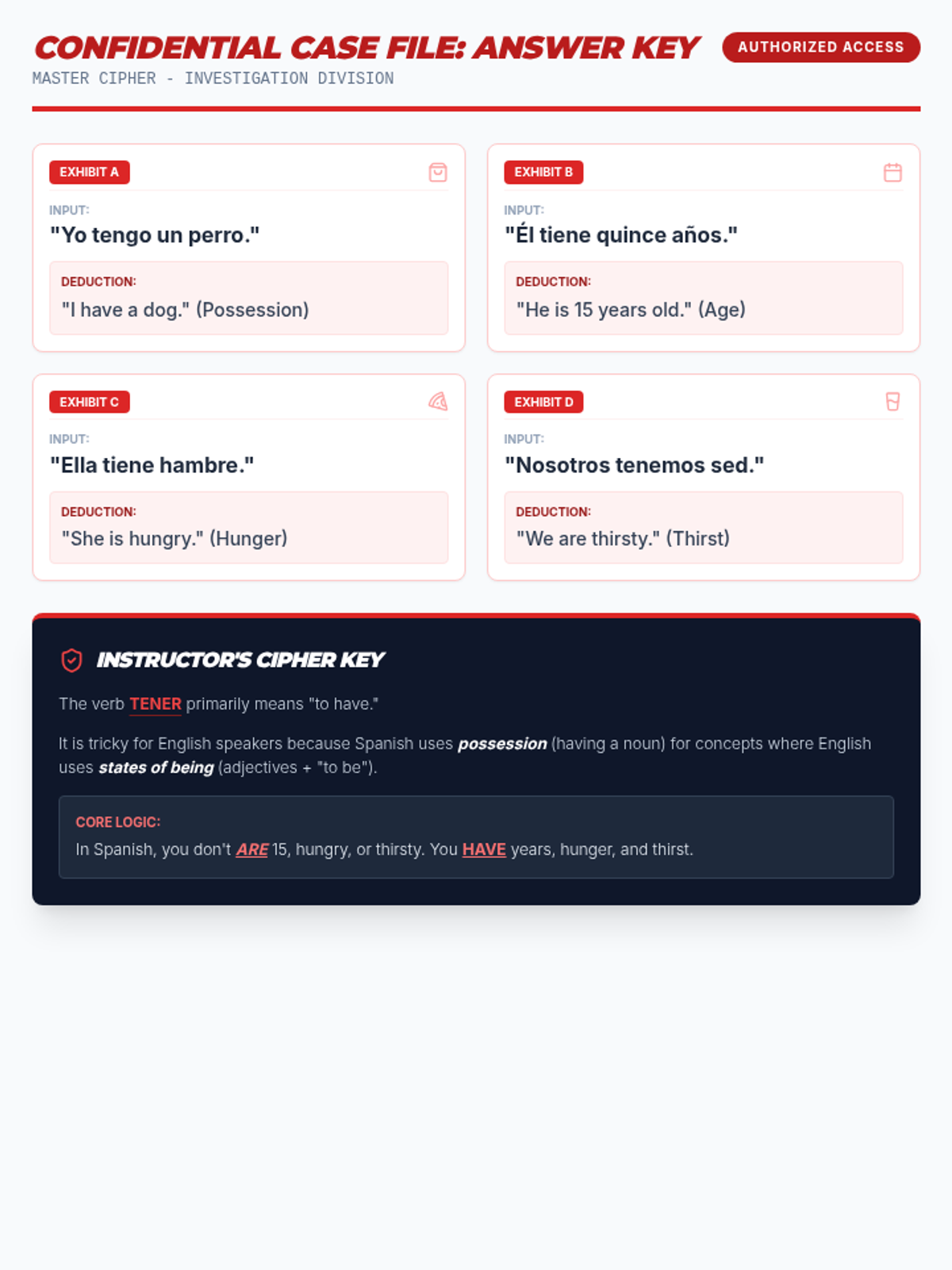
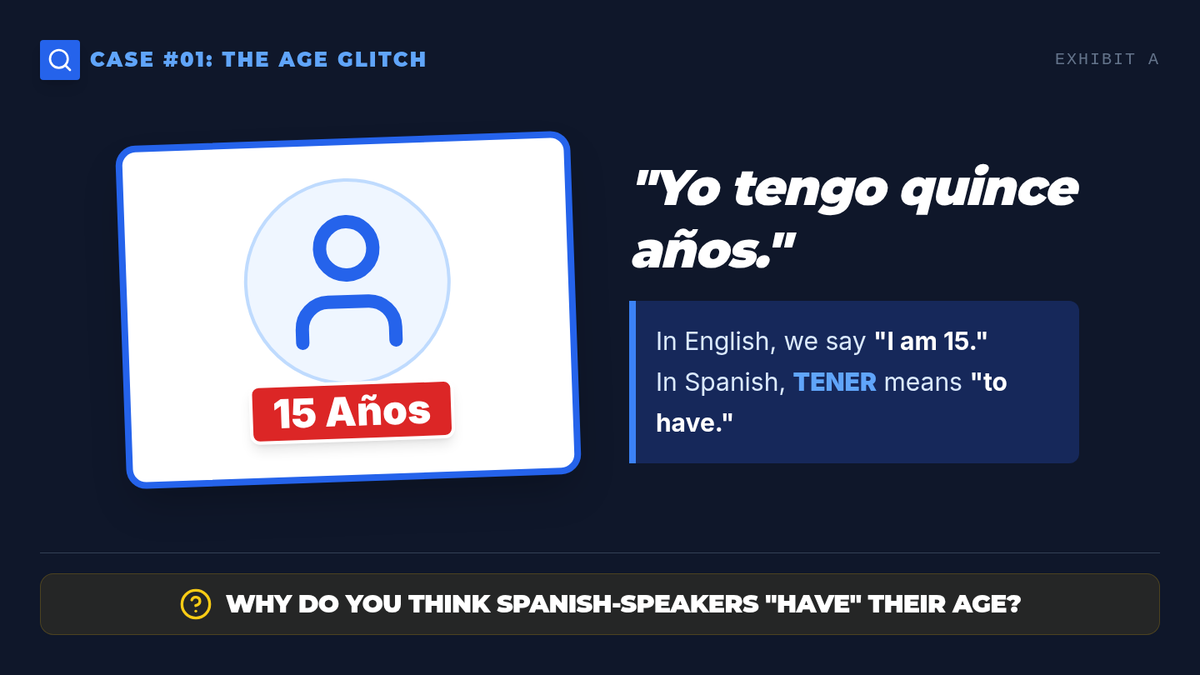
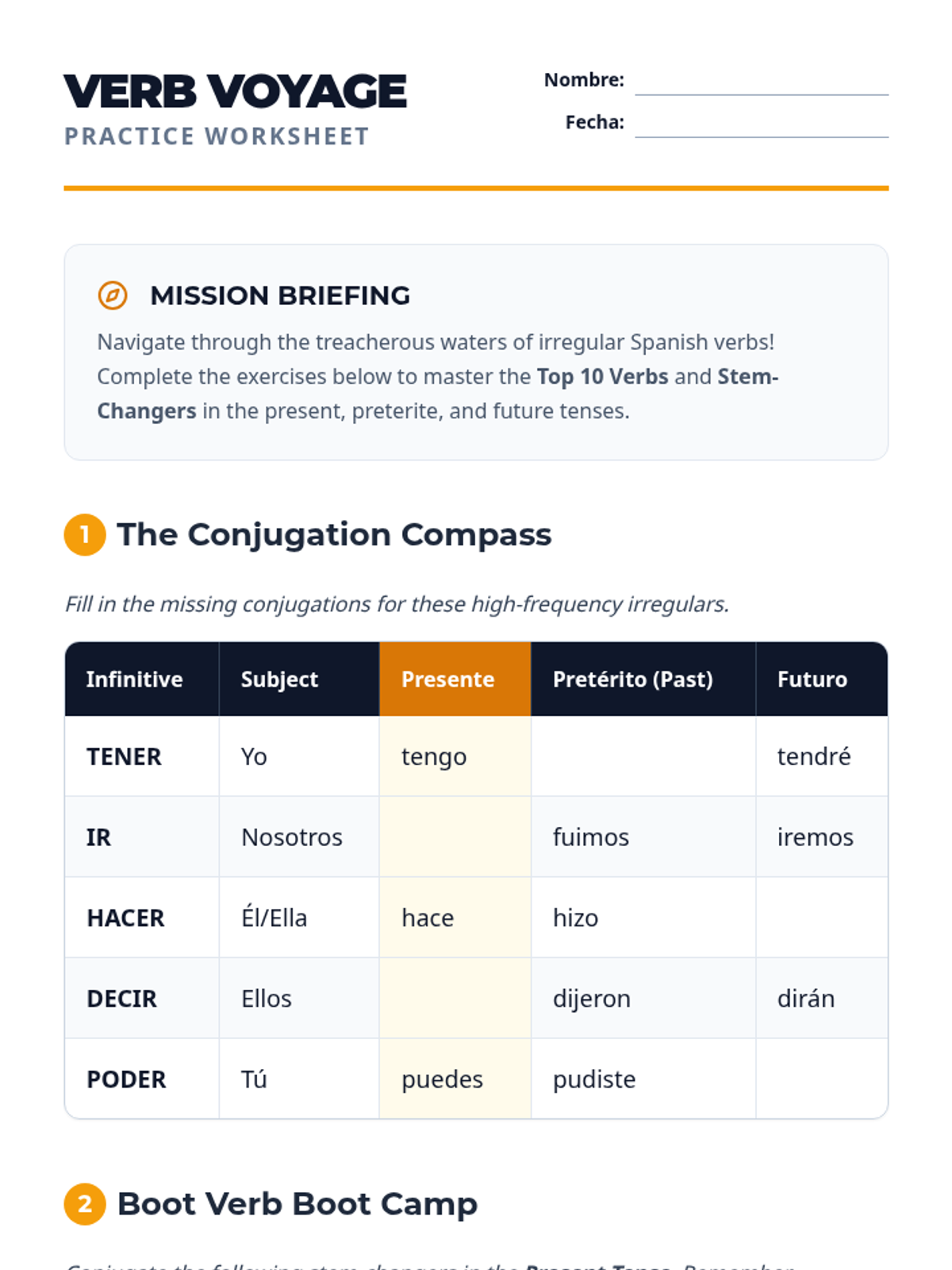
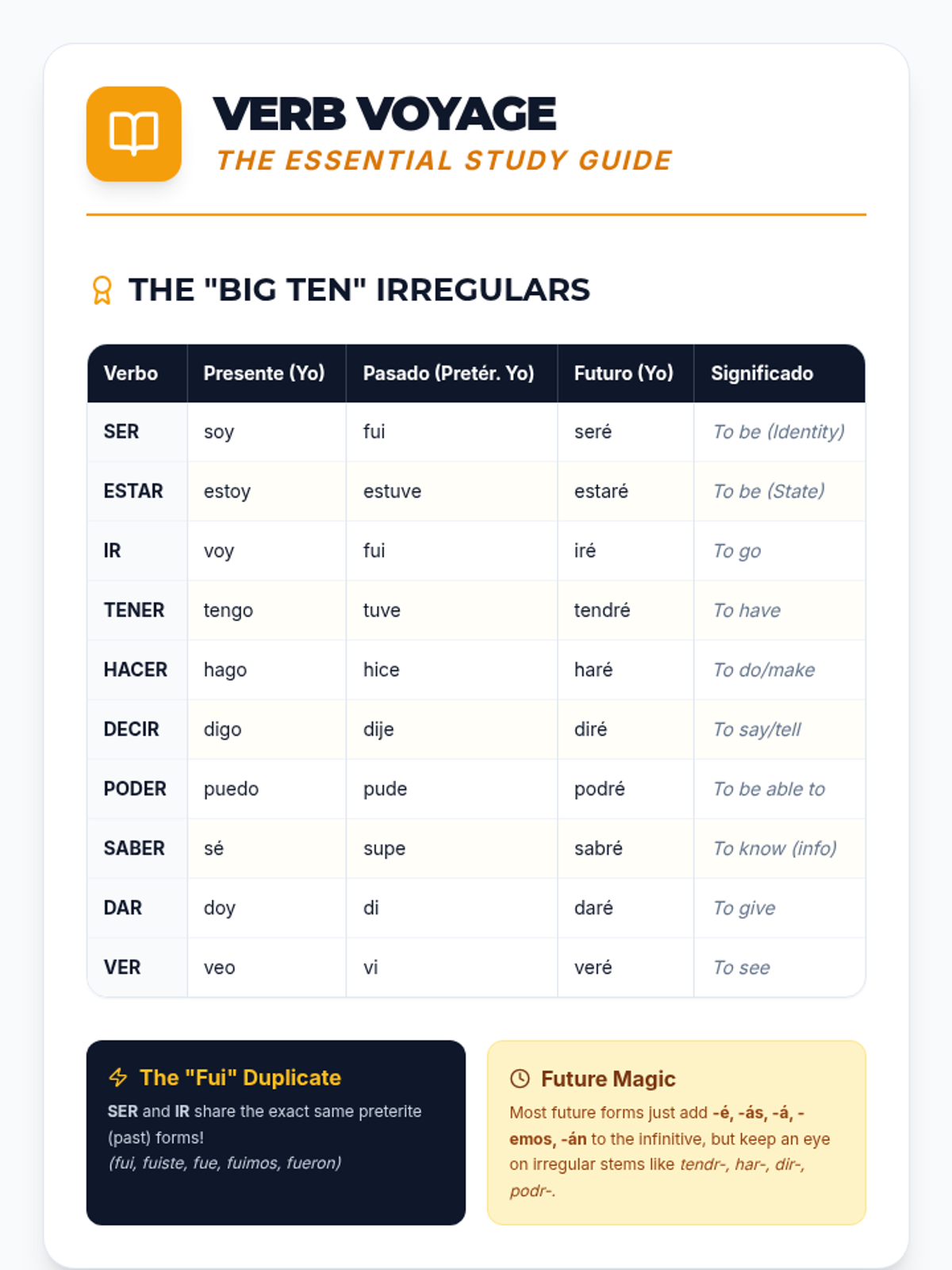
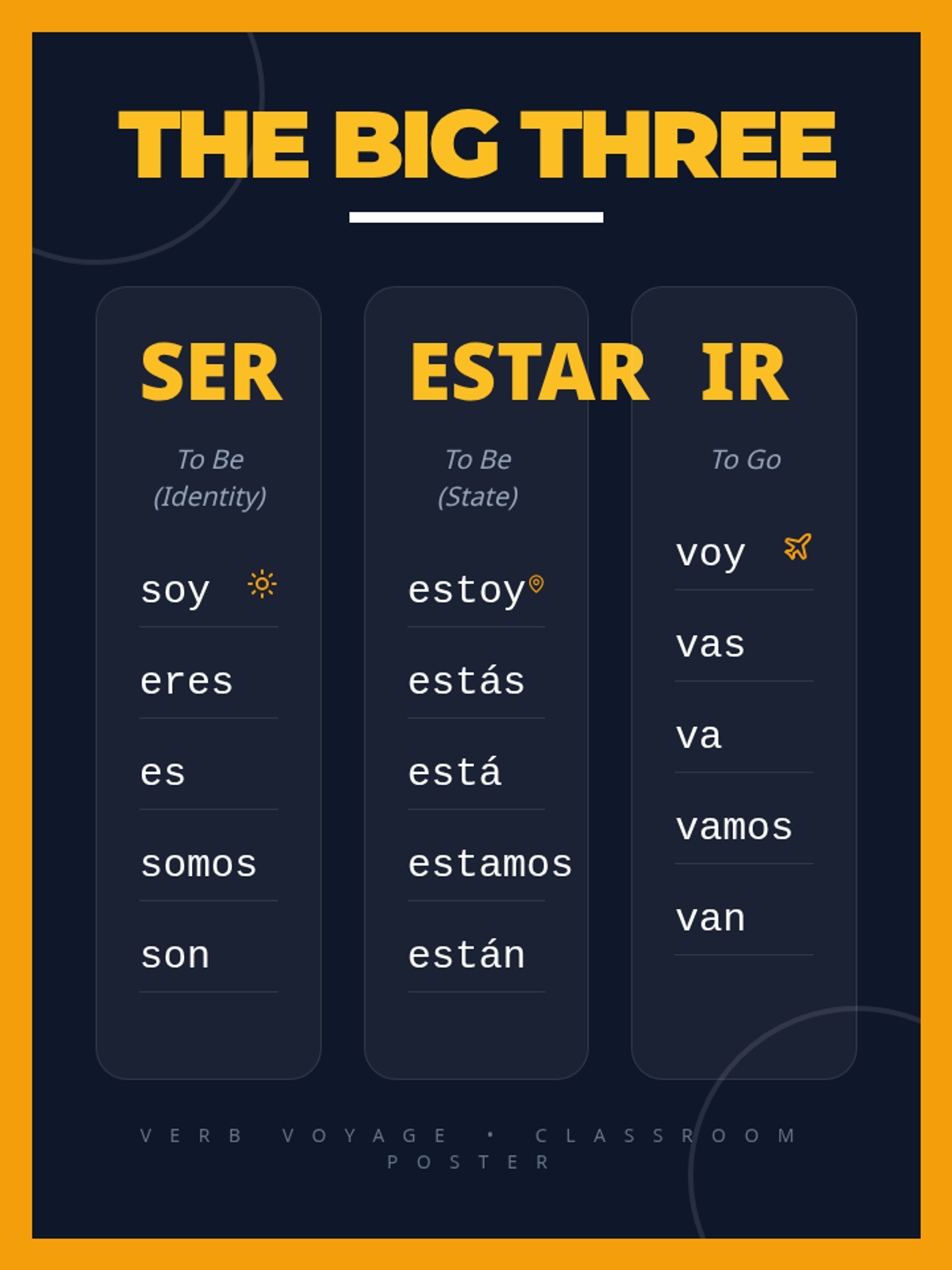
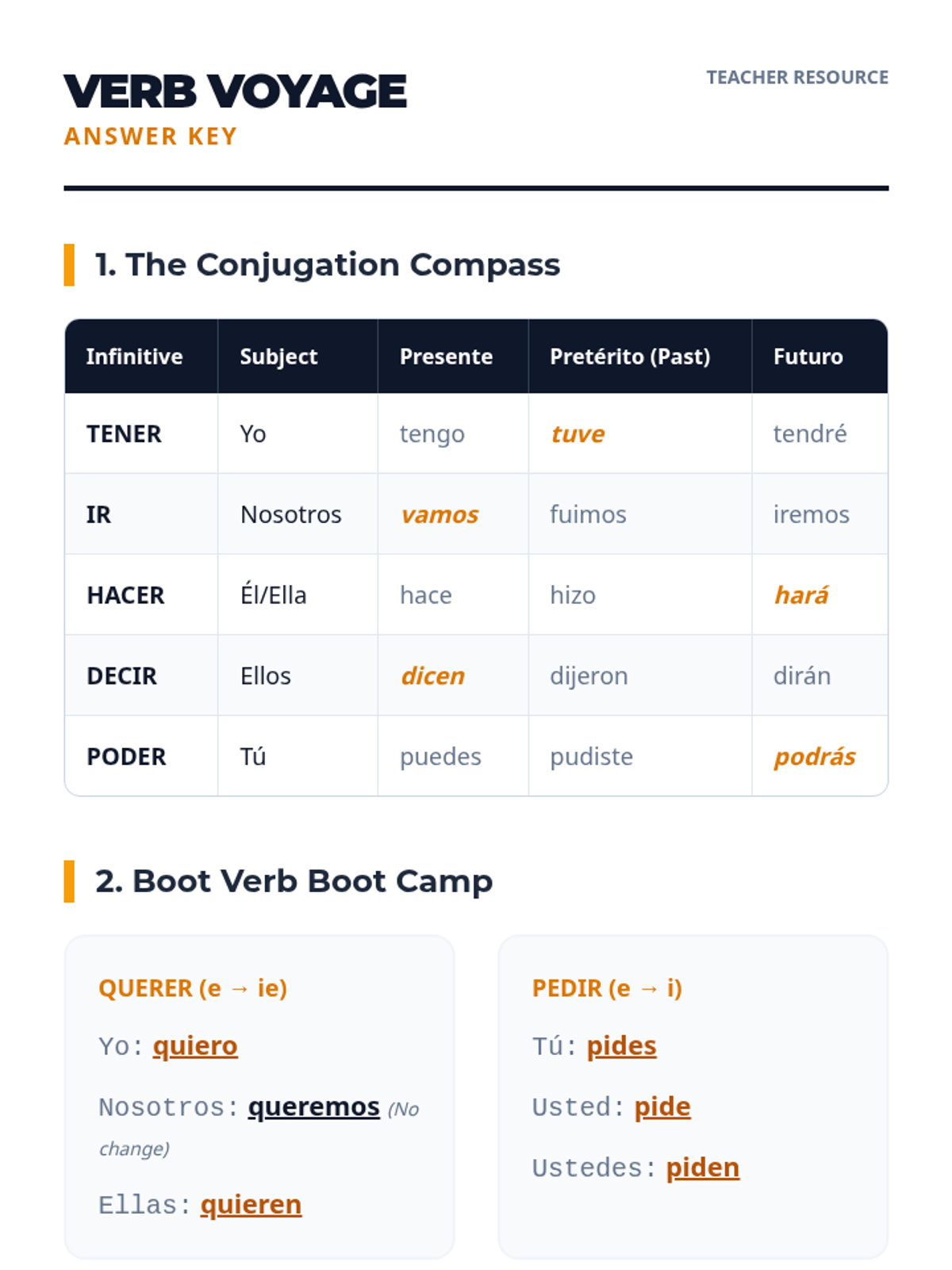
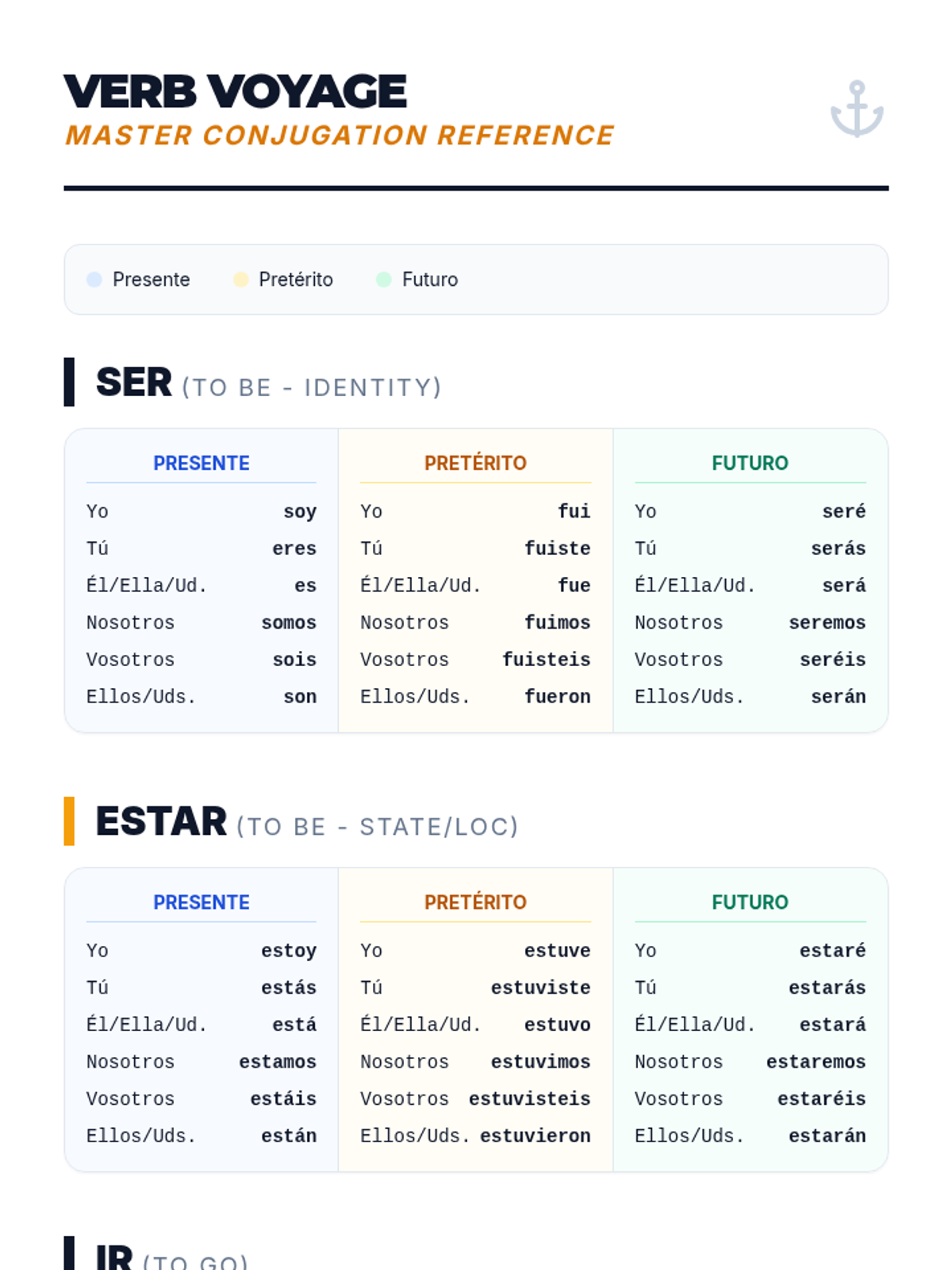
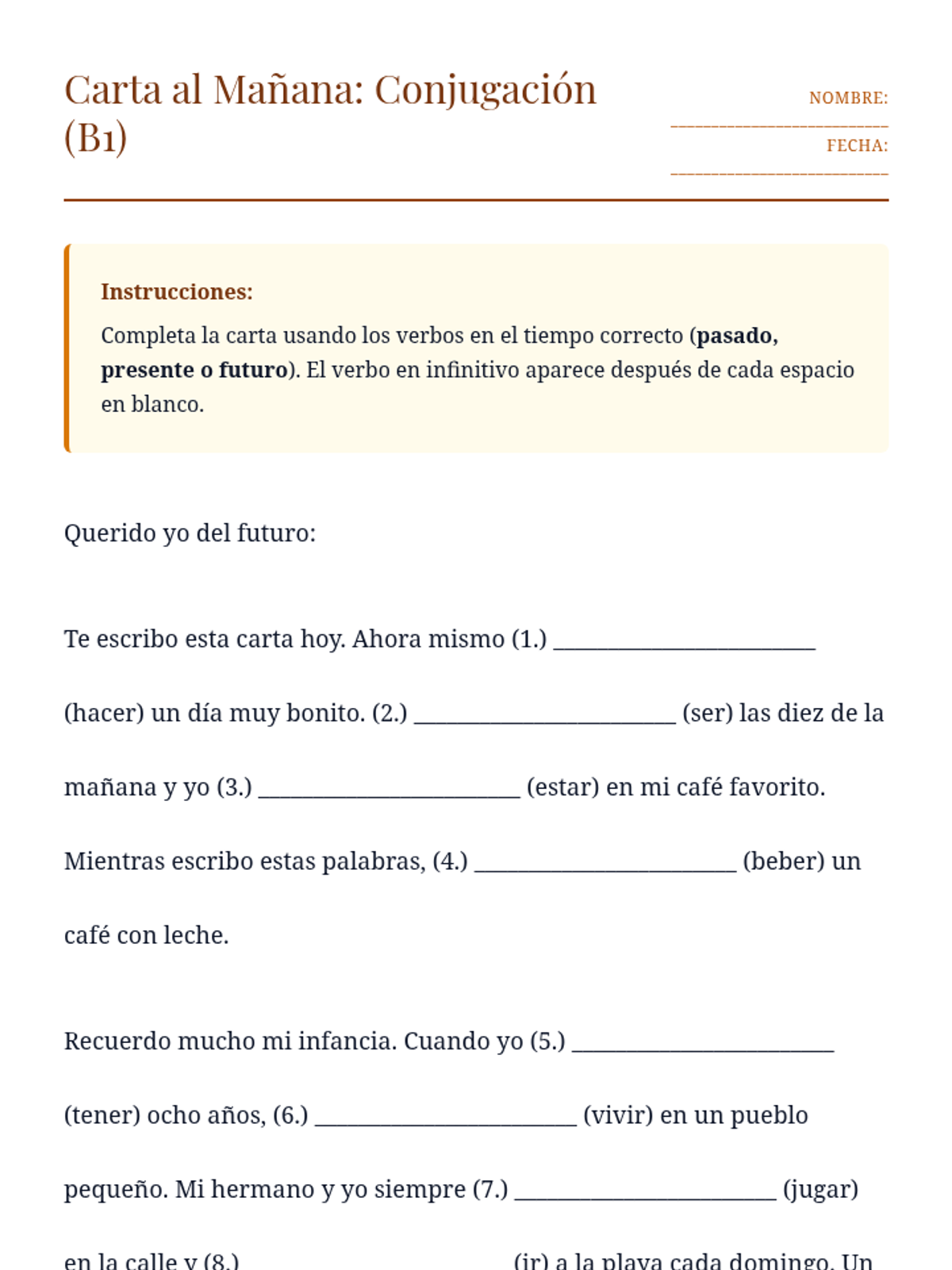
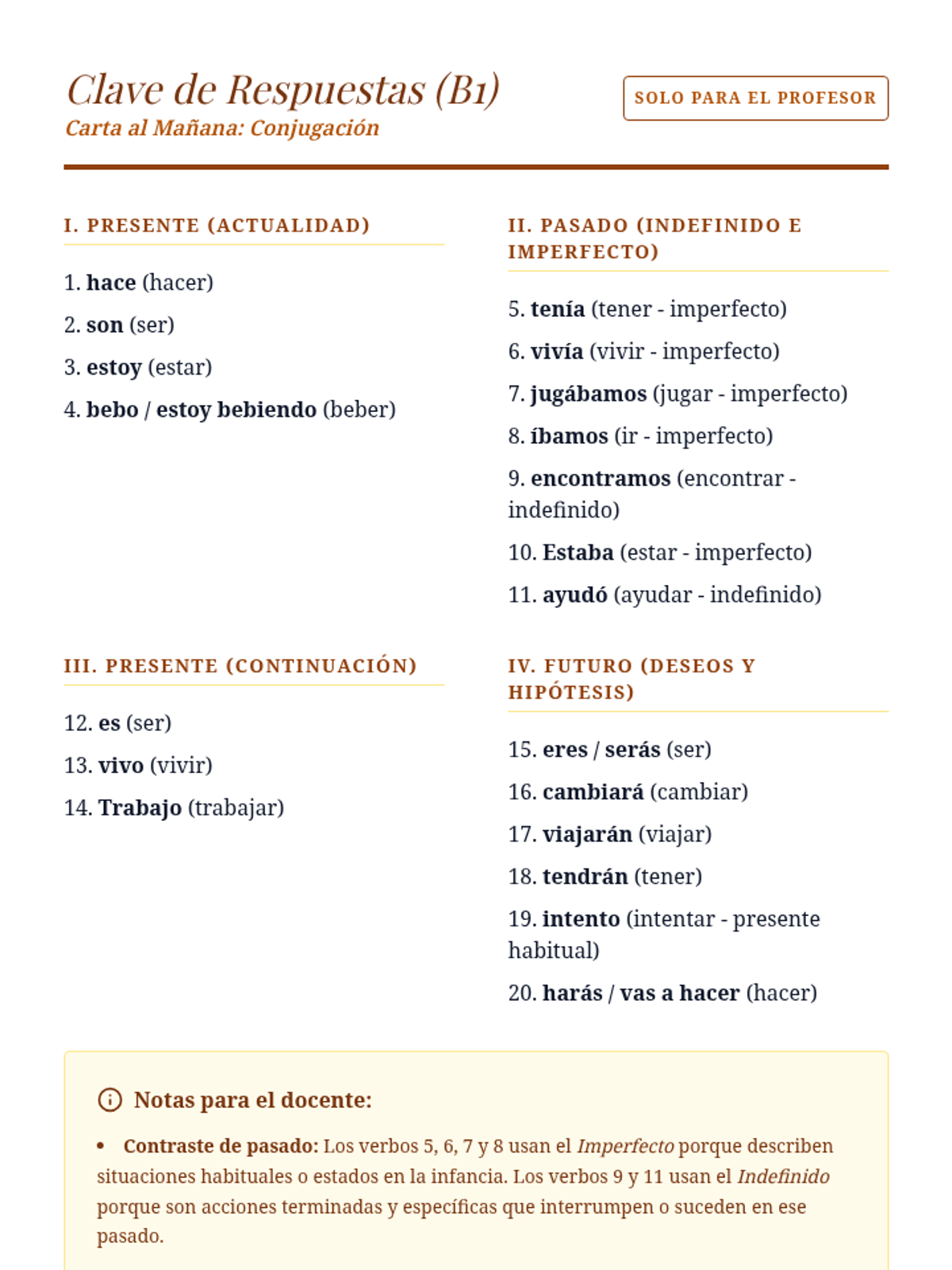
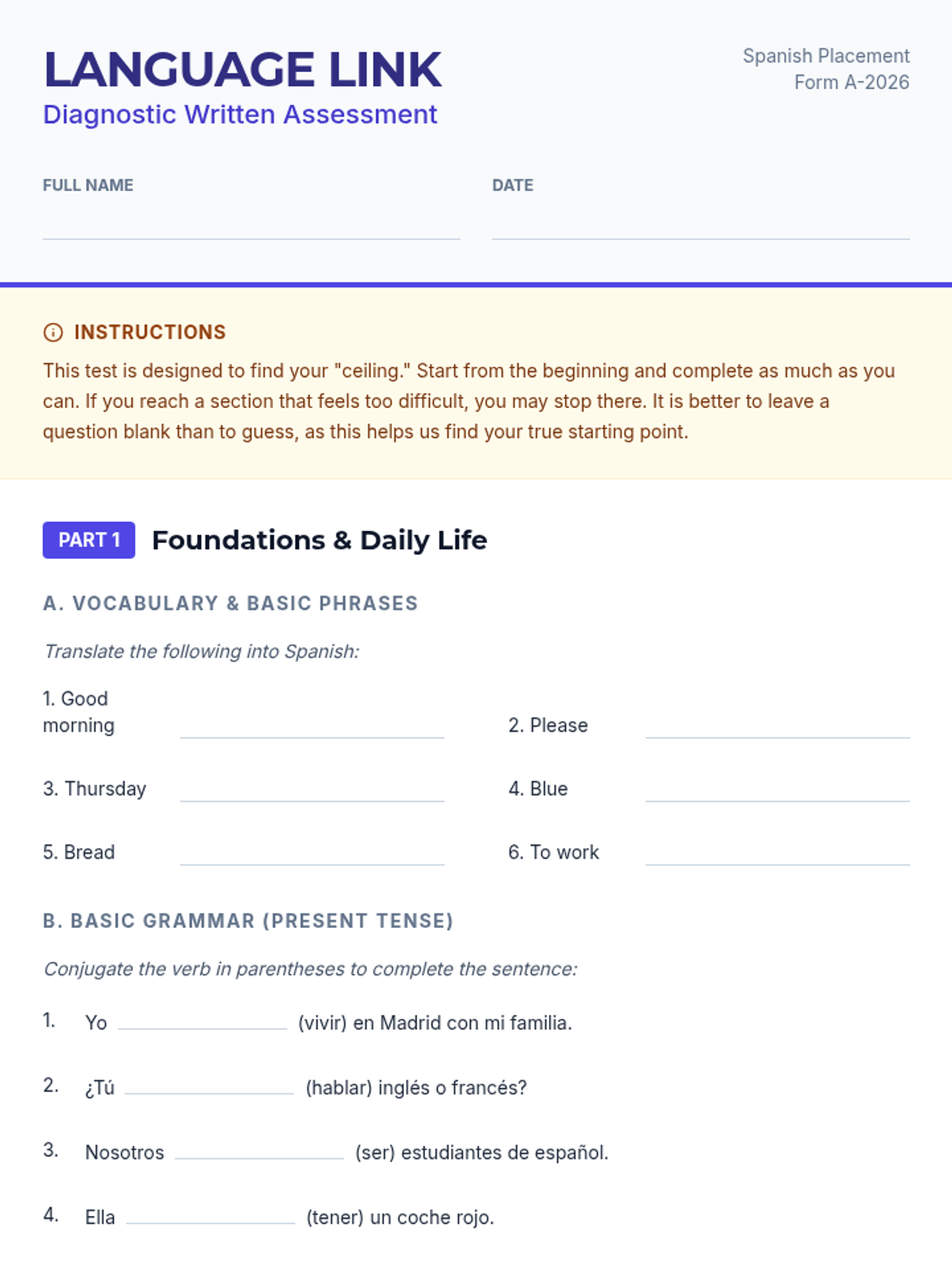
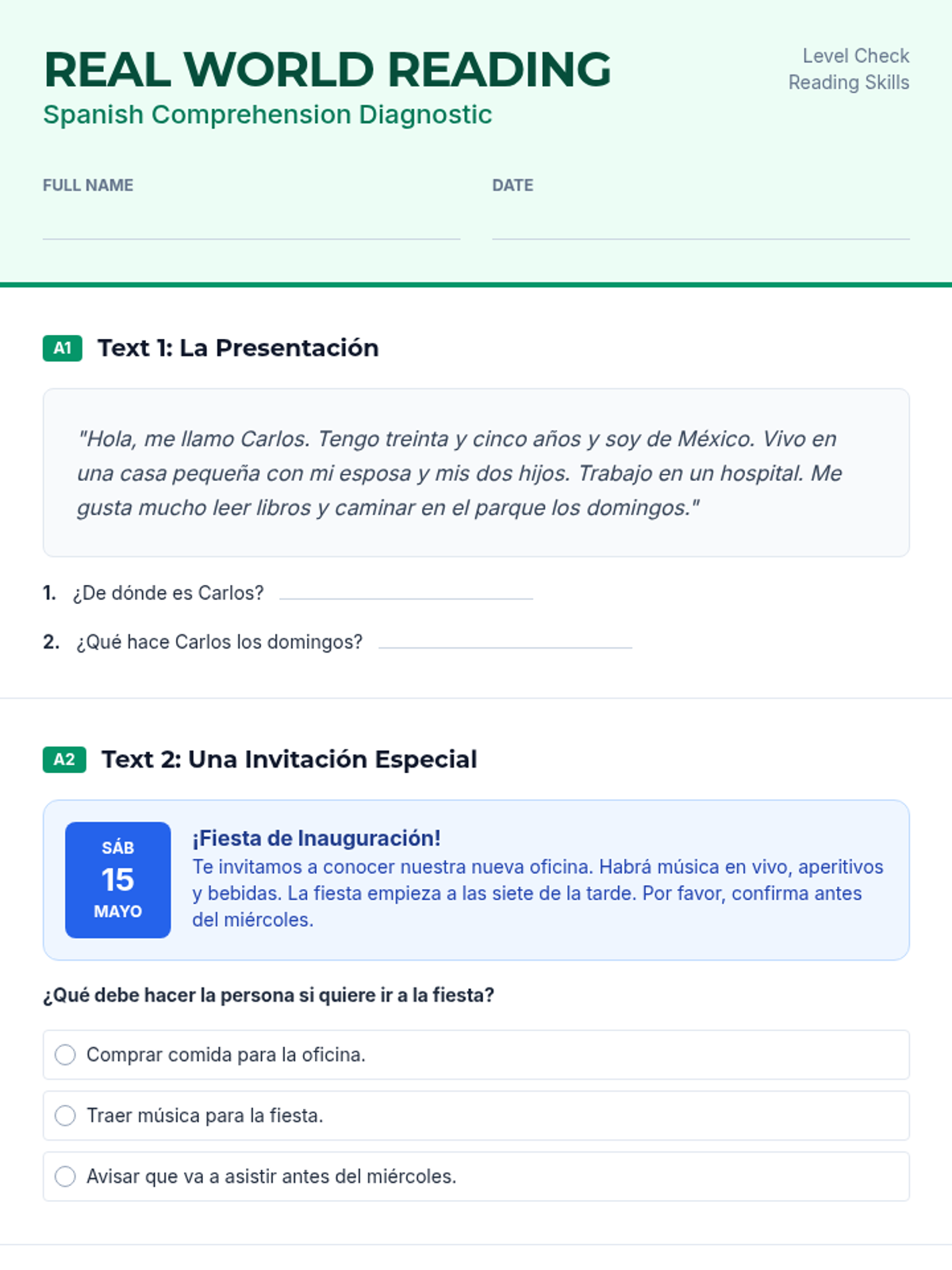
A comprehensive guide and practice set for mastering the four most essential Spanish verbs: ser, estar, haber, and tener across present, past, and future tenses.
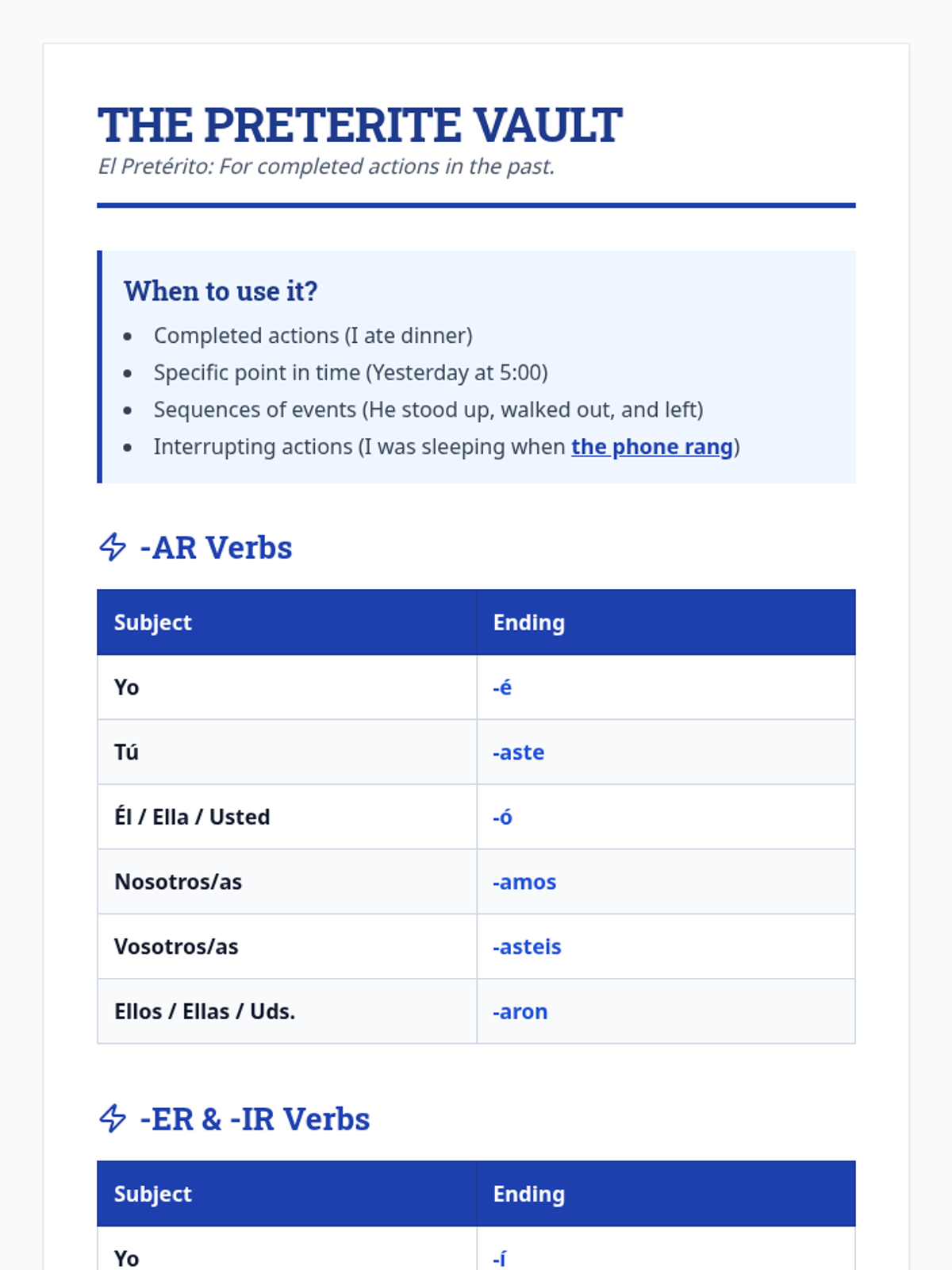
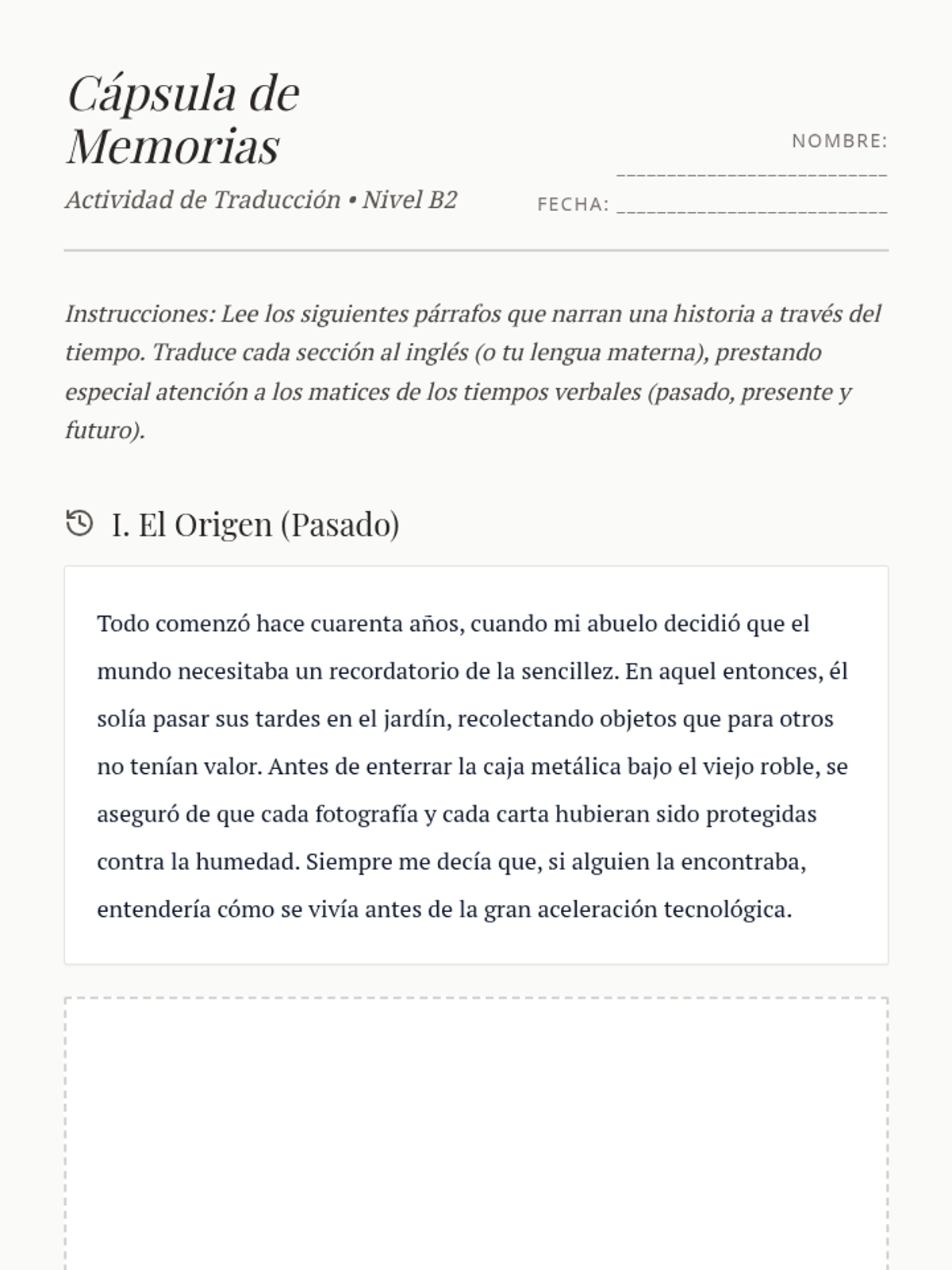
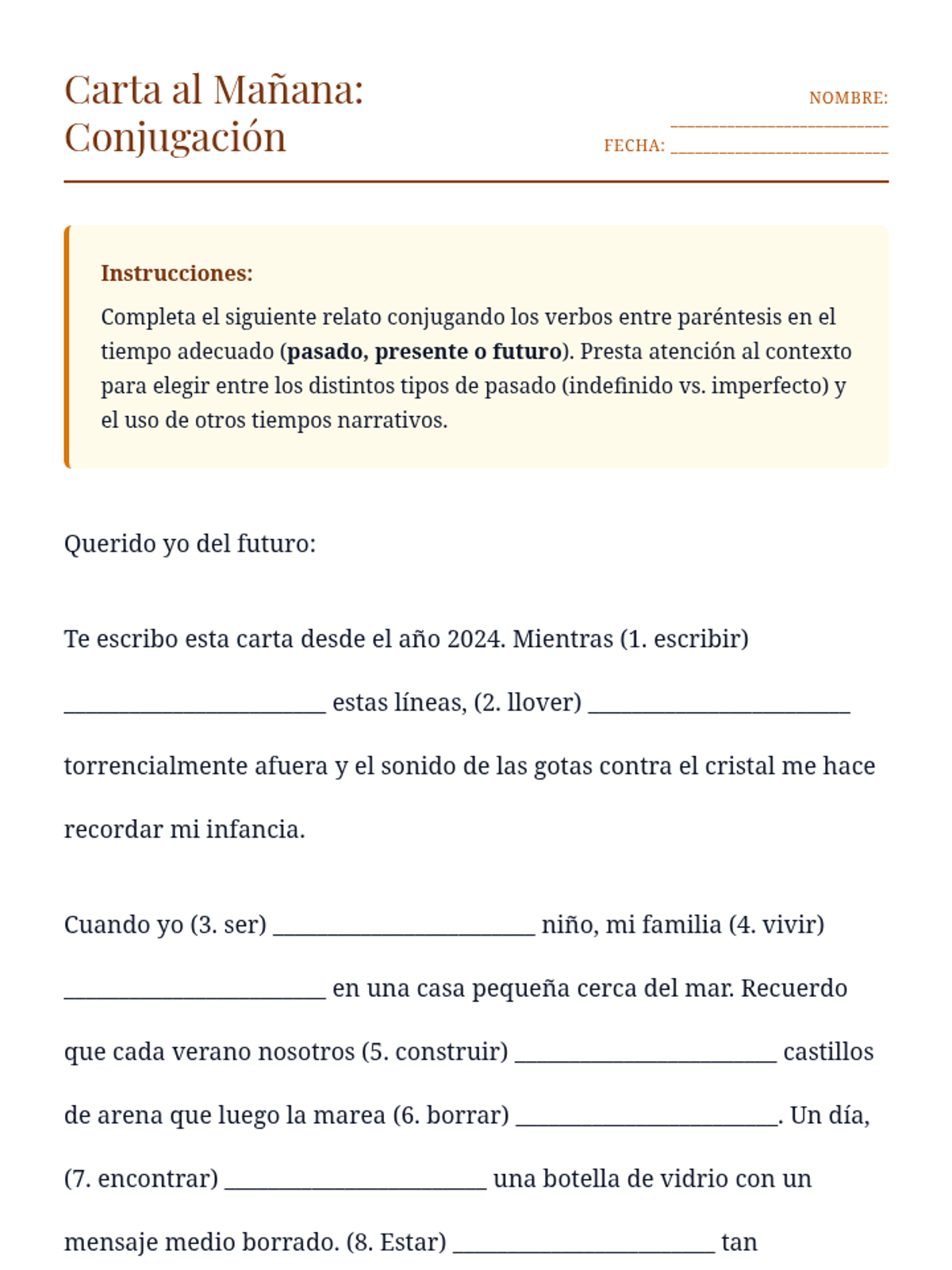
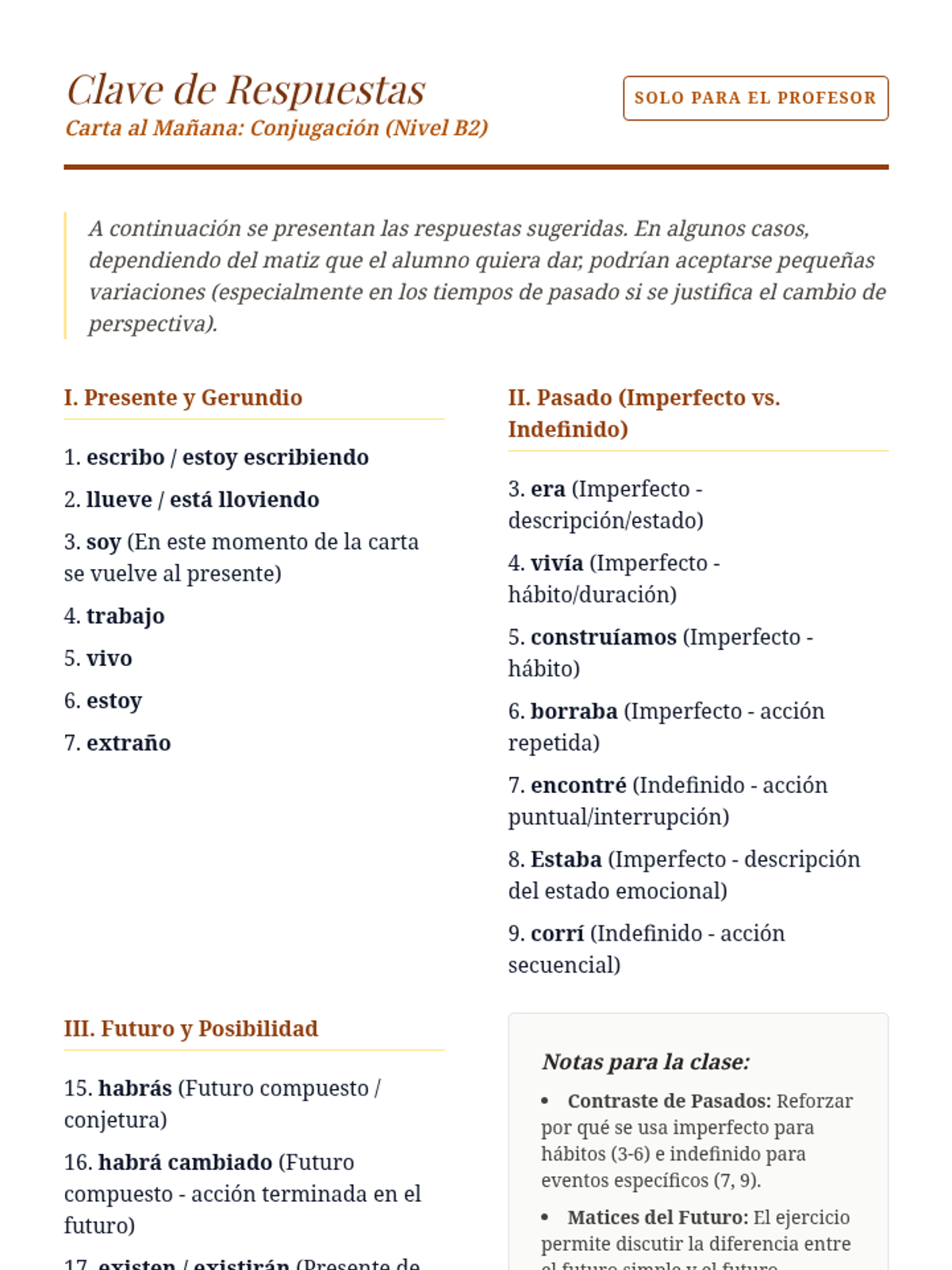
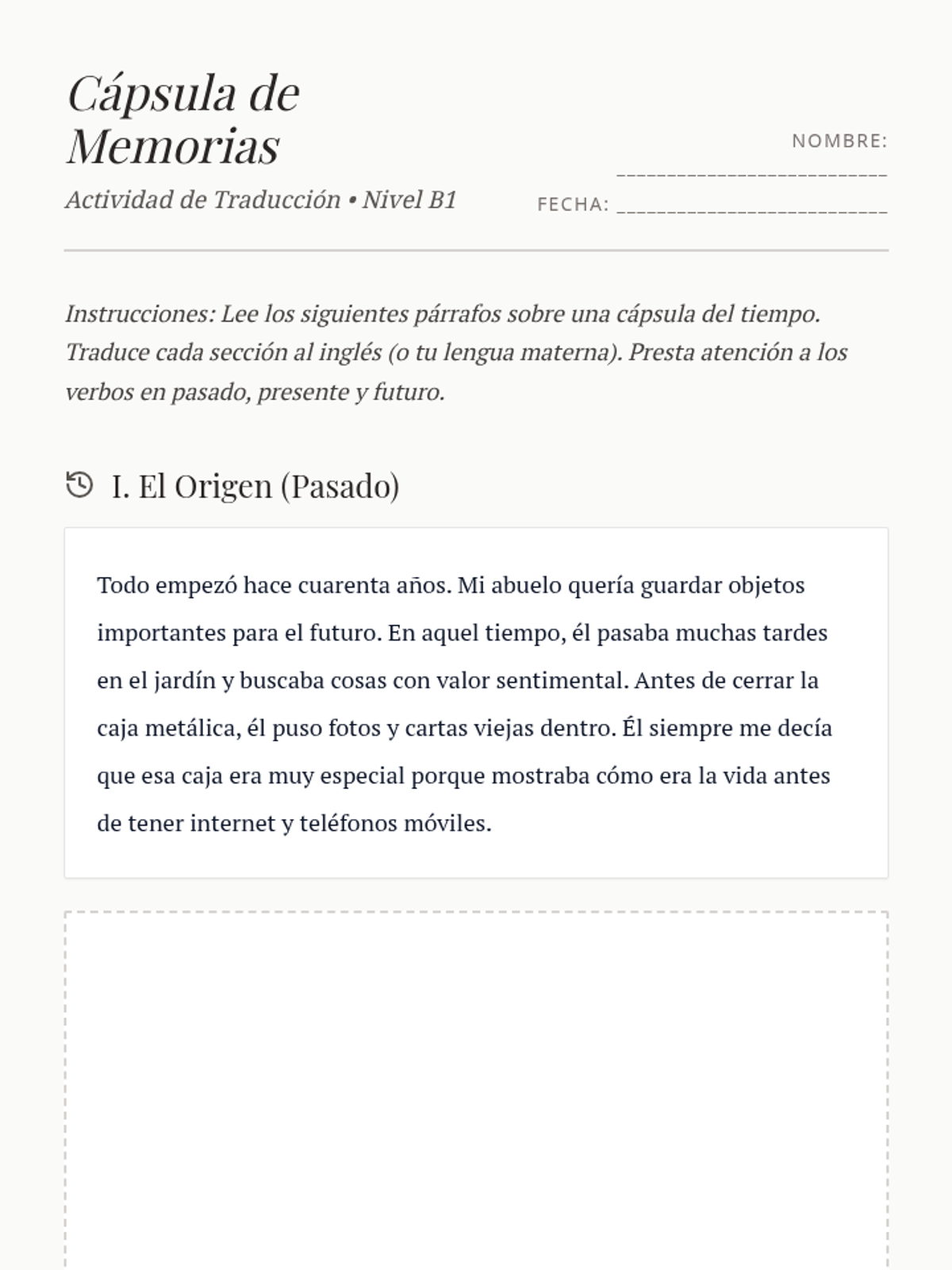
Una guía detallada para dominar los verbos fundamentales (haber, tener, ser, estar) en el pretérito indefinido y el imperfecto. Incluye explicaciones teóricas, tablas de conjugación y ejercicios prácticos.
A high-energy lesson focused on mastering the four most important irregular French verbs (avoir, être, faire, aller) through a competitive Metro-themed Bingo game. Students review conjugations and apply them in a fast-paced listening activity.
A comprehensive 80-minute lesson exploring the seven primary uses of 'se' in Spanish, featuring contextual analysis and hands-on practice.
A comprehensive guide and practice set for mastering the most common irregular French verbs, focusing on patterns, comparisons, and active recall.
A comprehensive 75-minute lesson for B2-C1 adult learners exploring the SINK and DINK lifestyles through advanced grammar (future perfect, passive, mixed conditionals) and nuanced discussion.
A 90-minute B2-level English lesson focused on the life and public role of Prince Edward, Duke of Edinburgh, featuring listening comprehension and intensive speaking activities.
This lesson teaches students how to use Google Translate's speech-to-text and text-to-speech features to self-evaluate their spoken language. Focus areas include pronunciation clarity, grammatical accuracy of transcribed text, and oral fluency.
Students synthesize their learning to produce a short report or presentation about their specific internship experience.
Introduces and practices action verbs related to daily professional tasks in the kitchen and dining room using simple present tense.
Focuses on identifying kitchen/restaurant roles and equipment used during the internship to re-establish professional vocabulary.
The culmination of the sequence where students work in teams to prepare and deliver a professional pitch proposing three sustainable solutions for a local restaurant.
Students research sustainable alternatives for common restaurant problems and build a professional vocabulary toolkit for their final proposal.
Students identify common waste issues in restaurant environments and learn the vocabulary of the 3 Rs (Reduce, Reuse, Recycle).
An introductory lesson for B2 adult students on Black History Month, focusing on counterfactual history using 2nd, 3rd, and mixed conditionals, alongside idioms for change and justice.
A foundational lesson covering essential German greetings and introductions alongside an introduction to the German case system (nominative, accusative, and dative). Students will practice social interactions and understand how nouns change based on their role in a sentence.
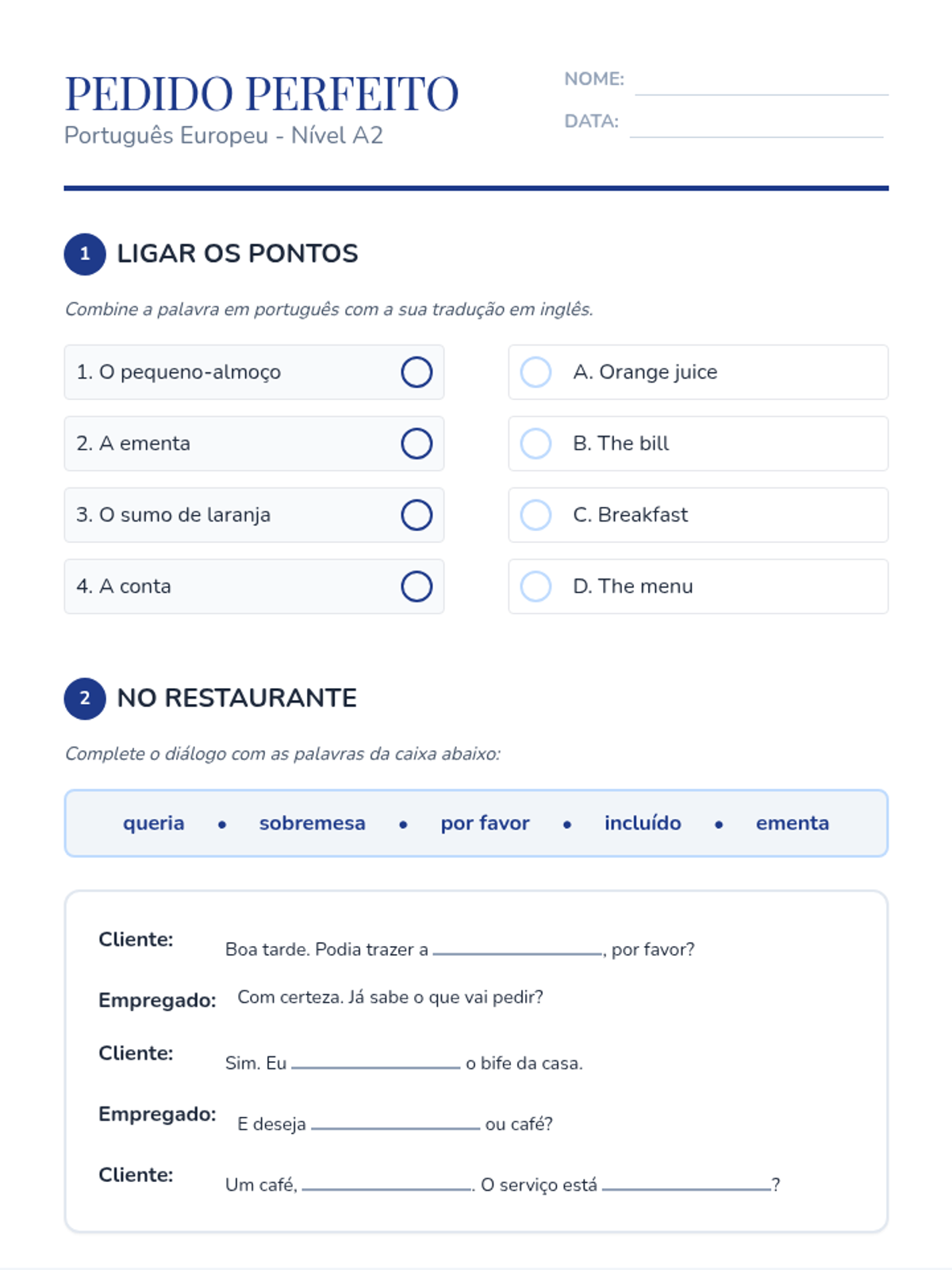
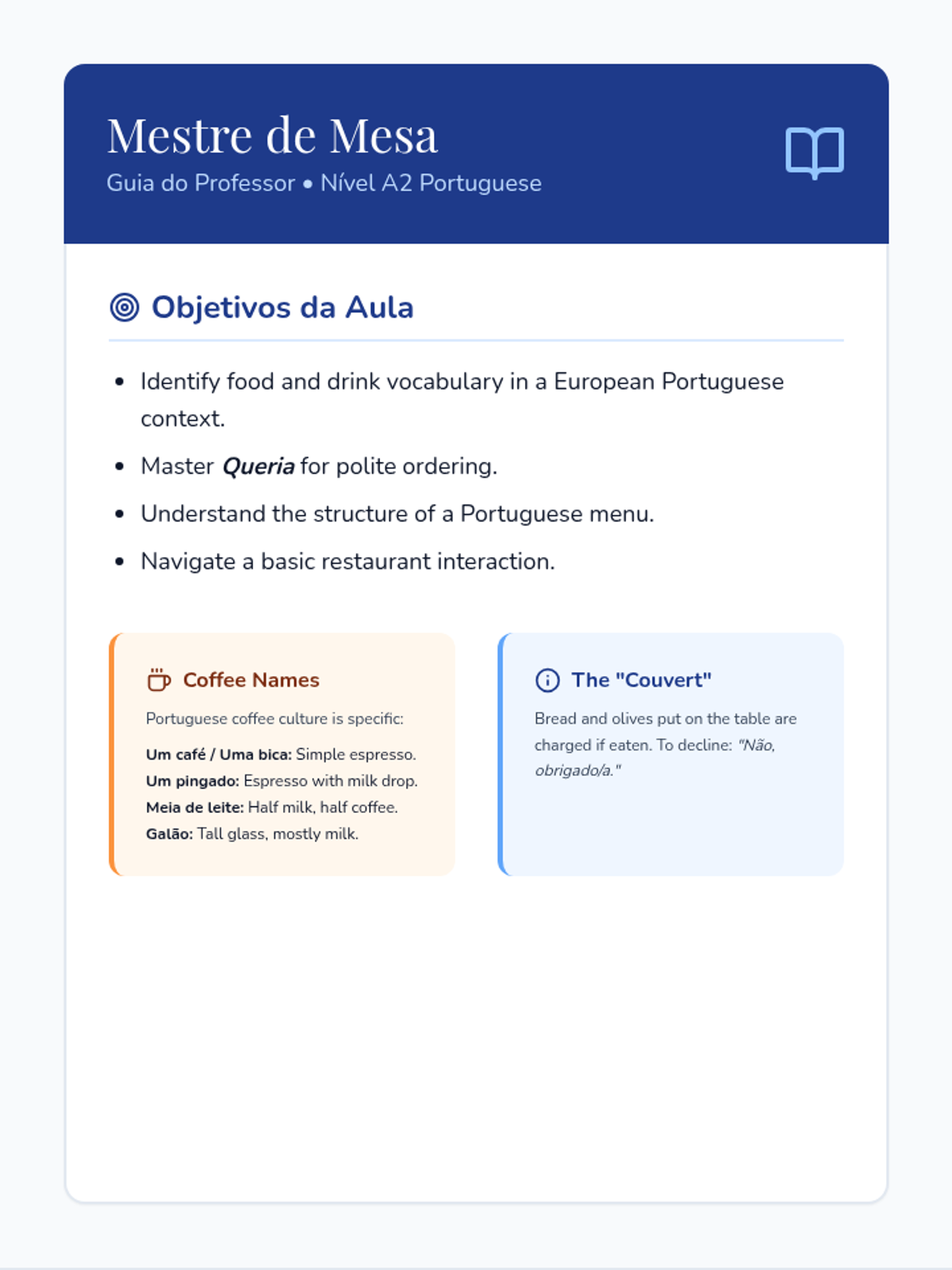
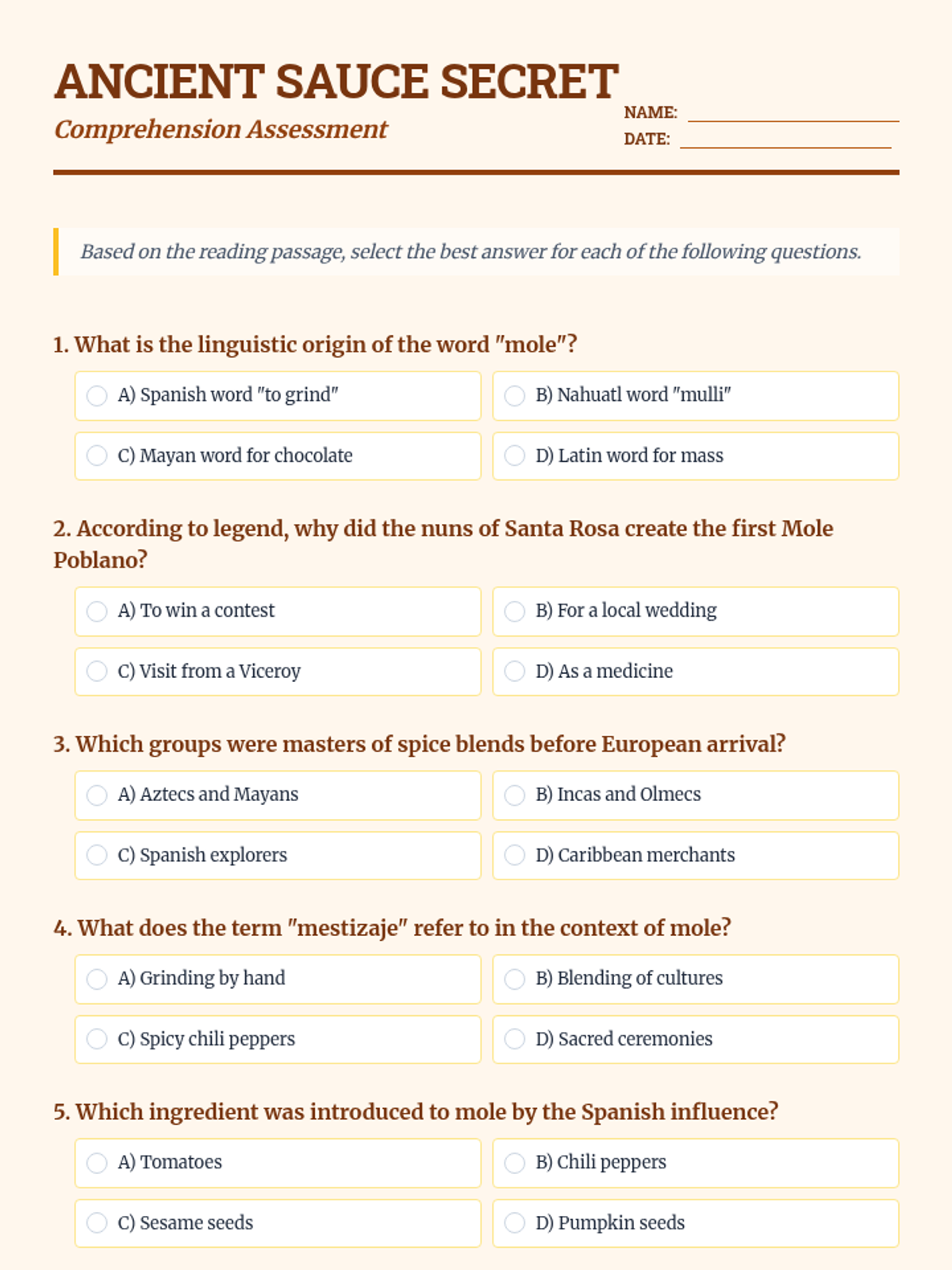
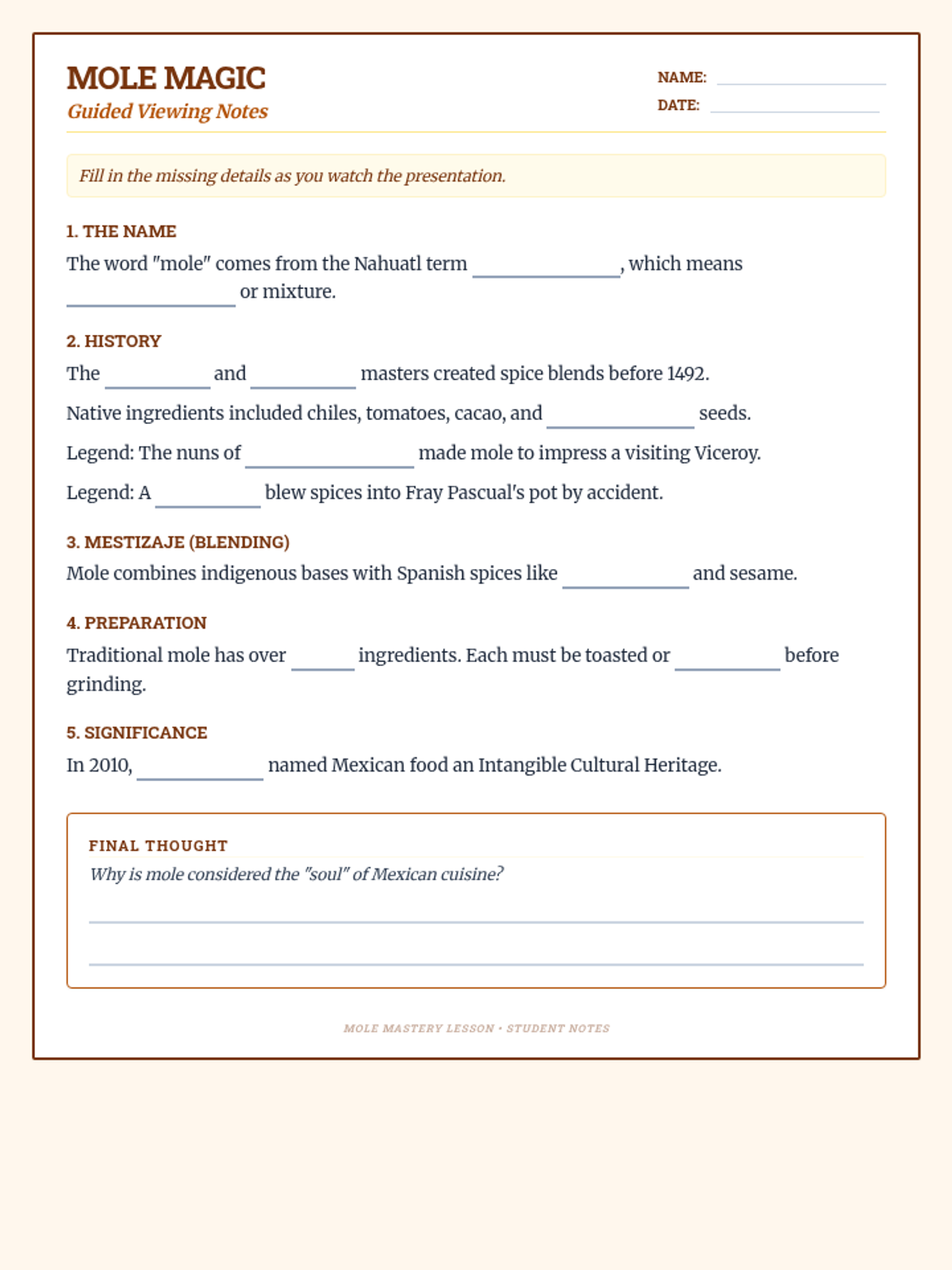
An immersive culinary language lesson for adult learners focusing on food vocabulary, restaurant interactions, and cultural dining customs.
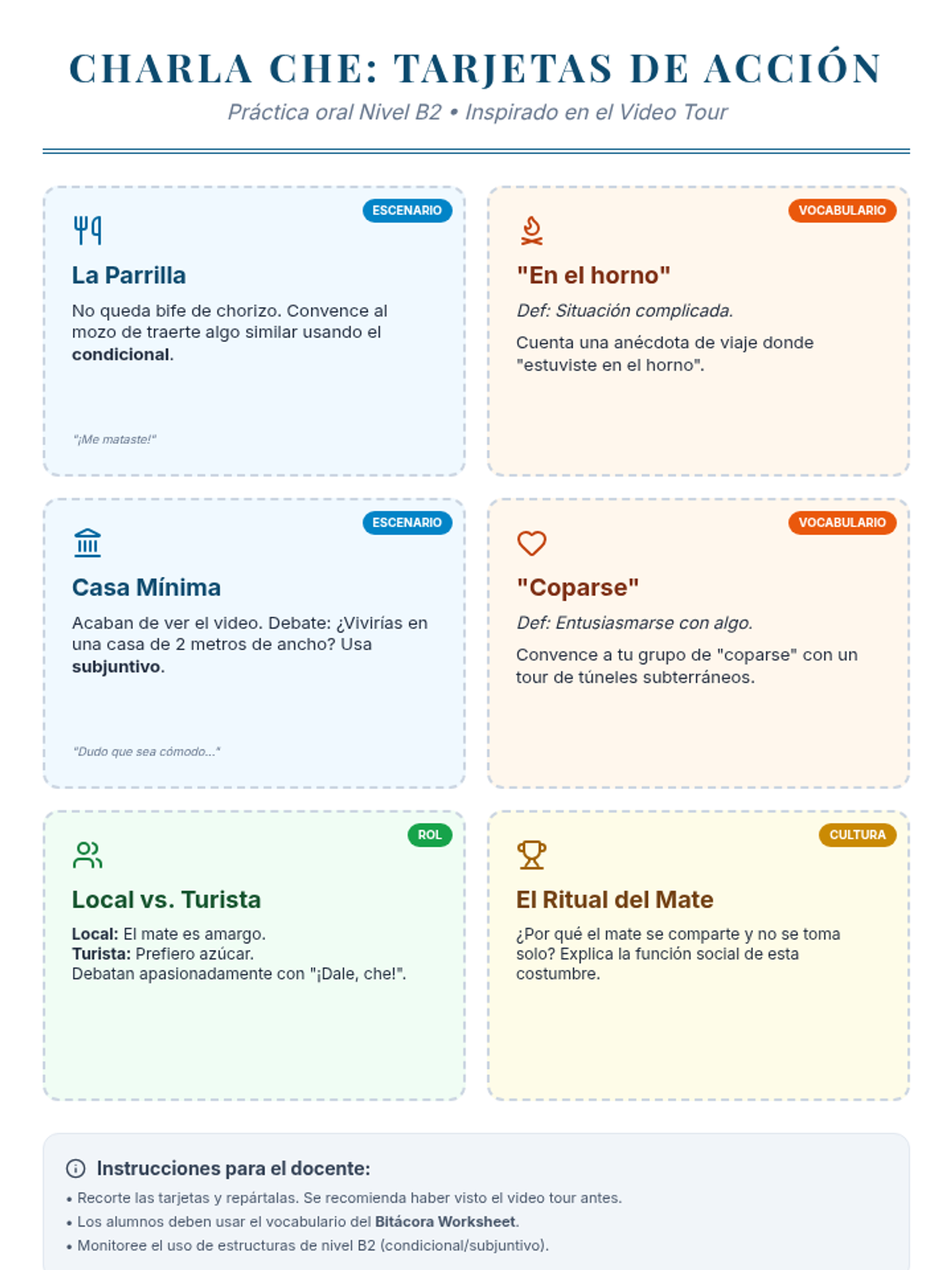
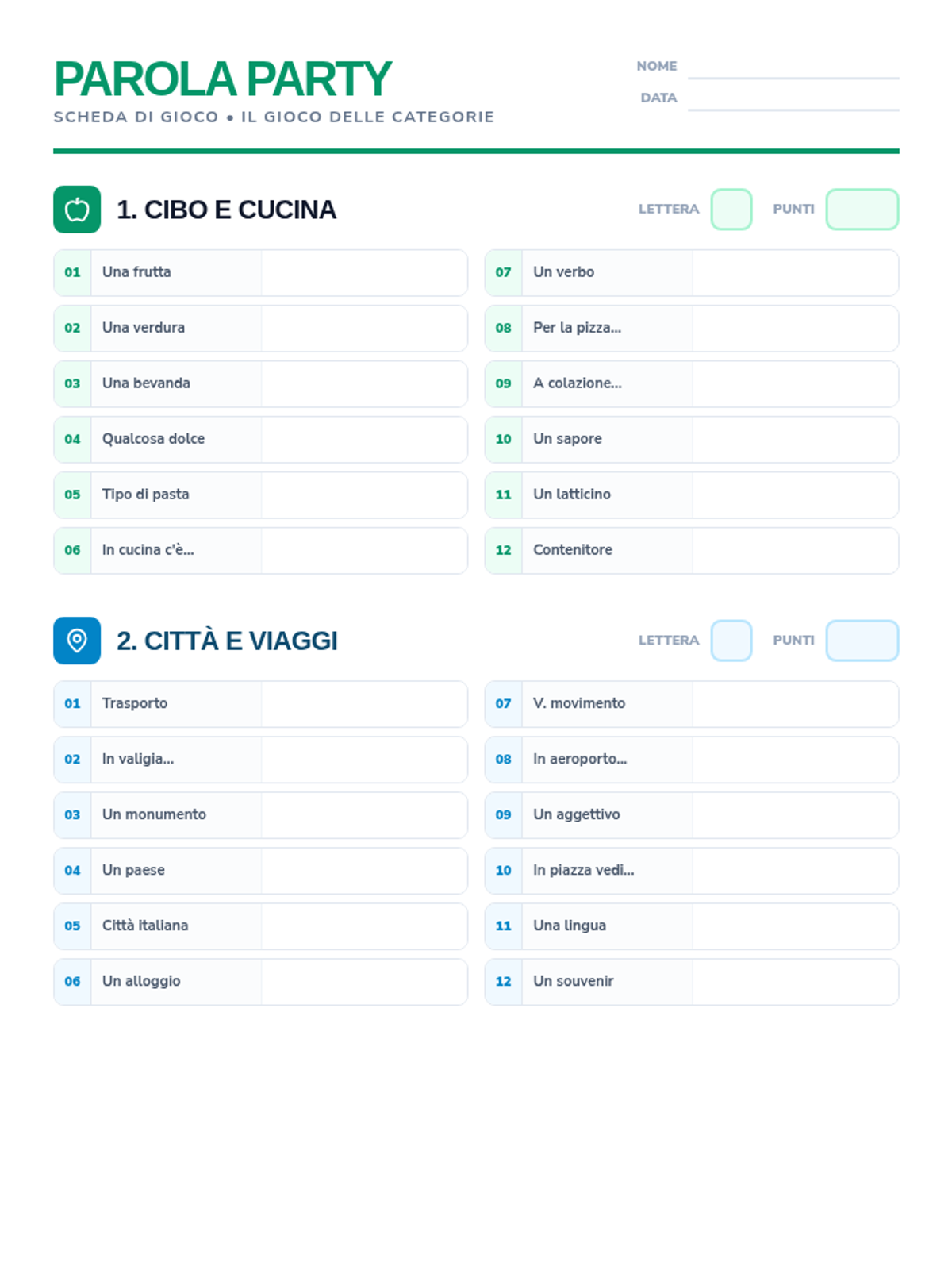
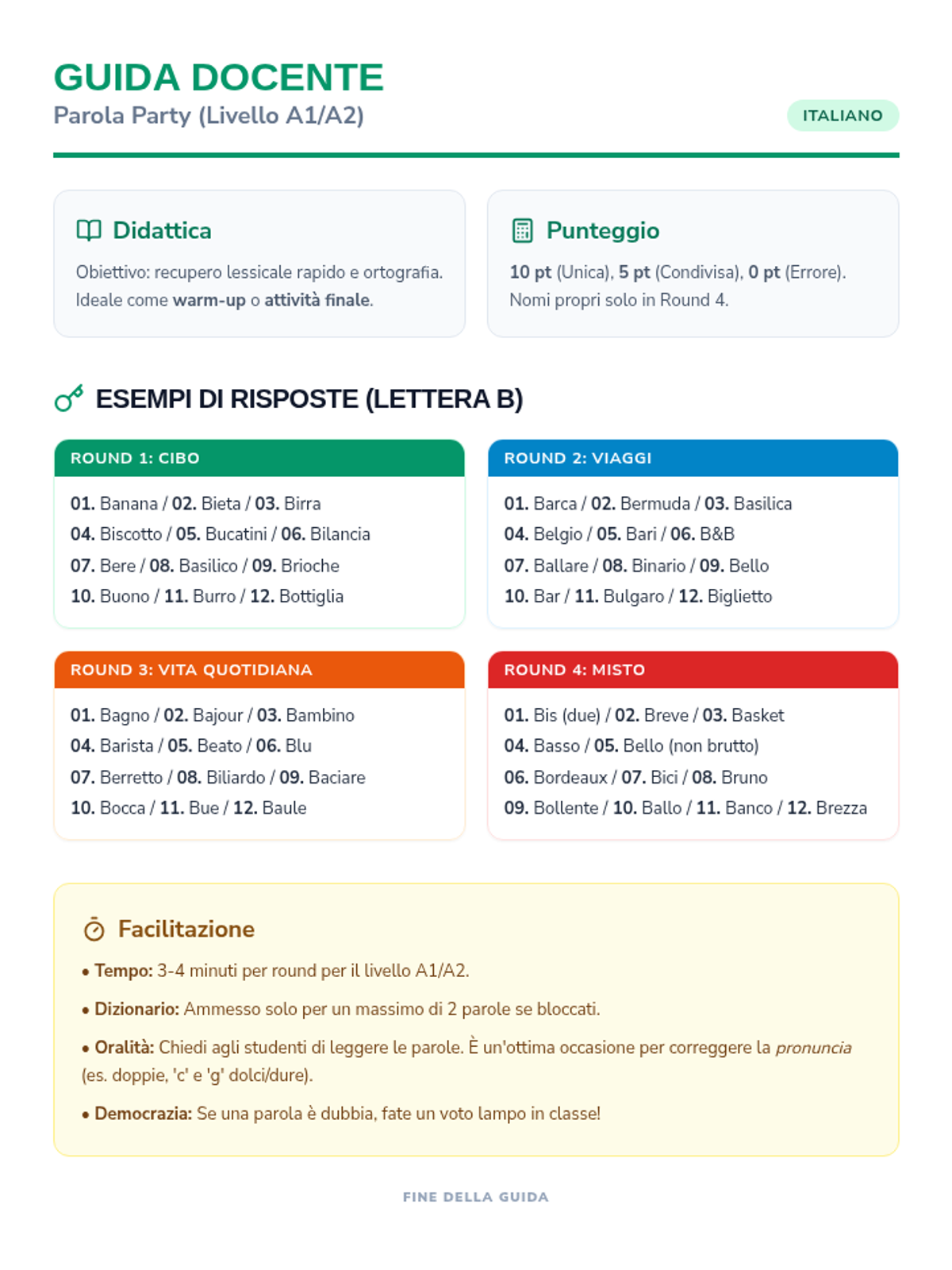
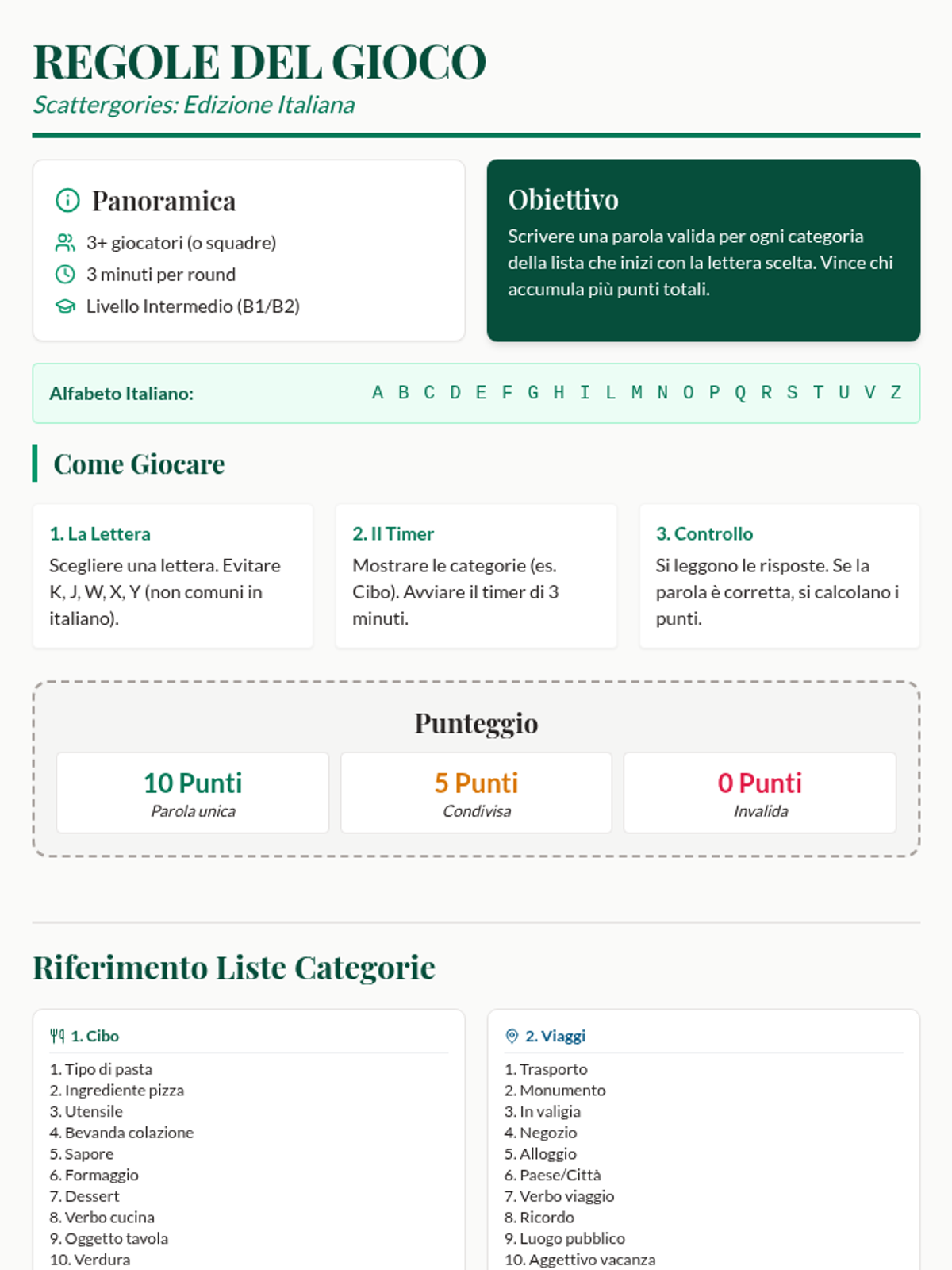
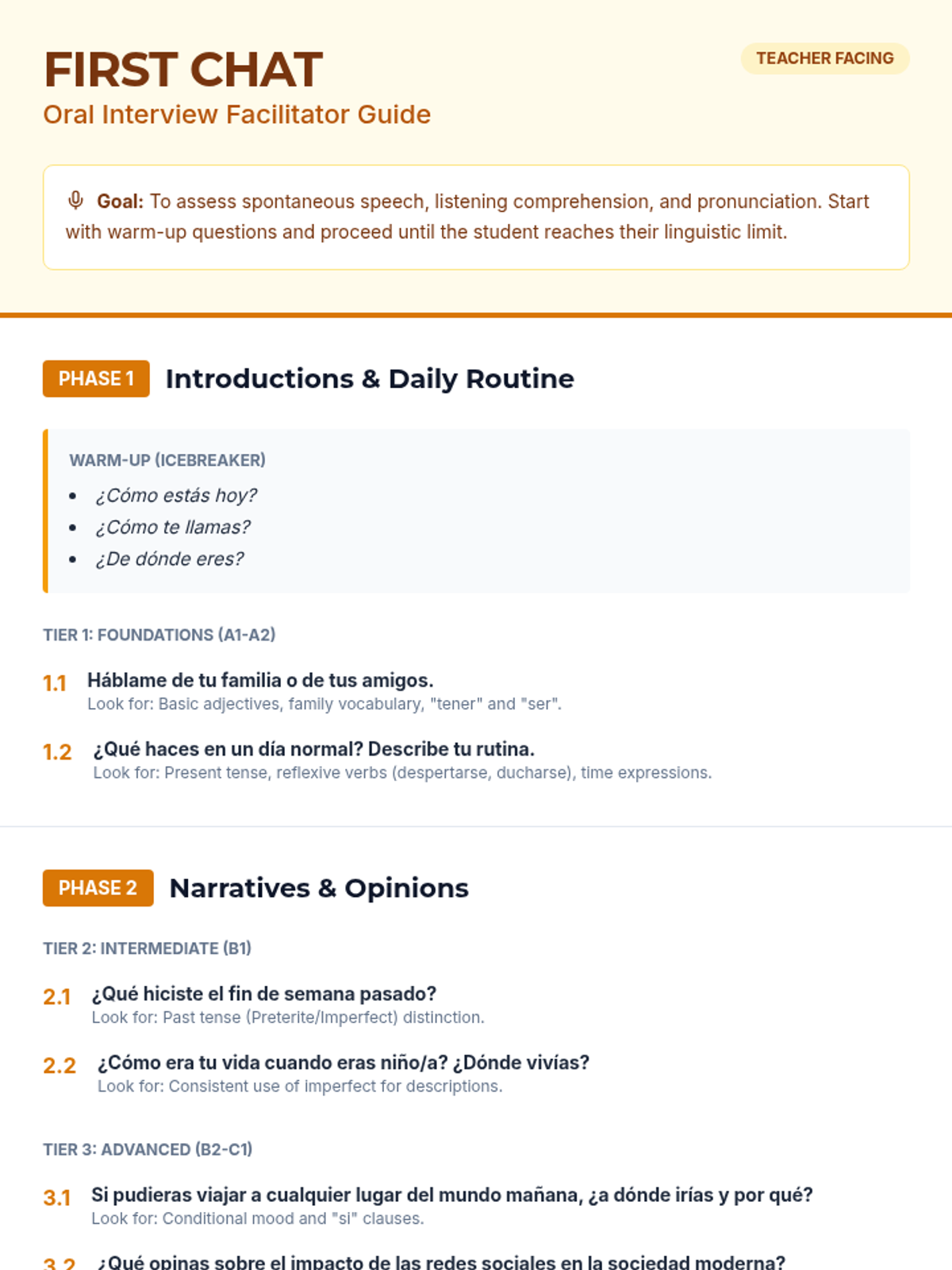
A comprehensive toolkit for foreign language teachers to bridge the gap between rote memorization and spontaneous oral communication through interactive activities and low-stakes scaffolding.
An introductory lesson to American Sign Language covering the alphabet, numbers 1-10, family members, and common household objects. Students will practice both expressive and receptive skills through various activities.
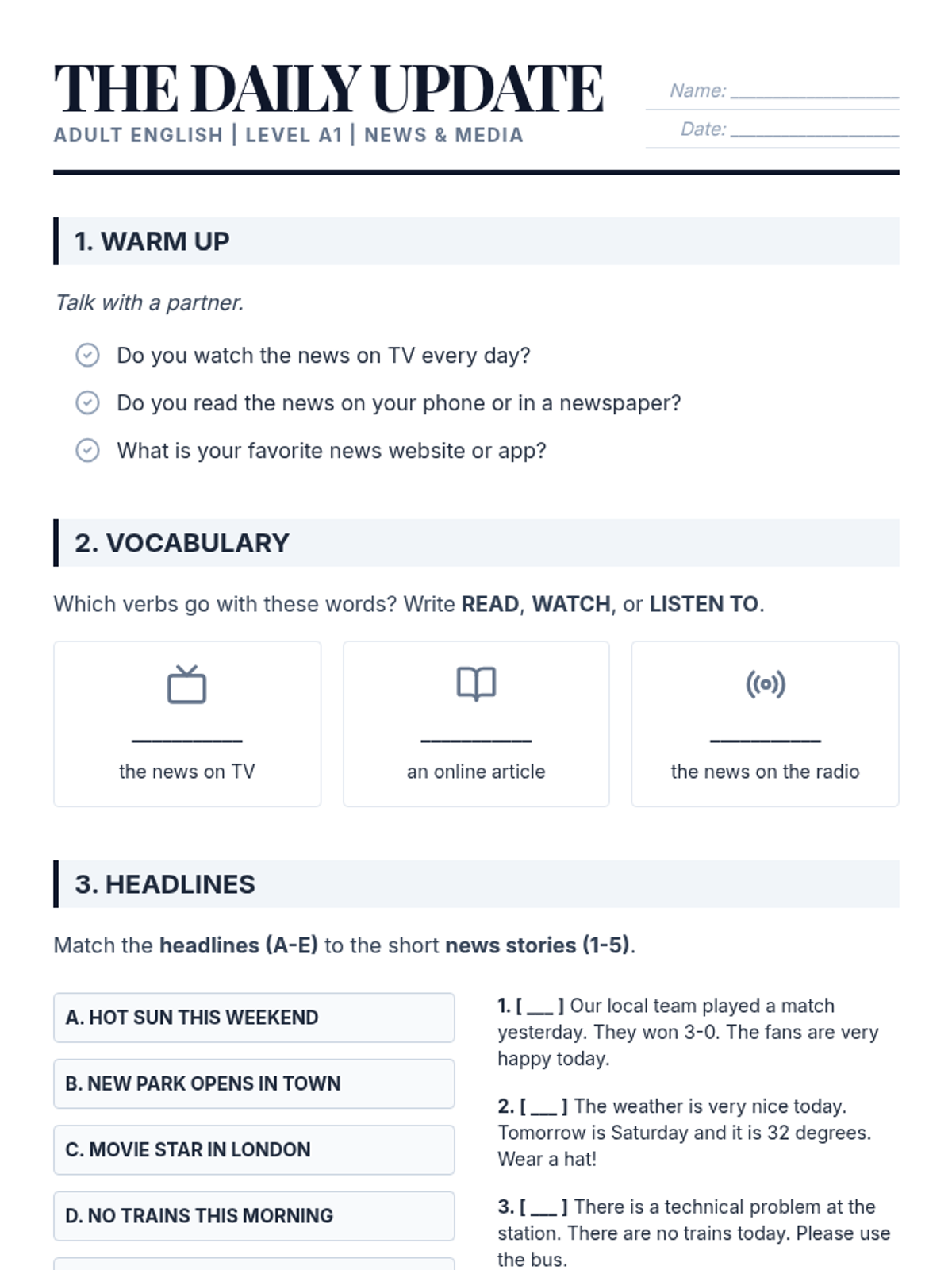
A comprehensive set of materials for A1 adult EFL students to master essential grammar (Can/Could, There is/are, Countables) through the lens of city living and food.
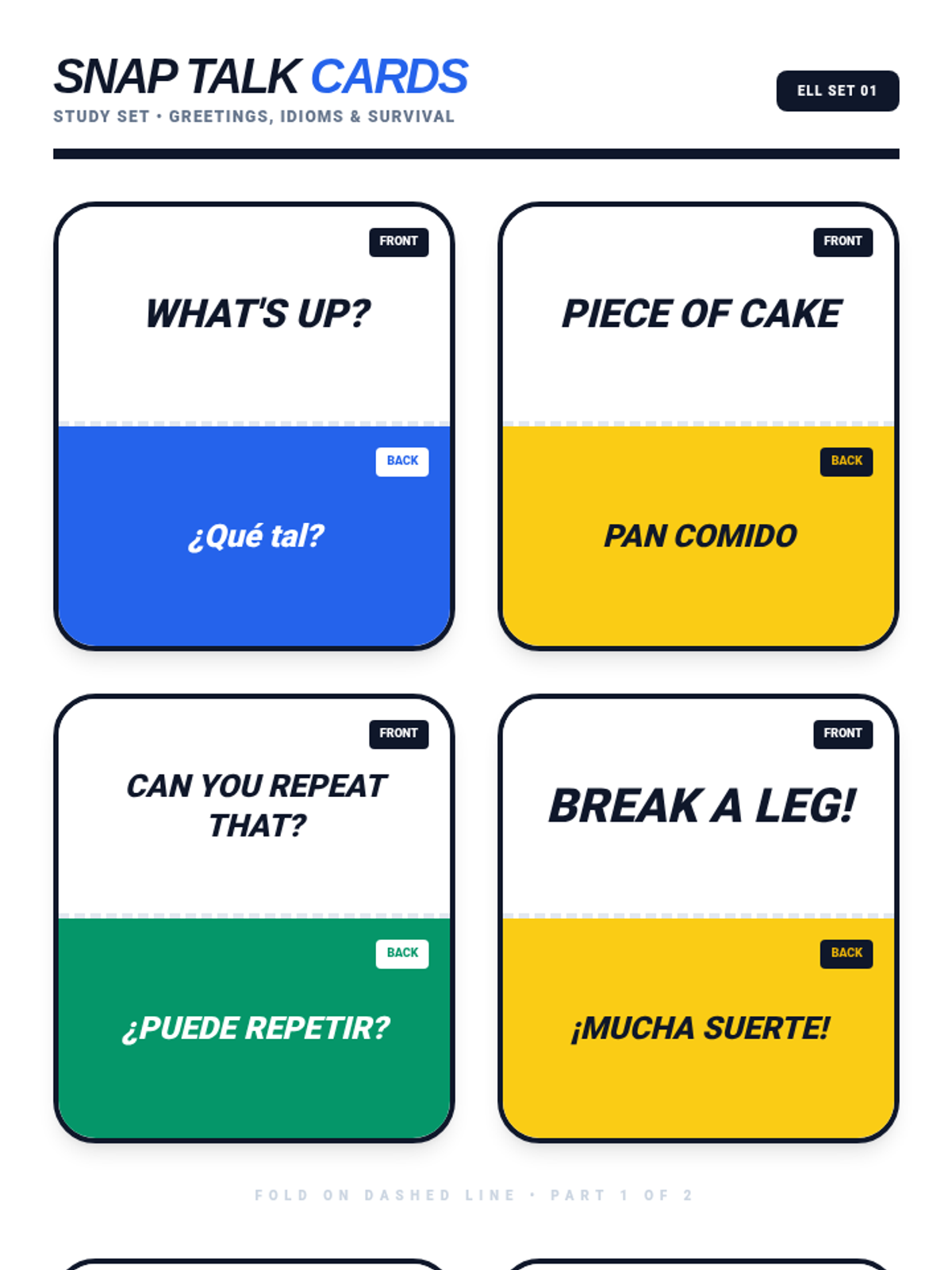
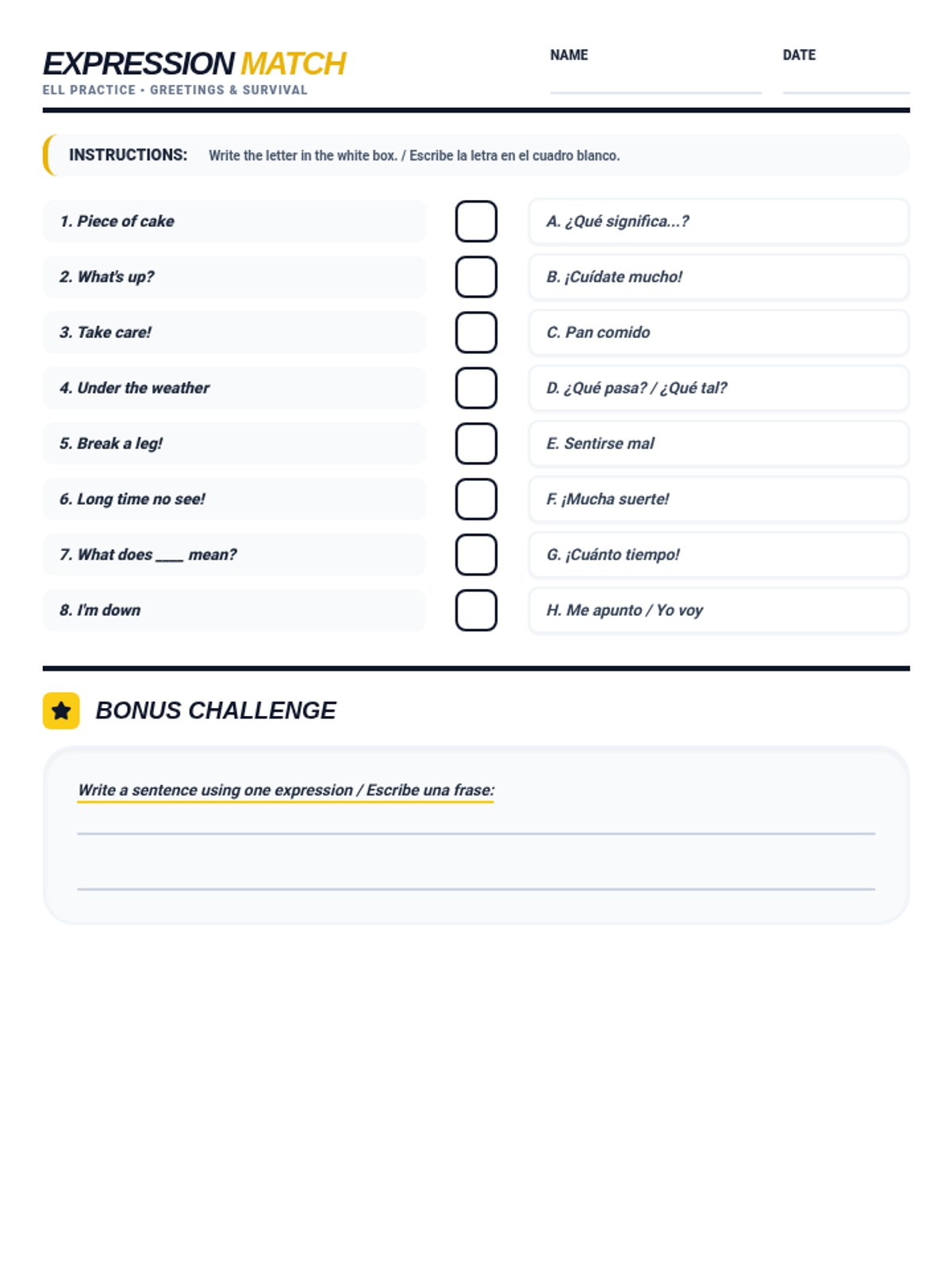
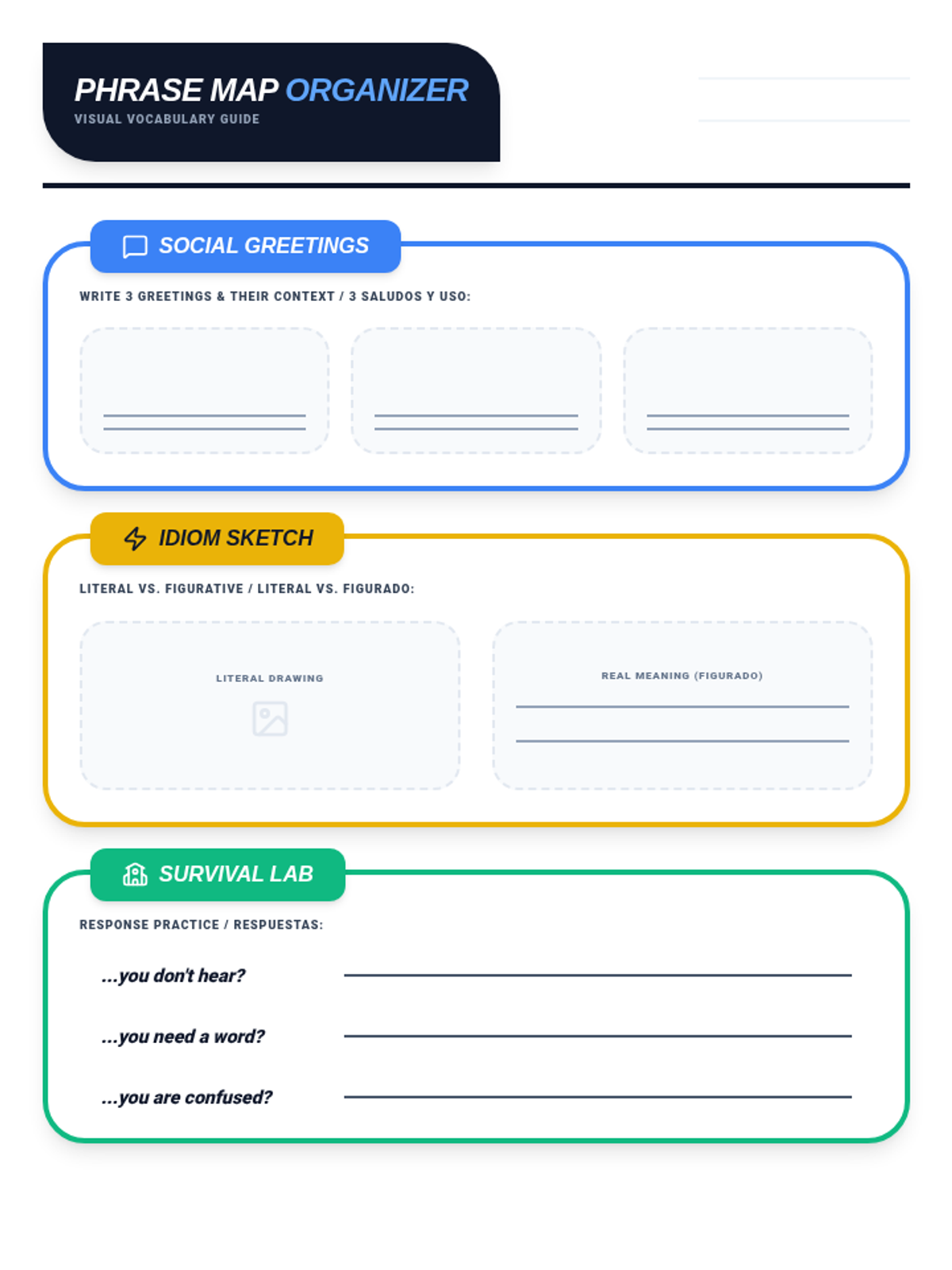
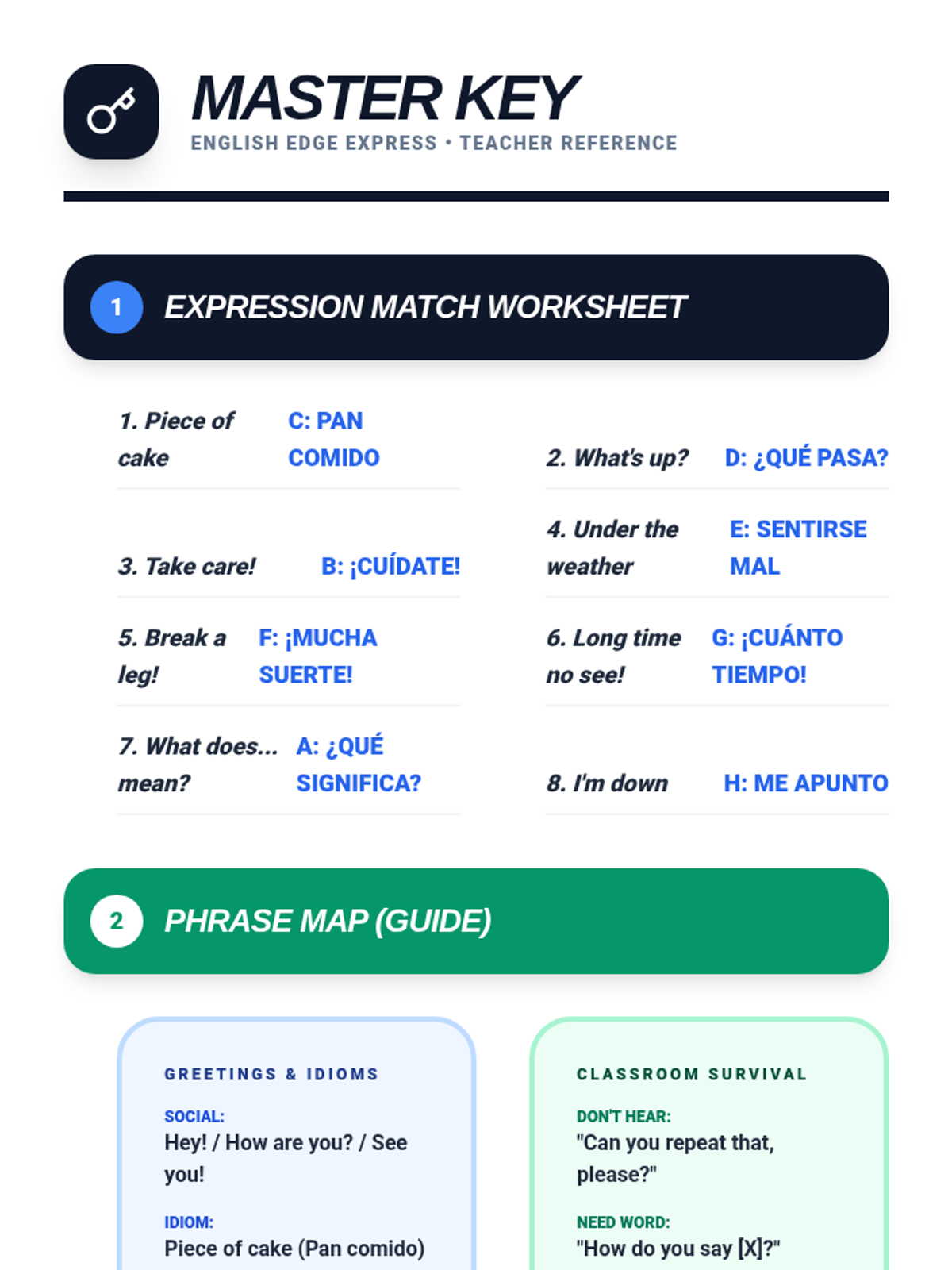
A lesson for English Language Learners to identify and practice common American idioms using visual aids and video-based instruction. Students will explore literal vs. figurative meanings and practice using idioms in spoken sentences.
A whimsical, 'Time Wizard' themed lesson where ESL students master prepositions of time through categorization, a guided video analysis, and a sentence scramble activity. Students will learn to distinguish between point-in-time, duration, and deadline prepositions.
An intermediate ESL lesson focusing on prepositions of purpose ('for') and characteristics ('with') through a hands-on classroom object gallery activity.
An intermediate ESL lesson focused on the physical 'geography' of vowel shifts in irregular verbs, using Khan Academy's vowel-shift video as a central teaching tool.
A dynamic lesson for ESL/ELL students to master subject and object pronouns through physical movement and visual examples from Khan Academy. Students practice the 'switcheroo' by tossing a ball and transforming sentences in real-time.
A lesson for intermediate/advanced ELLs on interpreting overstatement, understatement, and the subtle cultural subtext of American English. Students will analyze hyperbole and minimizing language to better navigate complex social interactions.
A beginner-friendly ESL lesson focusing on the simplicity of modal verbs, emphasizing that they never change form (no conjugation). Students explore 'can' and 'will' through a collaborative 'Superpower Circle' activity and reflective writing.
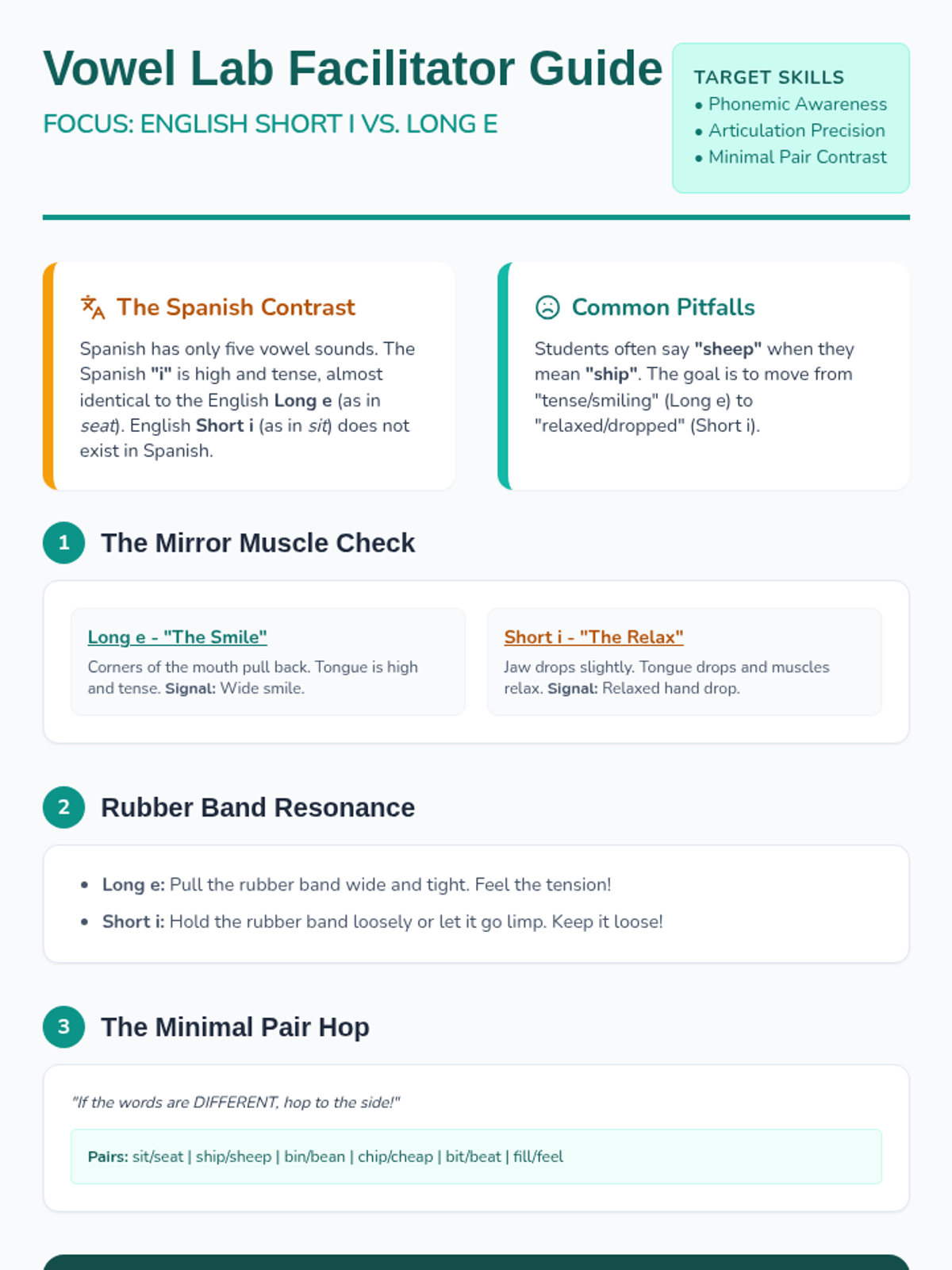
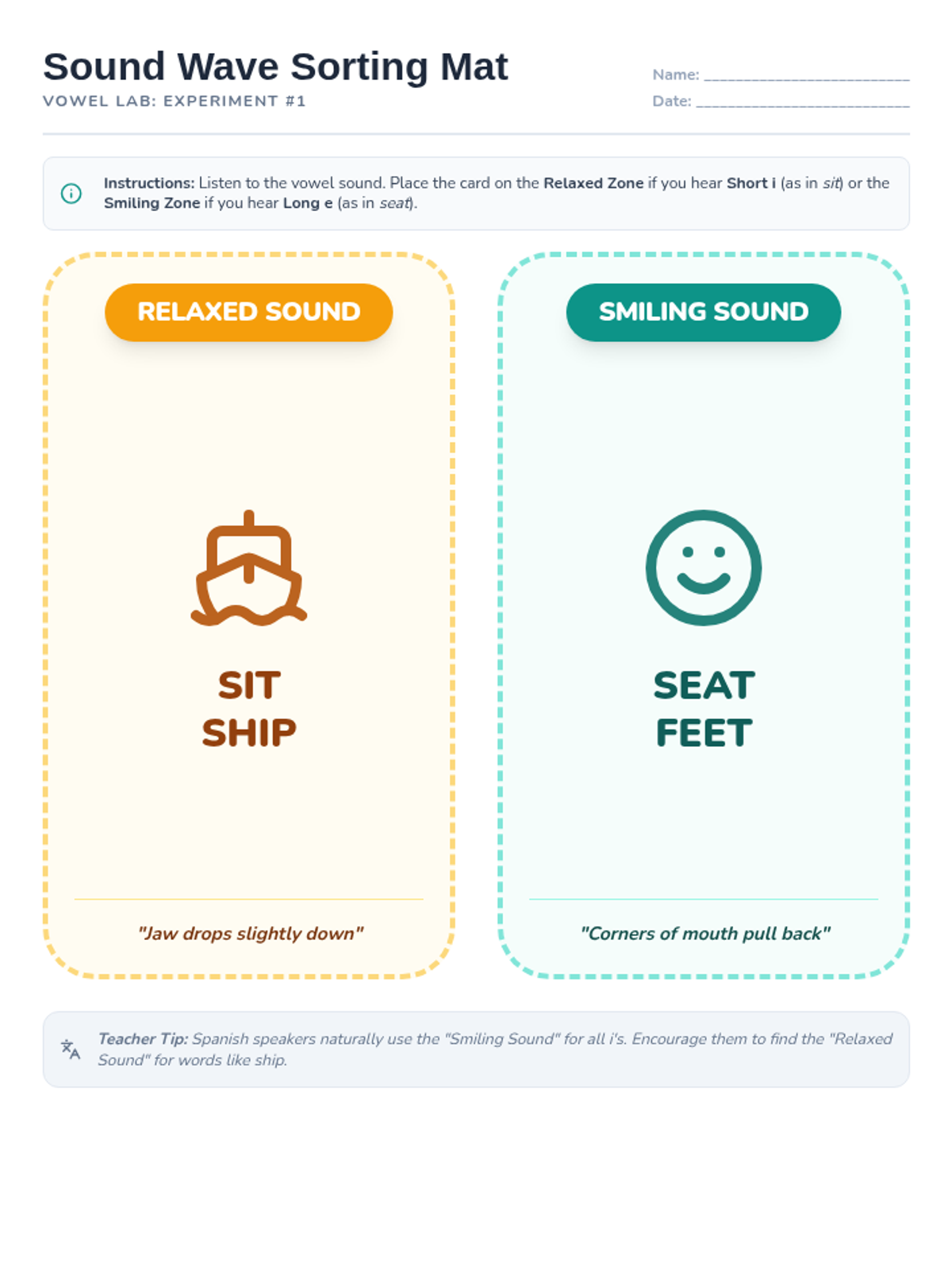
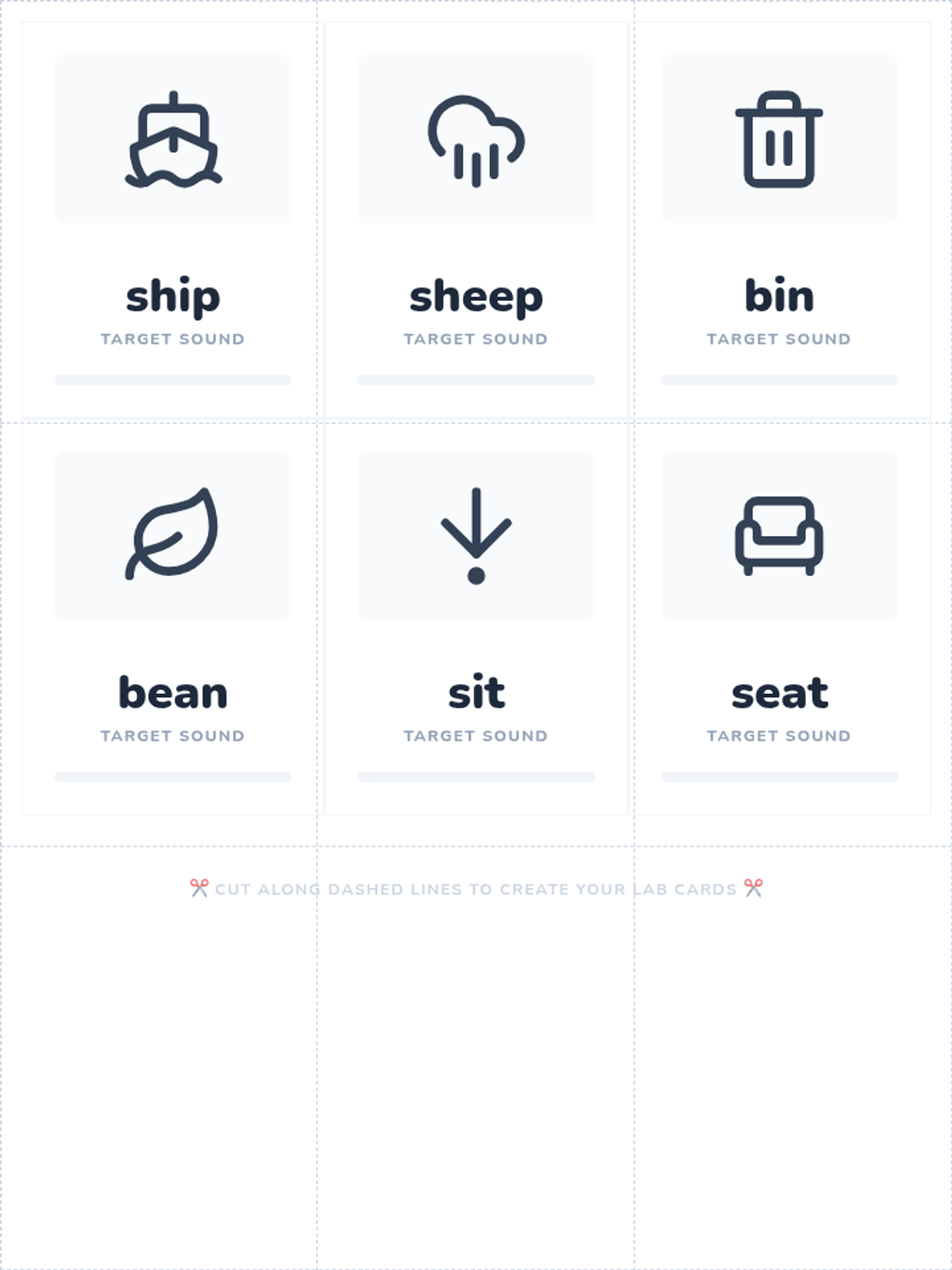
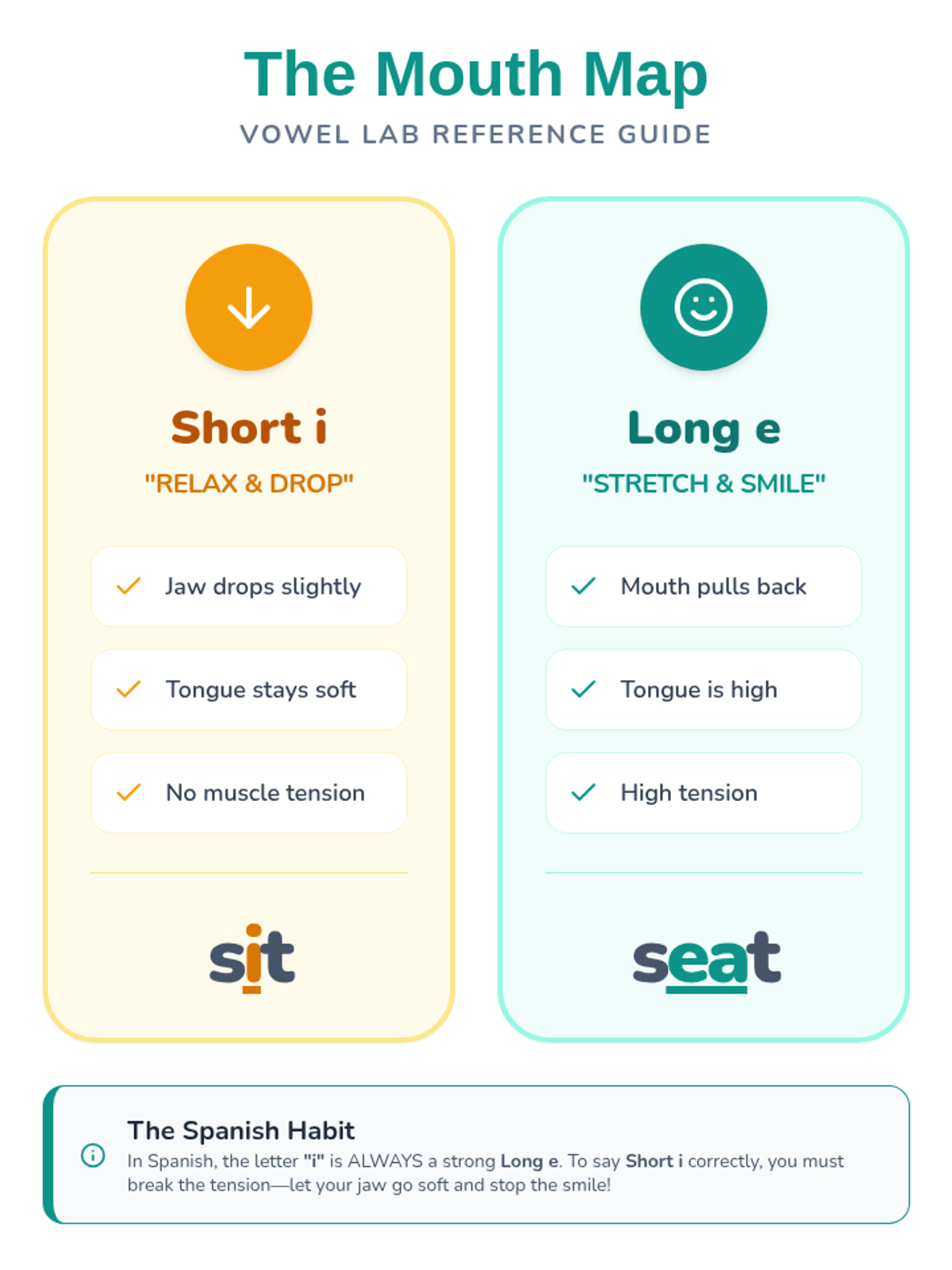
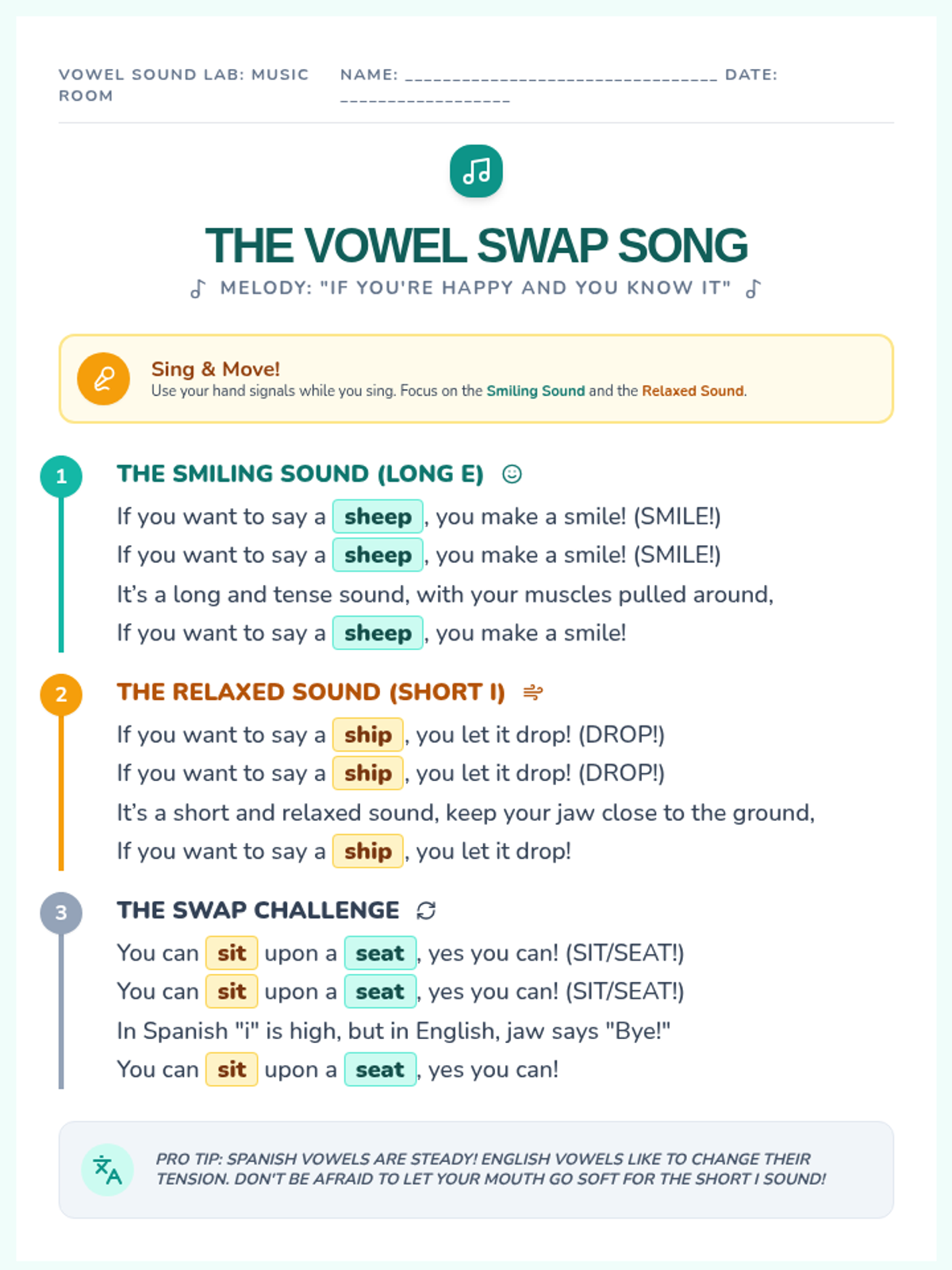
An intermediate ESL lesson focused on mastering the pronunciation of the most irregular English verbs, specifically targeting vowel shifts in 'said/fled' and silent 'L' in 'could/should/would'.
A lesson focusing on the spatial relationships of opposite prepositions (In/Out vs. On/Off), specifically addressing common ESL errors regarding transportation and enclosed spaces.
A comprehensive lesson for Beginner/Intermediate ELLs focusing on the Simple Aspect (Past and Future). Students will explore the timeline of language through visual aids, a Khan Academy video, and interactive "Will Wall" activities.
In this culminating simulation, students apply all learned vocabulary to a high-stakes merger negotiation. Teams represent different stakeholders and must draft terms, present data, and negotiate a final agreement using only formal professional Mandarin.
Students learn the linguistic art of soft rejection, conditional acceptance, and strategic ambiguity often used in Chinese negotiations. The lesson emphasizes syntactic patterns that maintain harmony while firmly holding a position.
Learners dissect standard business contracts to identify key legal terms, liability clauses, and formal grammatical structures specific to legal documents. The lesson bridges the gap between spoken agreement and written obligation.
This lesson focuses on the specific vocabulary required to describe graphs, trends, and financial reports. Students practice using precise verbs and adverbs to articulate increases, decreases, fluctuations, and projections within a fiscal context.
The sequence concludes with a formal debate where students synthesize learned vocabulary and rhetorical structures to argue for or against specific social policy proposals.
A workshop focused on integrating Chengyu (idioms) and advanced conjunctions to strengthen persuasive arguments and demonstrate cultural erudition in public debate.
Students explore the lexicon of environmental science and government policy, focusing on sustainable development, carbon neutrality, and pollution metrics through policy analysis.
Focusing on demographic trends and the 'aging society,' this lesson introduces terminology for healthcare policy, pension systems, and the 'silver economy' using statistical analysis.
Students examine the vocabulary surrounding China's rapid urbanization and the household registration (hukou) system, focusing on socioeconomic terminology and academic reading comprehension.
Focuses on the nuances of honorifics, formal introductions, and corporate hierarchy in Chinese business culture. Students learn the essential vocabulary to navigate networking and formal meetings without loss of face.
Recognizing the professional needs of graduate students, this lesson focuses on typing characters using Pinyin input methods on computers and smartphones. Students learn to recognize characters from predictive text lists, bridging the gap between phonetic knowledge and character recognition.
Learners acquire characters related to cardinal directions, spatial positioning (up, down, inside), and time markers (day, month, year). Activities include reading schedules and describing the relative location of objects.
Students examine the function of 'empty words'—structural particles like 'de', 'le', and 'ma' that carry grammatical weight rather than semantic meaning. Through sentence analysis, learners understand how these characters alter the tense, possession, and mood of a phrase.
Introduces high-frequency verbs such as 'to comprise/is', 'to have', 'to go', and 'to eat'. Students practice placing these characters into Subject-Verb-Object structures to form complete declarative sentences.
A culminating project where students perform a comprehensive text audit of a specific visual environment, documenting and explaining character functions.