Students explore how an atmosphere acts as a protective layer for a planet, comparing Earth's 'thick blanket' to Mars' 'thin sheet' through hands-on analogies and demonstrations.
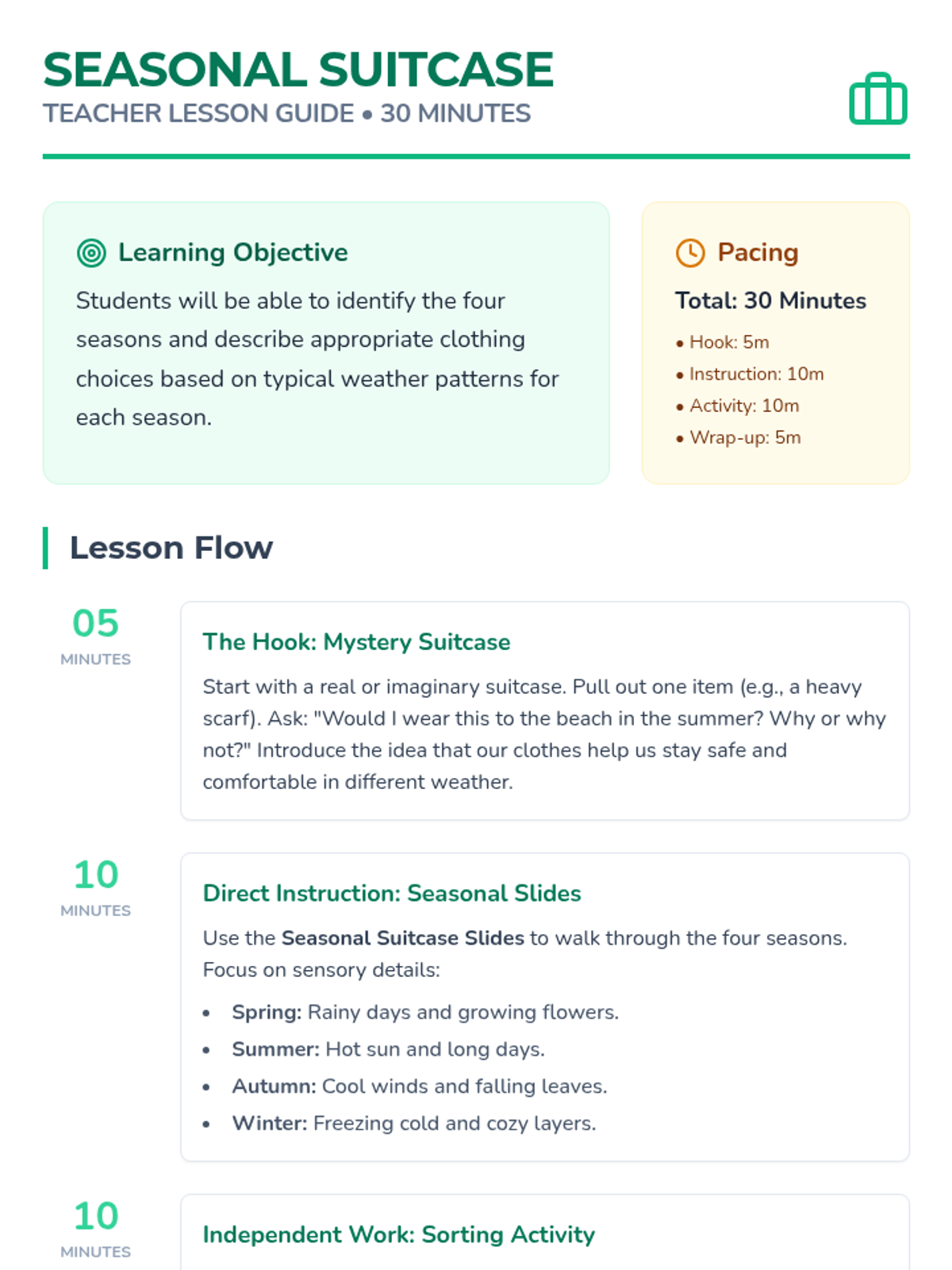
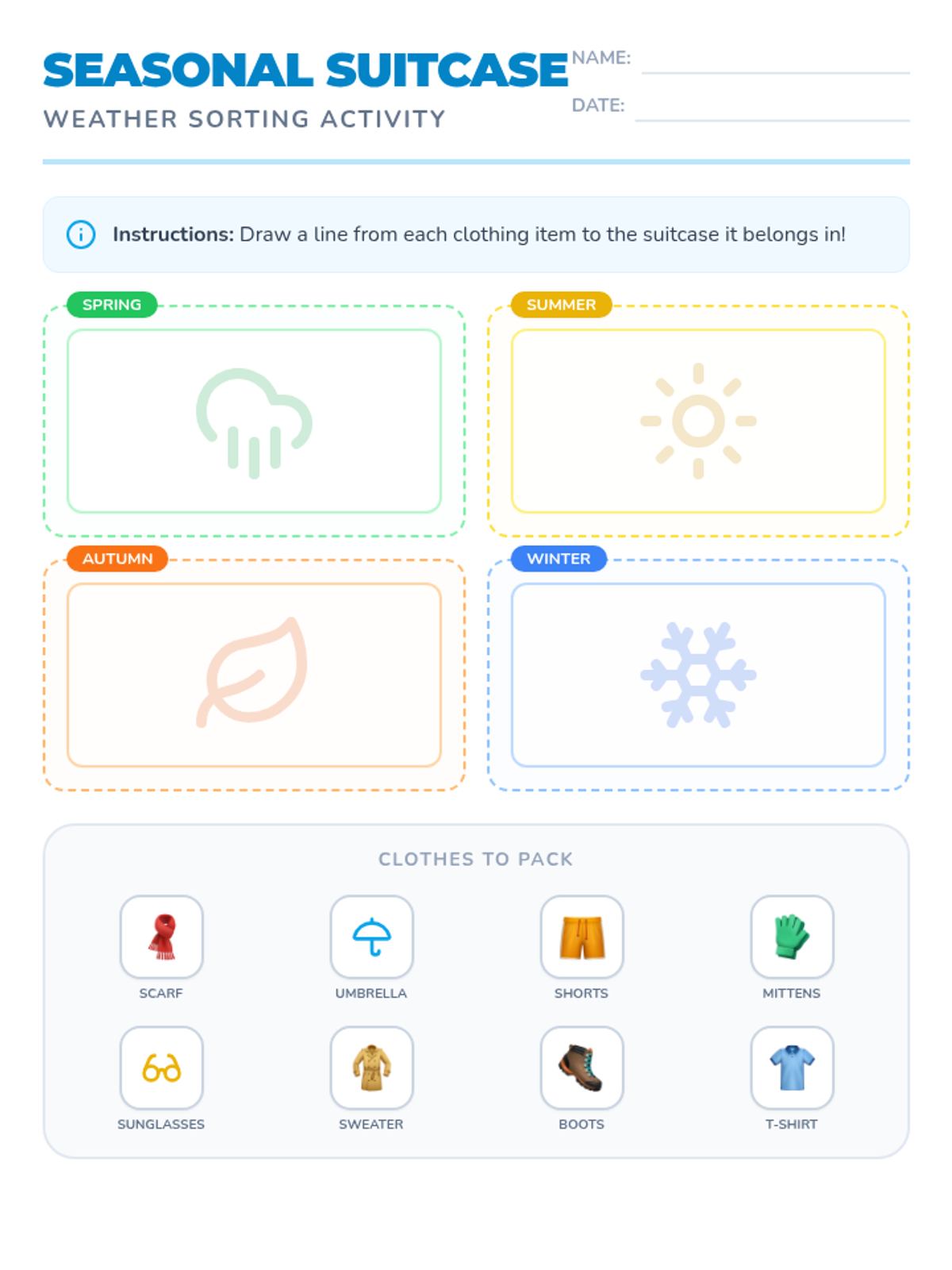
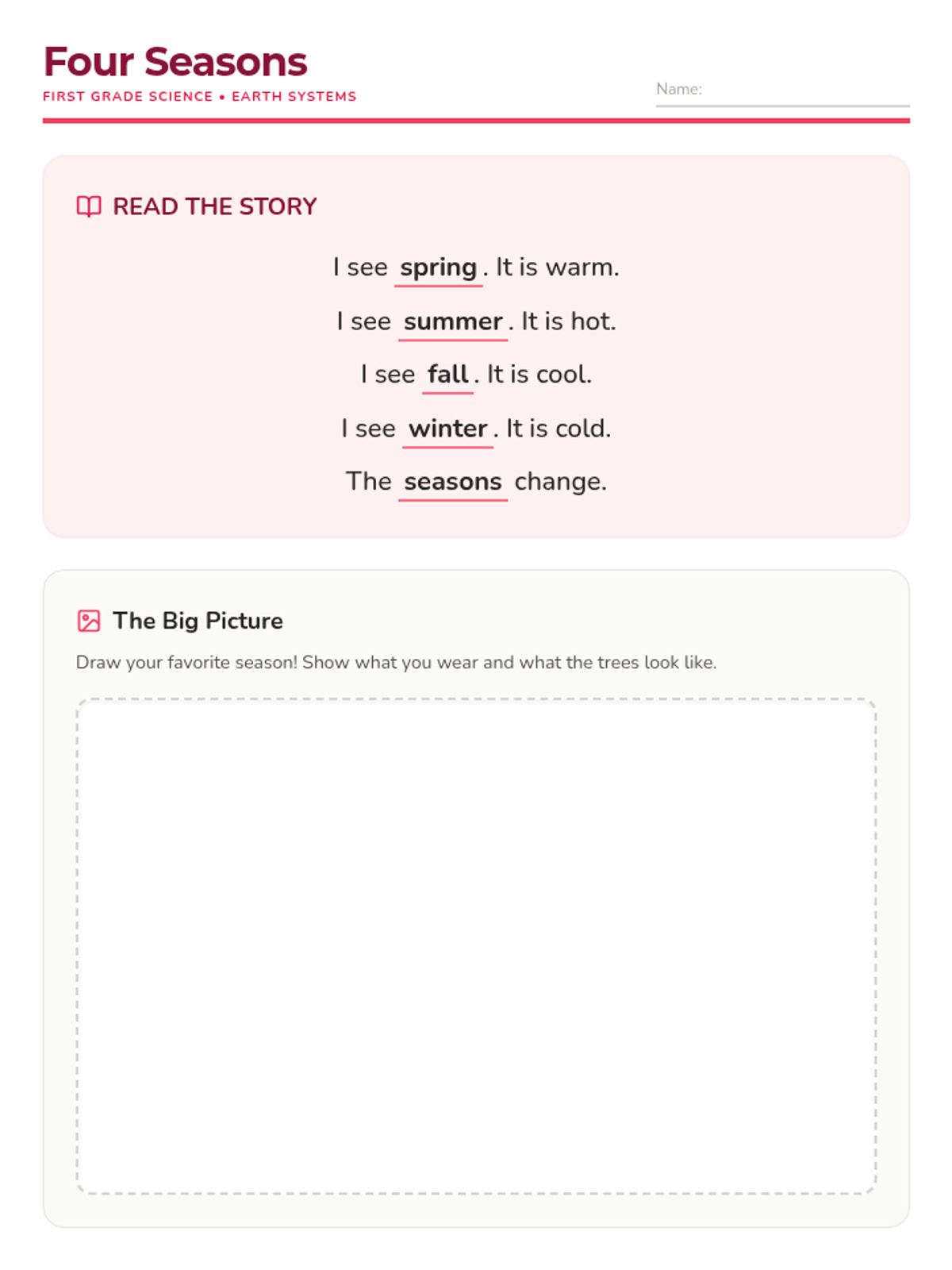
A 30-minute introduction to the four seasons and how we dress for different types of weather. Students will learn to identify seasonal patterns and select appropriate clothing for each.
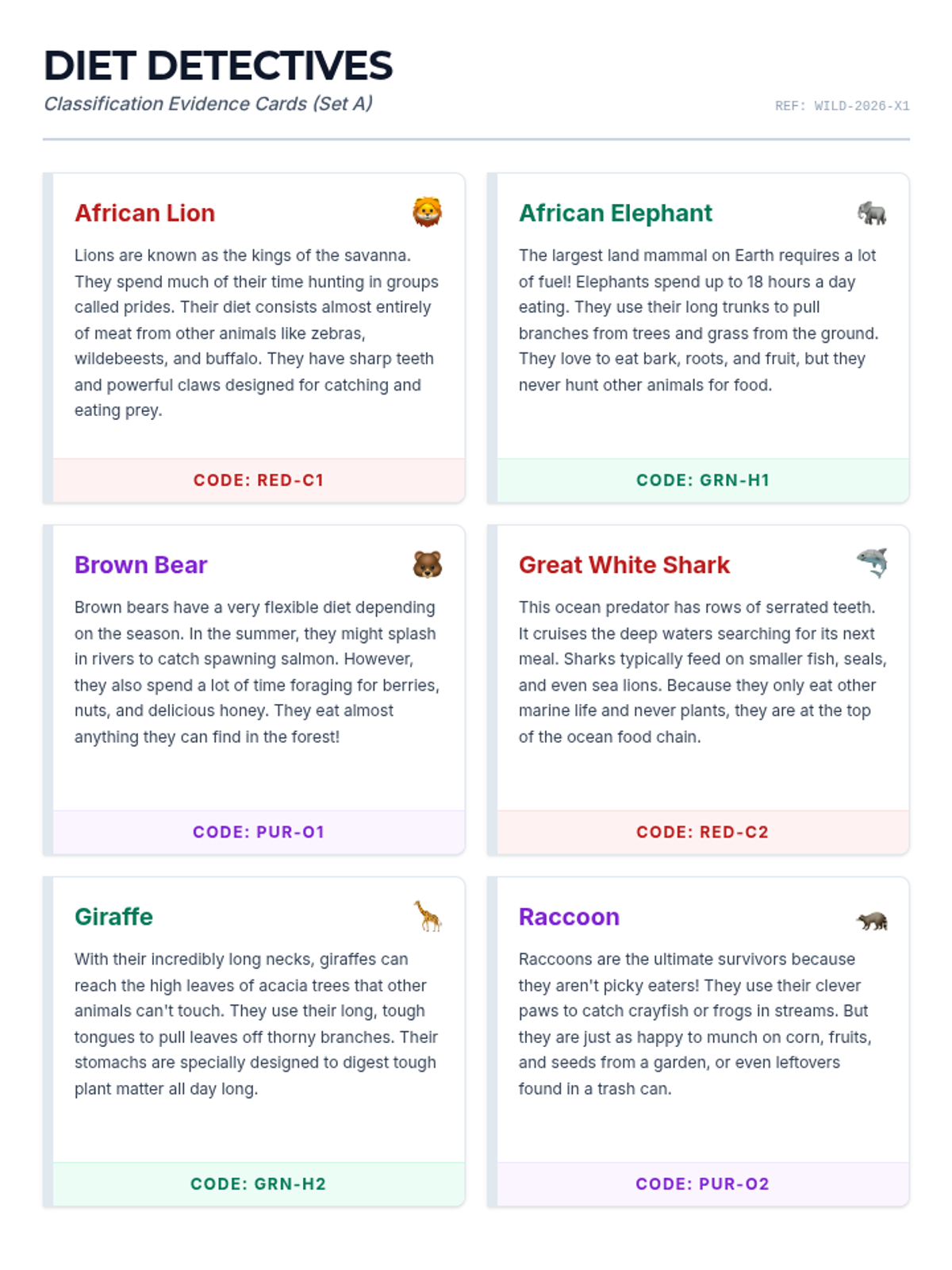
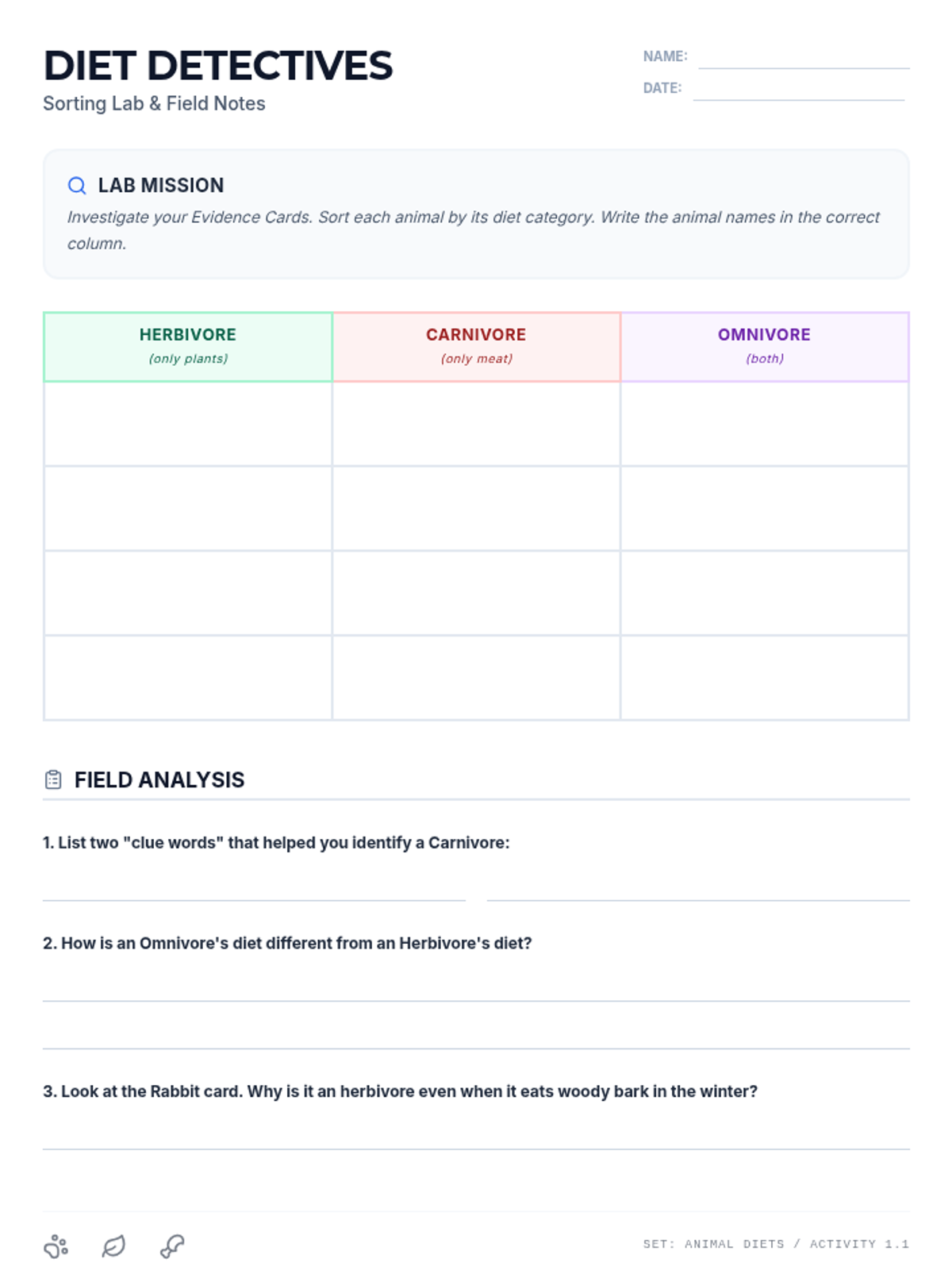
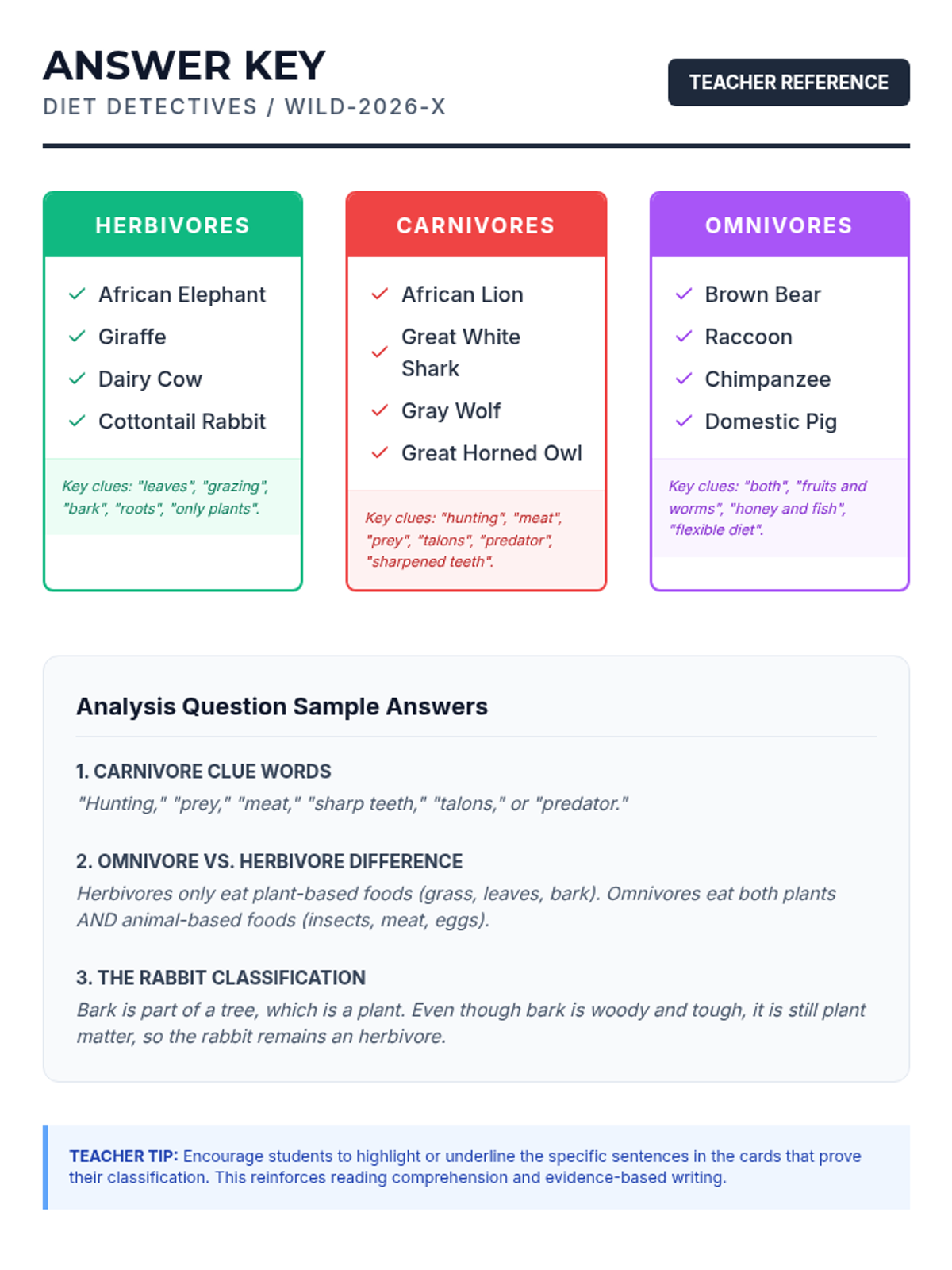
Students analyze short informational texts about various animals to classify them based on their diets using color-coded evidence cards.
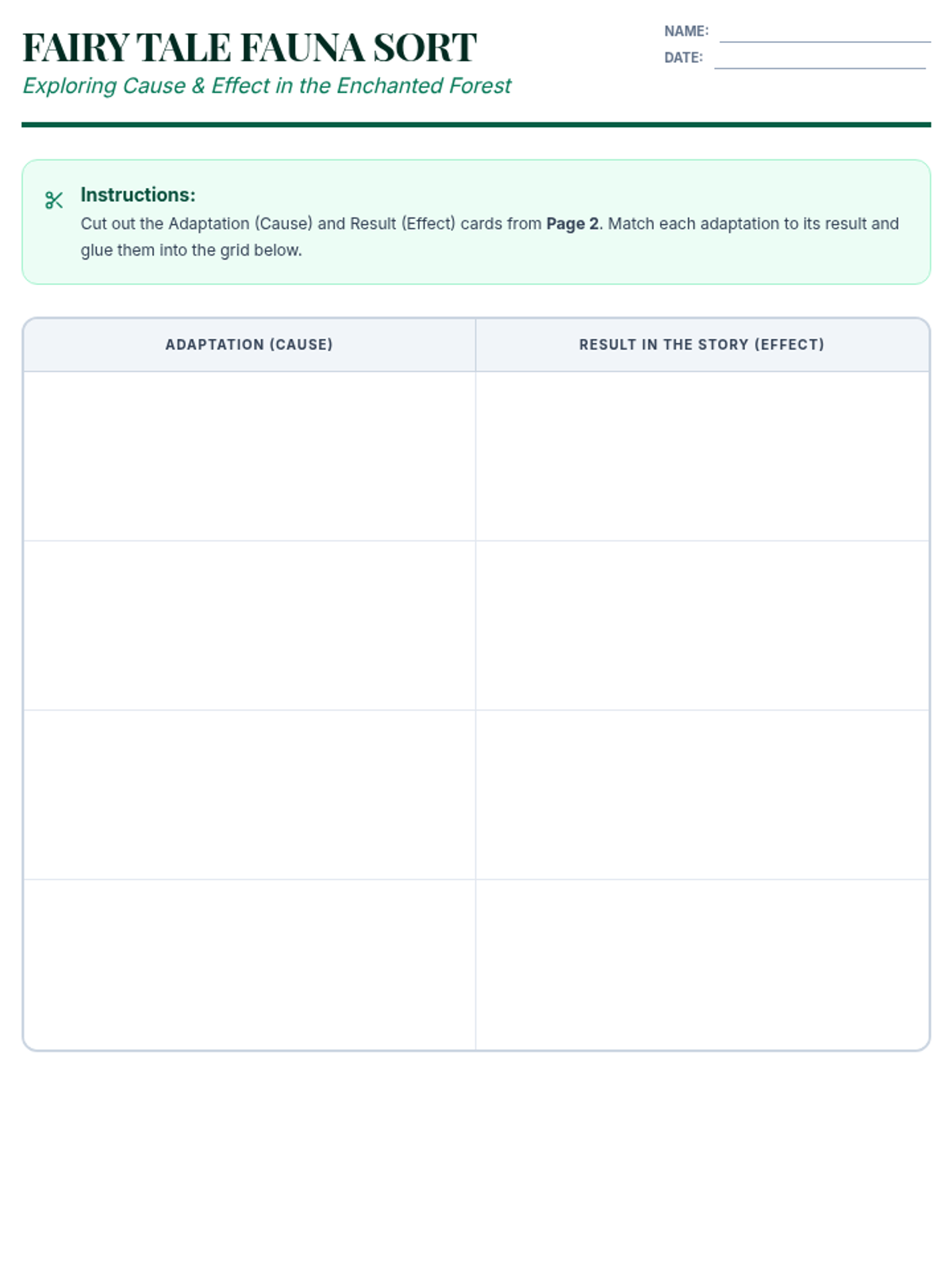
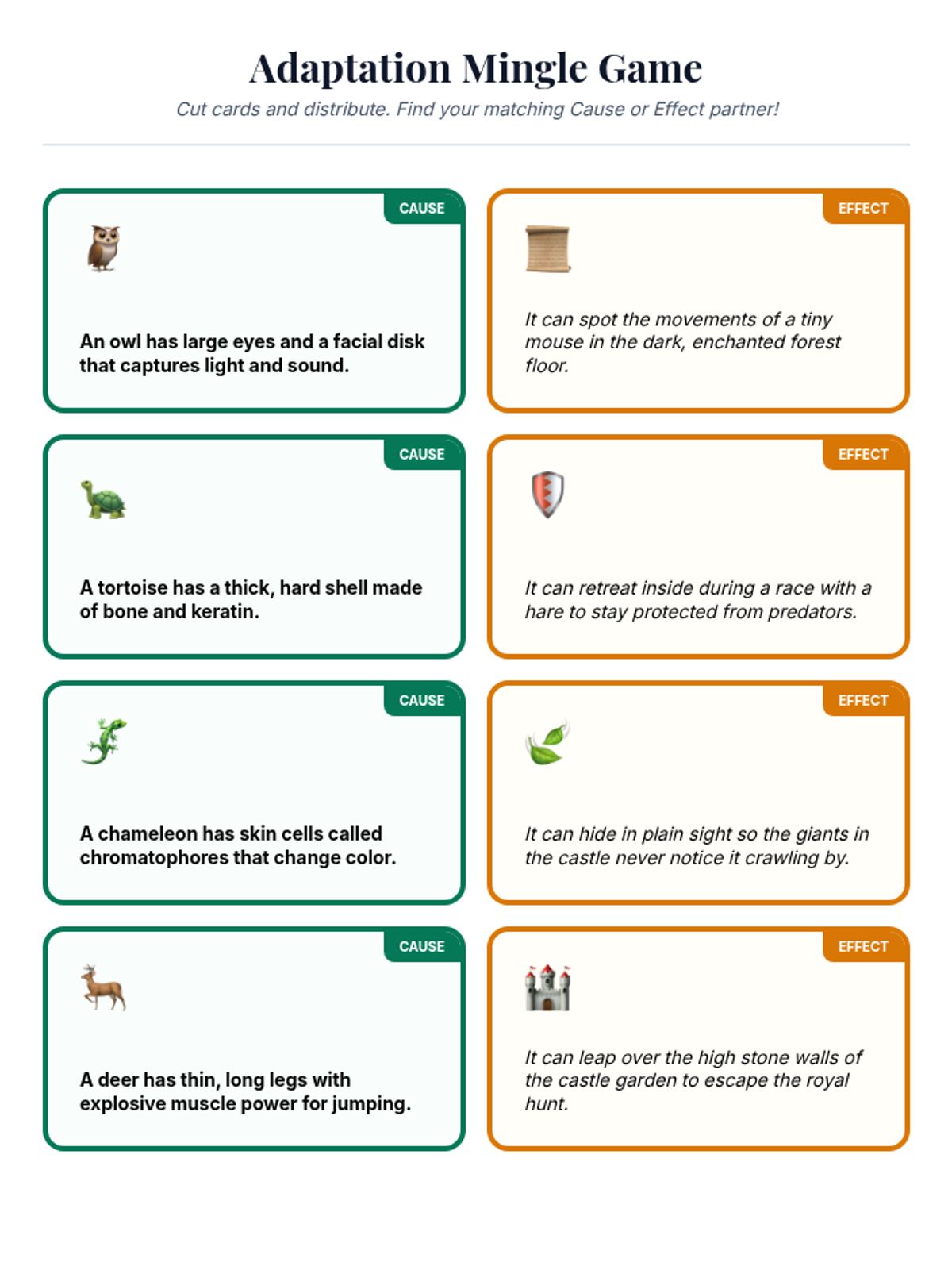
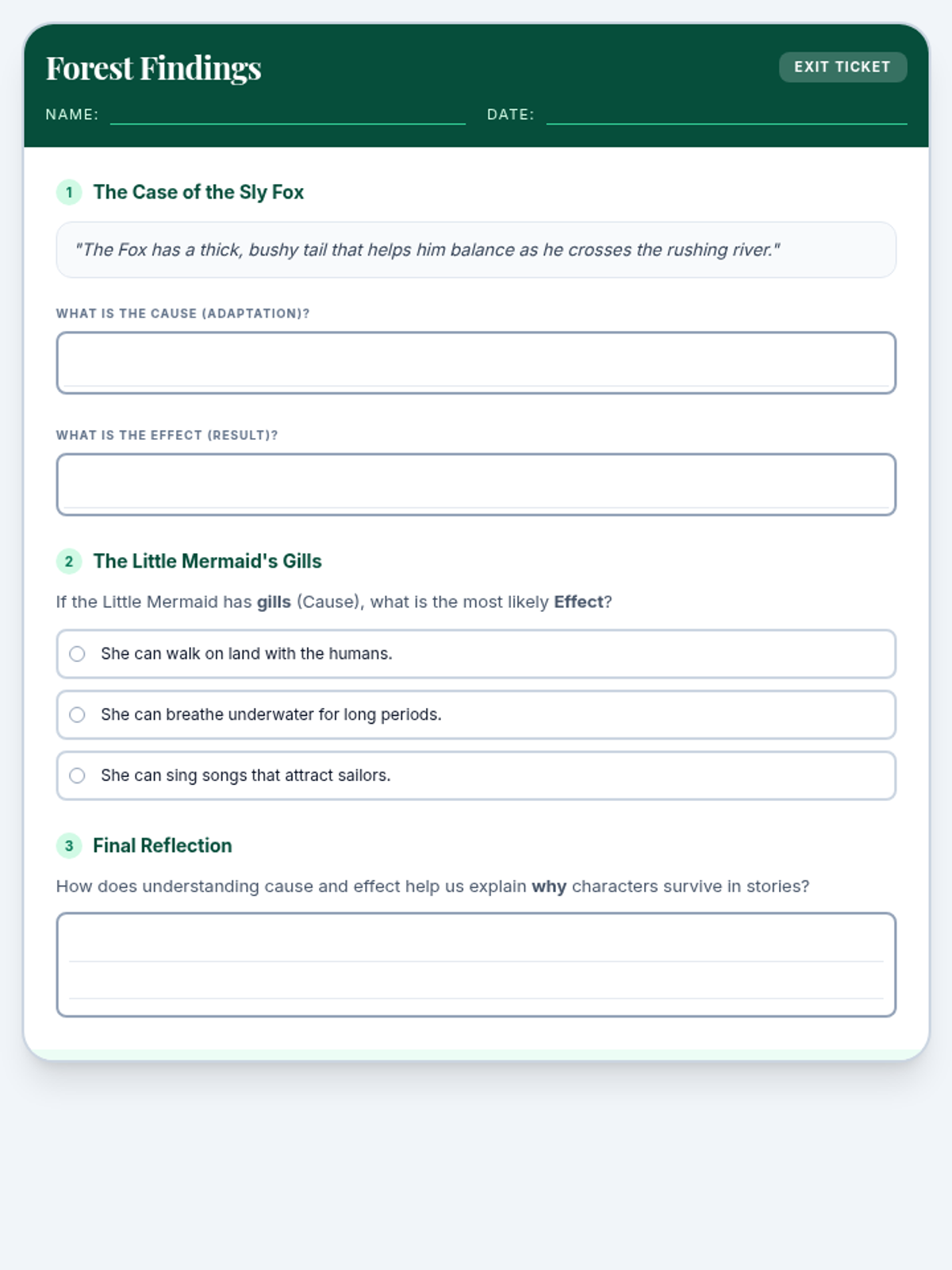
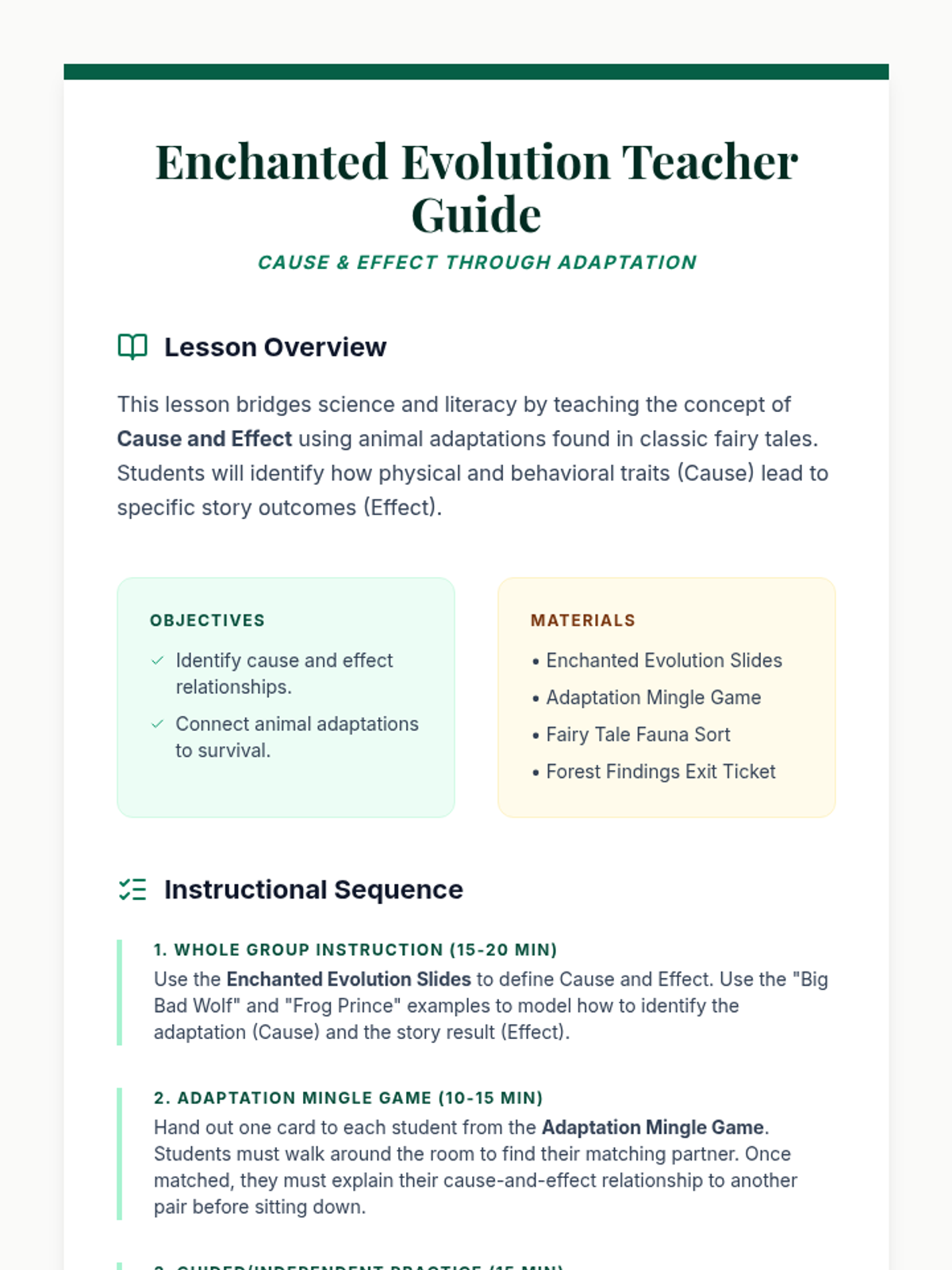
A whole-group lesson where students identify cause and effect relationships by analyzing how animal adaptations help fairy tale creatures survive their stories.
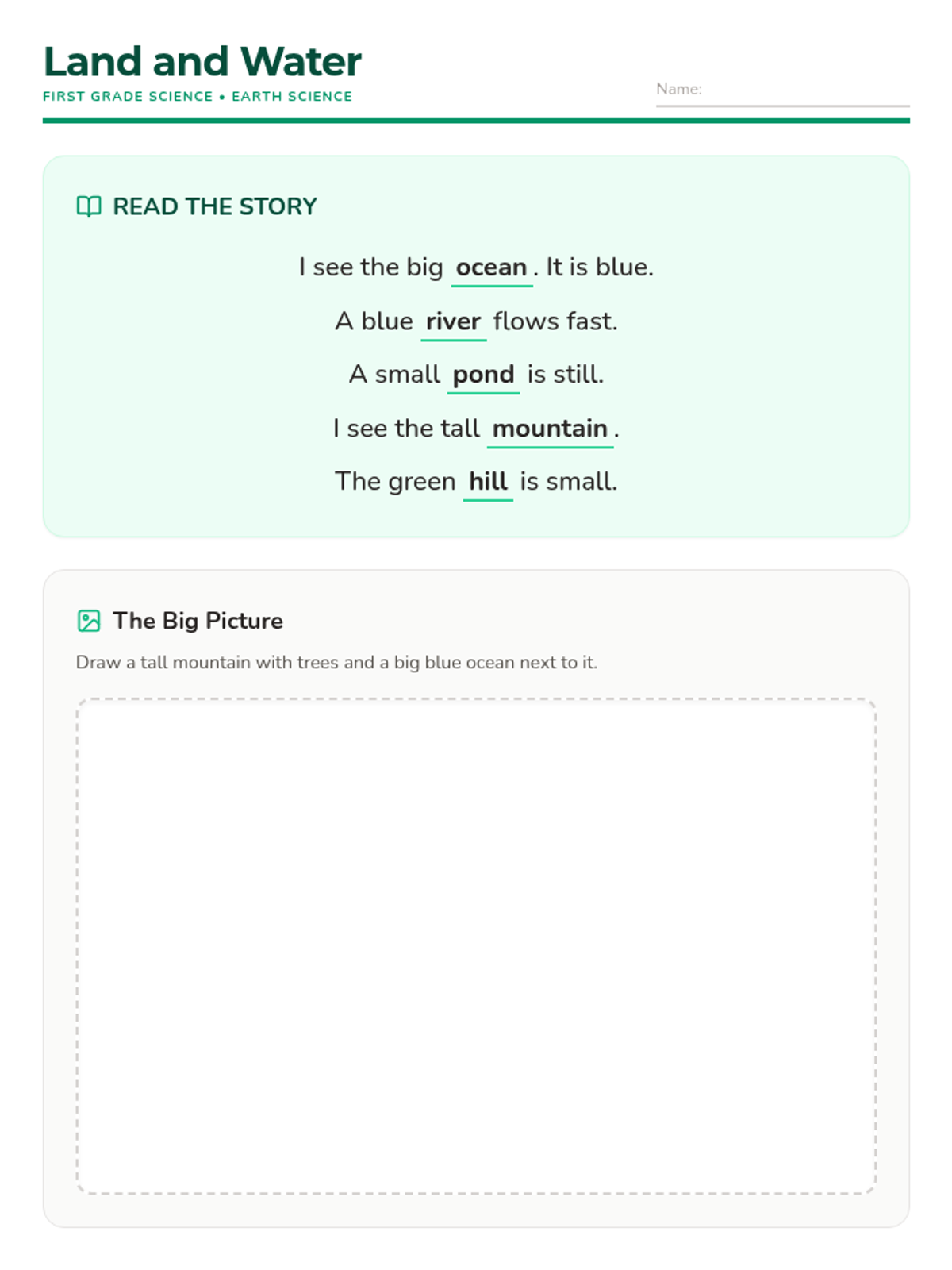
A geography-focused science lesson identifying different types of landforms and bodies of water on Earth.
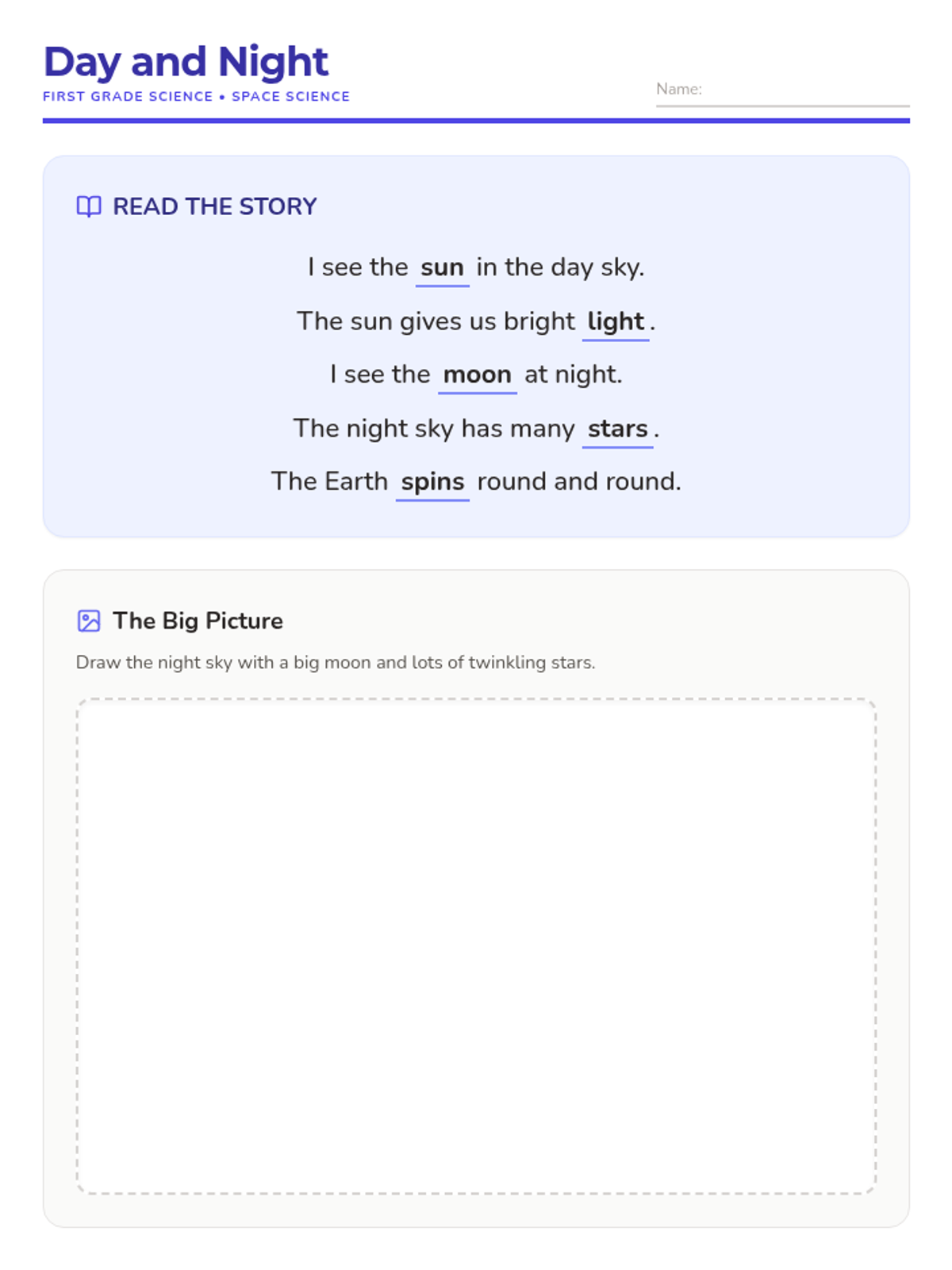
Students explore the concept of Earth's rotation through the visible patterns of day and night.
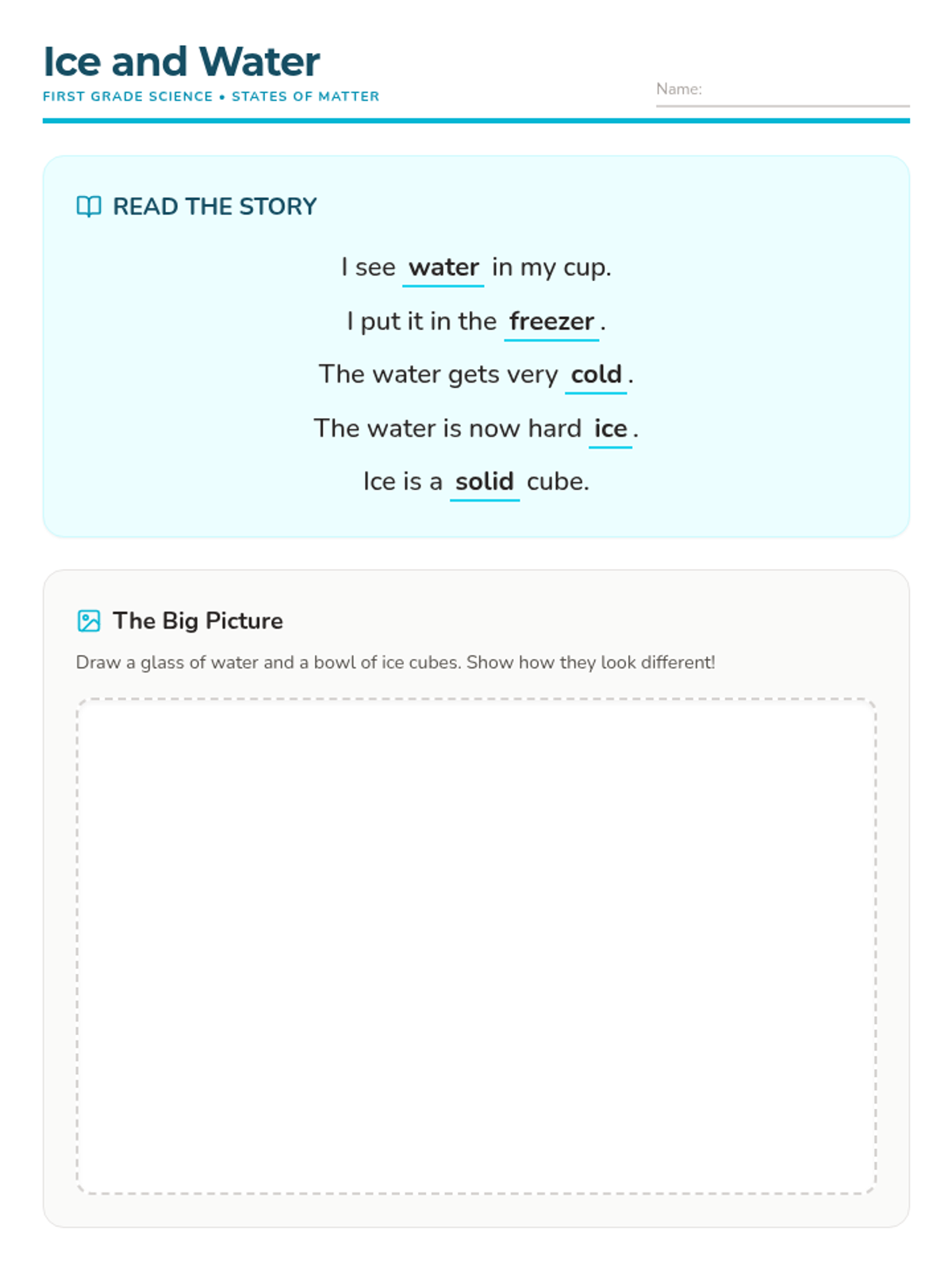
An introduction to the states of matter by observing how water changes from liquid to solid.
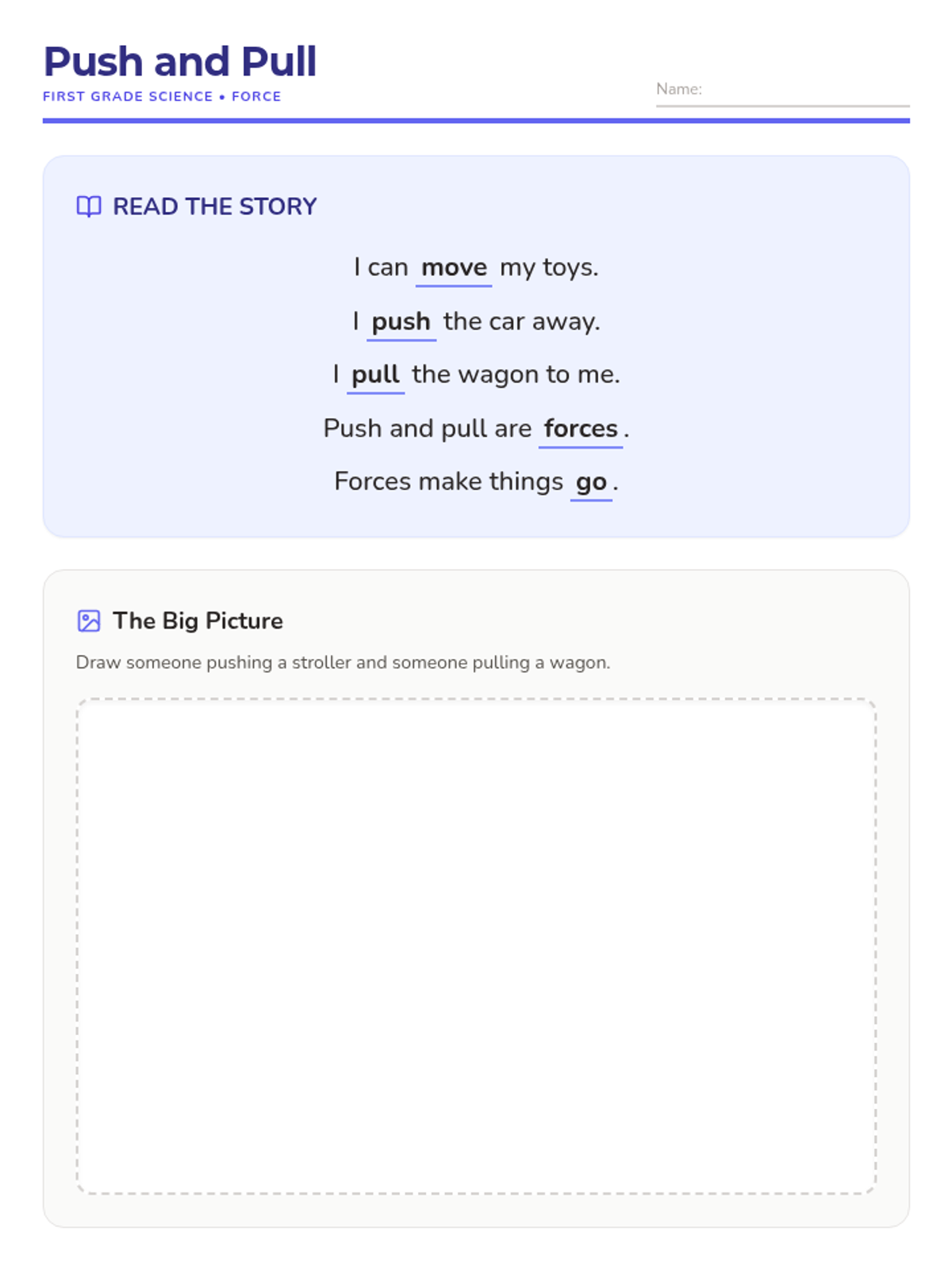
A basic physics lesson on force, teaching students about pushes and pulls using everyday objects.
Students identify the four seasons and the primary environmental changes associated with each.
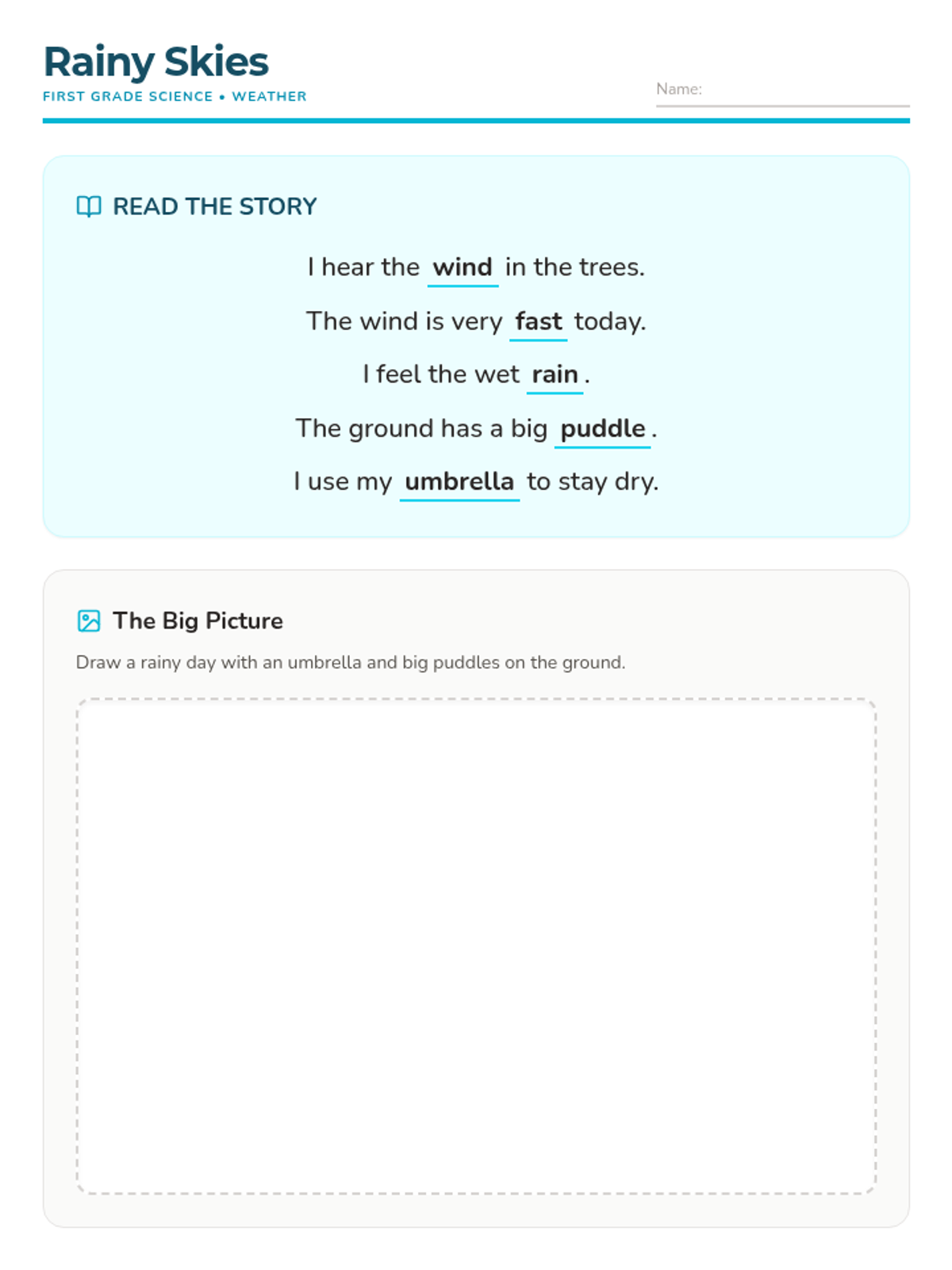
An exploration of dynamic weather elements like wind and precipitation and their effects.
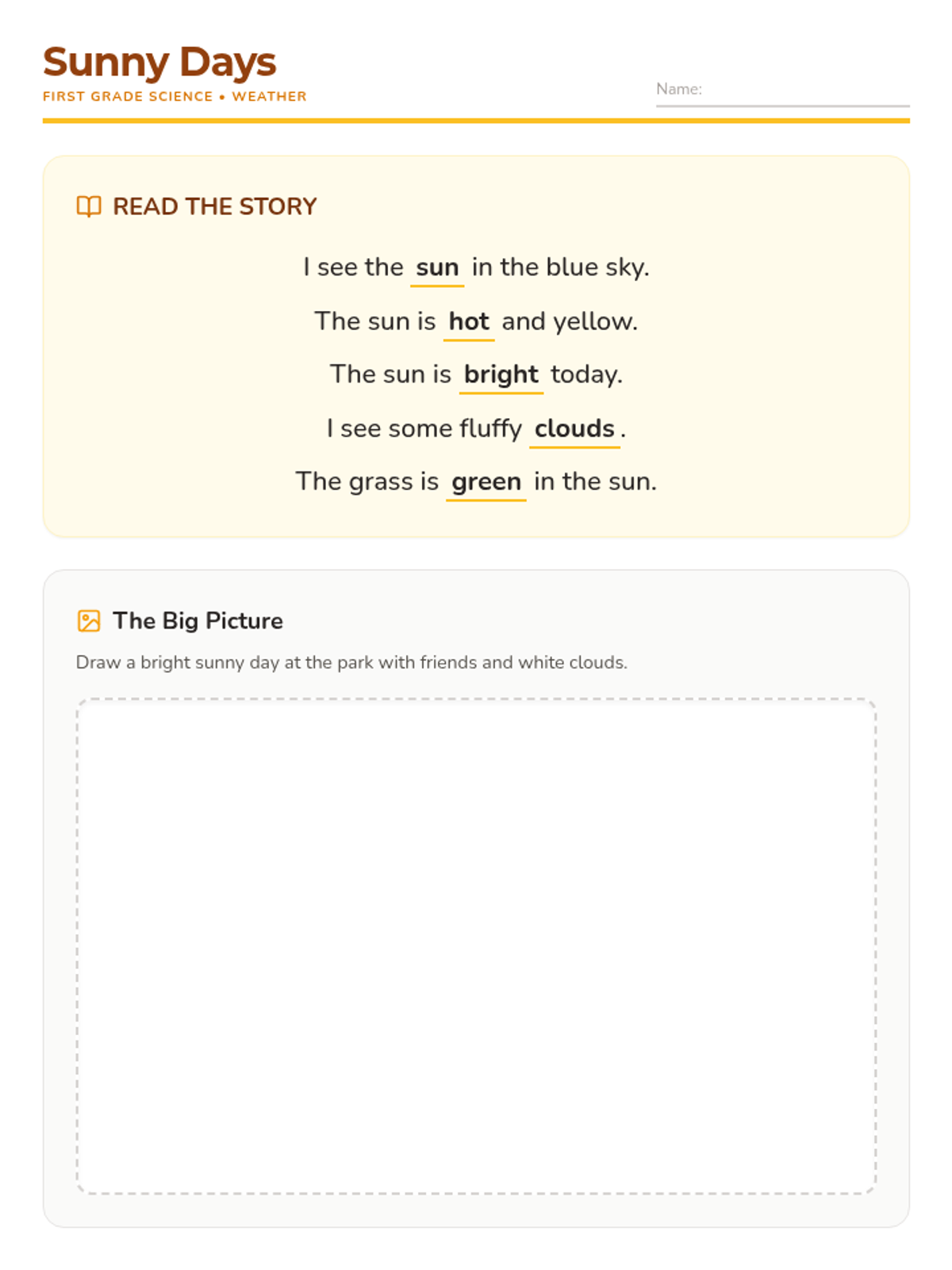
A look at basic weather patterns, focusing on the characteristics of sunny and cloudy days.
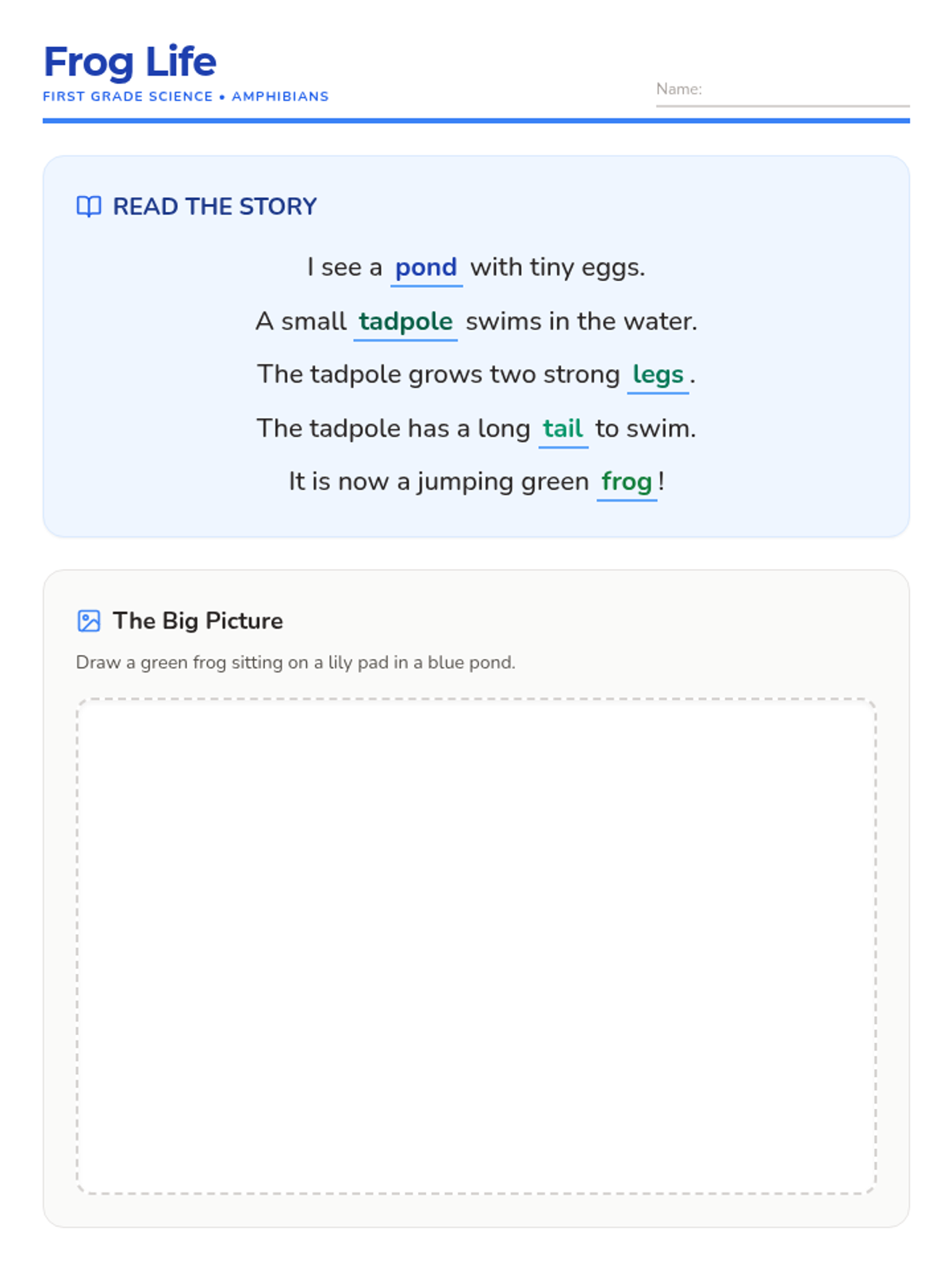
Students explore the stages of a frog's life cycle, from eggs in the water to a jumping adult.
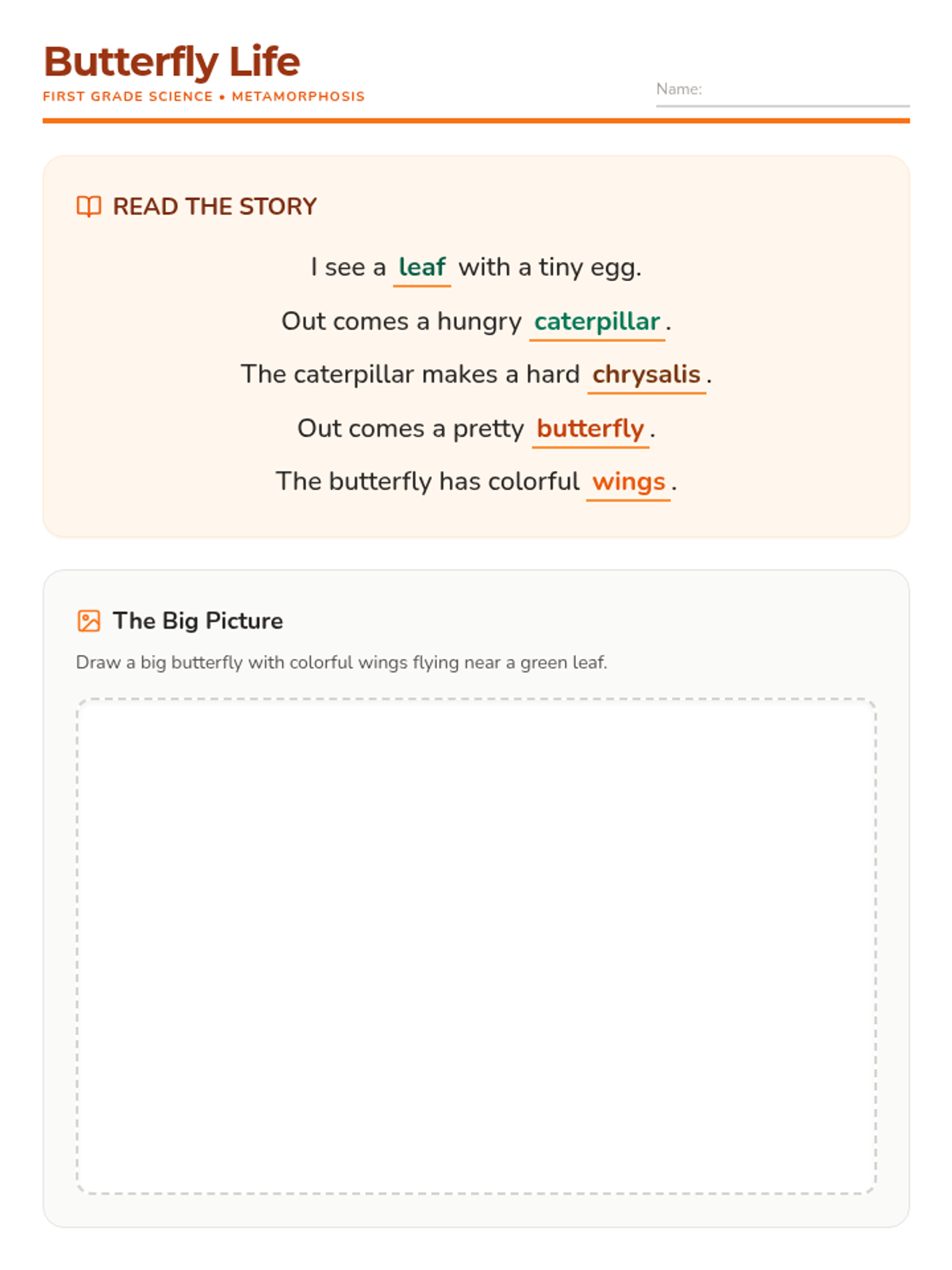
An introduction to metamorphosis as students follow a caterpillar's transformation into a butterfly.
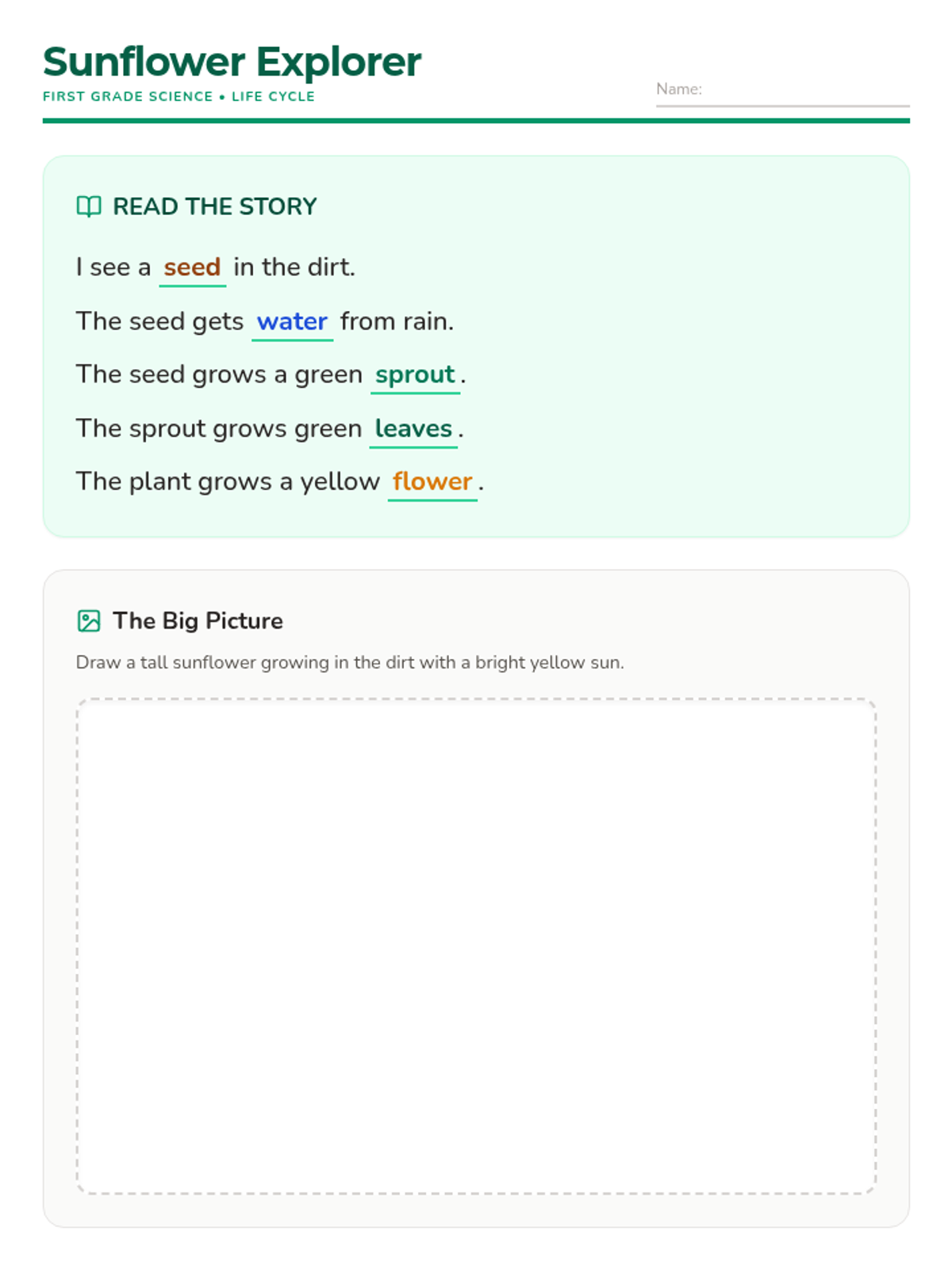
Students learn about the plant life cycle using a sunflower as a model, focusing on the stages from seed to flower.
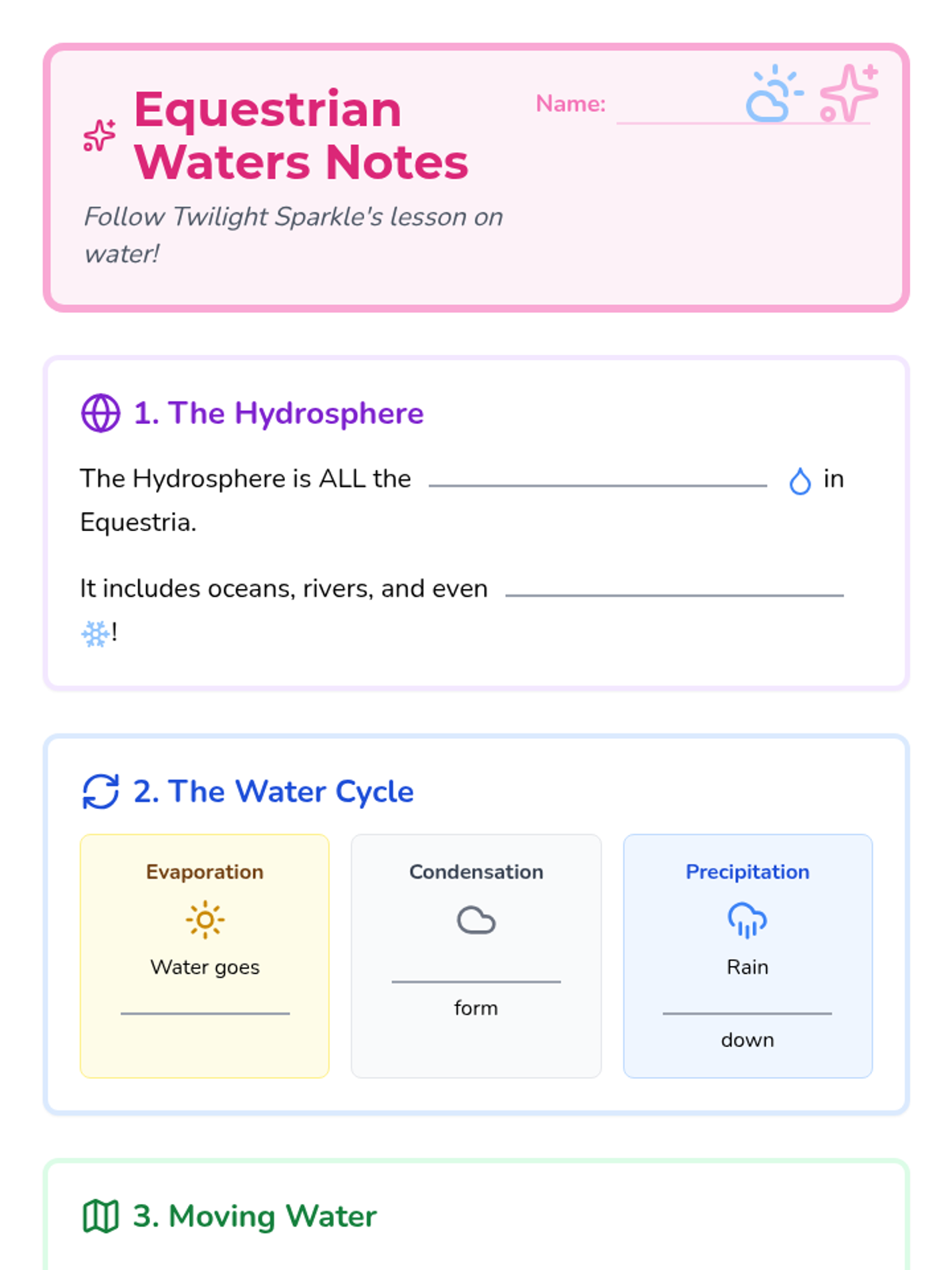
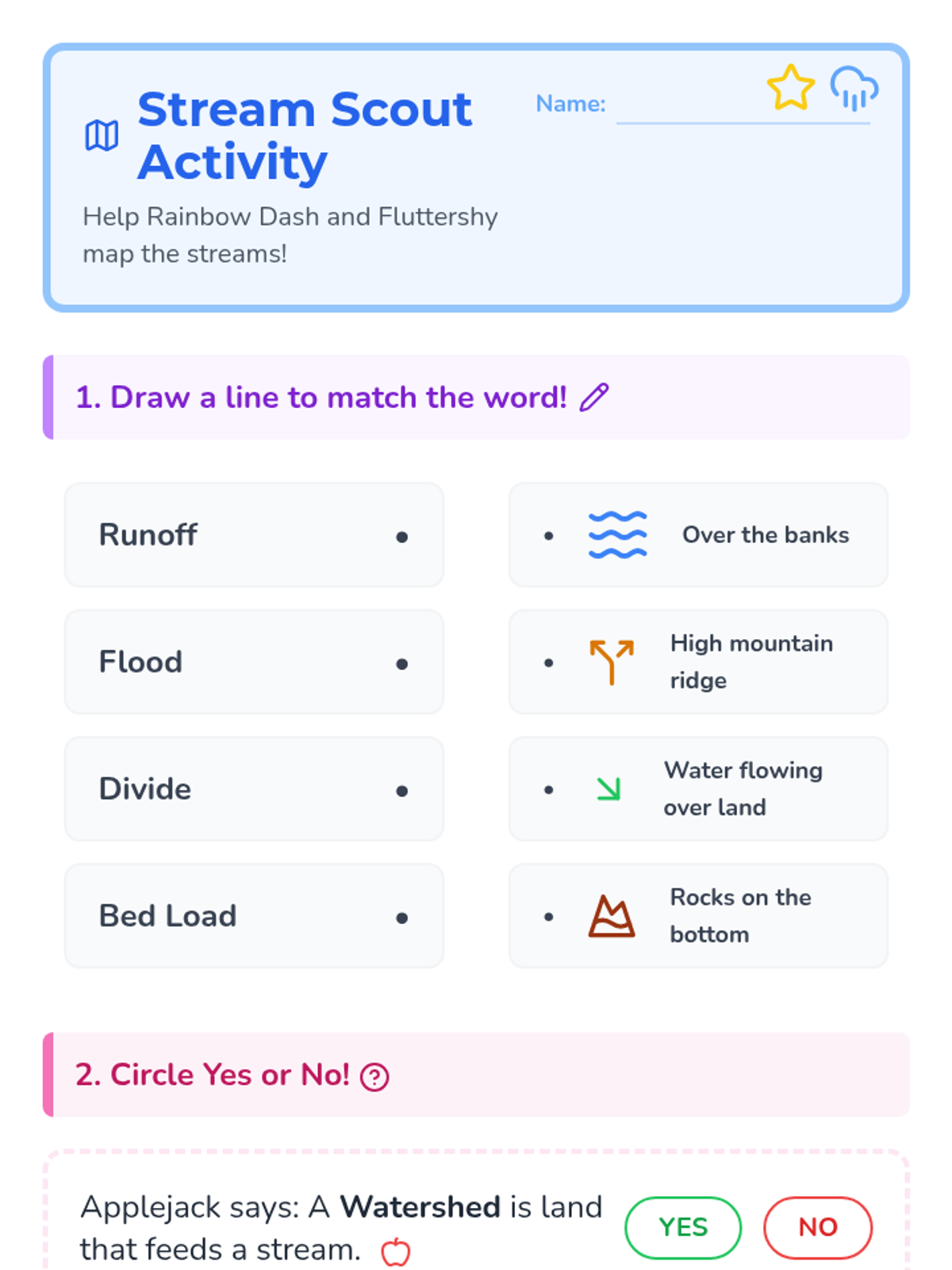
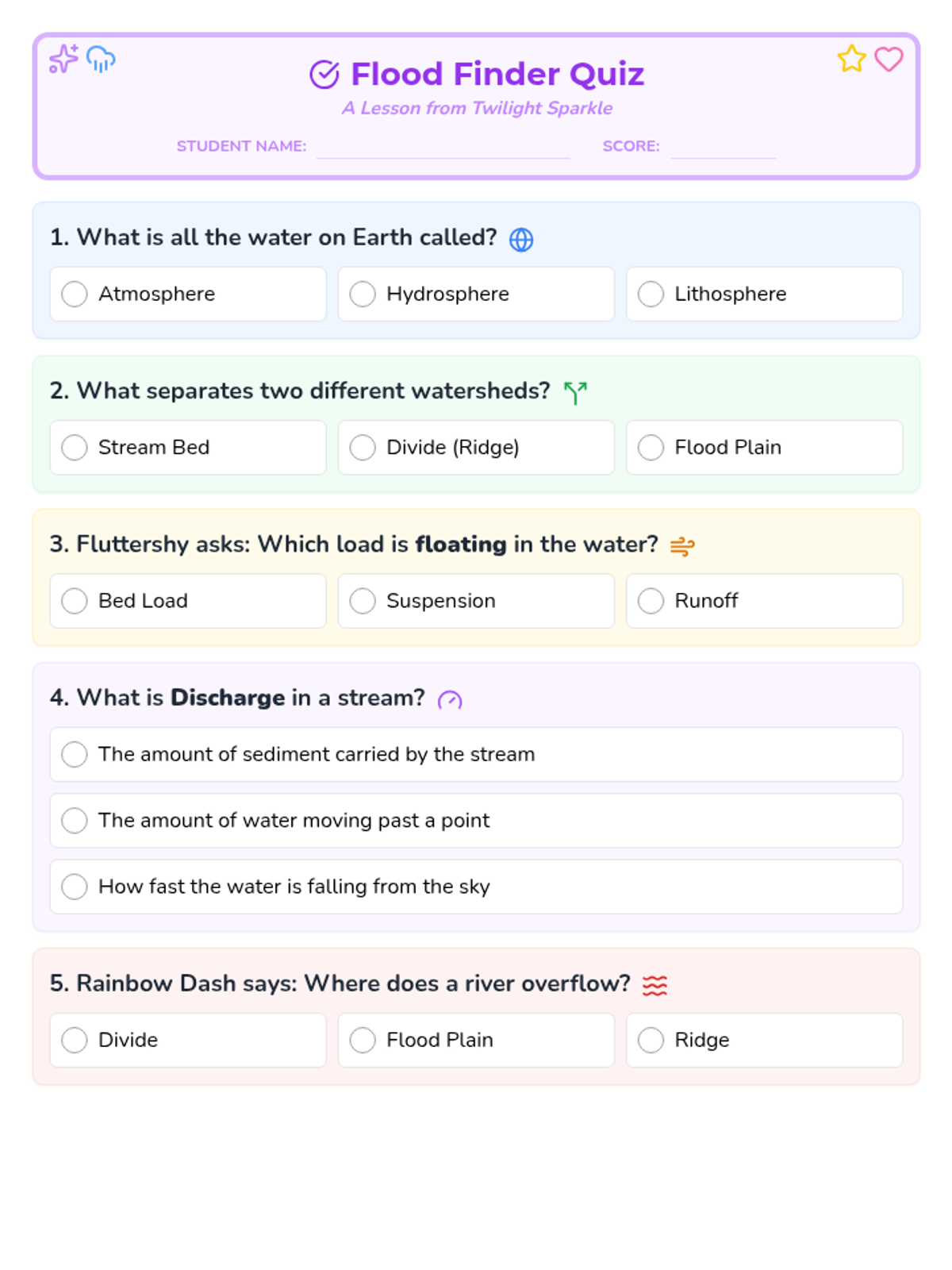
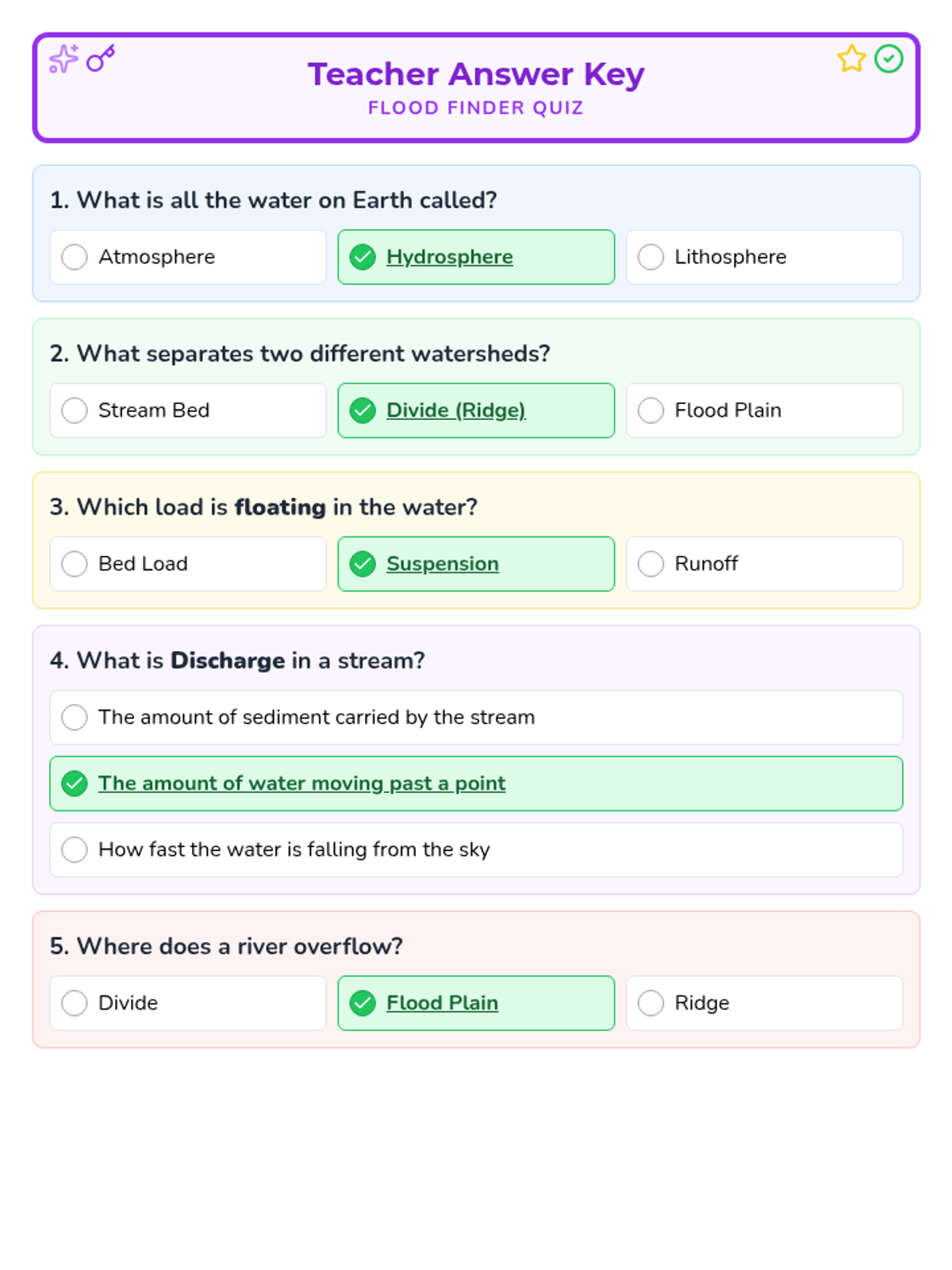
A simplified, symbol-supported lesson on surface water movement, covering watersheds, stream systems, and flood safety, themed around the world of Equestria.
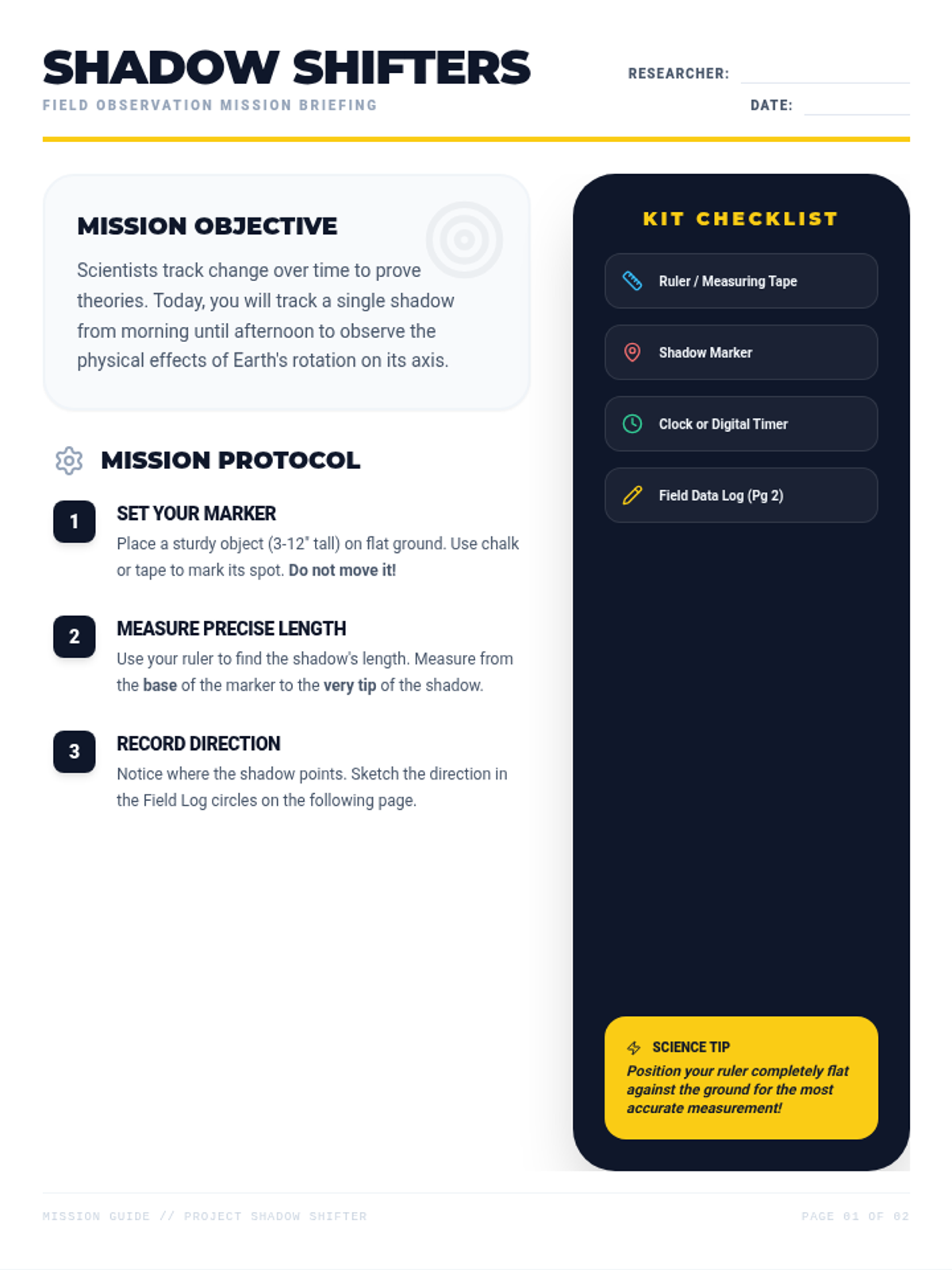
A hands-on, asynchronous observation lesson where students track the movement and size of shadows over the course of a single day to understand Earth's rotation and data collection.