Fundamental principles of supply, demand, and monetary systems alongside micro- and macroeconomic structures. Examines the impact of corporate power, labor market dynamics, and global systems on social mobility and class inequality.
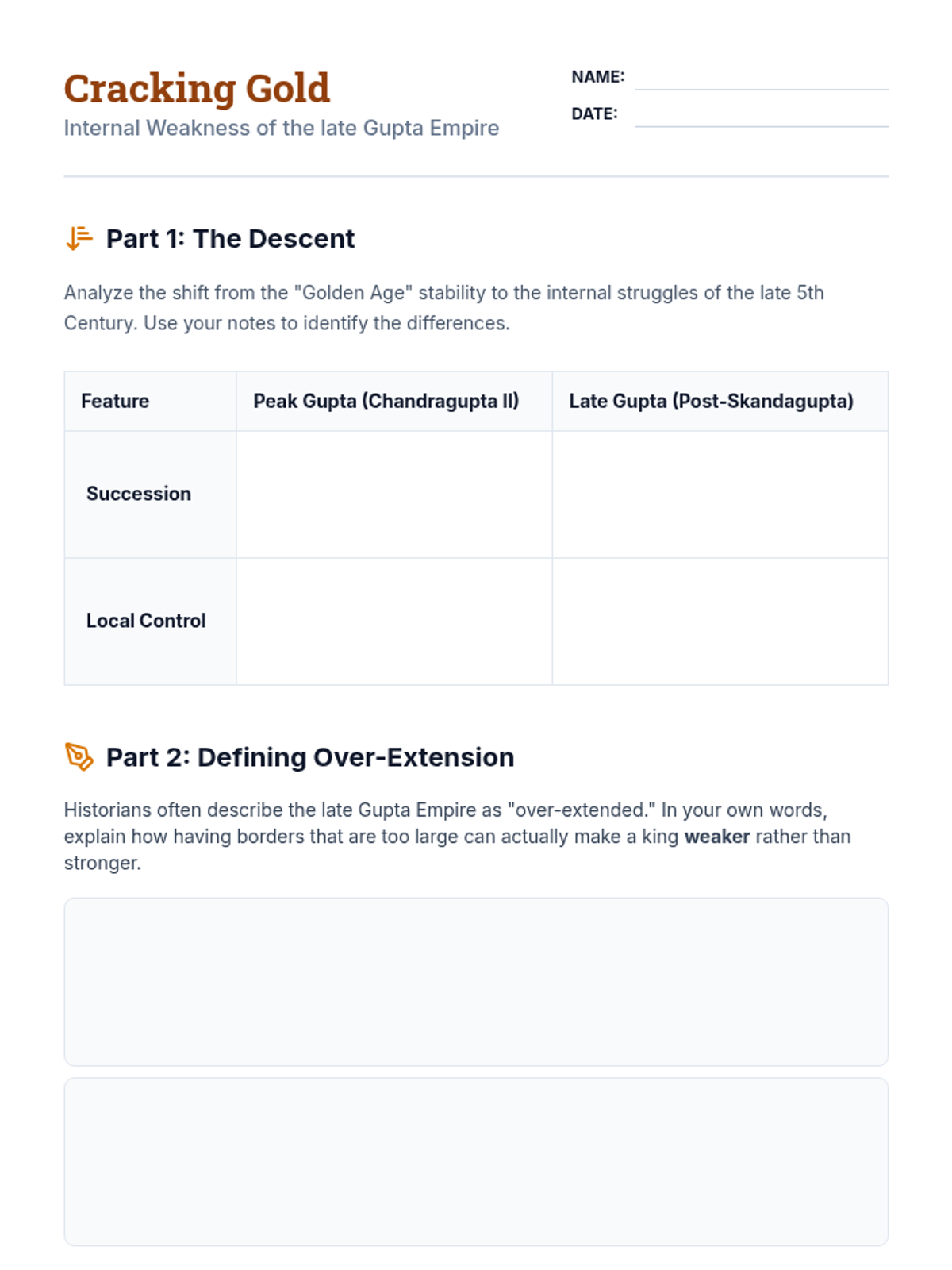
A 5-day unit exploring the multi-faceted decline of the Gupta Empire, from internal structural weaknesses to the devastating Huna invasions and economic collapse.
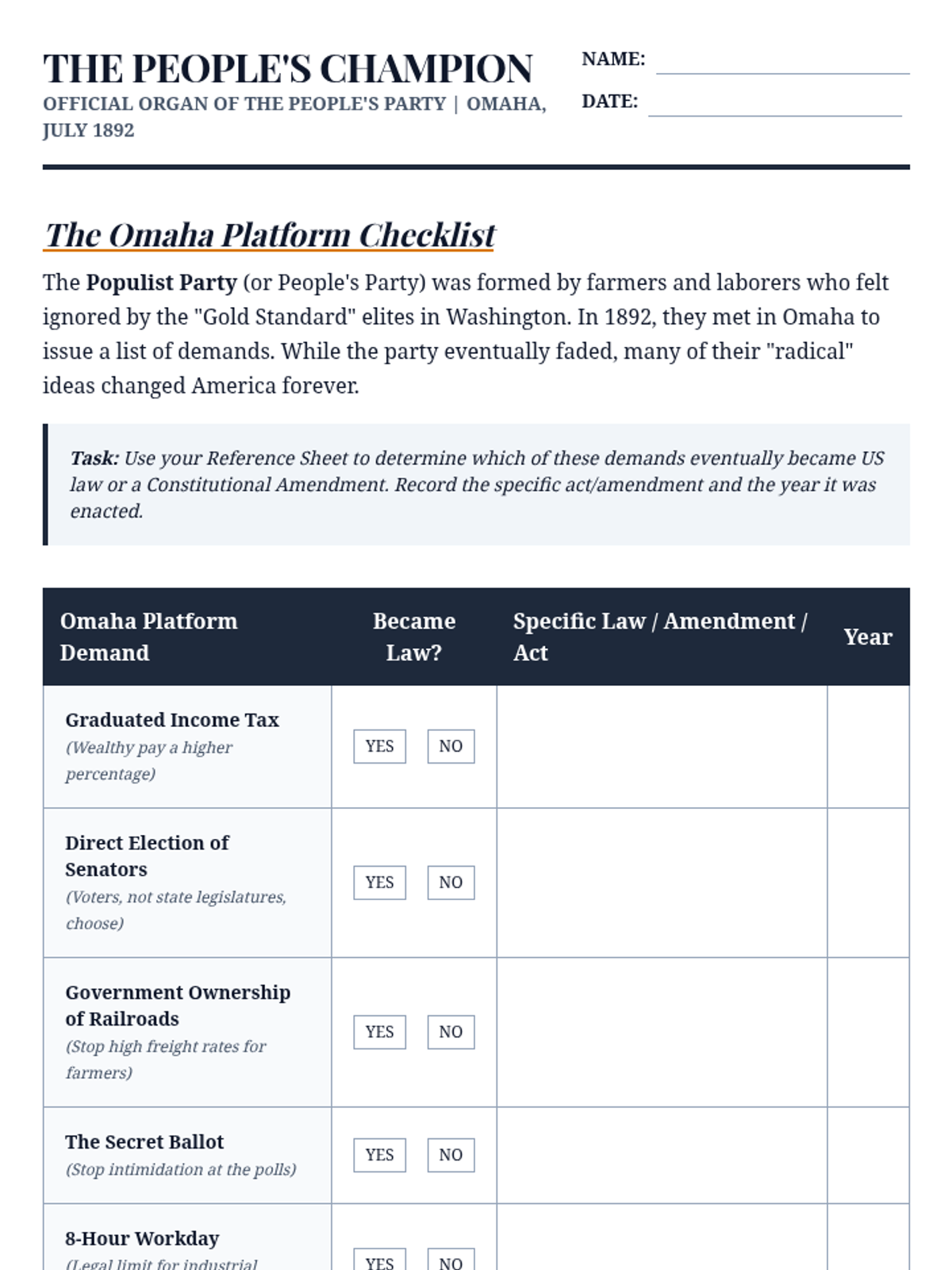
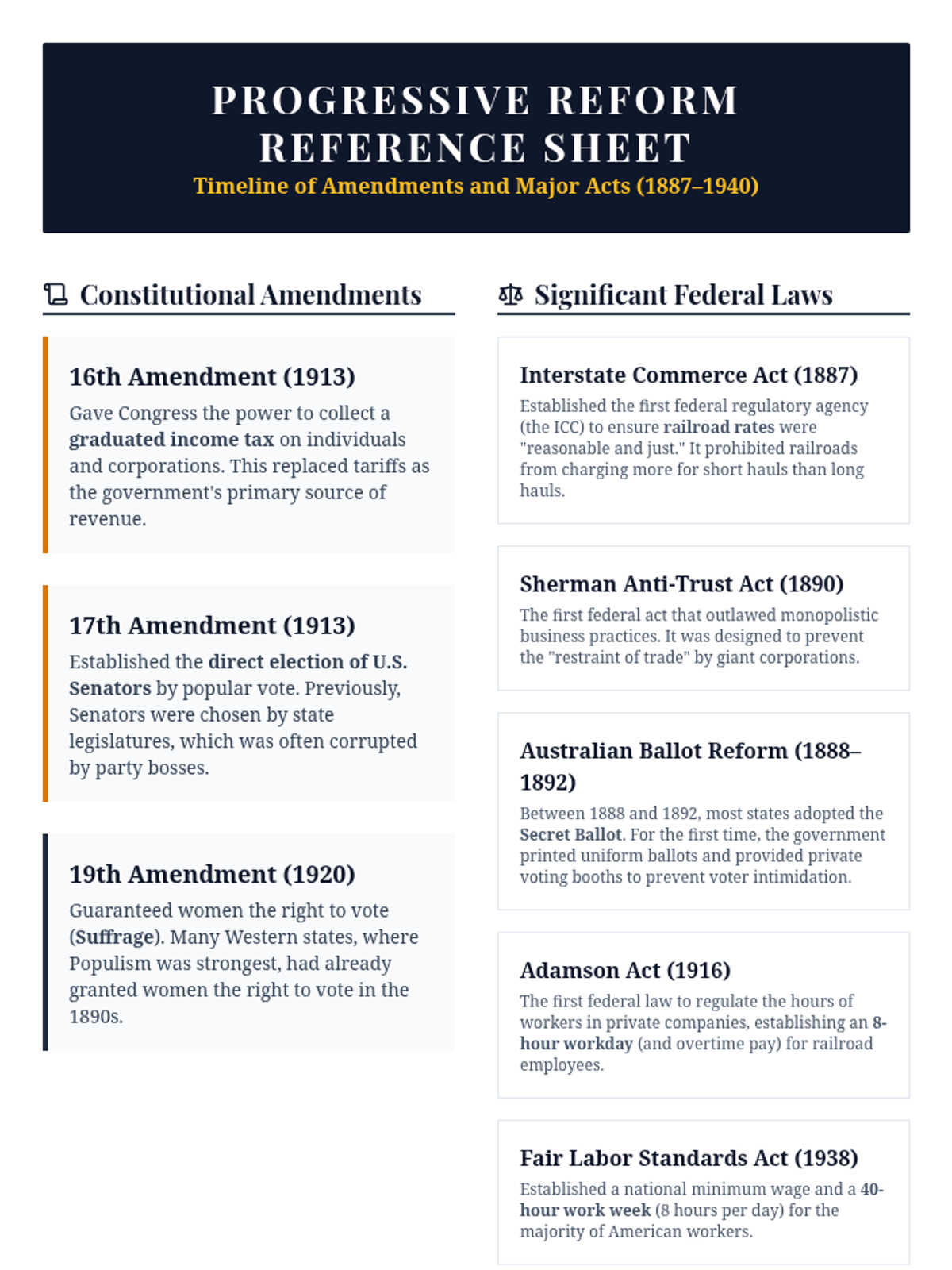
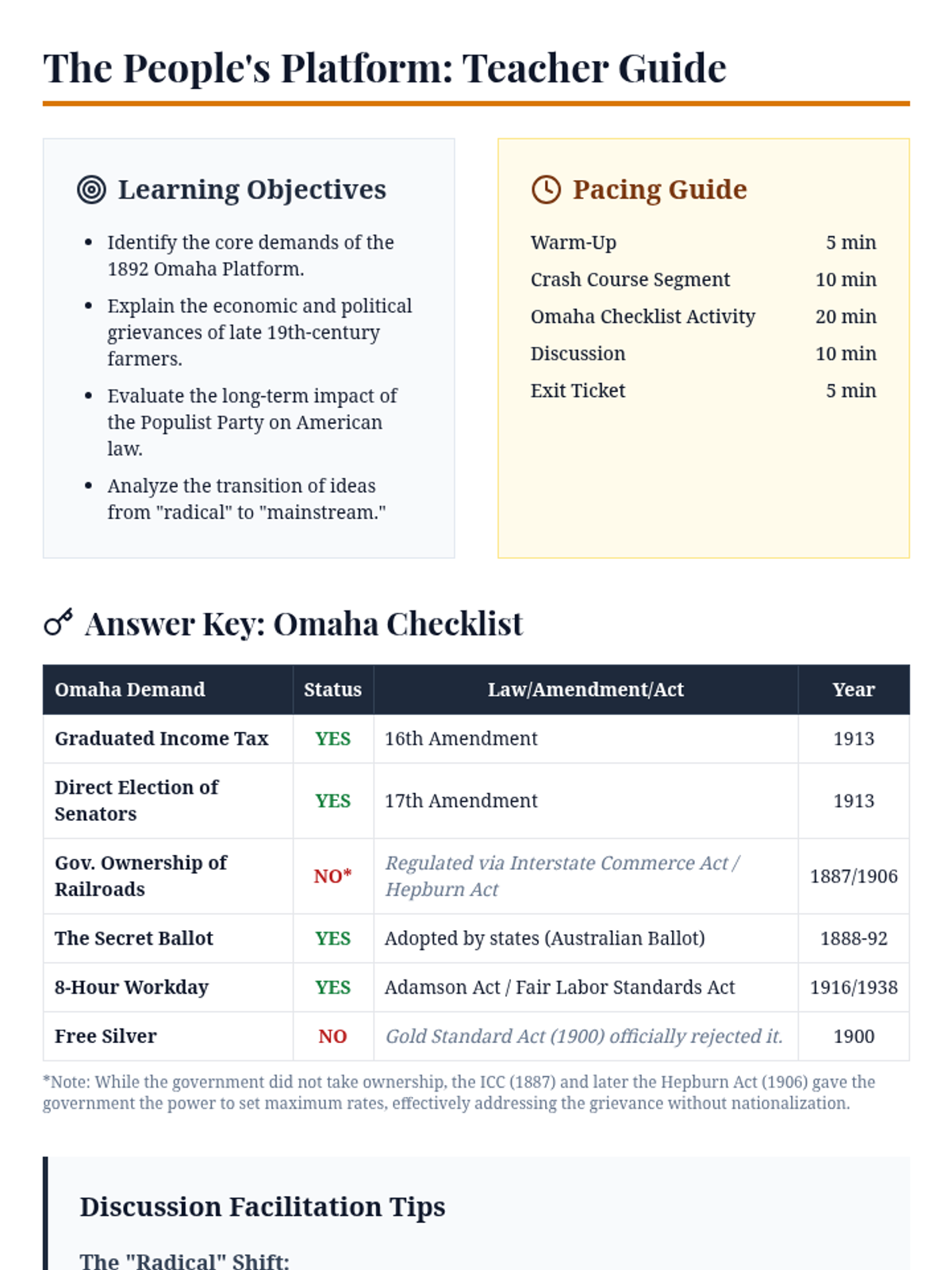
A lesson examining the Populist Party's Omaha Platform of 1892, its agrarian roots, and its long-term impact on American political and economic policy through the Progressive Era.
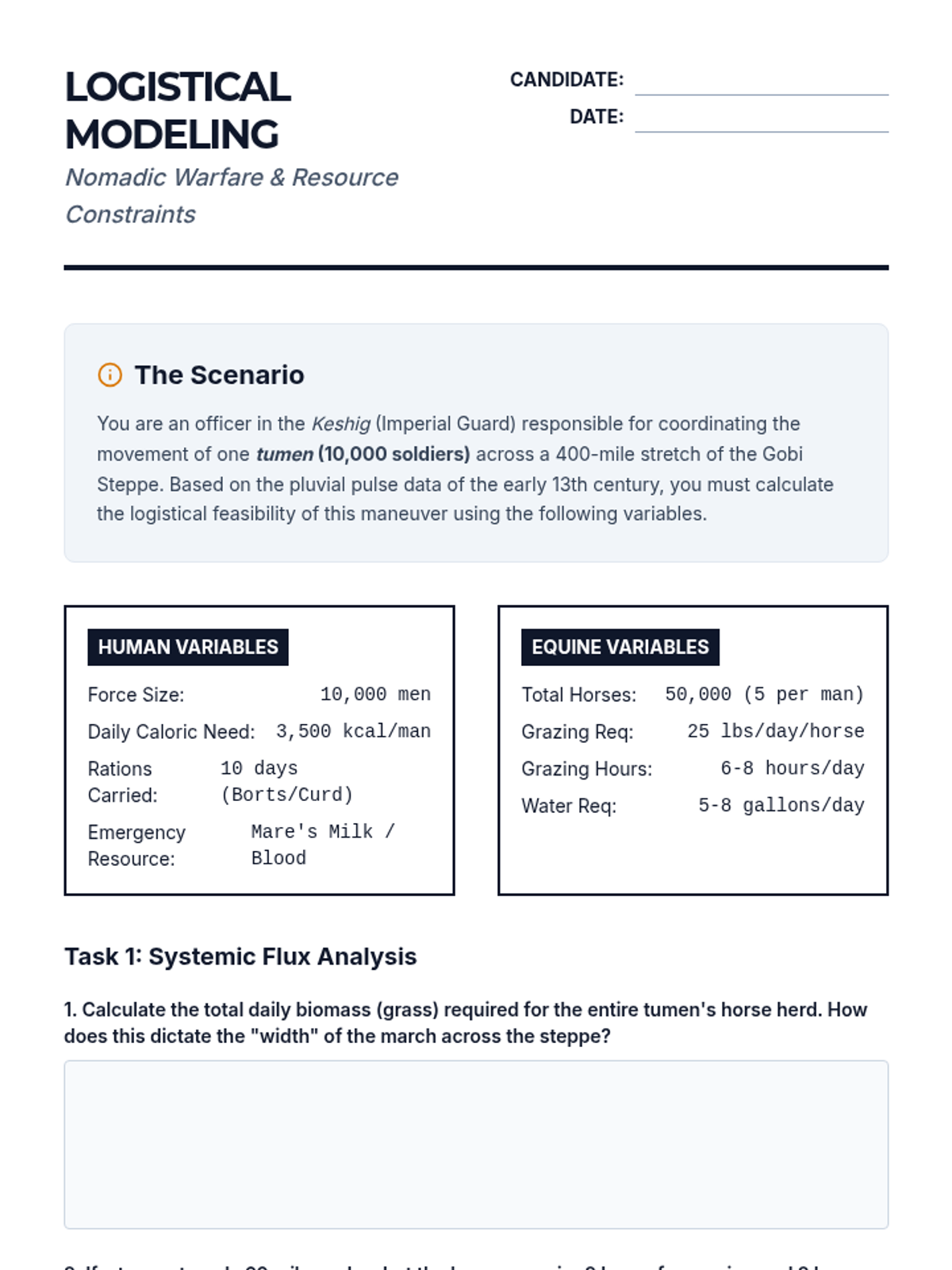
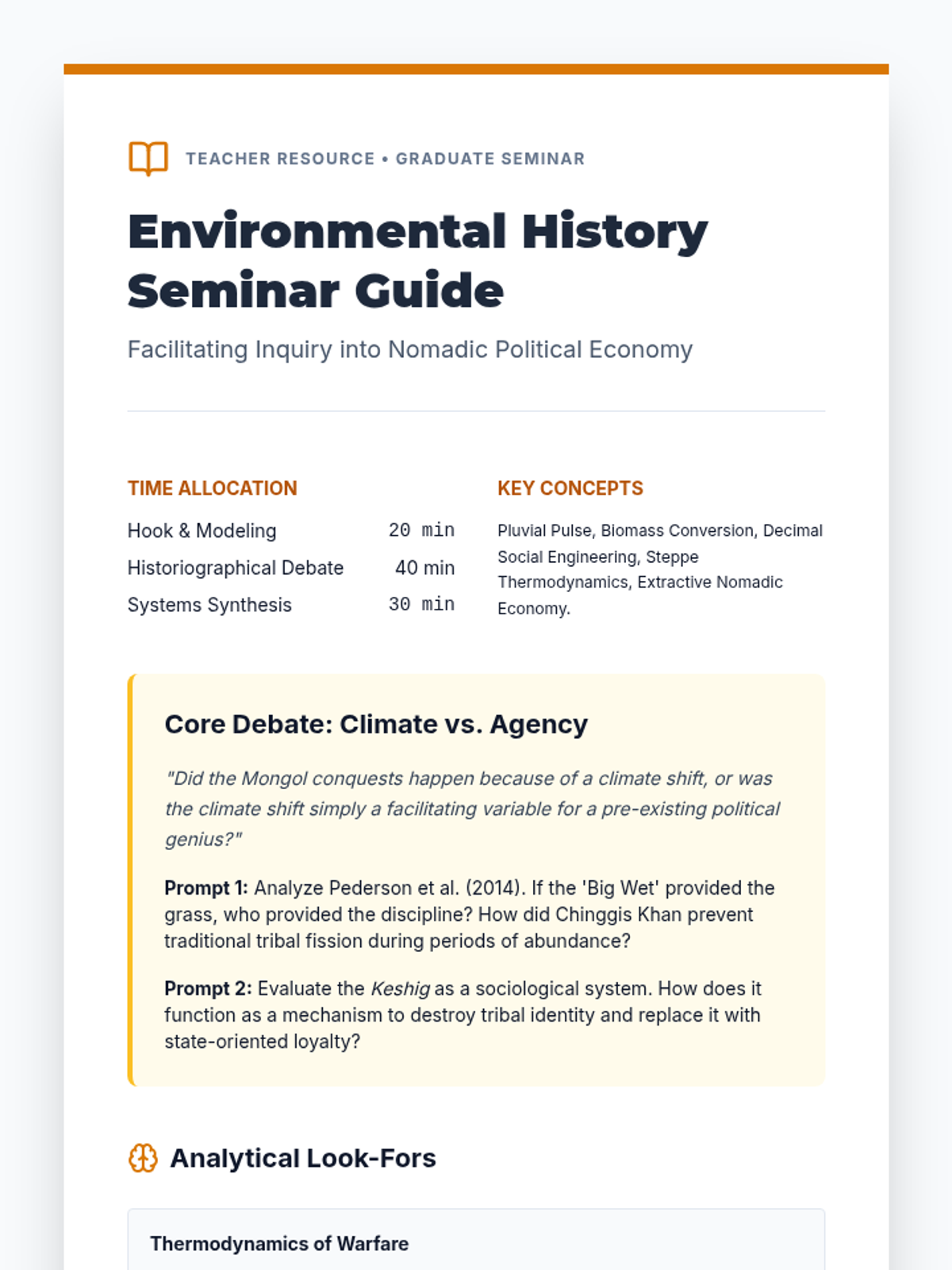
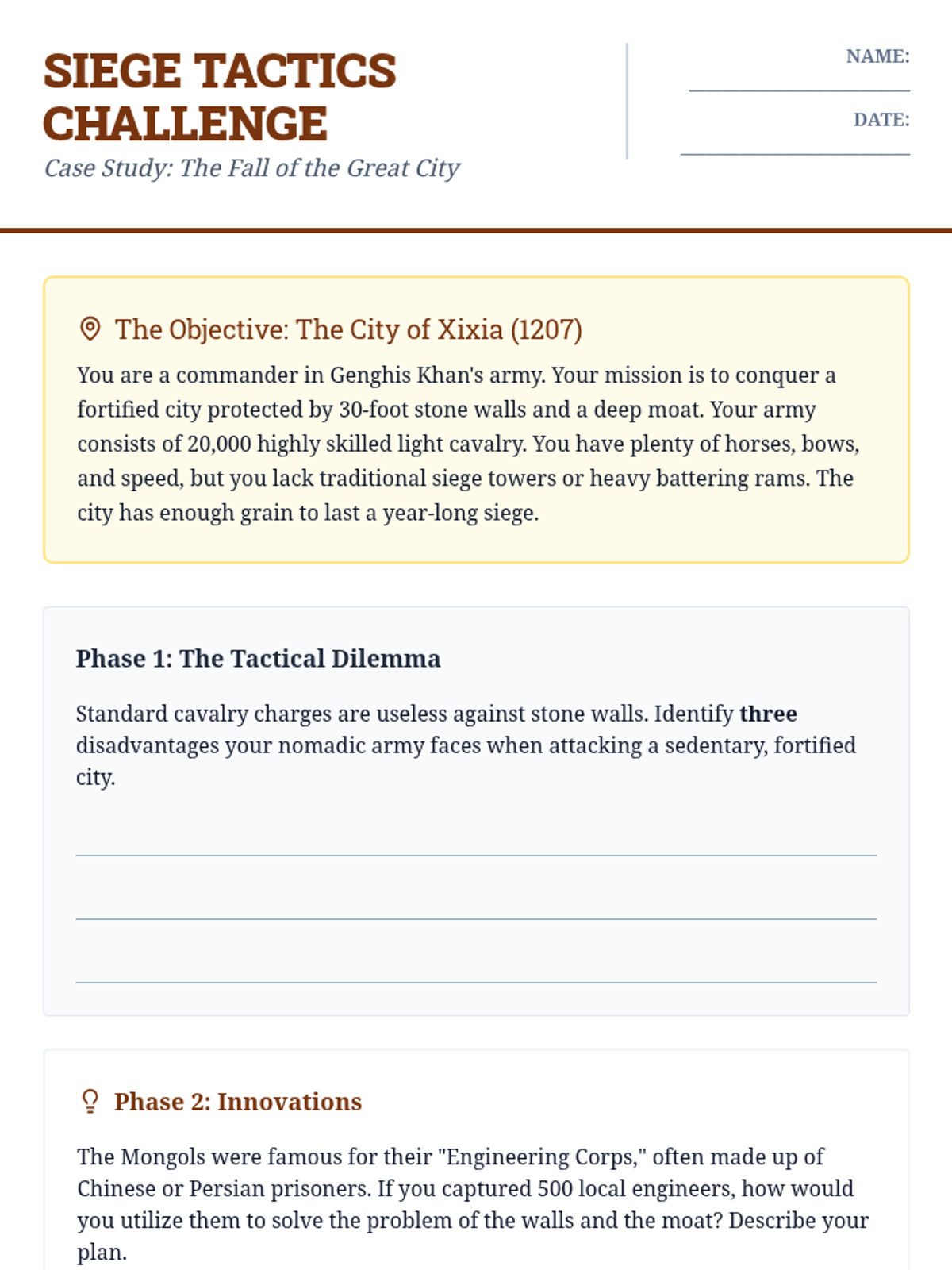
A graduate-level exploration of the Mongol Empire as a precursor to modern globalization, utilizing systems theory, environmental history, and network analysis to understand Eurasian integration.
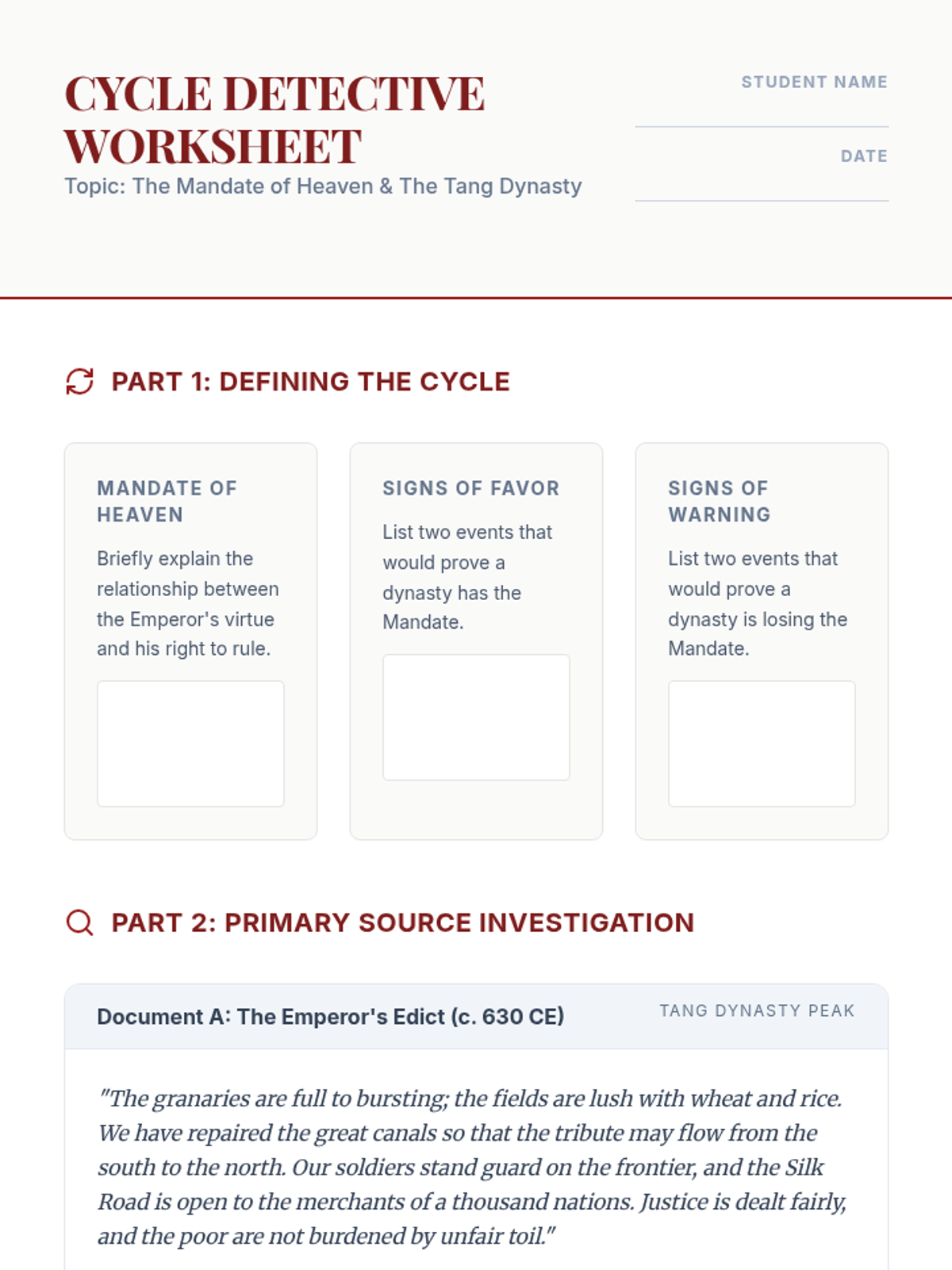
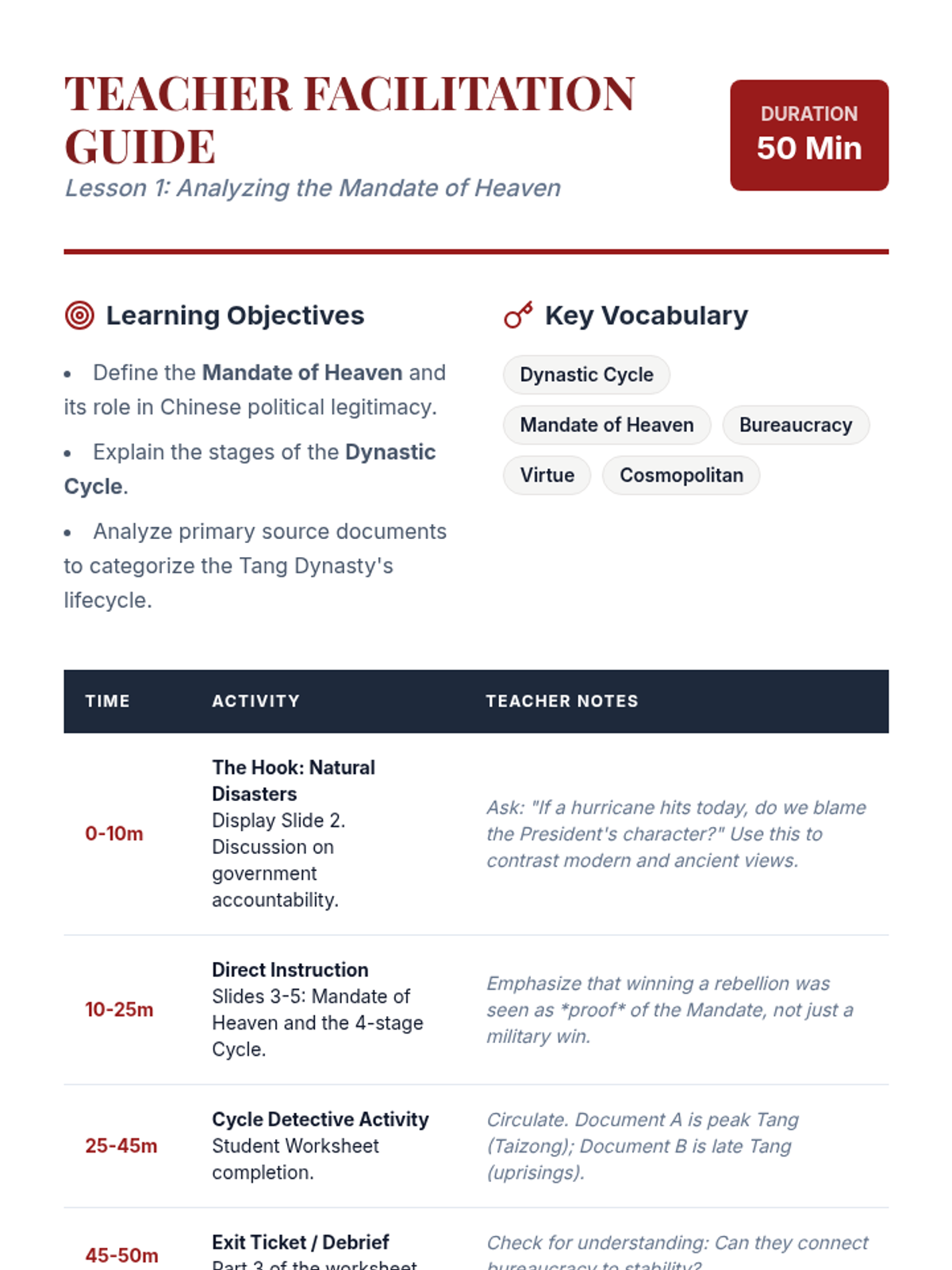
This sequence examines the political evolution and cultural achievements of China's Golden Ages through the Tang, Song, and Ming dynasties. Students will analyze how the Civil Service Examination system created a meritocratic bureaucracy that sustained stability and fostered technological innovation.
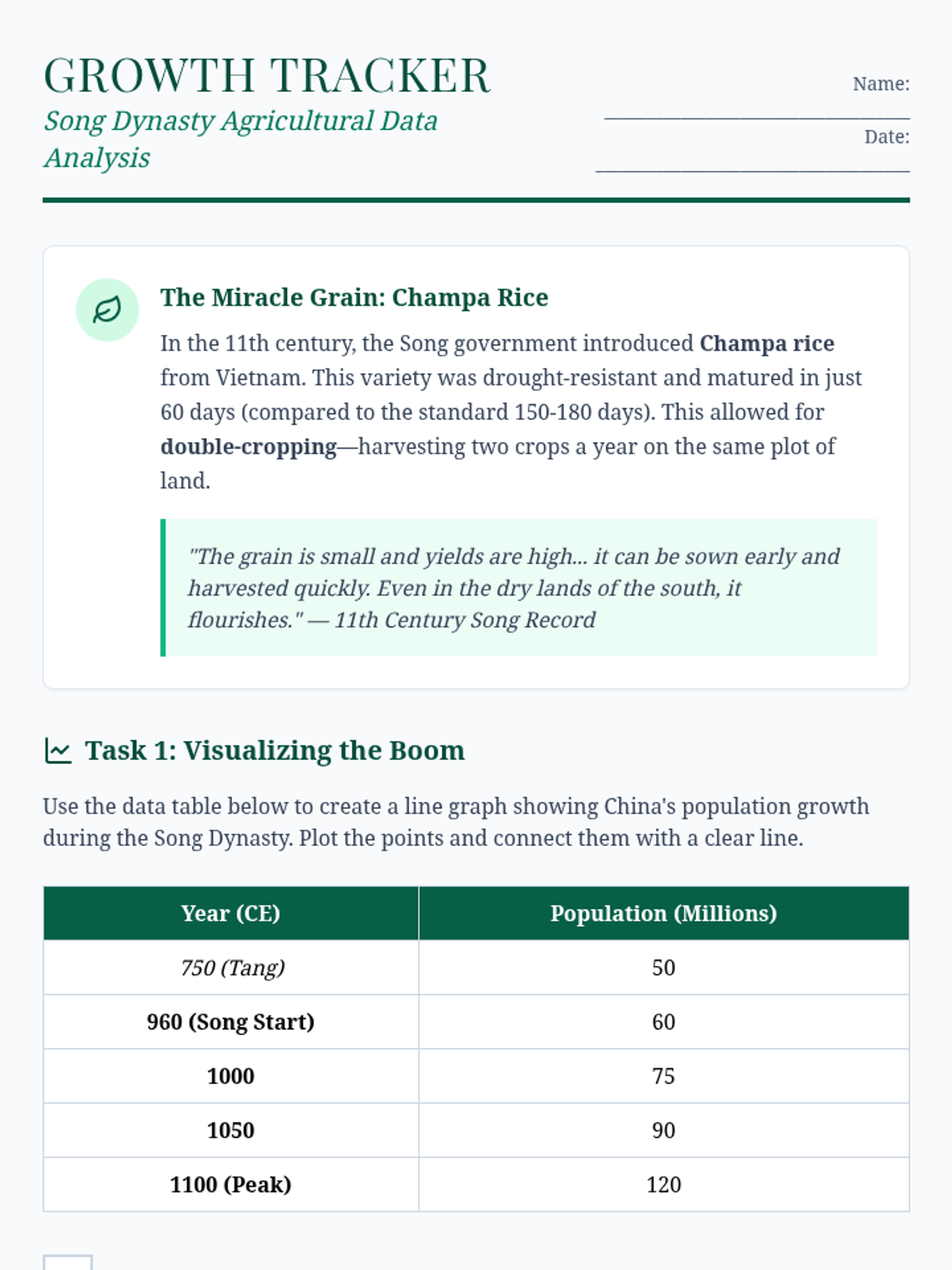
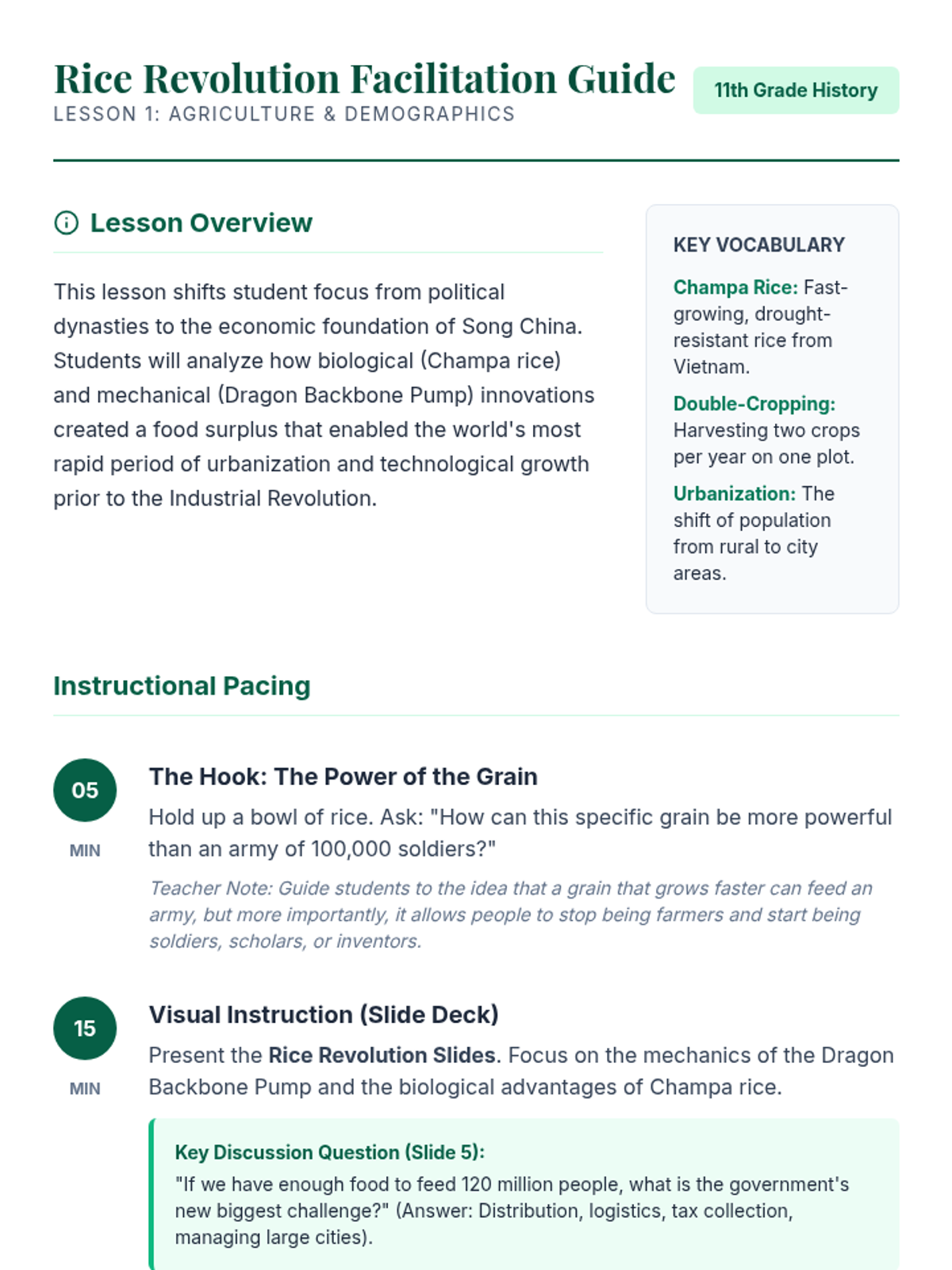
This 5-lesson sequence explores the 'Song Dynasty Economic Revolution,' analyzing the technological and economic innovations that placed China at the forefront of global development. Students examine agricultural breakthroughs, the 'Four Great Inventions,' financial systems like paper money, and the urbanization depicted in the Qingming Scroll to understand the conditions required for rapid innovation.
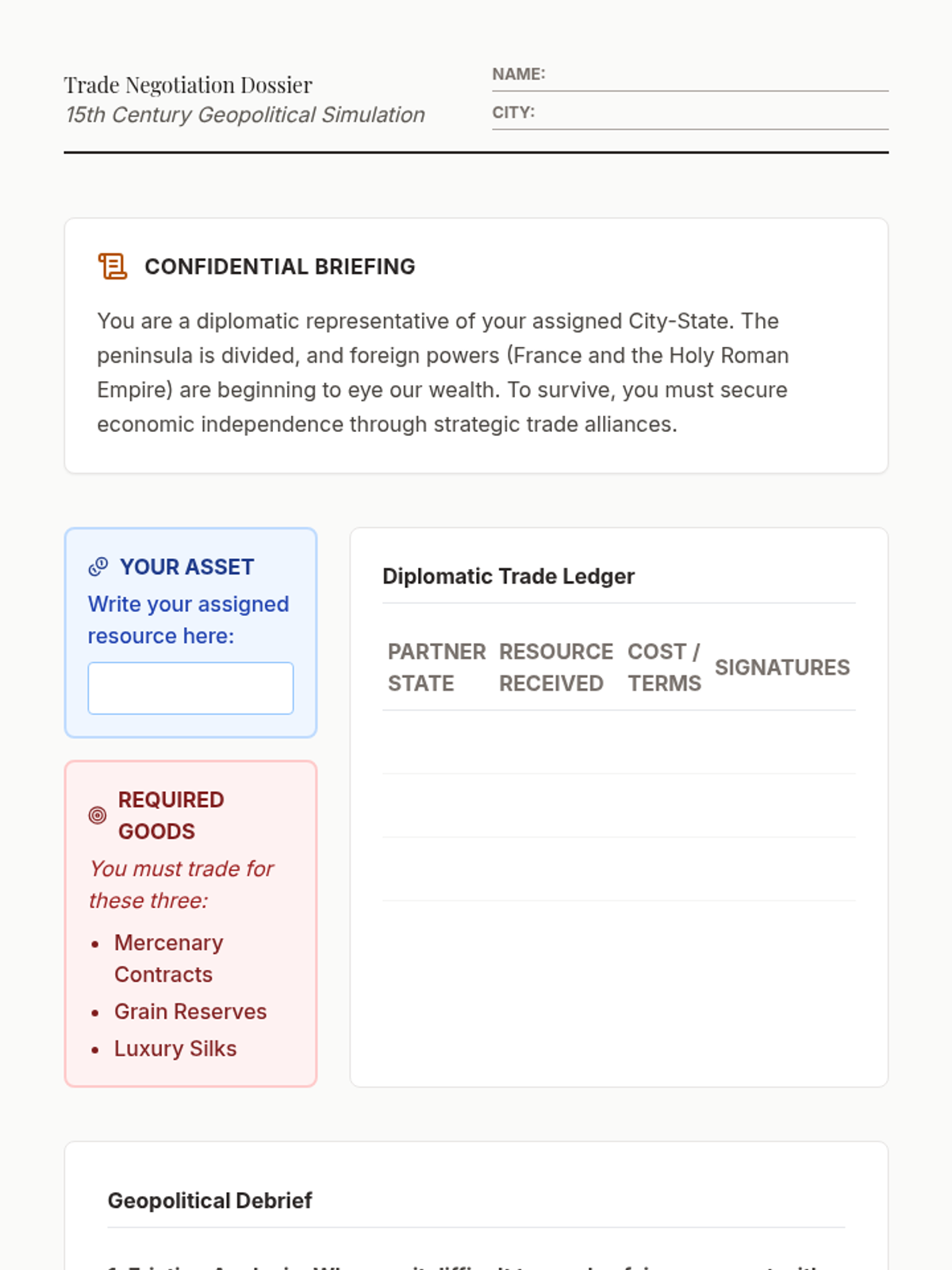
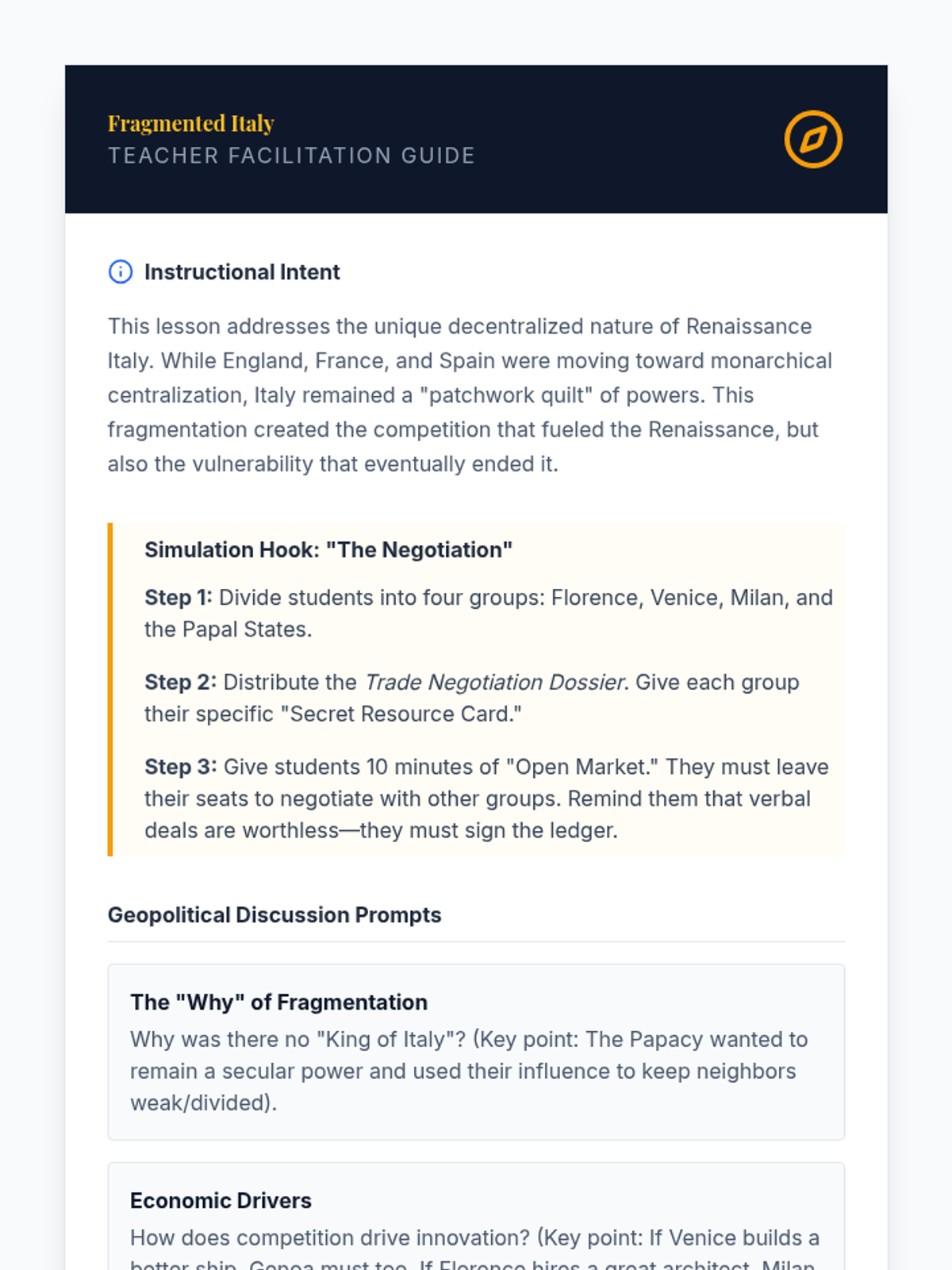
A high-stakes exploration of Renaissance power dynamics, banking innovations, and political theory. Students navigate the volatile landscape of Italian city-states through simulations and primary source analysis to understand the transition from feudalism to modern statecraft.
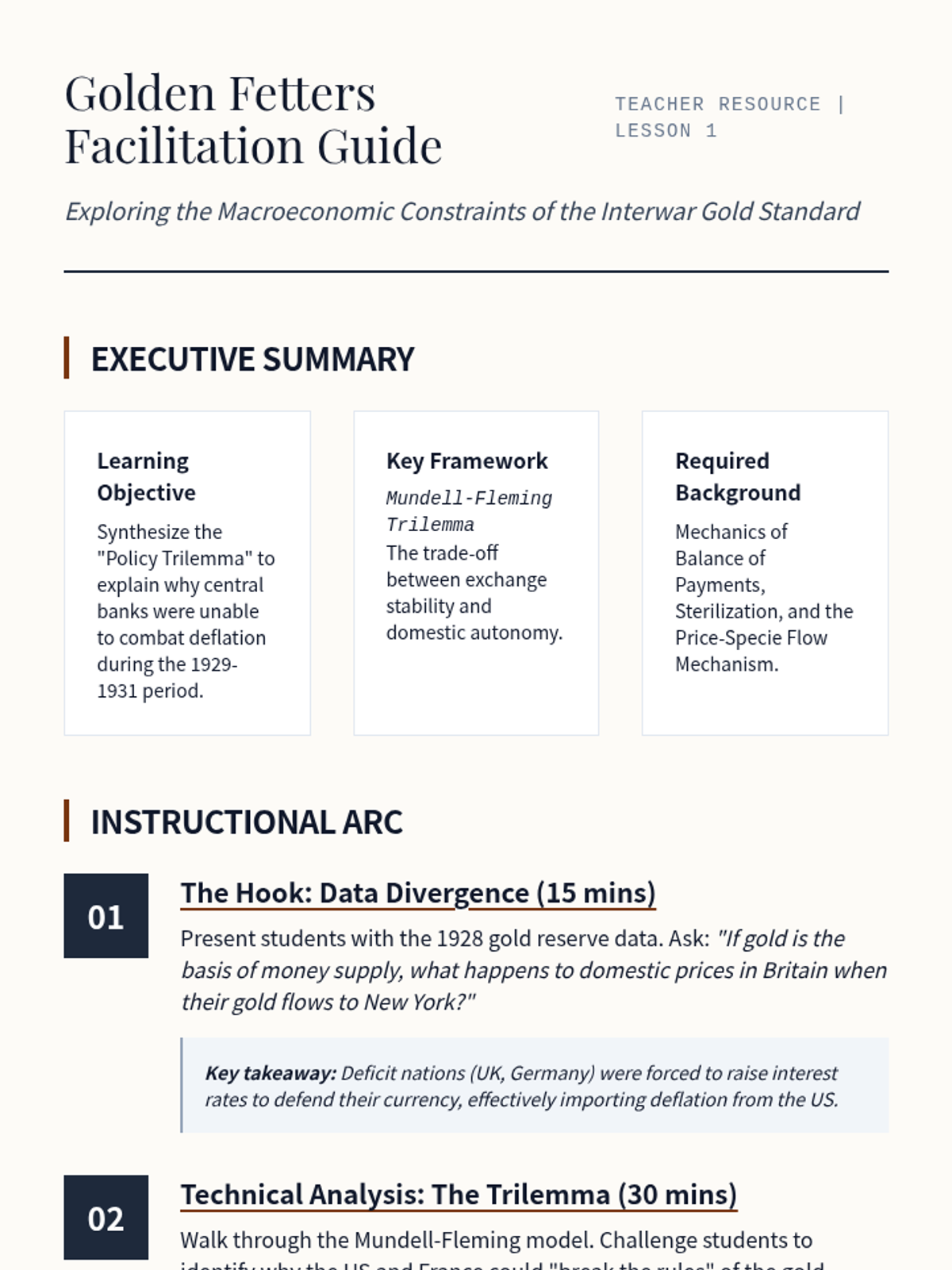
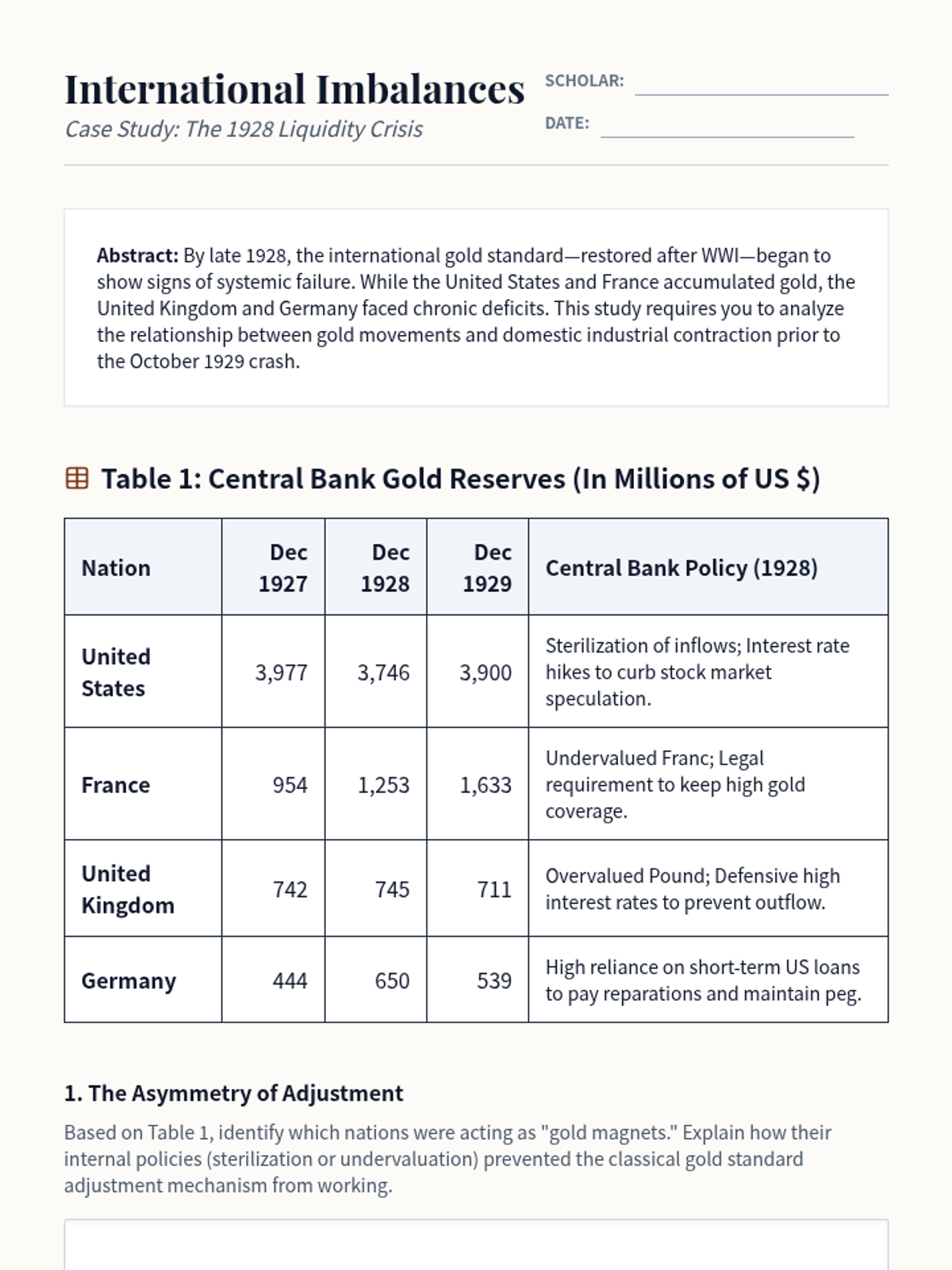
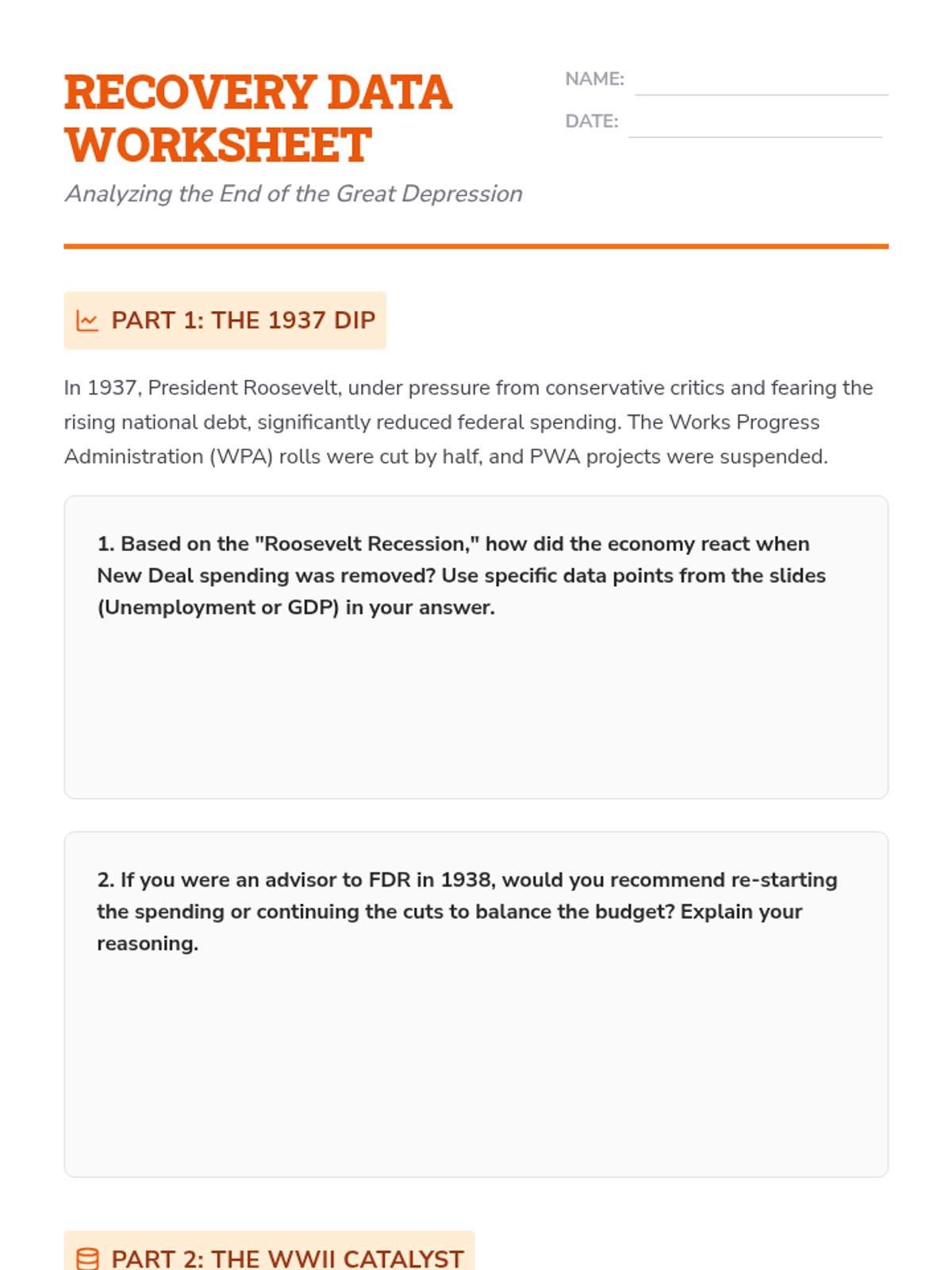
An advanced graduate-level sequence exploring the macroeconomic failures of the Great Depression, focusing on the gold standard, banking panics, and the evolution of monetary policy from 1929 to modern retrospectives. Students engage with technical data, primary sources, and comparative policy analysis.
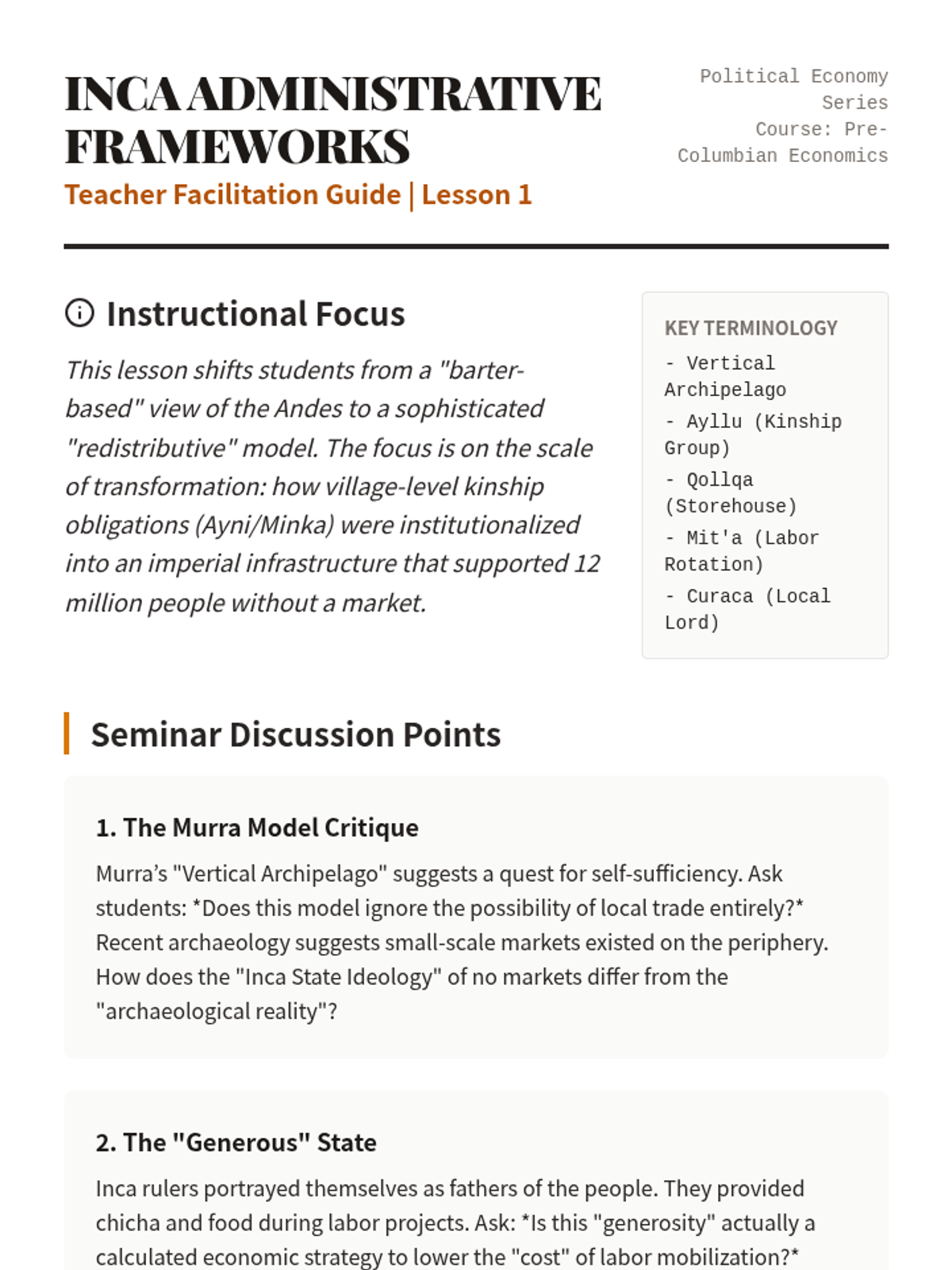
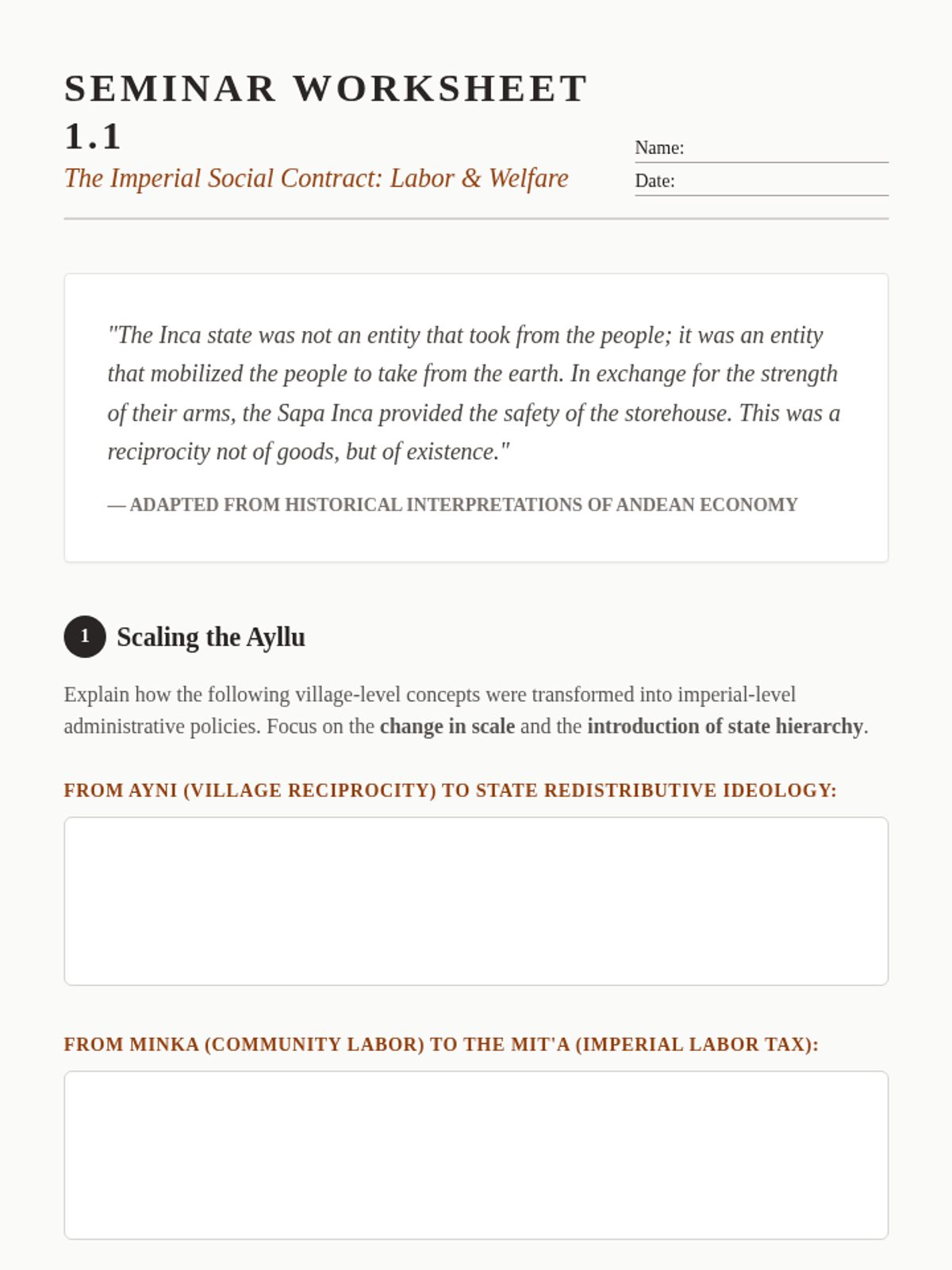
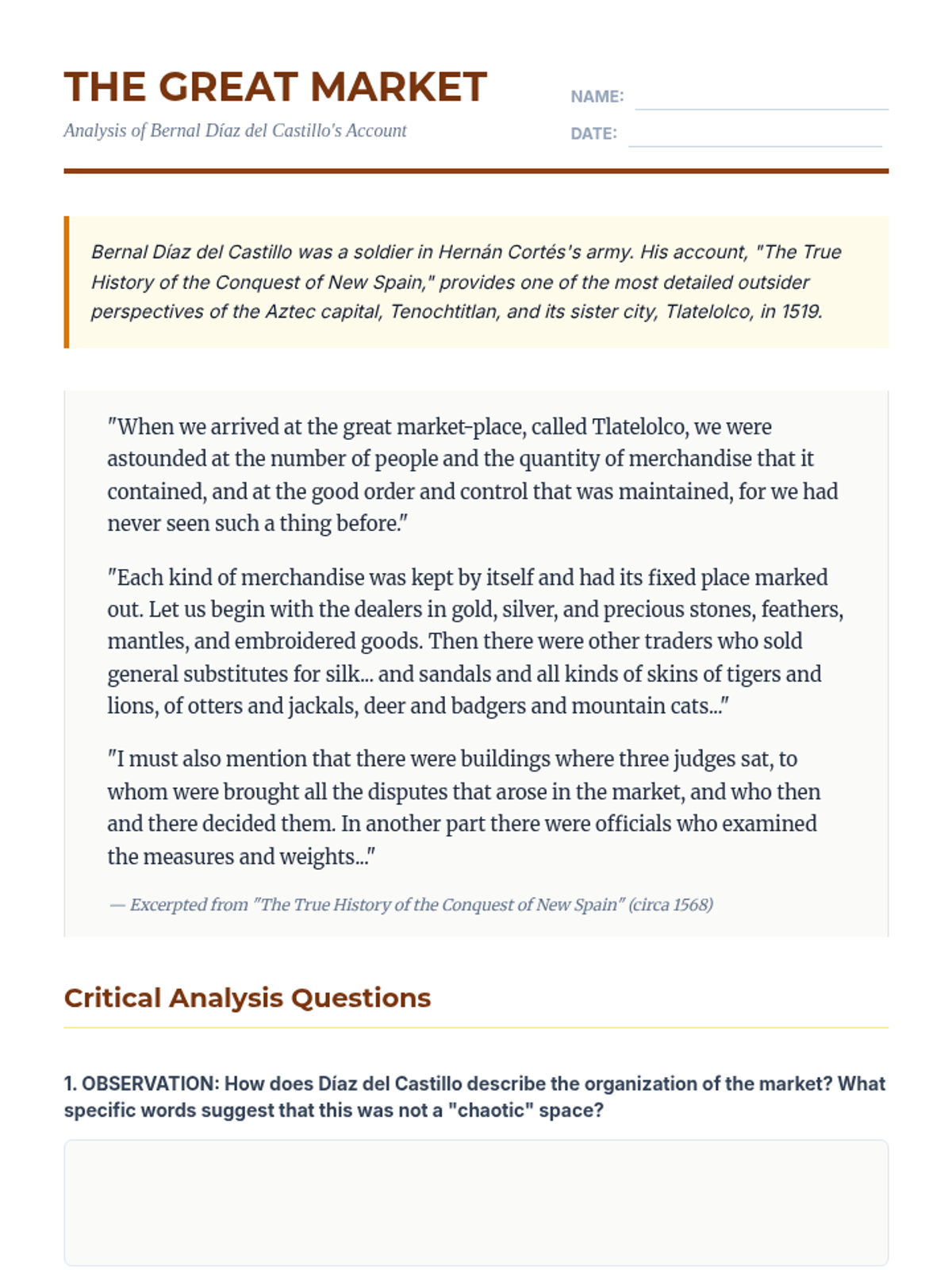
This graduate-level sequence explores the political economies of the Aztec and Inca empires, contrasting market-based and redistributive systems through primary source analysis and theoretical debates. Students will analyze labor mobilization, tribute systems, and the socio-political structures that supported these complex non-Western imperial economies.
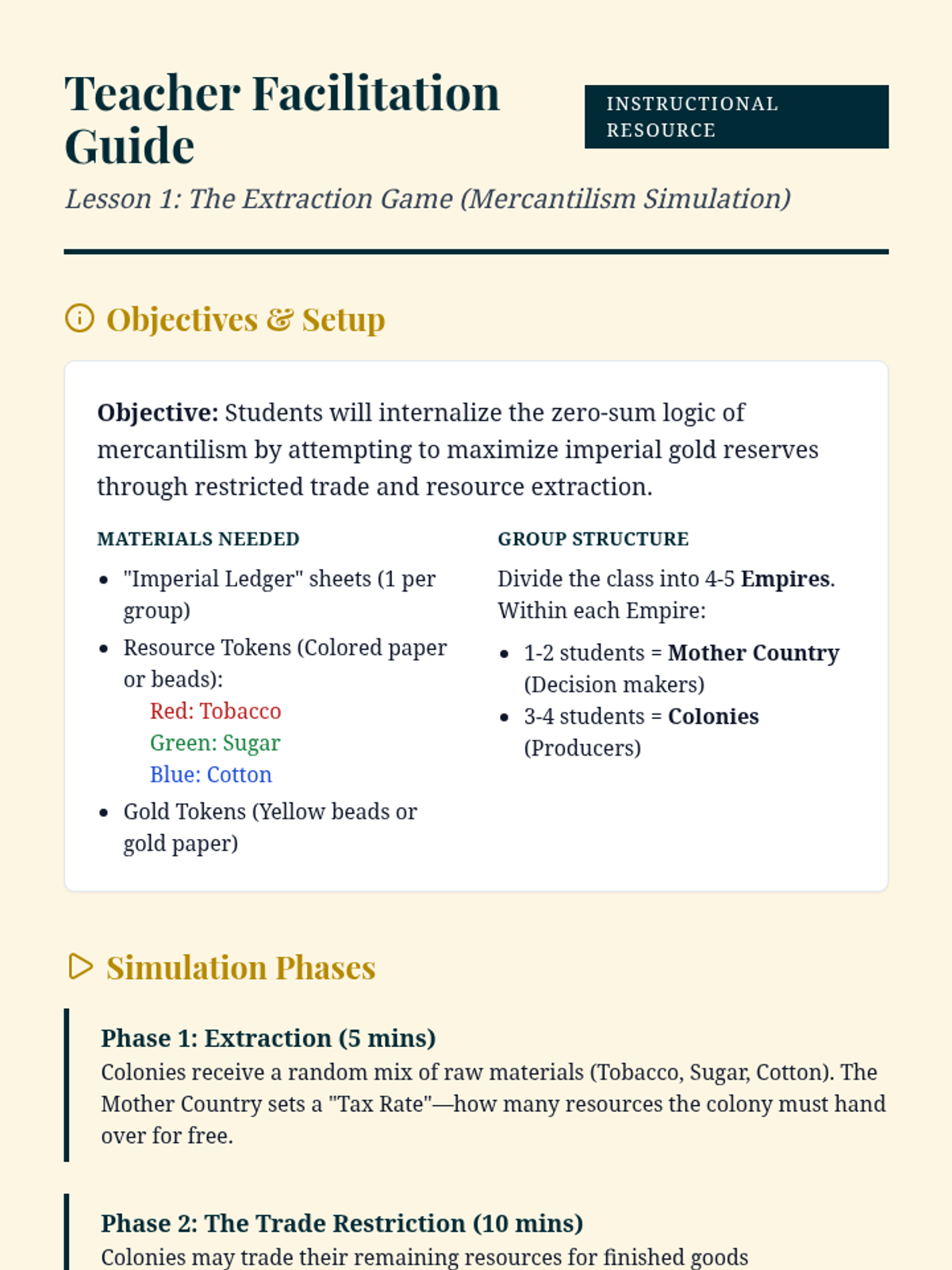
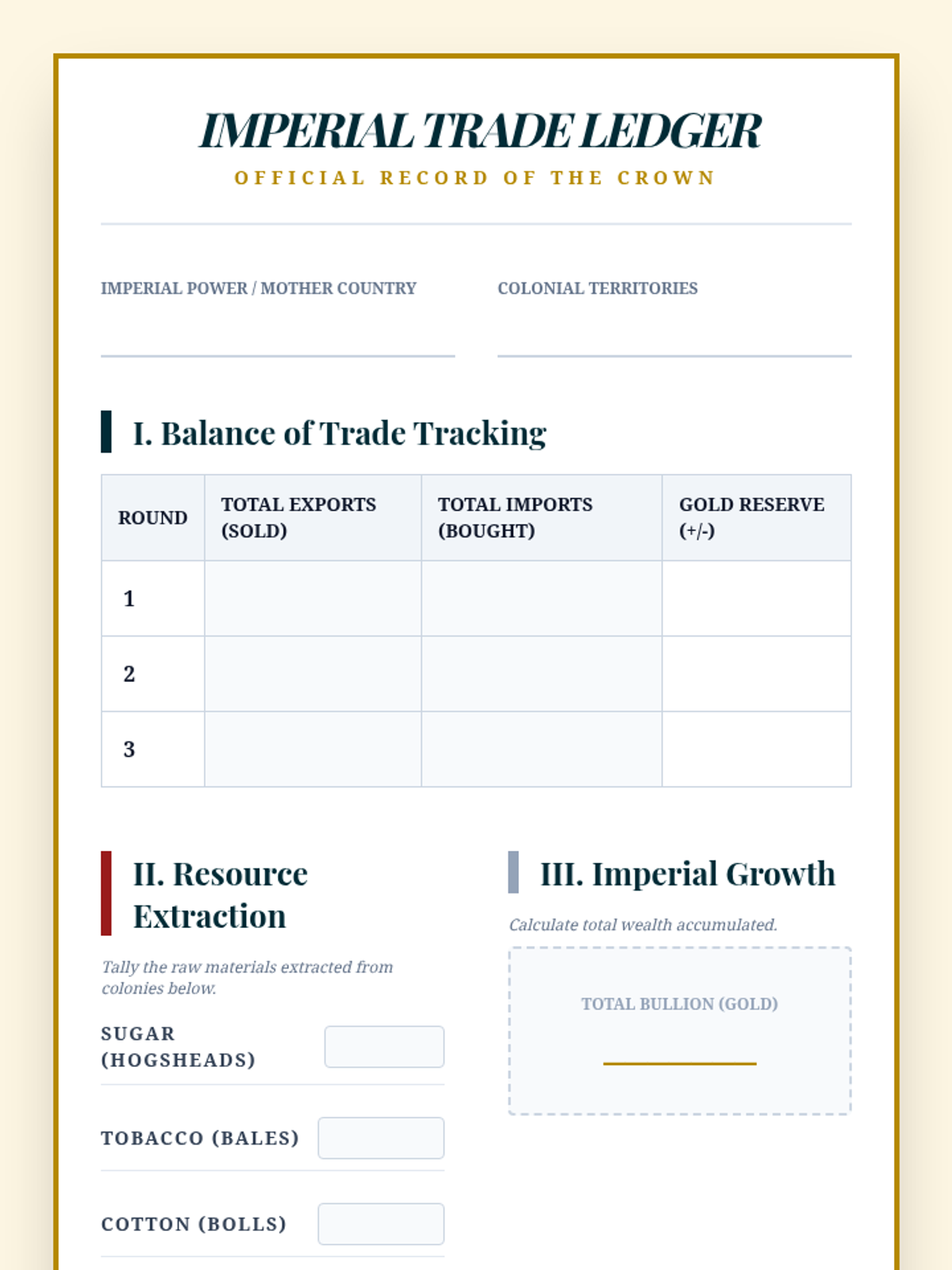
A deep dive into the economic engines of the Age of Exploration, exploring mercantilism, the triangular trade, the brutal logic of the Middle Passage, and the birth of global corporate power. Students use simulations and primary sources to analyze how these systems reshaped the world.
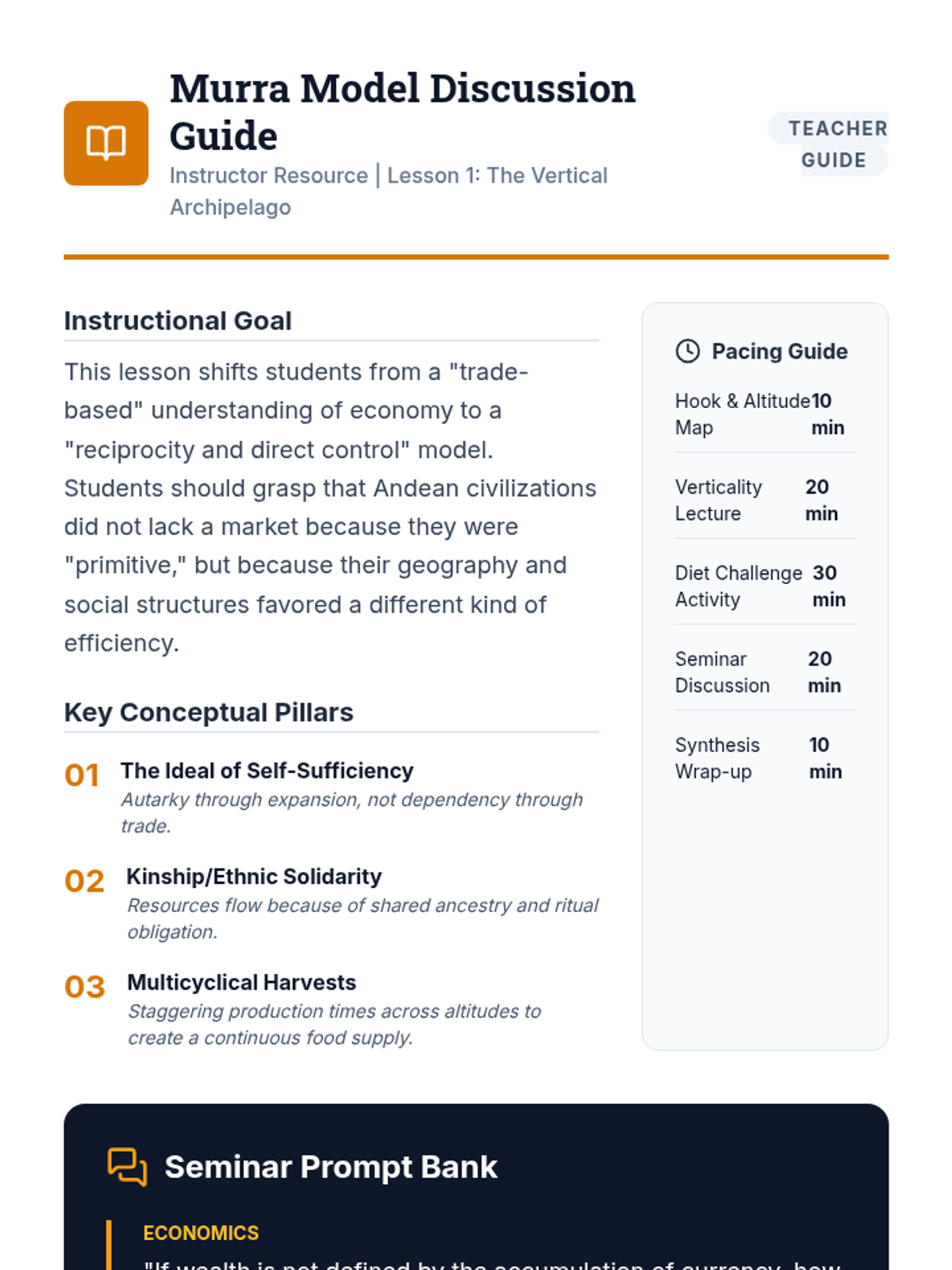
An undergraduate-level investigation into the economic foundations of the Aztec and Inca empires, focusing on tribute systems, long-distance trade, and state-run redistribution. Students analyze primary sources like the Codex Mendoza and the Khipu to contrast market-based Mesoamerican economies with the reciprocal command economies of the Andes.
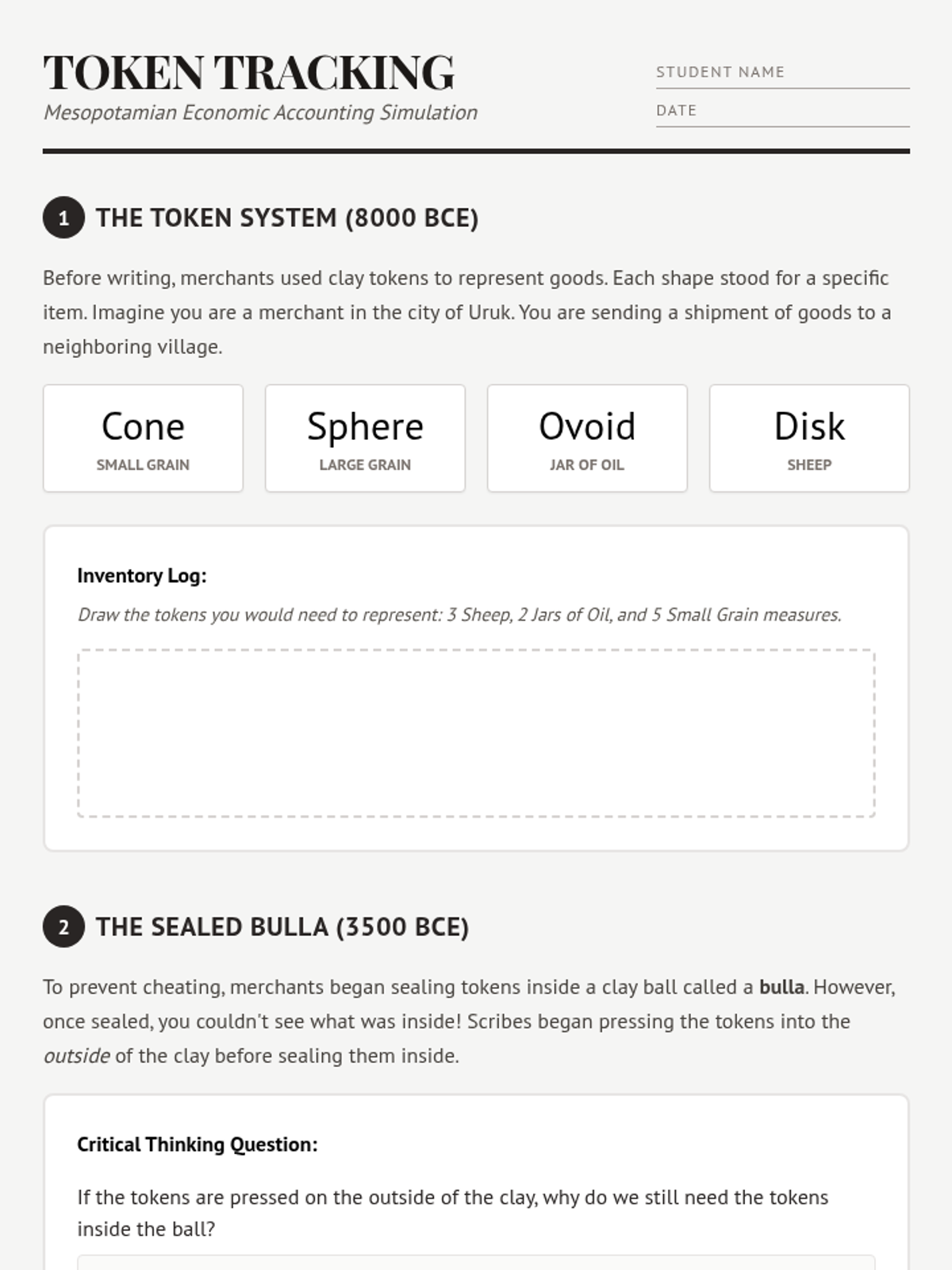
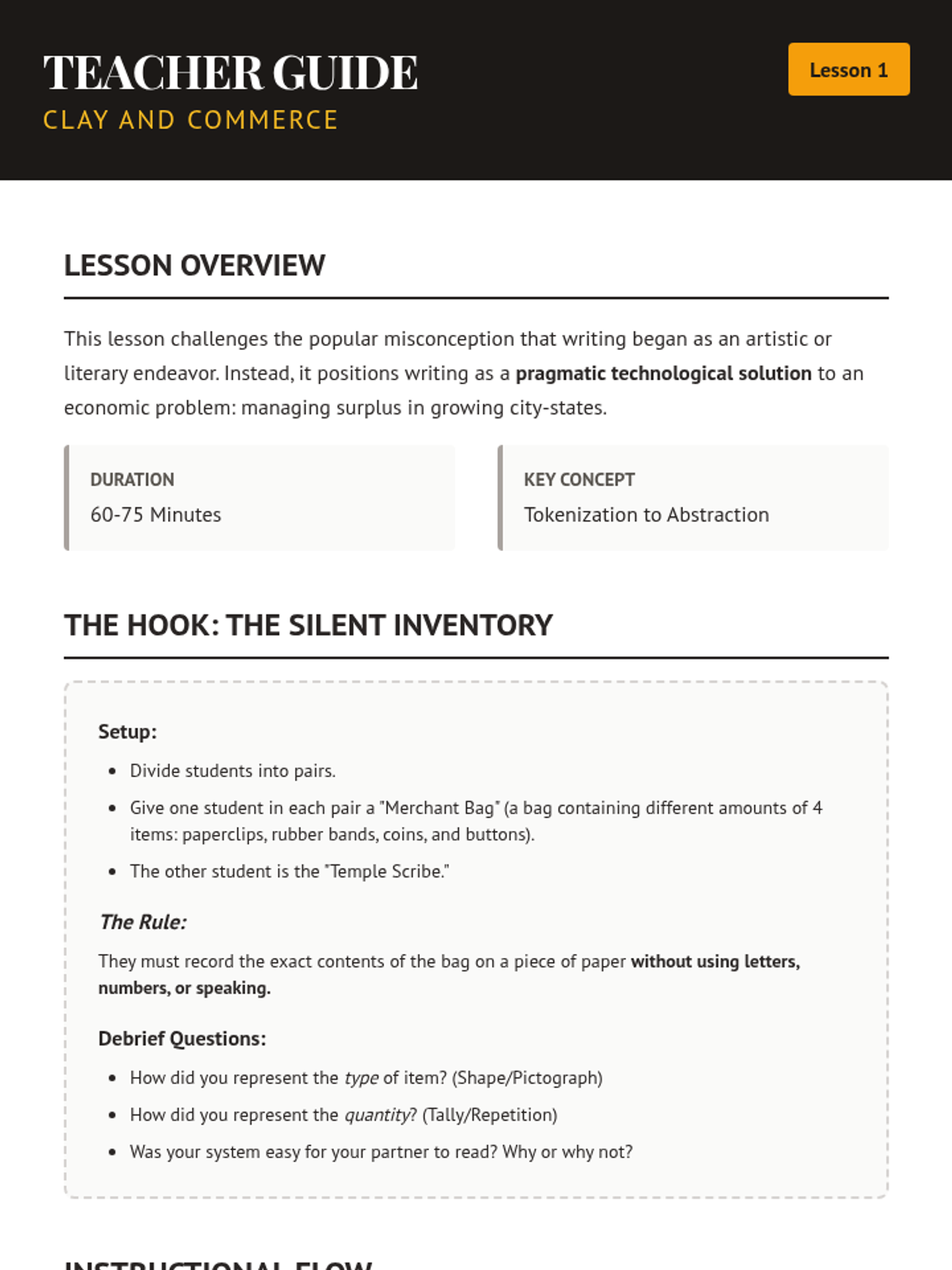
This sequence traces the evolution of written language from pragmatic record-keeping to complex literature across ancient Mesopotamia, Egypt, the Indus Valley, and China. Students explore how writing systems facilitated trade, codified religion, and expanded state bureaucracy, ultimately evaluating the transformative power of literacy on human history.
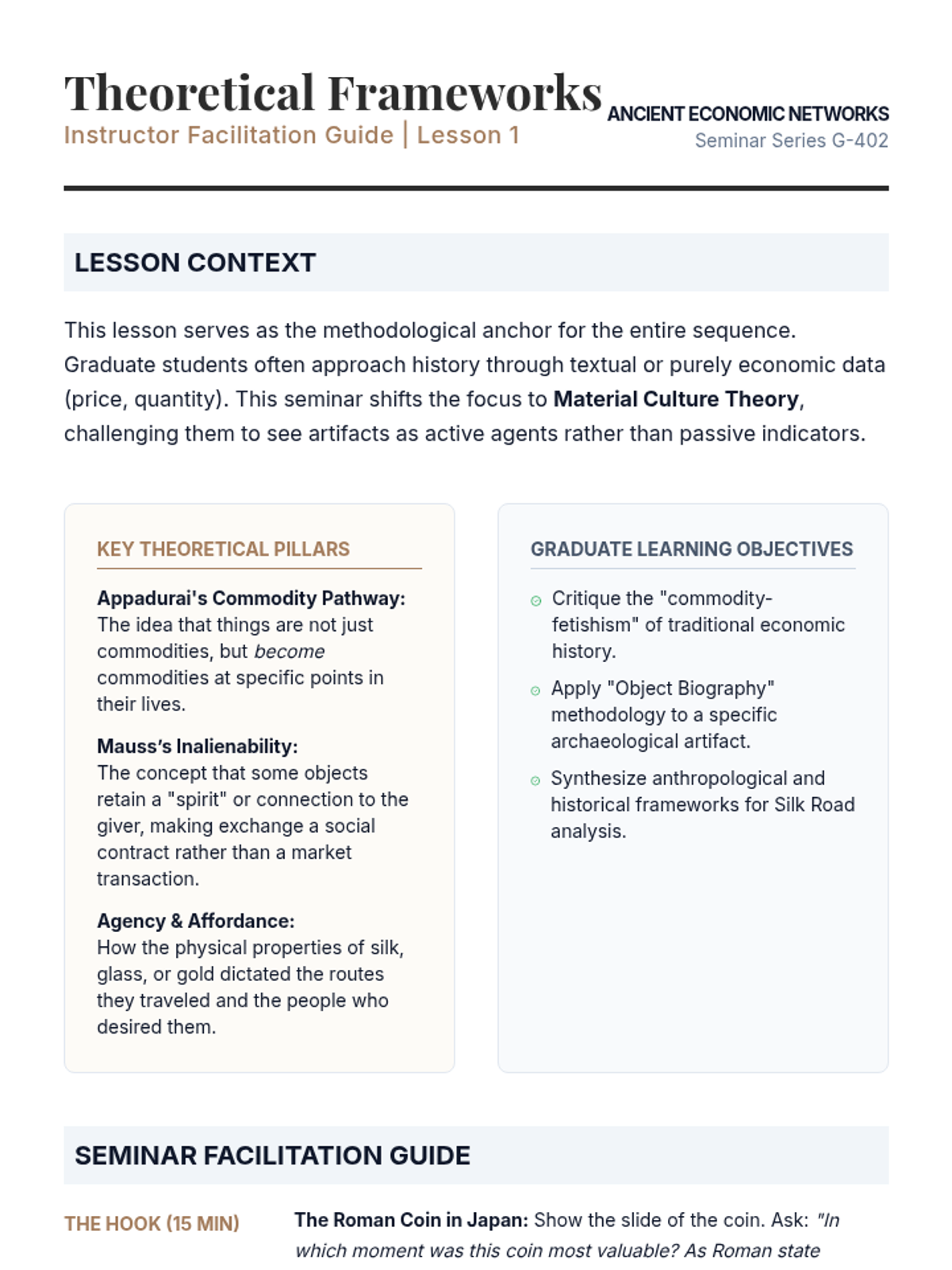
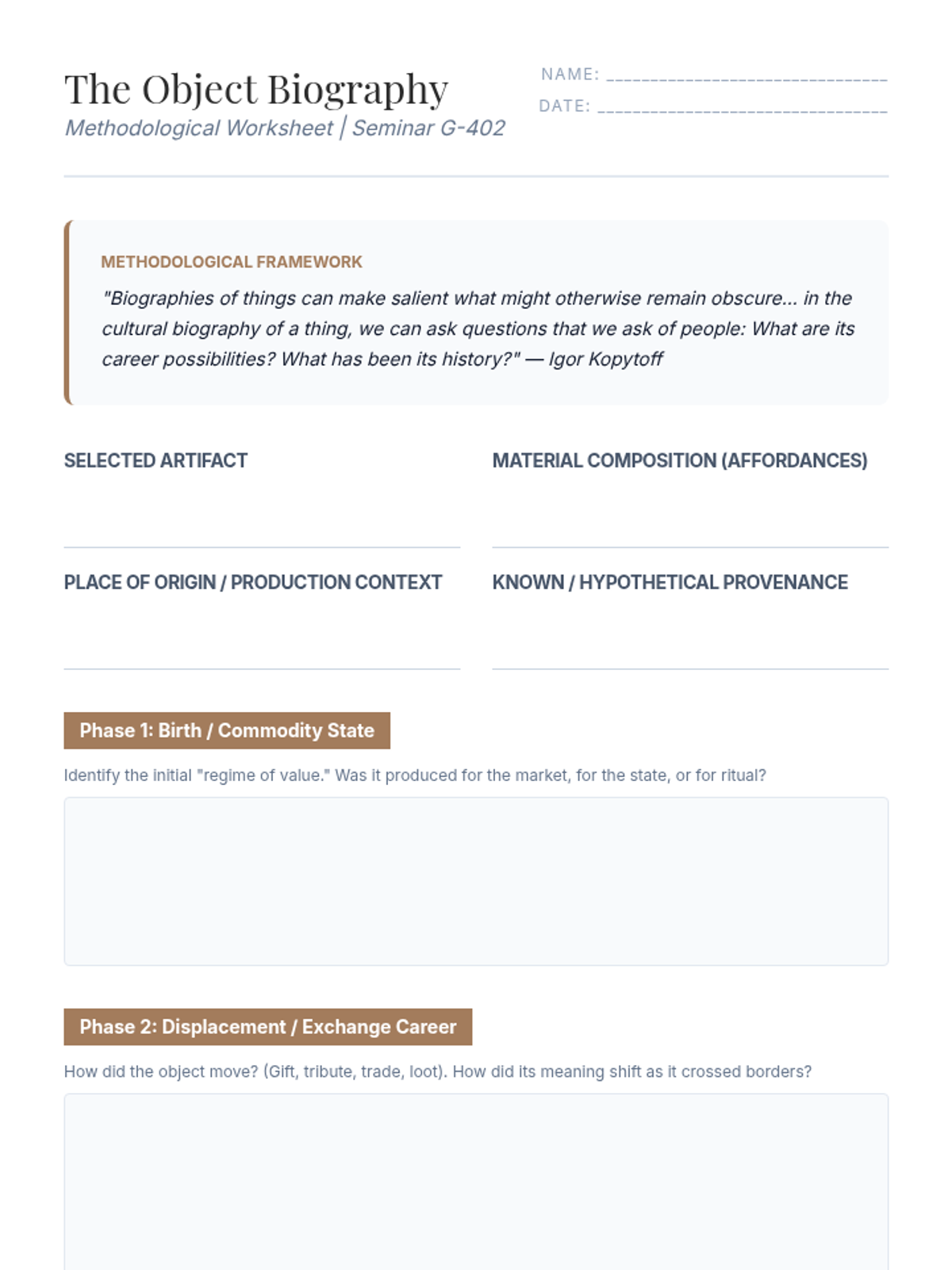
A graduate-level investigation into ancient economic networks through the lenses of Material Culture Theory and World Systems Theory. Students analyze how the circulation of objects between Rome, Han China, and the Kushan Empire shaped identity and globalization.
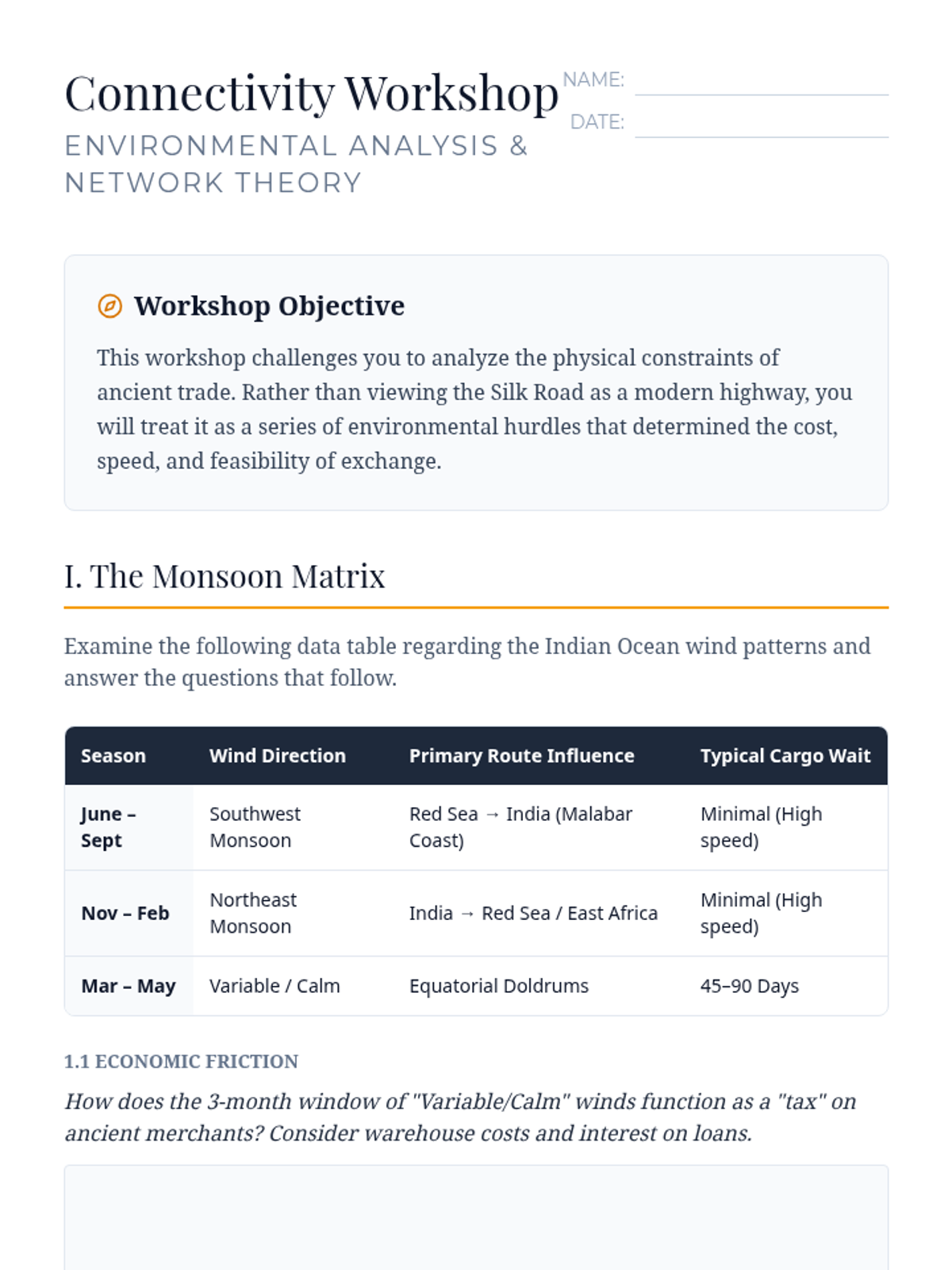
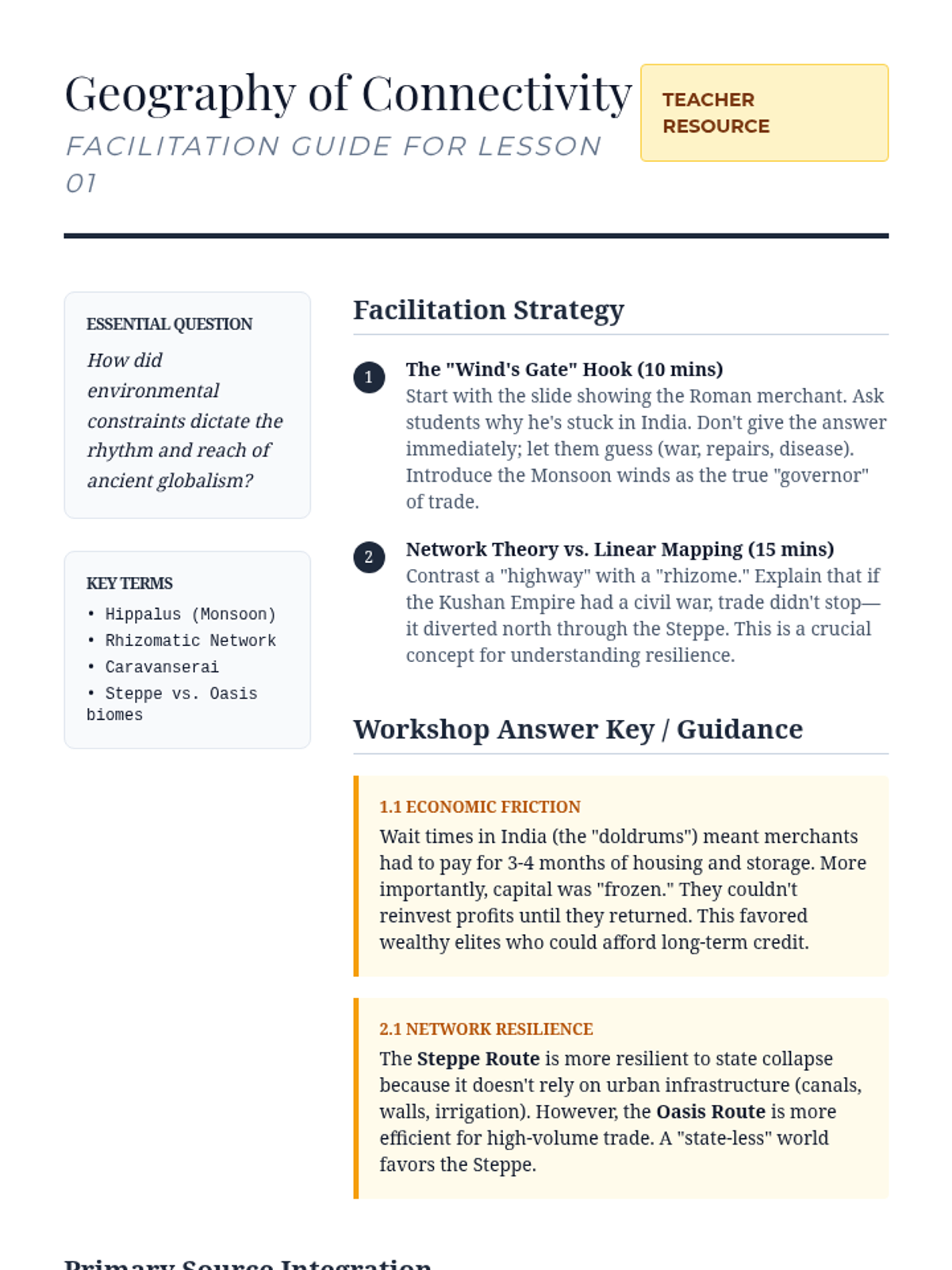
An undergraduate-level exploration of the development and impact of ancient economic networks, focusing on the Silk Roads and Indian Ocean trade. Students analyze the intersection of economics, culture, and biology through primary sources, data interpretation, and environmental history.
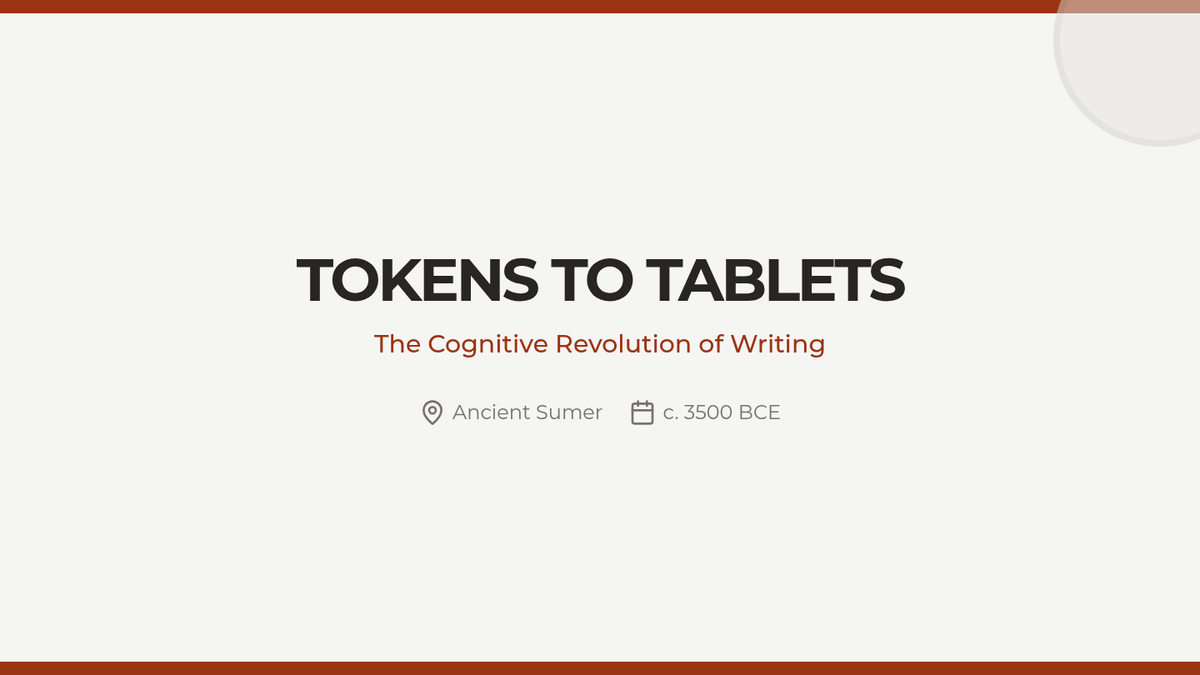
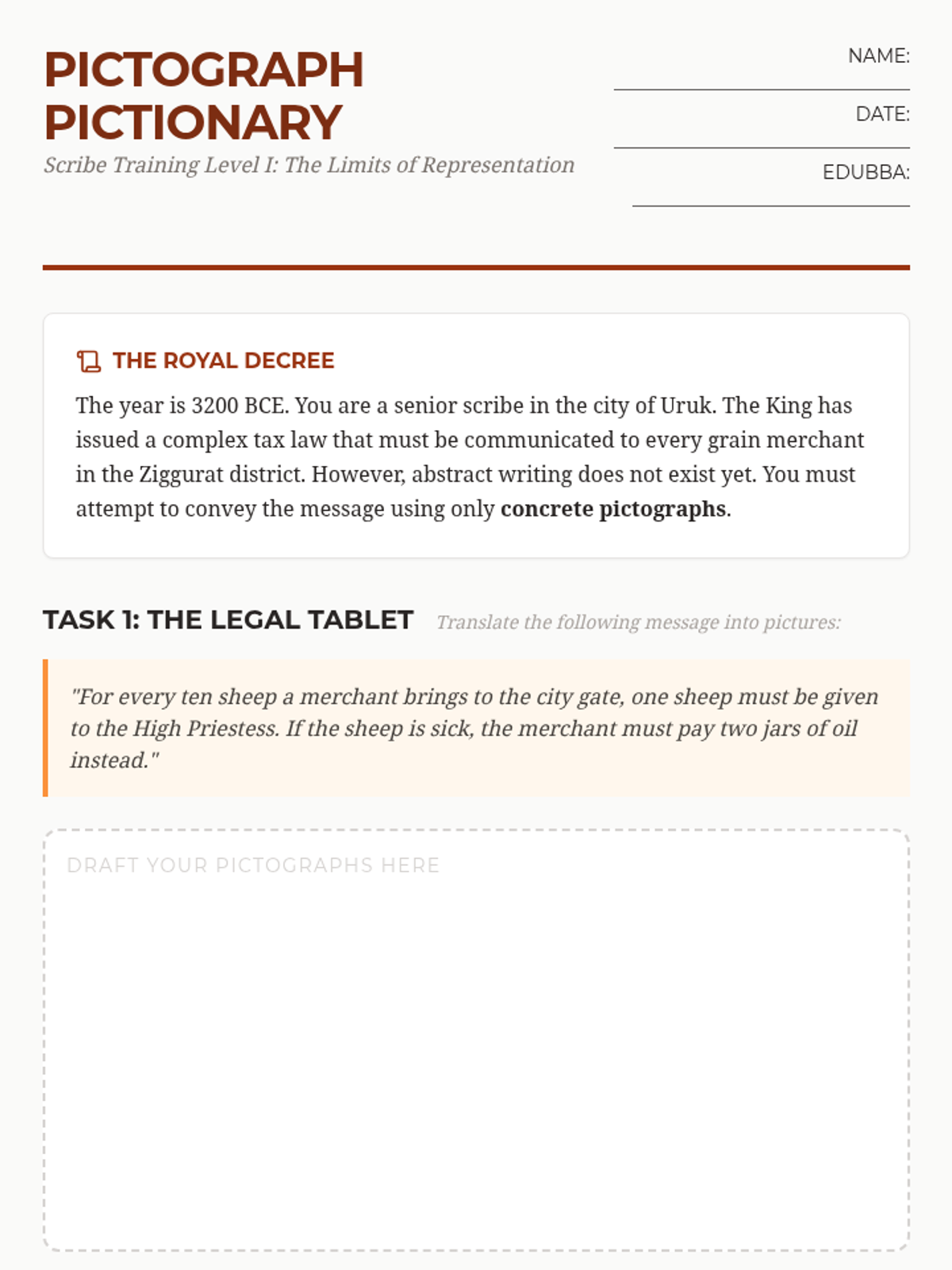
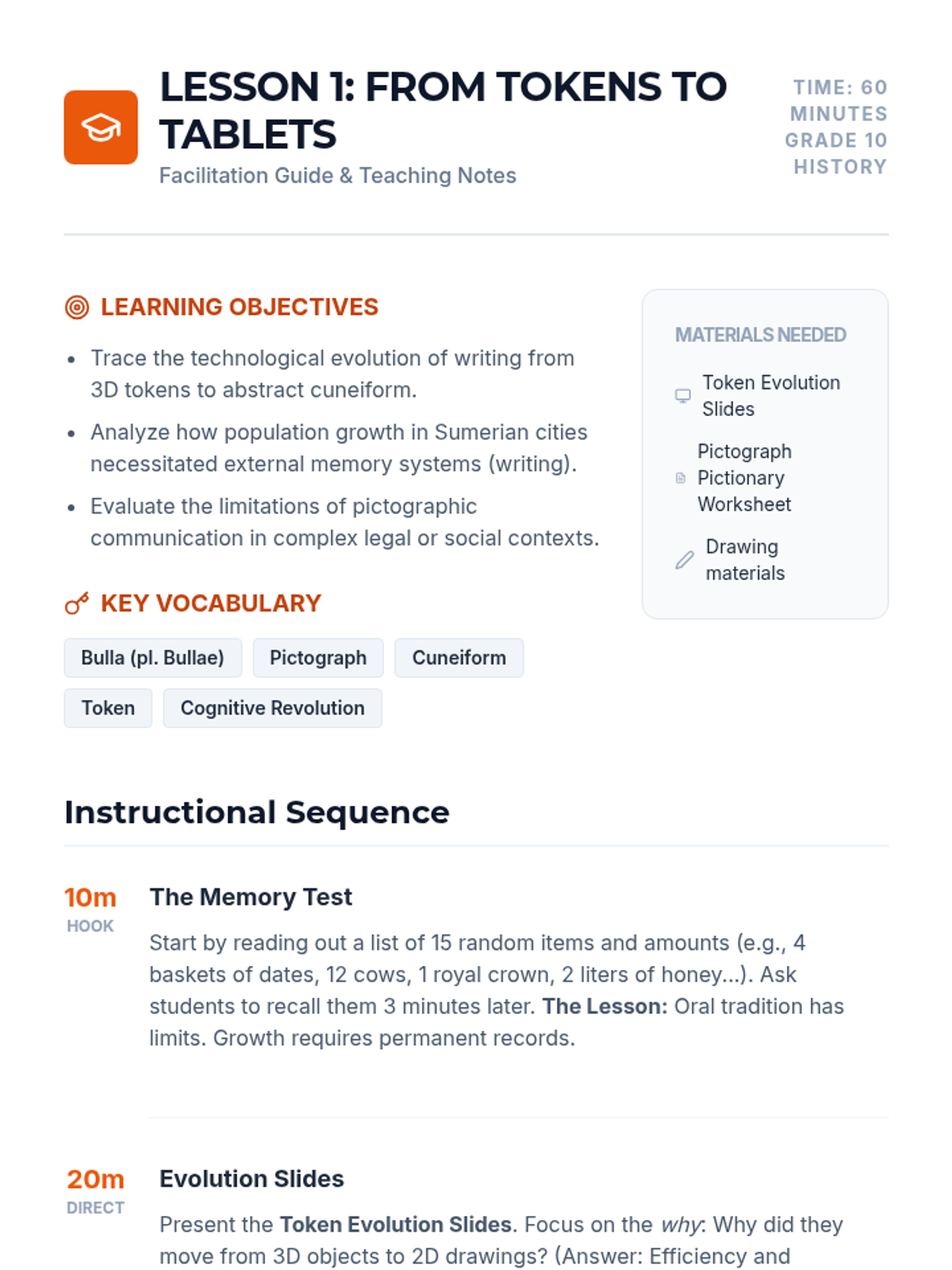
This skill-building sequence focuses on the cognitive revolution sparked by the invention of writing in Ancient Mesopotamia. Students explore the evolution from clay tokens to cuneiform script, analyze administrative texts for their role in state capacity, and study the Epic of Gilgamesh as a foundational literary work.
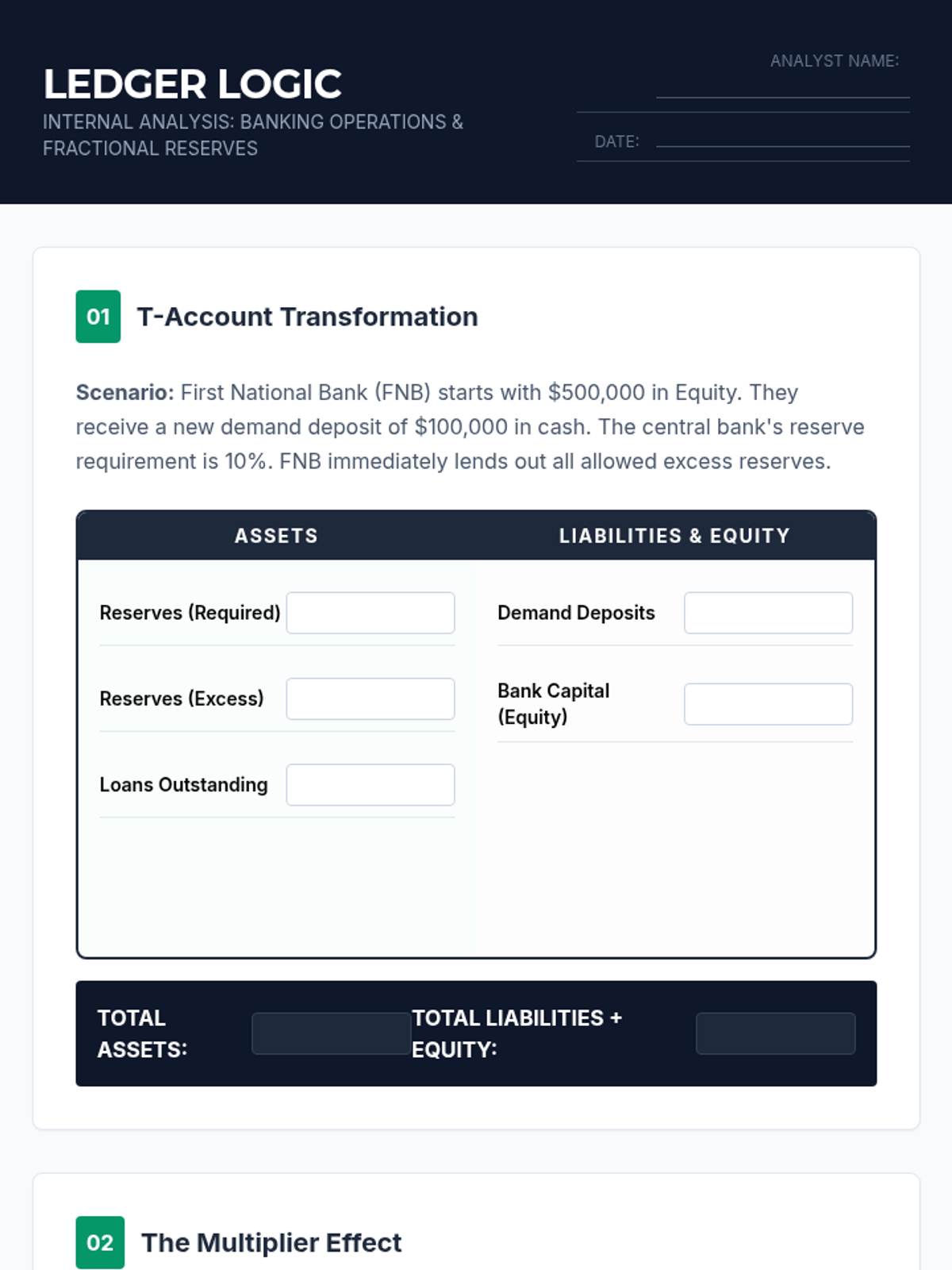
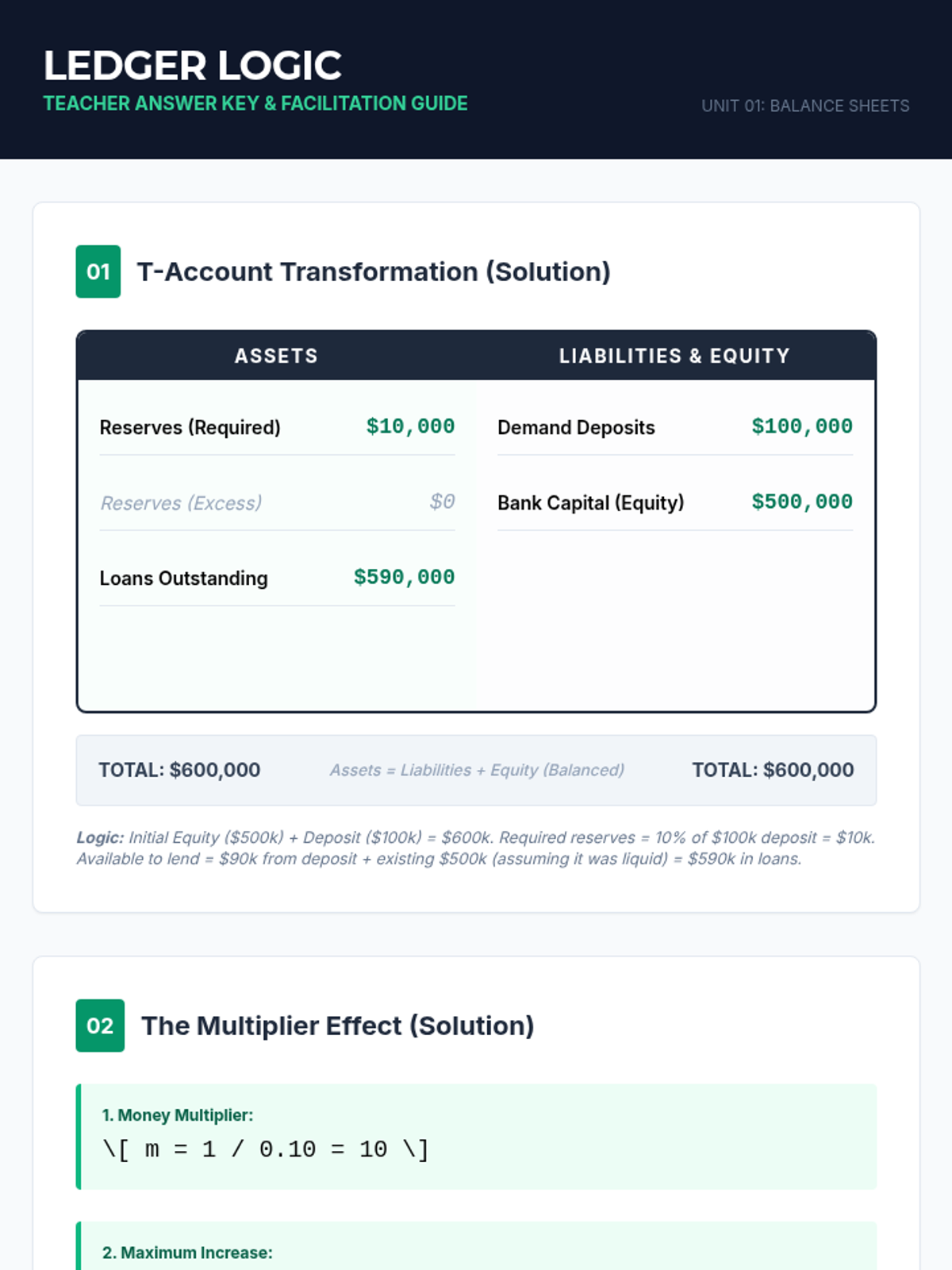
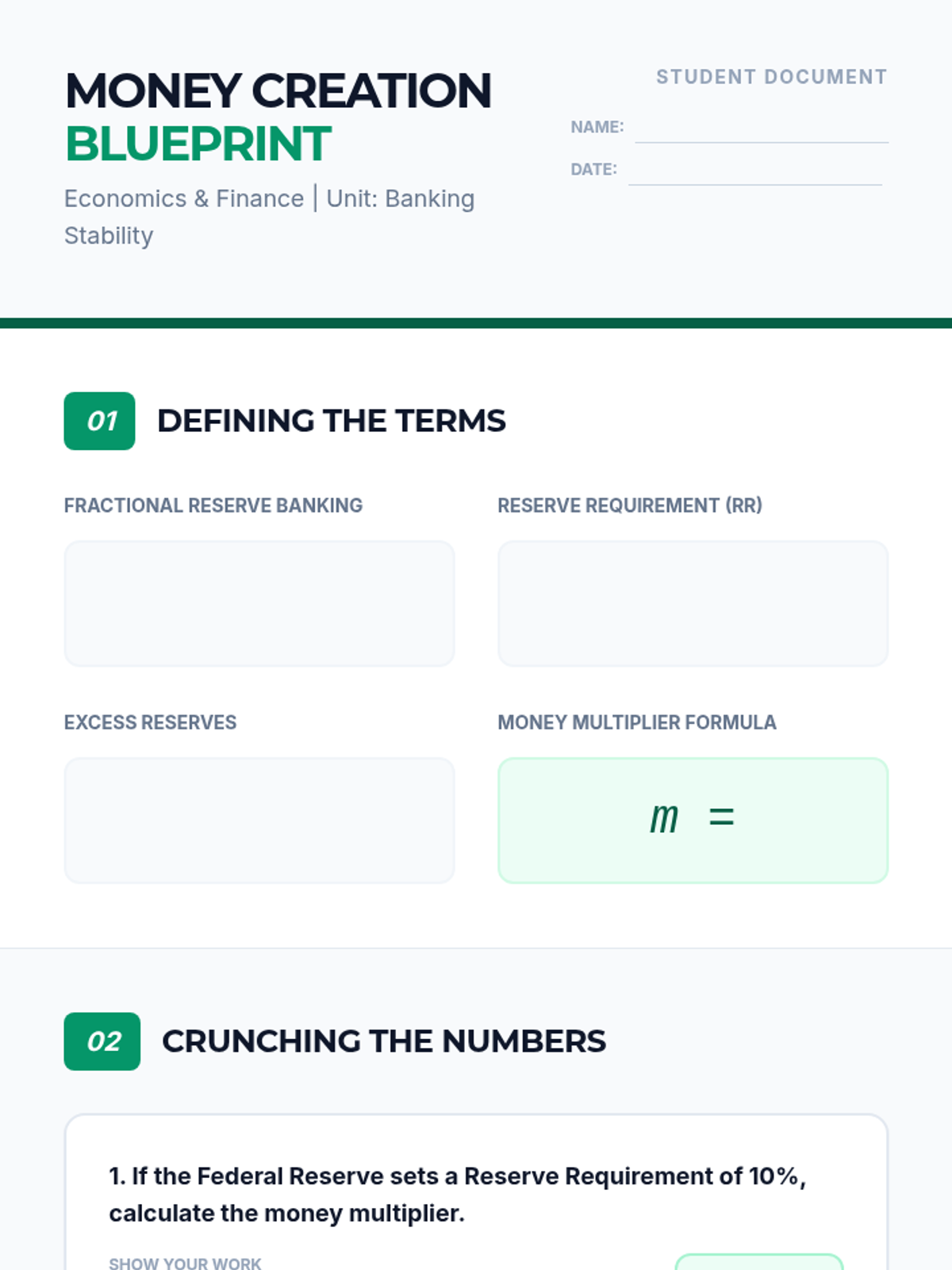
This sequence investigates the business model of commercial banks, focusing on asset/liability management, credit analysis, risk management, and the regulatory environment. Students explore the money creation process, the 'Five Cs of Credit', interest rate risk, Basel Accords, and the impact of Fintech on traditional banking systems.
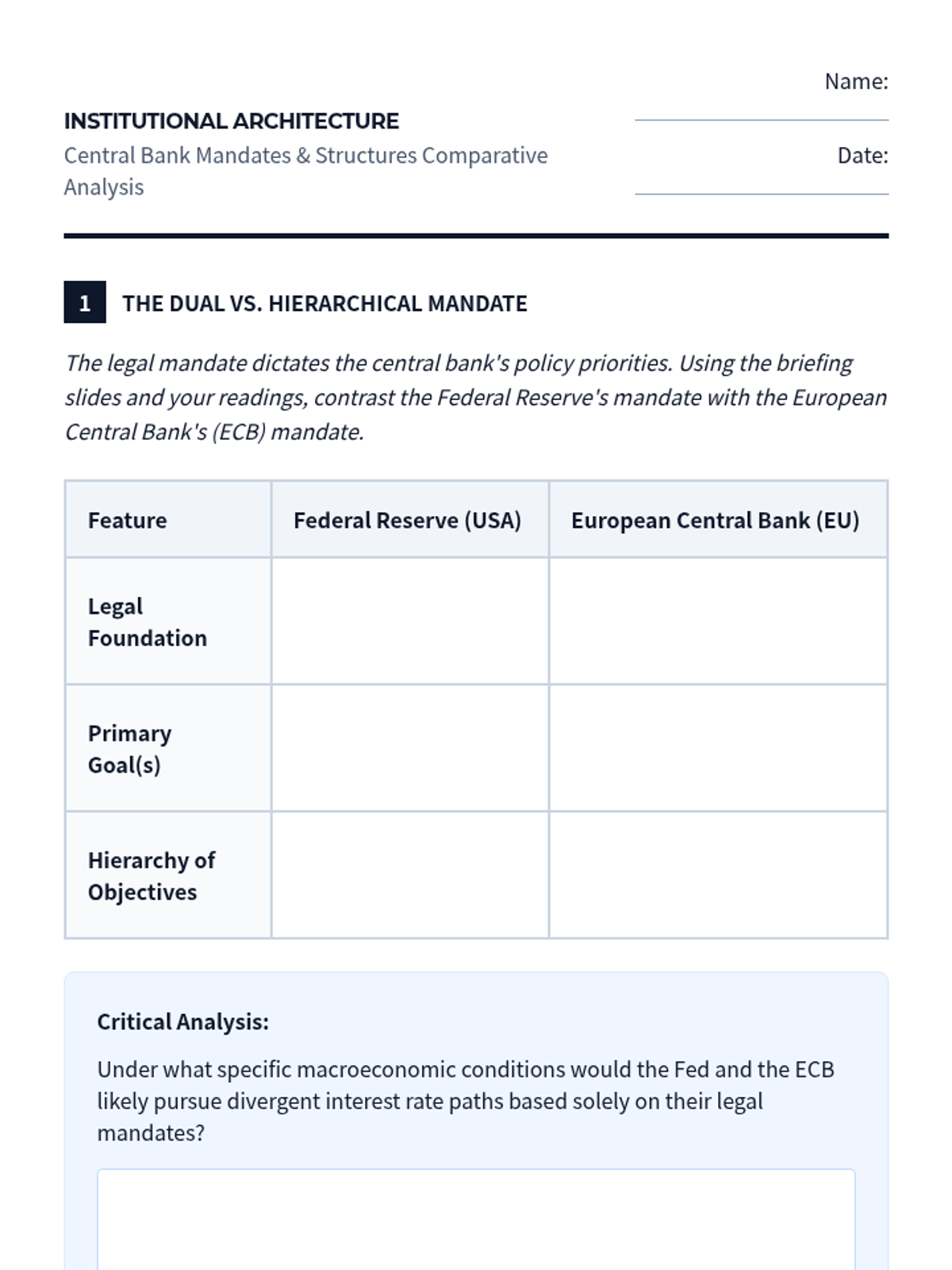
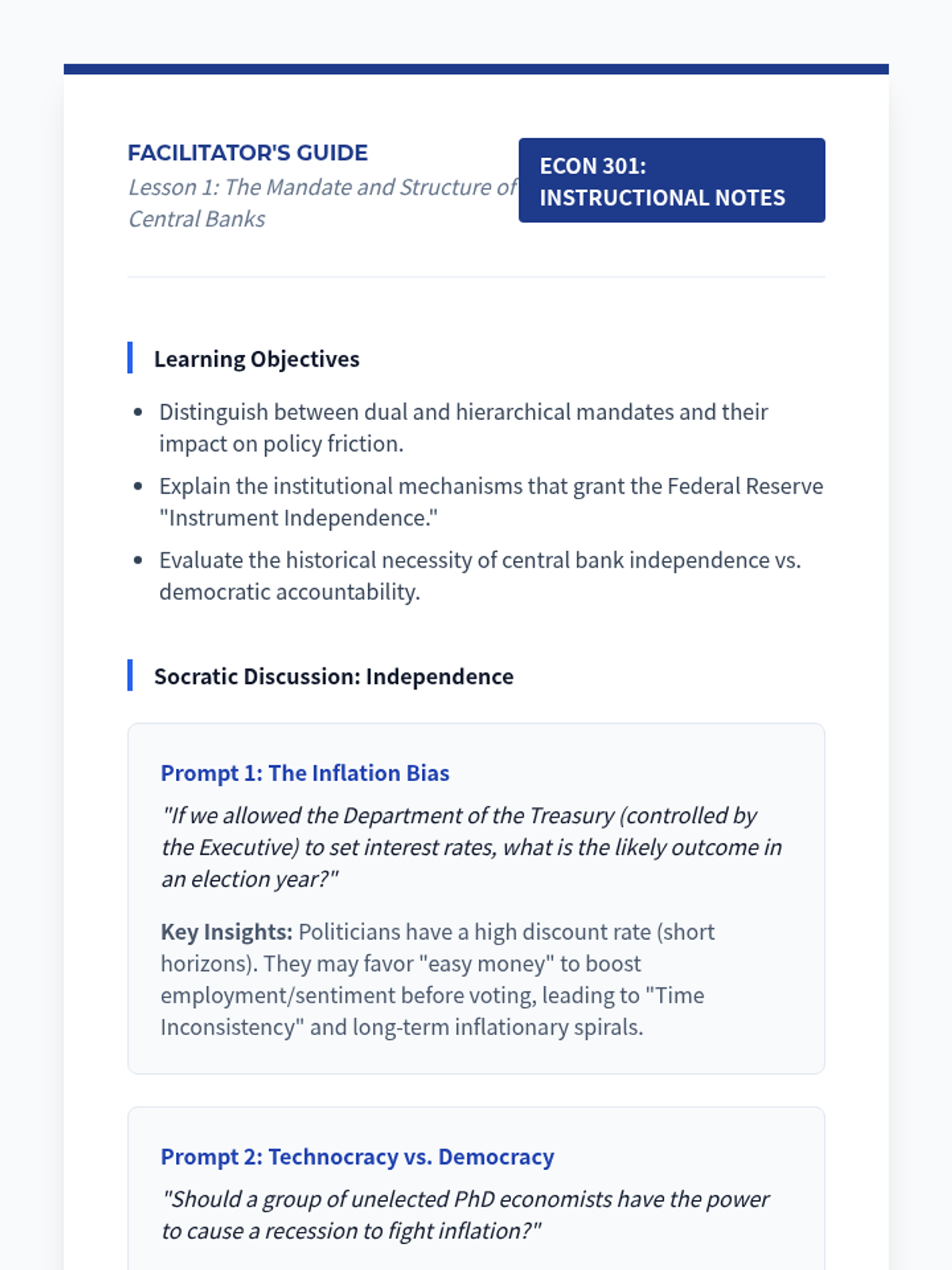
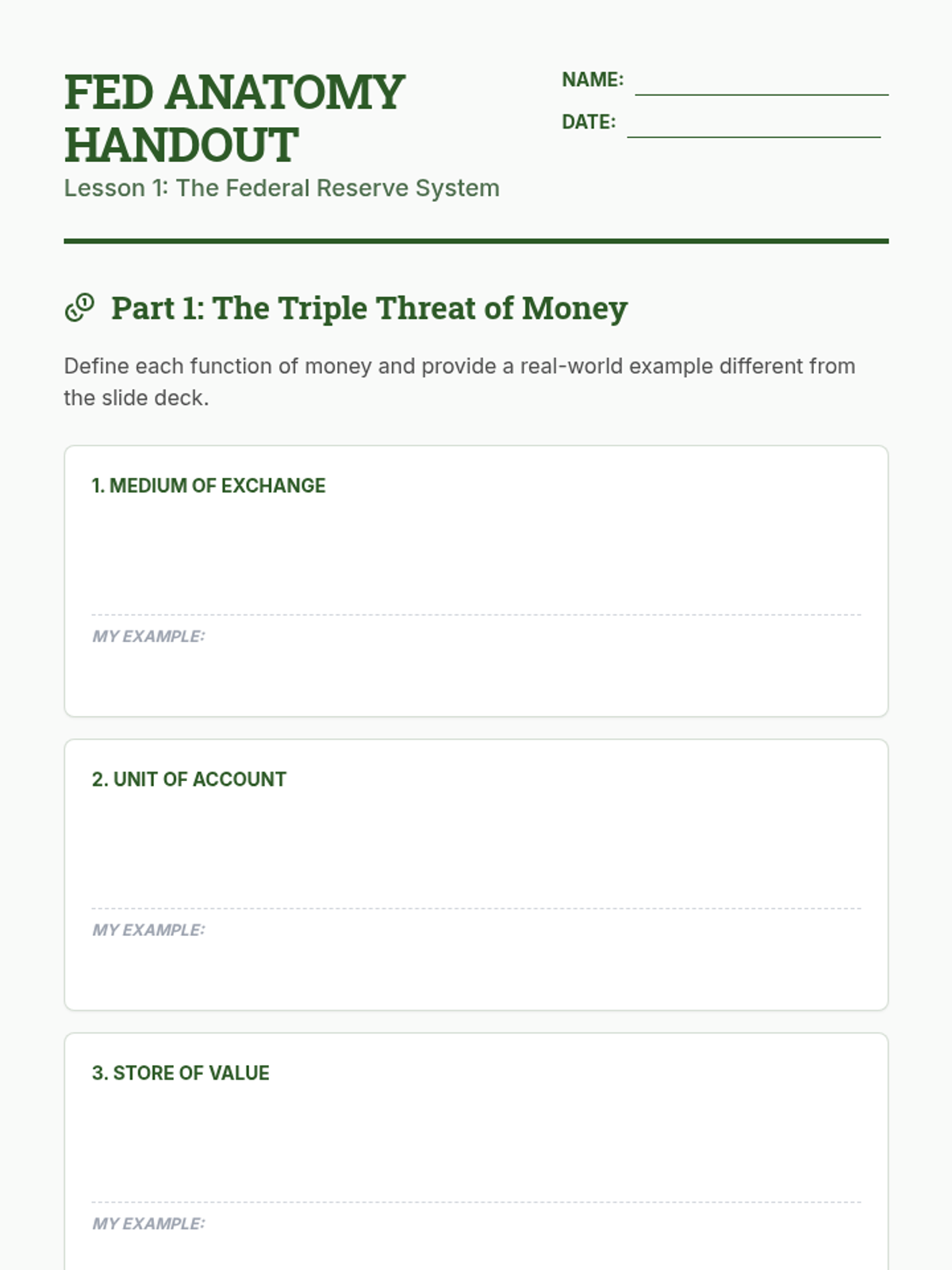
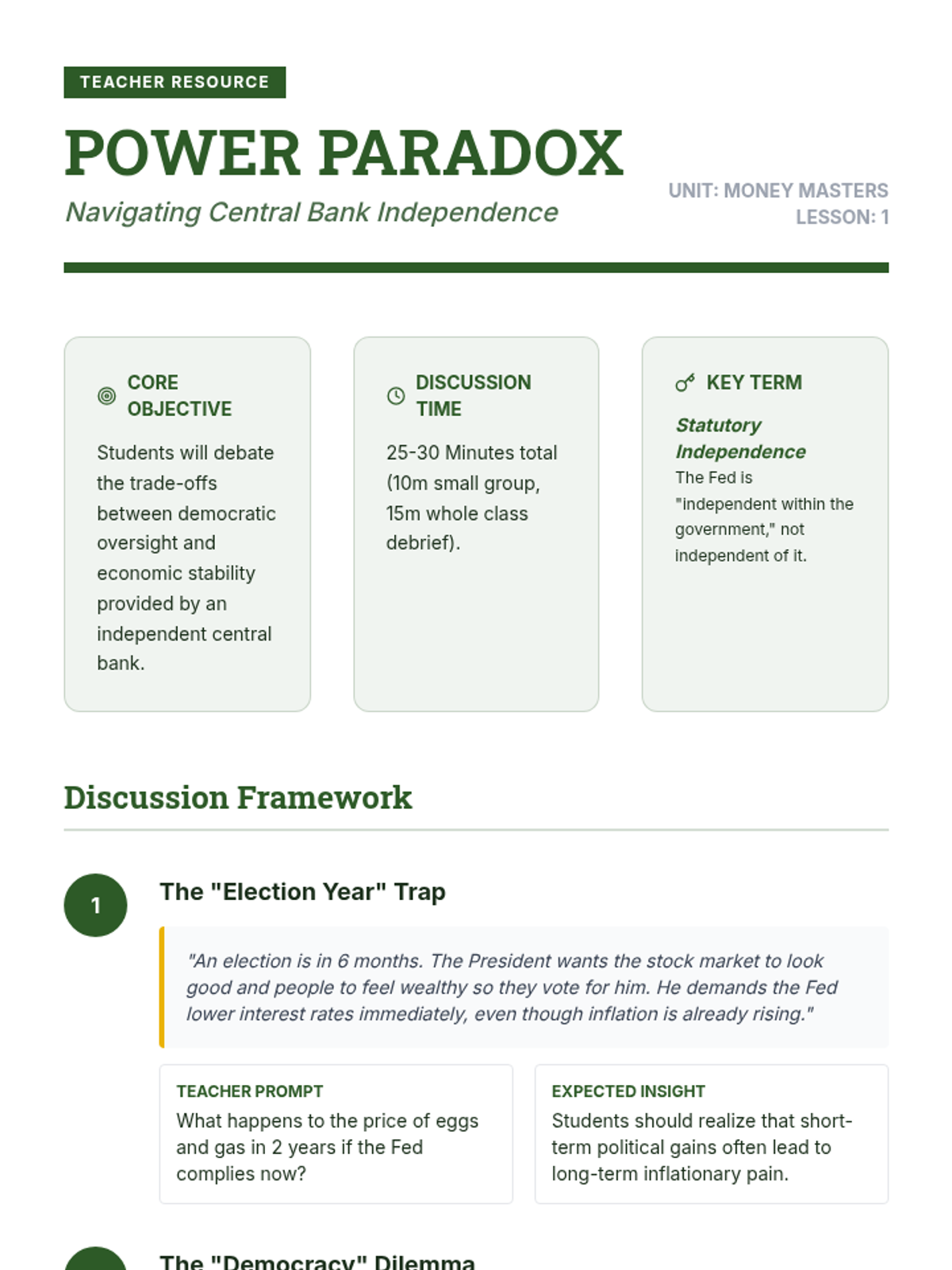
An undergraduate-level exploration of central banking operations, monetary policy frameworks, and financial stability. Students analyze the Federal Reserve's tools, transmission mechanisms, and crisis response strategies, culminating in a simulated FOMC policy meeting.
A comprehensive 12th-grade unit on the Federal Reserve, exploring how monetary policy levers influence national stability, employment, and the value of currency through case studies and simulations.
This sequence examines the stability of the banking system, focusing on regulations, crises, and the balance between free markets and government oversight. Students investigate the history of banking panics, the creation of the FDIC, and the causes of the 2008 Financial Crisis.
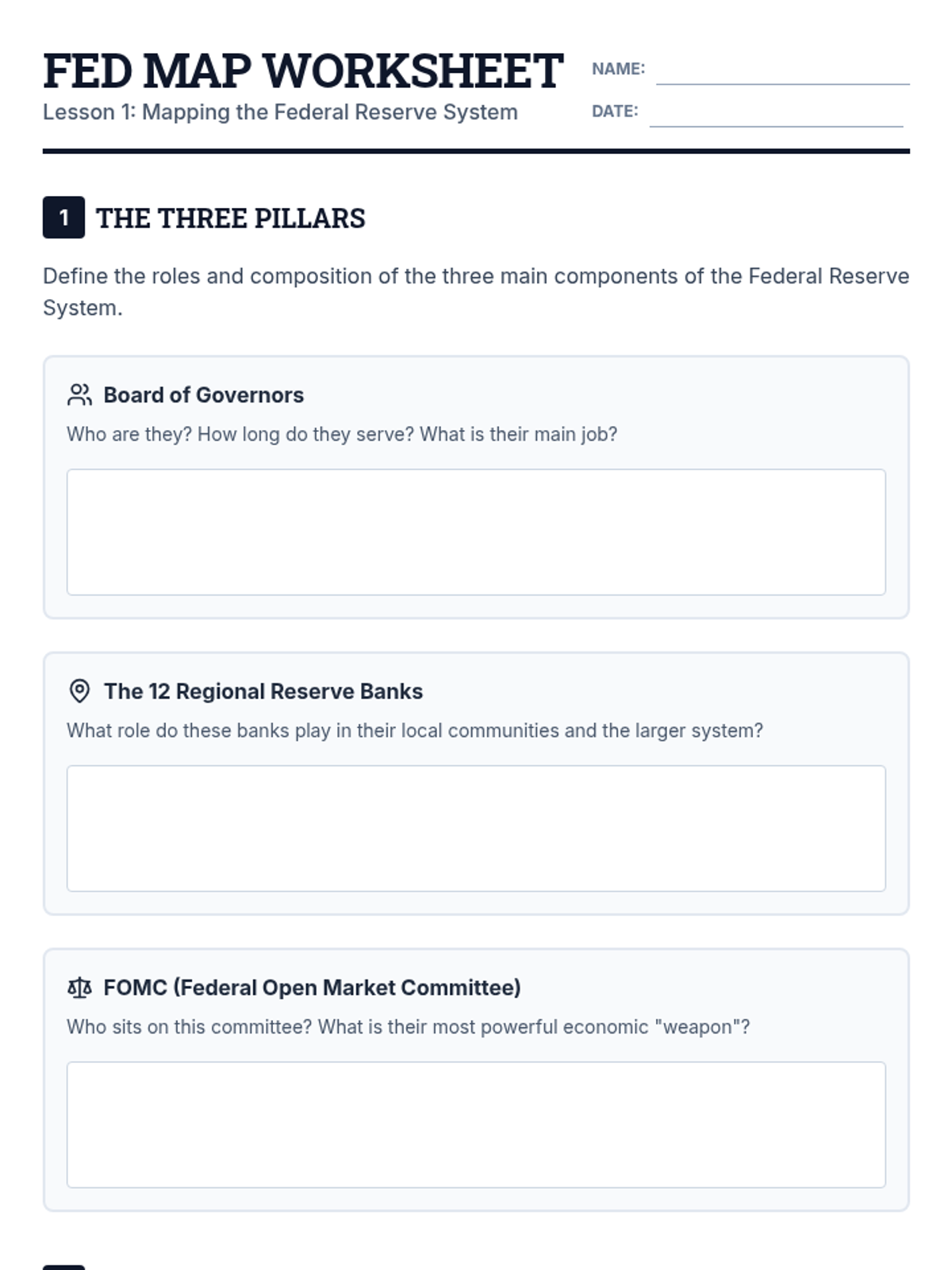
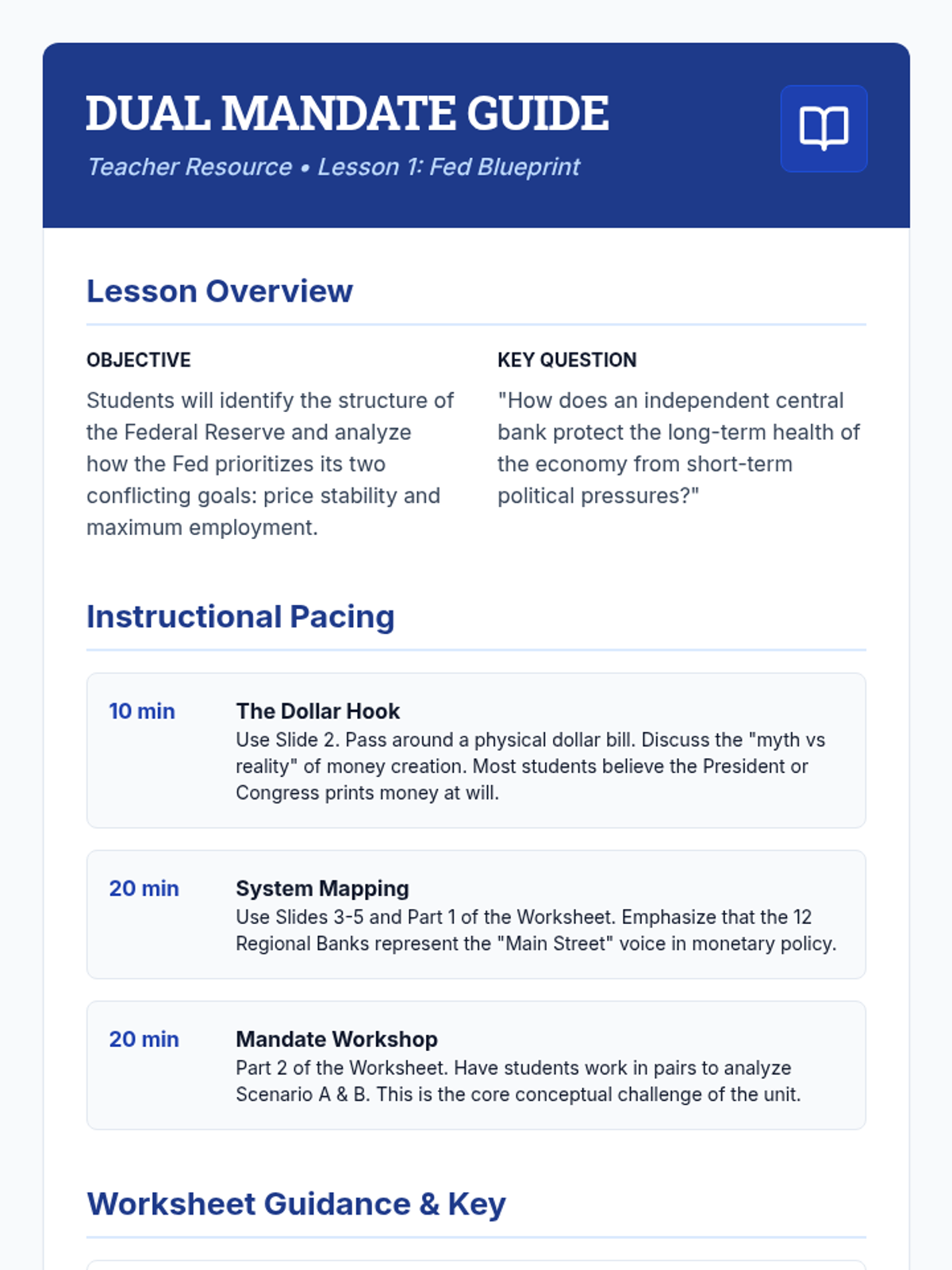
This sequence explores the Federal Reserve's role in the U.S. economy, covering its structure, tools of monetary policy, the dual mandate of employment and price stability, and its global impact, culminating in a simulation of the Federal Open Market Committee.
A comprehensive high school economics unit exploring the Federal Reserve, monetary policy tools, inflation, and the global and personal impact of central banking decisions.
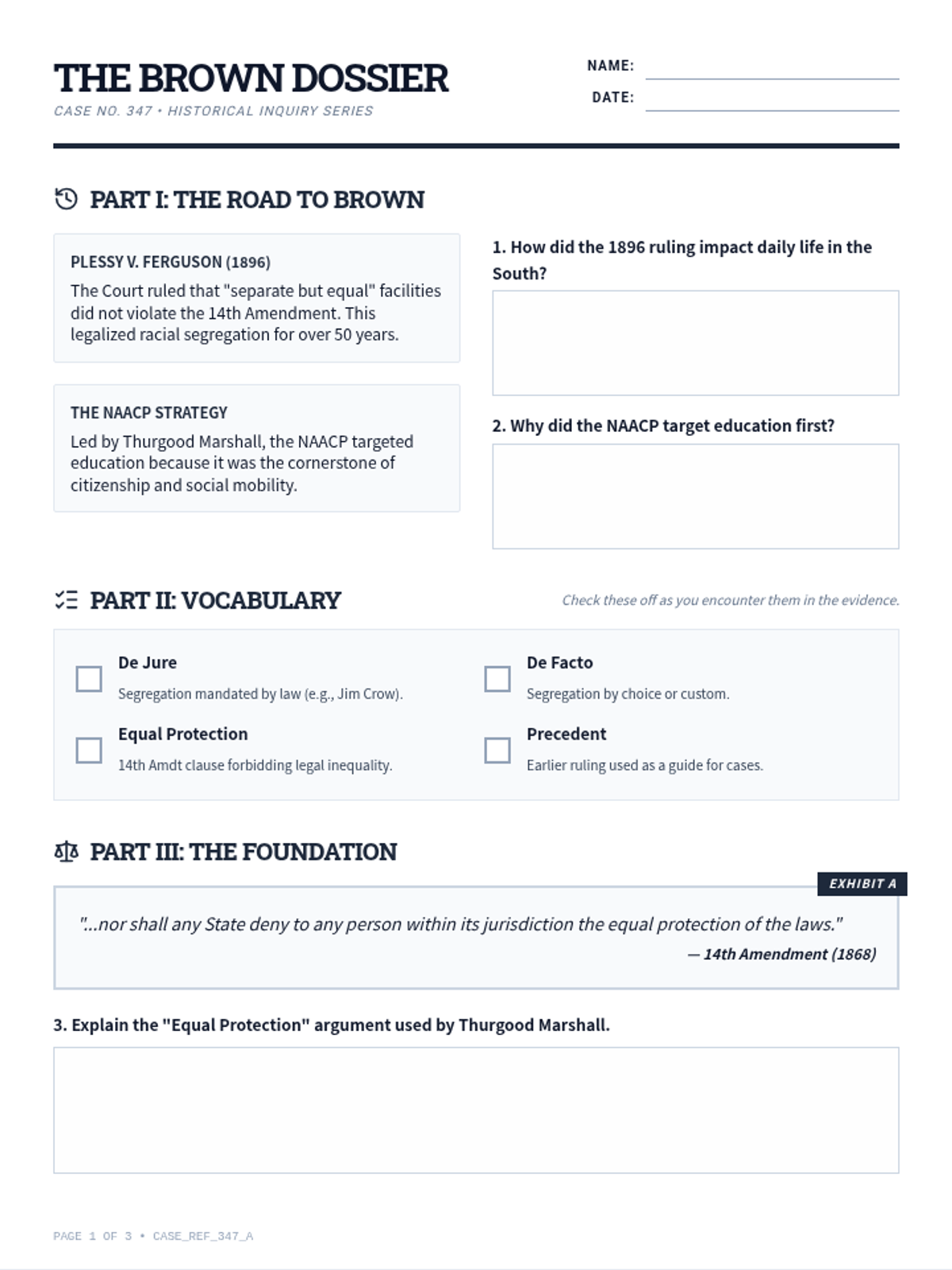
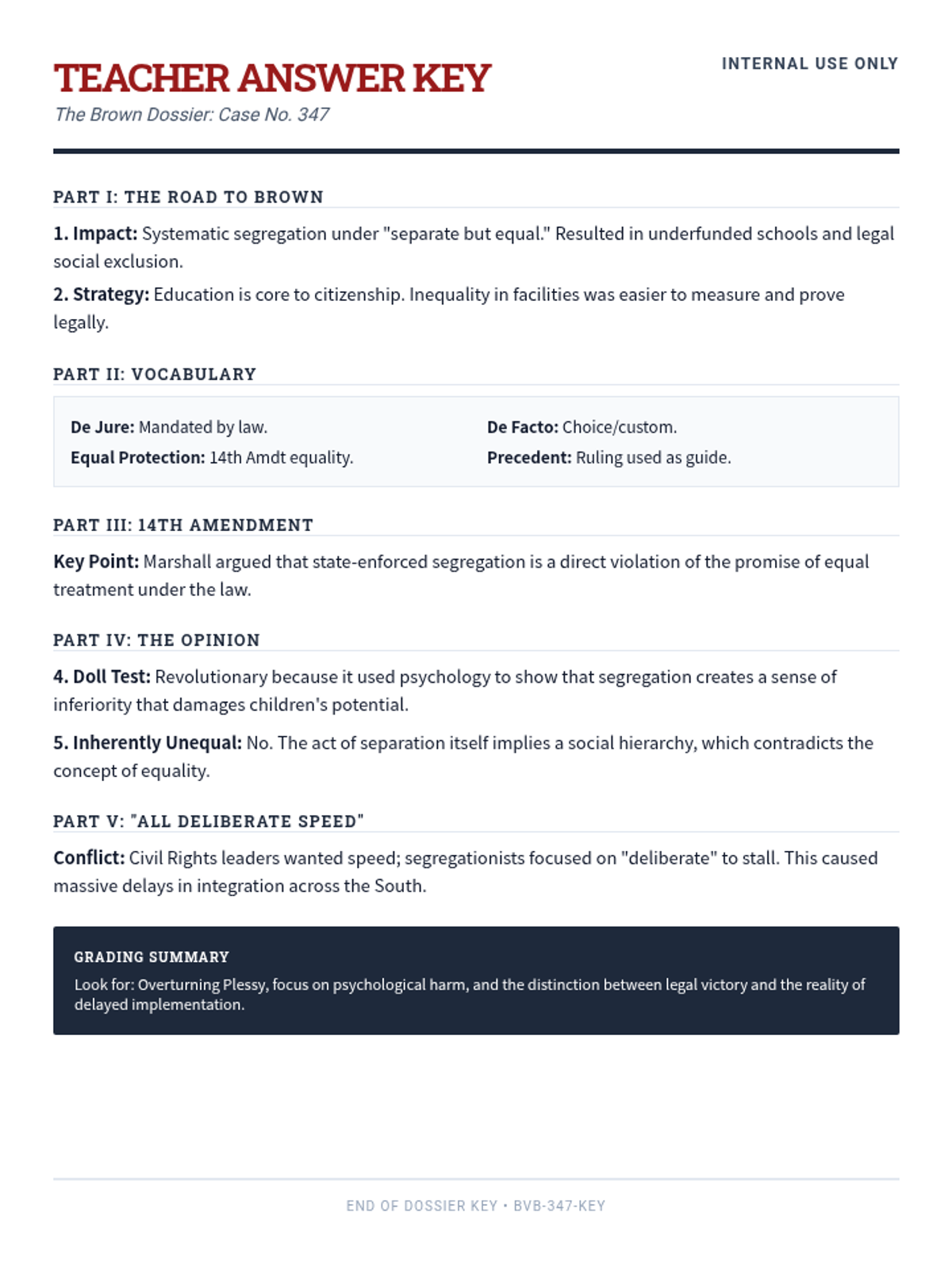
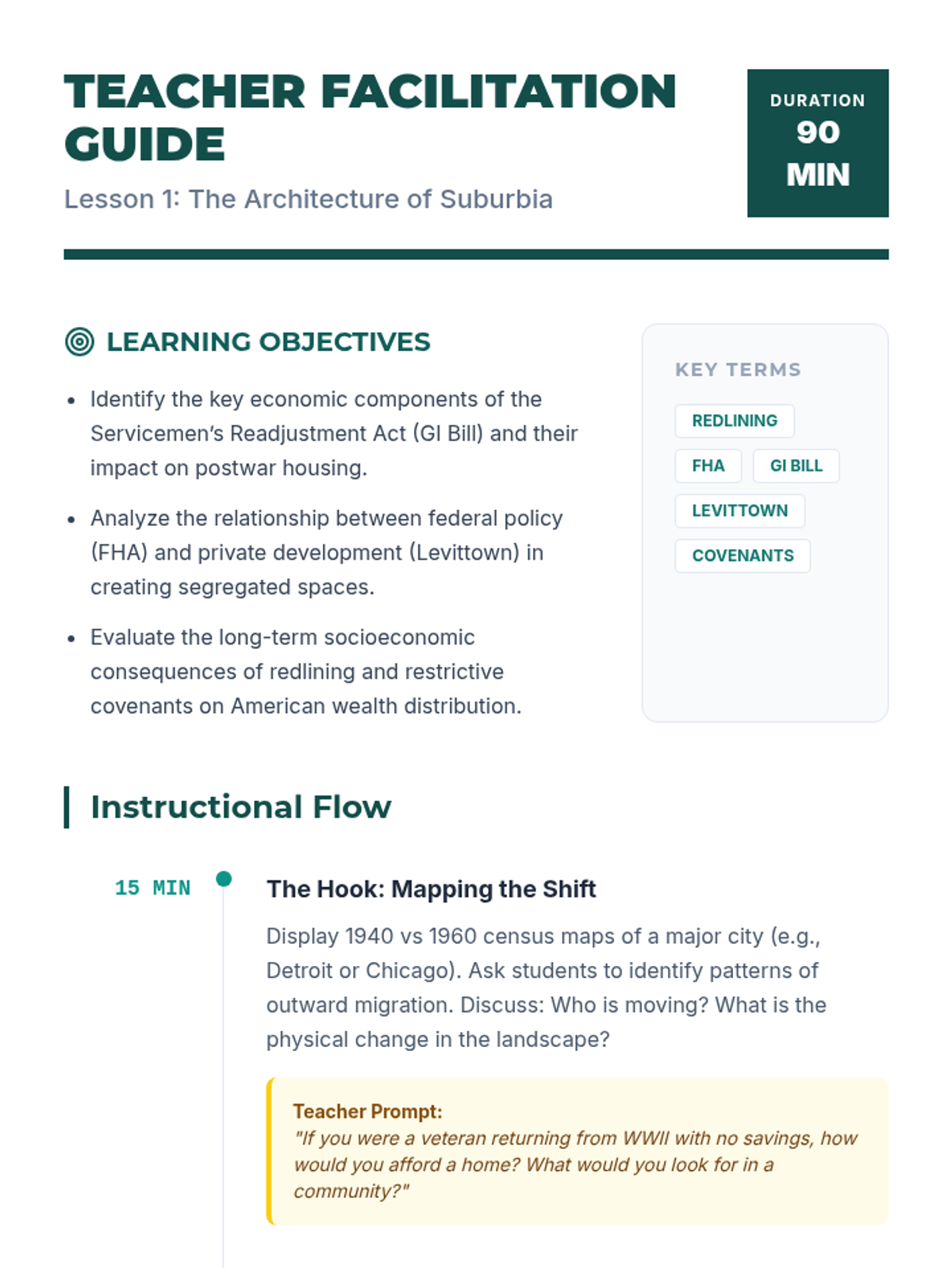
A unit exploring the transformative decade of the 1950s, covering the Civil Rights movement, postwar economic booms, the rise of suburbia, and the cultural shifts of the Atomic Age.
A comprehensive curriculum covering financial literacy, economic principles, and civic systems through historical case studies, ethical dilemmas, and real-world simulations.
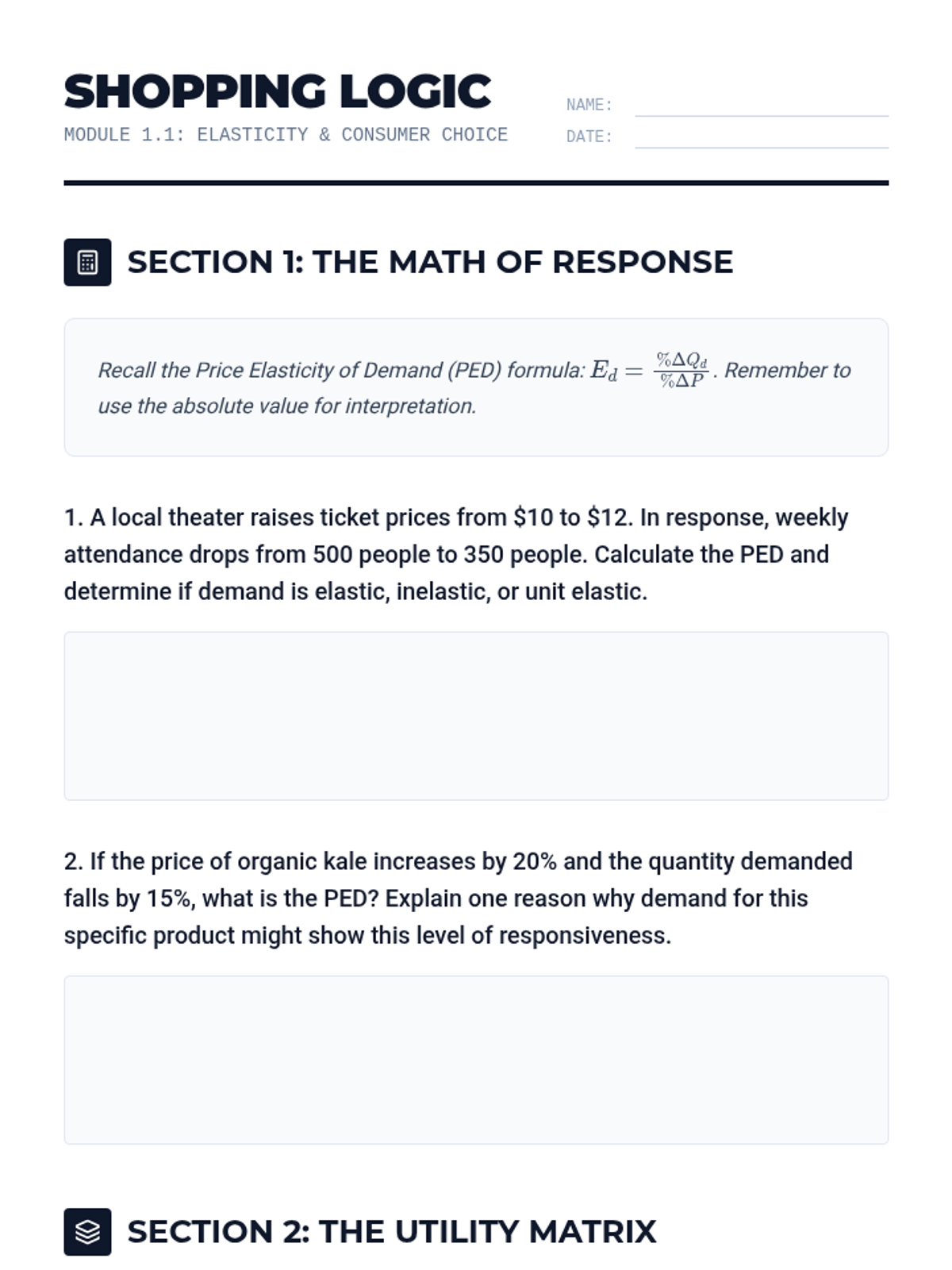
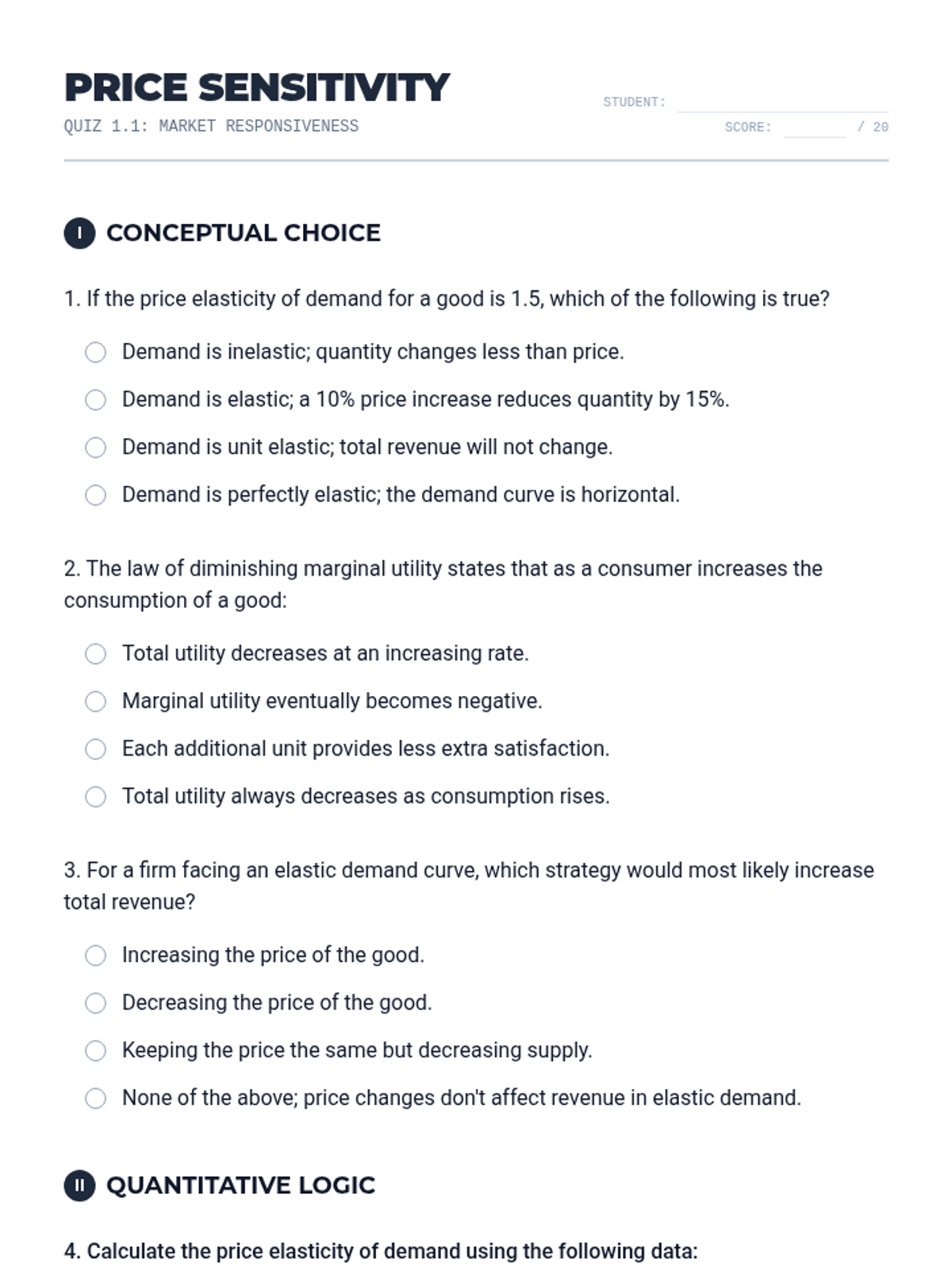
A comprehensive 4-week microeconomics unit covering elasticity, consumer behavior, production theory, market failures, and labor economics. This sequence blends theoretical models with real-world applications and quantitative analysis.
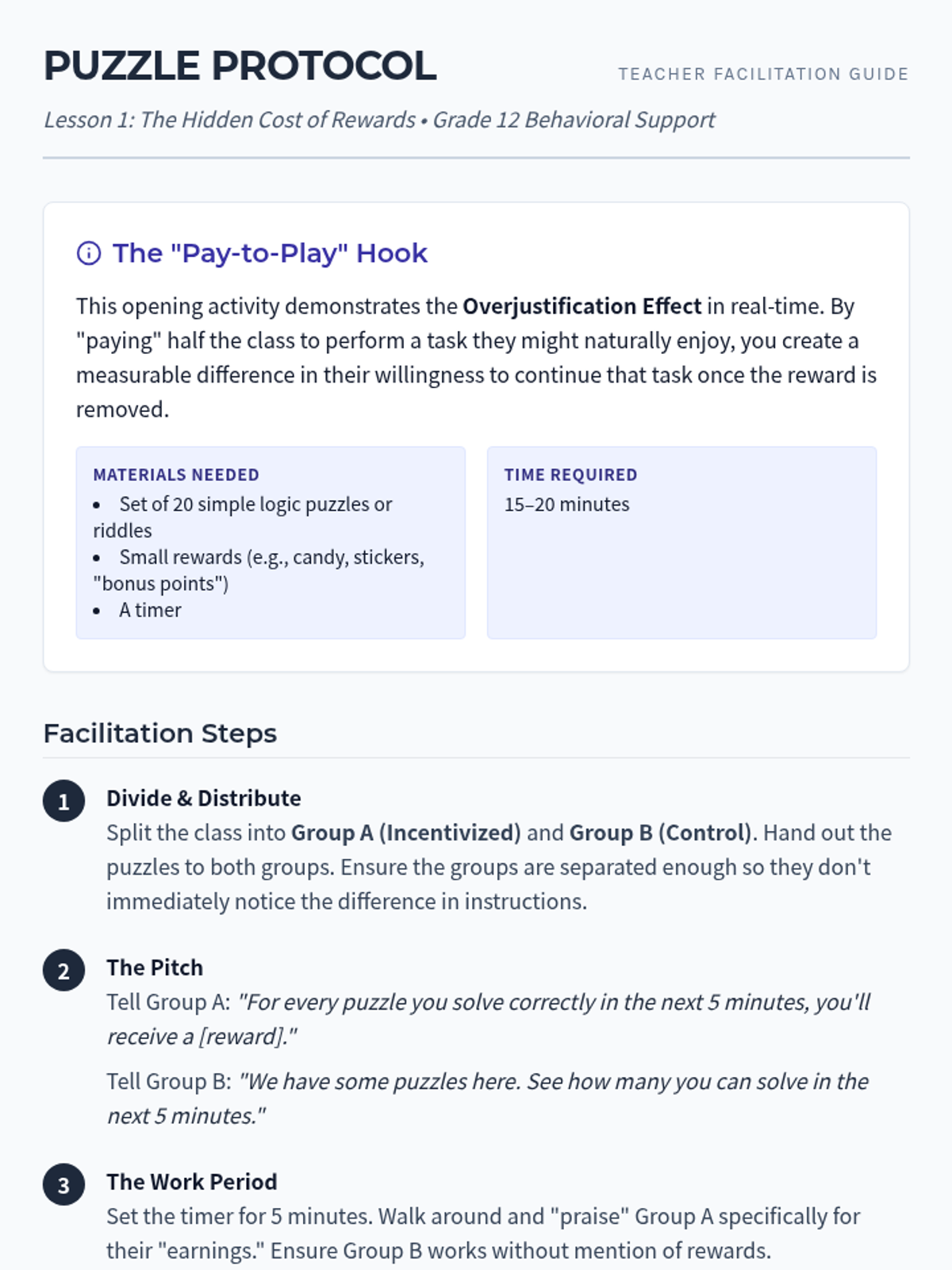
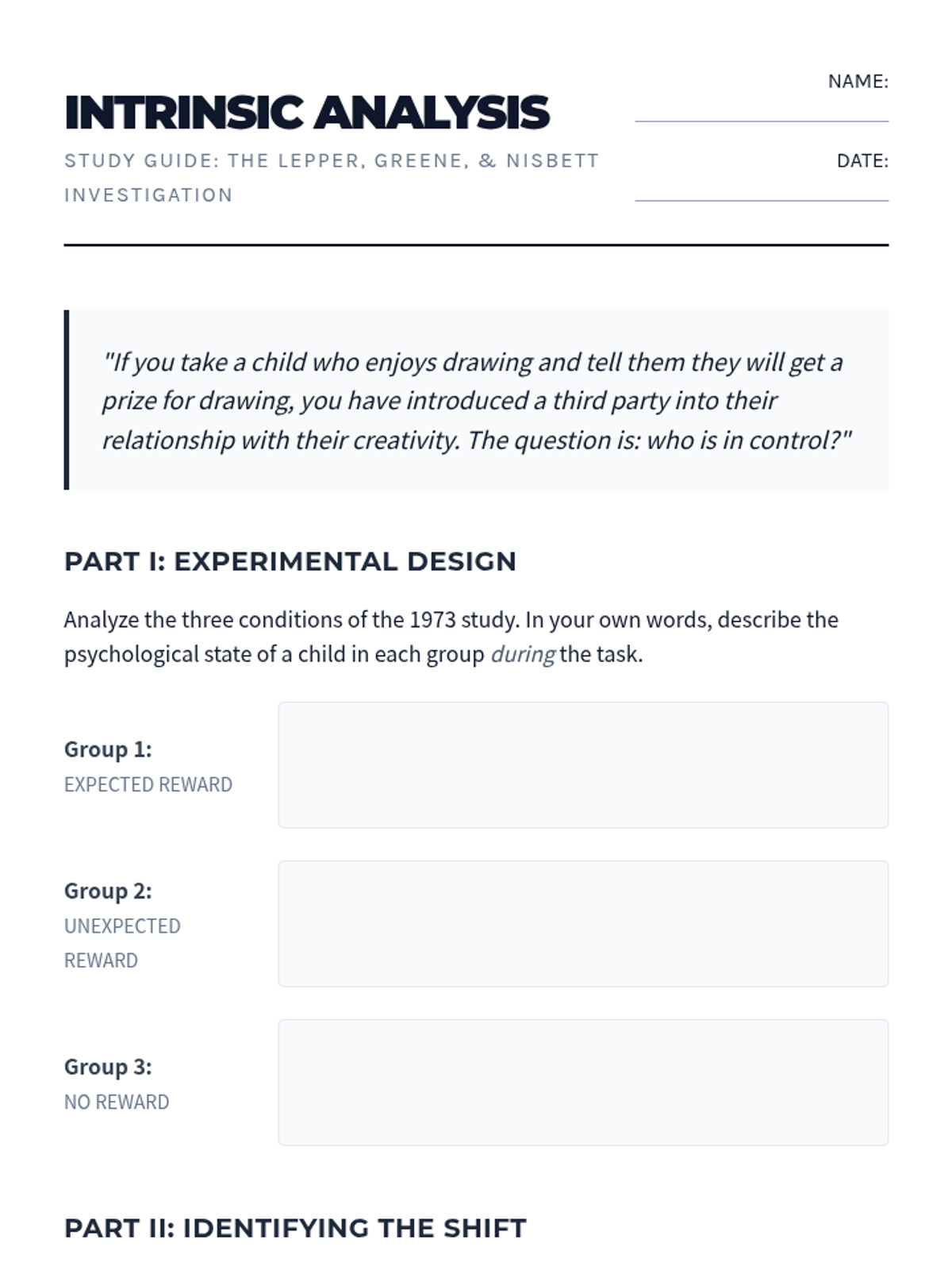
This sequence examines the psychological and ethical limits of positive reinforcement. Students analyze the 'Overjustification Effect', the impact of rewards on creativity, and the ethics of behavioral nudging, concluding with a critical audit of real-world incentive systems.
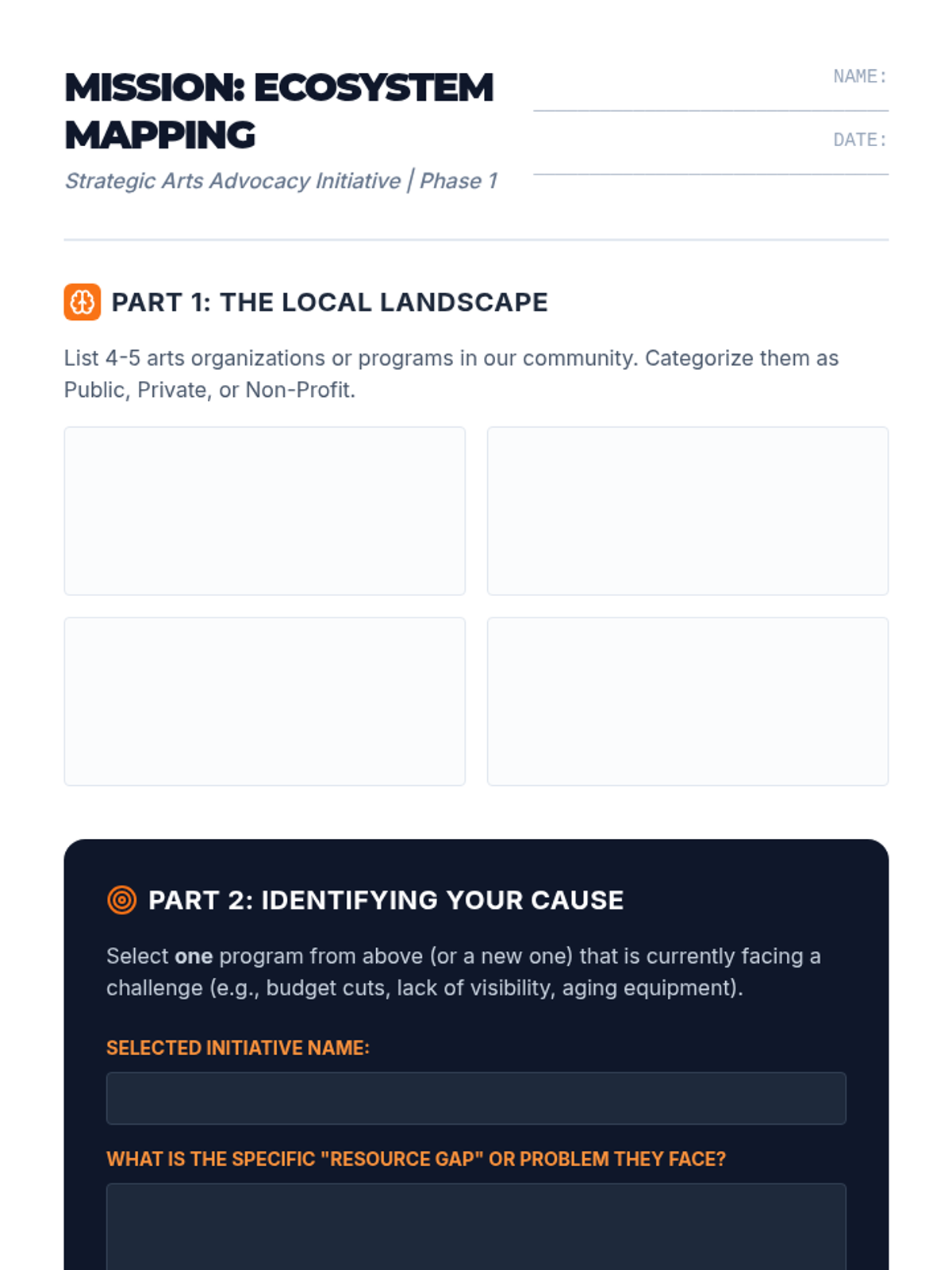
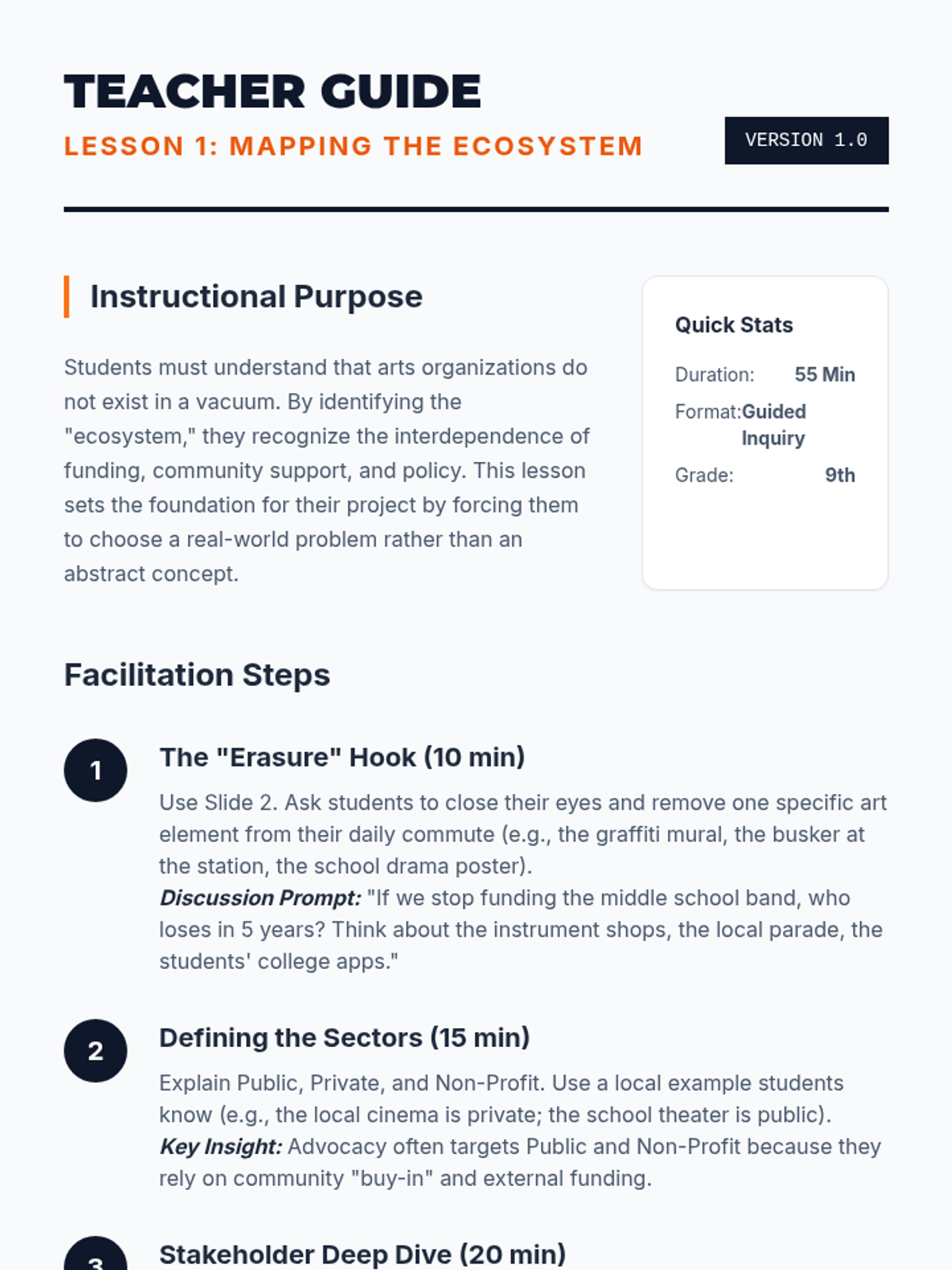
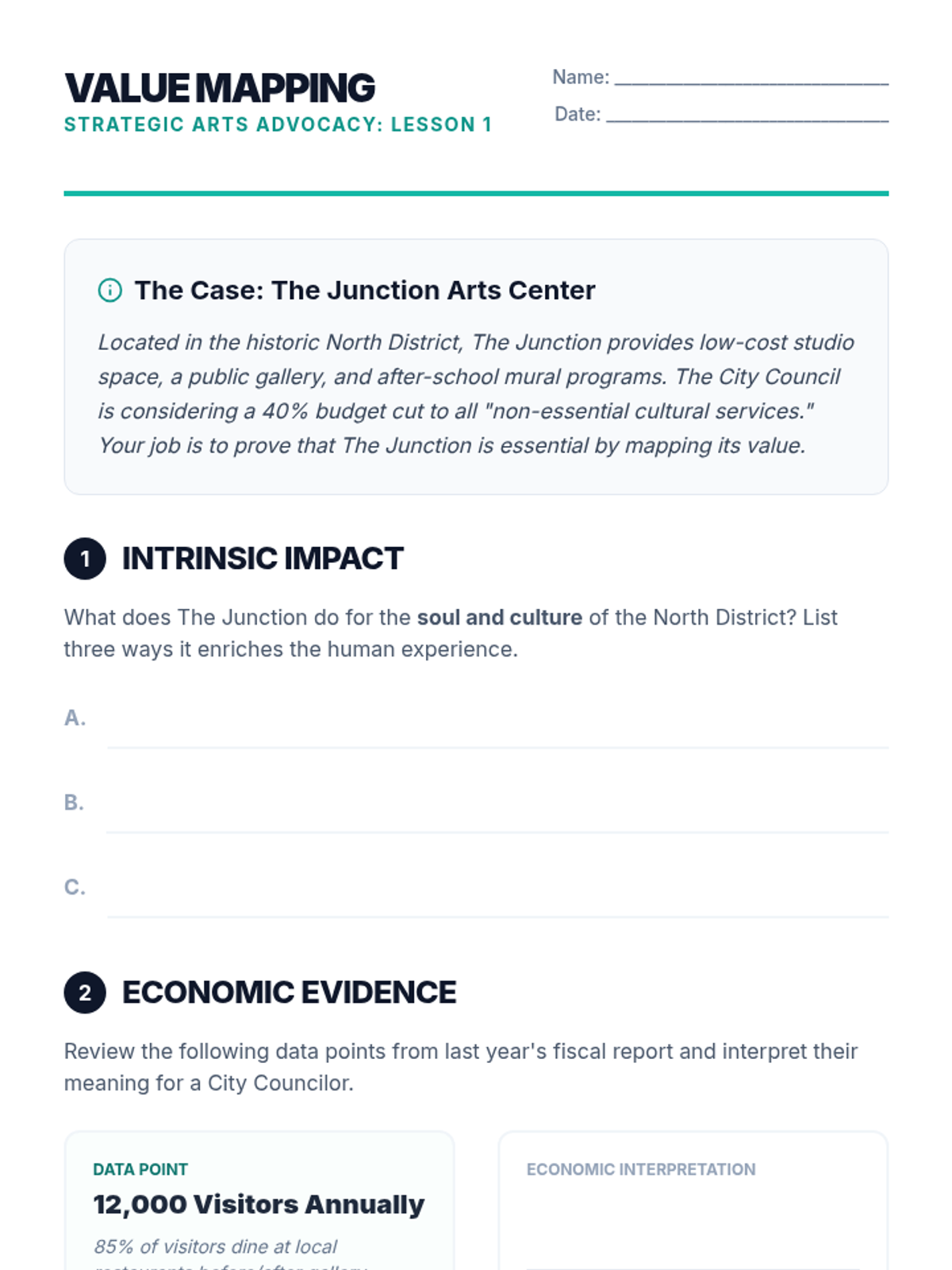
Students transition from passive observers of the arts to active advocates by developing a strategic communications campaign for a local arts initiative. The sequence covers stakeholder mapping, rhetorical strategies, data visualization, digital campaigning, and public speaking.
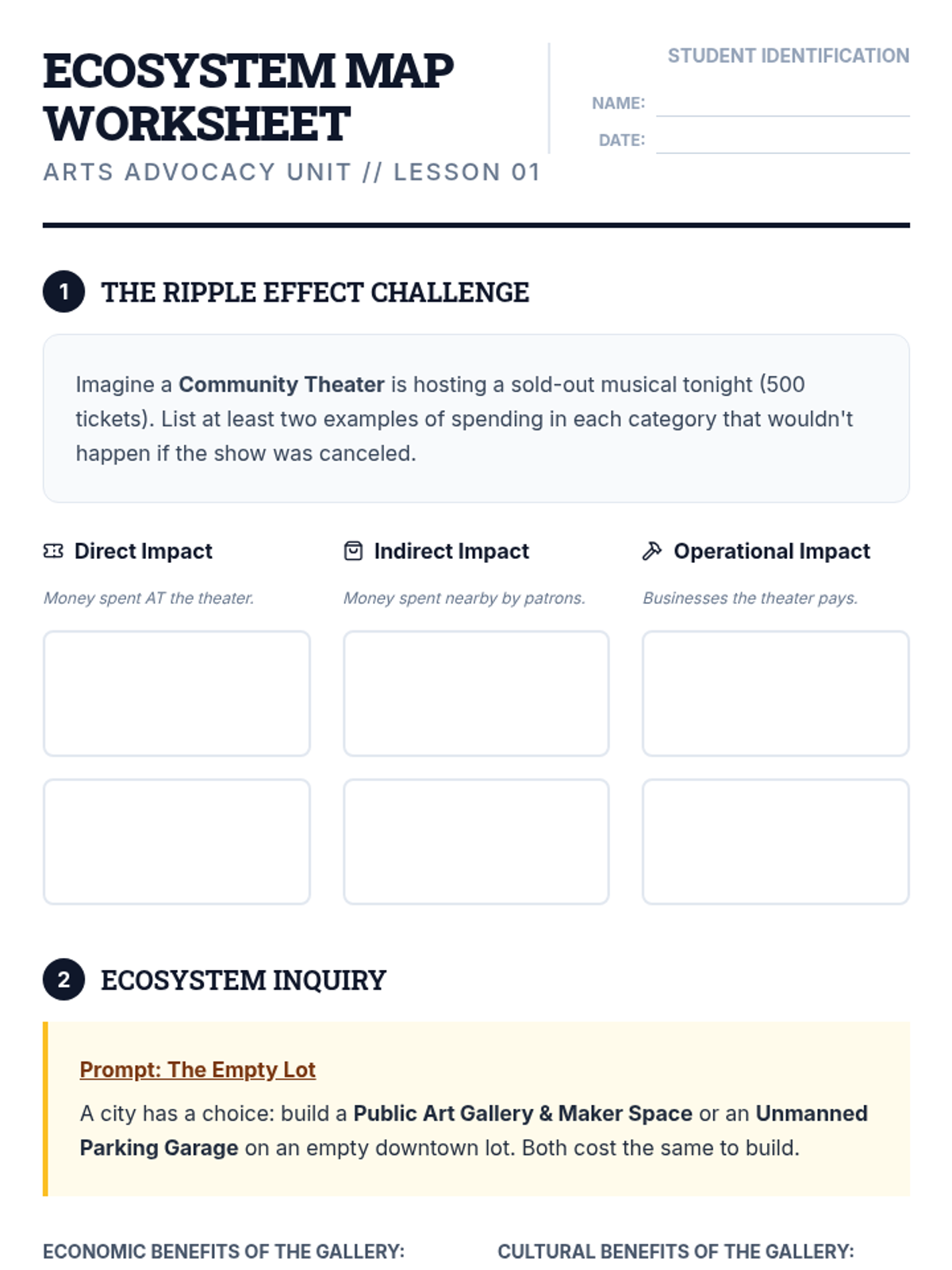
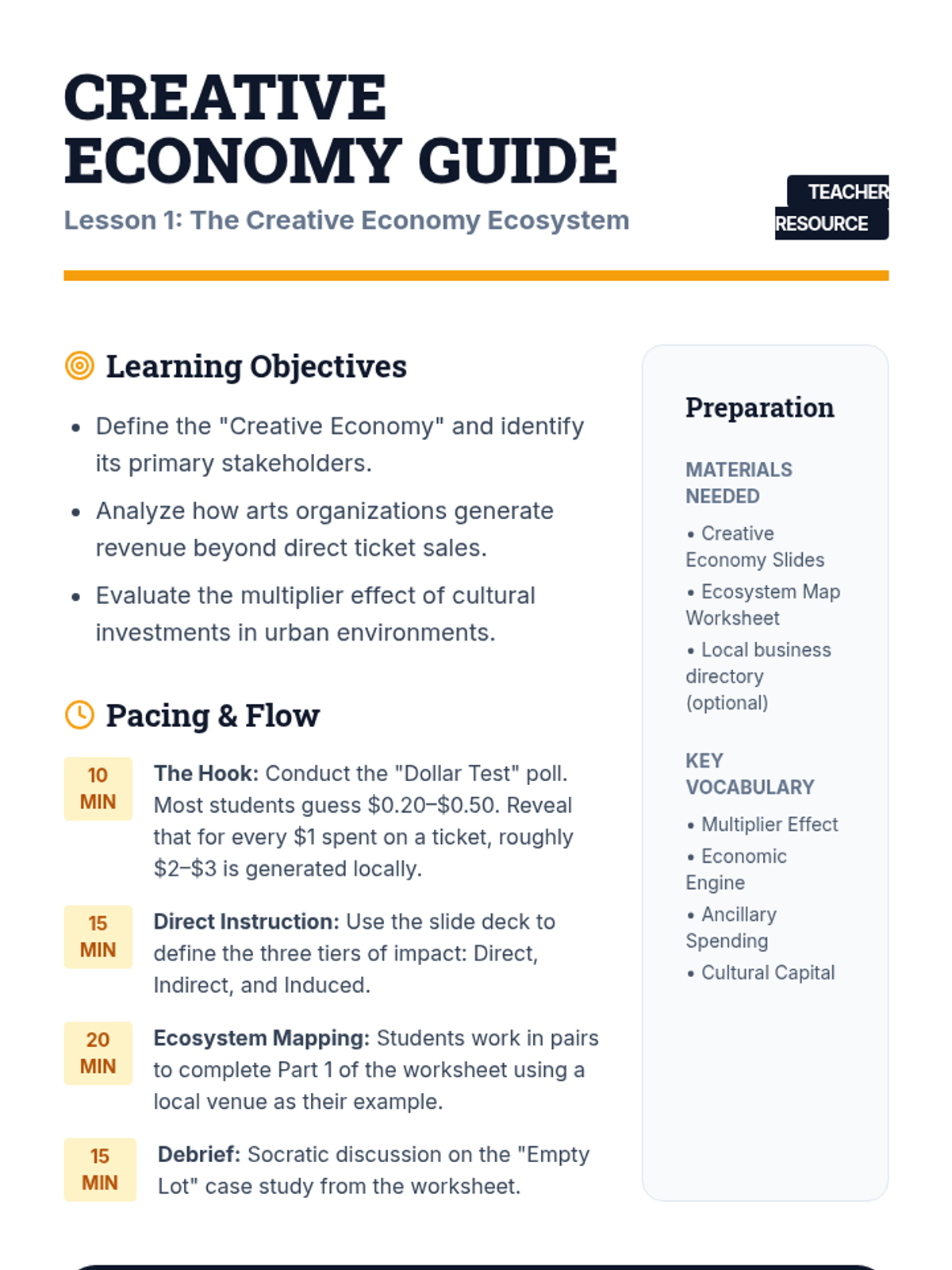
Students step into the roles of civic leaders and grant panelists to explore the economic and cultural value of the arts. They analyze the creative economy, evaluate funding models, and debate the allocation of public funds through a realistic simulation.
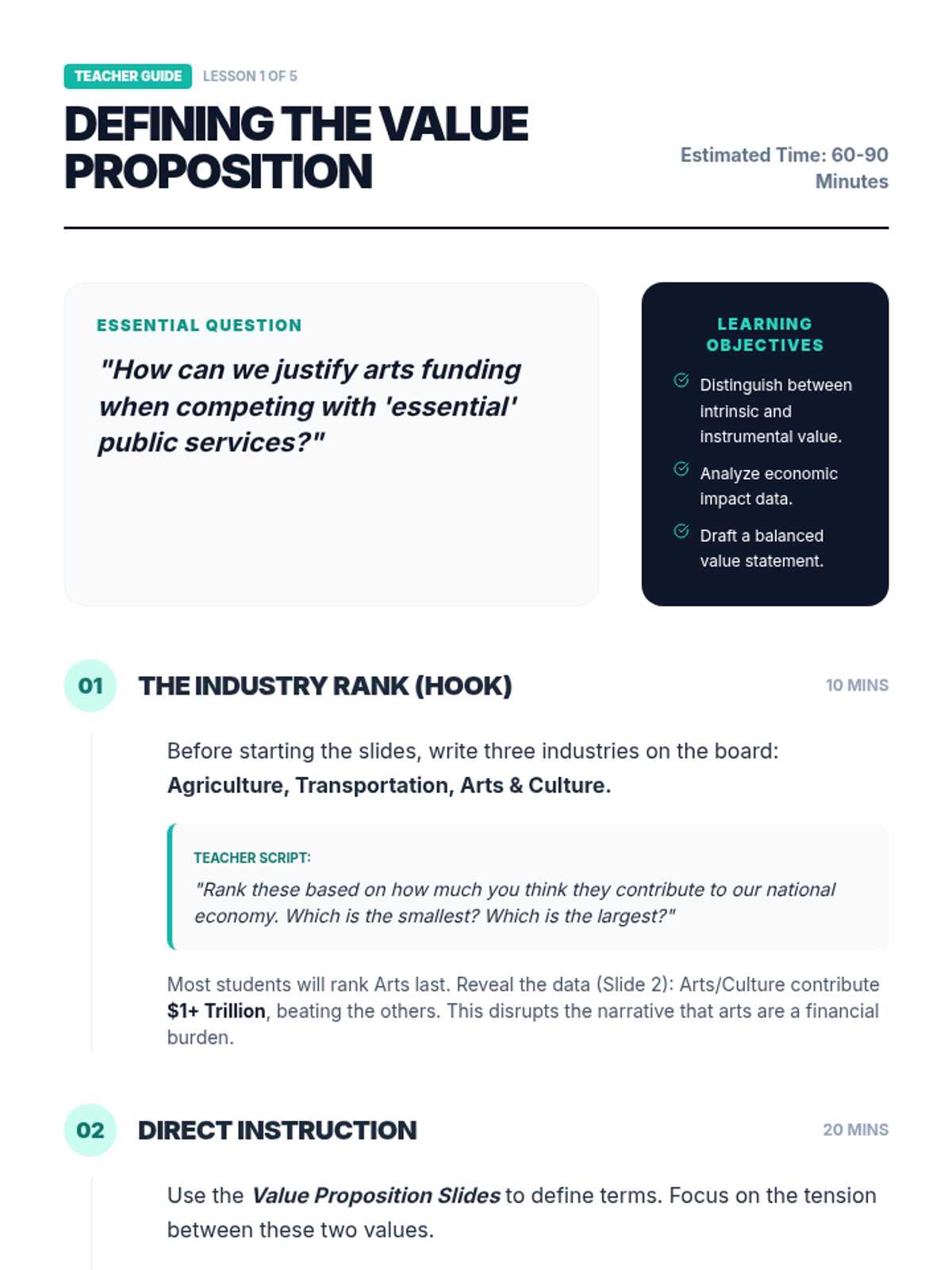
Students transition from passive observers to active arts advocates by learning cultural policy, economic impact analysis, and strategic communication. This sequence culminates in a comprehensive advocacy campaign presentation to secure sustainable support for the arts.
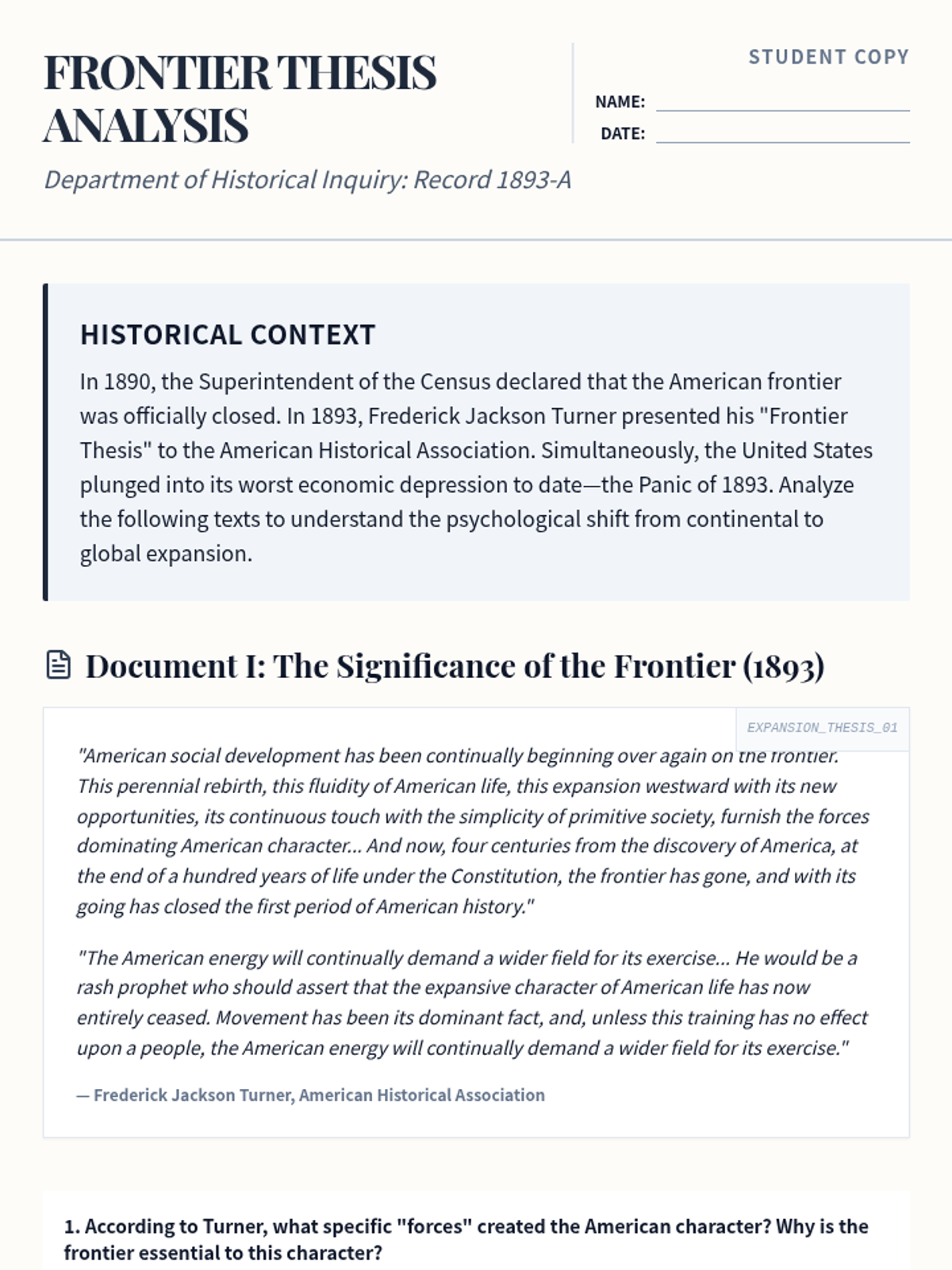
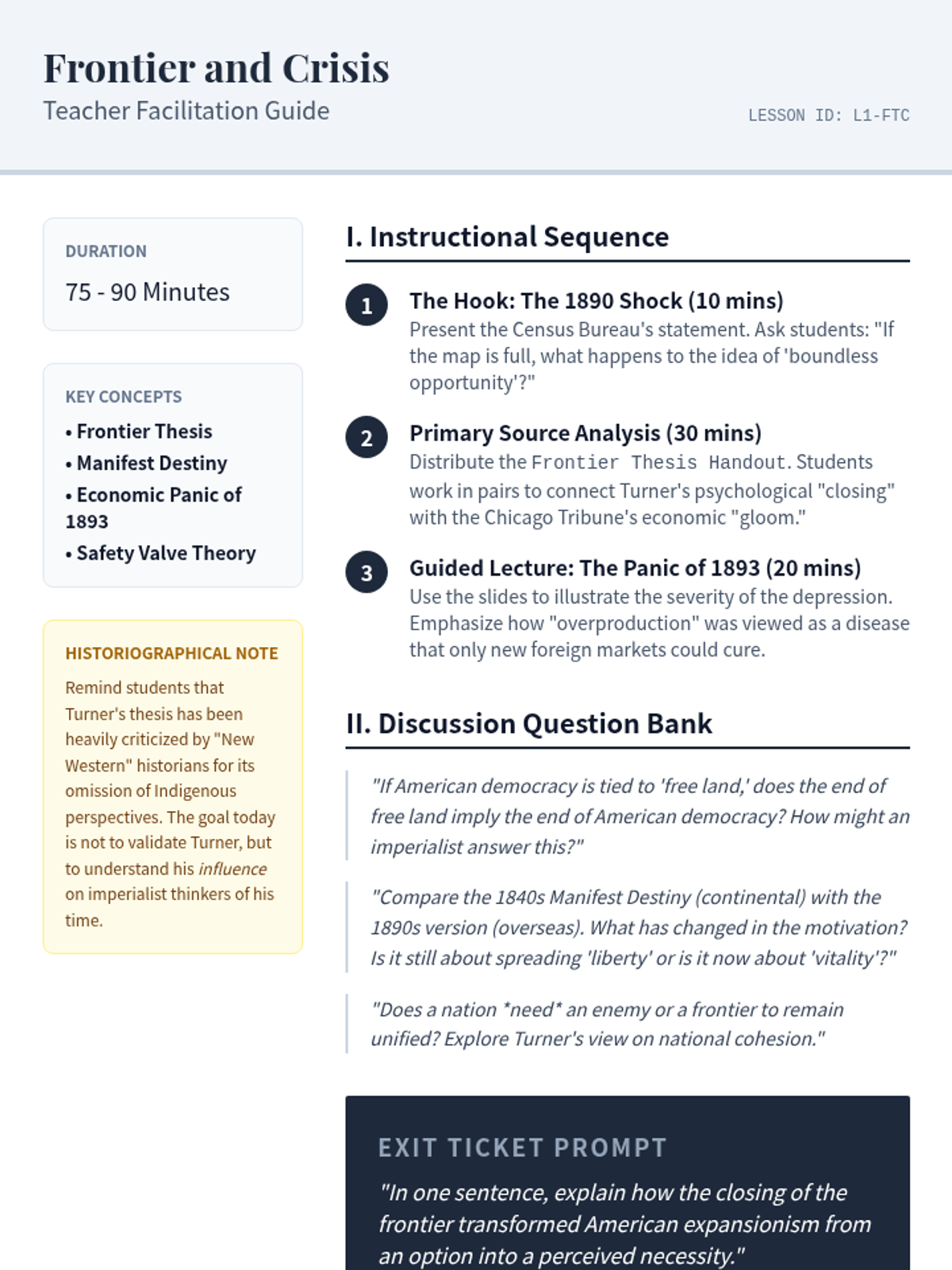
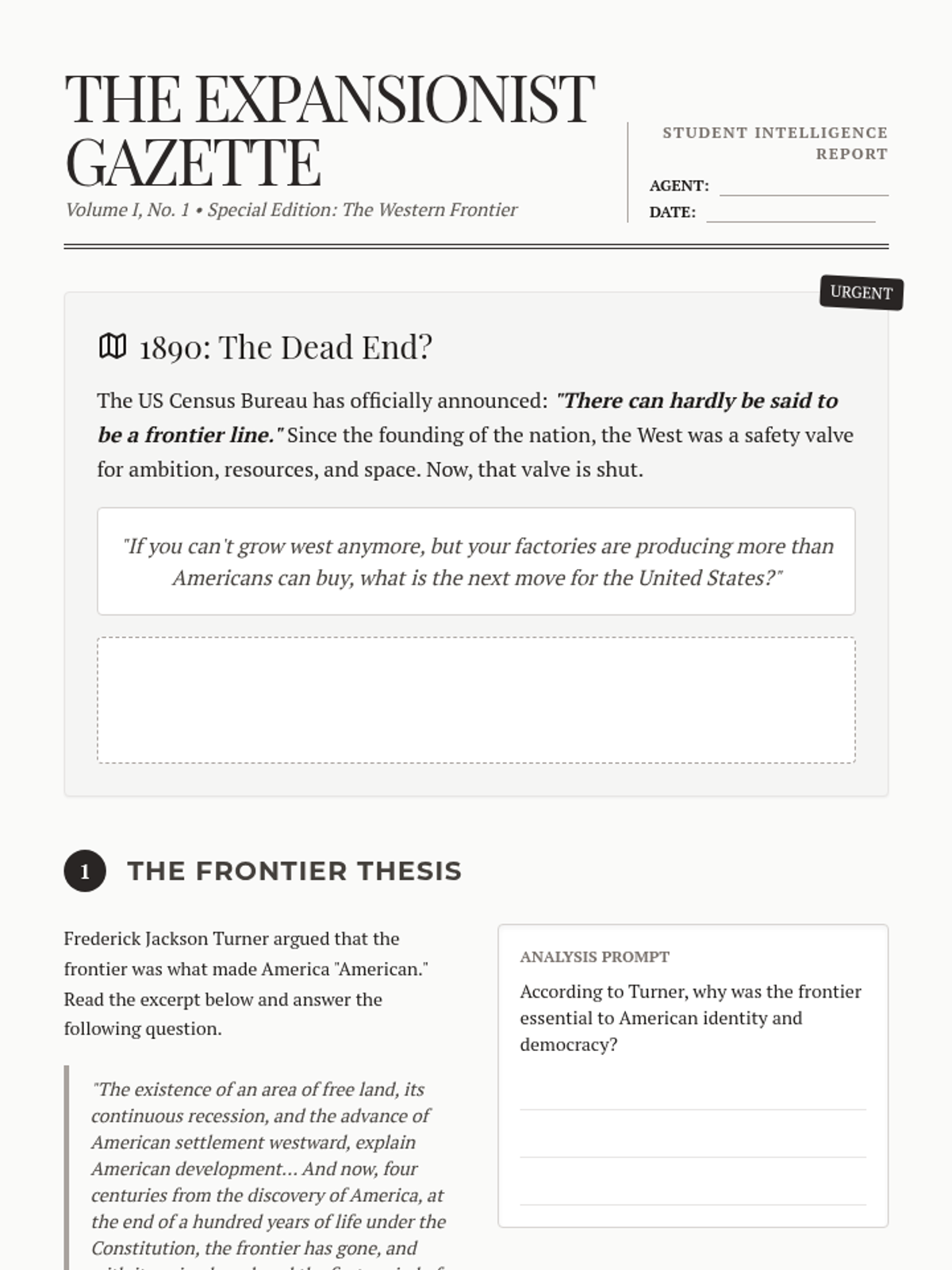
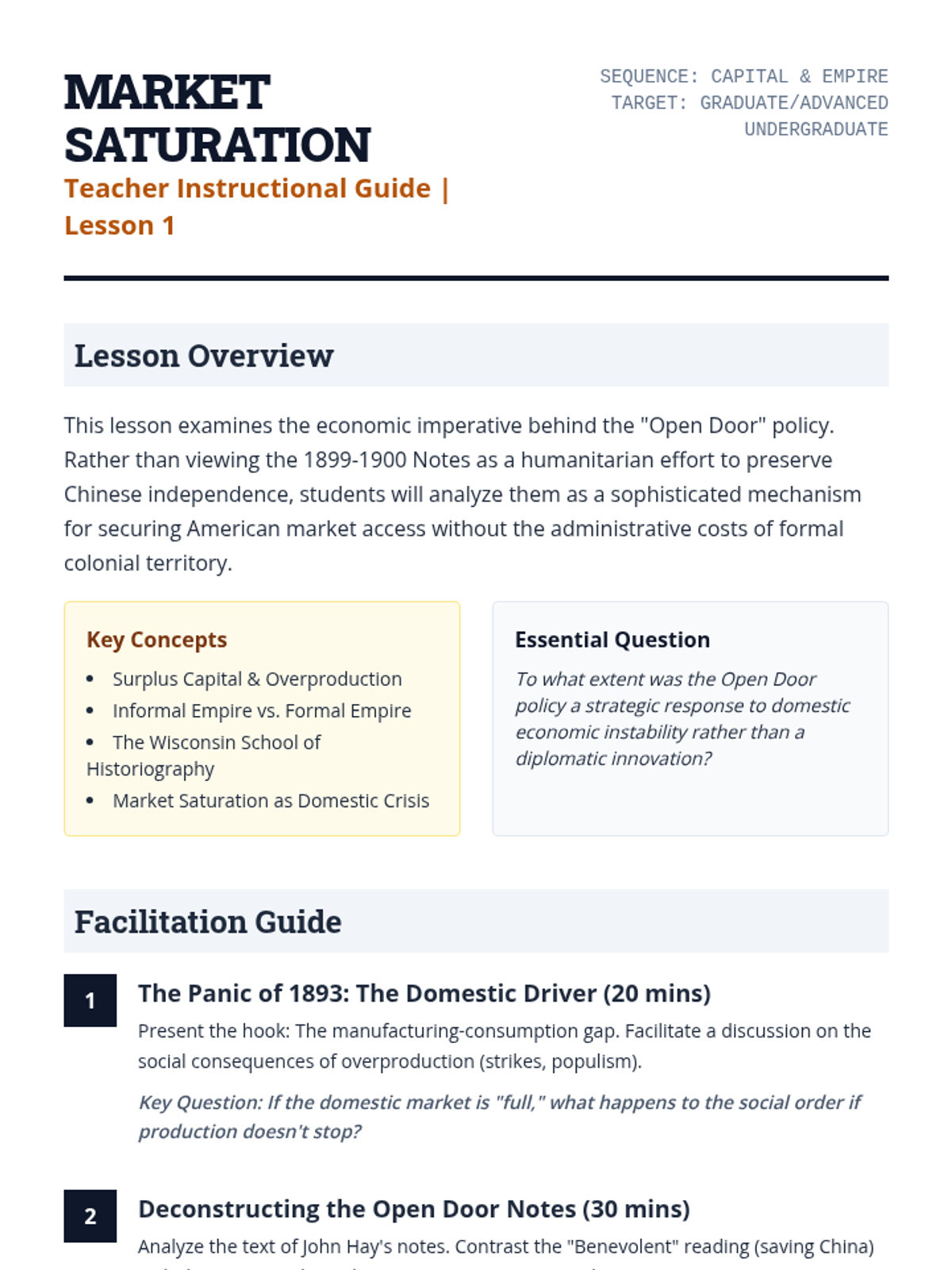
An academic exploration of the intellectual and social frameworks justifying late 19th-century US expansionism, focusing on the Frontier Thesis, naval strategy, and racial ideology.
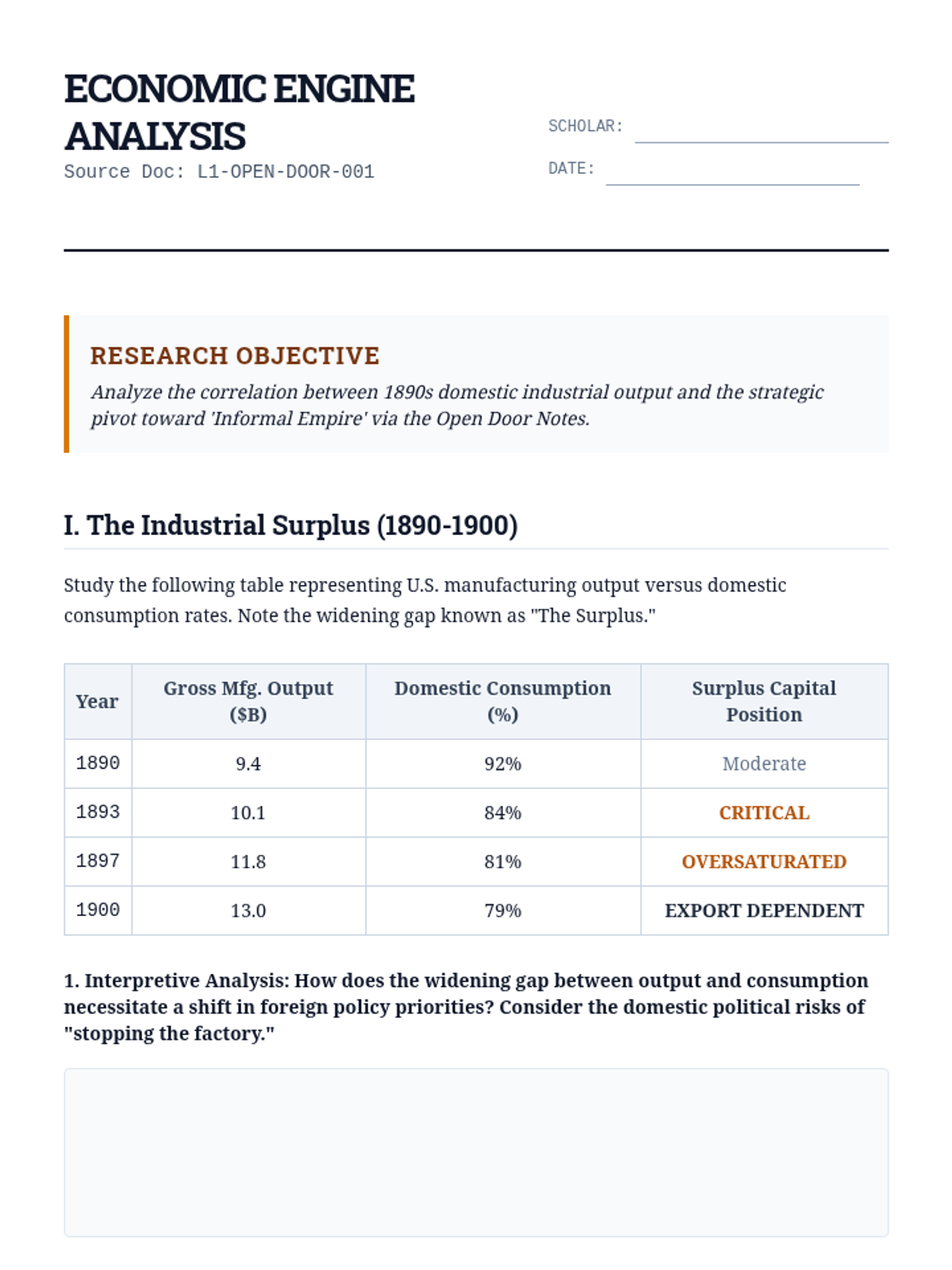
A deep dive into the intellectual, economic, and strategic foundations of American Imperialism at the turn of the 20th century, exploring the tension between profit and principle.
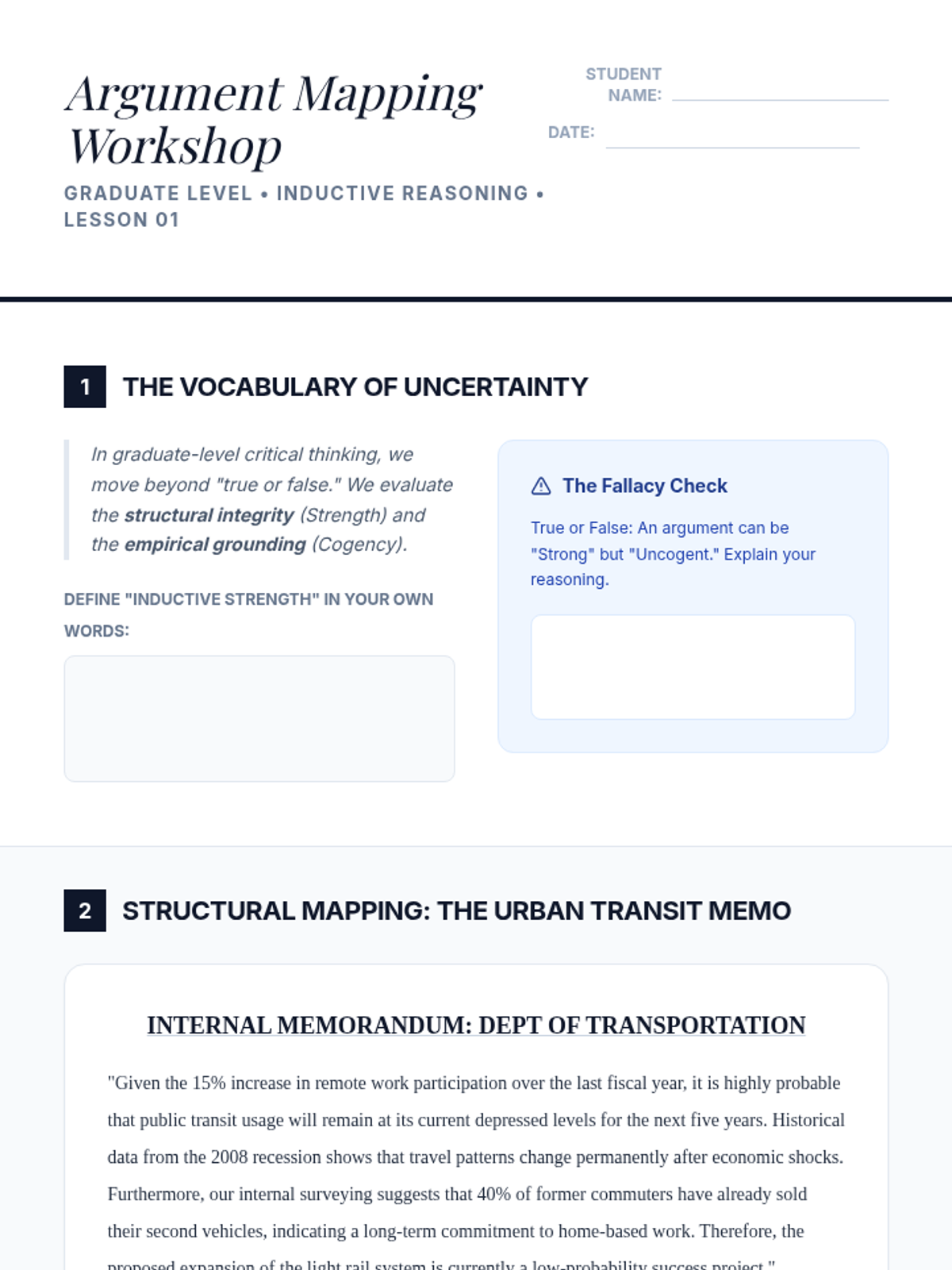
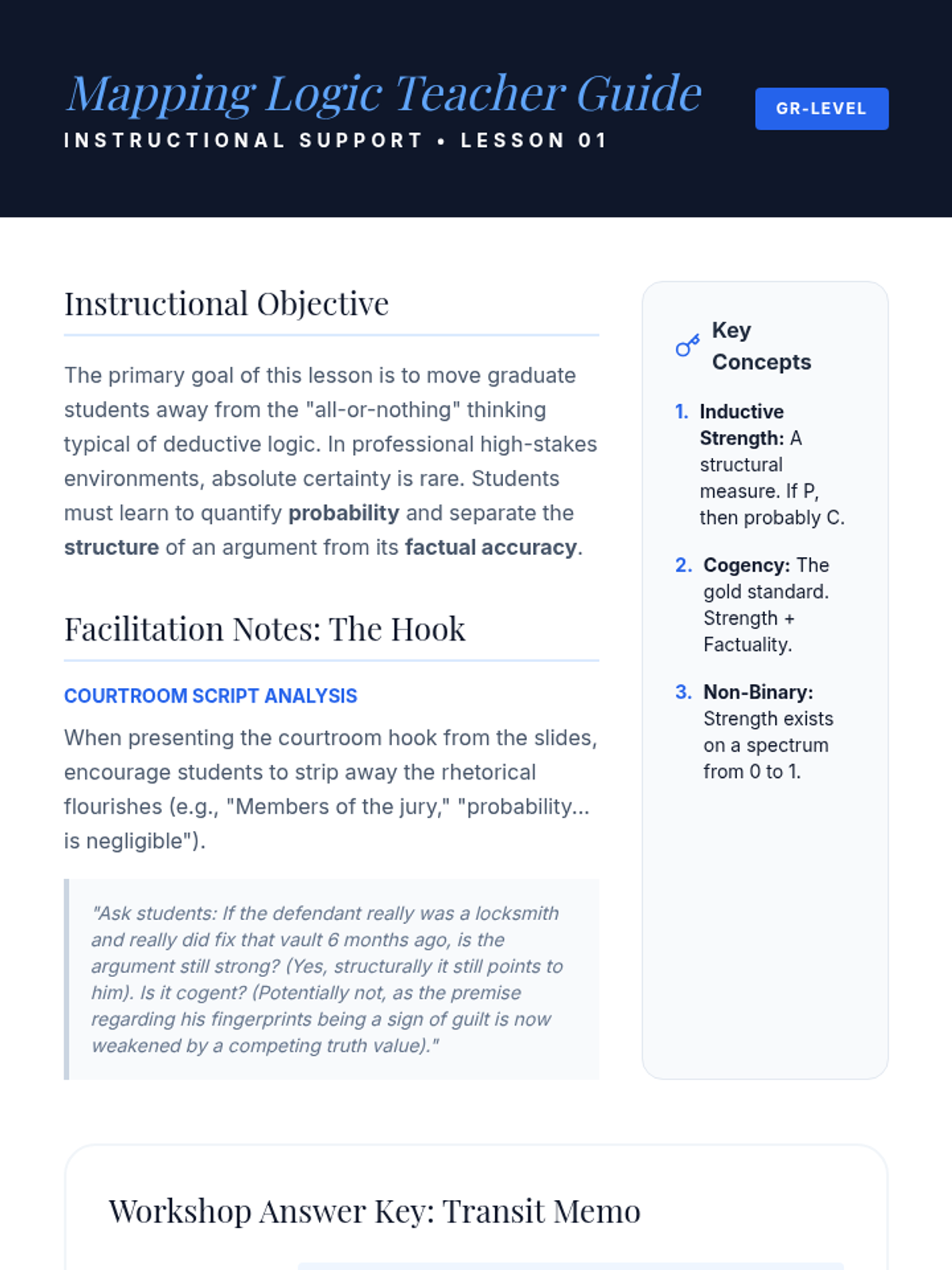
A graduate-level exploration of inductive logic, analogical reasoning, and causal inference within professional contexts like law and policy. Students learn to evaluate the cogency of probabilistic arguments and apply Mill's Methods to complex, real-world data scenarios.
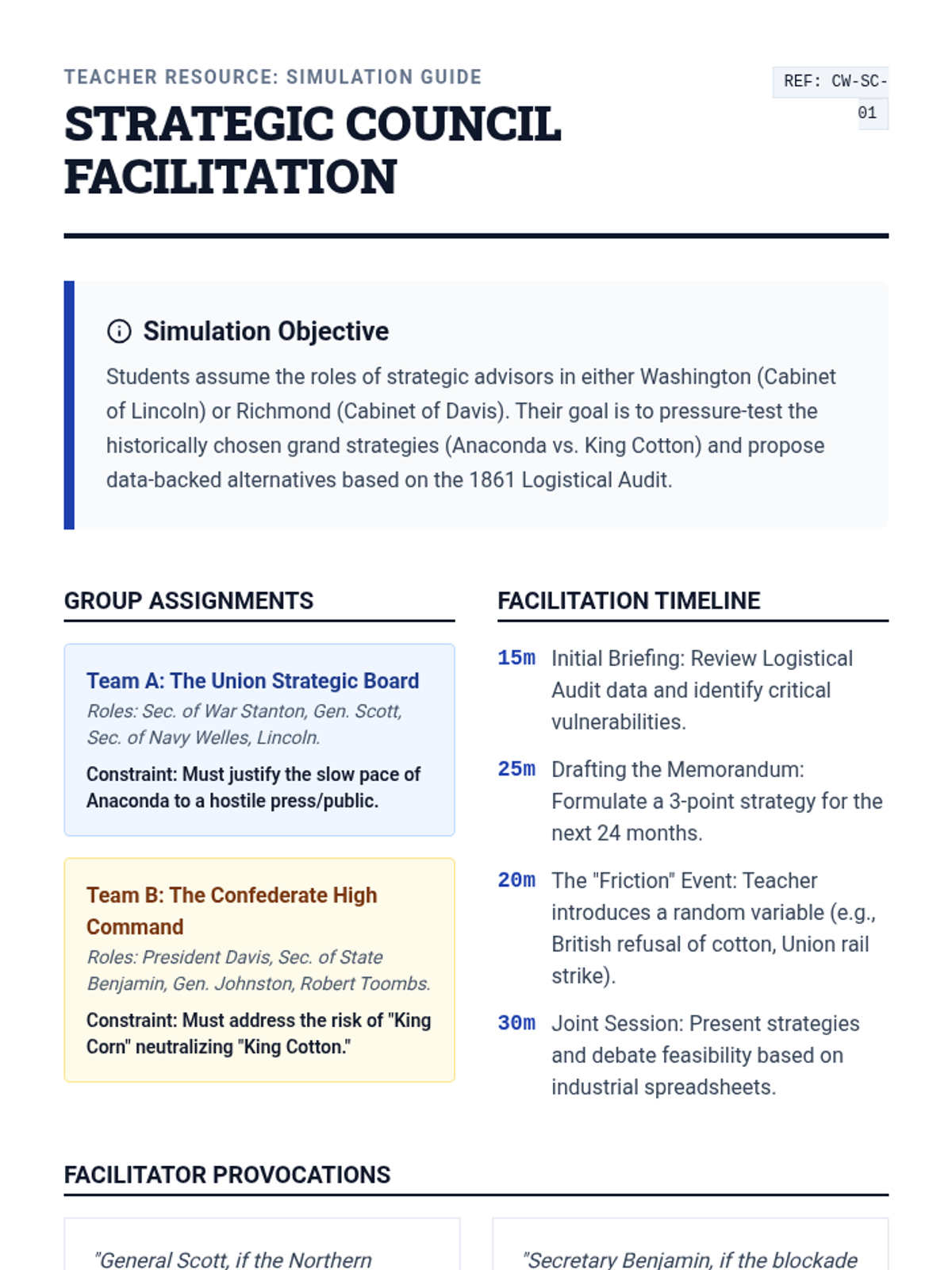
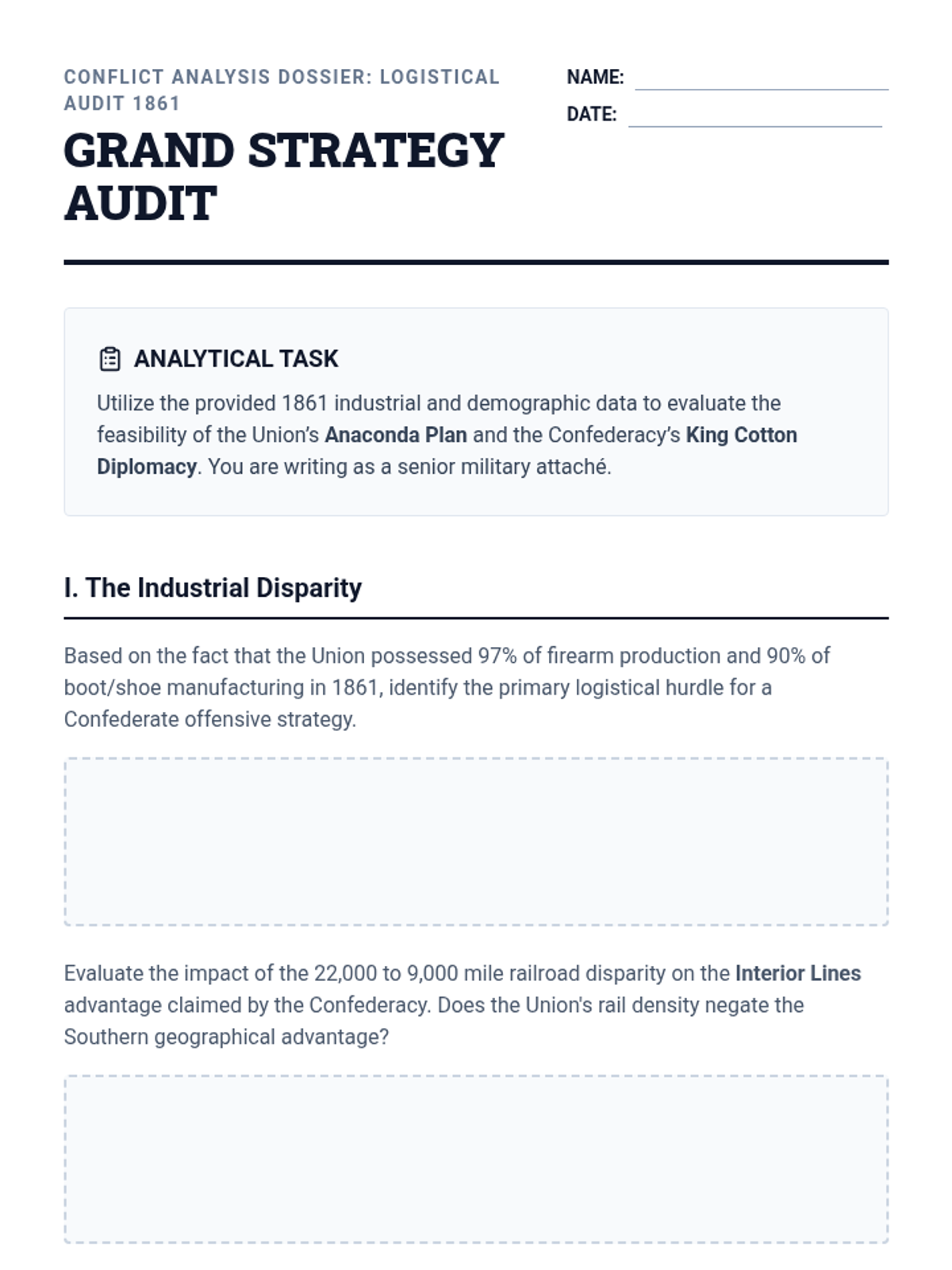
A graduate-level investigation into the American Civil War through the lens of military science, operational art, and strategic leadership, focusing on the transition from Napoleonic tactics to industrial total war.
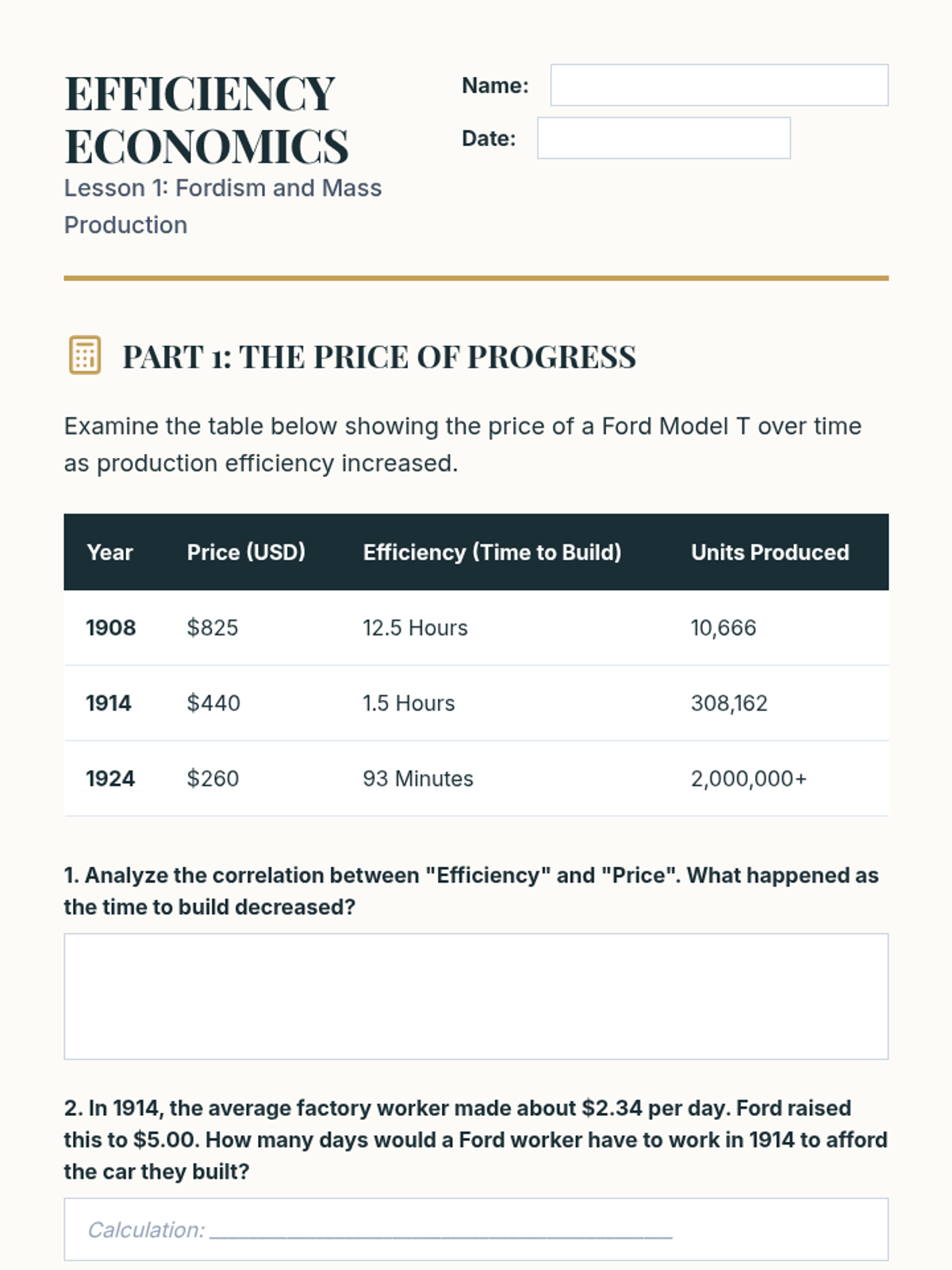
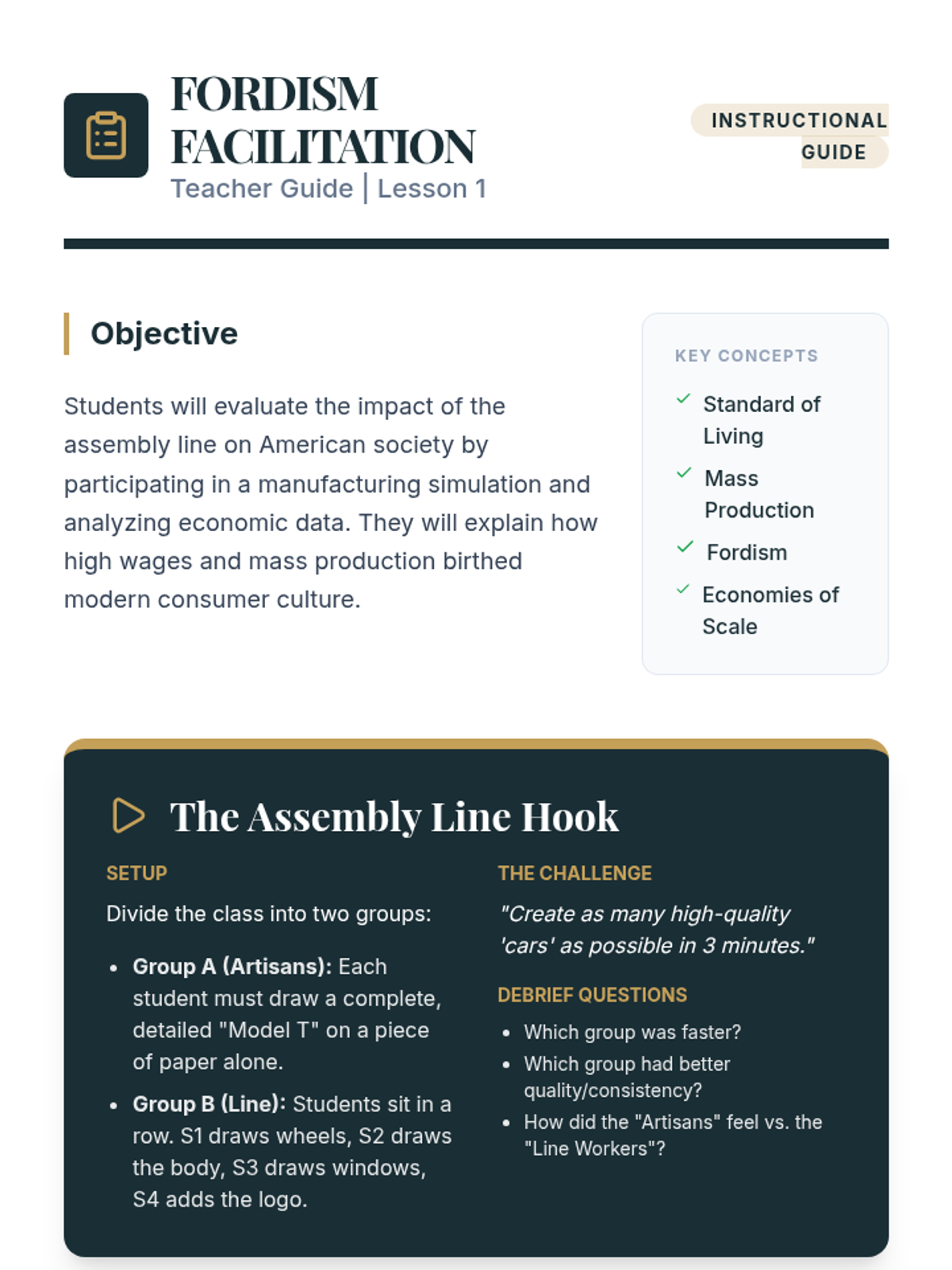
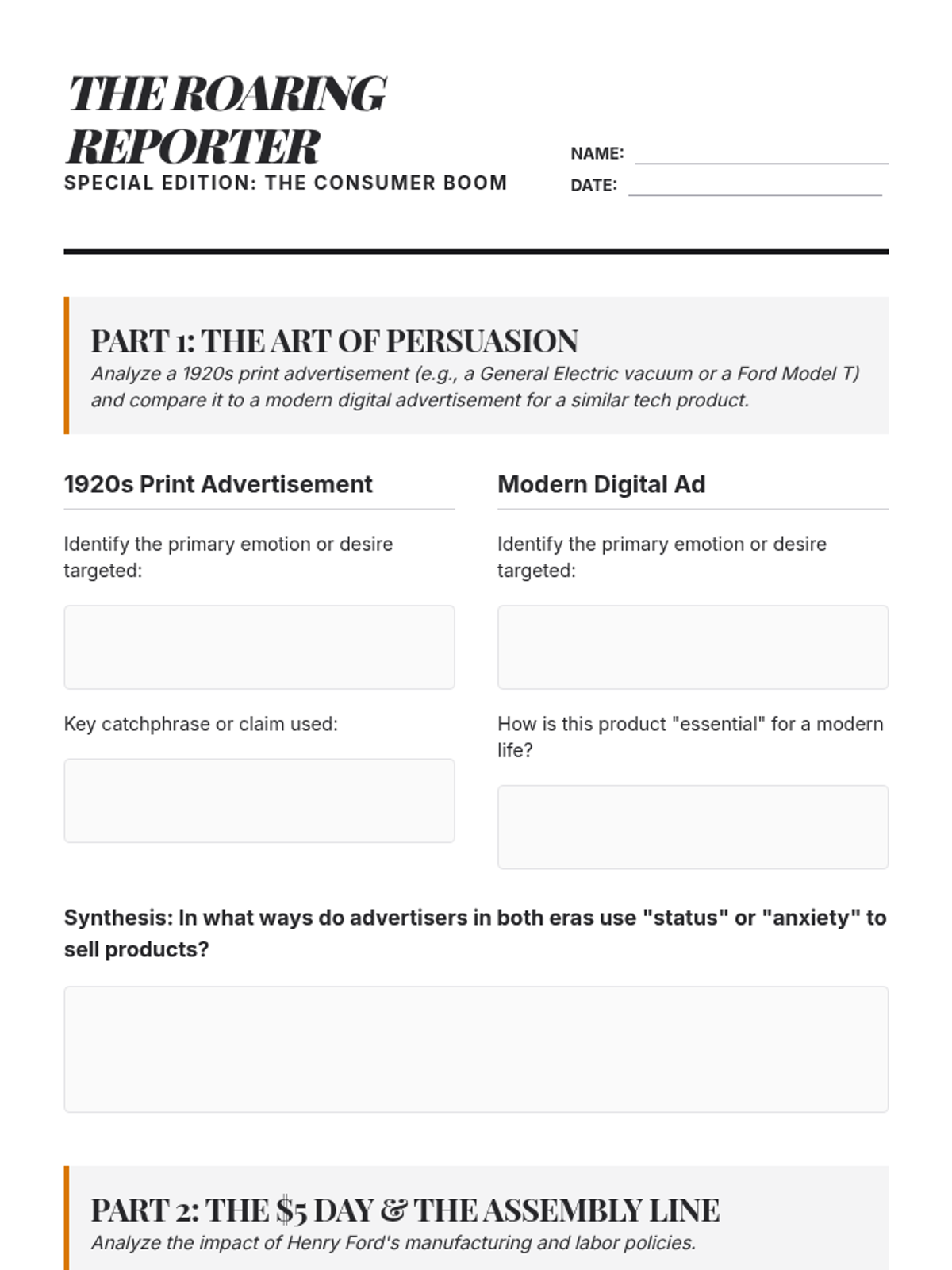
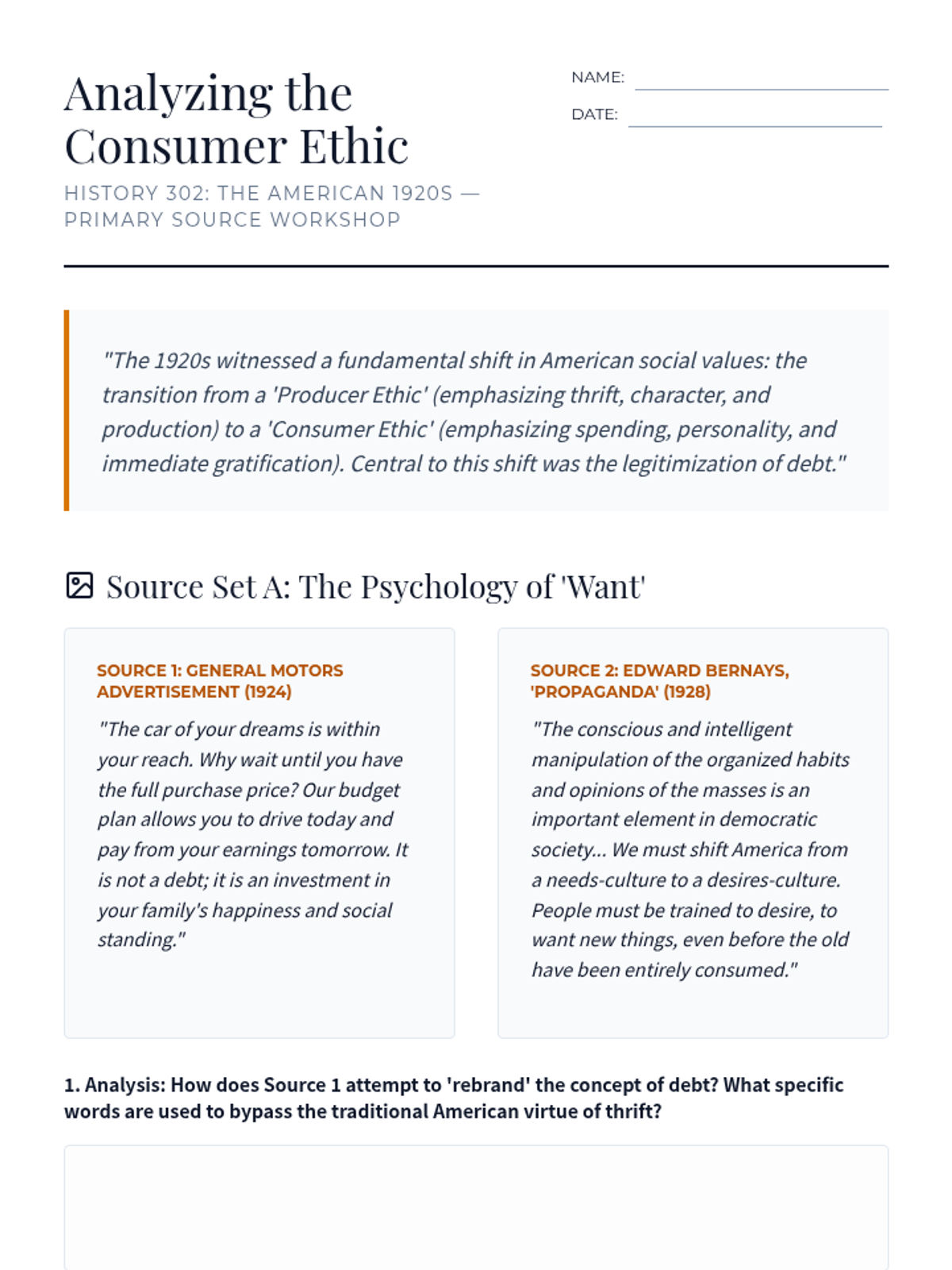
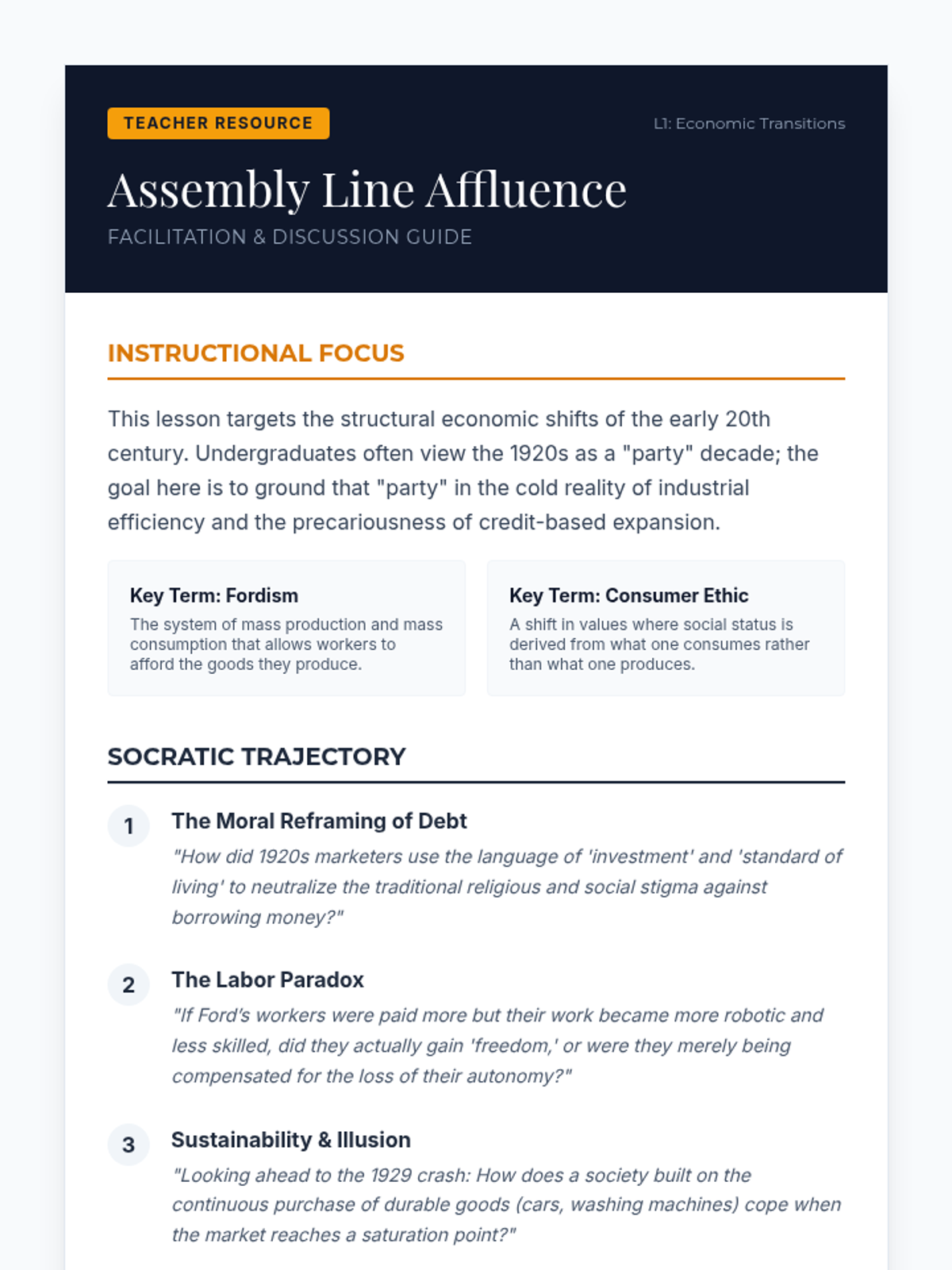
A comprehensive 5-lesson unit exploring the economic drivers of the 1920s, the emergence of consumer culture, the agricultural crisis, and the systemic failures that led to the 1929 Stock Market Crash. Students analyze the tension between urban prosperity and rural poverty through data, simulations, and primary sources.
This sequence explores the tension between rapid modernization and traditionalist backlash in 1920s America, covering economic booms, cultural shifts like the Harlem Renaissance, and social conflicts over Prohibition and evolution.
This undergraduate-level sequence explores the 1920s through its deep societal polarization, examining the tensions between urban modernization and reactionary social forces. Students analyze primary sources, economic data, and cultural artifacts to evaluate the decade's contradictions and the structural weaknesses leading to the Great Depression.
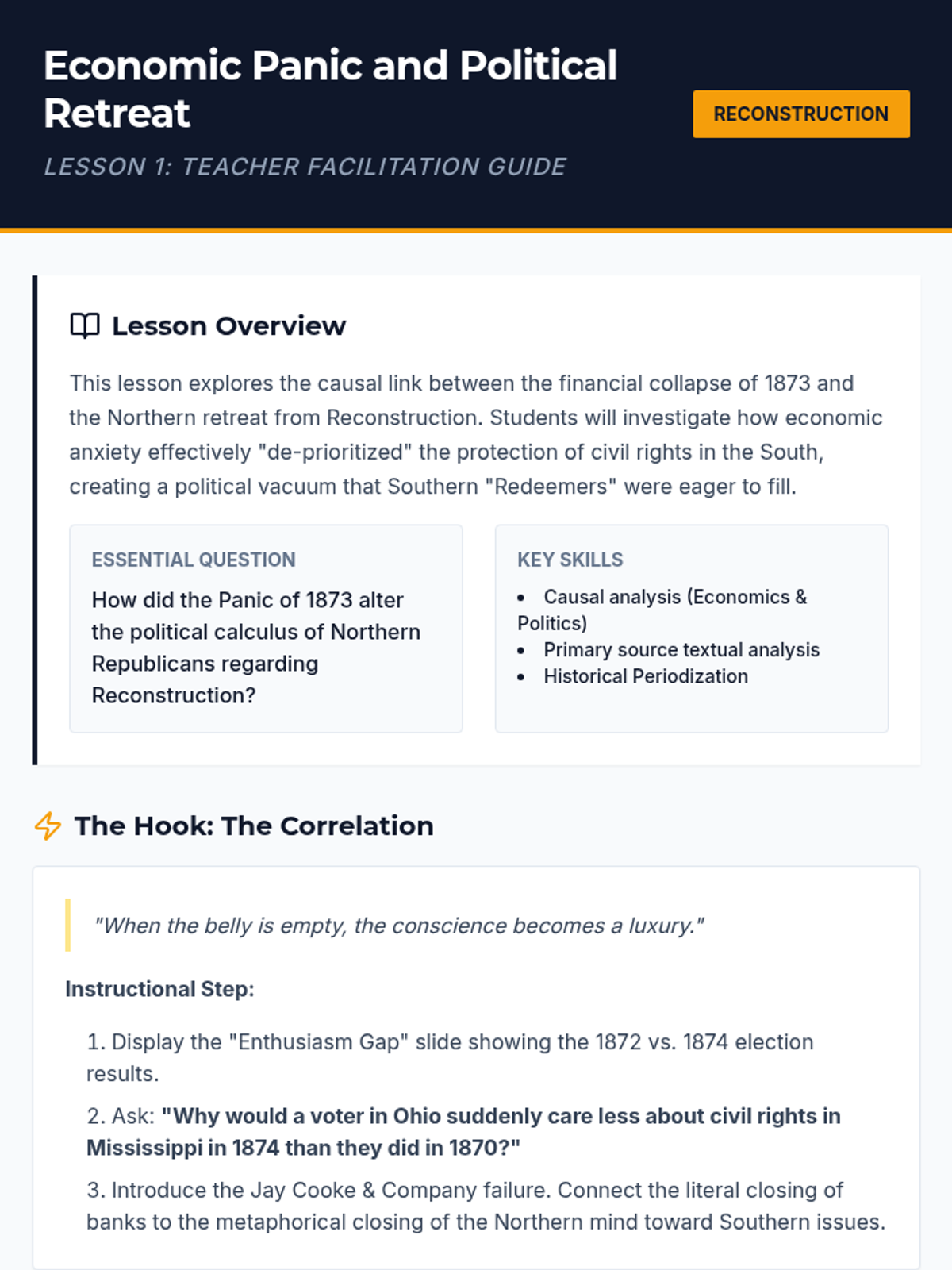
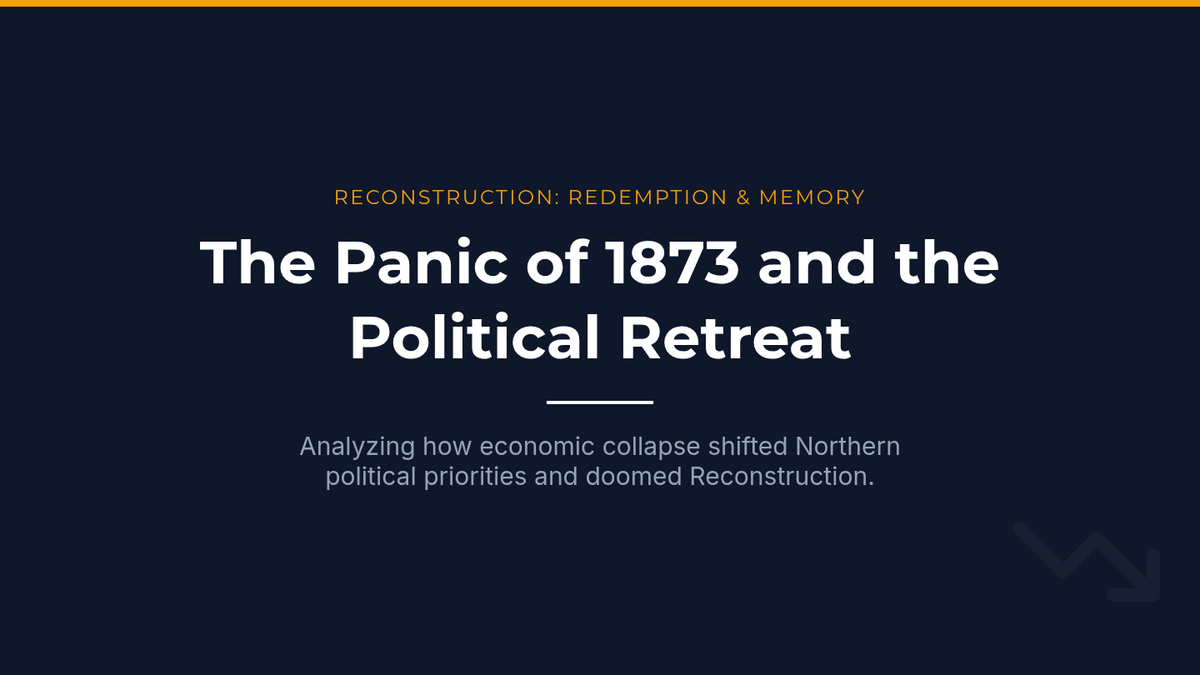
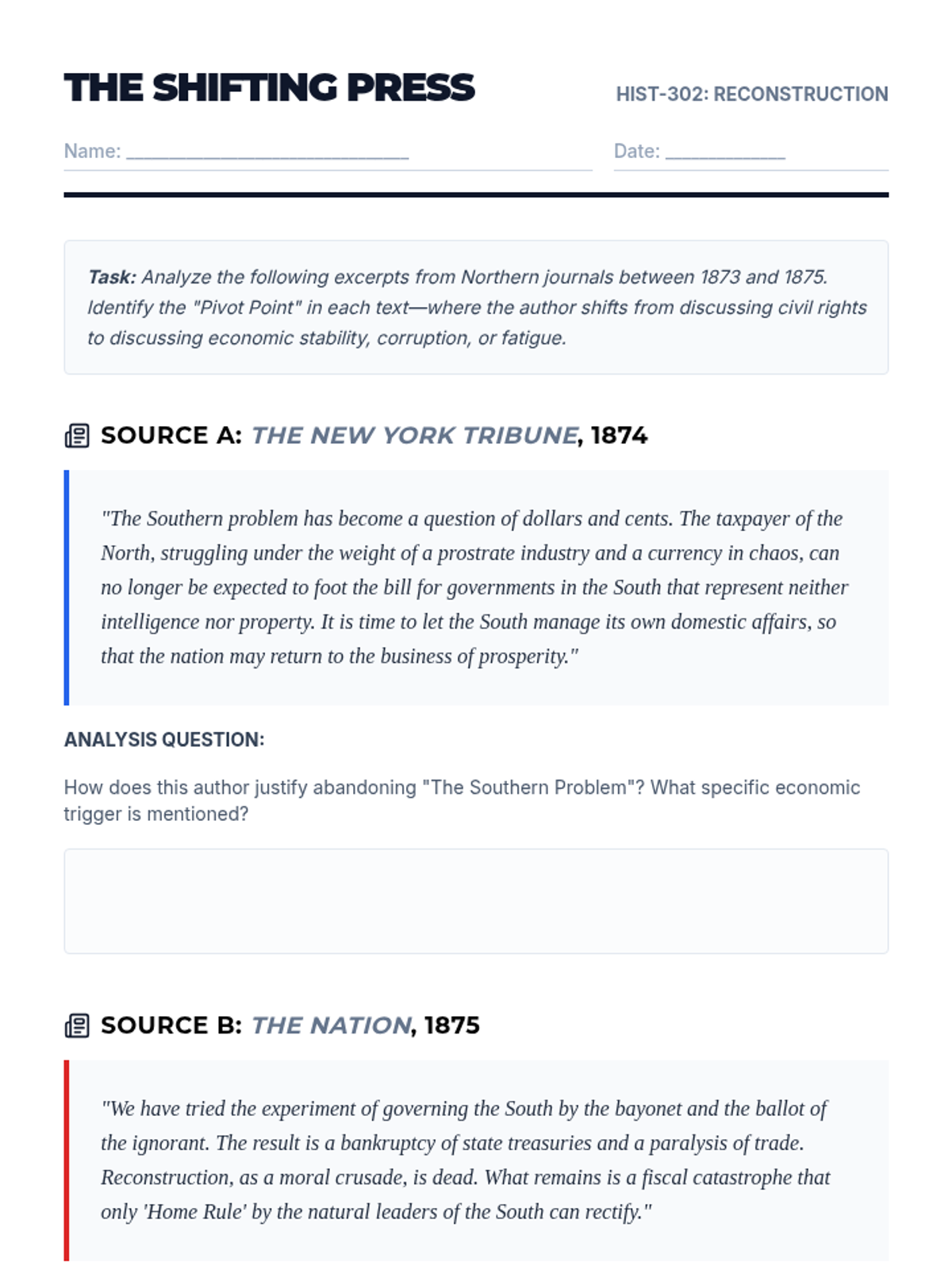
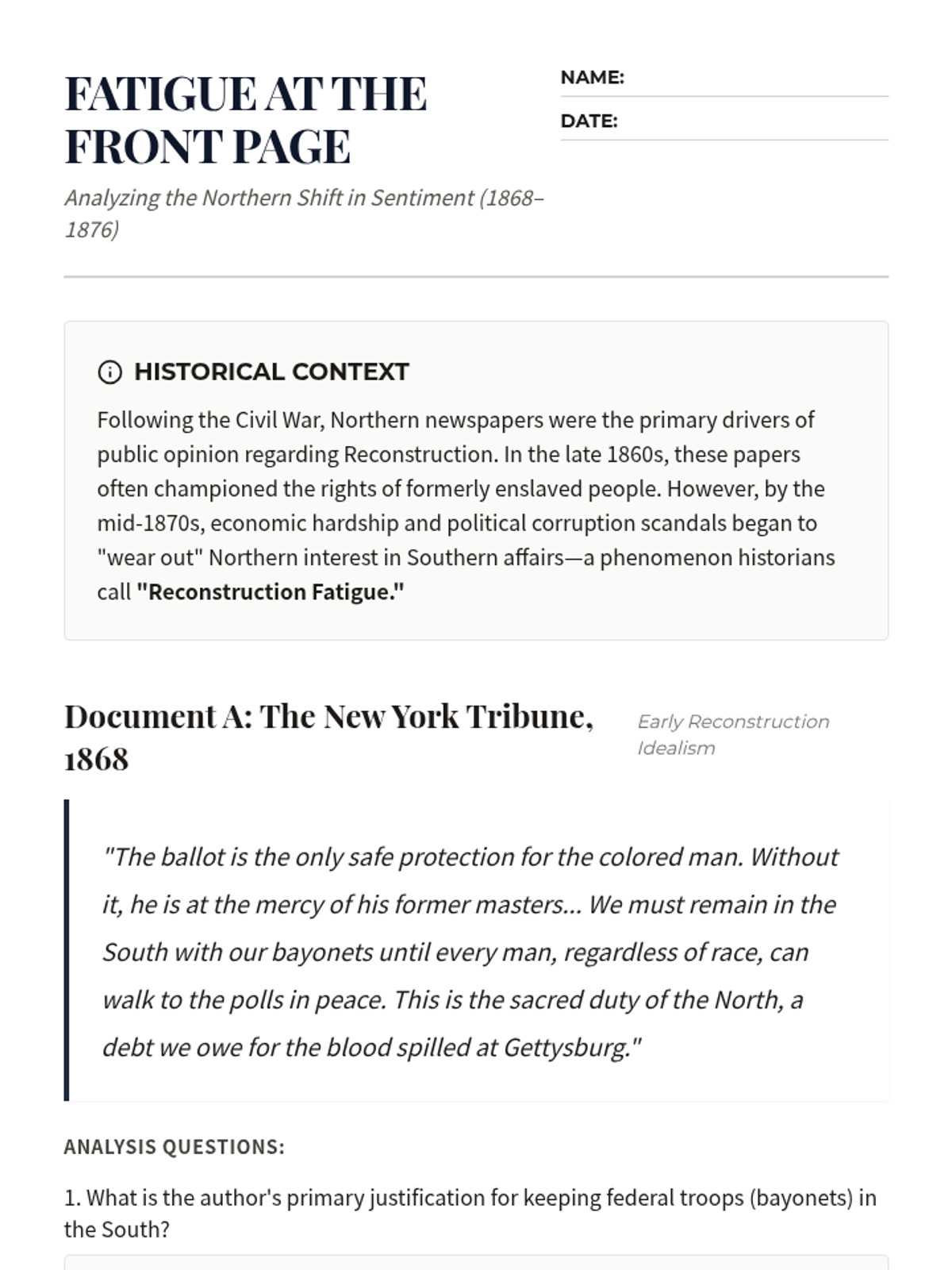
This sequence explores the political collapse of Reconstruction and the ideological construction of the 'Lost Cause.' Students analyze how economic shifts, political compromises, and academic historiography worked together to dismantle Black political power and rewrite American history to justify the Jim Crow era.
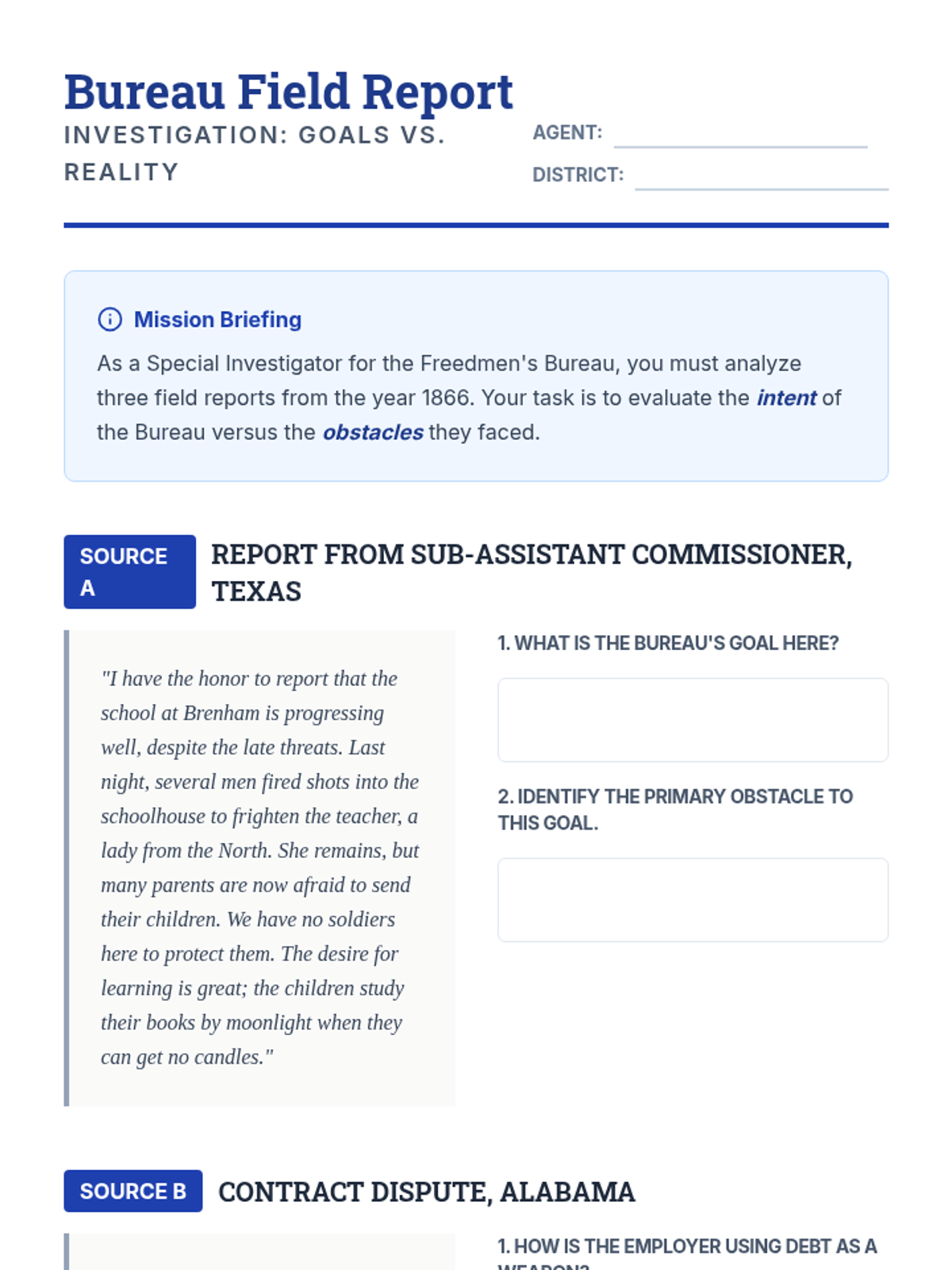
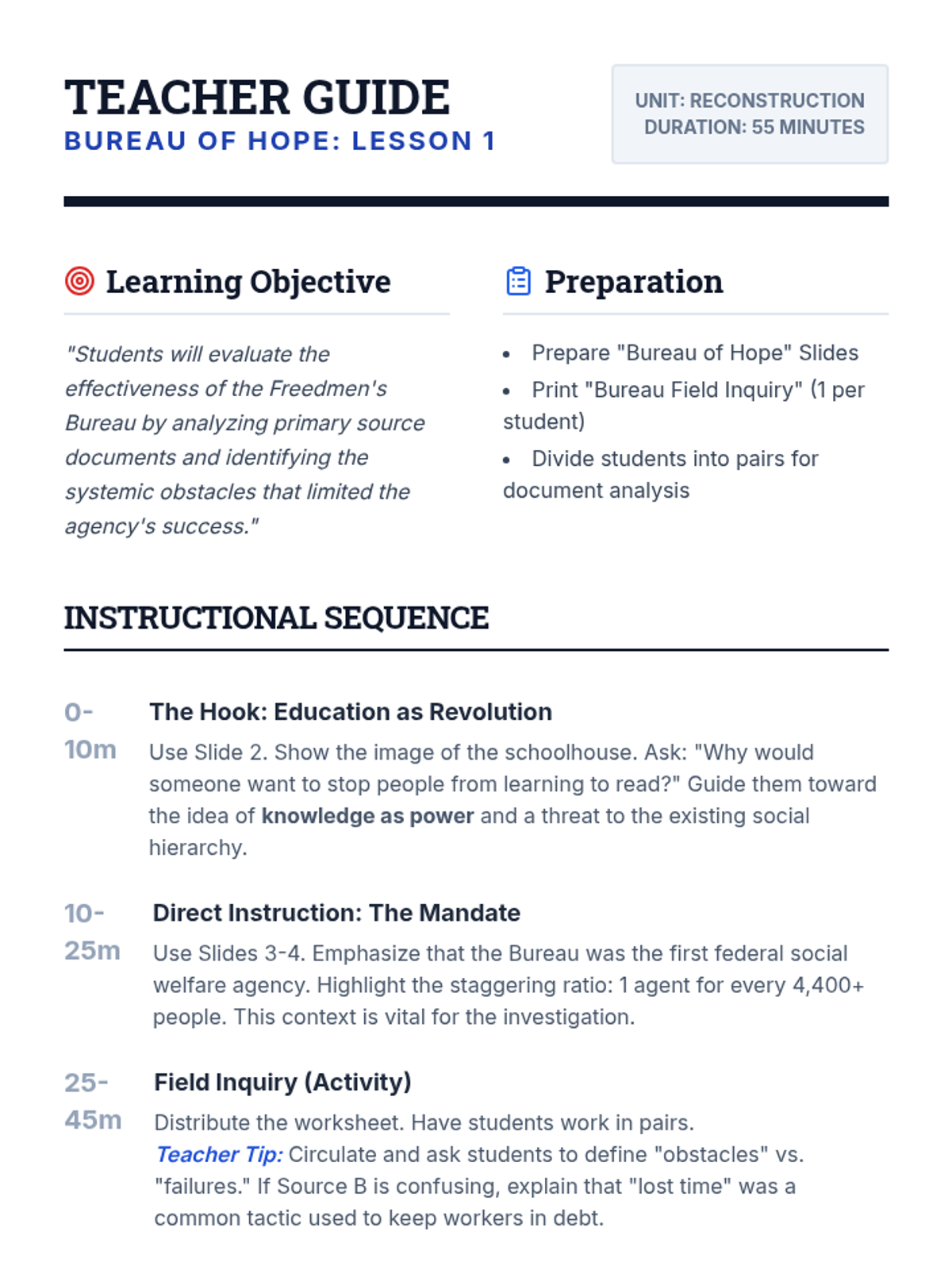
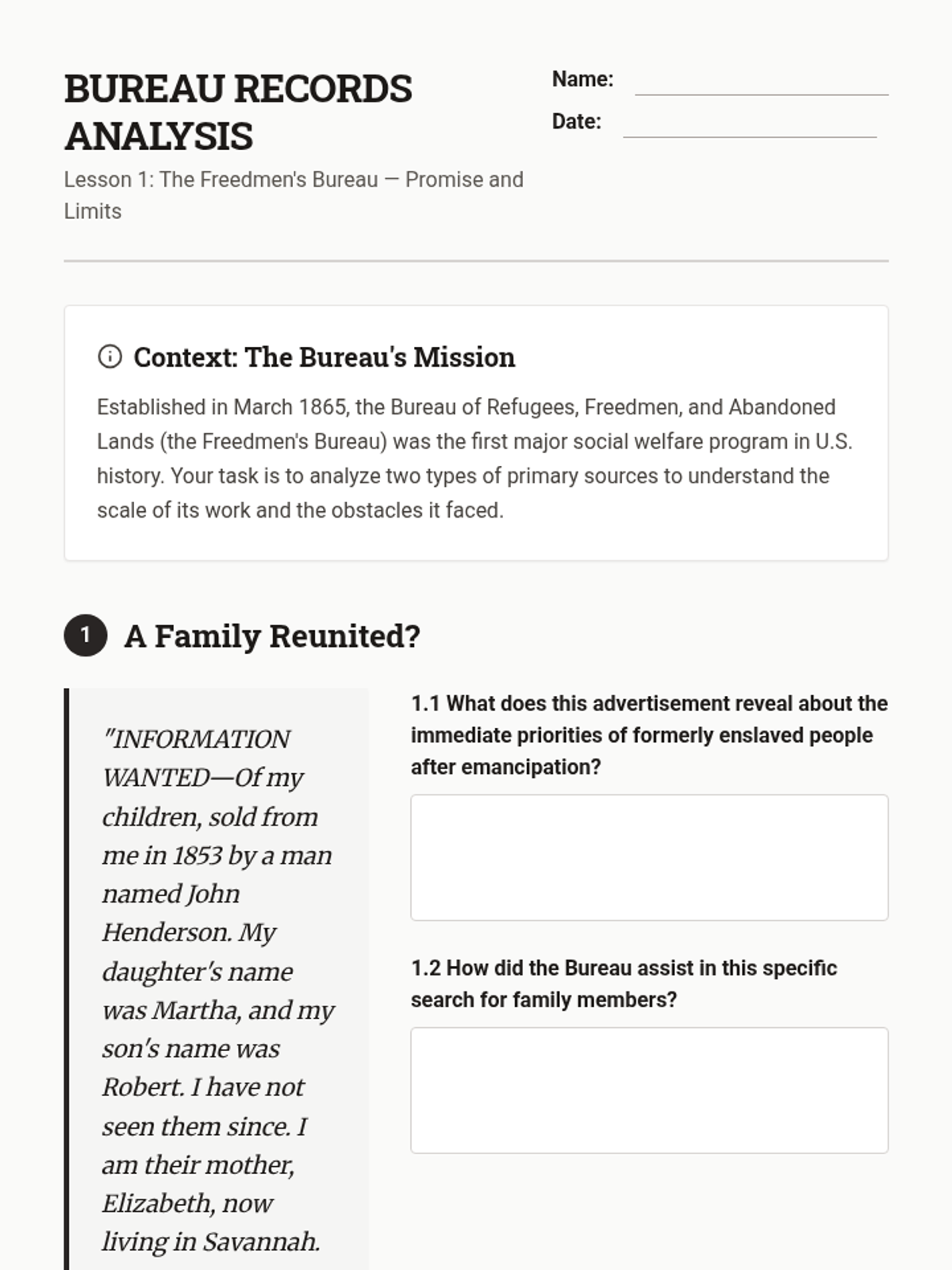
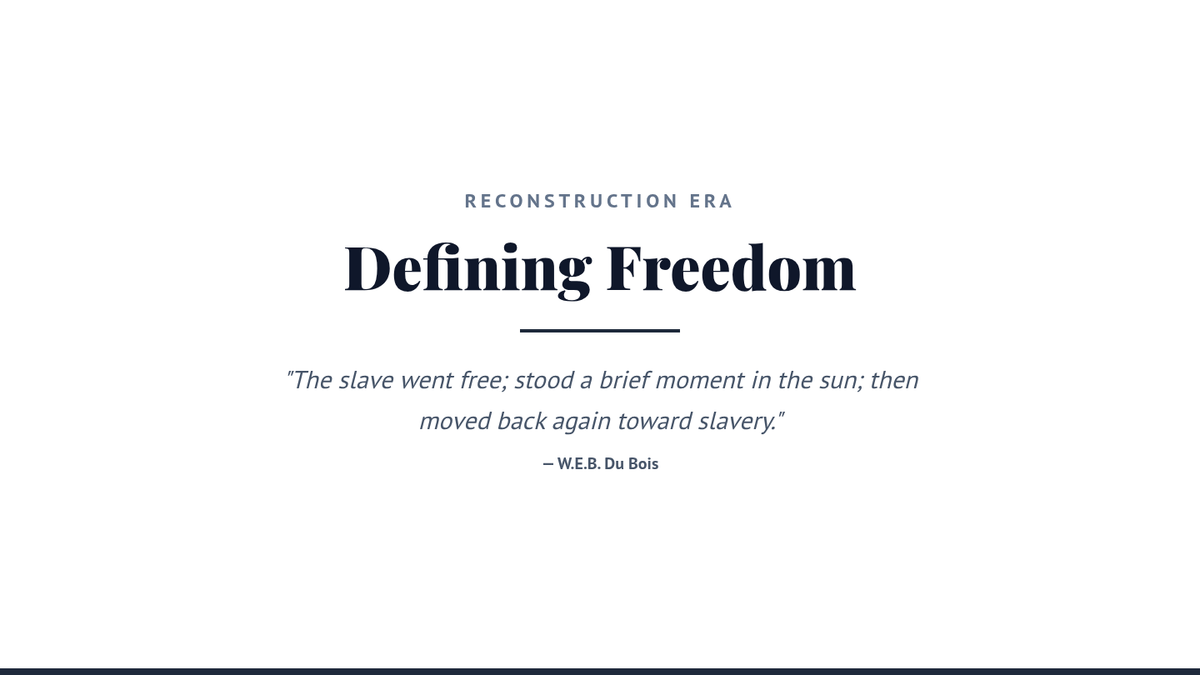
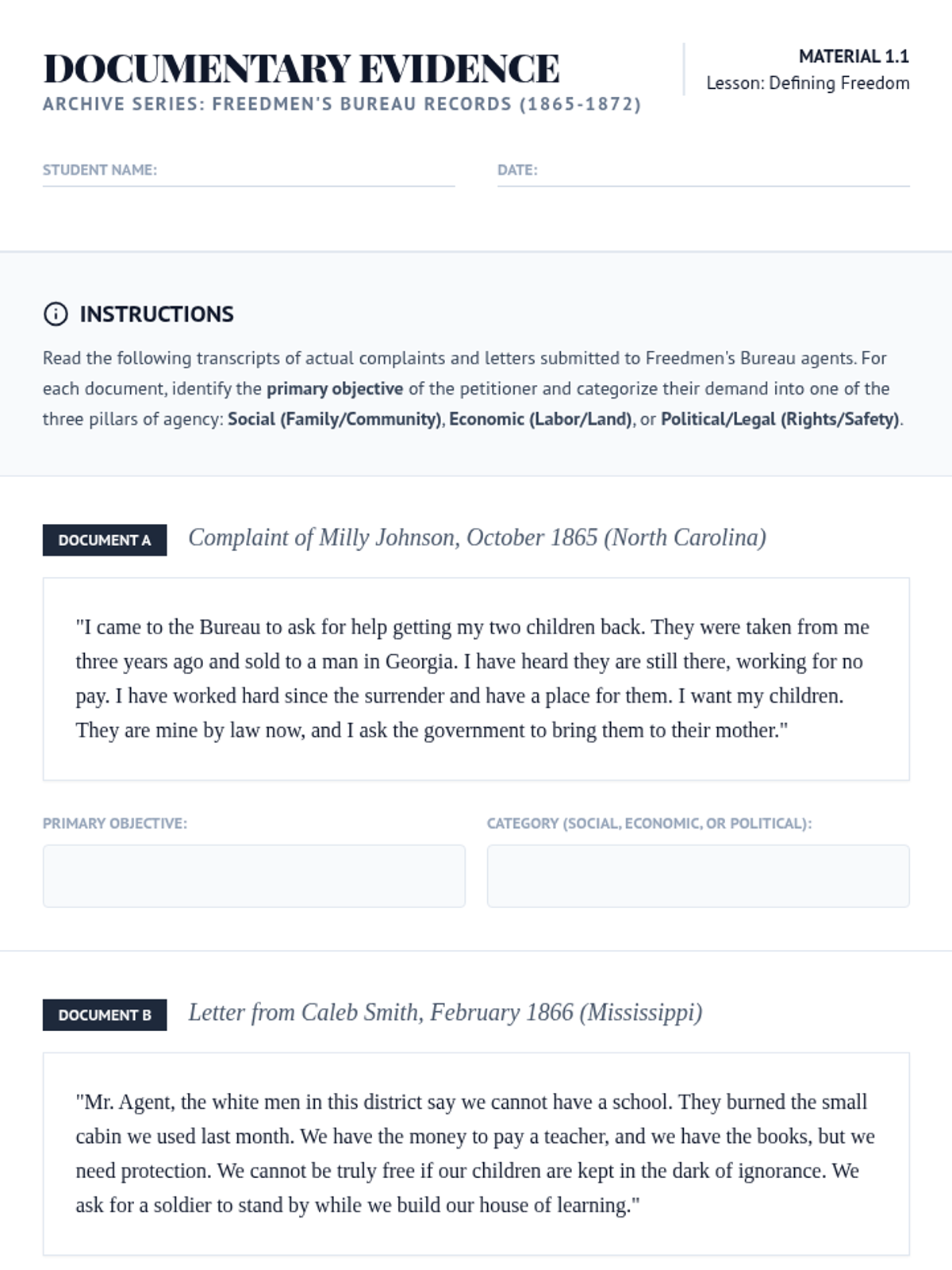
This sequence explores the social and economic restructuring of the post-Civil War South, focusing on the rise and fall of Reconstruction. Students analyze the Freedmen's Bureau, the economic trap of sharecropping, the rise of racial terrorism, and the political compromises that led to the Jim Crow era.
A comprehensive investigation into the social and economic restructuring of the American South after the Civil War. Students explore the hope of the Freedmen's Bureau, the trap of sharecropping, the rise of racial violence, and the political compromise that paved the way for the Jim Crow era.
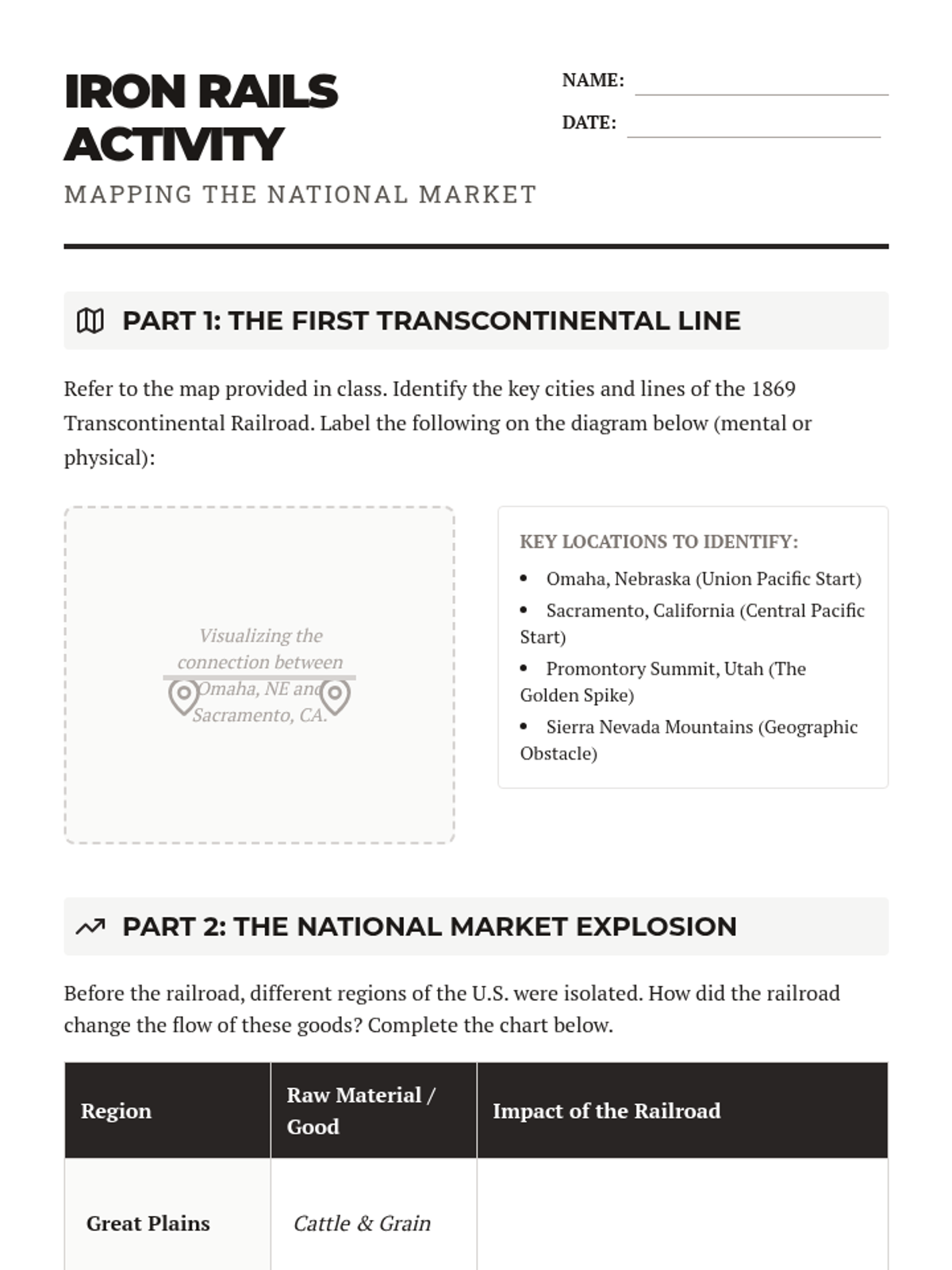
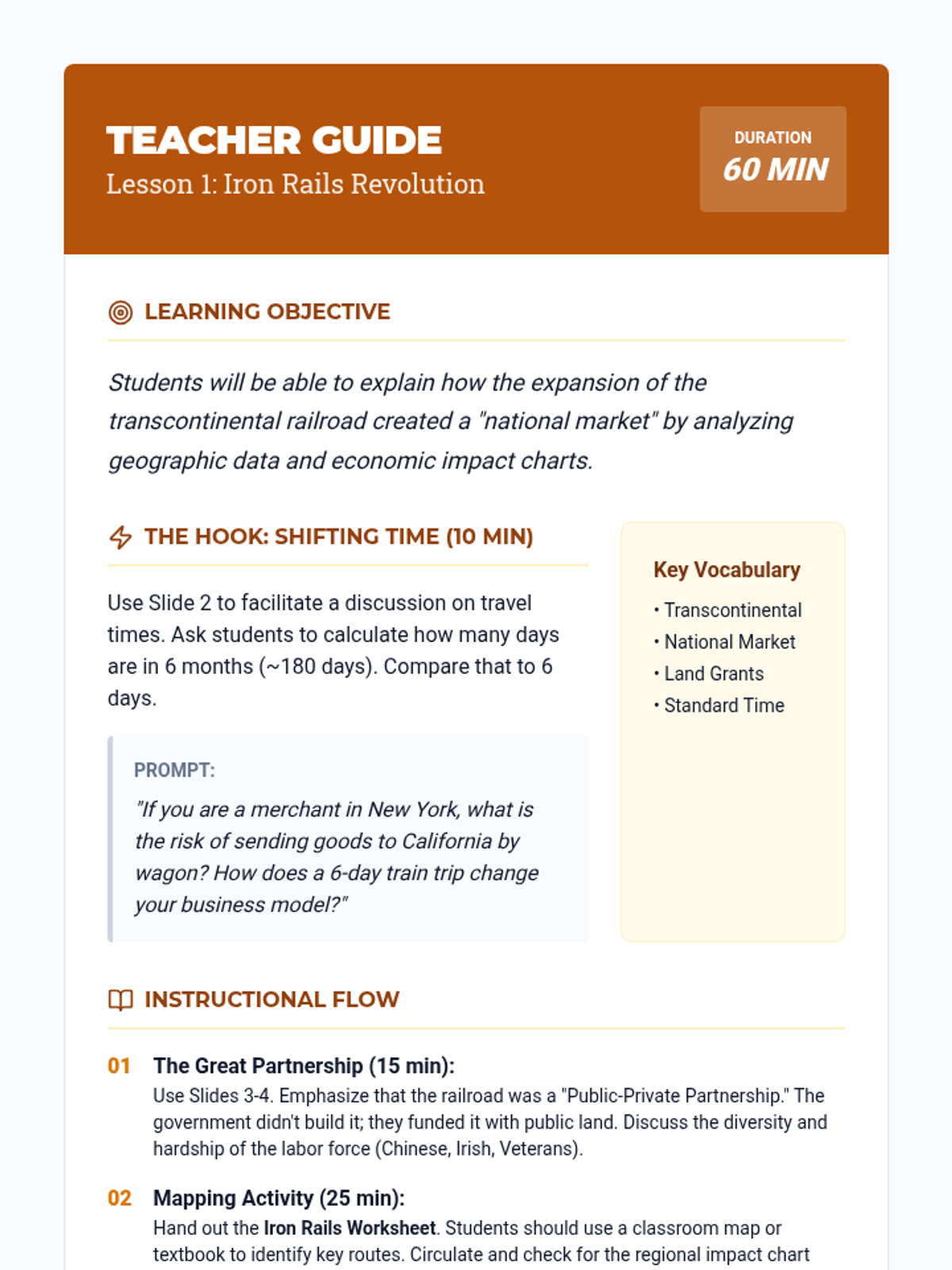
This unit explores the economic explosion of the Gilded Age, focusing on the transcontinental railroad, the rise of industrial tycoons, and the birth of modern corporate structures. Students analyze the tension between massive economic growth and the ethical costs of monopolies.
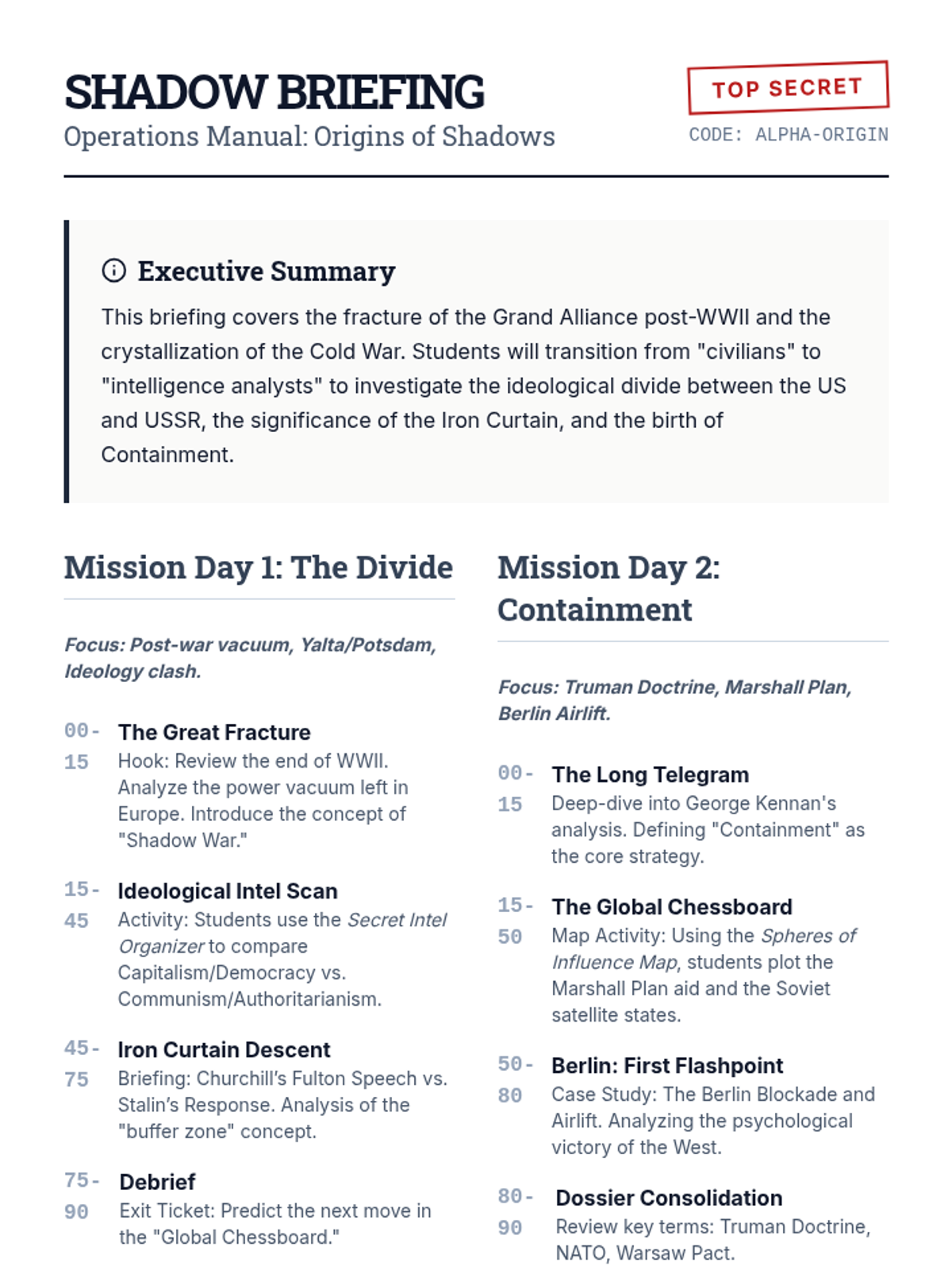
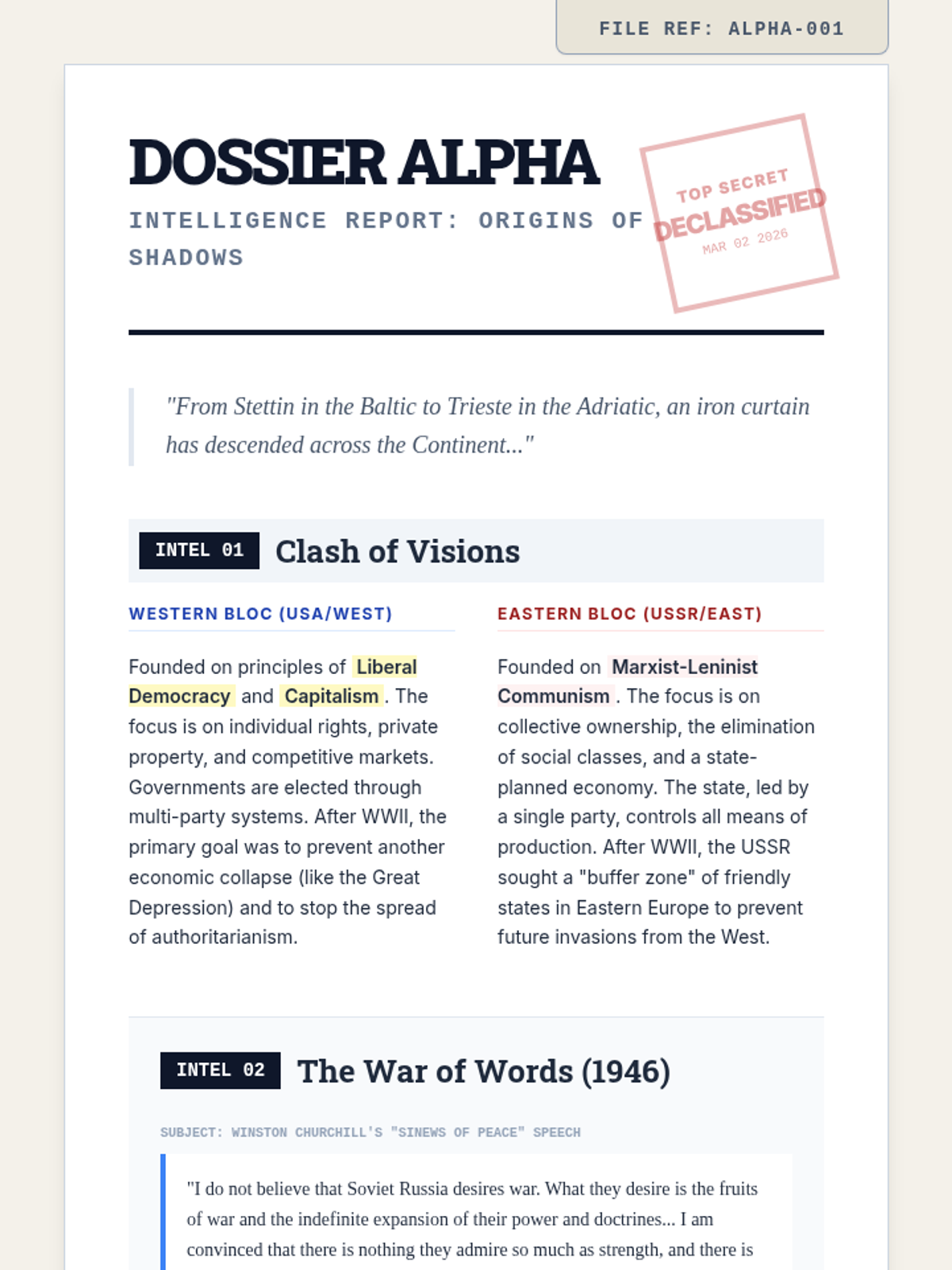
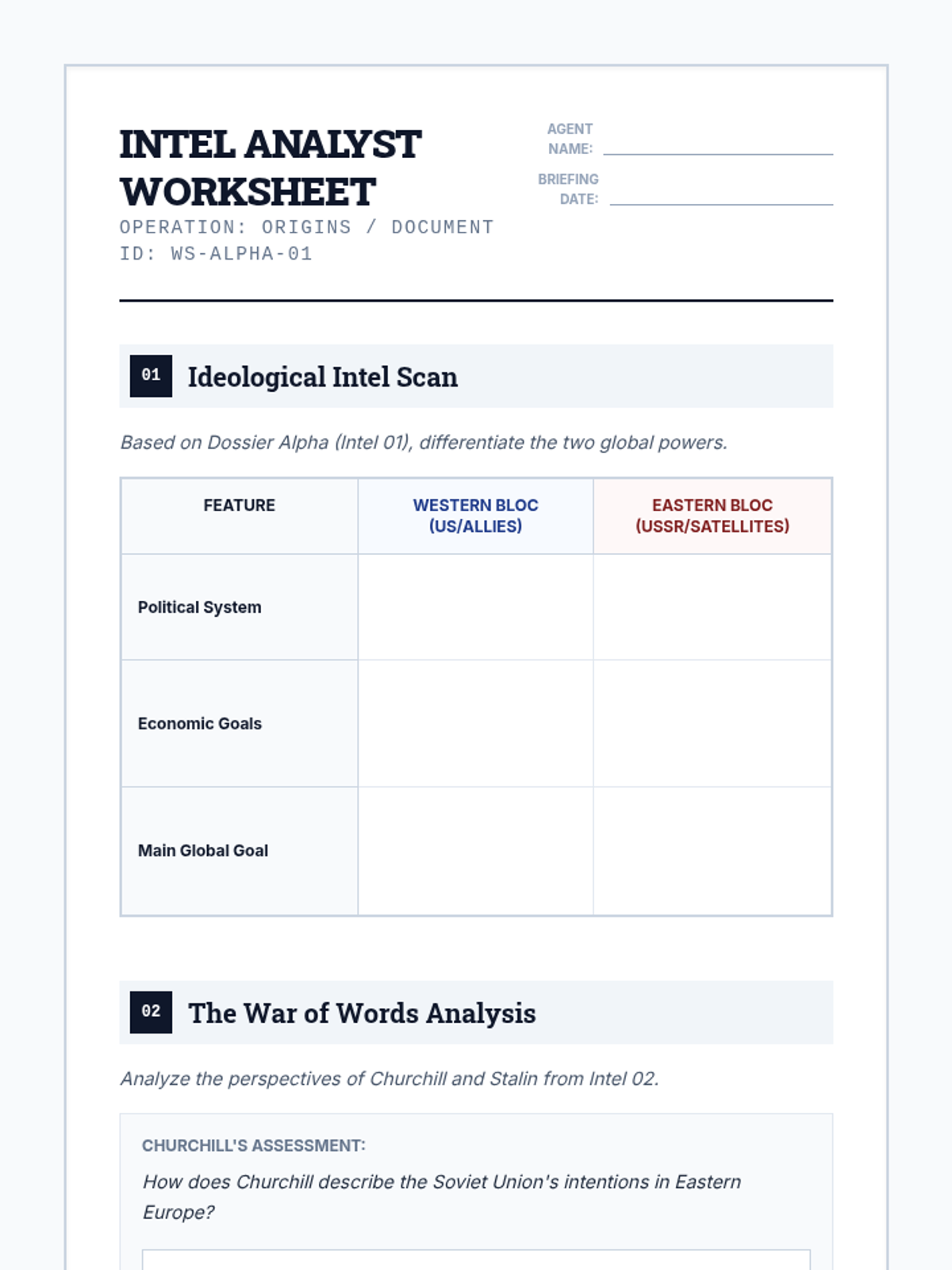
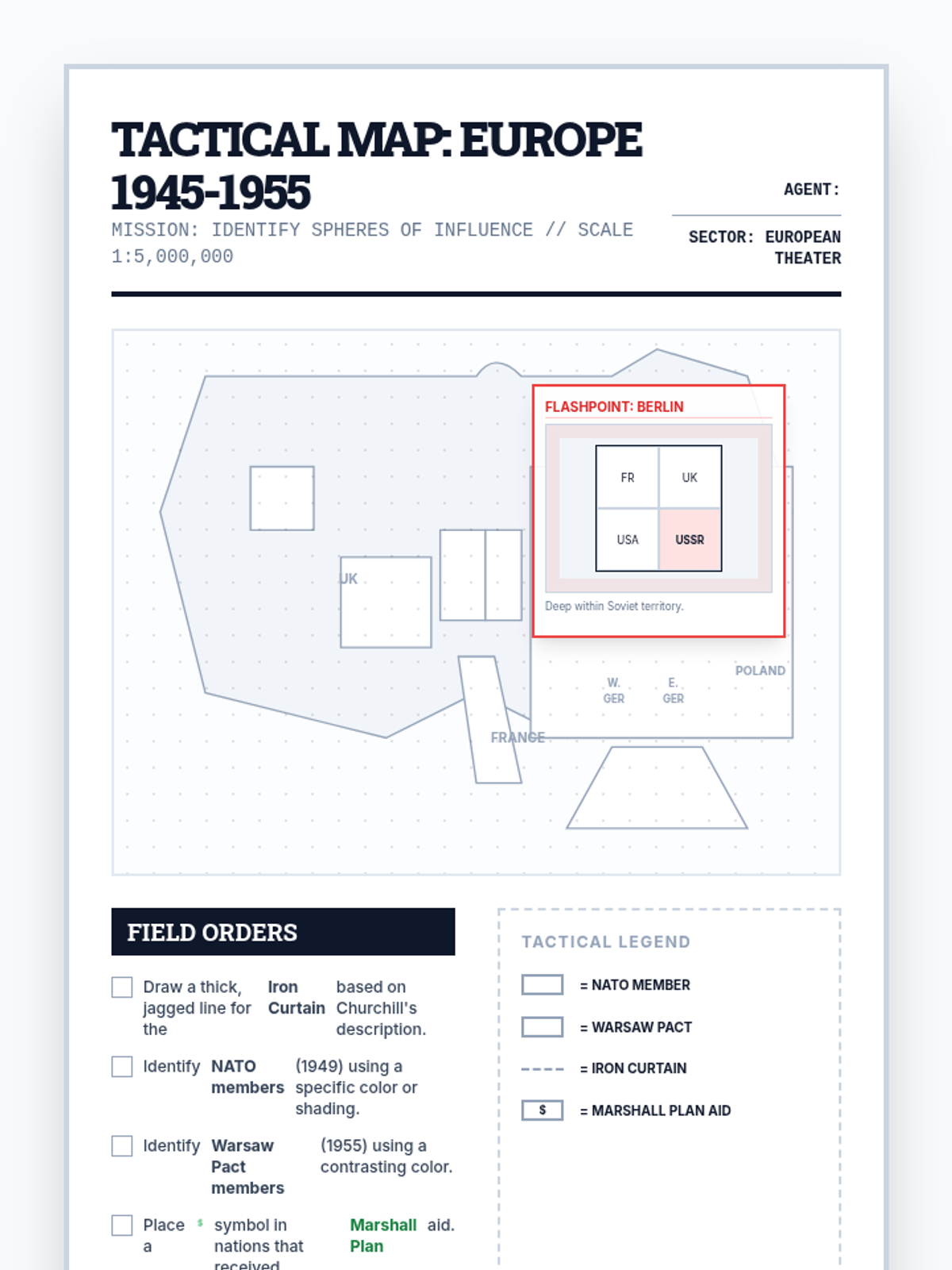
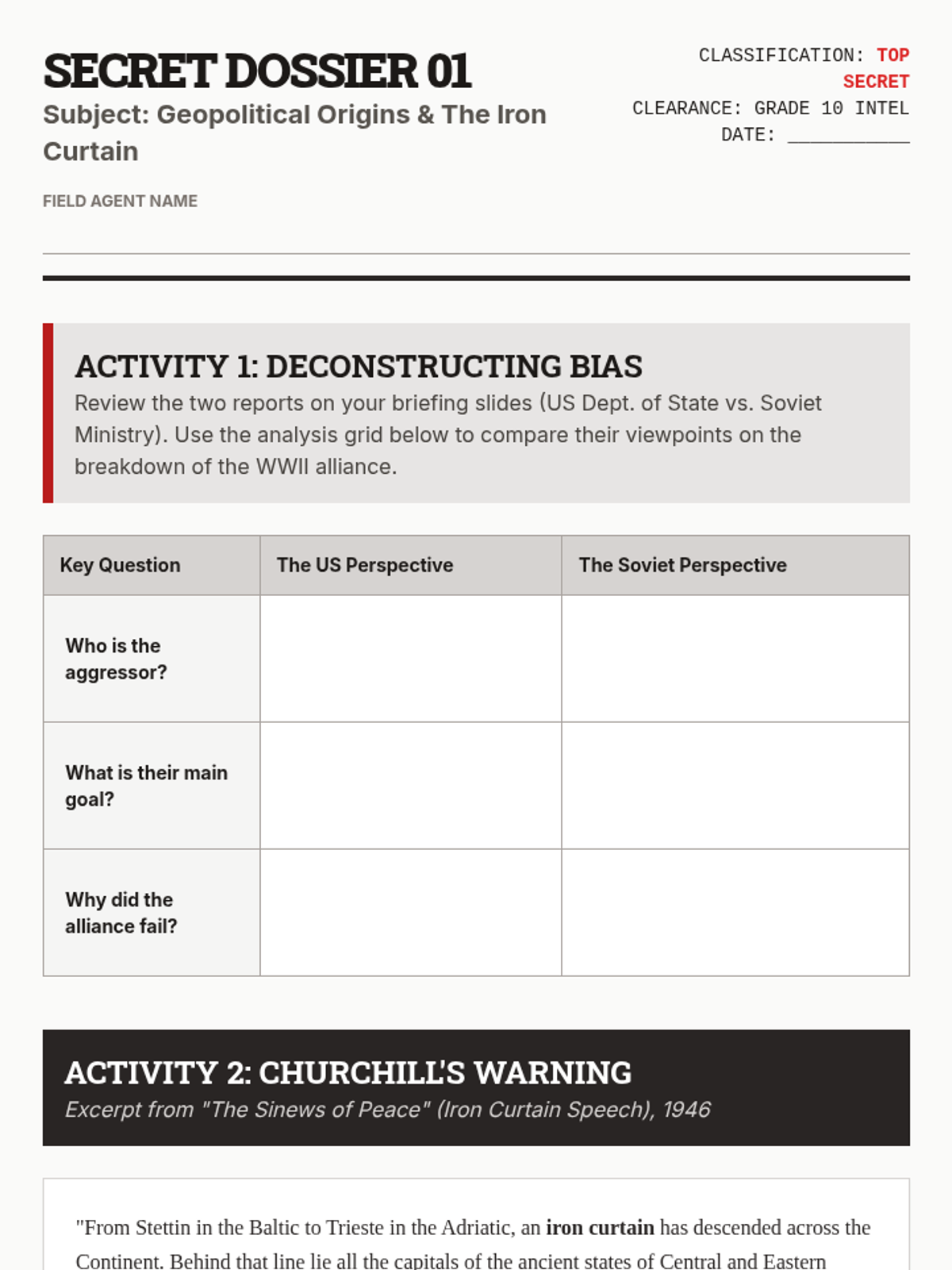
An immersive unit on the Cold War, styled as a series of declassified intelligence briefings exploring the global struggle for power between 1945 and 1991.
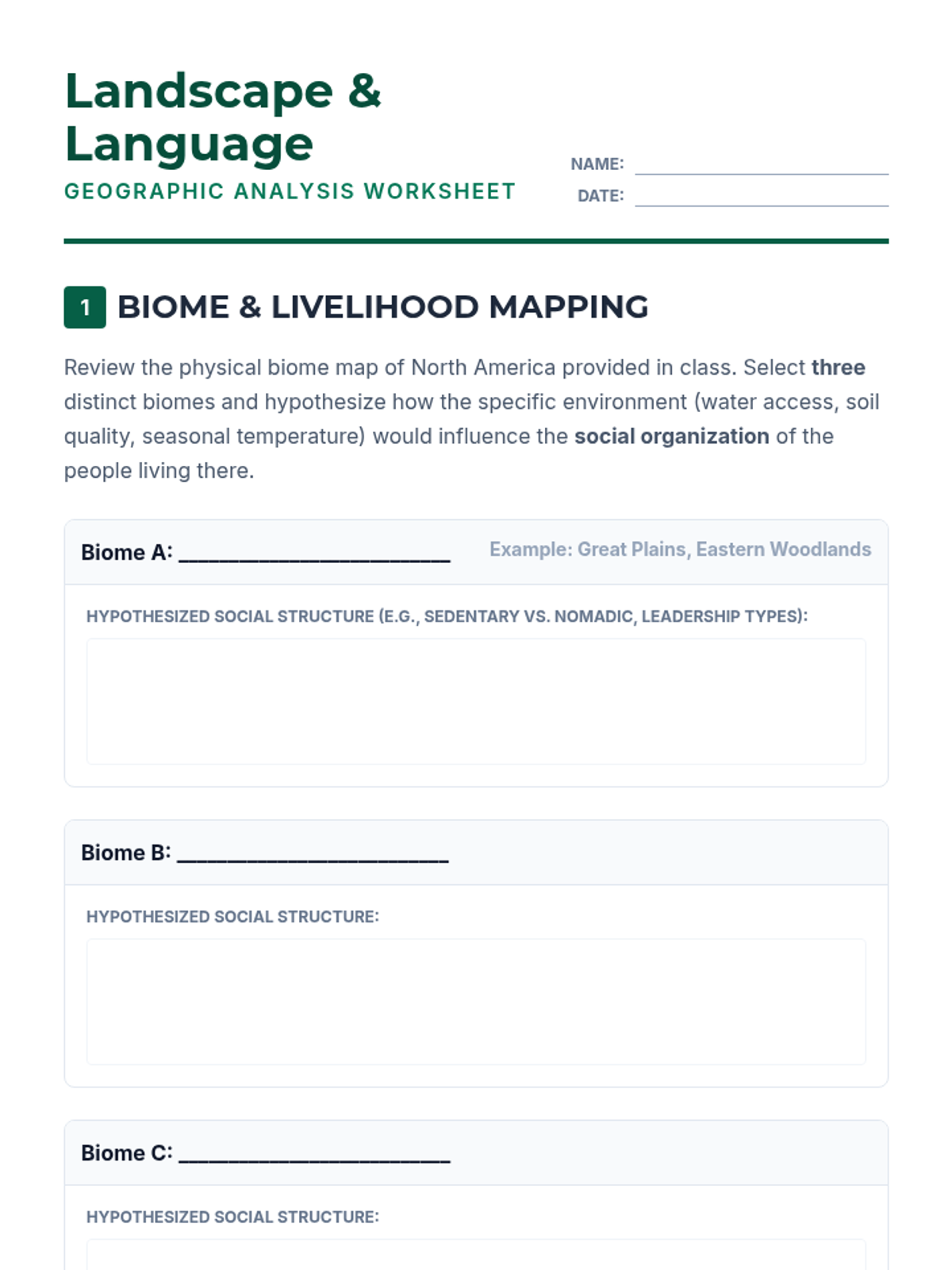
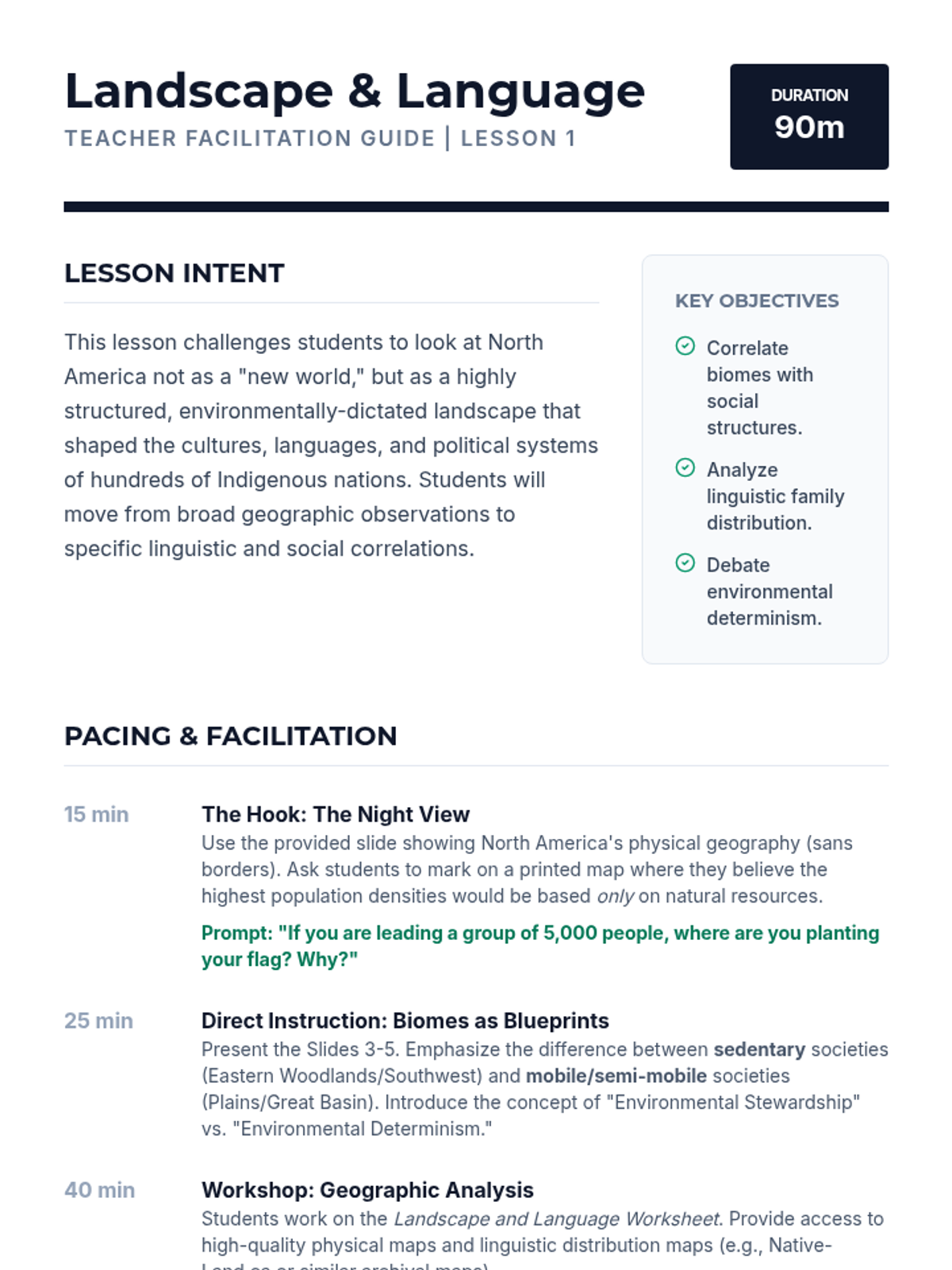
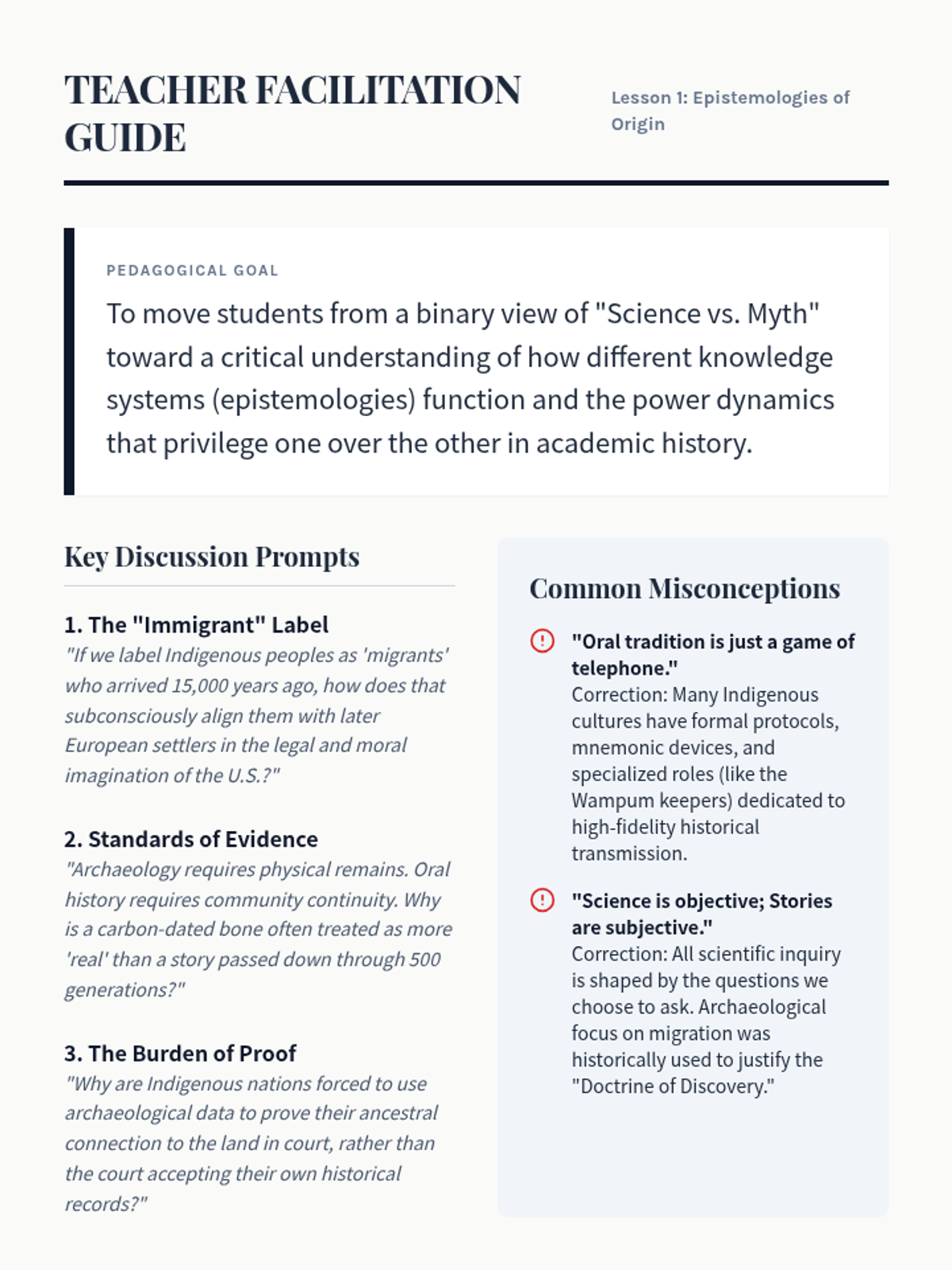
This sequence investigates the complex social structures, political systems, and environmental adaptations of Indigenous nations prior to North American contact. Students analyze how geography influenced the development of distinct economies and governance models, challenging the 'pristine wilderness' myth through archaeological evidence and oral traditions.
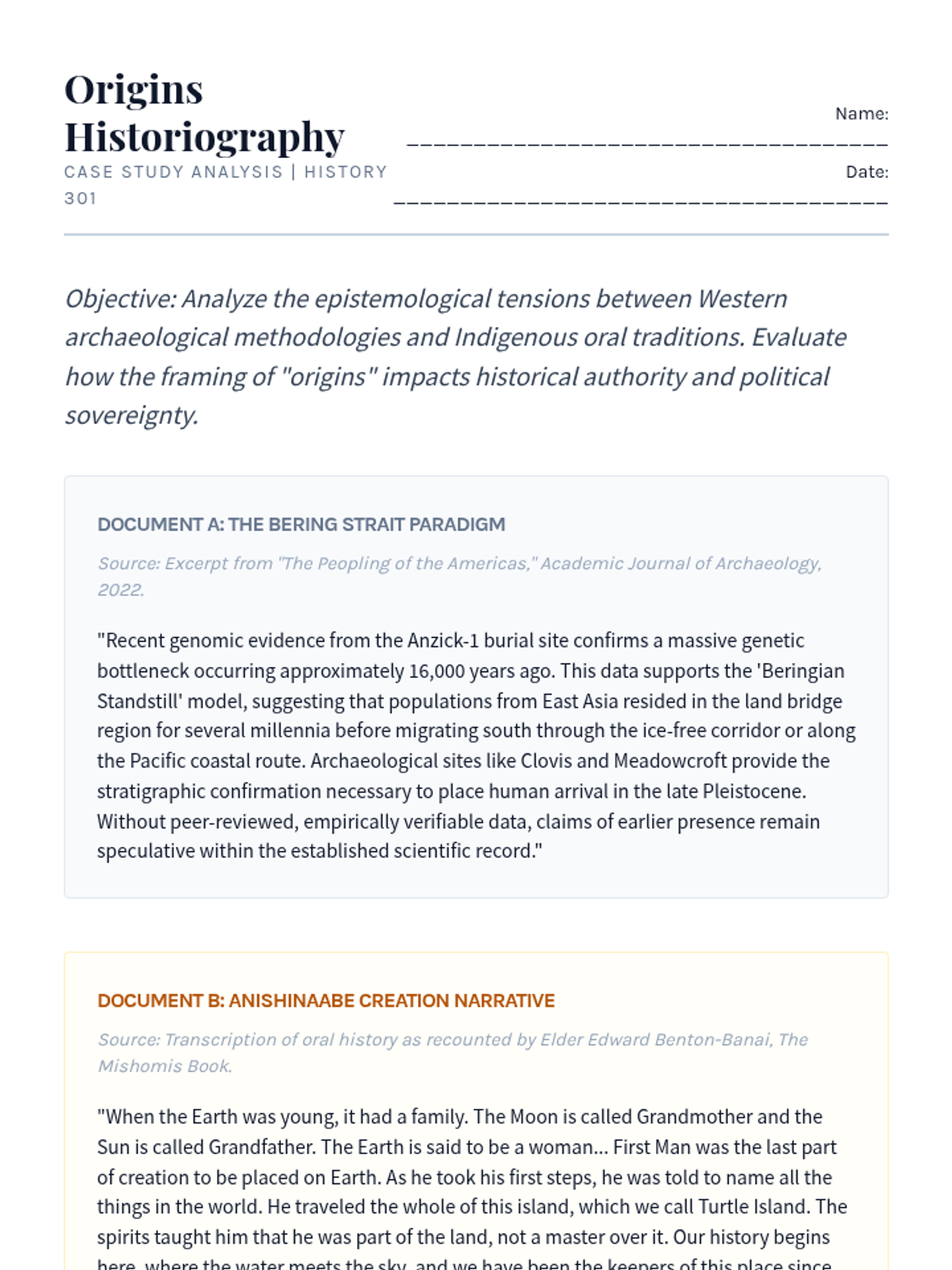
This sequence challenges students to evaluate competing historical methodologies used to understand pre-contact North America, juxtaposing archaeological evidence with Indigenous oral traditions. Students explore the complexity of societies from Cahokia to the Haudenosaunee, critiquing narratives that marginalize pre-Columbian sophistication.
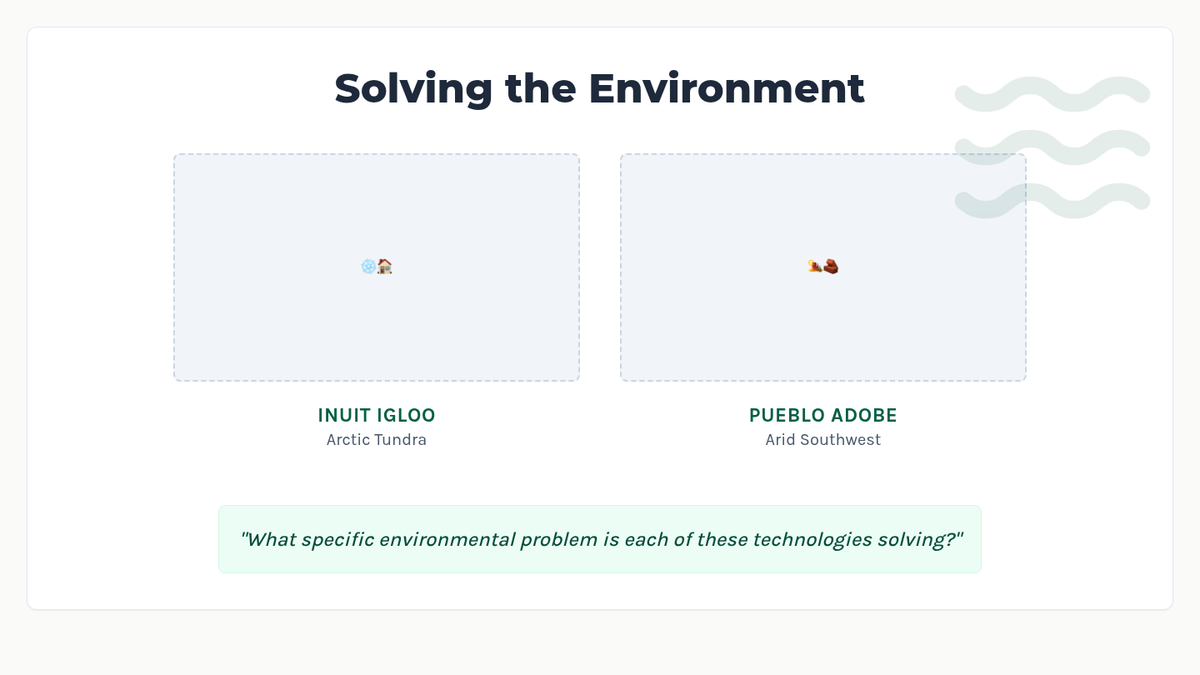
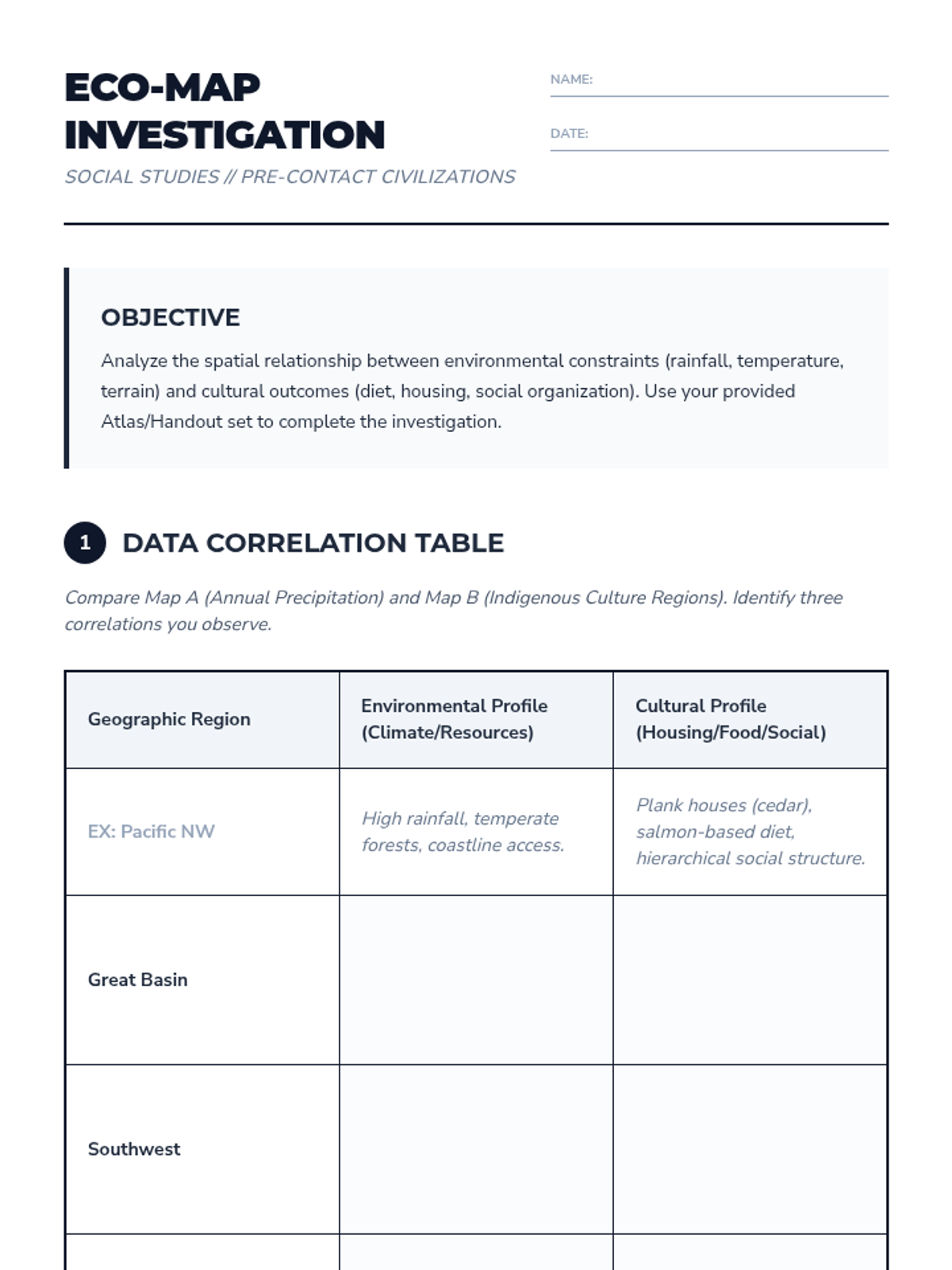
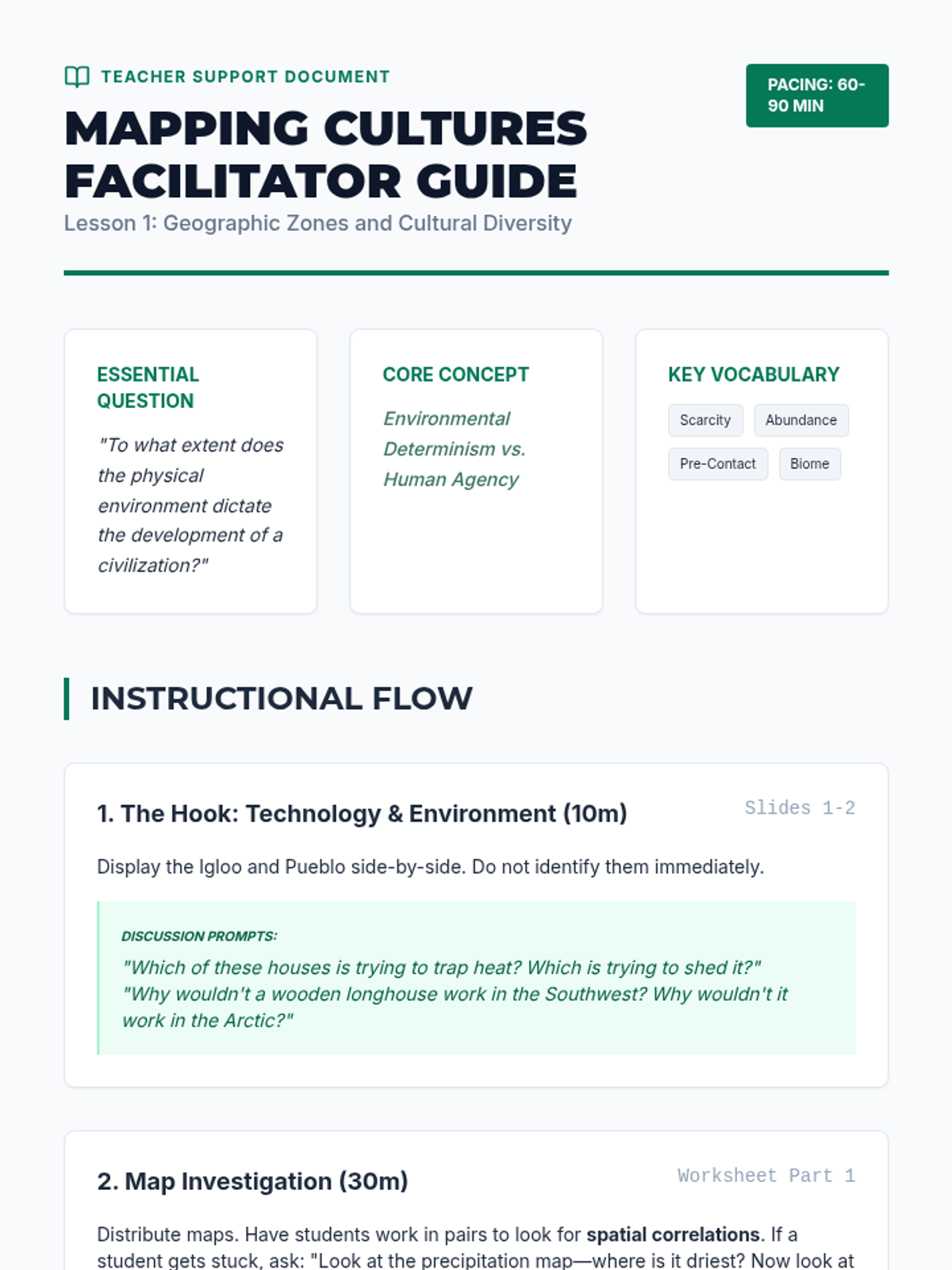
This inquiry-based sequence examines the profound relationship between physical geography and the development of pre-contact Indigenous cultures in North America, focusing on technological, agricultural, and social adaptations.
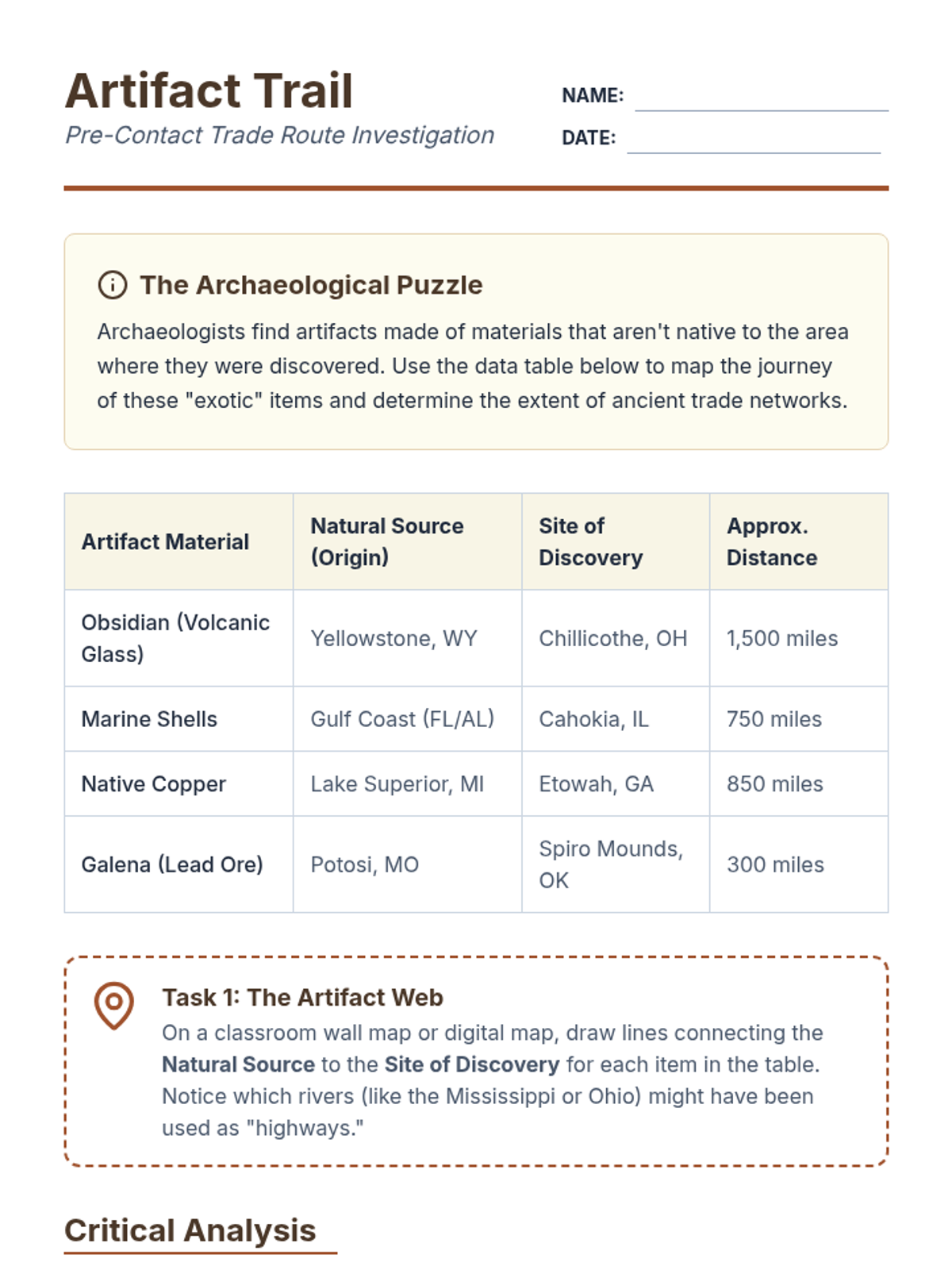
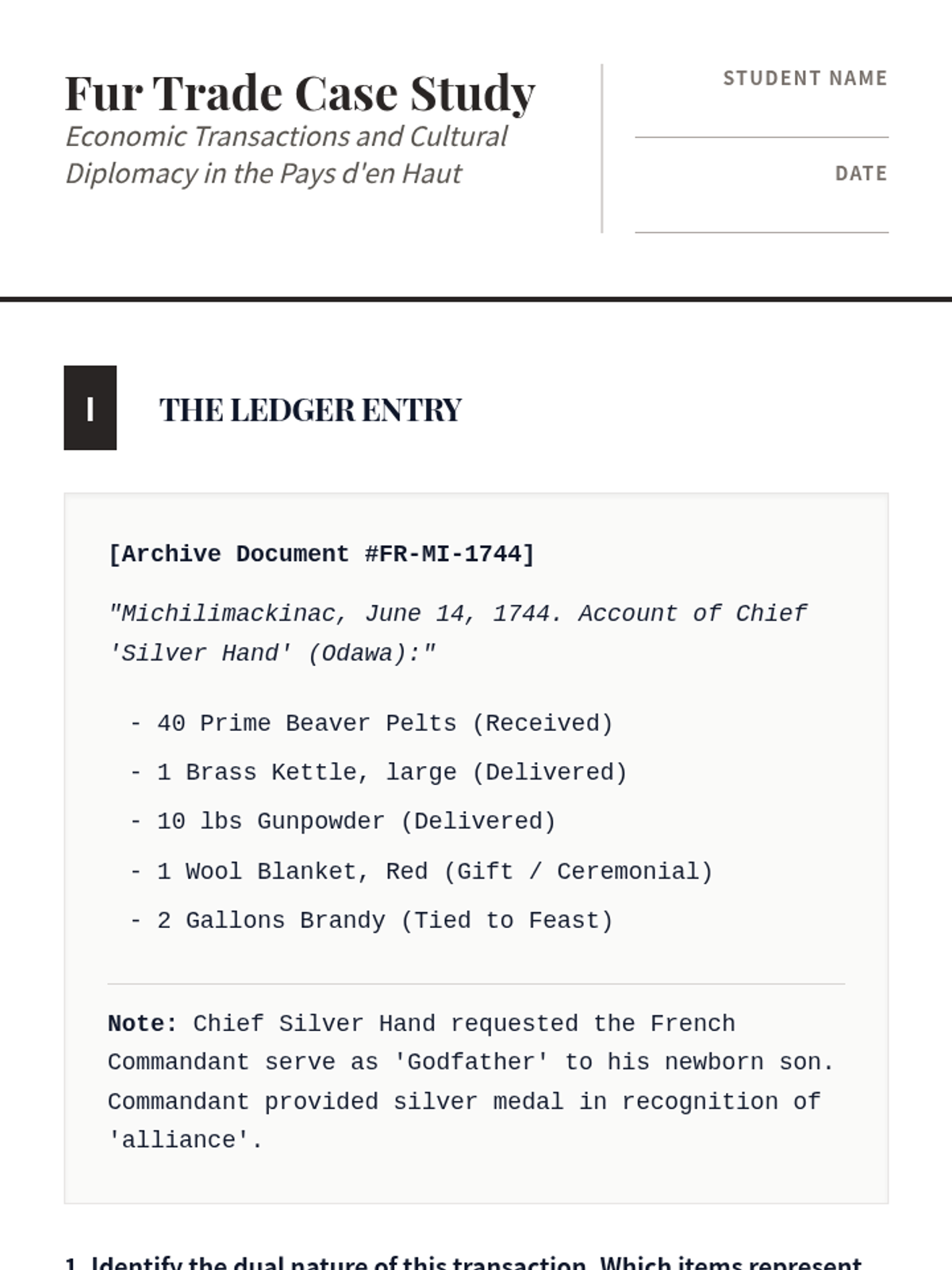
This unit explores the complex economic networks of Native Peoples in North America, tracing the transition from pre-contact continental trade to the disruptive impacts of the Trans-Atlantic fur trade and colonial economic dependency. Students will analyze archaeological evidence, simulate economic shifts, and evaluate how trade served as both a cultural bridge and a colonial weapon.
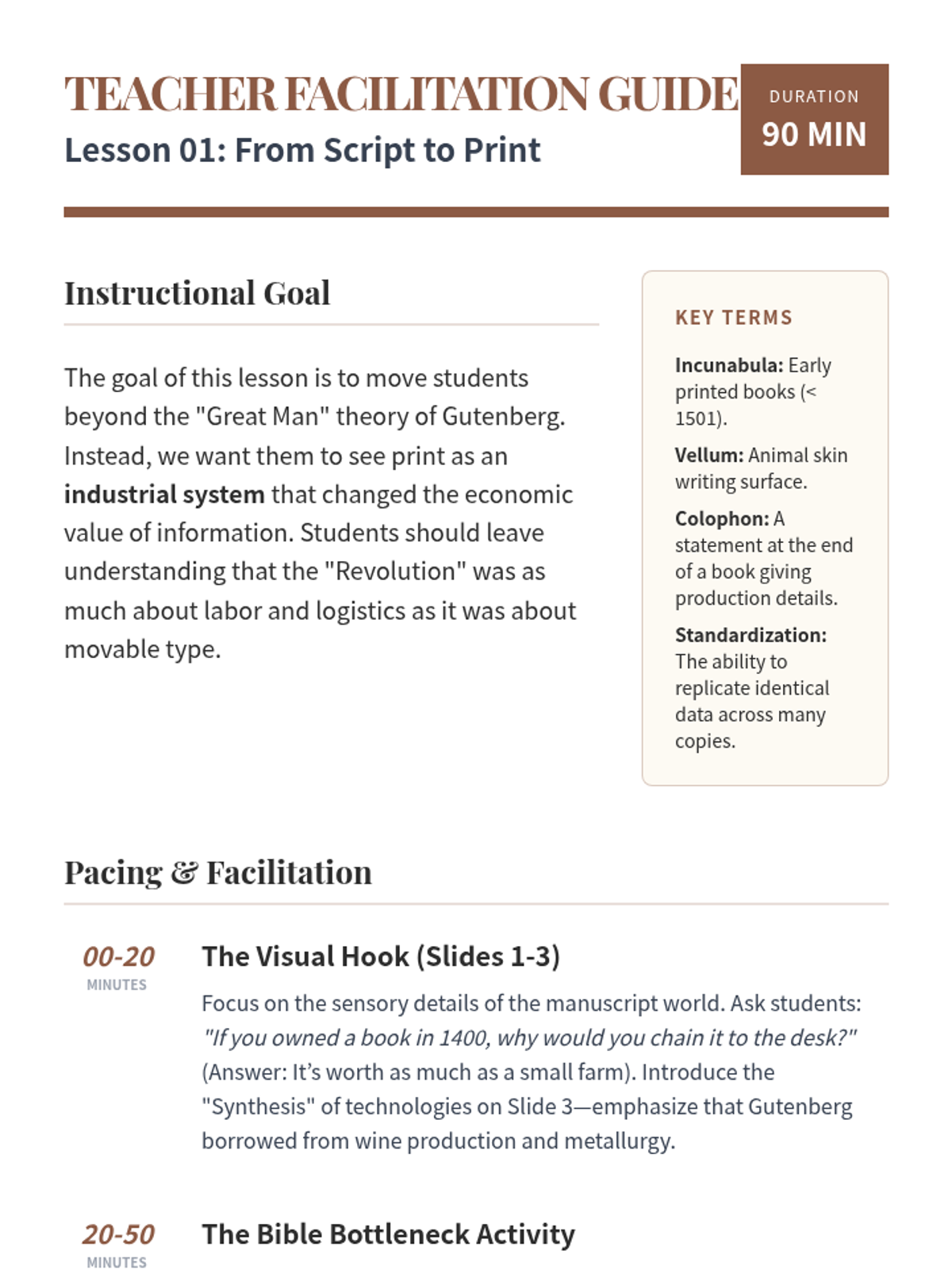
This undergraduate-level history sequence explores the transformative impact of the printing press during the Renaissance. It examines the shift from manuscript culture to print, historiographical debates on technological determinism, the standardization of vernacular languages, and the press's role in the Reformation and Scientific Revolution.
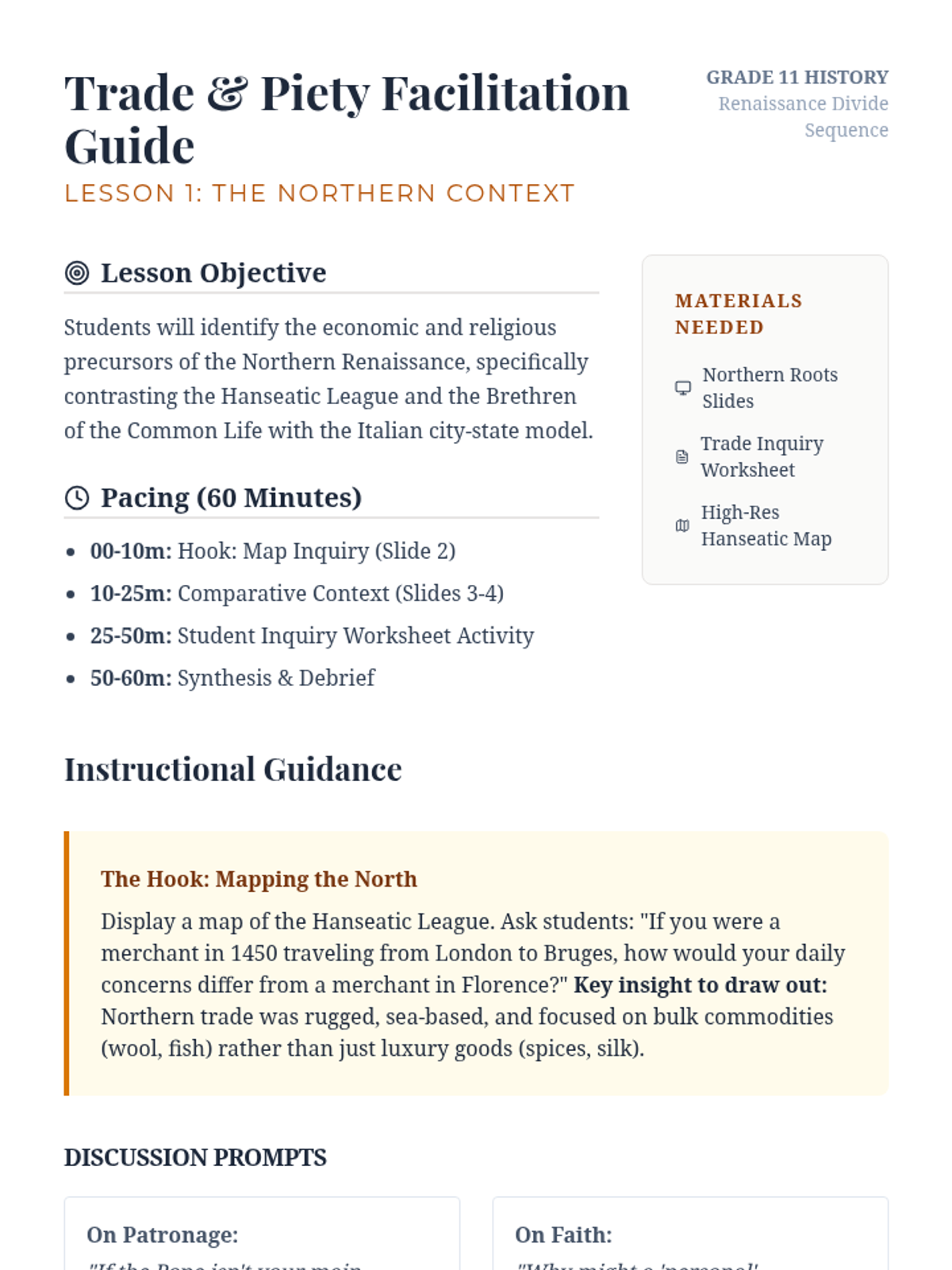
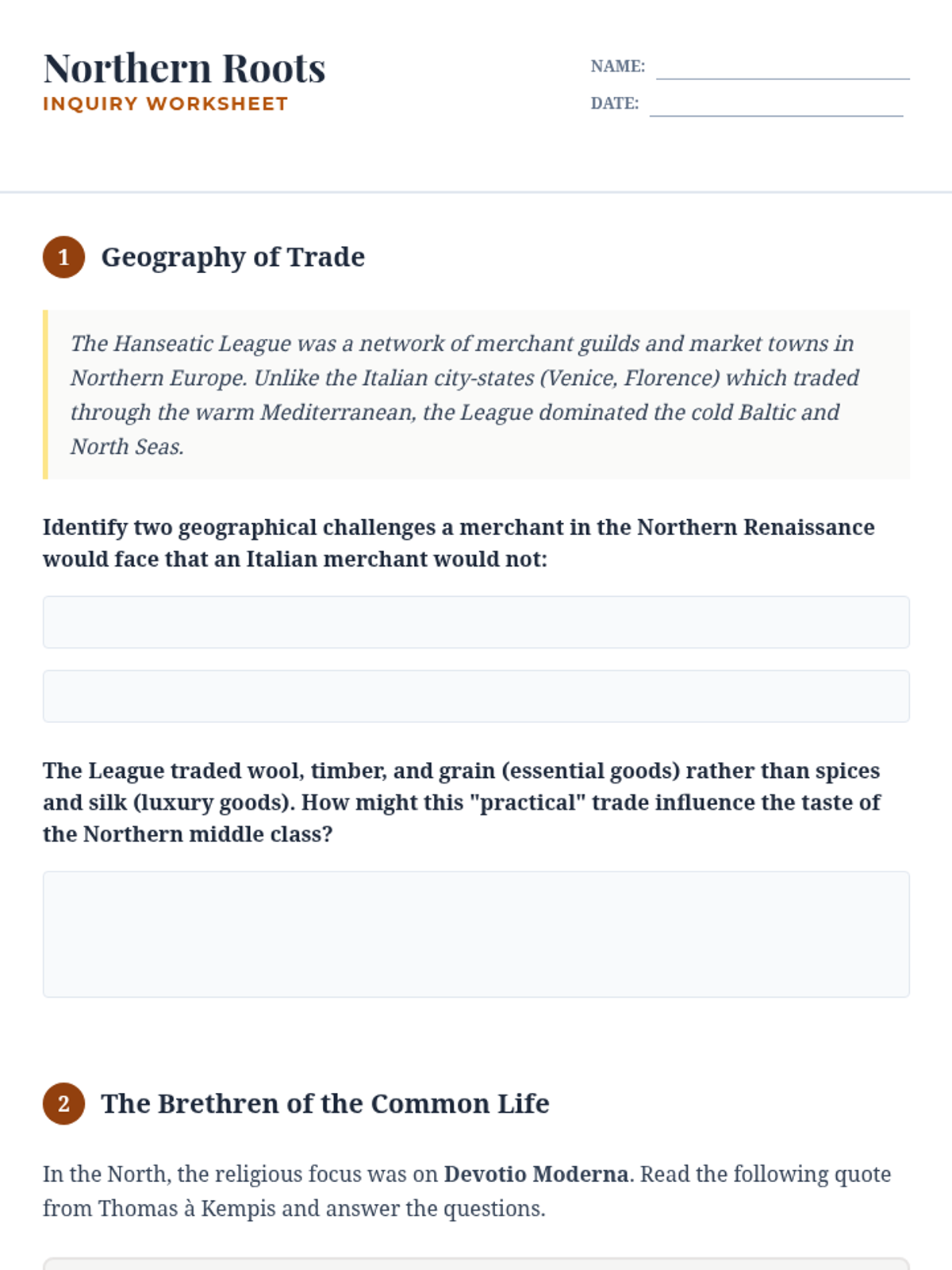
A comparative study of the Italian and Northern Renaissance movements, exploring differences in economics, art, humanism, and social reform through the lens of geography and culture.
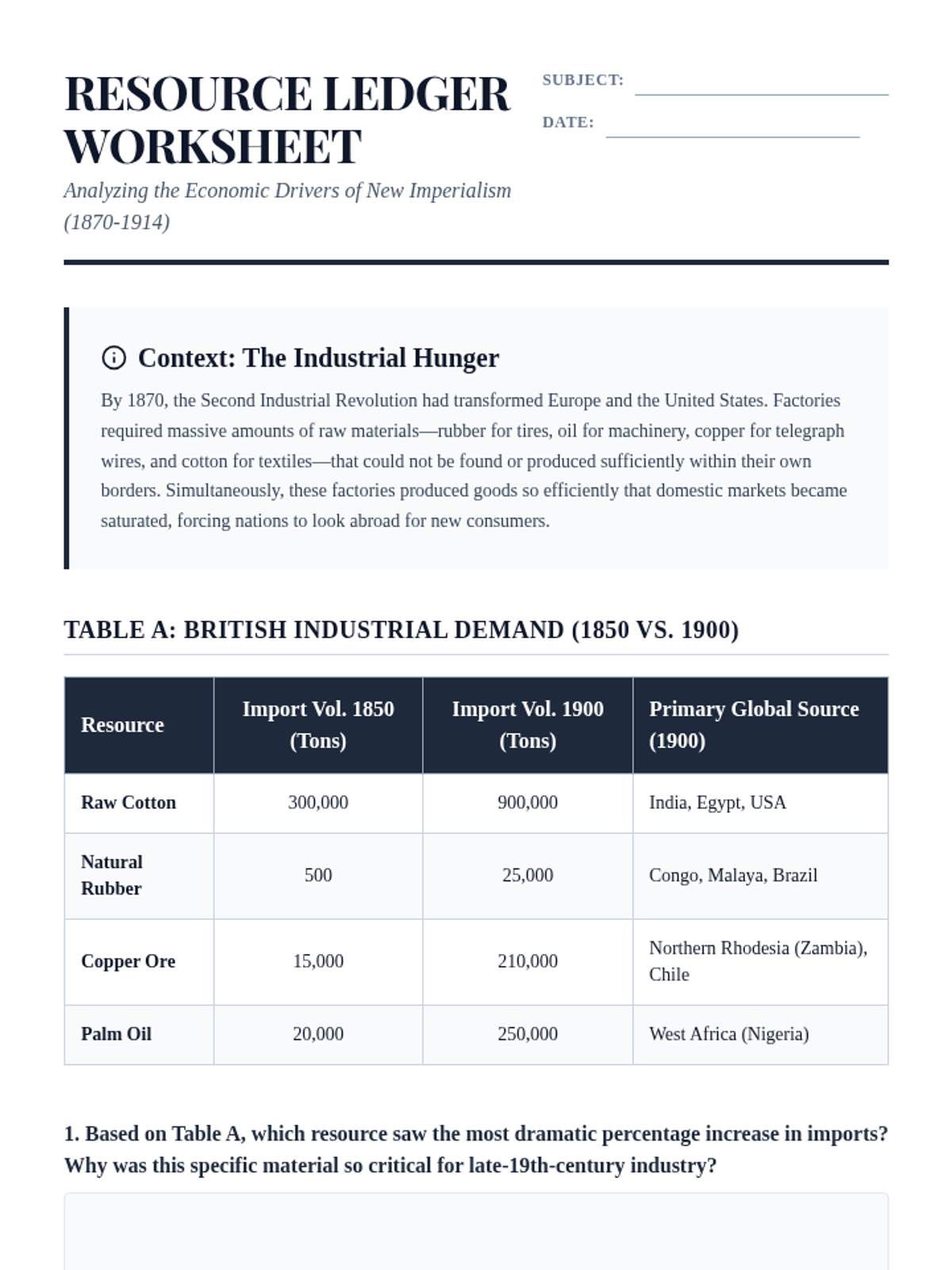
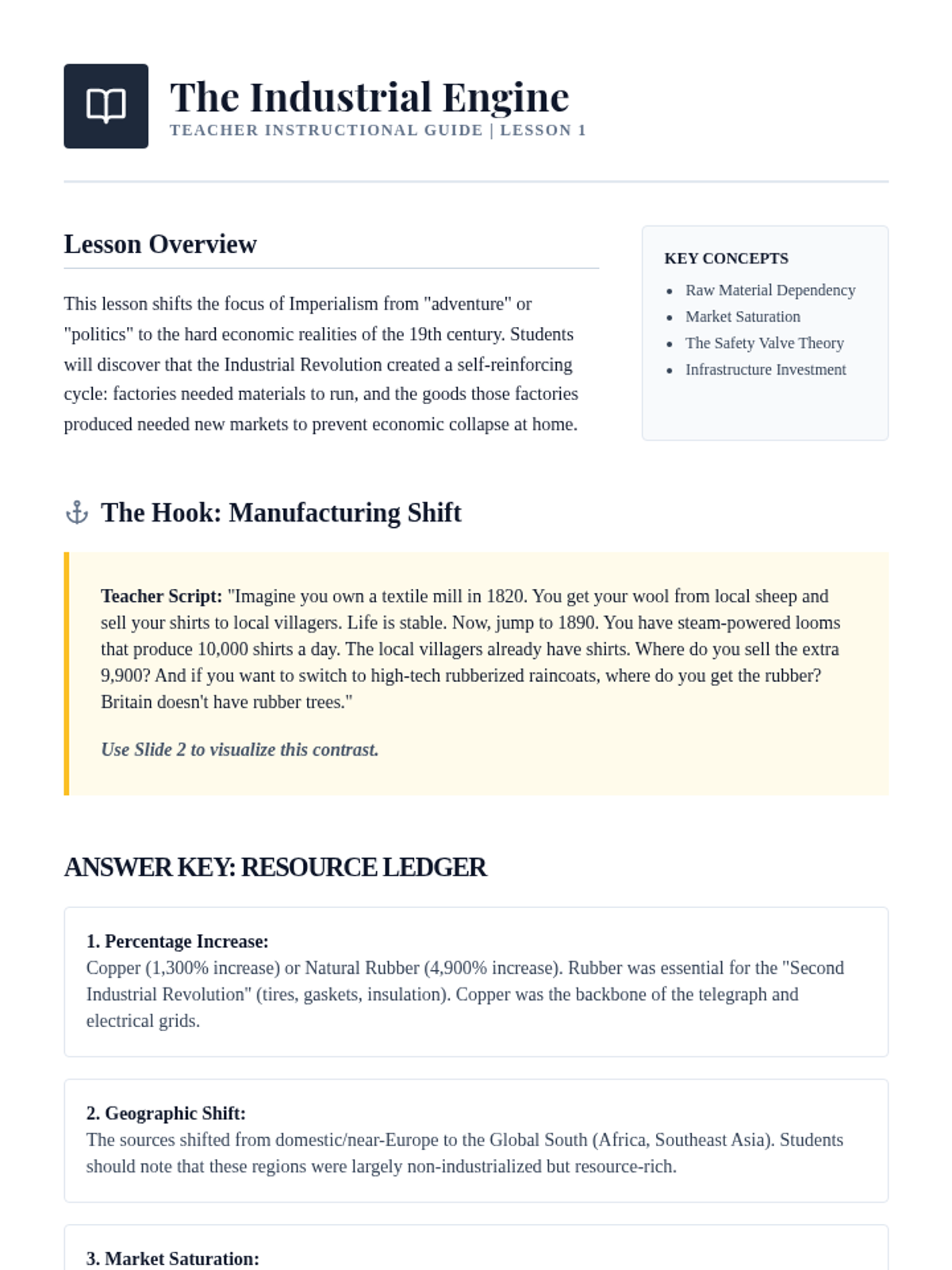
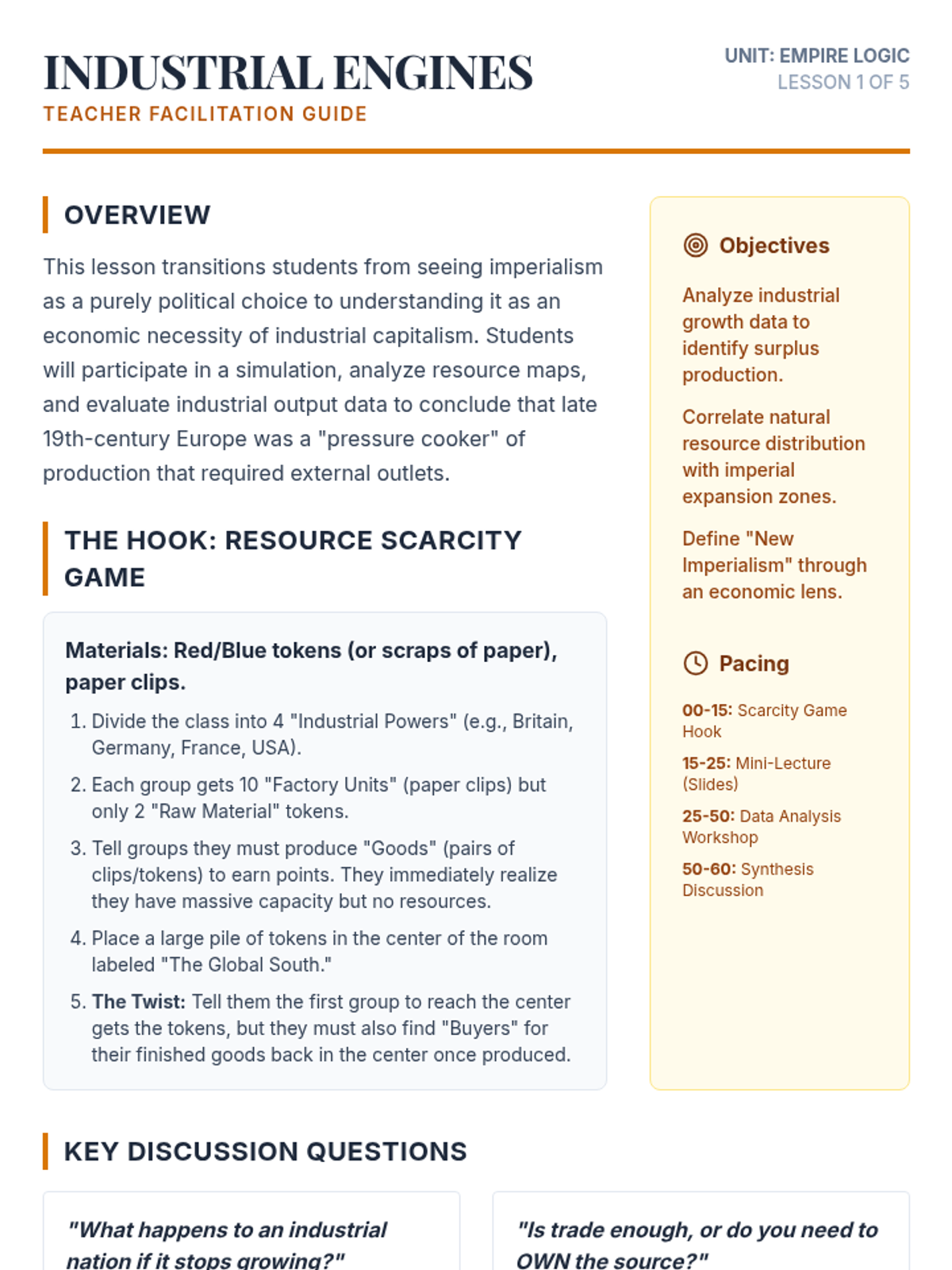
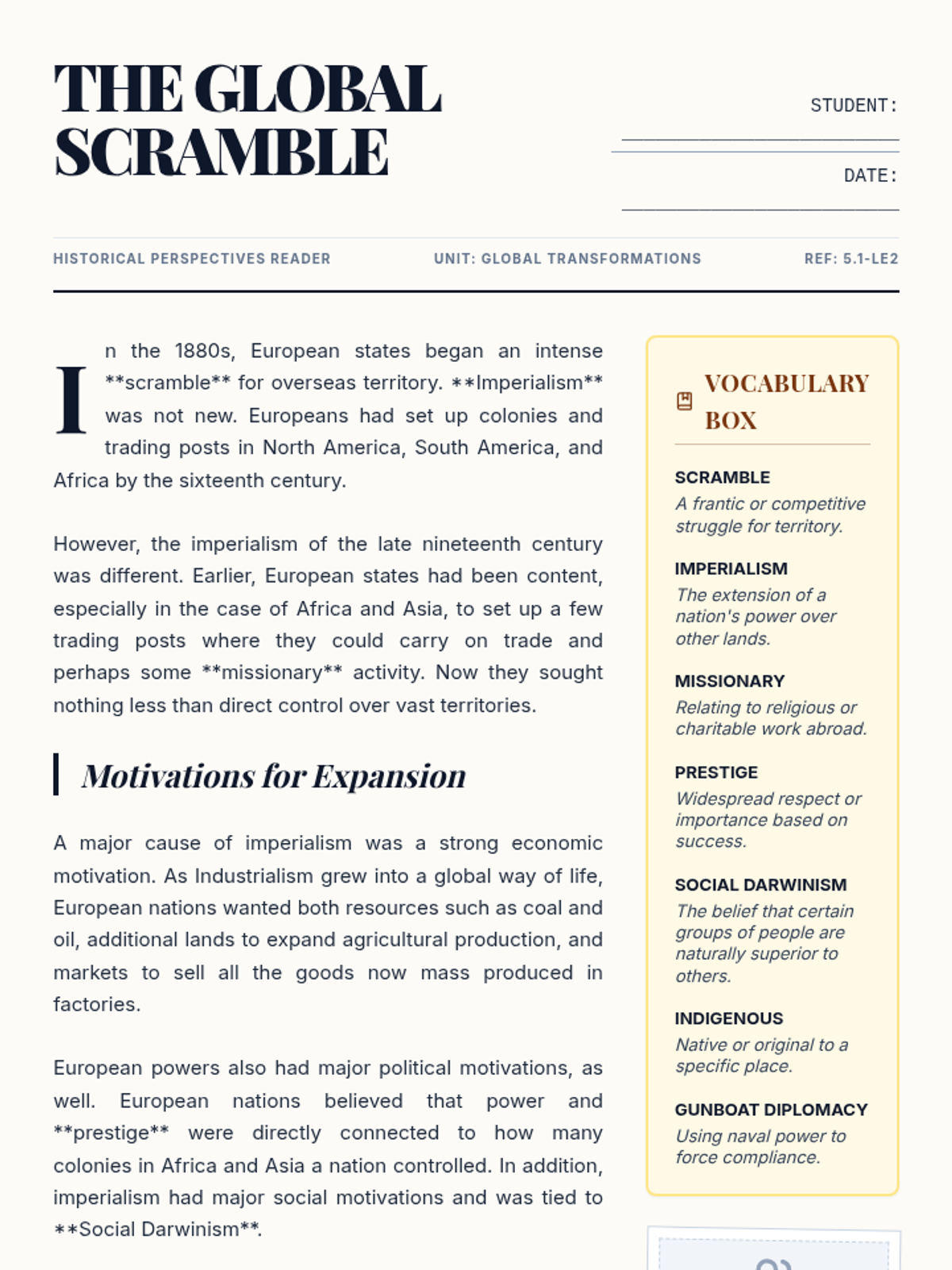
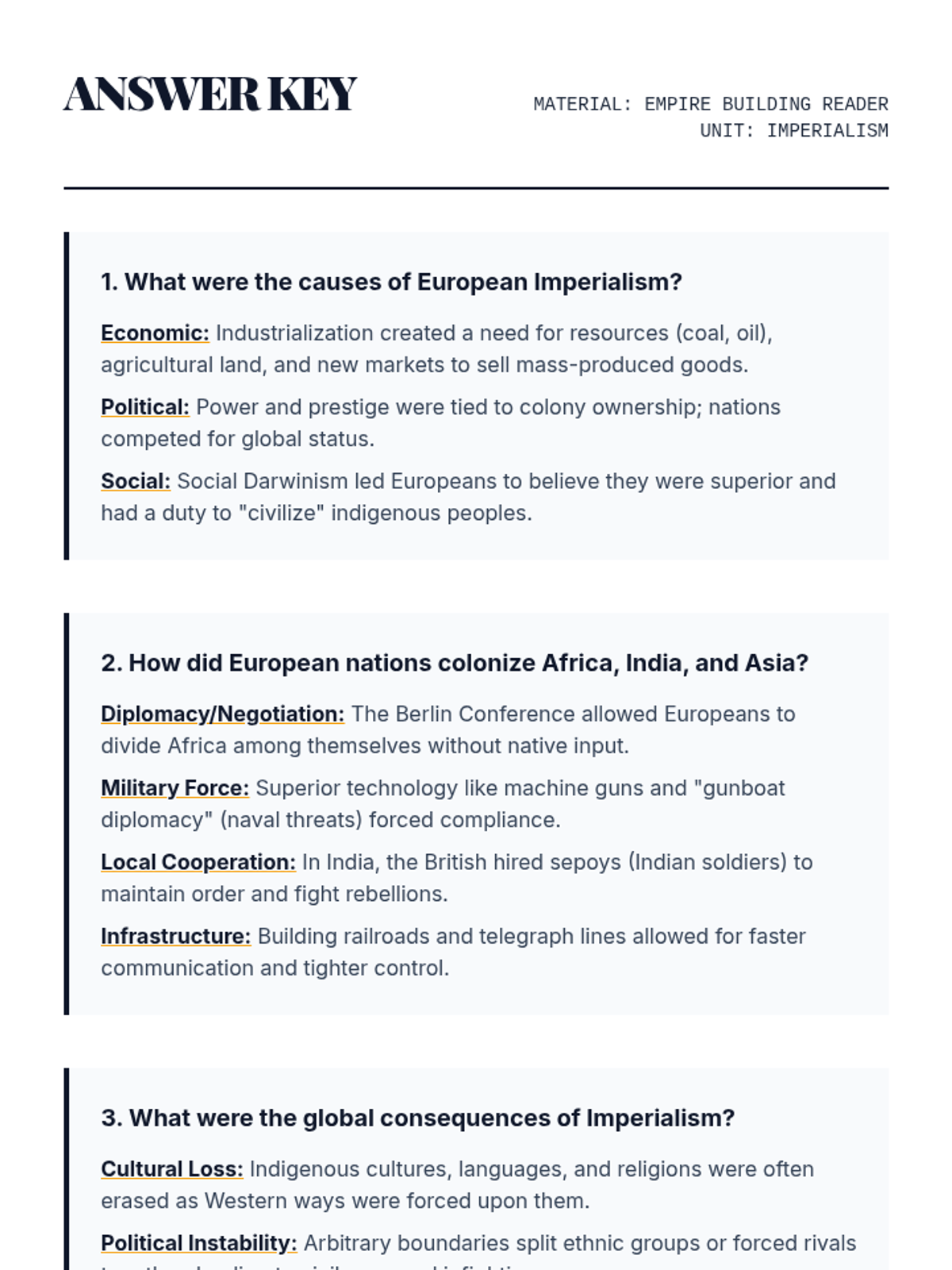
This sequence explores the economic, ideological, and technological drivers of 19th-century New Imperialism. Students analyze how the Industrial Revolution, Social Darwinism, and modern inventions combined to facilitate global expansion, concluding with a formal seminar on the primary motivations for empire.
An in-depth 11th-grade history unit exploring the economic and ideological drivers of 19th-century imperialism. Students analyze the intersection of industrial capitalism, Social Darwinism, and technological advancement through primary sources and data.
A comprehensive unit on the strategic and ideological tensions of the Cold War (1945-1991), exploring how the bipolar world order influenced global politics through simulations, primary sources, and data analysis.
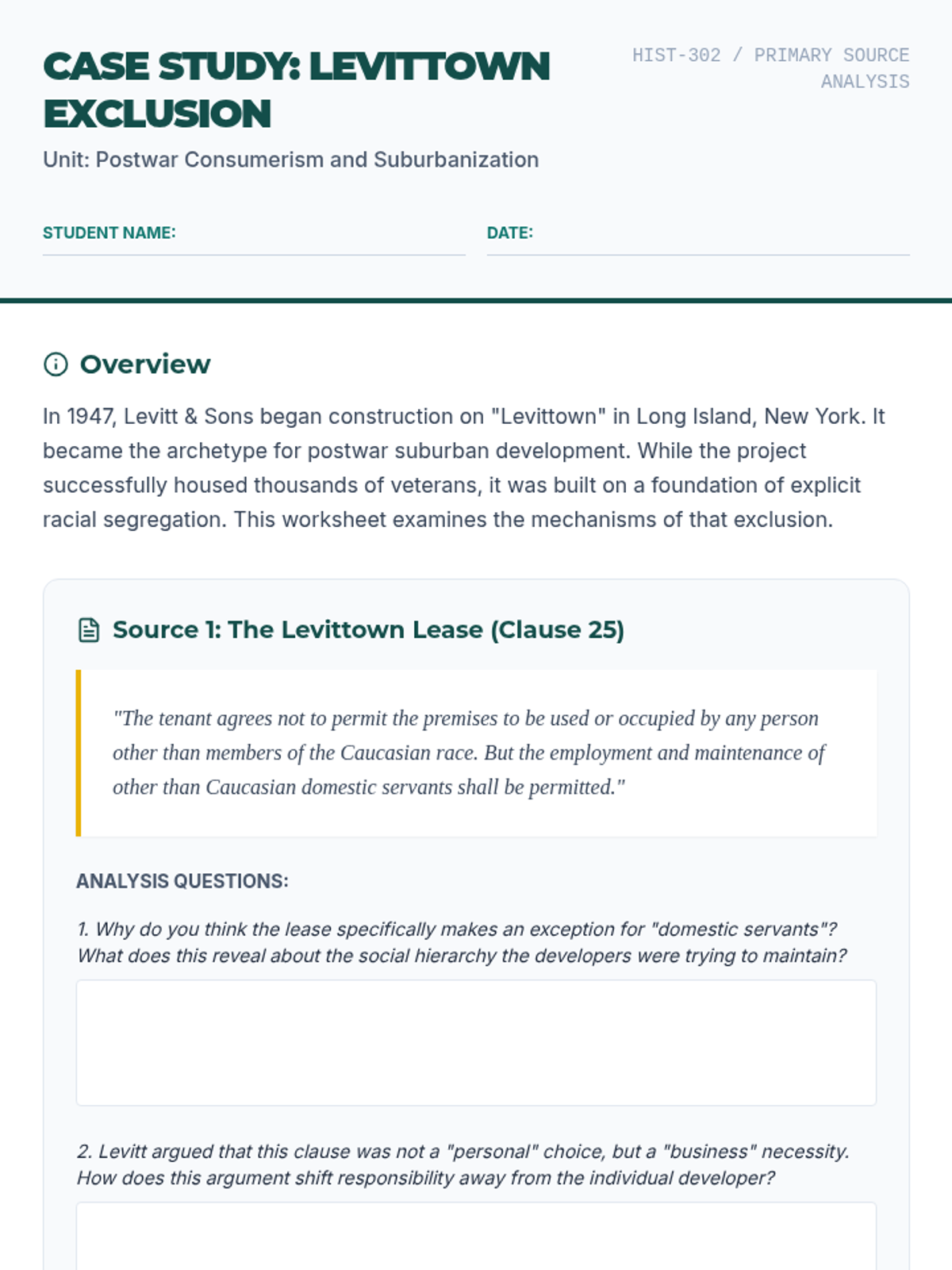
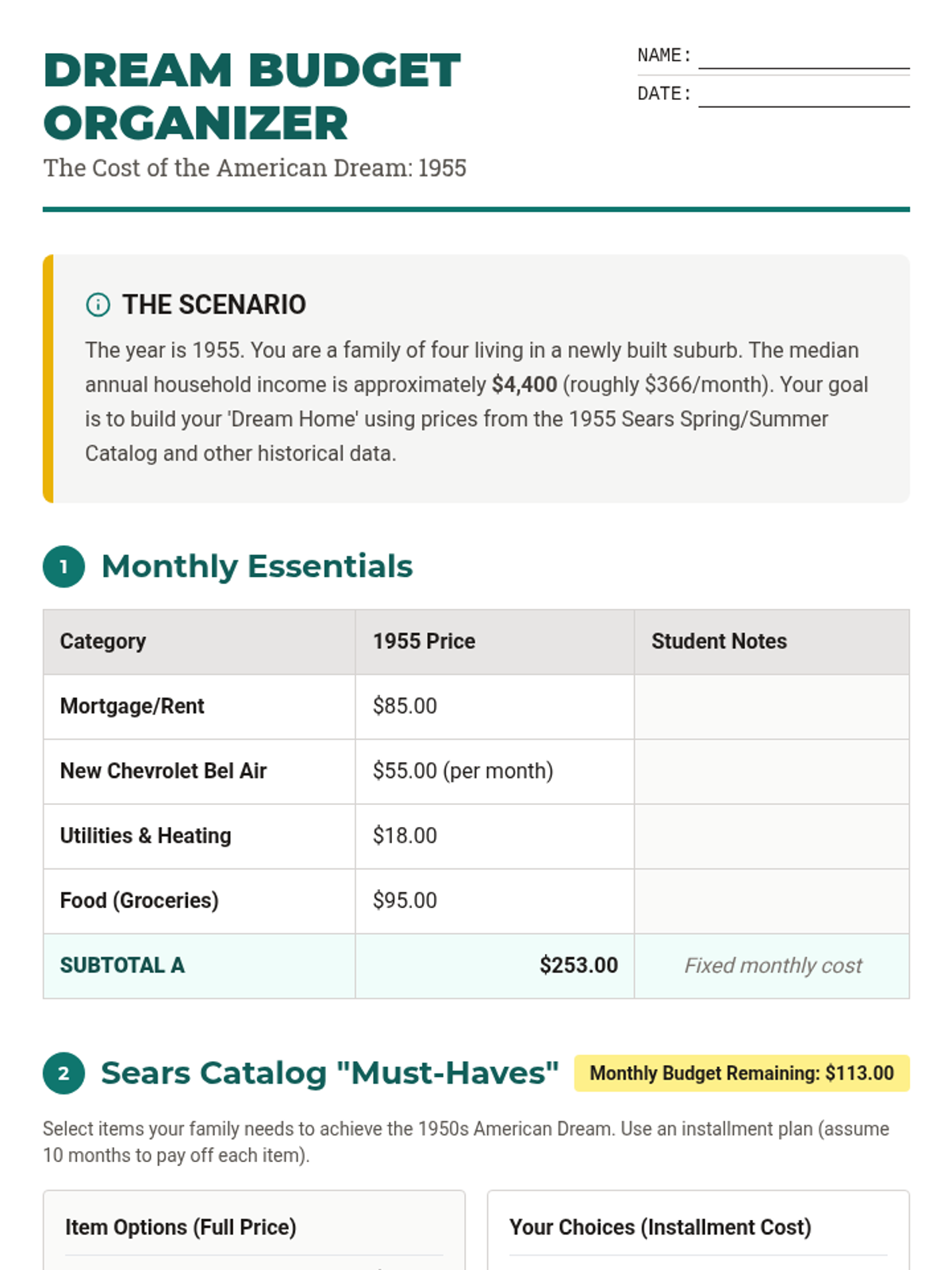
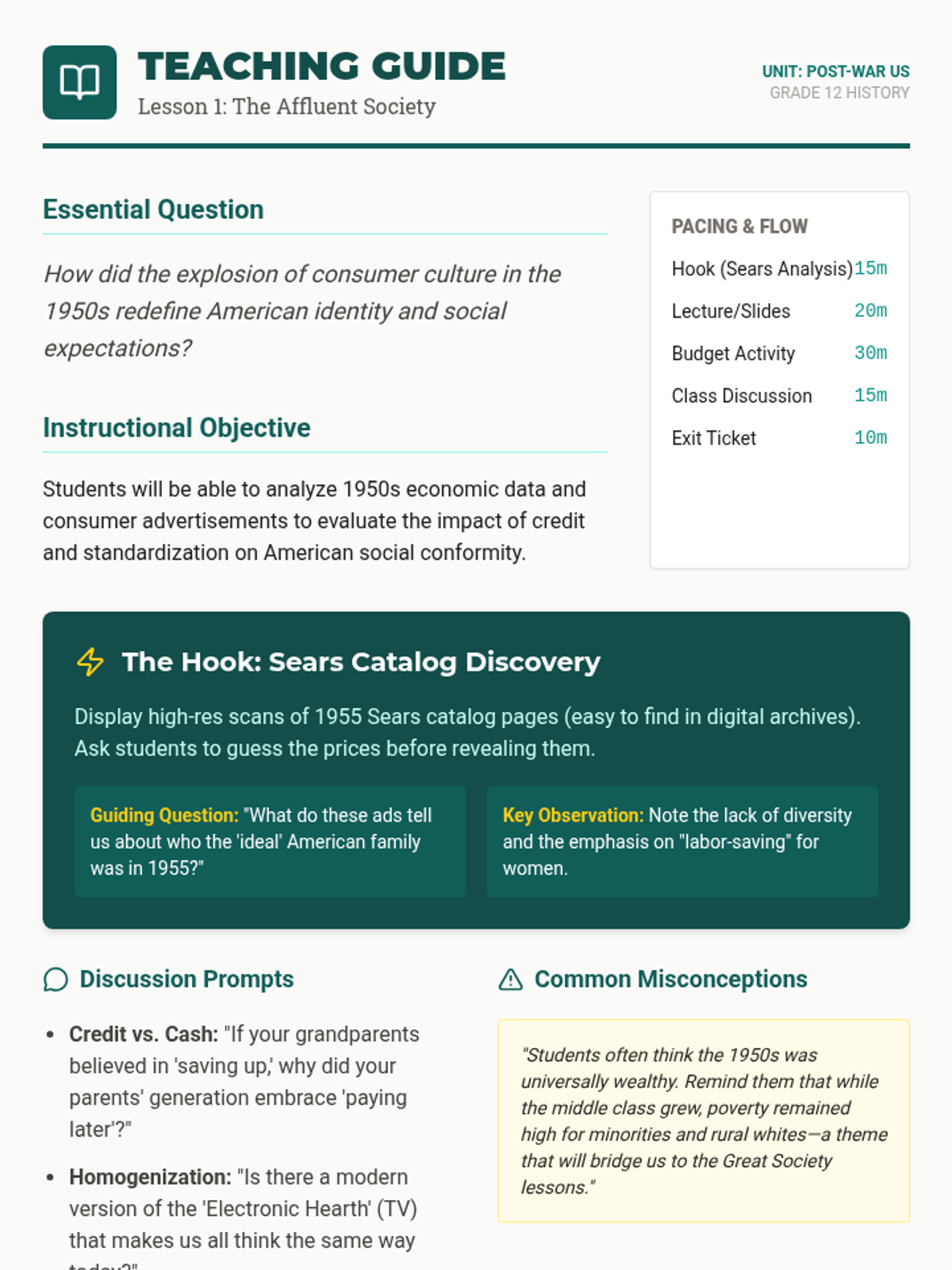
This sequence examines the socioeconomic shifts of the 1950s, focusing on the rise of suburbs, the consumer economy, and the accompanying pressures of conformity. Students will analyze the GI Bill, advertising, gender roles, and the emergence of youth culture and the Beat Generation to critique the narrative of a monolithic postwar consensus.
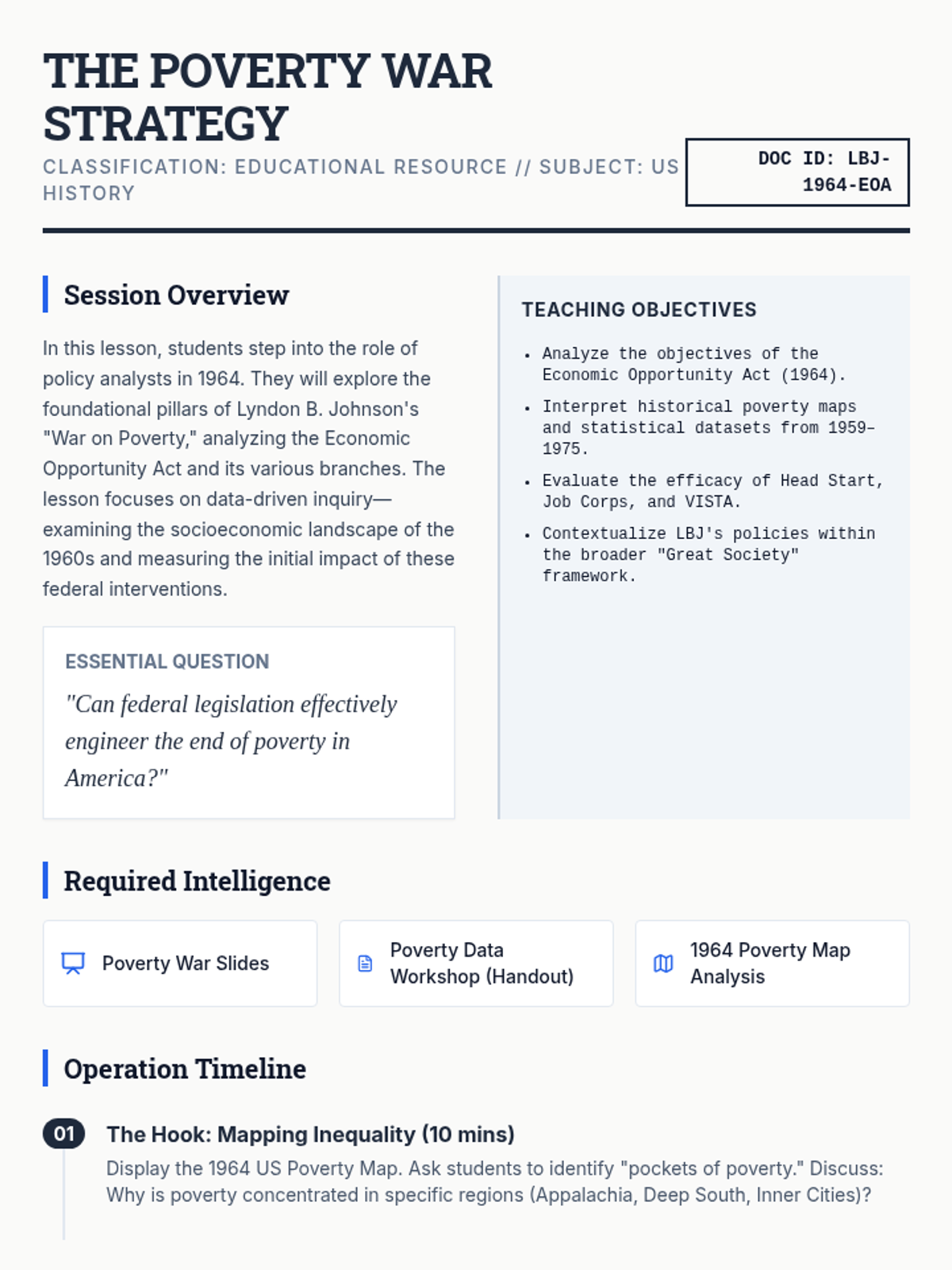
A comprehensive exploration of post-war American economics and LBJ's Great Society, analyzing the shift in the American social contract through consumerism, suburbanization, and social welfare programs.
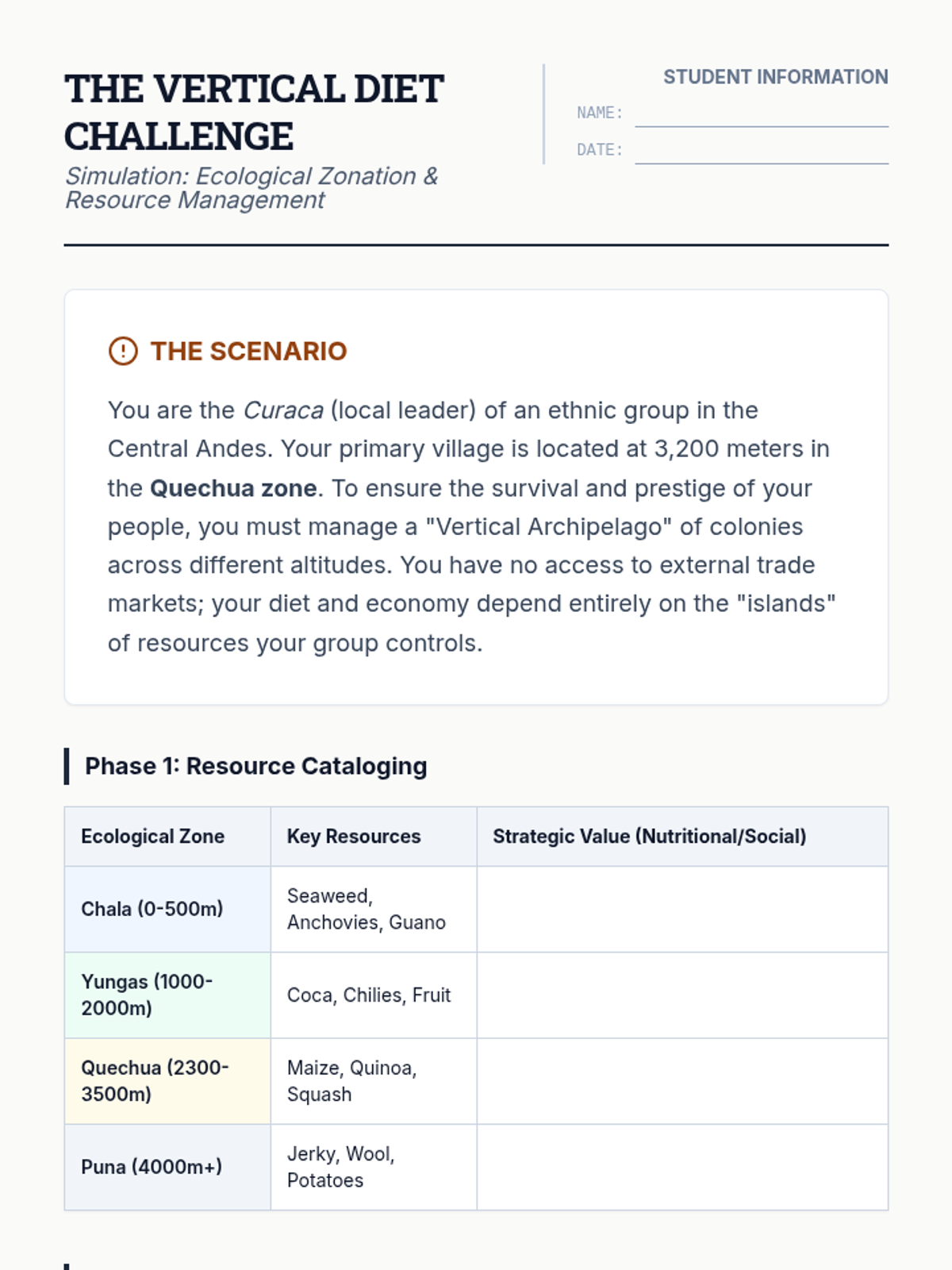
This sequence explores the sophisticated environmental engineering and agricultural technologies of the Inca, Aztec, and Maya. Students analyze the 'vertical archipelago', chinampas, and Maya water management to evaluate the role of the state in resource management and the sustainability of these ancient systems in a modern context.
A comprehensive study of the major global shifts during the 19th and 20th centuries, focusing on industrialization, imperialism, and the resulting geopolitical changes.
A comprehensive examination of US imperialism in the Pacific, focusing on the legal, political, and commercial motivations for expansion. This undergraduate sequence traces the shift from continental expansion to overseas empire, culminating in the Supreme Court's definition of "unincorporated" territories.
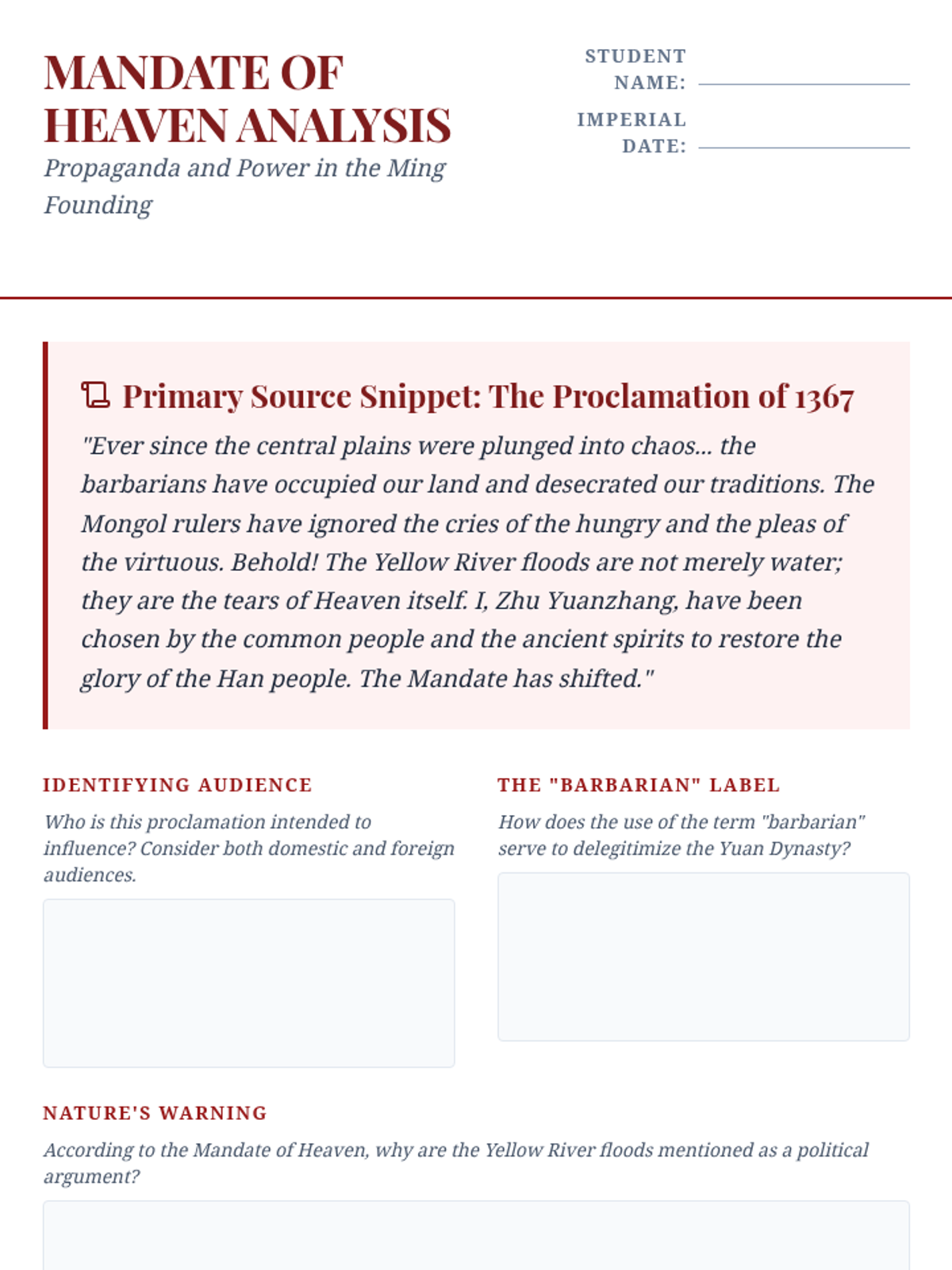
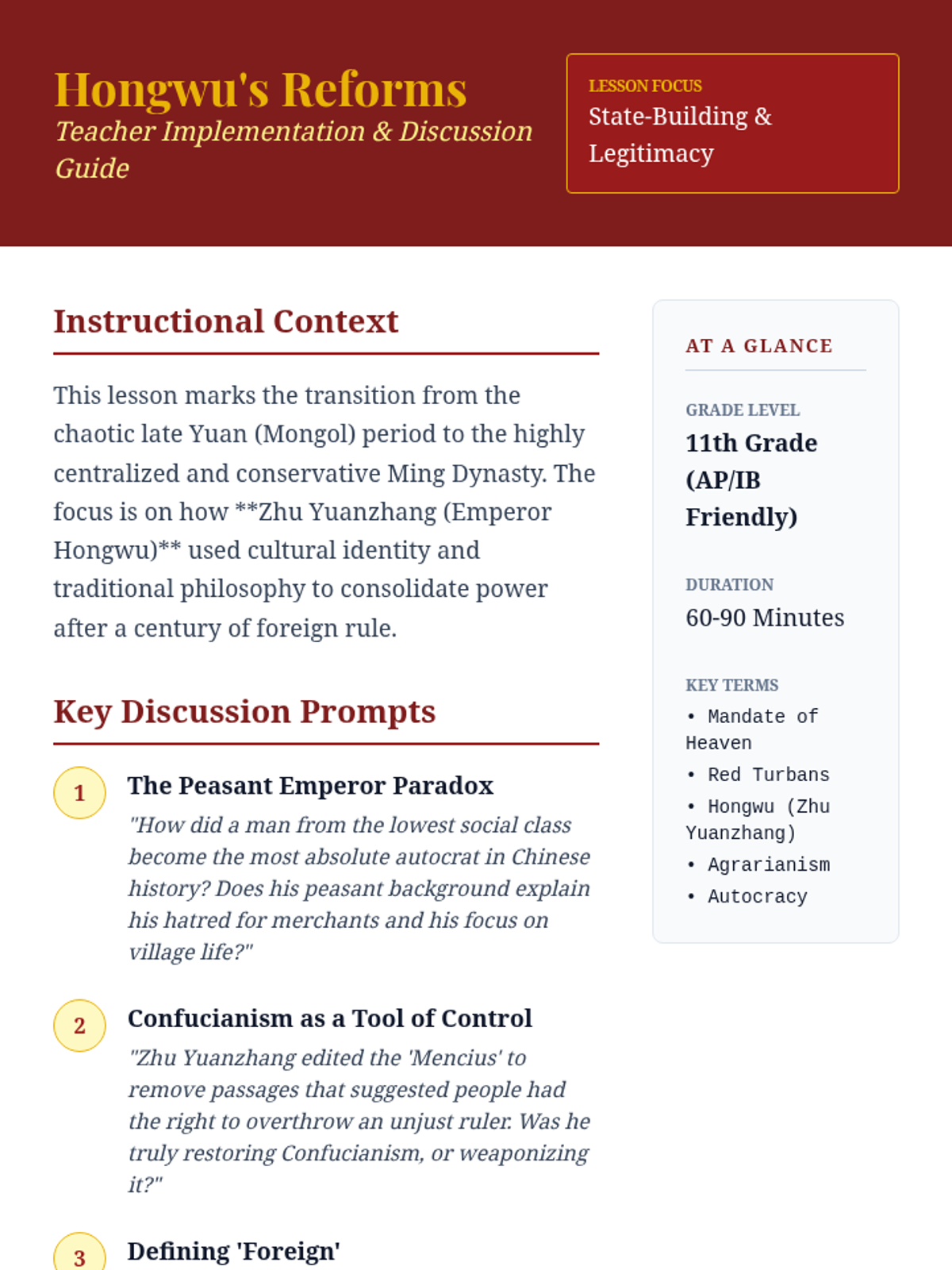
This sequence explores the early Ming Dynasty's shift from unprecedented maritime exploration to strict isolationism. Students analyze the reign of Hongwu, the massive Treasure Fleets of Zheng He, and the internal court conflicts between Eunuchs and Scholar-Officials that ultimately changed the course of global history.
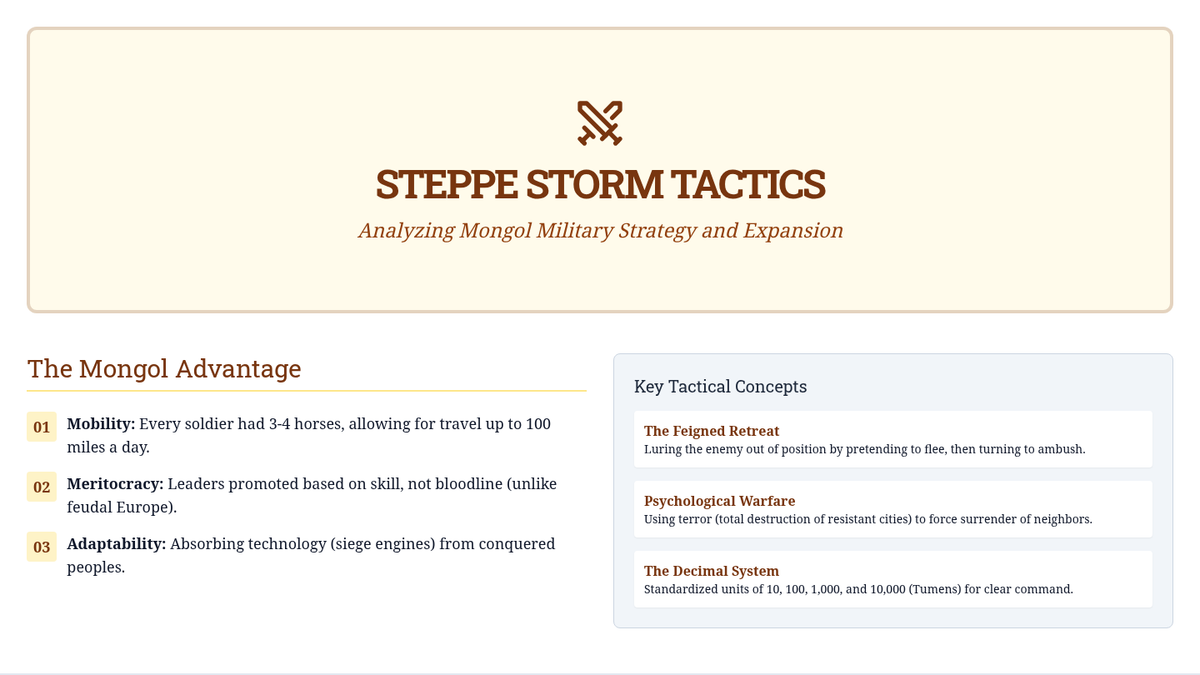
This sequence investigates the rise of the Mongol Empire and its dual legacy of destruction and connection. Students move beyond the stereotype of 'barbarian hordes' to analyze the sophisticated administration, military tactics, and trade networks (Pax Mongolica) established by Genghis and Kublai Khan, culminating in a student-led seminar evaluating historical revisionism regarding the Mongols' role in world history.
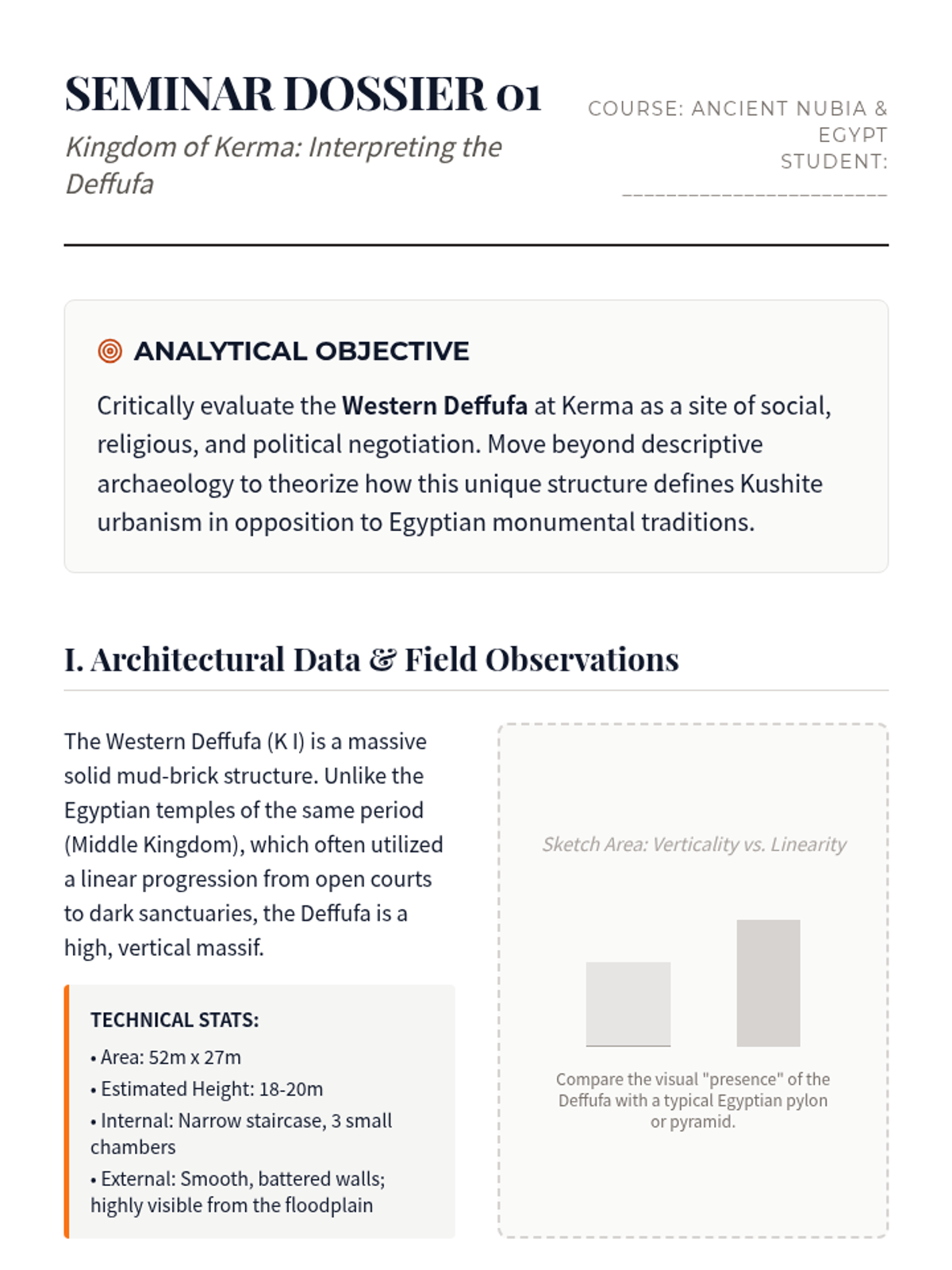
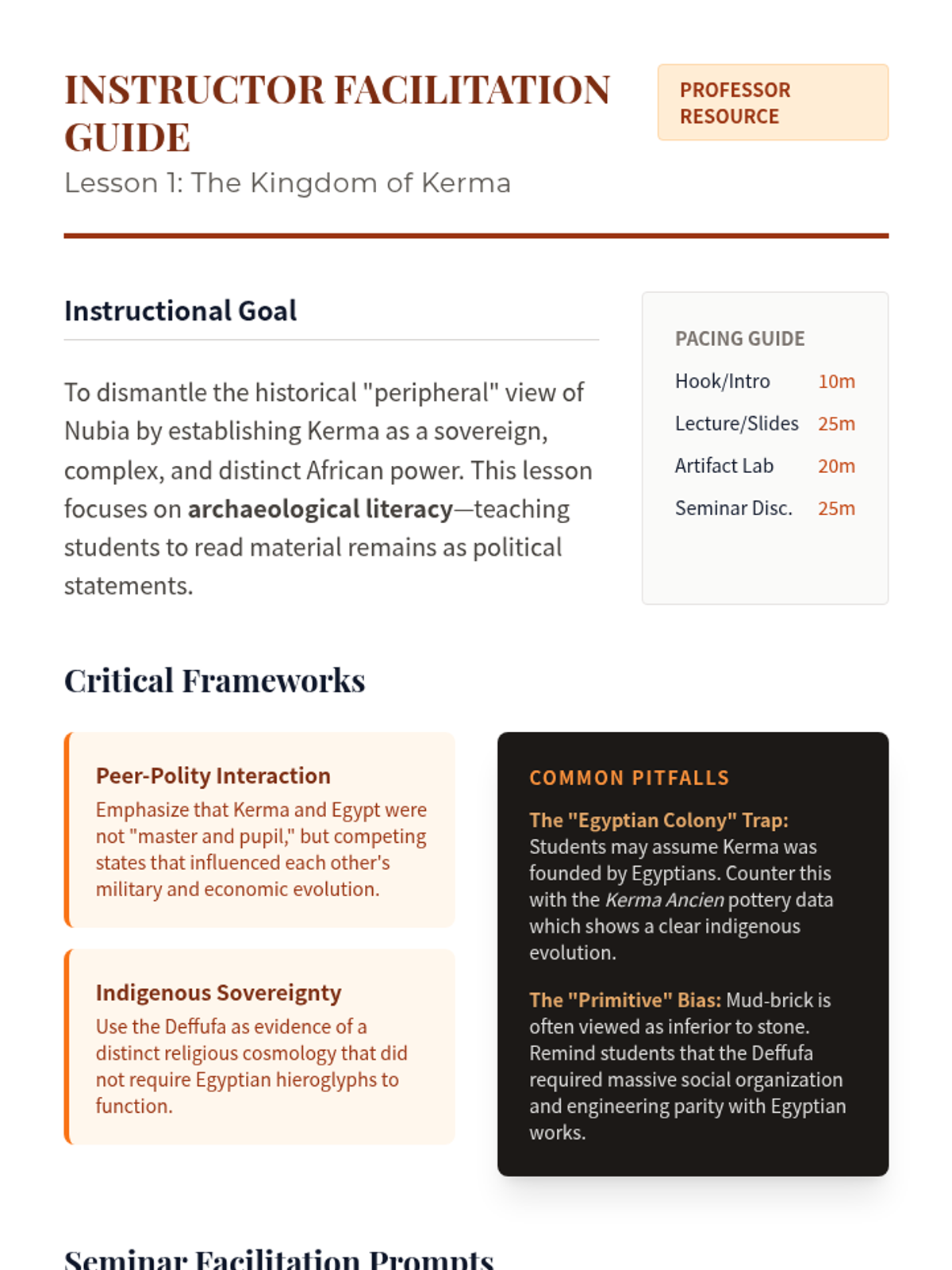
A comprehensive undergraduate-level sequence exploring the complex relationship between Ancient Egypt and Nubia (Kush). This course utilizes post-colonial frameworks to analyze trade, imperialism, and resistance, contrasting archaeological evidence with Egyptian textual records.
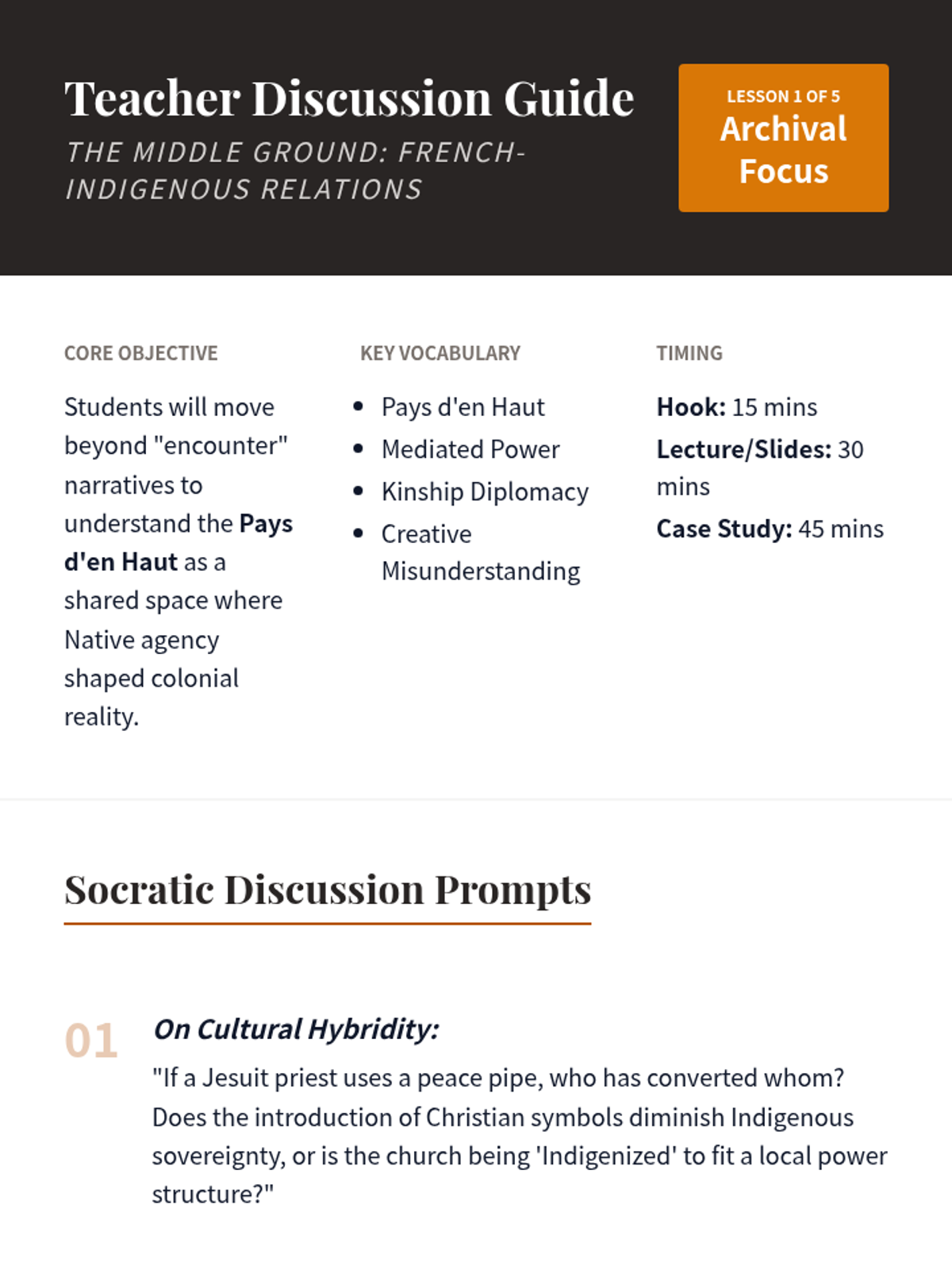
This sequence analyzes the complex interactions between Indigenous nations and European colonizers, moving beyond simple narratives of conquest. Students examine the Columbian Exchange, shifting trade alliances, and the various forms of resistance and cooperation, emphasizing Indigenous agency and long-term consequences.
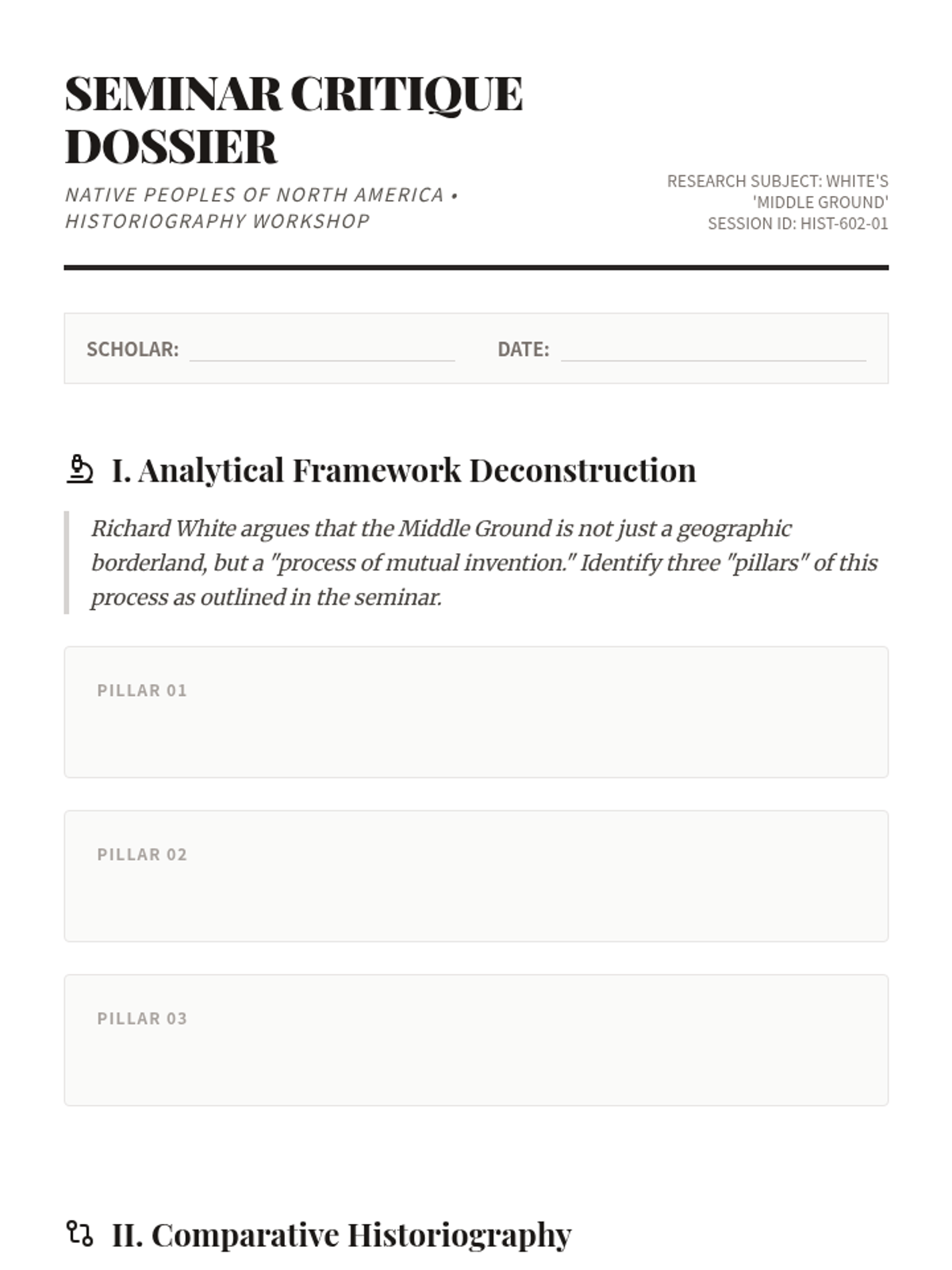
This graduate-level sequence examines Richard White's 'Middle Ground' framework through the lens of Indigenous agency, diplomacy, and trade. Students will analyze the complexities of cross-cultural interaction, gendered roles in cultural brokerage, and the strategic shifts of Native nations during global conflicts and revitalization movements.
This sequence analyzes the complex diplomatic and economic interactions between Indigenous nations and European powers during the early colonial period. Students explore the 'Middle Ground' theory, the shift from mutual accommodation to conquest, and the strategic rise of pan-Indian alliances.
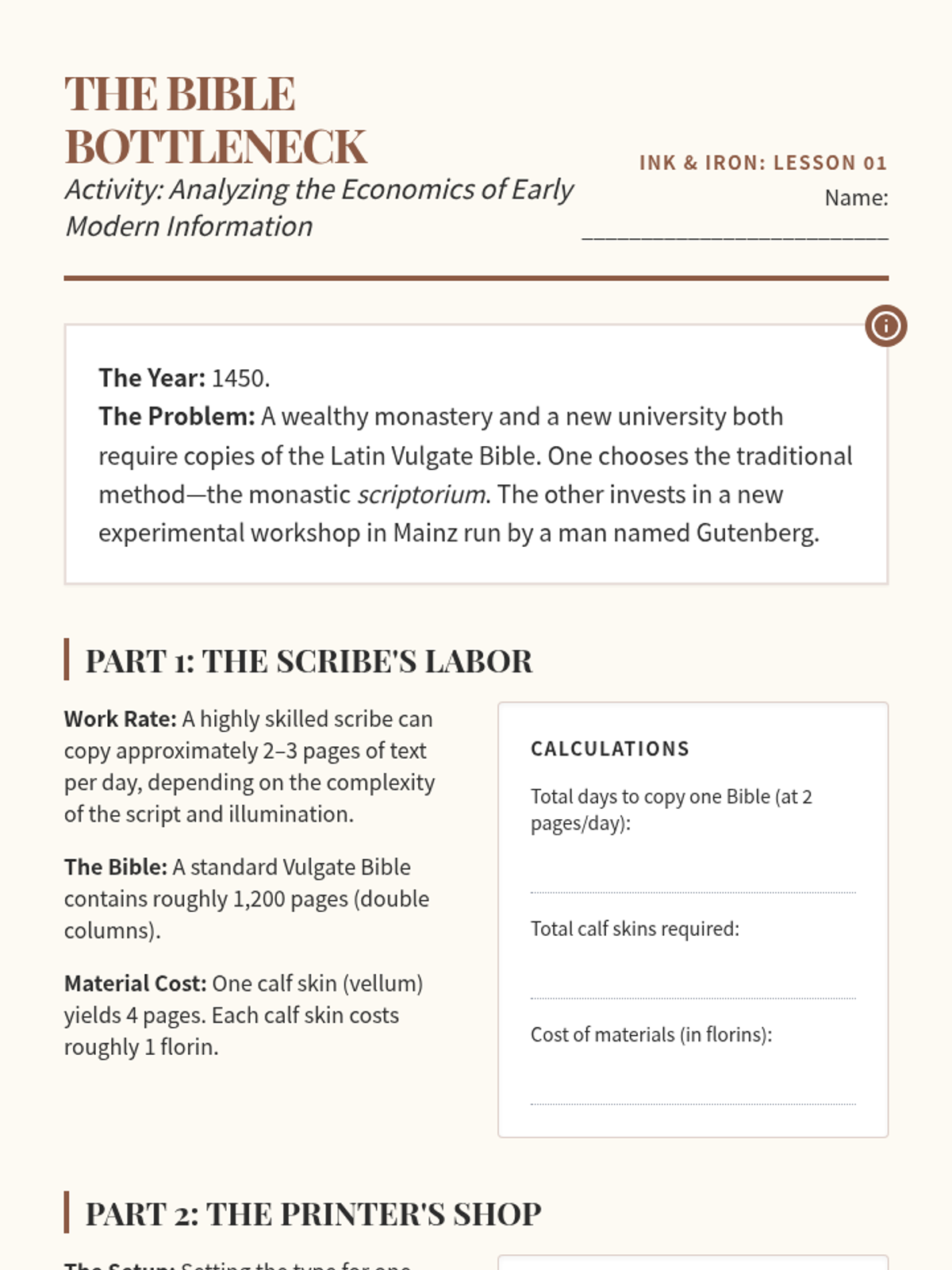
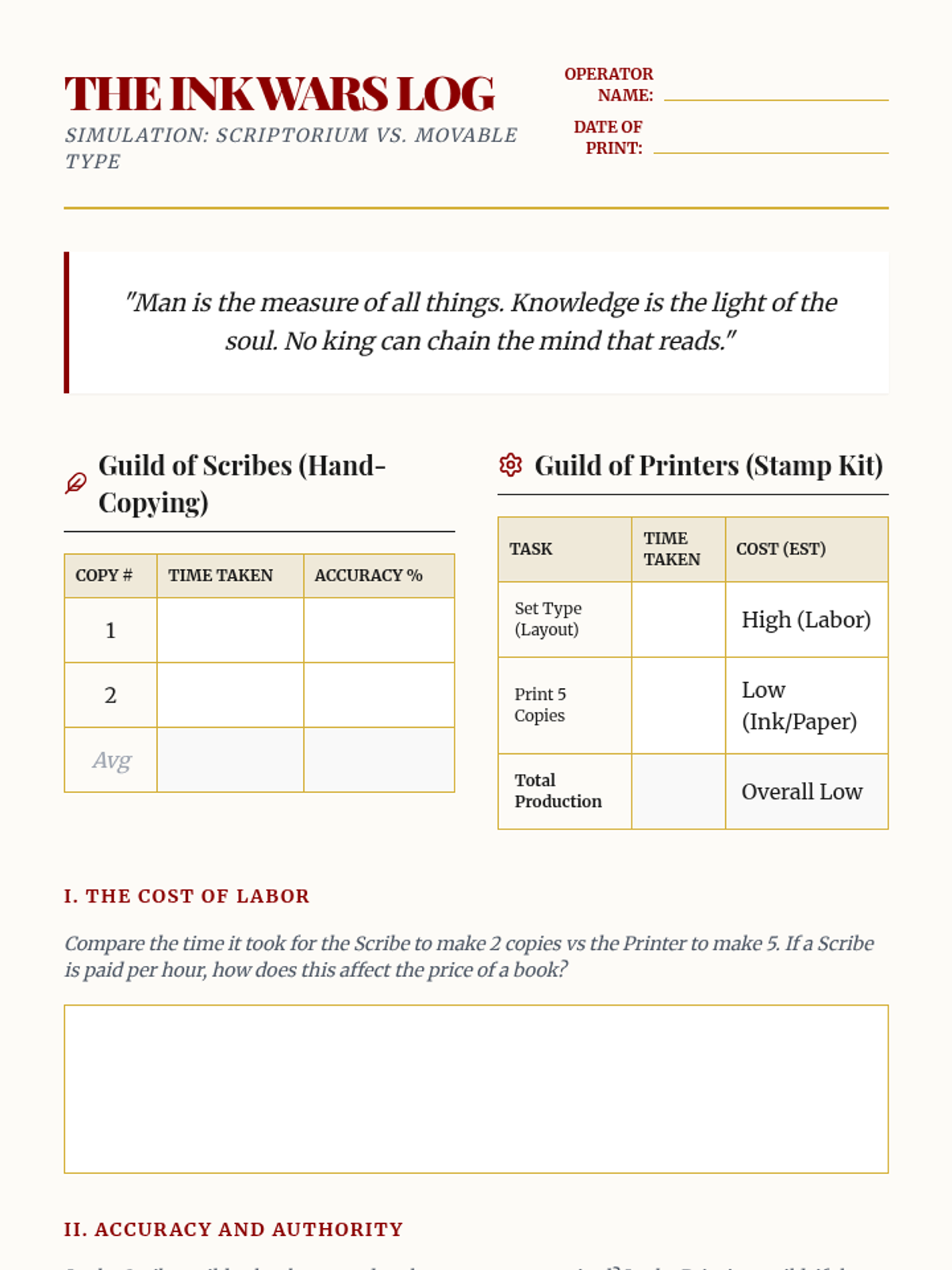
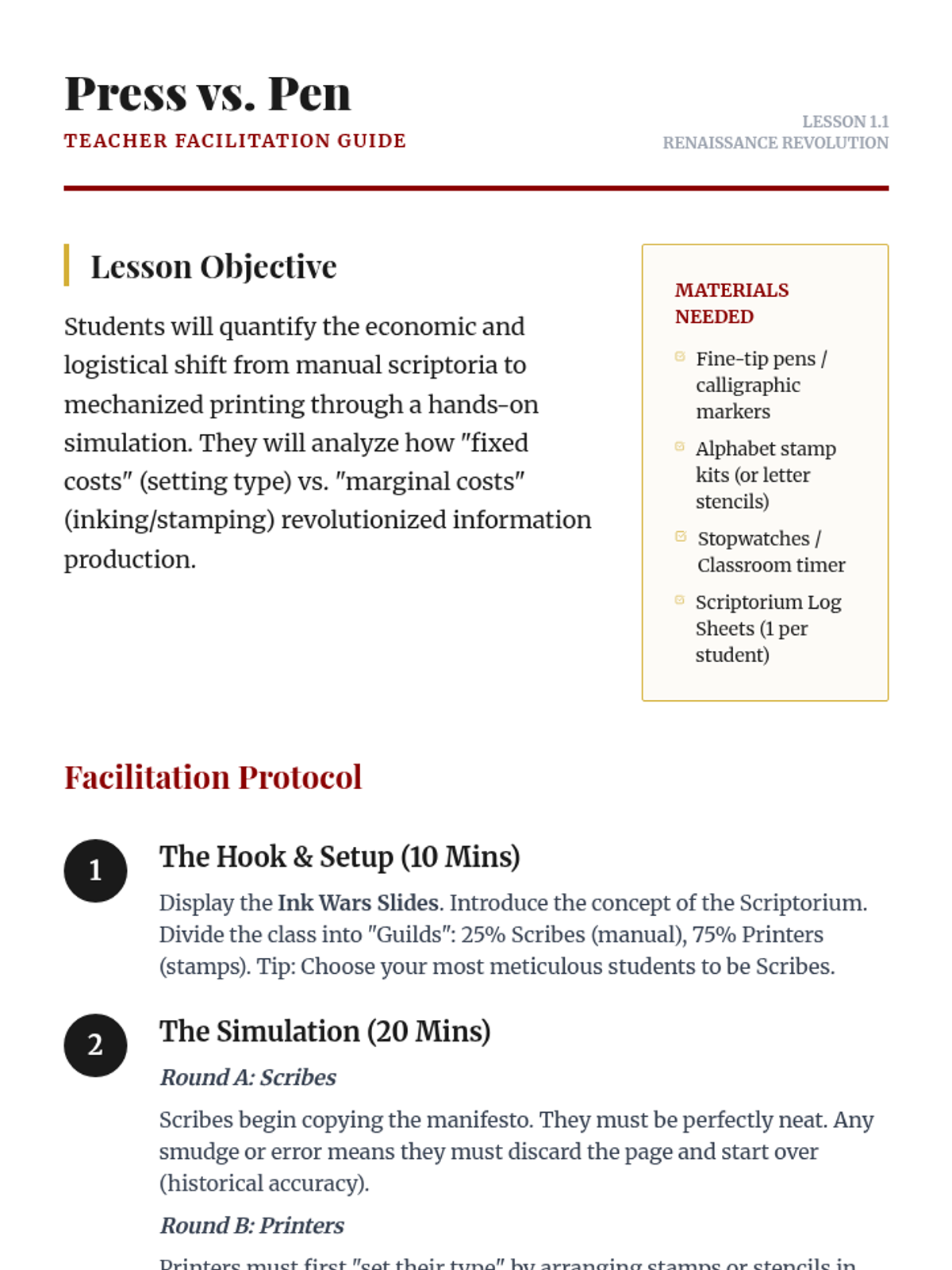
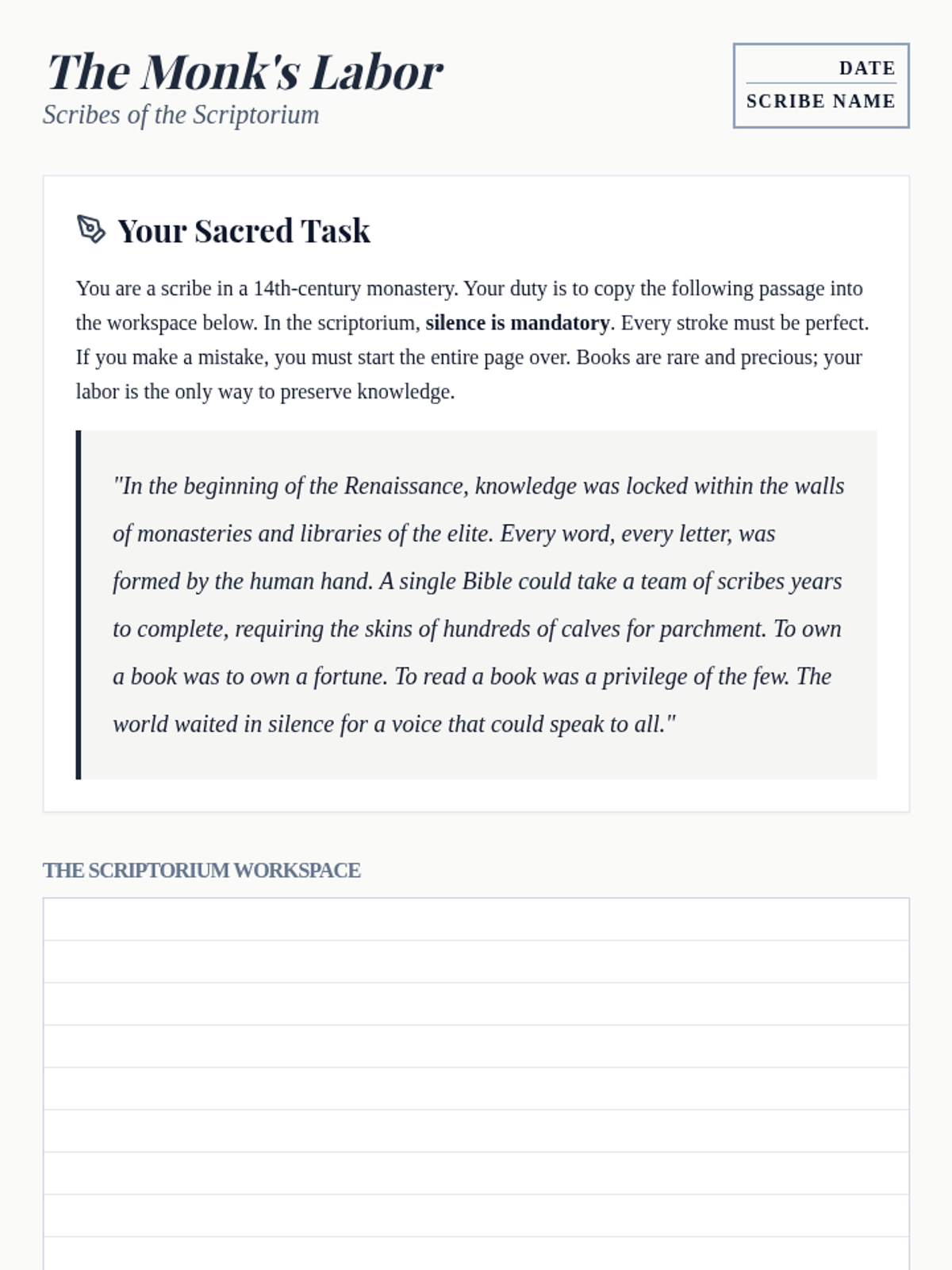
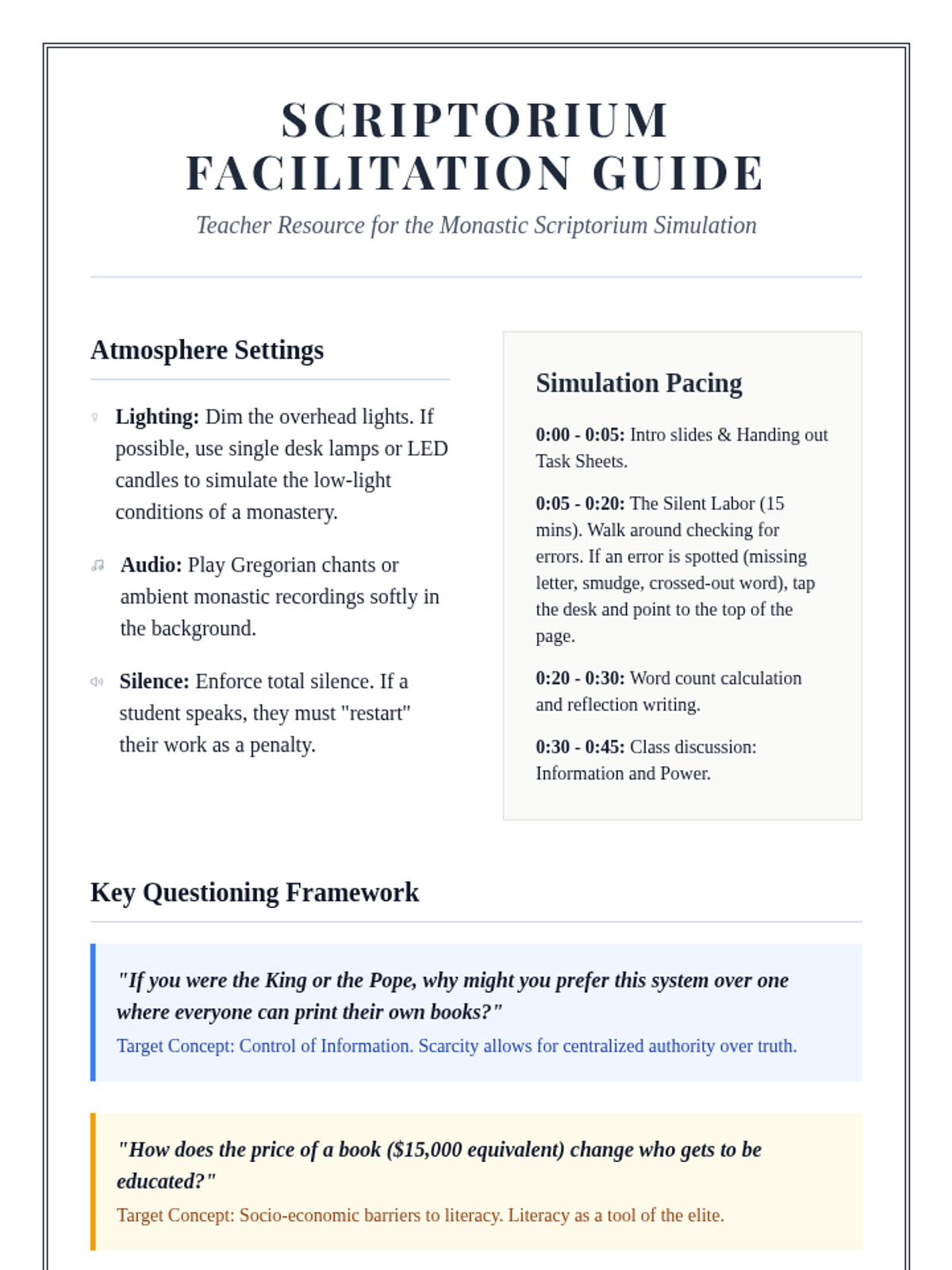
This sequence examines the technological revolution of the printing press and its explosive impact on literacy, religion, and information control. Students simulate the transition from scriptoria to print shops to understand the economic shift, analyze the spread of ideas across Europe, and compare the print revolution to the modern digital information age.
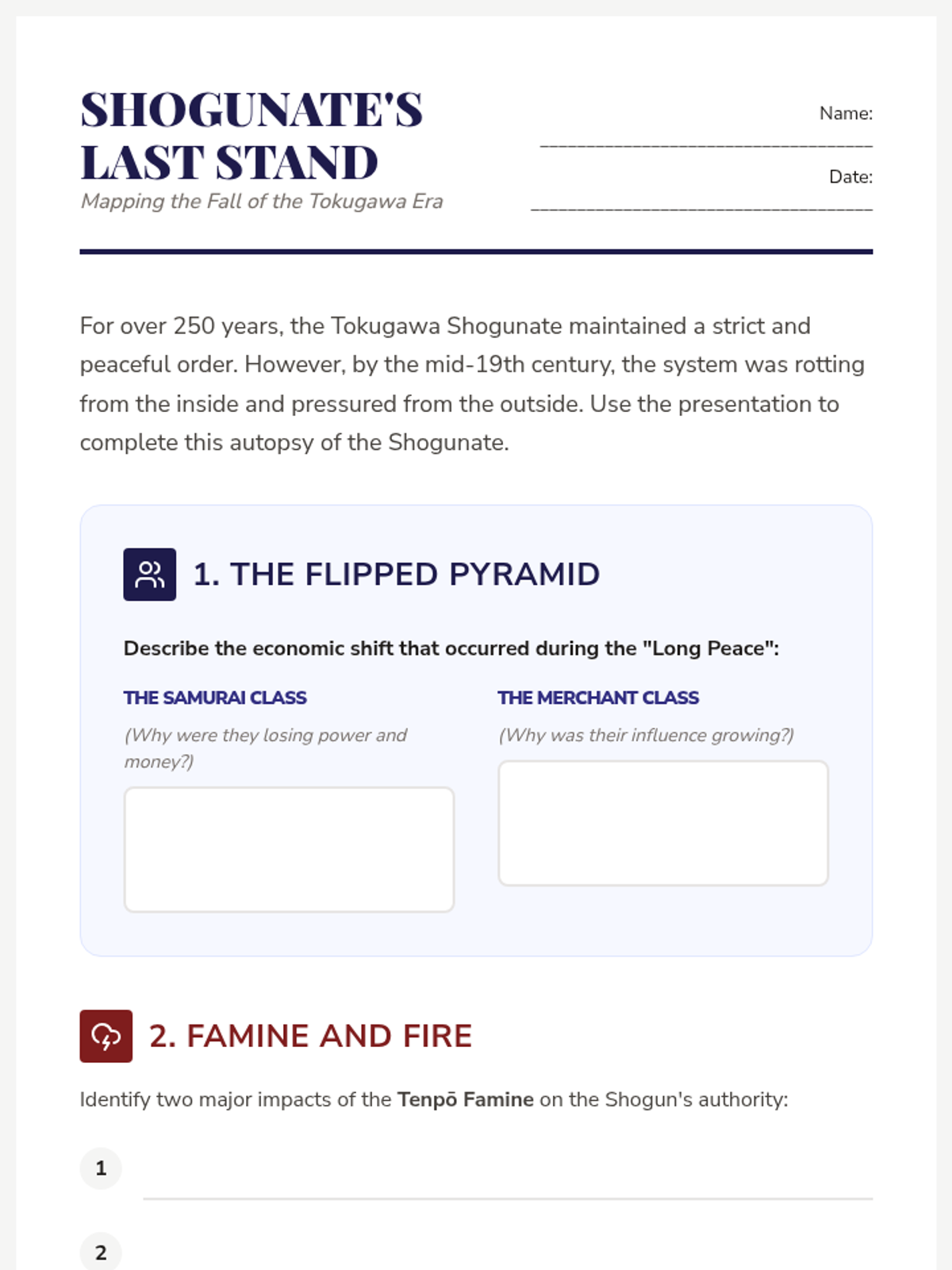
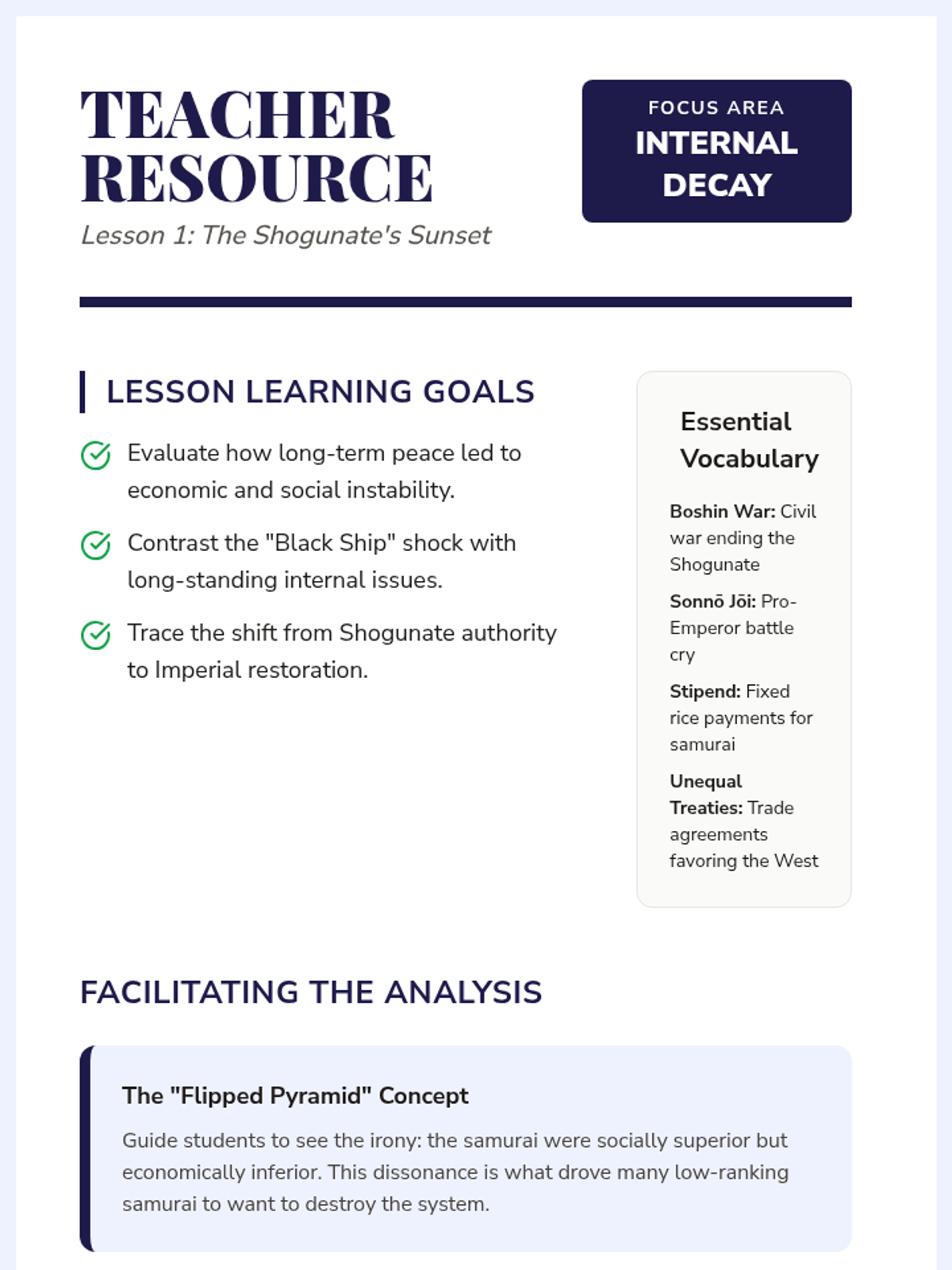
A comprehensive unit exploring Japan's transition from a feudal isolationist state to a modern global power, covering the decline of the Shogunate and the rapid modernization of the Meiji era.
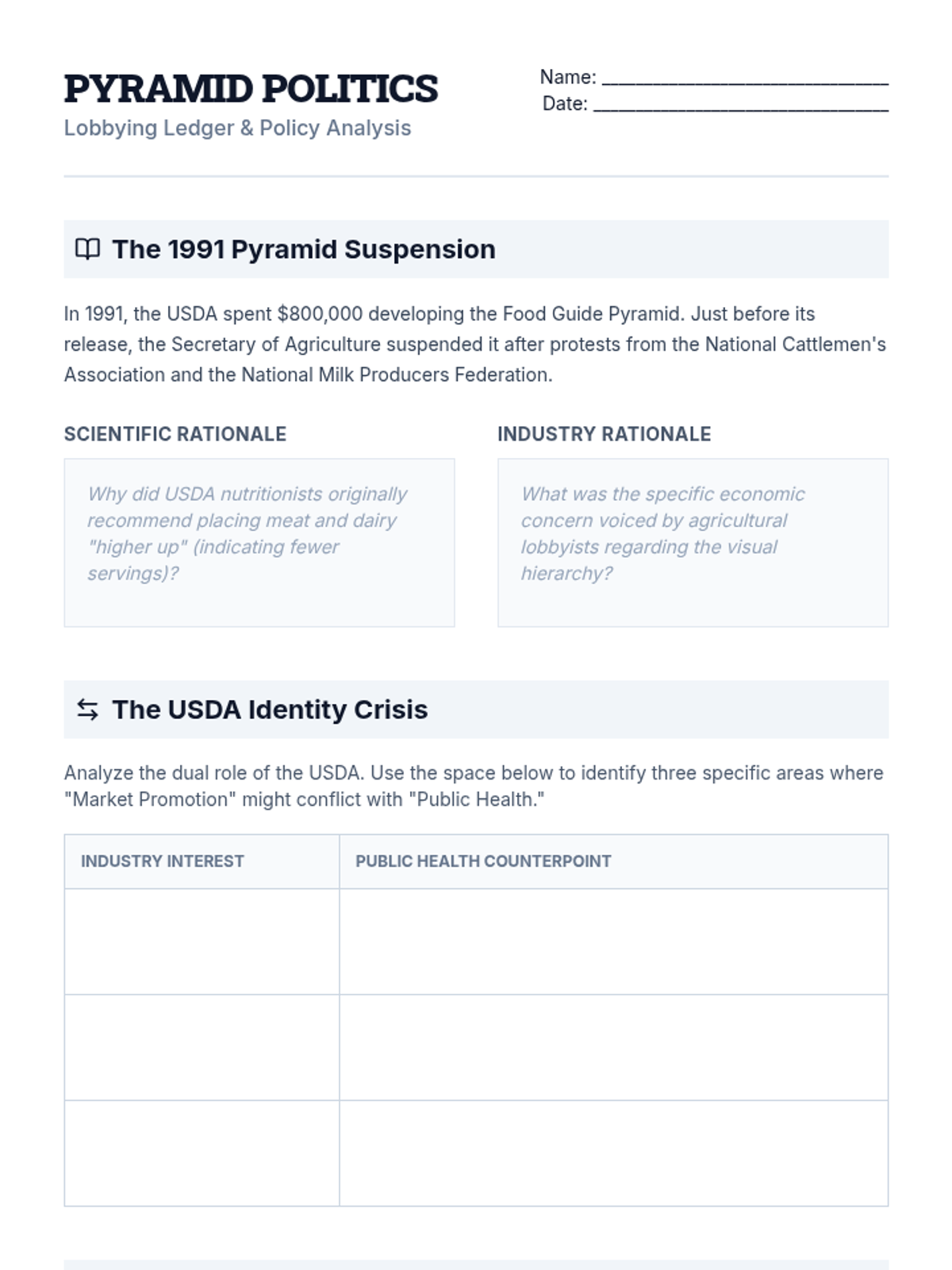
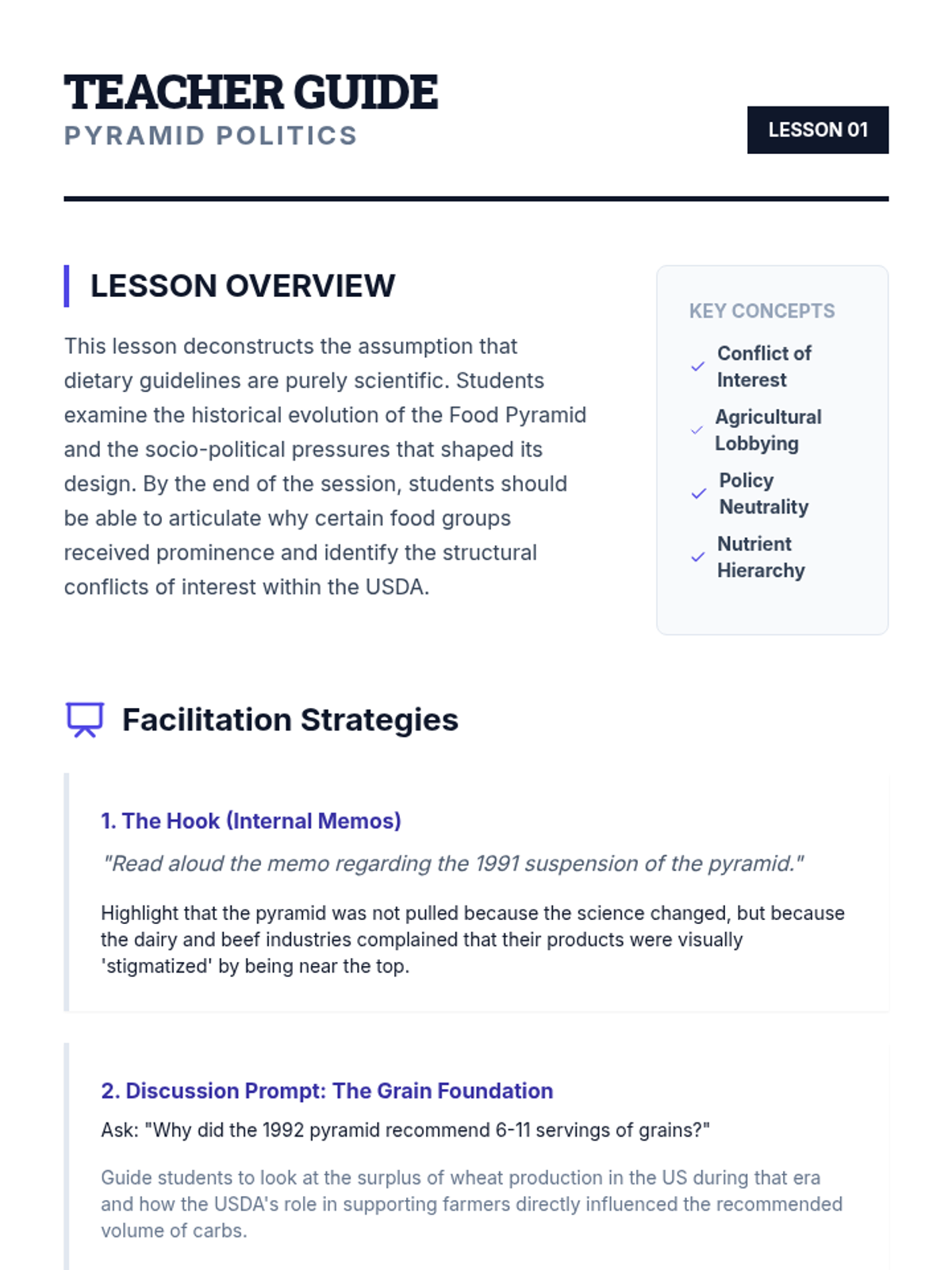
A comprehensive undergraduate sequence analyzing the socio-political, economic, and environmental factors that shape nutrition guidelines and food group accessibility. Students move from historical critiques of the Food Pyramid to proposing modernized, equitable dietary policies.
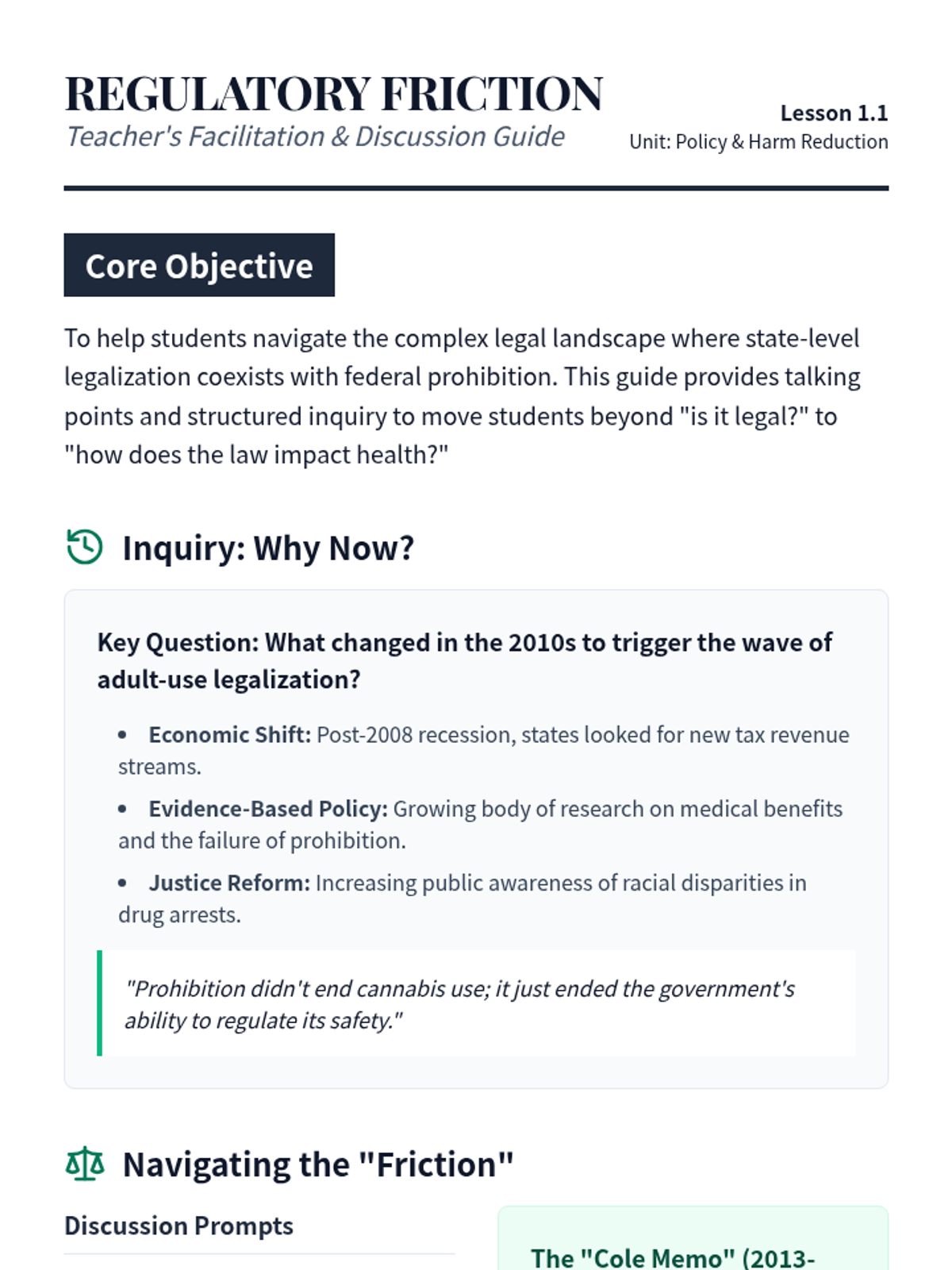
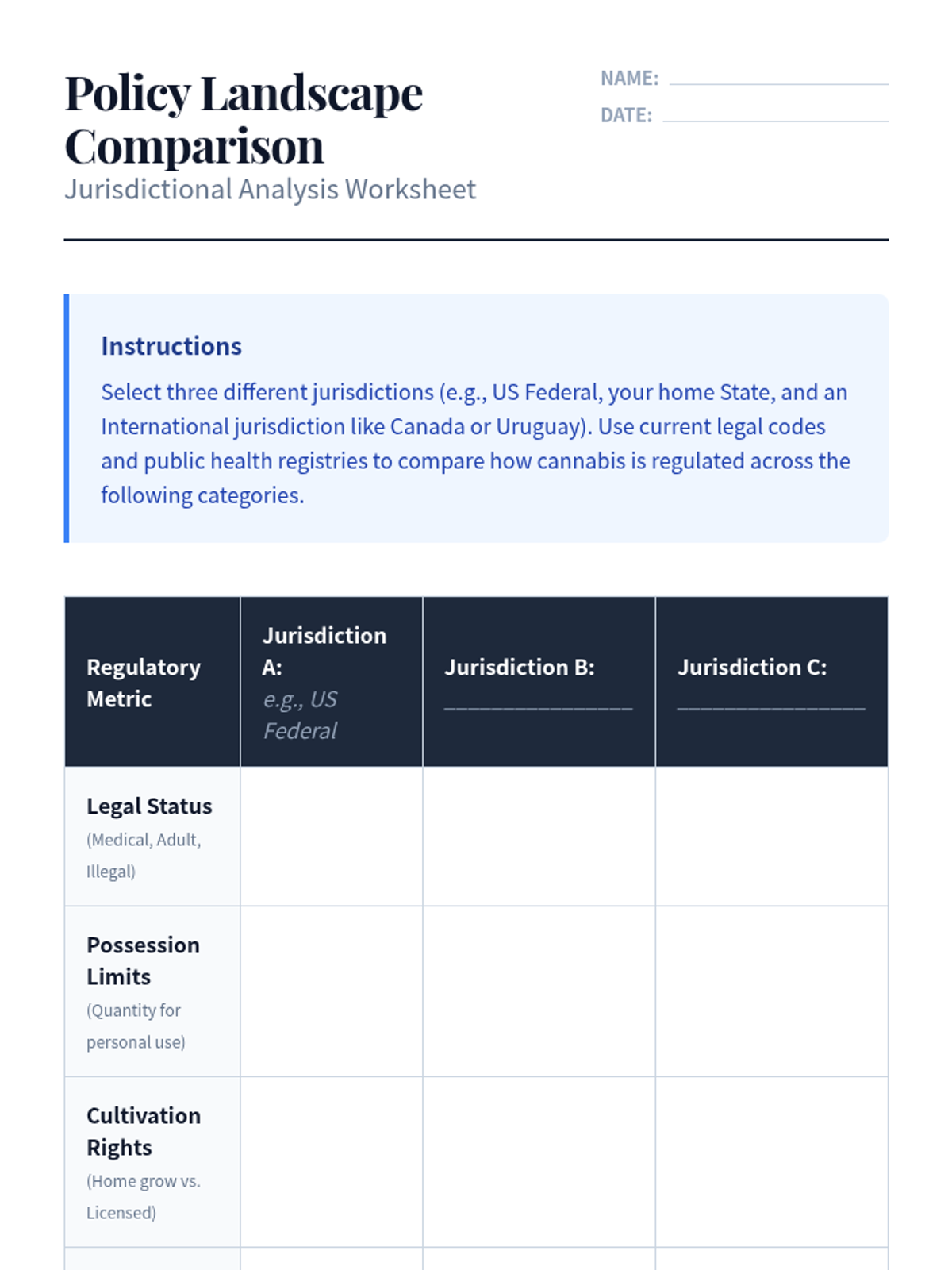
An undergraduate-level exploration of cannabis through the lens of public health, legal history, and social equity. This sequence analyzes the transition from prohibition to regulation, focusing on harm reduction and evidence-based policy.
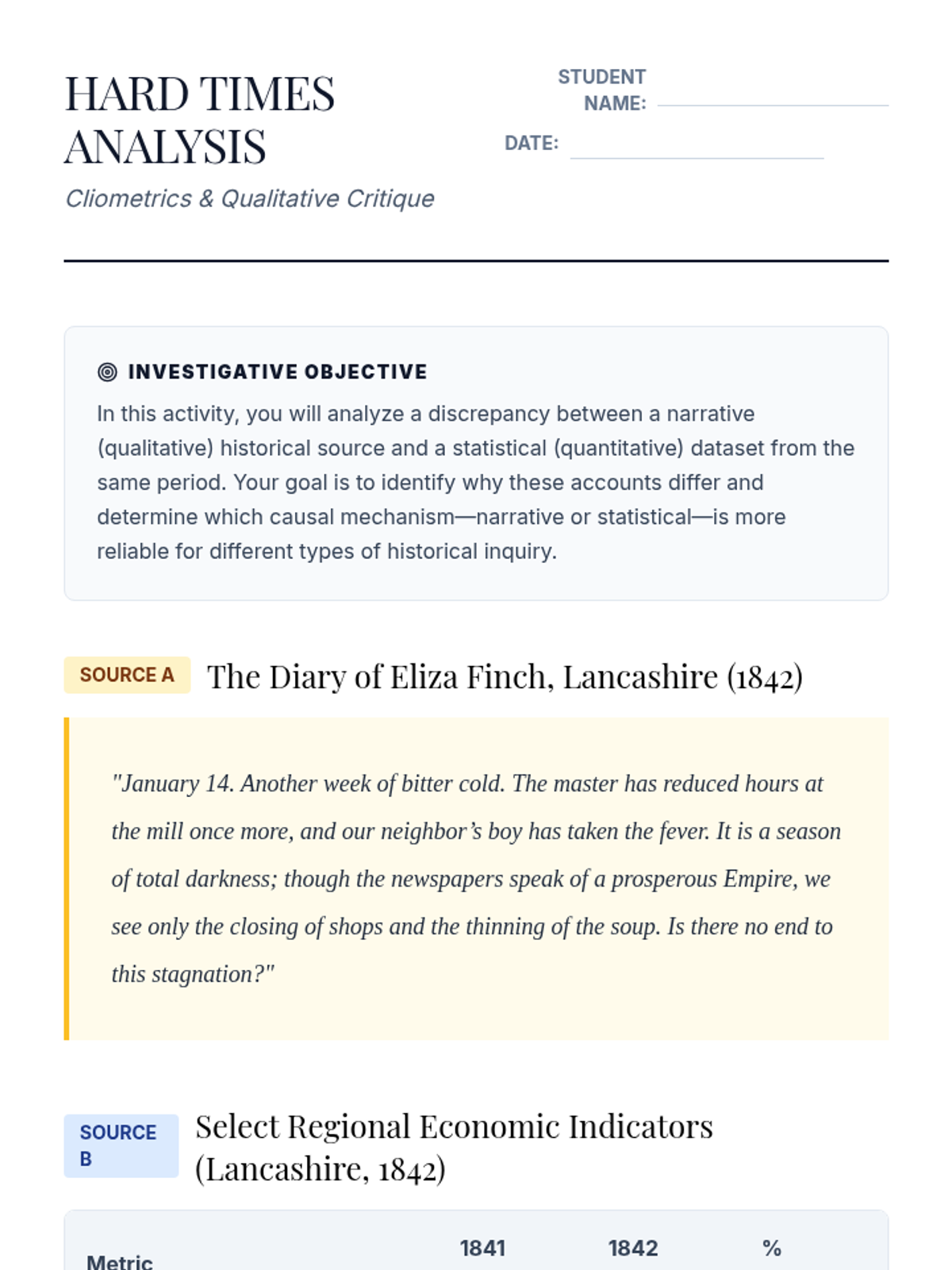
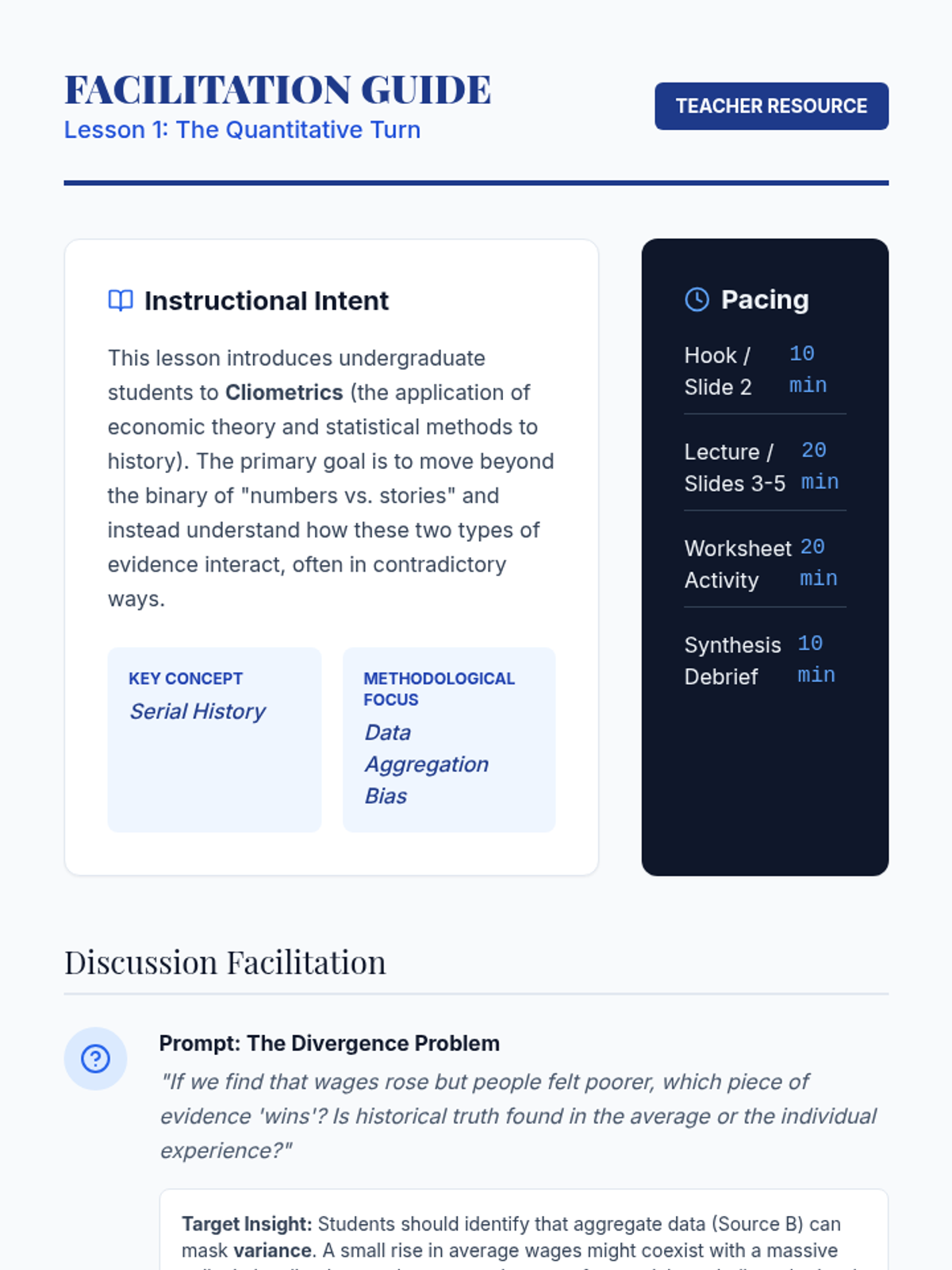
A sequence exploring the methodological intersection of statistics and history, focusing on cliometrics, time-series analysis, and the debate between qualitative and quantitative historical causation.
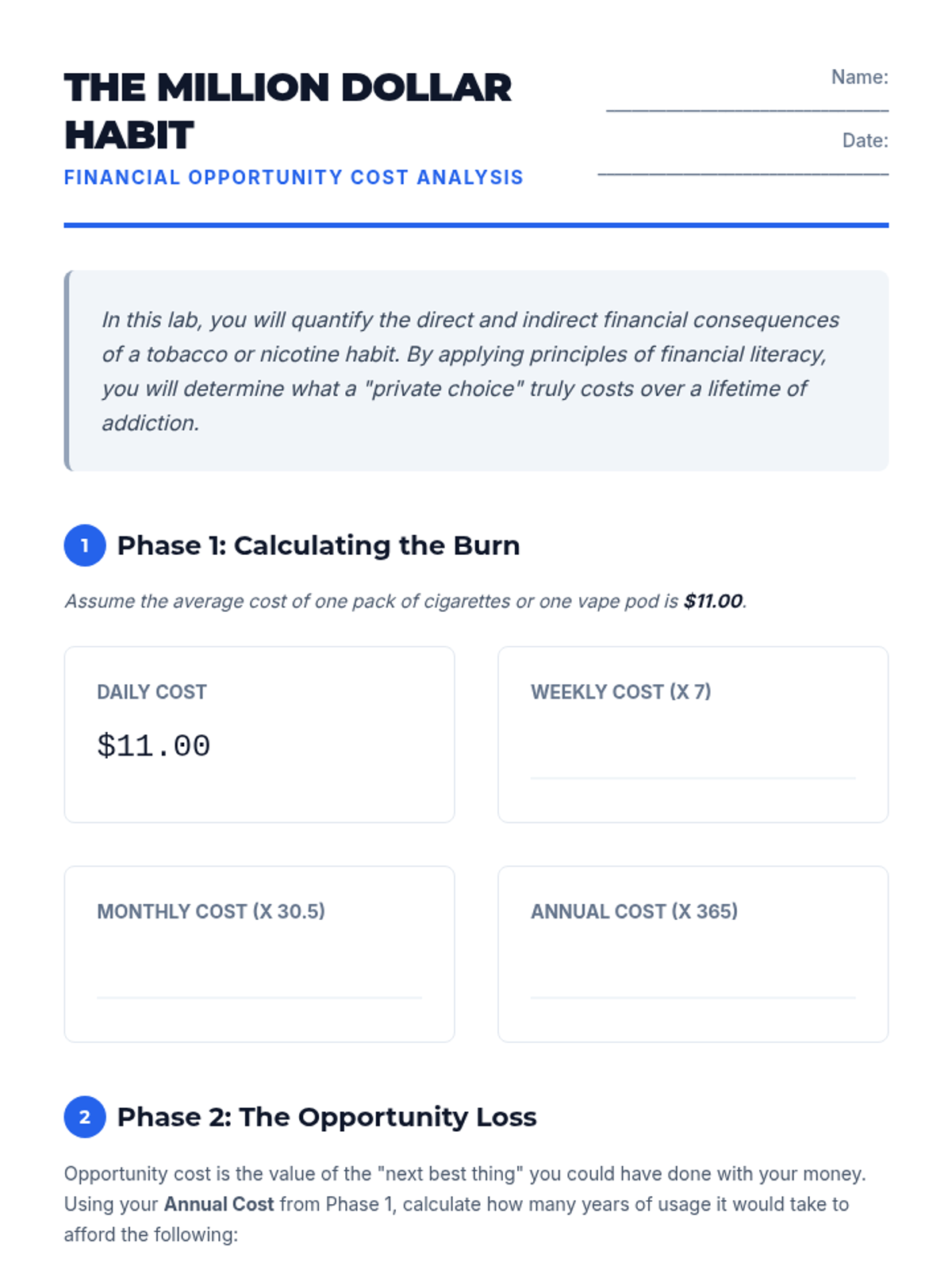
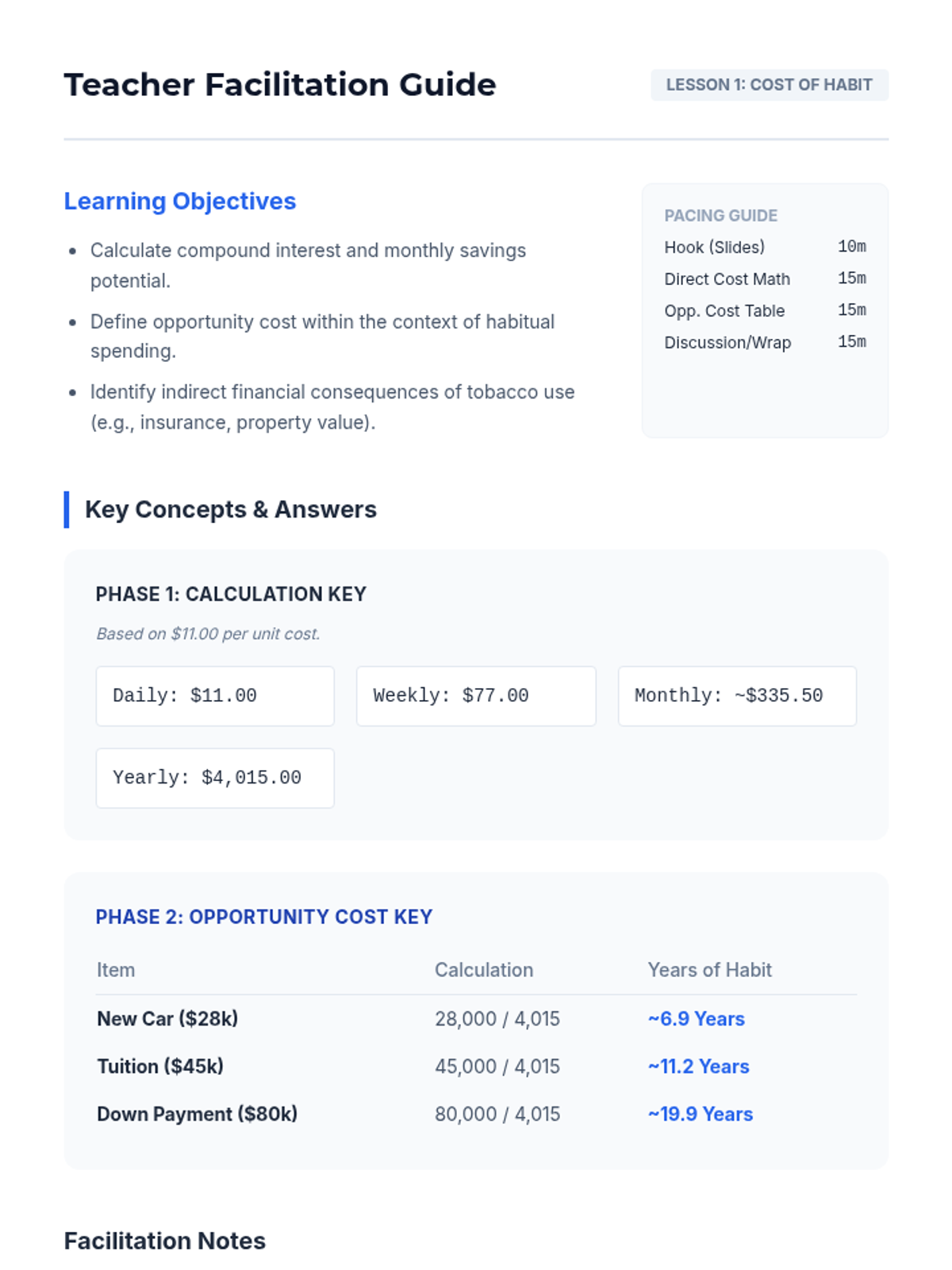
A high-level exploration of the macro-economic and environmental consequences of tobacco and e-cigarette use. Students analyze financial data, environmental toxicity, and public health policy to develop a comprehensive understanding of addiction's societal burden.
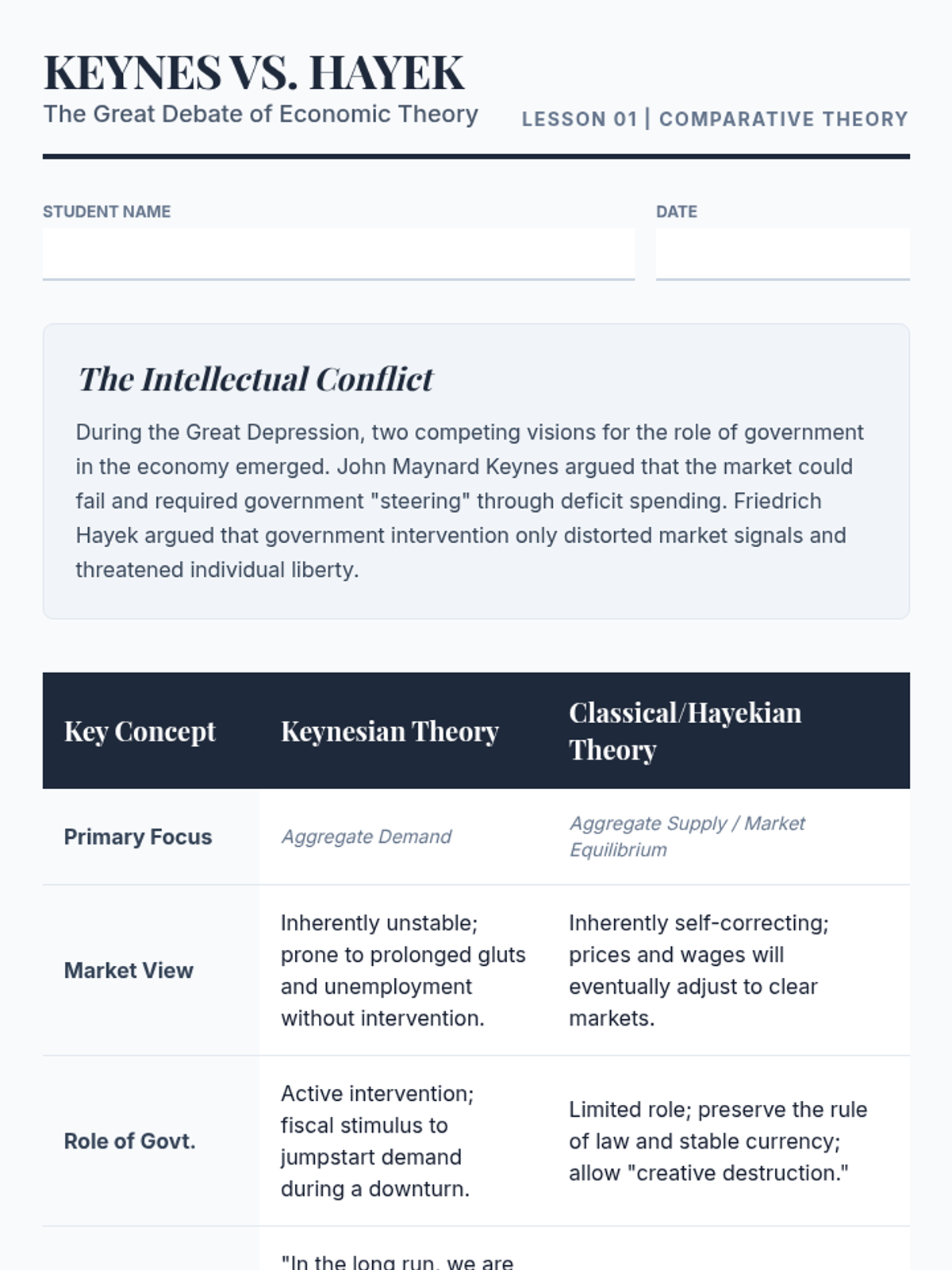
An undergraduate-level exploration of the Great Depression through a comparative lens, focusing on the clash between Keynesian and Classical economics, the rise of totalitarian responses in Europe, and the unique political trajectory of the United States. Students will analyze how economic theory translated into political reality across the globe.
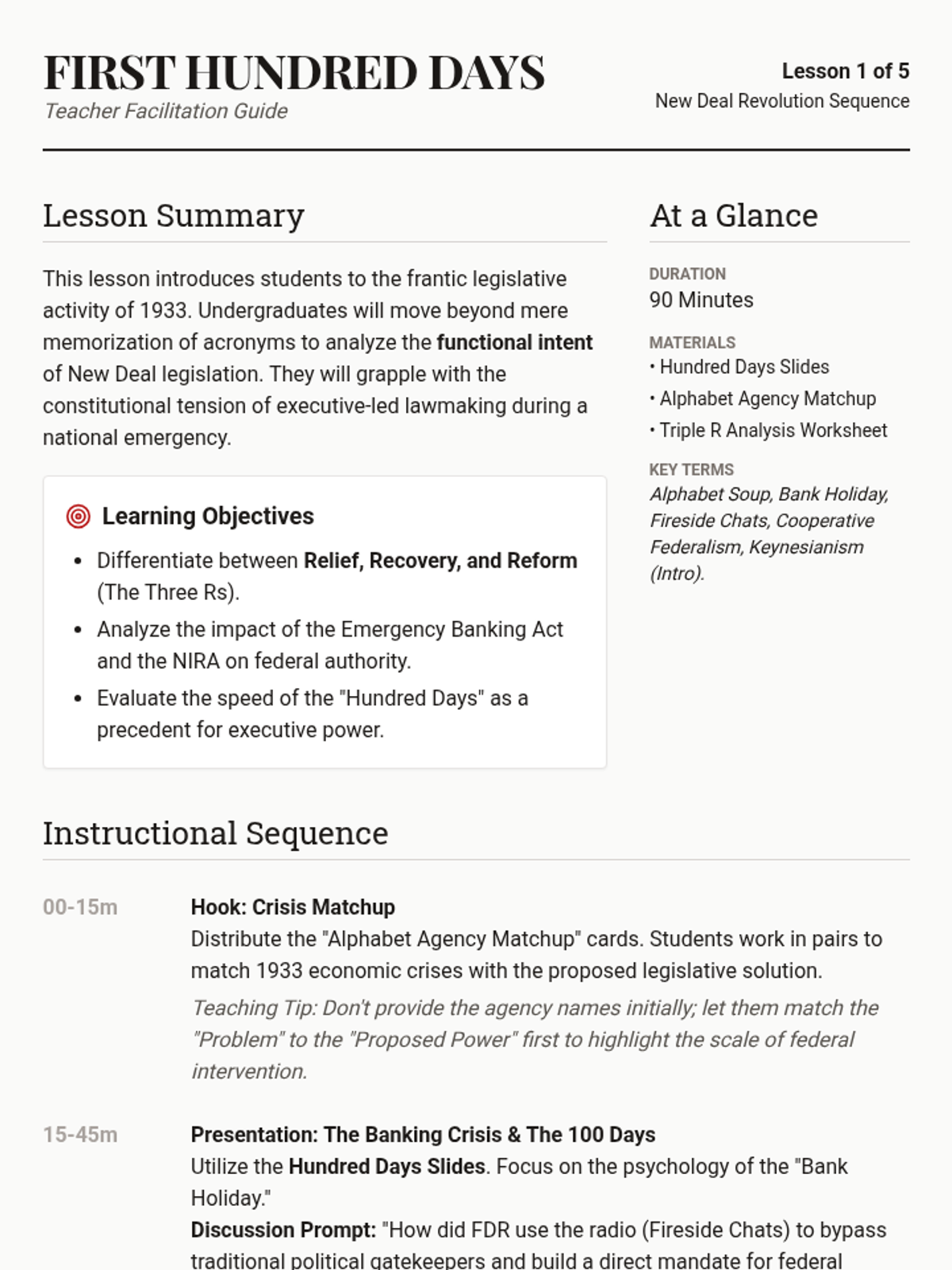
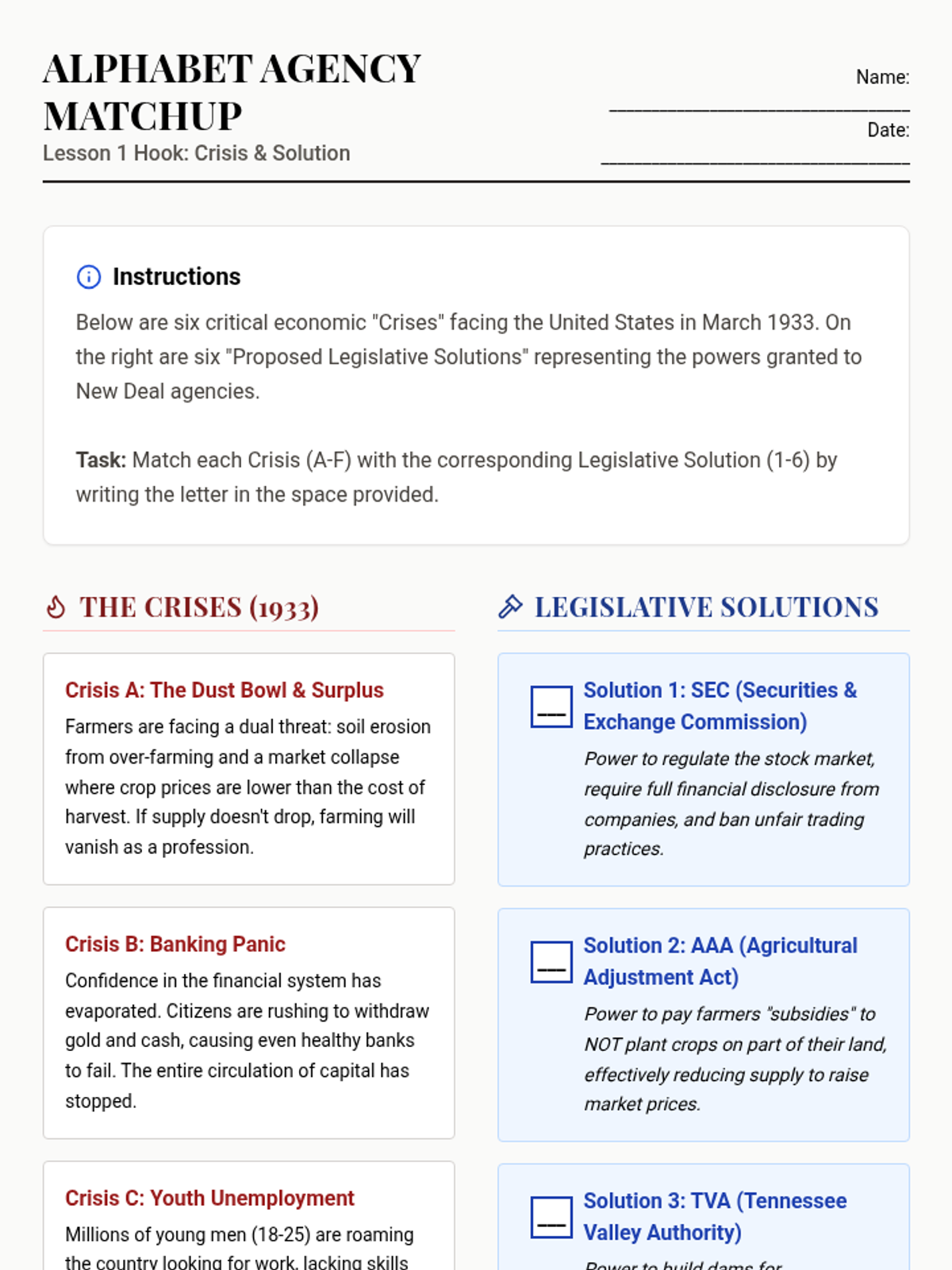
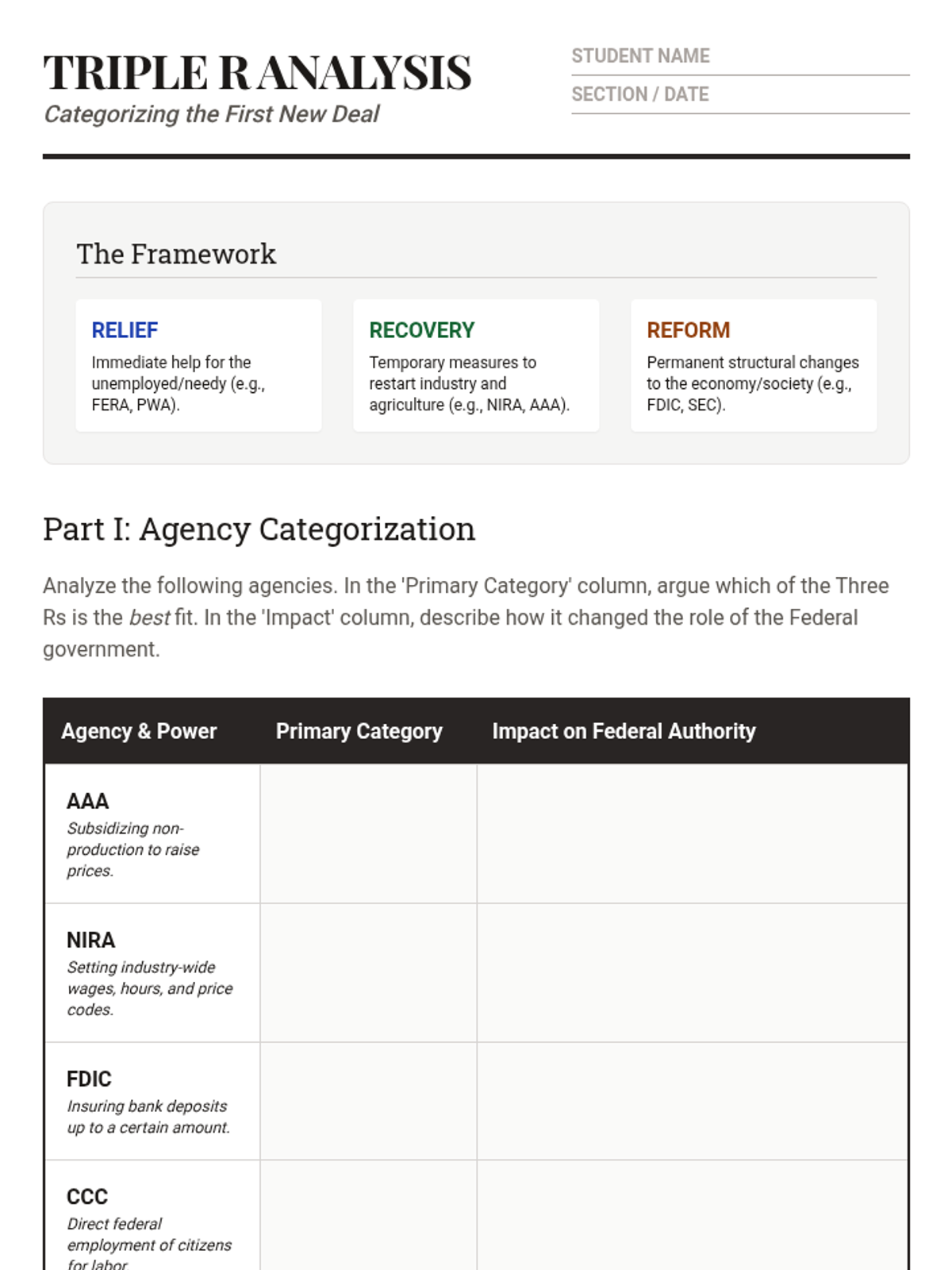
A comprehensive 5-lesson sequence for undergraduate students examining the political, legal, and social transformation of the United States during the New Deal era. Students analyze the shift from dual federalism to cooperative federalism and evaluate the changing relationship between the citizen and the federal government.
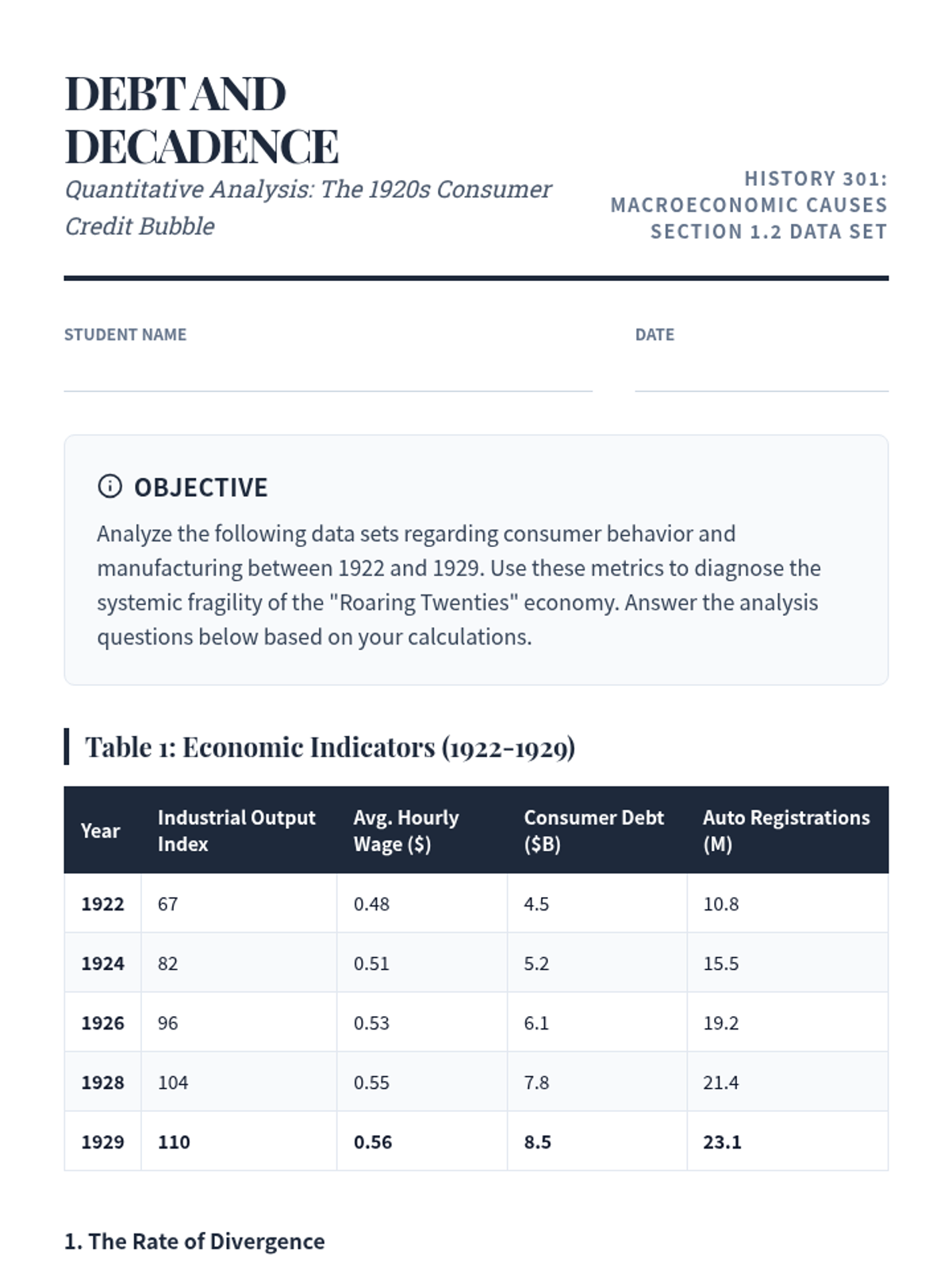
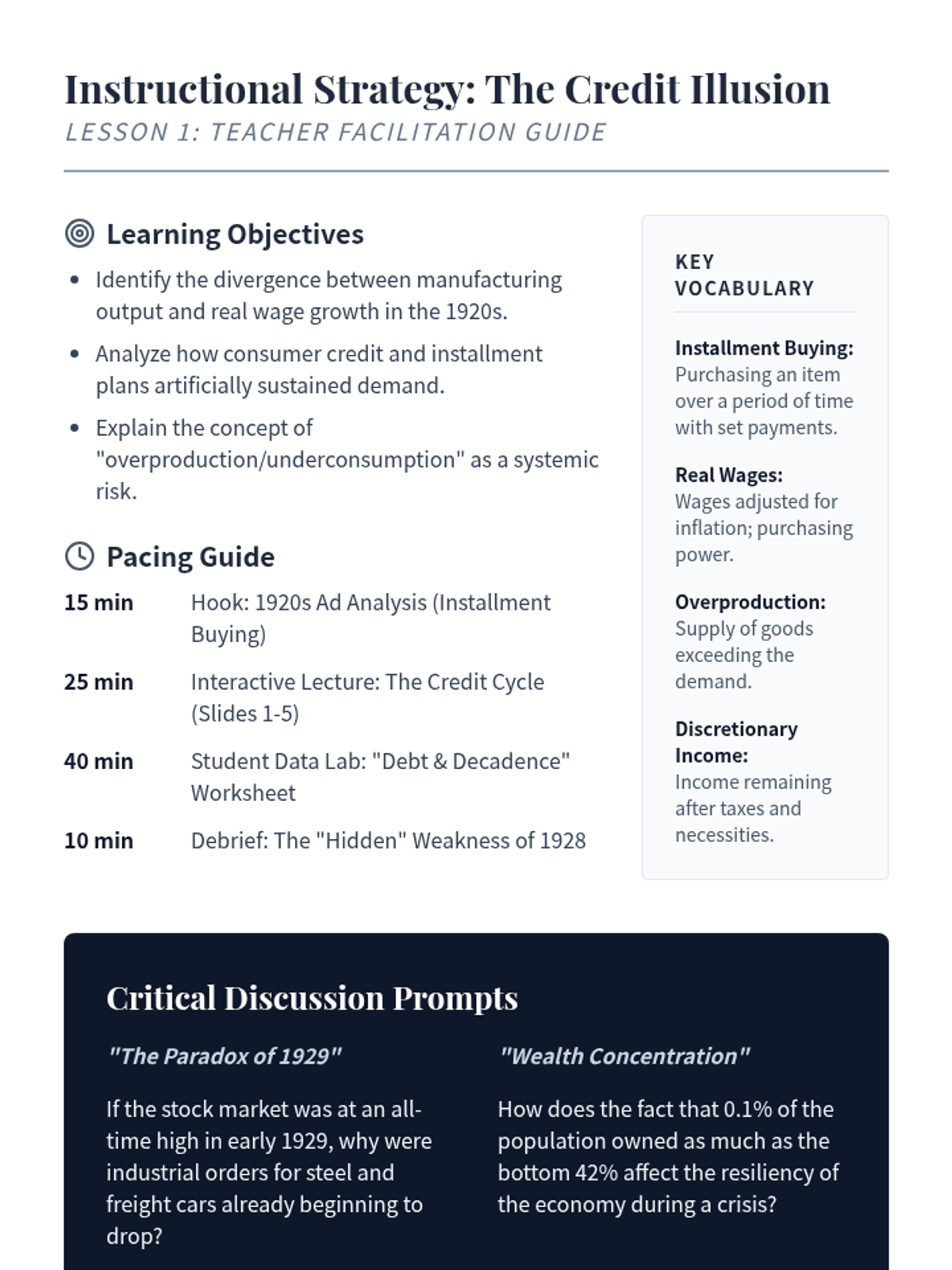
An in-depth investigation into the macroeconomic causes of the Great Depression, focusing on consumer credit, stock market speculation, banking failures, and federal monetary policy for undergraduate students.
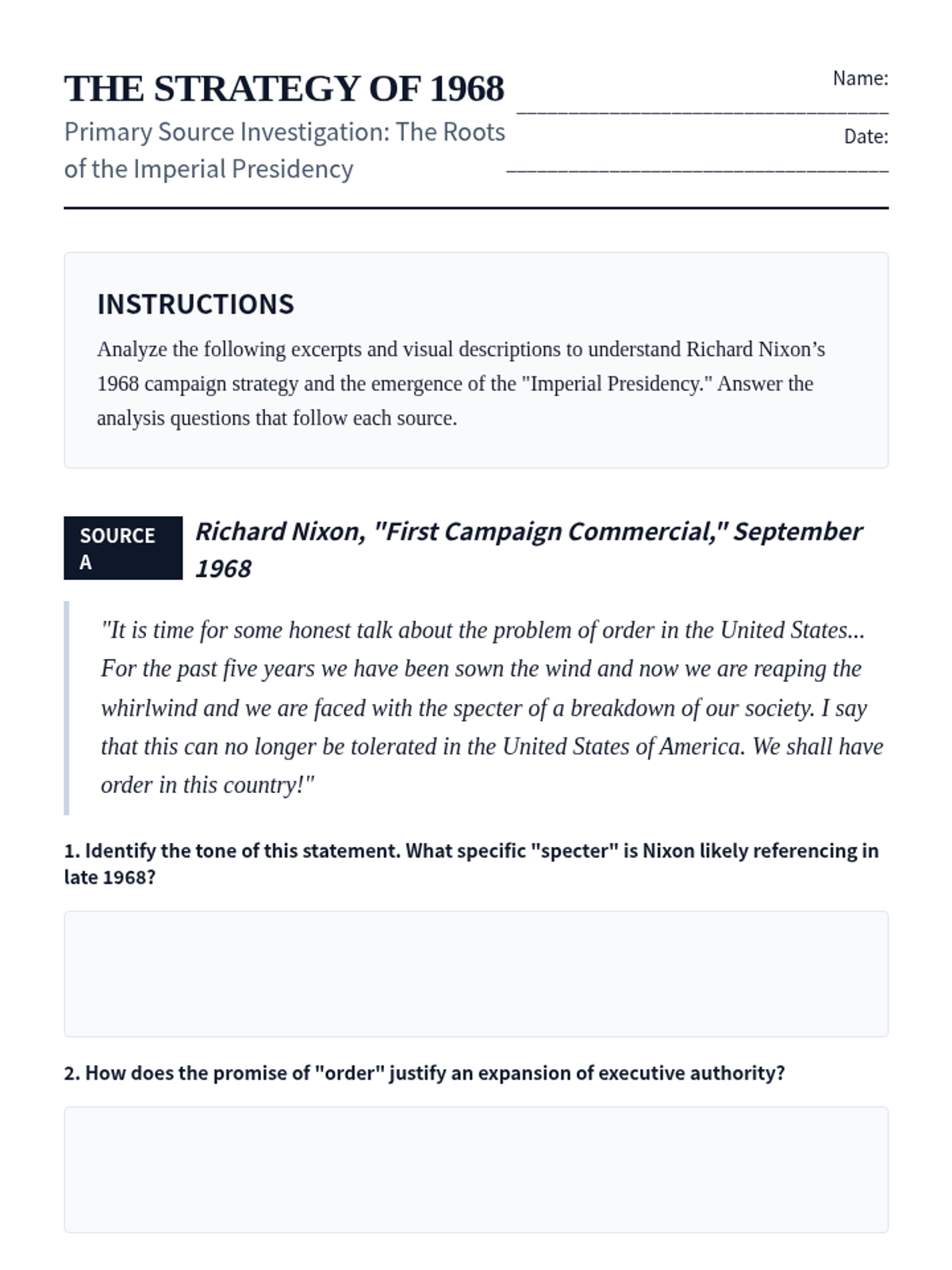
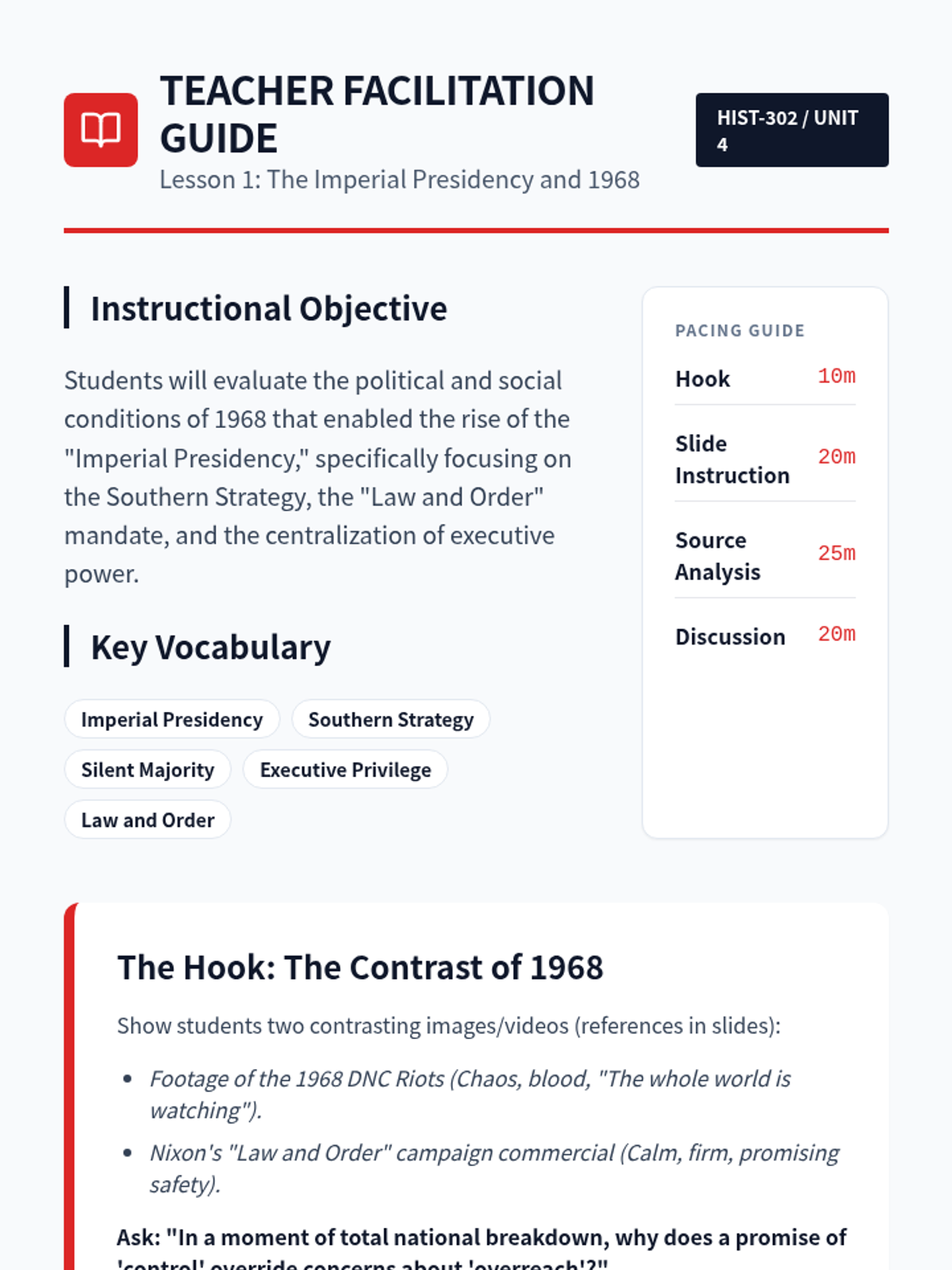
An in-depth examination of the 1970s constitutional crisis, focusing on the Nixon administration's use of executive power, the Watergate scandal, and the subsequent economic and political malaise that reshaped American trust in government.
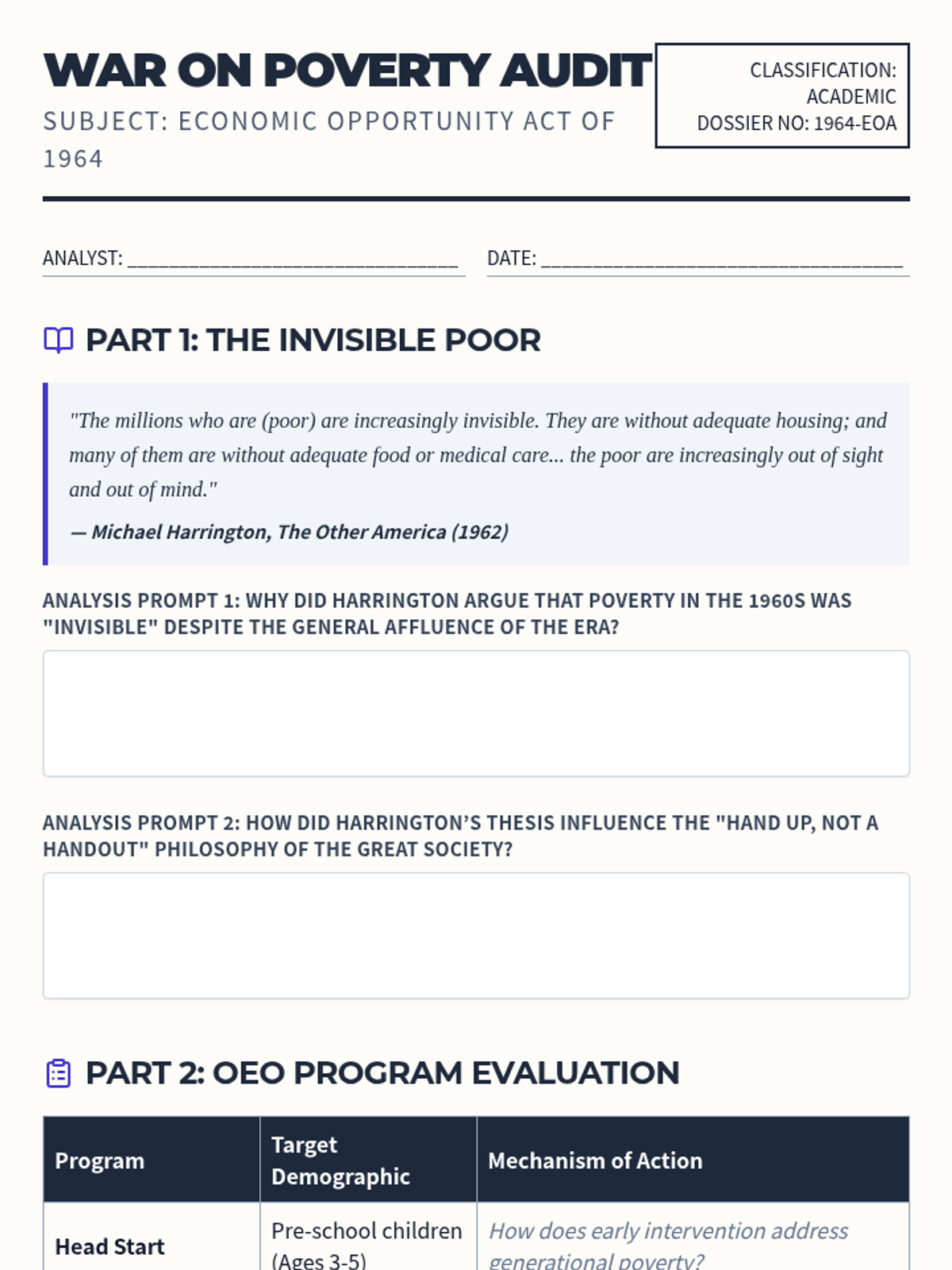
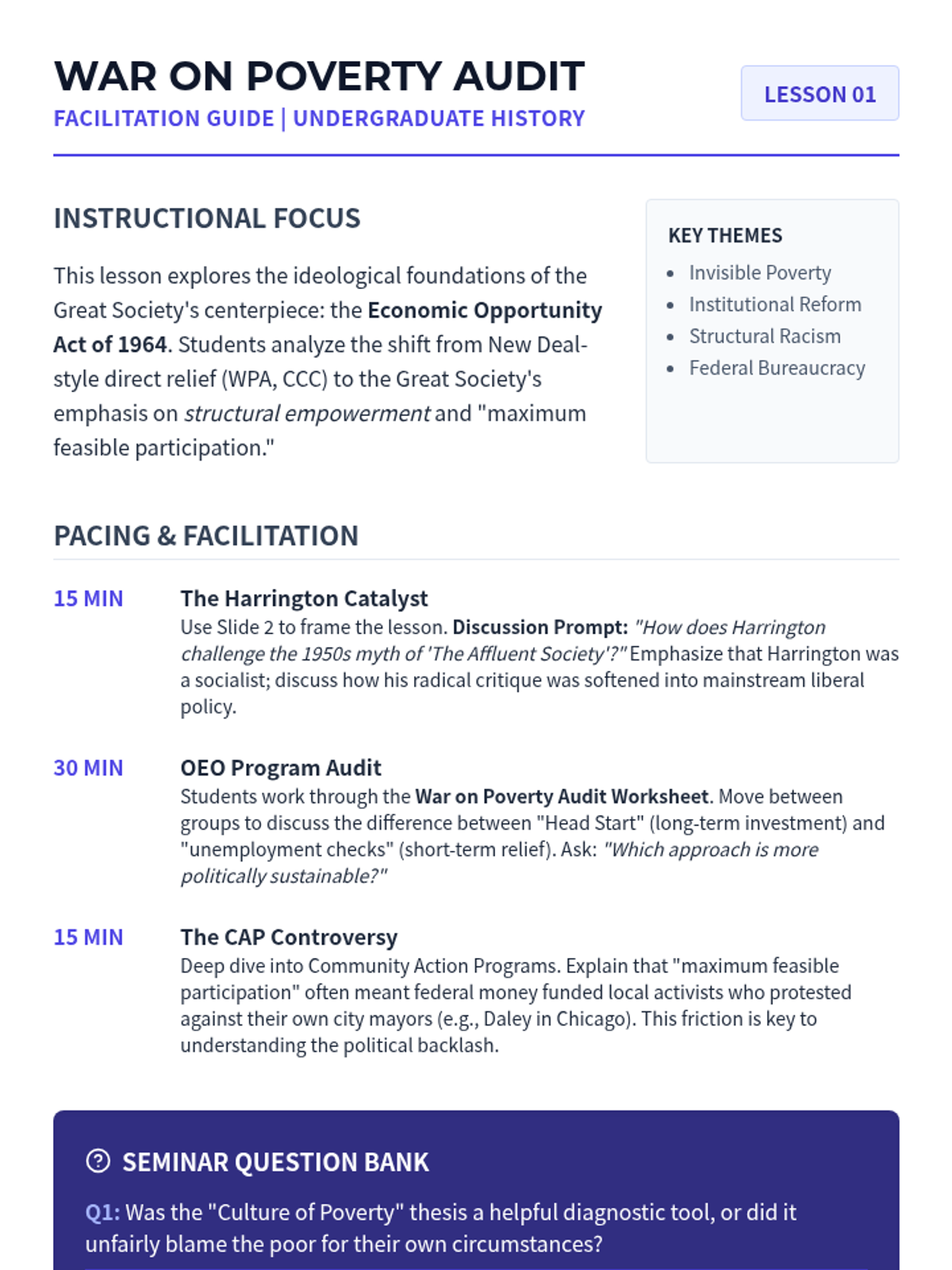
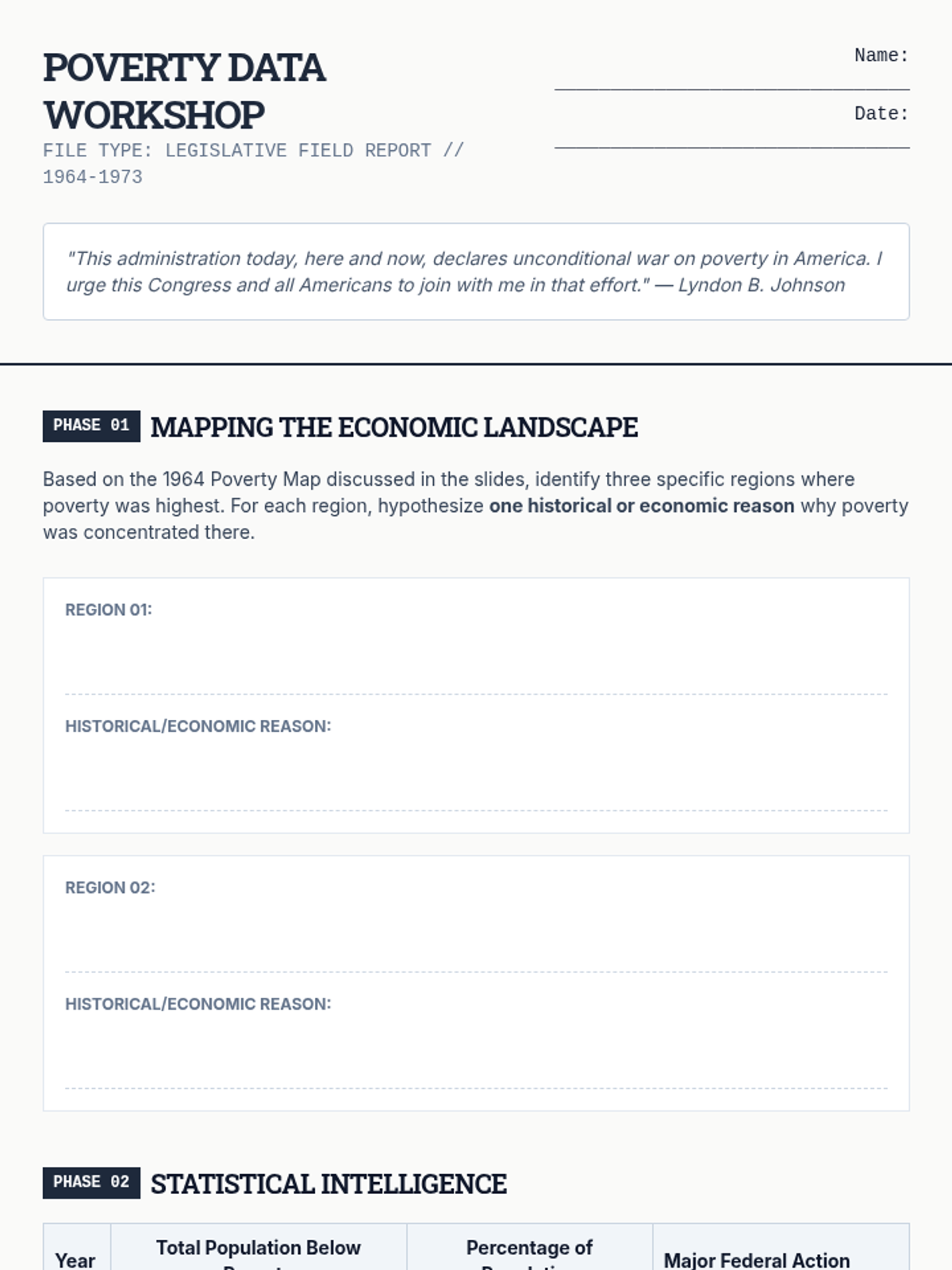
This undergraduate sequence evaluates the ambitious legislative agenda of Lyndon B. Johnson's Great Society, focusing on the War on Poverty, healthcare, immigration reform, and the fiscal tensions of the Vietnam War. Students analyze primary sources, demographic data, and economic policies to determine the lasting legacy of 1960s liberalism.
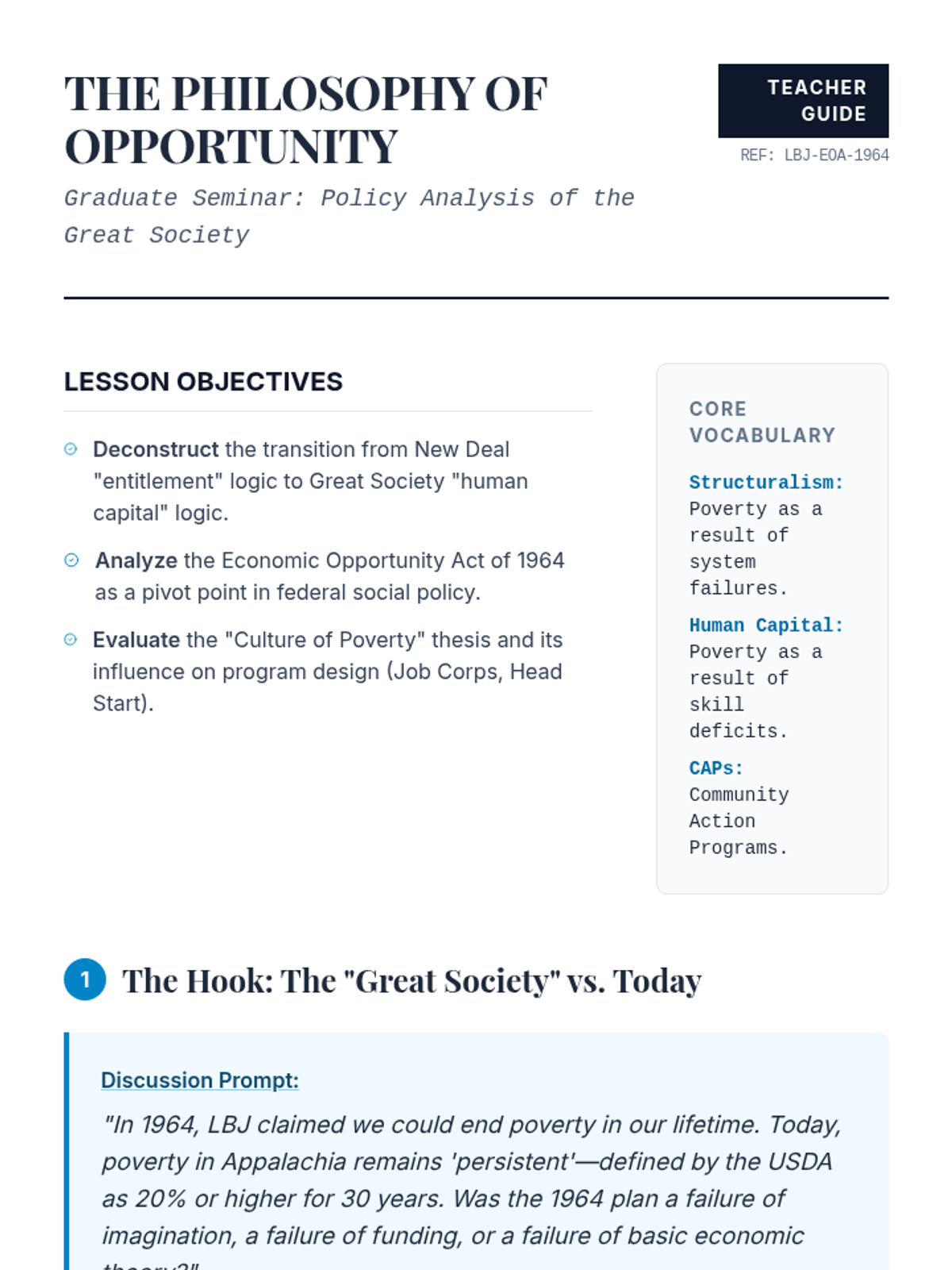
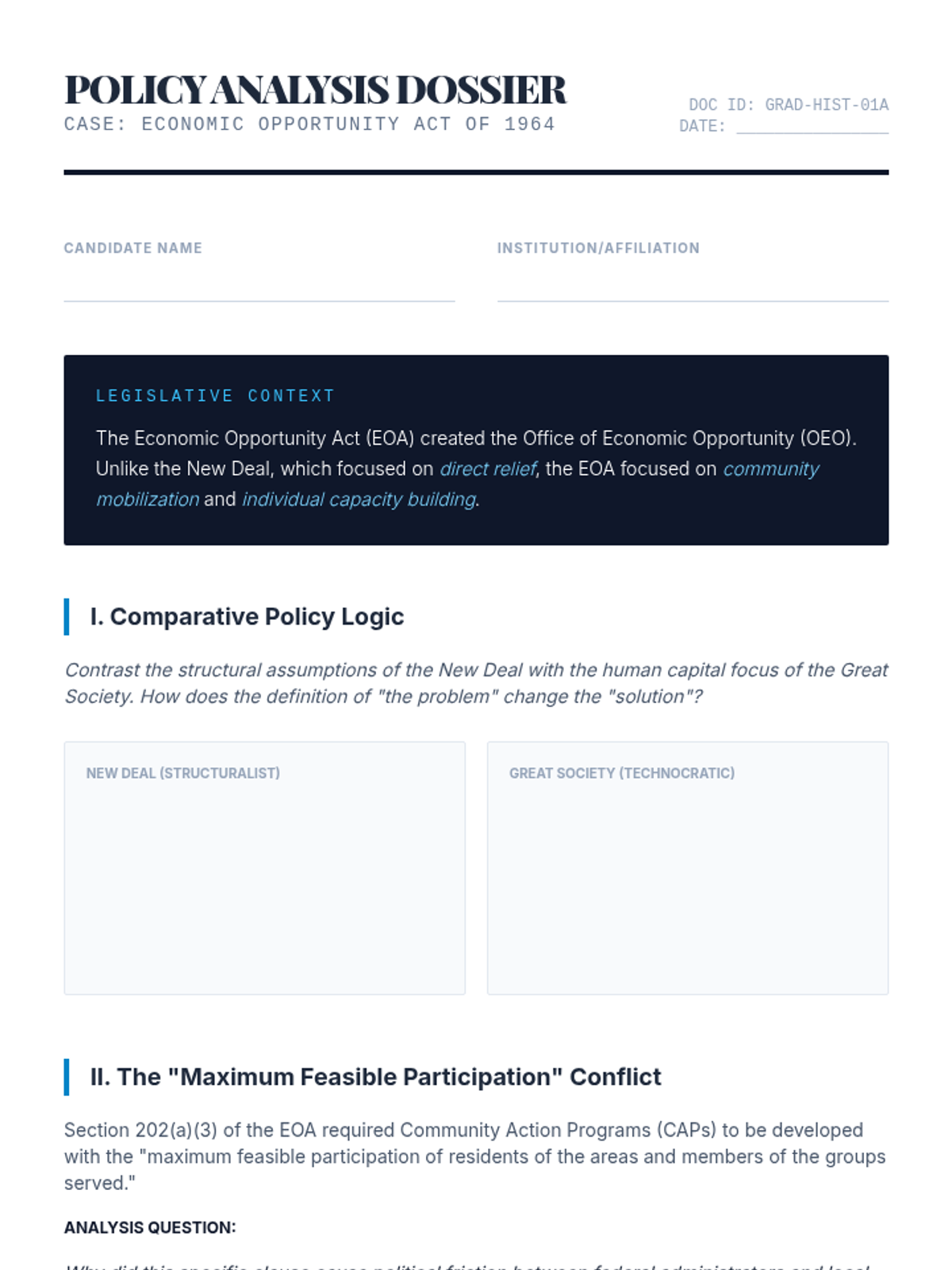
A graduate-level policy analysis of the Great Society programs, examining the legislative architecture, economic theories, and long-term sociological impacts of the 1960s welfare state expansion.
This sequence explores the massive expansion of the federal government under Lyndon B. Johnson's Great Society and the cultural optimism of the Space Race. Students assess the efficacy of social welfare programs and the role of government in scientific advancement during the 1960s.
This high school history sequence examines the lasting impact of the Great Depression and New Deal on modern America, comparing 1930s reforms to the 2008 financial crisis and contemporary policy proposals.
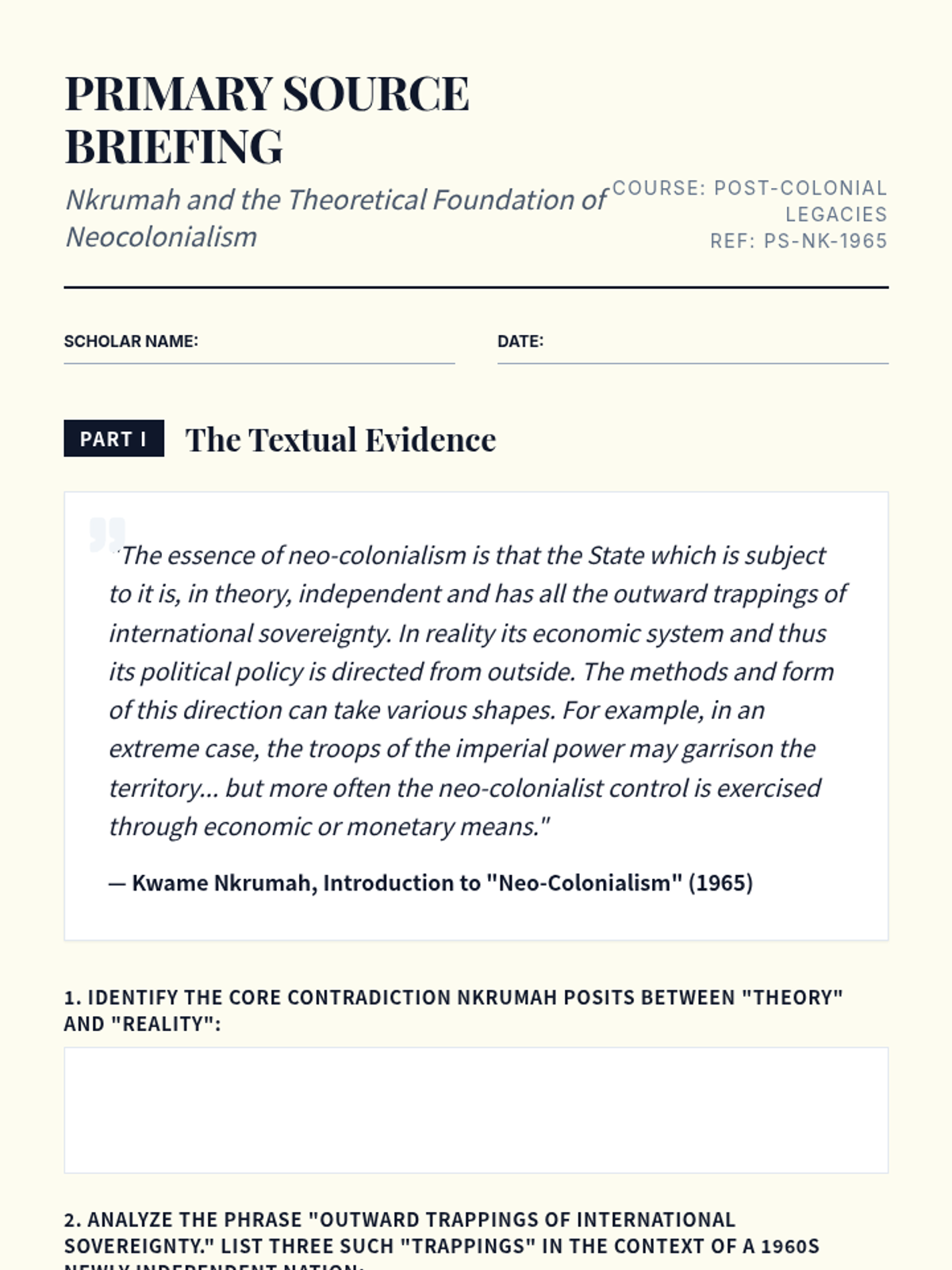
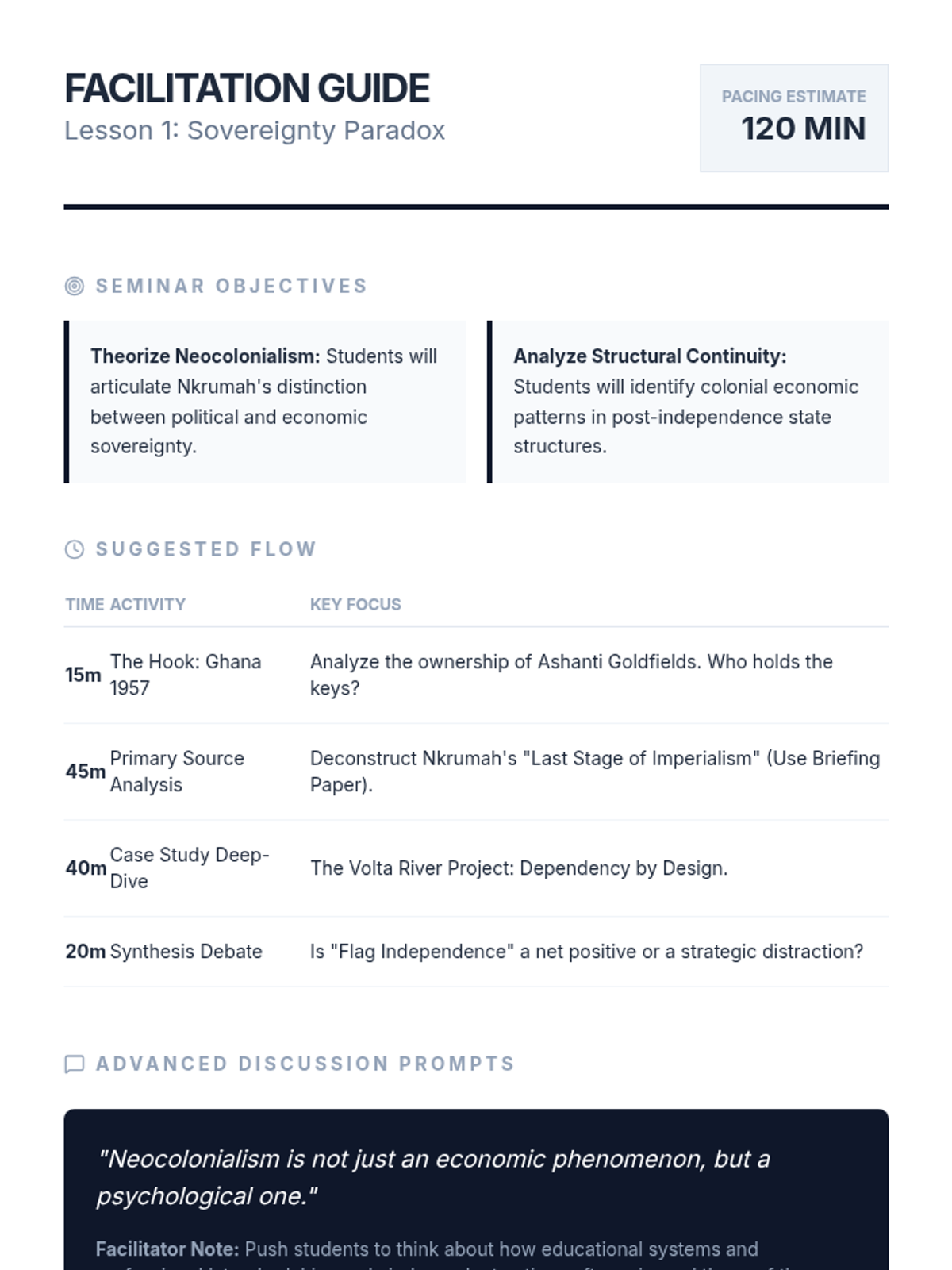
A graduate-level exploration of how historical imperial structures persist through modern neocolonialism, economic dependency, and cultural heritage disputes. Students analyze theoretical frameworks and contemporary case studies to understand the enduring impact of colonial rule.
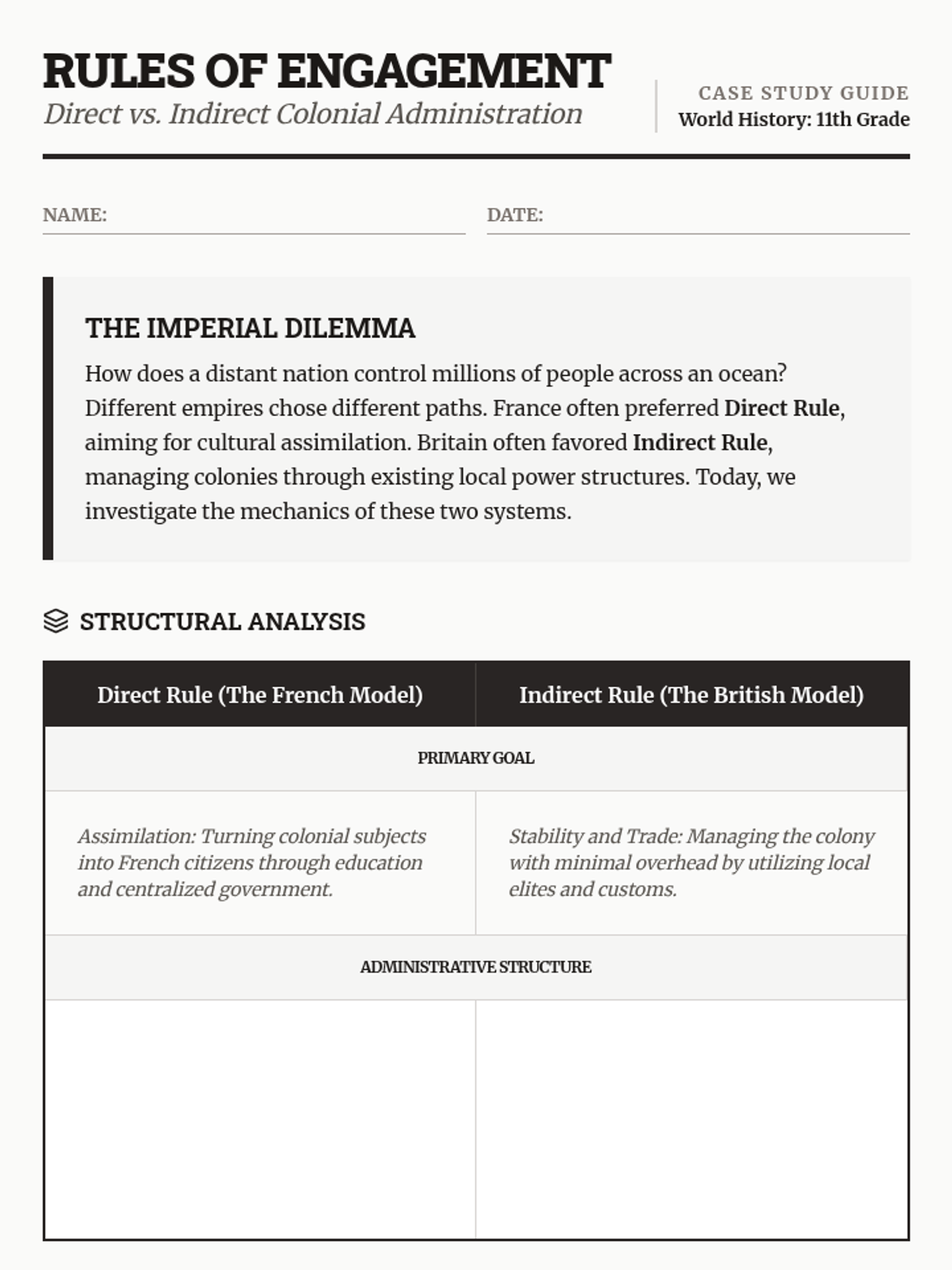
This sequence examines the administrative and economic mechanisms of 19th and 20th-century imperialism, focusing on the differences between direct and indirect rule, the transition to extraction-based economies, and the long-term cultural impacts of colonial education. Students analyze primary sources, maps, and economic data to evaluate the complex legacy of 'modernization' versus exploitation.
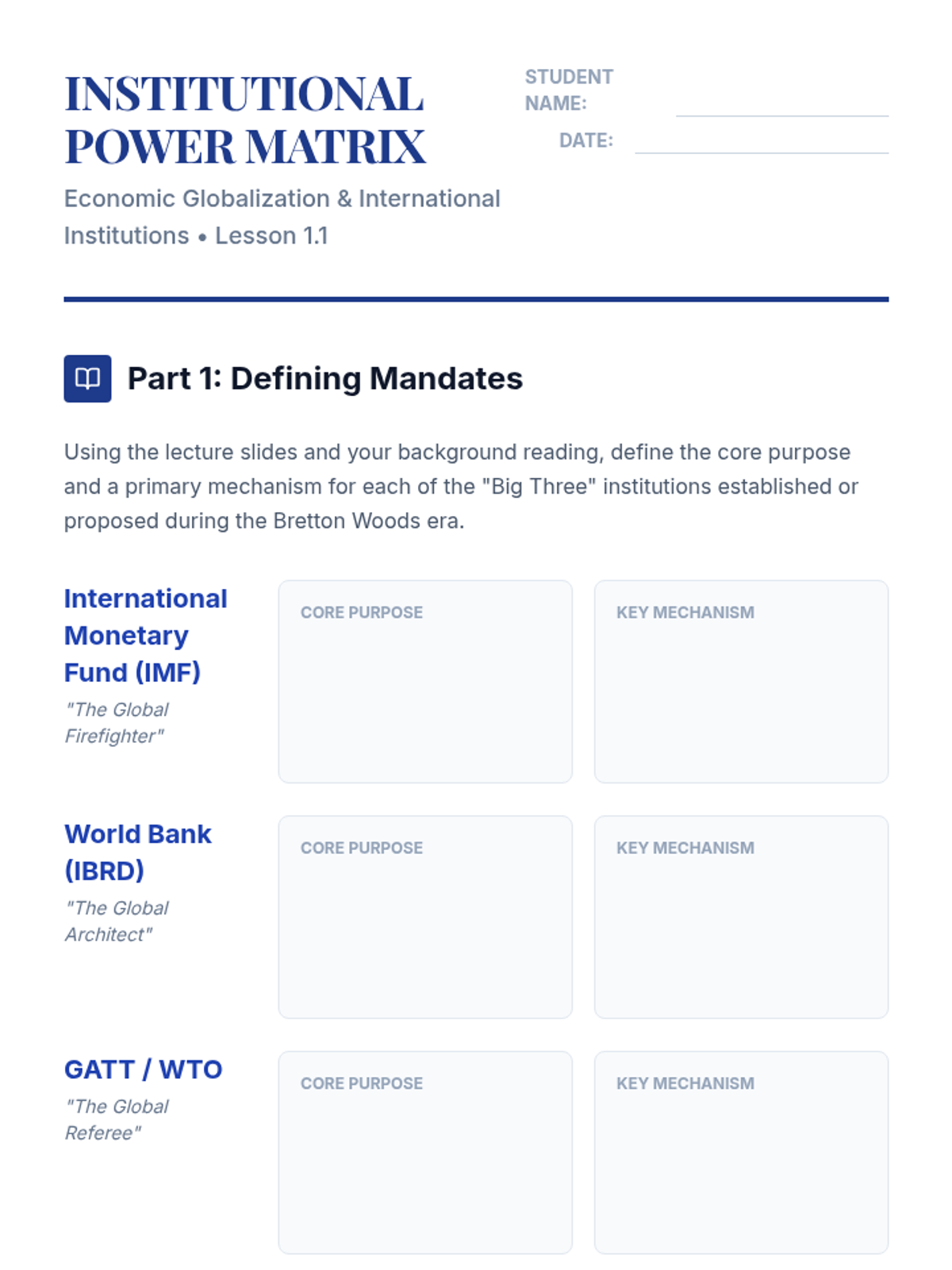
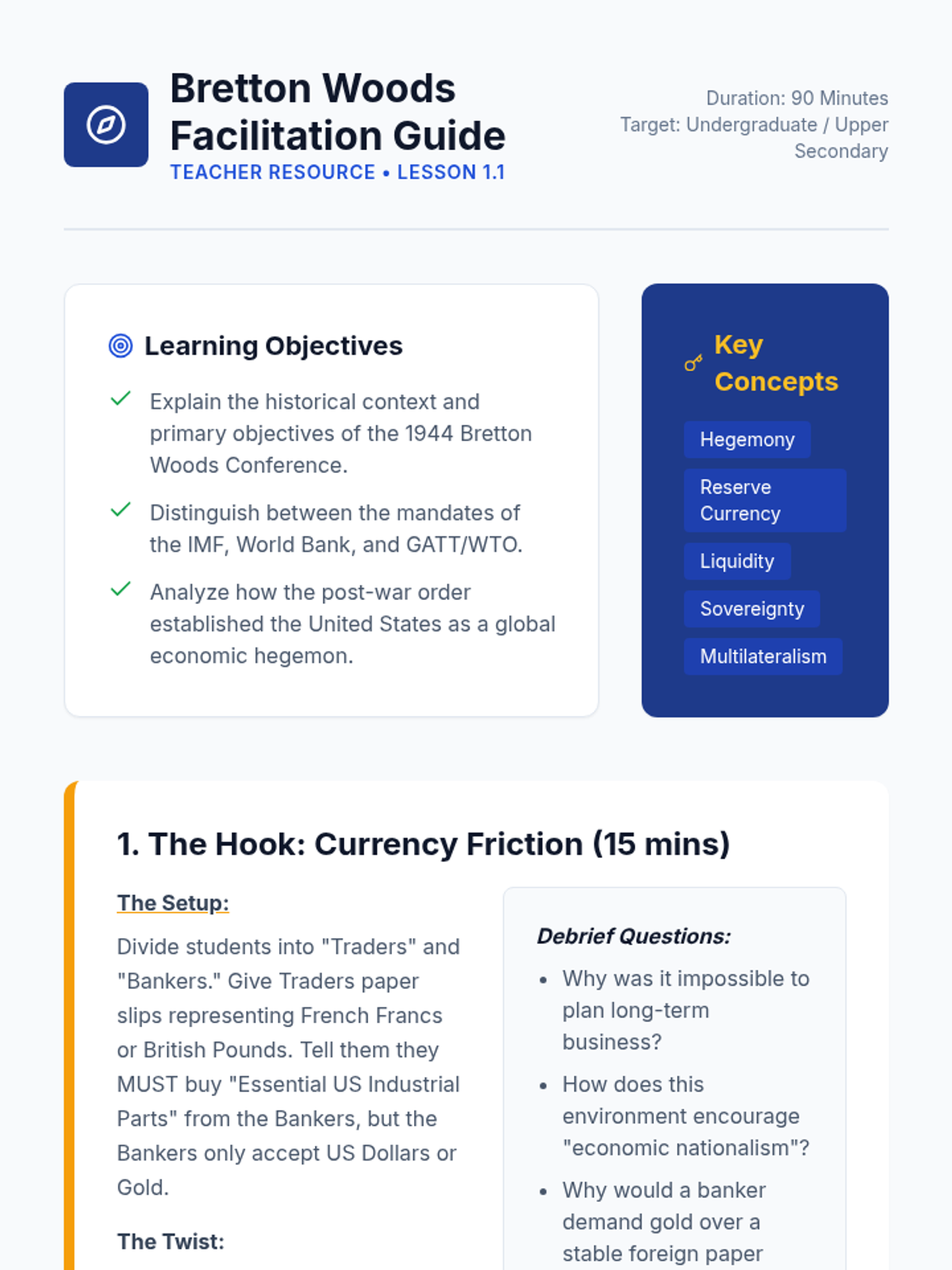
This sequence explores the economic and technological integration of the world from the Bretton Woods conference to the present day. Students will analyze the evolution of global capitalism, the rise of neoliberalism, the pivotal financial crises, and the contemporary backlash against globalization through economic history and policy analysis.
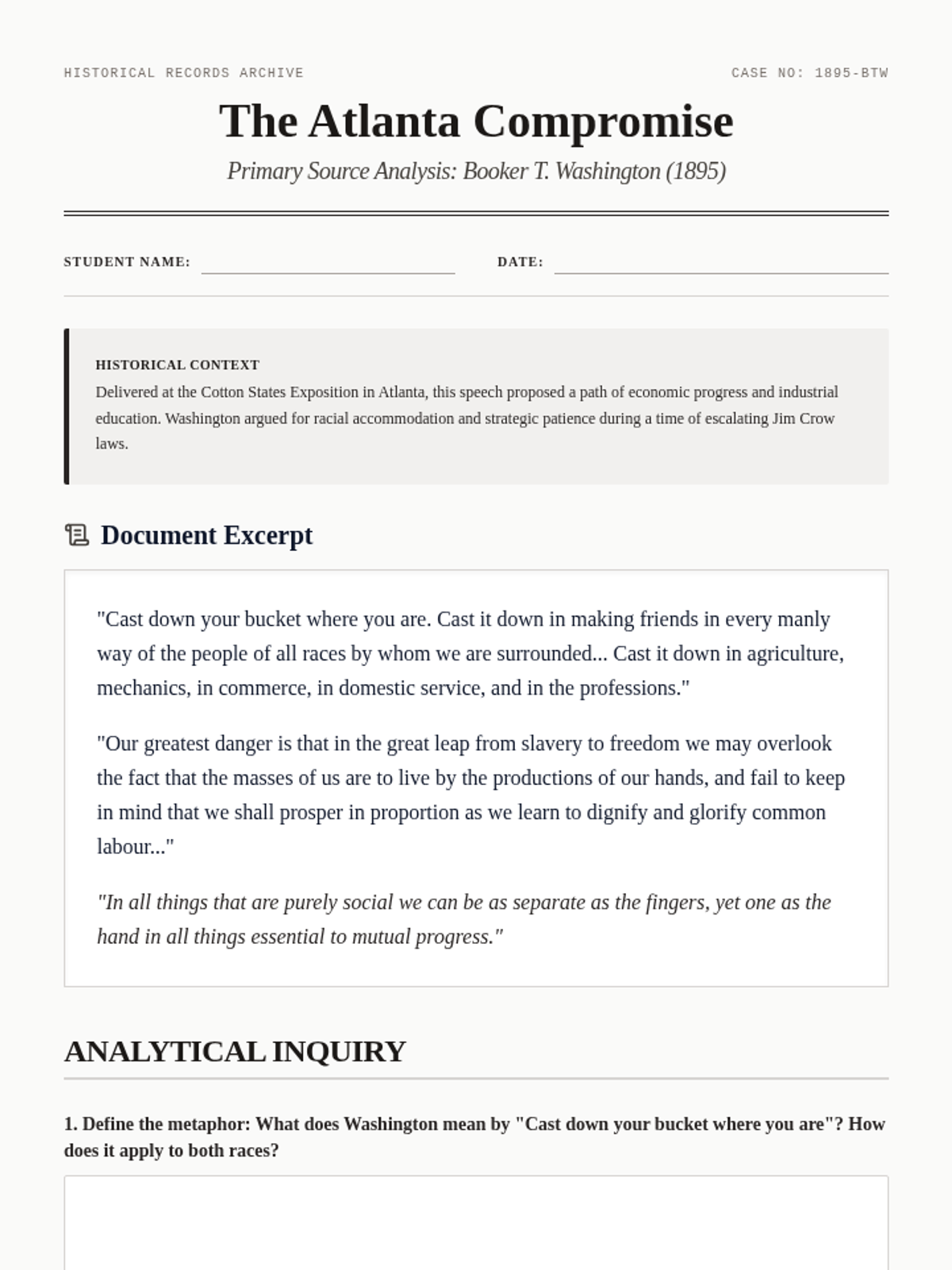
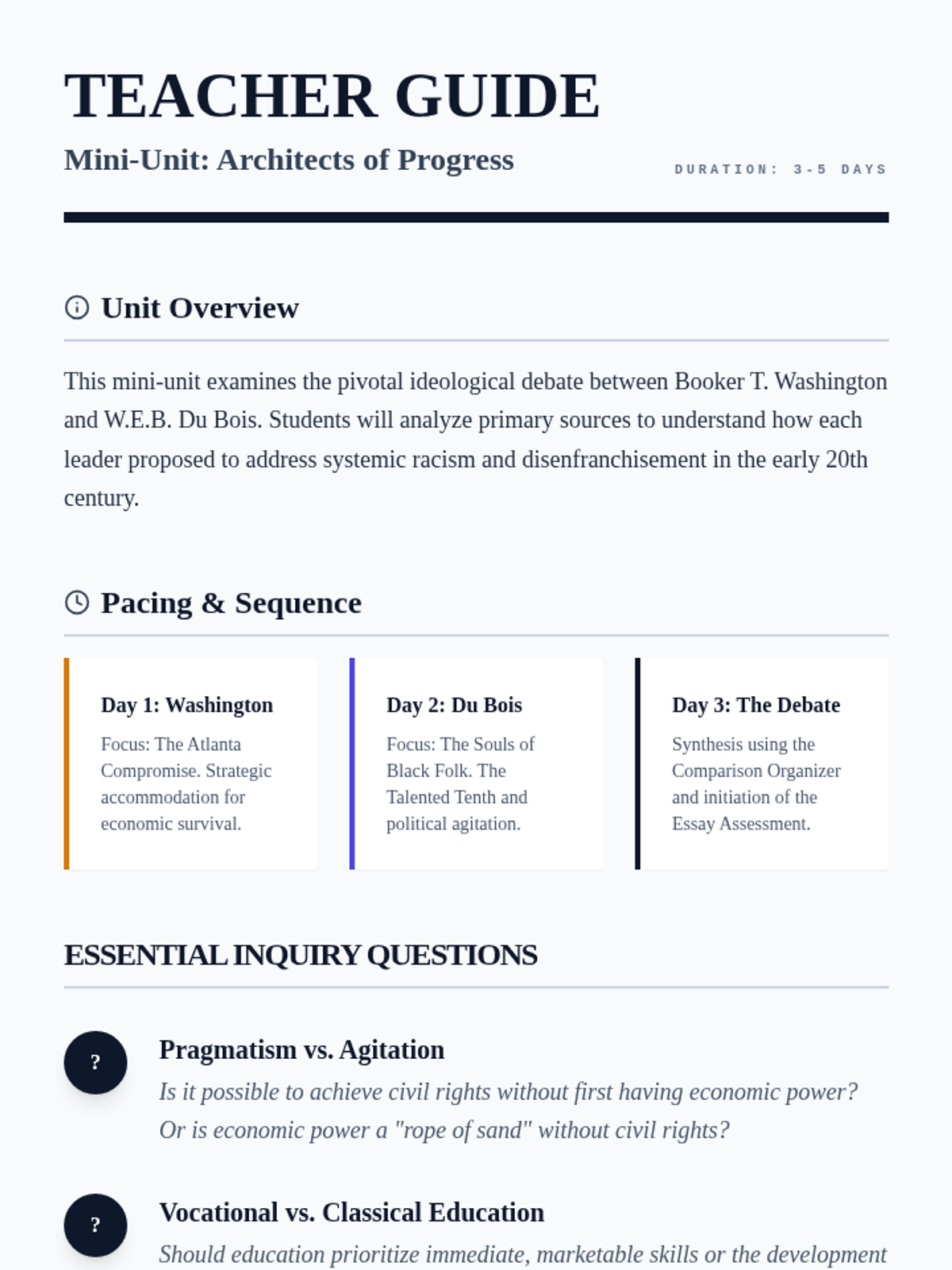
A multi-day mini-unit exploring the contrasting philosophies of Booker T. Washington and W.E.B. Du Bois regarding African American progress, education, and civil rights at the turn of the 20th century.
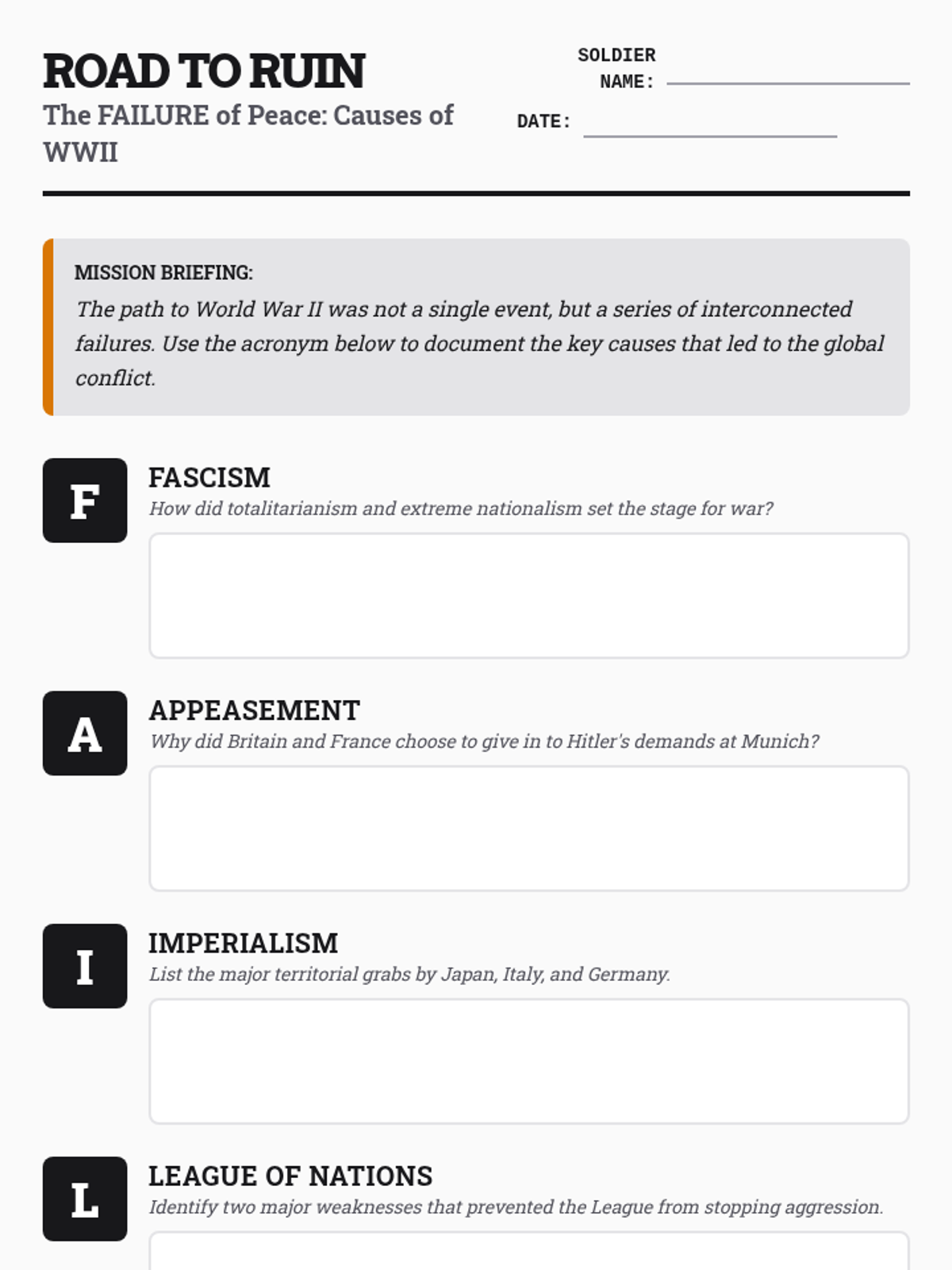
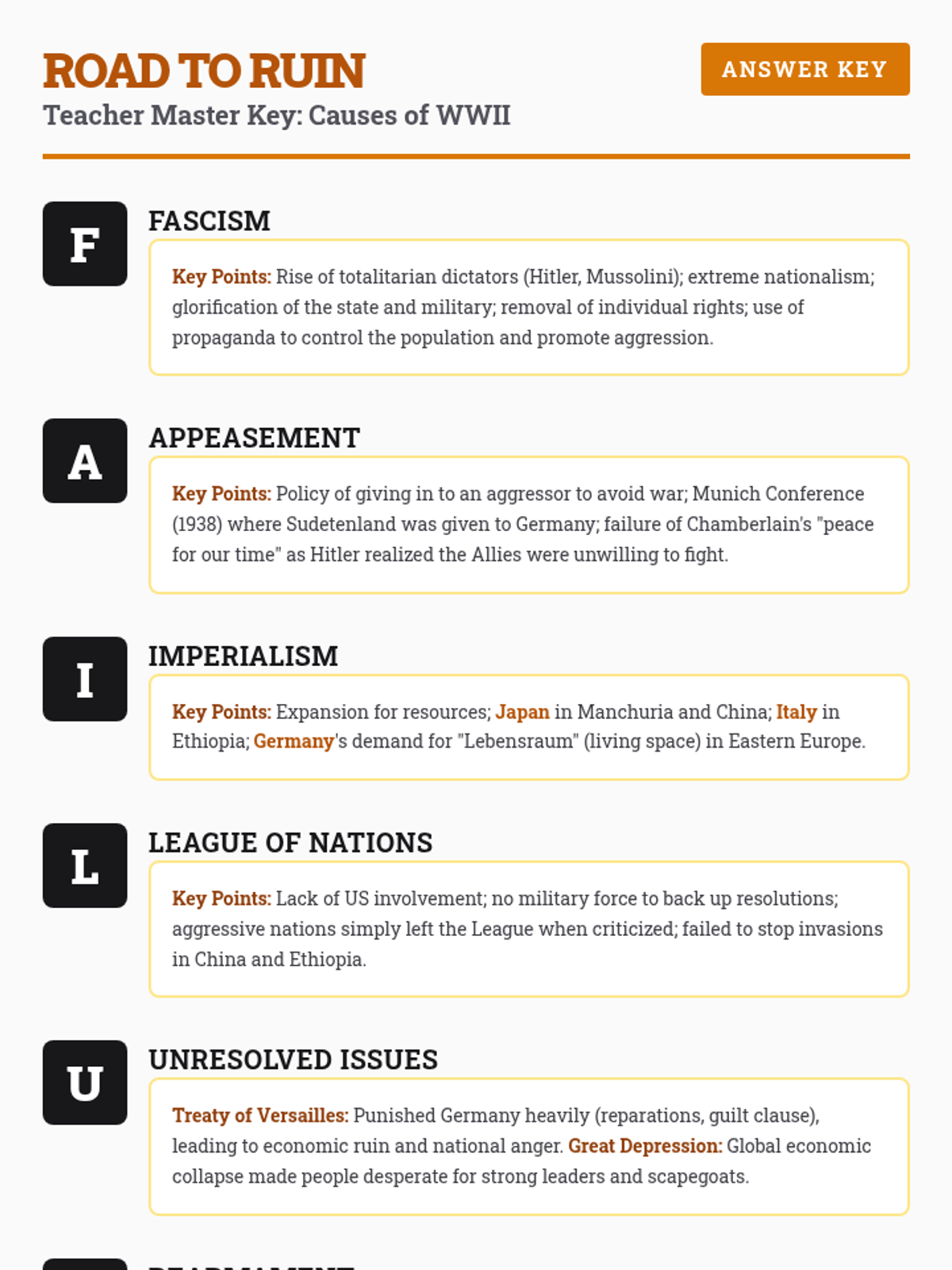
A comprehensive look at the origins and early stages of World War II, from global systemic failures to the specific regional reasons for Australian involvement.
A rigorous undergraduate sequence exploring the economic divergence of the British North American colonies. Students analyze the transition from servitude to slavery, the influence of religious ideology on market regulation, and the complexities of the Atlantic mercantilist system.
This sequence investigates the mechanisms of US hegemony in Latin America and the Caribbean, focusing on the transition from military conquest to economic stewardship. Students analyze the Roosevelt Corollary, Dollar Diplomacy, and Wilsonian Idealism through specific case studies in Panama, the Dominican Republic, and Mexico.
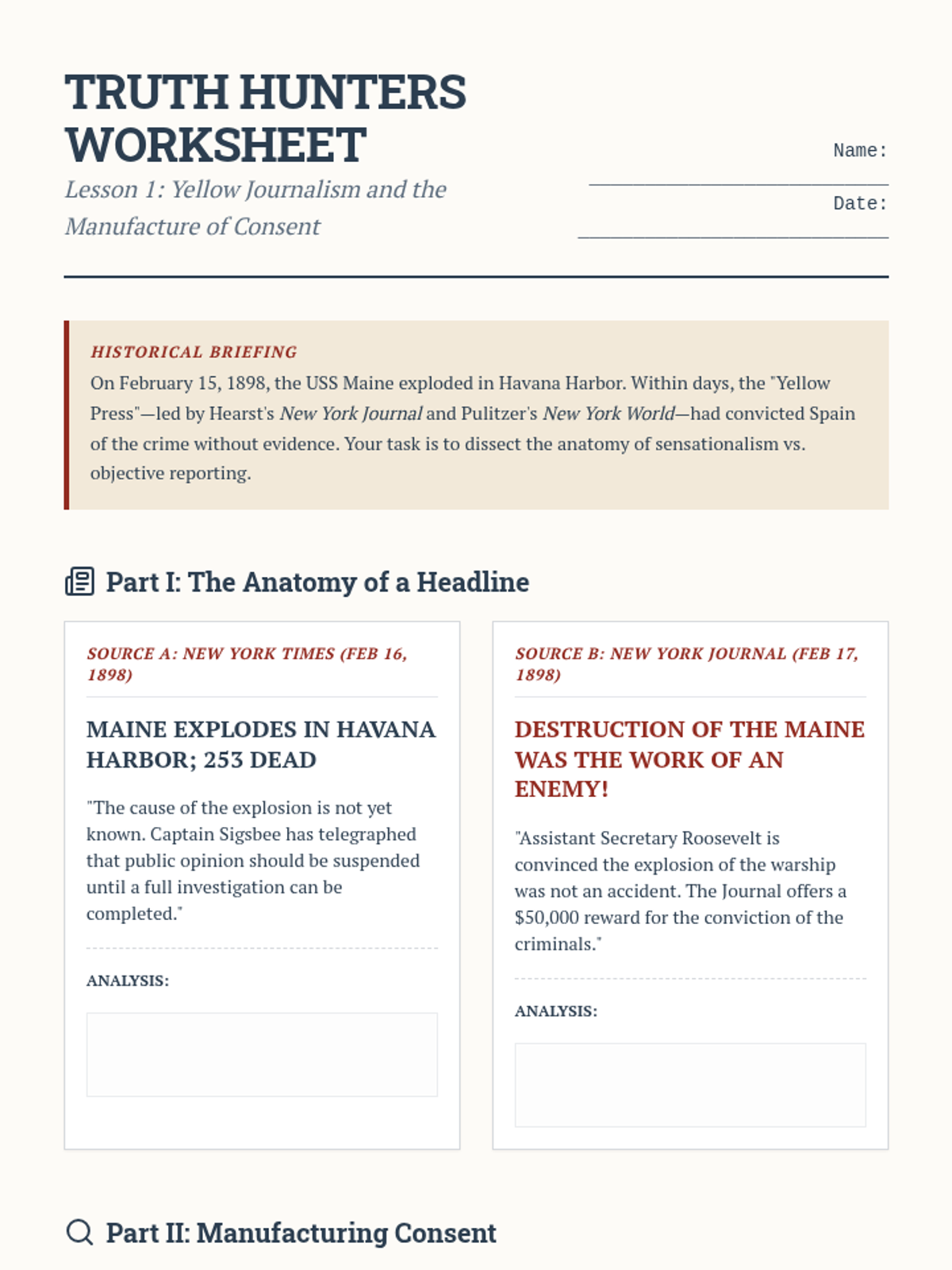
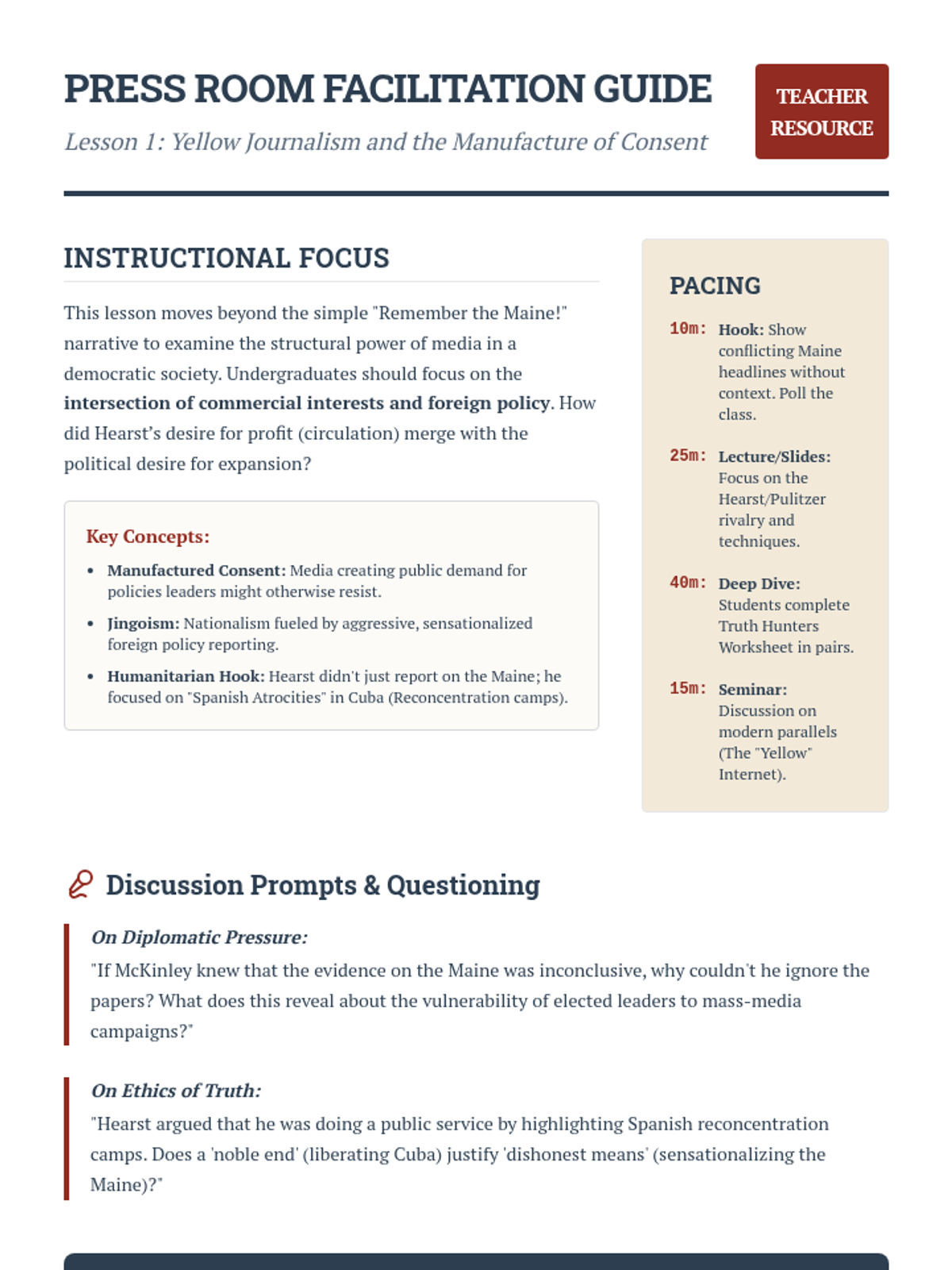
A deep dive into the Spanish-American and Philippine-American Wars, examining media influence, diplomatic failure, strategic annexation, and the ethical costs of global empire building.
This graduate-level sequence investigates the economic motivations behind early 20th-century US foreign policy. It examines the shift from territorial conquest to 'Dollar Diplomacy,' focusing on the entanglement of state power with private corporate interests in the Caribbean, Central America, and East Asia.
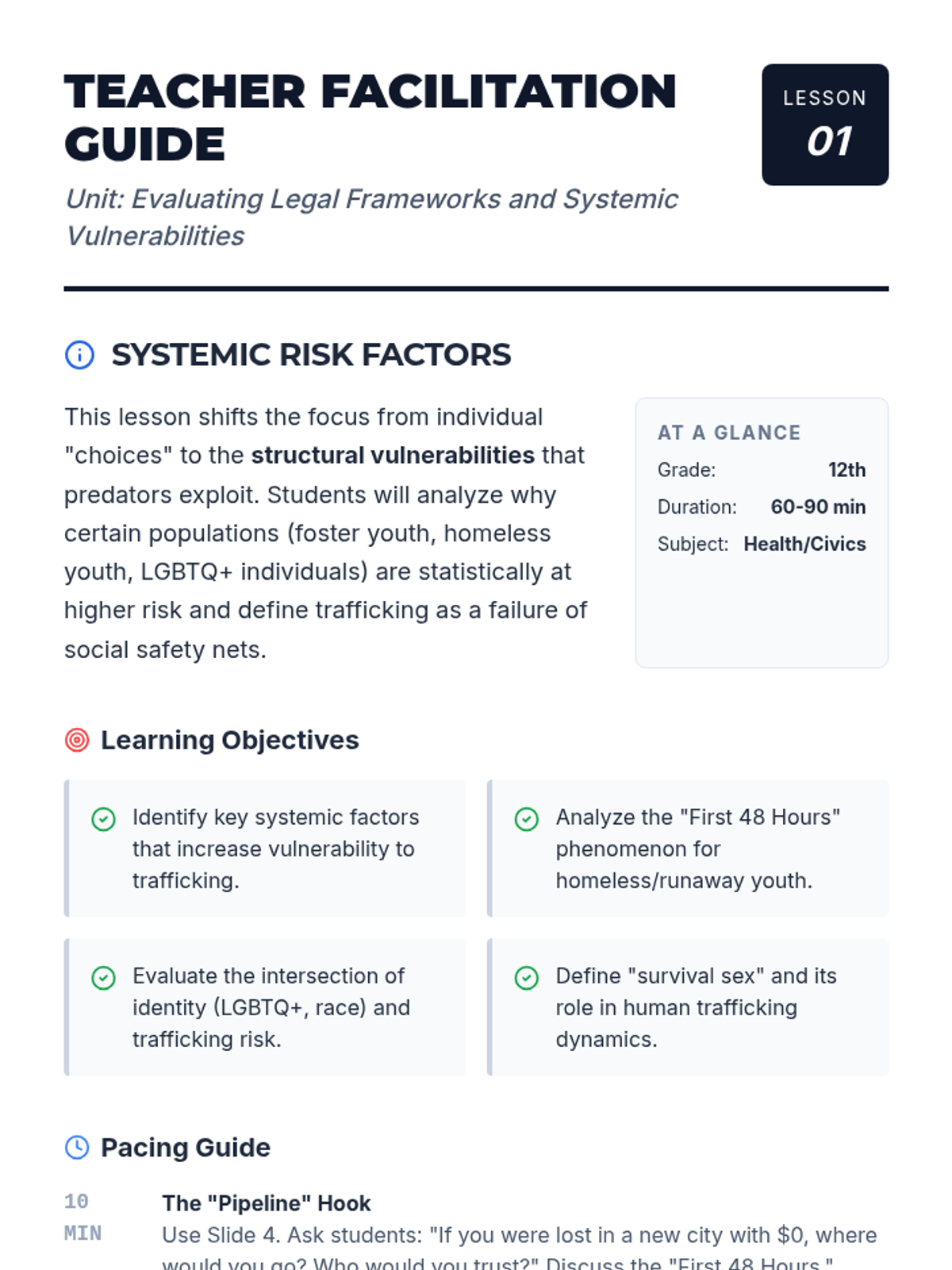
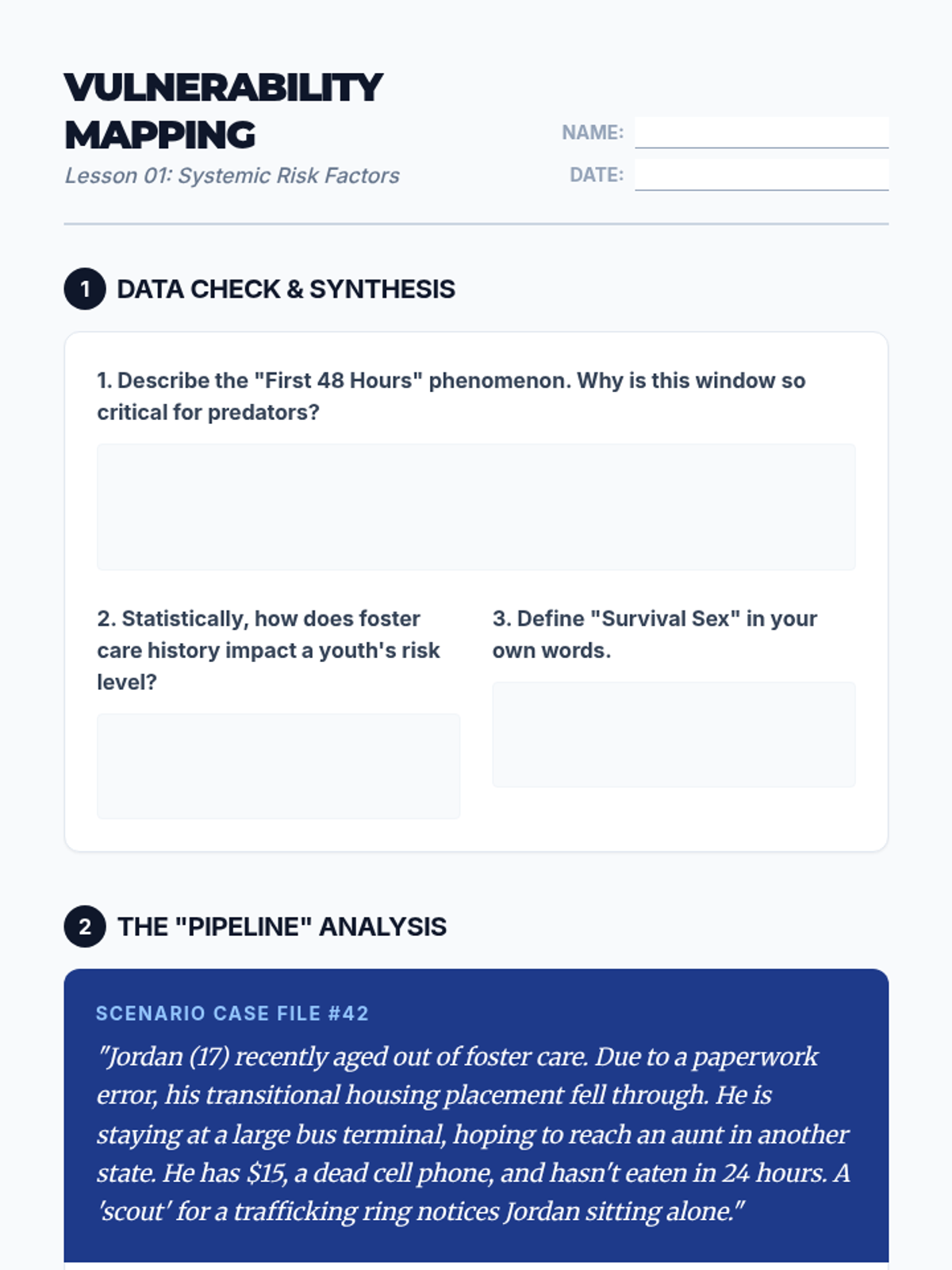
This sequence analyzes the systemic factors that contribute to human trafficking and the legal frameworks designed to combat it. Students explore how systemic inequalities like homelessness, the foster care system, and systemic racism increase trafficking risk and evaluate the effectiveness of policies like the TVPA.
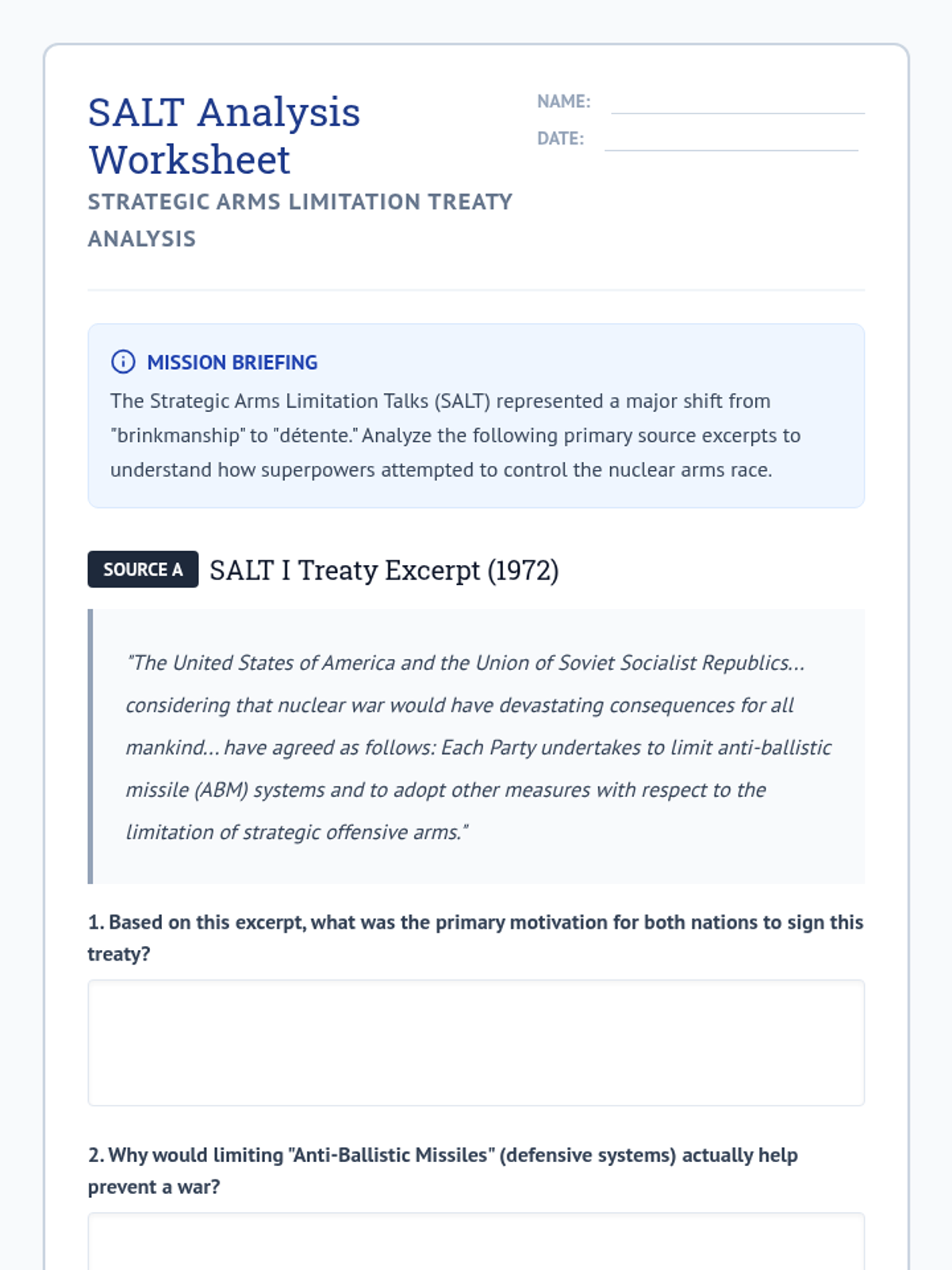
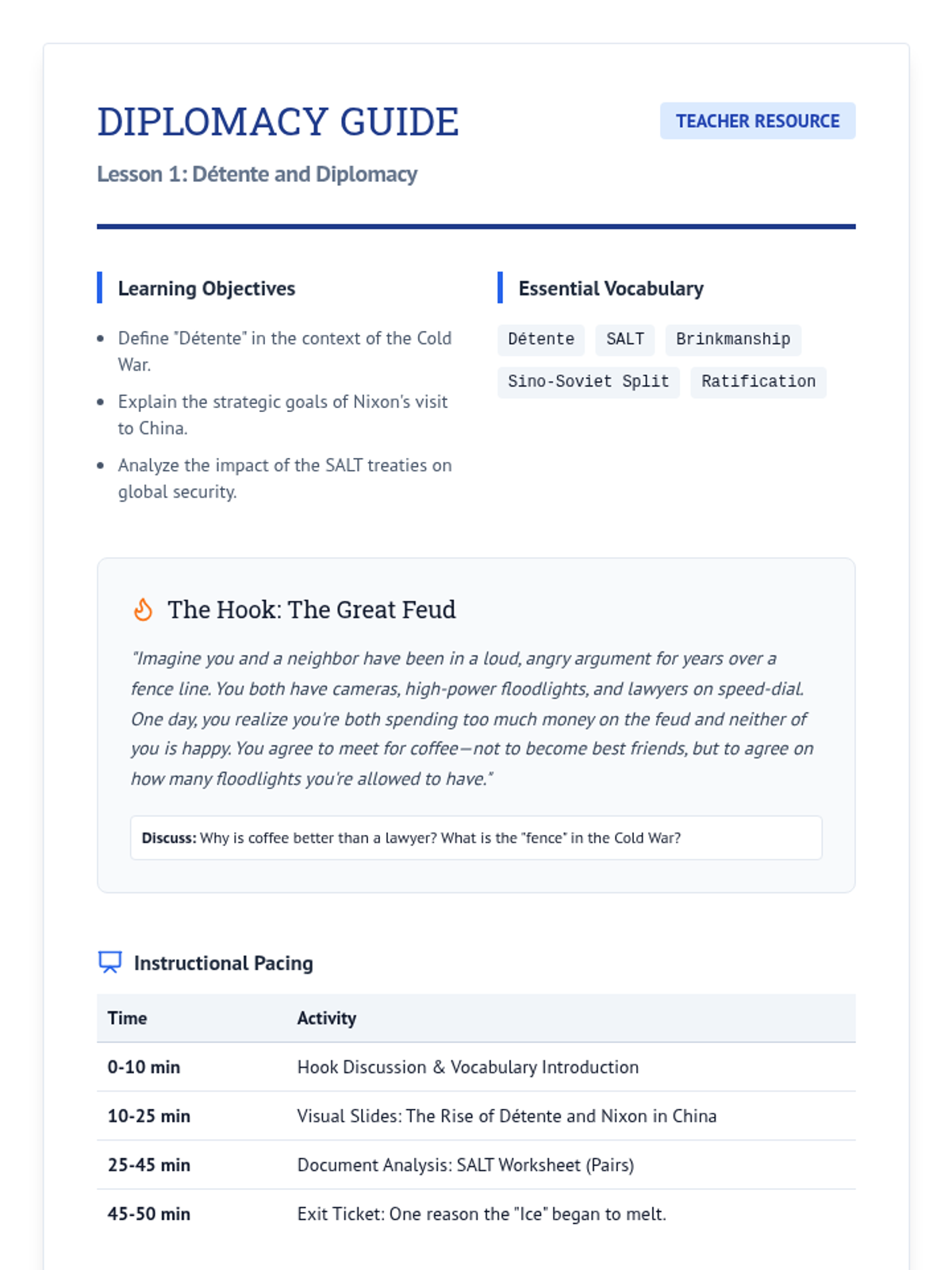
This sequence explores the final chapters of the Cold War, from the diplomatic easing of tensions to the dramatic collapse of the Soviet Union and its lasting impact on modern global politics.
A deep-dive investigation into how narrative nonfiction explores systemic societal issues. Students analyze context, bias, and systemic roots before engaging in a formal Socratic Seminar.
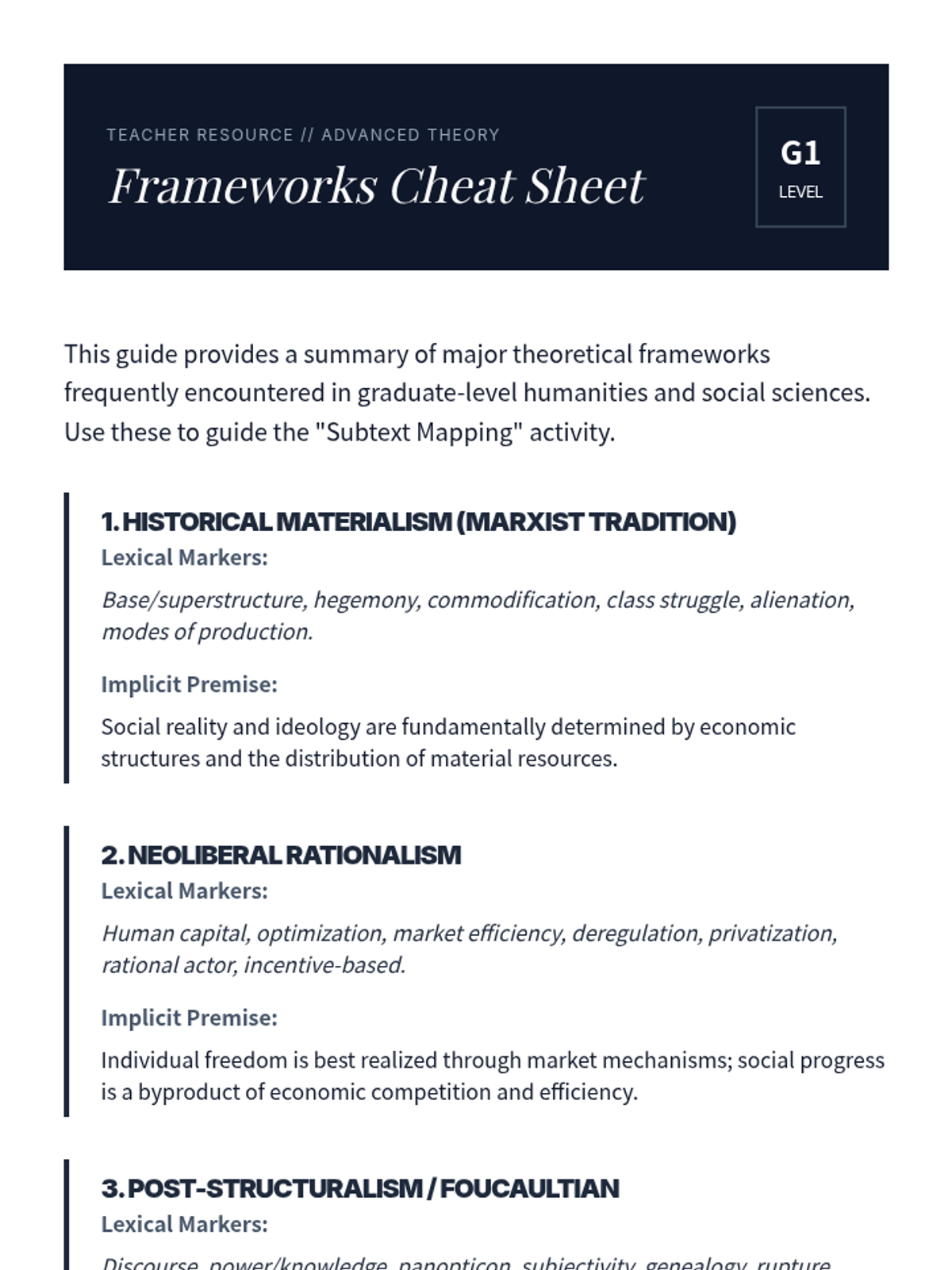
This advanced graduate-level sequence focuses on the deconstruction of implicit ideologies, theoretical underpinnings, and rhetorical silences in complex academic and historical texts. Students move from identifying hidden frameworks to evaluating disciplinary interpretations and defending their own critical stances in a hermeneutic seminar.
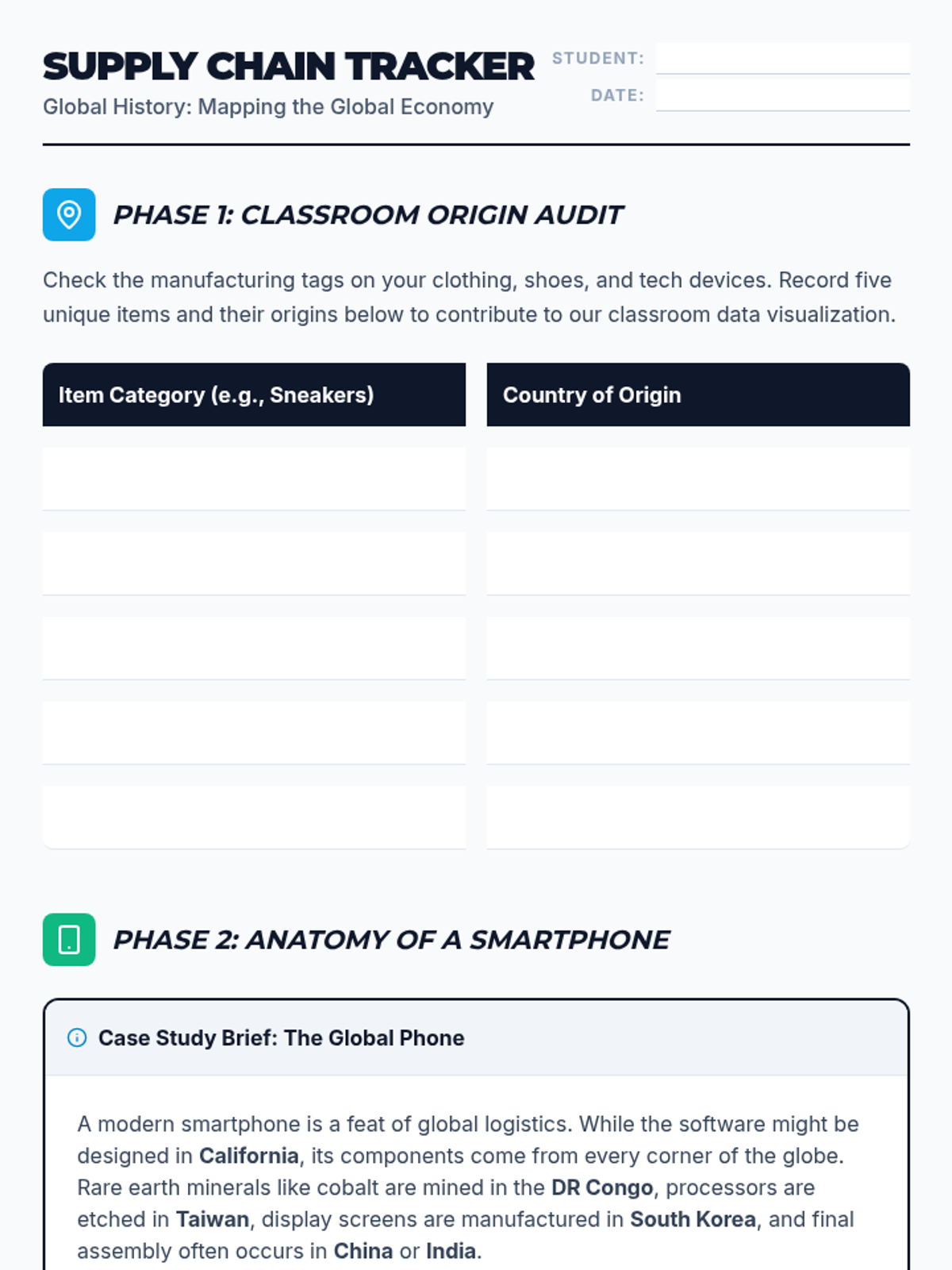
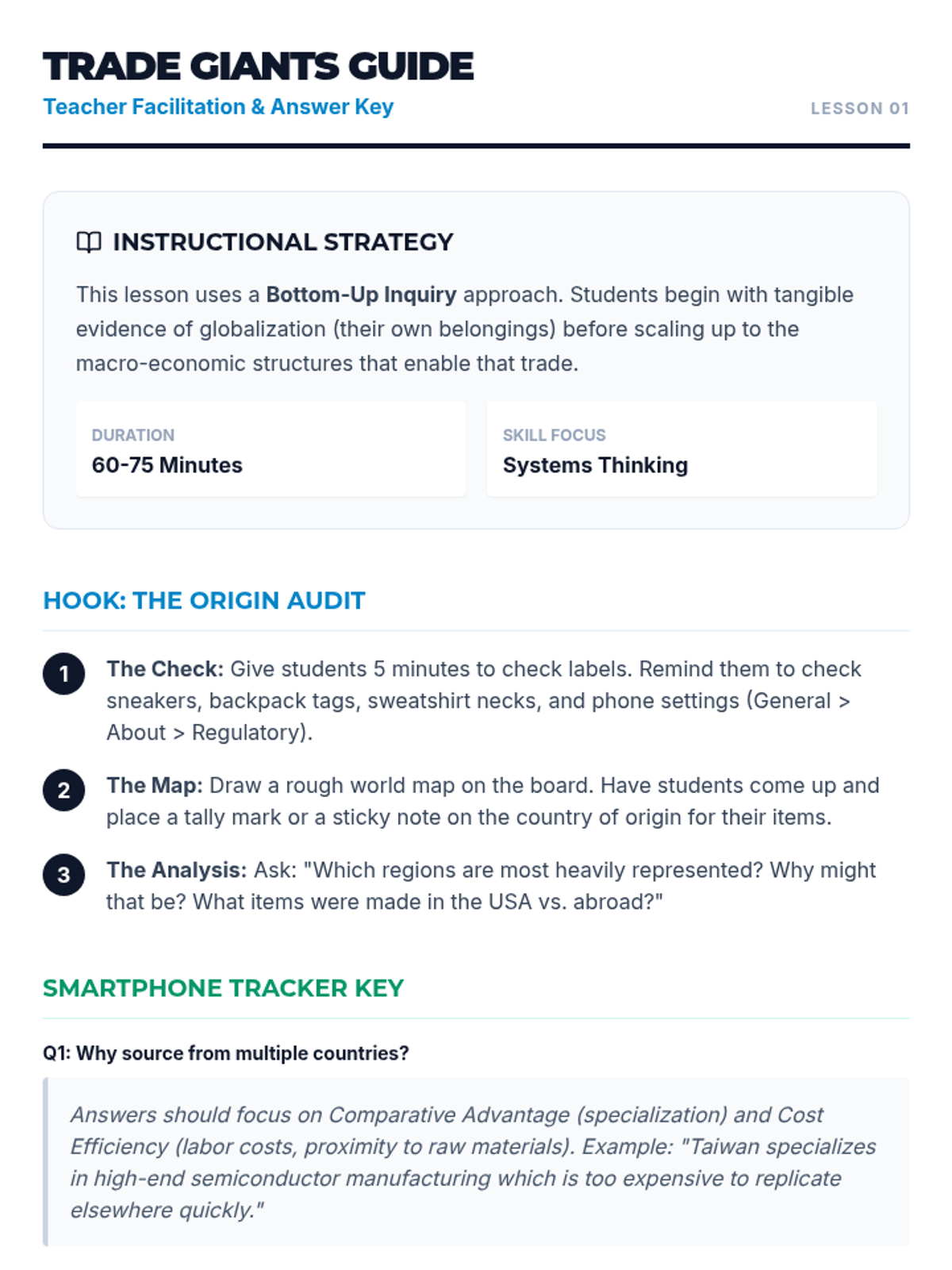
A comprehensive 5-lesson unit for 11th-grade students examining the economic, technological, and cultural dimensions of globalization. Students analyze global supply chains, the digital revolution, cultural homogenization, labor rights, and future transnational crises.
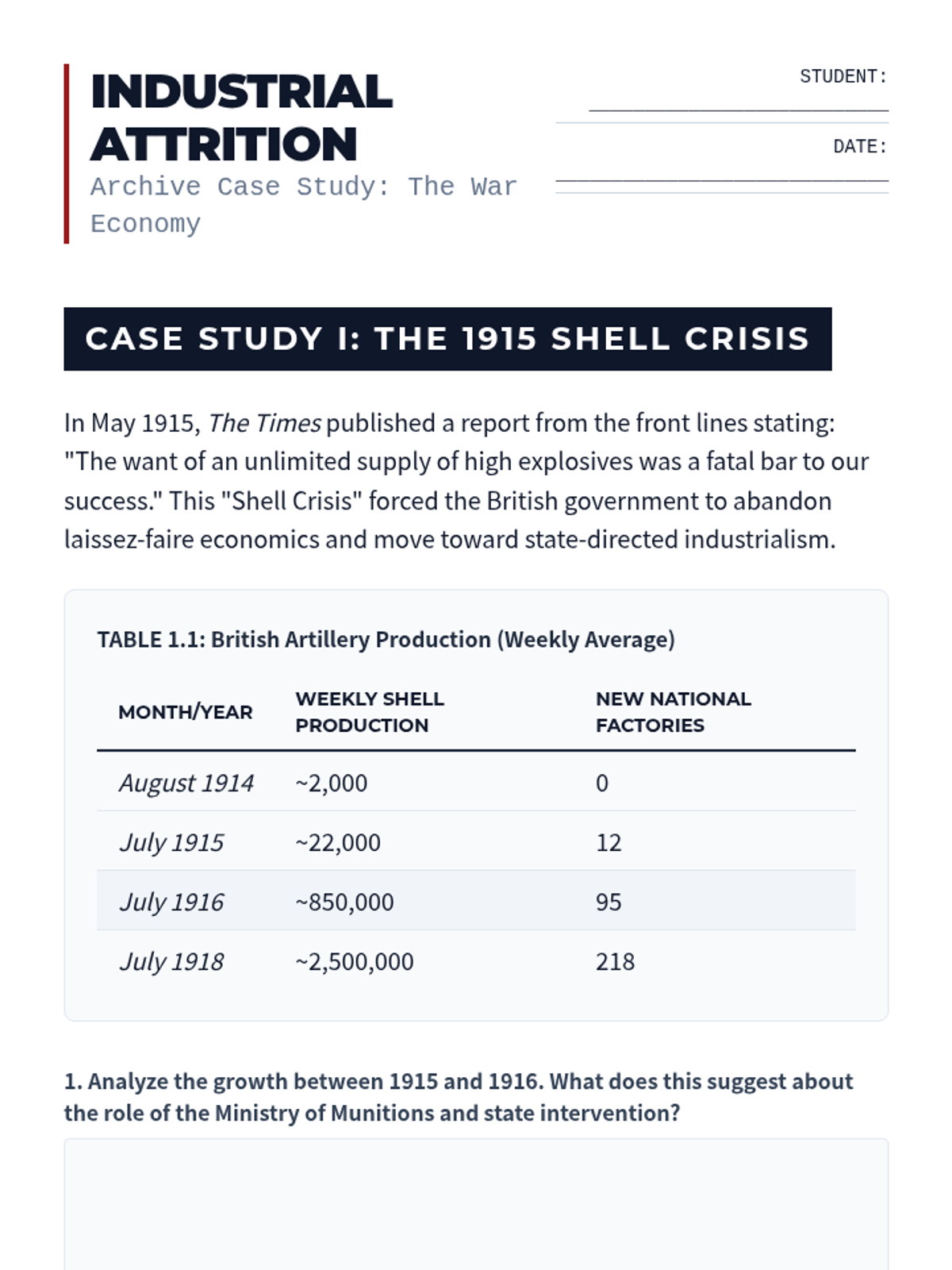
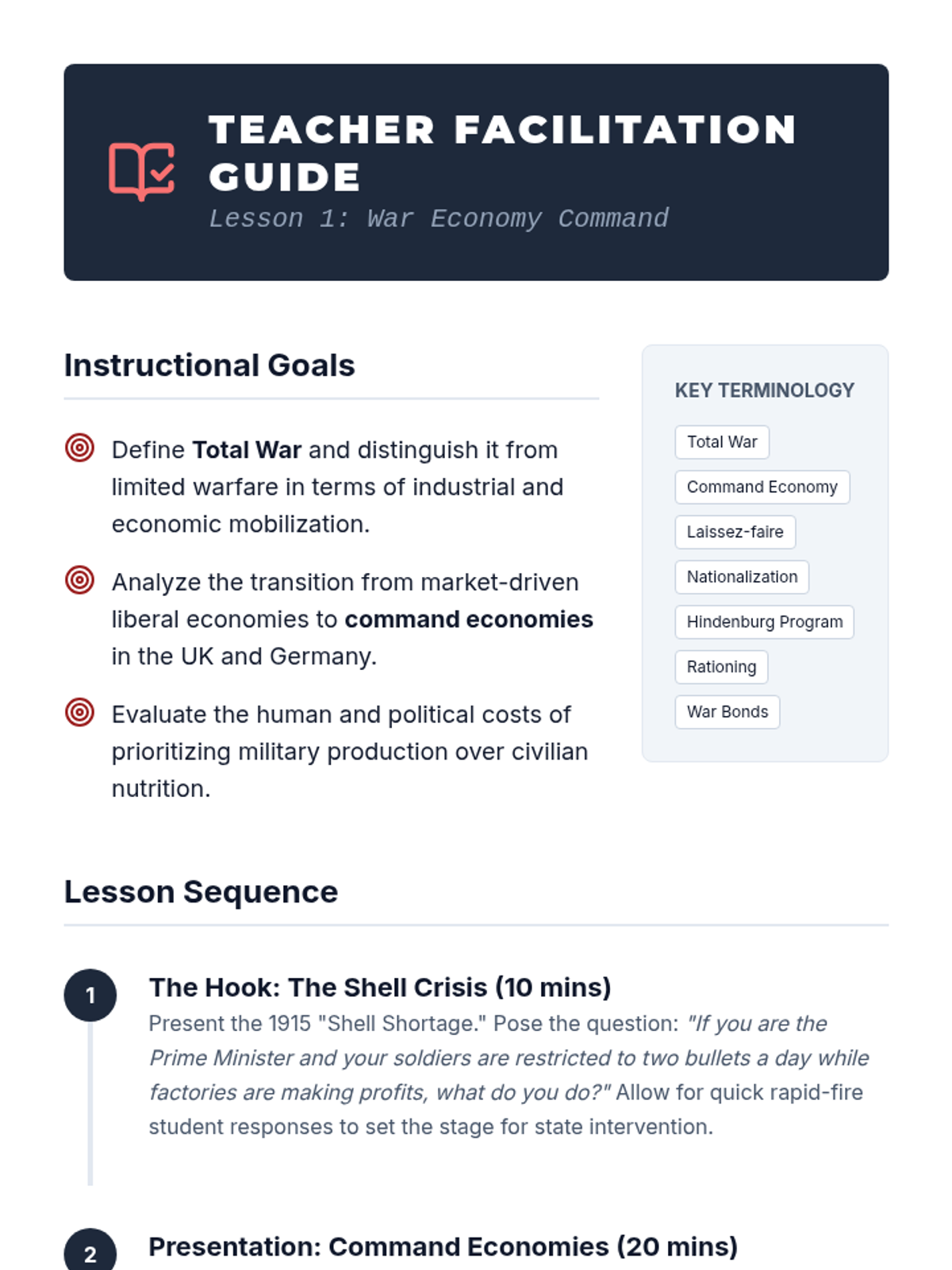
This sequence analyzes the concept of 'Total War' and its impact on civilian populations, economies, and social structures during World War I. Students explore government expansion, propaganda, the role of women, and the suppression of dissent, moving from initial enthusiasm to social fracturing and exhaustion by 1918.
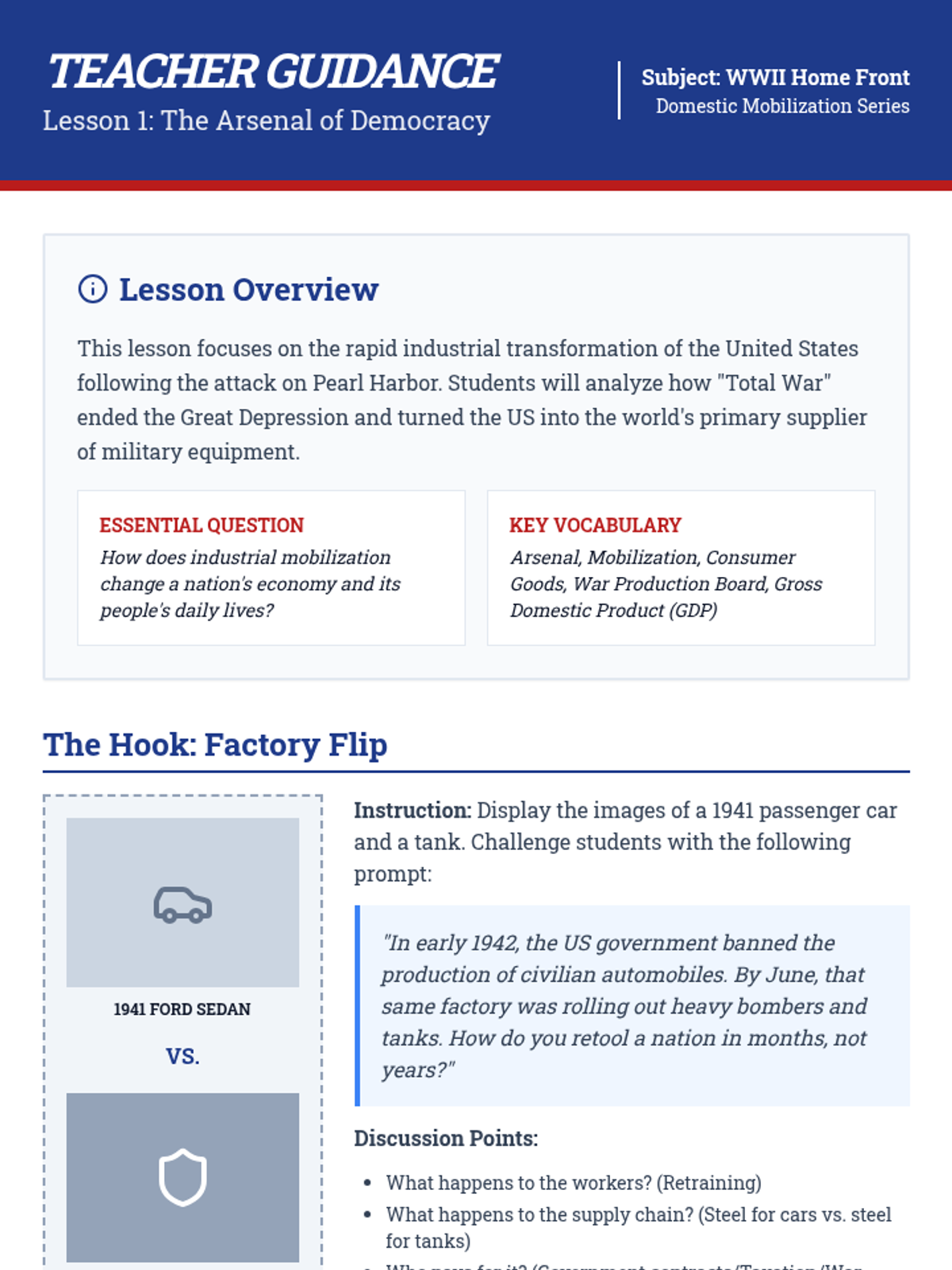
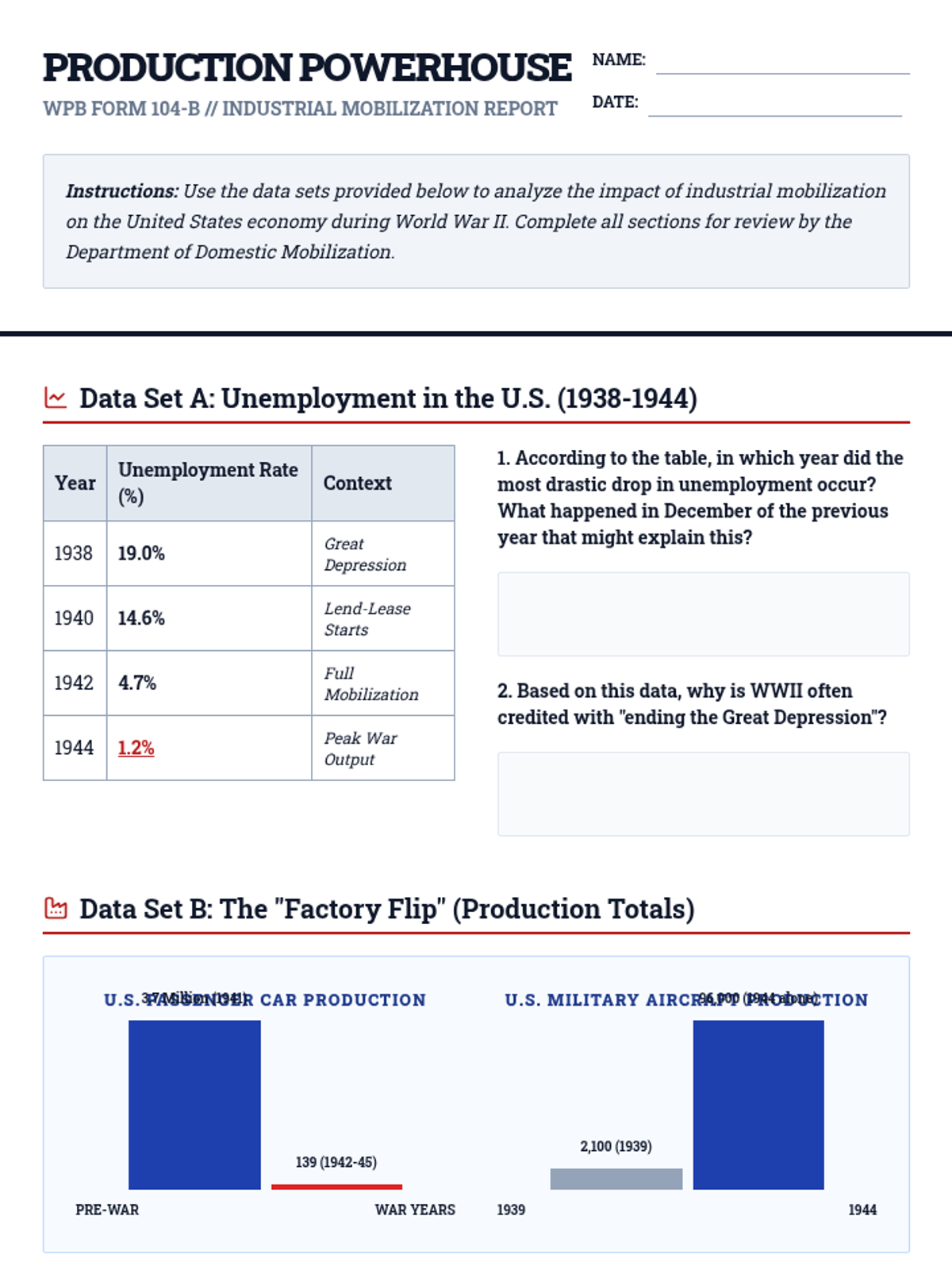
This sequence explores the domestic impact of World War II in the United States, focusing on industrial mobilization, propaganda, shifting social roles for women and minorities, and the tension between national security and civil liberties. Students will analyze primary sources and data to evaluate how 'total war' reshaped the American social and economic landscape.
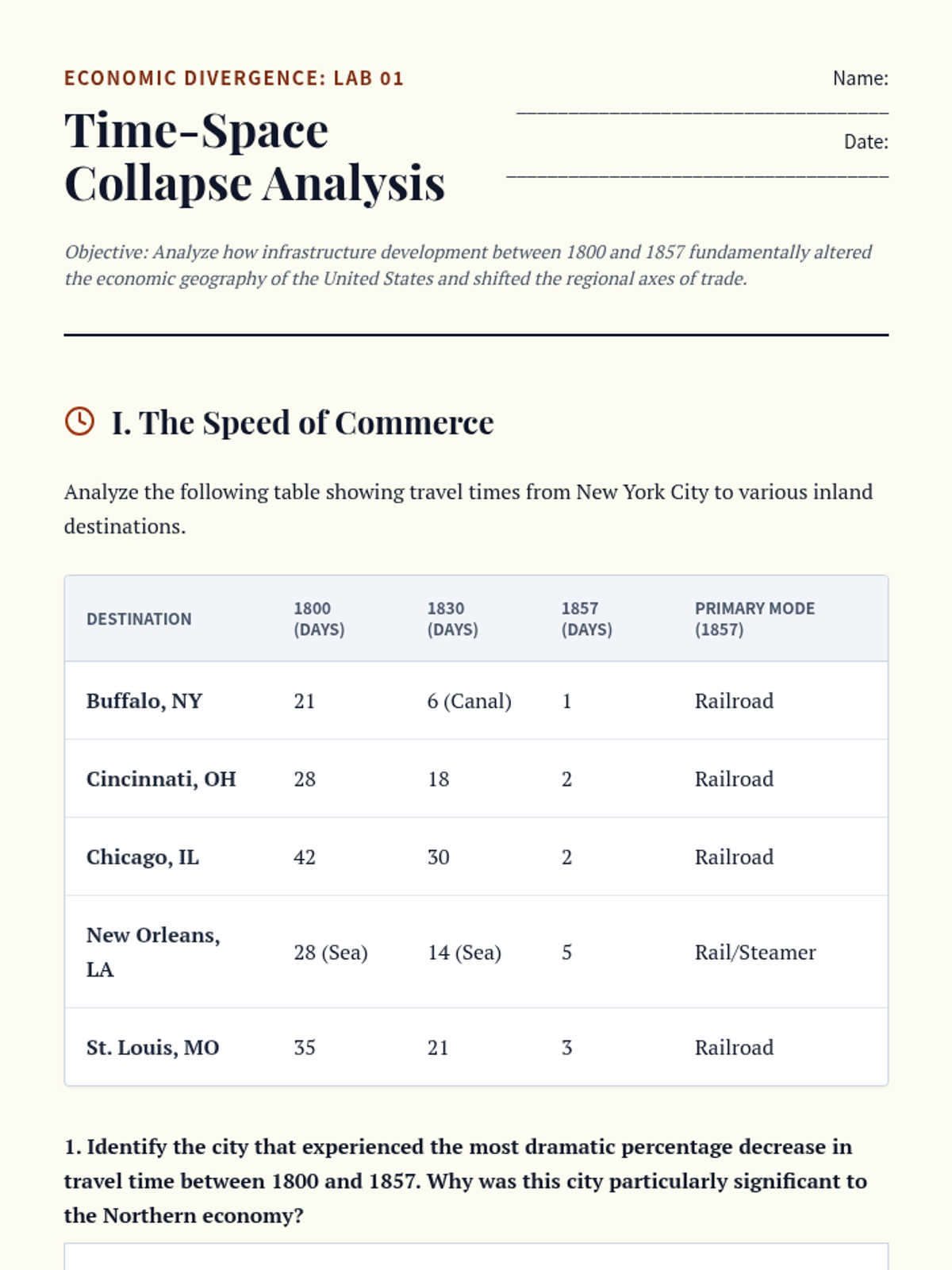
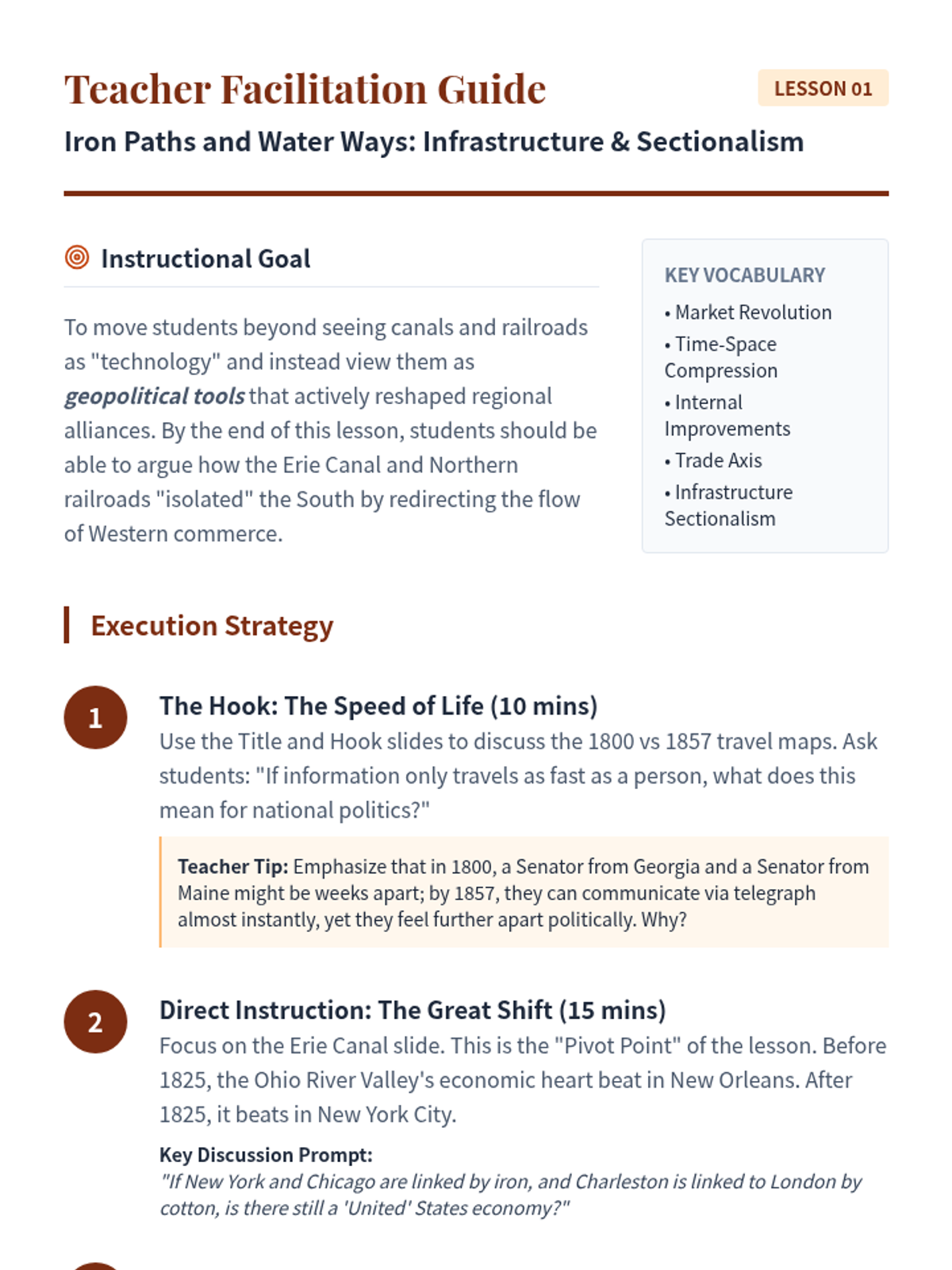
This sequence examines the profound structural transformations in the American economy between 1815 and 1860, analyzing how the Market Revolution created distinct regional identities and set the stage for sectional conflict.
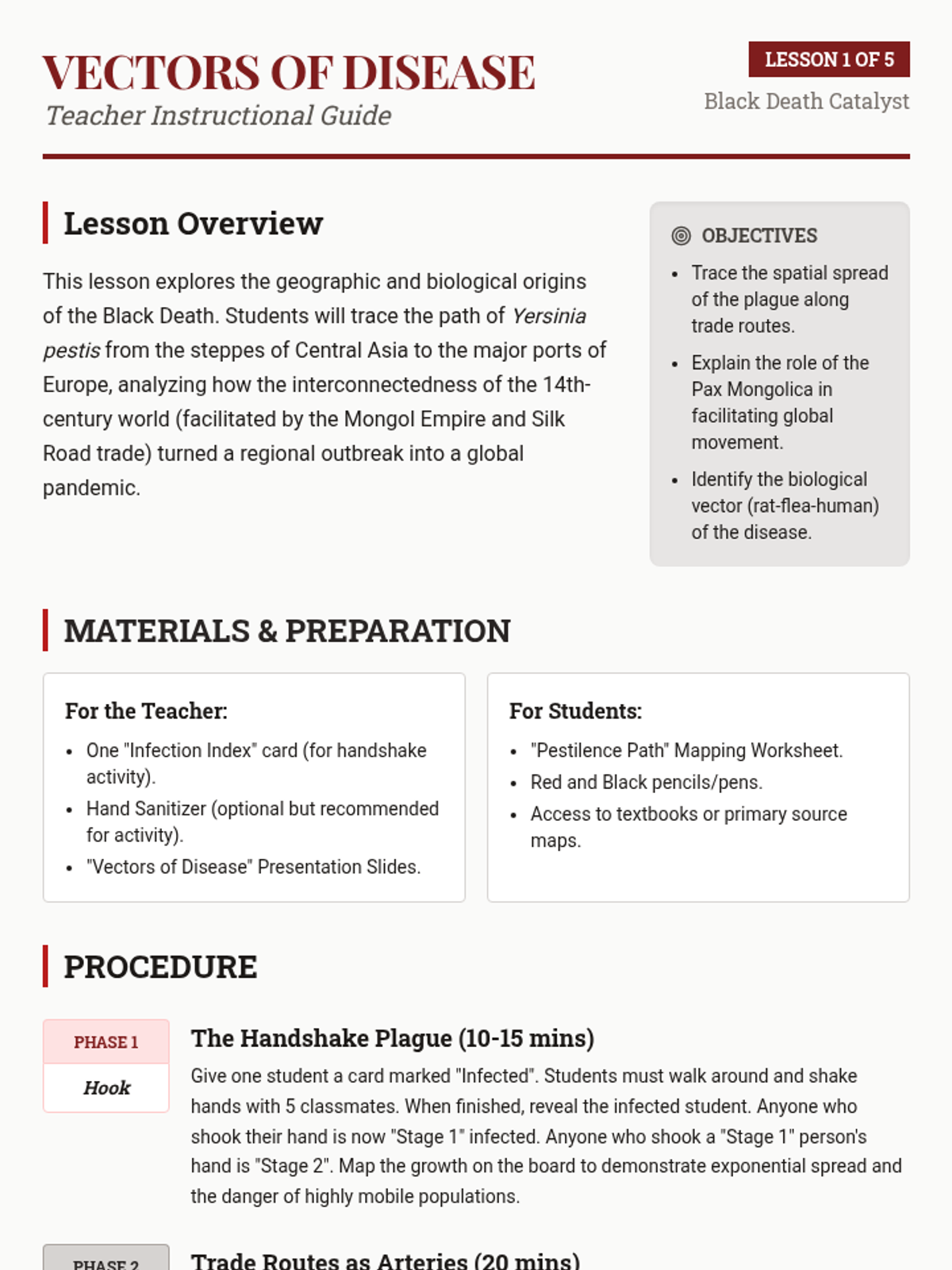
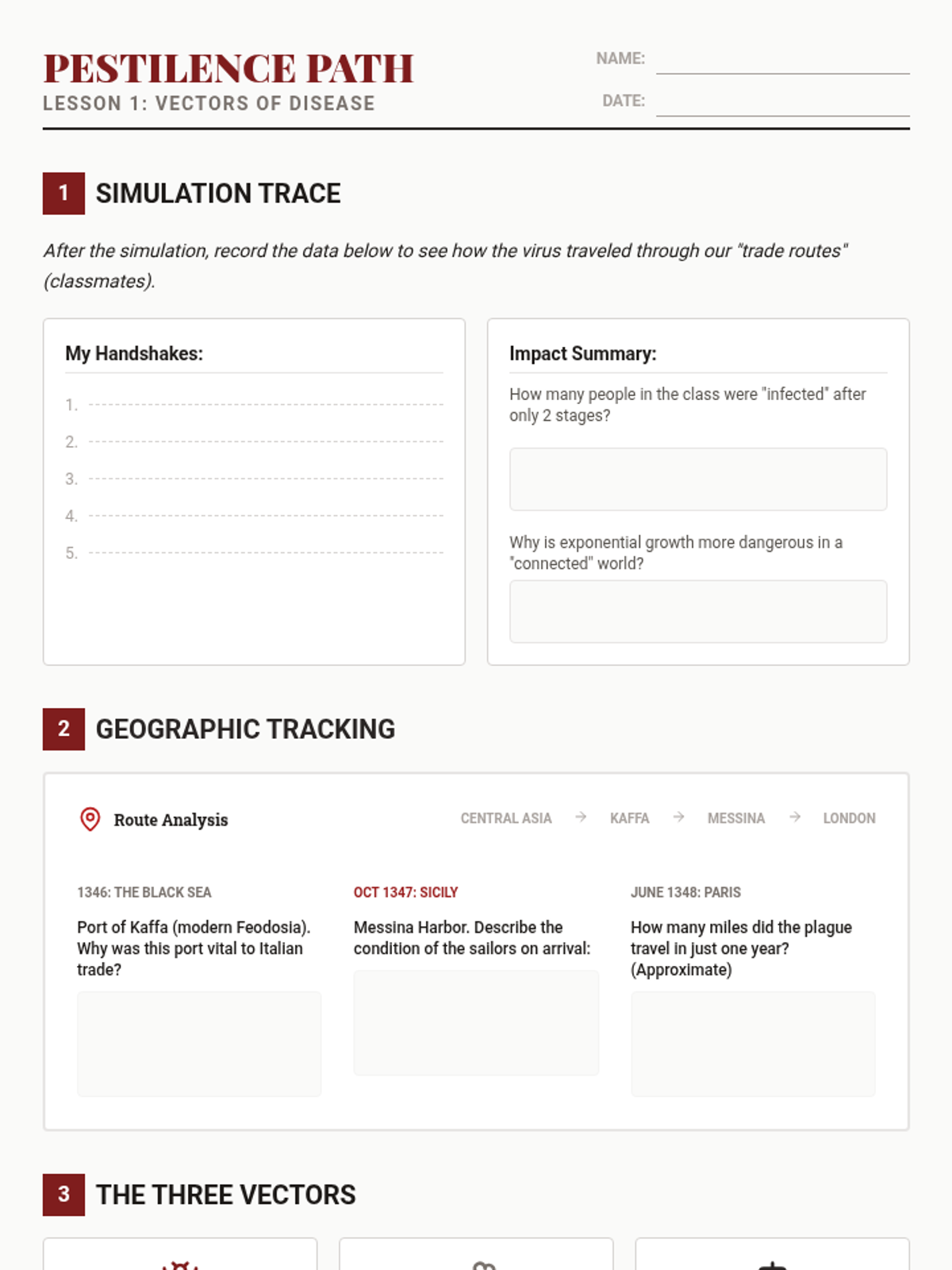
A comprehensive project-based sequence for 9th-grade students analyzing the Black Death's role as a catalyst for the end of the Middle Ages. Students explore the disease's geographic spread, medical misconceptions, economic shifts, artistic themes, and social revolts.
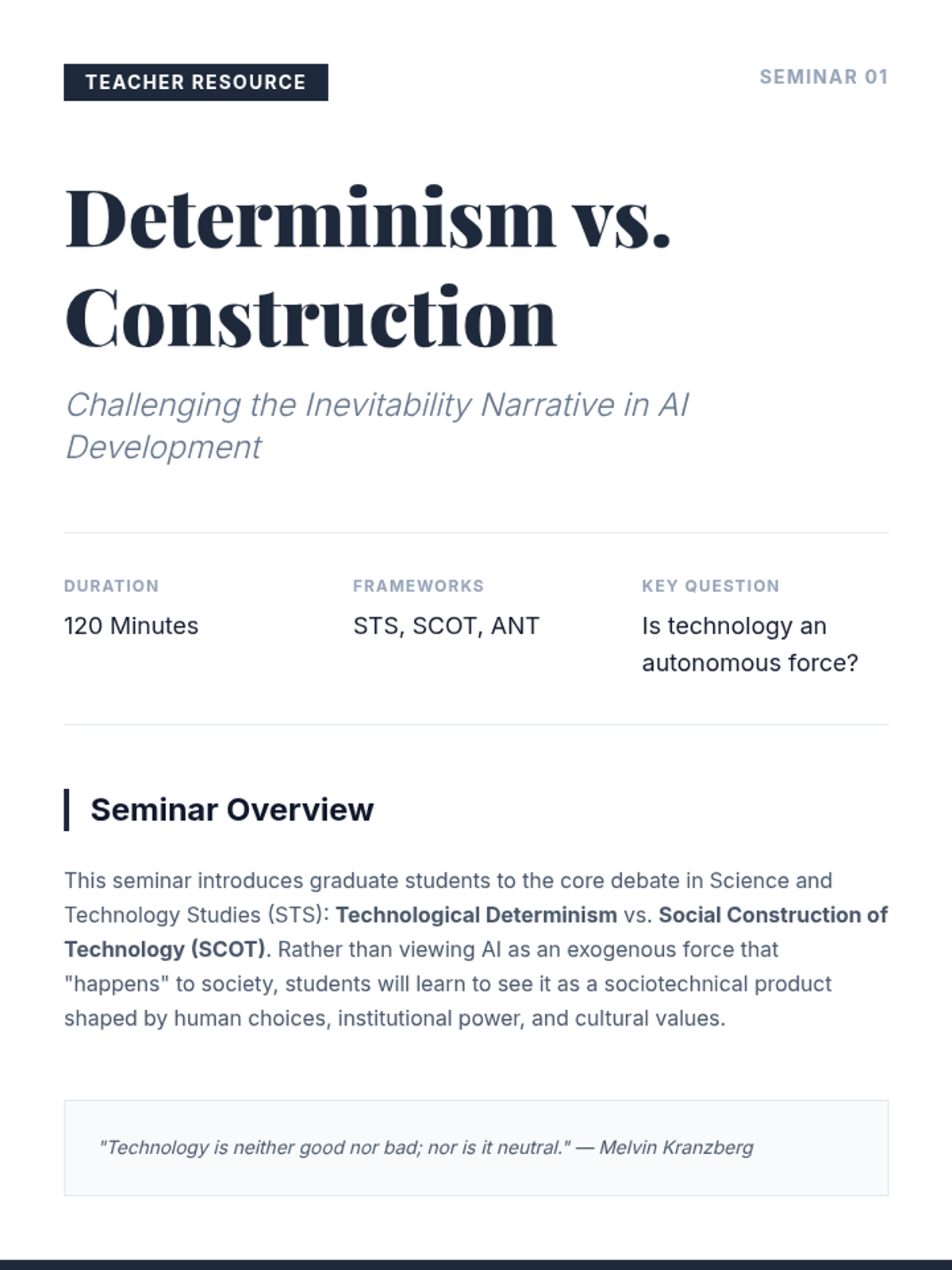
A graduate-level seminar sequence examining AI through a sociological lens. Students analyze sociotechnical systems, power dynamics, labor reconfiguration, and the ethical implications of AI on global justice and democratic trust.
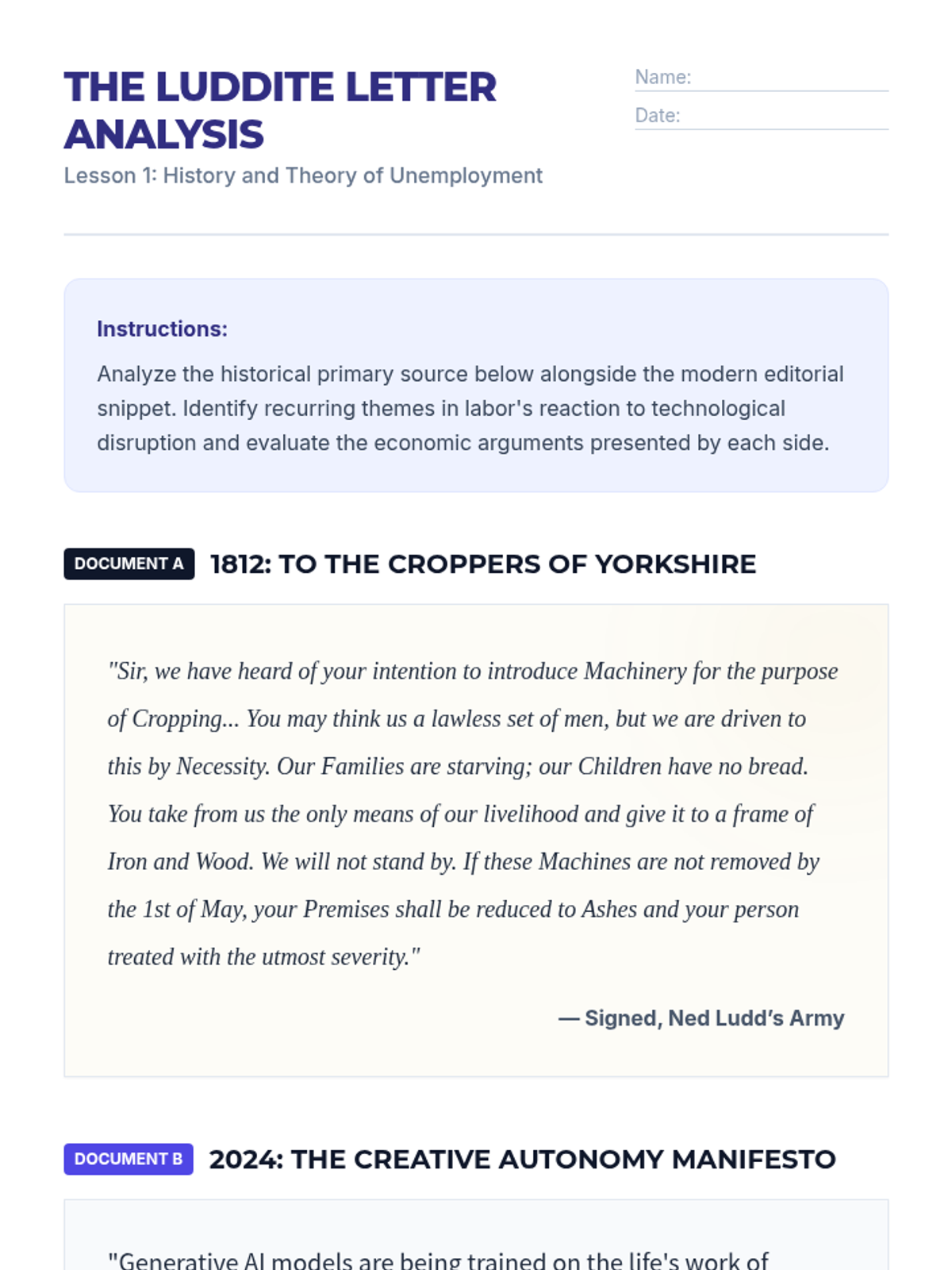
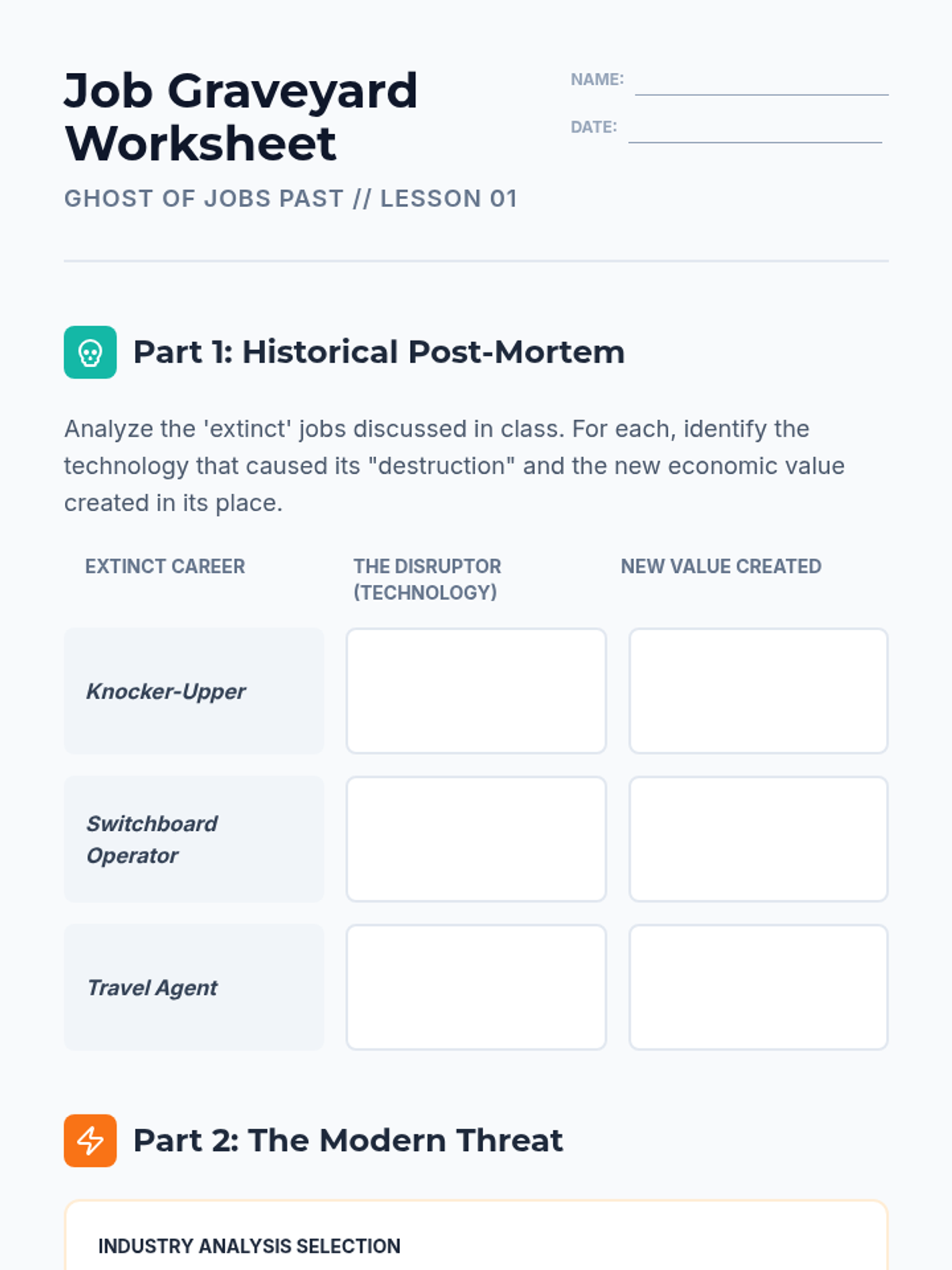
This sequence explores the sociological and economic impacts of AI on the workforce and human interaction, culminating in a future-casting policy project. Students investigate automation history, algorithmic management, hiring bias, and the erosion of epistemic security through deepfakes.
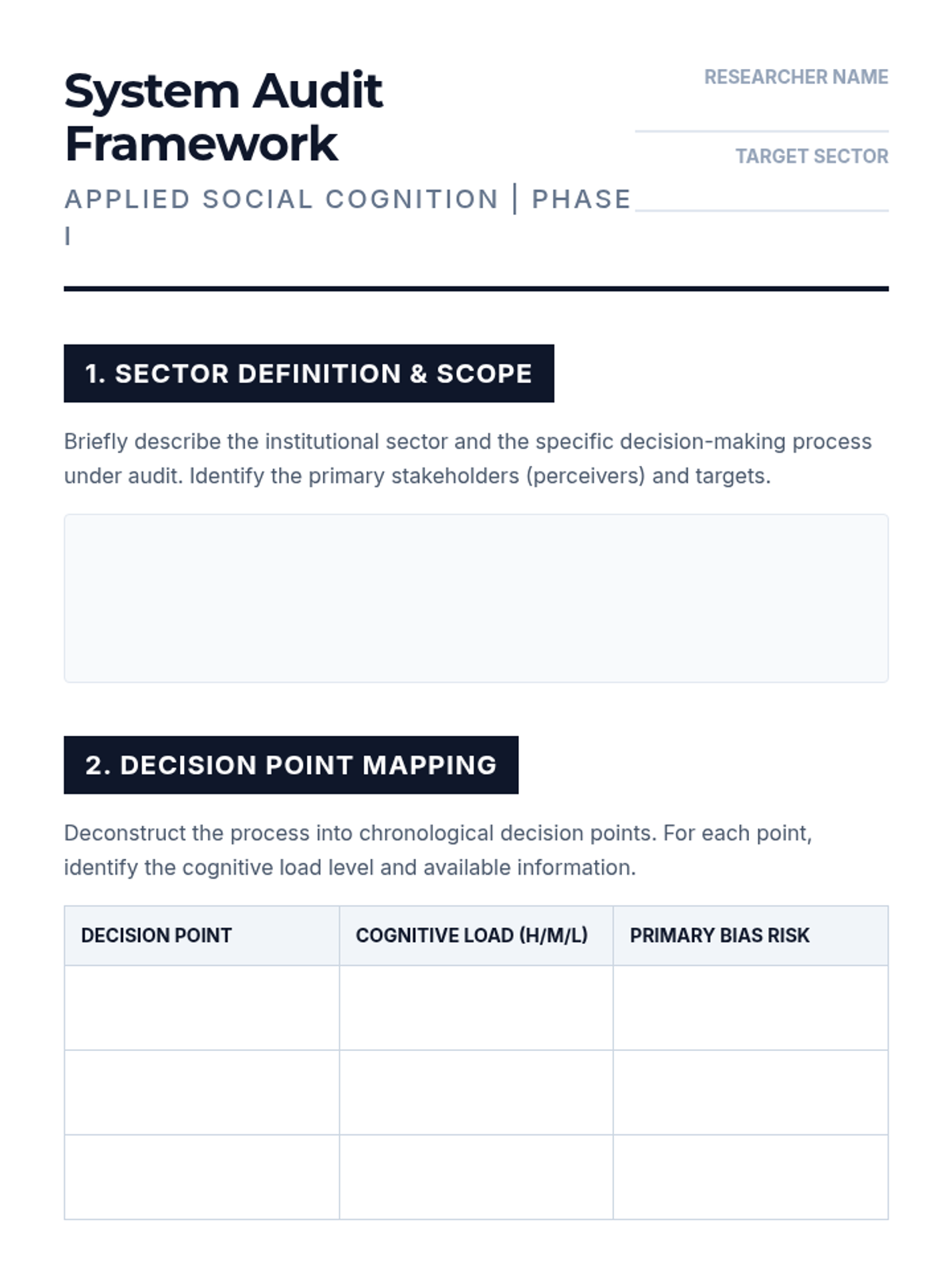
This graduate-level sequence focuses on the practical application of social cognition principles to design and implement debiasing interventions within institutional systems. Students progress from auditing existing structural inequities to designing, testing, and defending behavioral 'nudges' and architectural changes aimed at producing more equitable outcomes in fields like healthcare, criminal justice, and corporate hiring.
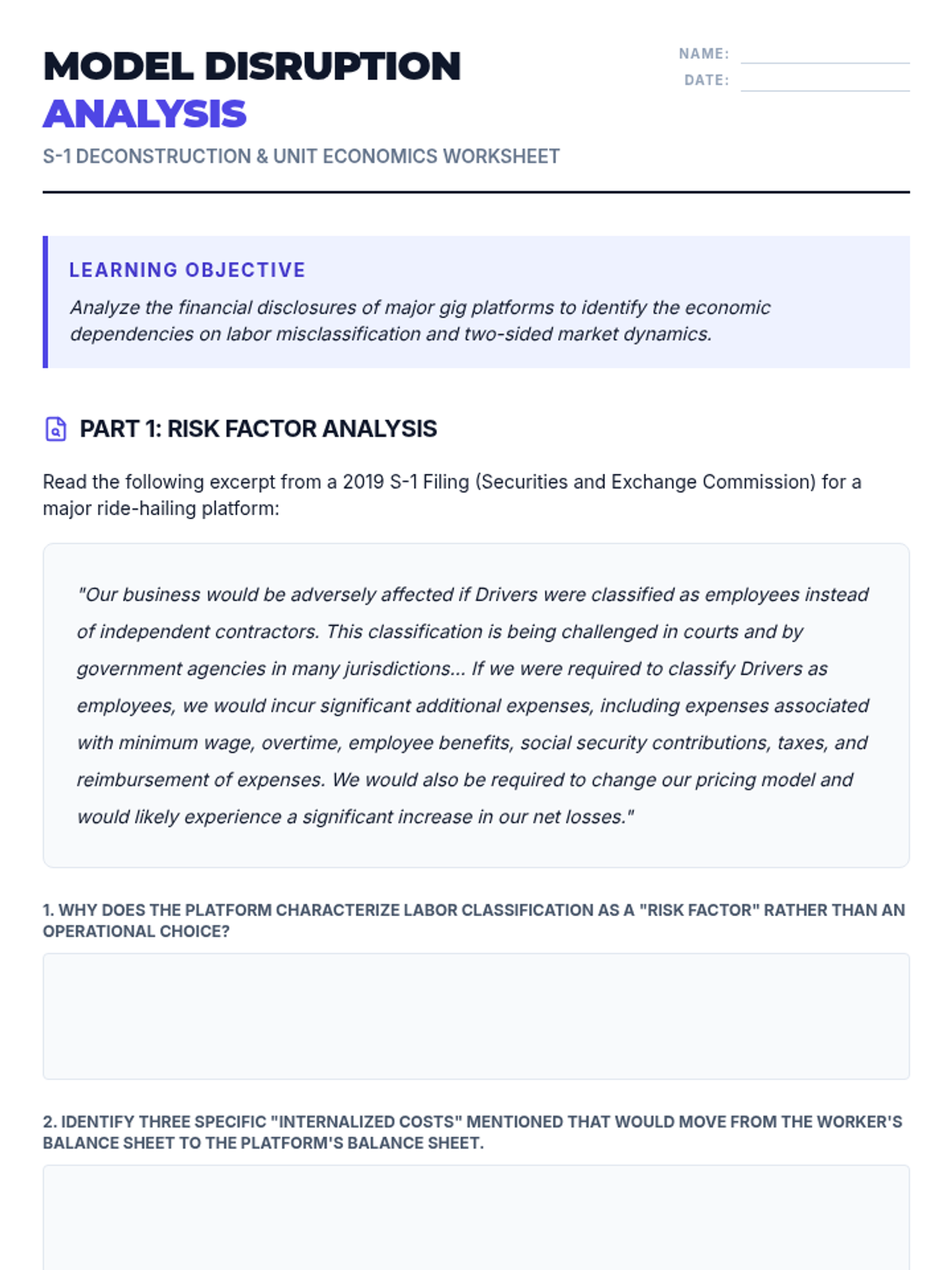
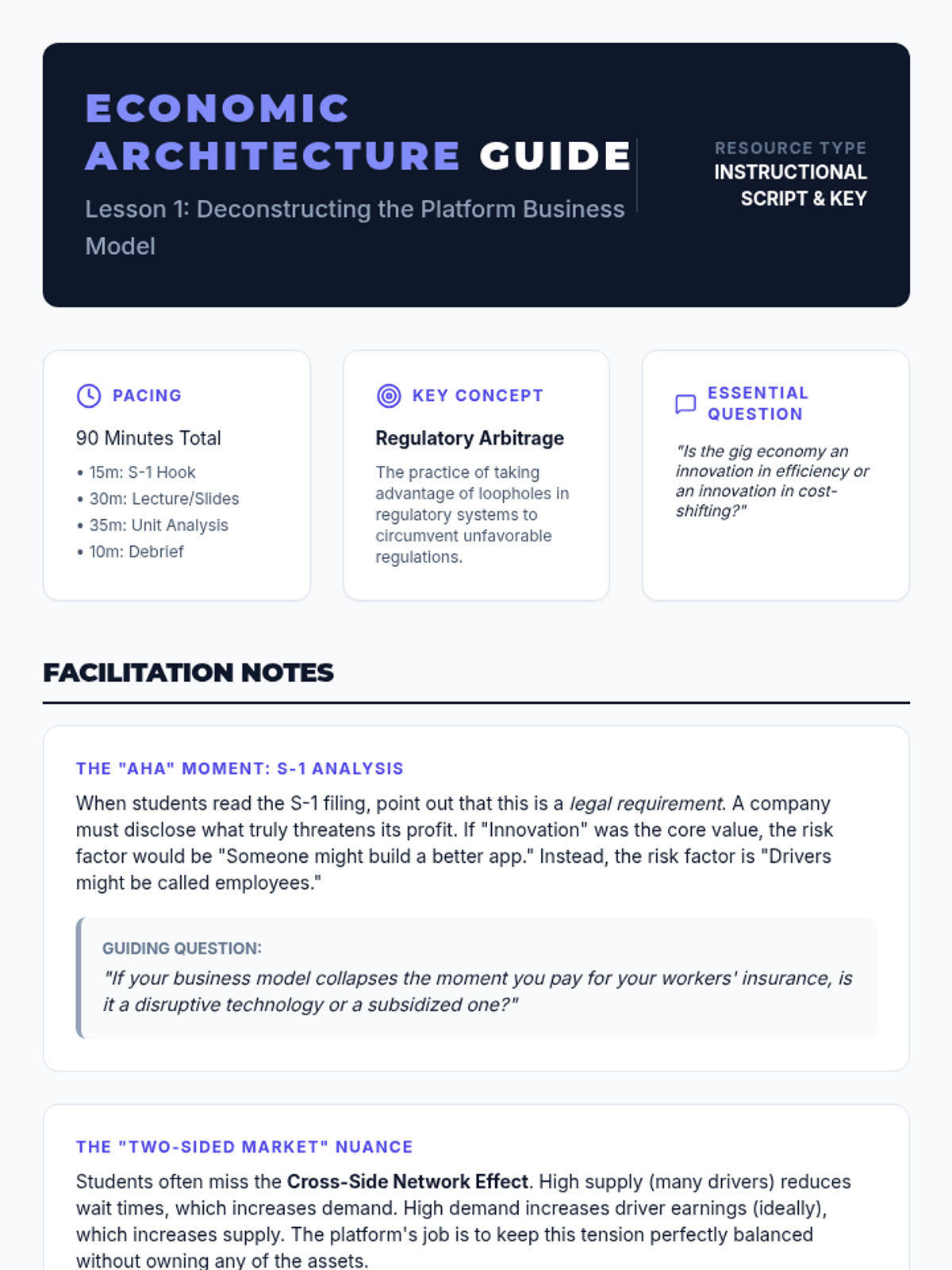
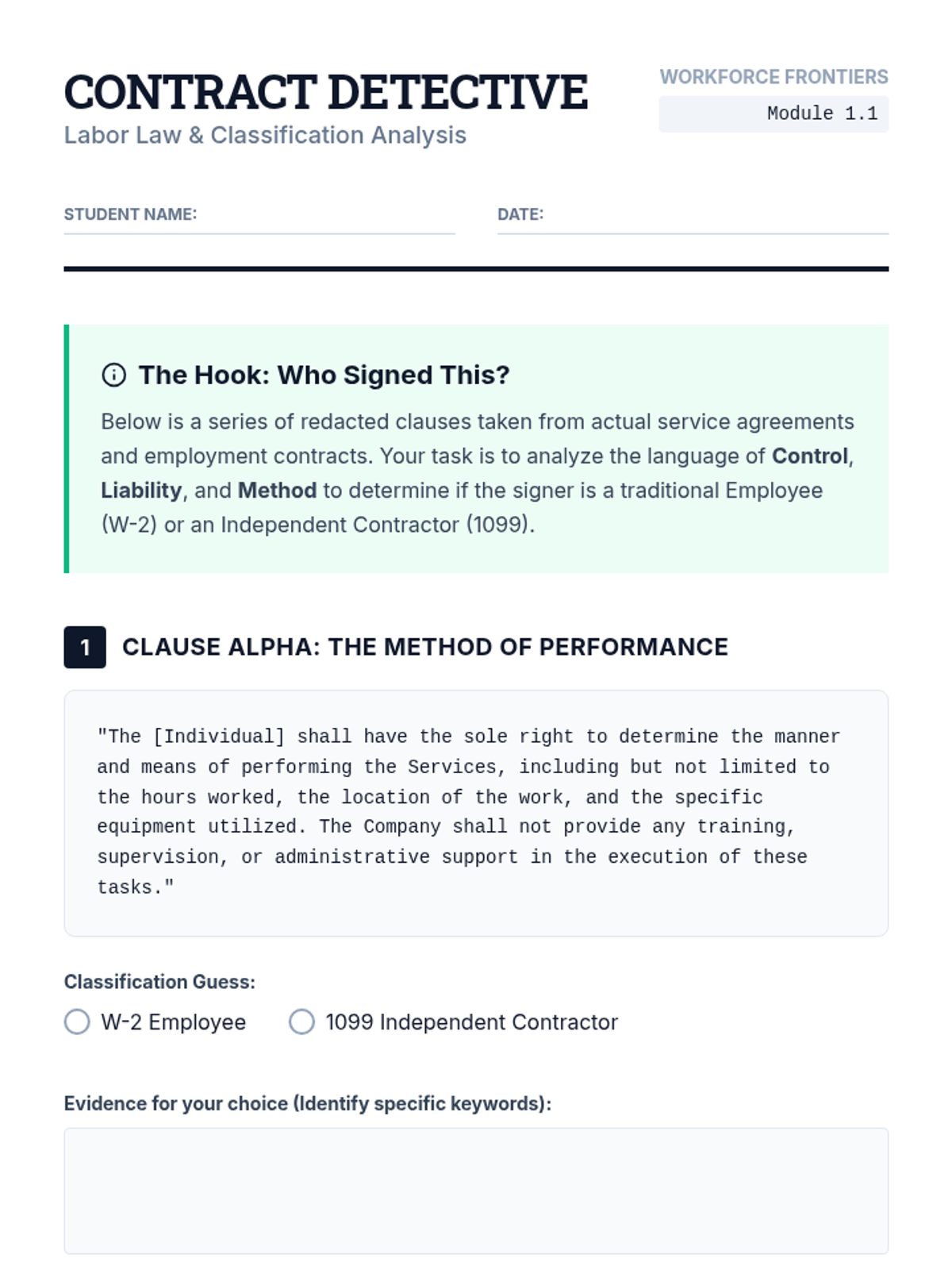
A graduate-level exploration of the gig economy's regulatory challenges, investigating business models, labor law definitions, algorithmic control, and future policy solutions. Students deconstruct platform economics and design modernized labor frameworks for the 21st-century workforce.
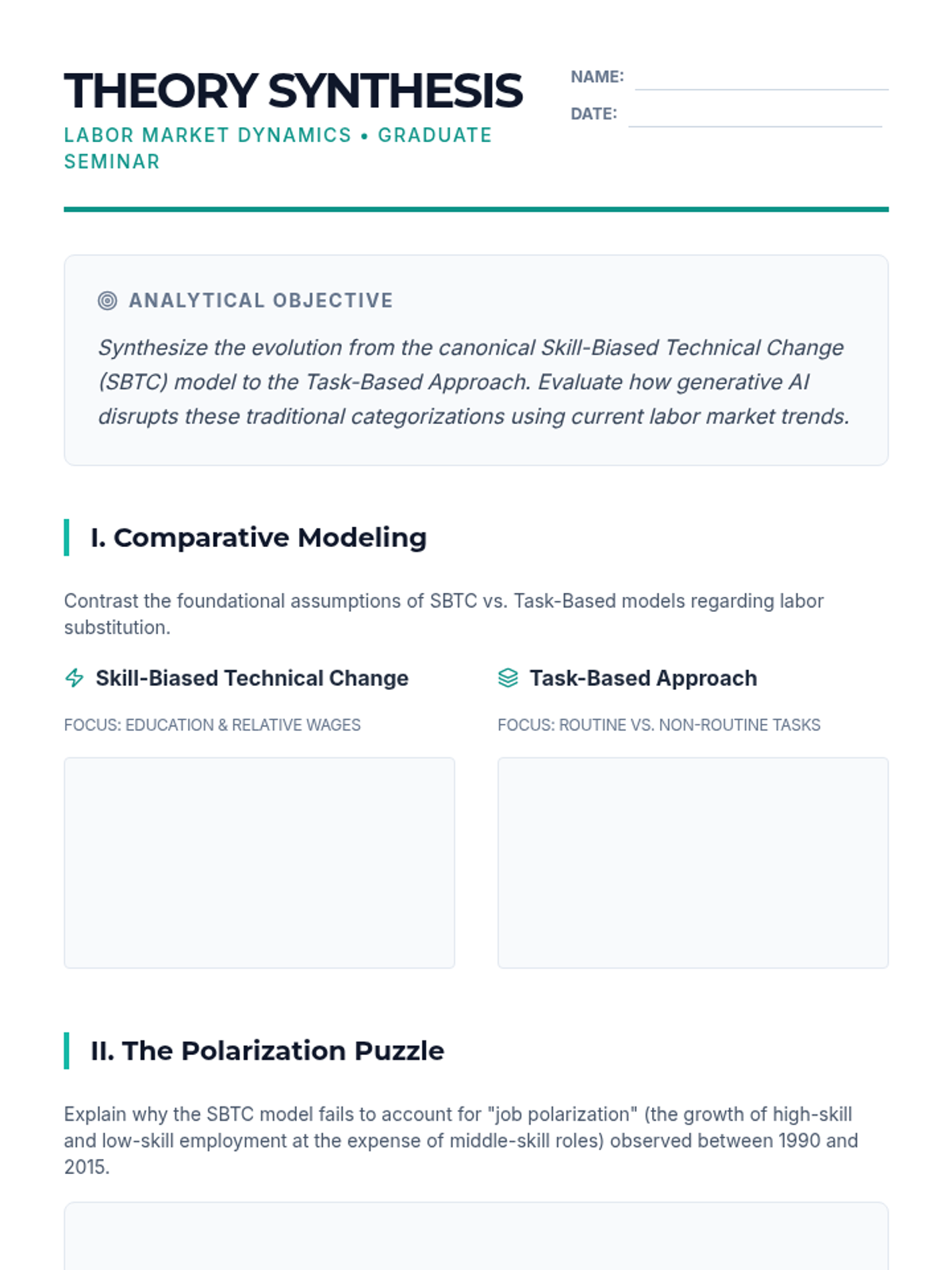
An advanced graduate seminar series exploring the economic impacts of automation and AI, moving from theoretical labor models to practical policy interventions and econometric simulations.
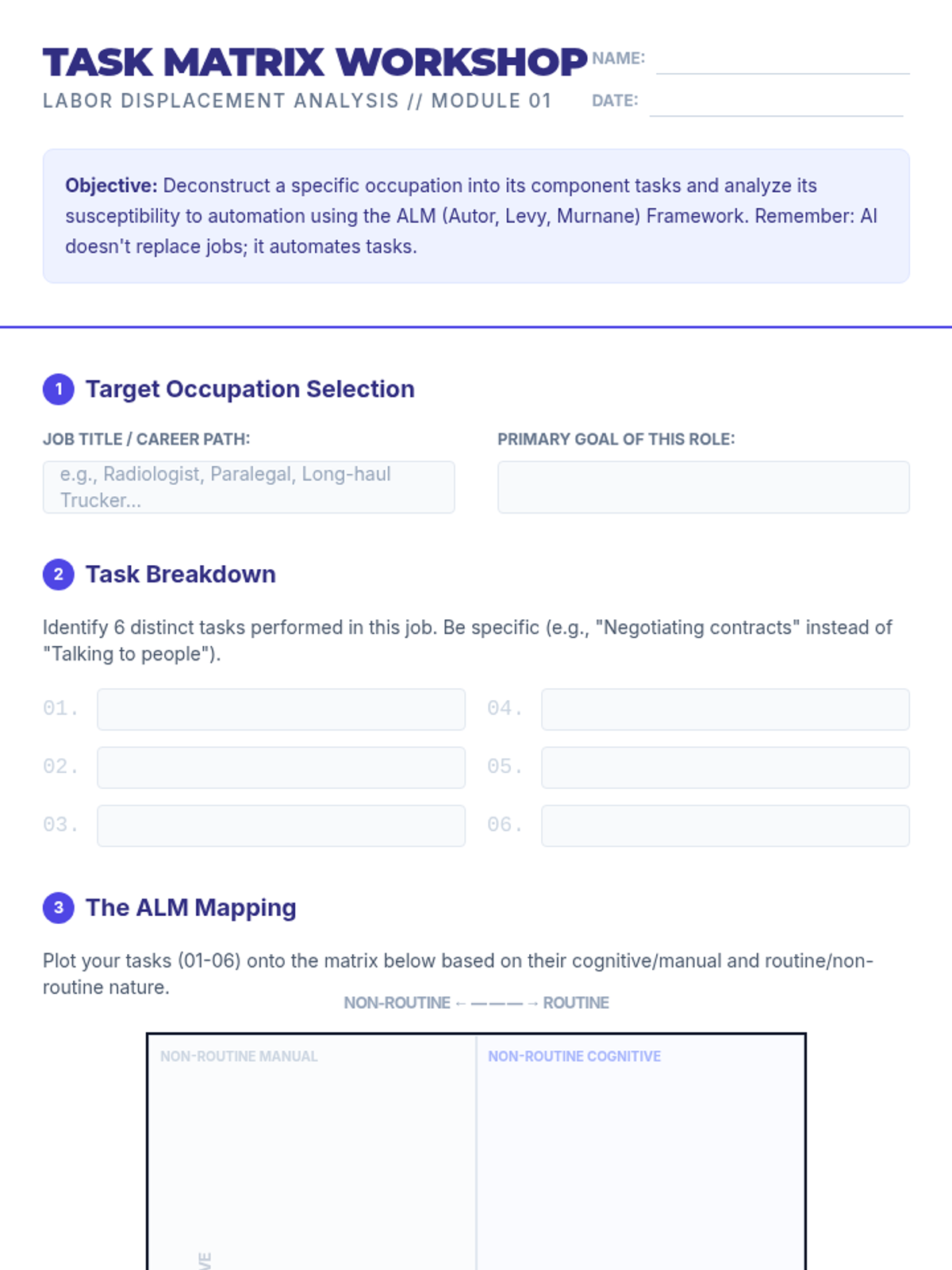
This sequence investigates the impact of automation, robotics, and artificial intelligence on workforce demand and skill requirements. Students perform sophisticated task-level analyses, distinguishing between substitution and complementarity while developing strategic workforce plans for a disrupted future.
A comprehensive undergraduate sequence exploring the transformation of labor markets, focusing on the legal, economic, and social implications of the gig economy and remote work. Students analyze labor segmentation, algorithmic management, spatial inequality, and policy frameworks.
This sequence explores the macroeconomic impact of automation, artificial intelligence, and globalization on the future labor market. Students analyze historical shifts, evaluate automation risks, simulate global hiring, and design policy proposals for a post-labor economy.
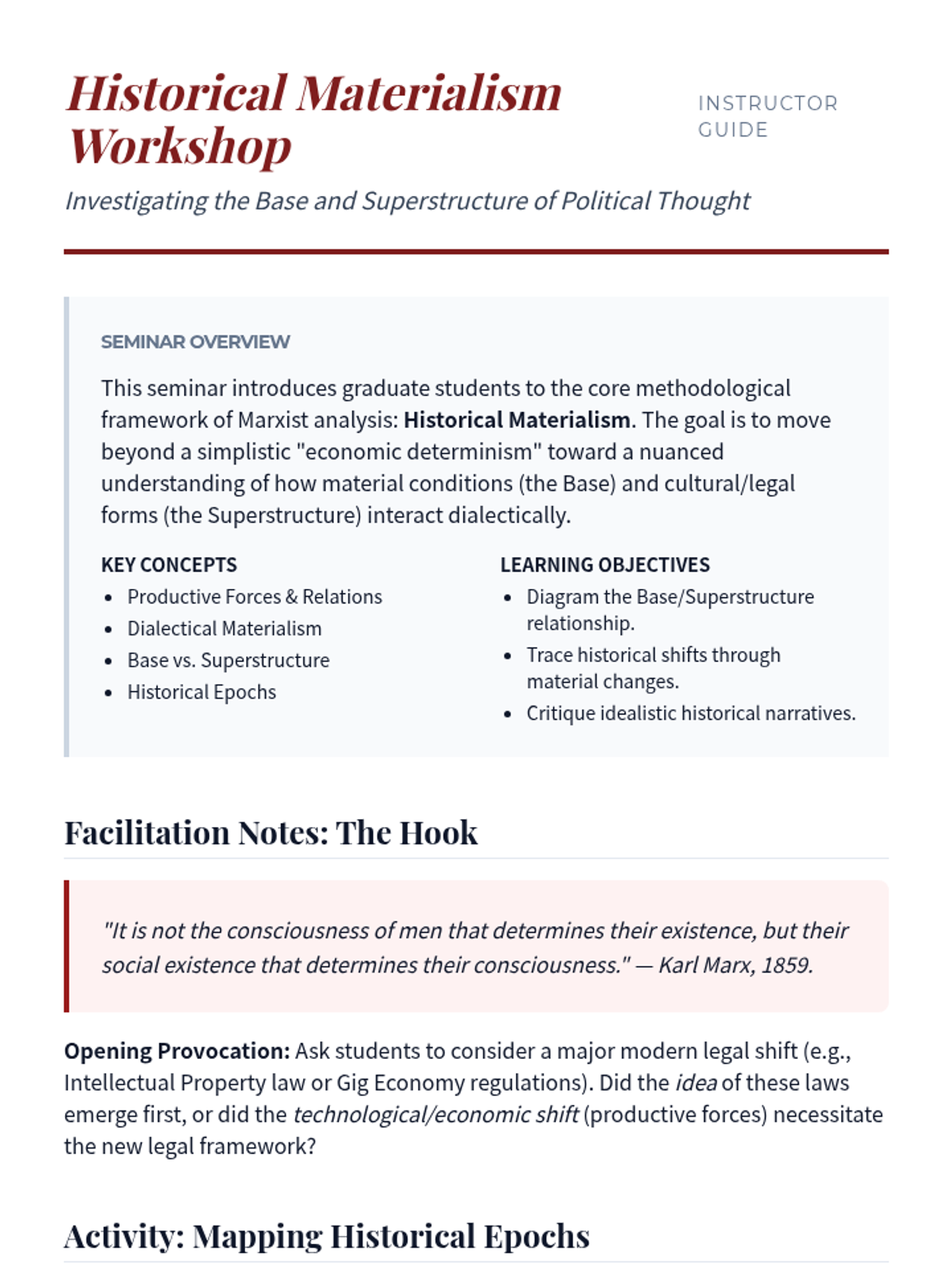
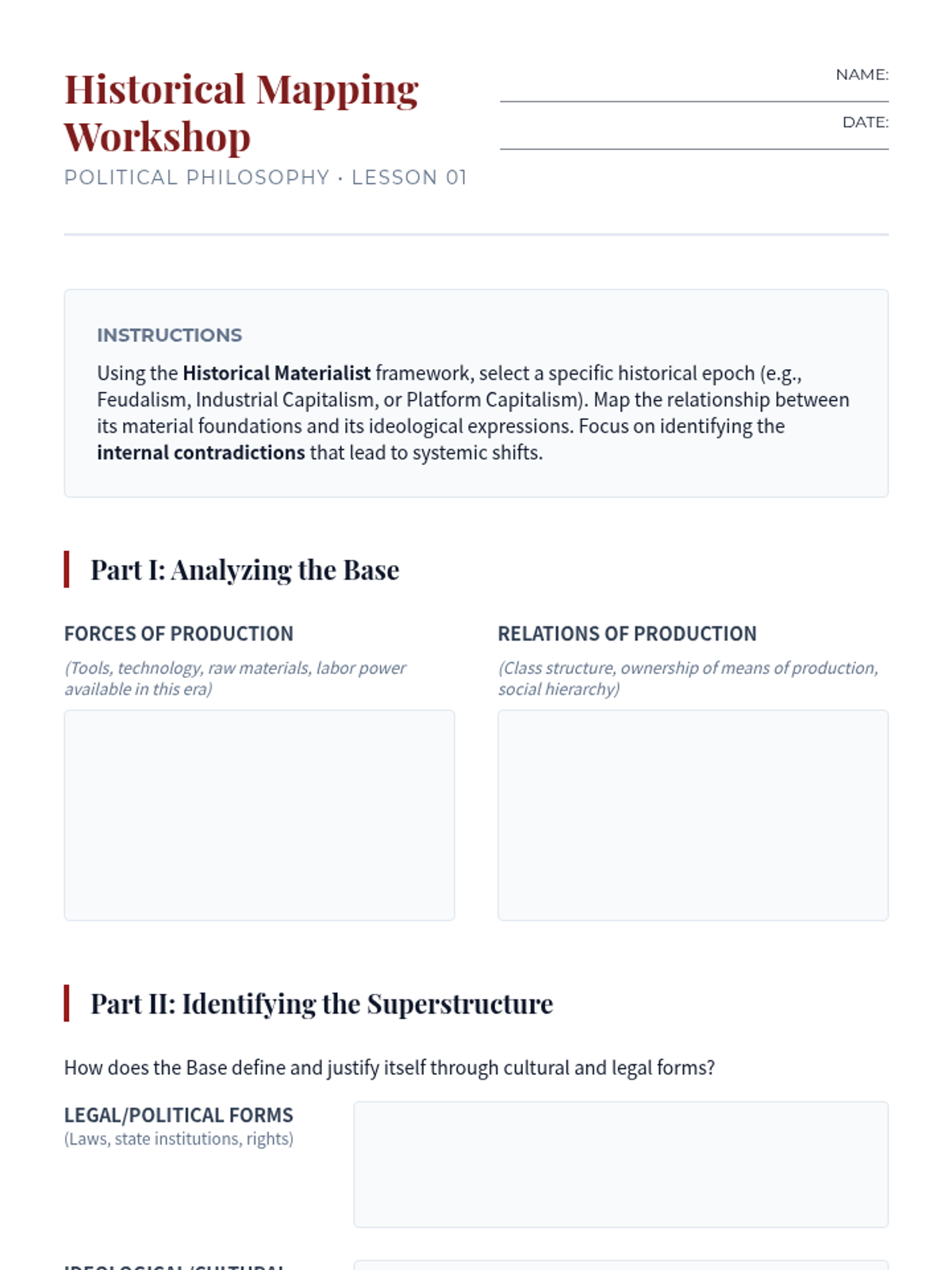
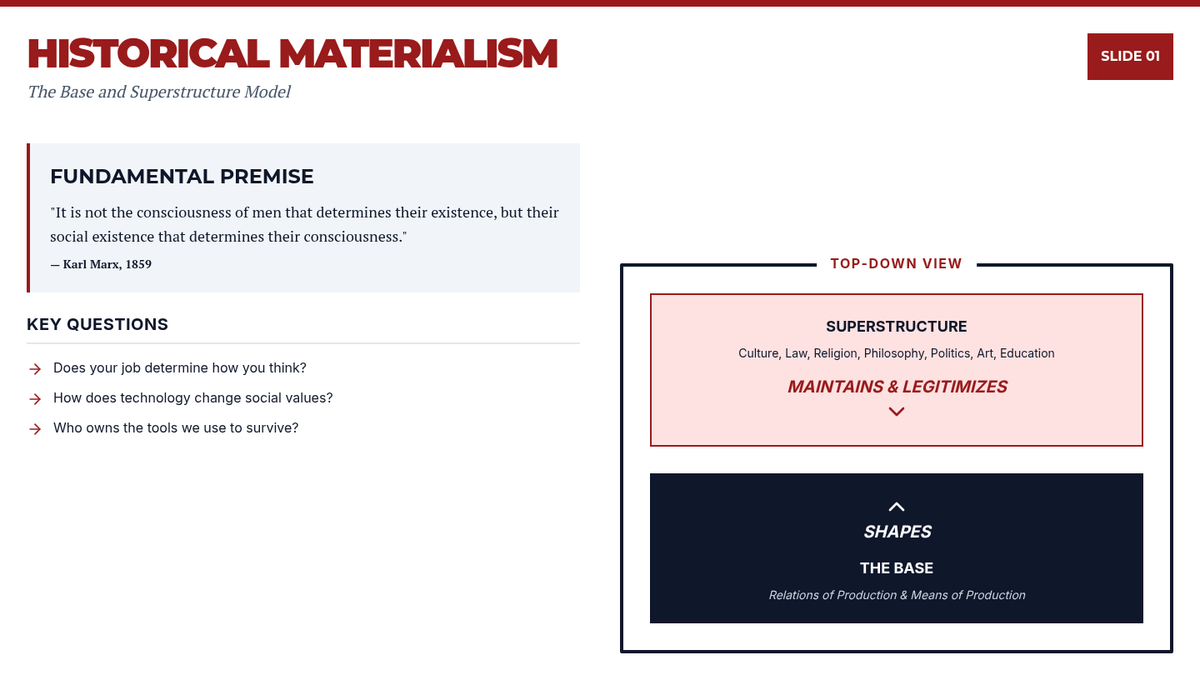
This graduate-level sequence provides a rigorous introduction to Marxist political philosophy and its evolution. Students analyze foundational texts by Marx and Engels, explore 20th-century developments in hegemony and Critical Theory, and apply these frameworks to the contemporary gig economy.
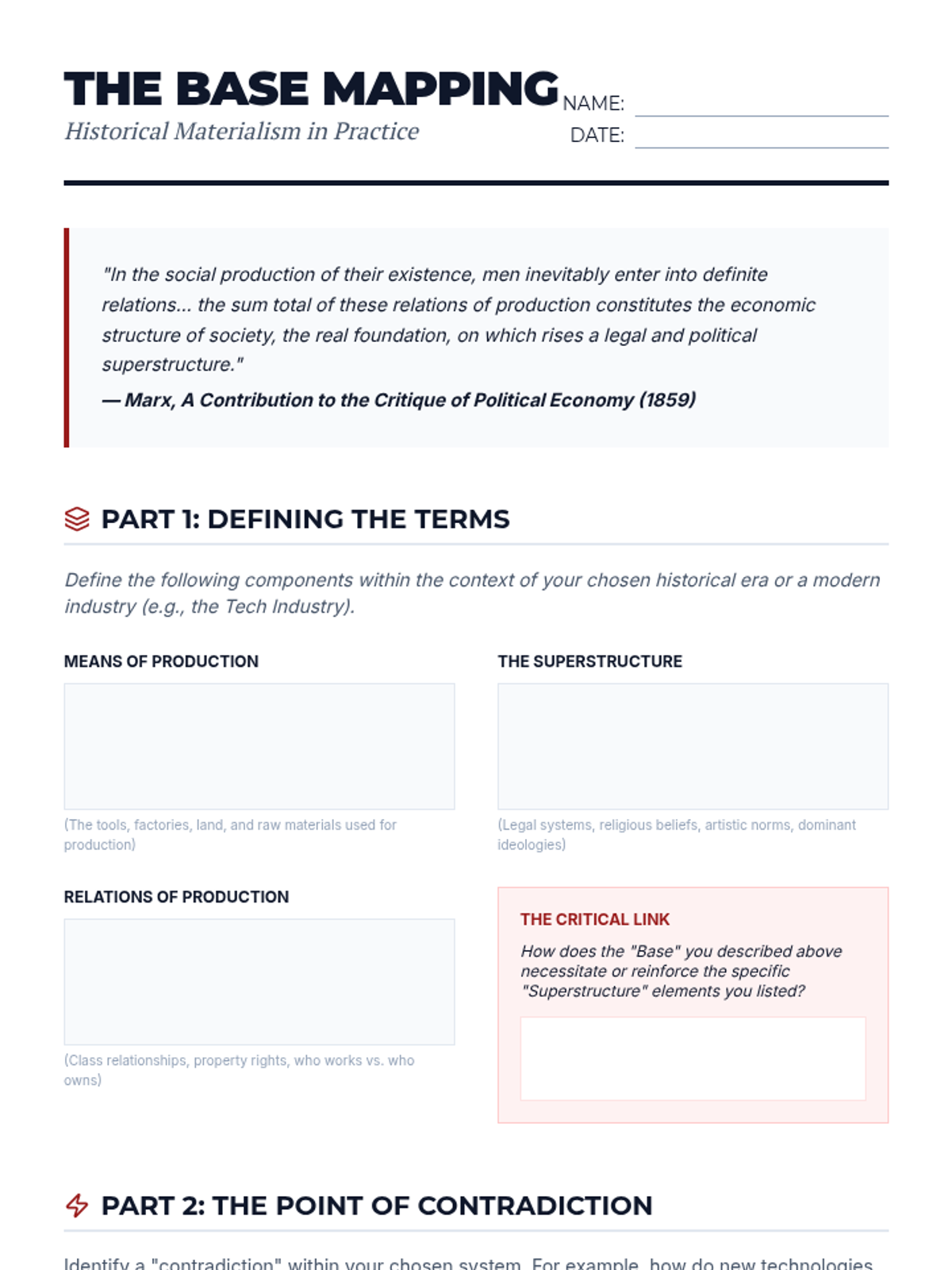
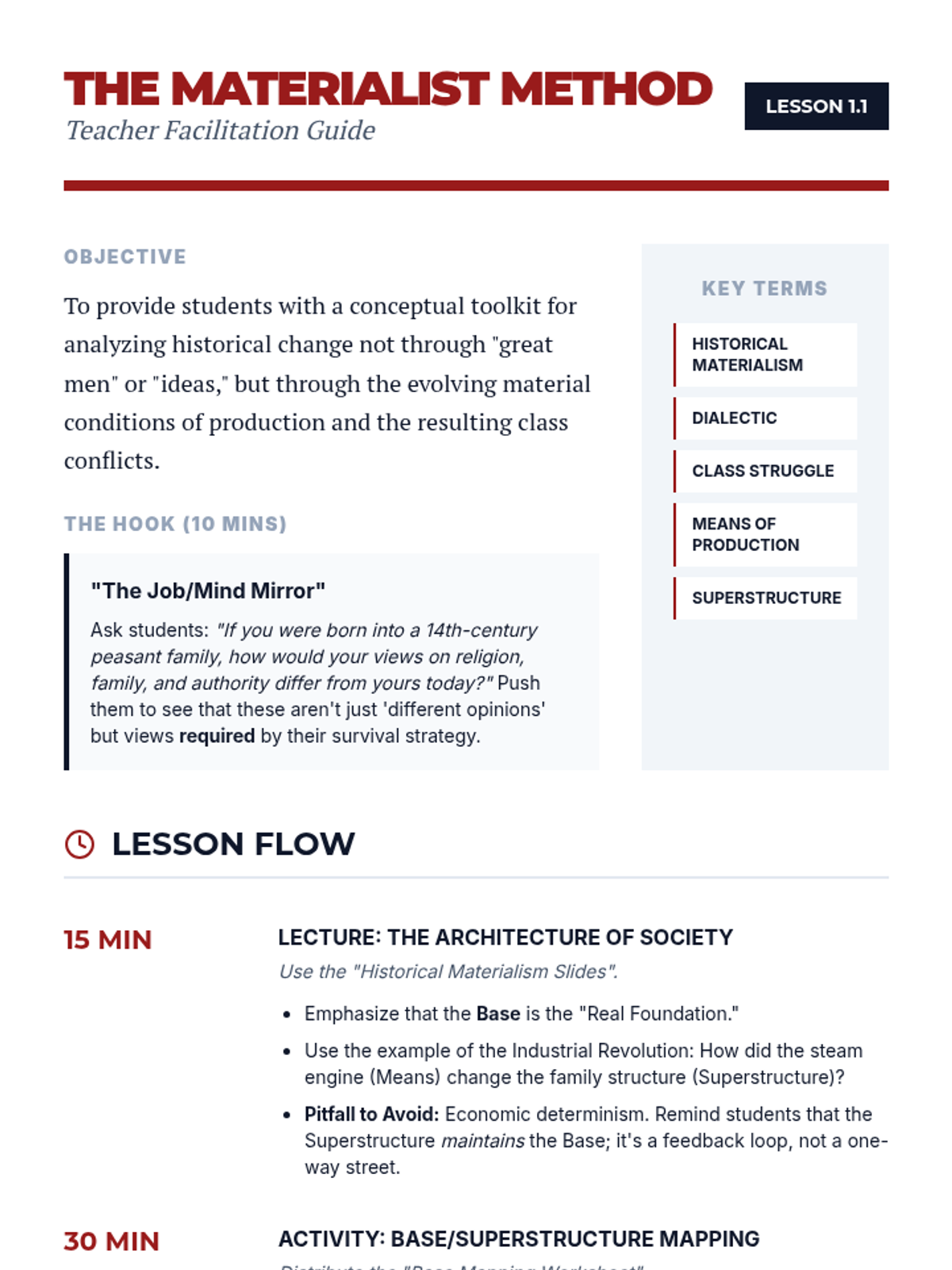
An undergraduate-level exploration of Marxism and Critical Theory, focusing on the materialist conception of history, theories of alienation and exploitation, and the development of the Frankfurt School's critique of the culture industry. Students move from economic foundations to cultural analysis to diagnose systemic issues in contemporary society.
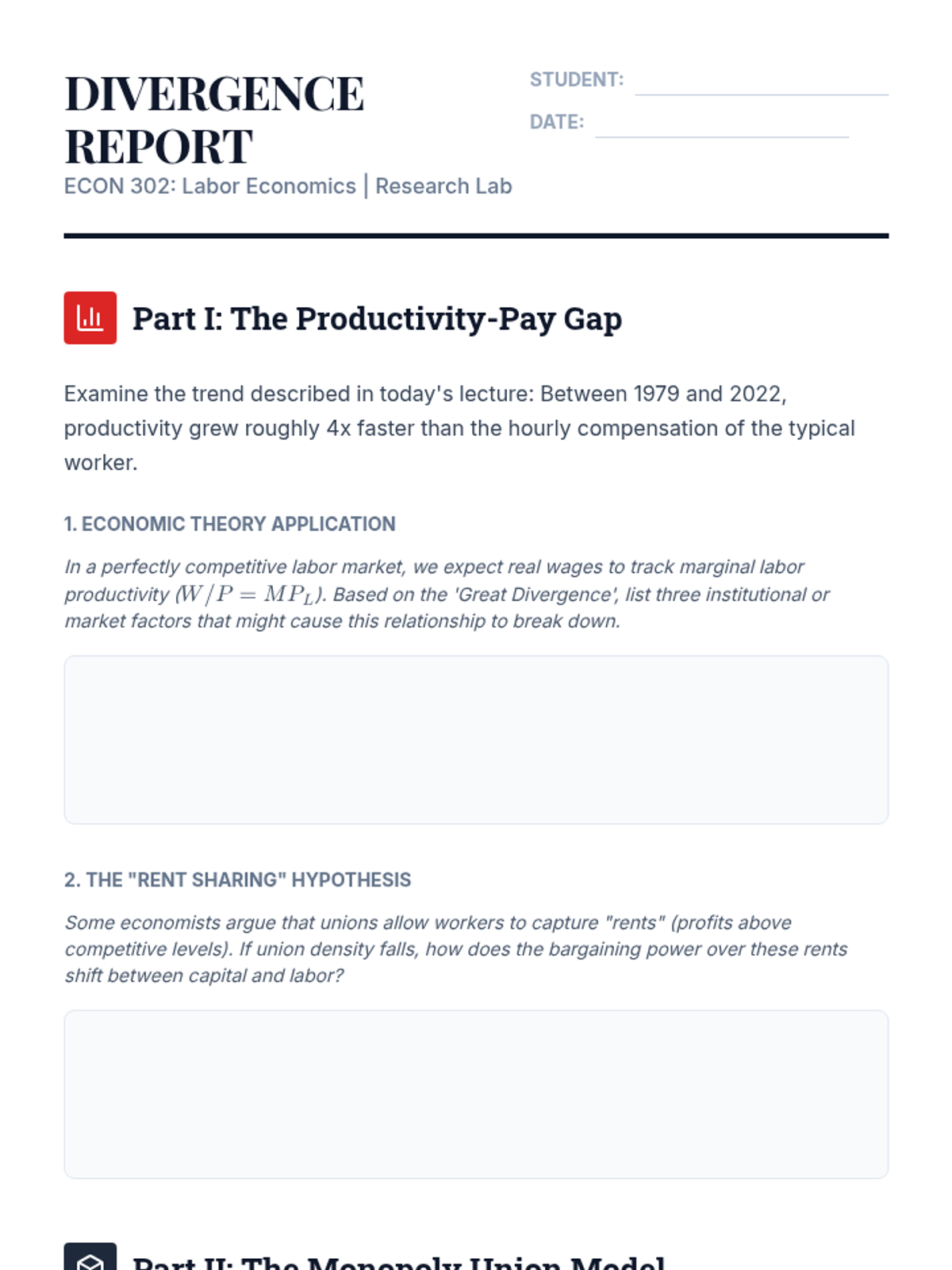
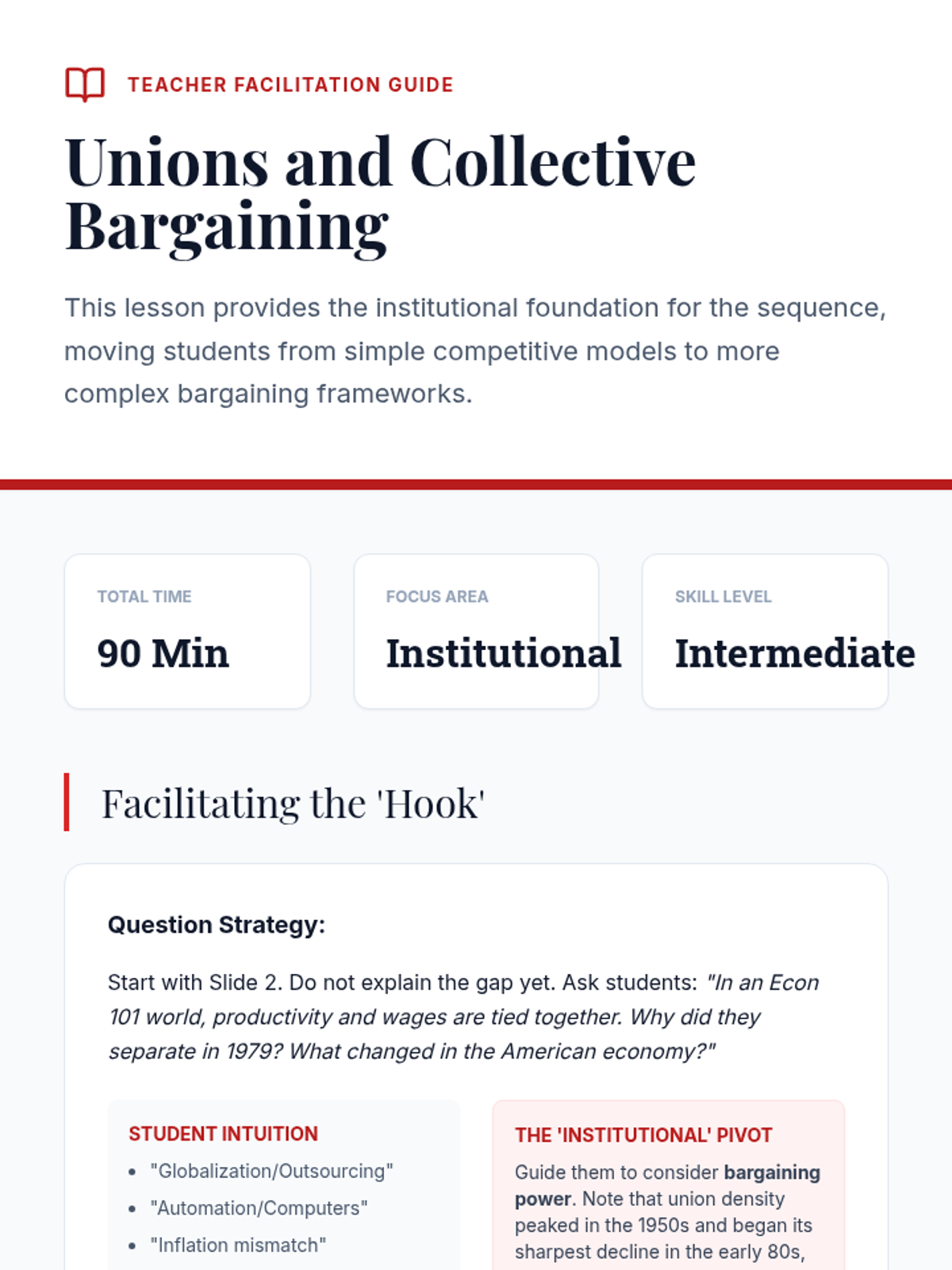
This sequence explores the institutional and technological forces reshaping the modern workforce, from the impact of unions to the rise of automation and AI. Students analyze economic models of bargaining, investigate labor market polarization, and debate policy responses like Universal Basic Income and job guarantees.
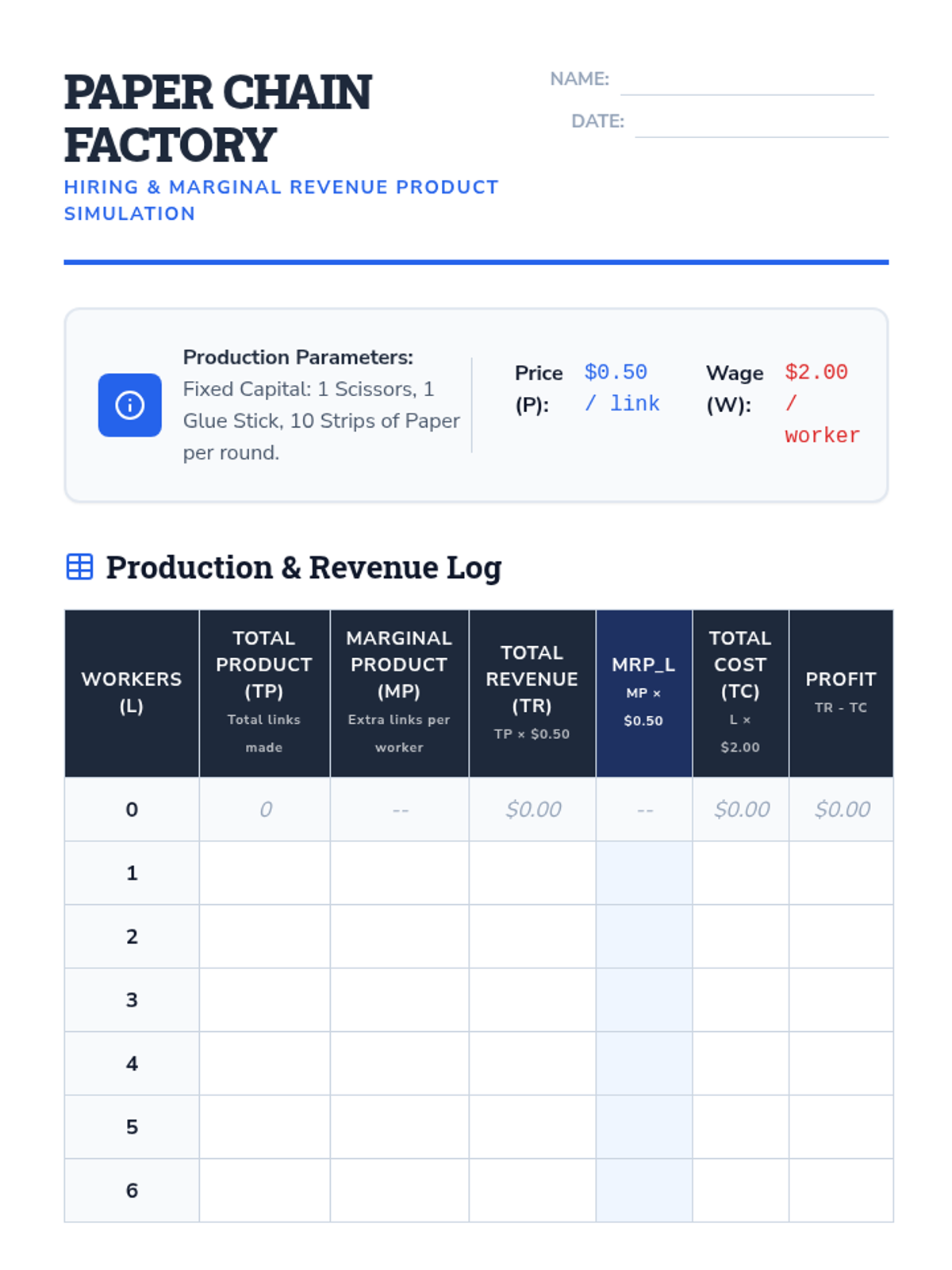
This sequence explores the relationship between labor, technology, and bargaining power. Students analyze microeconomic hiring theories, the historical role of unions, and the transformative impact of automation and AI on the future workforce.
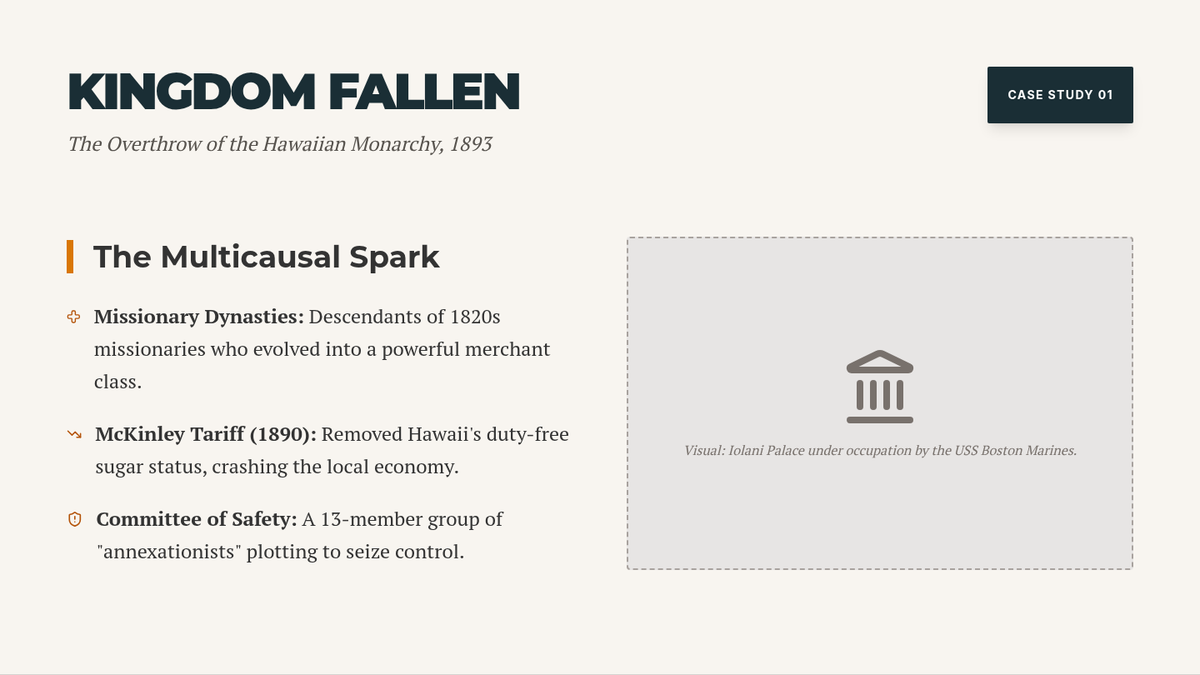
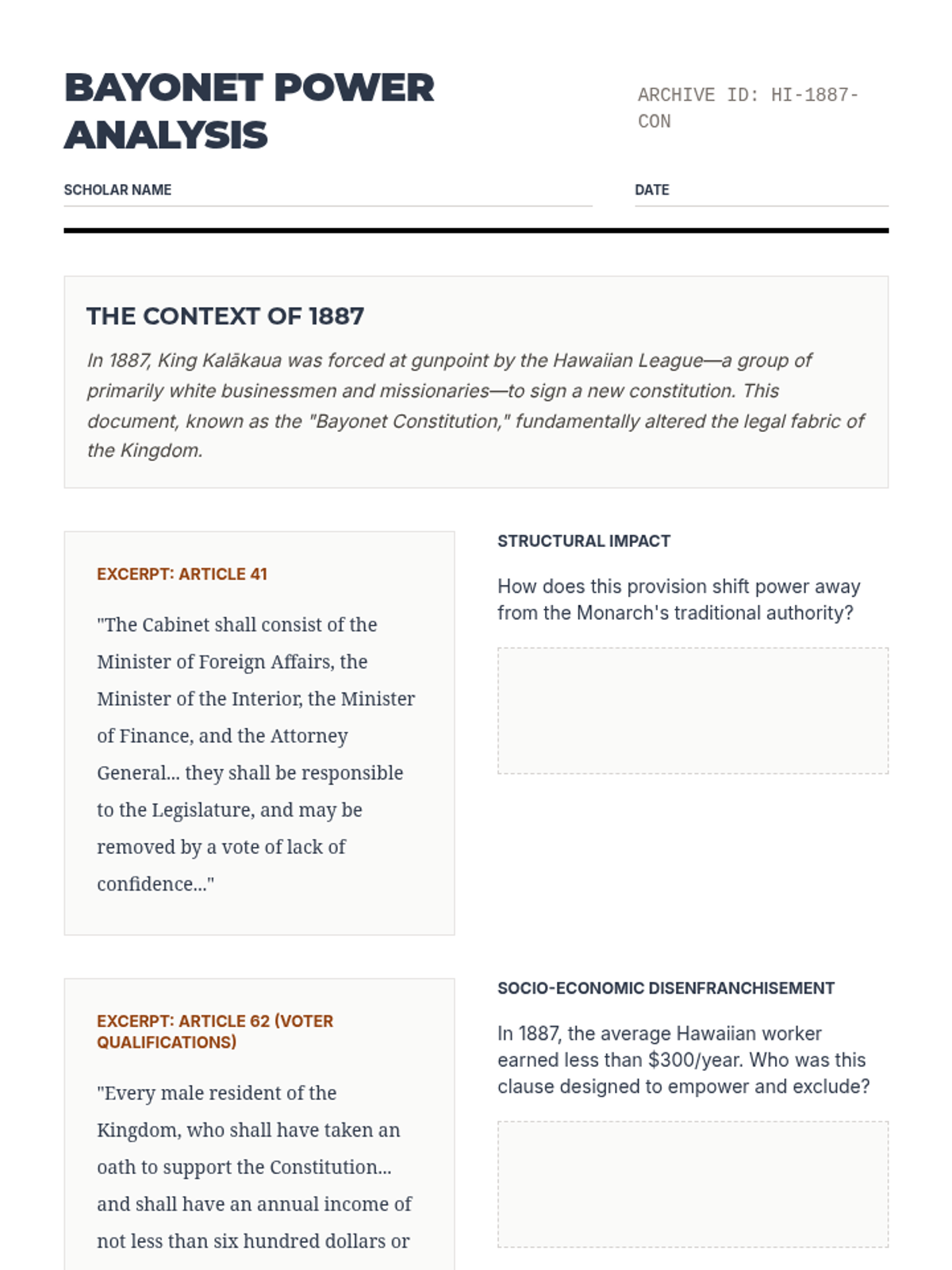
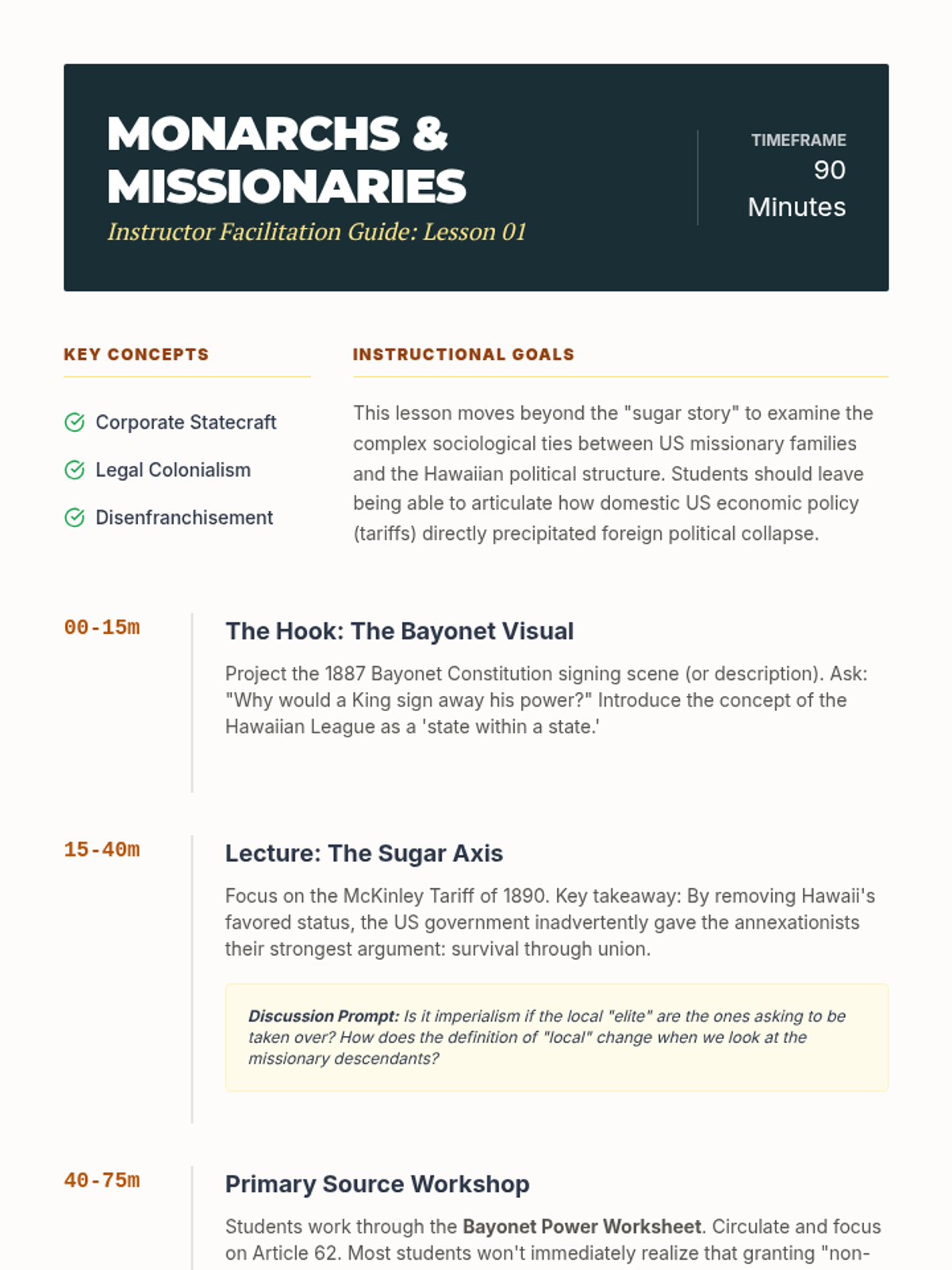
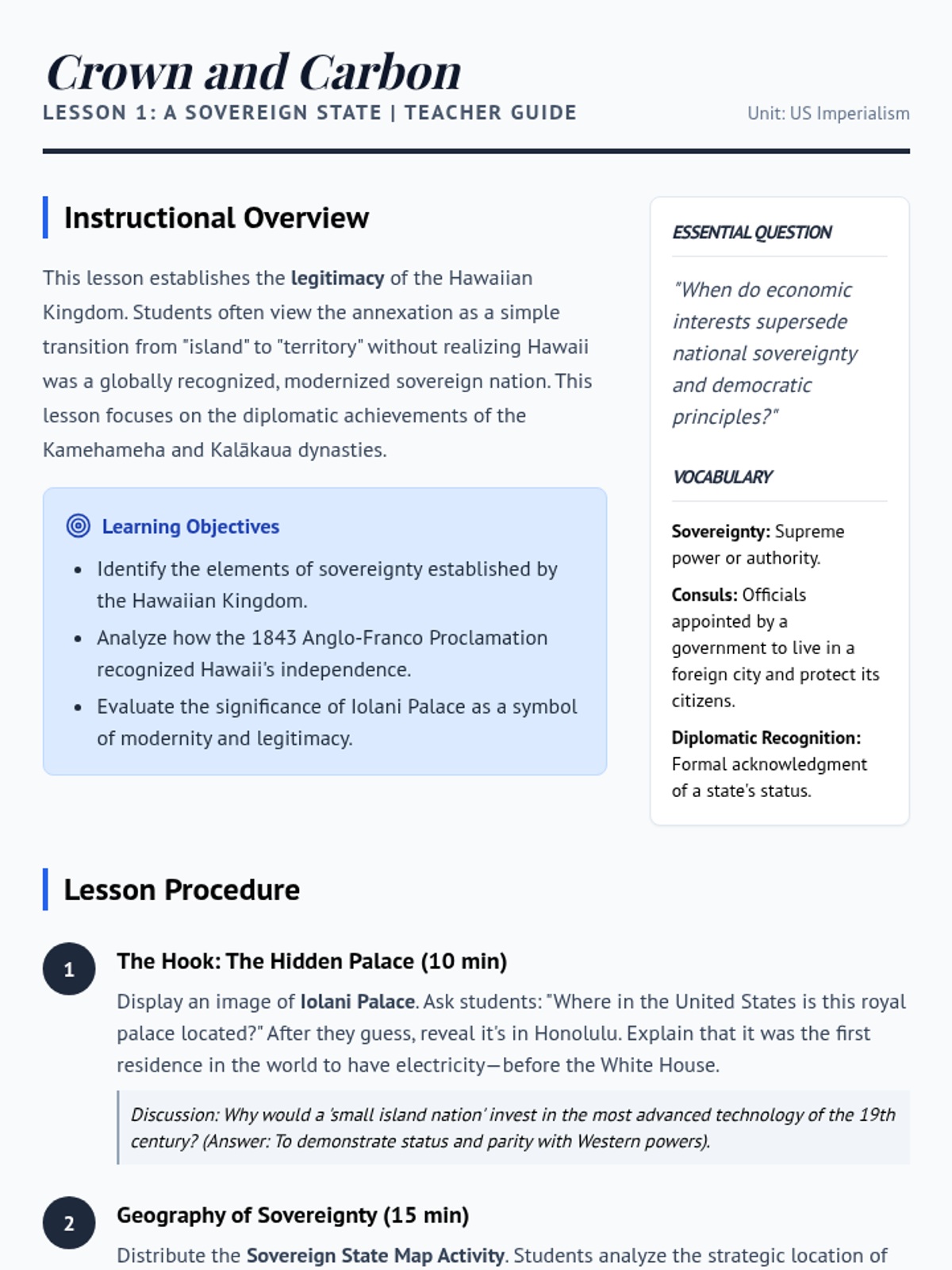
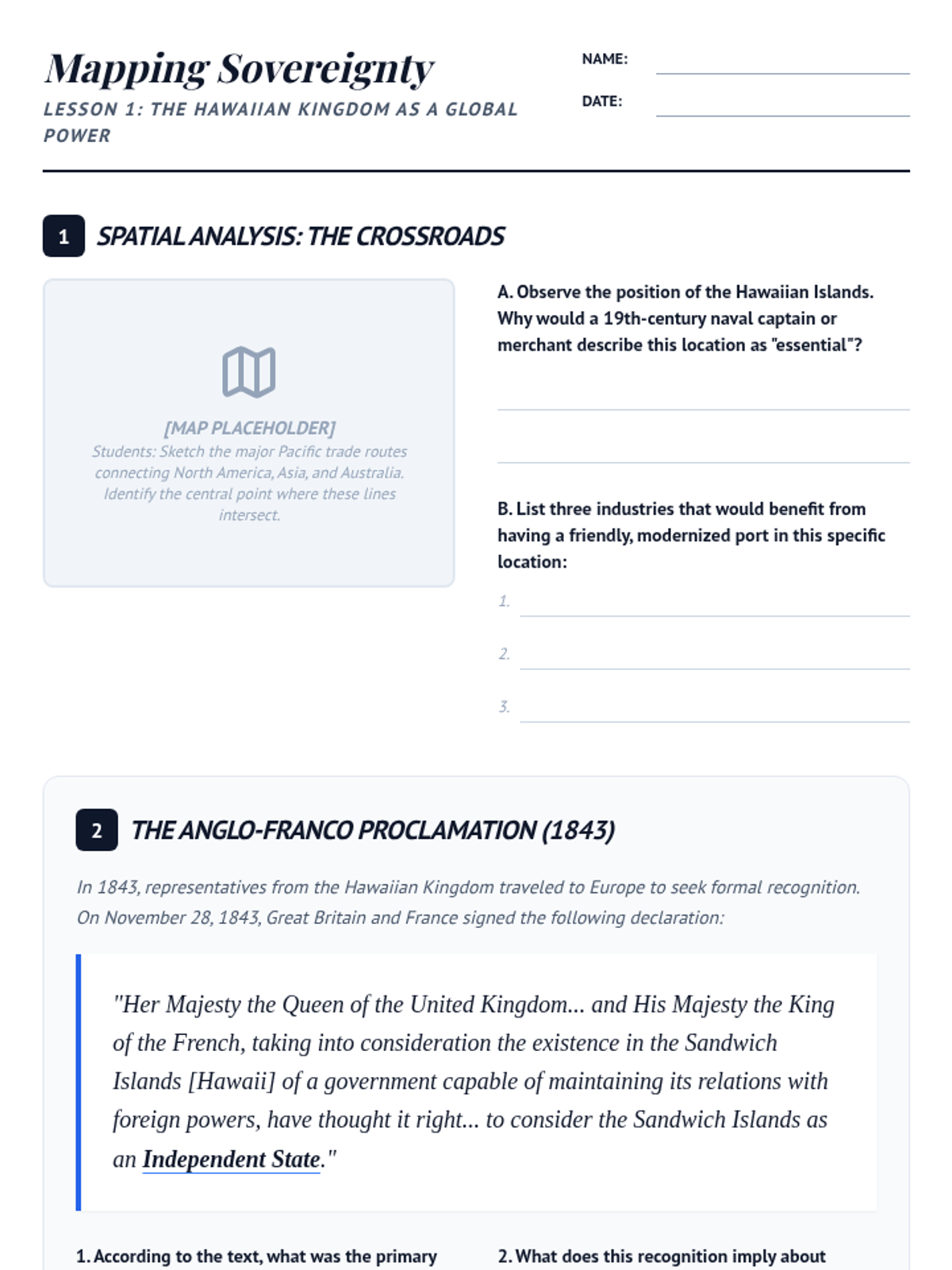
A deep-dive case study into the annexation of Hawaii, exploring the collision of indigenous sovereignty, missionary influence, and corporate interests. Students analyze the transition from a recognized sovereign monarchy to a US territory, evaluating the ethical and political implications of imperialism.
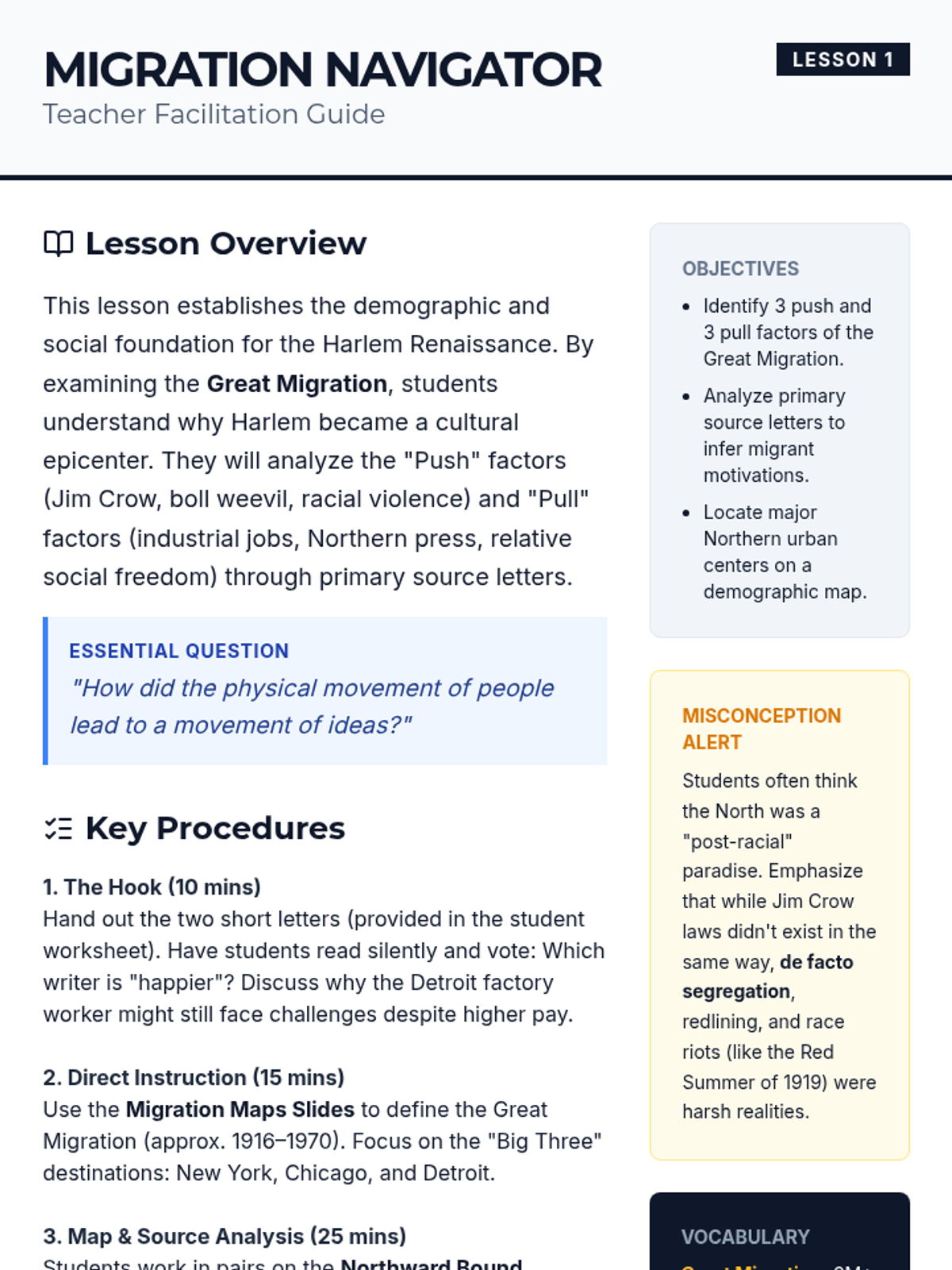
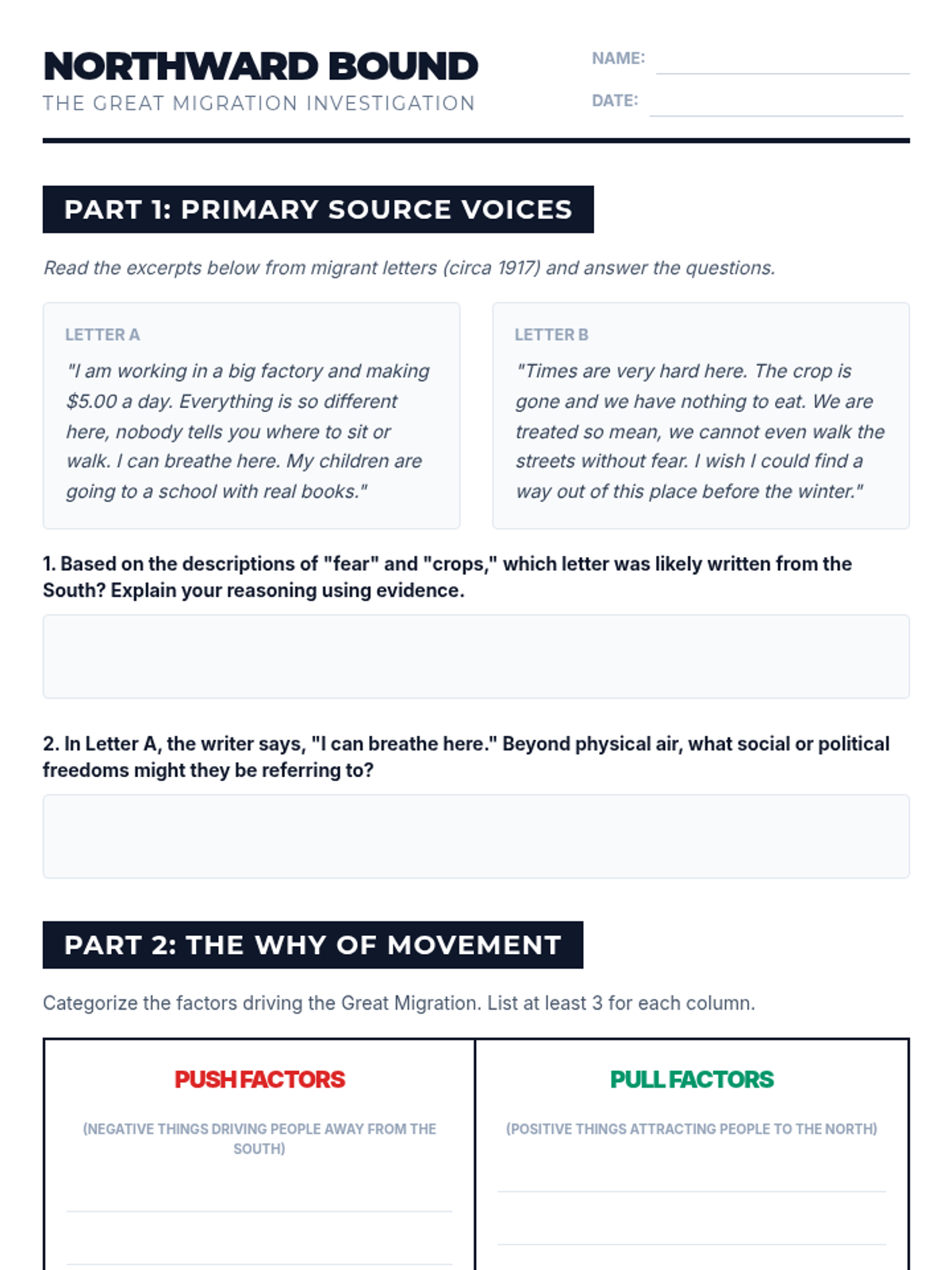
This unit explores the transformative cultural movements of the 1920s, focusing on the Harlem Renaissance and the evolving social roles of women. Students analyze how the Great Migration, jazz, literature, and the suffrage movement collectively redefined American identity.
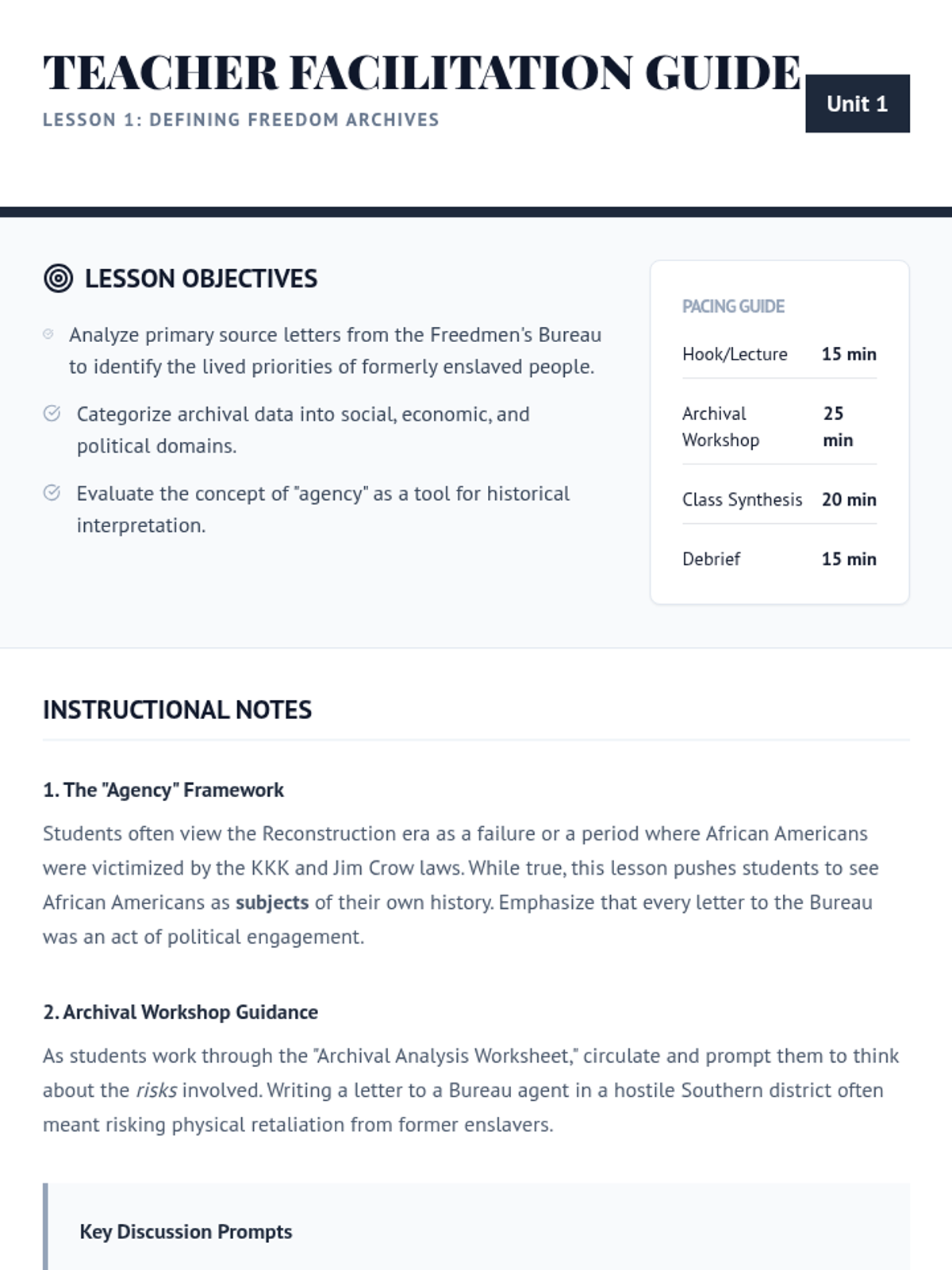
This undergraduate sequence explores the agency of African Americans during the Reconstruction era, moving beyond narratives of victimhood to highlight active social, economic, and political restructuring. Students engage with archival records, economic data, and primary sources to analyze how freedpeople defined and fought for the meaning of freedom.
This high school history sequence investigates the factors that led to the end of Reconstruction and the subsequent rise of Jim Crow. Students analyze economic shifts, political compromises, judicial rulings, and the long-term impact of historical narratives on American memory.
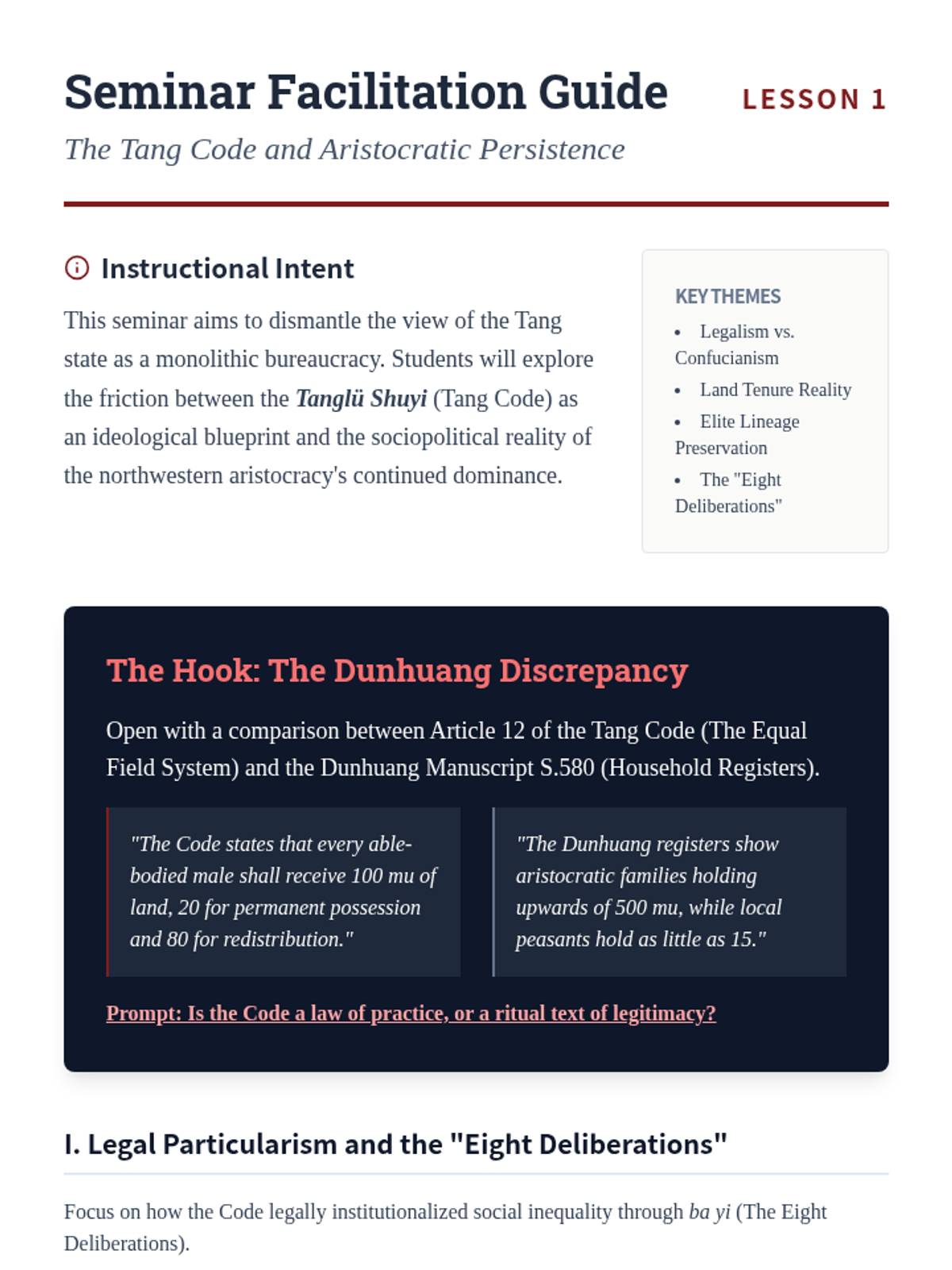
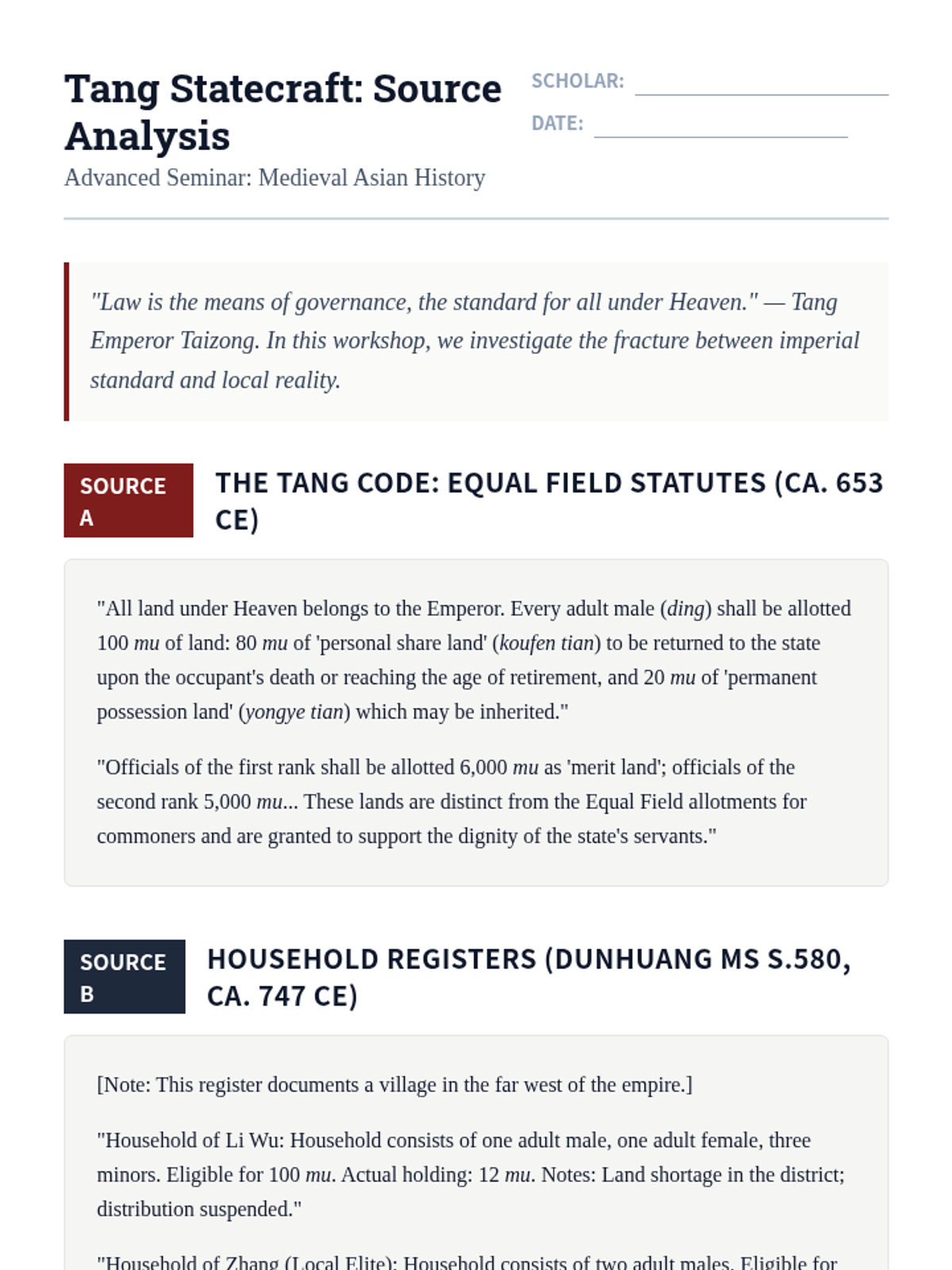
An advanced graduate-level exploration of statecraft, legal systems, and ideological shifts from the Tang to the Ming dynasties, focusing on the evolution of the imperial bureaucracy.
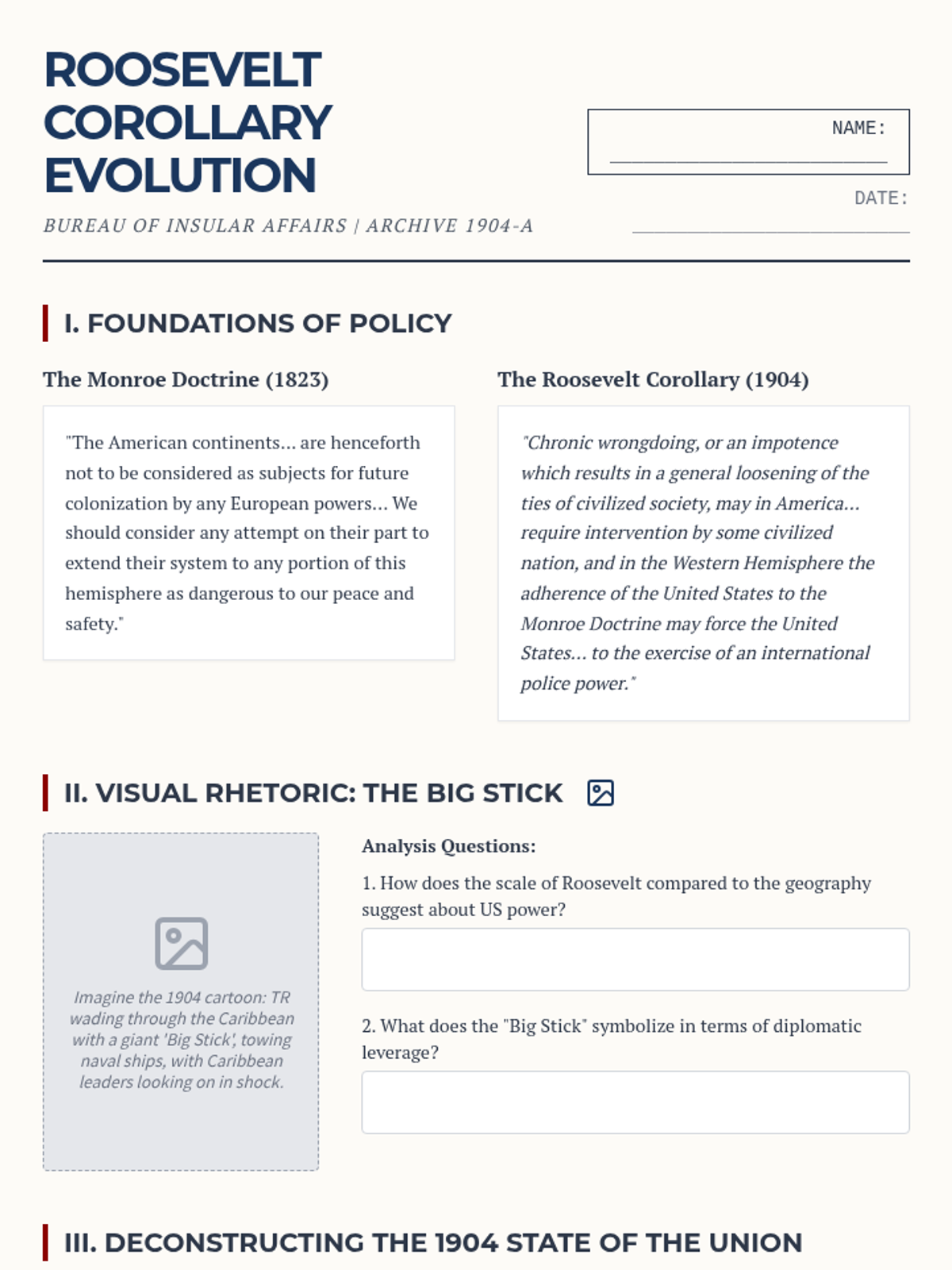
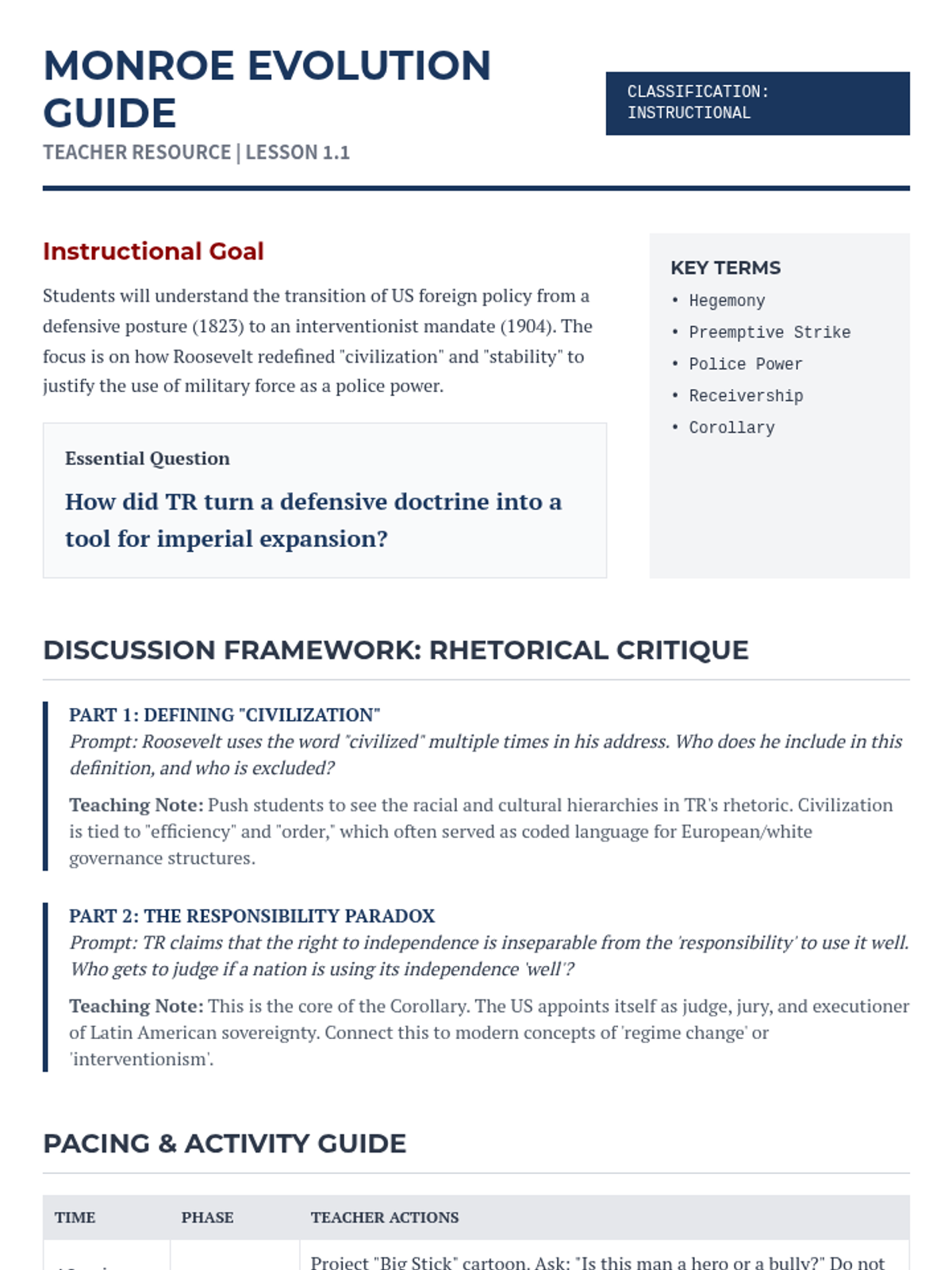
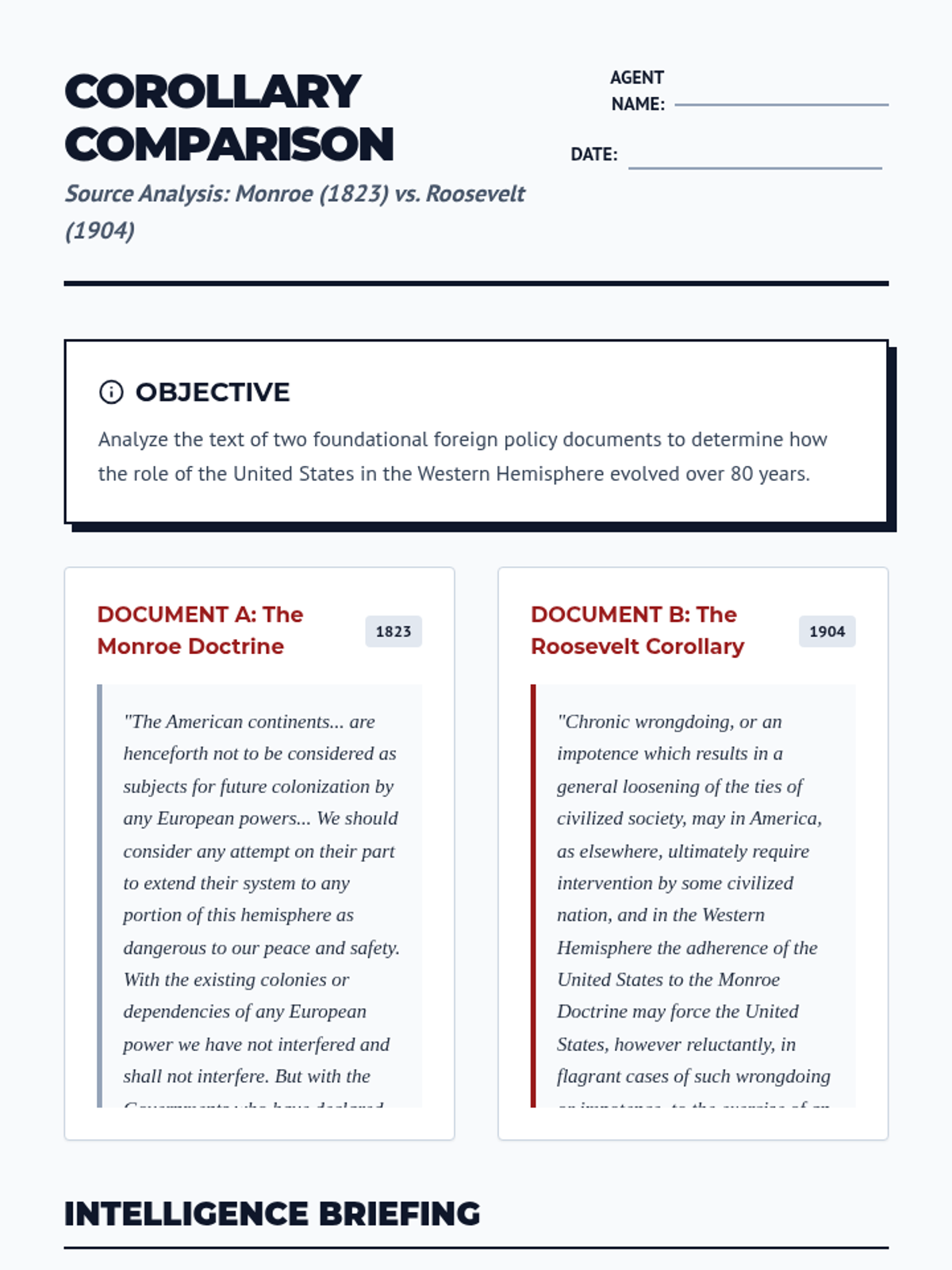
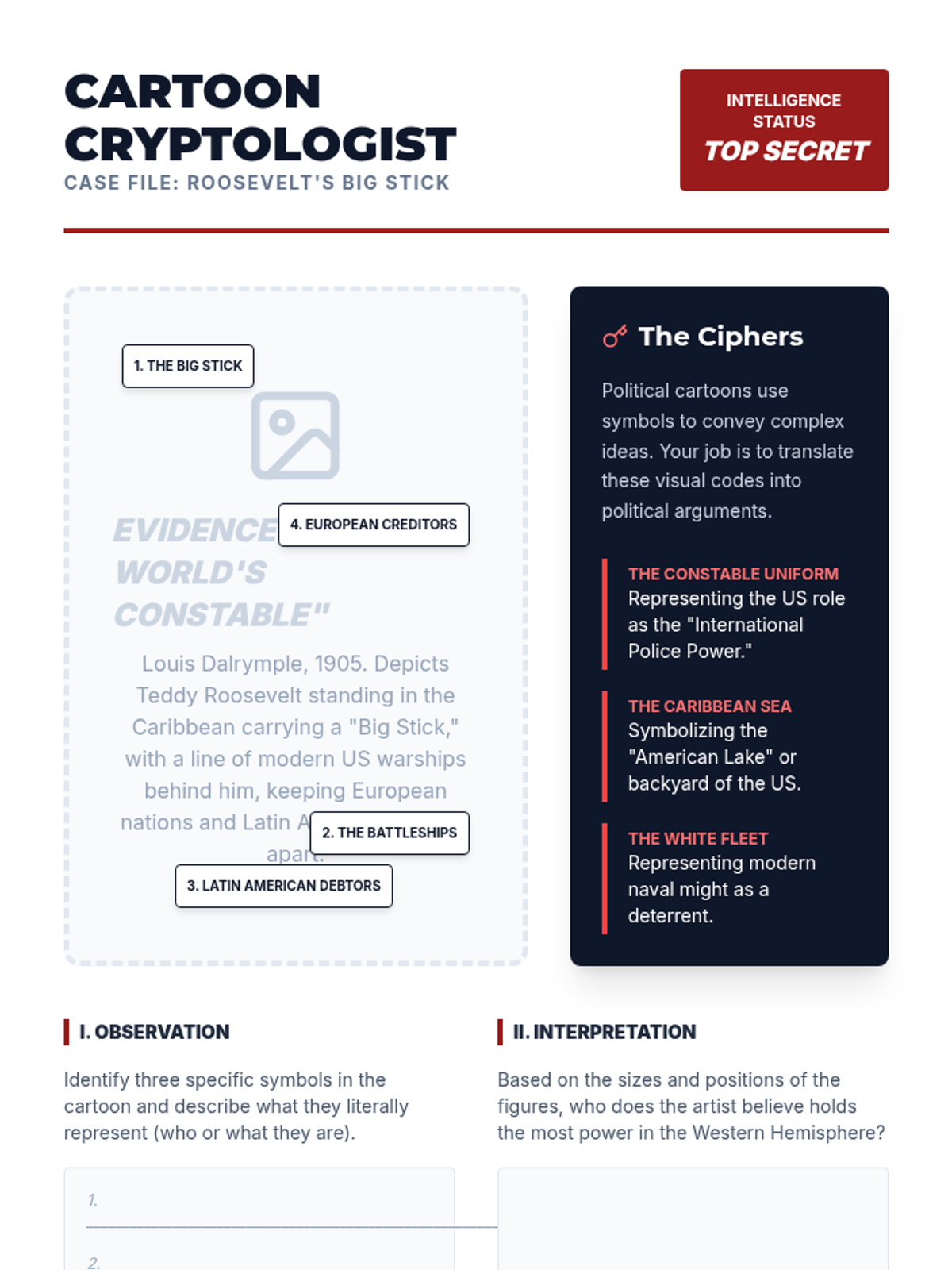
A comprehensive exploration of US interventionism in Latin America during the early 20th century, focusing on the evolution of foreign policy from the Roosevelt Corollary to Wilson's Moral Diplomacy. Students analyze primary sources, political cartoons, and economic data to evaluate the impact of American hegemony.
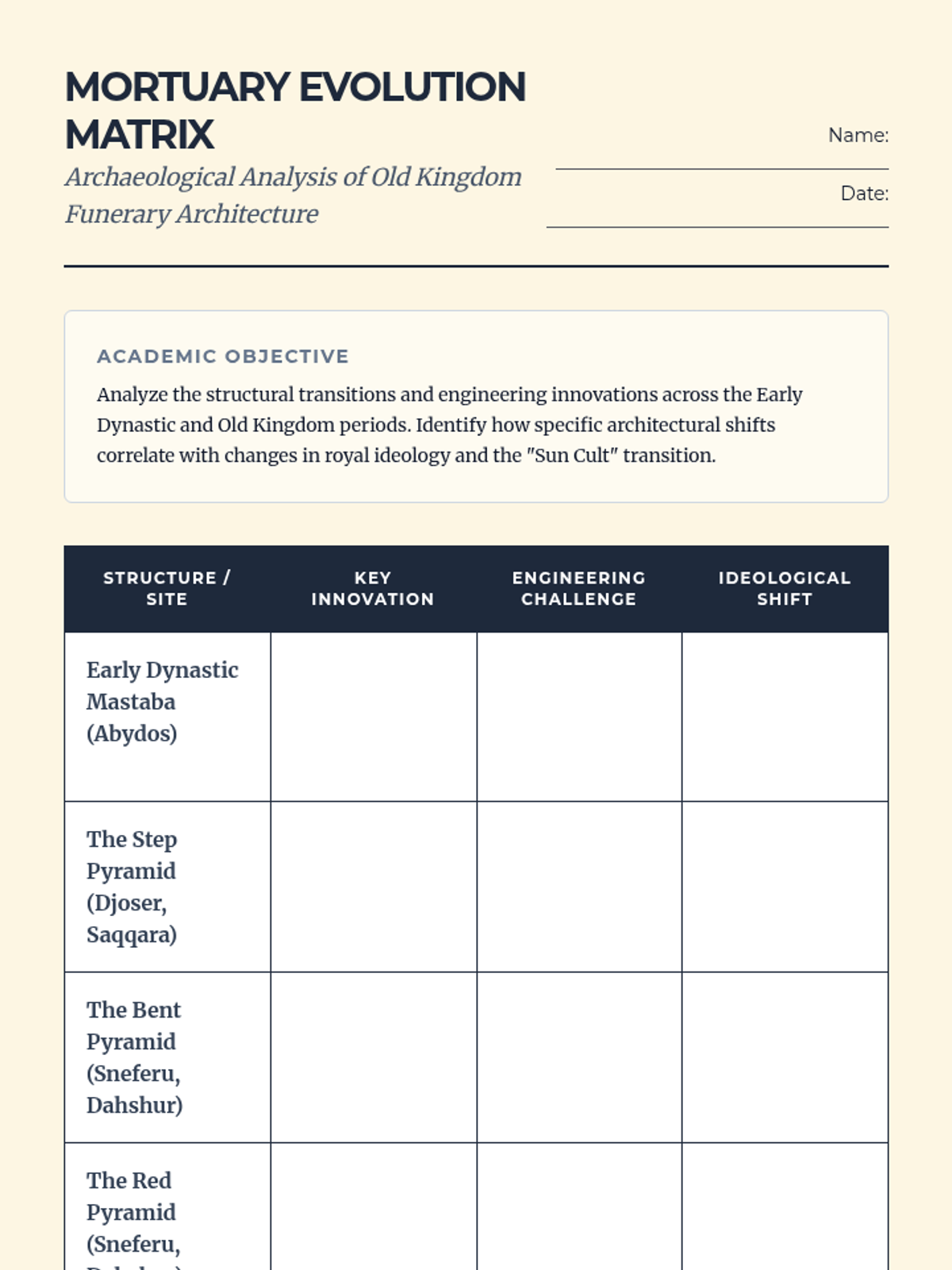
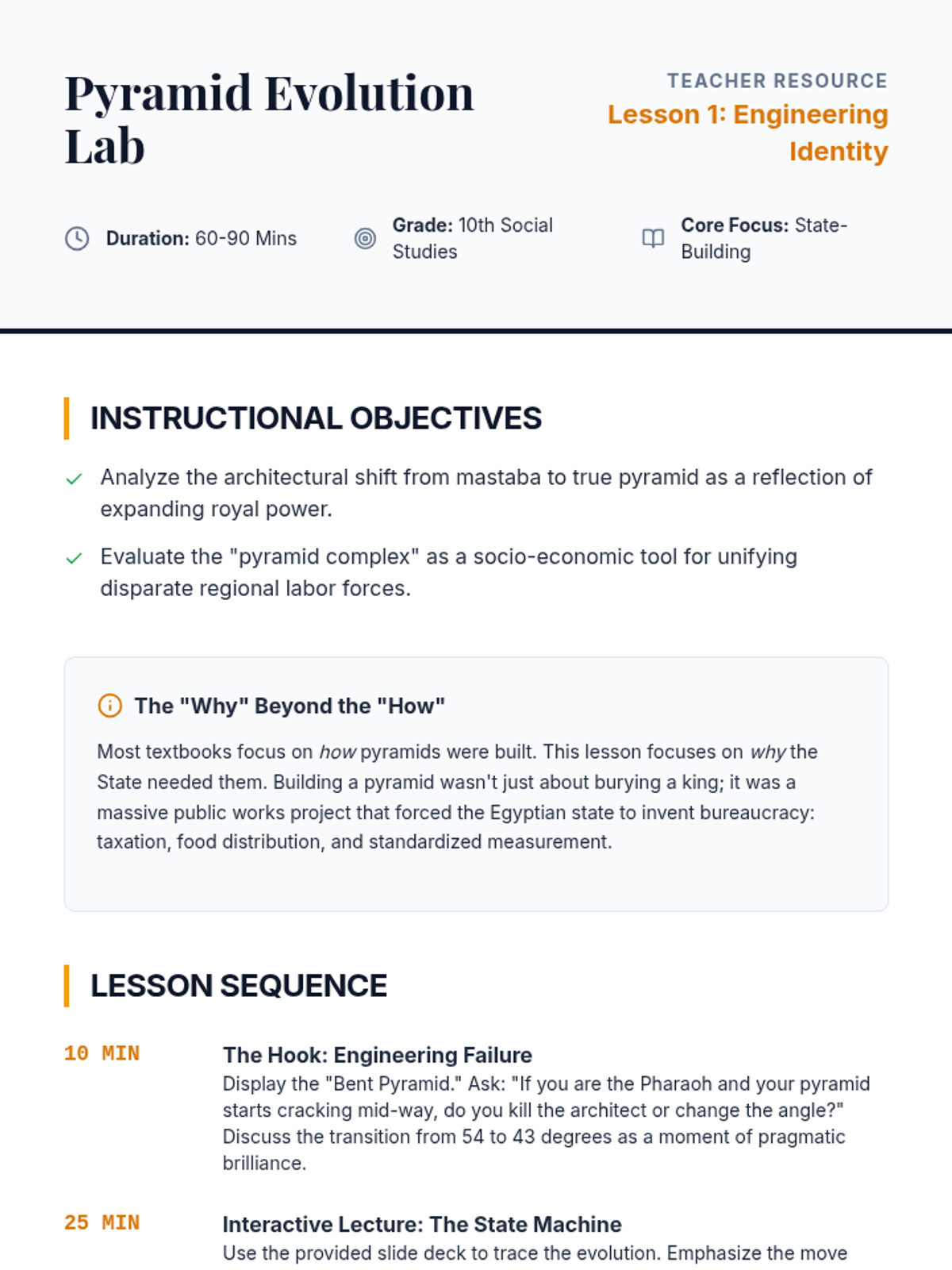
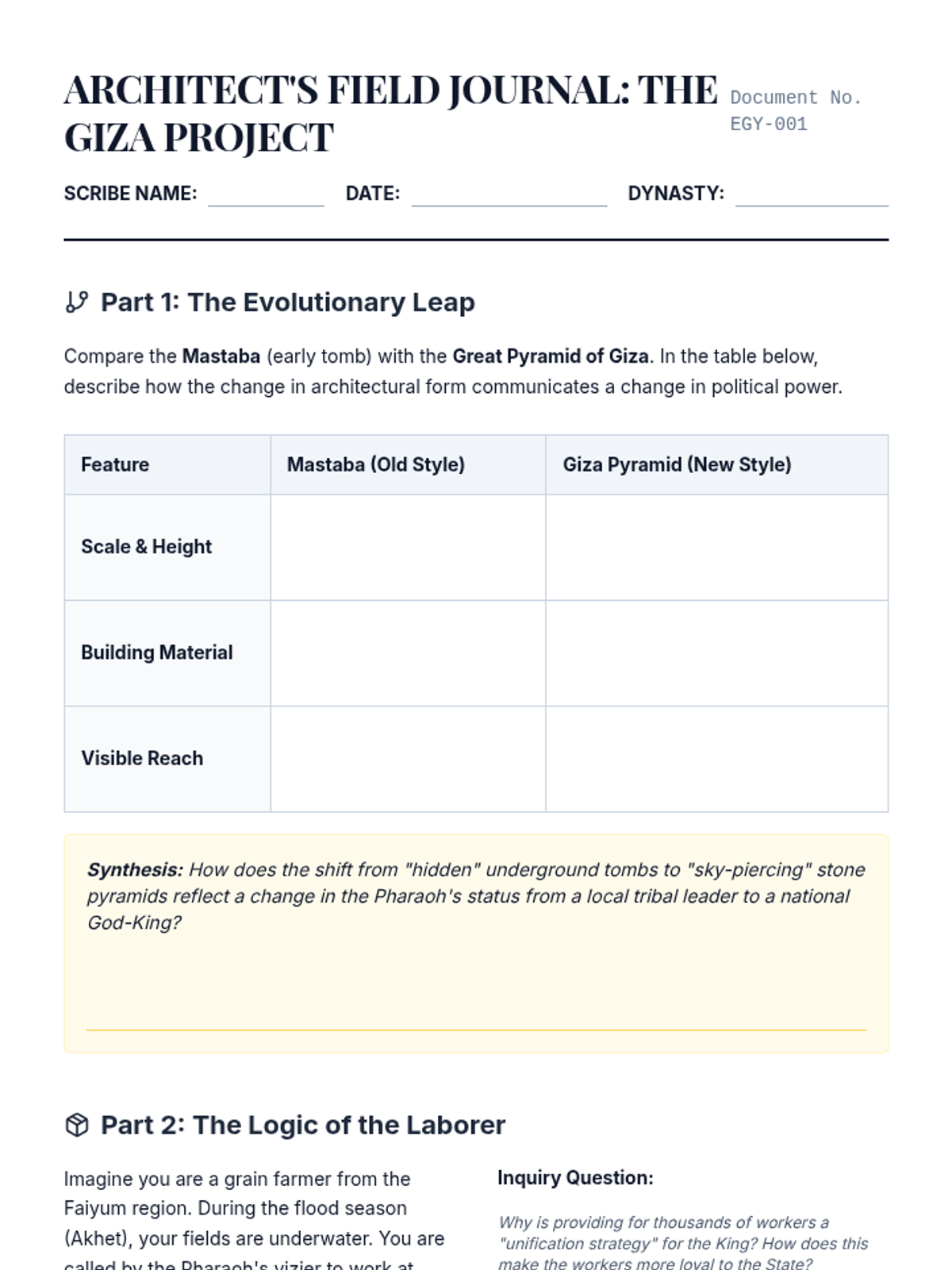
This sequence explores the intersection of architecture, labor, and ideology in Ancient Egypt's Old and Middle Kingdoms. Students investigate monumental construction as a tool for political legitimacy and economic integration, challenging myths about slave labor through archaeological evidence.
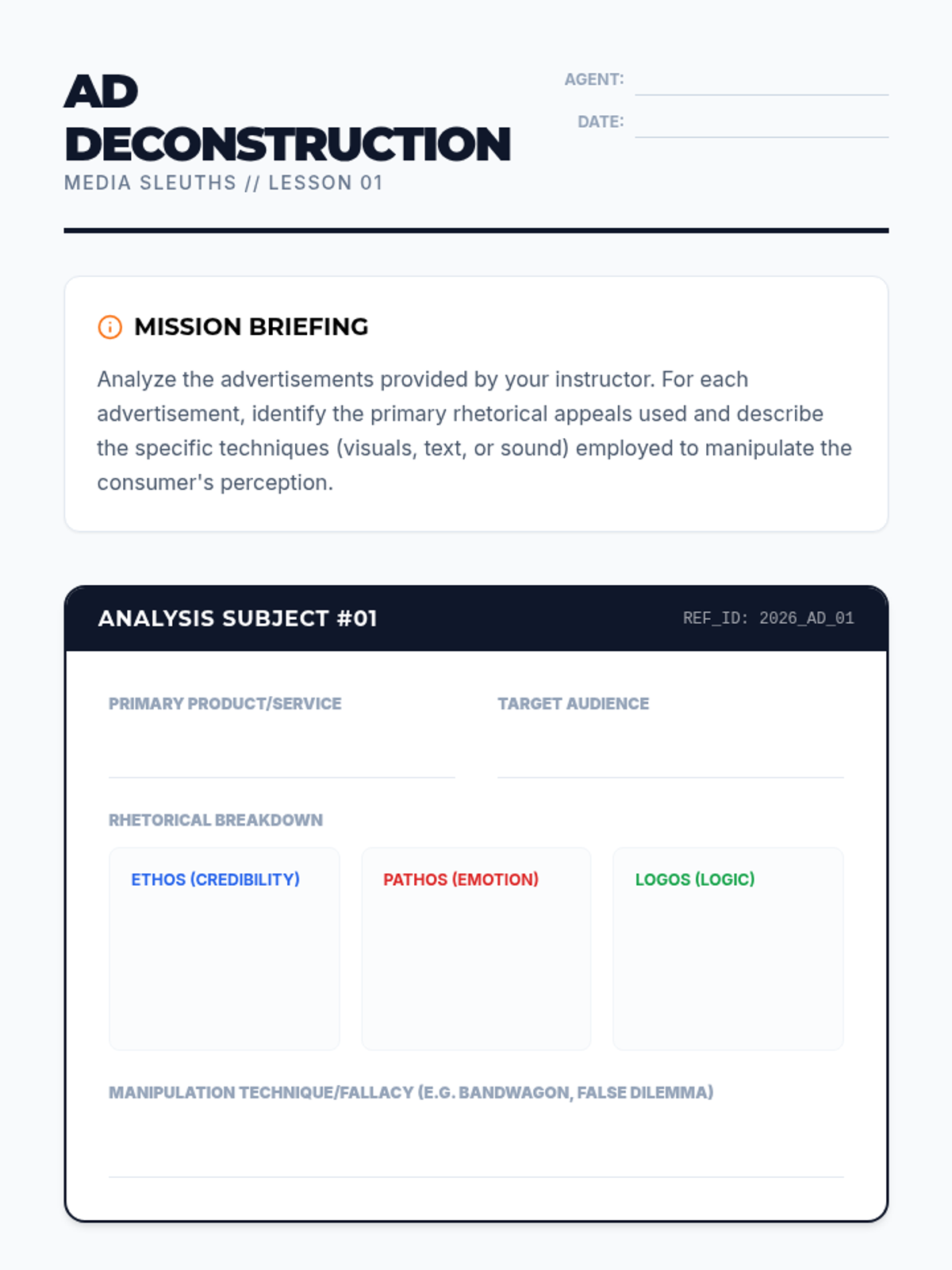
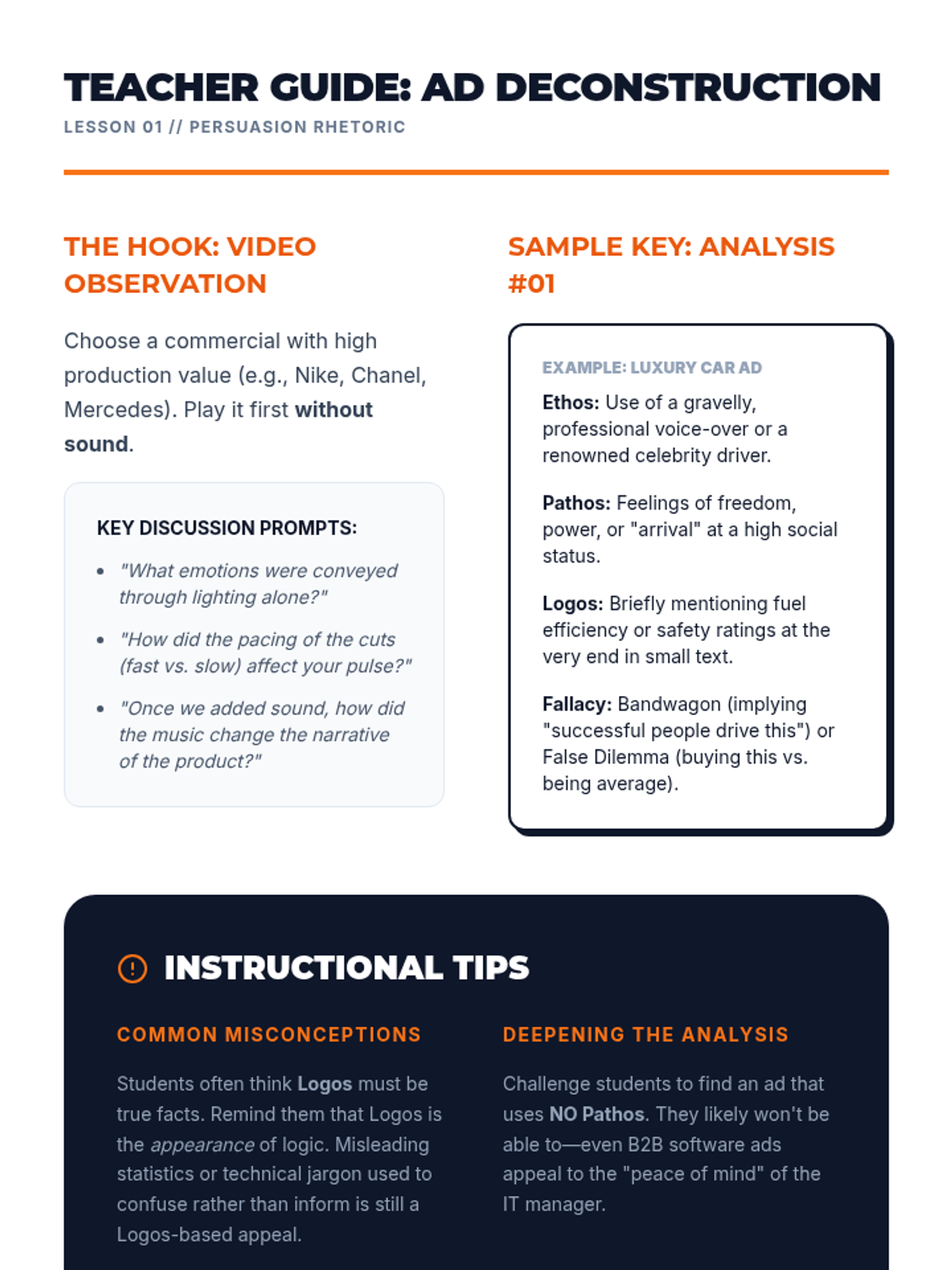
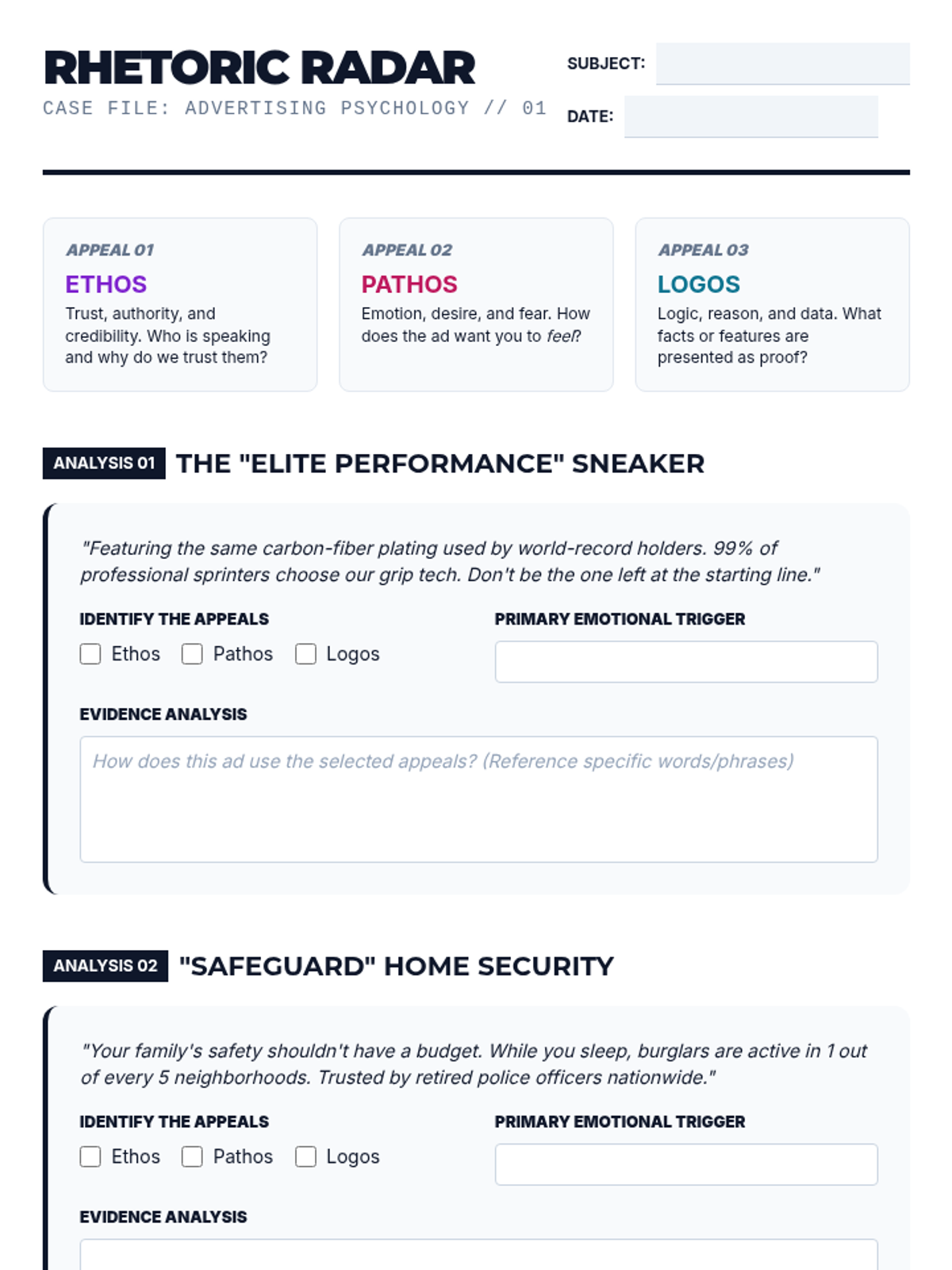
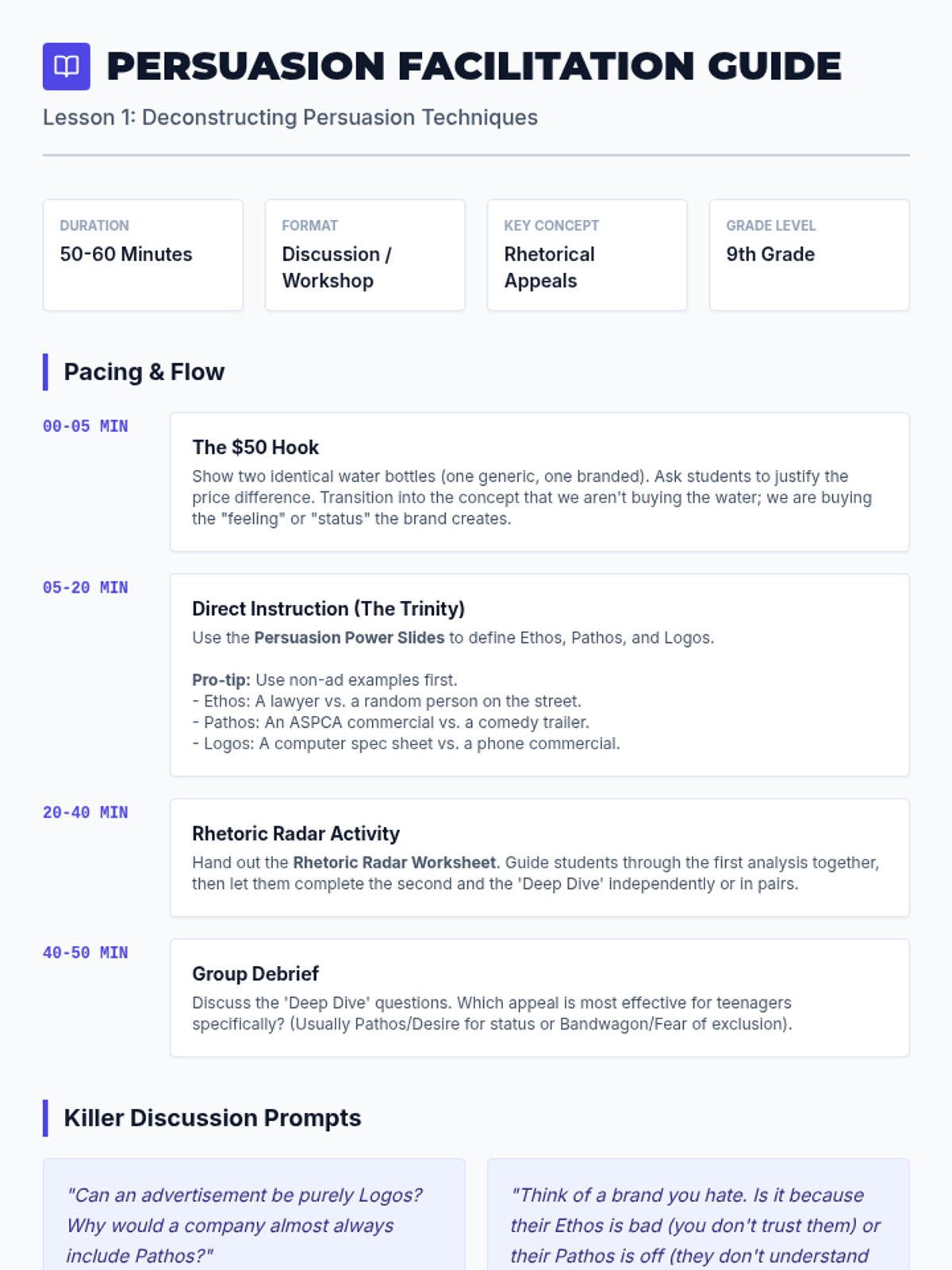
A comprehensive 5-lesson unit for 11th grade students on media literacy, advertising psychology, and digital marketing. Students learn to identify rhetorical appeals, understand algorithmic targeting, and deconstruct influencer marketing to become more conscious consumers.
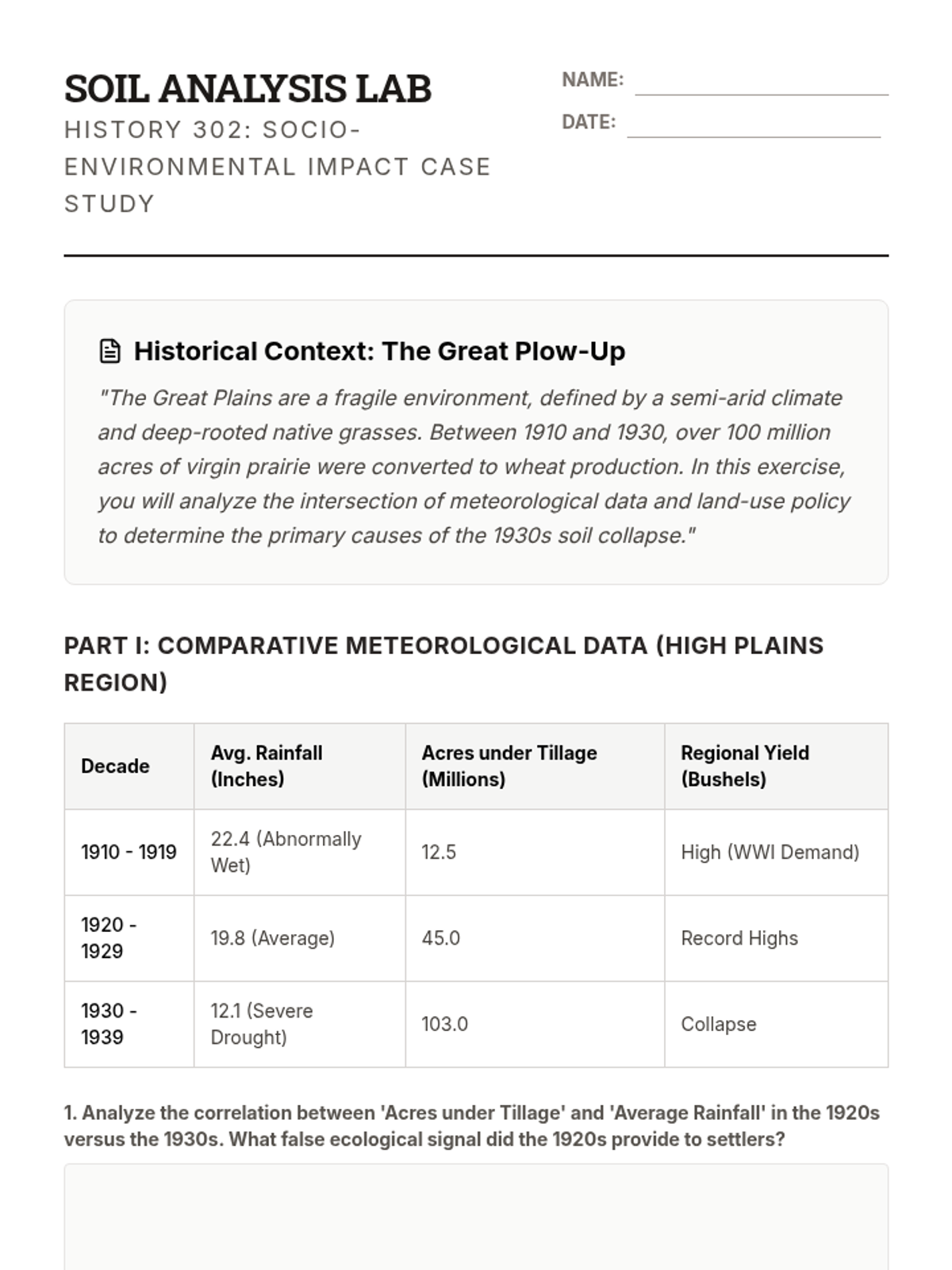
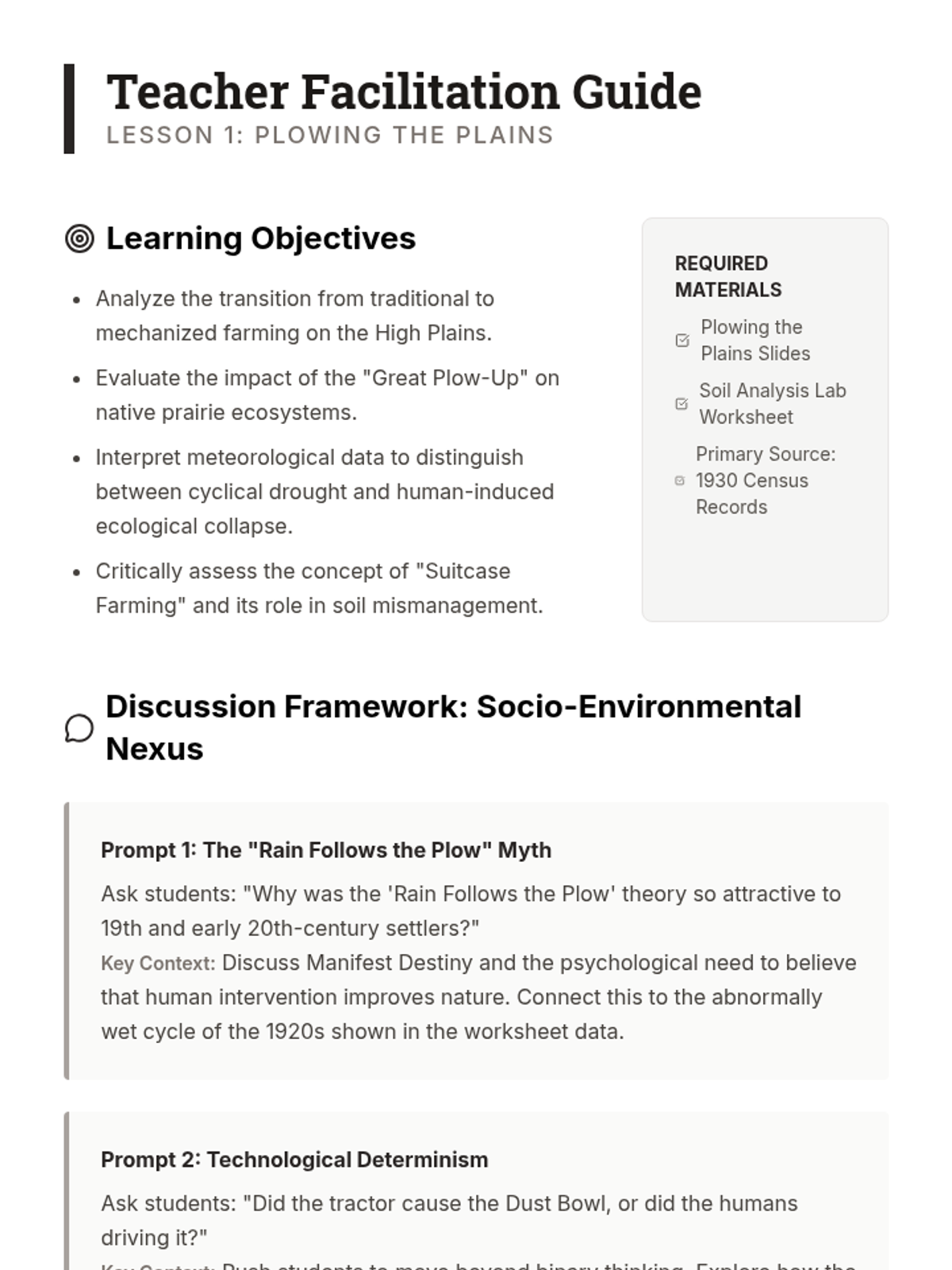
This sequence examines the human and environmental costs of the Dust Bowl during the Great Depression. Students investigate how agricultural mismanagement and climate change triggered mass migration, social conflict in the West, and a transformative federal response in soil conservation.
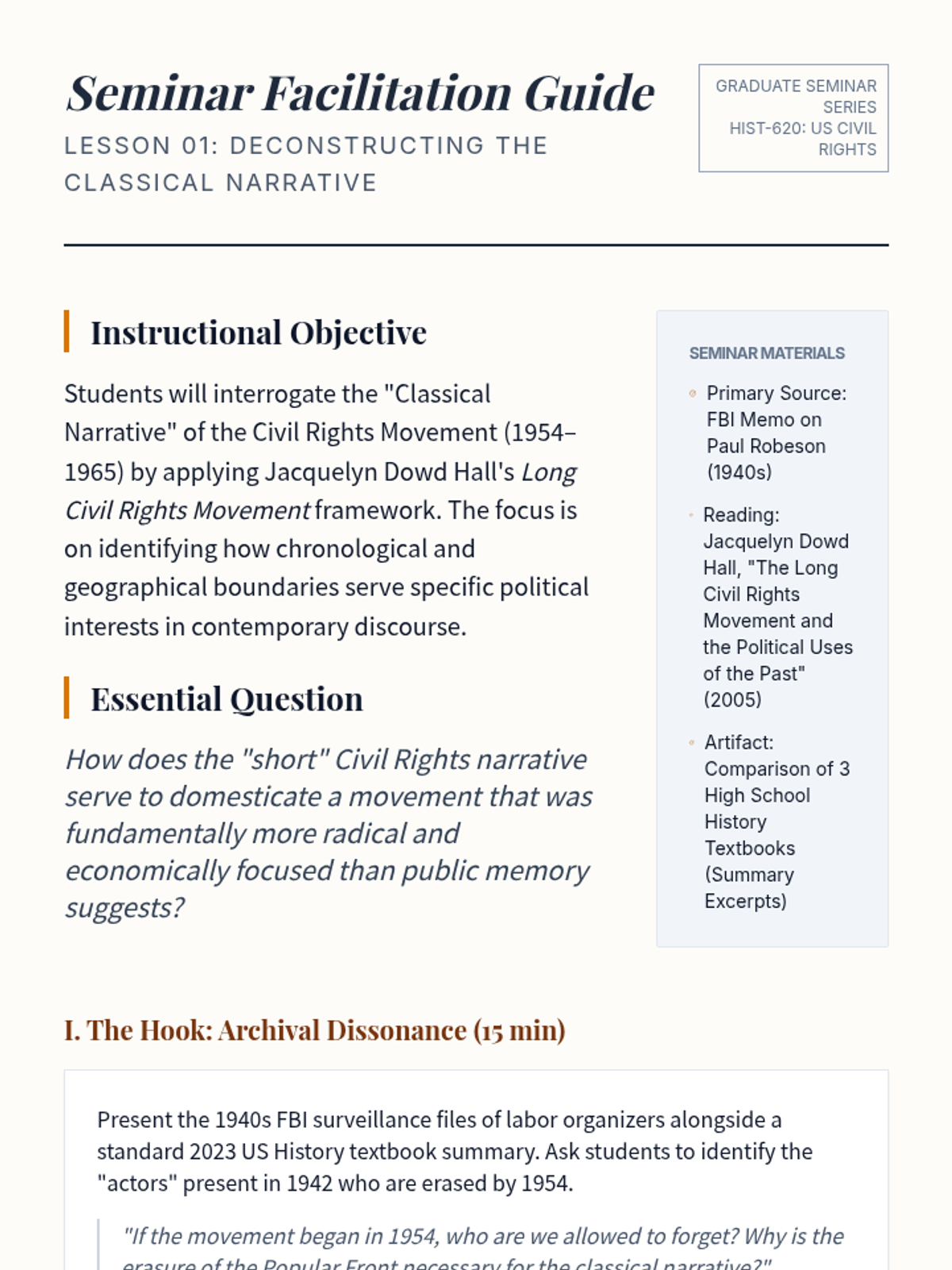
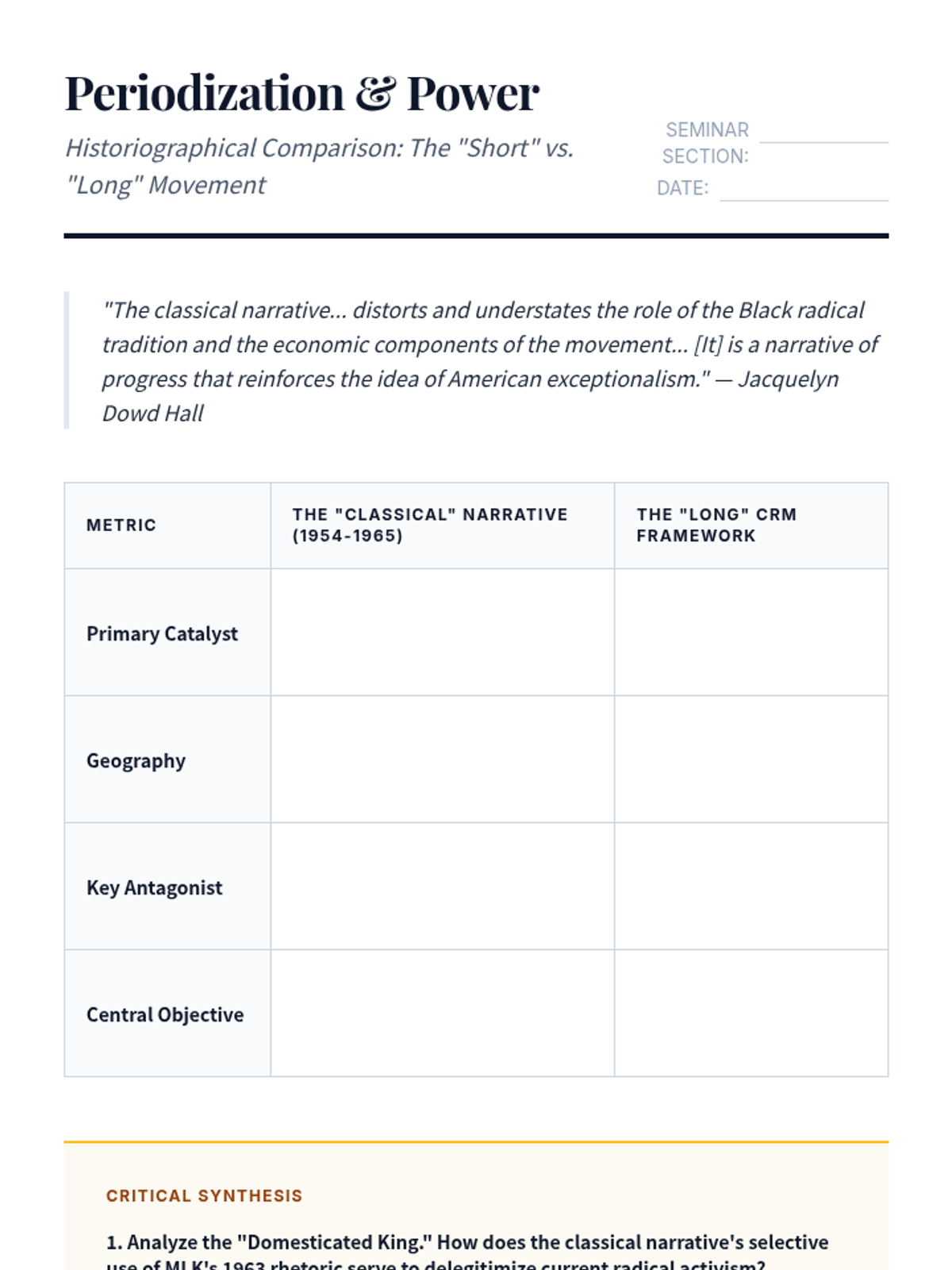
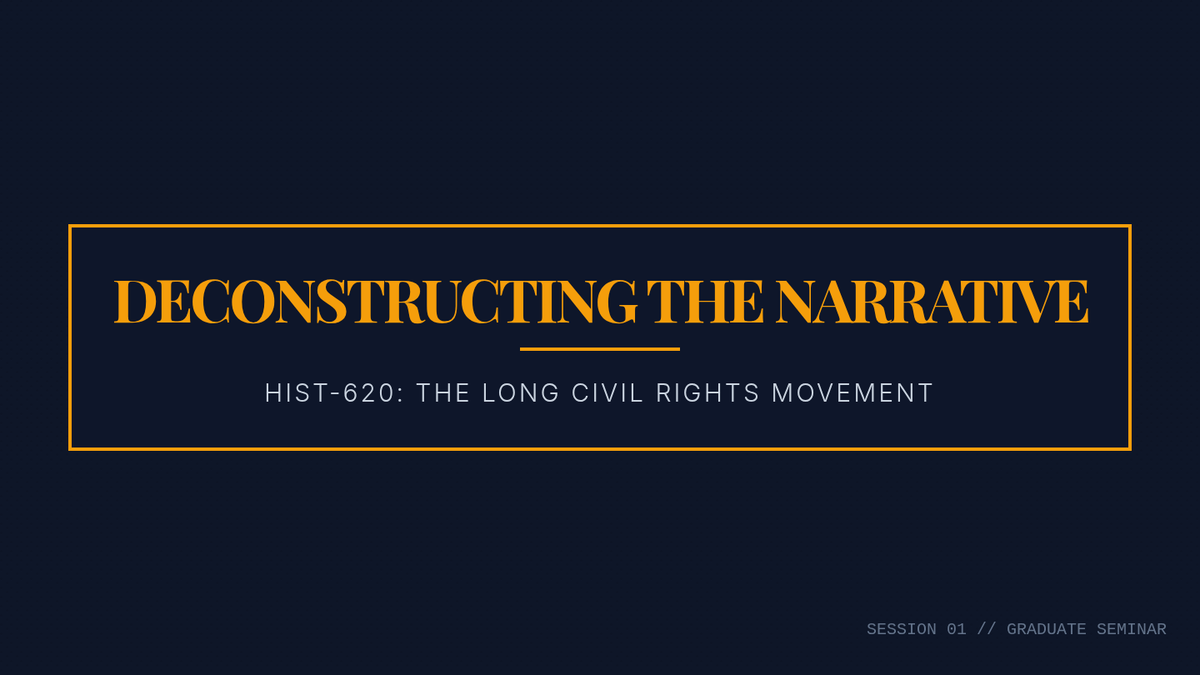
This graduate seminar sequence critiques the dominant narratives of the Civil Rights Movement by applying the 'Long Civil Rights Movement' historiographical framework, moving beyond the 1954-1965 timeframe to analyze economic roots, northern activism, and armed self-defense.
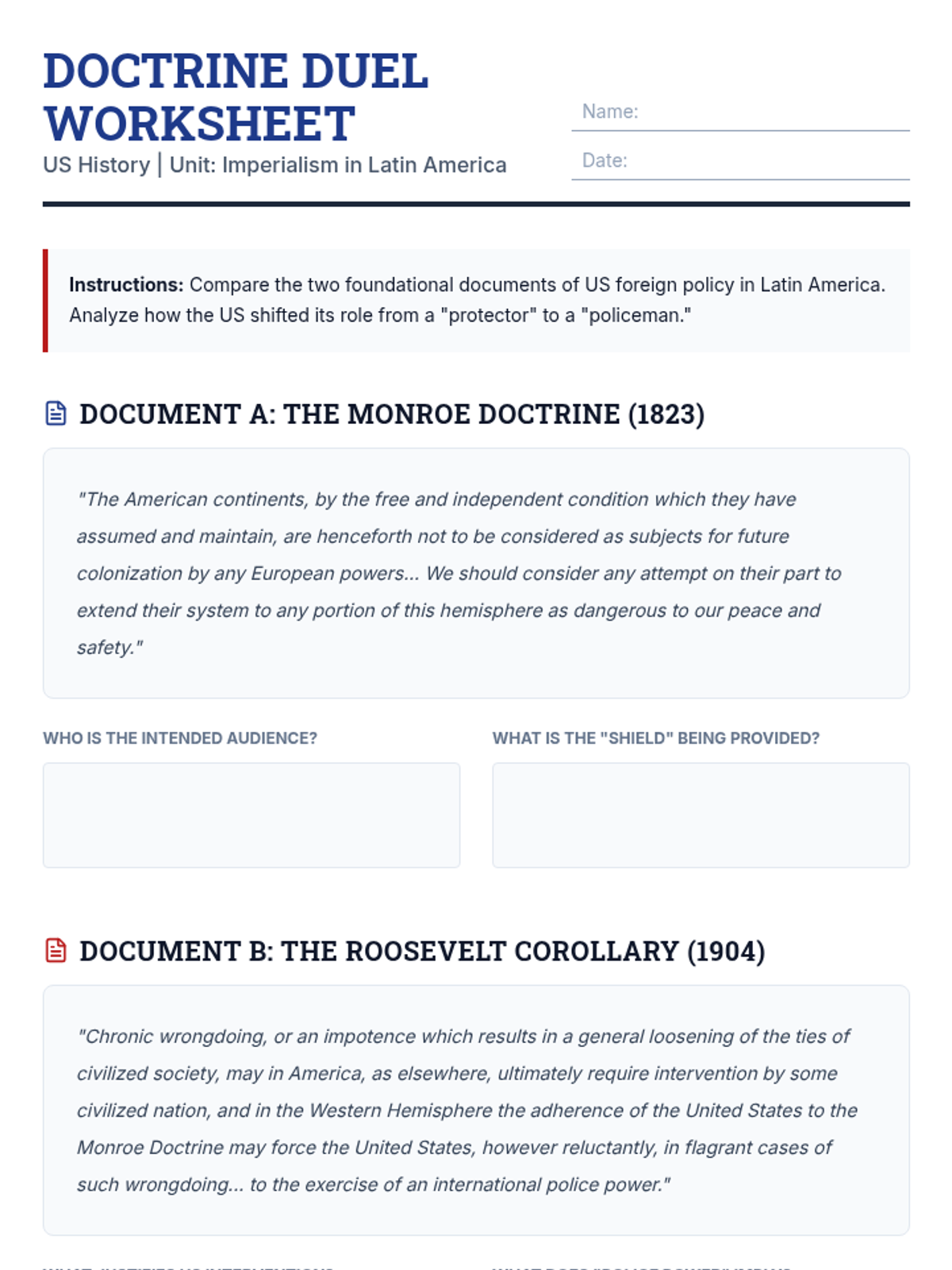
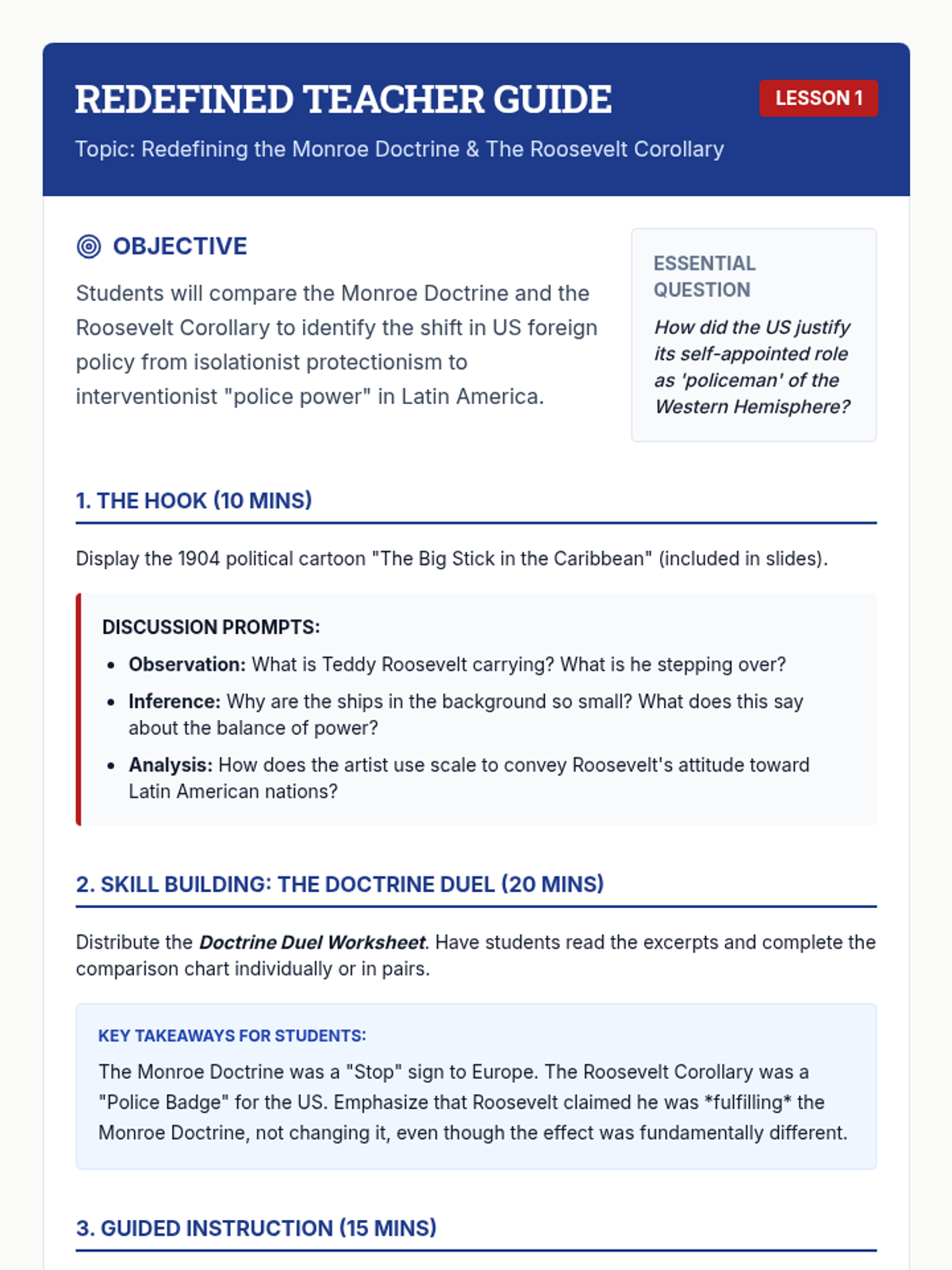
A 5-lesson unit exploring US foreign policy in Latin America from the late 19th to early 20th century, focusing on the shift from protectionism to interventionism through the Big Stick, Dollar, and Moral Diplomacy models.
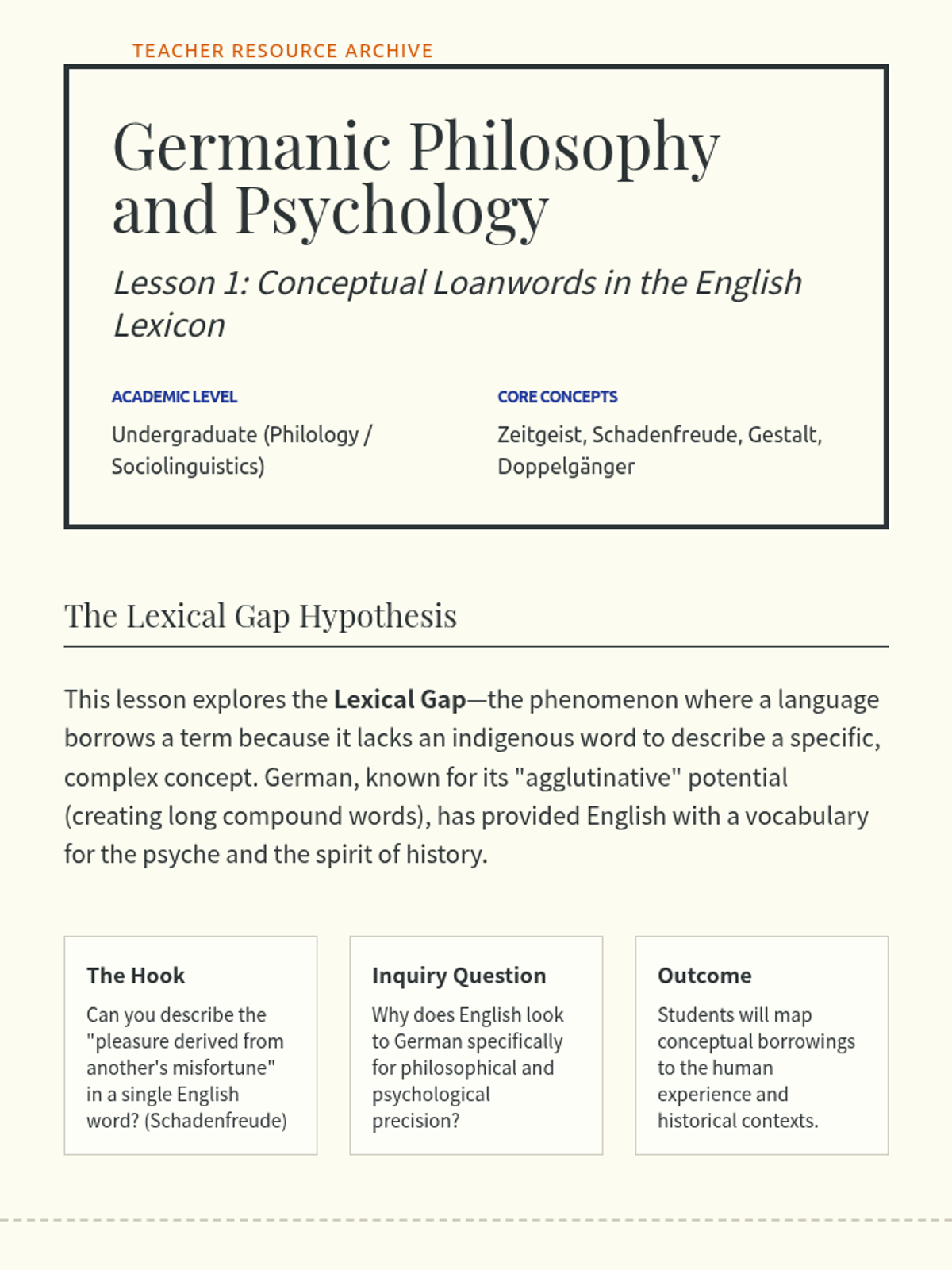
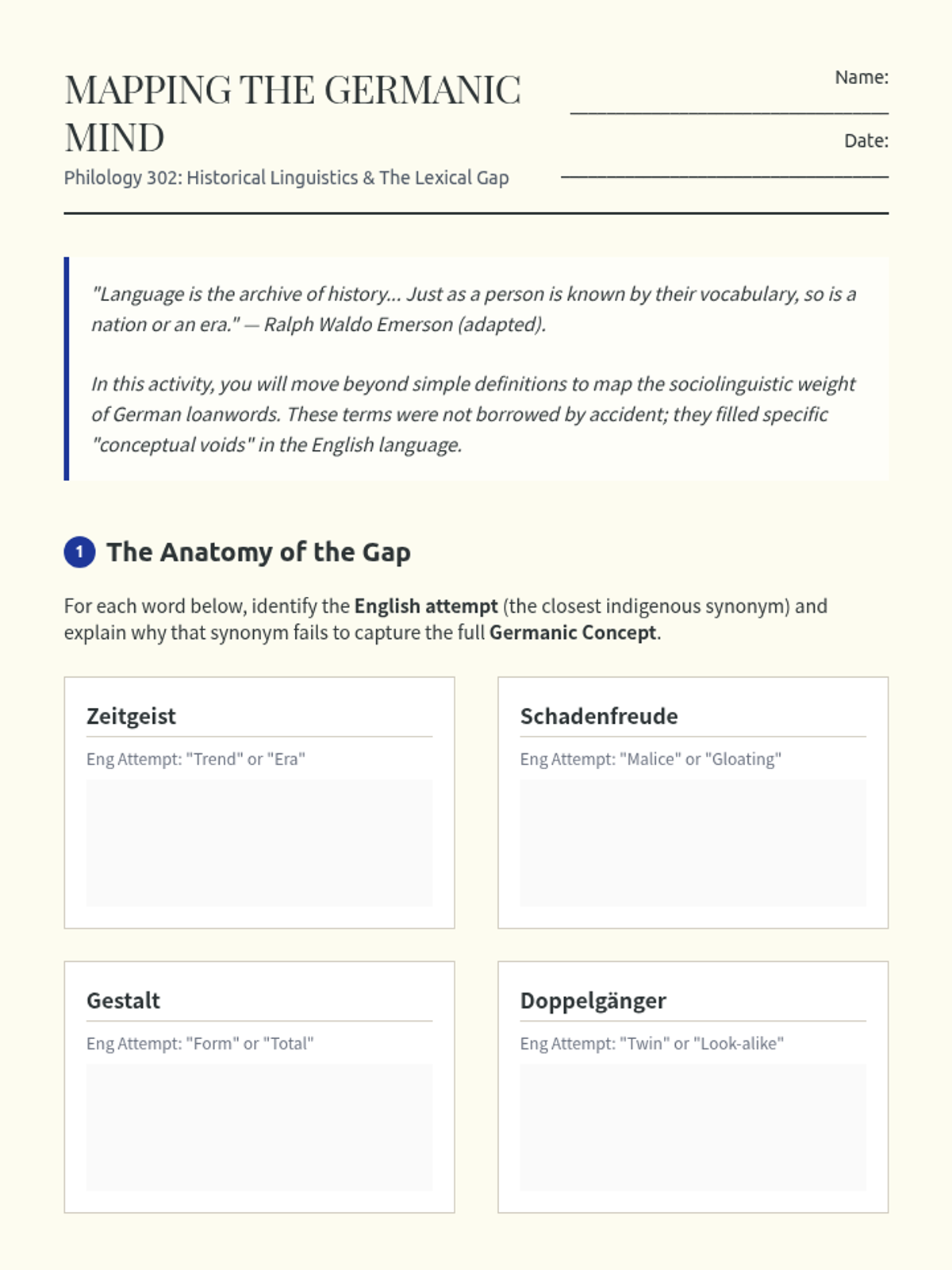
An undergraduate-level exploration of loanwords in English, focusing on the sociolinguistic history and philological origins of terms from German, Spanish, Italian, Arabic, Hindi, and Yiddish. Students investigate how culture, philosophy, and trade shape the lexicon.
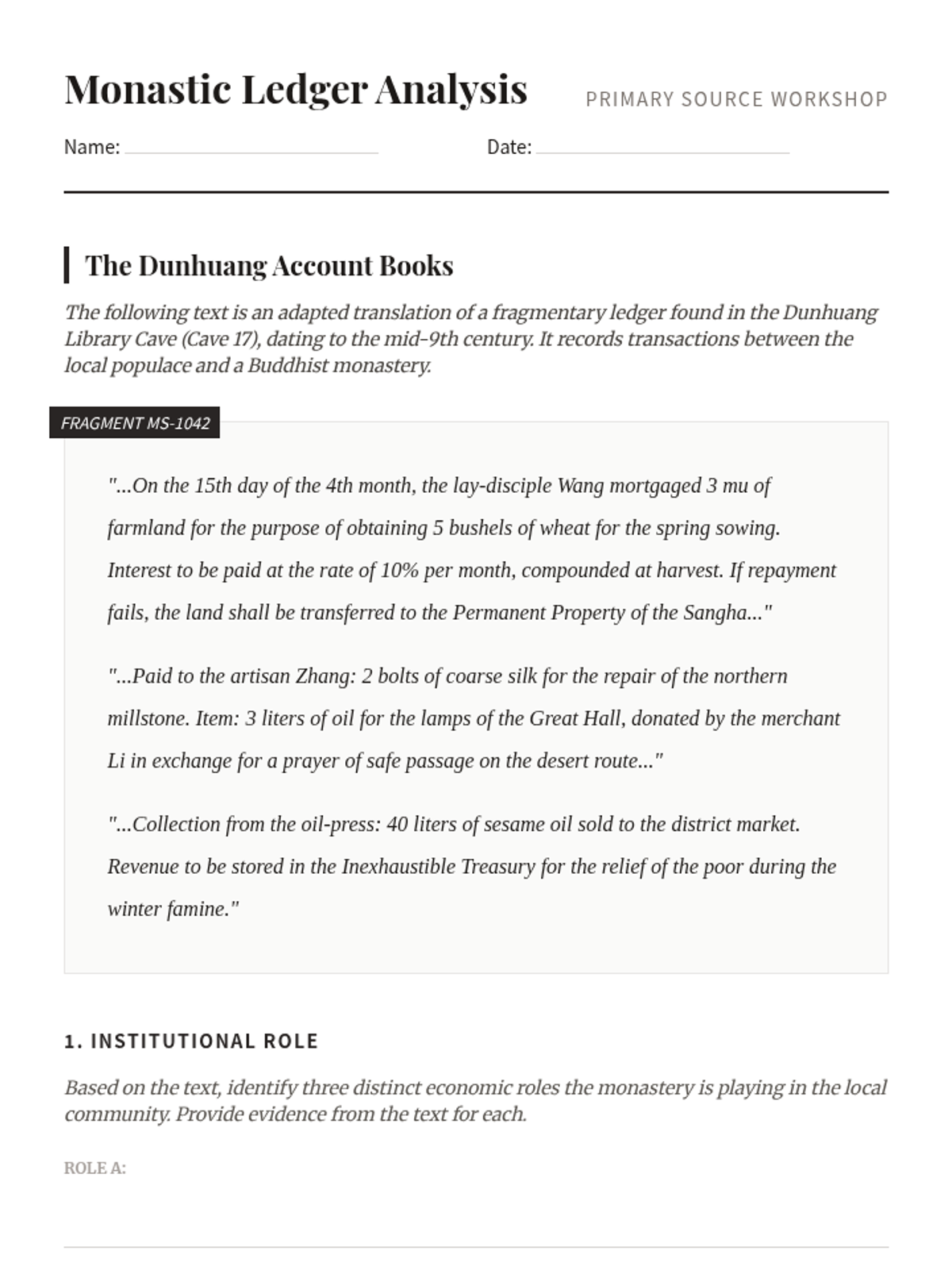
A graduate-level exploration of the intersection of religion, commerce, and art along the Silk Road and maritime routes during the Tang and Song eras. This sequence focuses on the 'materiality of faith'—how religious institutions acted as economic drivers, technology hubs, and agents of cross-cultural syncretism in Medieval Asia.
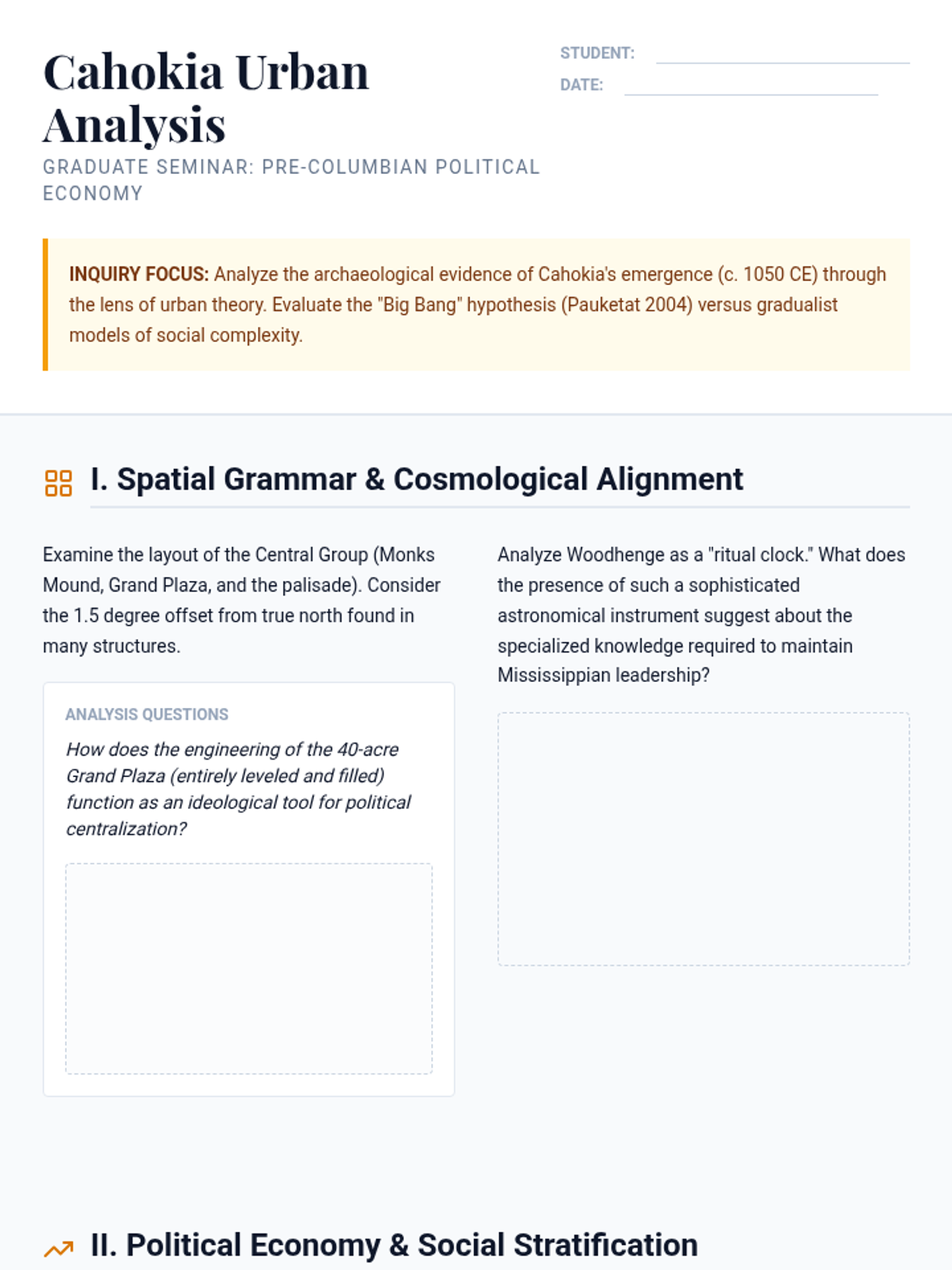
A graduate-level exploration of pre-Contact North American urbanism, political economy, and environmental engineering, challenging 'pristine wilderness' myths through archaeological data and ethnohistorical analysis.
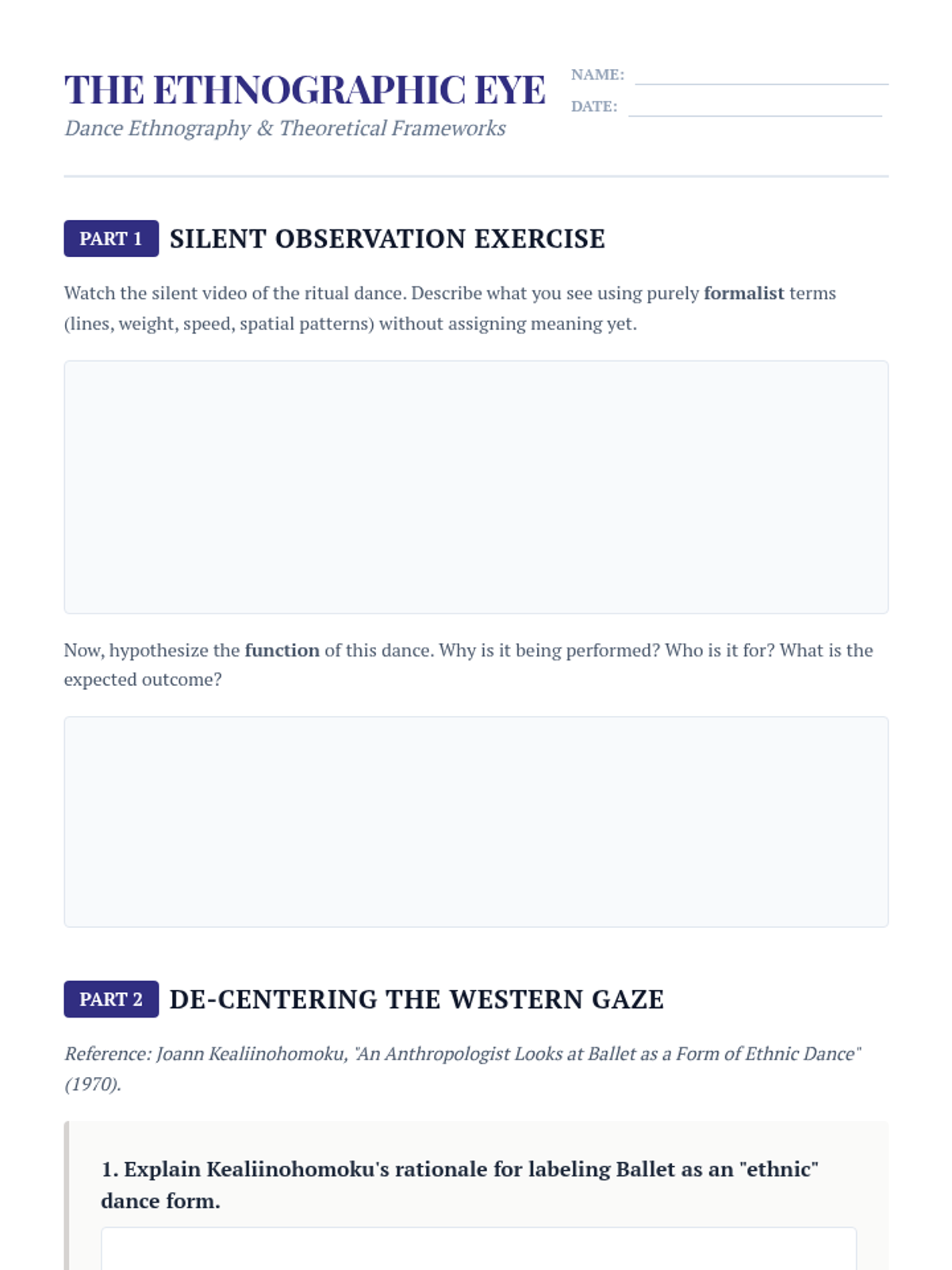
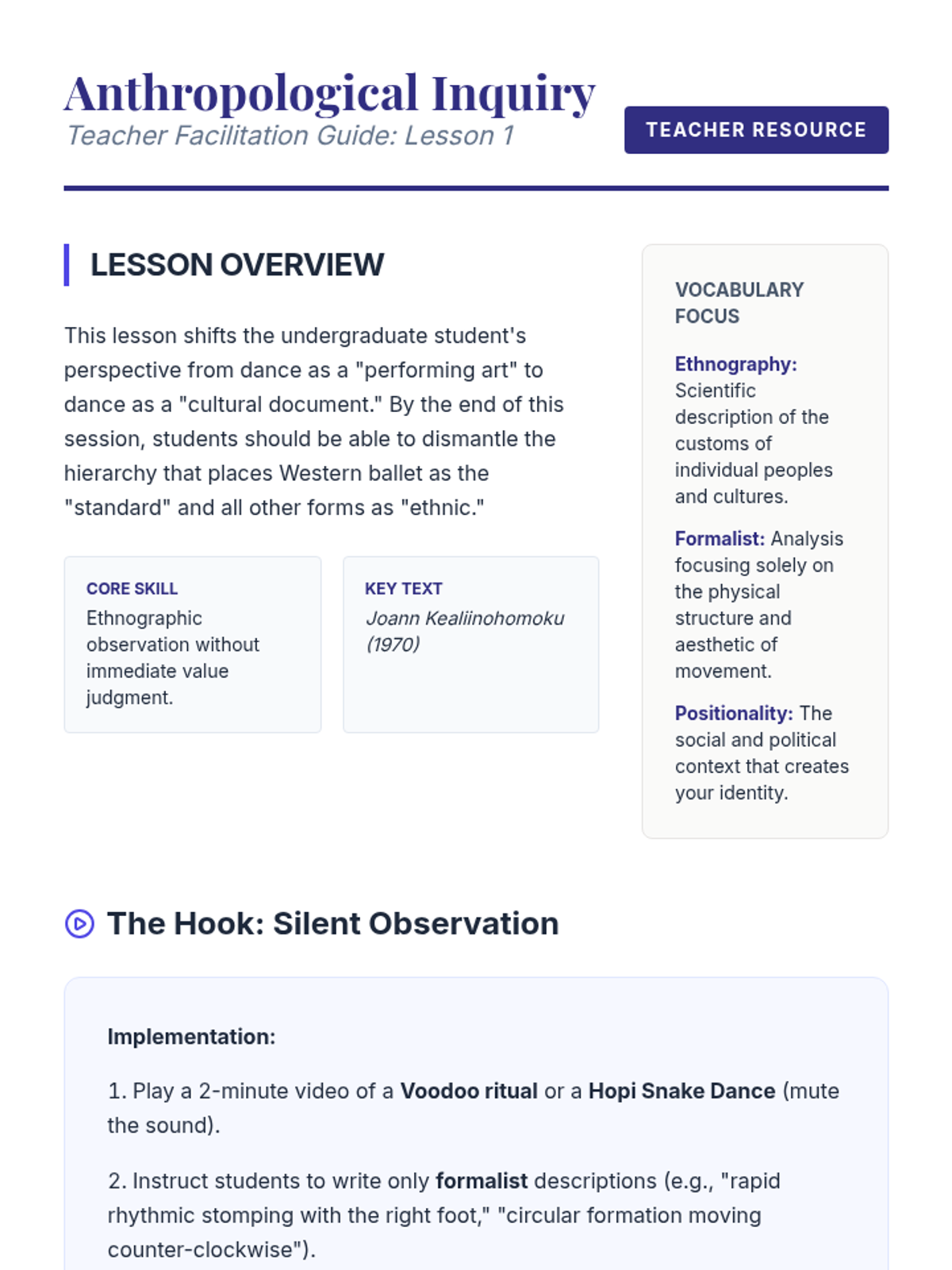
This sequence introduces undergraduate students to the anthropological frameworks used to study dance in its ritual and social contexts. Students explore the function of movement in religious, social, and healing practices across Indigenous American, West African, and Ancient Greek traditions, culminating in an analysis of how sacred dances transition to secular stages.
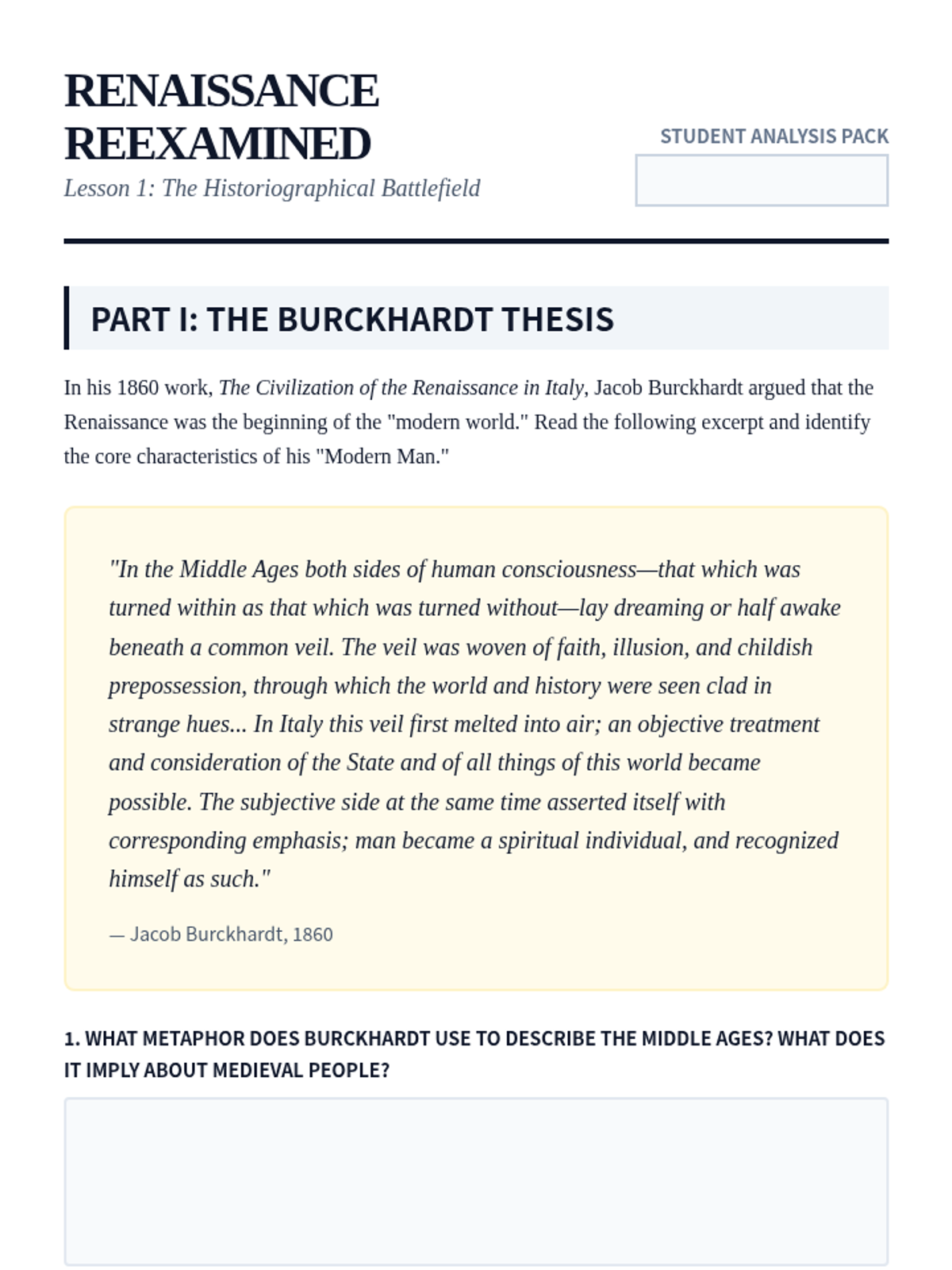
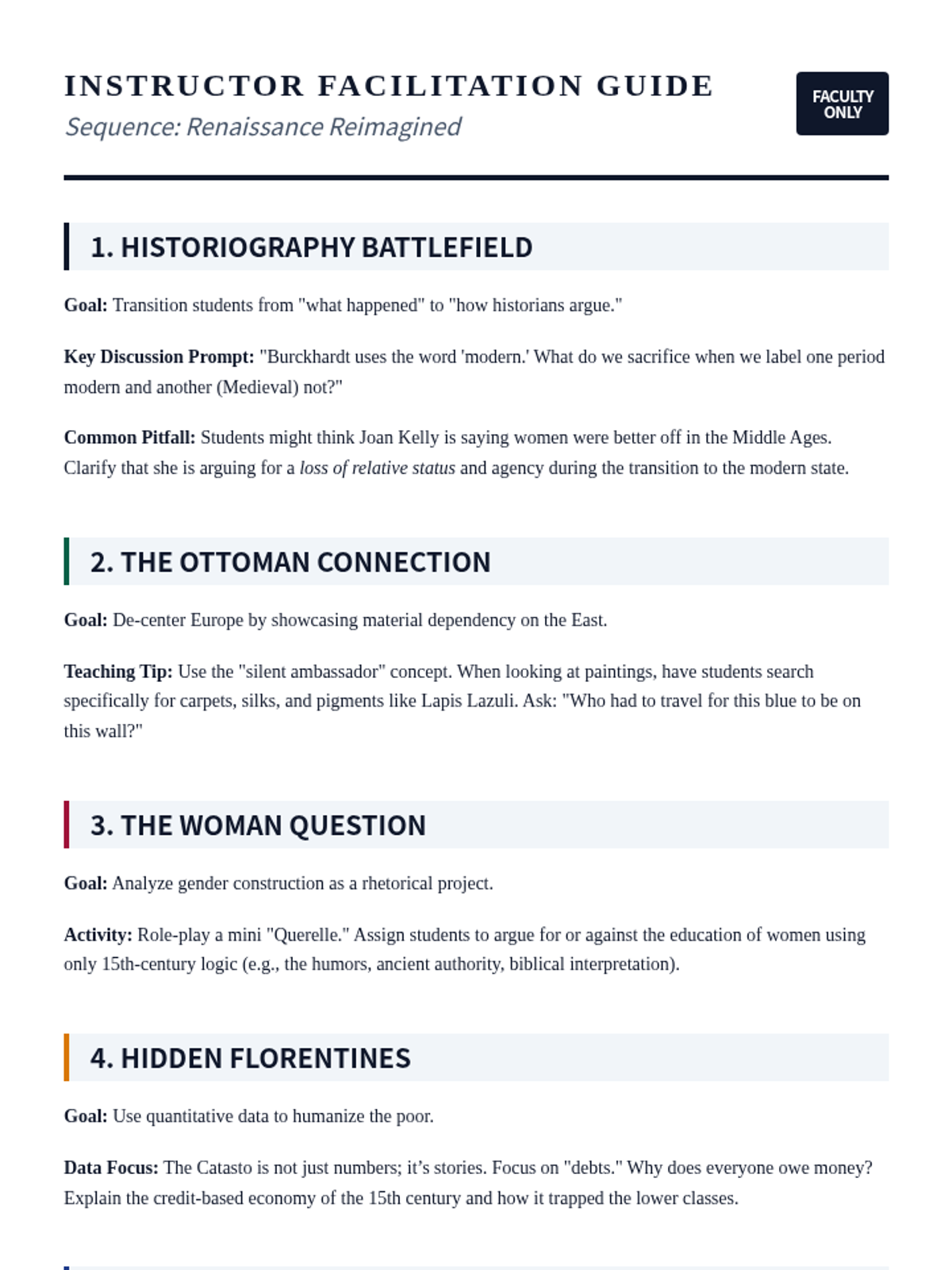
An undergraduate-level history sequence that challenges the traditional 'Great Man' narrative of the Renaissance. It incorporates social history, gender studies, and global perspectives, focusing on historiography and material culture to redefine the period as one of global exchange and complex social stratification.
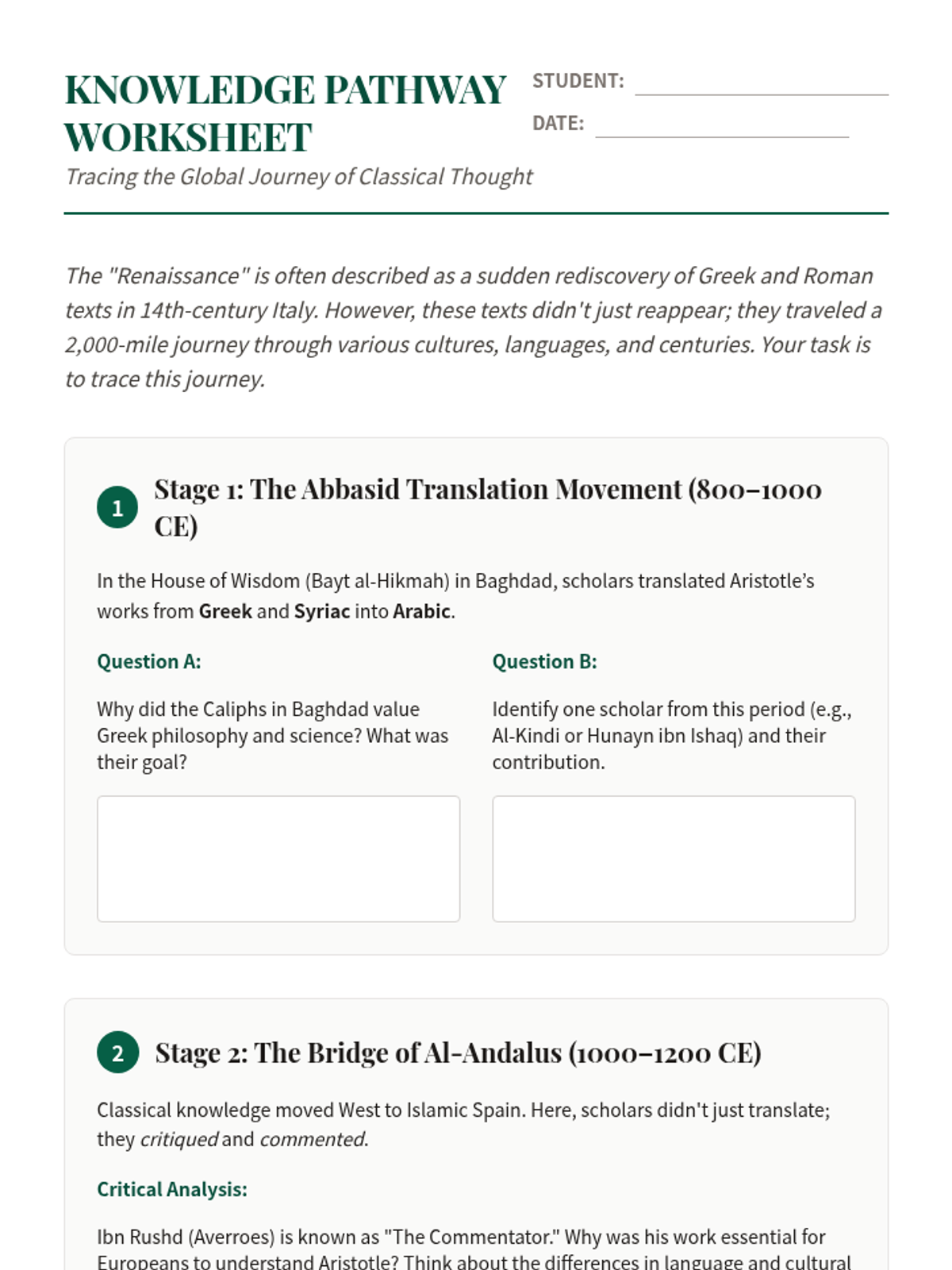
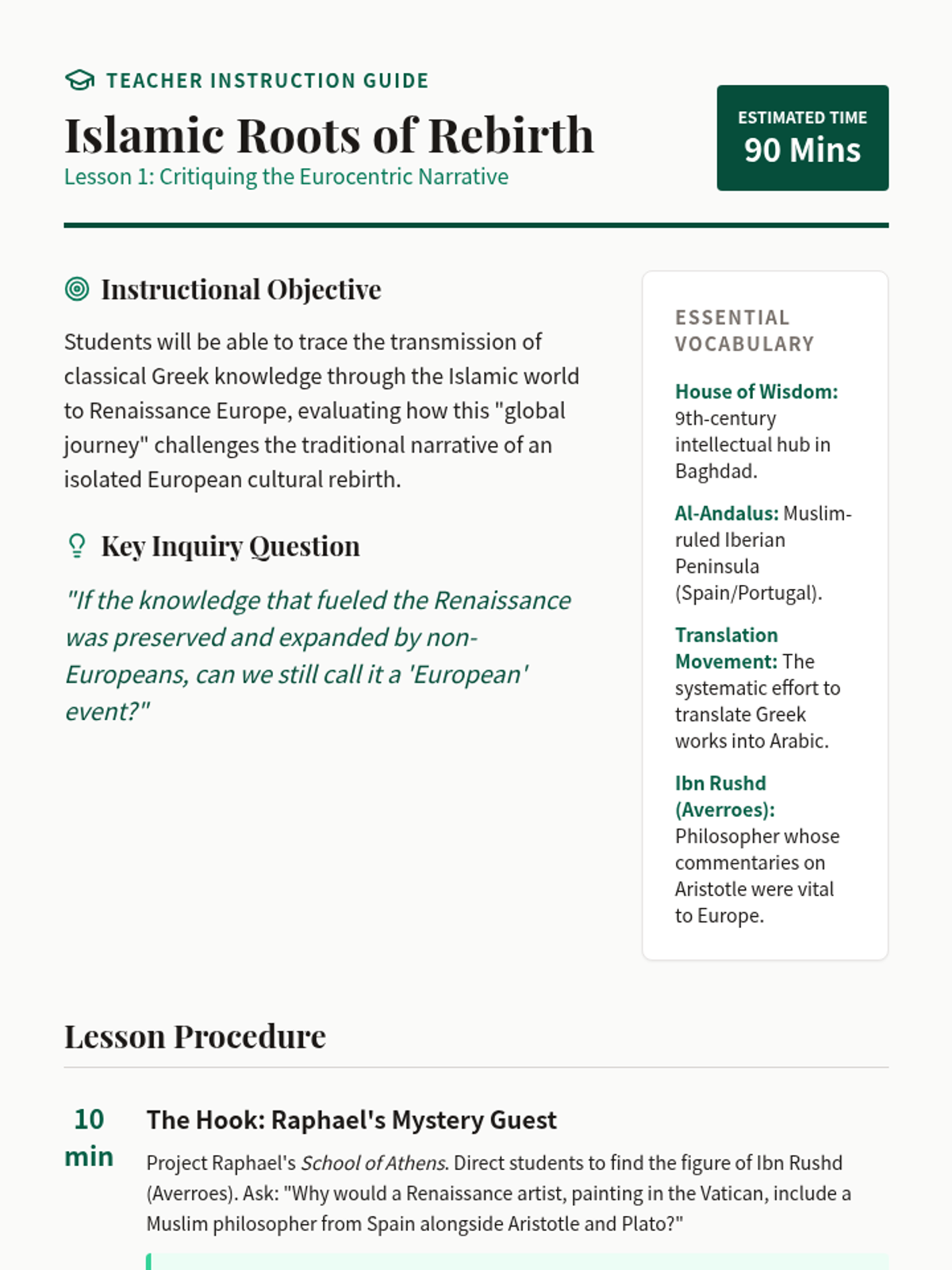
This inquiry-based sequence challenges the traditional Eurocentric narrative of the Renaissance by exploring global connections and historiography. Students investigate the influence of the Islamic Golden Age, trade with the Ottomans, and the presence of Africans in Europe to critique the concept of an isolated 'European' rebirth.
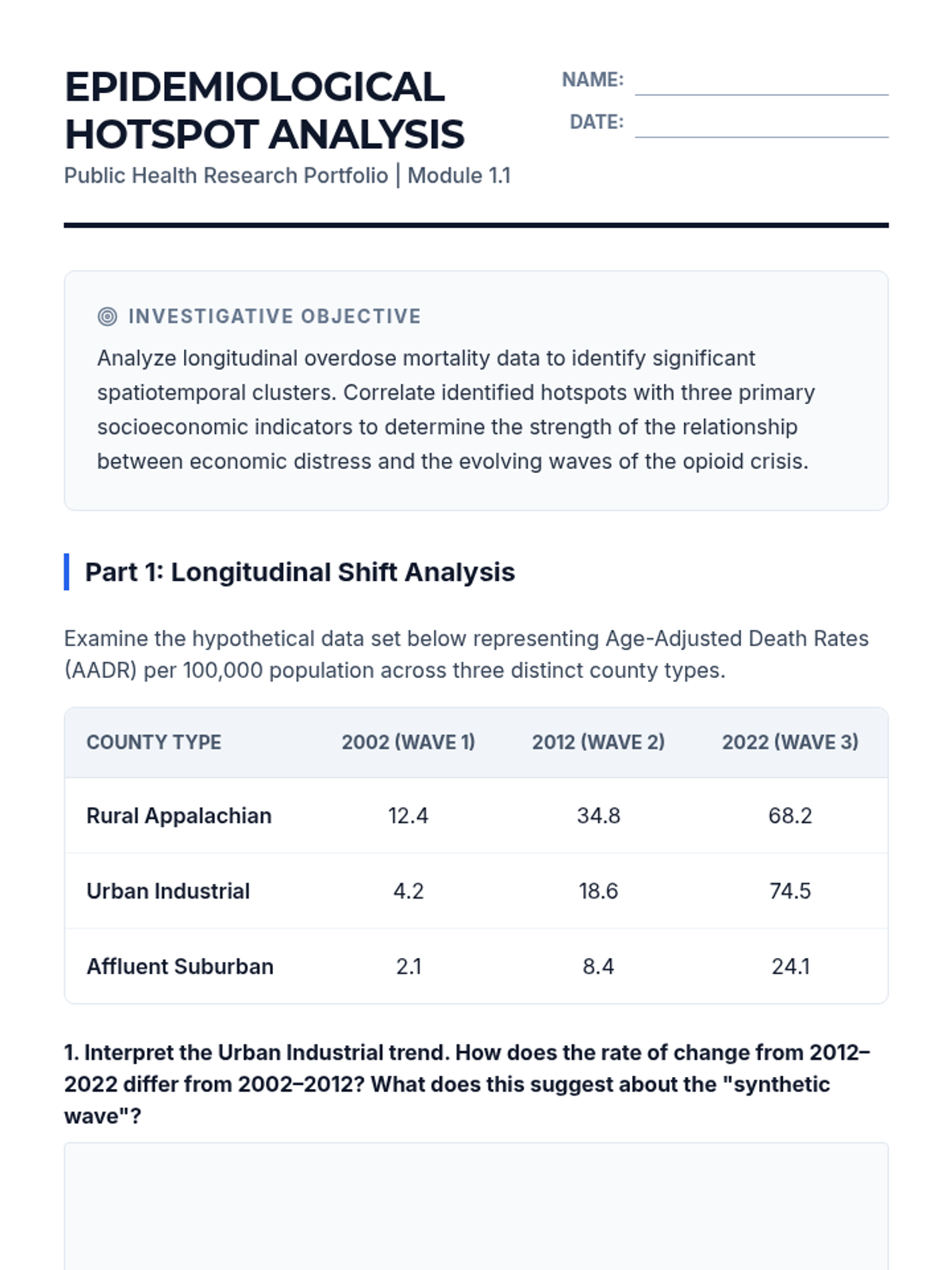
A graduate-level public health sequence focused on the opioid crisis. Students analyze epidemiological data, social determinants of health, harm reduction efficacy, and legal frameworks to design a comprehensive community intervention proposal aimed at mitigating the epidemic.
This sequence explores the technological and societal shifts triggered by Gutenberg's printing press during the Renaissance. Students trace the transition from laborious hand-copying to mass production, analyzing its impact on literacy, language, and the spread of revolutionary ideas, concluding with a comparison to the modern digital revolution.
A project-based exploration of Ancient Egyptian and Kushite architecture as tools for political messaging, labor organization, and economic control. Students analyze the evolution of pyramids, the economic power of temples, and the propaganda strategies of pharaohs like Hatshepsut and Ramses II.
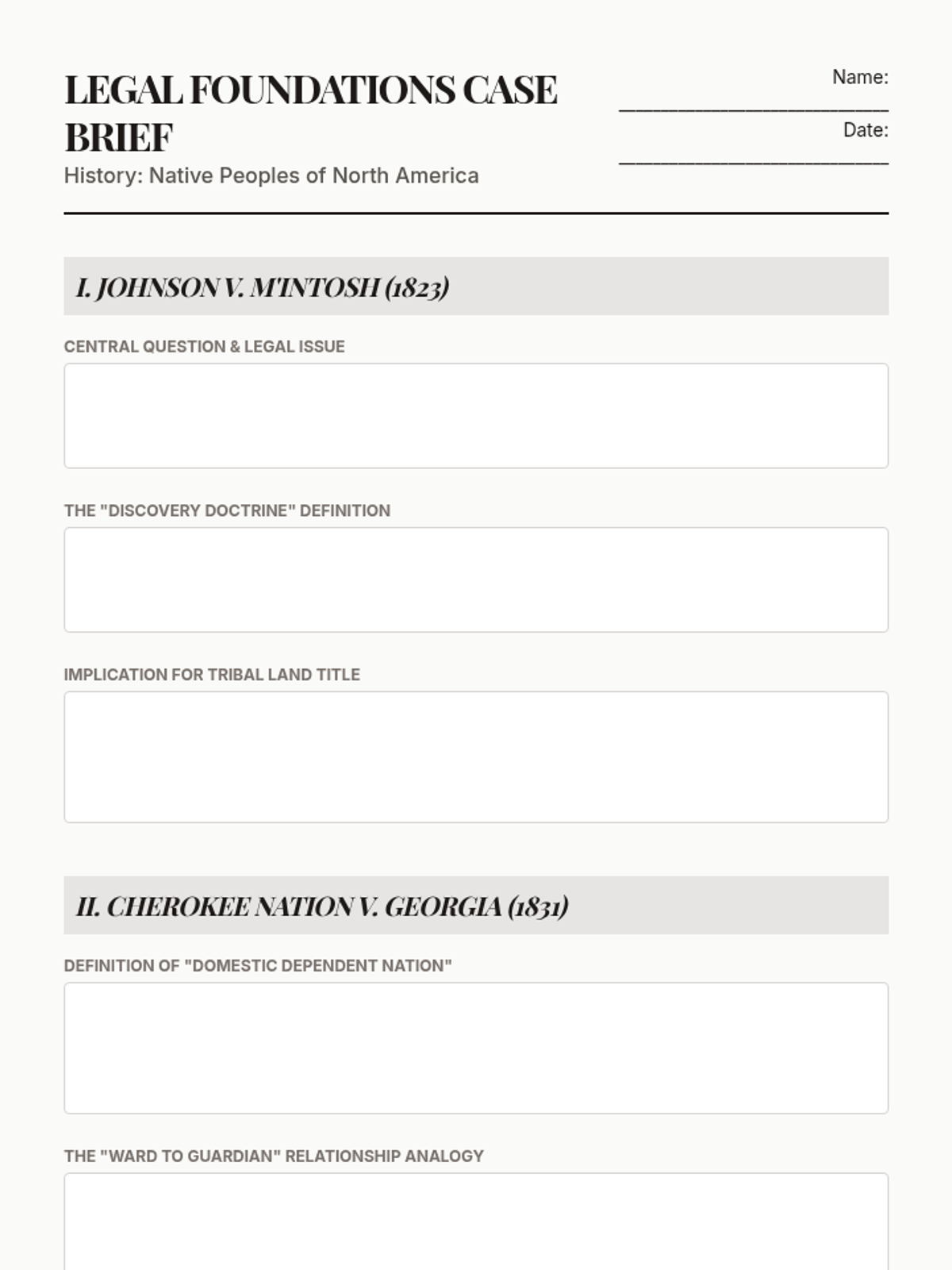
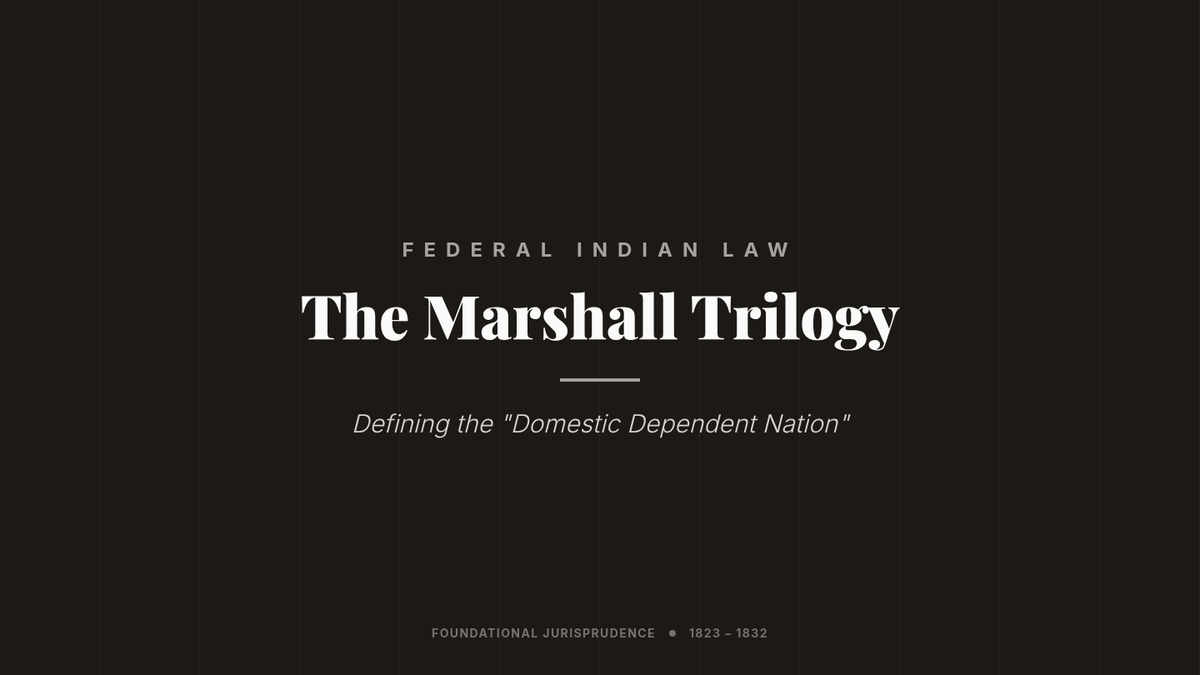
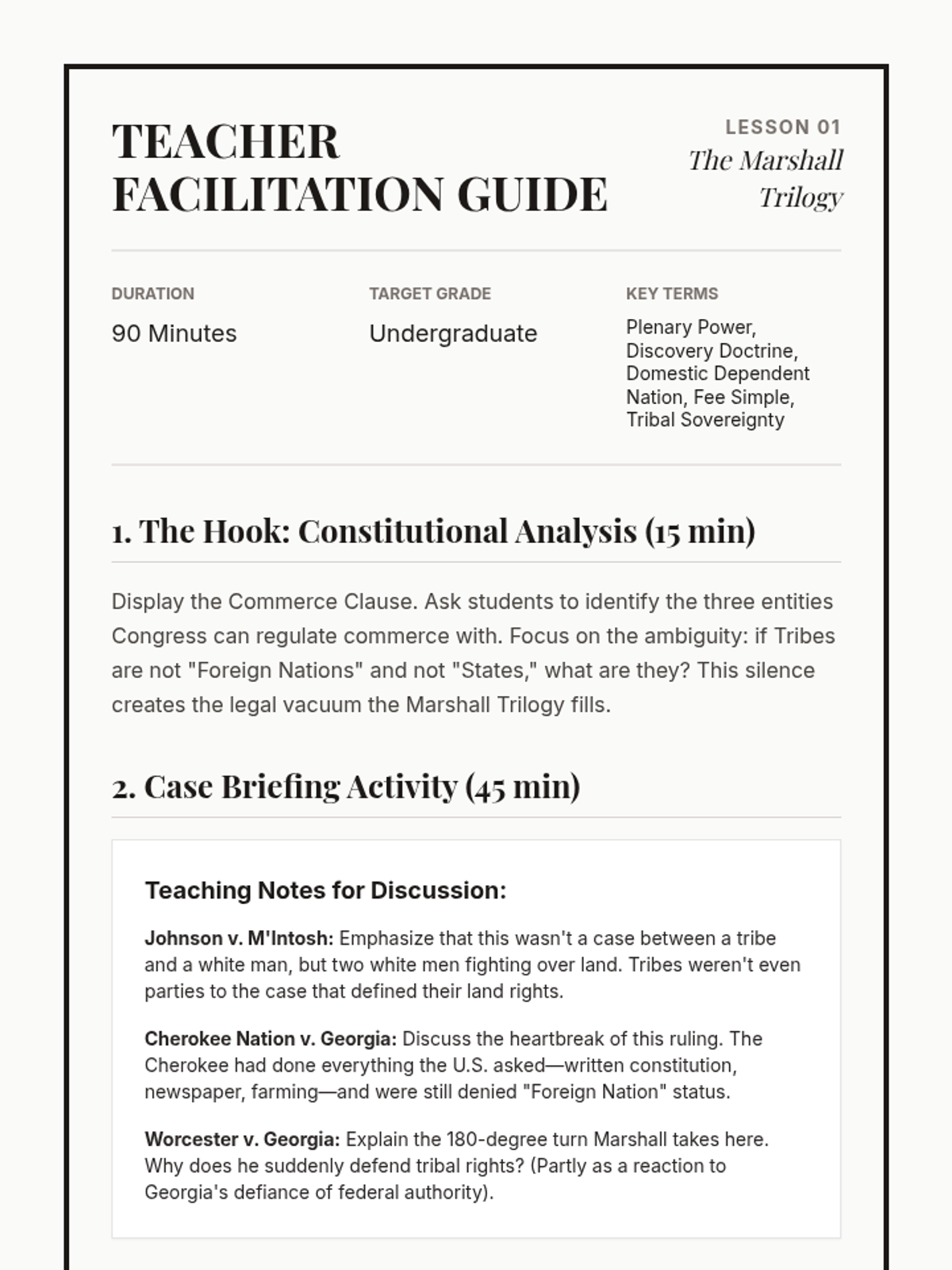
This sequence explores the legal, political, and cultural mechanisms of U.S. federal policy toward Indigenous nations, from the foundations of Federal Indian Law in the Supreme Court to the devastating impacts of the Dawes Act and forced boarding school assimilation.
A comprehensive sequence investigating the psychological mechanisms behind modern advertising, from rhetorical appeals to digital algorithms and influencer marketing. Students develop media literacy skills to recognize manipulation in consumer behavior.
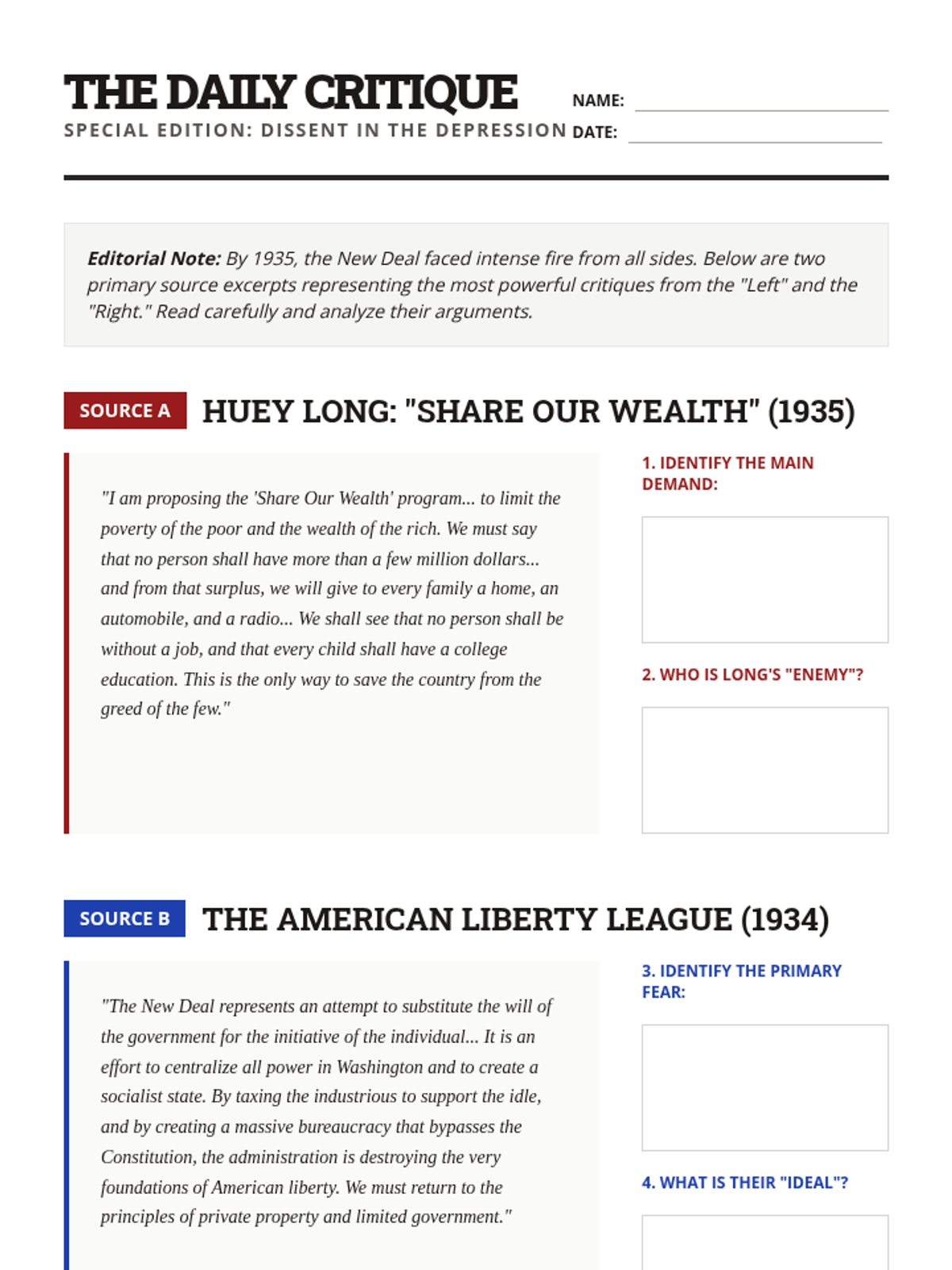
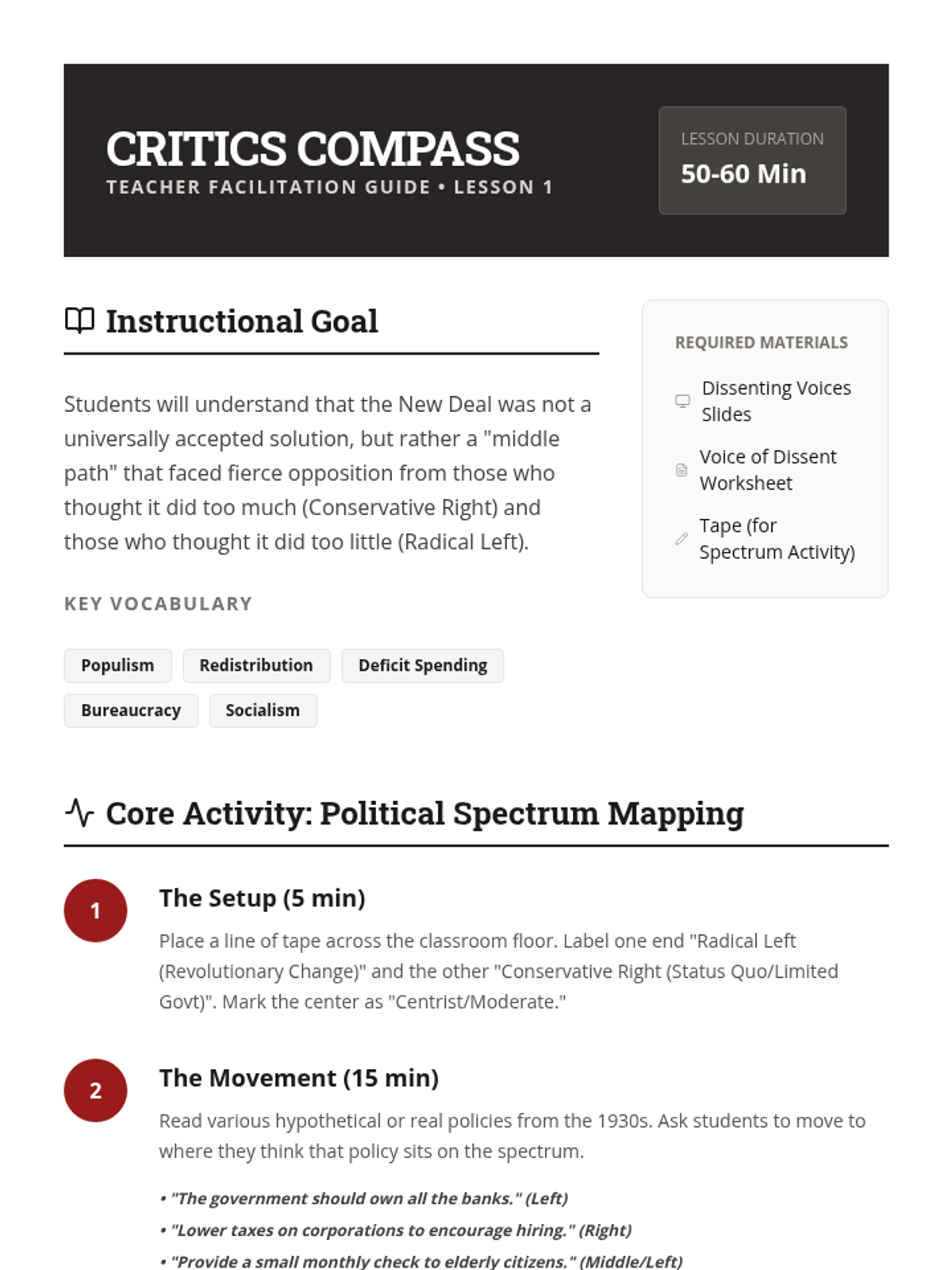
This sequence explores the intense political polarization and constitutional battles sparked by the New Deal, focusing on critics from the left and right, the Court Packing scheme, labor rights, and the systemic inequities regarding race and gender. Students will engage in debates, role-plays, and primary source analysis to answer: How does a democracy balance emergency executive power with constitutional checks and balances?
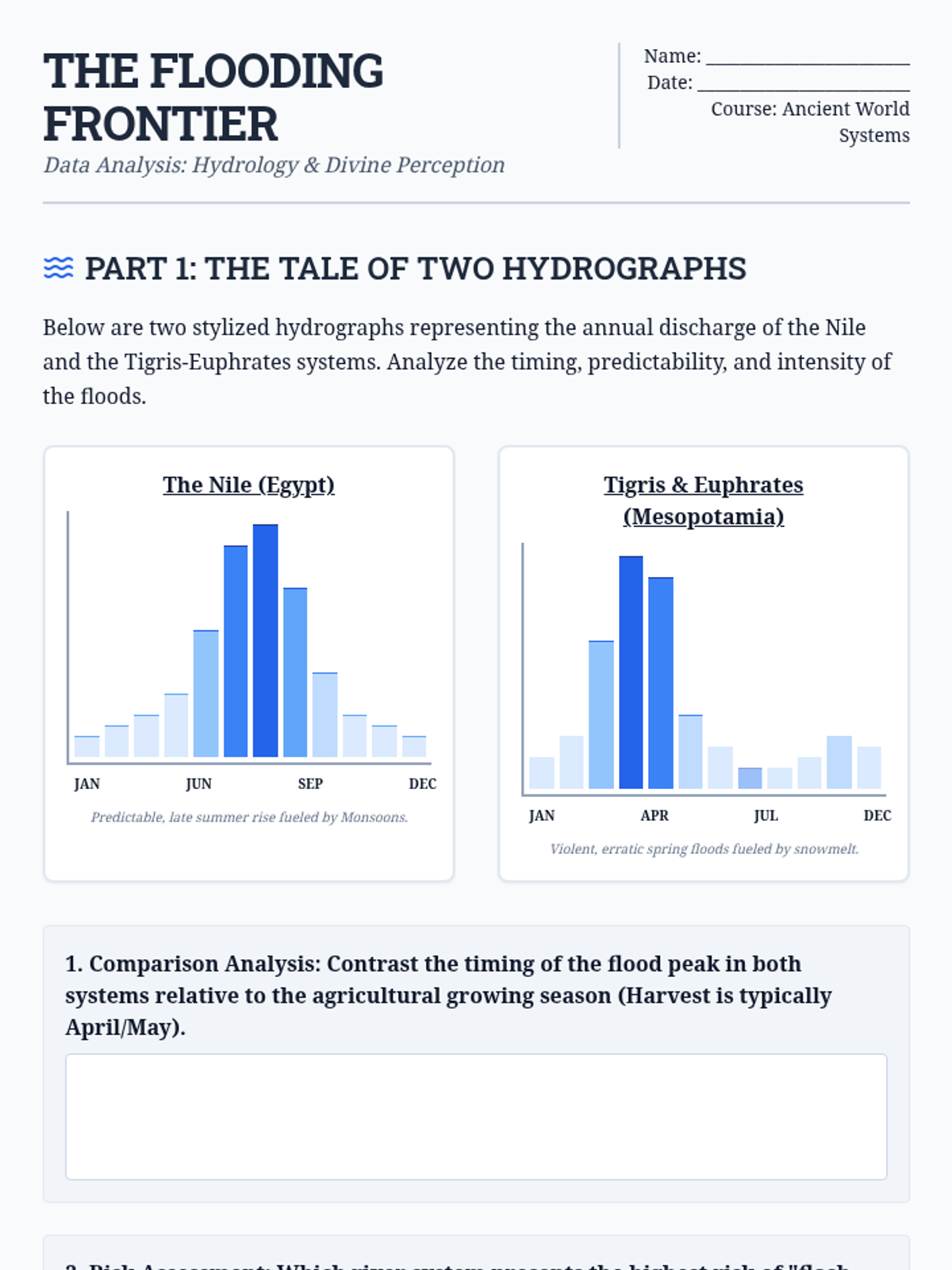
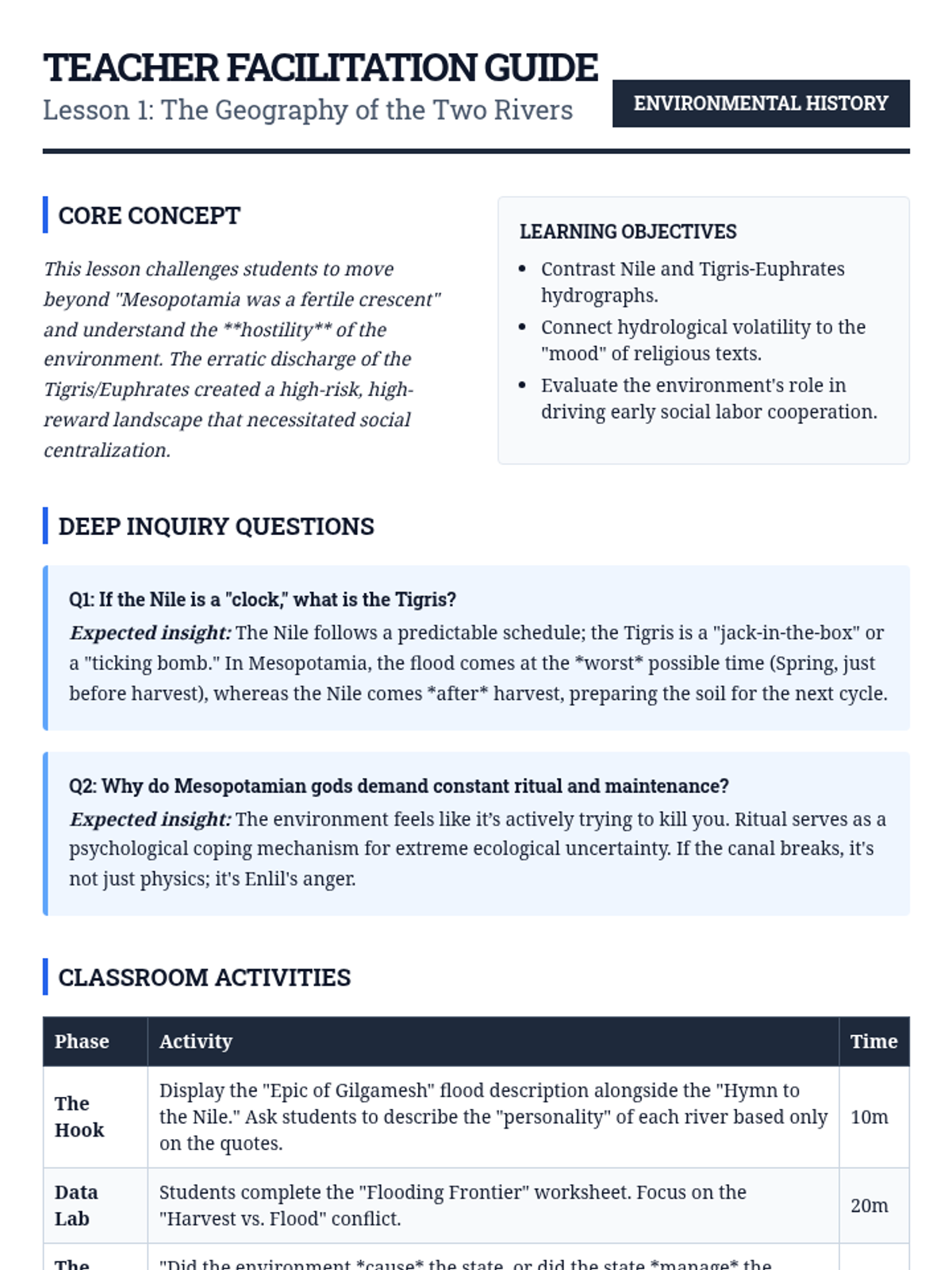
An environmental history sequence examining how the Tigris-Euphrates hydrology shaped Mesopotamian social structures, technology, and eventual ecological decline. Students will analyze the relationship between irrigation, political centralization, and ecological sustainability.
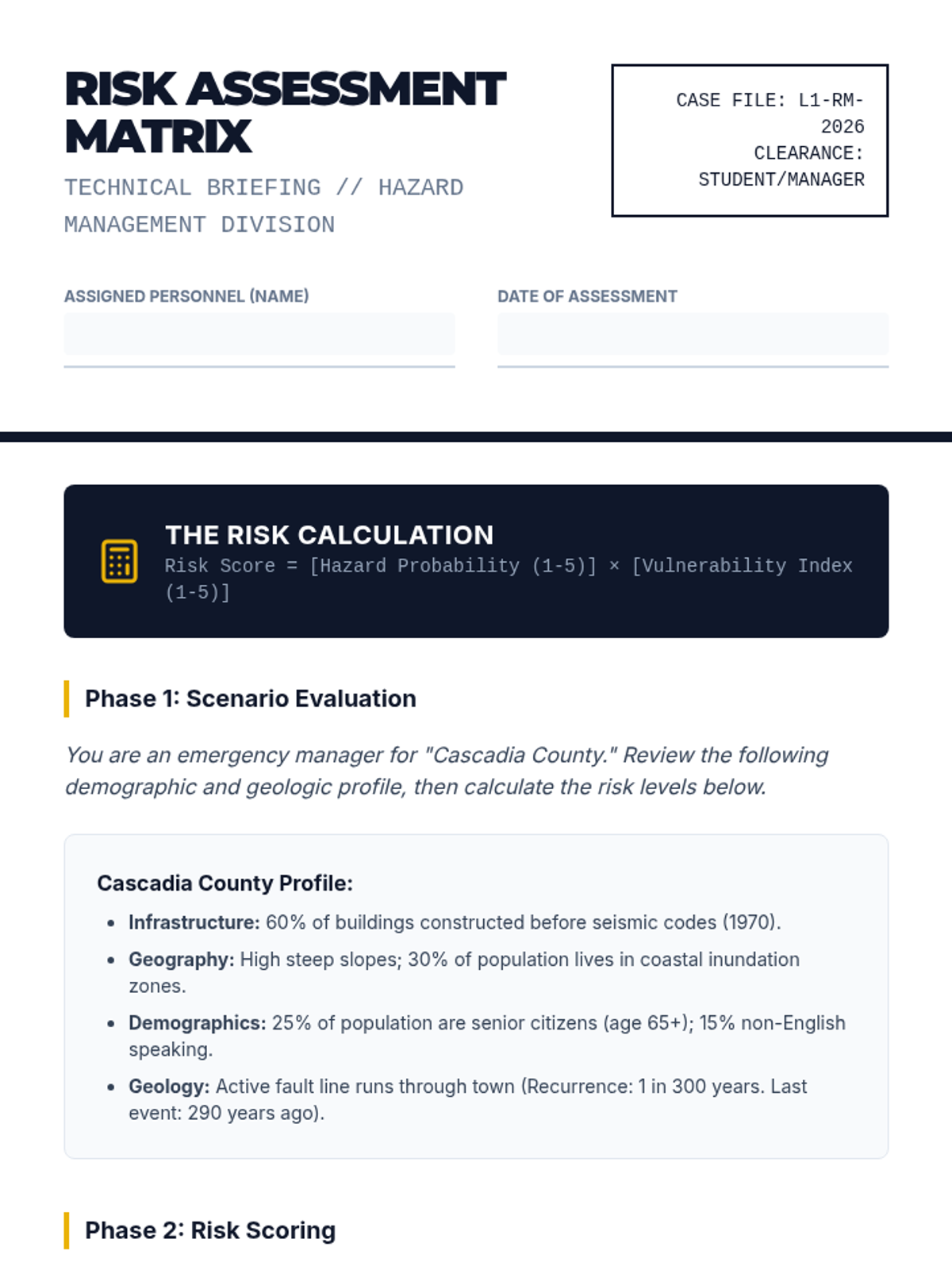
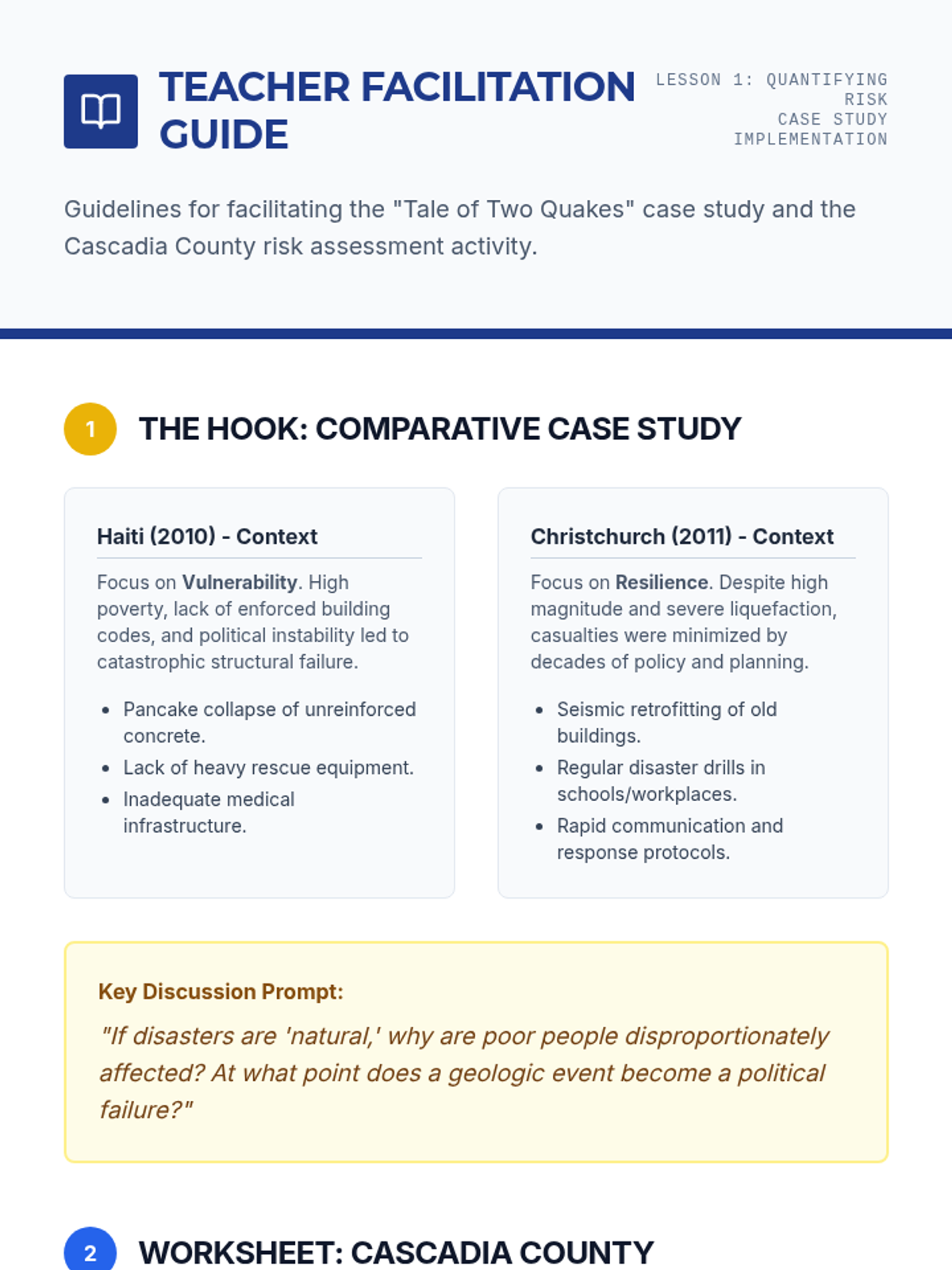
A 12th-grade capstone sequence merging earth science with public policy. Students analyze geologic hazards through the lens of risk assessment, urban planning, disaster response, and economic analysis to draft comprehensive policy proposals.
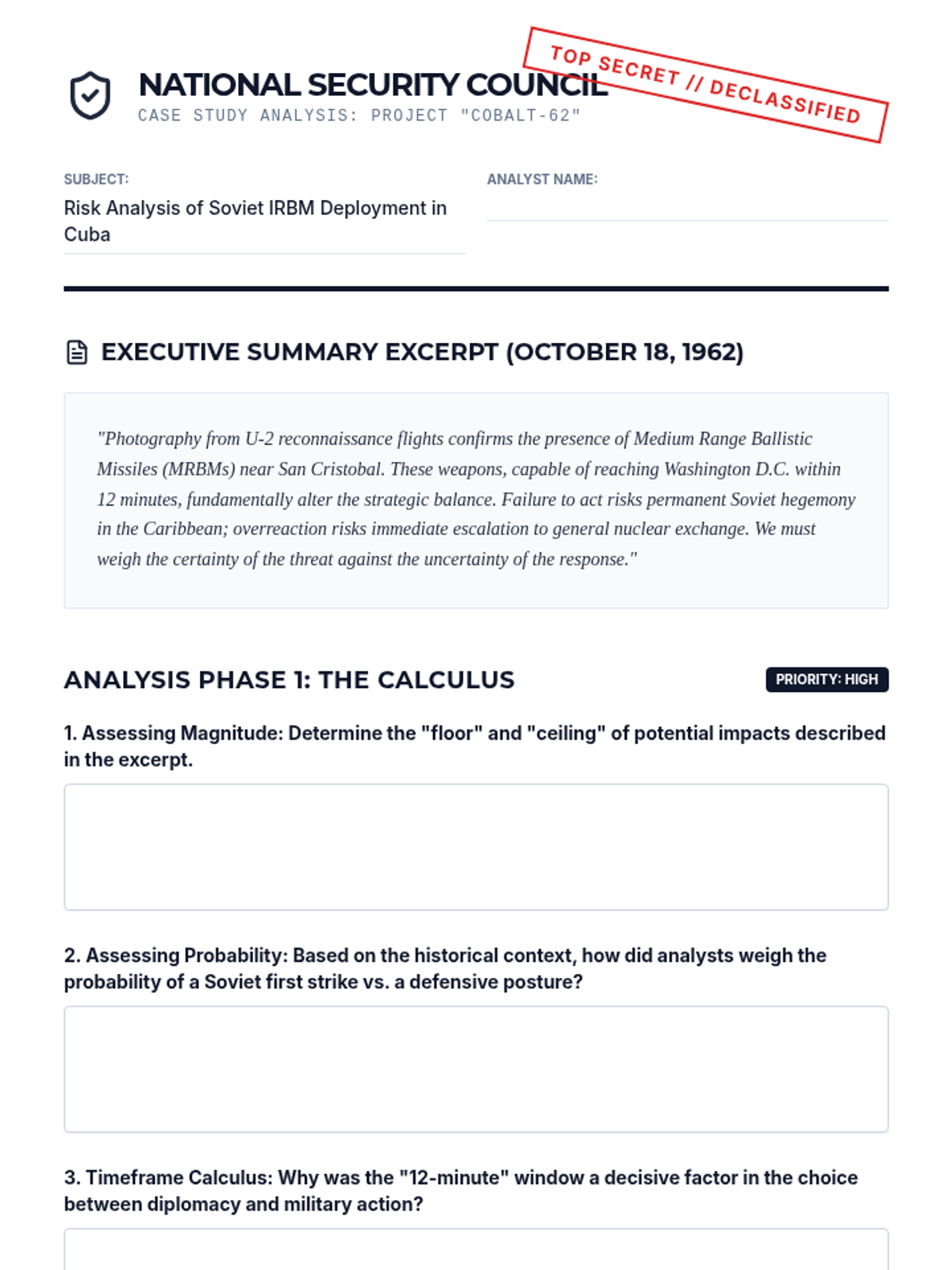
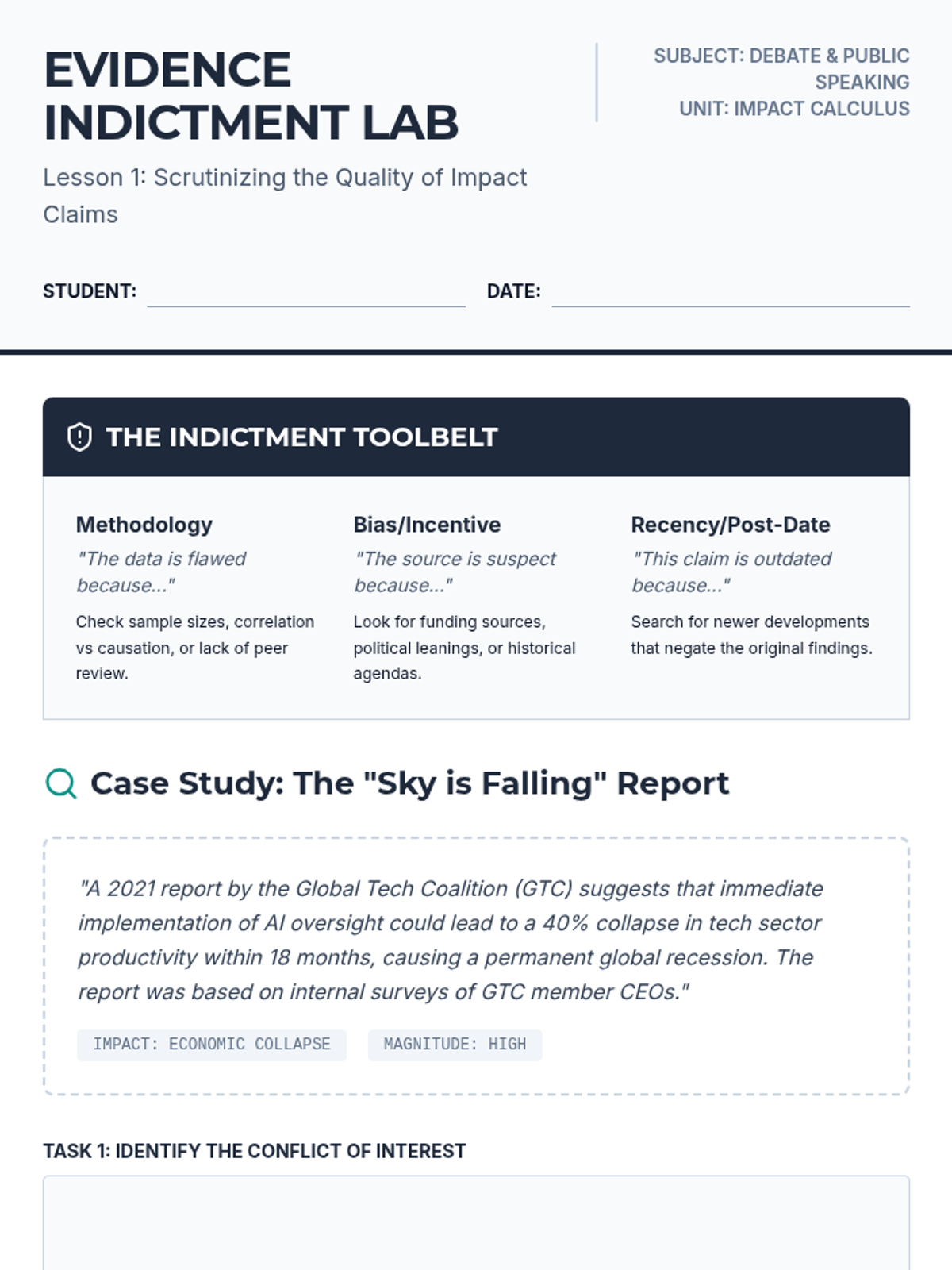
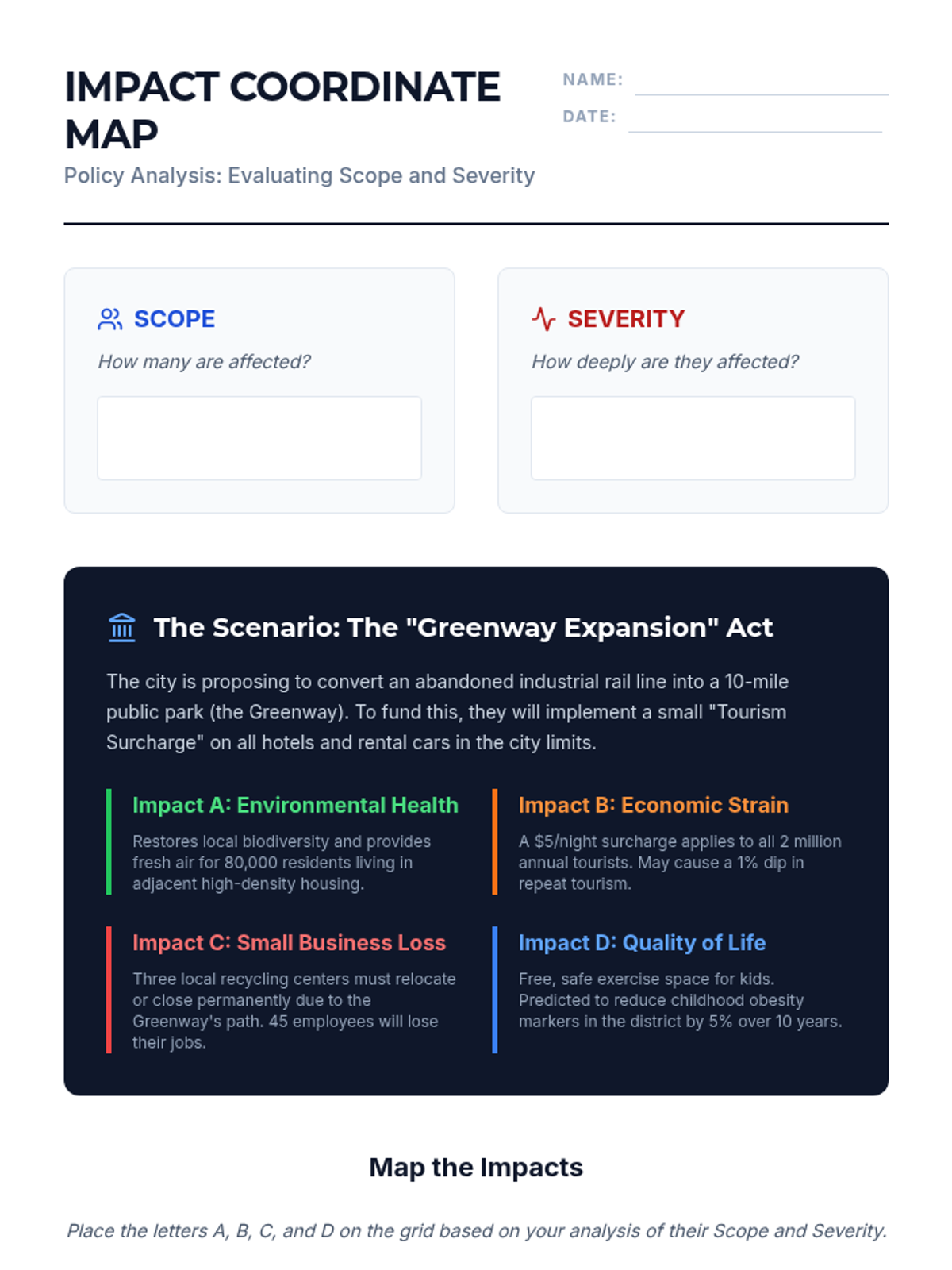
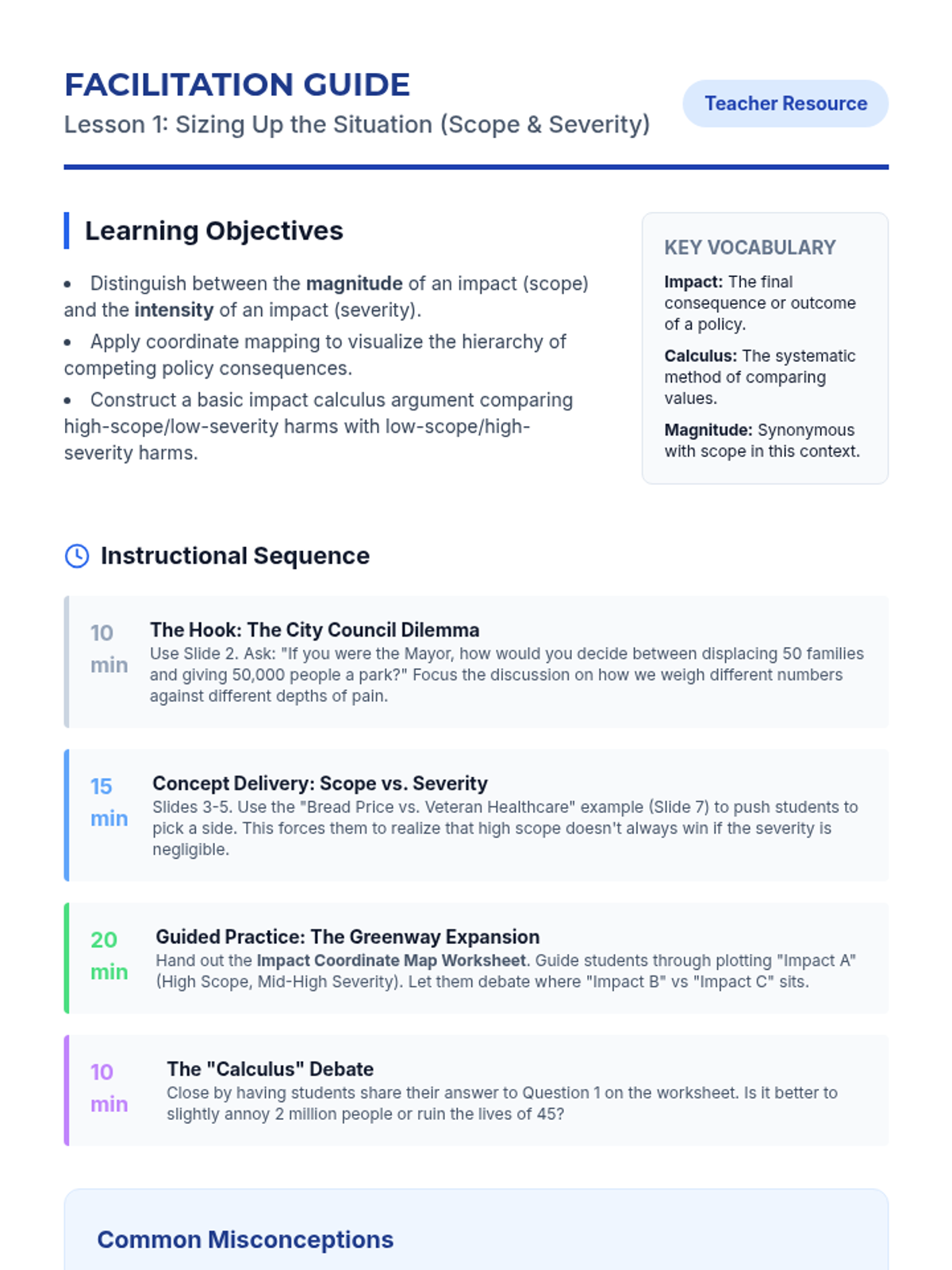
A simulation-heavy sequence for undergraduate students applying impact calculus to real-world crisis management and policy making. Students act as analysts evaluating risks through the lenses of magnitude, probability, and timeframe to produce professional decision memos.
This sequence bridges the gap between theoretical debate metrics and real-world policy application. Students analyze complex trade-offs in public policy, such as economic growth versus environmental protection or civil liberties versus national security. The arc moves from analyzing case studies to defending a policy position using rigorous impact comparison.
This sequence applies impact calculus to complex real-world policy decisions, moving beyond abstract debate theory to concrete analysis. Students examine case studies to understand how leaders weigh competing interests and culminate in a policy justification simulation.
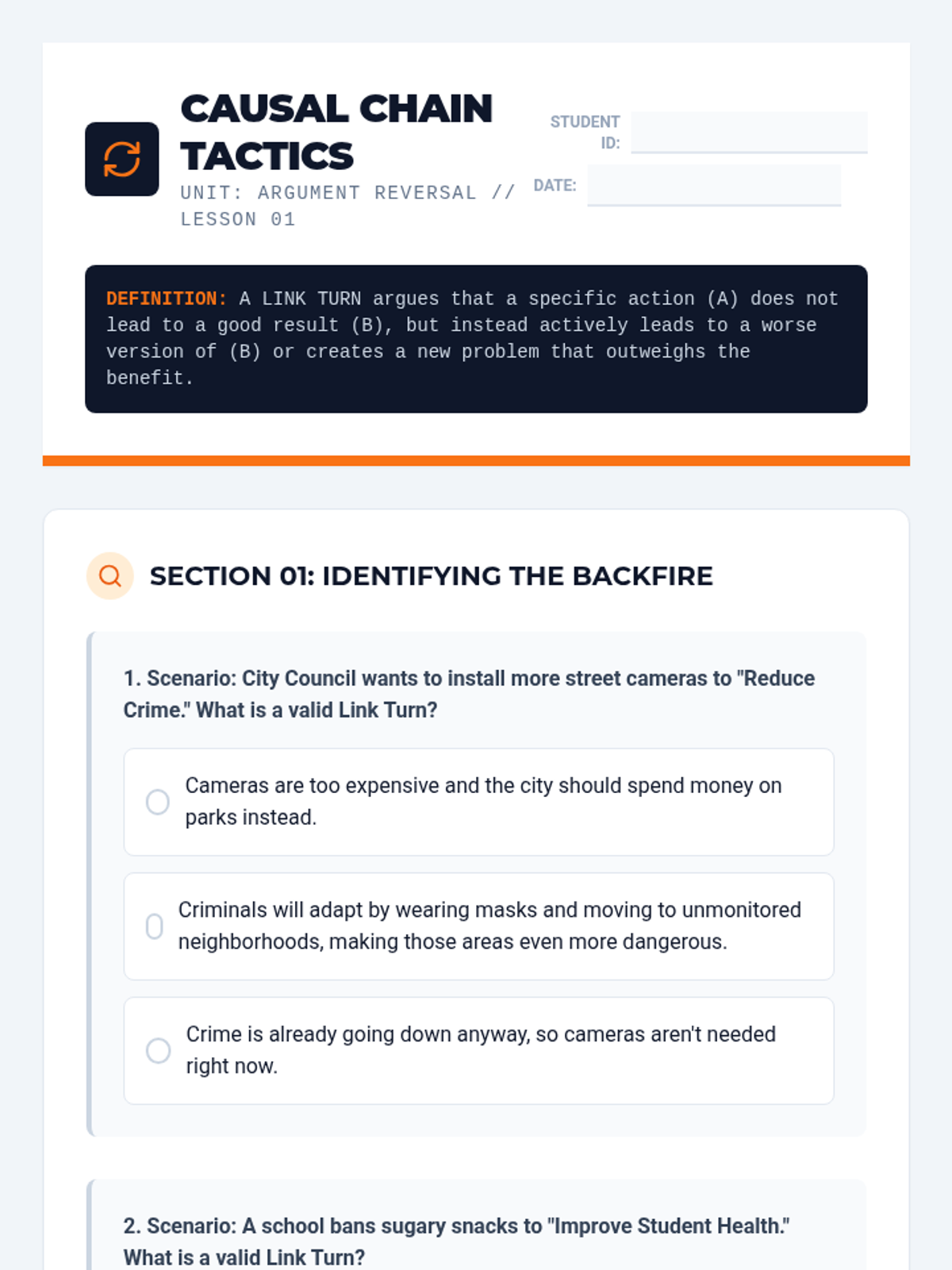
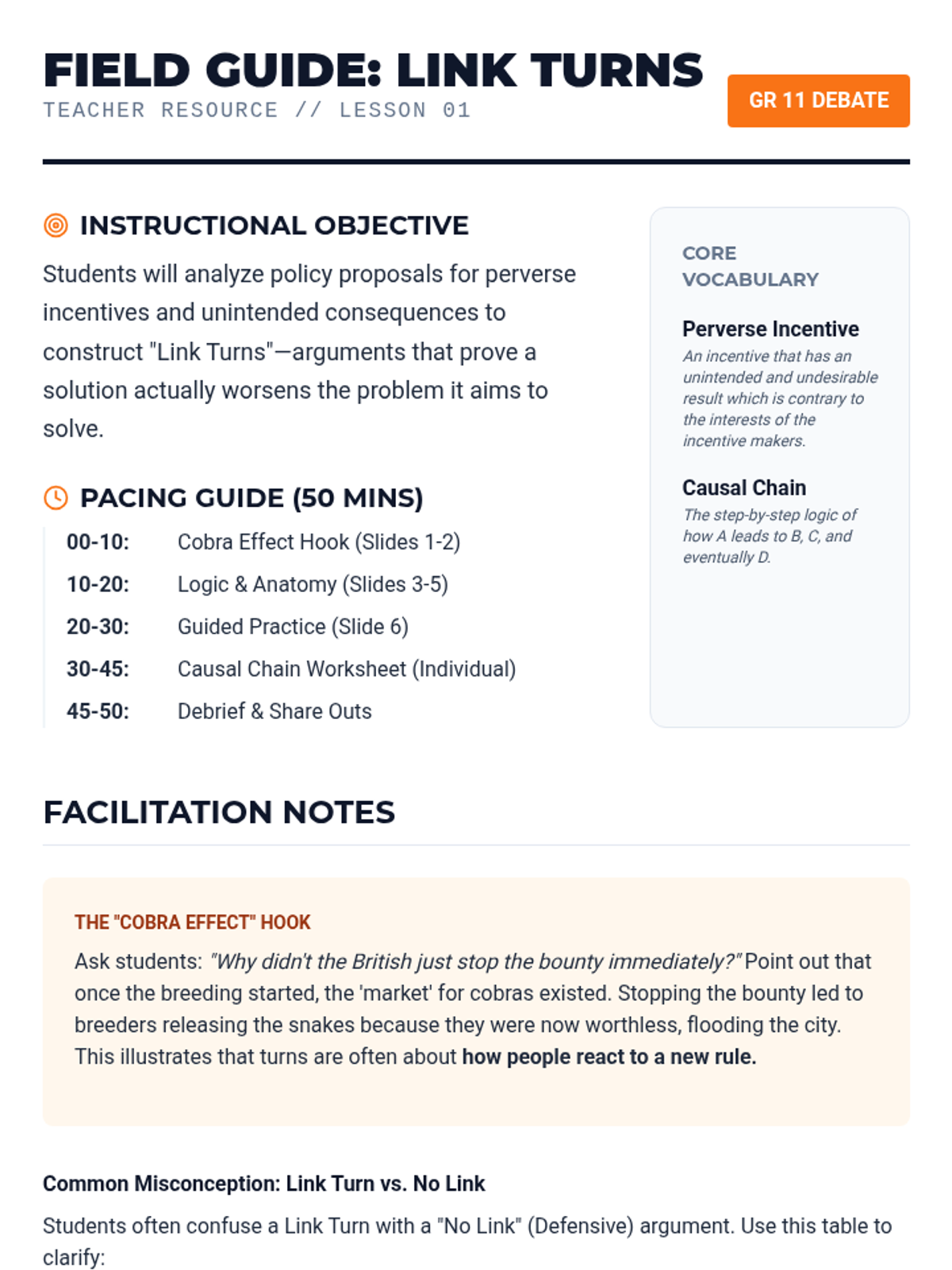
This advanced sequence introduces the concept of the 'turn'—using an opponent's argument against them. Students explore Link Turns and Impact Turns, practice logical consistency to avoid the 'double turn', and master the art of strategic concessions.
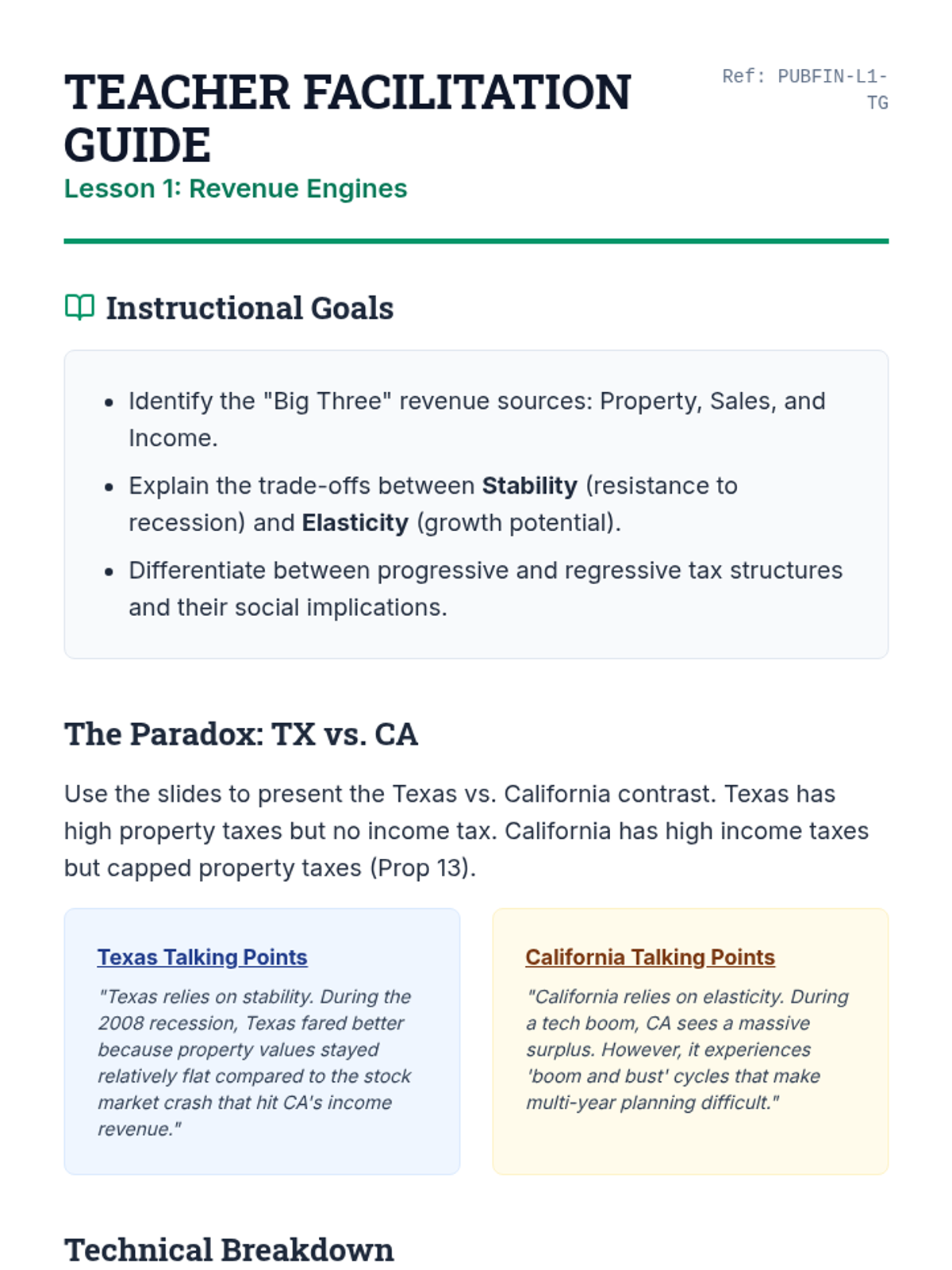
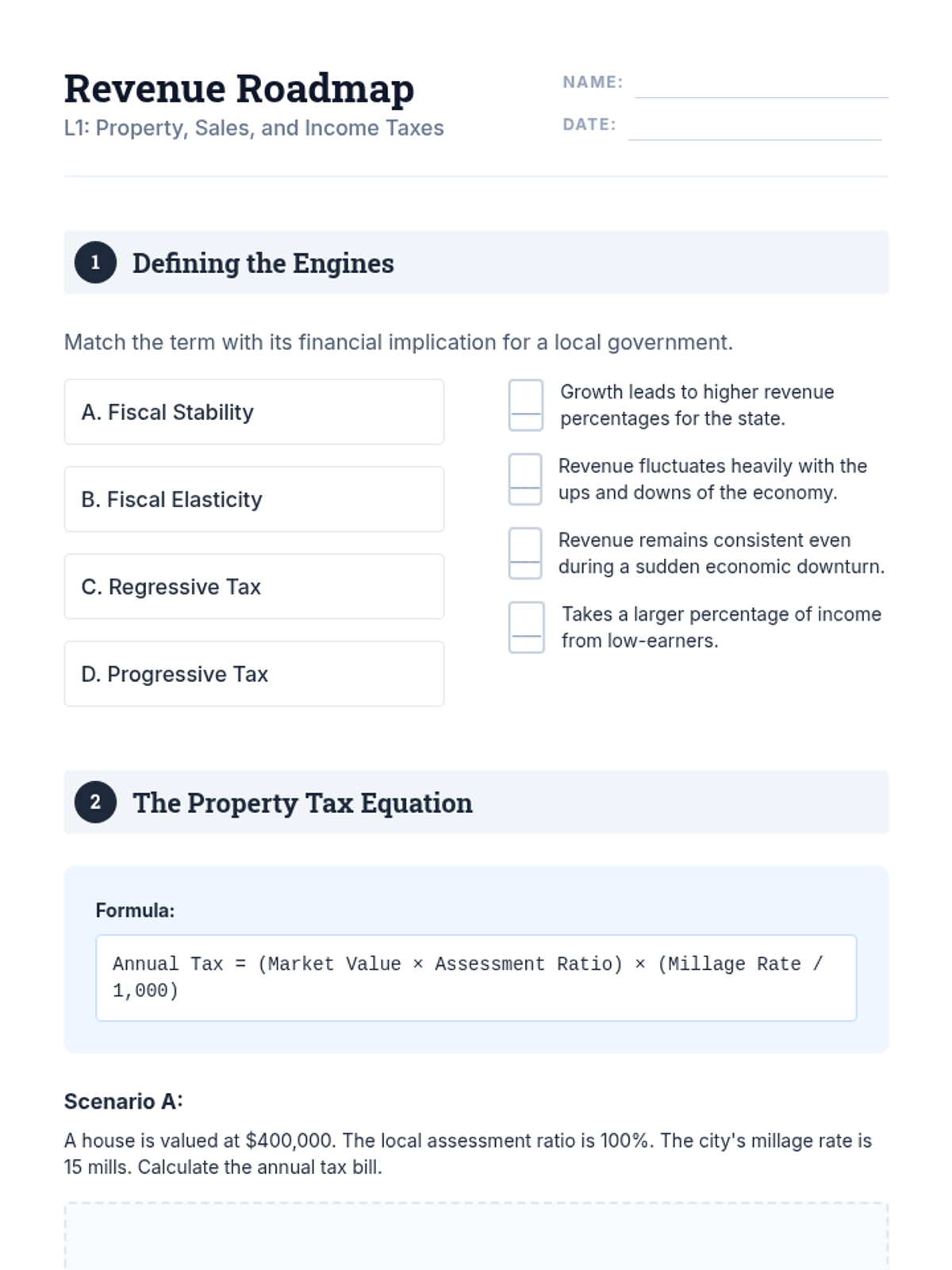
This sequence explores the mechanics of state and local public finance, focusing on revenue sources, budgeting processes, debt financing, and the challenges of fiscal stress. Students will analyze how local governments manage their limited resources within strict legal and economic constraints.