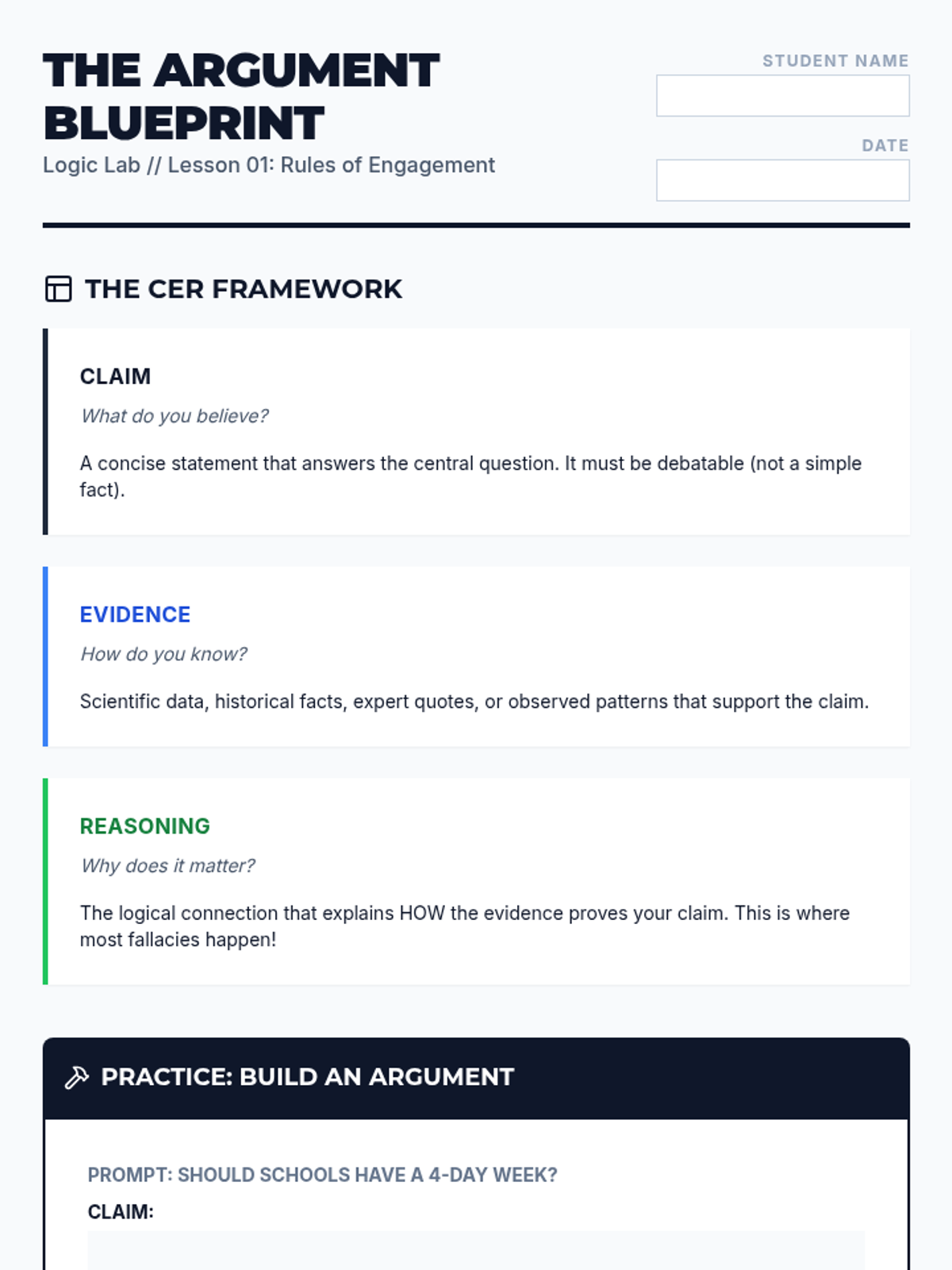
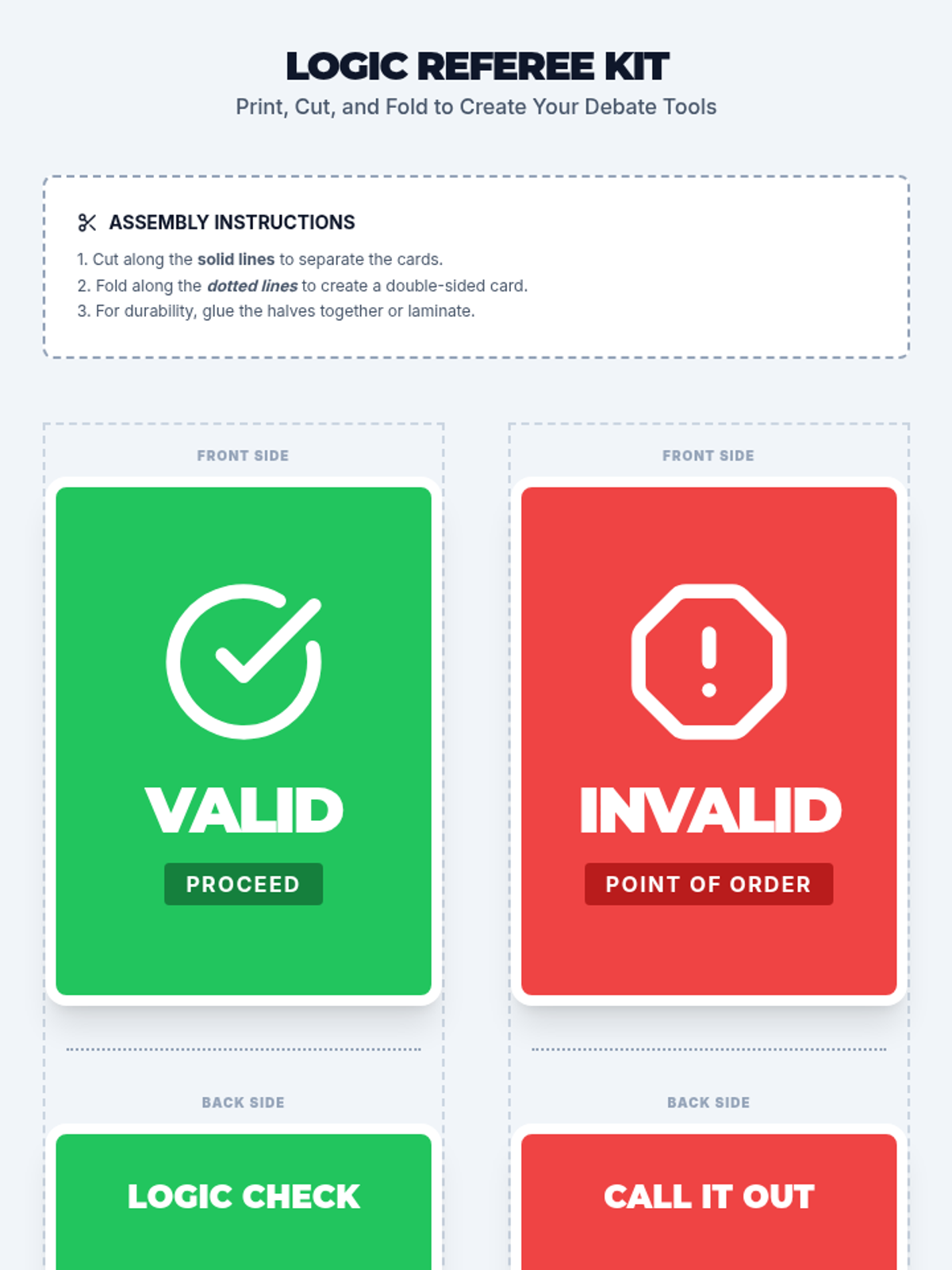
Systematic research, evidence evaluation, and logical reasoning skills for formal discourse. Equips speakers to organize persuasive arguments, identify fallacies, and execute strategic impact calculus during competitive engagement.
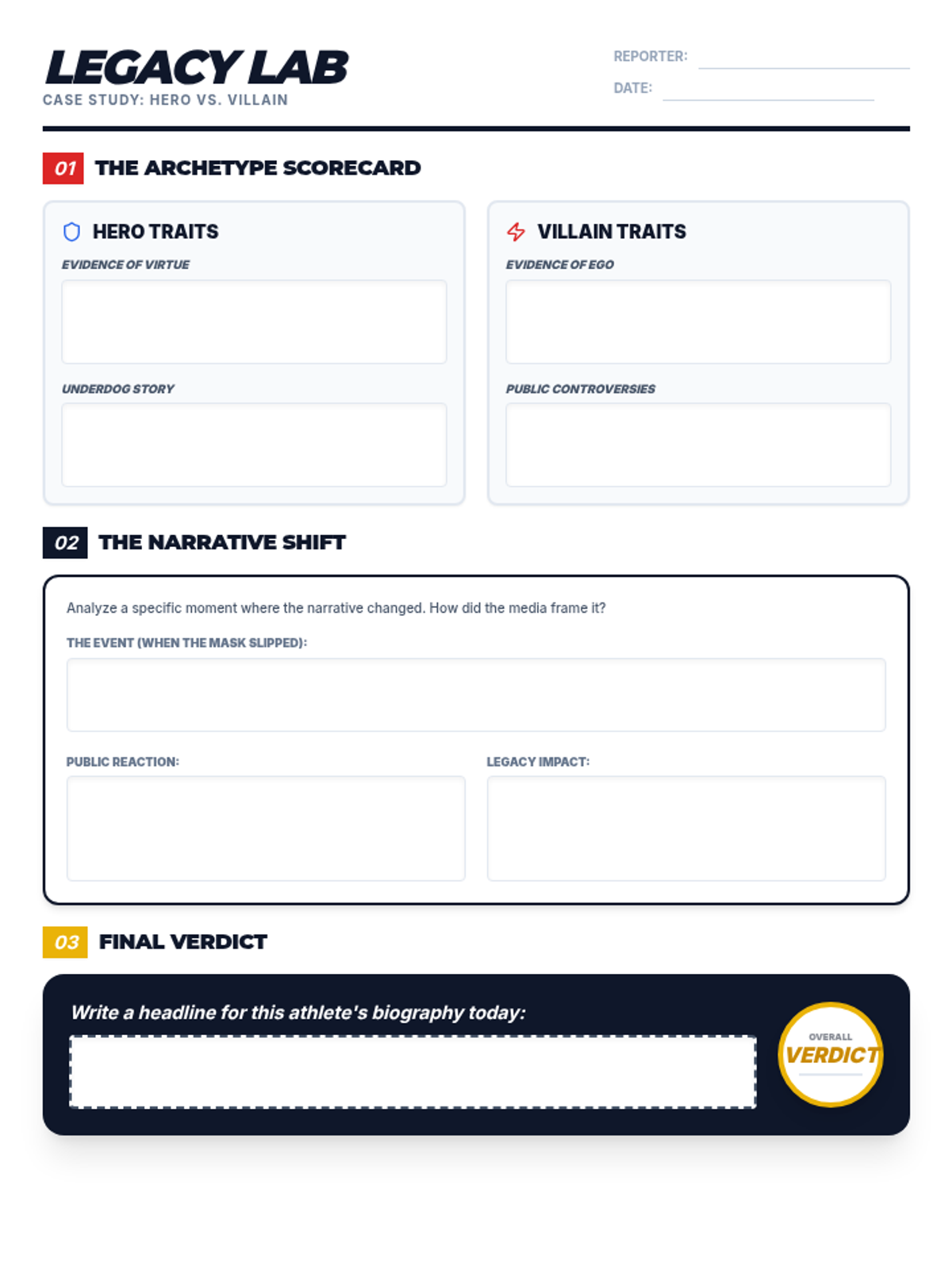
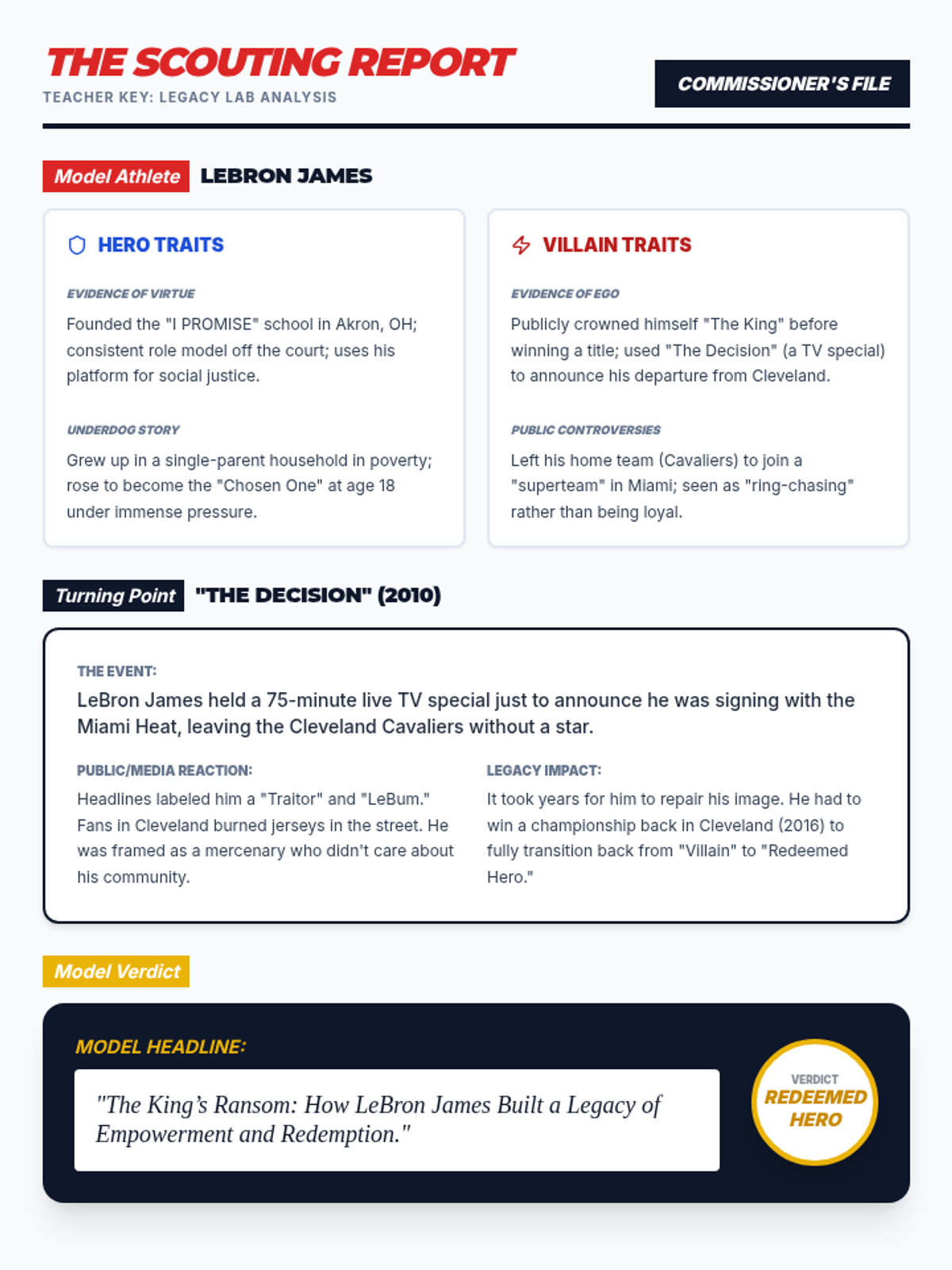
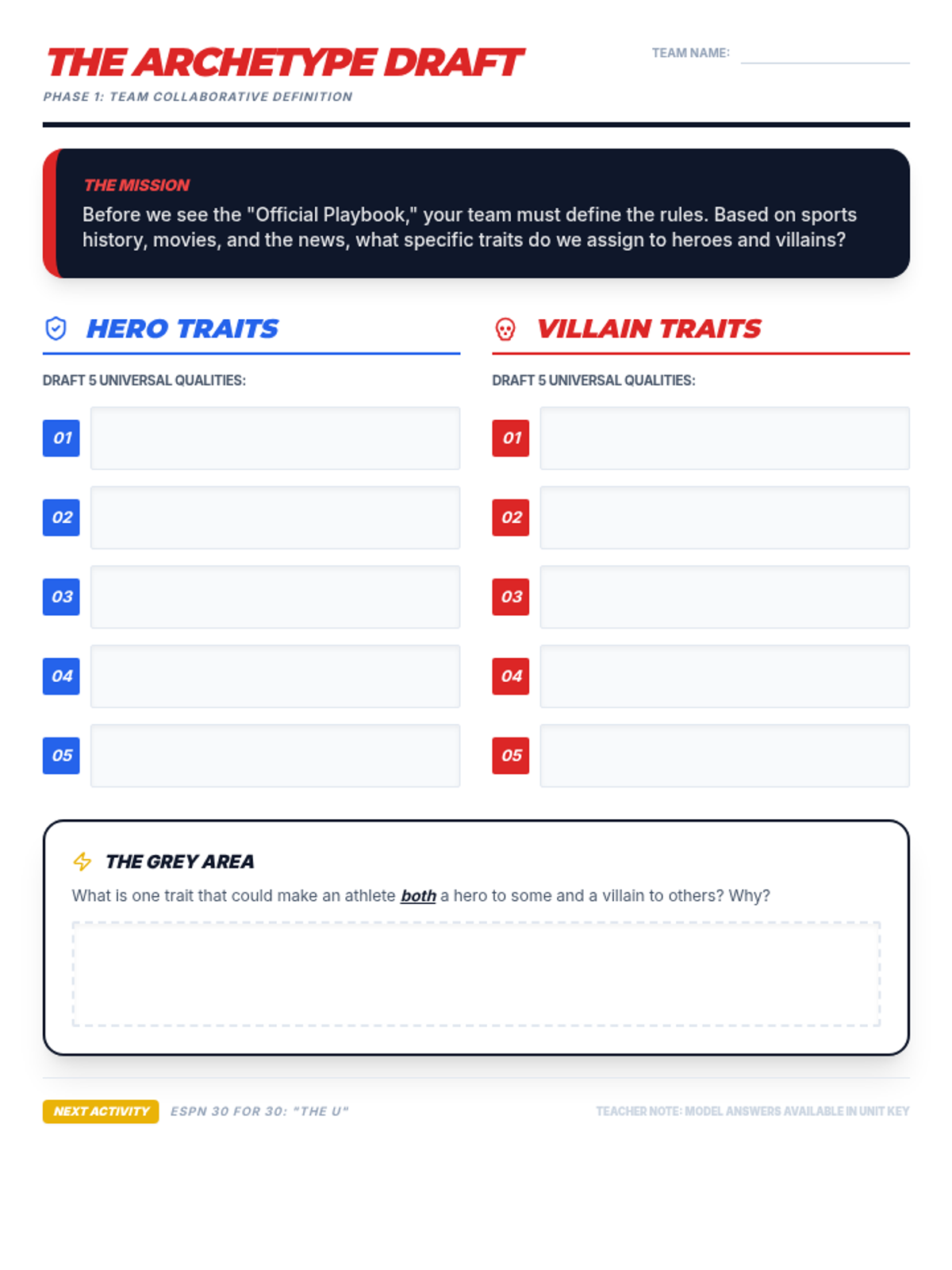
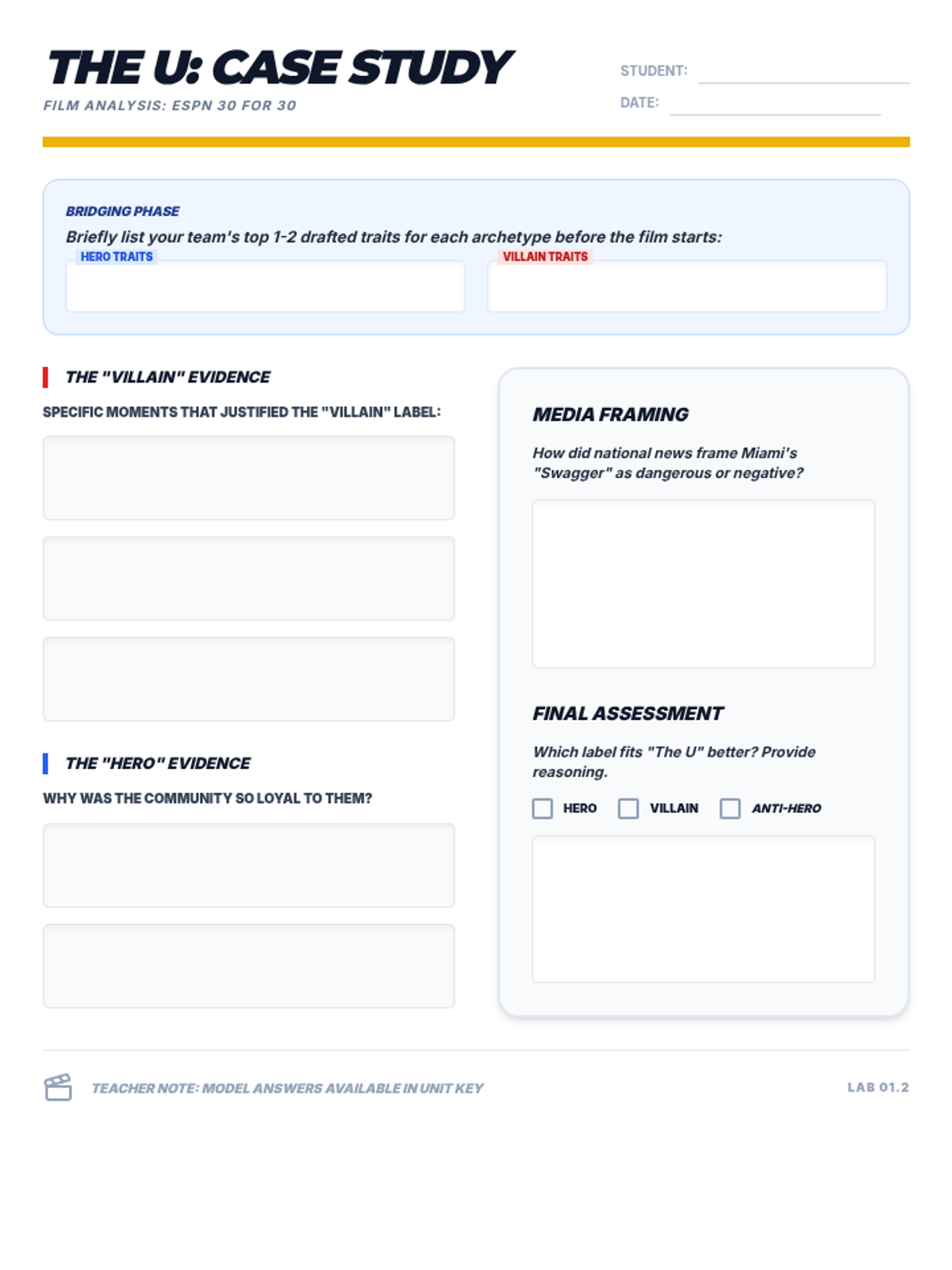
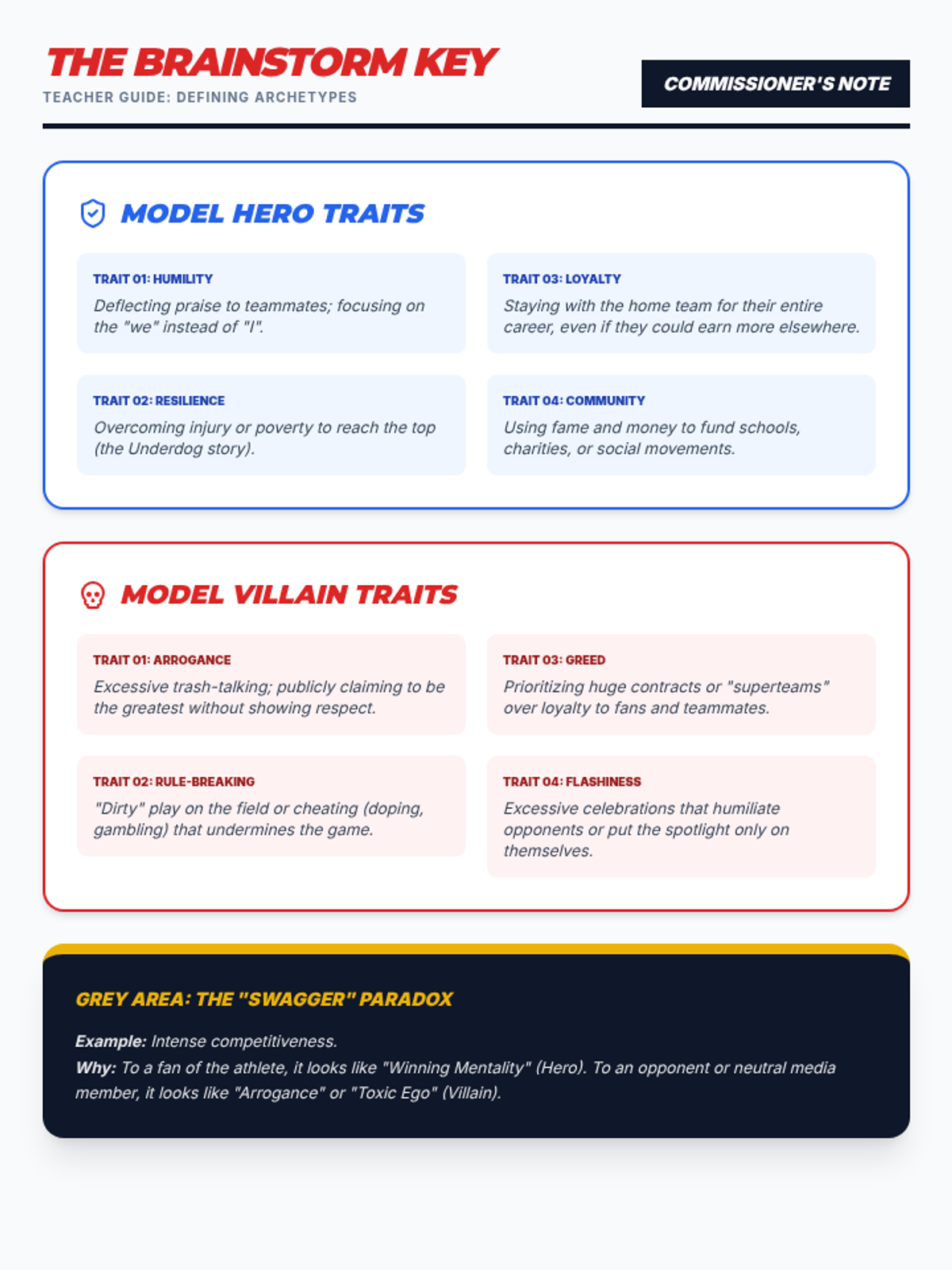
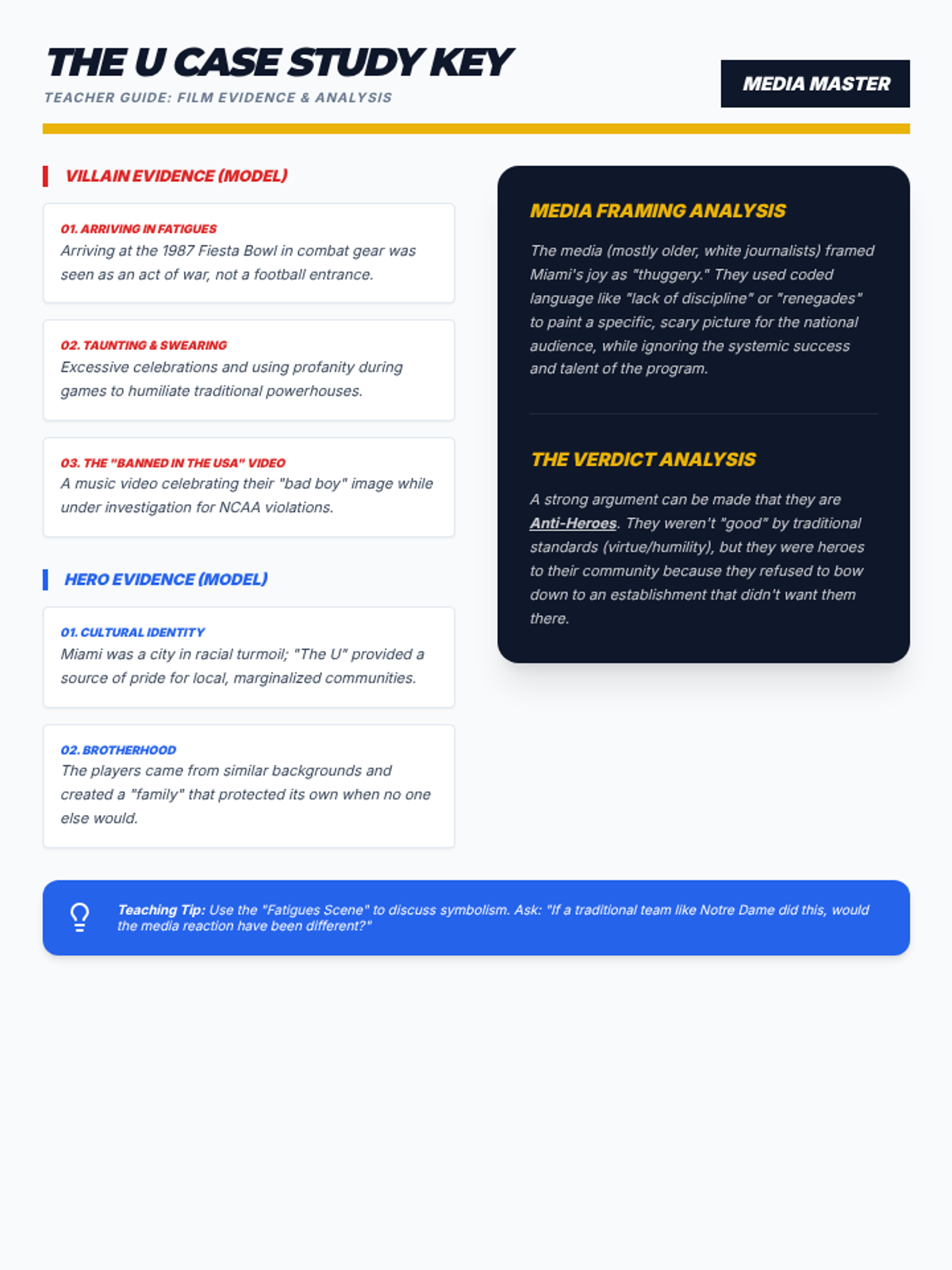
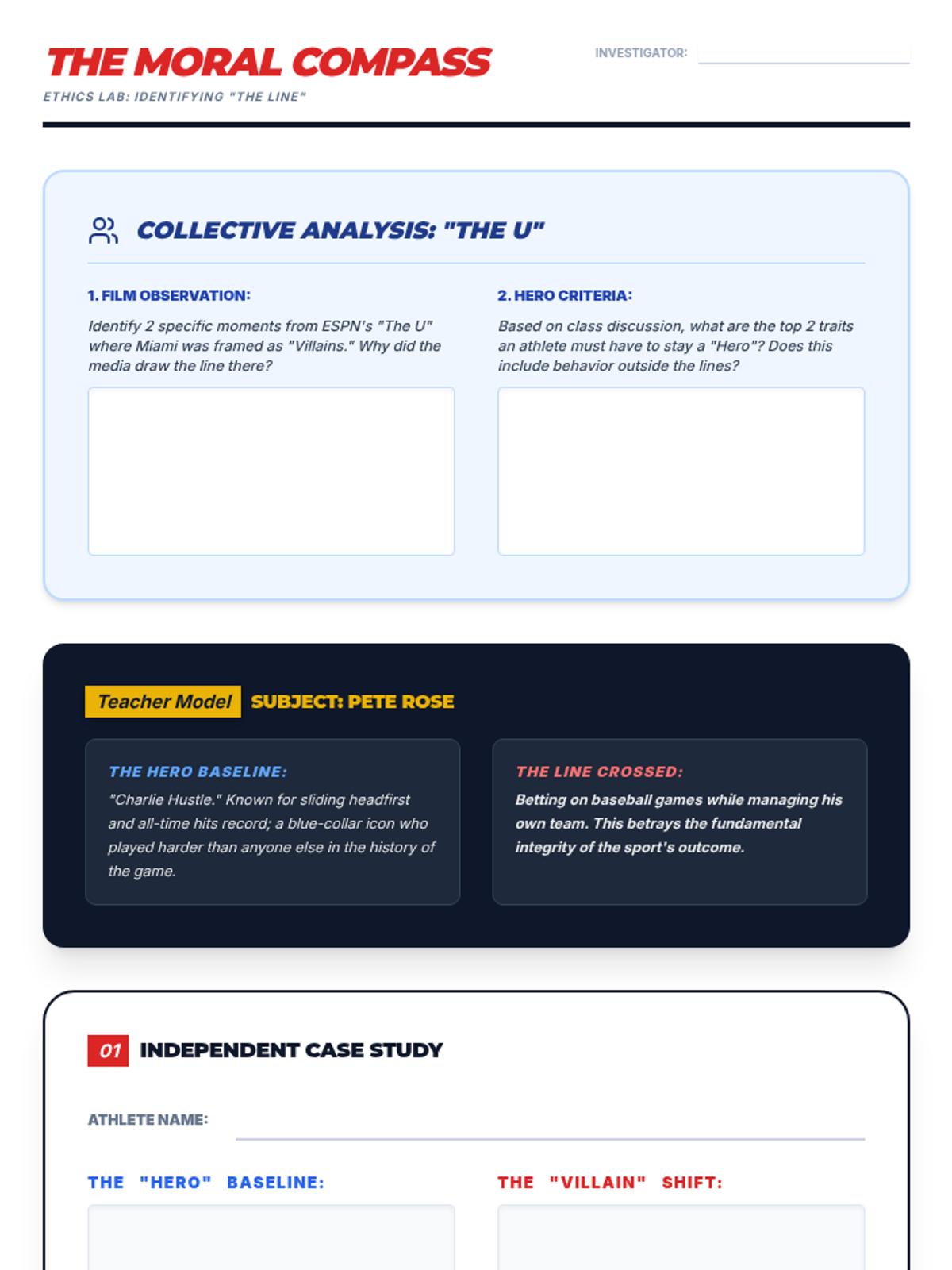
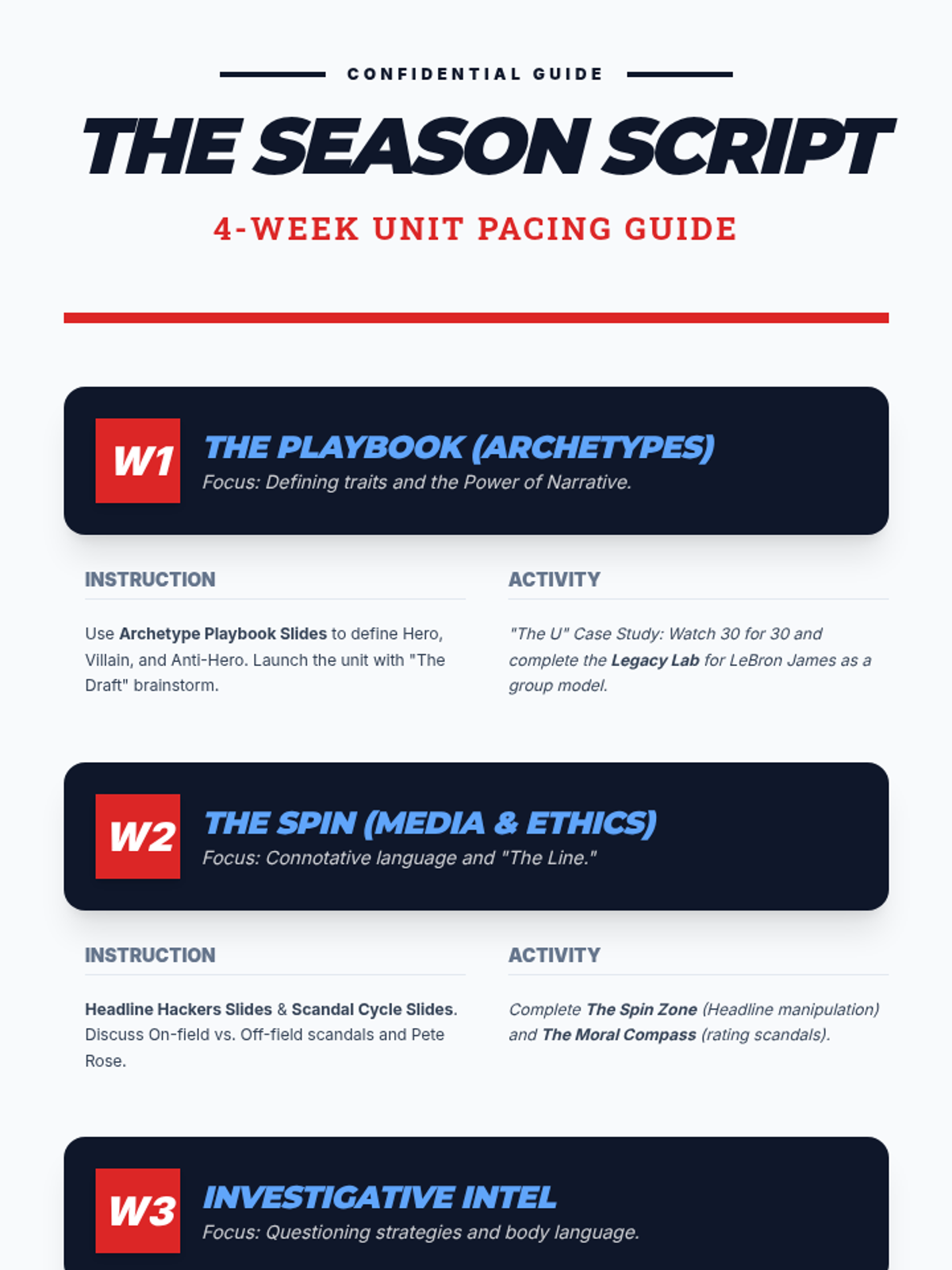
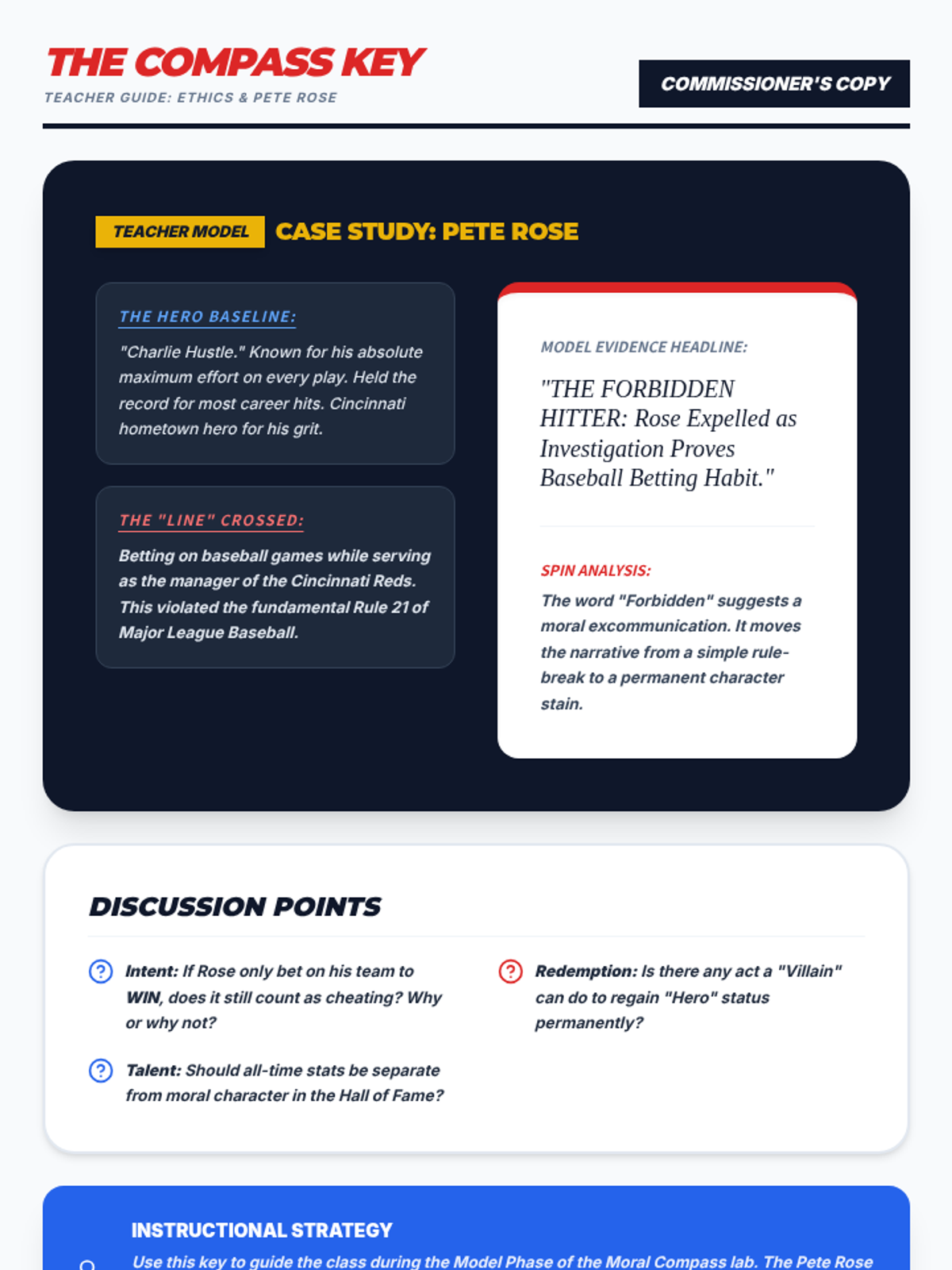
A 4-week unit exploring the construction of heroism and villainy in sports through media analysis, persuasive writing, and investigative interview techniques. Students will analyze how public perception is shaped and ultimately create their own investigative podcast script.
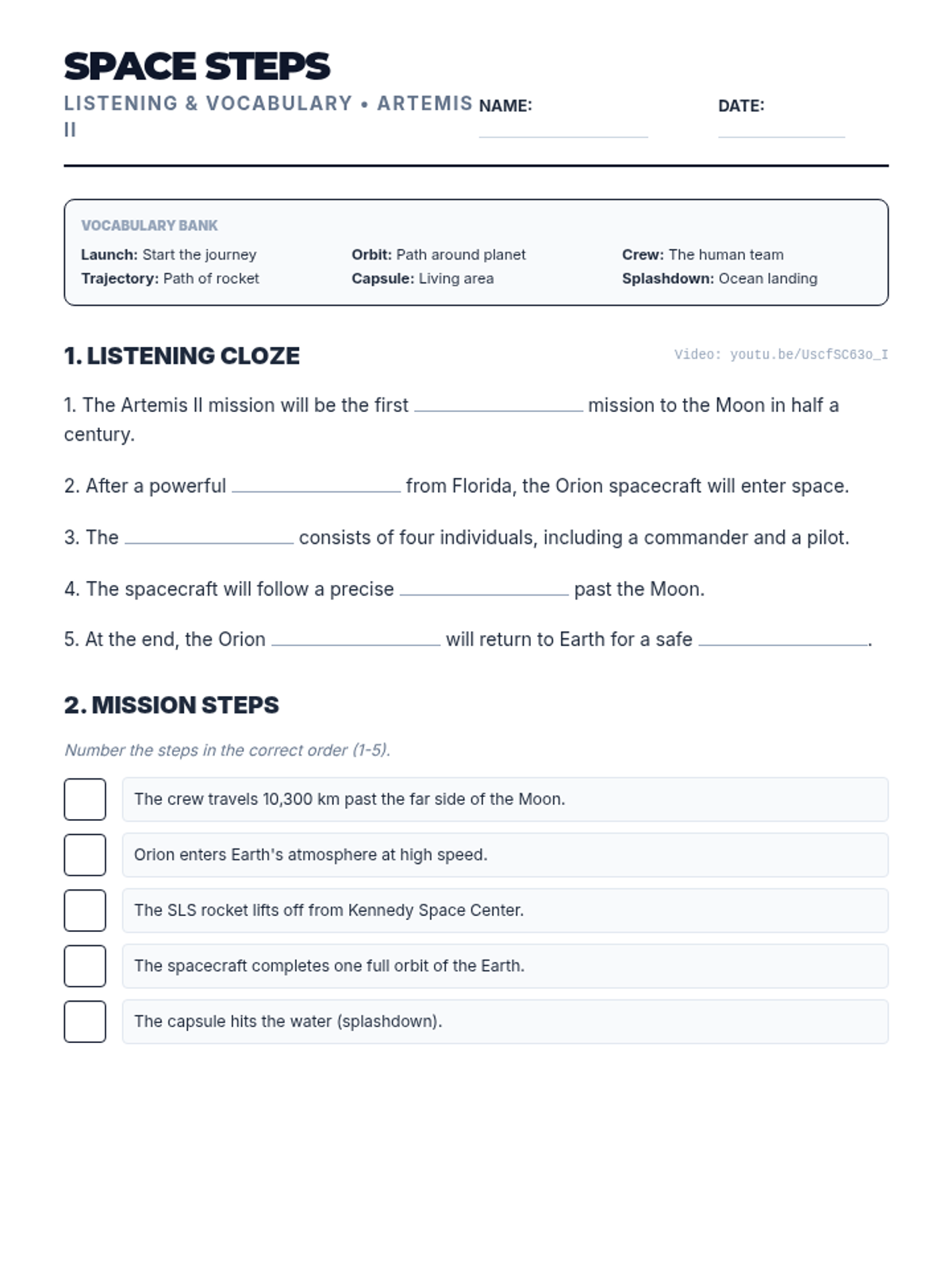
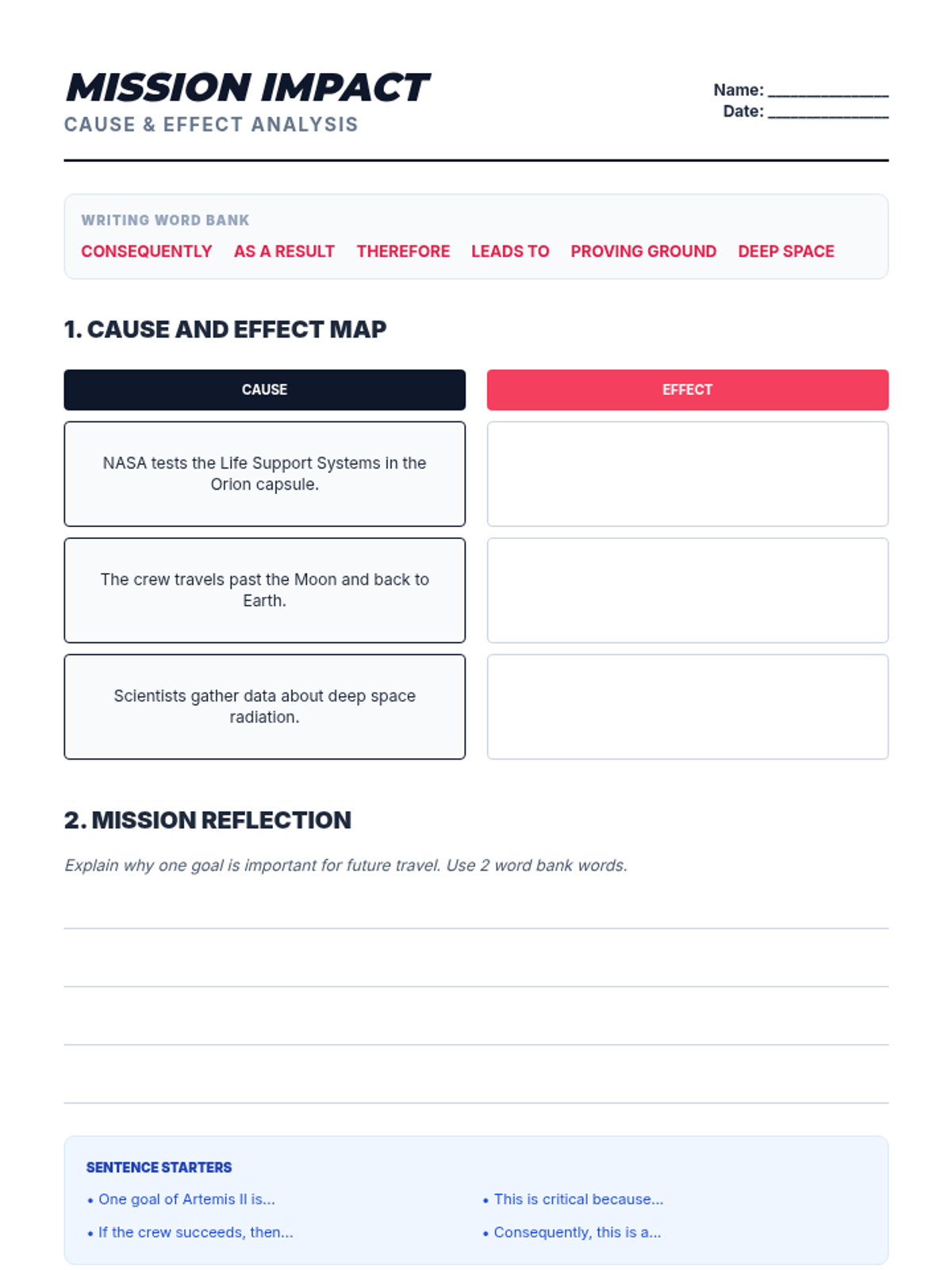
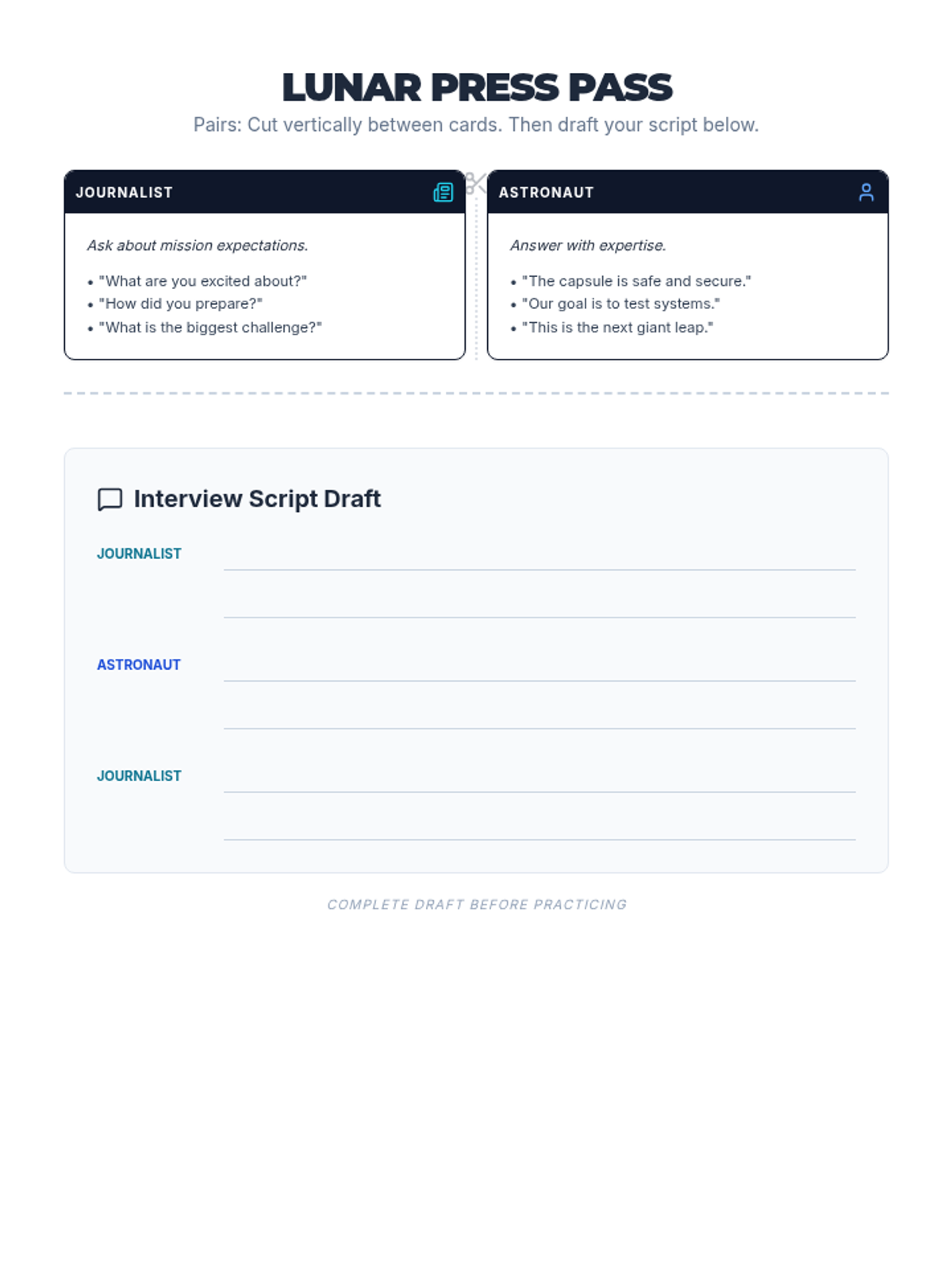
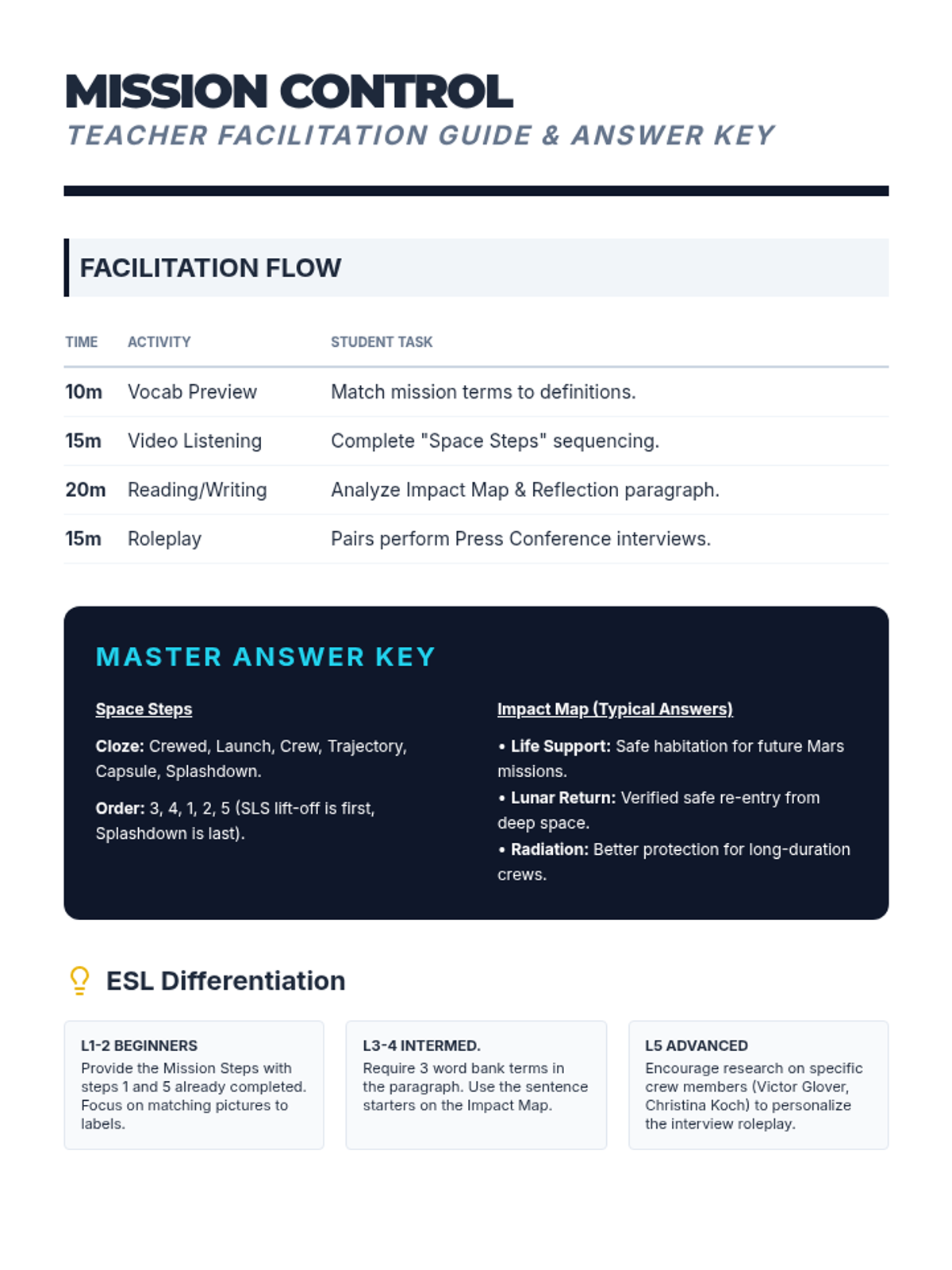
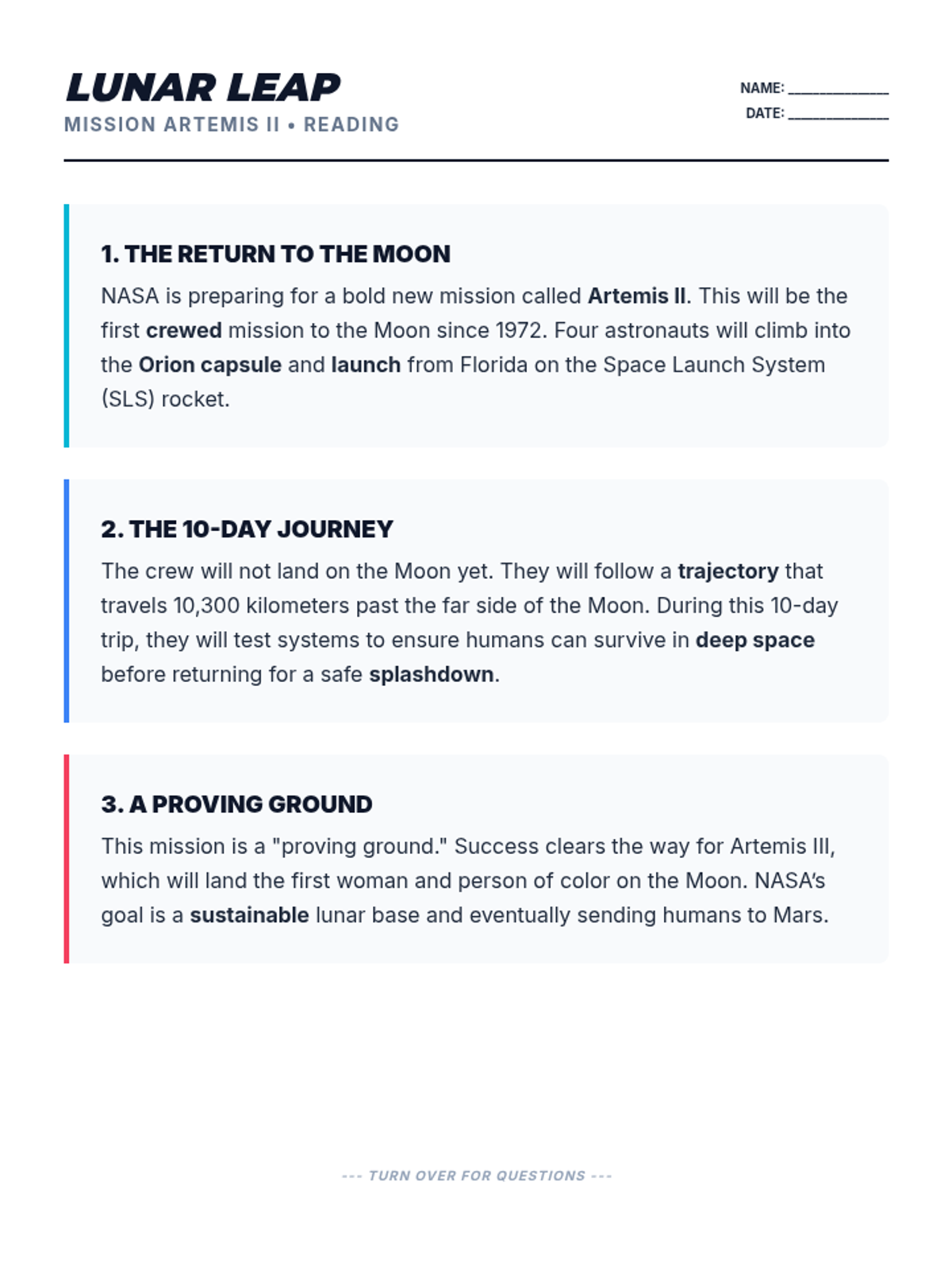
A comprehensive ESL resource pack for 9-12th graders focused on the Artemis II mission. This sequence covers reading, writing, listening, and speaking skills through space exploration content.
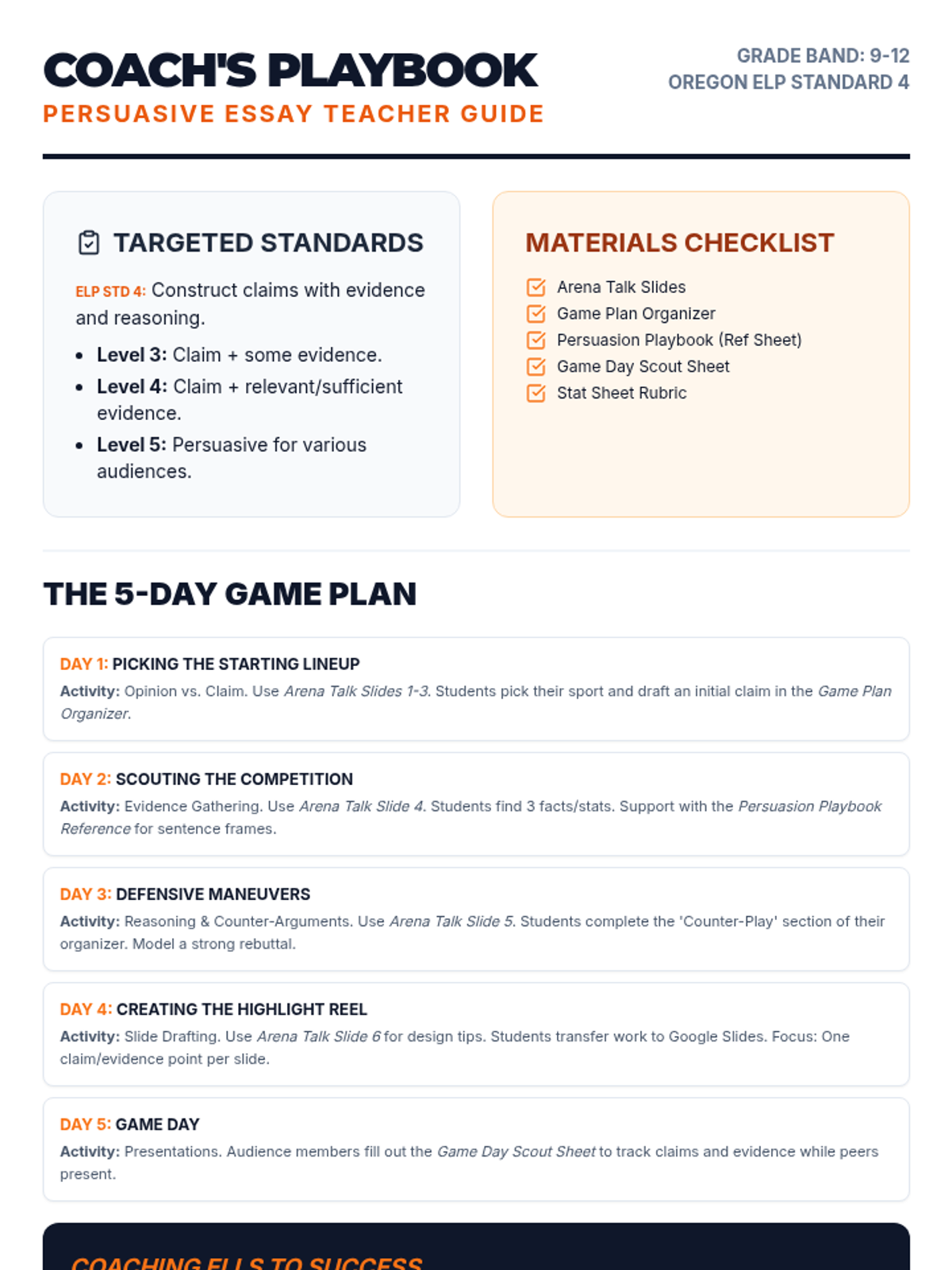
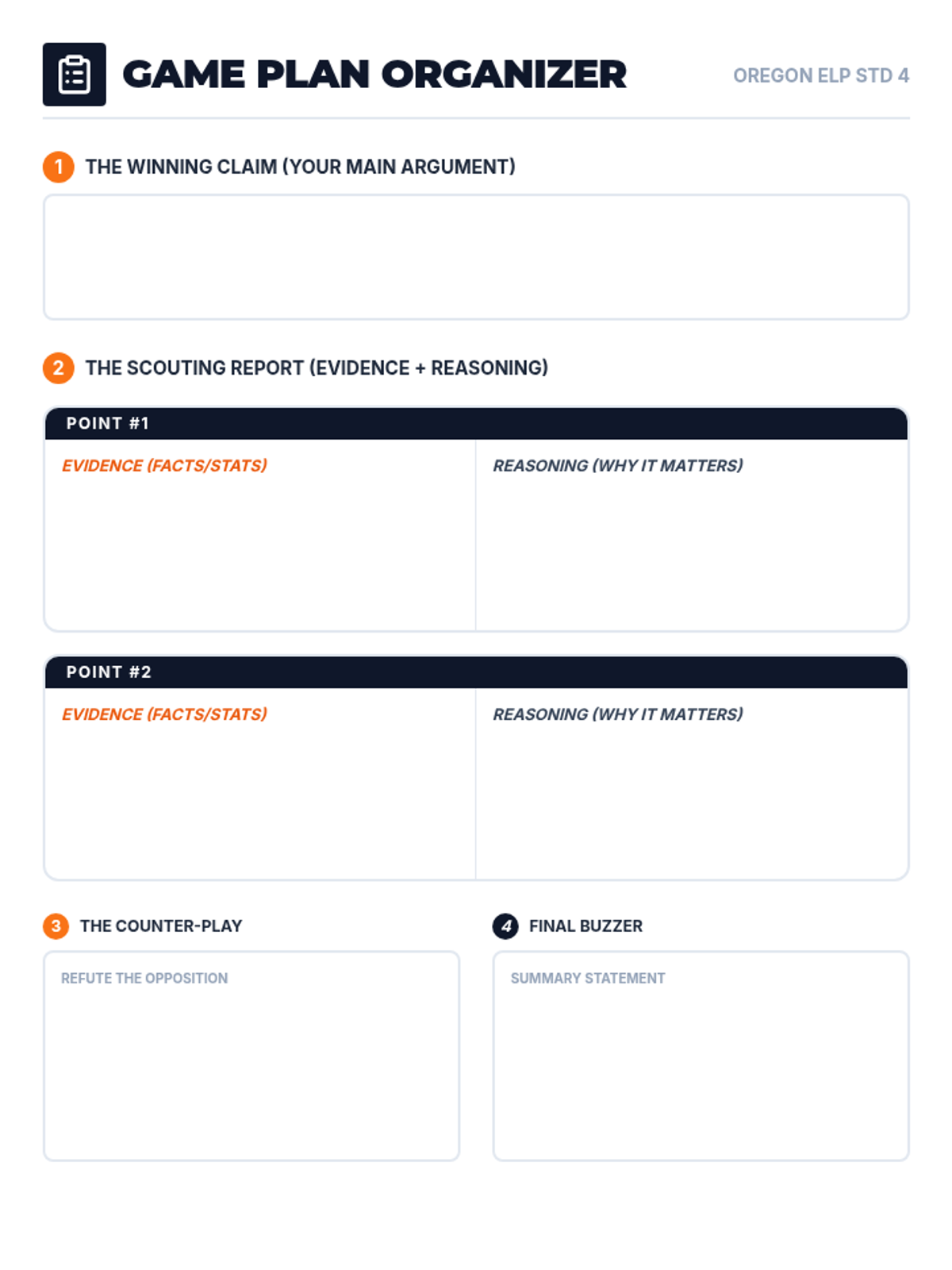
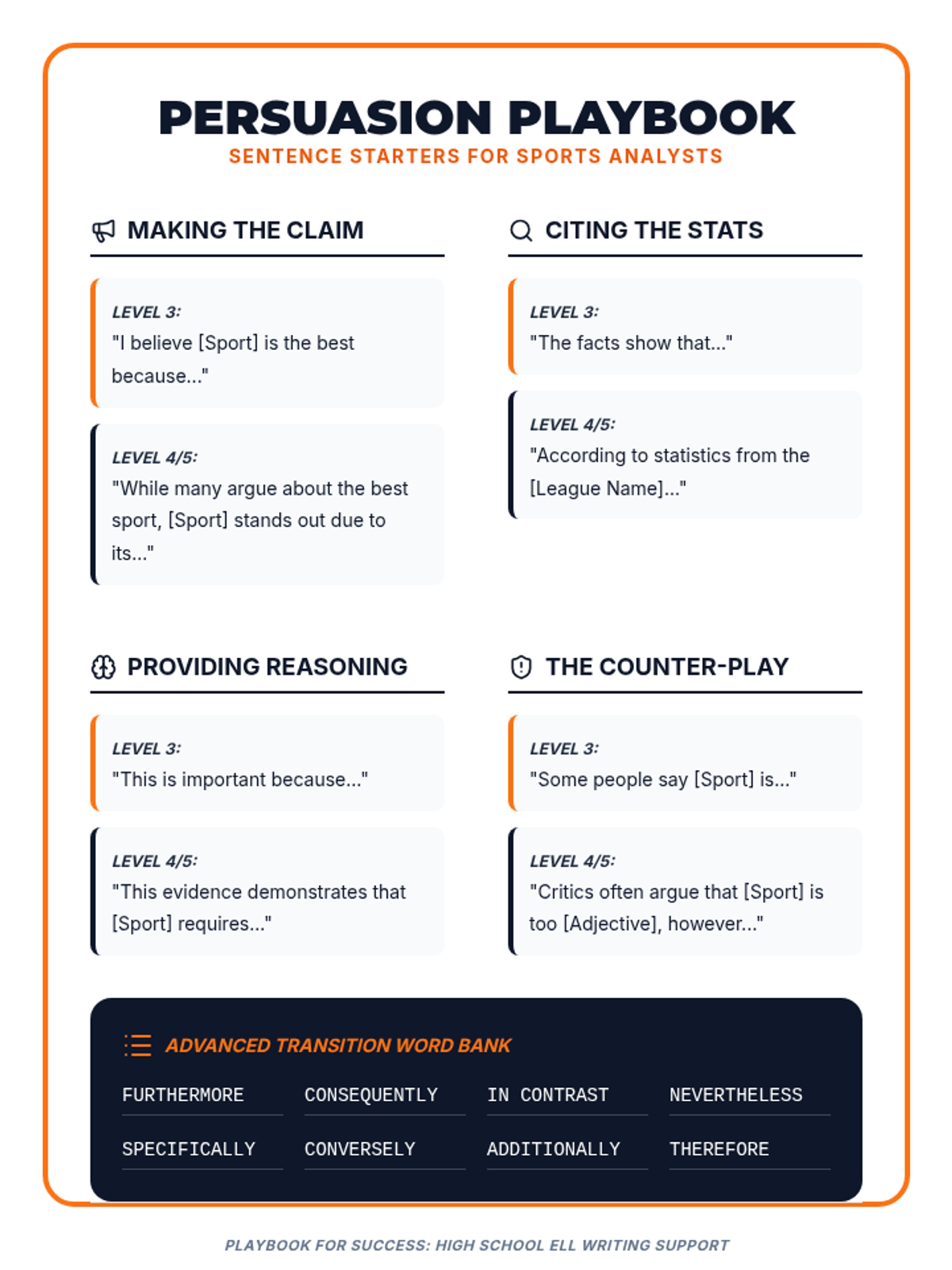
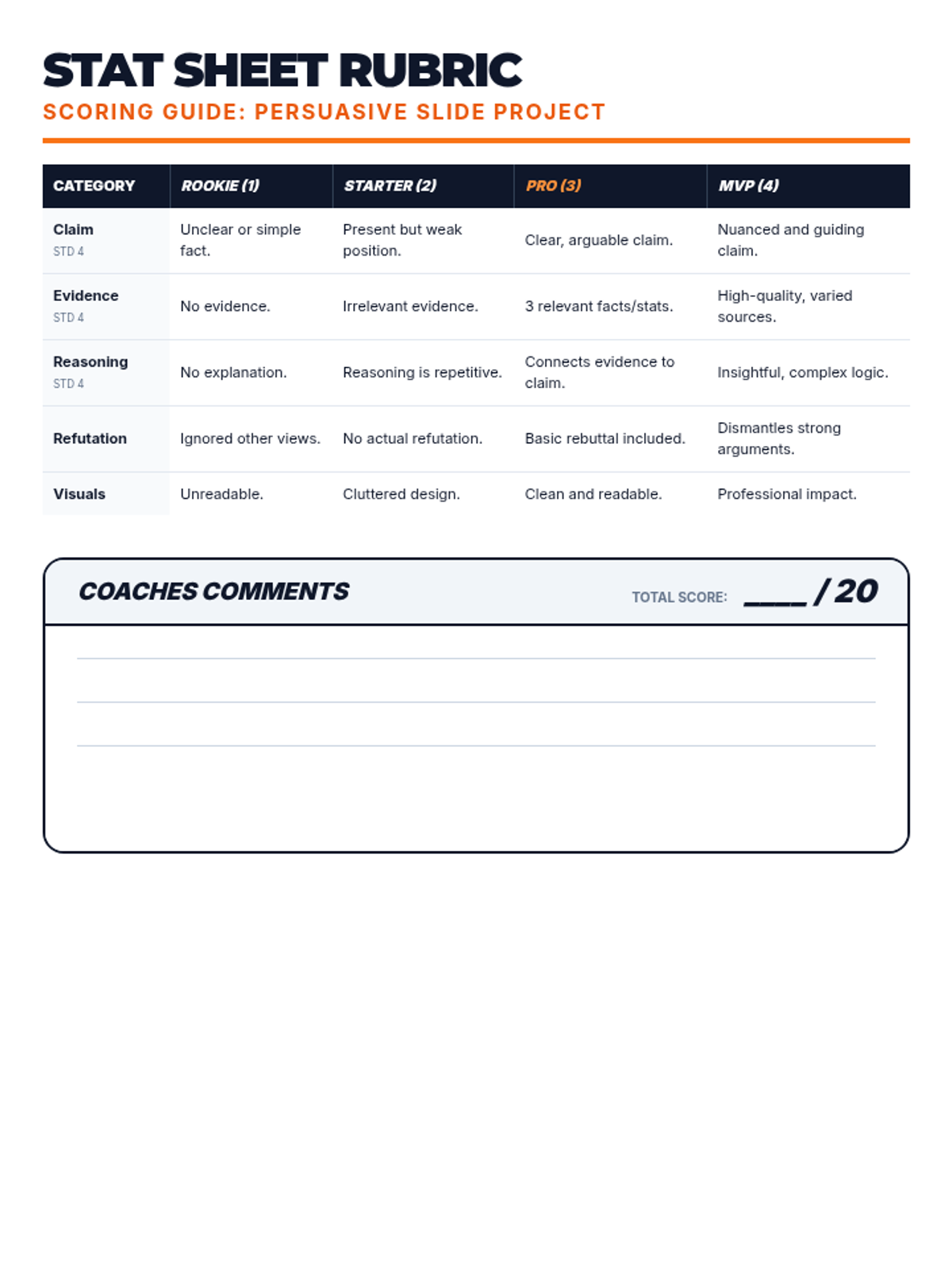
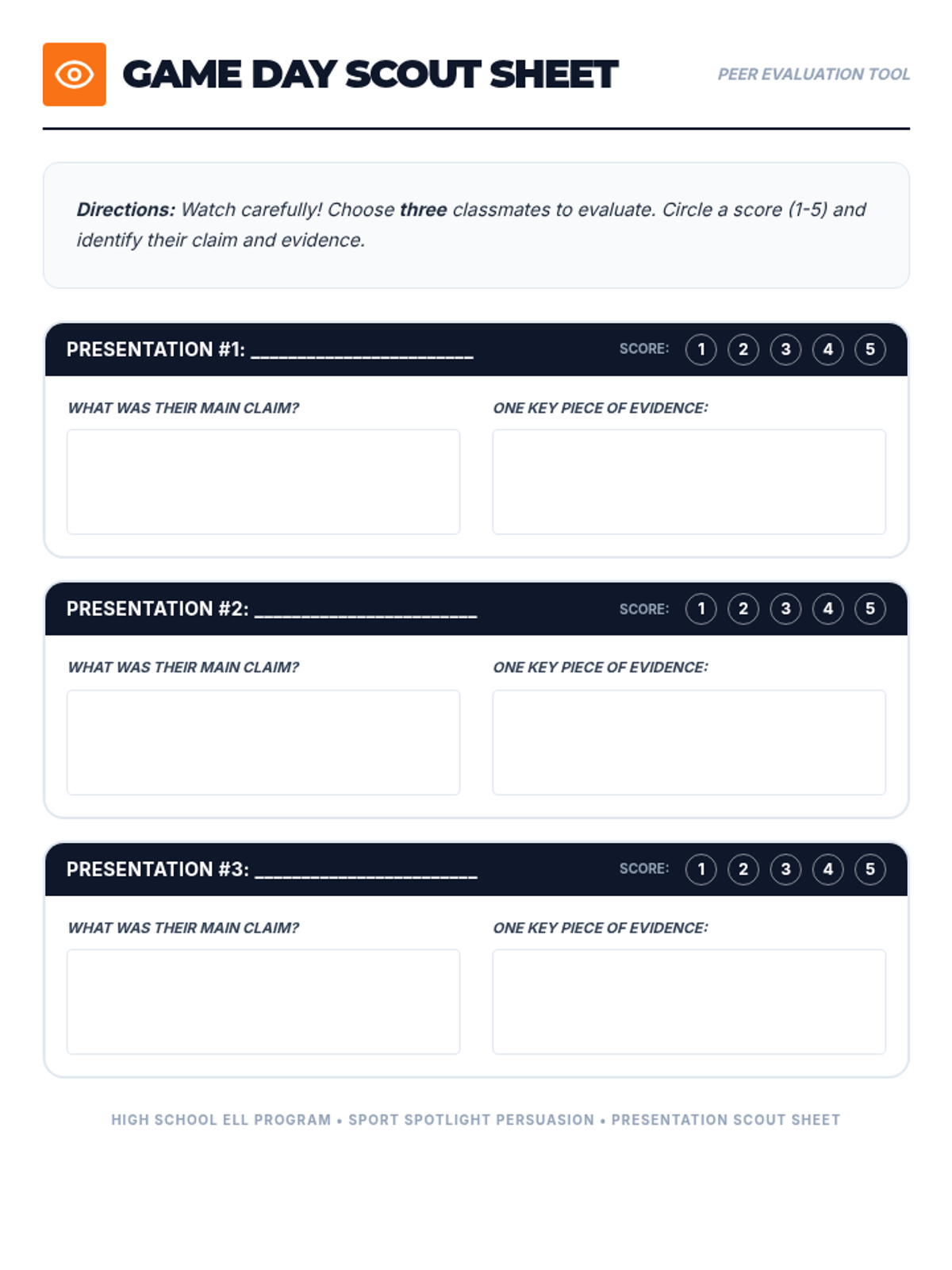
A high-energy 5-day unit for high school ELLs focused on constructing persuasive arguments about their favorite sports. Students move from drafting strong claims to presenting a visual slide deck, aligned with Oregon ELP Standard 4.
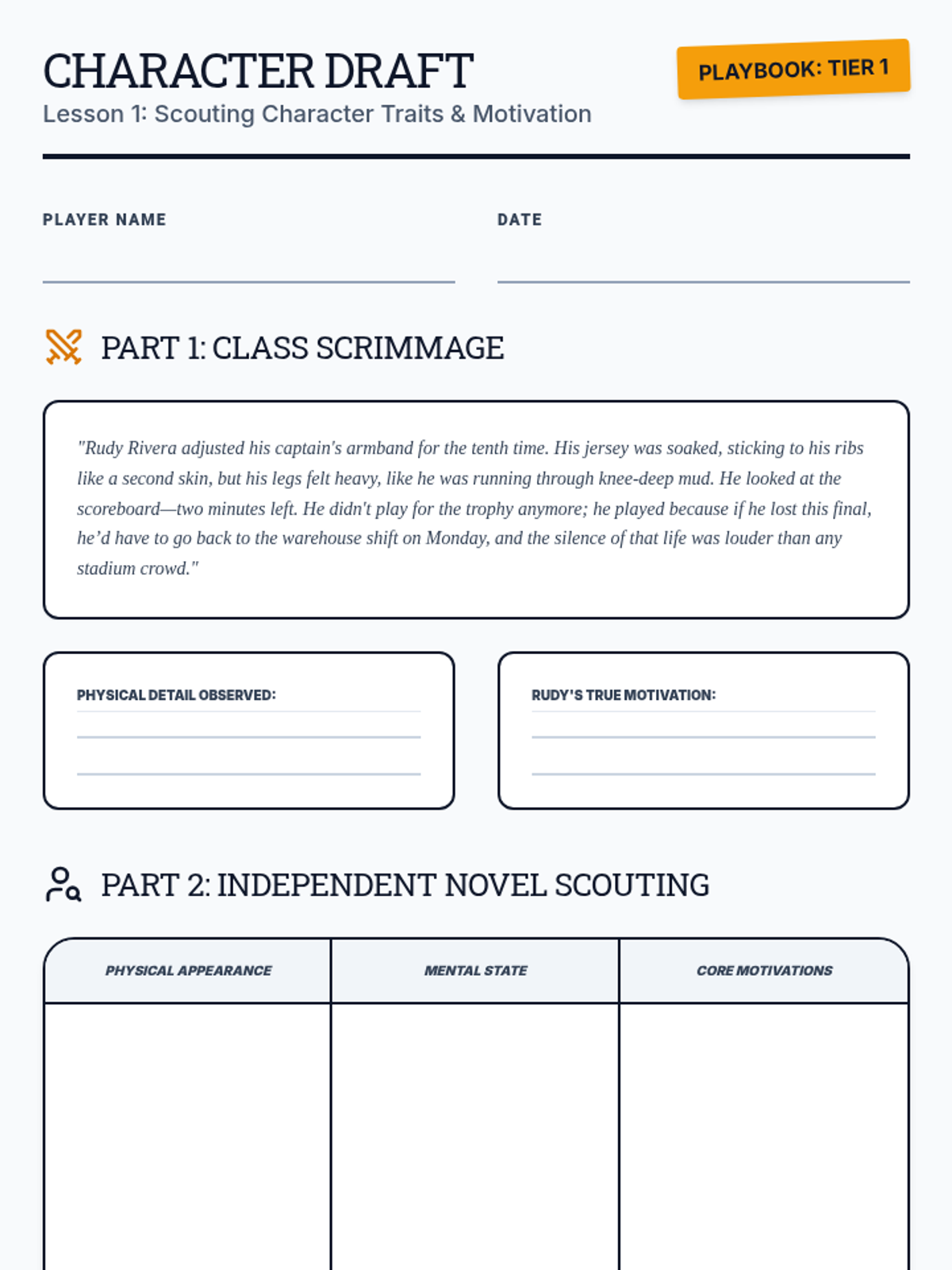
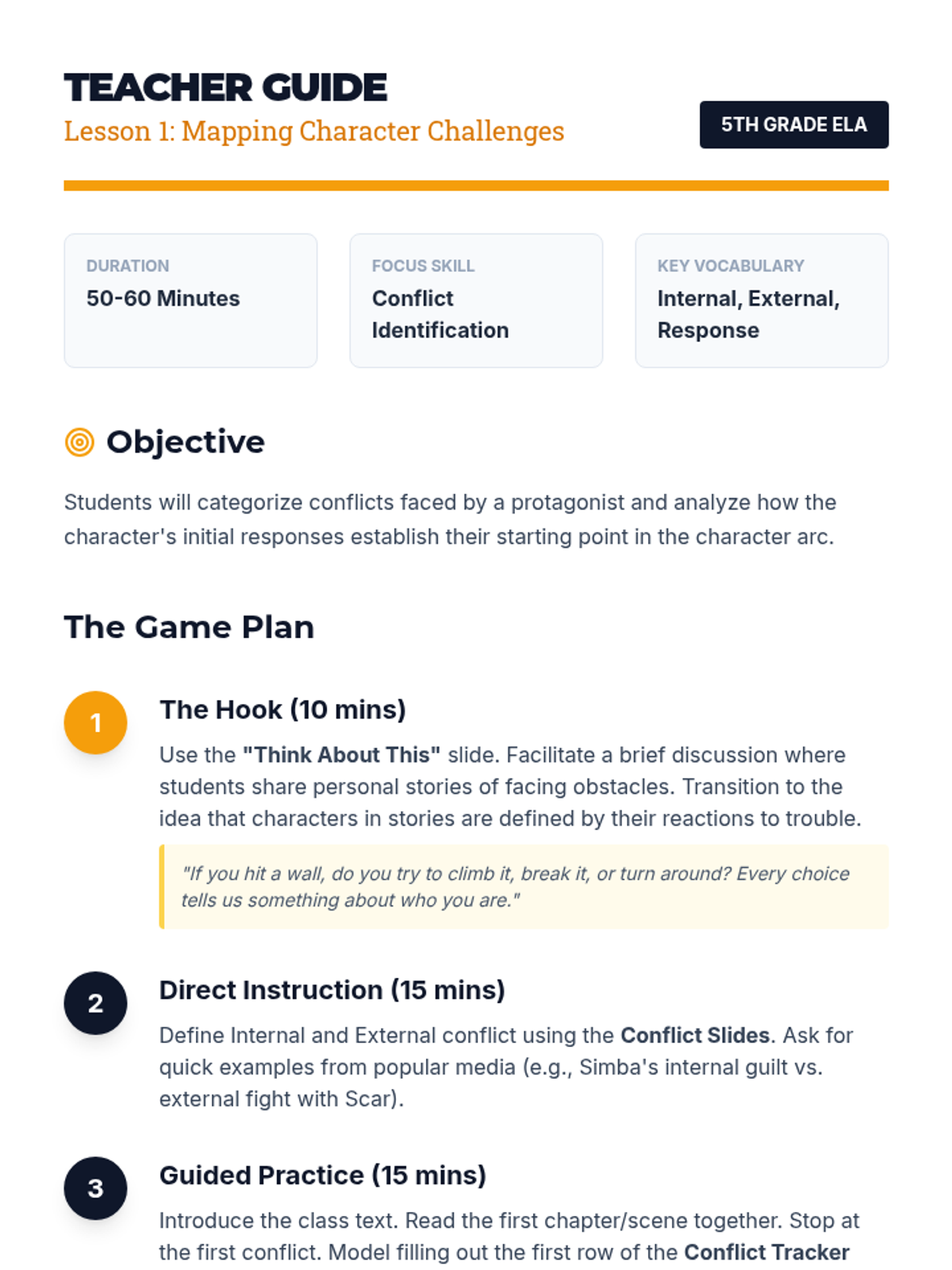
A 4-week series of mini-lessons for Sports Literature designed to support students through an independent novel project. The sequence covers characterization, symbolism, theme analysis, and media literacy through the lens of sports narratives.
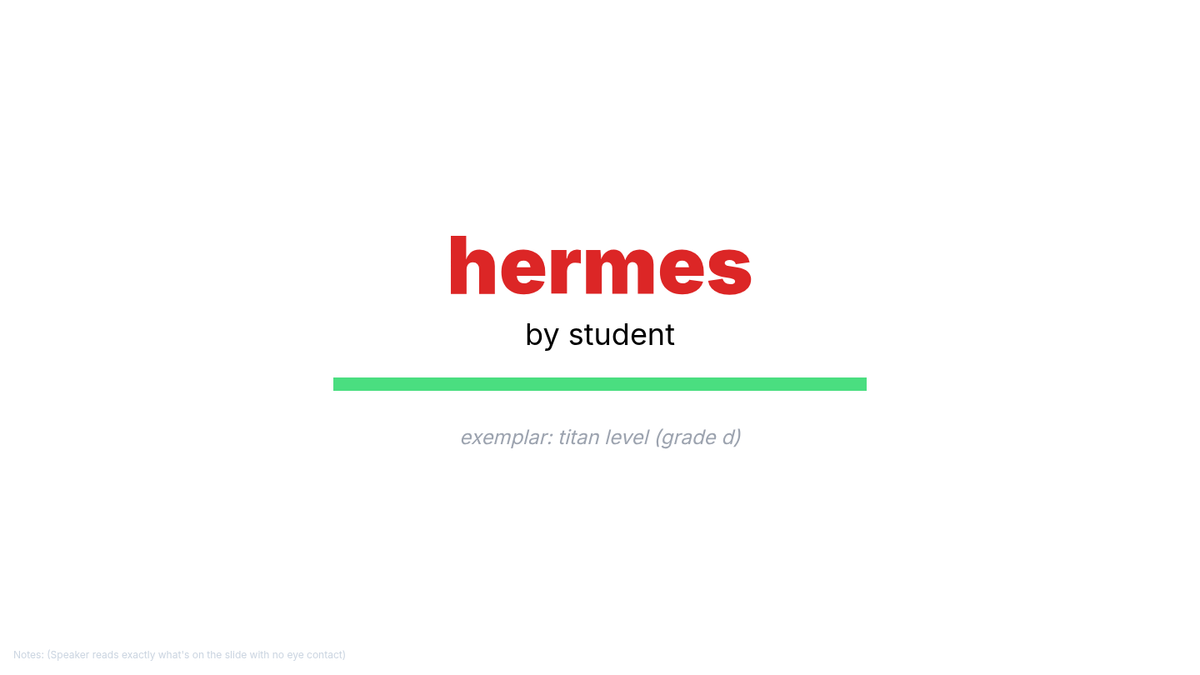
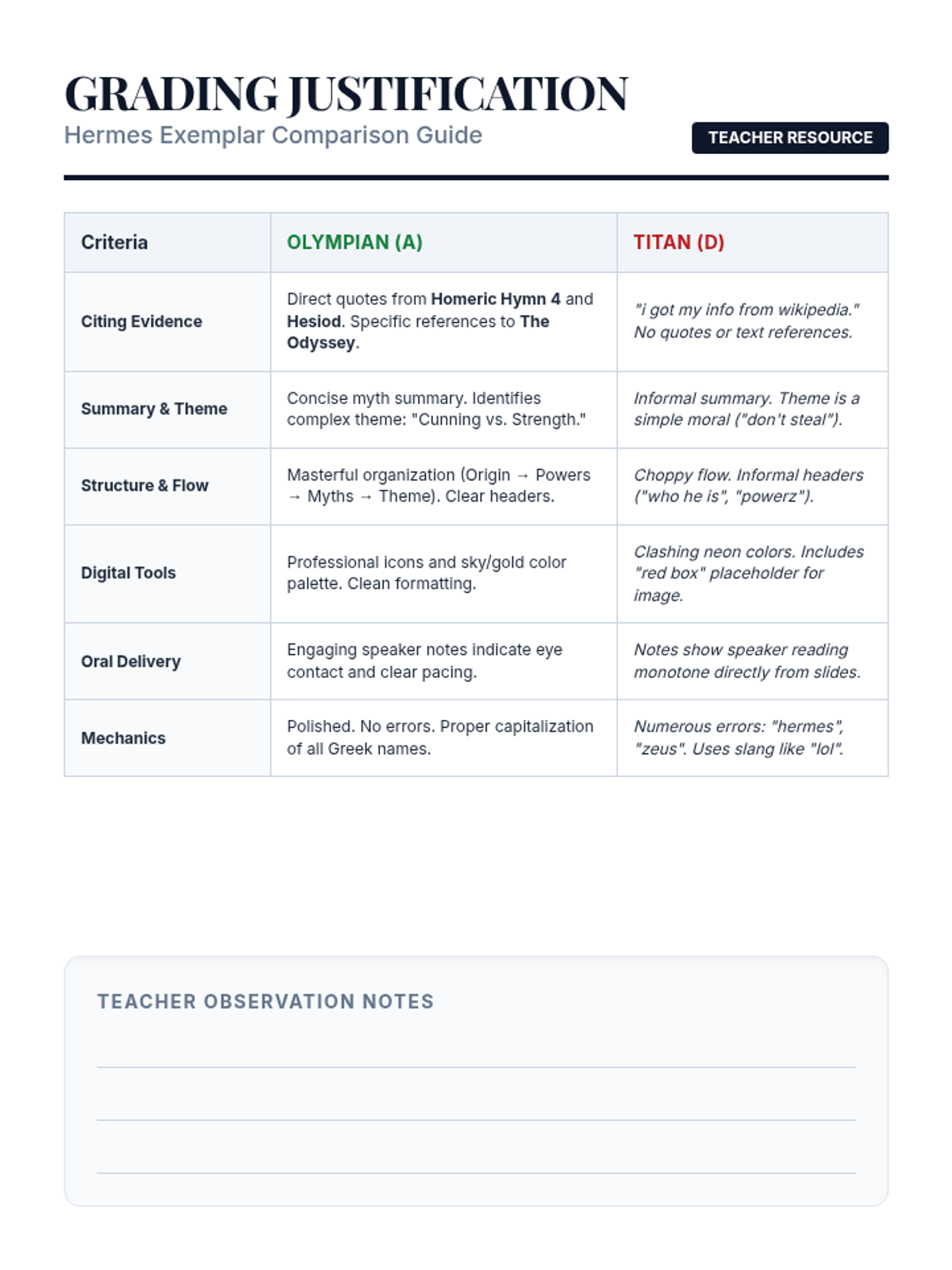
A sequence of exemplar presentations on Hermes designed to demonstrate high-achieving (A) and low-achieving (D) student work based on specific CCSS-aligned rubric criteria.
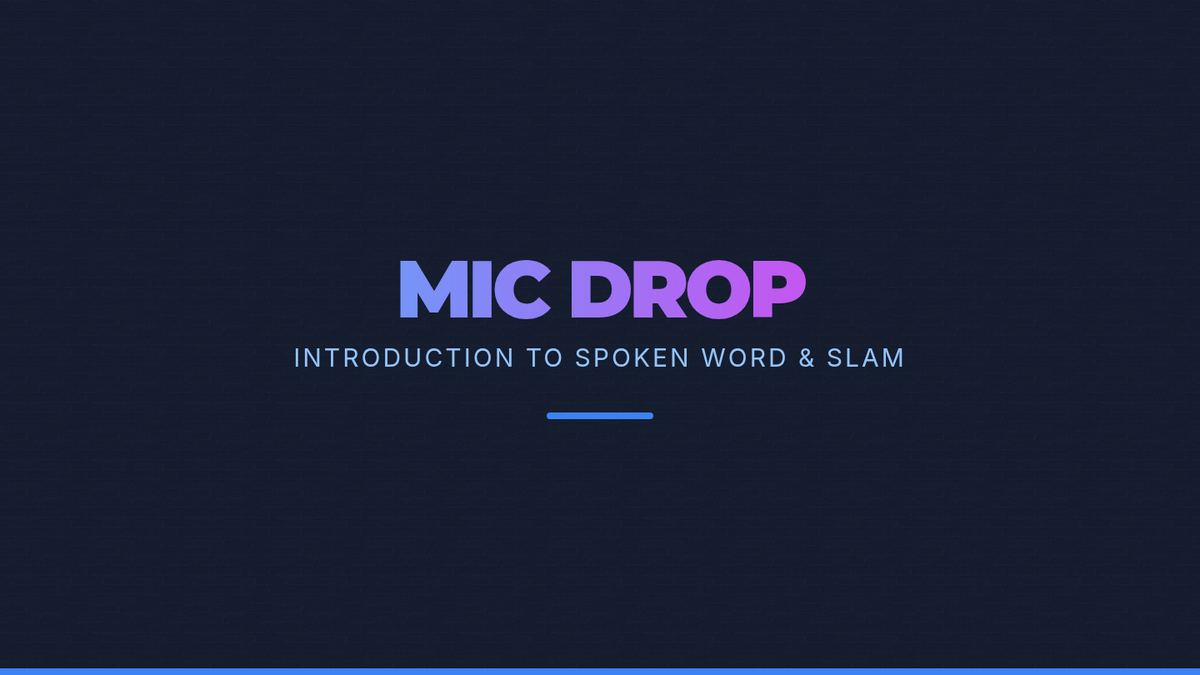
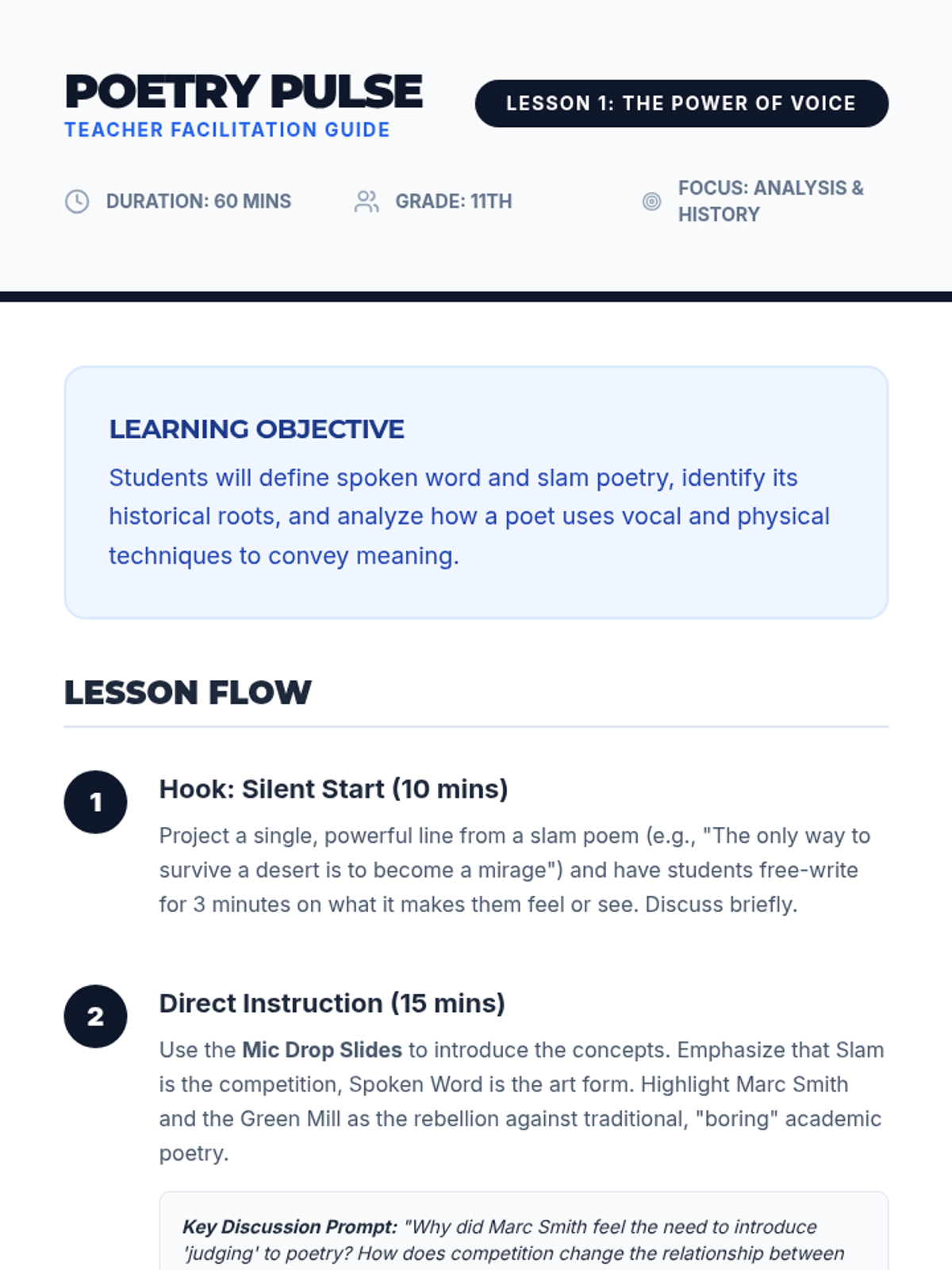
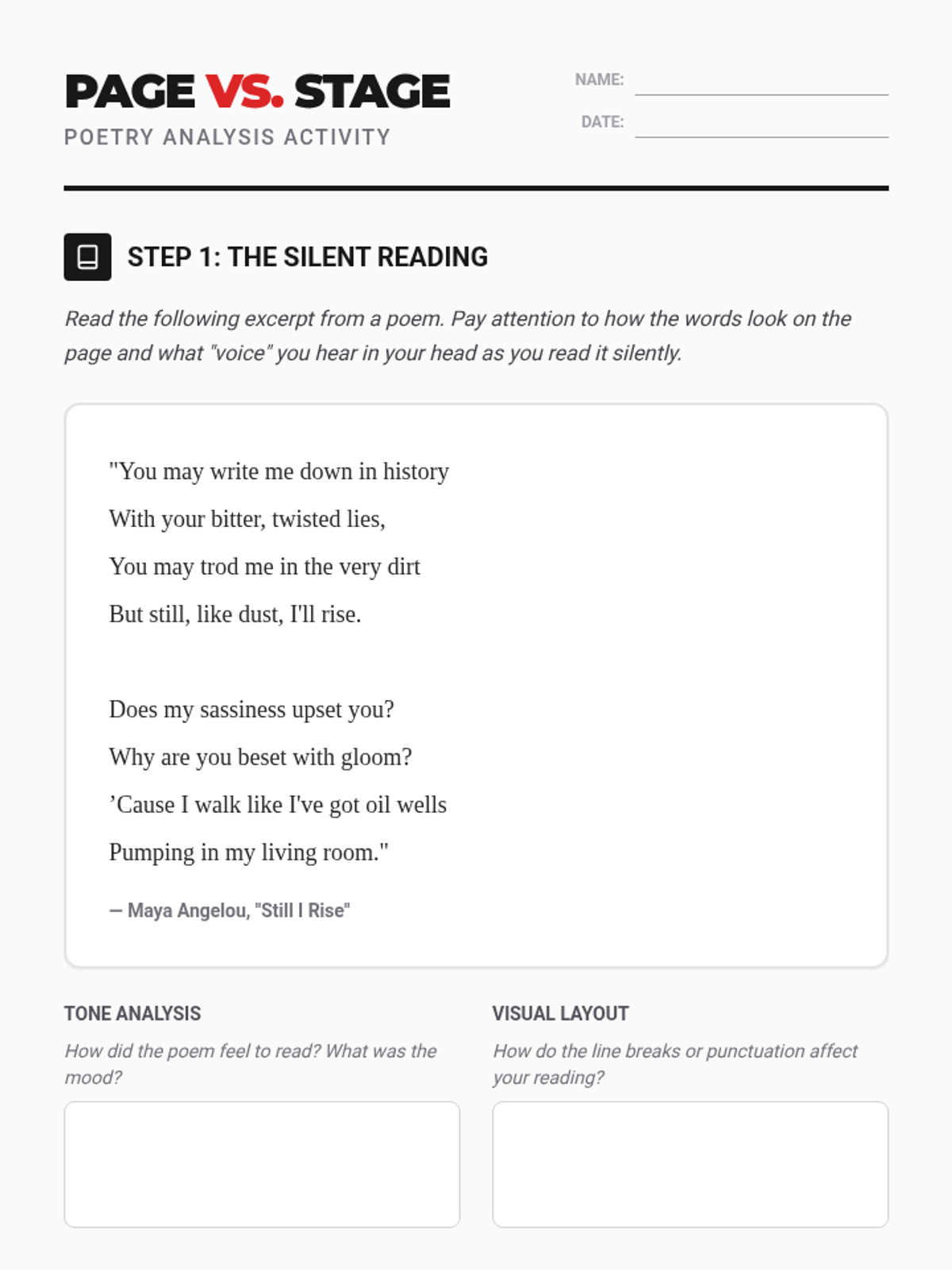
A dynamic high school unit exploring the roots, techniques, and performance of slam and spoken word poetry, culminating in a school-wide poetry slam.
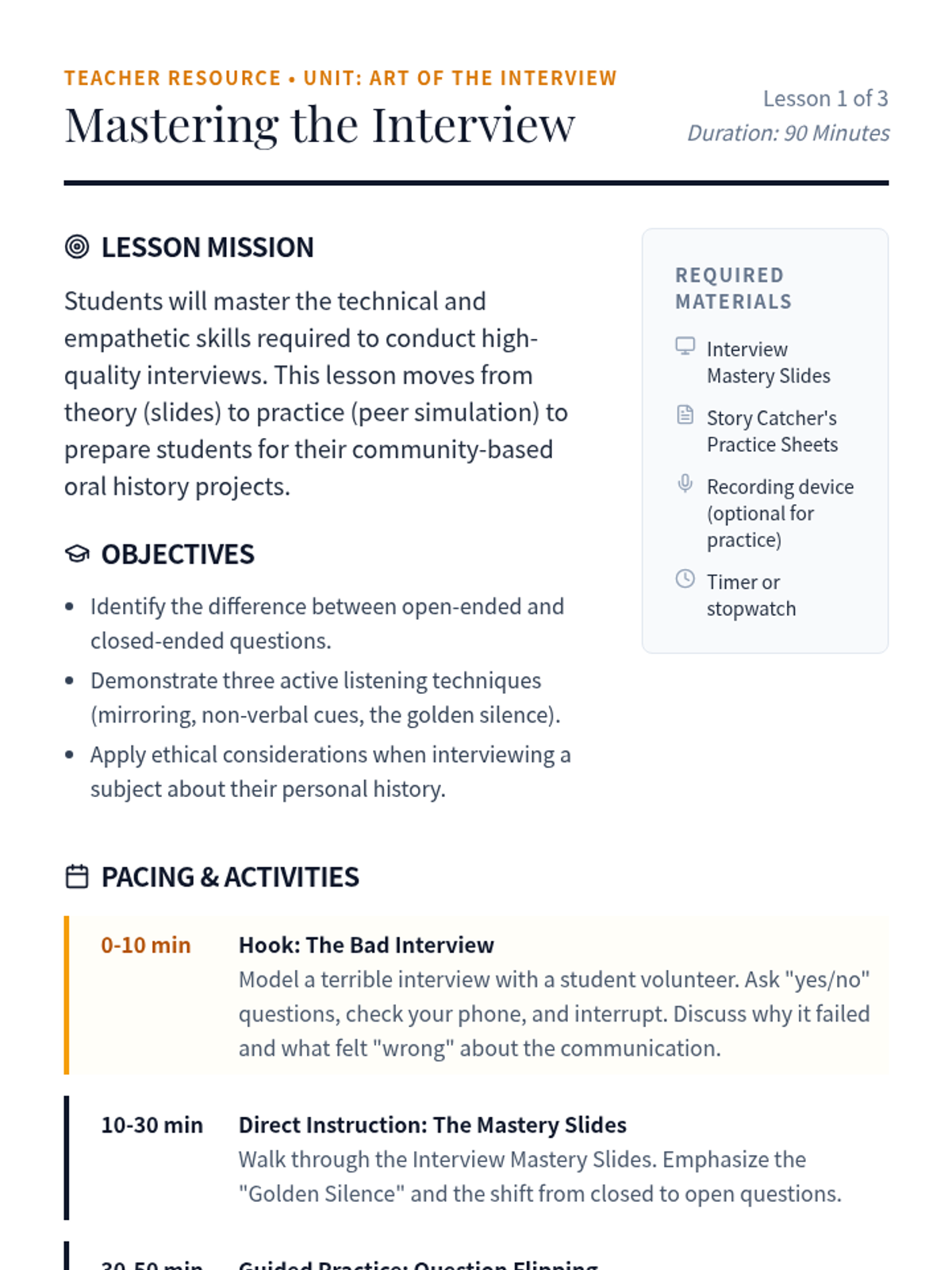
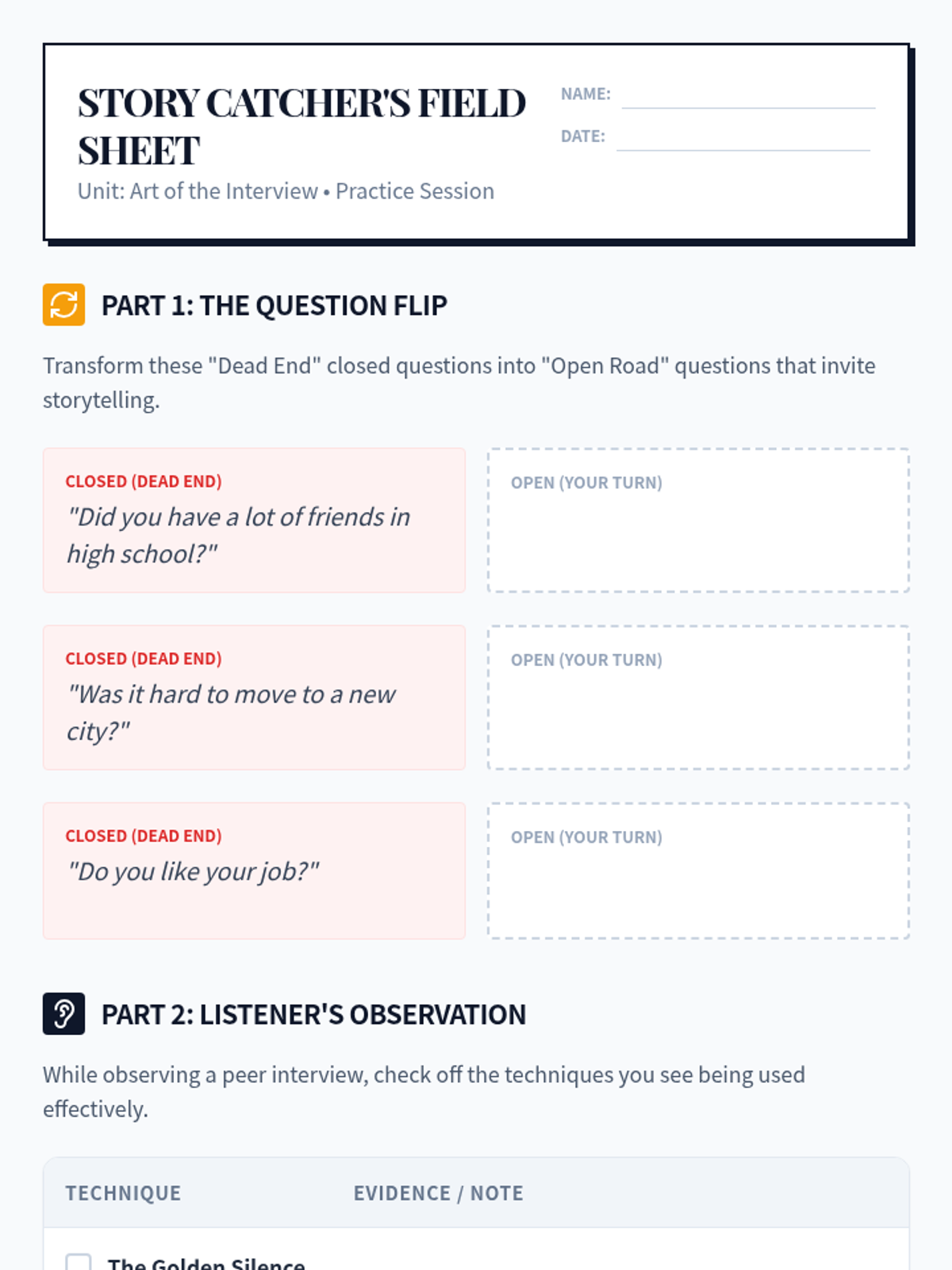
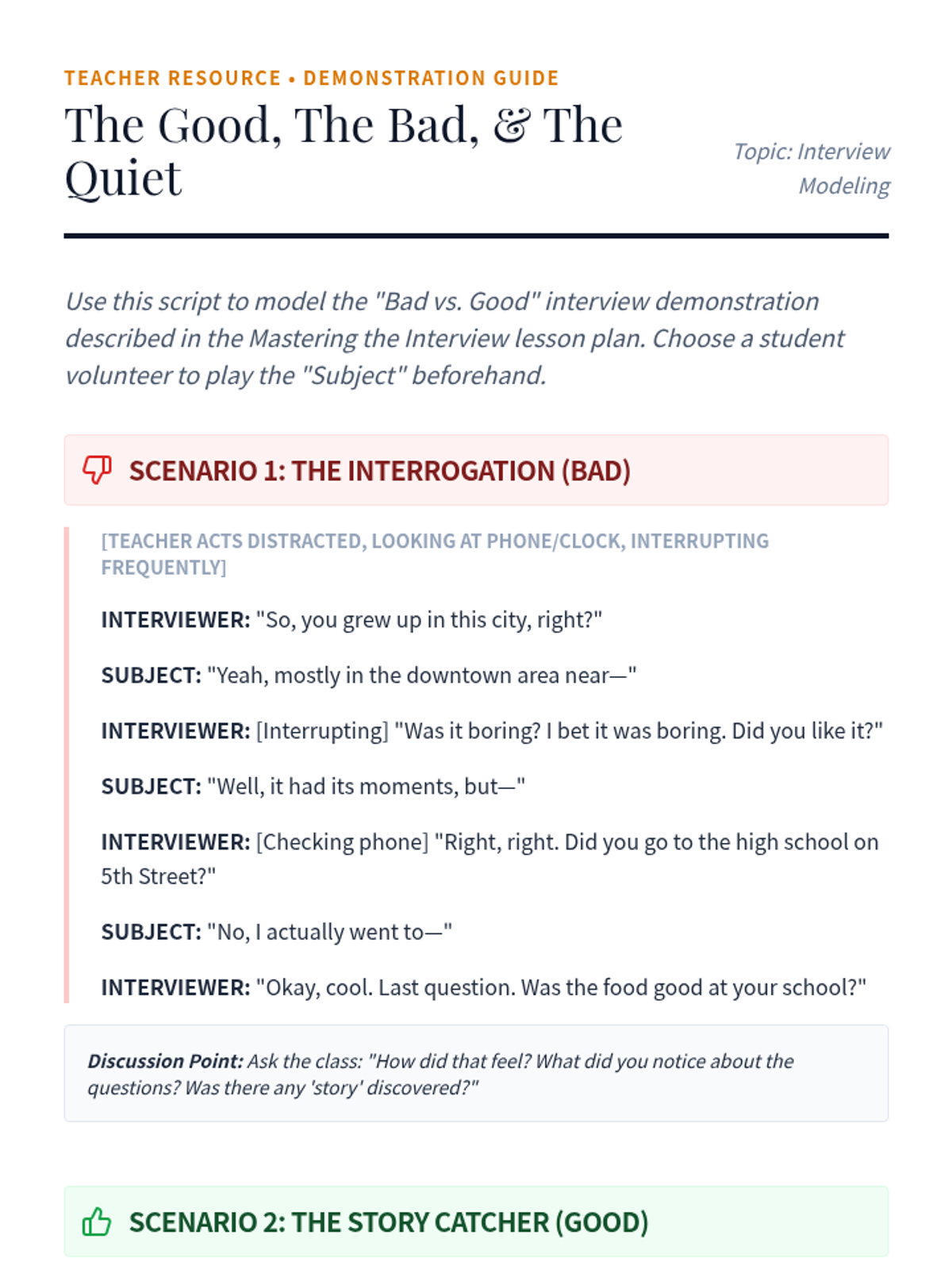
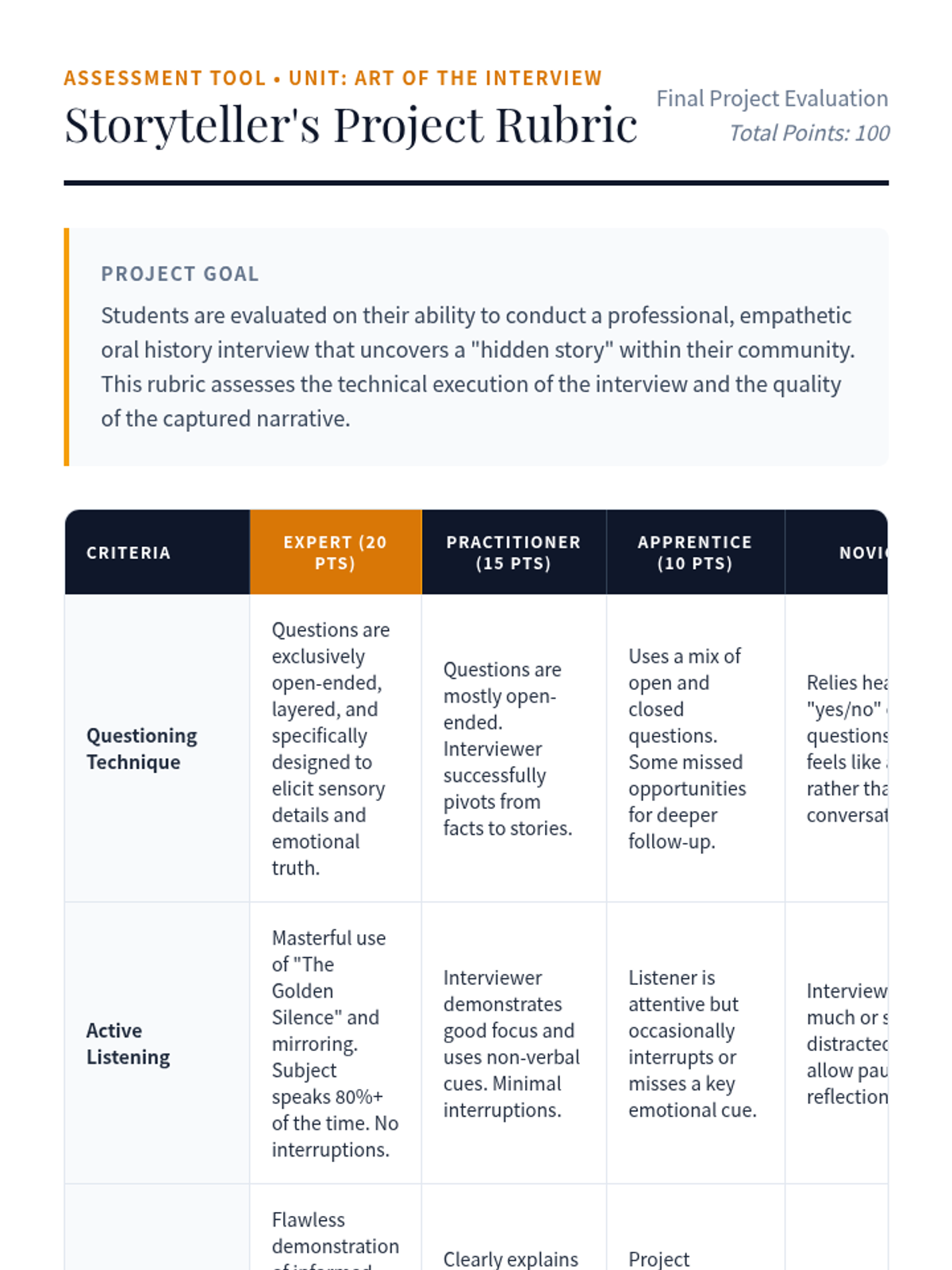
A communications-focused unit that transforms students into oral historians and investigative journalists. Students build empathy and professional communication skills by capturing untold stories from their community through high-quality interviewing techniques.
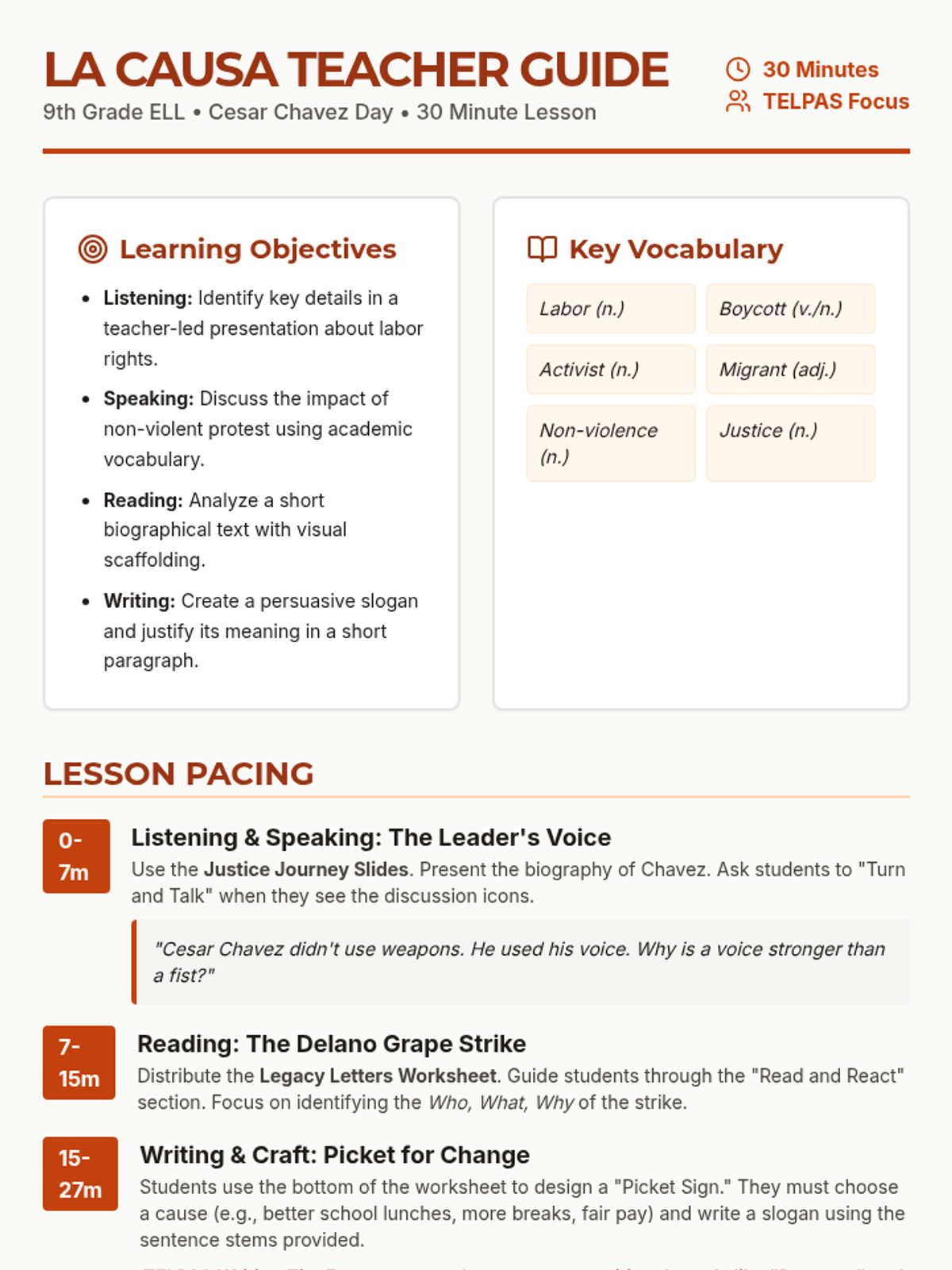
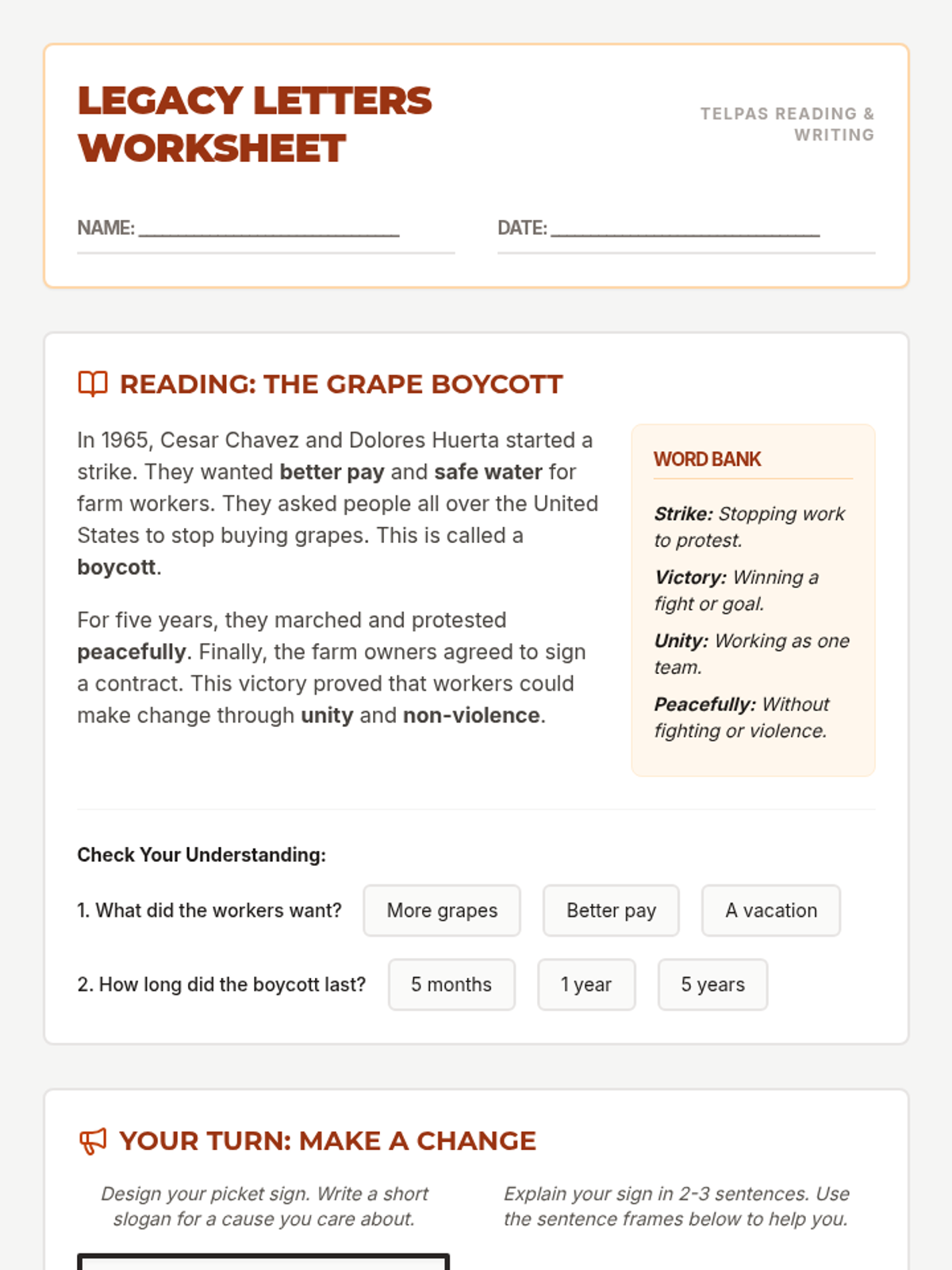
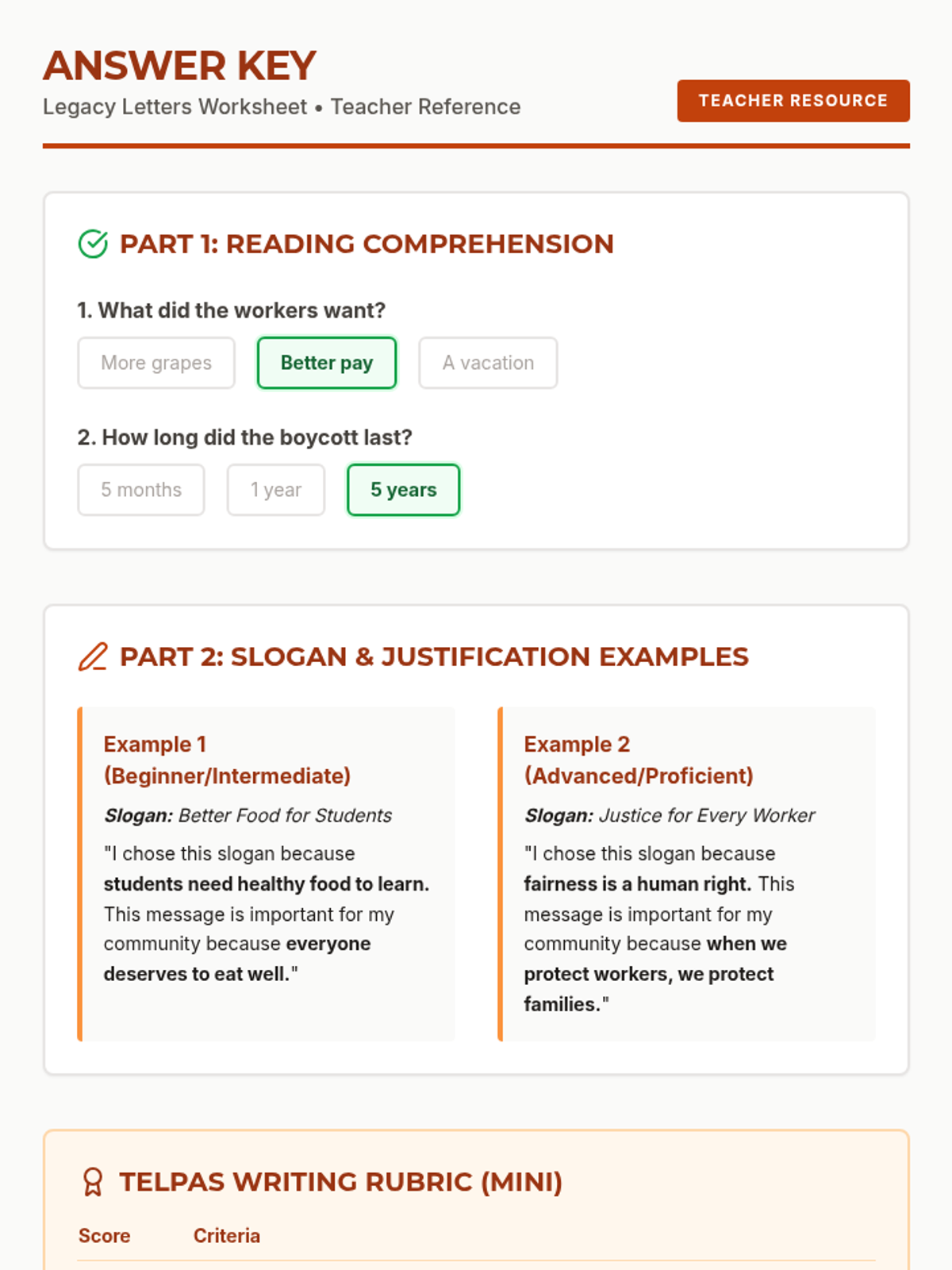
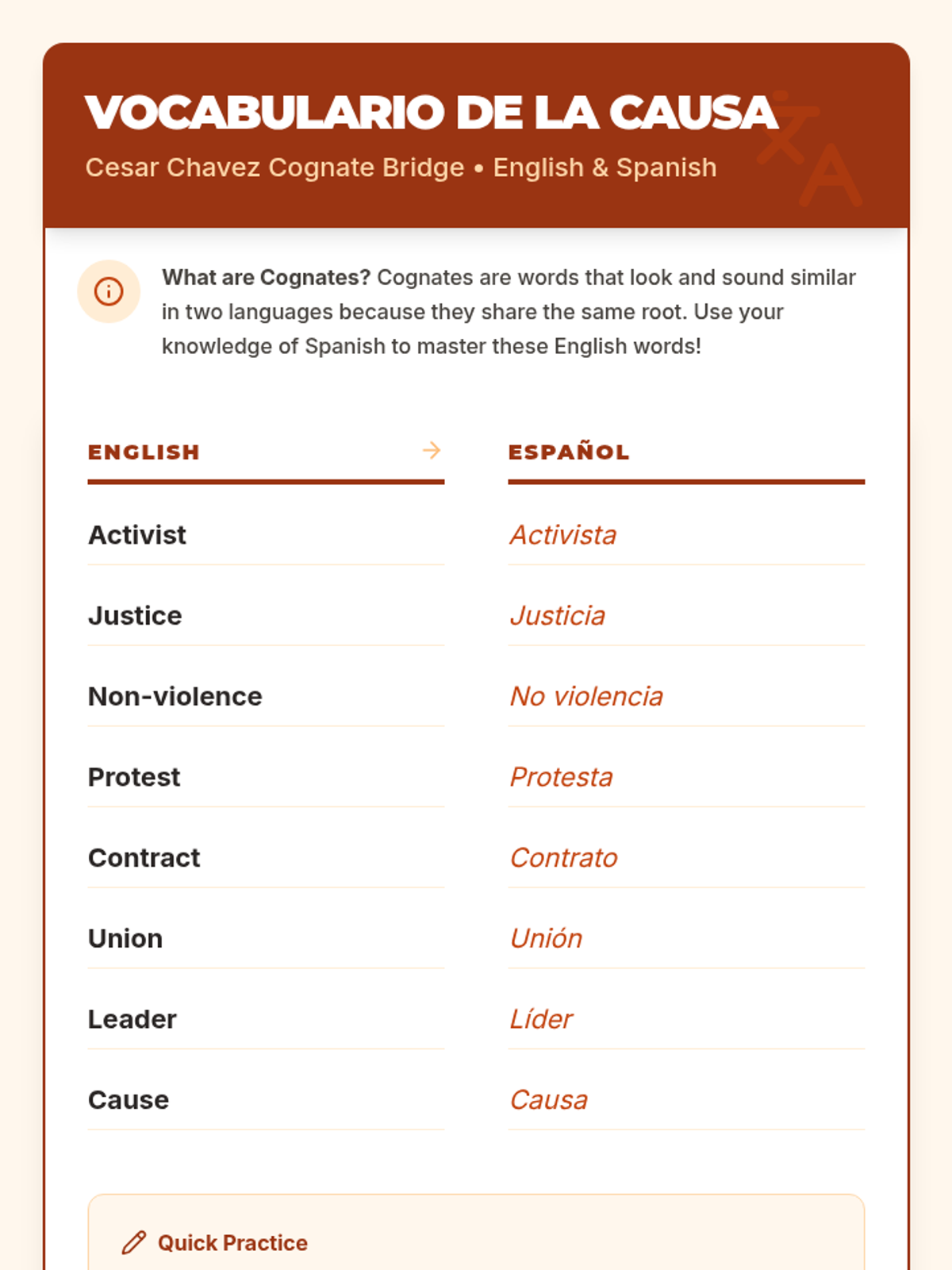
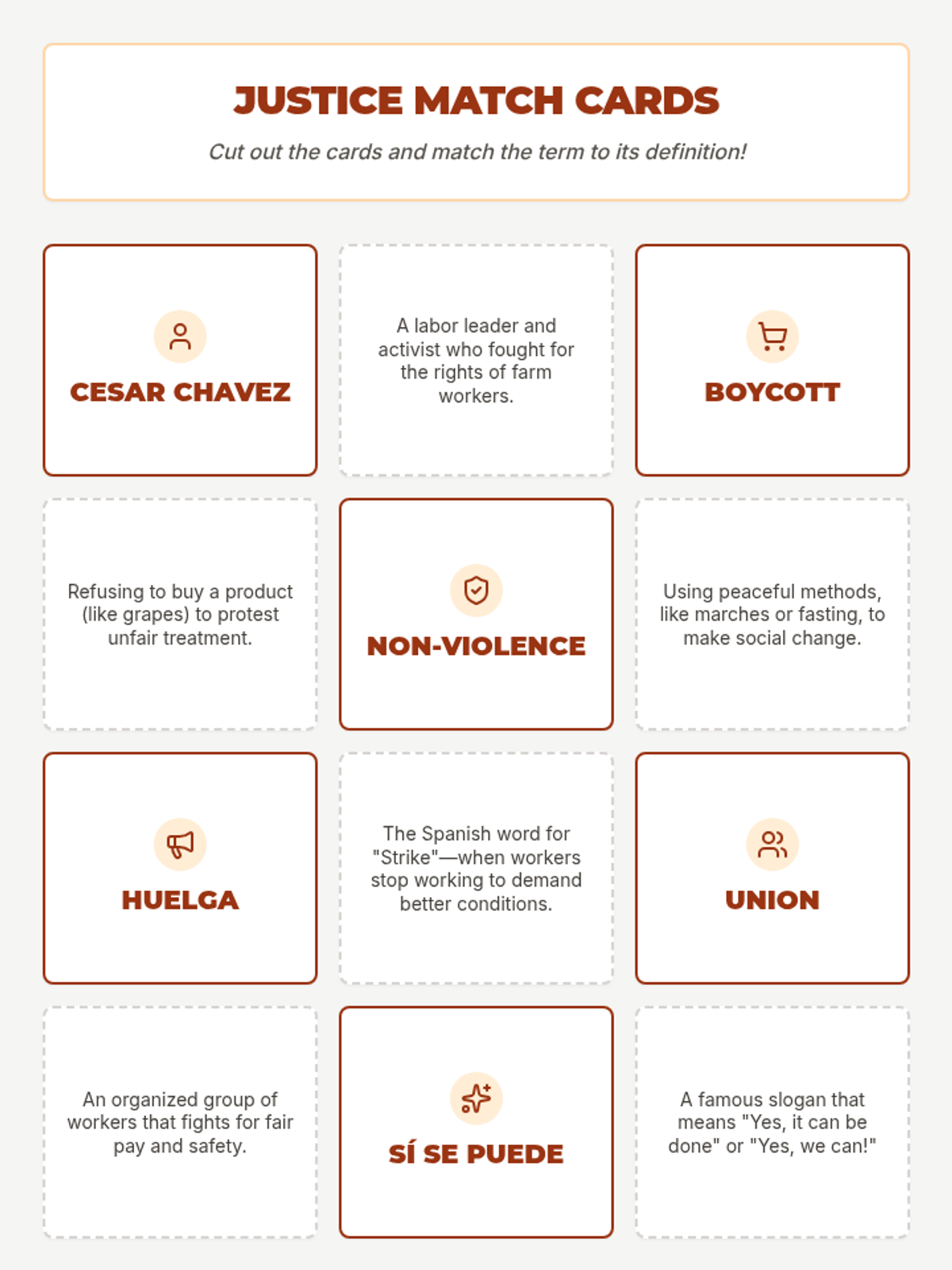
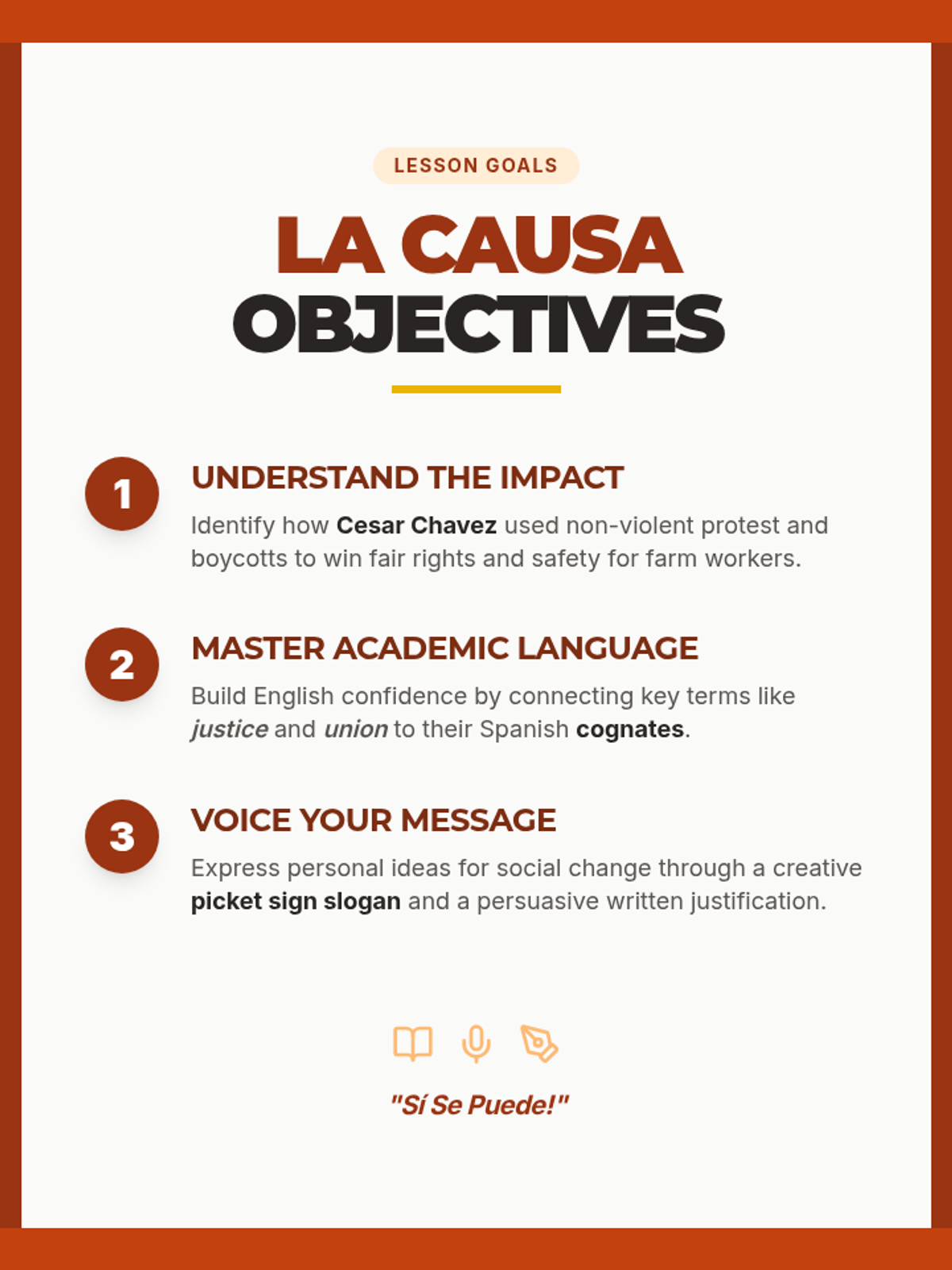
A specialized lesson sequence designed for 9th-grade English Language Learners to explore the life and legacy of Cesar Chavez through the four domains of language acquisition: Reading, Writing, Speaking, and Listening. The materials are aligned with TELPAS criteria and emphasize civil rights history and labor activism.
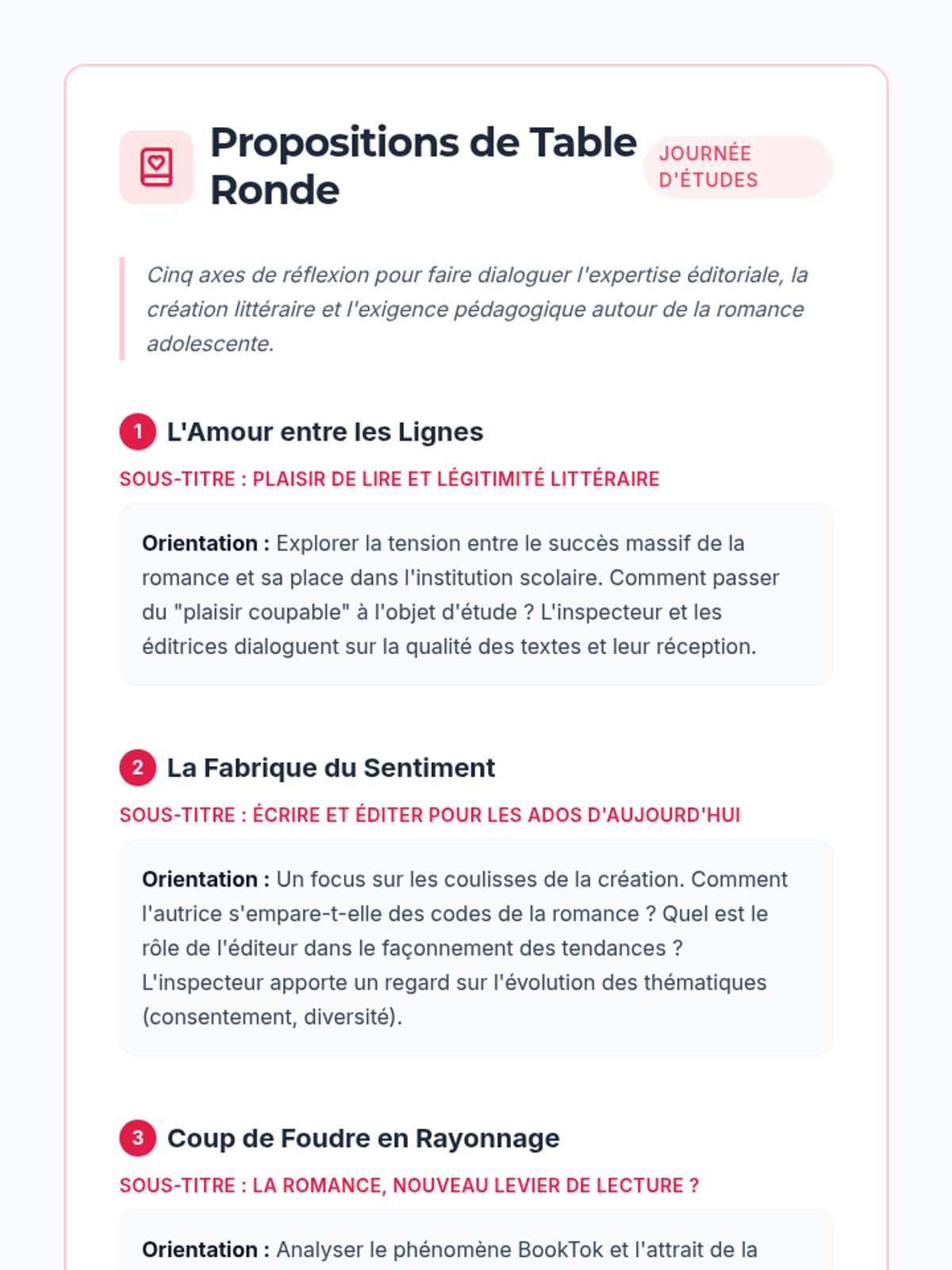
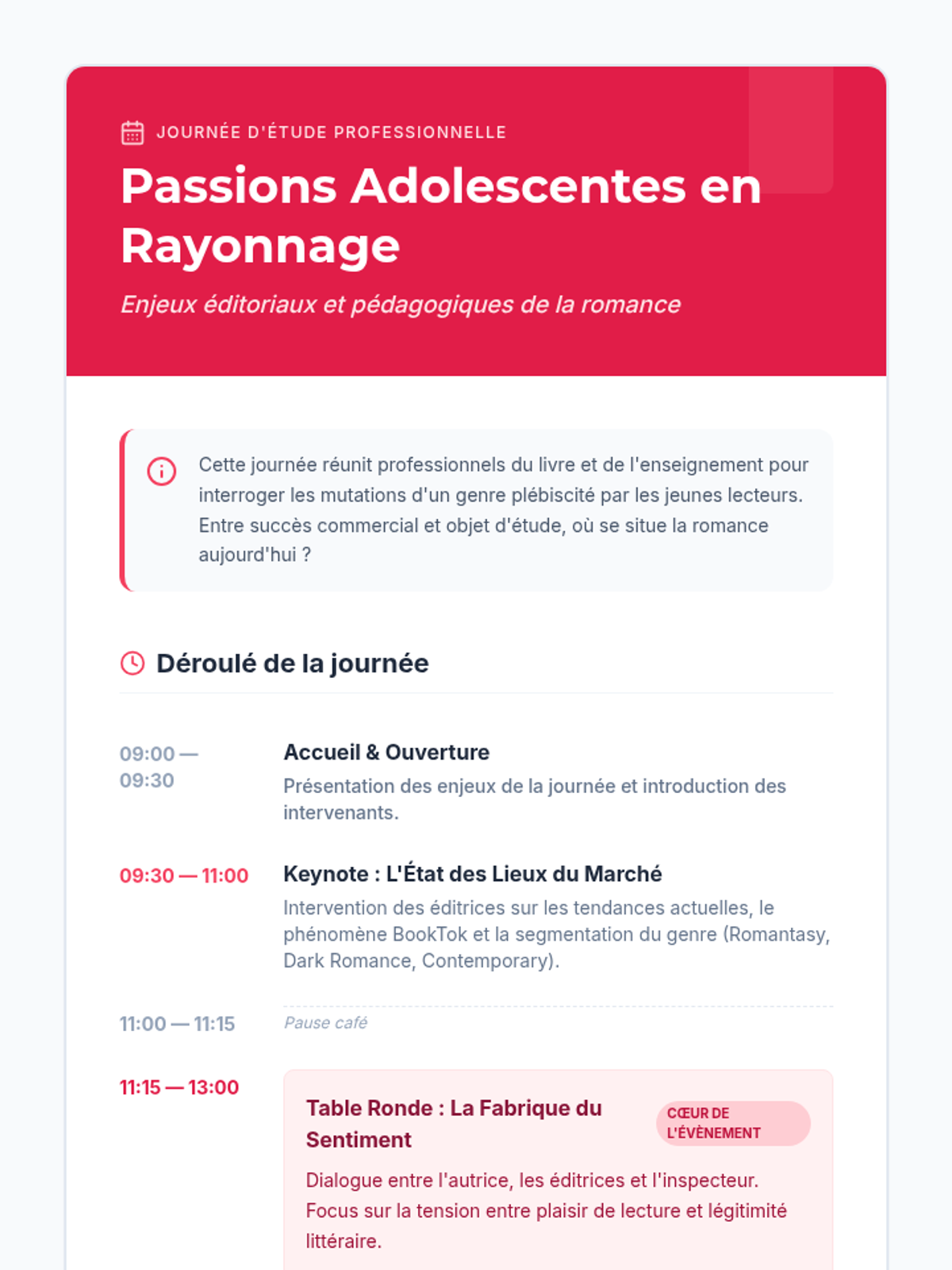
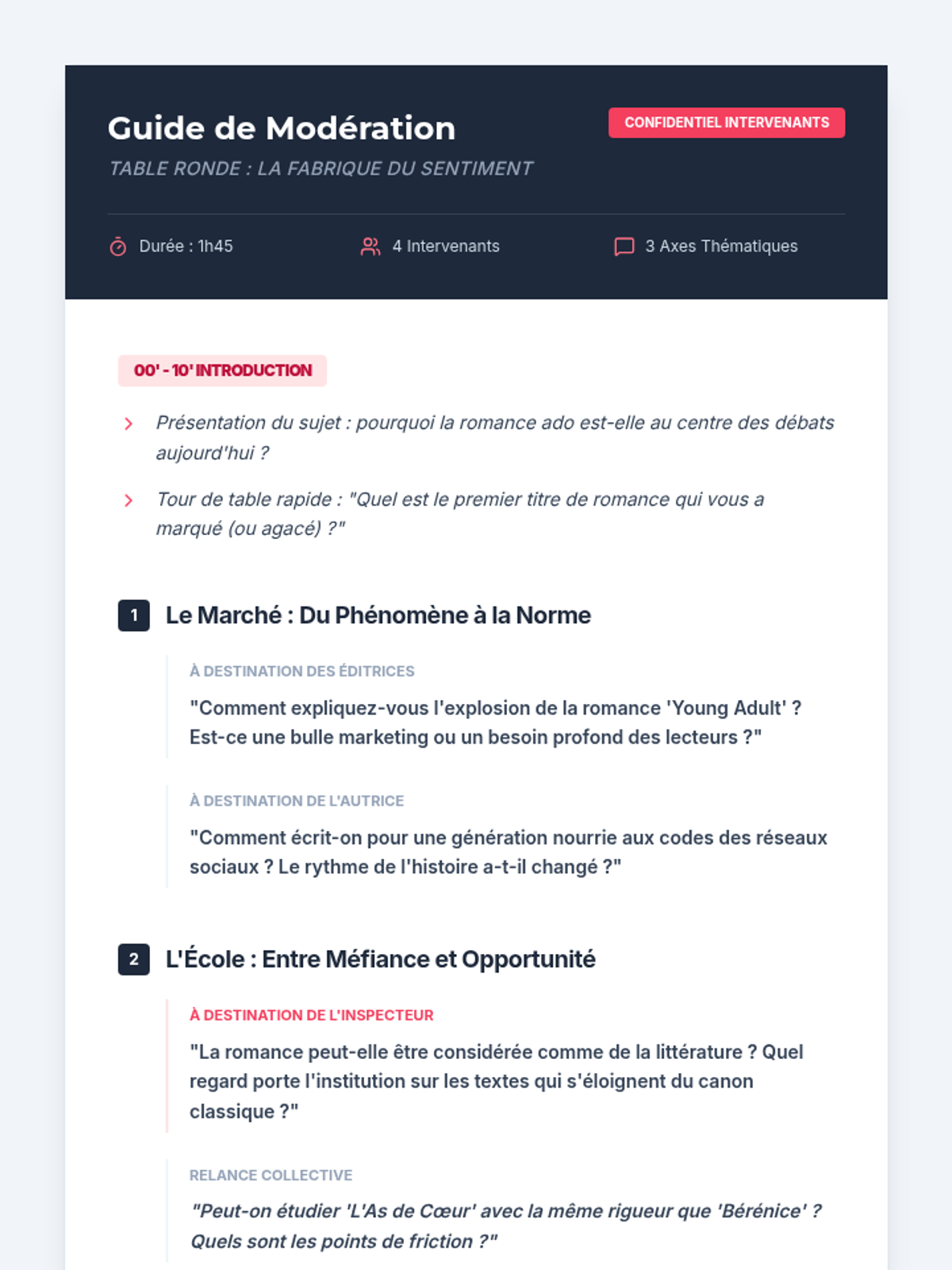
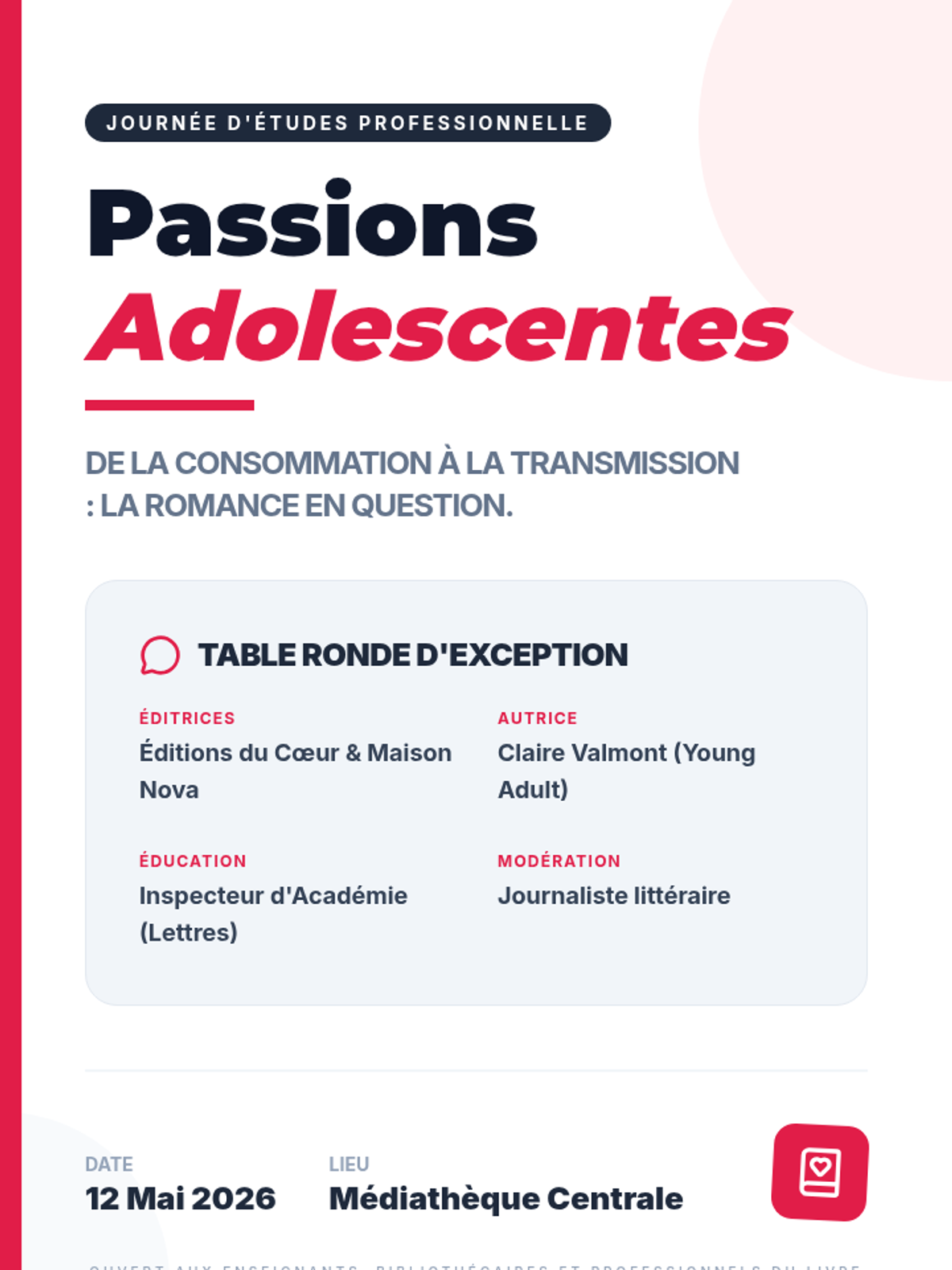
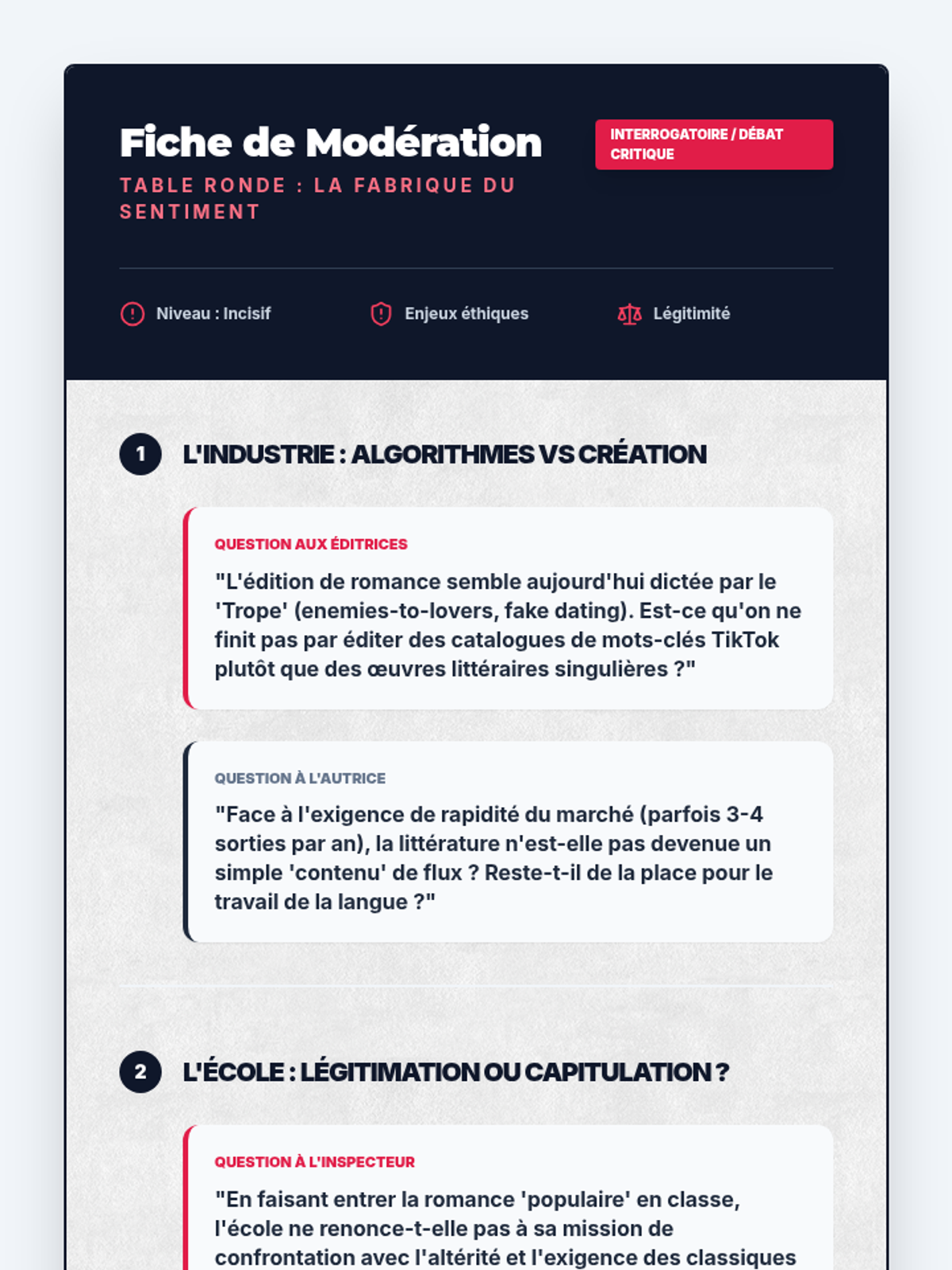
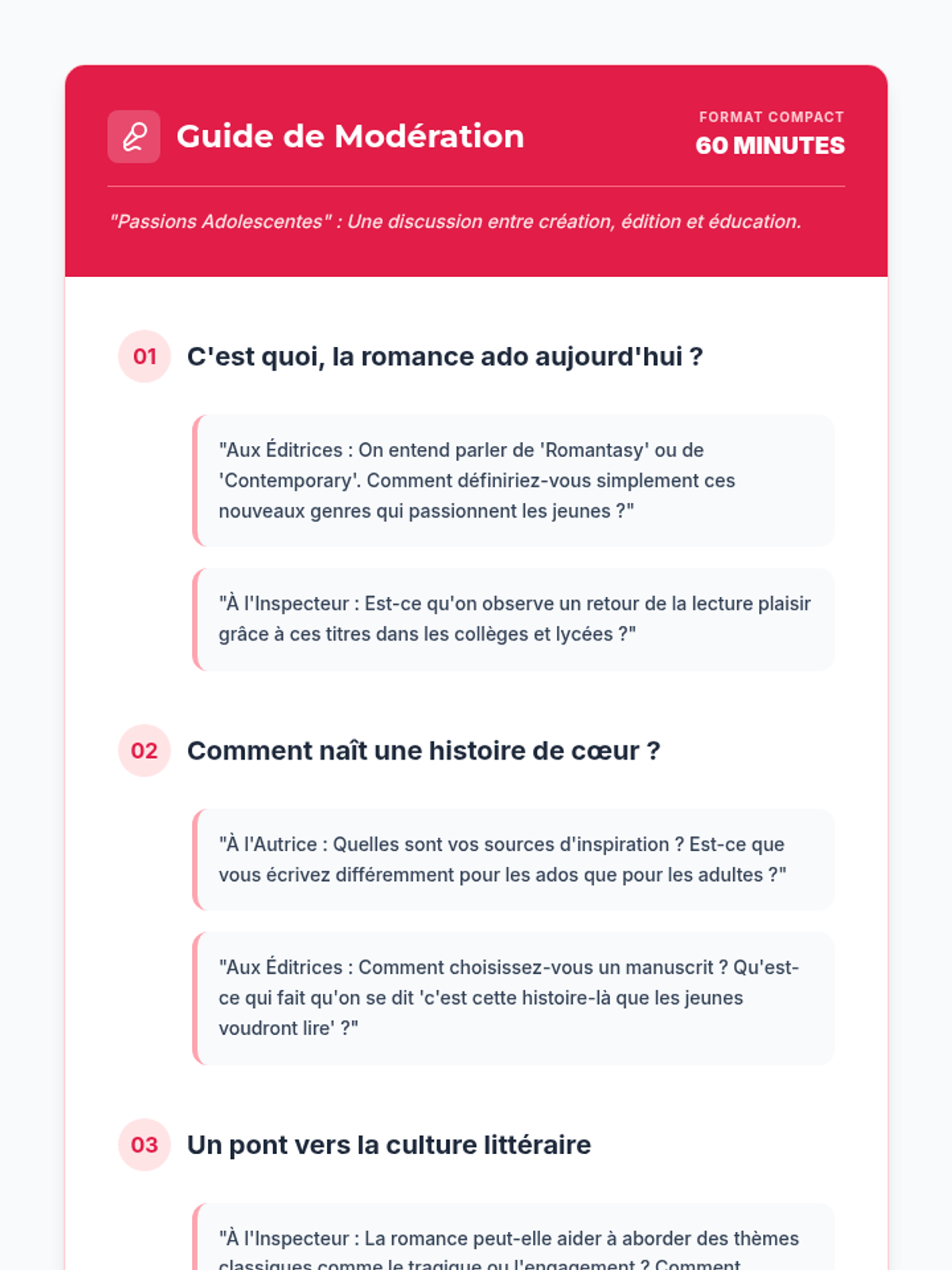
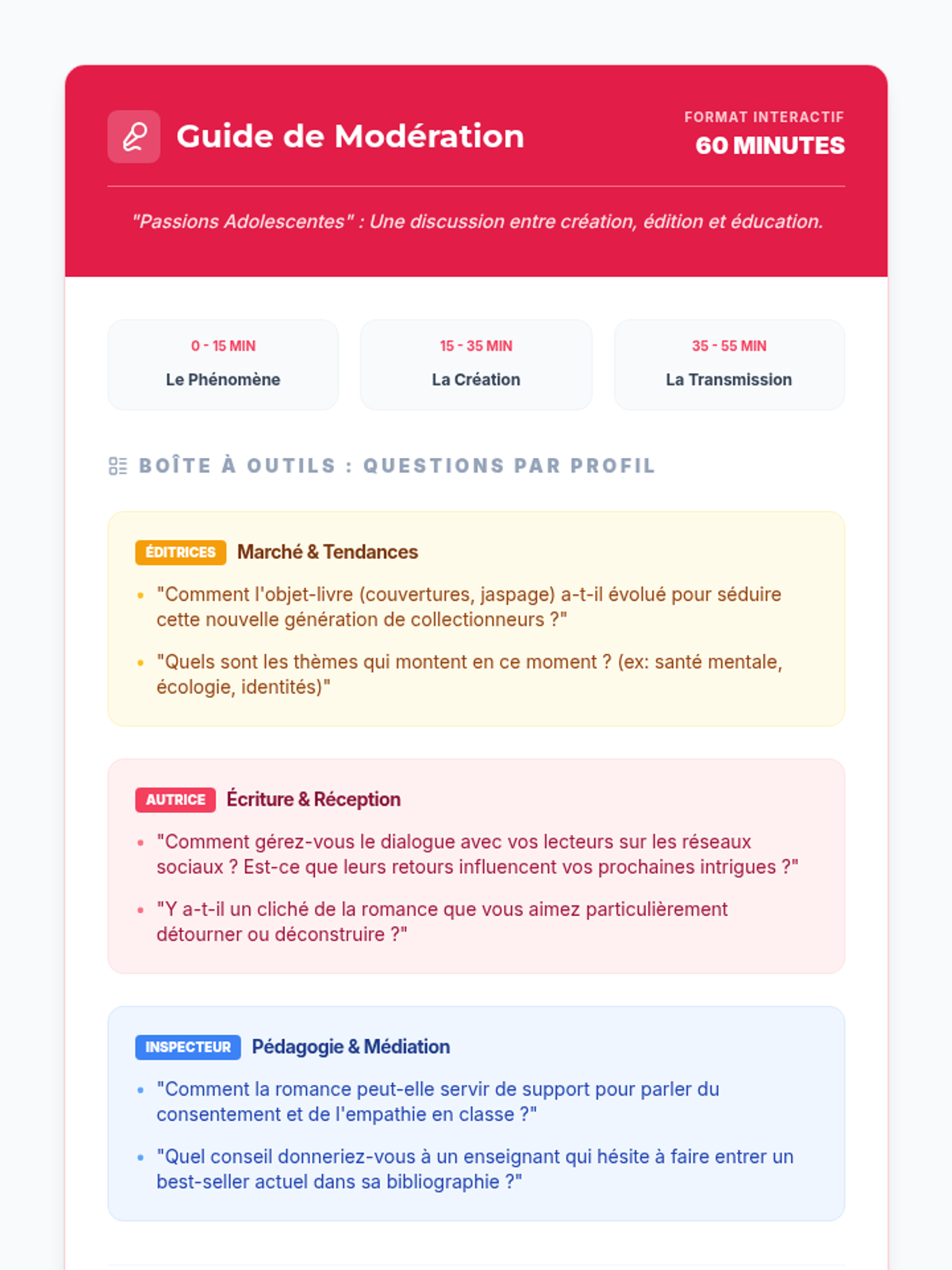
Une série de ressources pour organiser et promouvoir une table ronde sur la littérature romance pour adolescents, incluant programme, guide de discussion et supports de communication.
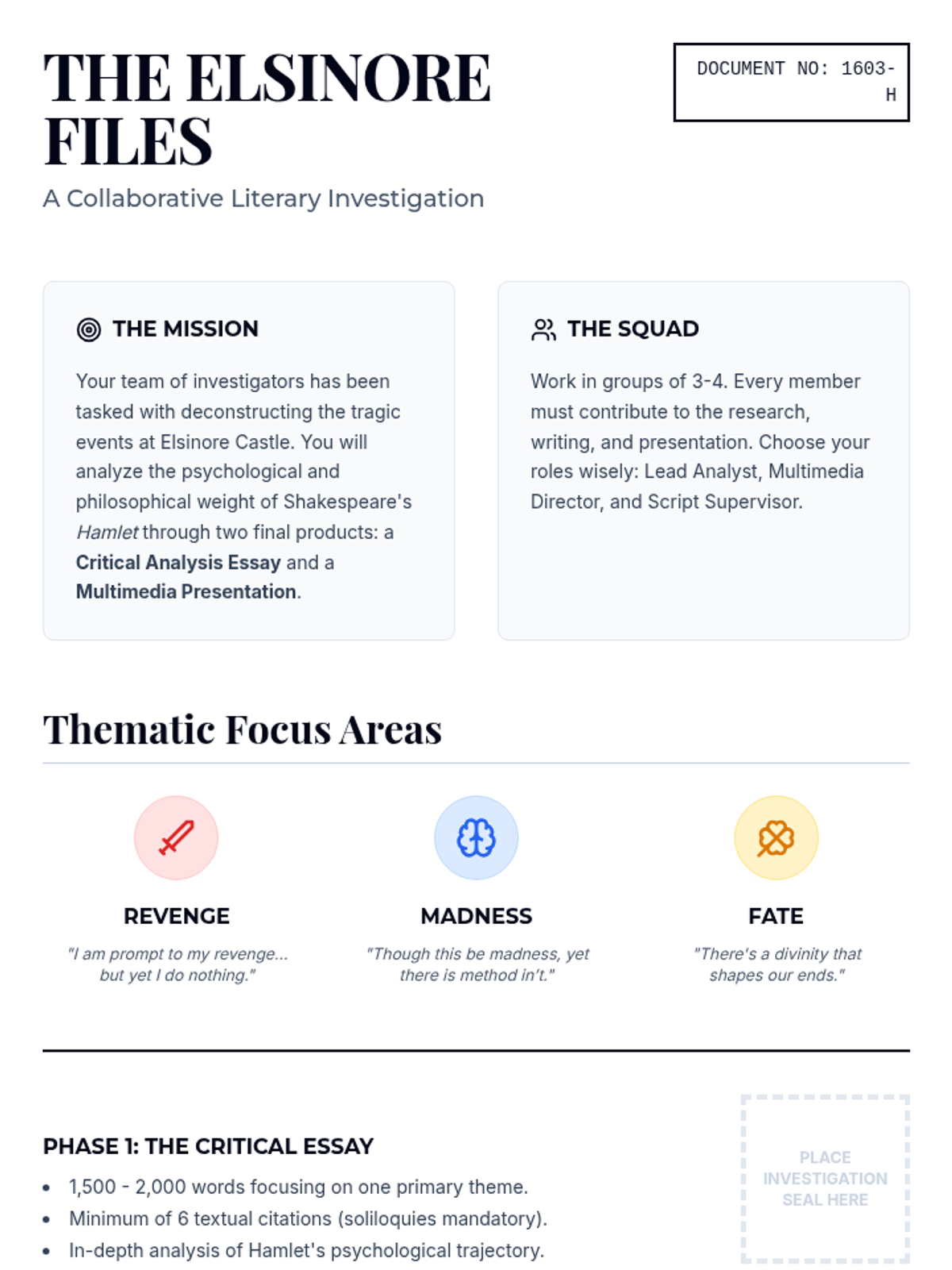
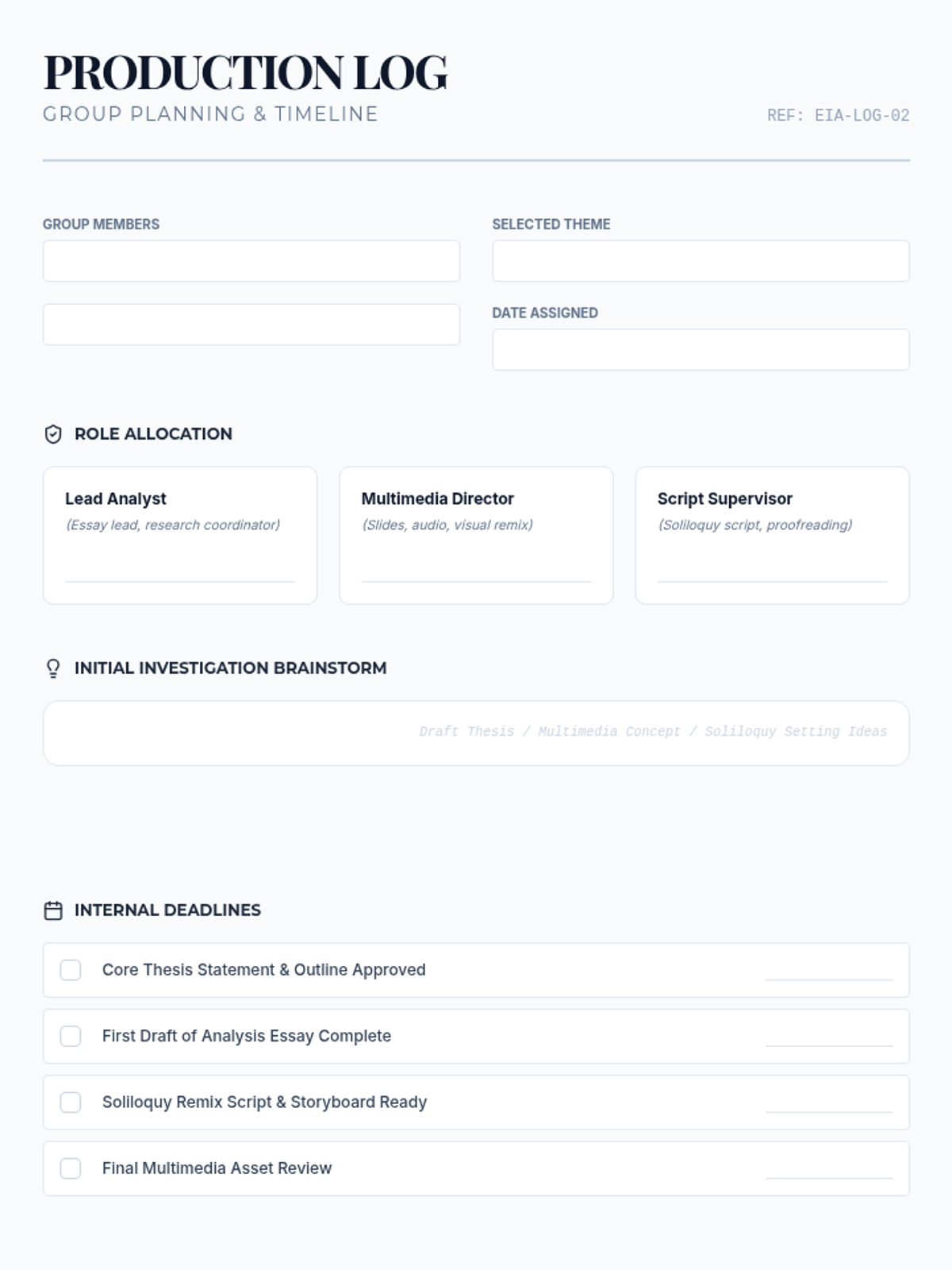
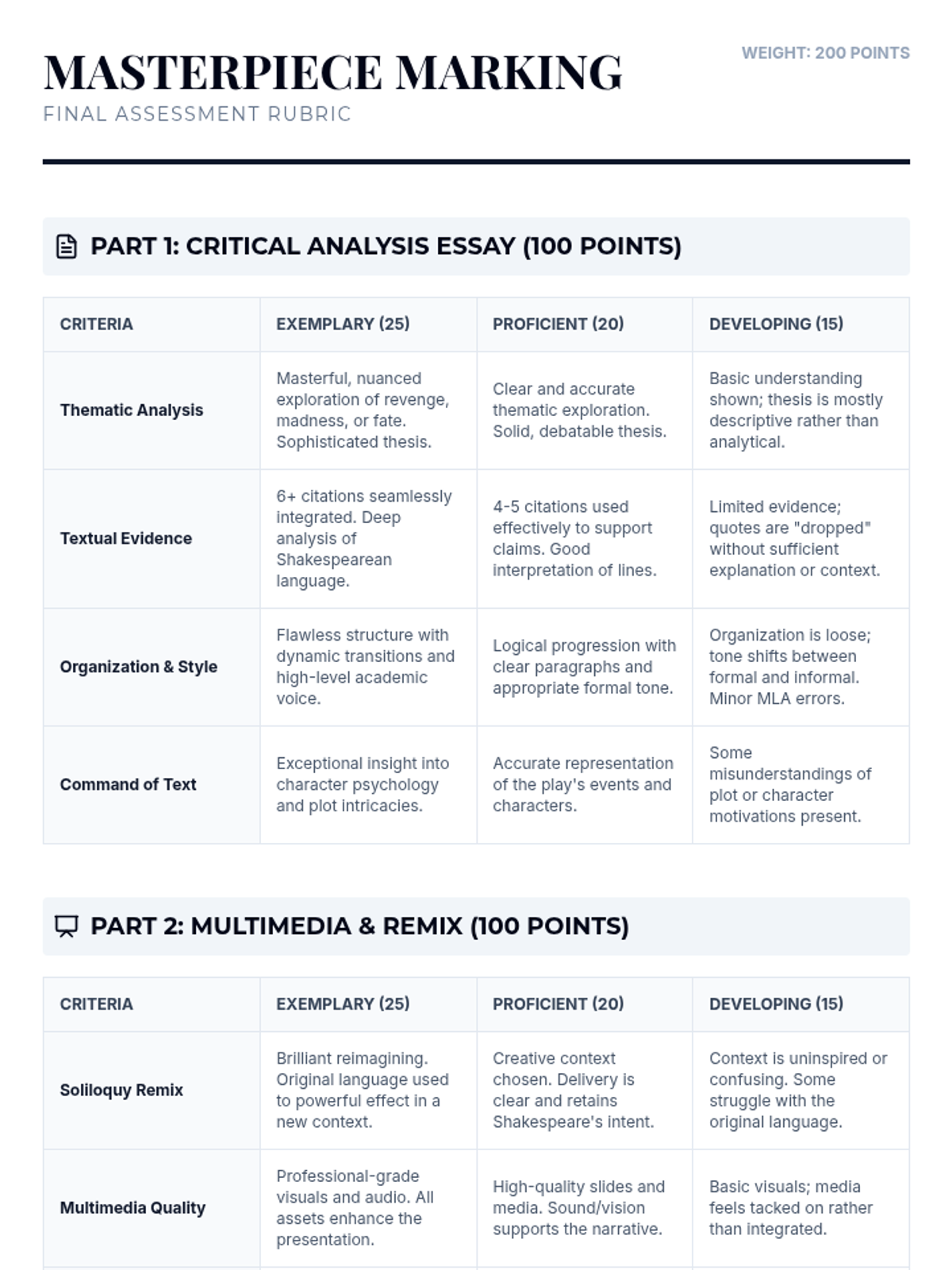
A collaborative project sequence focusing on the themes of revenge, madness, and fate in Shakespeare's Hamlet, culminating in a critical essay and multimedia presentation.
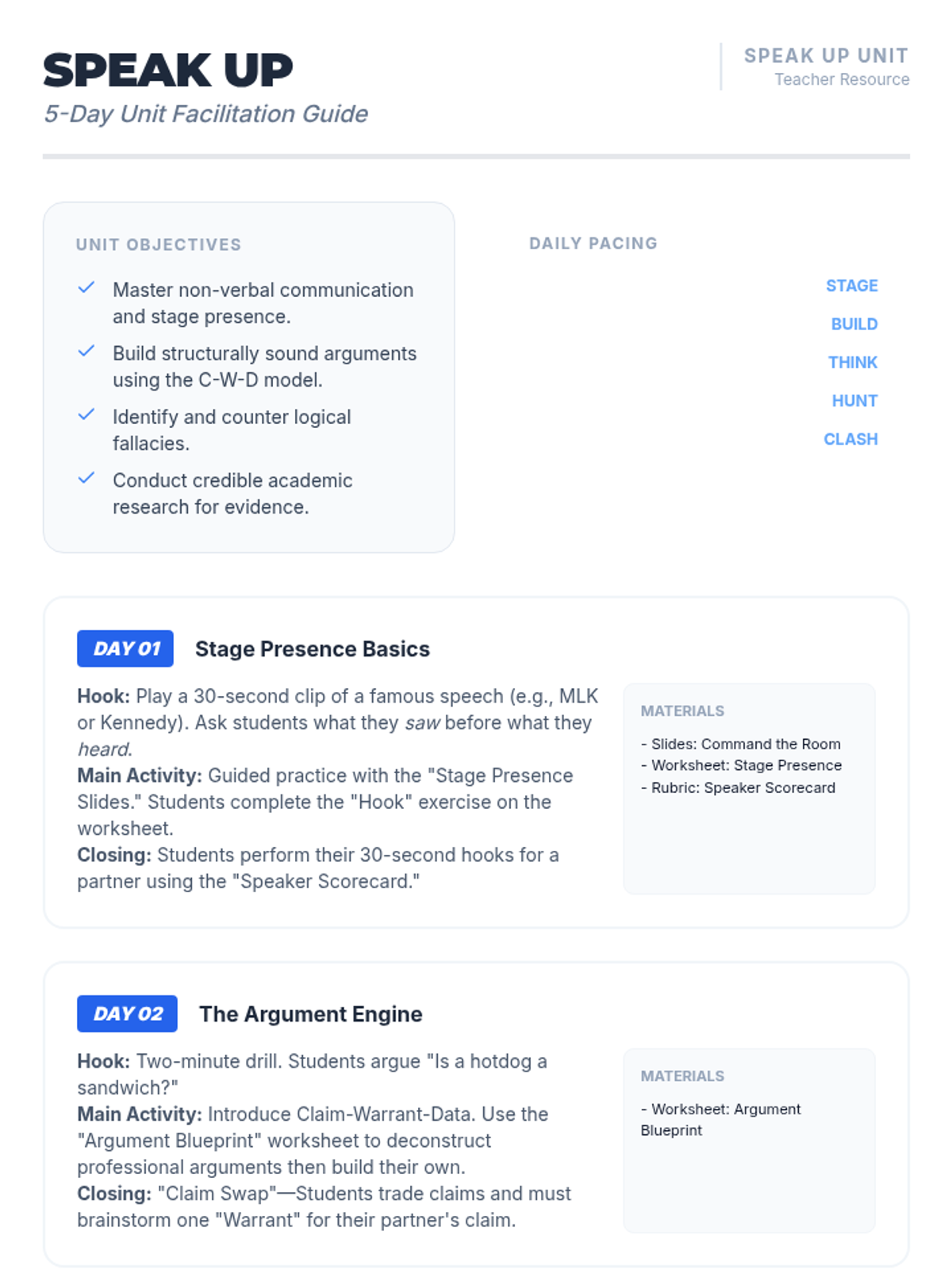
A comprehensive 5-day introductory unit on speech and debate, covering public speaking, argumentation, logic, research, and competitive formats.
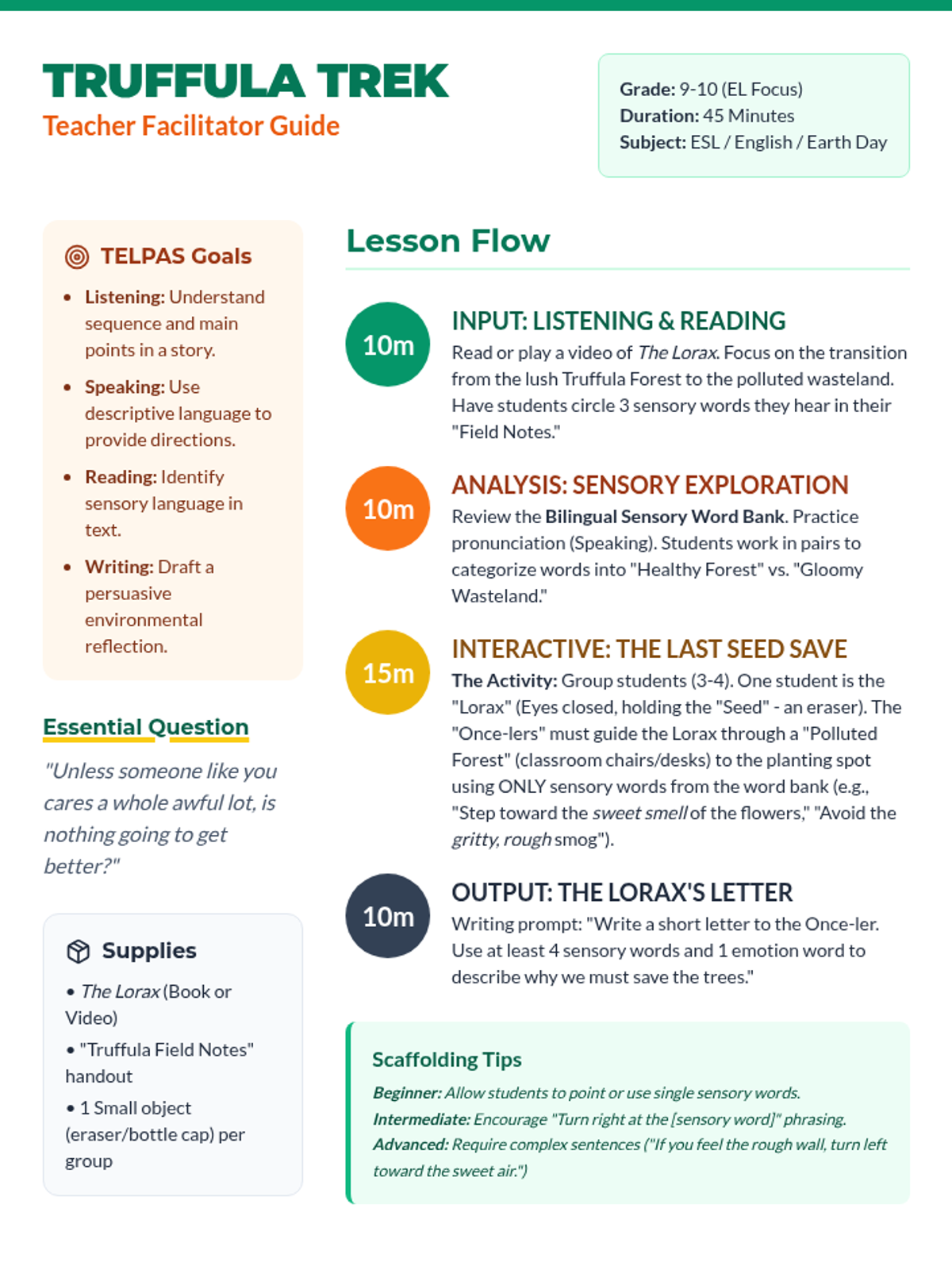
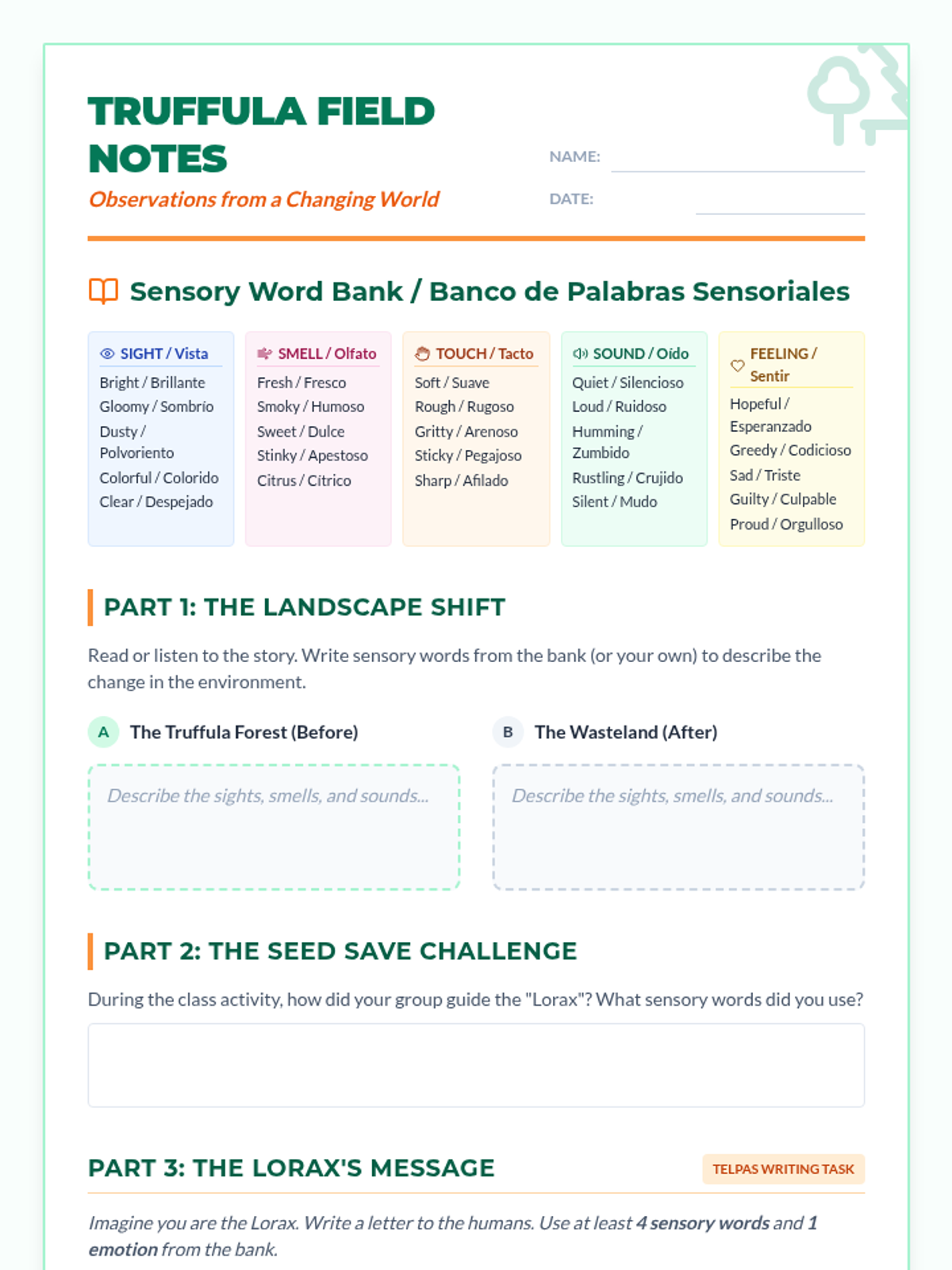
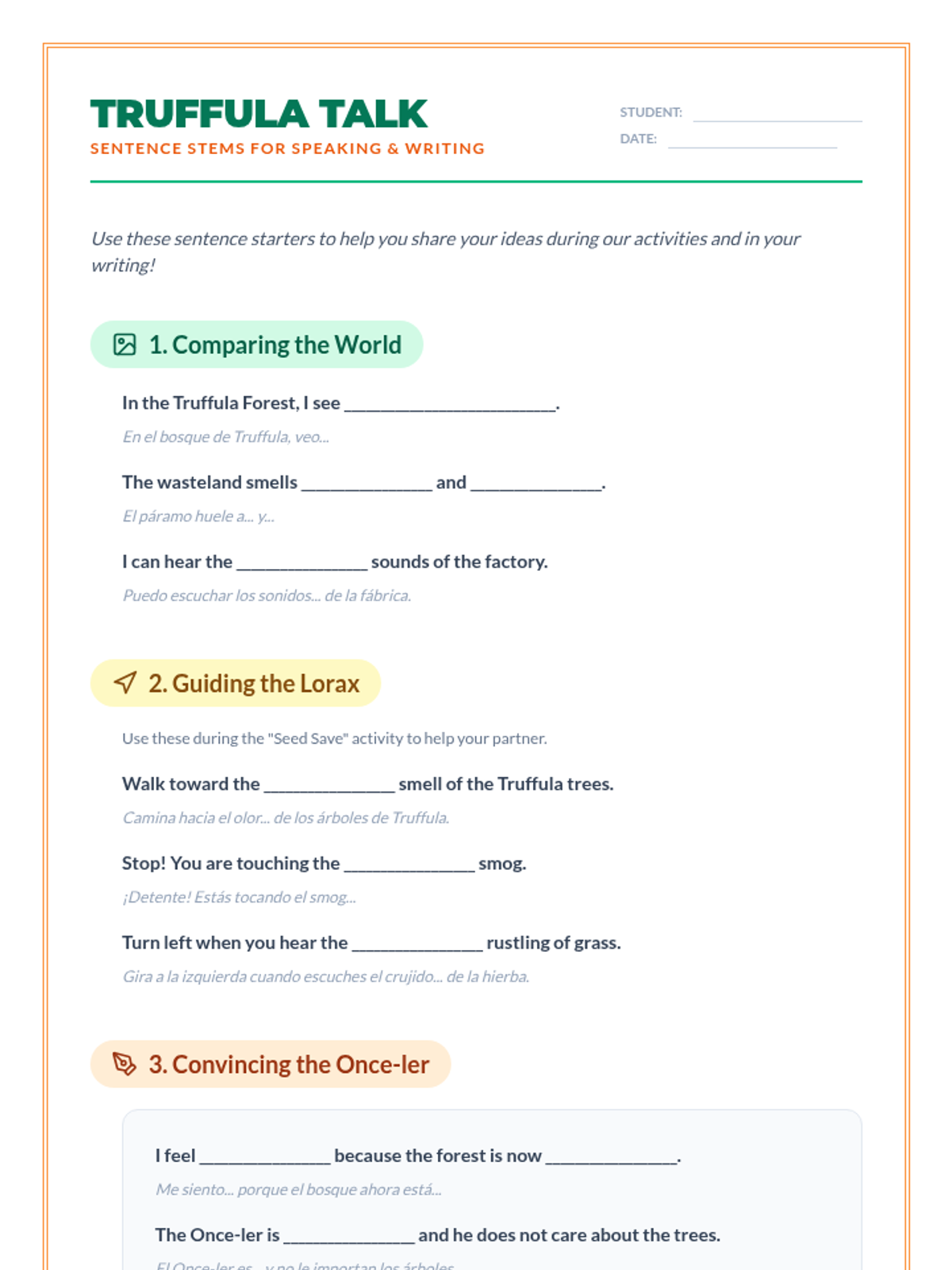
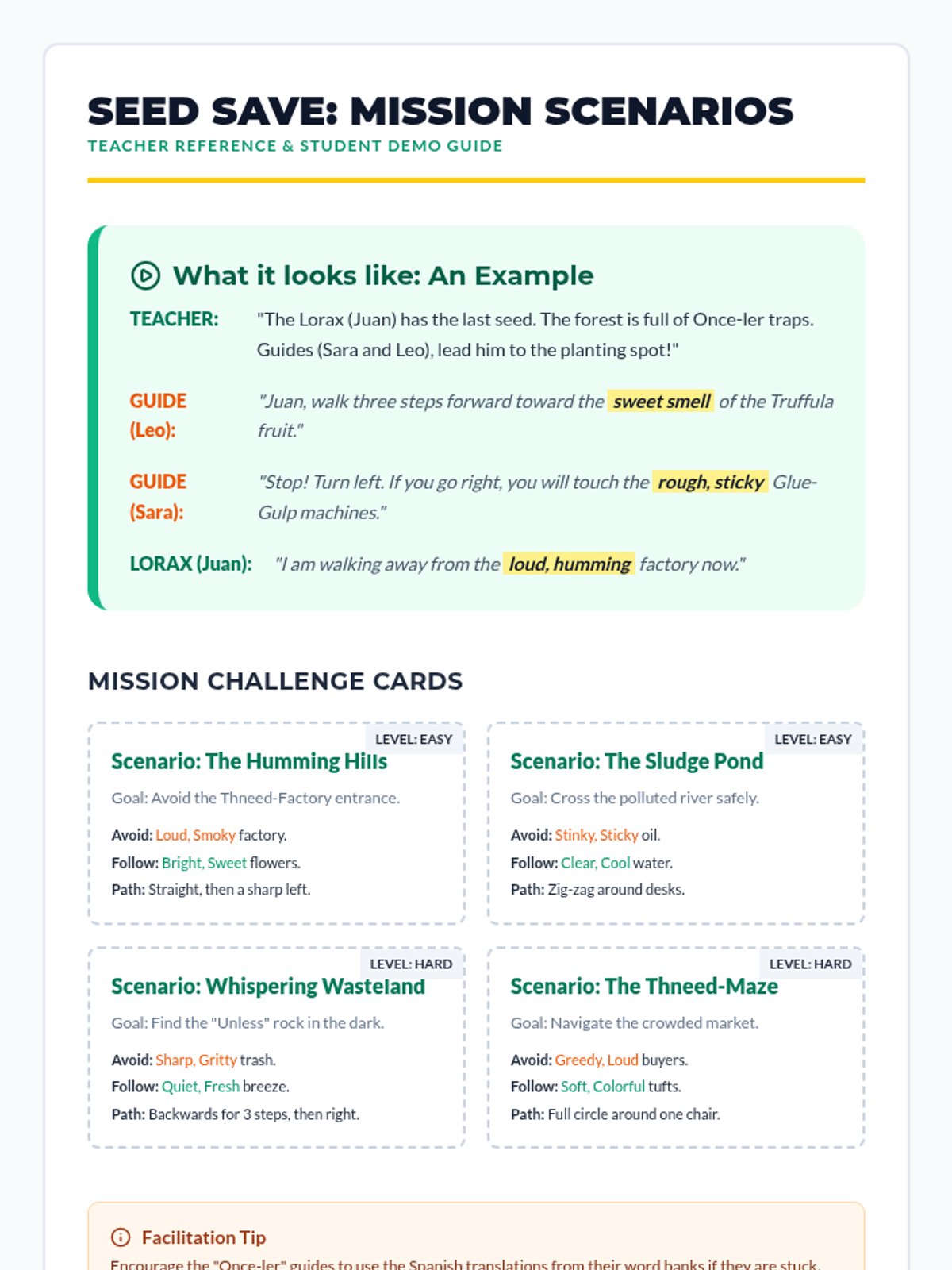
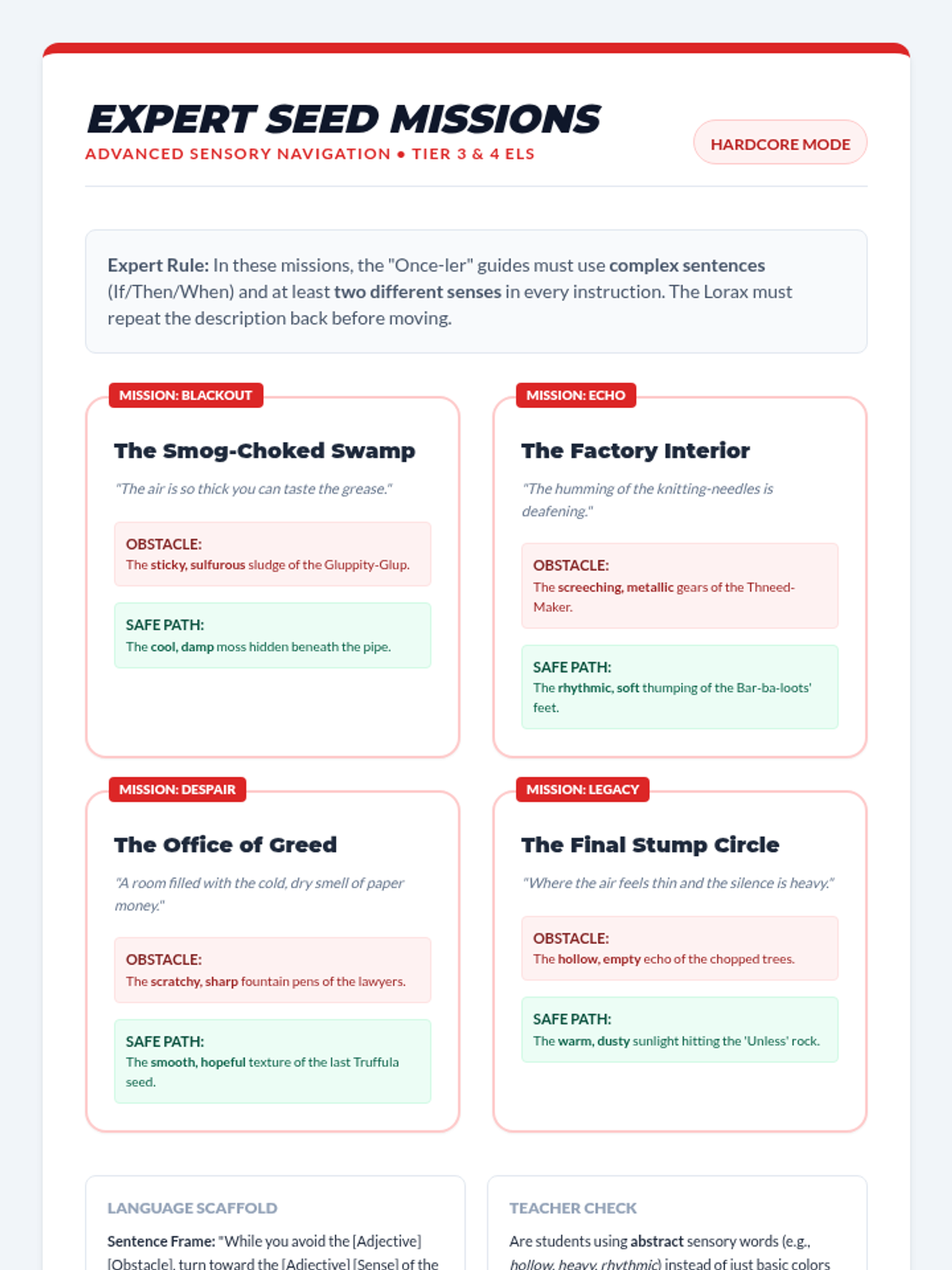
A comprehensive Earth Day lesson for 9th-10th grade ELs based on The Lorax, focusing on TELPAS domains: listening, speaking, reading, and writing through sensory language.
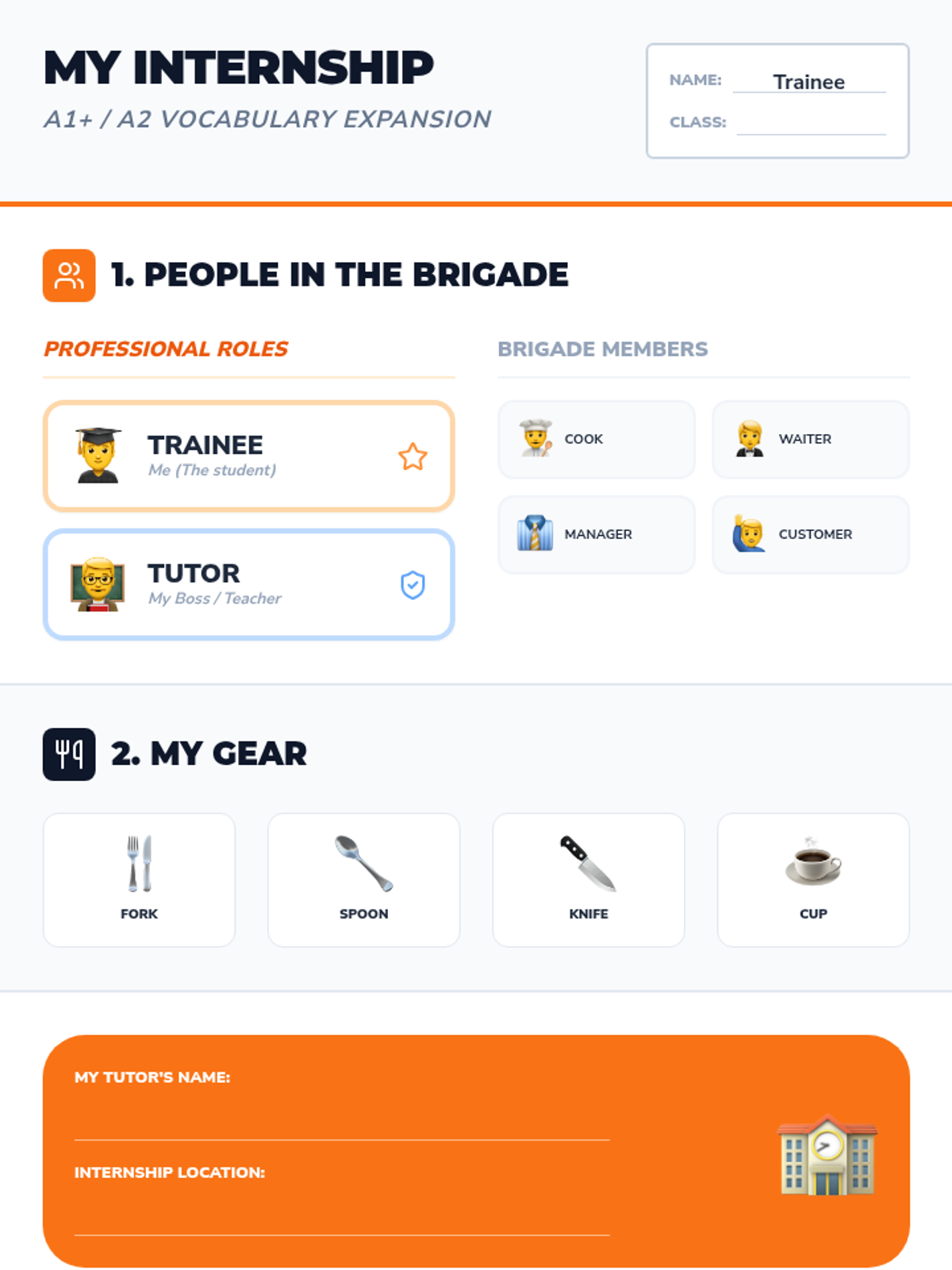
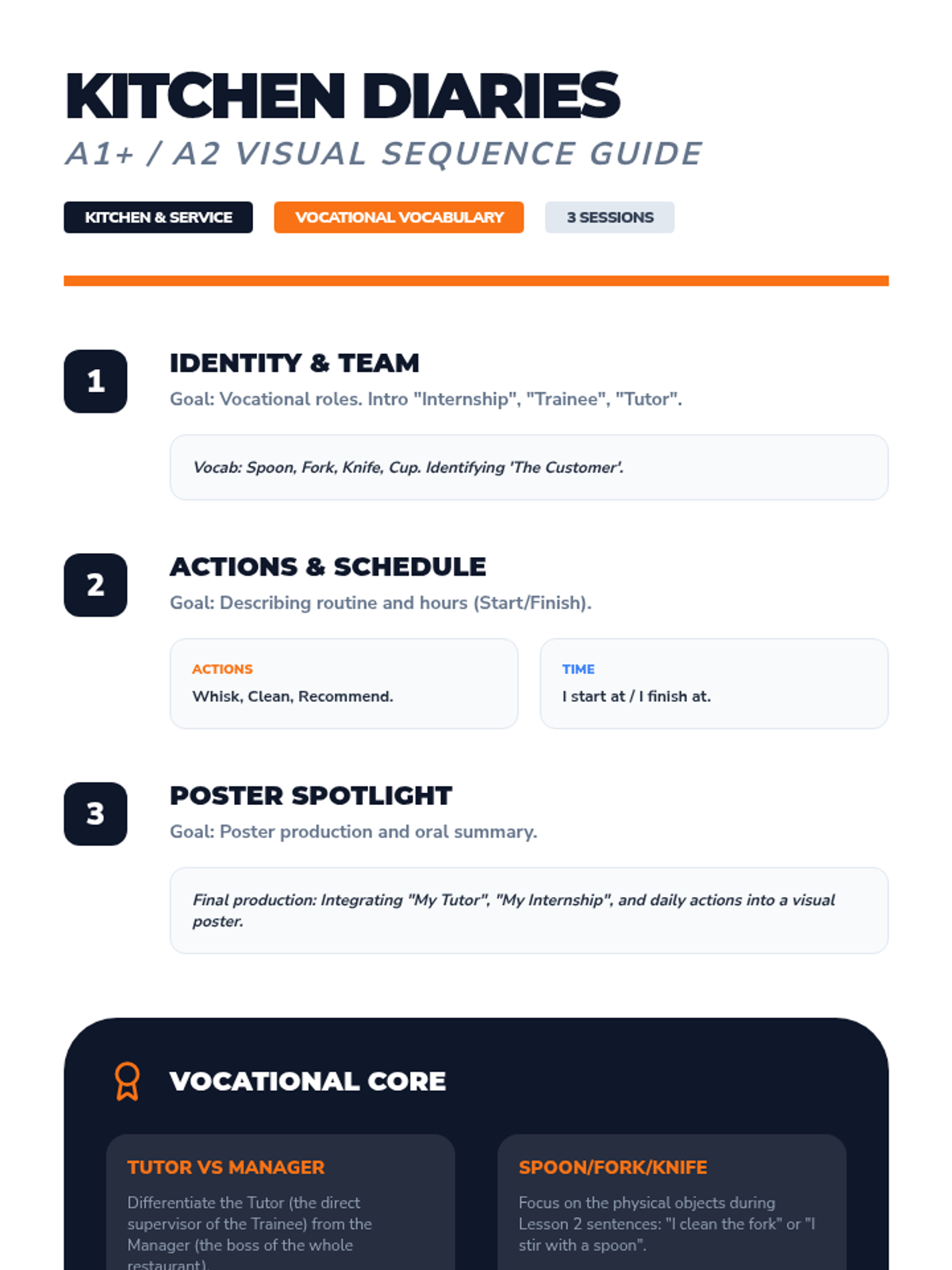
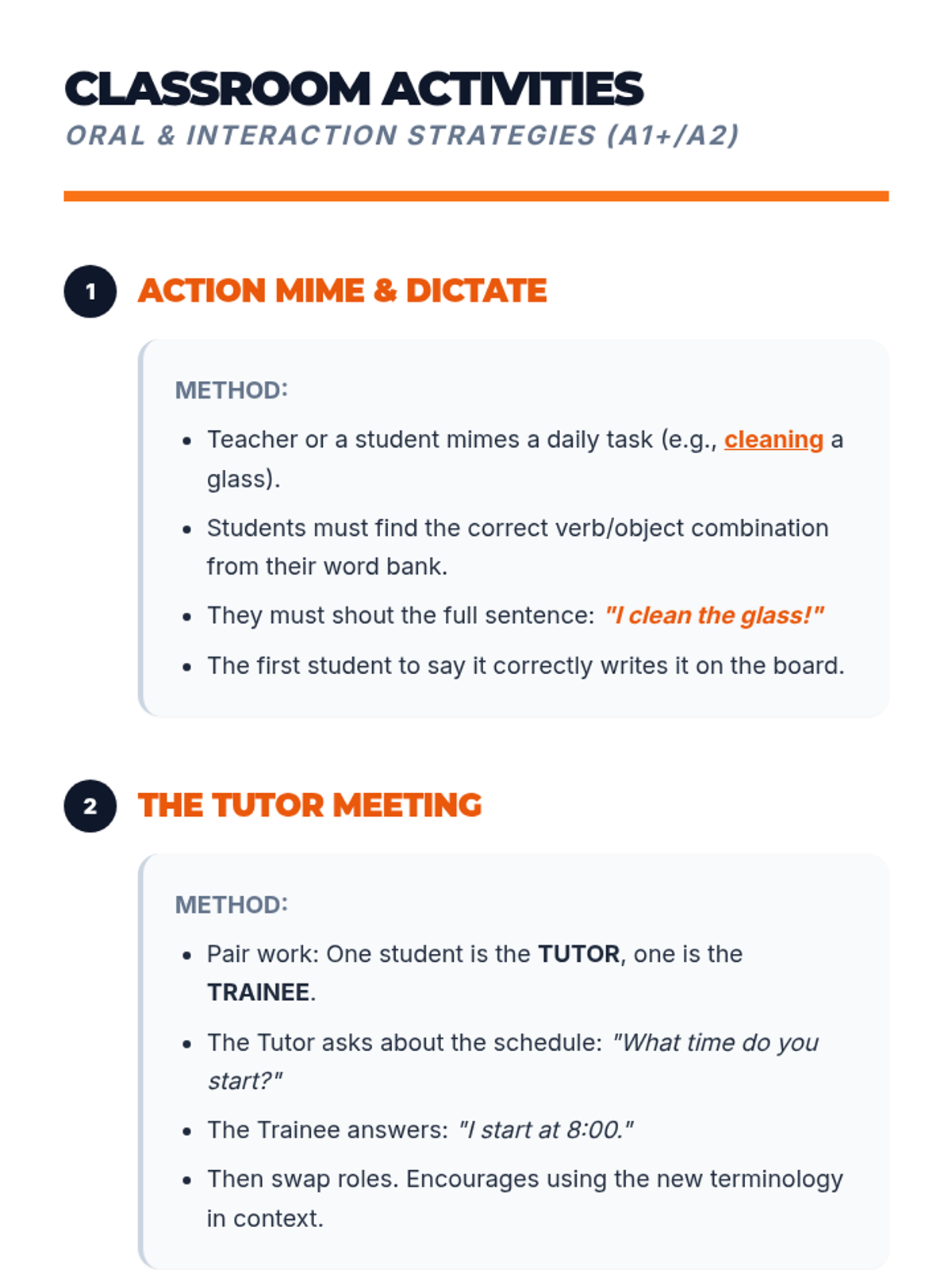
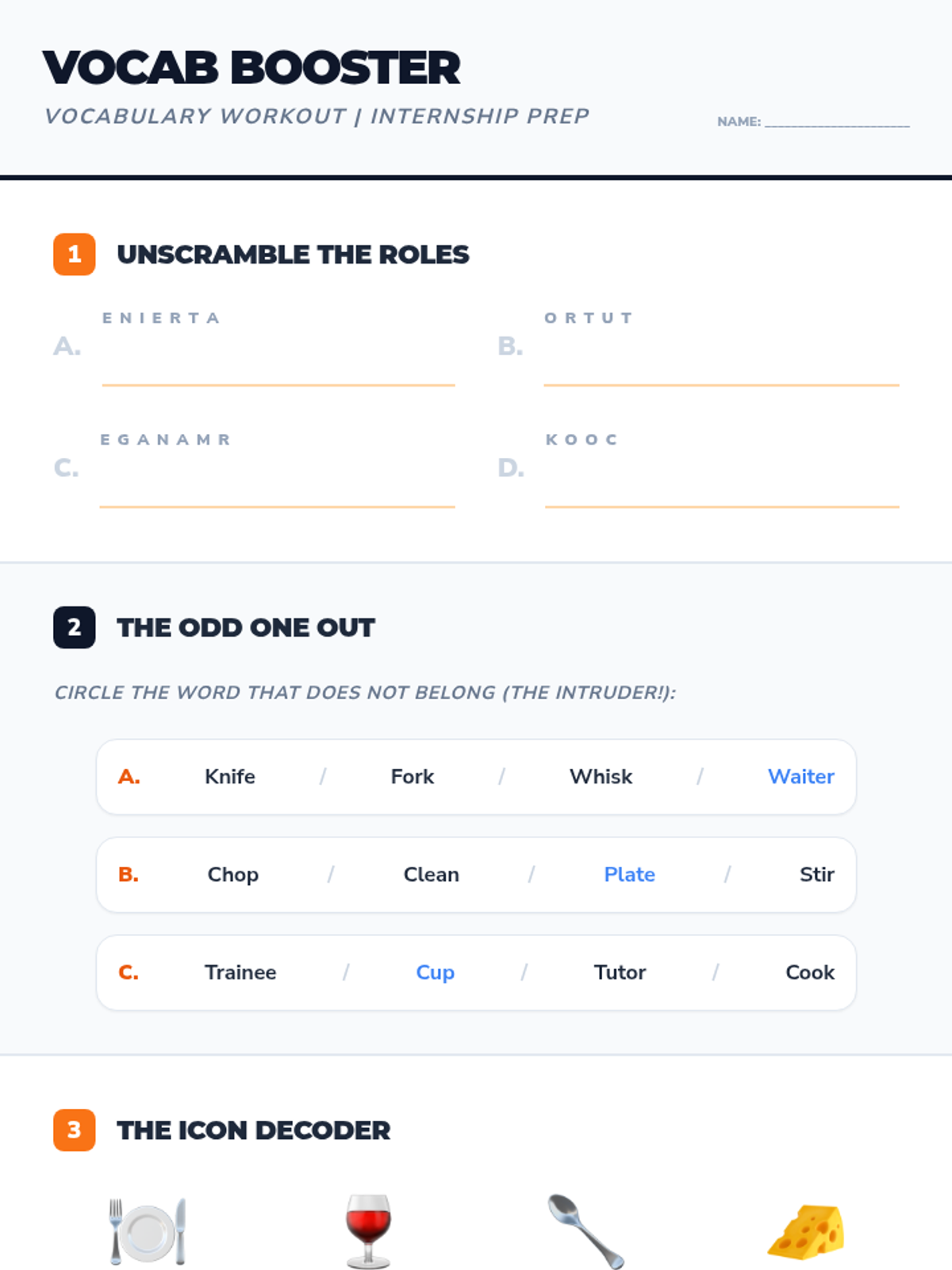
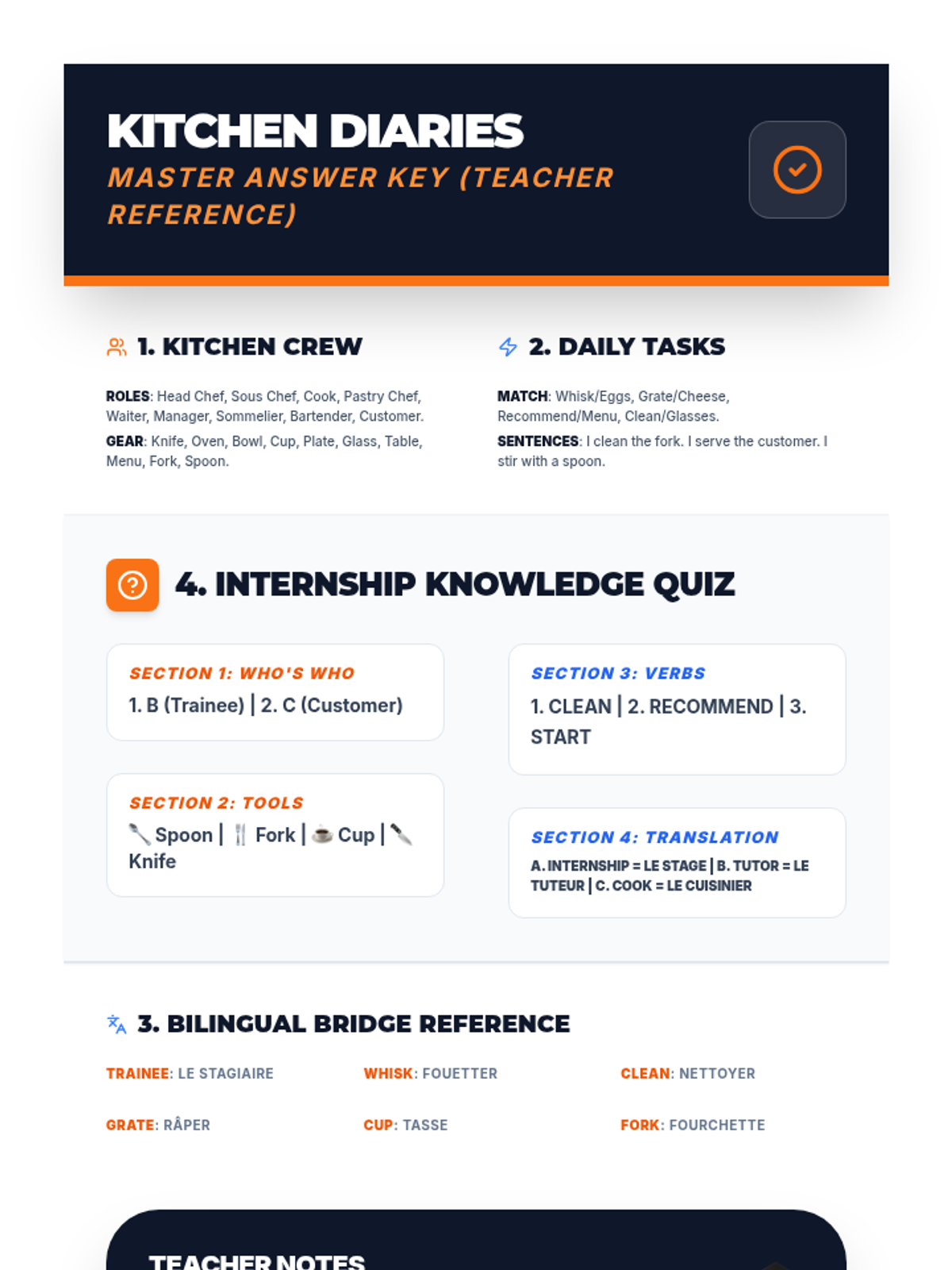
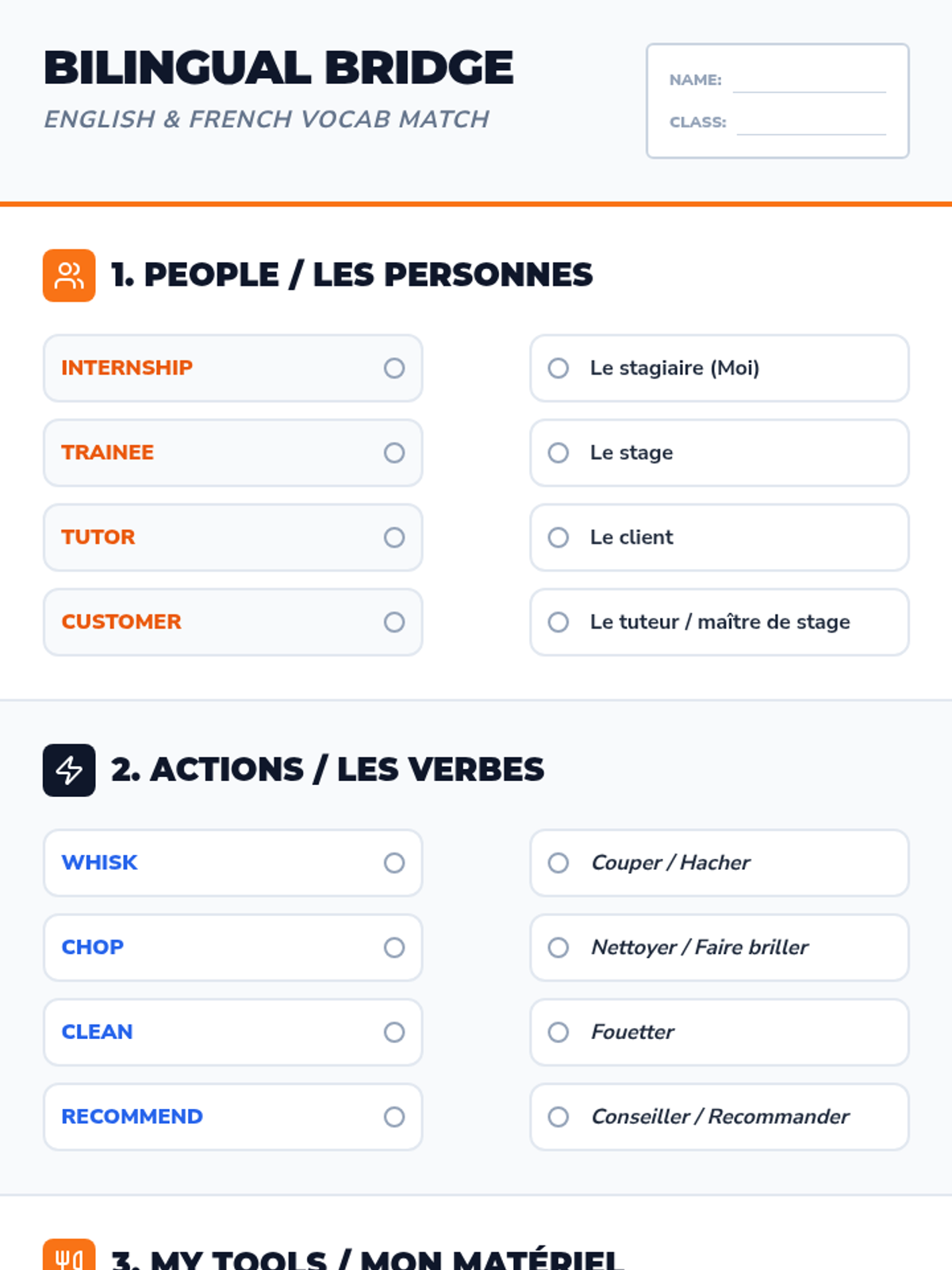
A 3-session English sequence for CAP Cuisine/Restaurant students returning from their internship, focusing on describing roles and daily tasks in a professional kitchen or dining room.
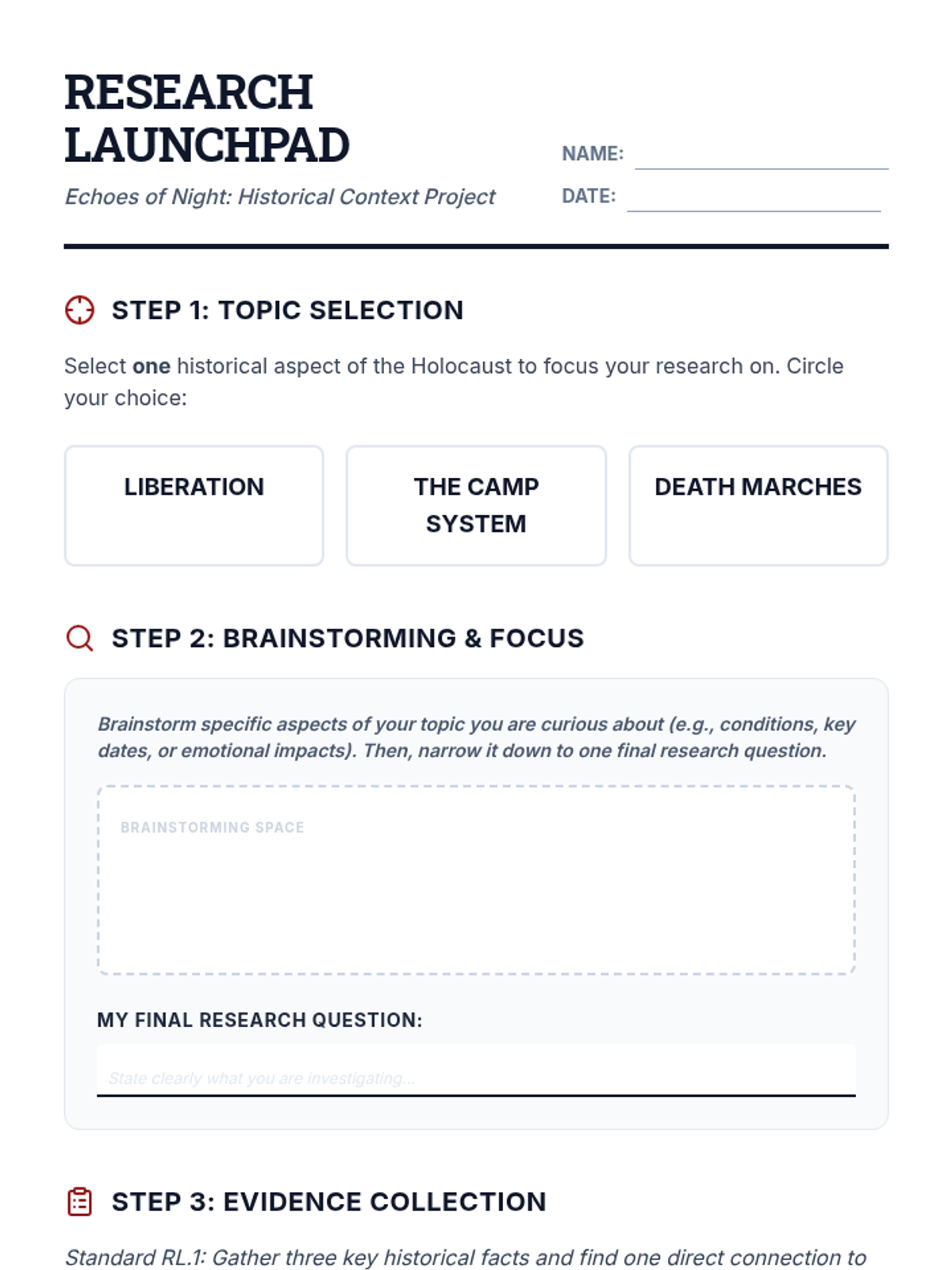
A 3-day research unit focused on the historical context of Night by Elie Wiesel, specifically covering liberation, concentration camps, and death marches, concluding with student presentations.
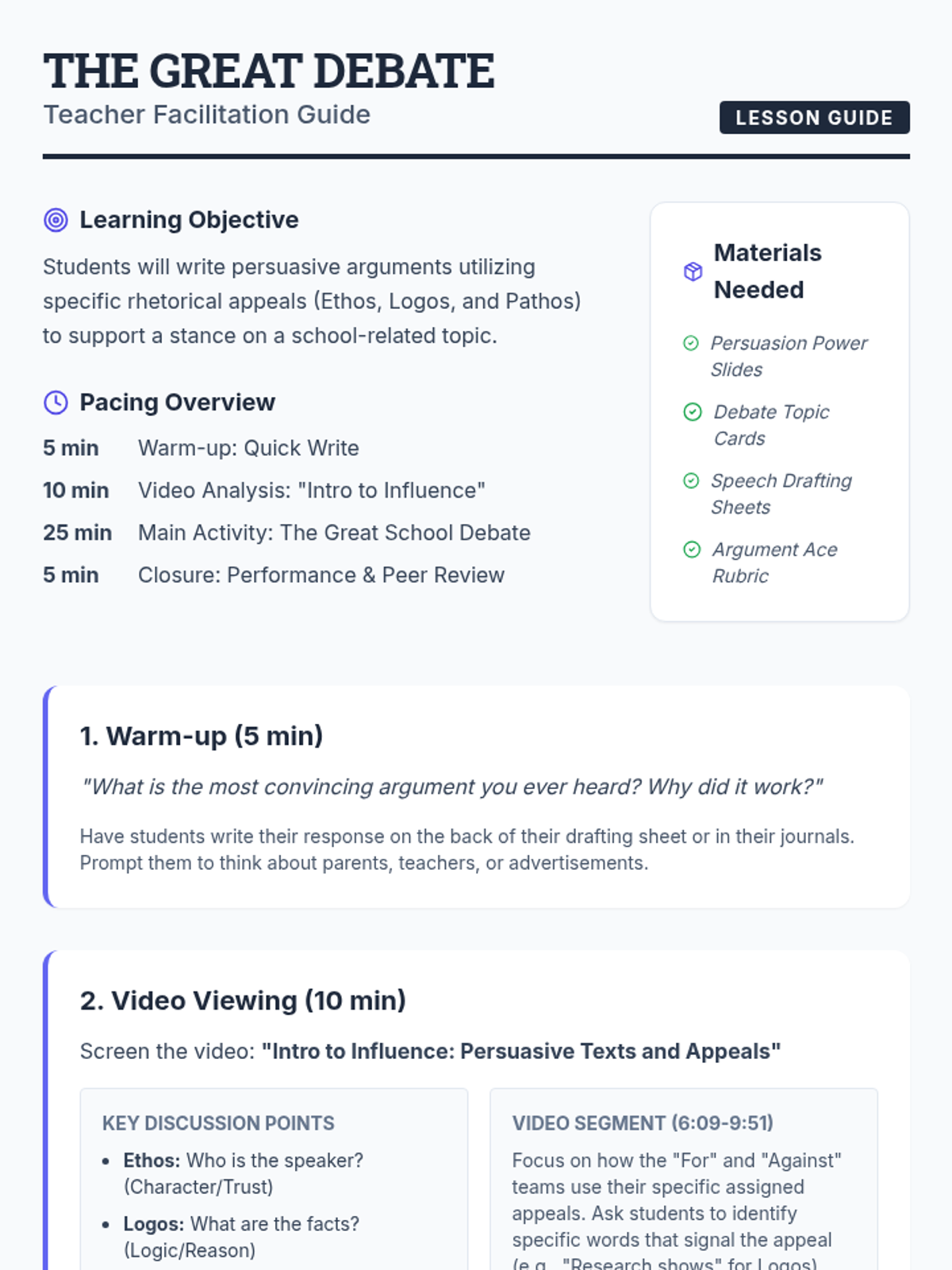
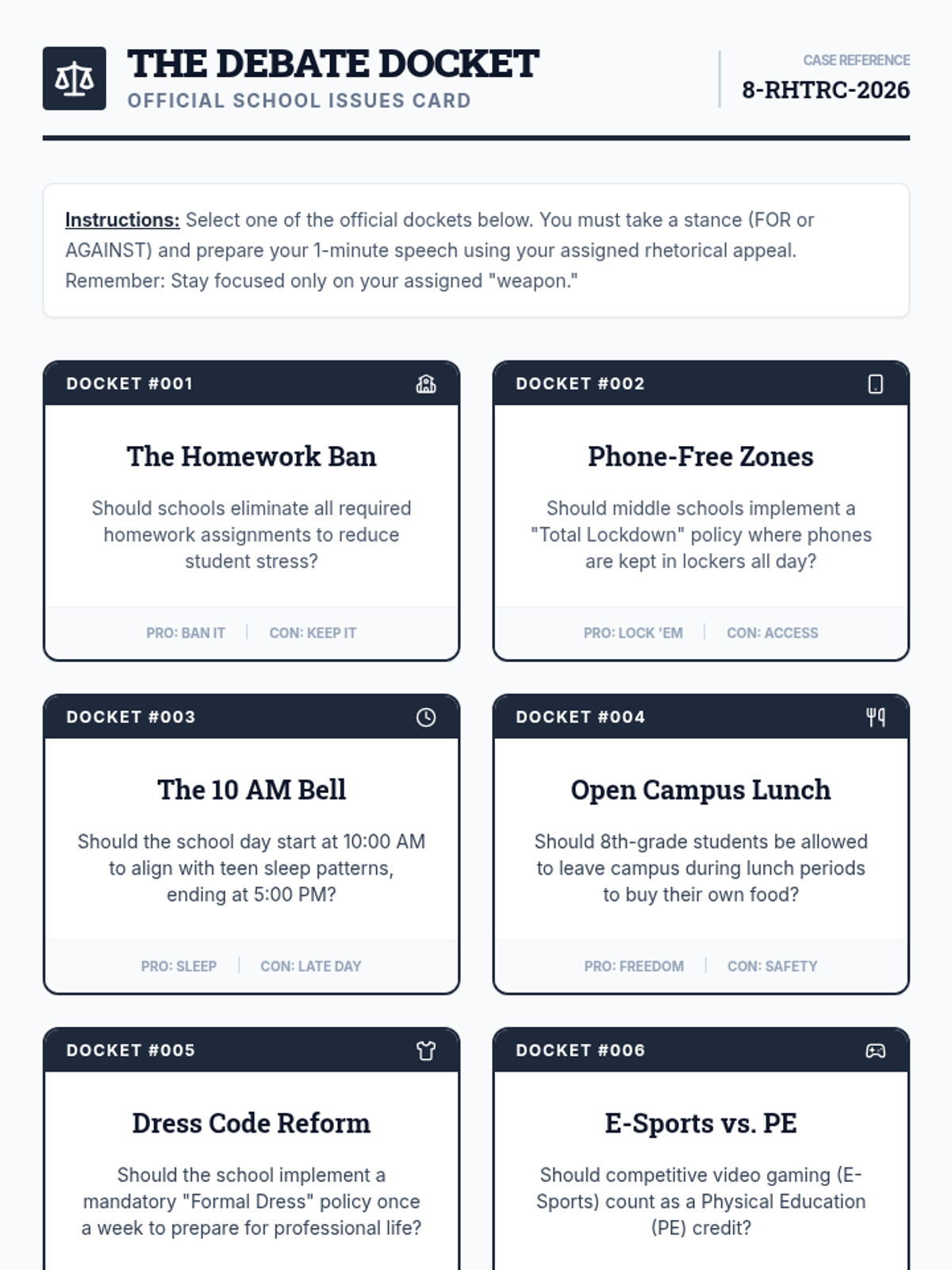
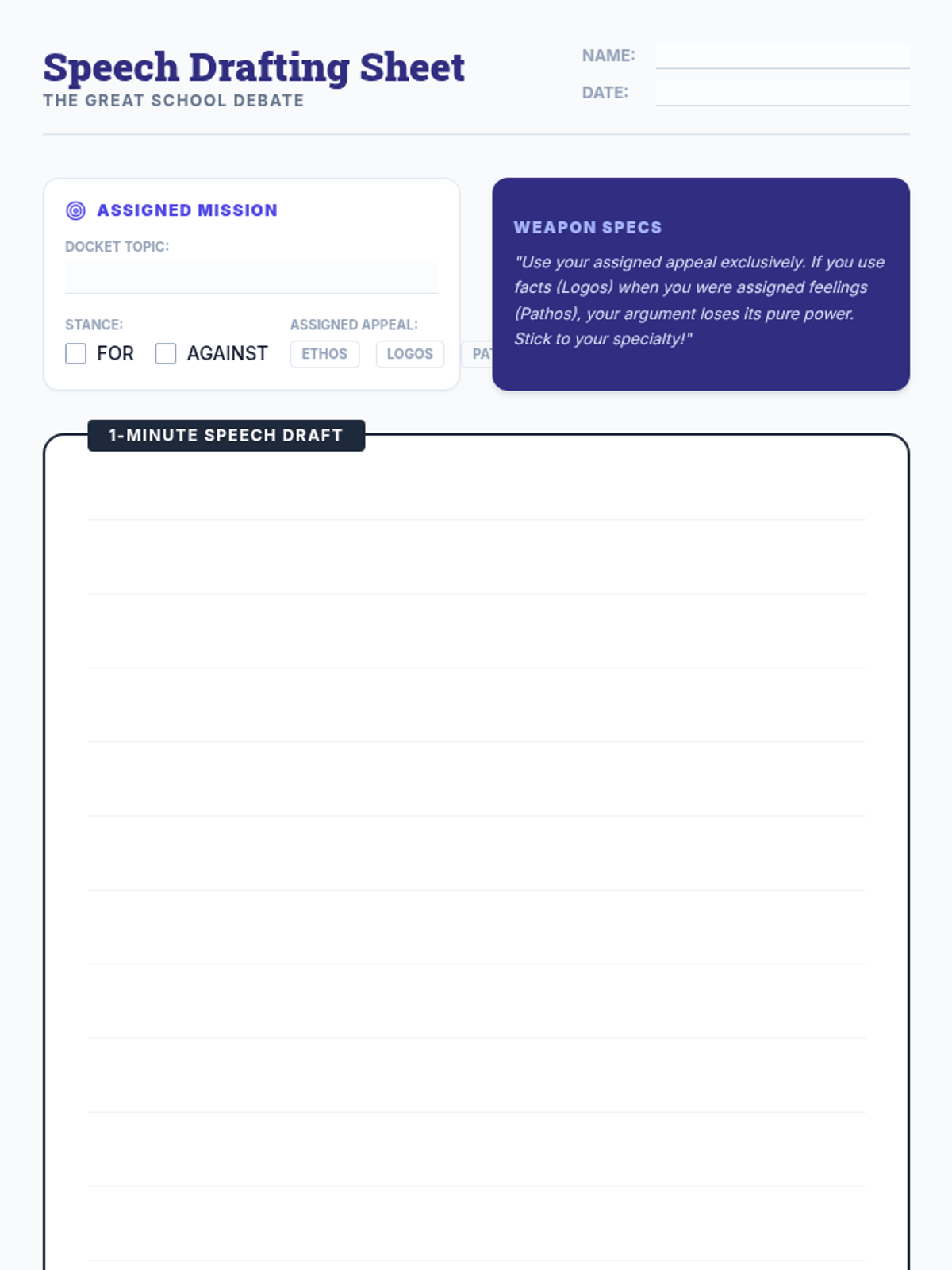
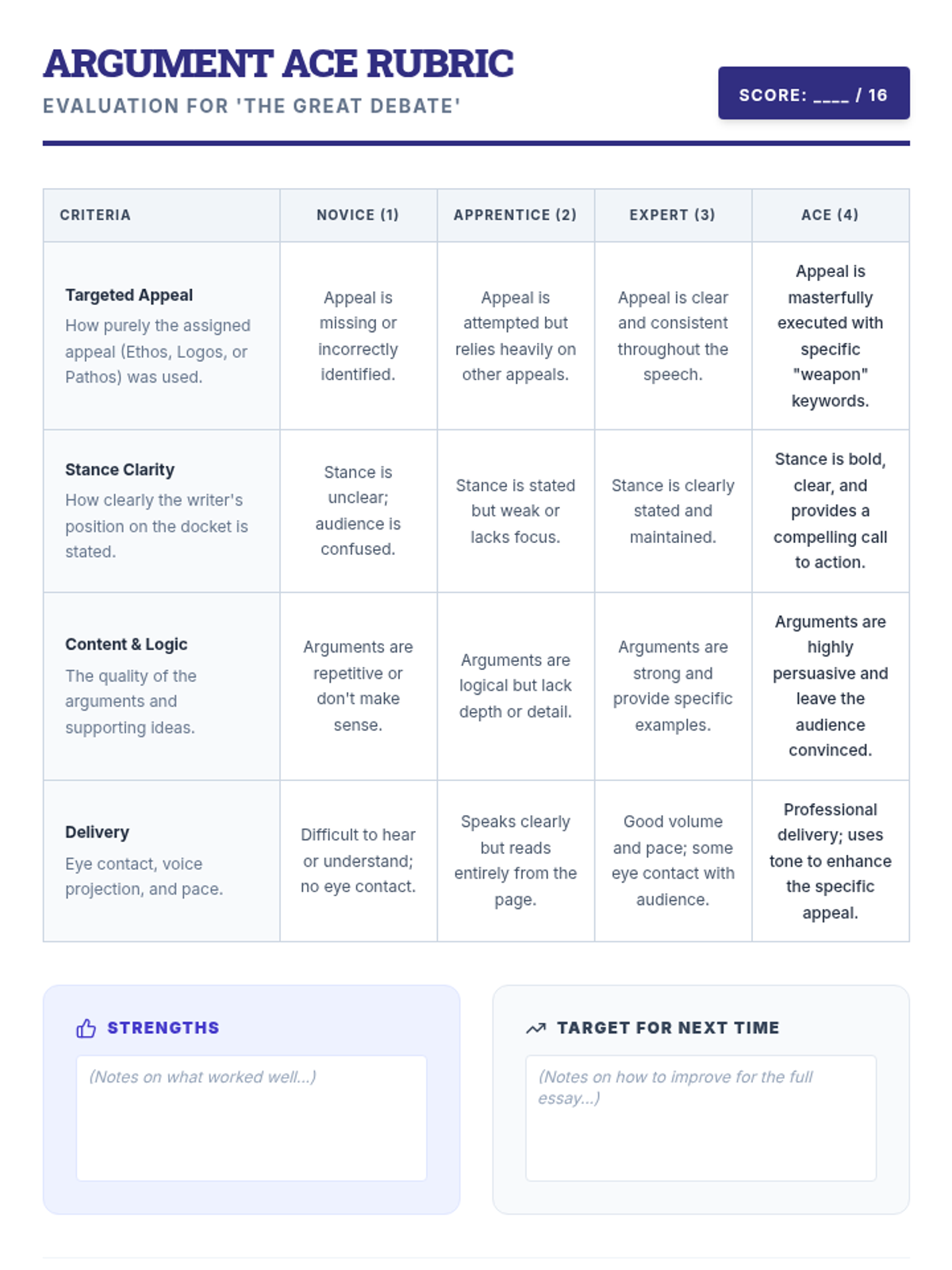
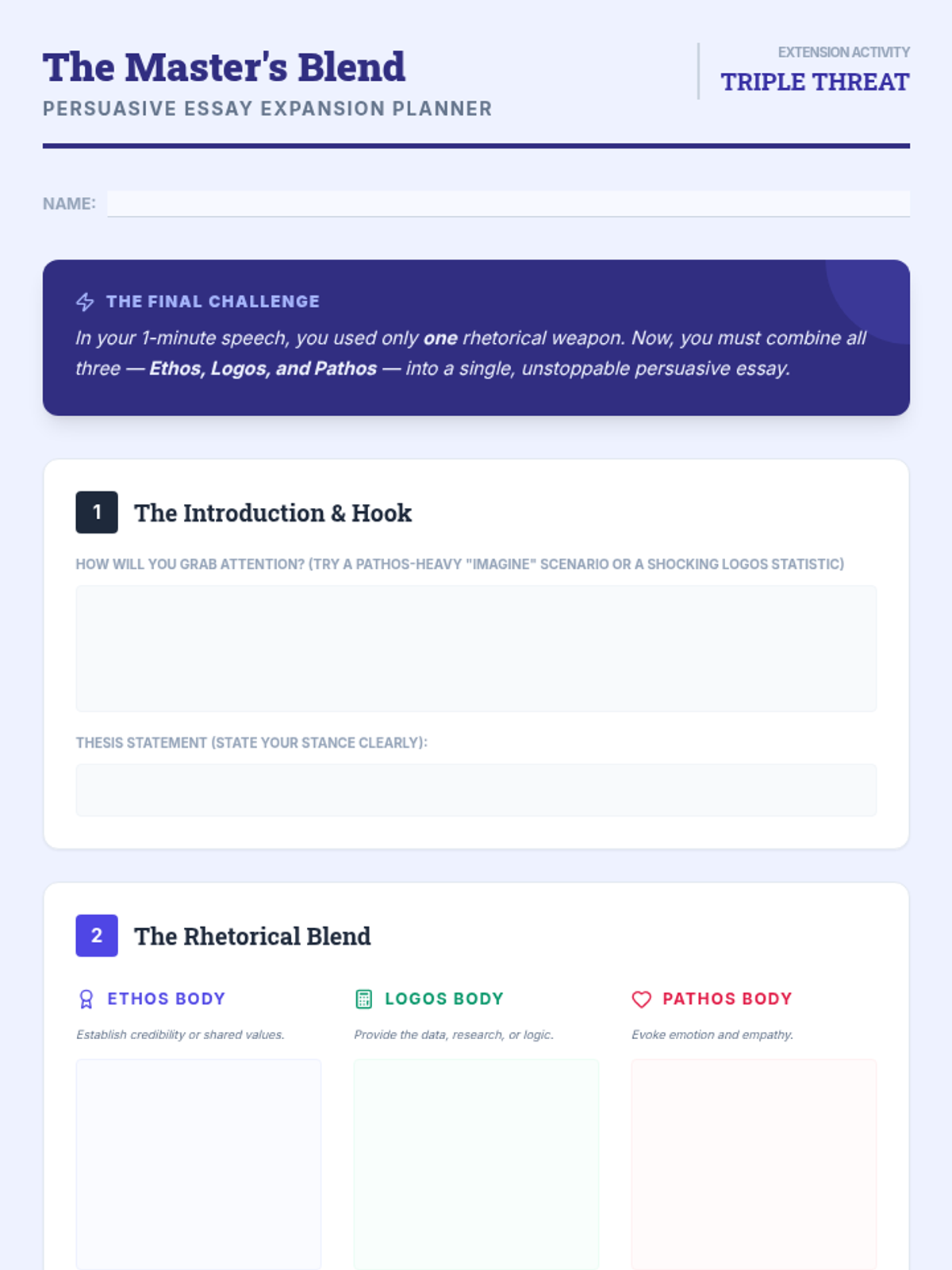
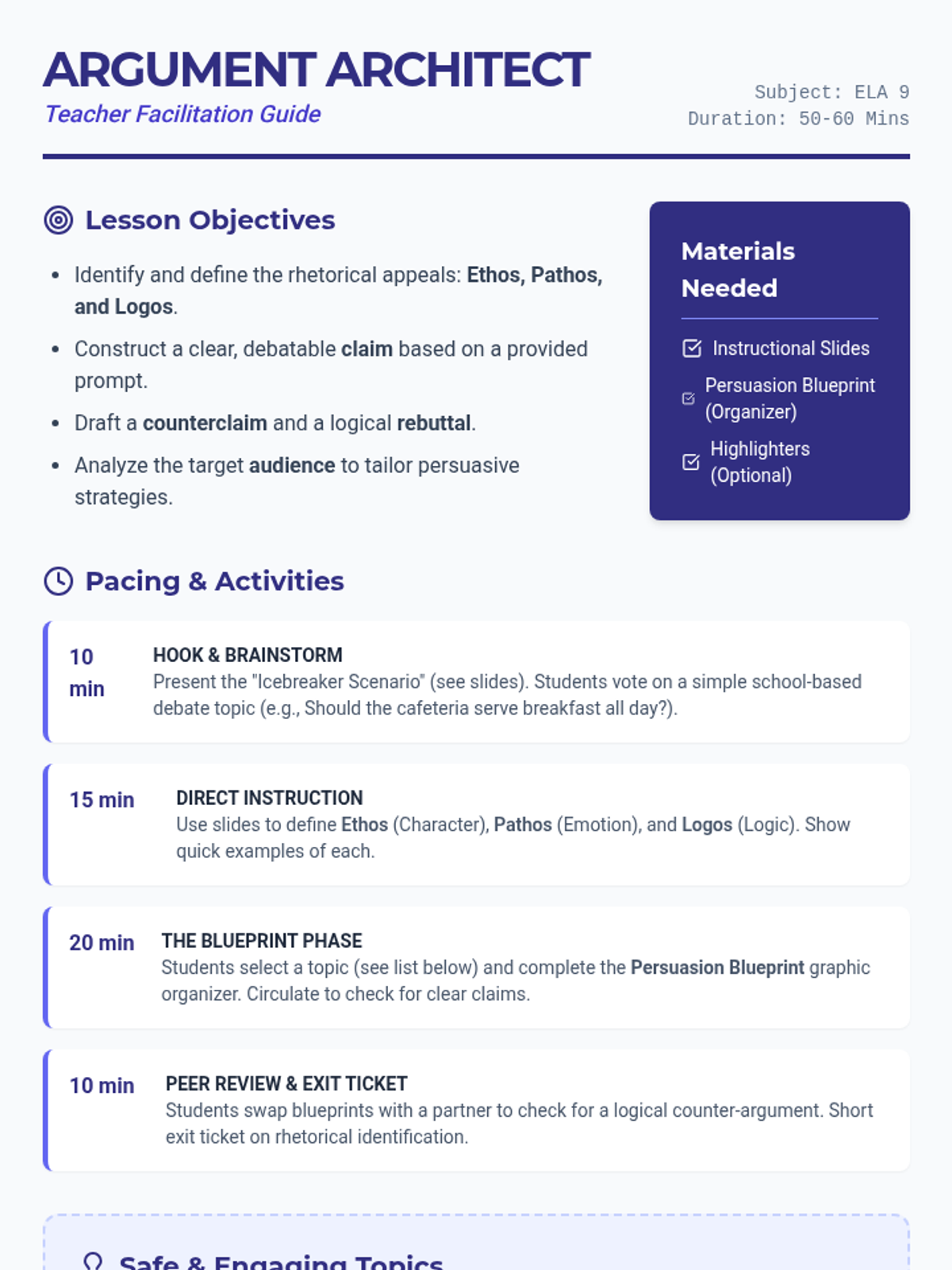
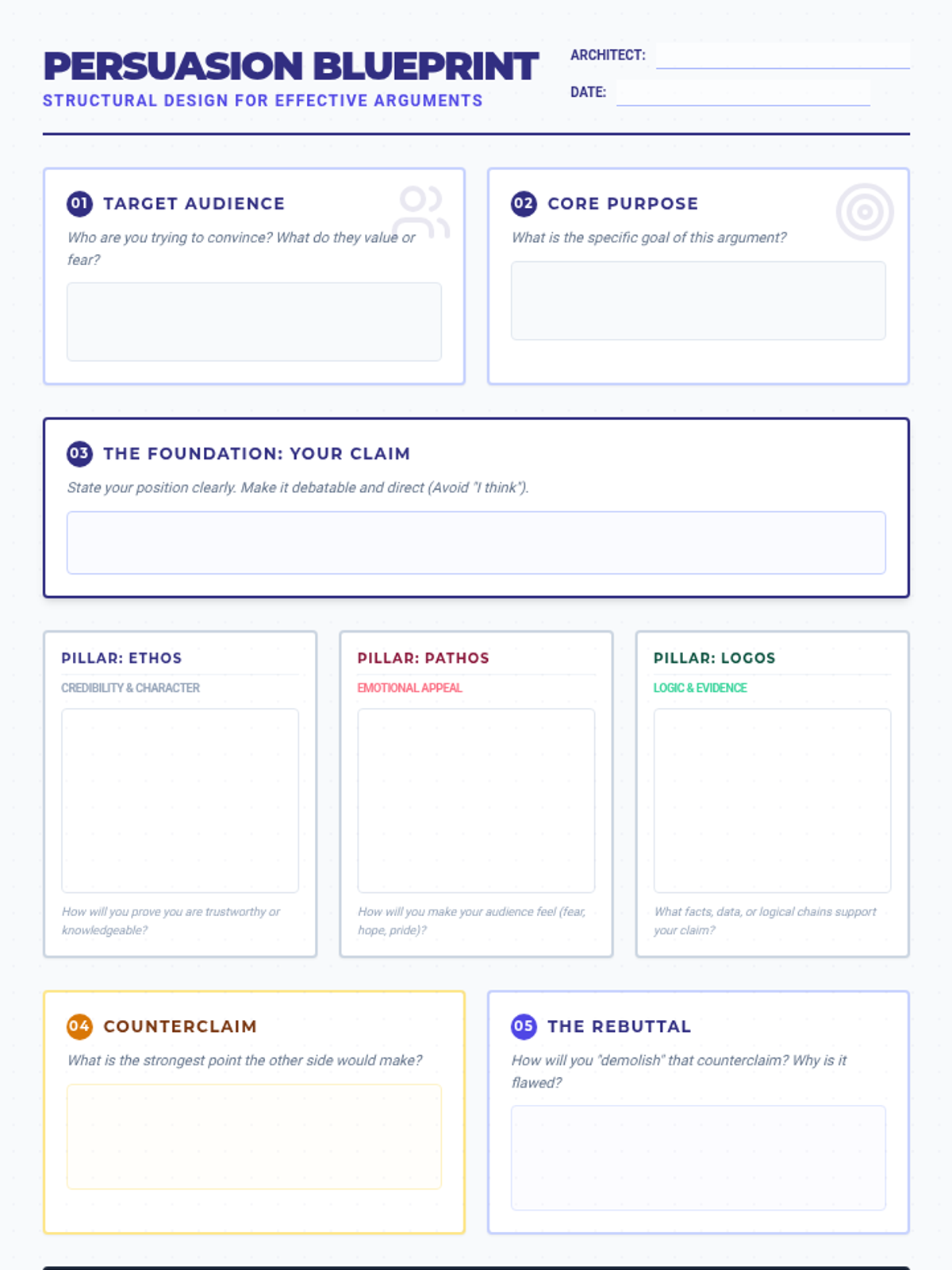
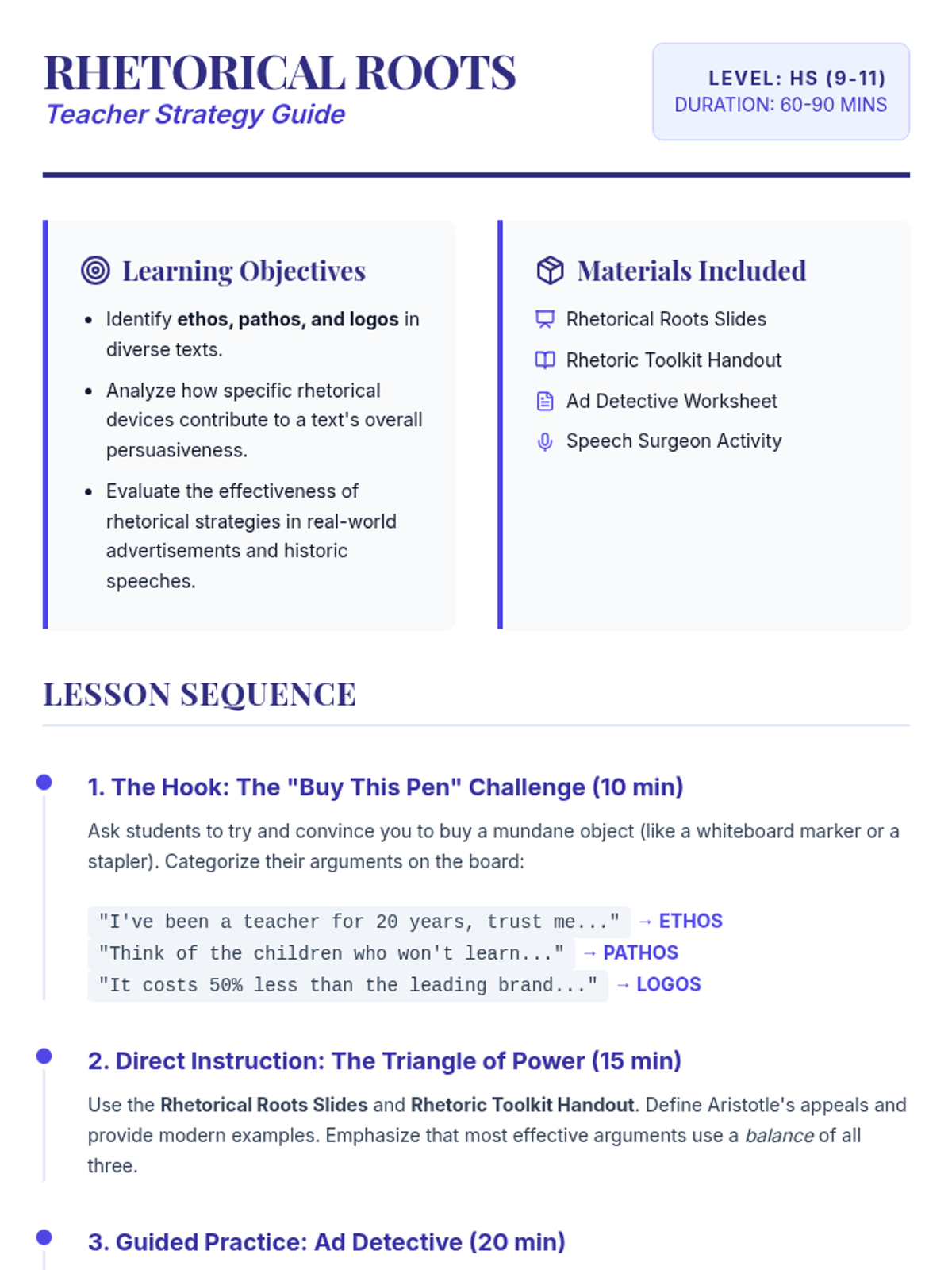
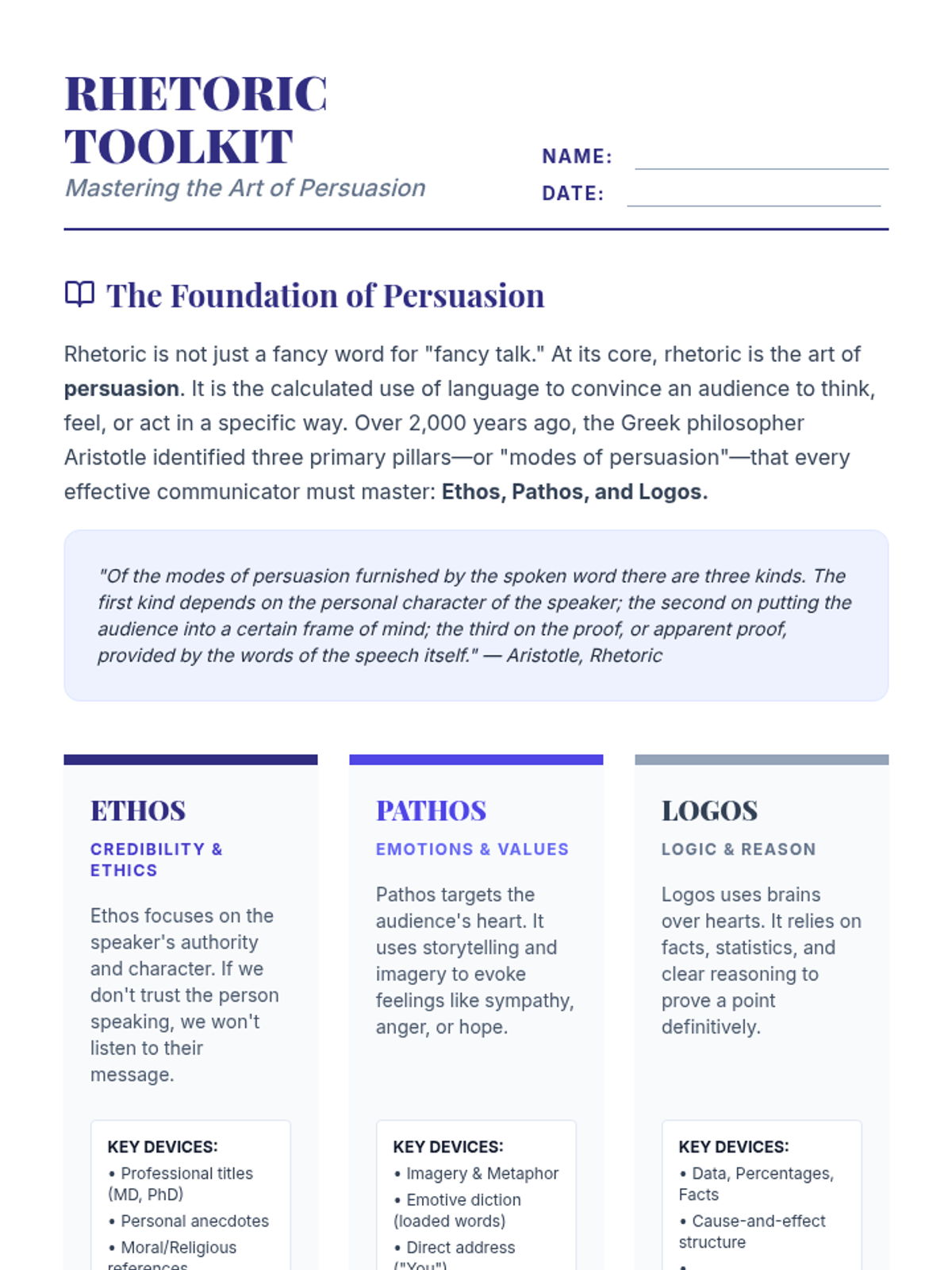
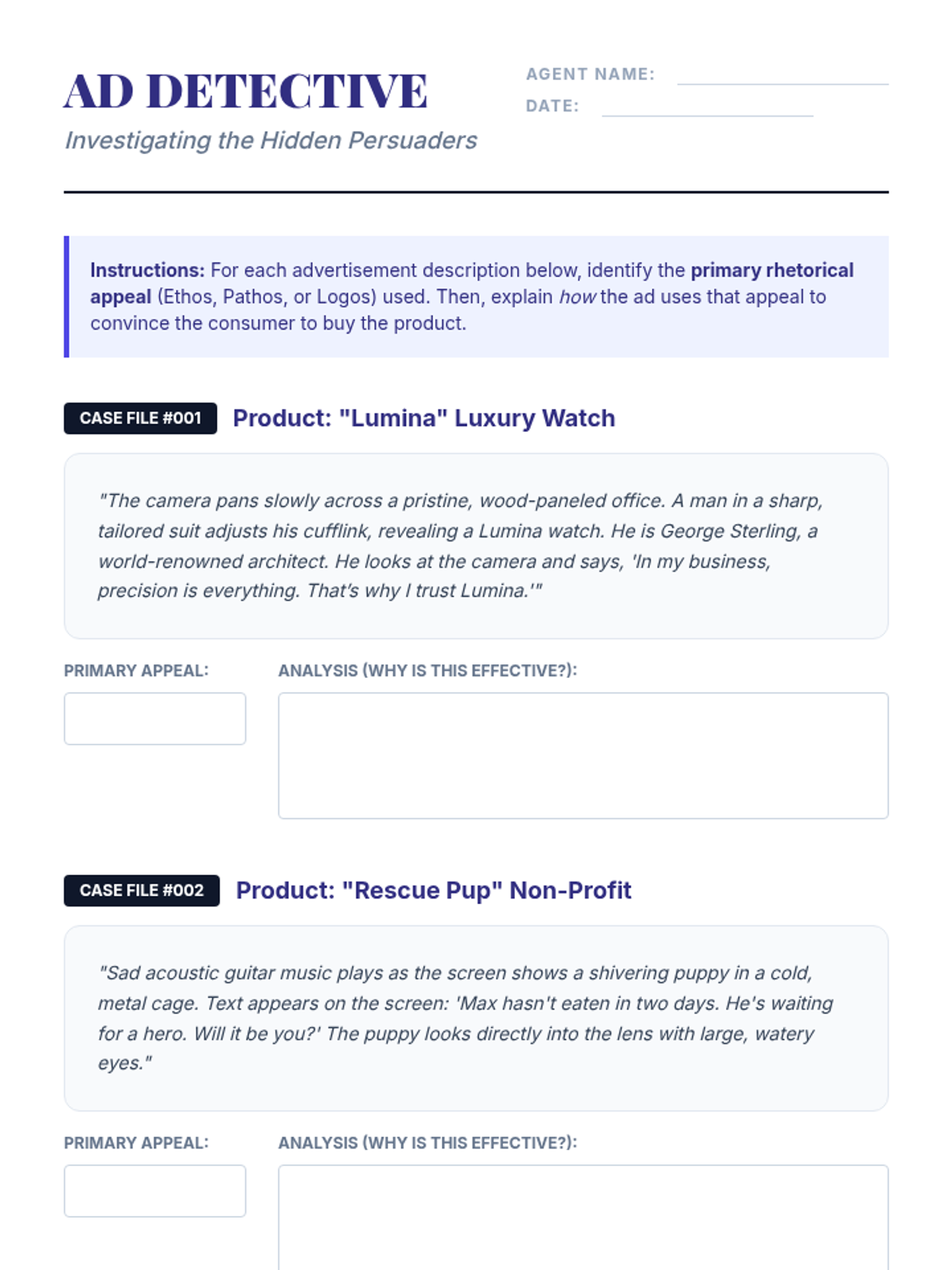
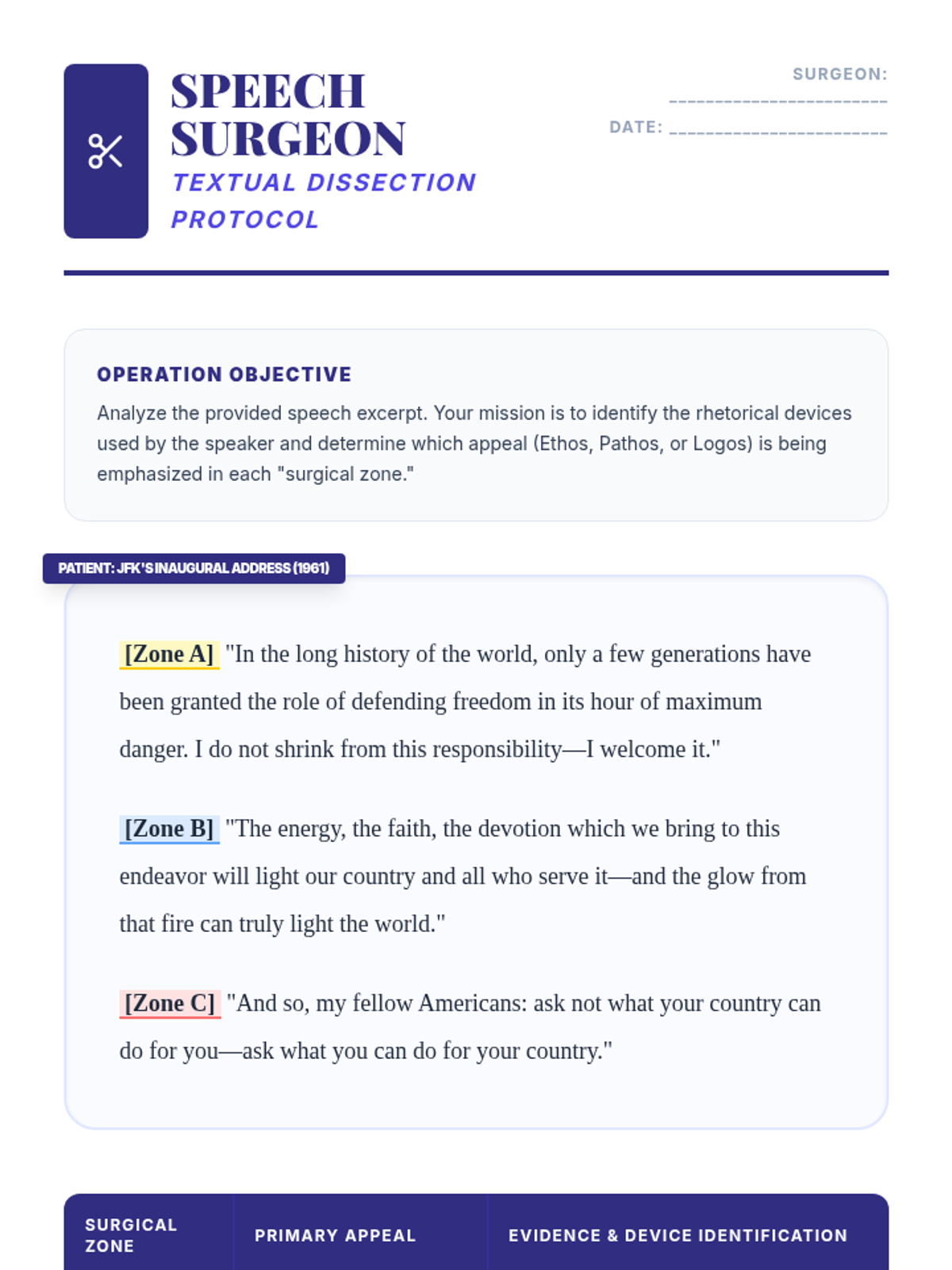
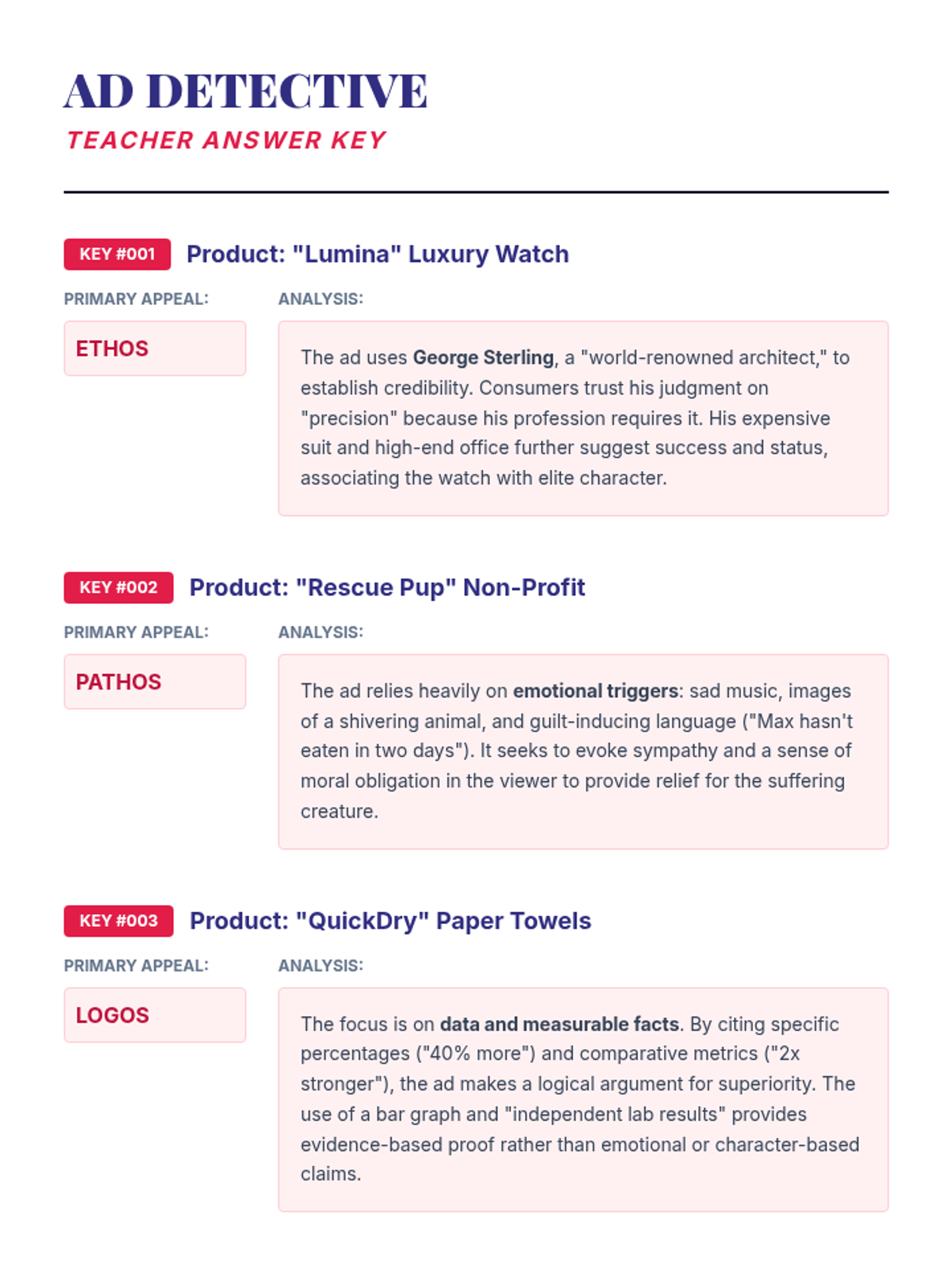
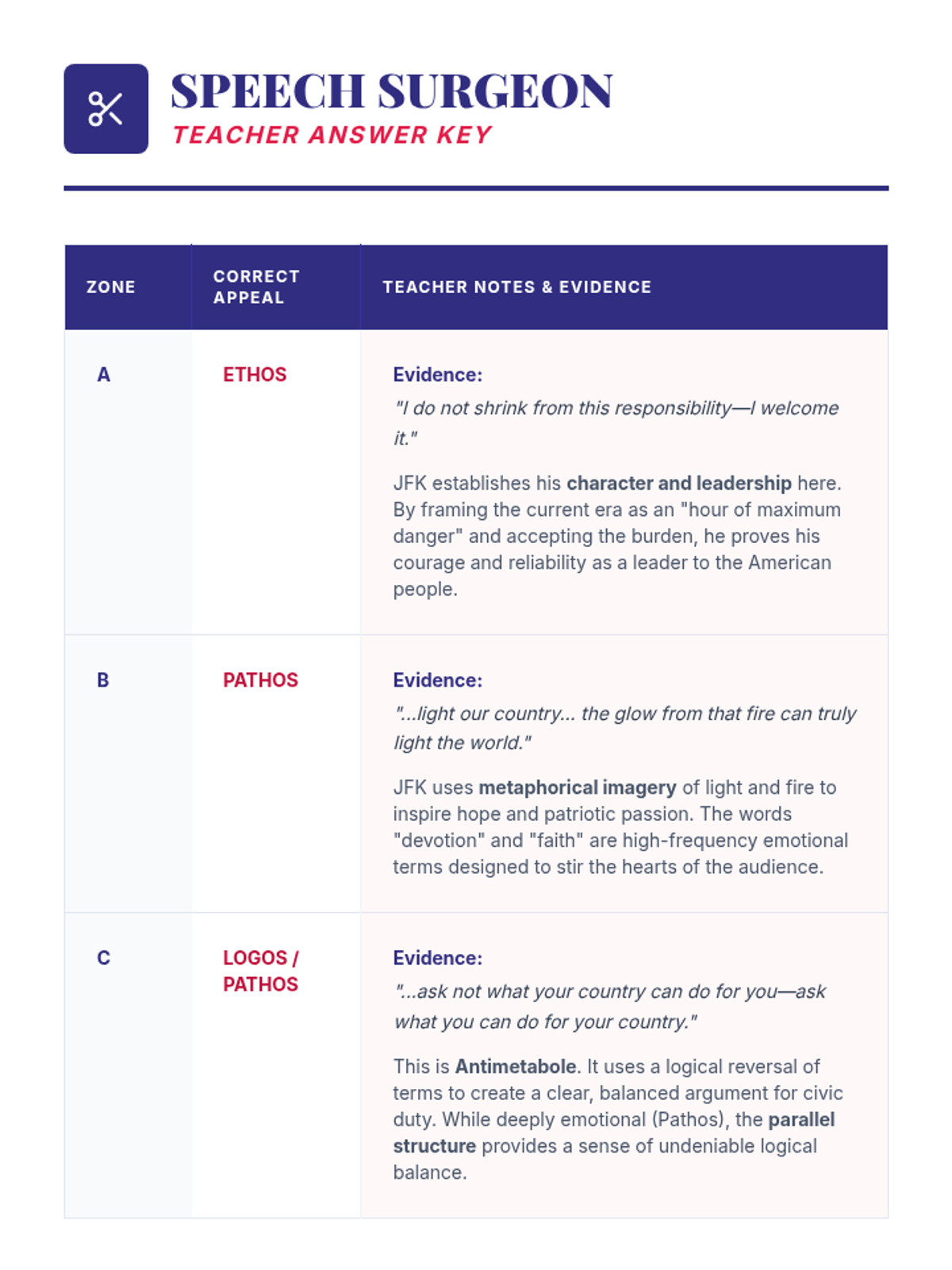
A lesson sequence focused on mastering the three rhetorical appeals (Ethos, Logos, and Pathos) through video analysis and a simulated school debate.
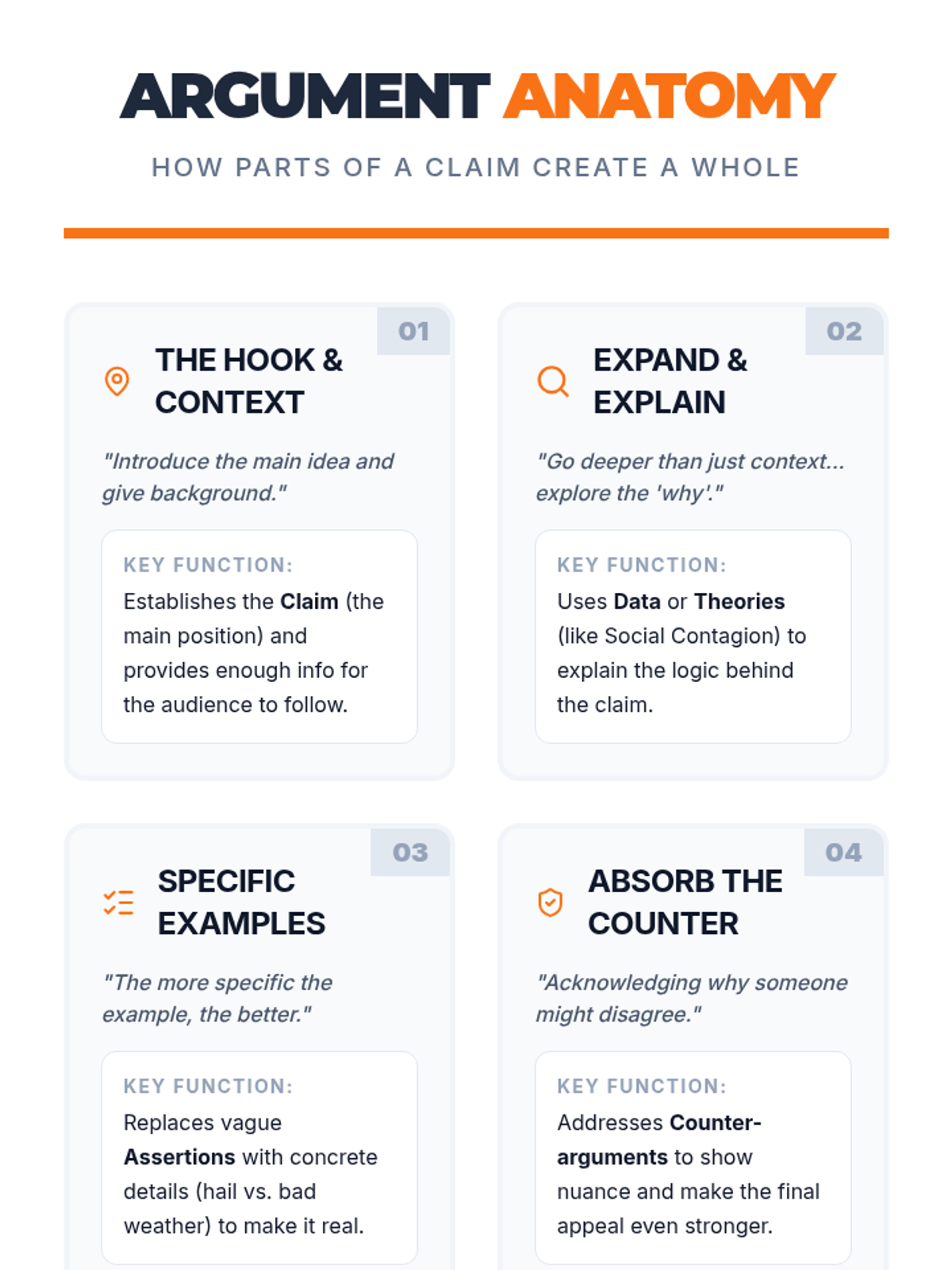
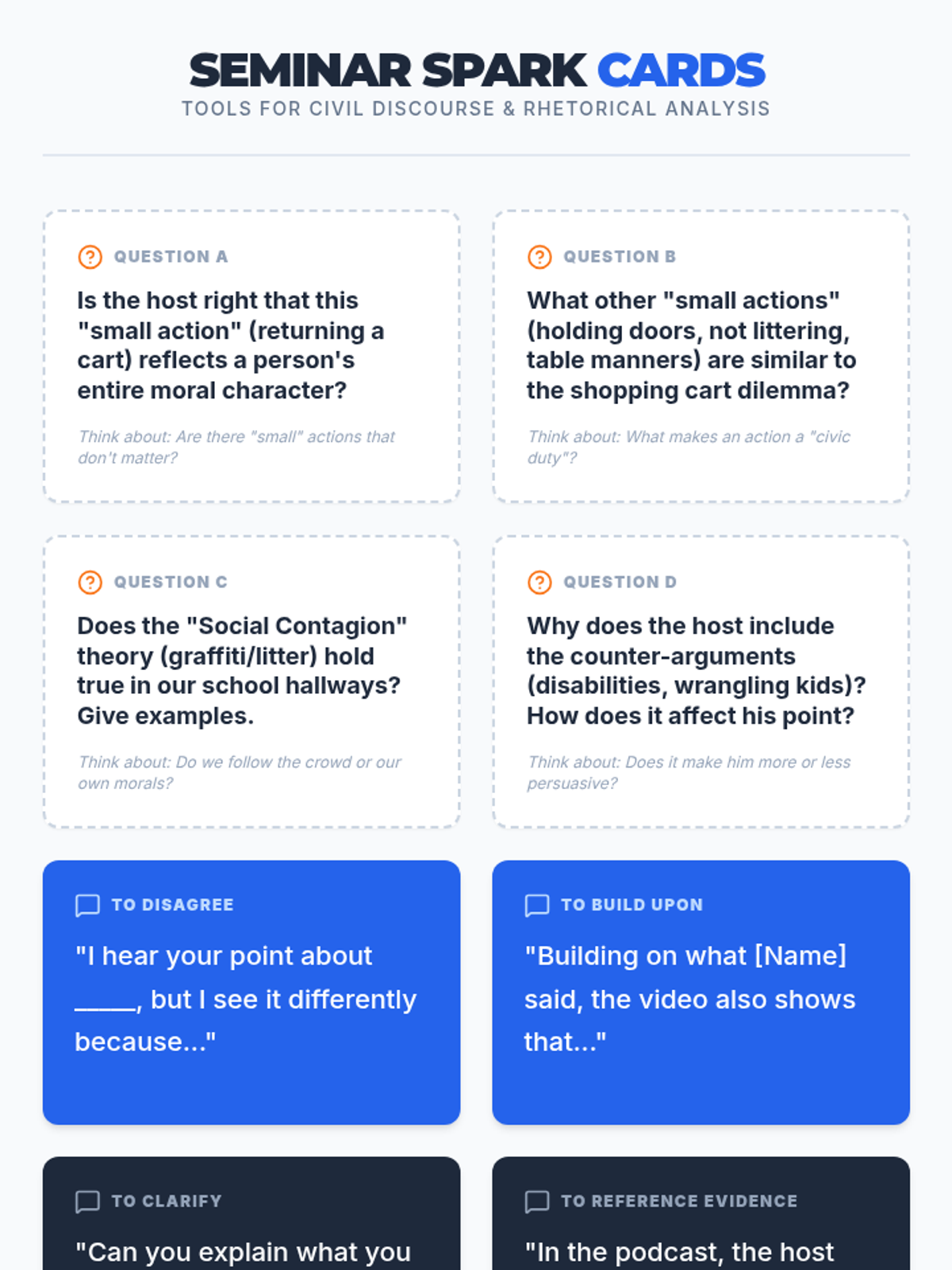
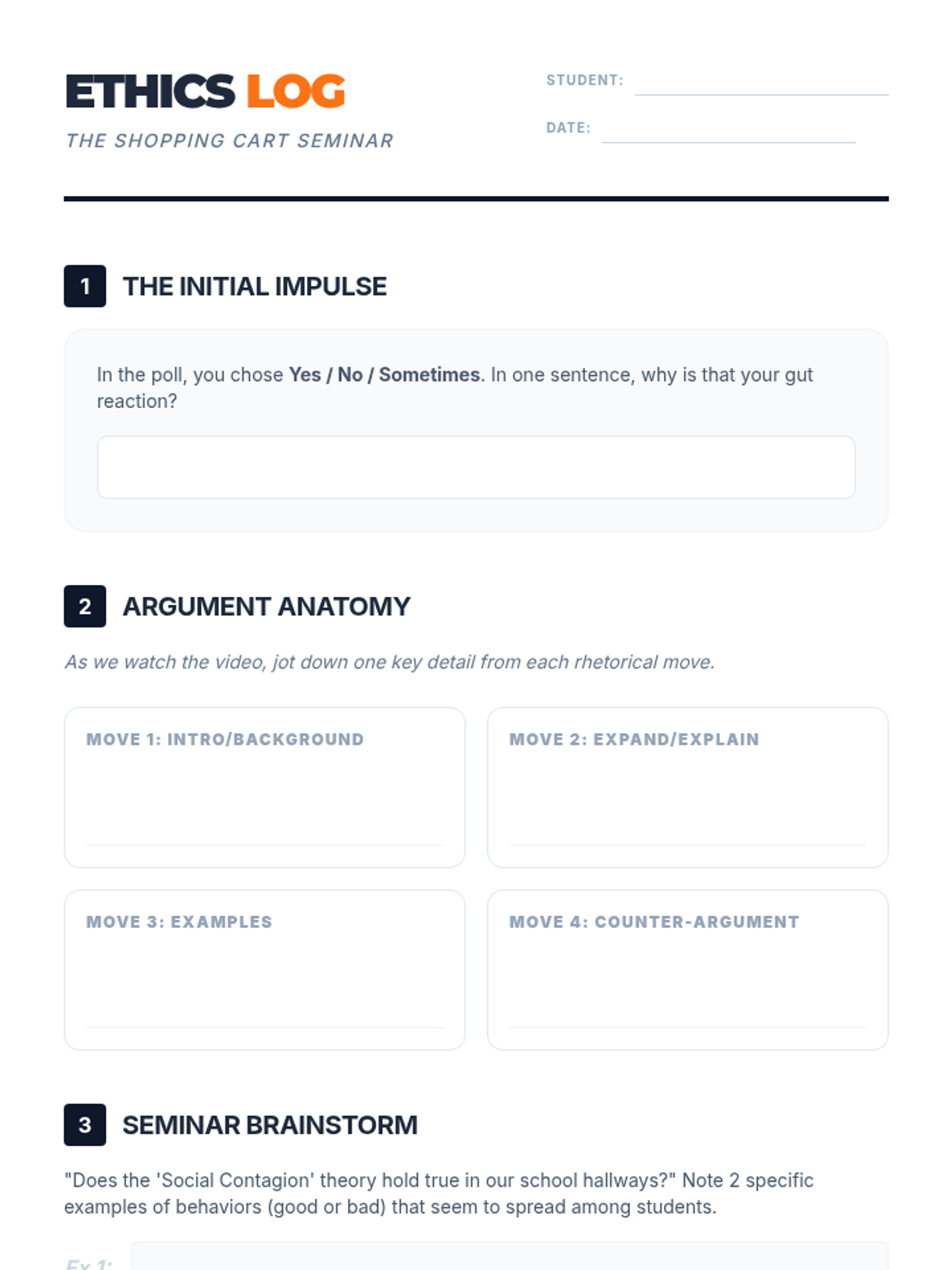
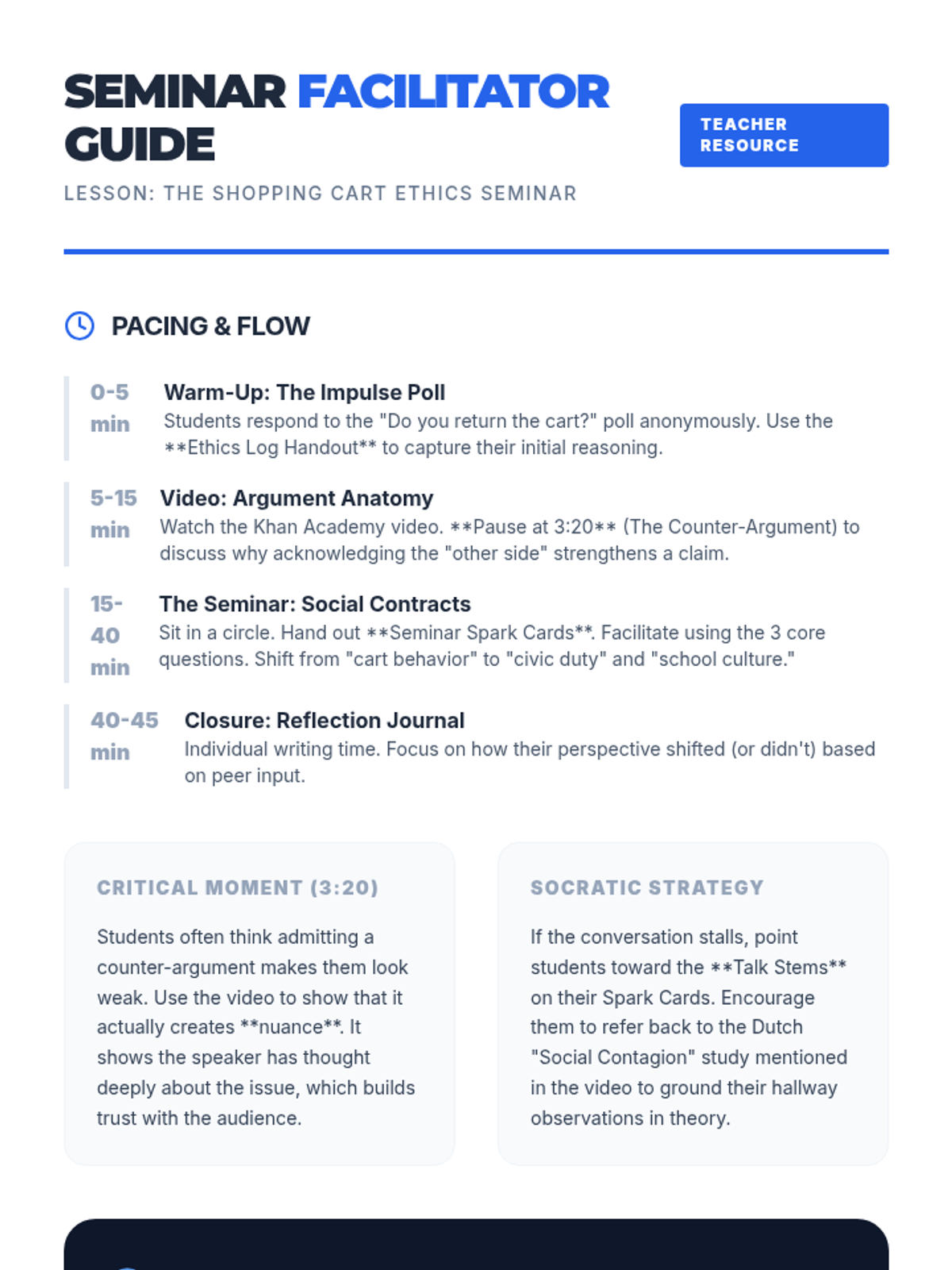
A lesson sequence exploring the intersection of civic duty, social contracts, and rhetorical analysis through the lens of the 'Shopping Cart Theory'. Students analyze a structured argument and participate in a Socratic Seminar.
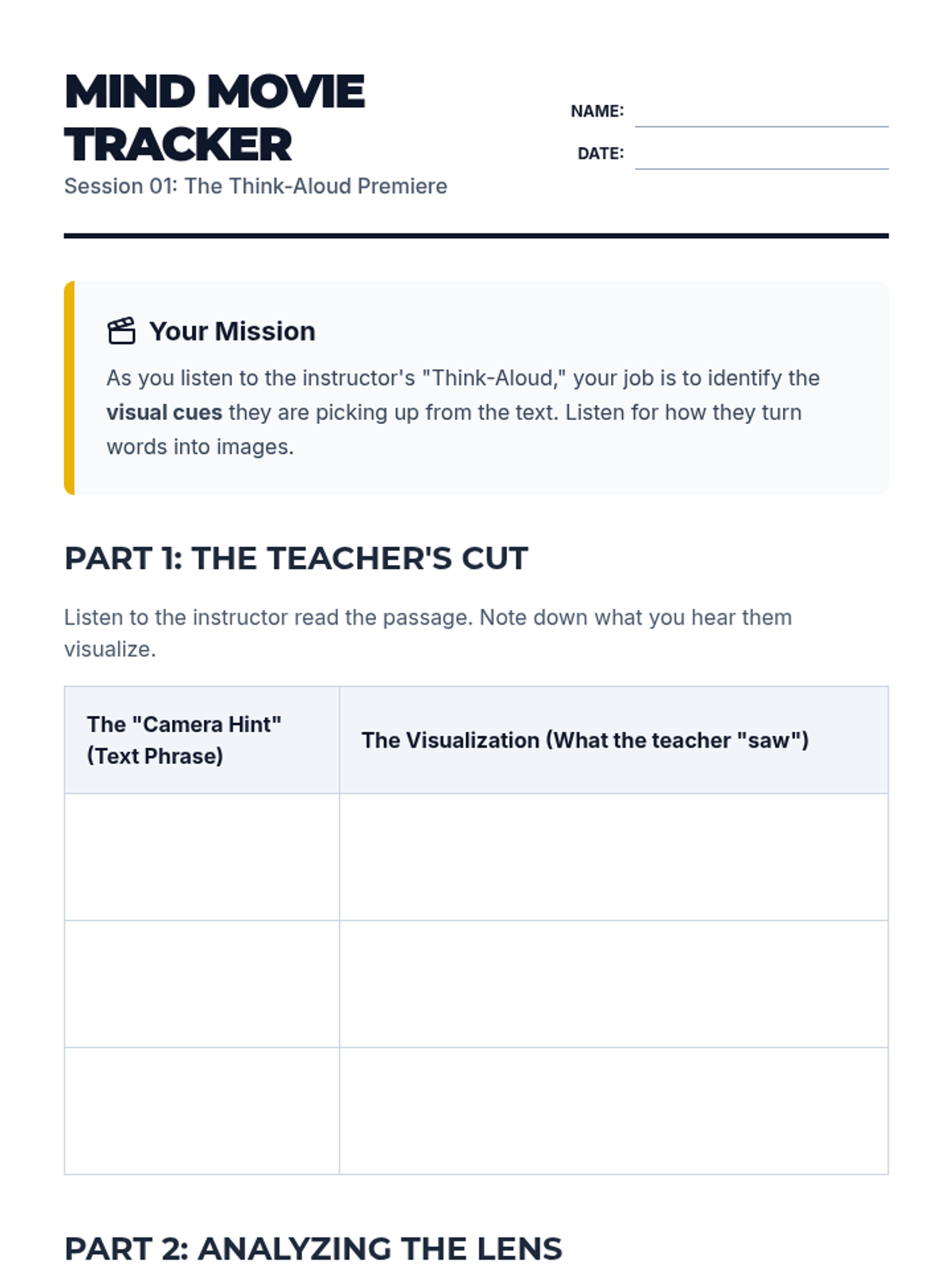
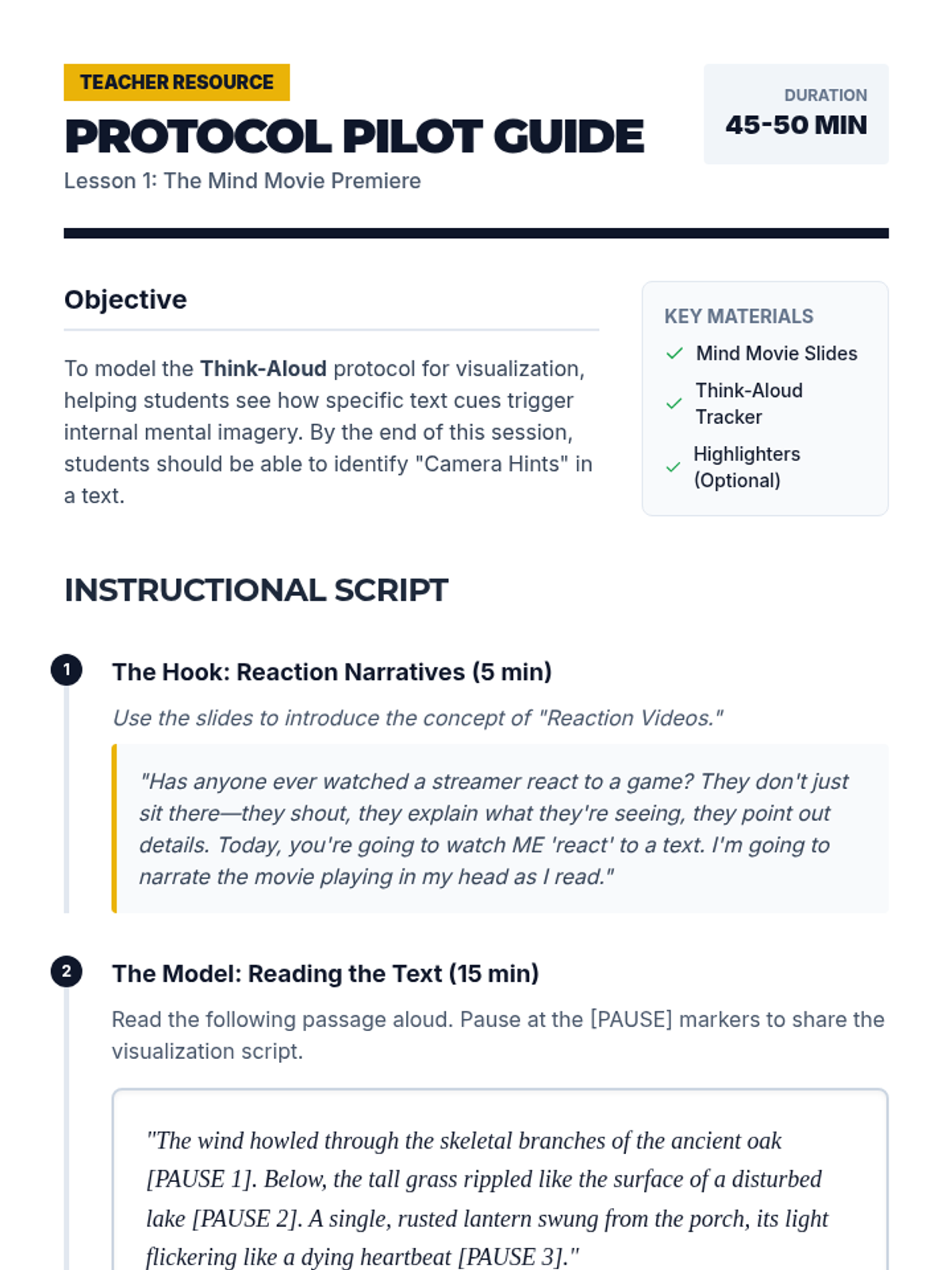
A 5-lesson sequence for 9th-grade students focusing on externalizing internal visualizations through verbal processing, 'Think Aloud' strategies, and peer-to-peer scene reconstruction. Students move from observing modeled verbalization to creating their own 'Director's Commentary' for descriptive texts.
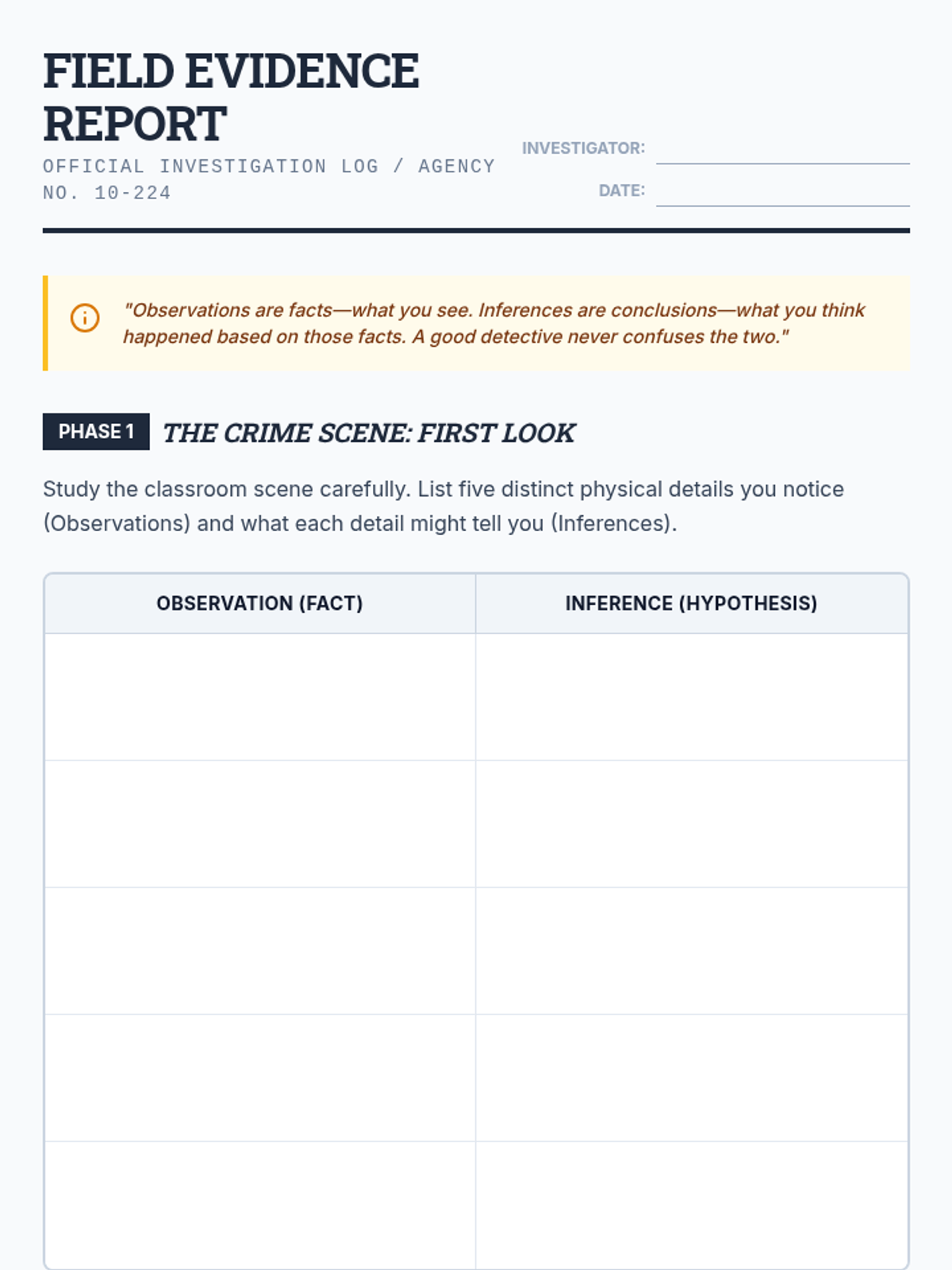
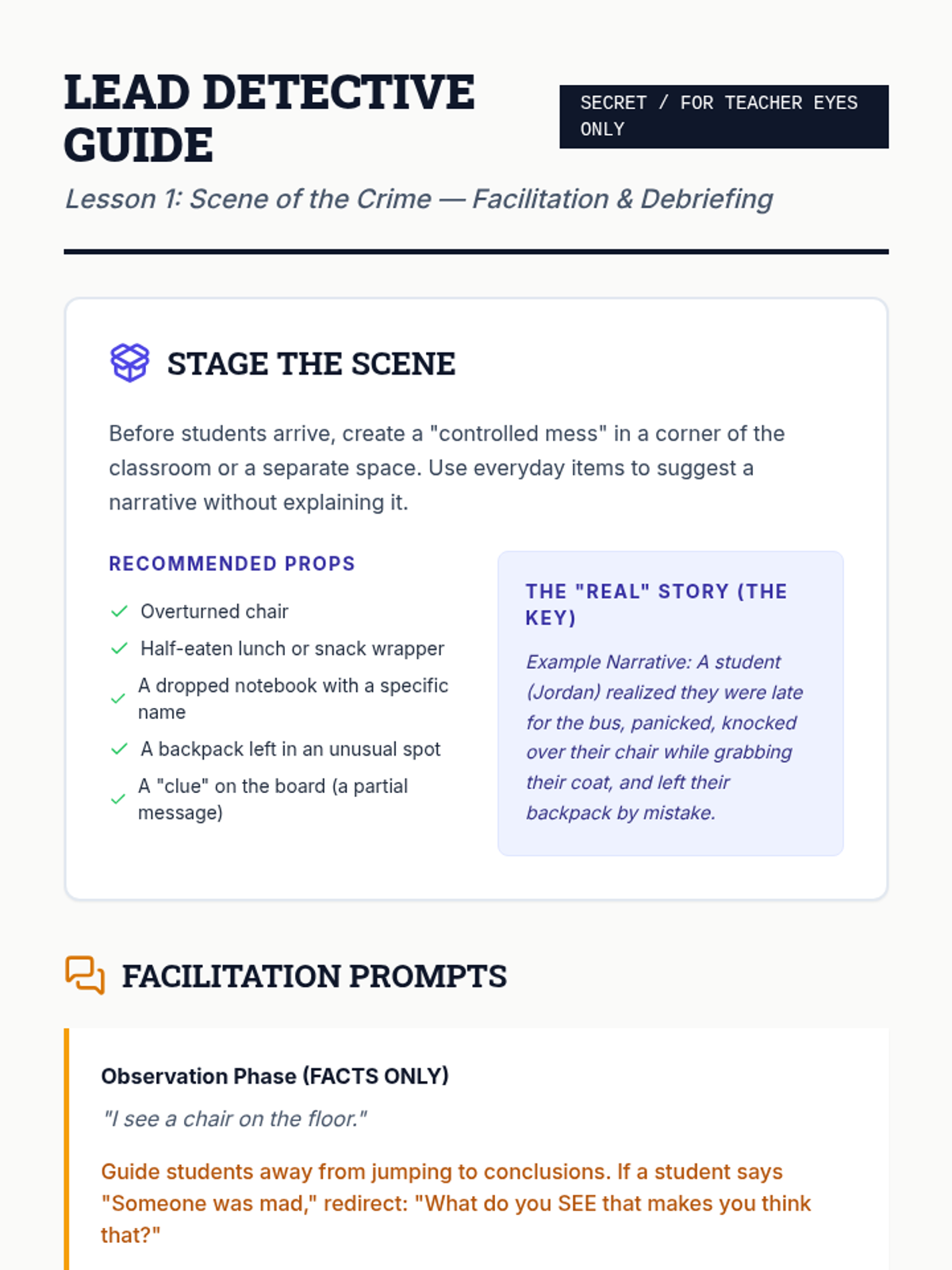
A forensic-themed reading comprehension unit where students act as investigators to master predictions and inferences. Through case studies and evidence tracking, students learn to bridge literal text with deep narrative meaning.
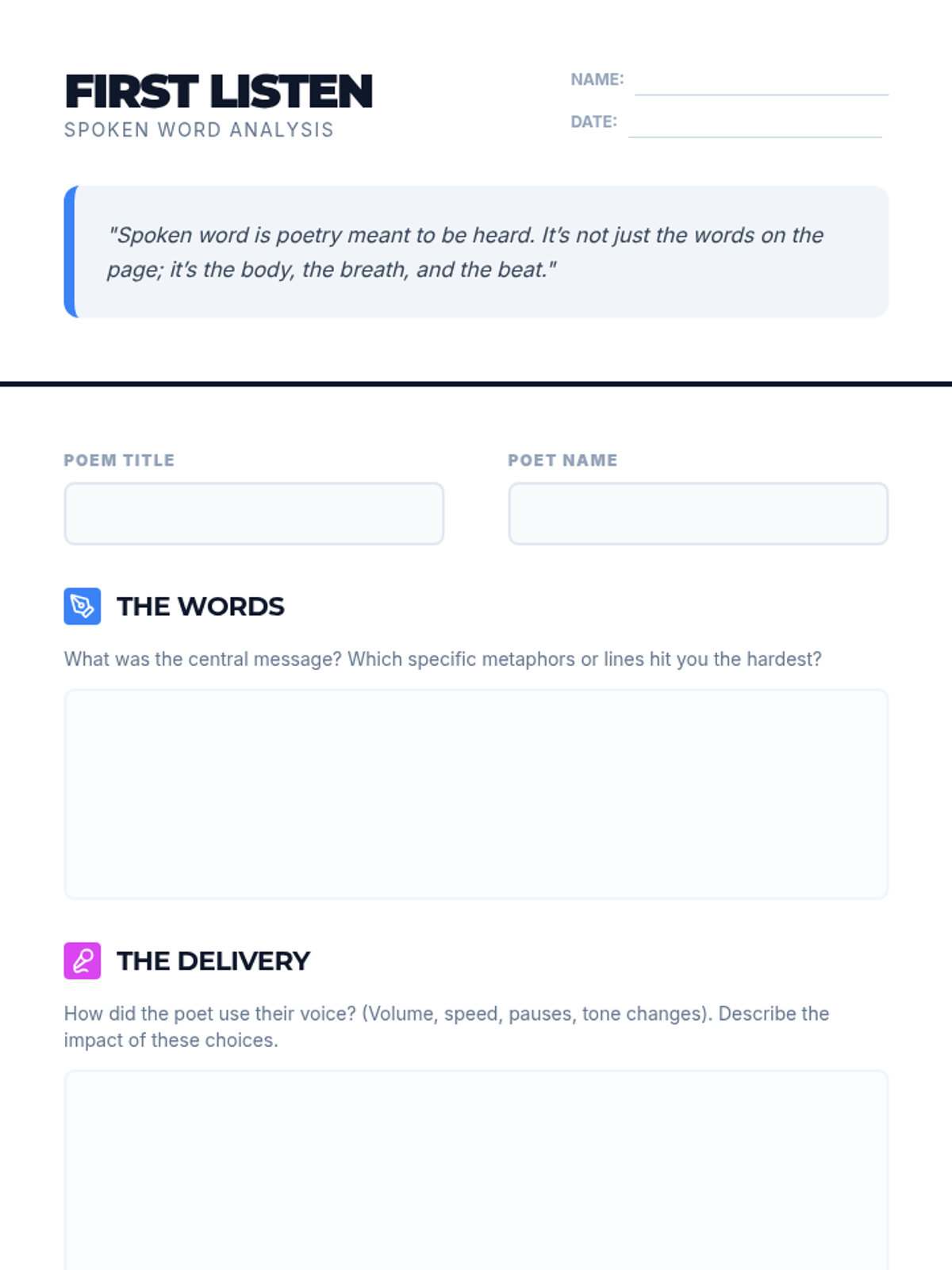
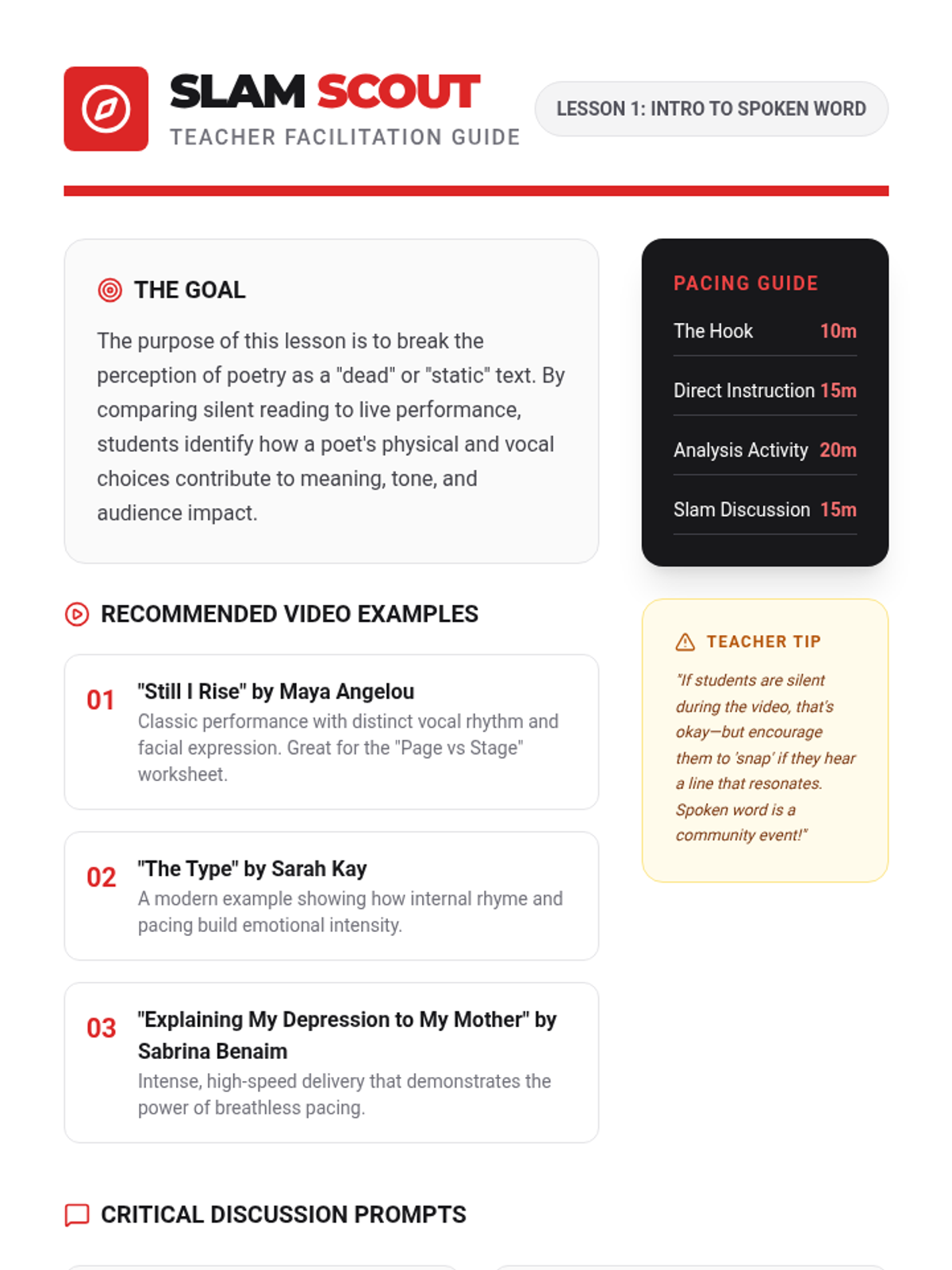
A high-school ELA sequence that bridges the gap between traditional poetic analysis and contemporary Spoken Word performance. Students analyze professional slams, write rhythmic poetry 'for the ear', and master vocal delivery techniques before performing in a classroom slam.
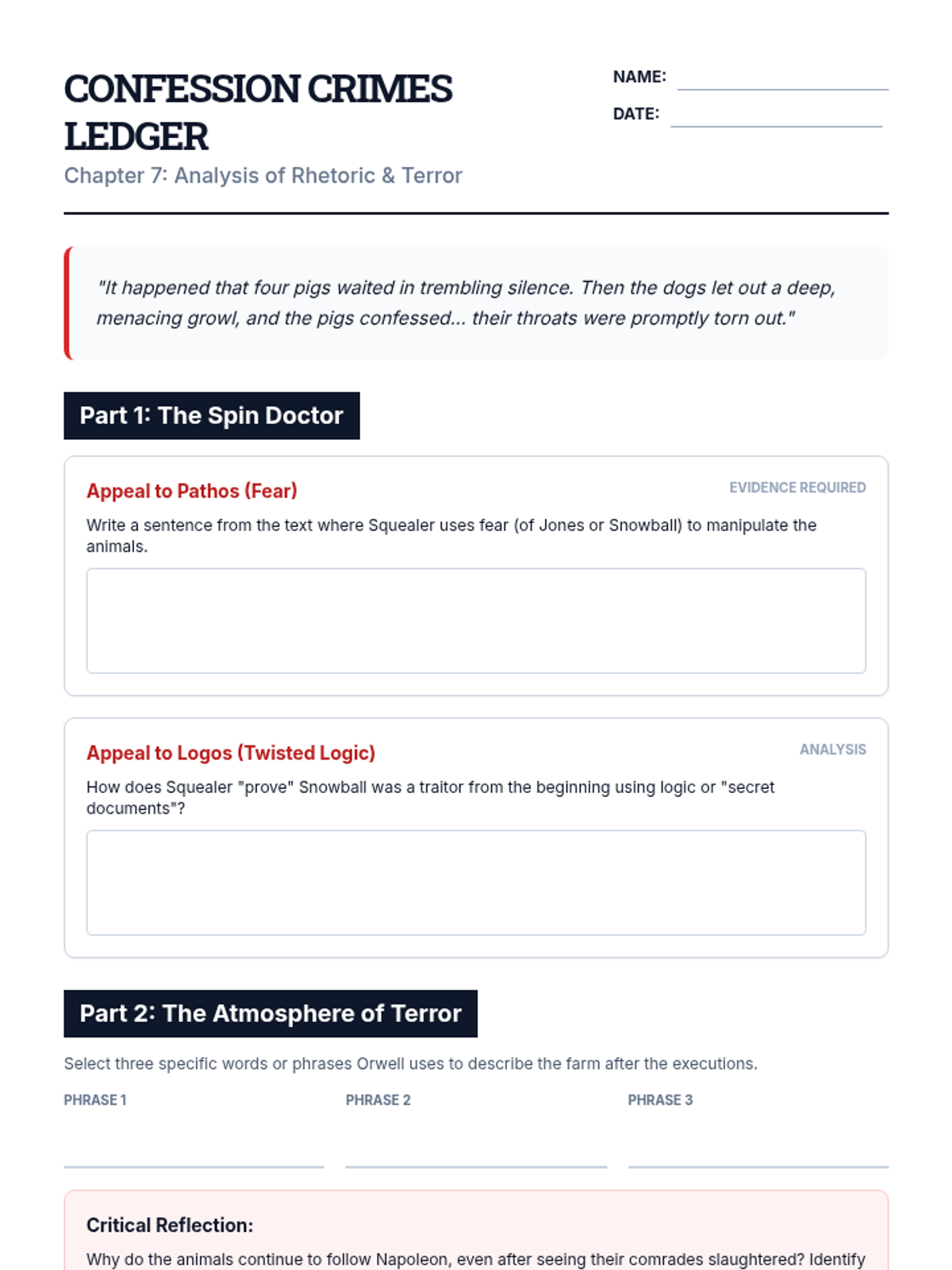
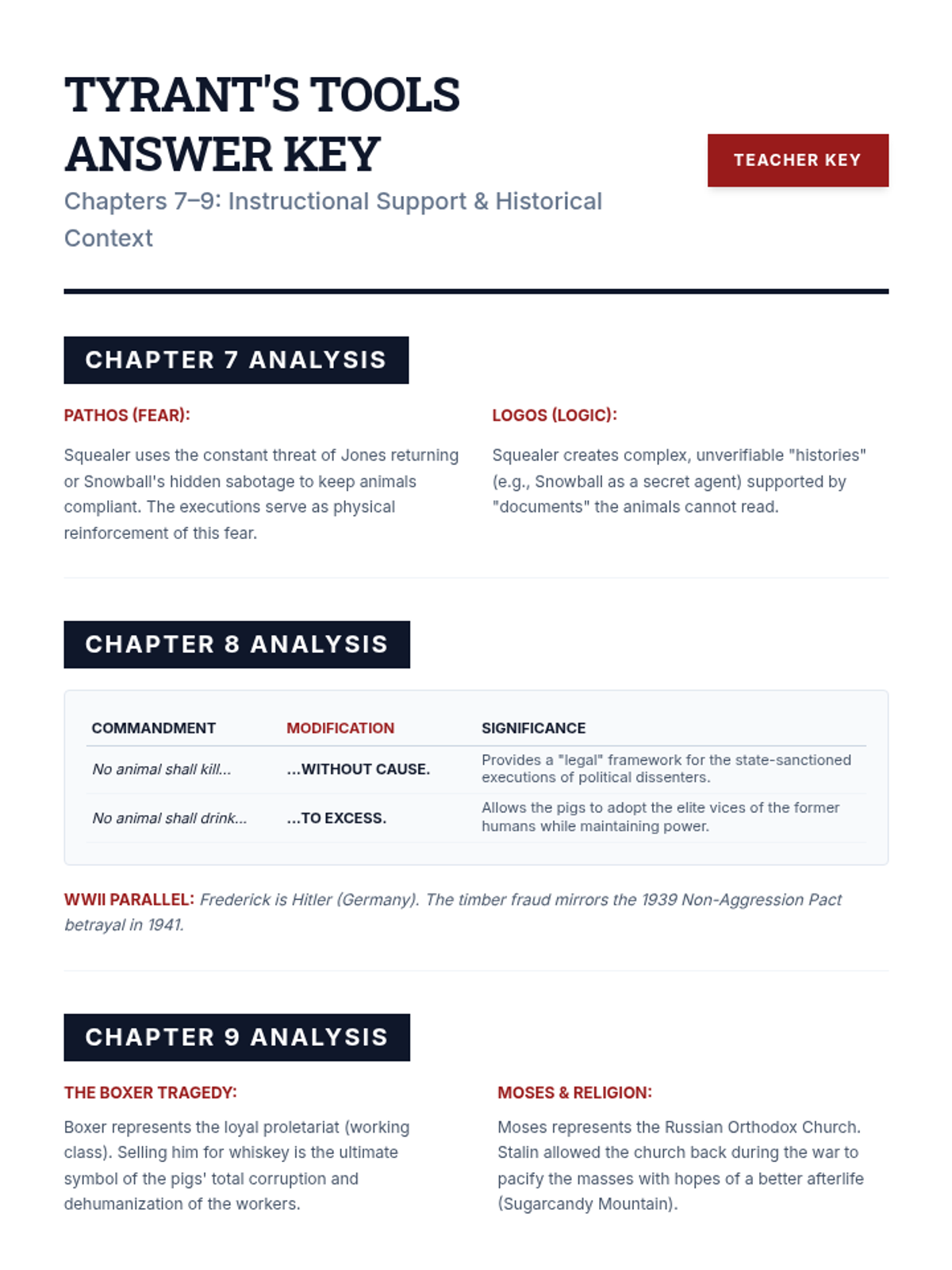
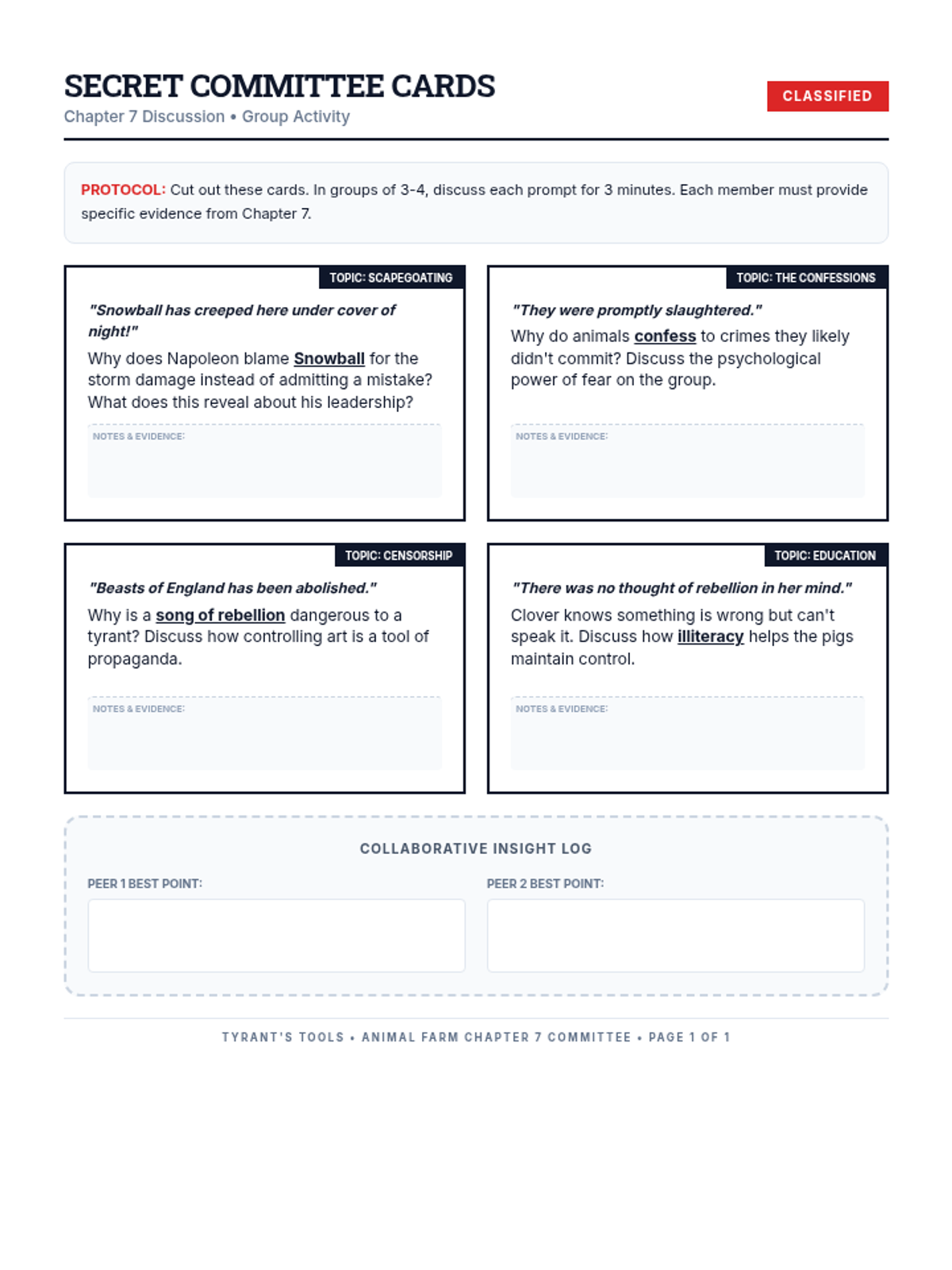
A deep dive into the final chapters of George Orwell's *Animal Farm*, focusing on the psychological and rhetorical tools of tyranny. Students analyze the transition from revolution to totalitarianism through the lens of rhetorical appeals, propaganda, and allegorical parallels to the Russian Revolution.
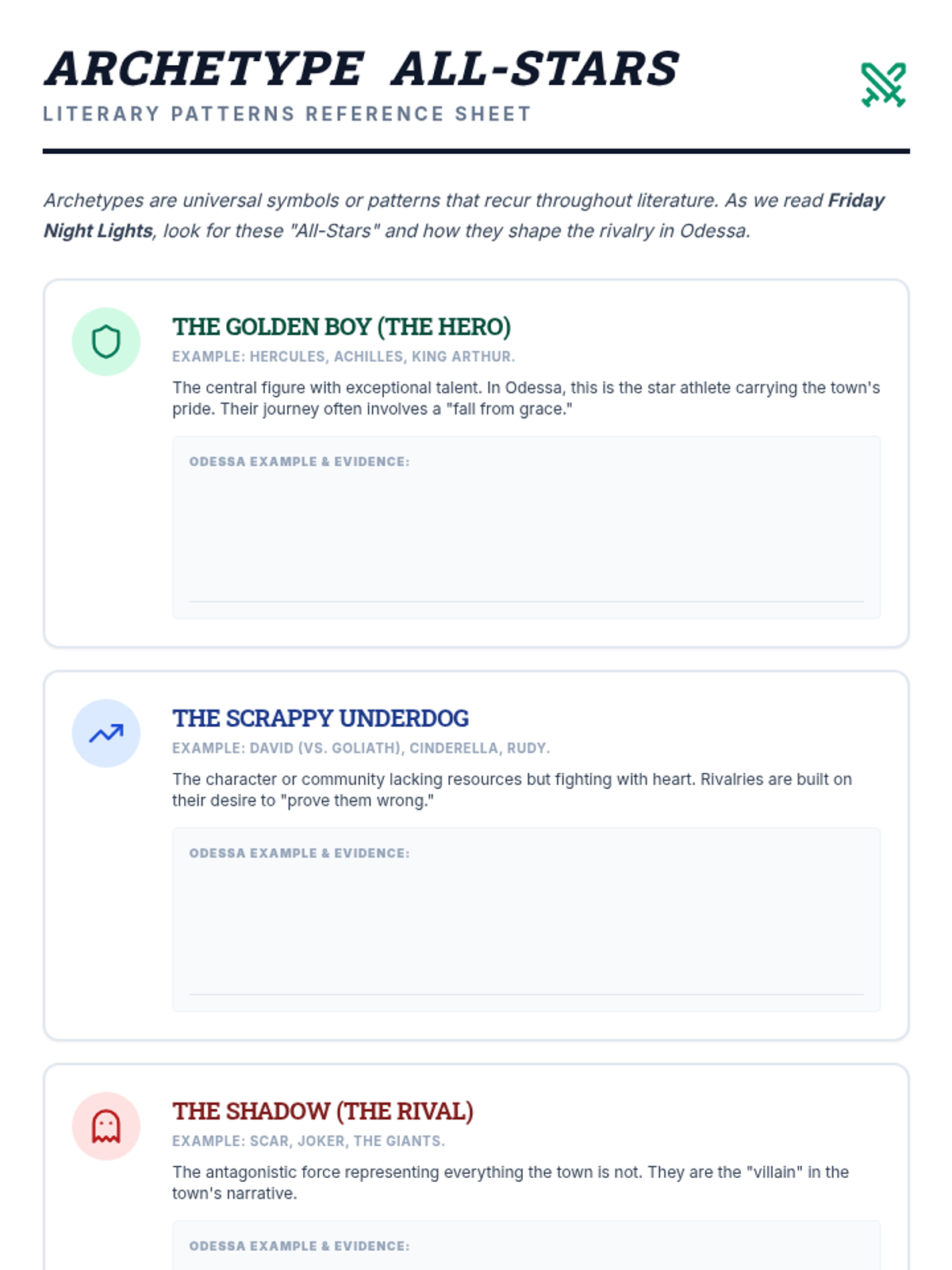
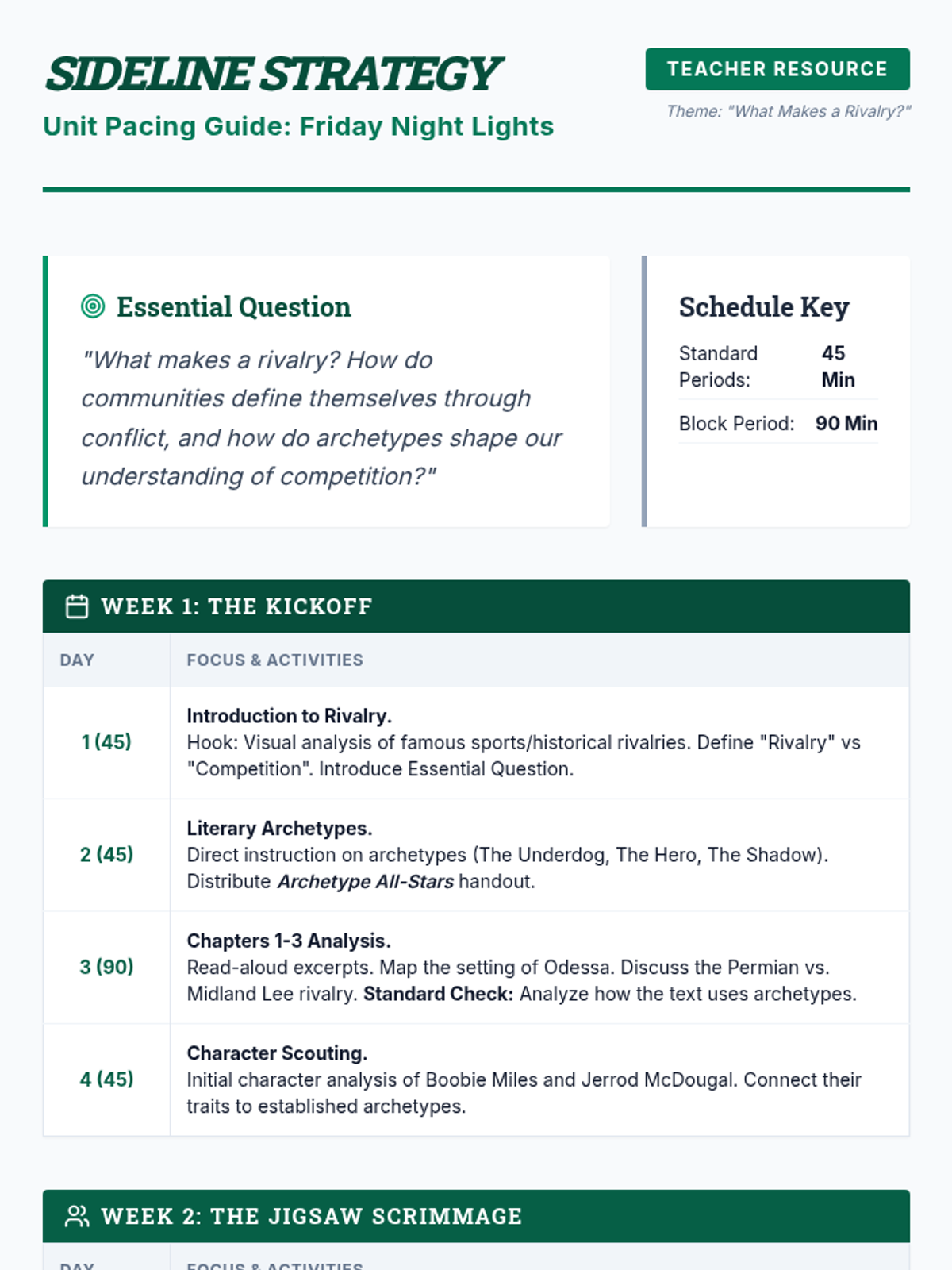
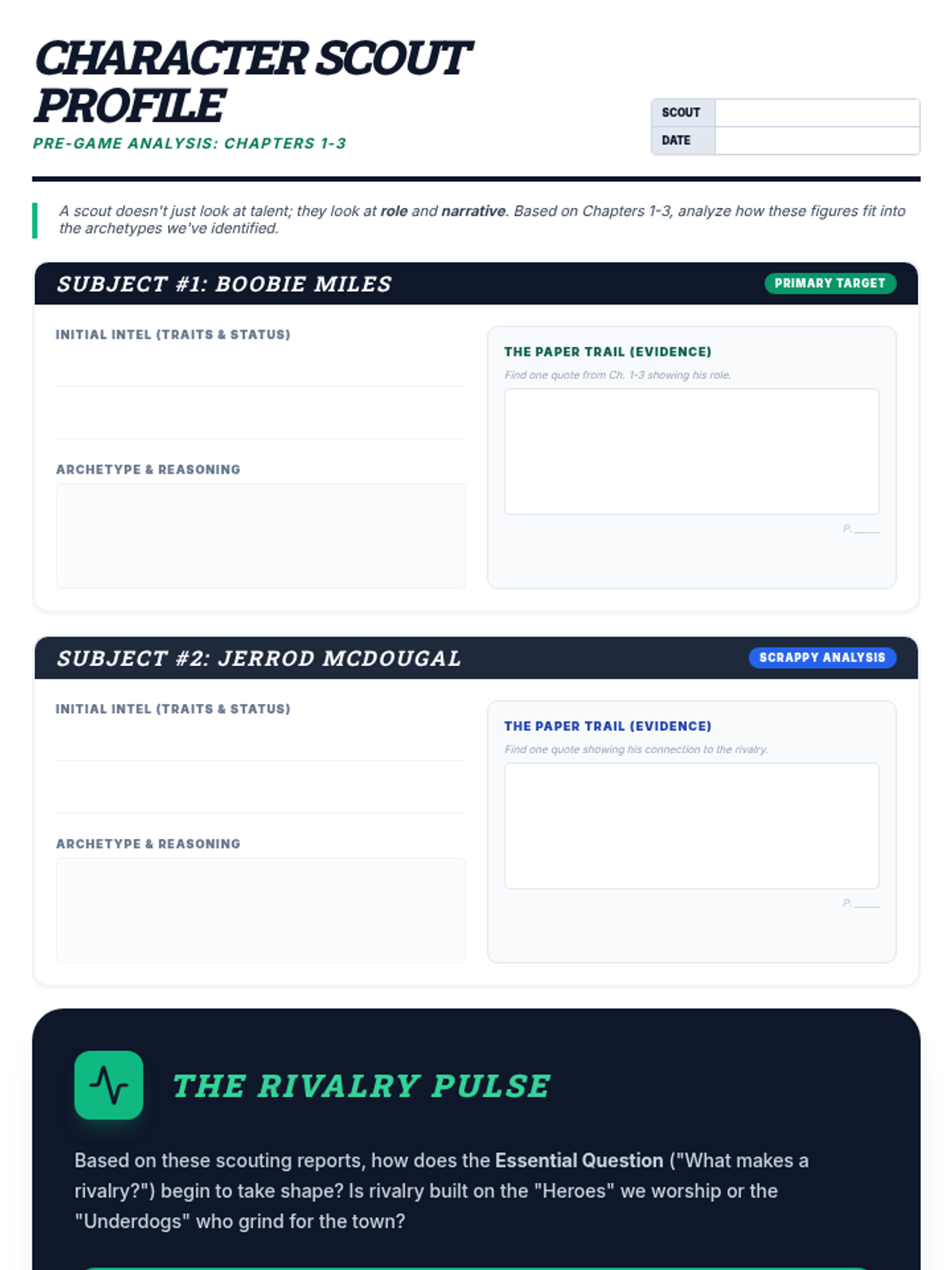
A 5-week intensive ELA unit on 'Friday Night Lights' using an investigative journalism lens. Students analyze the 'Permian Myth' through character archetypes and social commentary, culminating in the 'Odessa Verdict' One-Pager project.
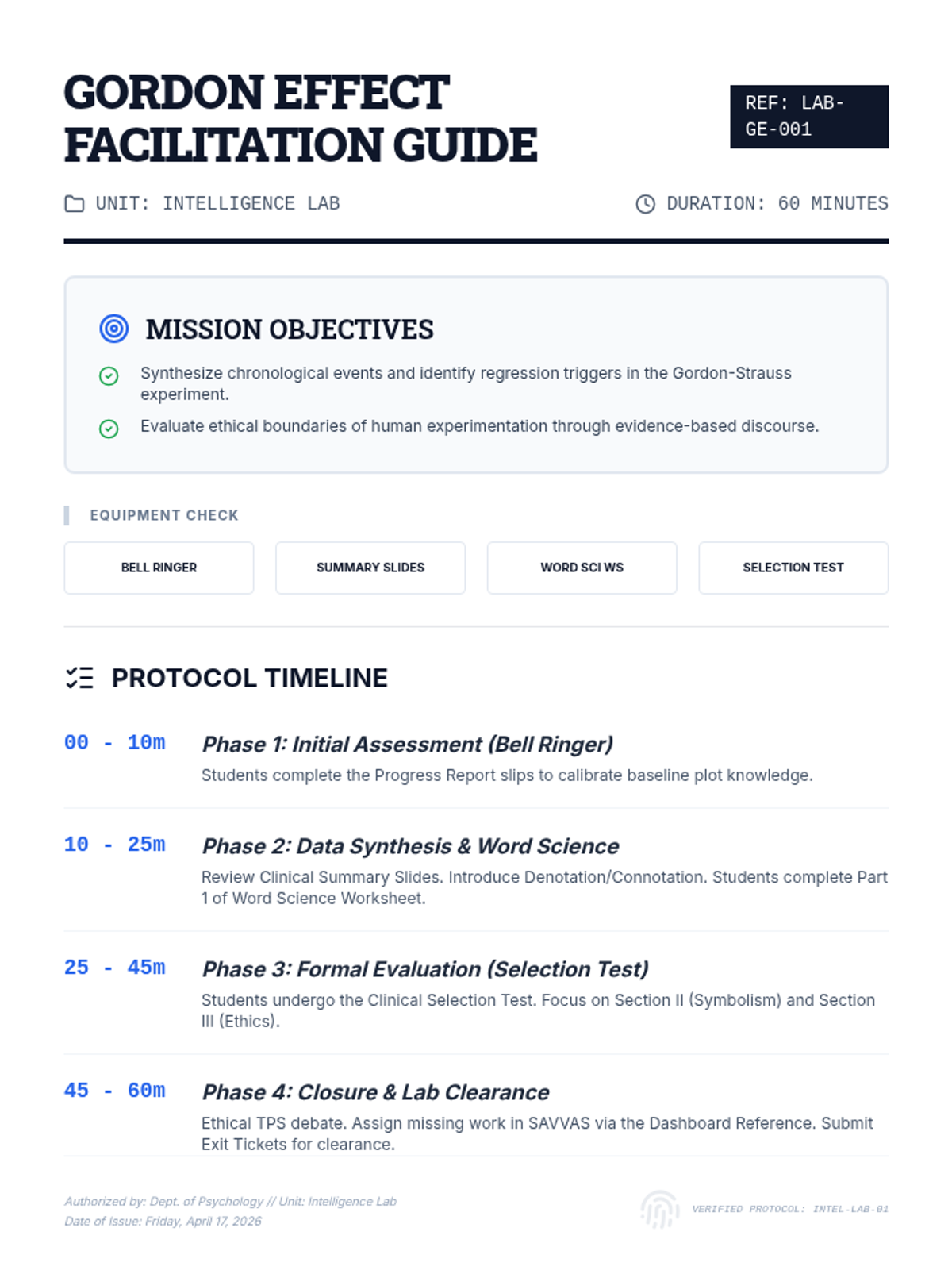
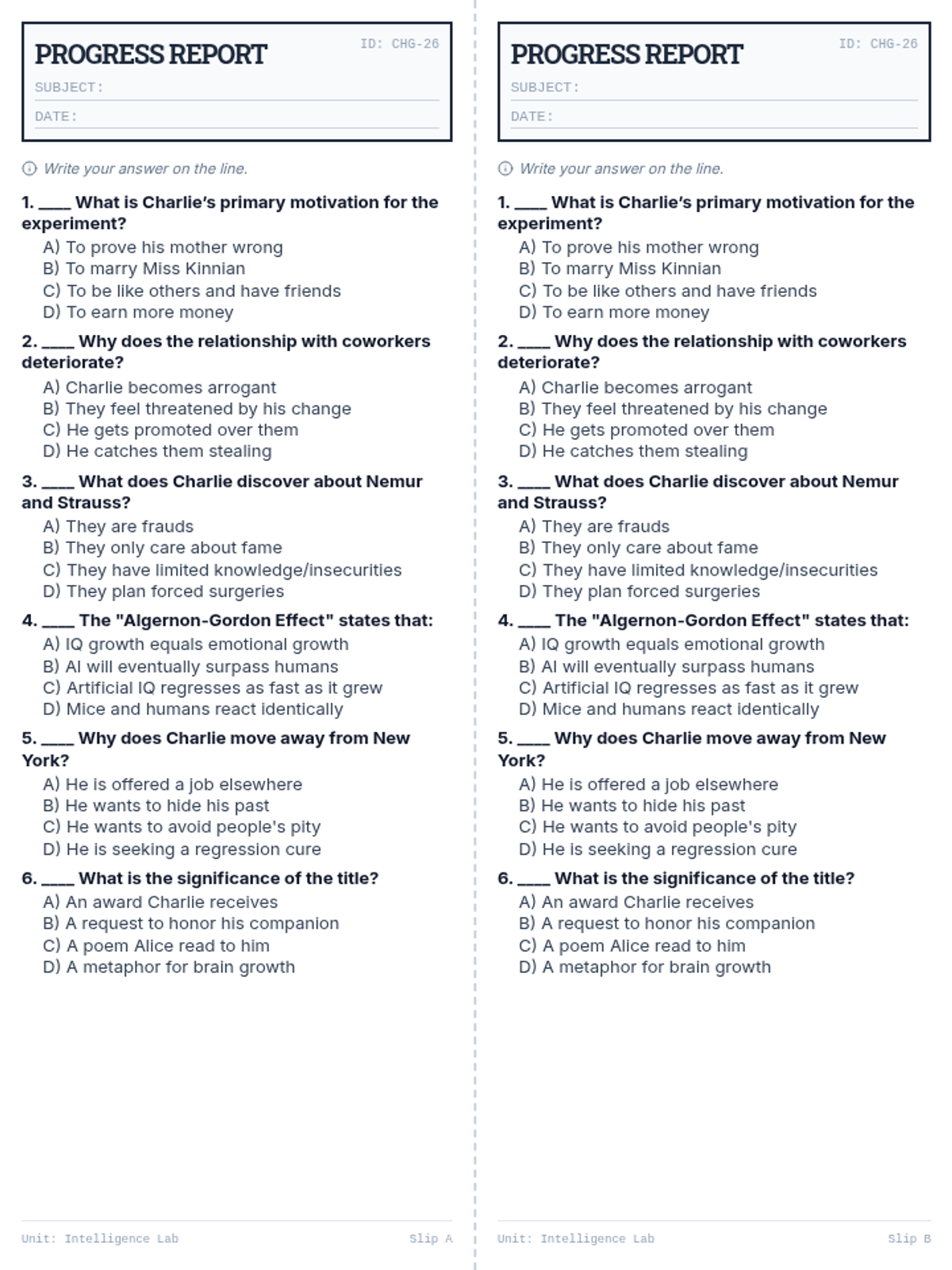
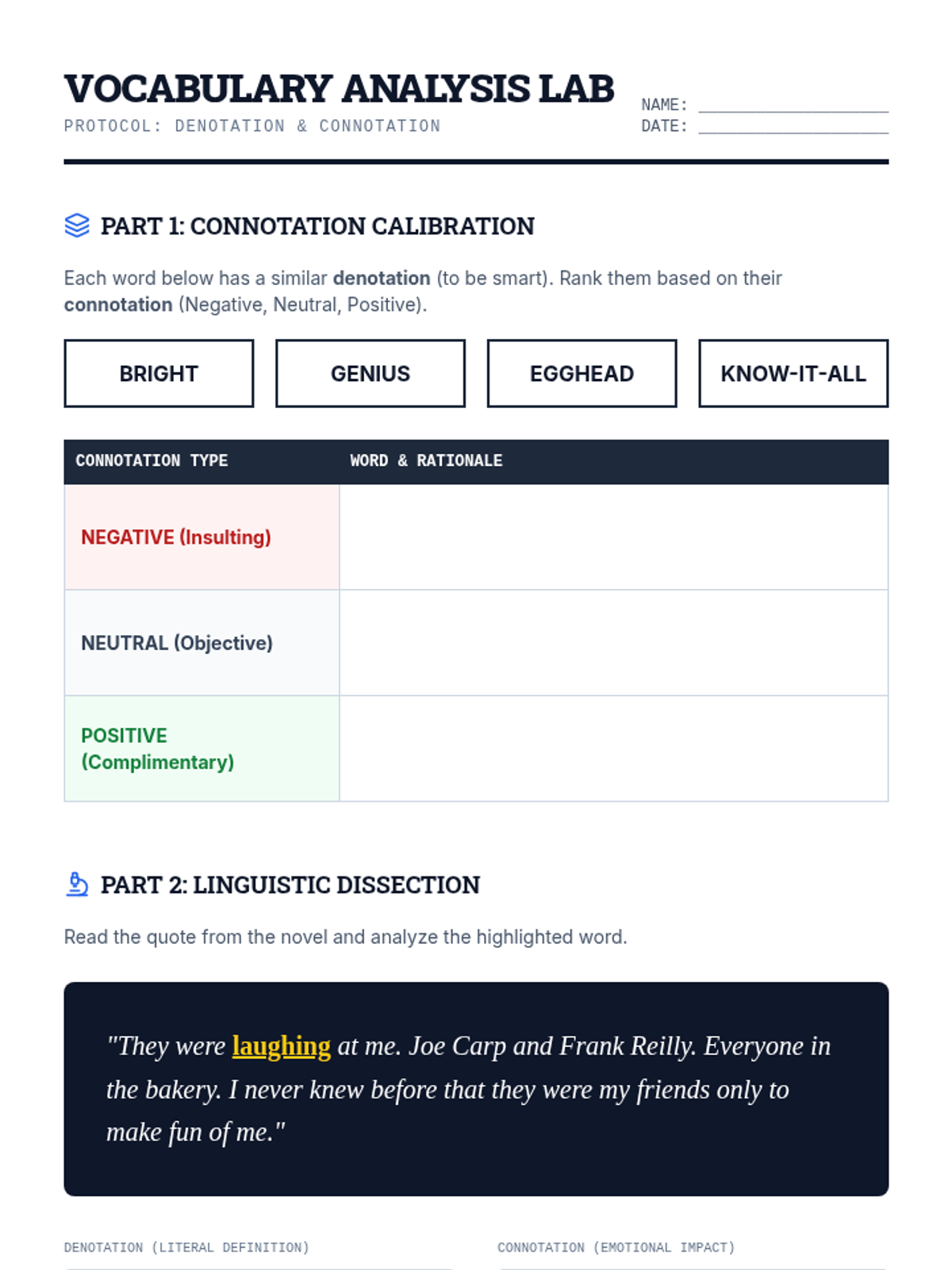
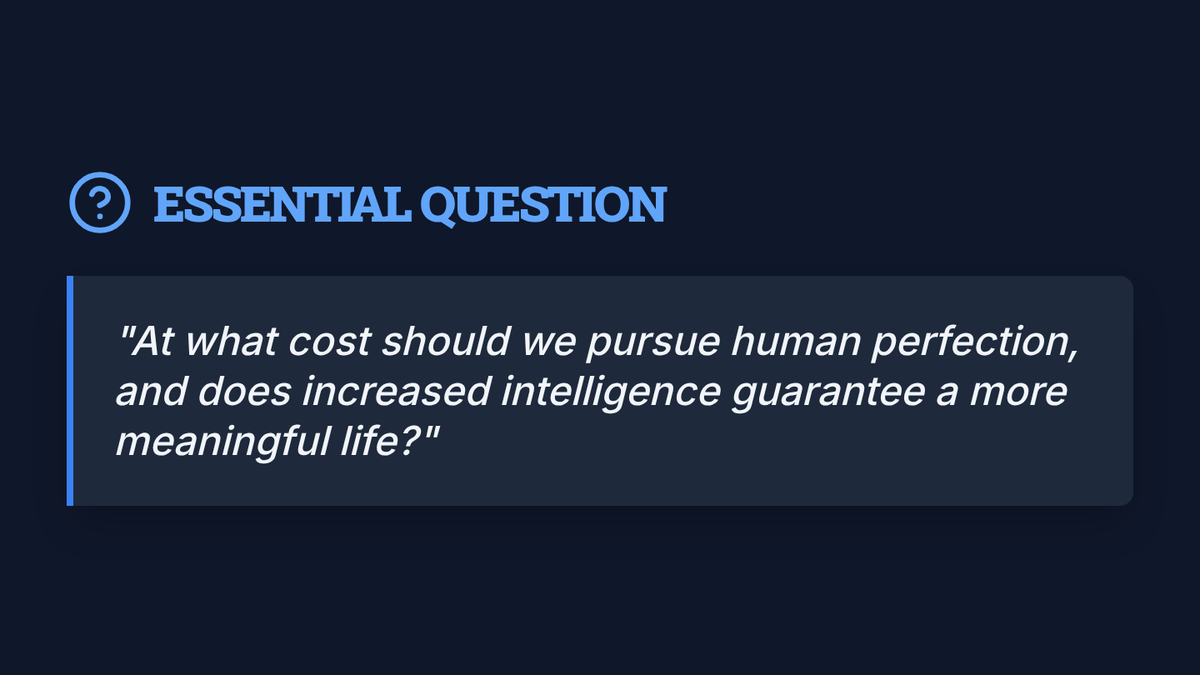
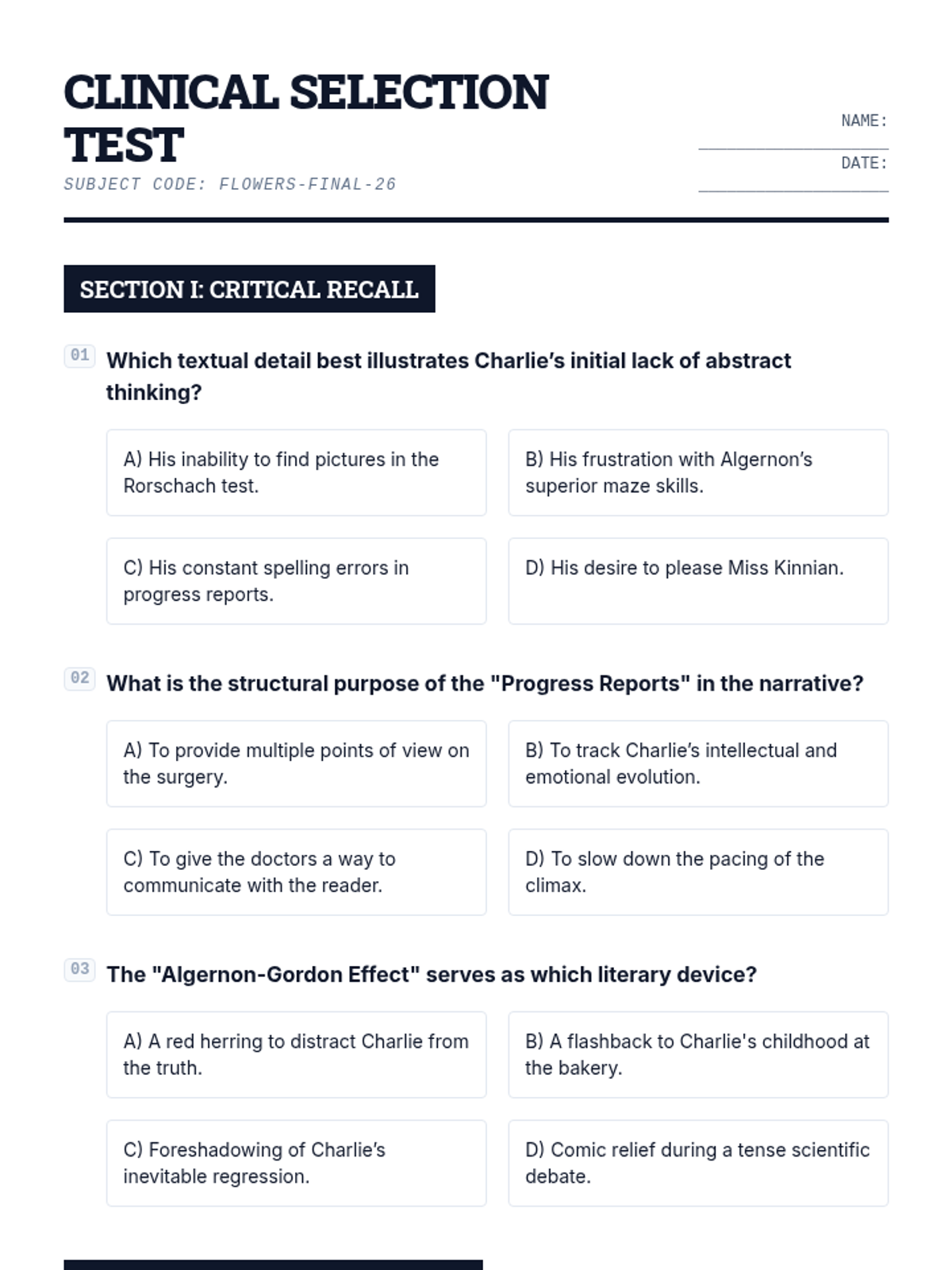
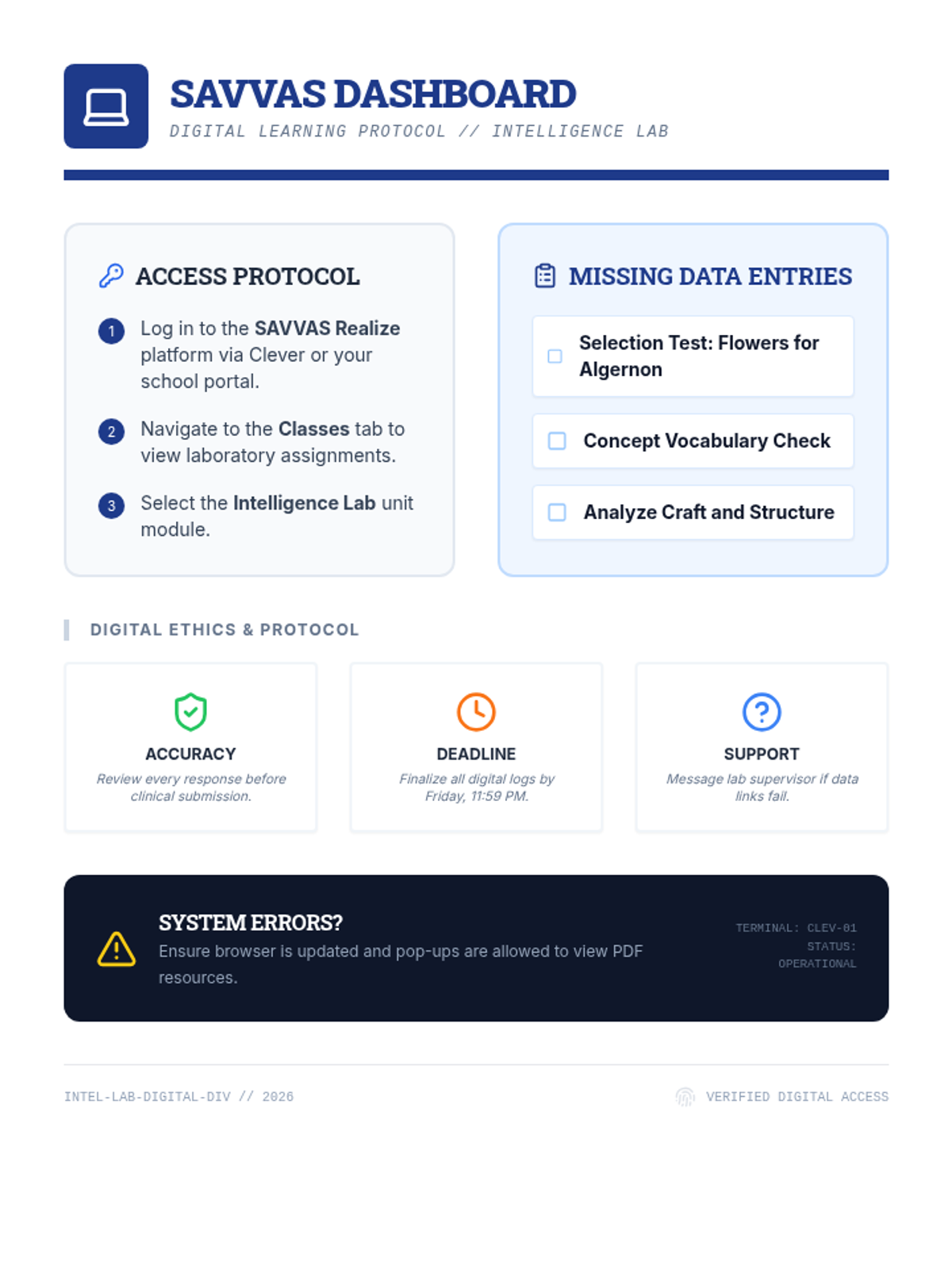
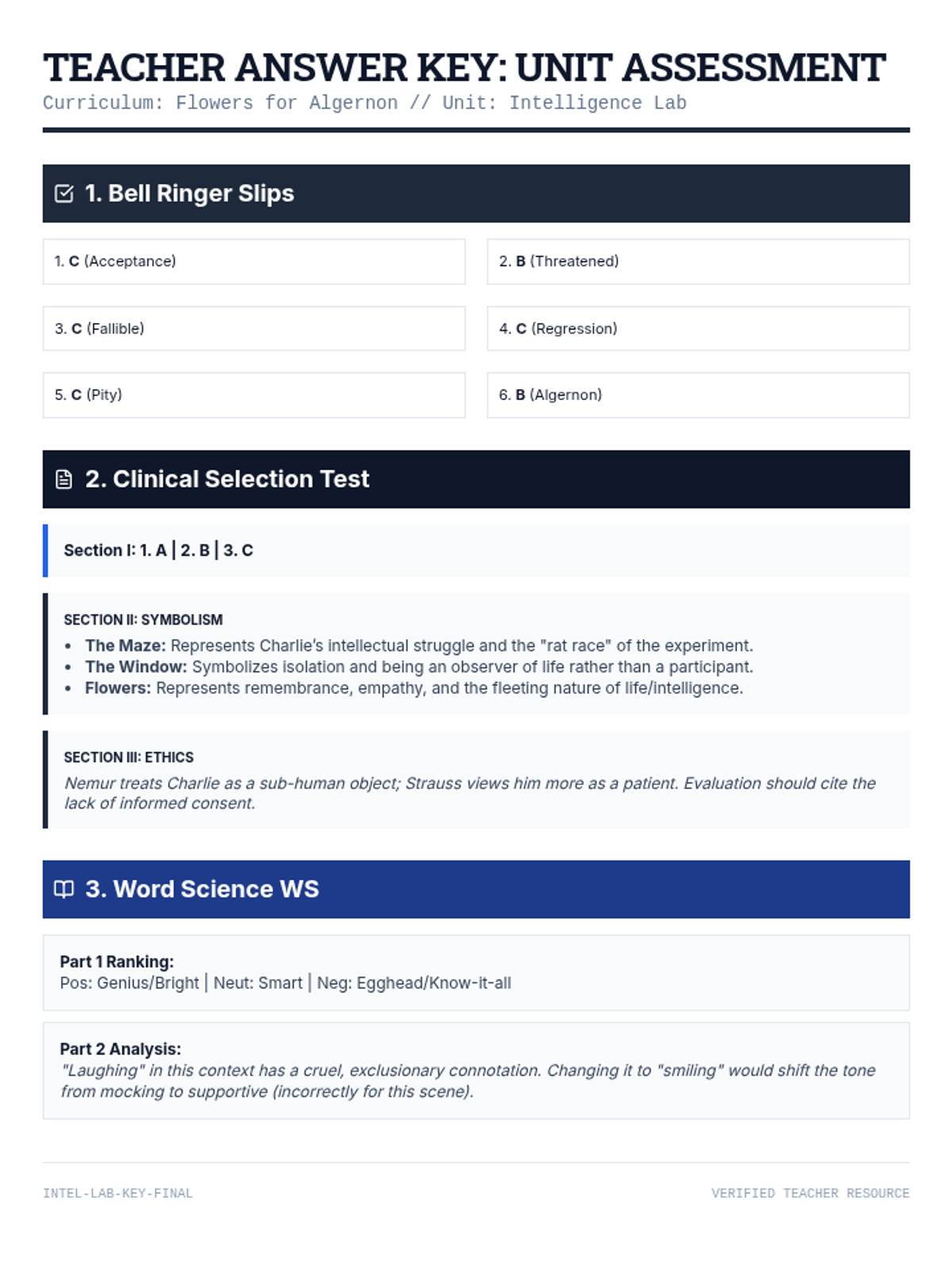
A comprehensive unit exploring the psychological and ethical themes of Daniel Keyes' 'Flowers for Algernon', focusing on character development, scientific ethics, and the nature of human intelligence.
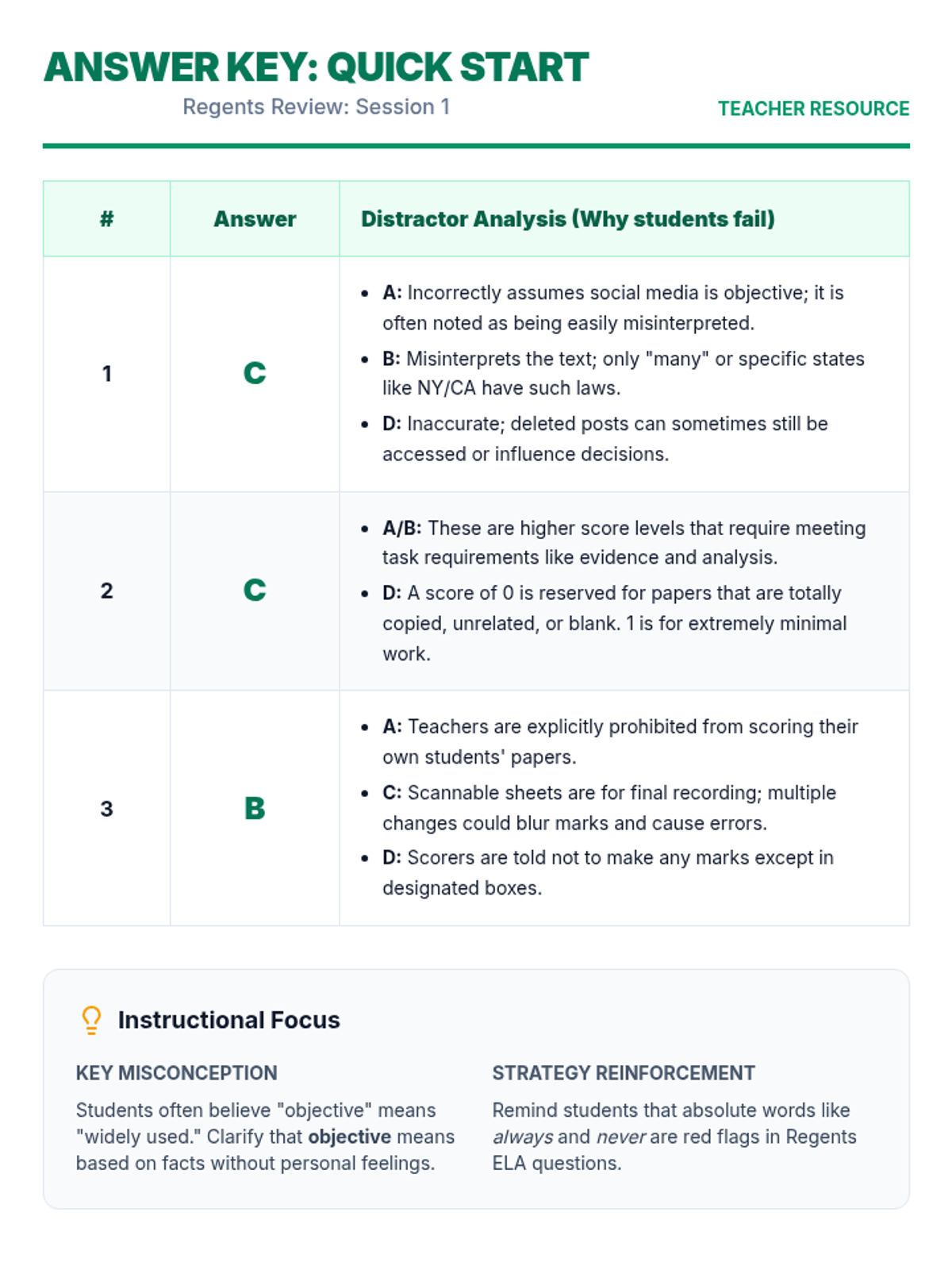
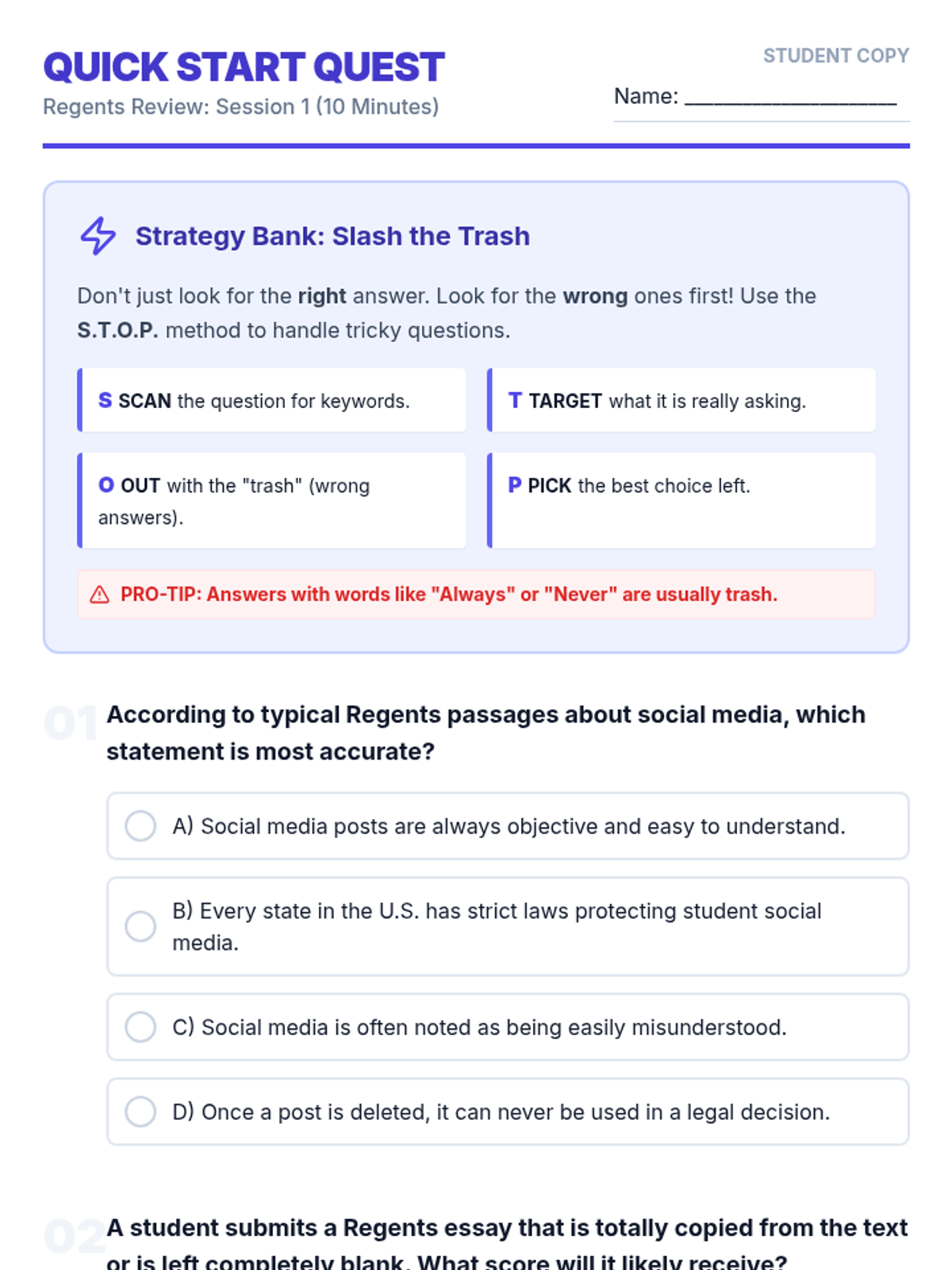
A comprehensive 6-lesson spiraling review sequence designed to prepare students for the ELA Regents exam through 10-minute daily practice sessions. Each lesson focuses on specific exam sets and high-impact test-taking strategies.
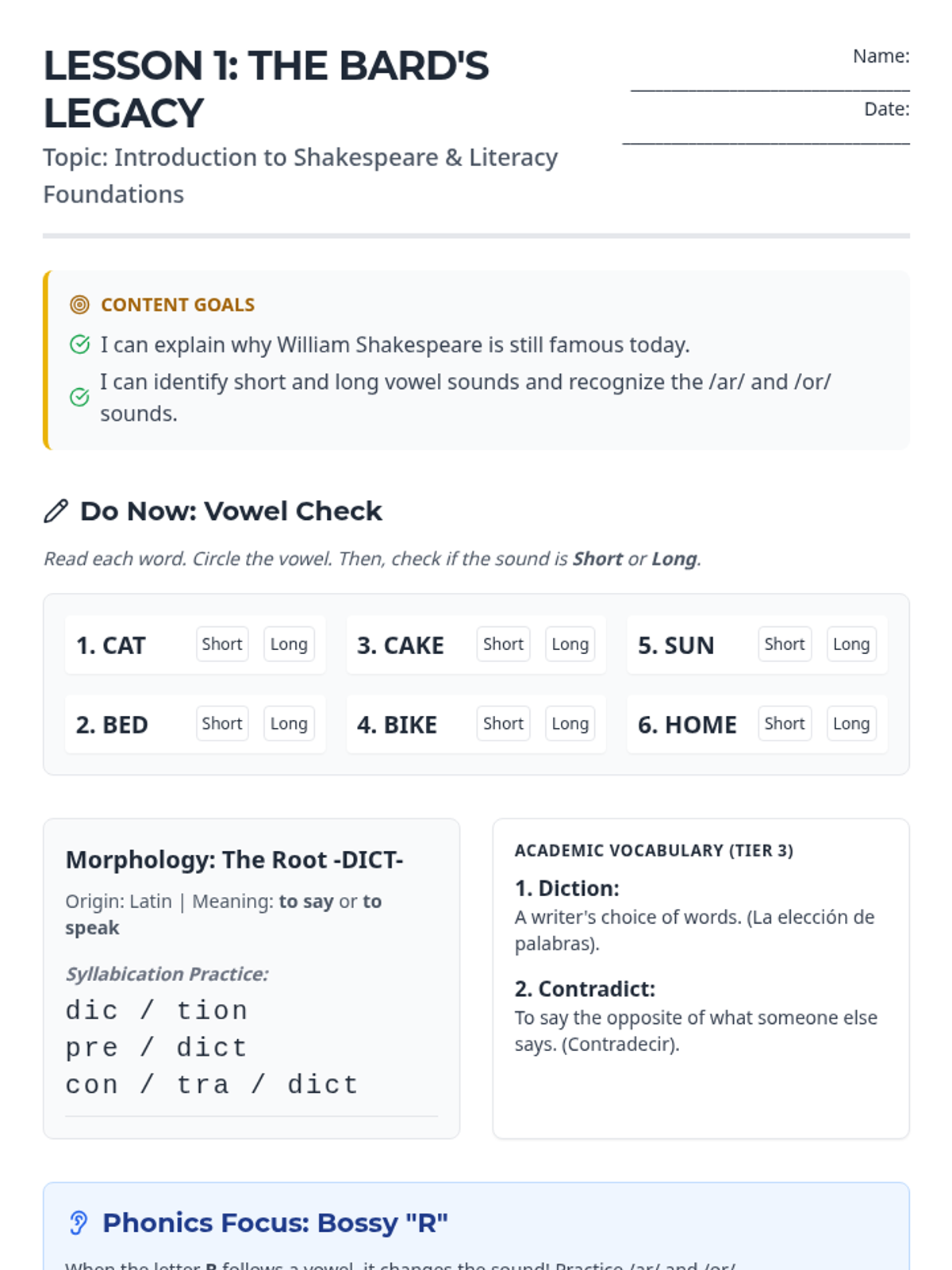
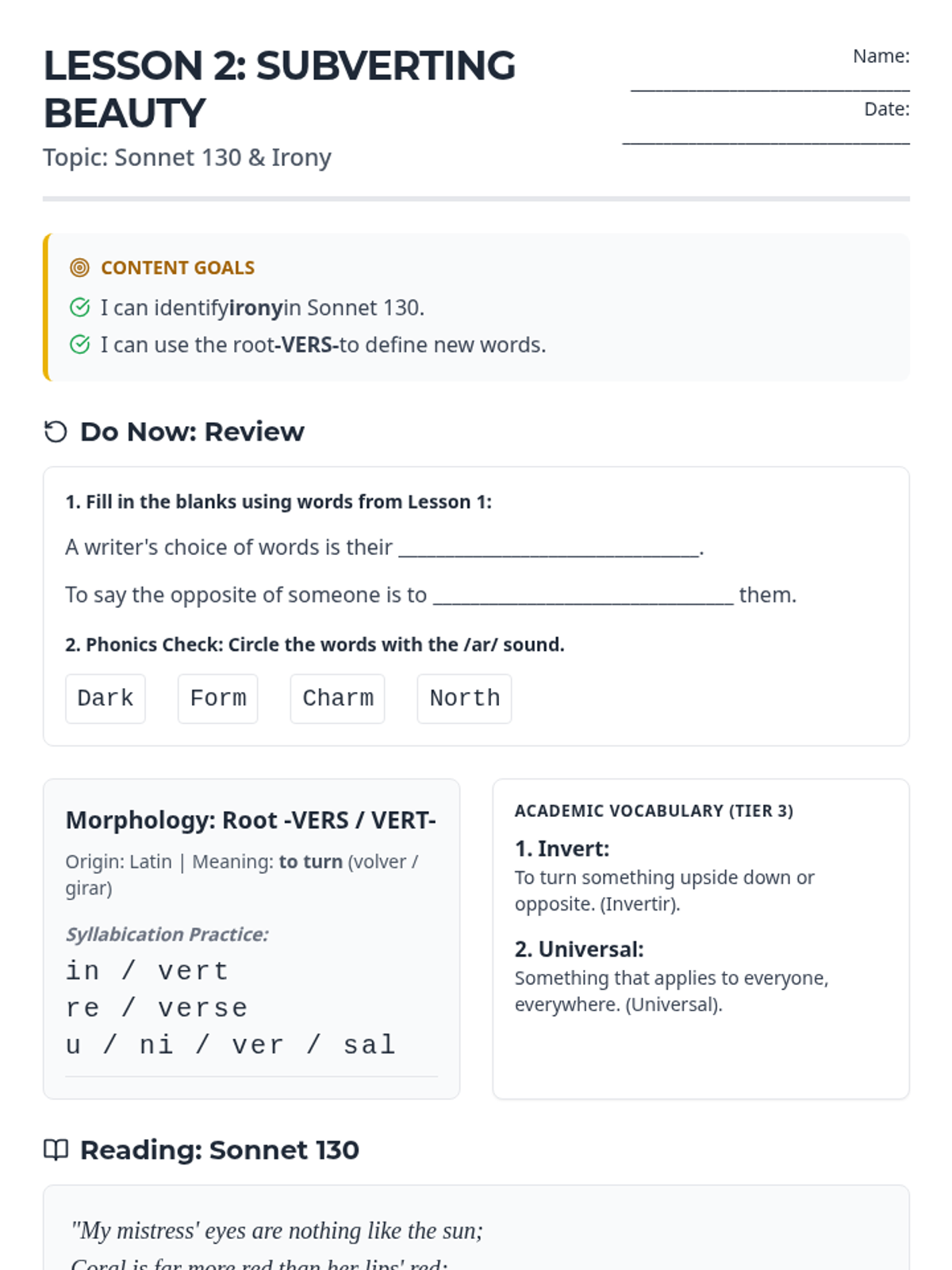
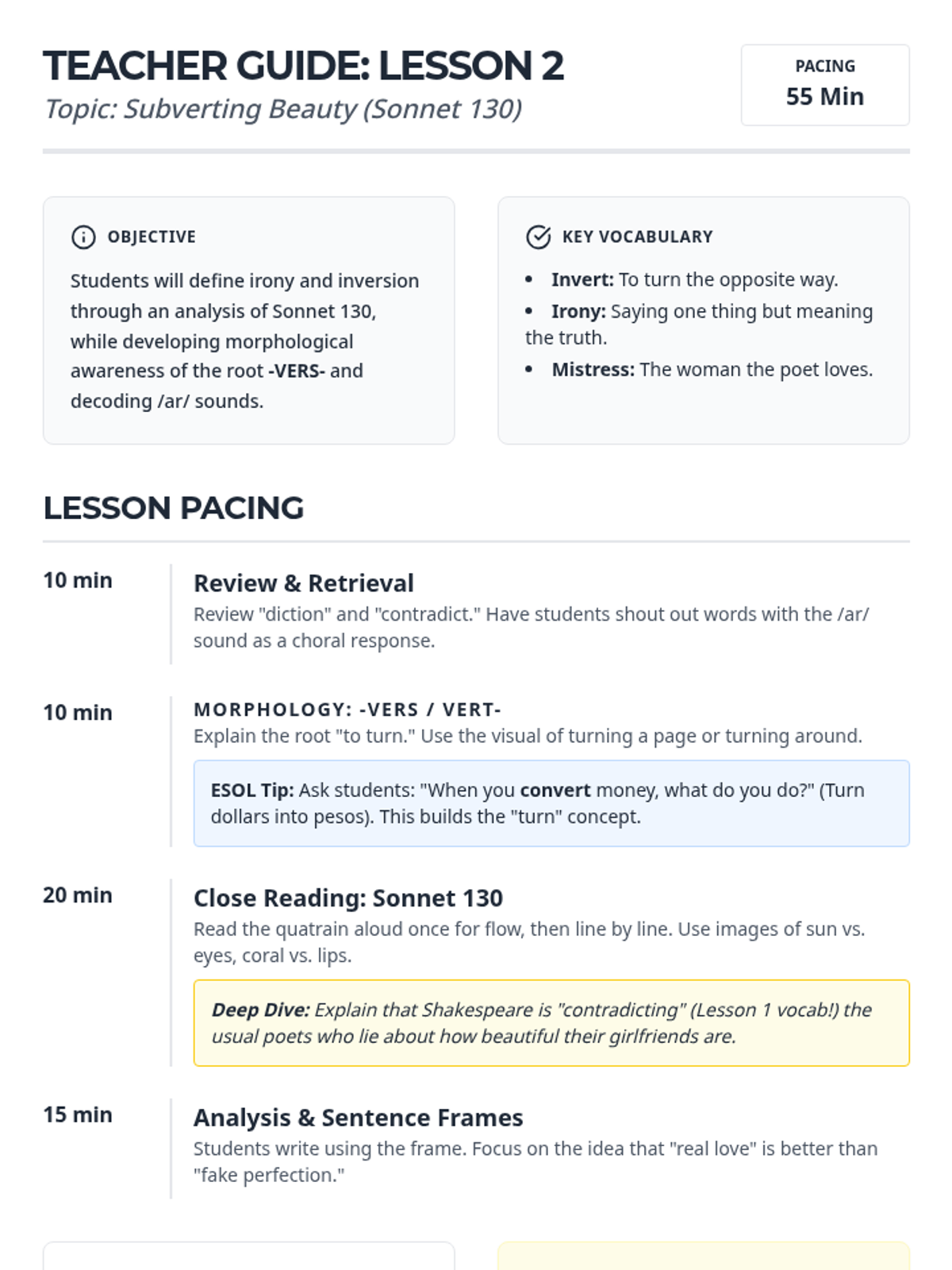
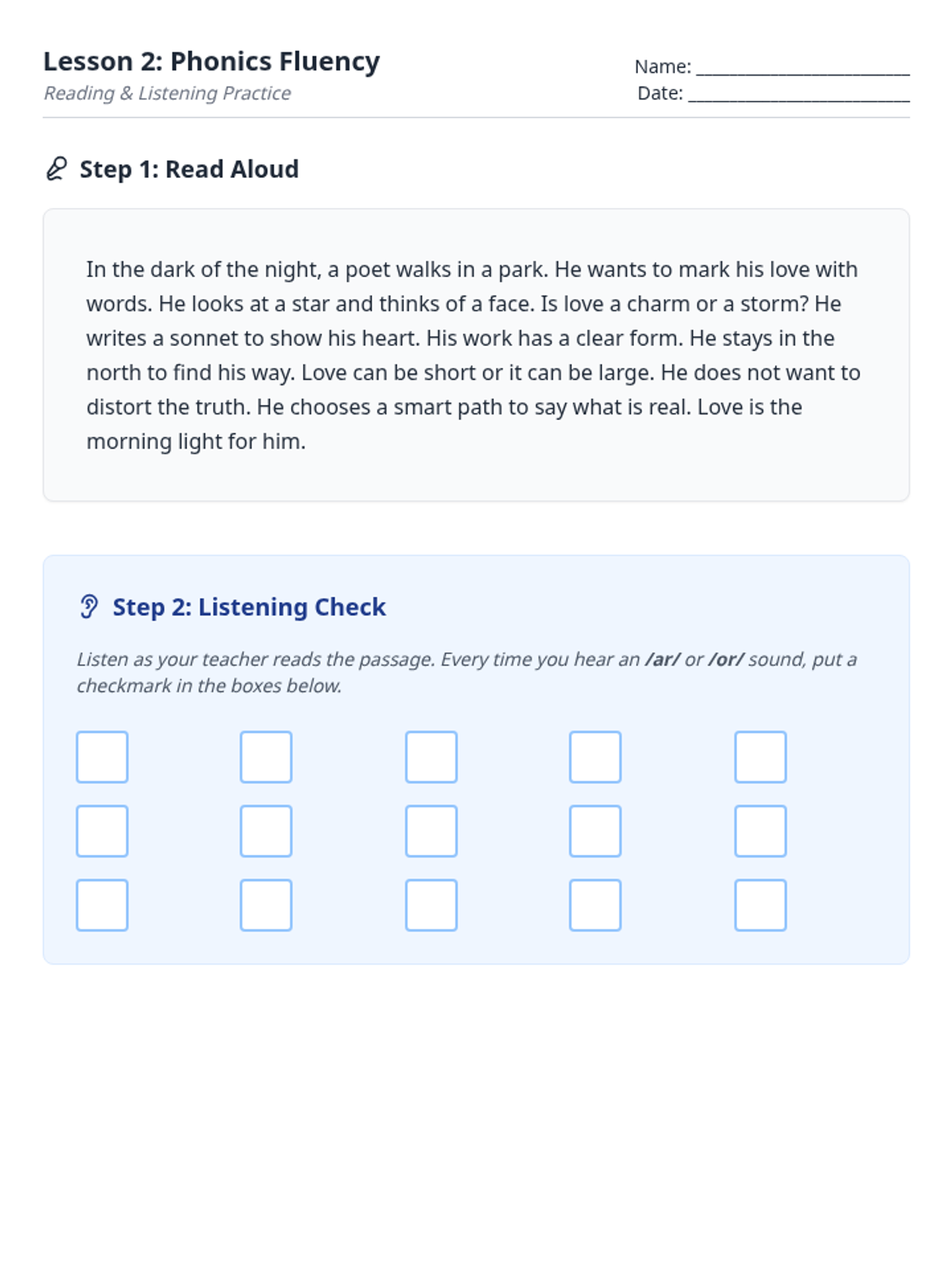
A 10-lesson thematic unit for 9th-grade ESOL students focusing on Shakespeare's Macbeth, integrating systemic language instruction, morphology, and phonics (R-controlled vowels) with high-school level analysis.
A scaffolded progression of persuasive writing mastery, moving from 9th-grade foundations of Ethos, Pathos, and Logos to 11th-grade advanced rhetorical strategies including Kairos and logical fallacy analysis.
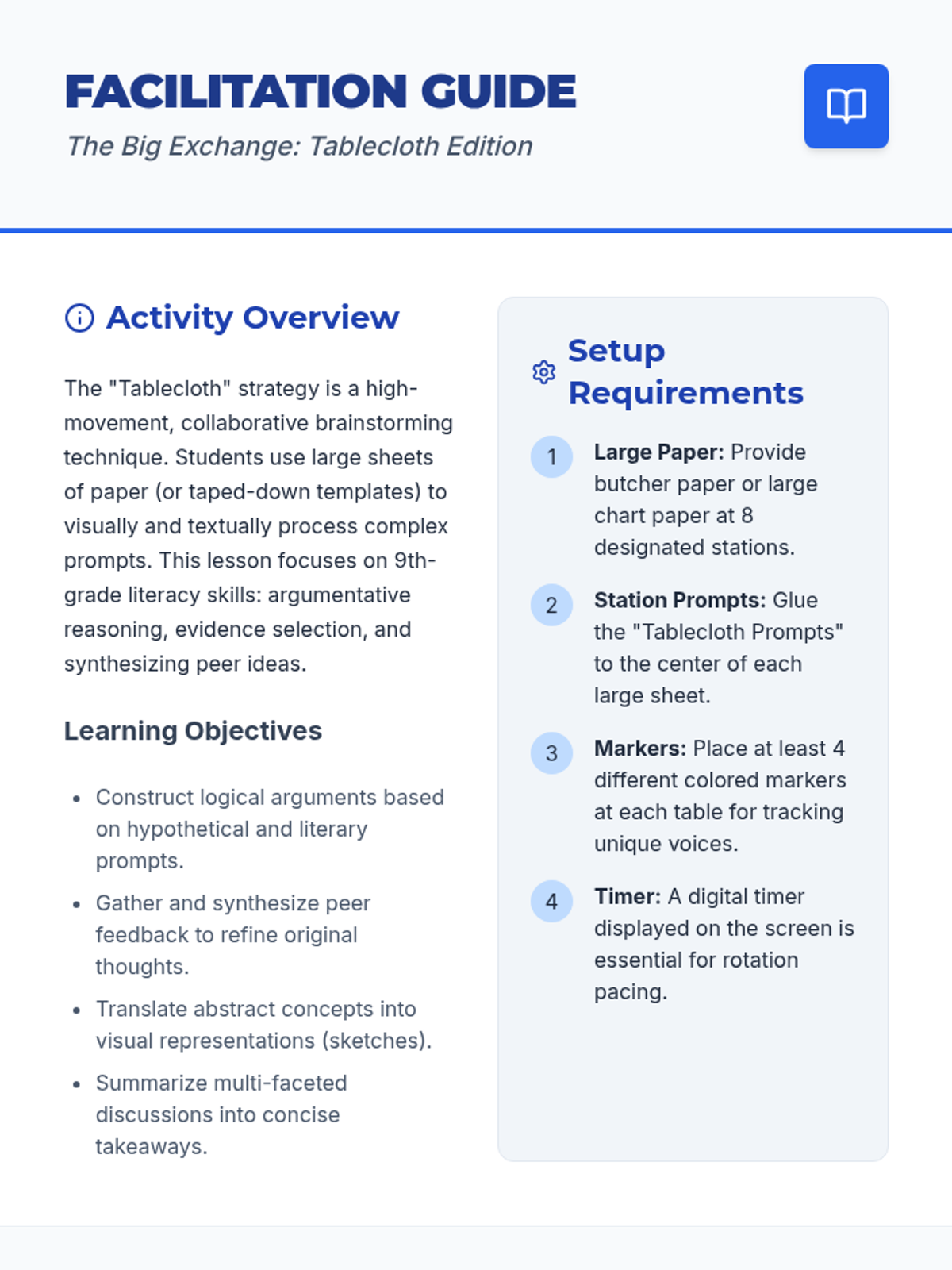
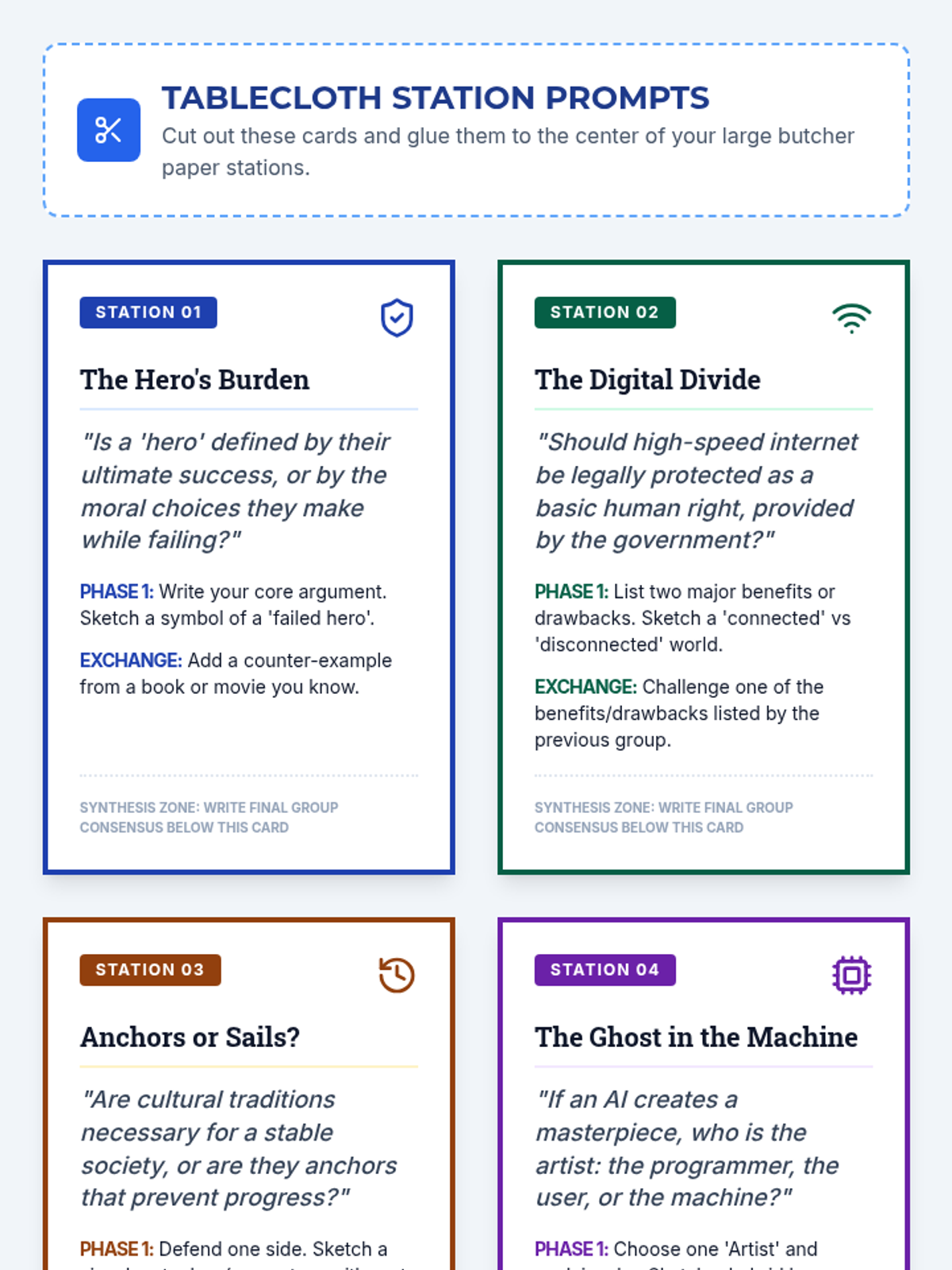
A series of lessons focused on collaborative argumentation, evidence gathering, and literary analysis through interactive movement and peer-to-peer feedback.
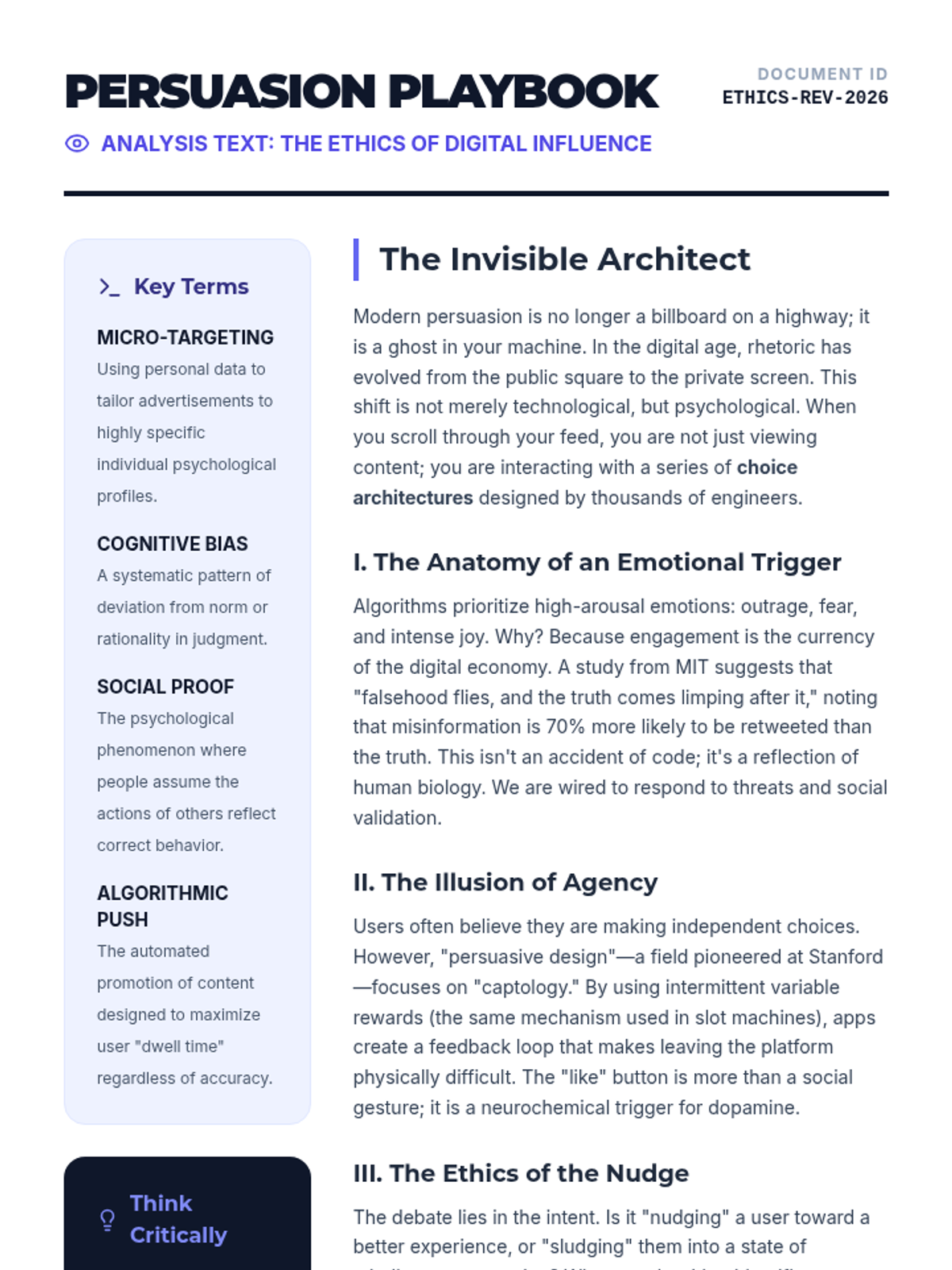
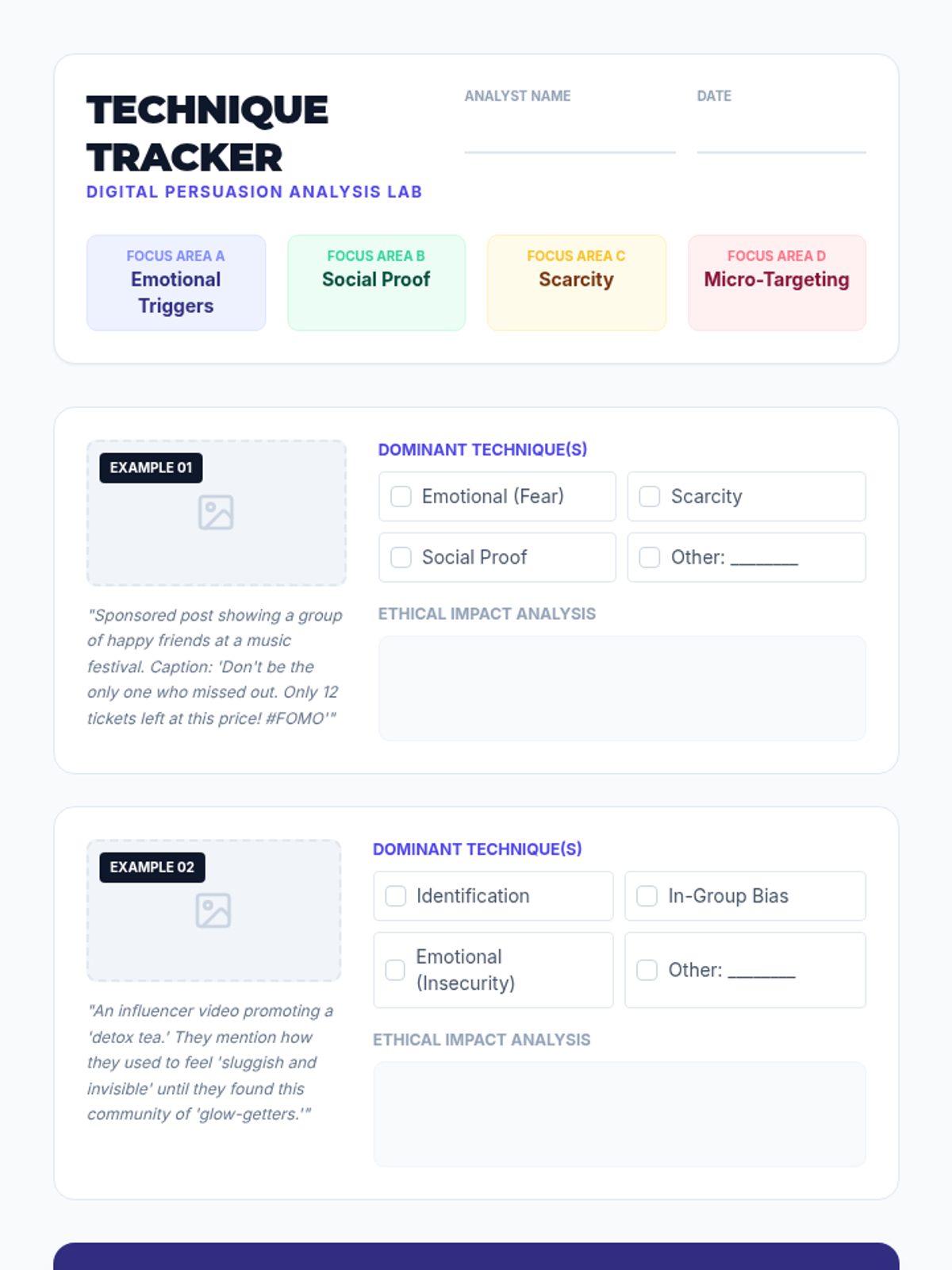
A high-engagement sequence where students evaluate persuasive techniques in modern digital media, practicing active listening and evidence-based argumentation through a Socratic Seminar format. Students analyze the ethics of micro-targeting, influencer marketing, and algorithmic persuasion.
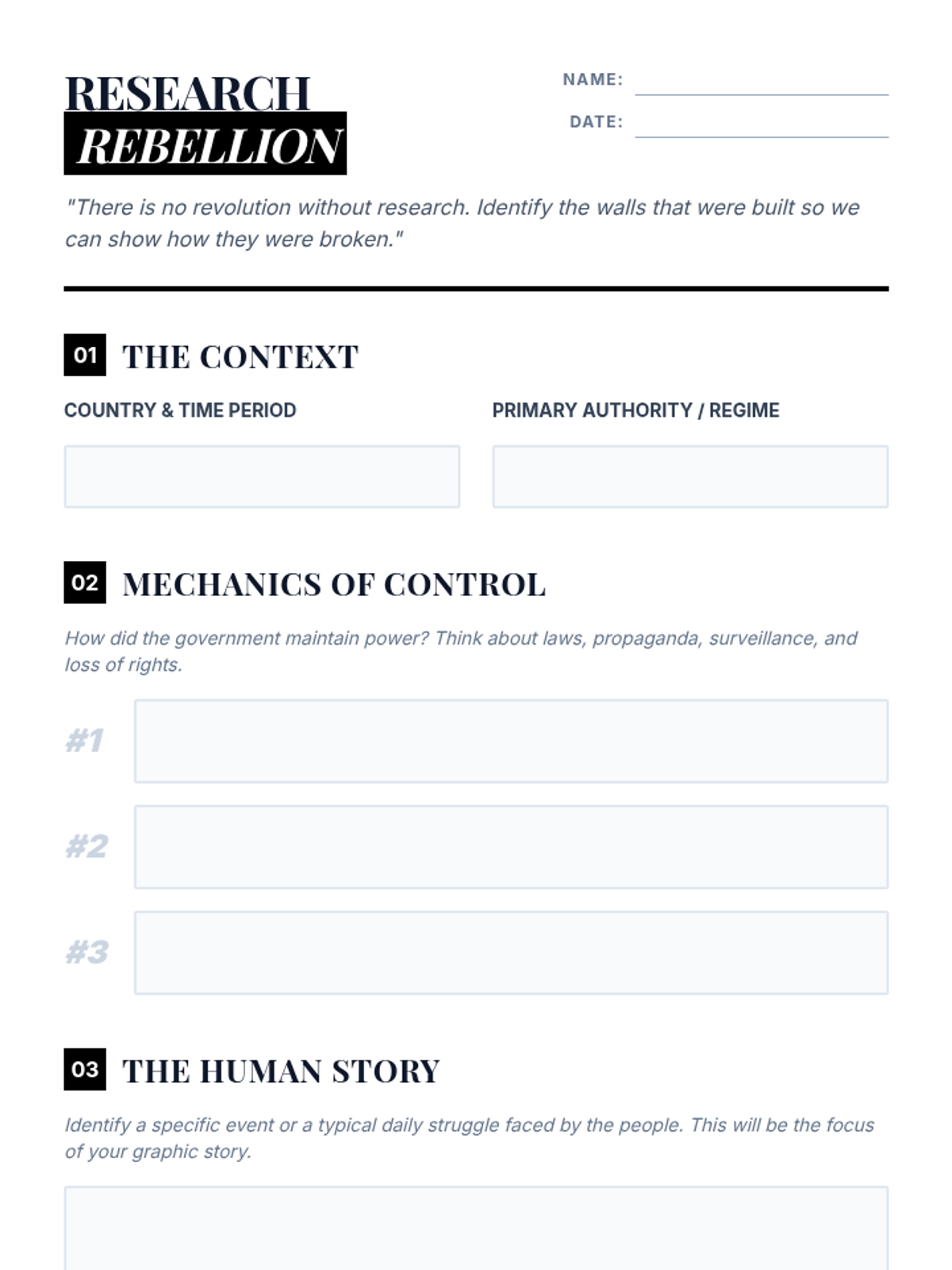
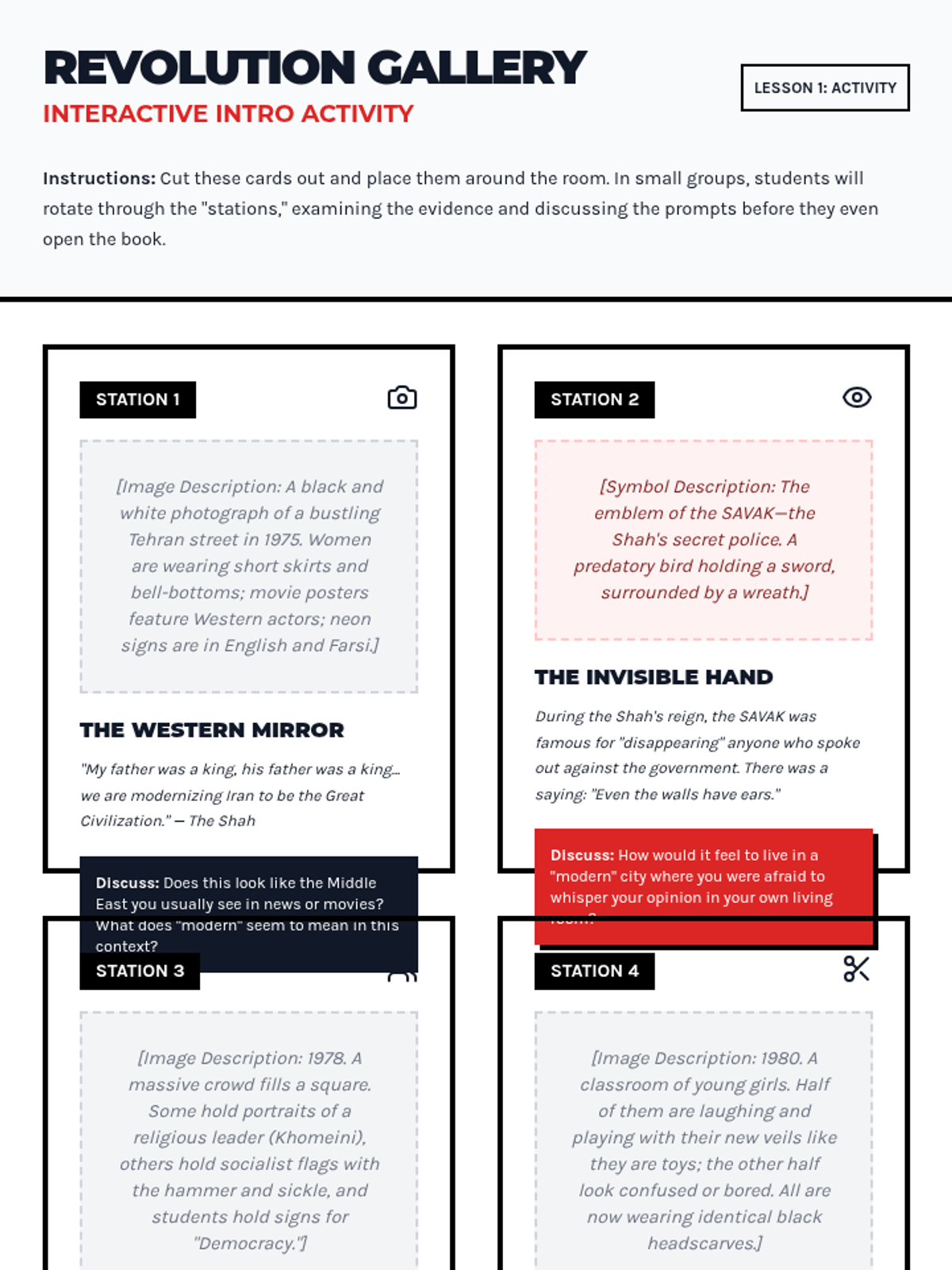
A 5-day project where students research historical oppression and create an 8-panel graphic story inspired by the themes and visual style of Persepolis. Students connect their chosen historical event to Marjane Satrapi's memoir through written reflection and visual storytelling.
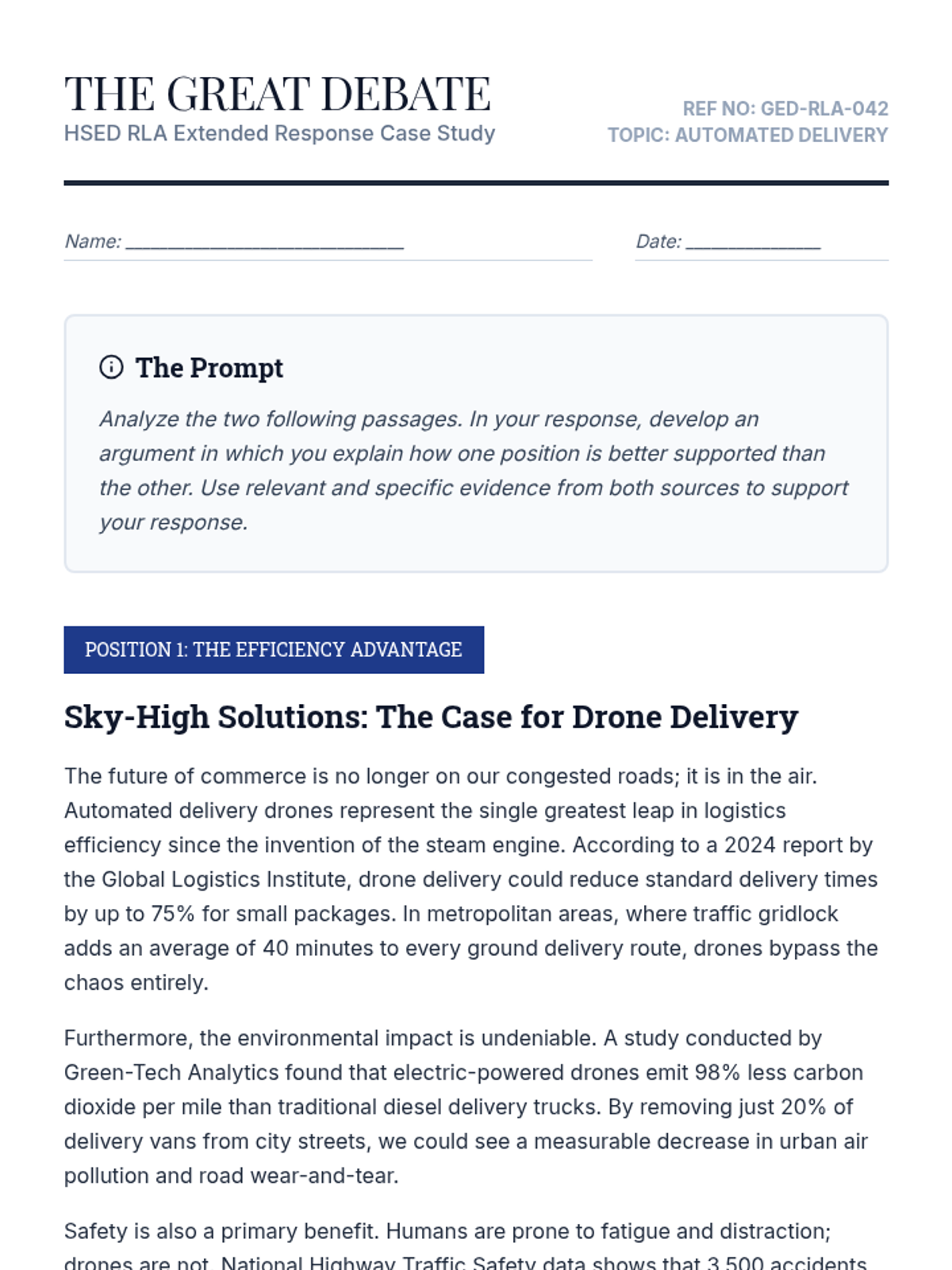
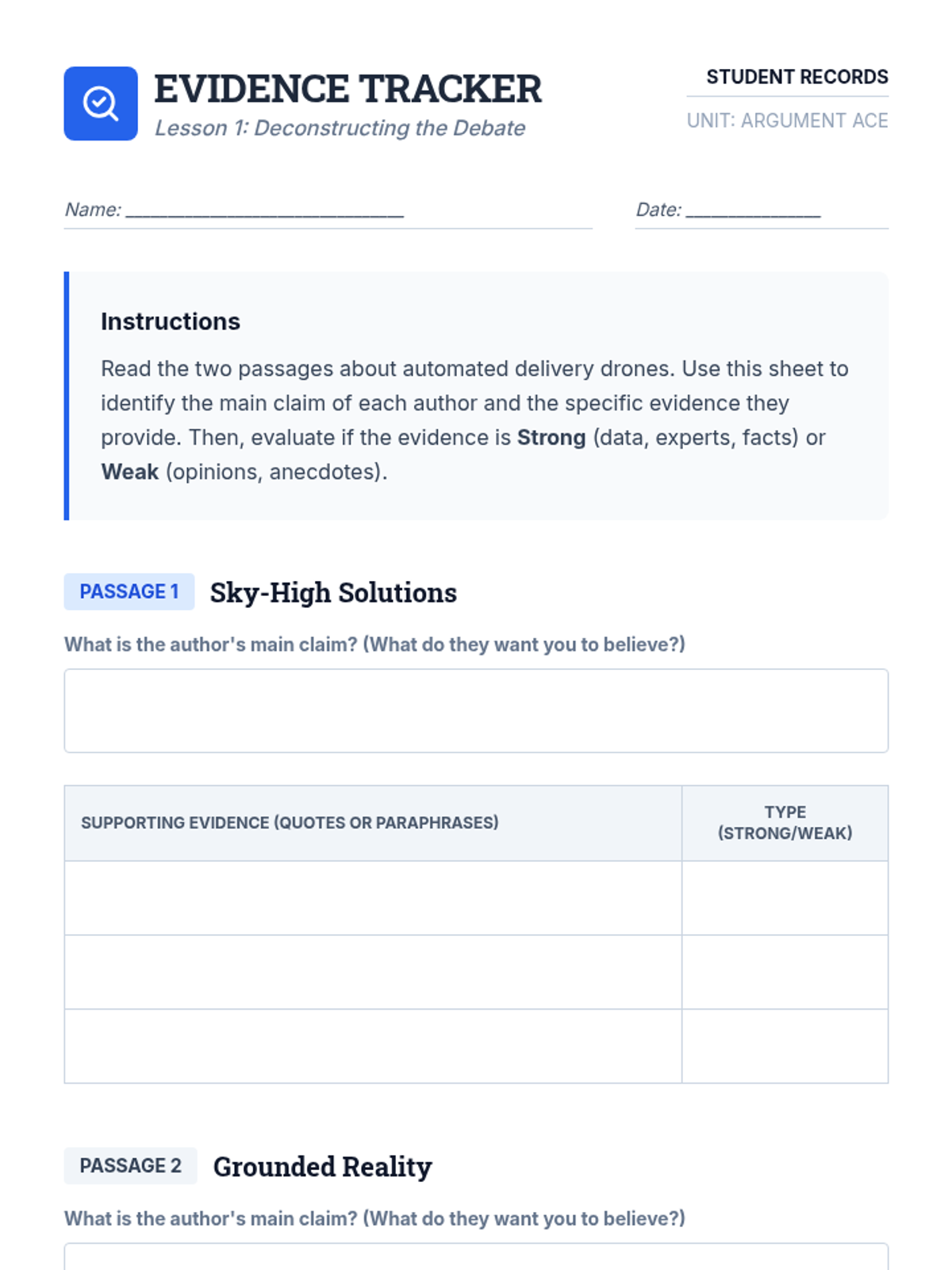
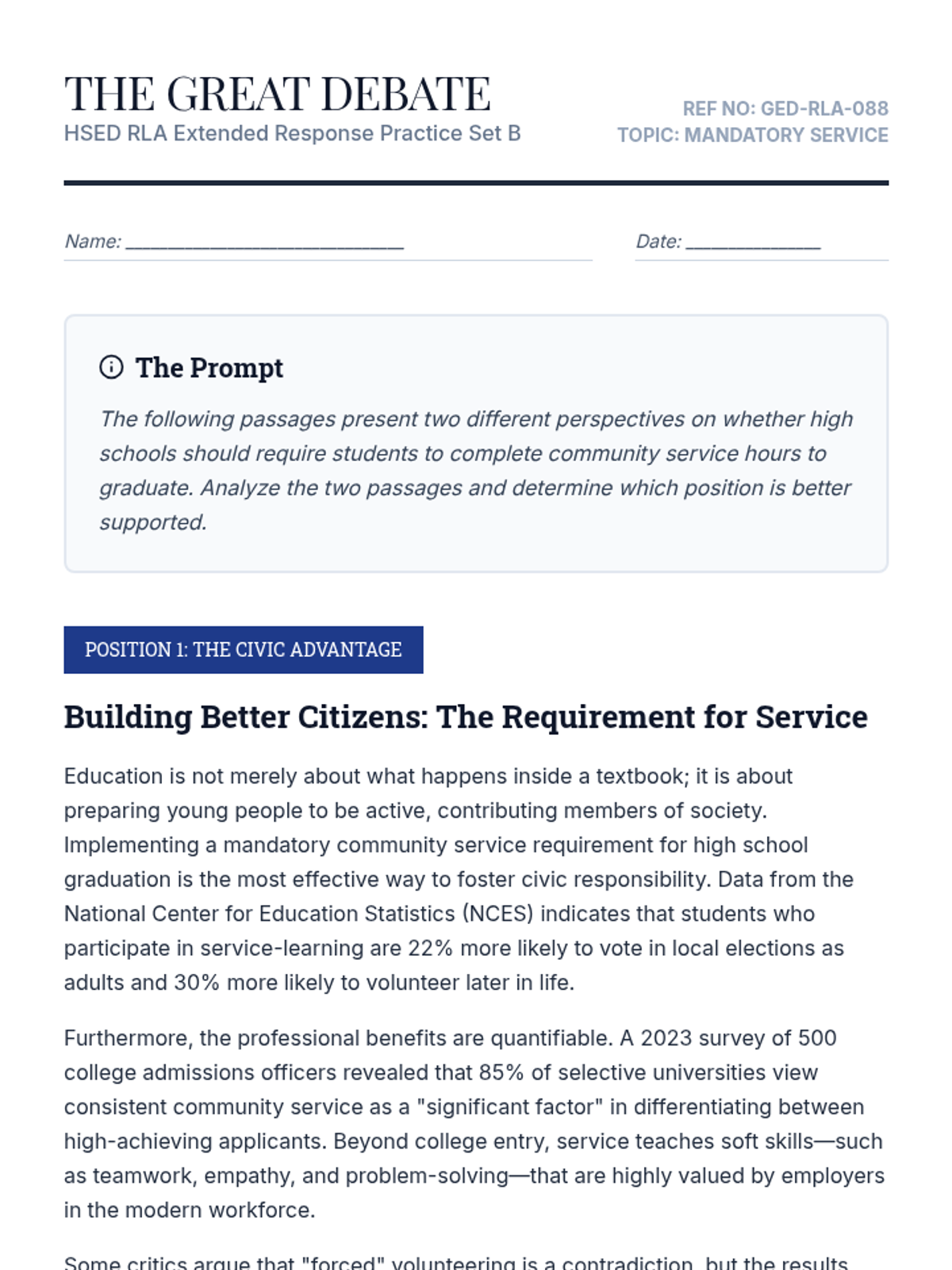
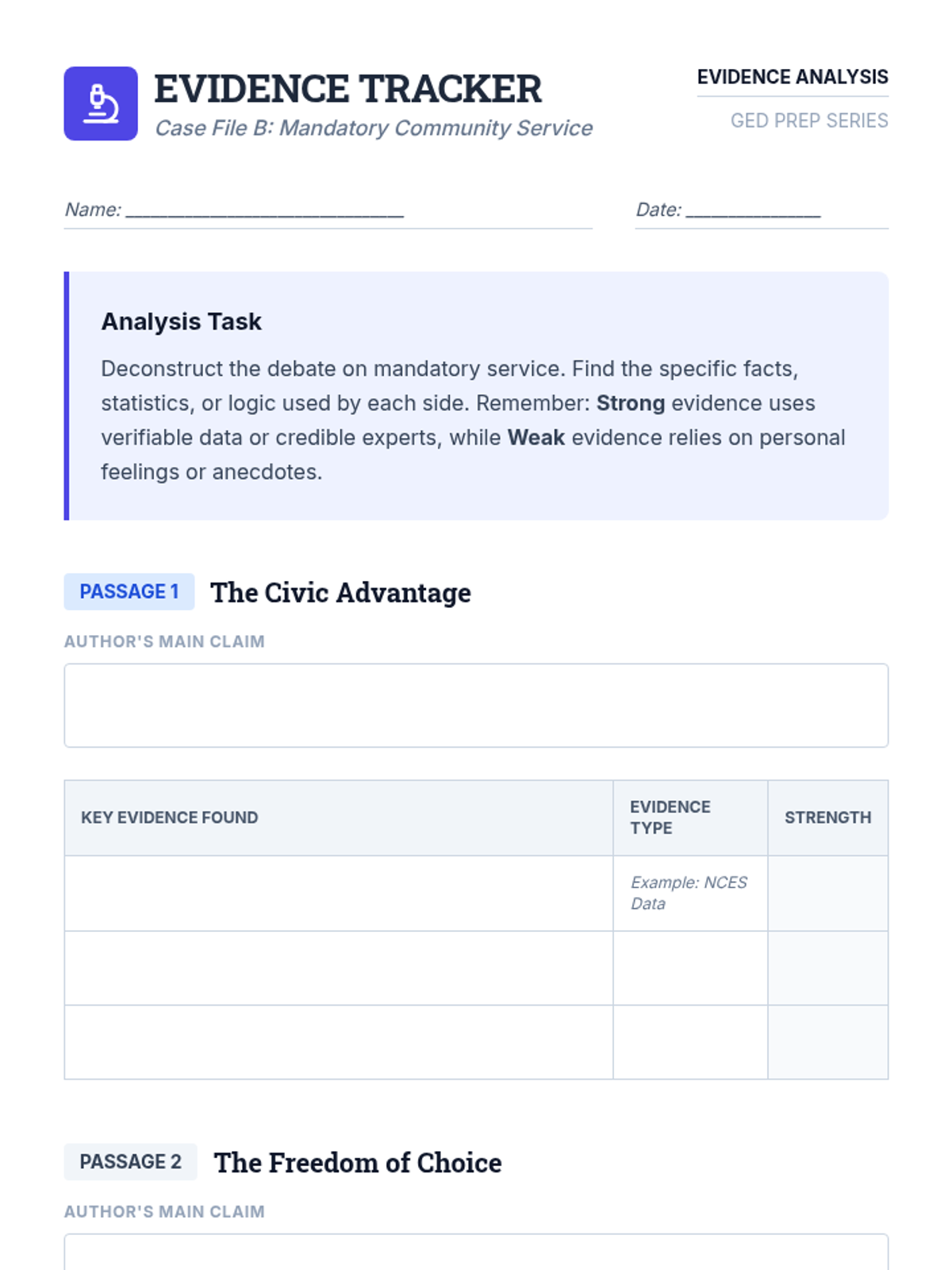
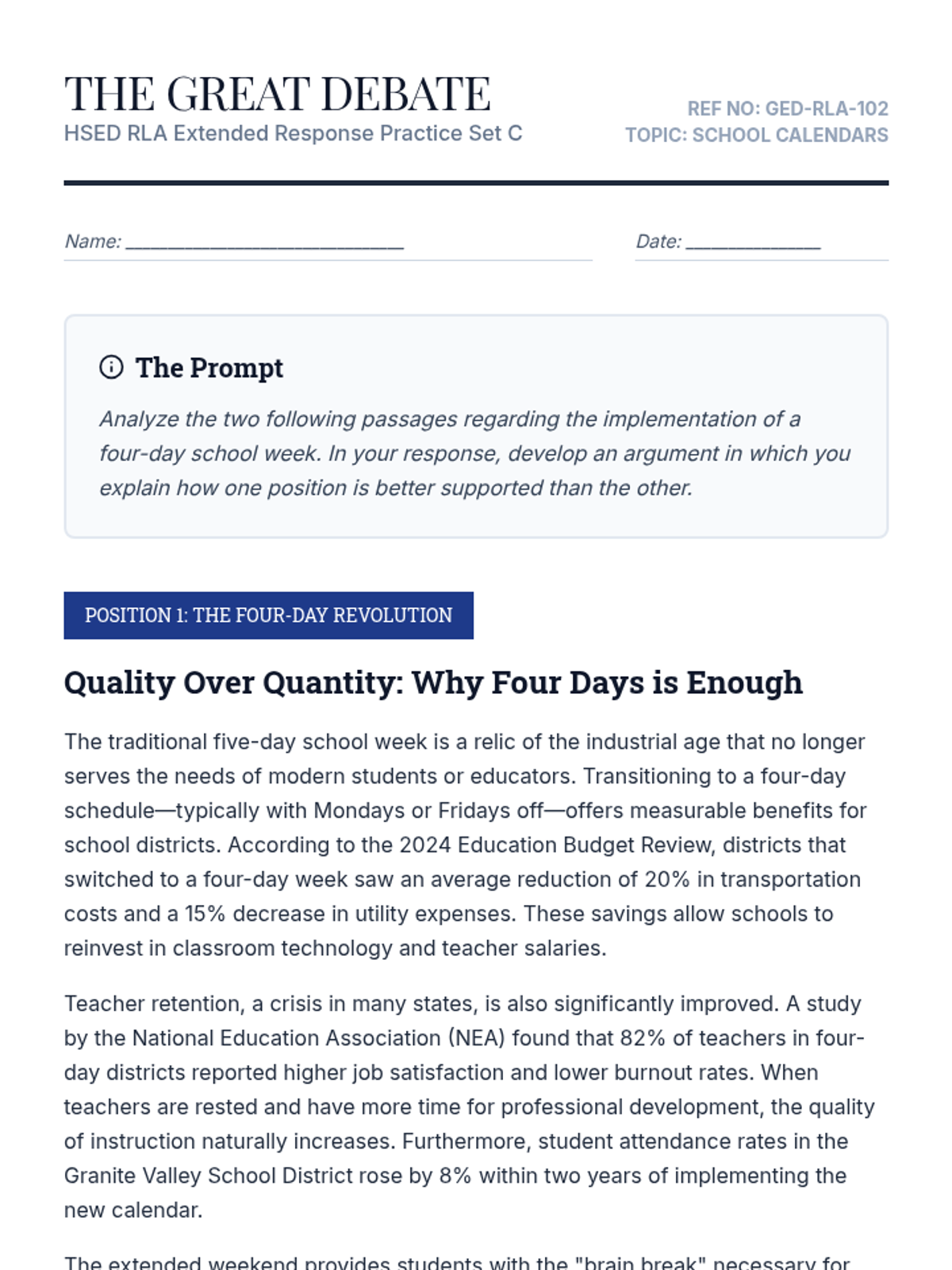
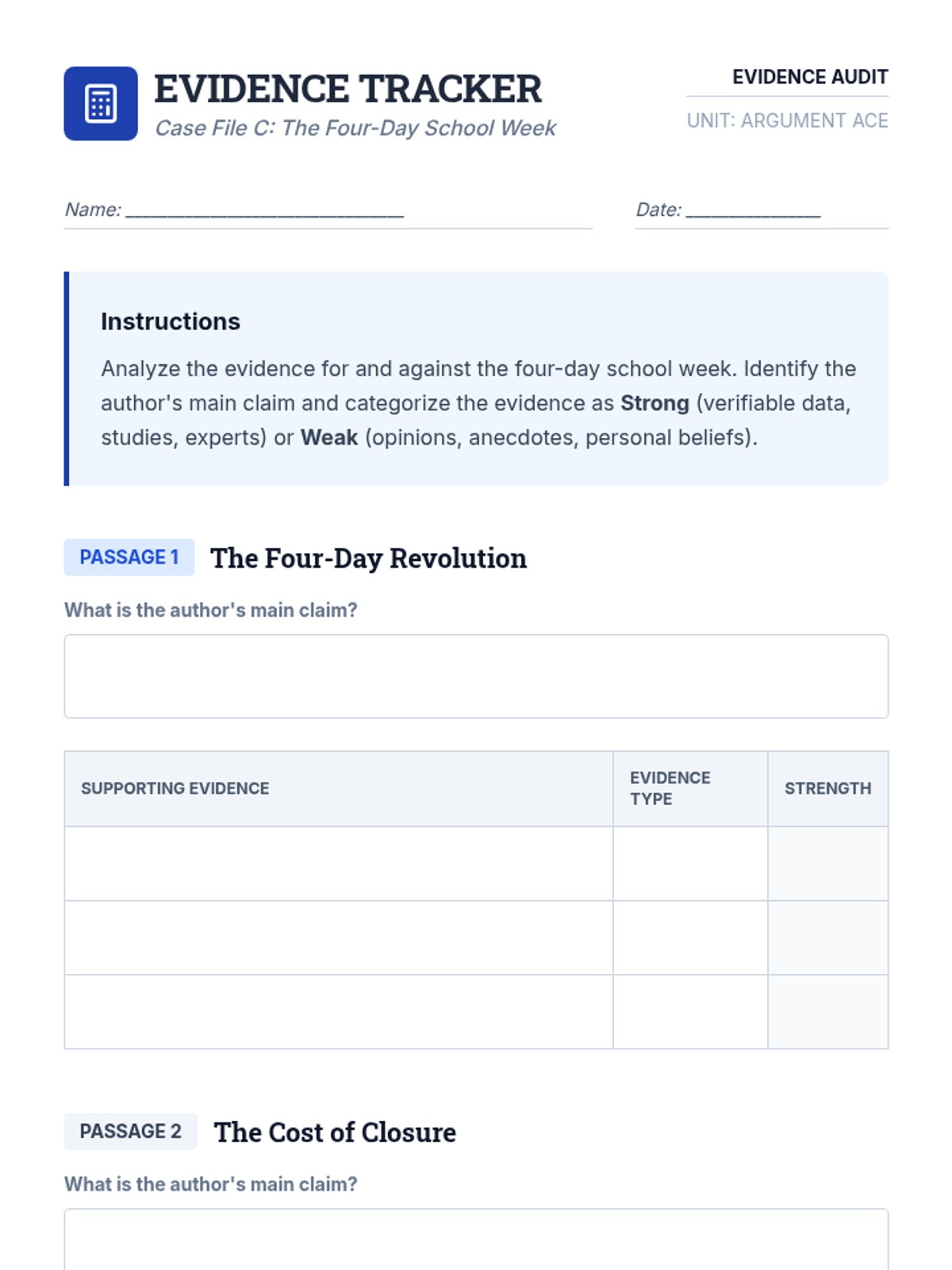
A comprehensive 3-lesson unit designed to prepare HSED/GED students for the RLA Extended Response by teaching them how to analyze opposing arguments, evaluate evidence, and craft a high-scoring argumentative essay.
A series of lessons focused on mastering the art of persuasion and argumentative writing, from building claims to defending them against opposition.
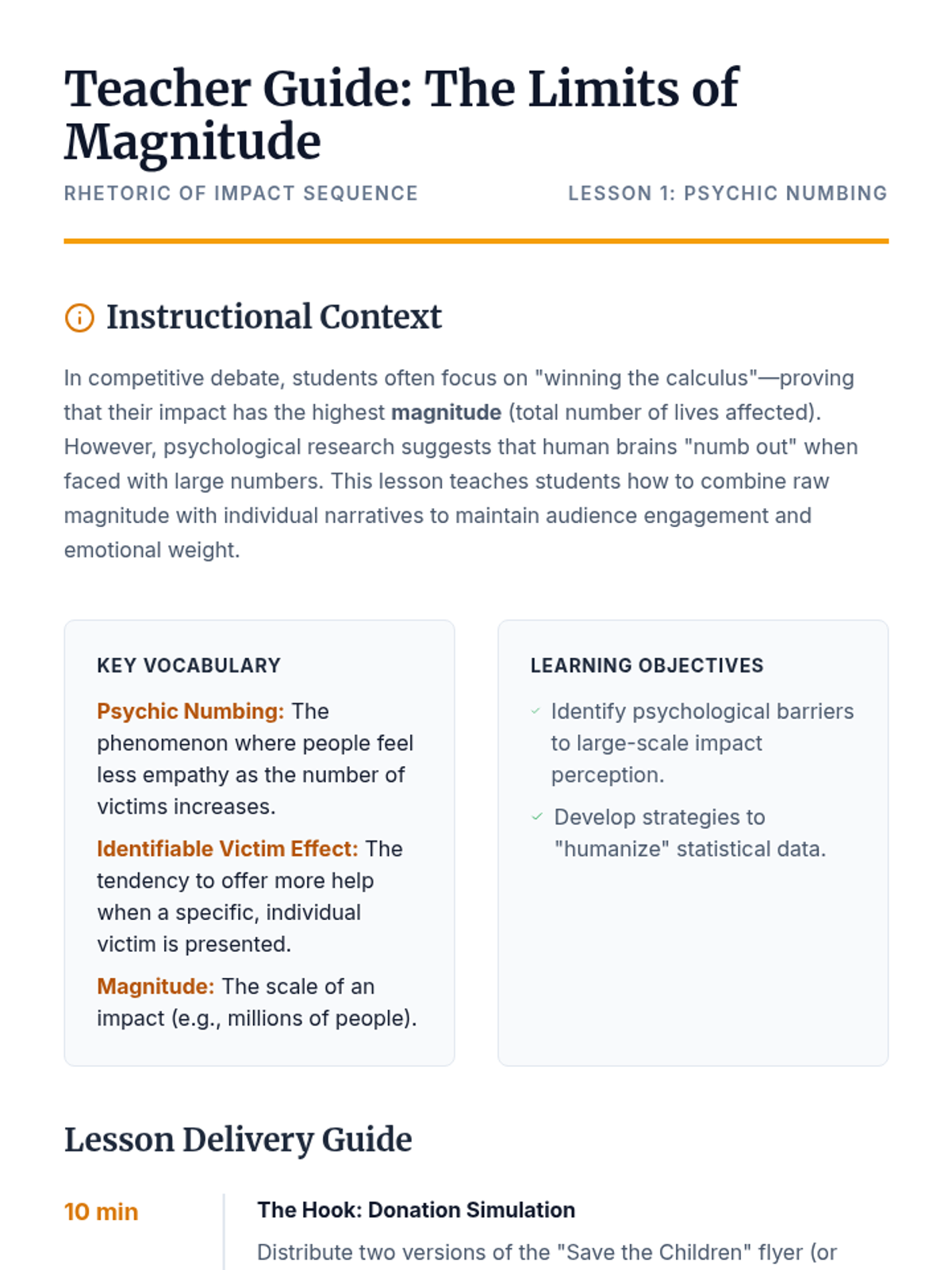
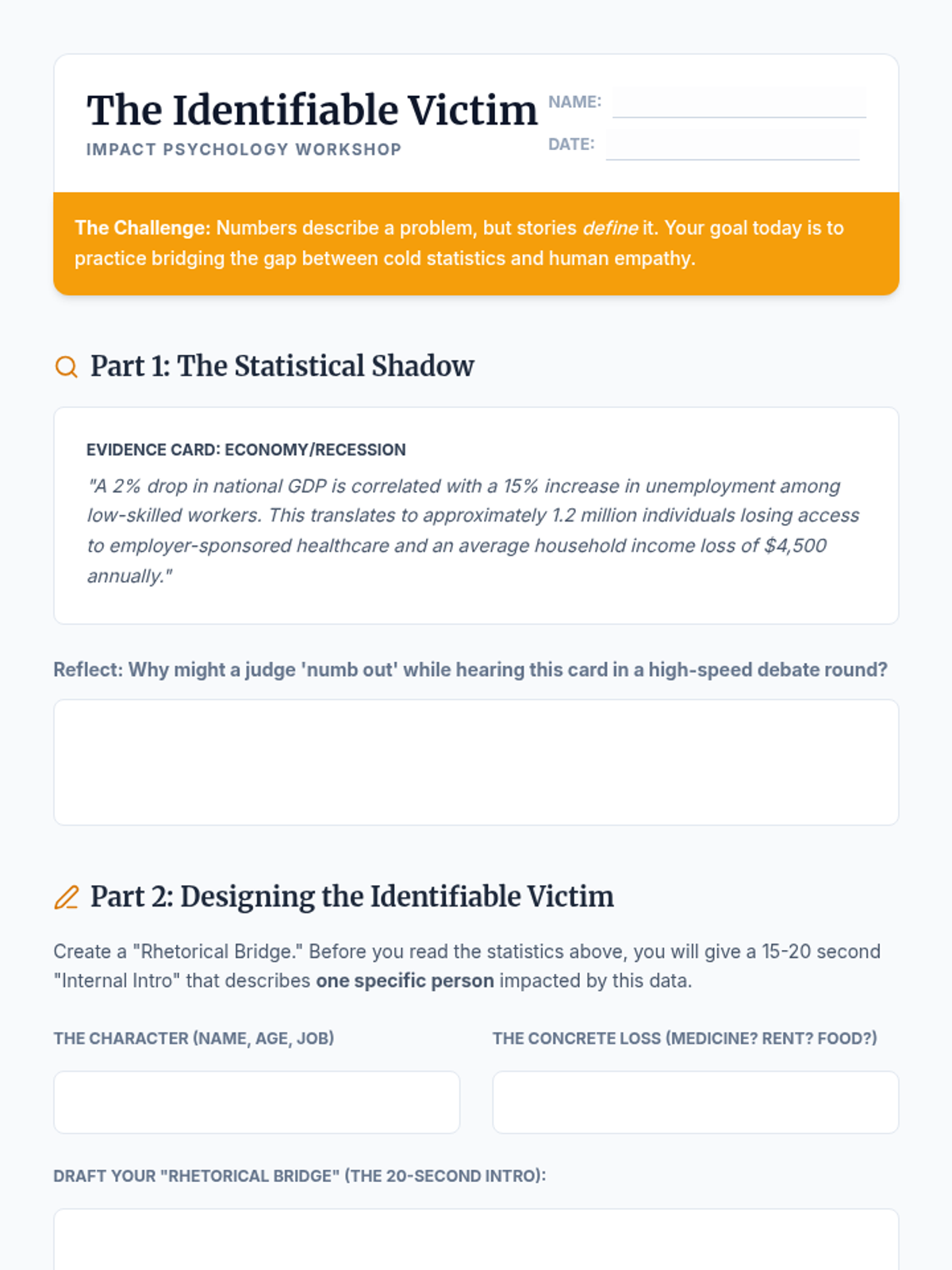
A deep dive into the psychological and rhetorical strategies used to make debate impacts feel 'real' to audiences. This sequence moves beyond mathematical calculus to explore psychic numbing, narrative persuasion, and the availability heuristic.
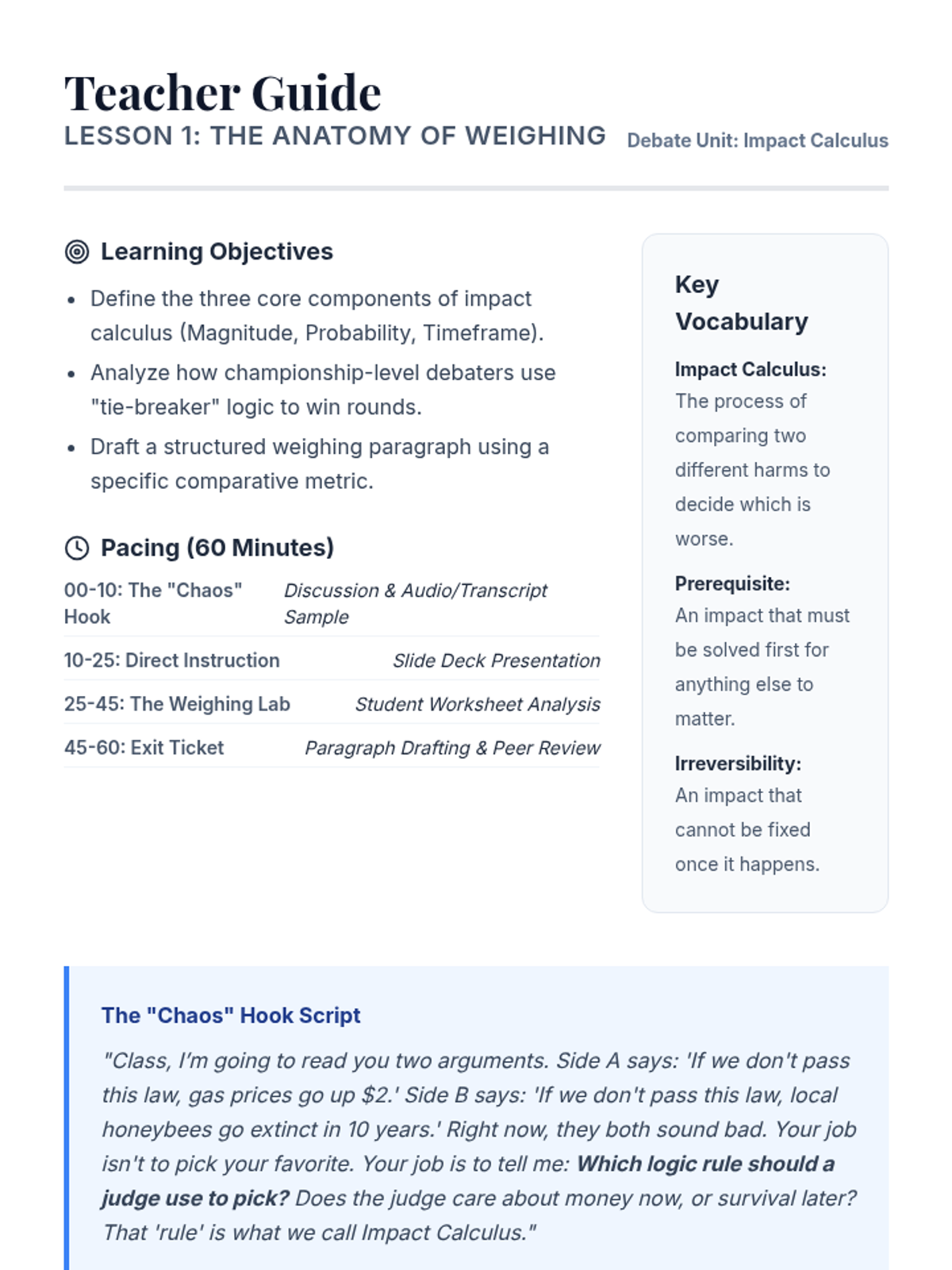
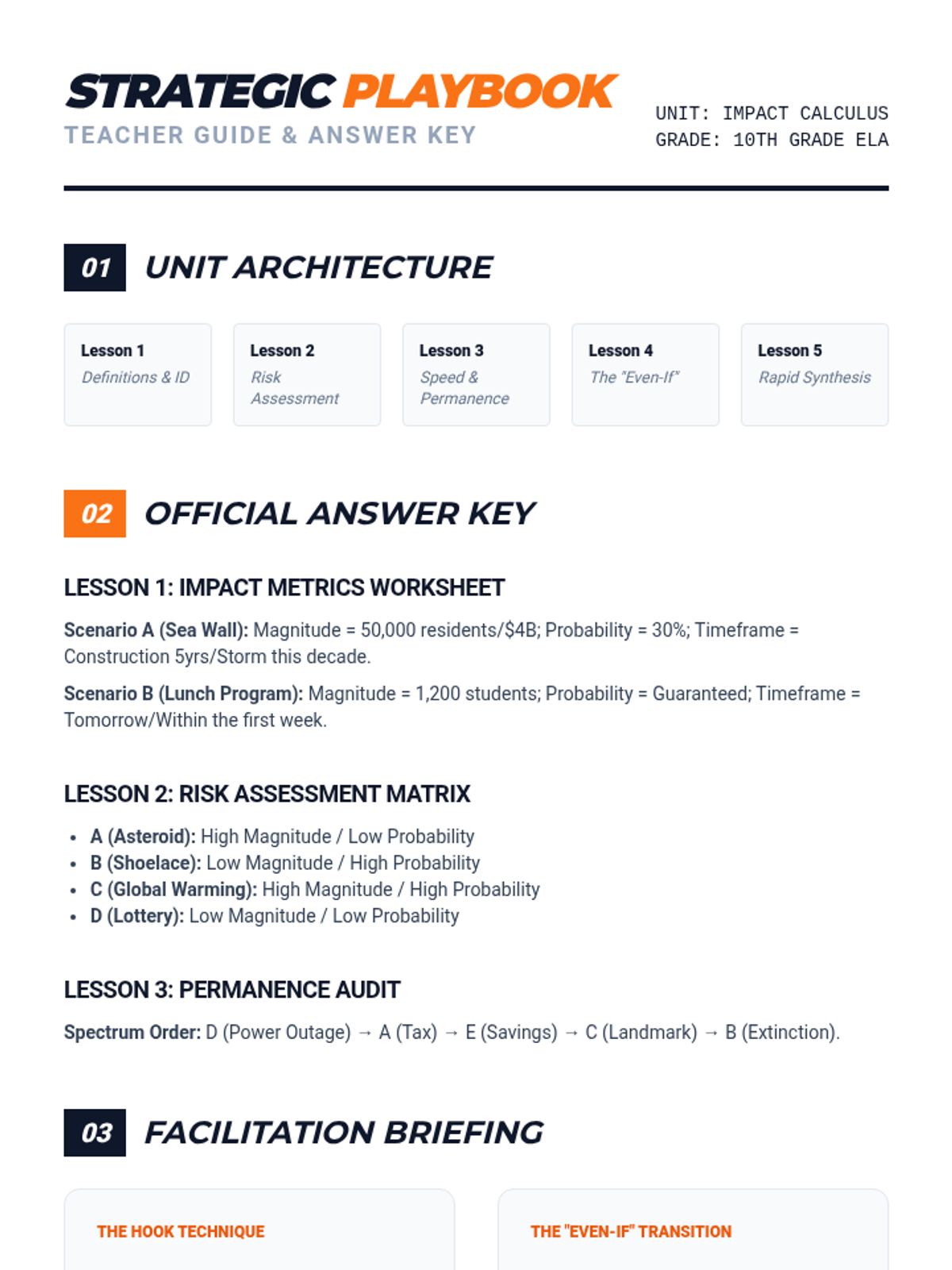
A 9th-grade unit on Impact Calculus, focusing on evidence synthesis, strategic argument mapping using matrices, and the construction of meta-arguments to win high-stakes debates.
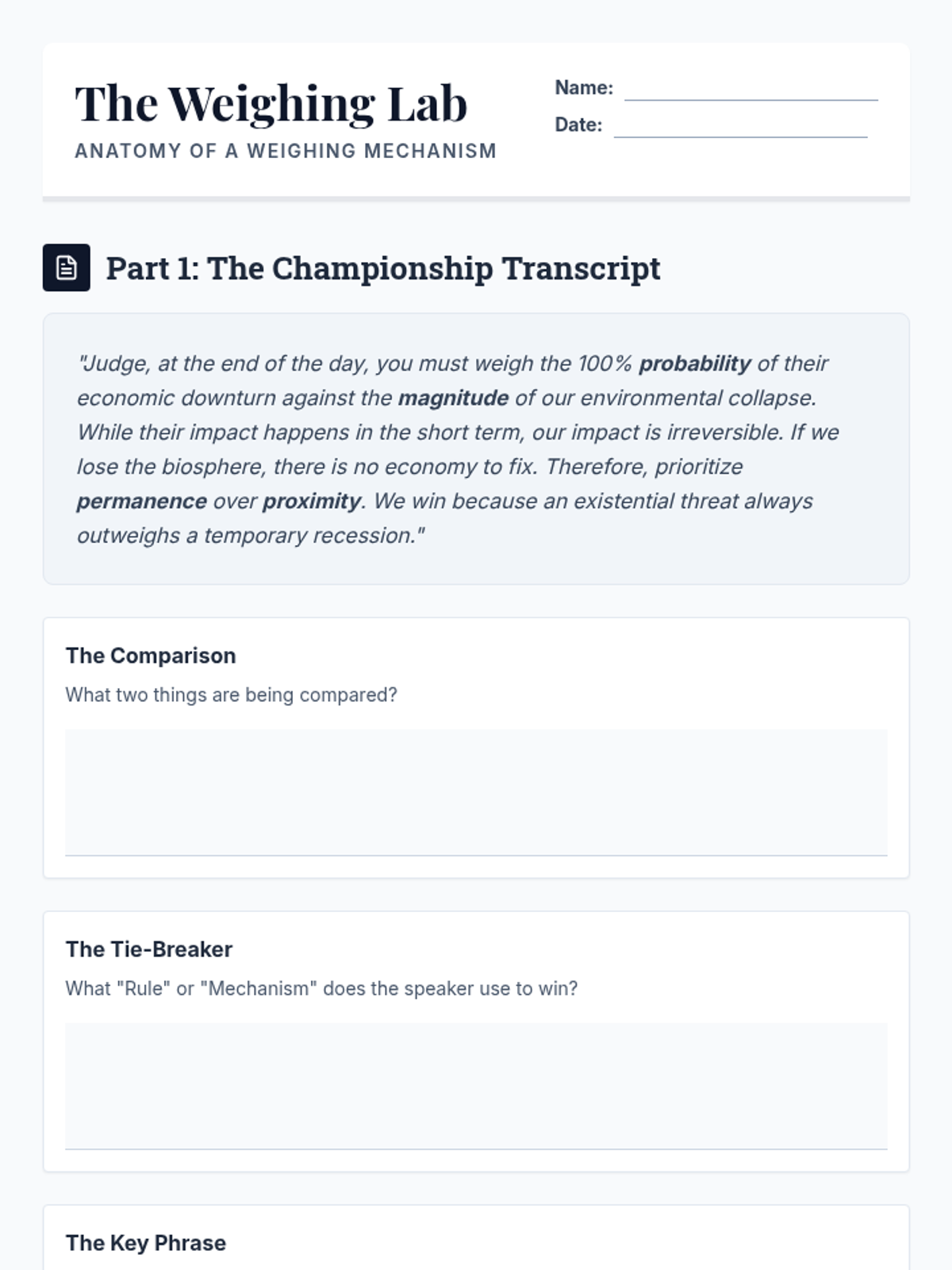
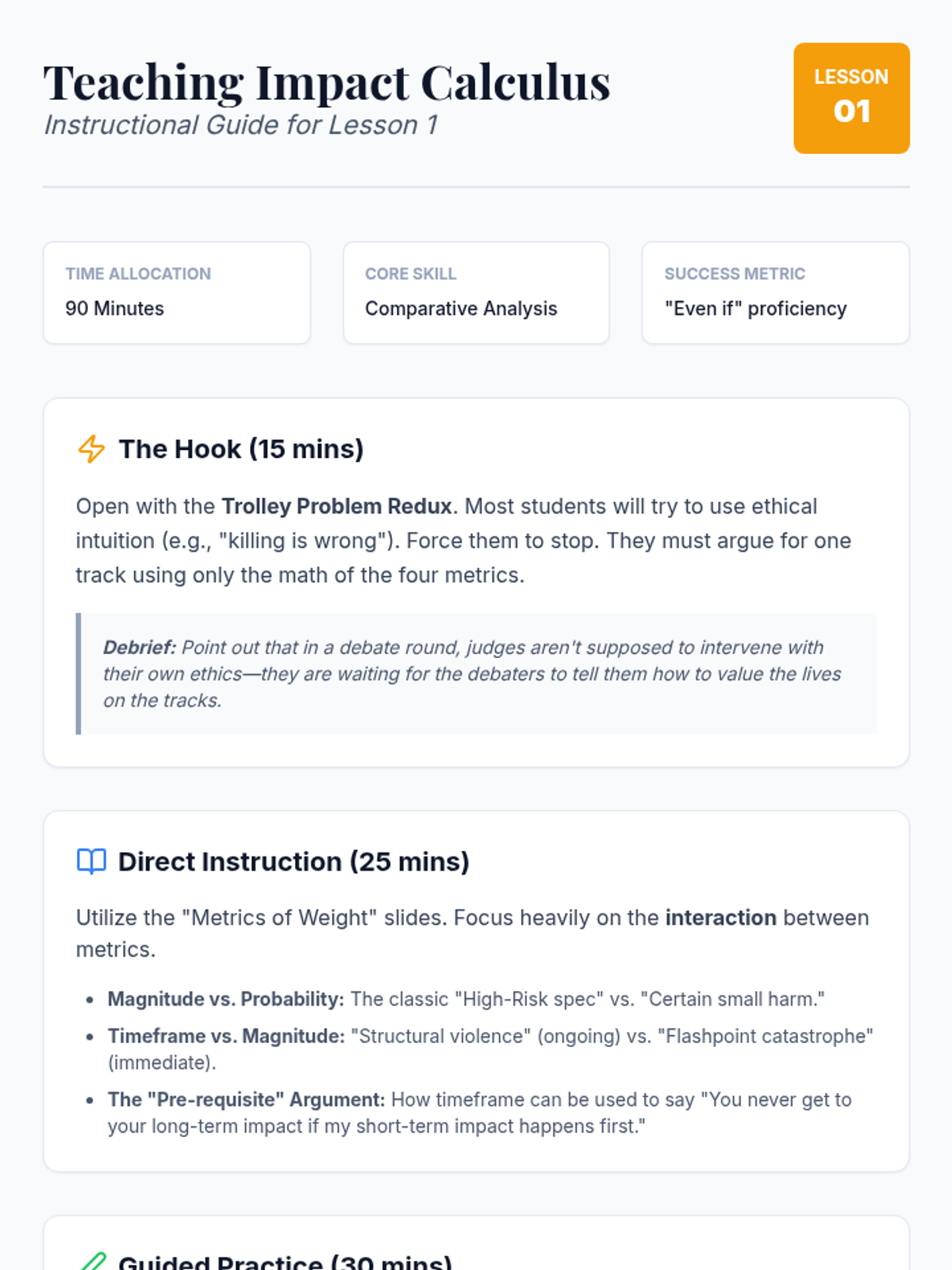
A comprehensive sequence for 9th-grade debate students focusing on impact calculus, comparative rebuttals, and closing arguments. Students move from analyzing weighing mechanisms to mastering advanced techniques like 'Even If' arguments and impact turns, culminating in the ability to write their own 'Reason for Decision' ballots.
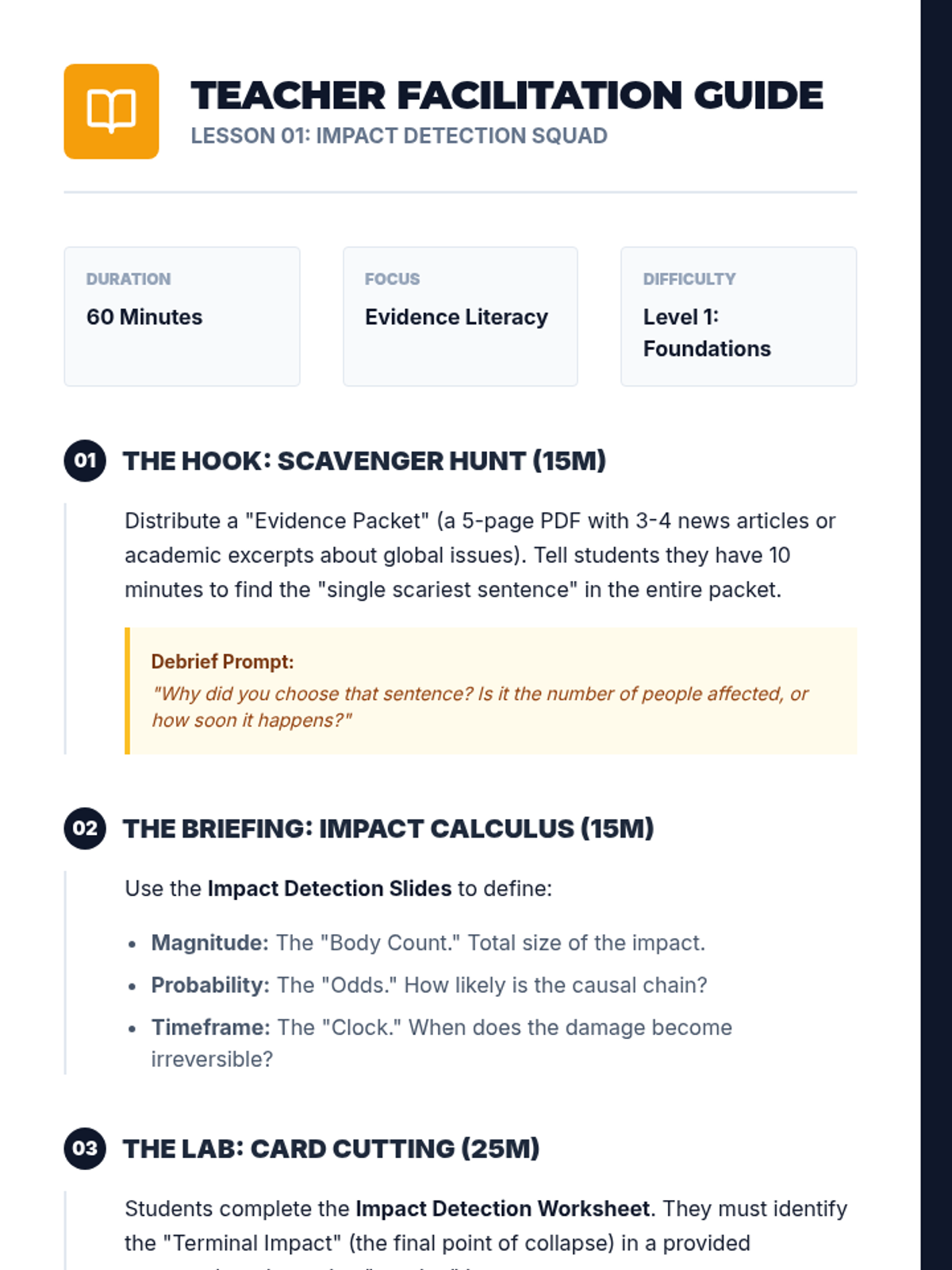
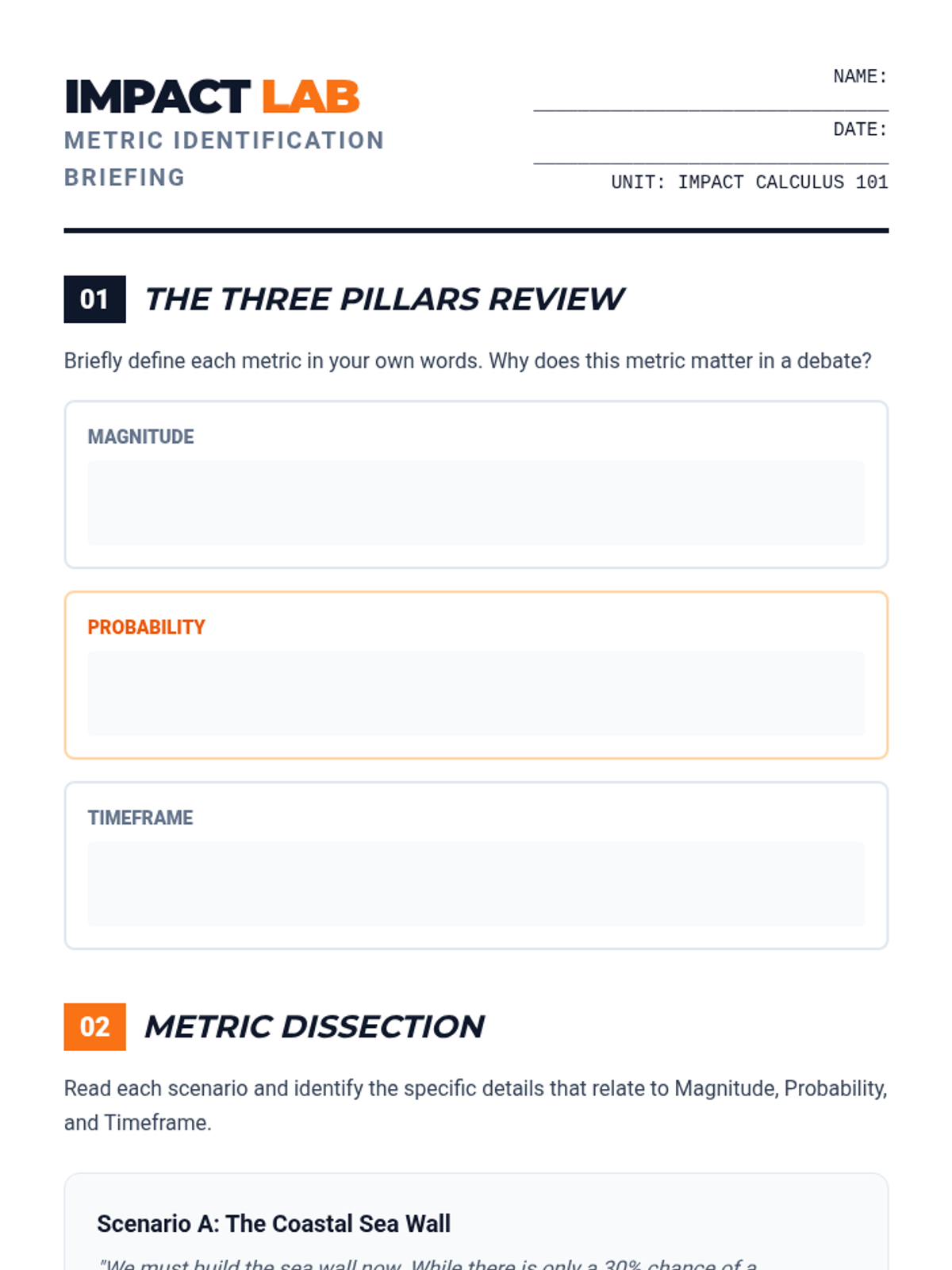
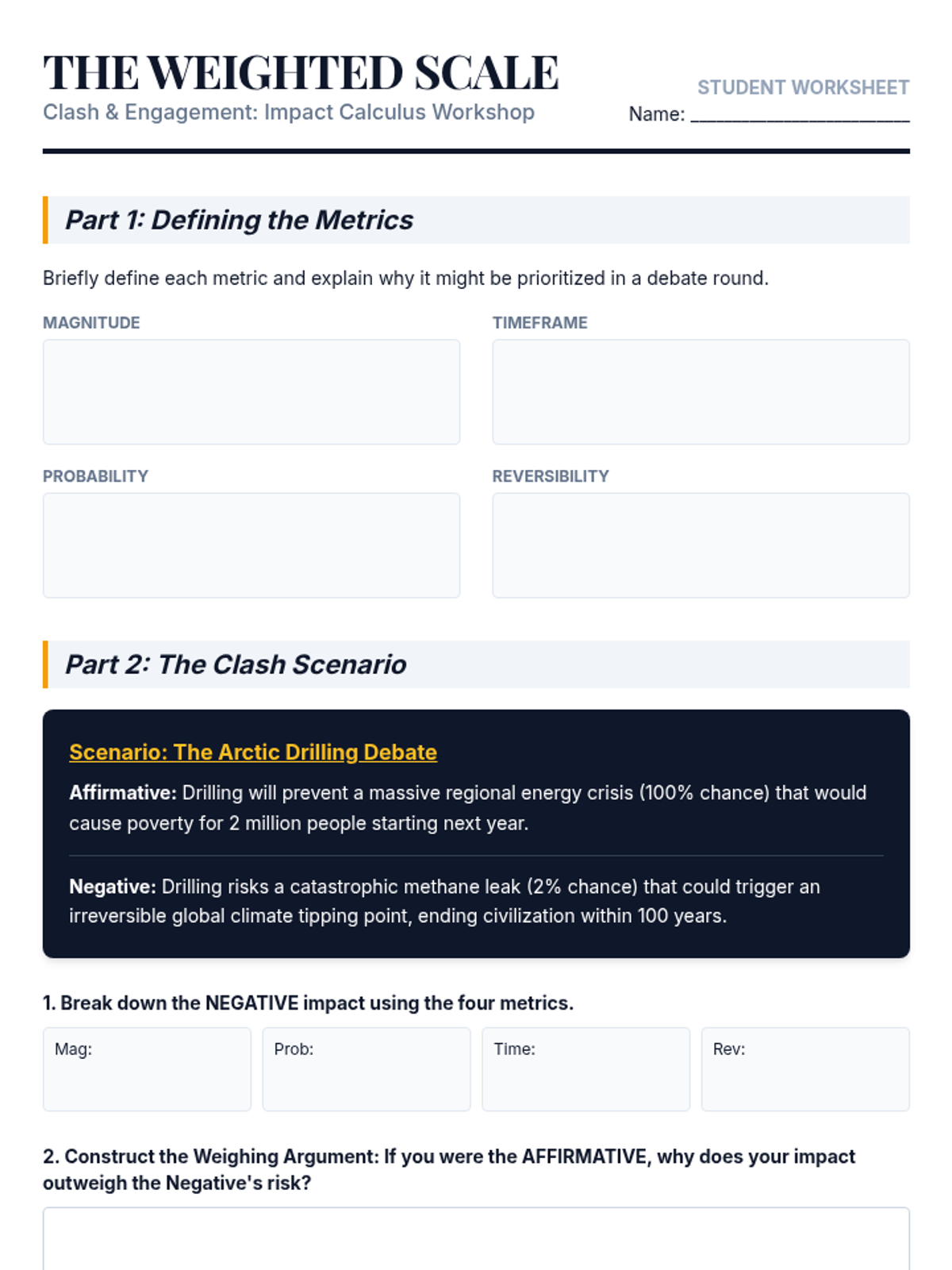
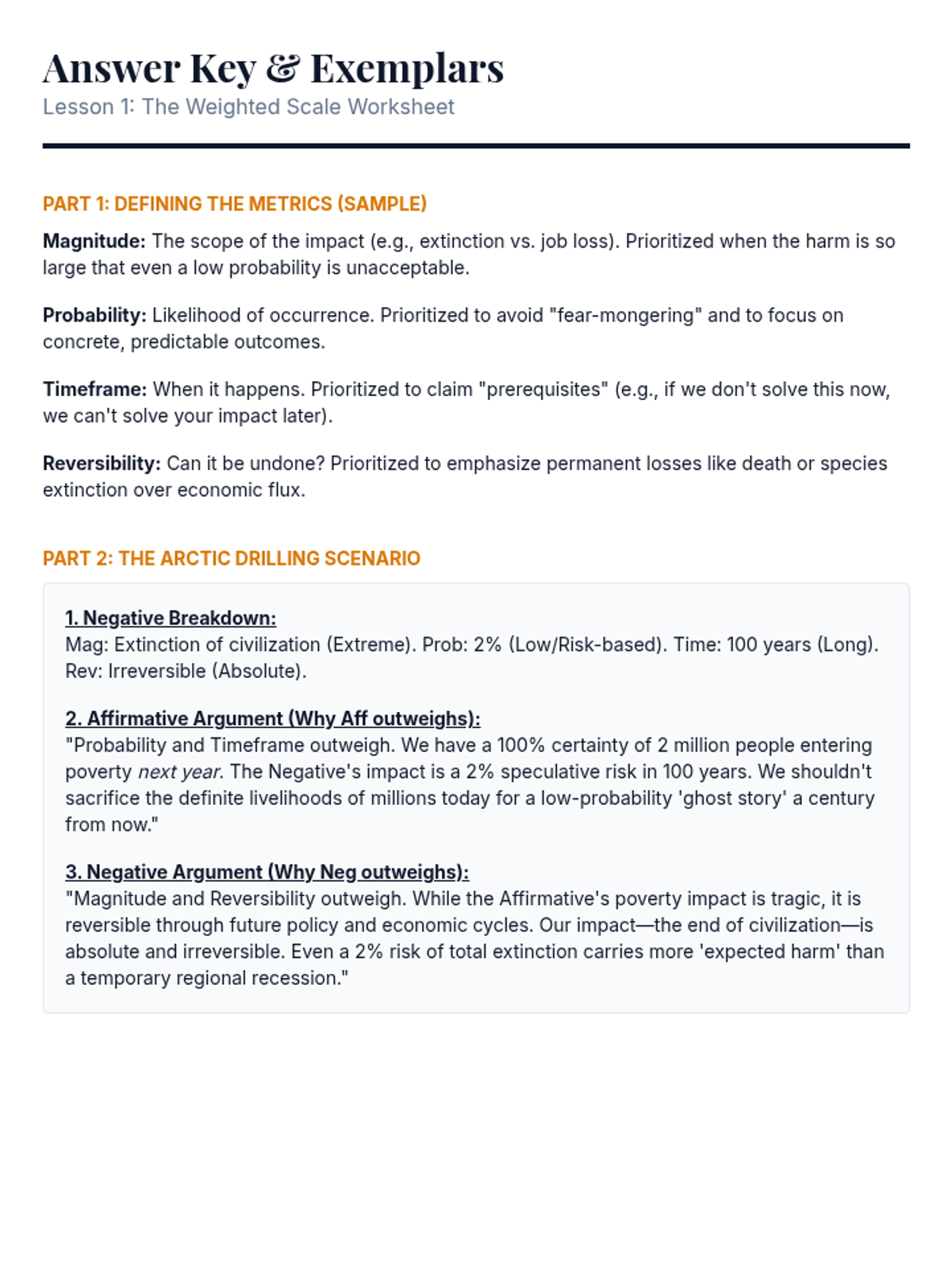
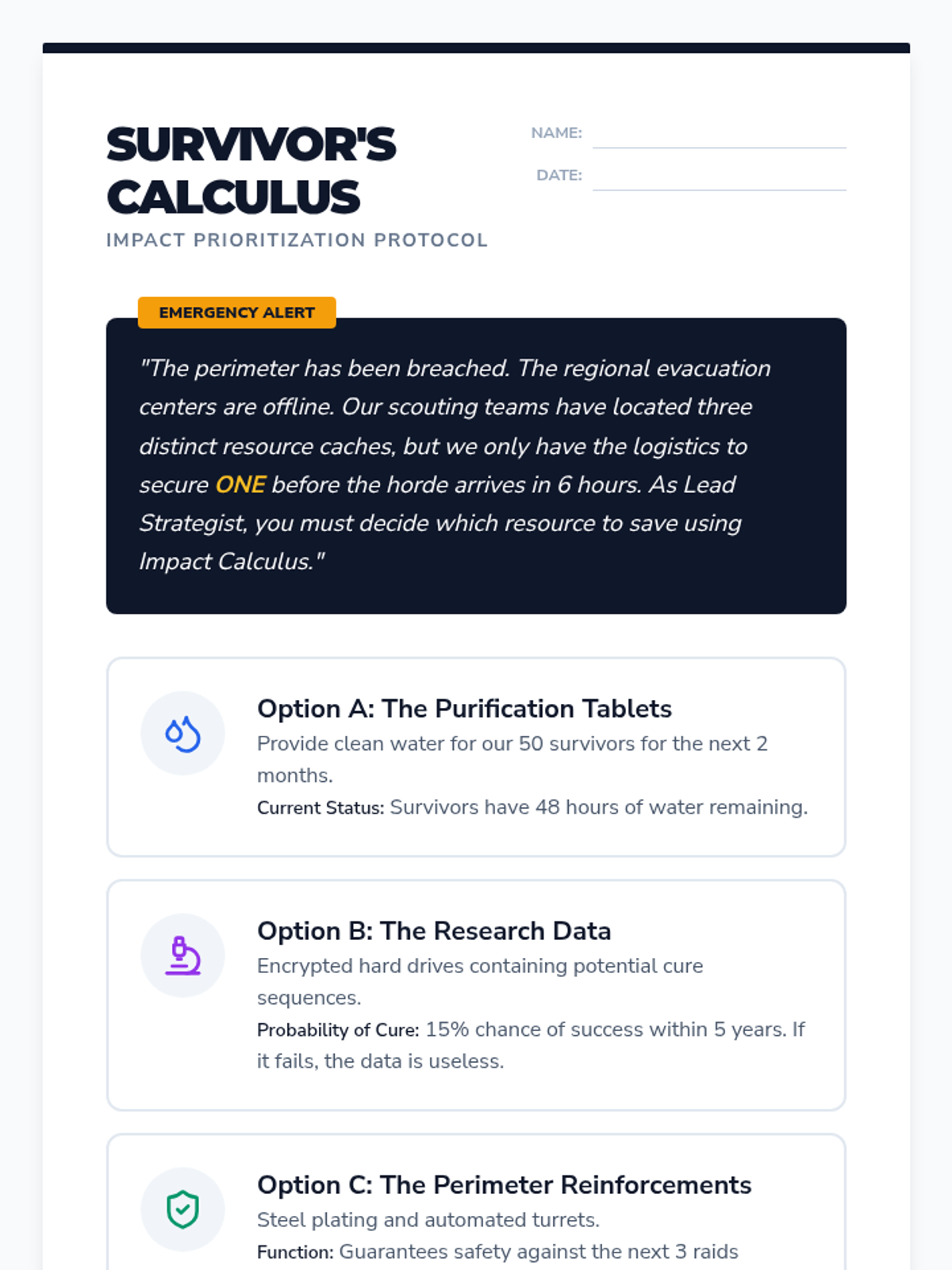
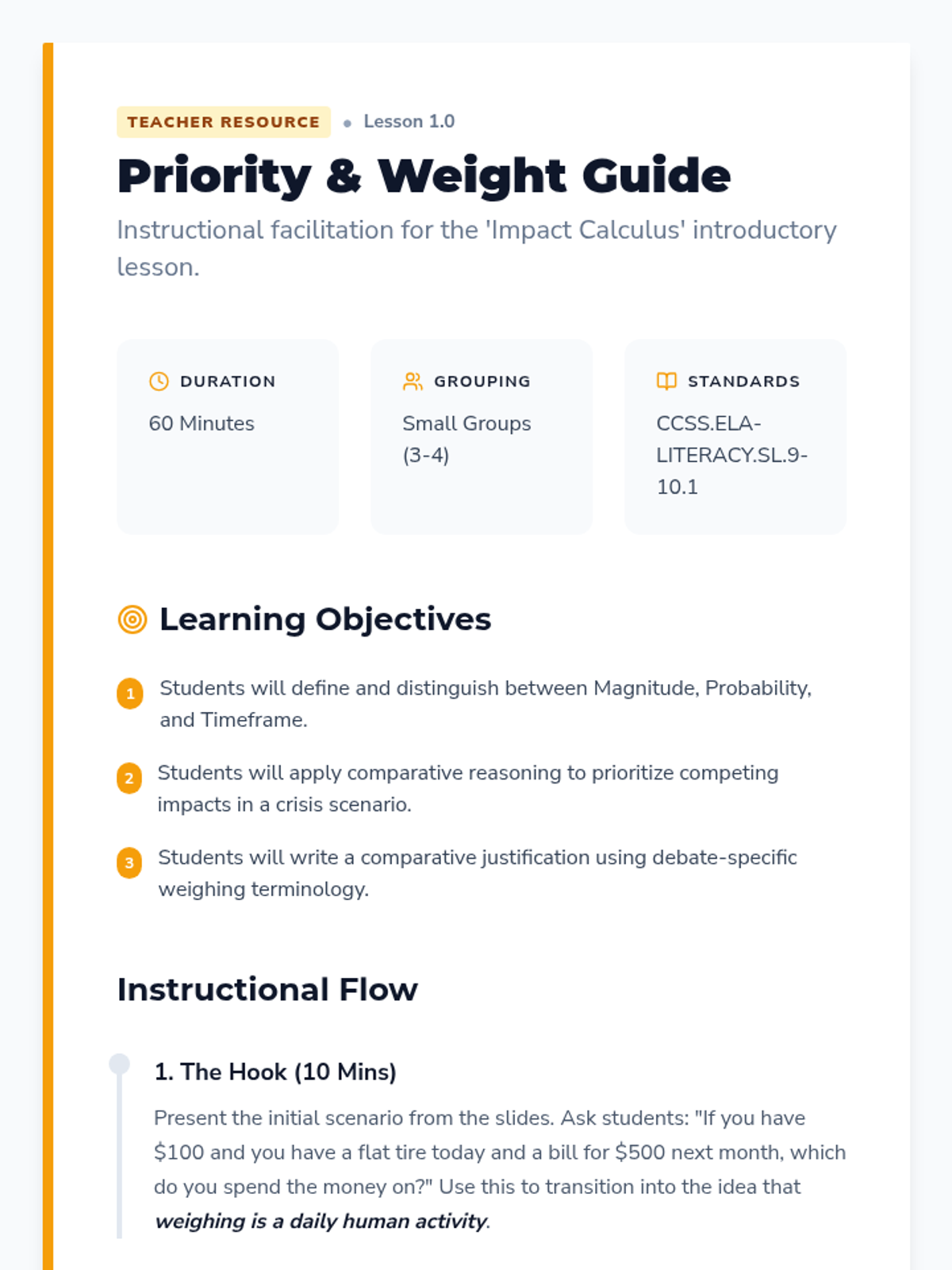
A comprehensive unit on the three pillars of impact calculus (Magnitude, Probability, and Timeframe), teaching students how to prioritize competing consequences in competitive debate and public speaking.
This sequence explores advanced debate techniques for comparative impact analysis, teaching students how to weigh conflicting arguments and construct persuasive decision frameworks for adjudicators.
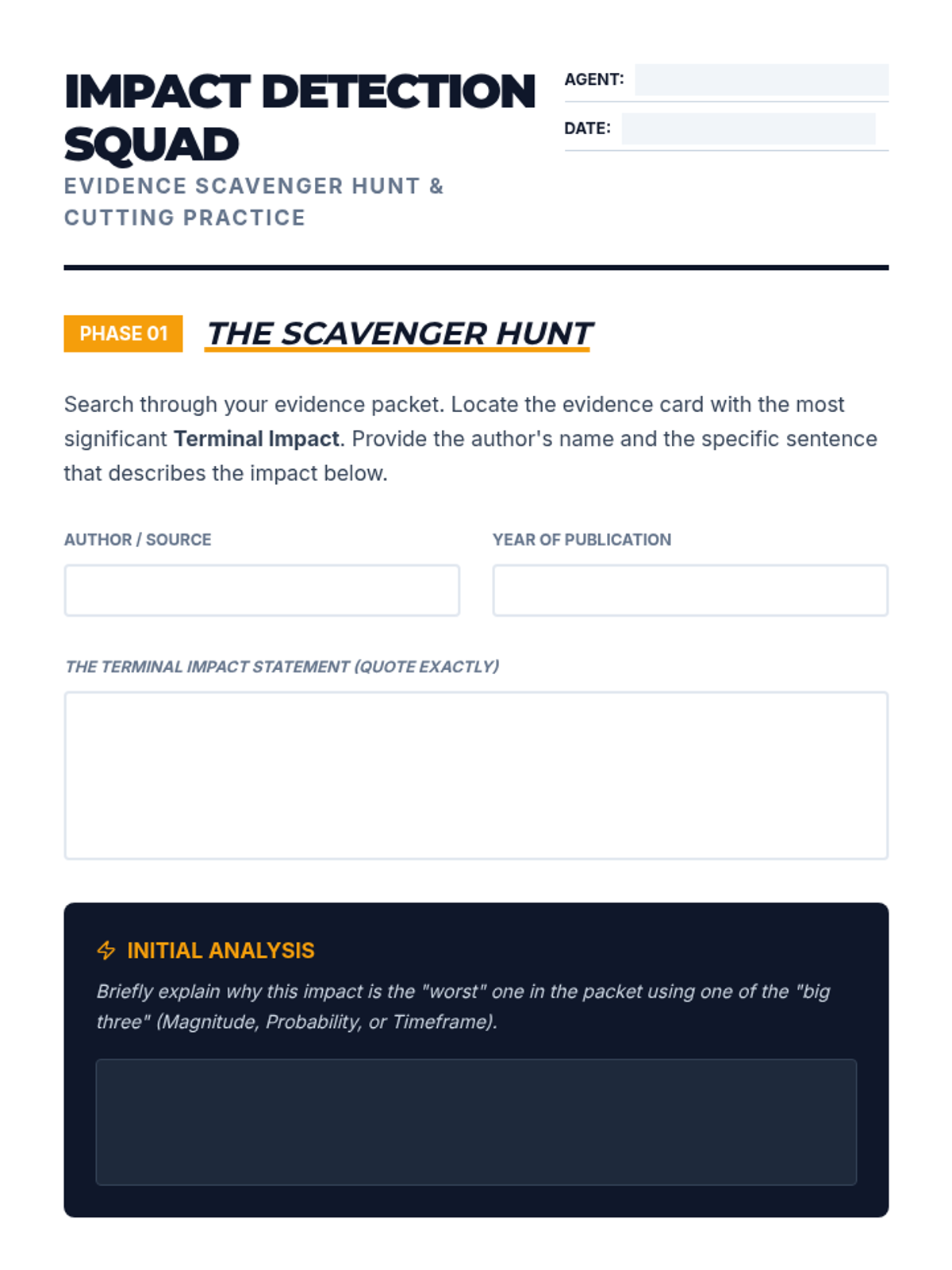
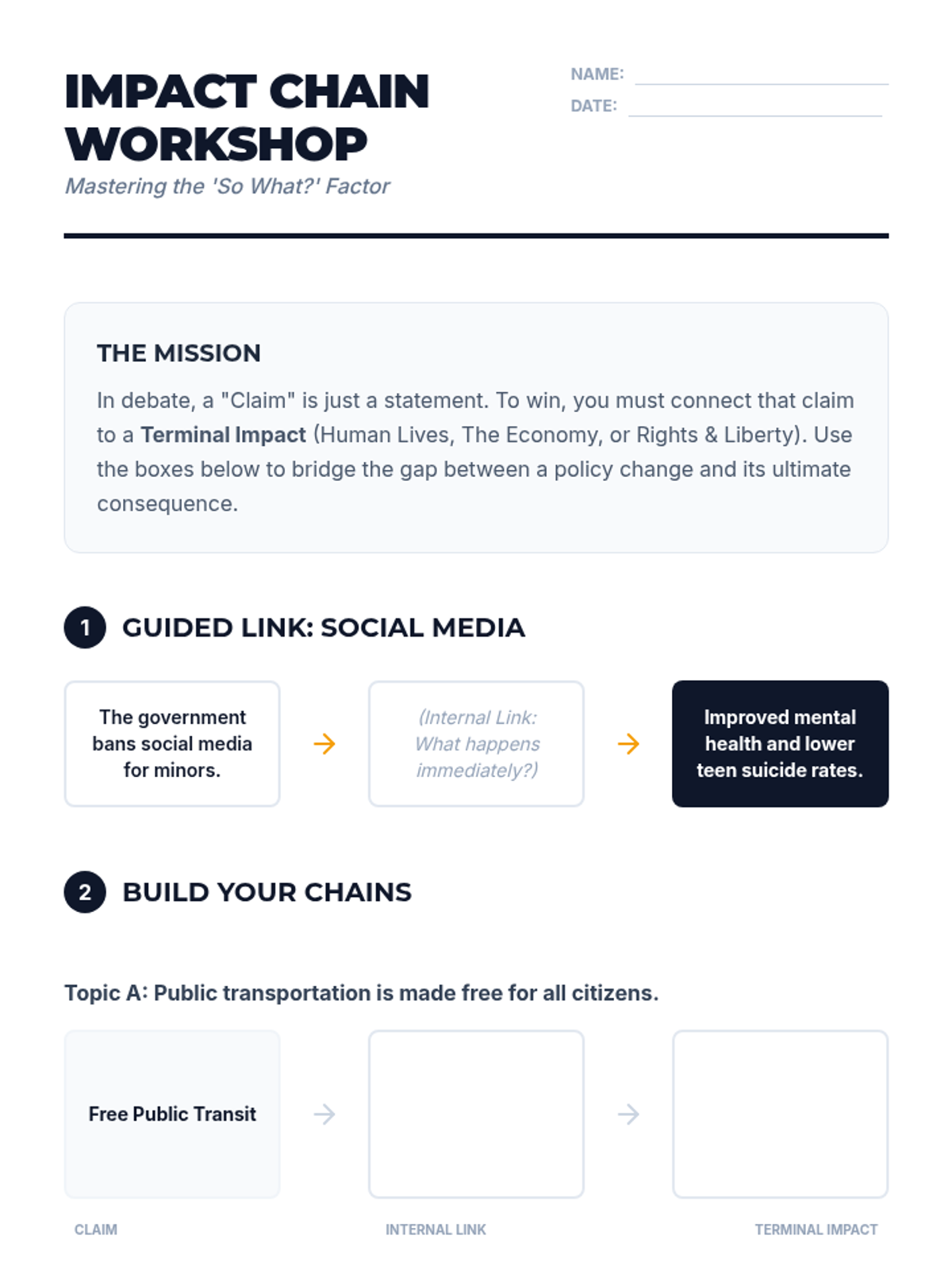
A comprehensive 8th-grade debate sequence focused on the art of 'impact calculus.' Students move from identifying terminal impacts to mastering advanced weighing mechanisms like Magnitude, Probability, Timeframe, and Reversibility, culminating in the ability to deliver powerful crystallization speeches.
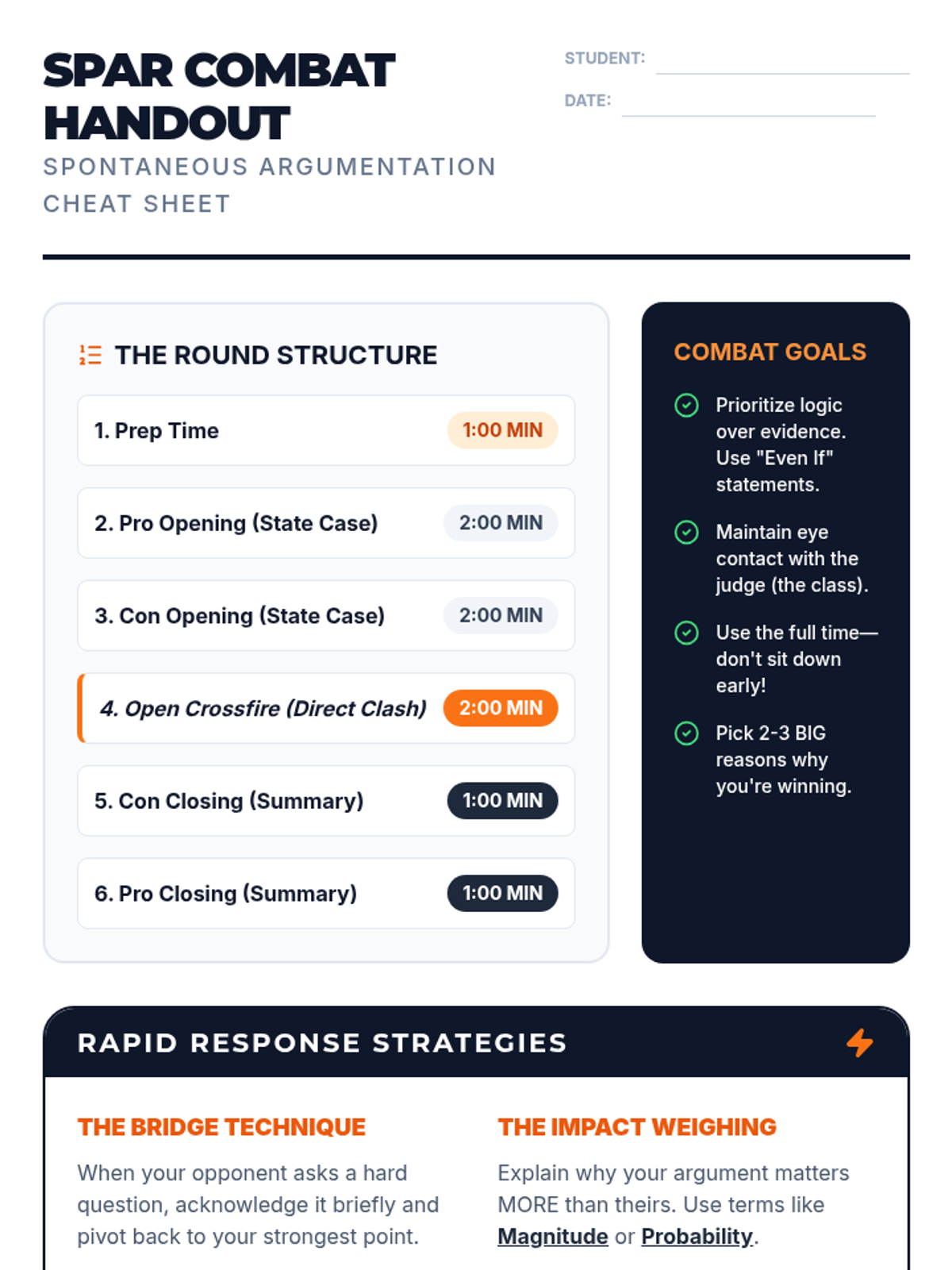
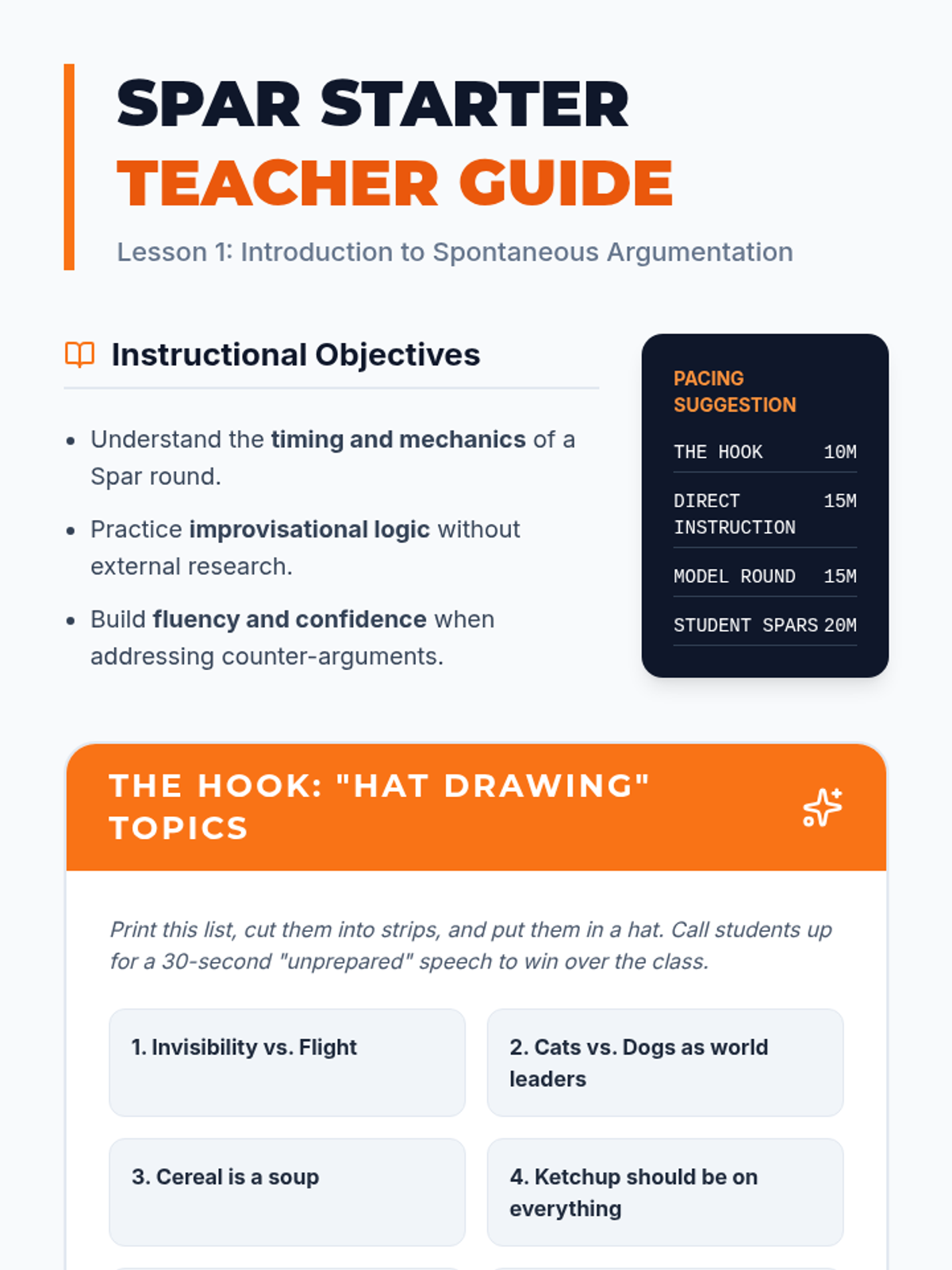
This sequence synthesizes refutation, weighing, and listening into short-form 'Spar' debates. Students learn to prioritize arguments, extend logic, and judge peer performances to build adaptability and engagement skills under strict time constraints.
A comprehensive unit on the evaluative phase of debate, focusing on impact calculus, strategic concessions, and the synthesis of voting issues. Students learn to weigh competing arguments using magnitude, probability, and timeframe.
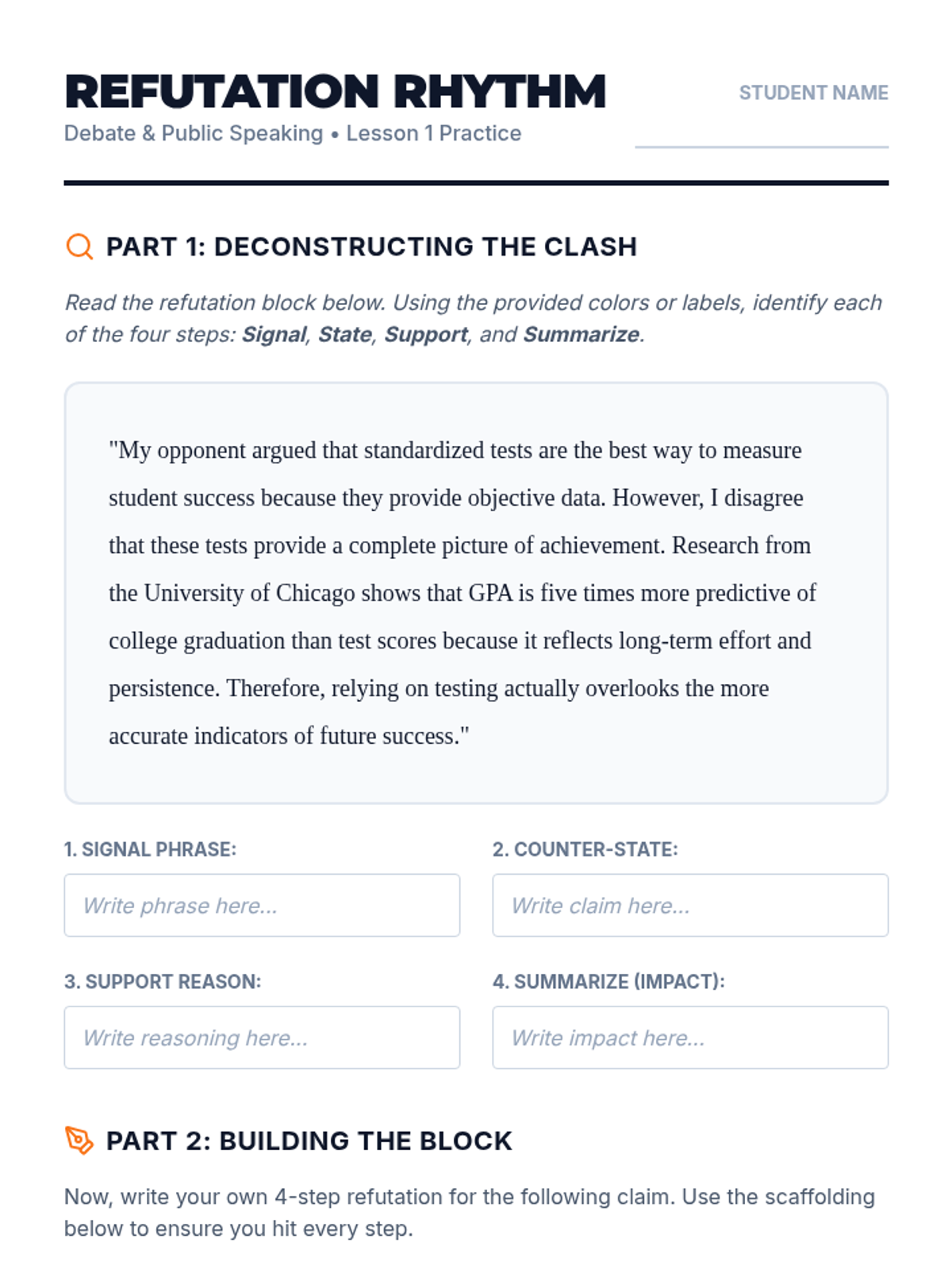
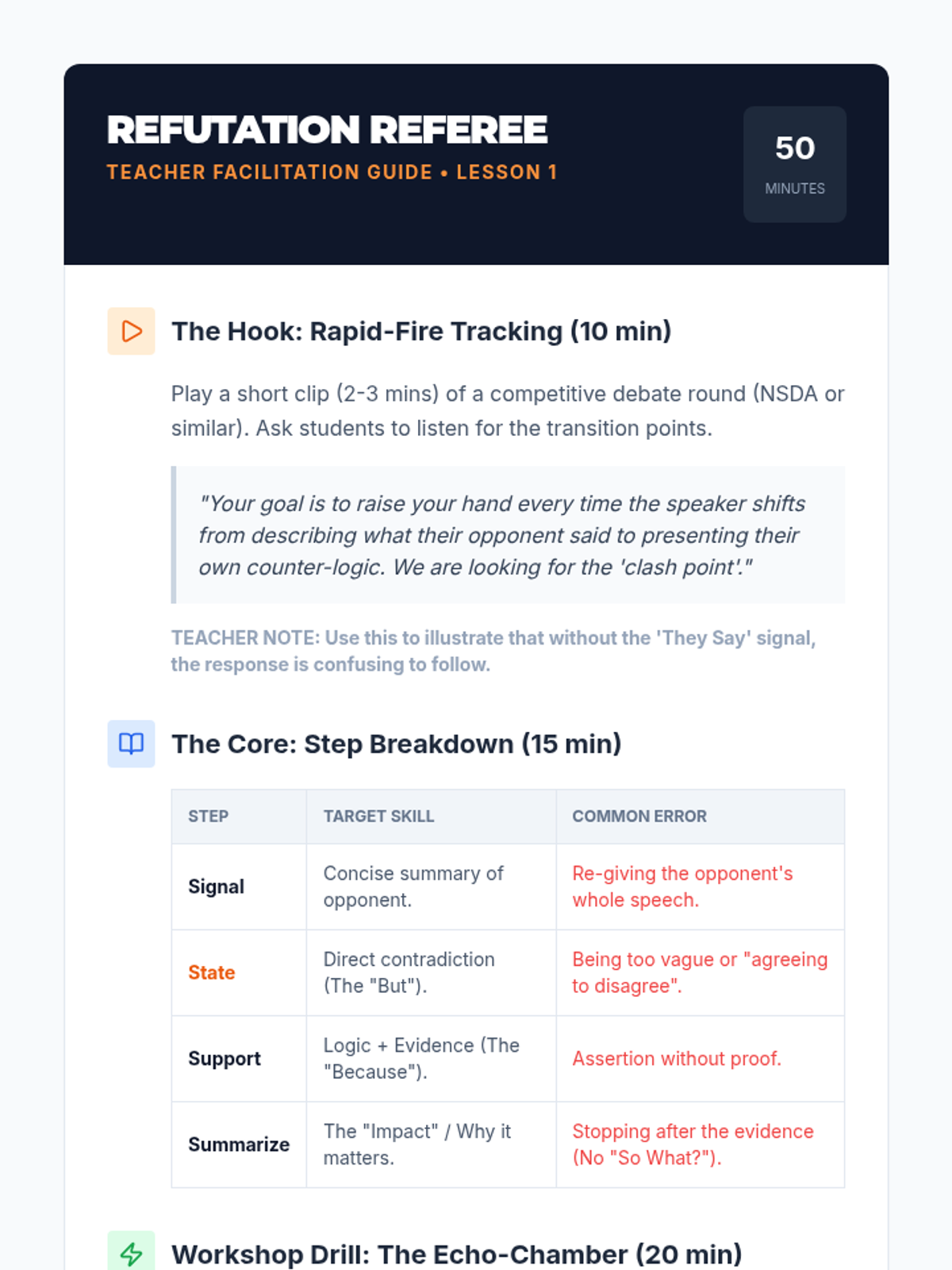
A comprehensive sequence for 9th-grade students on the mechanics of debate clash, focusing on the four-step refutation model, strategic mitigation, argument turning, and defensive reconstruction. Students will master the art of systematic rebuttal through drills, simulations, and sparring.
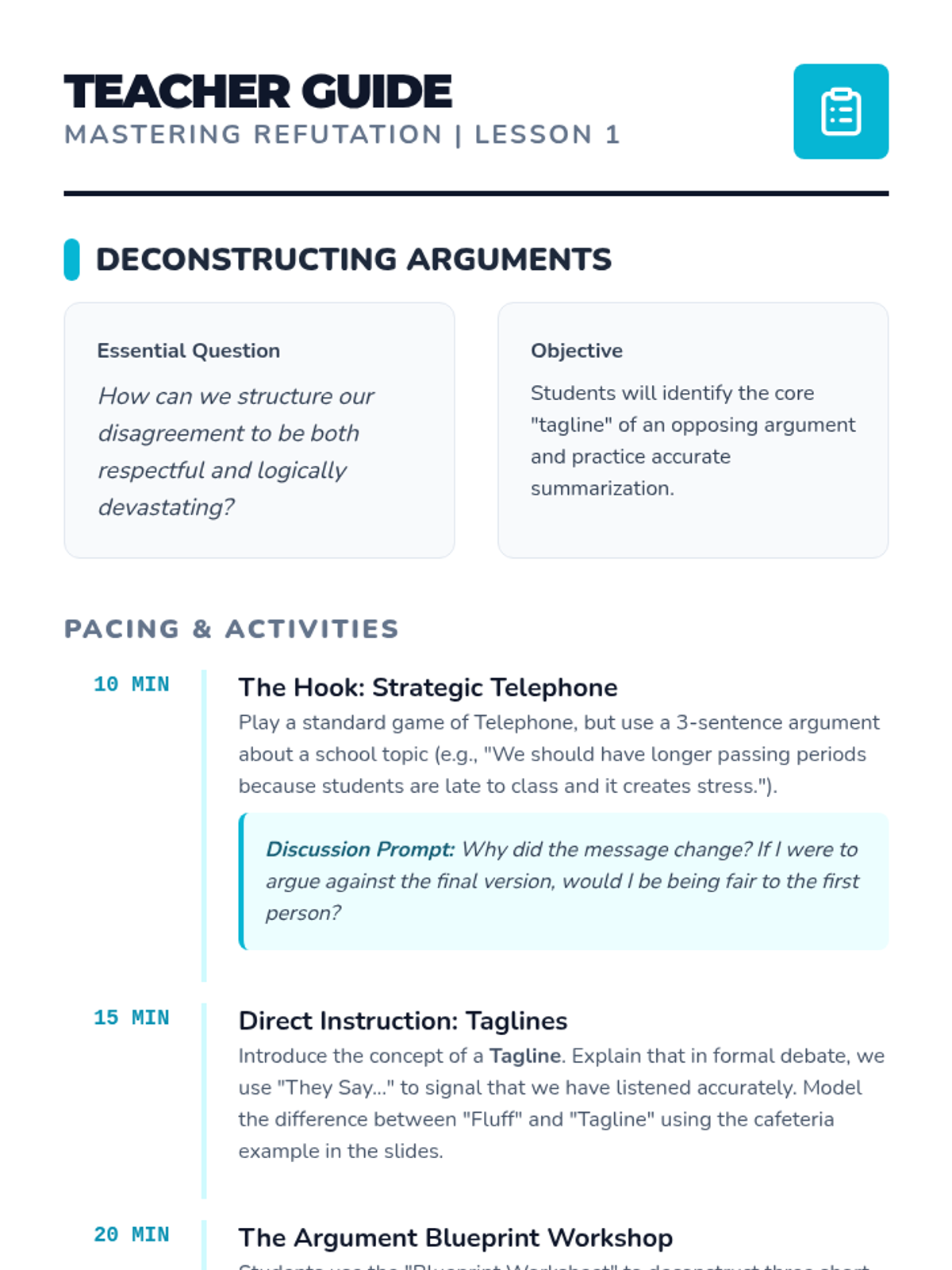
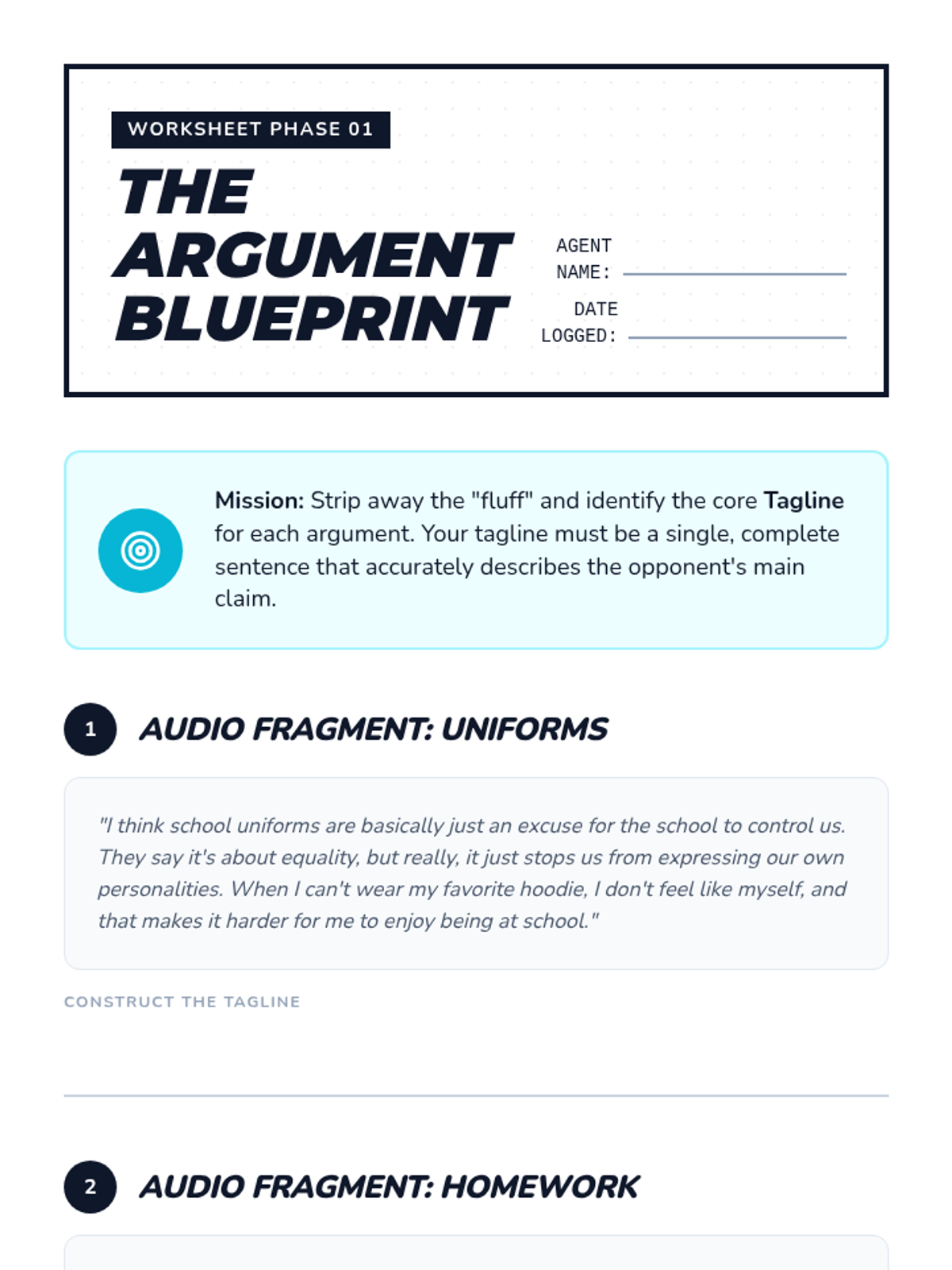
A comprehensive sequence for 7th-grade students on the 'Four-Step Refutation' model. Students learn to active listen, summarize opposing claims, and construct structured counter-arguments using the 'They Say, But I Say, Because, Therefore' framework.
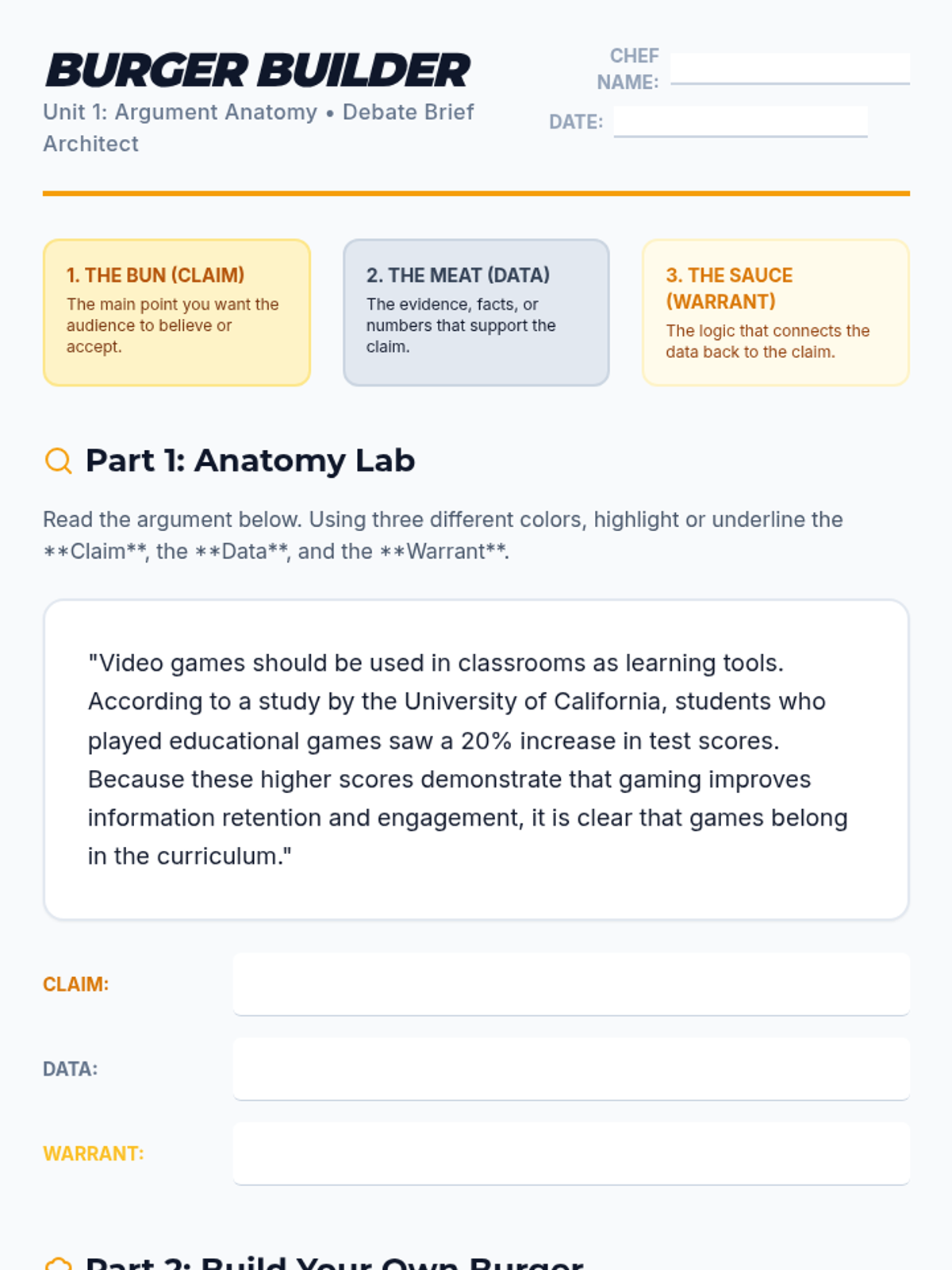
Students move from gathering raw data to organizing it into a professional debate brief structure. This unit emphasizes logical hierarchy, linking claims to warrants and data, and preparing for formal debate through structured research.
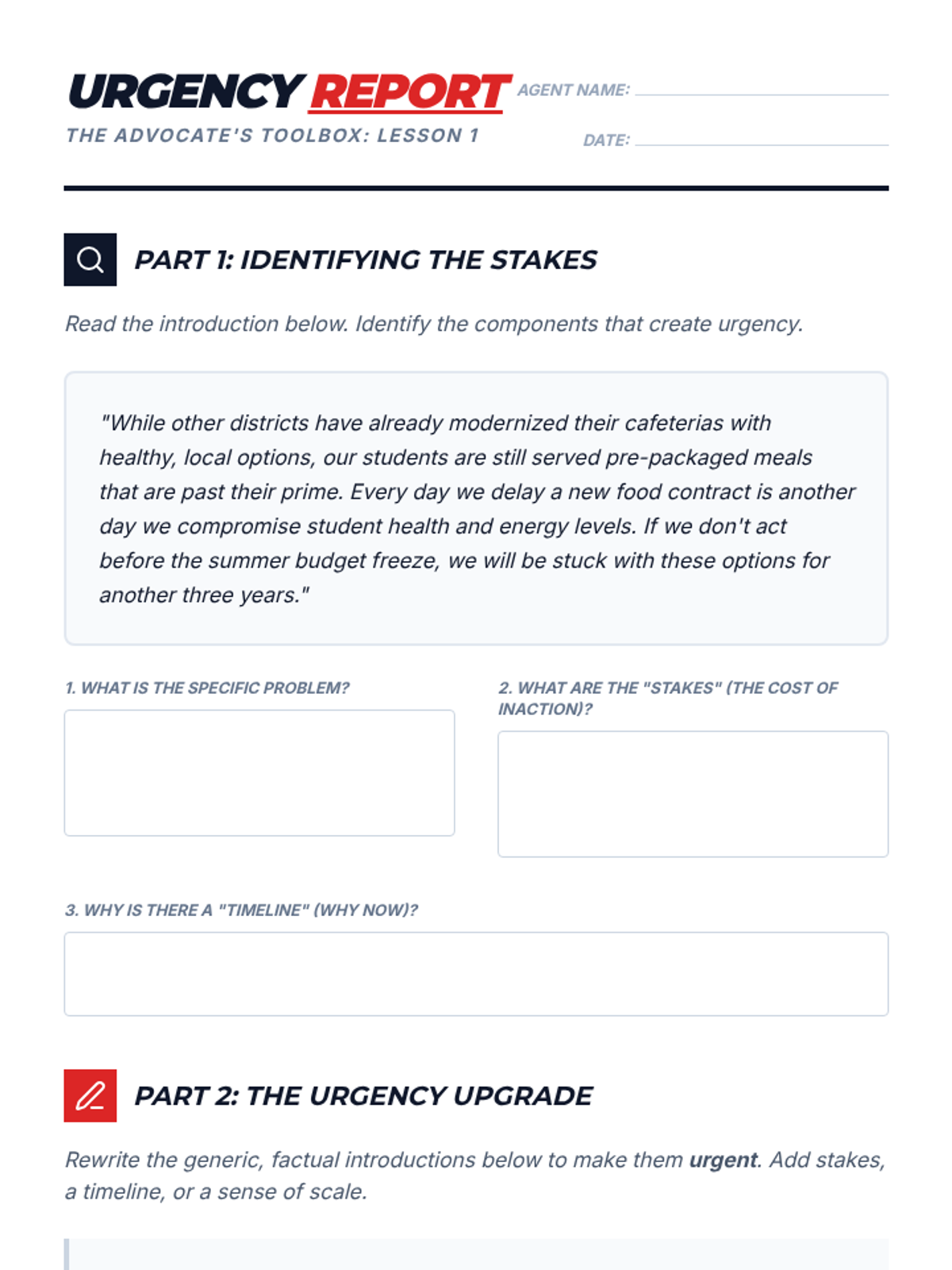
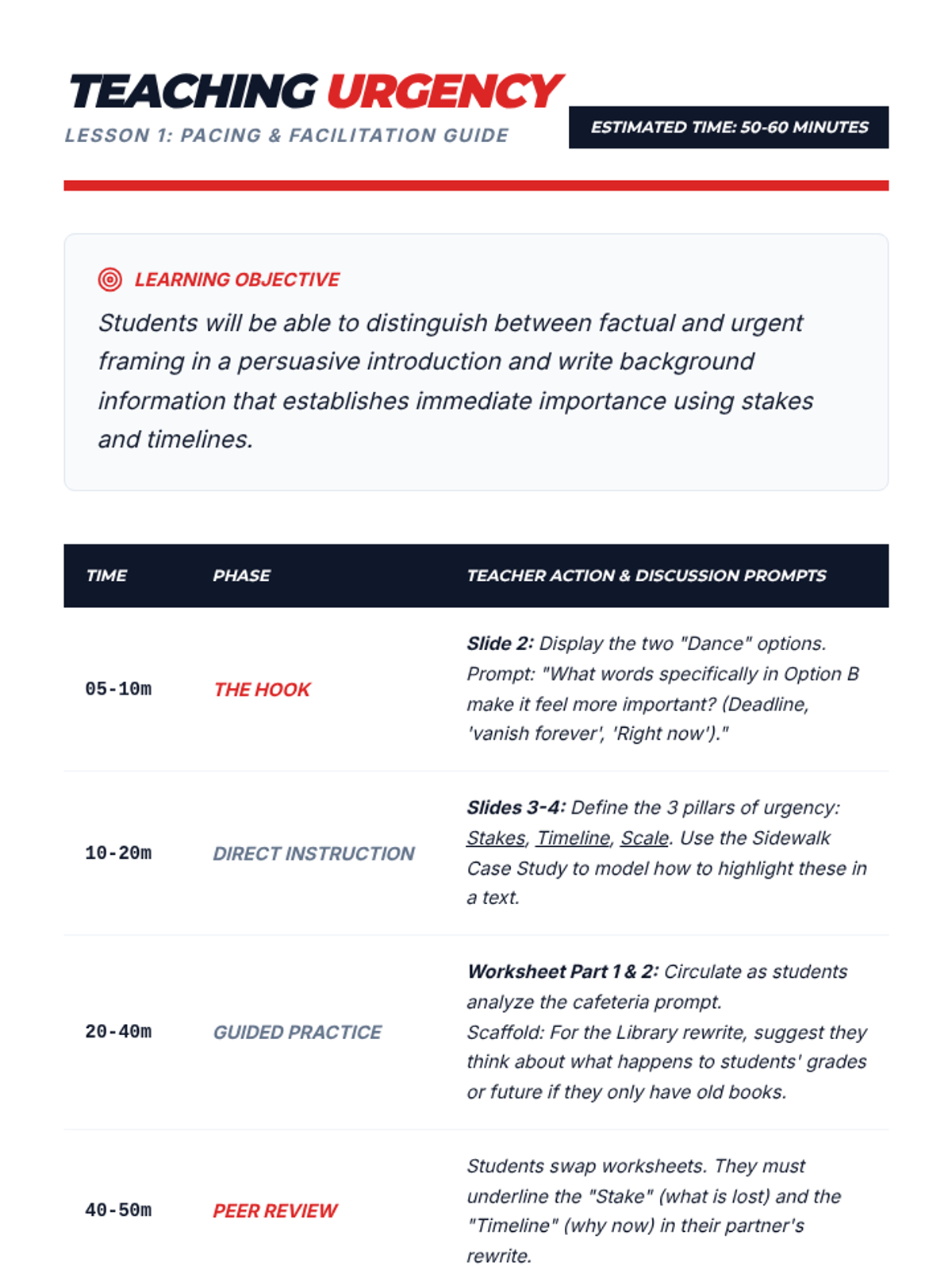
A 7th-grade ELA sequence focused on persuasive writing, specifically mastering high-impact introductions that establish urgency and conclusions that demand action. Students progress through a series of lessons leading to a simulated advocacy campaign.
A comprehensive exploration of rhetorical strategies (ethos, pathos, logos) designed for high school students to analyze and evaluate persuasive techniques in various media.
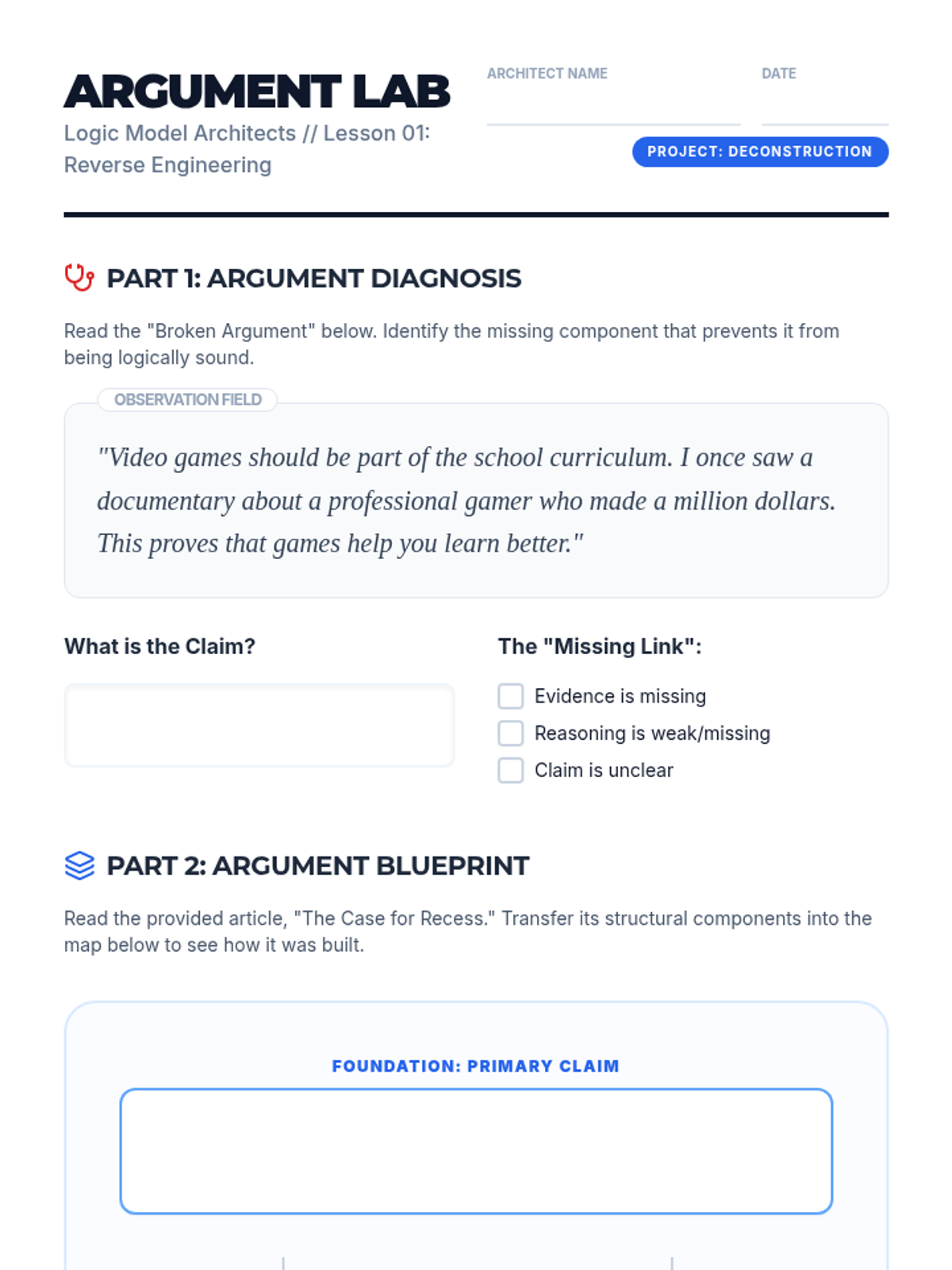
This sequence helps 9th-grade students with academic support needs master argumentative writing through visual logic models. By using Claim-Evidence-Reasoning (CER) maps and balance-scale organizers, students learn to visualize the relationships between ideas, evaluate evidence strength, and address counter-arguments effectively.
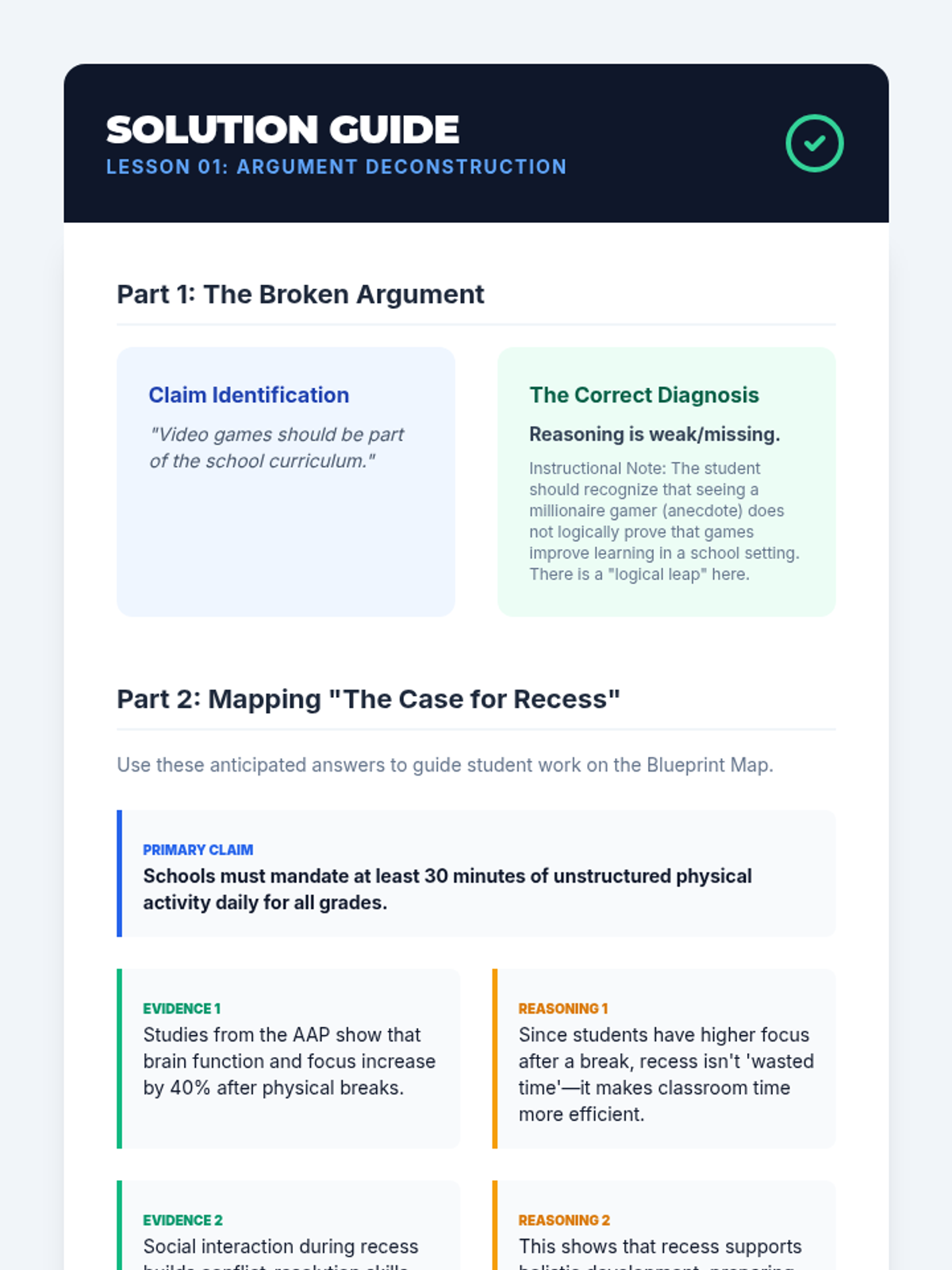
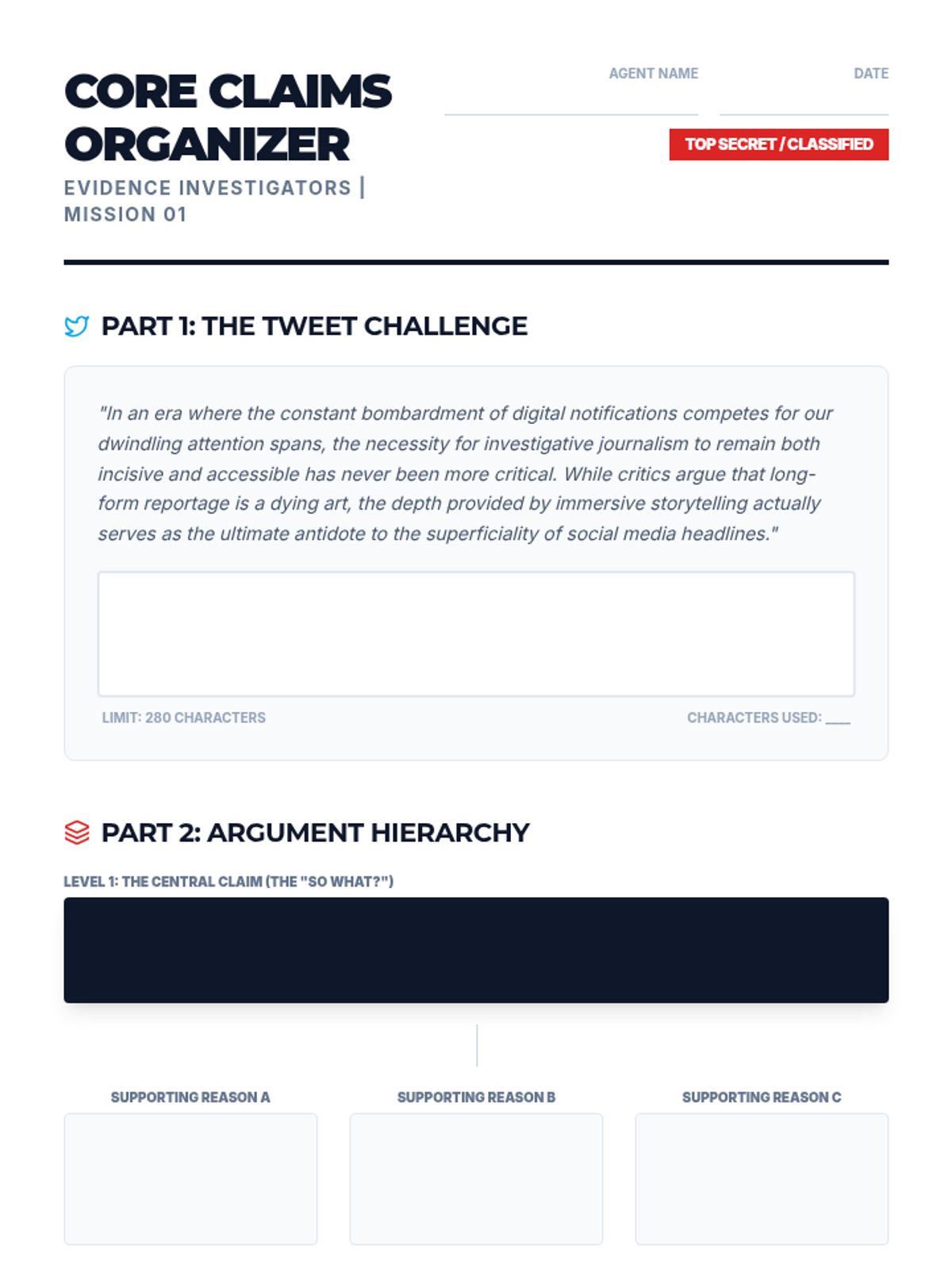
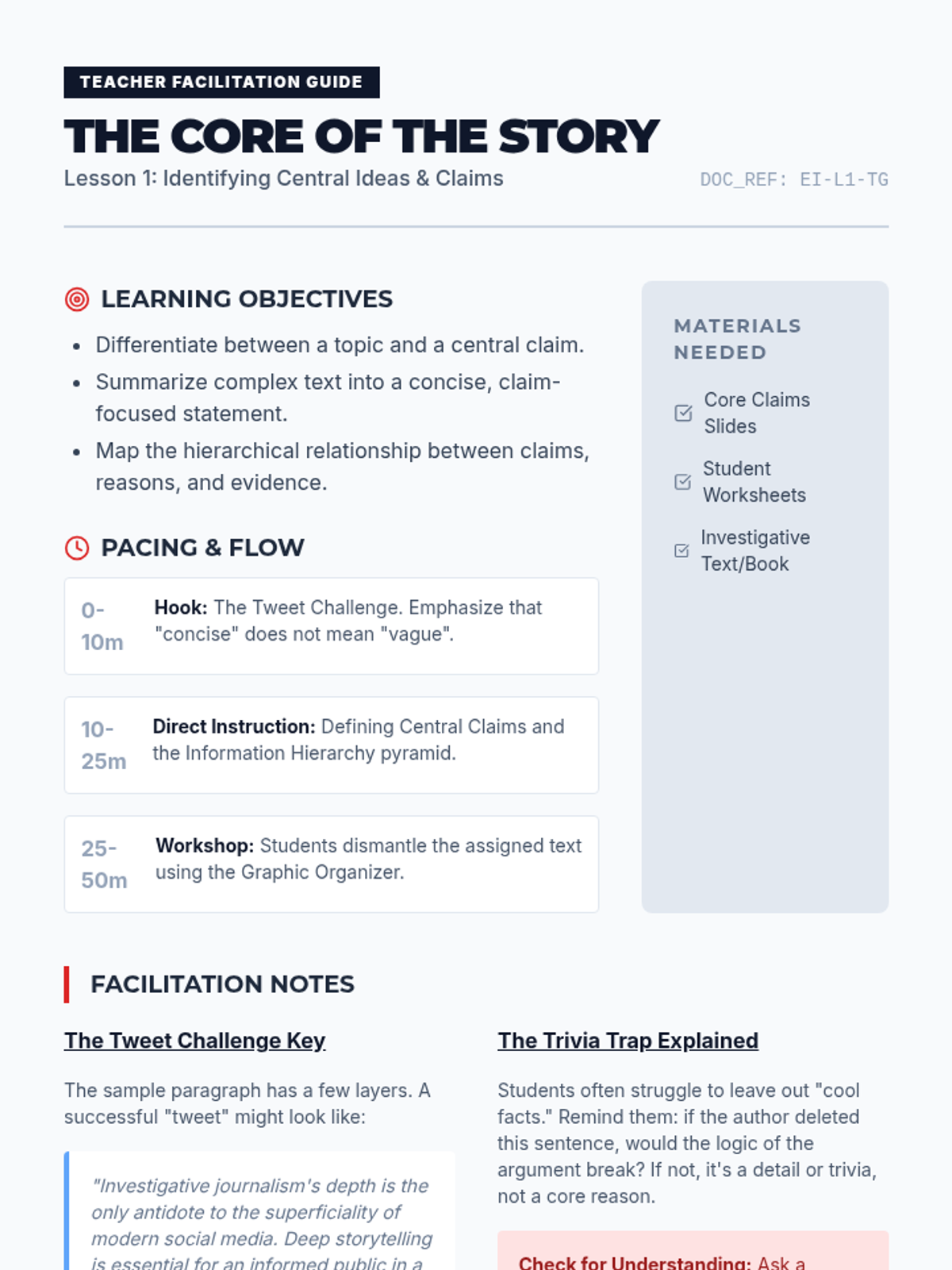
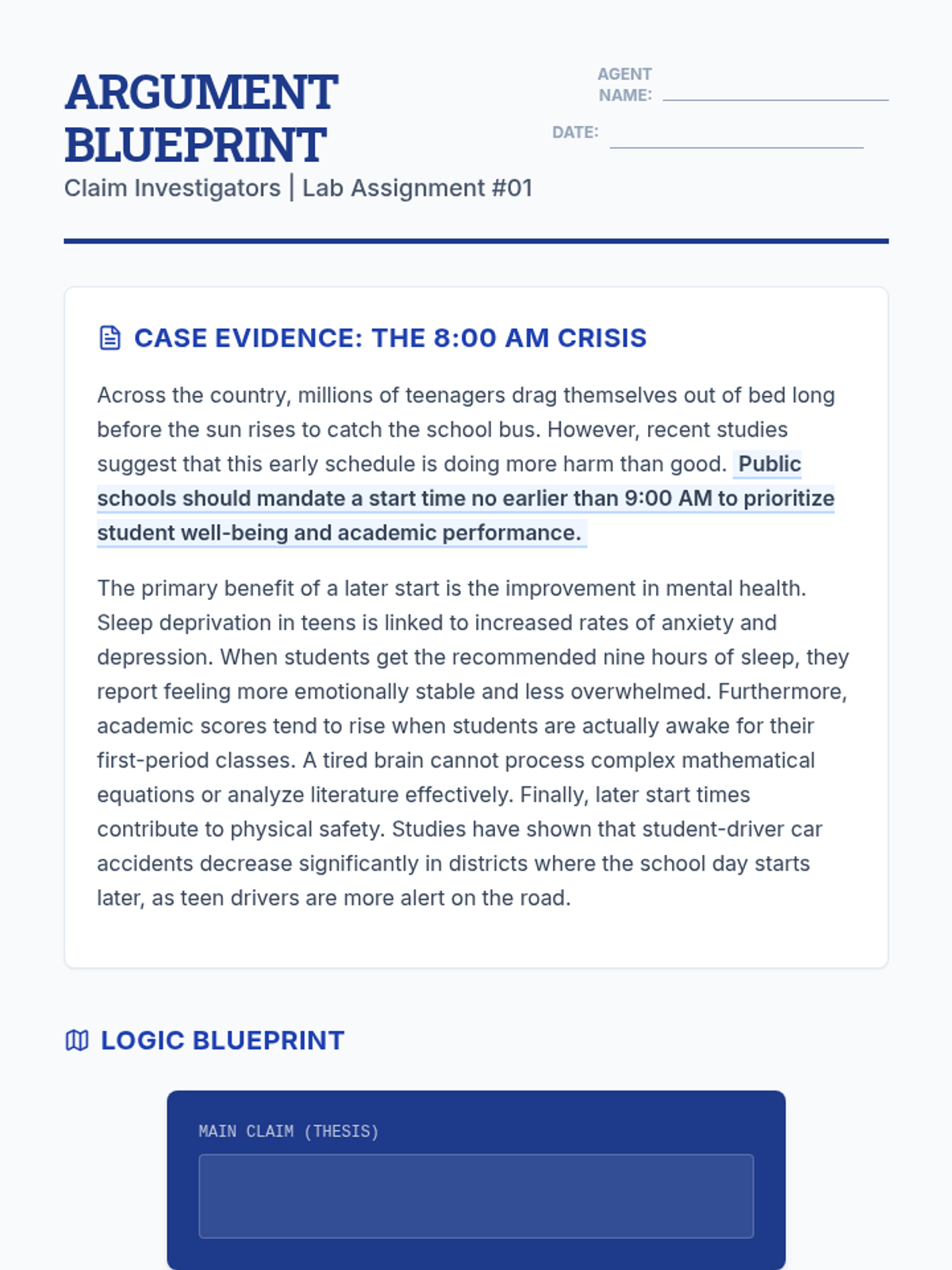
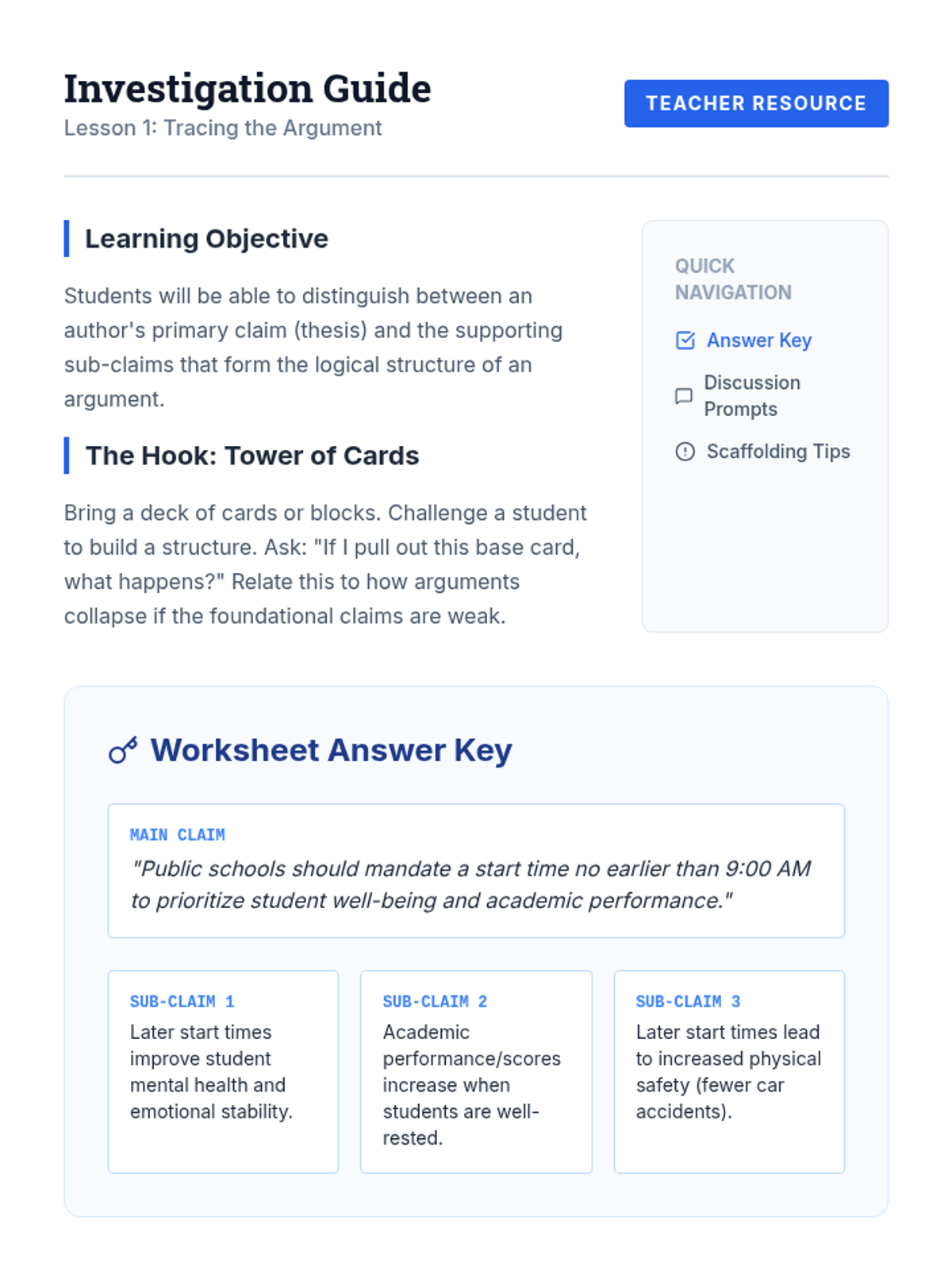
A 9th-grade ELA sequence focused on analyzing and evaluating investigative journalism. Students learn to dismantle complex arguments, categorize evidence, trace logical flow, and identify fallacies in nonfiction texts.
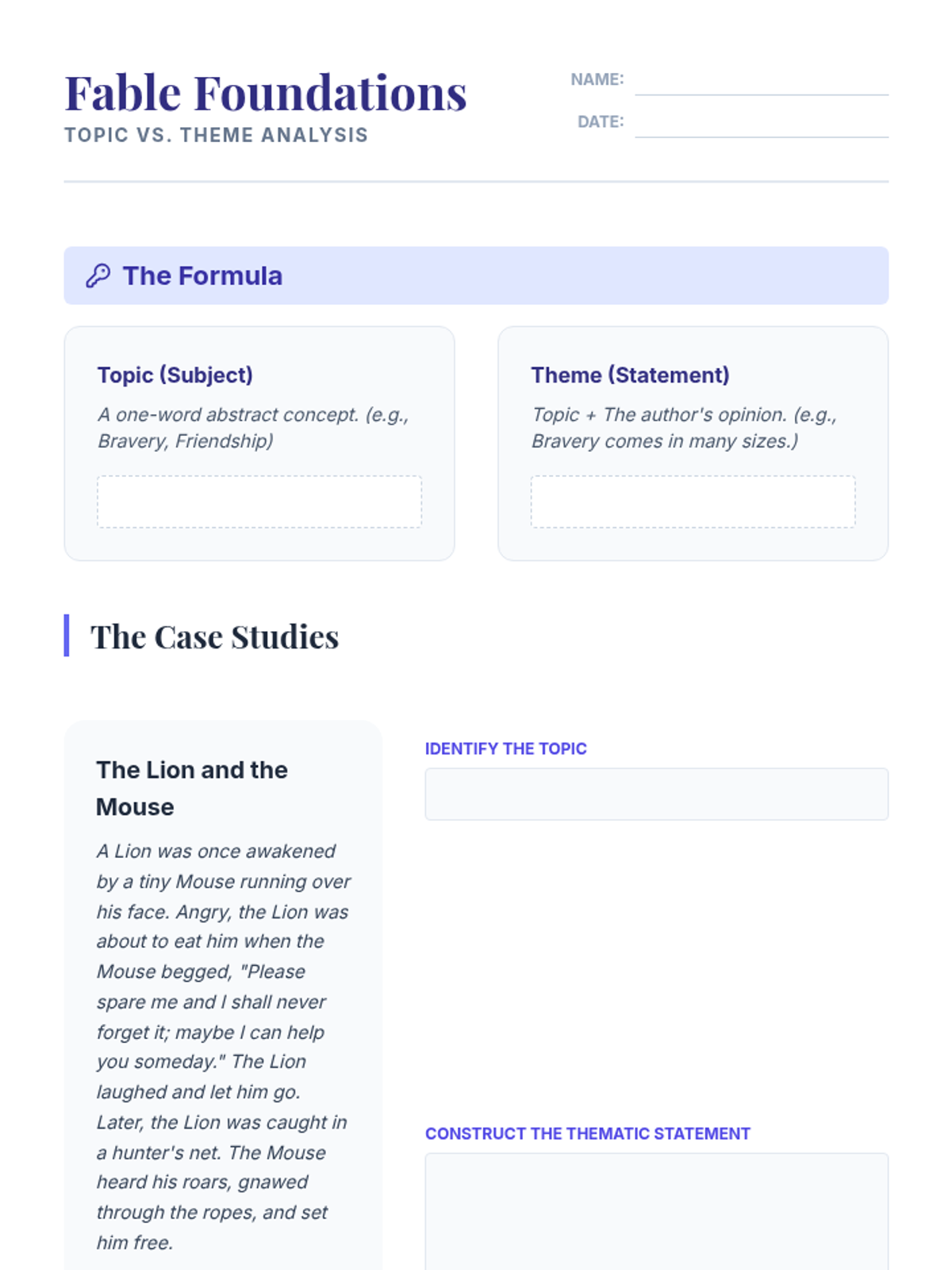
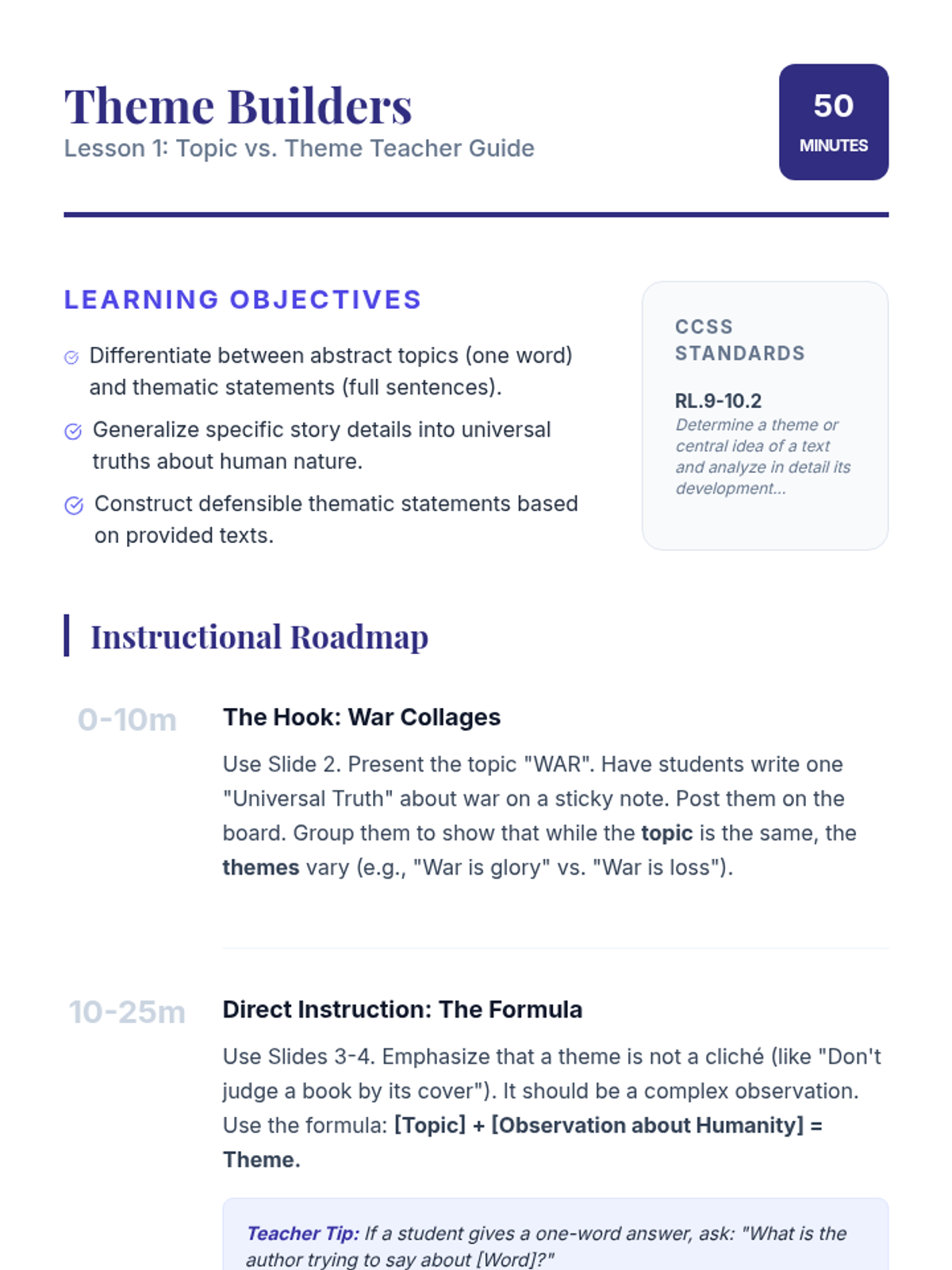
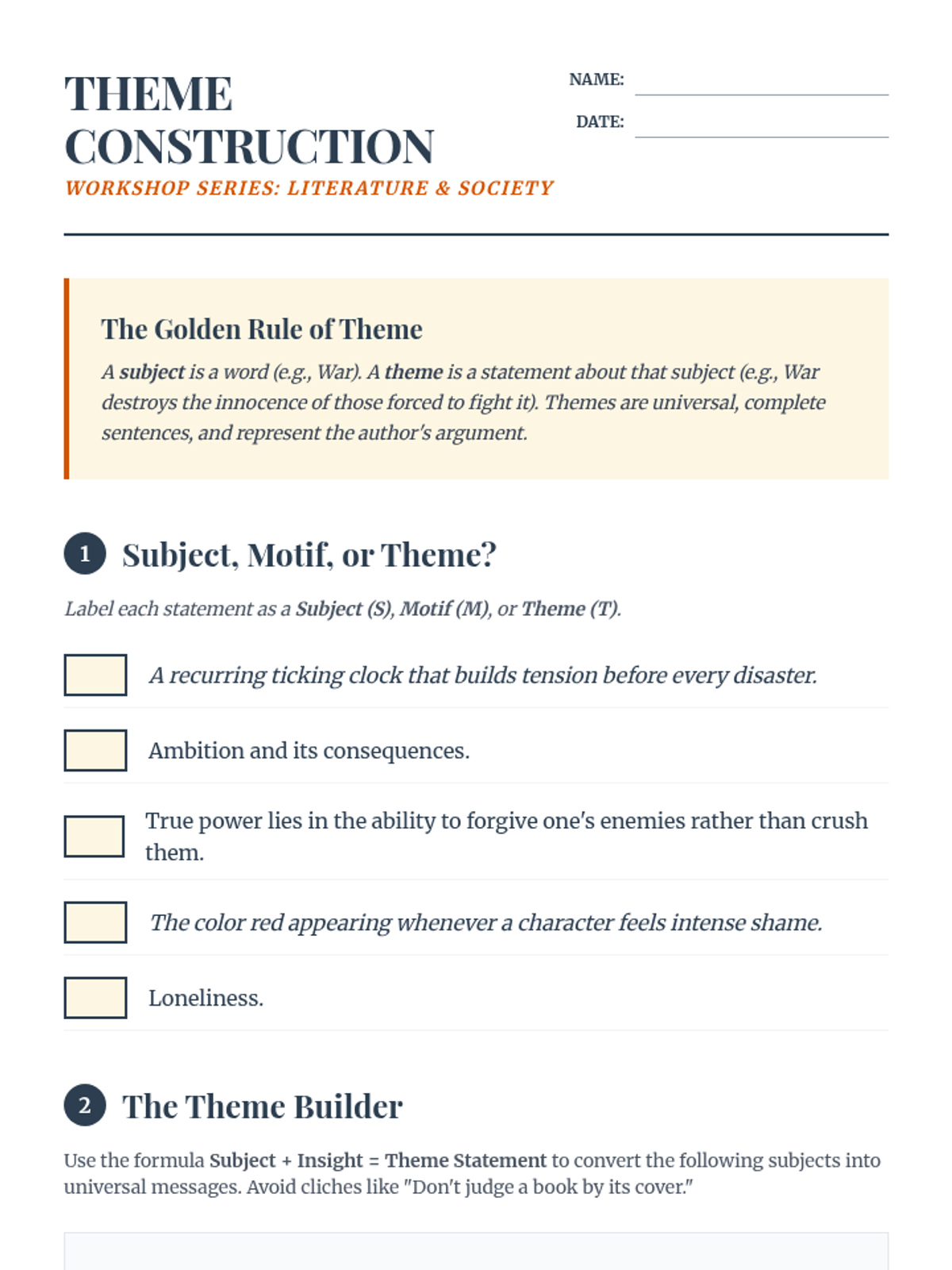
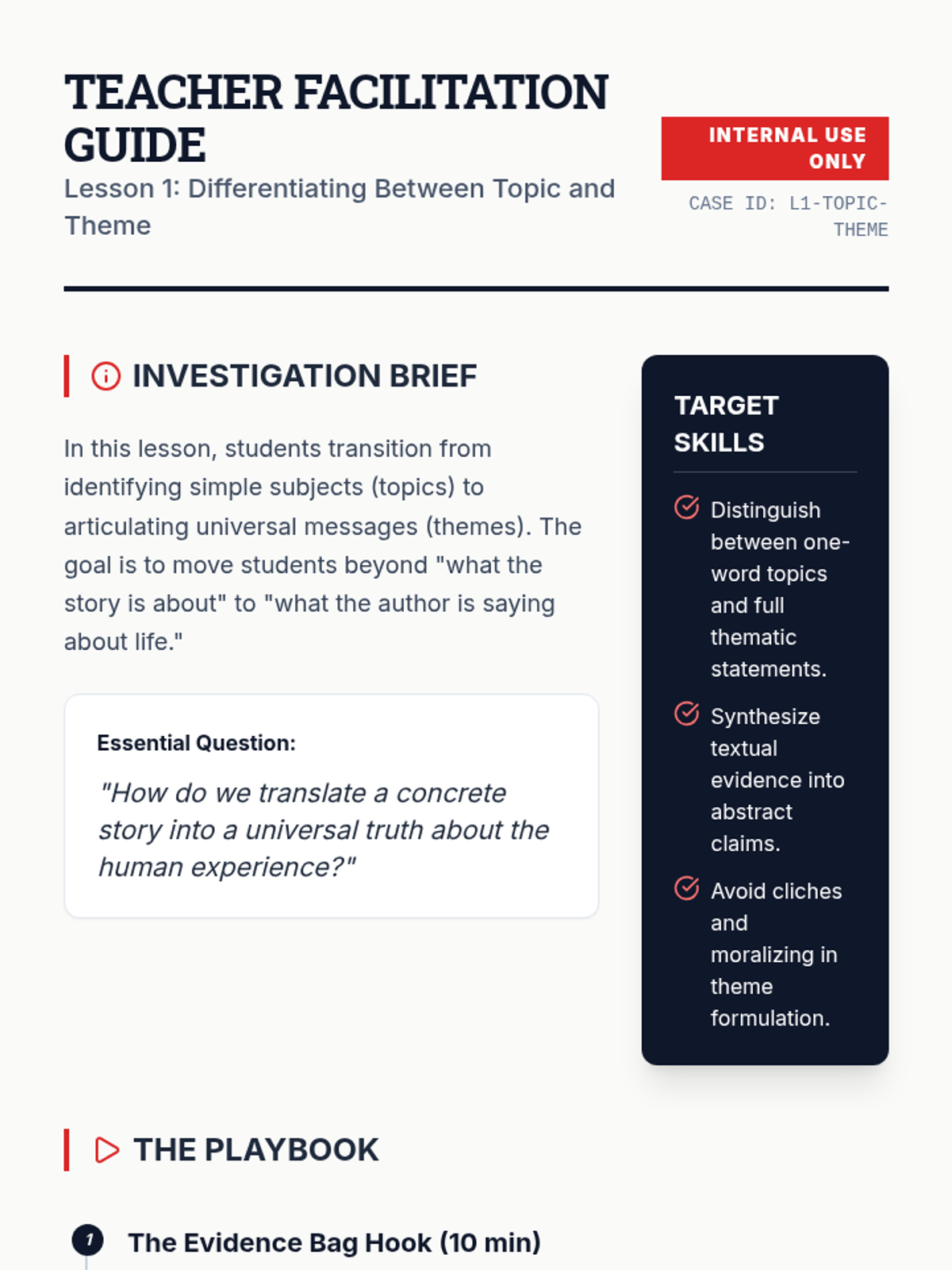
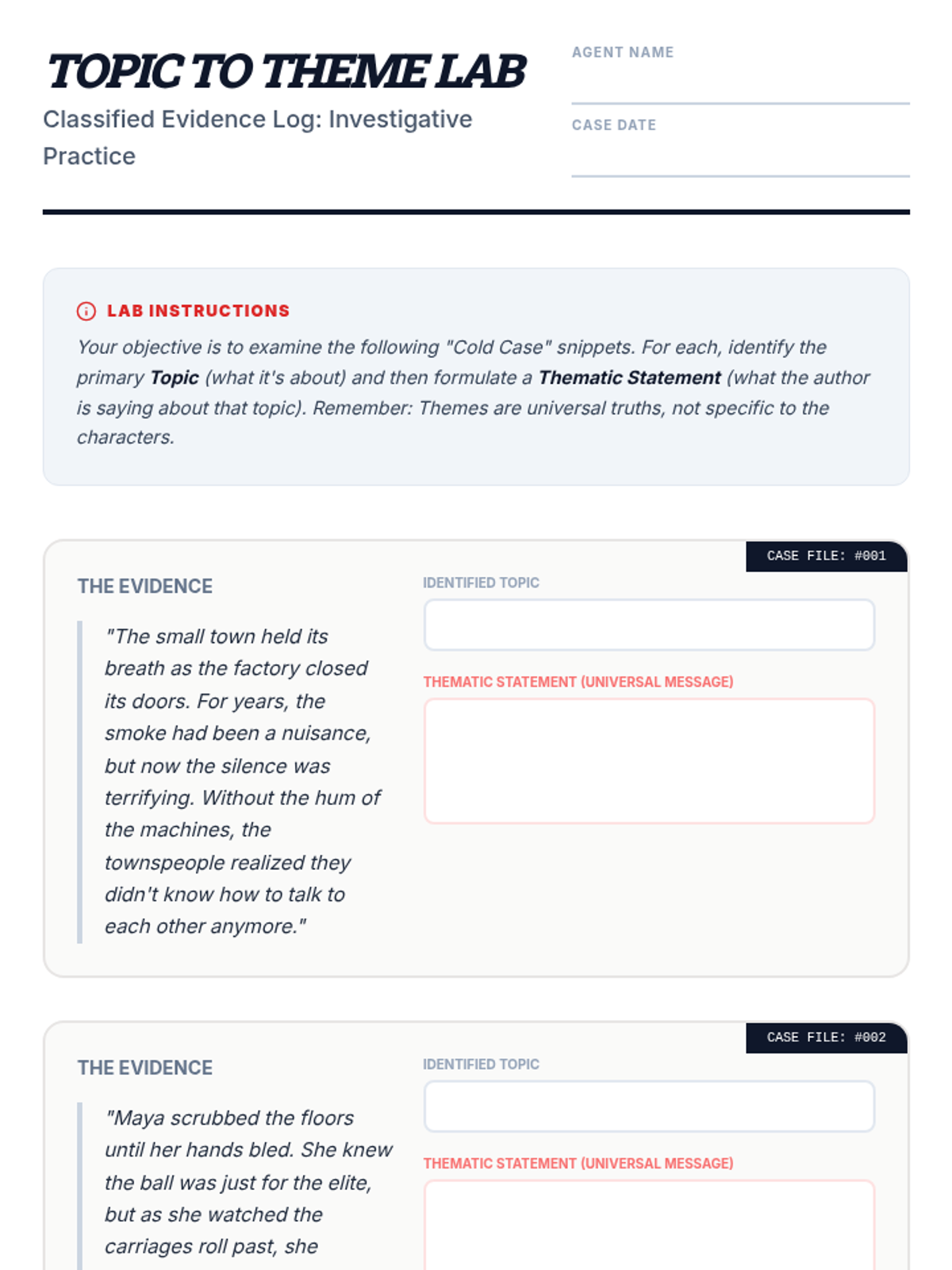
This 9th-grade ELA sequence guides students through the shift from basic plot comprehension to abstract thematic analysis. Students will learn to distinguish topics from themes, track motifs, analyze the impact of narrative resolutions, and construct nuanced thematic statements through collaborative debate and Socratic seminars.
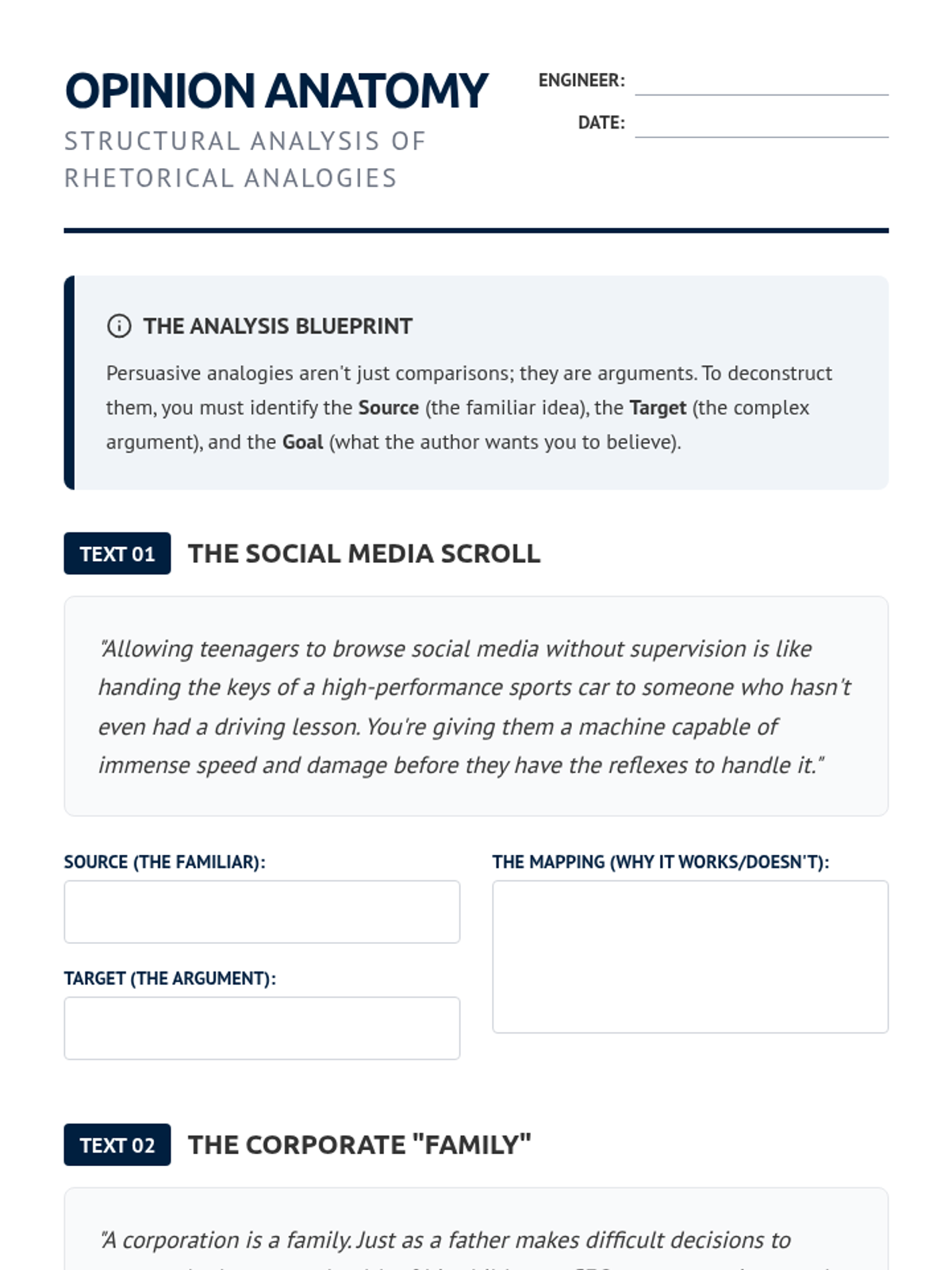
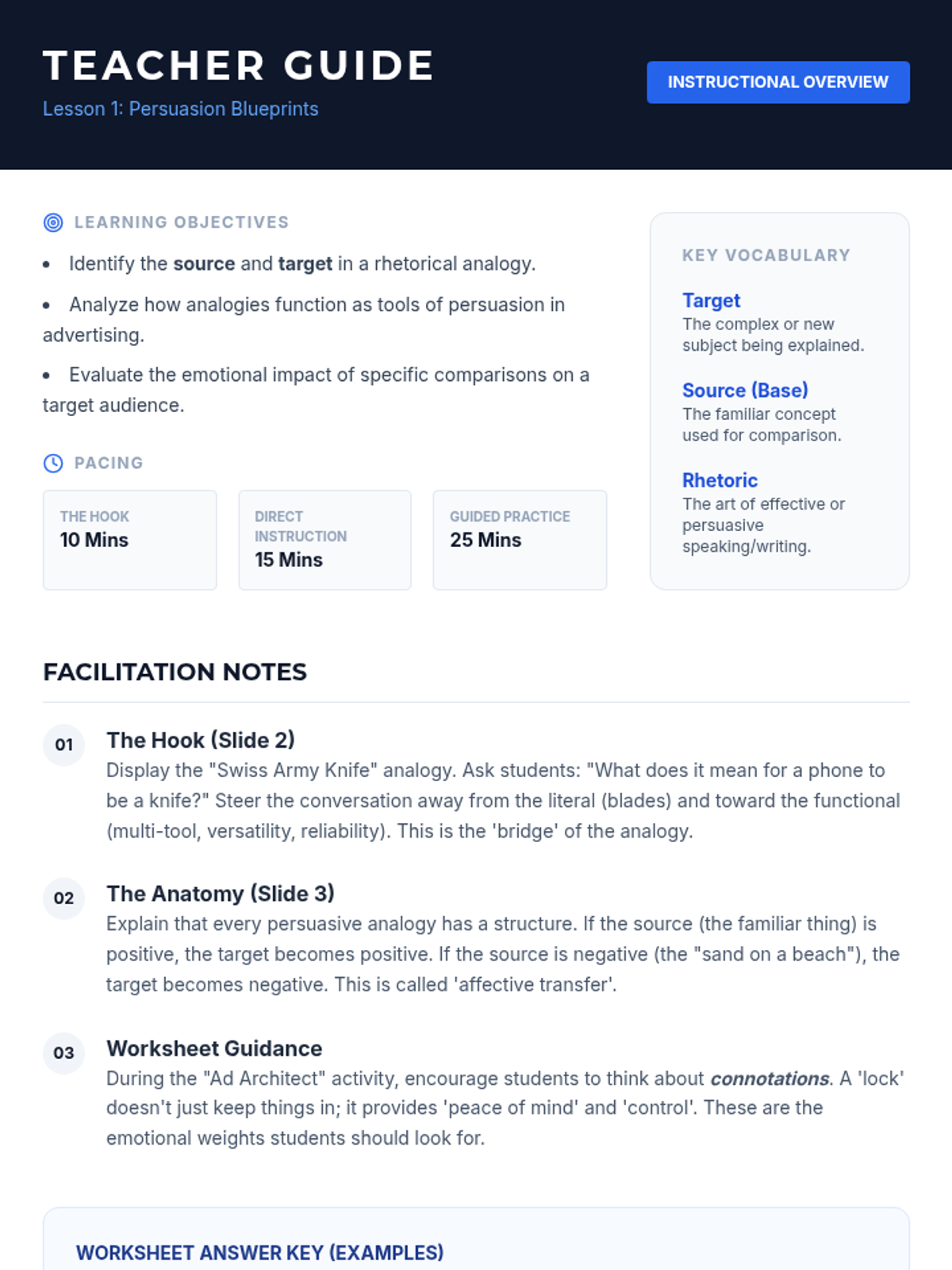
This sequence explores analogies as rhetorical devices in persuasive writing and speech, teaching students to analyze, evaluate, and craft powerful comparisons for argumentation.
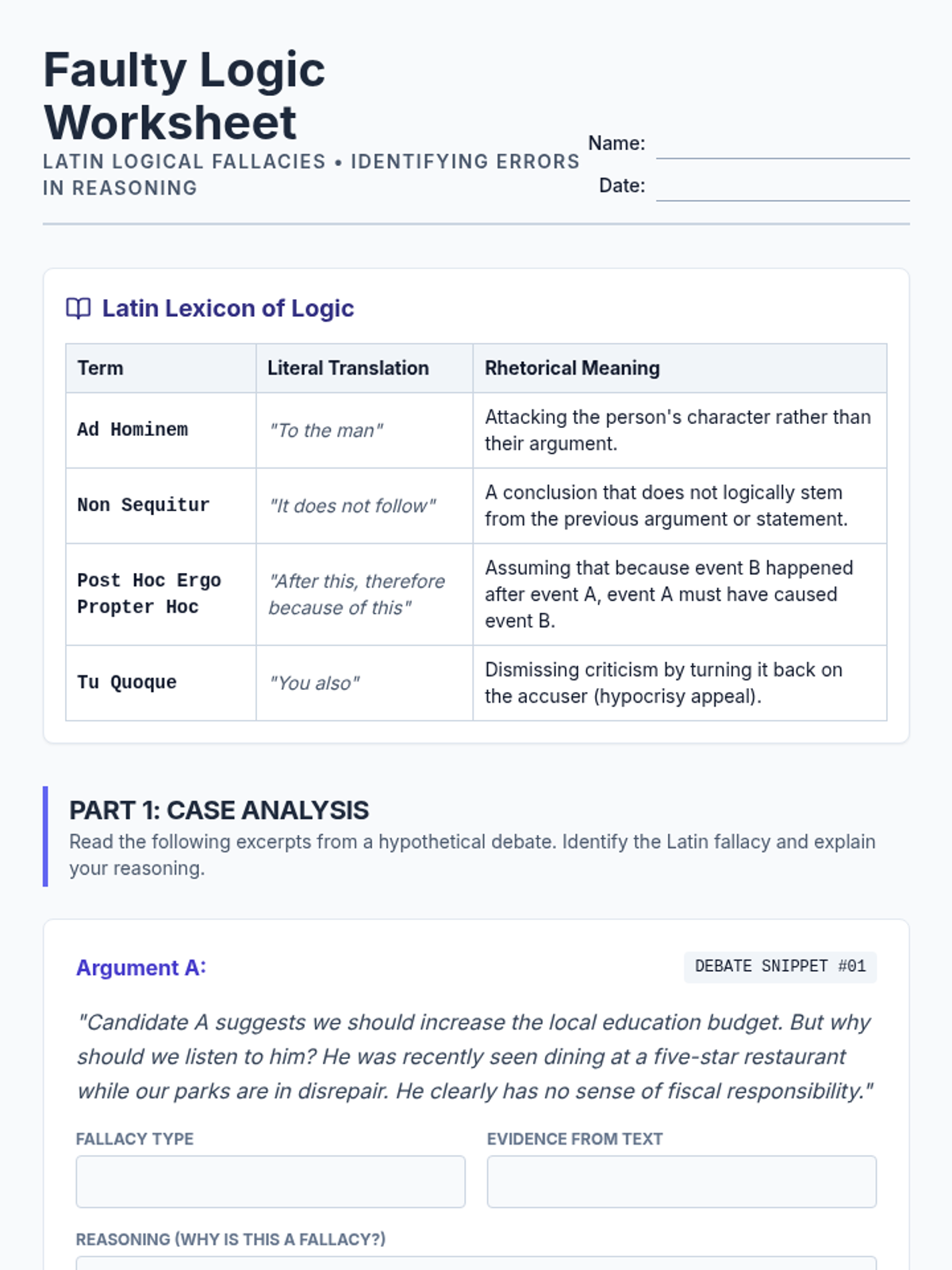
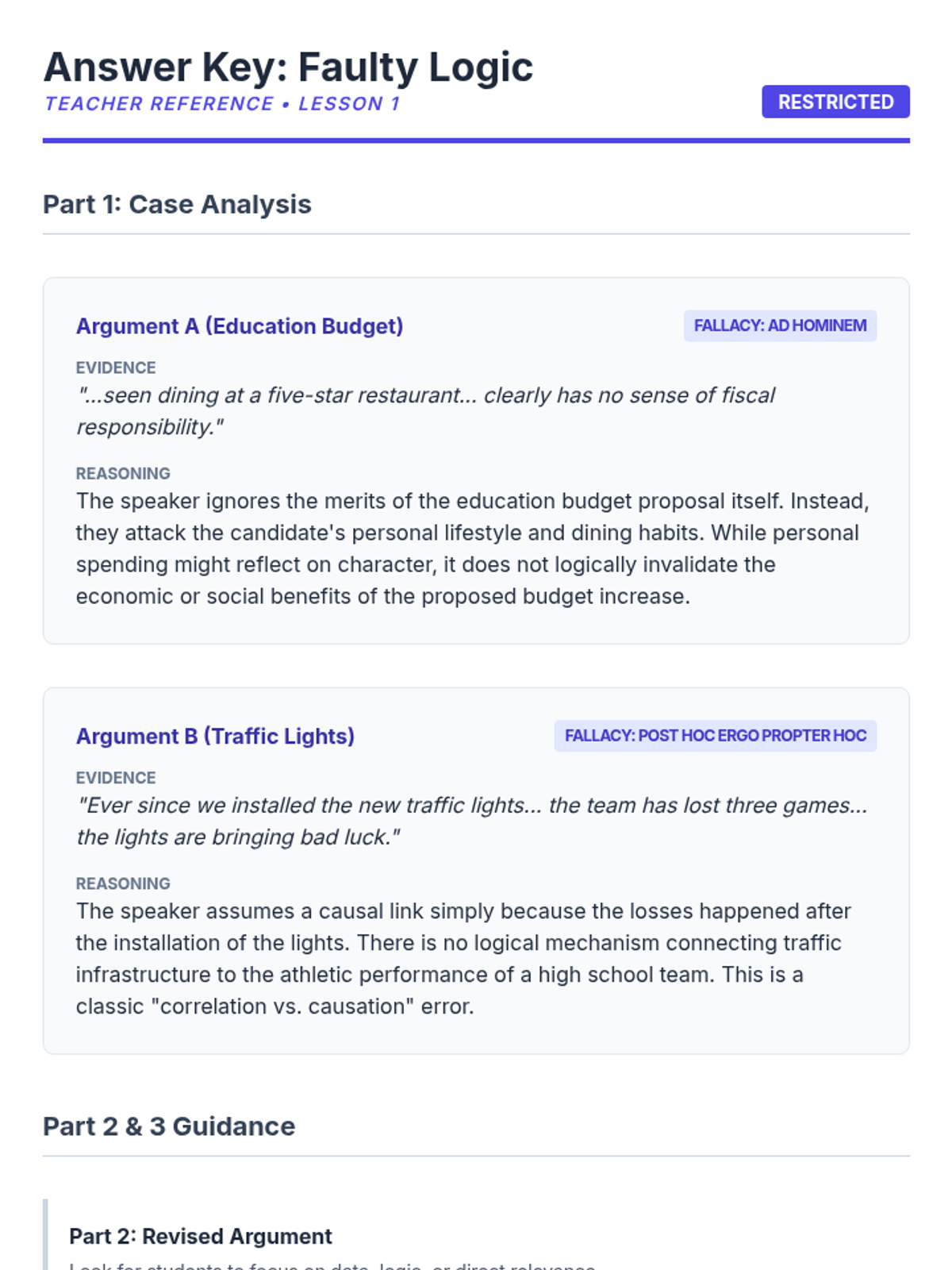
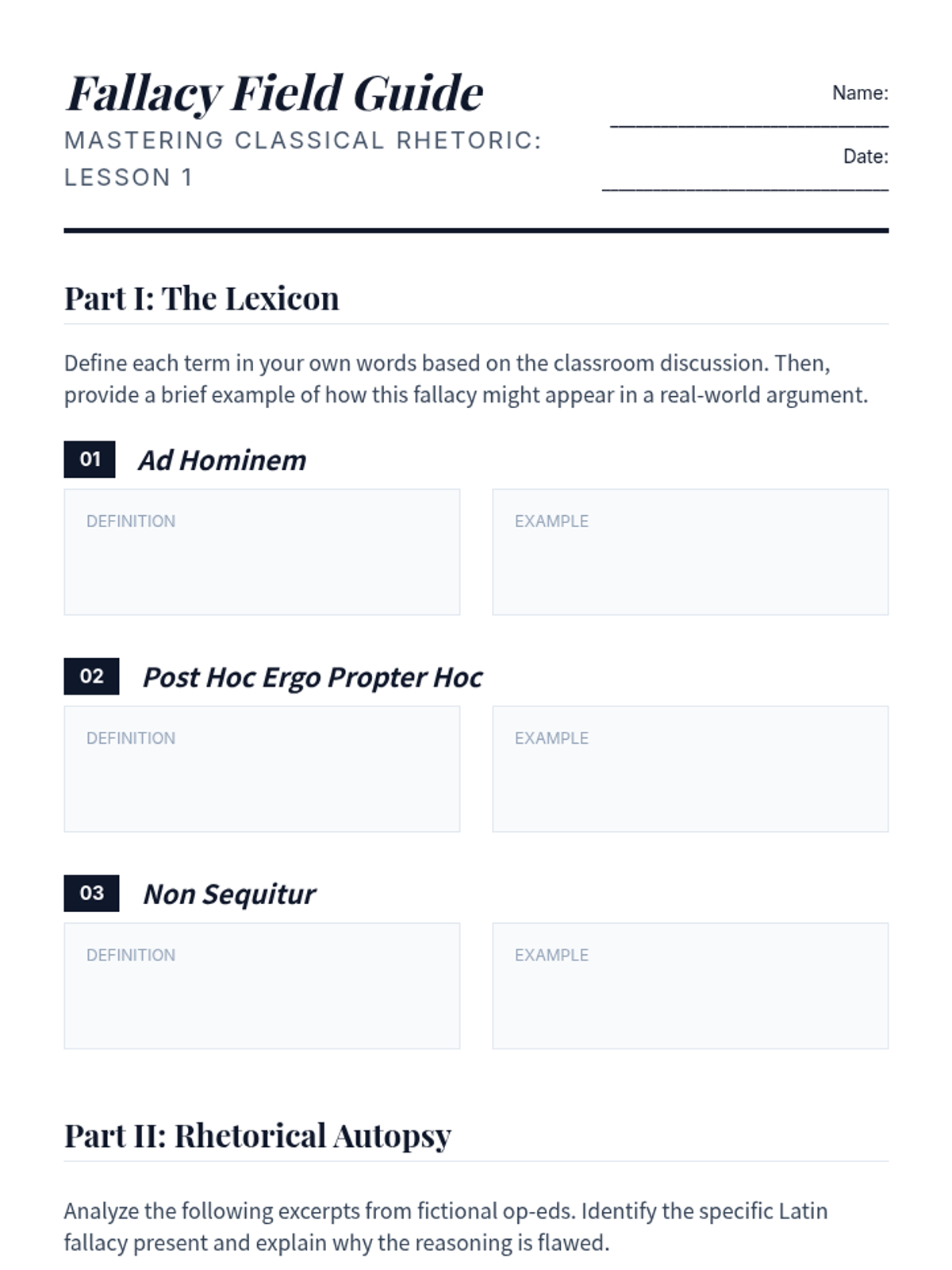
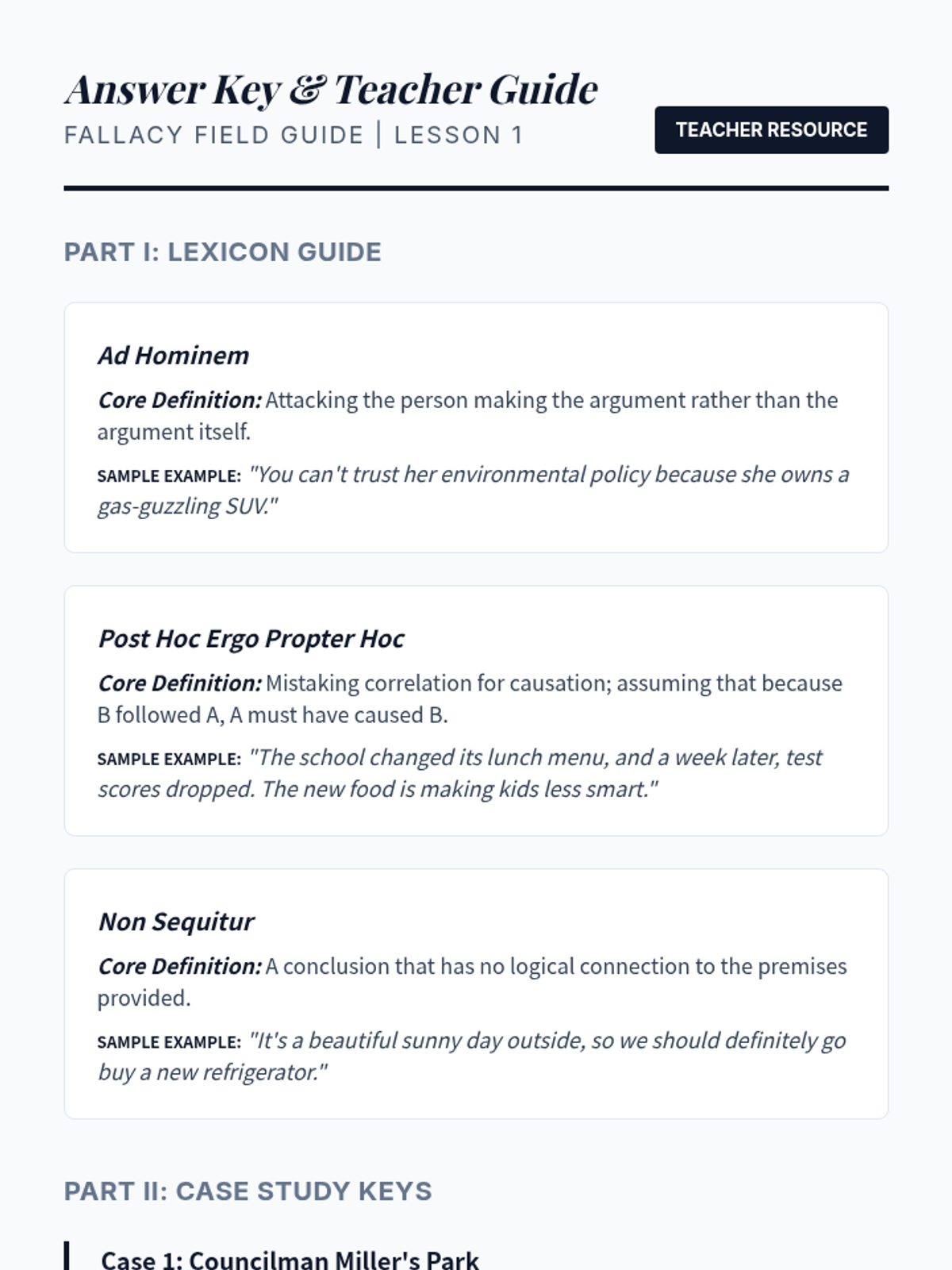
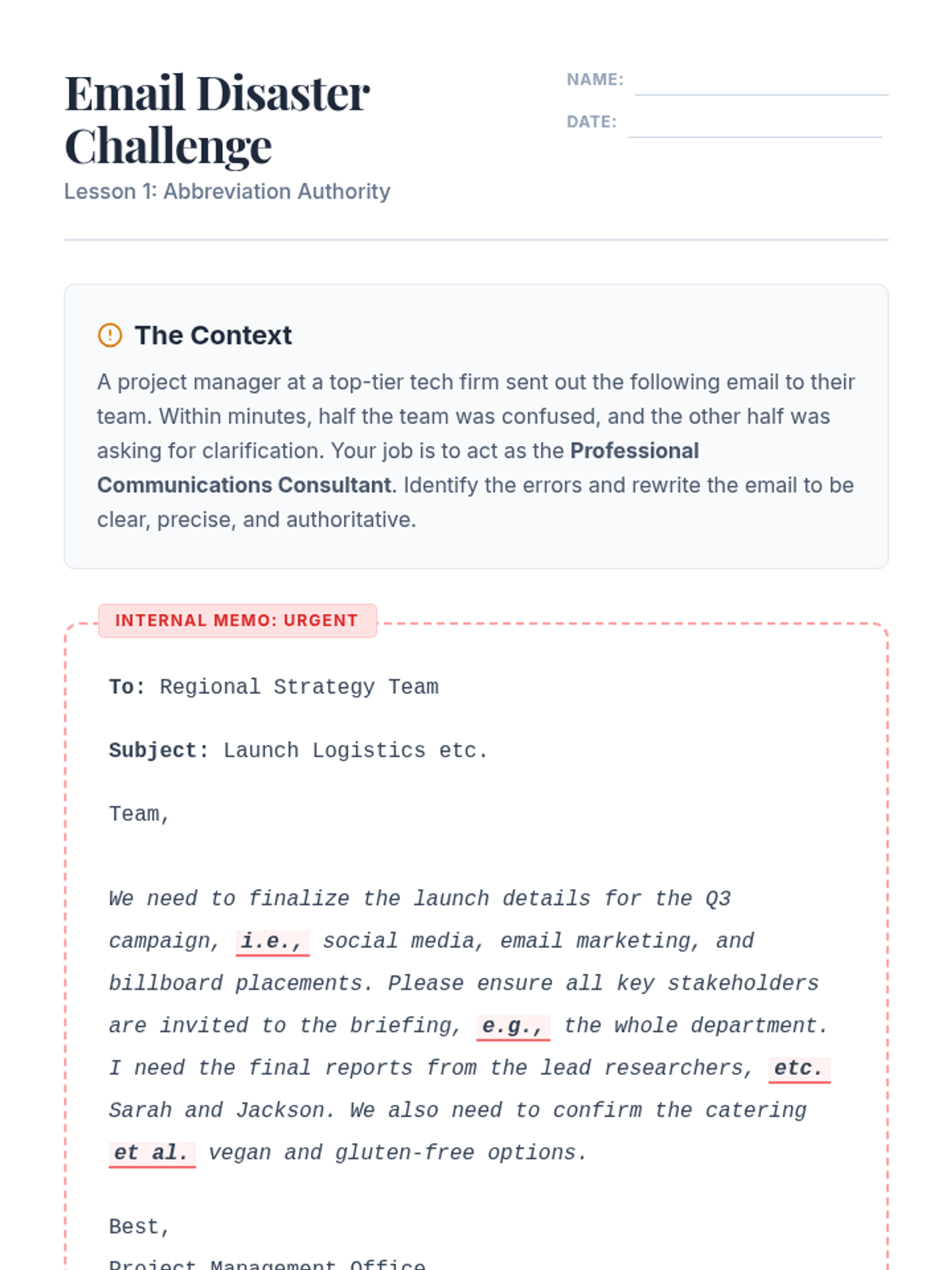
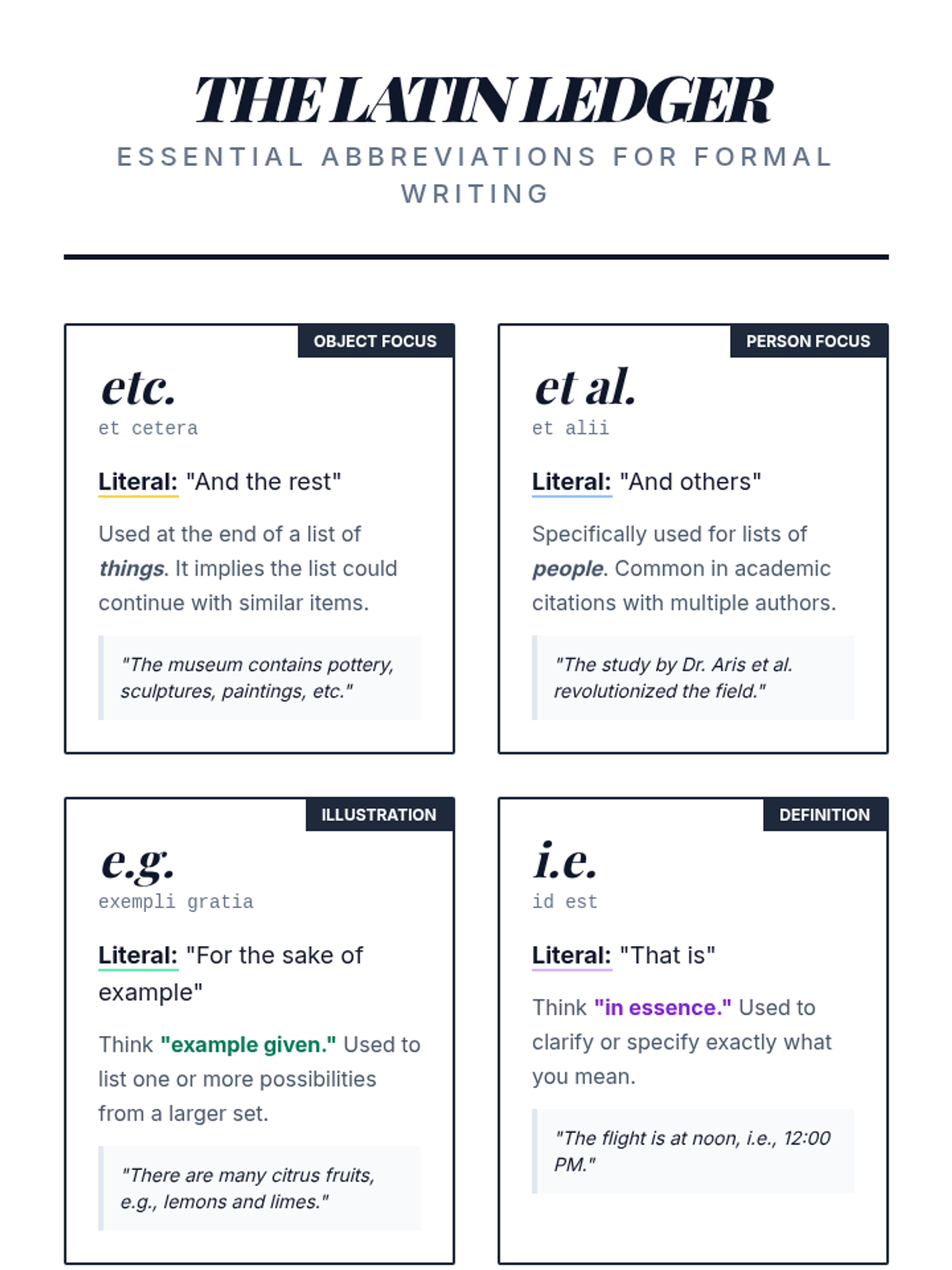
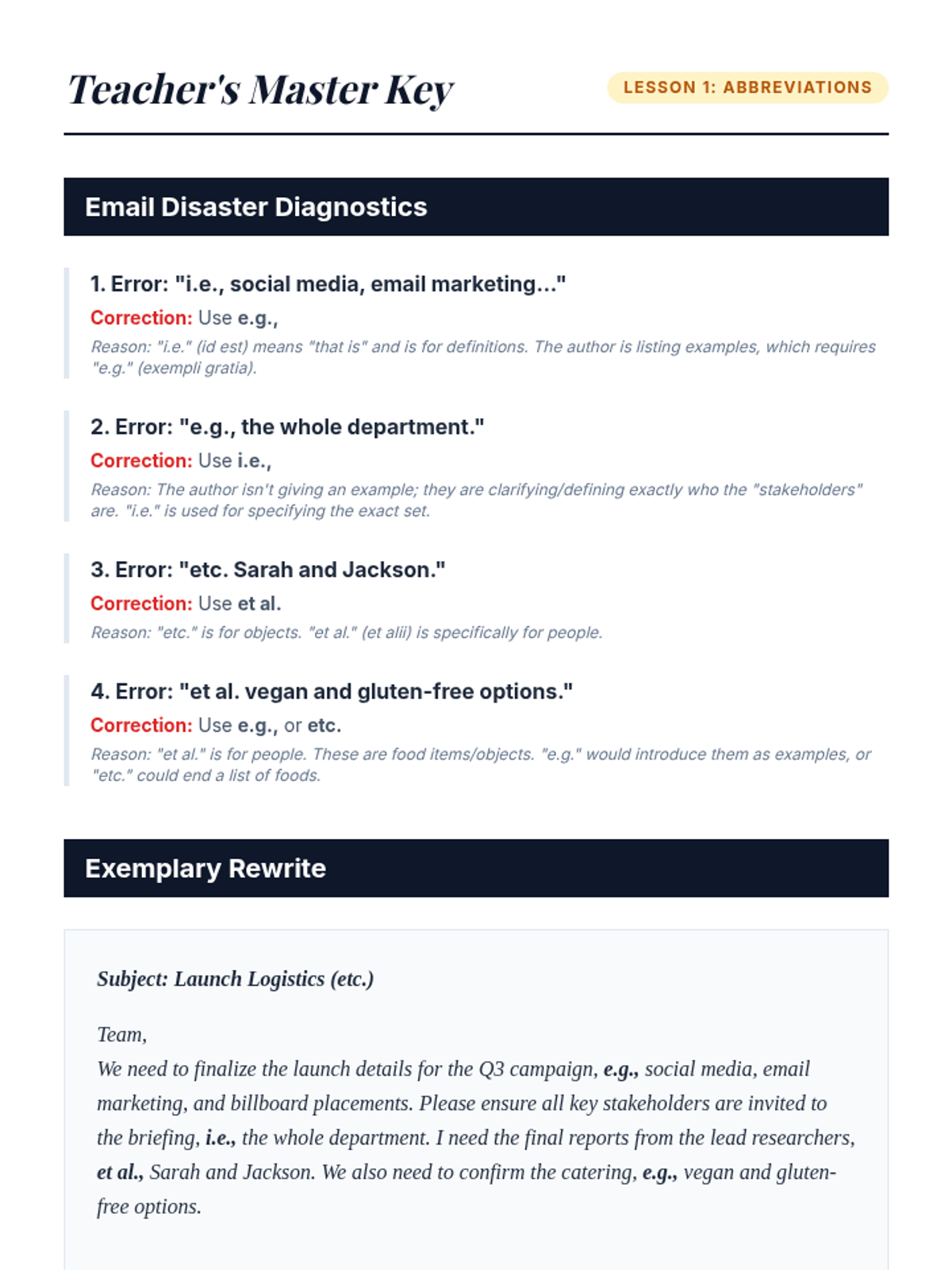
This high school ELA sequence explores Latin terminology in rhetoric, law, and academia. Students move from identifying logical fallacies to applying legal concepts and scholarly abbreviations, culminating in a persuasive project that leverages classical authority for modern argumentation.
This sequence immerses students in the scholarly and rhetorical traditions that shape formal academic discourse, focusing on Latin and Greek expressions prevalent in university-level writing and debate. Students will analyze how terms like 'ad hominem,' 'non sequitur,' and 'status quo' function as shorthand for complex logical concepts, culminating in a Socratic seminar.
A comprehensive unit for 9th-grade students on integrating Latin phrases into formal writing and argumentation. Students transition from understanding basic abbreviations to applying complex rhetorical and legal terms in a culminating persuasive editorial.
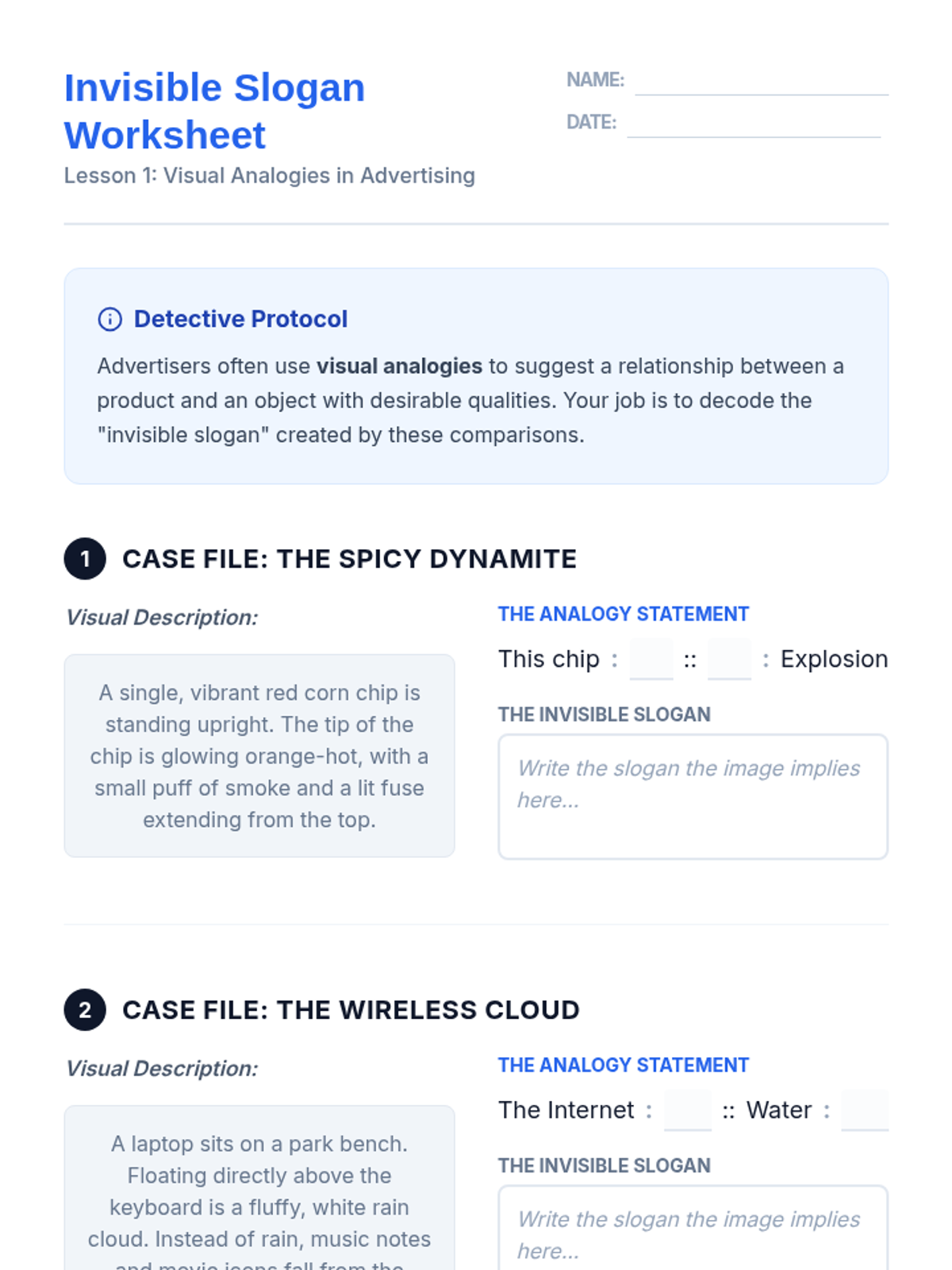
A high school ELA sequence exploring how analogies and visual metaphors are used in advertising, political cartoons, and propaganda to influence audience perception and shape arguments.
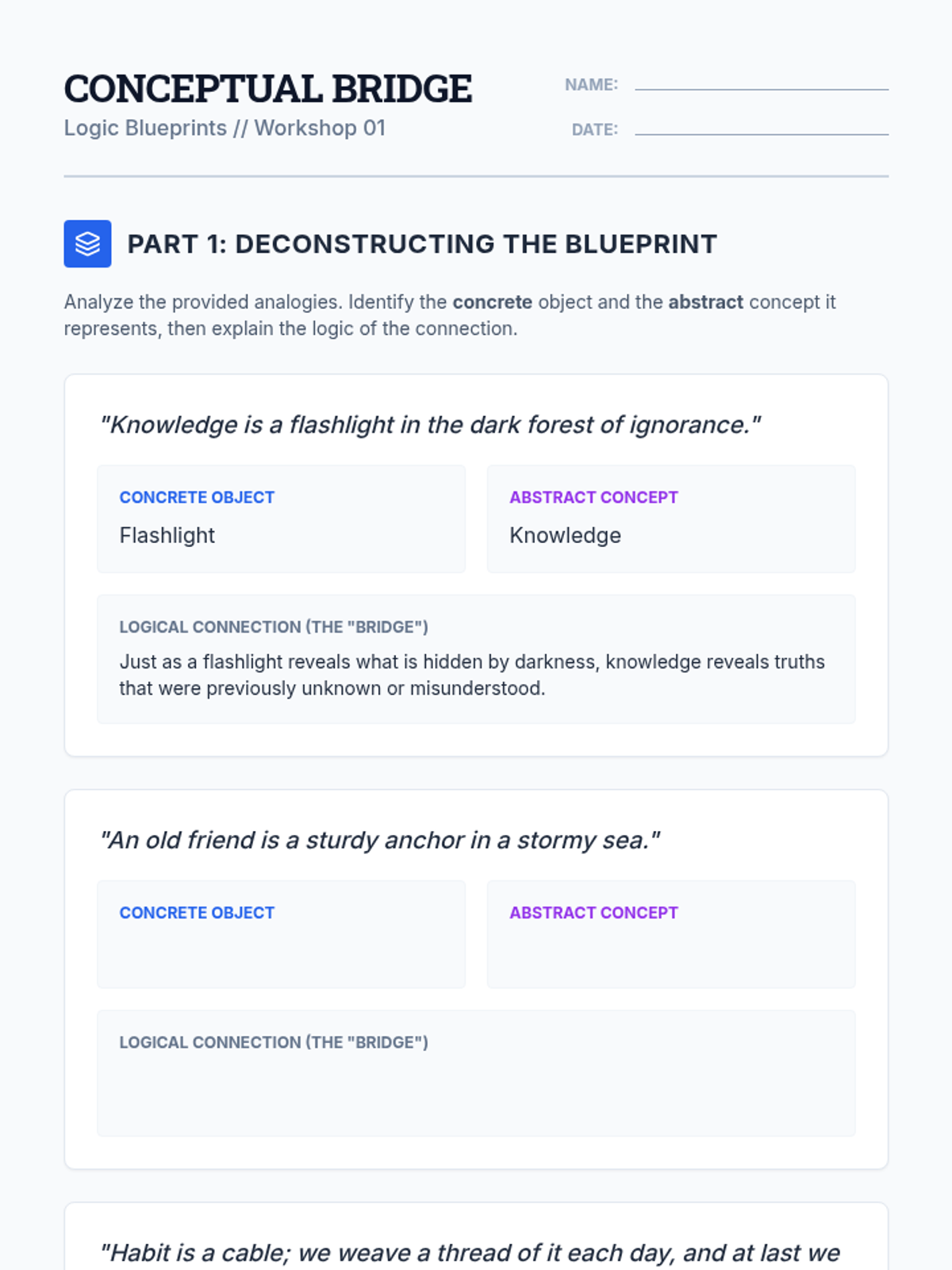
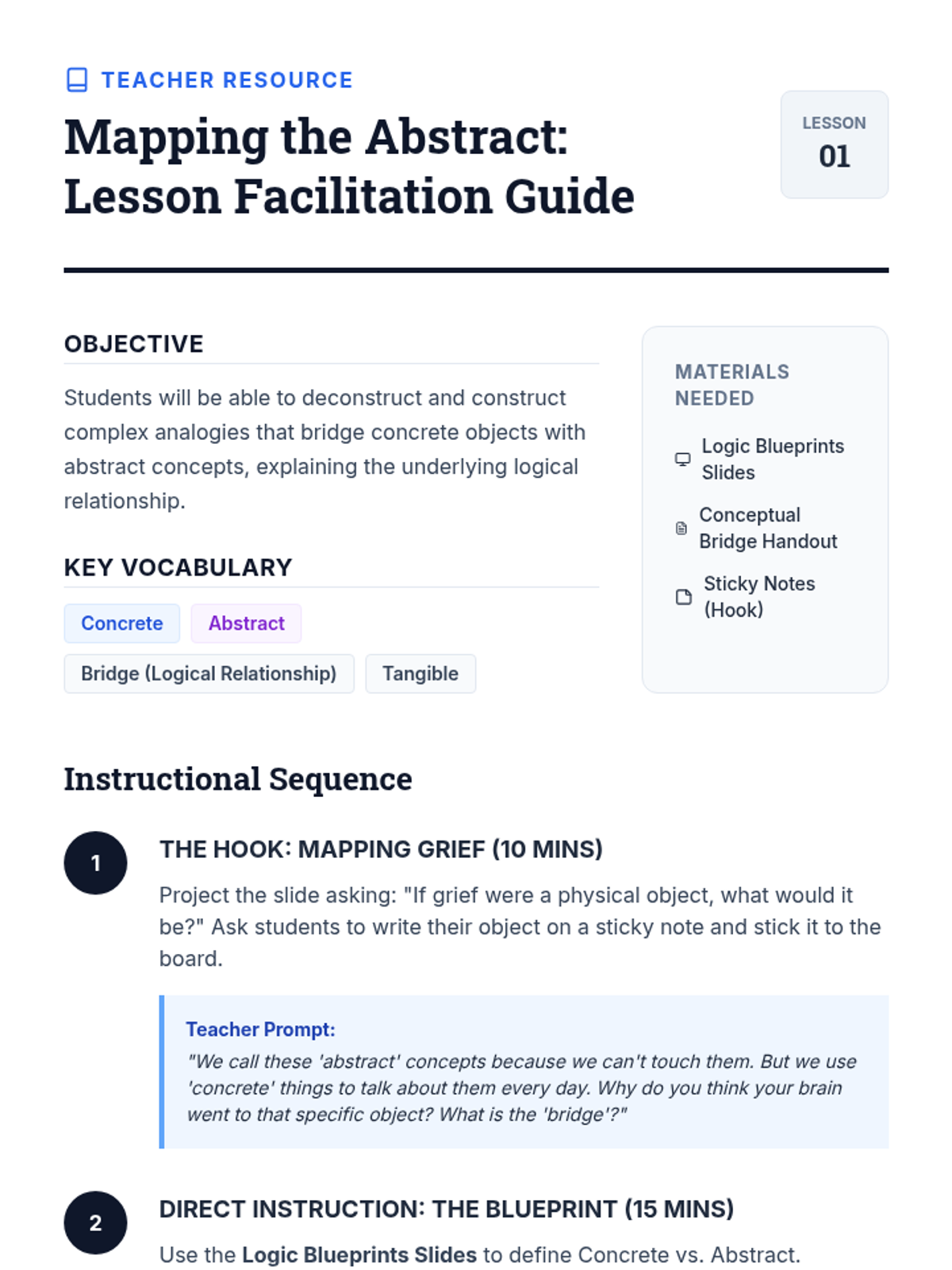
A high school ELA sequence exploring analogies as tools for critical thinking, rhetorical analysis, and decoding complex texts. Students move from concrete connections to identifying logical fallacies and participating in a Socratic Seminar on the limits of comparison.
This sequence explores the rhetorical power of analogies in persuasion, speeches, and debate. Students analyze historical and modern examples to understand how comparisons sway opinions and learn to identify logical fallacies like the False Analogy.
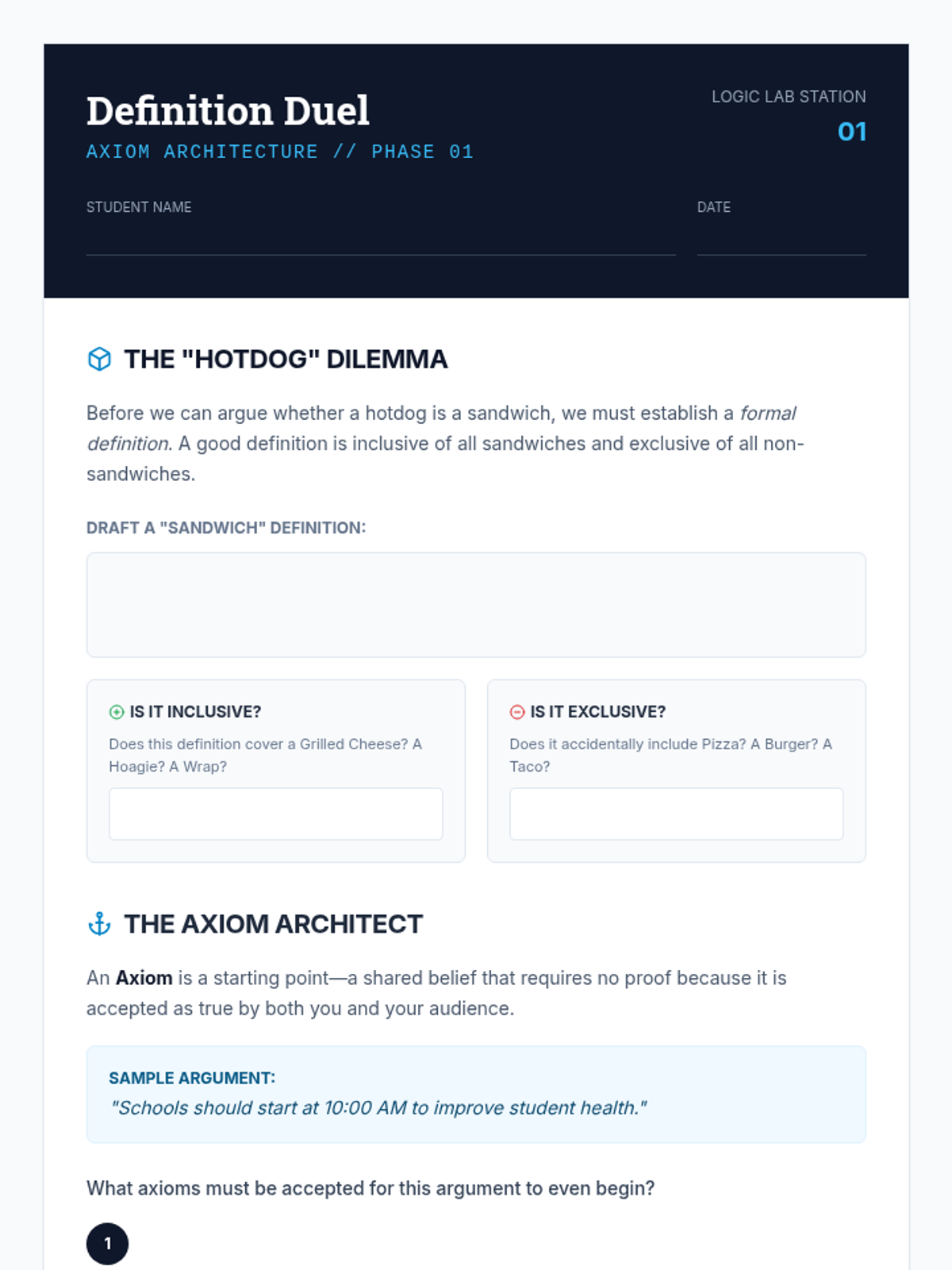
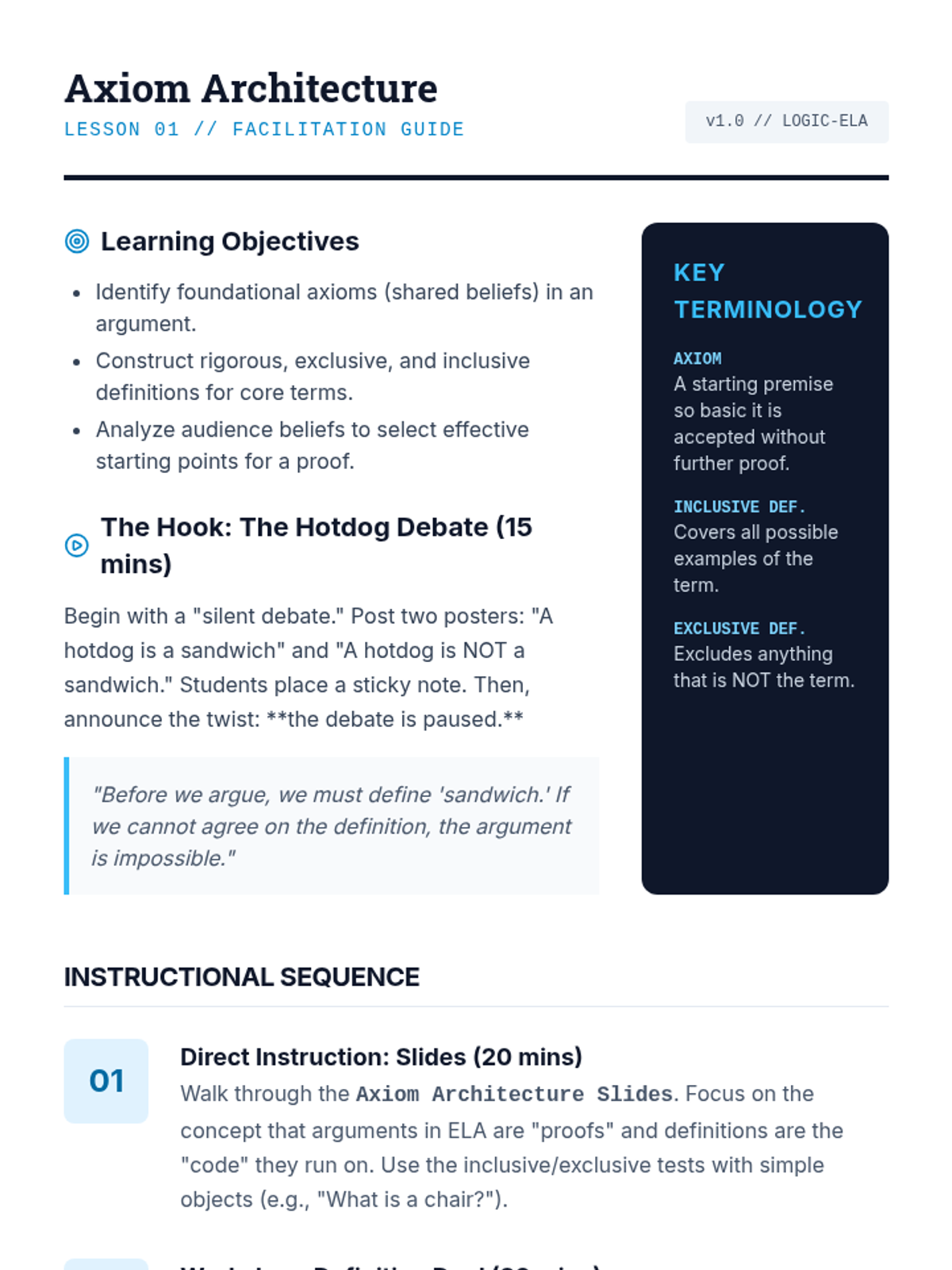
A high-school ELA sequence that treats argumentative writing like geometric proofs, focusing on formal logic structures like axioms, modus ponens, and proofs by contradiction to build unassailable positions.
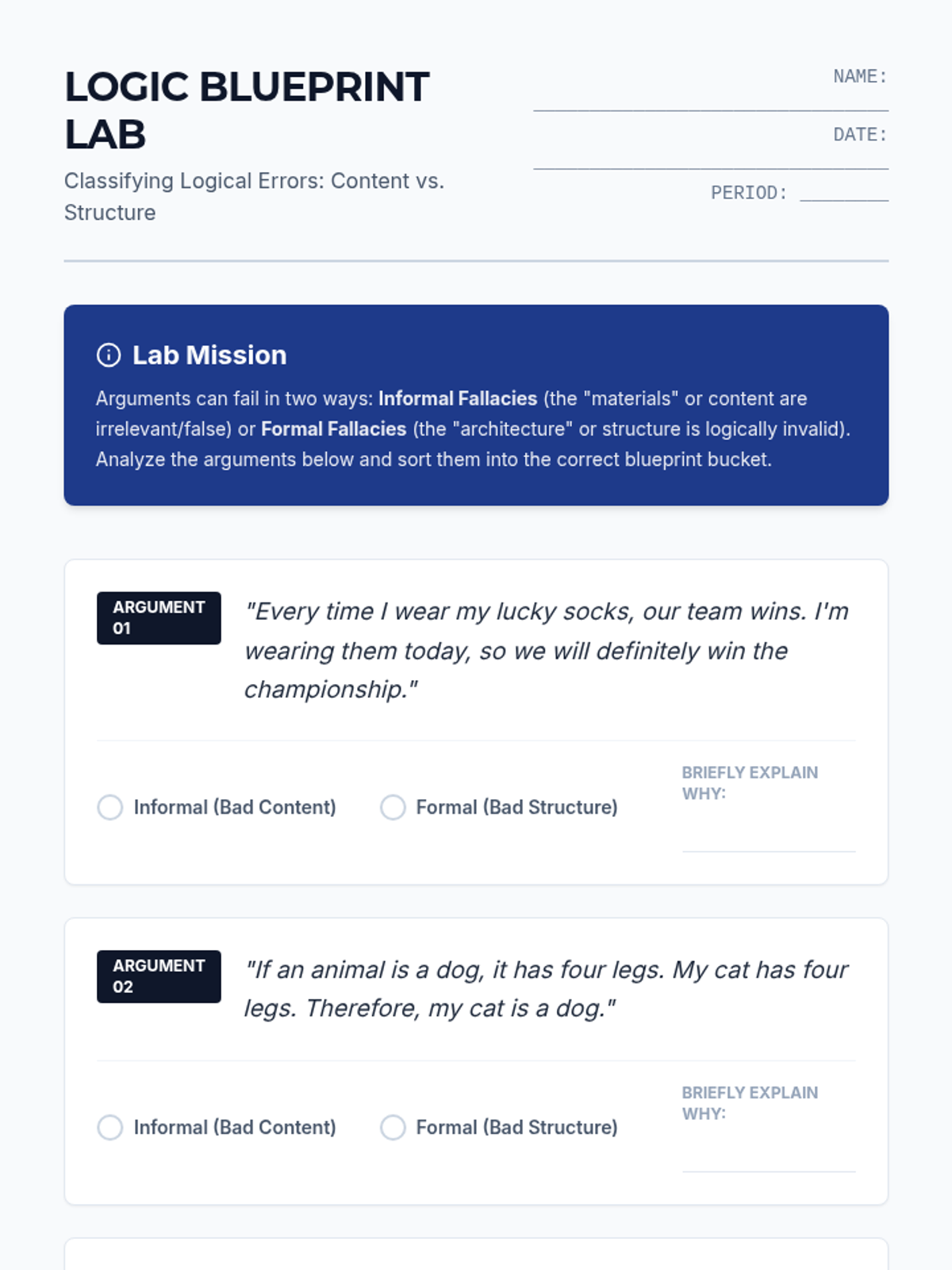
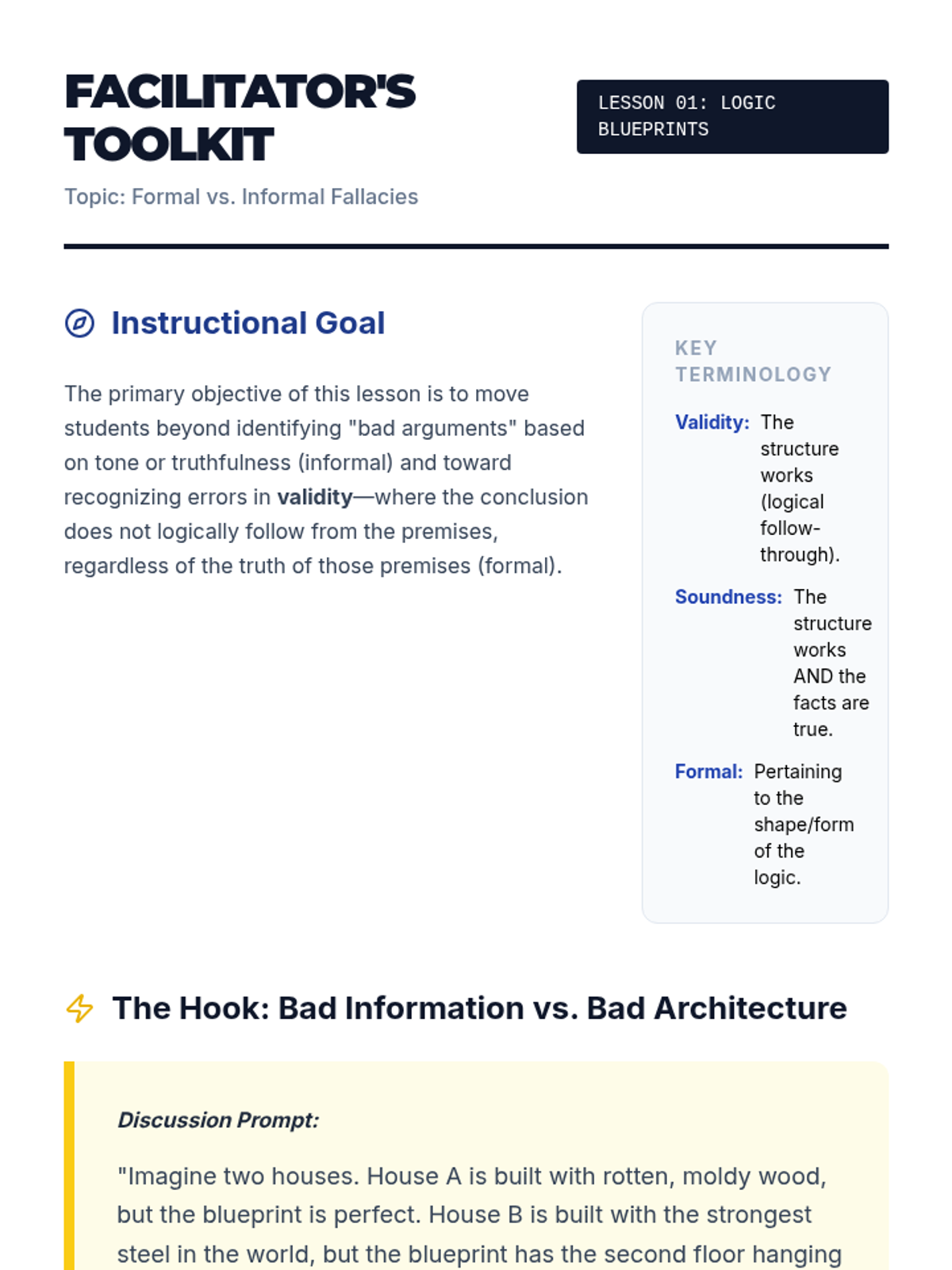
A high school ELA sequence focused on identifying structural errors in reasoning. Students learn to distinguish between informal fallacies (content-based) and formal fallacies (structure-based), specifically mastering affirming the consequent, denying the antecedent, and the undistributed middle.
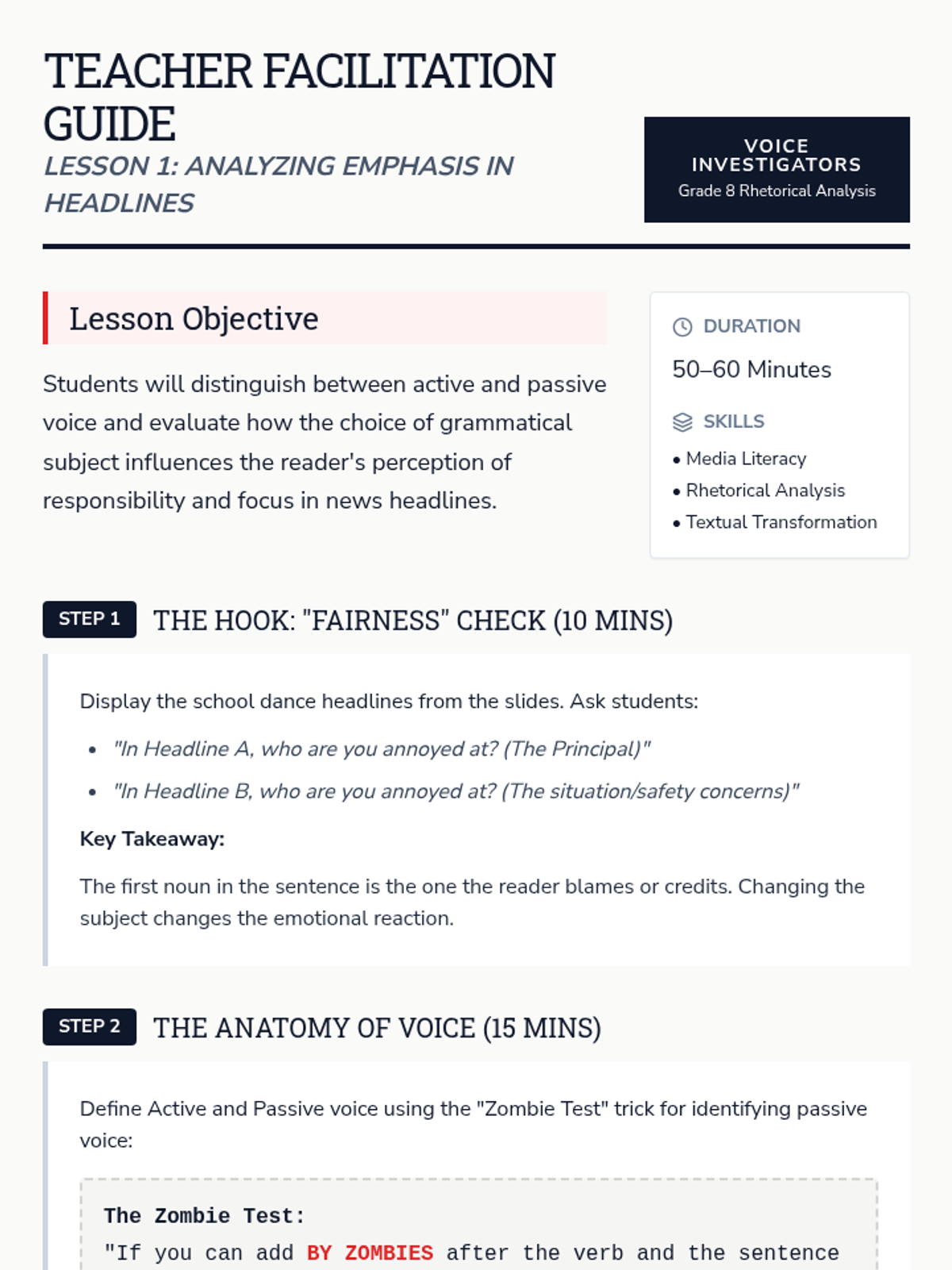
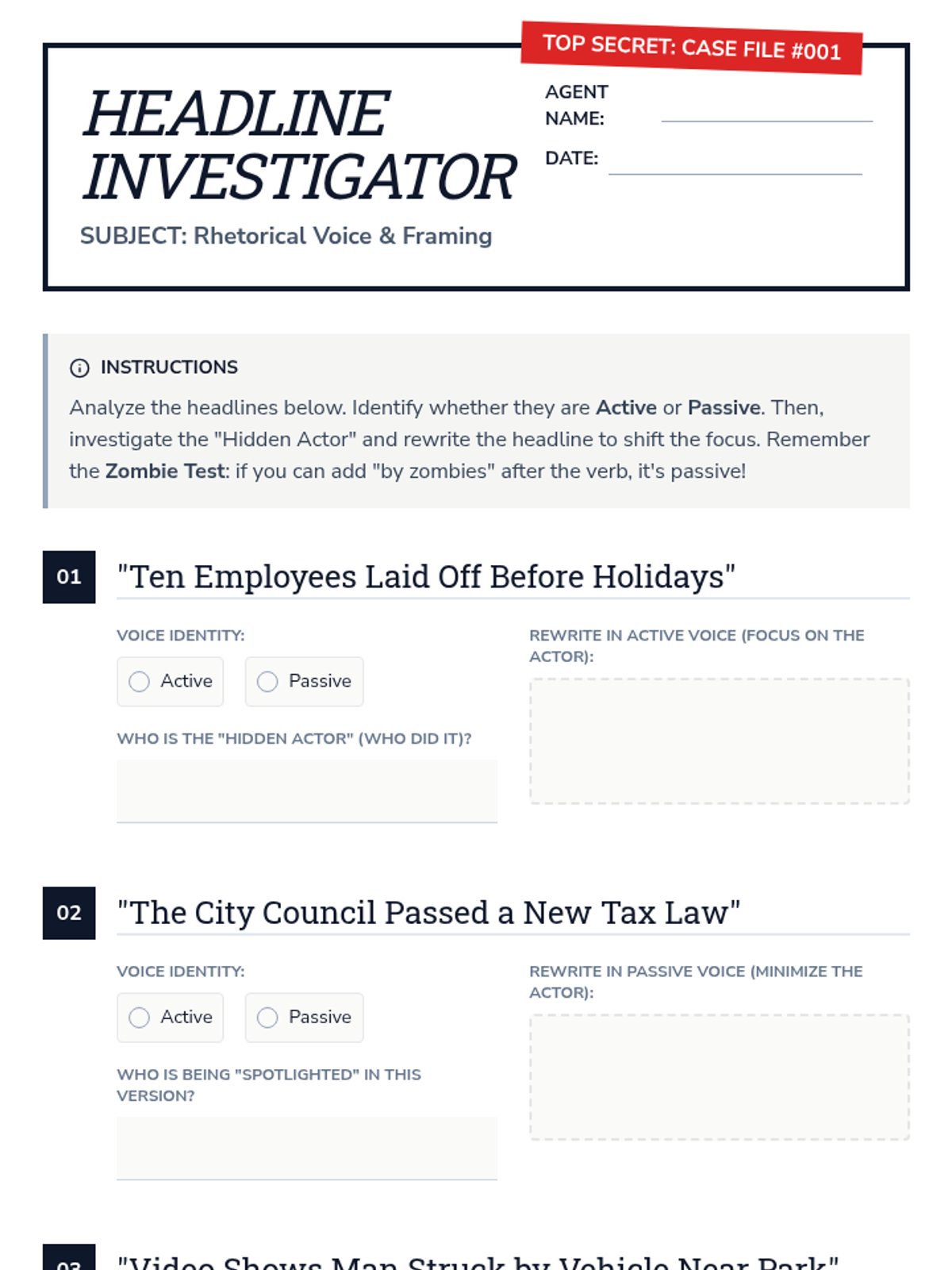
An inquiry-based exploration of active and passive voice through the lens of media literacy, political accountability, and historical agency for 8th-grade students. Students investigate how grammatical choices influence public perception and the ethics of linguistic transparency.
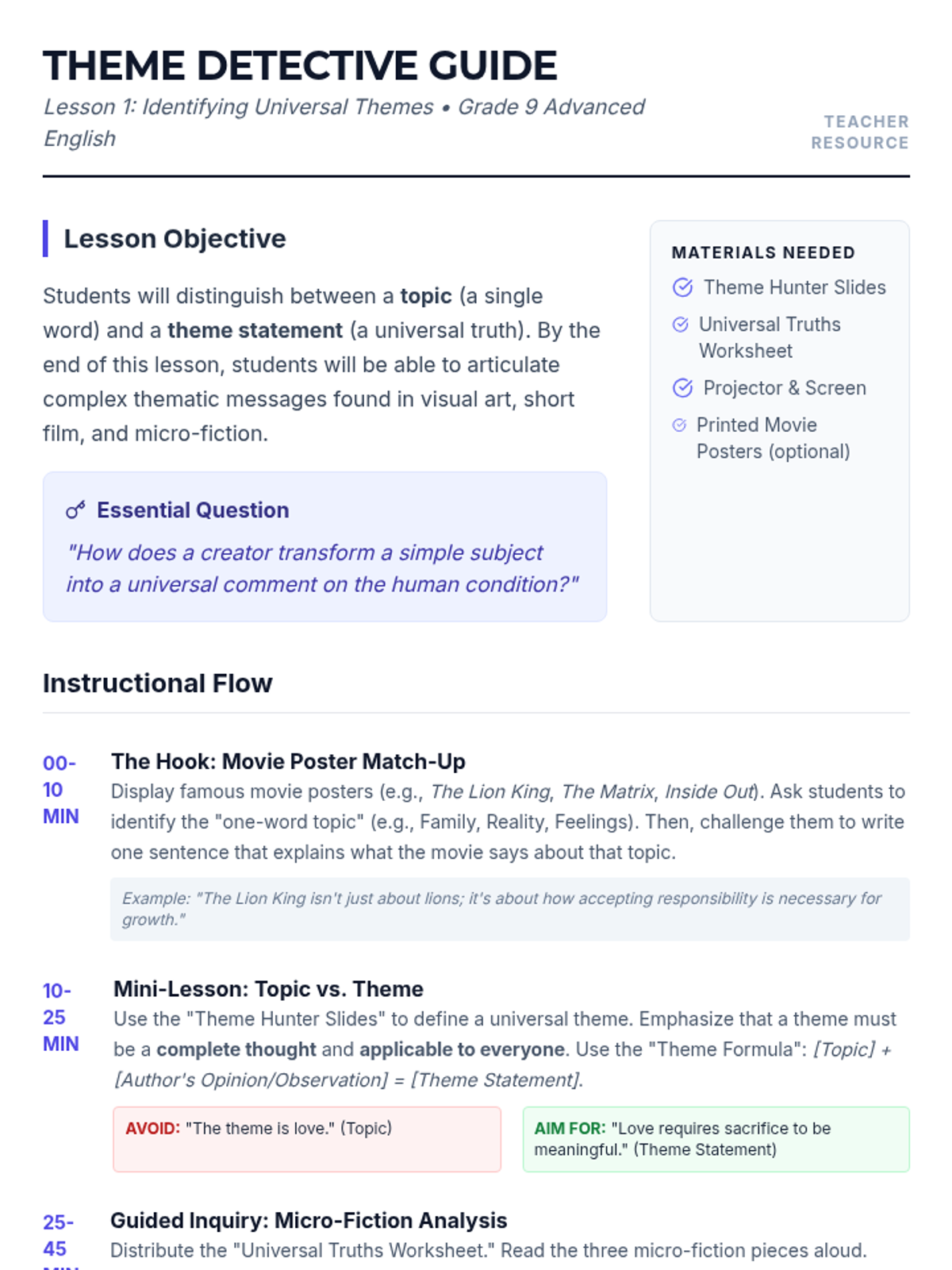
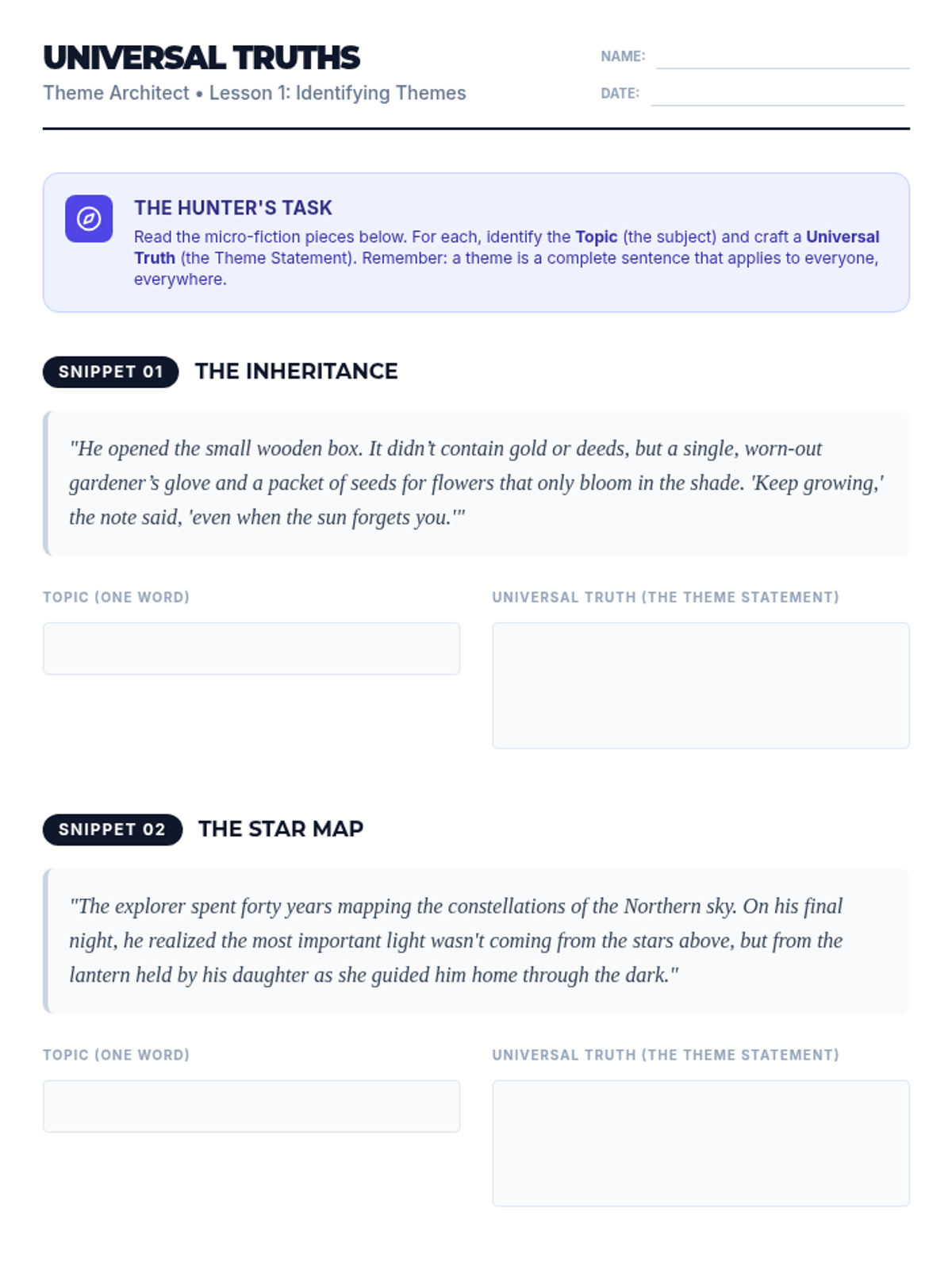
A 9th-grade advanced reading sequence exploring how poetry, fiction, and non-fiction uniquely shape universal themes, specifically focusing on the theme of resilience. Students analyze how genre conventions like imagery, character arcs, and objective evidence provide diverse lenses on the same human experience.
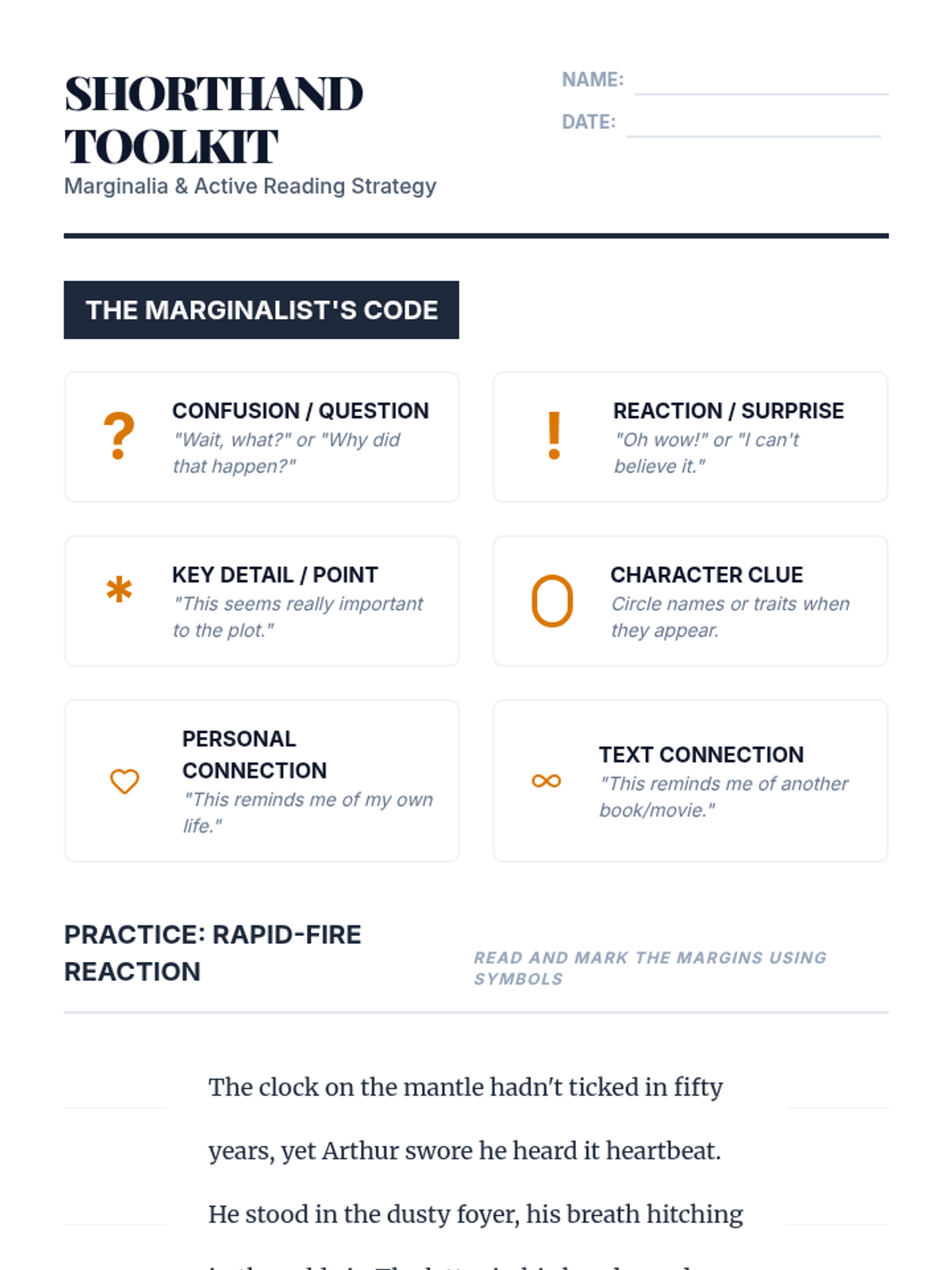
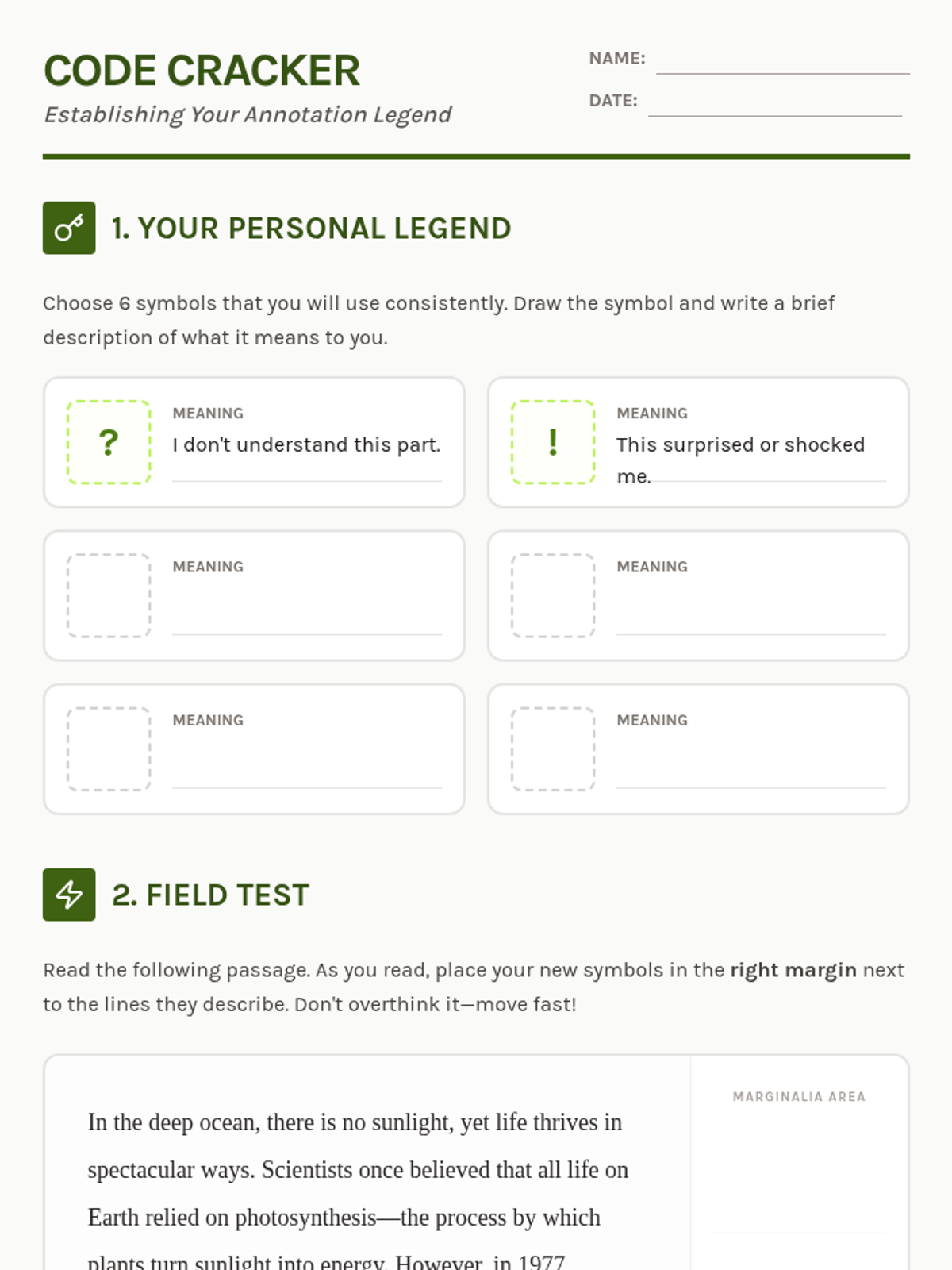
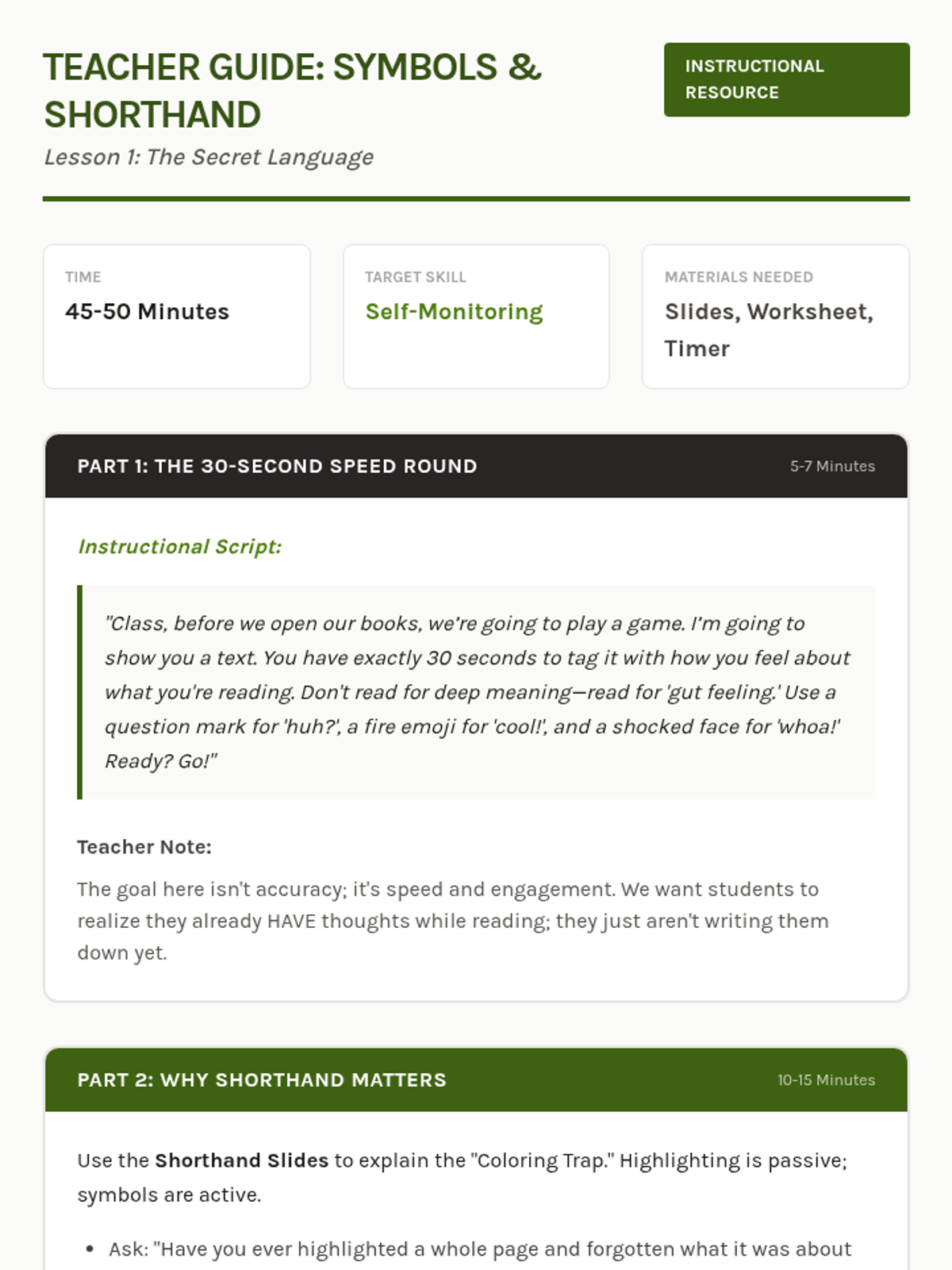
A 10th-grade academic support sequence that transforms students from passive readers to active analysts through the art of marginalia. Students master shorthand symbols, inquiry-based questioning, theme tracking, and summarization to prepare for a text-based Socratic seminar.
A 5-lesson unit for 9th-grade students focusing on transforming reading from a passive activity into an active dialogue through symbols, shorthand, marginal summaries, questioning, and argument tracking.
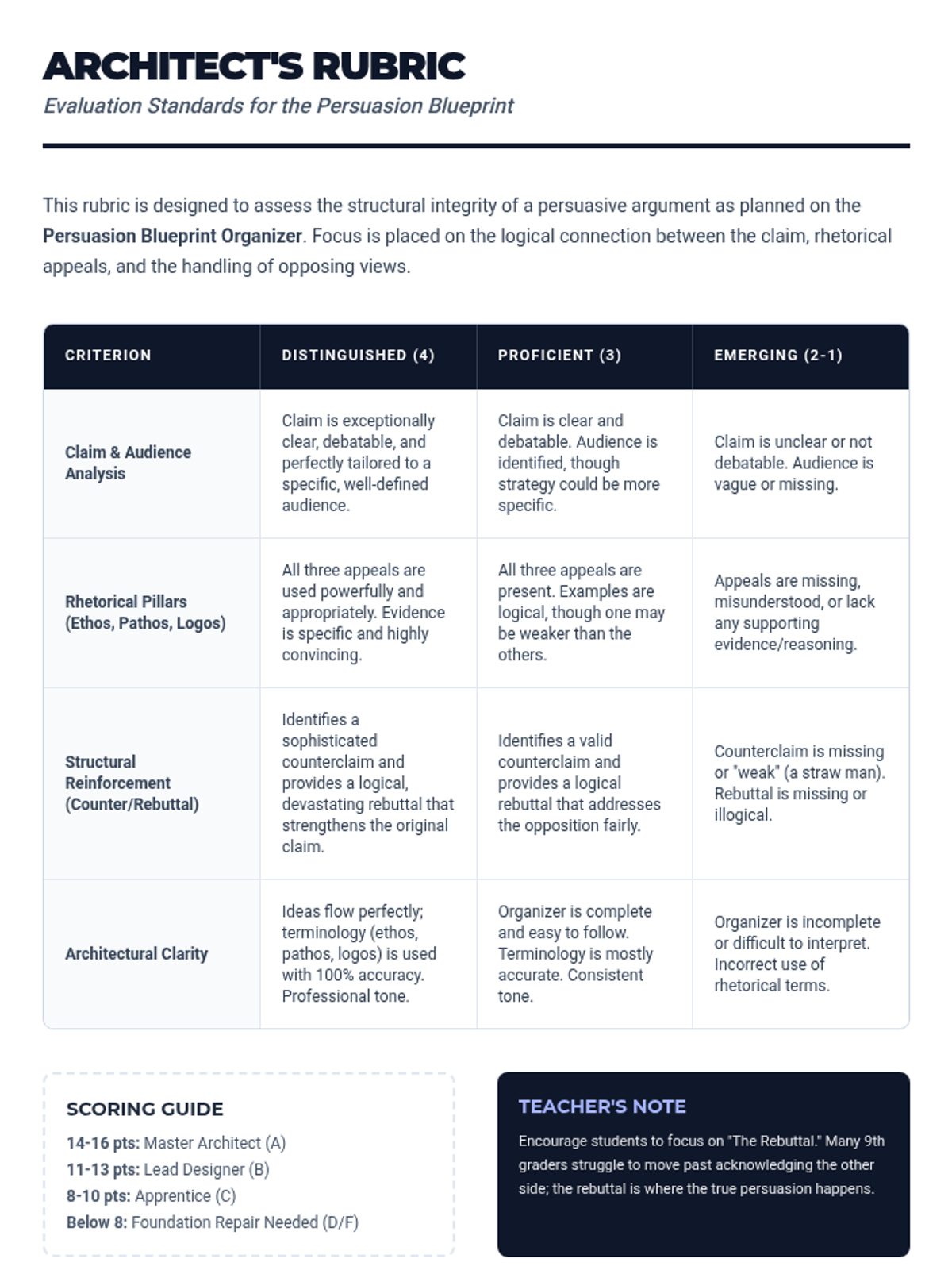
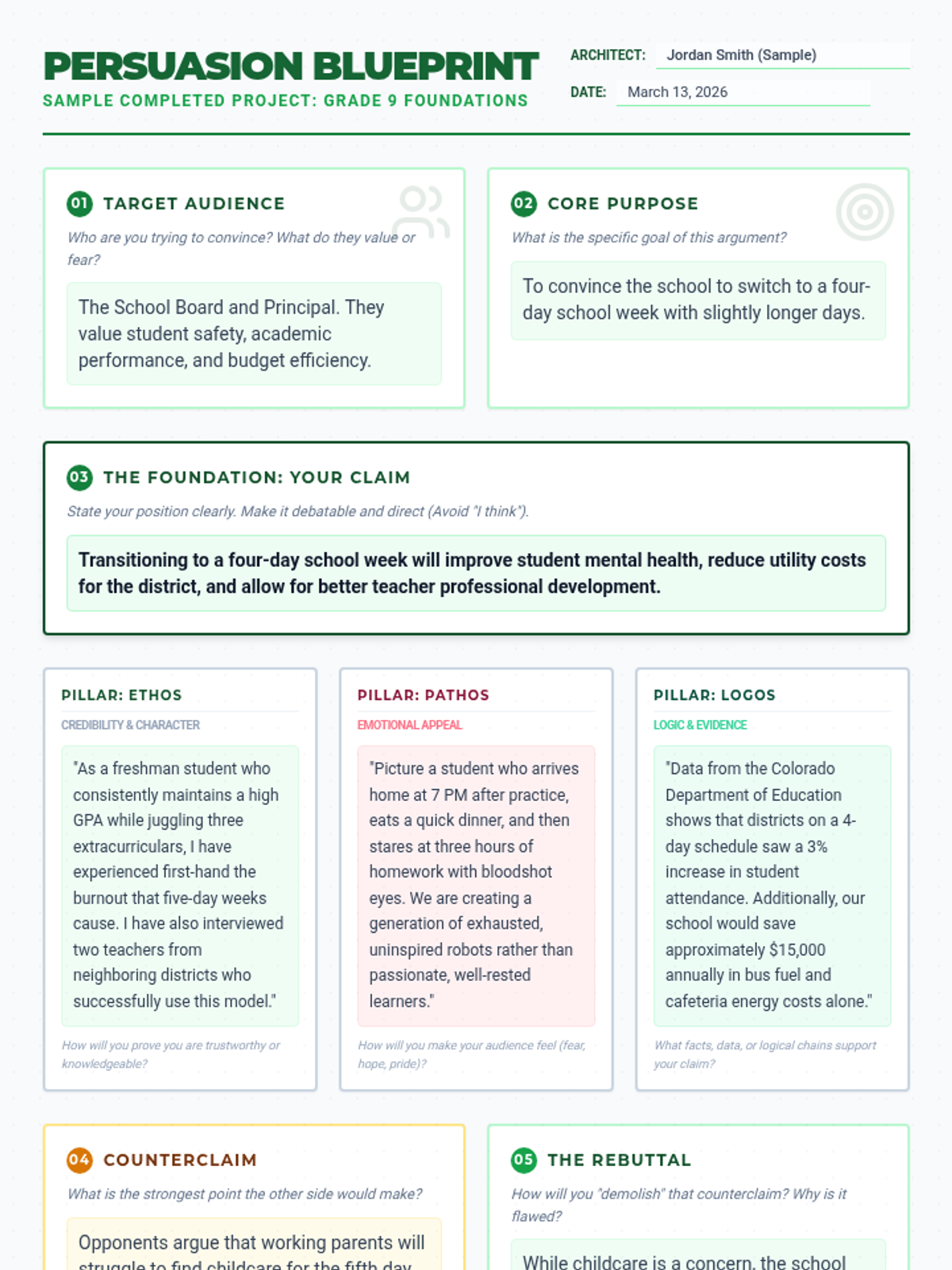
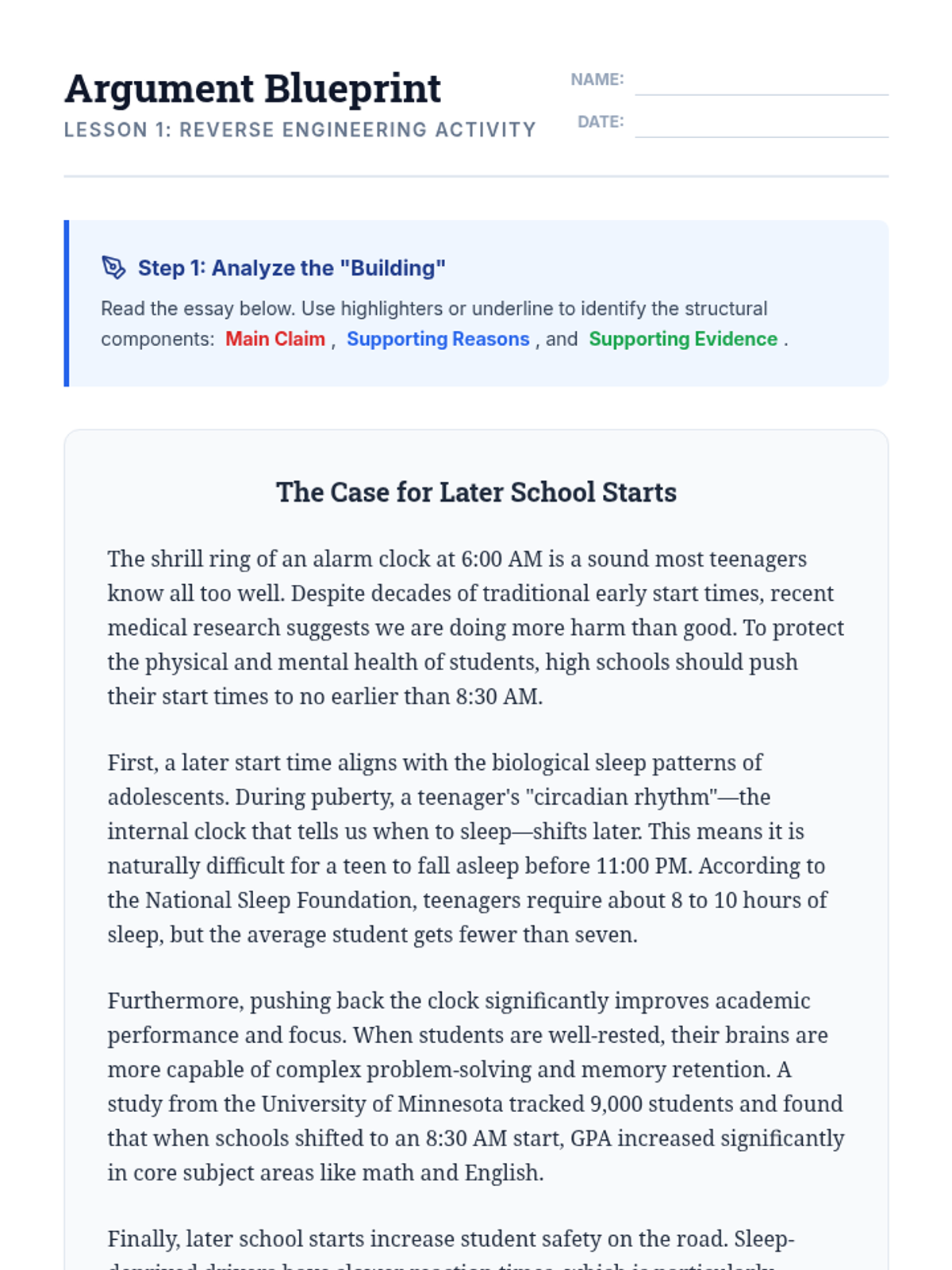
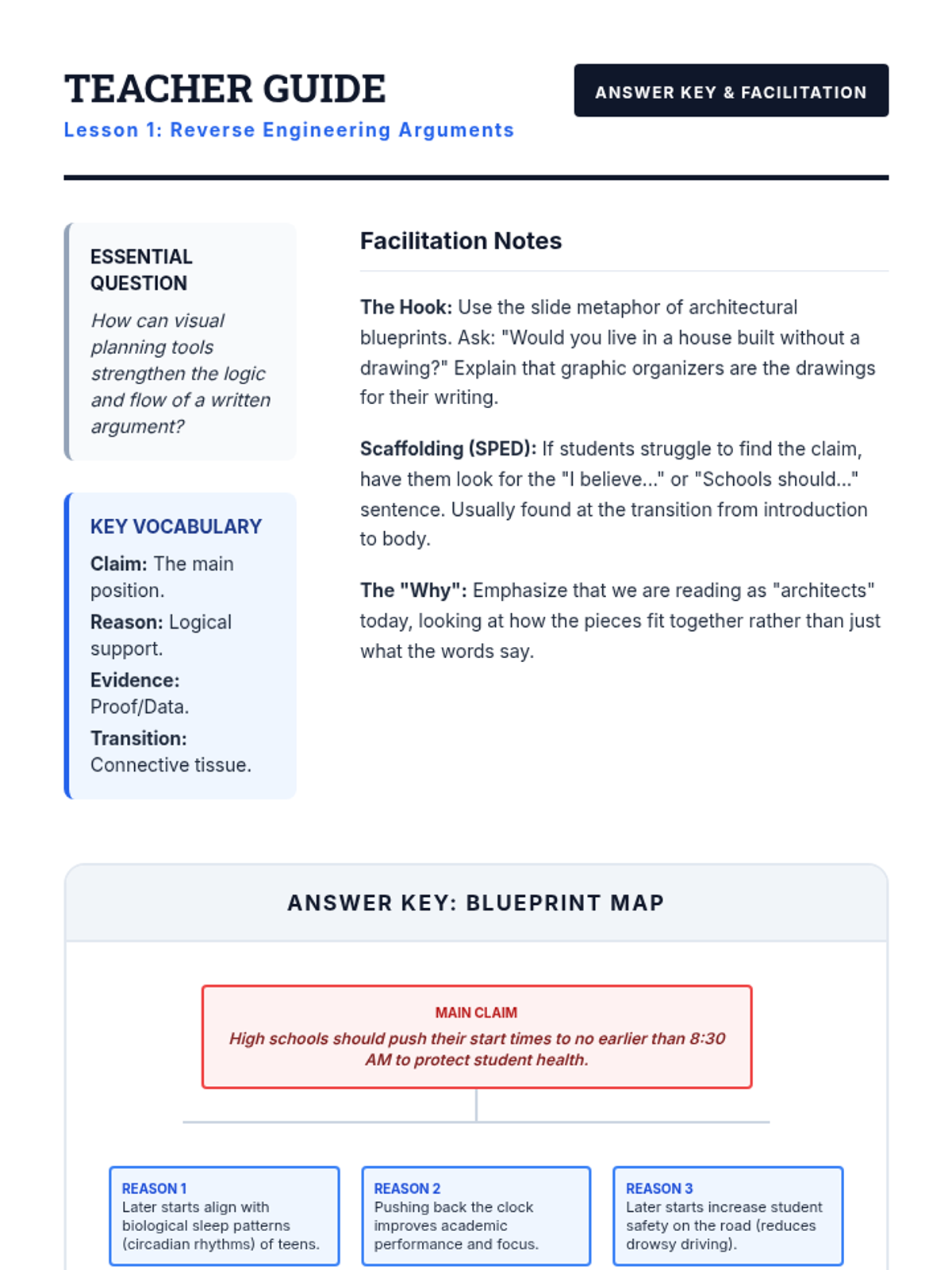
This sequence focuses on using text structure graphic organizers as blueprints for argumentative writing. Students transition from analyzing model essays to building their own logically structured arguments, including counter-claims and refutations, using visual tools.
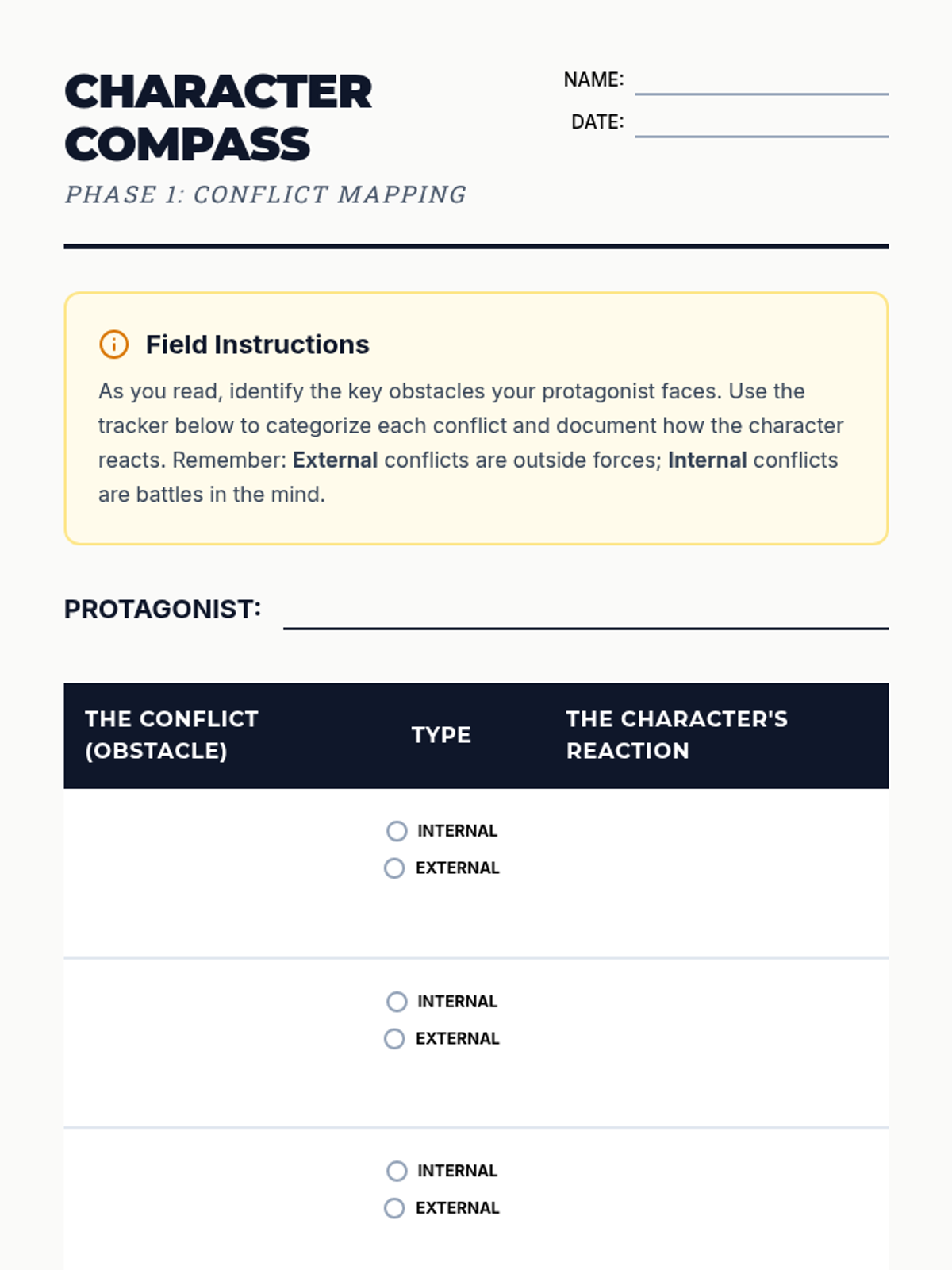
This inquiry-based sequence explores how character development reveals an author's theme. Students track a protagonist's journey through conflicts and choices to formulate and debate universal truths.
A comprehensive 8th-grade ELA sequence where students act as fact-checkers and jurors to evaluate the validity of nonfiction claims and the strength of supporting evidence through a simulation-based approach.
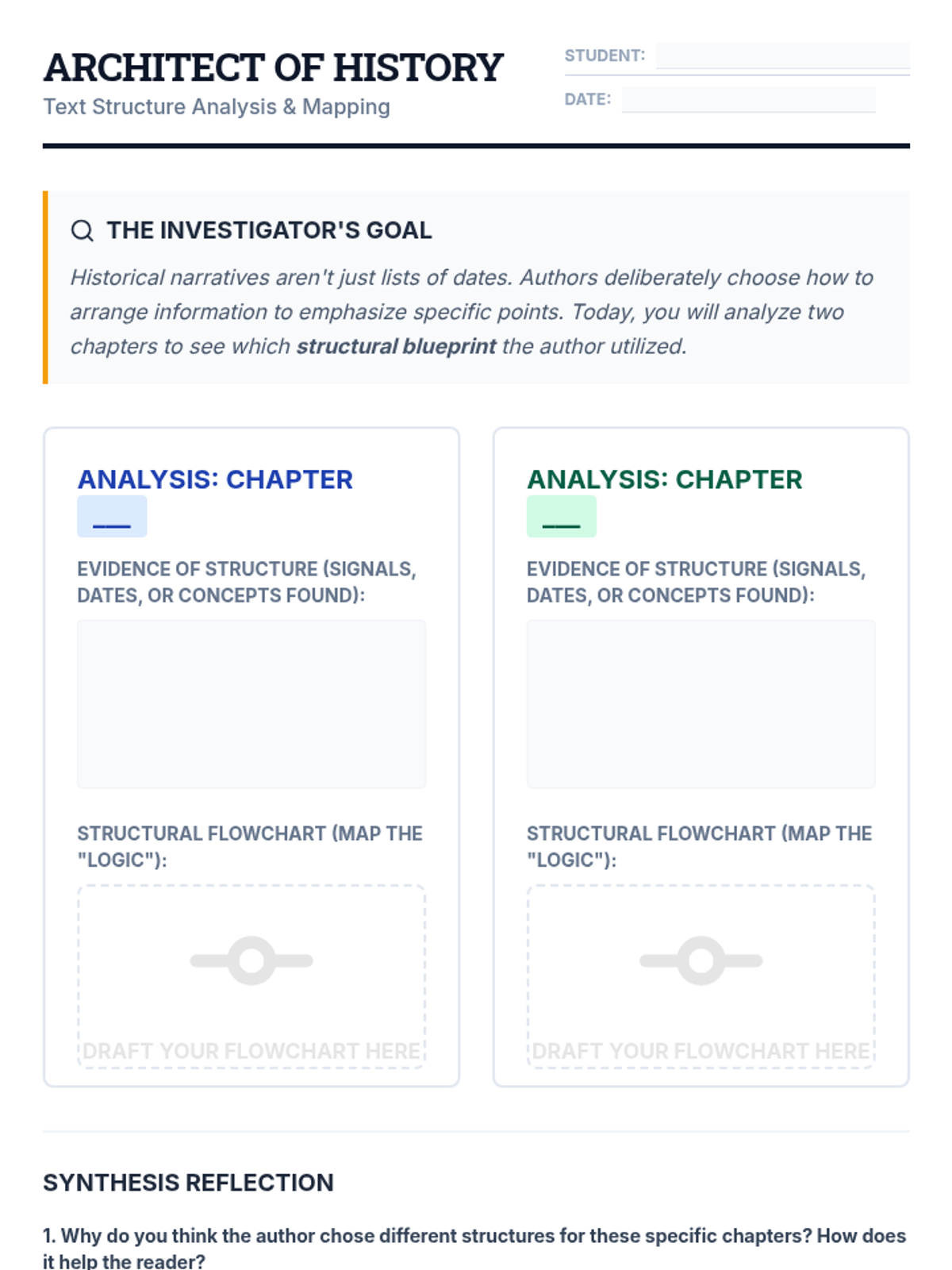
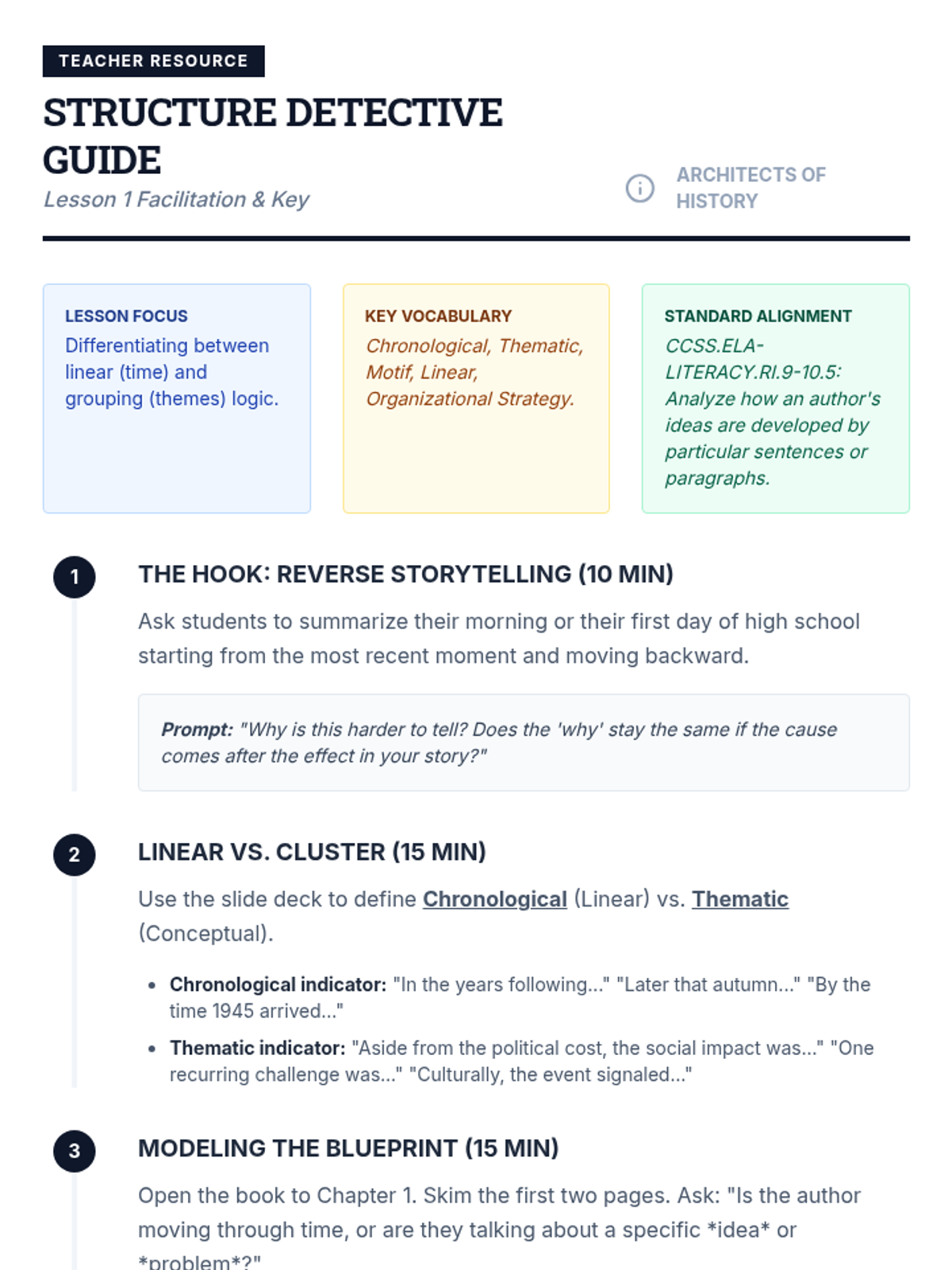
A 9th-grade ELA sequence focused on analyzing historical nonfiction structures, causality, and synthesizing multiple sources through a project-based approach. Students investigate how authors organize historical narratives and eventually create their own multimedia timelines.
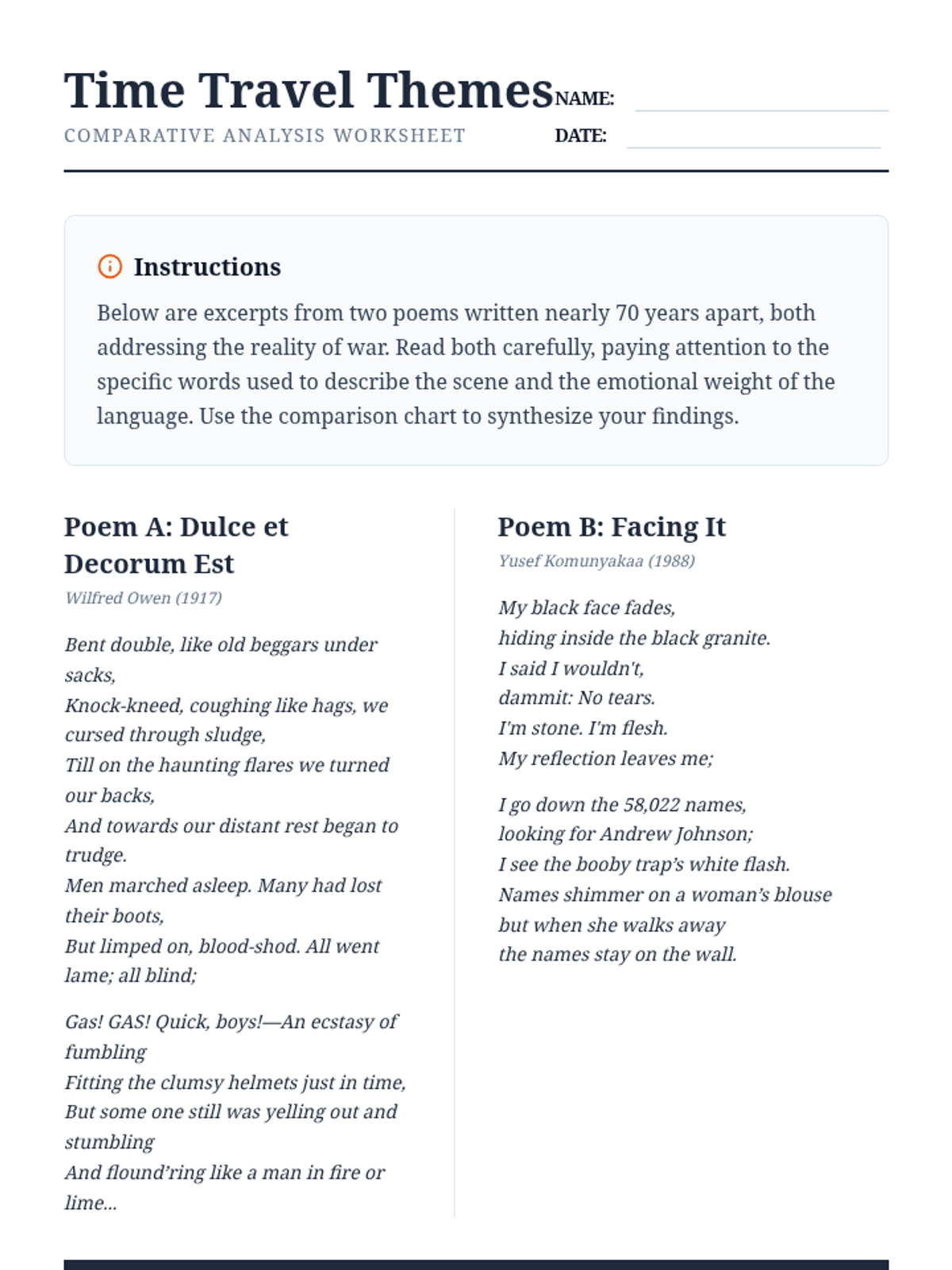
An advanced 9th-grade sequence focused on comparative poetry analysis. Students explore themes across eras, tonal shifts, the tension between form and free verse, and master the TP-CASTT method, culminating in a Socratic Seminar.
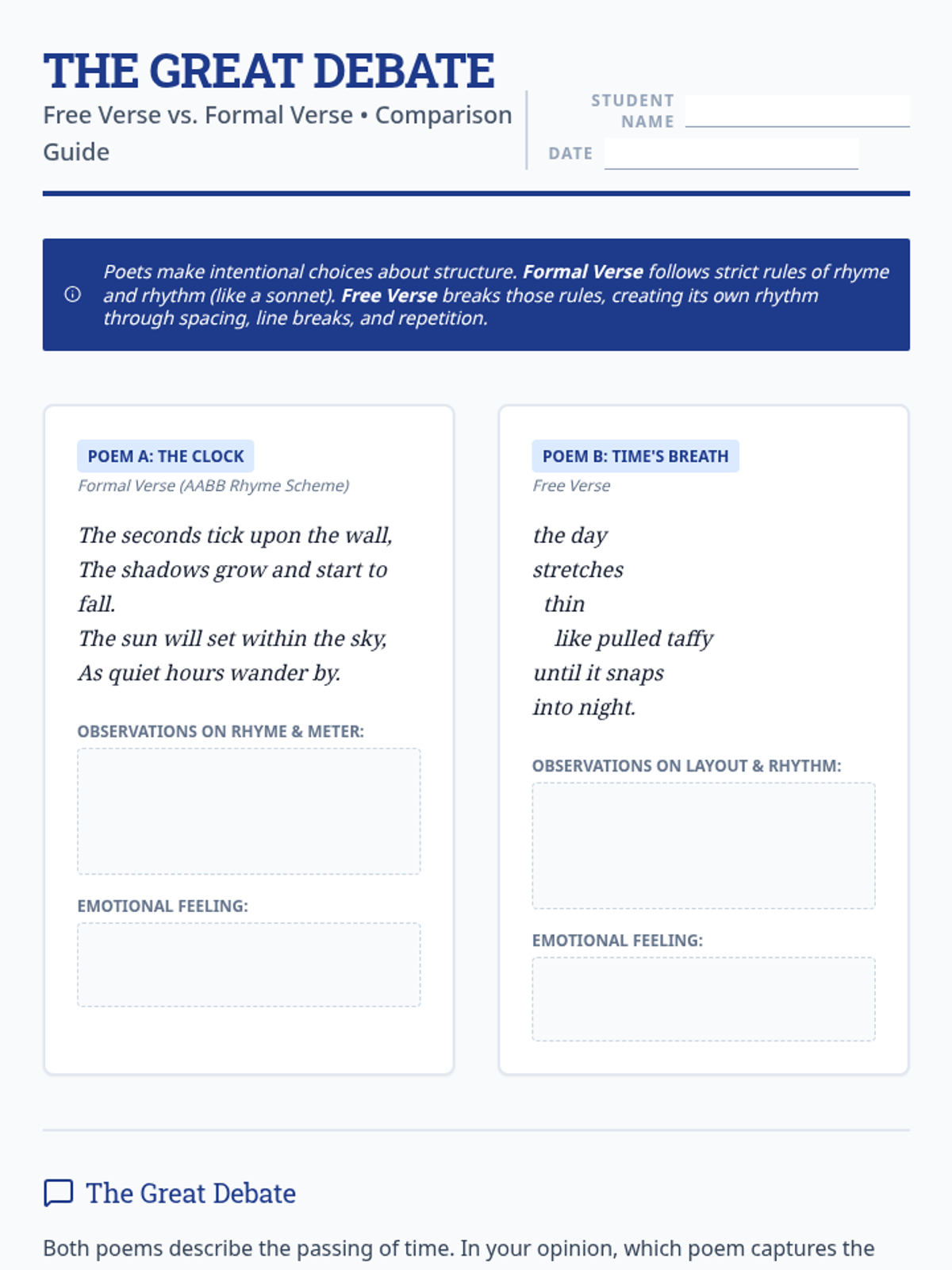
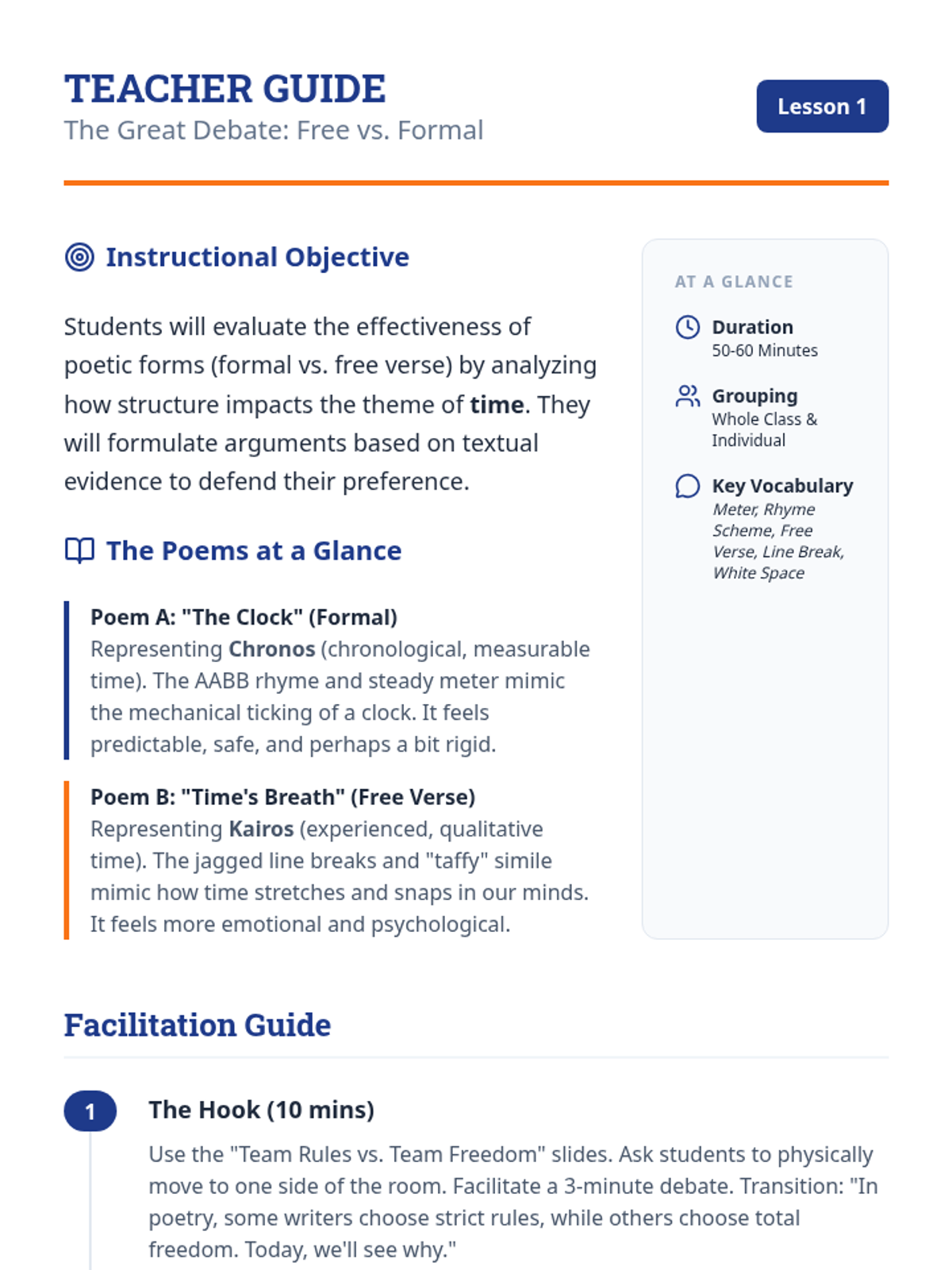
This sequence moves to a higher level of analysis, asking students to compare and contrast how different poetic forms handle similar themes. Using a discussion and case-study approach, students examine 'Free Verse' versus 'Formal Verse' to understand the intentional choices poets make. The arc focuses on critical thinking, debate, and the synthesis of the elements learned in previous sequences.
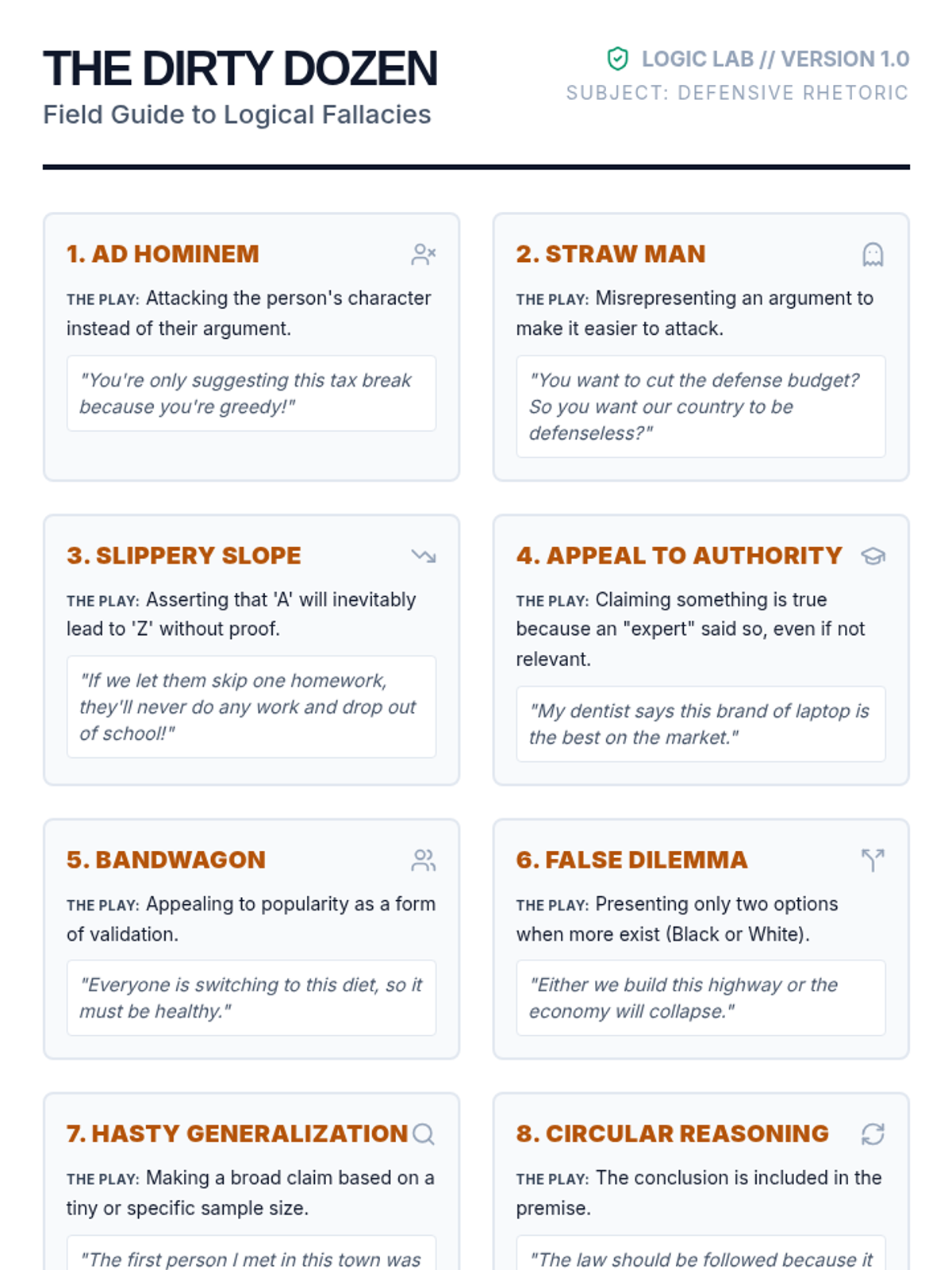
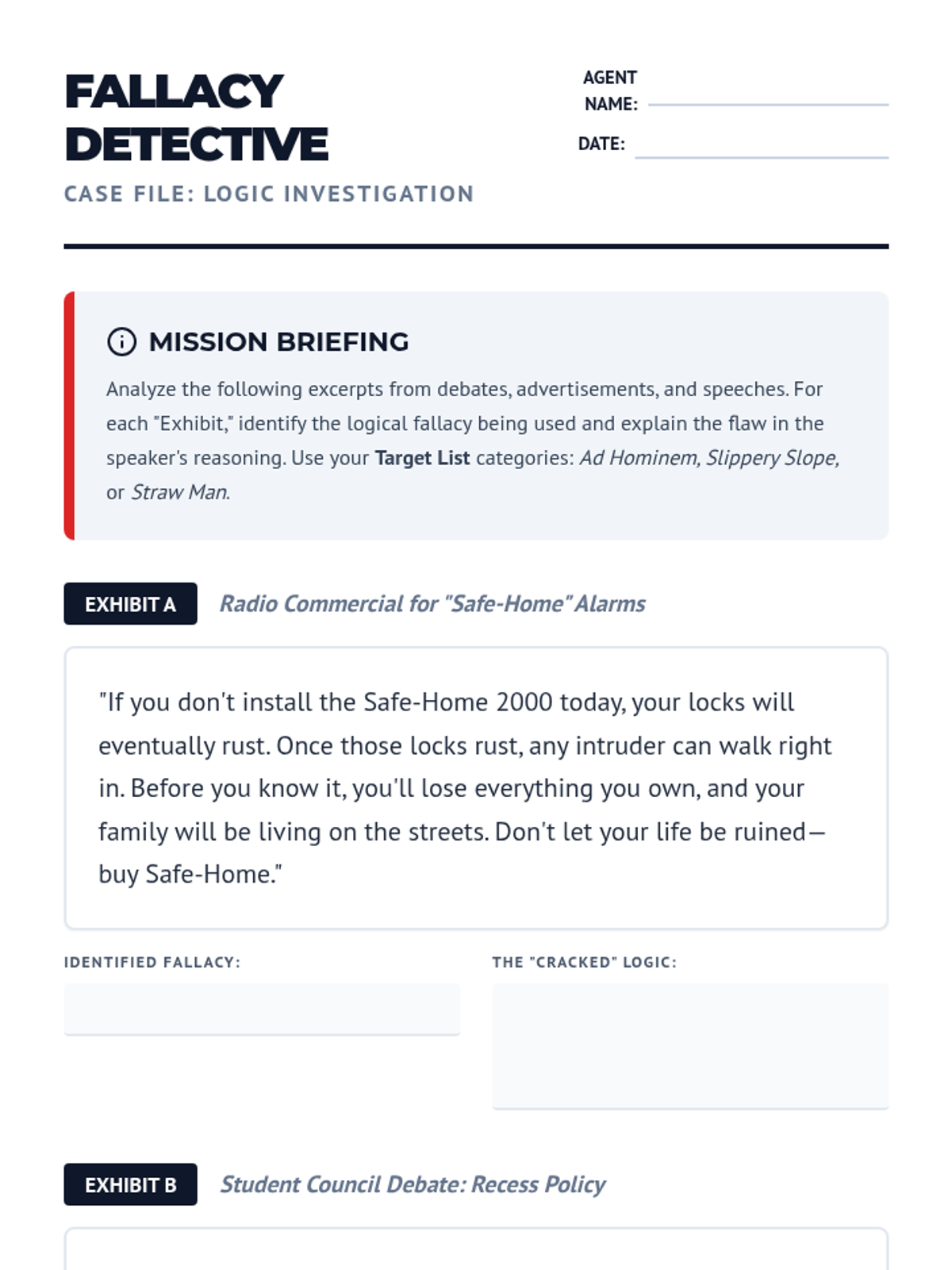
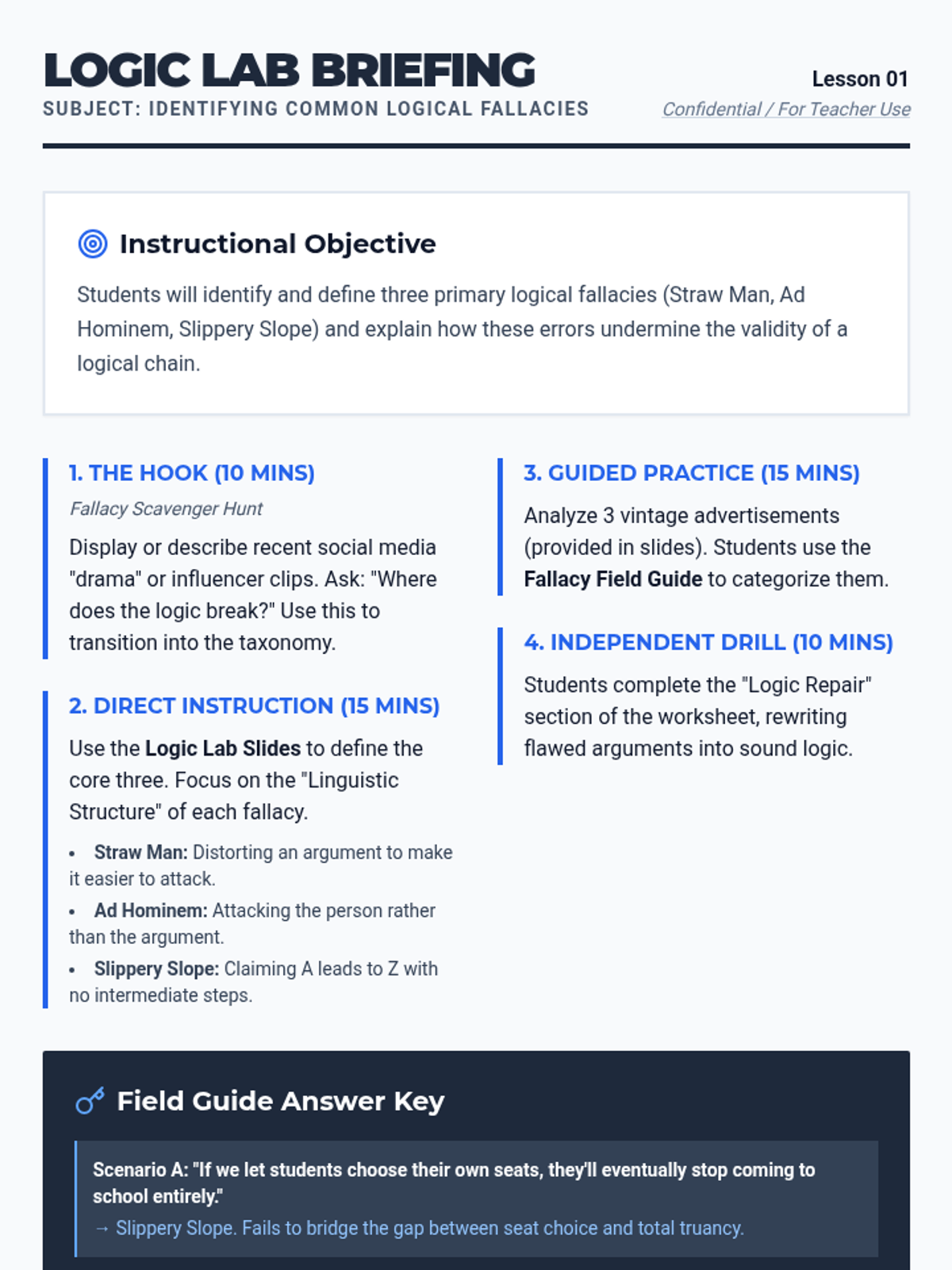
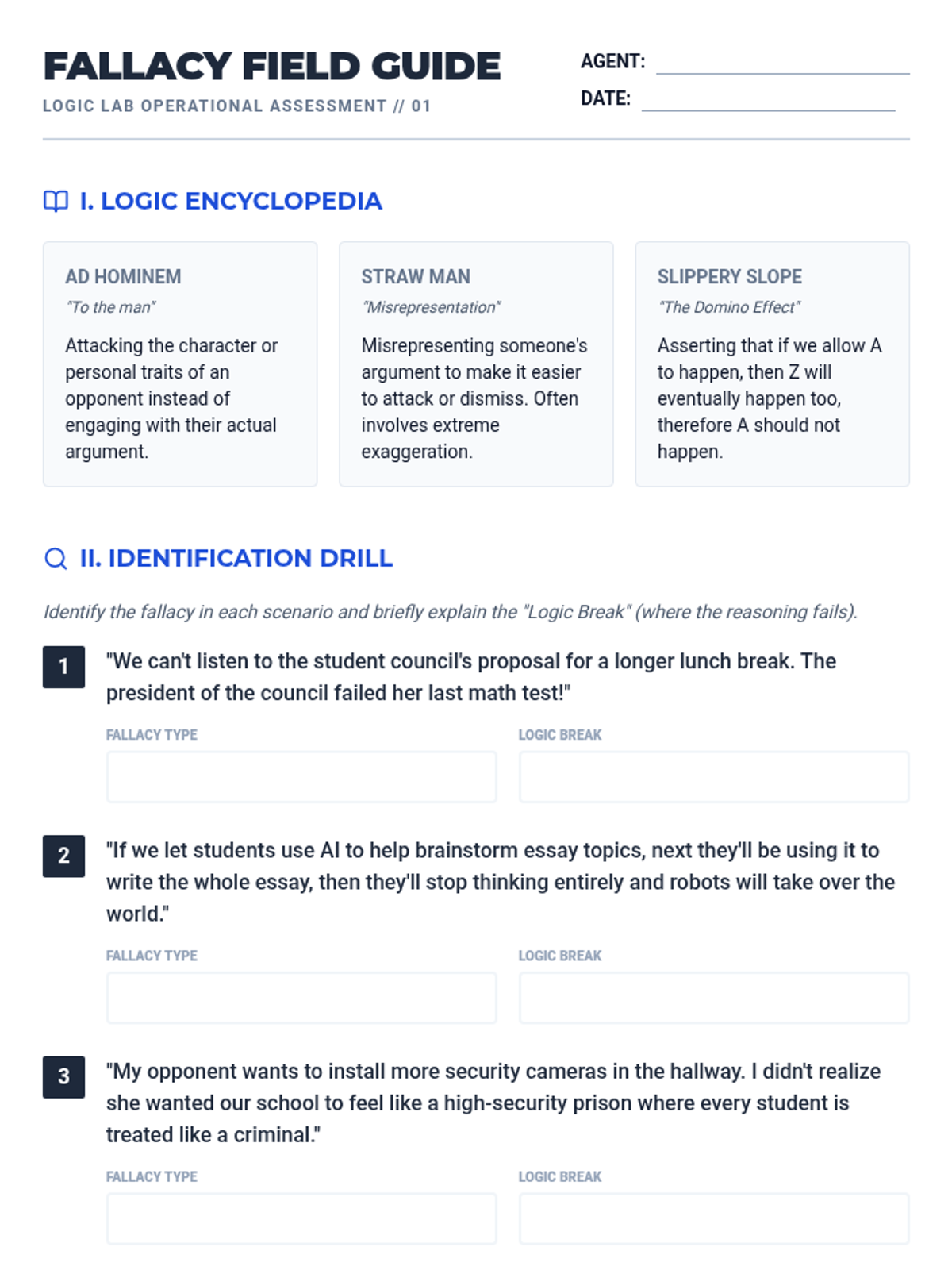
A high-energy 9th Grade ELA sequence focused on identifying, refuting, and defending against logical fallacies in high-pressure debate scenarios. Students progress from theoretical knowledge to real-time application and defensive maneuvering.
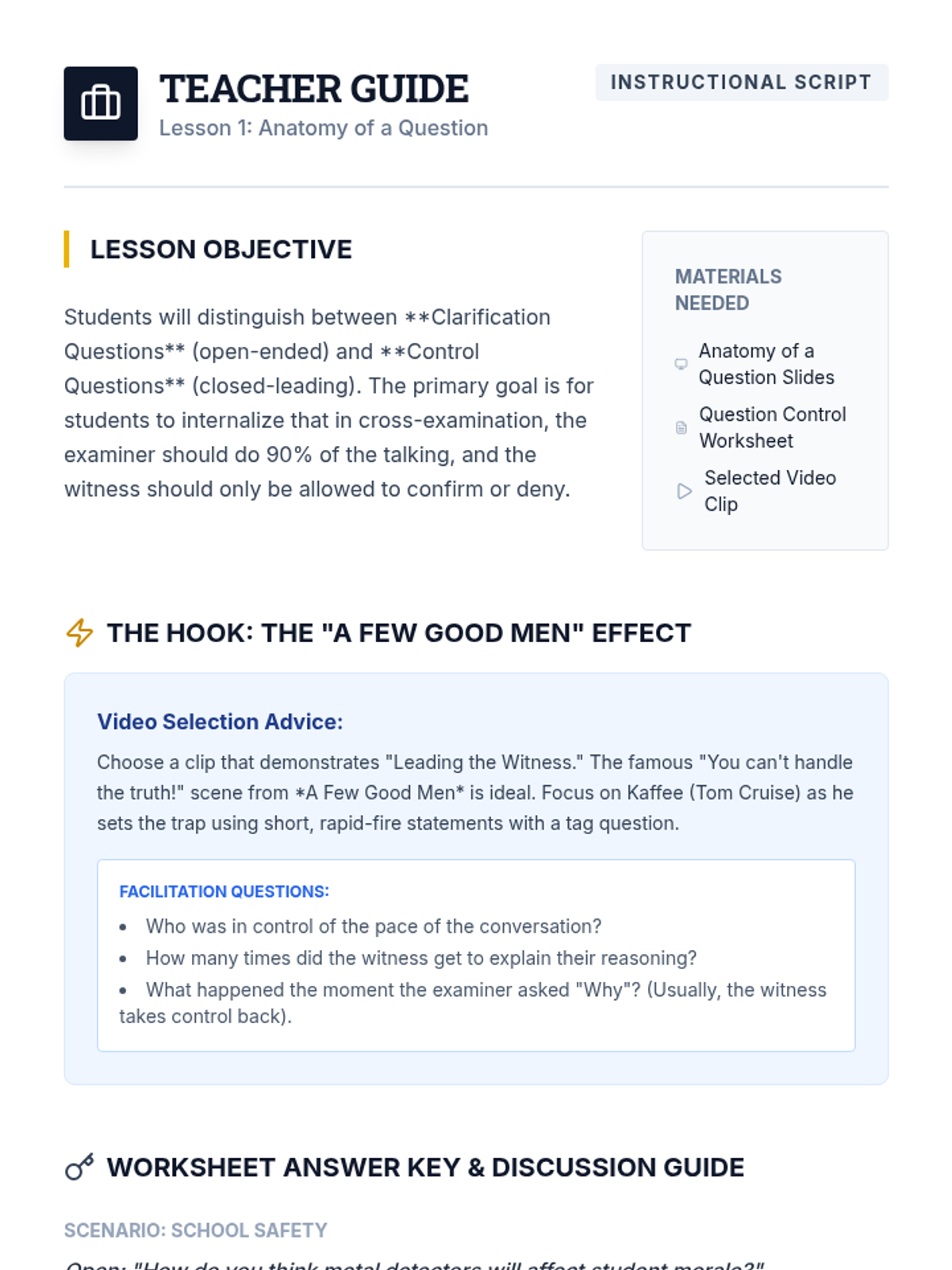
This 9th-grade ELA sequence focuses on the mechanics of strategic questioning in debate. Students progress from basic question types to complex 'lines of questioning' designed to deconstruct arguments and expose evidentiary weaknesses through active listening and logical traps.
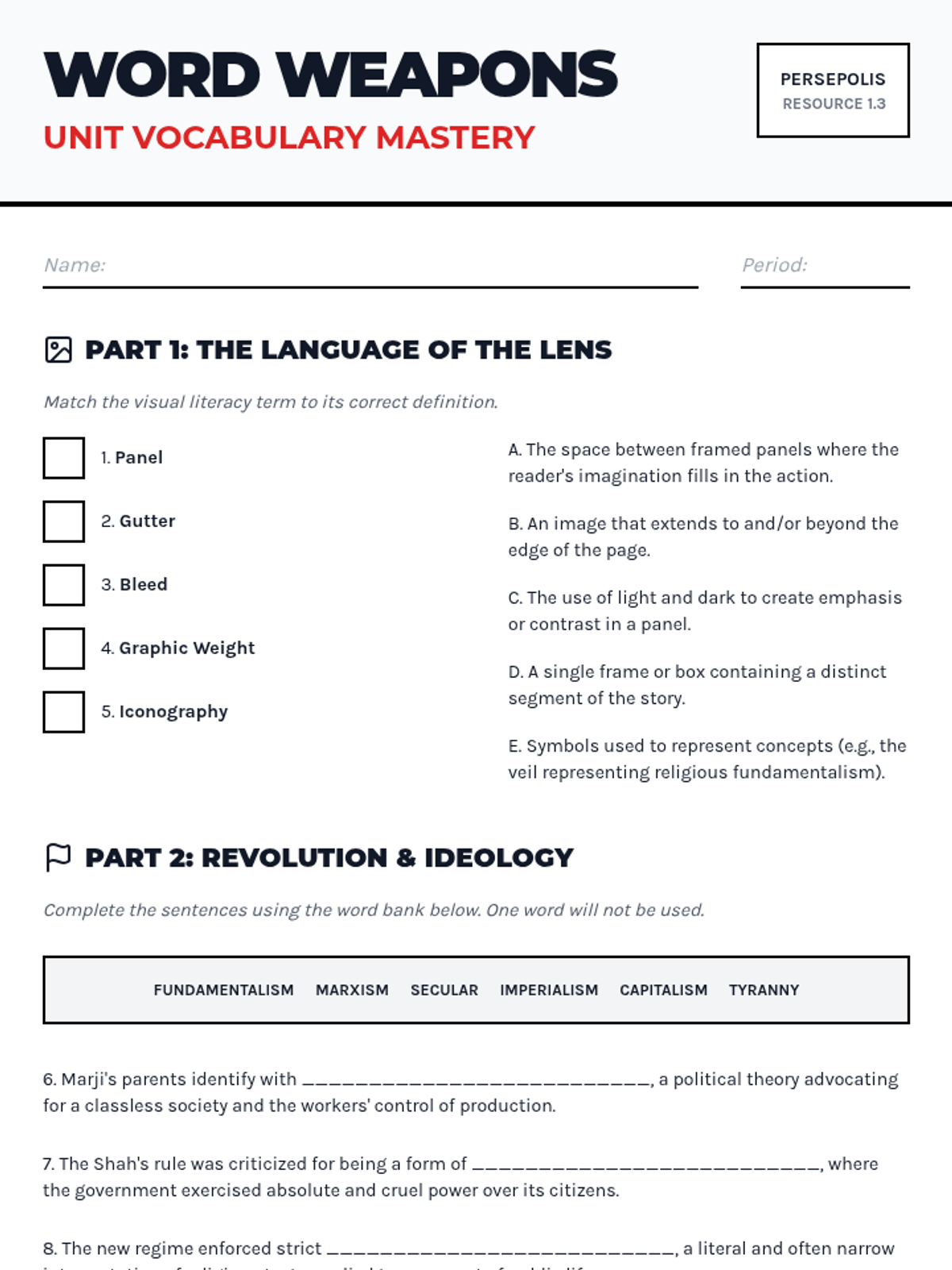
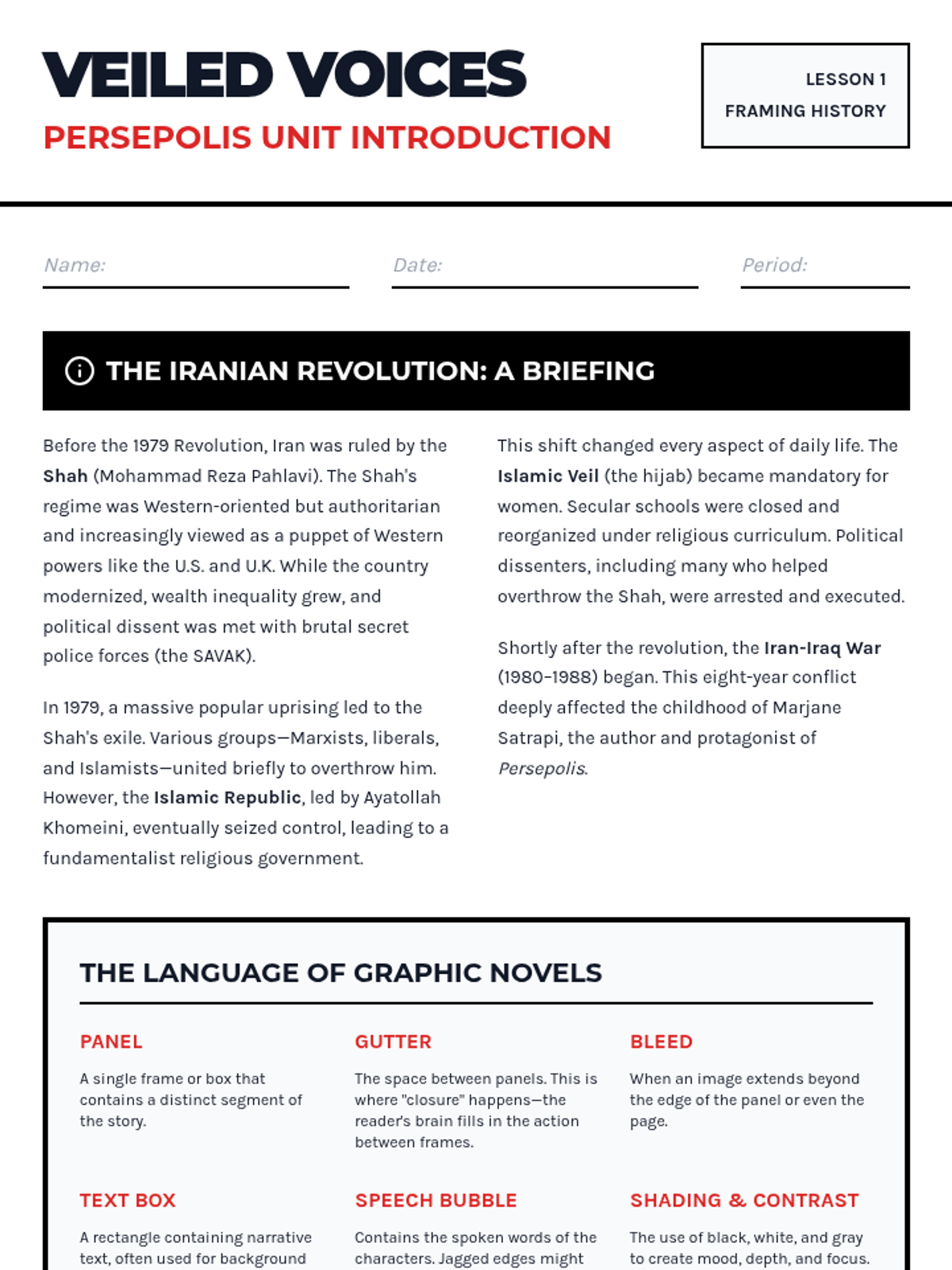
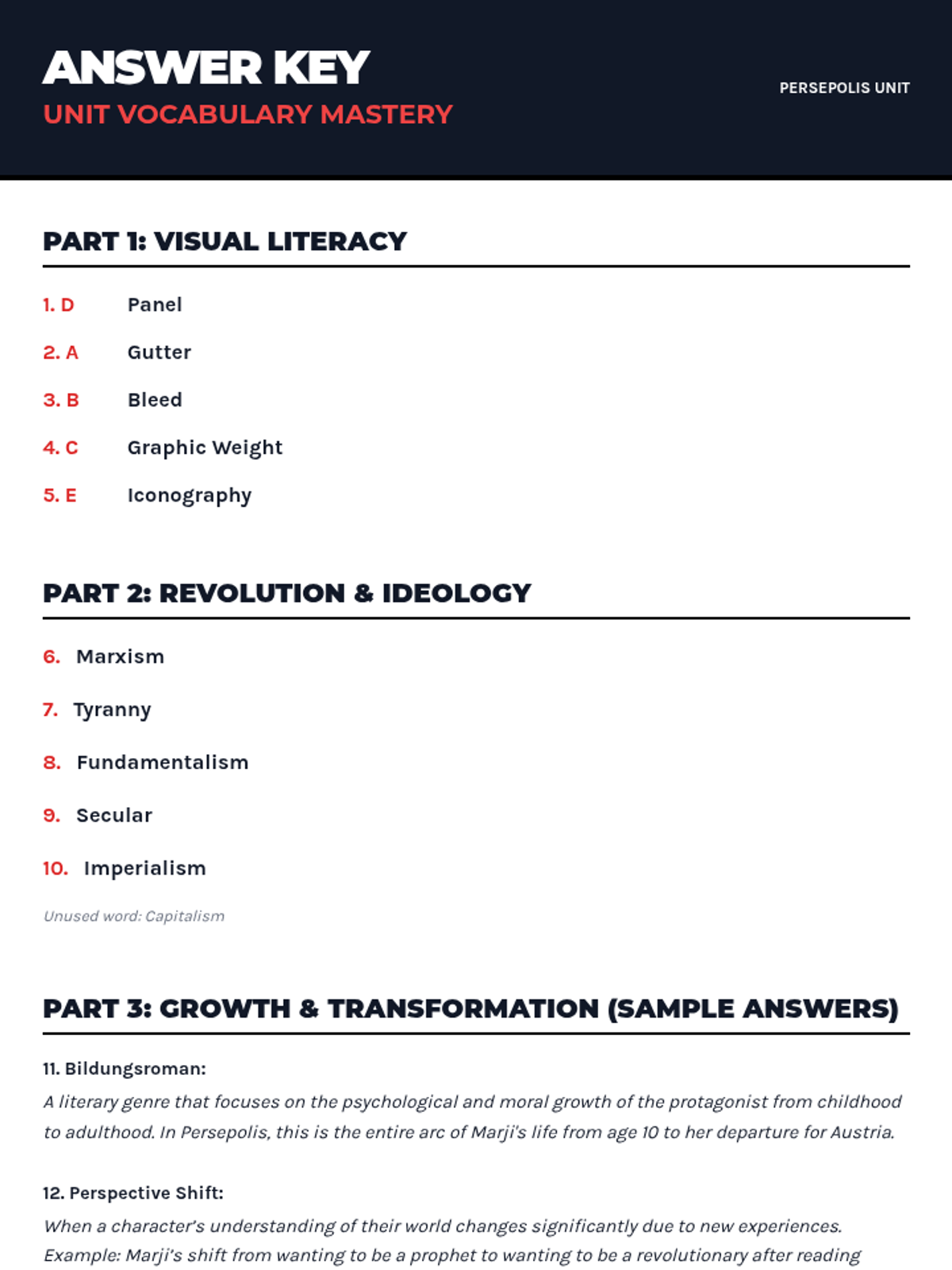
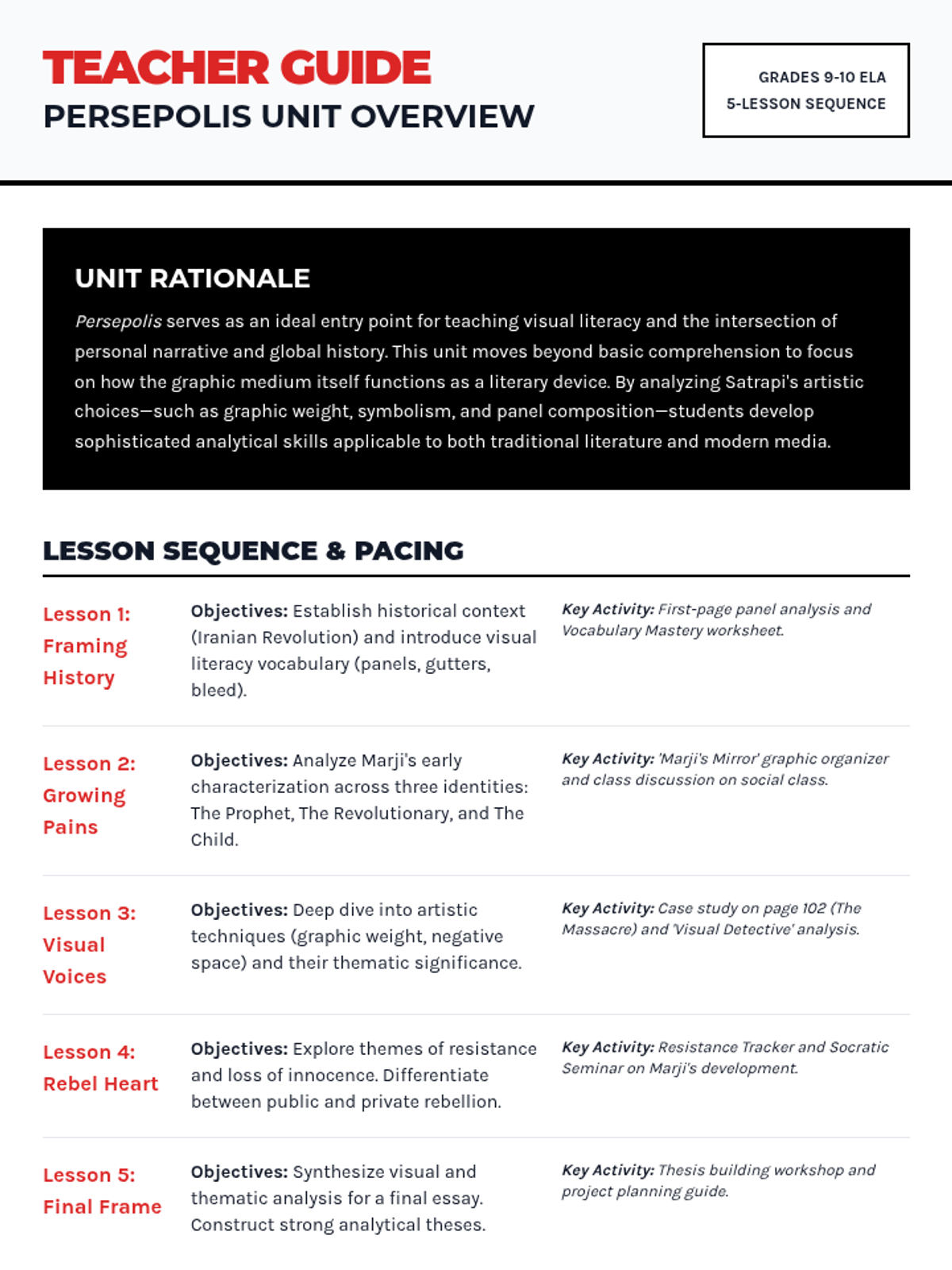
A comprehensive 10th-grade ELA unit on Marjane Satrapi's 'Persepolis', focusing on visual literacy, character development, and the historical context of the Iranian Revolution. Students will explore how the graphic novel medium conveys complex emotional and thematic depth.
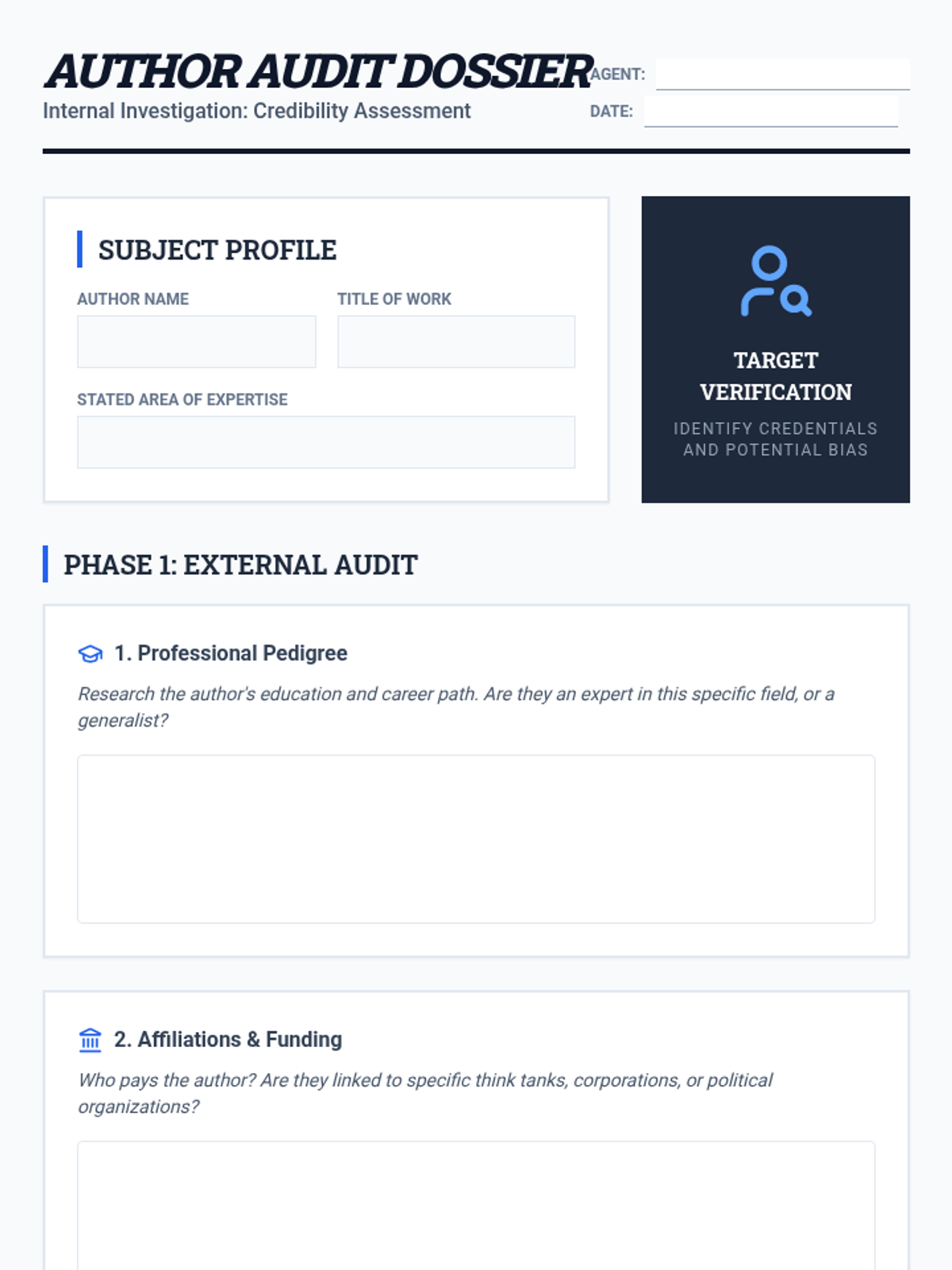
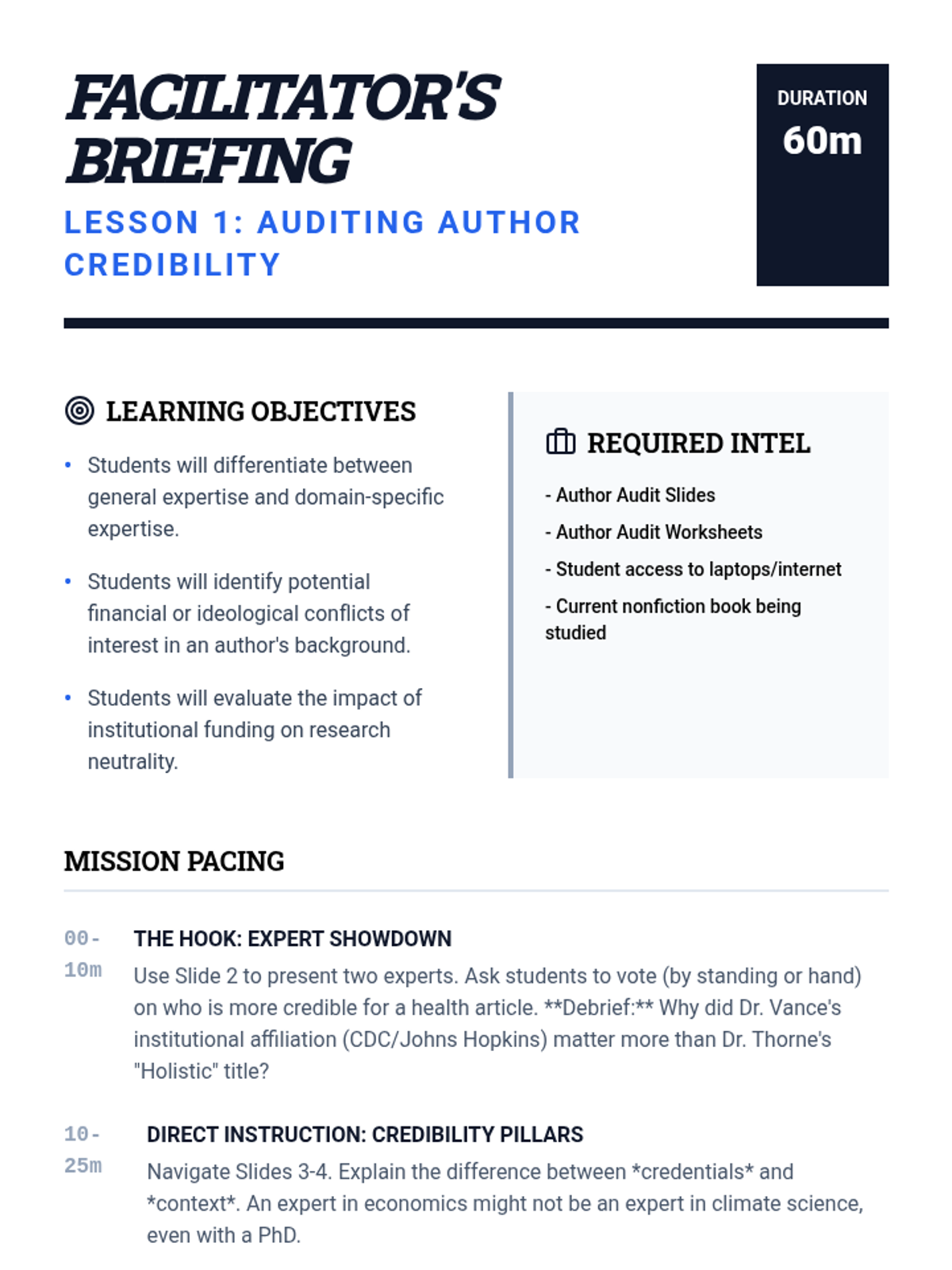
This sequence focuses on information literacy and the evaluation of source validity within the context of a nonfiction book study. Students act as investigative journalists, scrutinizing author credibility, source integration, fact-checking claims, and identifying logical fallacies, culminating in an editorial board simulation.
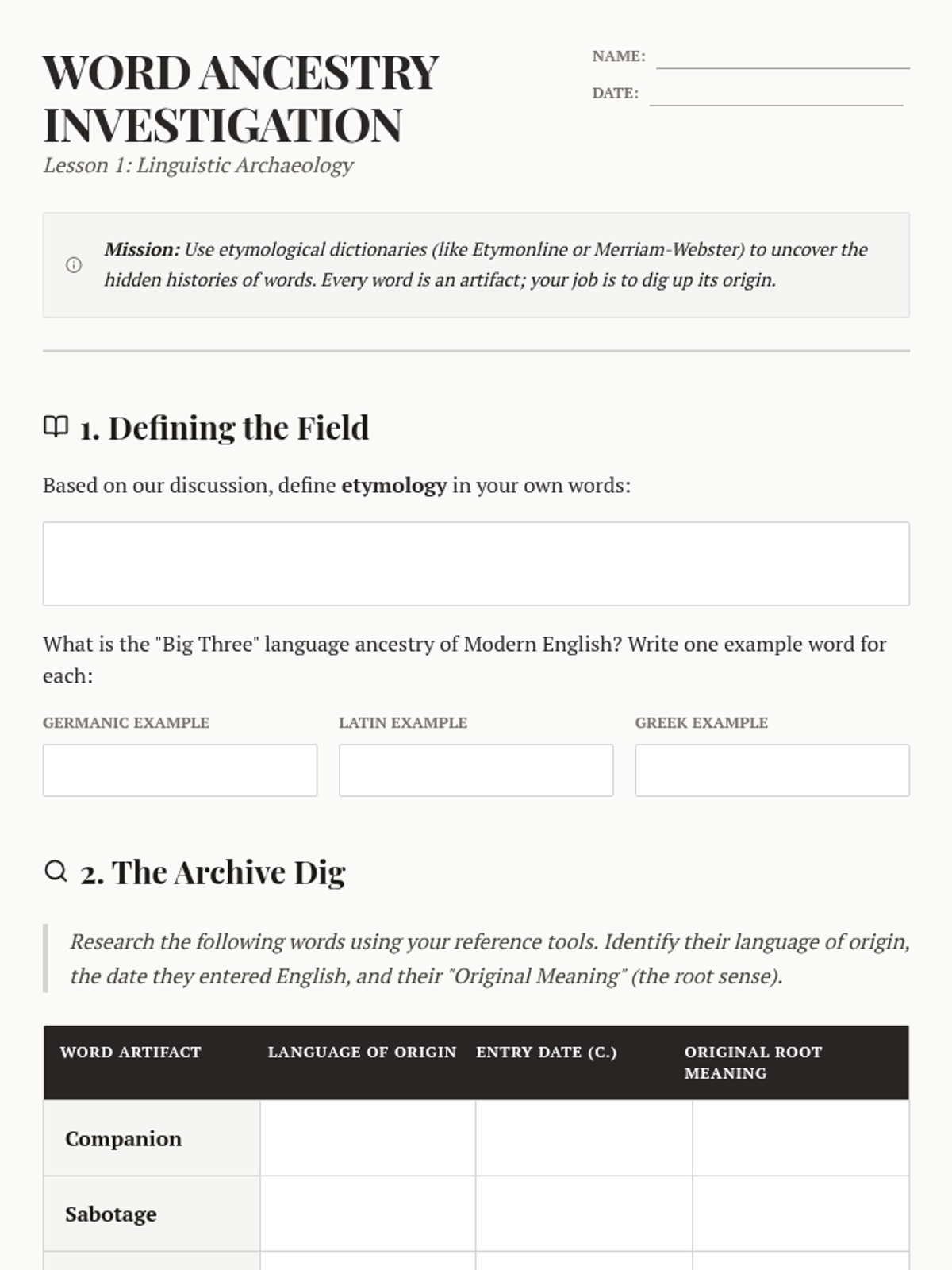
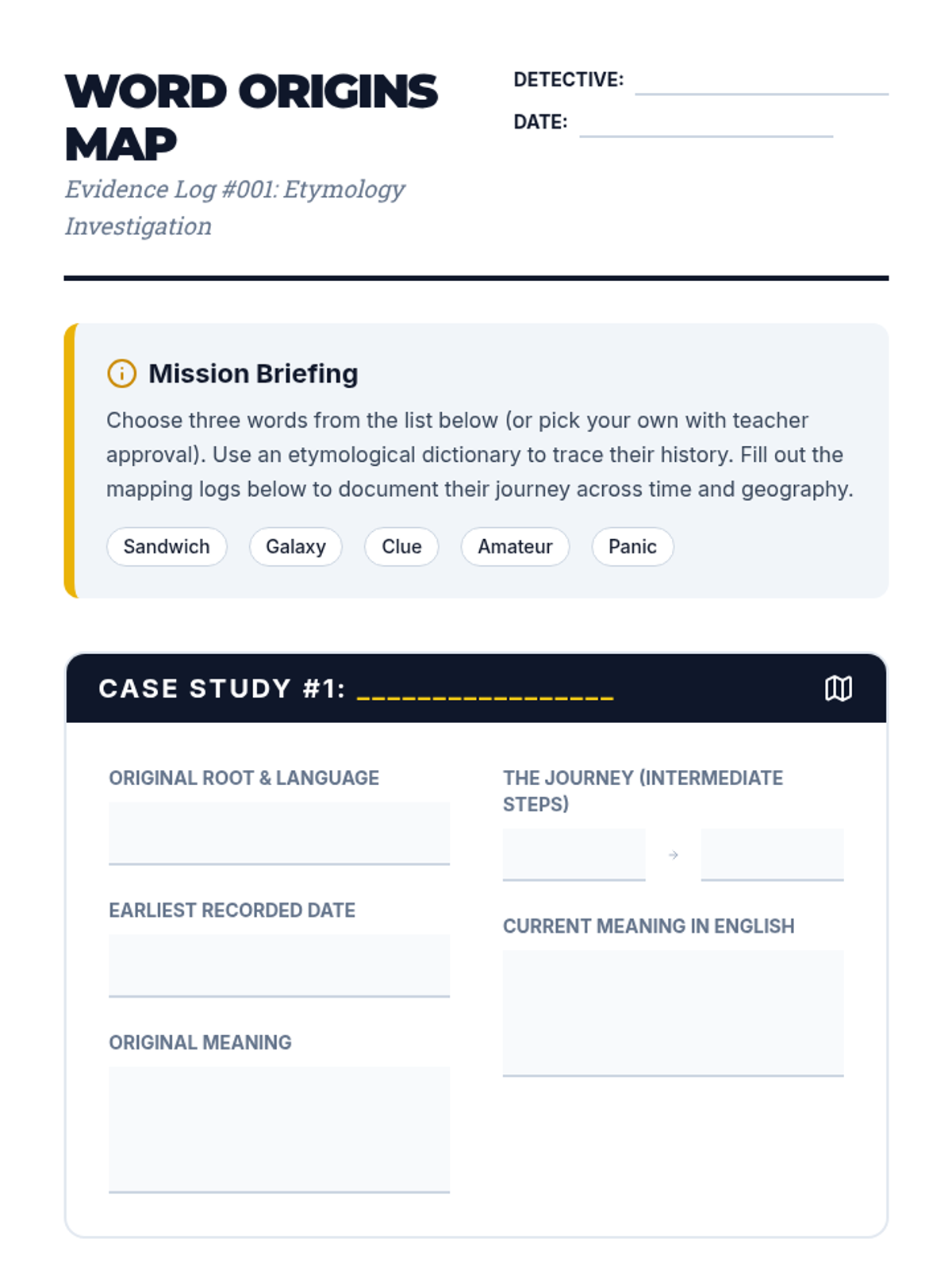
This inquiry-driven sequence focuses on etymology as a reference skill, teaching students to trace word origins to understand language evolution and historical context. Students move from decoding individual roots to analyzing how historical events shape the English lexicon, culminating in a 'word biography' project.
A 9th-grade novel study sequence focused on moving students from basic plot comprehension to critical analysis of themes, motifs, and social context. Students explore how literature critiques society through symbolic tracking, historical research, and a culminating Socratic Seminar.
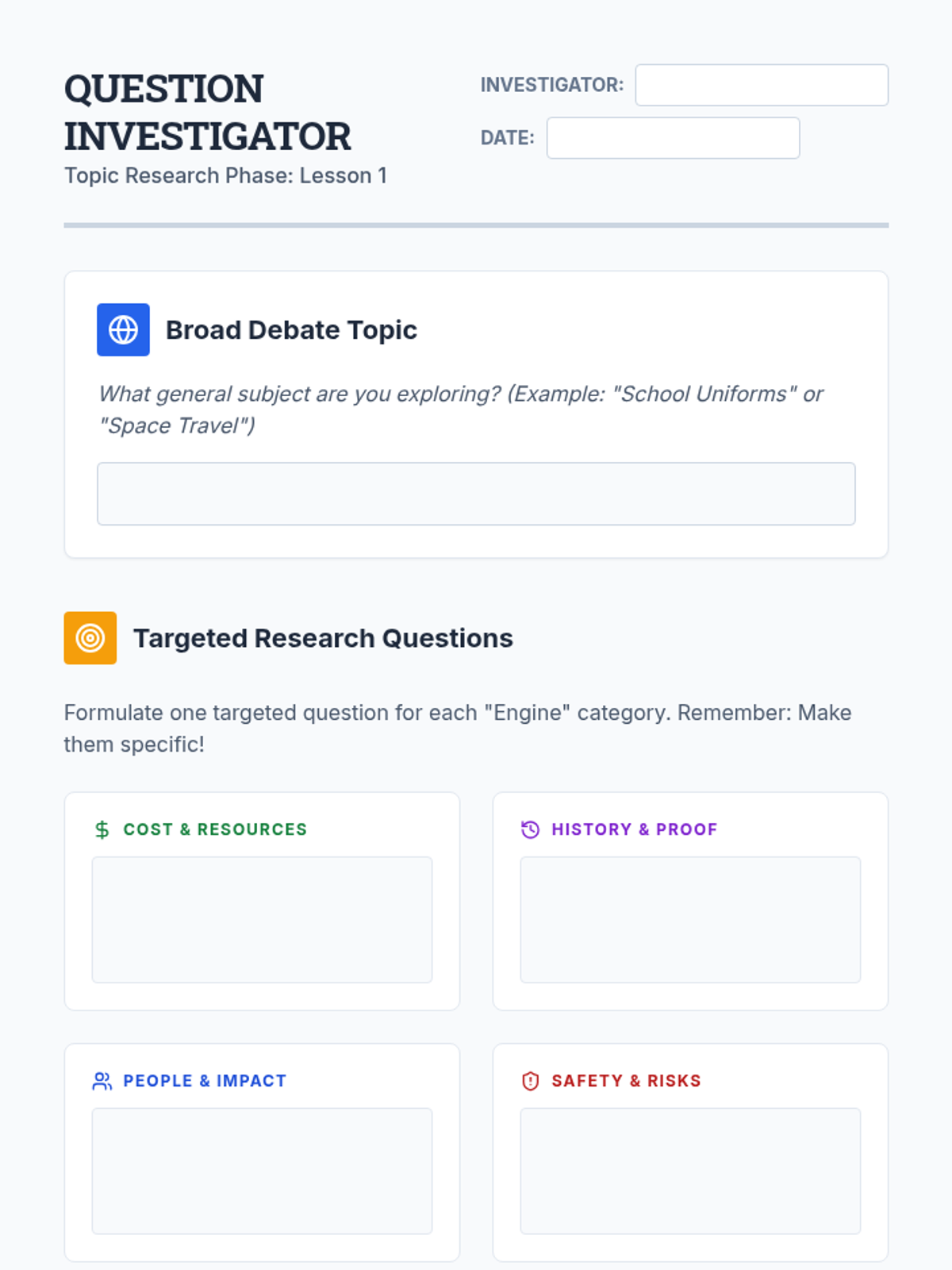
Students learn to research, synthesize, and organize evidence into a structured debate brief, moving from broad curiosity to targeted logical arguments.
Students become linguistic historians, investigating the etymology, cultural origins, and evolution of advanced English vocabulary through research and creative projects.
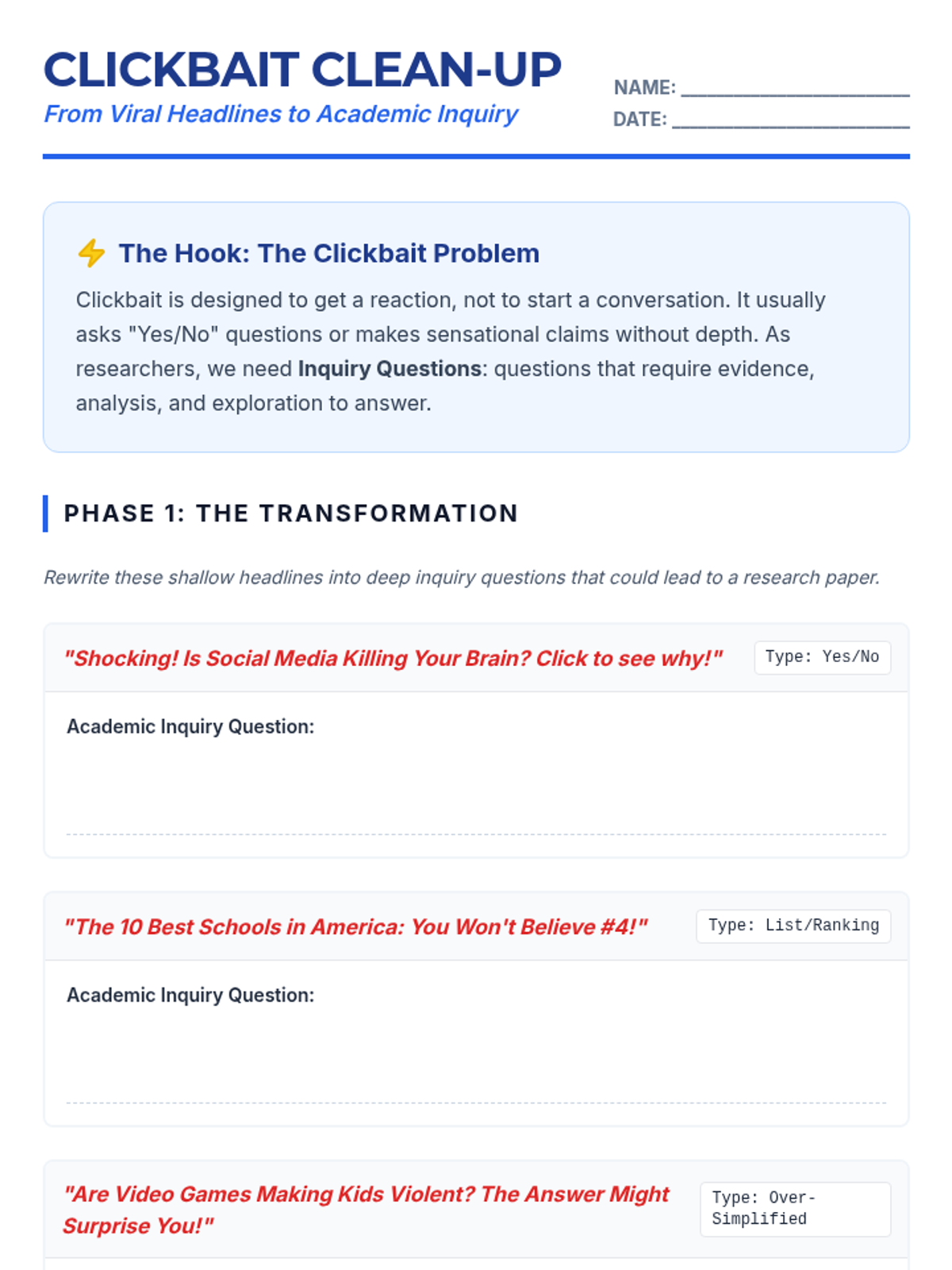
This 8th-grade ELA sequence guides students through the inquiry-based process of transforming a broad research topic into a nuanced, evidence-backed thesis statement. Students progress from initial curiosity to structured inquiry, learning that a thesis is the final destination of a research journey, not just a starting point.
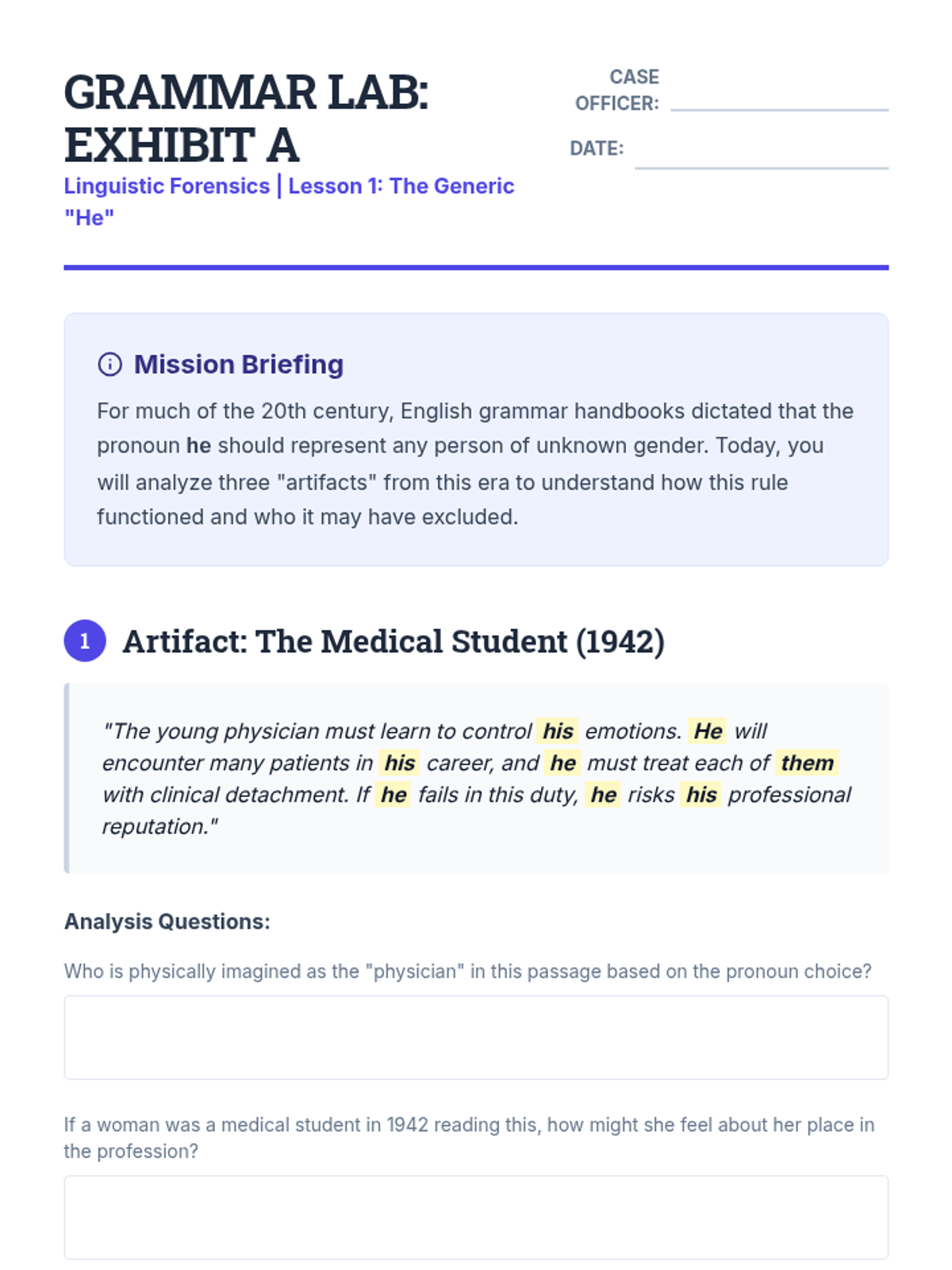
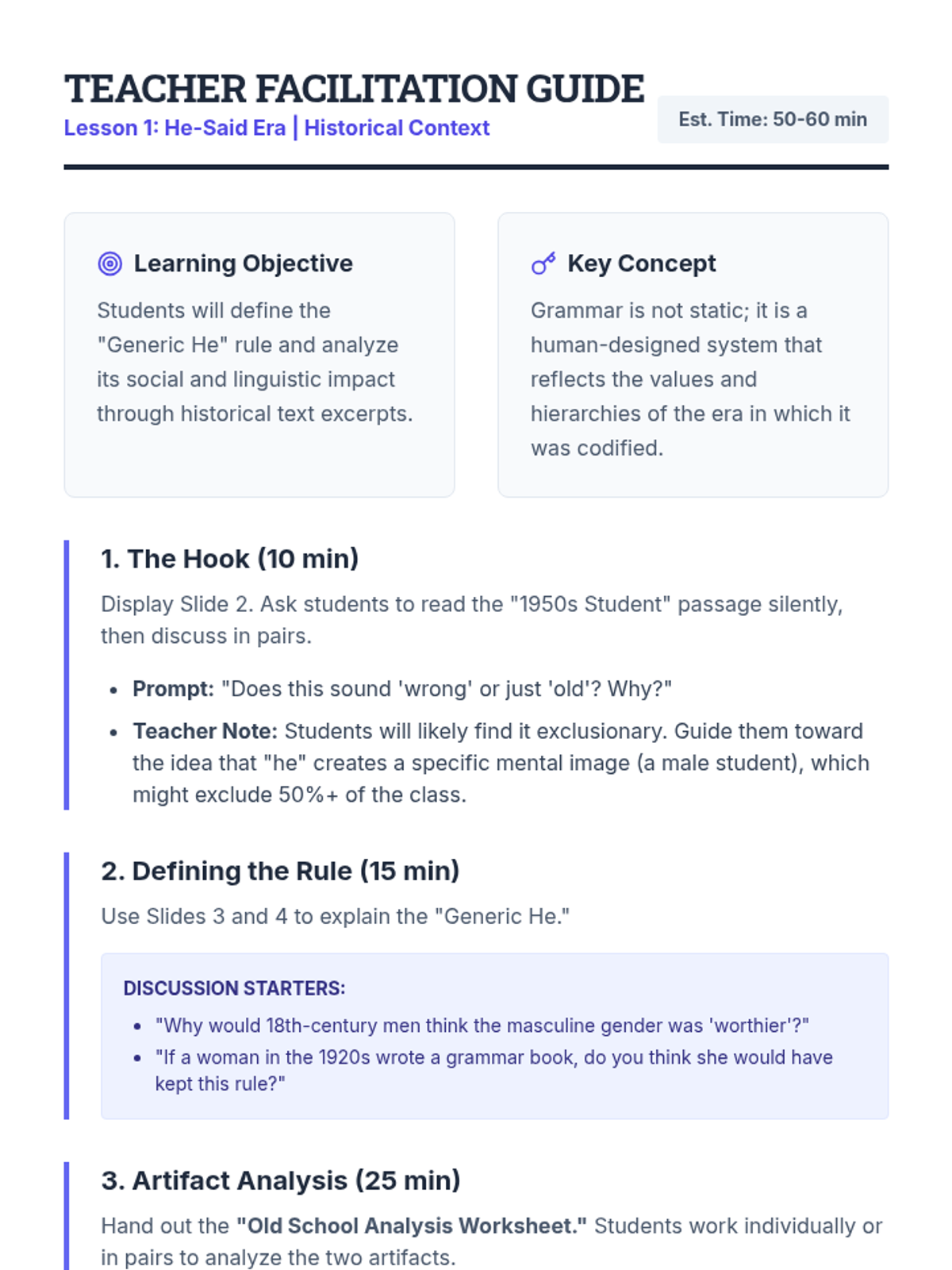
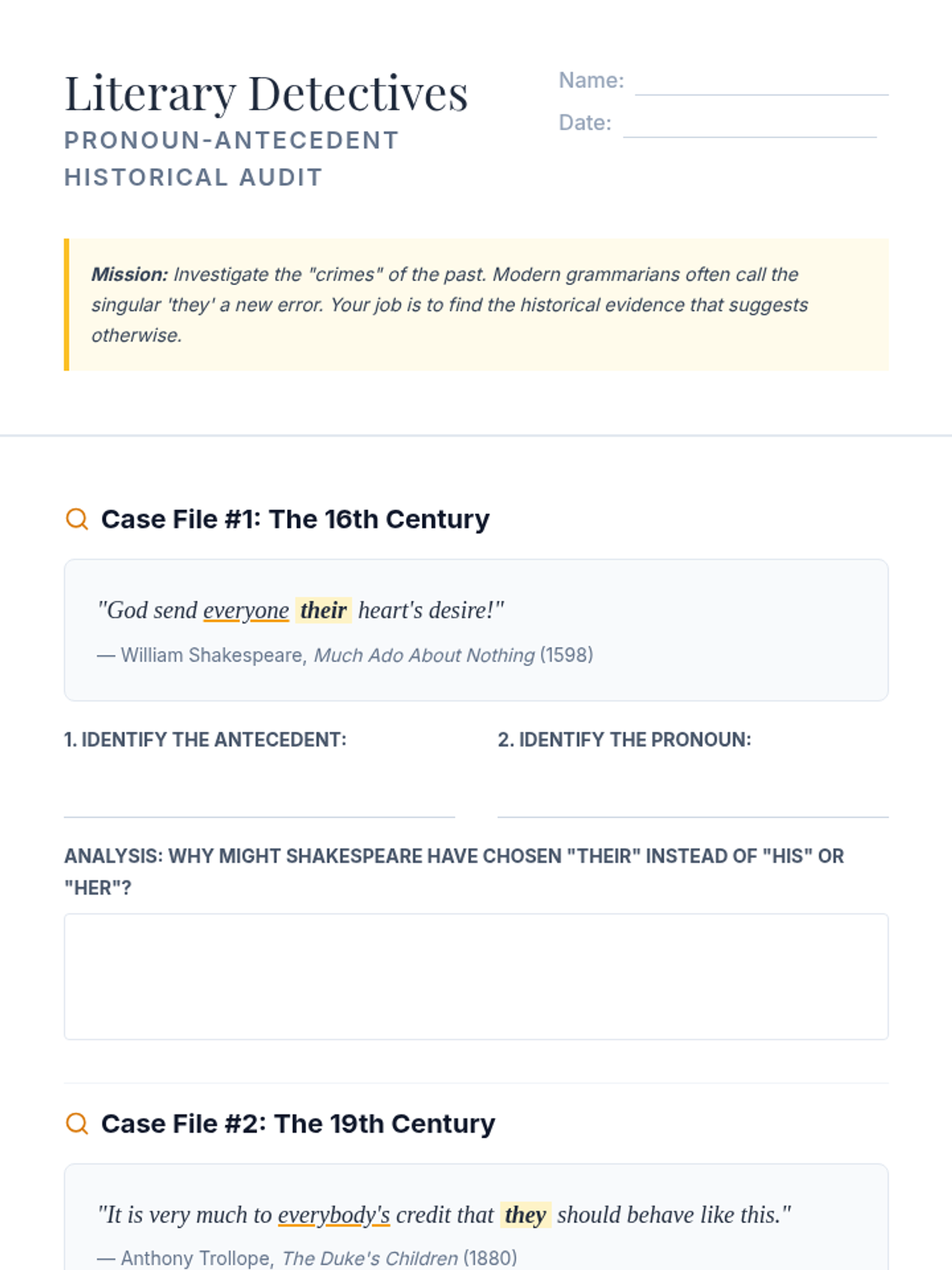
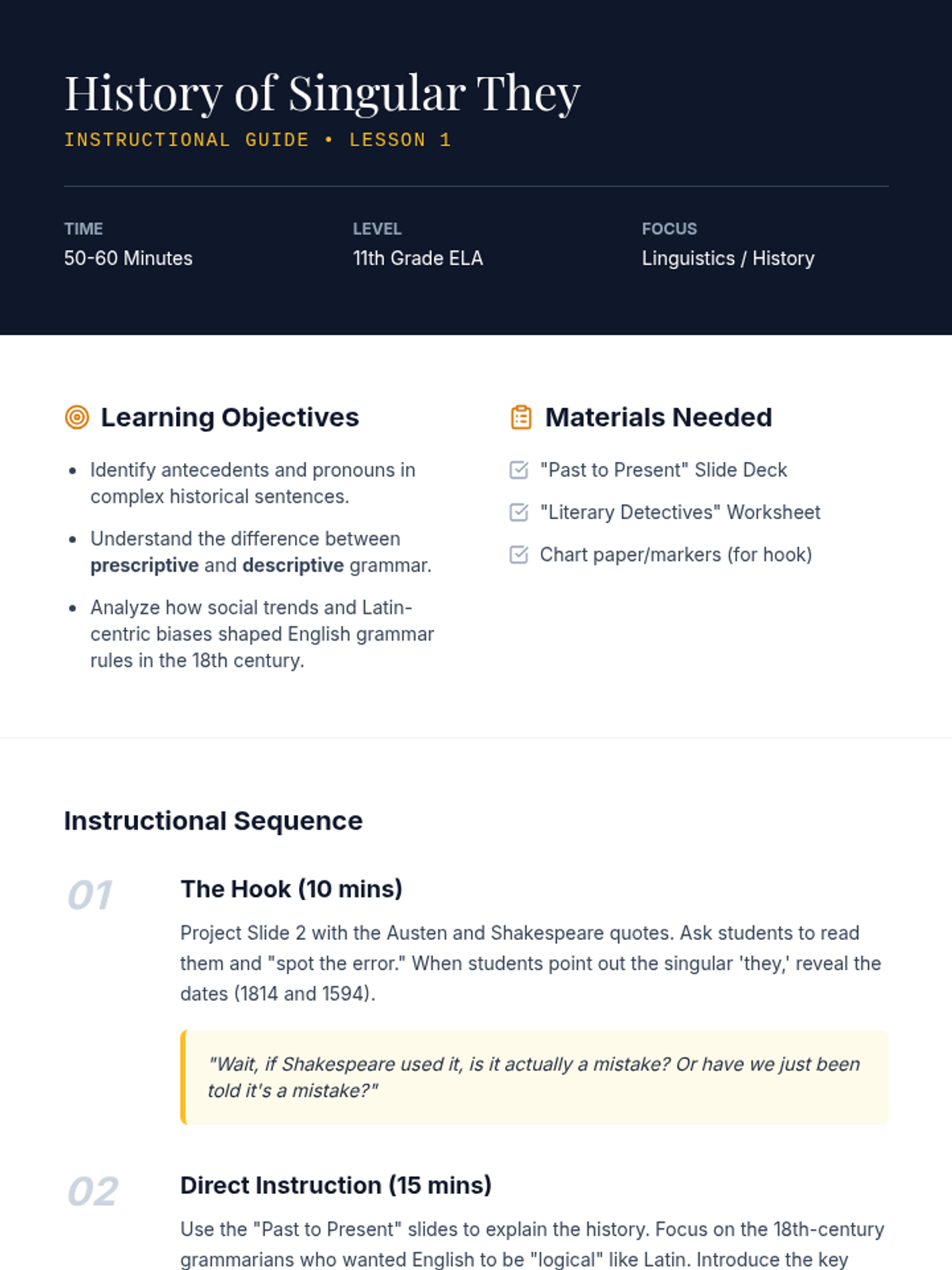
This inquiry-based sequence explores the evolving nature of grammar, specifically addressing the debate around the singular 'they' and gender-neutral language. Students move from analyzing historical style guides to evaluating modern usage in journalism and academia.
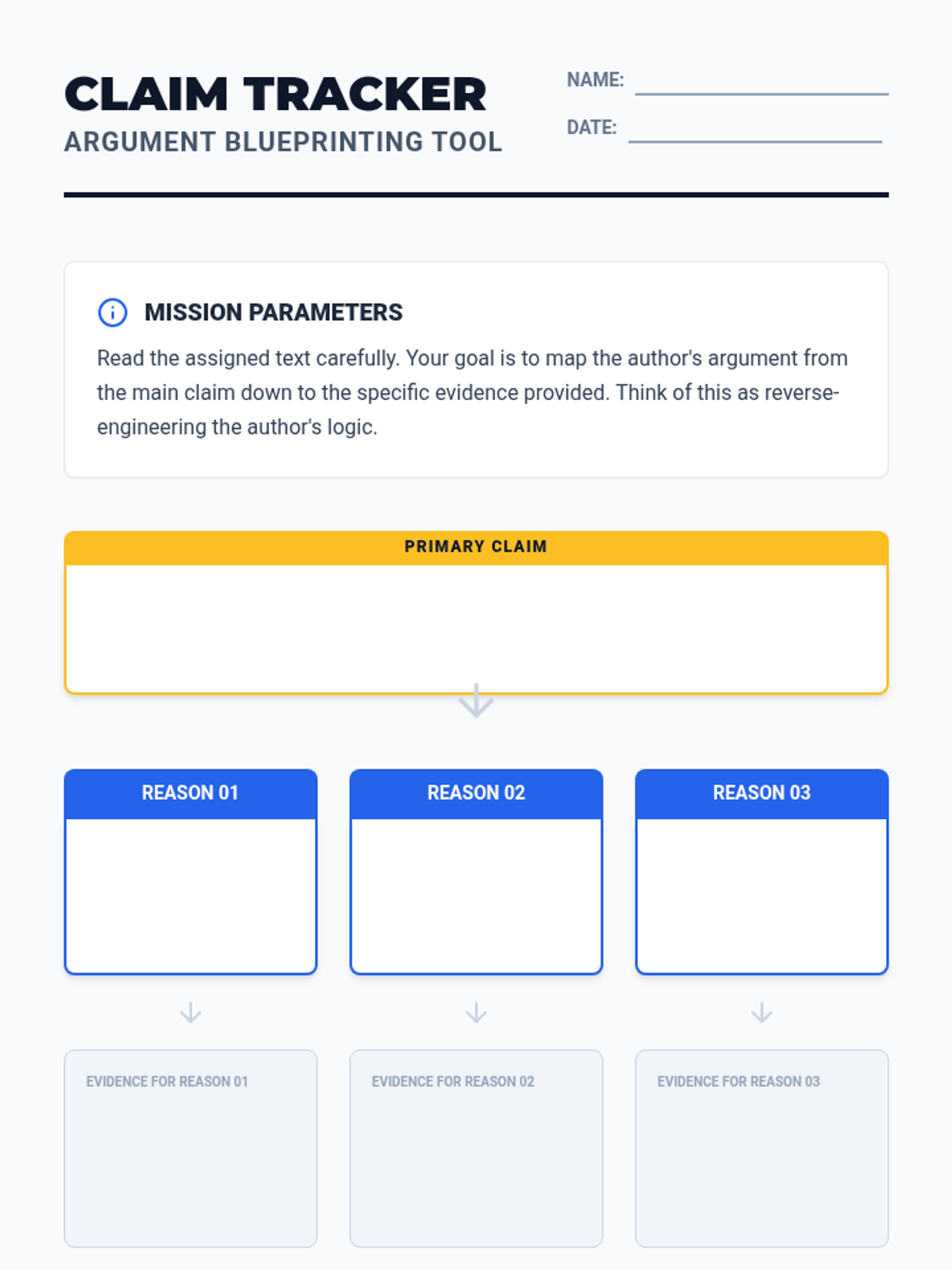
Students investigate how authors build persuasive arguments in nonfiction texts. They learn to trace claims, distinguish between facts and opinions, evaluate the sufficiency of evidence, and detect bias to determine the credibility of a text.
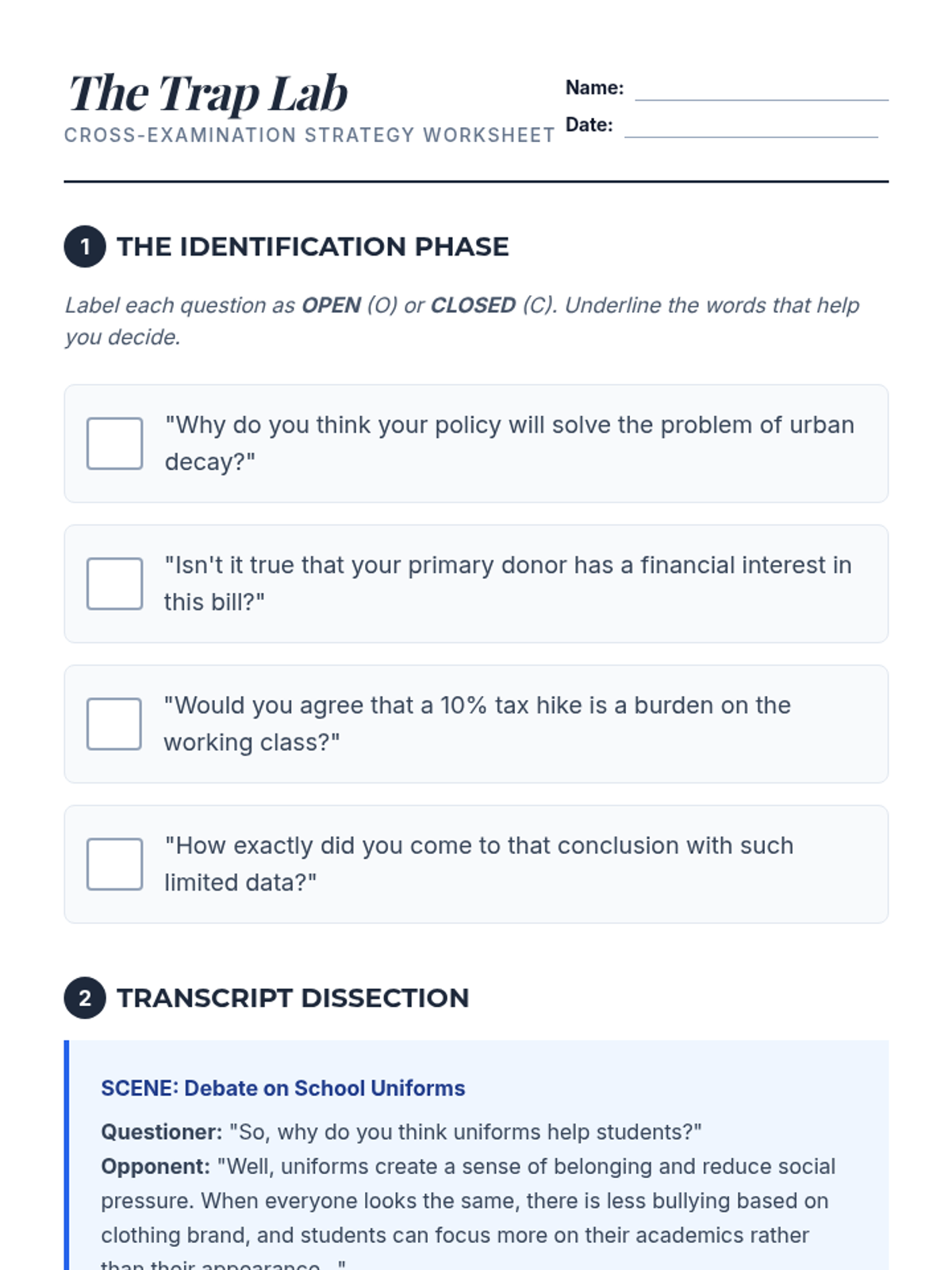
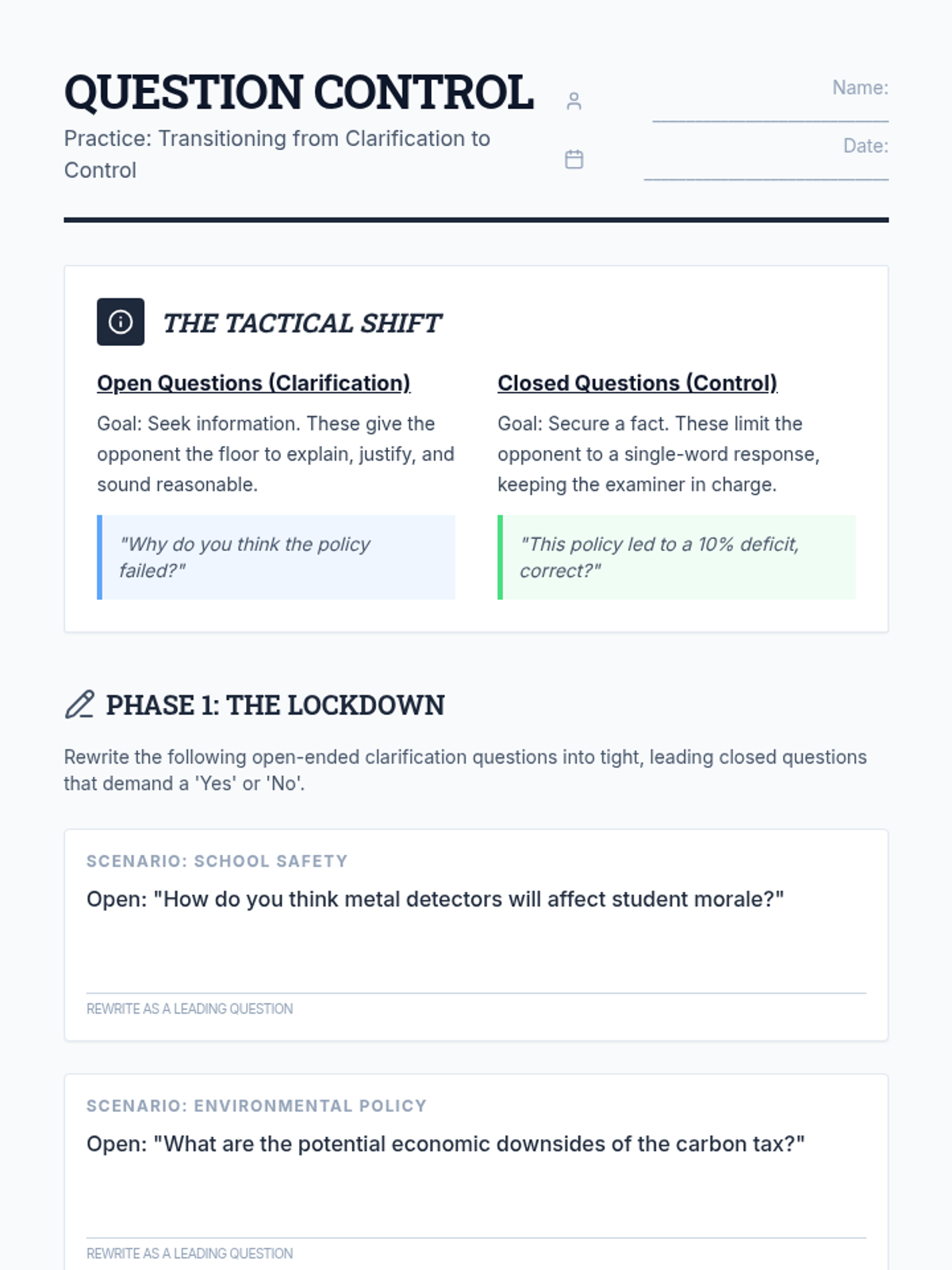
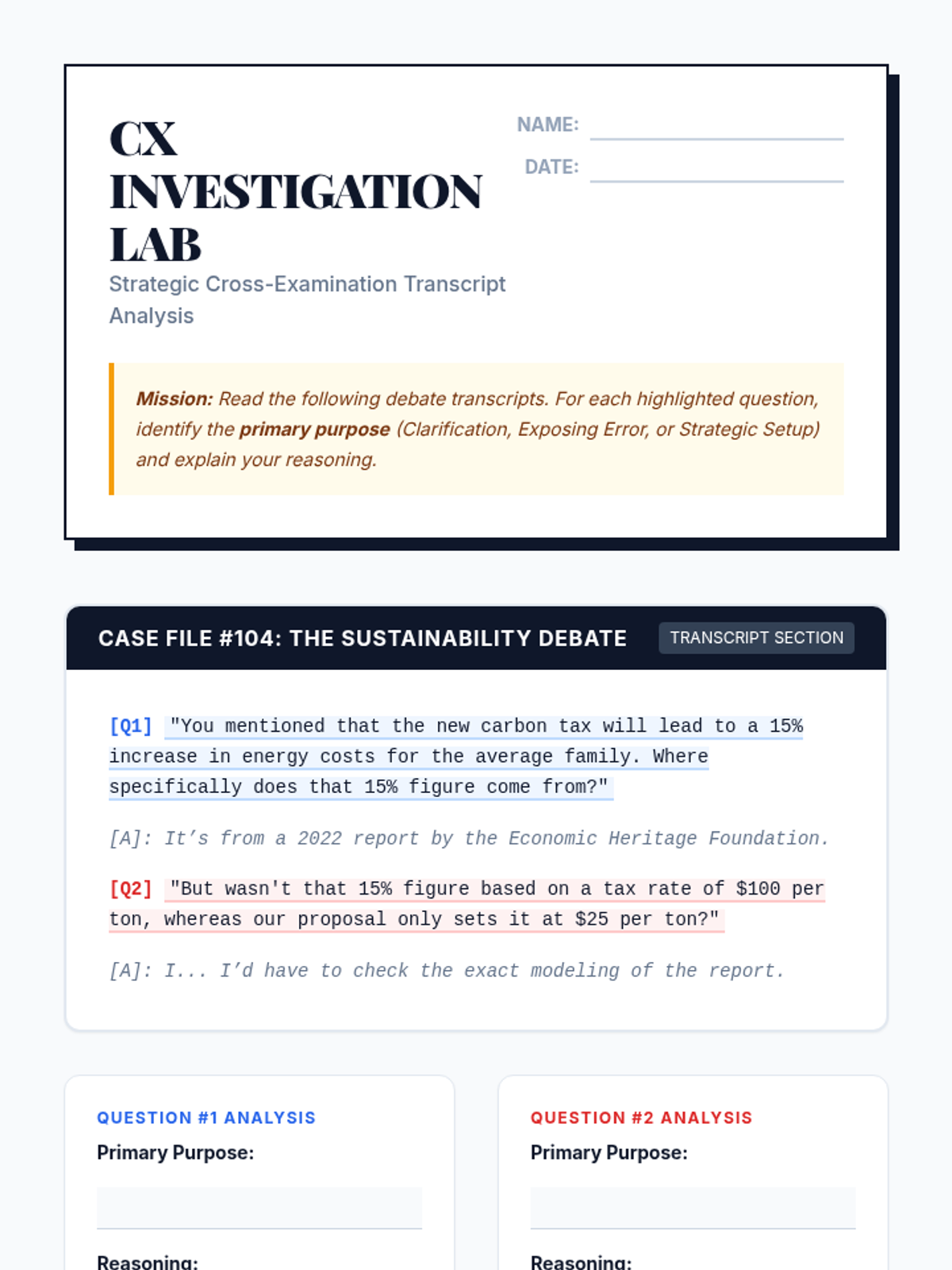
This sequence immerses students in the technical mechanics of cross-examination, moving from the fundamentals of question construction to advanced logical dismantling. Students learn to formulate tight, leading questions, identify logical fallacies, and maintain poise under pressure.
This sequence immerses students in the high-stakes environment of cross-examination, moving them beyond prepared speeches to dynamic intellectual interaction. Students learn to identify logical fallacies, structure leading questions, use the funnel technique, and defend their own positions under pressure.
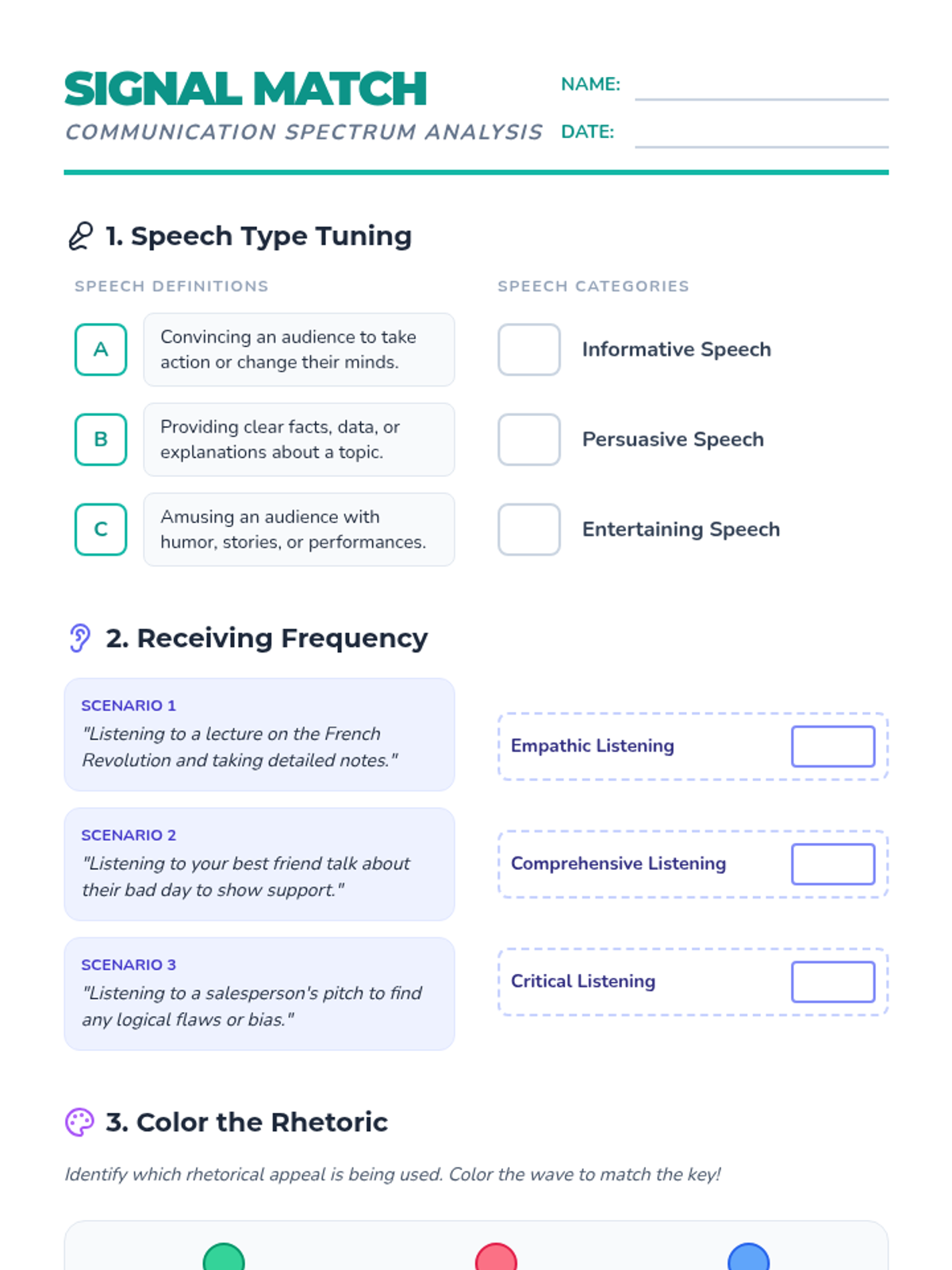
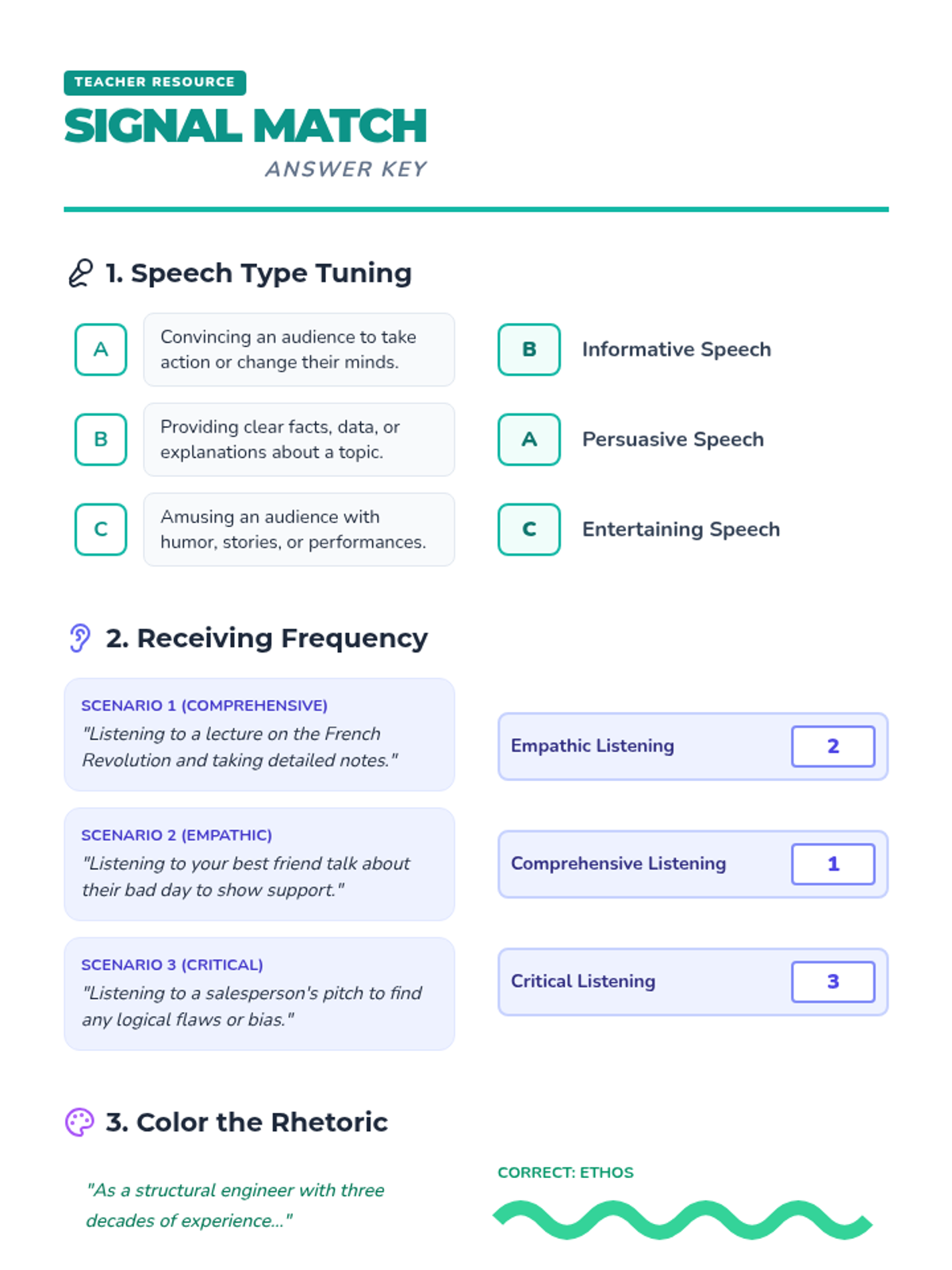
A deep dive into the art of communication, focusing on how we send, receive, and analyze spoken messages through various lenses of rhetoric and listening.
An 8th-grade ELA sequence where students act as literary investigators to uncover deep meanings in a novel study, progressing from understanding topics to formulating thematic statements and identifying symbols and motifs.
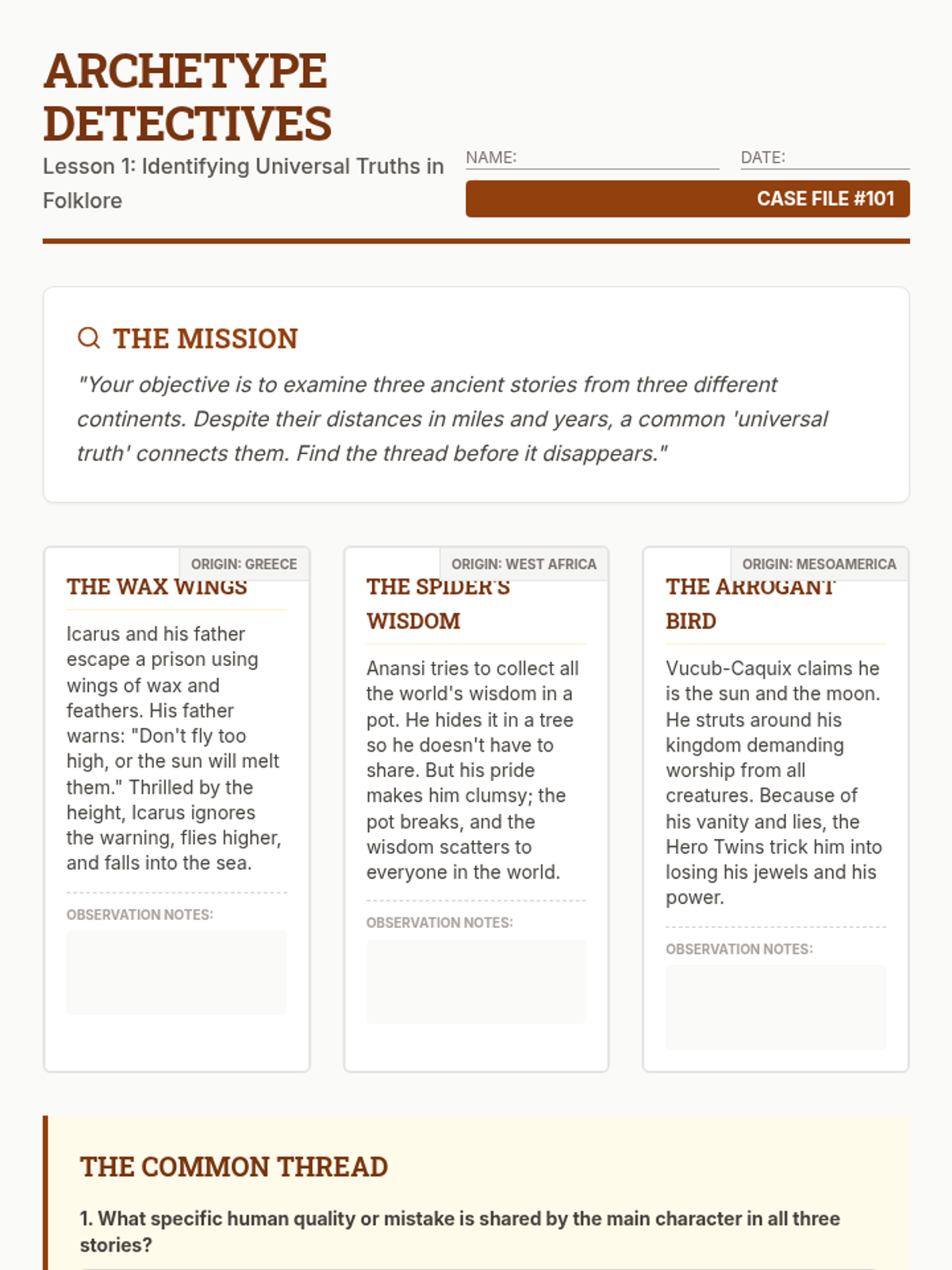
A comparative literature sequence for 7th grade students exploring how universal themes are expressed across different genres and cultures, from folklore to modern multimedia.
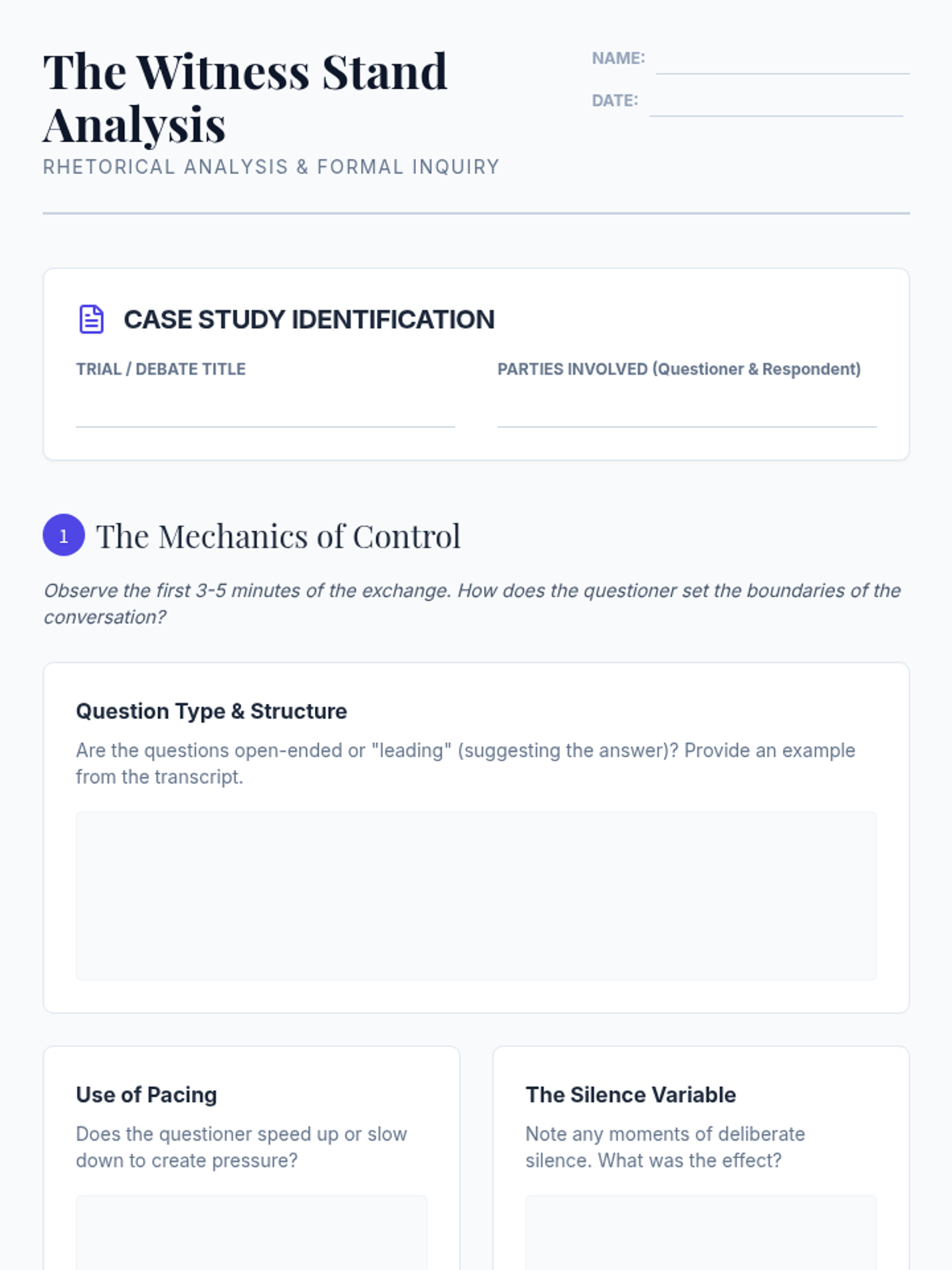
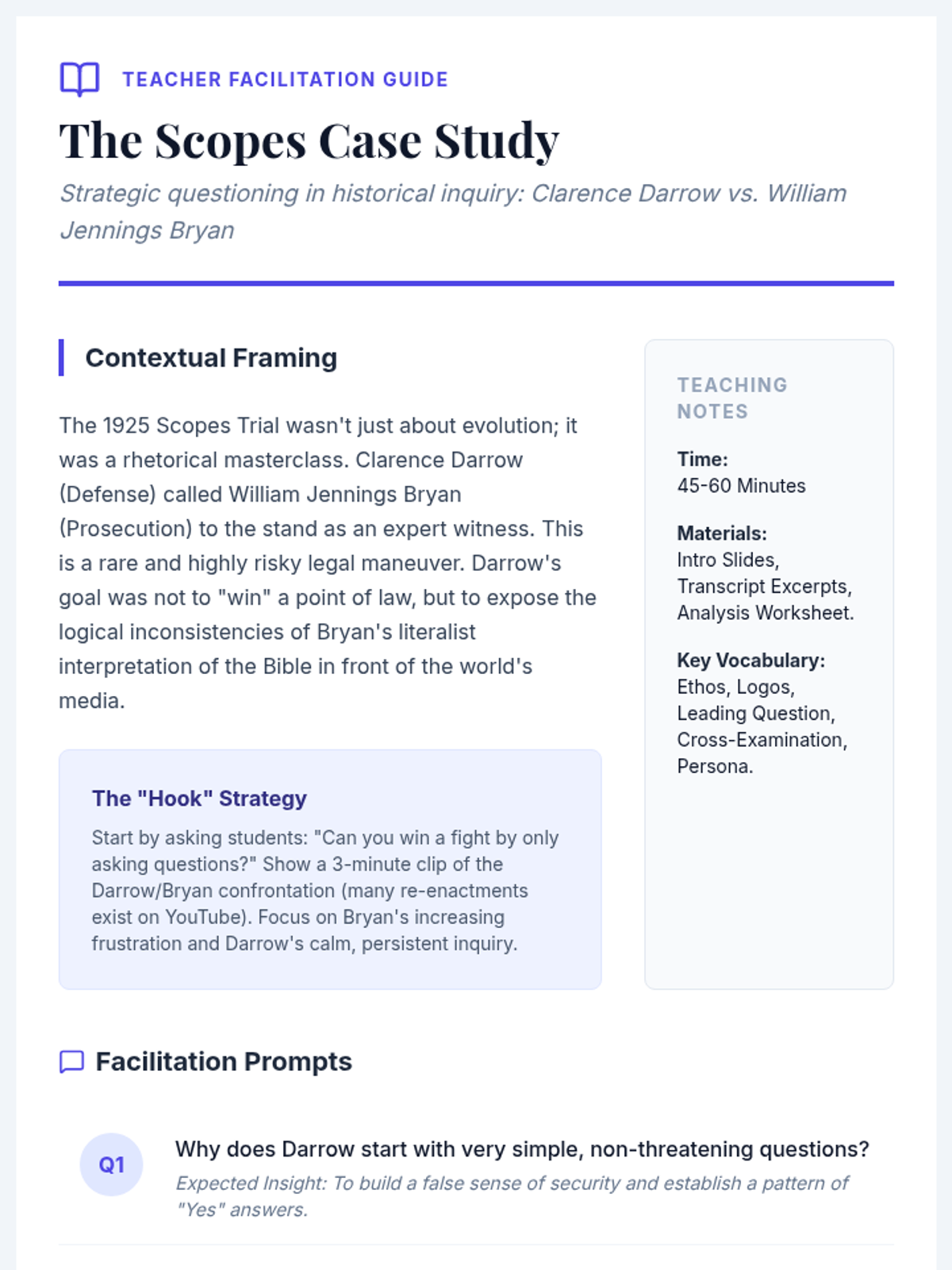
An inquiry-based exploration of rhetorical strategies in questioning. Students analyze historical models, experiment with vocal personas, and master techniques for handling hostile witnesses to prepare for a formal cross-examination showcase.
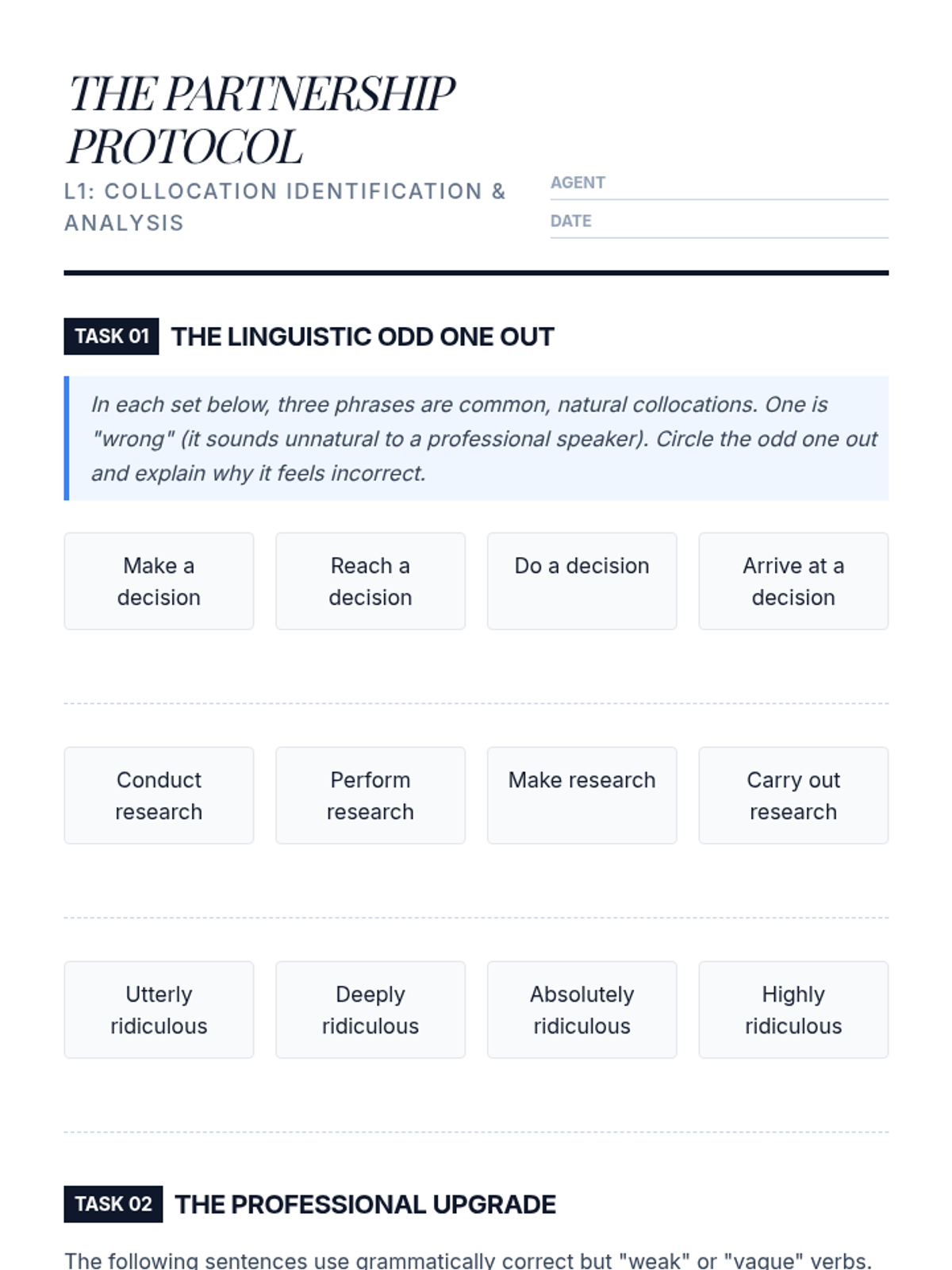
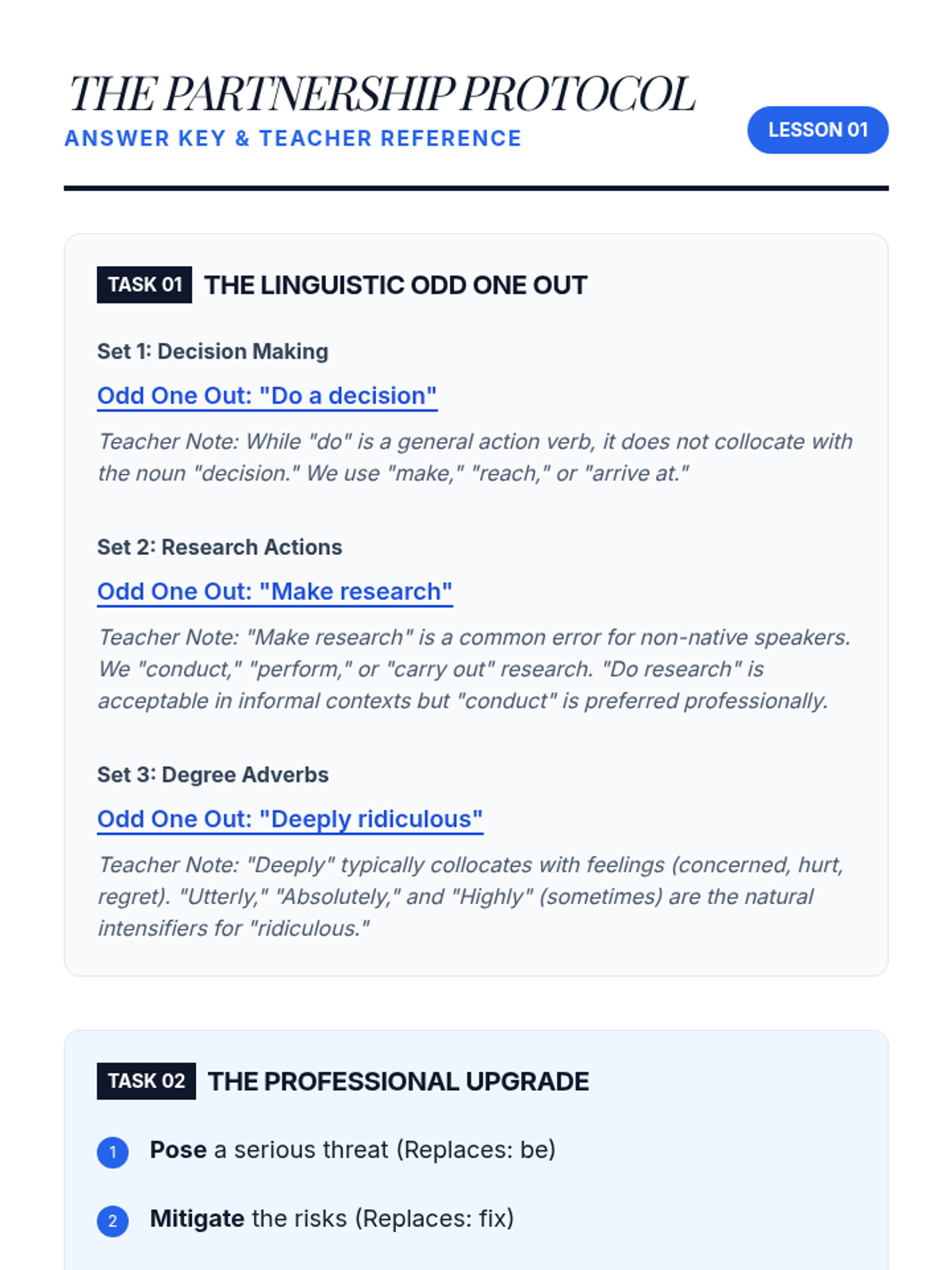
A 5-lesson sequence for 9th Grade Advanced English students focusing on academic collocations, professional register, and diplomatic language to enhance professional credibility and fluency.
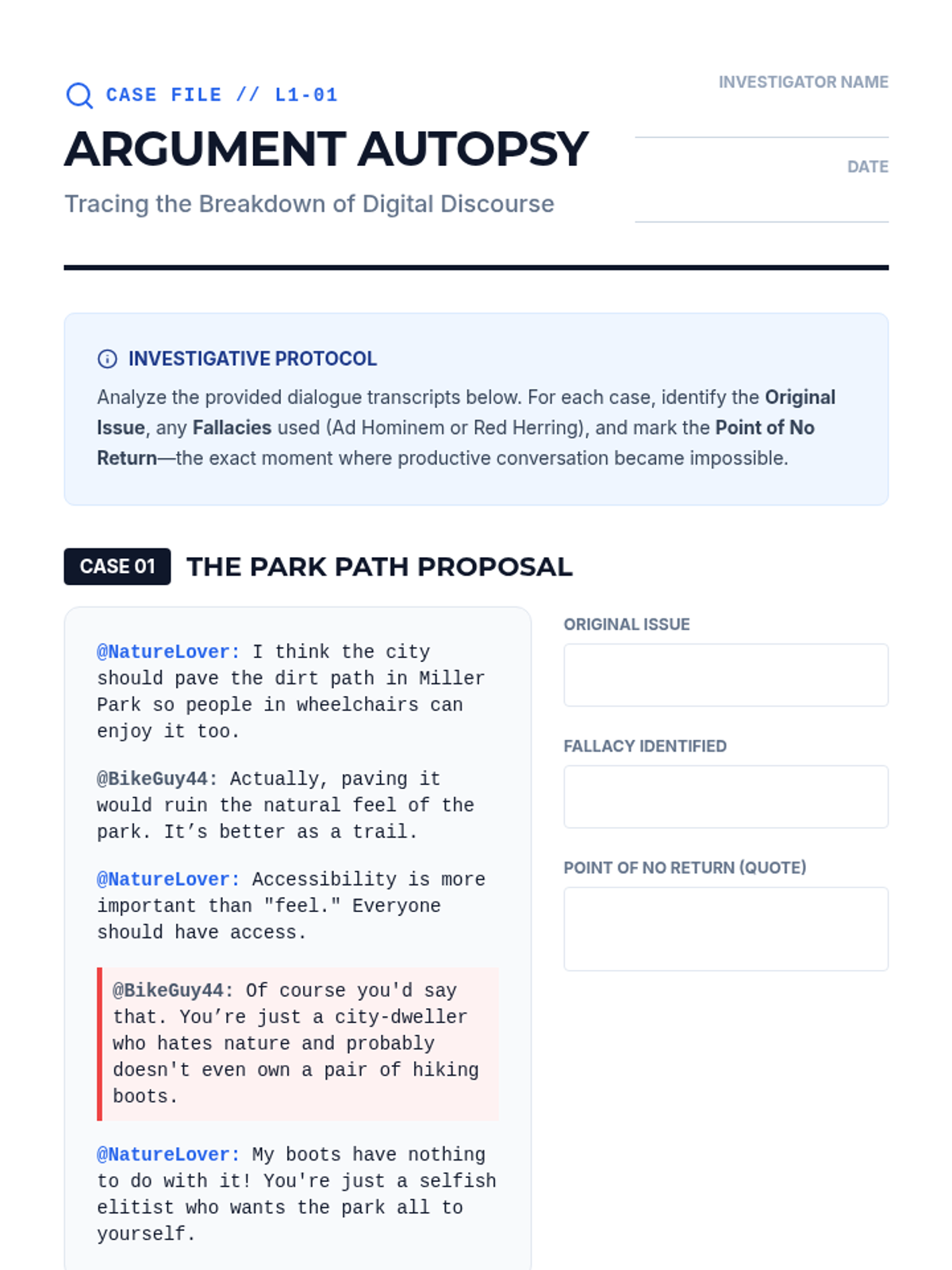
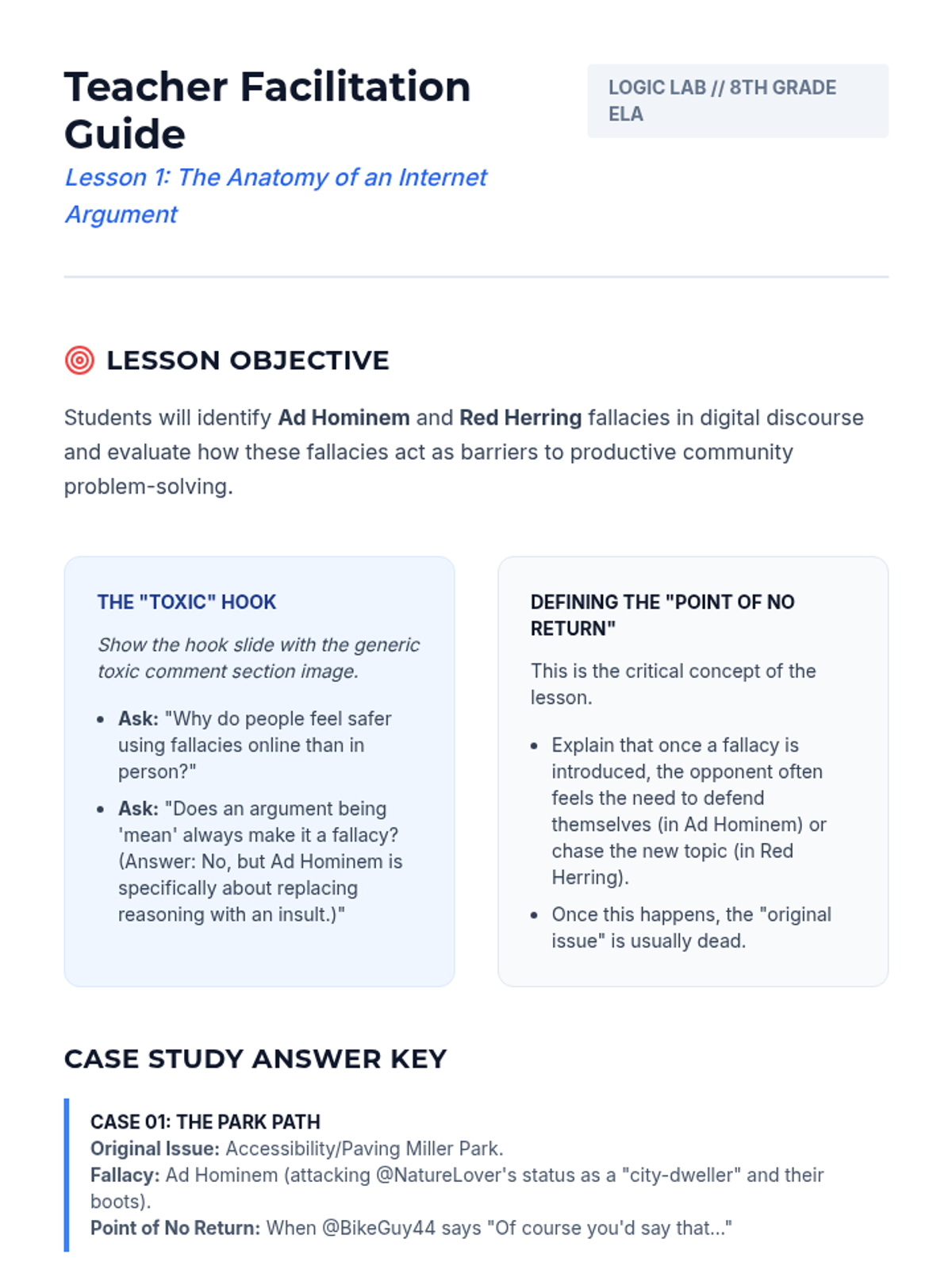
A middle school ELA unit focusing on the social impact of logical fallacies. Students analyze digital discourse, learn to identify 'whataboutism', practice Socratic discussion, and develop strategies for 'steel-manning' arguments to foster healthier community conversations.
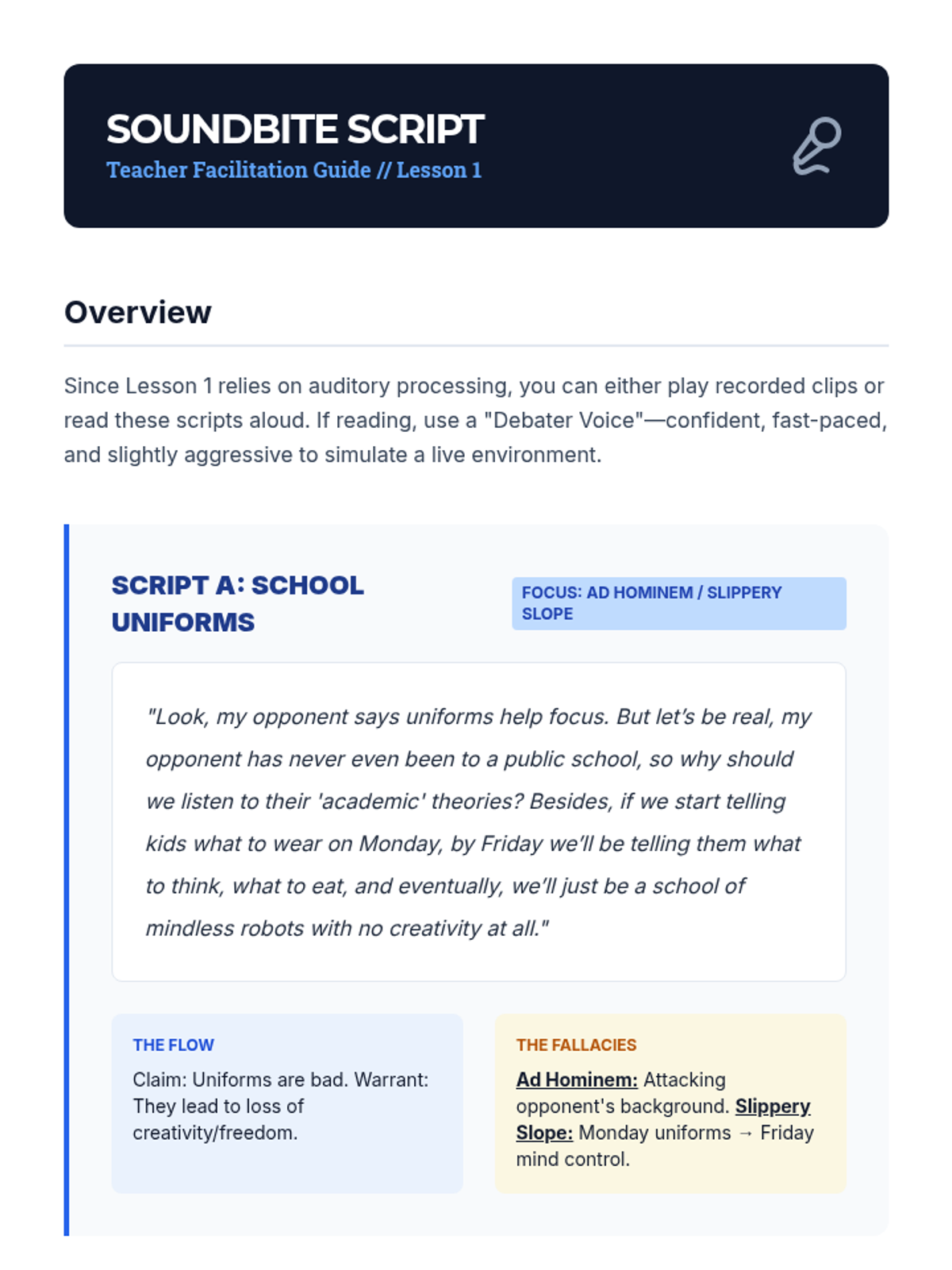
A 9th-grade sequence focused on the oral application of logic in debate. Students progress from listening for fallacies to active real-time refutation and 'Spar Debates' where logical purity is the win condition.
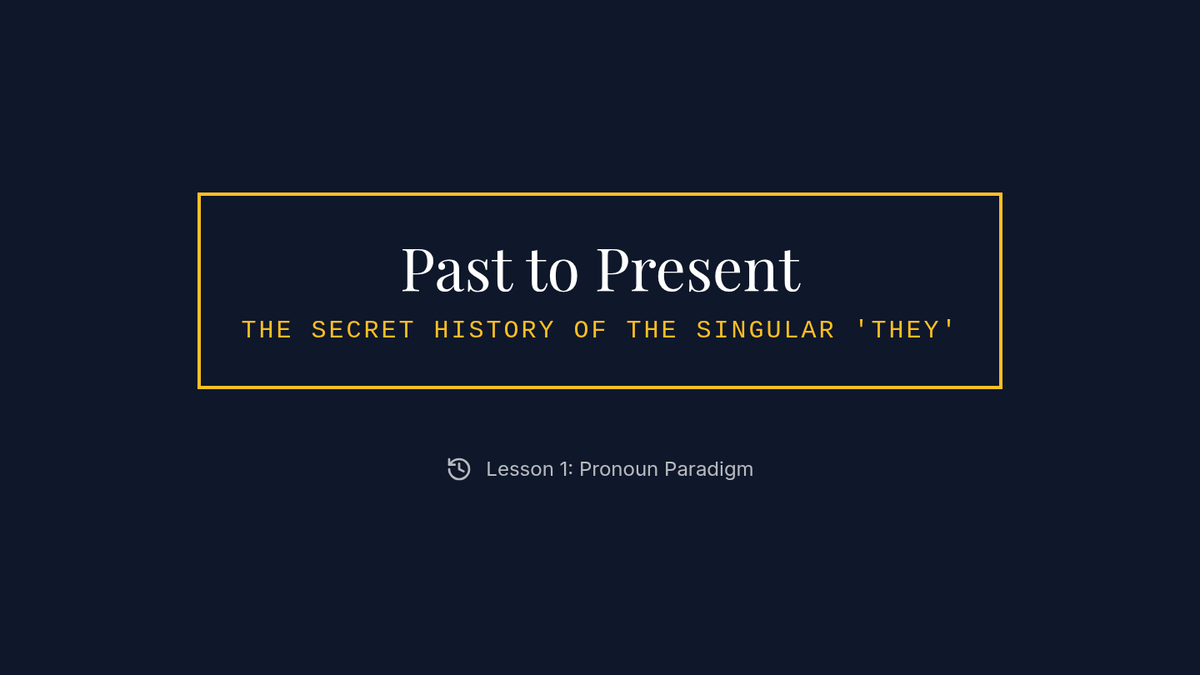
This sequence explores the evolution of pronouns and antecedents, specifically focusing on the singular 'they' and gender-neutral language. Students analyze historical usage, compare modern style guides, and debate the tension between prescriptive and descriptive grammar.
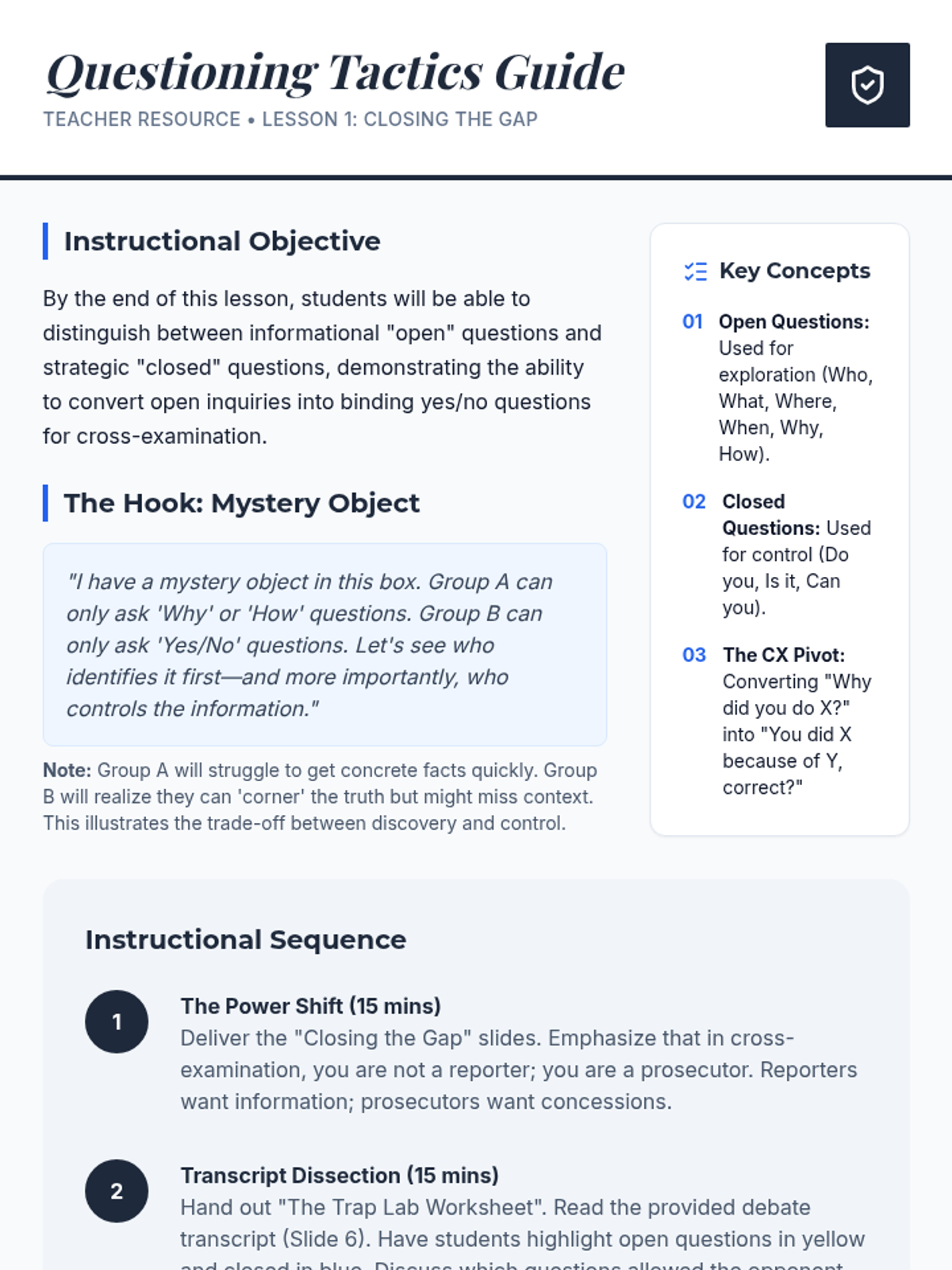
This sequence teaches 8th-grade students the art of Cross-Examination (CX) in competitive debate. It covers strategic questioning, open vs. closed inquiry, building logical traps, defensive answering techniques, and synthesizing CX admissions into rebuttal speeches.
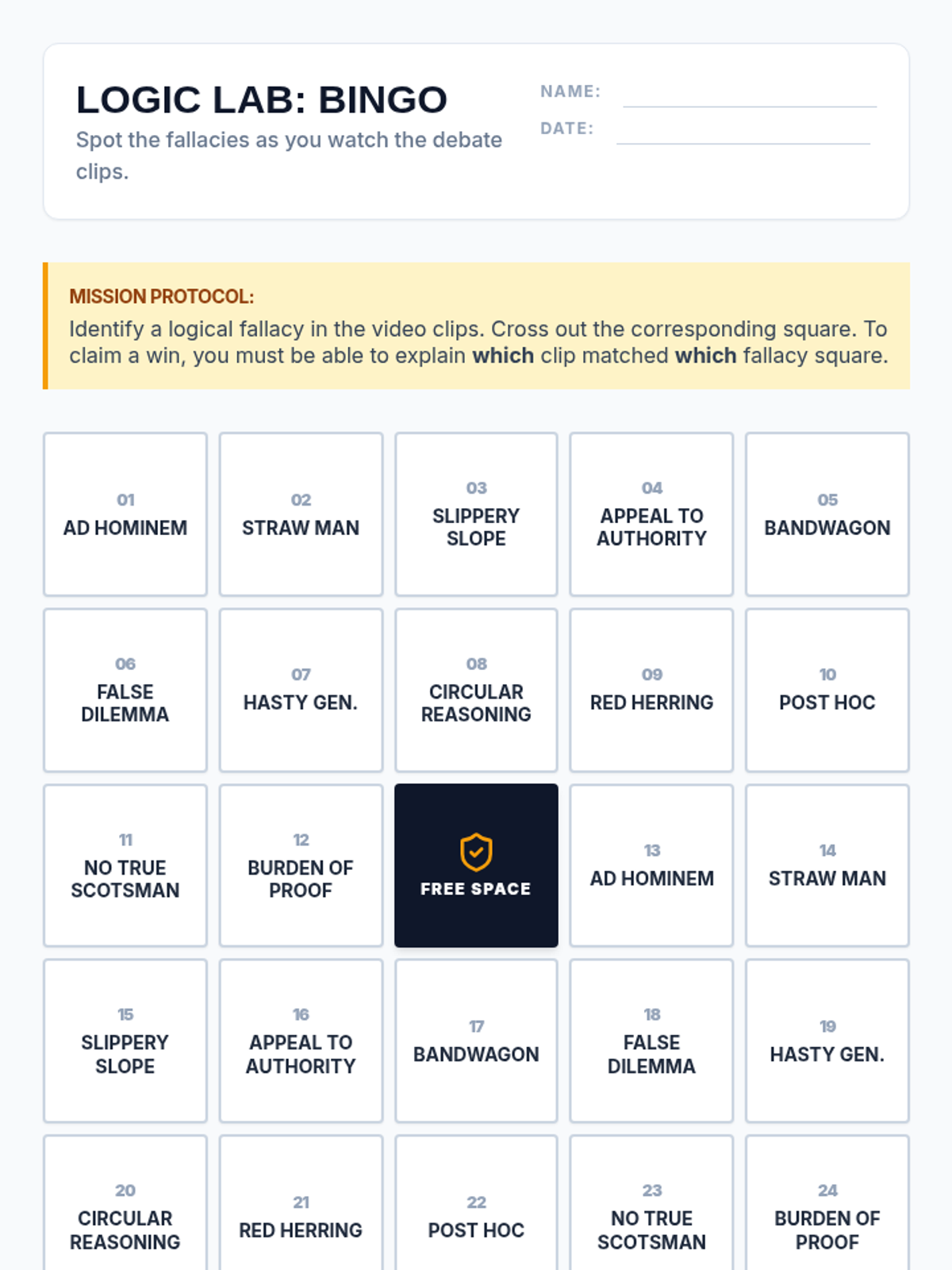
A game-based sequence that trains 8th-grade students to identify and counter logical fallacies in real-time. Students move from analyzing transcripts to participating in high-speed 'Logic Gauntlet' debates where fallacy detection is the key to winning.
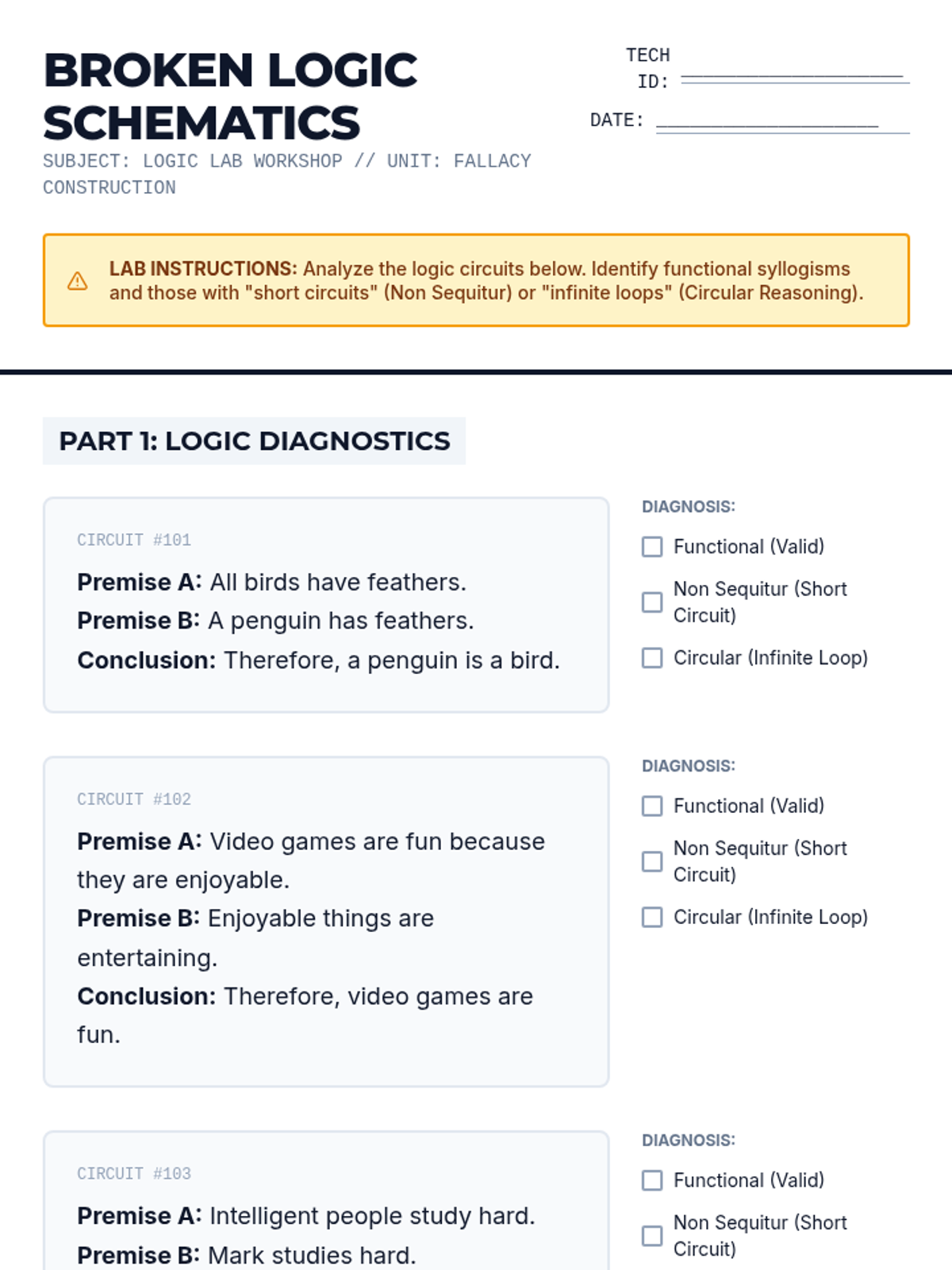
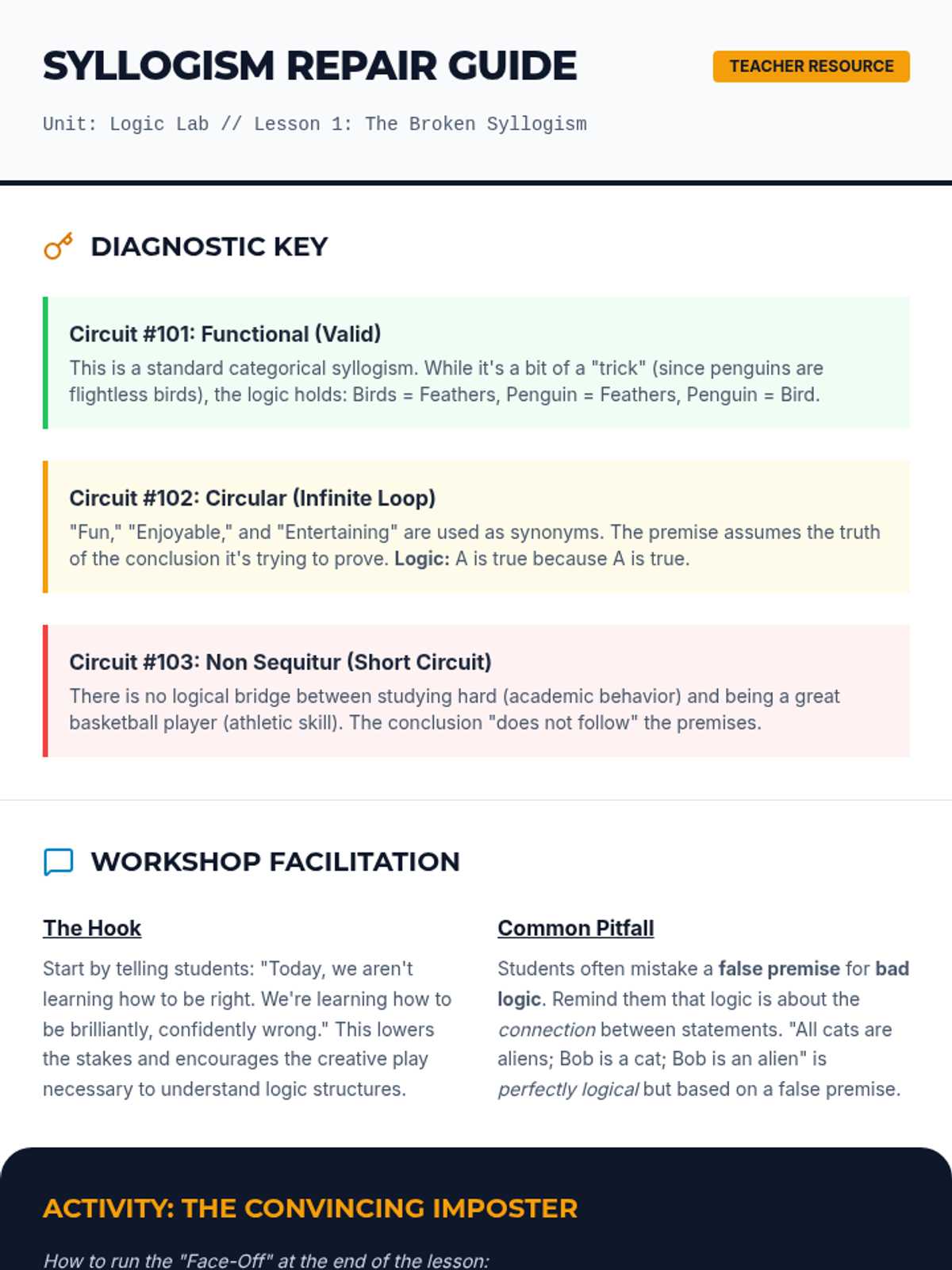
A 9th-grade ELA sequence where students learn logical fallacies by intentionally constructing them. This reverse-engineering approach helps students master deductive reasoning, identify distortions, and spot emotional manipulation in public speaking and debate.
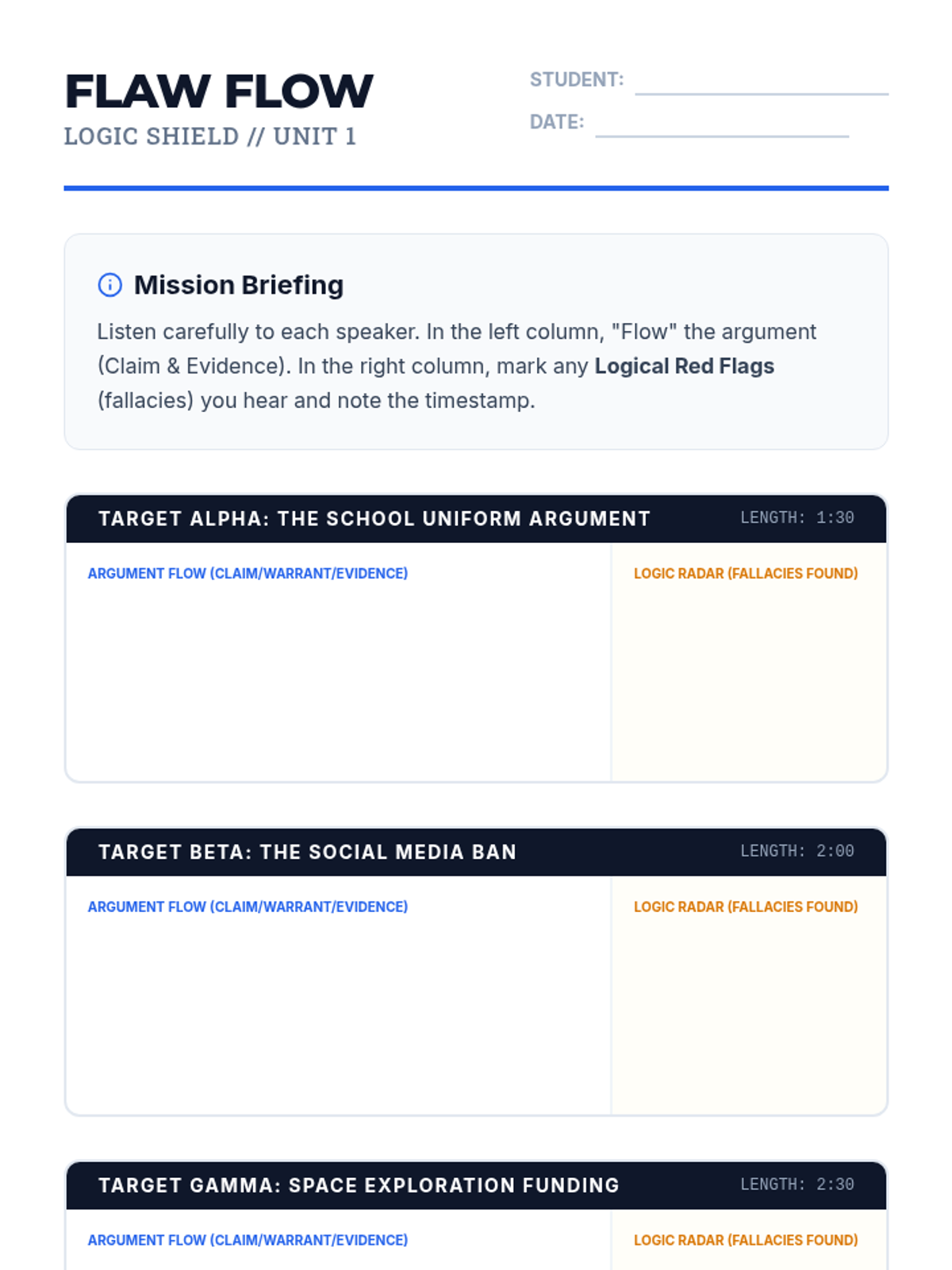
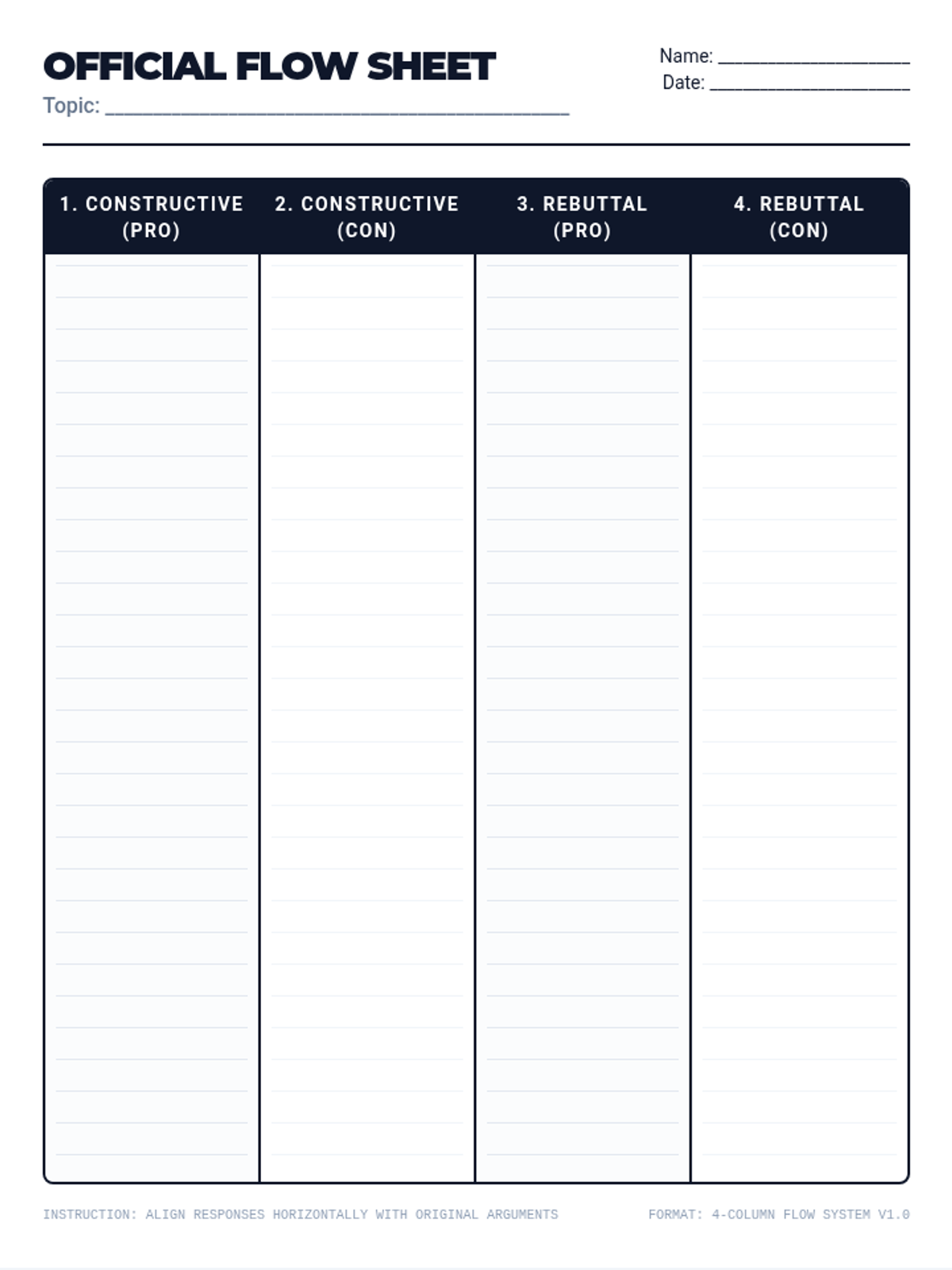
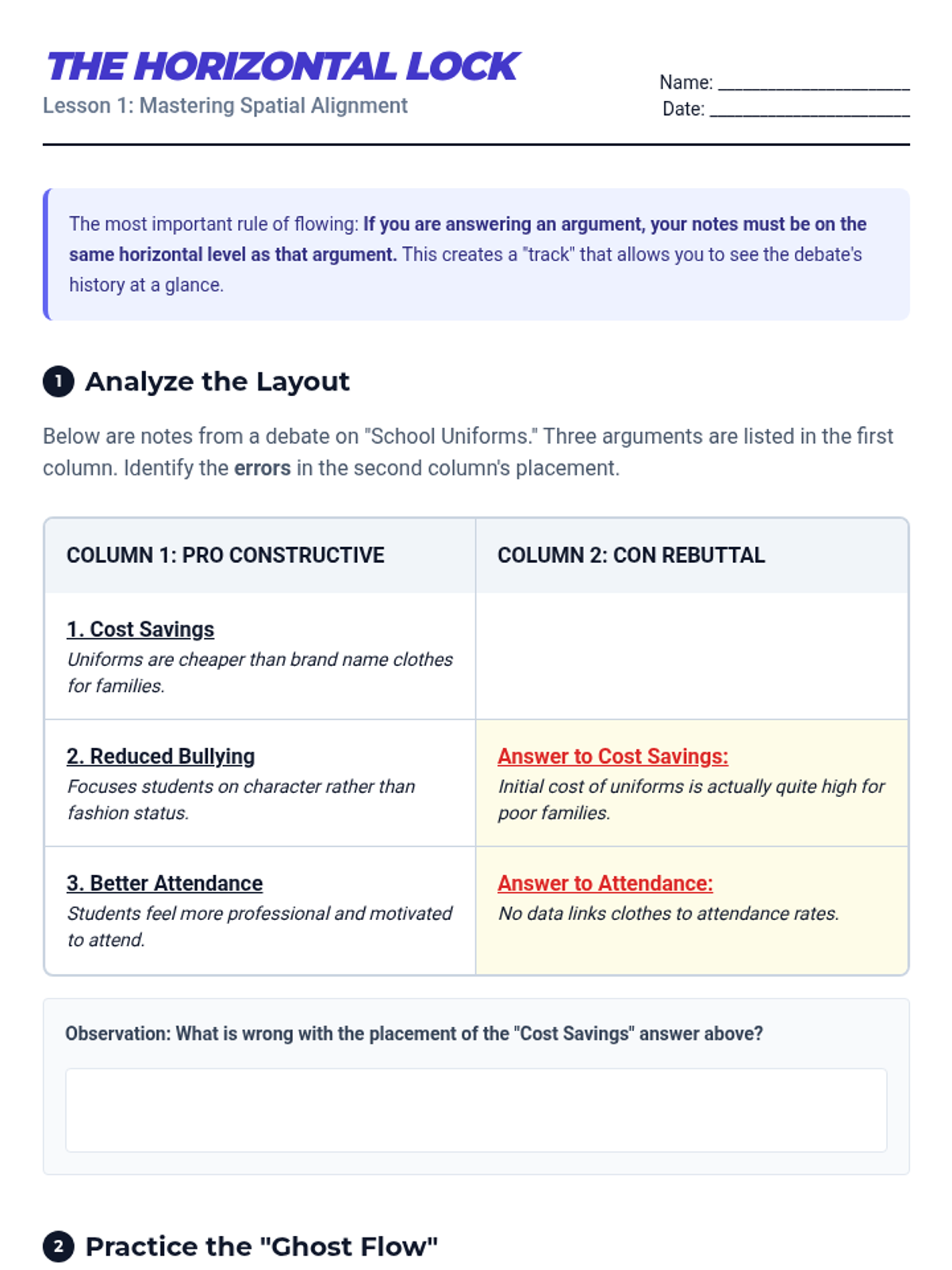
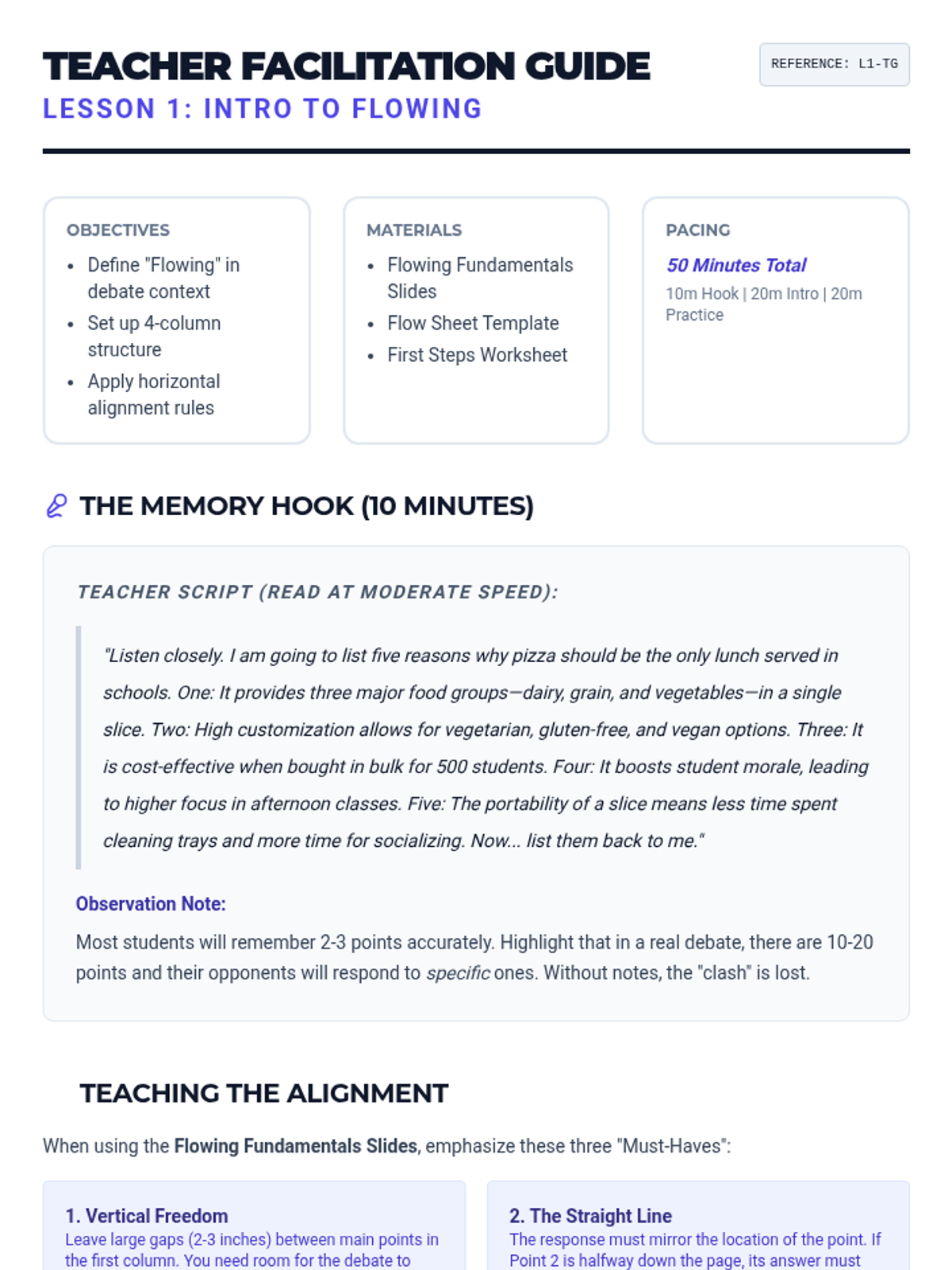
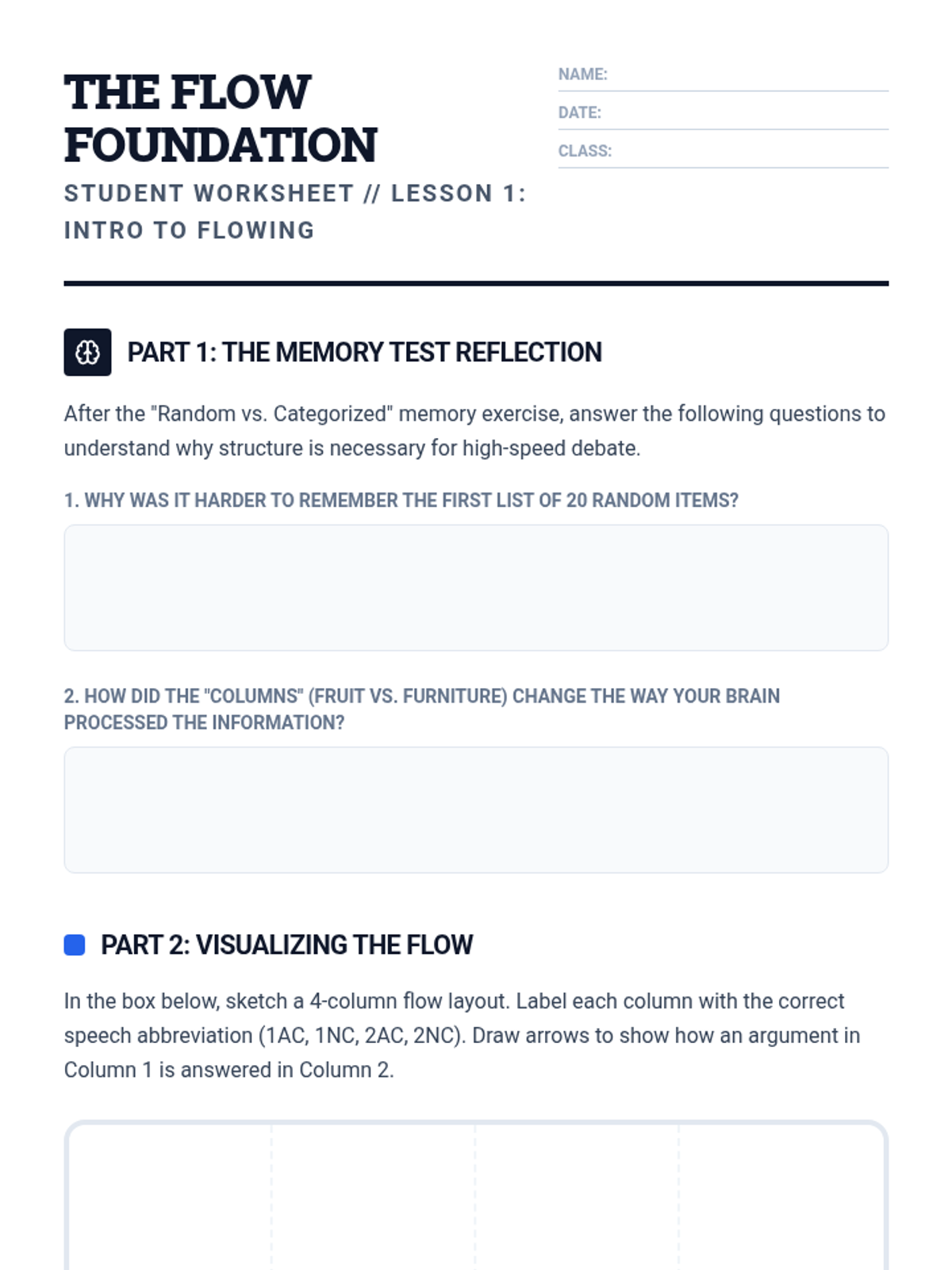
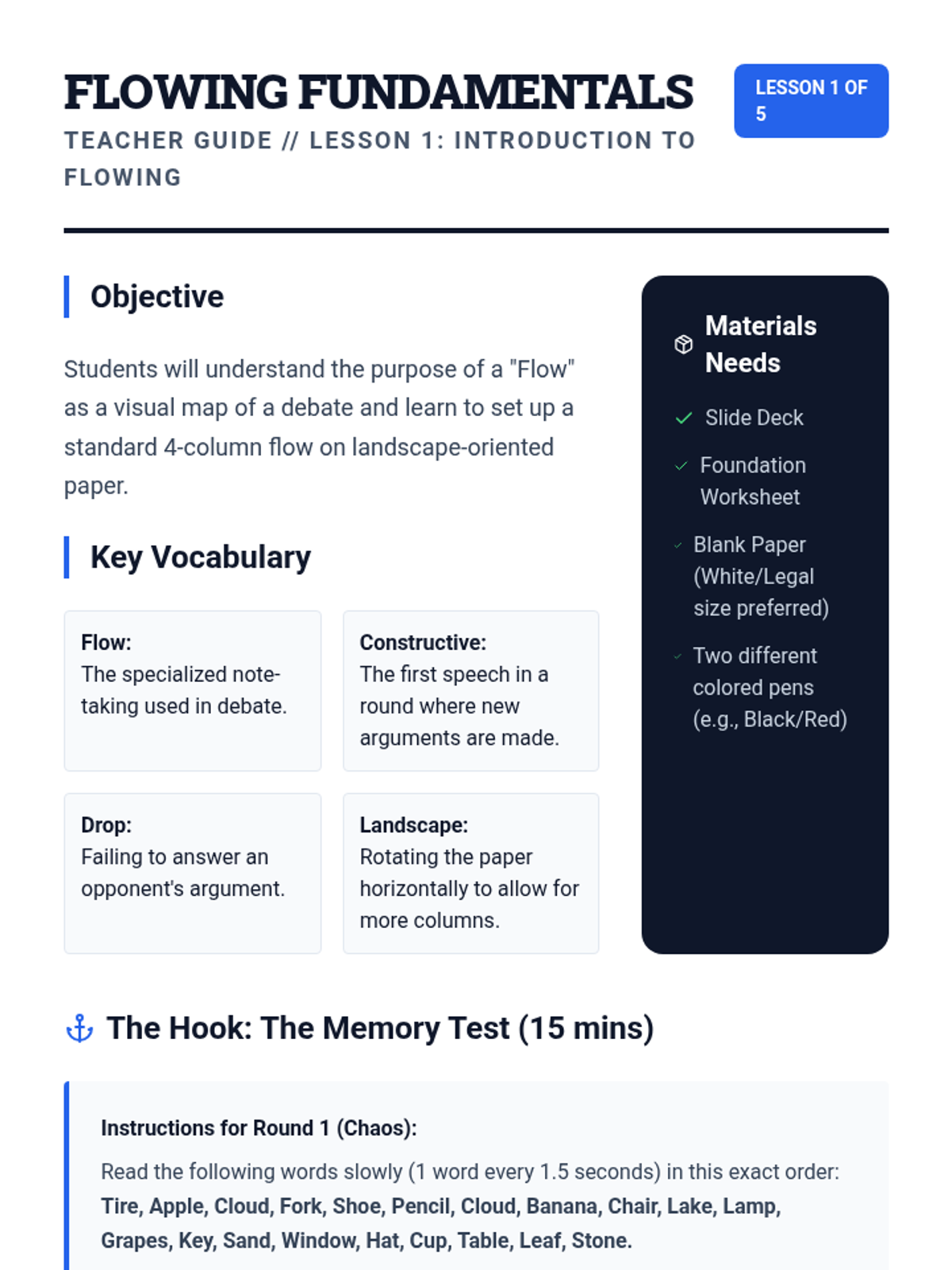
A comprehensive sequence for 8th-grade debaters focusing on 'flowing'—the specialized note-taking method used to track arguments. Students learn to organize information spatially, use shorthand symbols, track clashes with arrows, and execute systematic line-by-line refutations.
This 8th-grade sequence focuses on identifying and neutralizing logical fallacies in debate. Students progress from basic identification to strategic exploitation and defense, using a gamified approach to master critical listening and logical agility.
This sequence teaches 9th-grade students the technical skill of 'flowing' in debate, focusing on organizational mastery and line-by-line engagement to ensure comprehensive clash in competitive rounds. Students progress from basic shorthand to advanced efficiency techniques like grouping and cross-applying arguments.