Analytical frameworks for interpreting history, geography, and civic information. Equips learners with tools for chronological sequencing, map literacy, and critical evaluation of primary and secondary sources.
A comprehensive one-week social studies and ELA integration unit covering North Carolina history and symbols, designed to match the rigor of the NC 3rd Grade E.O.G. assessment.
A collection of social studies and science lessons focused on foundational concepts and civilizations.
A unit exploring the geographical, economic, and social differences between the North and South in the mid-19th century, centered on the life of Harriet Tubman and the abolitionist movement.
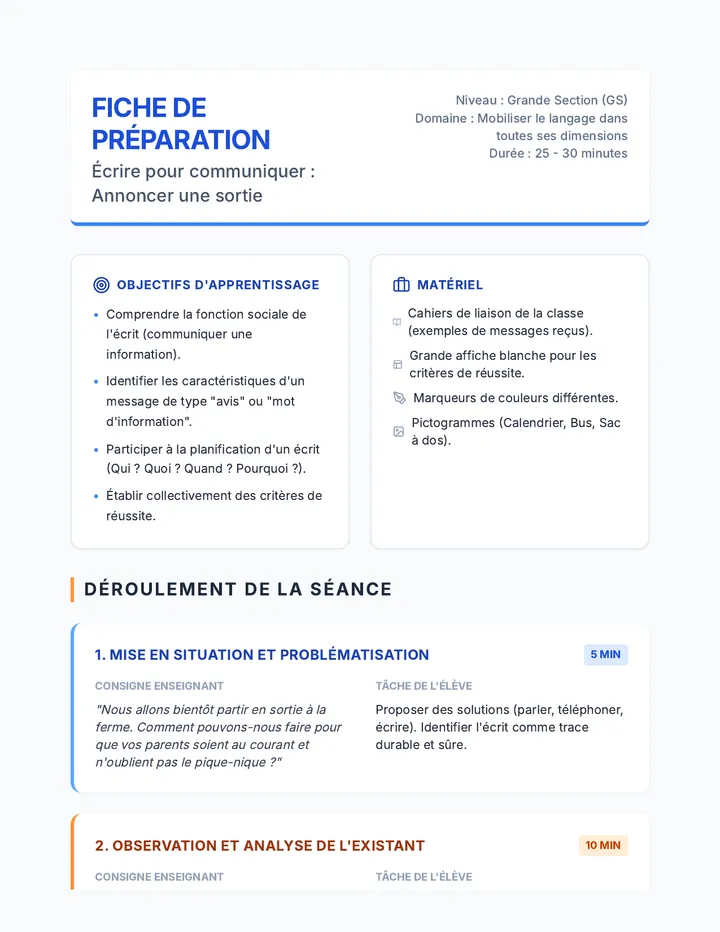
Une série de modules de formation destinés aux conseillers pédagogiques pour renforcer leur expertise en ingénierie de formation continue, spécifiquement appliquée à l'enseignement du français à l'école primaire.
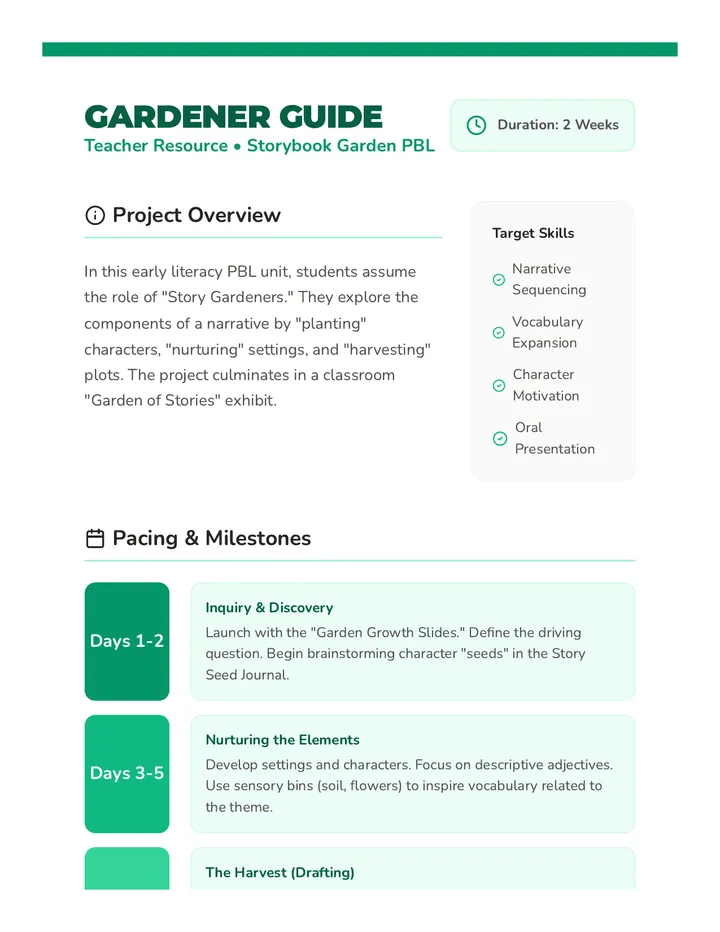
A comprehensive collection of Project-Based Learning (PBL) units spanning early childhood literacy, elementary math and science, and middle school social studies. Each unit guides students through inquiry, creation, and presentation within a themed 'Discovery Files' framework.
A project-based exploration of how Native American history and culture were preserved through oral tradition, Winter Counts, wampum belts, and totem poles. Students create their own symbolic artifacts to understand history as a living, spoken, and artistic record.
A 3rd-grade project-based sequence exploring chronology and causation through the lens of technological innovation. Students learn how inventions solve immediate problems but create long-term societal shifts and unintended consequences.
A 5-lesson sequence for 3rd graders to master chronological thinking. Students progress from ordering daily routines to constructing personal histories and using logic to sequence historical events, emphasizing that history is a linear story of cause and effect.
Students explore historical biographies to develop chronological thinking skills. They learn to identify key life events, categorize them by life stage, and sequence them to understand how people become leaders and changemakers.
A project-based civics sequence for 3rd graders focusing on the role of the Legislative Branch through the lens of community problem-solving. Students move from understanding representation to drafting and presenting their own legislative proposals.
This sequence explores the historical and civic foundations of national holidays, helping students understand how nations remember their past. Students will investigate independence movements, leadership legacies, the nature of remembrance, chronological context, and national symbolism through comparative analysis and historical thinking.
A 5-lesson sequence exploring the geological forces that create the diverse islands of Oceania, from the tectonic activity of the Ring of Fire to the biological growth of coral atolls. Students act as geologists to understand how islands are born, change, and eventually transform over millions of years.
A 3rd-grade sequence exploring the Statue of Liberty's history, construction, symbolism, and connection to immigration at Ellis Island, emphasizing empathy and historical perspective.
Students learn to order historical and narrative events by translating text into visual storyboards, timelines, and graphic histories. This sequence focuses on visual literacy and chronological thinking through a cinematic 'History's Lens' theme.
A 3rd-grade Social Studies sequence focusing on chronological order through the study of biographies. Students act as 'History Detectives' to deconstruct lives, sort stages, and compare parallel timelines of historical figures.
This sequence explores chronological ordering through the lens of logical reasoning and process thinking. Students move from analyzing daily algorithms and cause-and-effect pairs to sequencing historical events and 'debugging' flawed timelines, ultimately creating their own logic chains.
This sequence introduces third-grade students to the fundamental concept of the timeline as a tool for organizing history. Students progress from personal chronology to historical events, learning to use dates and visual spacing to represent time effectively.
Students act as historians to research, verify, and visualize the history of their state. They learn to evaluate historical significance, verify dates through cross-referencing, and synthesize chronological data into a compelling narrative and visual exhibit.
This sequence bridges social studies and procedural thinking, teaching students to analyze and design multi-step processes in government, economics, and daily life. Through simulations and case studies, students learn why the order of events is critical for fair and effective systems.
A 2-3 sentence markdown description of the sequence - the description should be a summary of the sequence's content and purpose
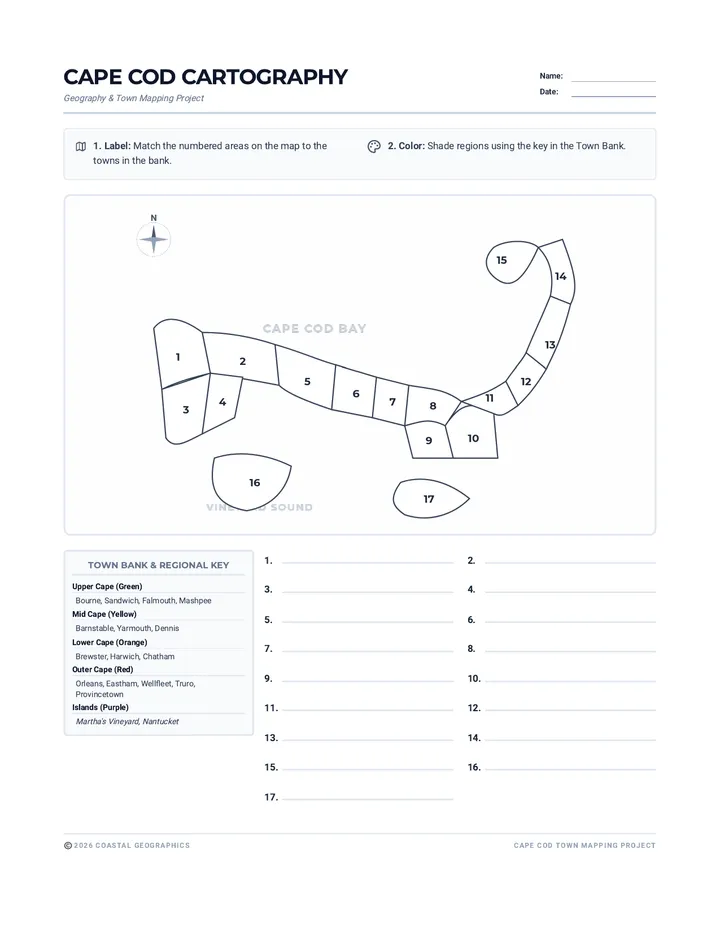
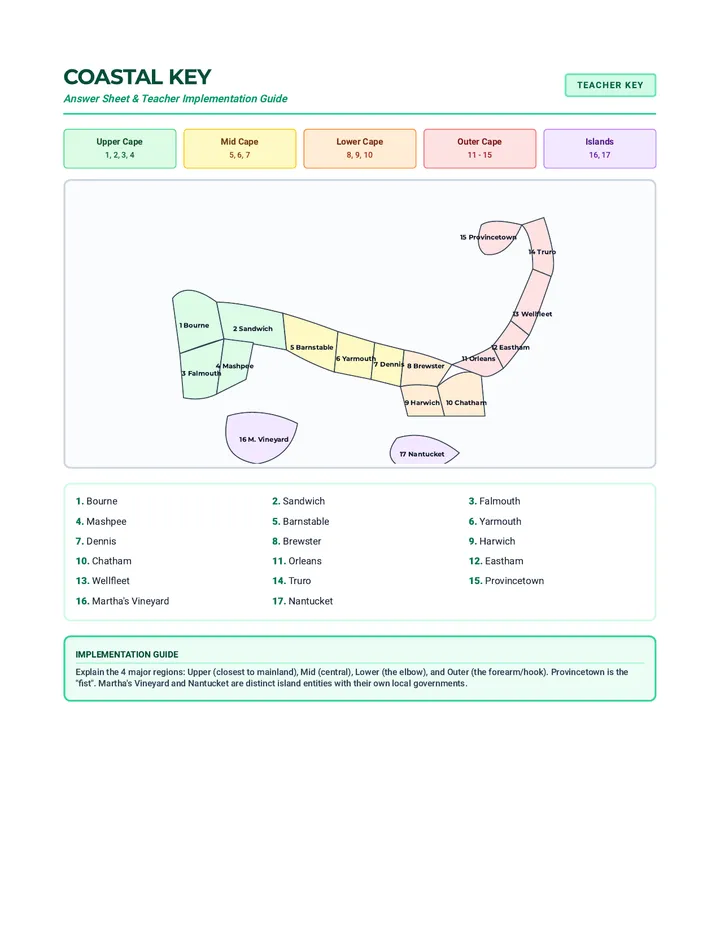
A series of materials focused on Massachusetts coastal geography and cartography.
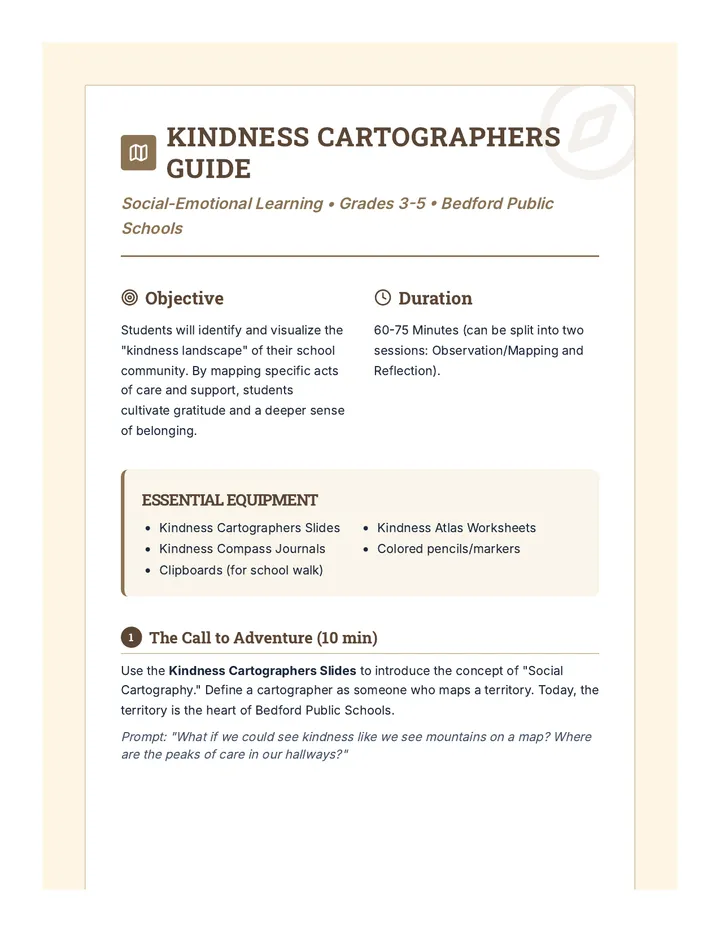
A multi-disciplinary sequence for elementary students that combines social-emotional learning about community kindness with a social studies unit on the American Revolution, exploring how community values shape history.
A 4-lesson unit exploring the first human migrations to the Americas. Students investigate the Bering Land Bridge and Coastal Route theories using maps and archaeological evidence, tracing the journey from Asia down to South America between 25,000 and 14,000 years ago.
An immersive 5-day unit exploring the Southeastern United States, covering geography, climate, the Powhatan, Seminole, Cherokee, and Creek nations, and modern-day cultural traditions.
A 4-day social studies unit for 3rd grade focusing on Arizona's geography, history, and economy, specifically designed to meet standard 3.RI.9 by comparing and contrasting key details across multiple texts.
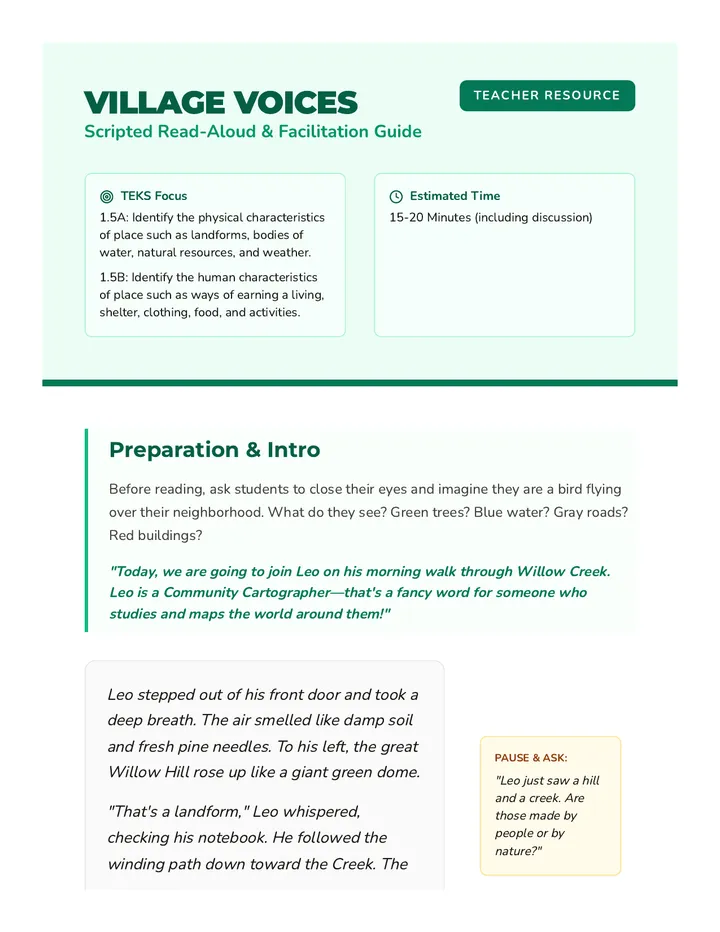
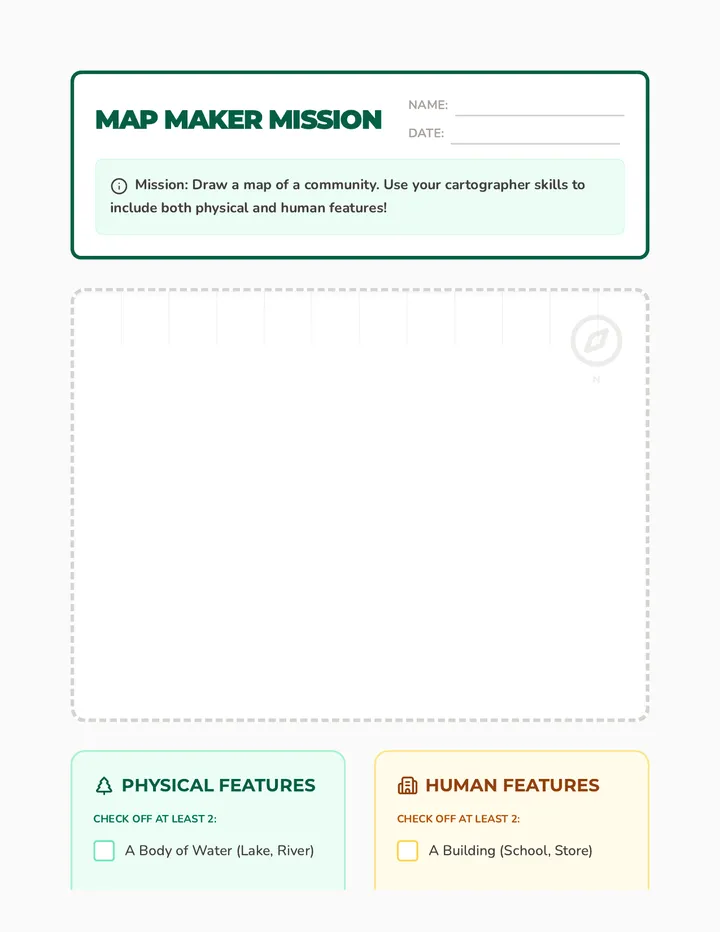
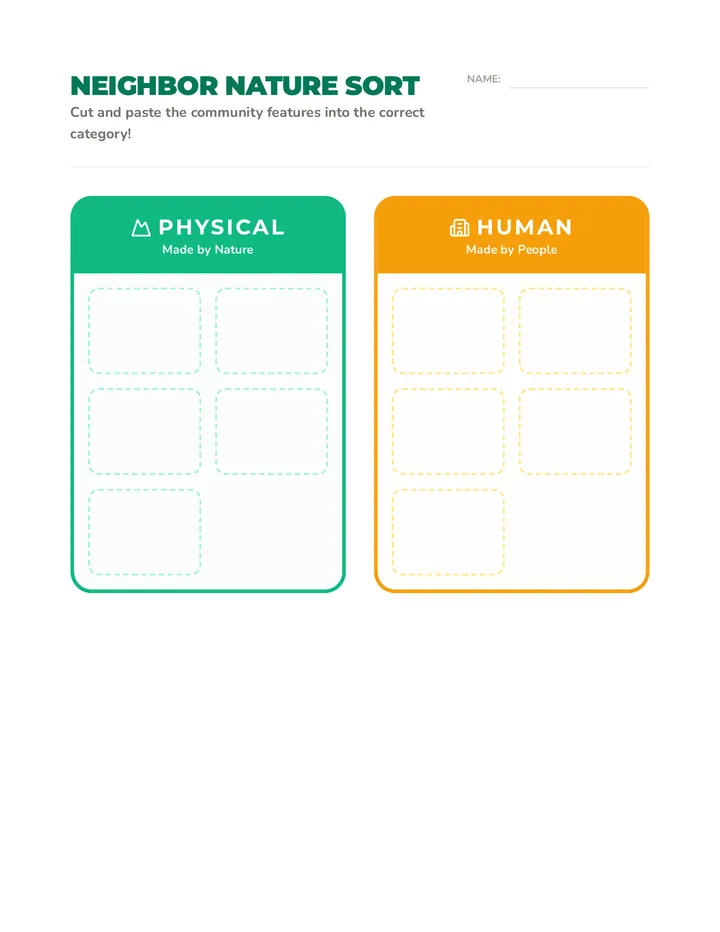
A geography and community unit where students explore their surroundings, learn map skills, and understand the difference between physical and human characteristics in their local area.
A three-day exploration of heroism comparing historical figures and modern-day community leaders, focusing on informational text features and identifying main ideas.
A differentiated social studies unit covering the geography, cultures, and empires of the Middle East and North Africa, adapted for 3rd-grade readability based on the DESE Investigating History Grade 6 curriculum.
A deep dive into United States regional geography, starting with the Western region's states and capitals. This unit focuses on spatial recognition and memorization through varied active learning strategies.
A comprehensive 5-lesson unit exploring the unique geography, climate, natural resources, diverse cultures, and political boundaries of the Southwest region of the United States.
A comprehensive journey through the Midwest region, covering its geography, economy, and culture in bite-sized 20-minute sessions.
A 5-lesson sequence exploring the geography, climate, resources, culture, and states of the Northeast region of the United States. Students will engage with reading passages, comprehension activities, and a states-and-capitals matching game.
This 3rd-grade sequence explores Africa's natural resources, historical trade routes like the salt-gold trade, agricultural reliance on the Nile, and modern economic connections. Students engage in simulations and mapping activities to understand how resources drive human movement and community growth.
A 3rd-grade geography sequence exploring Africa's three major biomes—rainforest, savanna, and desert—and how human communities adapt their lifestyles, shelters, and clothing to these diverse environments.
A comprehensive 5-lesson unit for 3rd graders exploring Africa's geography, from global location and regional divisions to major waterways and iconic landforms, culminating in a creative cartography project.
A 3rd-grade sequence exploring the geography, governance, and daily life of Ancient Greece, specifically contrasting Athens and Sparta. Students learn how mountainous geography led to isolated city-states and investigate the origins of democracy and the Olympics.
Students act as junior historians to investigate the origins and meanings behind the United States' most recognizable symbols and landmarks. They explore the American Flag, the Statue of Liberty, the Great Seal, and D.C. landmarks before creating their own museum exhibit.
A geography sequence where 3rd-grade students explore the diverse physical landscapes of Oceania, from the vast Pacific Ocean to the Australian Outback and the volcanic peaks of New Zealand, culminating in an environmental design challenge.
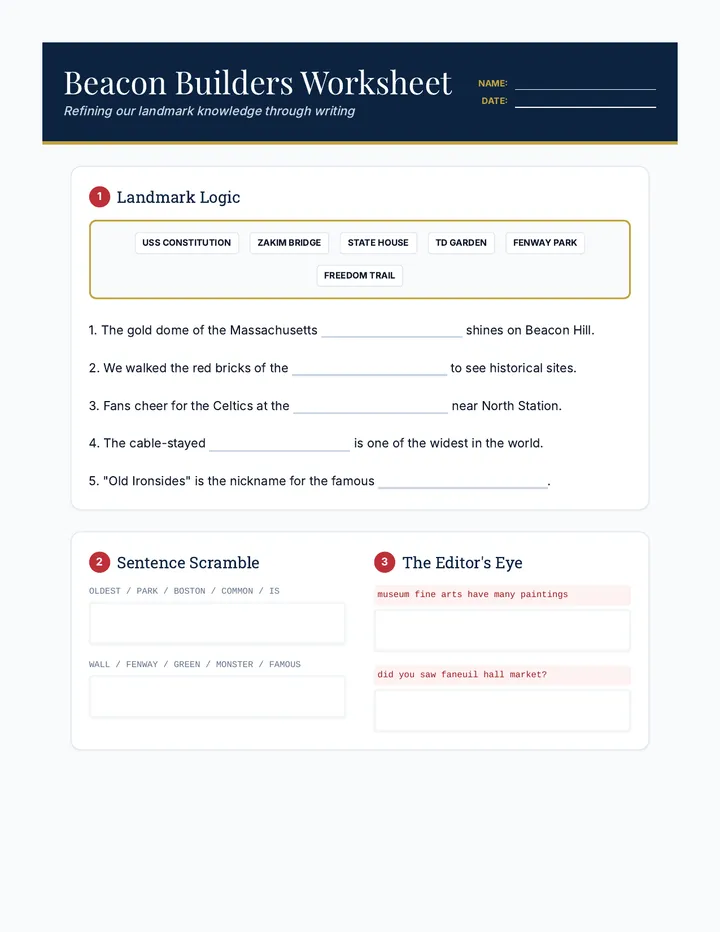
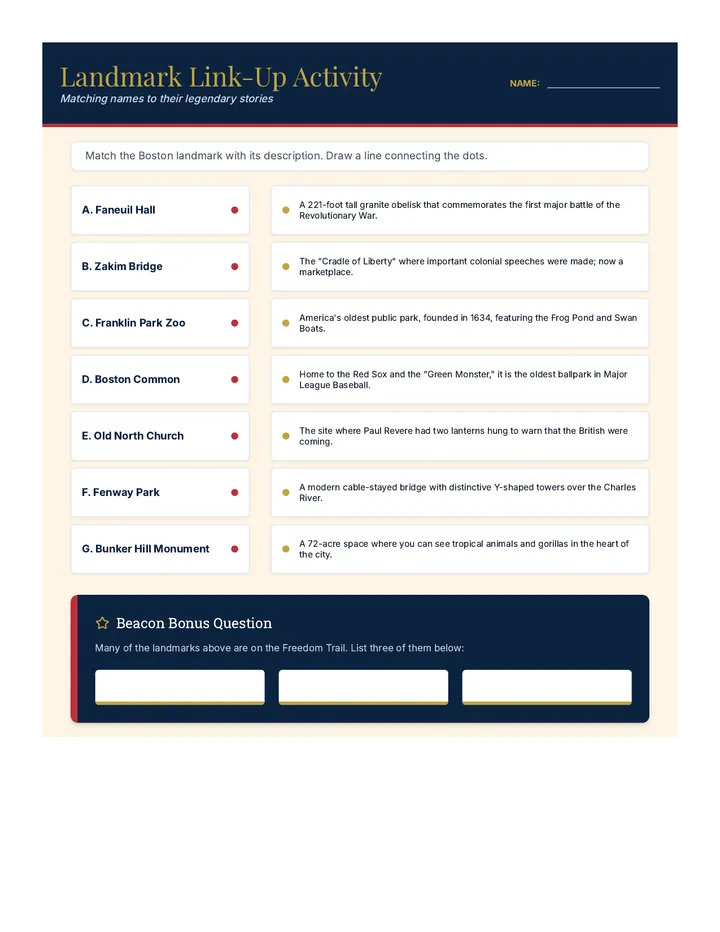
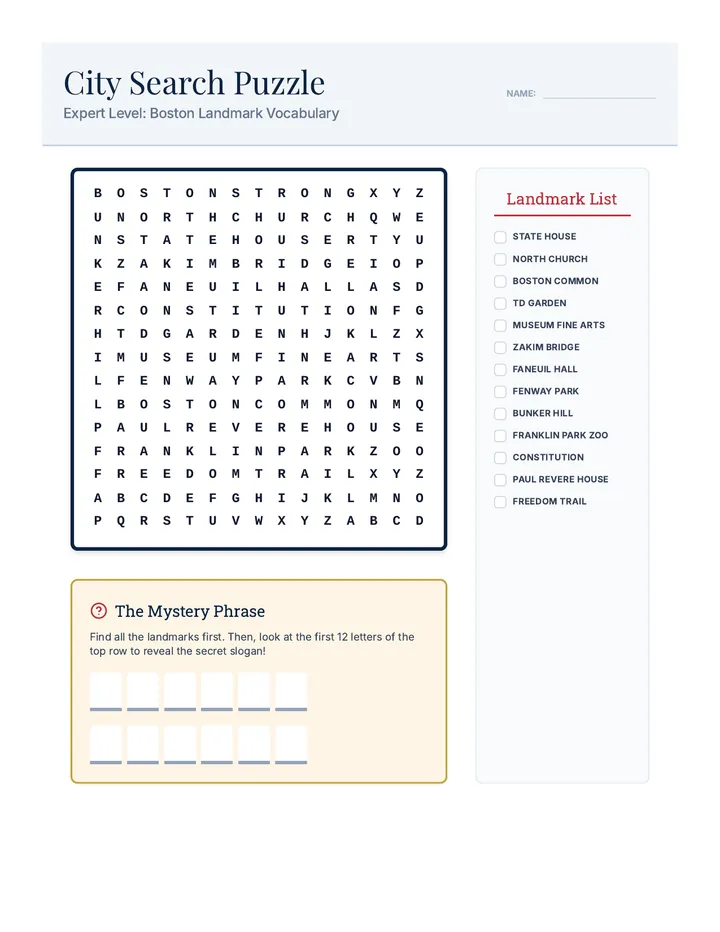
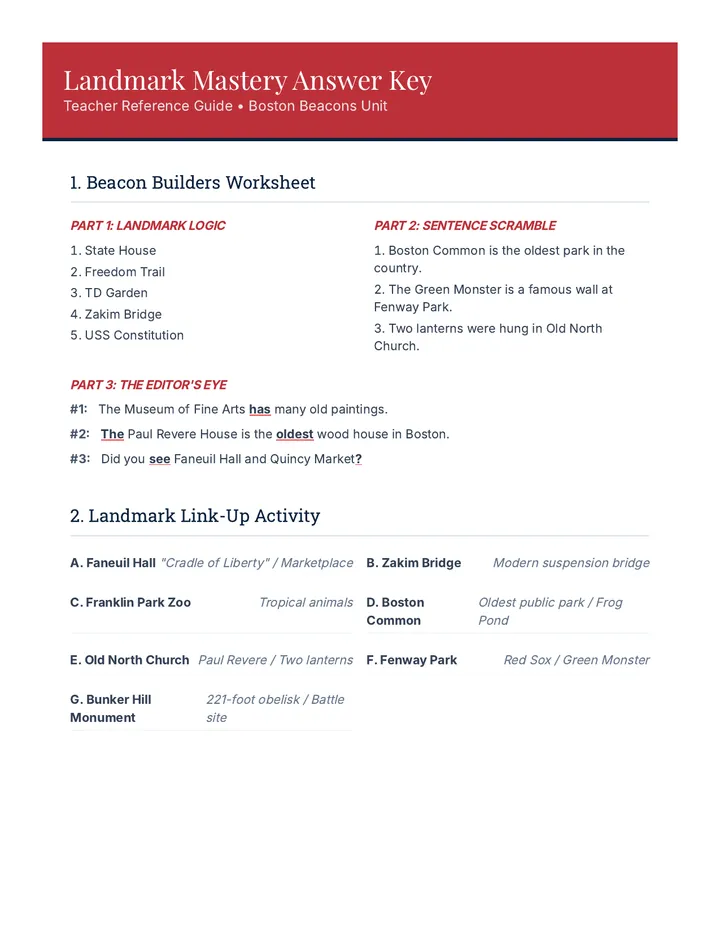
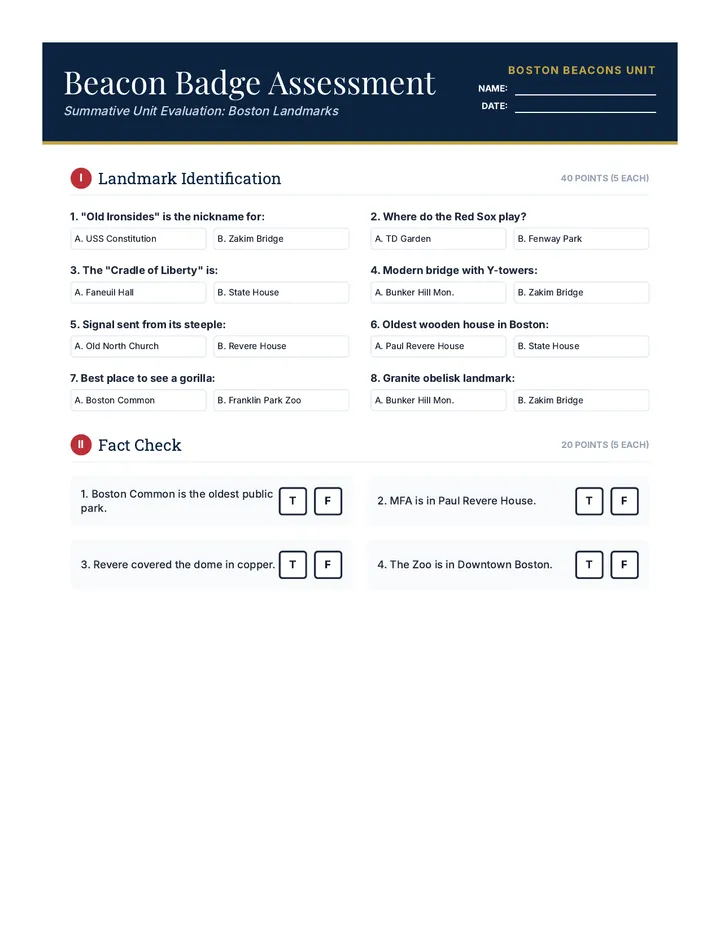
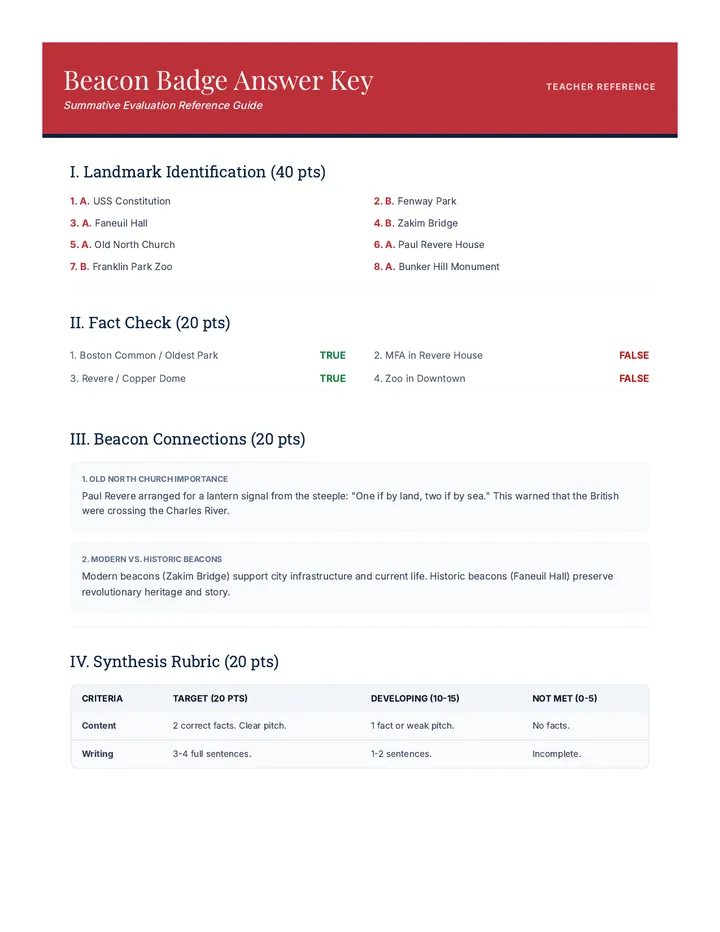
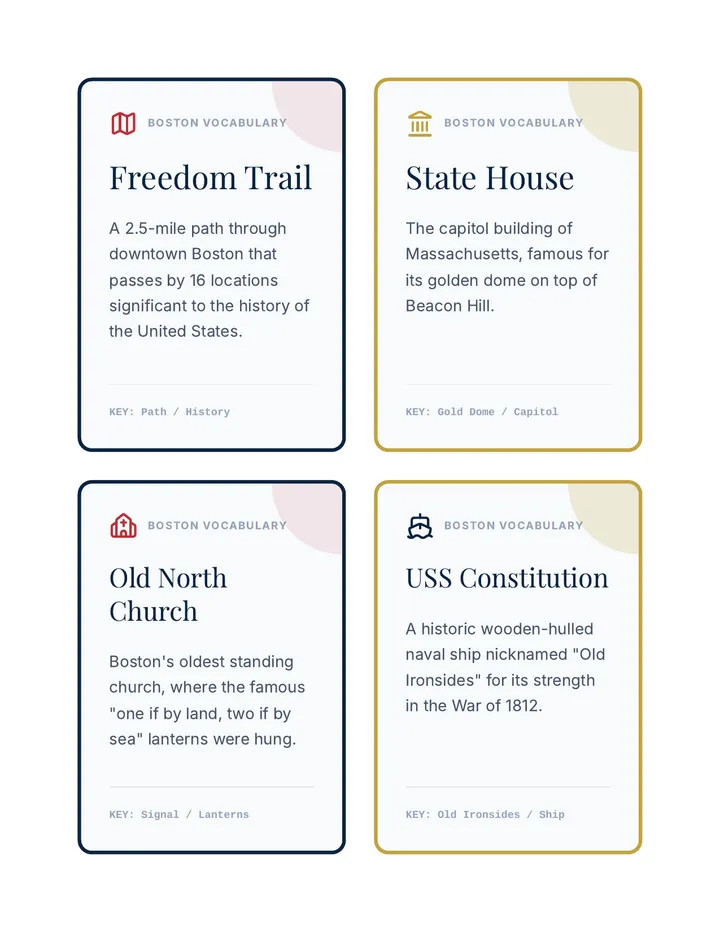
An exploration of Boston's historical and modern landmarks, helping students connect with the city's rich heritage and contemporary culture.
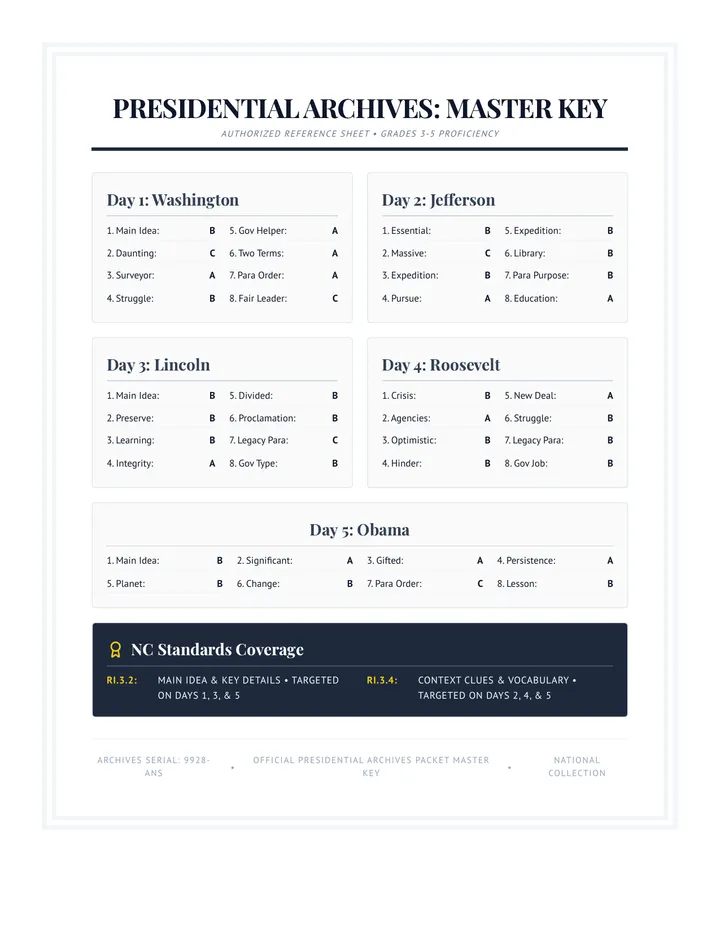
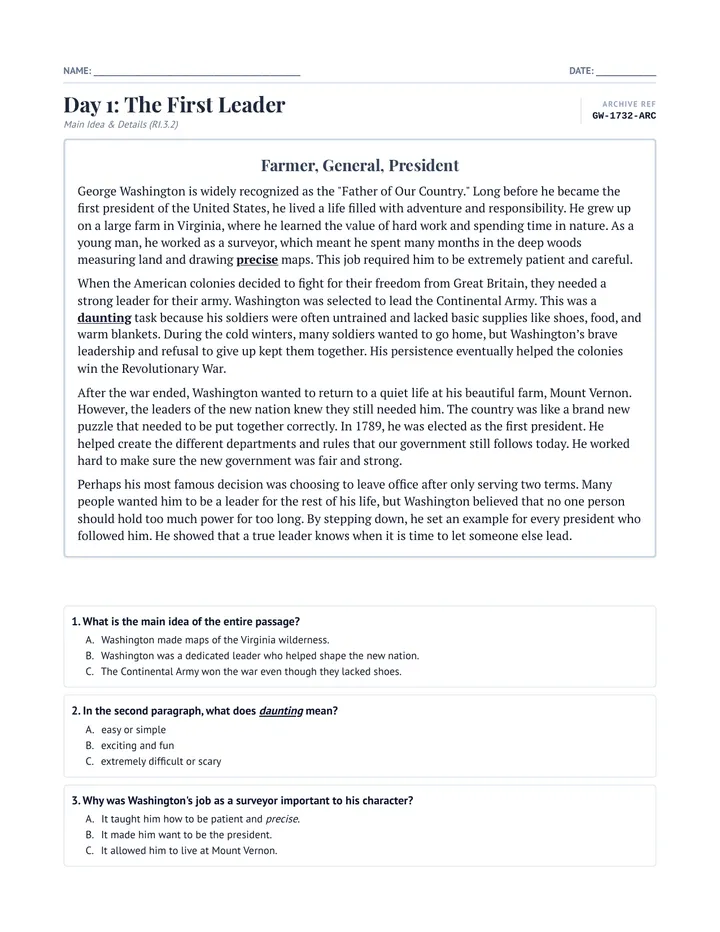
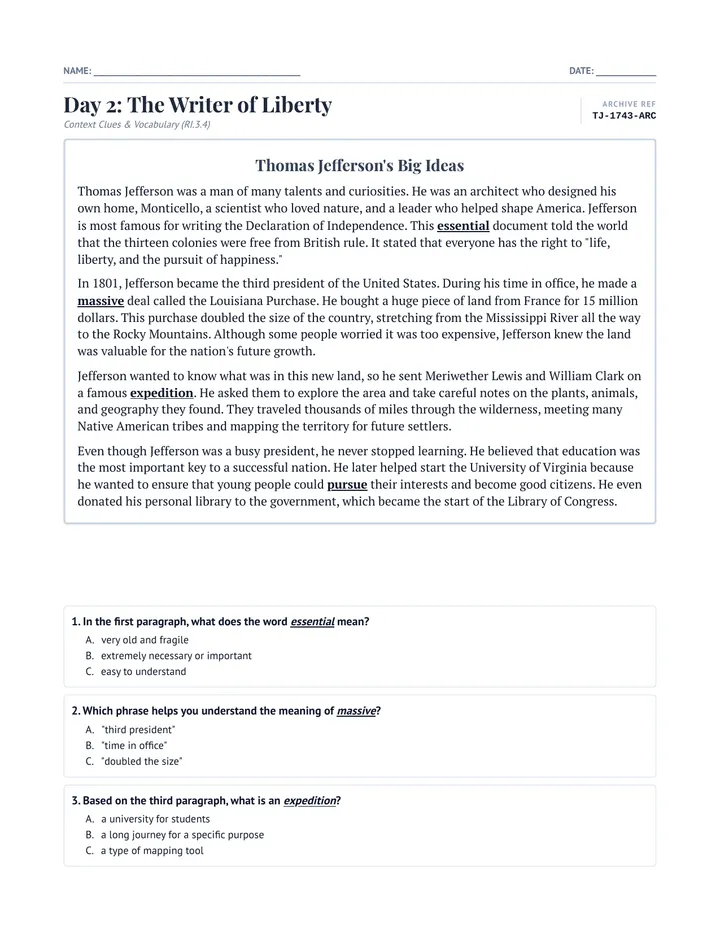
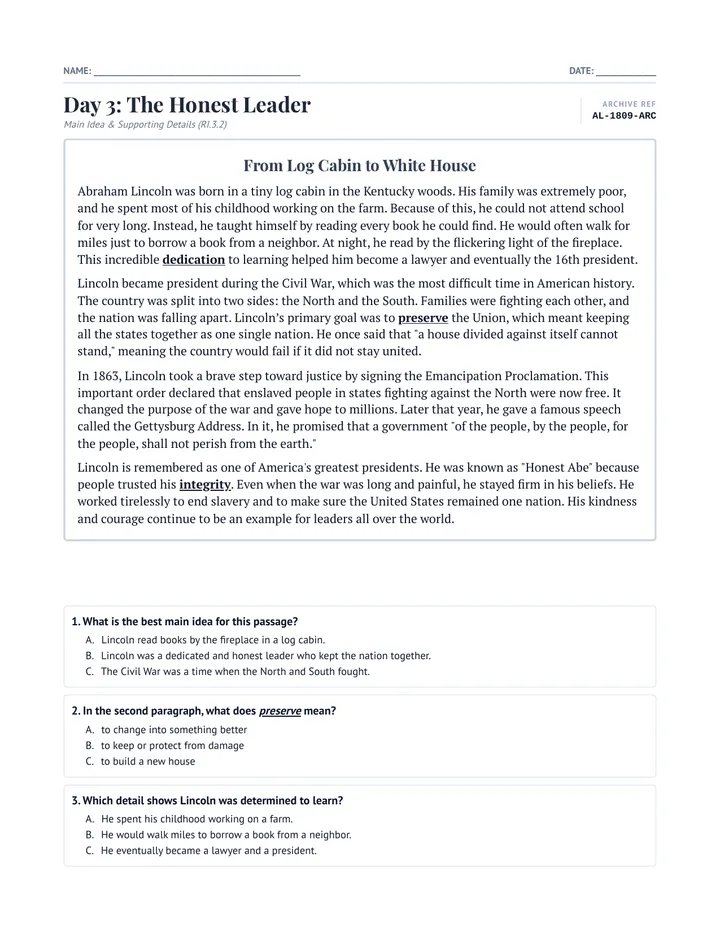
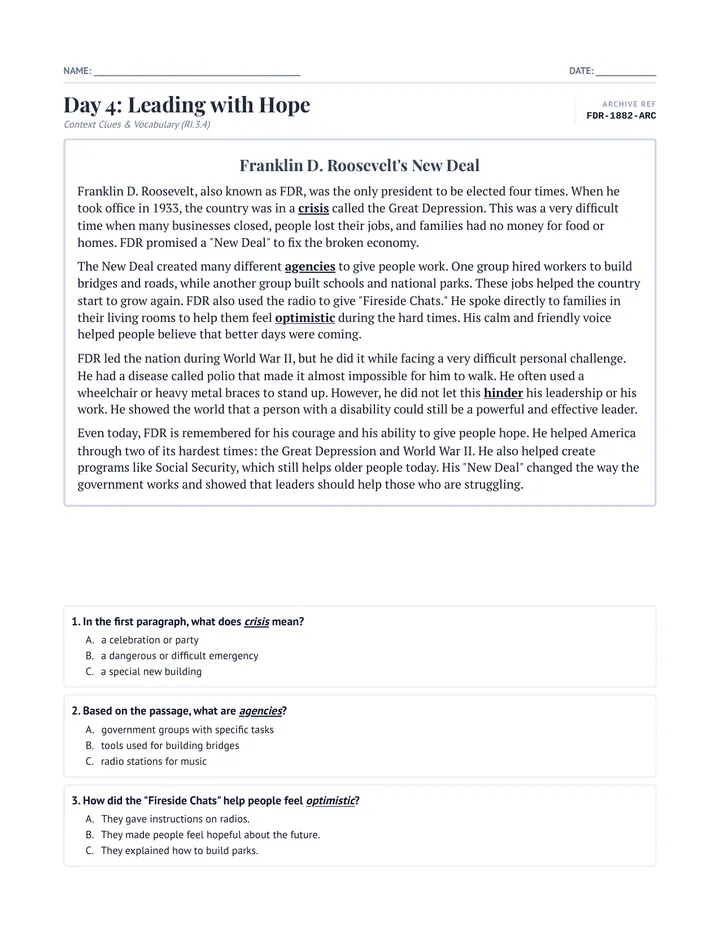
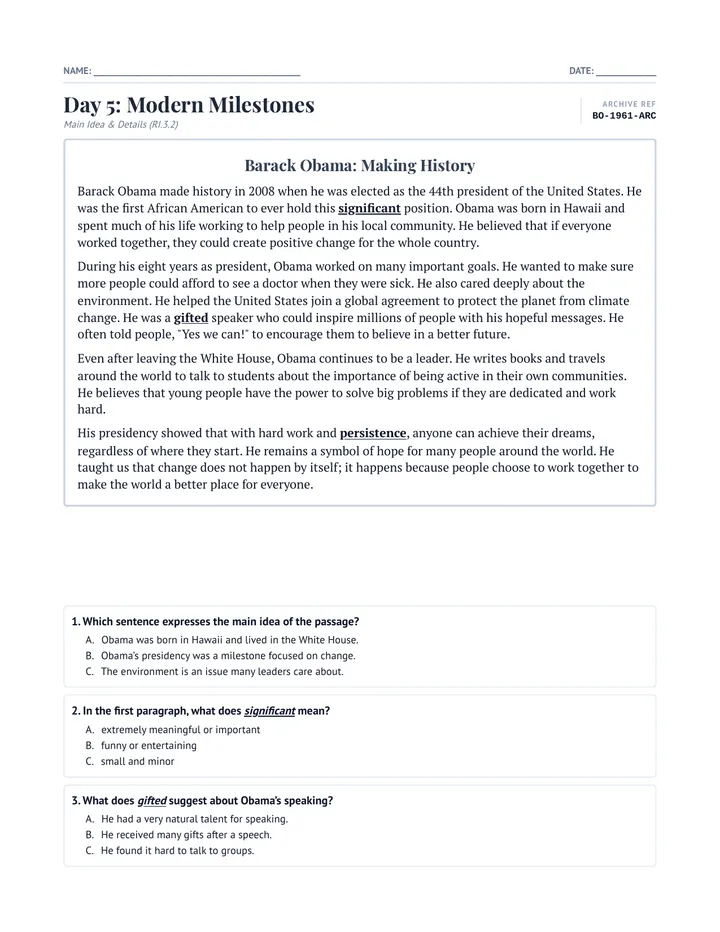
A 5-day Social Studies and ELA integration packet focusing on American Presidents. Students practice NC ELA EOG standards for Main Idea, Key Details, and Context Clues while learning about pivotal figures in U.S. history.
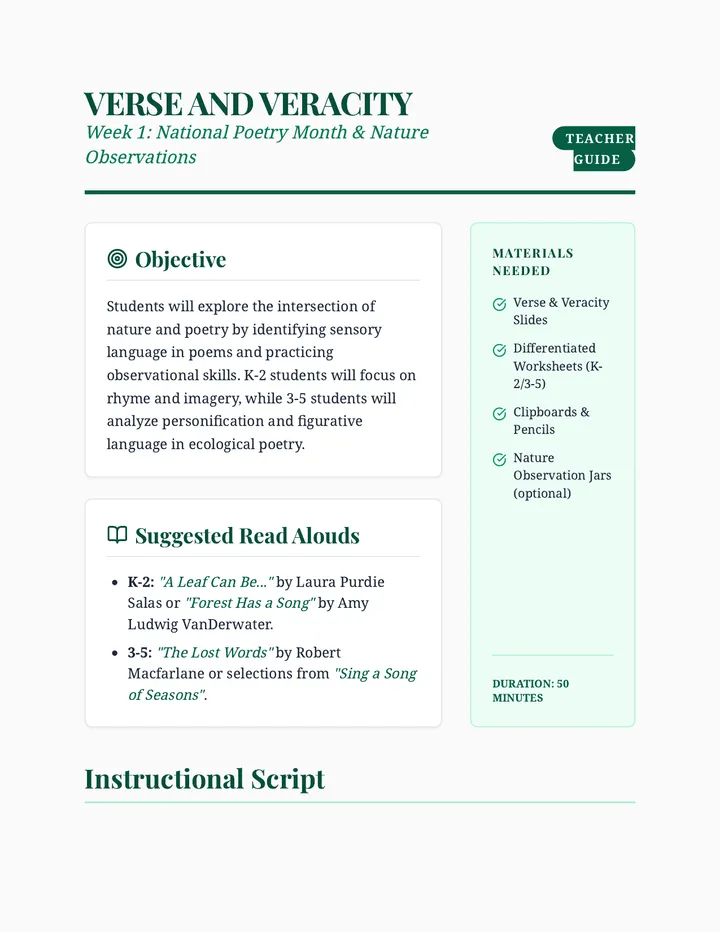
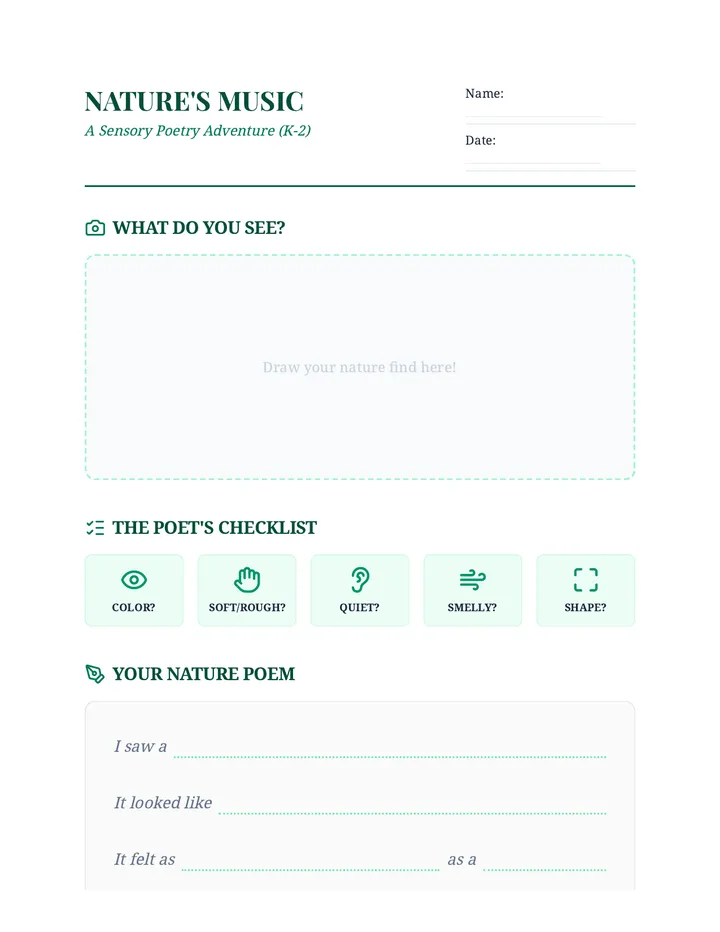
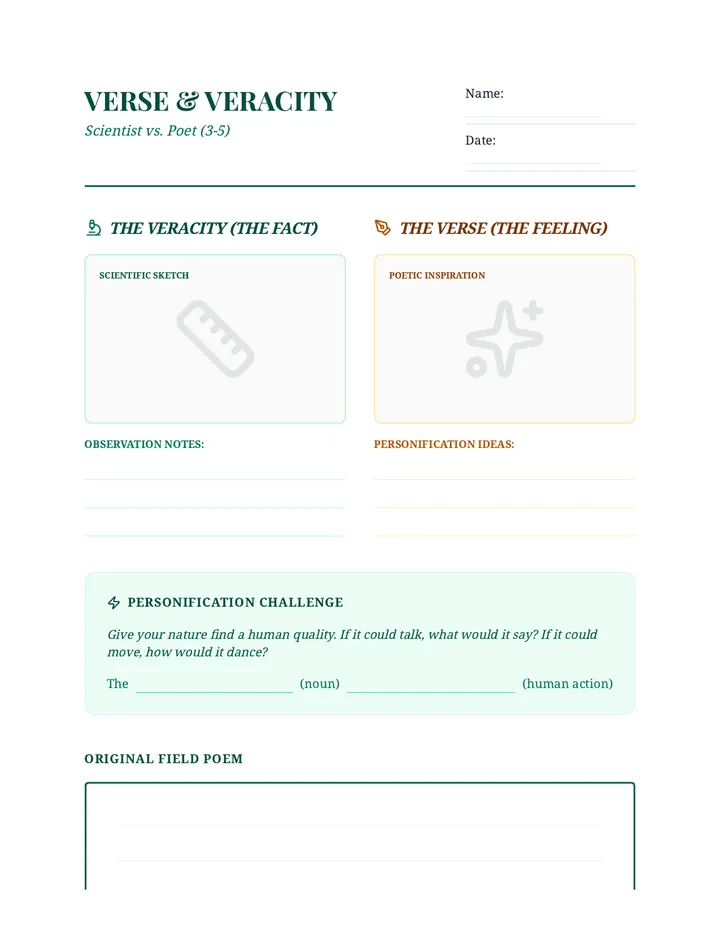
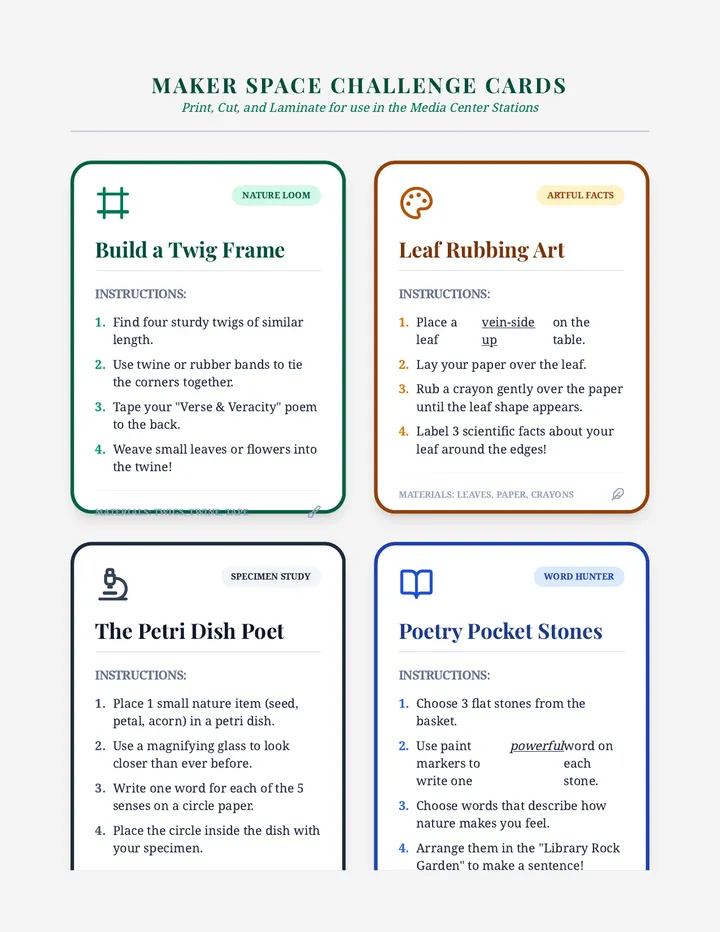
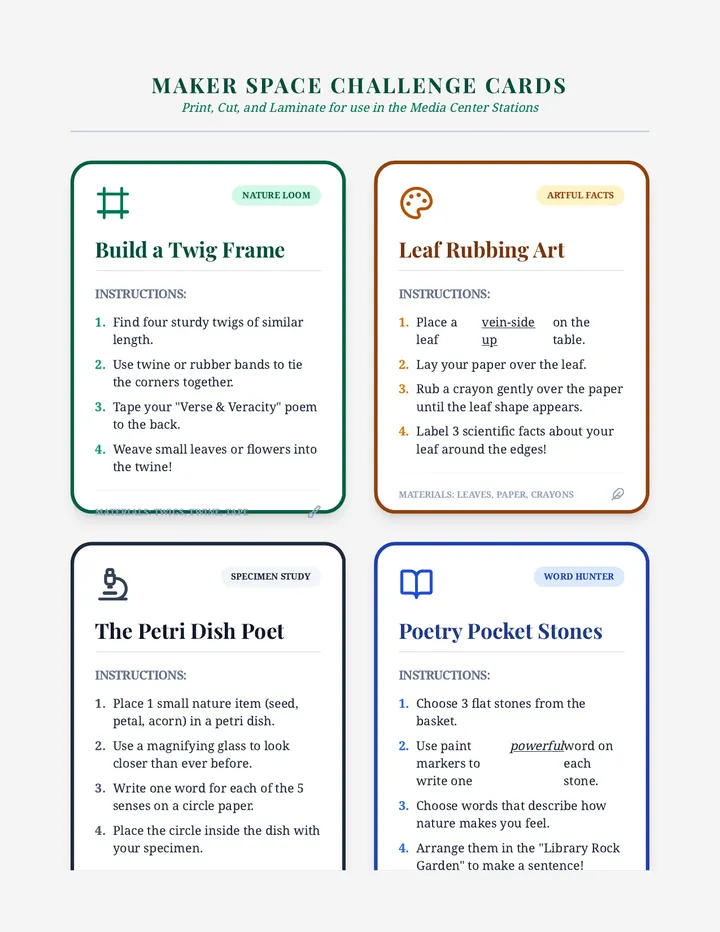
A comprehensive K-5 Media Center curriculum spanning August to May. Each month features a thematic unit integrating library skills (Dewey Decimal System, research, digital citizenship), literacy (poetry, biographies, informational texts), and STEM/Maker Space challenges. Resources are differentiated for K-2 and 3-5.
A comprehensive 3rd-grade unit focused on self-identity, distinguishing between internal and external characteristics, exploring Indigenous and Mexica narratives, and culmininating in creative self-expression.
A comprehensive exploration of all 63 United States National Parks, divided by geographic region. Students will discover the history, wildlife, and unique features of each park while recording key data in their field logs.
A comprehensive 5-lesson unit for 3rd grade students exploring Ancient Greek culture through the lens of mythology, fables, and art. Students learn how ancient people used stories to explain the world and establish moral values, culminating in the creation of their own original myths.
Students explore the rich oral traditions and artistic expressions of Native American nations to understand how values and history were preserved without written language. The journey moves from analyzing storytelling to interpreting symbolism in artifacts like wampum and totem poles.
A 3rd-grade history sequence exploring how geography and natural resources shaped the diverse cultures of Indigenous peoples in North America, focusing on the Southwest, Plains, and Eastern Woodlands. Students investigate environmental adaptations in housing, food, and clothing through inquiry and design thinking.
Students examine the mechanics of historical social movements to understand how collective action drives legislative change. They explore tools like petitions, boycotts, and peaceful protests through case studies of the Women's Suffrage Movement, the Civil Rights Movement, and the United Farm Workers.