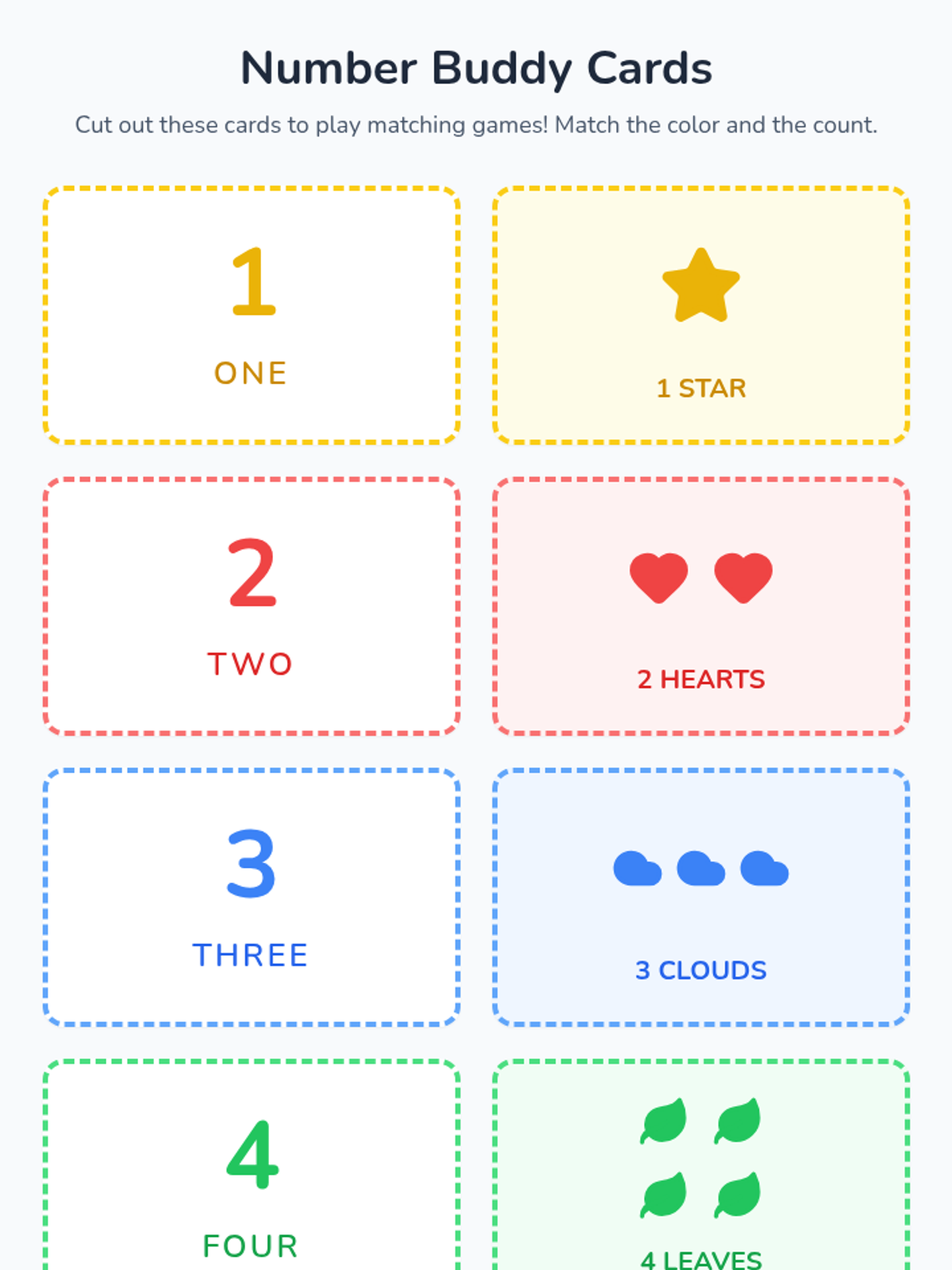
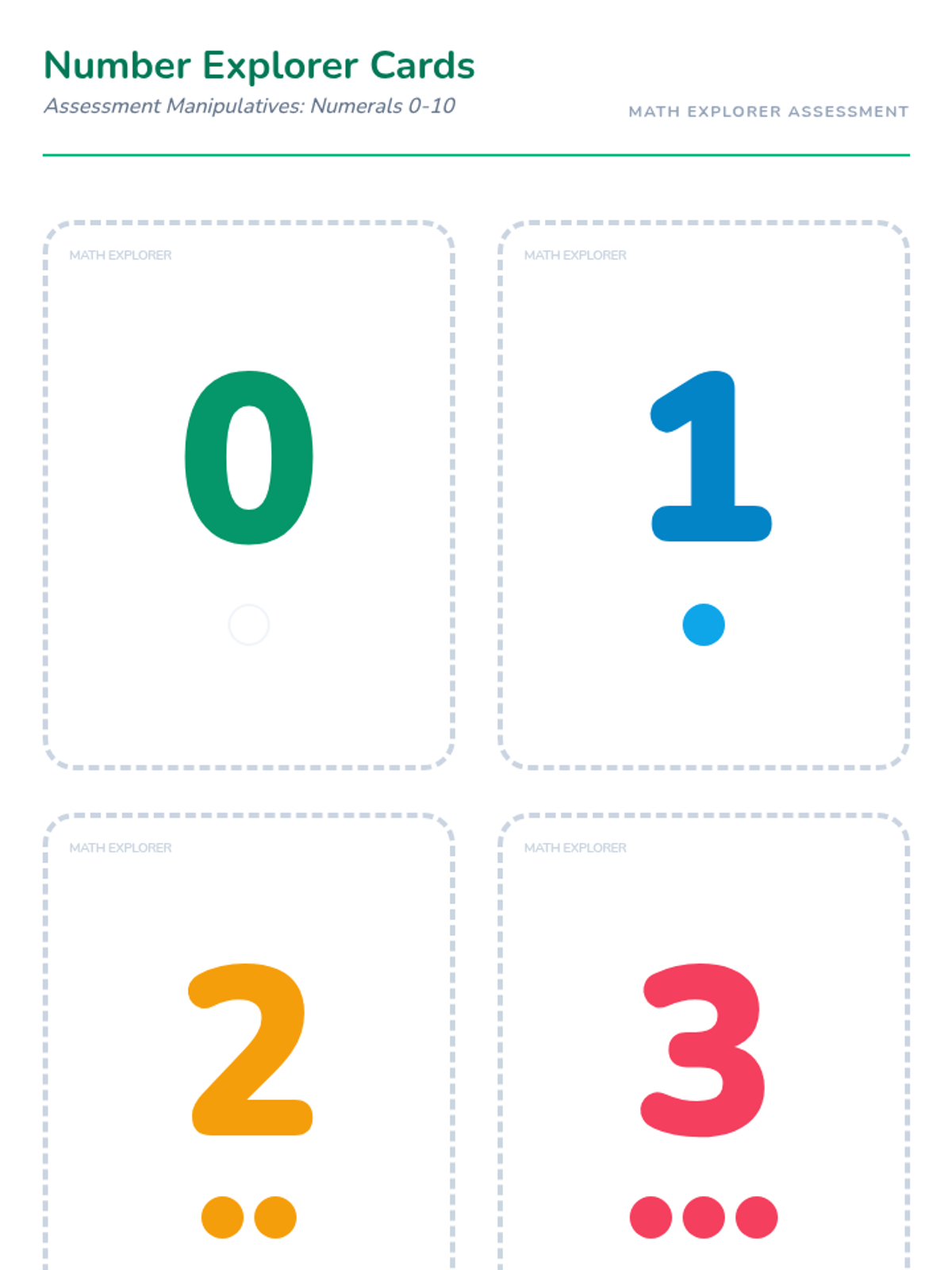
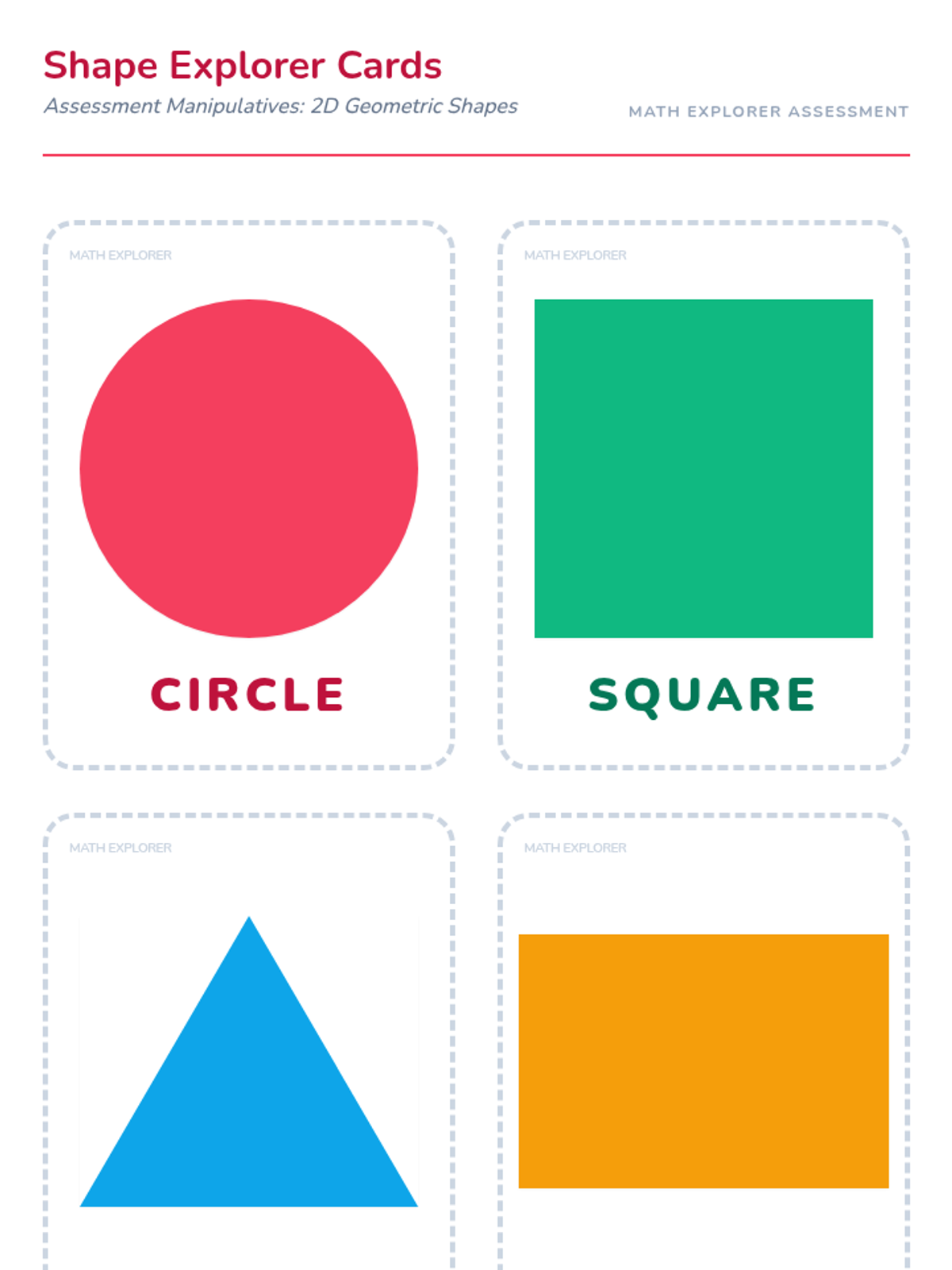
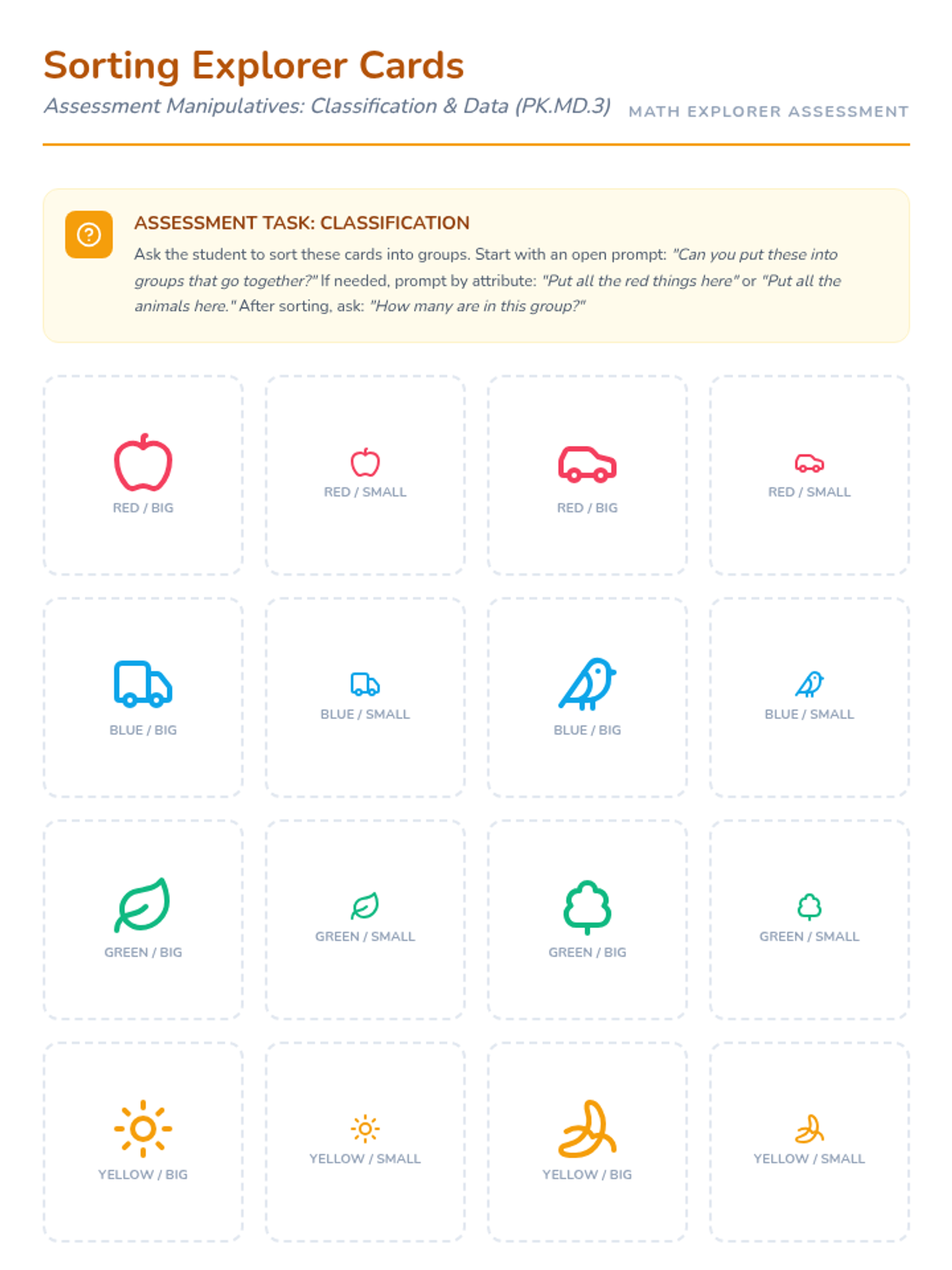
One-to-one correspondence, numeral identification, and comparison of quantities using terms like greater than or less than. Establishes the foundation for numerical literacy and early arithmetic operations.
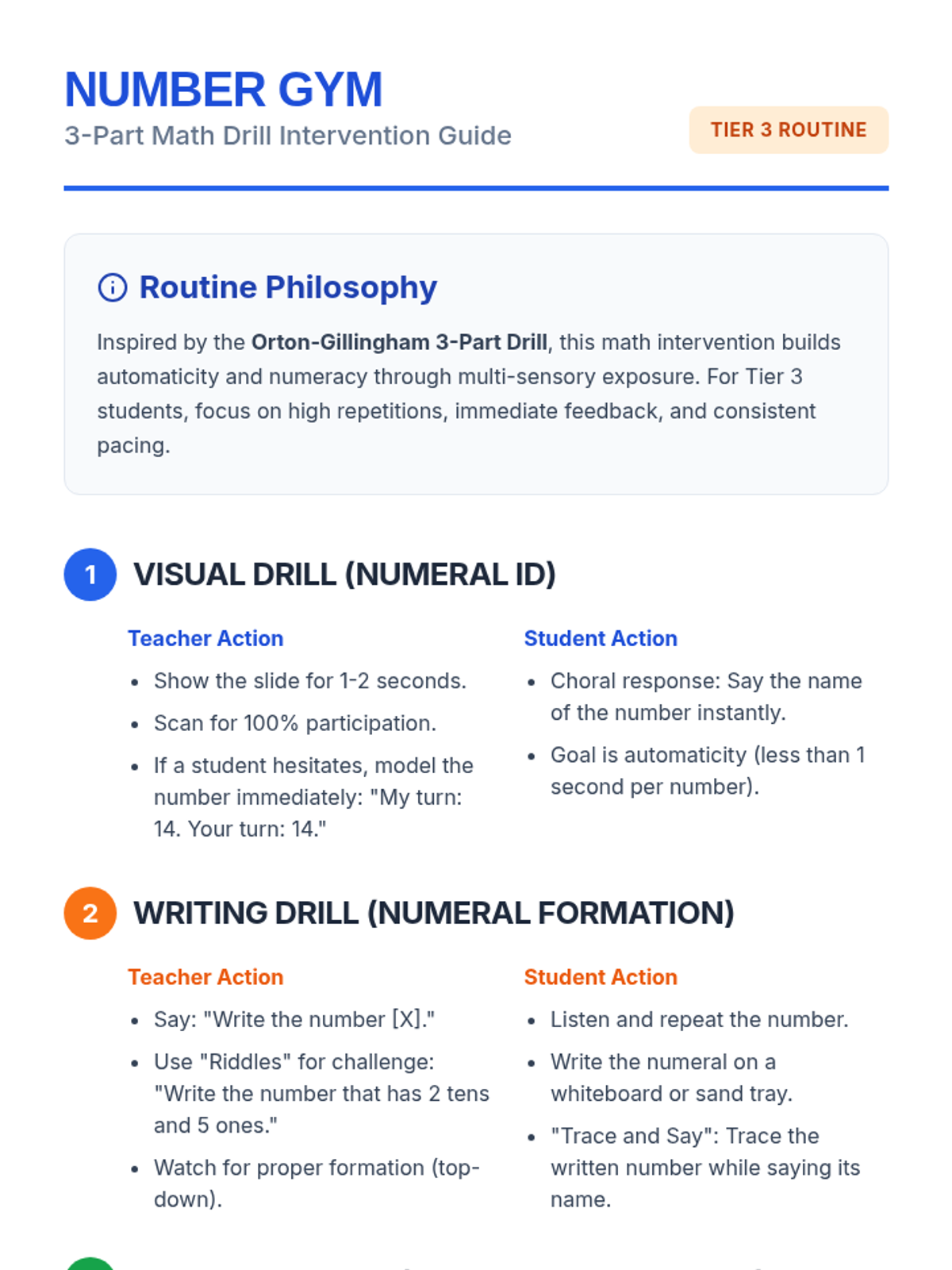
A four-week intensive math intervention sequence for Tier 3 students. Each day features a 3-part drill targeting number identification, formation, and sequential counting. Weeks 1-2 focus on numbers 0-30; Weeks 3-4 expand to numbers 0-40.
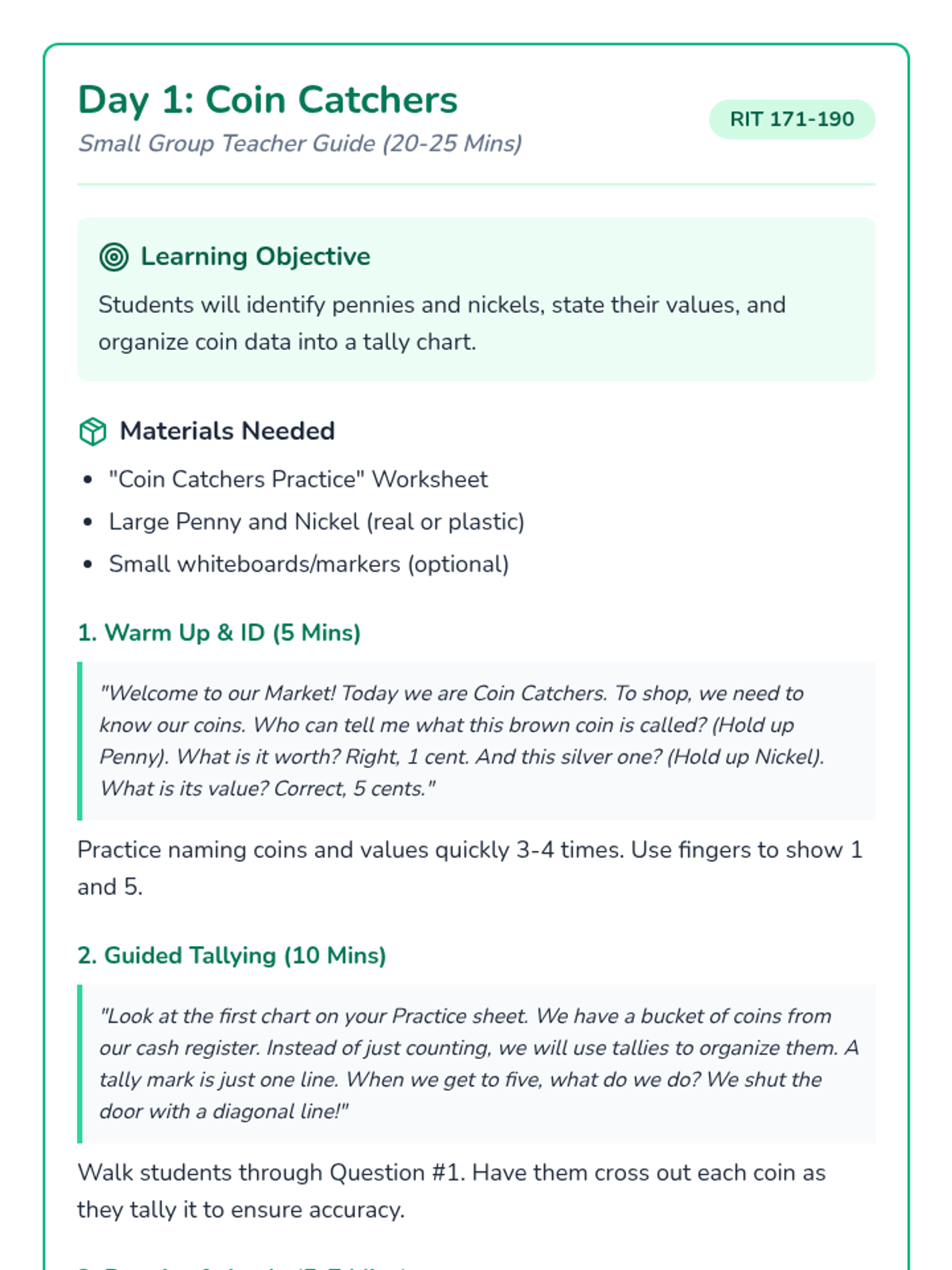
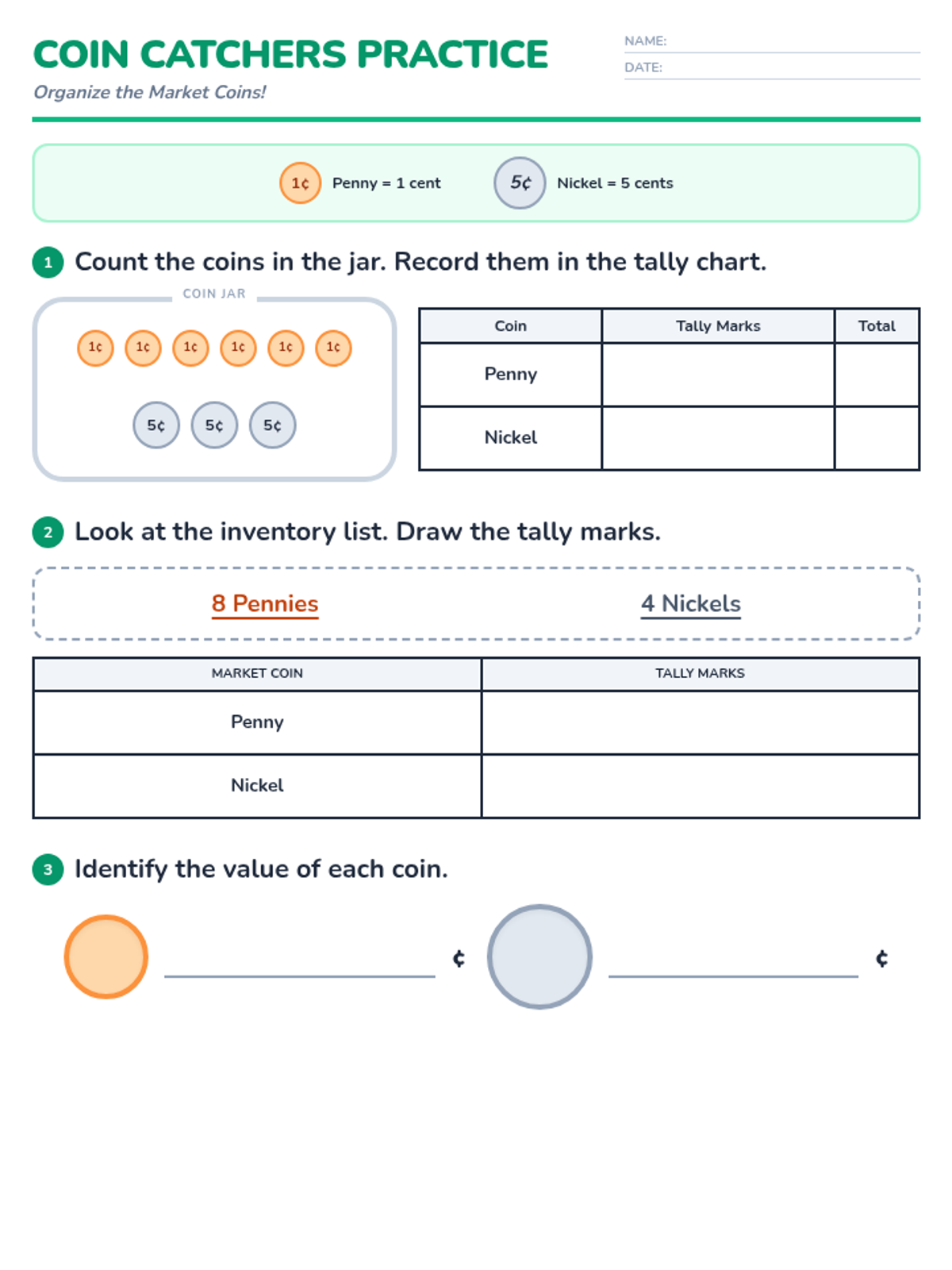
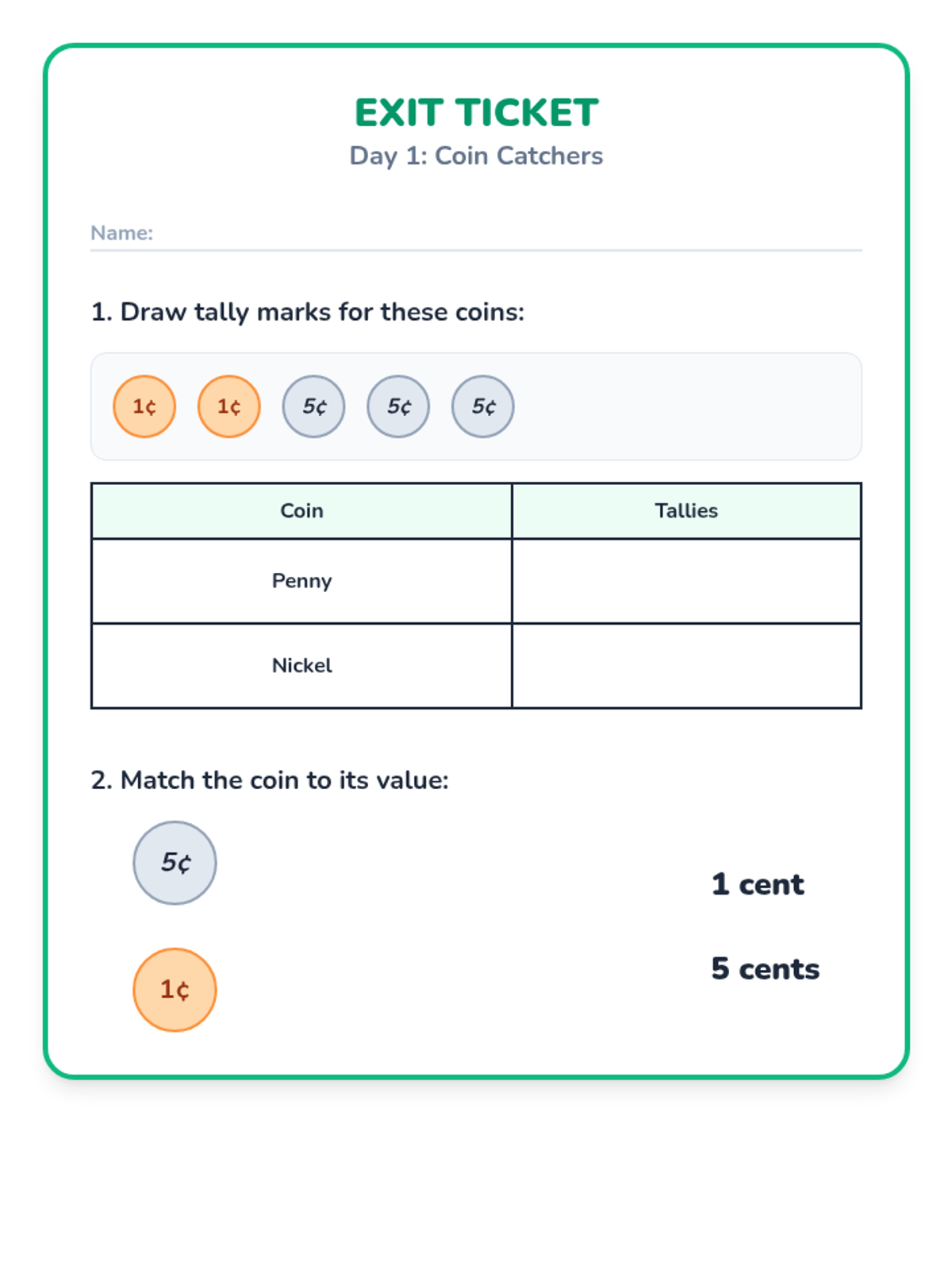
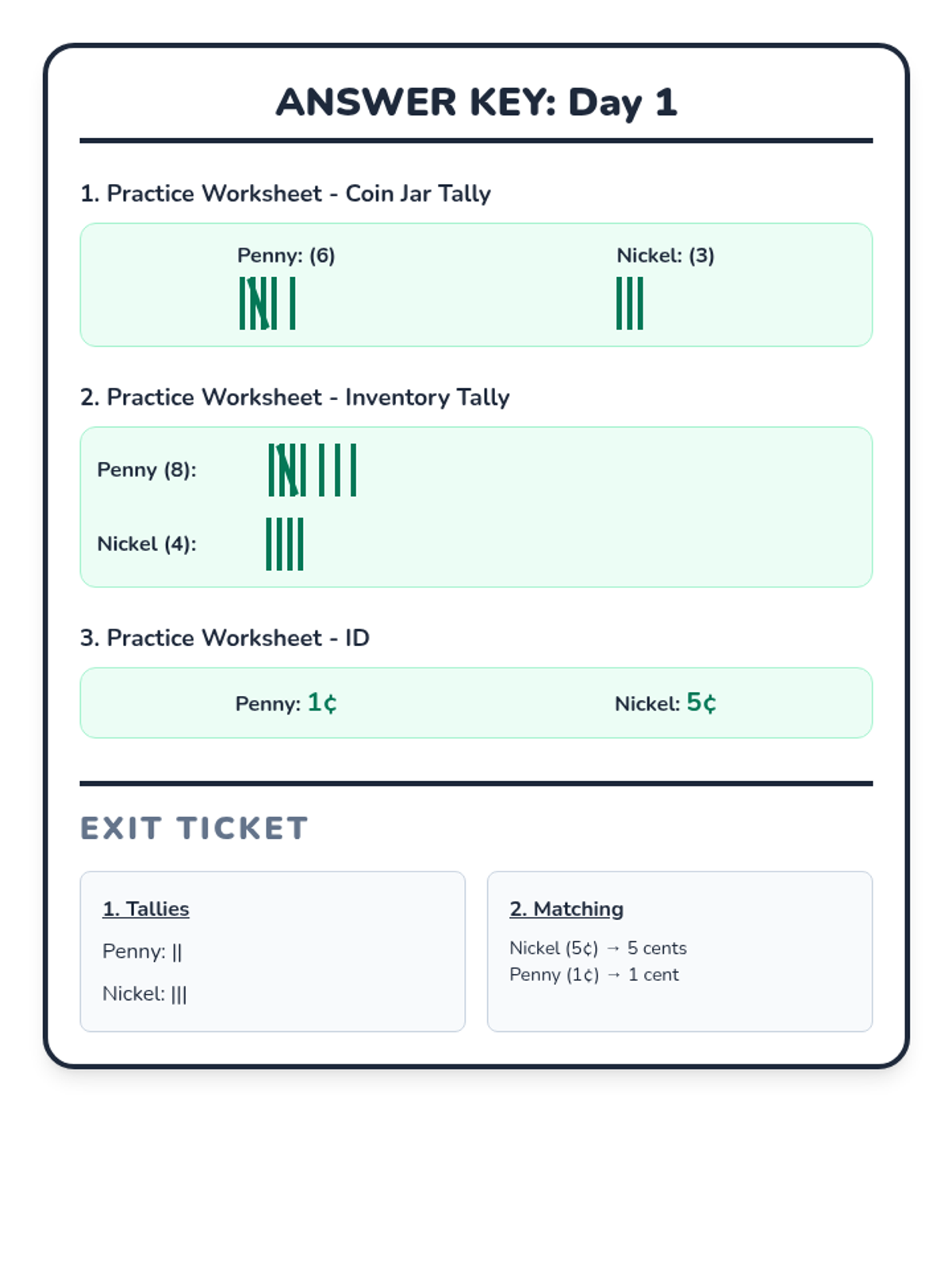
A 3-day small group math sequence focused on bridging NWEA RIT scores from 170-180 to 181-190. Students master coin identification (pennies/nickels), counting, and data analysis through tally charts, picture graphs, and bar graphs with a market-themed aesthetic.
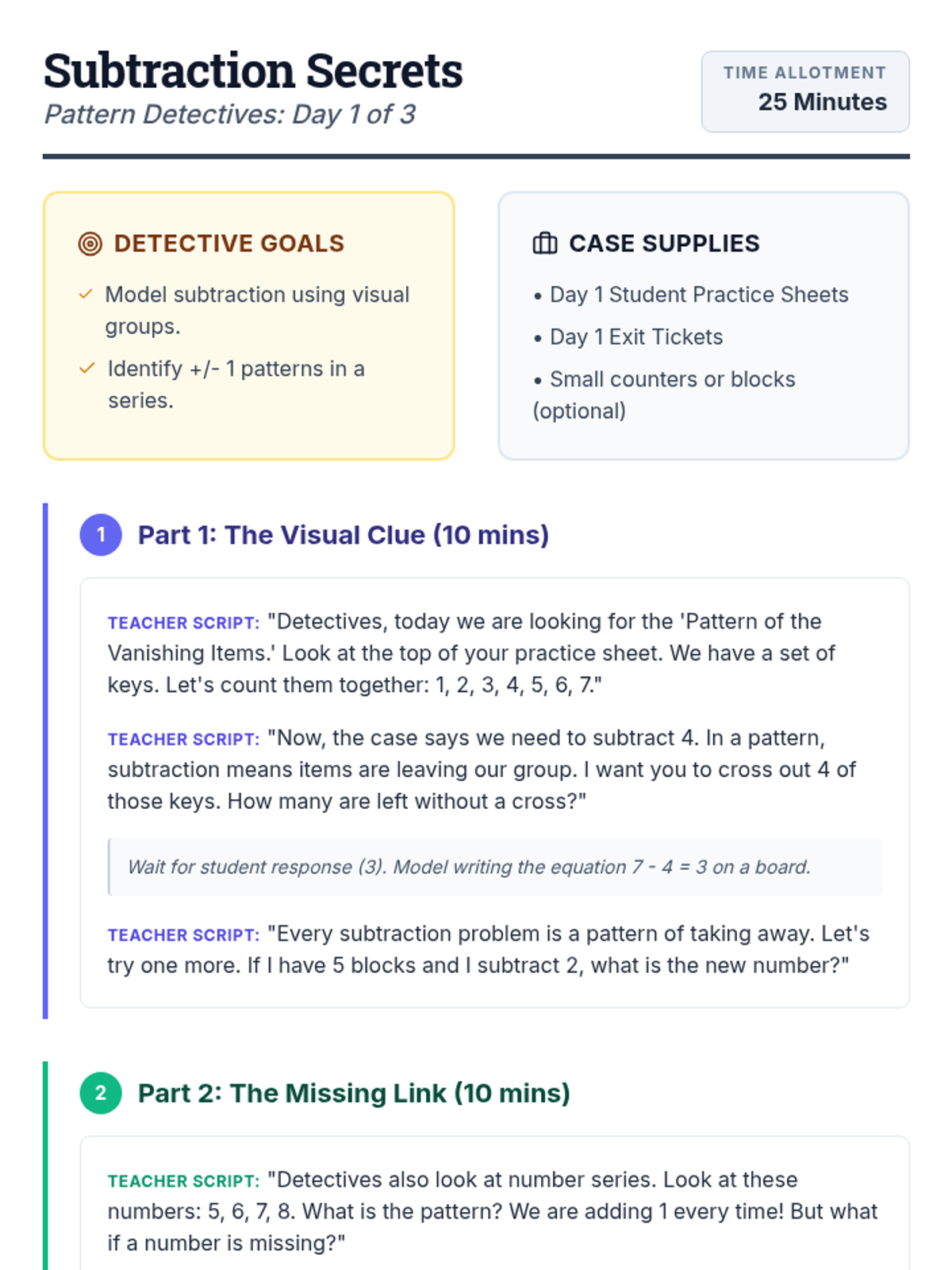
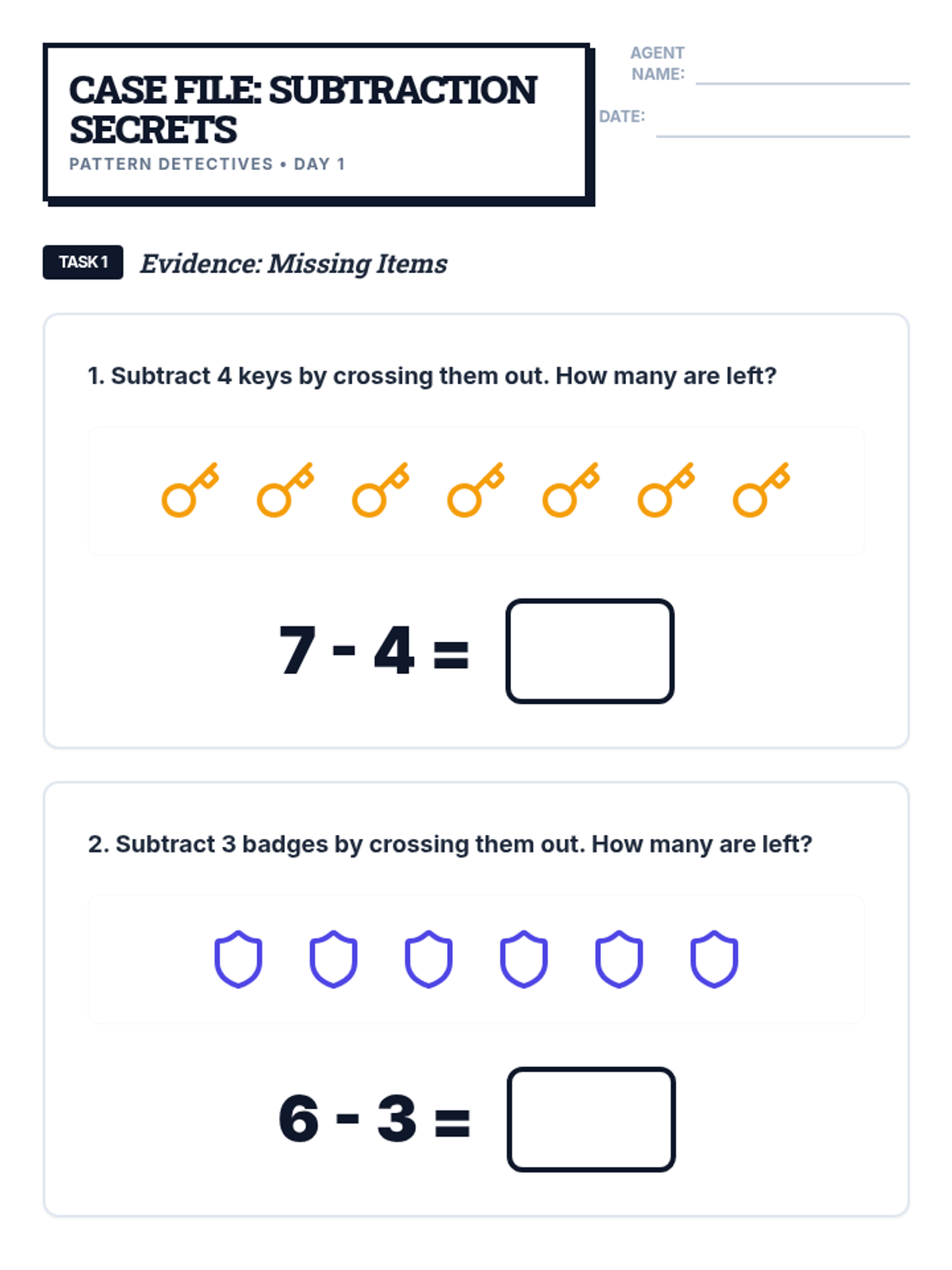
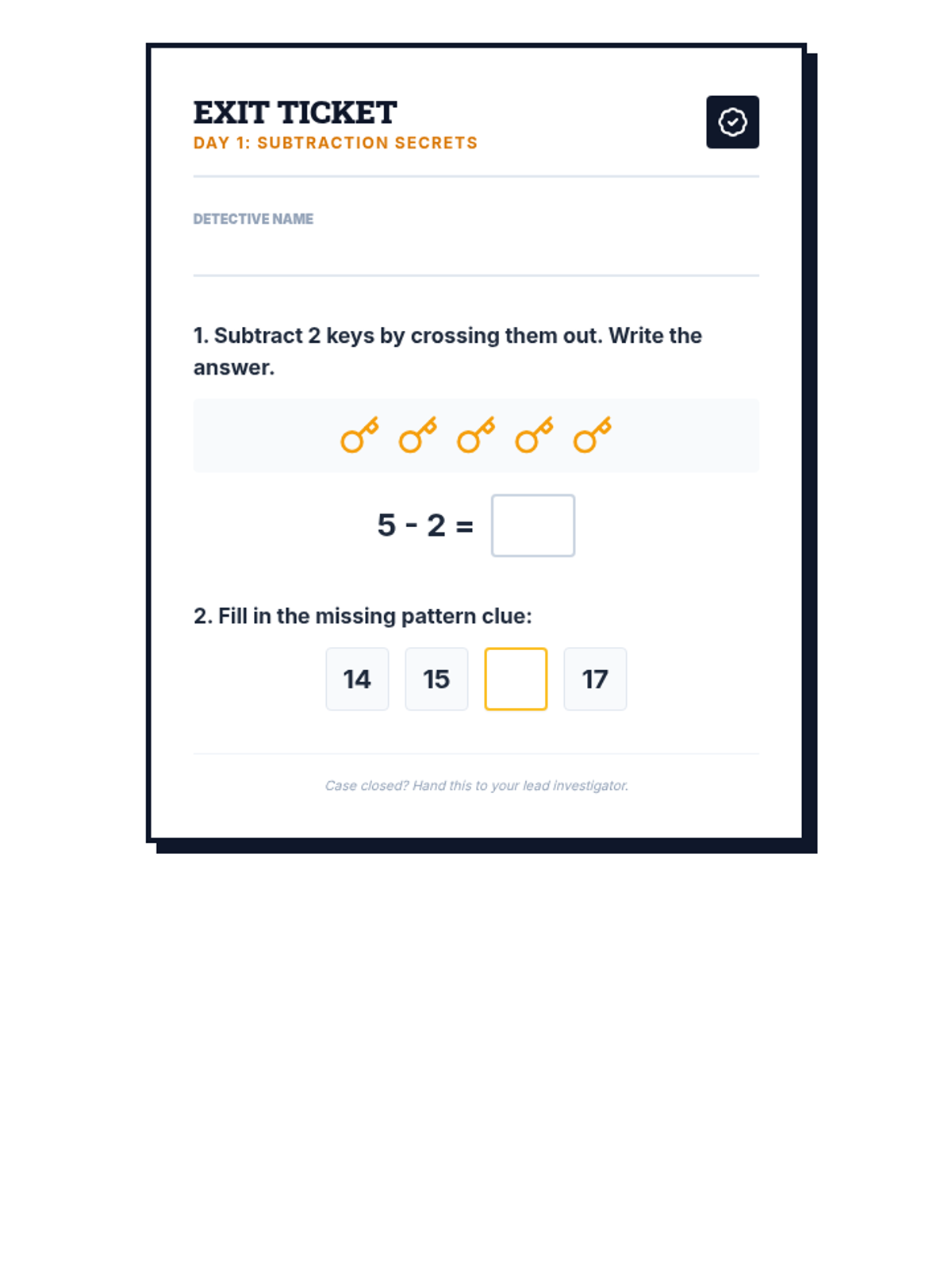
A 3-day small group intervention for students in the NWEA RIT 140-160 range, focusing on subtraction patterns, skip counting, and hundred chart navigation.
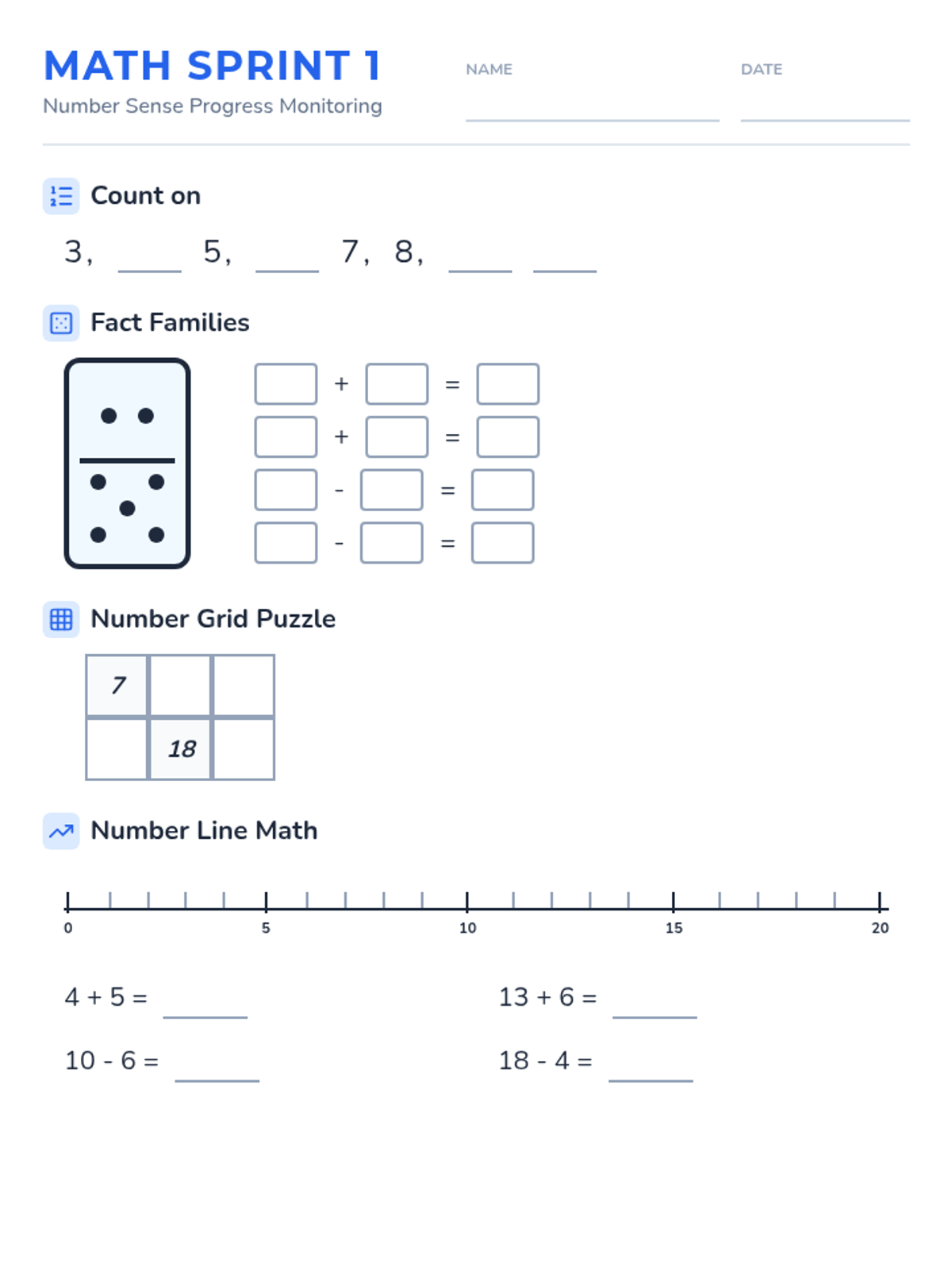
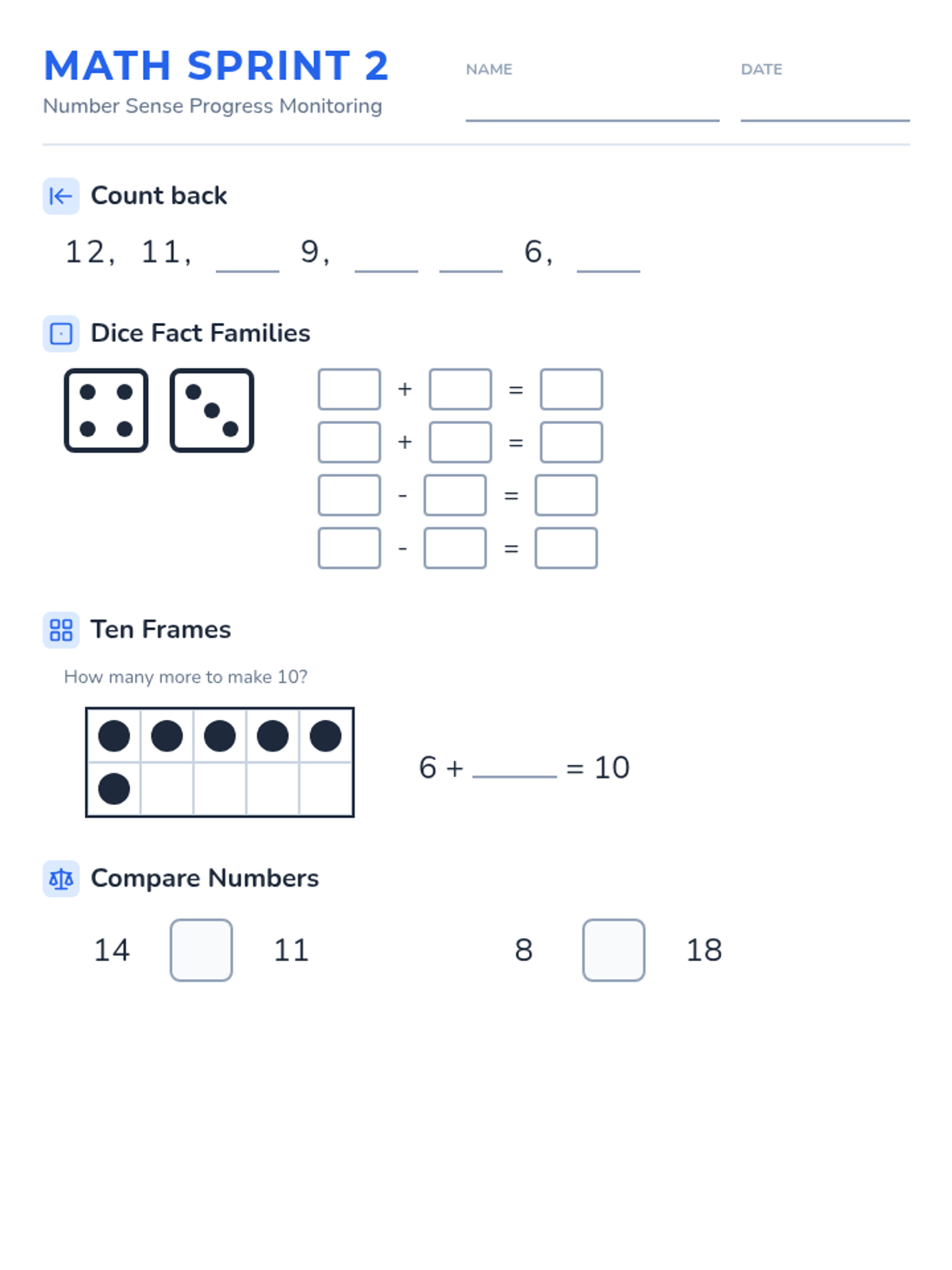
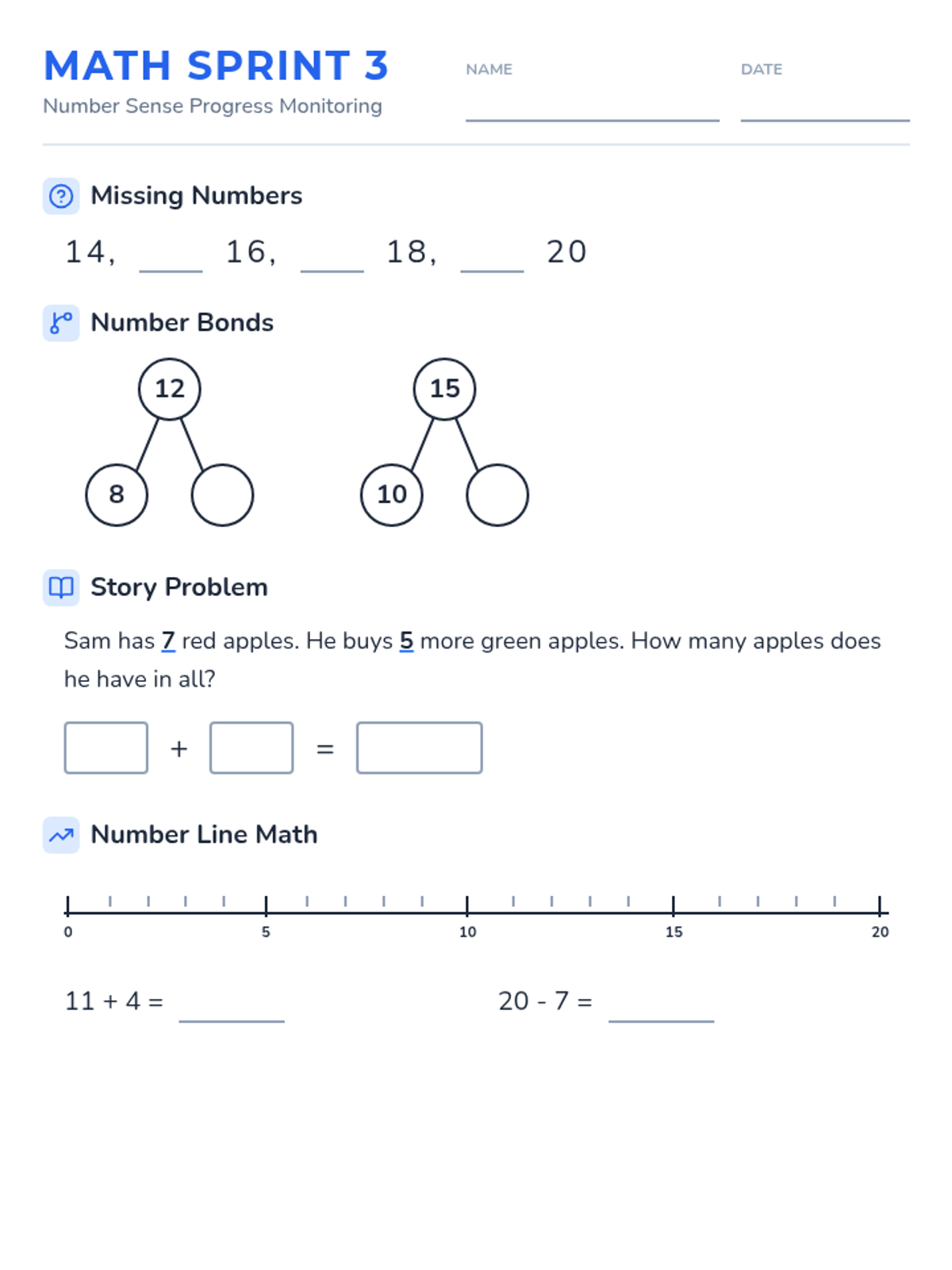
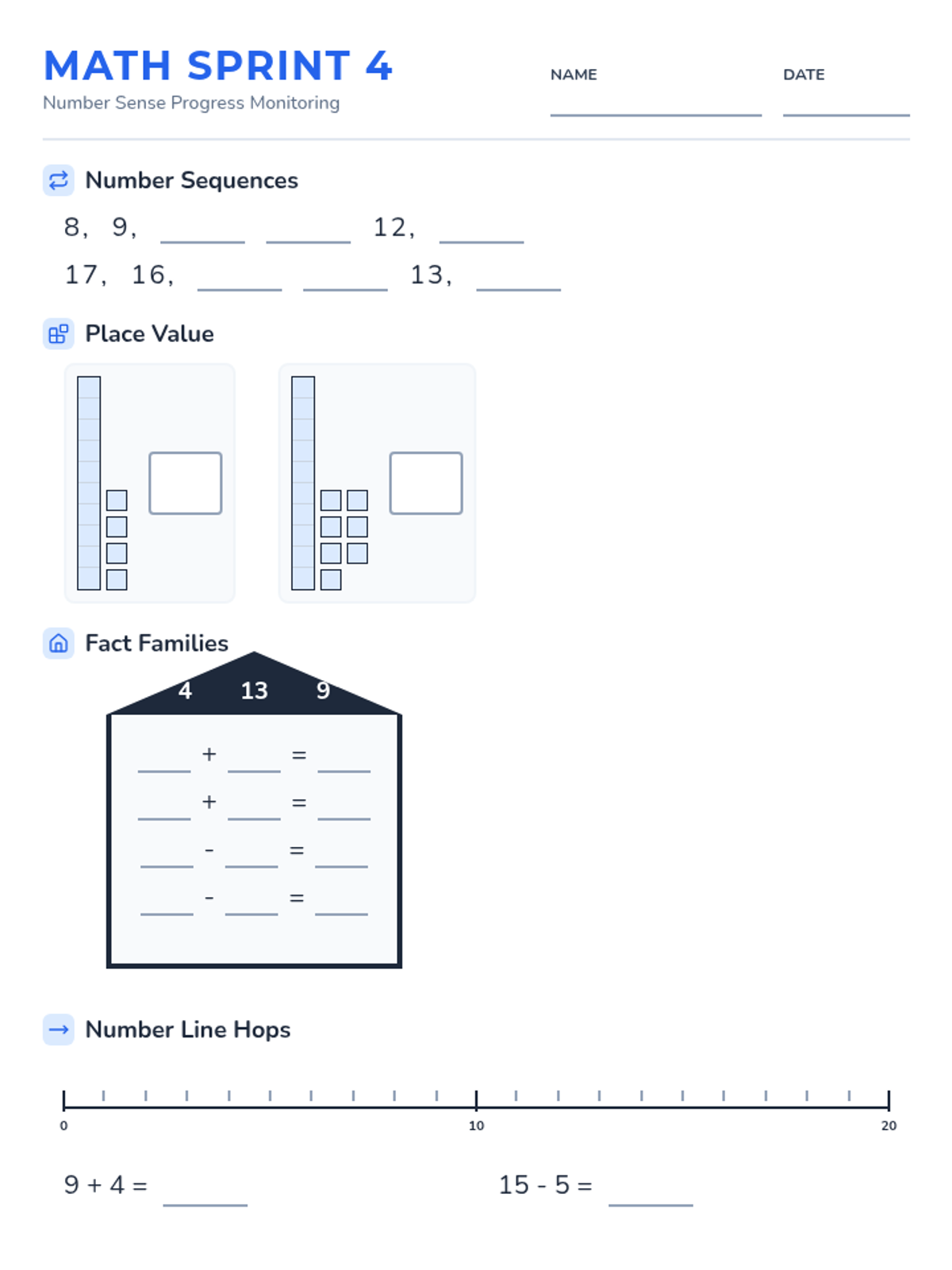
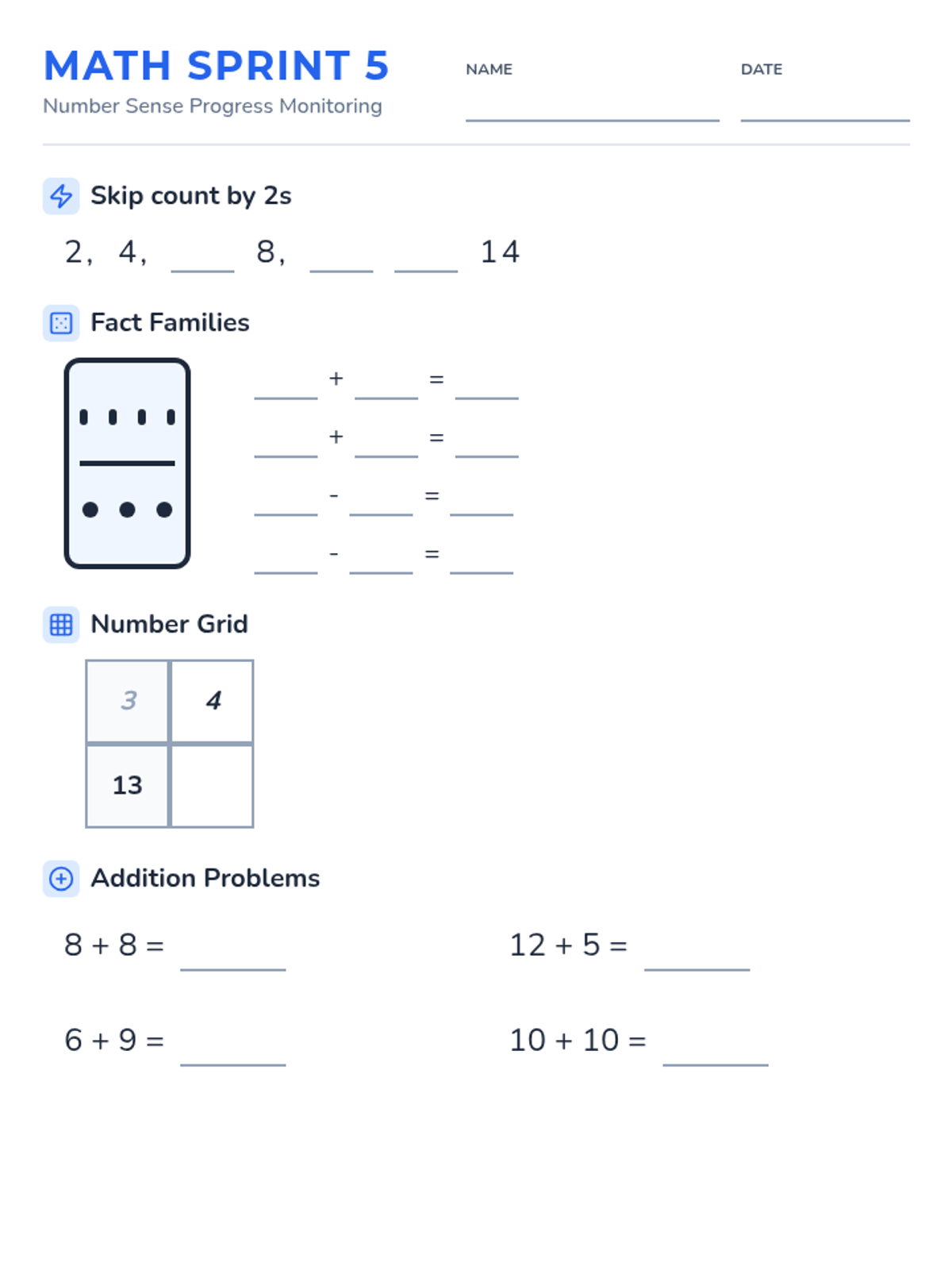
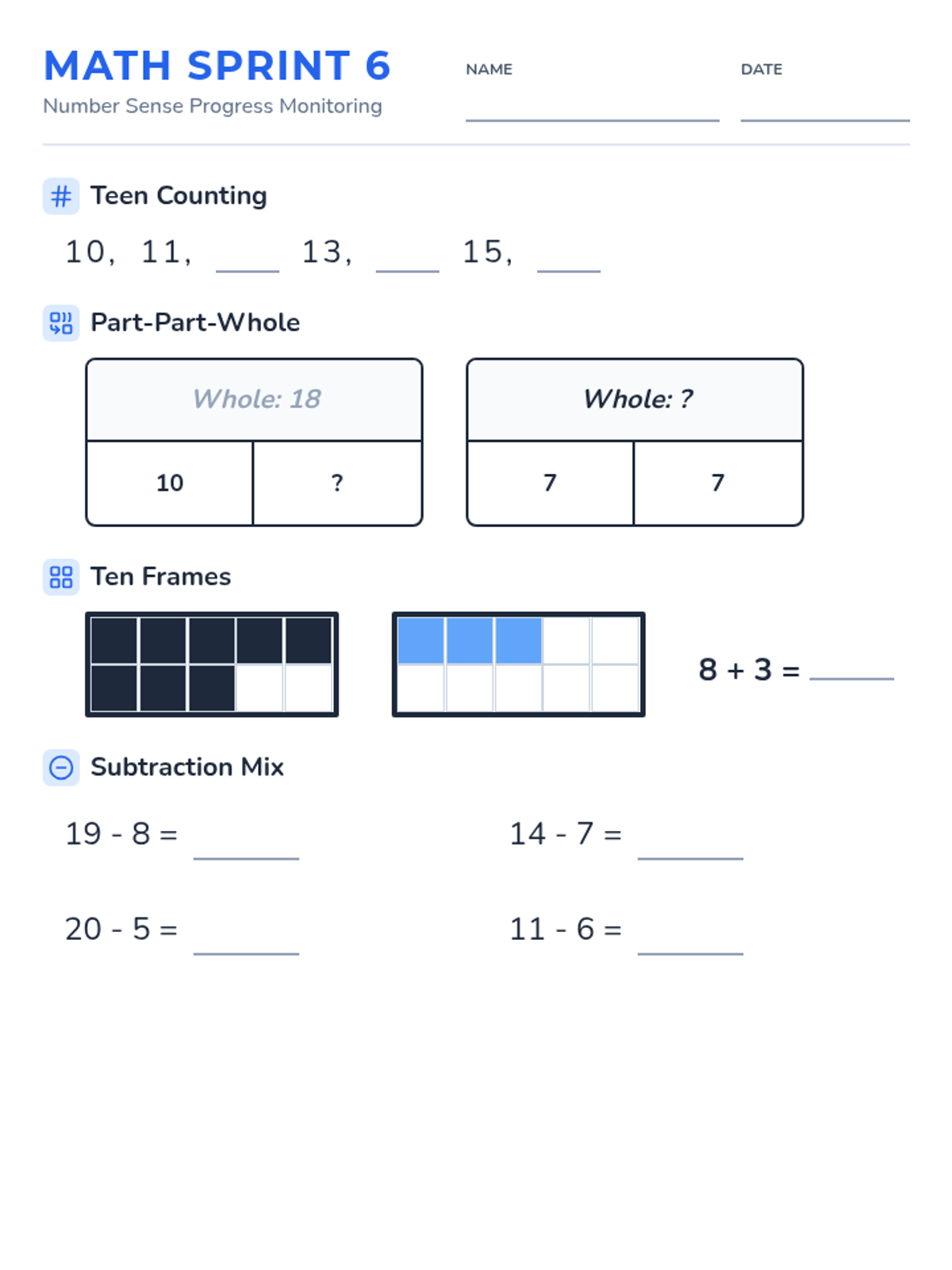
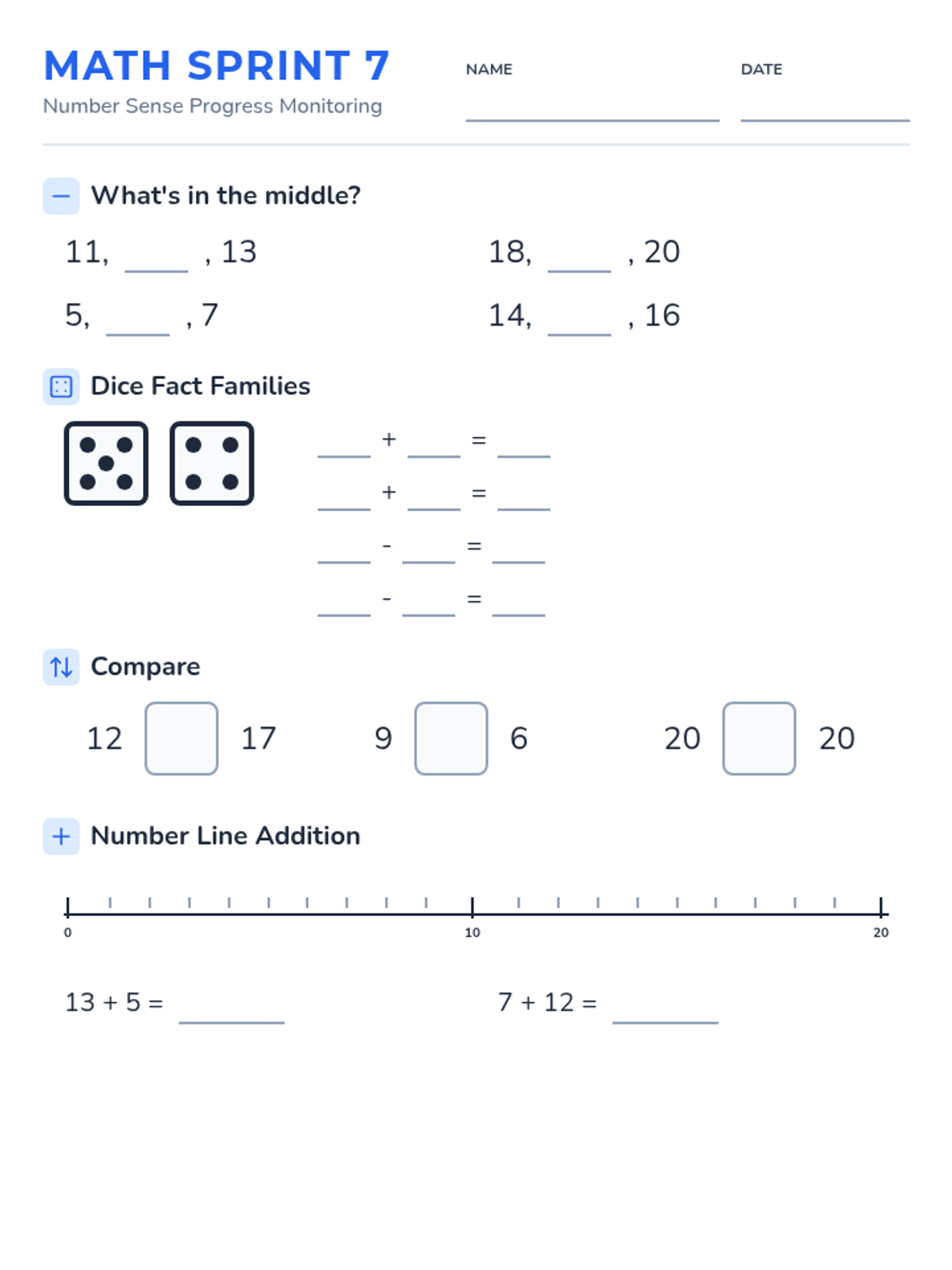
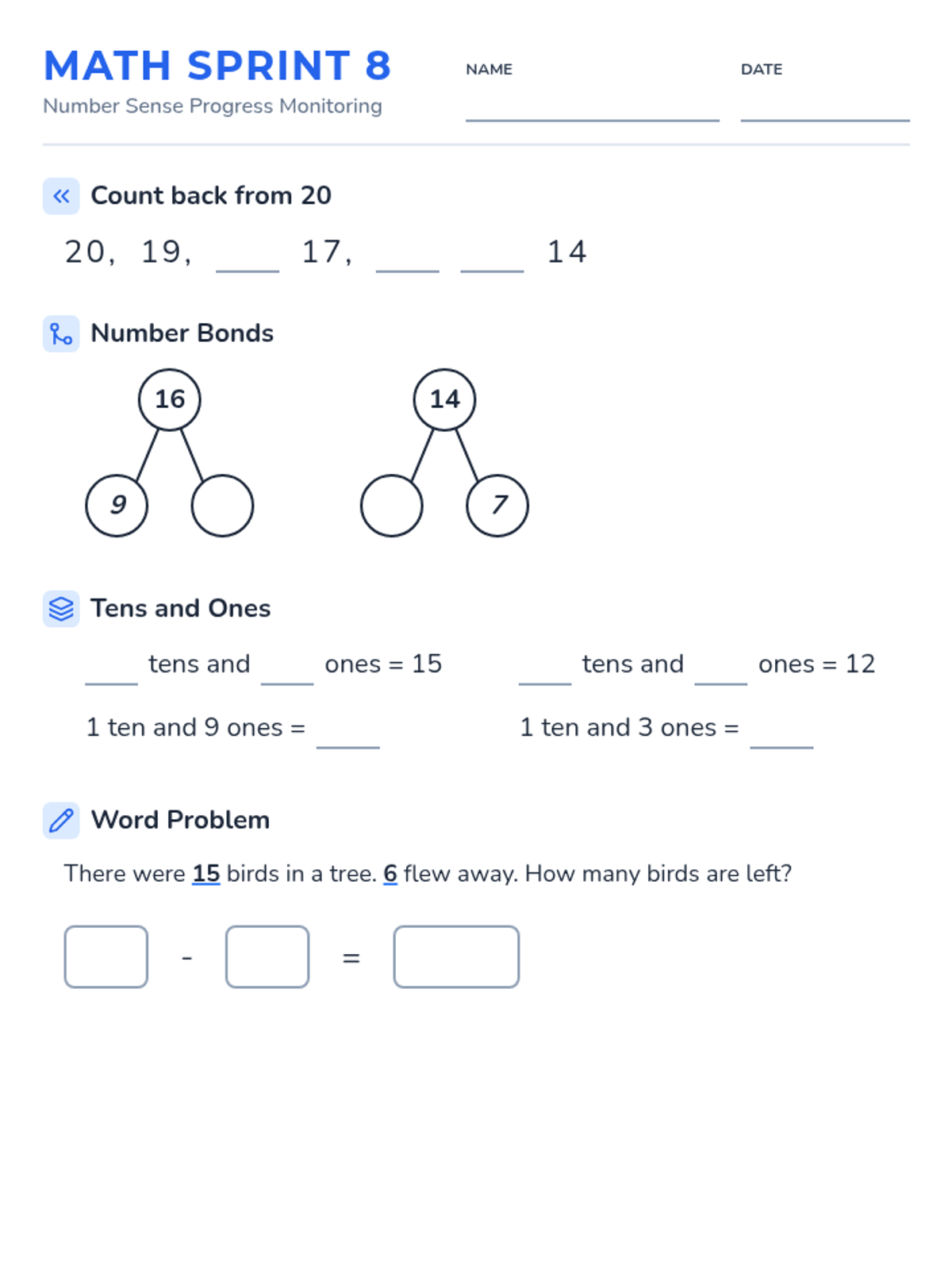
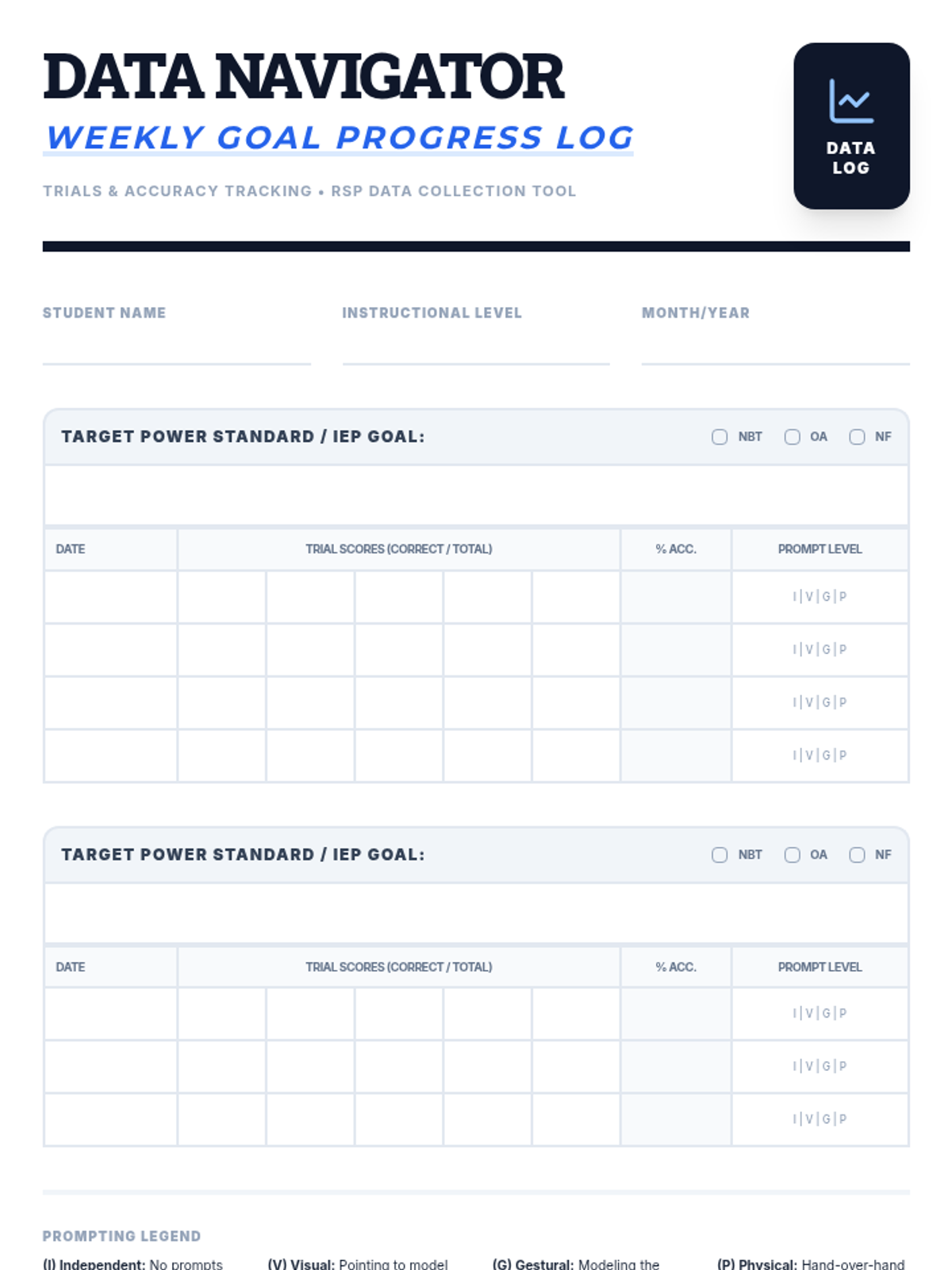
A comprehensive series of elementary math progress monitoring resources designed to track student growth in foundational arithmetic and number sense.
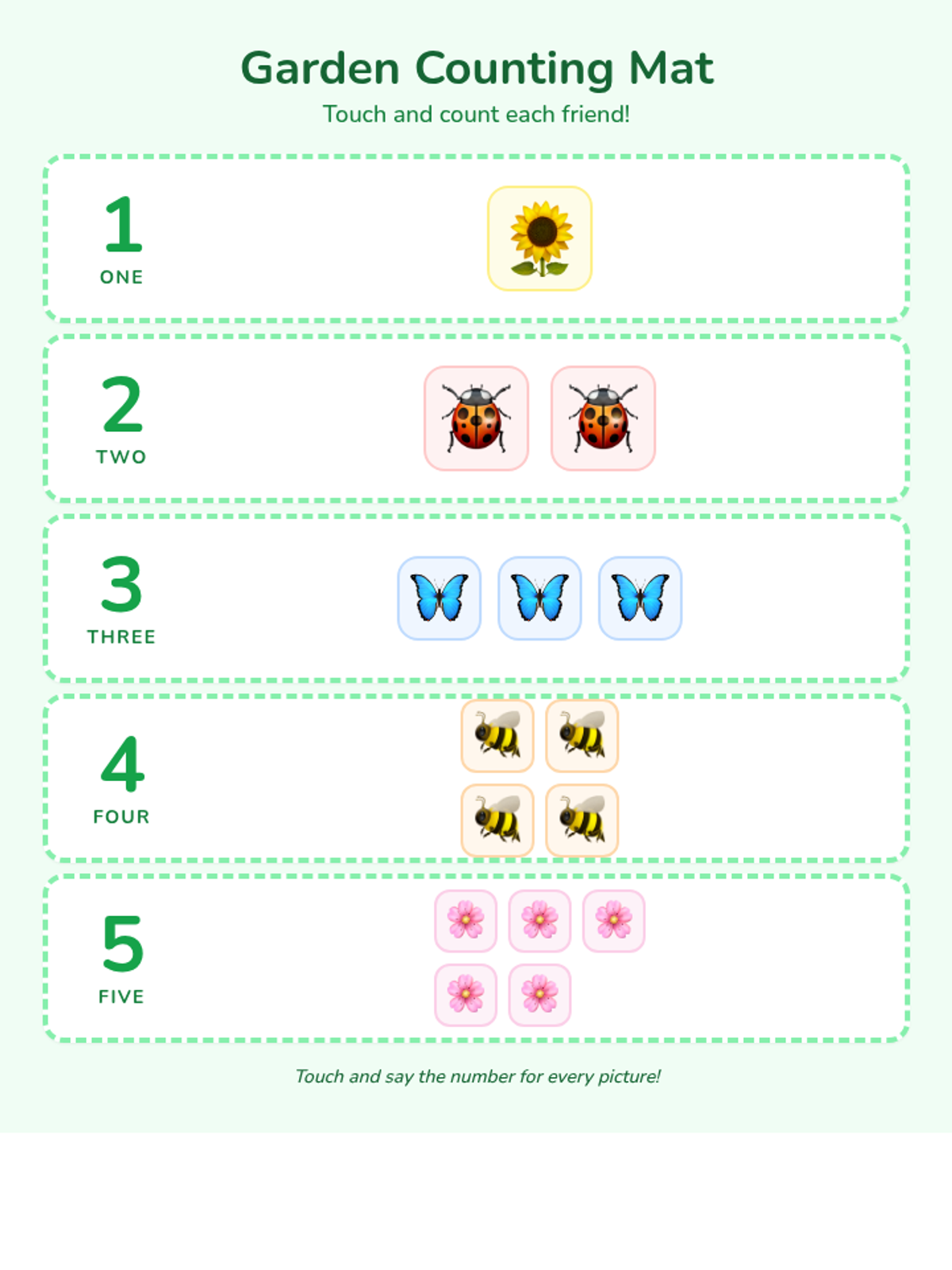
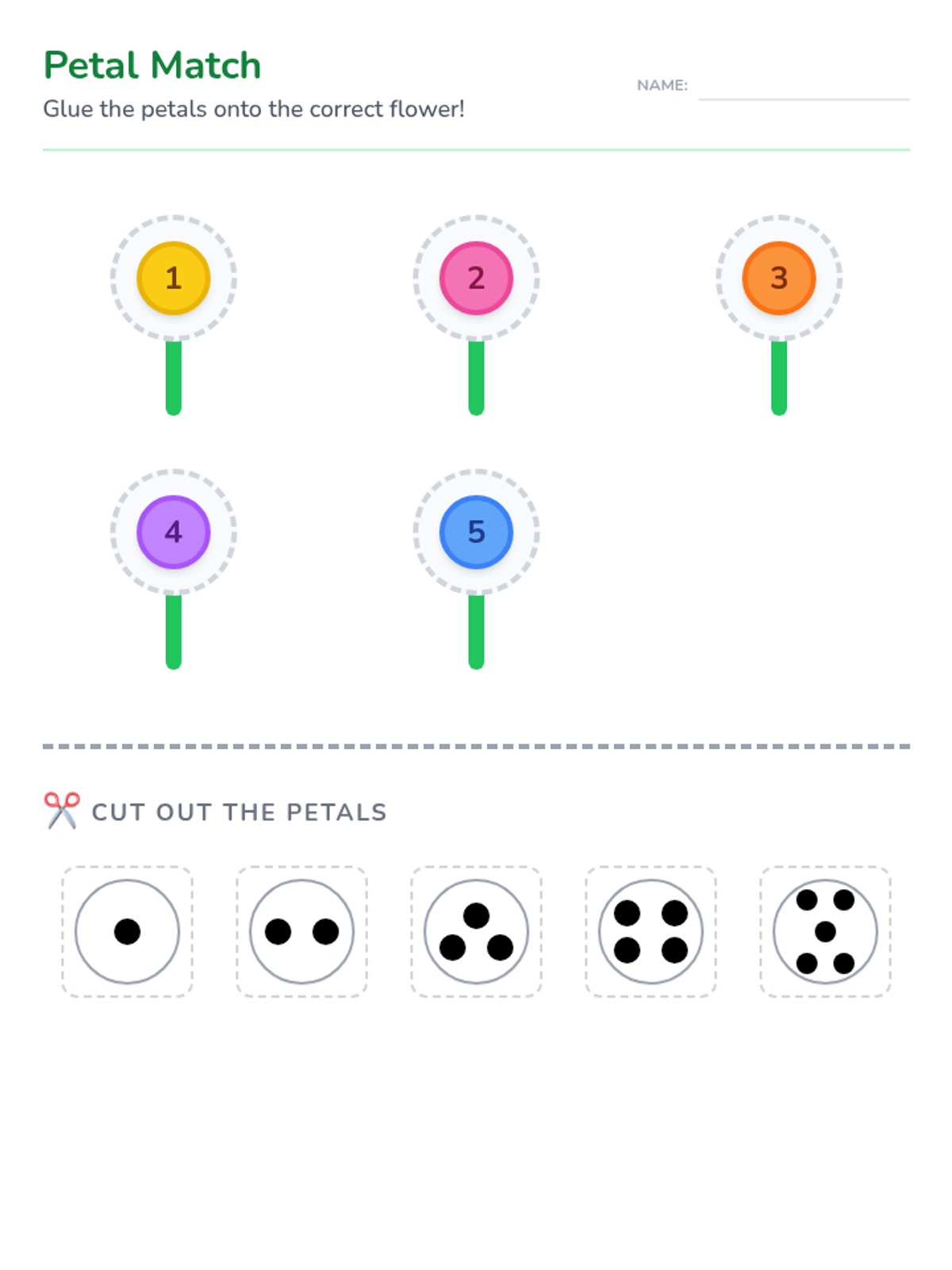
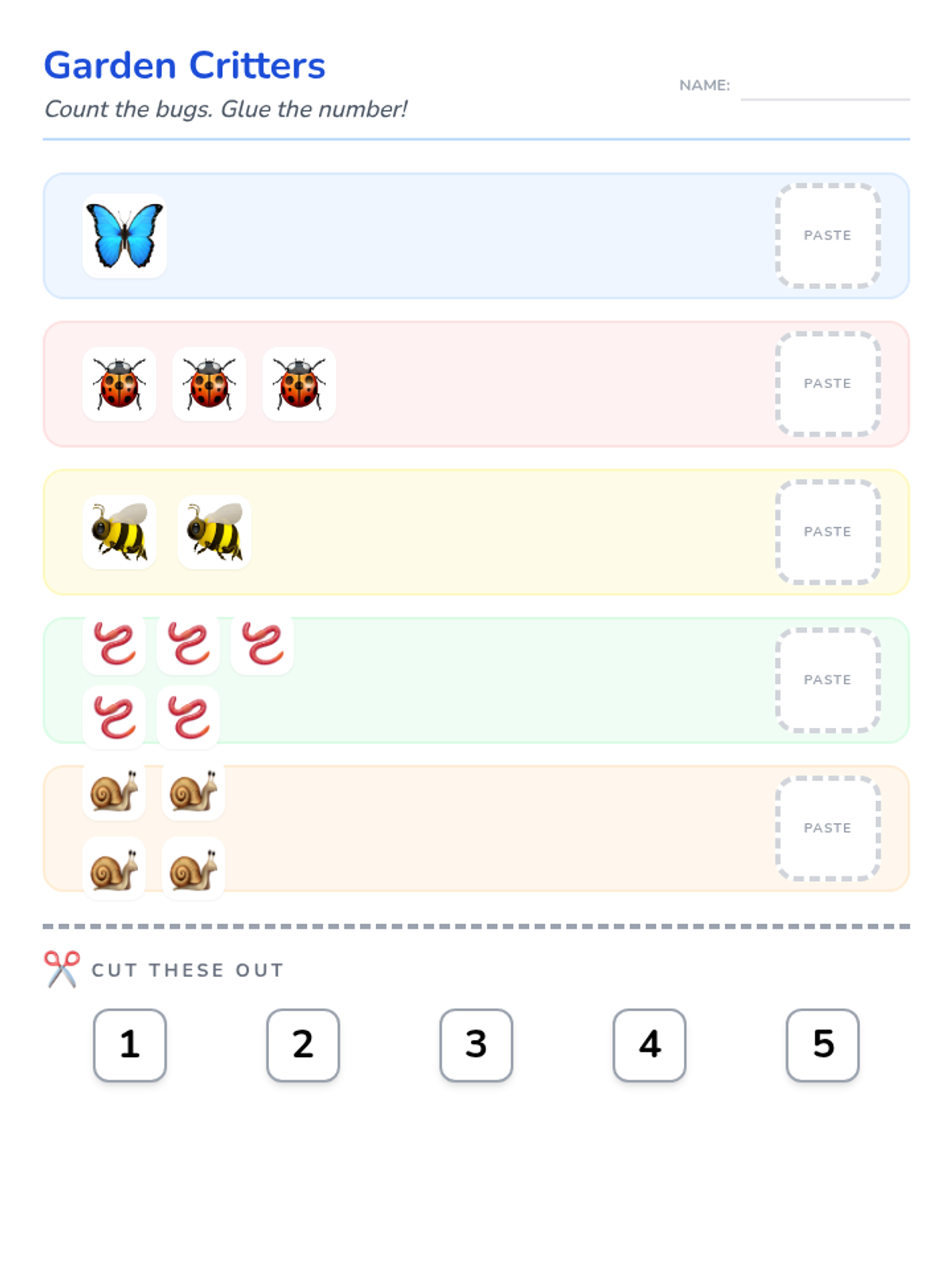
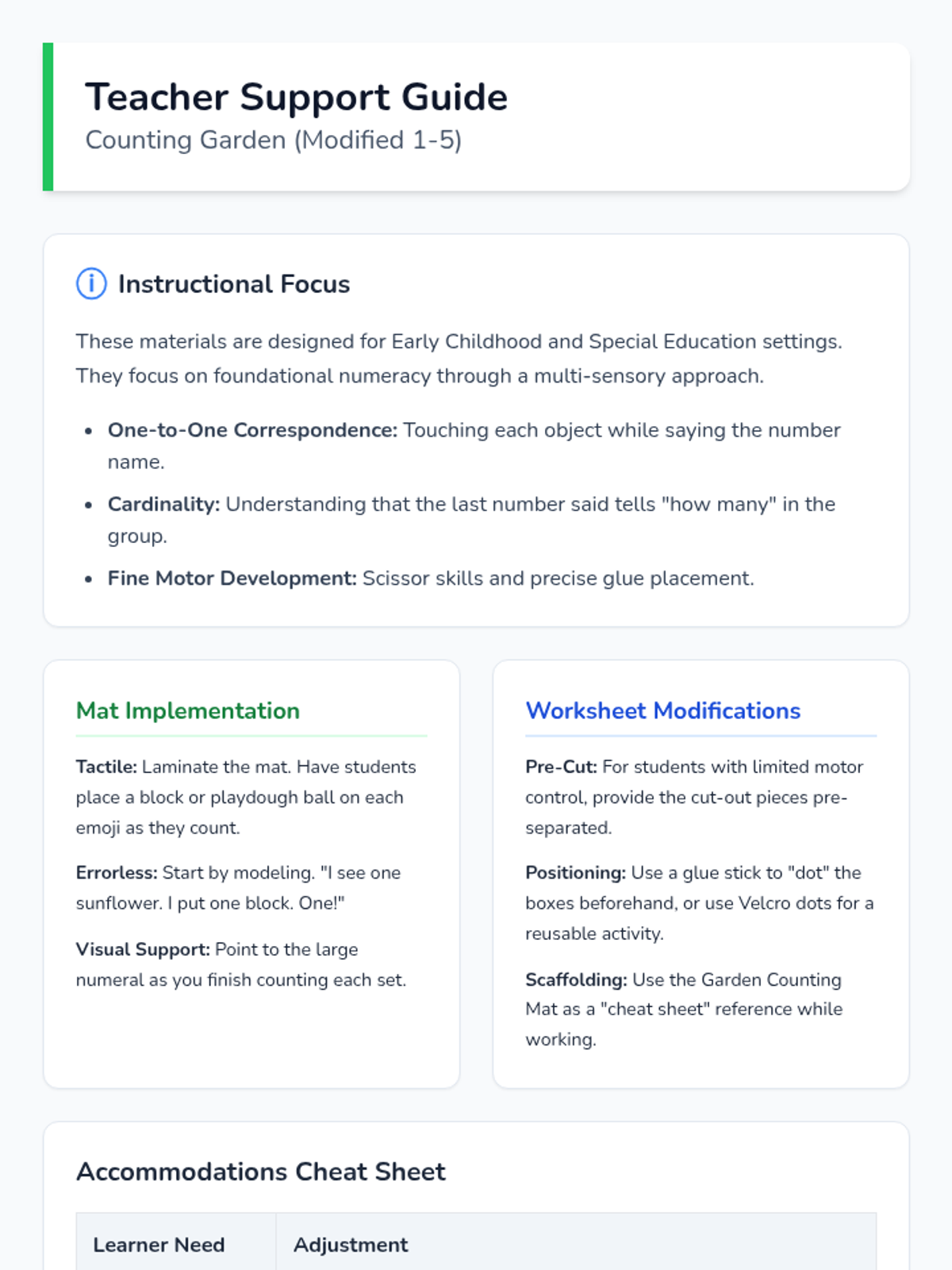
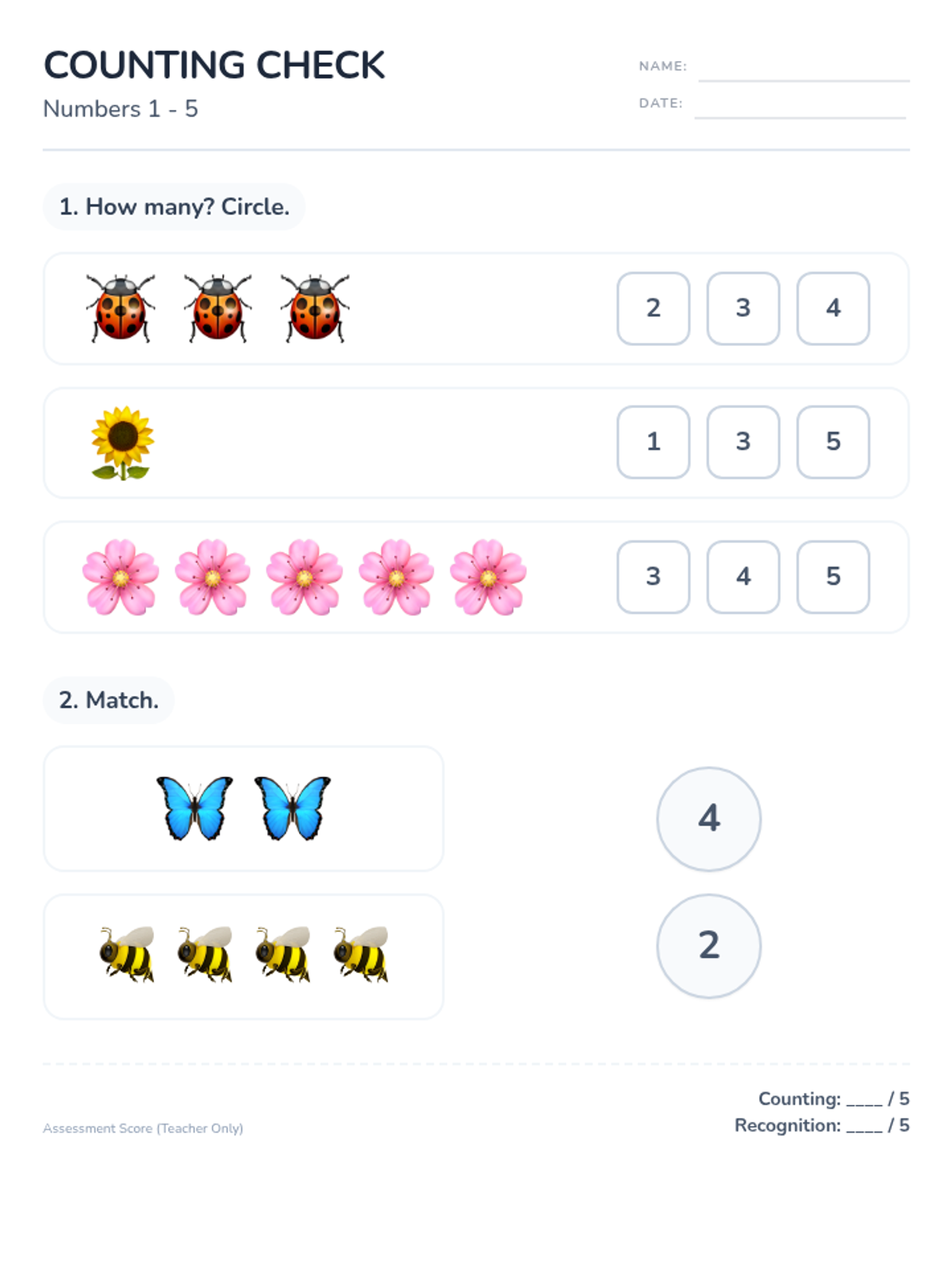
A foundational counting unit for early childhood learners, focusing on numbers 1-5 through tactile and visual garden-themed activities. Includes counting mats and fine-motor cut-and-paste tasks.
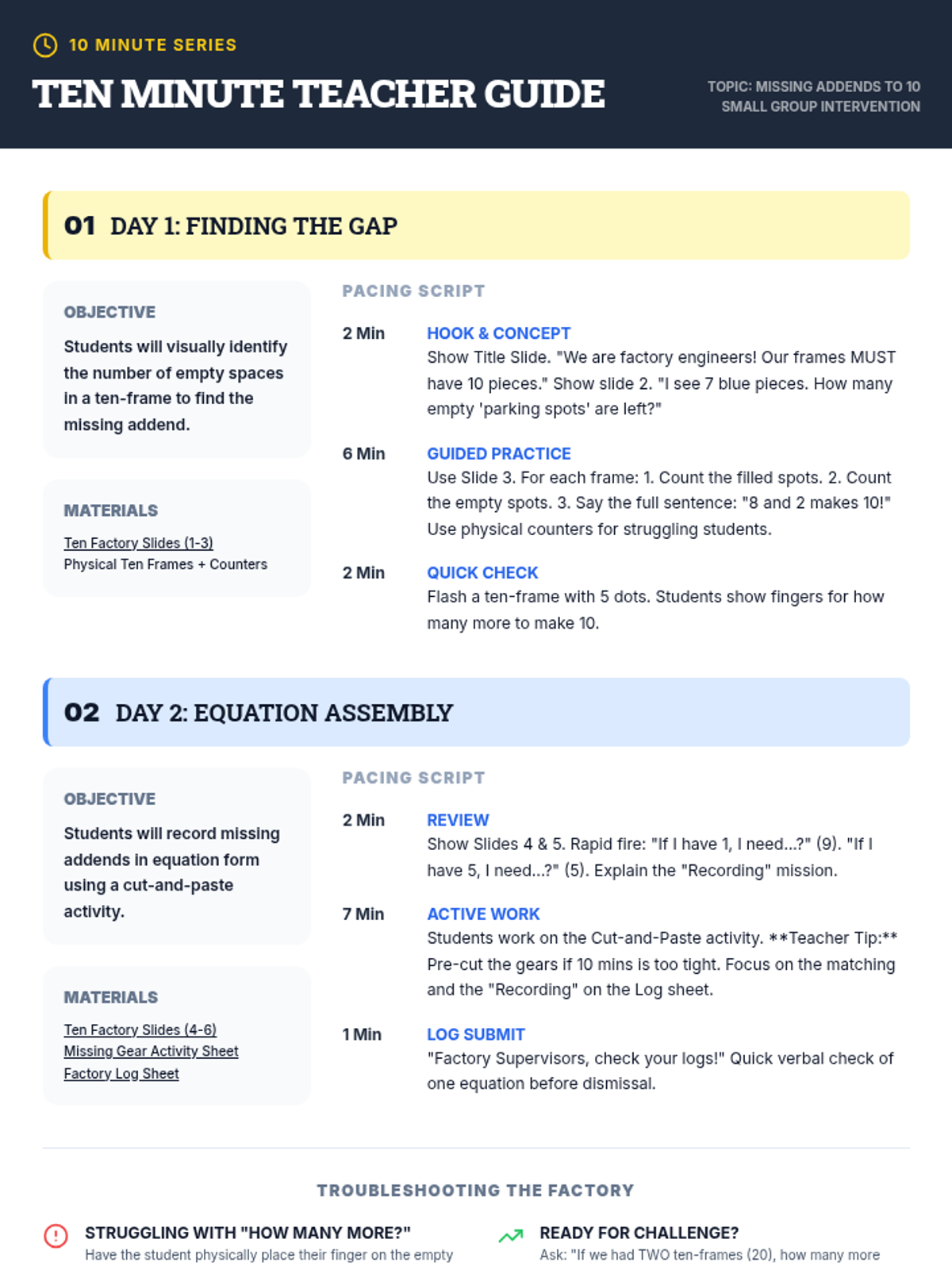
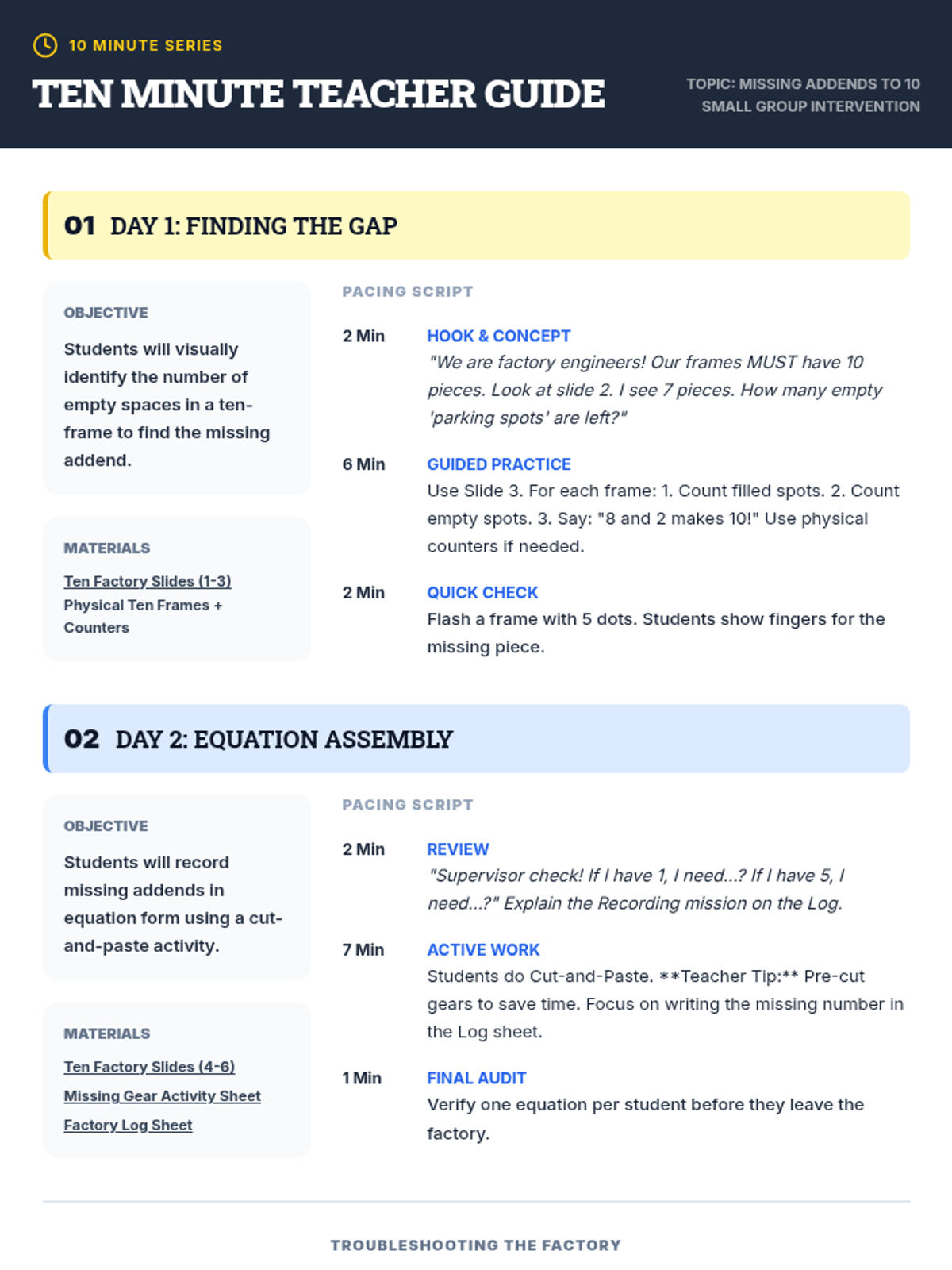
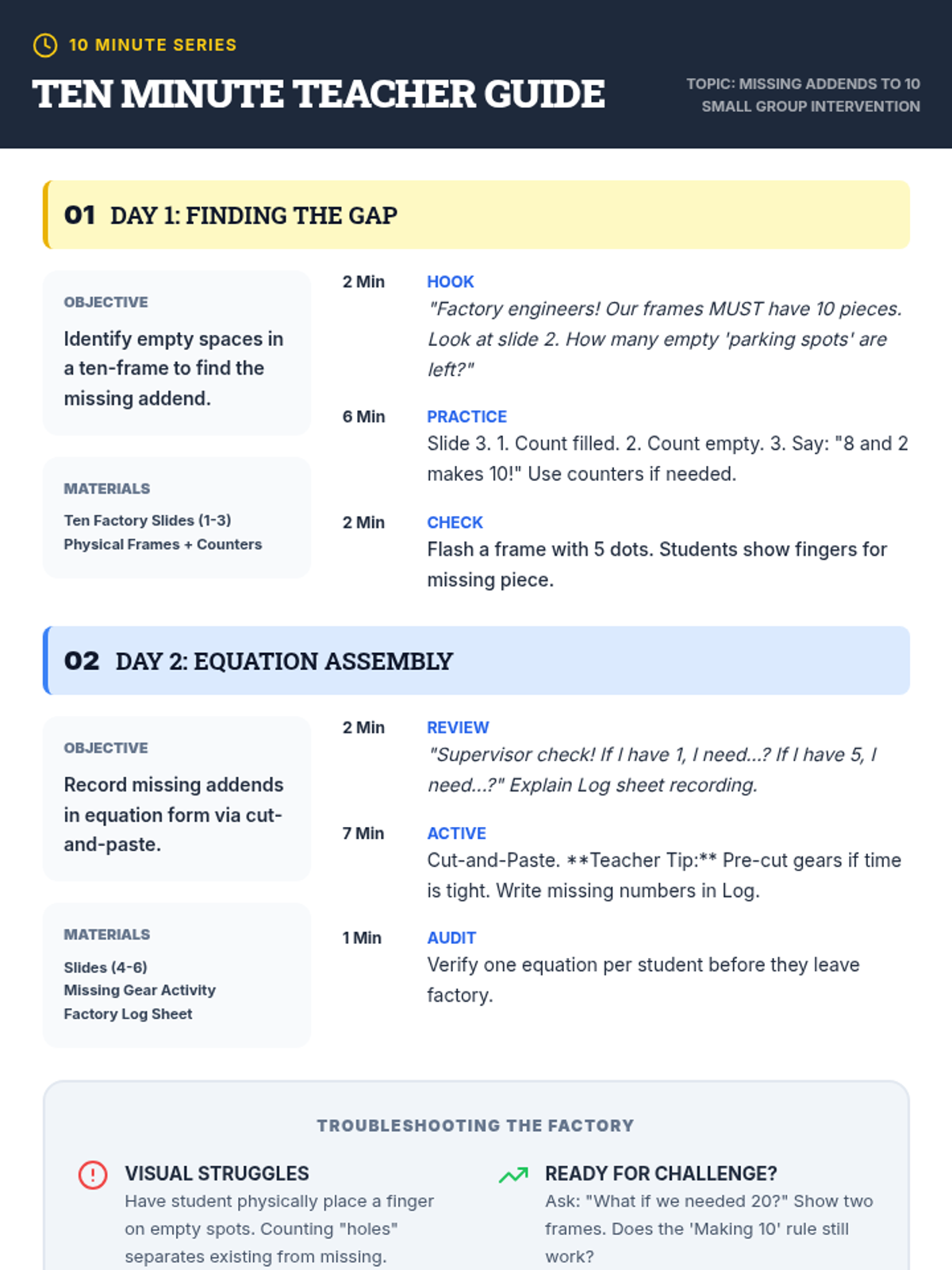
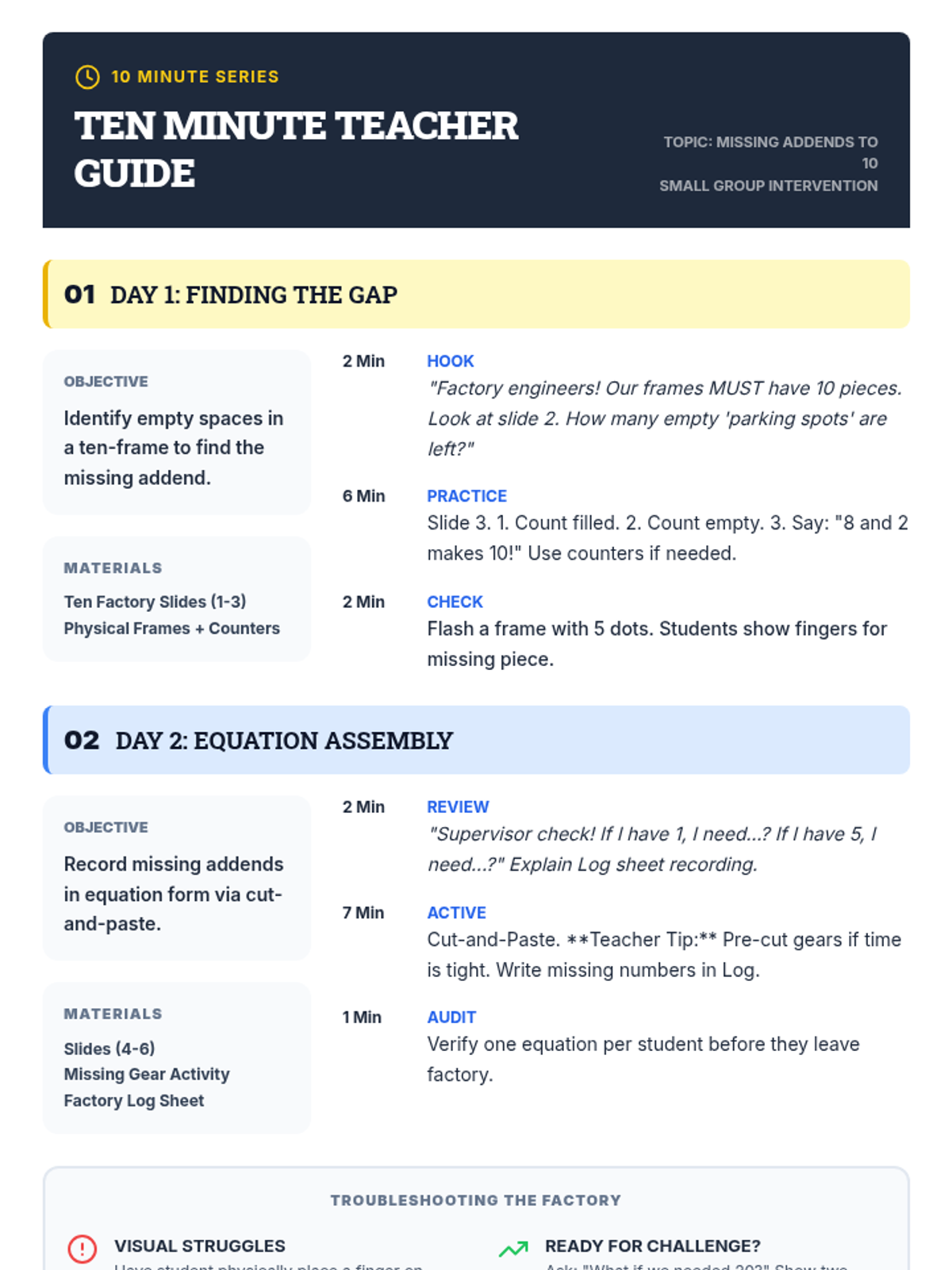
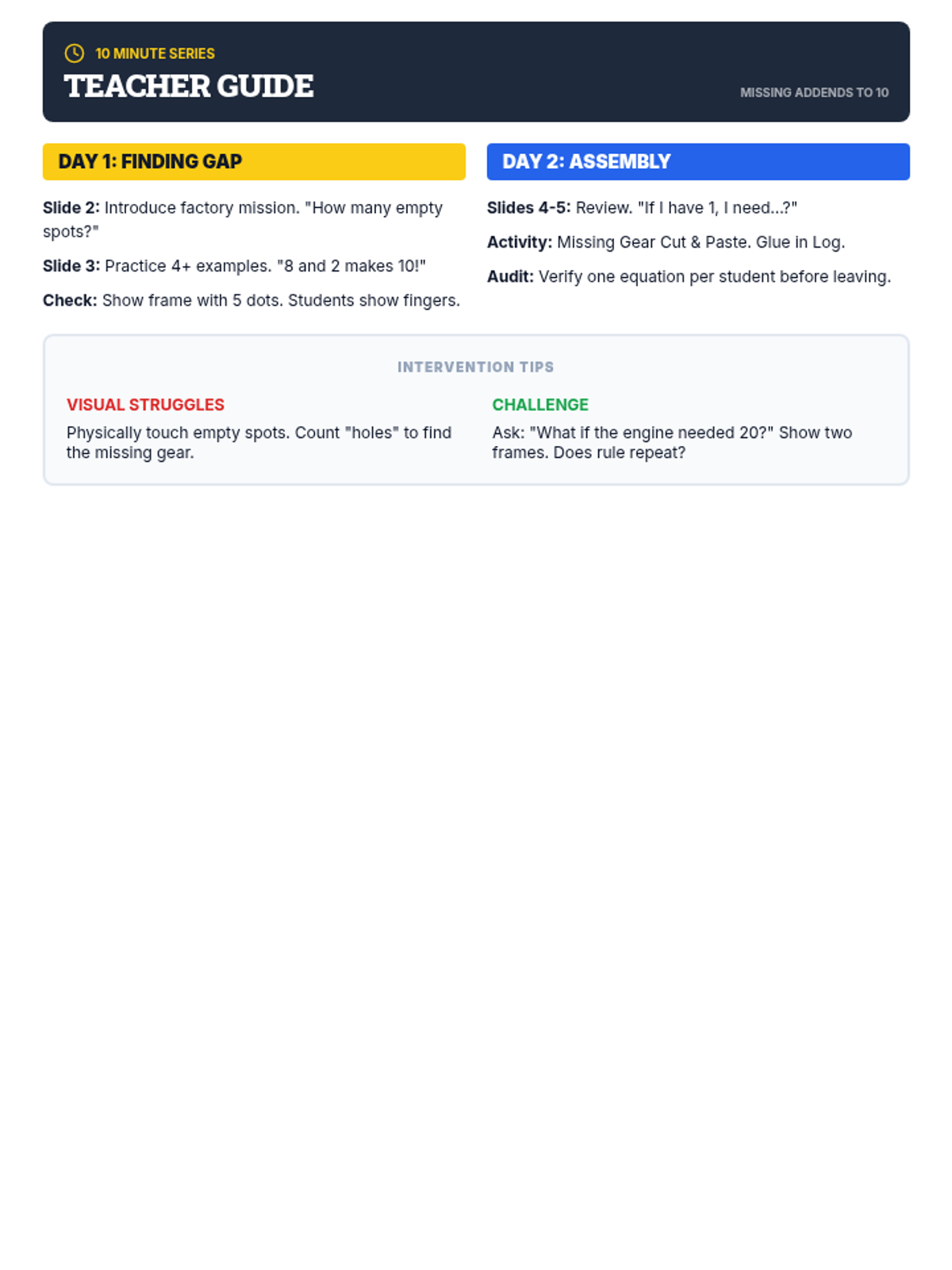
A two-day, 10-minute small group sequence focused on mastering missing addends to ten using a factory-themed ten-frame approach.
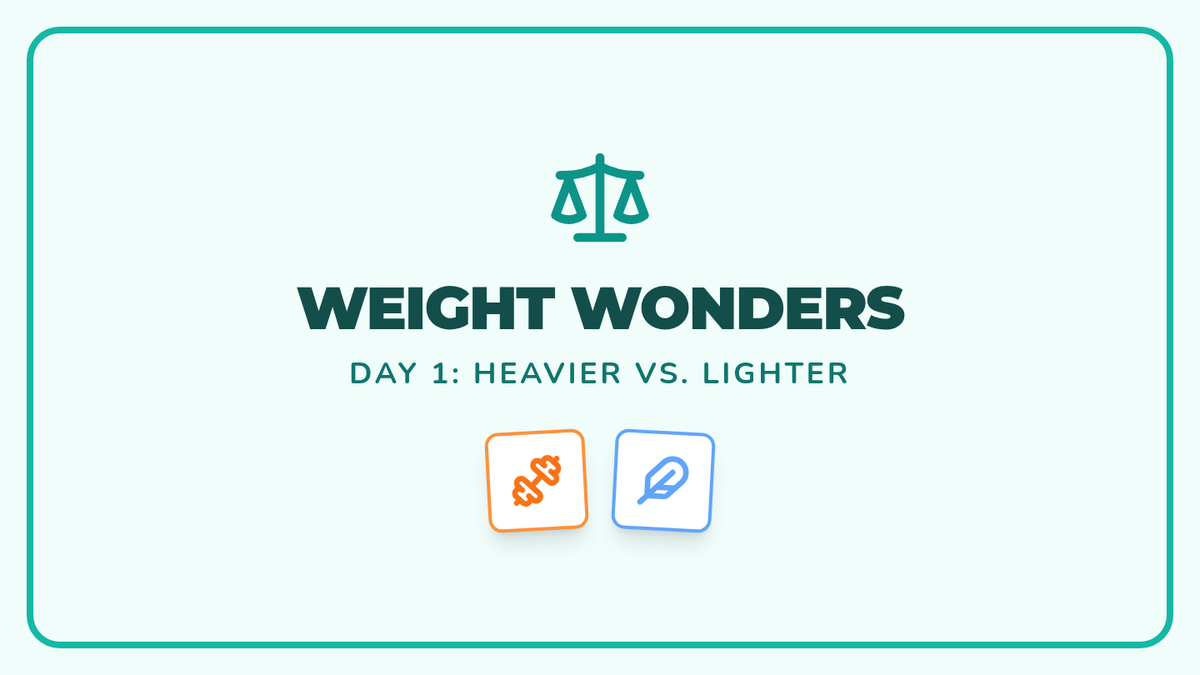
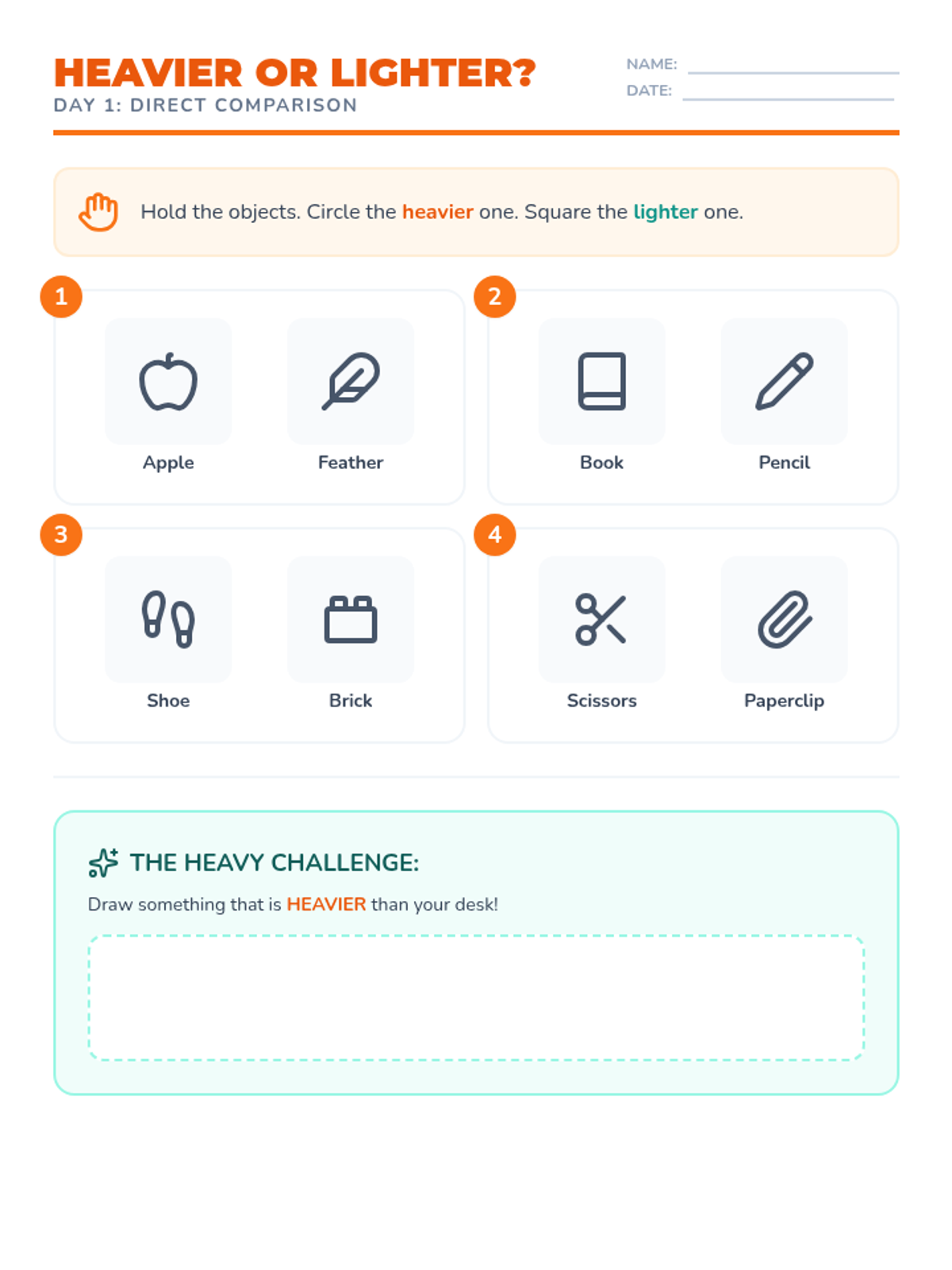
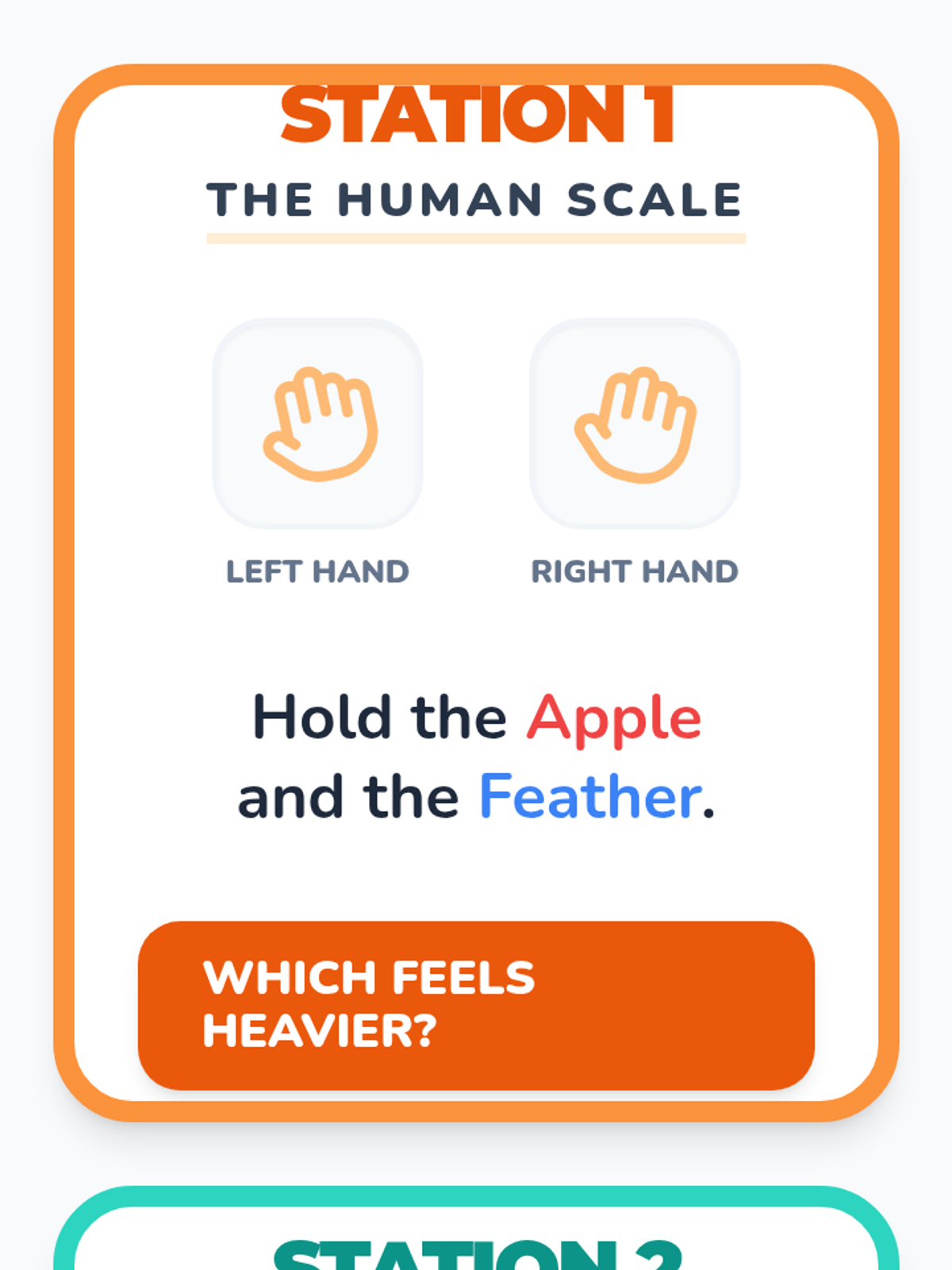
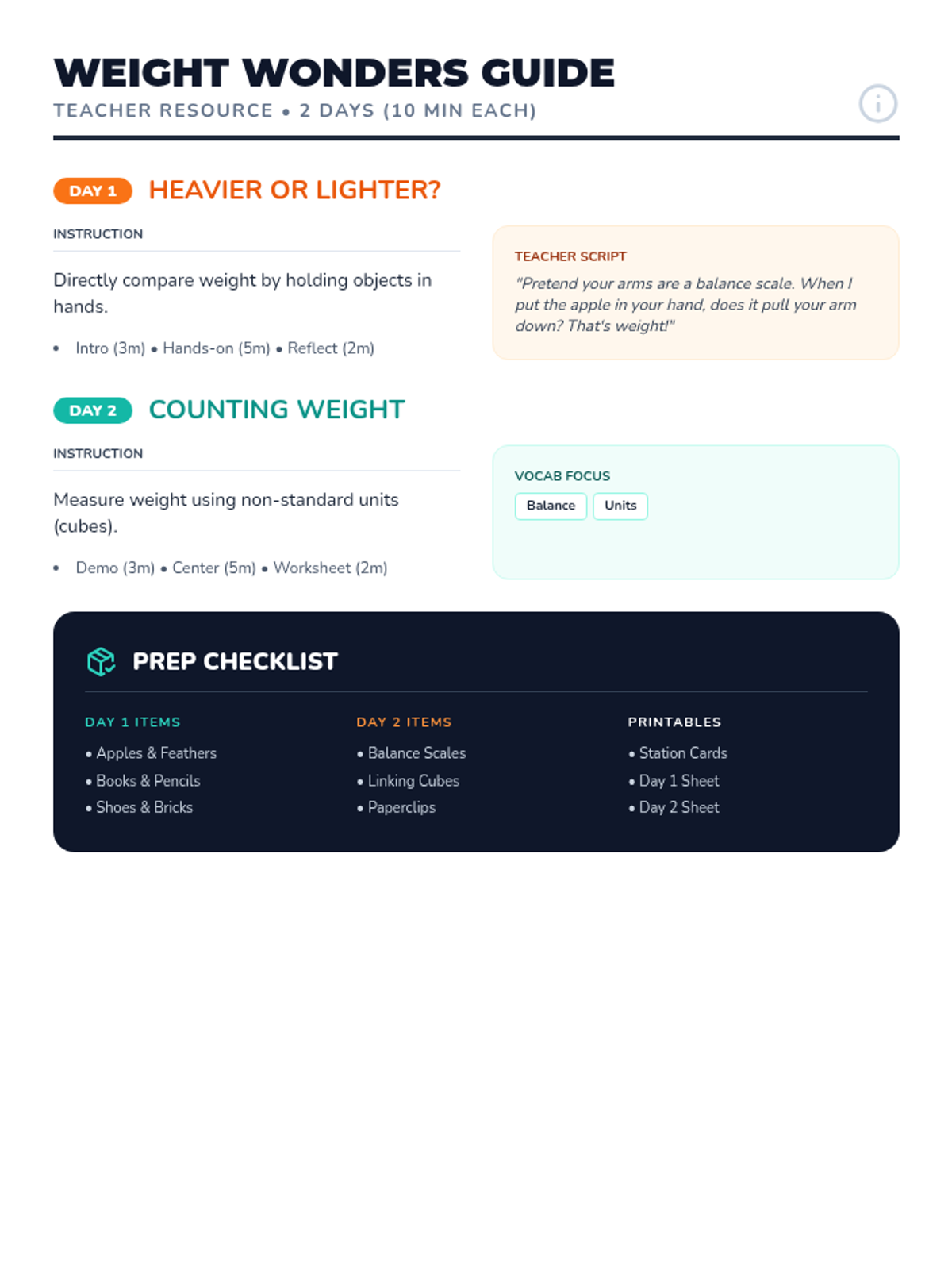
A two-day introductory sequence on weight comparison using direct comparison and non-standard units for young learners.
A 5-day foundational math unit exploring numbers 1-10, addition, and subtraction. Using consistent color-coding and visual icons, students build number sense and confidence in basic operations.
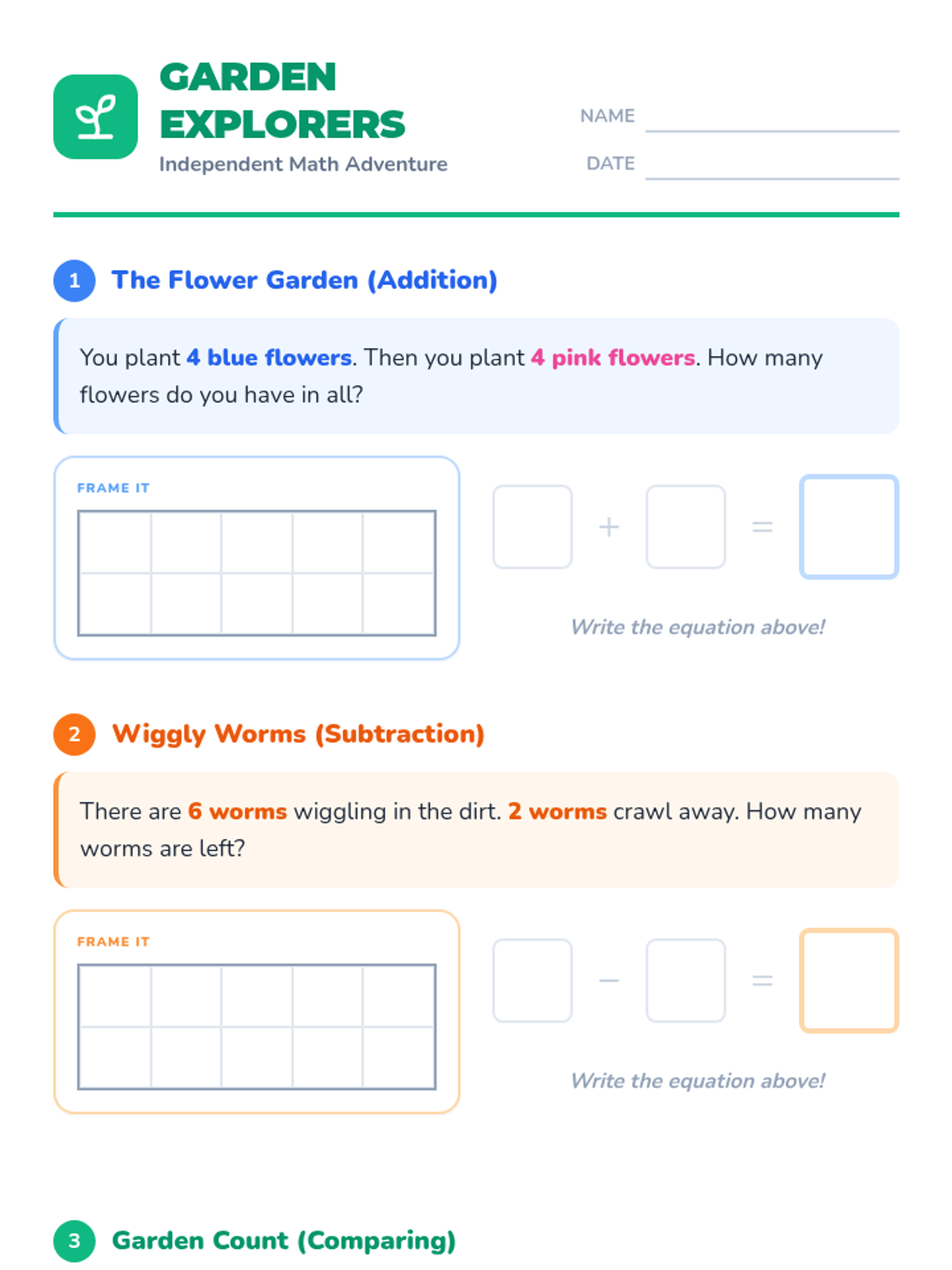
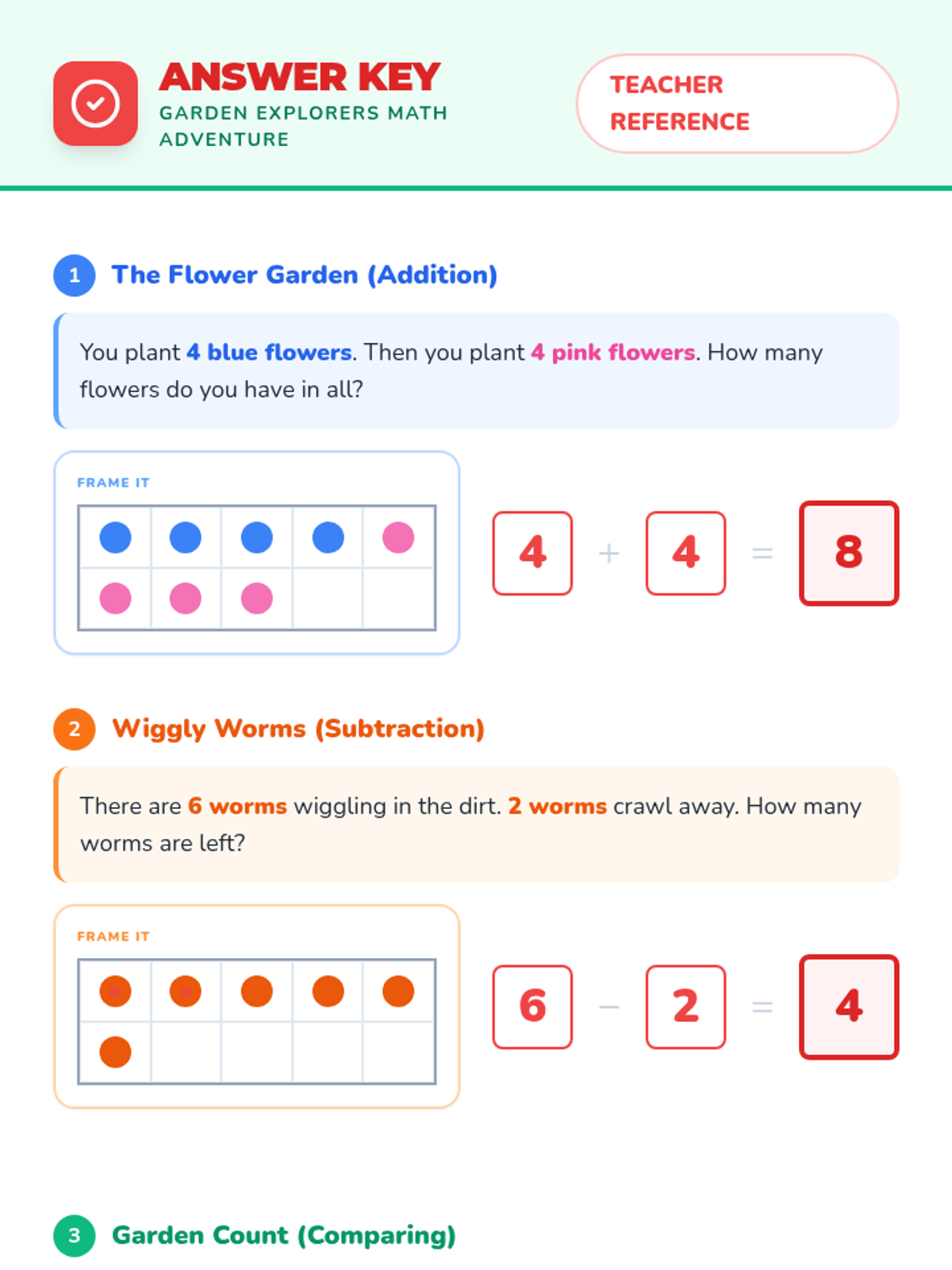
A math unit exploring addition, subtraction, and number sense through the lens of a garden, starting with numbers within 10 and progressing to 15.
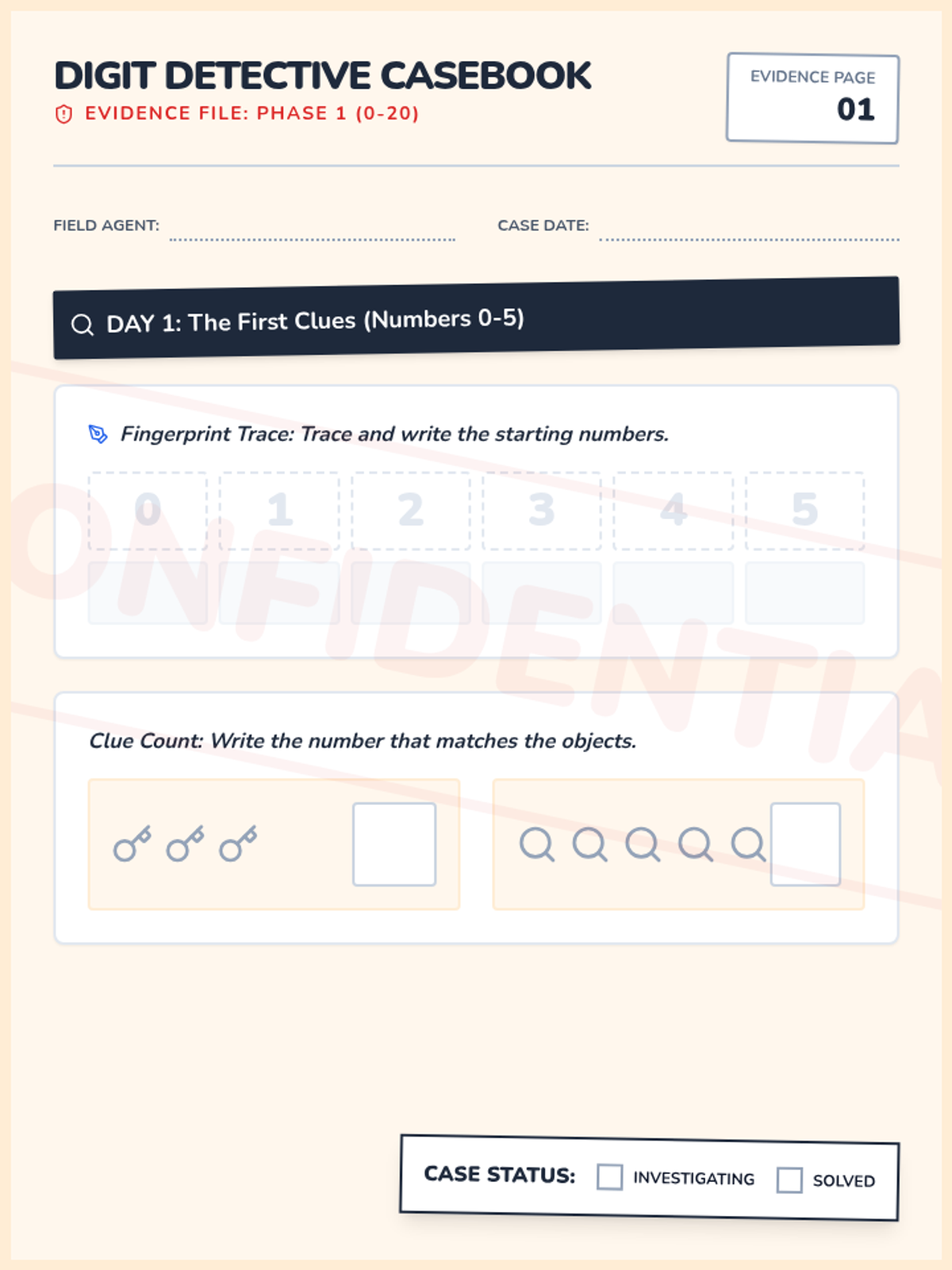
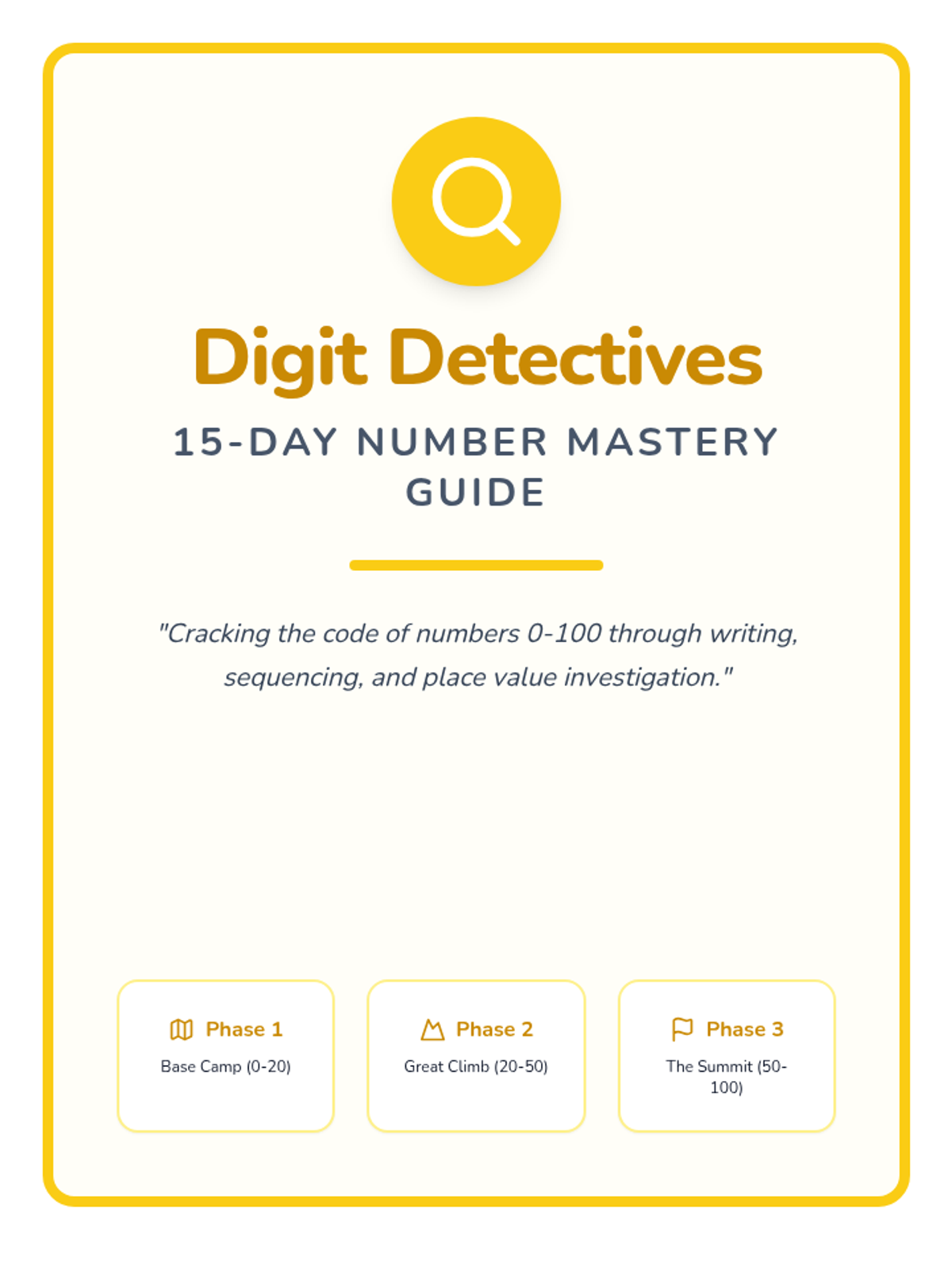
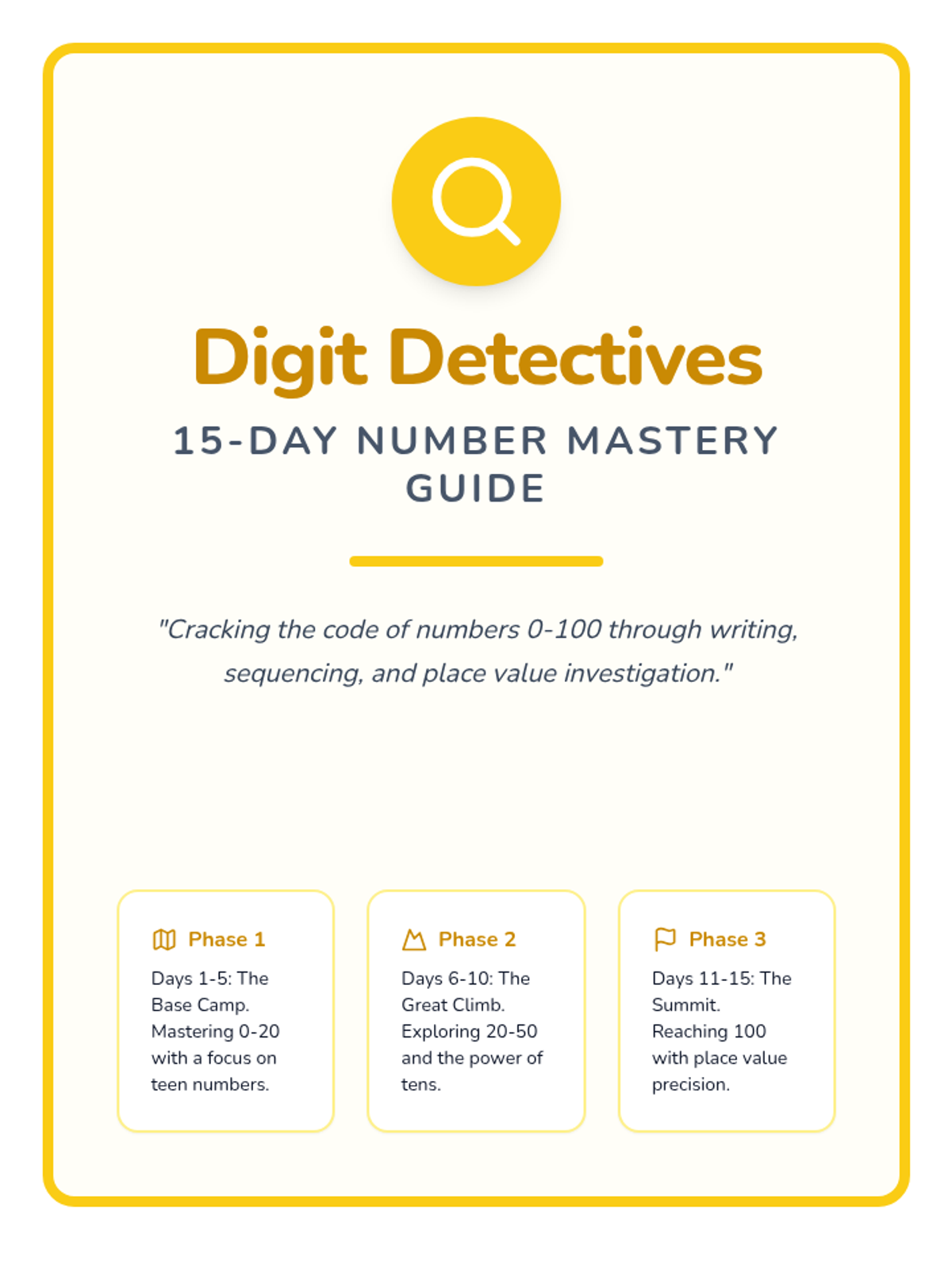
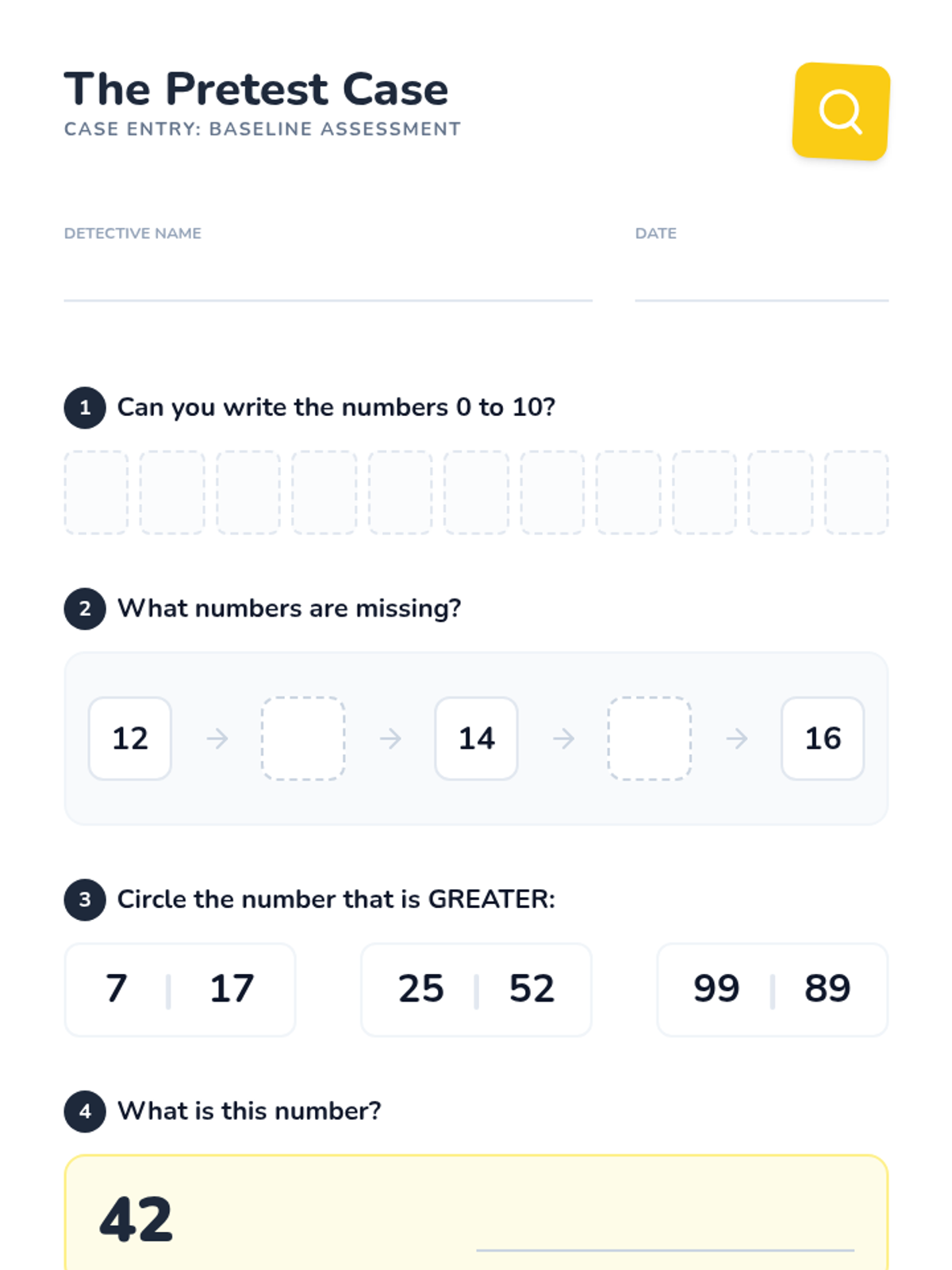
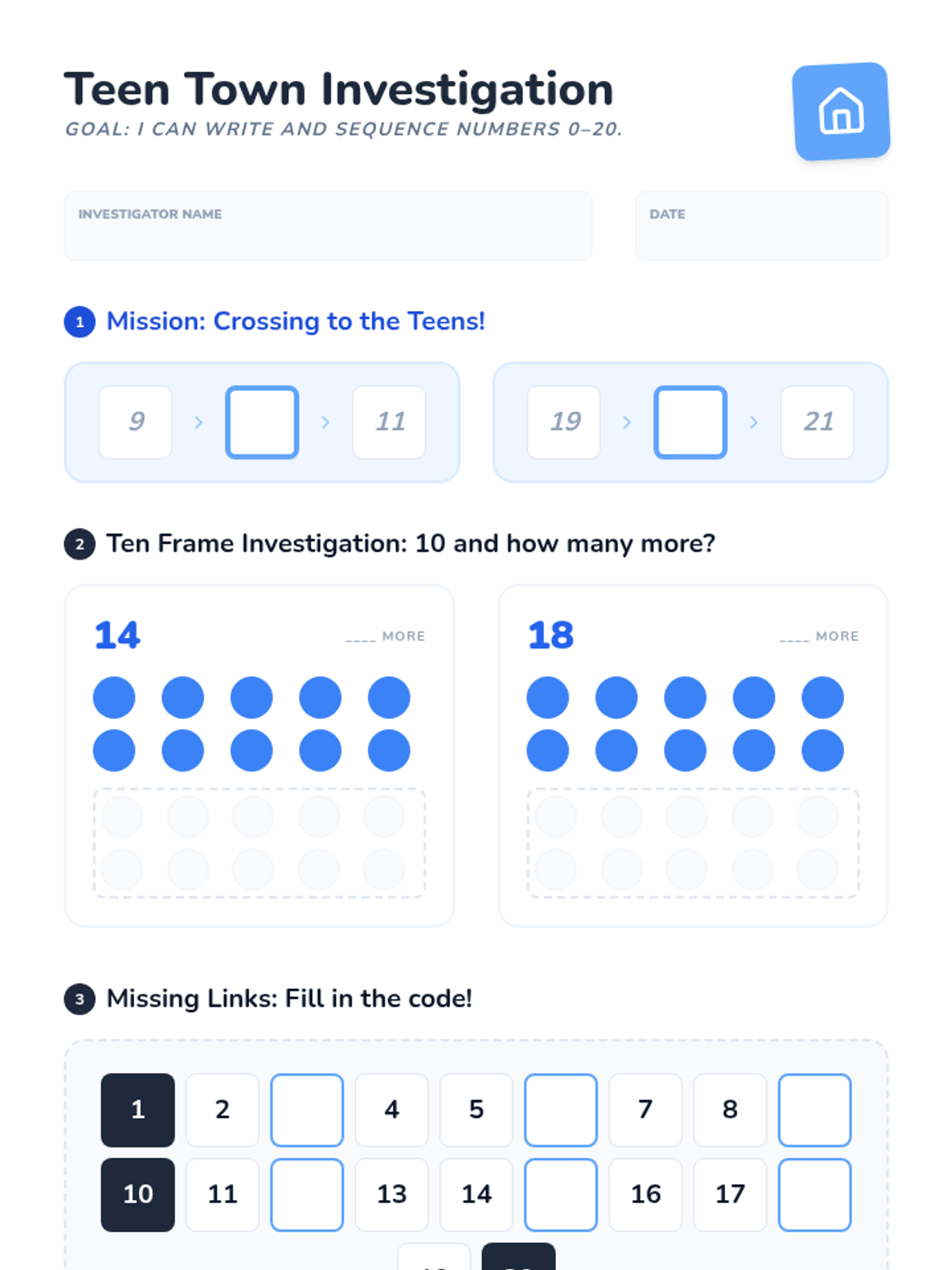
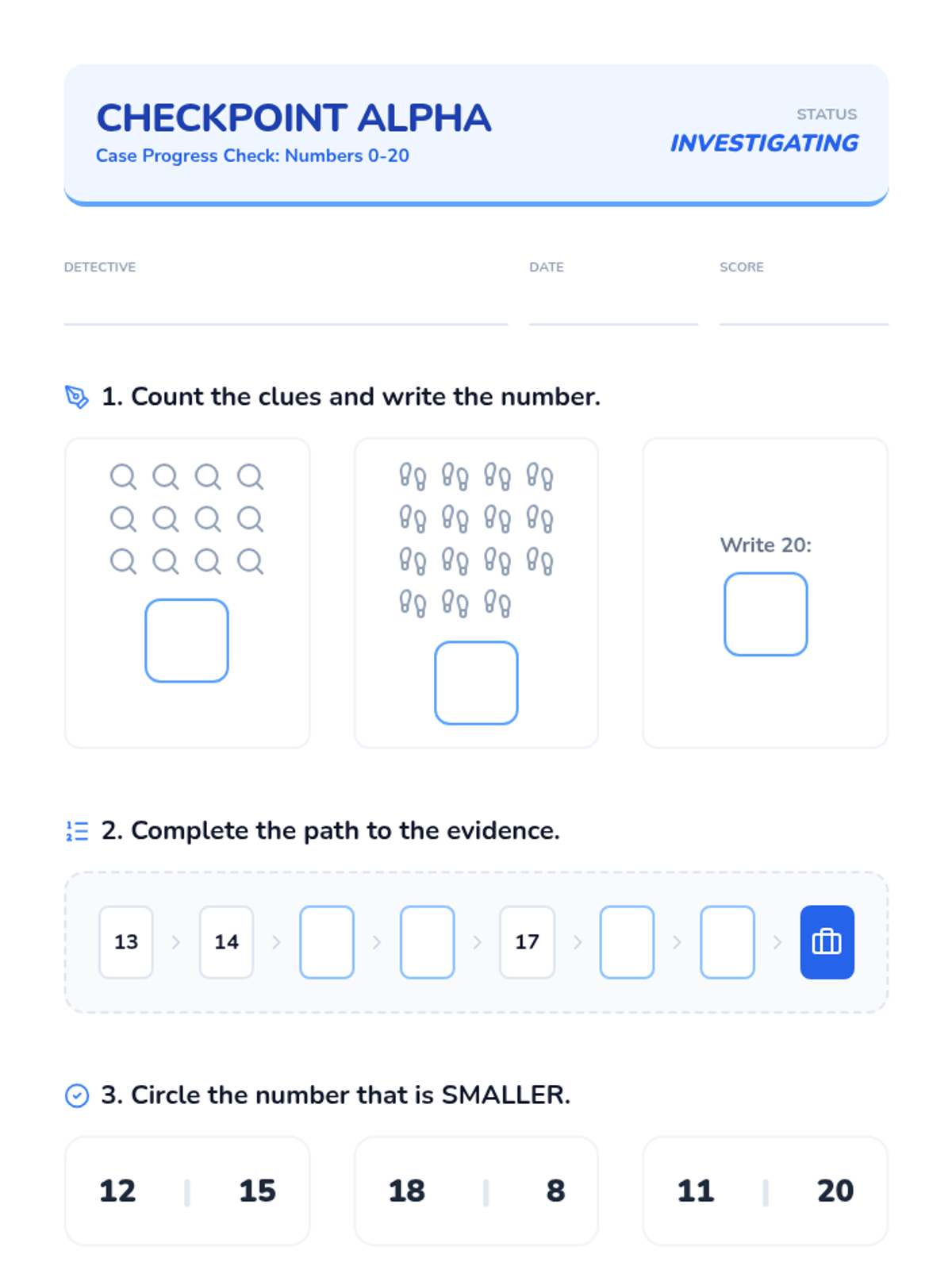
A comprehensive 15-day math sequence designed for early elementary students to master numbers 0-100. The curriculum covers writing, sequencing, and place value through three progressive phases: 0-20, 20-50, and 50-100.
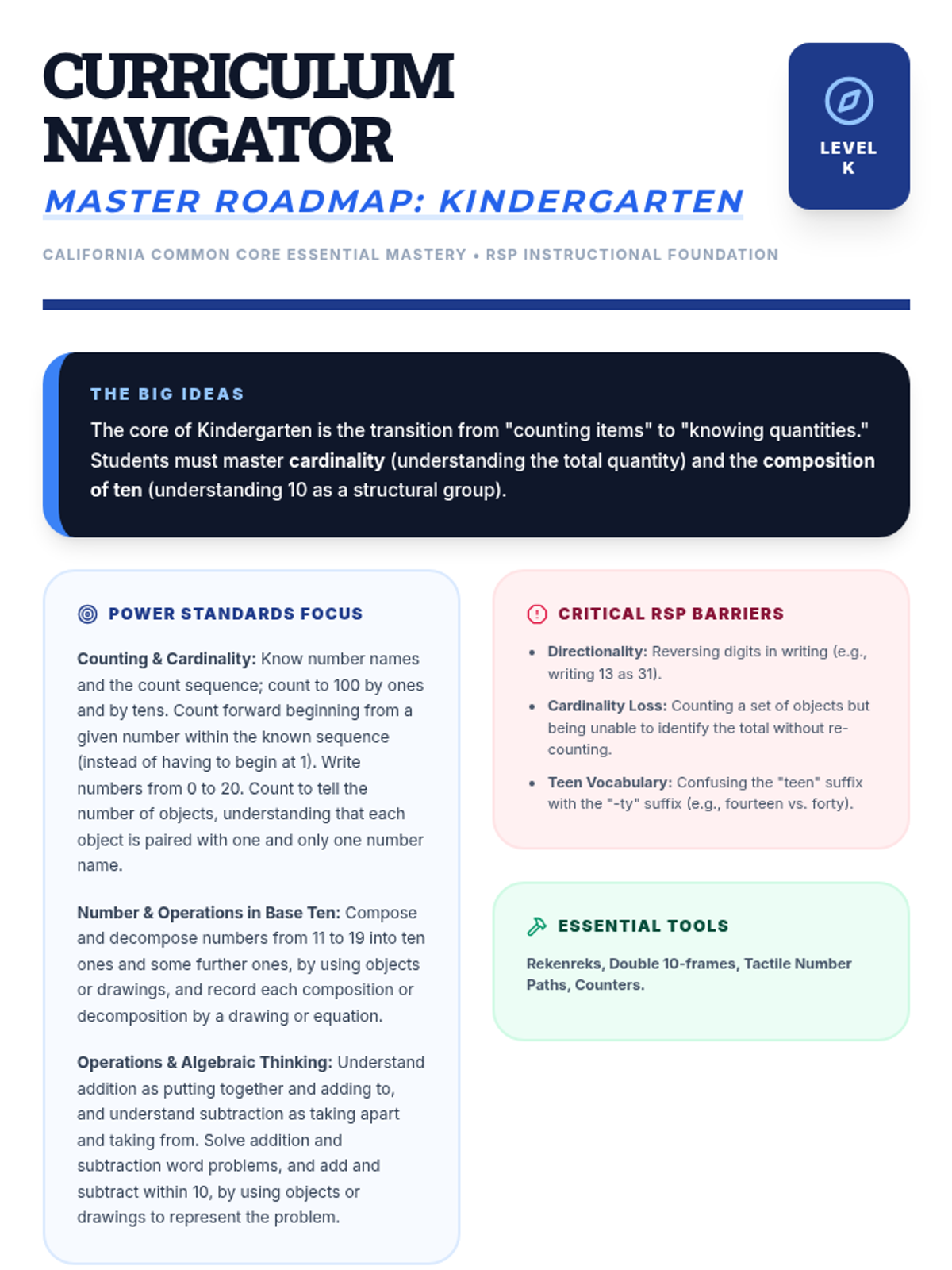
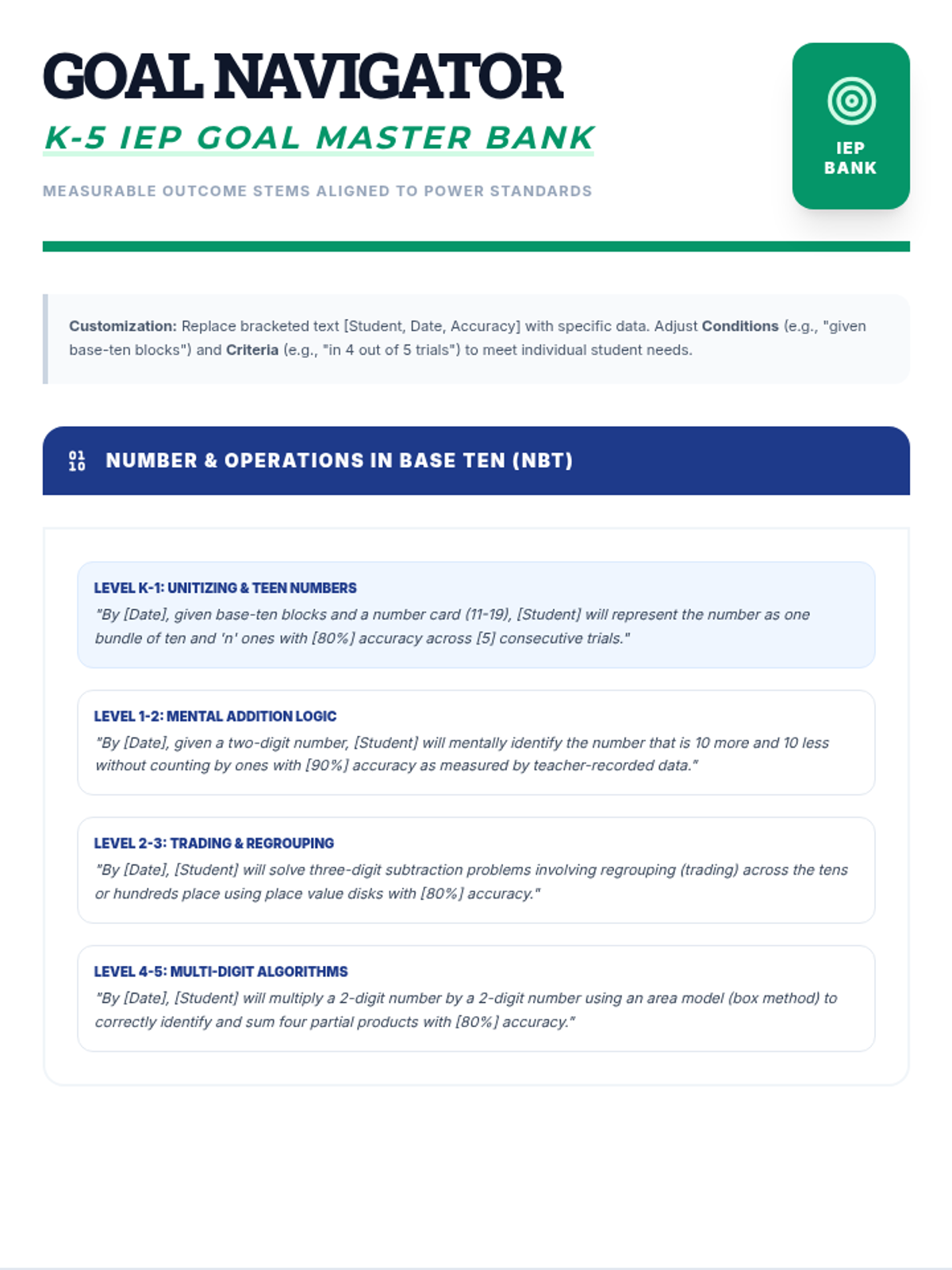
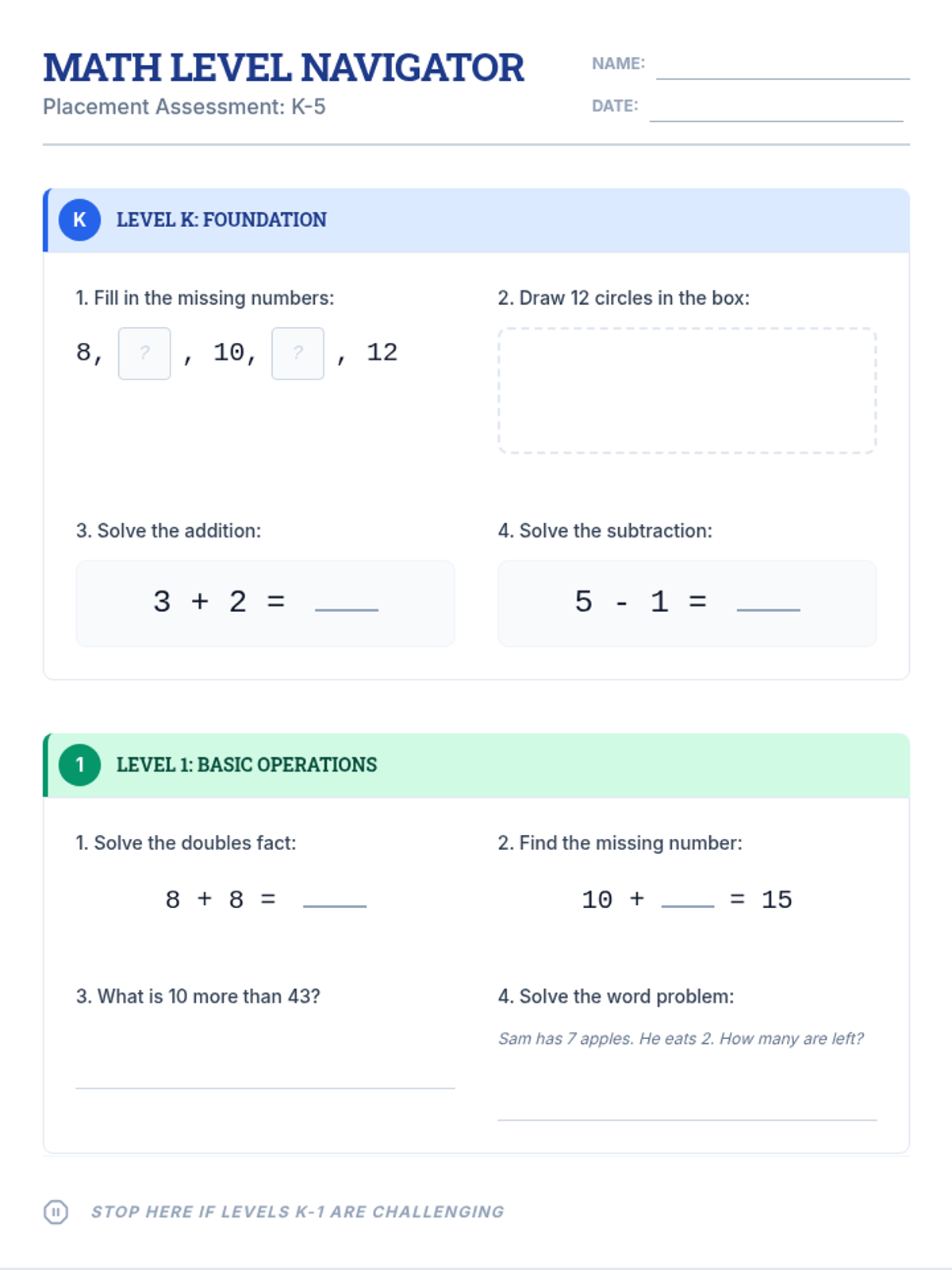
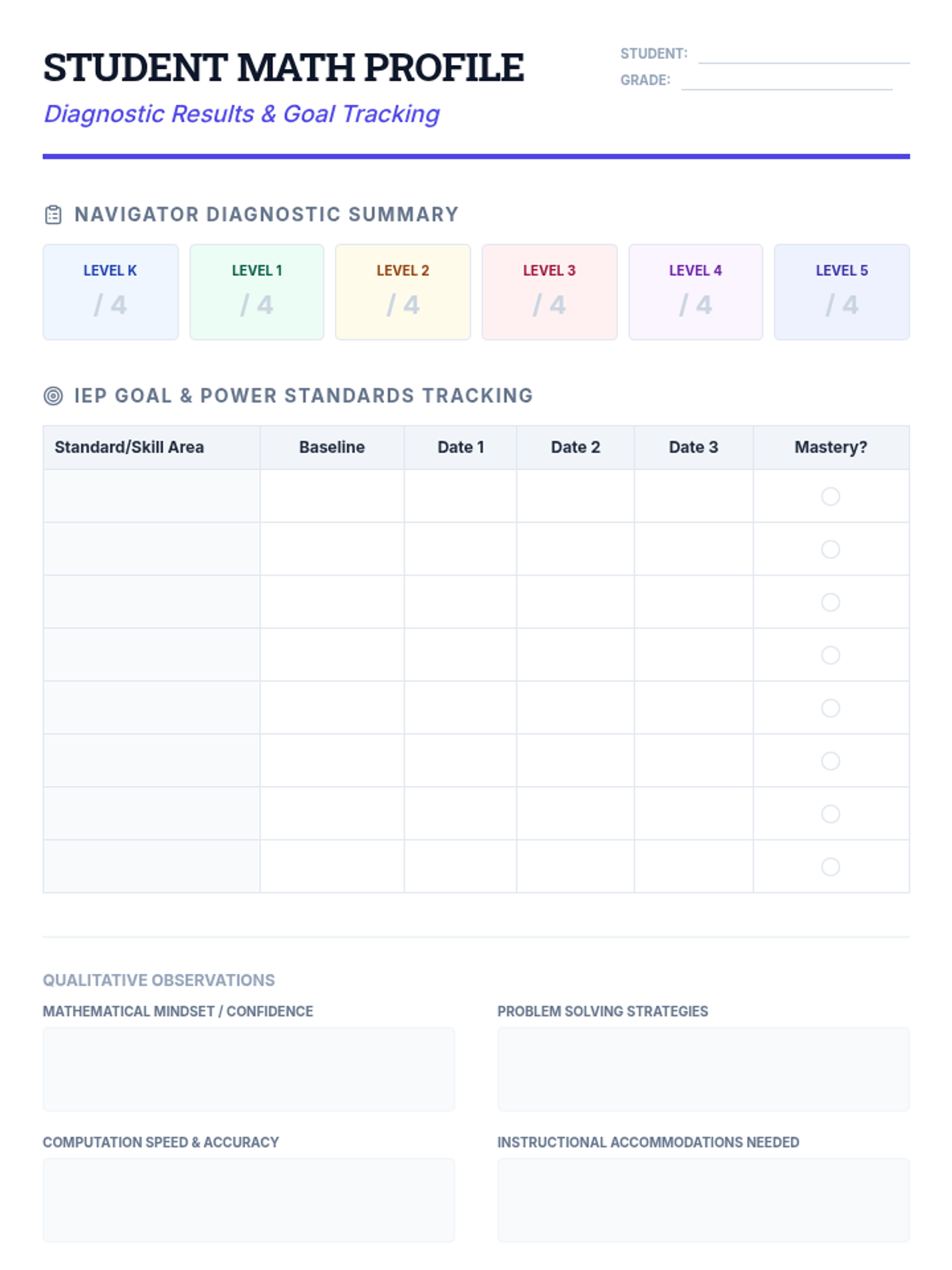
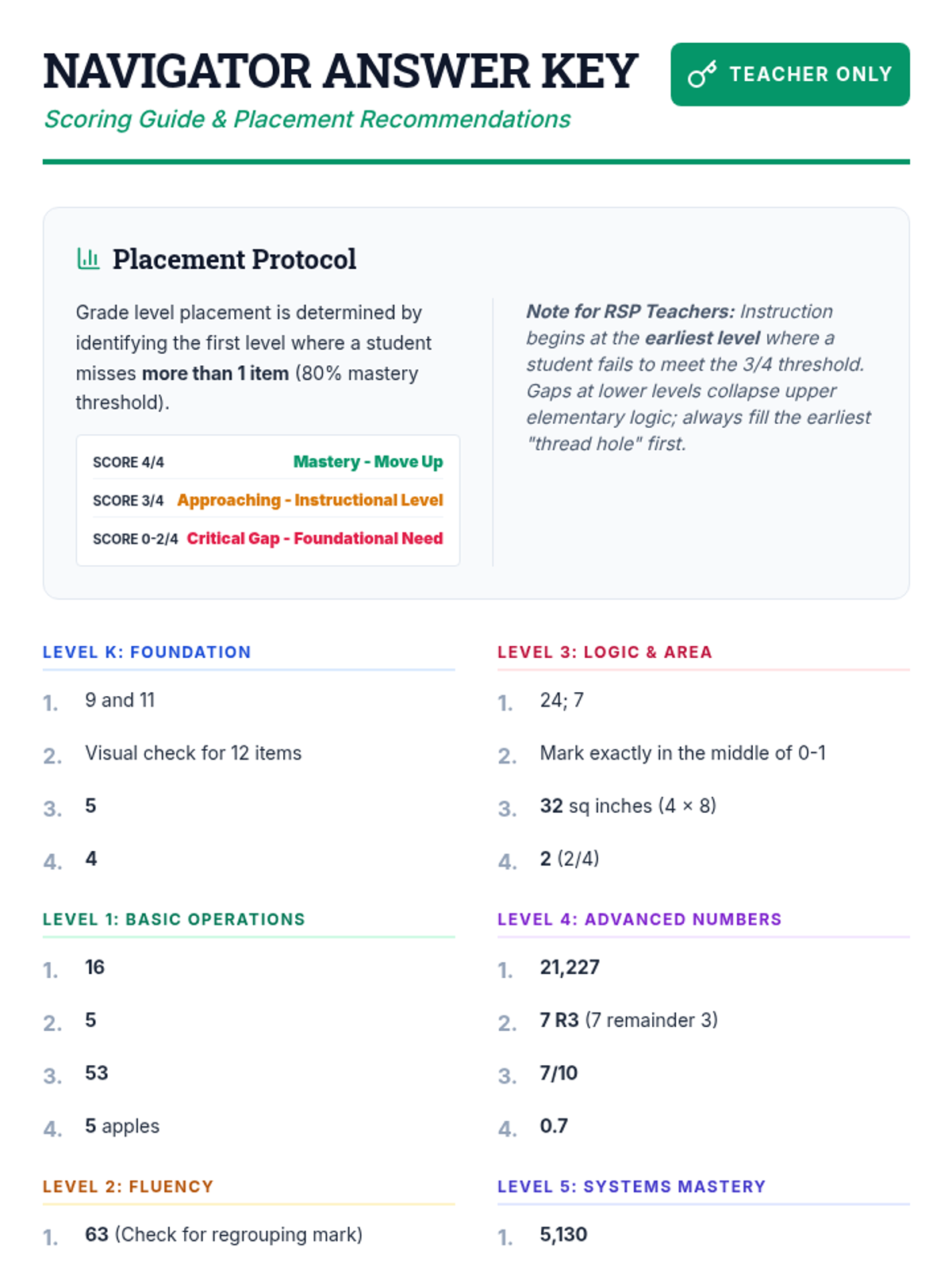
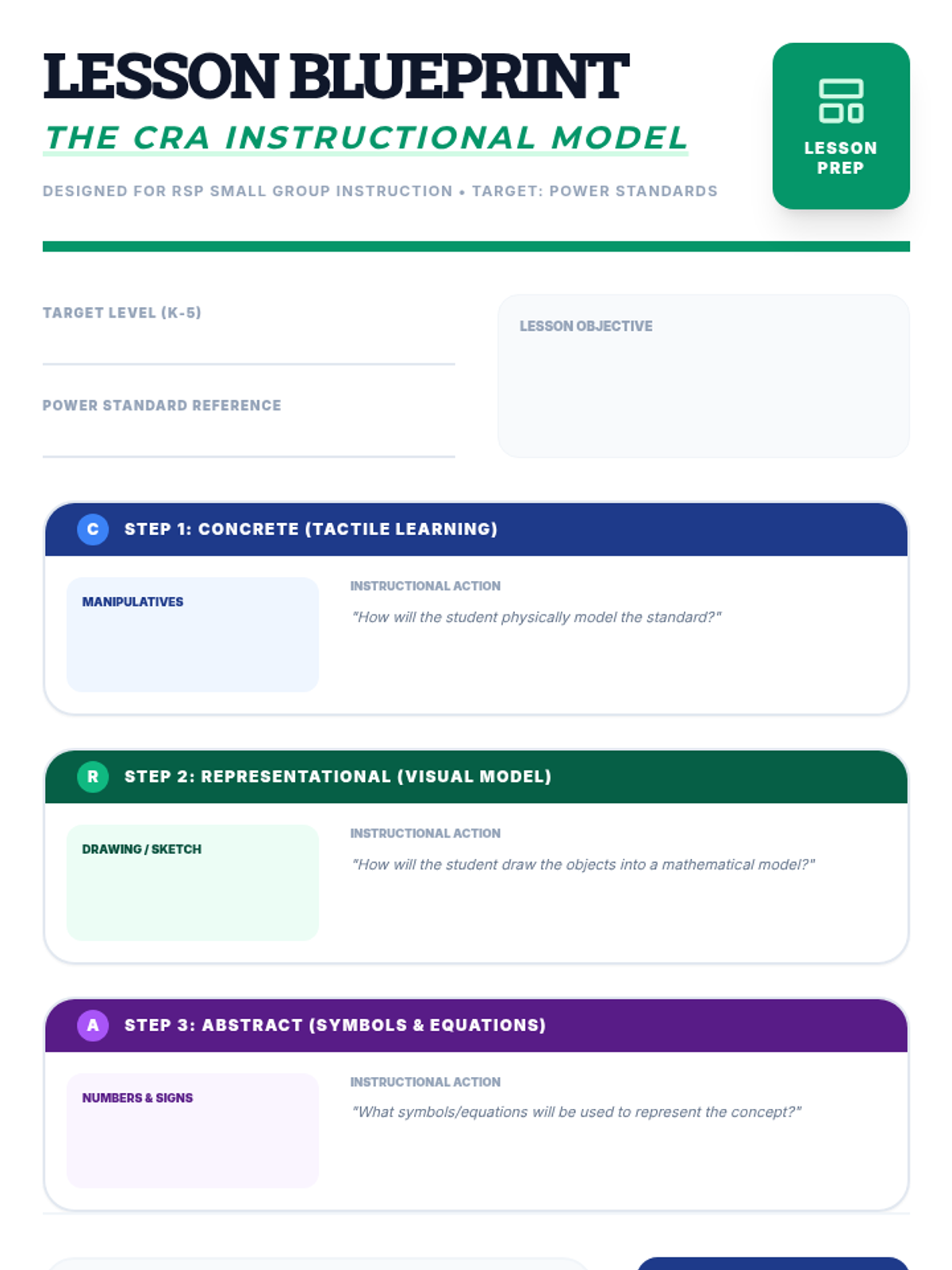
A comprehensive framework for K-5 RSP math instruction, including a California Common Core aligned scope and sequence of power standards and a leveled placement diagnostic.
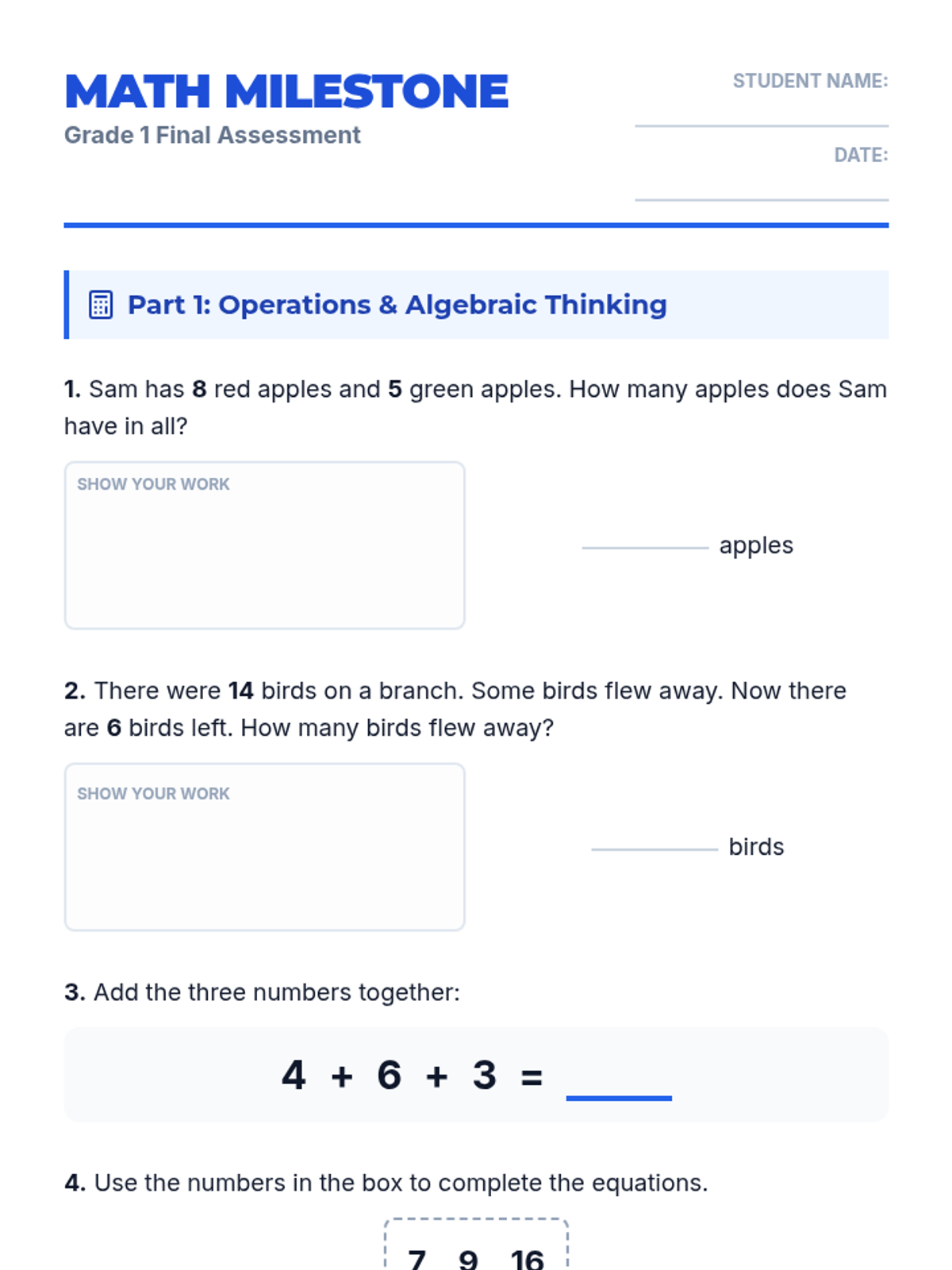
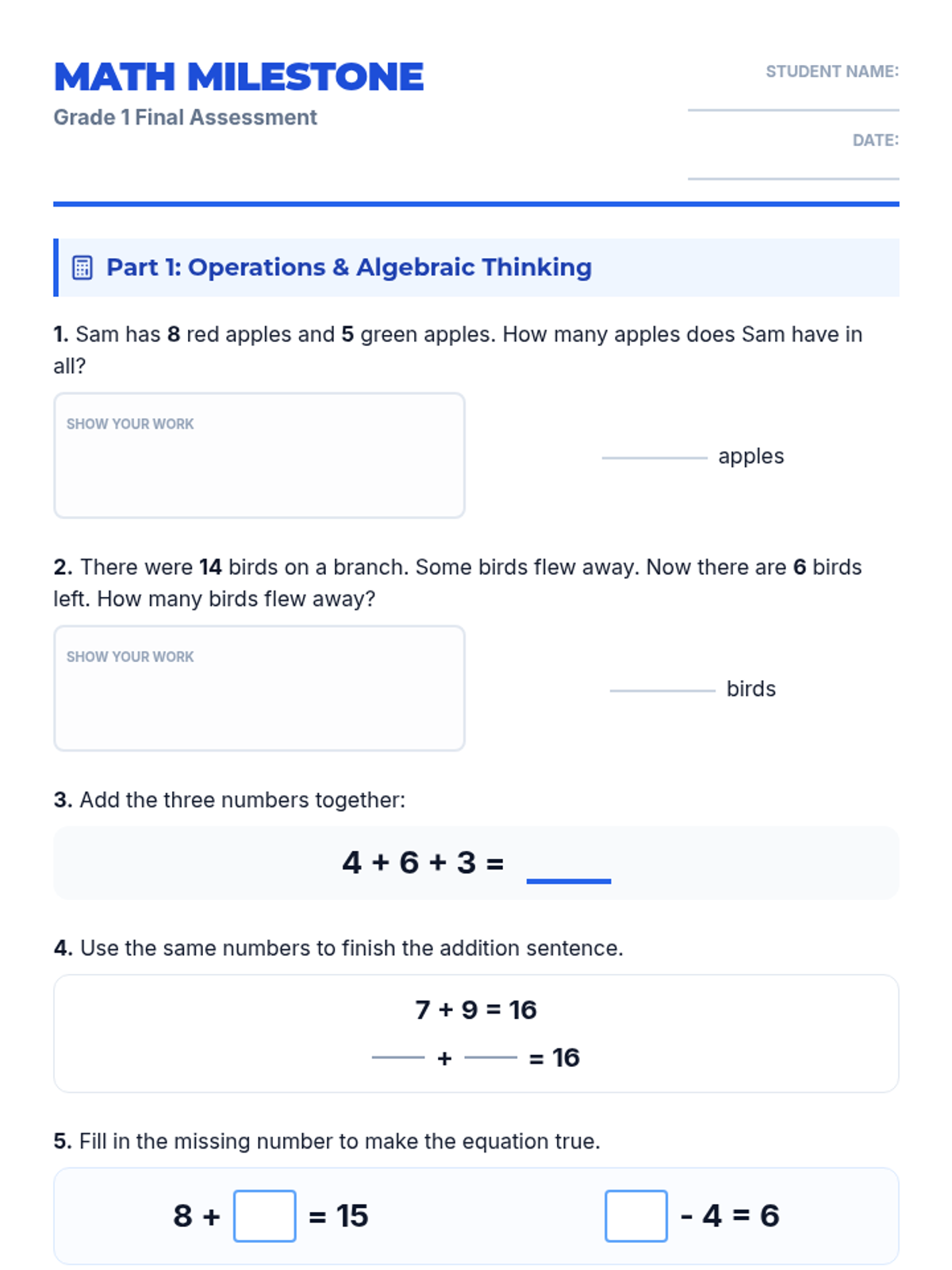
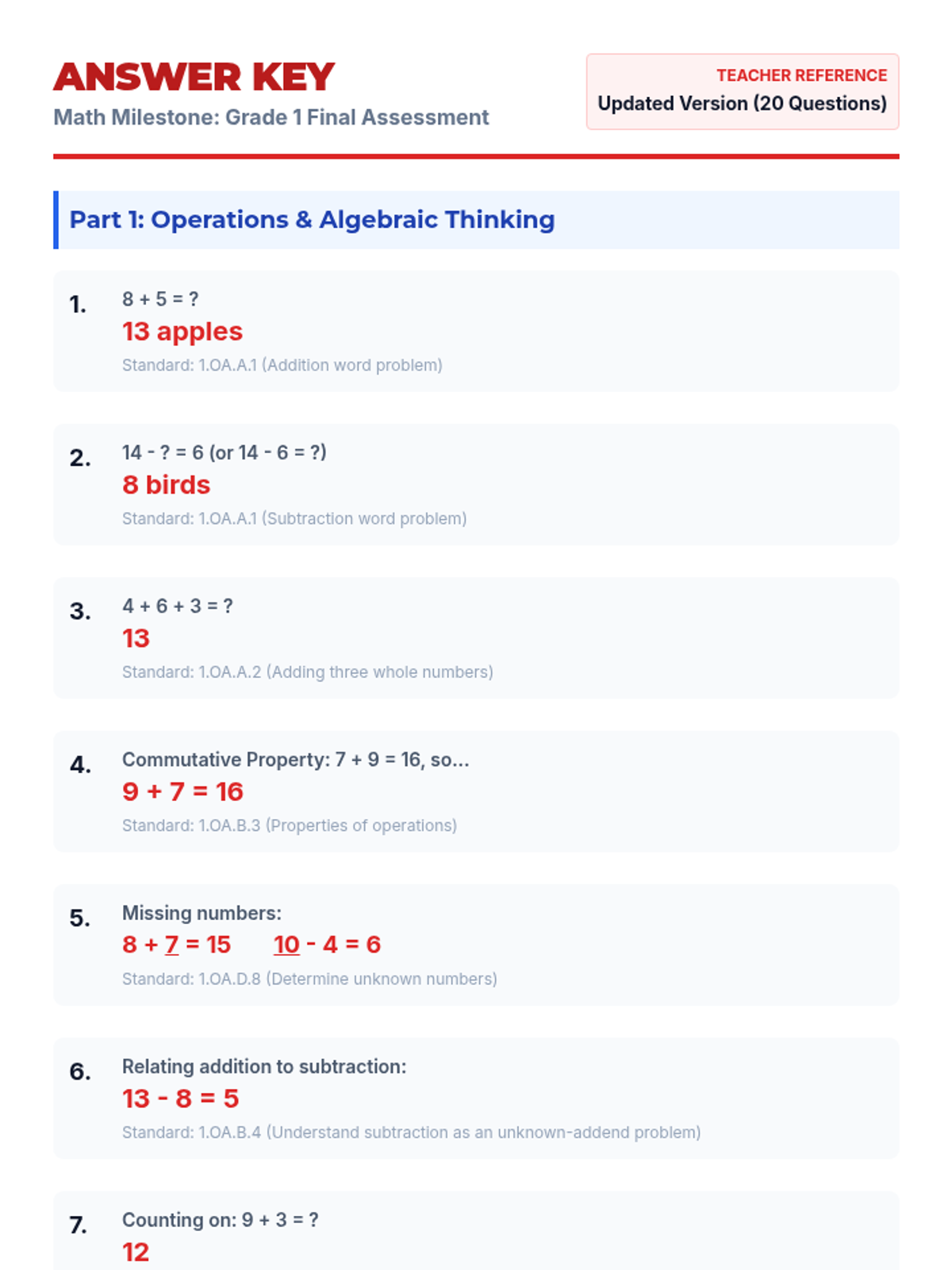
A series of materials designed to evaluate and document first-grade students' mastery of year-long mathematical standards in preparation for second grade.
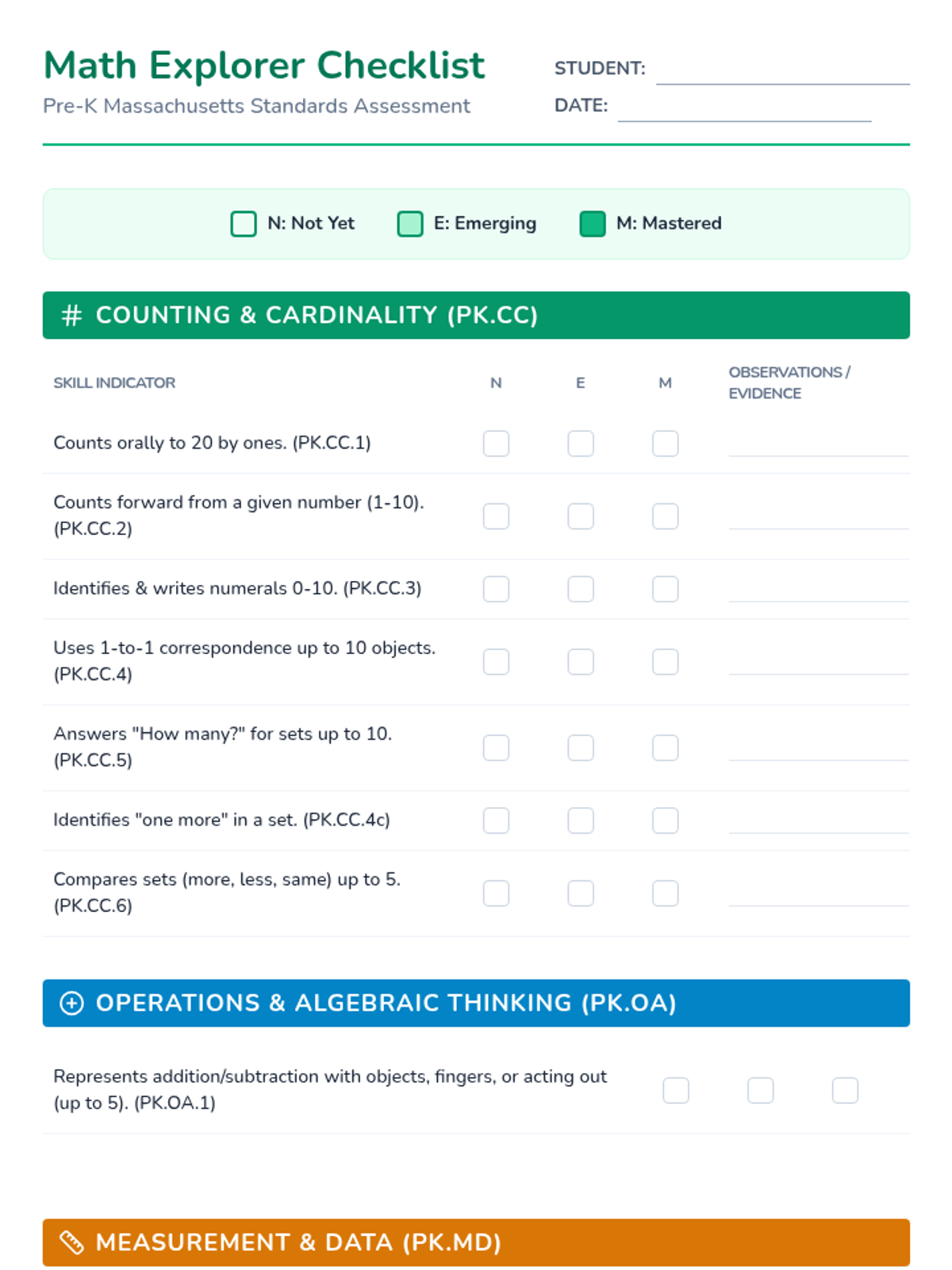
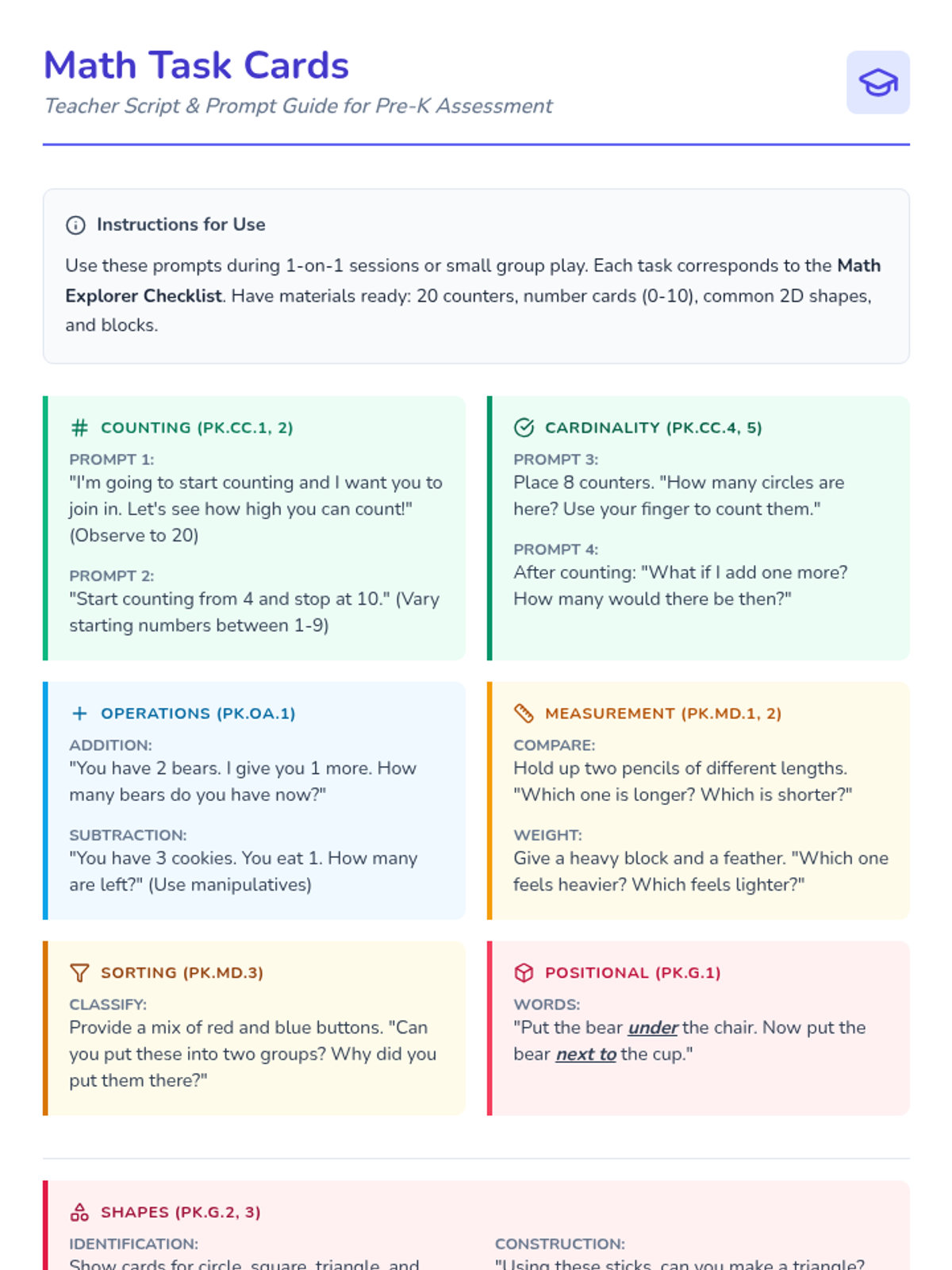
A series of assessment resources for foundational mathematics based on the Massachusetts Curriculum Frameworks, spanning Pre-K and early elementary grades.
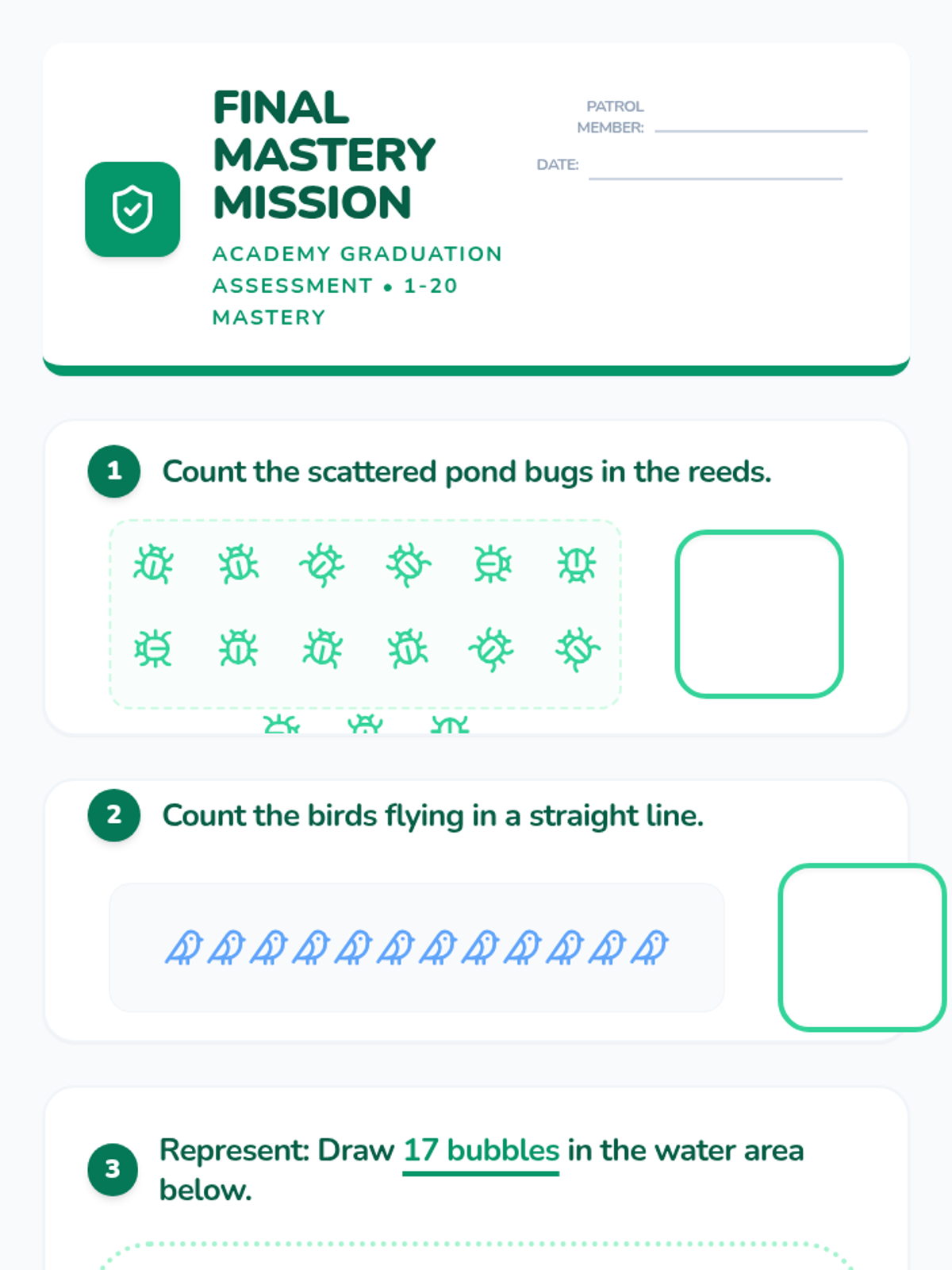
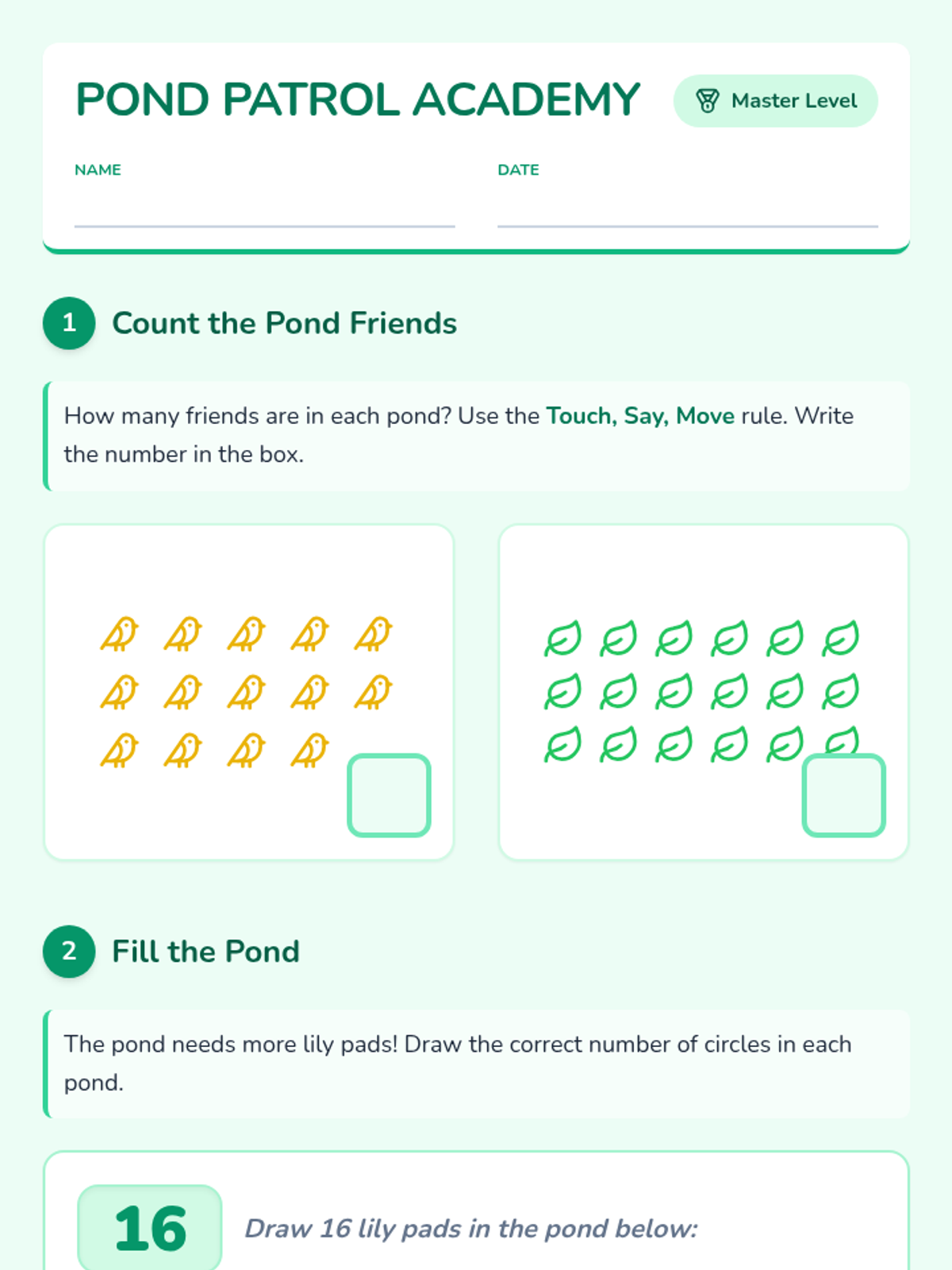
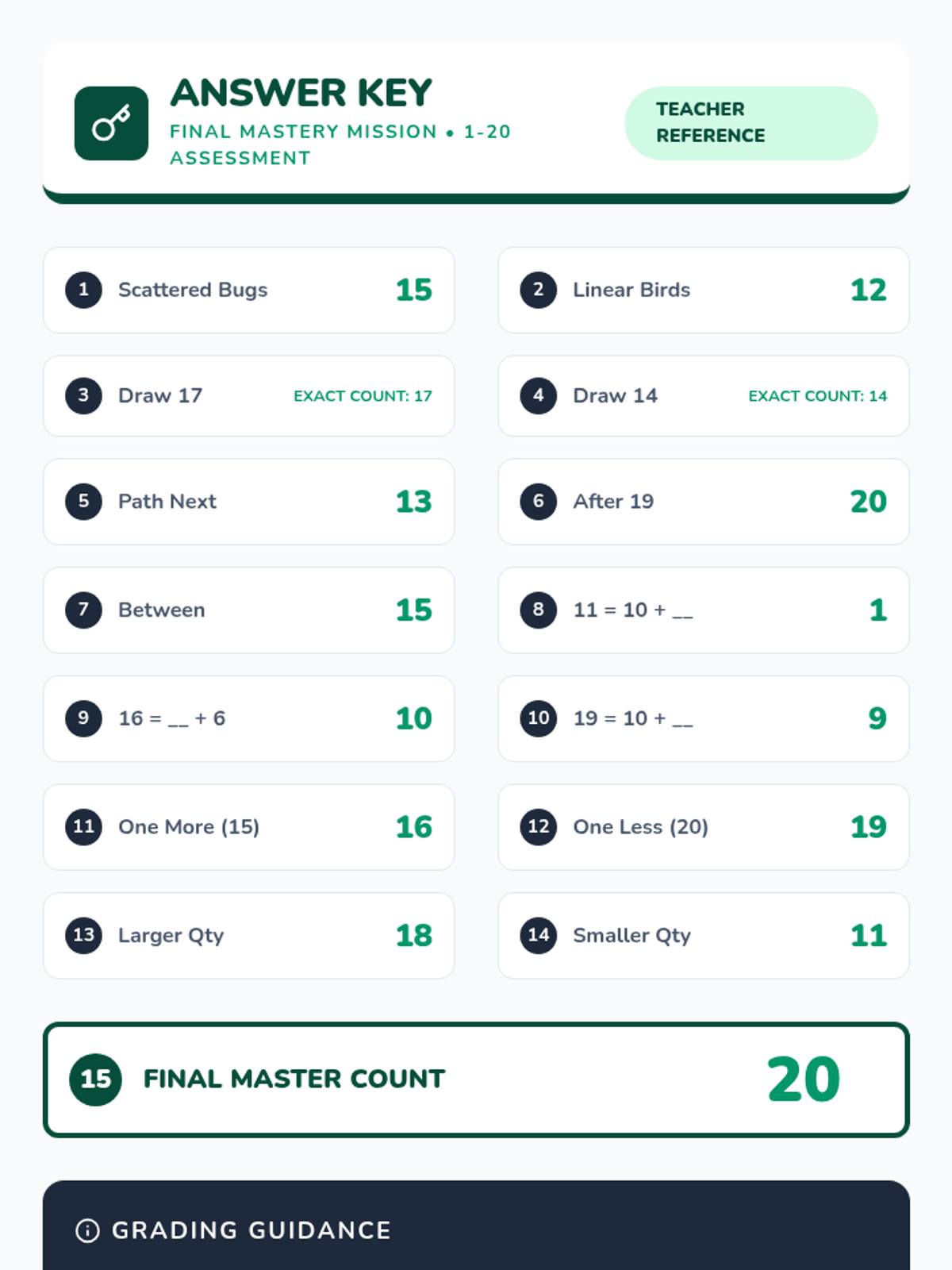
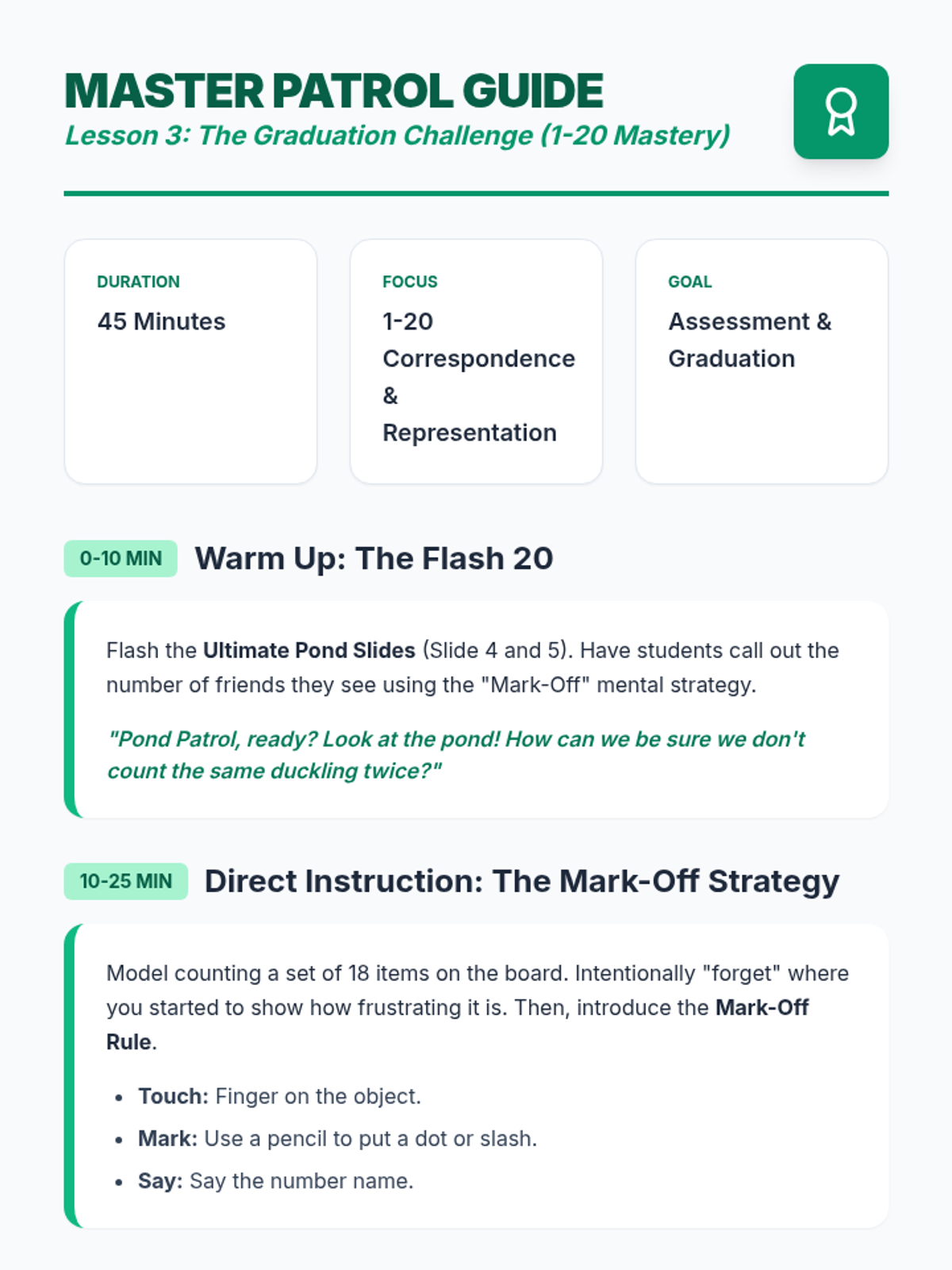
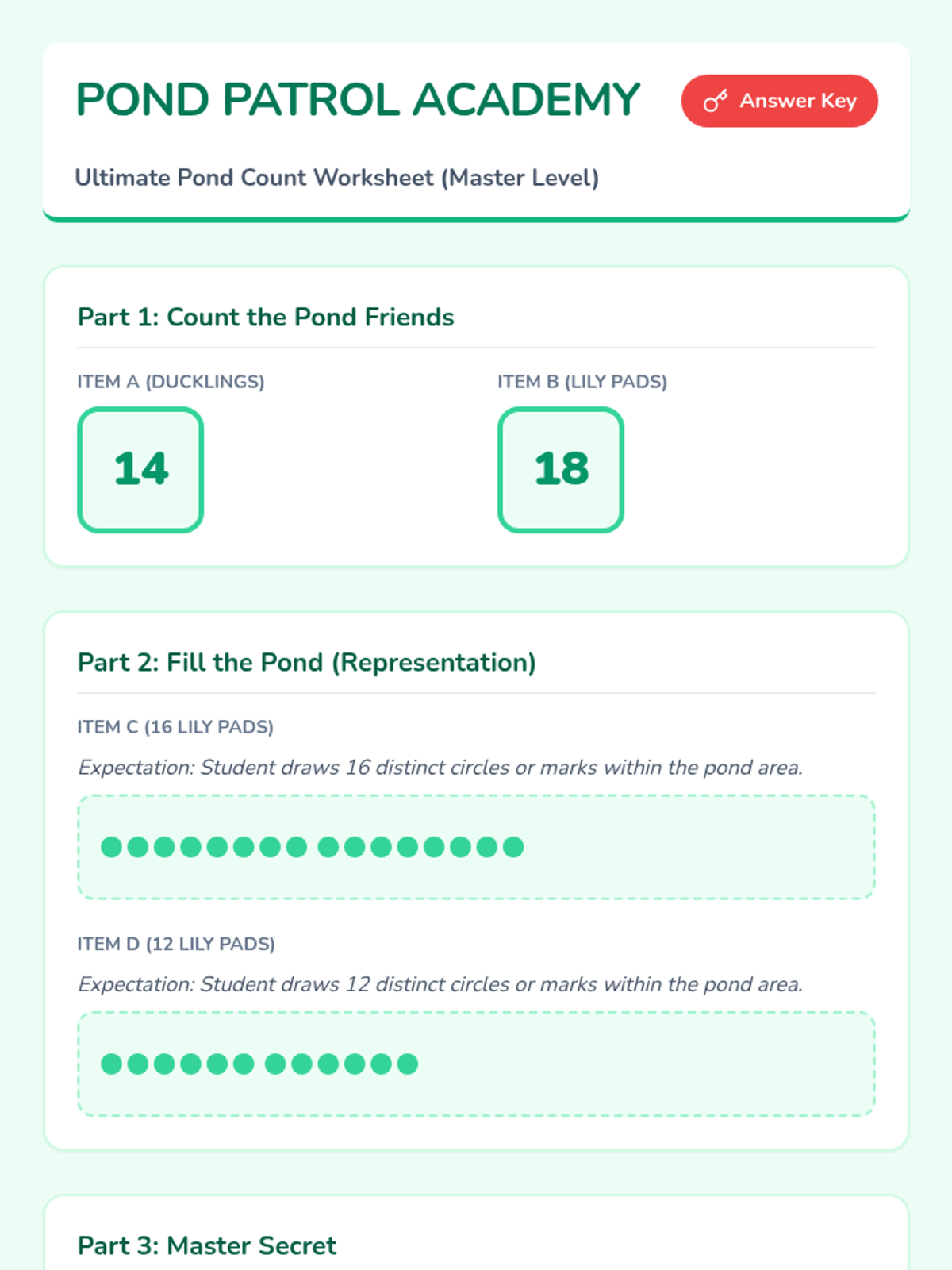
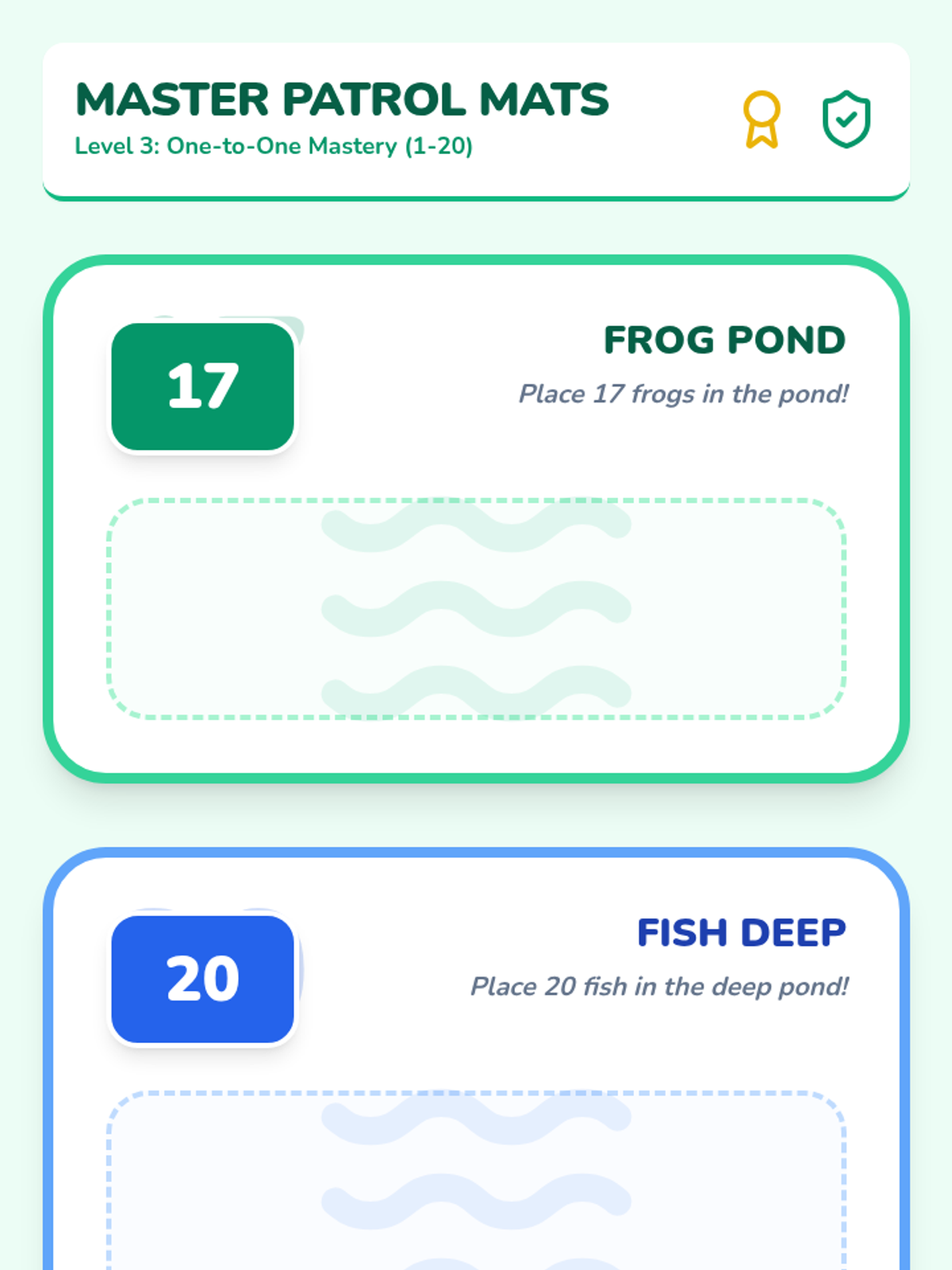
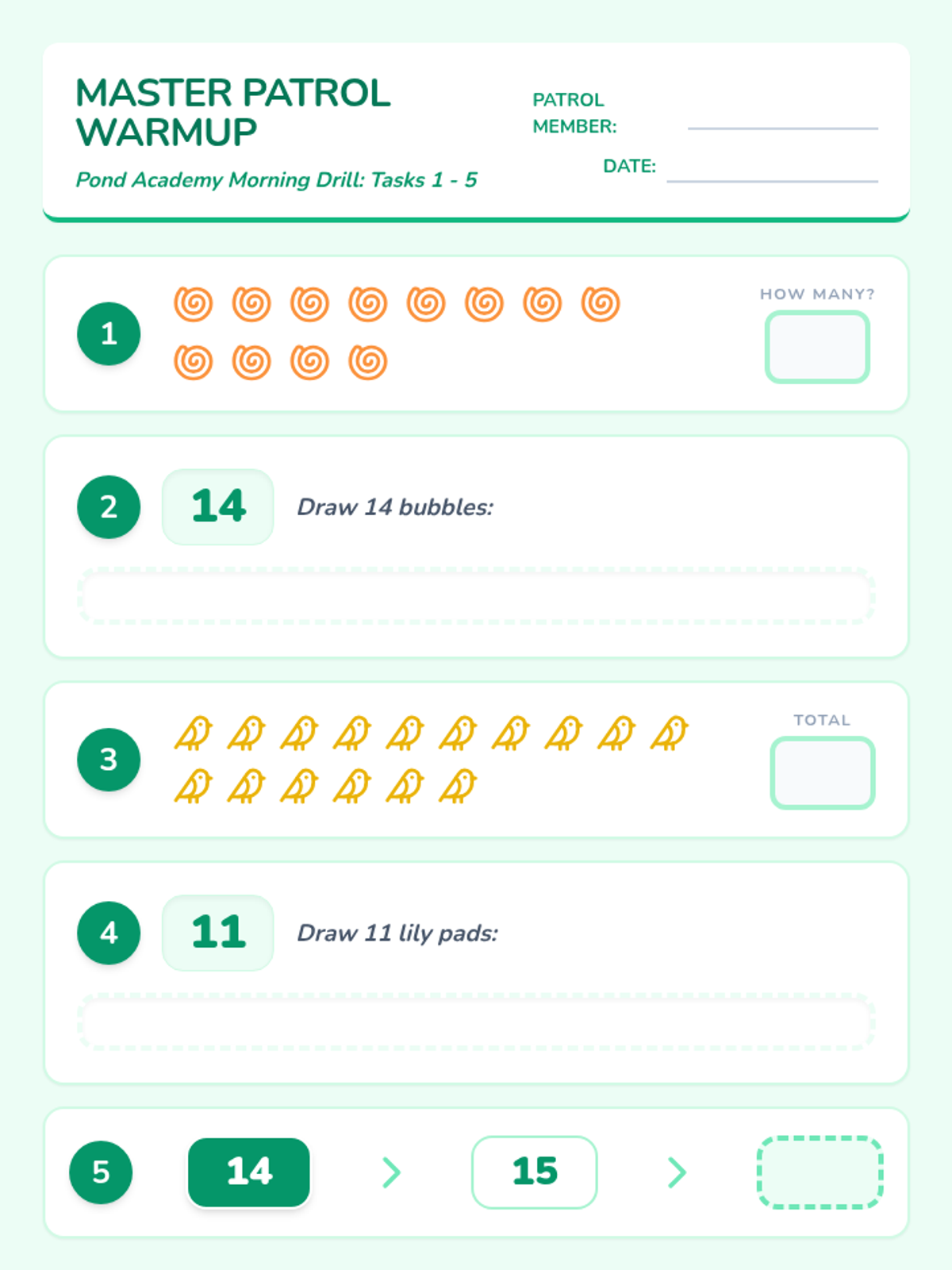
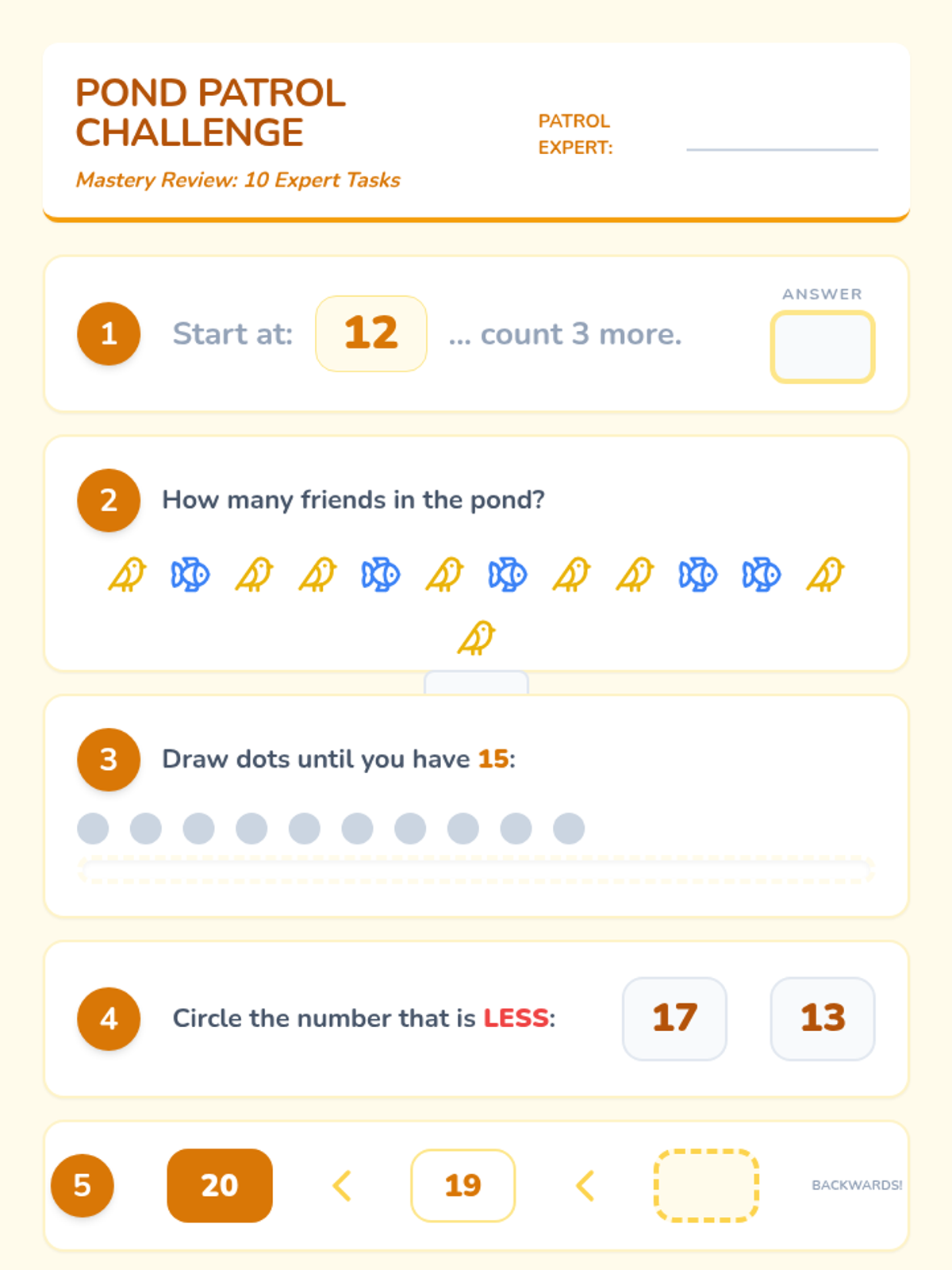
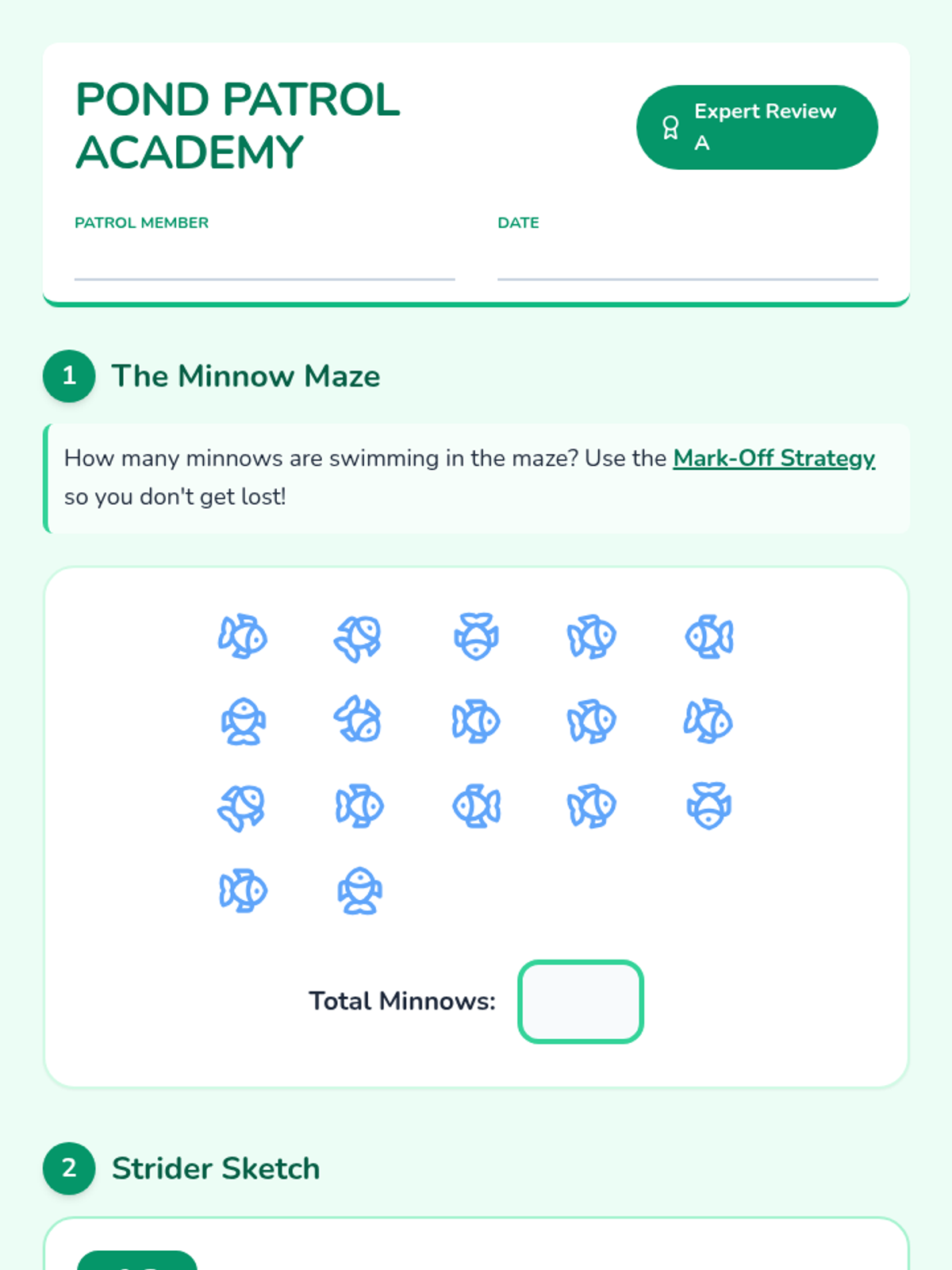
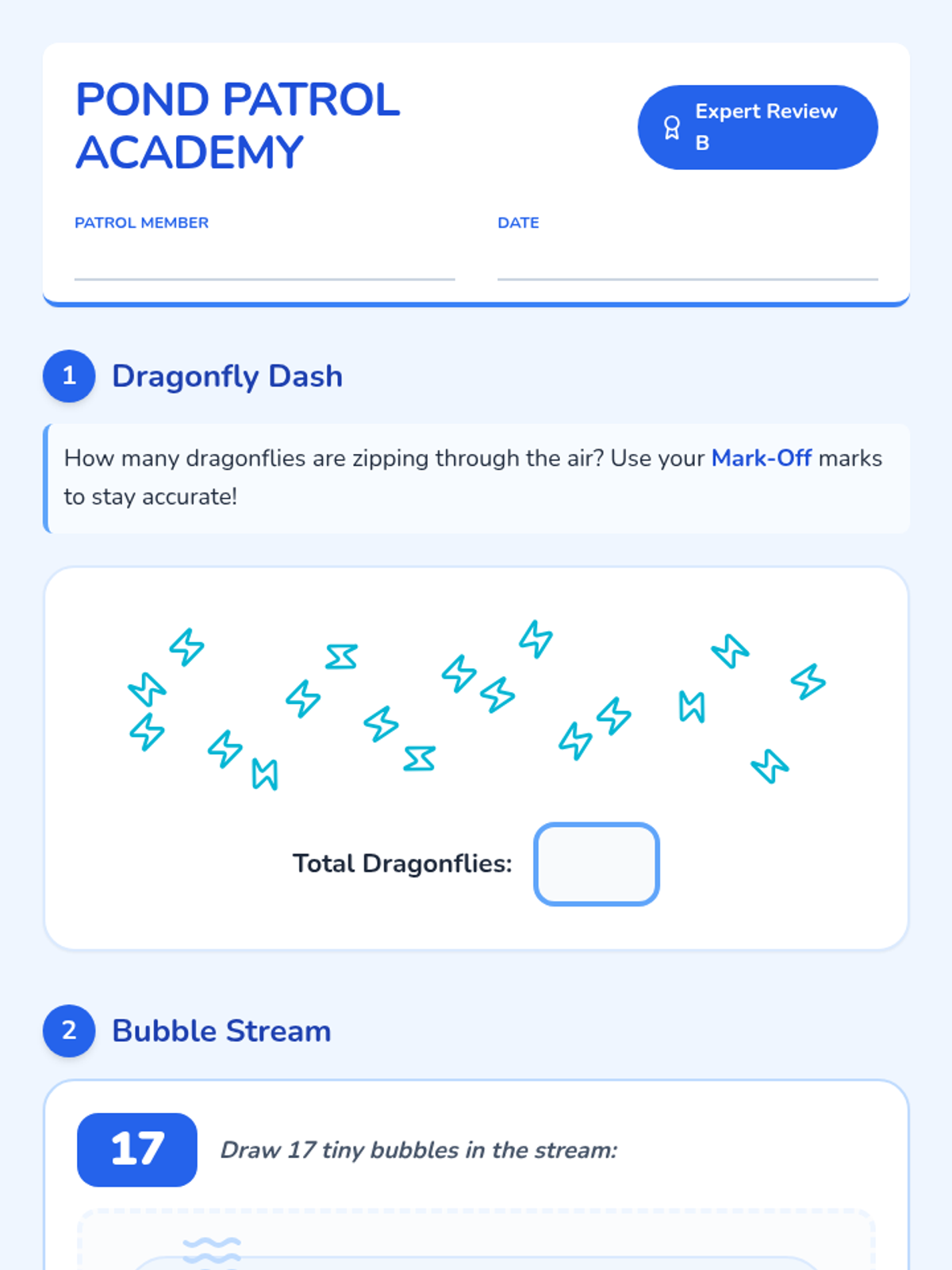
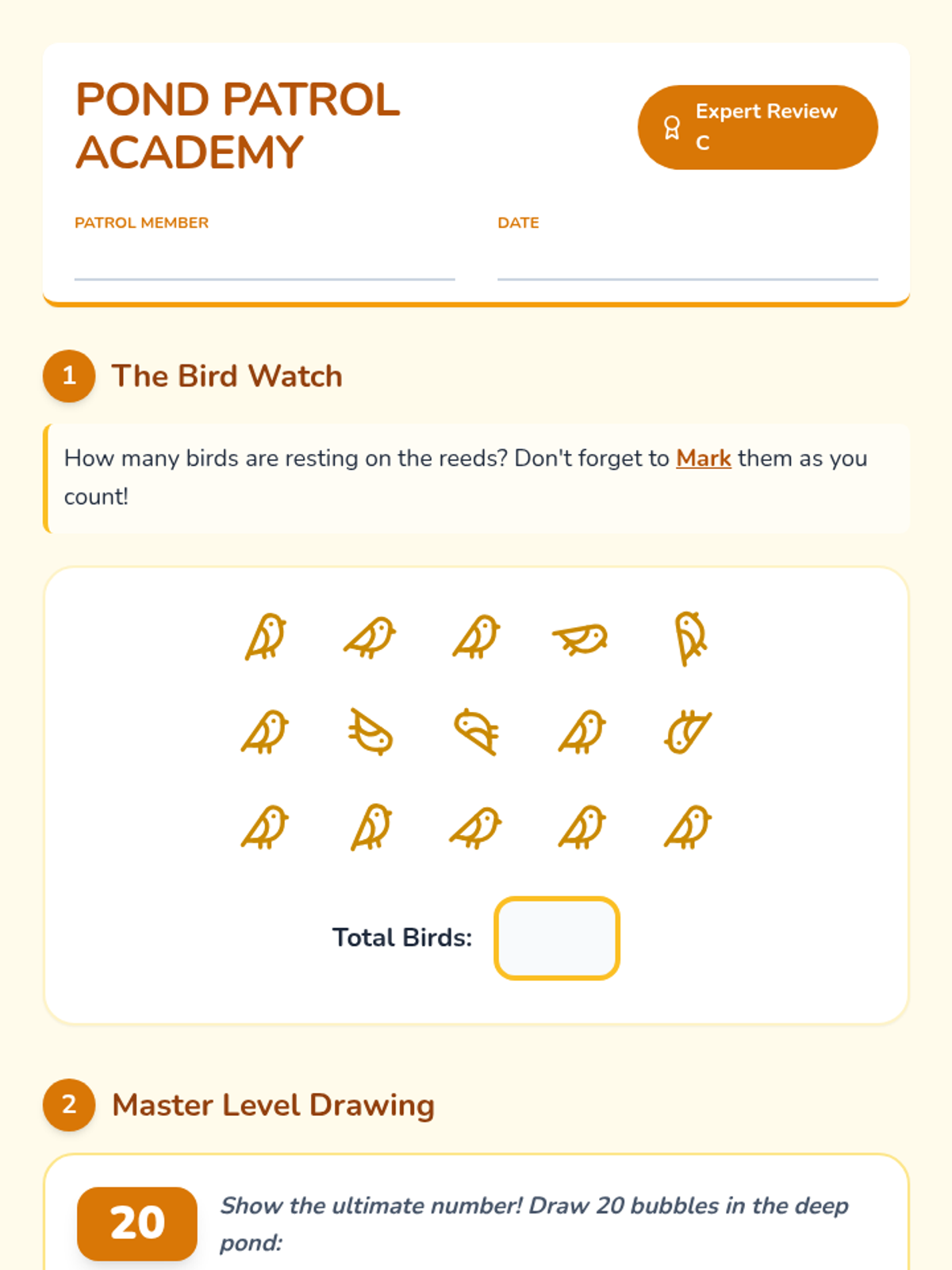
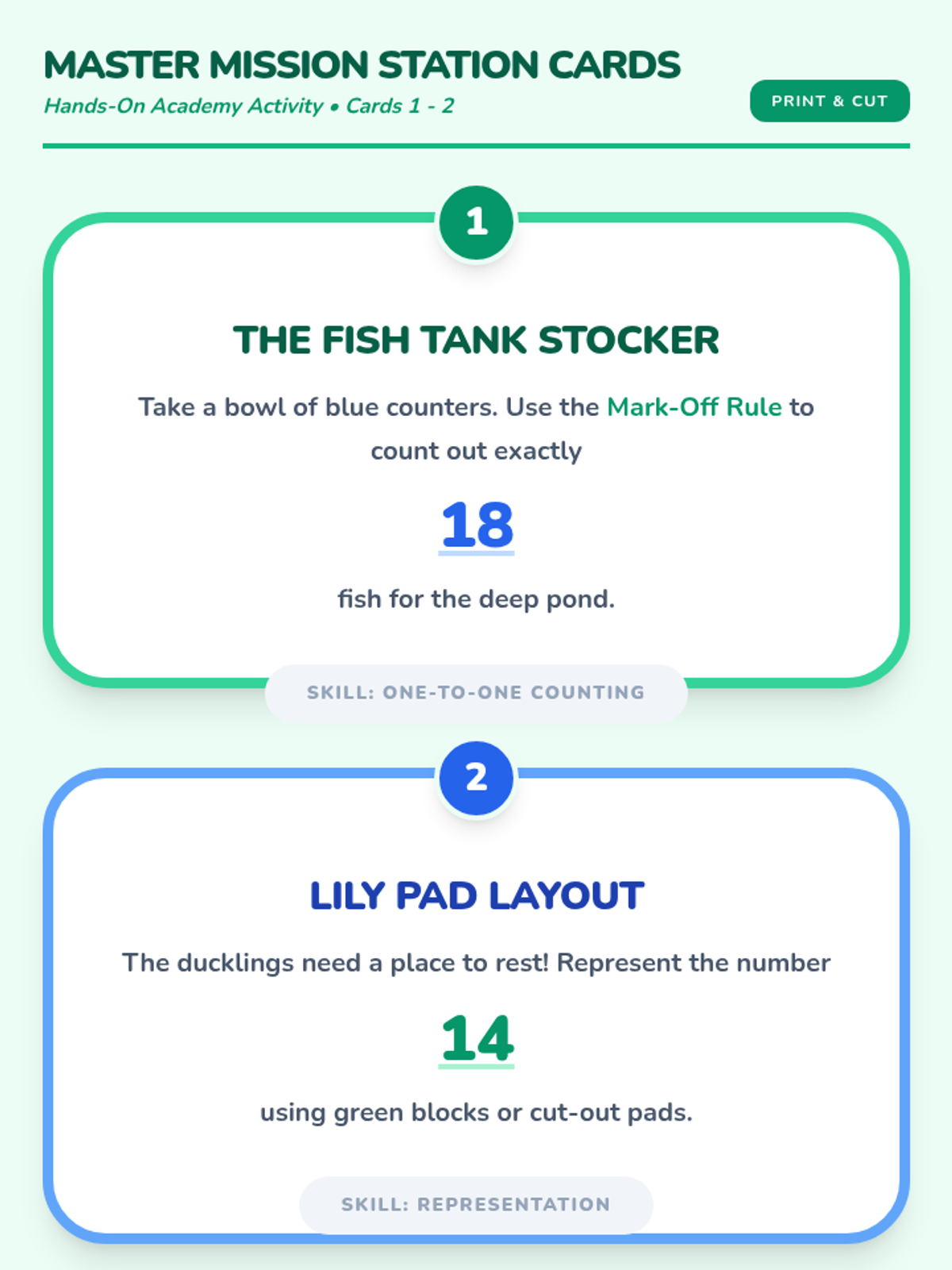
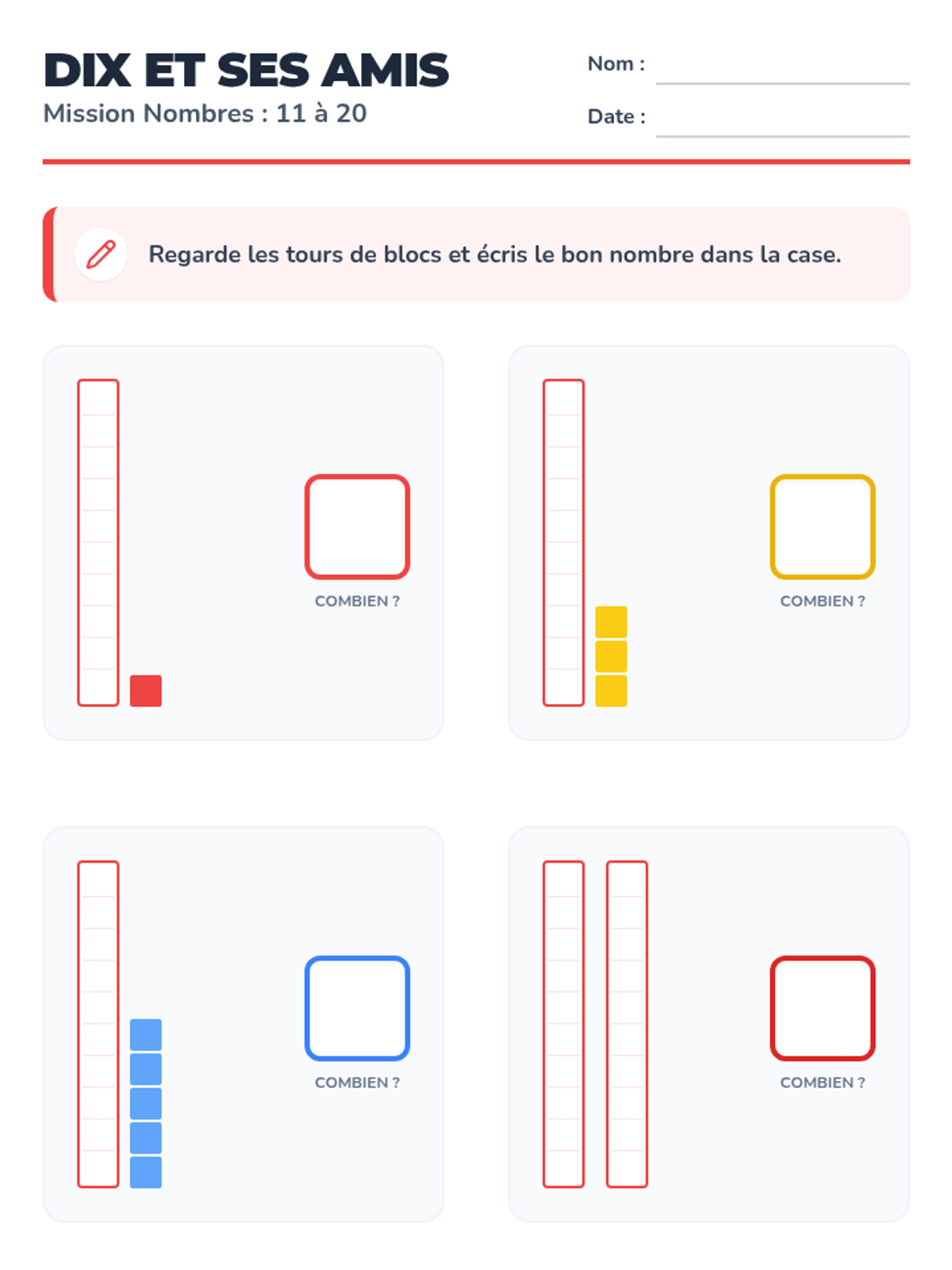
A comprehensive math sequence designed for early learners to master counting from 1 to 20. Using a engaging pond theme, students progress from single-digit counting to understanding teen numbers and representing larger quantities.
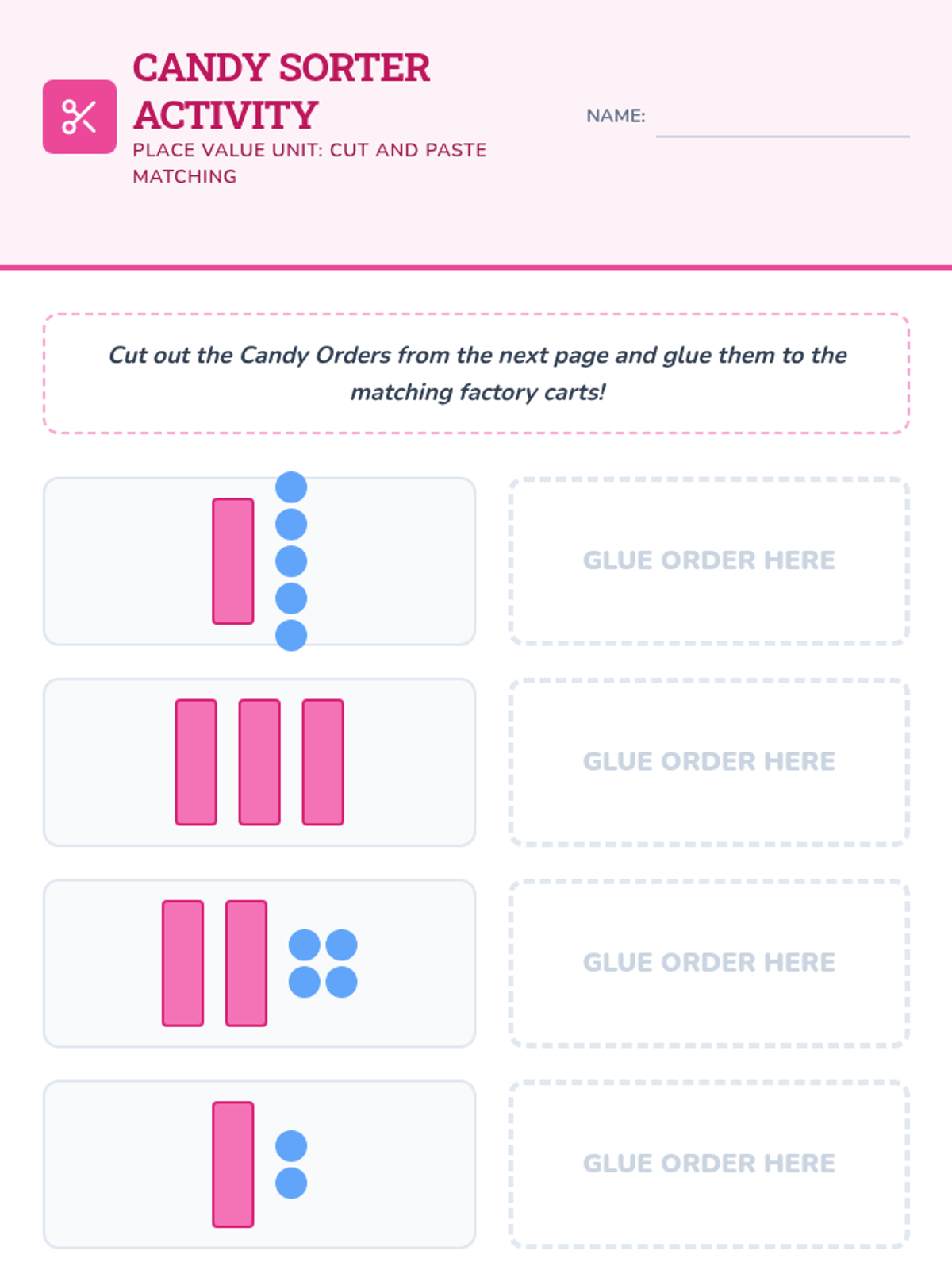
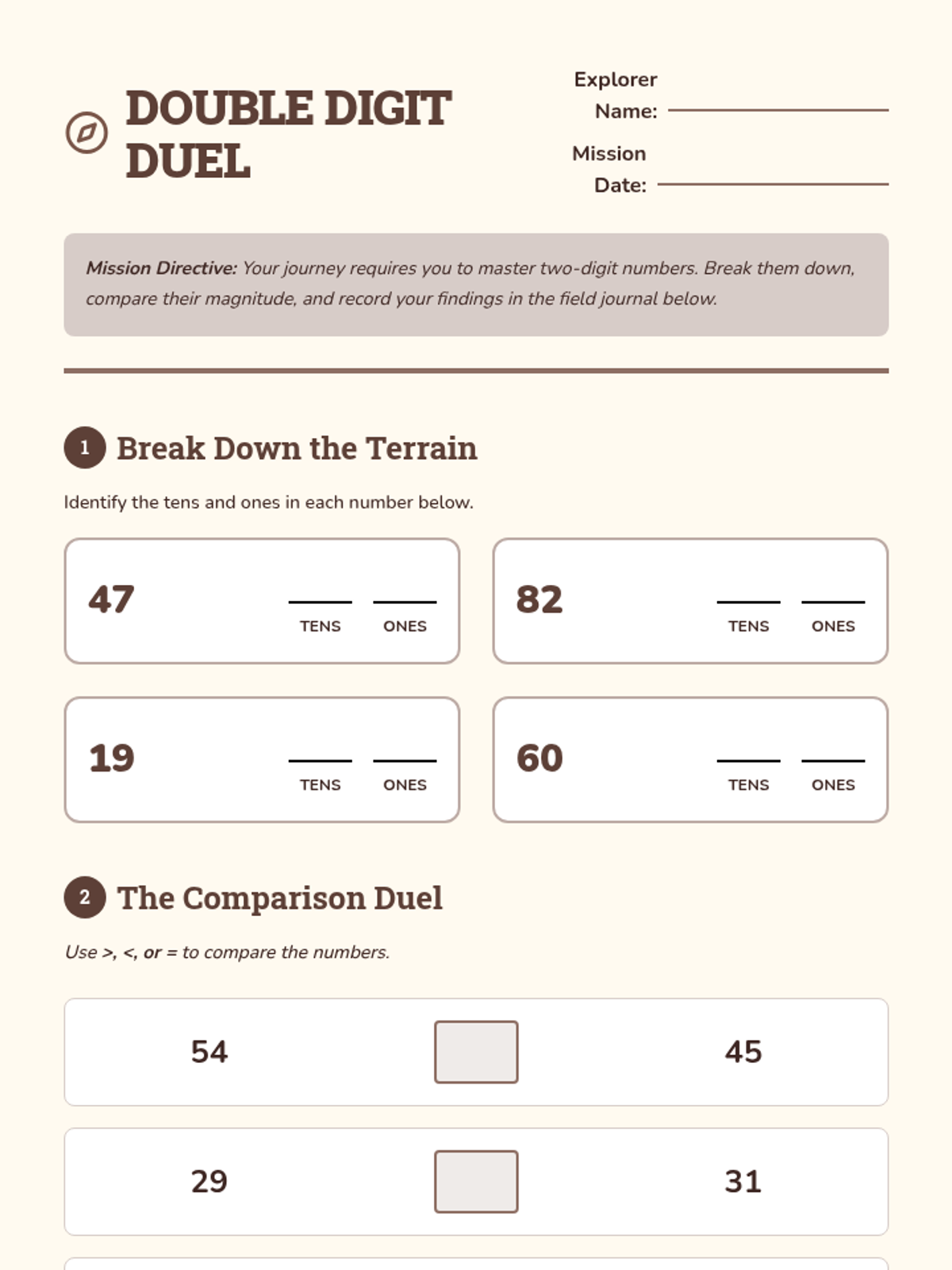
A comprehensive math unit focused on understanding place value for two-digit numbers, specifically designed for a multi-grade (1st-3rd) special education setting. The unit uses a 'Construction Site' theme to help students visualize building numbers with bundles of ten and individual ones.
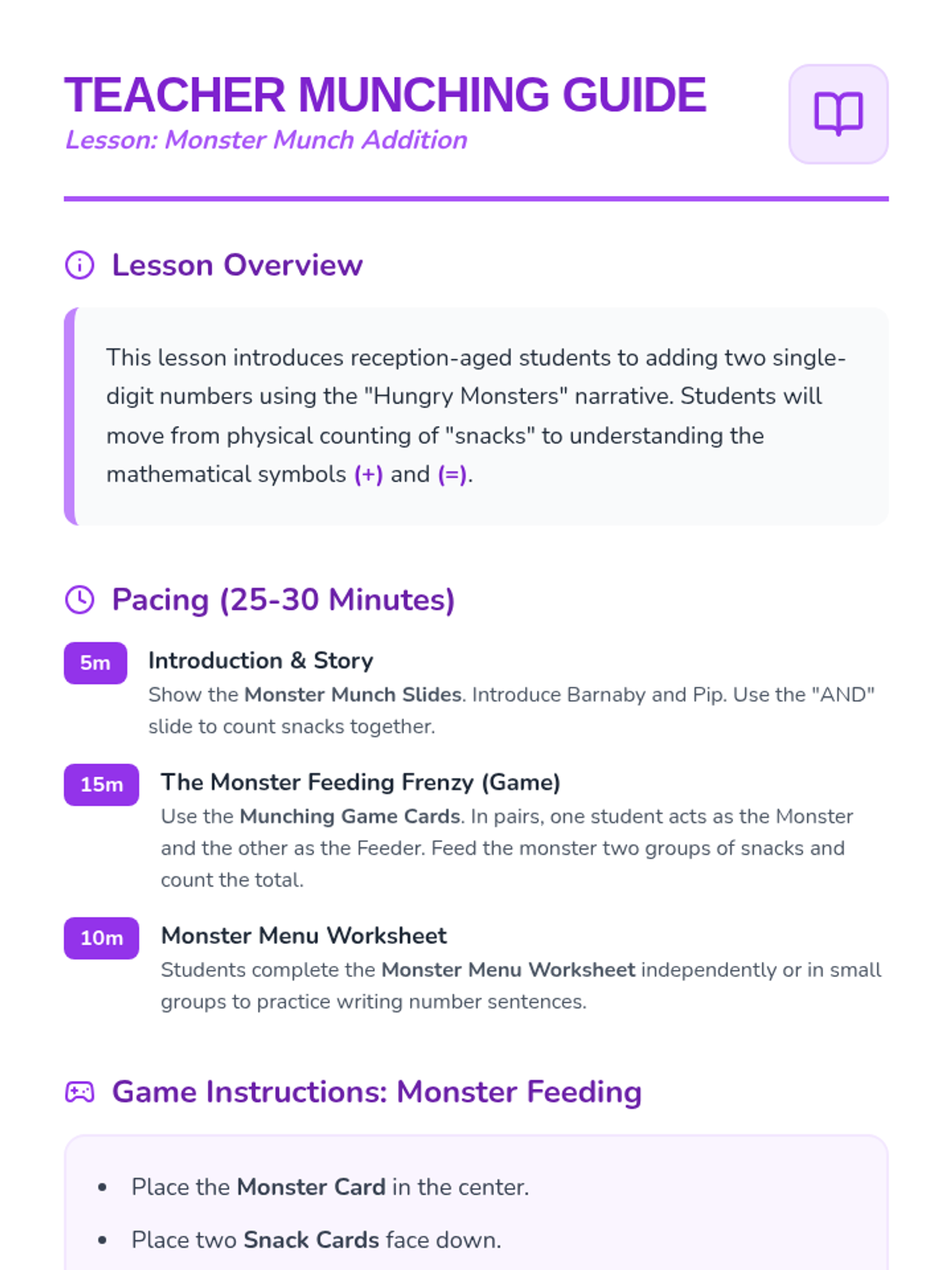
A series of early math lessons focused on foundational counting and operations through storytelling and play.
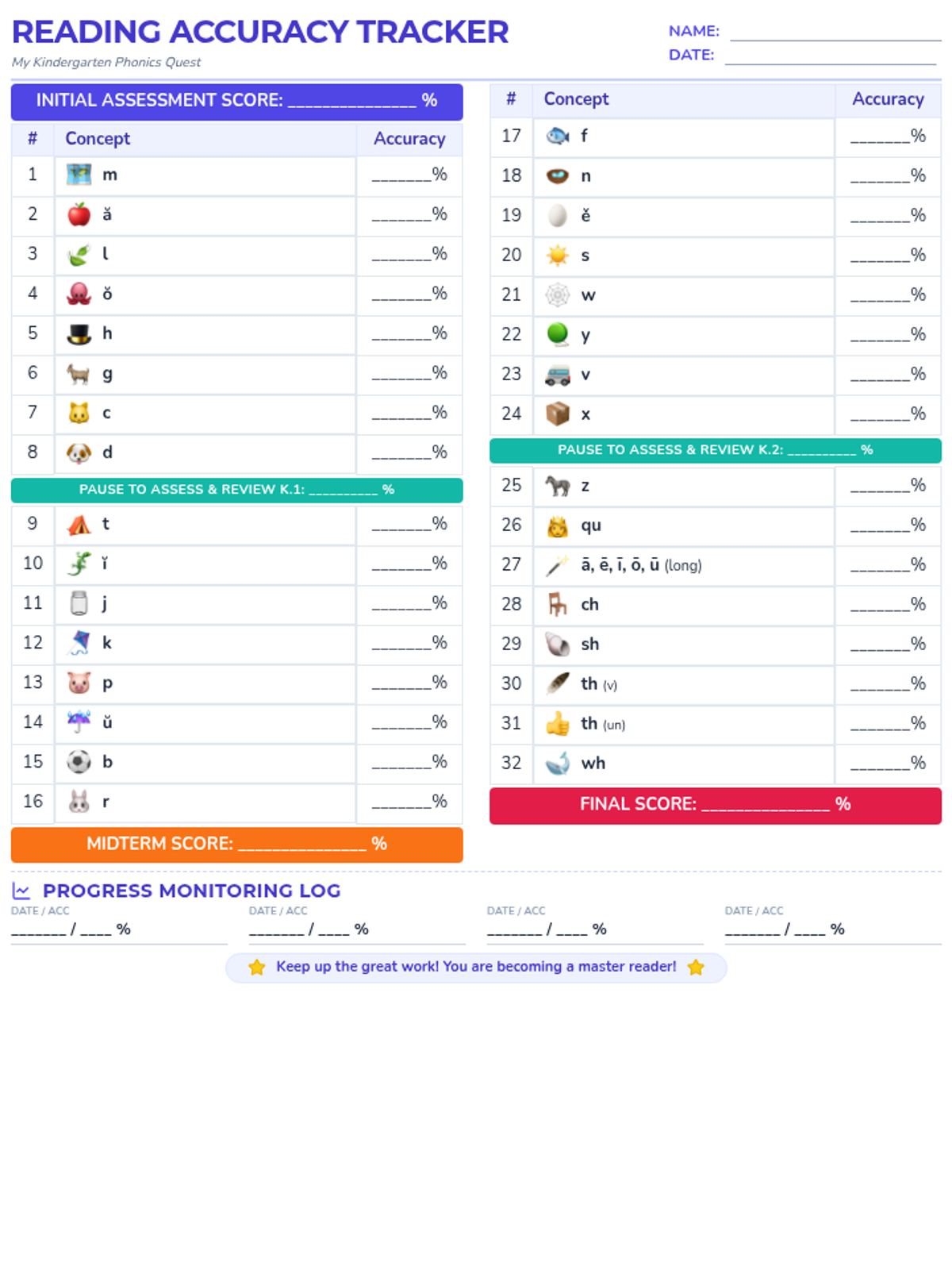
A foundational skills unit covering literacy progress tracking and early numeracy strategies for decomposition and missing addends.
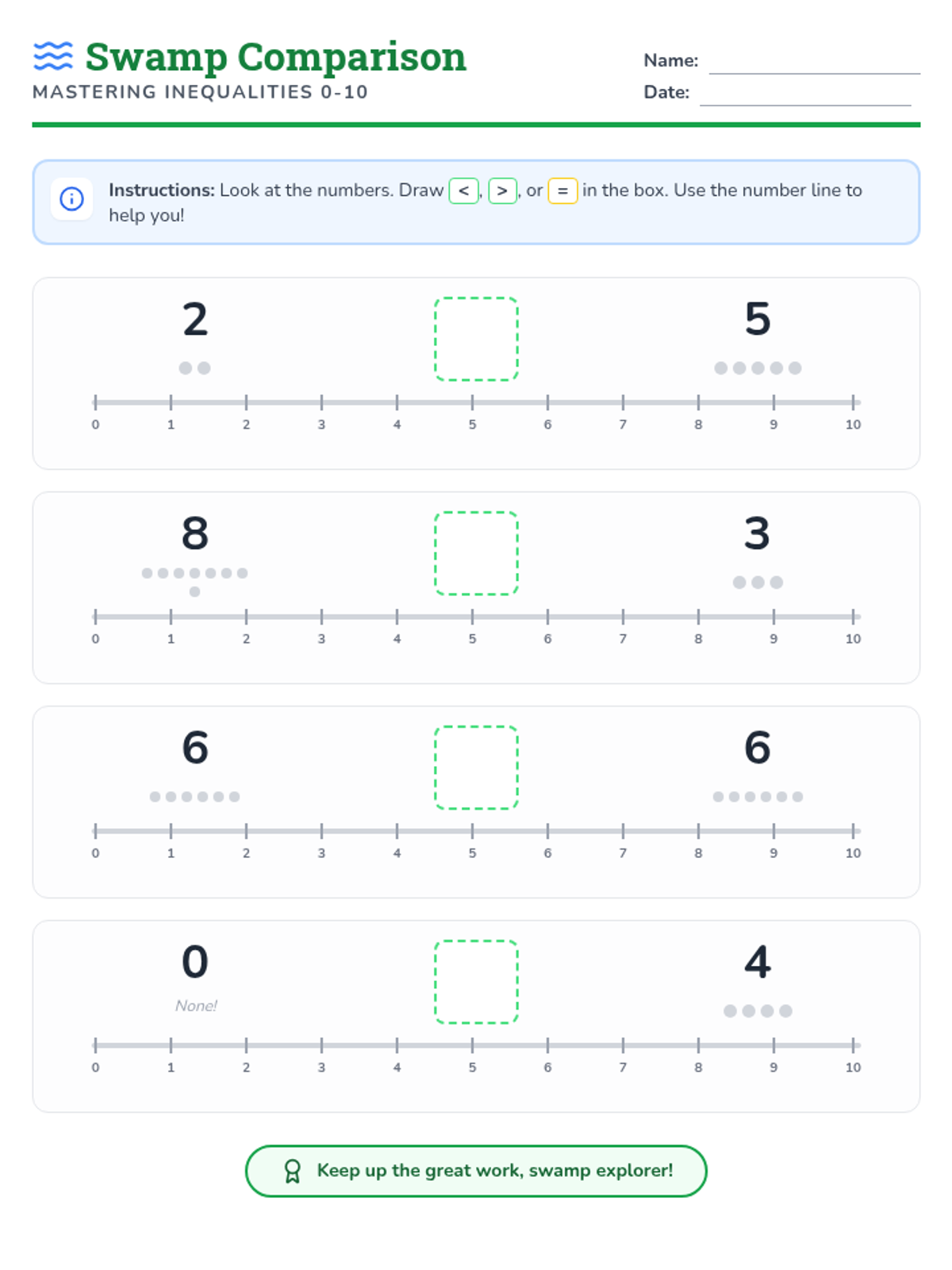
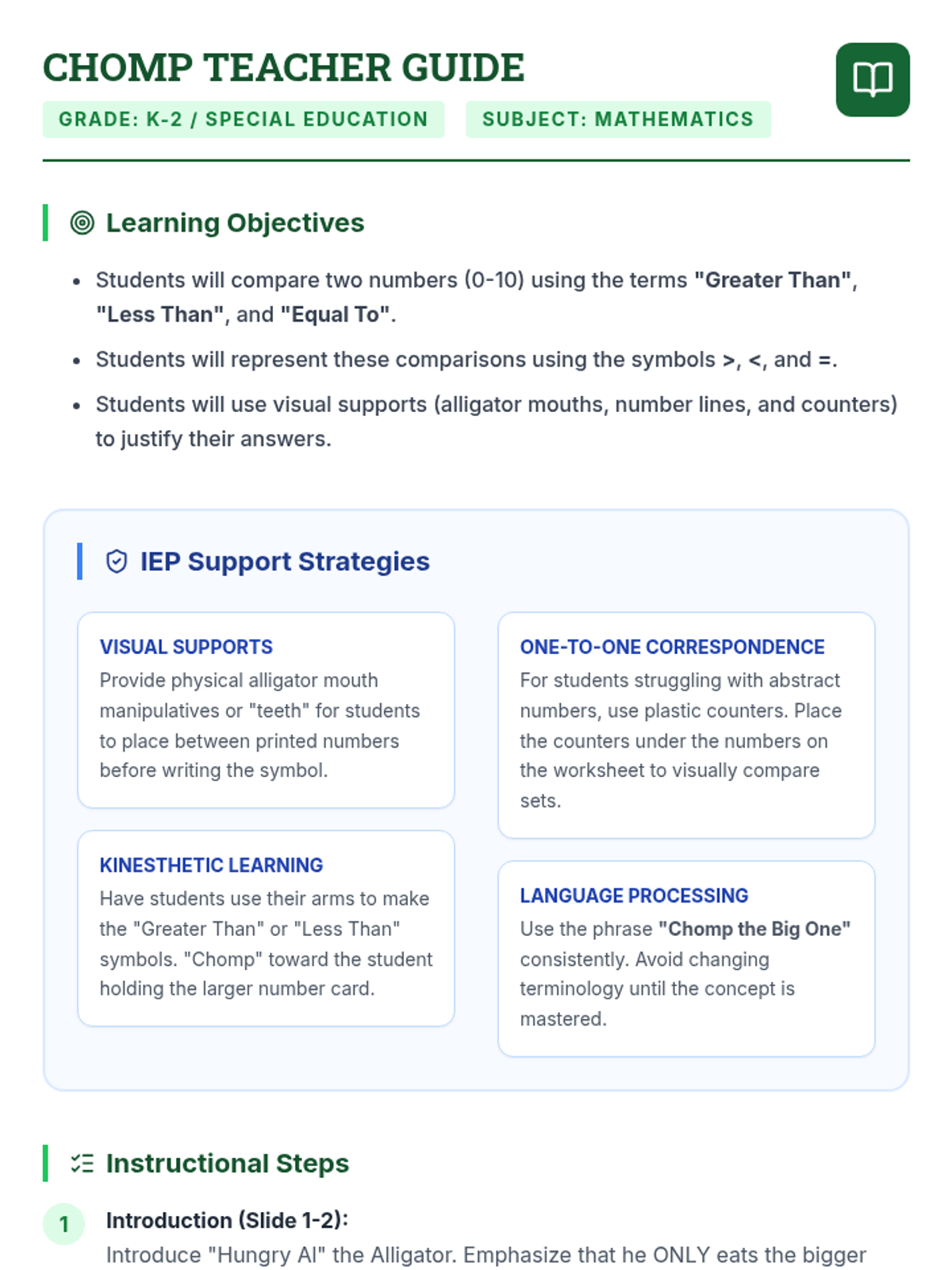
A foundational math sequence focused on number comparison and inequalities for numbers 0-10, designed with heavy visual supports for early learners and students with IEPs.
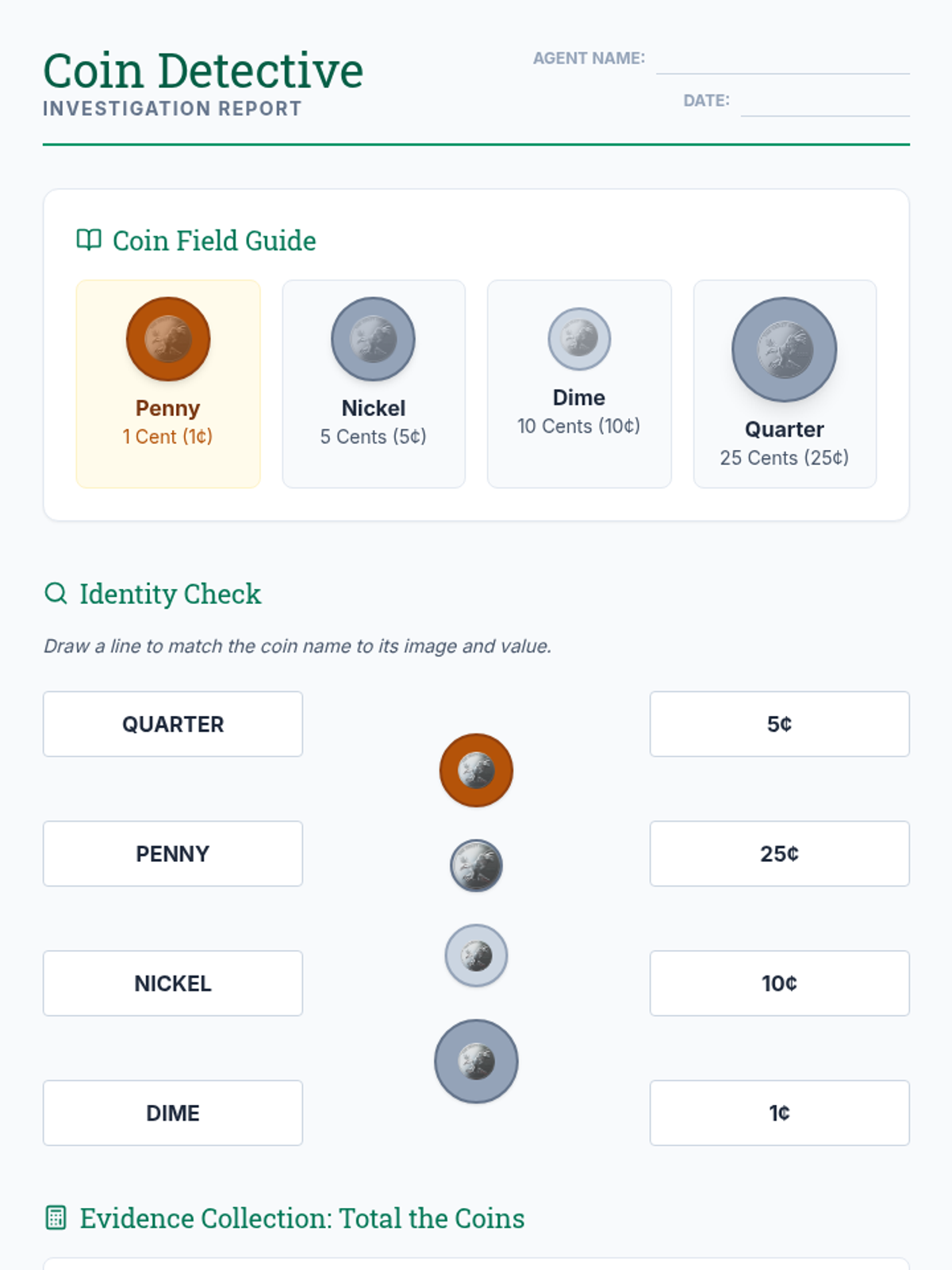
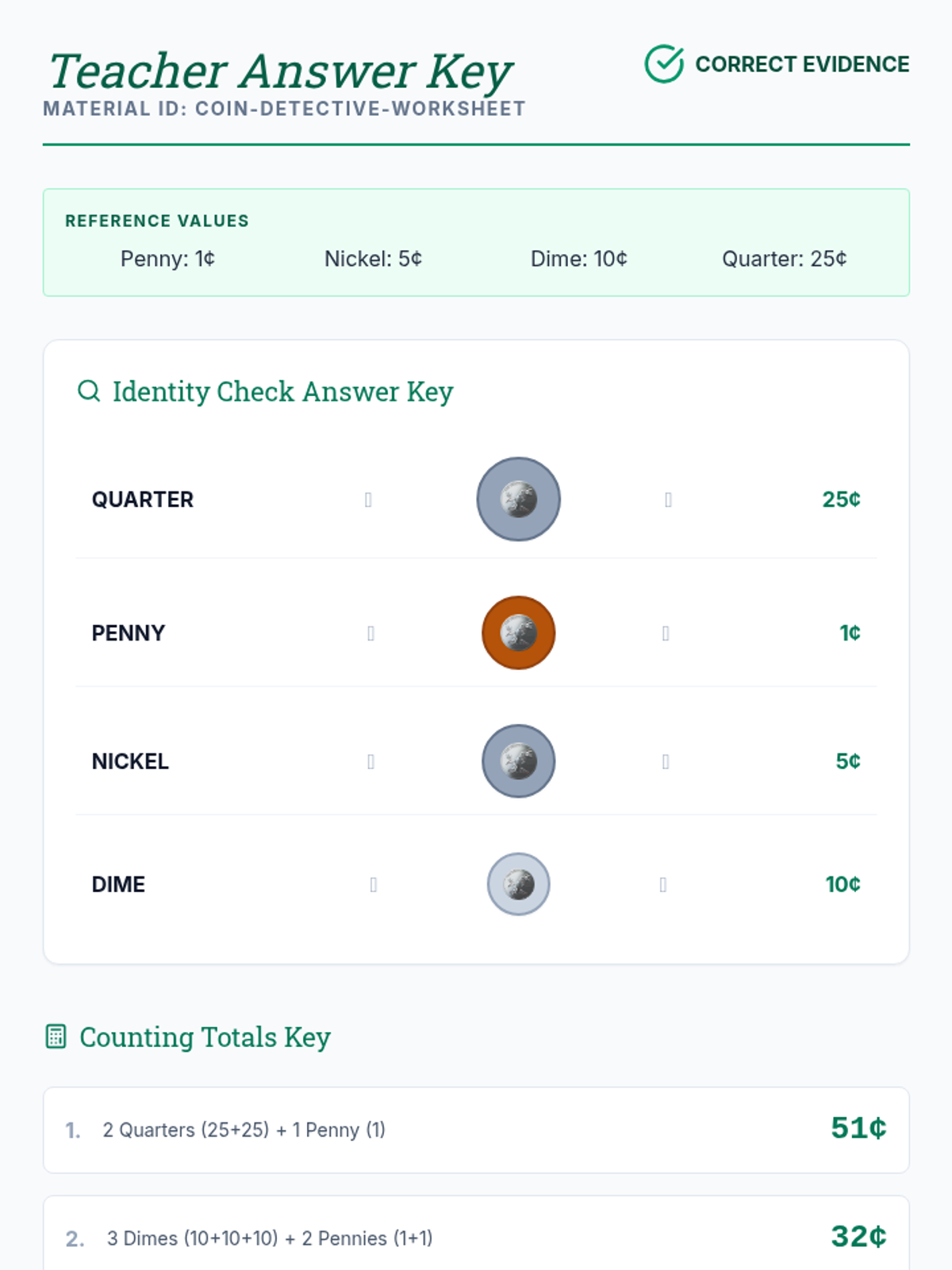
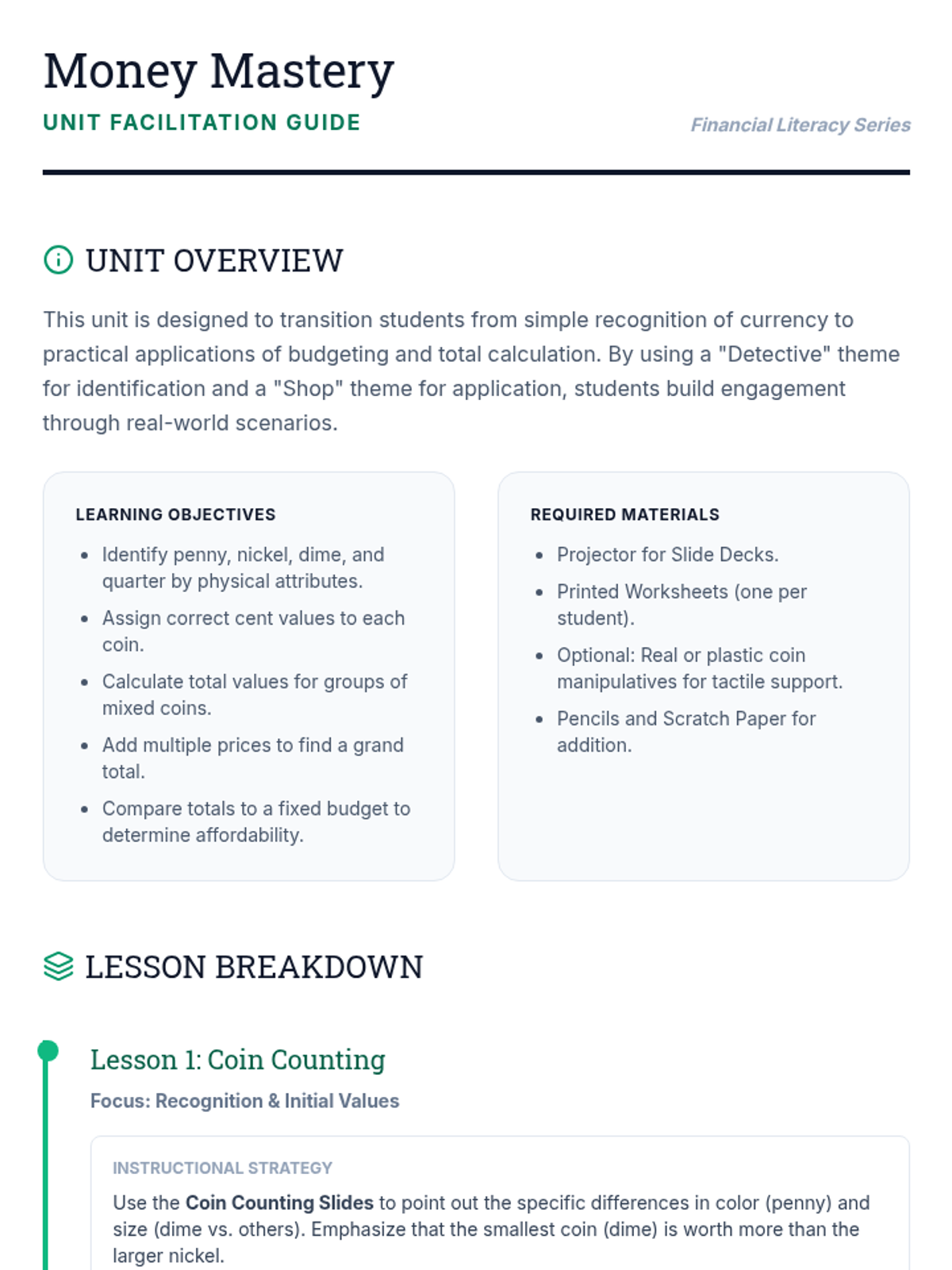
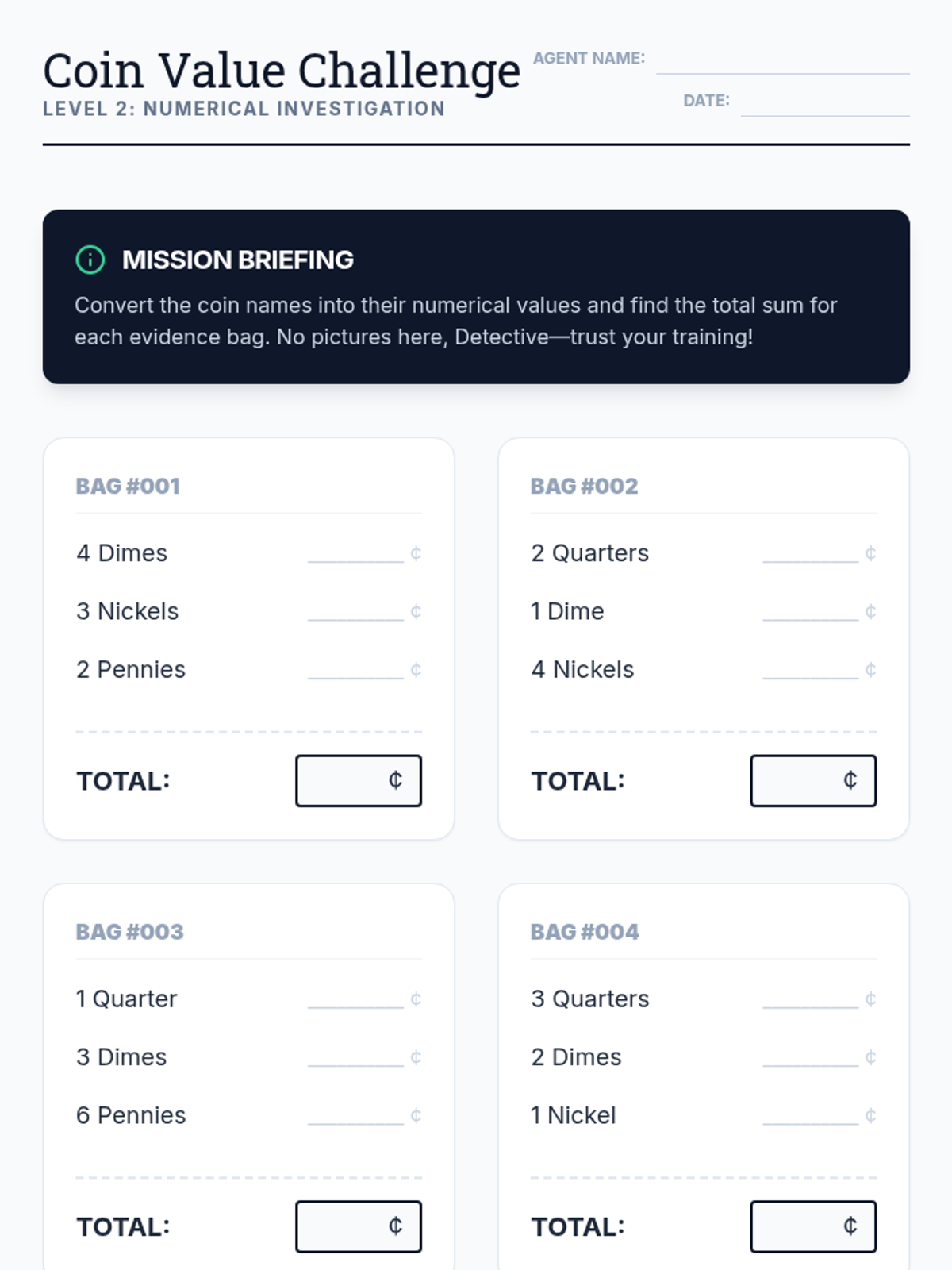
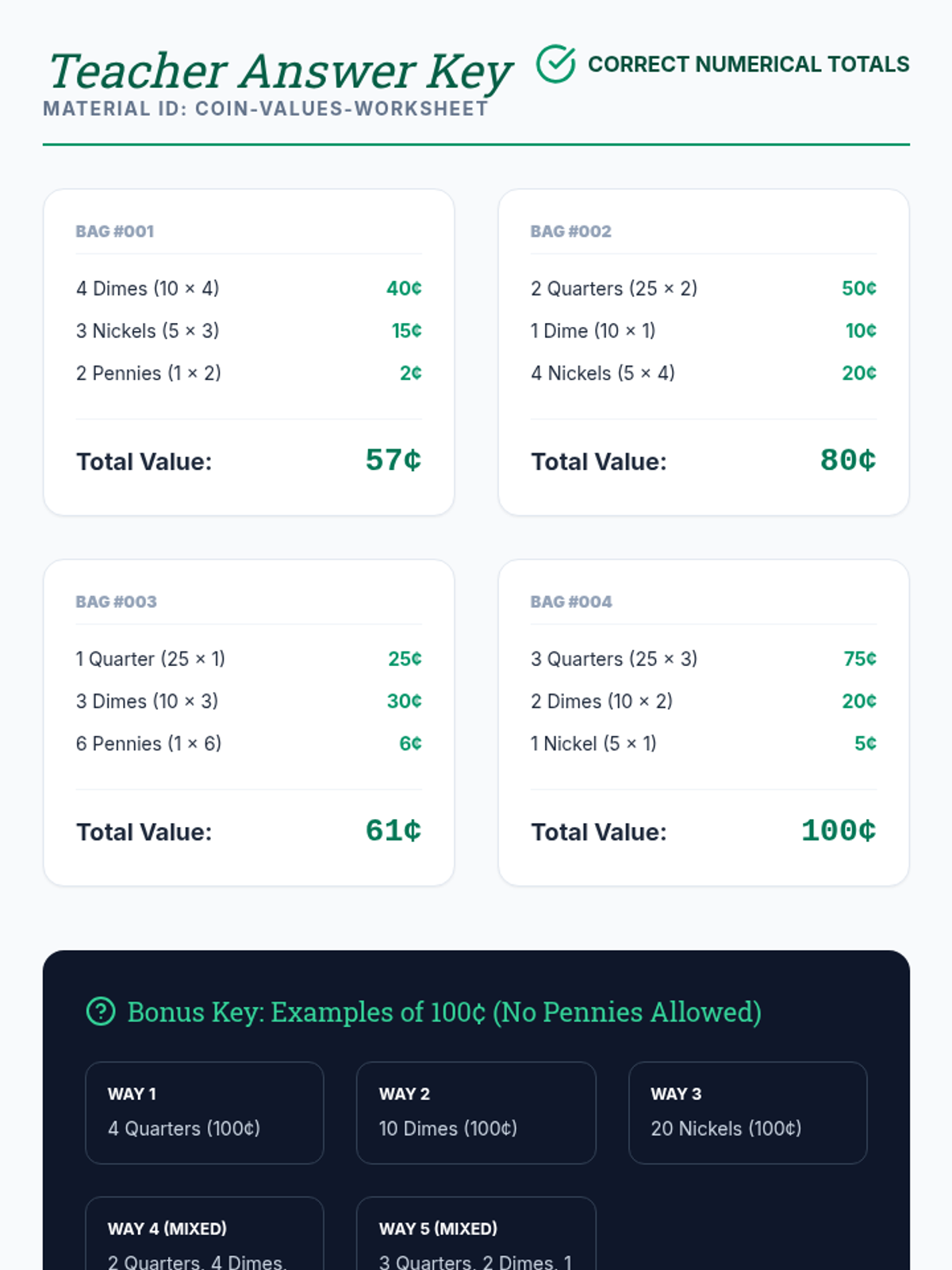
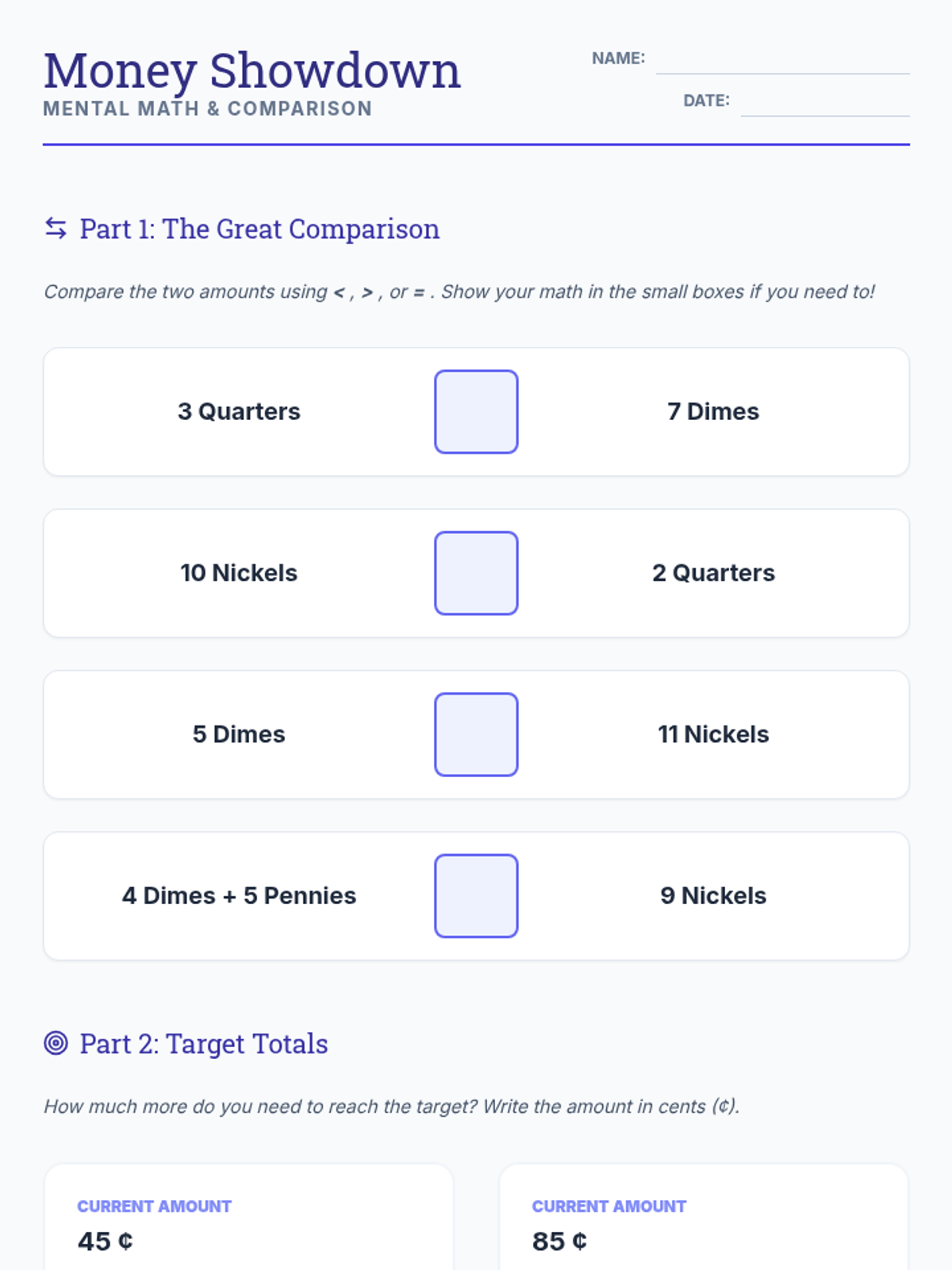
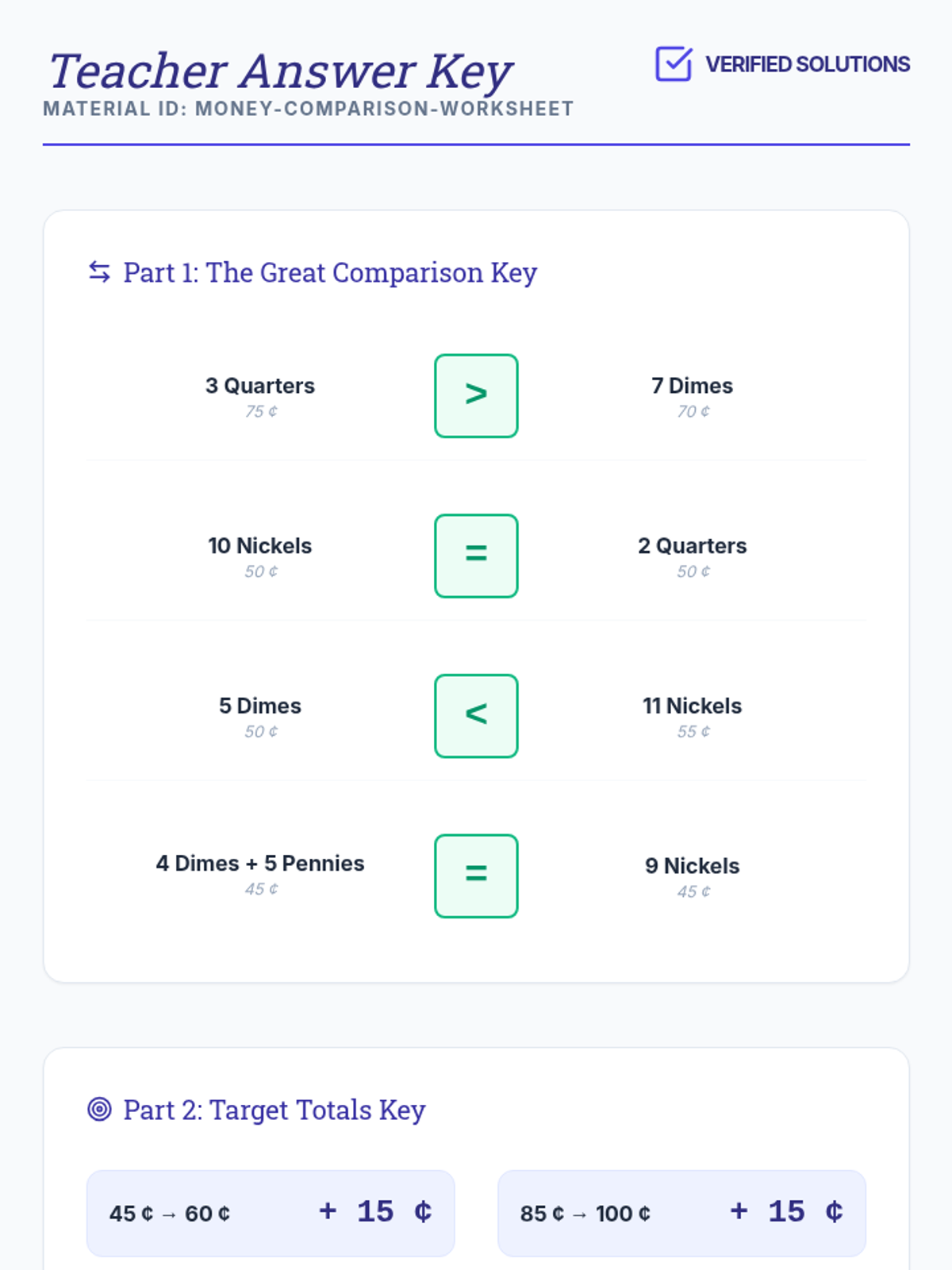
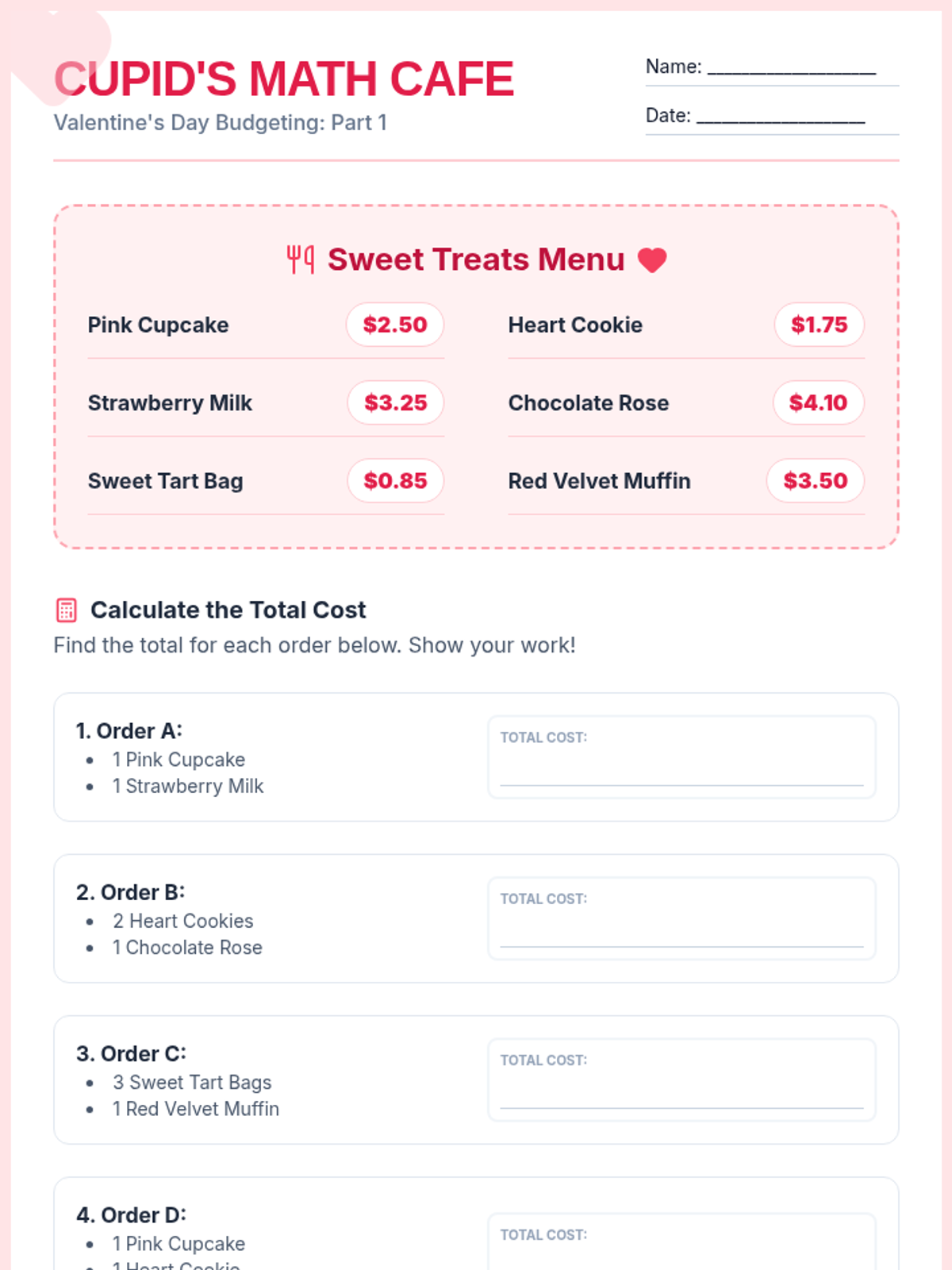
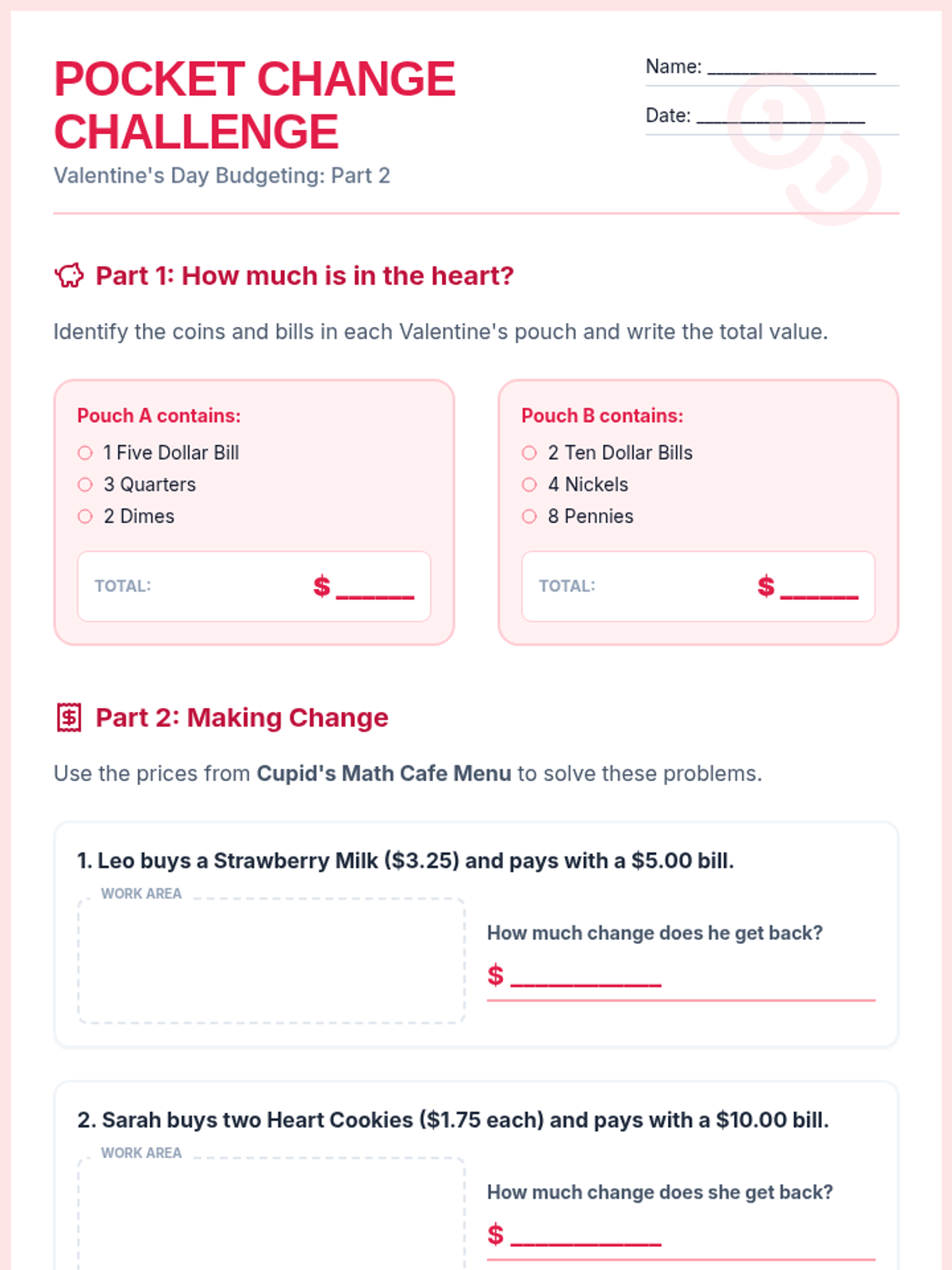
A comprehensive unit on essential financial literacy skills, ranging from basic coin identification to practical budgeting and total calculation.
A comprehensive journey through place value, moving from two-digit foundations to four-digit mastery. Students explore reading, writing in multiple forms, and comparing numbers using exploration-themed activities.
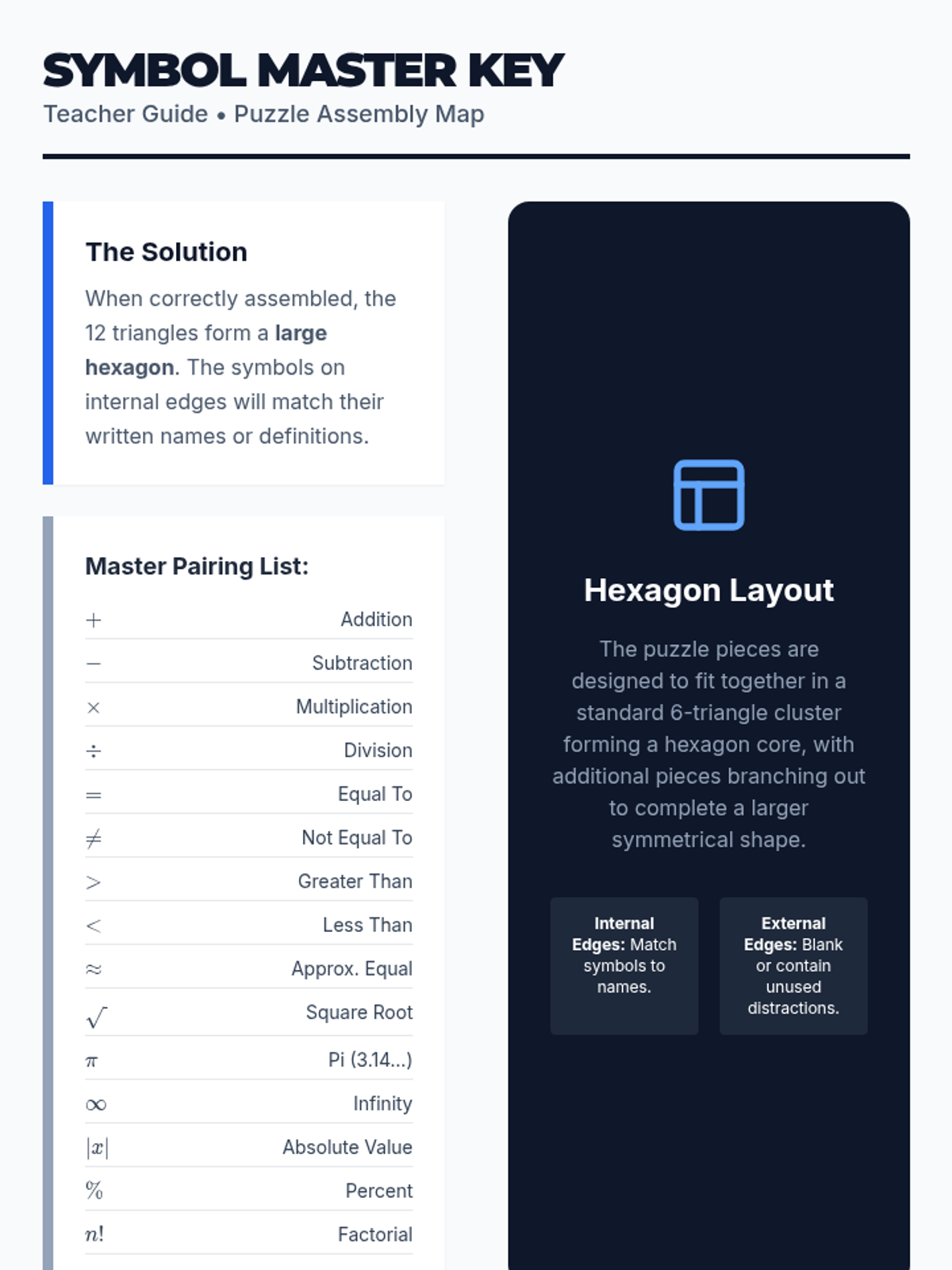
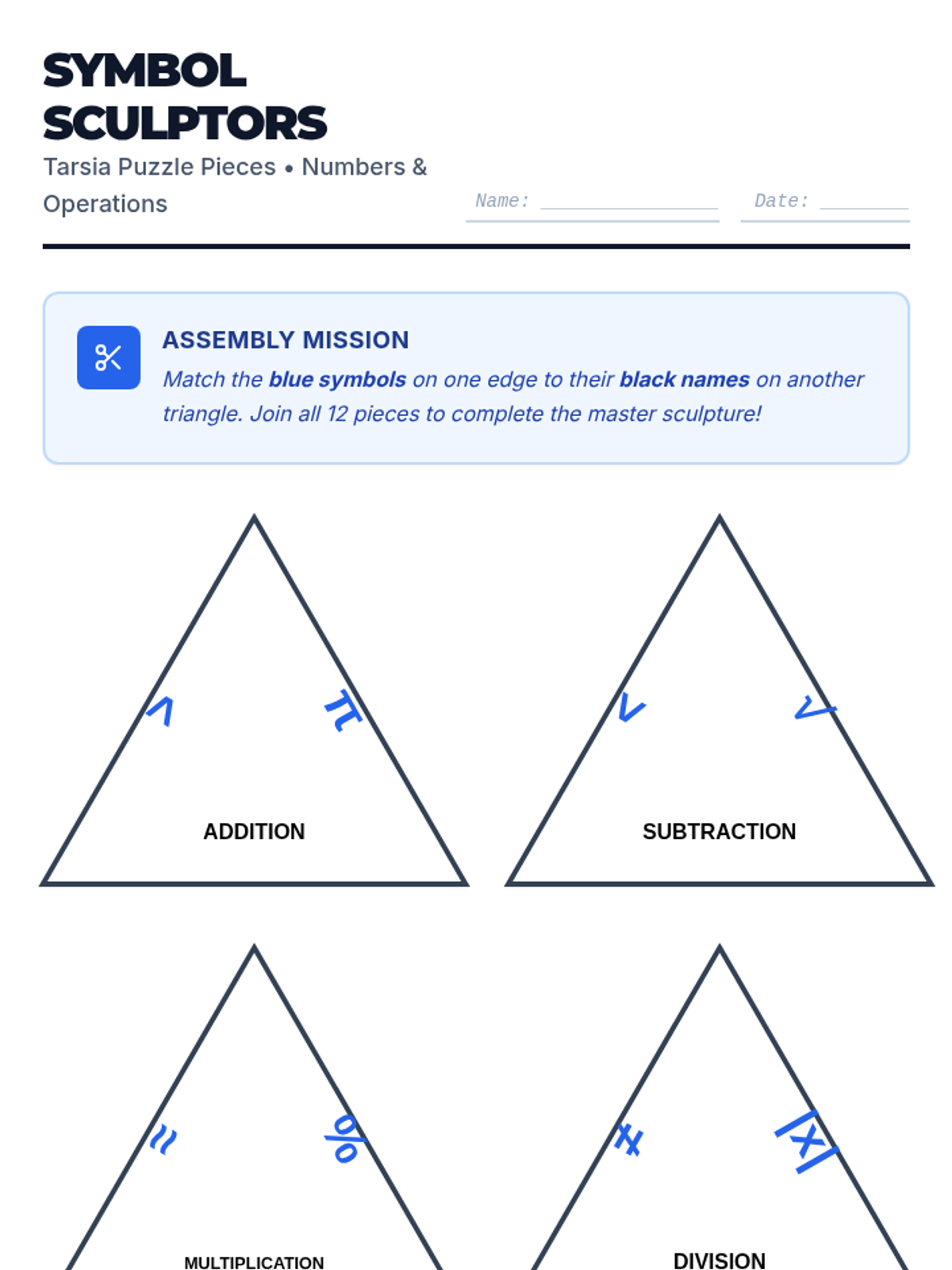
A series of lessons designed to build fluency in mathematical notation and operations through visual and tactile learning.
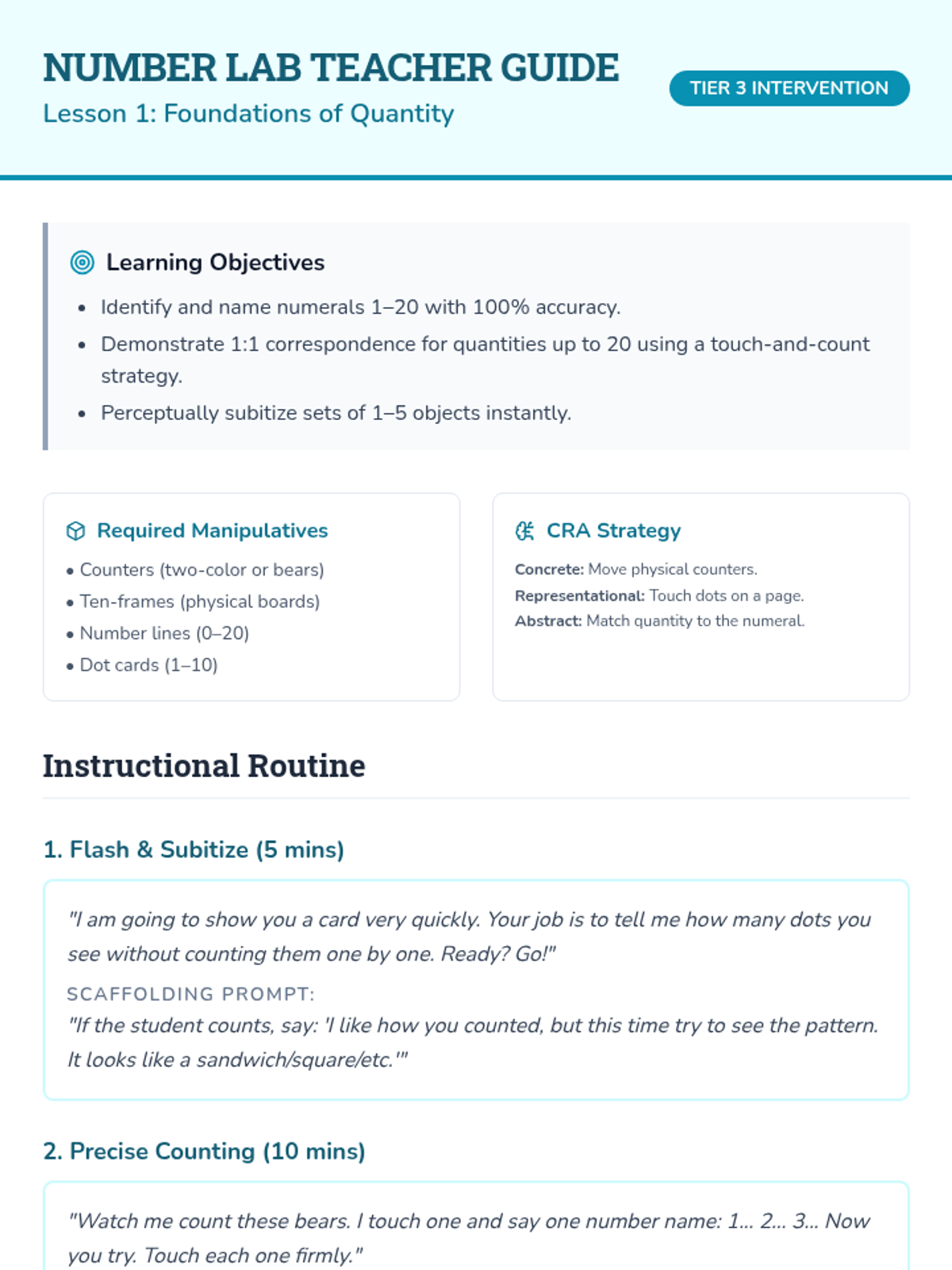
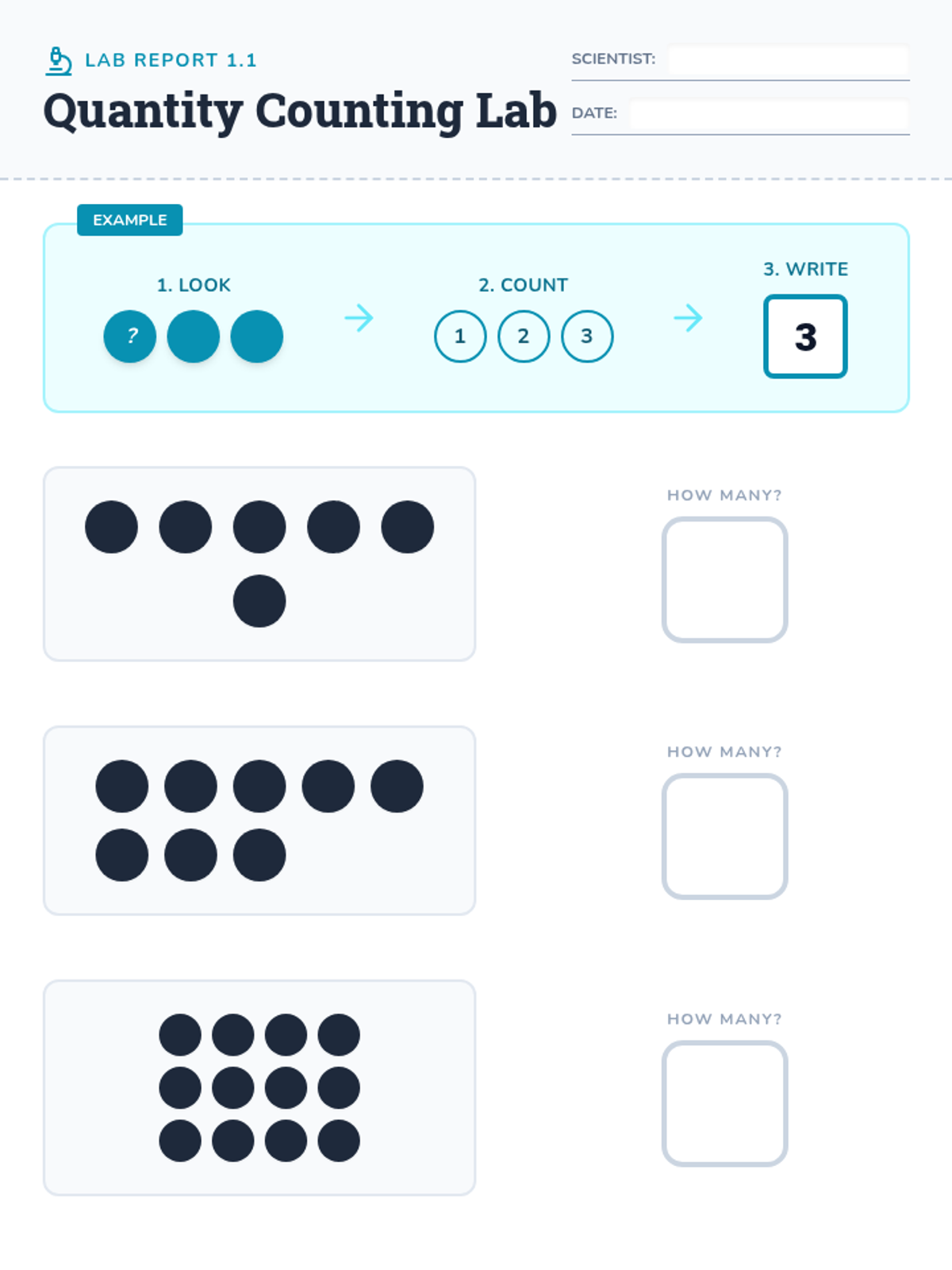
A high-intensity, evidence-based intervention designed for students needing foundational number sense support. Focuses on subitizing, 1:1 correspondence, place value, and decomposition using a CRA (Concrete-Representational-Abstract) approach.
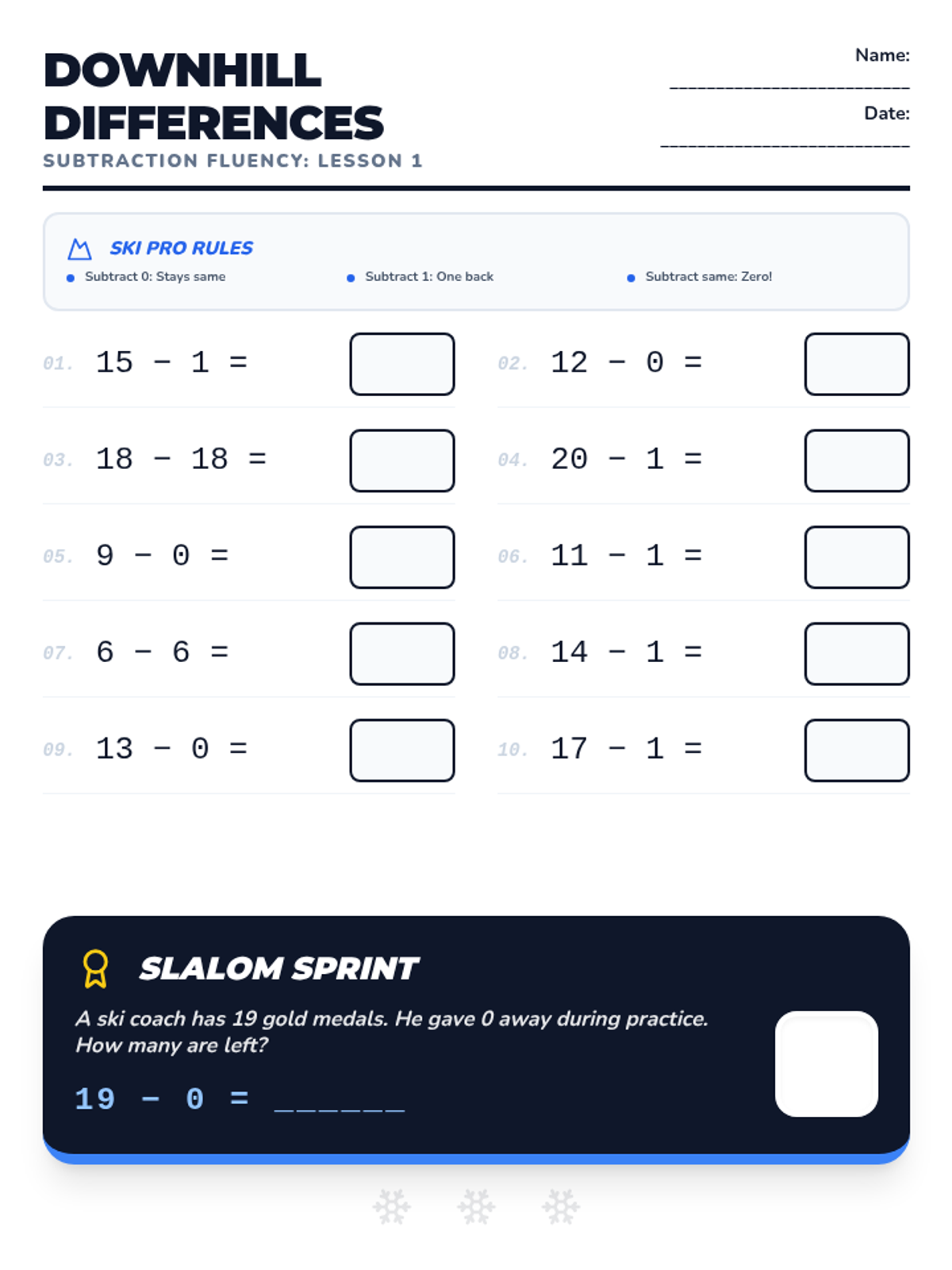
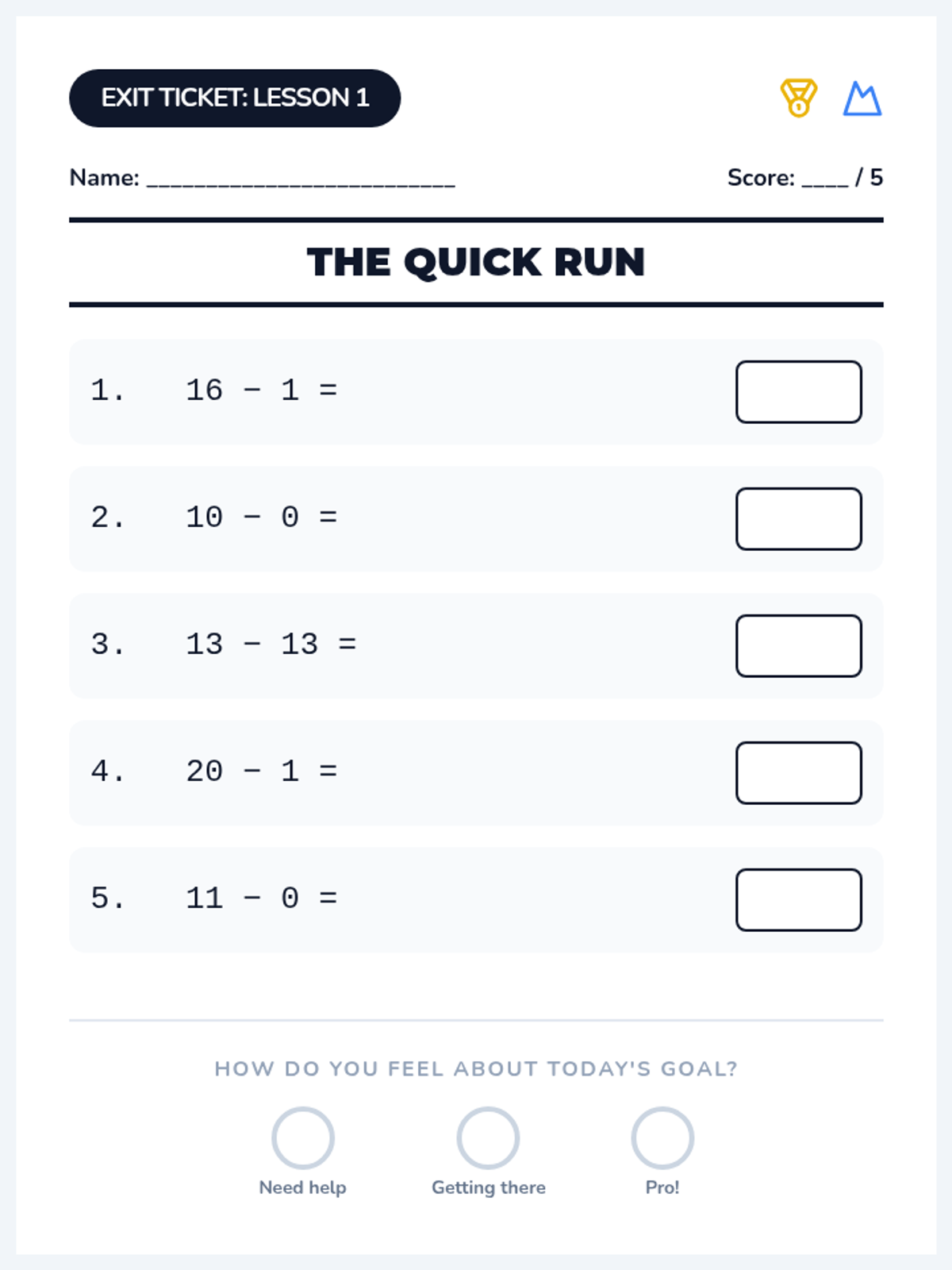
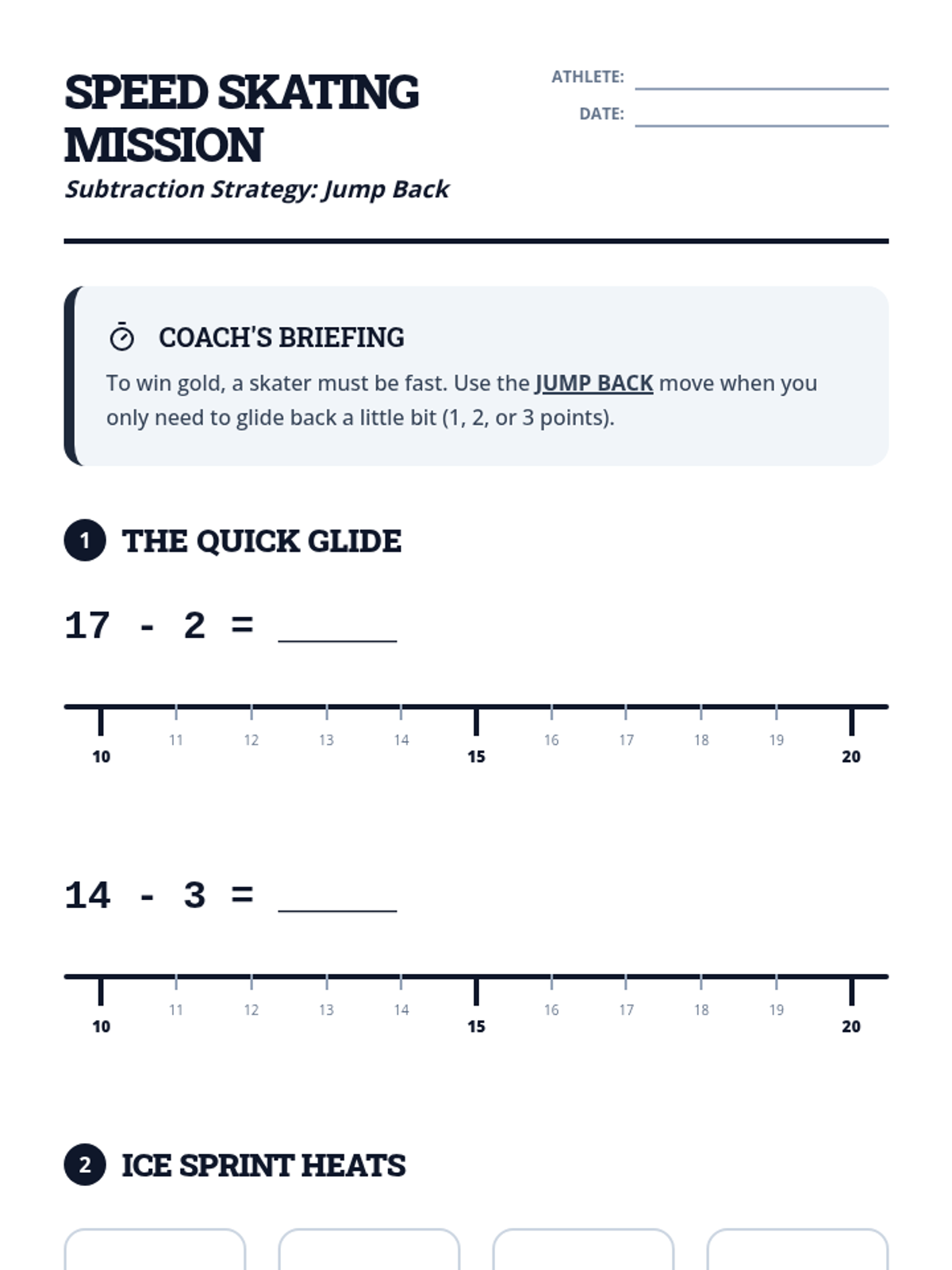
A 20-lesson subtraction fluency unit for primary students, explicitly organized by mental math strategies: Counting Up, Number Lines, Making 10, Pretend 10, and Close to Doubles, all with Winter Olympic themes.
A comprehensive 16-lesson unit focusing on mental math strategies for subtraction within 20, themed around Team USA's journey to gold in the Winter Olympics.
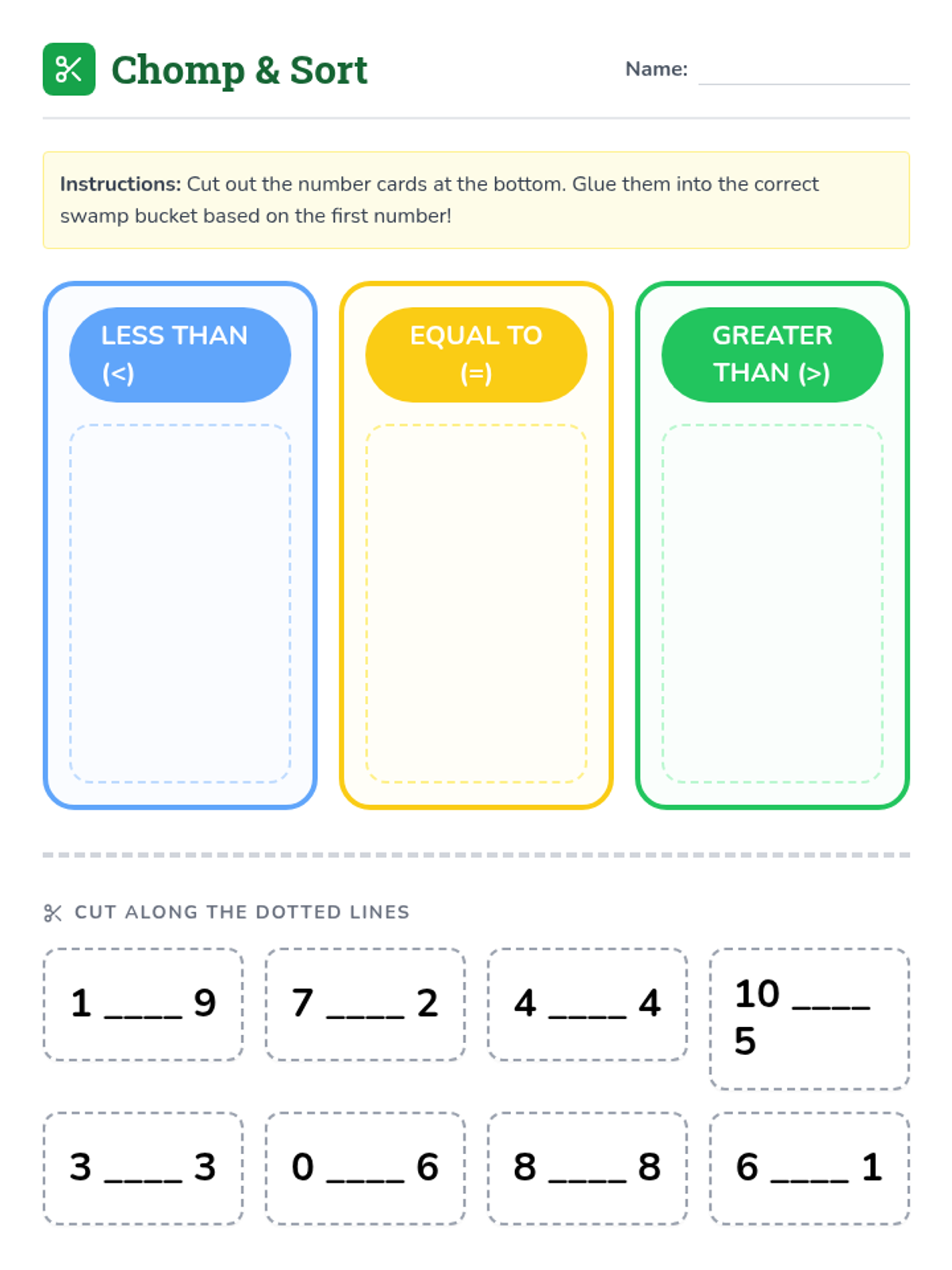
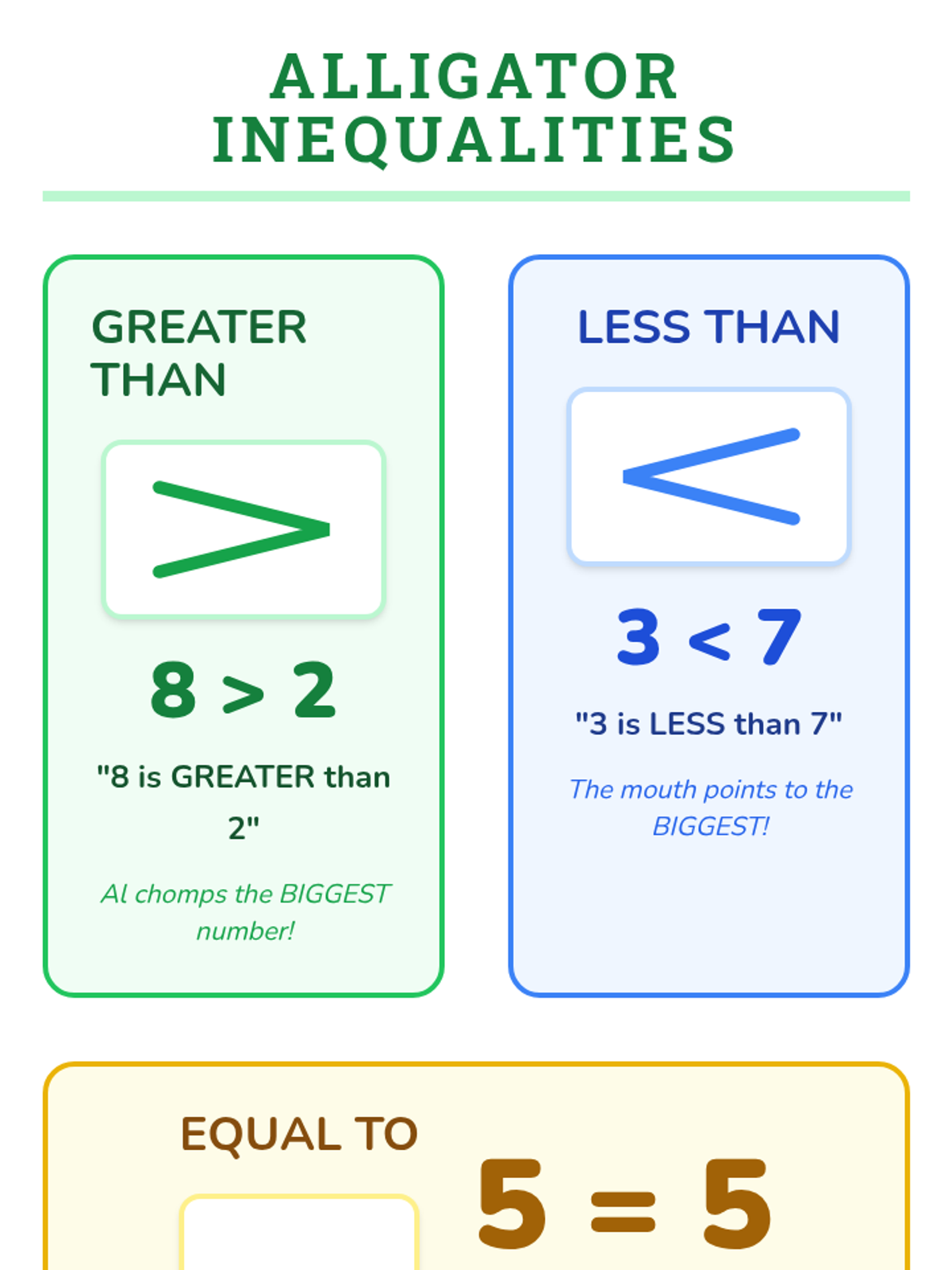
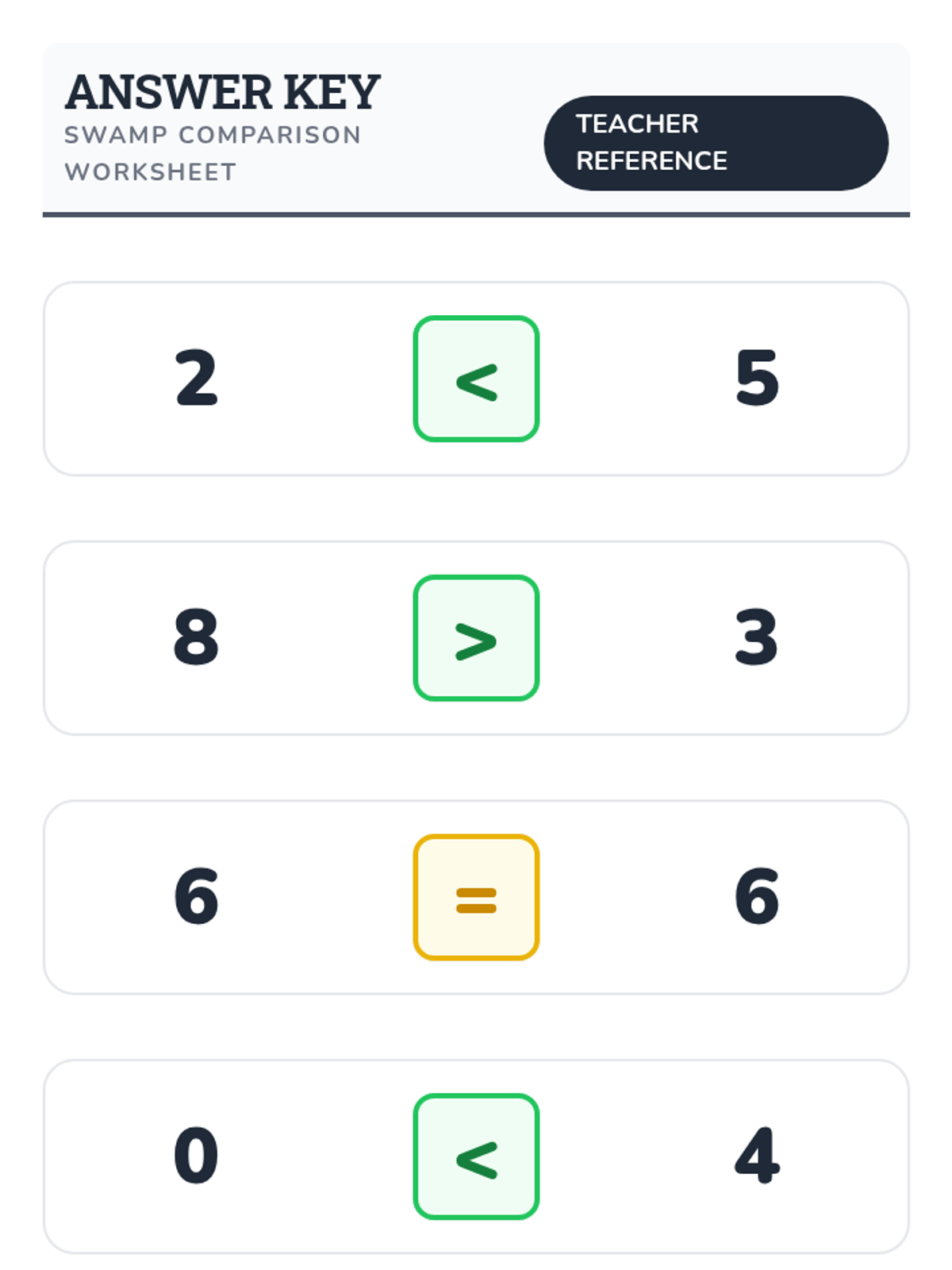
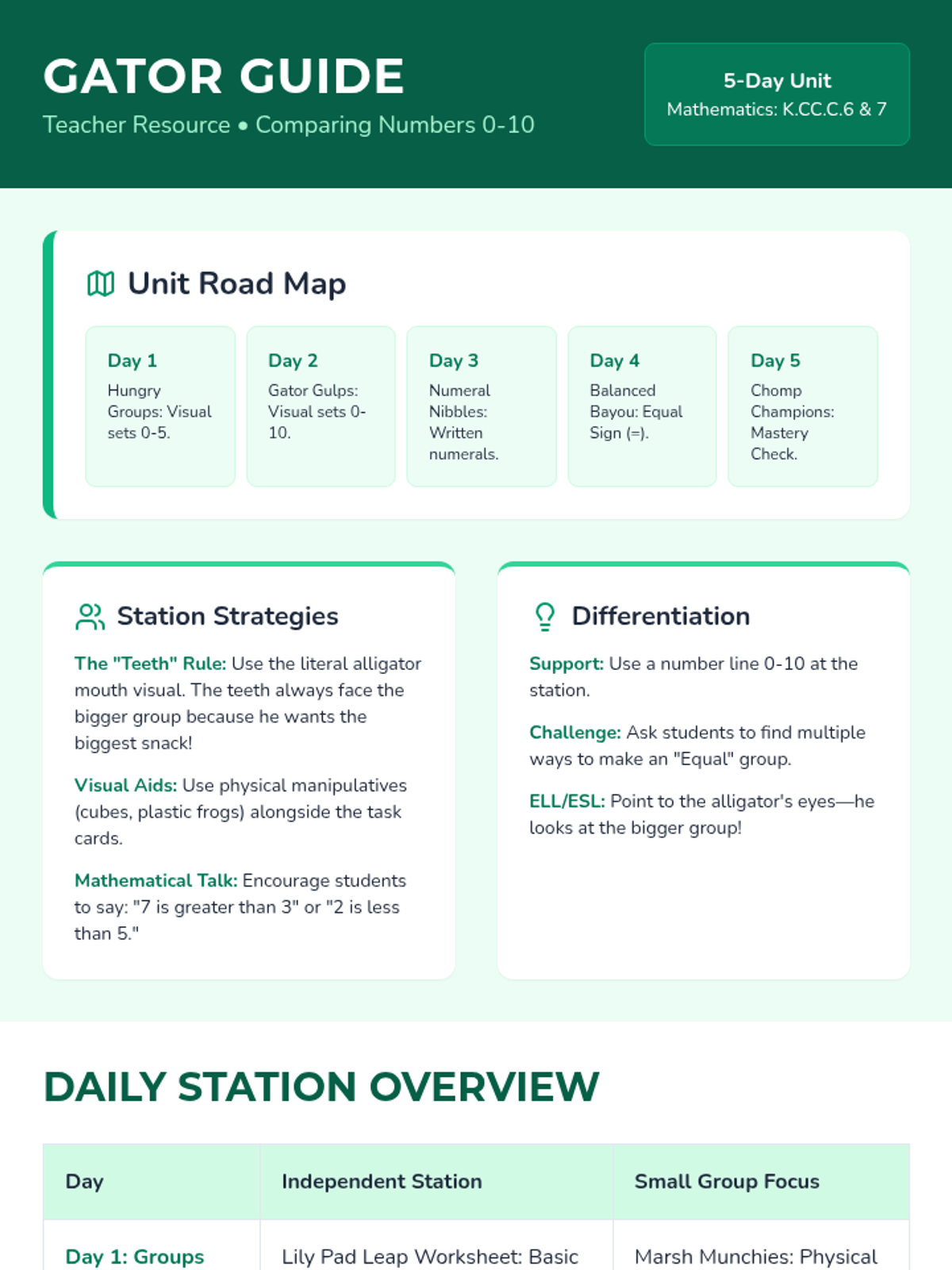
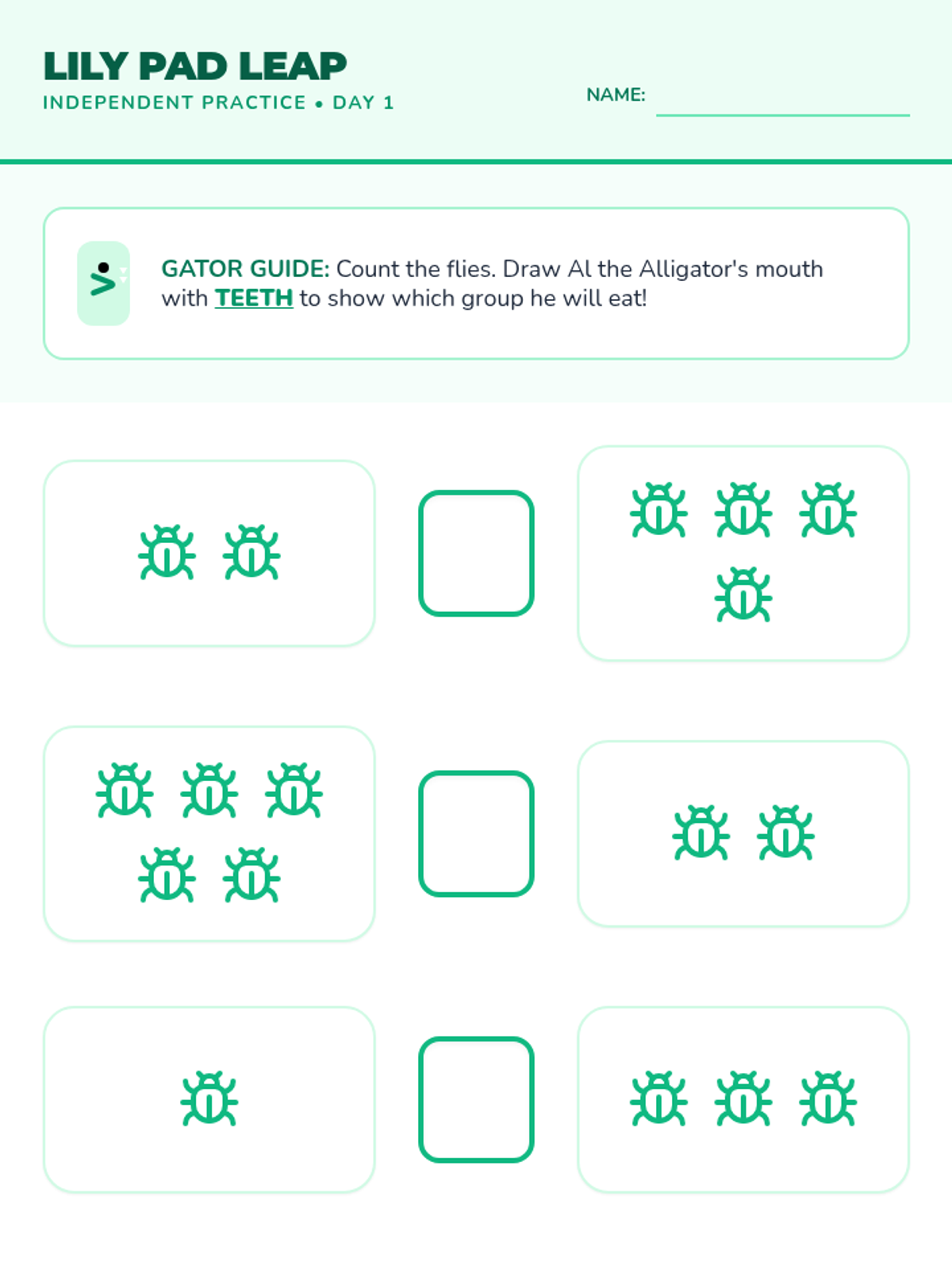
A 5-day introductory unit on comparing quantities and numerals 0-10 using alligator symbols and equal signs. Students explore 'greater than', 'less than', and 'equal to' through hands-on swamp-themed stations and visual practice.
A collection of Valentine's Day math packets at two different levels (Level 1 and Quest), covering budgeting, graphing, measurement, time, and word problems.
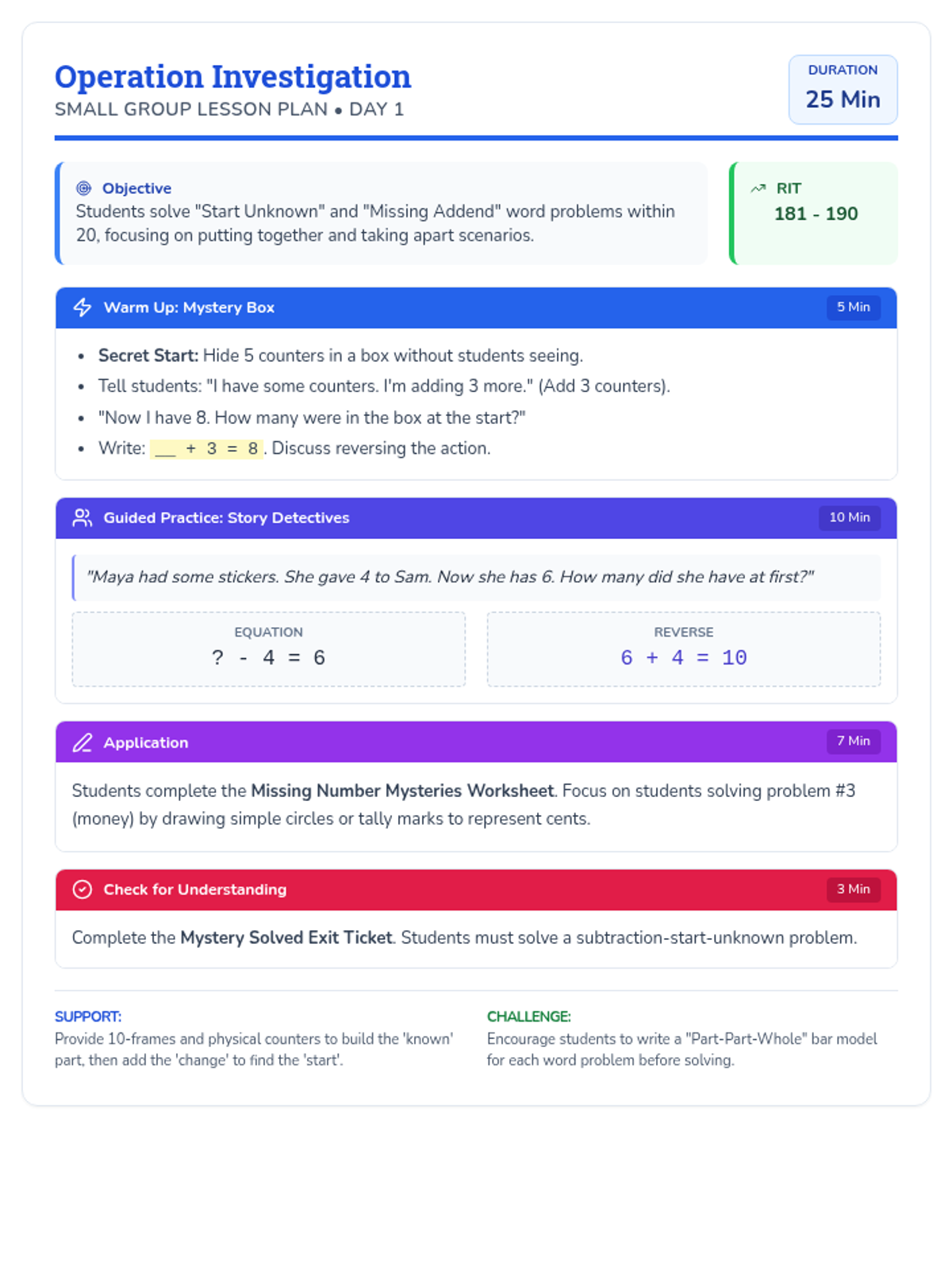
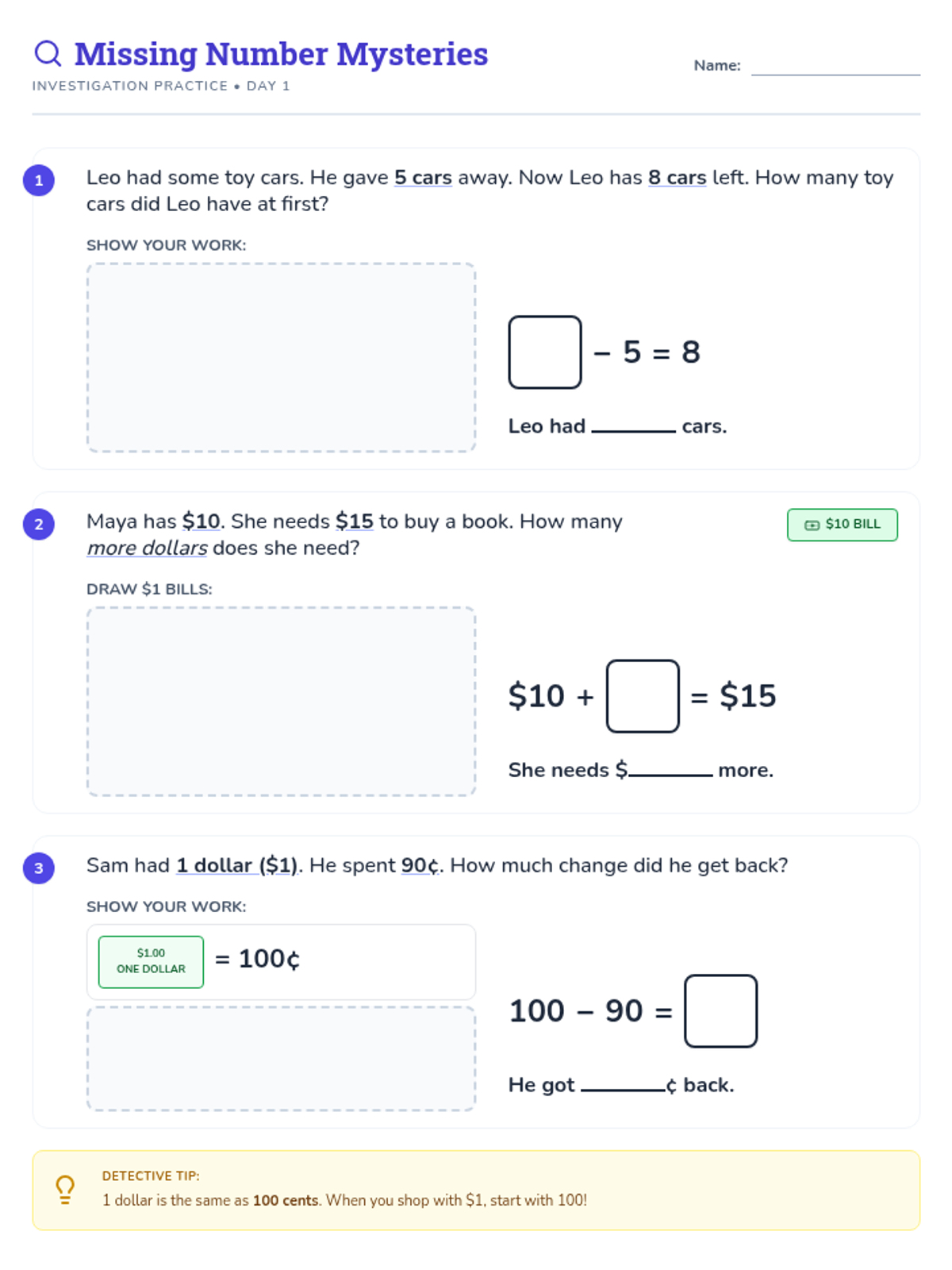
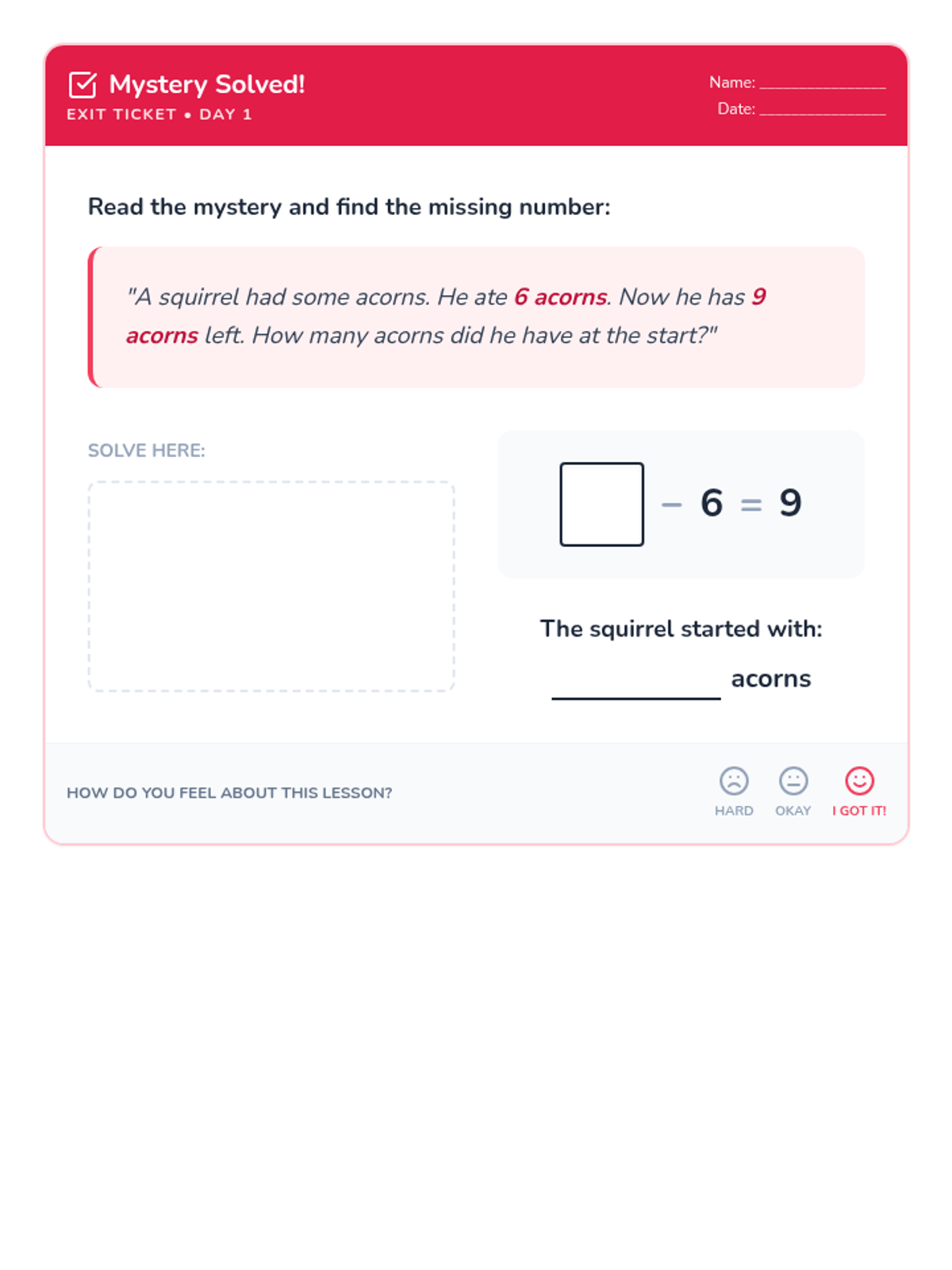
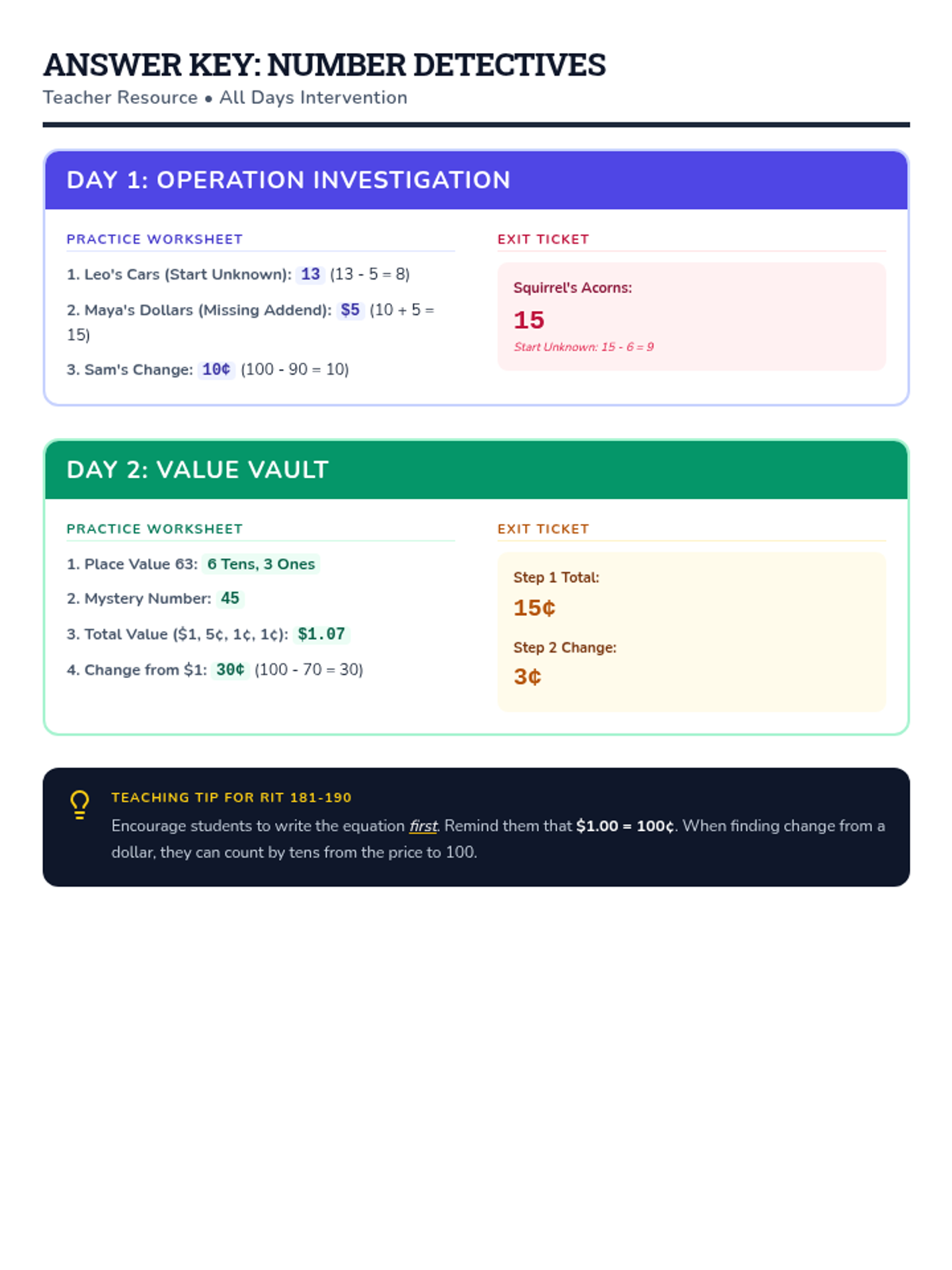
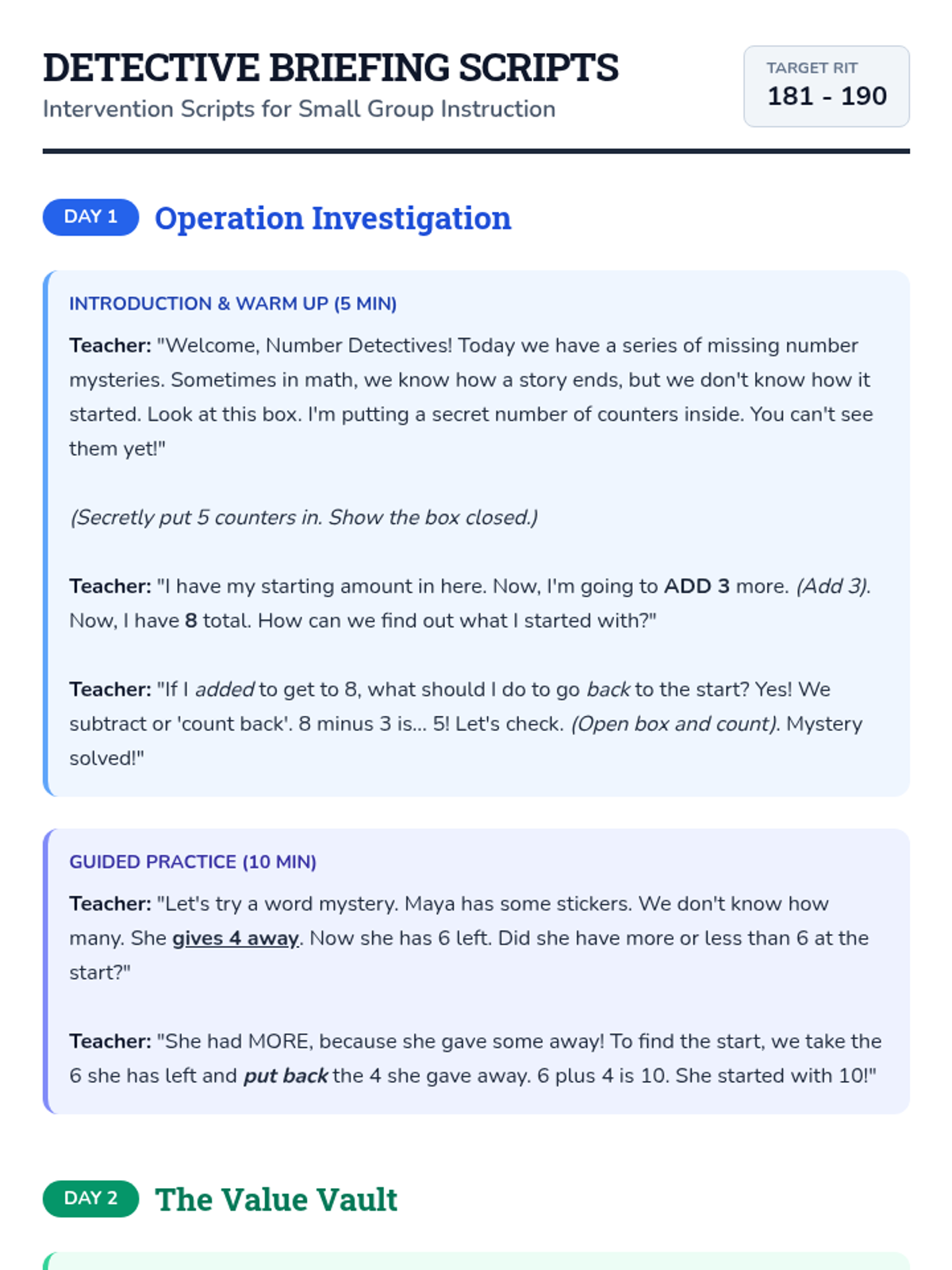
A targeted intervention sequence designed to move students from NWEA RIT 171-180 to 181-190, focusing on missing addends, subtraction, start-unknown word problems, place value, and monetary concepts.
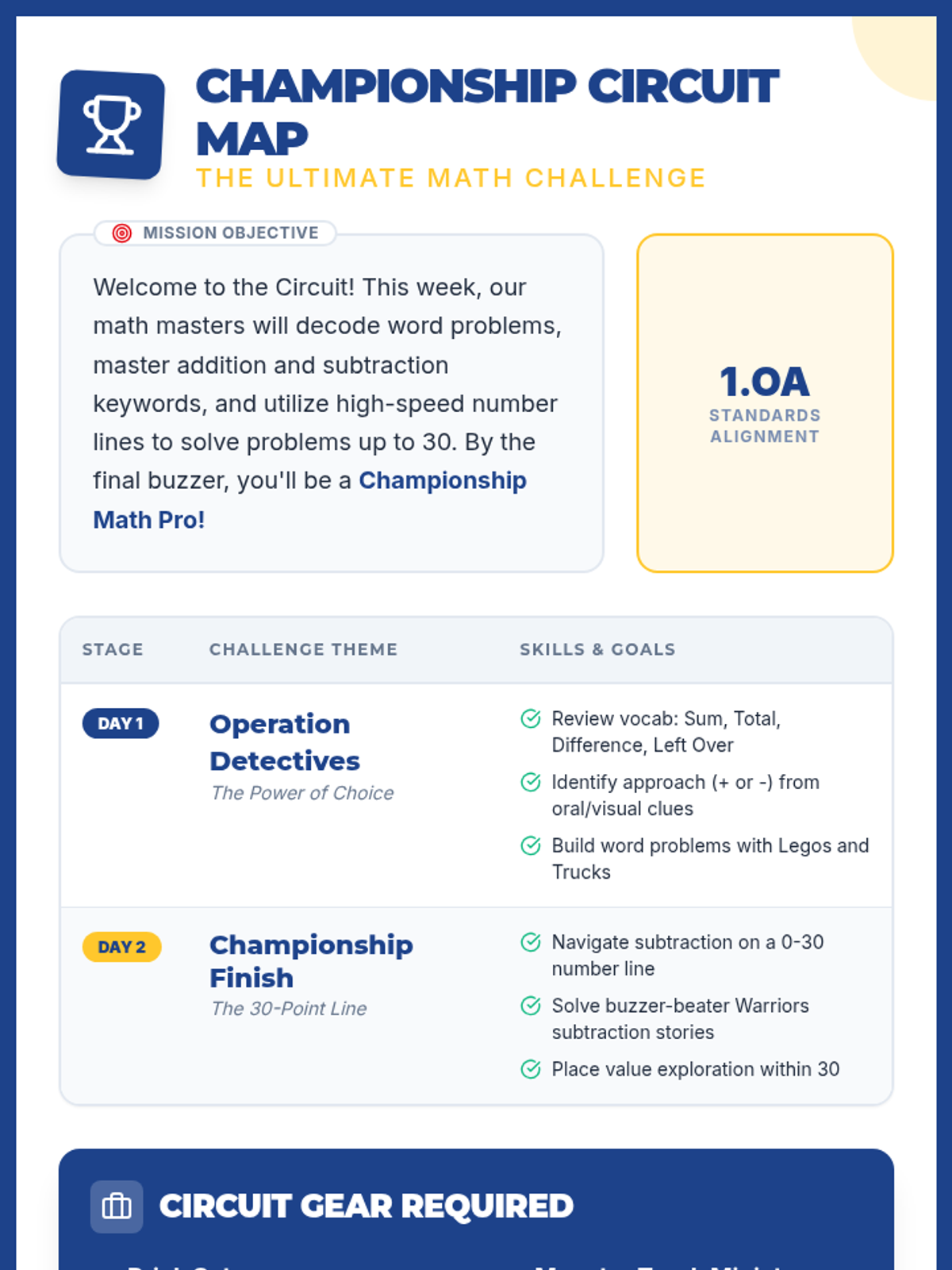
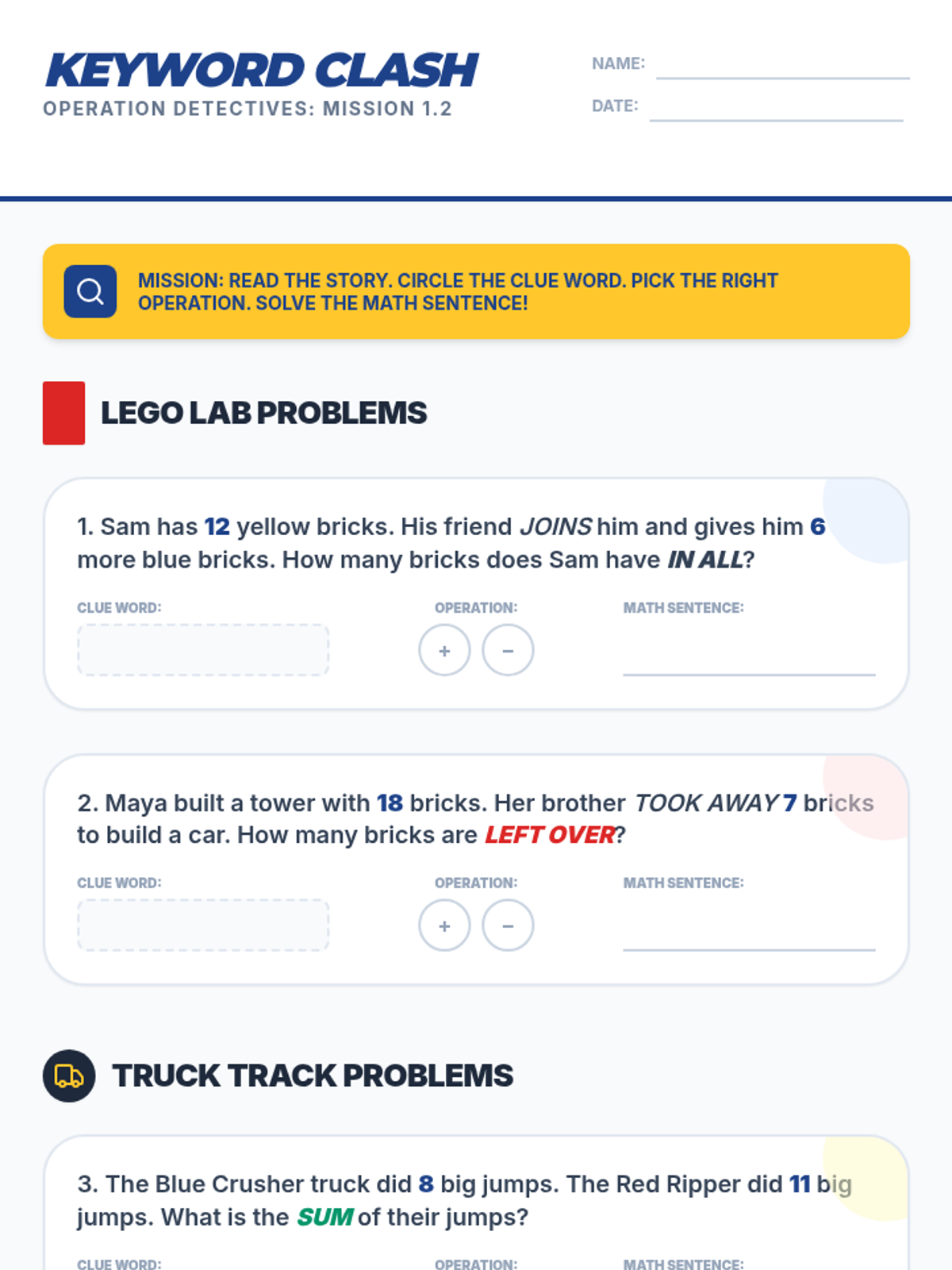
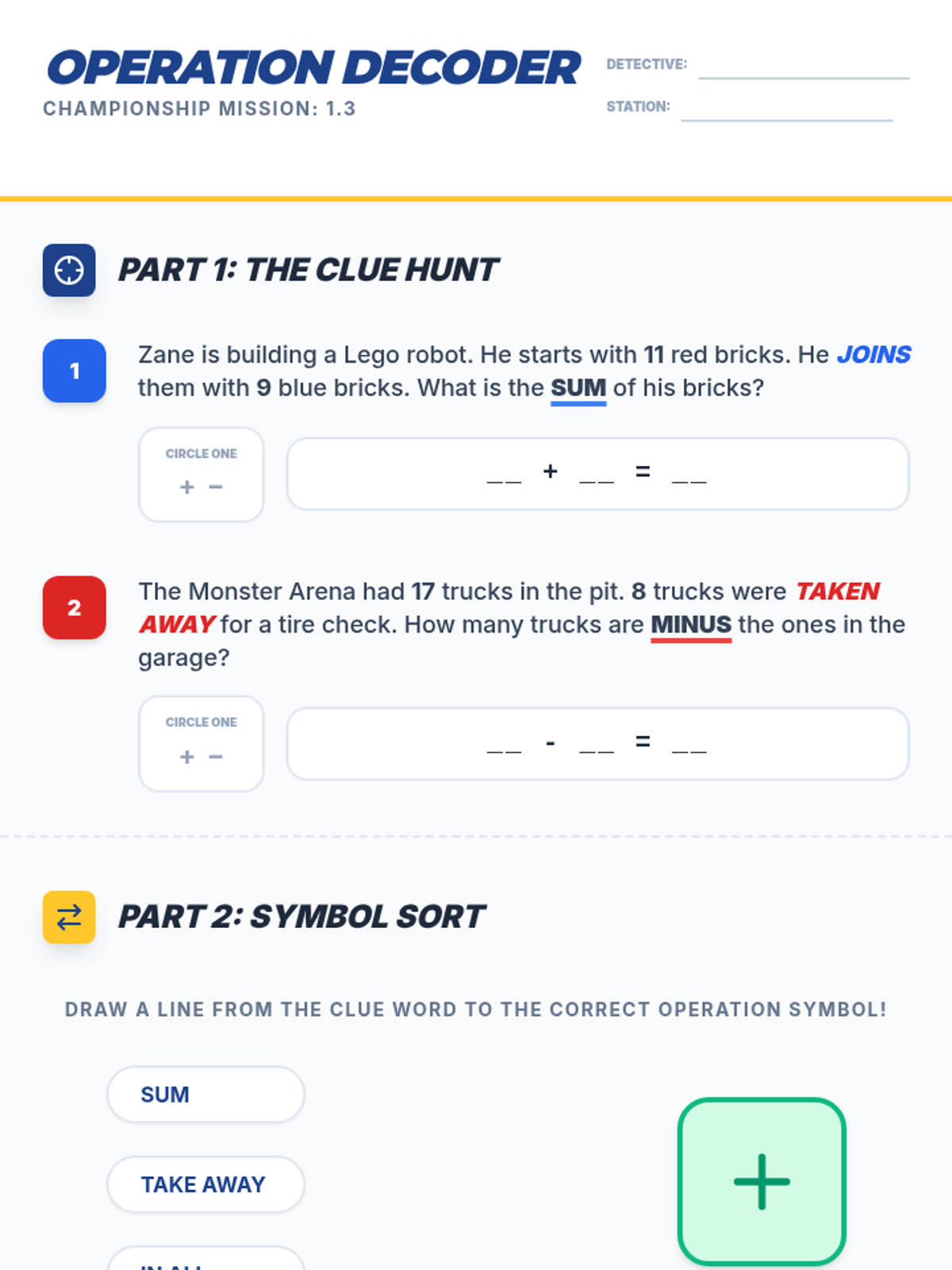
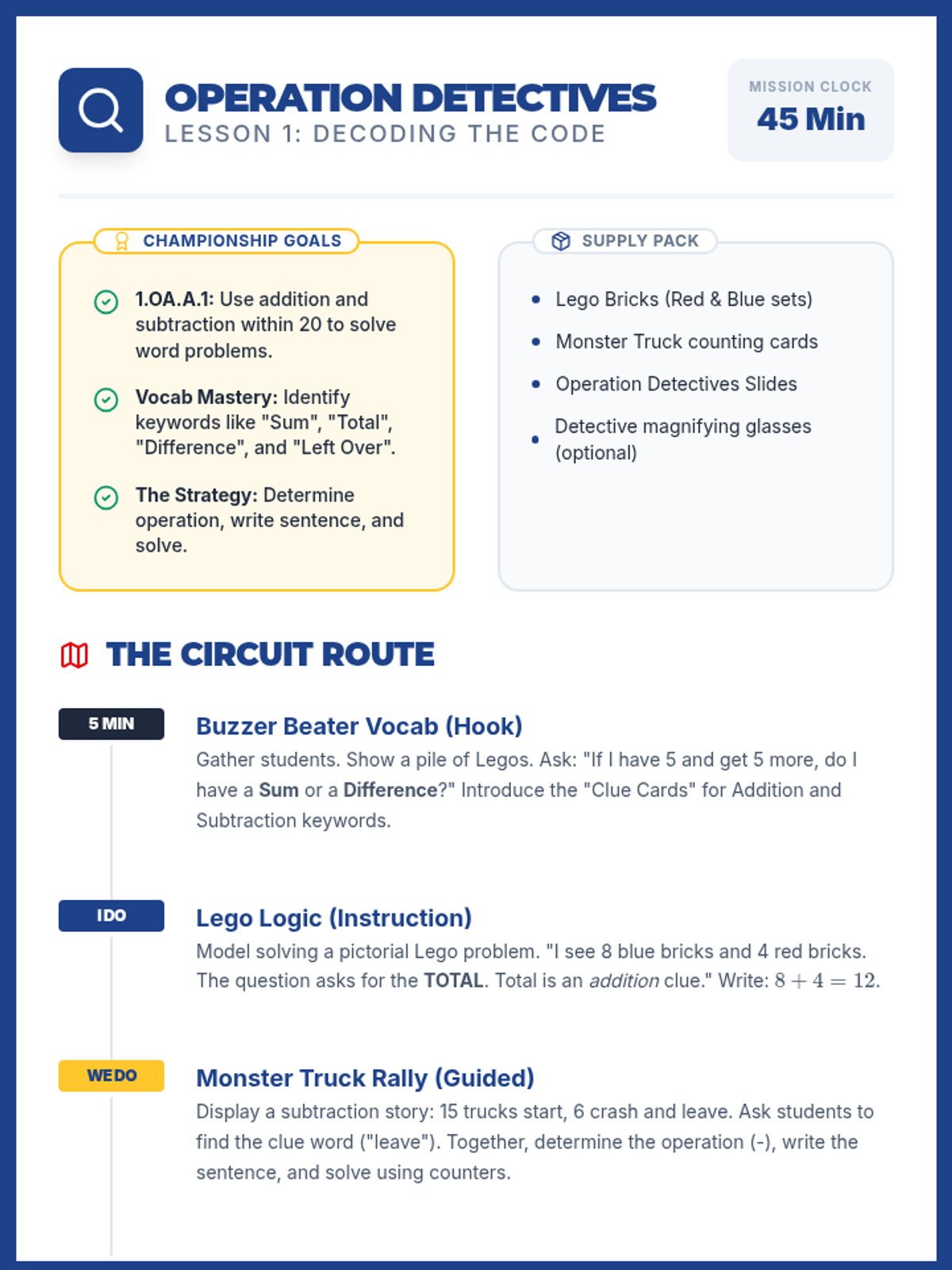
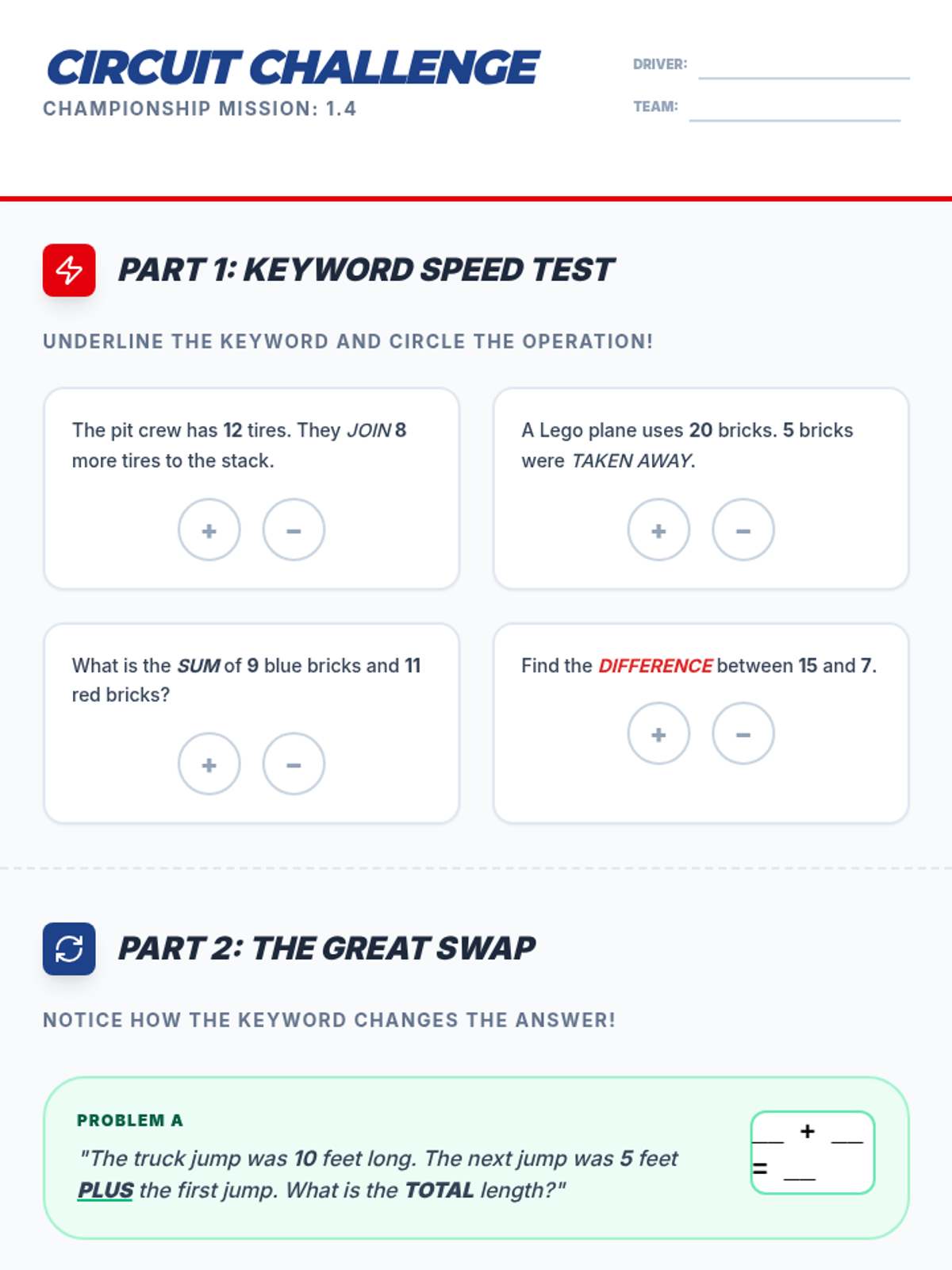
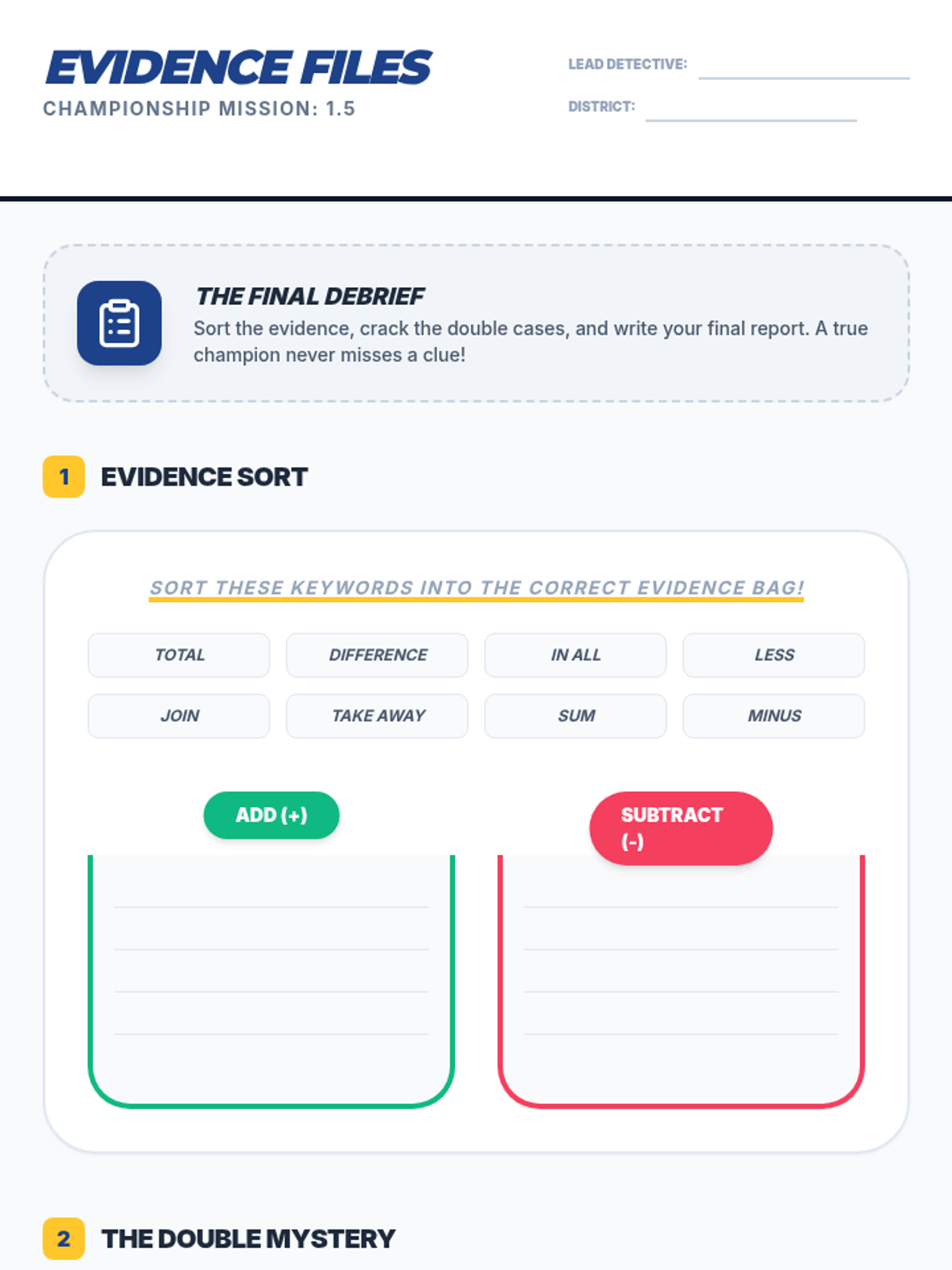
A math unit focusing on operations, algebraic thinking, and number sense up to 30, themed around Legos, Monster Trucks, and the Golden State Warriors. Students learn to decode word problems, choose the correct operation, and utilize number lines for subtraction.
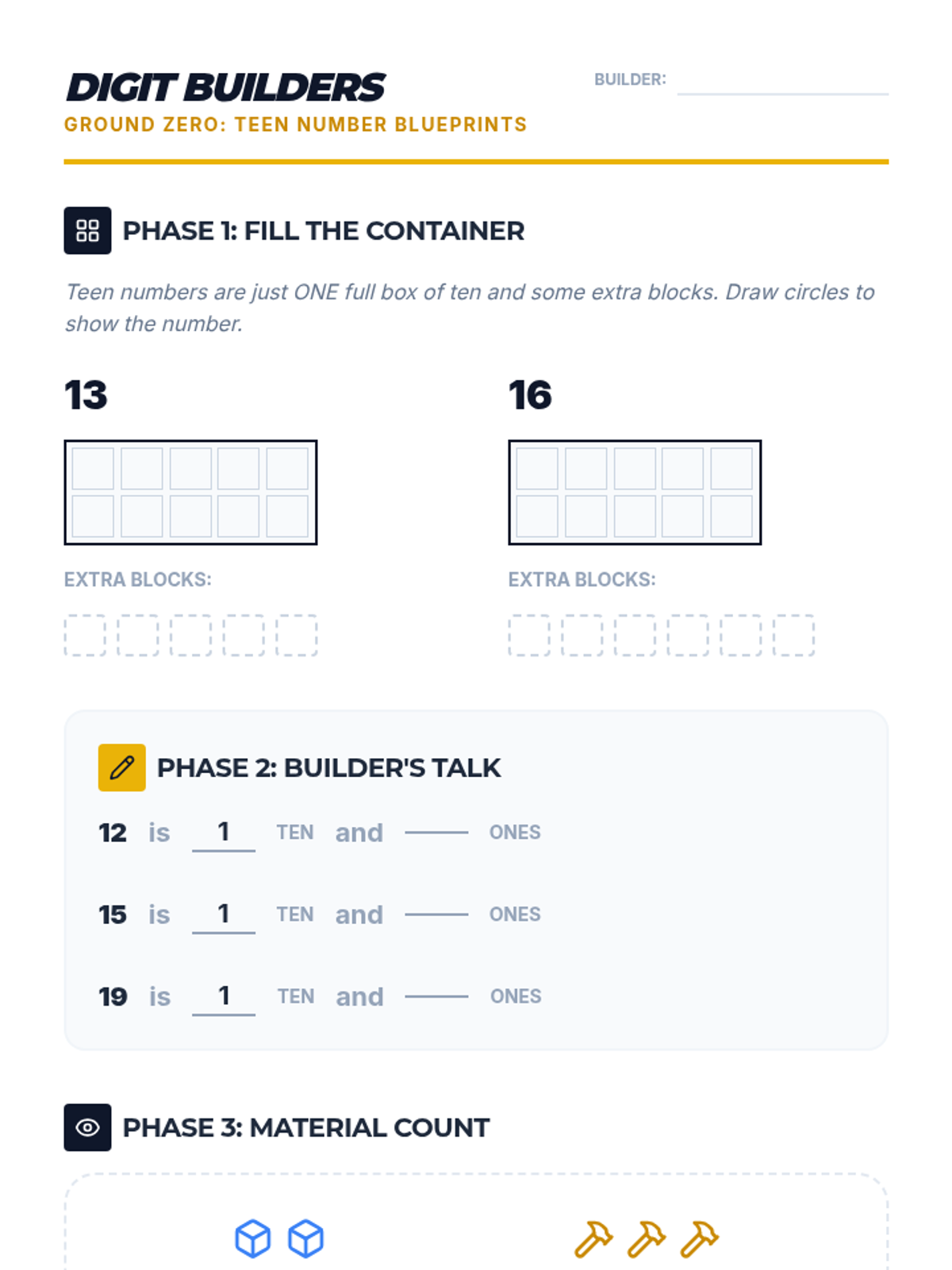
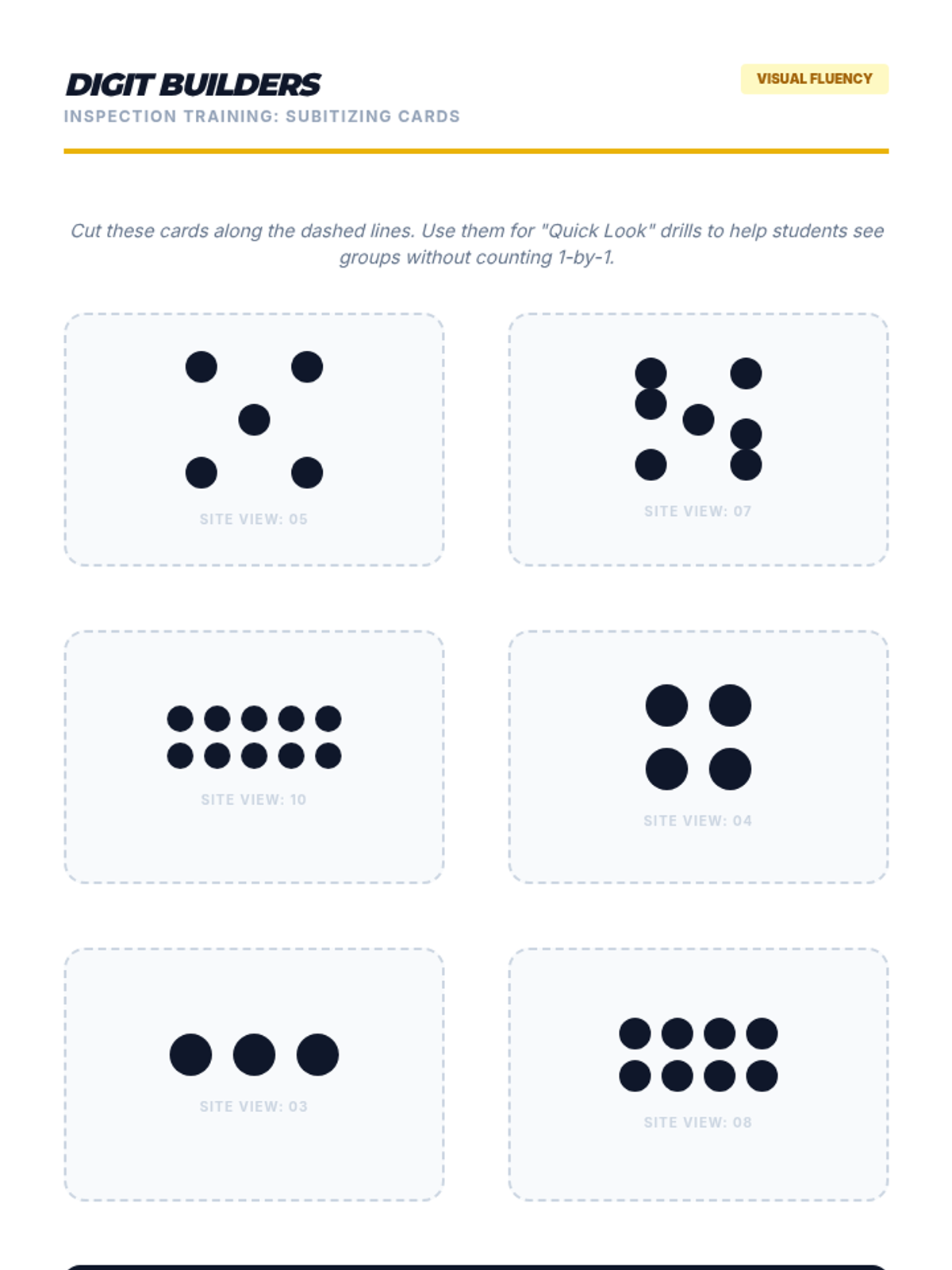
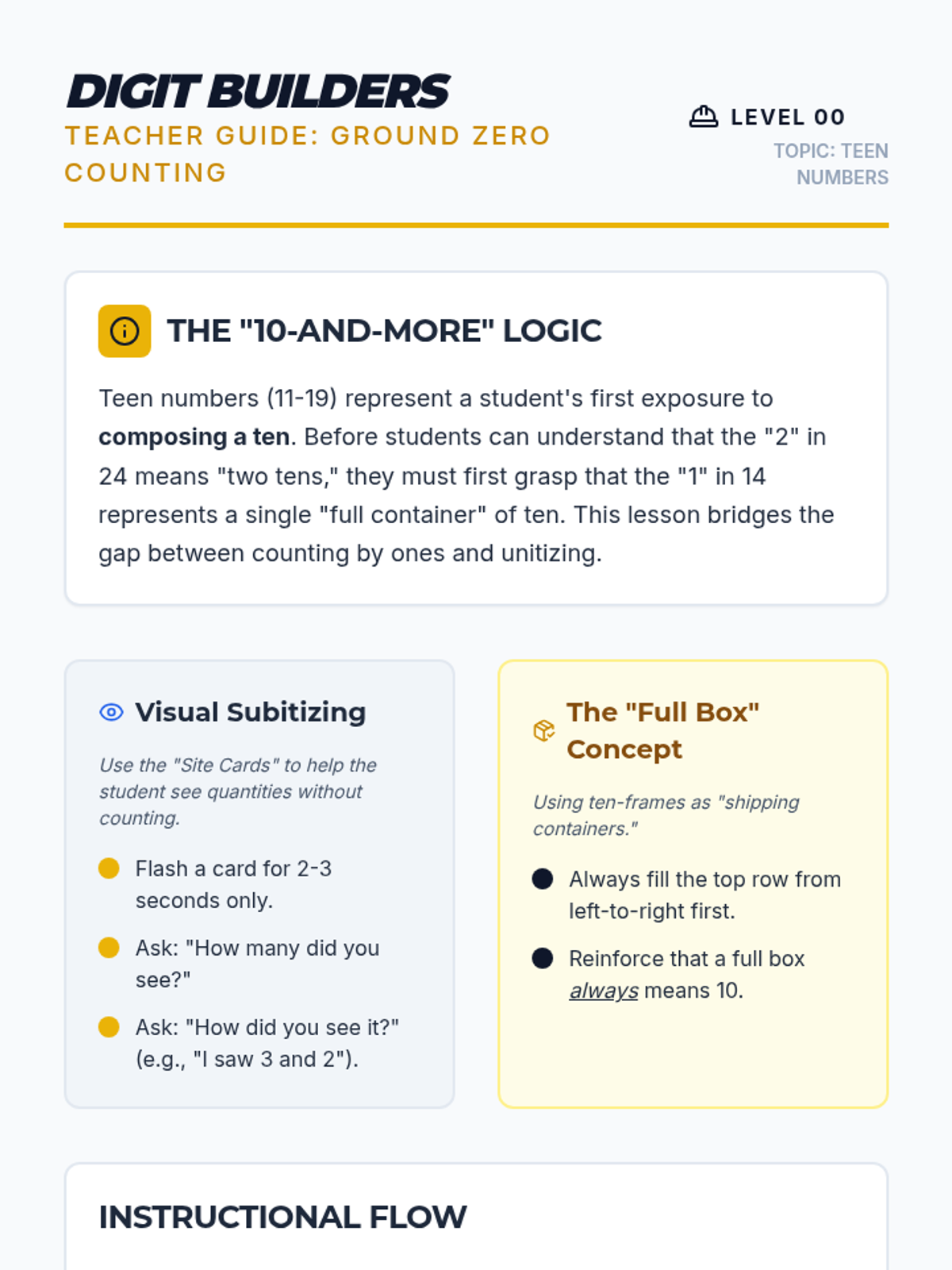
A foundational unit on place value that spirals from teen numbers up to the hundreds place. Using a 'Digit Builders' architectural theme, students learn to construct, deconstruct, and compare 2-digit and 3-digit numbers, building a solid foundation for future math.
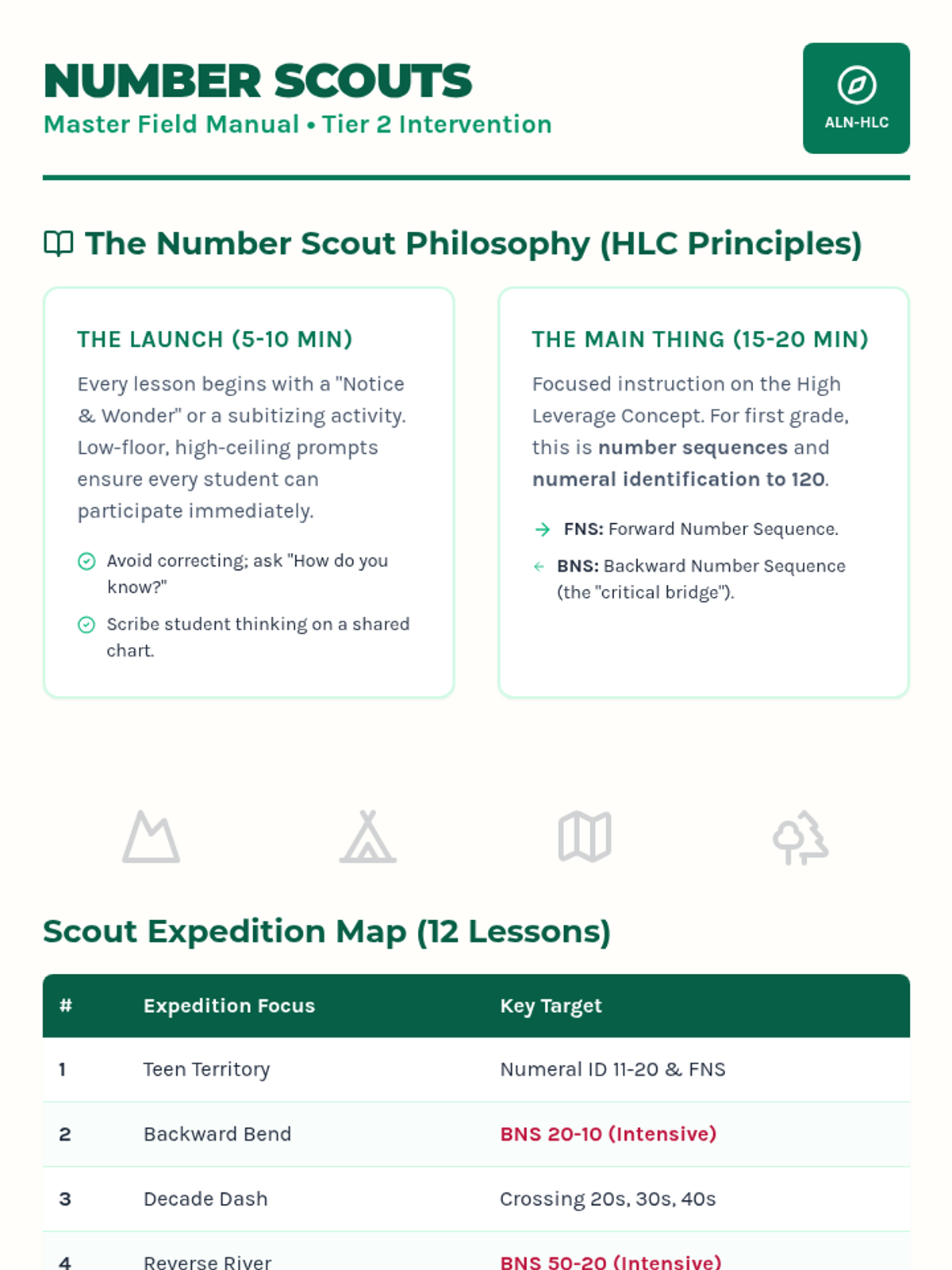
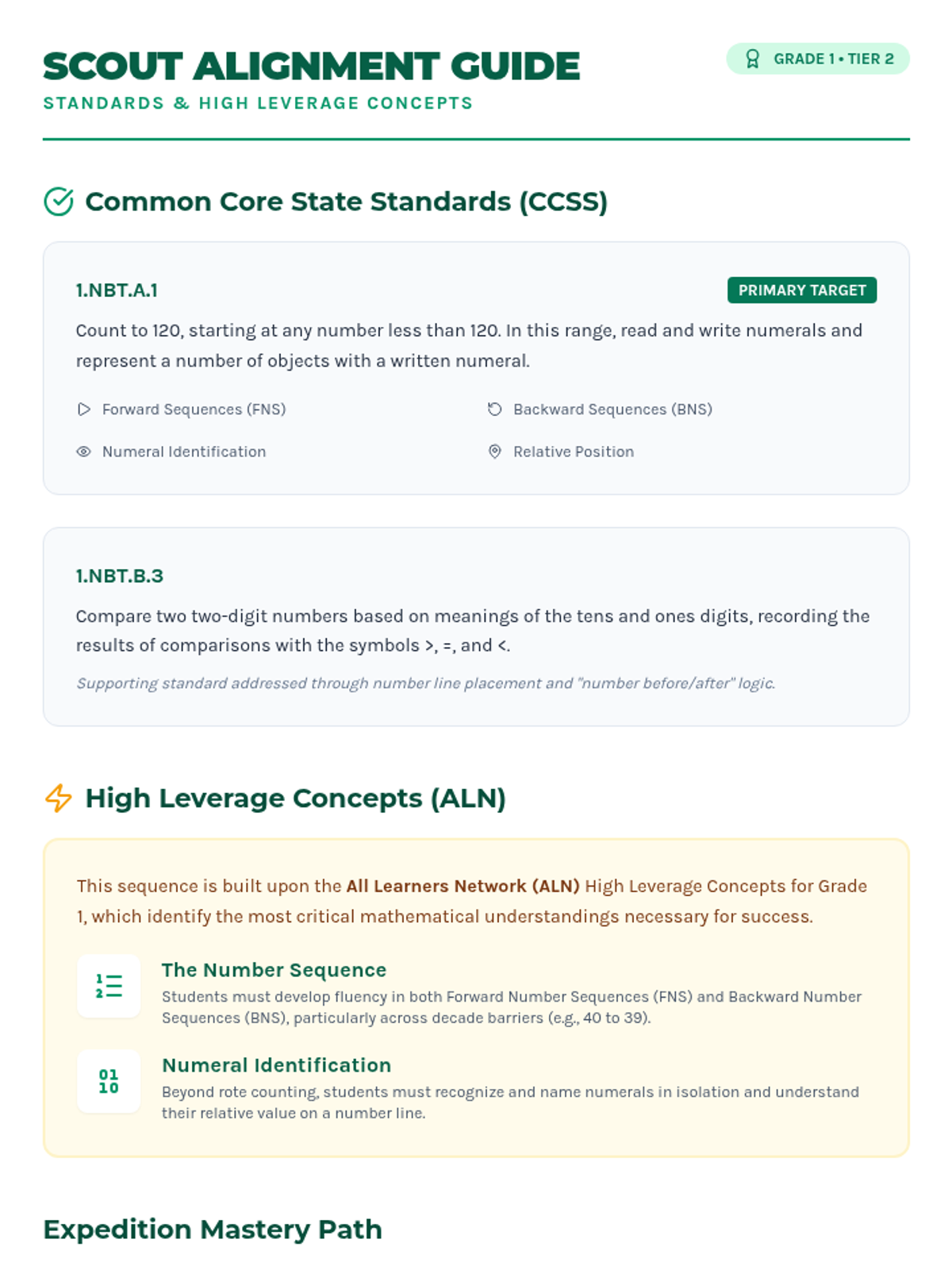
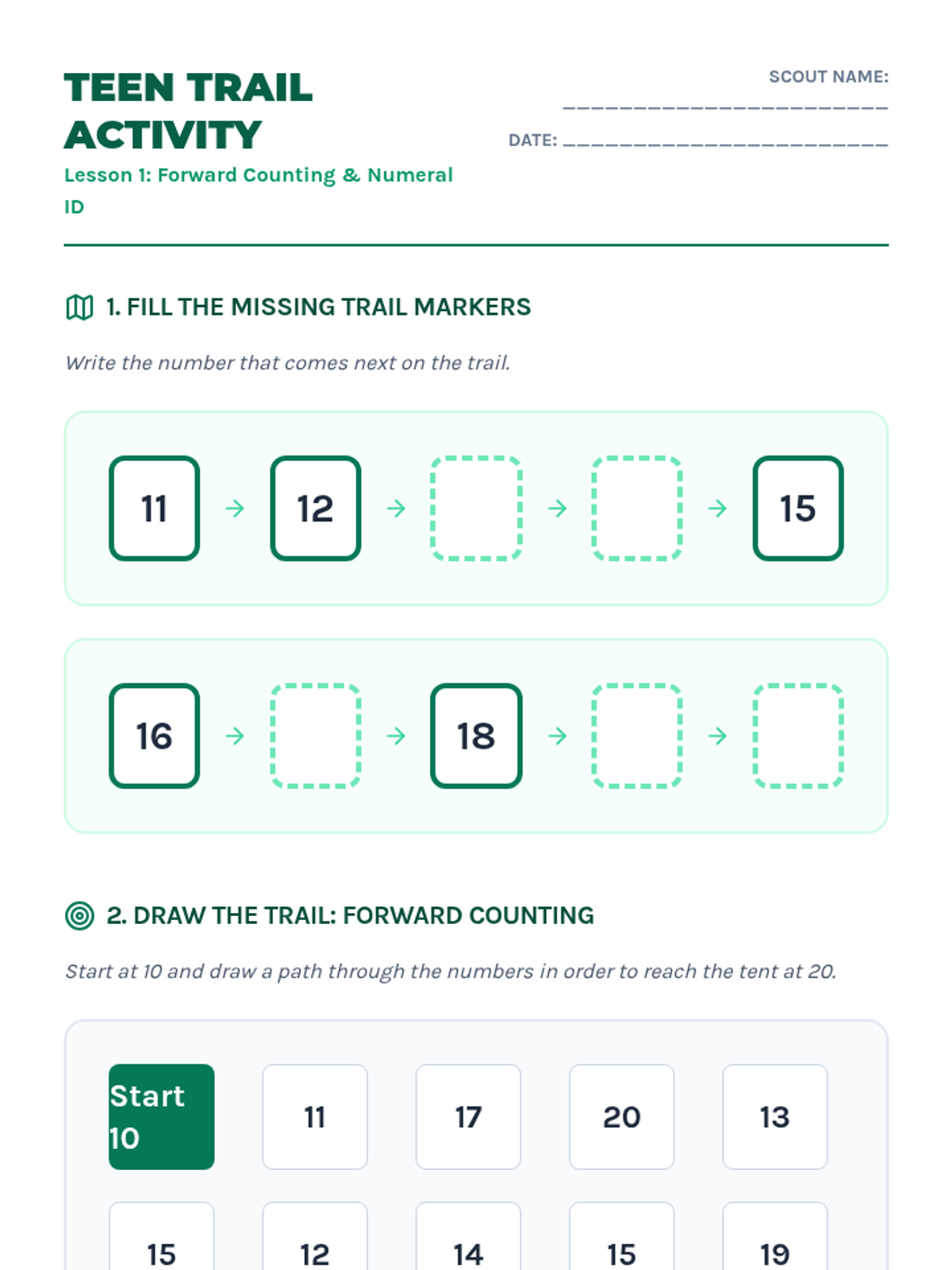
A 12-lesson intervention sequence focused on numeral identification, forward/backward sequences, and number lines for 1st-grade Tier 2 support, utilizing High Leverage Concepts from All Learners Network.
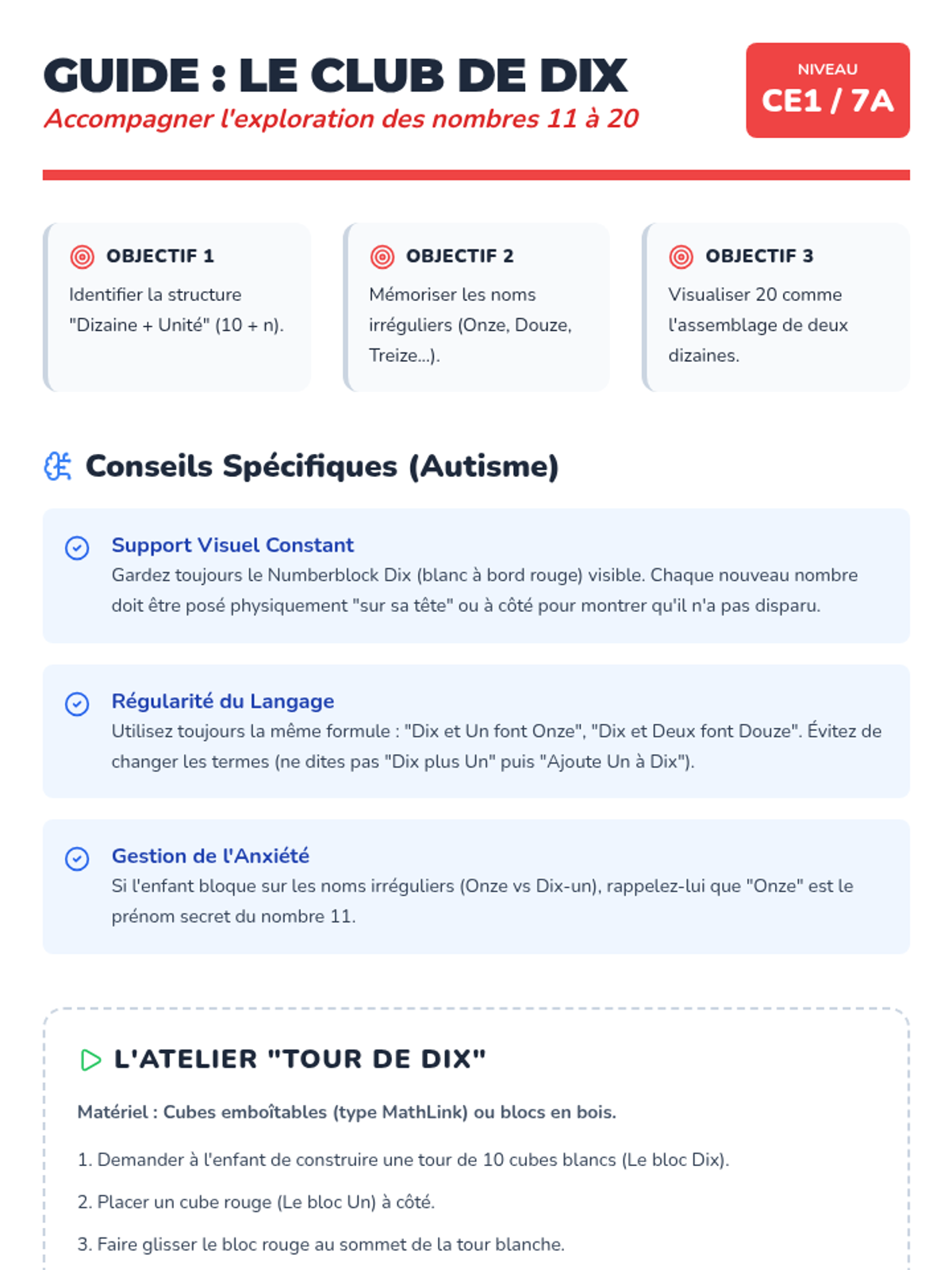
Une séquence pédagogique basée sur l'univers des Numberblocks pour aider un enfant autiste de 7 ans à maîtriser la comptine numérique jusqu'à 100, en mettant l'accent sur la structure décimale et les régularités.
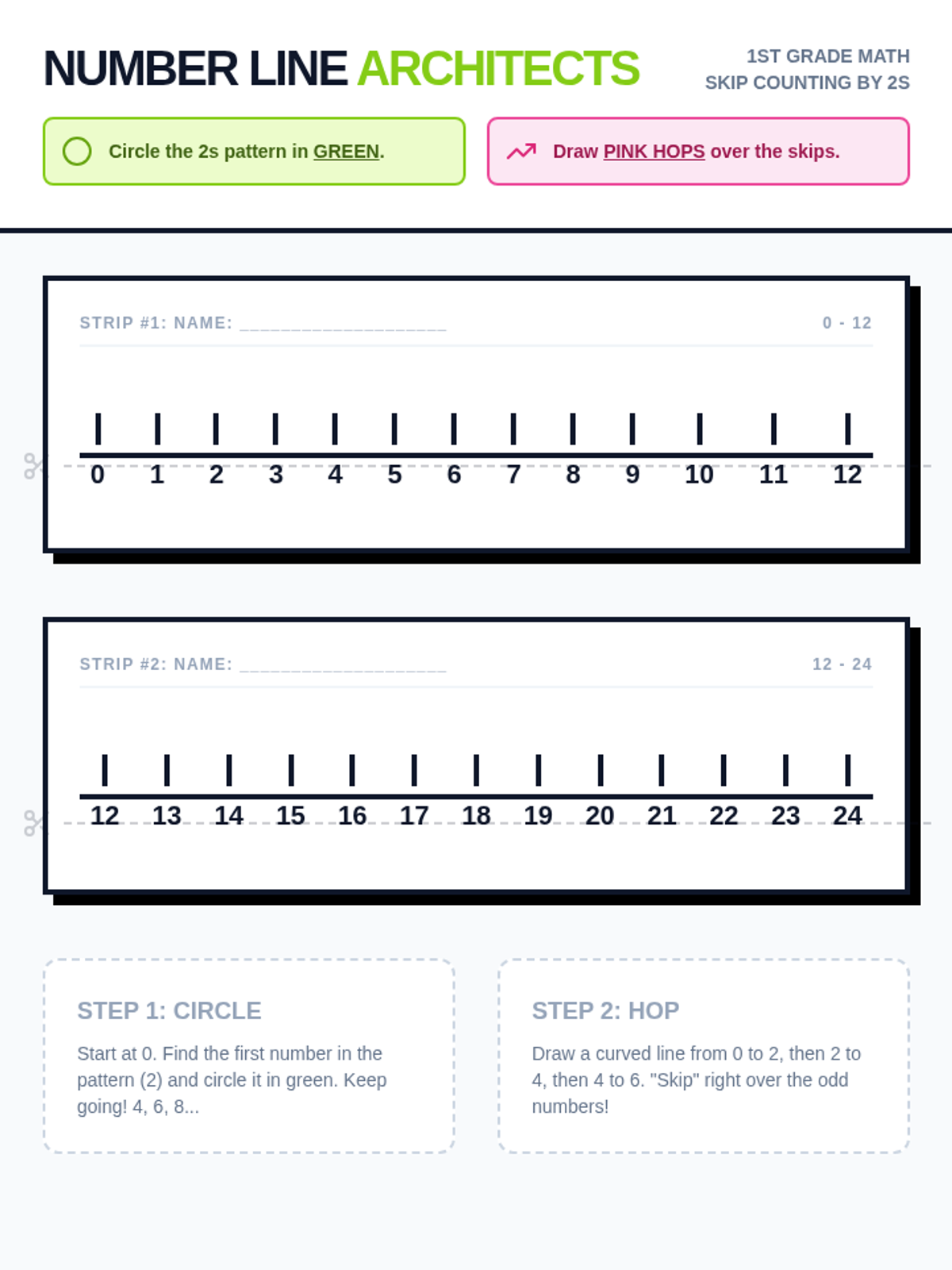
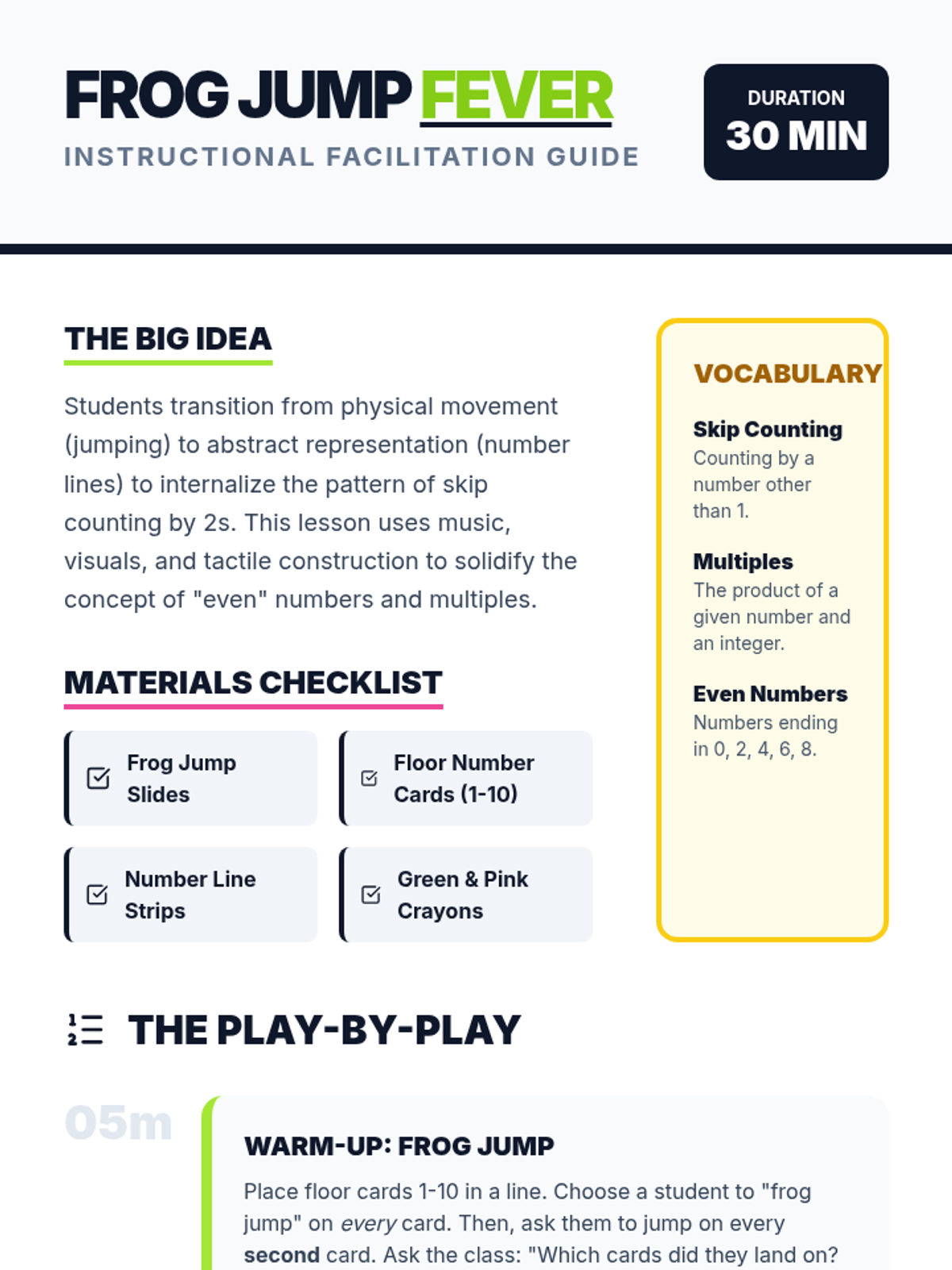
A unit focused on building foundational number sense through skip counting patterns and visual representations. Students explore patterns of 2s, 5s, and 10s using movement and visual models.