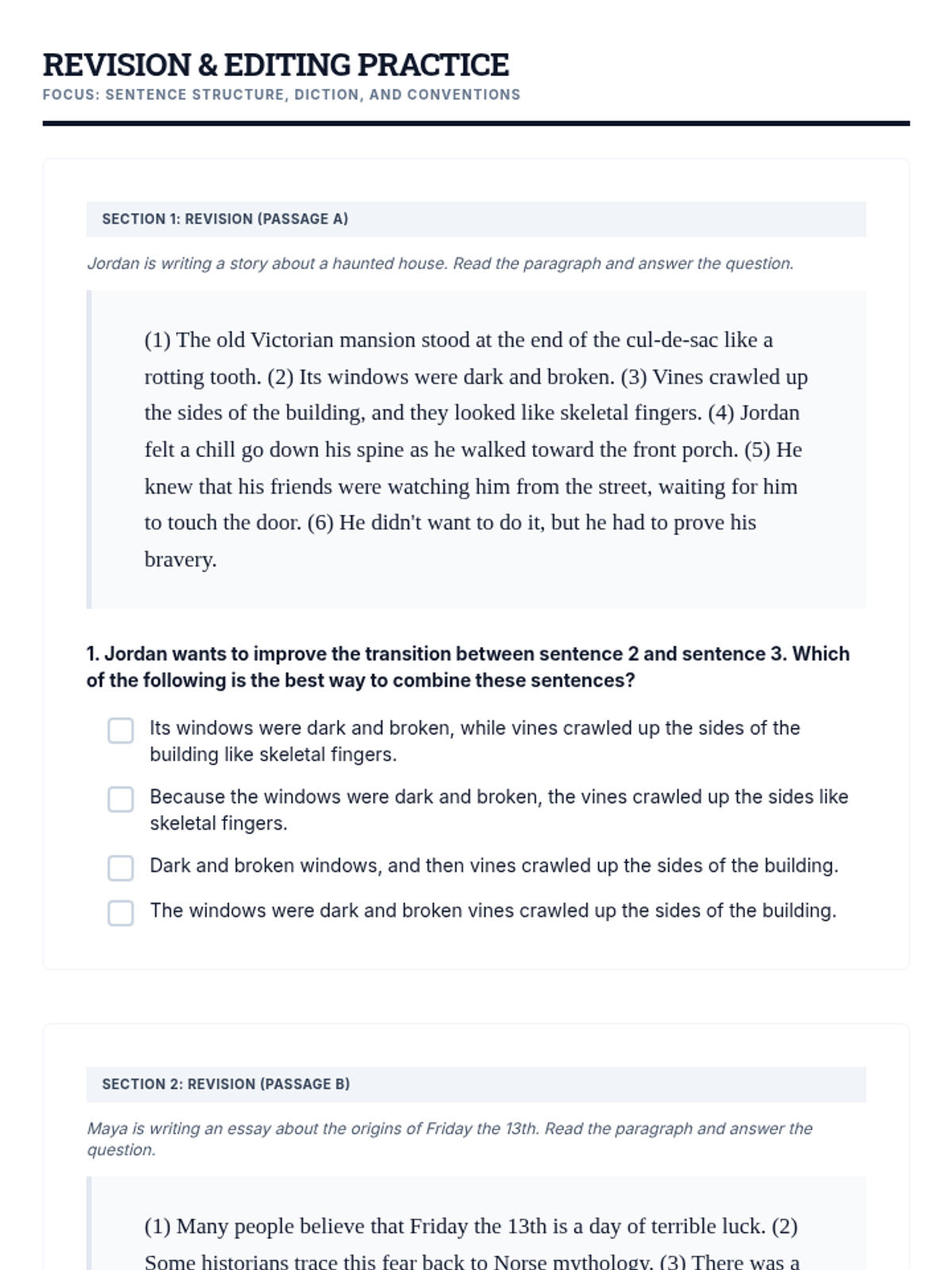
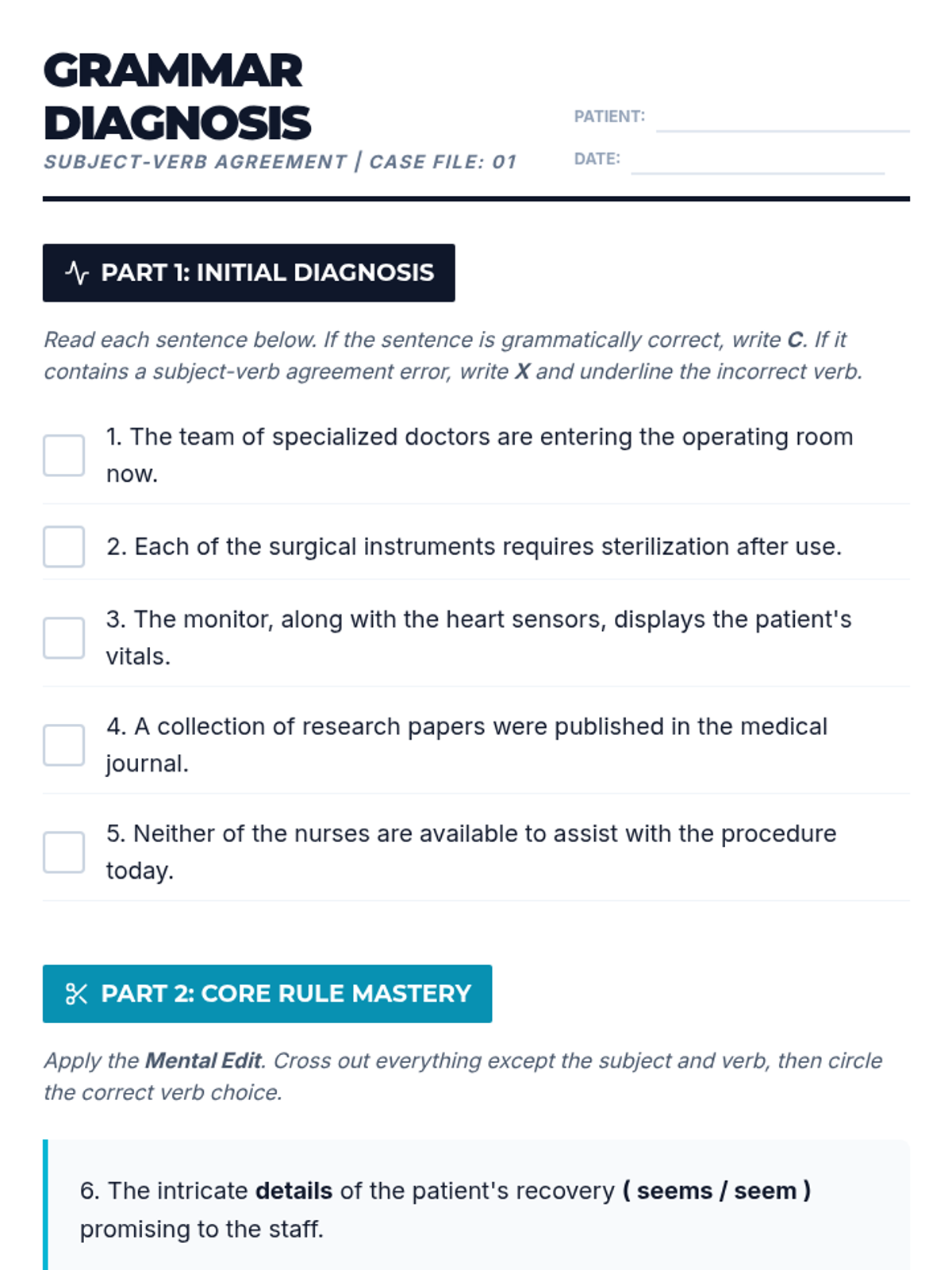
Sentence structure fundamentals, subject-verb agreement, and precise usage of parts of speech including pronouns, conjunctions, and adjectives. Targets technical accuracy through mastery of capitalization, punctuation, spelling, and verb mood.
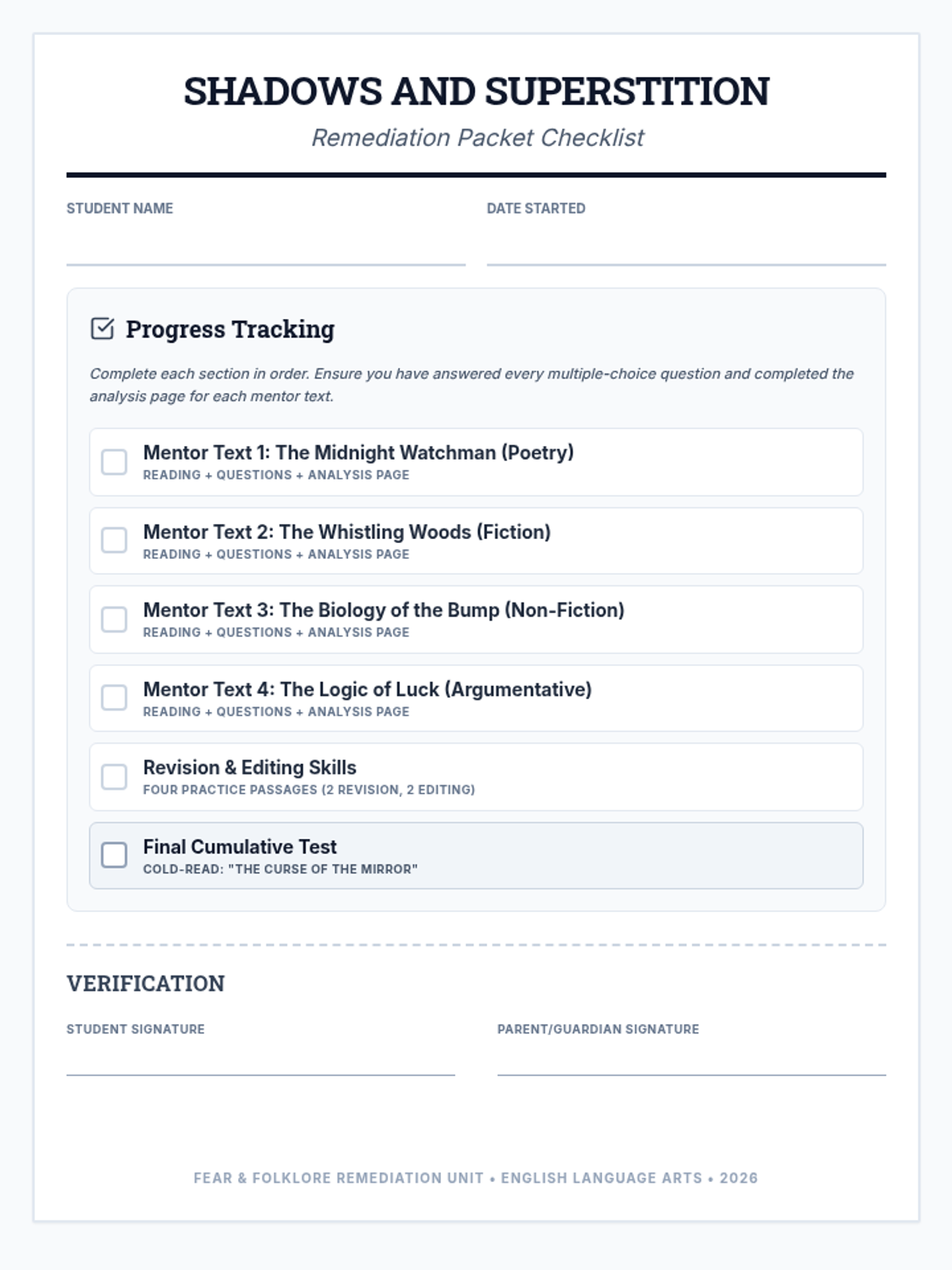
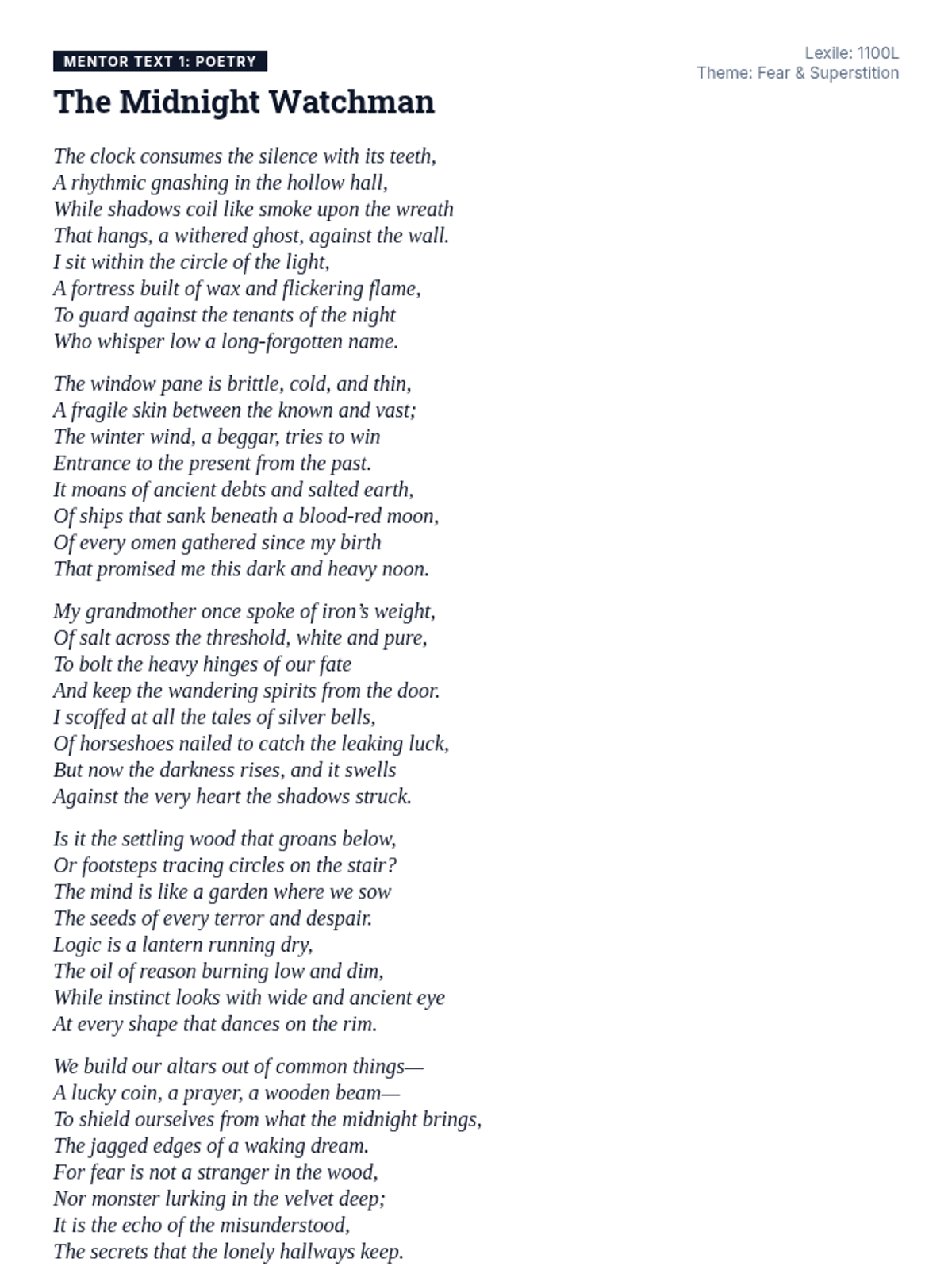
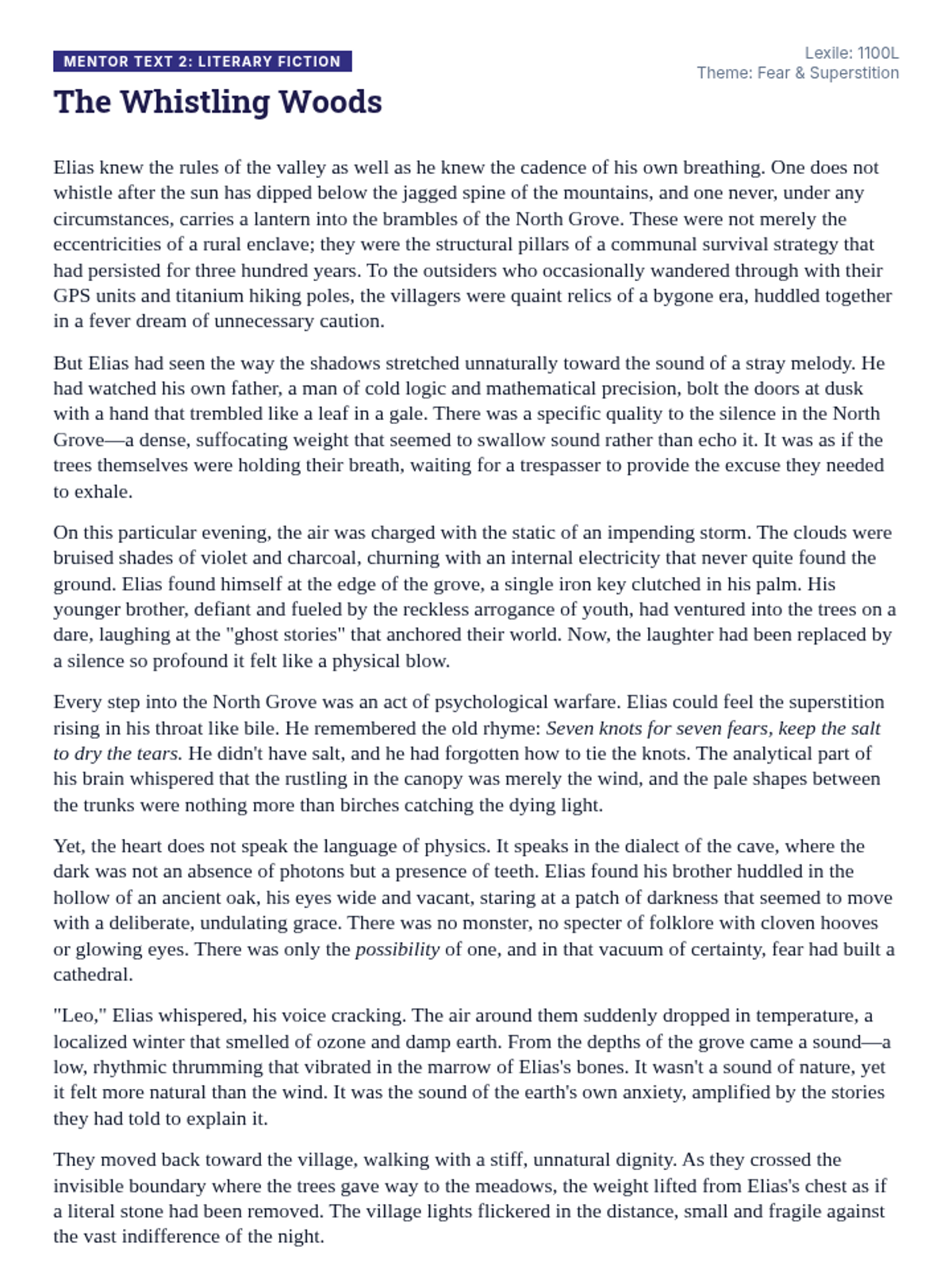
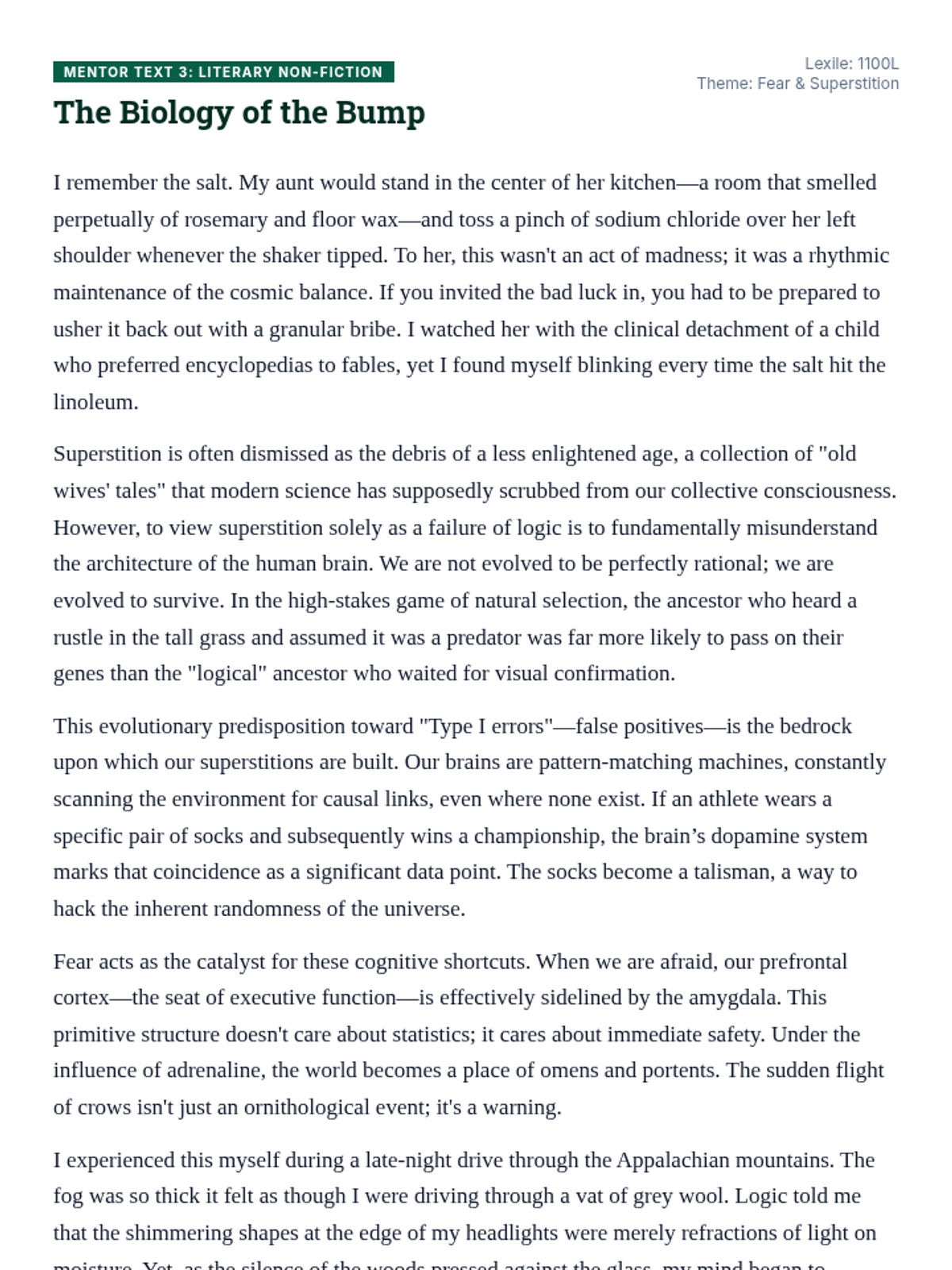
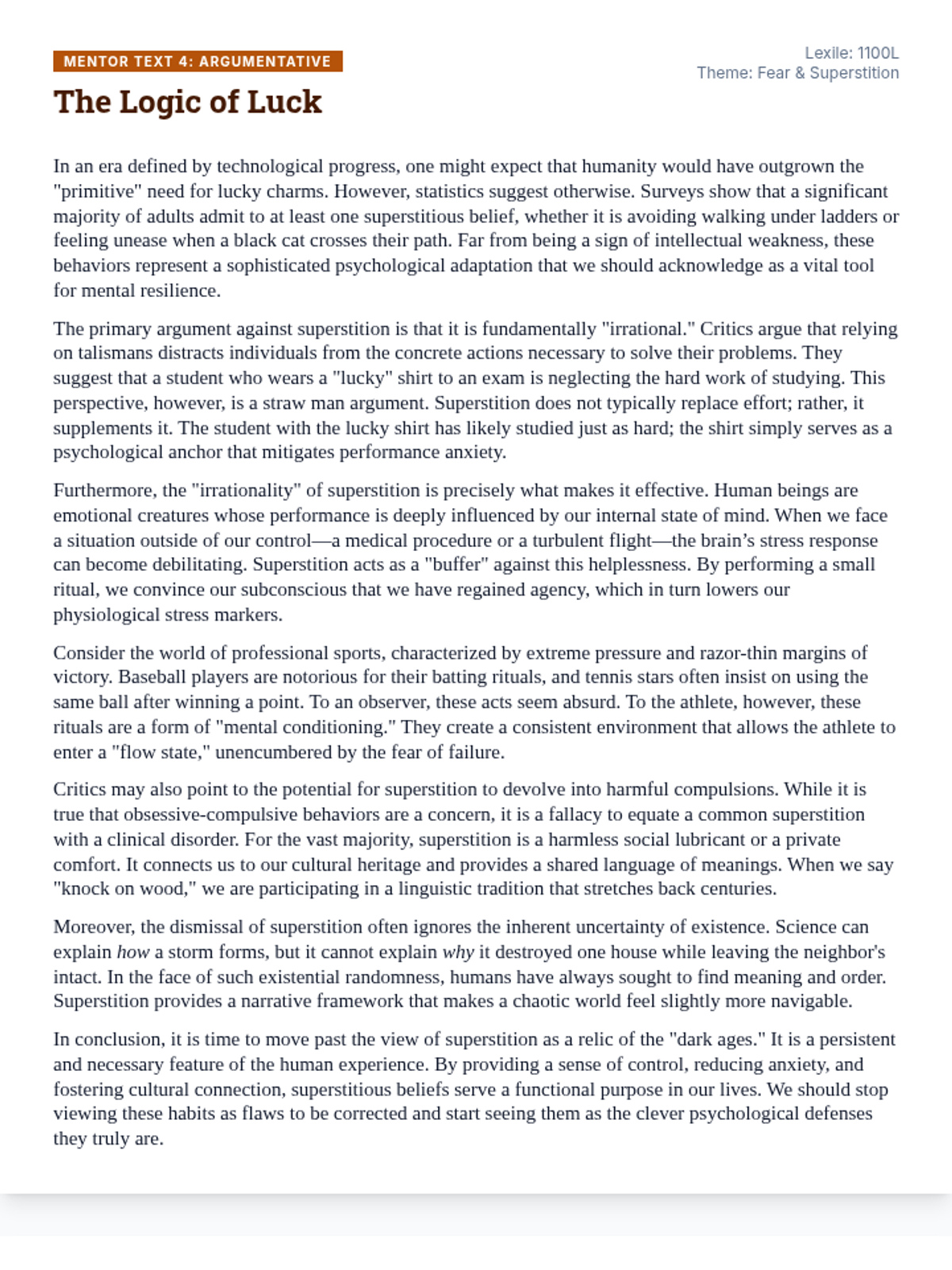
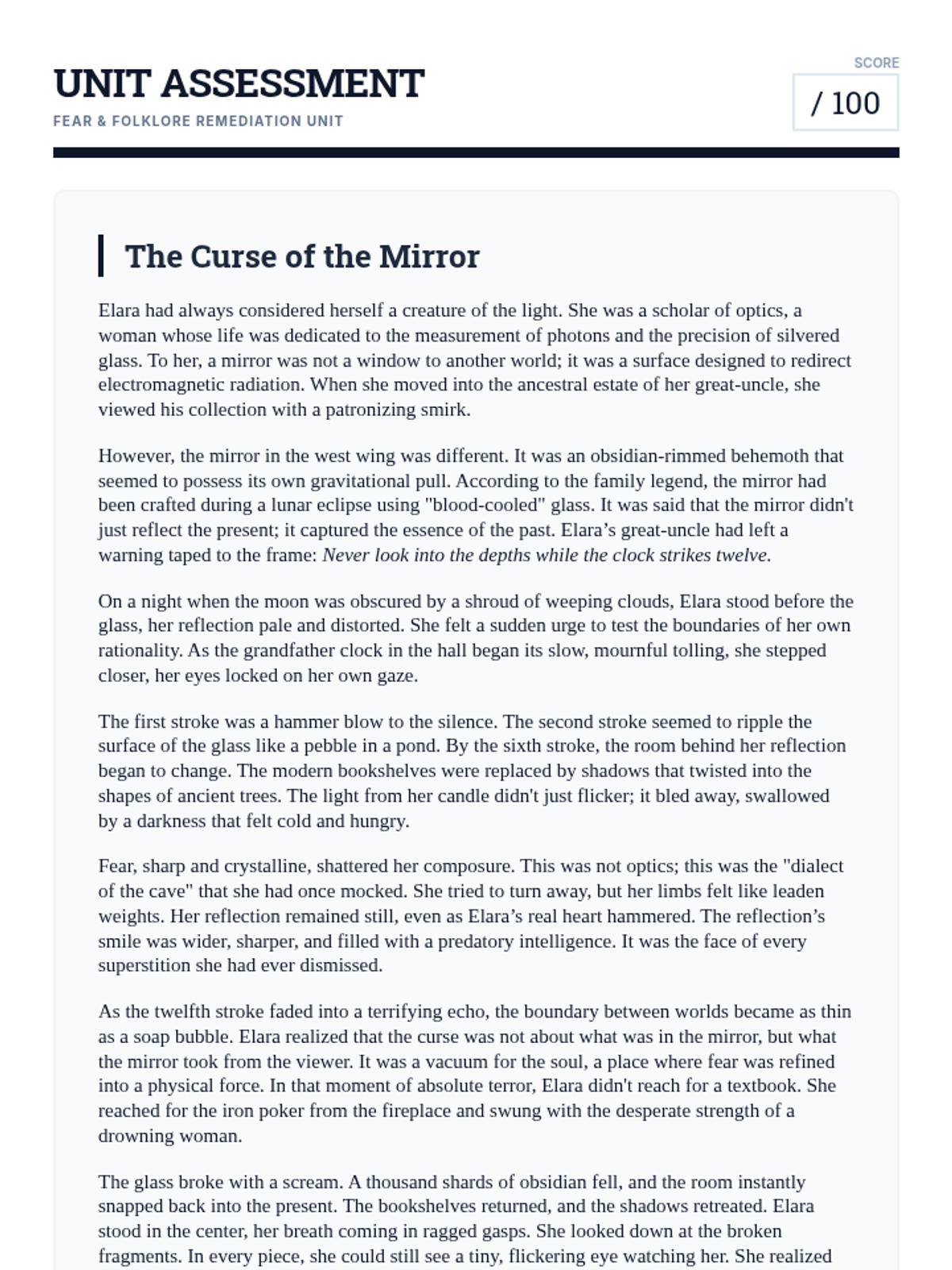
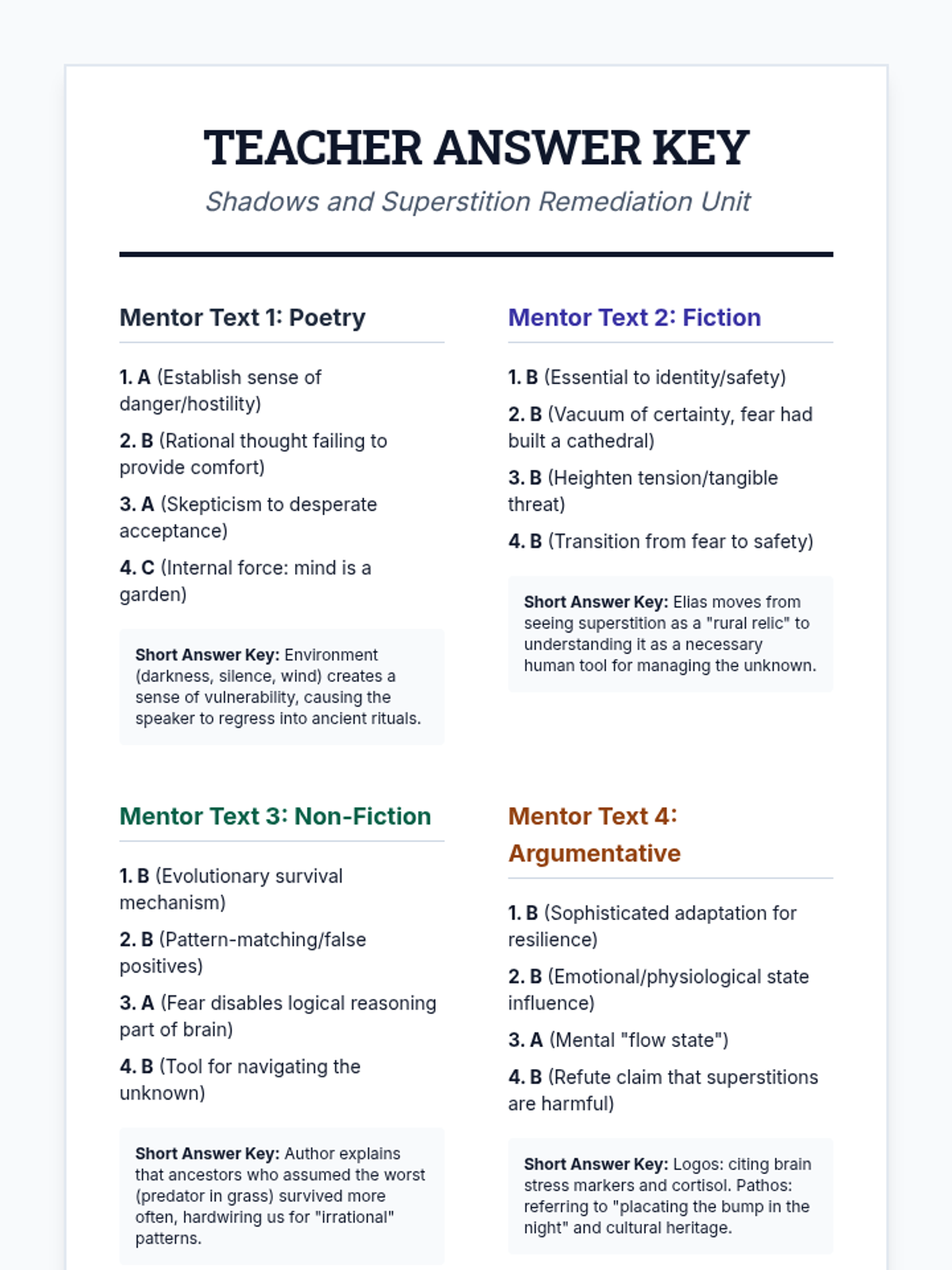
A comprehensive remediation unit exploring the psychological and cultural roots of fear and superstition through multiple genres. Students analyze figurative language, argumentative structures, and use evidence to support inferences.
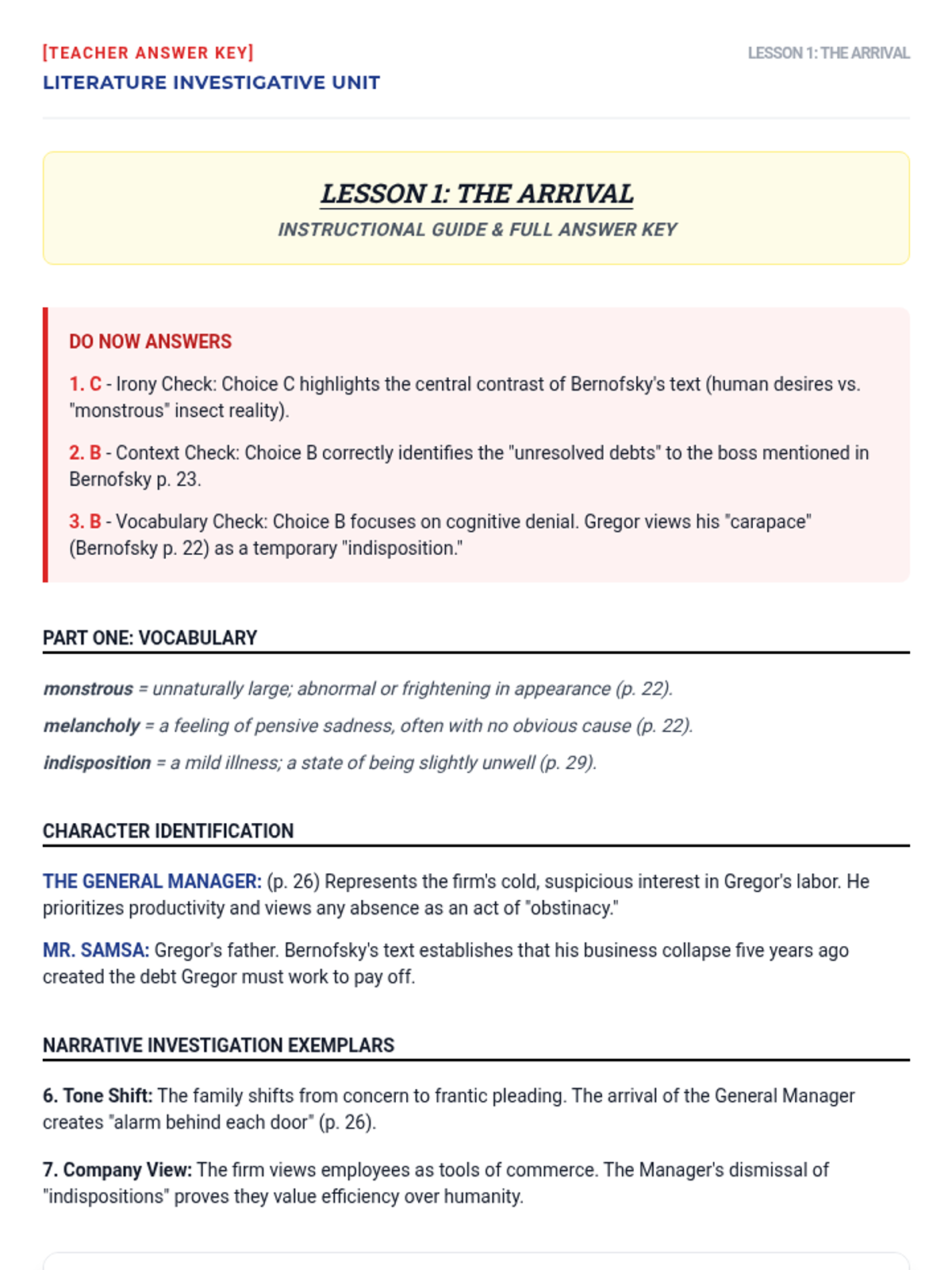
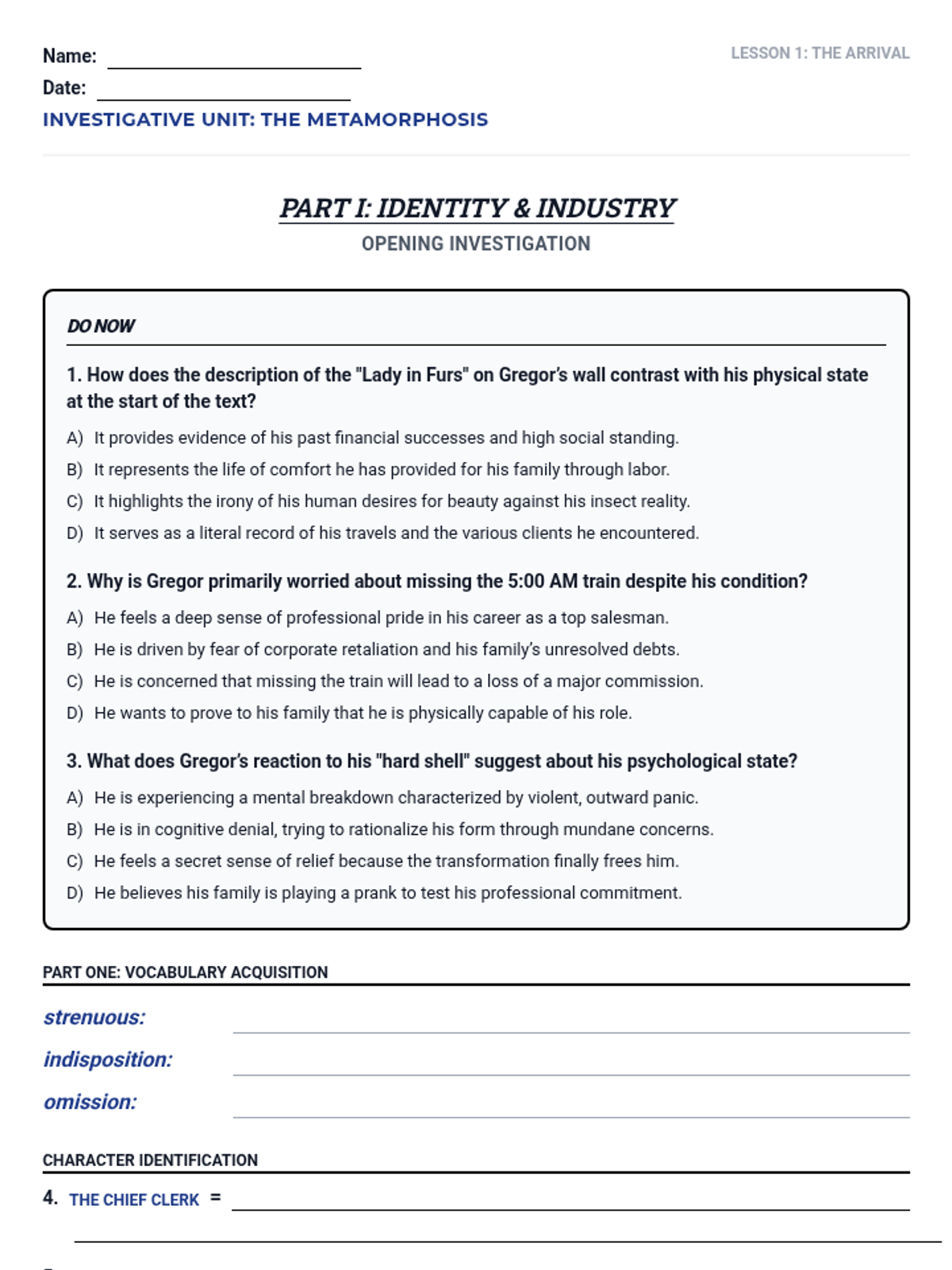
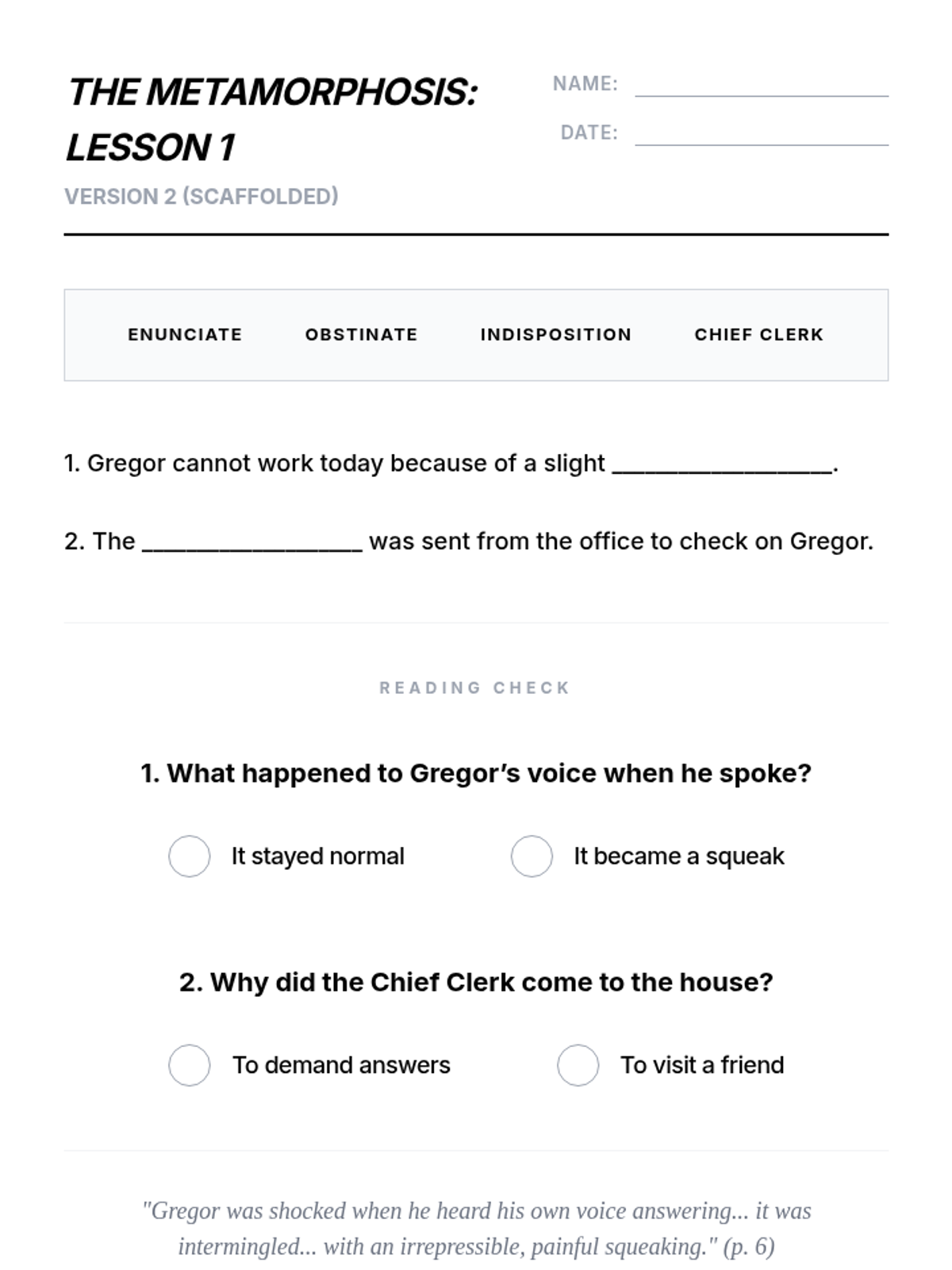
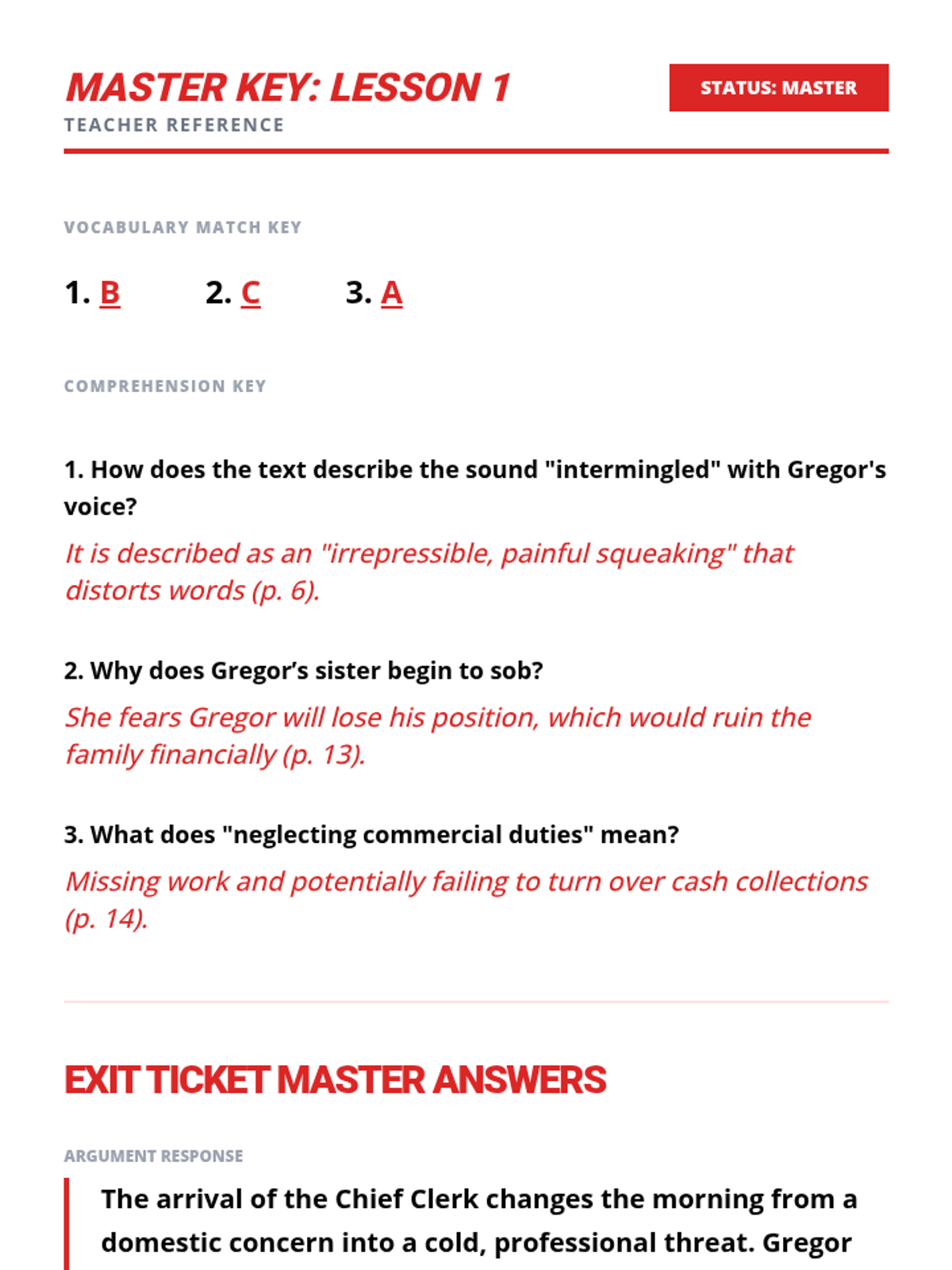
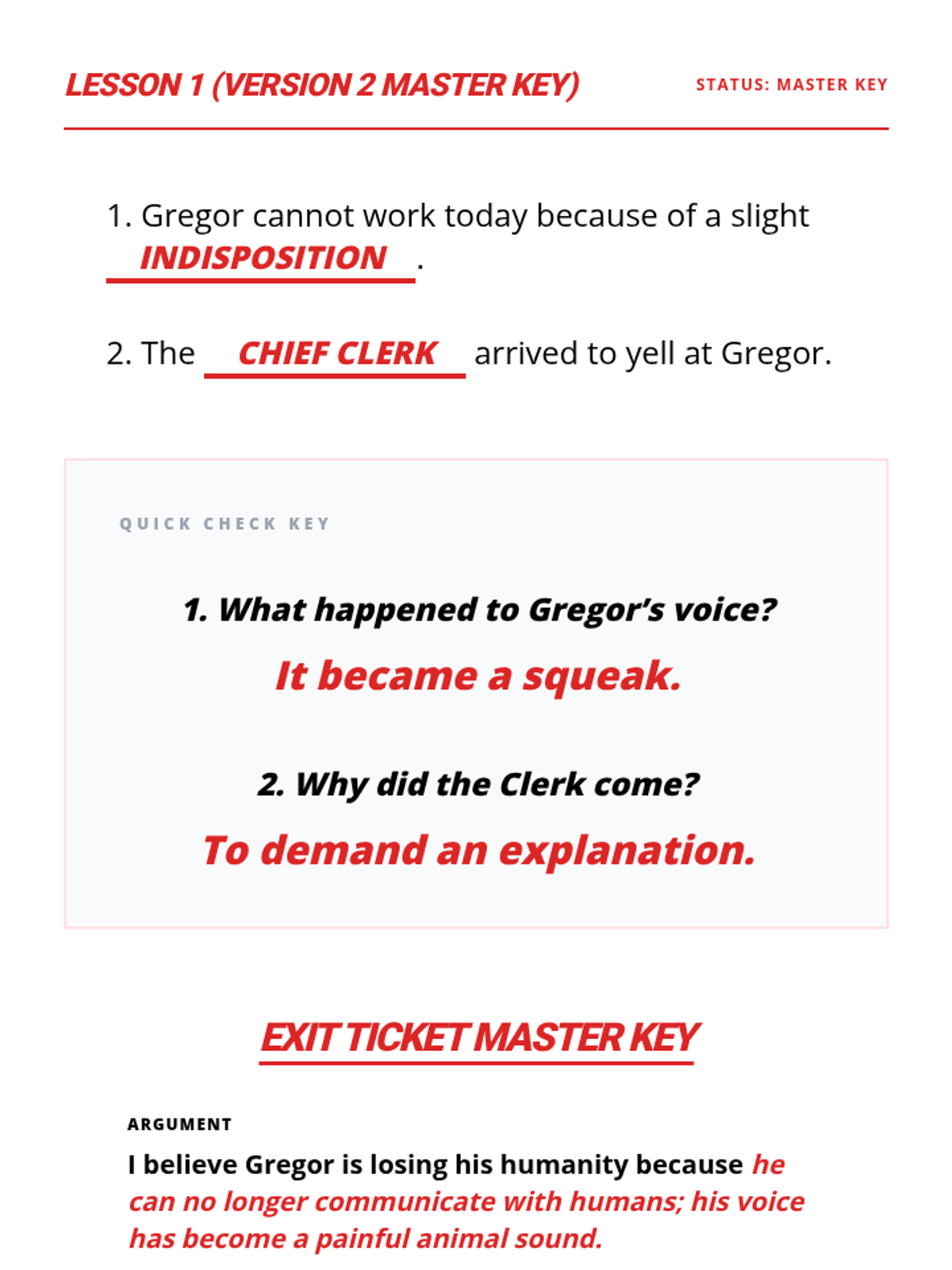
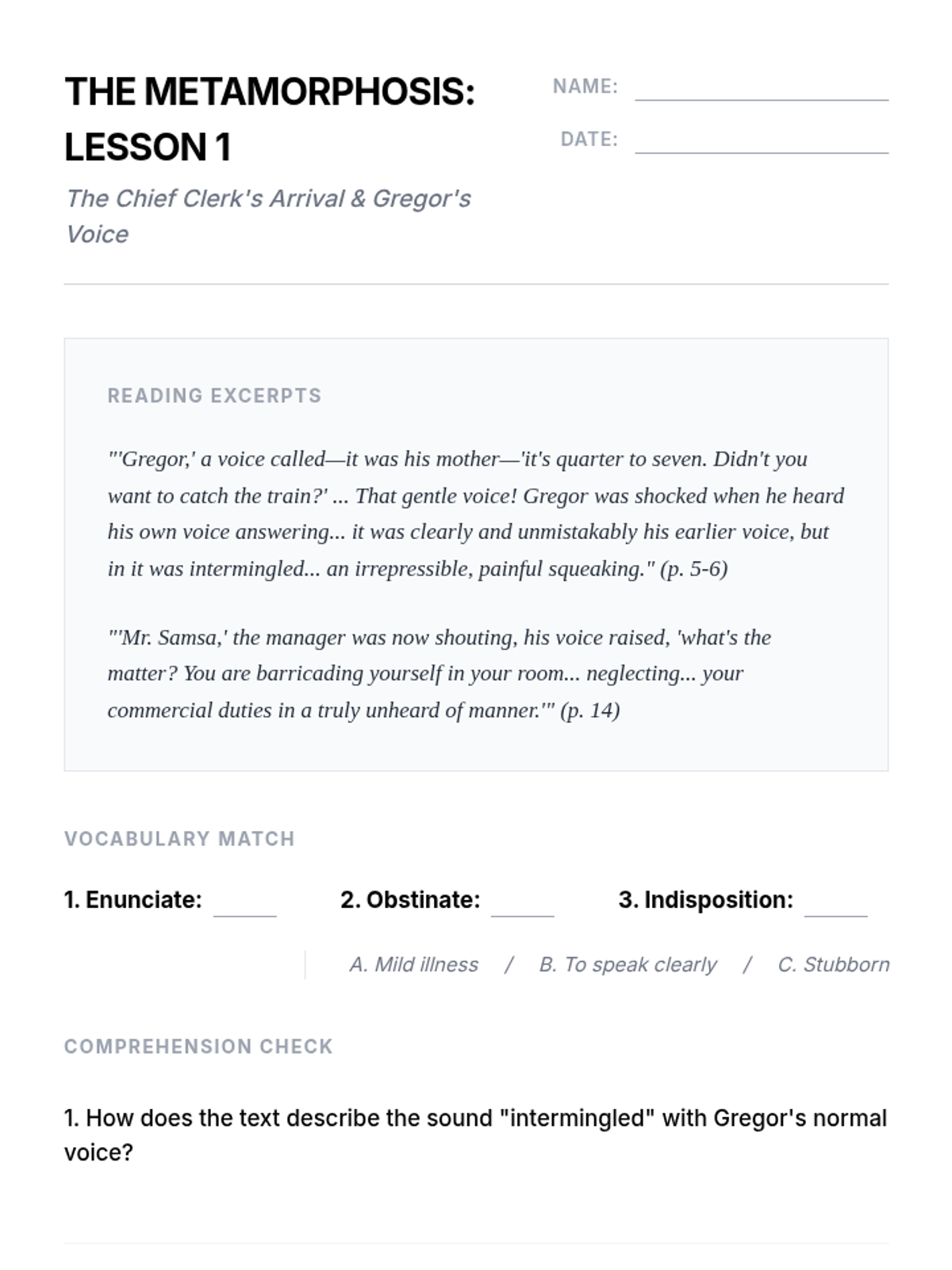
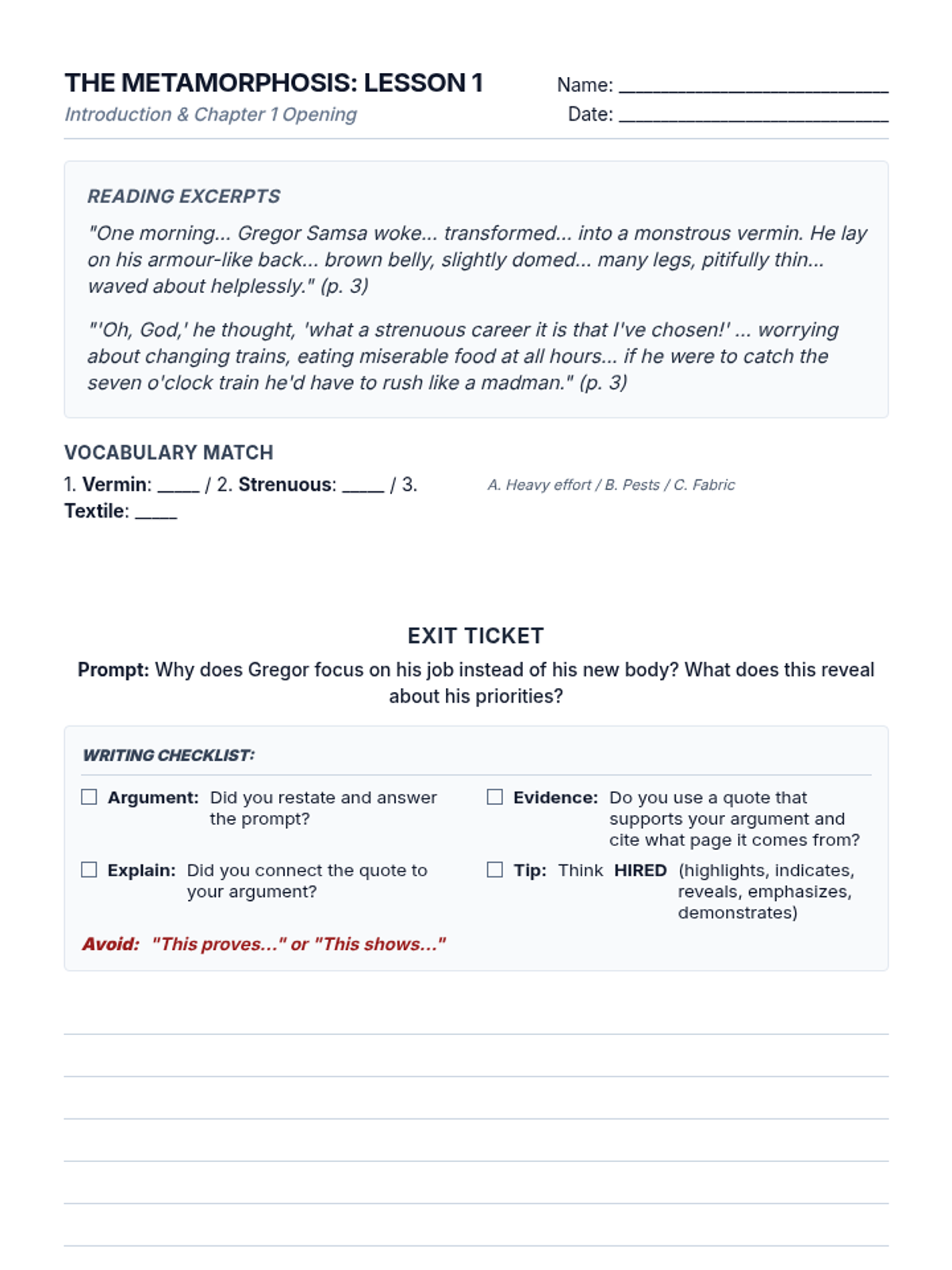
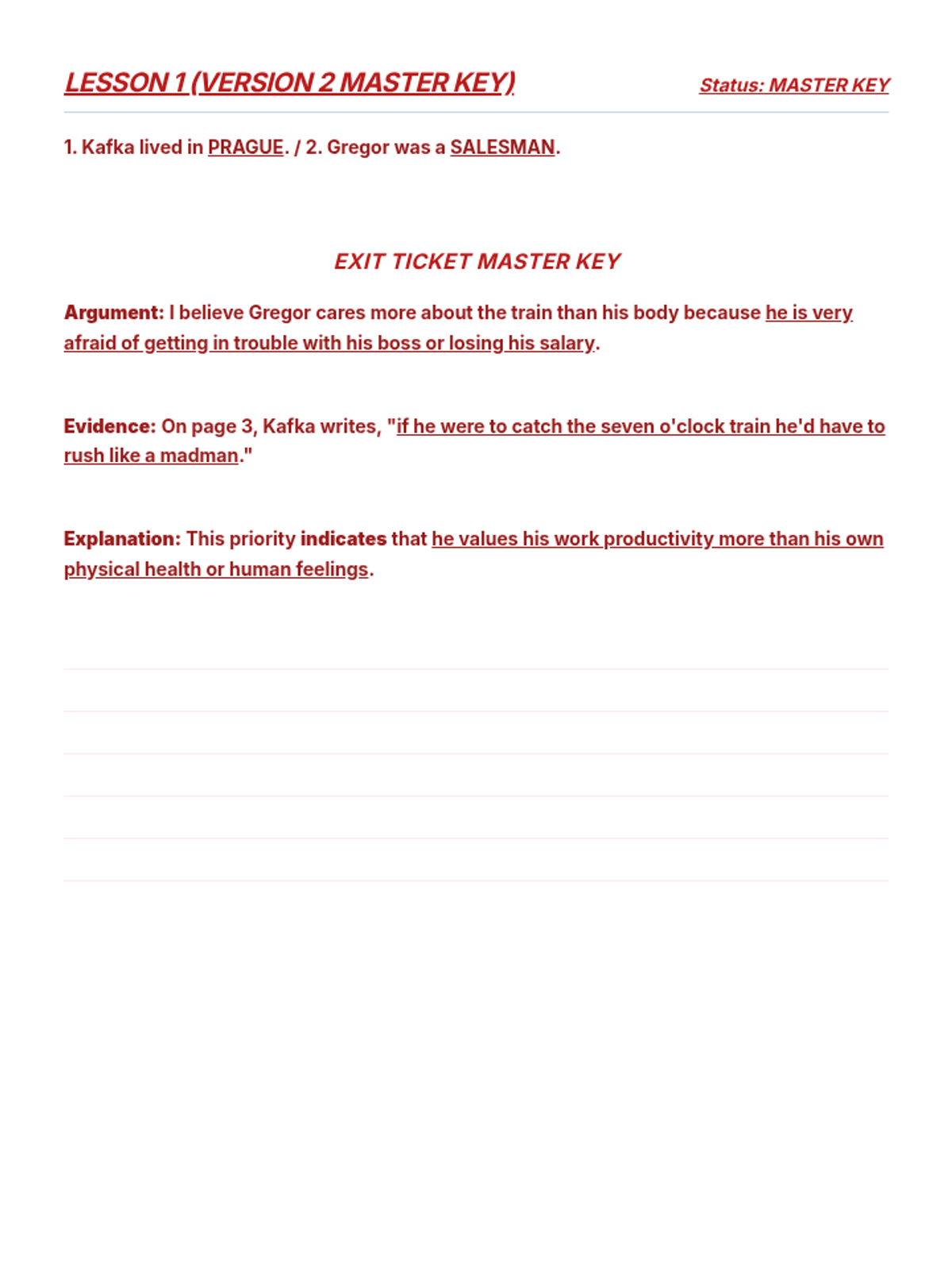
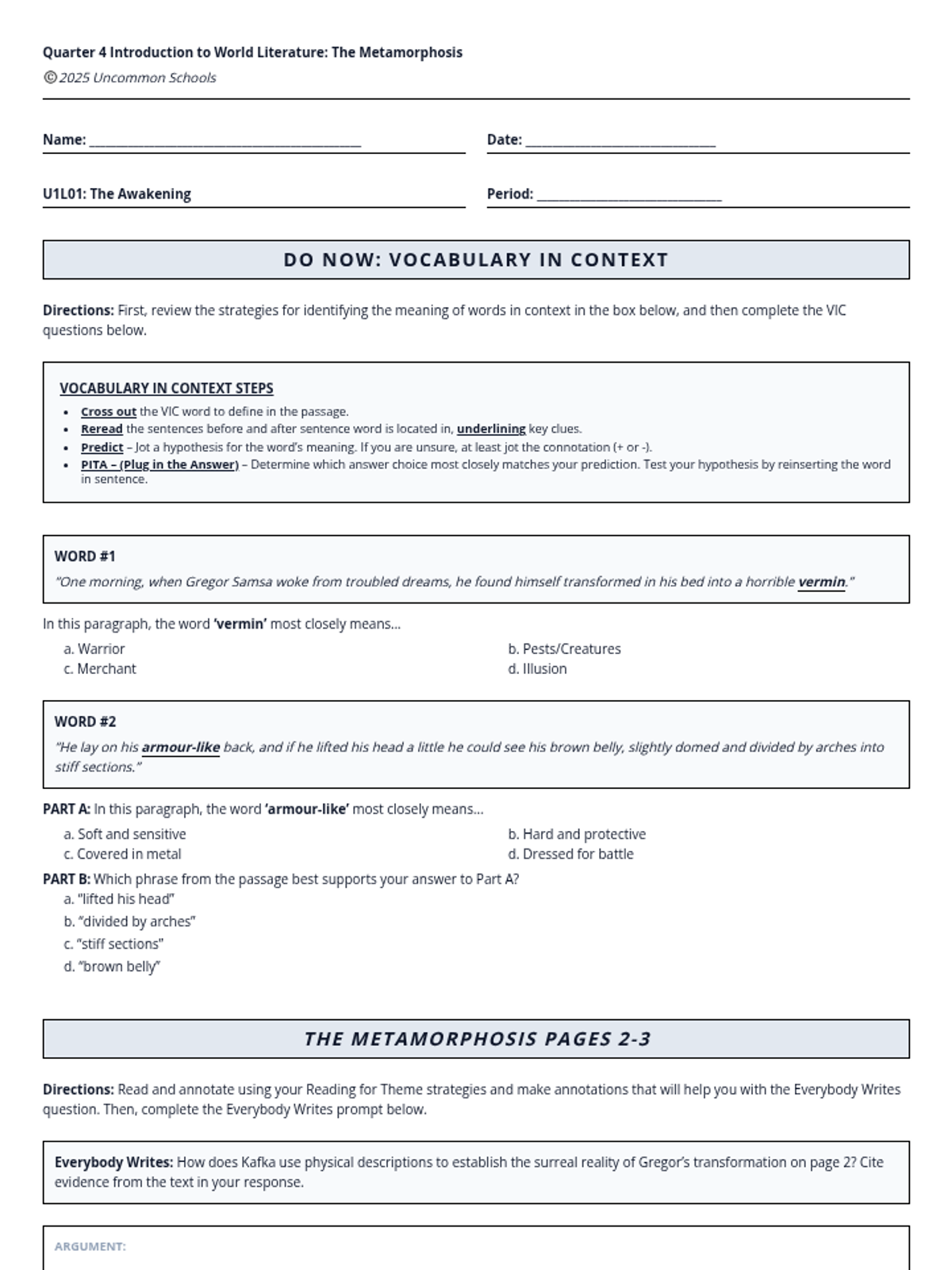
An intensive investigative unit on Franz Kafka's *The Metamorphosis* following the North Star/Uncommon Schools instructional model. The unit focuses on the thematic intersection of labor, identity, and dehumanization. Students analyze Gregor's alienation from his family and society through a structured rigorous framework including vocabulary acquisition, character identification, and thematic synthesis.
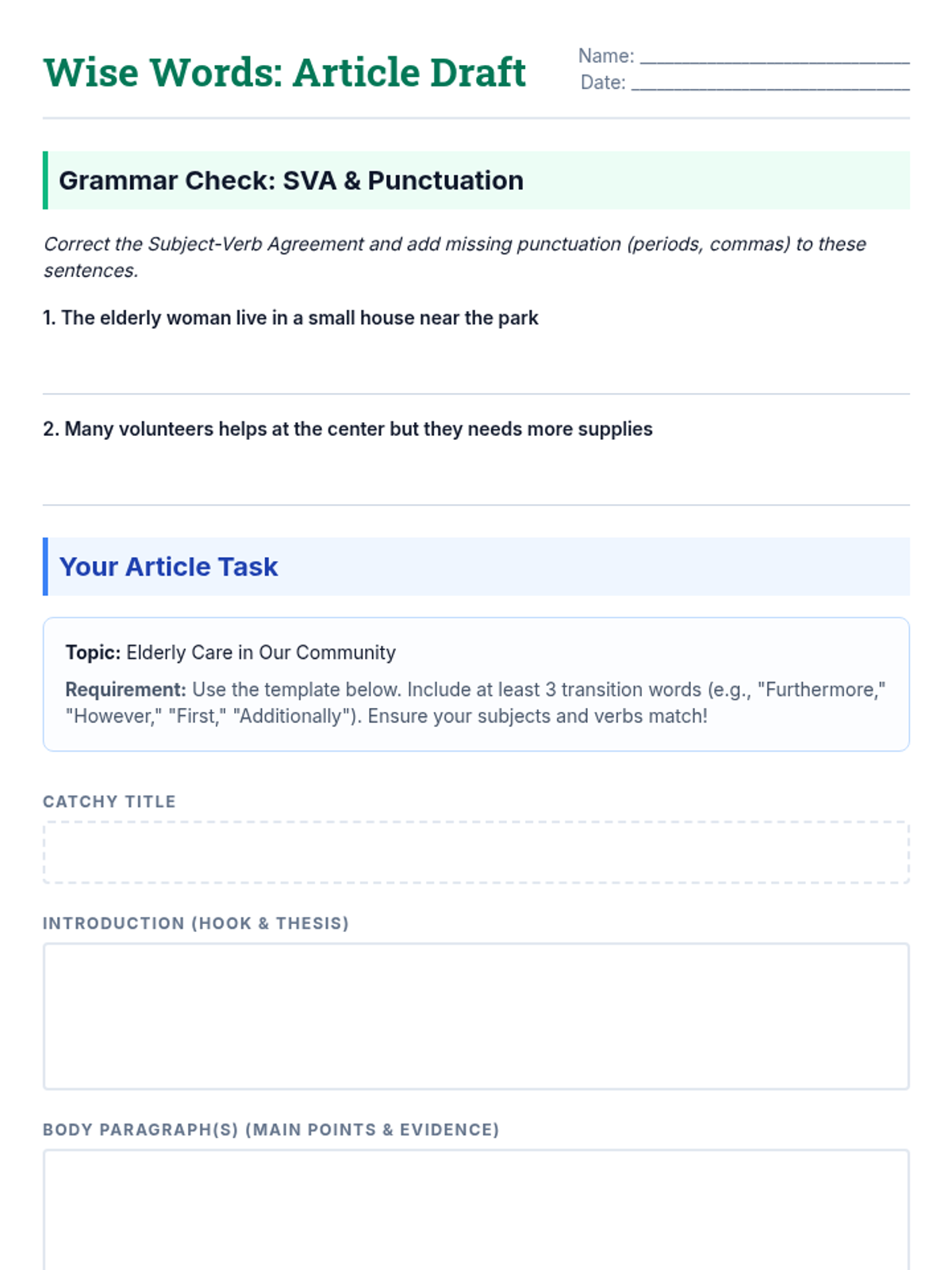
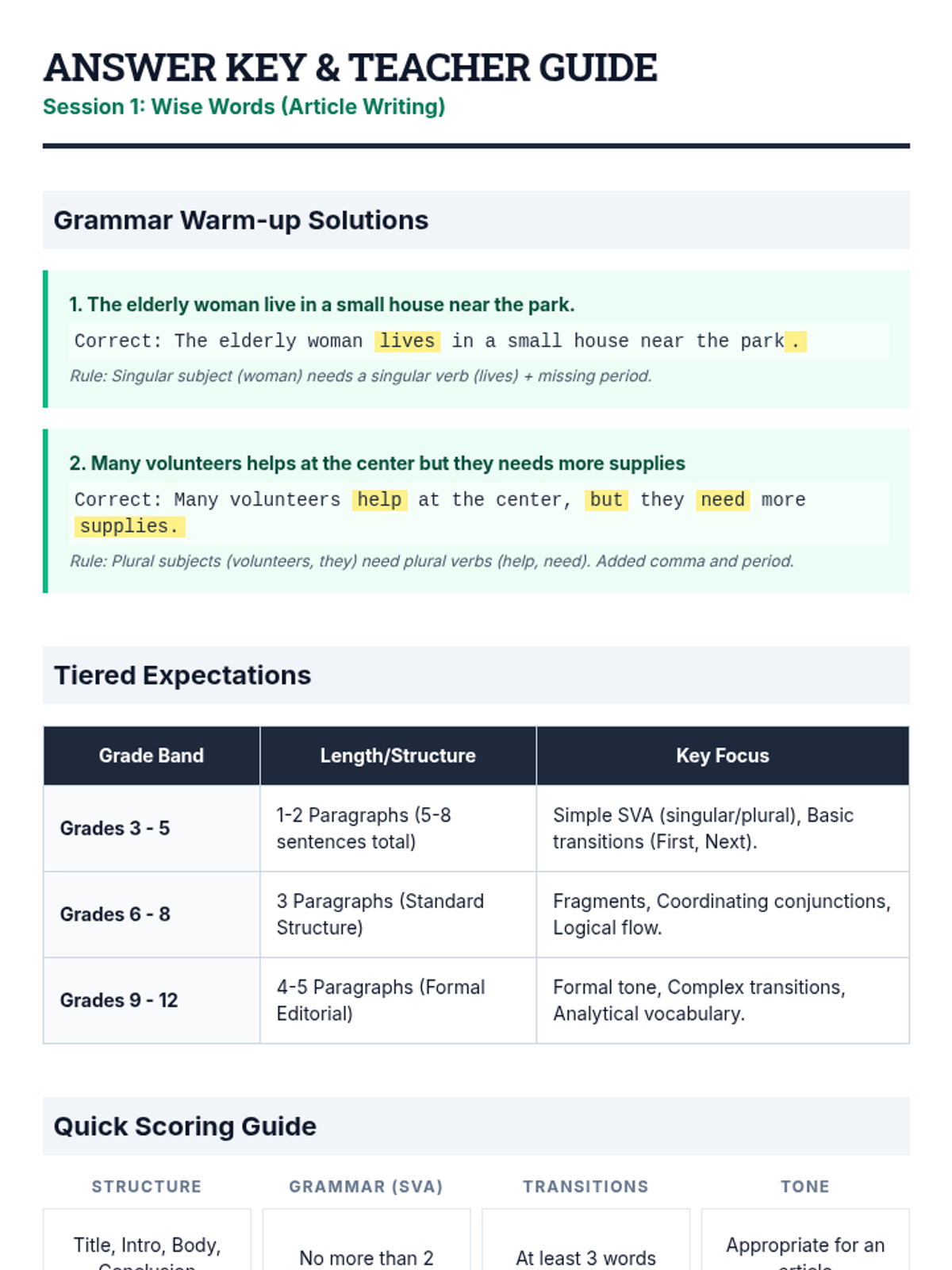
A comprehensive writing program for grades 3-12 focused on sentence and paragraph composition across six different genres, culminating in exam preparation and final assessments. The curriculum balances grammar foundations with creative and formal writing structures.
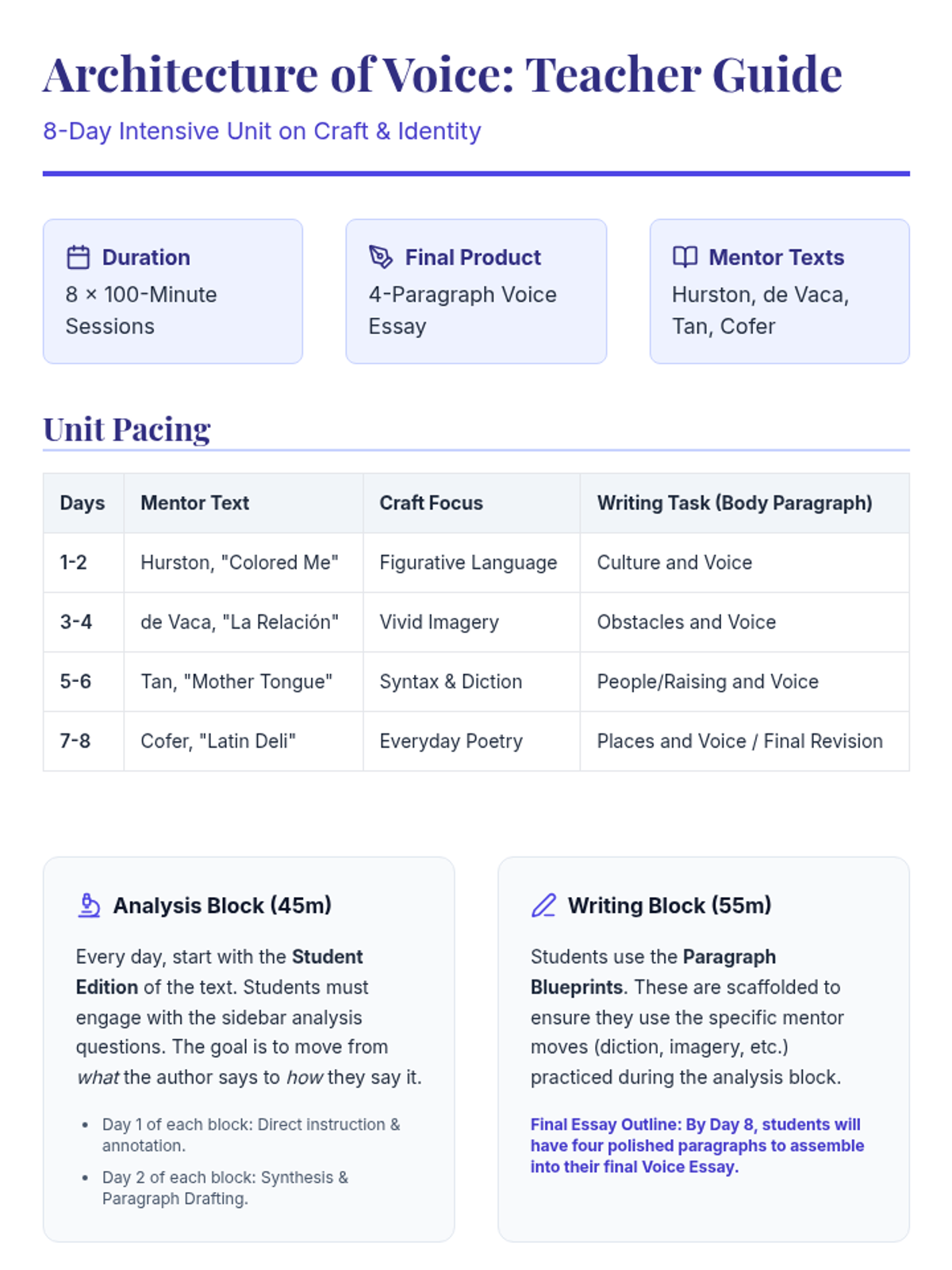
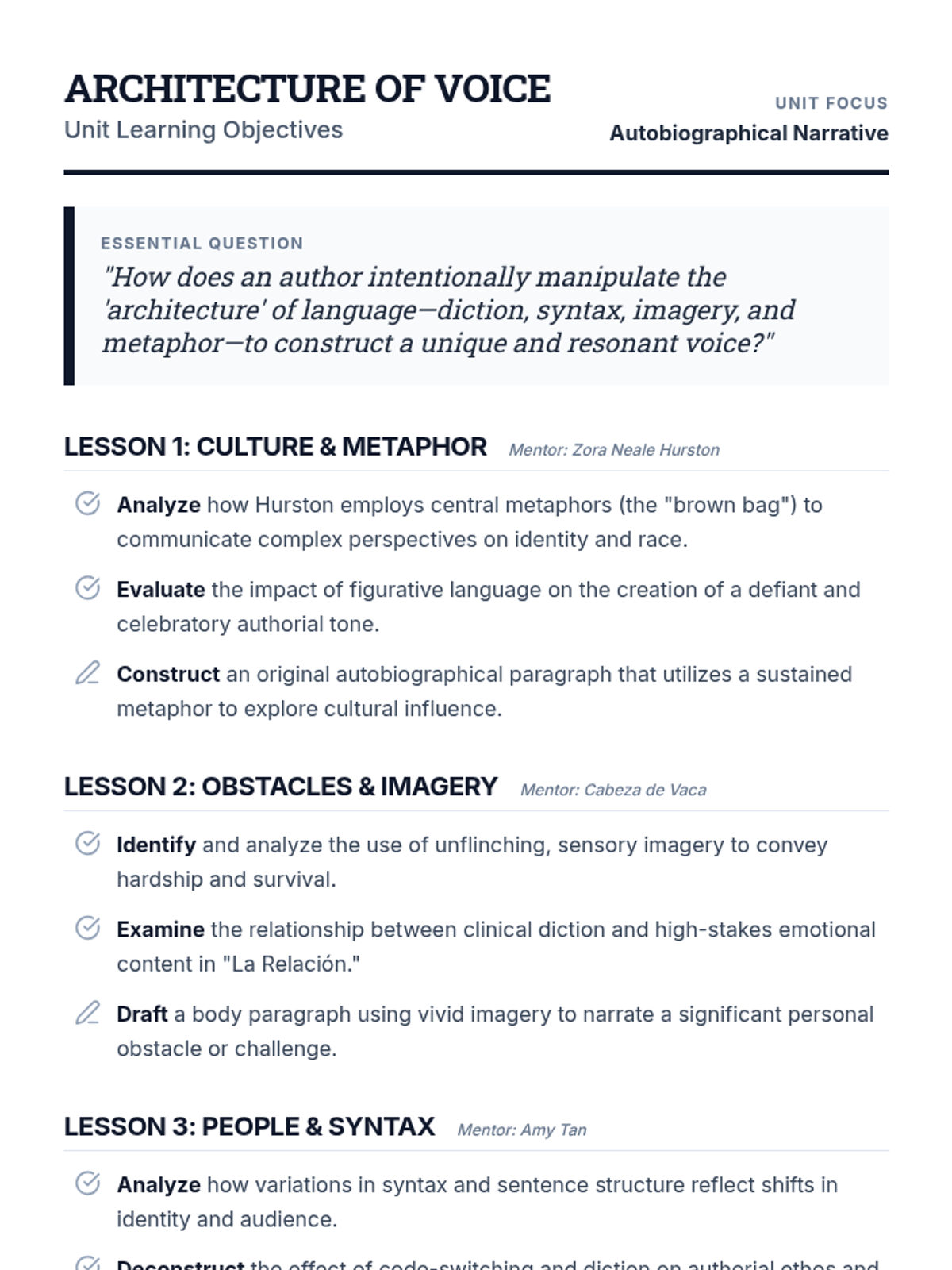
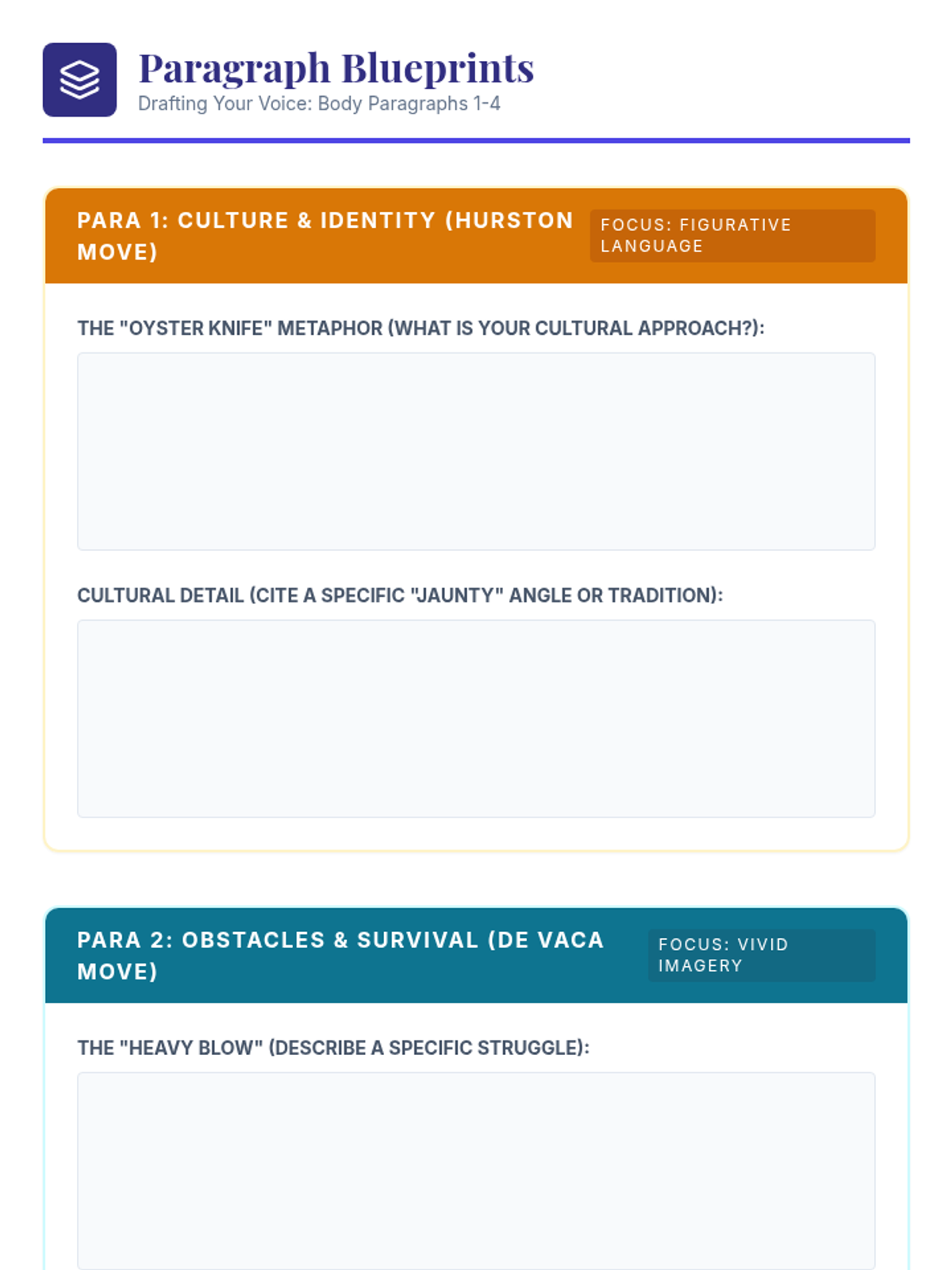
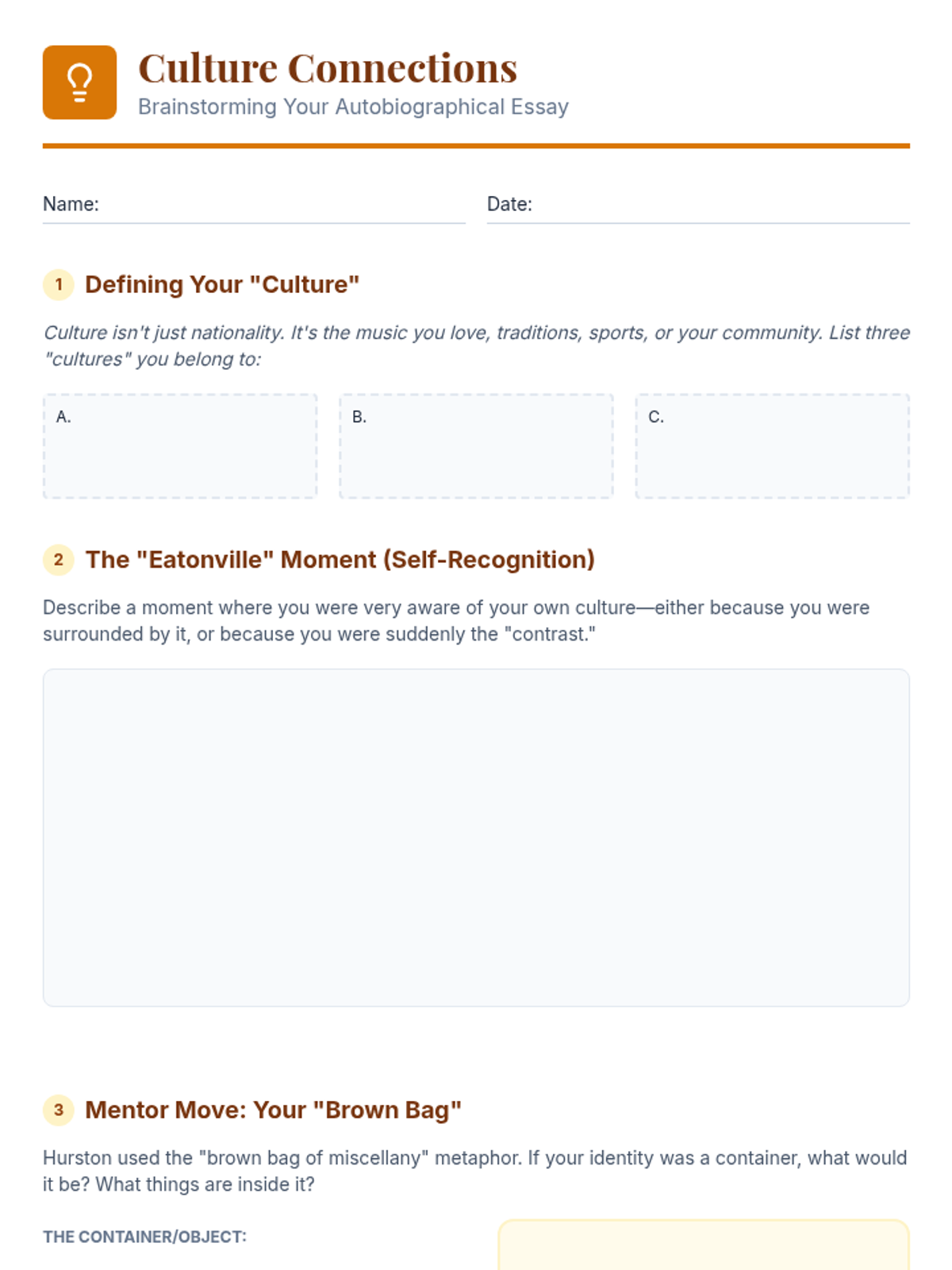
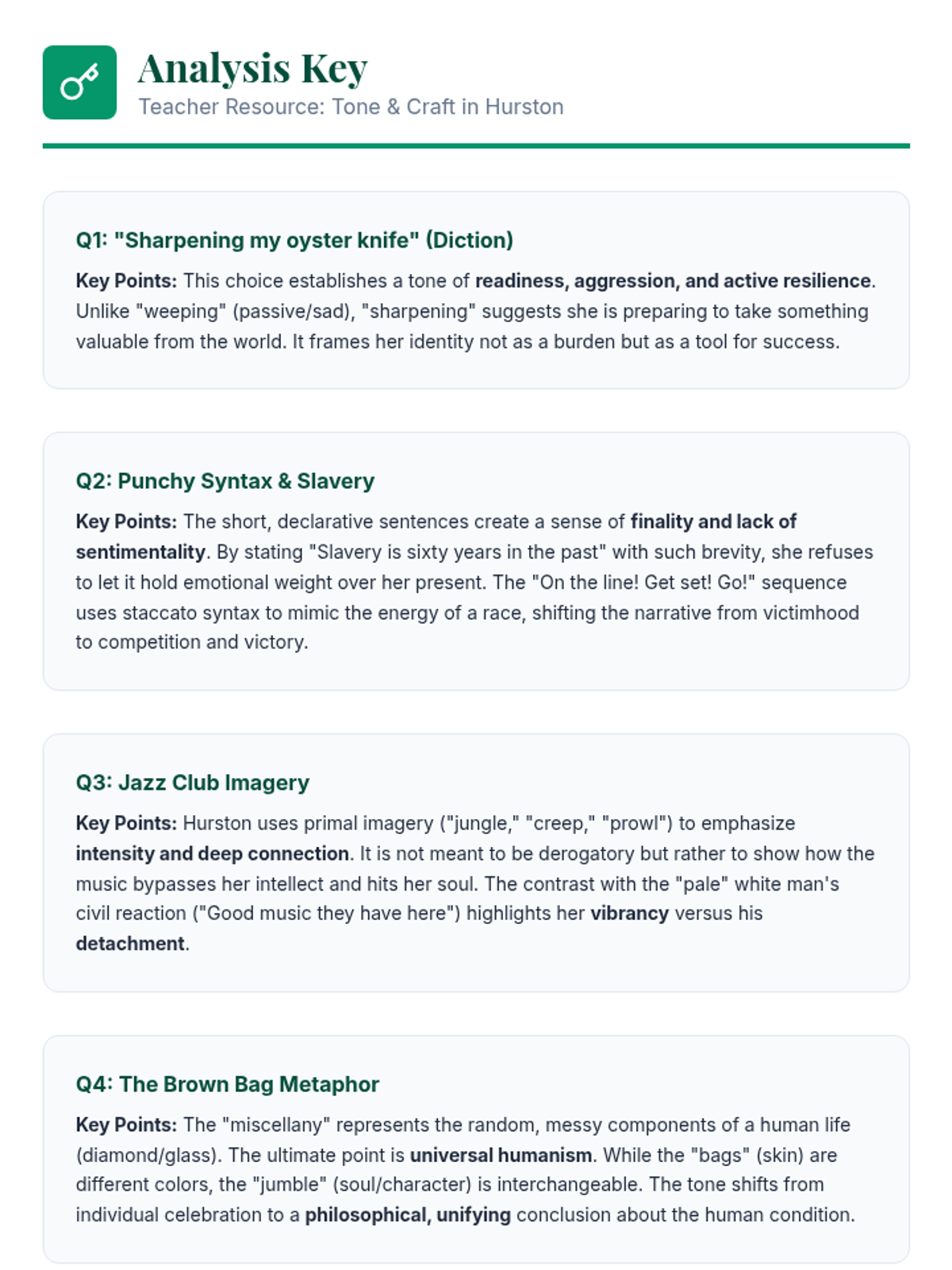
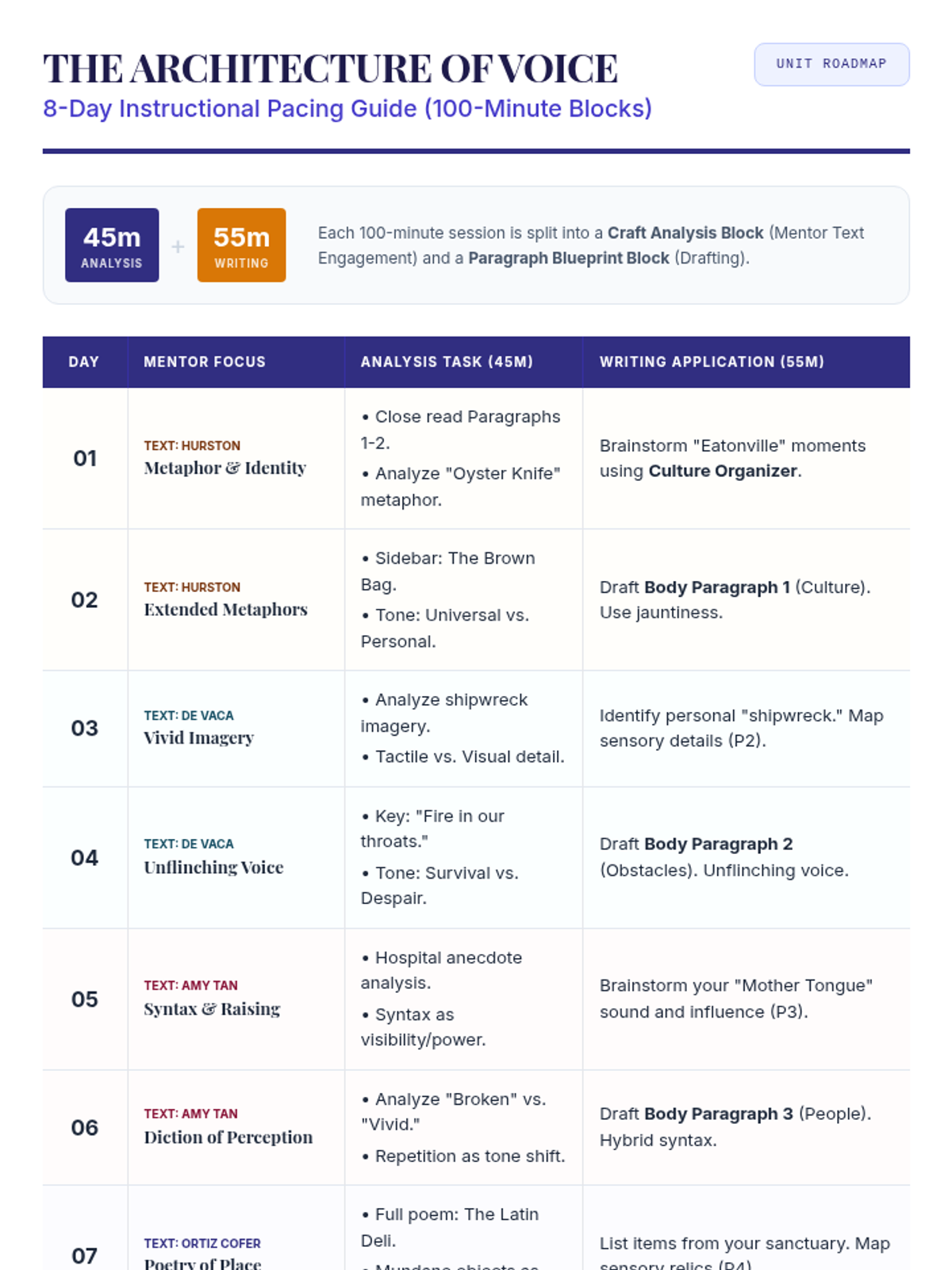
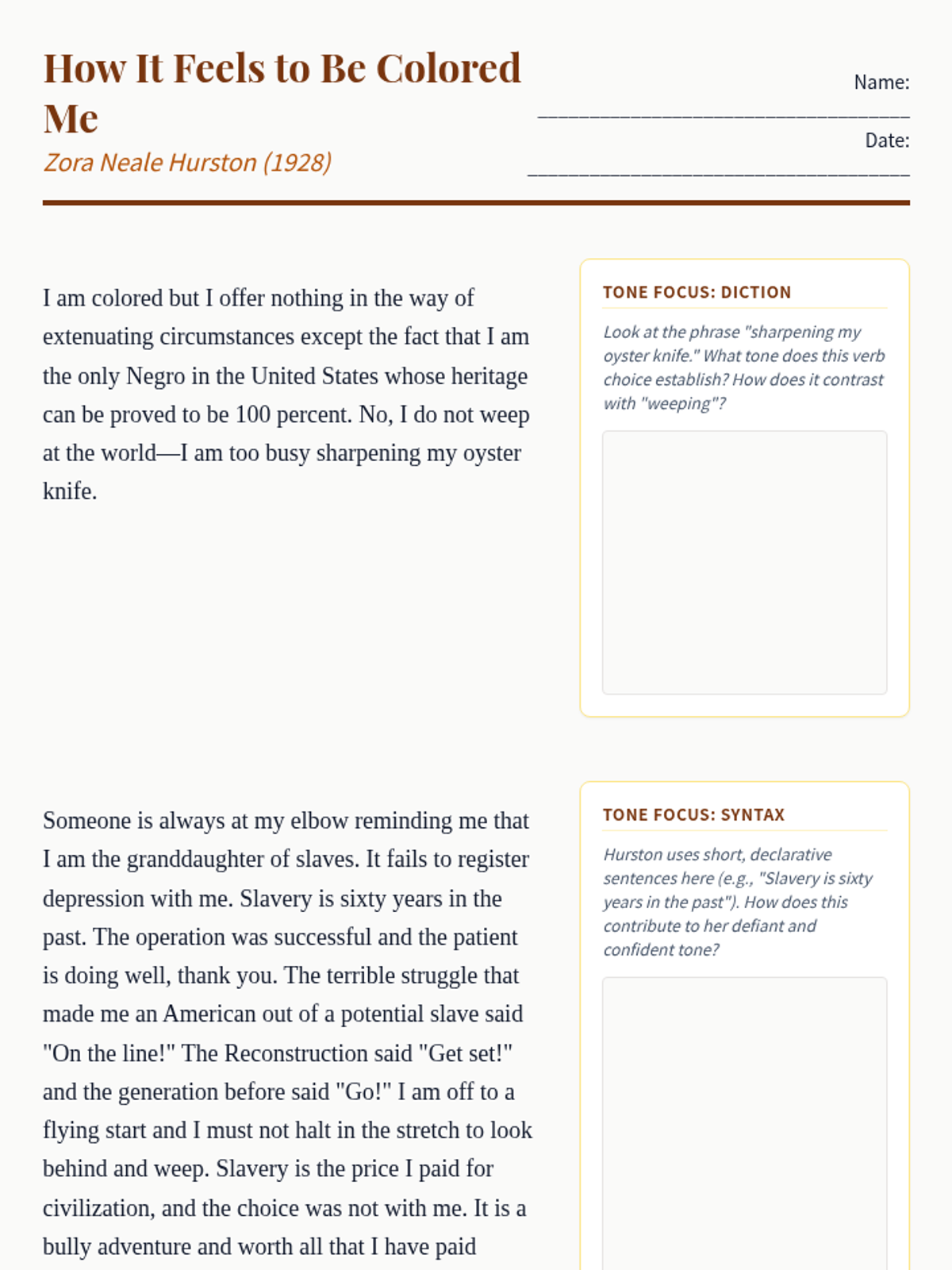
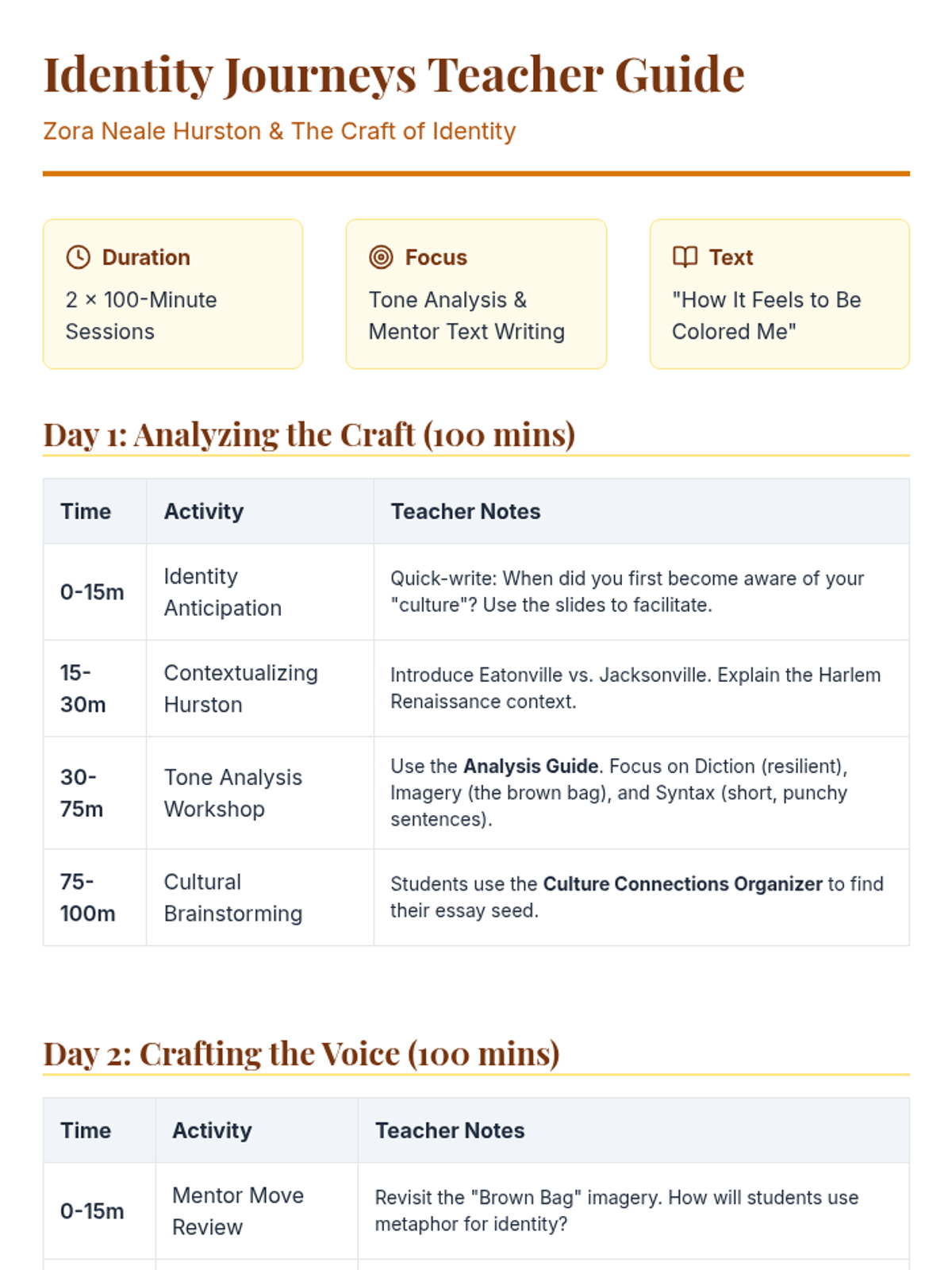
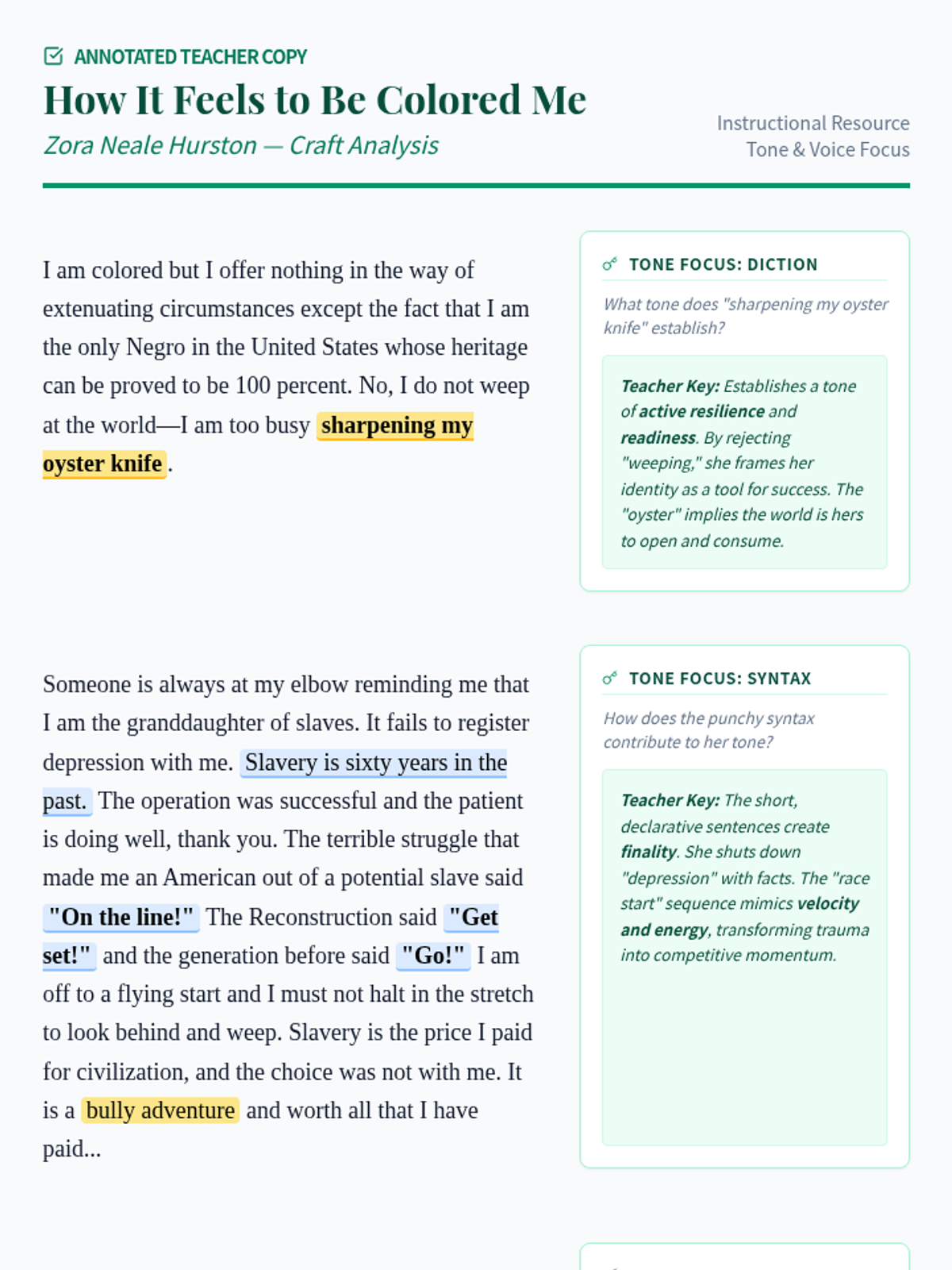
An 8-day intensive unit titled 'The Architecture of Voice.' Students analyze four diverse mentor texts—Hurston, de Vaca, Tan, and Cofer—to understand how craft elements like figurative language, imagery, syntax, and diction shape an author's tone and perspective. For each text, students produce a structured paragraph, culminating in a comprehensive autobiographical essay that explores the various forces (culture, challenges, people, and places) that have shaped their own voices.
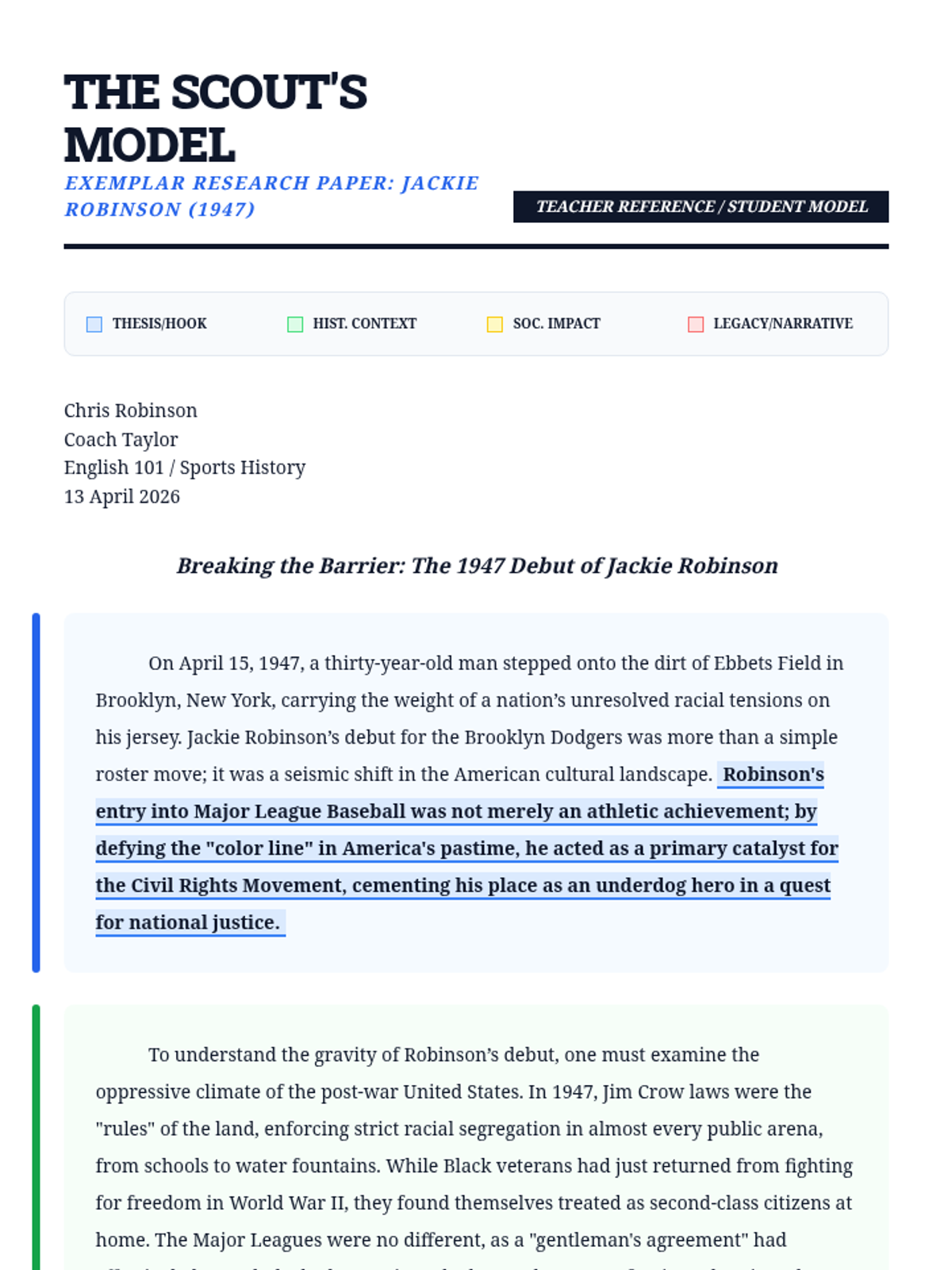
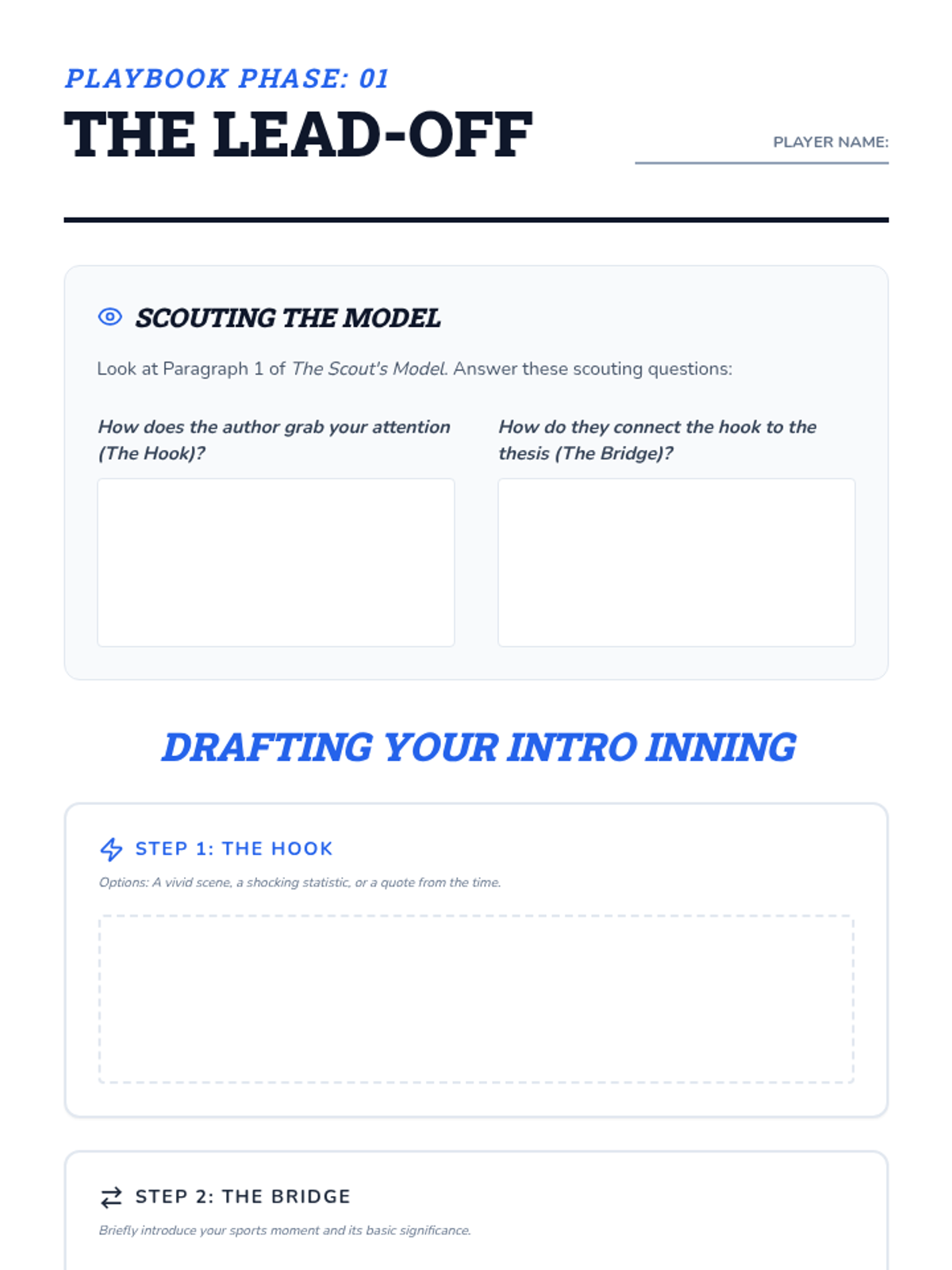
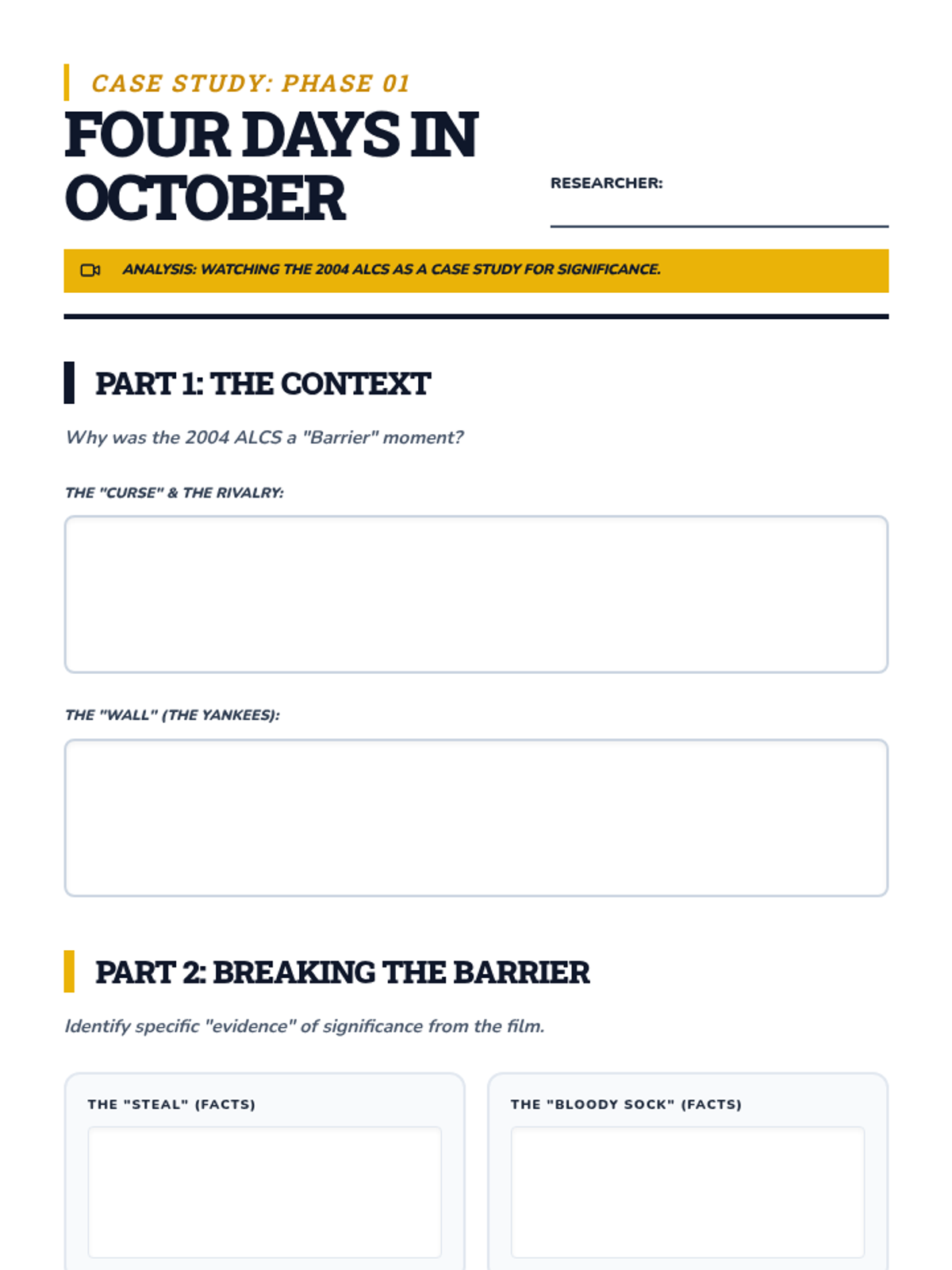
A 5-week research unit that scaffolds the process paragraph-by-paragraph. Students define significance, analyze the 'Four Days in October' case study, and turn in each paragraph separately, focusing on historical context, systemic barriers, and societal impact with a dedicated lesson on counterarguments.
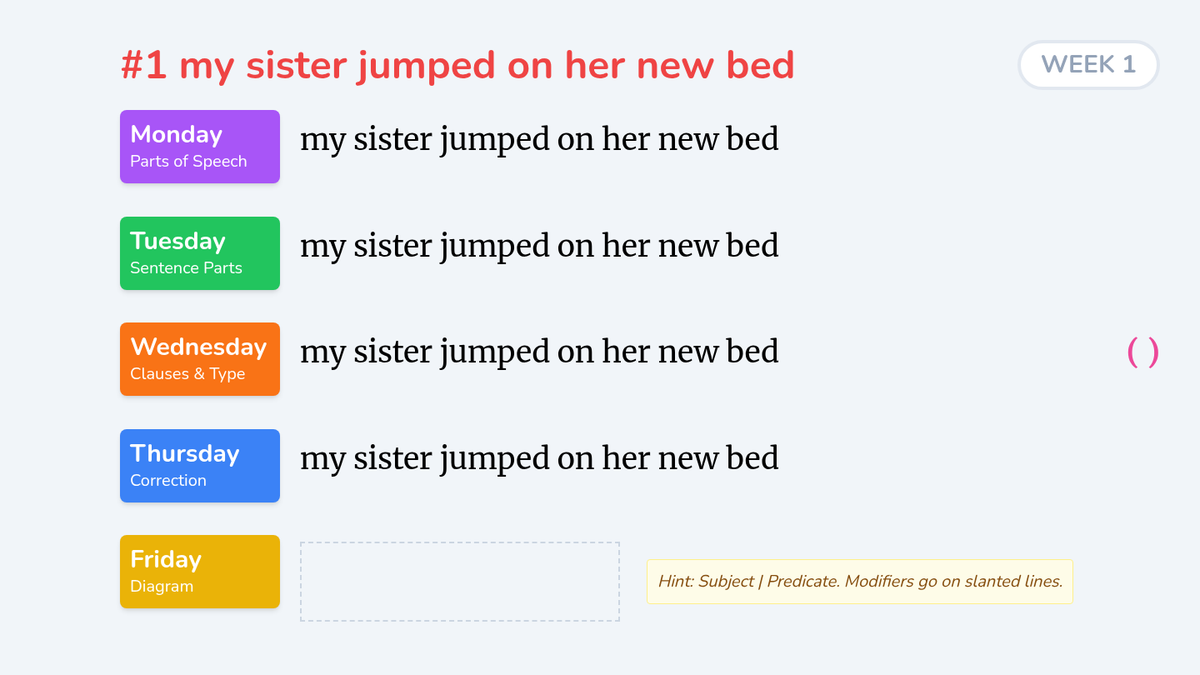
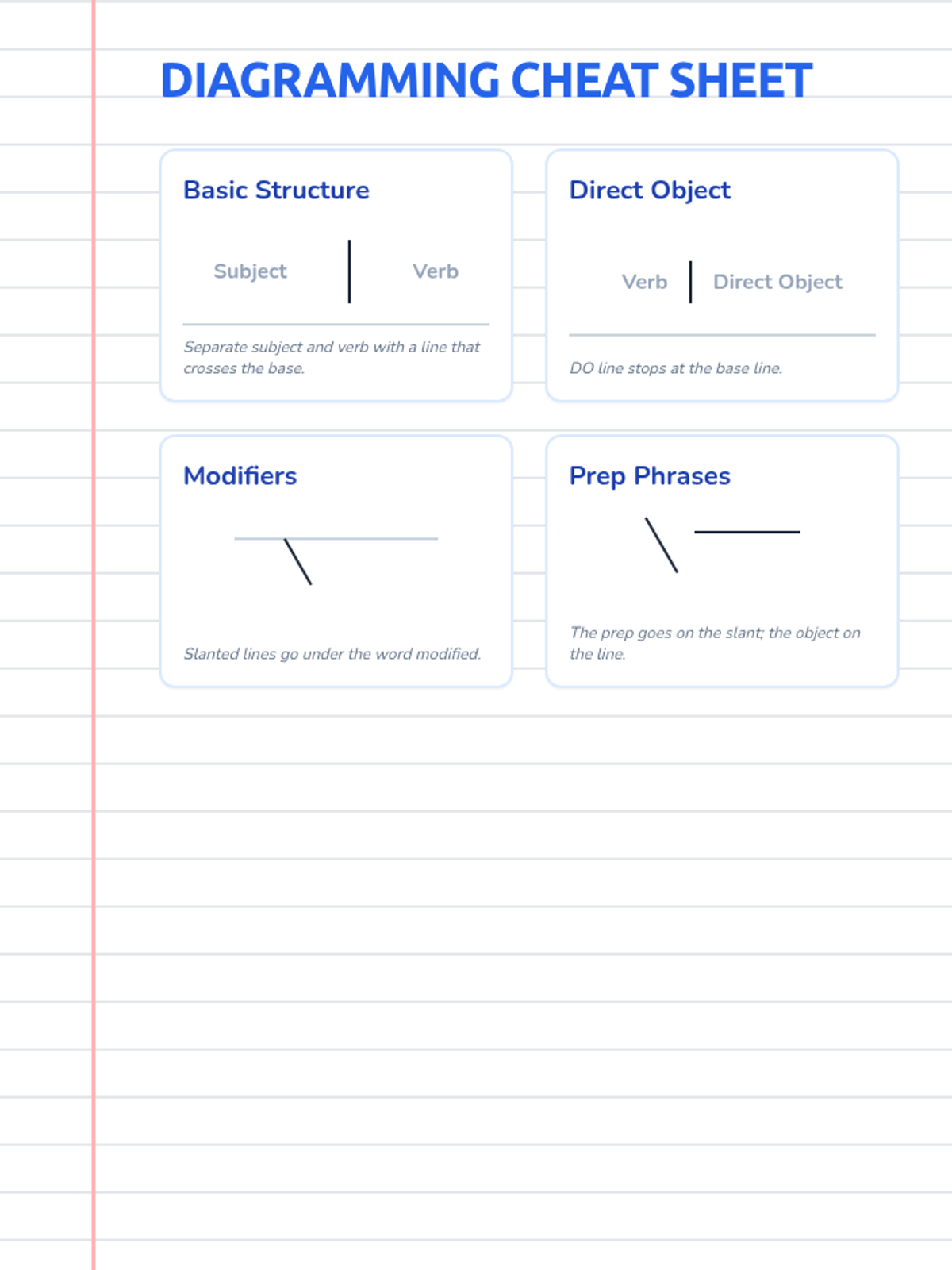
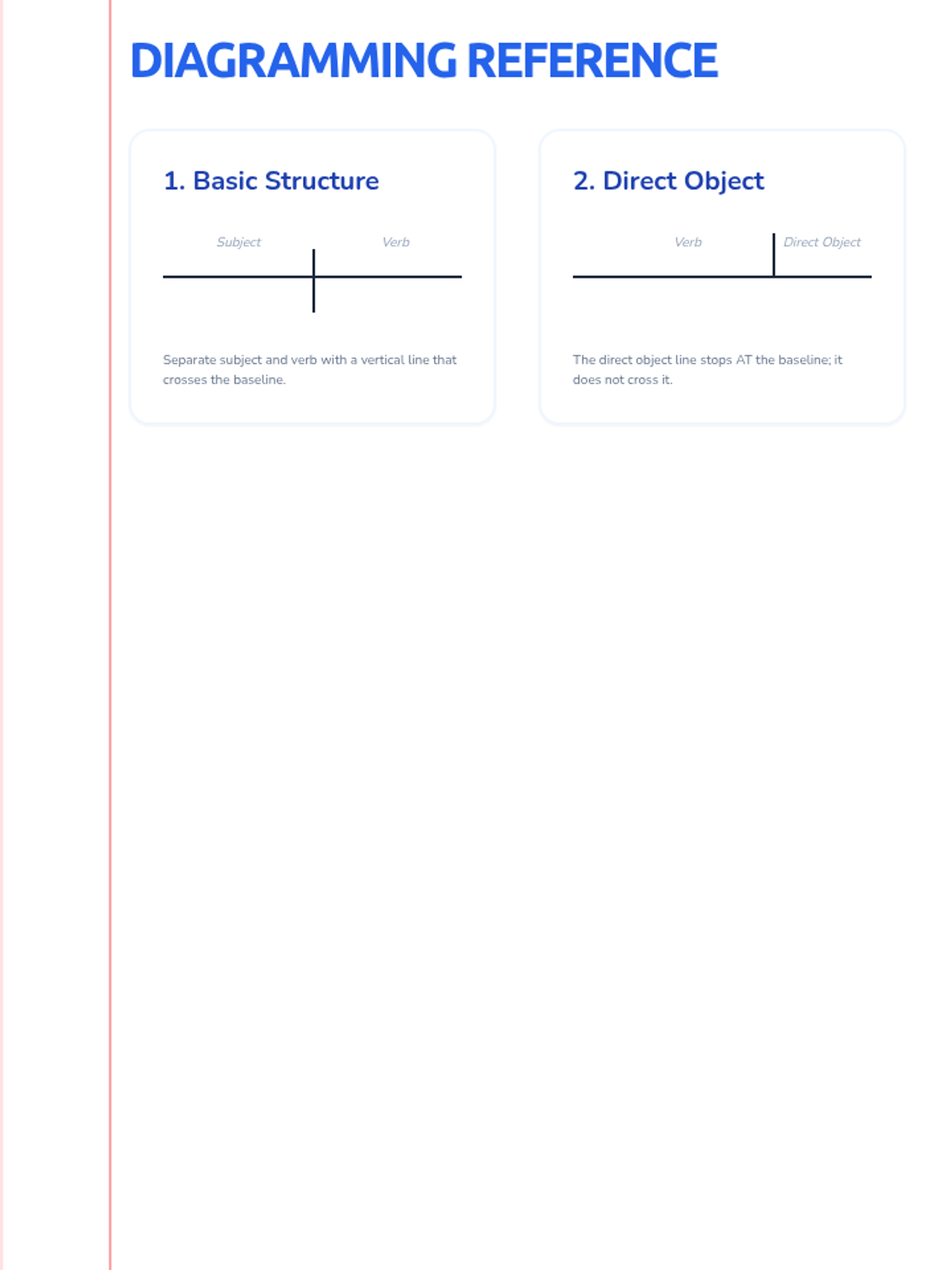
A comprehensive first semester of daily grammar practice focusing on sentence analysis, parts of speech, and diagramming.
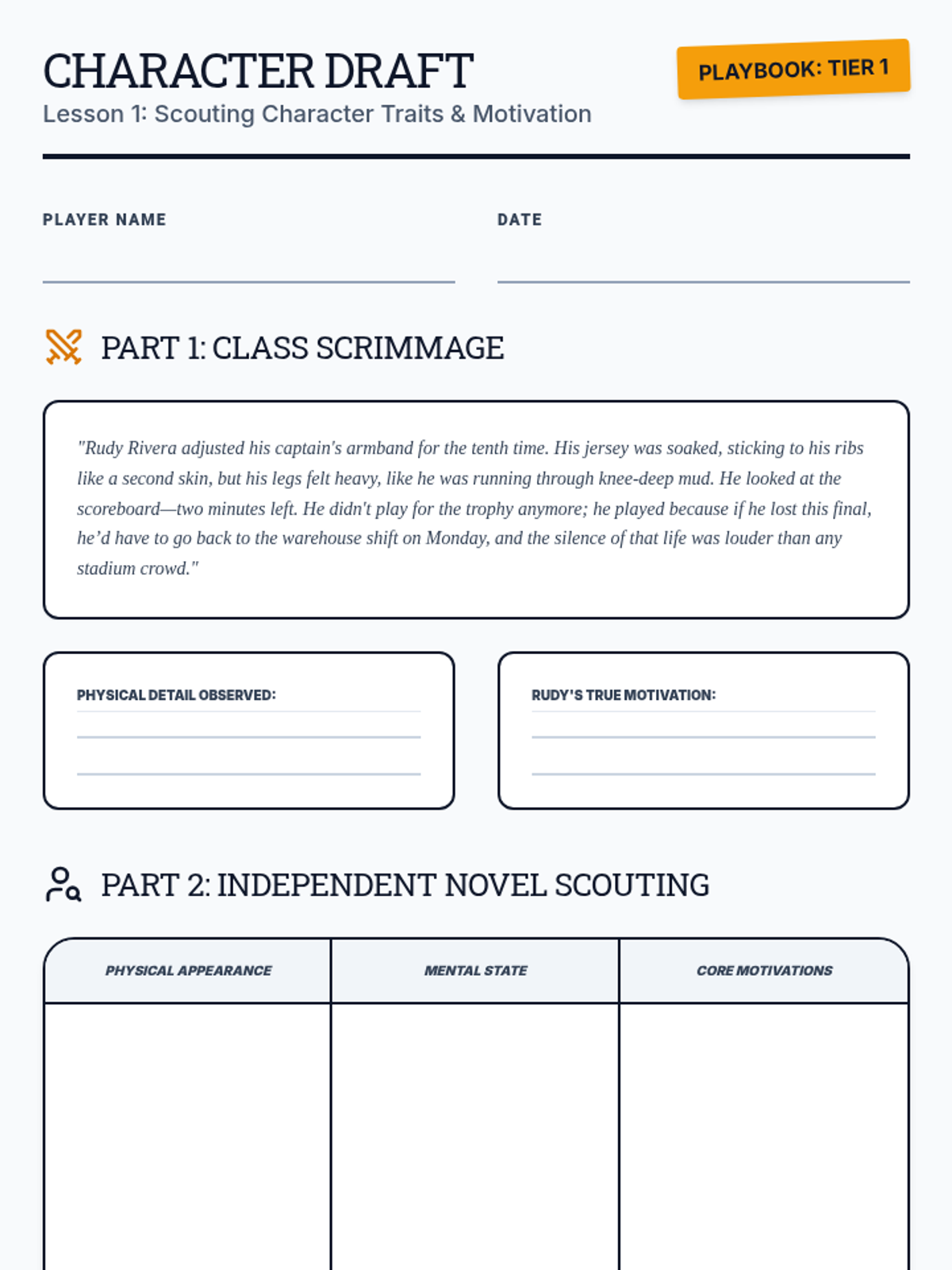
A 4-week series of mini-lessons for Sports Literature designed to support students through an independent novel project. The sequence covers characterization, symbolism, theme analysis, and media literacy through the lens of sports narratives.
A dynamic high school unit exploring the roots, techniques, and performance of slam and spoken word poetry, culminating in a school-wide poetry slam.
A comprehensive 20-day intensive review for the TSIA2 Writing exam, covering punctuation, grammar, organizational revision, and sentence combining with daily drills and detailed explanations.
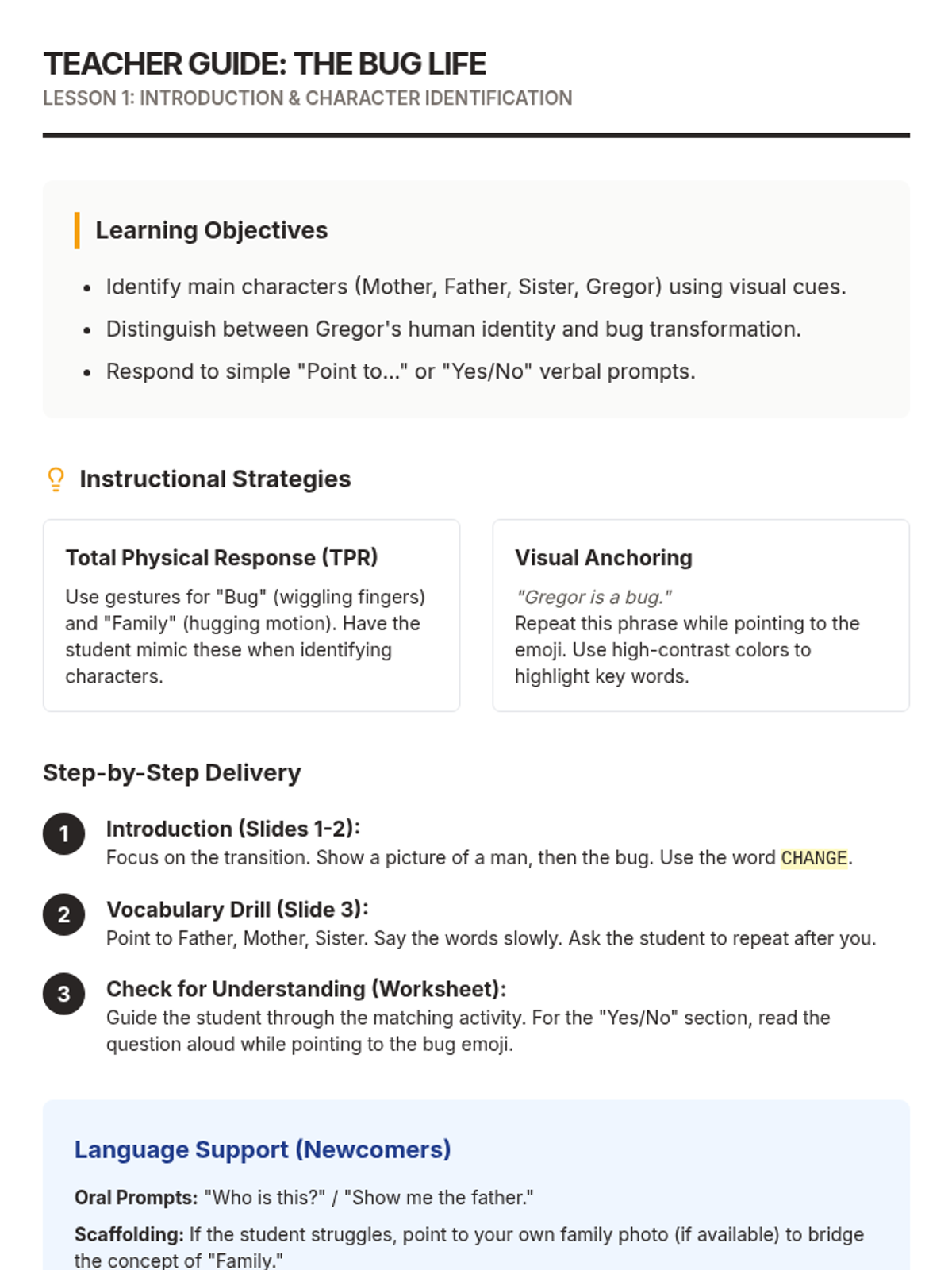
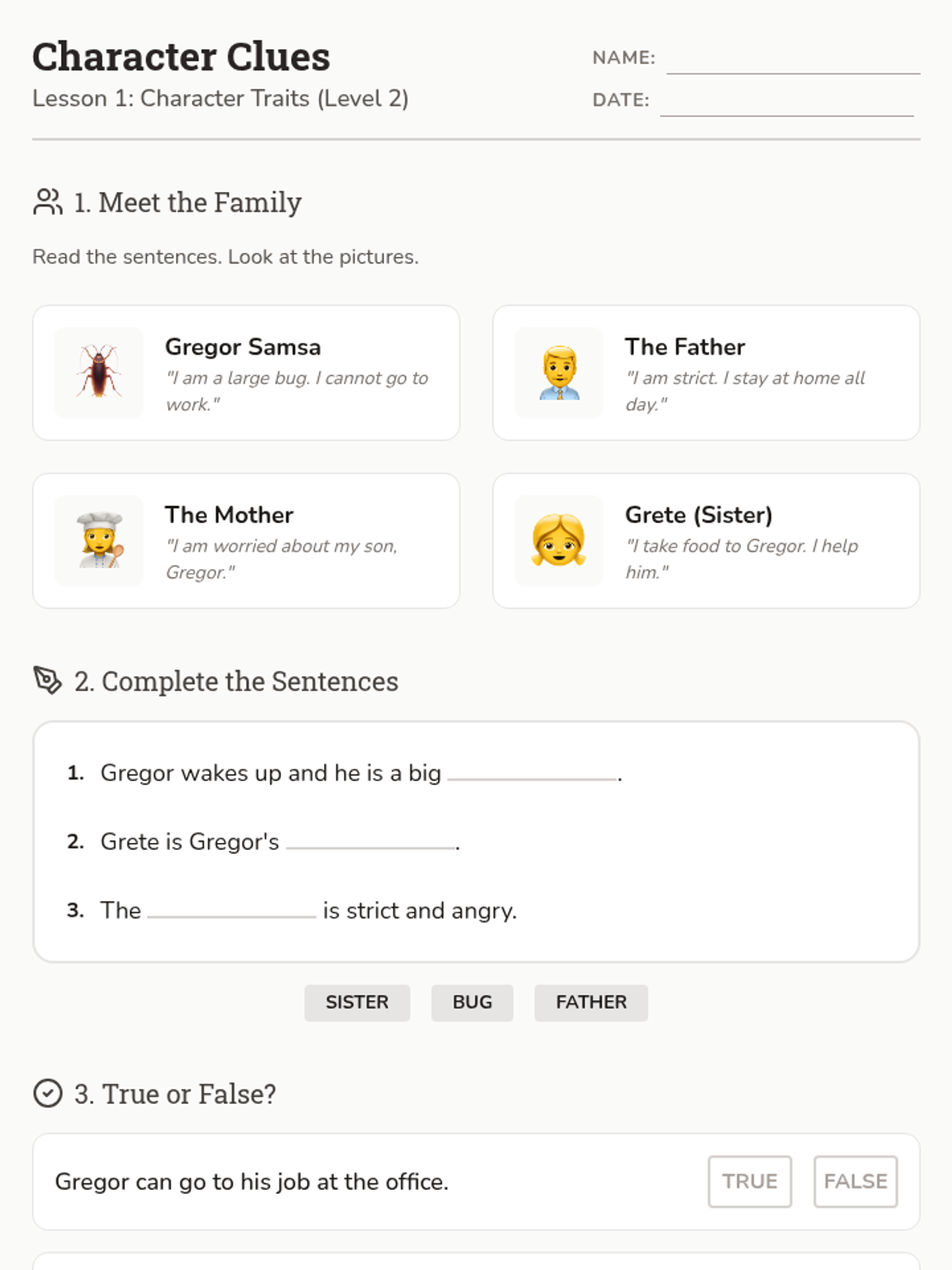
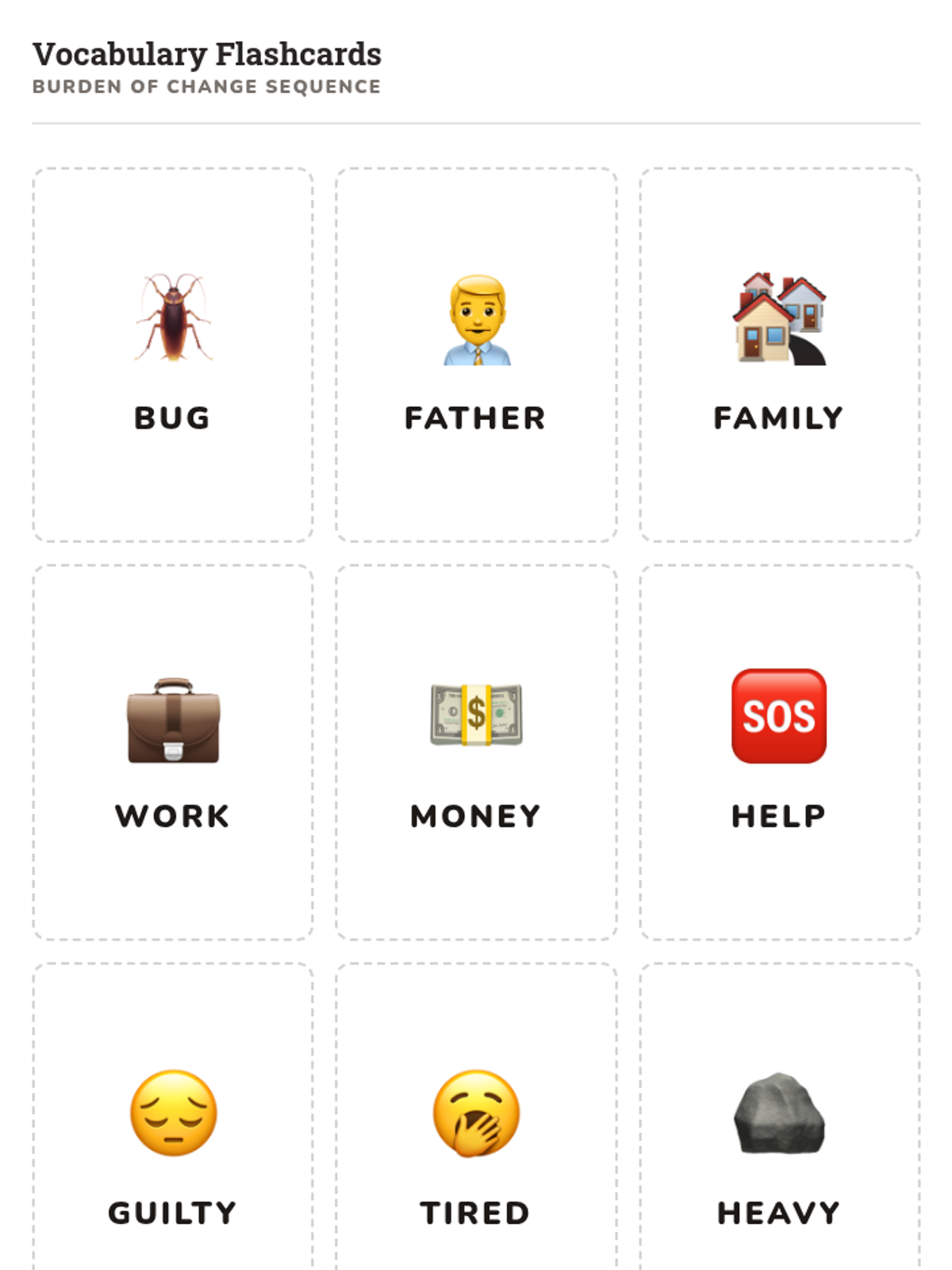
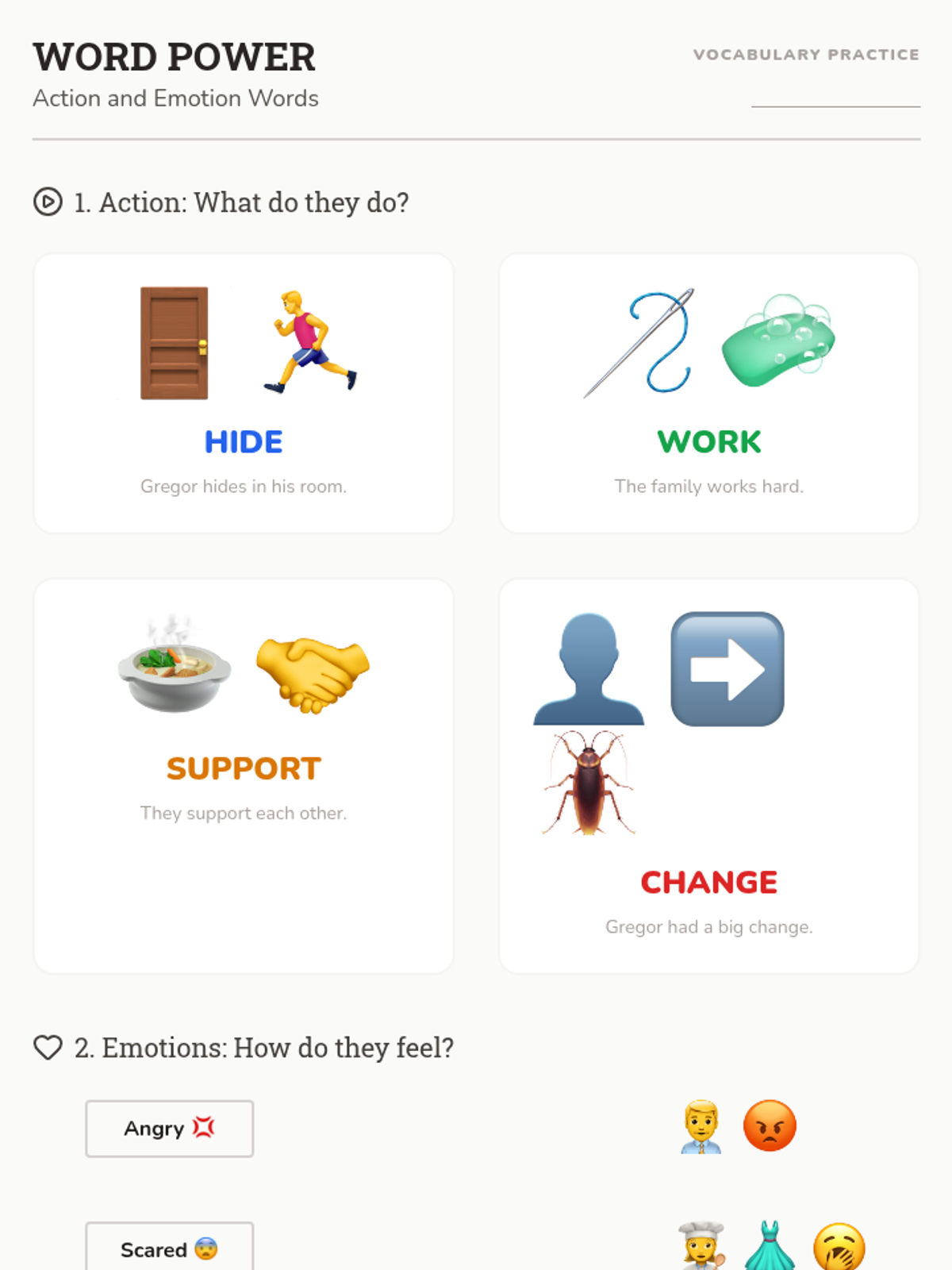
This 5-lesson sequence introduces a 10th-grade newcomer EL student to the theme of family responsibility and guilt in The Metamorphosis. Using heavy visual scaffolding, simple vocabulary, and structured graphic organizers, the lessons build toward a final Claim-Evidence-Reasoning paragraph.
A complete unit for the second part of Chapter 1 of The Metamorphosis, covering reading analysis, grammar skills (commas), and thematic exploration of authority.
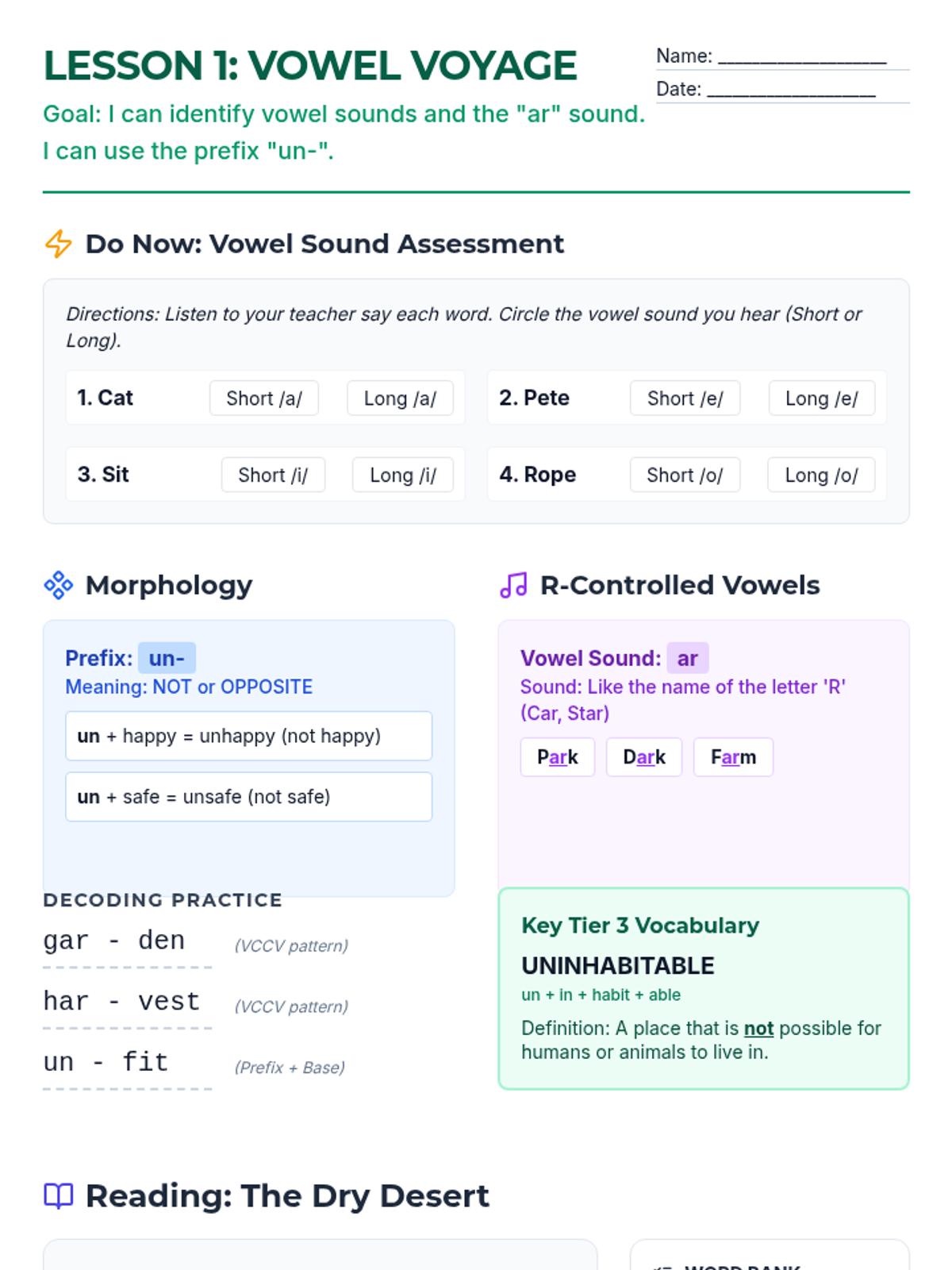
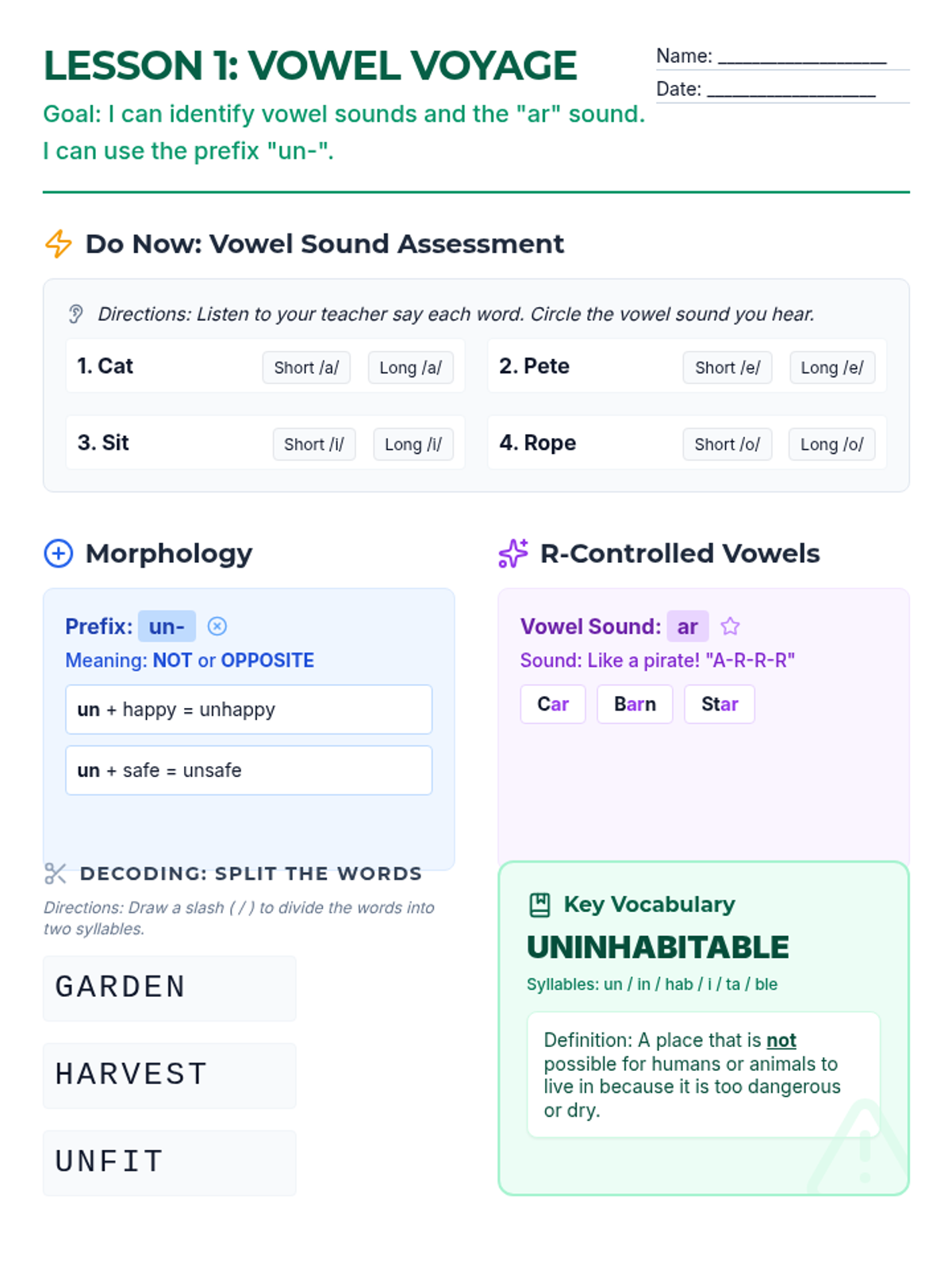
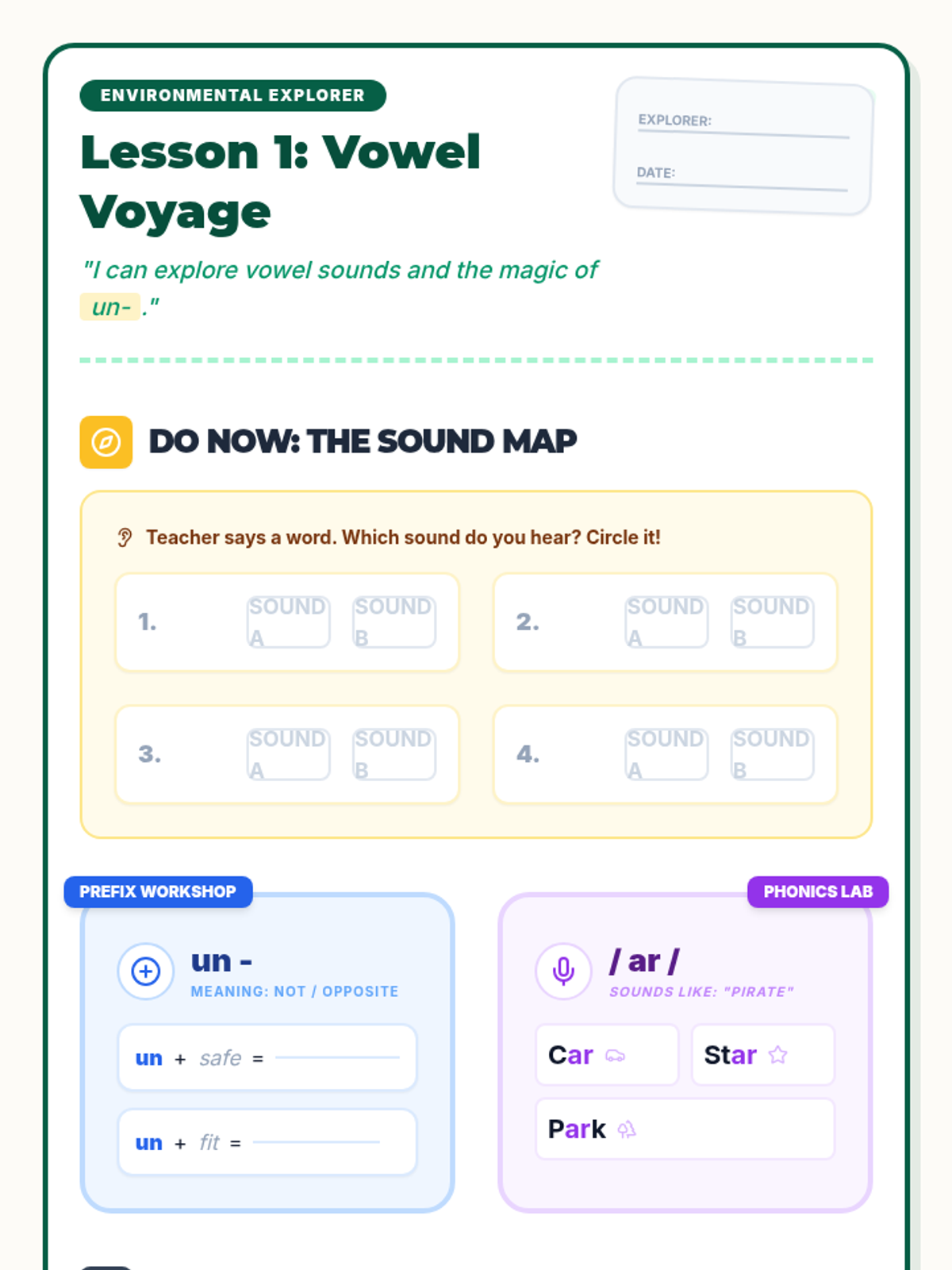
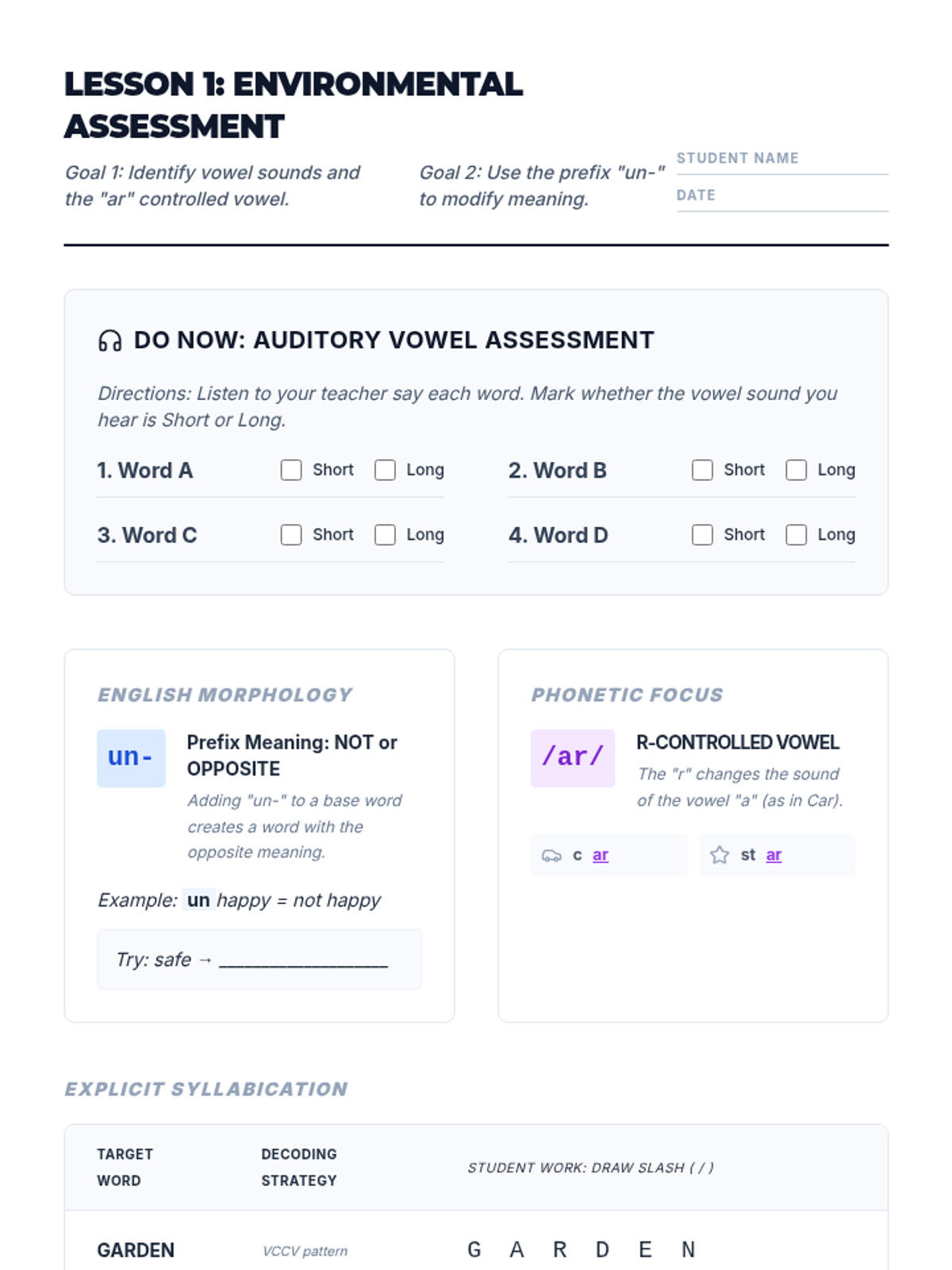
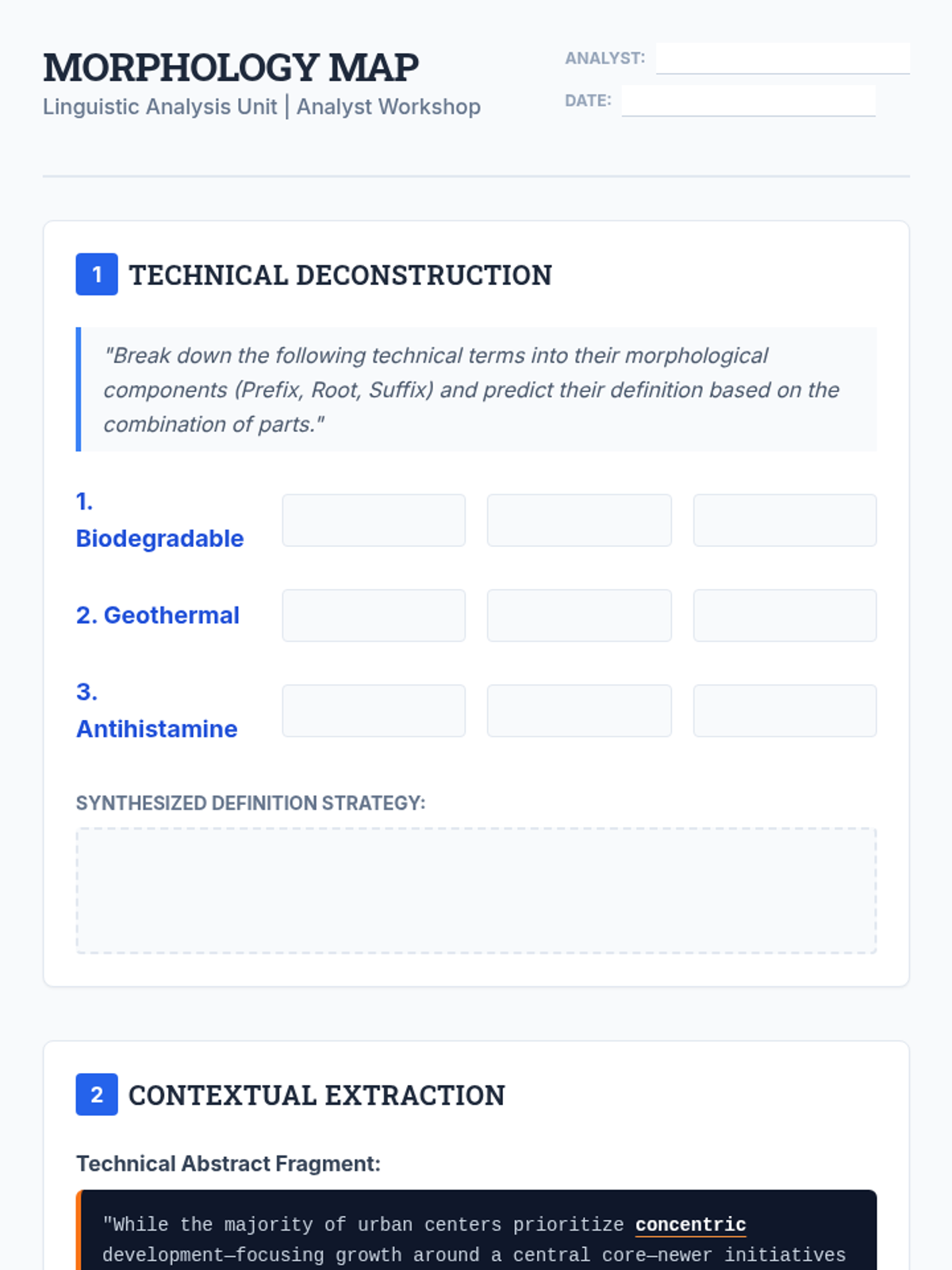
A comprehensive 20-lesson ESOL sequence designed for 9th grade ELL students. The curriculum focuses on systematic language acquisition through environmental themes, covering morphology, phonics, Tier 3 vocabulary, and structured writing across genres. Includes a cumulative review and final assessment.
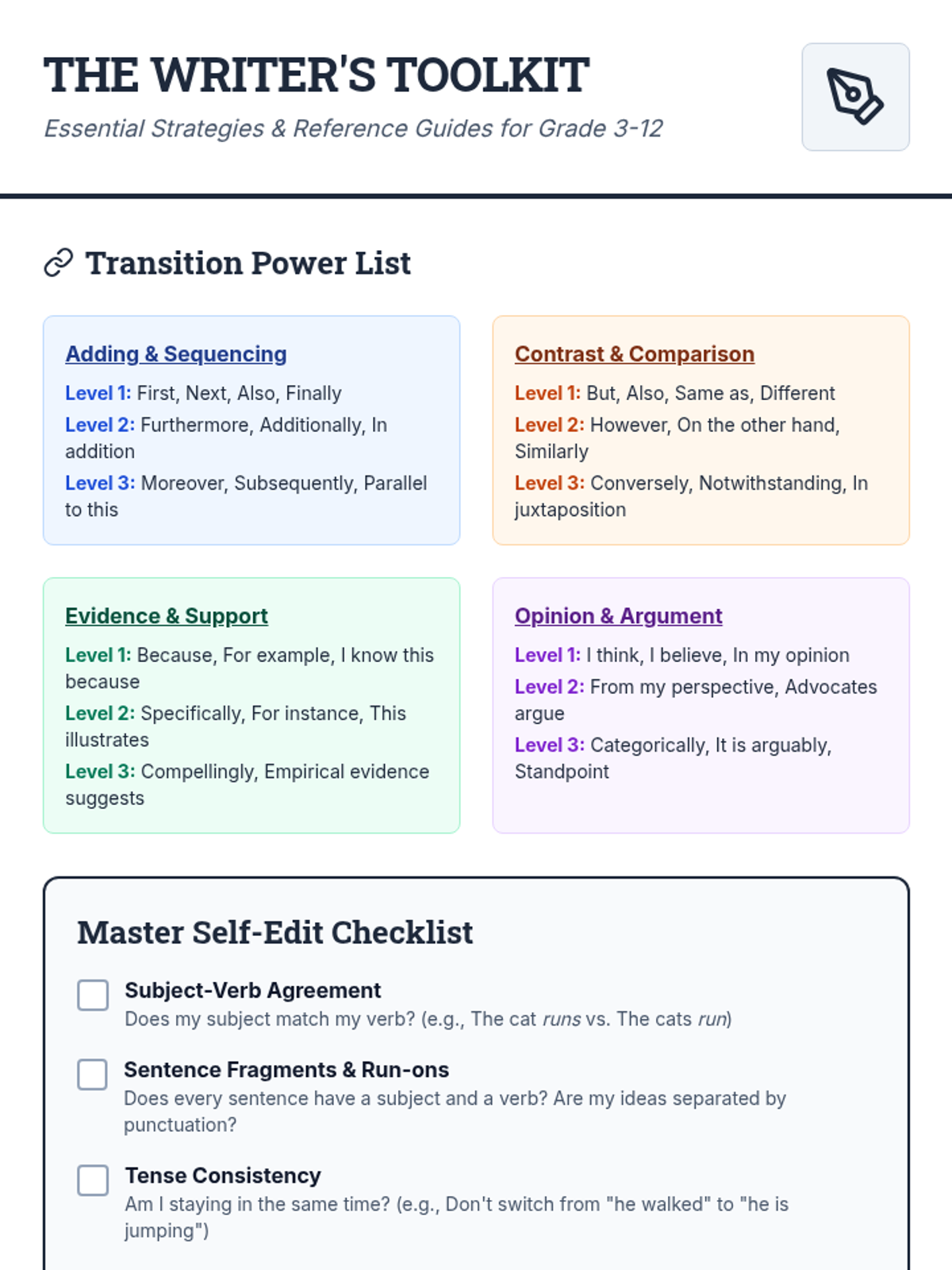
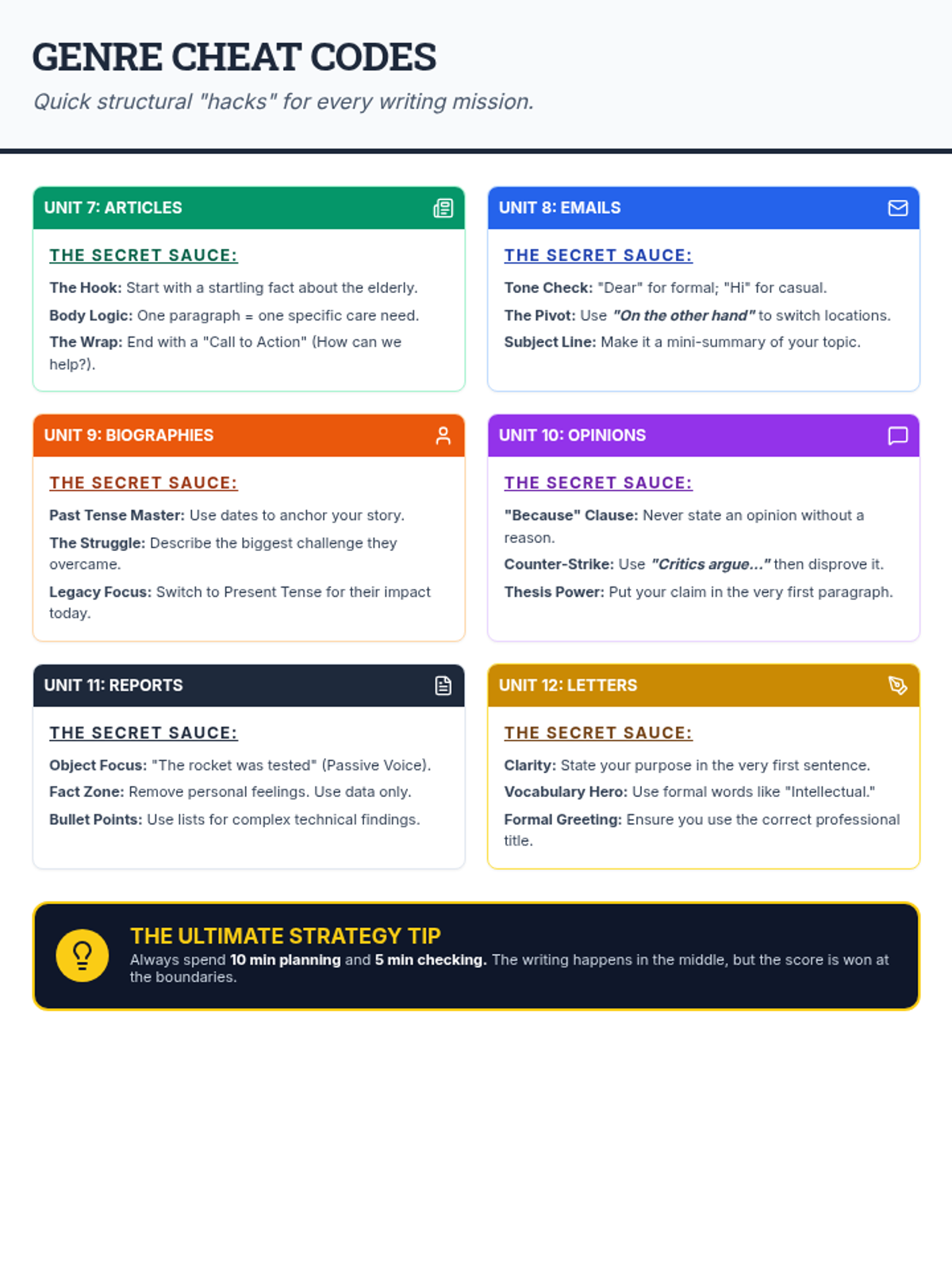
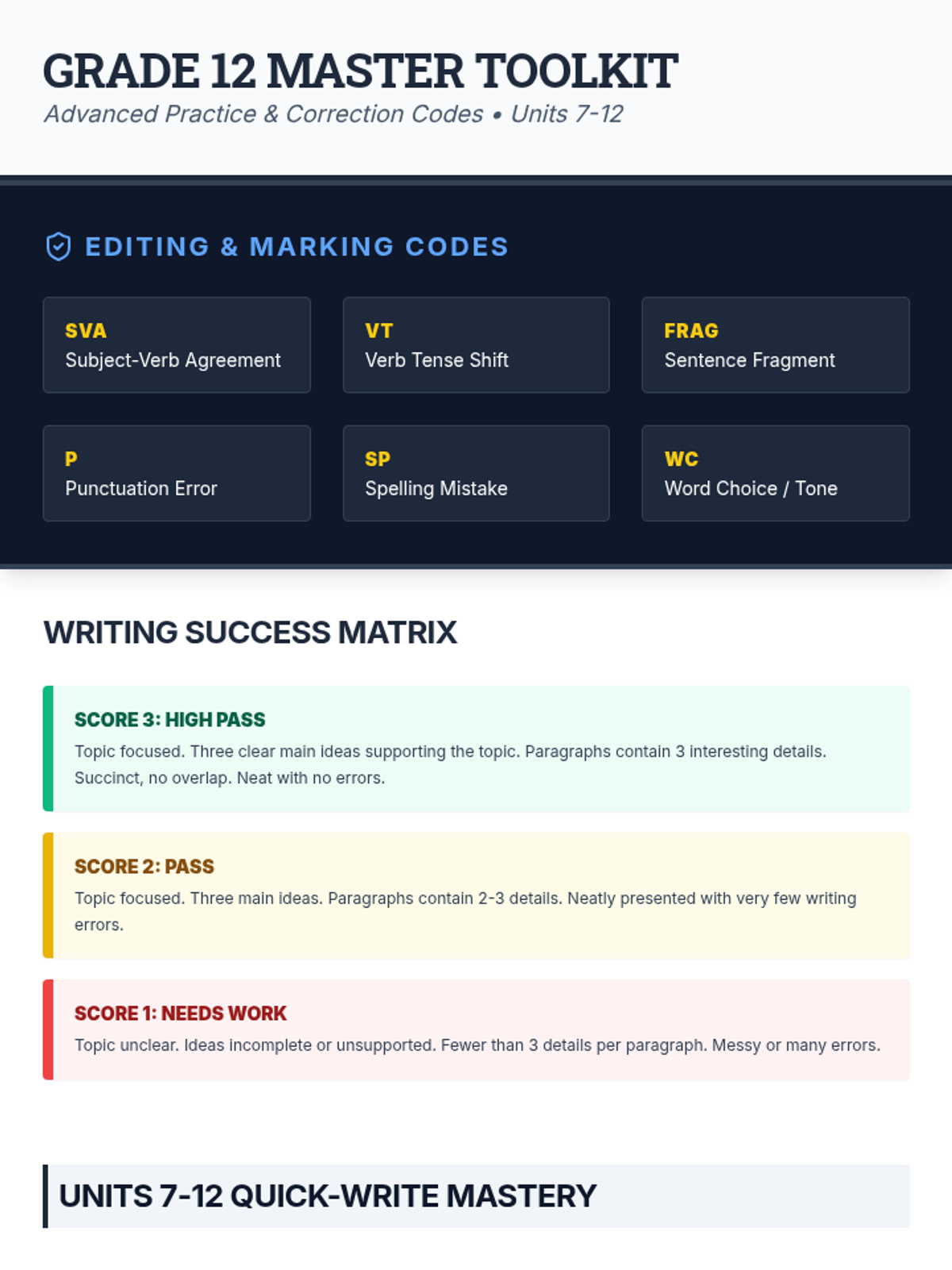
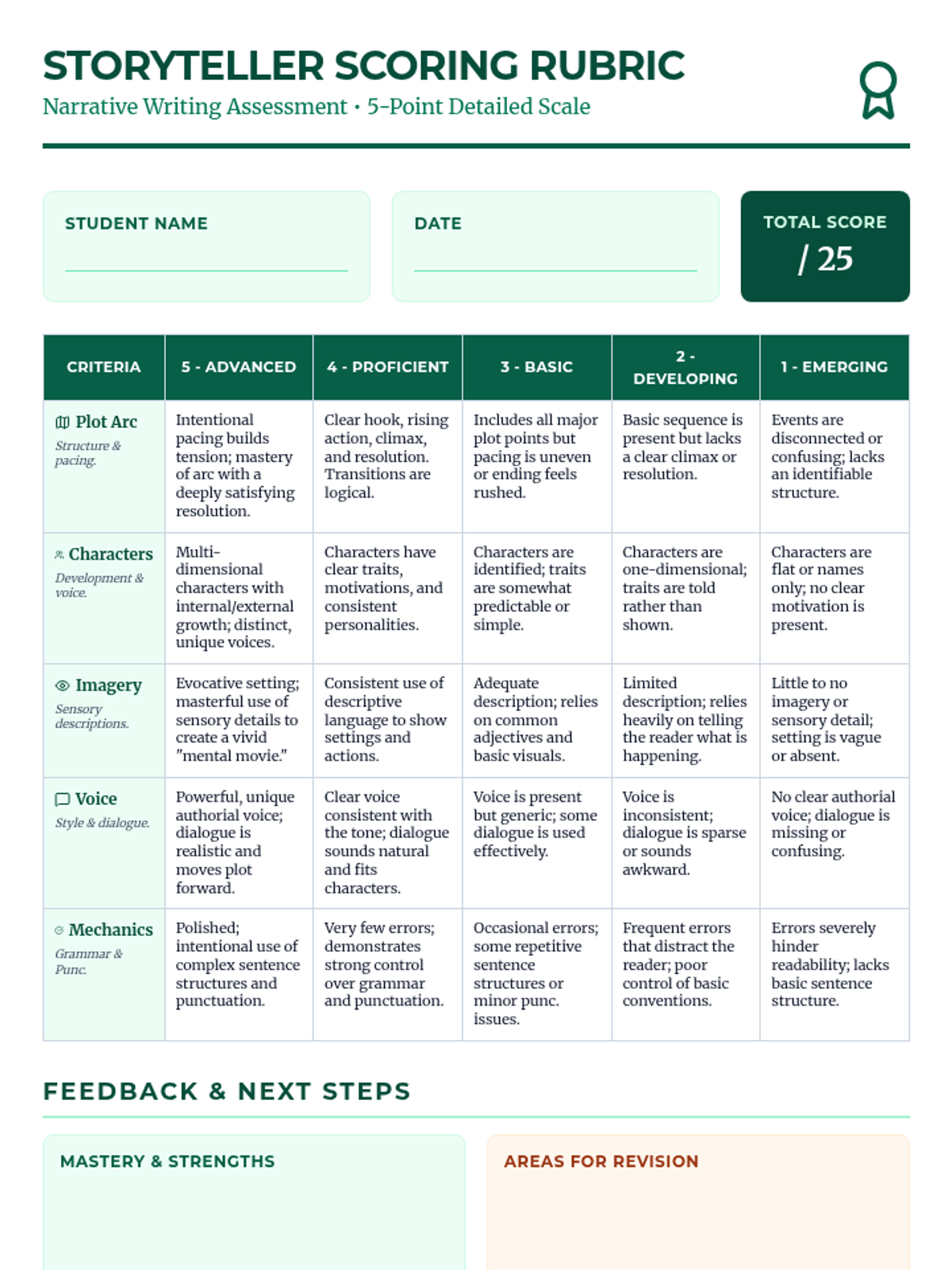
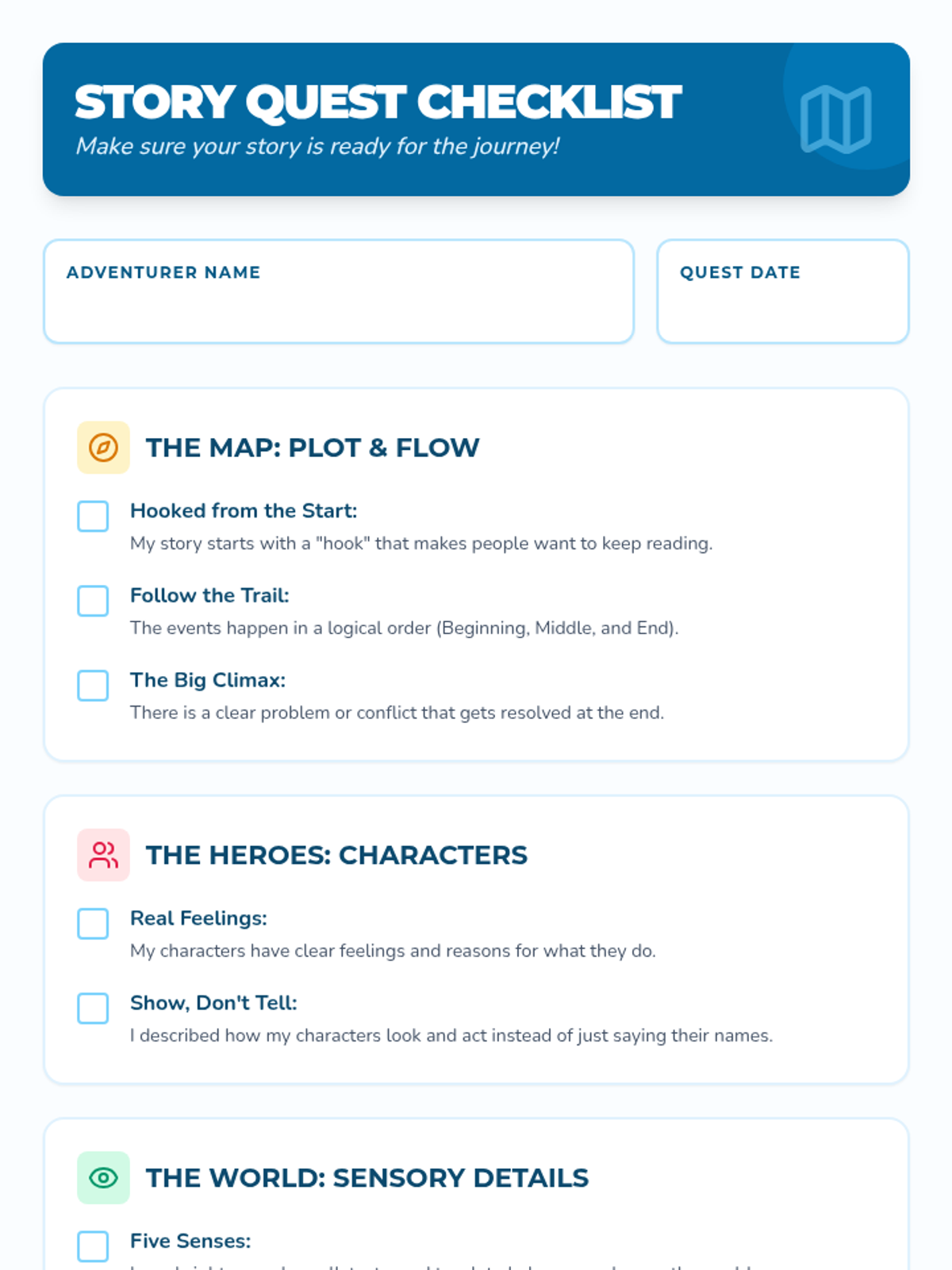
A comprehensive set of writing tools and rubrics across different genres to help students master various styles of storytelling and analysis.
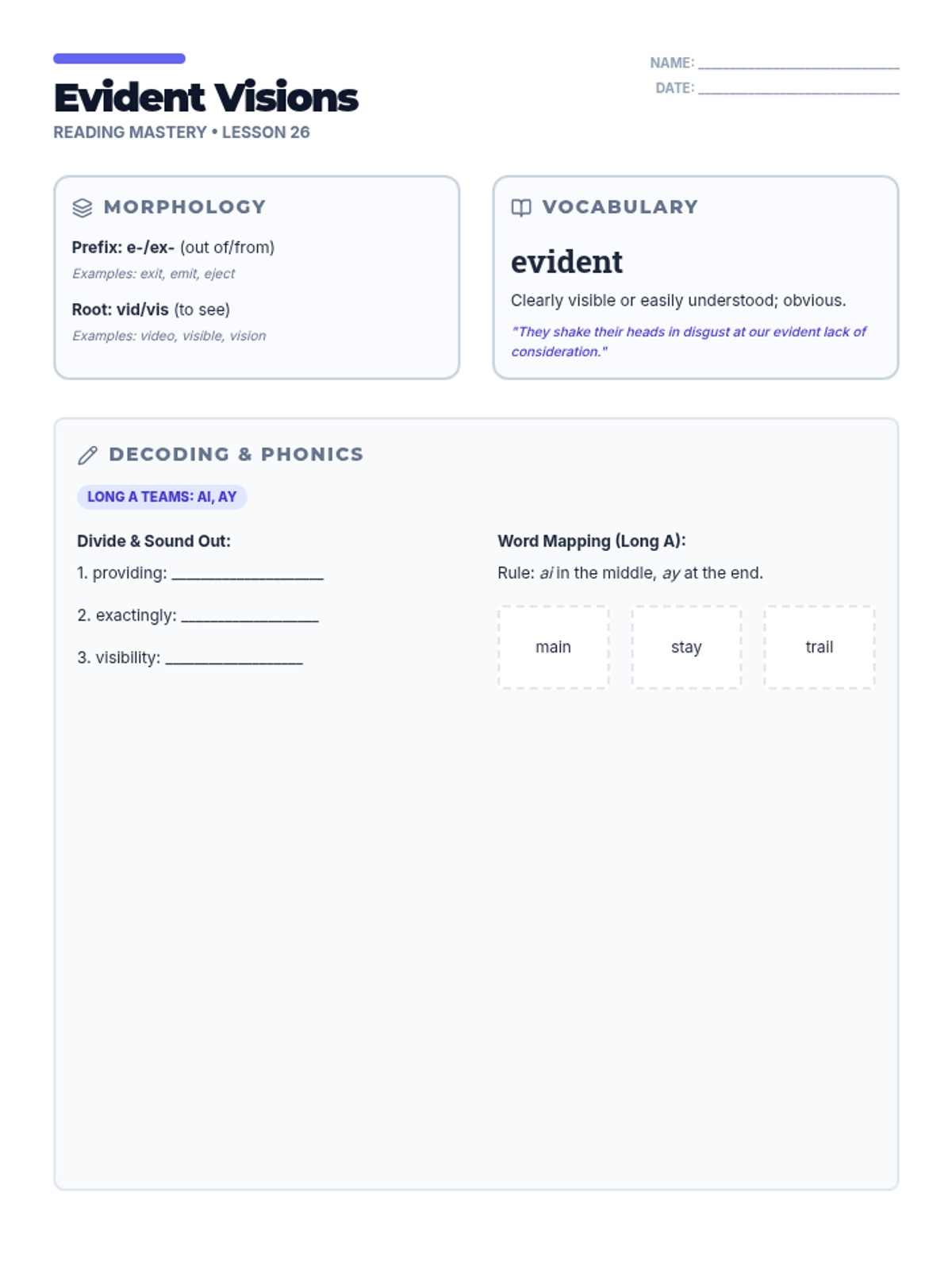
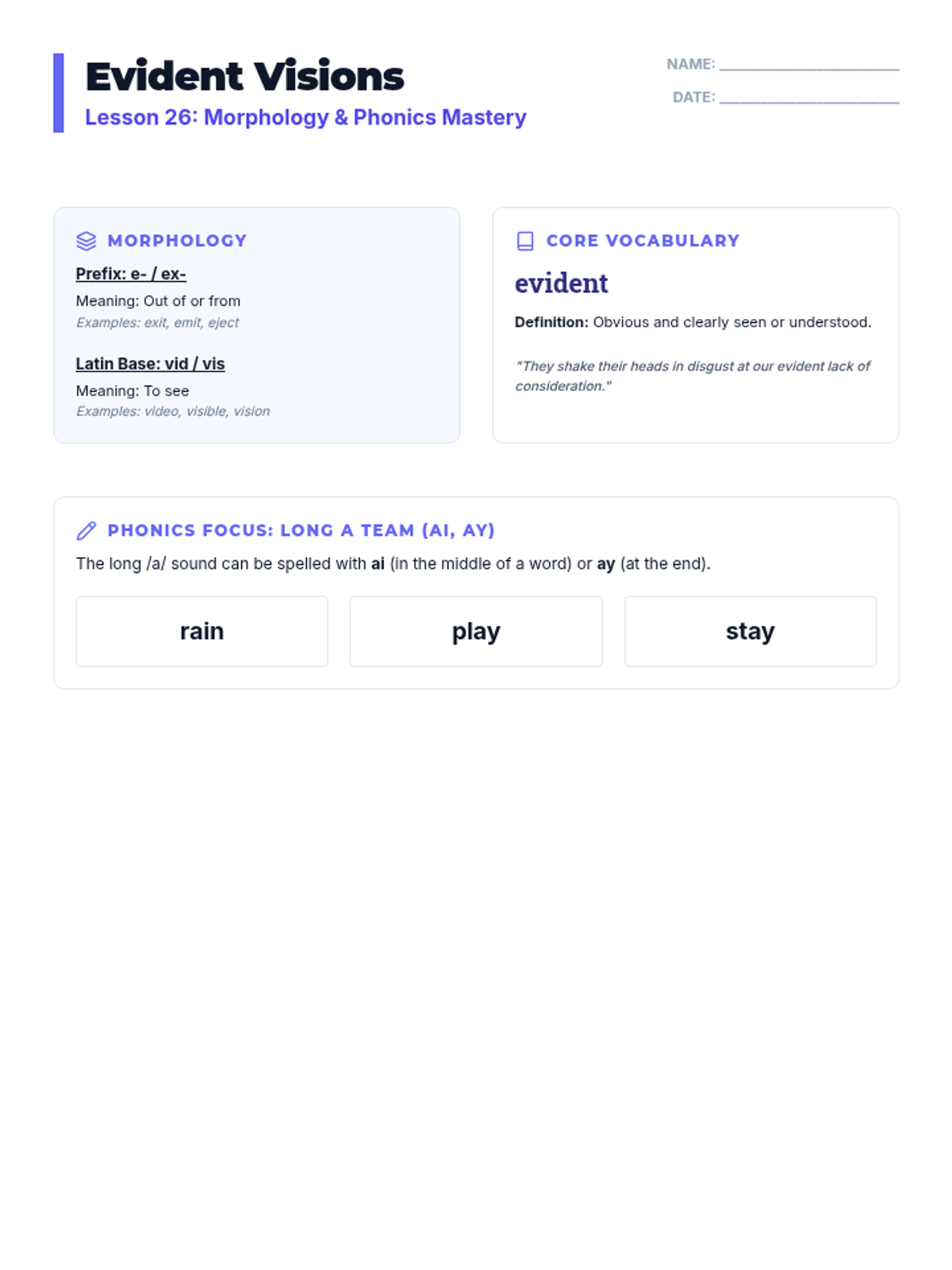
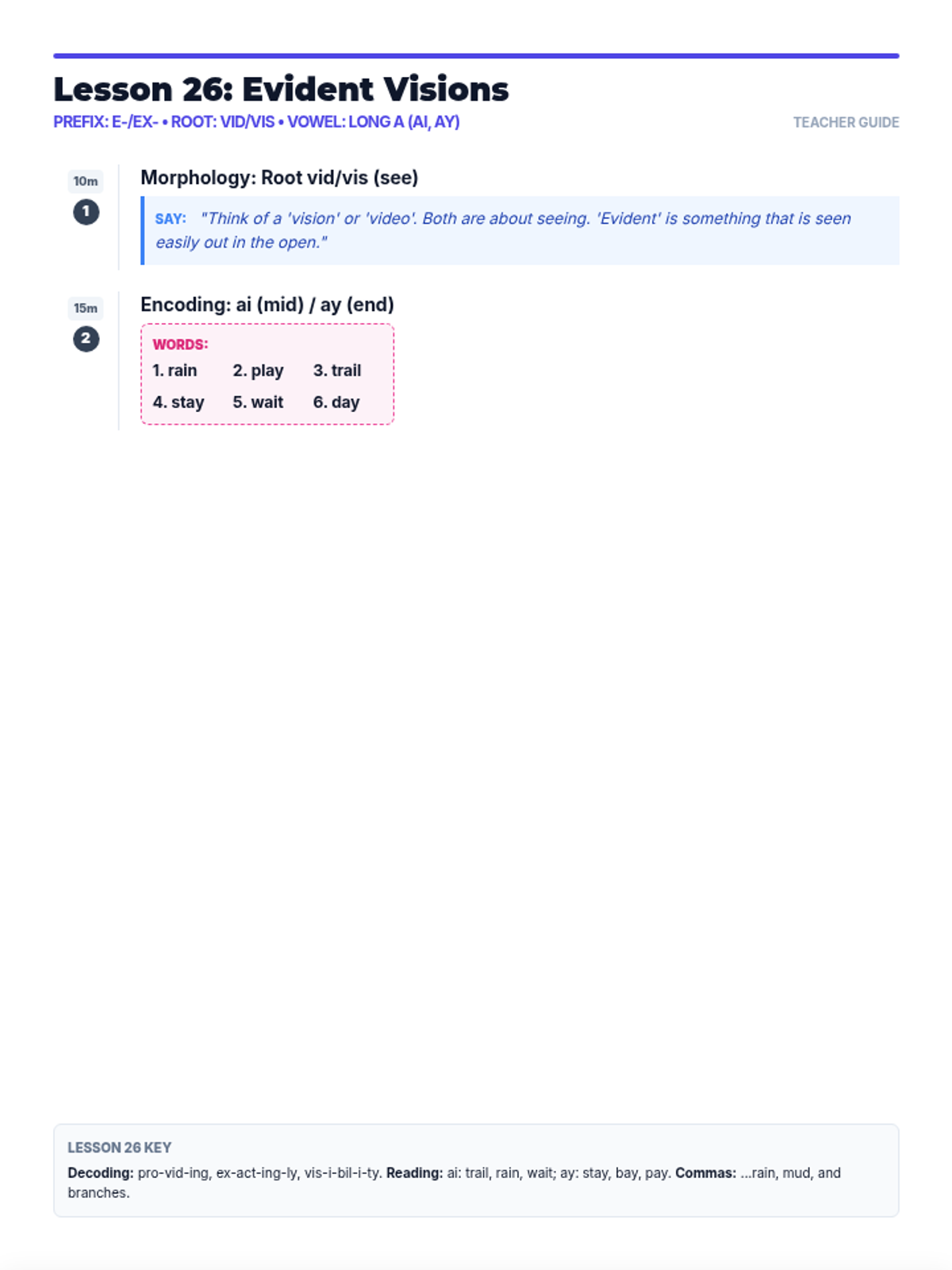
A comprehensive literacy intervention sequence for high school TESOL students (Lessons 16-25) focused on morphology, academic vocabulary, systematic decoding, and vowel mastery.
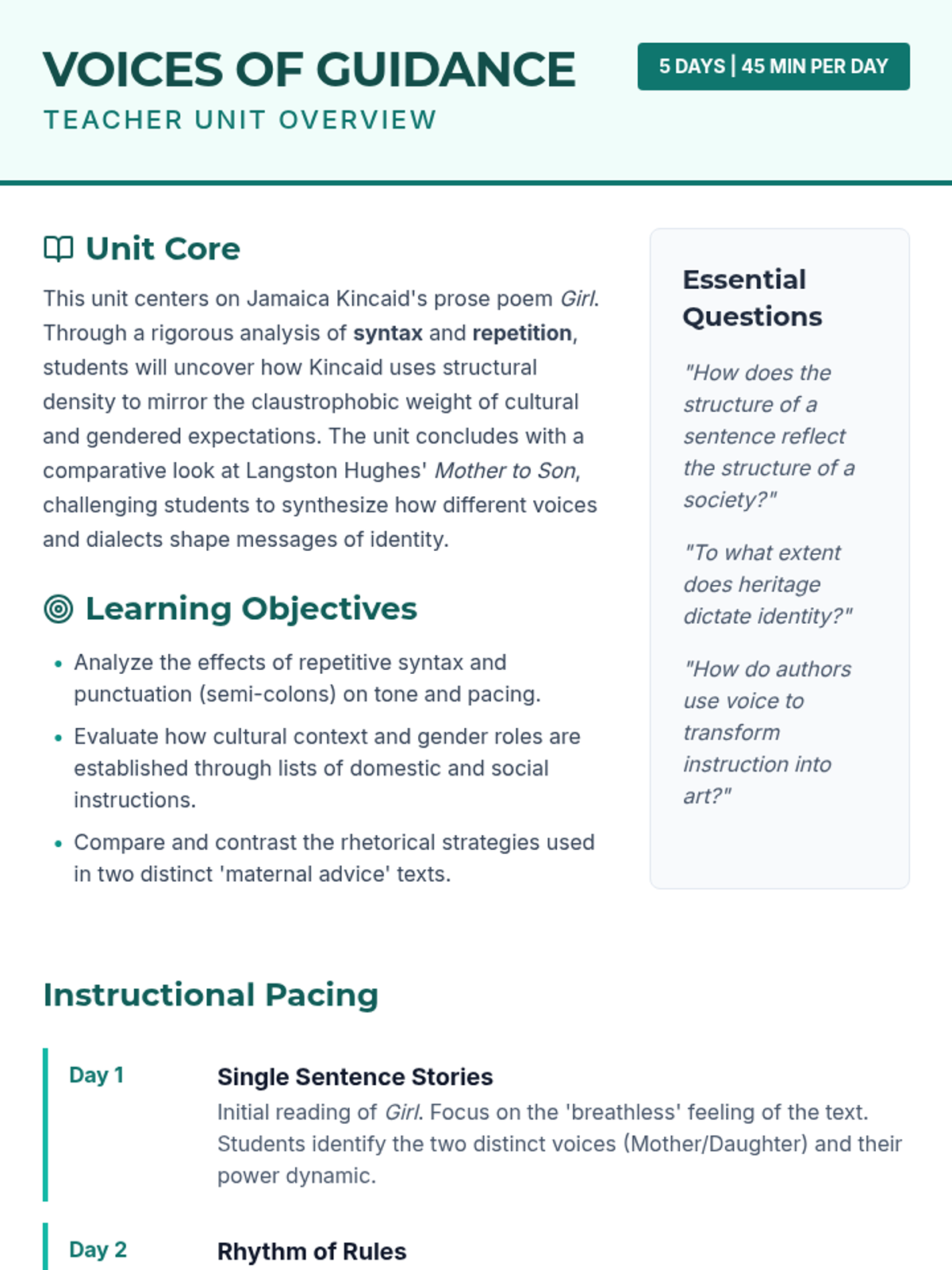
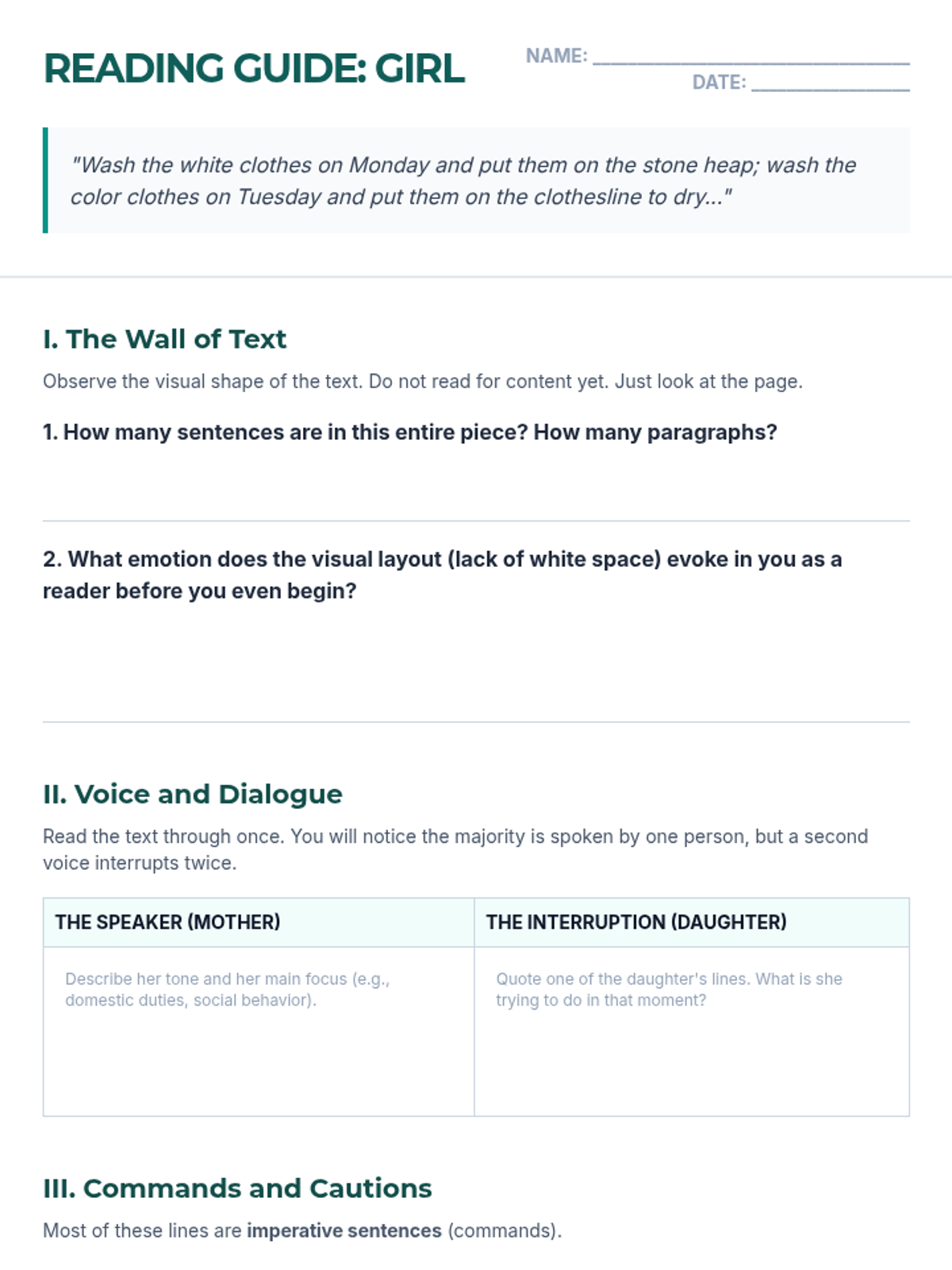
A five-day high school ELA unit exploring Jamaica Kincaid's 'Girl' through the lens of syntax, repetition, and cultural identity. Students analyze how structural choices mirror societal pressures before comparing the text with Langston Hughes' 'Mother to Son'.
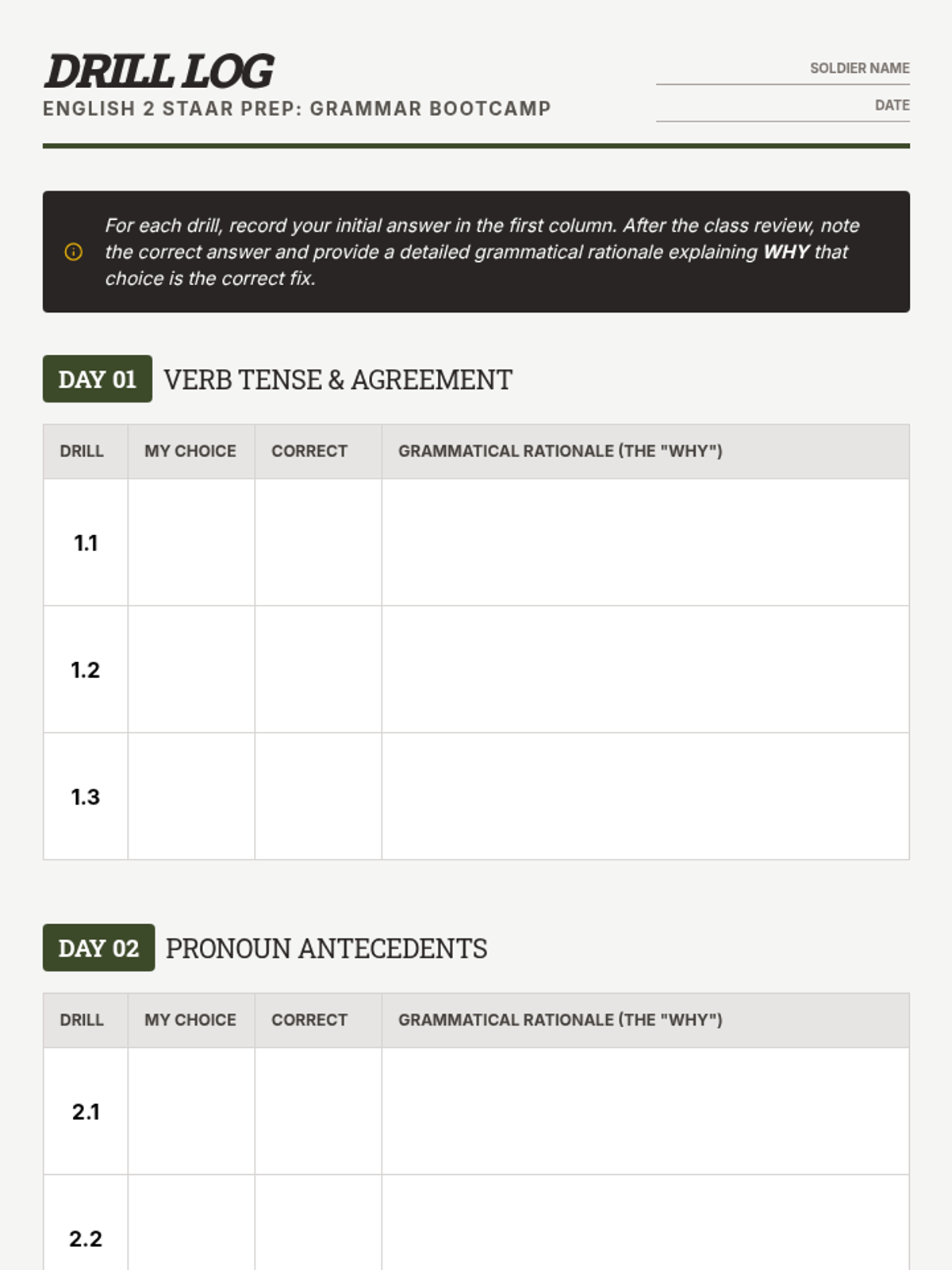
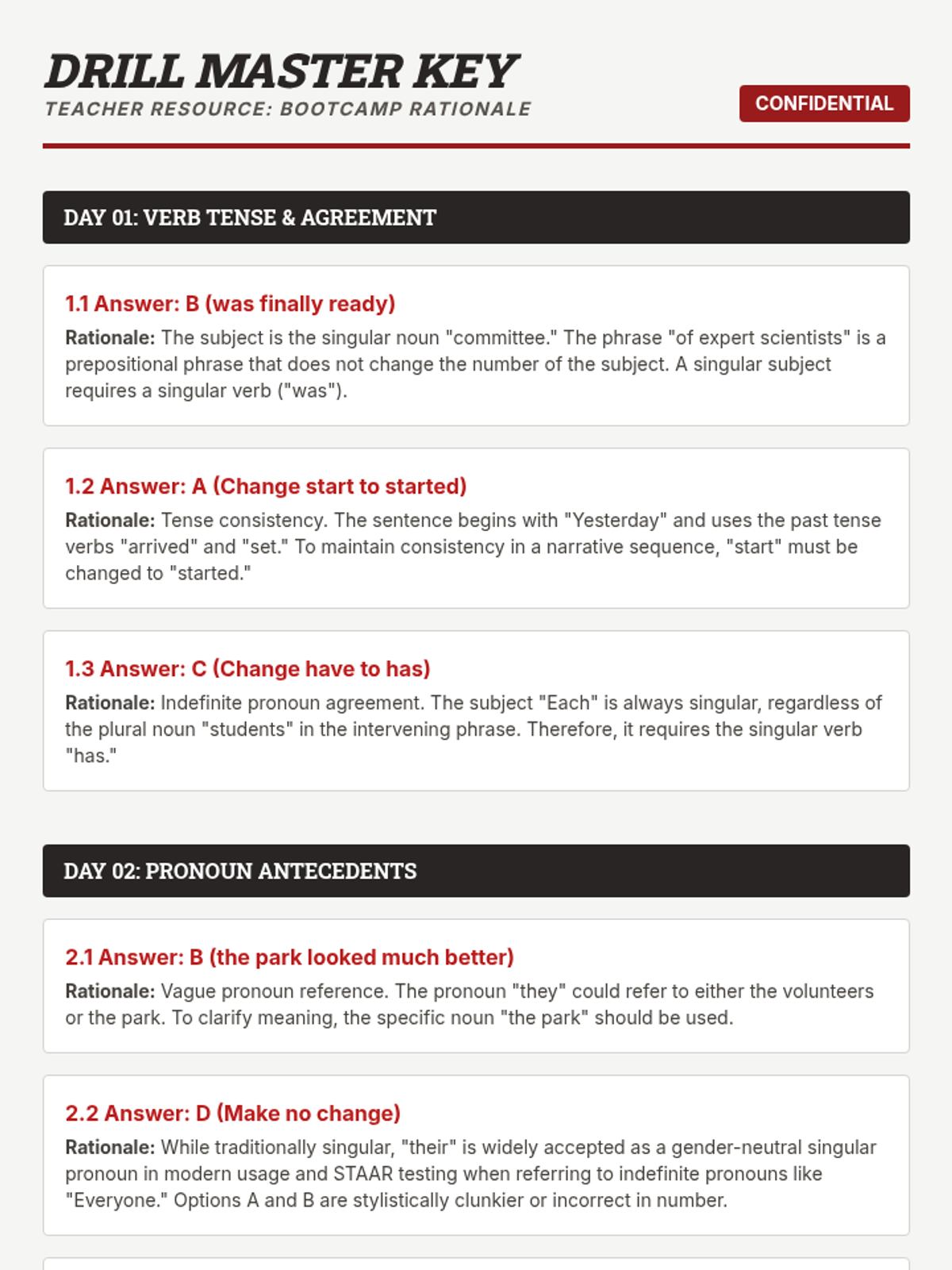
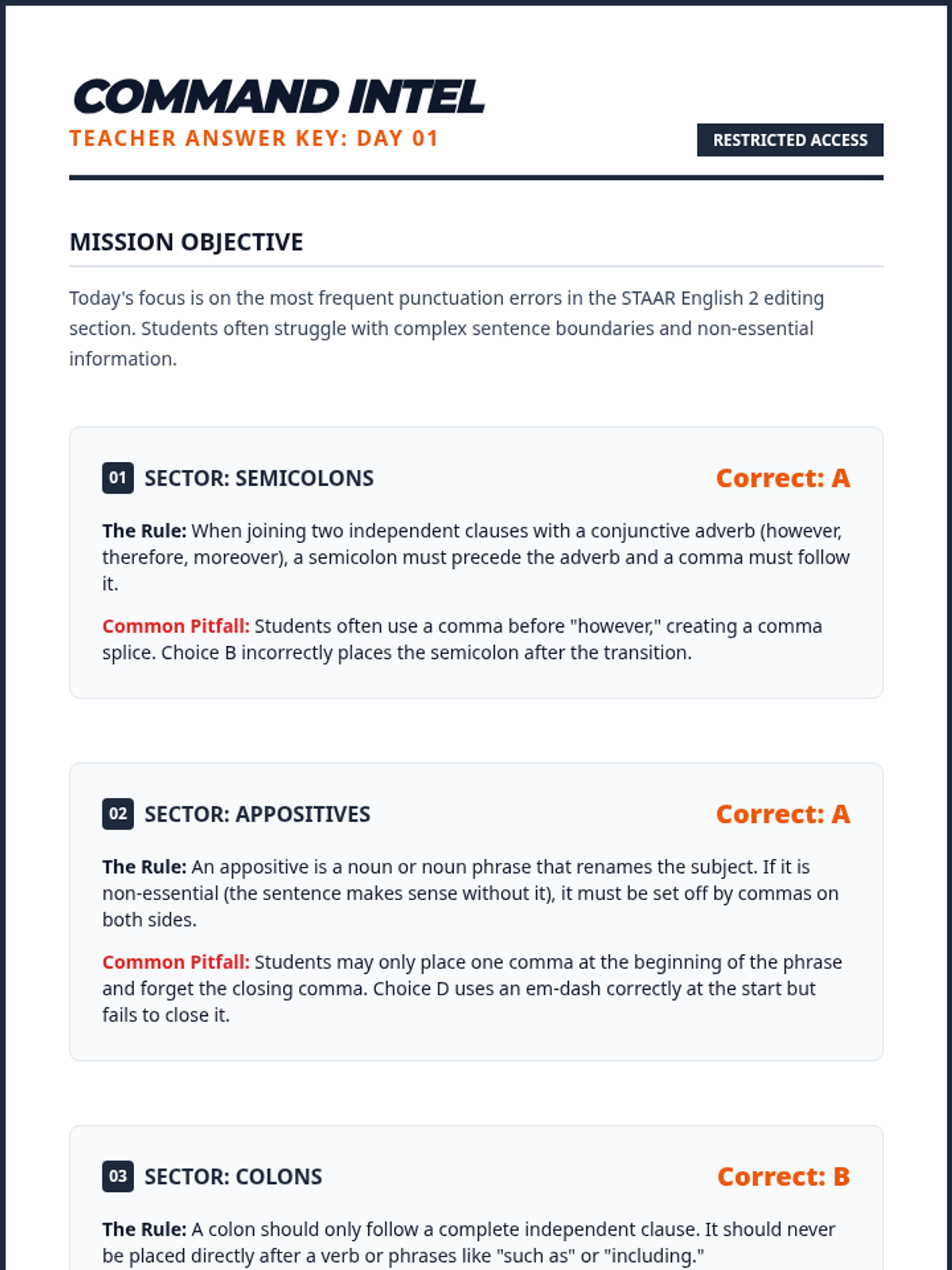
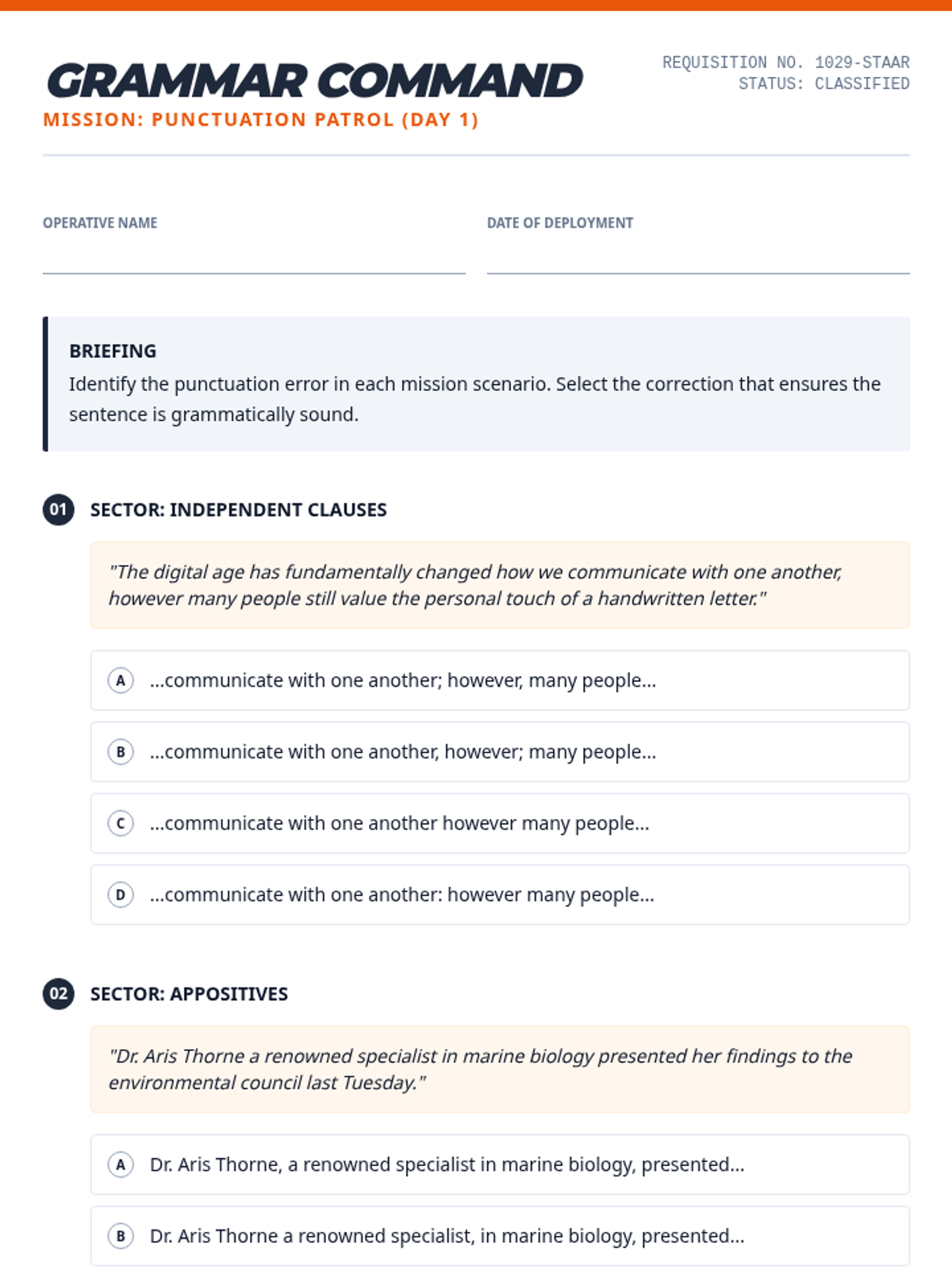
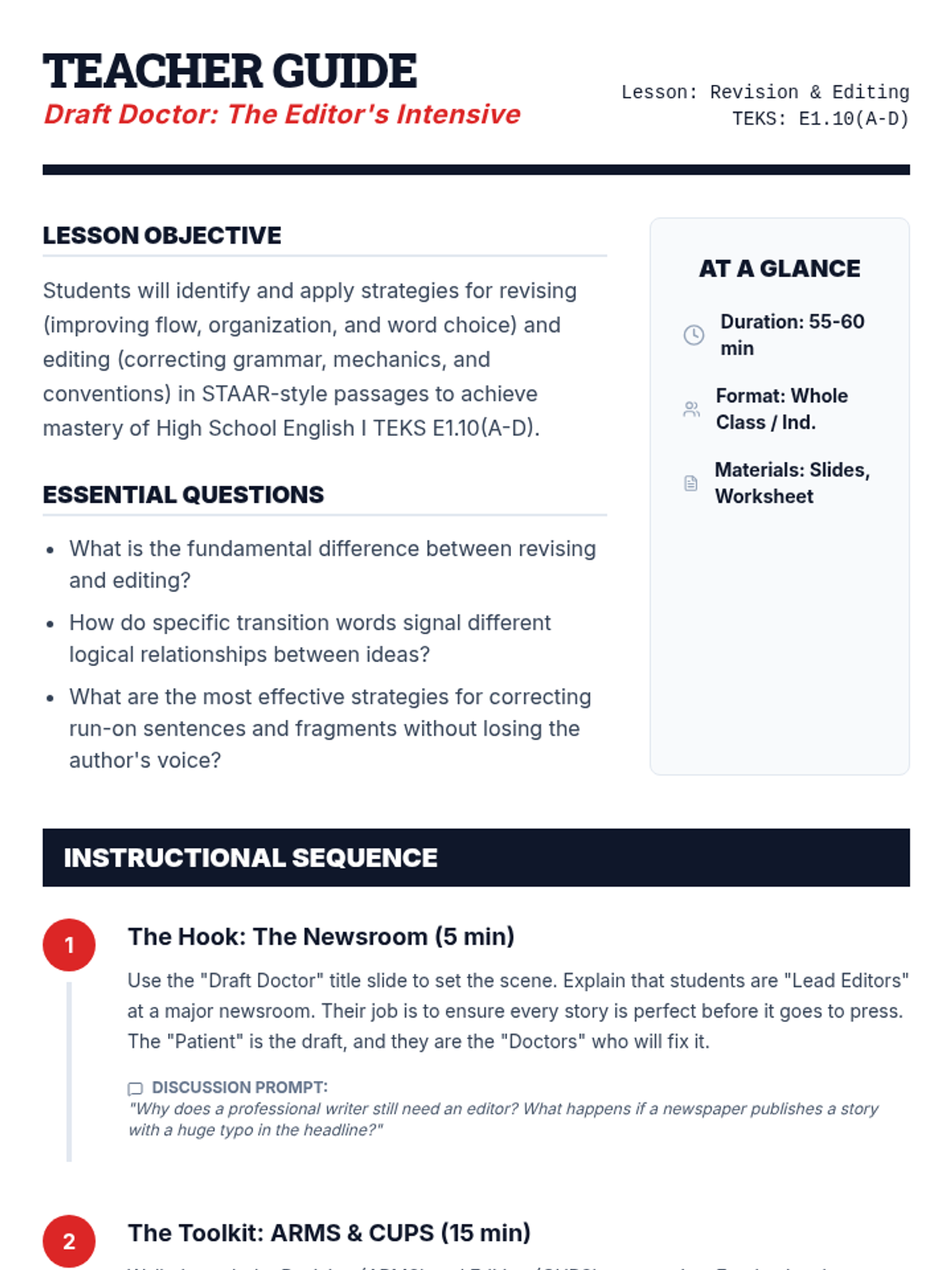
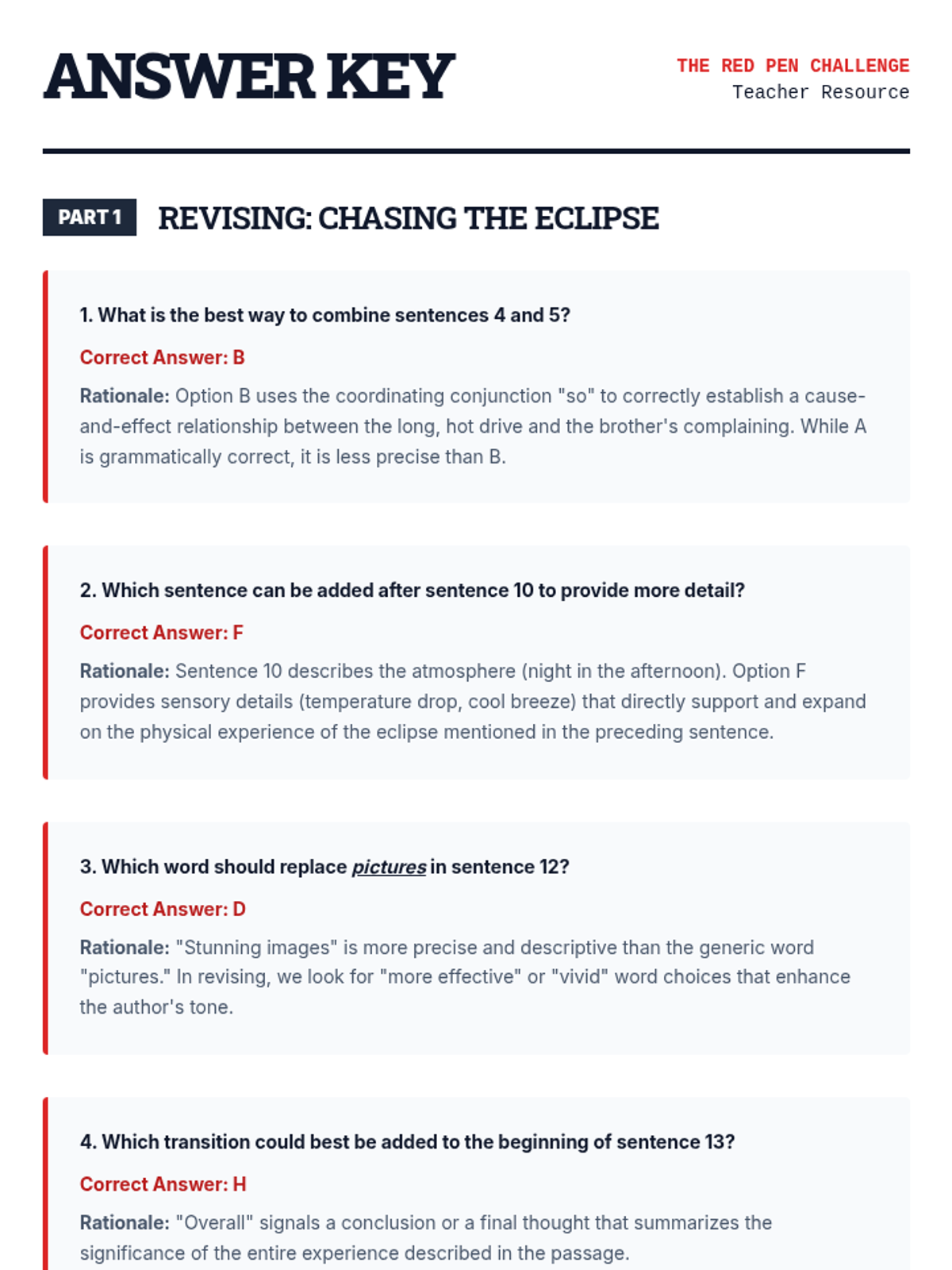
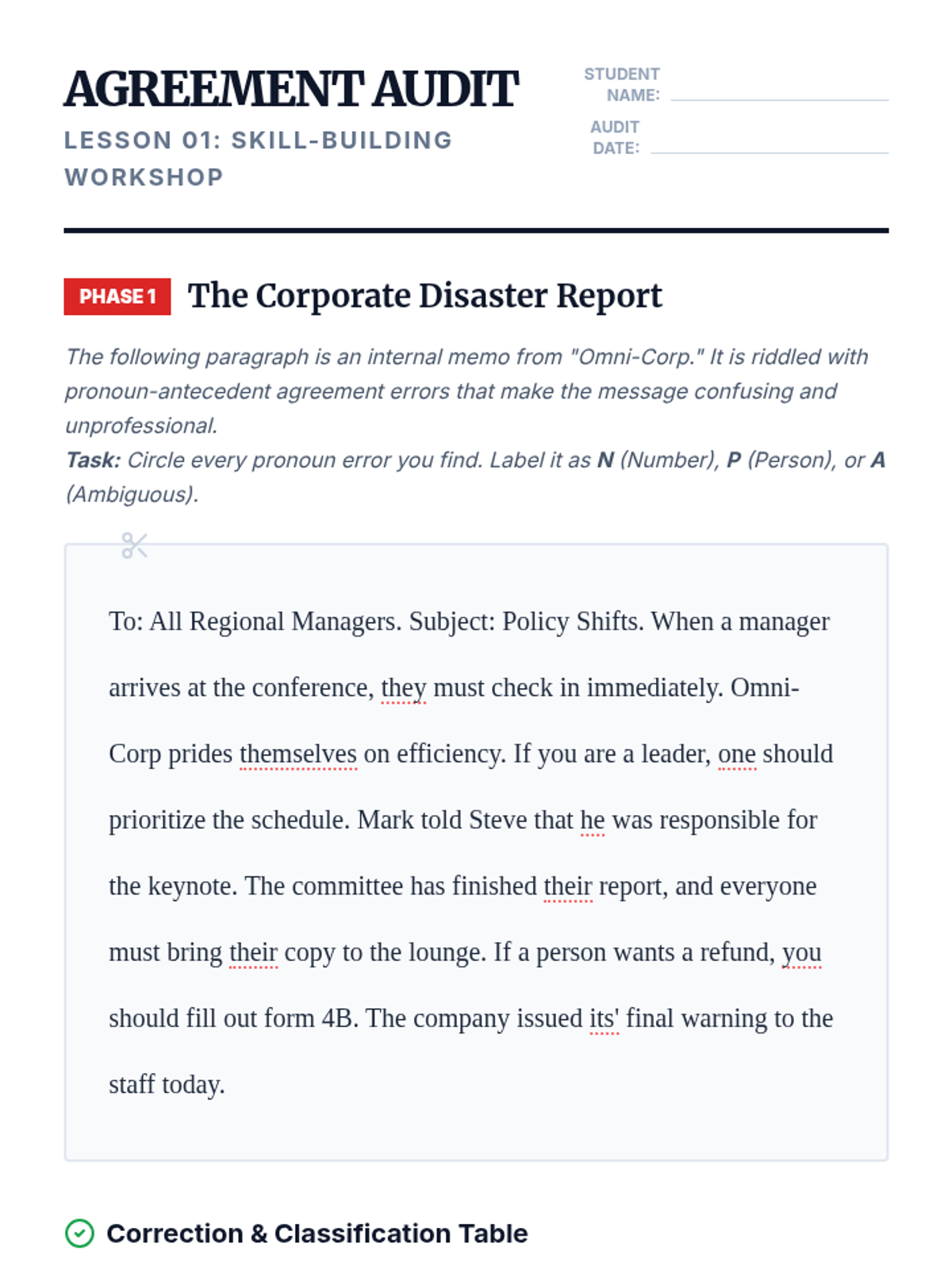
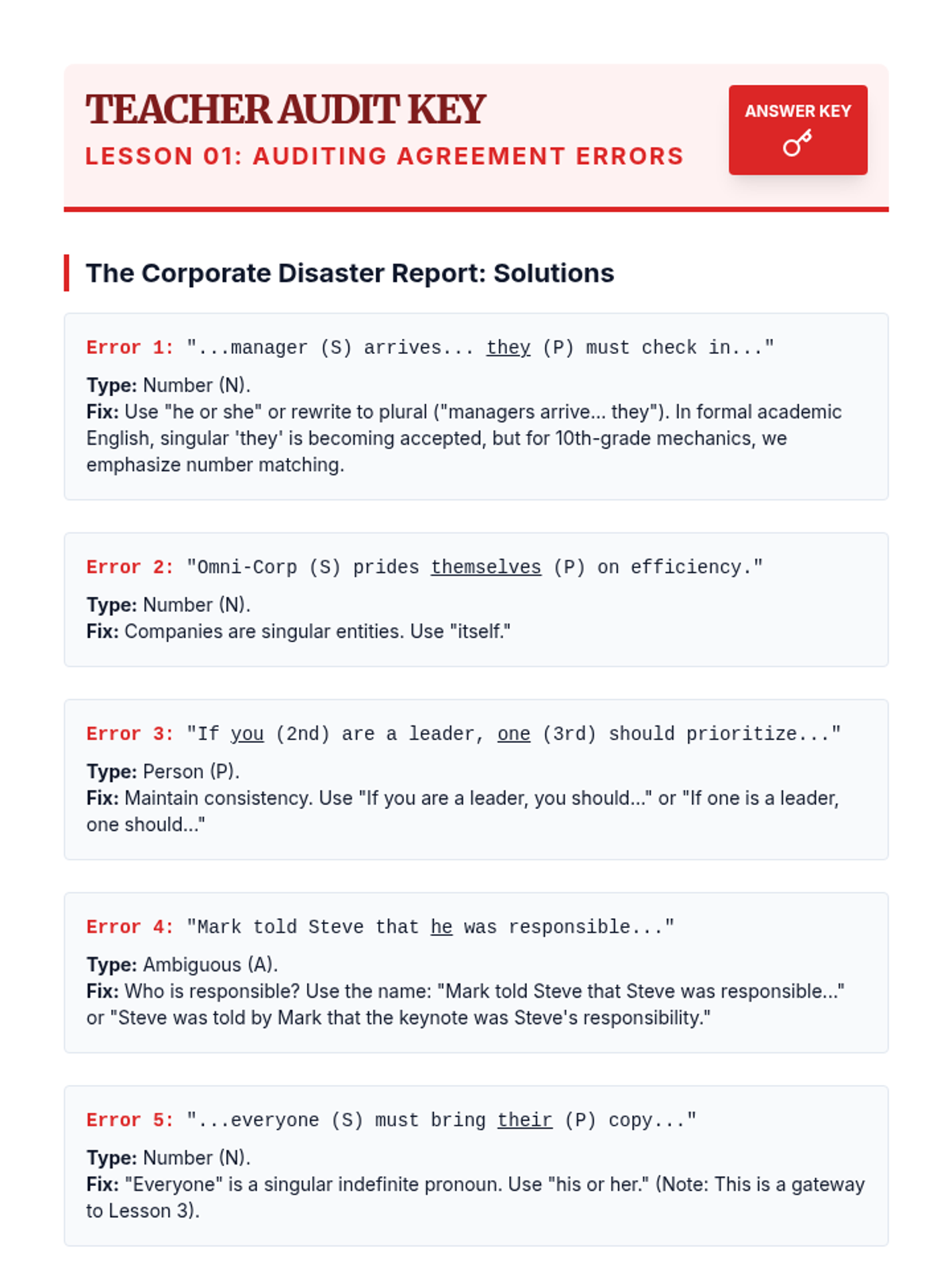
A comprehensive 5-day grammar intensive designed to prepare English 2 students for the STAAR editing section, focusing on verb tense, pronoun agreement, sentence structure, and punctuation.
A rigorous 5-day intensive review of high-frequency grammar, editing, and revising skills designed for the Texas English 2 STAAR assessment.
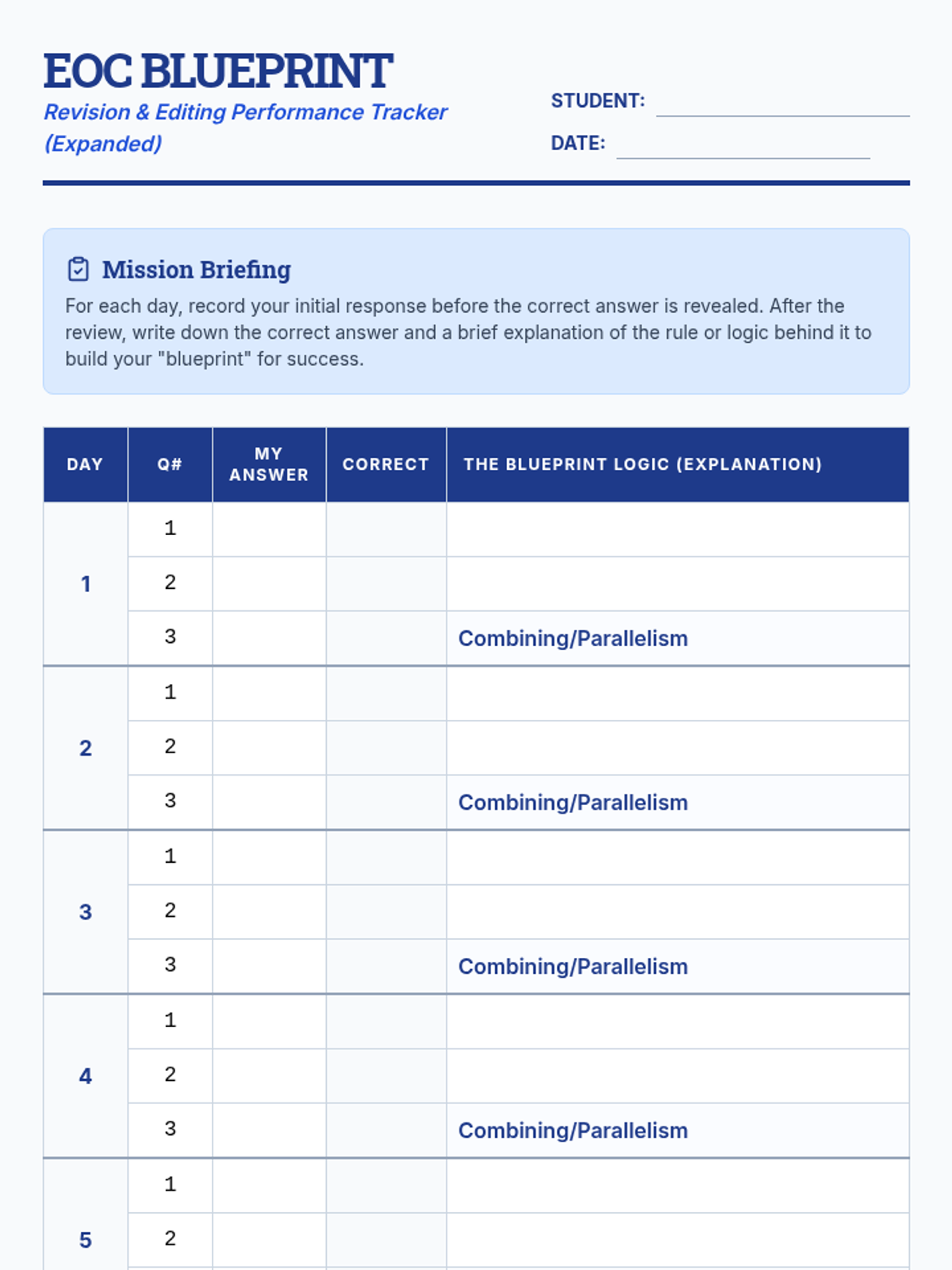
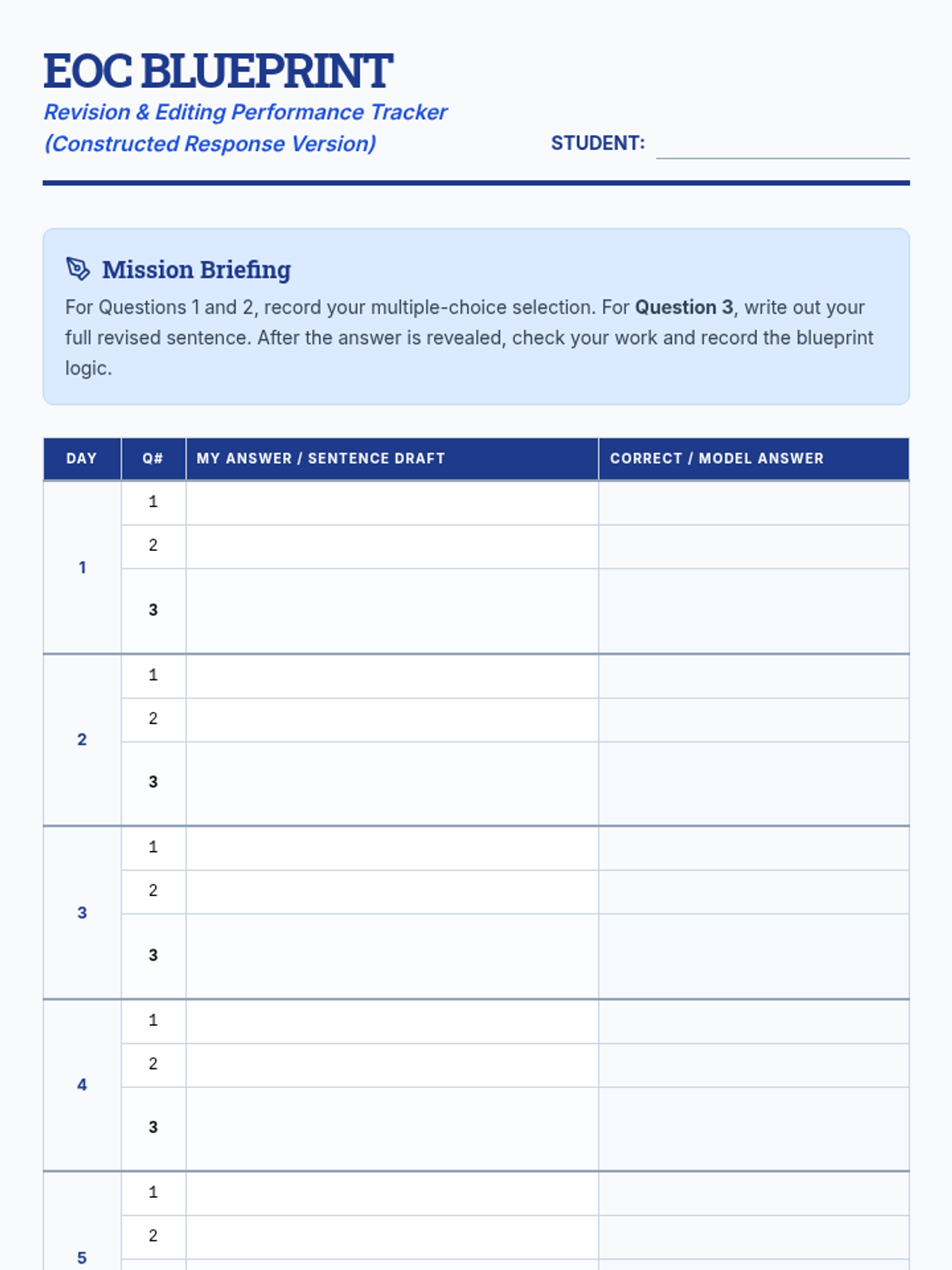
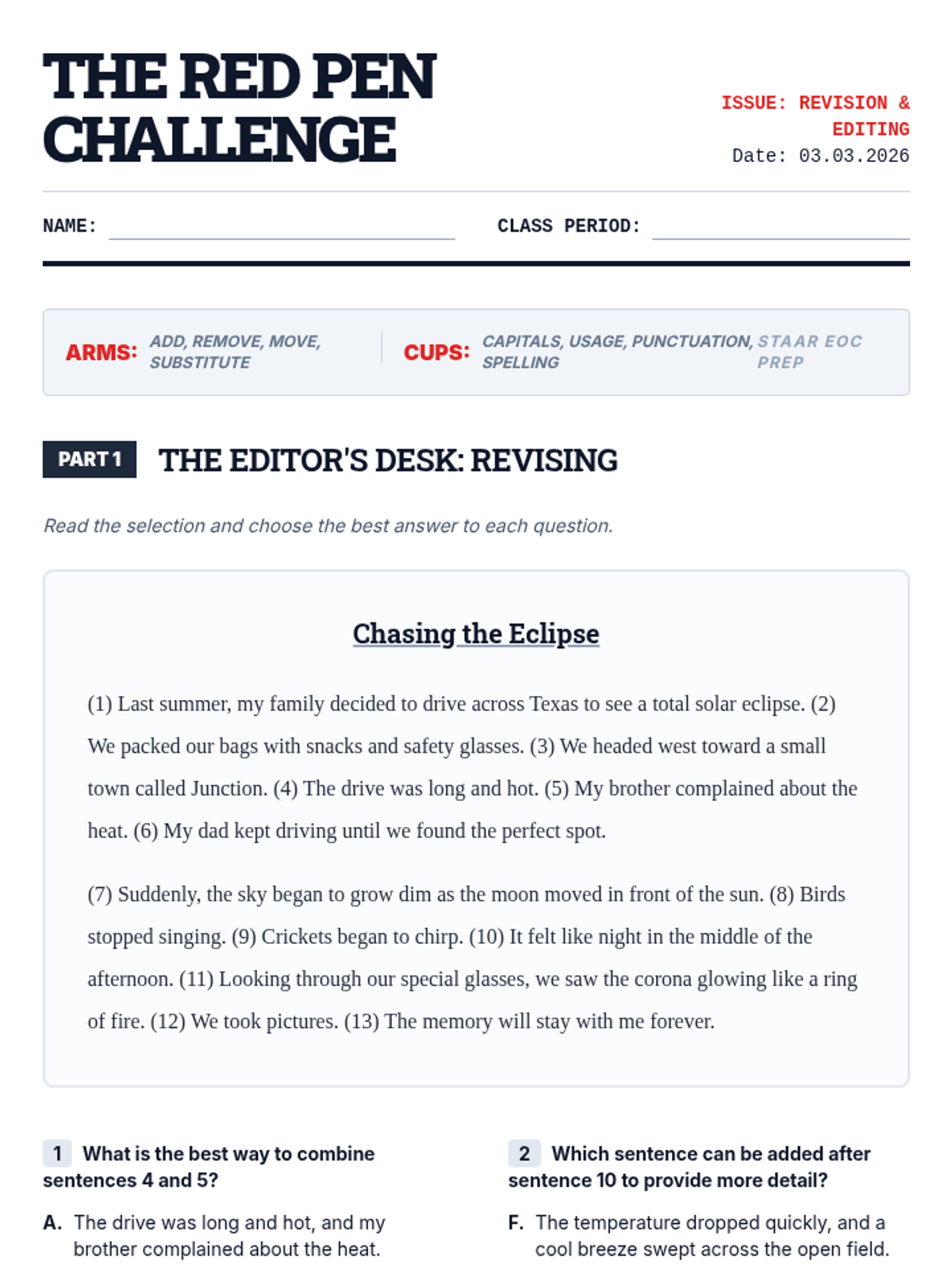
A 10-day intensive review sequence designed to prepare students for the revising and editing portions of the Texas English 2 EOC exam. Each day features targeted practice questions mirroring the actual test format.
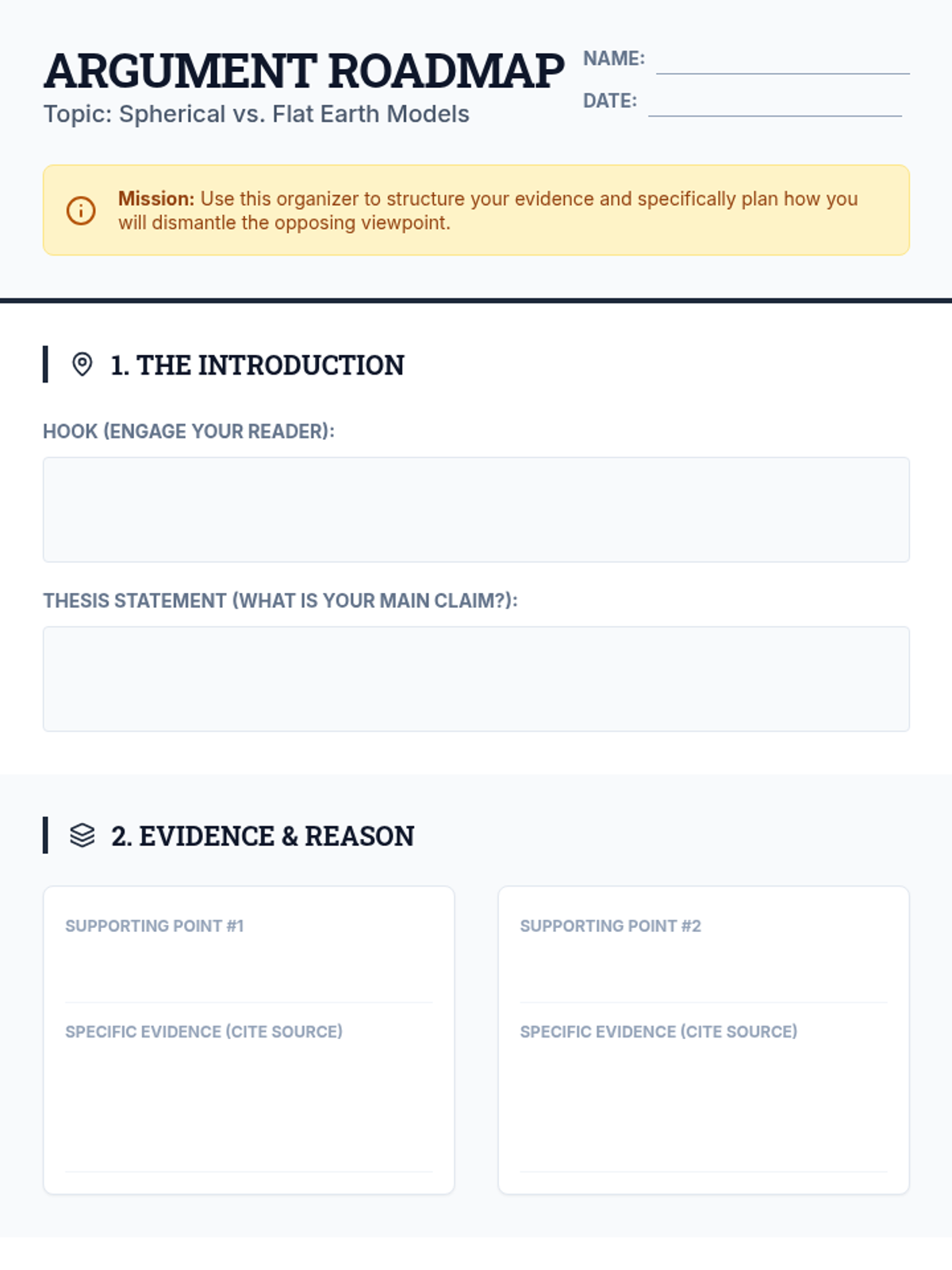
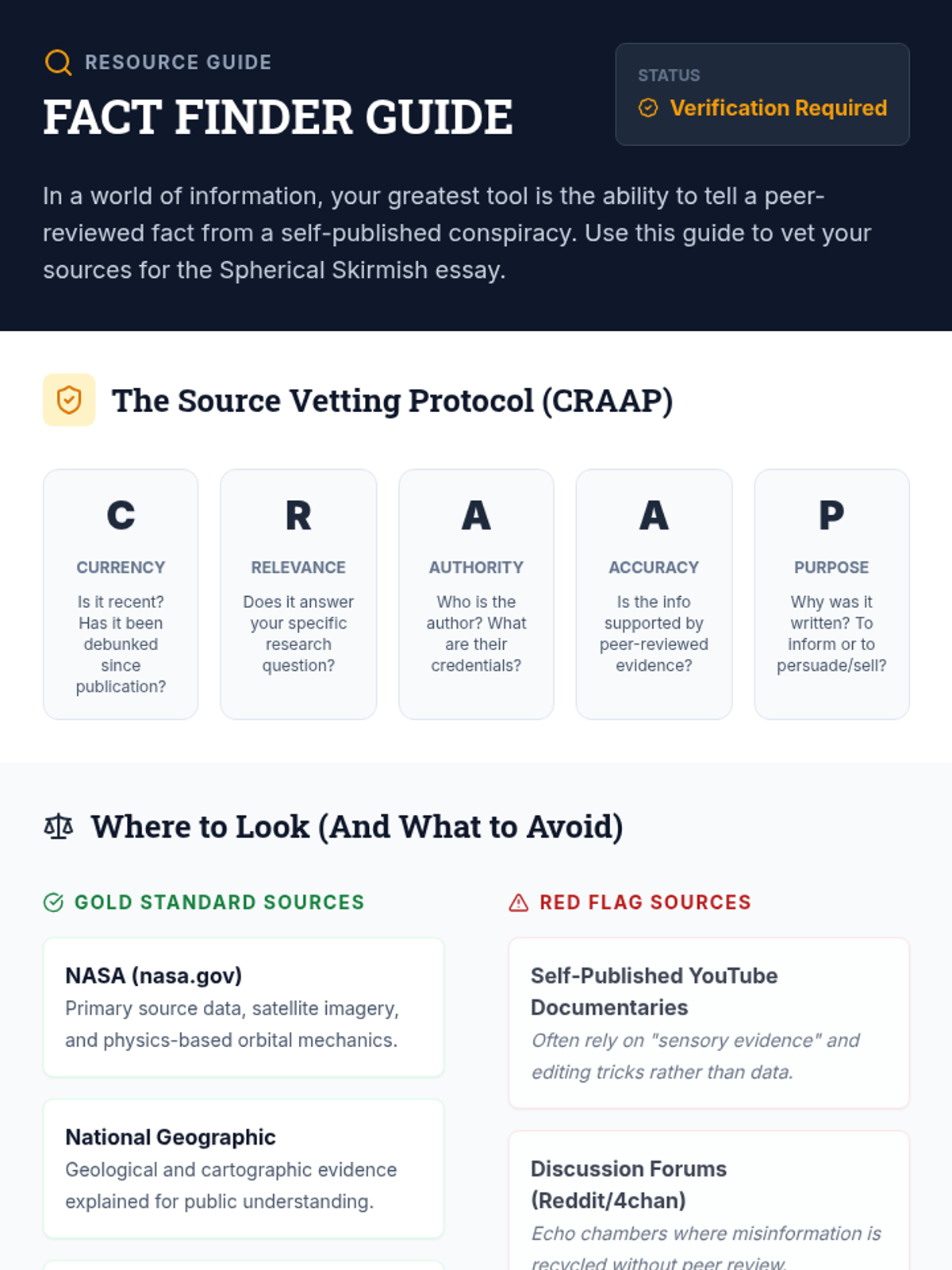
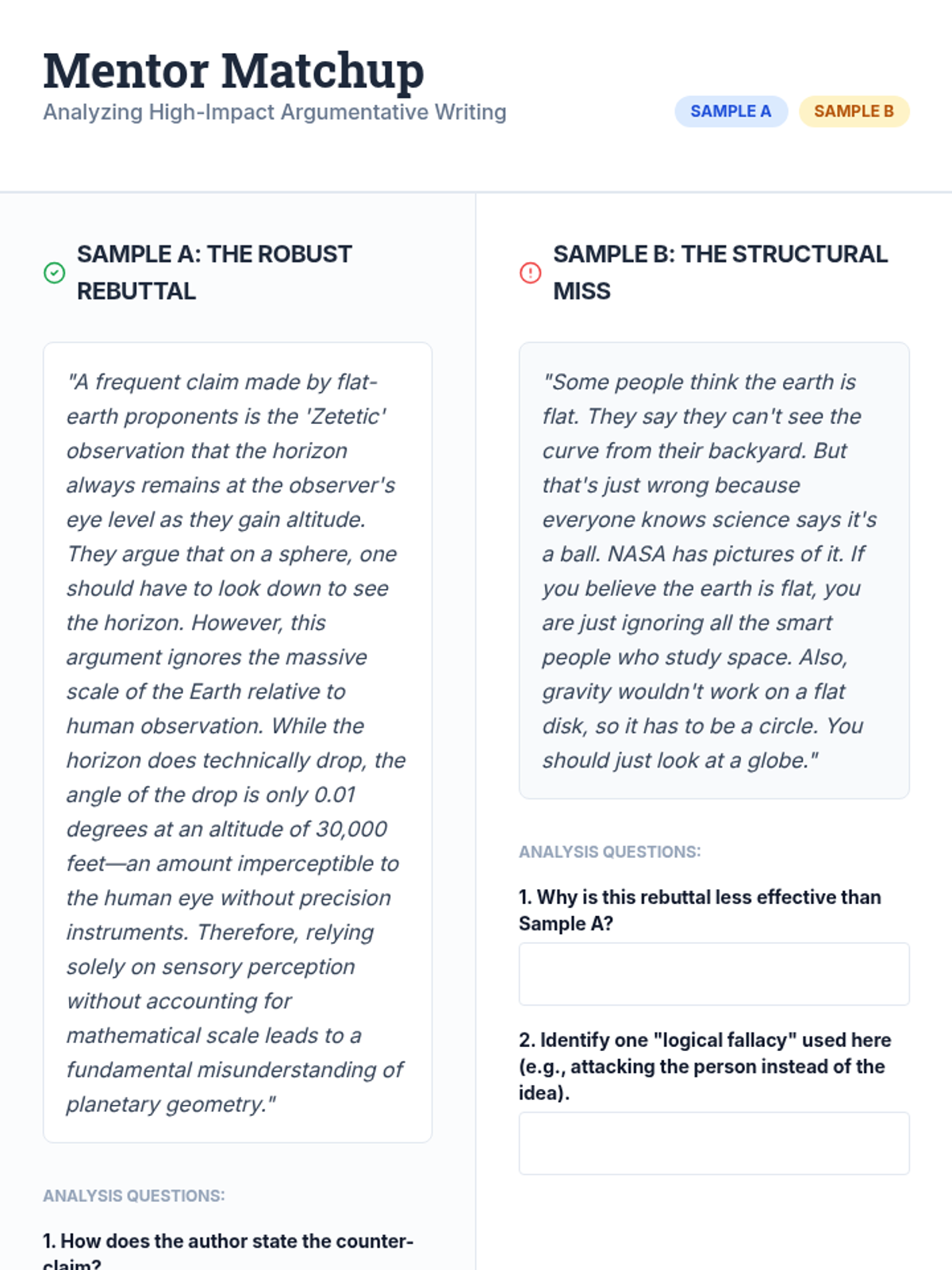
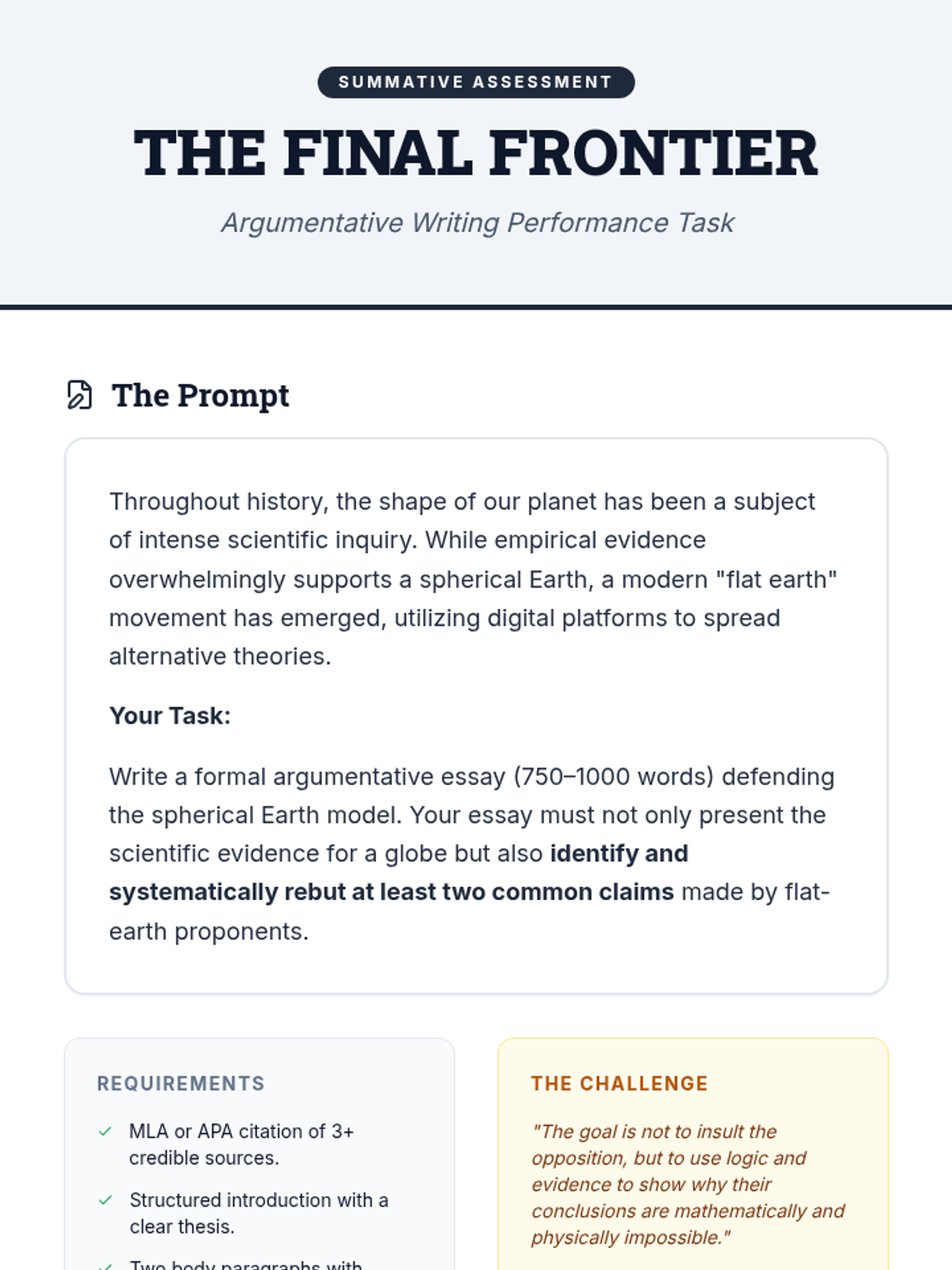
A comprehensive unit focused on mastering argumentative writing through the lens of the flat earth vs. round earth debate, emphasizing evidence-based reasoning and rebuttal techniques.
A comprehensive series of lessons designed to prepare High School English I students for the STAAR EOC exam, focusing on reading comprehension, writing, and language mechanics.
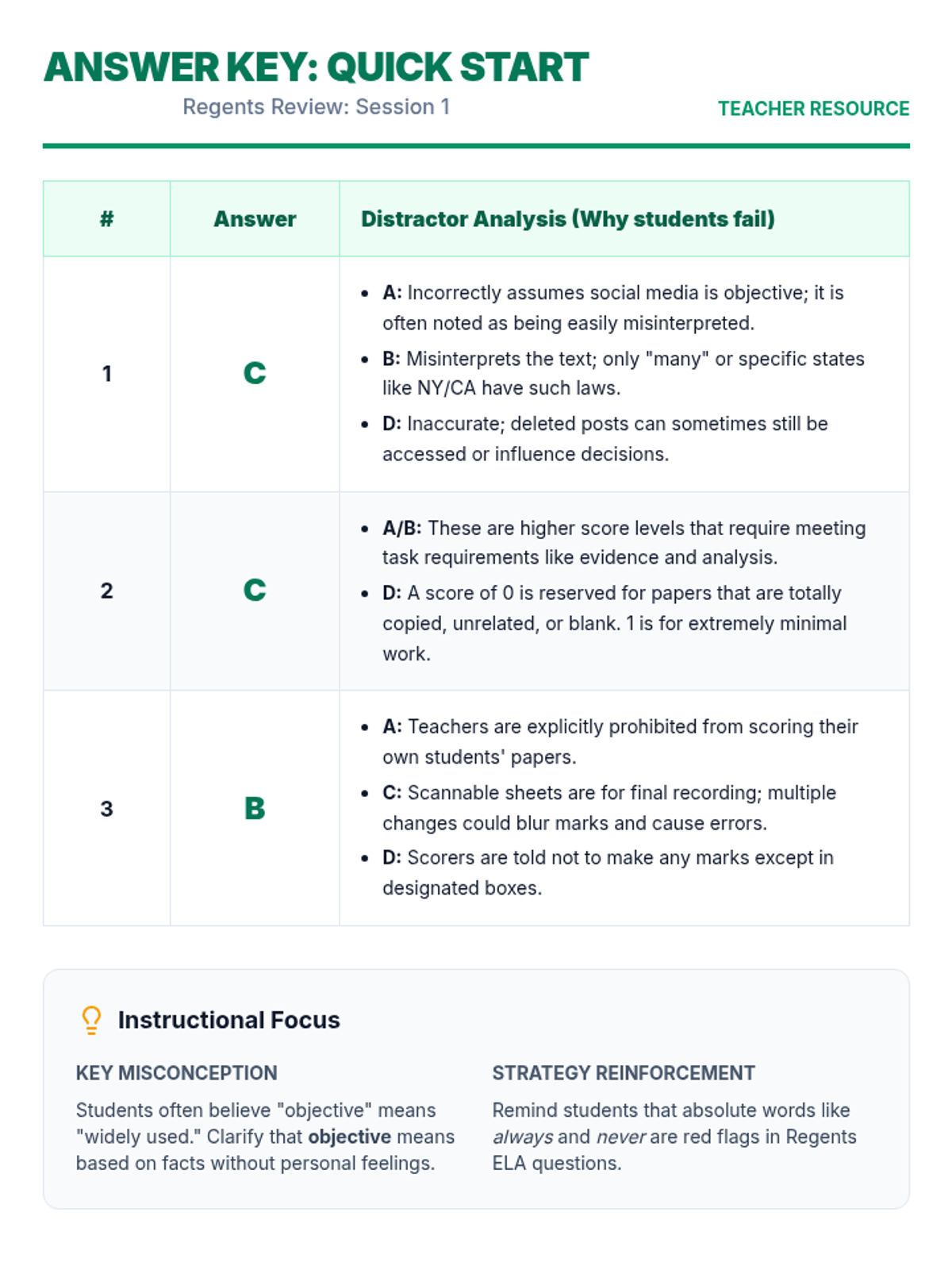
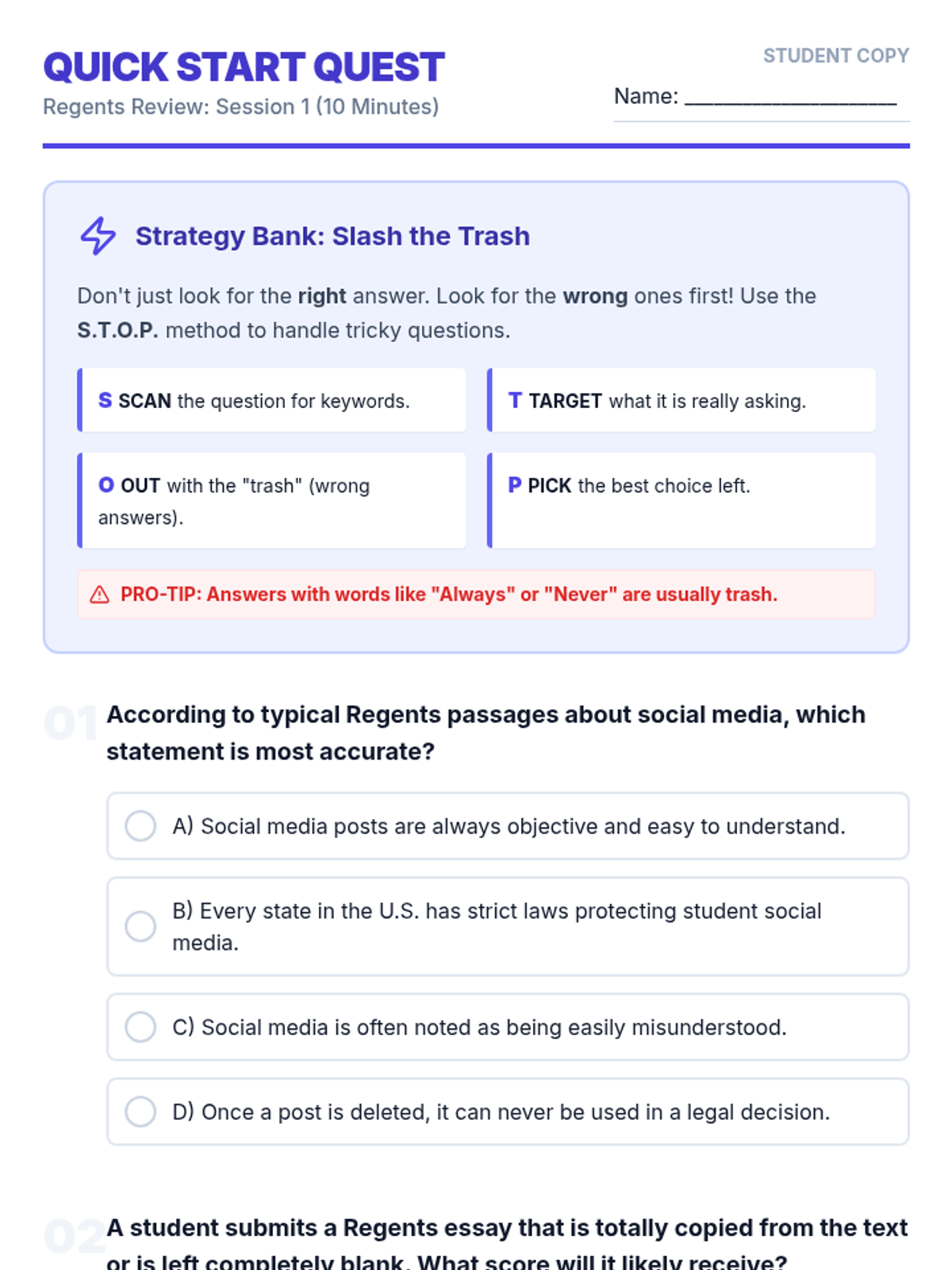
A comprehensive 6-lesson spiraling review sequence designed to prepare students for the ELA Regents exam through 10-minute daily practice sessions. Each lesson focuses on specific exam sets and high-impact test-taking strategies.
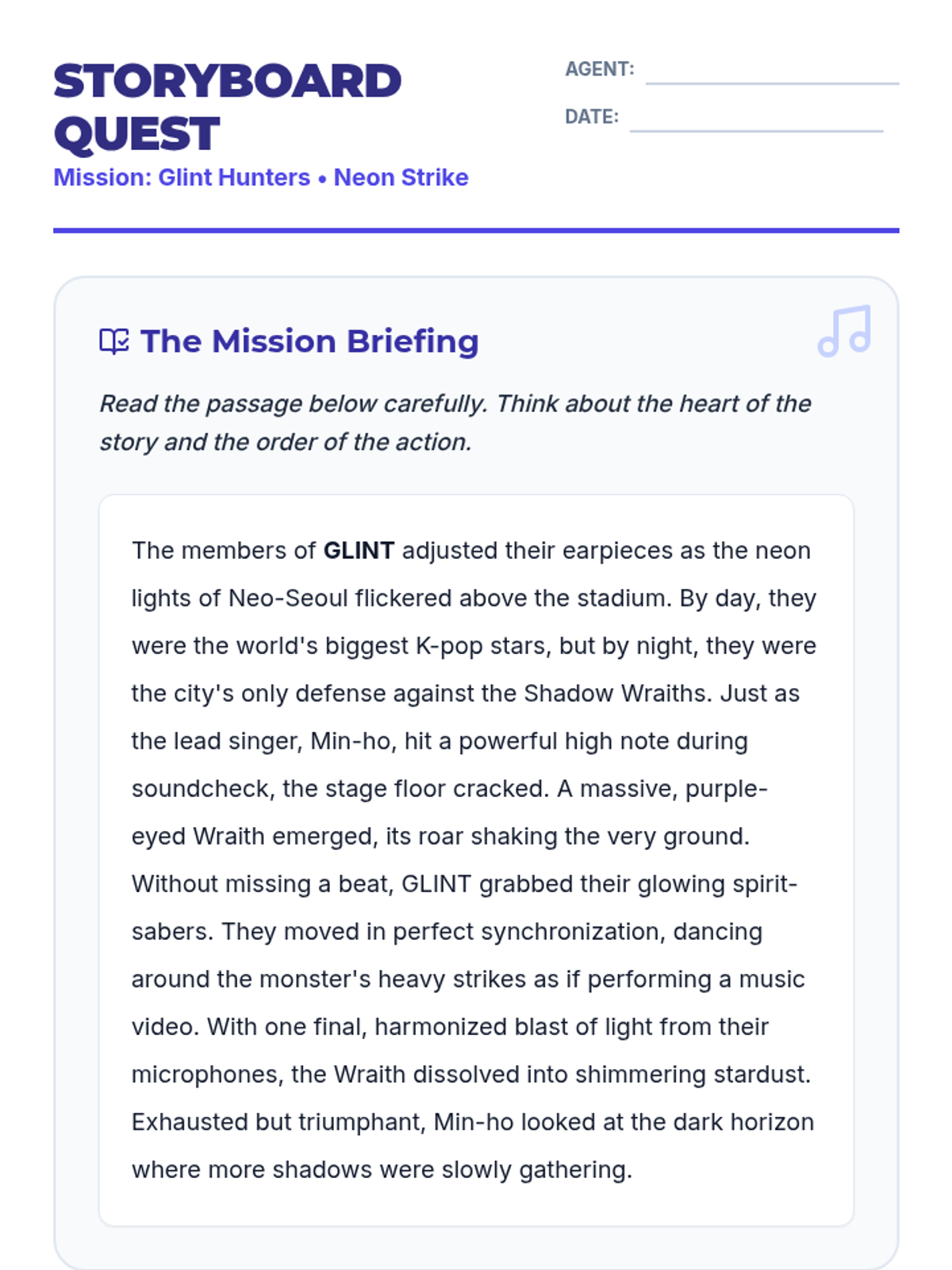
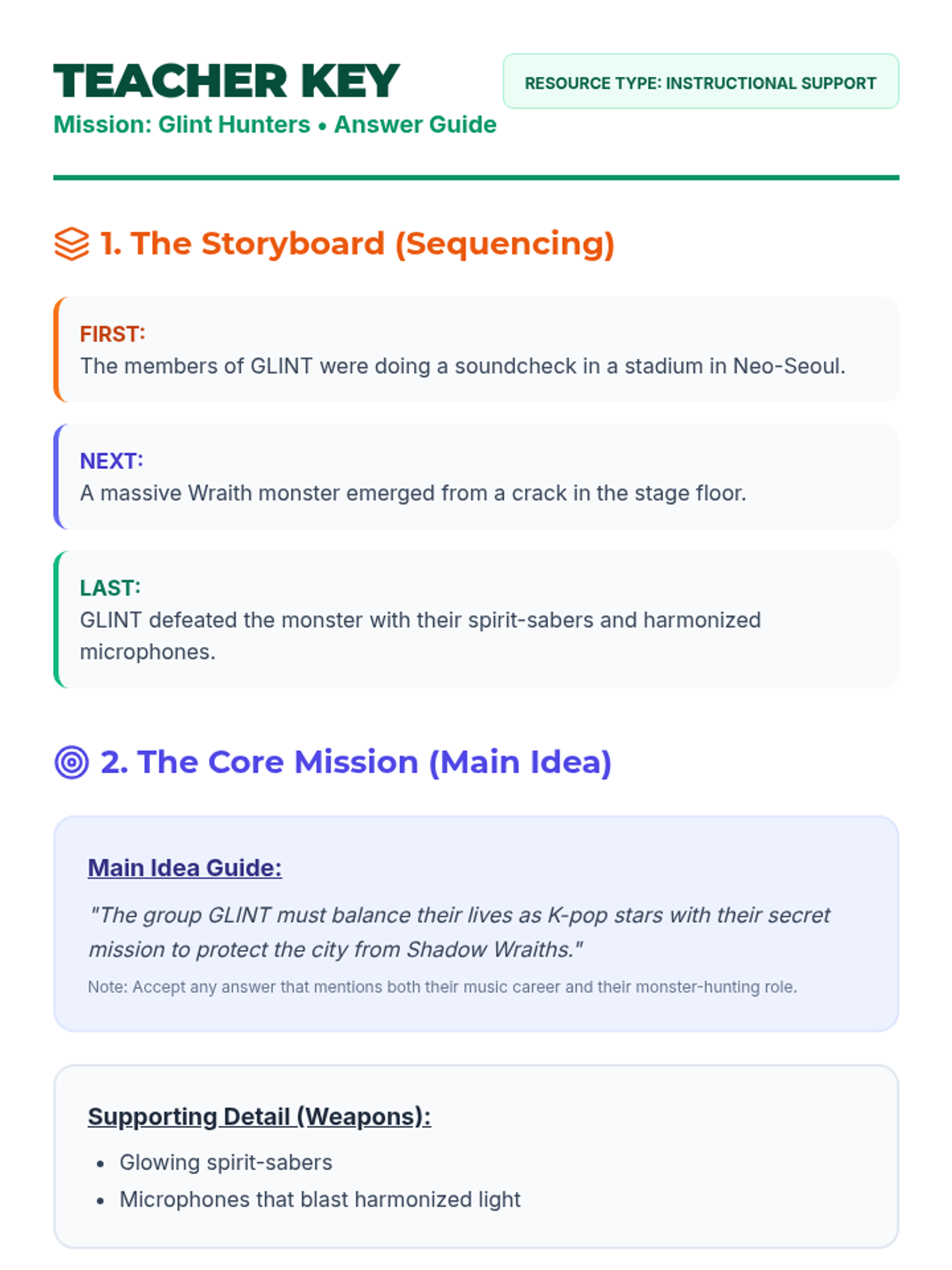
A unit designed to improve reading comprehension and writing skills for high school students using the highly engaging themes of animation, K-pop, and movie studios.
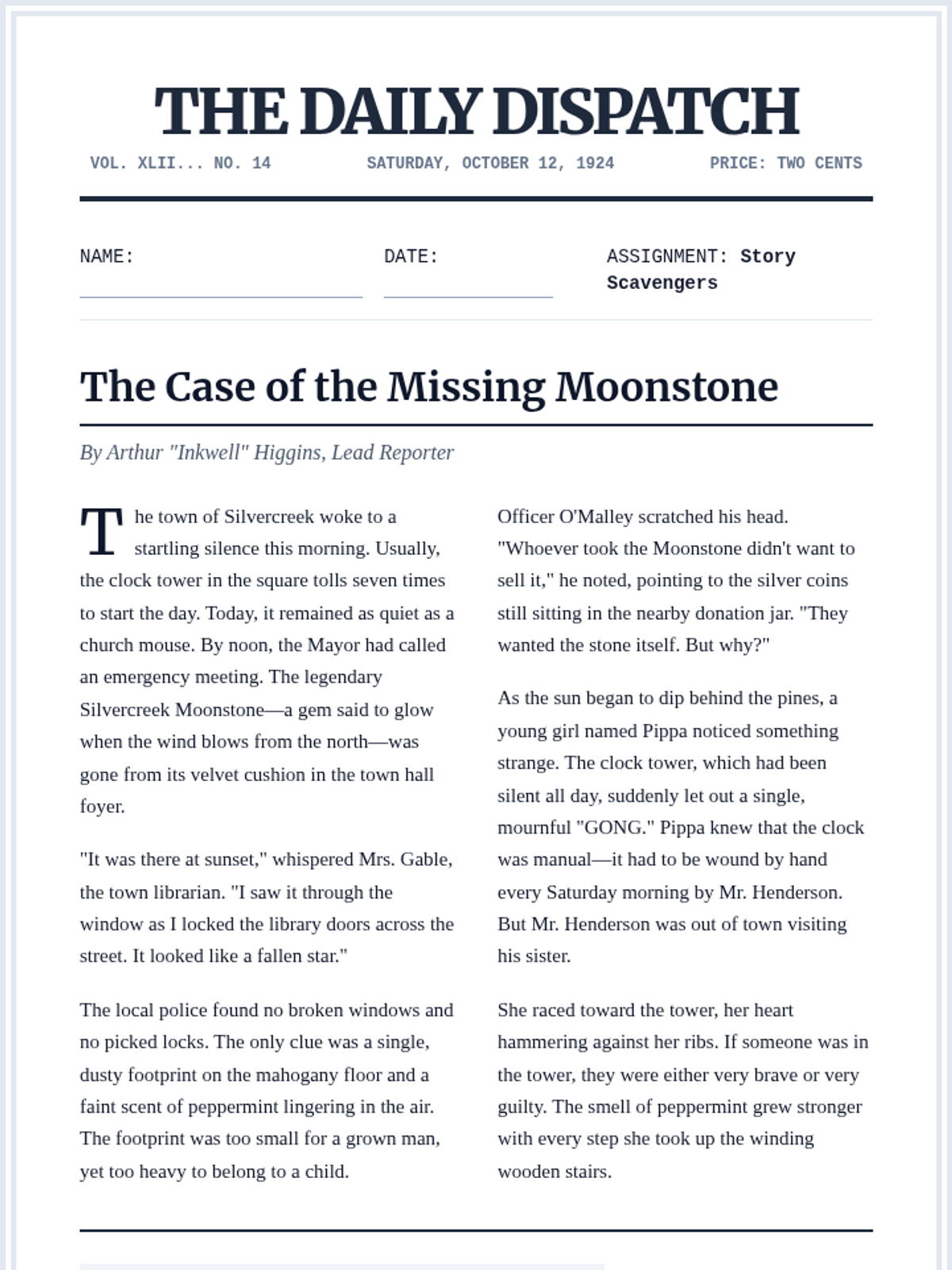
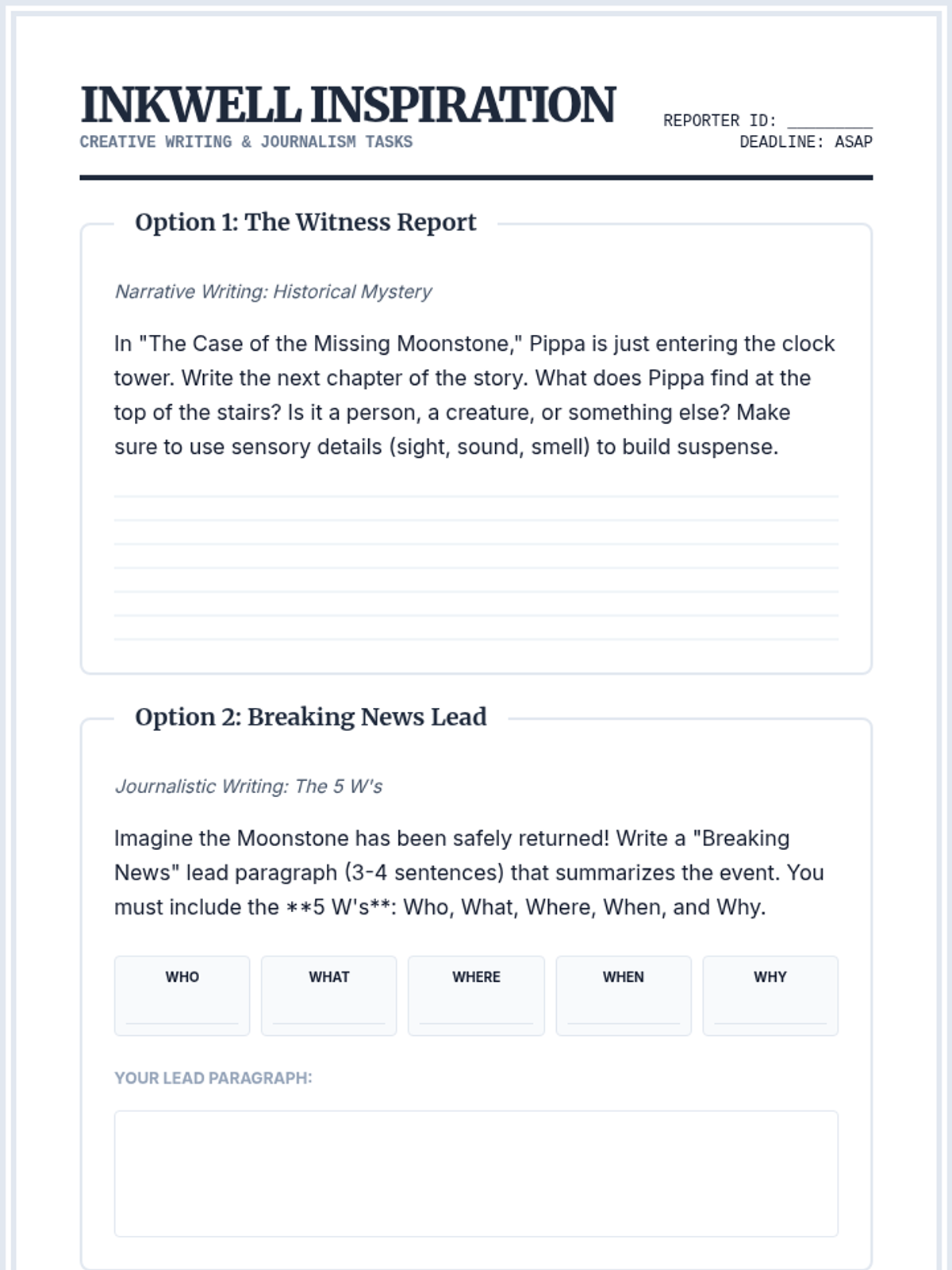
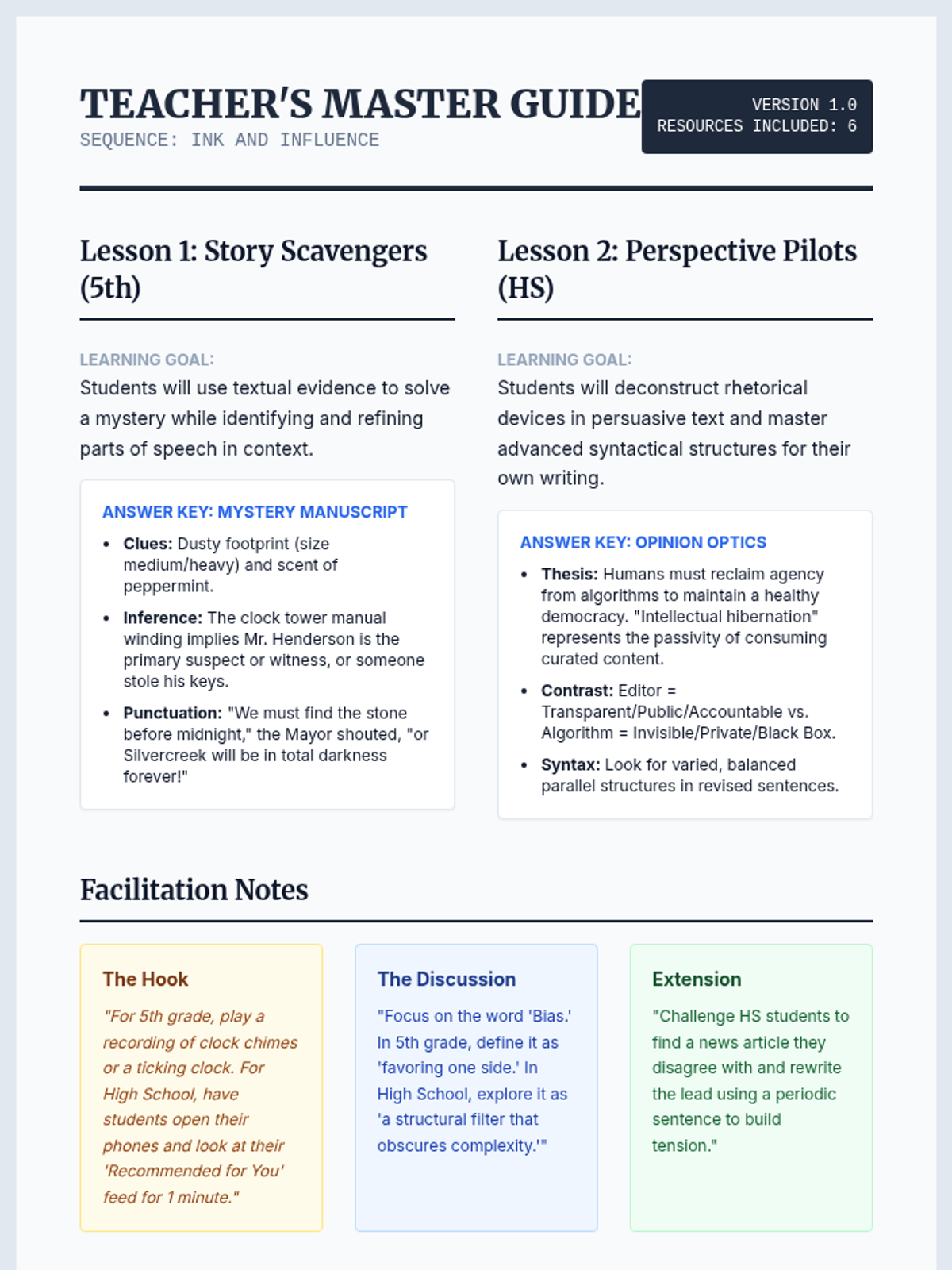
A comprehensive RLA sequence designed to sharpen reading comprehension, grammar, and writing skills through the lens of journalism. Students transition from foundational reporting in elementary school to sophisticated rhetorical analysis in high school, using a vintage newsroom aesthetic to explore the power of the written word.
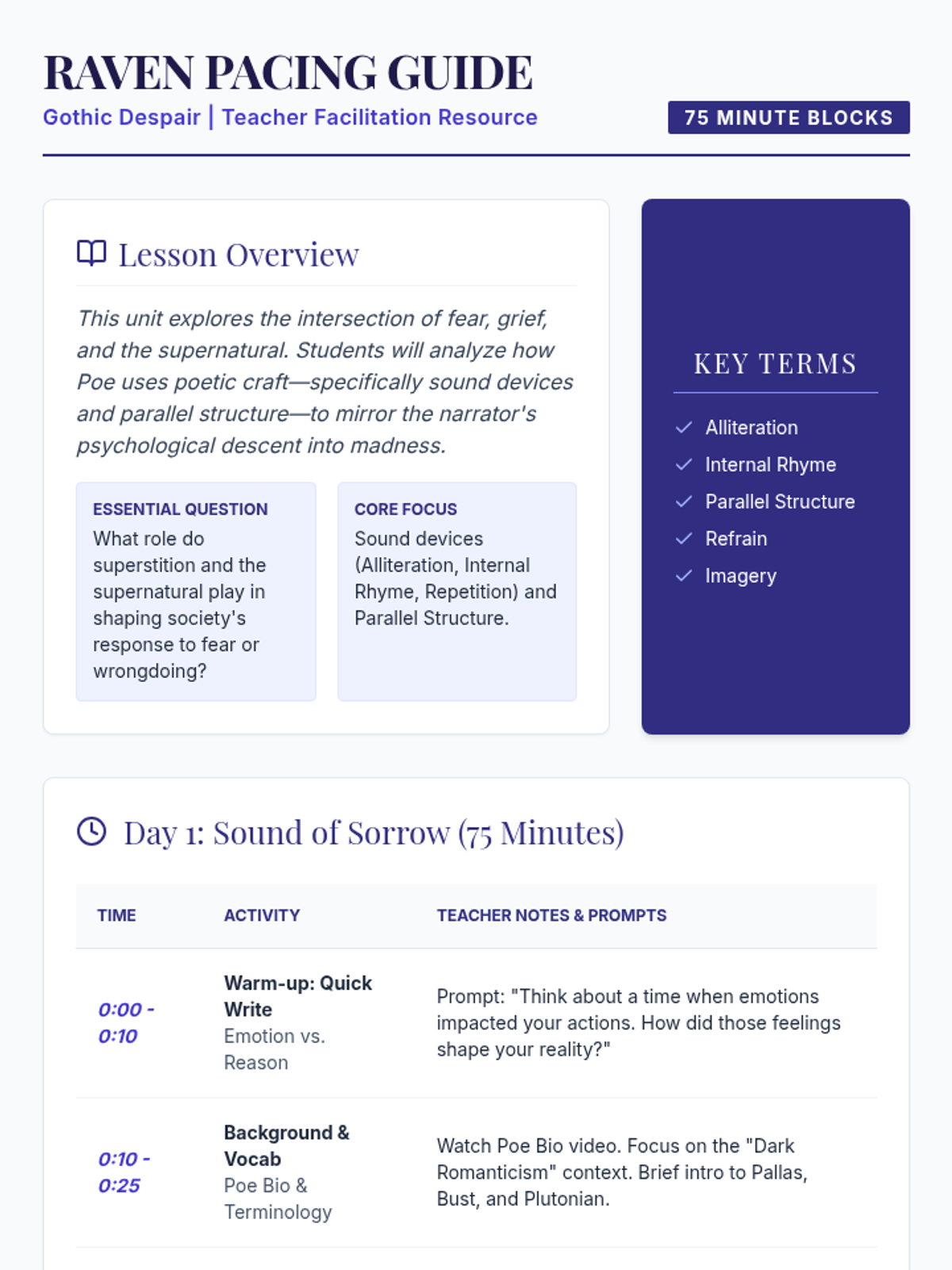
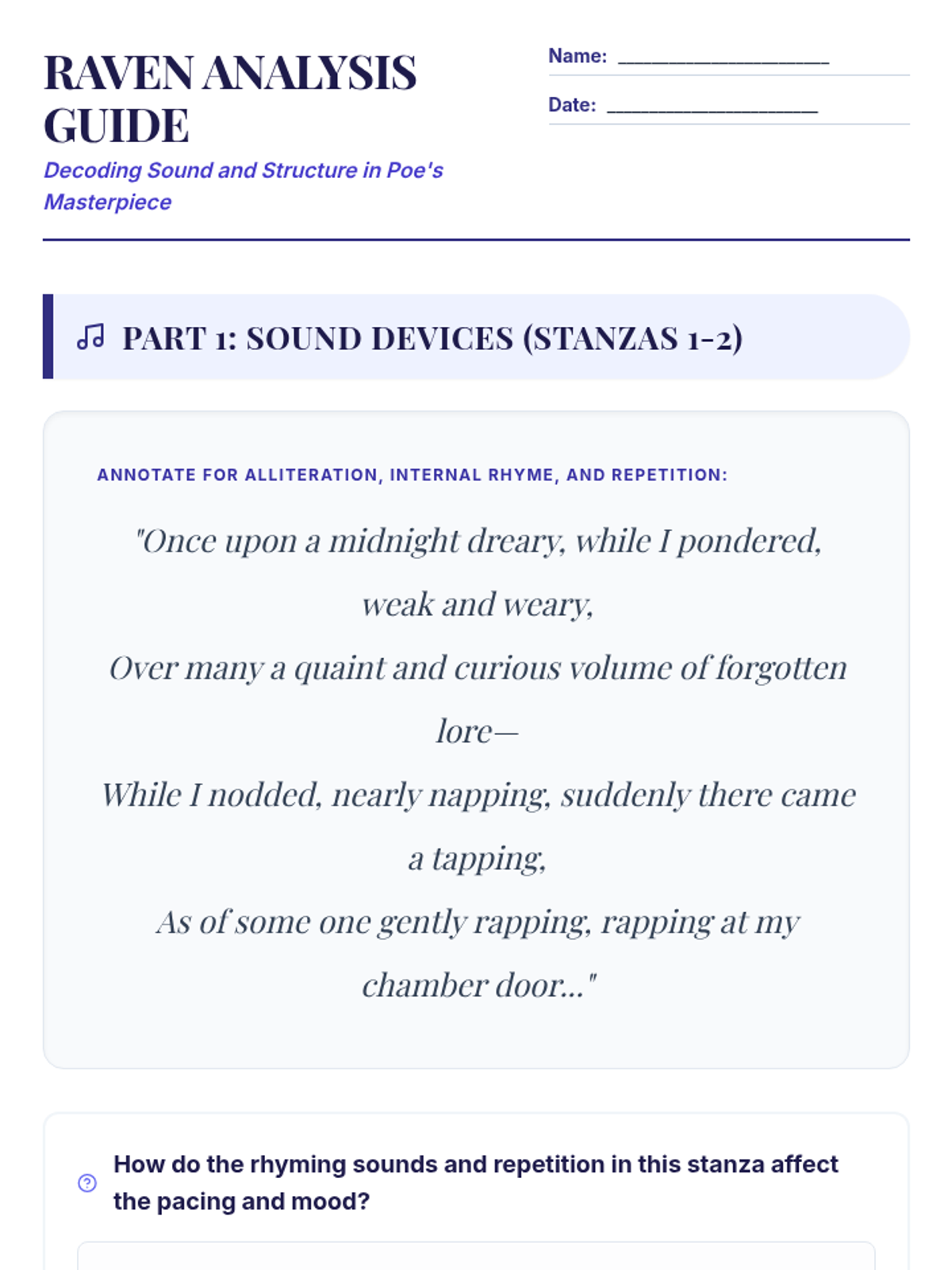
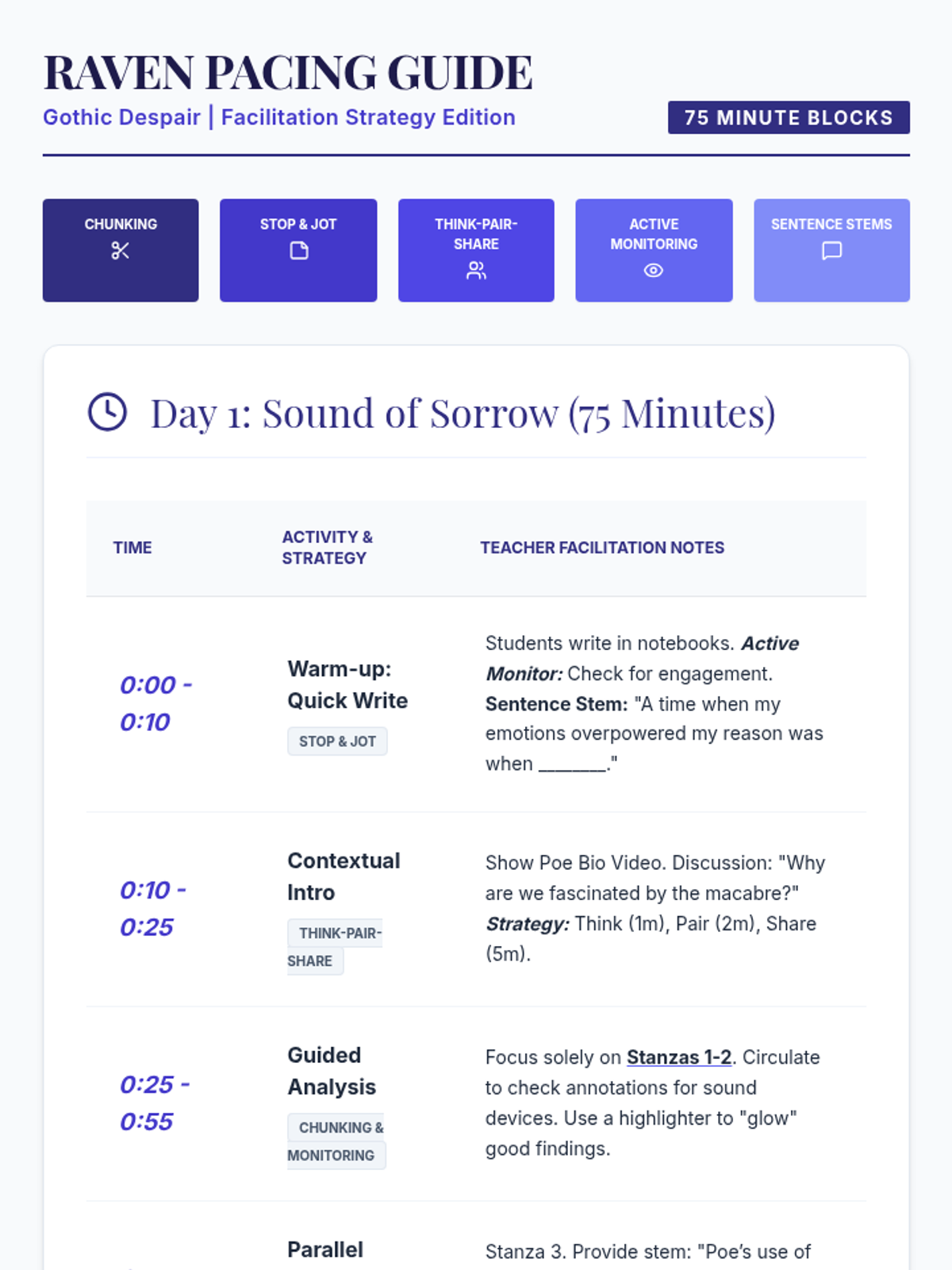
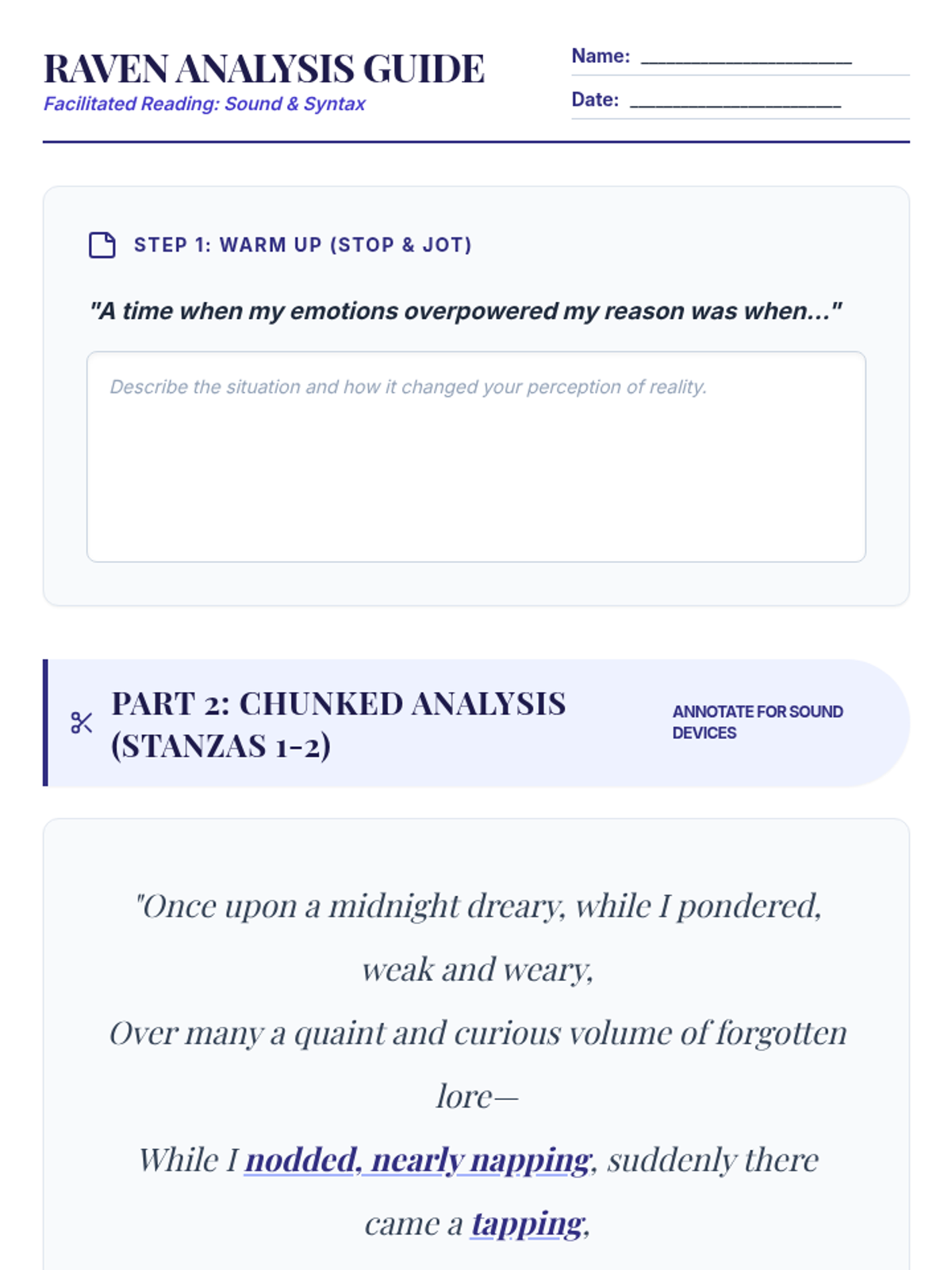
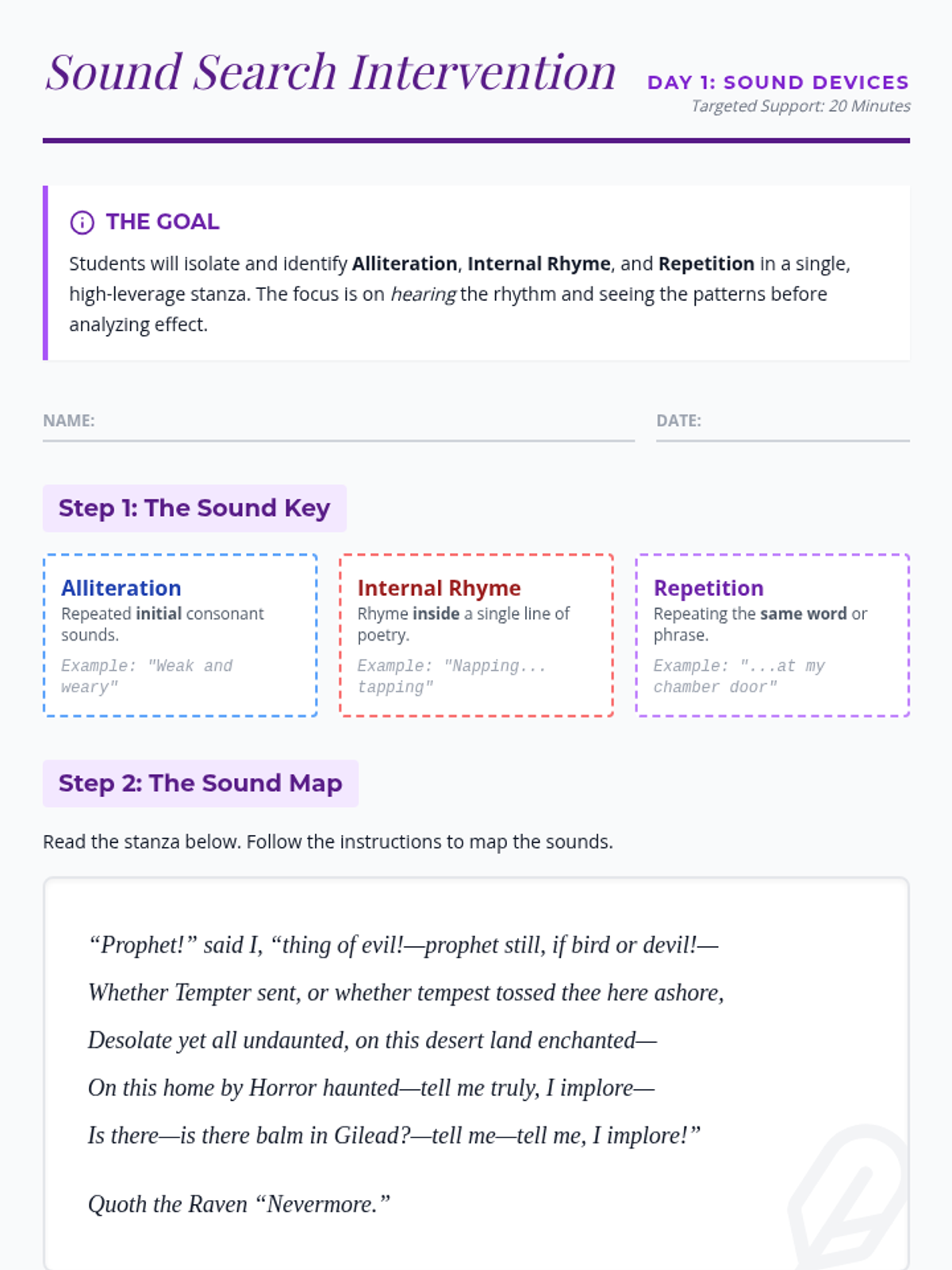
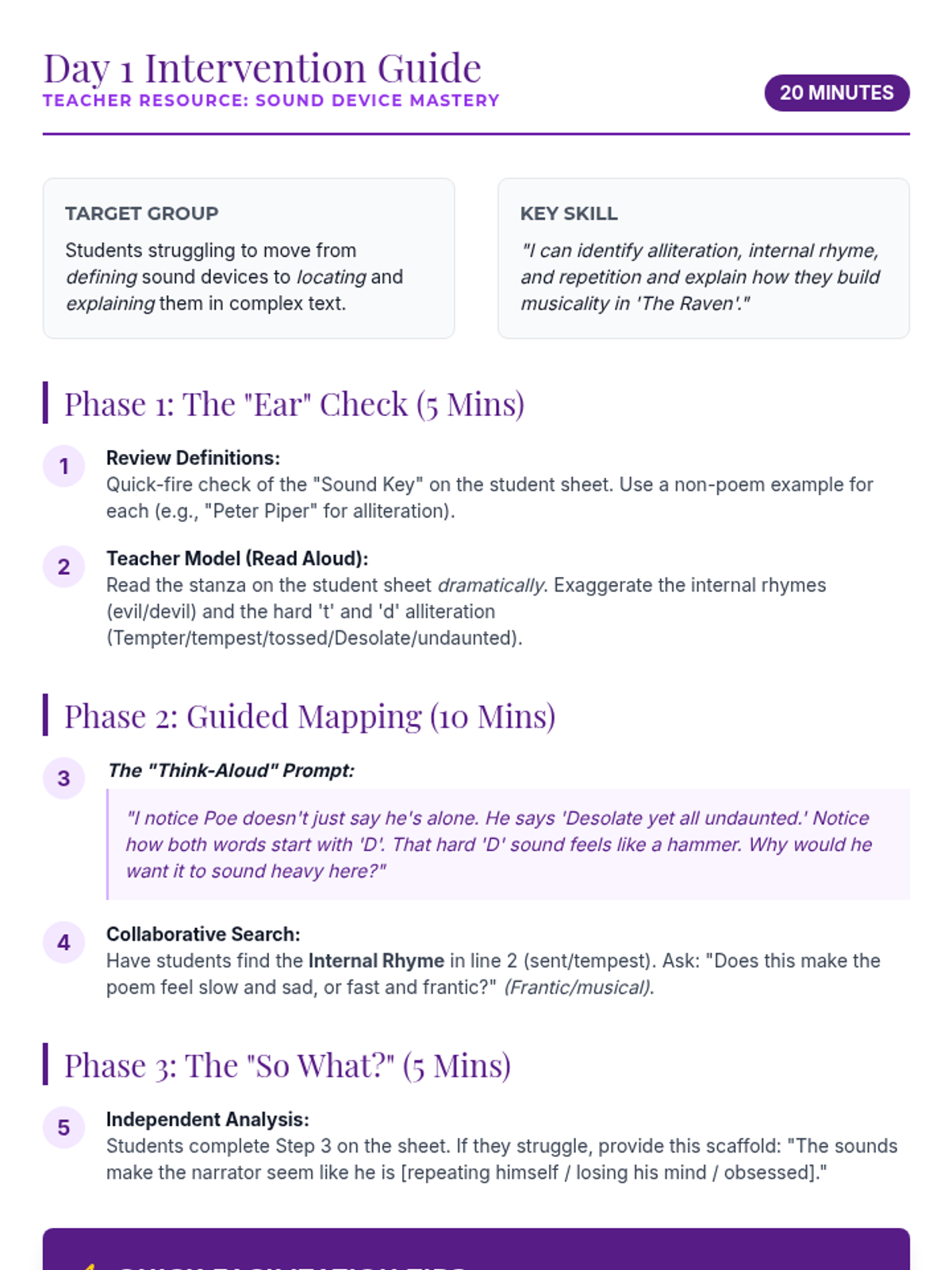
A two-day exploration of Edgar Allan Poe's 'The Raven', analyzing poetic craft, gothic elements, and the emotional descent of the narrator through creative performance tasks and analytical writing.
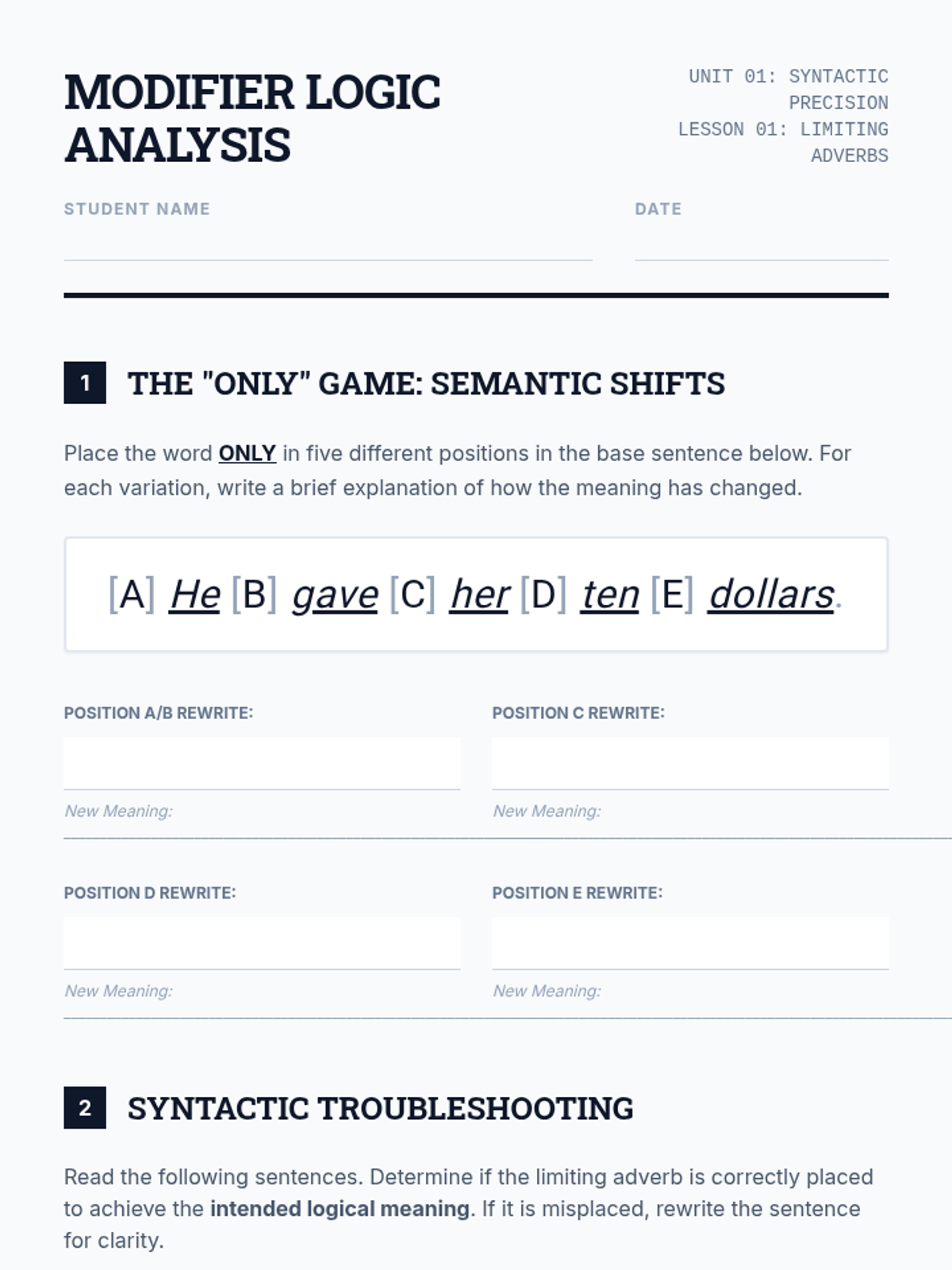
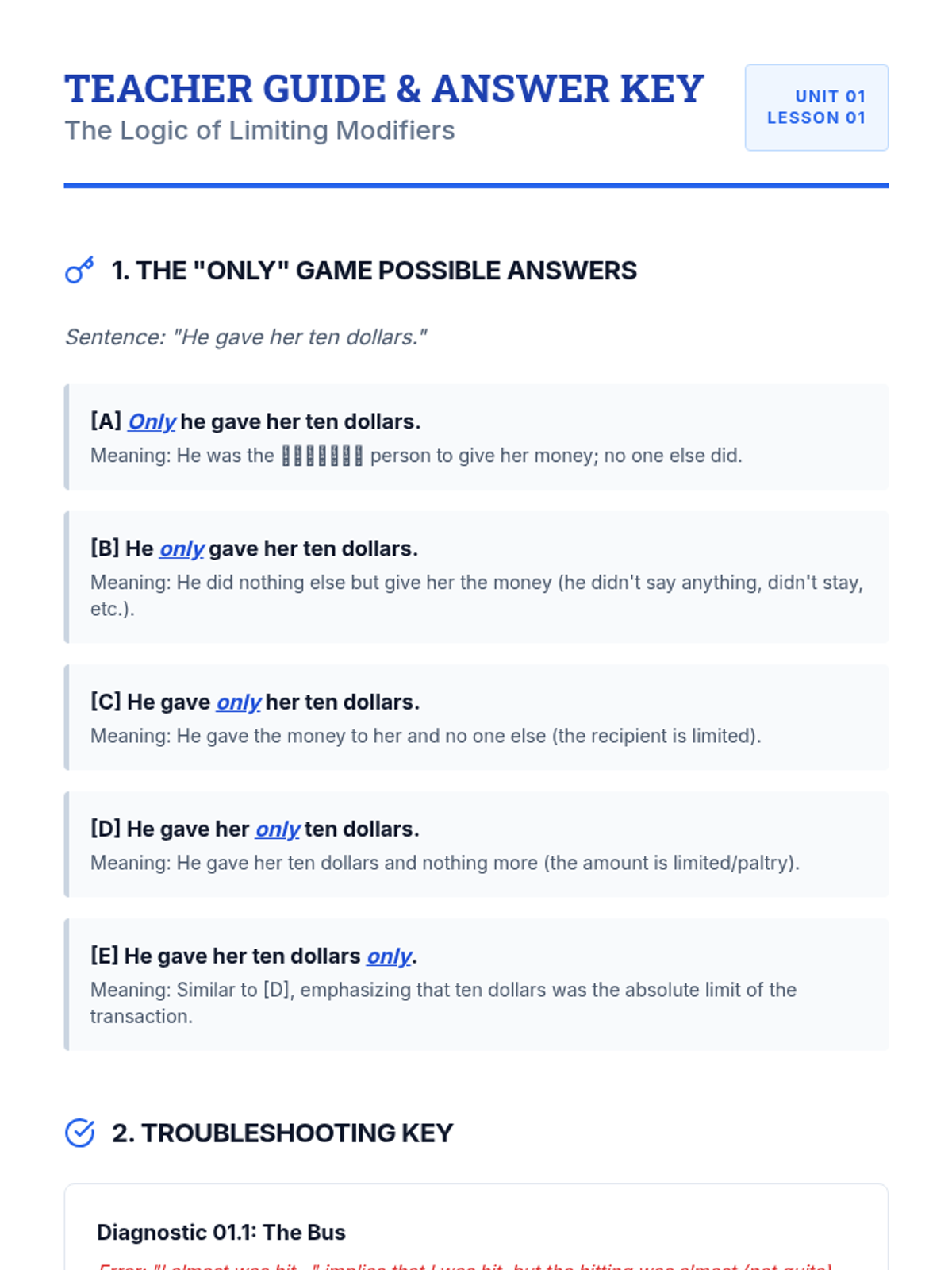
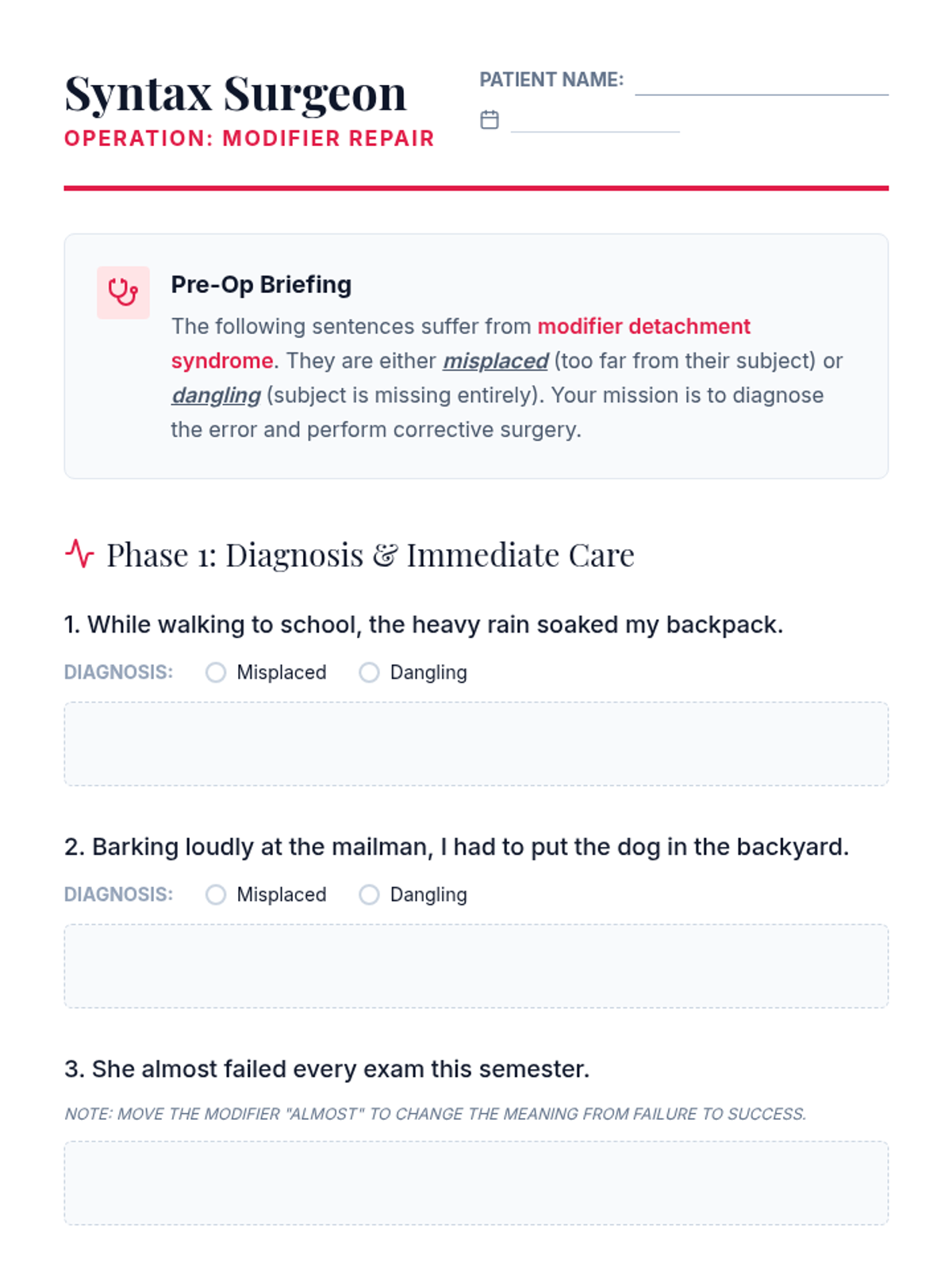
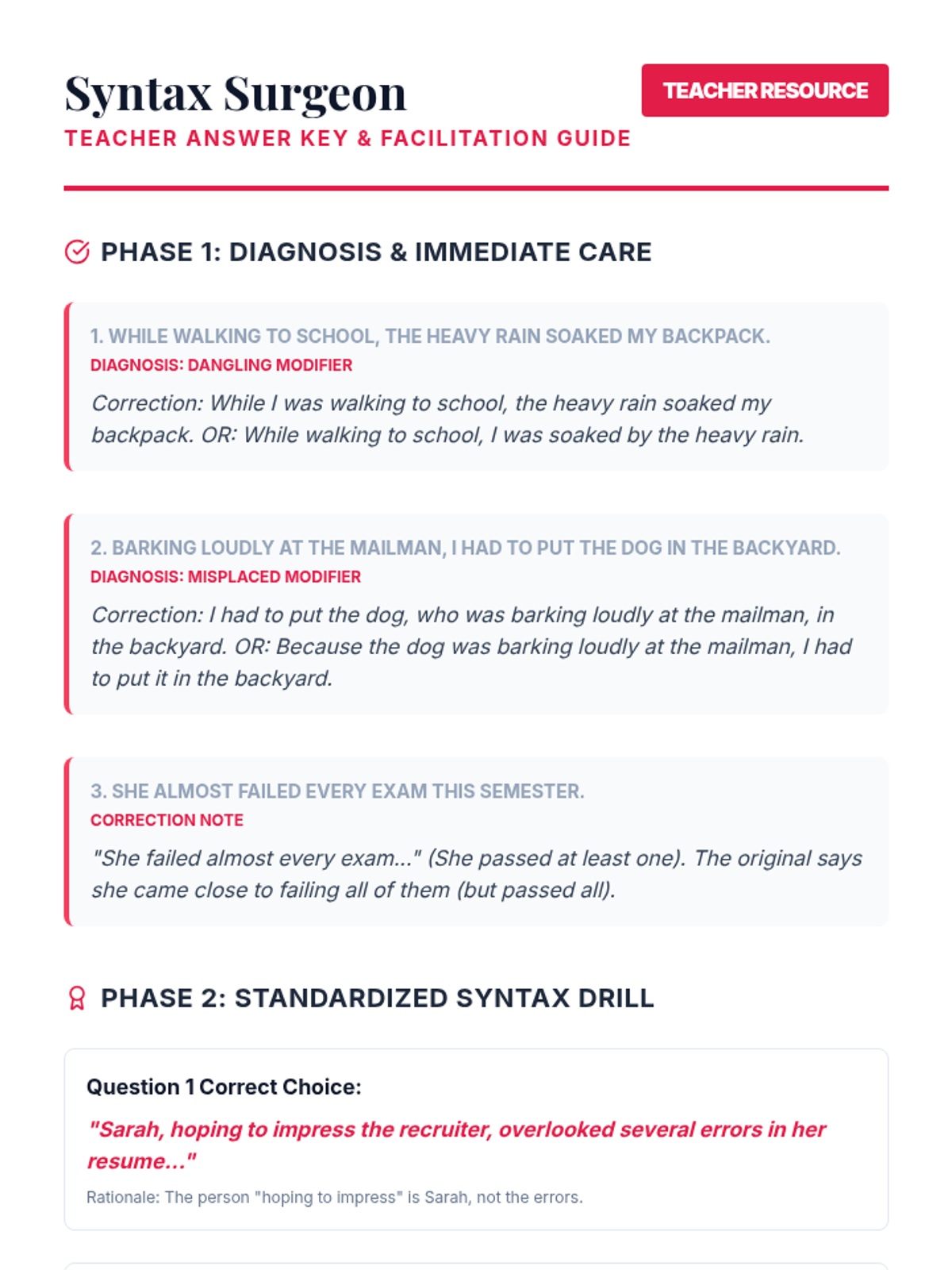
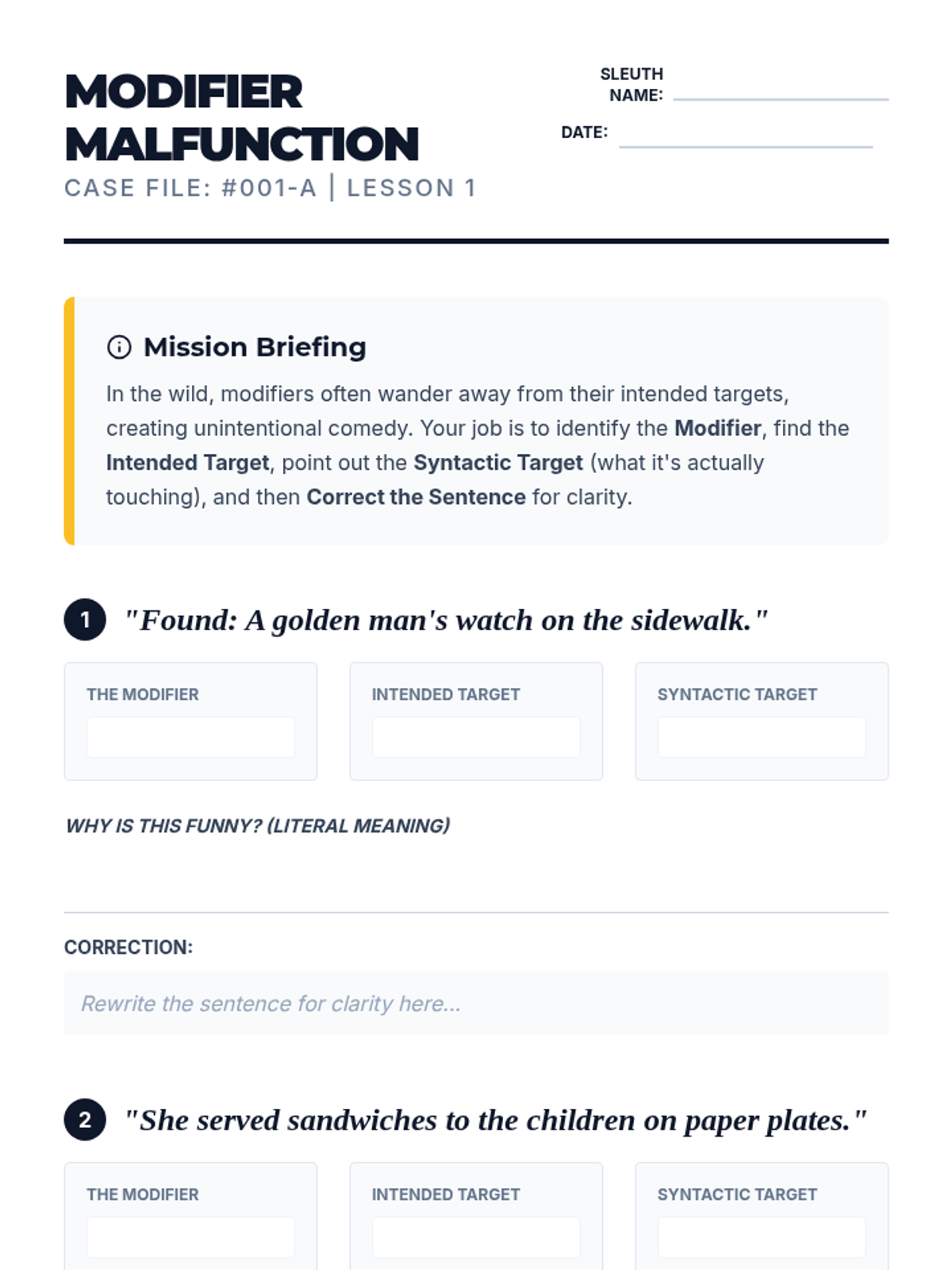
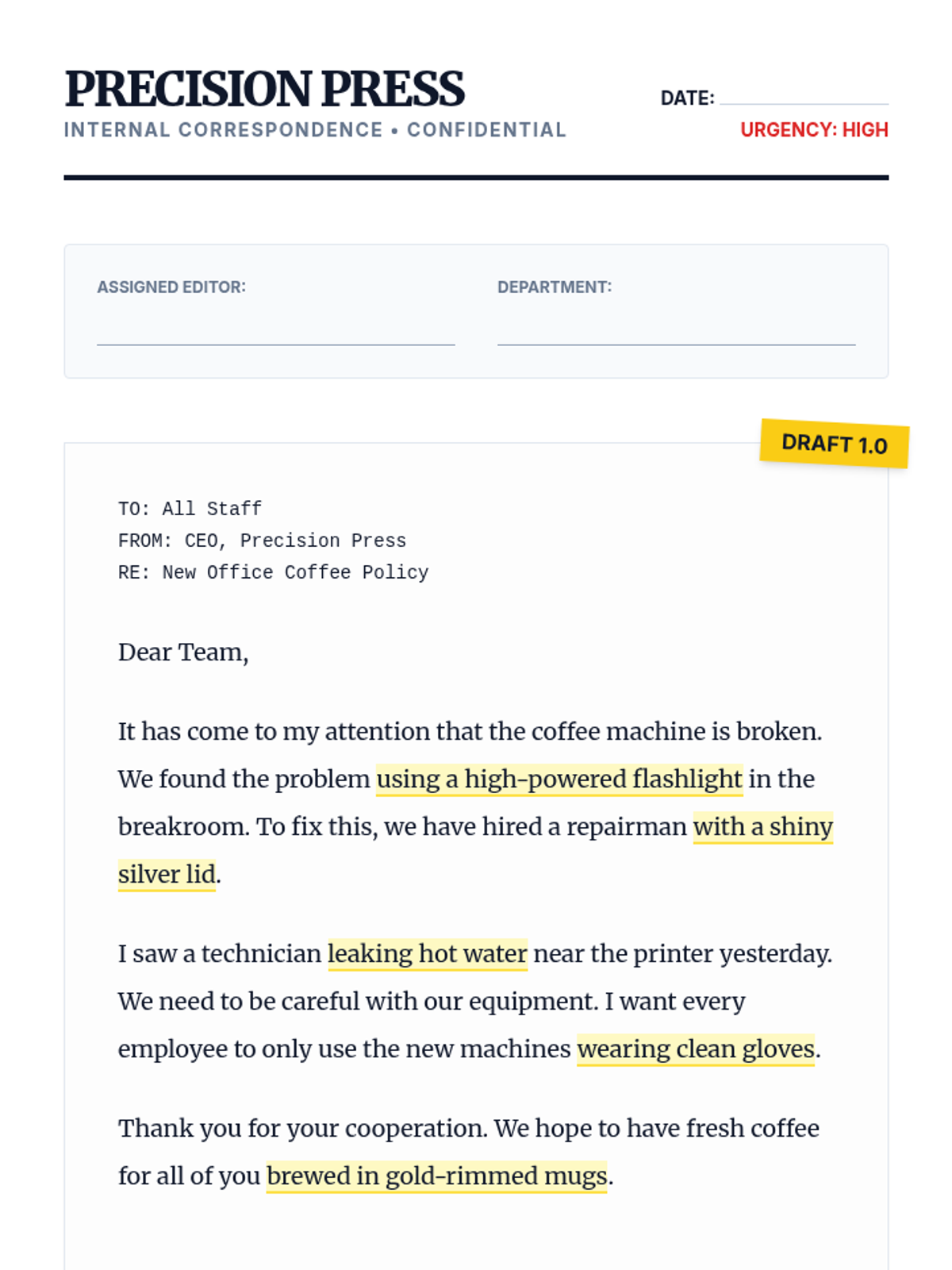
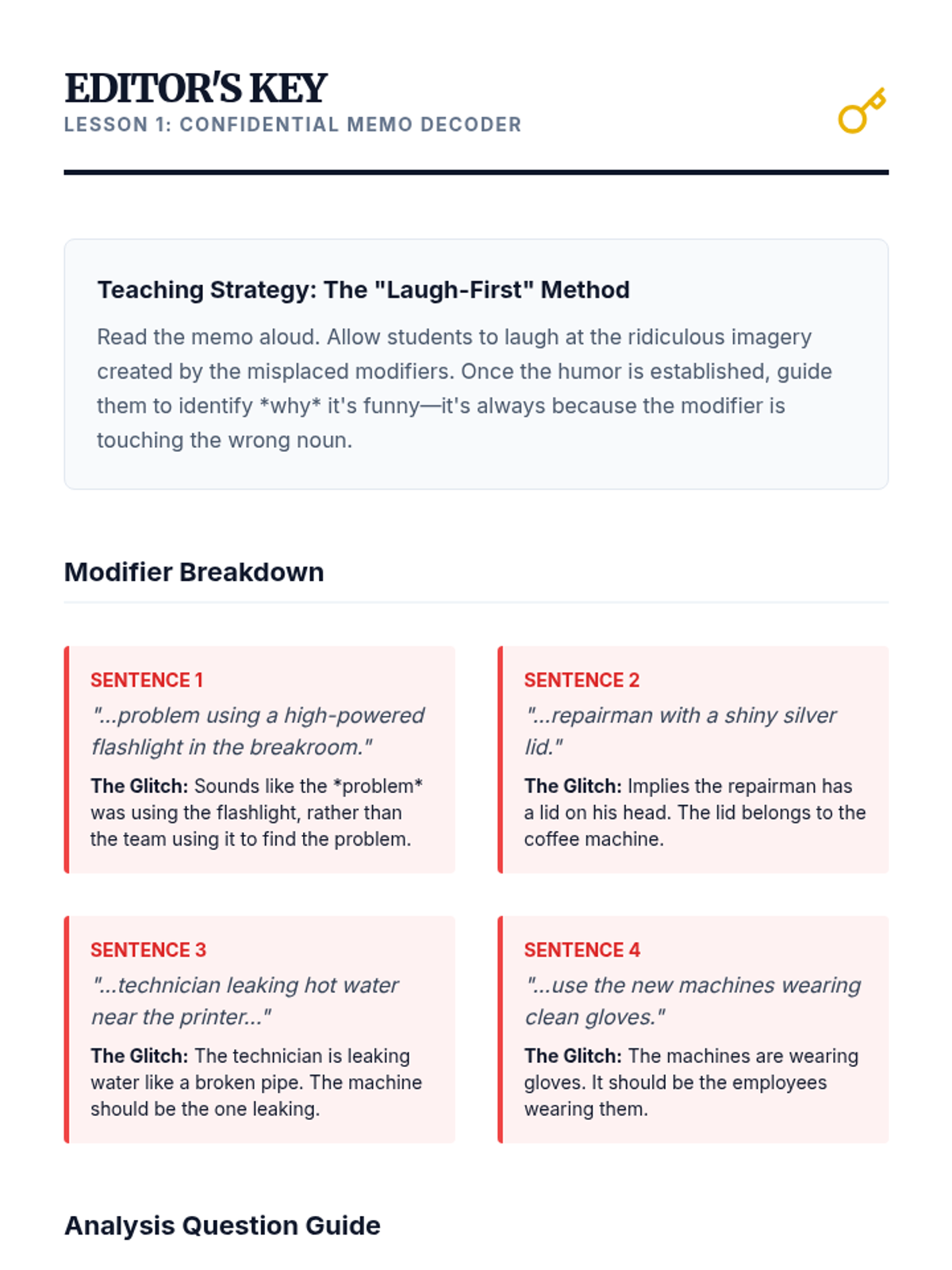
A high-level grammar unit for 11th-grade students focusing on the precise use of modifiers to enhance syntactic clarity and logic. Students move from basic placement to complex hyphenation and sophisticated sentence construction.
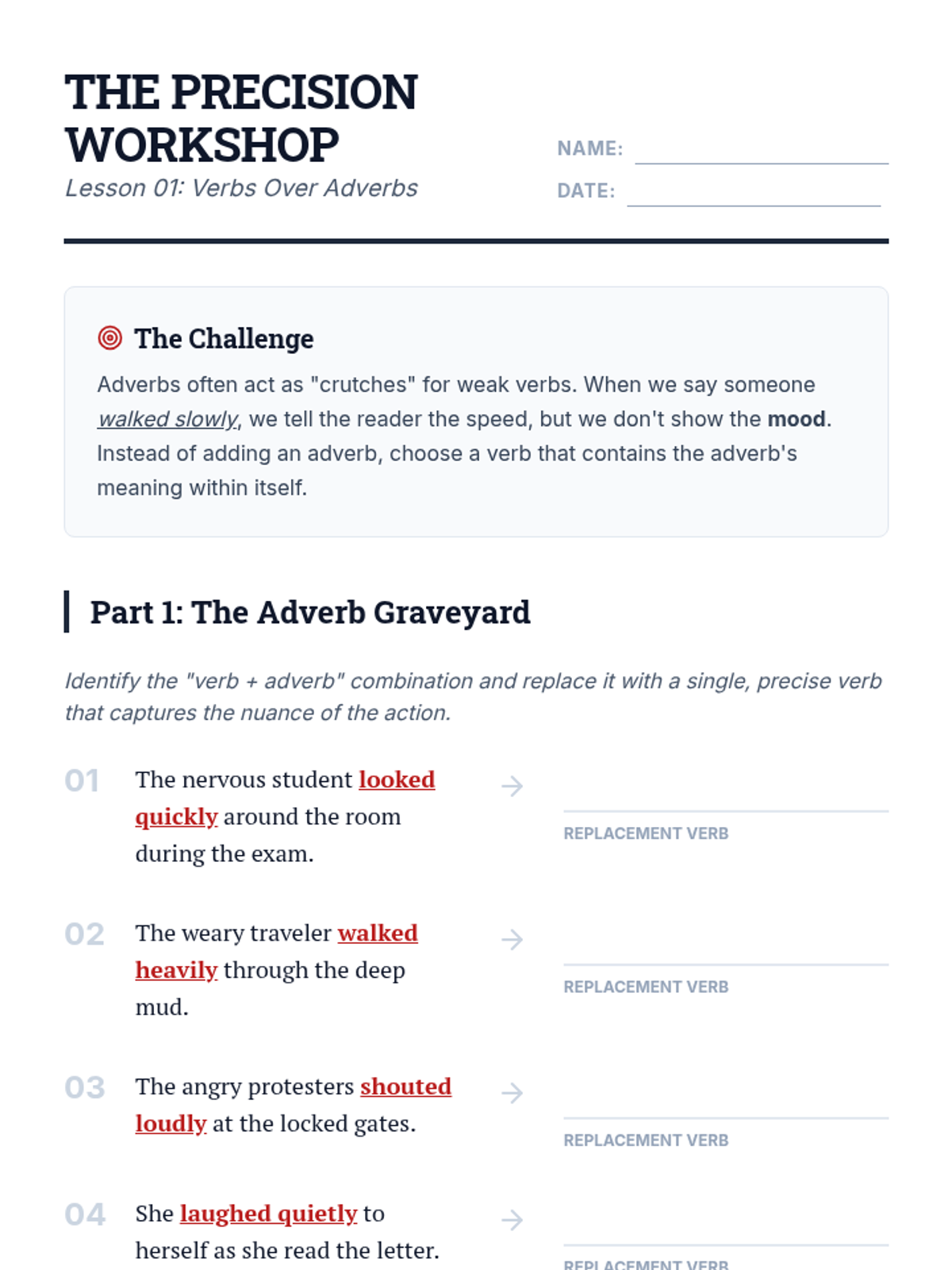
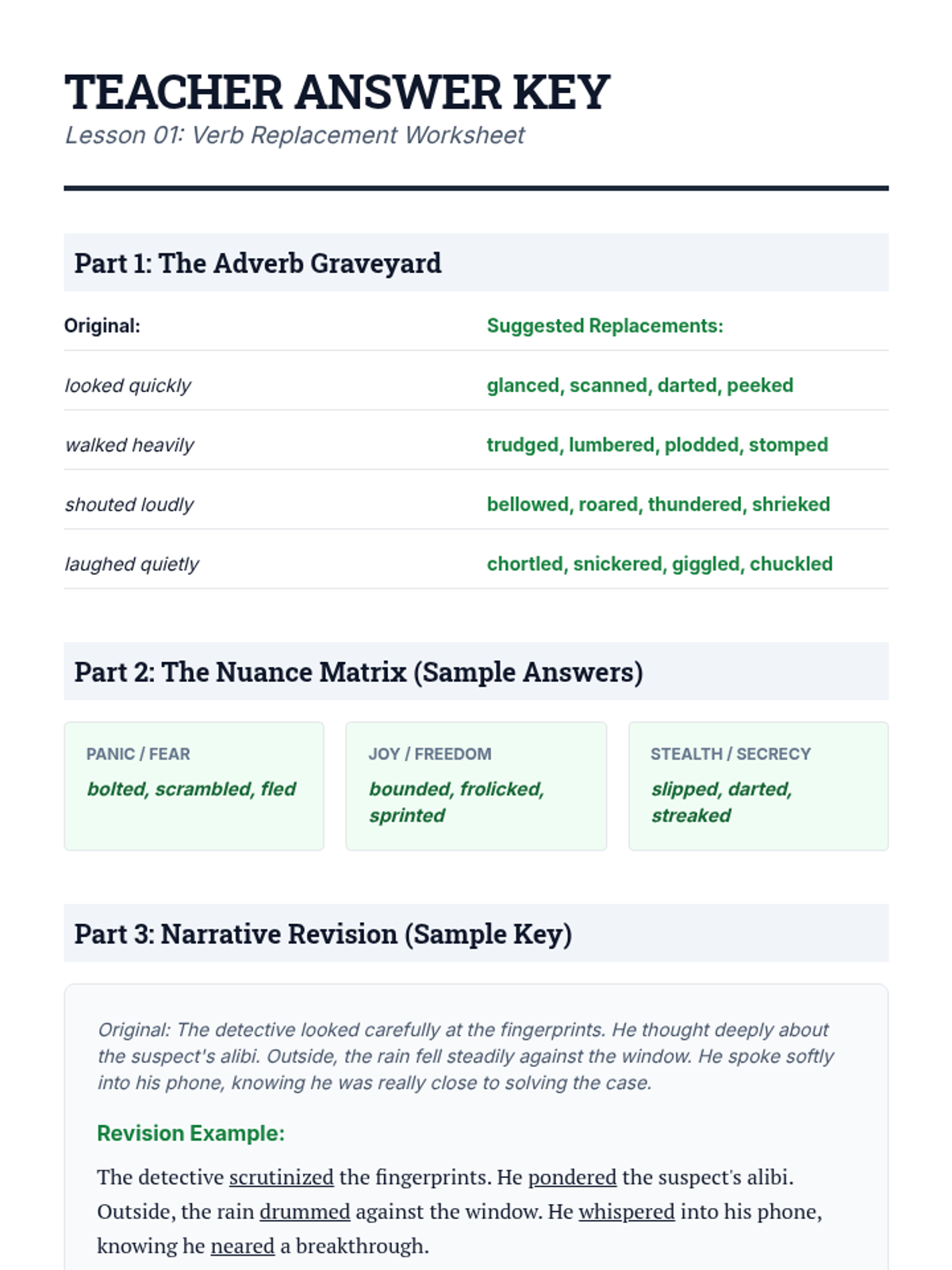
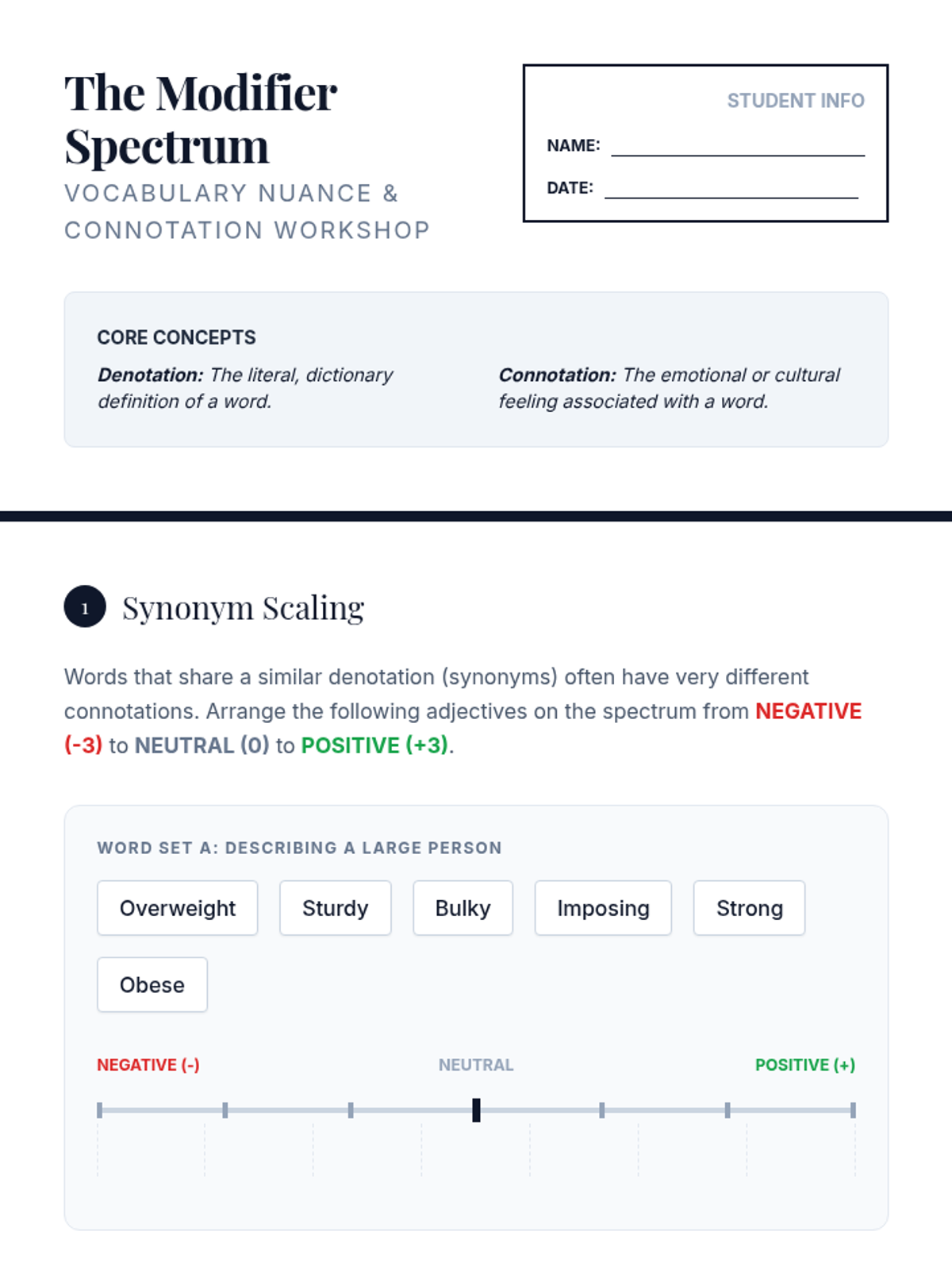
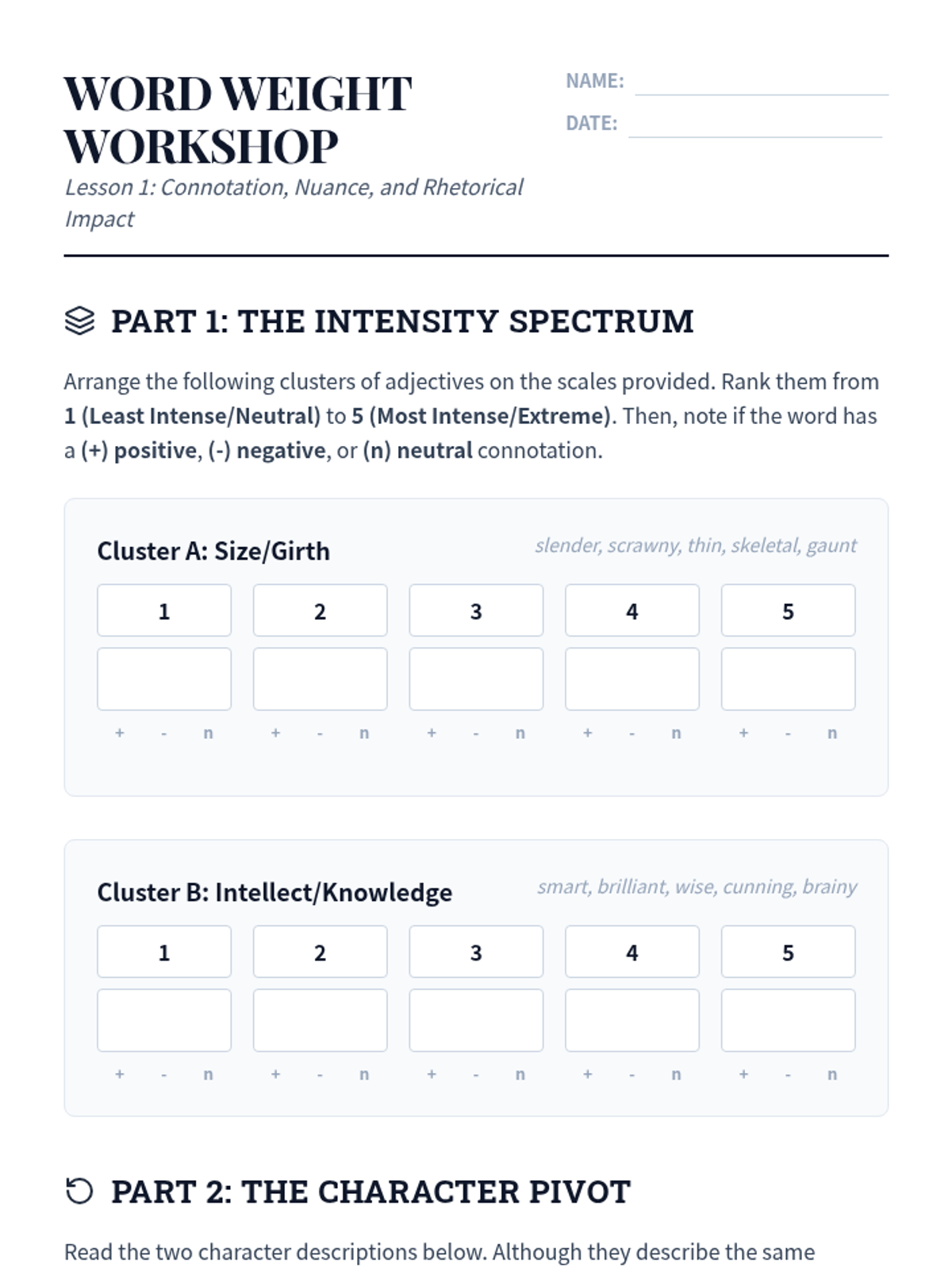
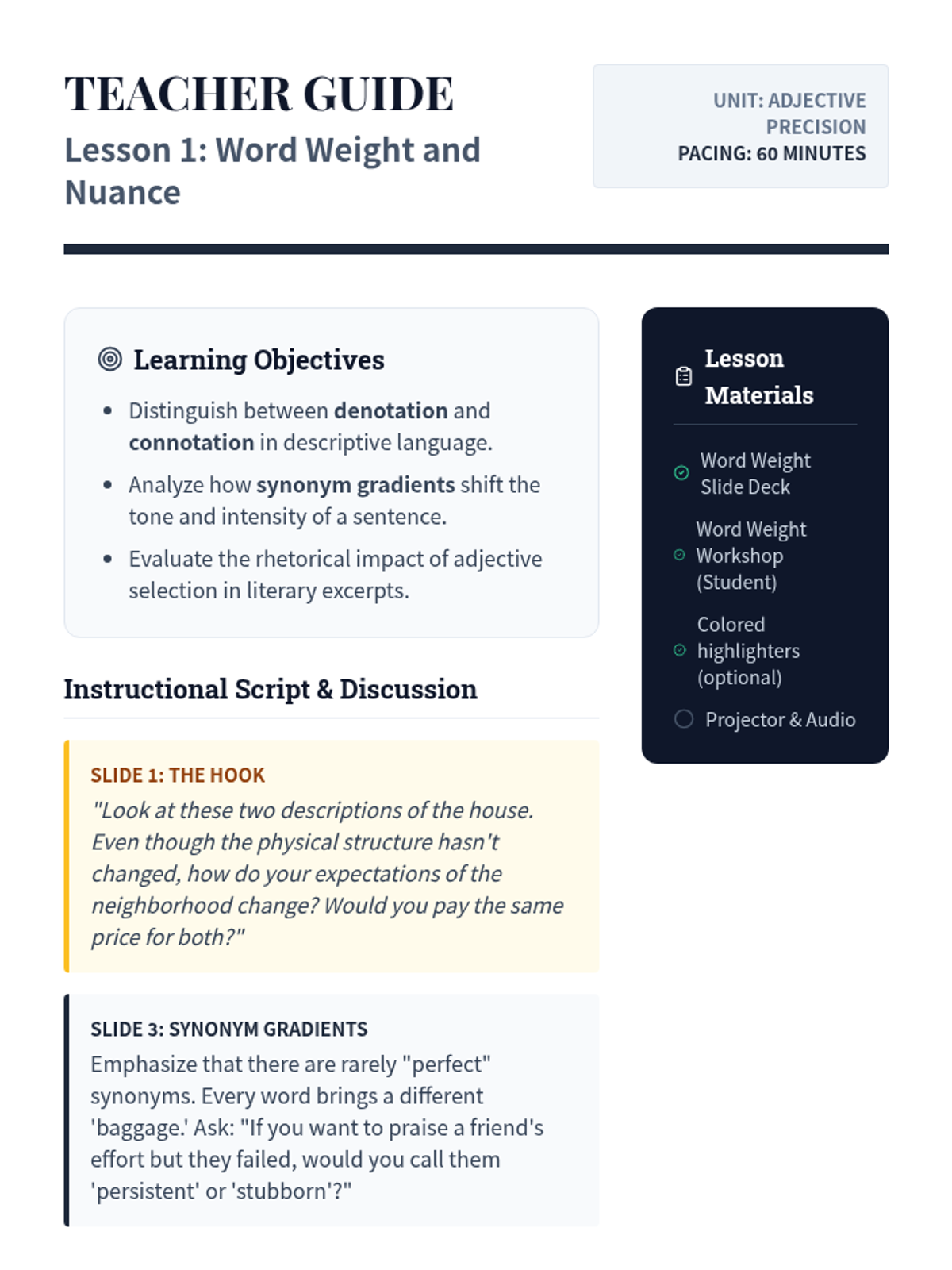
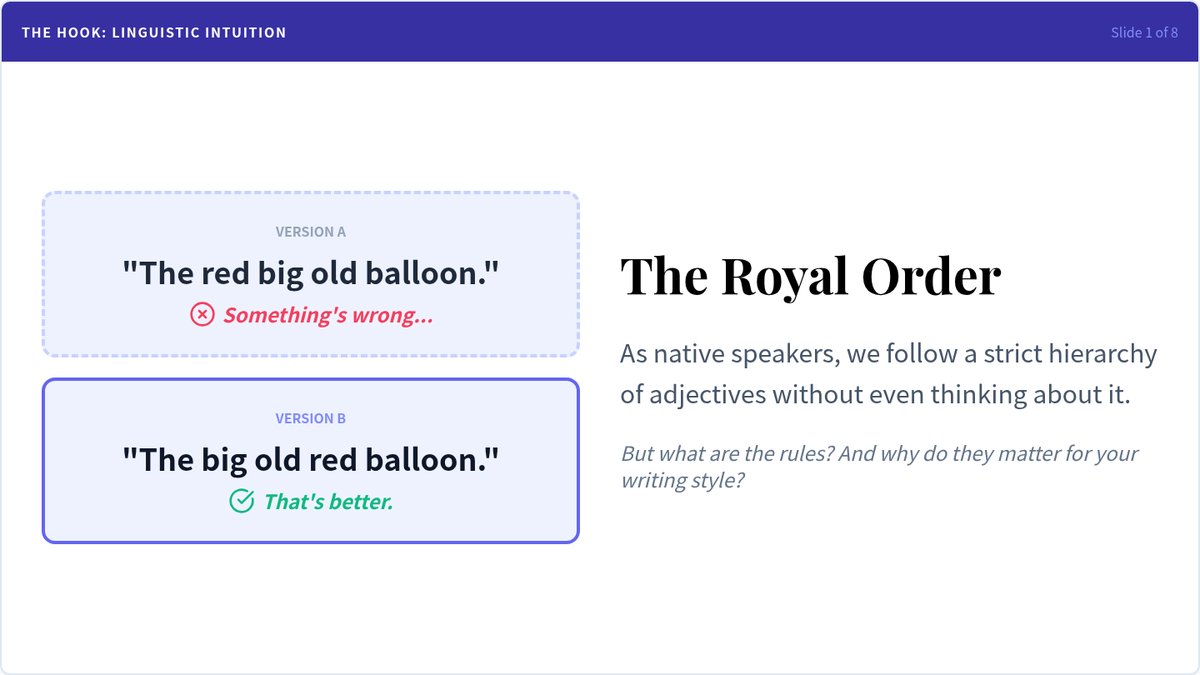
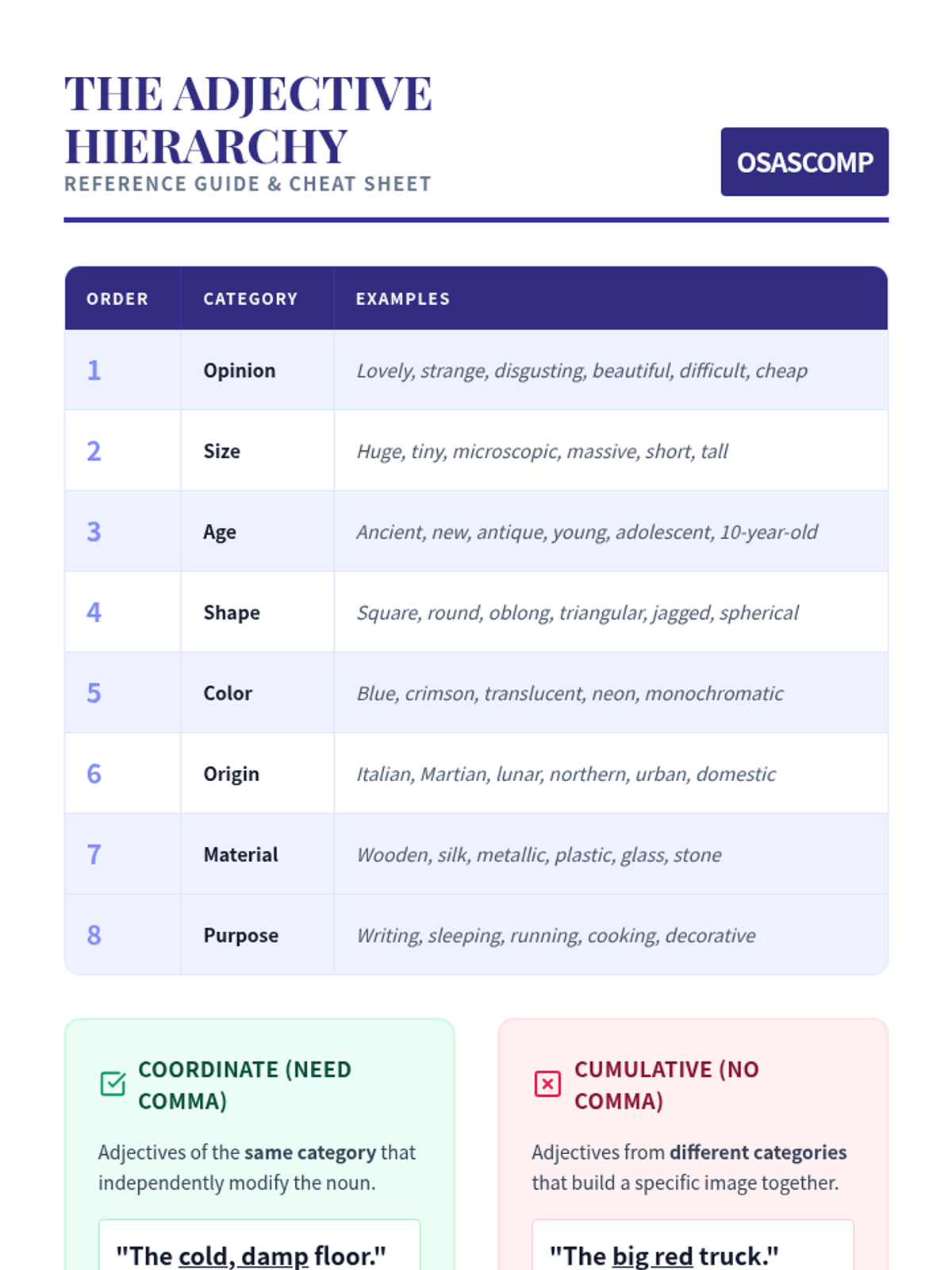
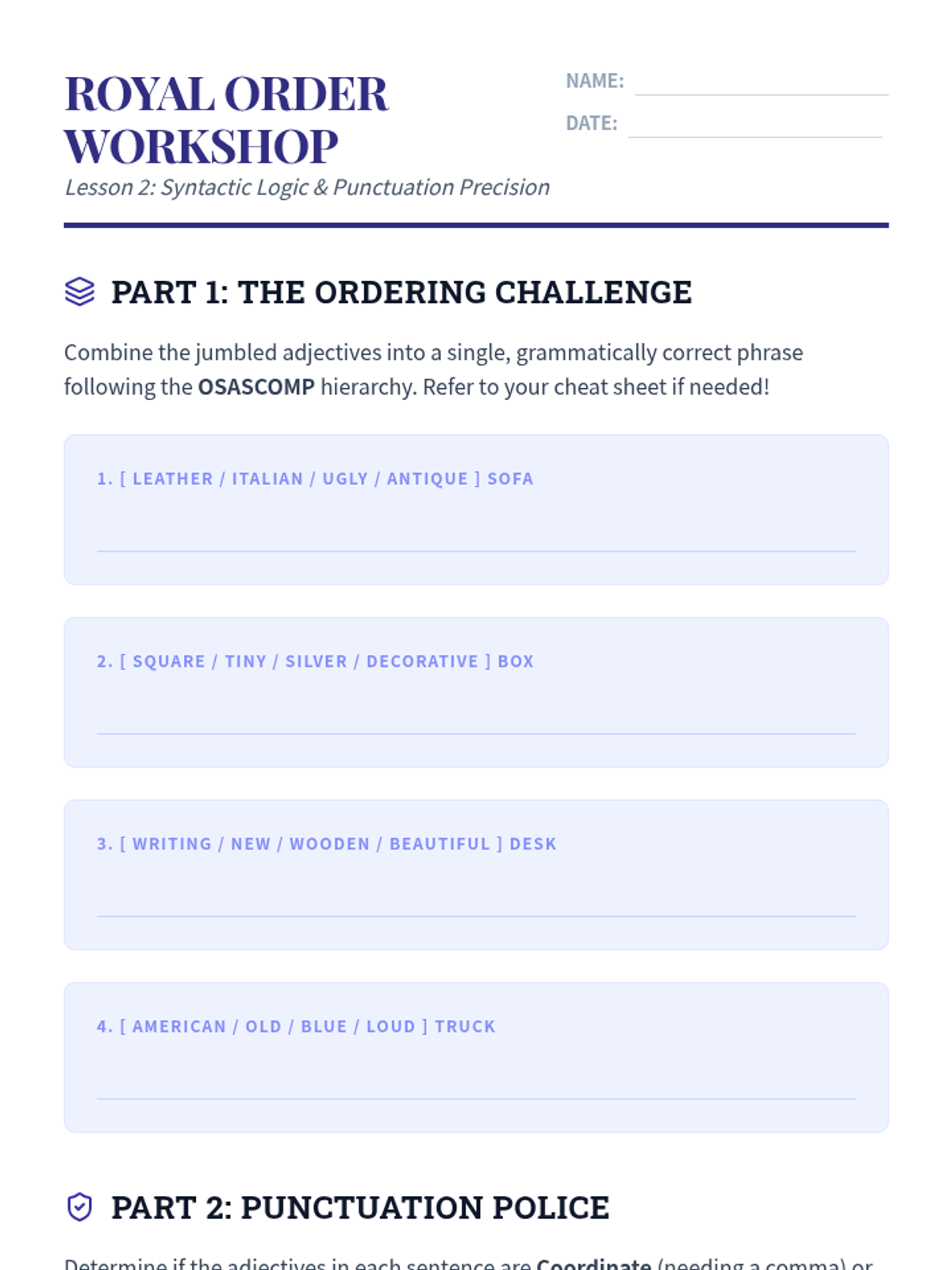
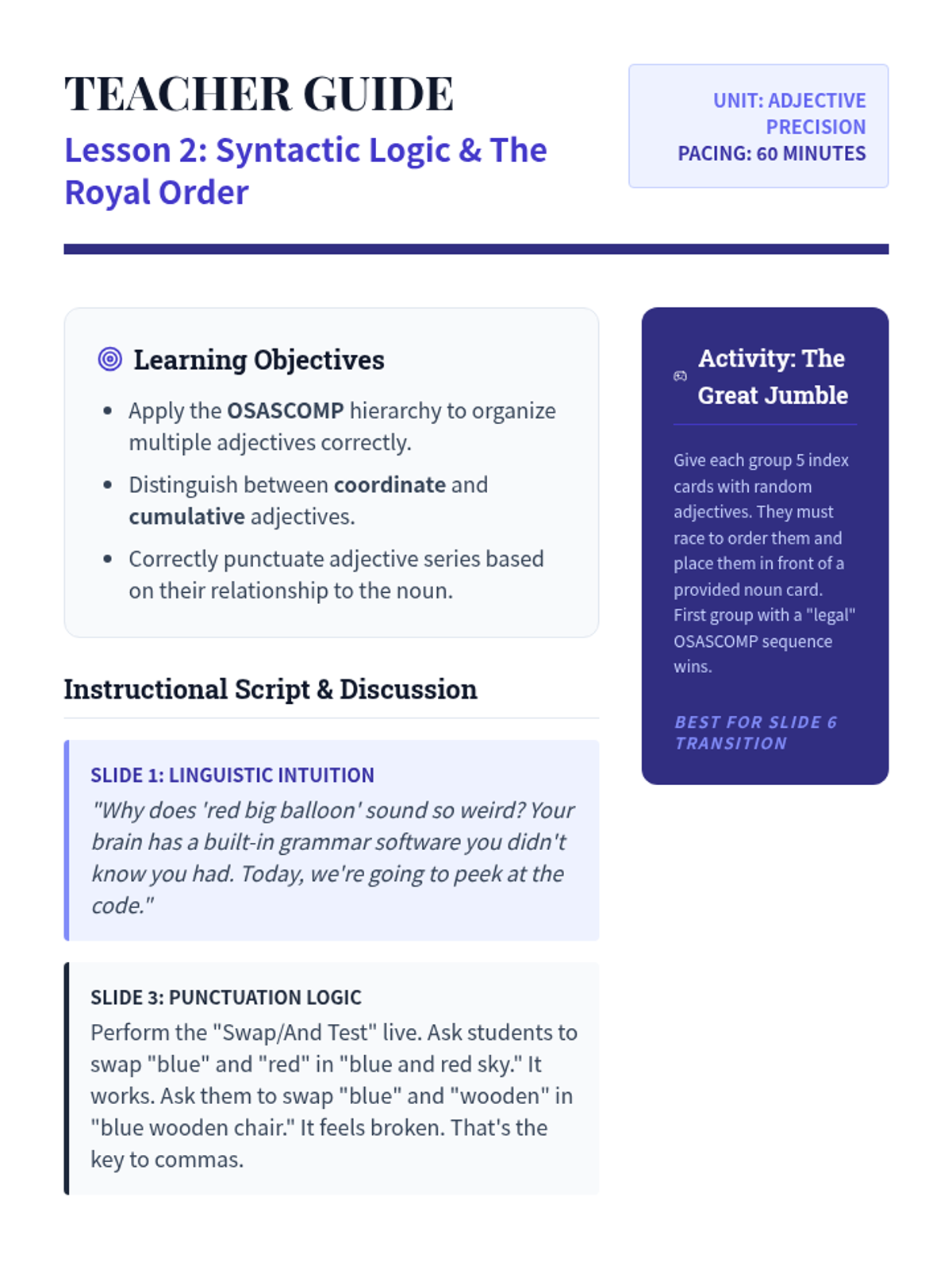
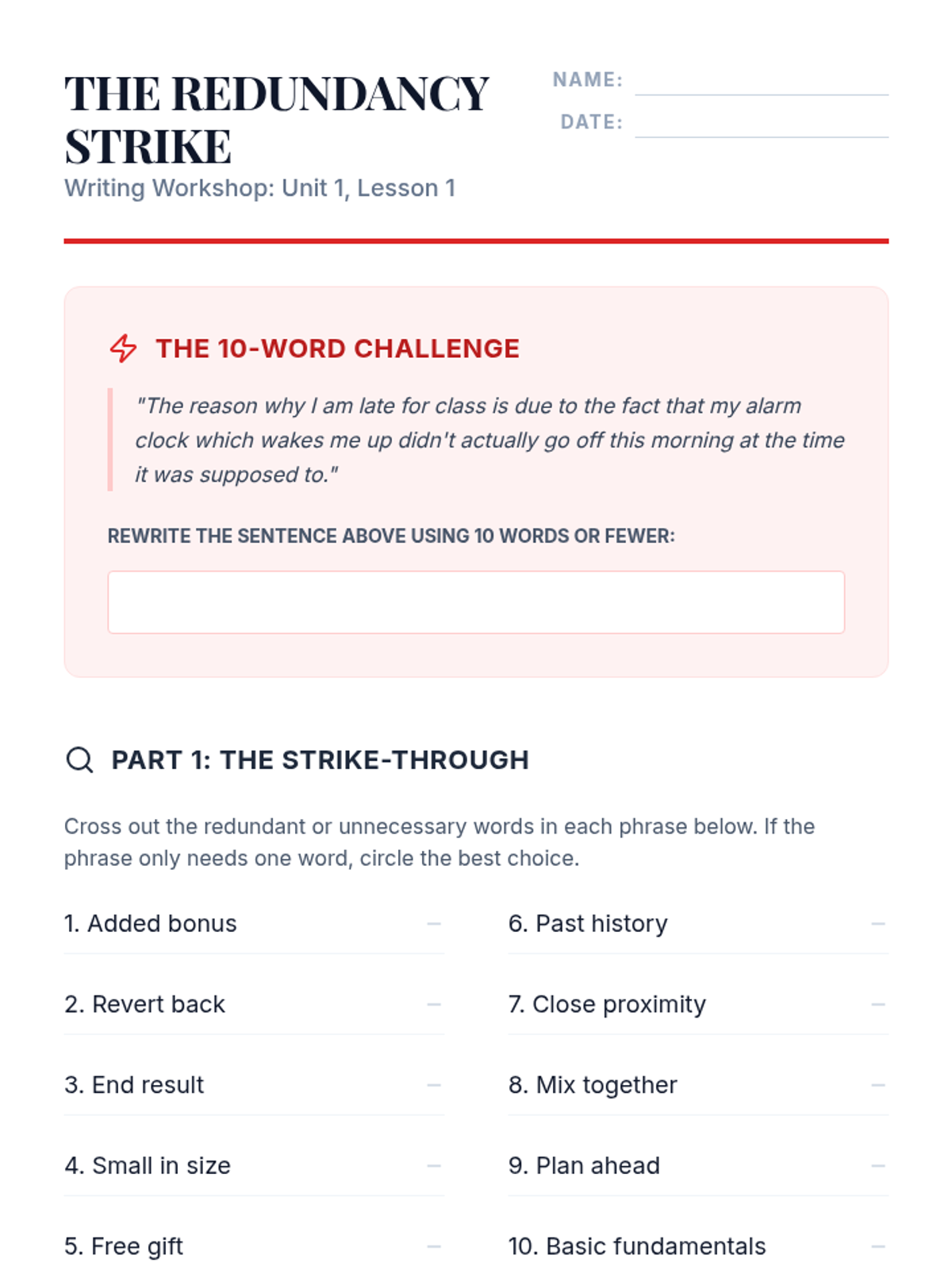
A 5-lesson workshop-style sequence for 11th grade ELA focusing on the precise use of adjectives and adverbs. Students move from replacing weak adverbs with strong verbs to mastering the nuances of cumulative vs. coordinate adjectives and eliminating redundancy.
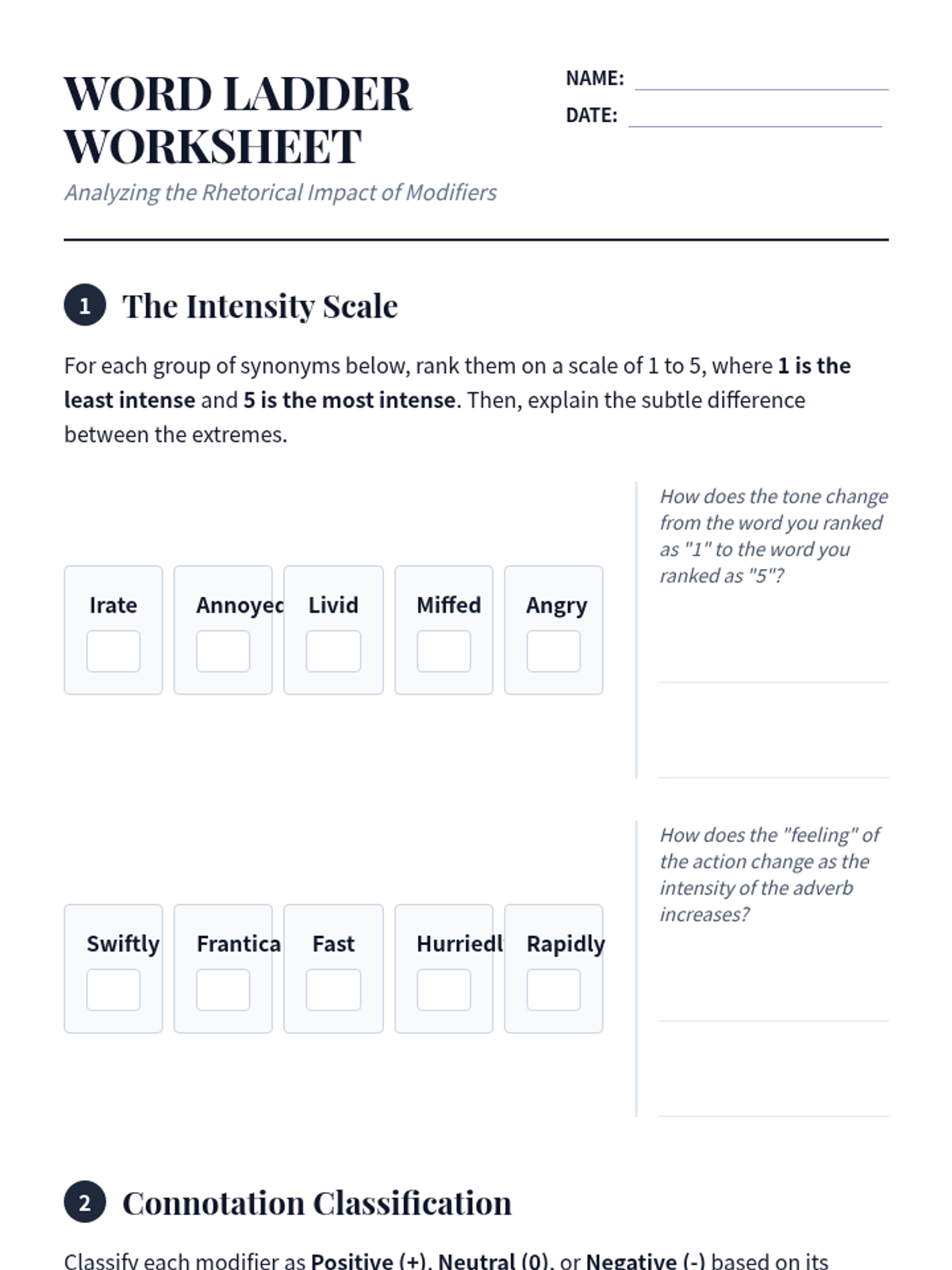
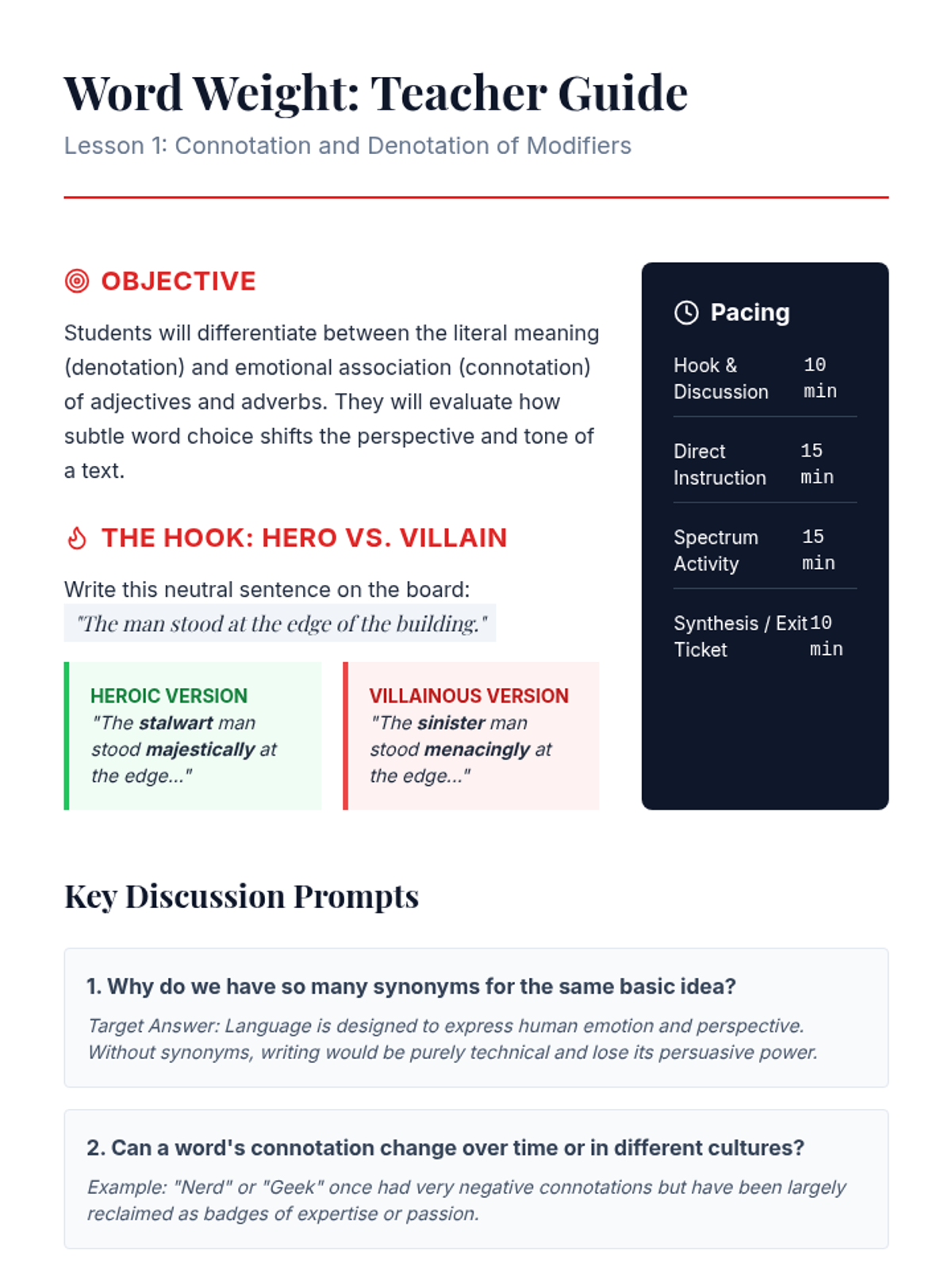
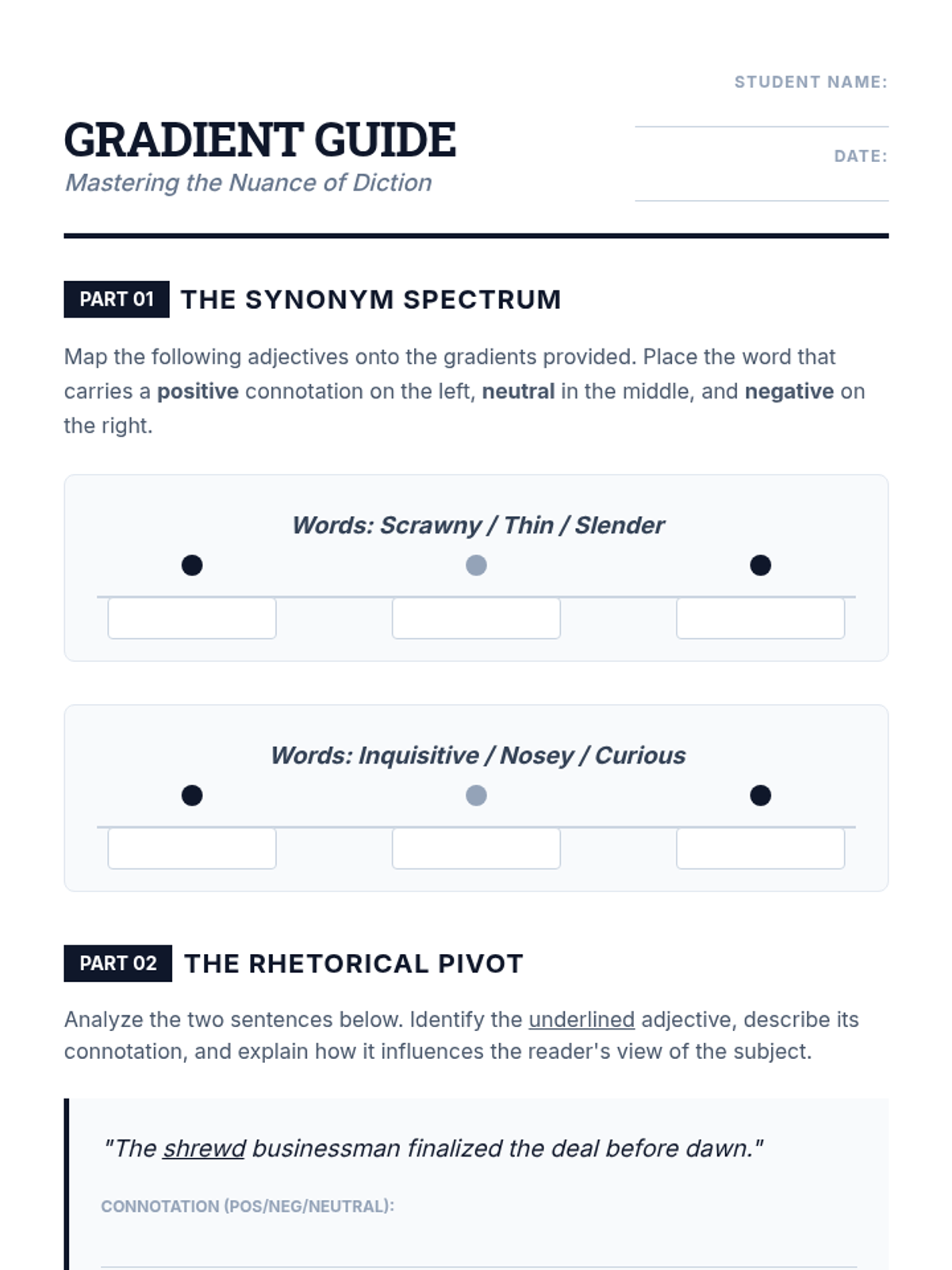
A high school ELA sequence exploring how adjectives and adverbs function as rhetorical tools to shape tone, atmosphere, and narrator reliability. Students progress from analyzing simple connotations to writing full rhetorical analyses of modifier choices in classic and modern texts.
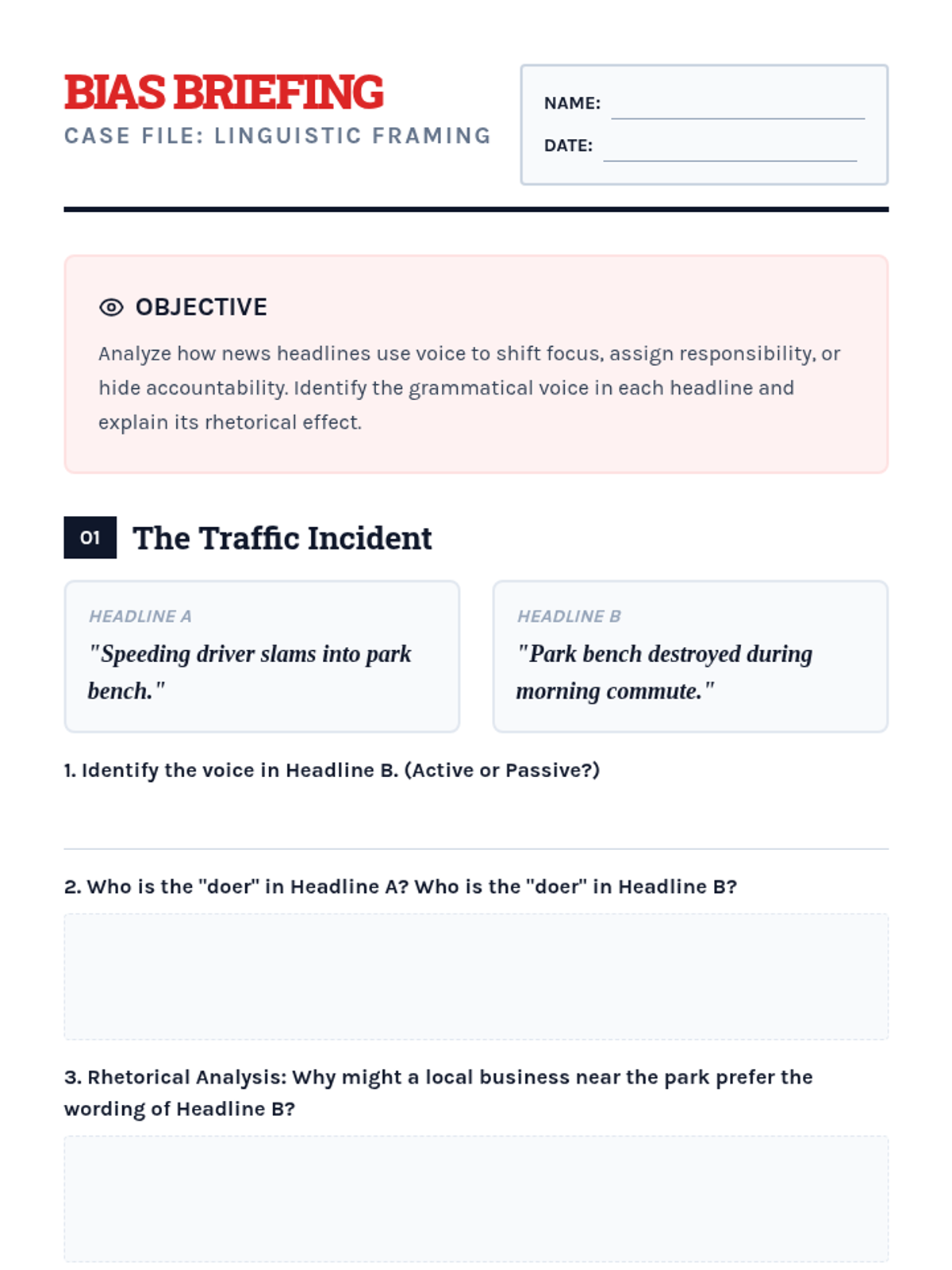
A 9th-grade grammar and rhetoric unit focused on how adjectives and adverbs influence bias, connotation, and persuasion in media and non-fiction. Students move from understanding word nuance to analyzing news and advertising, culminating in writing a persuasive editorial.
An advanced 12th-grade sequence on the rhetorical application of modifiers. Students progress from correcting syntactical errors (misplaced/dangling modifiers) to mastering stylistic control, focusing on precision, economy of language, and the impact of modifiers on tone and pacing in professional writing.
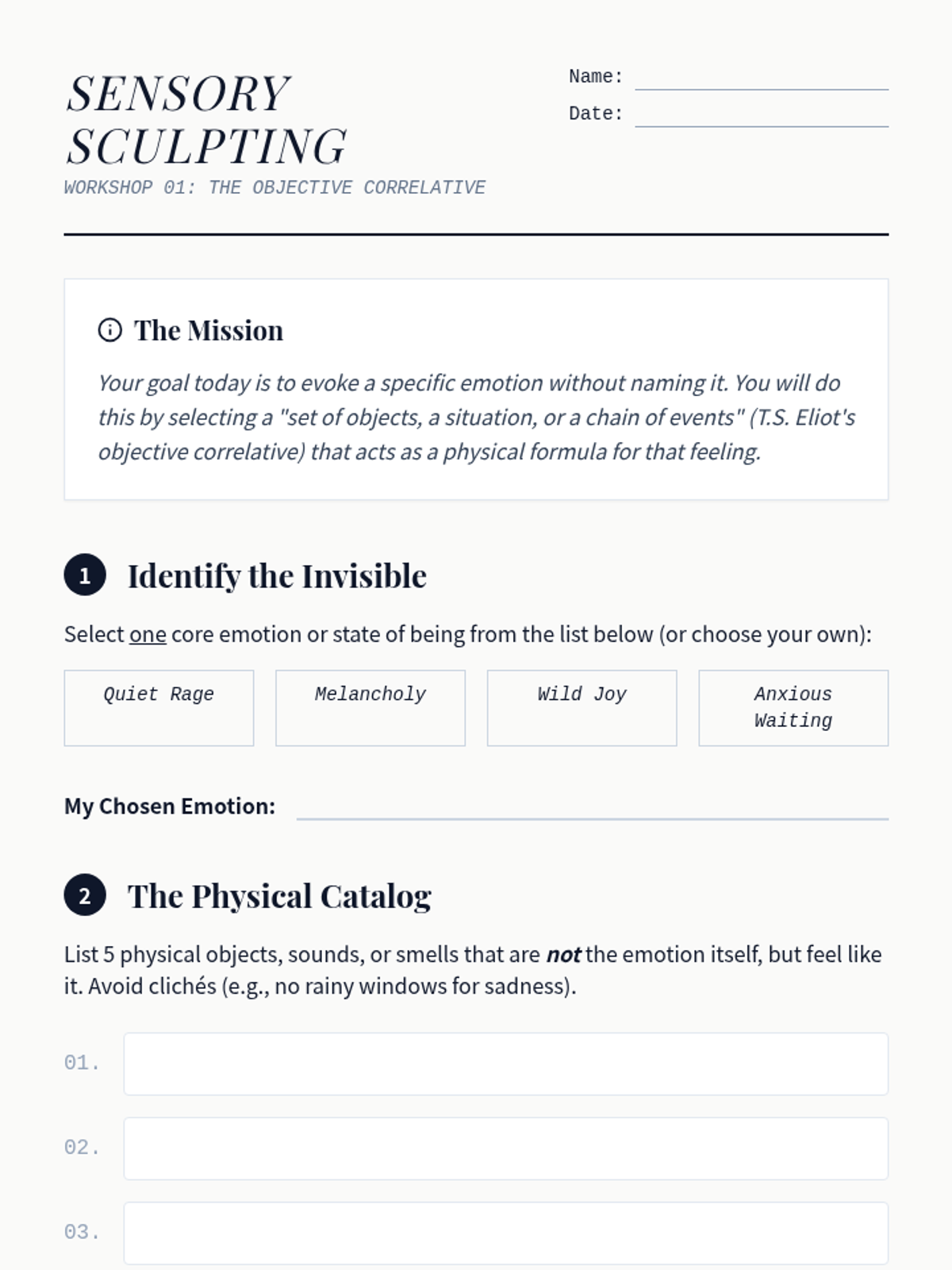
A capstone poetry sequence for 12th graders focusing on the synthesis of poetic elements. Students transition from analysis to intentional creation, culminating in a polished poem and a metacognitive artist's statement.
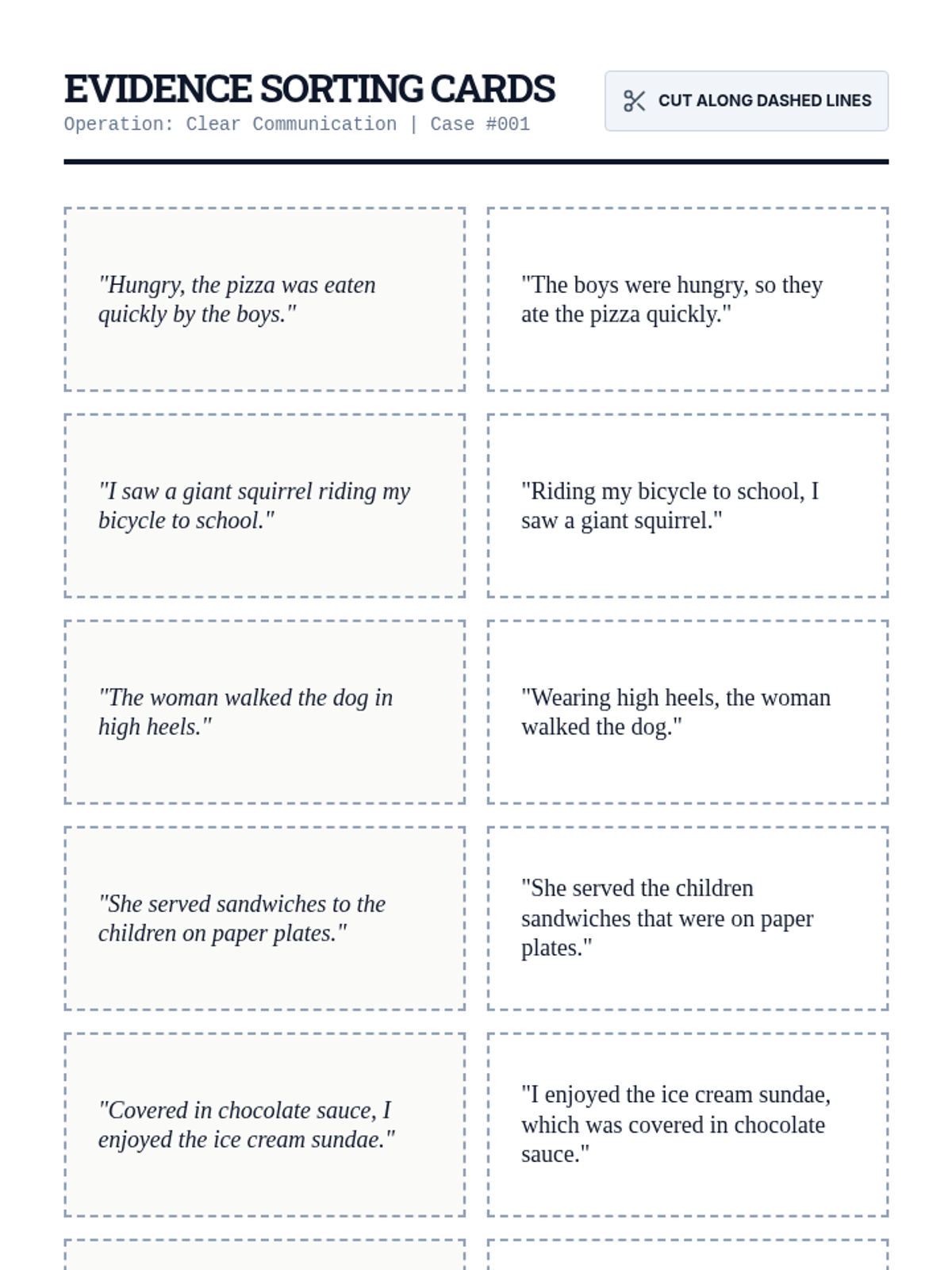
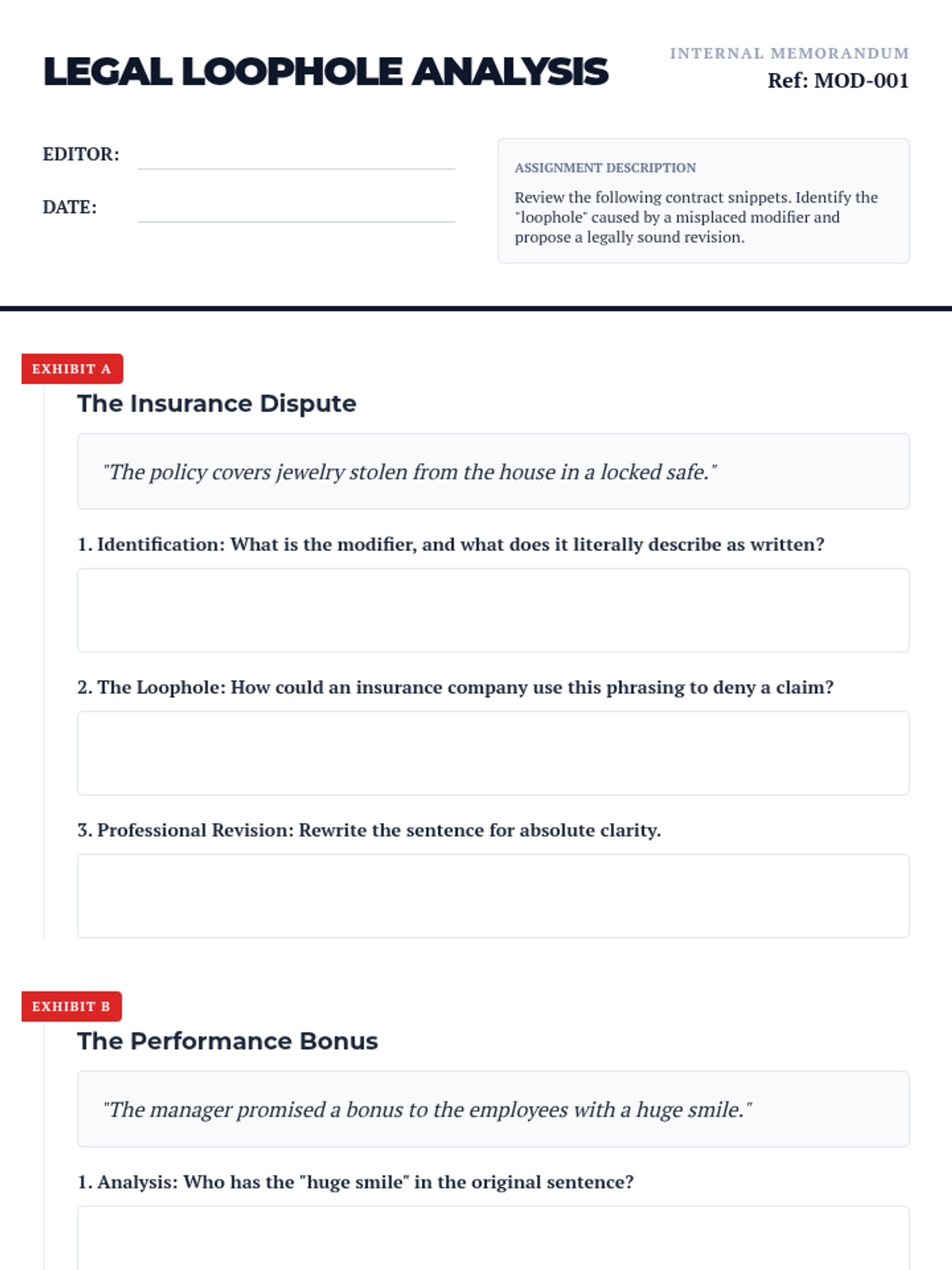
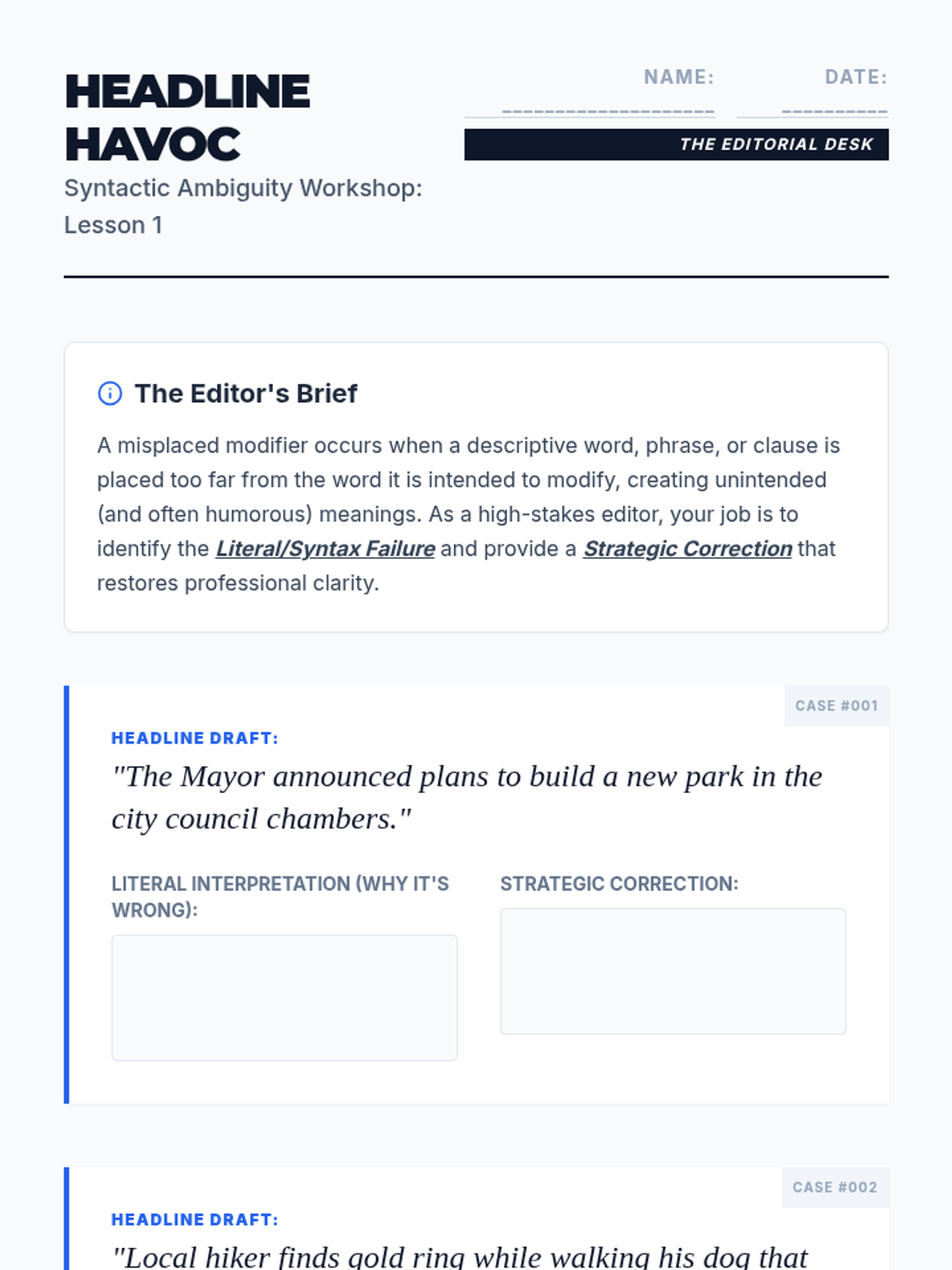
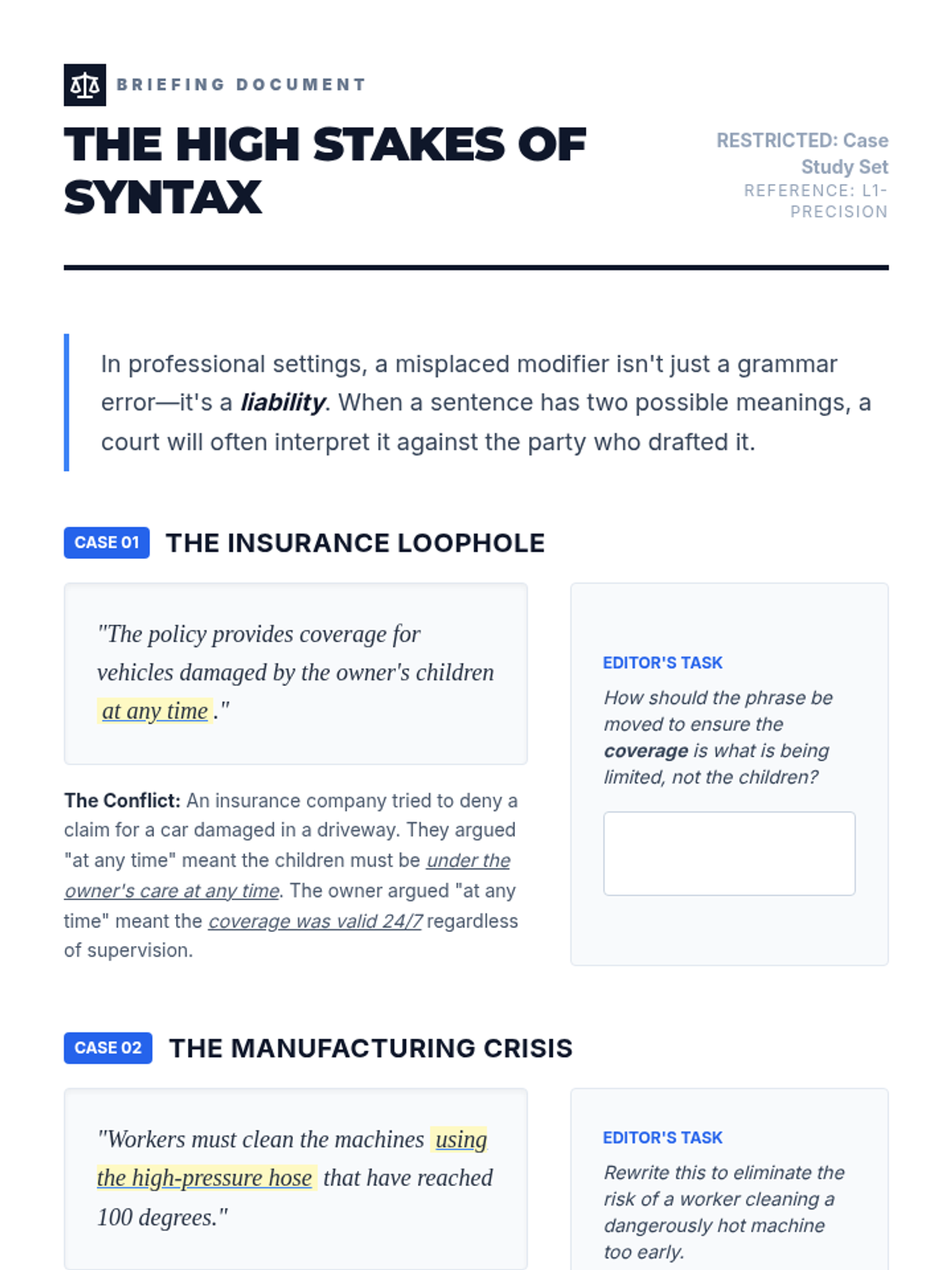
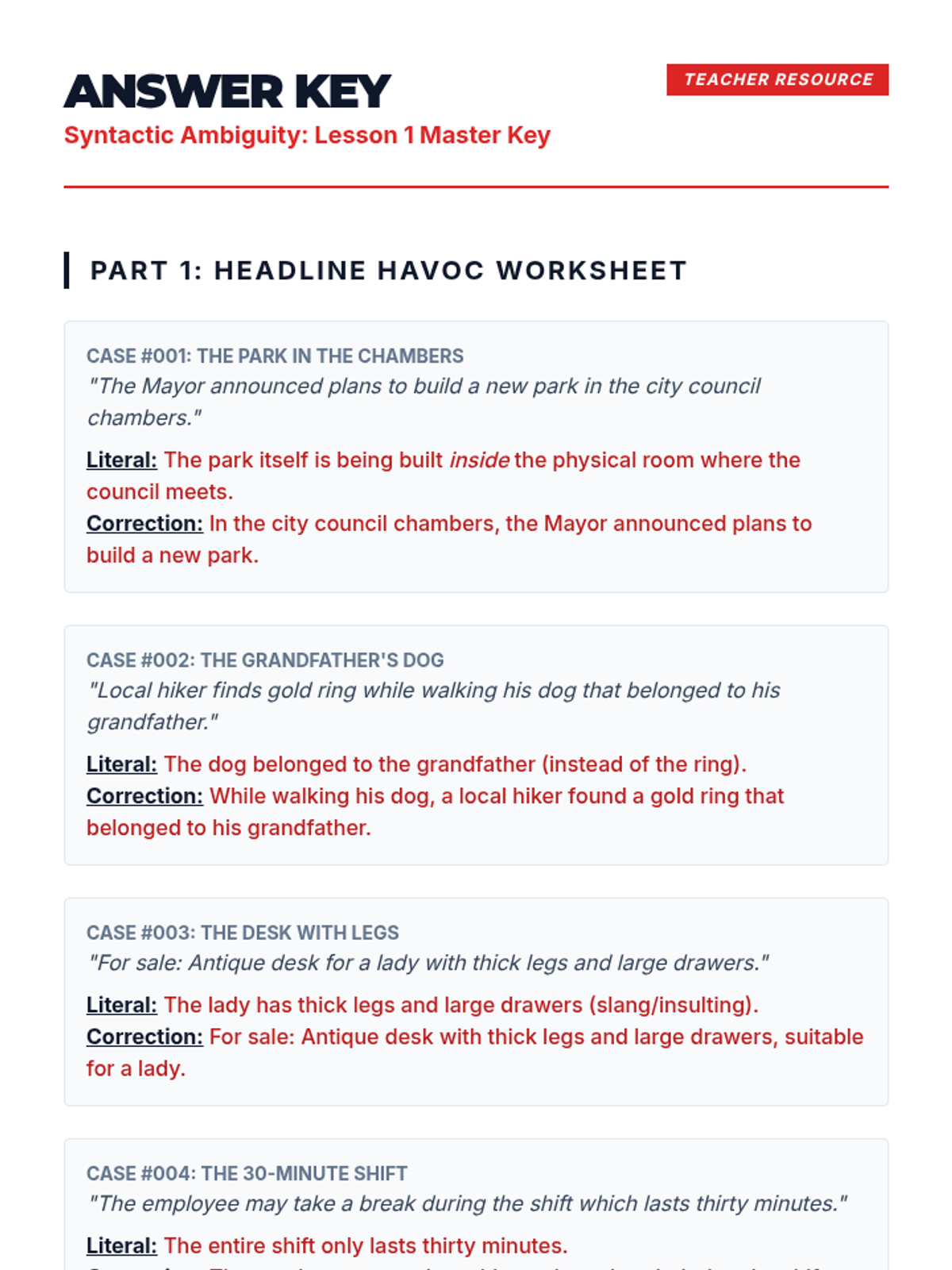
An inquiry-based exploration of misplaced modifiers, moving from humorous viral fails to high-stakes legal ambiguity. Students analyze, visualize, and intentionally manipulate syntax to master the mechanics of clarity.
An advanced ELA sequence for 12th graders focused on the rhetorical and syntactic power of adjectives. Students progress from analyzing connotation and nuance to mastering complex structures like cumulative, coordinate, and compound adjectives, ultimately refining their own prose for economy and sensory precision in college-level writing.
A comprehensive 10th-grade sequence exploring the rhetorical power of adjectives, moving from basic connotation to syntactic logic and strategic revision for tone and mood.
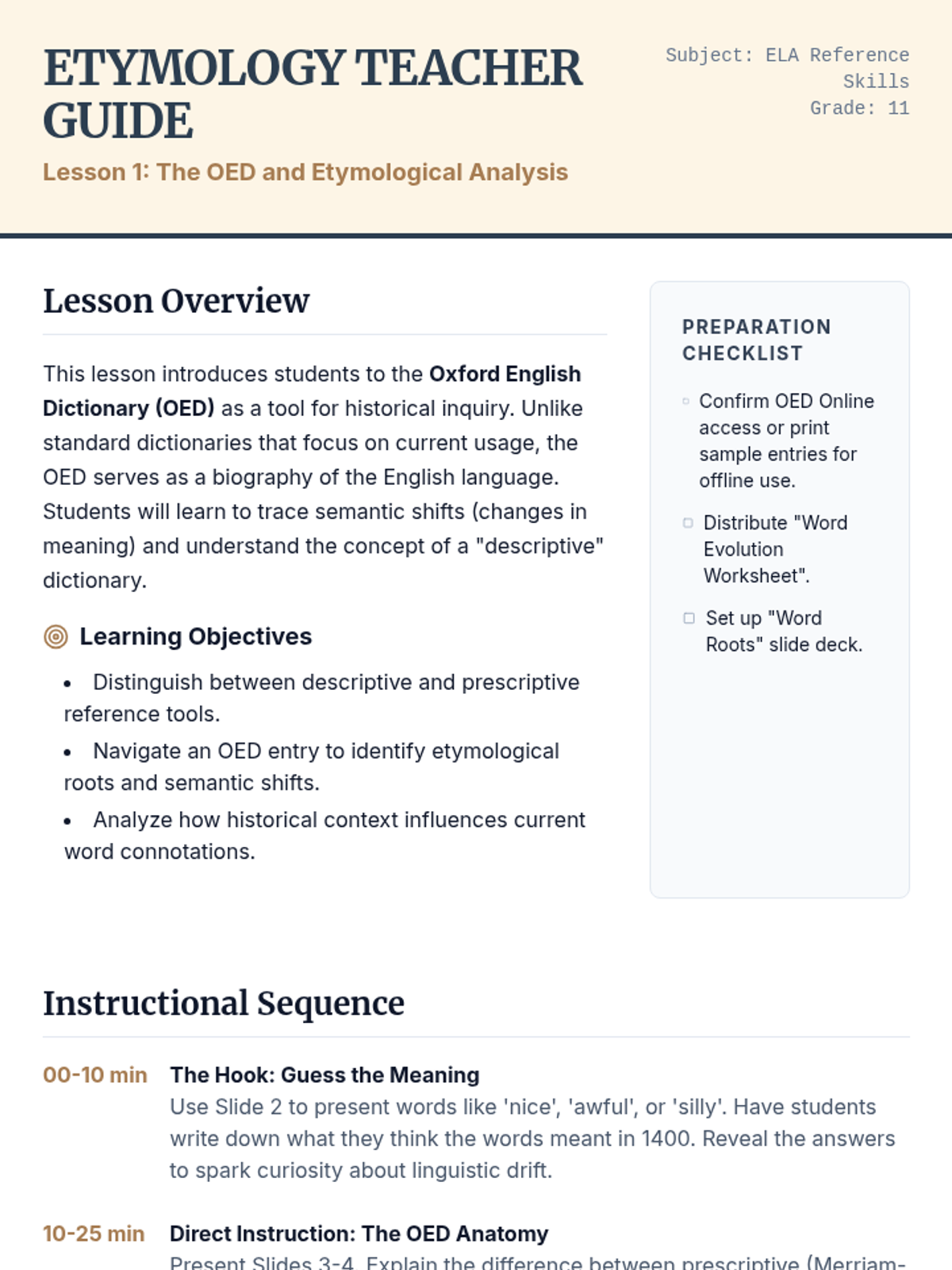
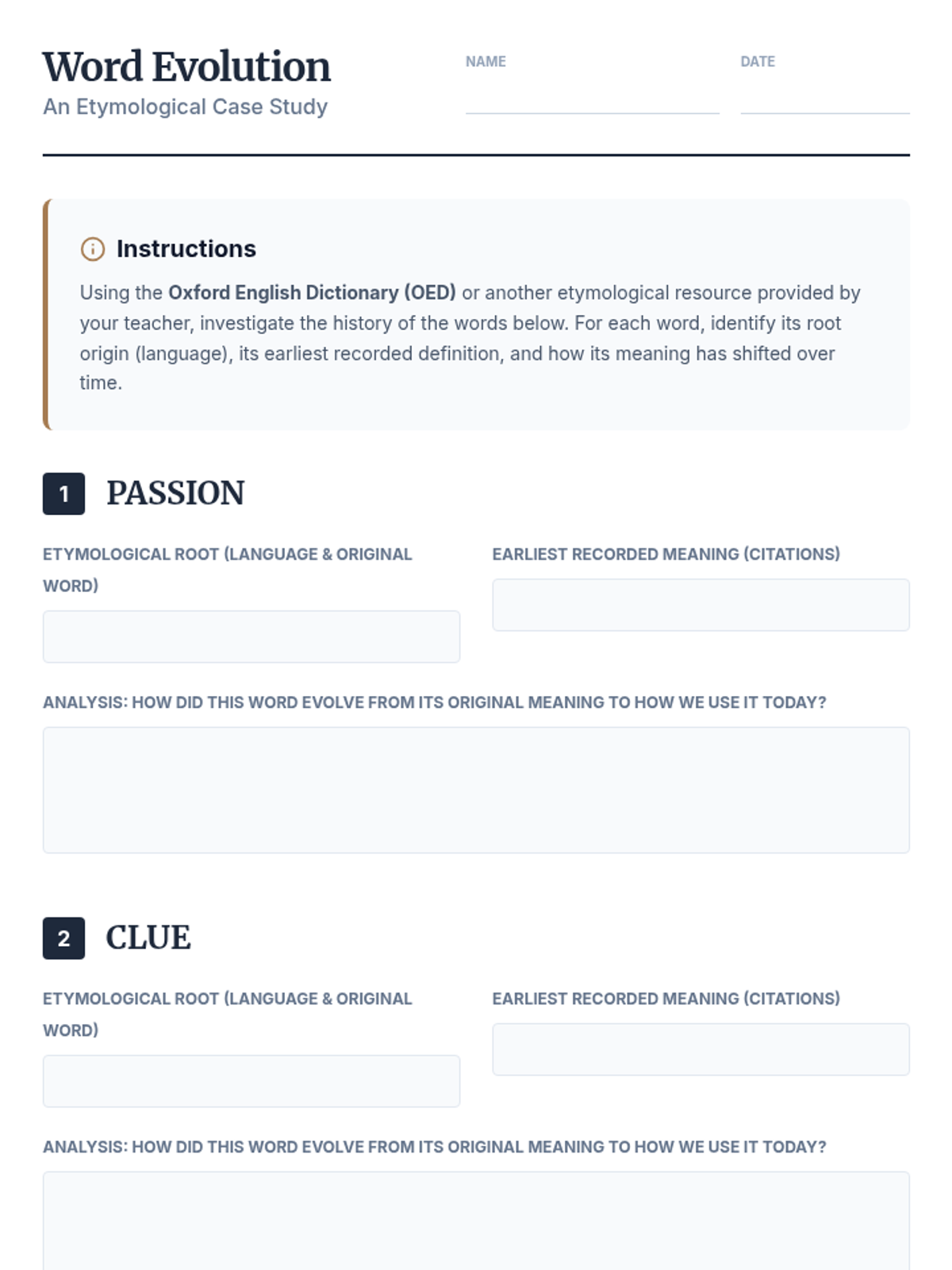
This sequence explores the nuances of language through lexicography, etymology, and specialized reference materials, moving from historical word analysis to intentional stylistic choices in writing.
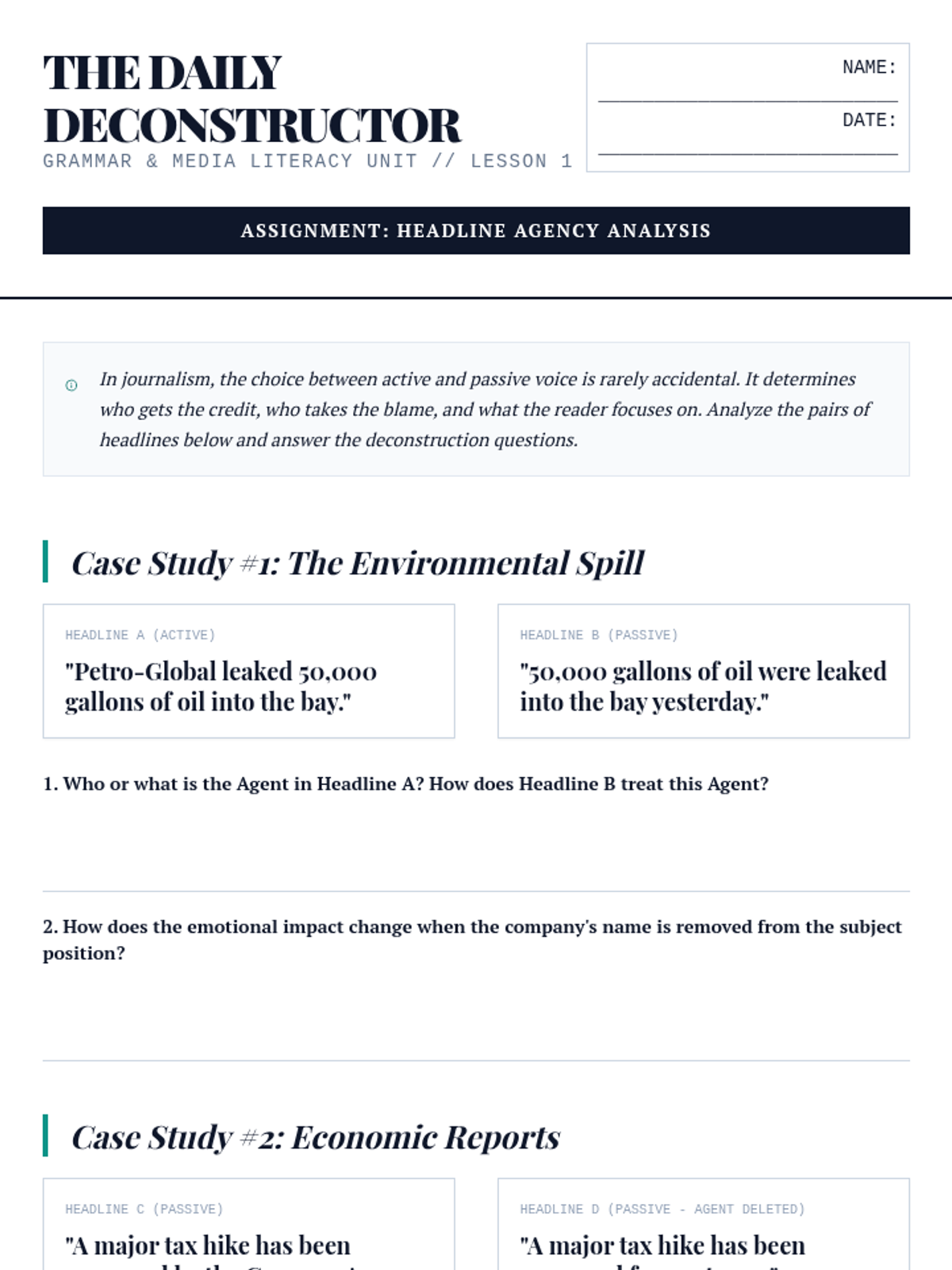
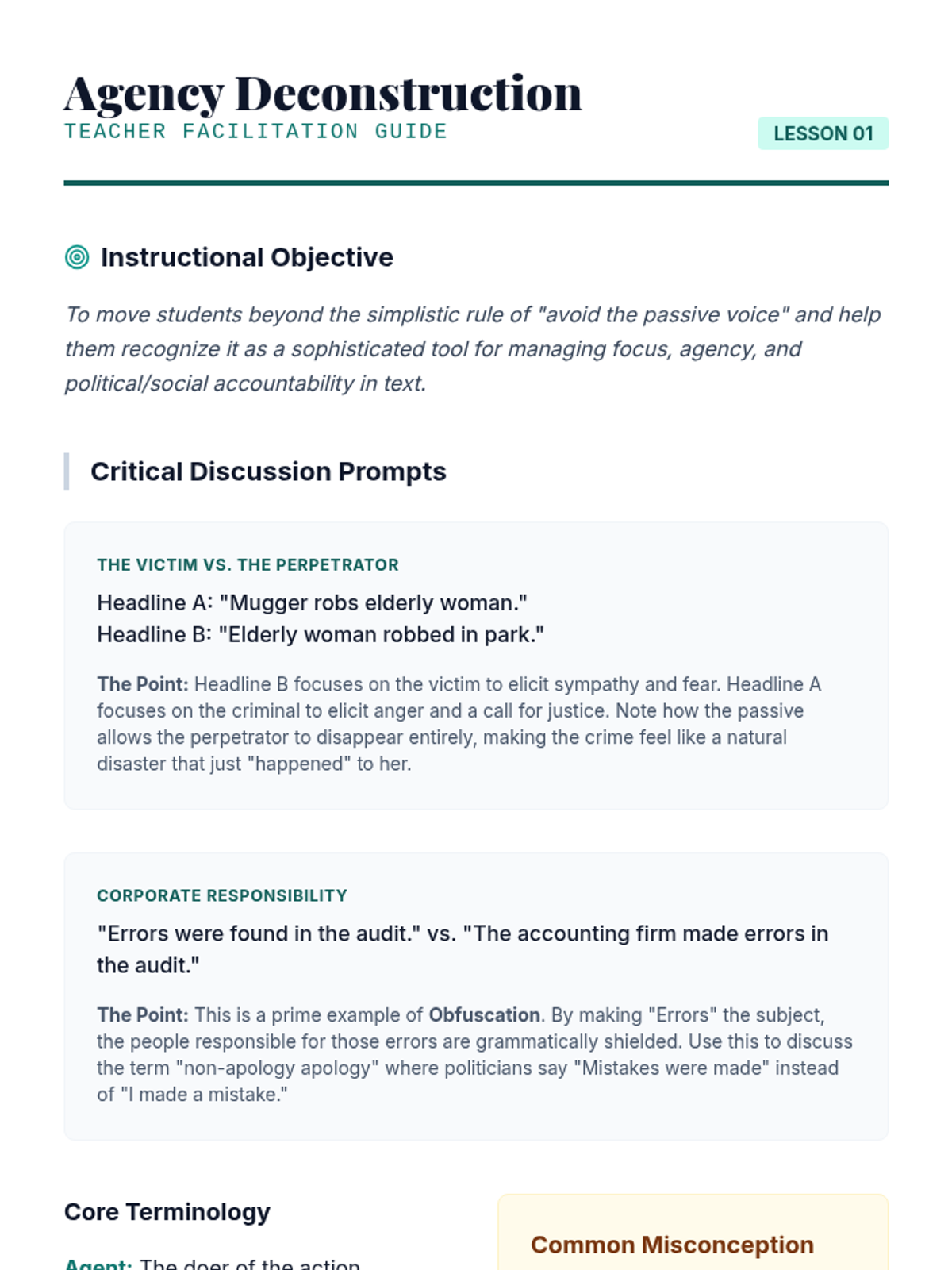
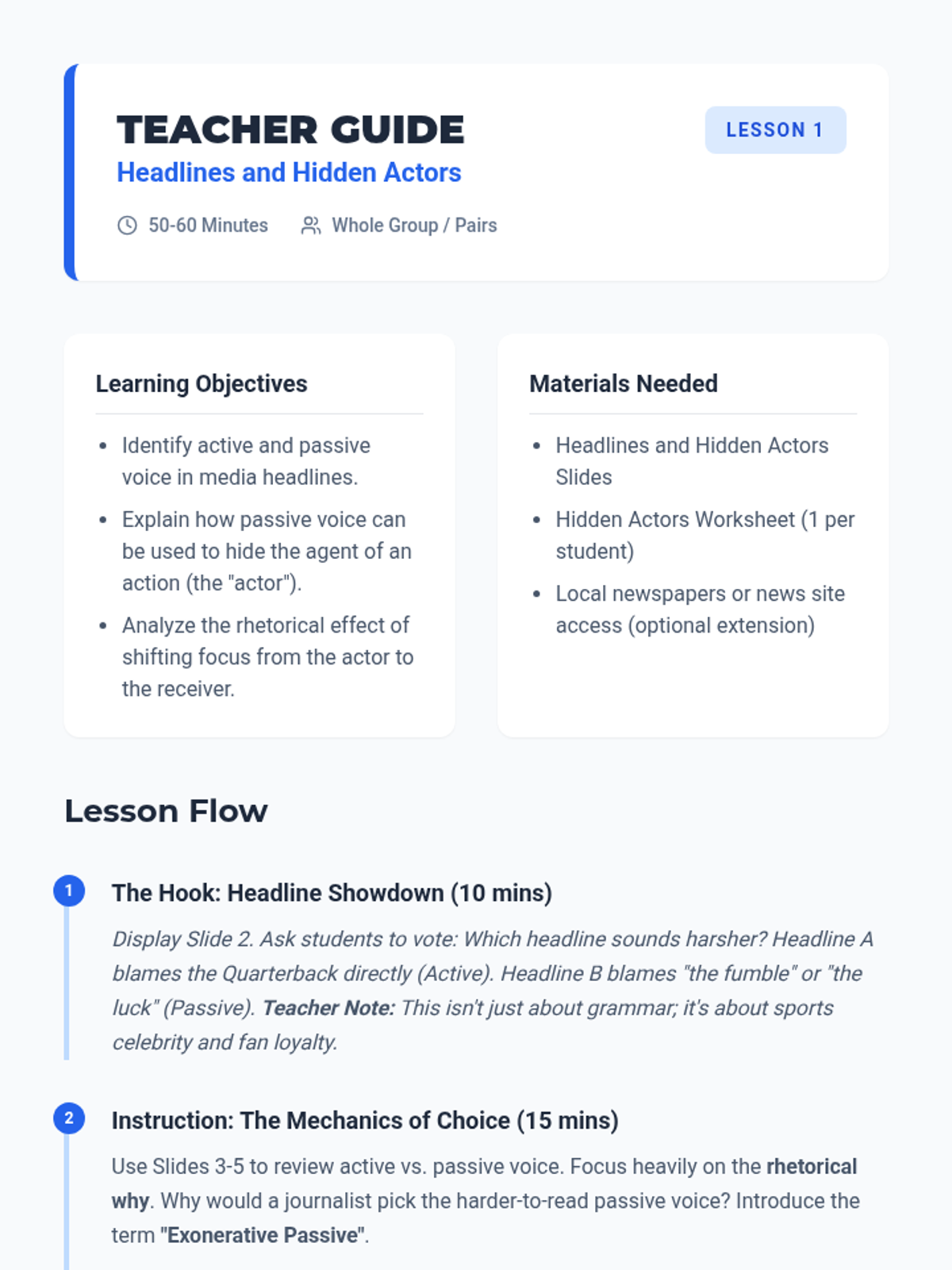
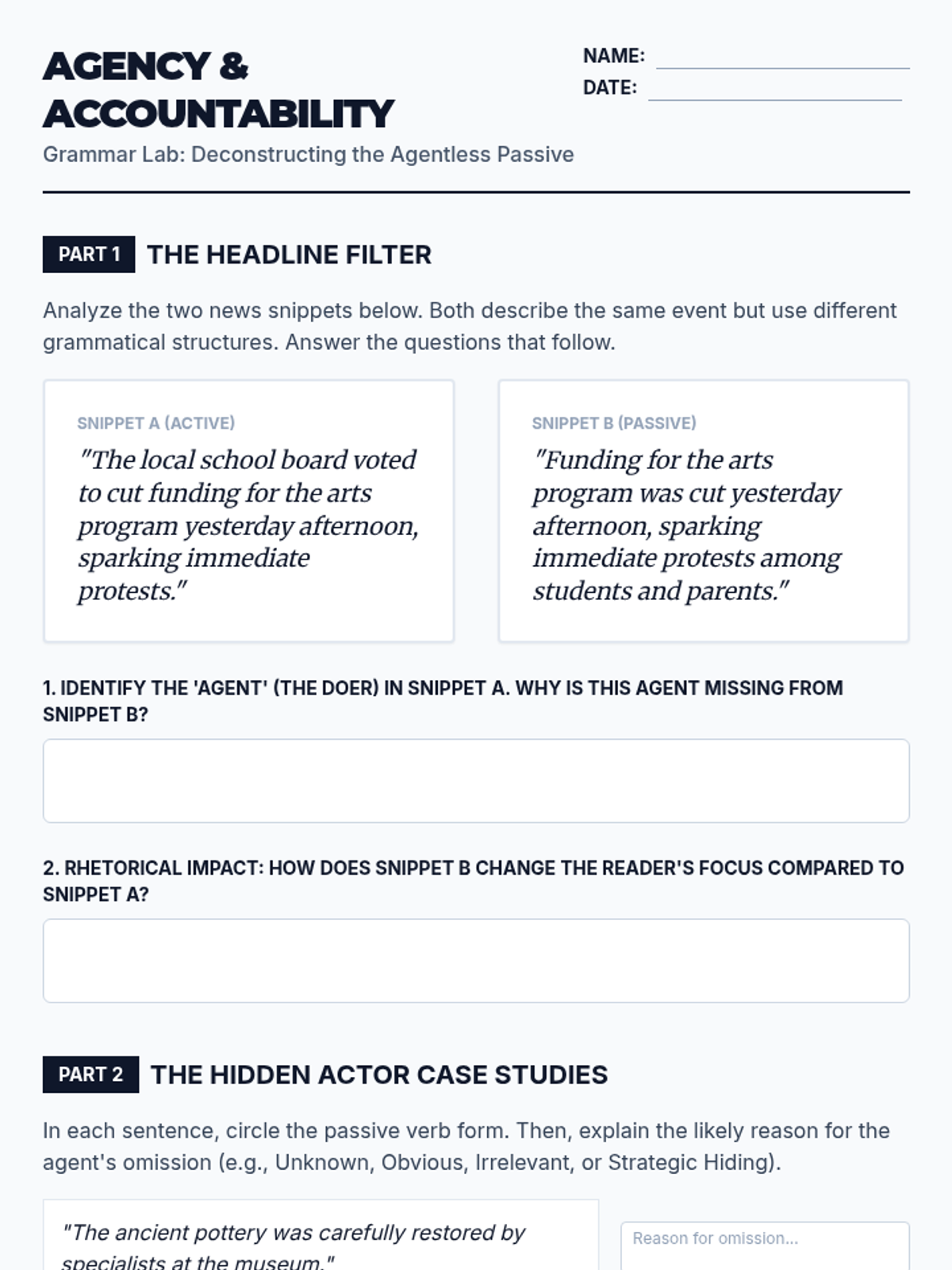
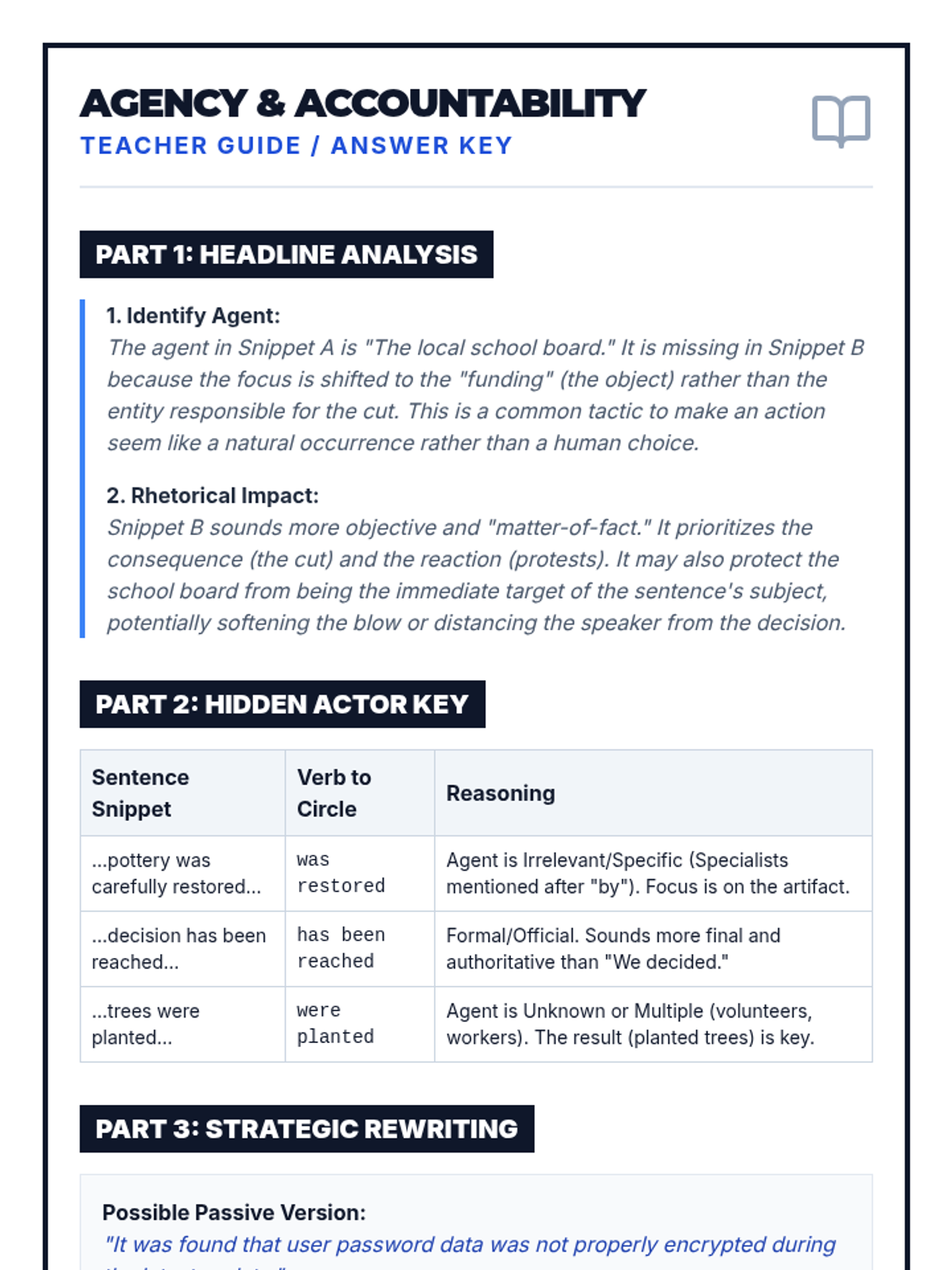
An advanced grammar sequence for 11th-grade students focused on the nuances of the passive voice in media and journalism. Students explore agency, reporting structures, causative forms, and stative passives to understand how grammar shapes perspective and bias.
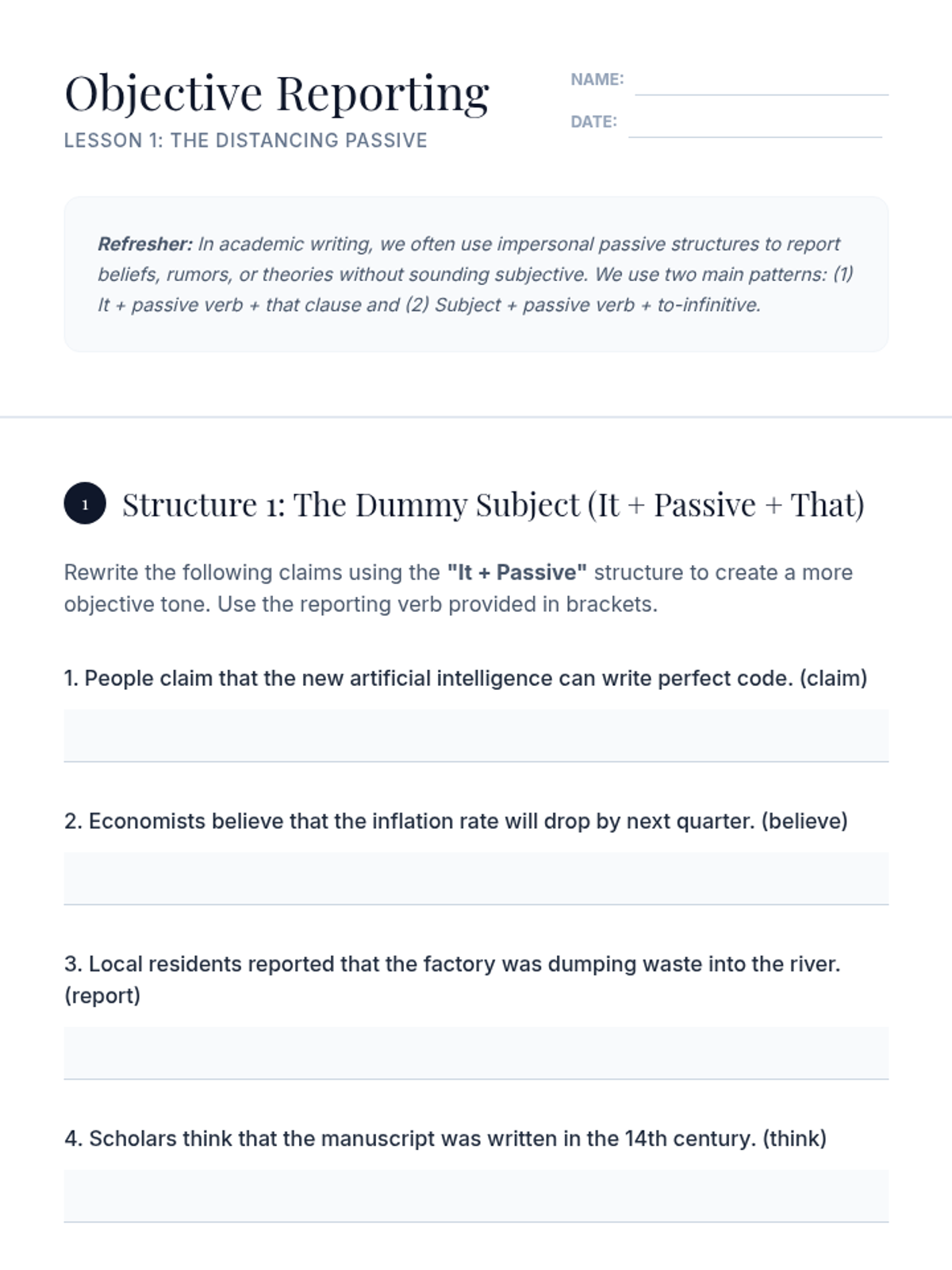
A high-level grammar sequence for 12th-grade students focusing on passive voice variants and impersonal structures to enhance academic writing. Students master distancing techniques, causative structures, and nominalization to achieve a professional, objective tone in their scholarly work.
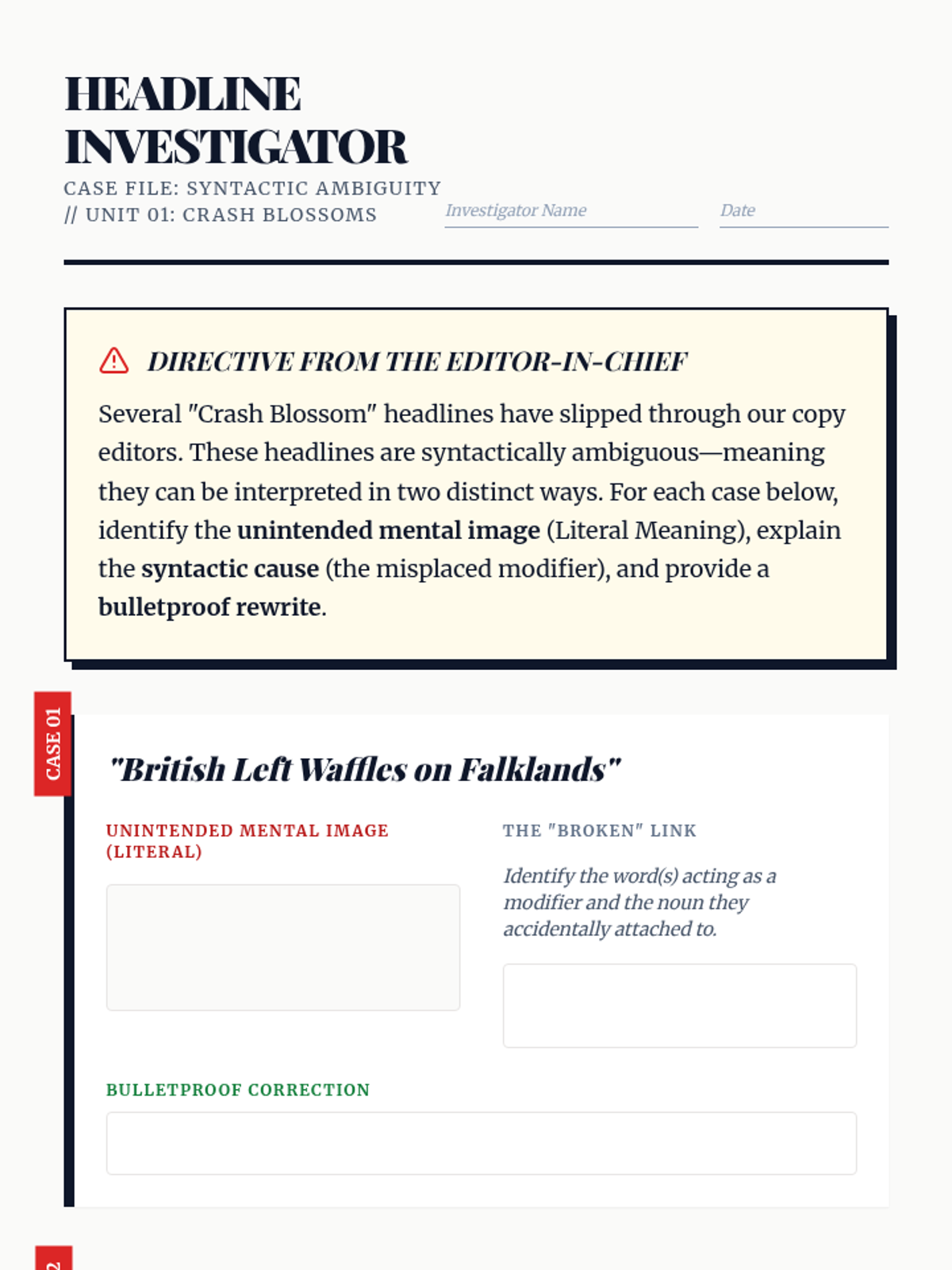
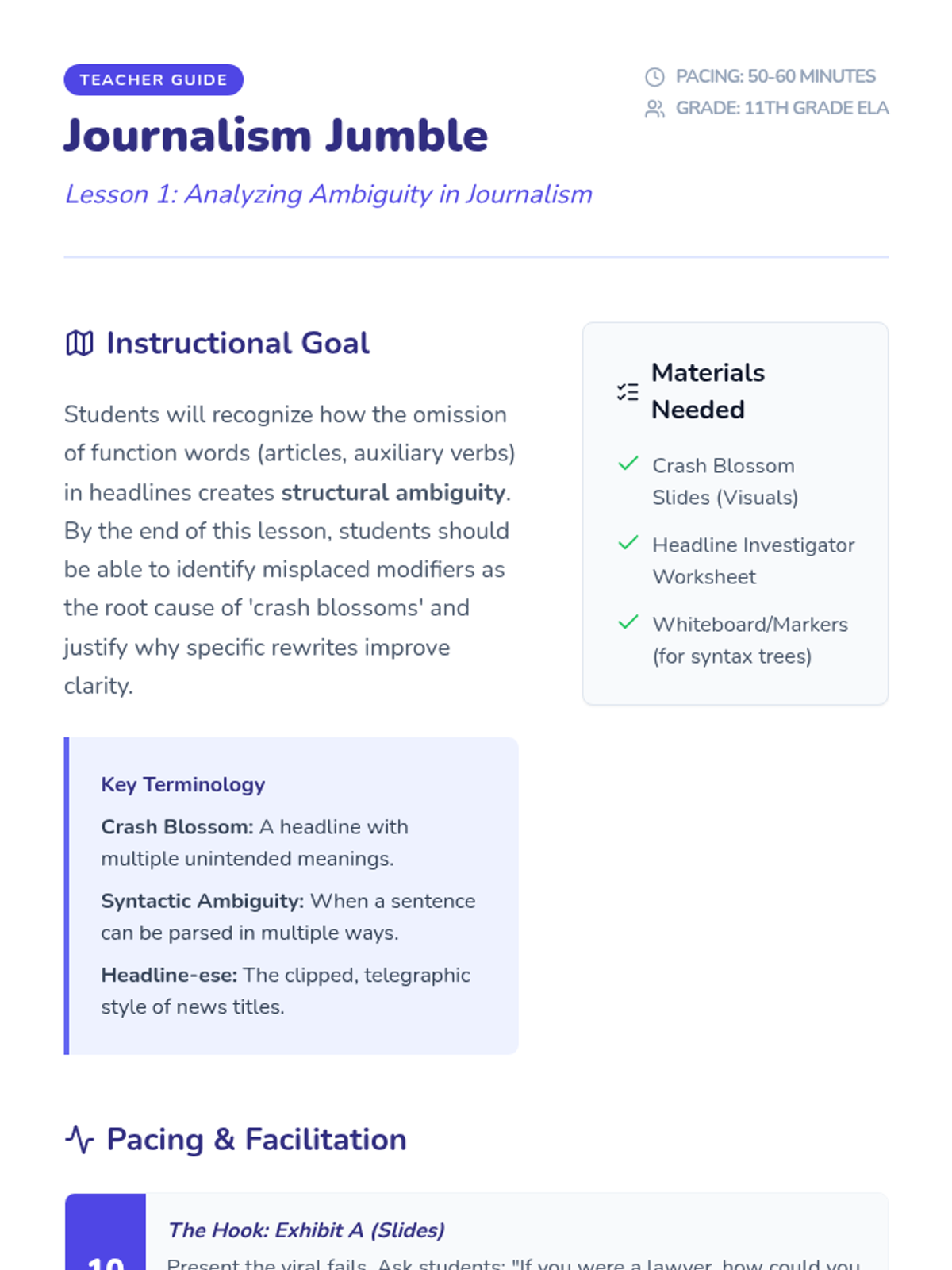
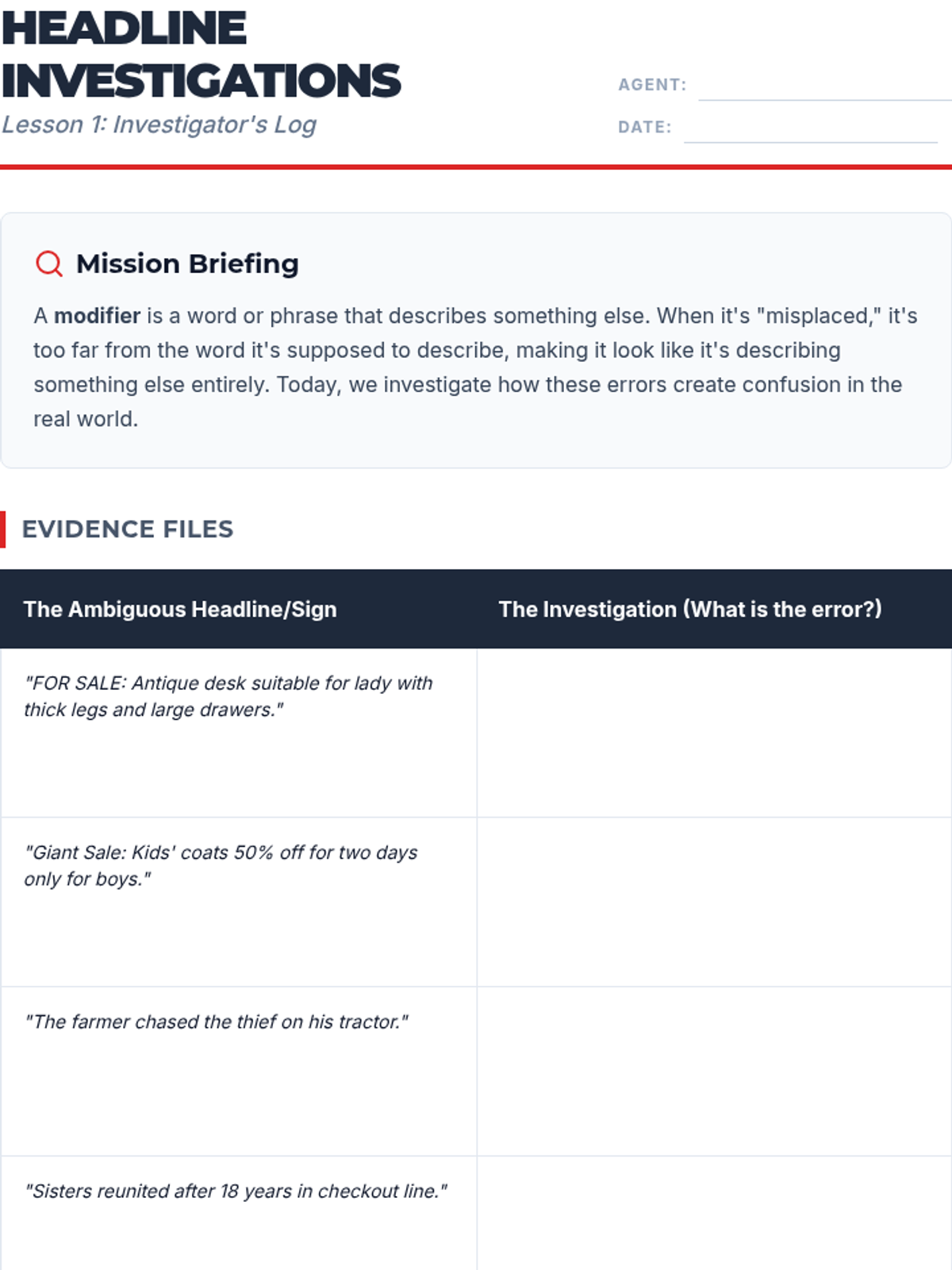
This sequence explores the rhetorical and practical consequences of misplaced modifiers in journalism, law, and humor. Students move from identifying 'crash blossoms' in headlines to analyzing the legal stakes of syntax and intentionally manipulating ambiguity for comedic effect.
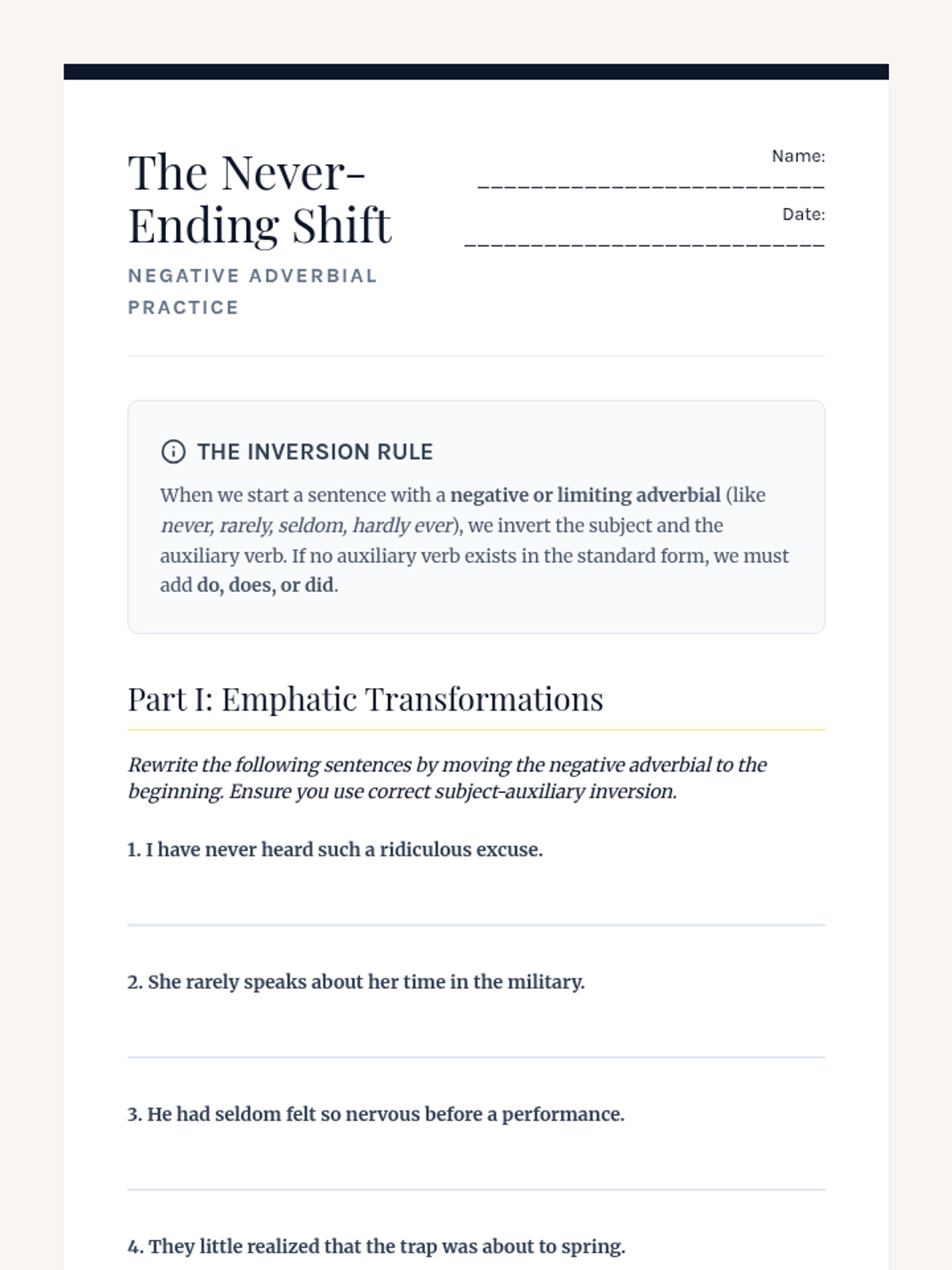
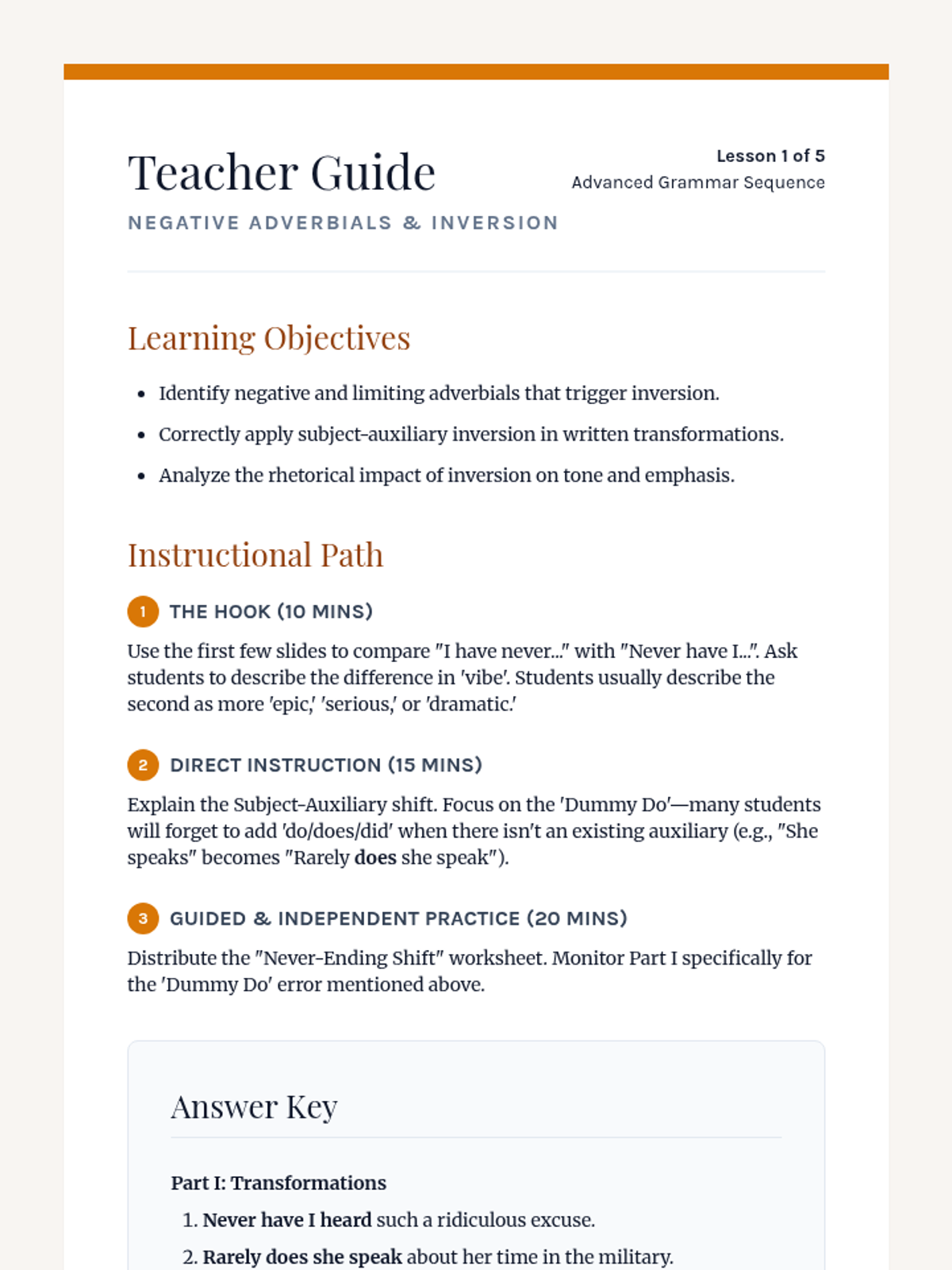
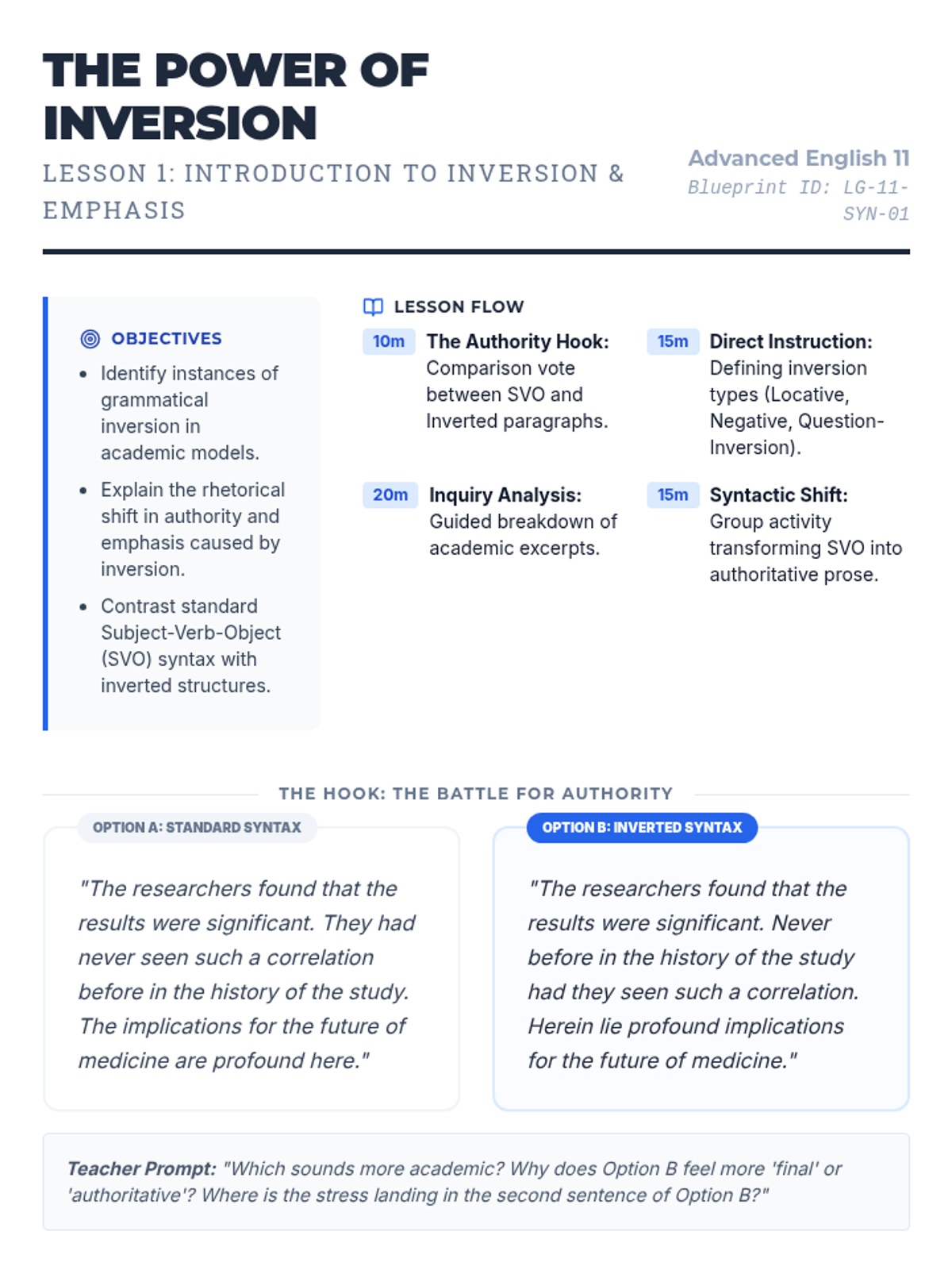
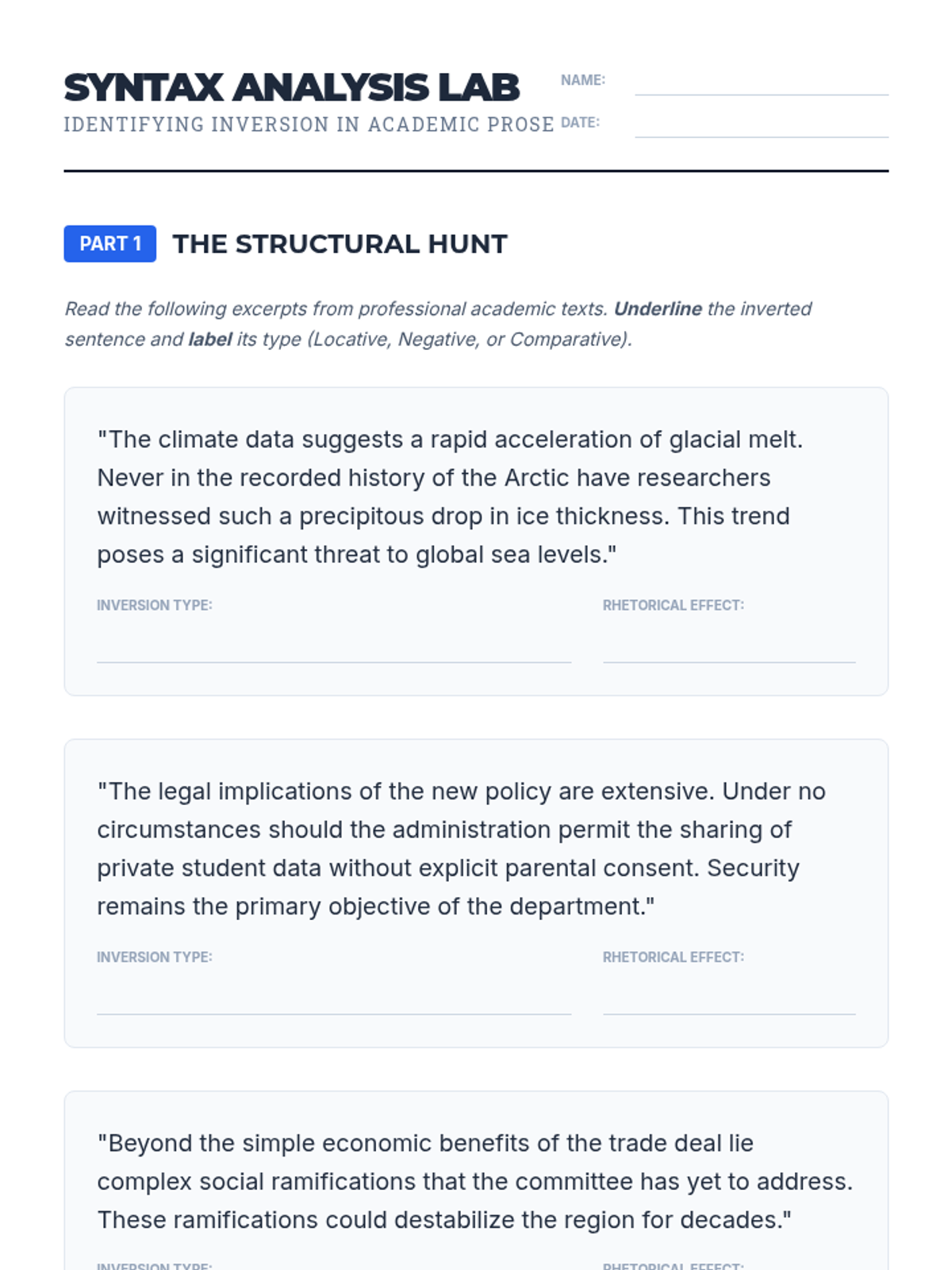
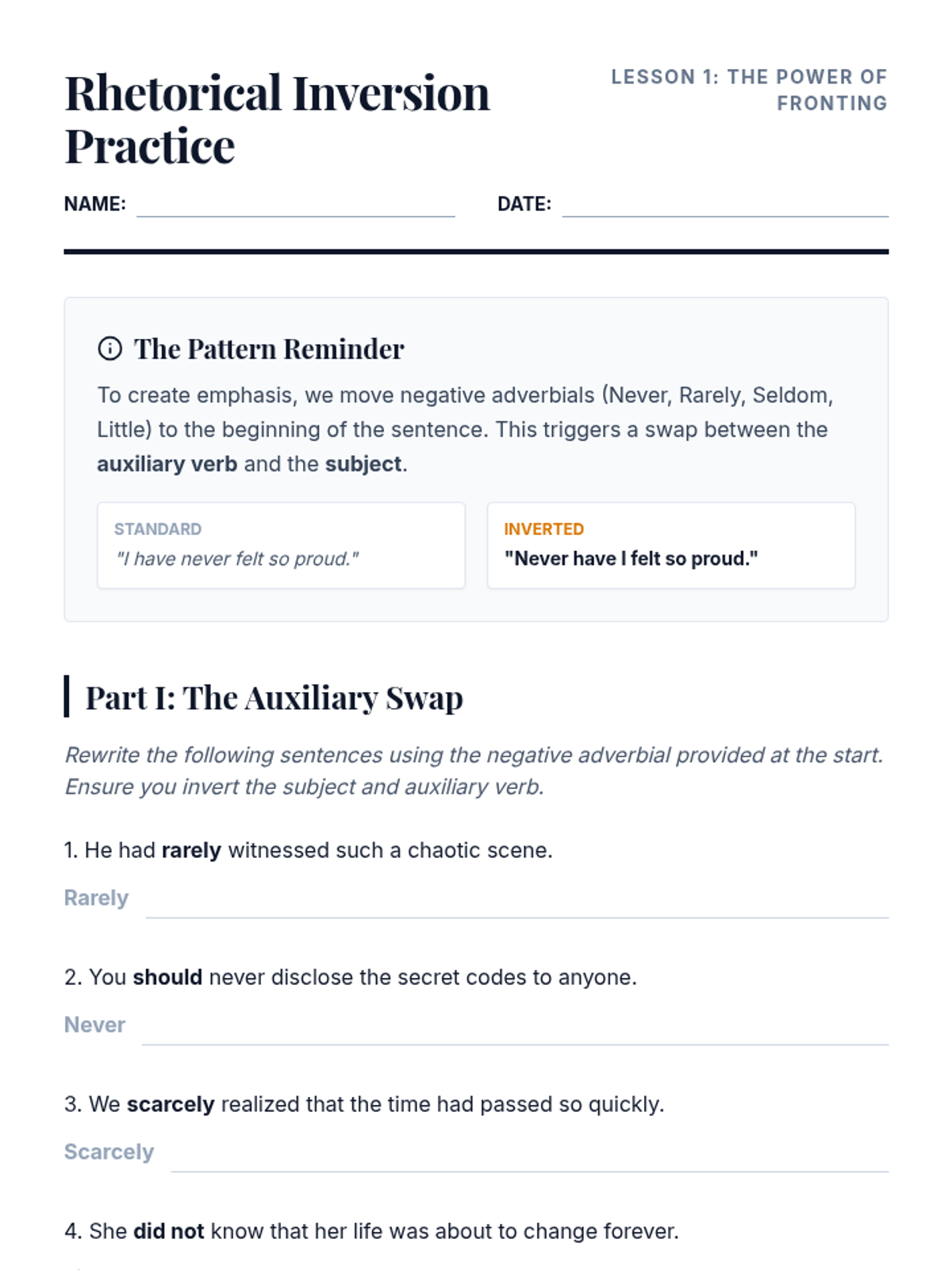
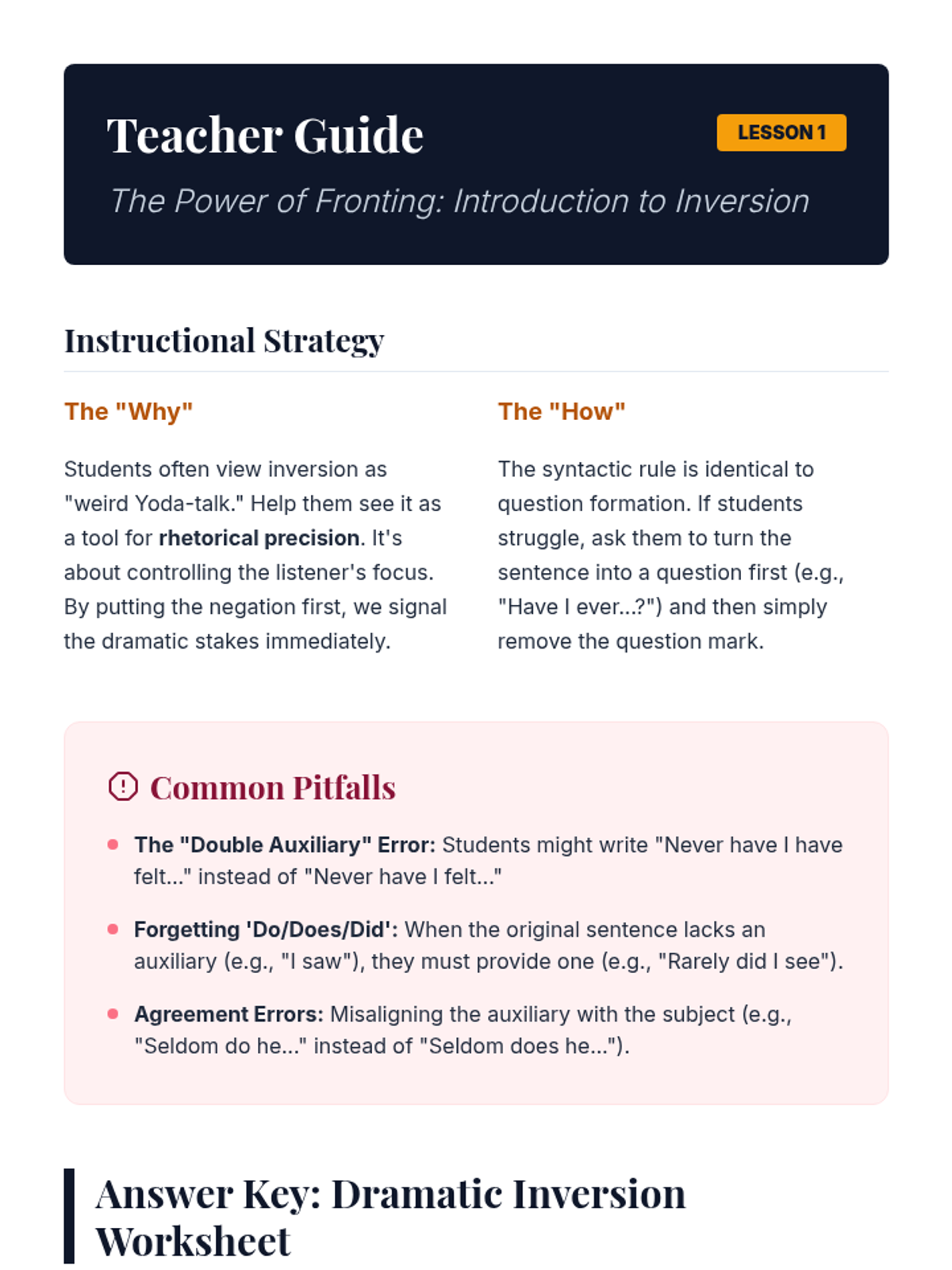
This workshop-style sequence focuses on the power of syntax manipulation, specifically inversion, to add emphasis and dramatic flair to writing. Students move from standard sentence structures to sophisticated inverted forms using negative adverbials, limiting phrases, and cleft sentences.
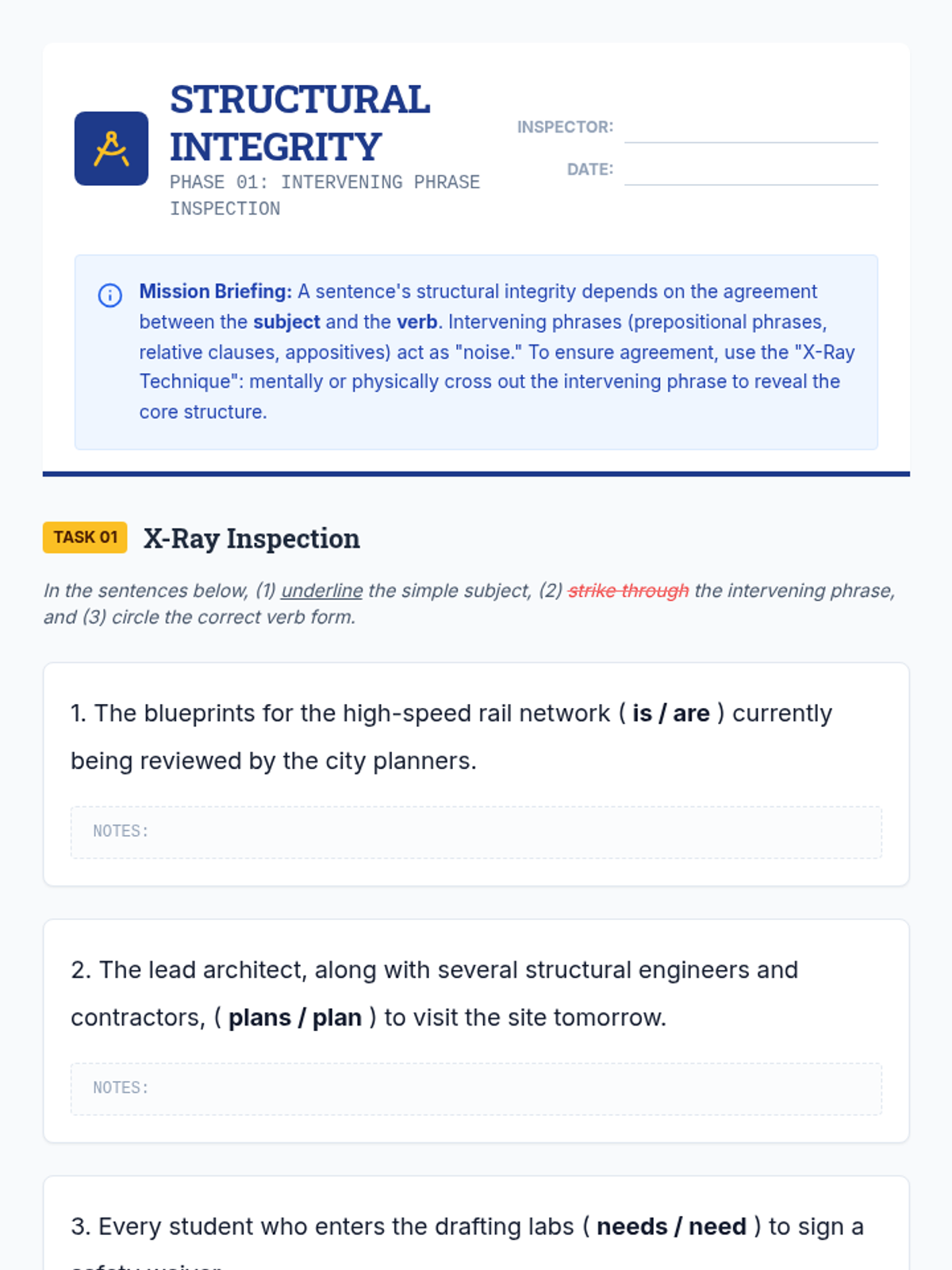
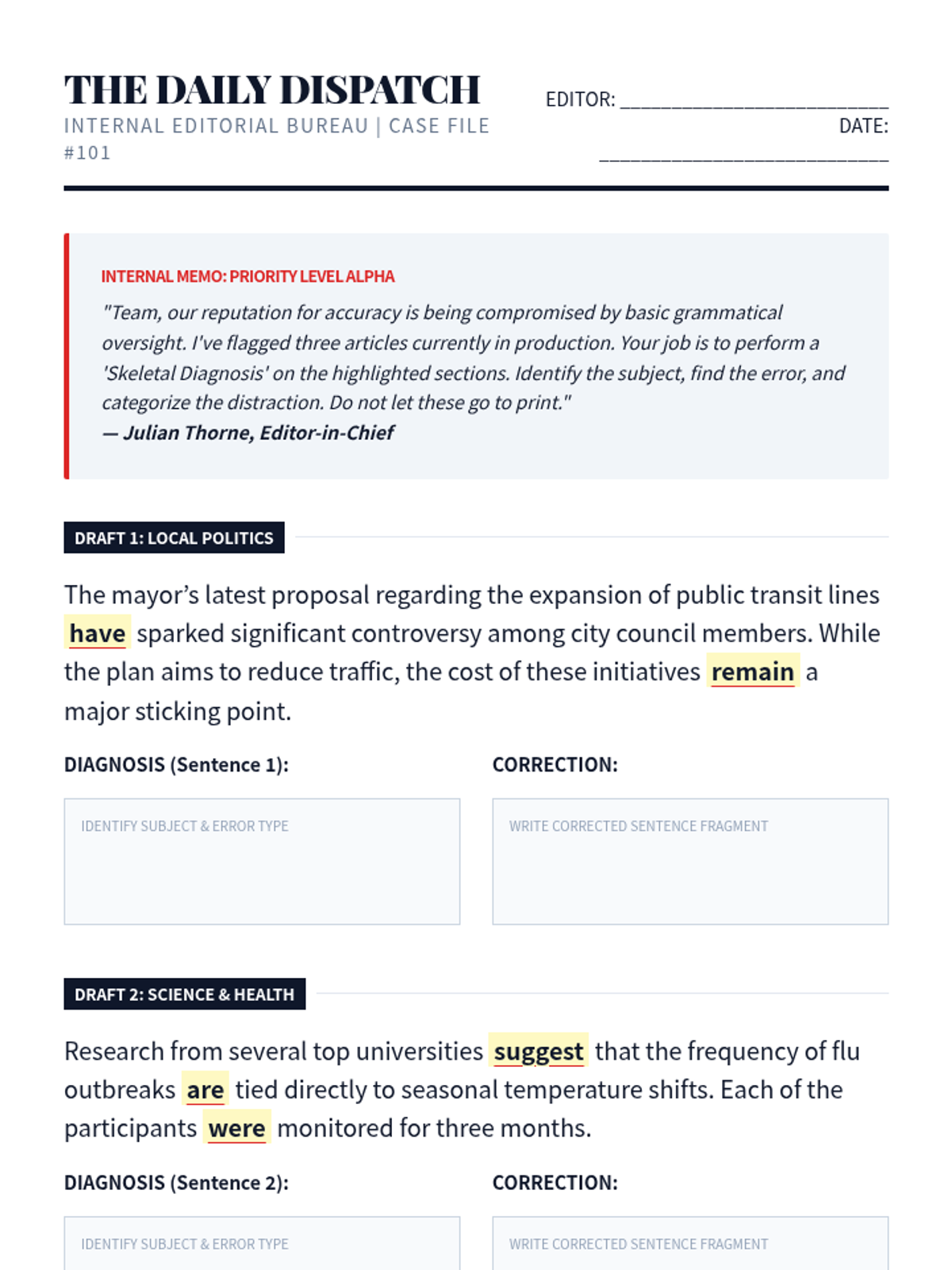
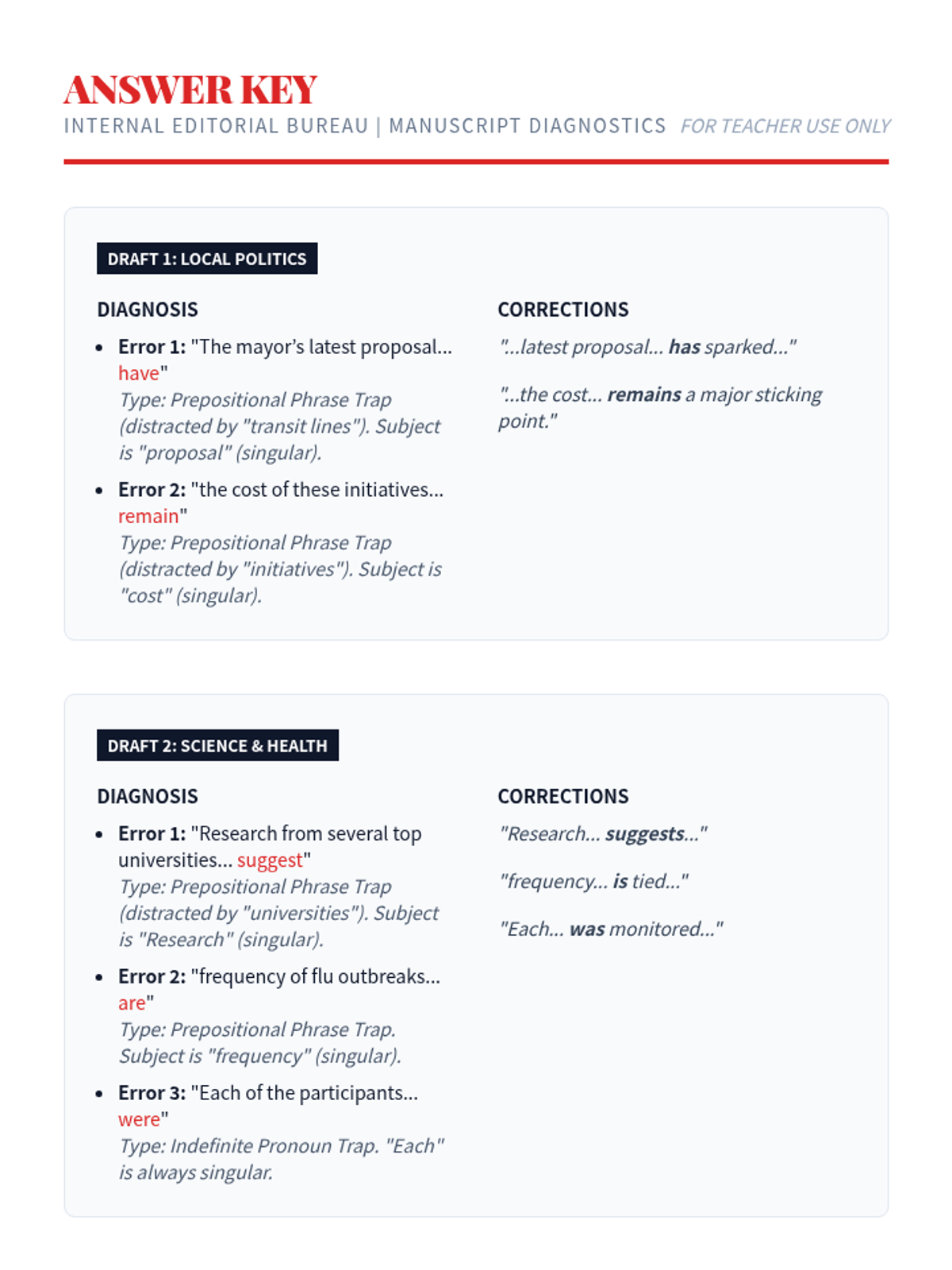
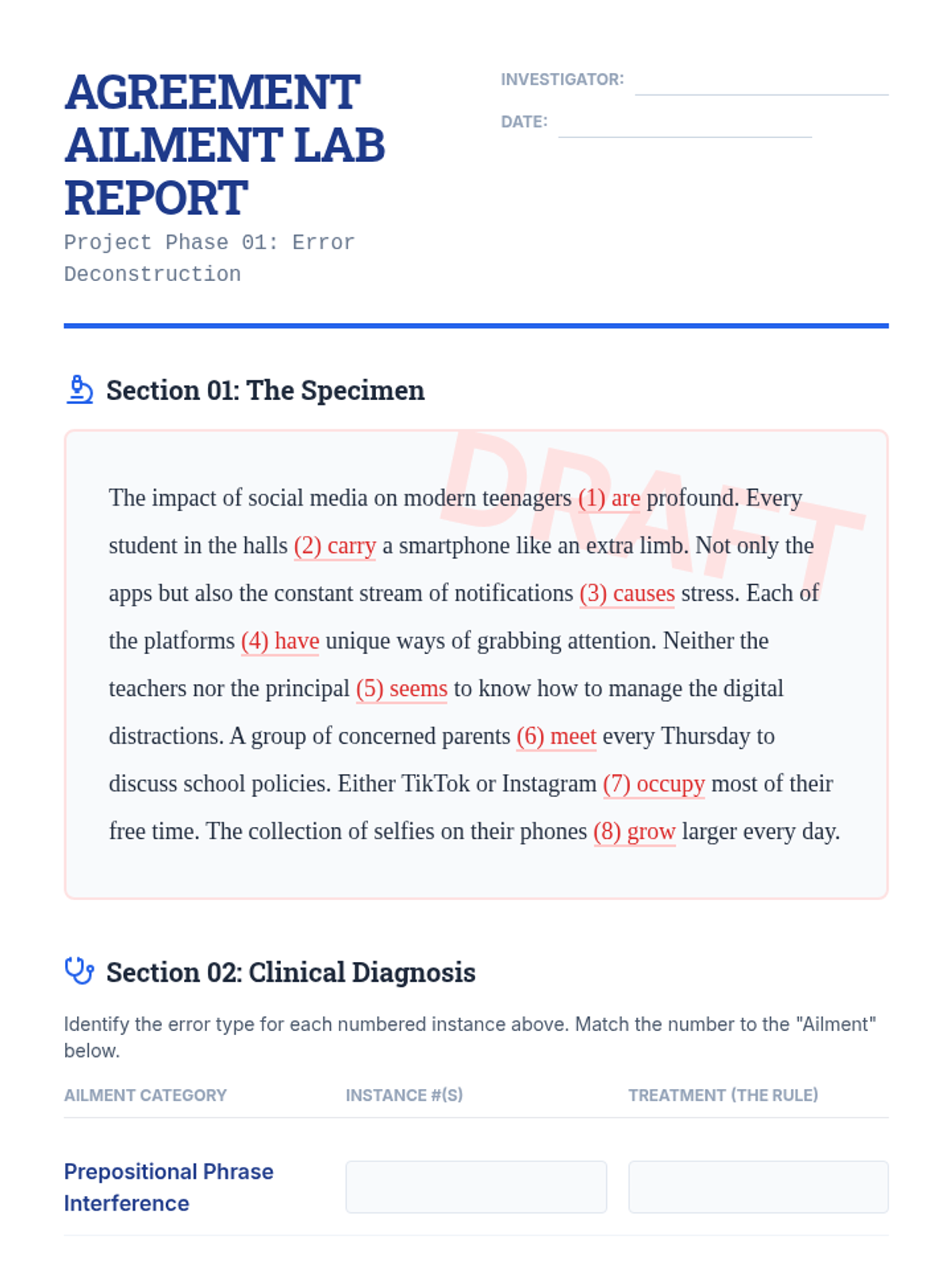
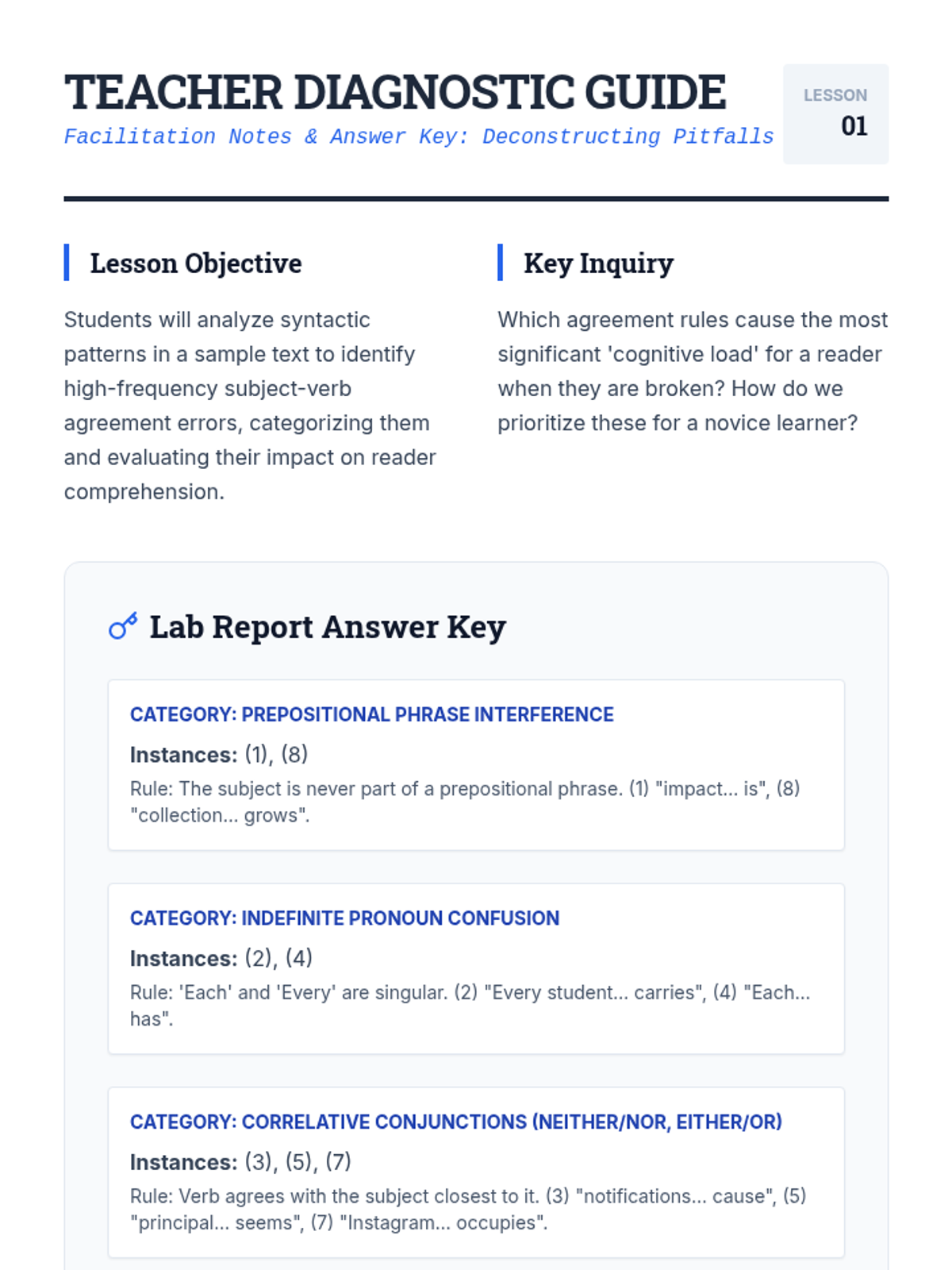
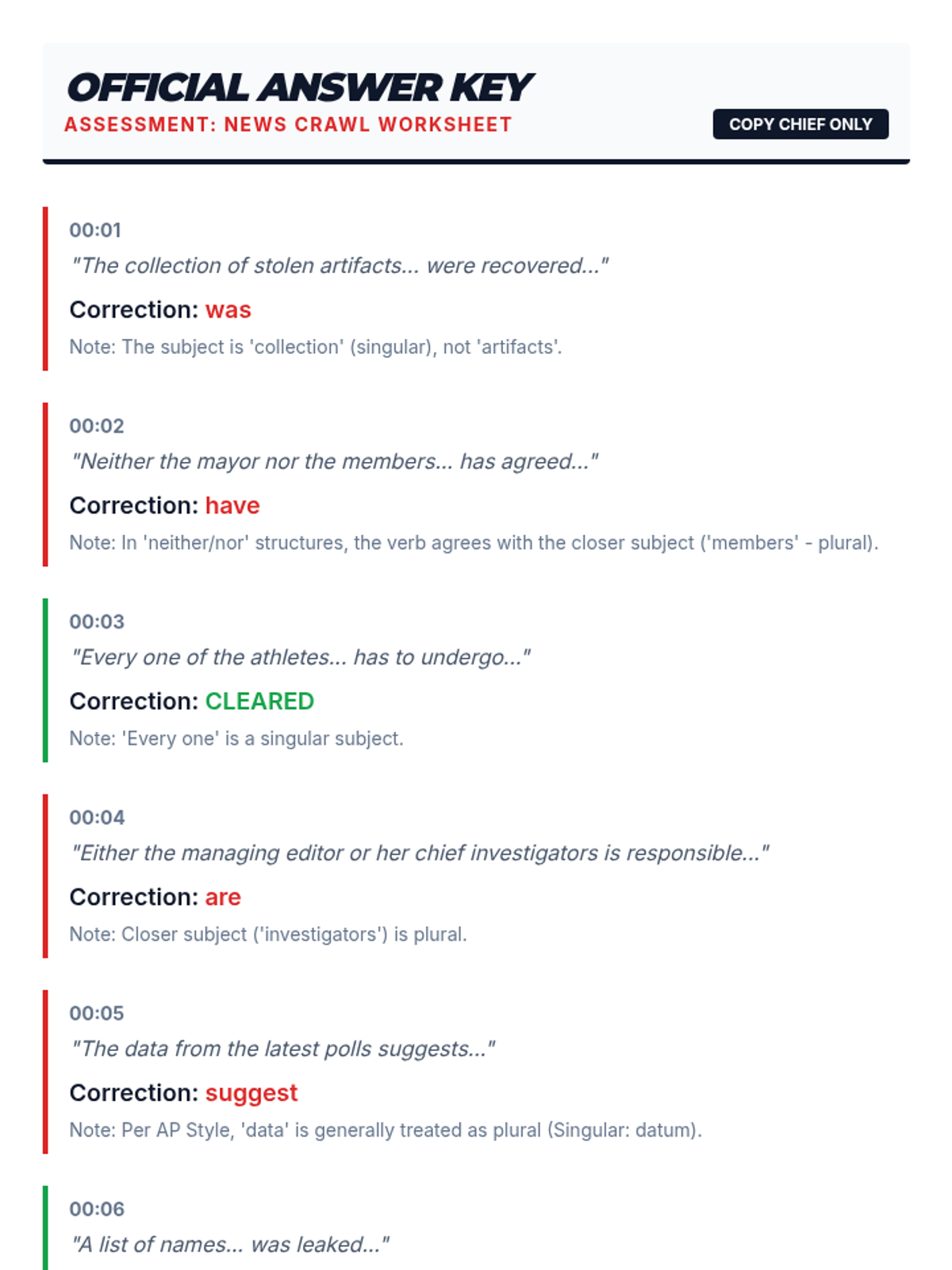
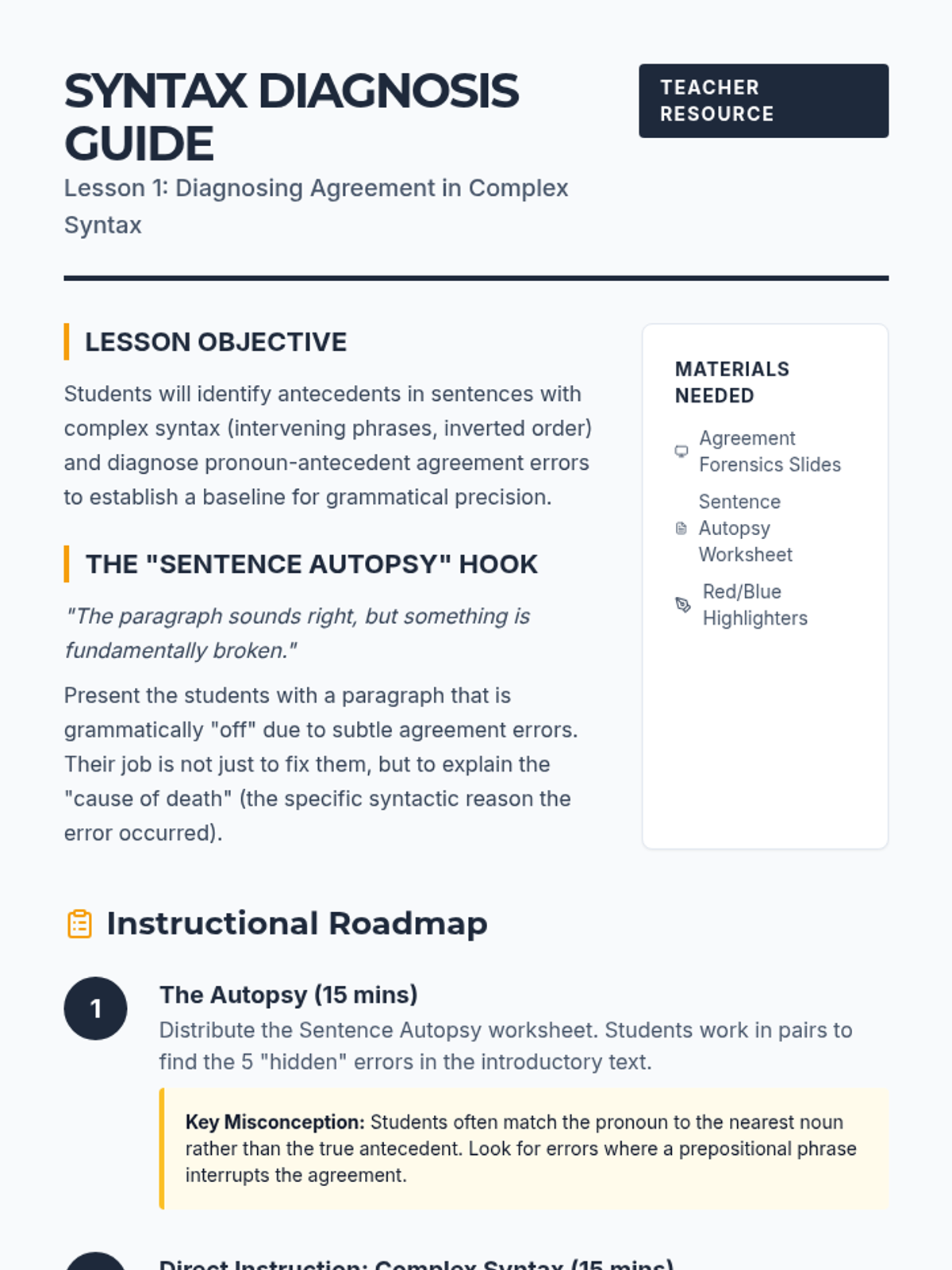
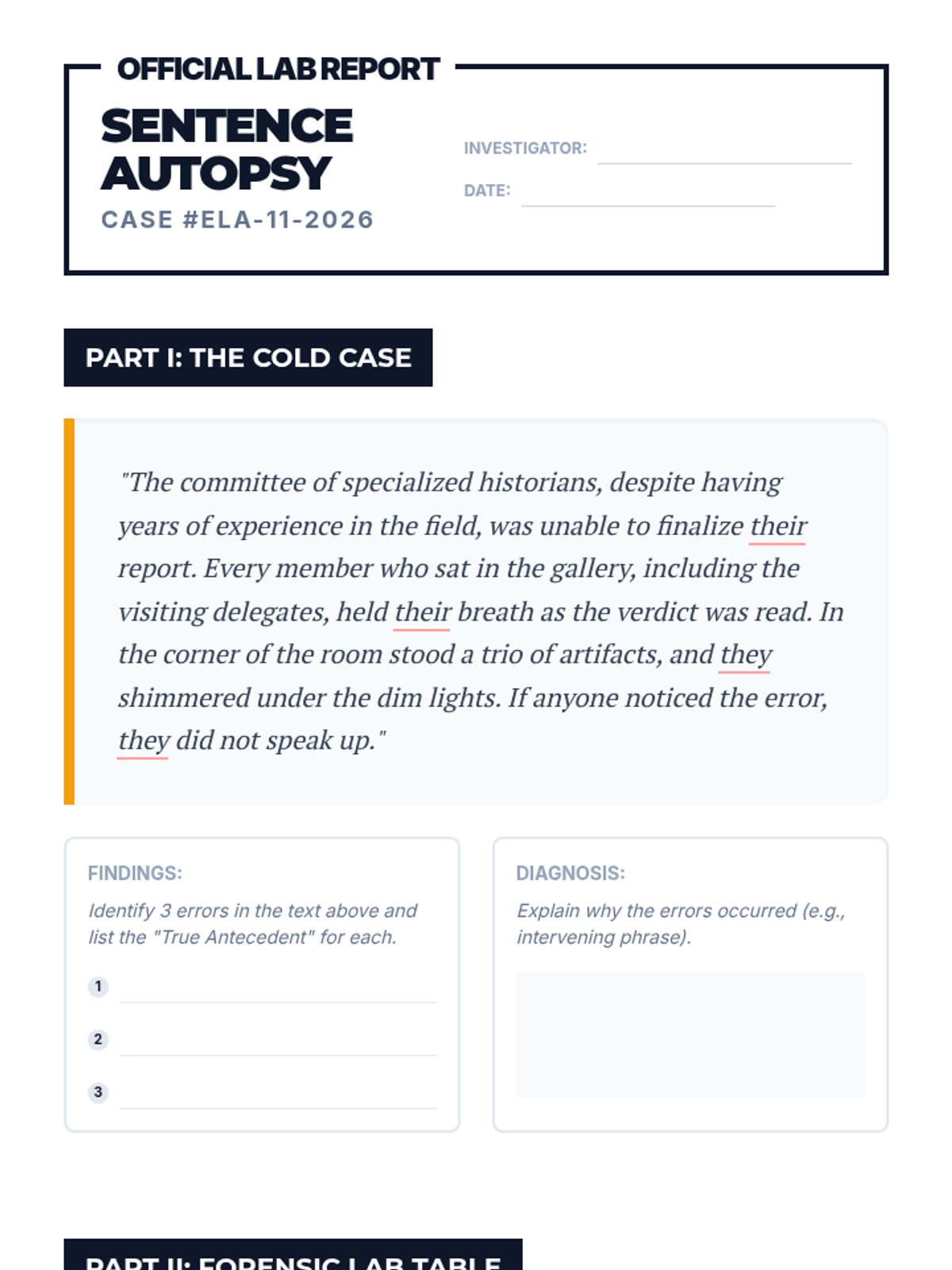
A comprehensive 11th-grade grammar sequence focusing on subject-verb agreement in complex sentences. Students progress from identifying intervening phrases to mastering indefinite pronouns, inverted syntax, and collective nouns, culminating in a professional copy-editing simulation.
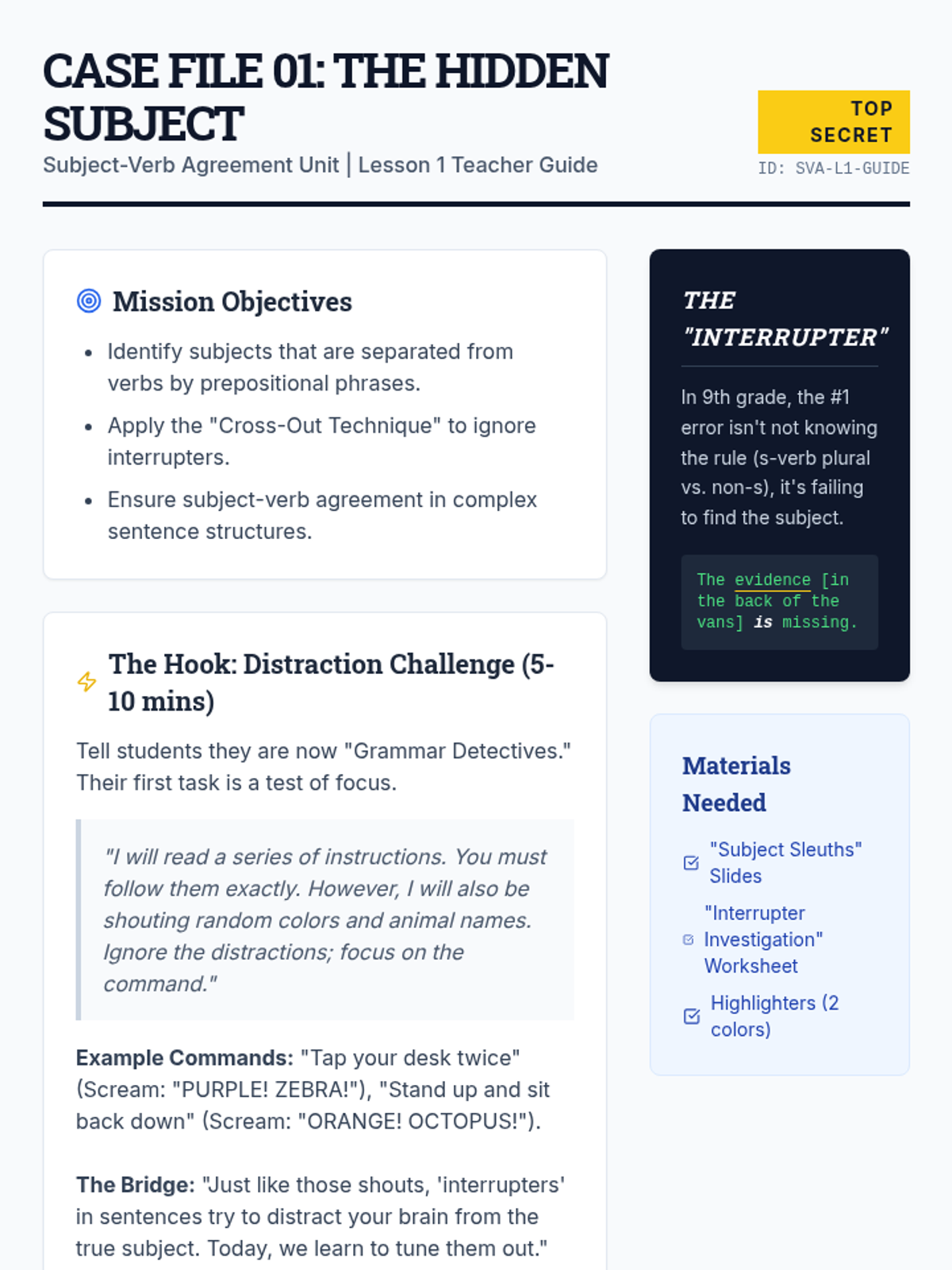
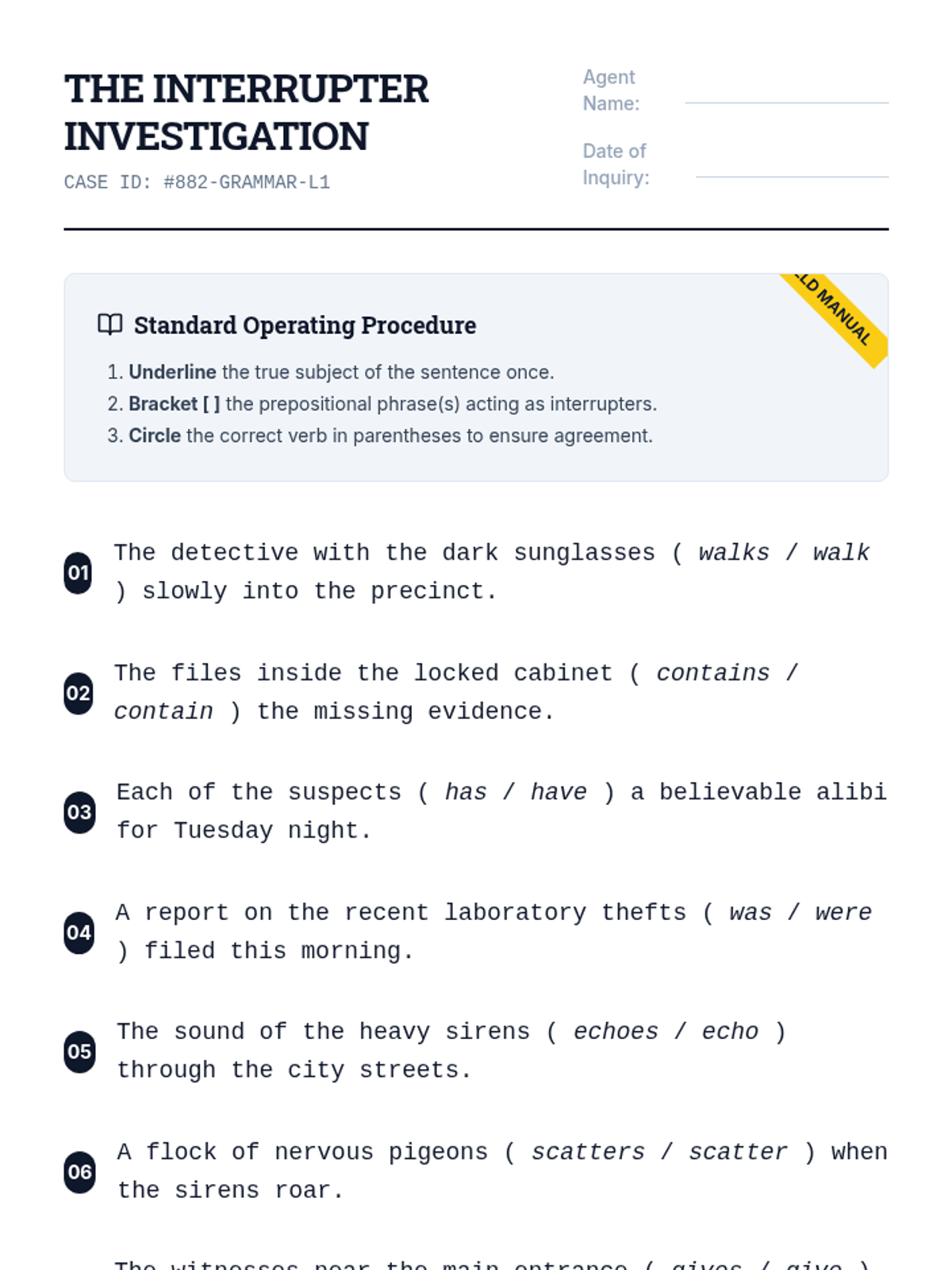
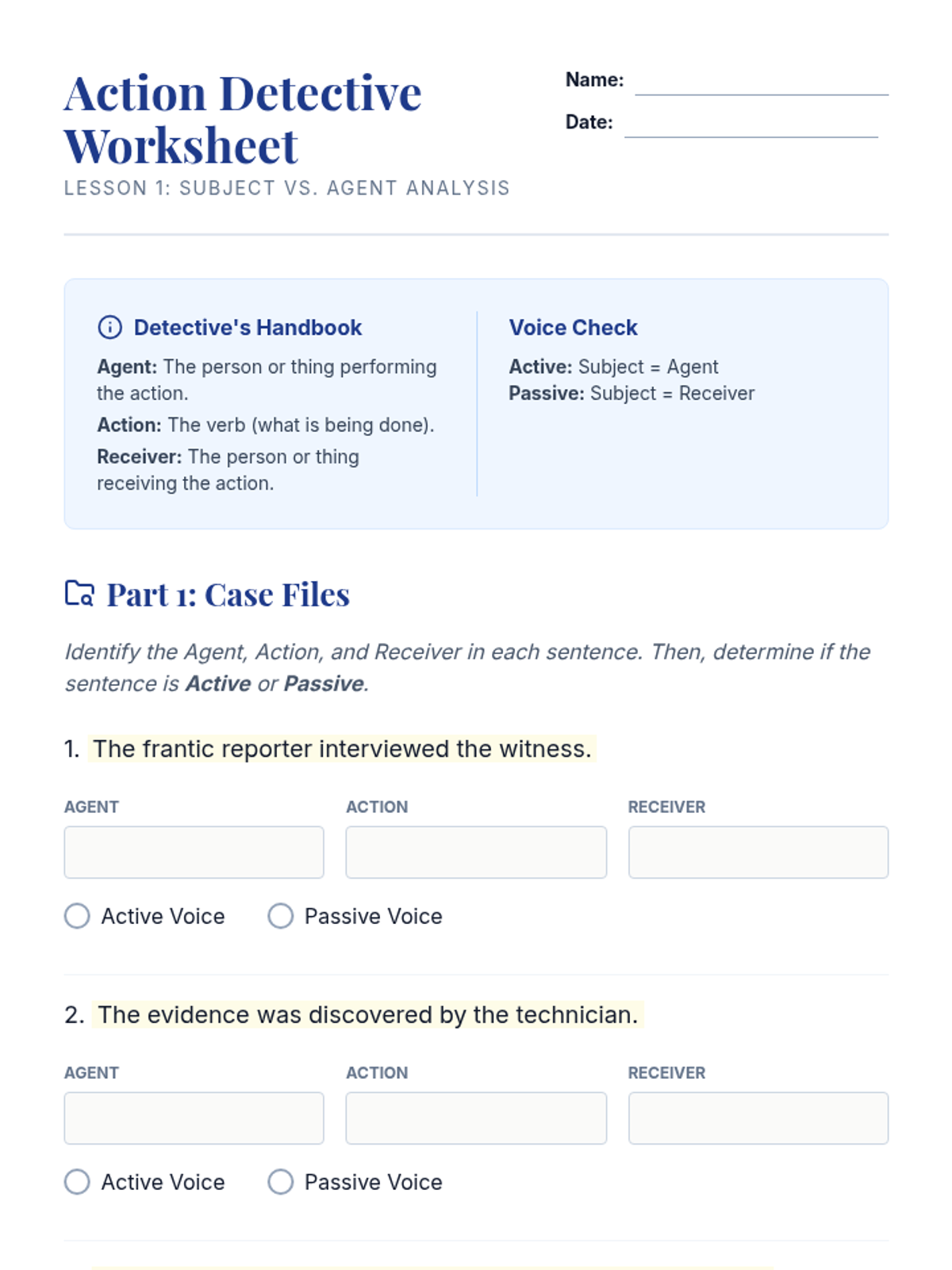
A comprehensive 9th-grade grammar sequence focusing on subject-verb agreement in complex sentences using a 'Grammar Detective' theme. Students progress from identifying true subjects amidst interrupters to mastering compound subjects, indefinite pronouns, and inverted sentences.
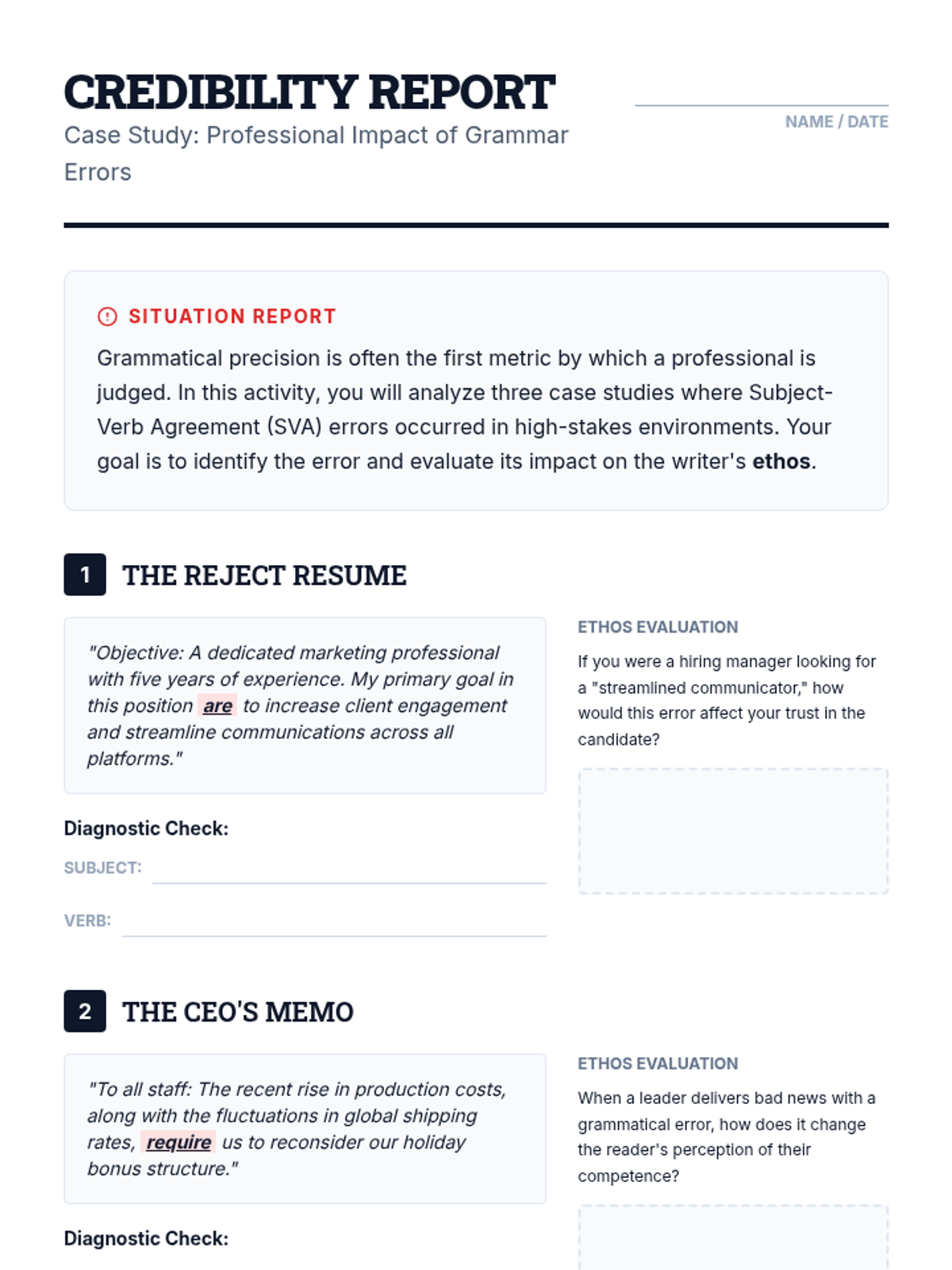
A high-stakes simulation where 12th-grade students act as professional copy editors to master subject-verb agreement in journalism, corporate communication, and technical writing. This sequence focuses on how grammatical precision establishes professional ethos and clarity.
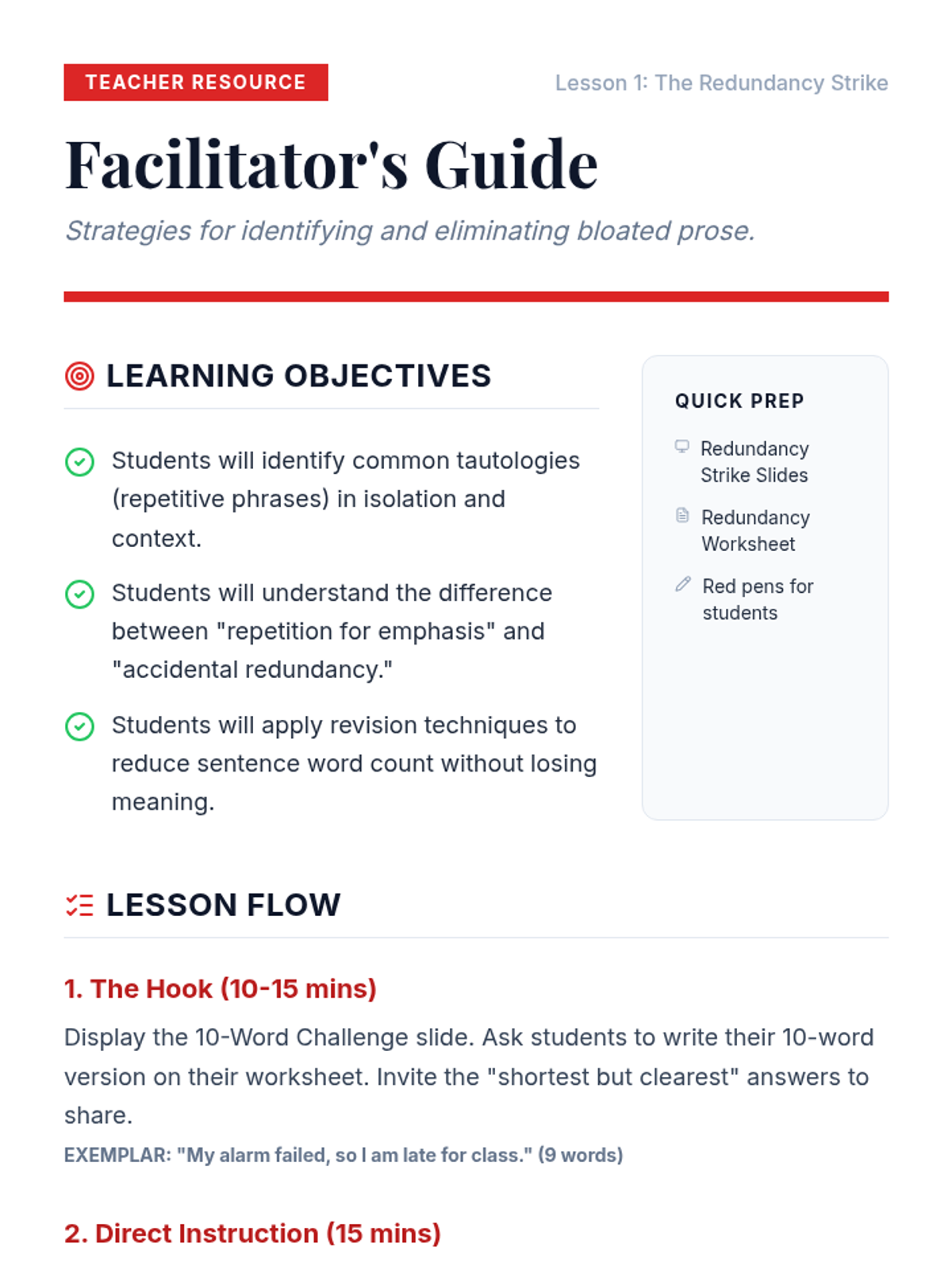
This sequence focuses on the foundational skills of word economy and vocabulary selection, teaching students to identify redundancies and replace vague language with precise alternatives. Learners will progress from sentence-level edits to full-text revision, transforming bloated prose into sharp, impactful writing.
An 11th-grade ELA project where students master subject-verb agreement by creating a 'Grammar Survival Guide' for peers. Students progress from diagnosing common errors to designing visual infographics and scripting instructional tutorials.
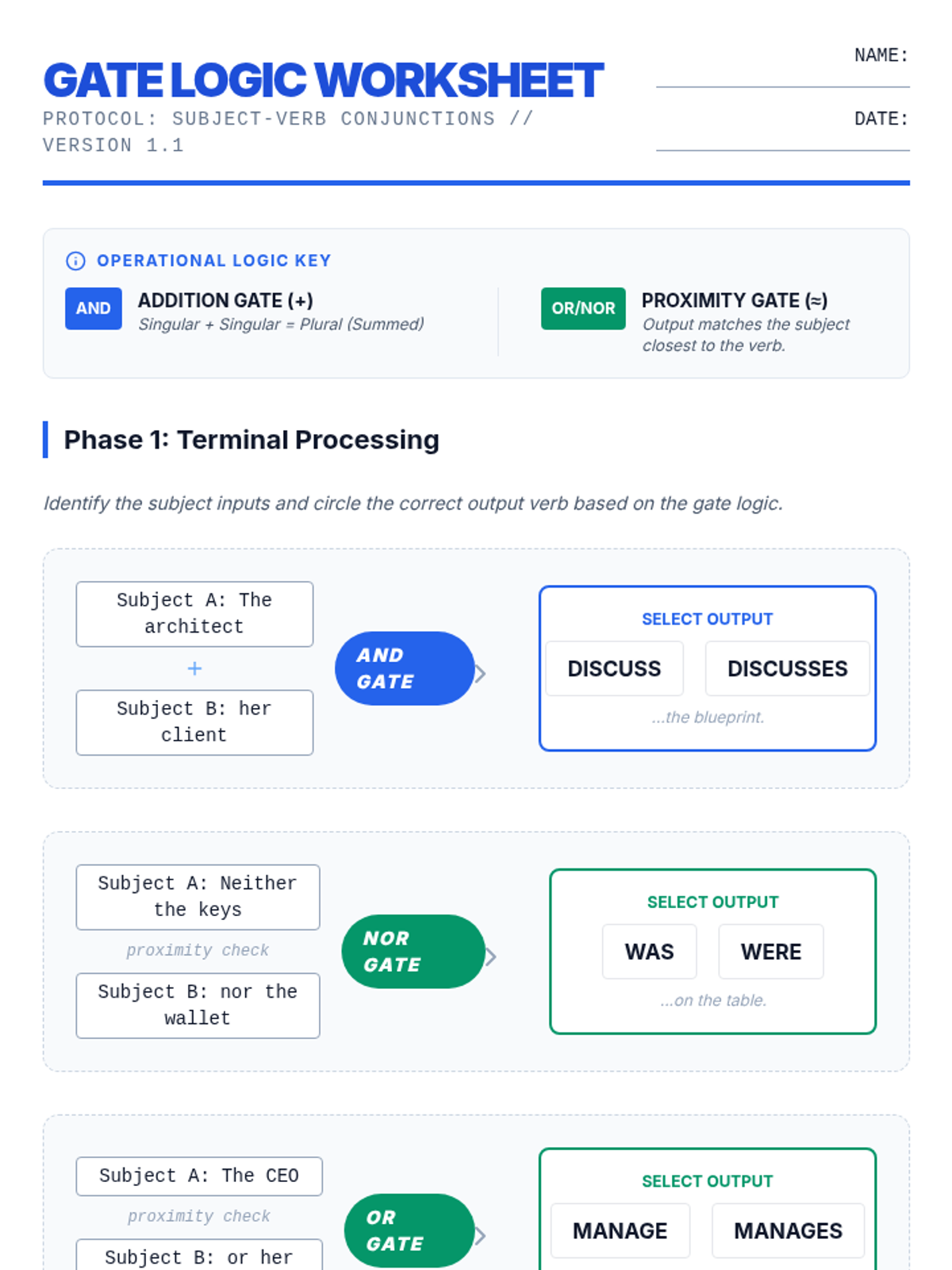
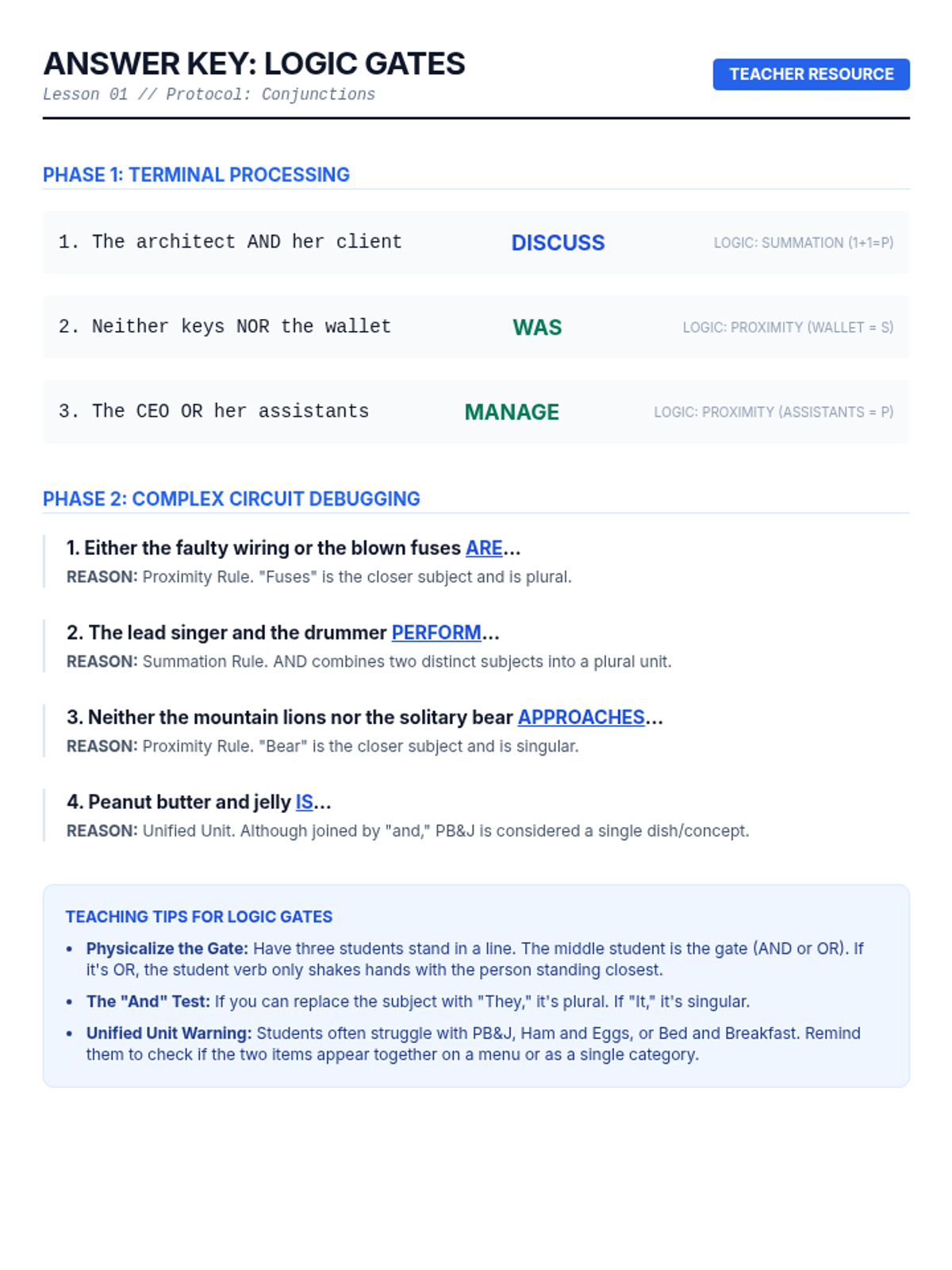
A technical, logic-driven approach to subject-verb agreement for 11th-grade students, treating grammar as a system of equations and logic gates to solve complex sentence structures.
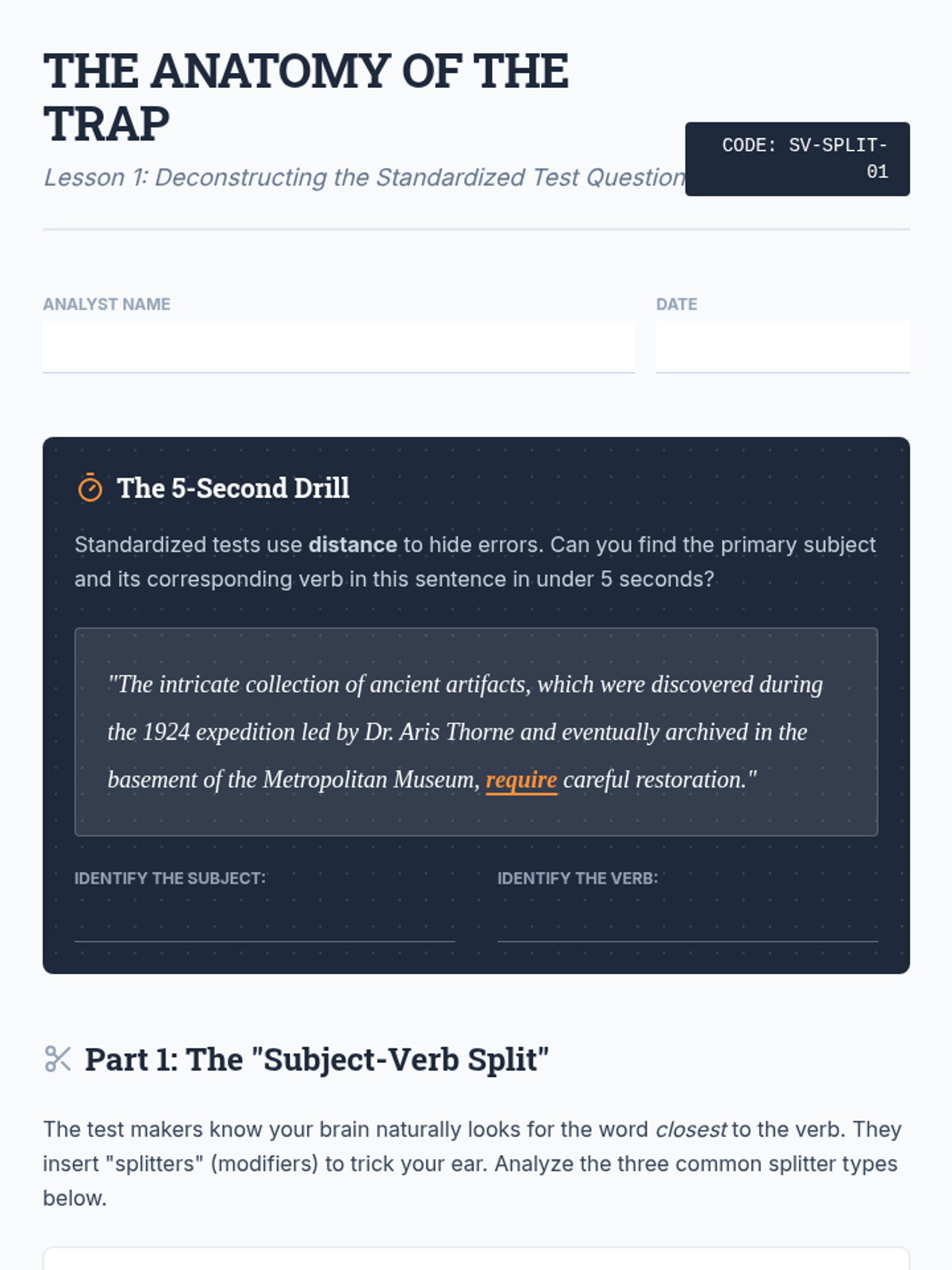
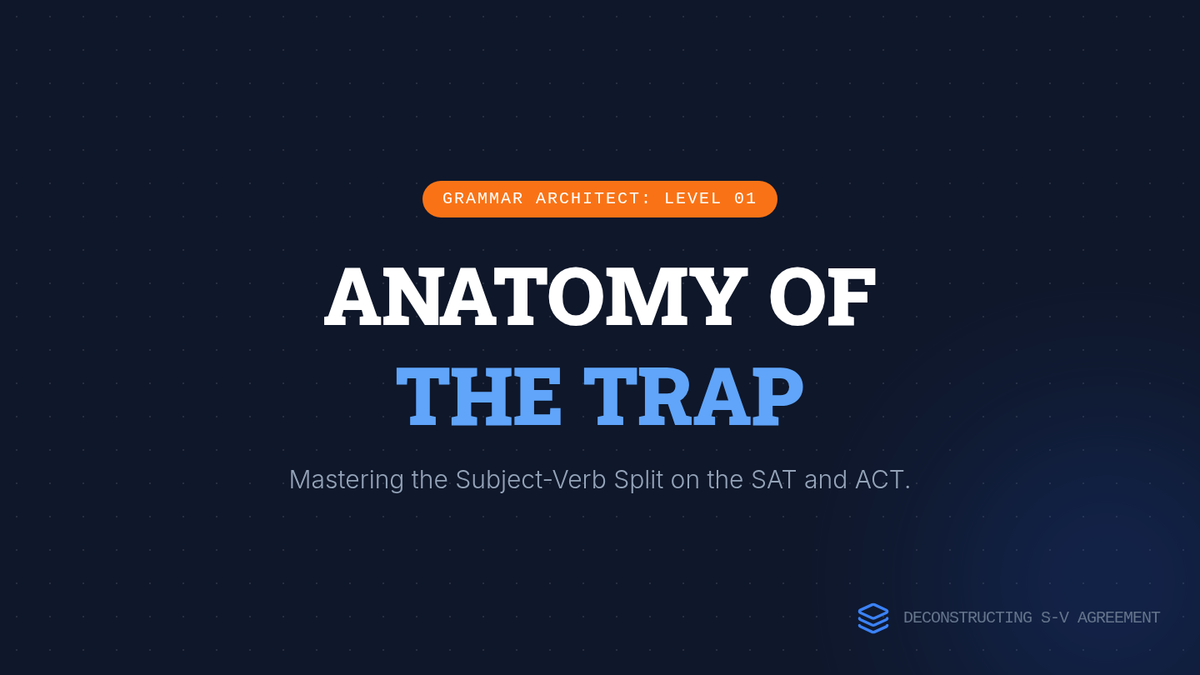
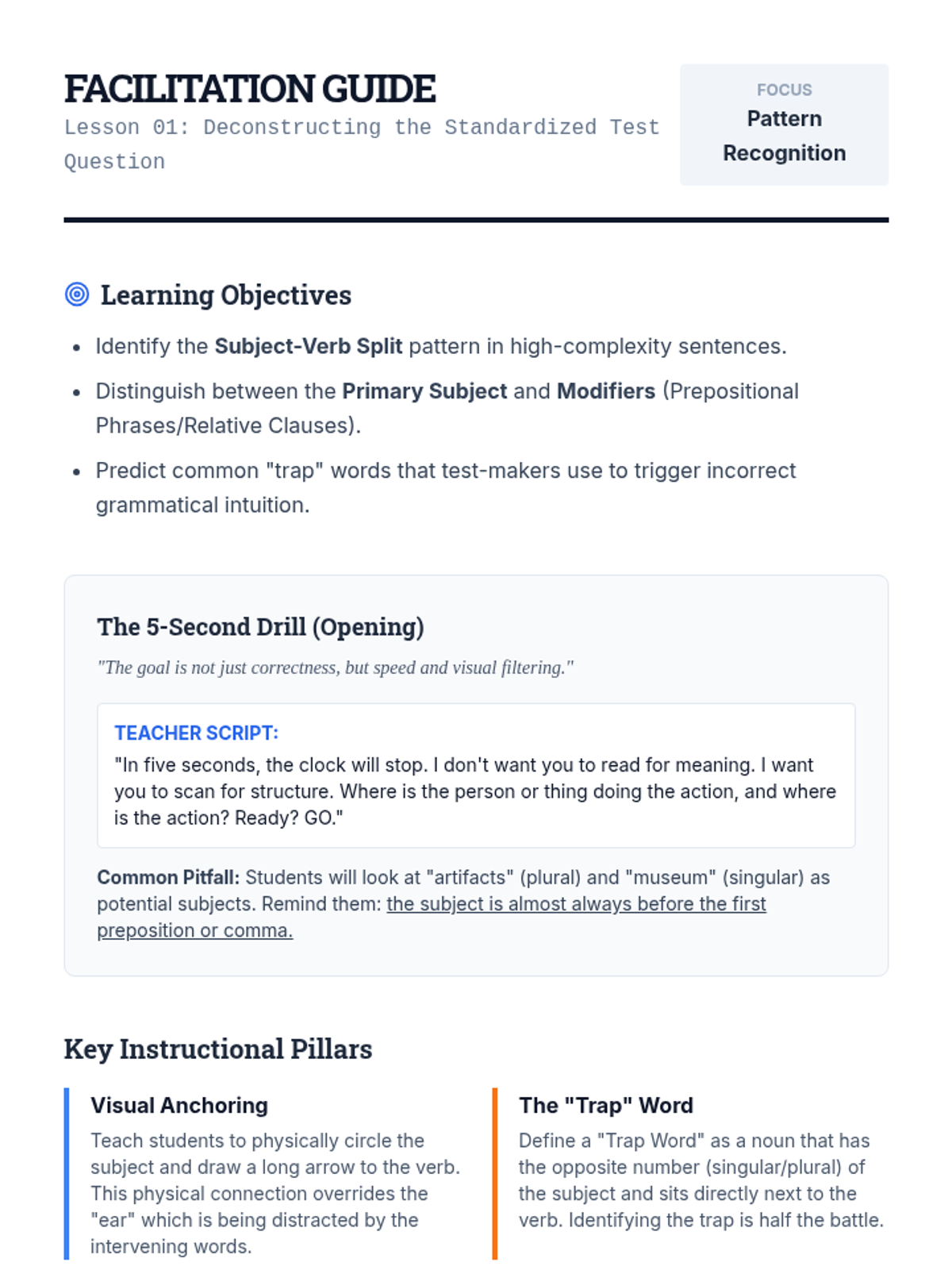
A high-stakes test prep sequence for 9th graders focusing on the complex subject-verb agreement patterns found on the SAT and ACT. Students learn to identify 'Subject-Verb Splits', eliminate distractor phrases, and master tricky singular nouns to navigate standardized assessments with confidence.
A comprehensive 9th Grade English sequence focusing on subject-verb agreement through sentence analysis. Students learn to navigate intervening phrases, appositives, and inverted structures to ensure grammatical precision in complex writing.
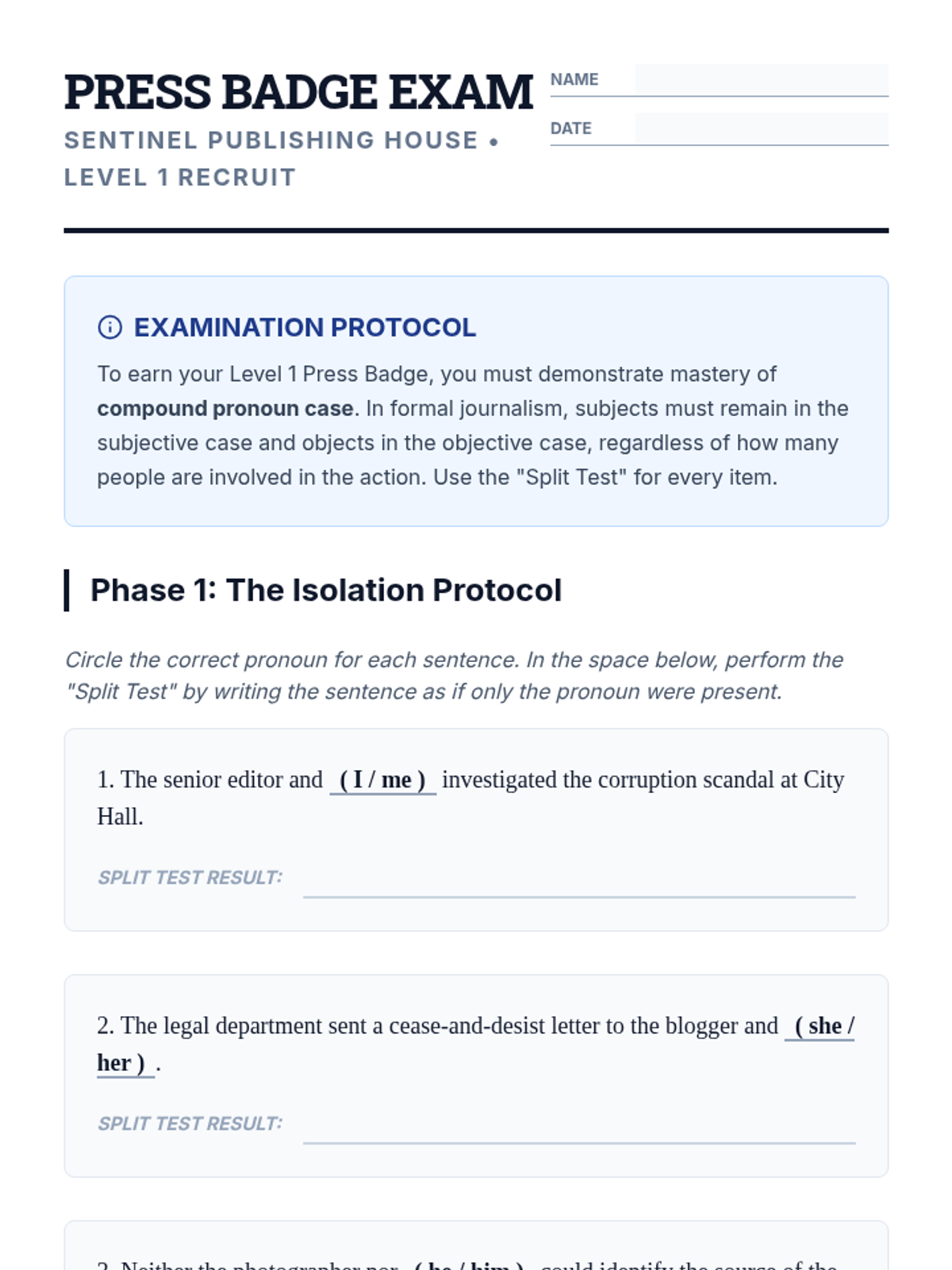
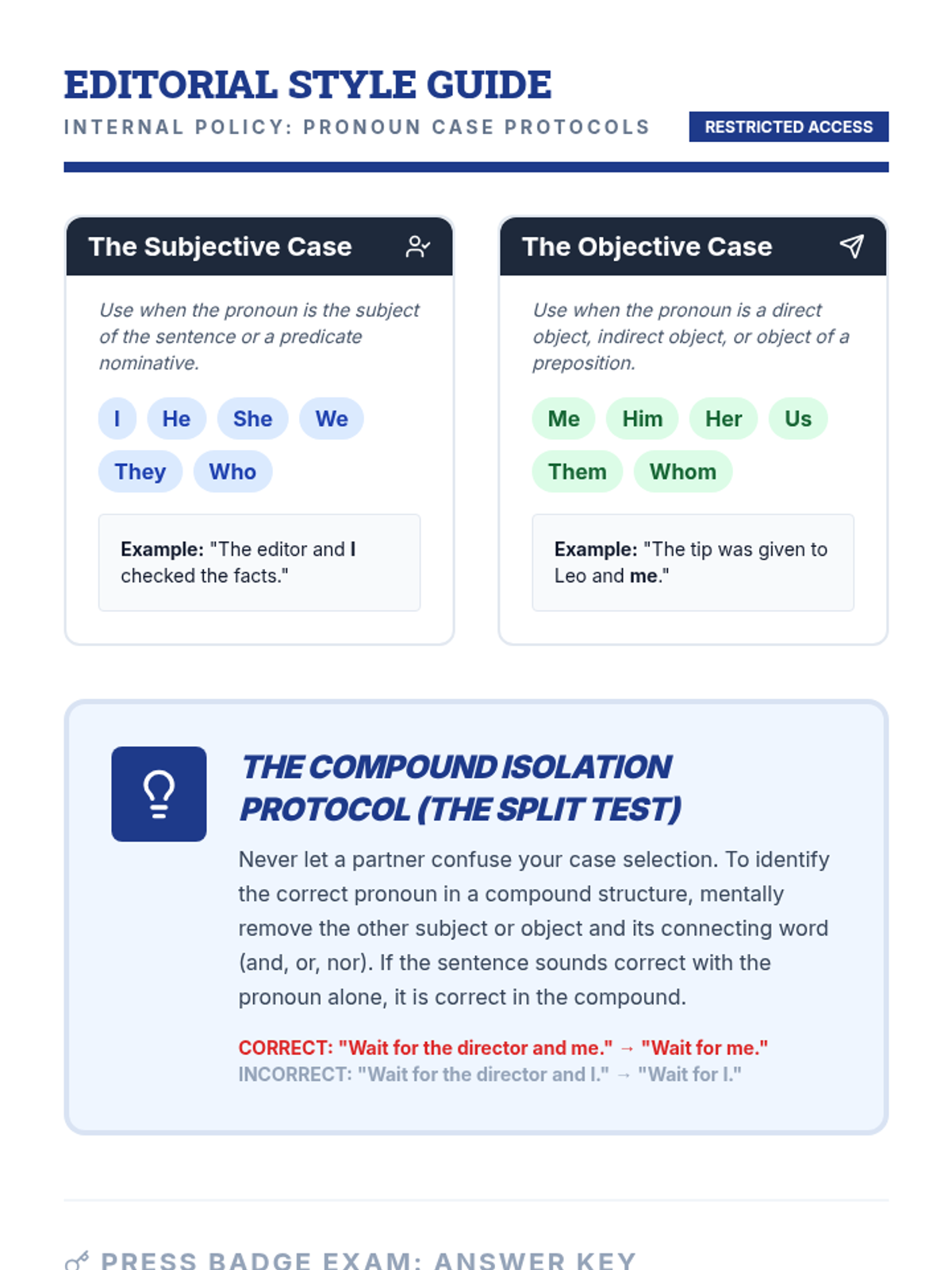
An 11th-grade ELA sequence where students act as editorial staff in a high-stakes publishing house, mastering advanced pronoun case through simulations and games.
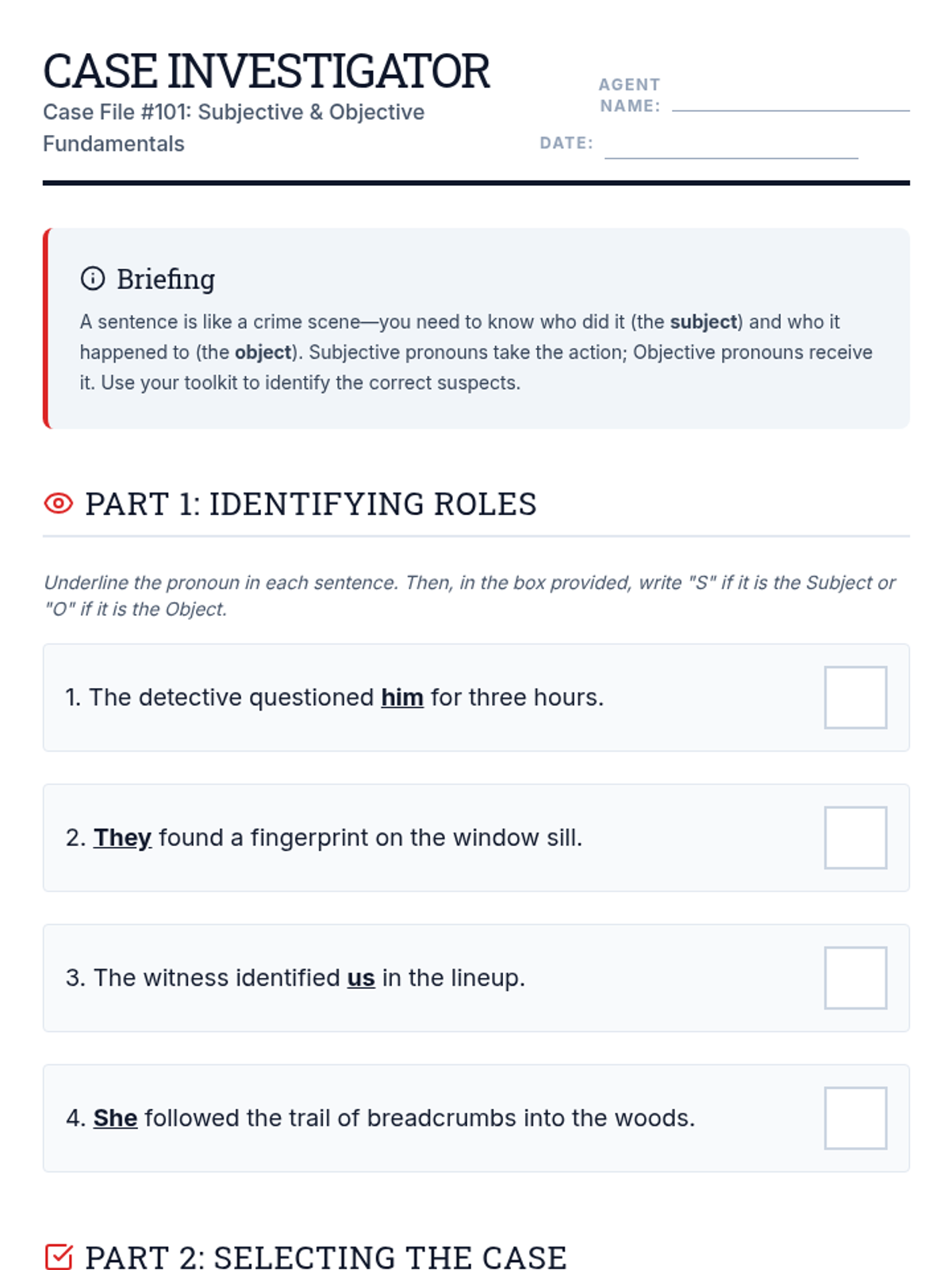
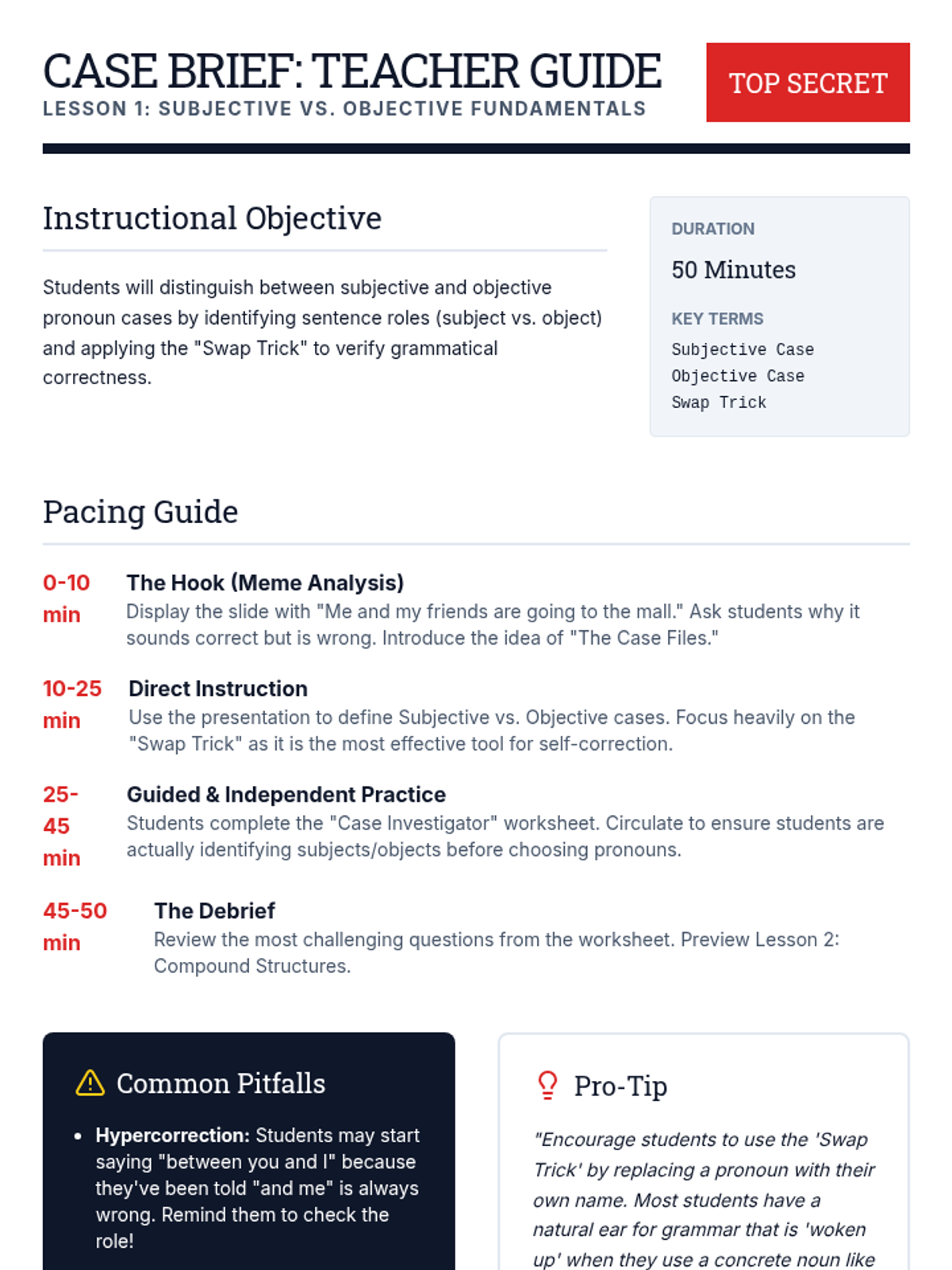
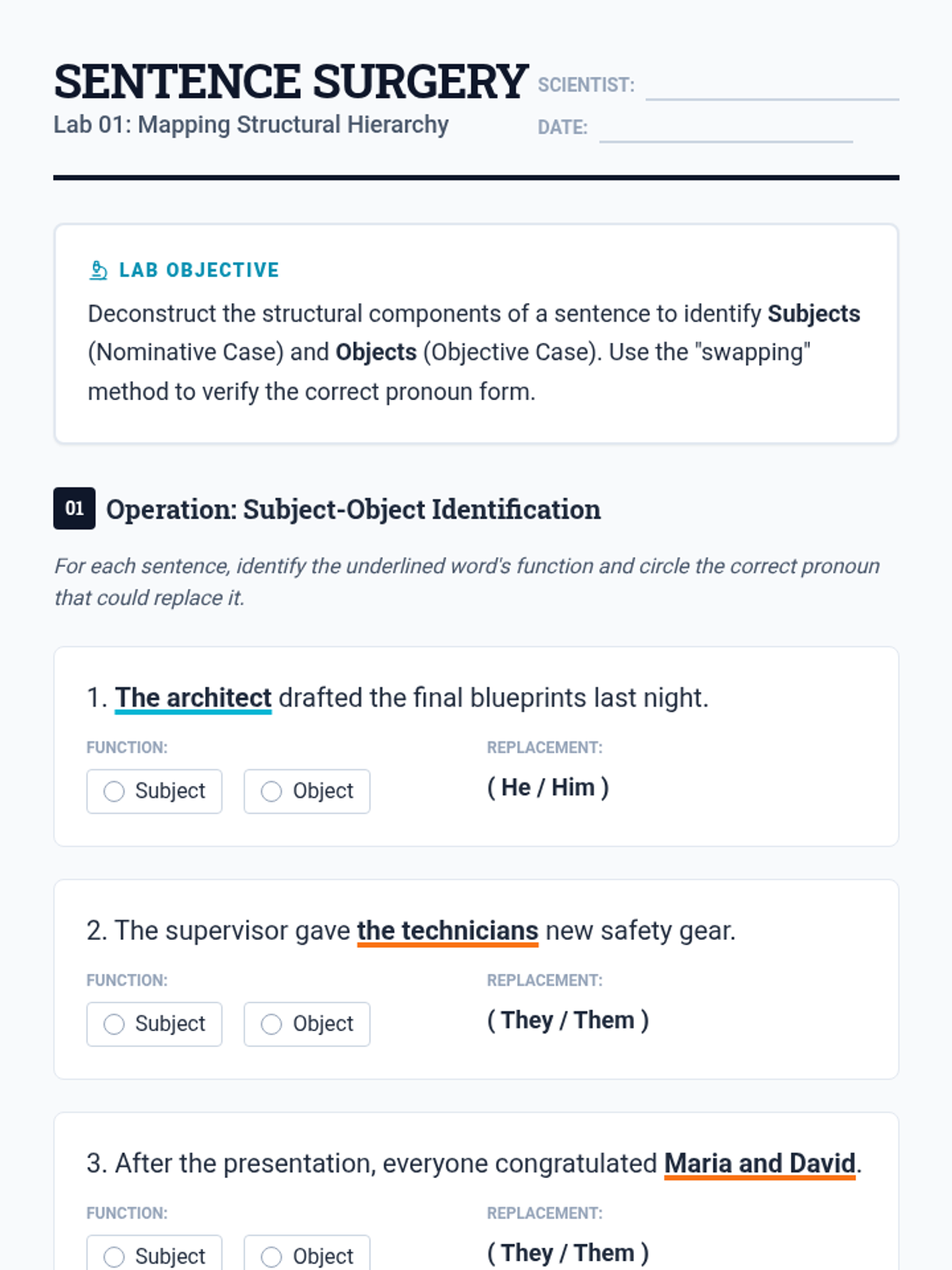
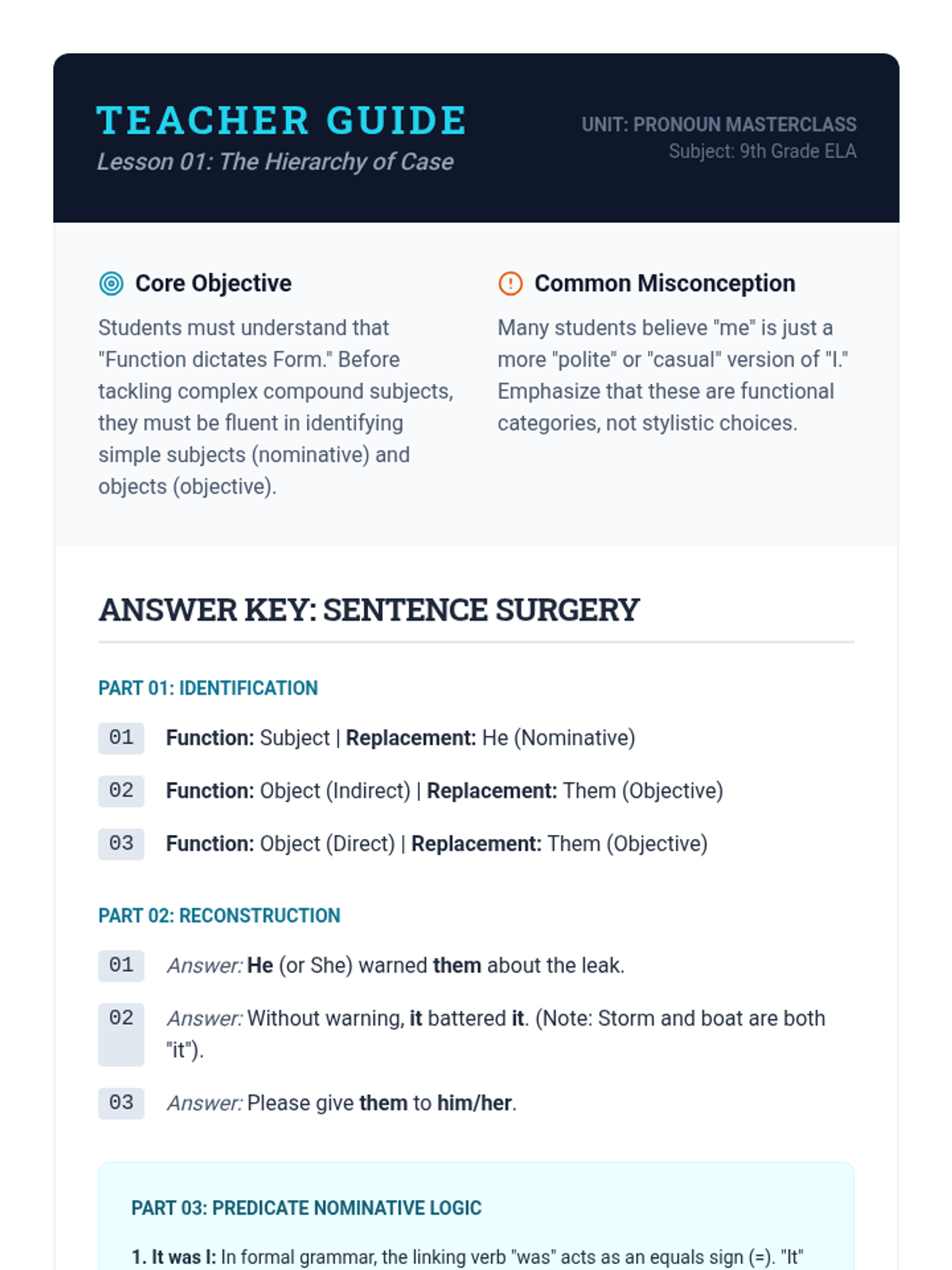
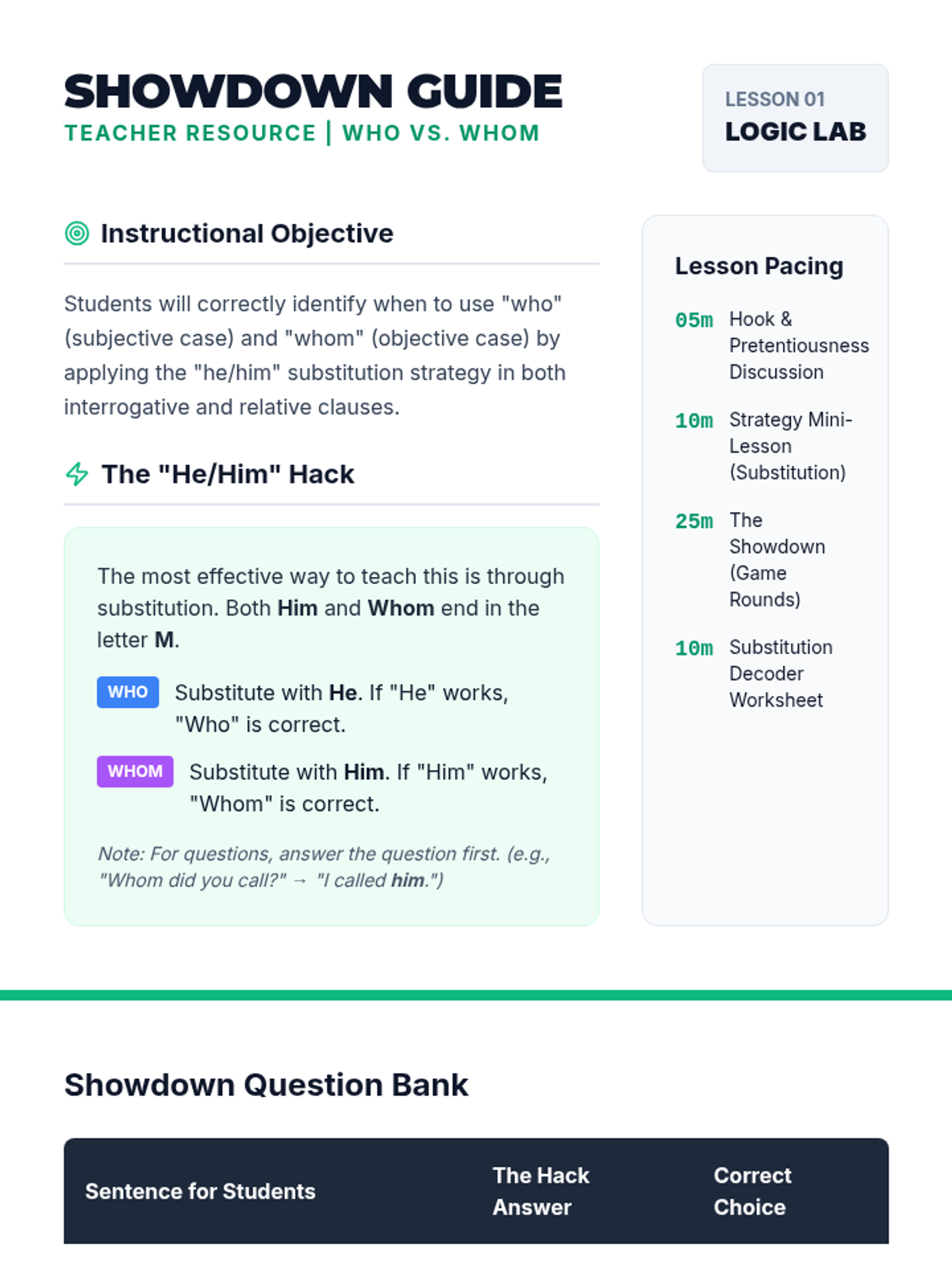
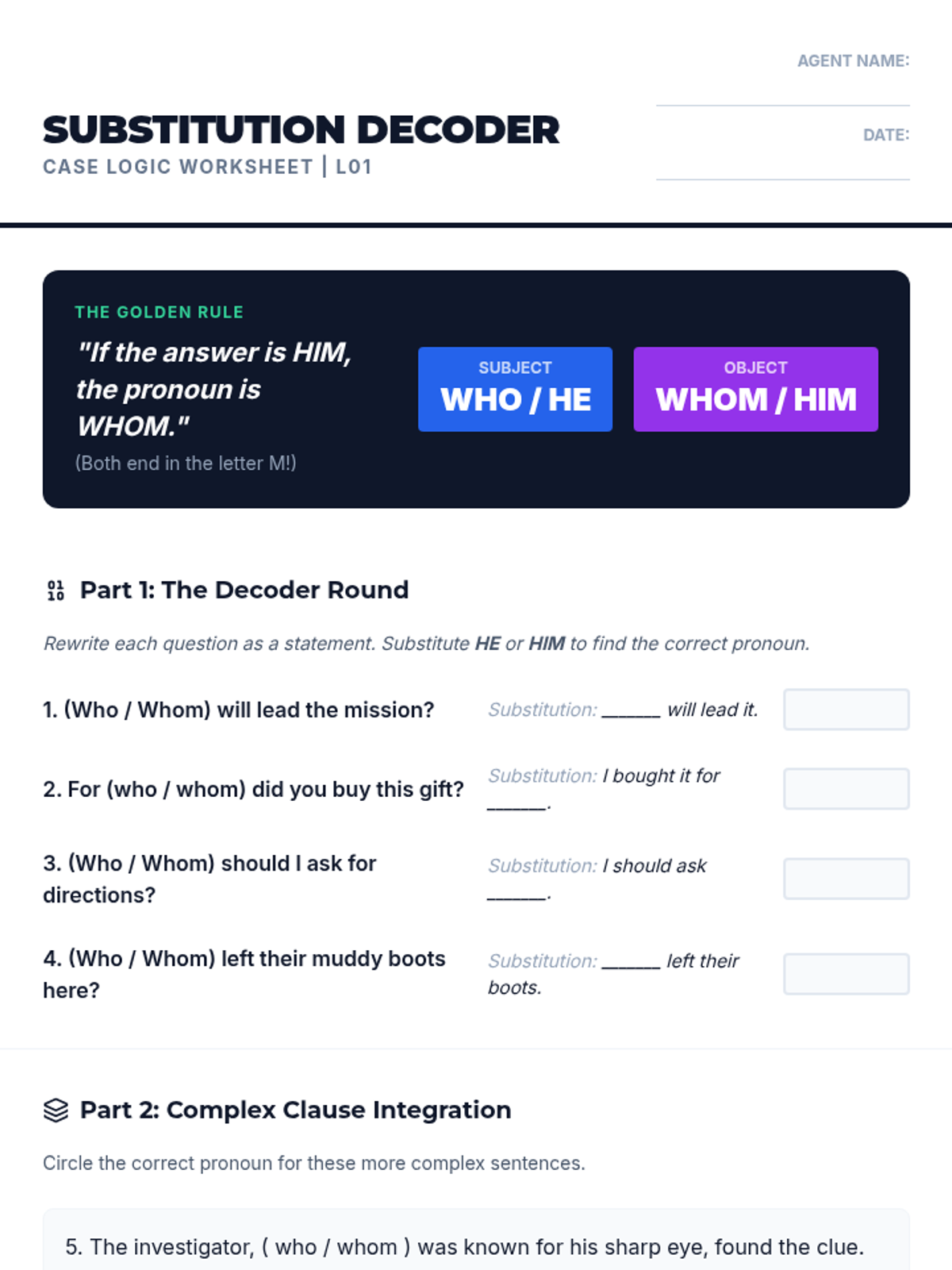
A comprehensive 9th-grade grammar unit focusing on the mechanics of pronoun case, from basic subjective/objective distinctions to complex compound structures and the nuances of 'who' vs. 'whom'. Students progress from identification to application in formal writing.
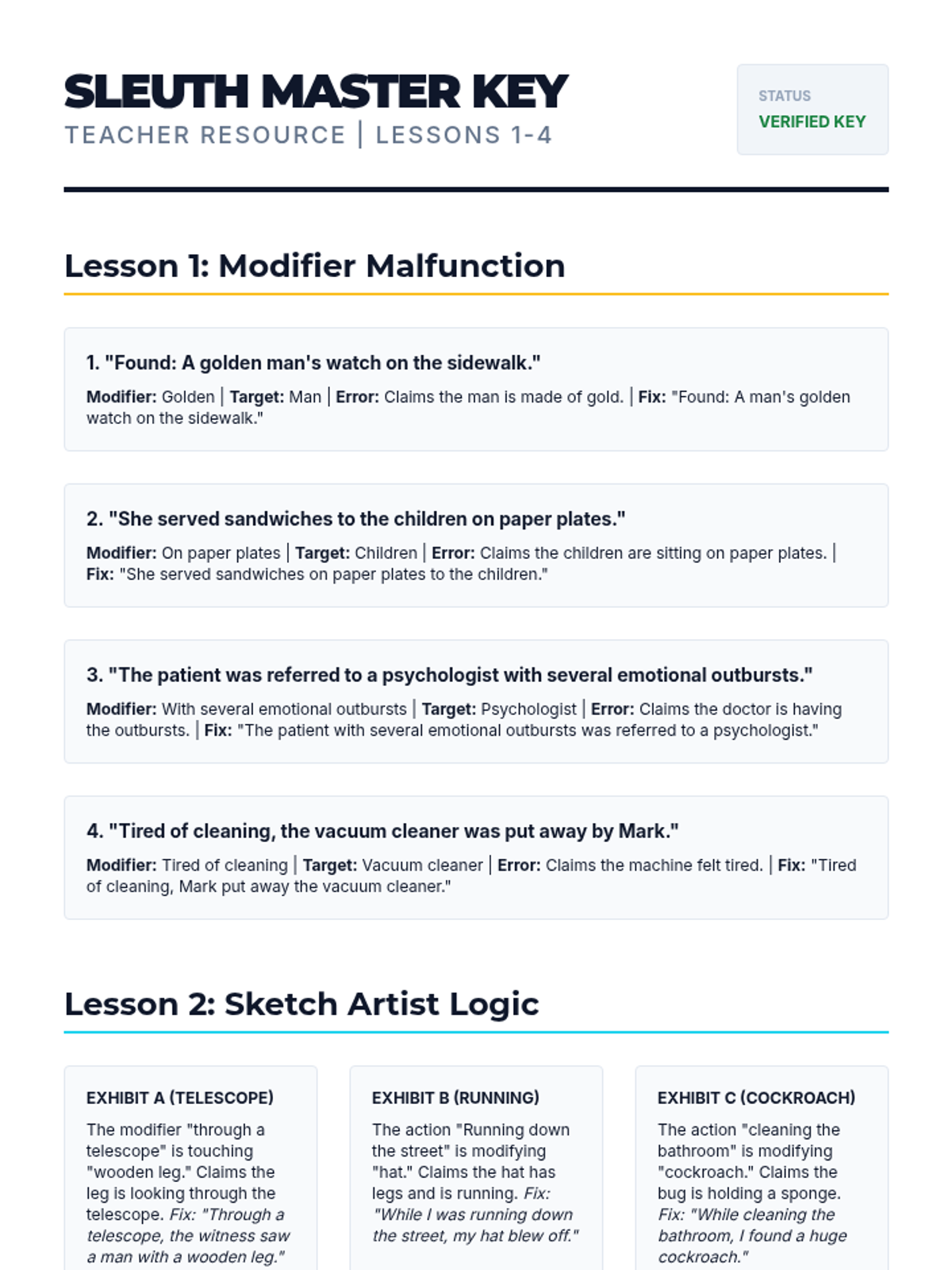
A comprehensive unit on misplaced and dangling modifiers using a 'Linguistic Detective' theme. Students progress from intuitive ear-testing to technical categorization and stylistic analysis of split infinitives, culminating in a mastery escape room challenge.
A high-stakes investigative sequence where students act as professional editors to uncover and correct communication failures caused by misplaced and squinting modifiers in news, law, and signage.
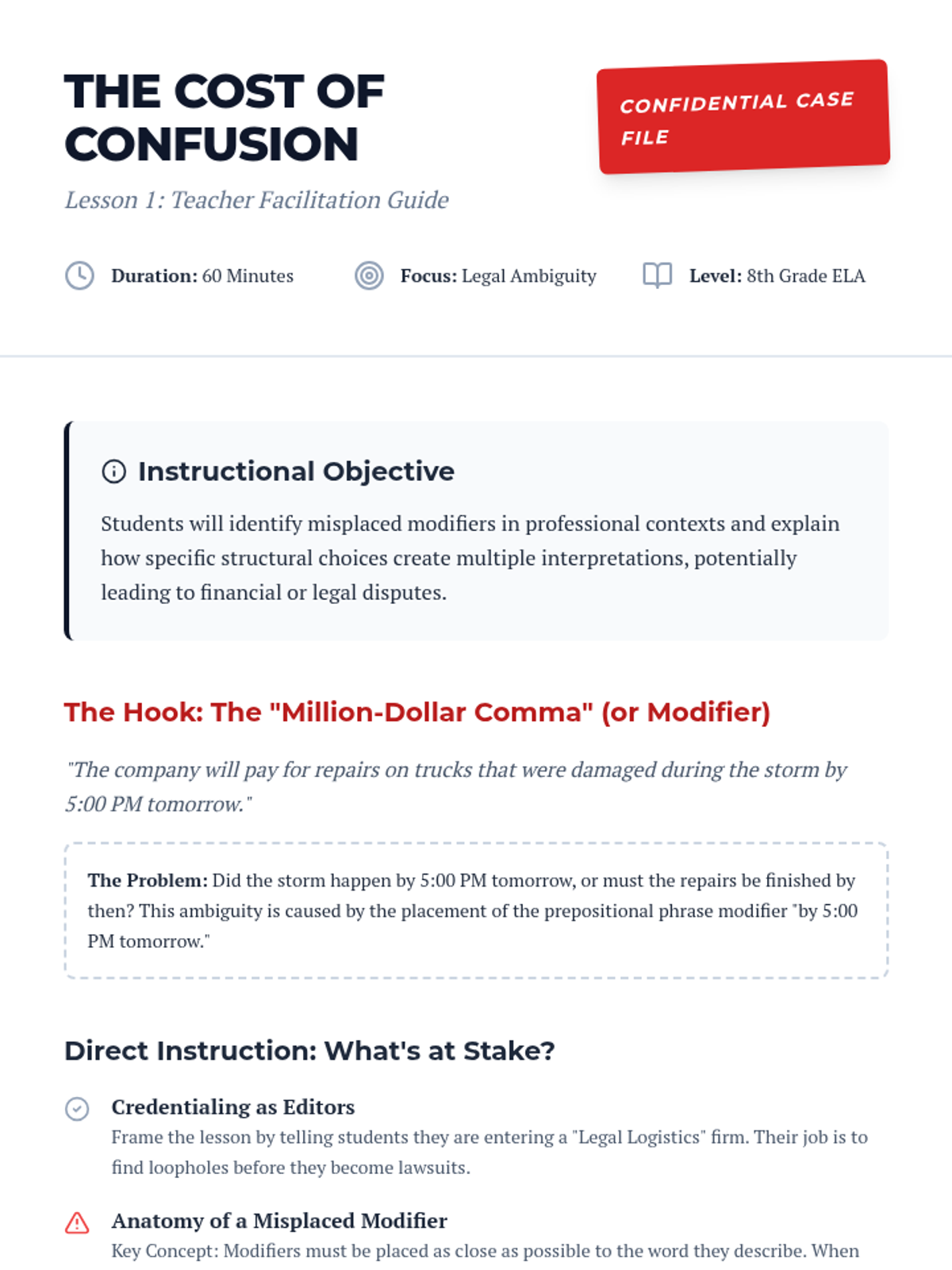
A high-stakes grammar sequence where students act as professional editors, mastering misplaced modifiers to ensure credibility and clarity in legal, technical, and journalistic contexts. Students analyze real-world impacts of ambiguous language and learn to communicate with professional precision.
A simulation-based sequence where students act as professional editors, mastering misplaced modifiers to ensure clarity and credibility in non-fiction writing.
A high-level editing unit for 12th-grade students focusing on the strategic placement of modifiers to enhance clarity and authority in professional and academic writing. Students analyze real-world ambiguity in legal and journalistic texts to master the nuances of syntactic precision.
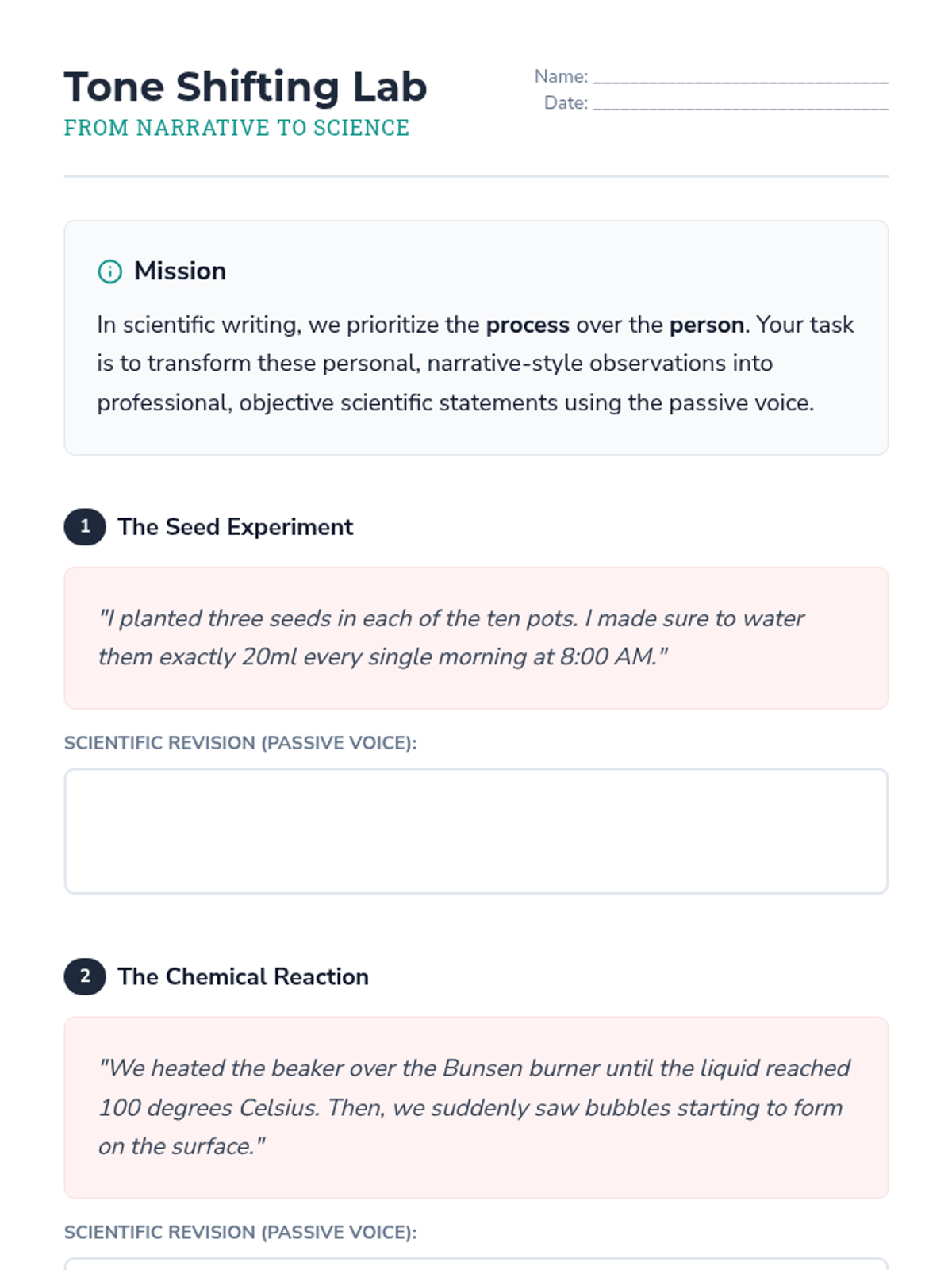
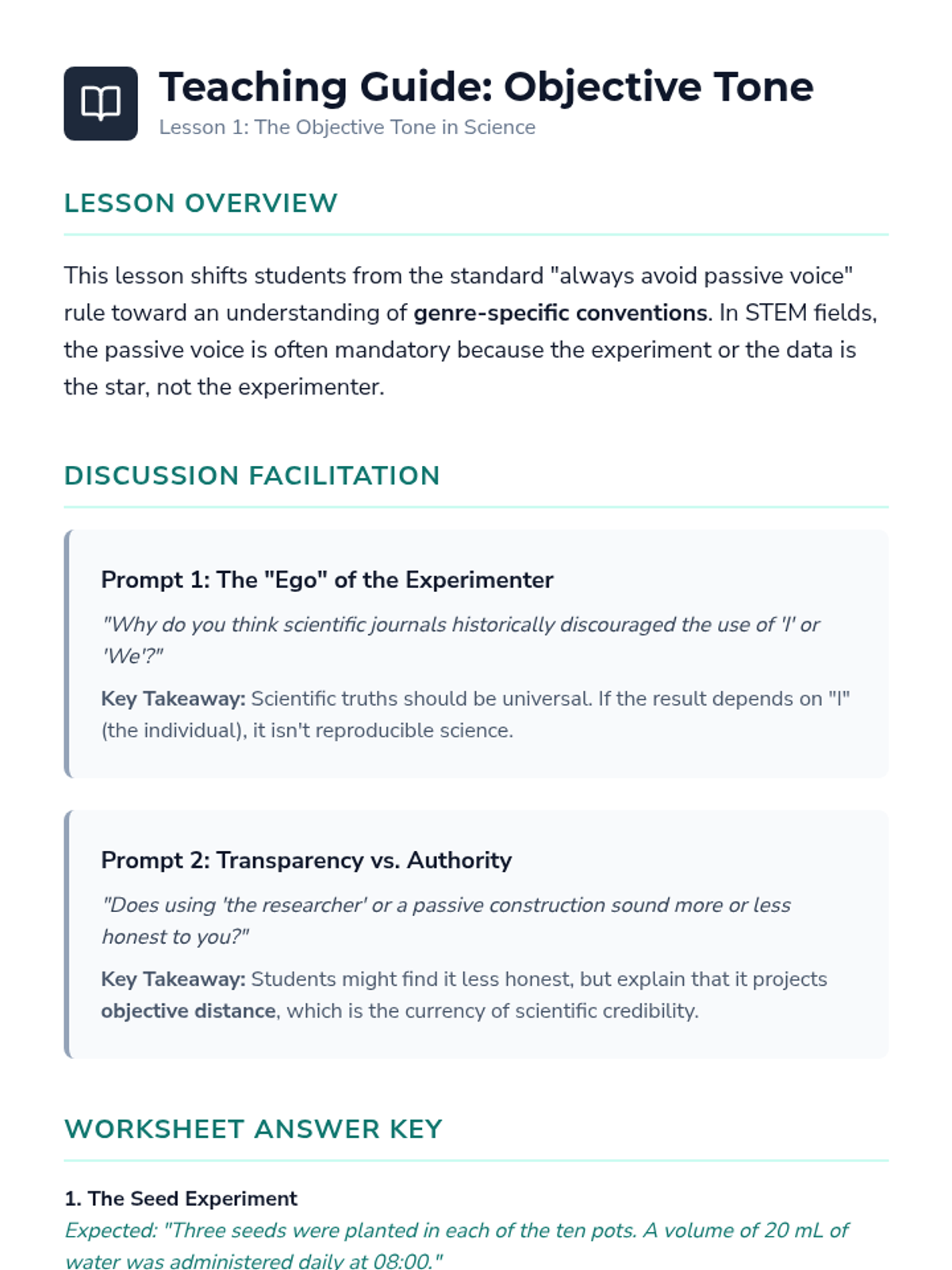
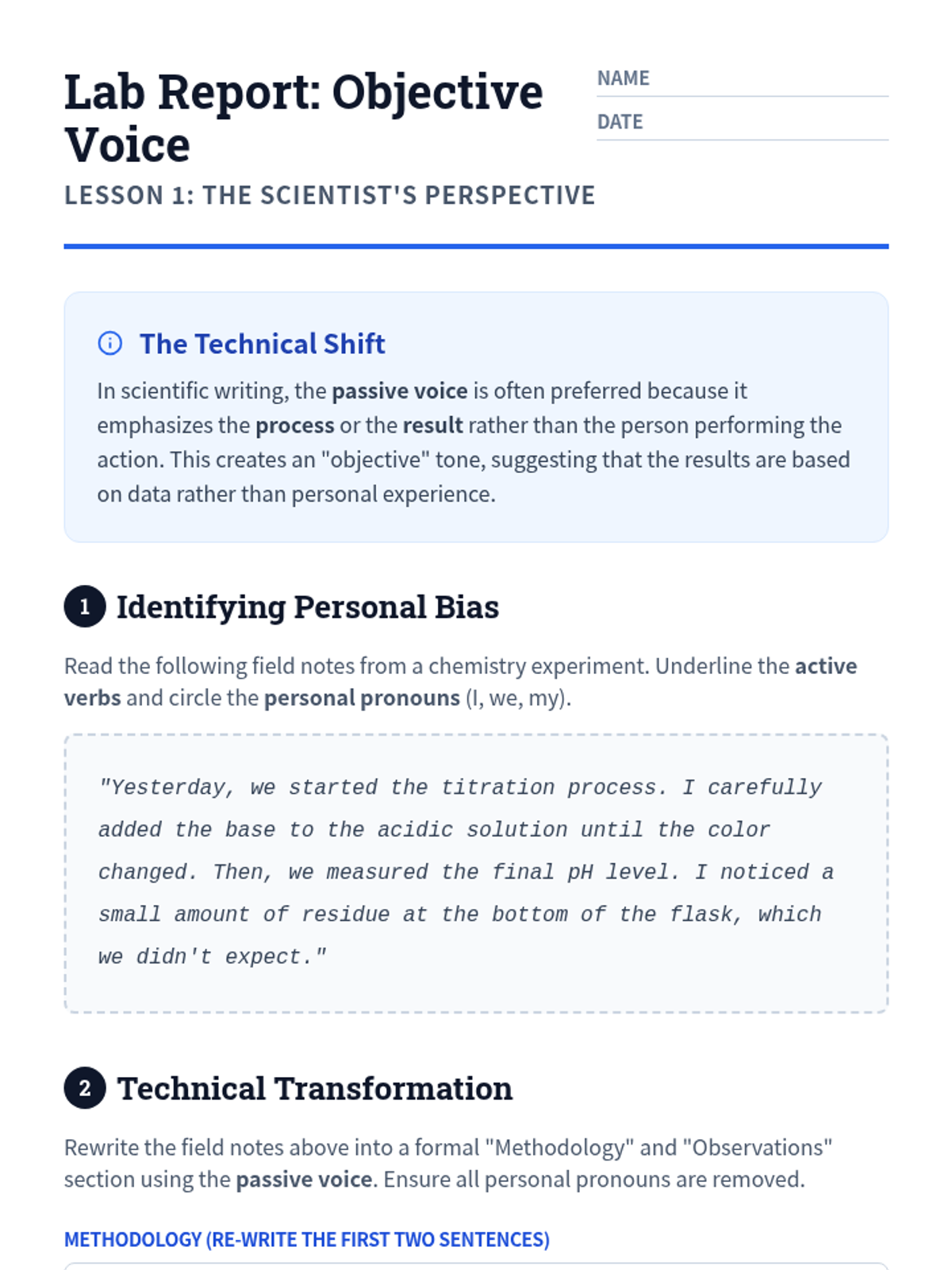
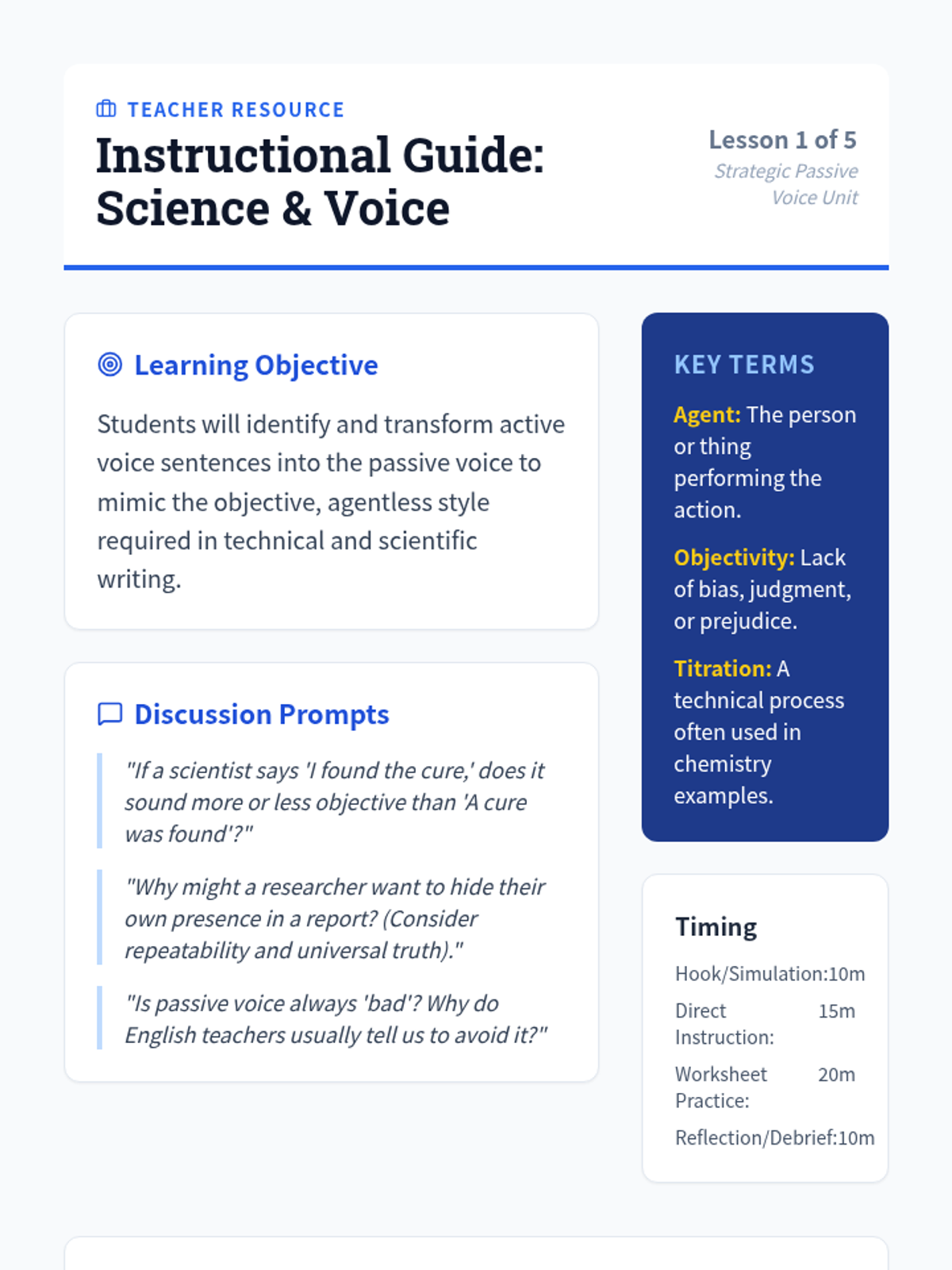
A comprehensive 12th-grade writing sequence exploring the strategic use of passive voice in STEM and technical fields. Students transition from general 'avoiding passive' rules to mastering the objective, impersonal standards required for professional scientific and technical communication.
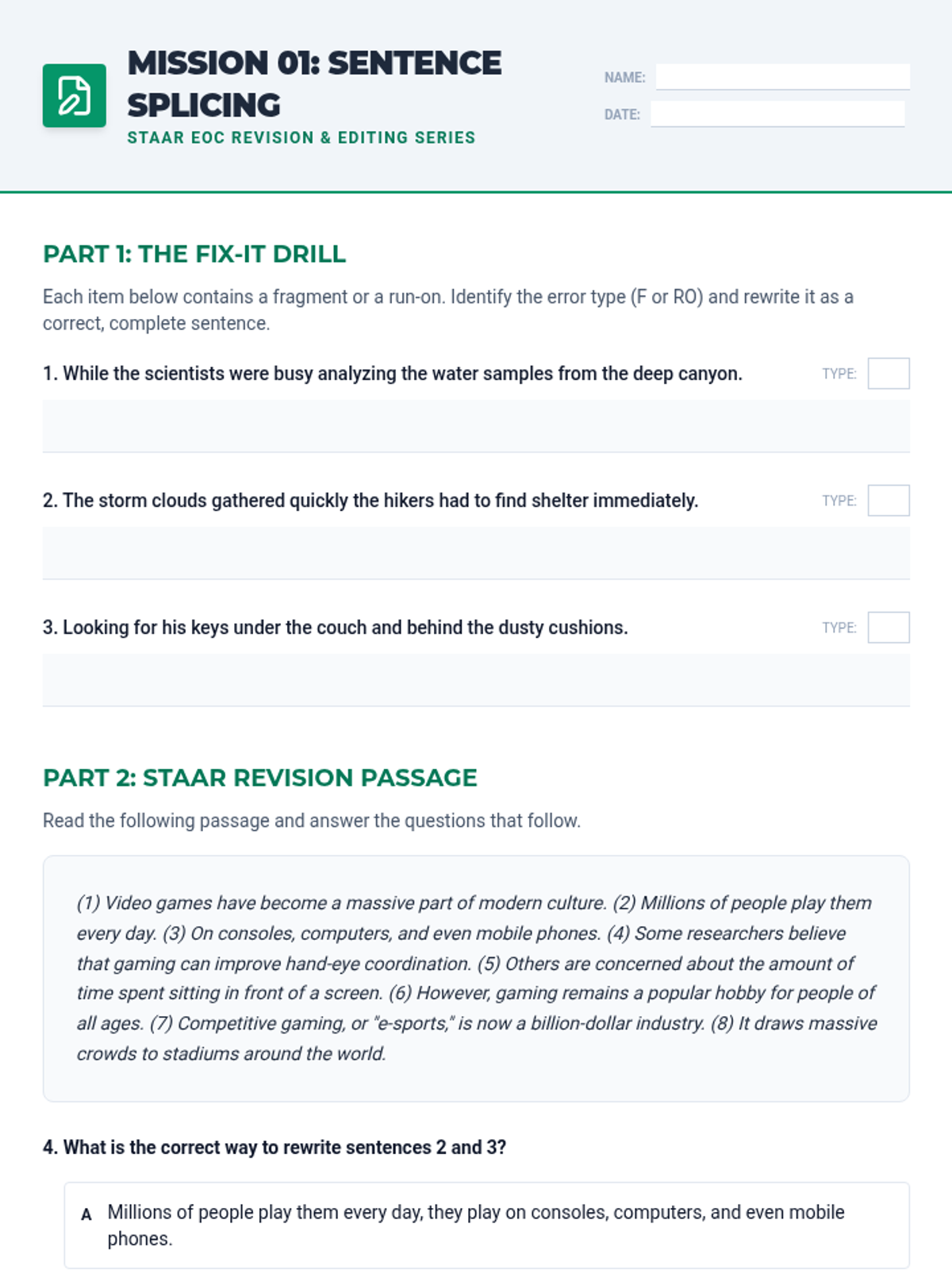
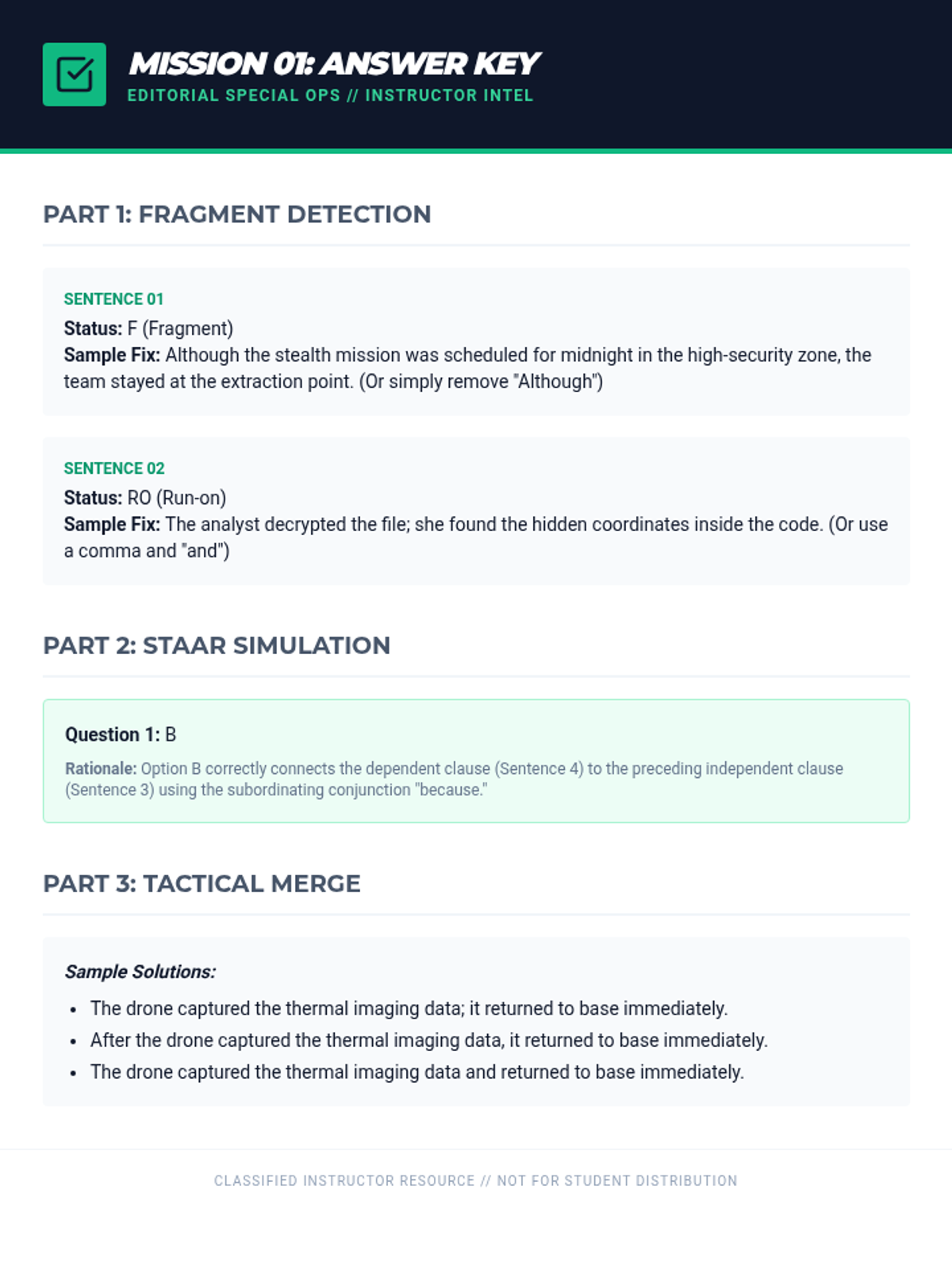
A series of five 17-minute high-intensity revising and editing missions designed to prepare English I students for the STAAR EOC. Each mission focuses on a high-leverage skill through a tactical "special ops" theme.
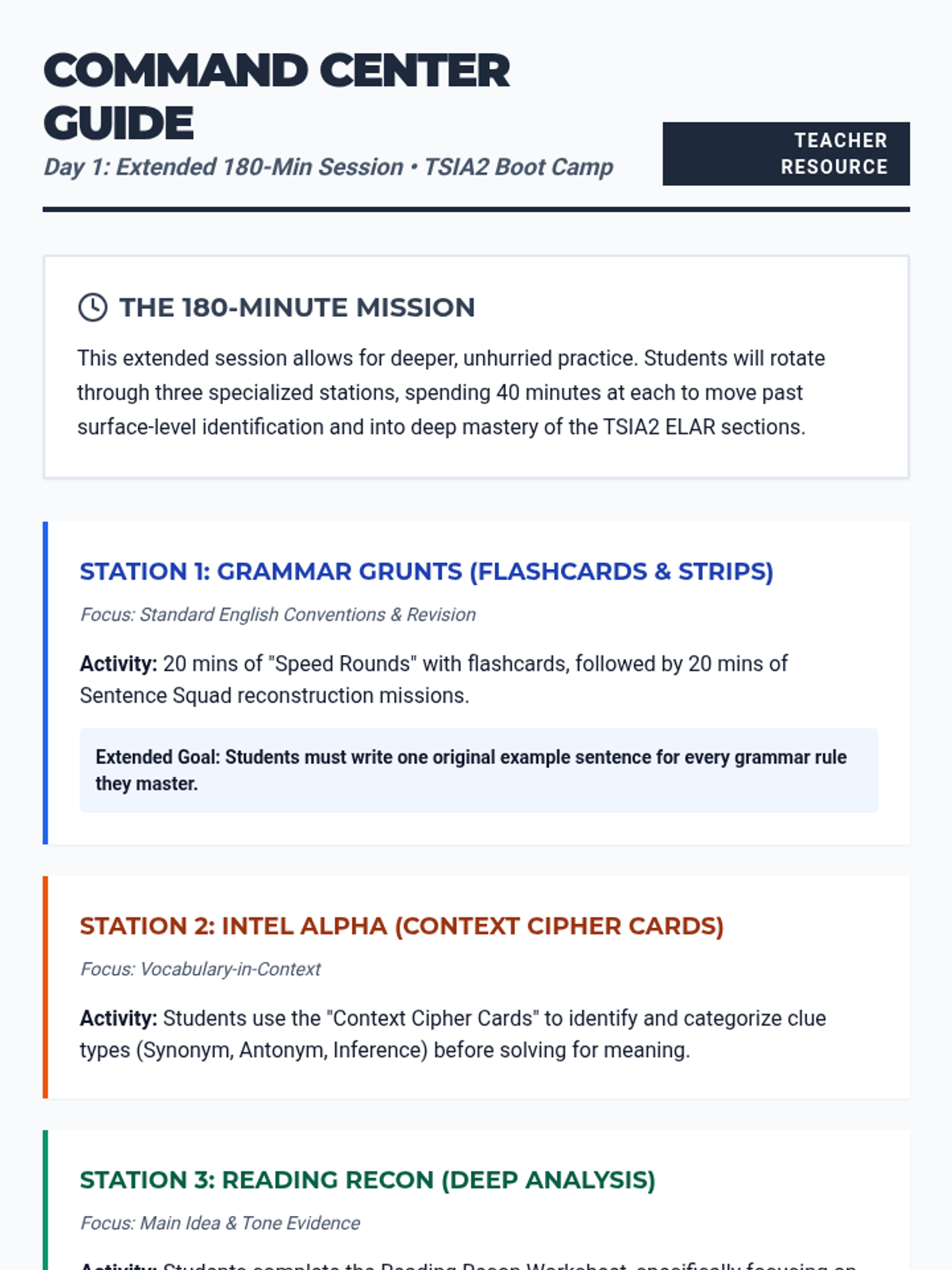
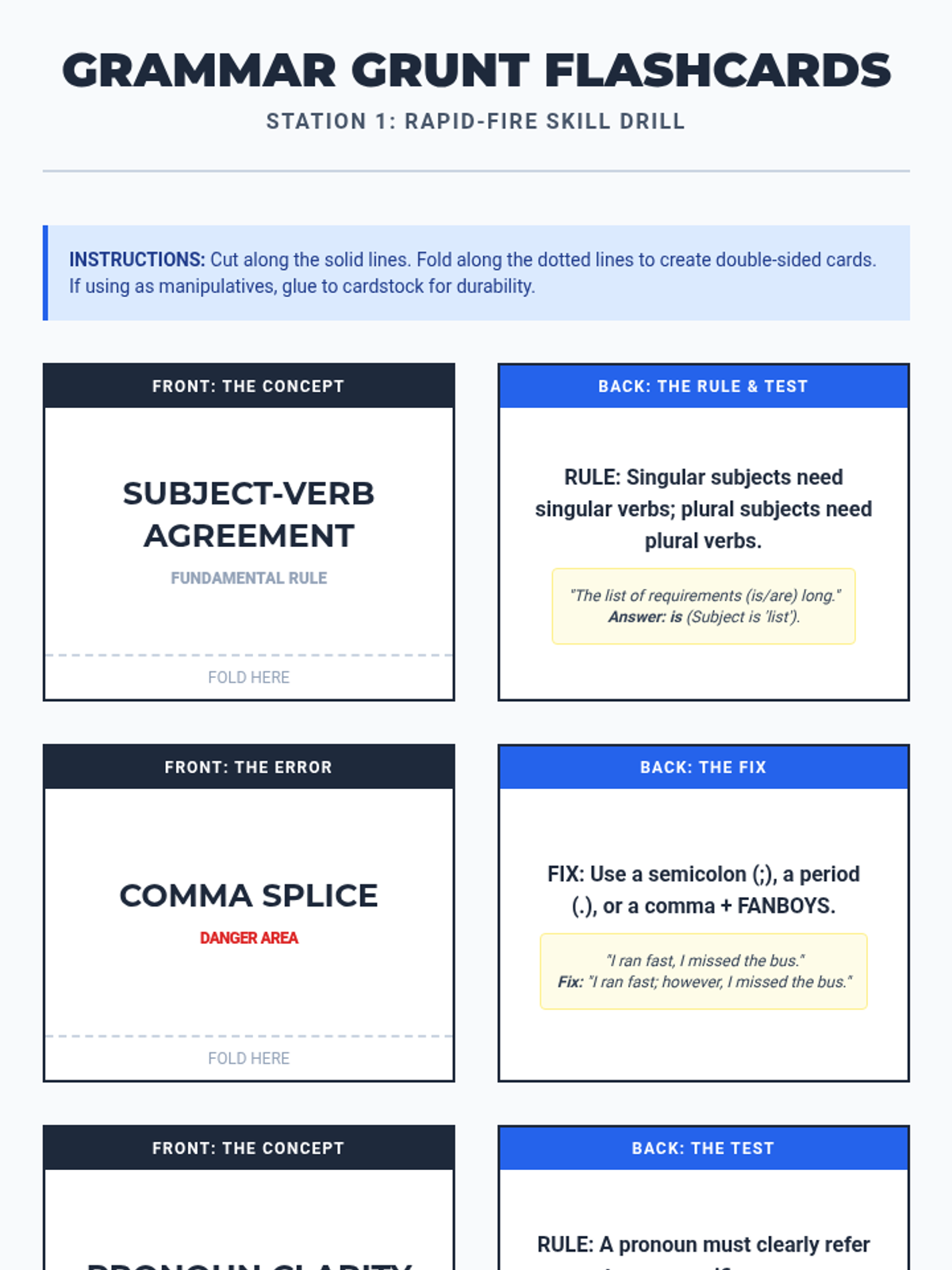
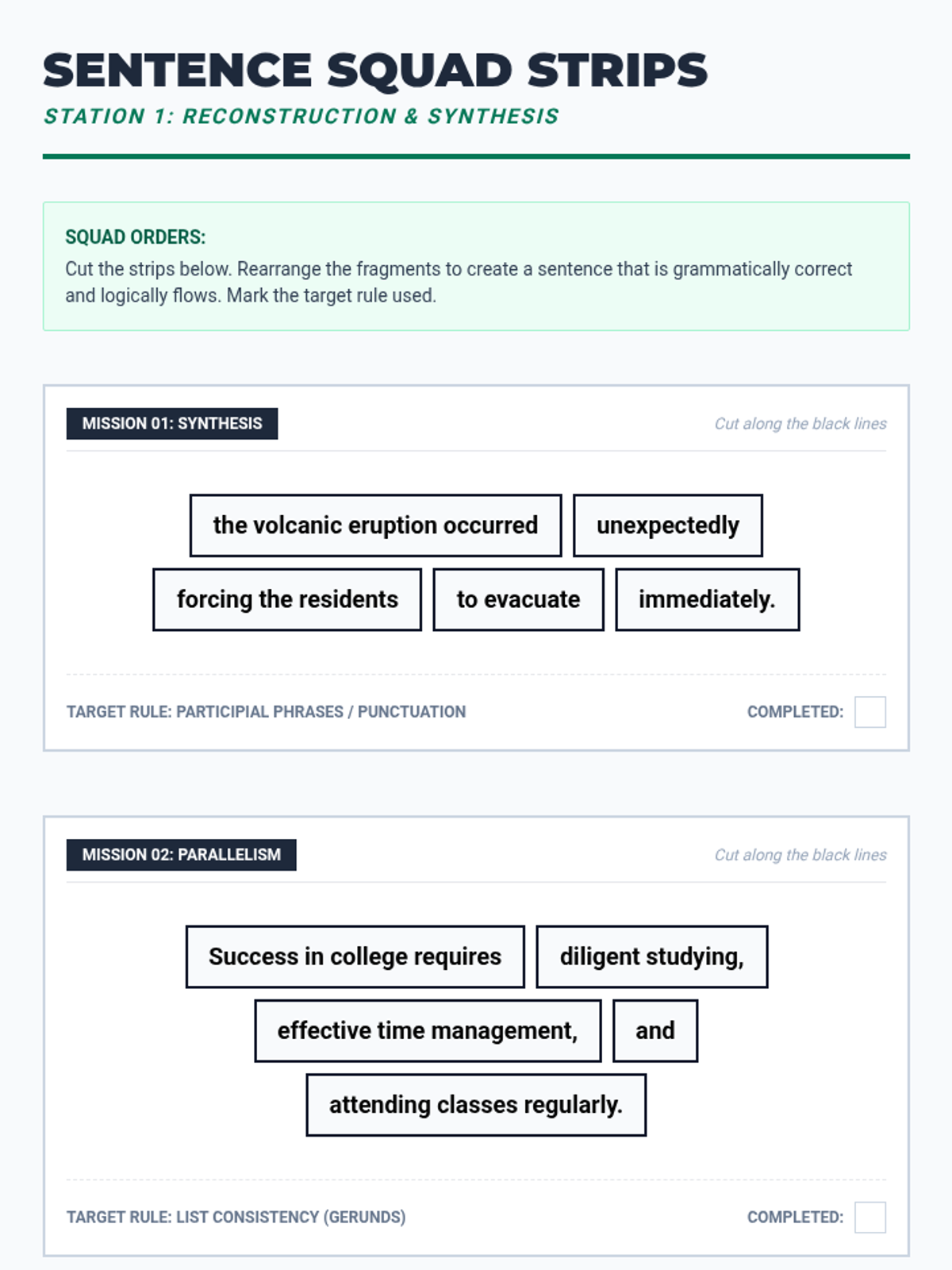
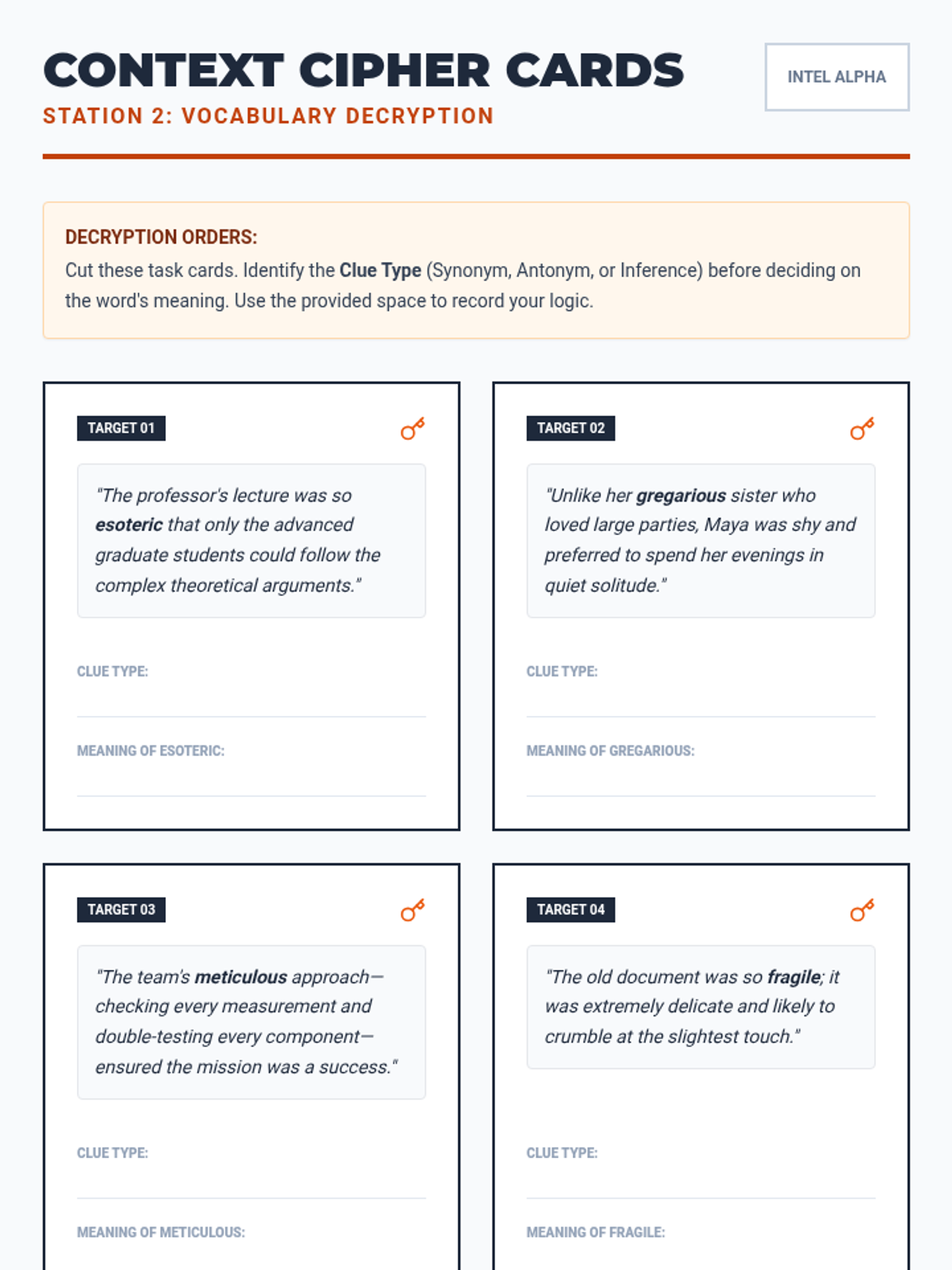
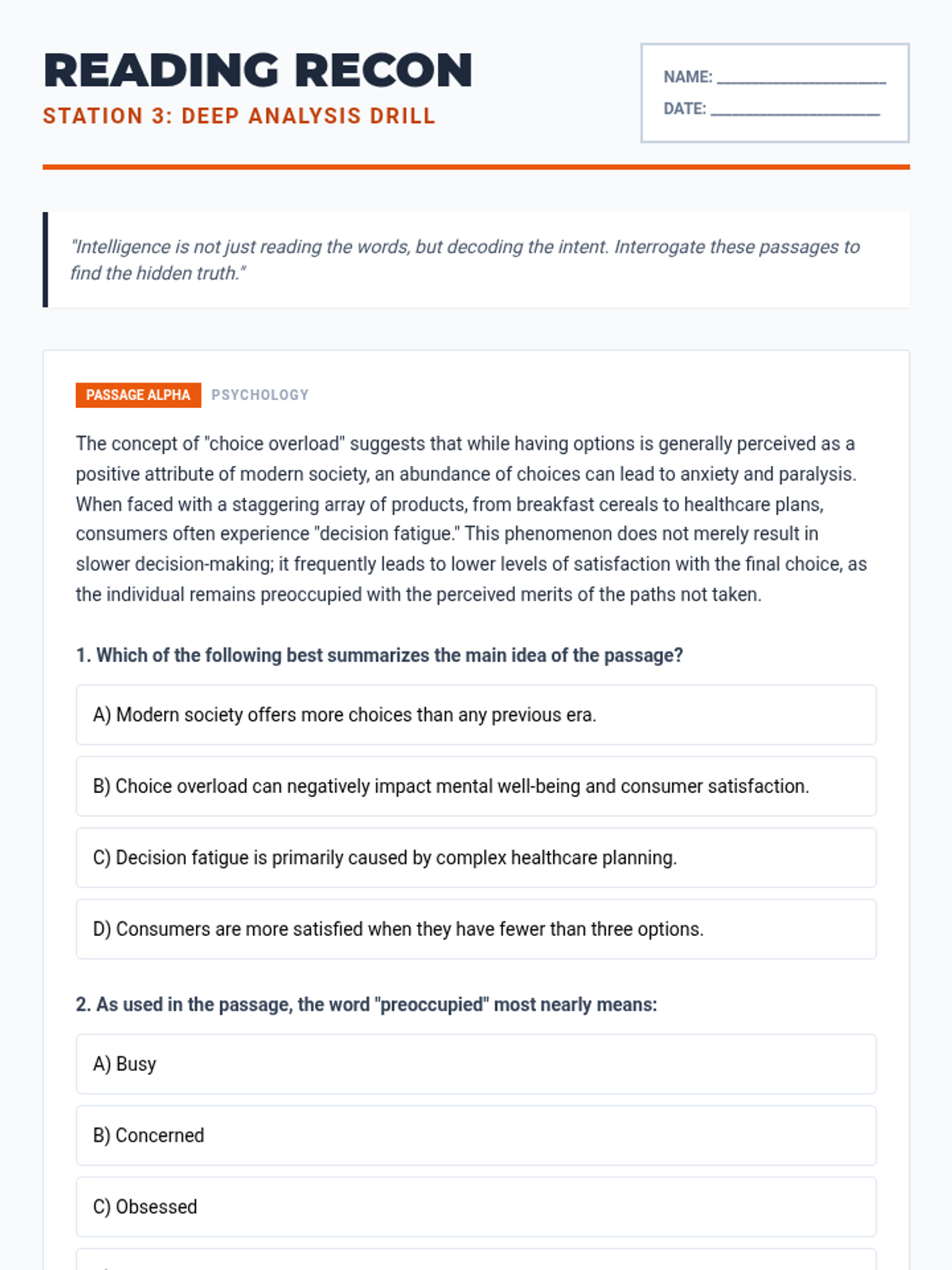
A high-intensity two-day preparation program for the TSIA2 ELAR exam, focusing on reading comprehension, sentence structure, grammar, and essay writing through hands-on station activities.
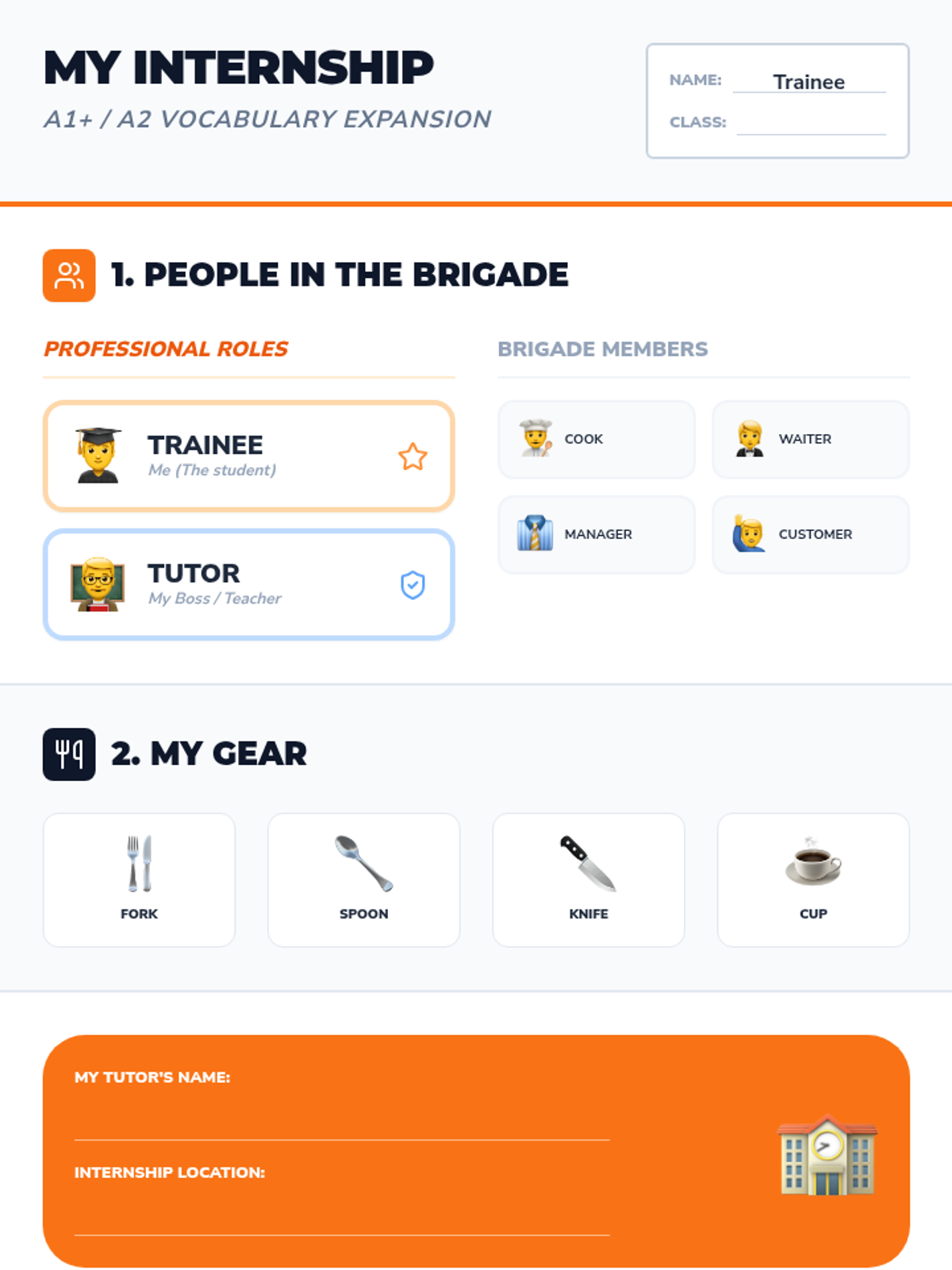
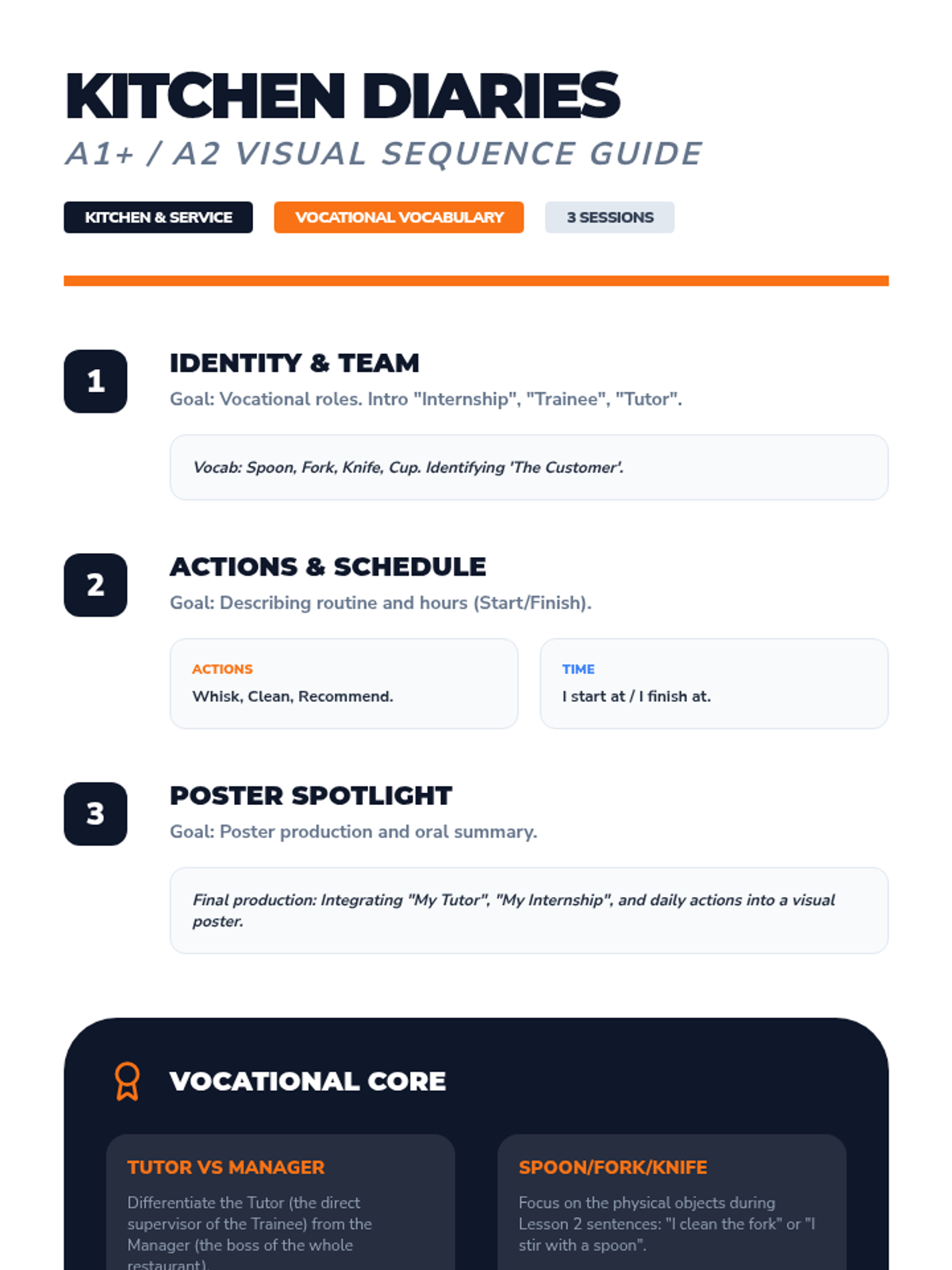
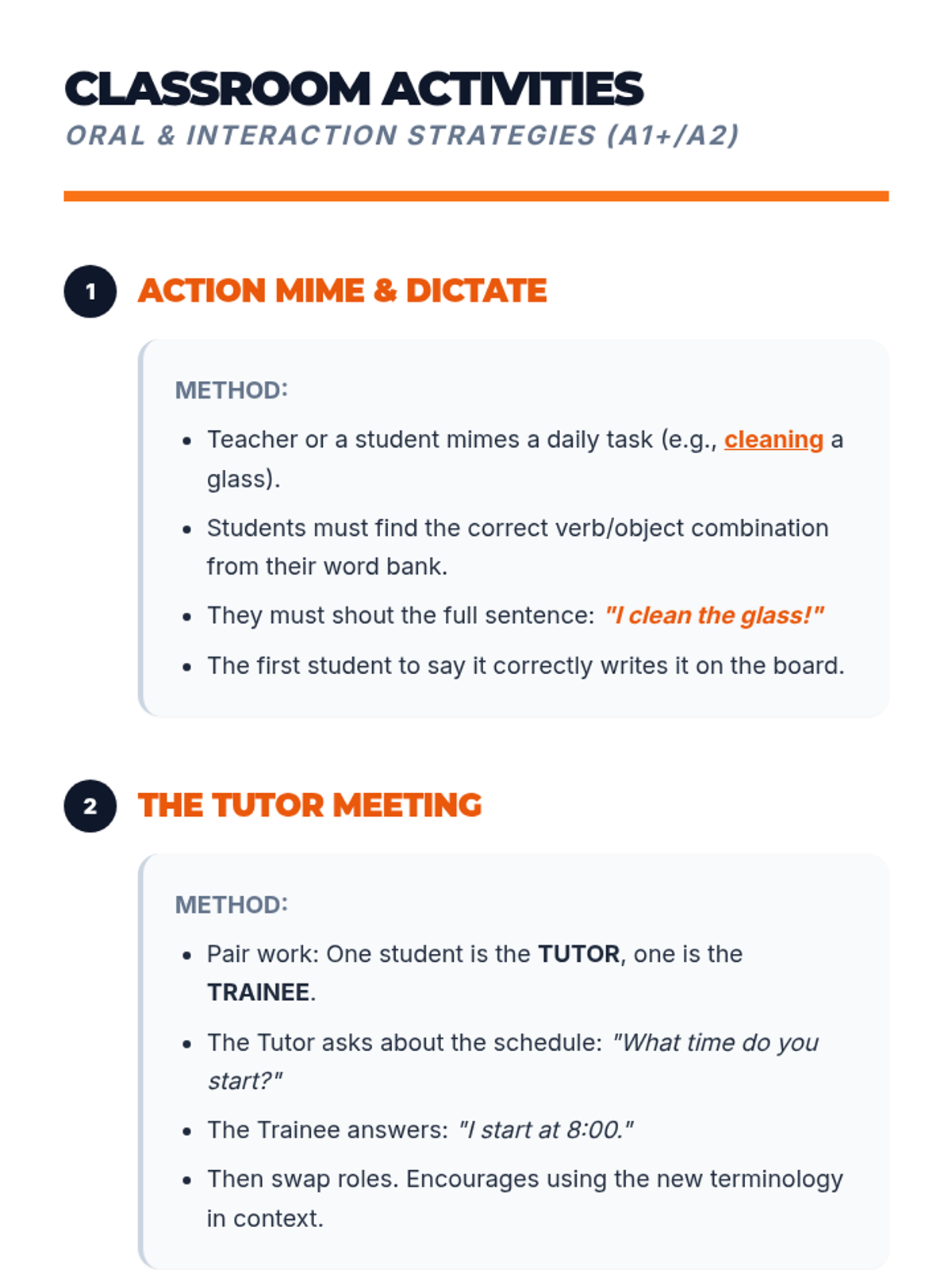
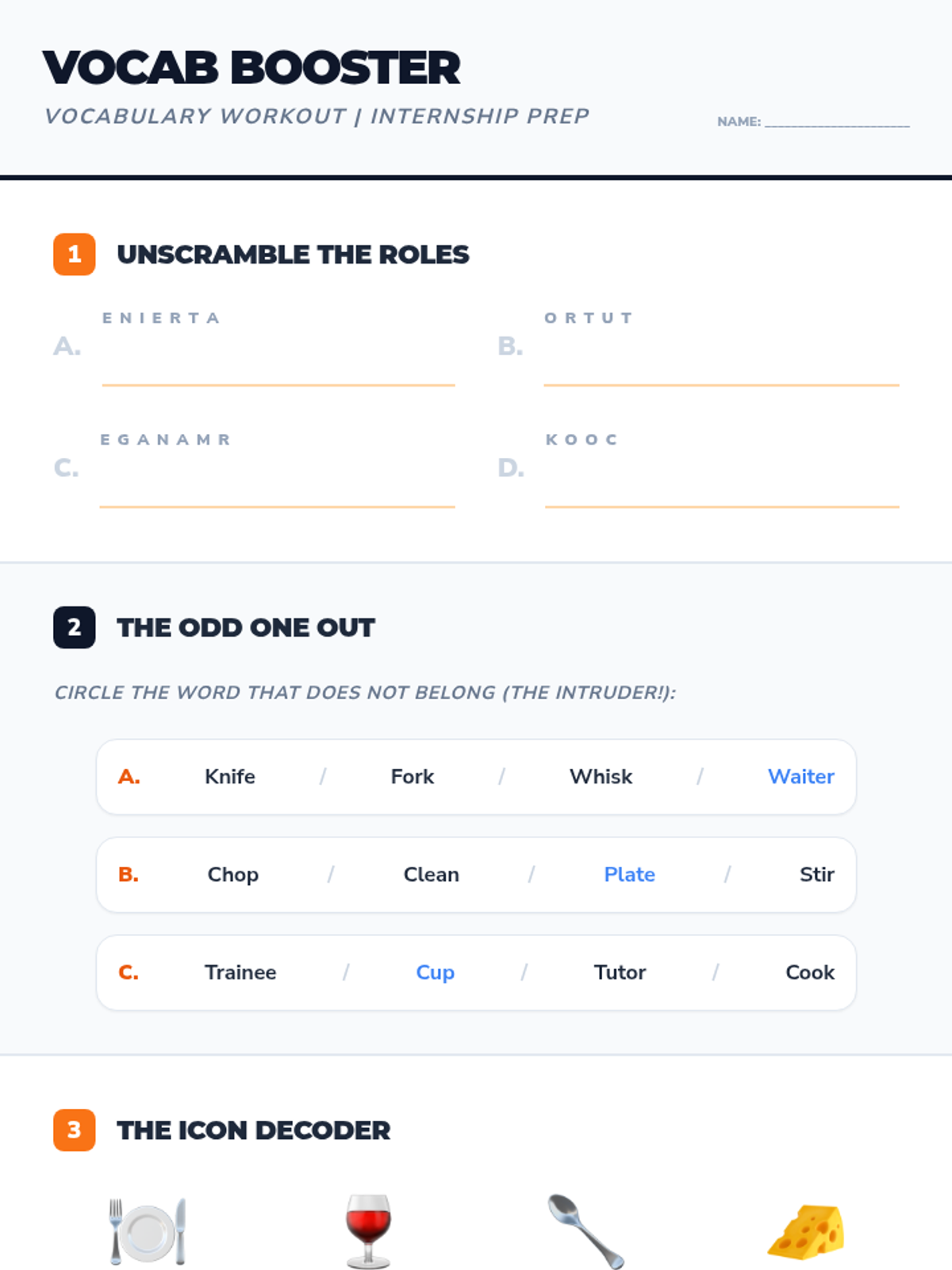
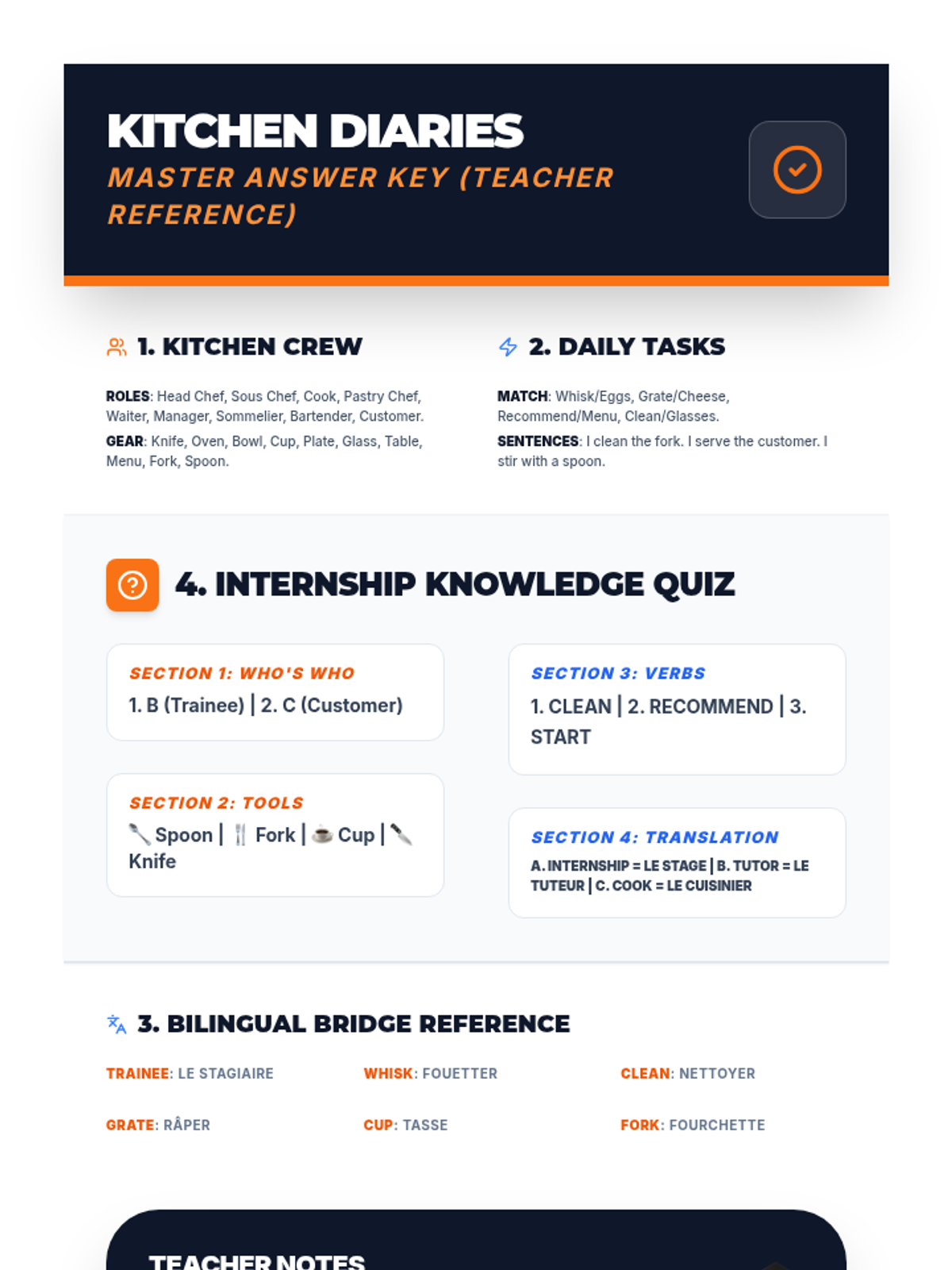
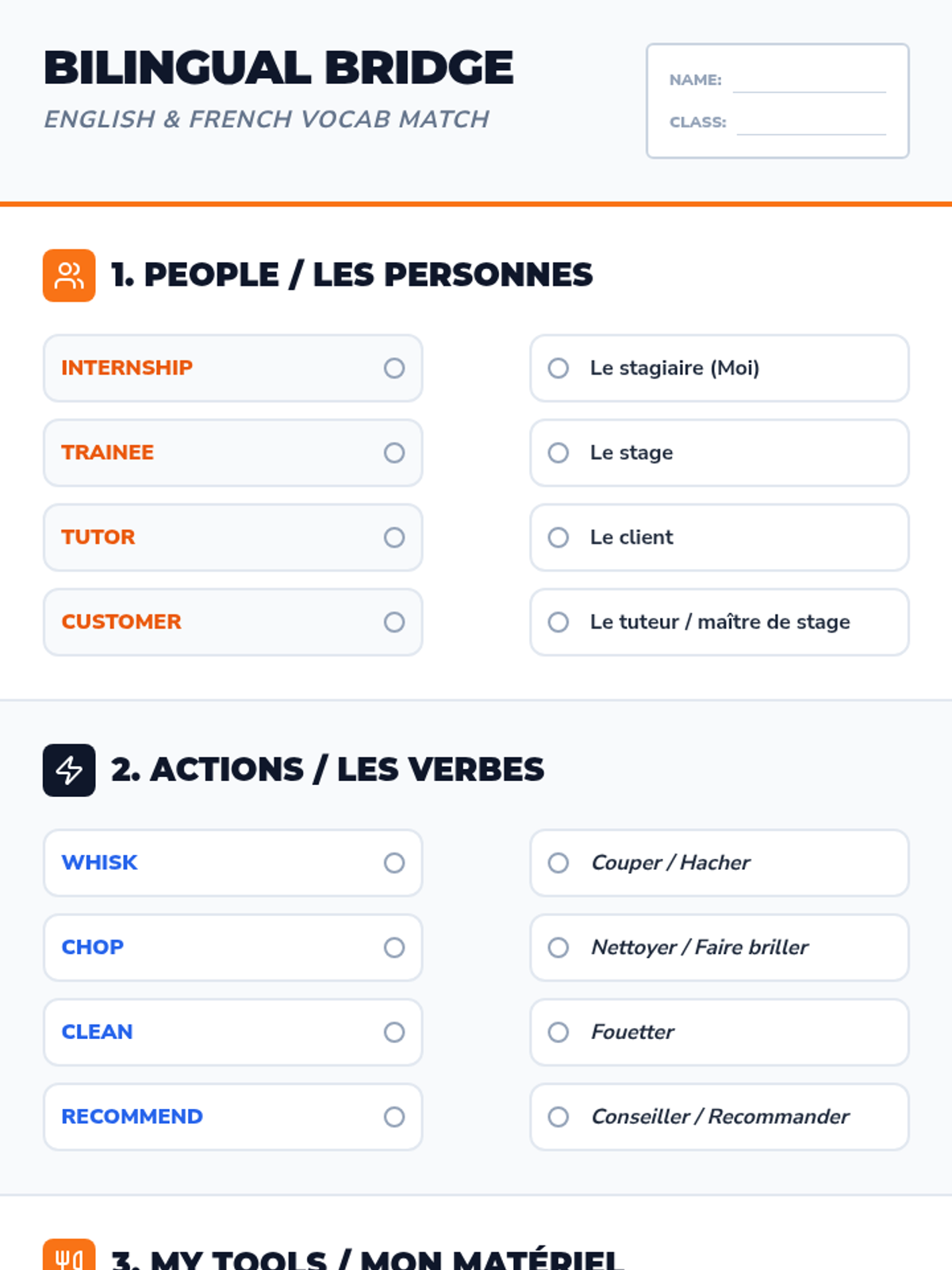
A 3-session English sequence for CAP Cuisine/Restaurant students returning from their internship, focusing on describing roles and daily tasks in a professional kitchen or dining room.
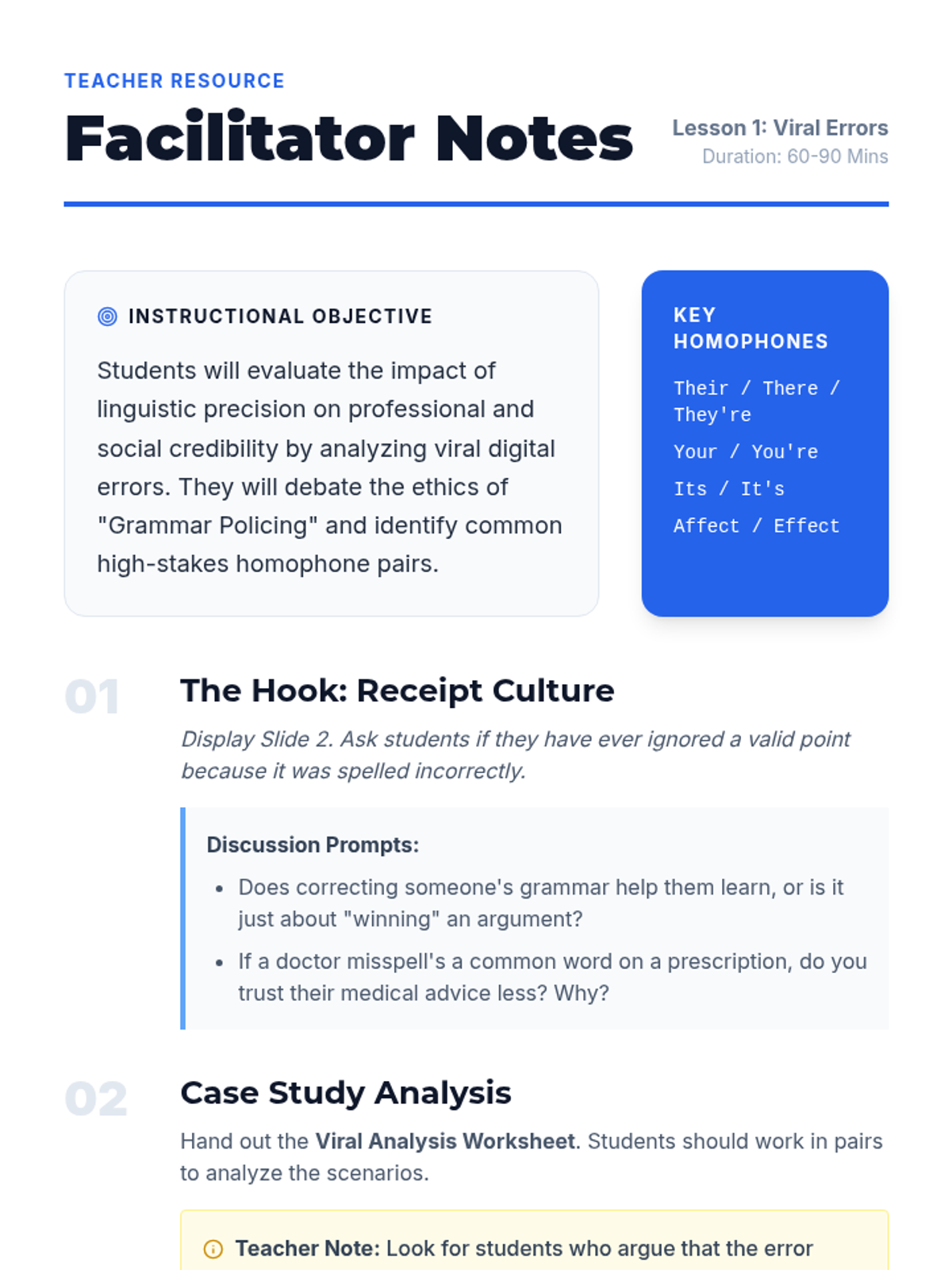
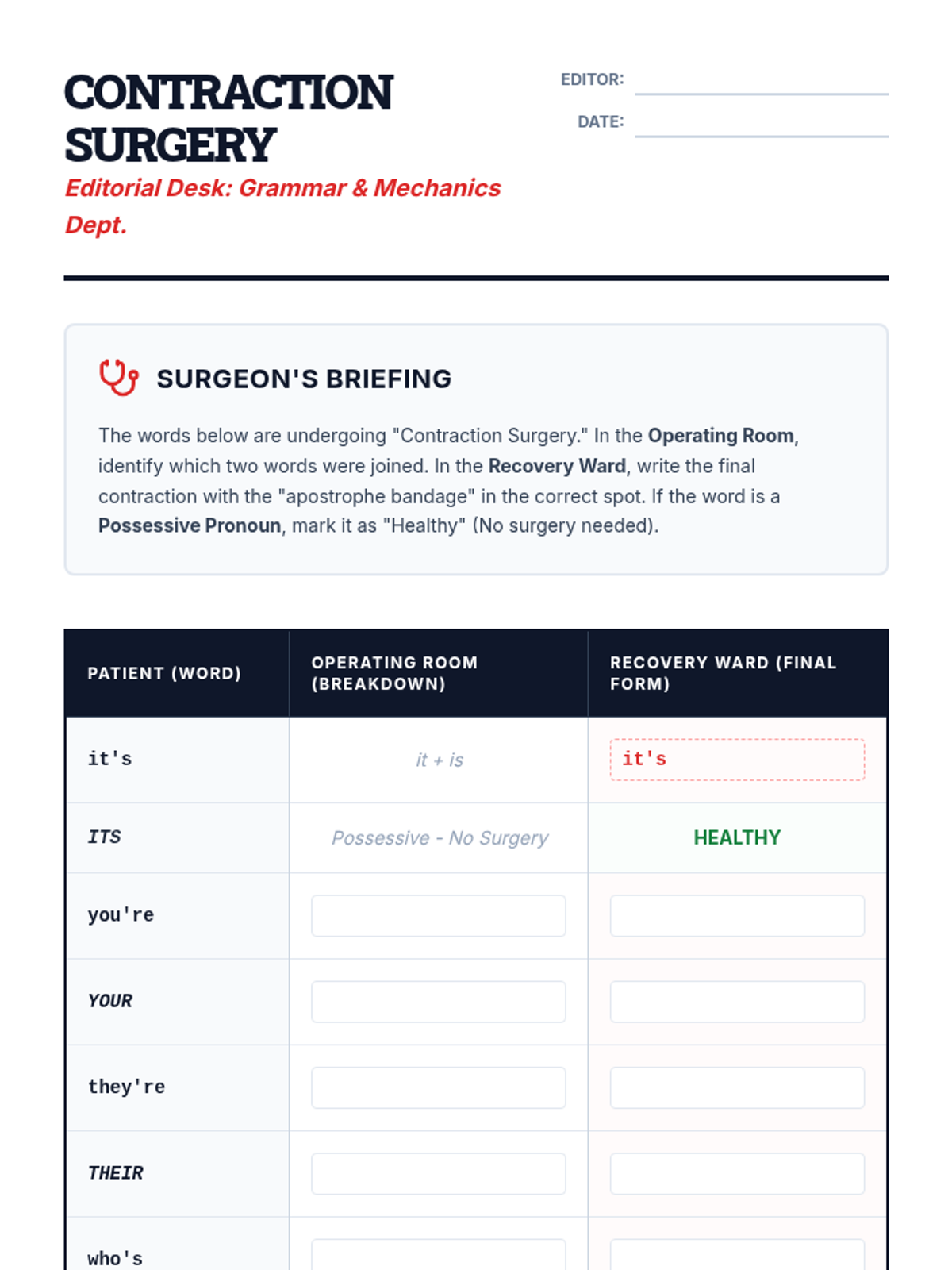
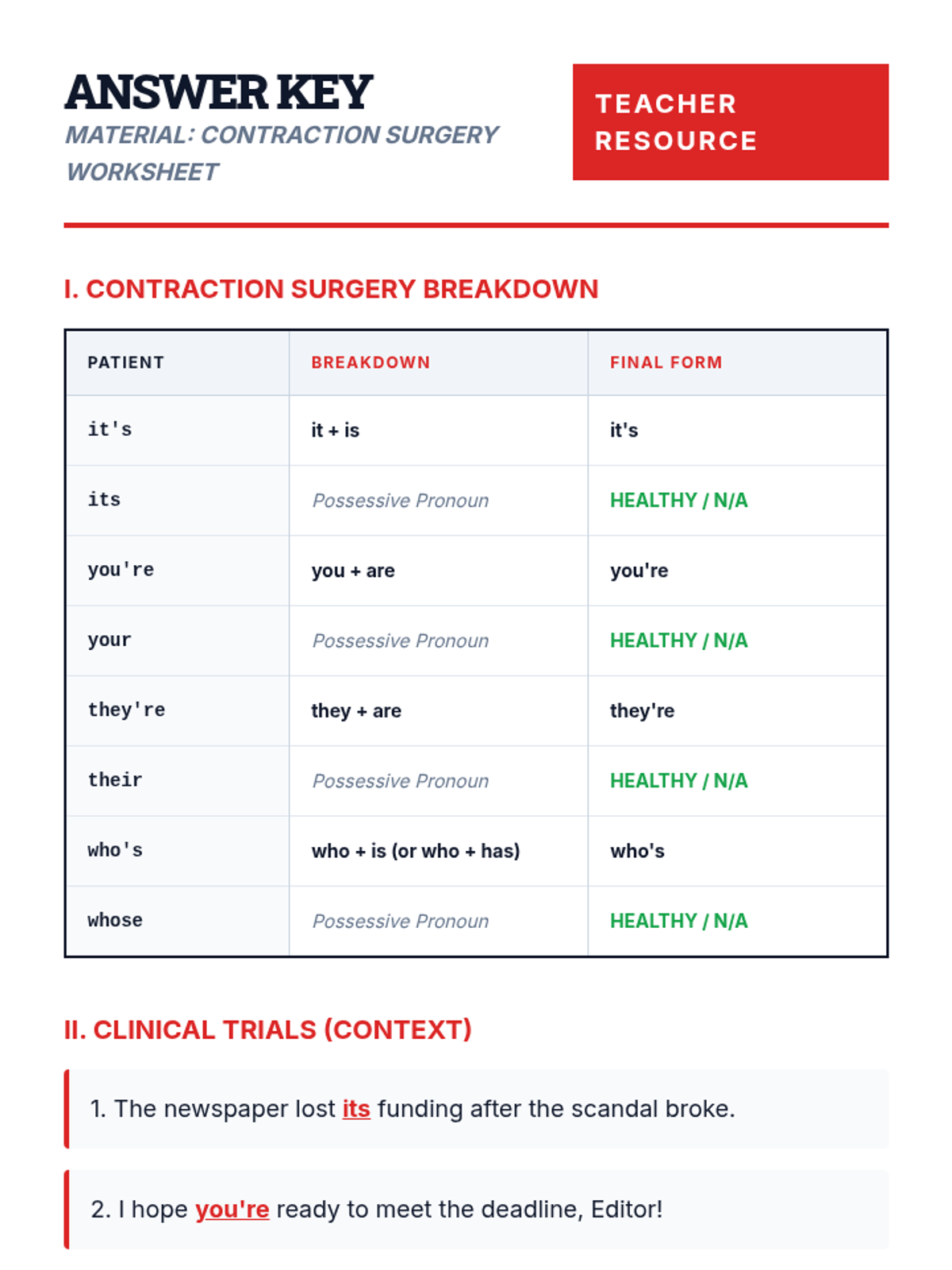
A 12th-grade sequence exploring the social, psychological, and linguistic implications of homophone errors in the digital age, focusing on credibility and the evolution of language.
A rigorous writer's workshop sequence targeting homophone accuracy in formal writing. Students master common and advanced homophones through grammatical analysis and peer-editing cycles.
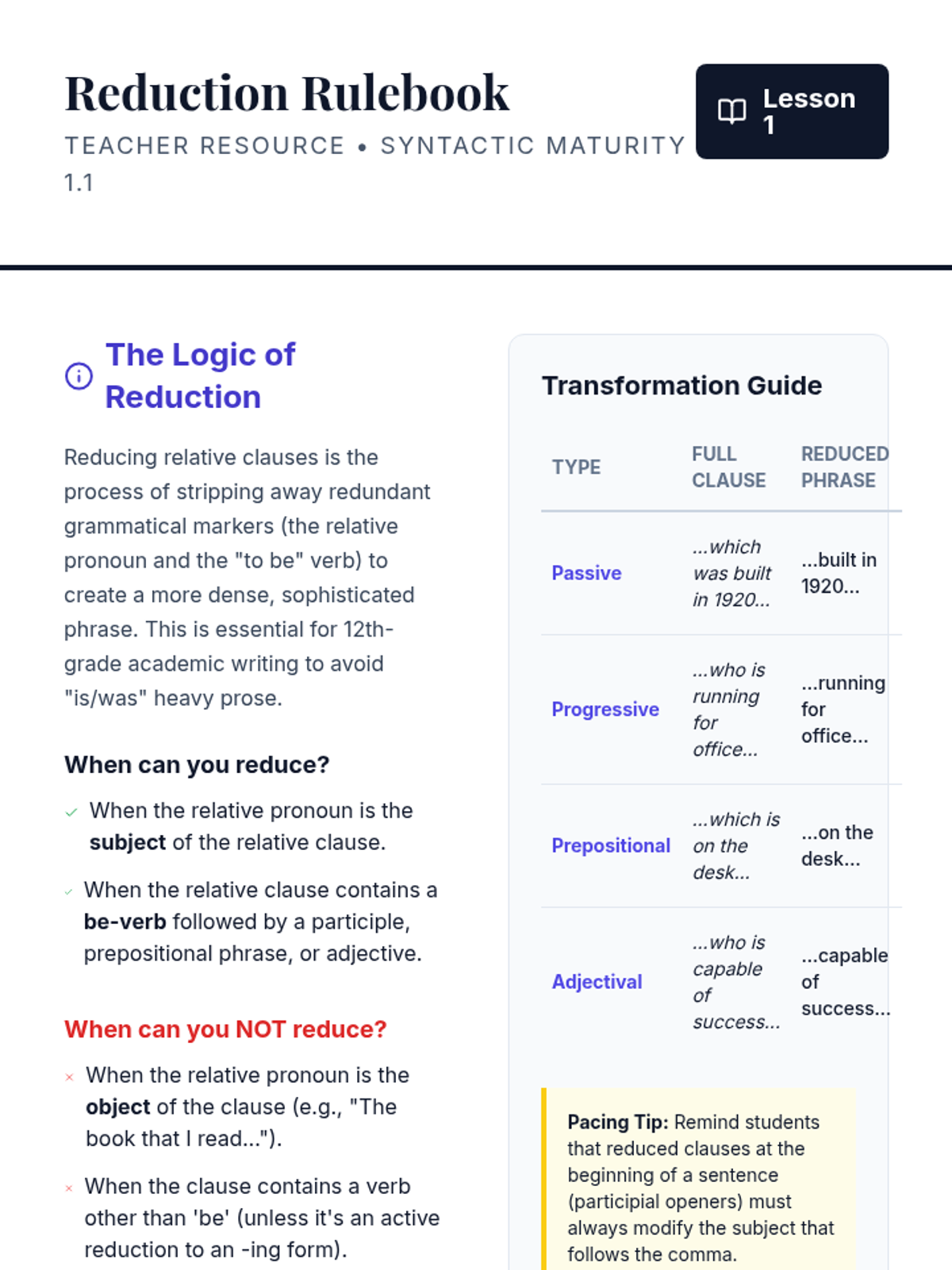
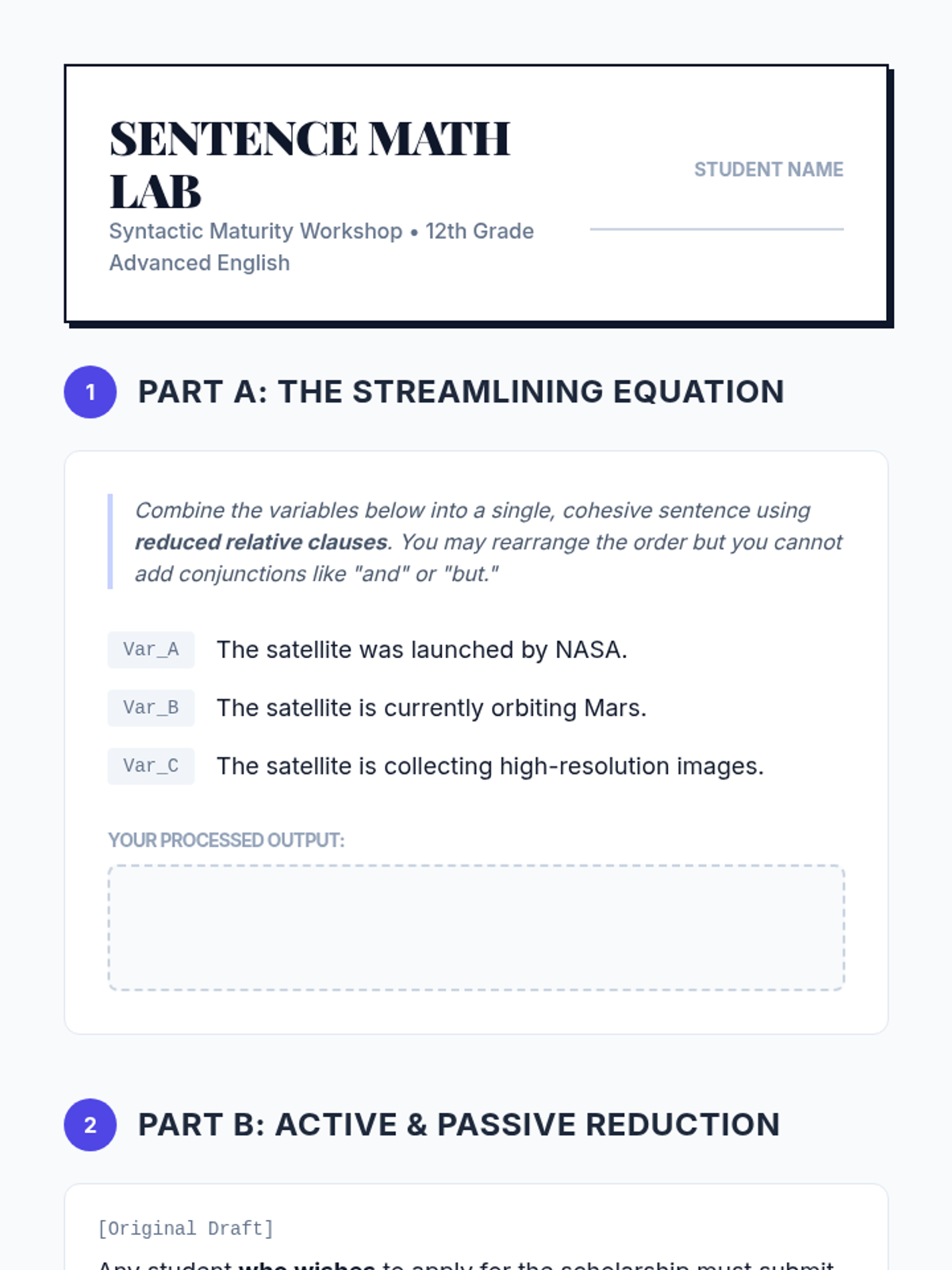
This sequence transforms choppy, basic writing into sophisticated prose through advanced grammar techniques. Students master reduced clauses, absolute phrases, complex parallelism, and cohesive threading to meet the demands of college-level and professional communication.
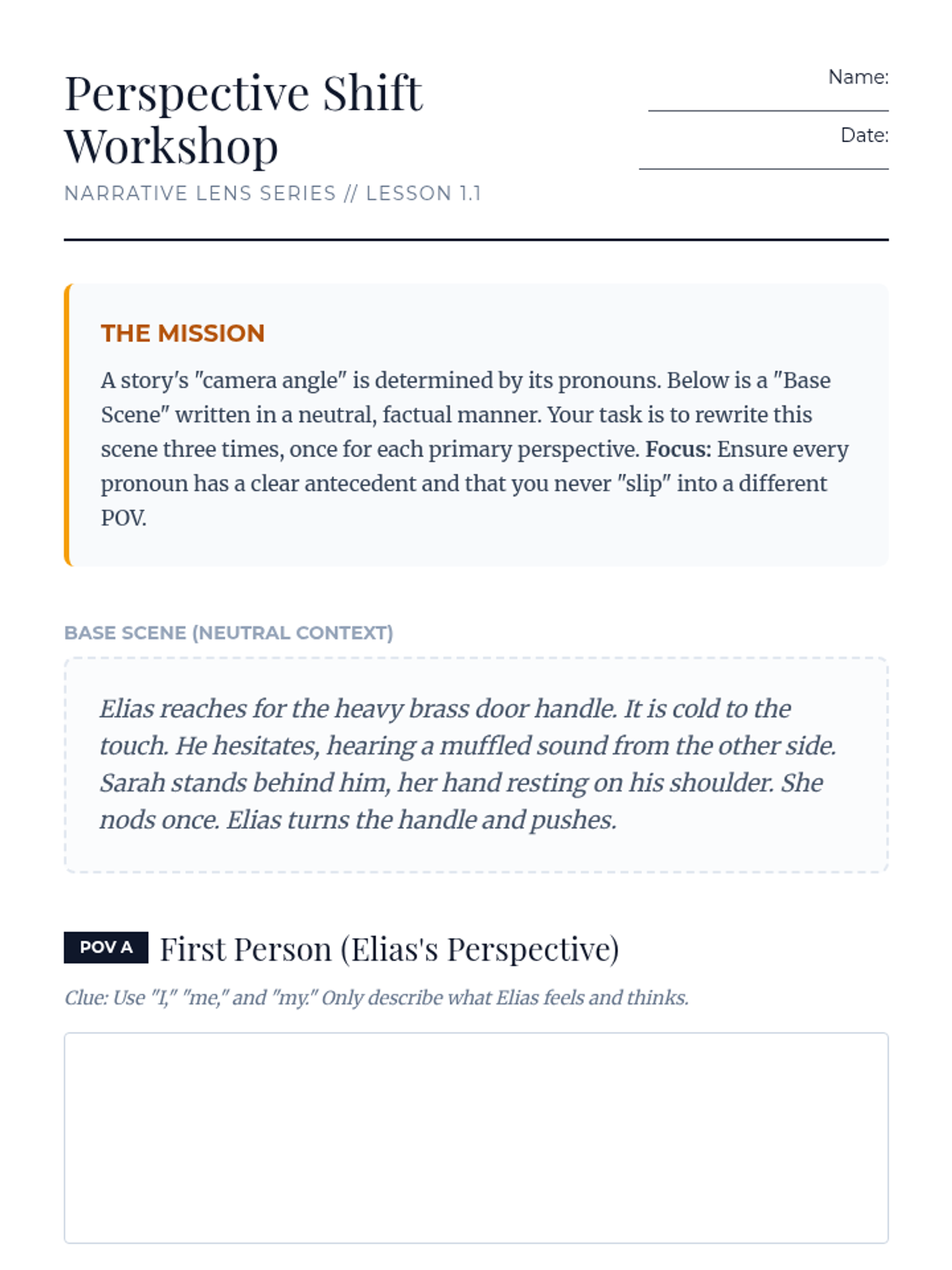
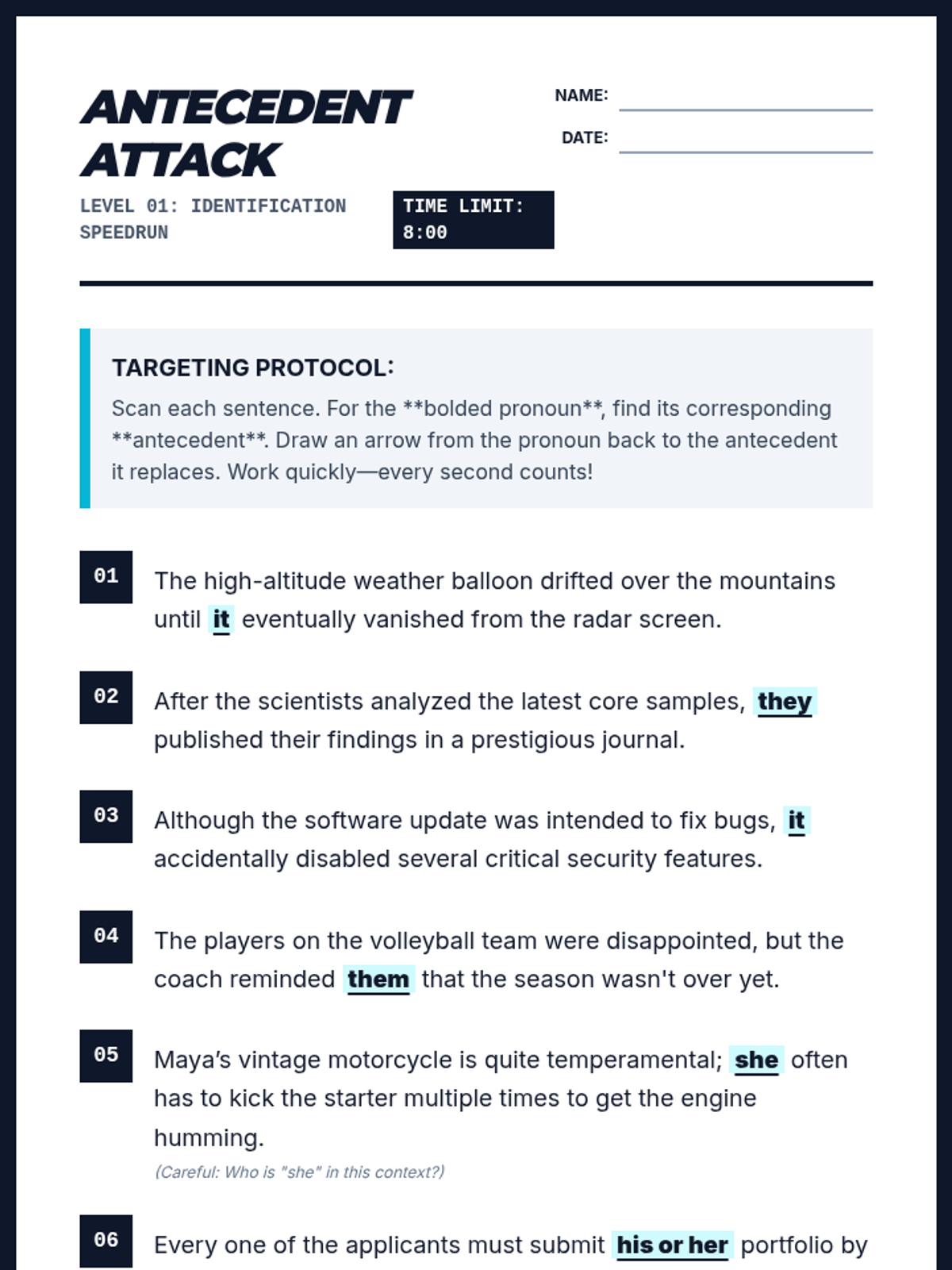
A 12th-grade ELA sequence exploring the intersection of grammar and creative writing, focusing on how pronouns and antecedents shape narrative perspective, suspense, and character clarity.
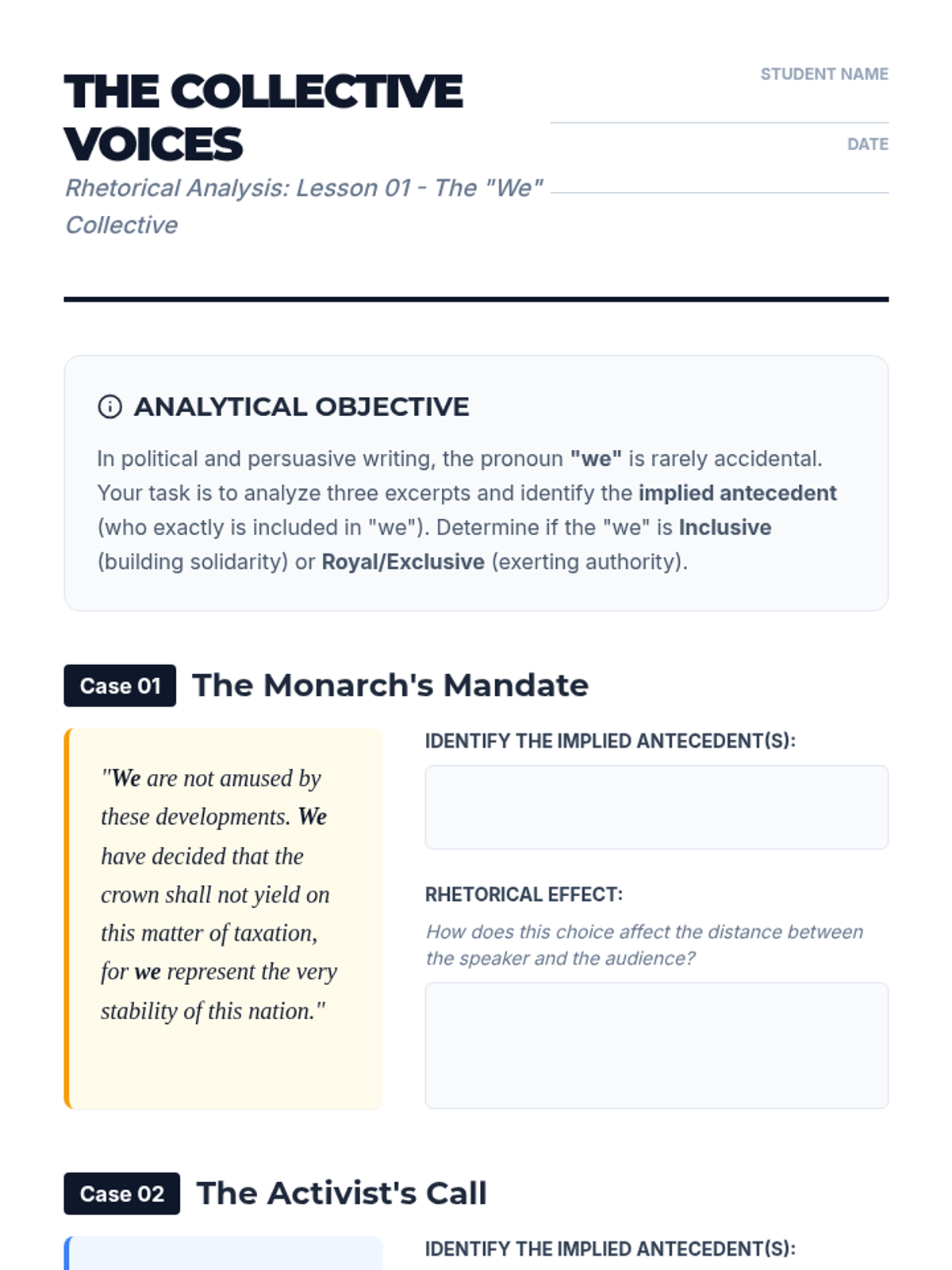
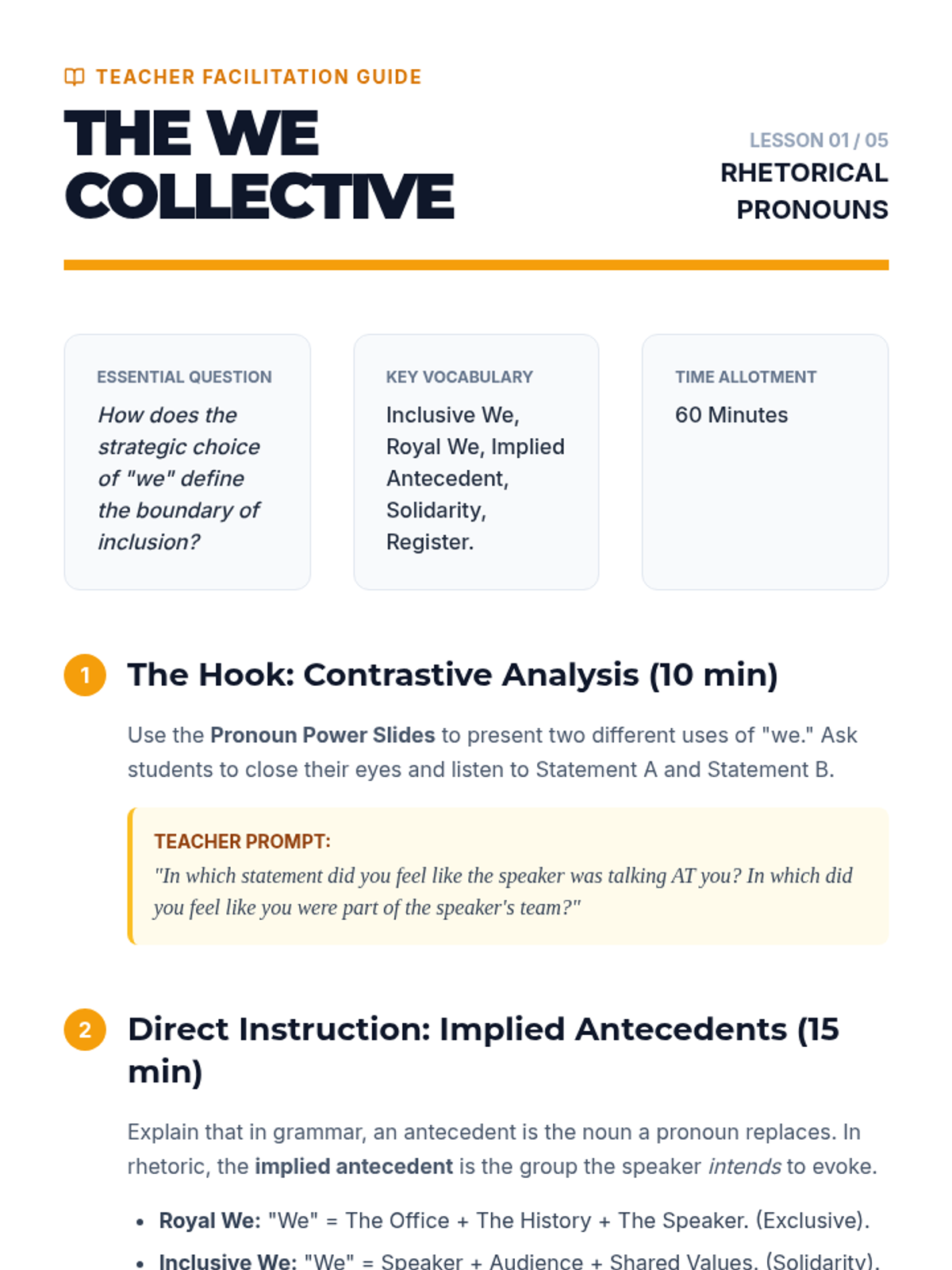
An advanced 12th-grade sequence exploring the rhetorical impact of pronoun choice and antecedent manipulation in political discourse, literature, and persuasion. Students move beyond basic grammar to analyze how "we," "you," and "they" shape identity, power, and perspective.
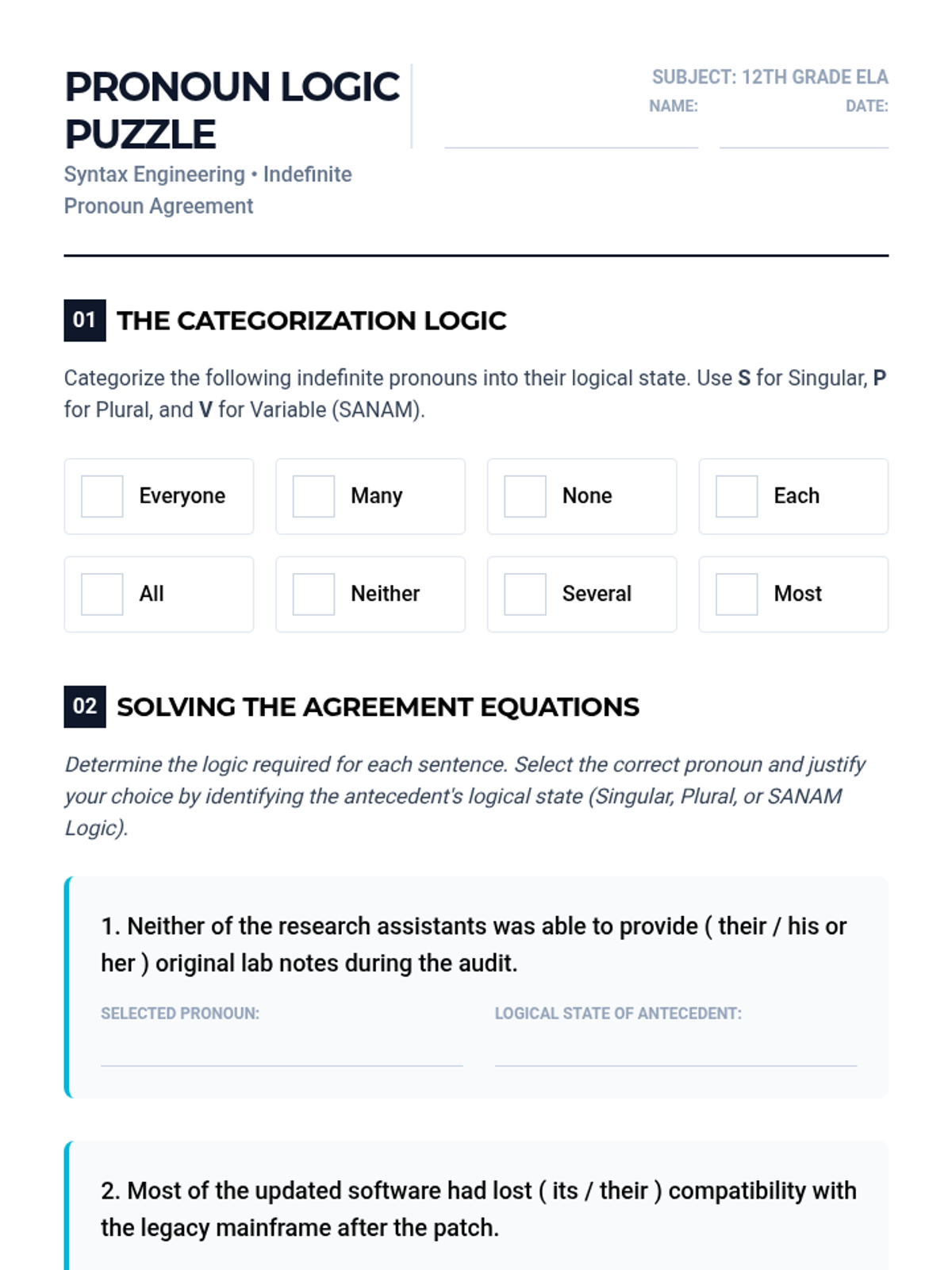
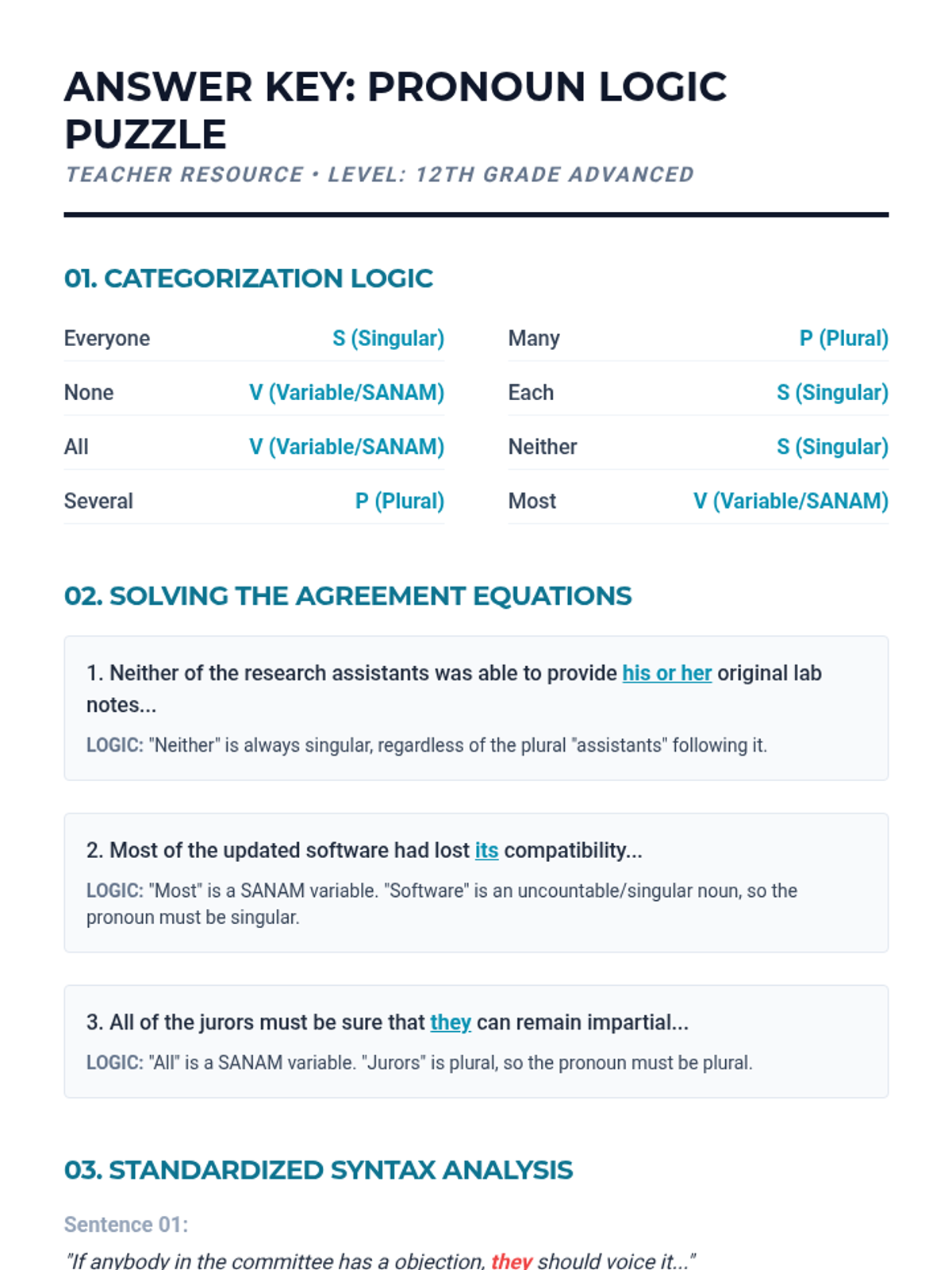
An advanced 12th Grade English Language Arts sequence focused on the technical challenges of pronoun-antecedent agreement. Students apply mathematical-style logic to solve complex syntax puzzles, mastering indefinite pronouns, proximity rules, intervening phrases, and case distinction.
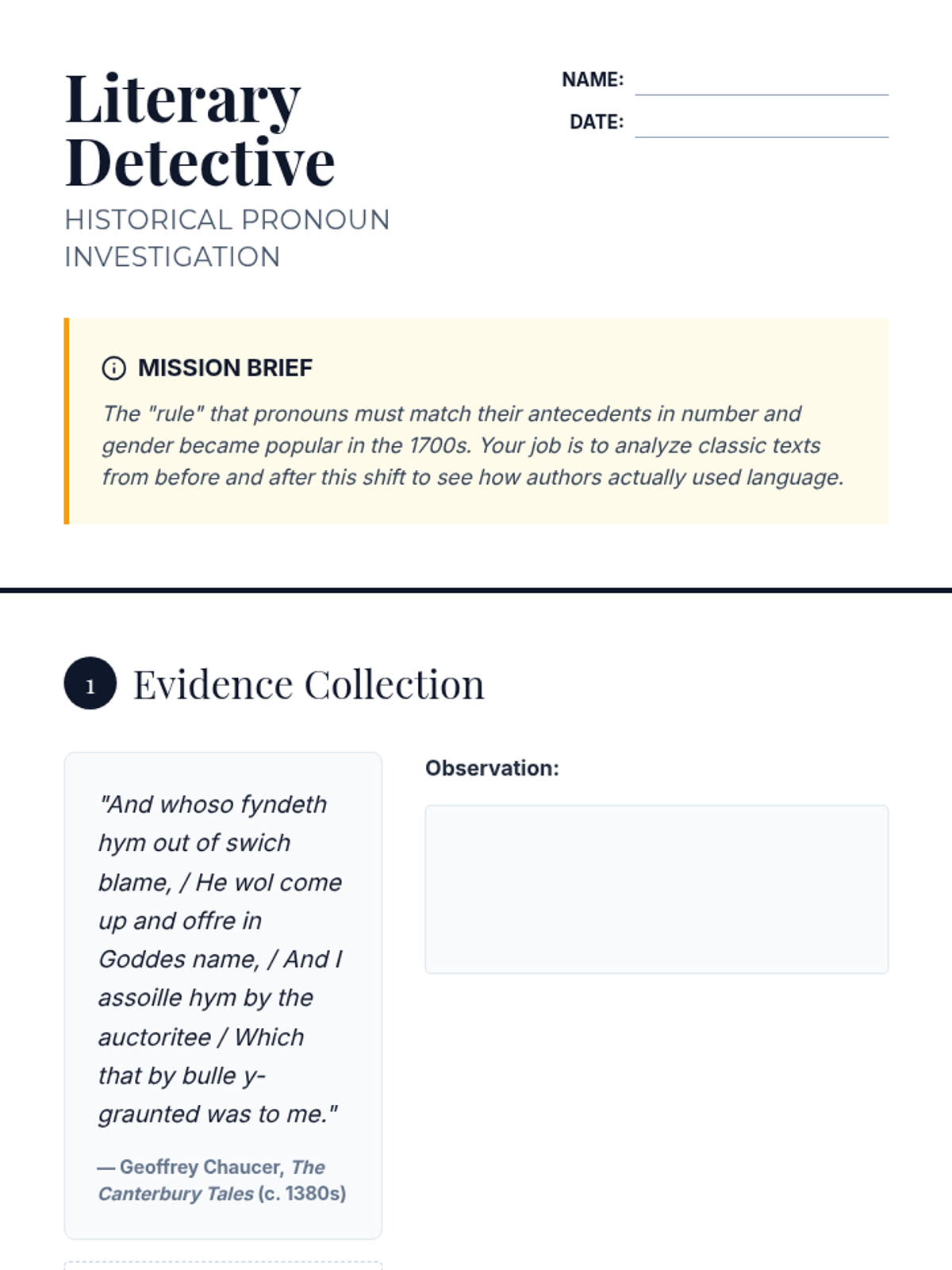
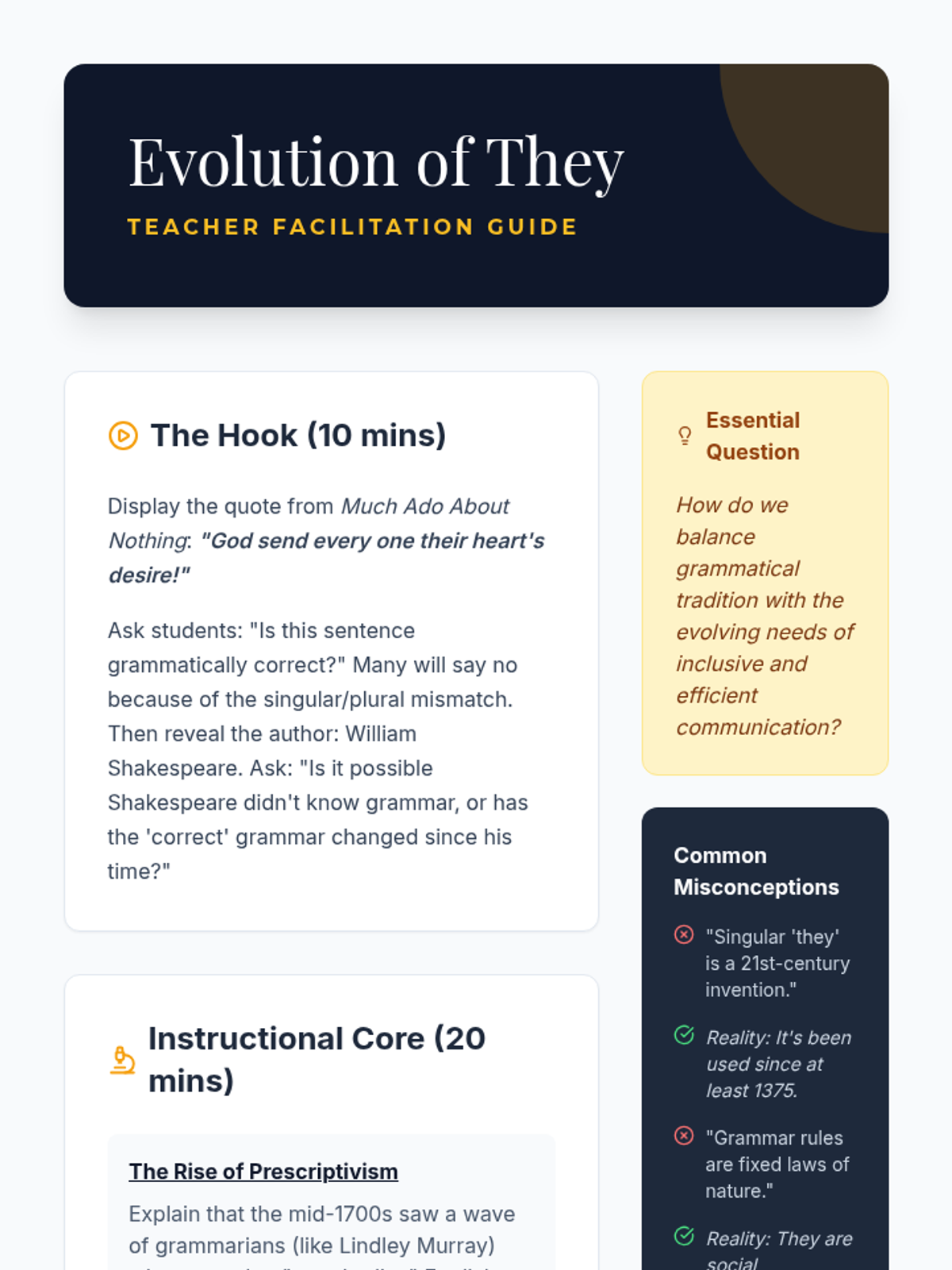
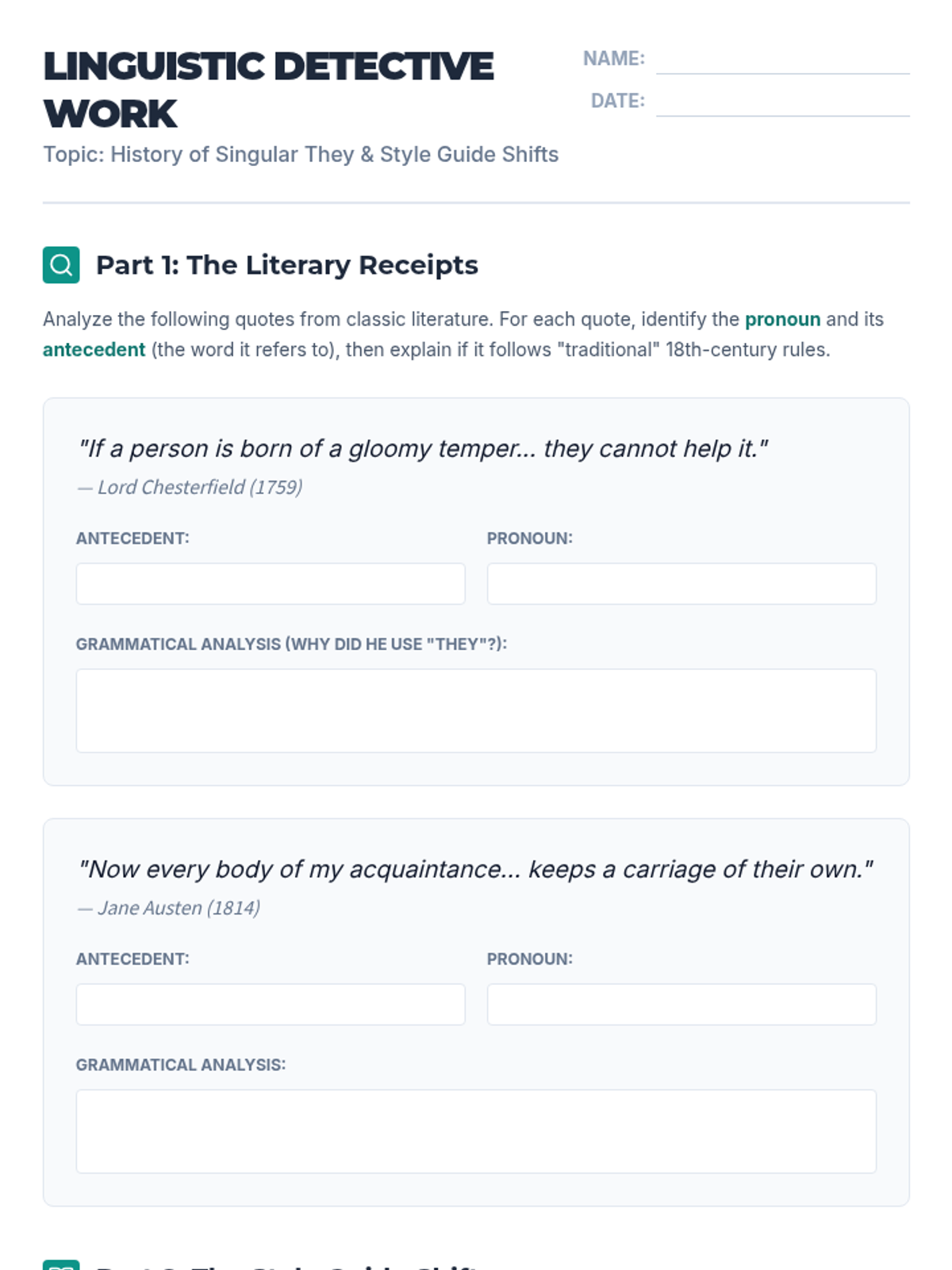
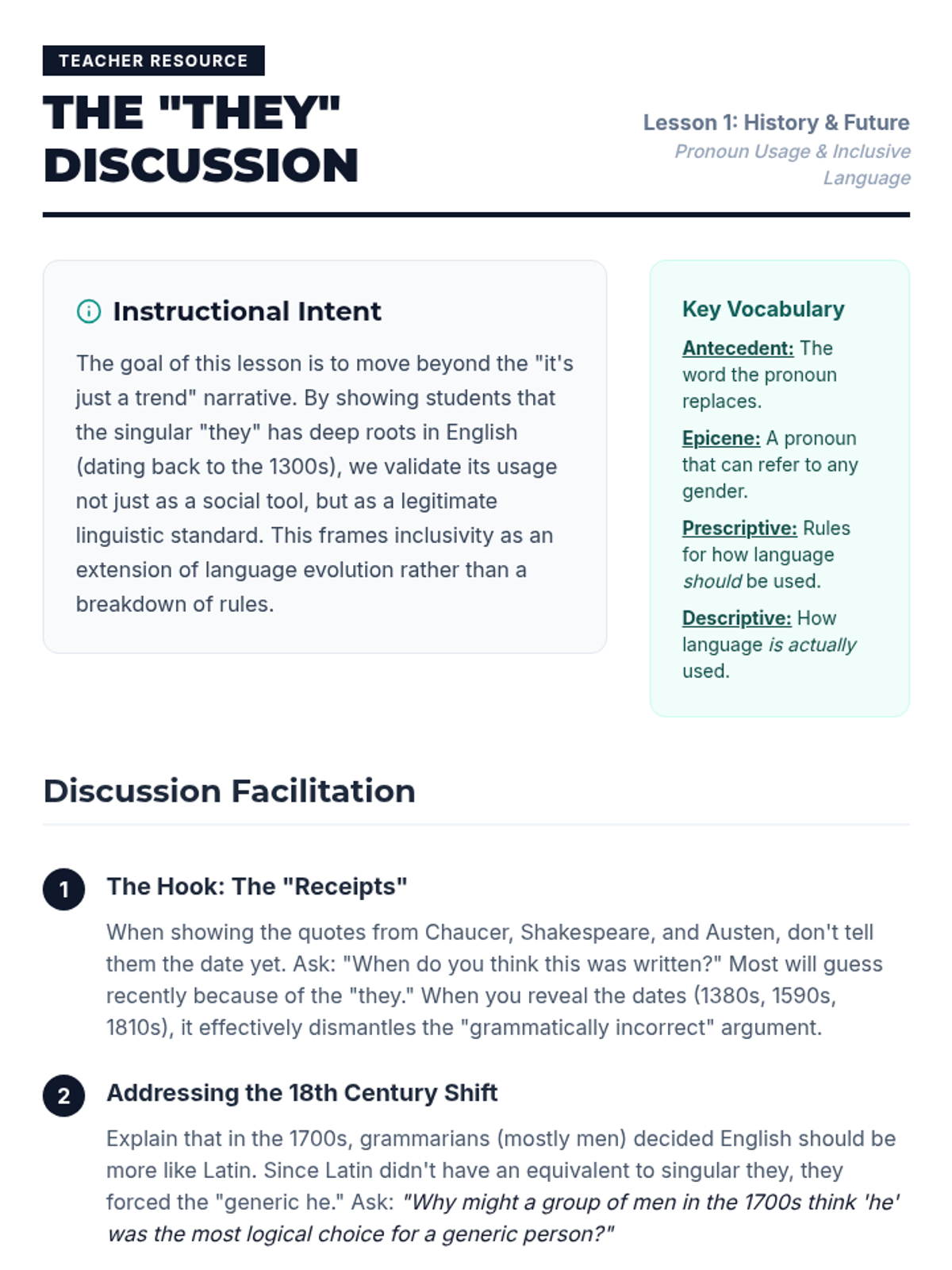
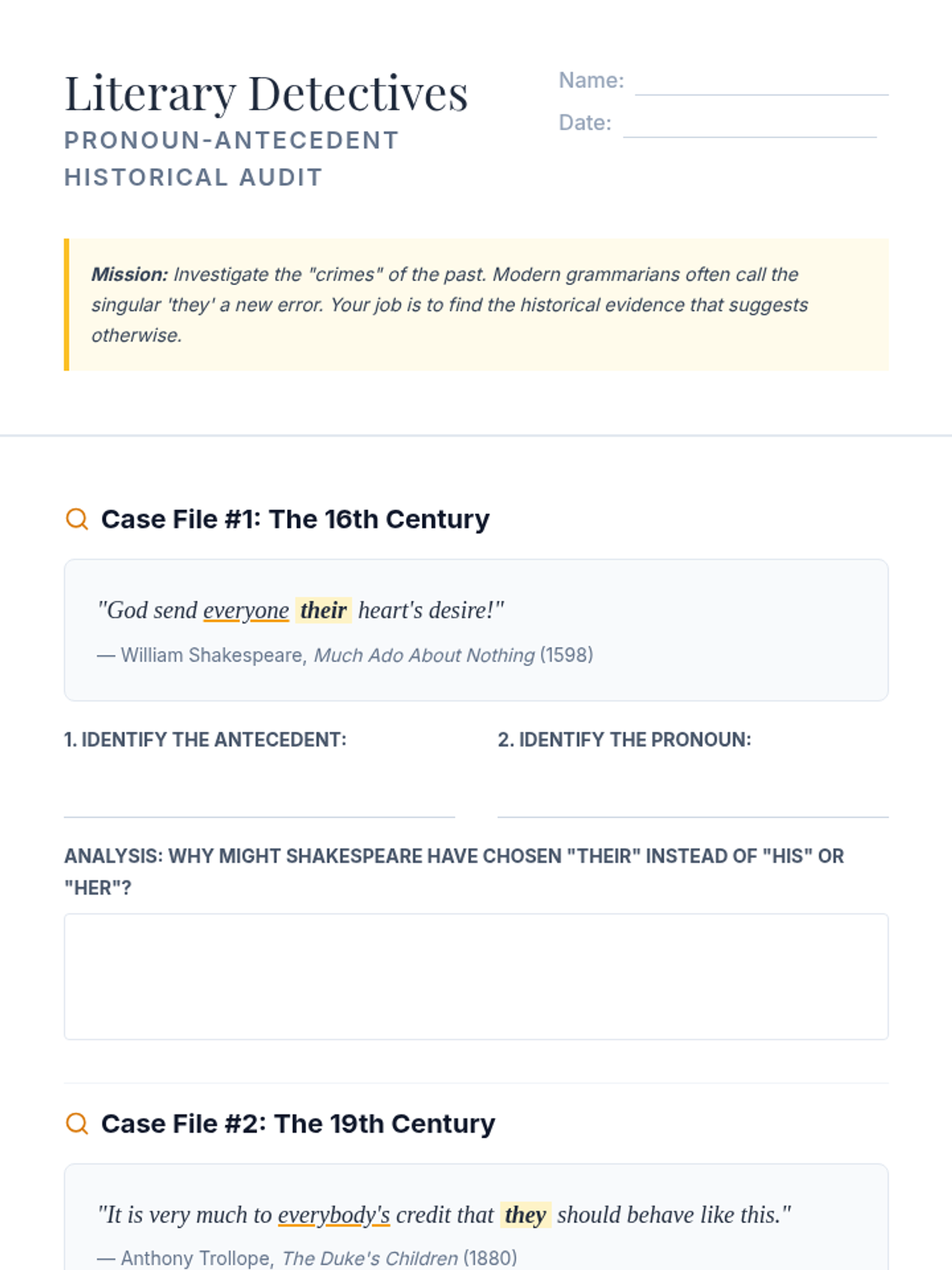
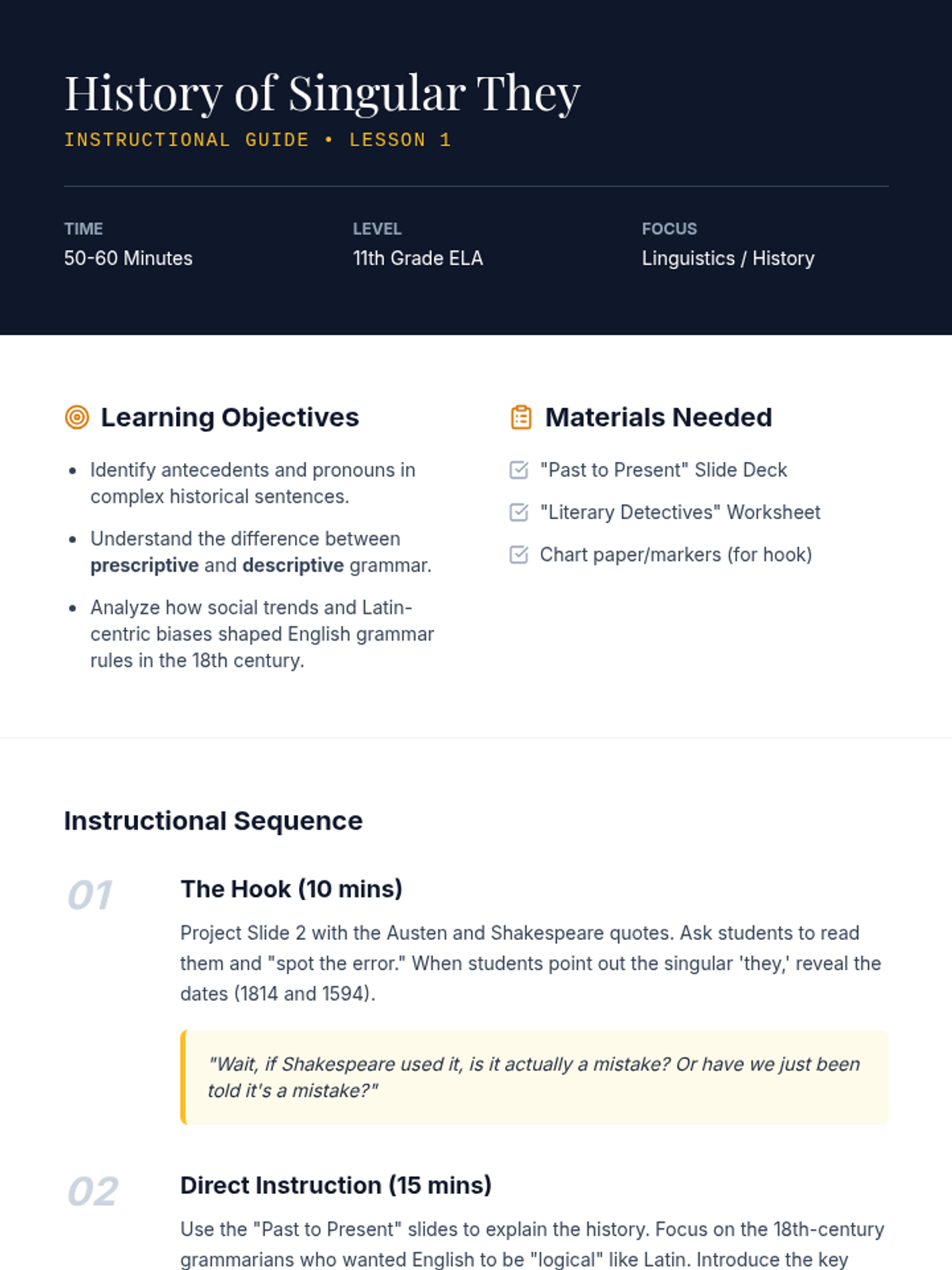
A 12th-grade ELA sequence exploring the linguistic evolution of pronoun-antecedent agreement, focusing on the singular 'they', modern style guide standards, and professional inclusivity. Students transition from historical inquiry to practical application and future prediction.
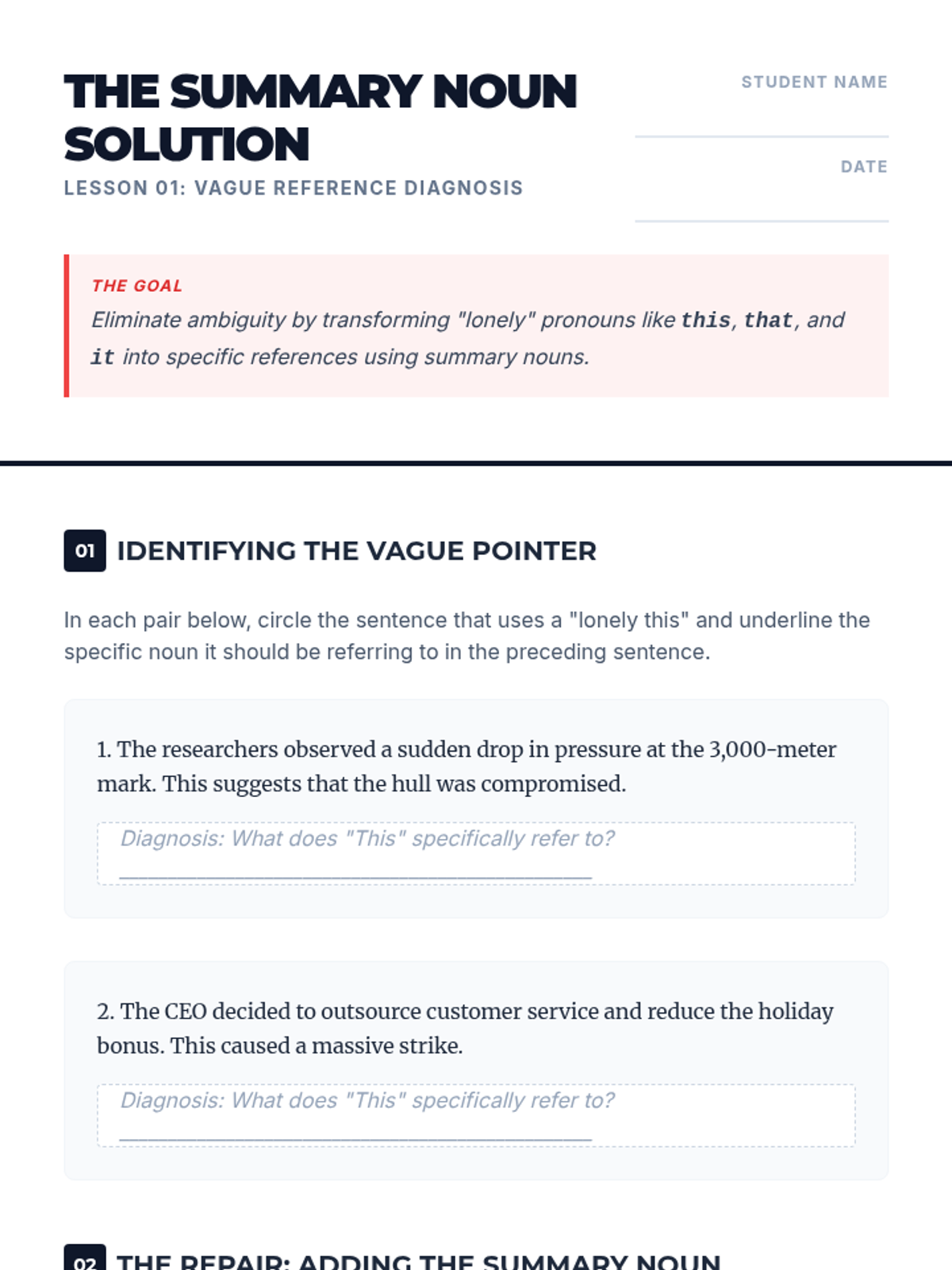
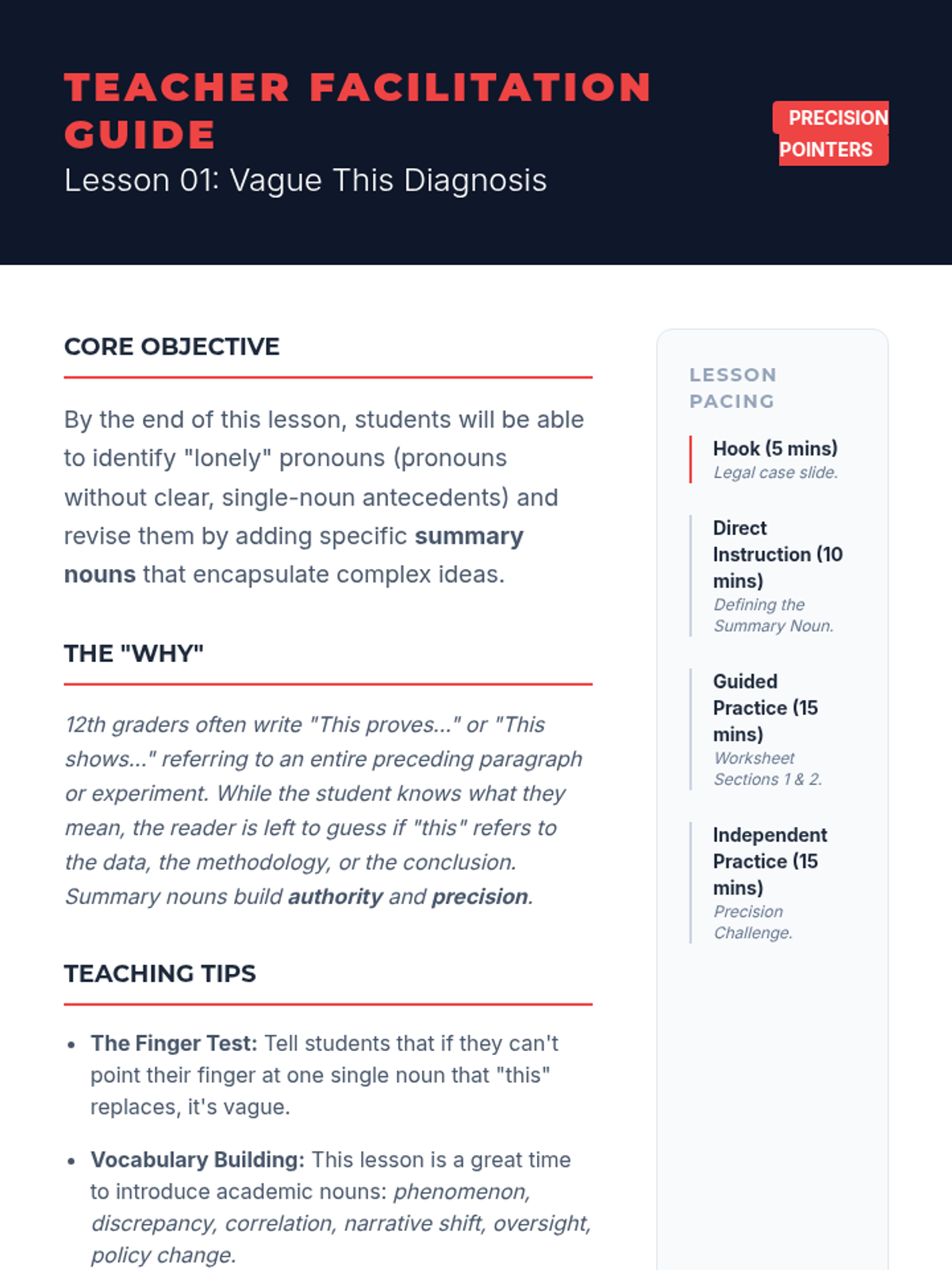
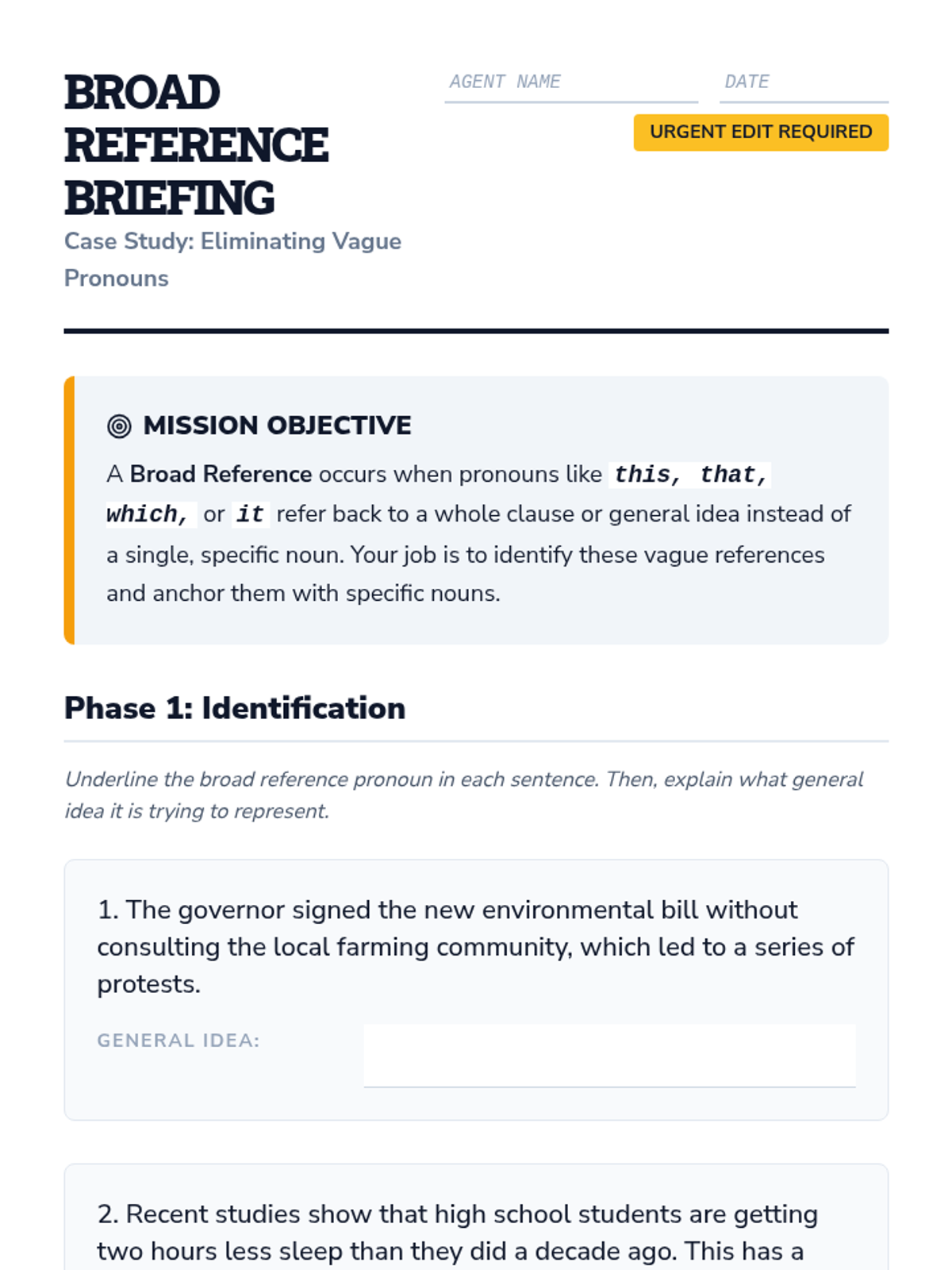
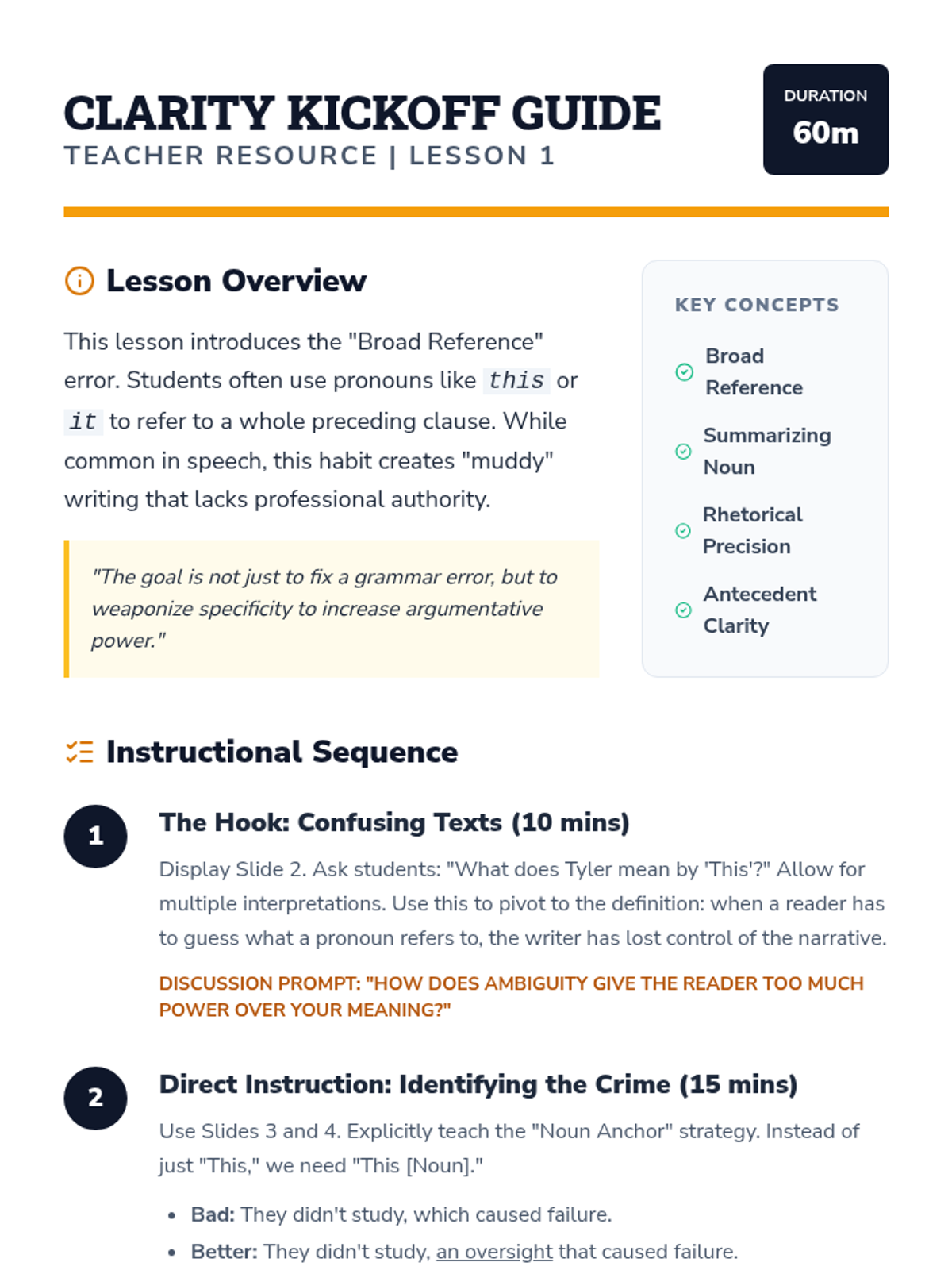
A high-school sequence focused on mastering pronoun clarity in academic writing, moving from basic antecedent matching to sophisticated revision of vague and broad references.
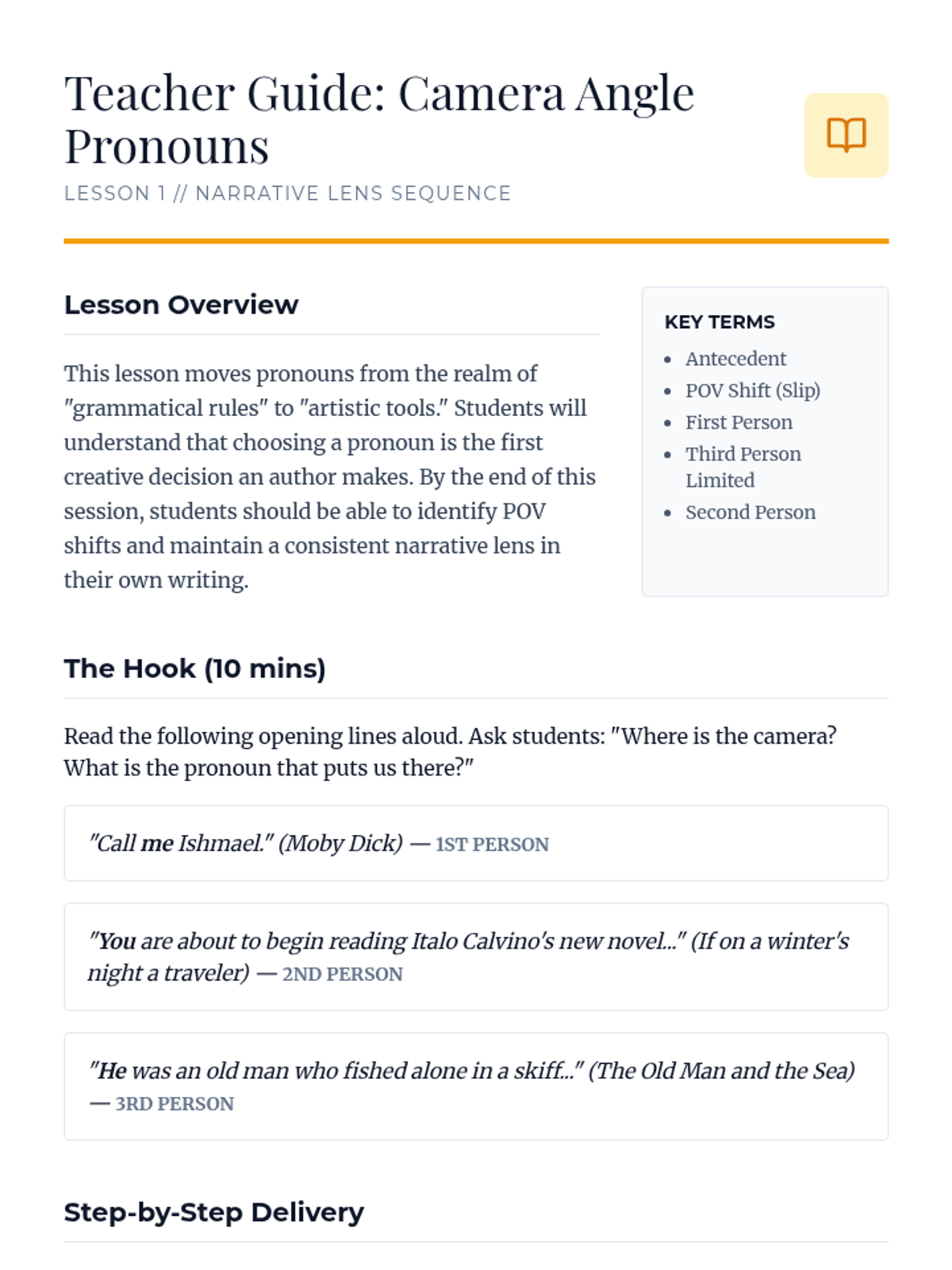
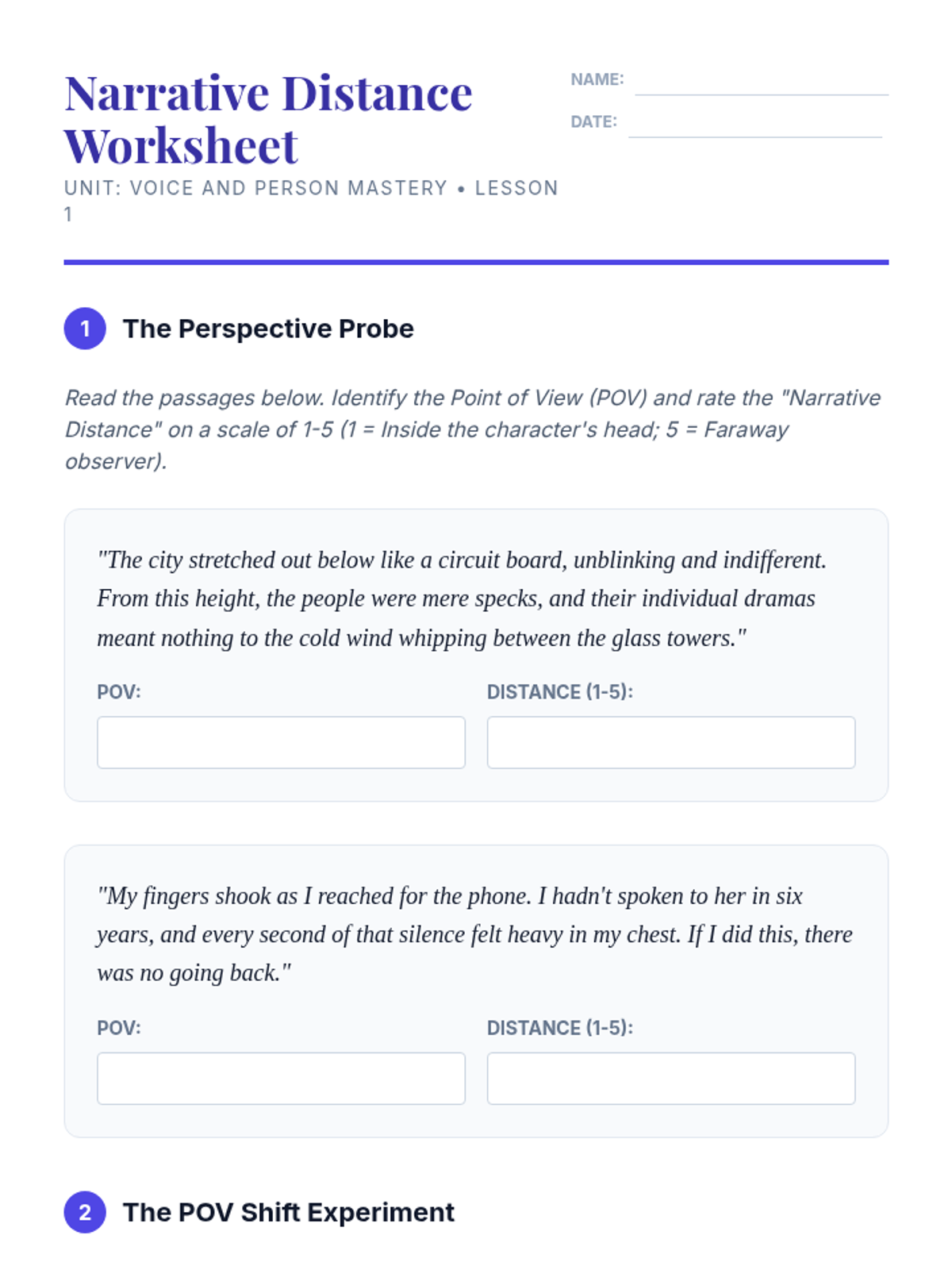
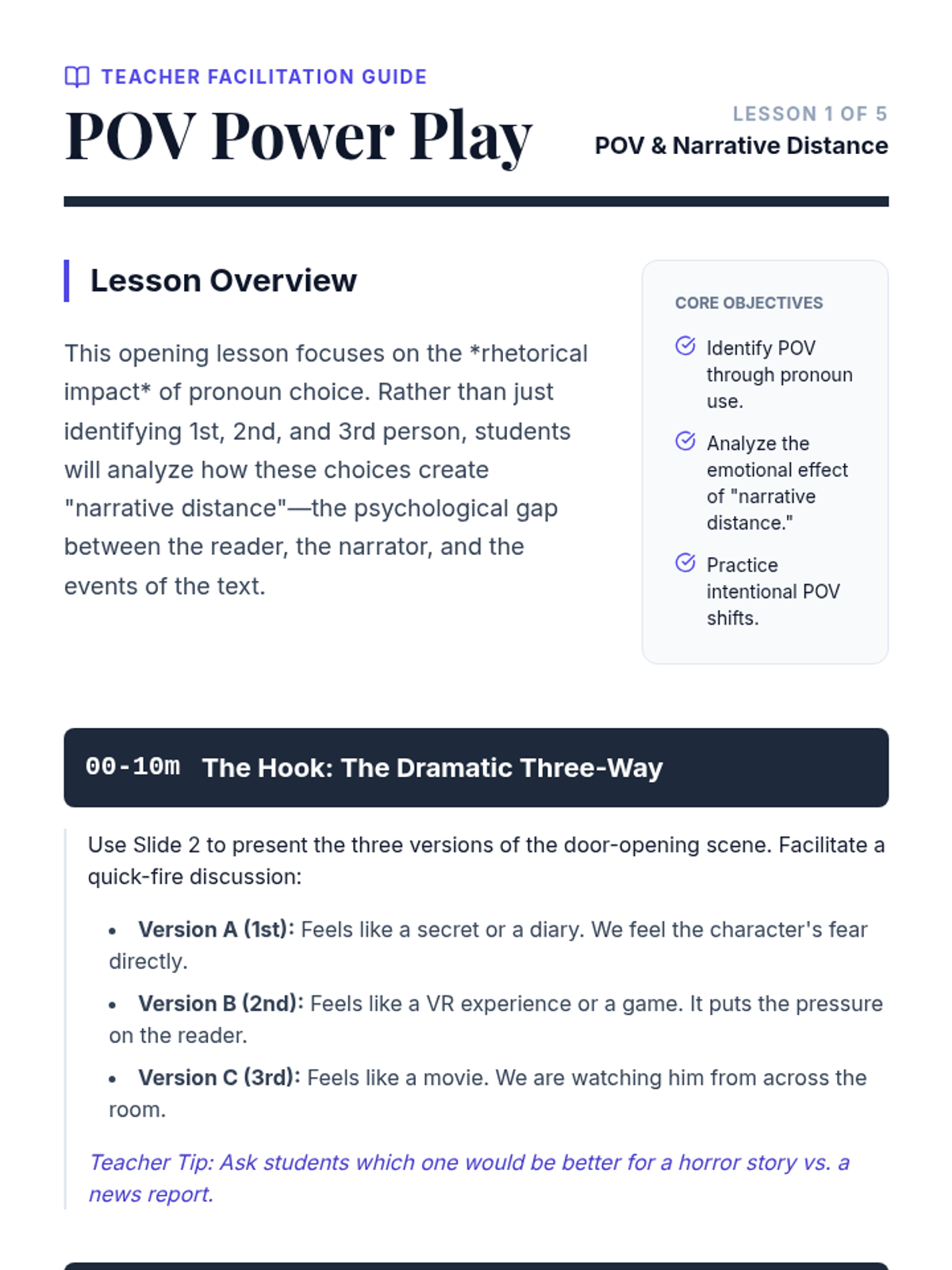
This sequence explores the stylistic impact of pronoun choice, specifically focusing on consistency in person (point of view). Students analyze how shifting from first to second or third person changes the tone and distance of a piece, moving from identifying awkward shifts to making intentional choices in narrative and argumentative writing.
This inquiry-based sequence explores the evolving nature of grammar, specifically addressing the debate around the singular 'they' and gender-neutral language. Students move from analyzing historical style guides to evaluating modern usage in journalism and academia.
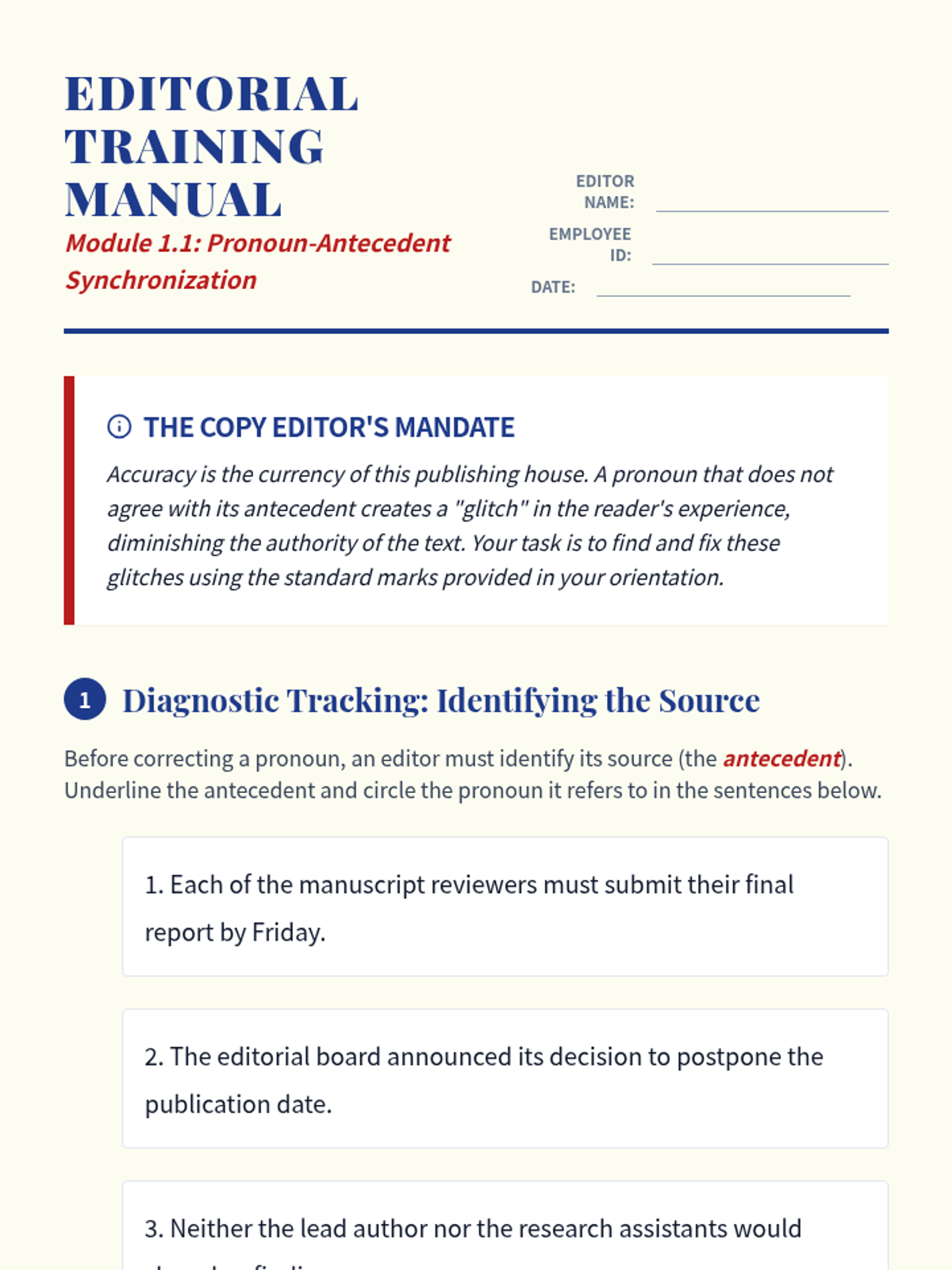
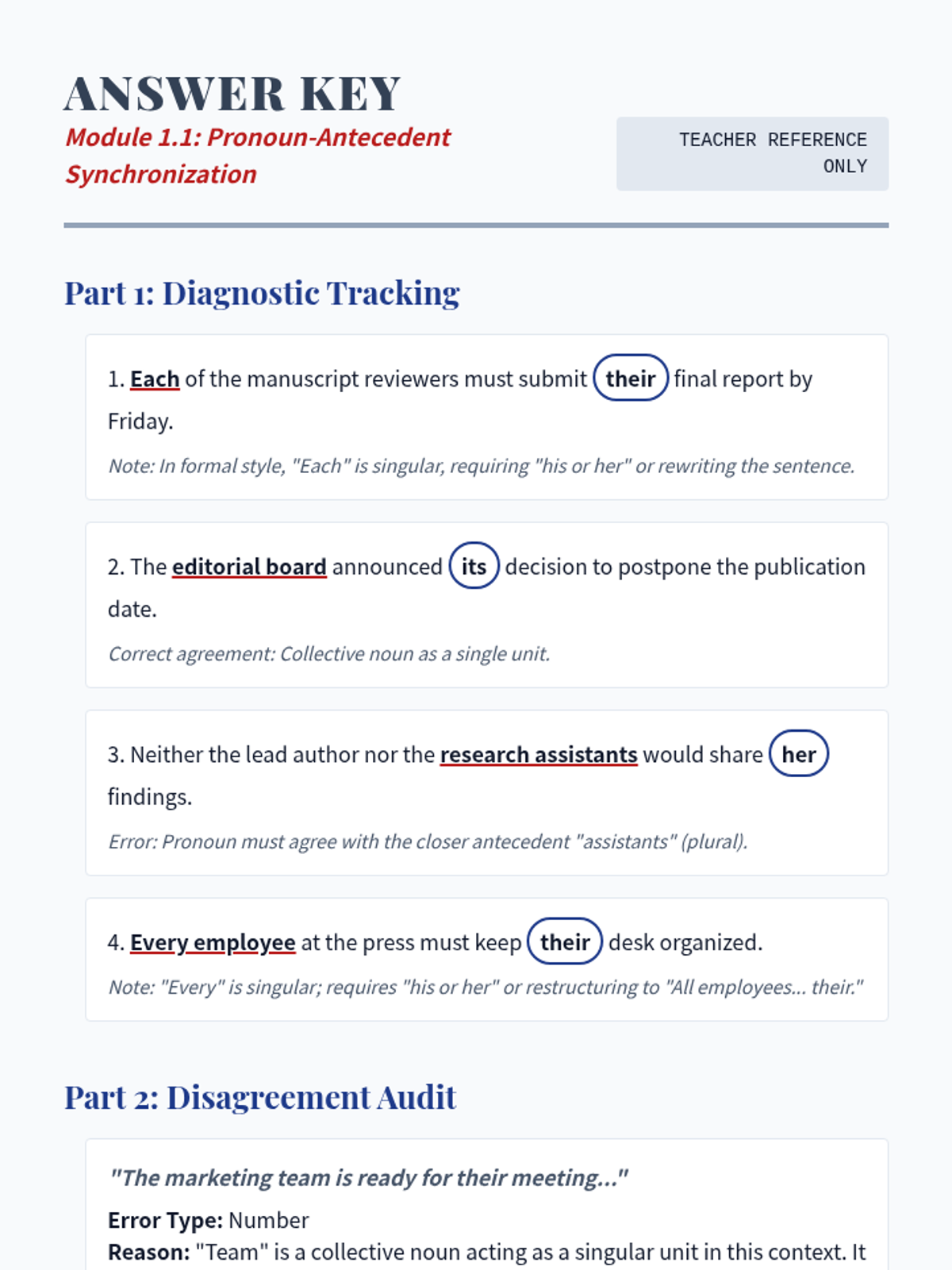
A rigorous grammar workshop focused on pronoun-antecedent agreement in academic editing, moving from basic diagnostics to complex collective nouns and indefinite pronouns.
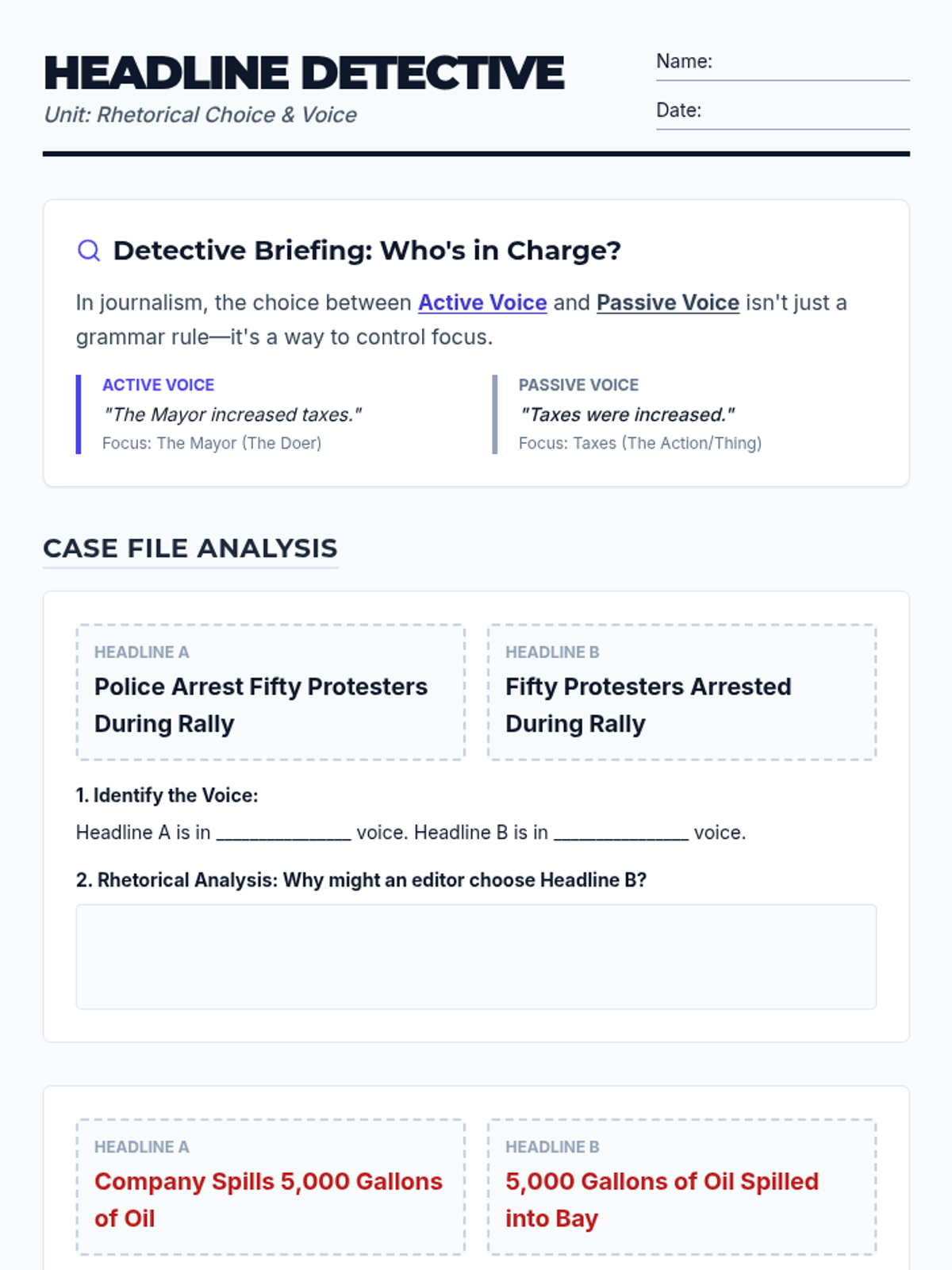
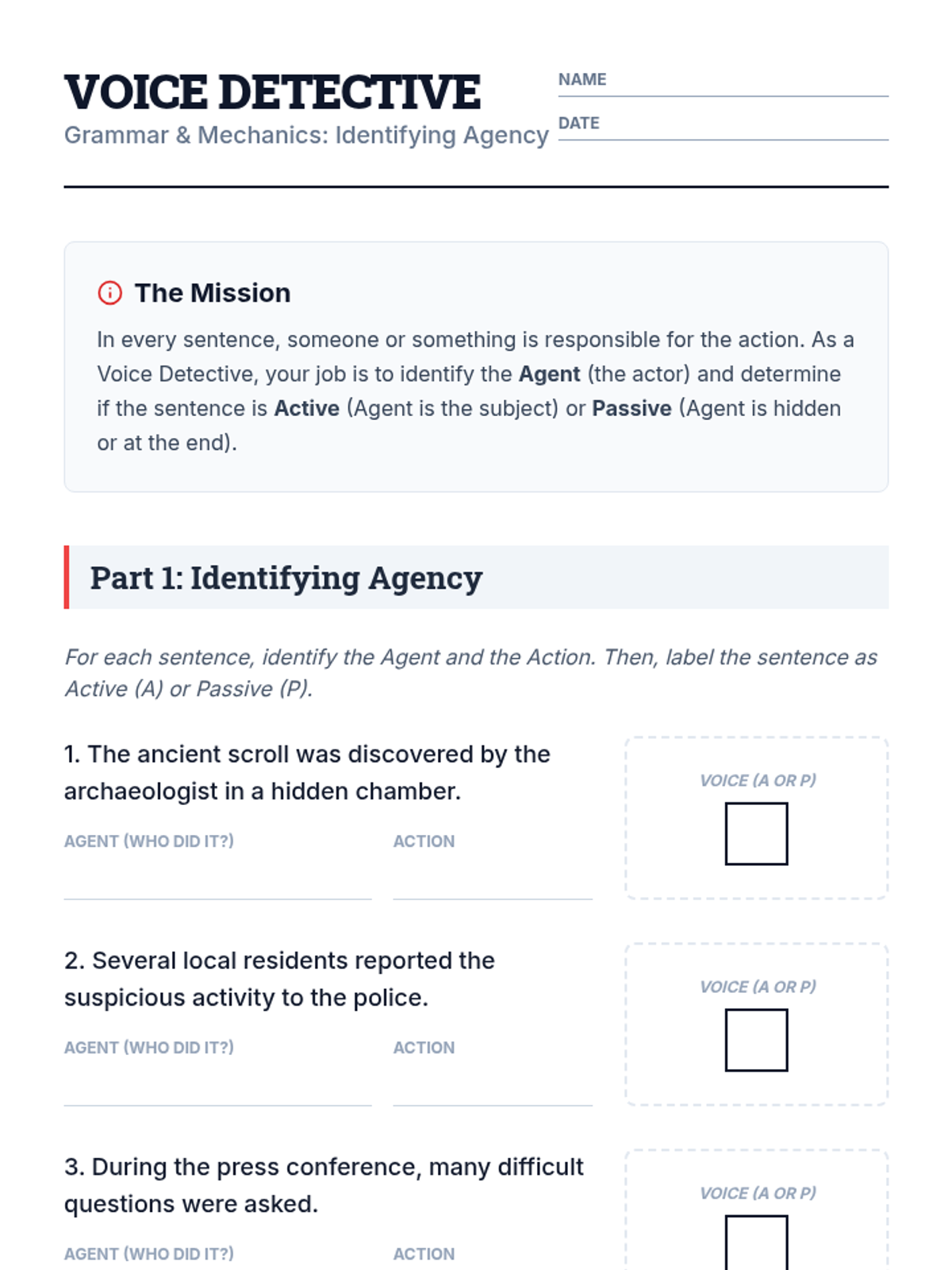
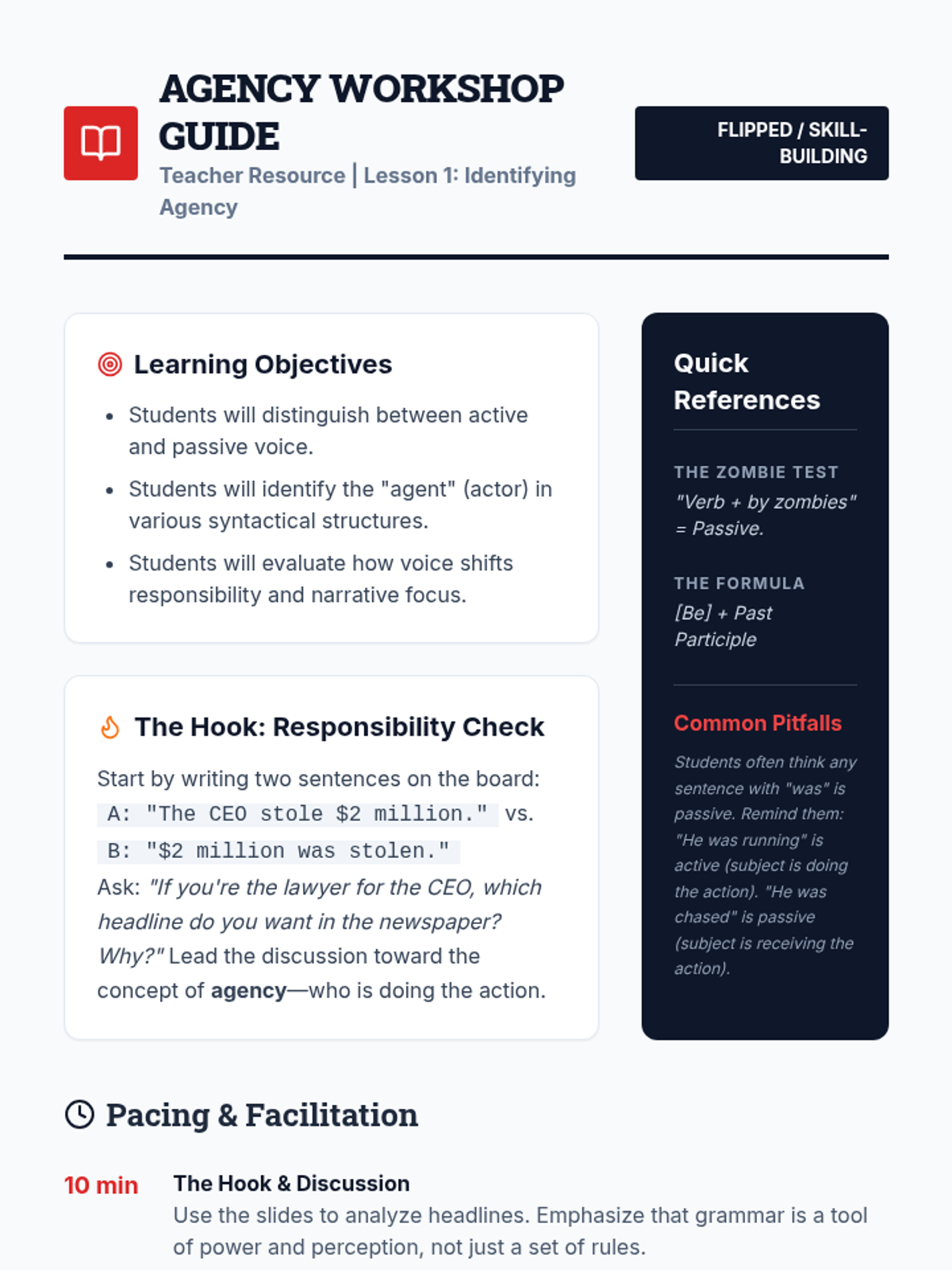
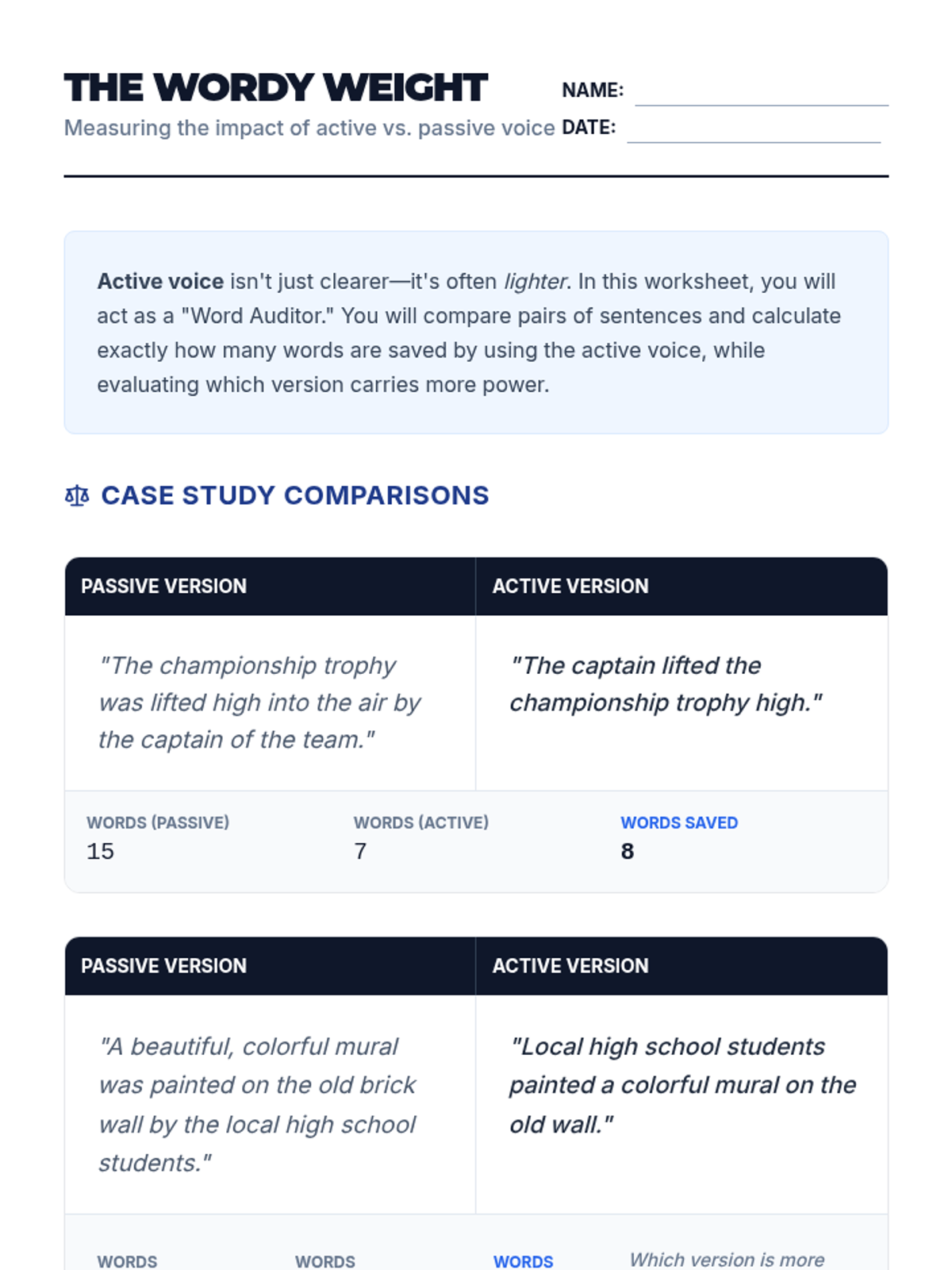
This sequence explores the rhetorical and stylistic implications of choosing active or passive voice. Students learn to use voice intentionally across different genres—media, science, mystery, and persuasion—to influence reader perception and focus.
A comprehensive 5-lesson sequence designed to move 9th-grade students from basic identification of active and passive voice to sophisticated rhetorical use and revision in their own writing.
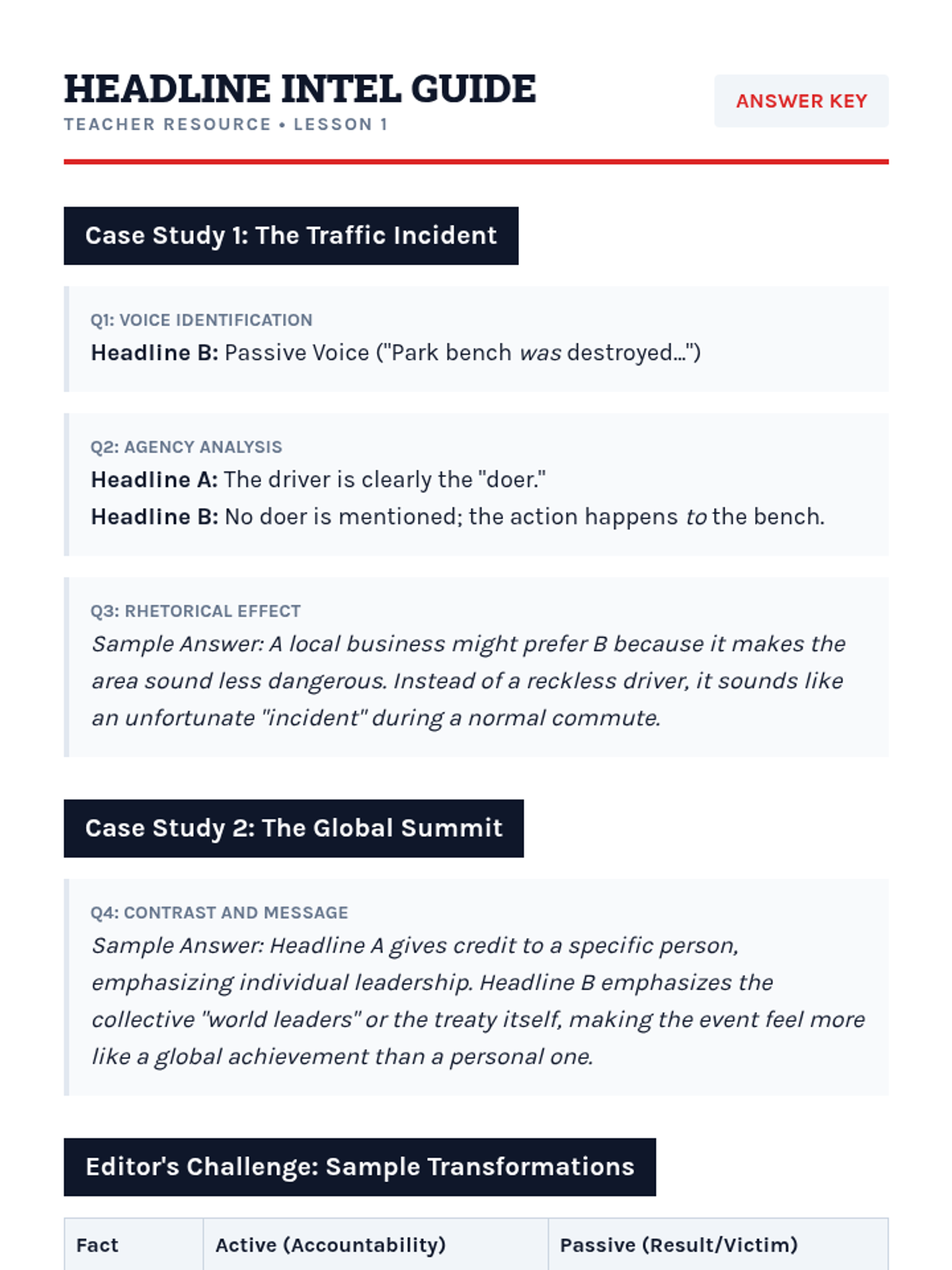
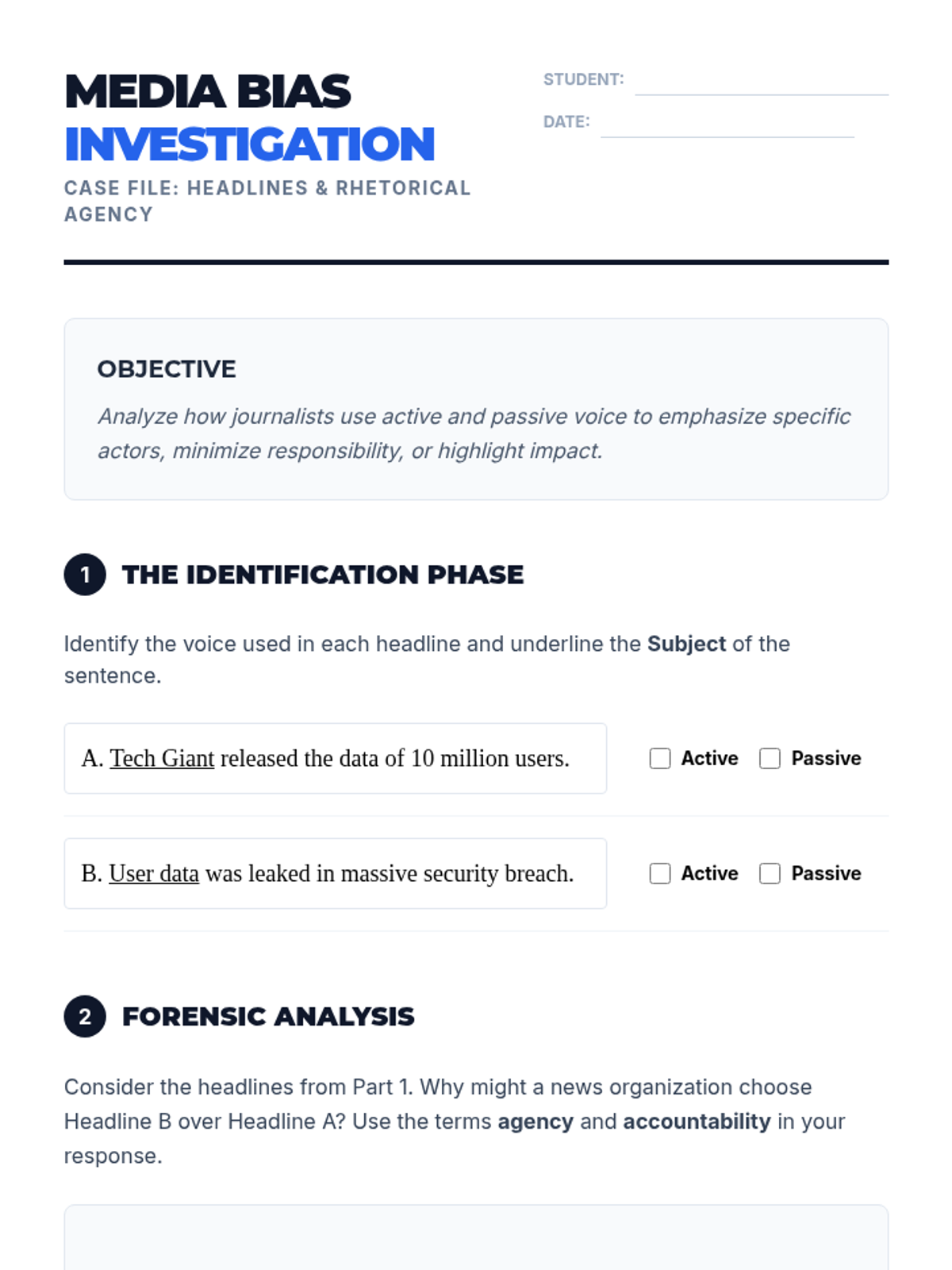
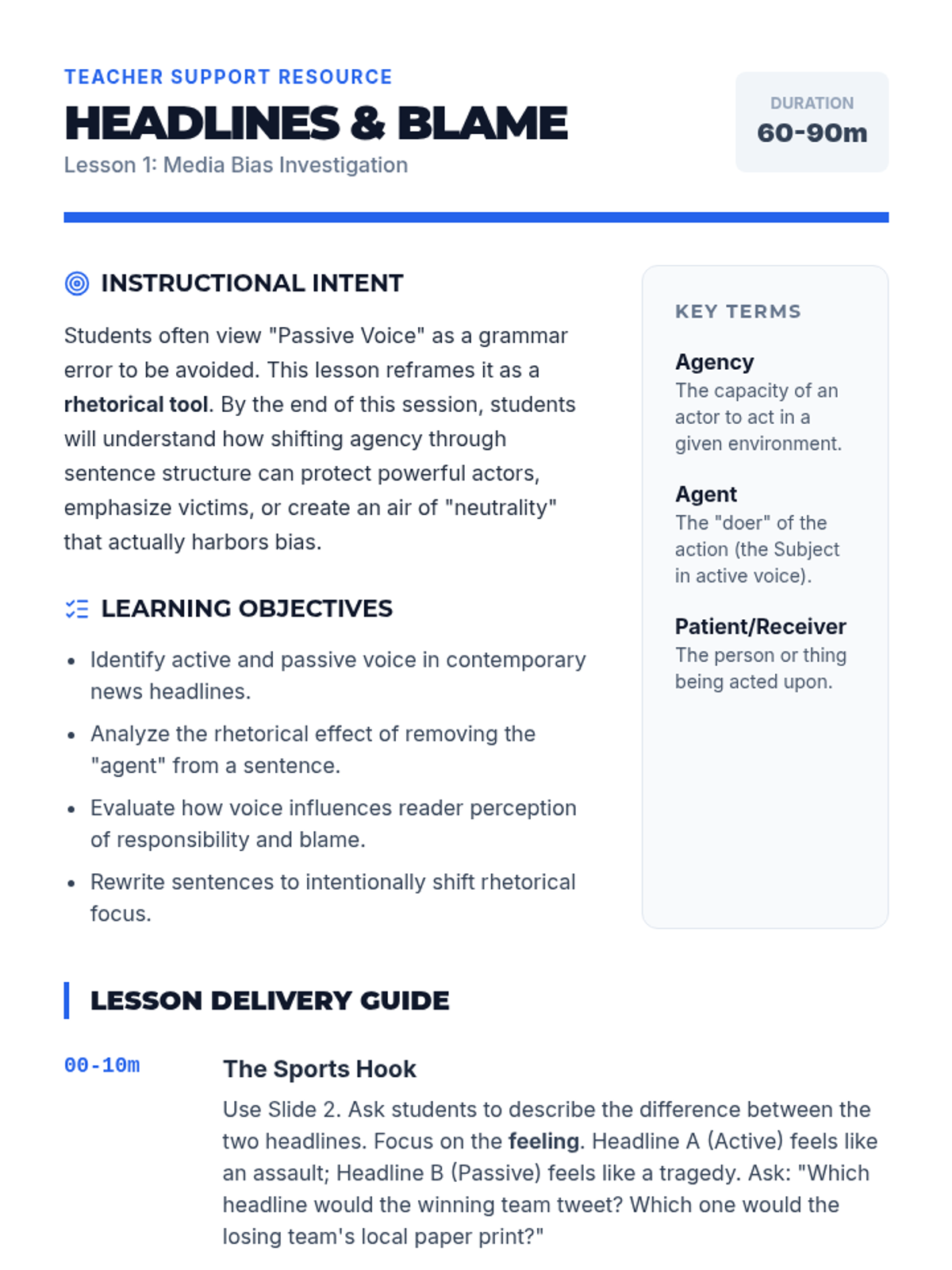
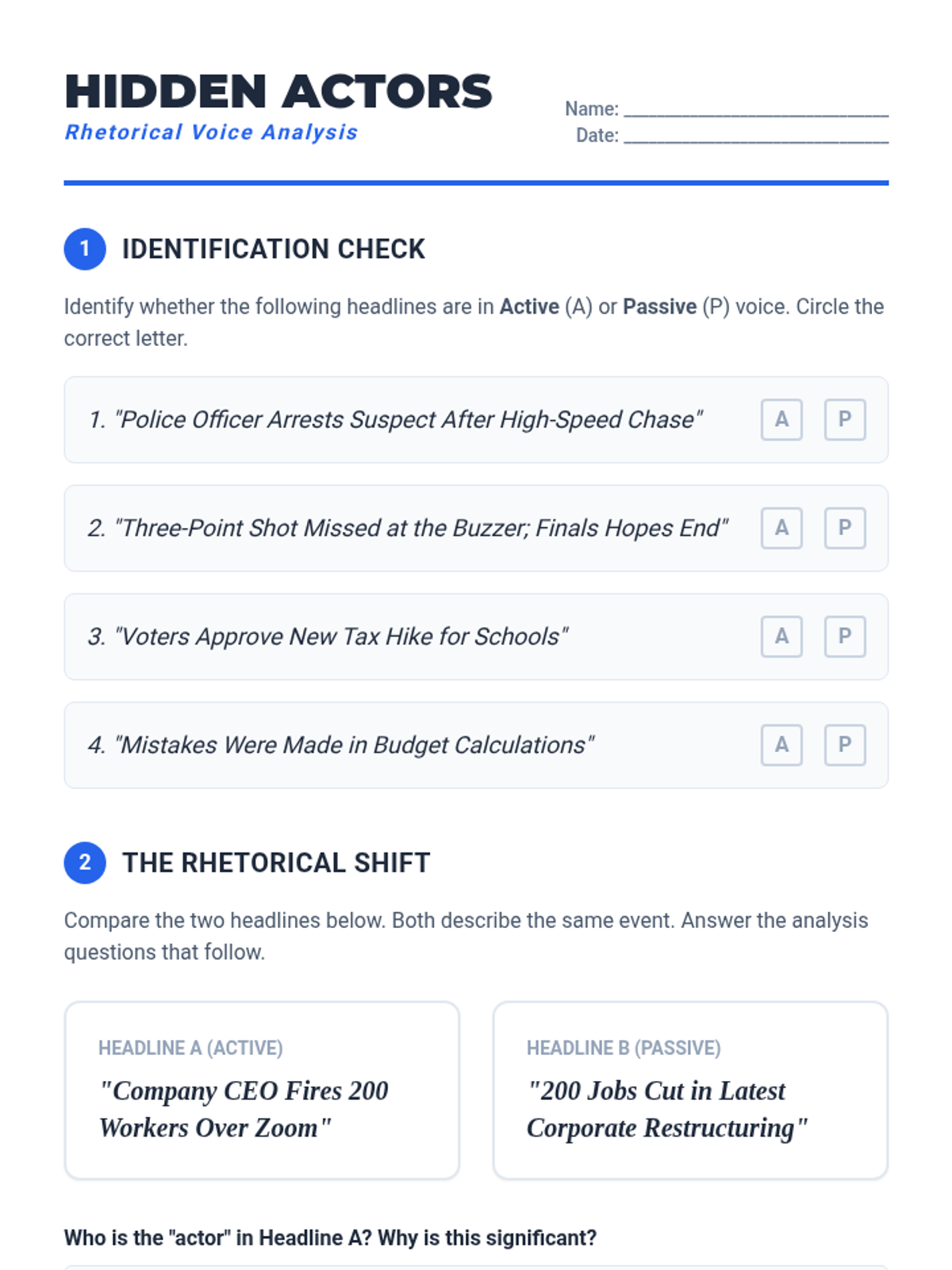
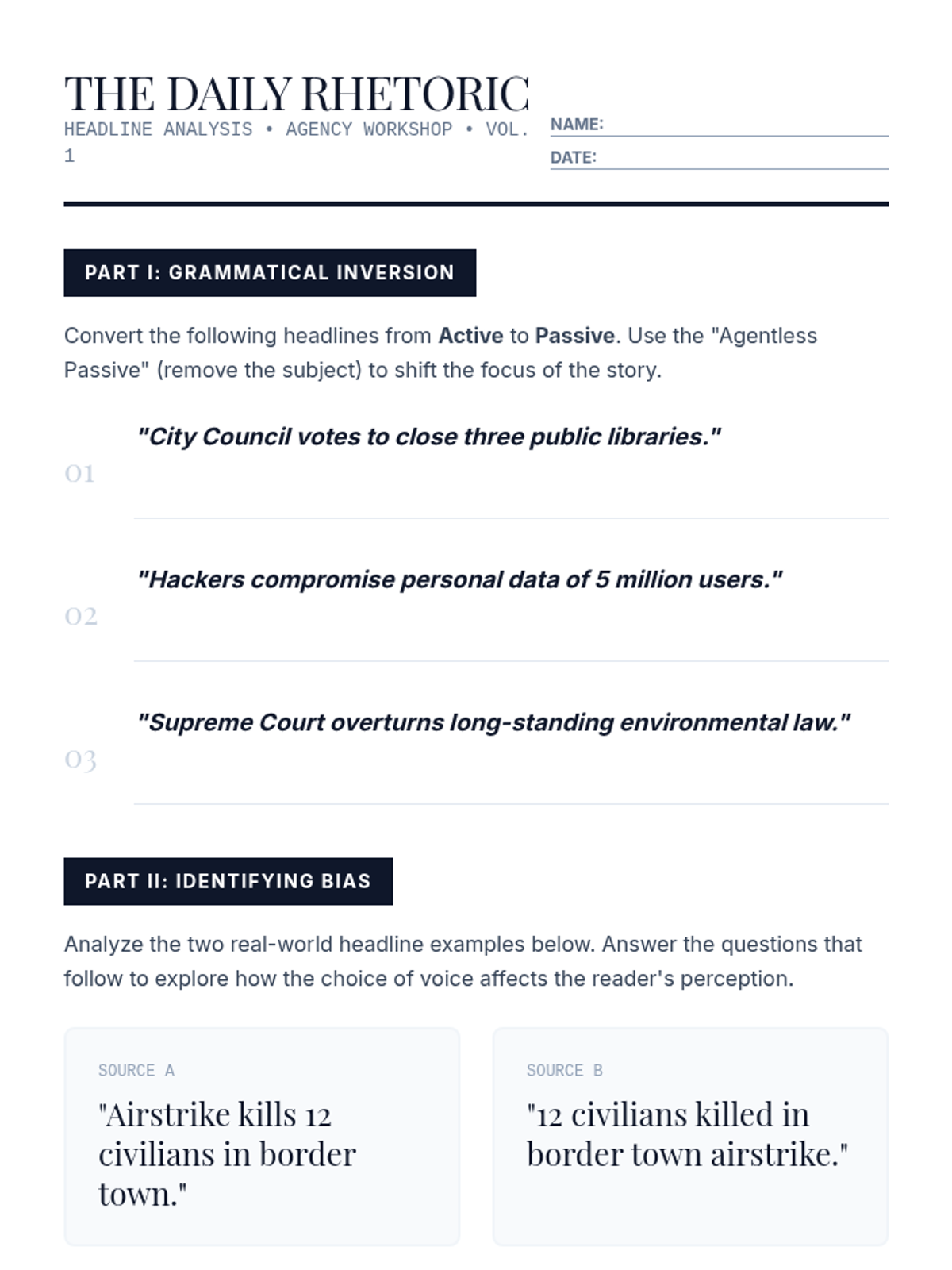
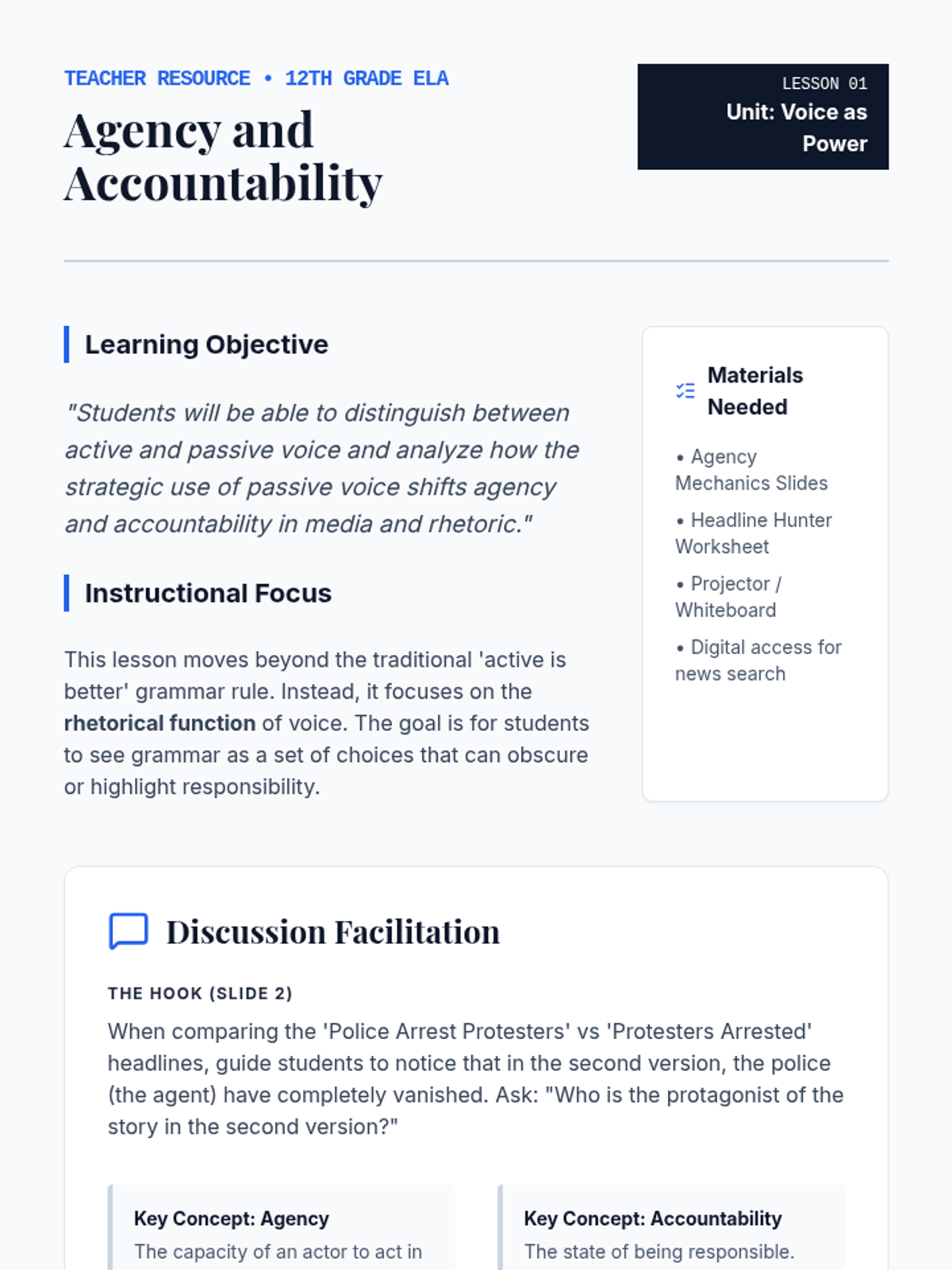
This sequence explores the rhetorical power of active and passive voice in media, politics, and public relations. Students move from basic grammatical mastery to analyzing how sentence structure can obscure agency, deflect responsibility, and shape public perception of truth and bias.
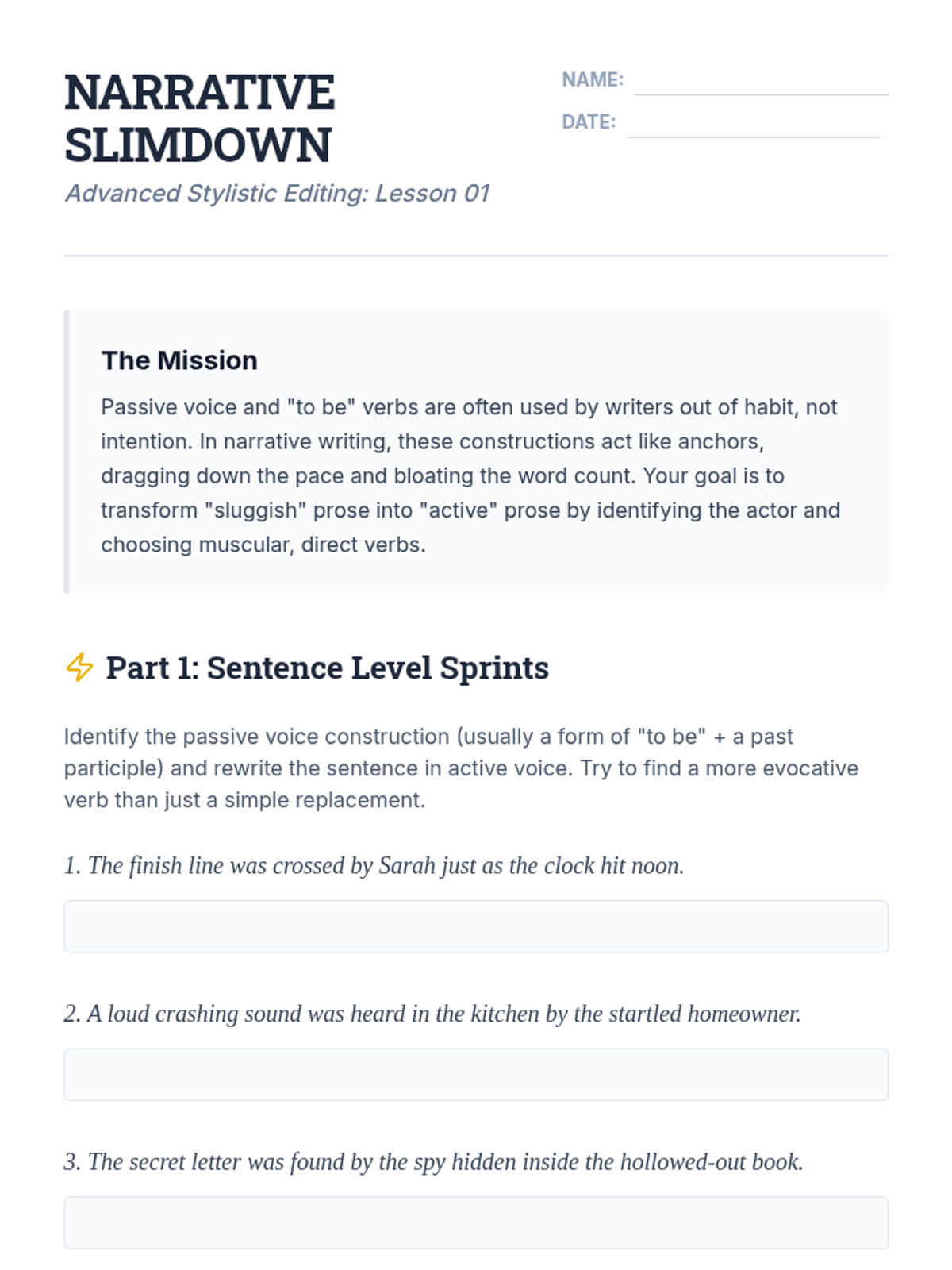
This sequence explores active and passive voice as sophisticated stylistic tools rather than rigid rules. Students learn to use active voice for narrative vigor and passive voice for scientific objectivity and structural cohesion in academic writing.
A comprehensive writing workshop that moves 9th-grade students from basic recognition of active and passive voice to stylistic mastery, focusing on clarity, vigor, and intentional rhetorical choices.
A college-preparatory sequence for 11th grade ELA focusing on the rhetorical and strategic implications of active and passive voice. Students move beyond basic identification to understand how voice choice shapes agency, objectivity, and political narrative.
A project-based sequence for 9th-grade students exploring the rhetorical power of active and passive voice. Students move from basic identification to analyzing how voice affects accountability in news and politics, and eventually master the use of strong, vivid verbs to enhance their writing style.
A 12th-grade ELA sequence exploring the linguistic history, modern standards, and professional applications of pronouns, with a focus on singular 'they' and inclusive language standards in academic and workplace contexts.
This sequence explores the mechanics of pronoun case in sophisticated 9th-grade writing. Students master nominative, objective, and possessive cases through structural analysis, error debunking, and formal application in complex sentences and comparisons.
An 8th-grade ELA sequence that explores the rhetorical impact of active and passive voice in journalism, politics, and literature. Students investigate how grammatical choices shape perception of responsibility, bias, and narrative pacing.
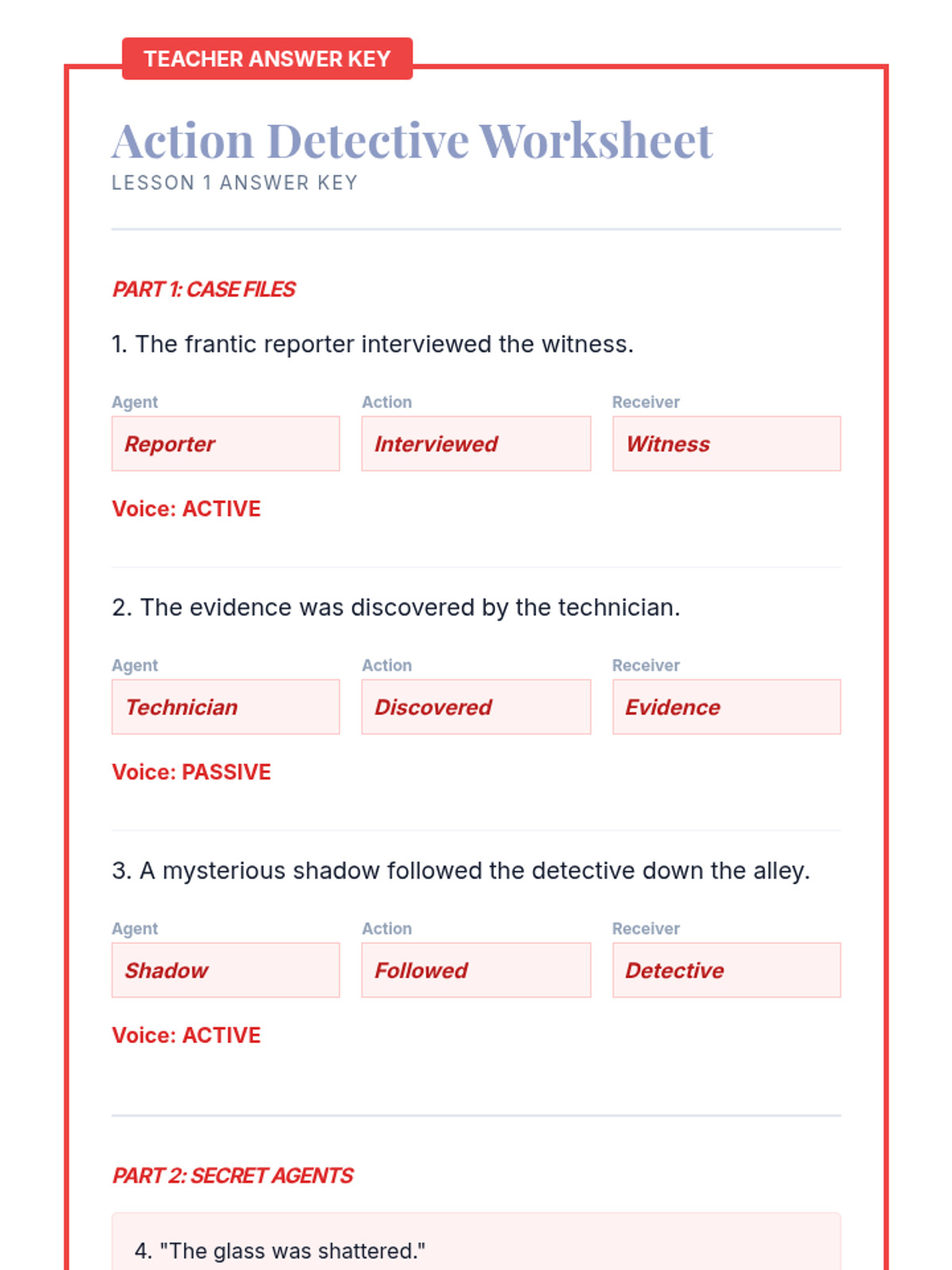
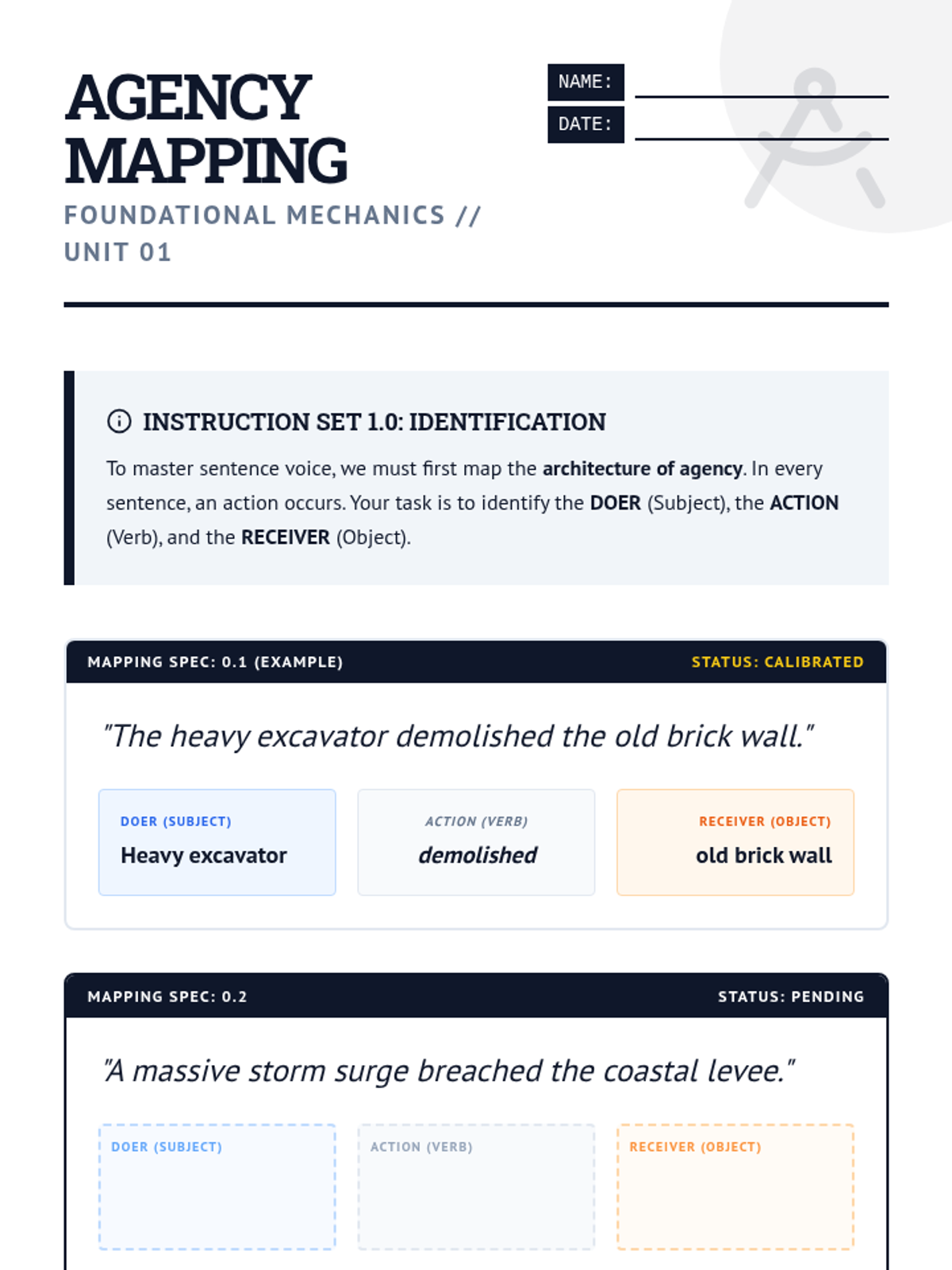
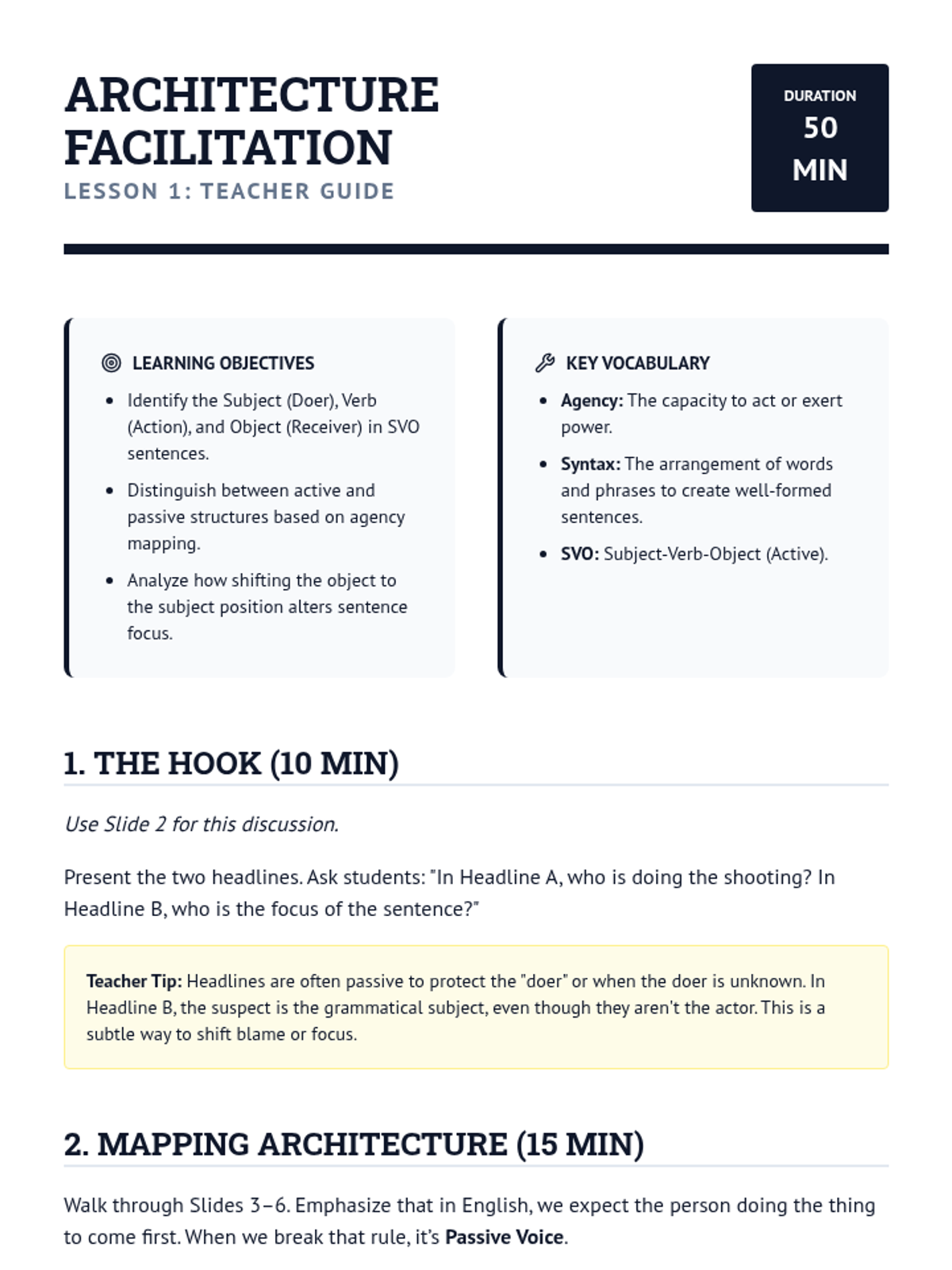
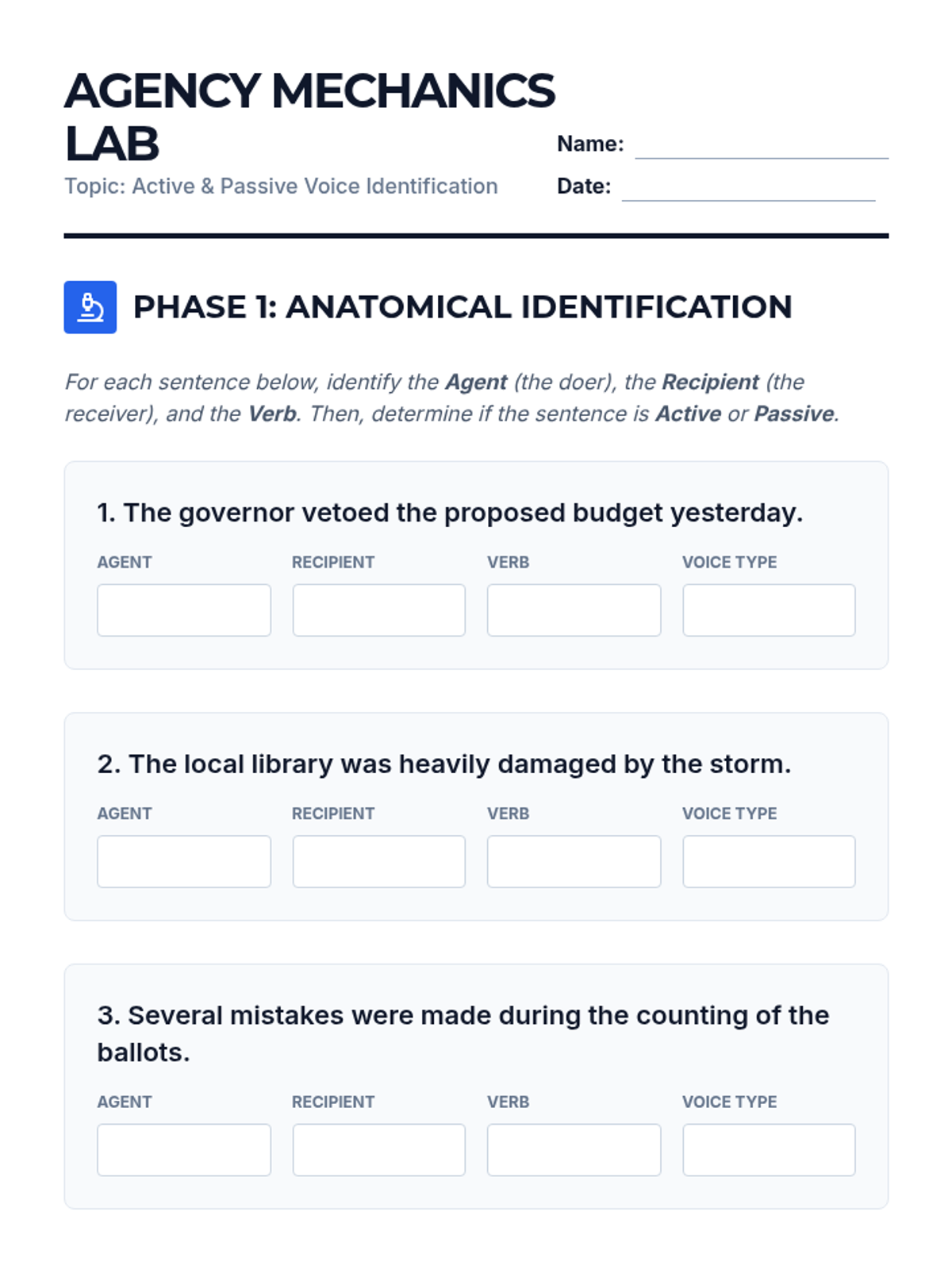
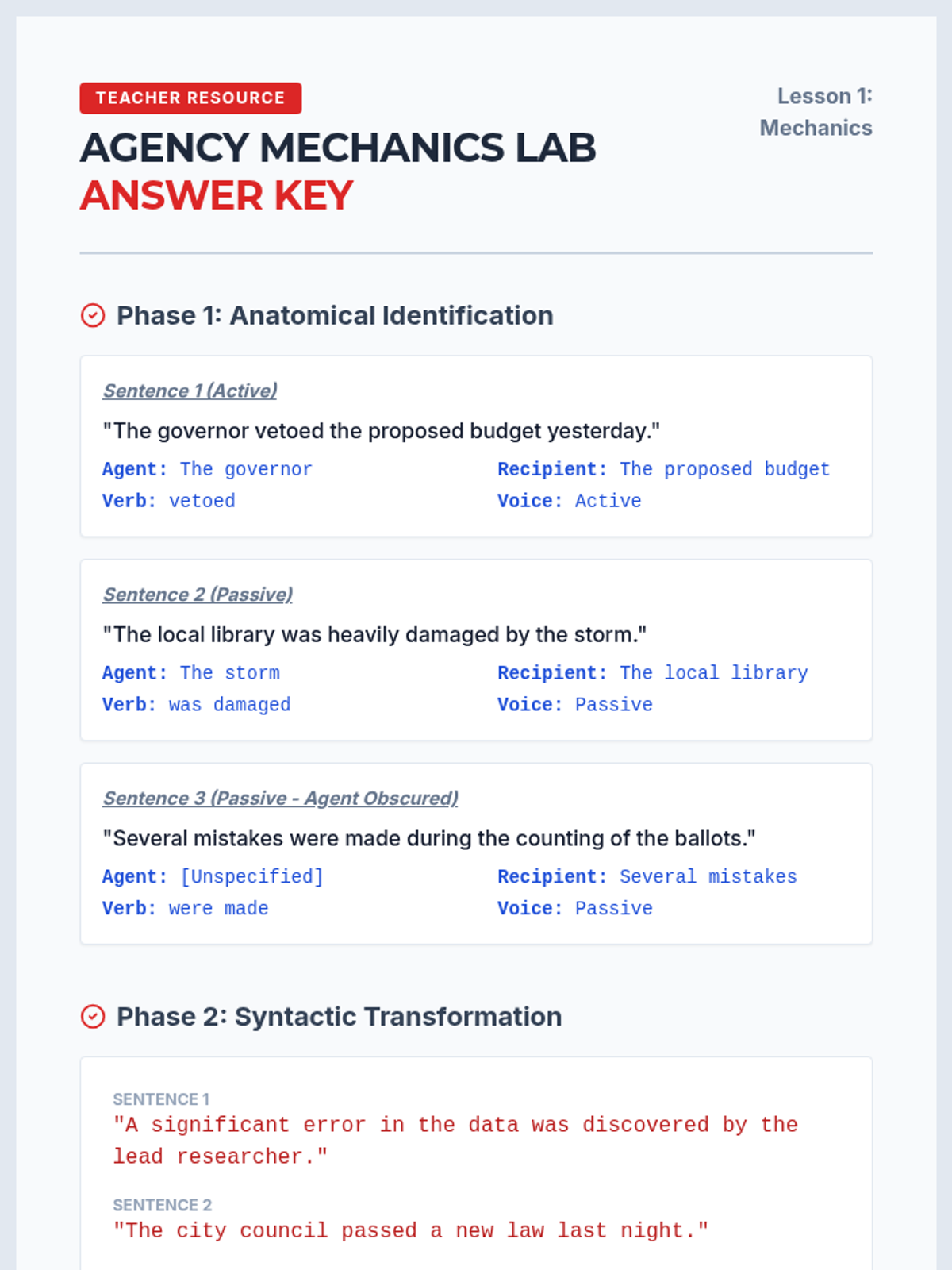
A technical dive into the grammar of active and passive voice. Students move from mapping sentence architecture to masterfully controlling sentence focus through voice manipulation.
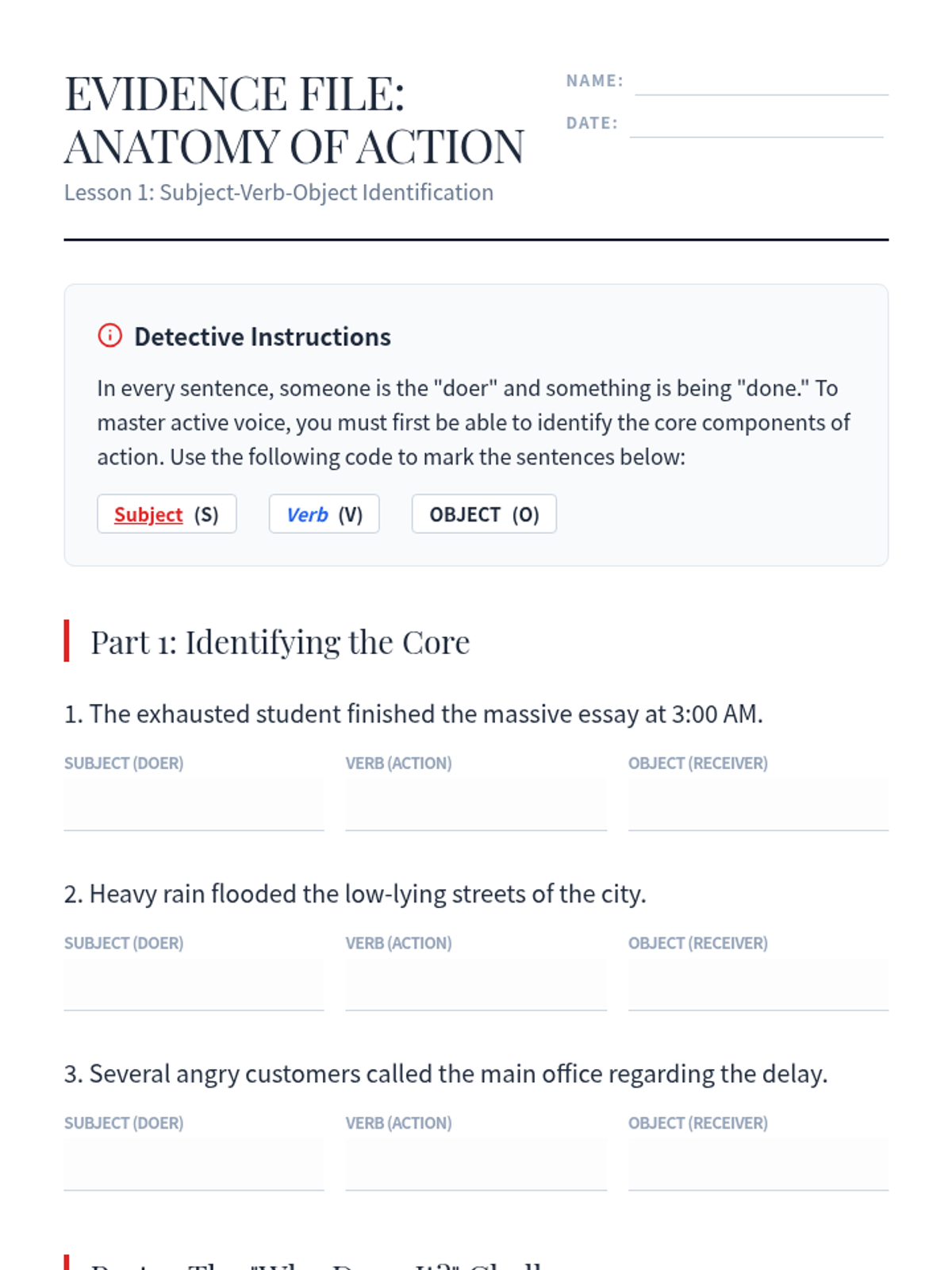
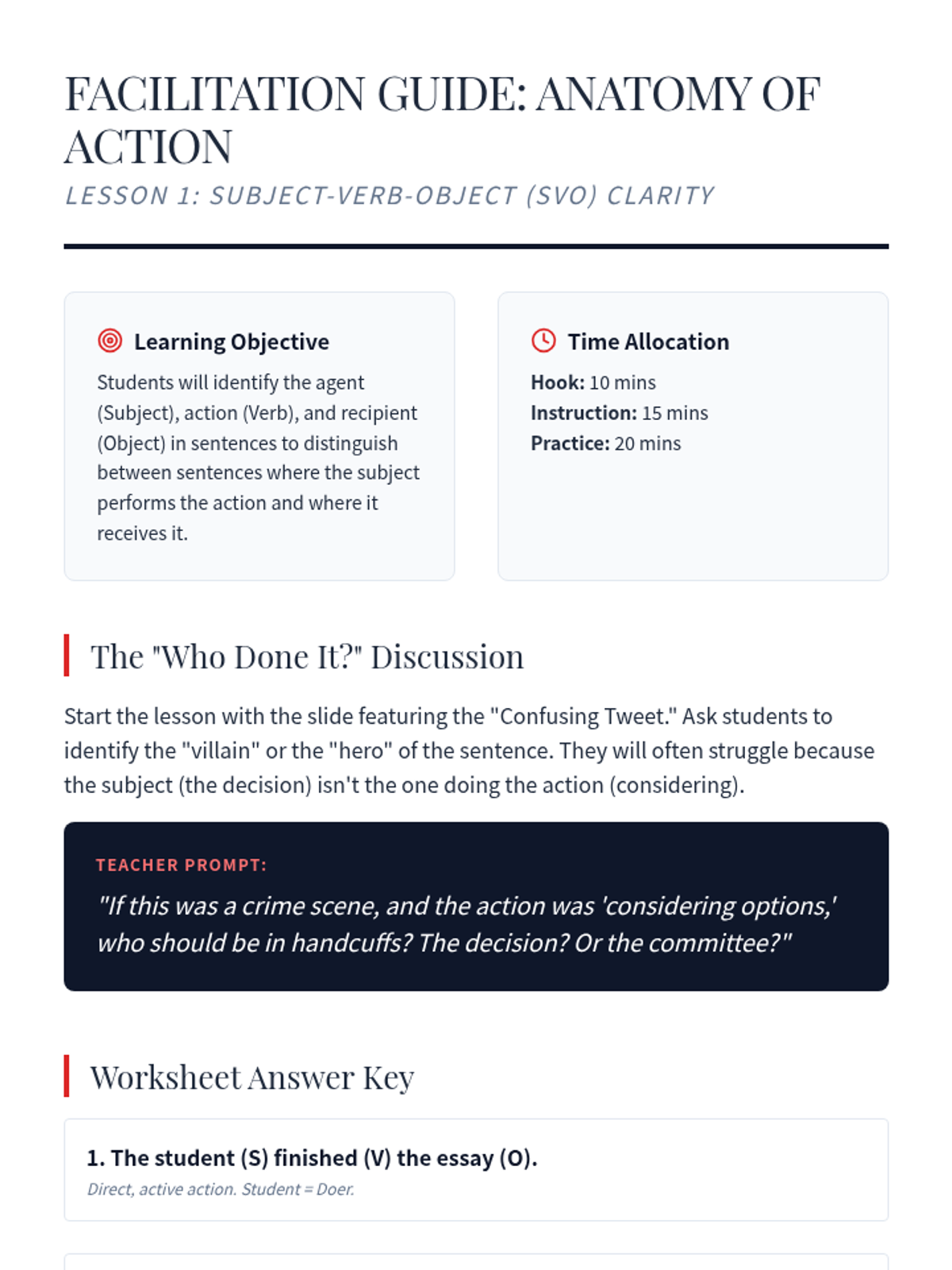
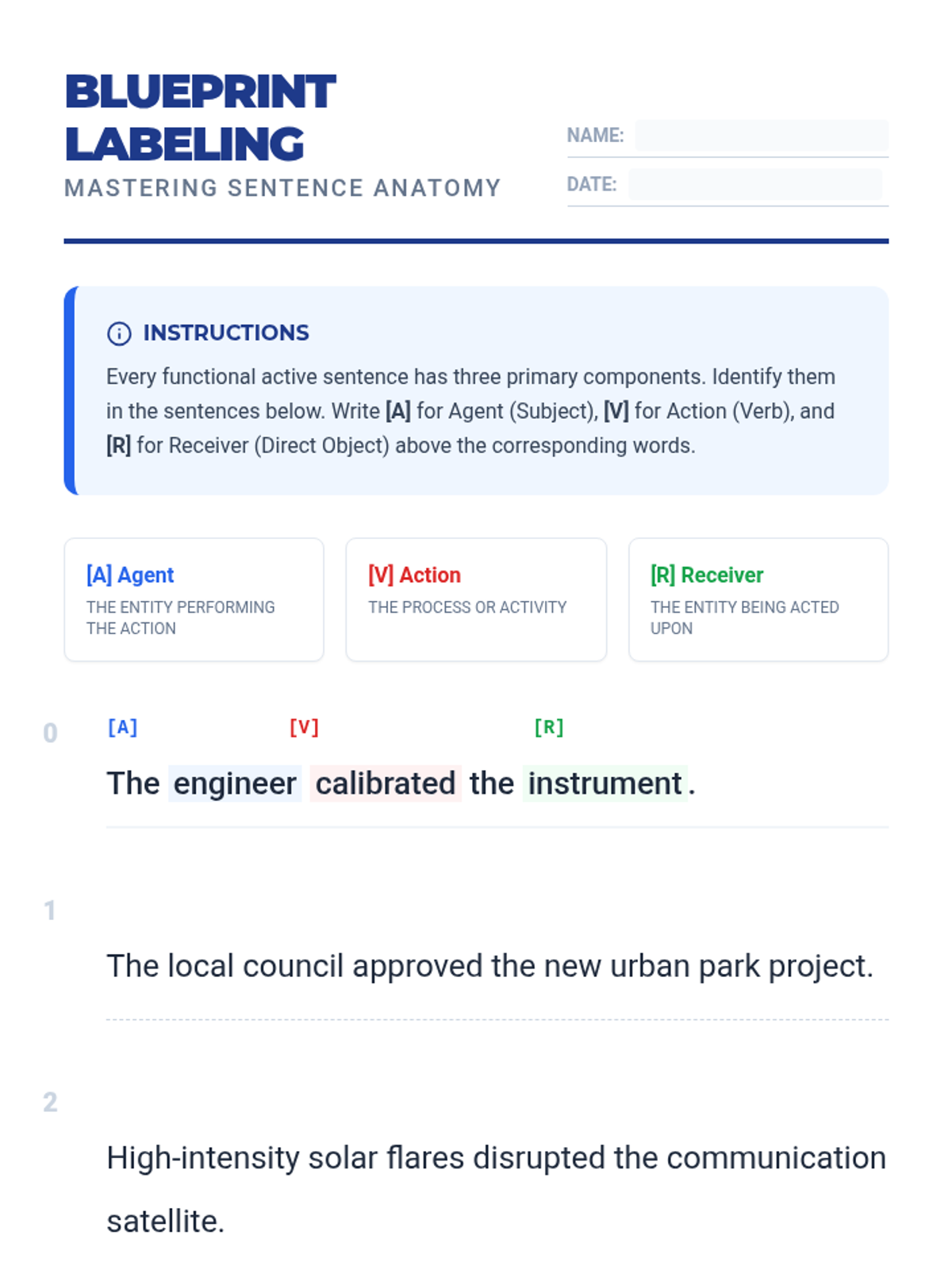
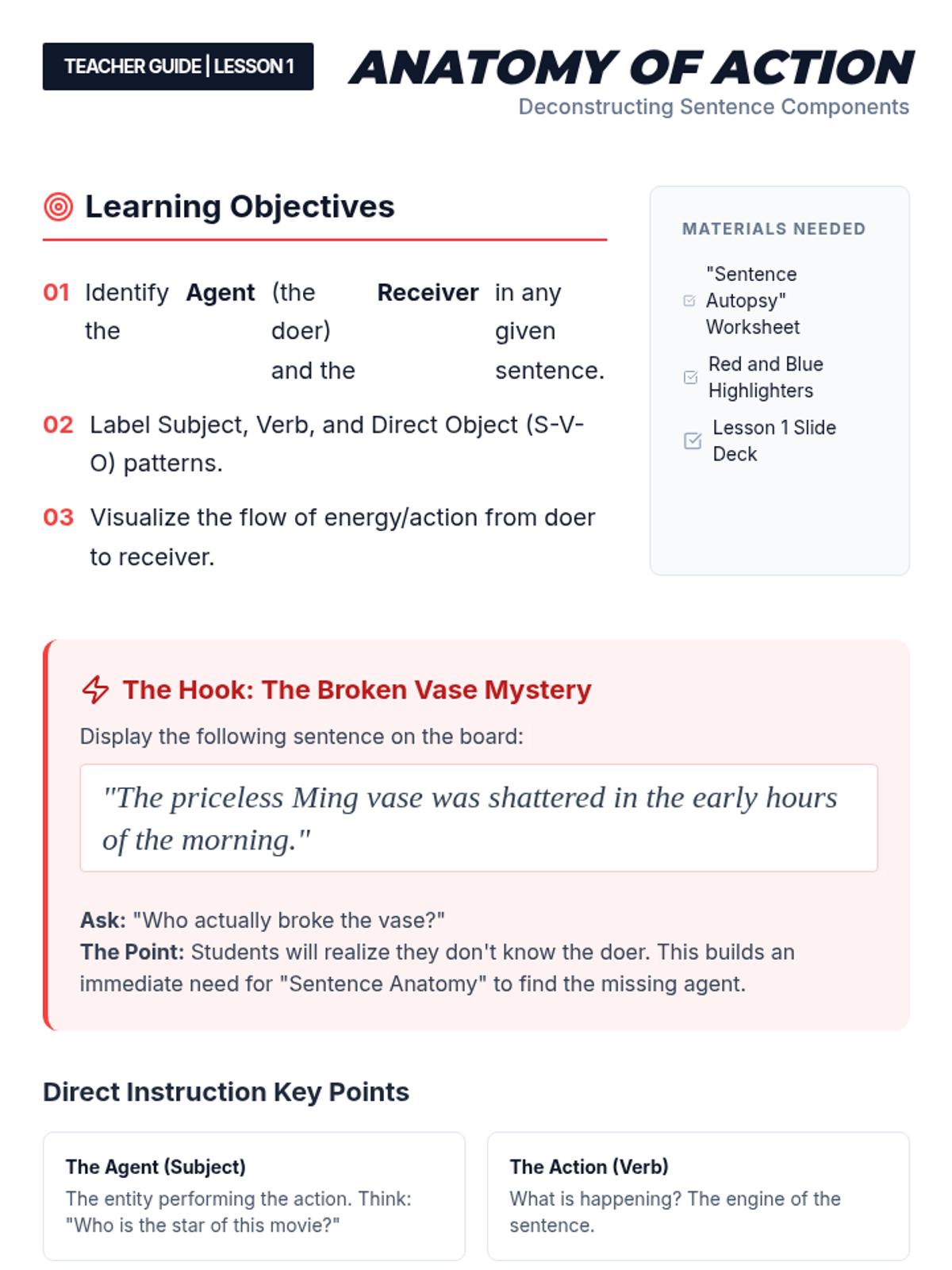
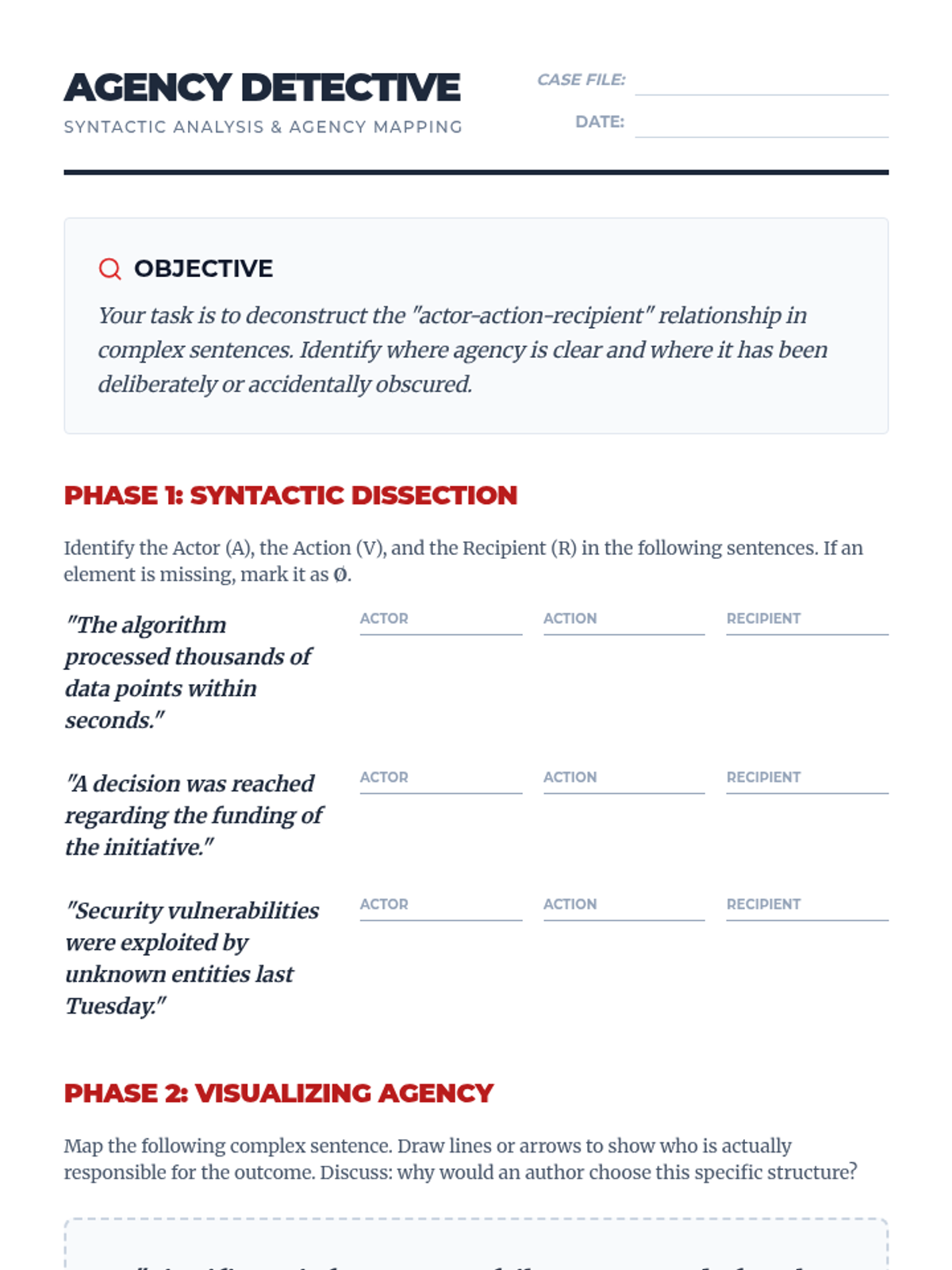
This sequence treats sentence structure as a foundational skill, focusing on the grammatical mechanics of active and passive voice. Students move from deconstructing sentence anatomy to mastering complex syntactic transformations and editing for conciseness.
This sequence provides a comprehensive exploration of active and passive voice, moving from basic sentence structure to sophisticated stylistic choices. Students will learn to identify, convert, and strategically use different voices to enhance clarity and impact in their writing.
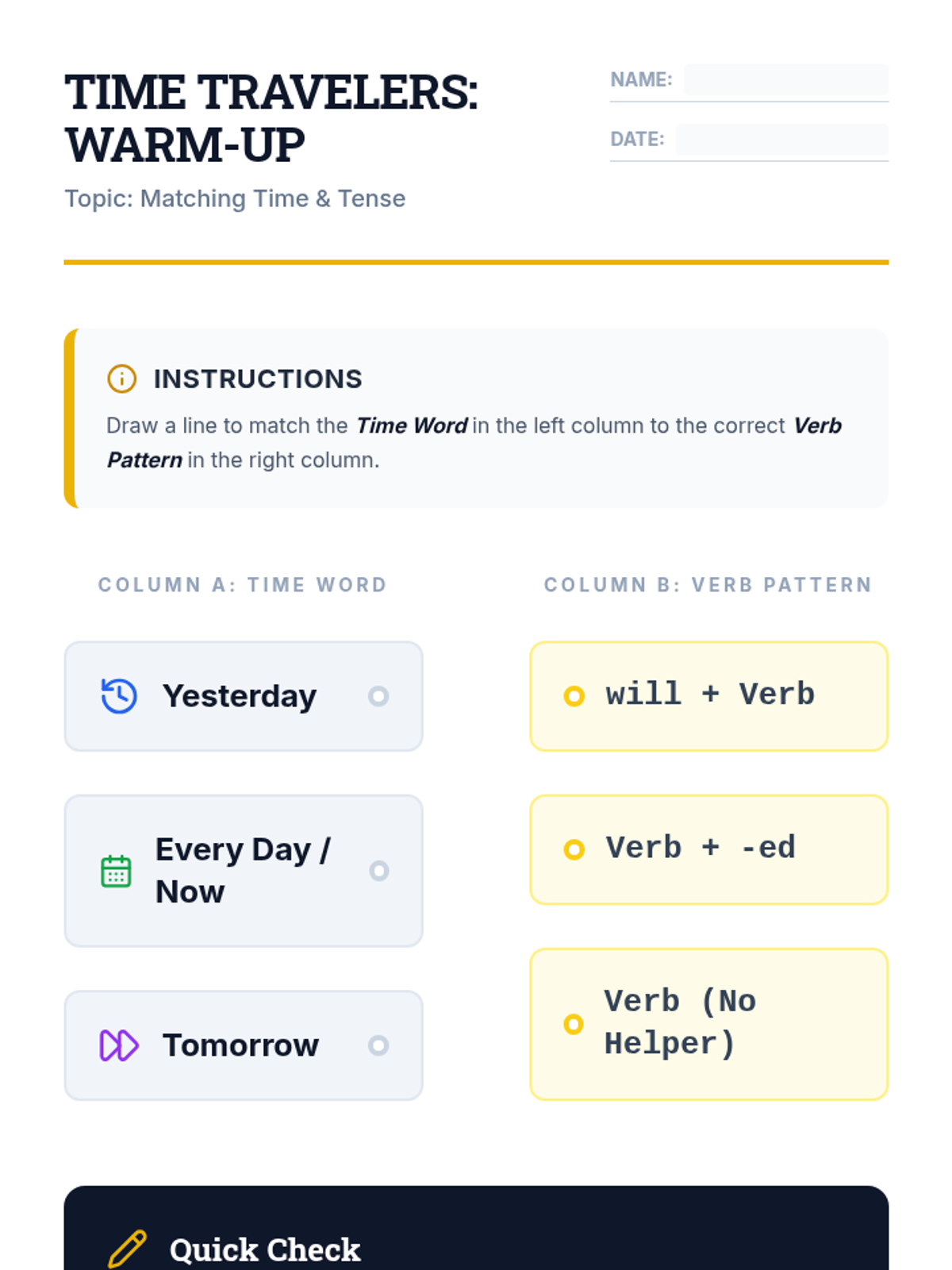
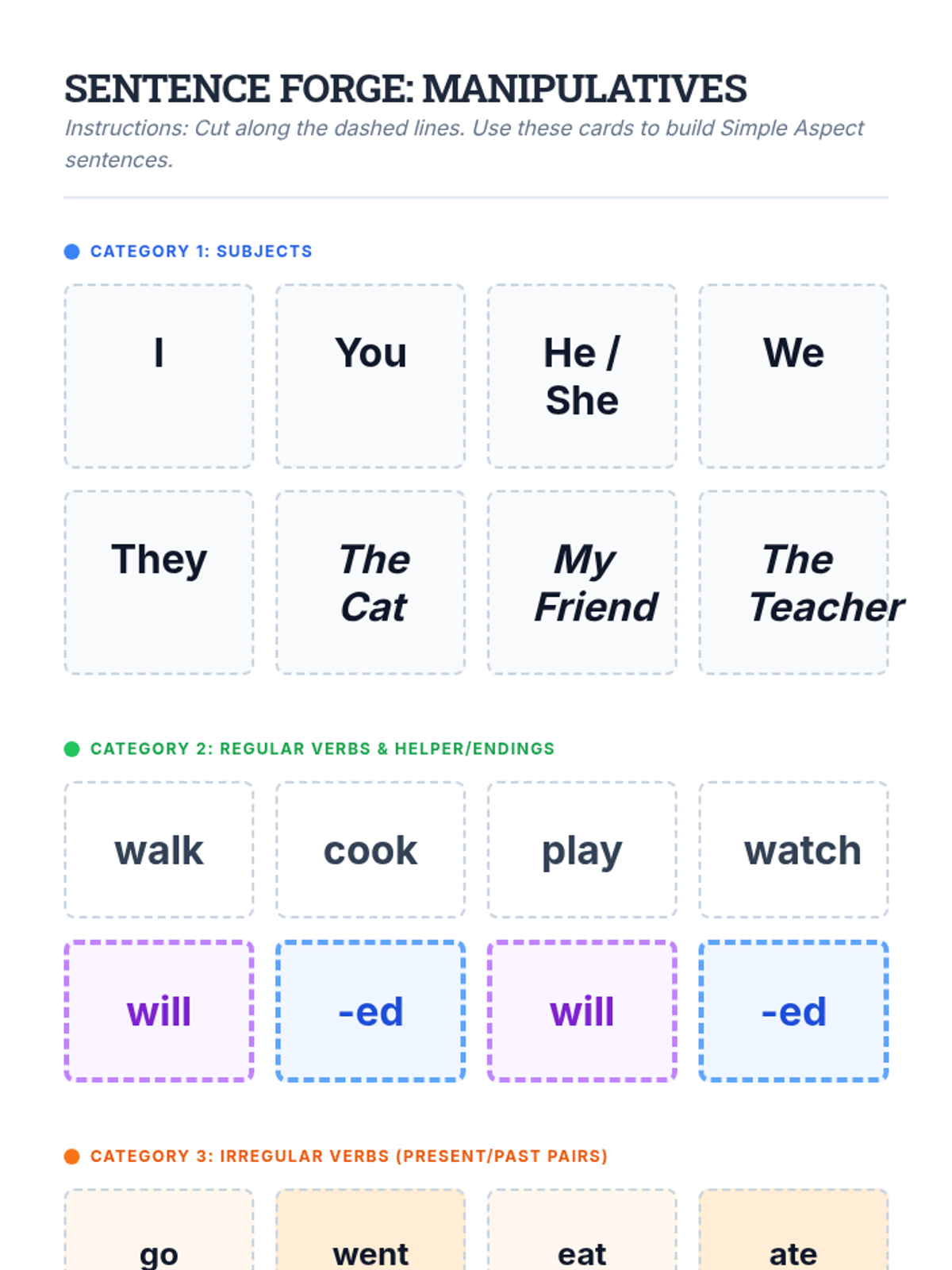
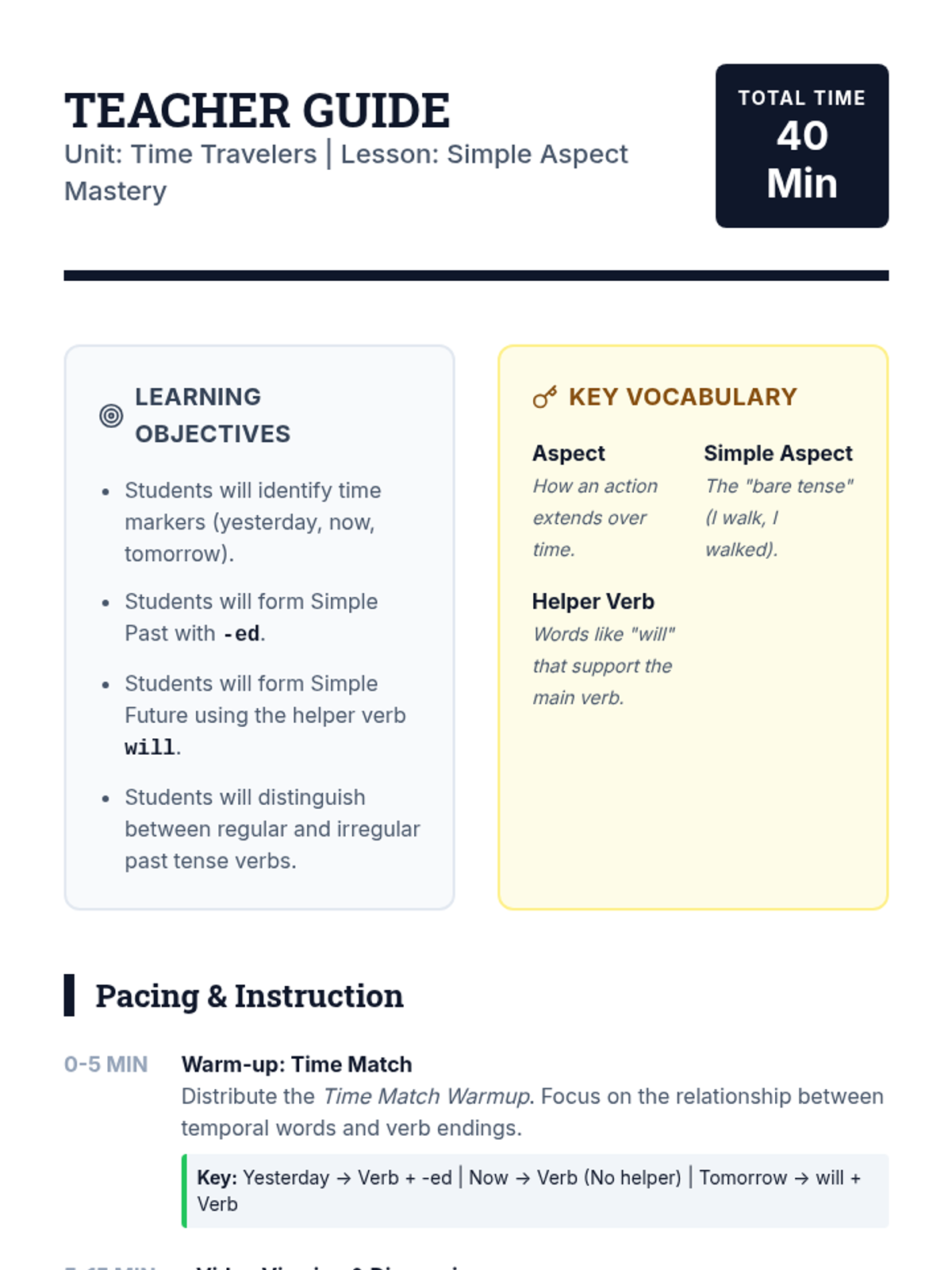
A lesson sequence for high school ELL students focusing on the Simple Aspect of verbs (Past, Present, and Future) using a timeline-based approach and sentence construction.
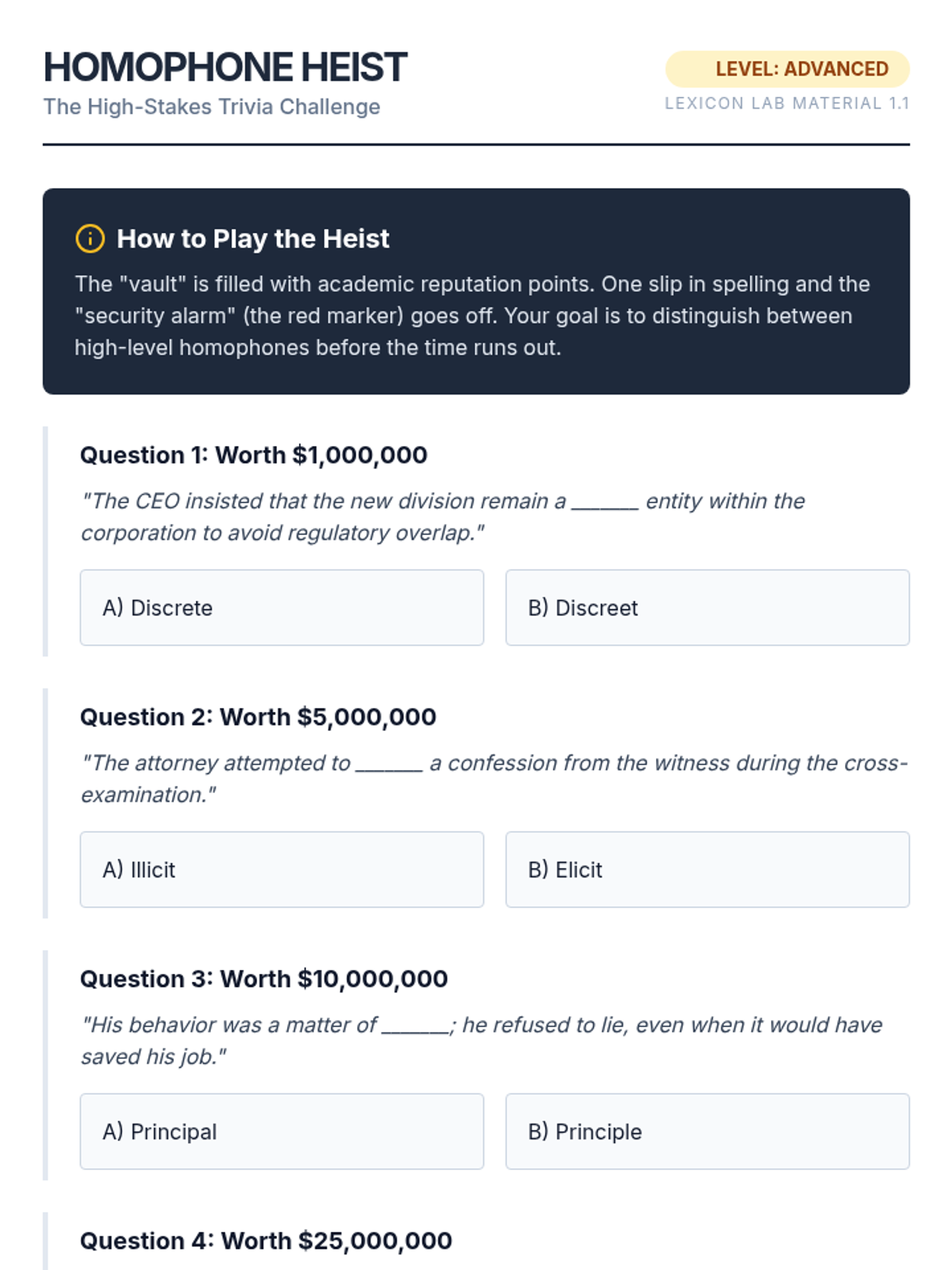
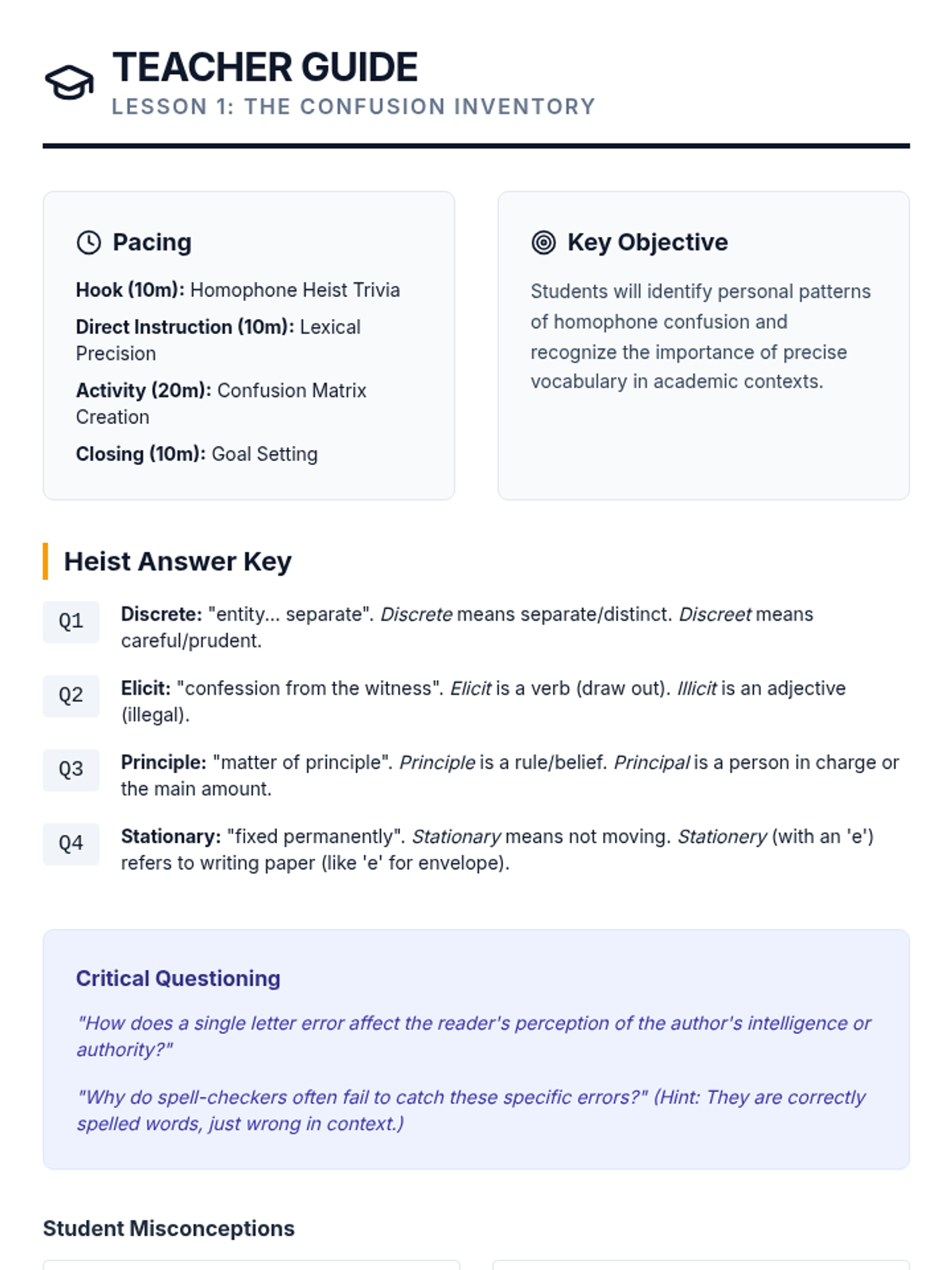
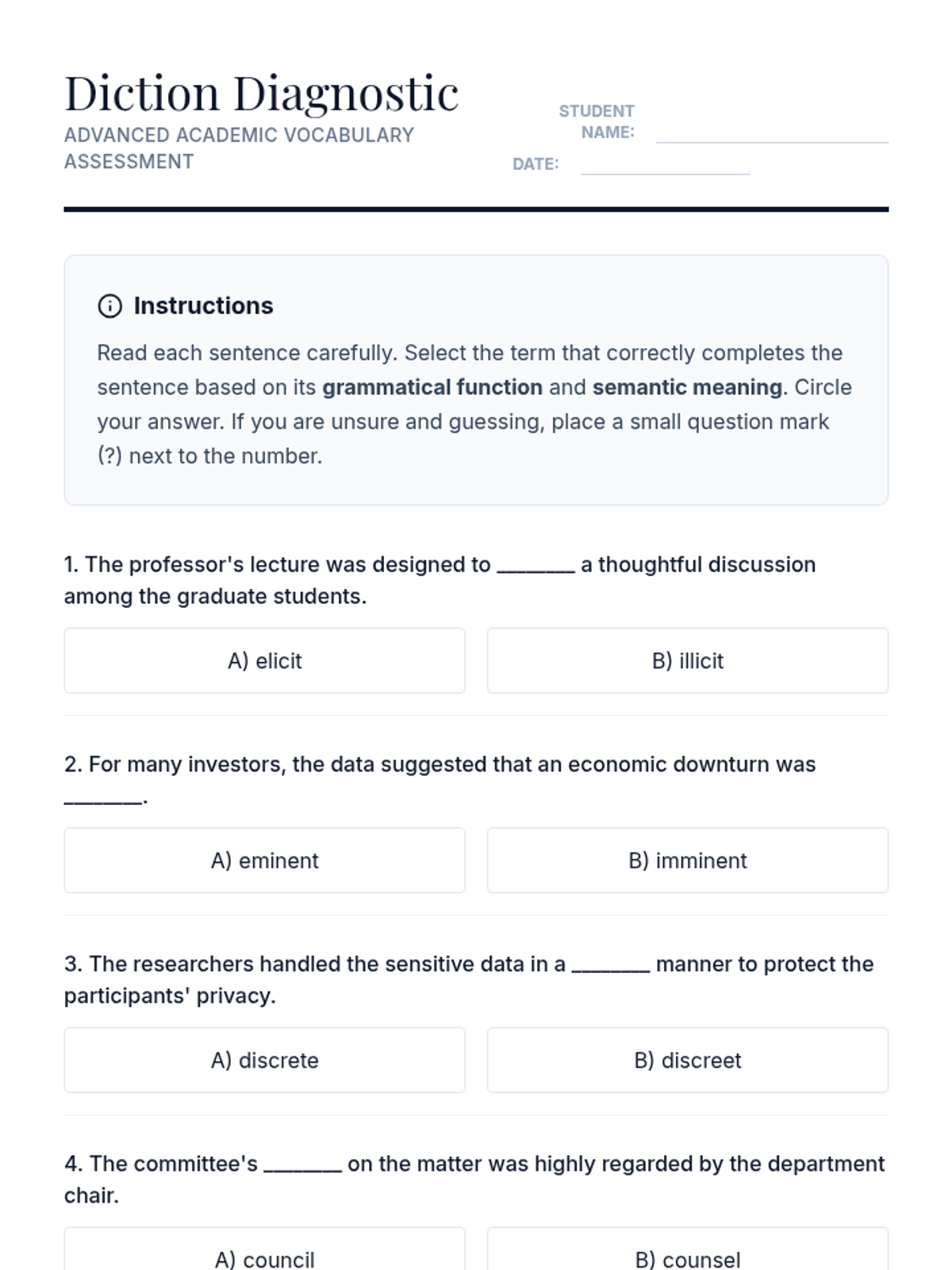
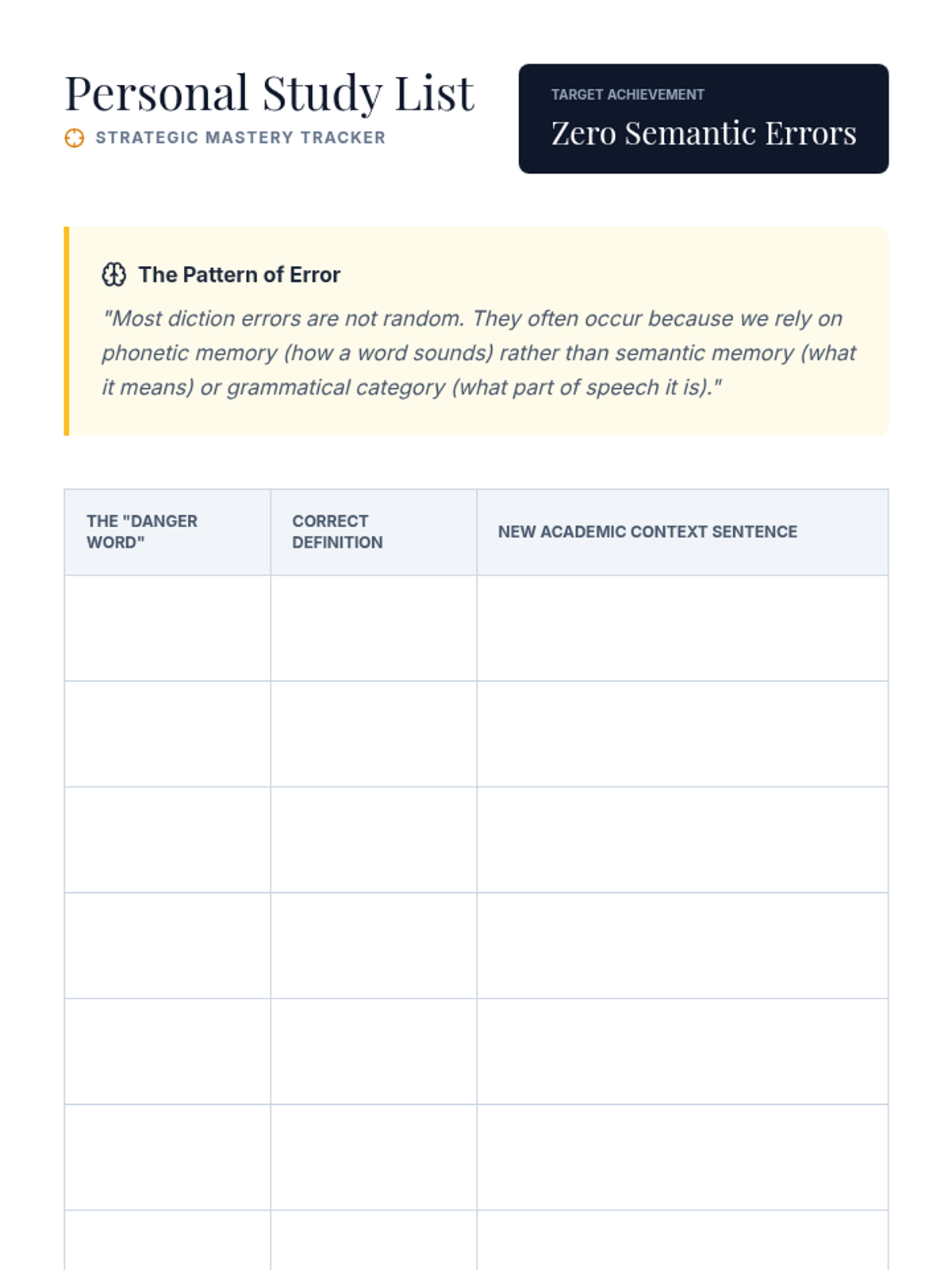
This mastery-based sequence for 9th-grade students focuses on advanced academic homophones (Tier 2 and 3) such as elicit/illicit, discrete/discreet, and affect/effect. Students progress from self-assessment to contextual analysis and final proficiency, bridging the gap between vocabulary acquisition and precise academic writing.
A rigorous sequence for 12th-grade students focusing on advanced homophones in academic writing. Students move from diagnostic self-assessment to applying nuanced vocabulary choices that enhance rhetorical precision and authority in their arguments.
An advanced inquiry into the rhetorical power of active and passive voice, exploring how grammatical choices influence agency, responsibility, and narrative focus across media, science, and literature.
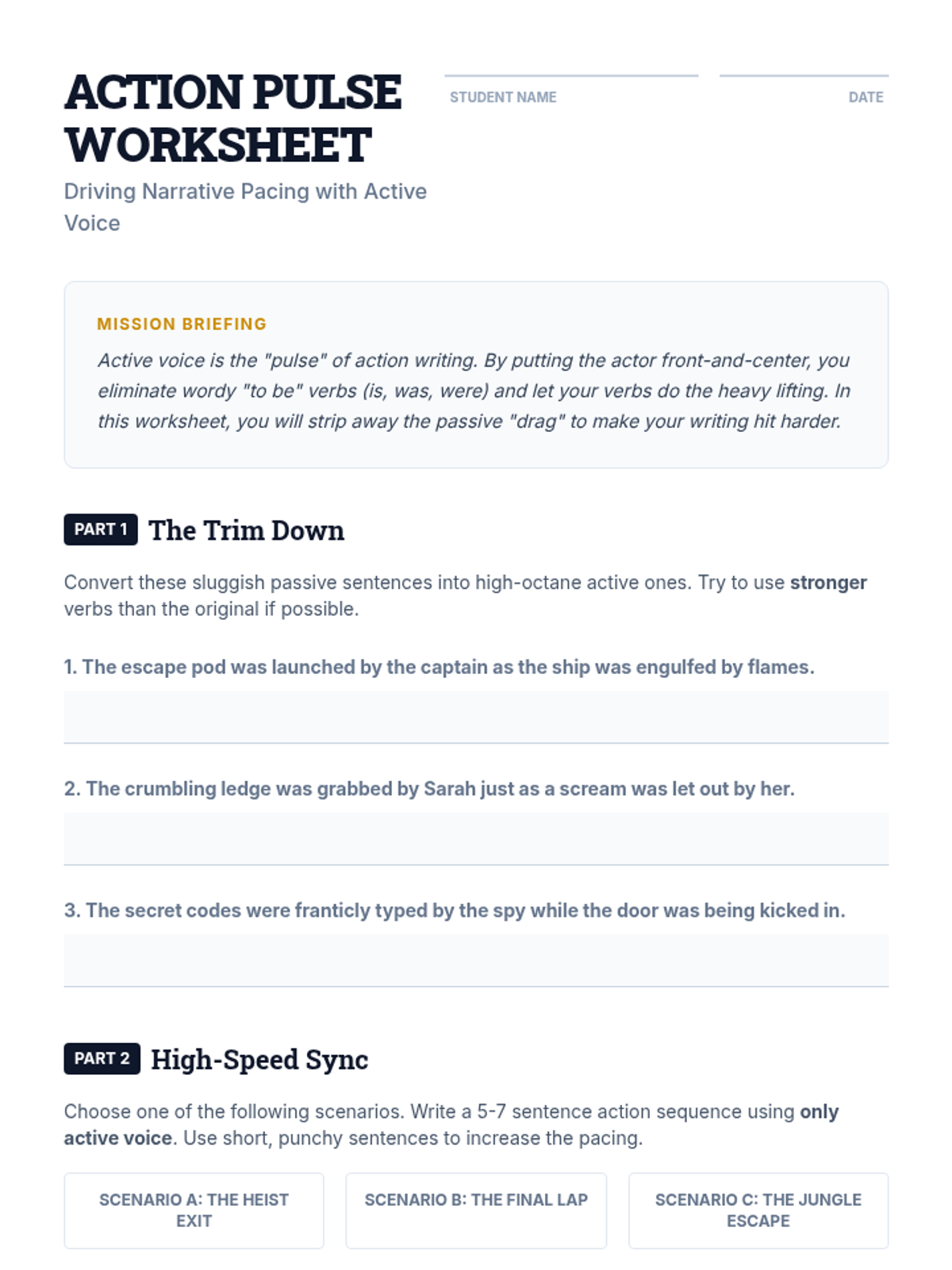
This project-based sequence explores how active and passive voice manipulate narrative elements like pacing, suspense, and power dynamics. Students move from technical grammar understanding to strategic stylistic application in creative writing.
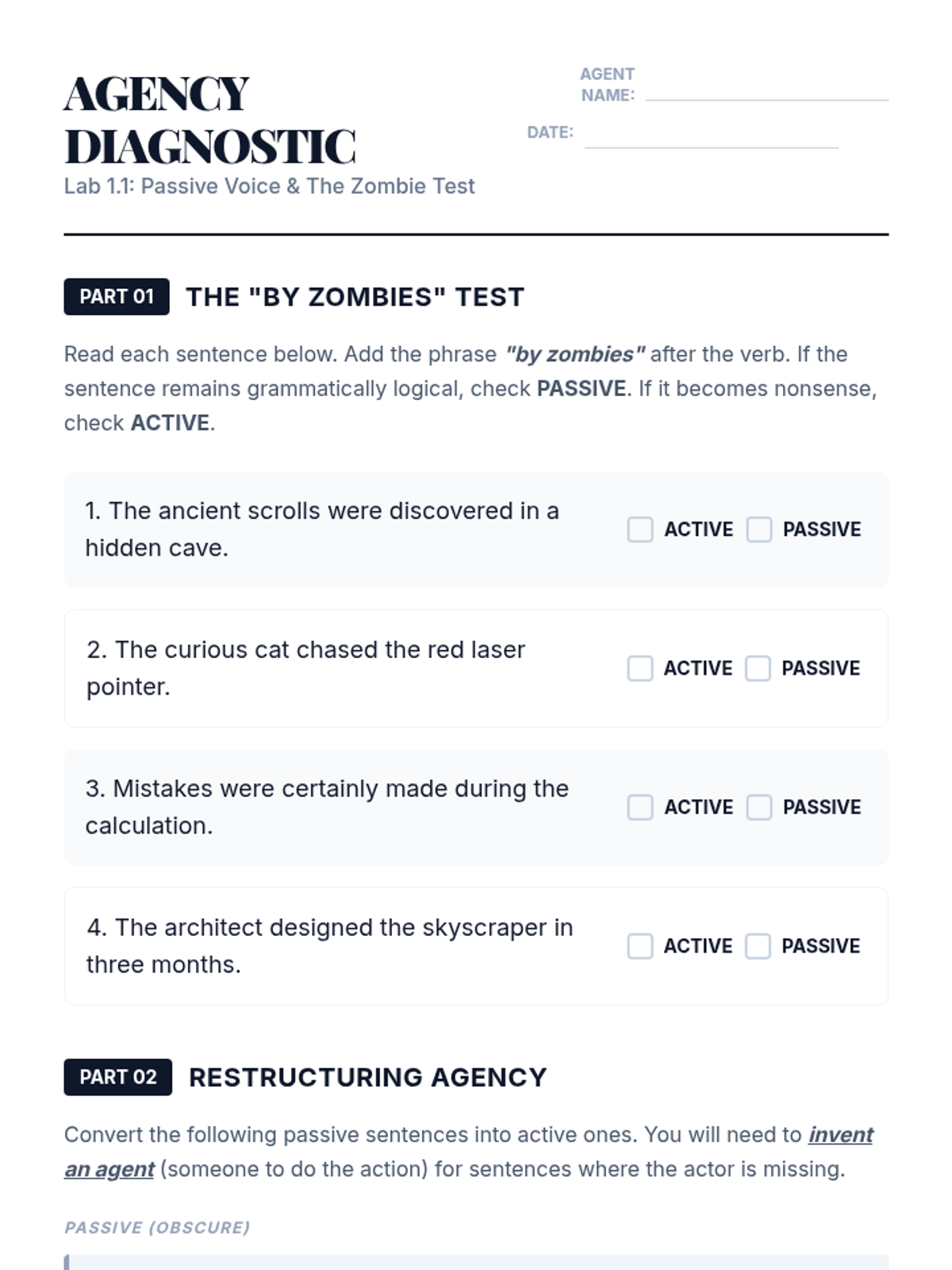
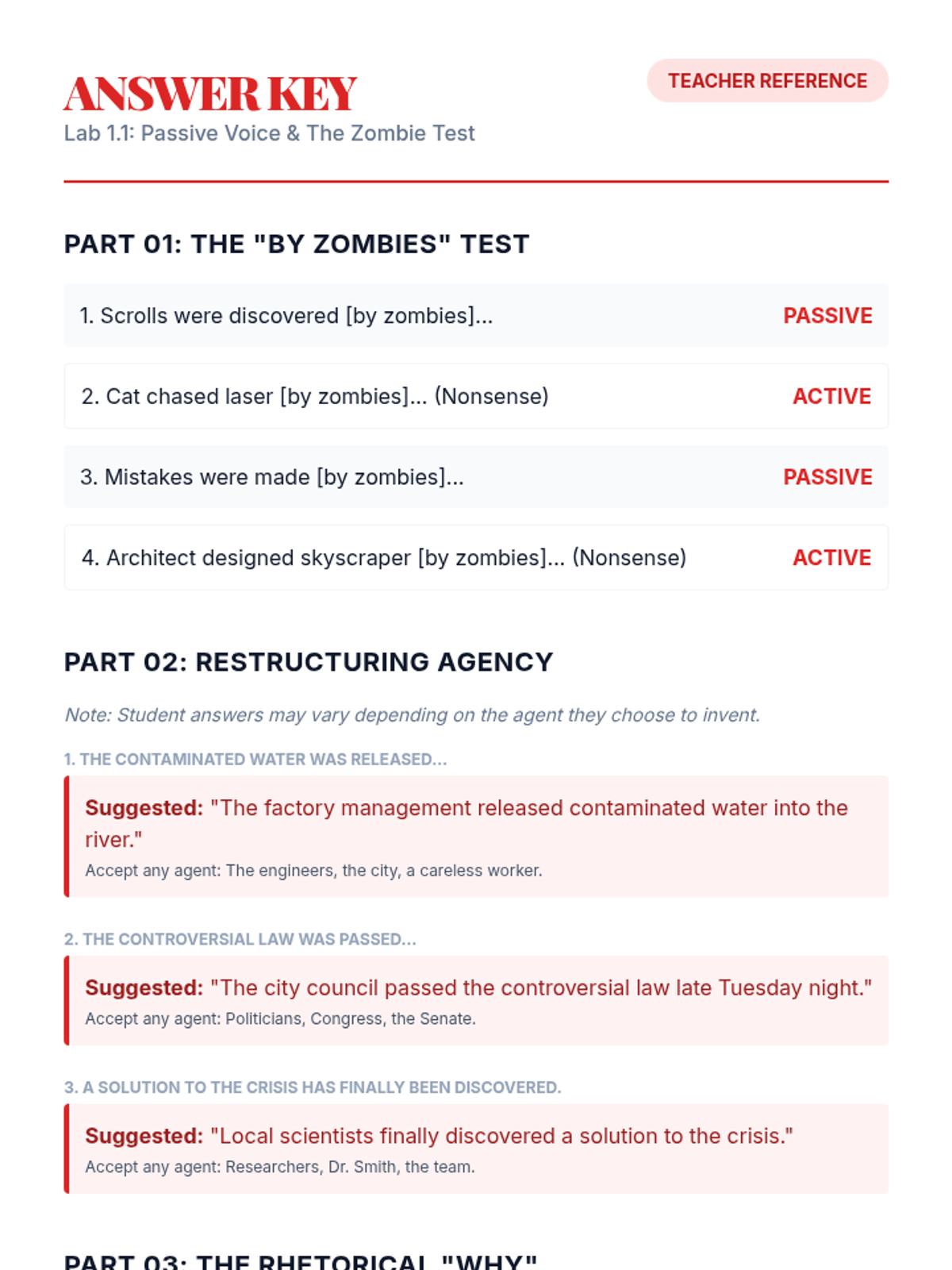
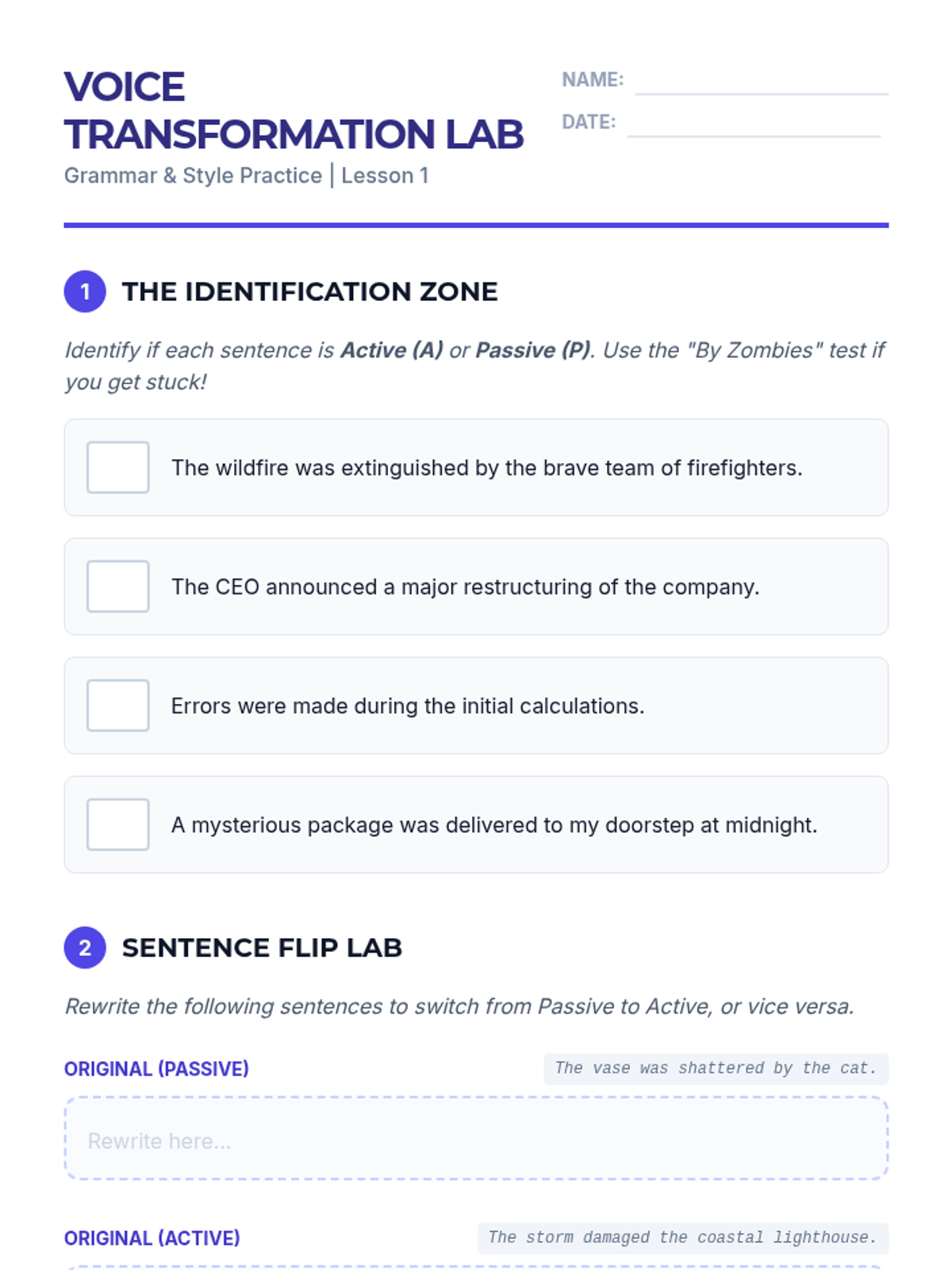
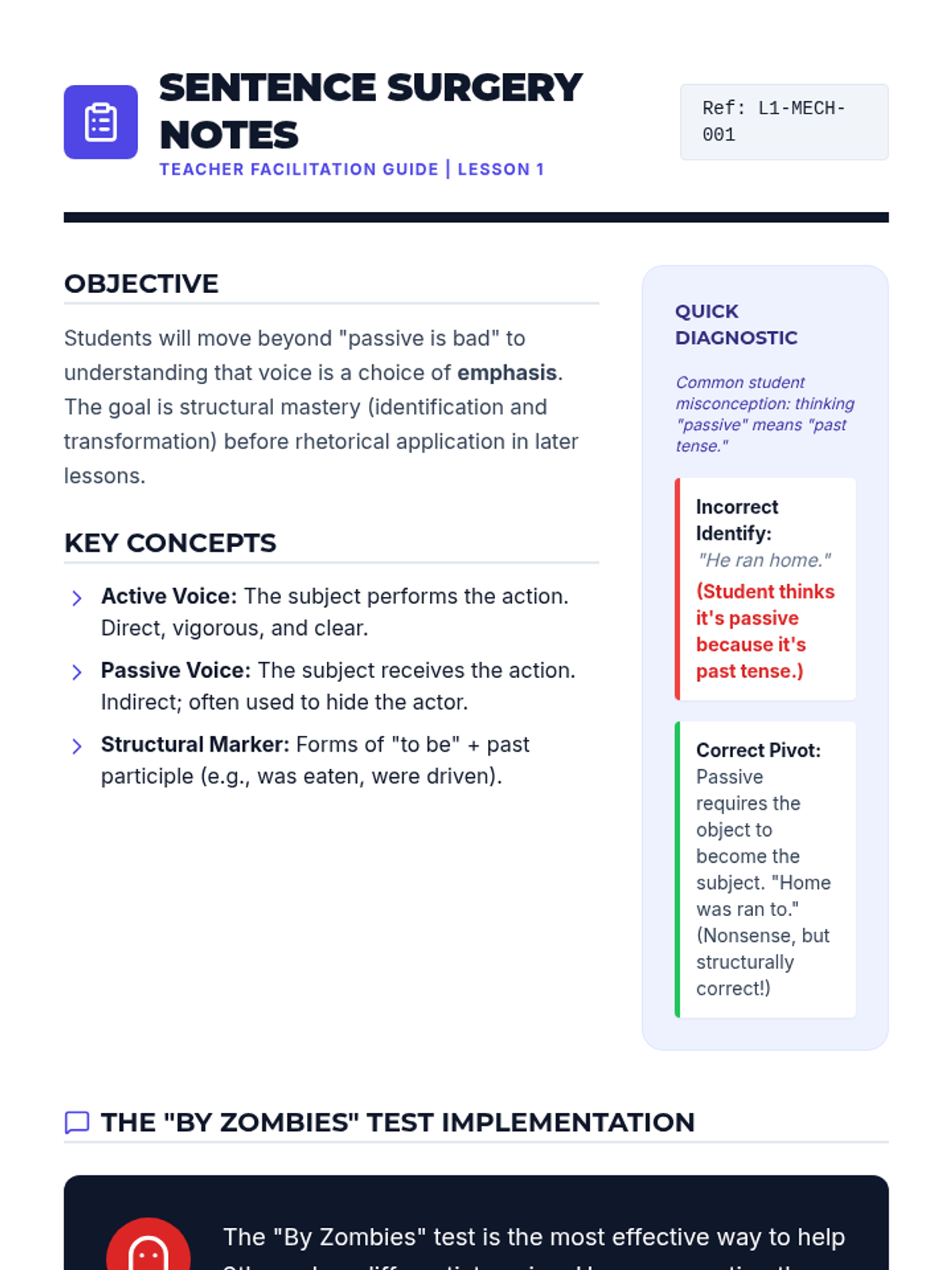
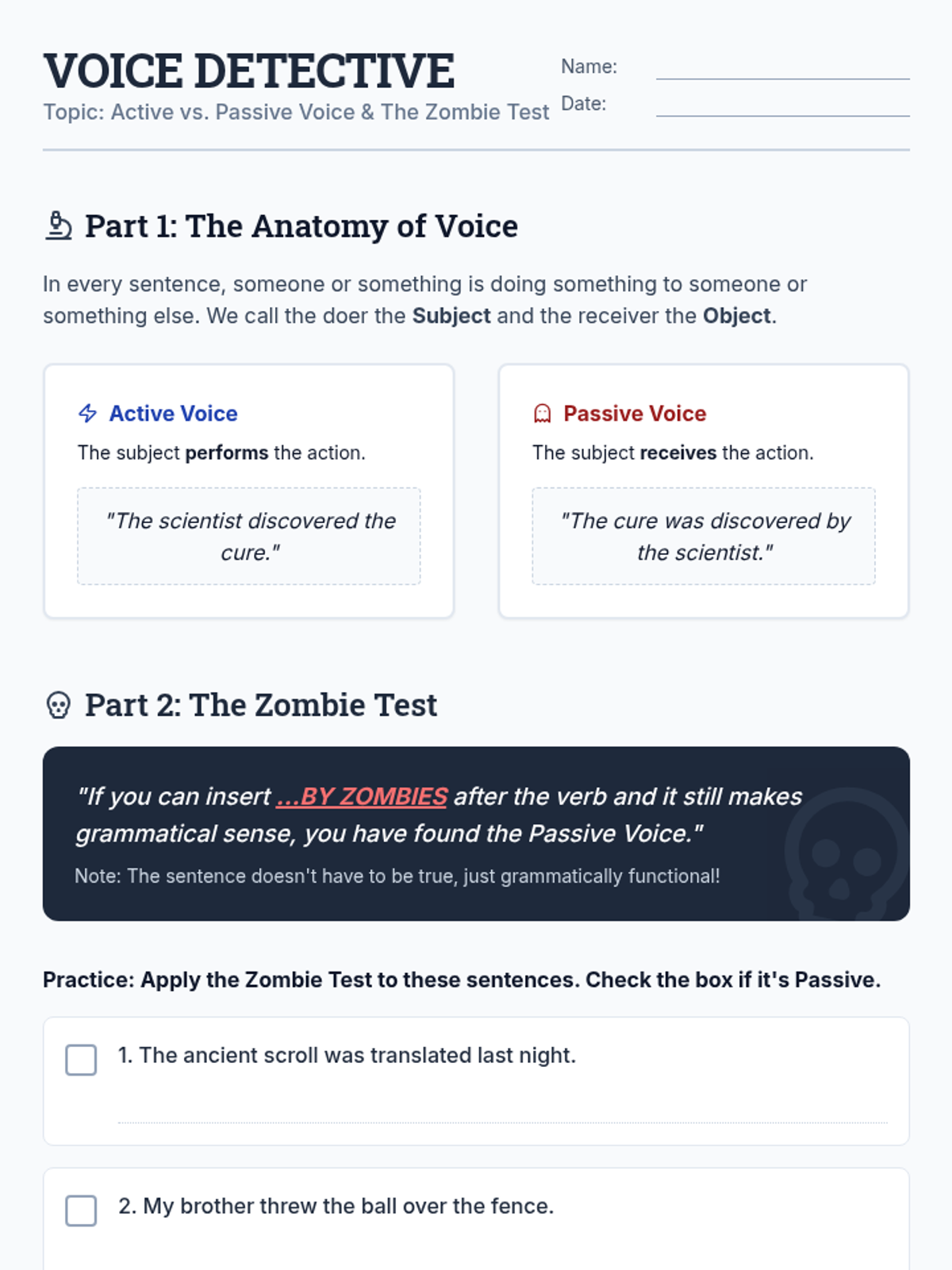
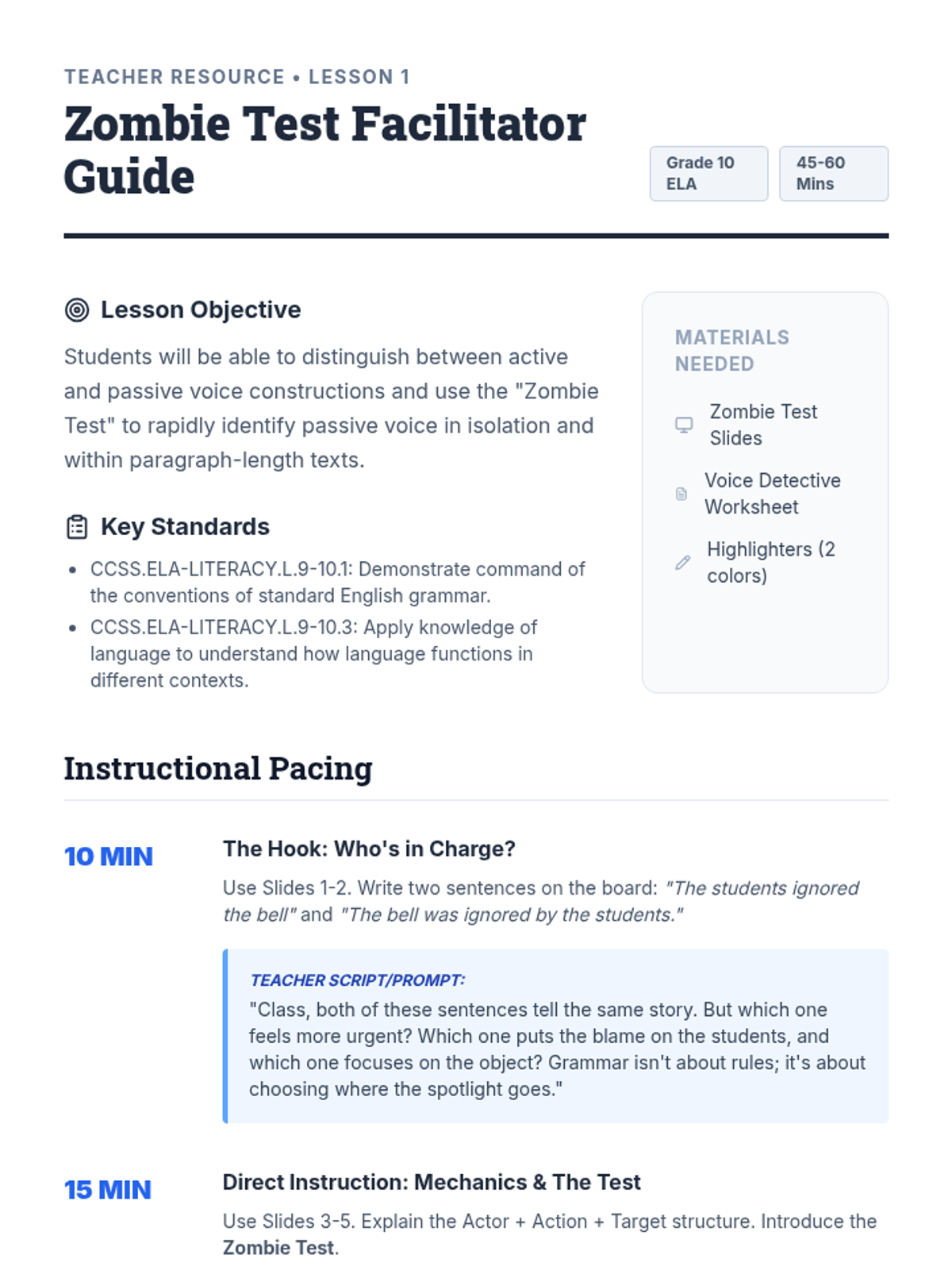
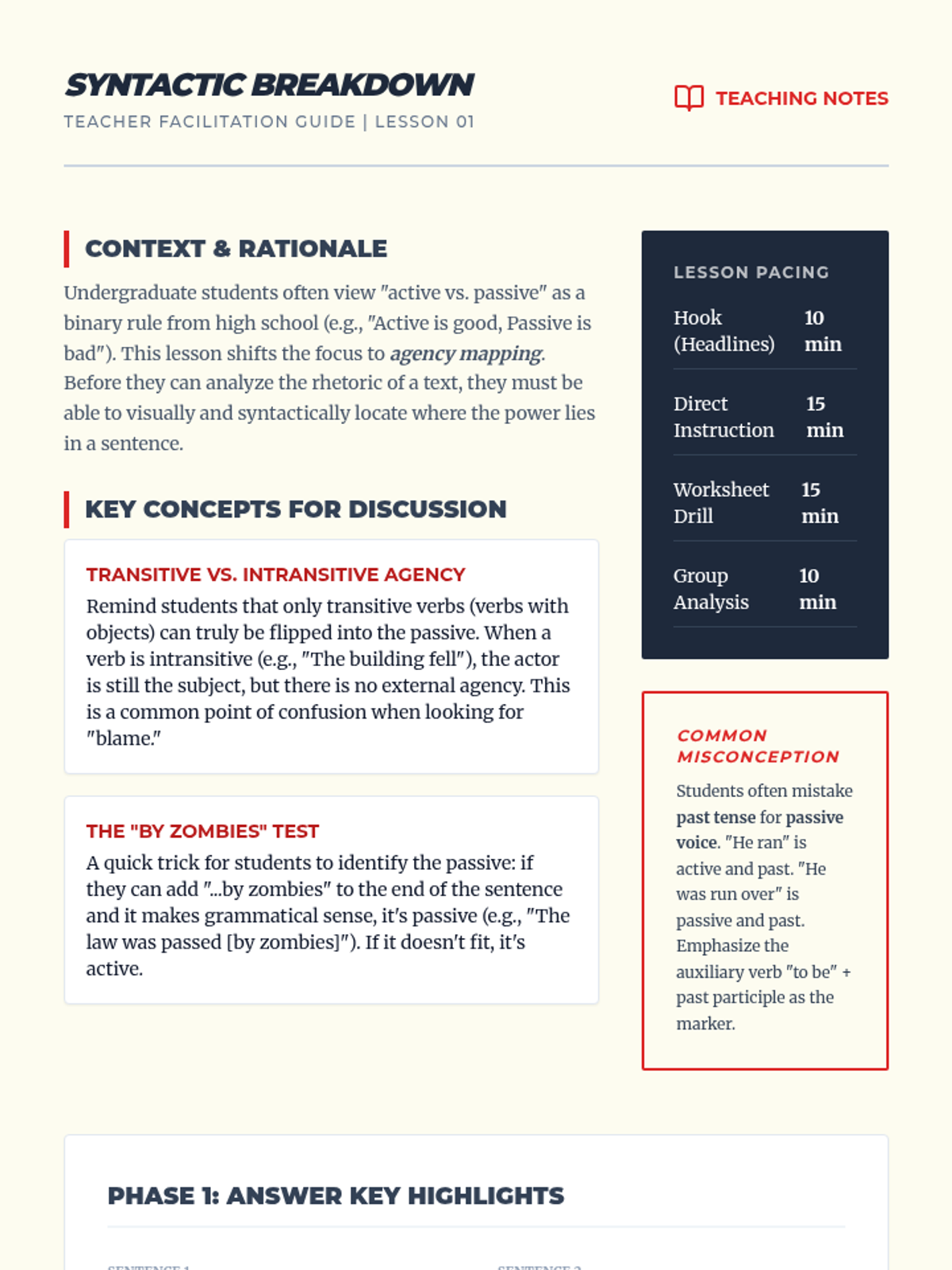
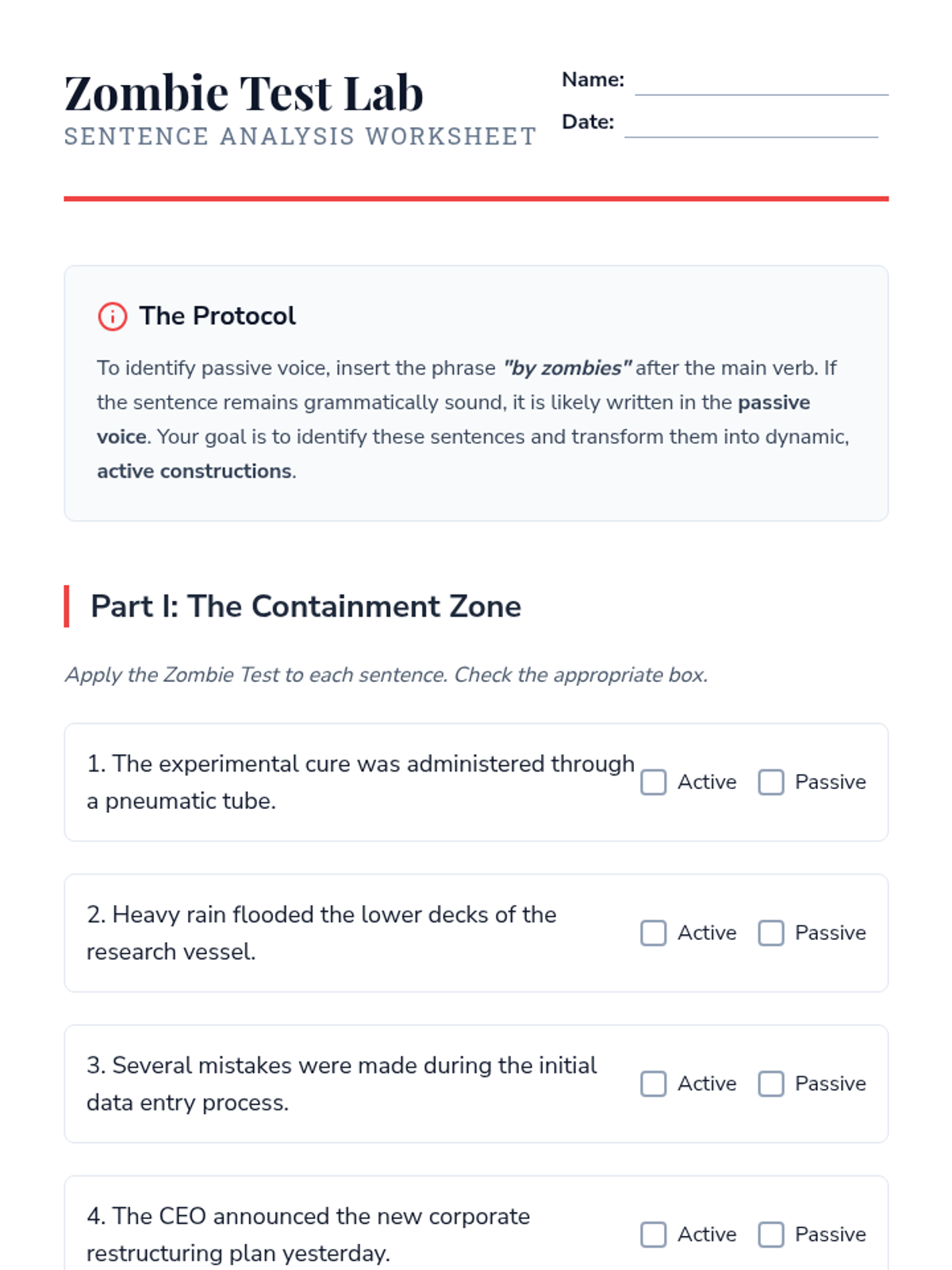
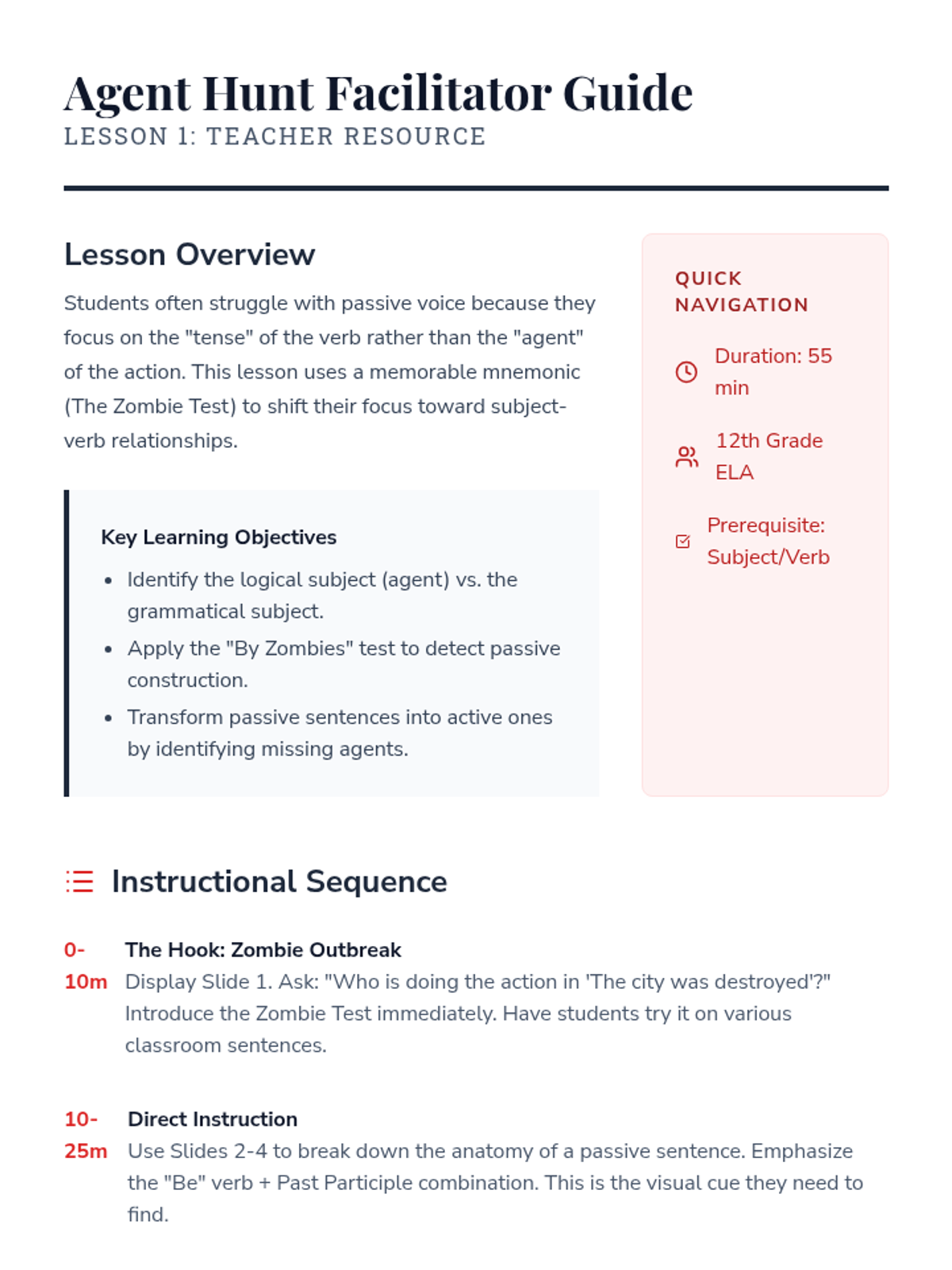
A 10th-grade writing workshop focusing on active and passive voice as stylistic tools. Students learn to identify voice through the 'Zombie Test,' revise for narrative impact, and strategically use passive voice for focus and cohesion.
This sequence explores the strategic implications of active and passive voice in media, politics, and literature. Students move from analyzing news bias to deconstructing political 'non-apologies' and scientific objectivity, culminating in a creative writing project that demonstrates their mastery over sentence voice for rhetorical effect.
This sequence explores the rhetorical power of active and passive voice across various genres, including journalism, science, creative writing, and political discourse. Students move beyond basic mechanics to analyze how sentence structure influences accountability, objectivity, and suspense.
A 10th-grade ELA unit exploring the strategic use of passive voice across various genres, including scientific writing, mystery narratives, and news media, to understand how grammatical choices influence tone, objectivity, and suspense.
This inquiry-based sequence explores the rhetorical and ethical implications of active and passive voice. Students analyze how sentence structure manipulates agency and responsibility in politics, science, and journalism, culminating in a strategic communication project.
This sequence guides 11th-grade students through advanced syntactic structures, including inversion, cleft sentences, and fronting. Students progress from analyzing professional models to applying these high-level grammatical techniques in their own academic writing to enhance authority, emphasis, and flow.
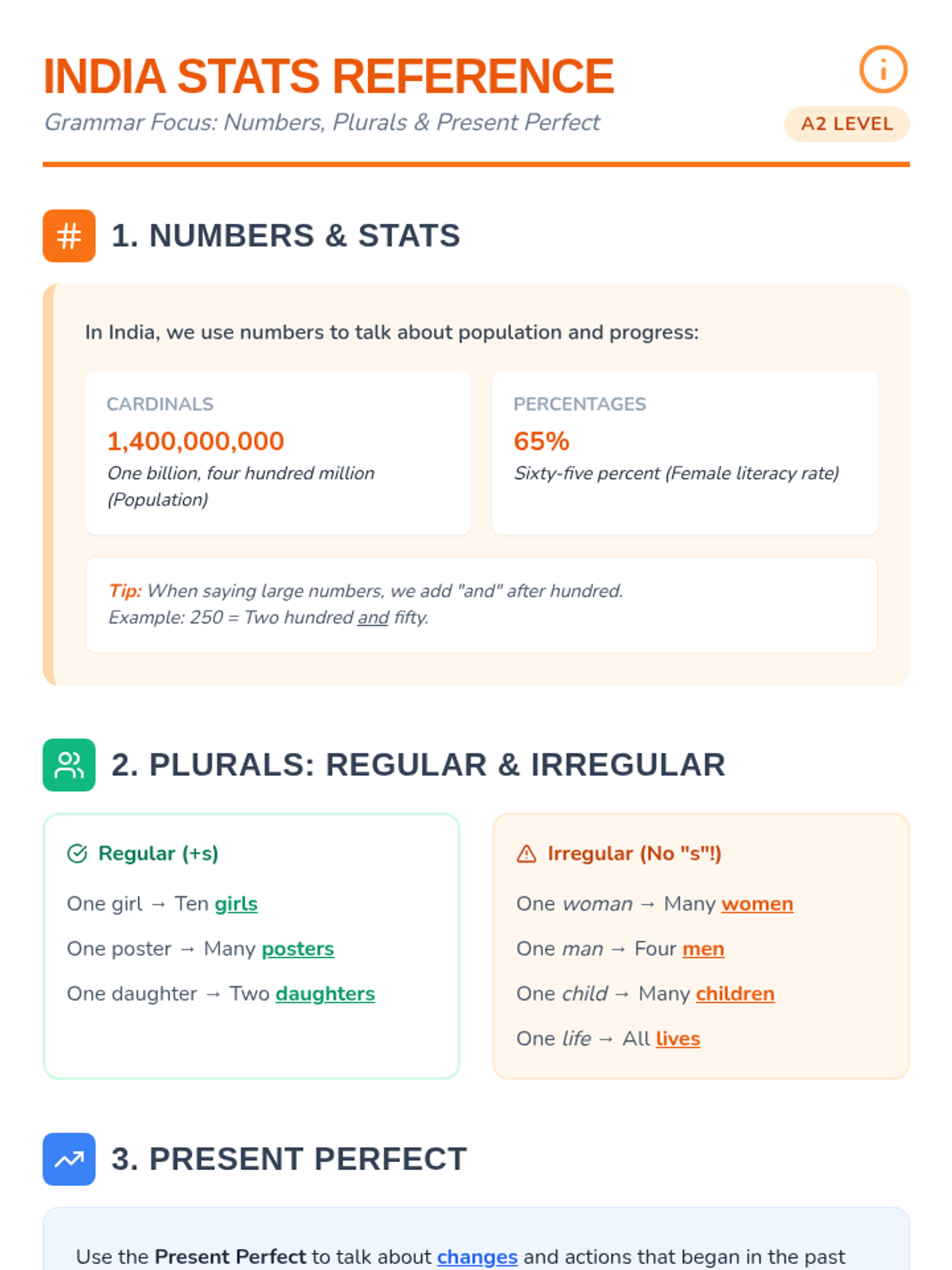
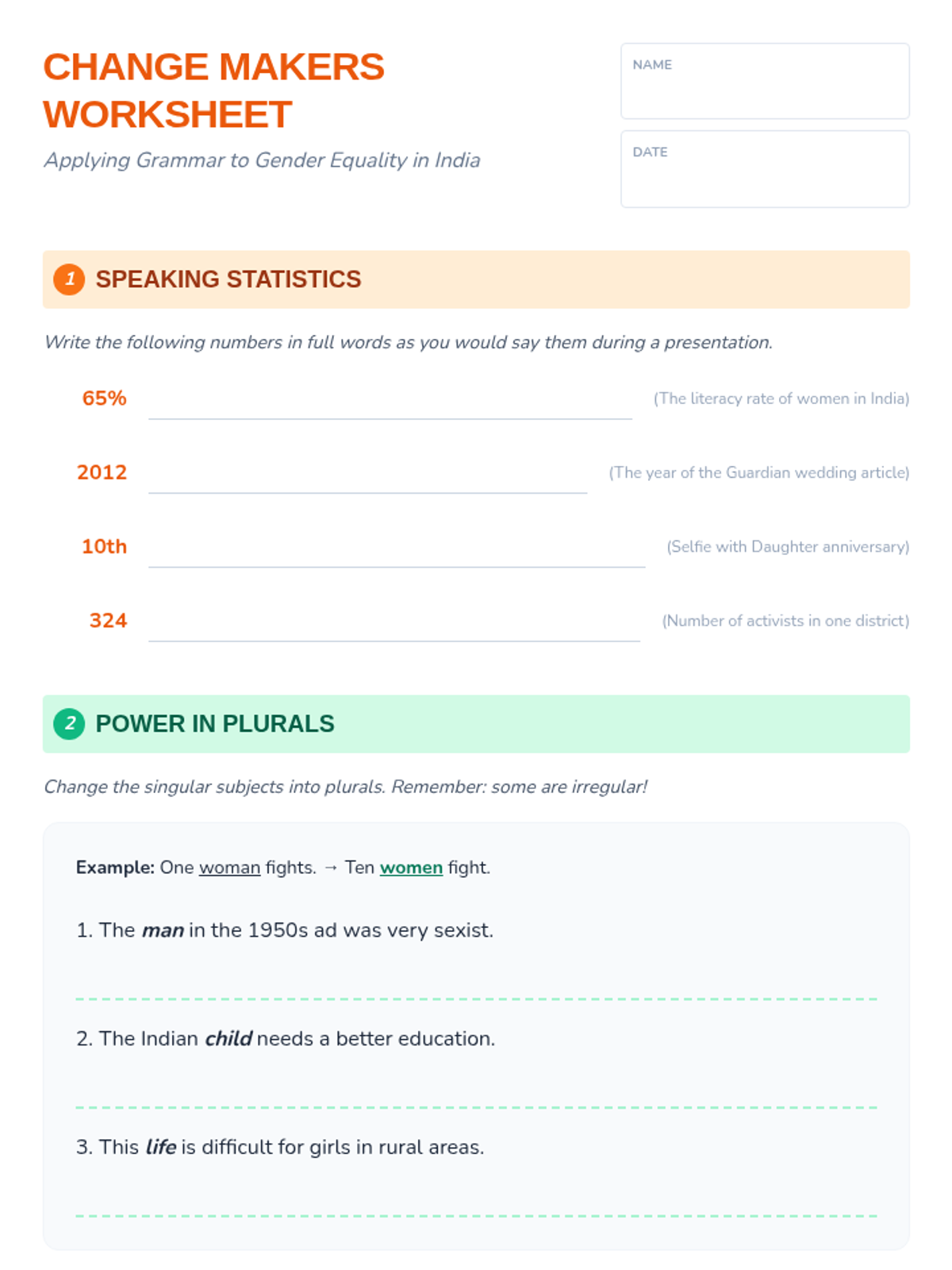
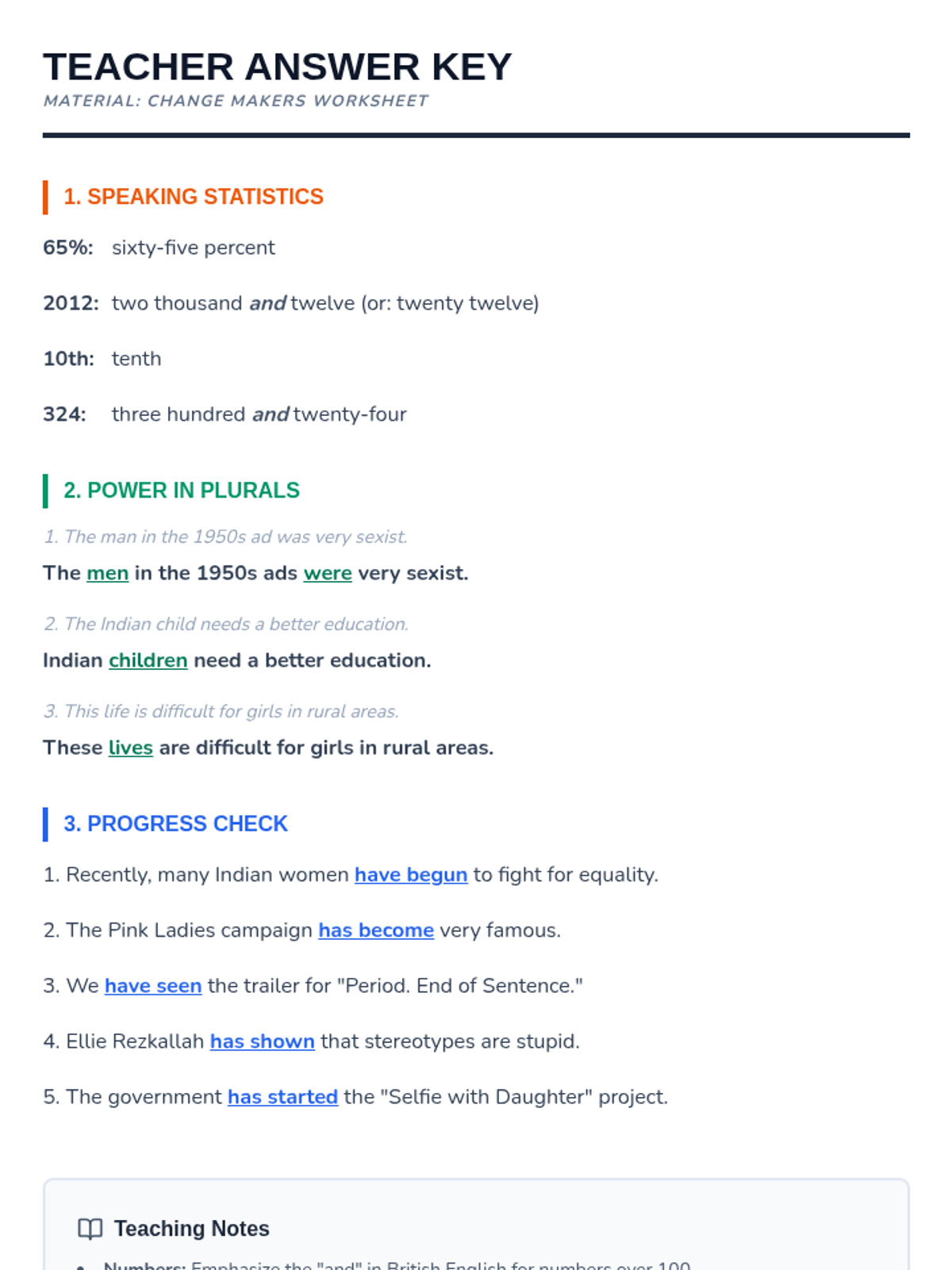
A sequence focused on gender (in)equality in India, exploring cultural stereotypes, social movements, and progress through grammar and statistical analysis.
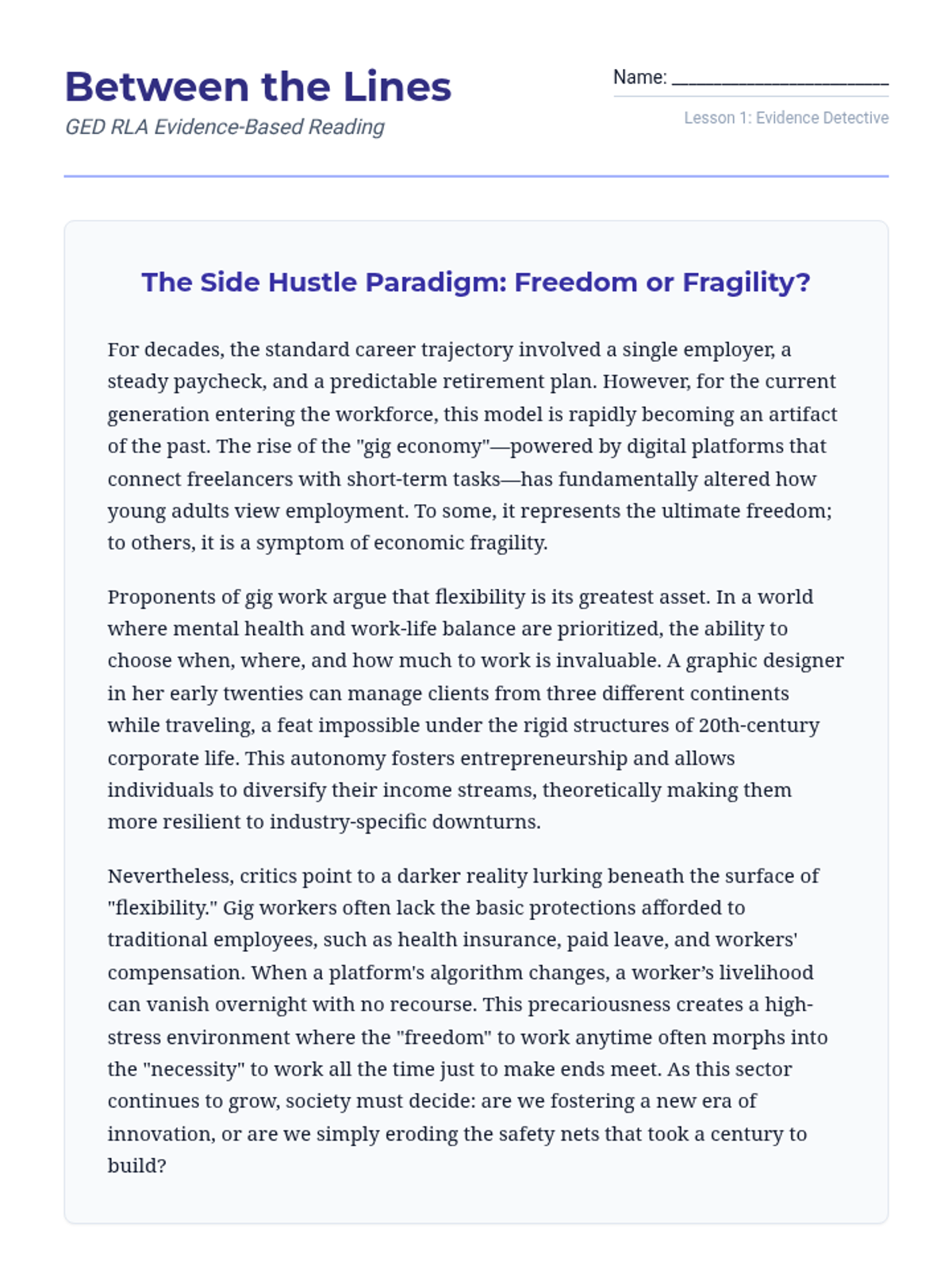
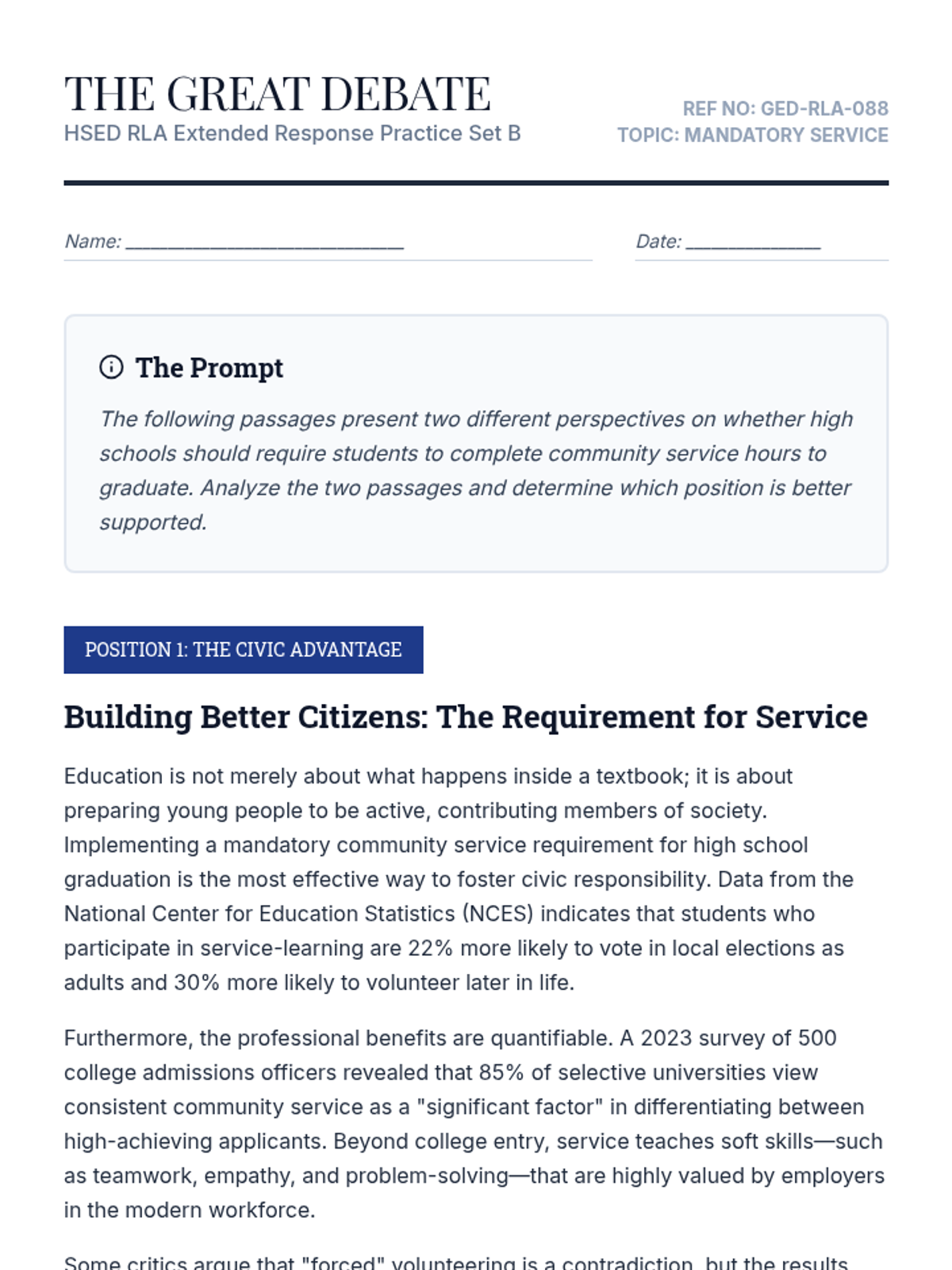
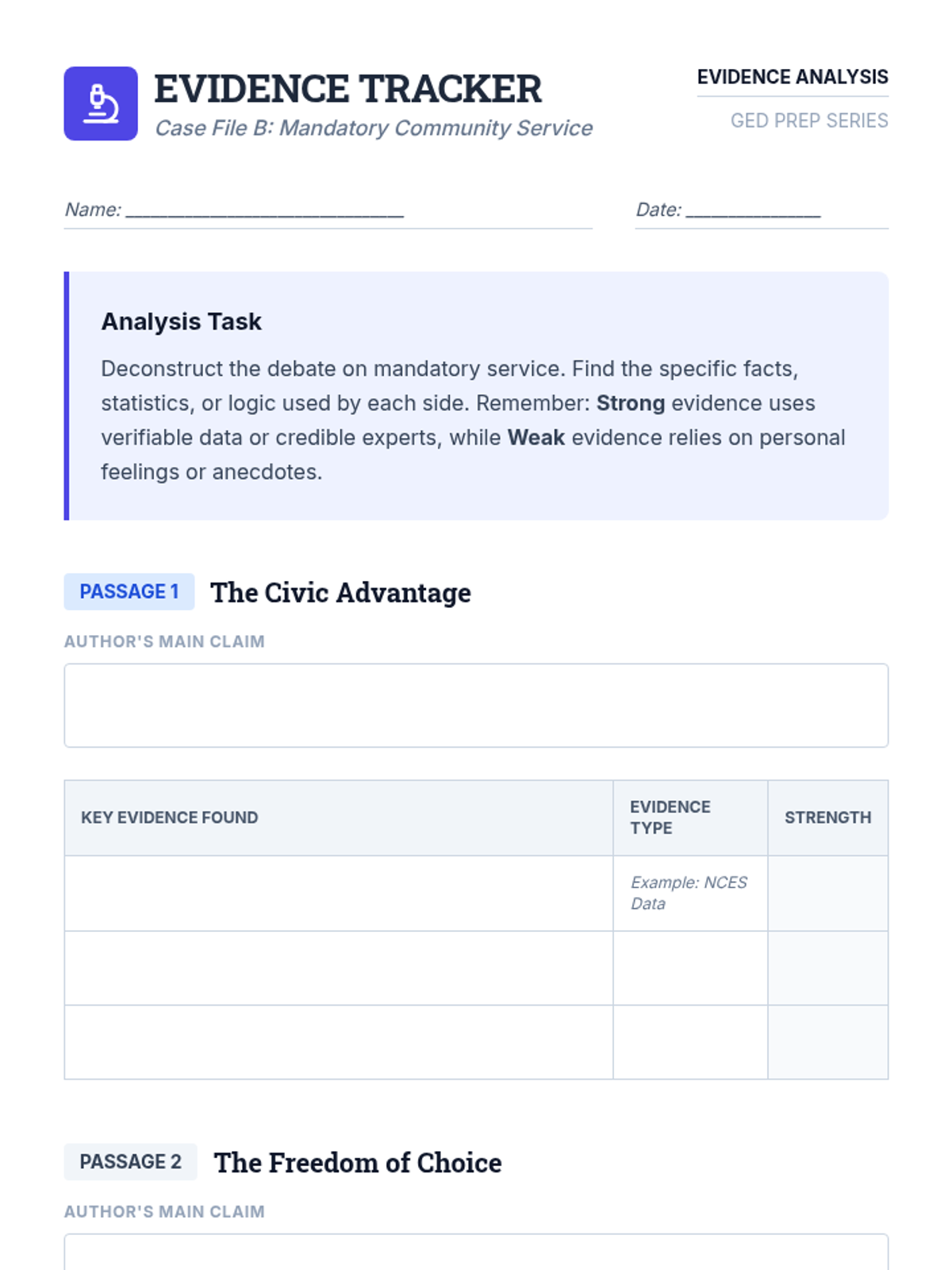
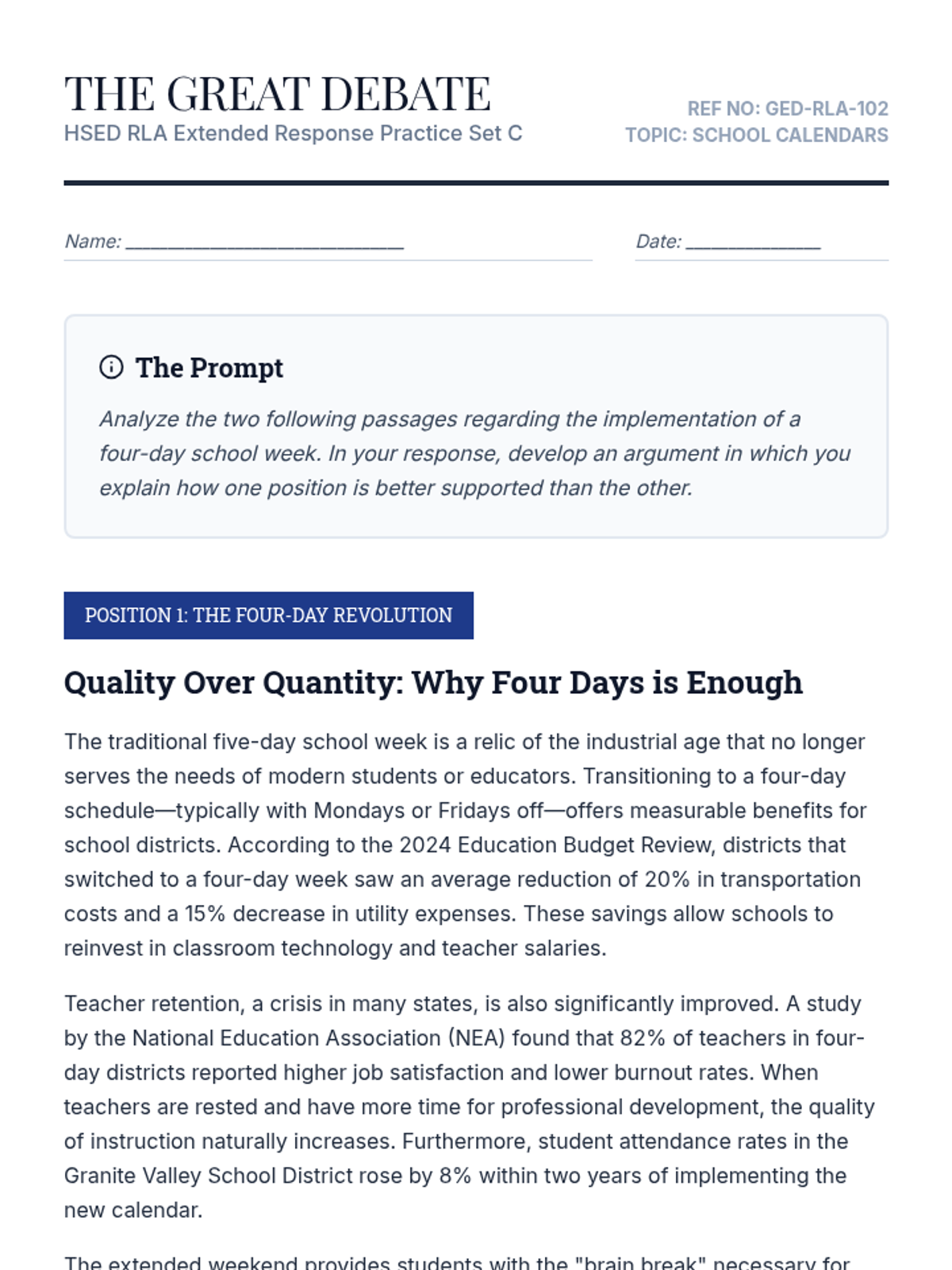
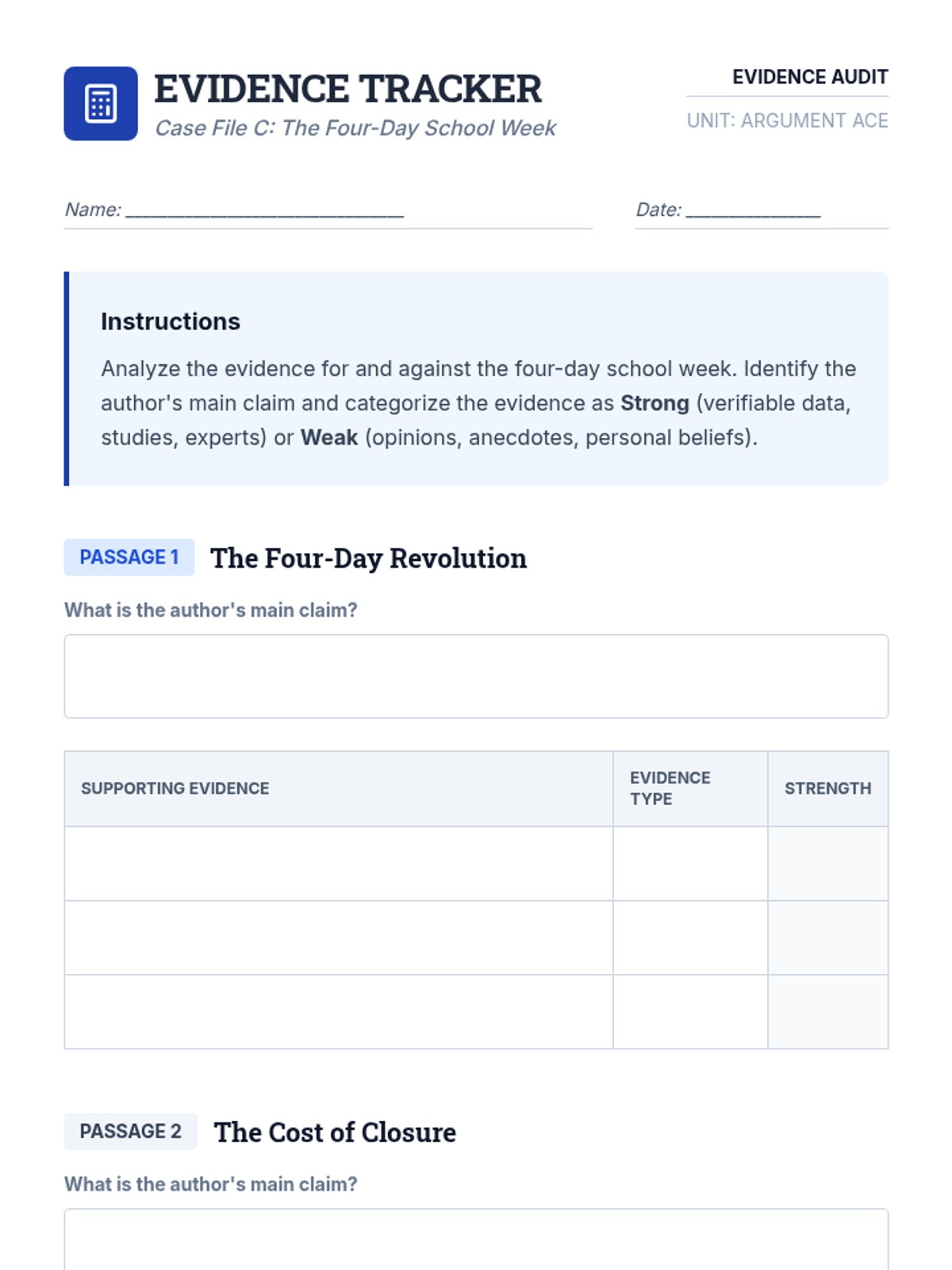
An intensive GED RLA preparation sequence tailored for learners aged 16-24, focusing on evidence-based reading, argumentative writing, and essential grammar mechanics for the Extended Response.
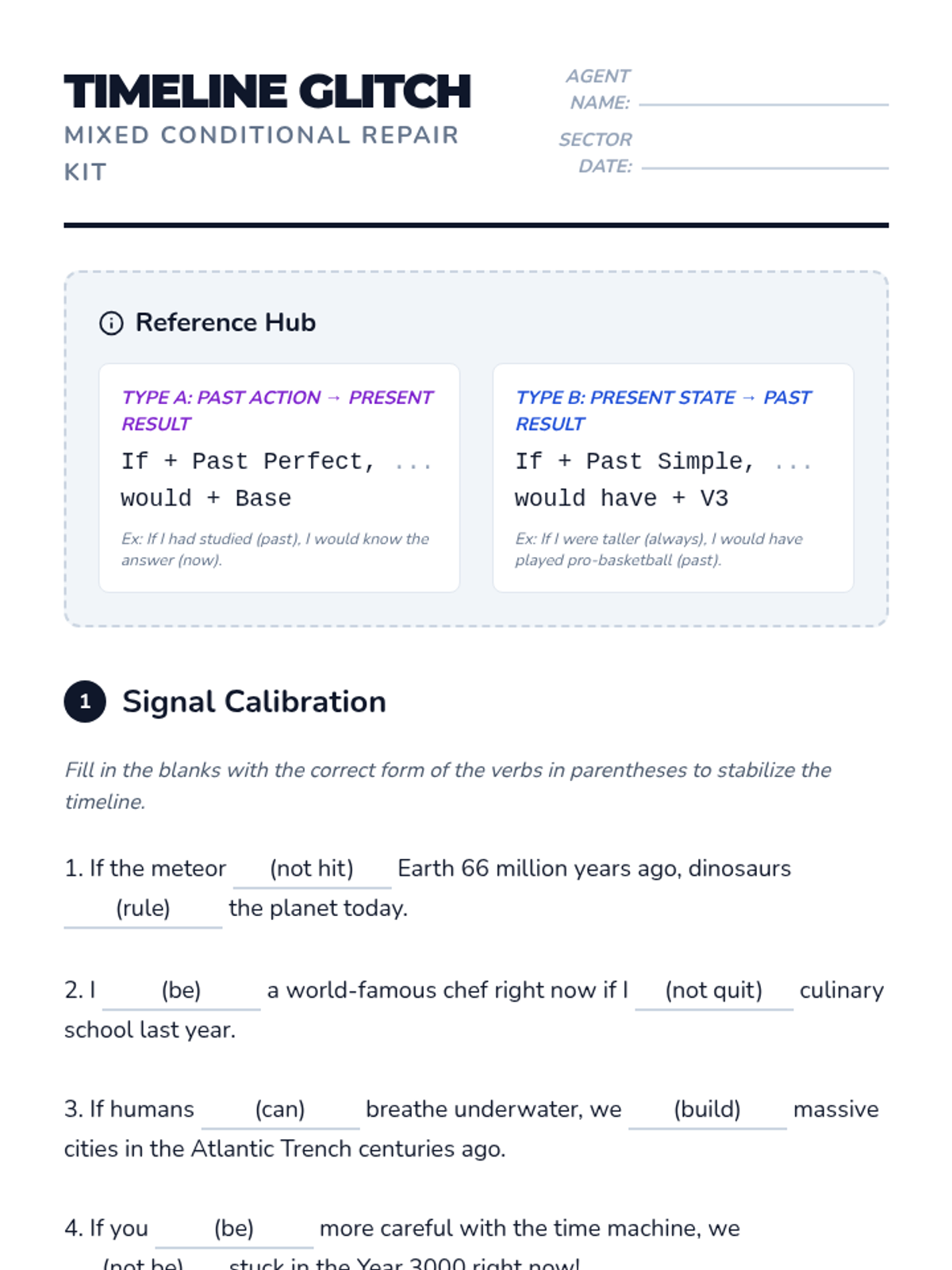
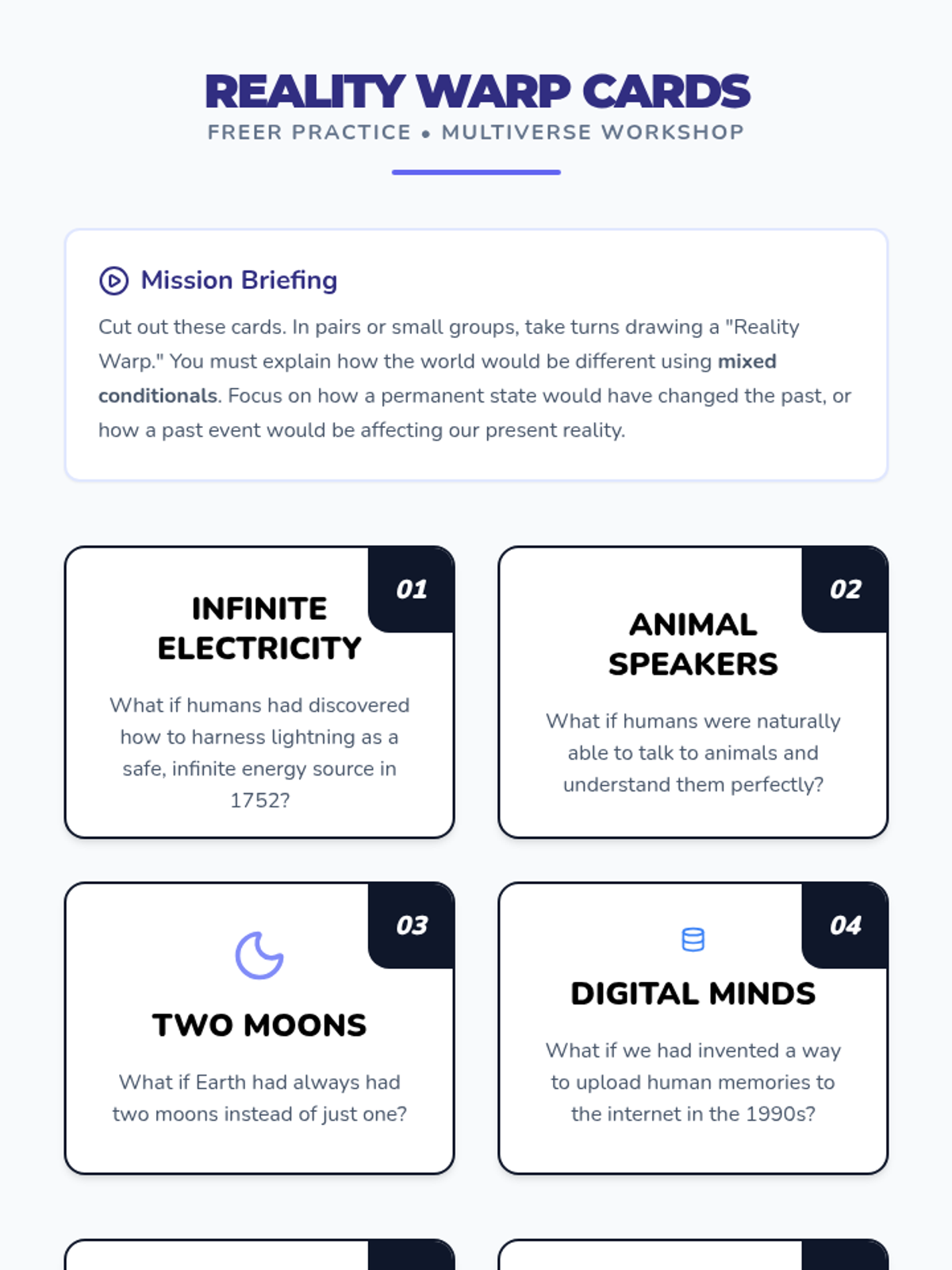
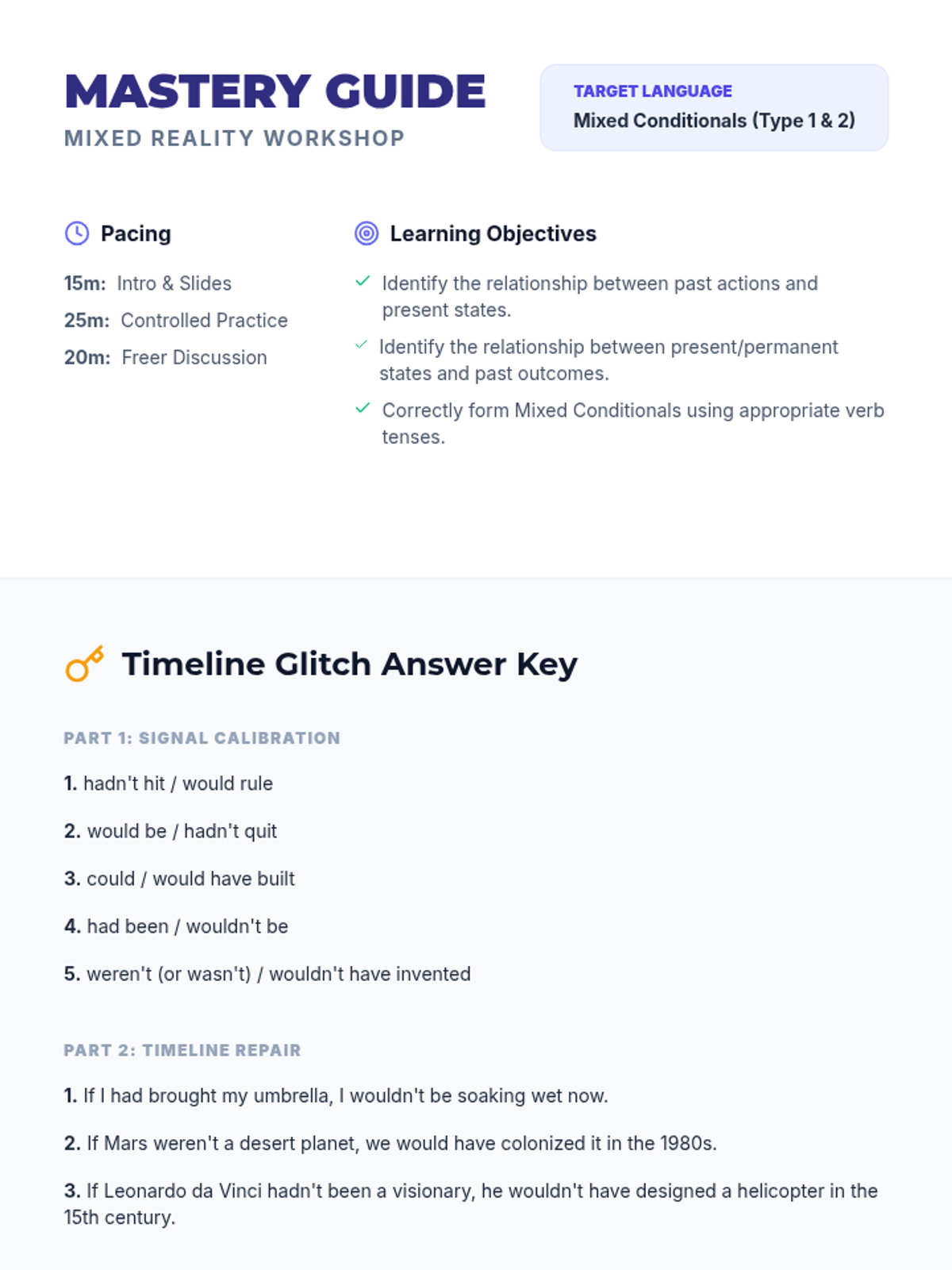
A comprehensive unit on mixed conditionals where students explore hypothetical scenarios involving past actions with present consequences and permanent states with past outcomes, all set within a 'multiverse' theme.
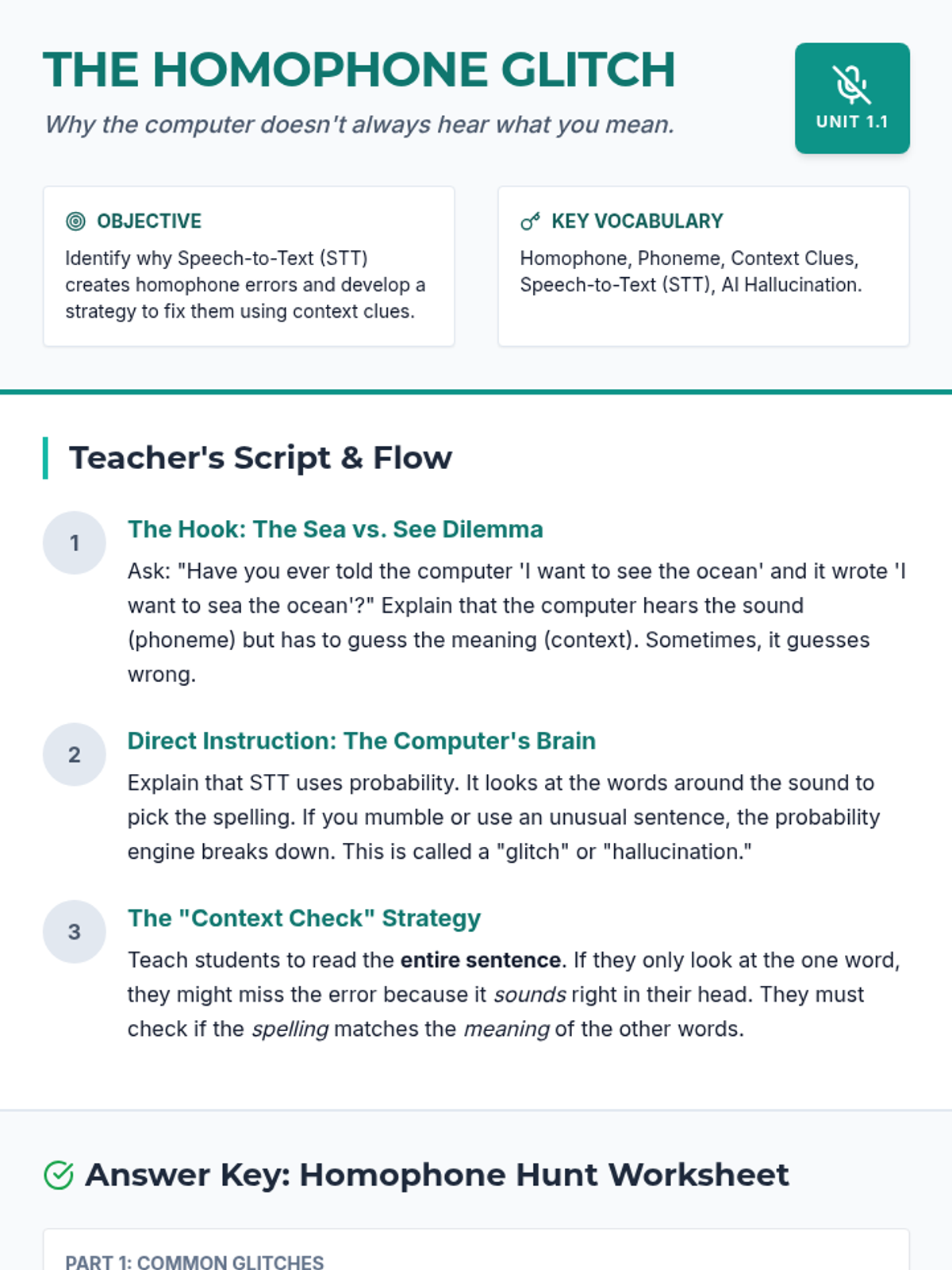
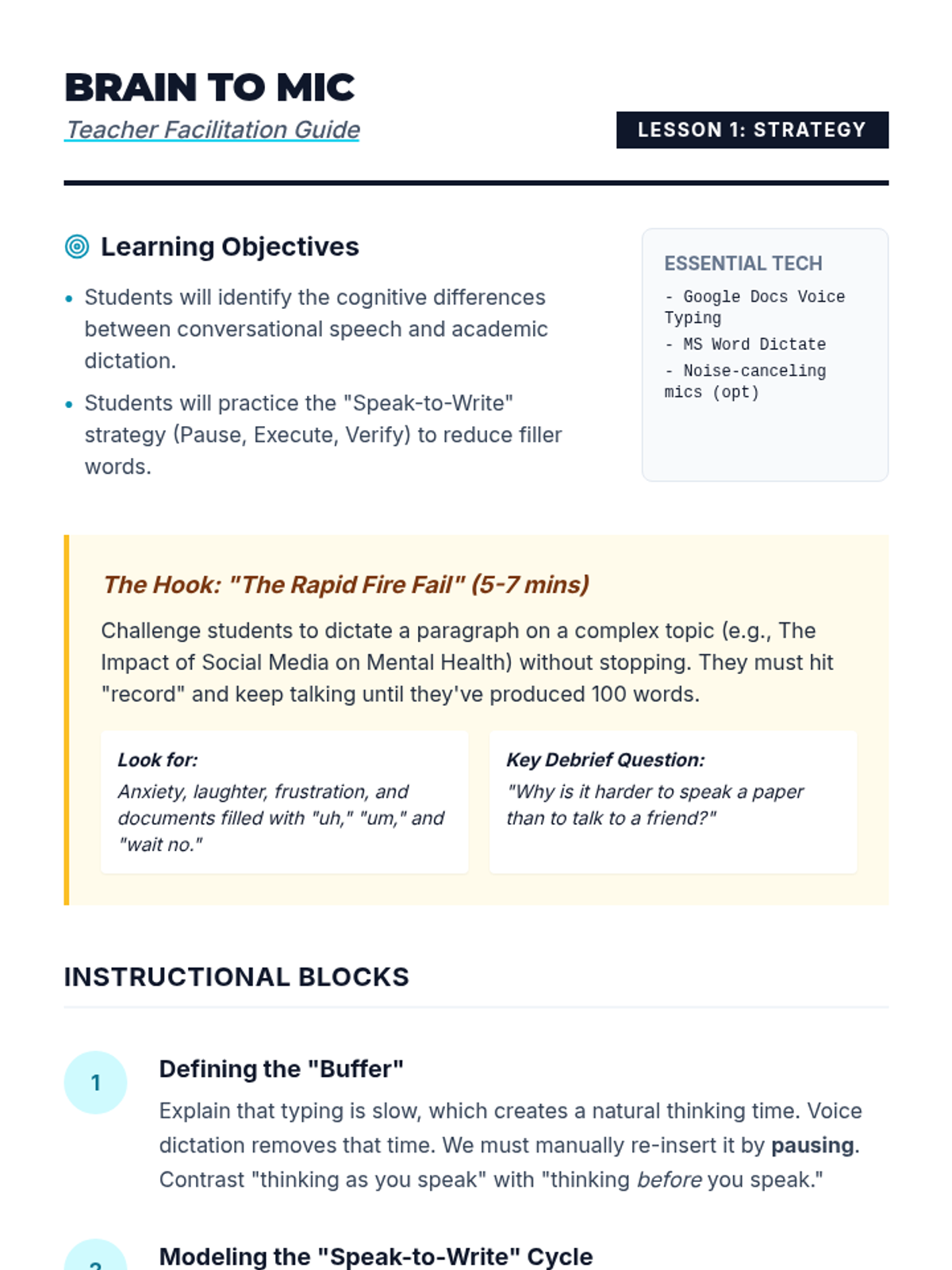
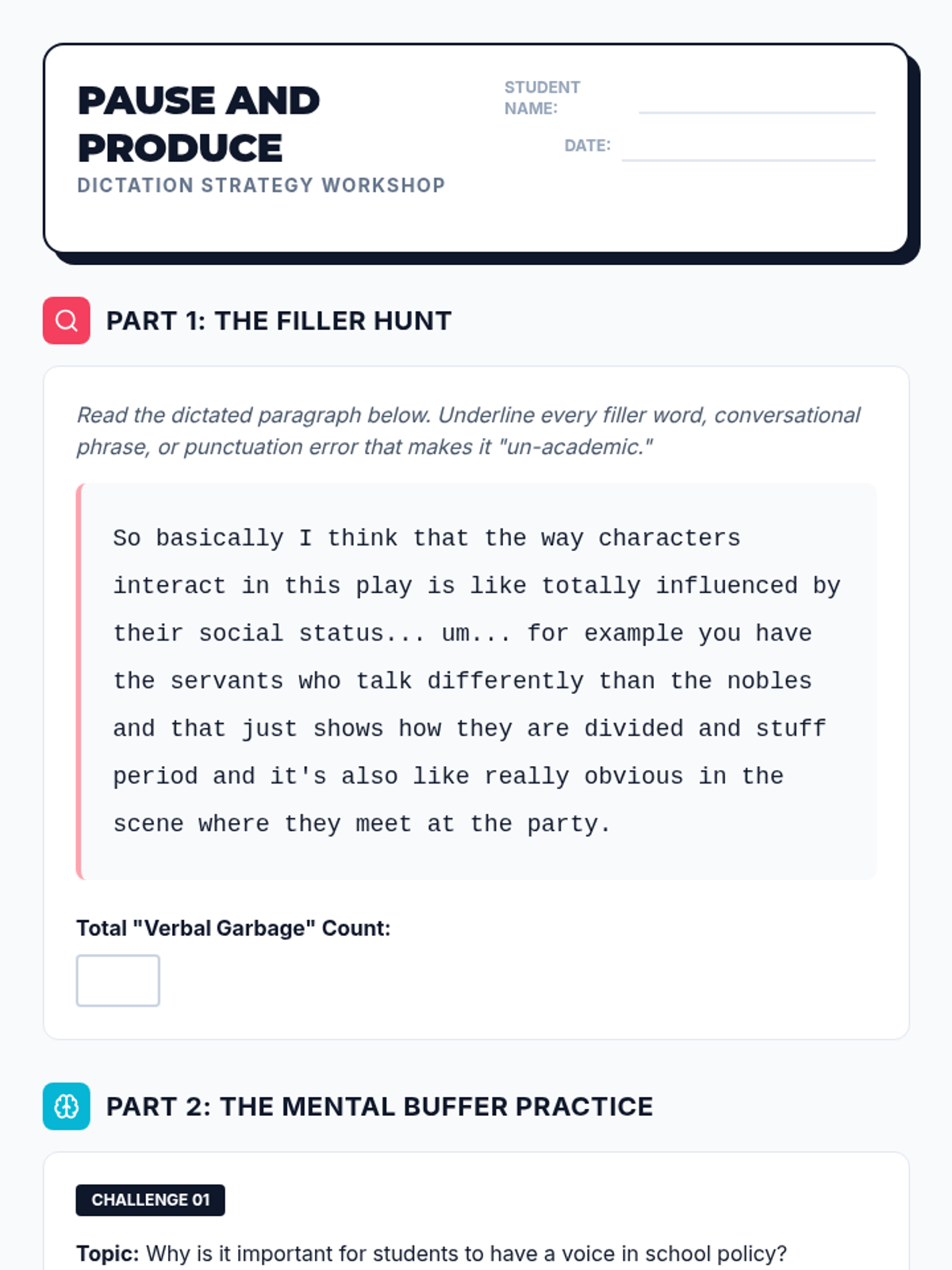
A sequence focused on the critical revision workflow for students using speech-to-text technology. Students learn to identify and fix common errors like homophone confusion, run-on sentences, and informal tone to turn raw dictation into polished academic writing.
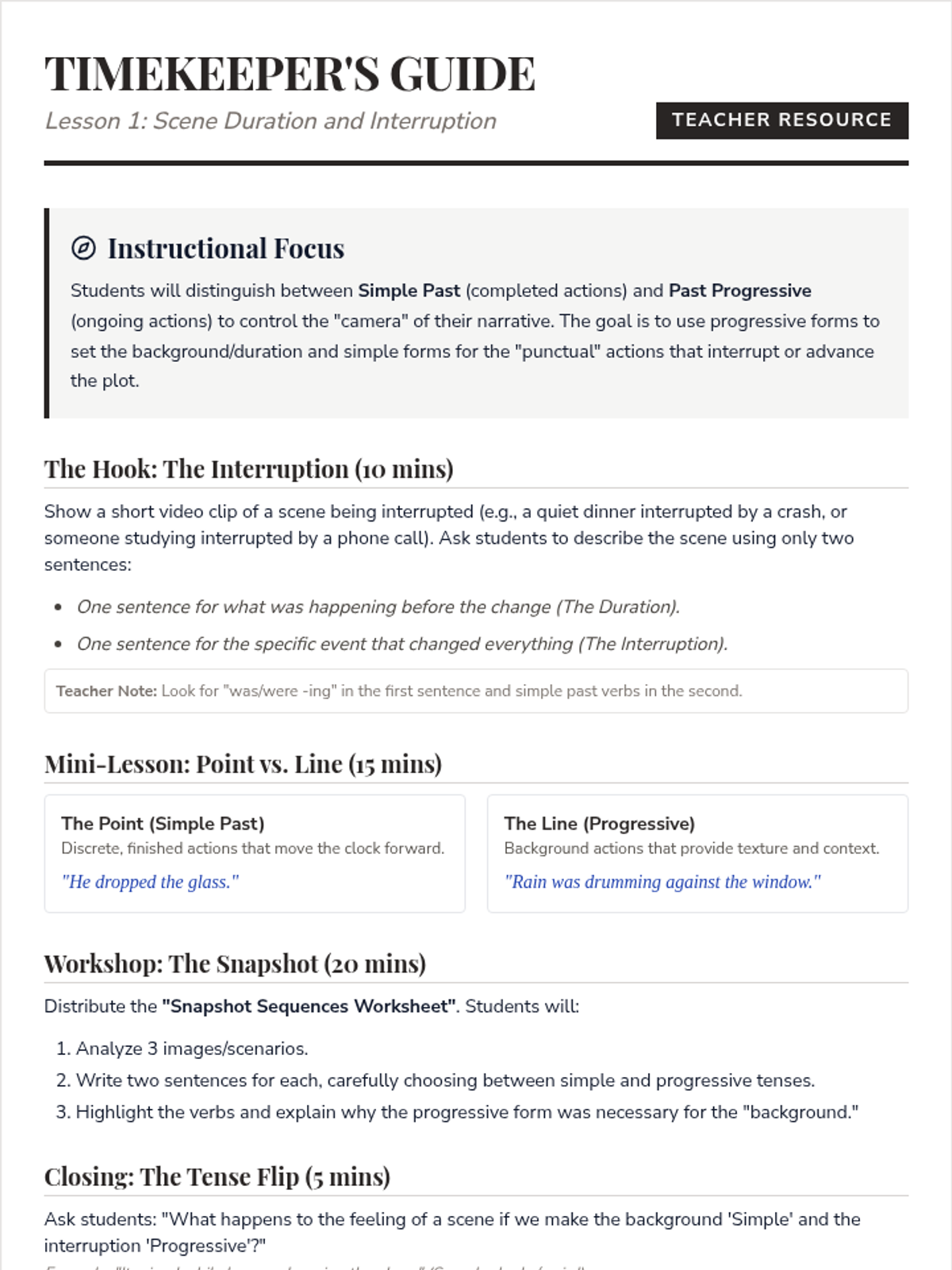
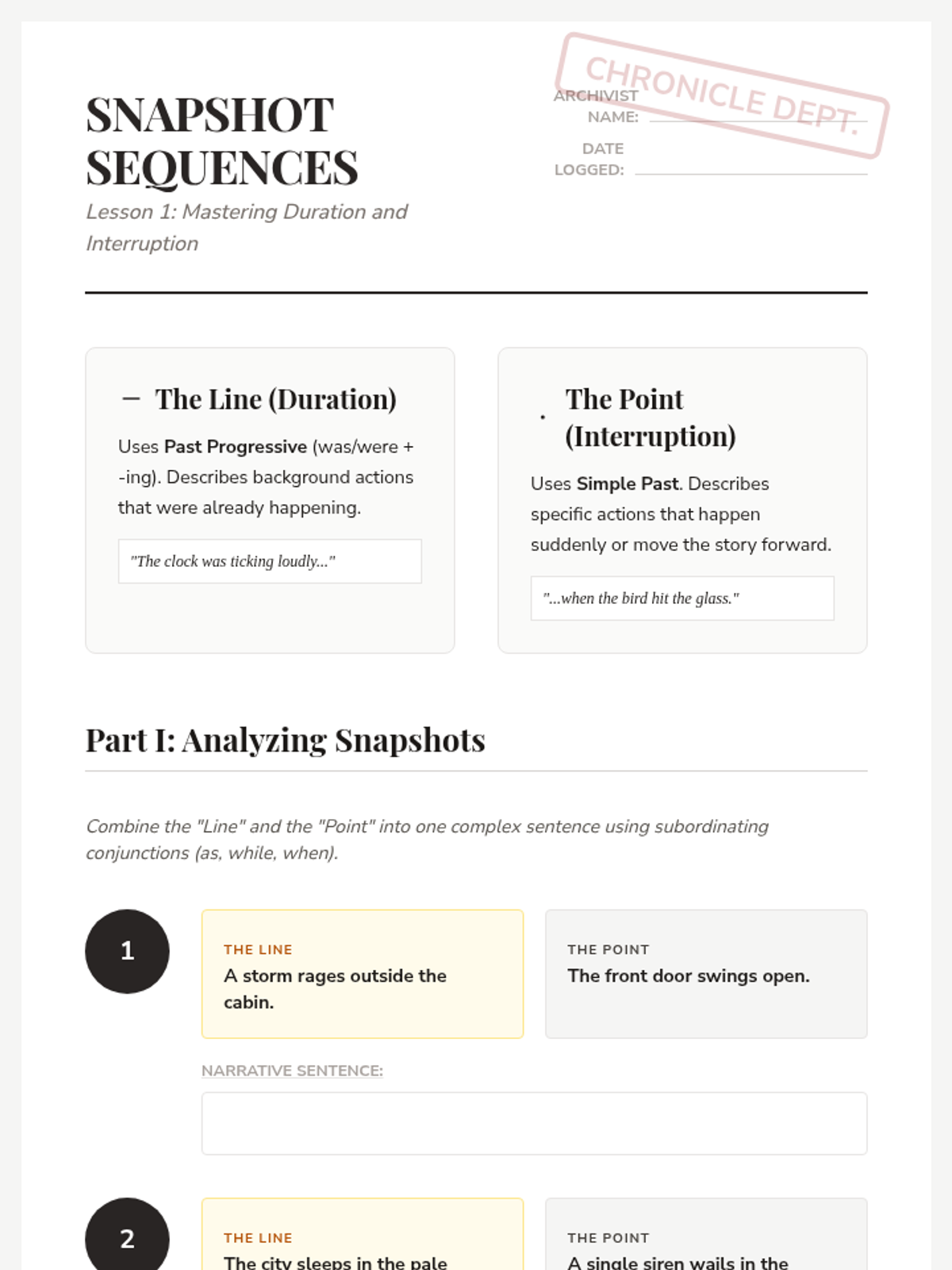
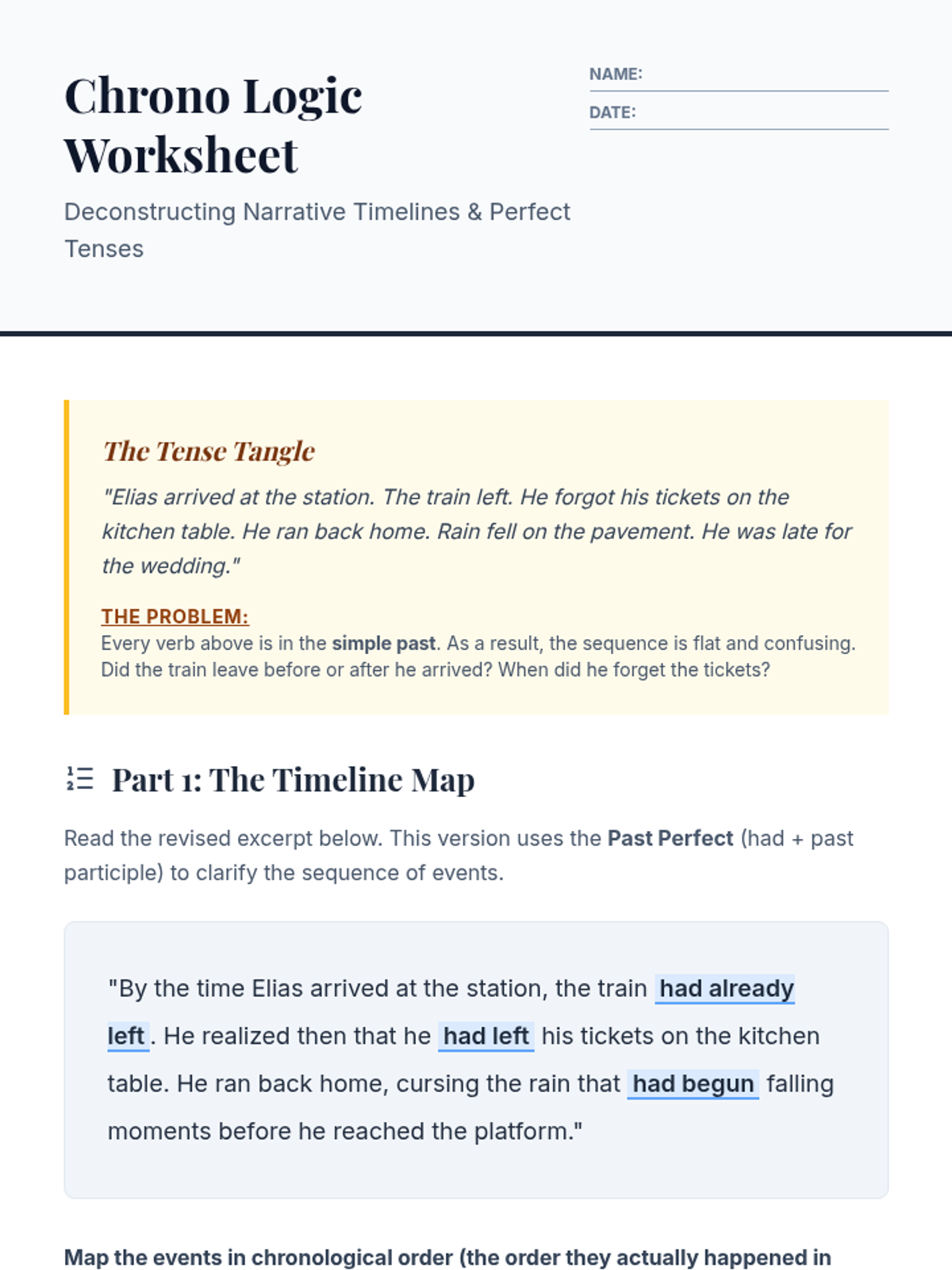
This sequence explores how verb tenses (simple, progressive, and perfect) function as tools for controlling chronology, duration, and pacing in narrative writing. Students will move from understanding basic tense distinctions to mastering complex non-linear storytelling techniques like flashbacks.
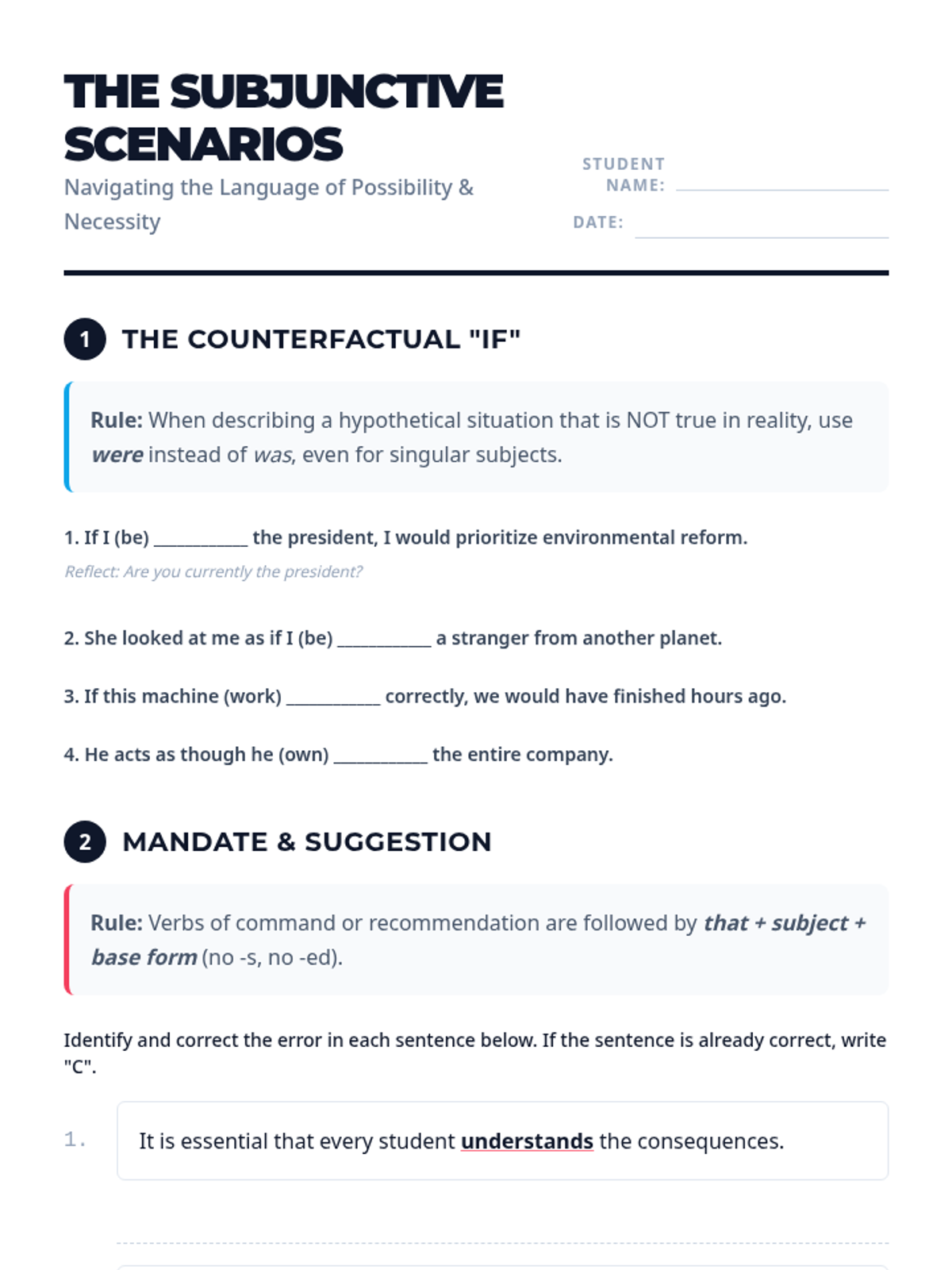
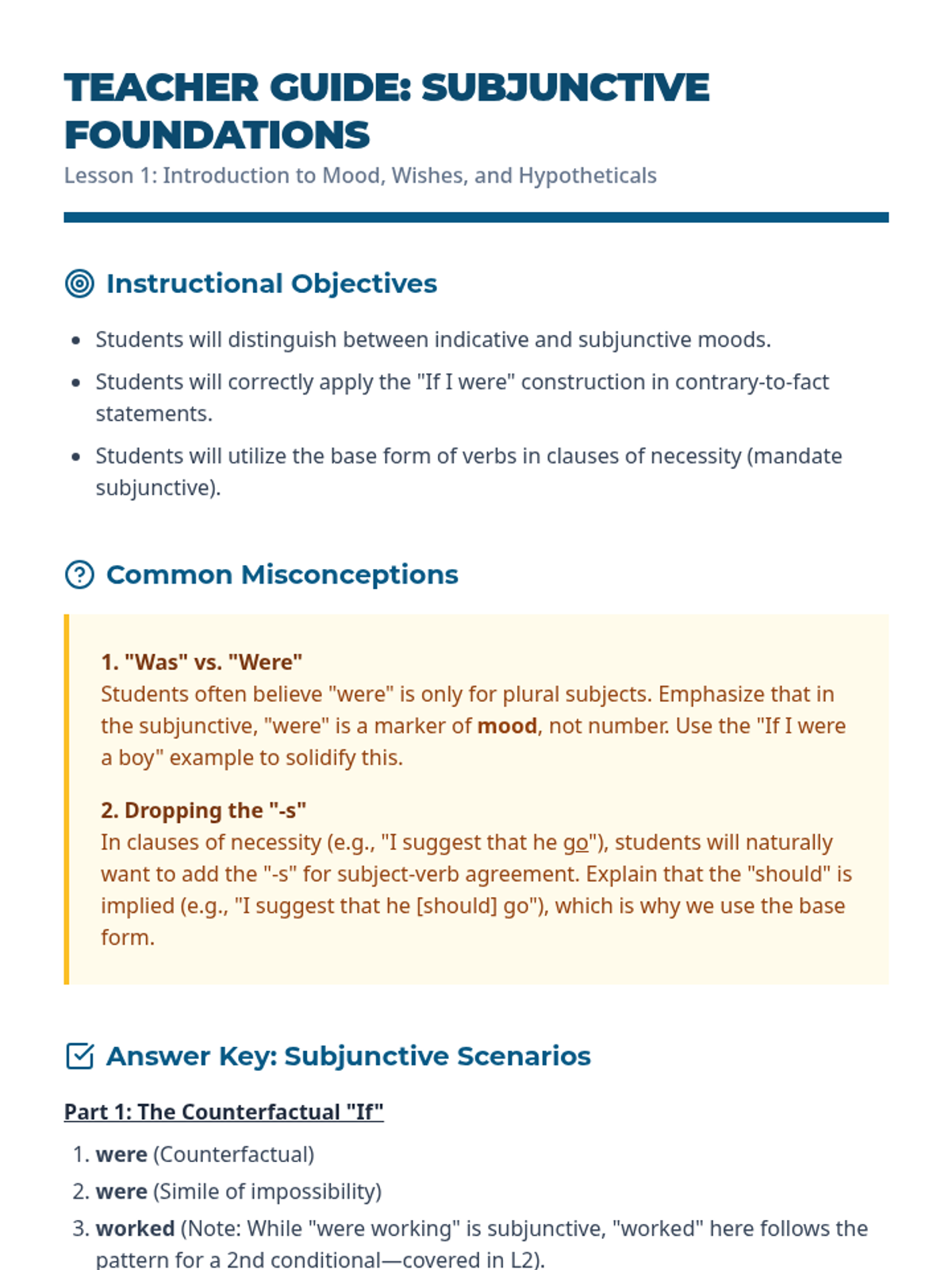
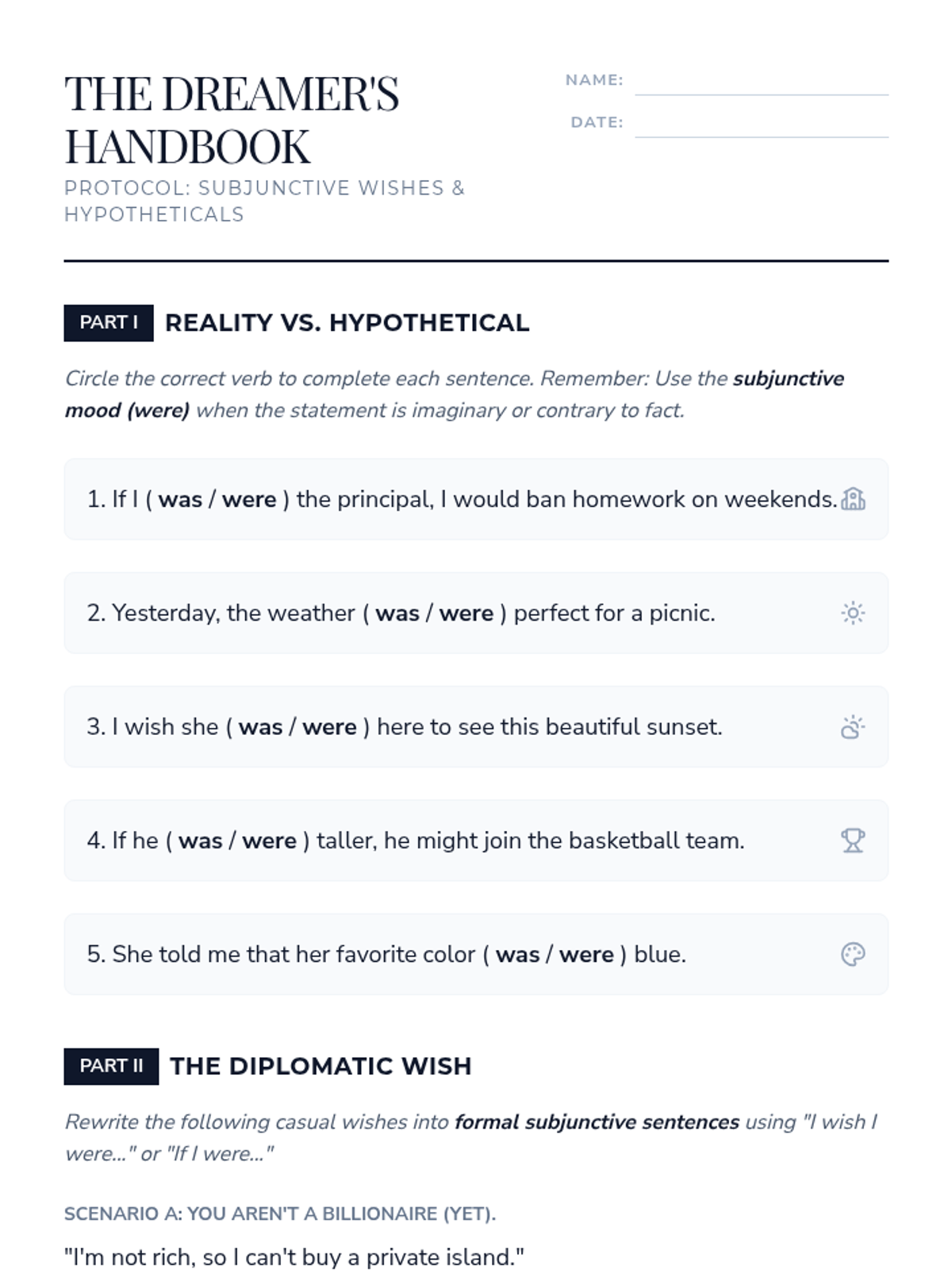
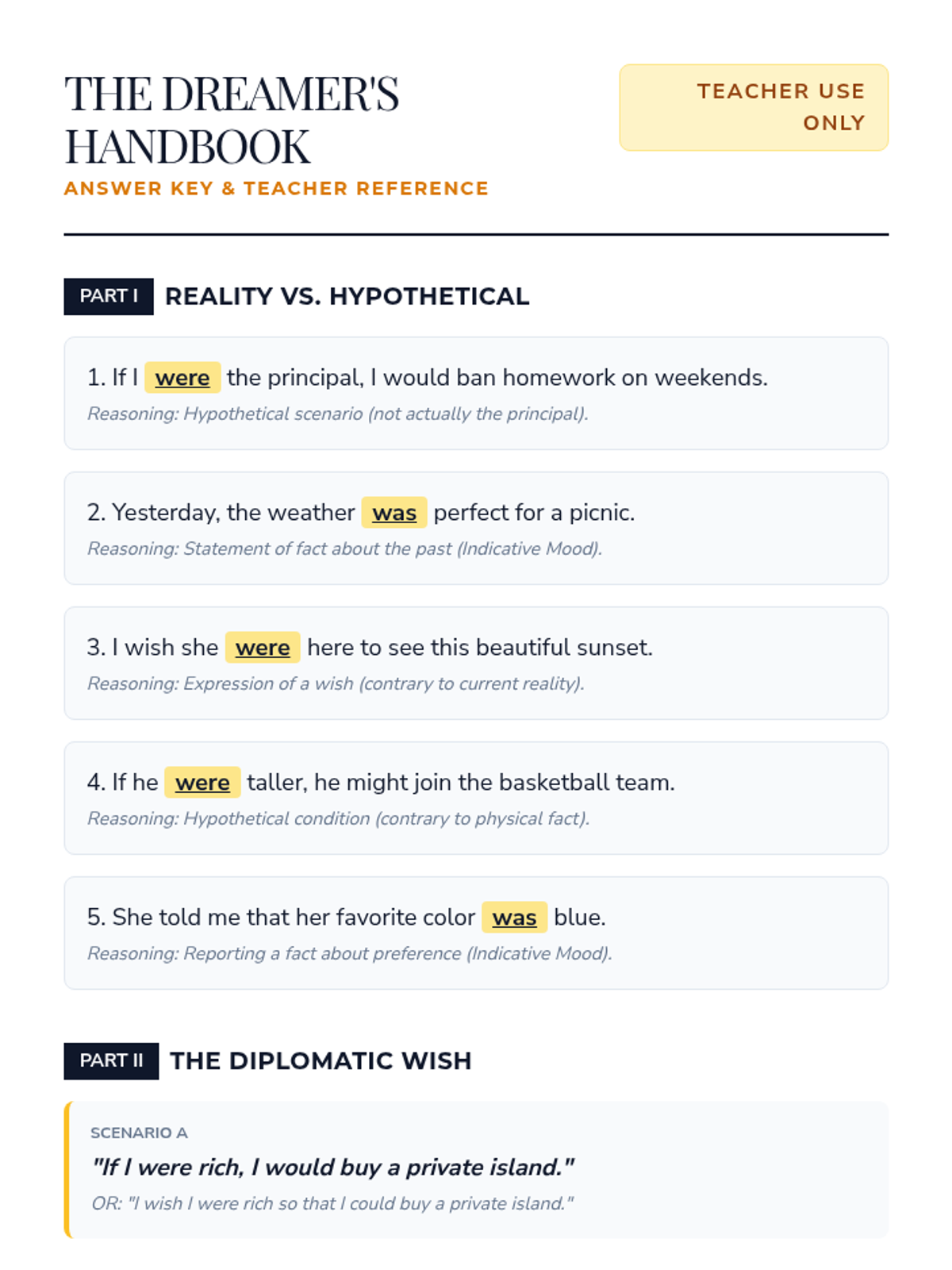
A comprehensive sequence for 12th-grade students focused on mastering the subjunctive mood and conditional tenses. Students progress from foundational grammatical structures to complex speculative argumentation and formal policy drafting.
This workshop-style sequence focuses on the nuanced use of perfect and progressive verb tenses to control narrative time and sequencing in advanced writing. Students analyze non-linear narratives, practice sentence combining with perfect aspects, and explore the atmospheric effects of progressive forms to master narrative clarity.
This inquiry-based sequence explores the evolving landscape of pronoun usage, specifically focusing on the singular 'they' and gender-neutral language. Students investigate historical prescriptions, modern style guide updates, and practical strategies for inclusive writing.
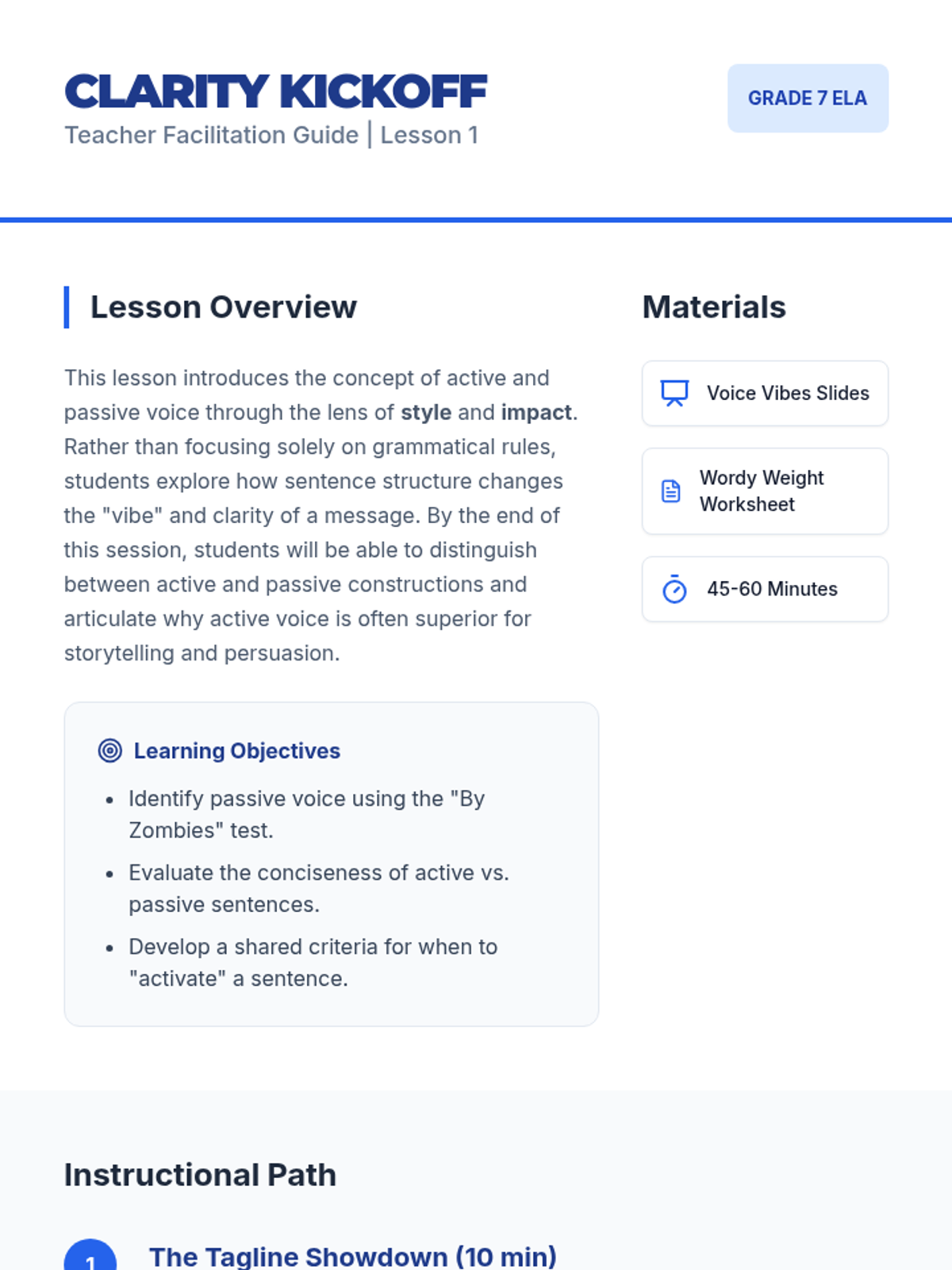
A middle school writing sequence focused on the mastery of active and passive voice. Students learn to identify passive constructions, evaluate their impact on clarity, and revise sentences to increase vigor and directness in their own writing.
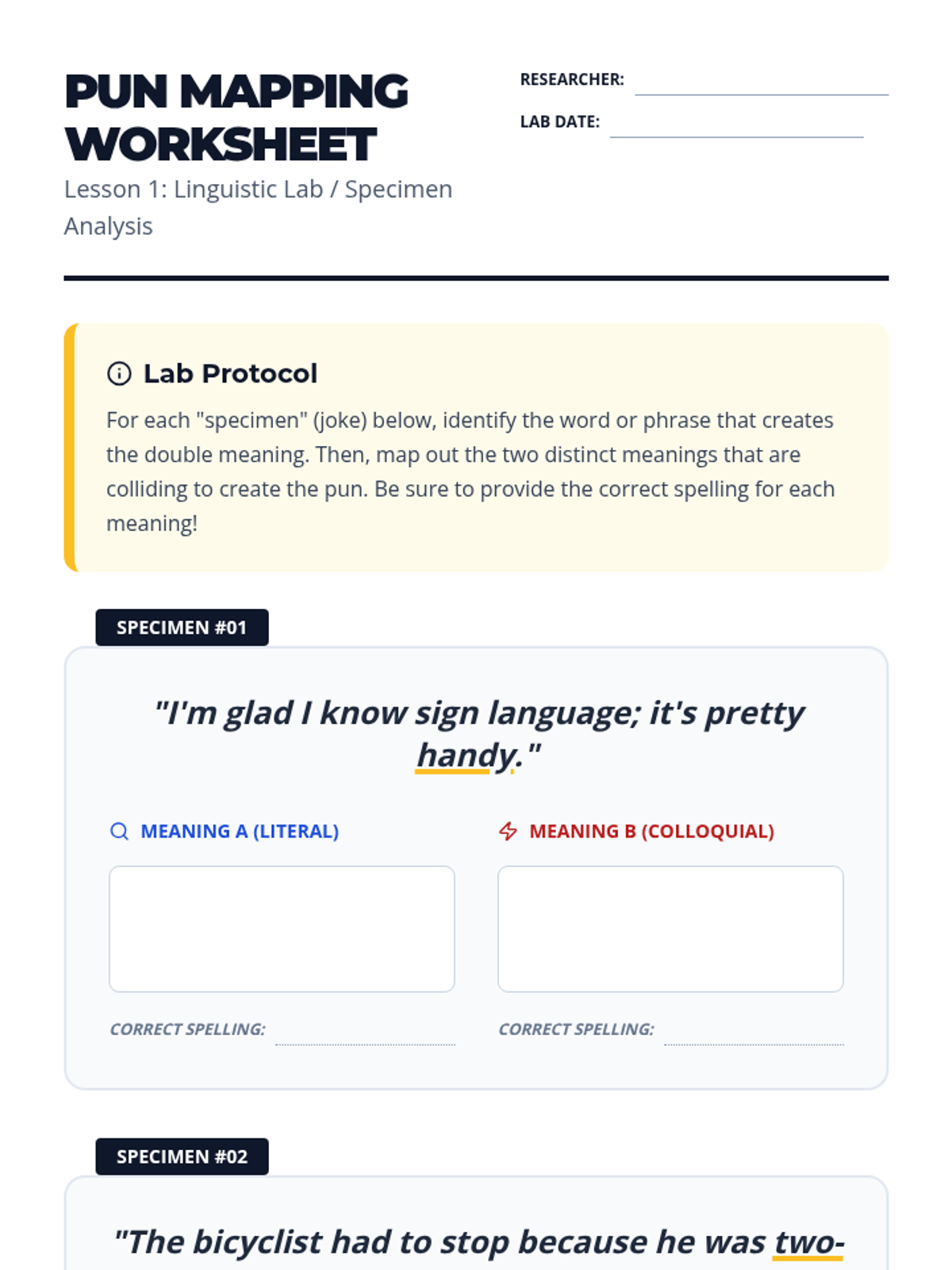
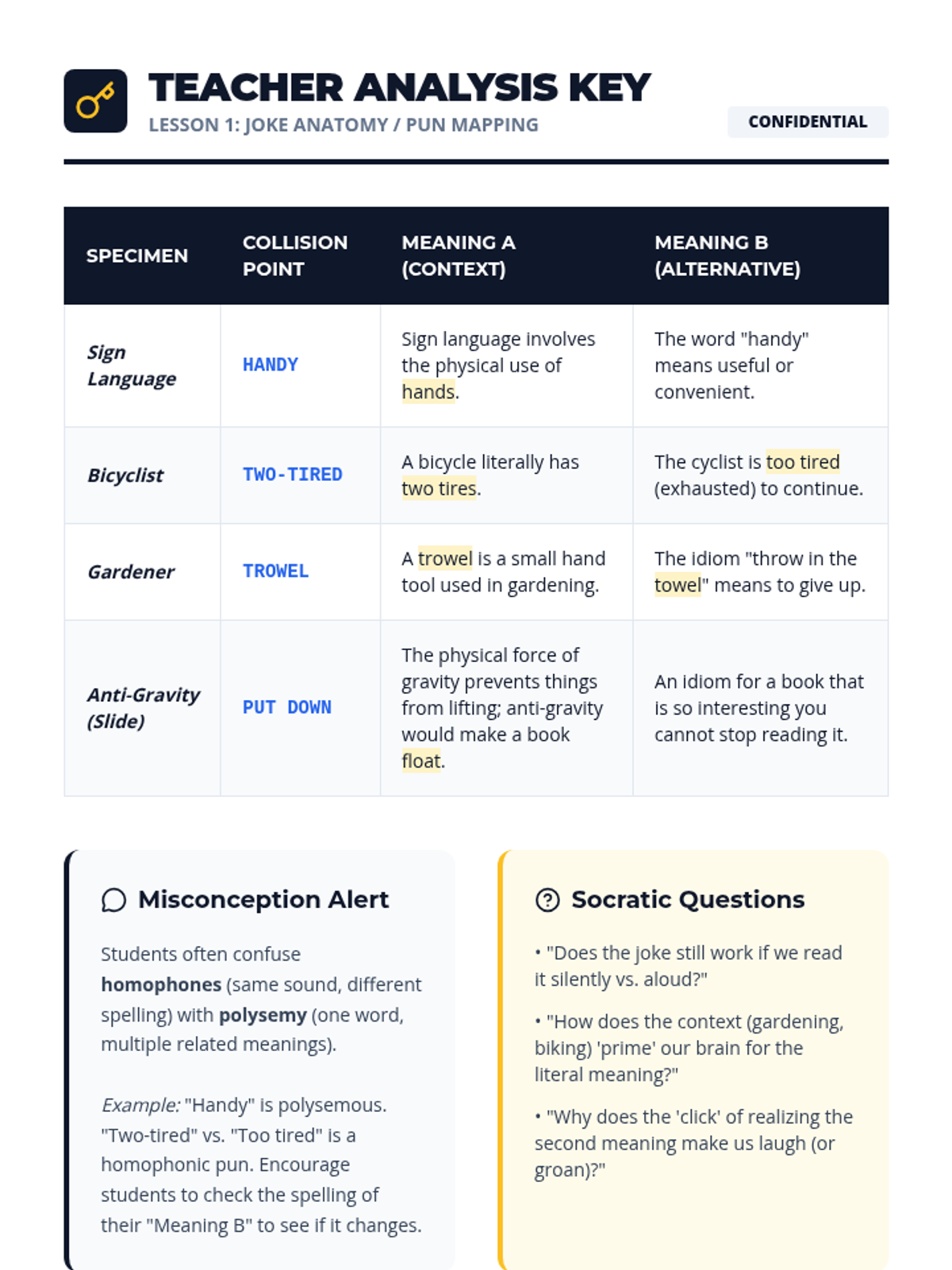
This sequence explores homophones and homonyms through the lens of humor and creative writing. Students move from analyzing simple puns to deconstructing literary wordplay in works by Shakespeare and Lewis Carroll, ultimately creating their own ambiguity-driven performances.
A specialized sequence for 12th-grade students focusing on the transition from mechanical speech-to-text to high-level academic composition. Students master cognitive strategies, outlining for voice, technical citation commands, and auditory revision techniques to produce rigorous academic papers without keyboard reliance.
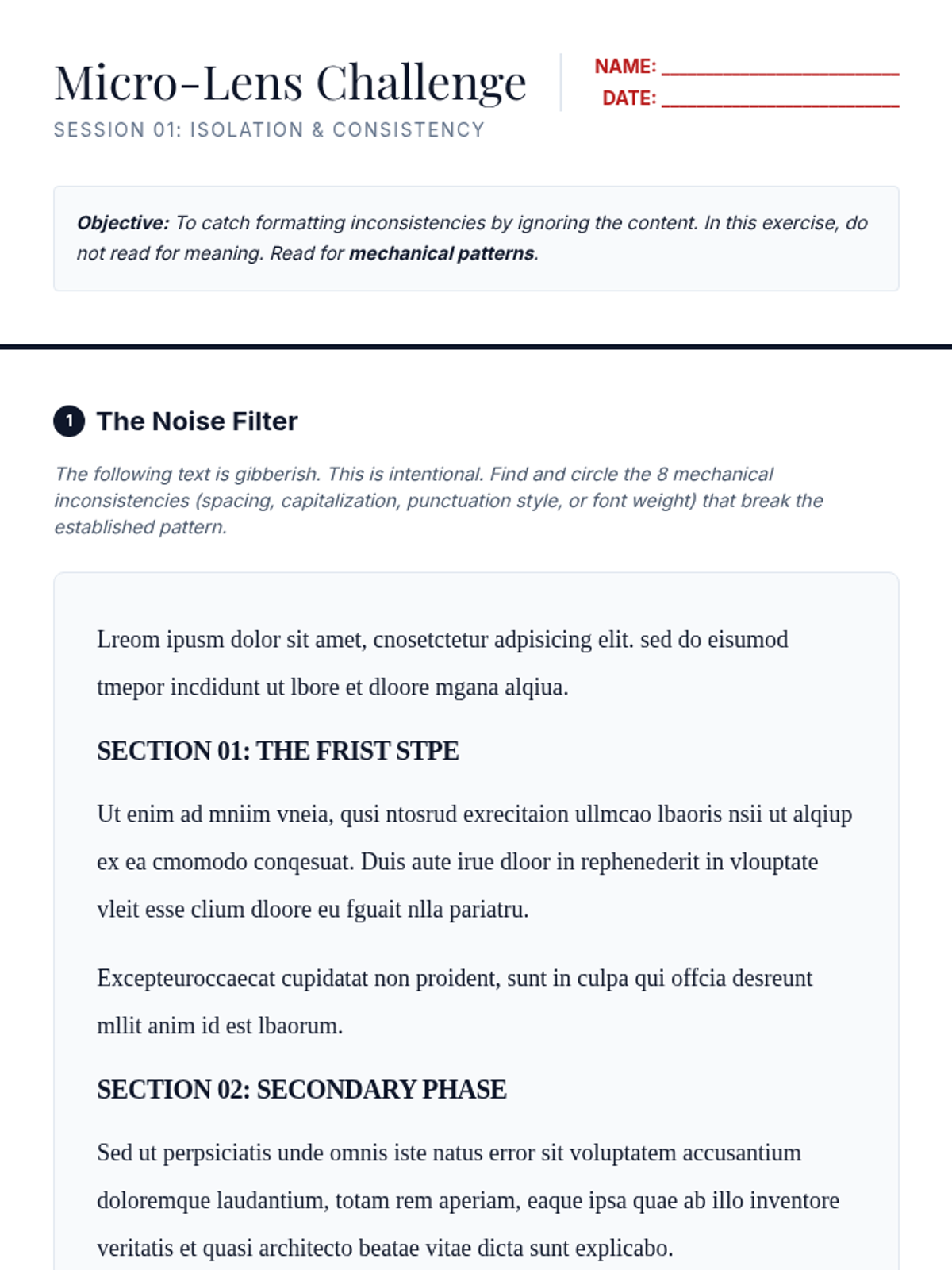
This sequence transforms students into professional copyeditors by teaching systematic workflows for mechanical formatting. Students move from manual error detection to automated tool mastery, culminating in a high-stakes proofreading simulation.
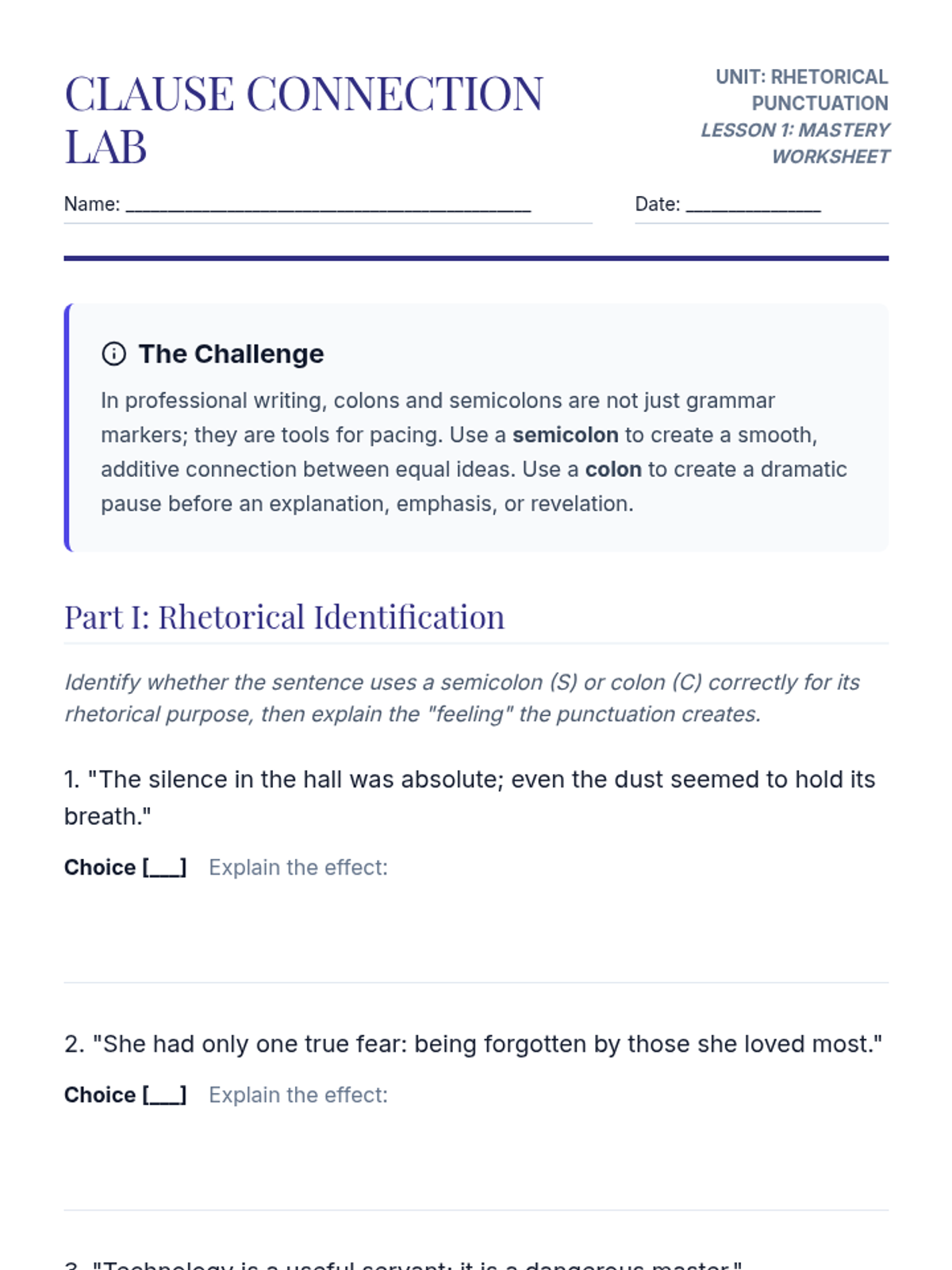
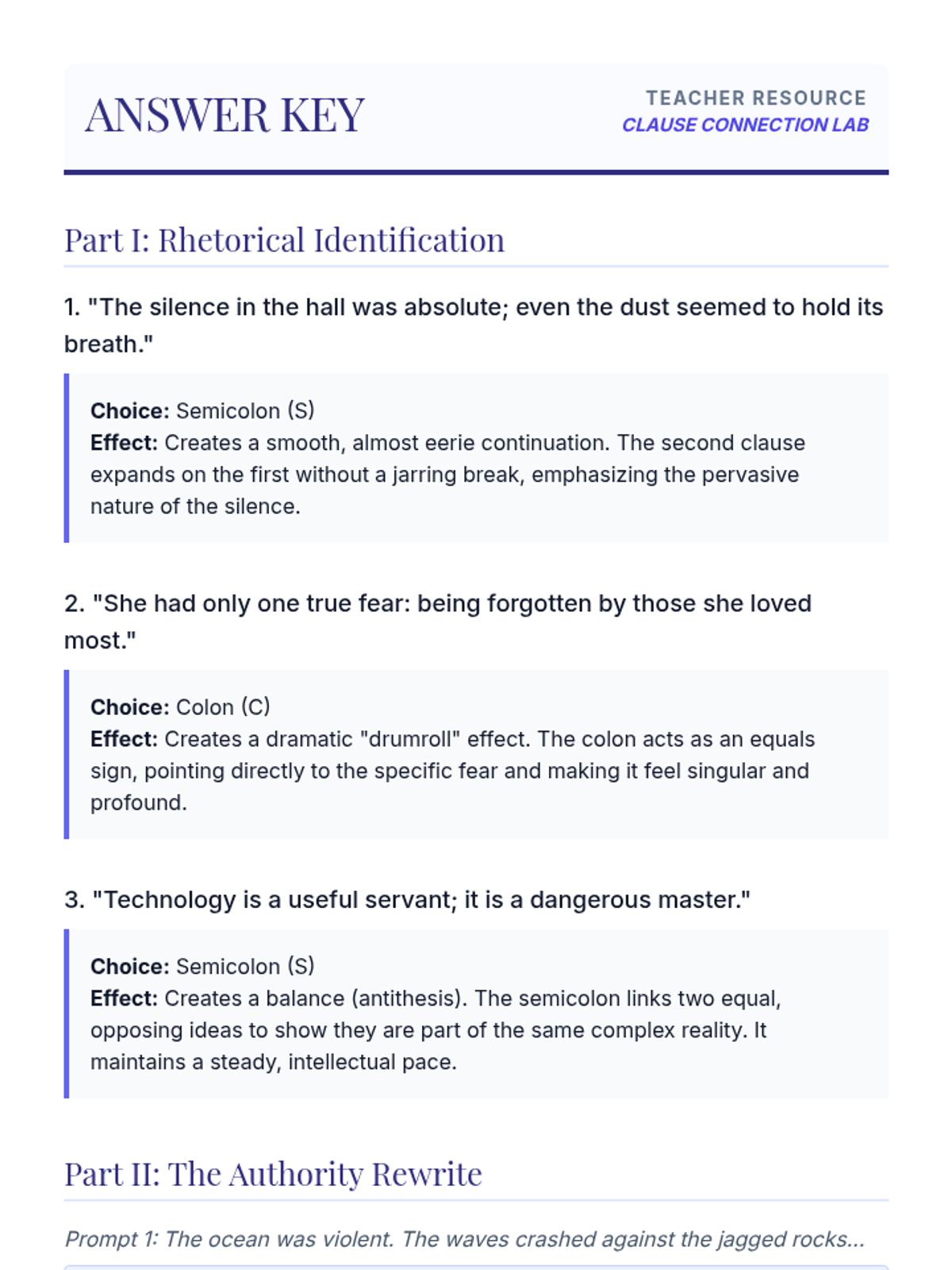
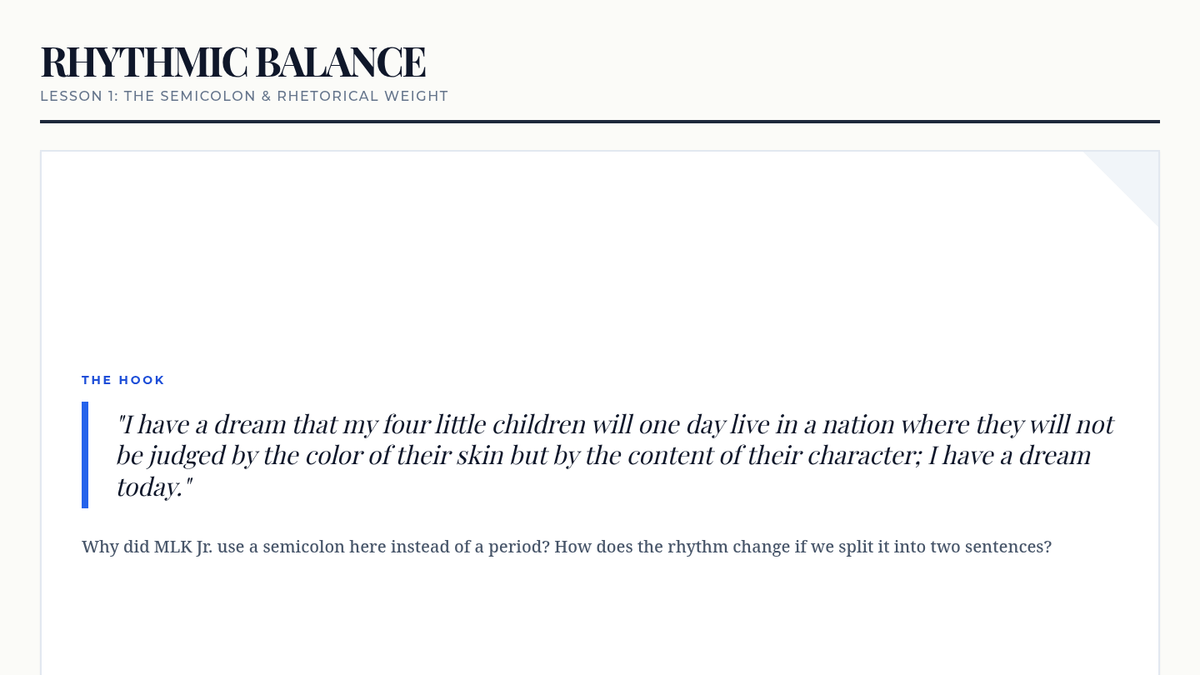
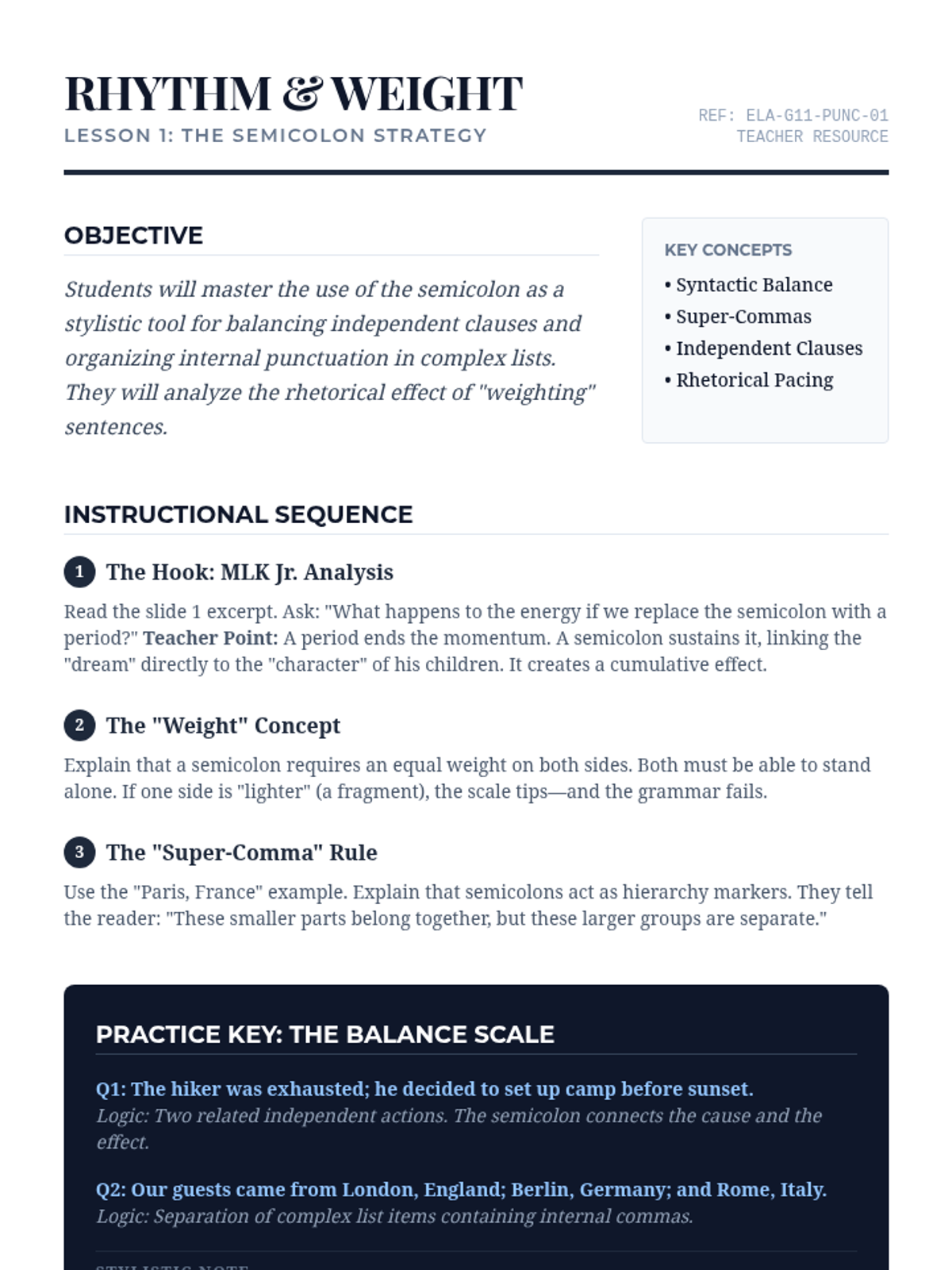
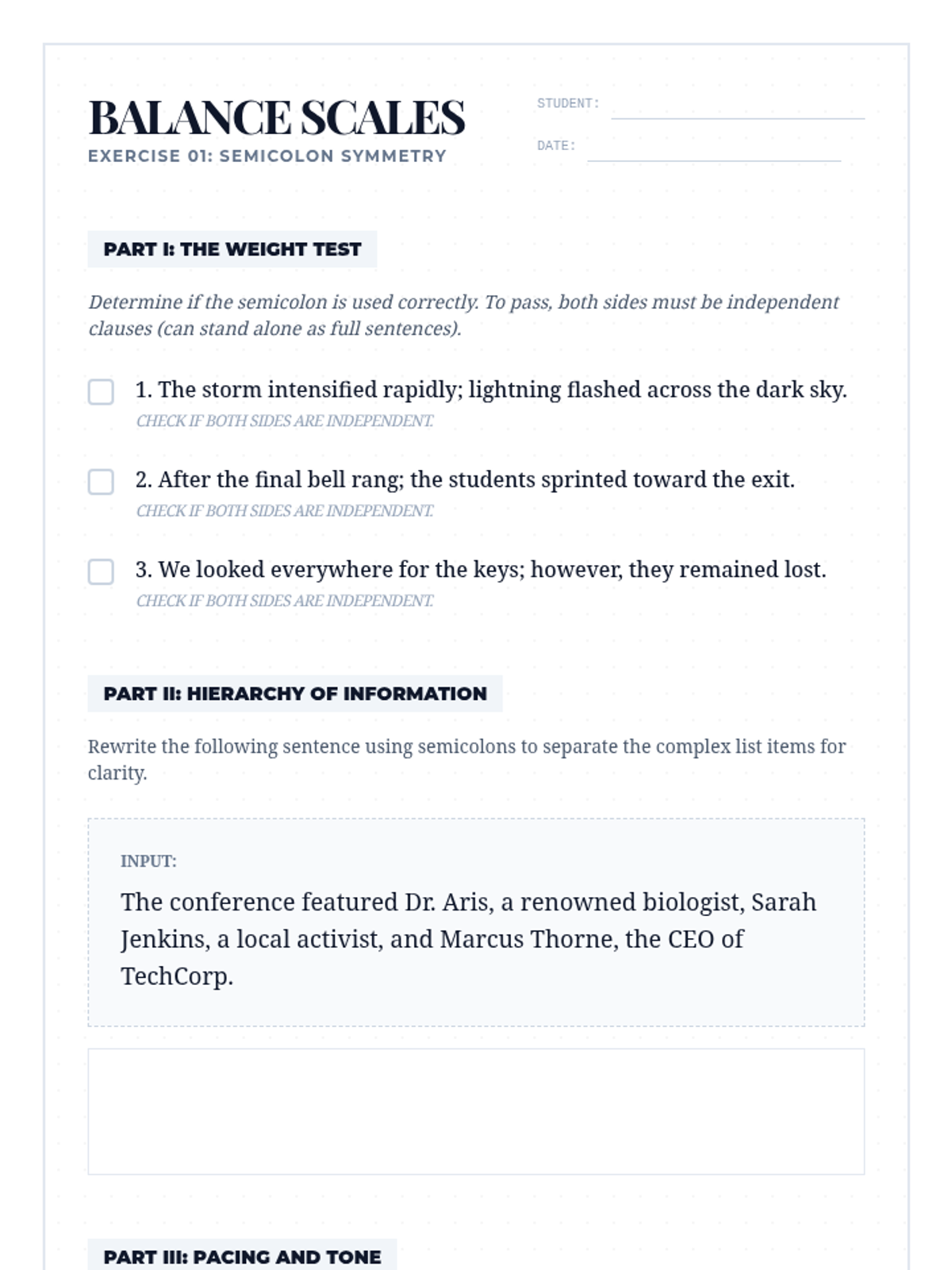
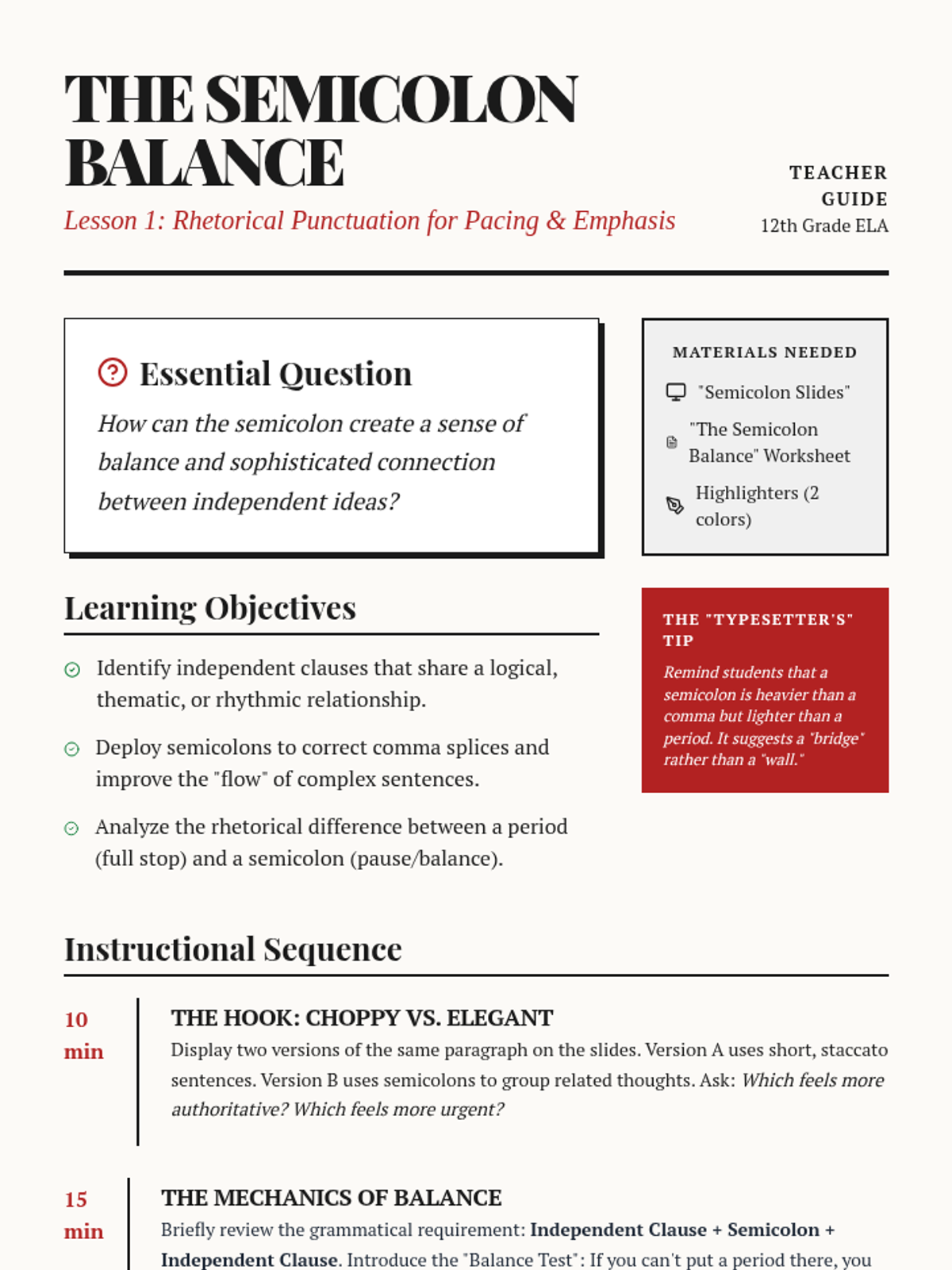
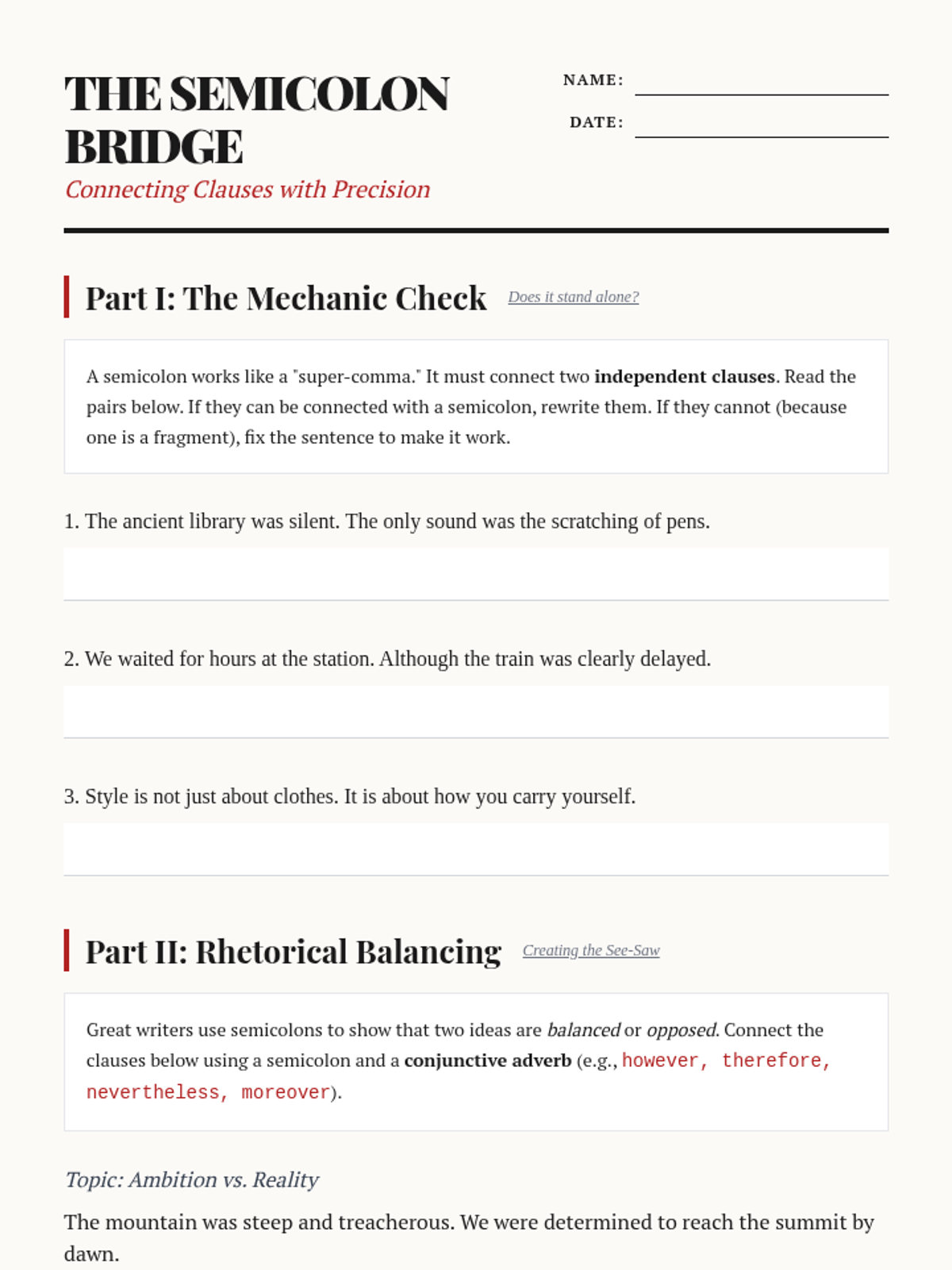
This sequence moves students beyond basic punctuation rules to understanding the rhetorical impact of mechanics on voice and pacing. Students analyze complex texts to see how authors use semicolons, colons, em-dashes, and ellipses to control reader attention and sentence rhythm, culminating in a stylistic rewrite challenge.
This sequence explores advanced punctuation as a tool for rhetoric and style. Students analyze how authors use semicolons, colons, dashes, and varied capitalization to control pacing, tone, and emphasis in literary and political texts.
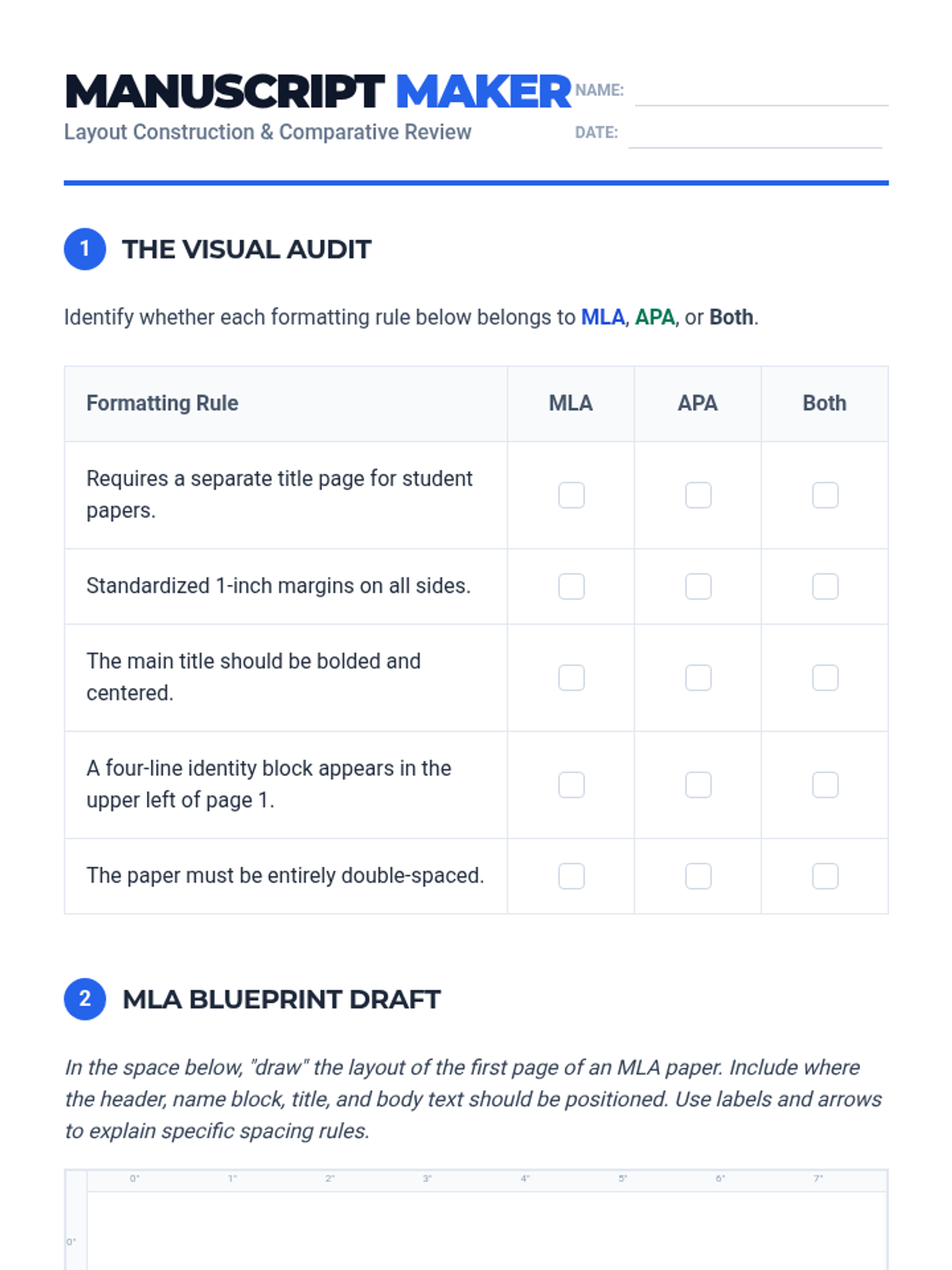
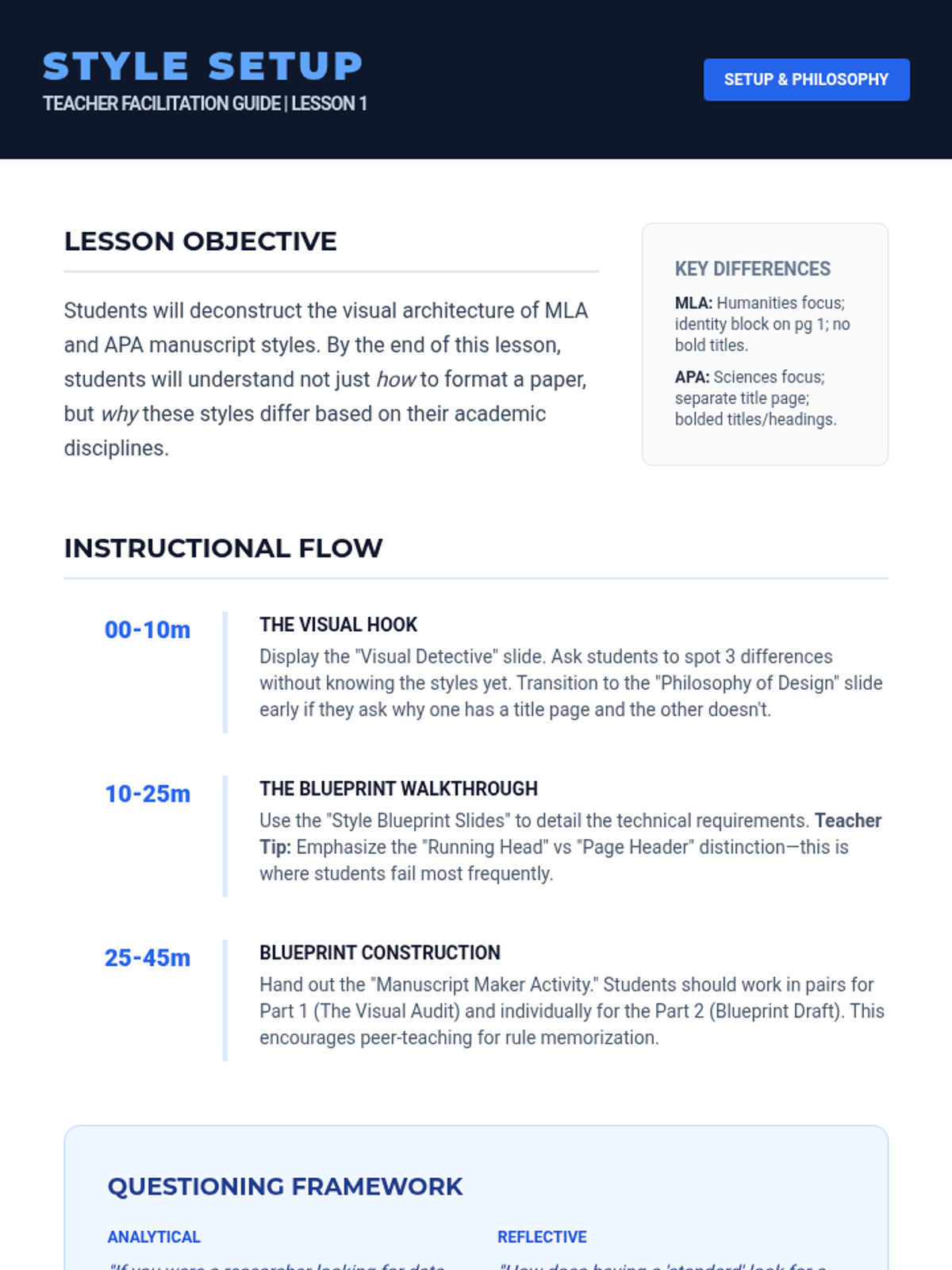
This sequence explores the mechanics of academic manuscript formatting, comparing MLA and APA styles. Students learn how standardized formatting protects intellectual property and facilitates scholarly communication through precise manuscript setup, citation punctuation, and bibliographic construction.
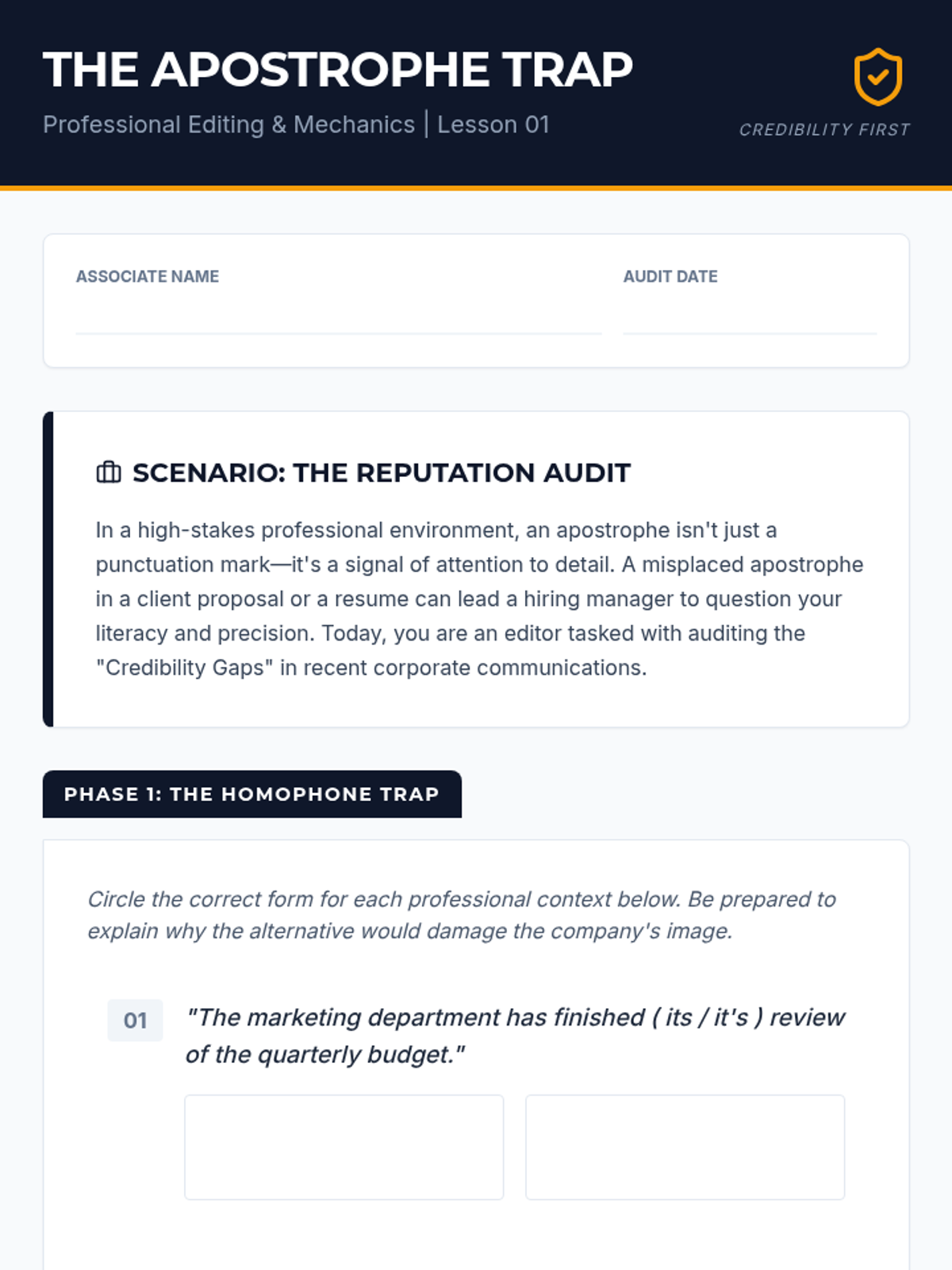
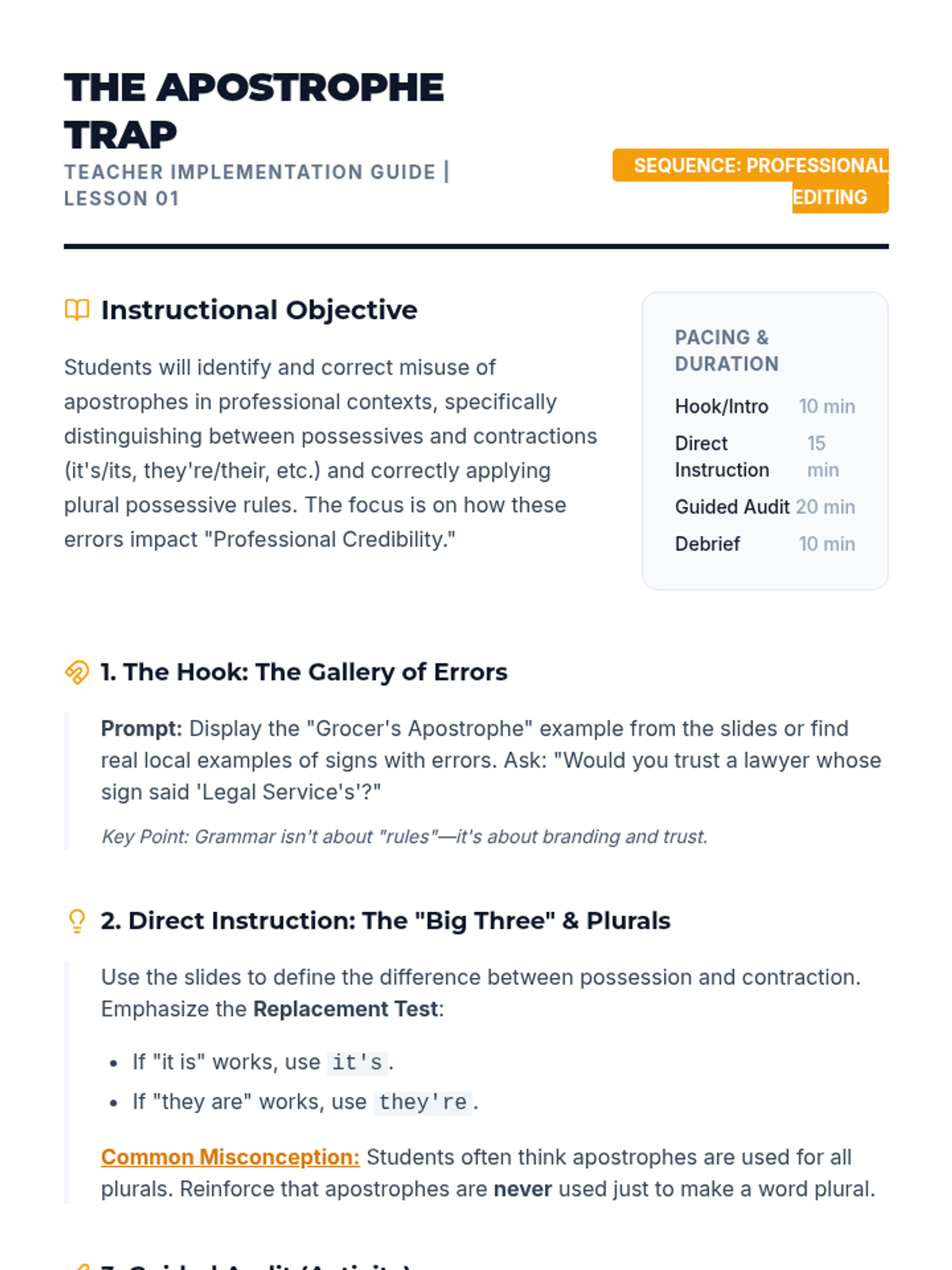
A workplace-simulated grammar sequence for 12th graders, focusing on how mechanical precision in punctuation and capitalization impacts professional credibility. Students act as editors and hiring managers to master apostrophes, capitalization, complex lists, and dashes.
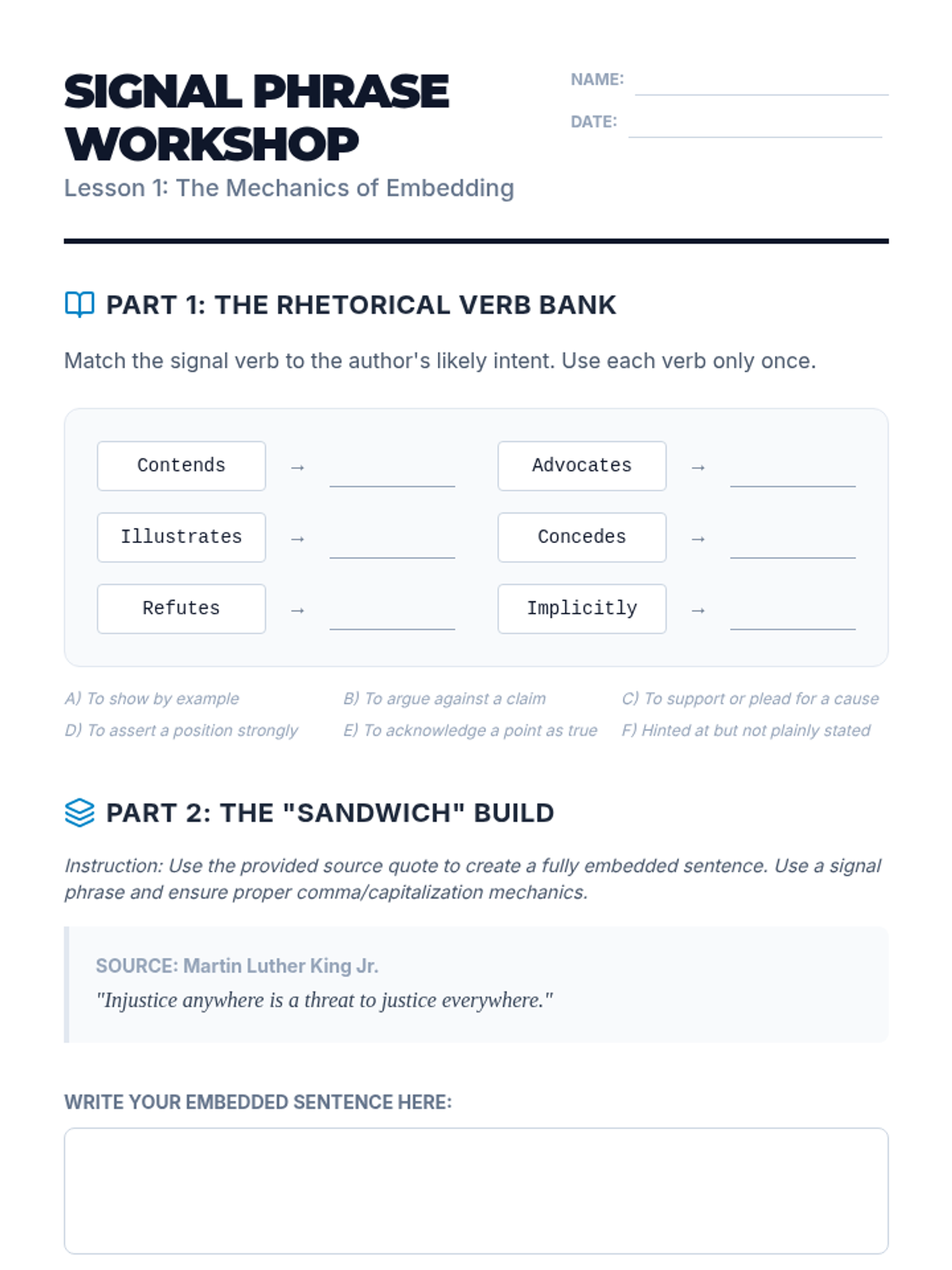
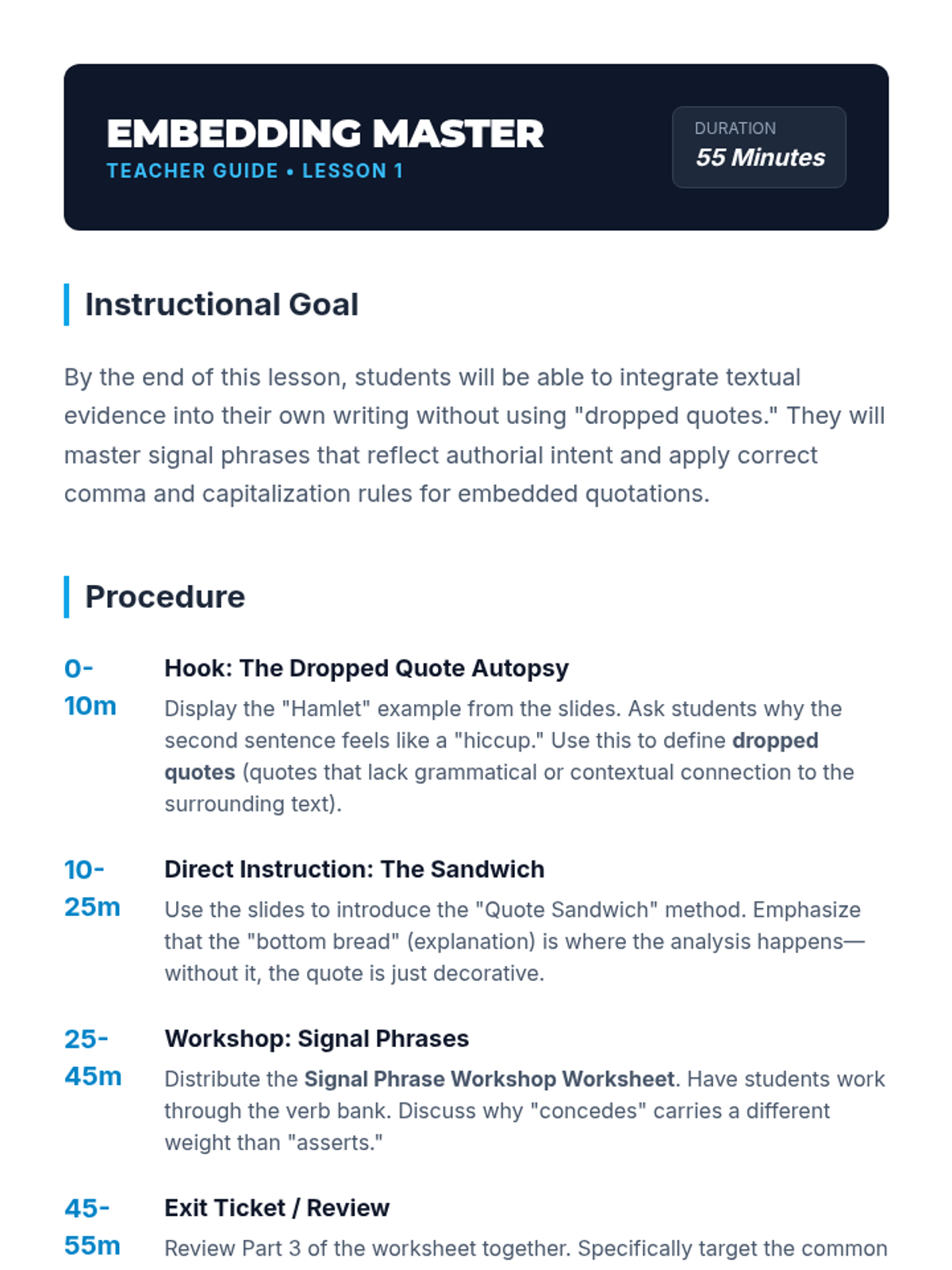
A comprehensive unit for 12th-grade students on the technical and ethical integration of quotations in academic writing, covering embedding, punctuation placement, modifications, block formatting, and genre differences.
A high-level ELA unit for 12th graders exploring how advanced punctuation (semicolons, colons, and em-dashes) functions rhetorically to control pacing, rhythm, and emphasis in sophisticated writing, culminating in personal statement revision.
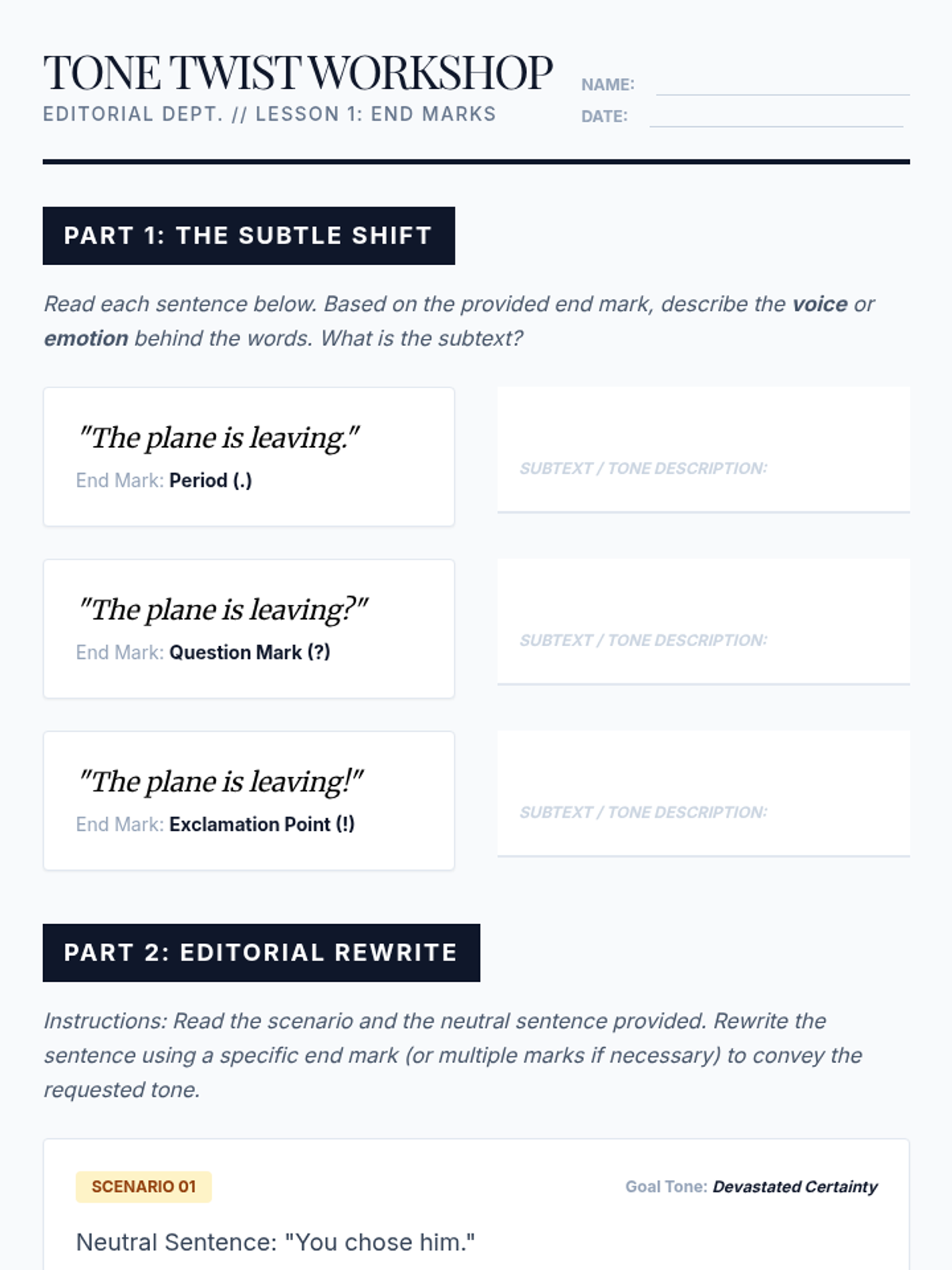
A 9th-grade grammar sequence focused on the rhetorical use of punctuation. Students move beyond basic rules to explore how end marks, dashes, fragments, and hyphens shape voice, tone, and clarity in writing.
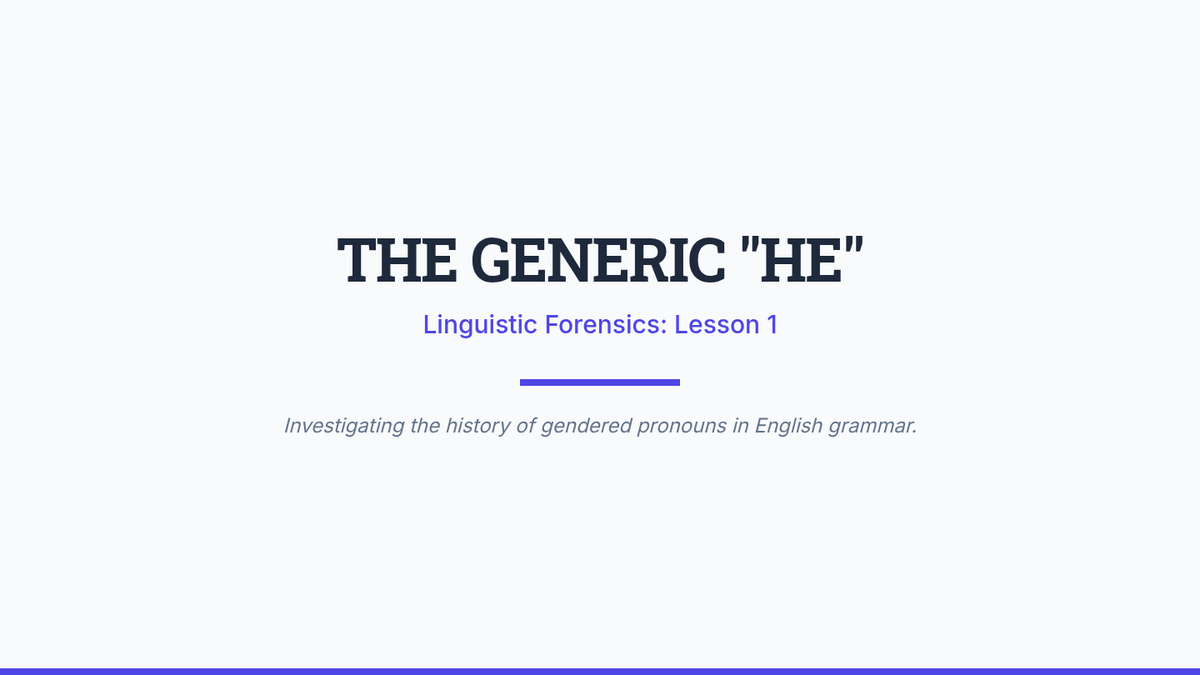
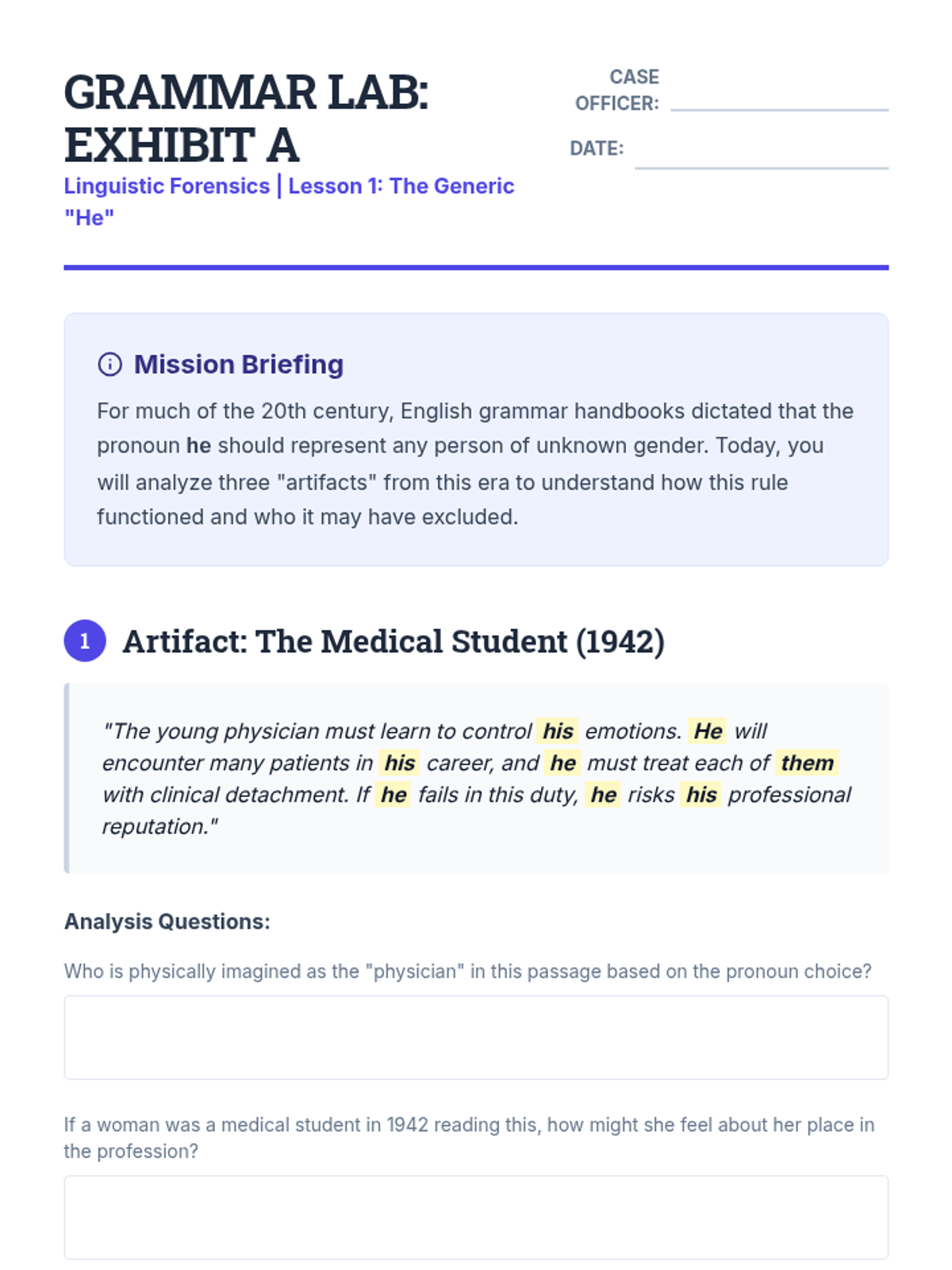
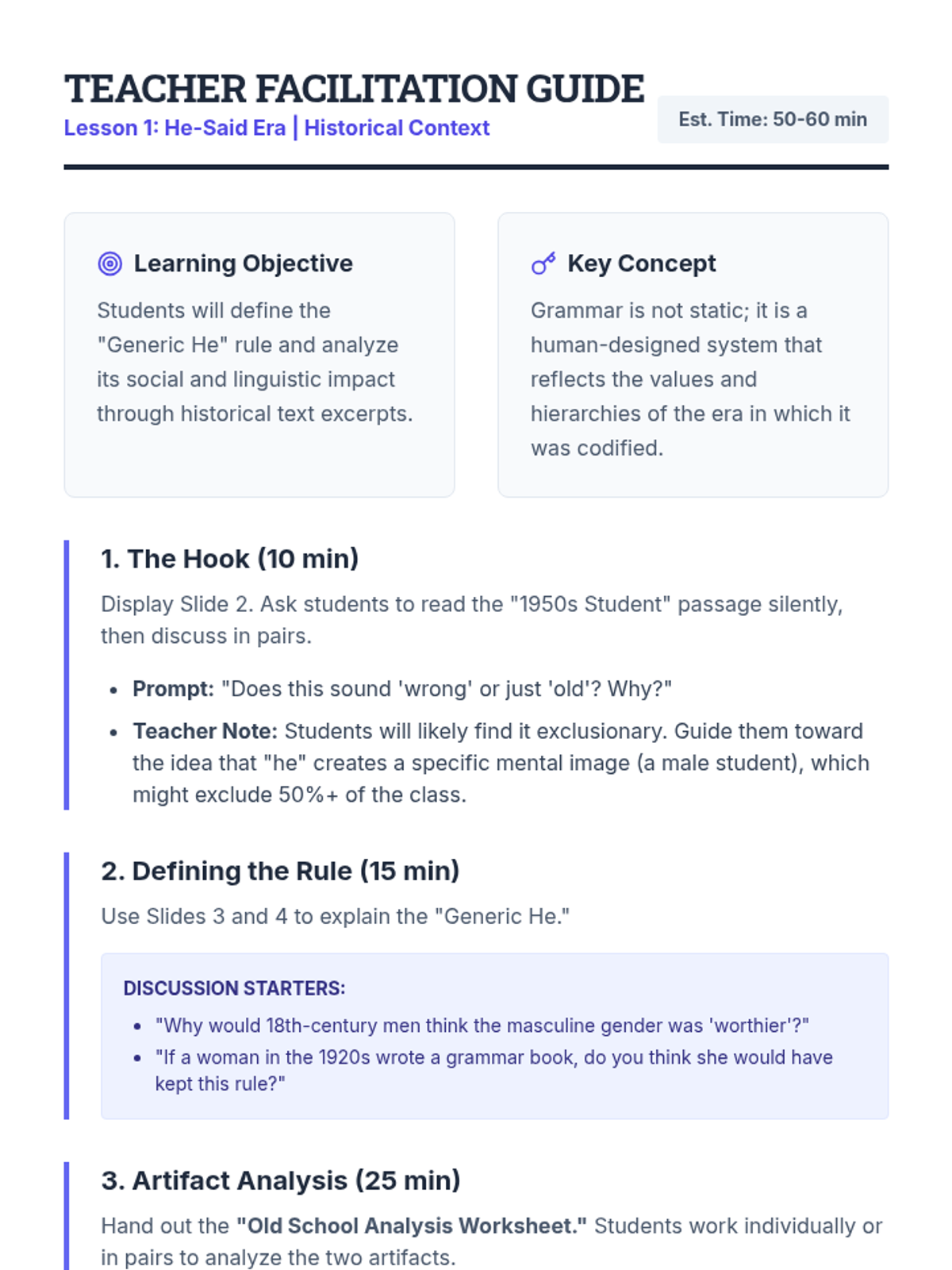
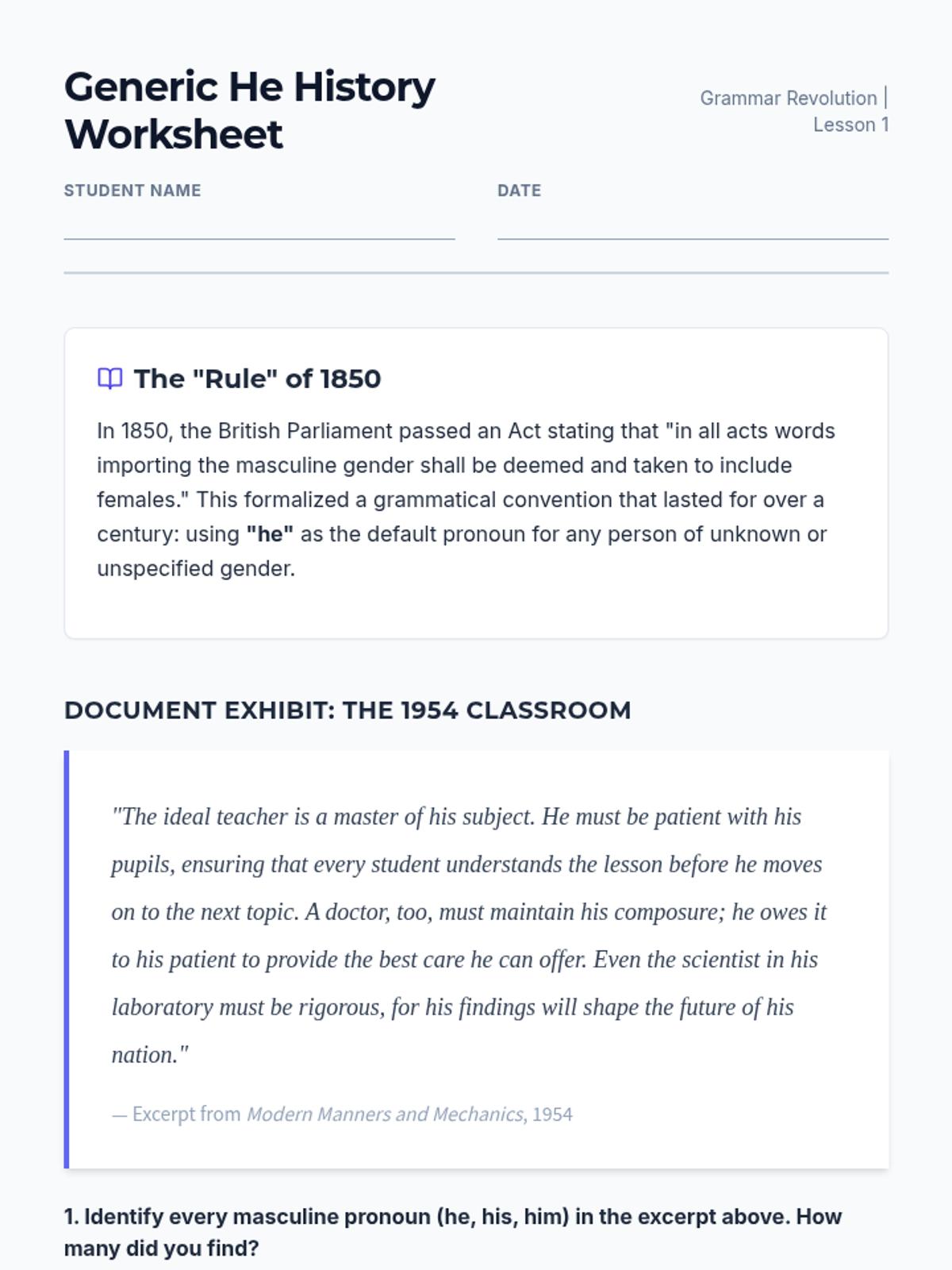
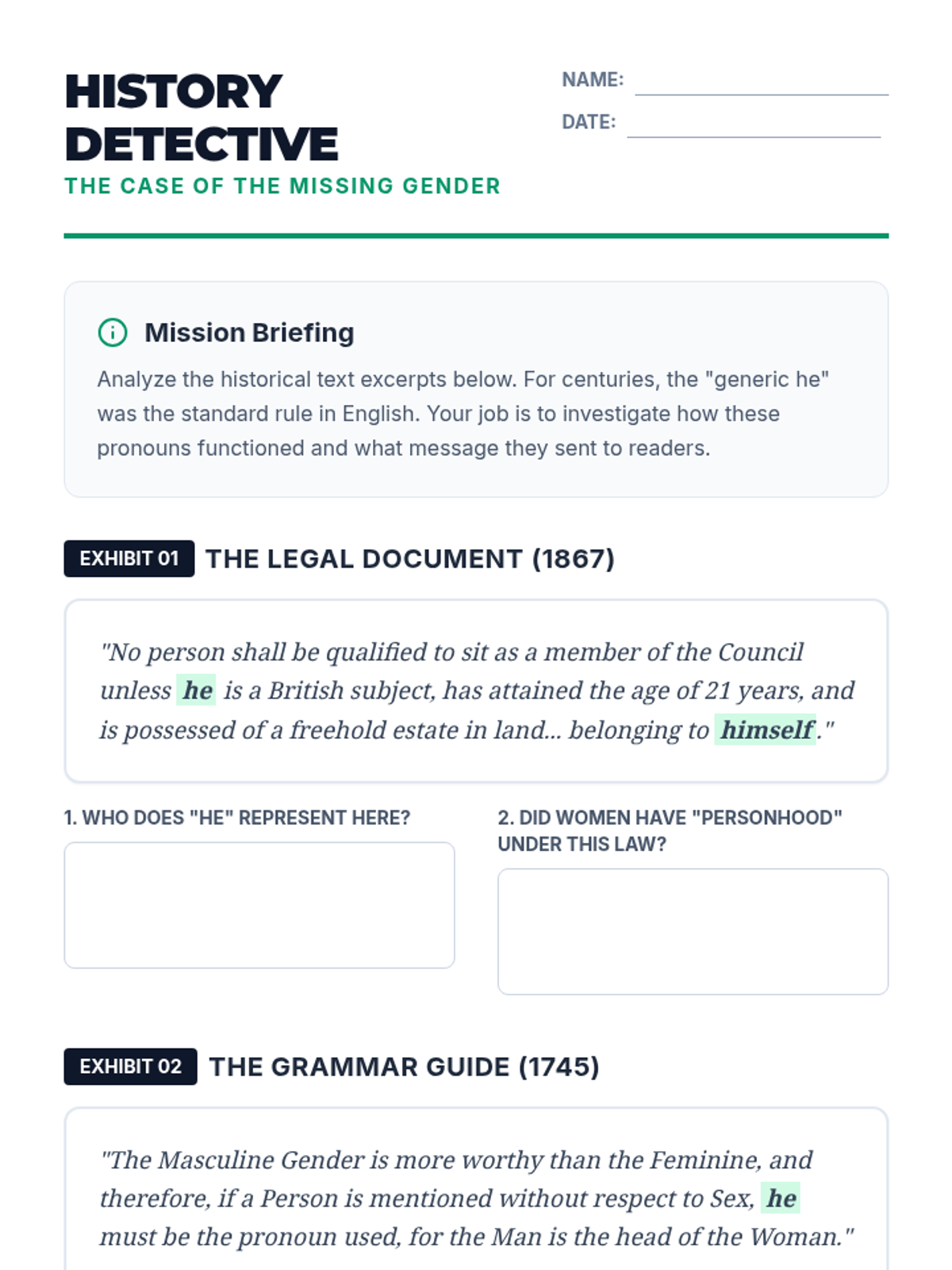
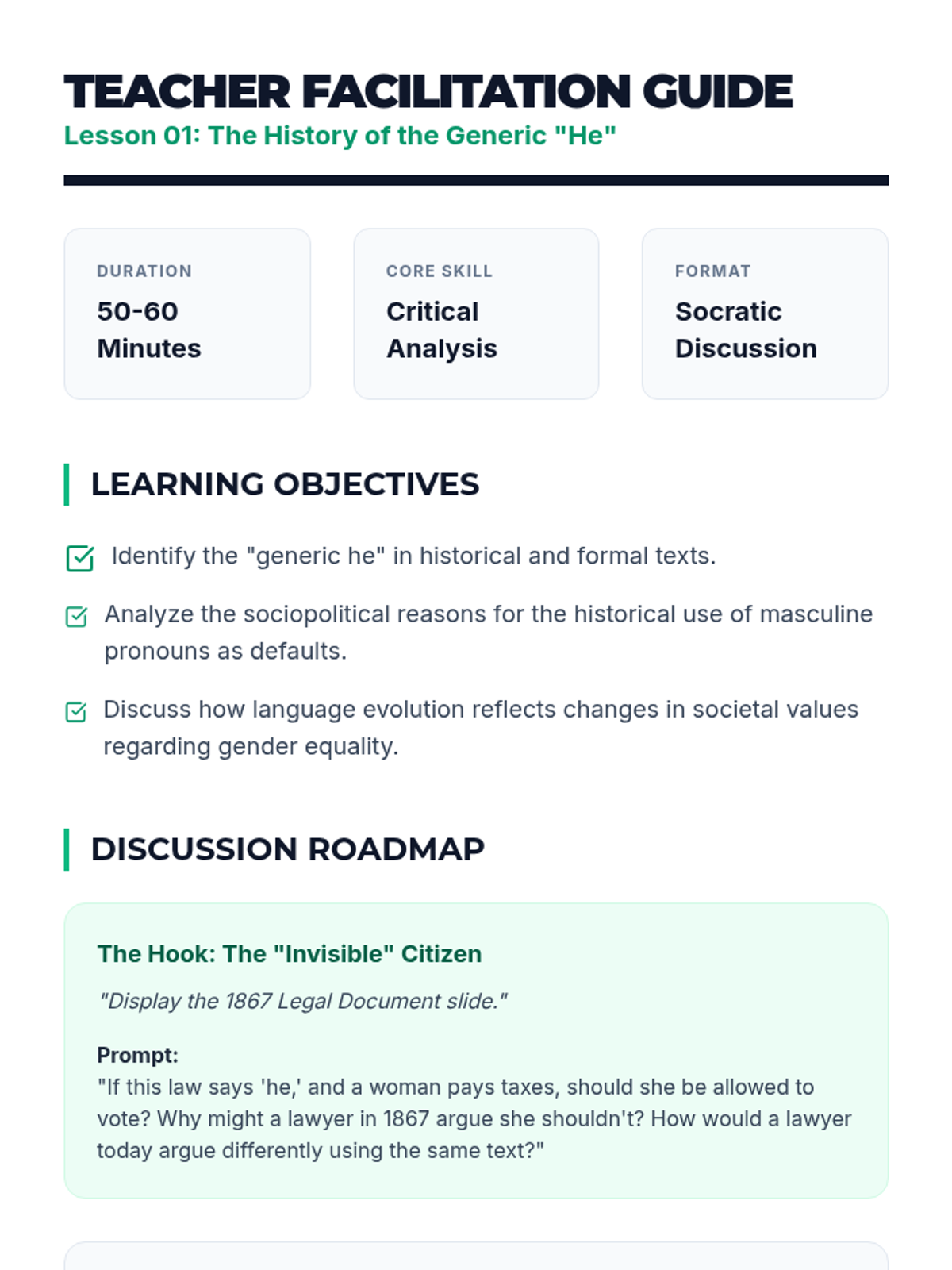
This 7th-grade sequence explores the evolution of pronouns, focusing on the historical use of the generic 'he,' the transition to 'he or she,' and the modern adoption of the singular 'they.' Students learn to balance grammatical precision with inclusive language through strategies like pluralizing antecedents and navigating various academic style guides.
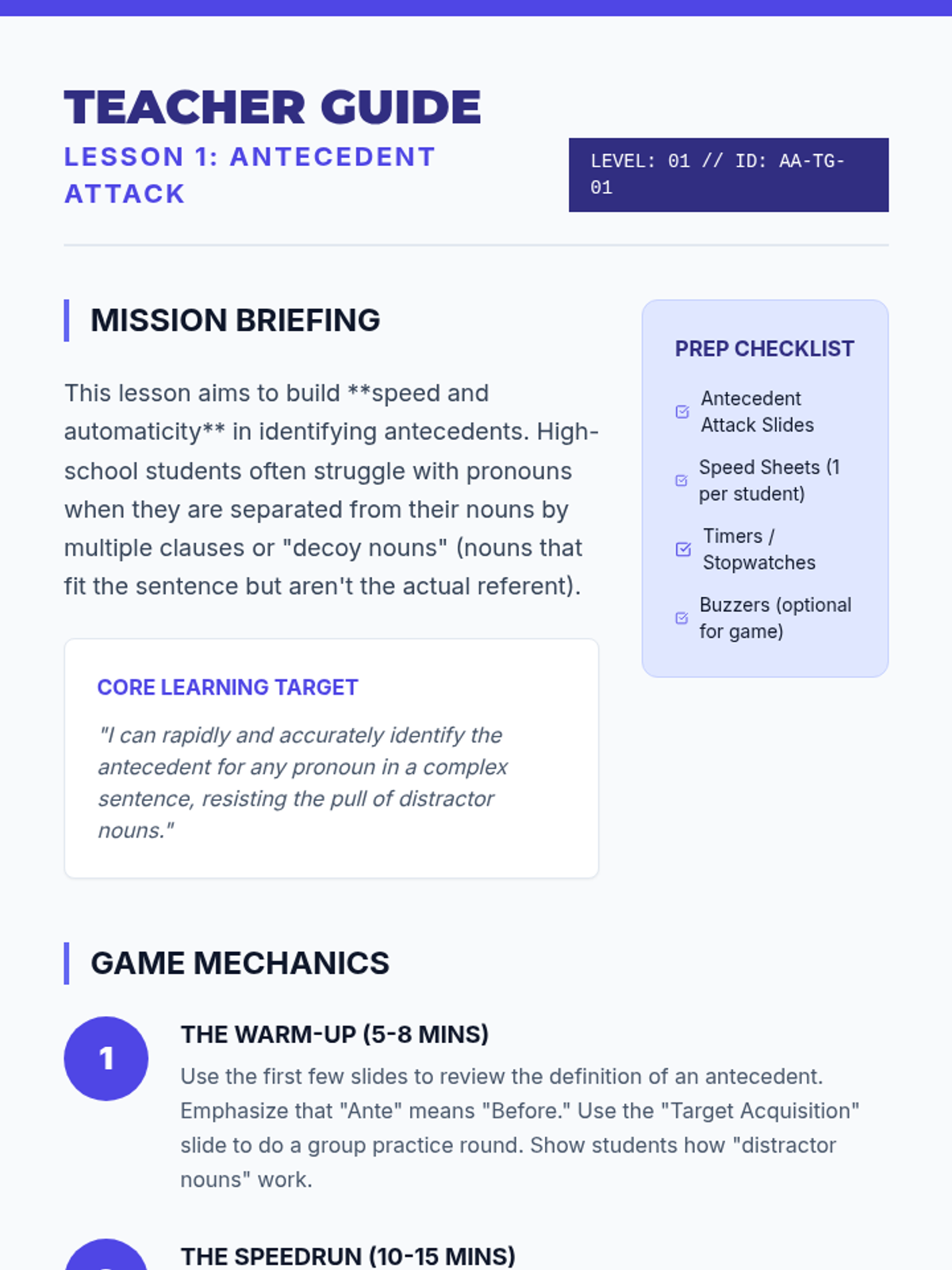
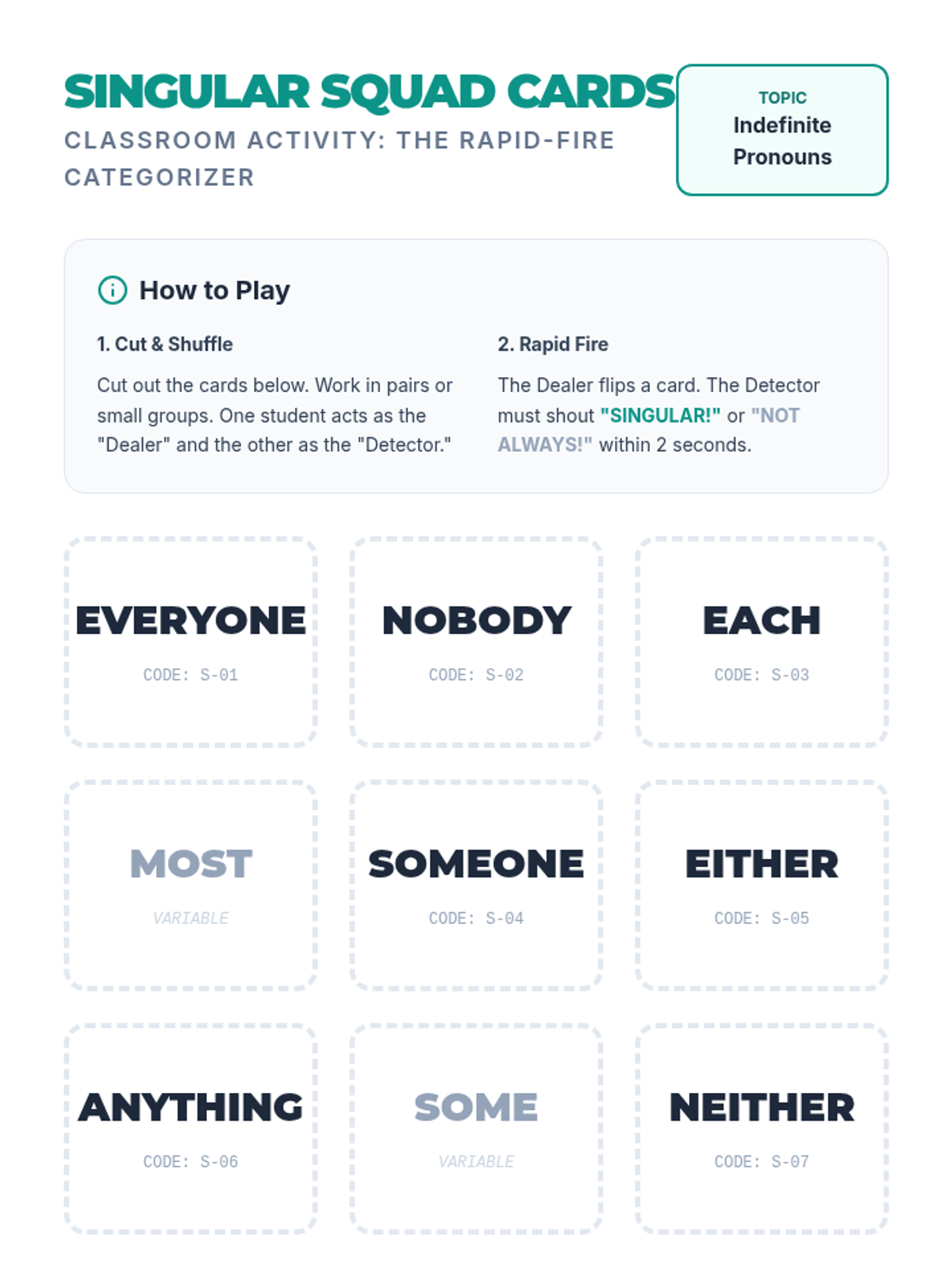
This gamified sequence for 11th-grade students focuses on mastering pronouns and antecedents through high-energy, interactive challenges. Students will move from rapid identification to solving complex agreement mazes, playing strategy games with indefinite pronouns, and escaping the 'Ambiguous Archives' by clarifying vague references.
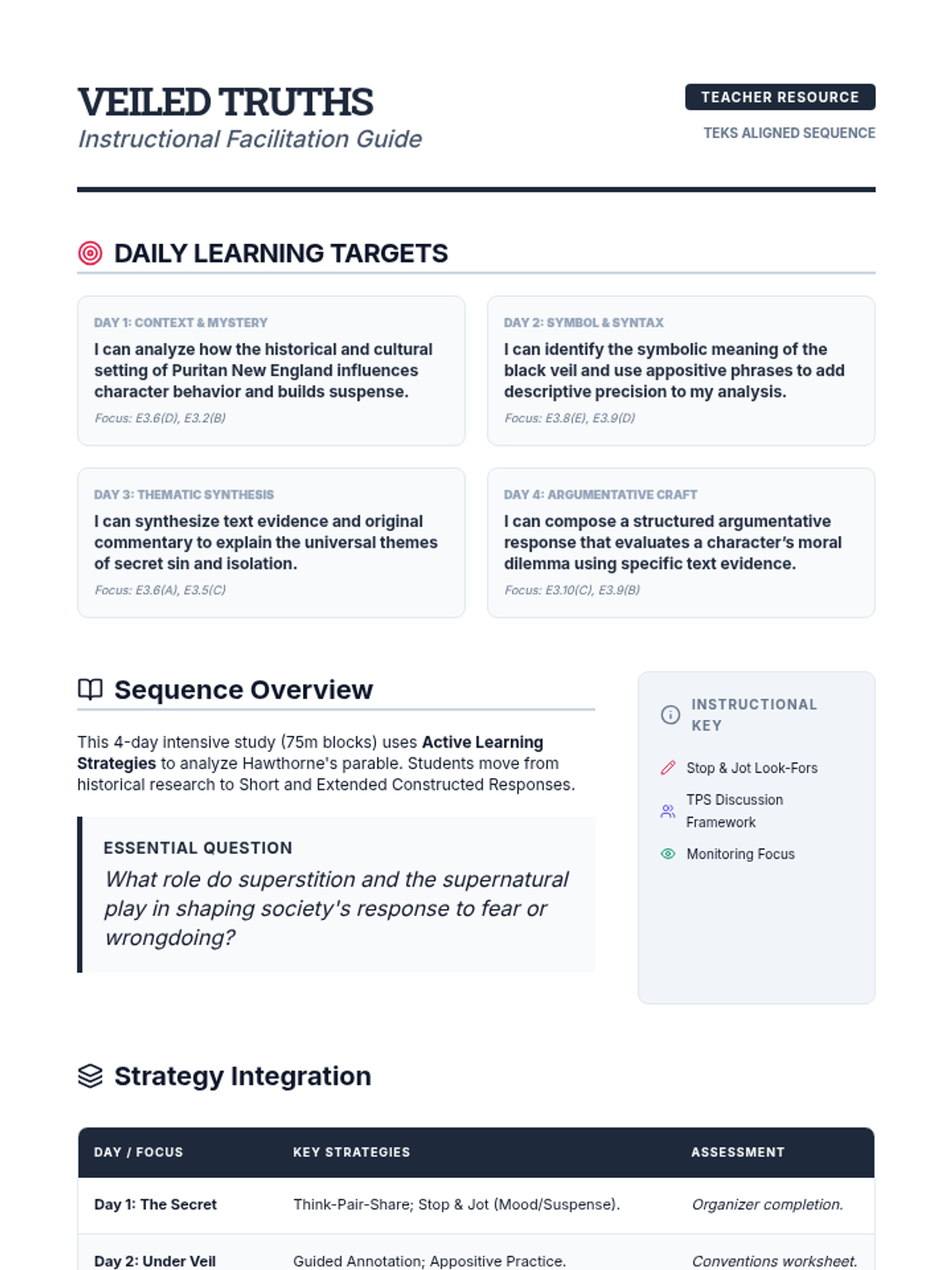
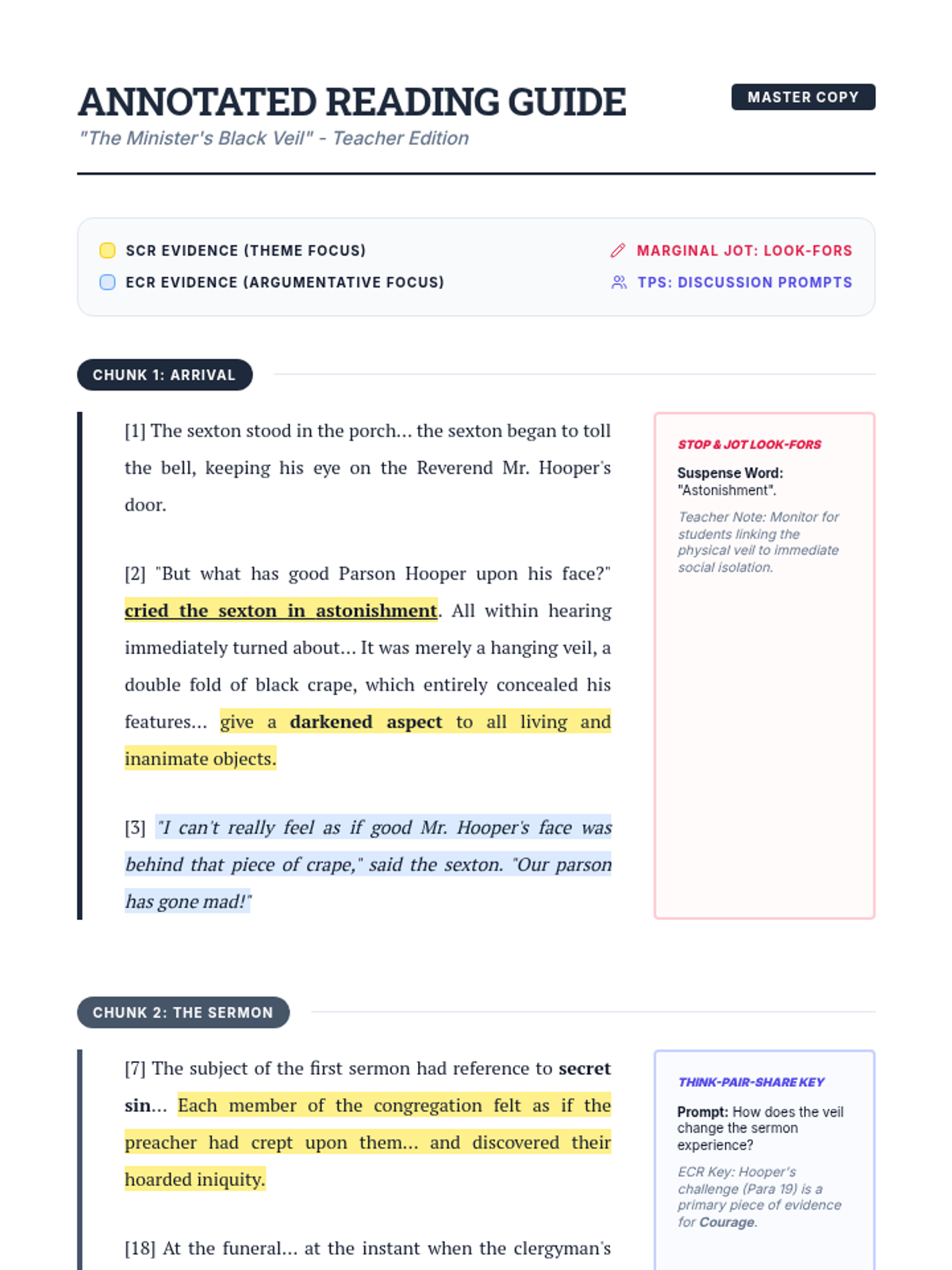
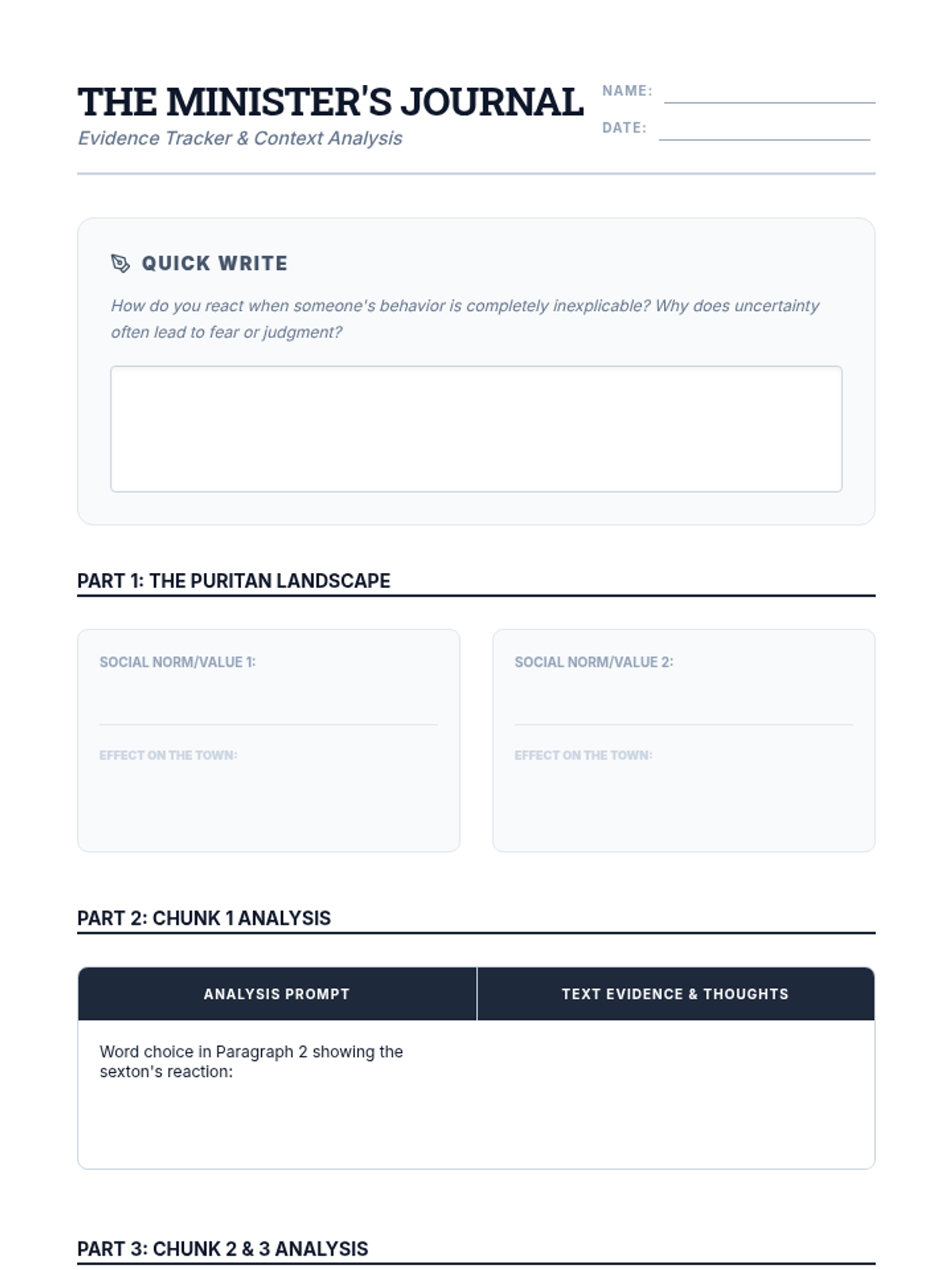
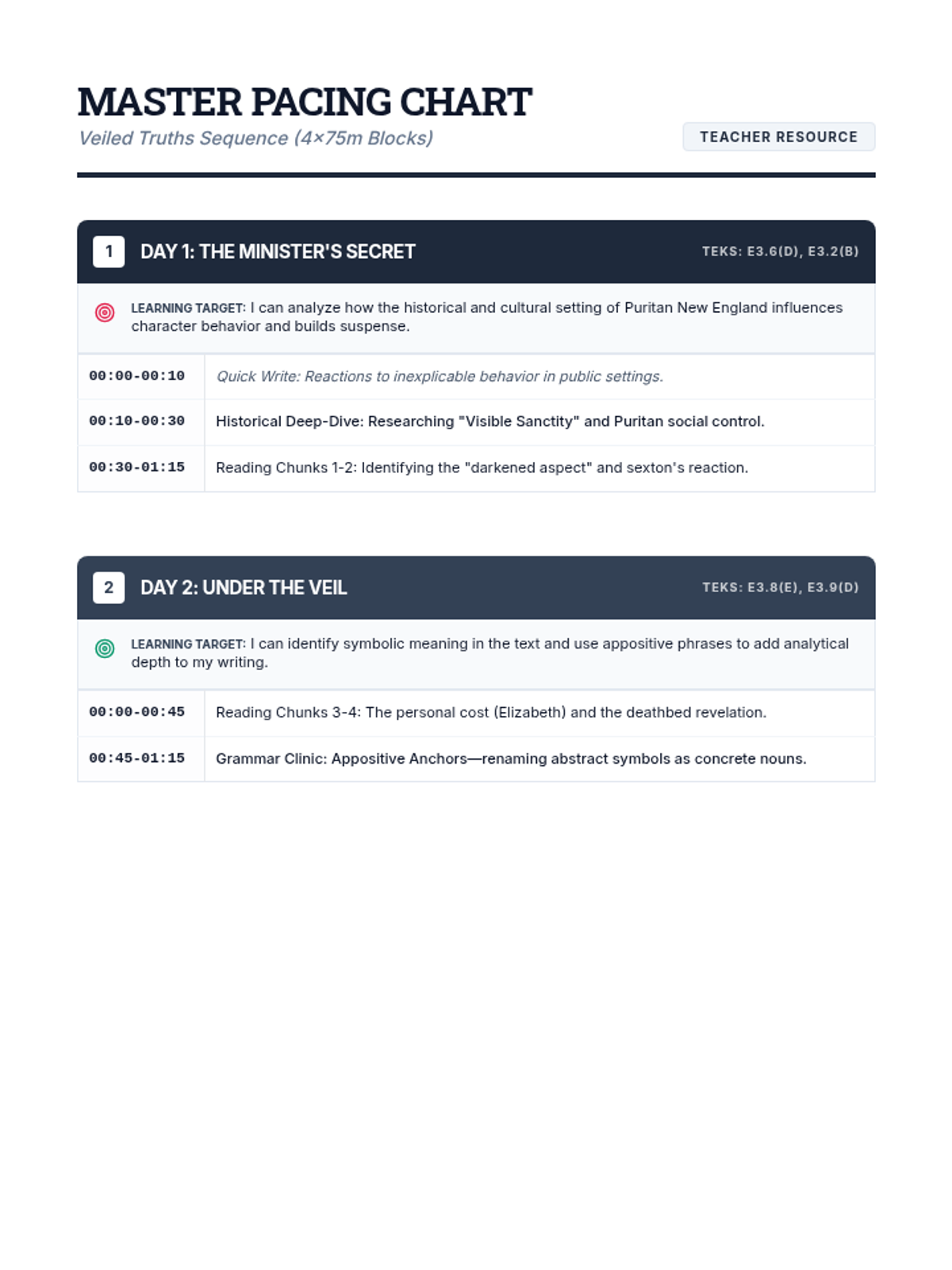
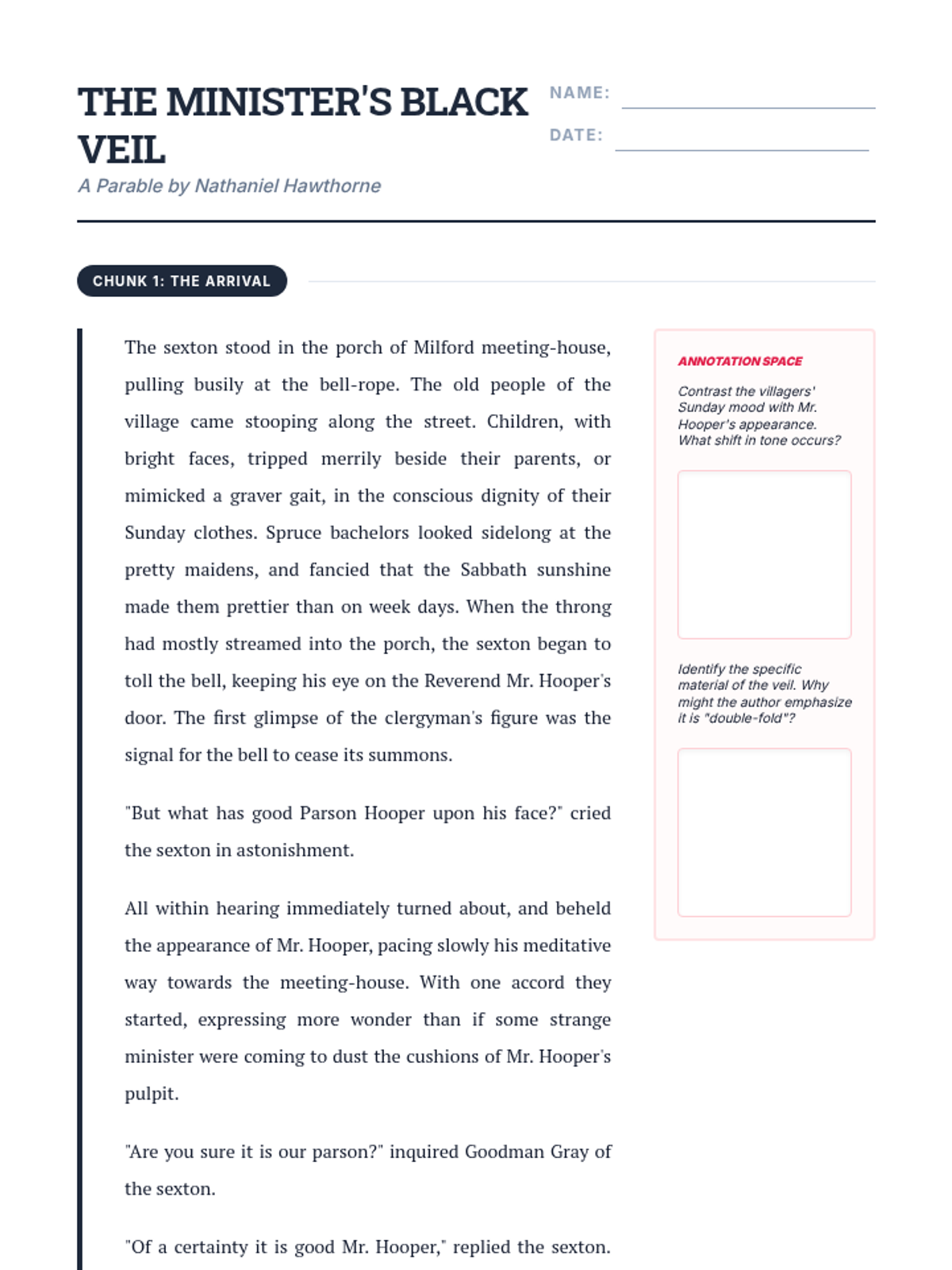
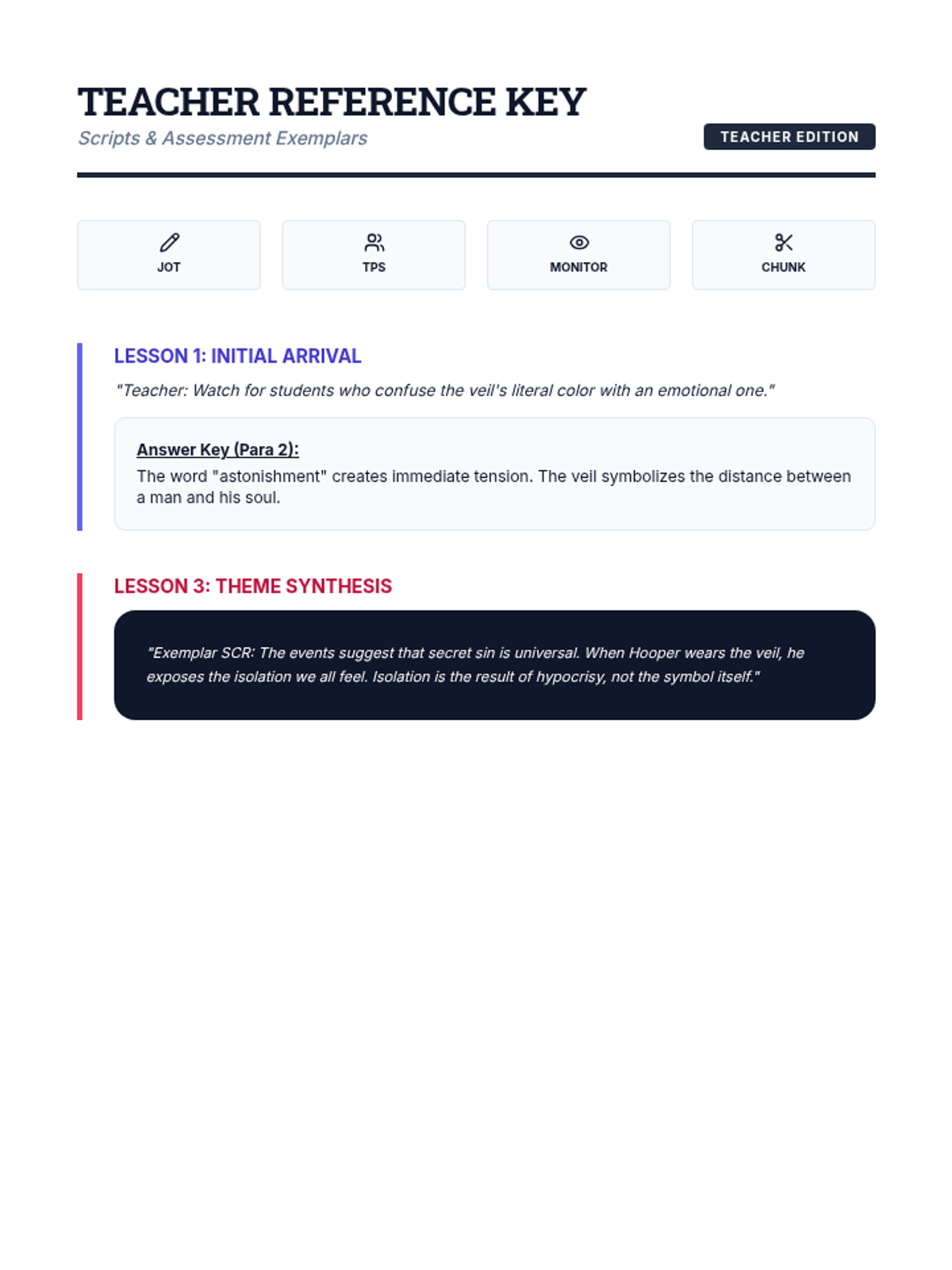
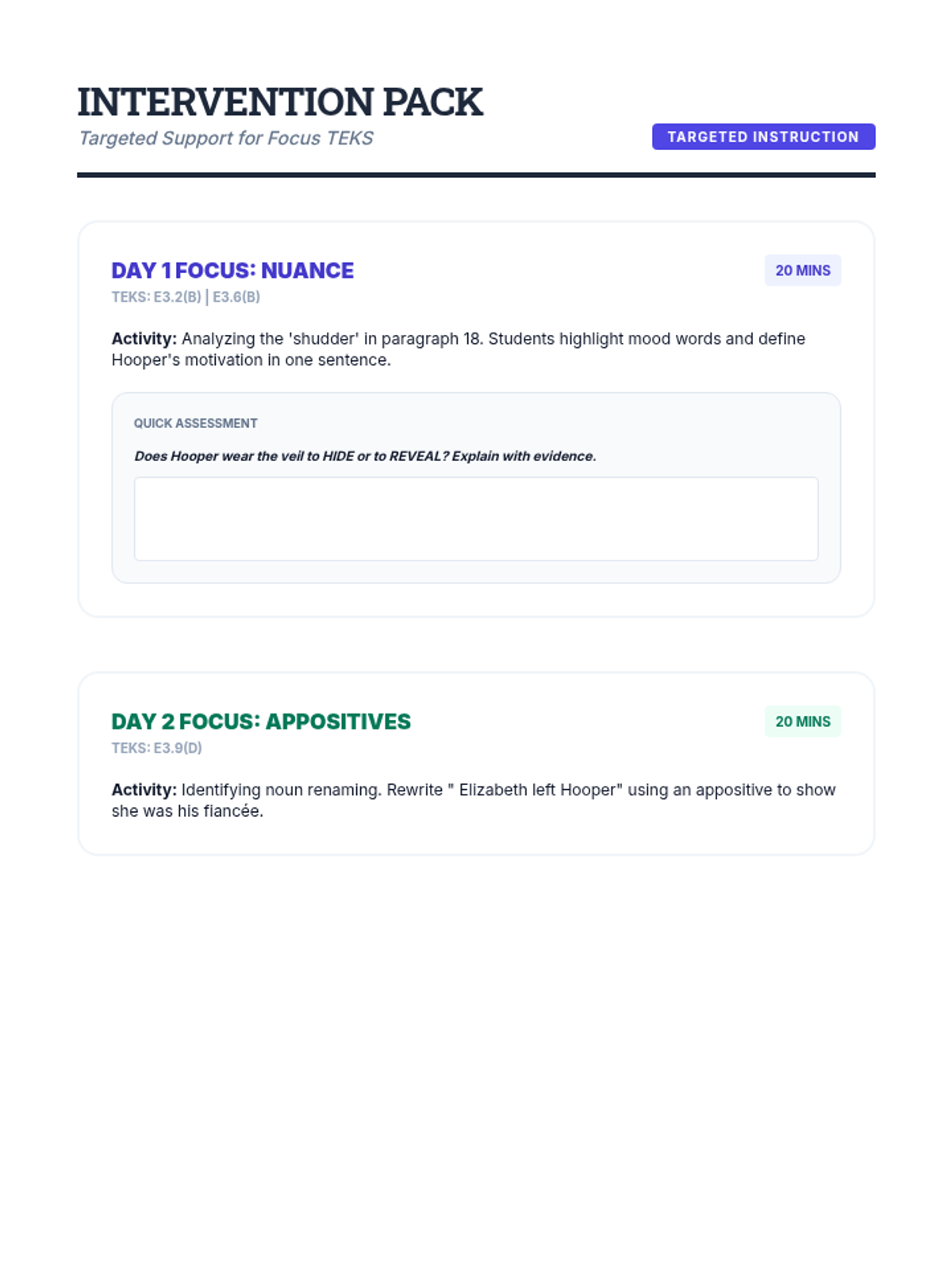
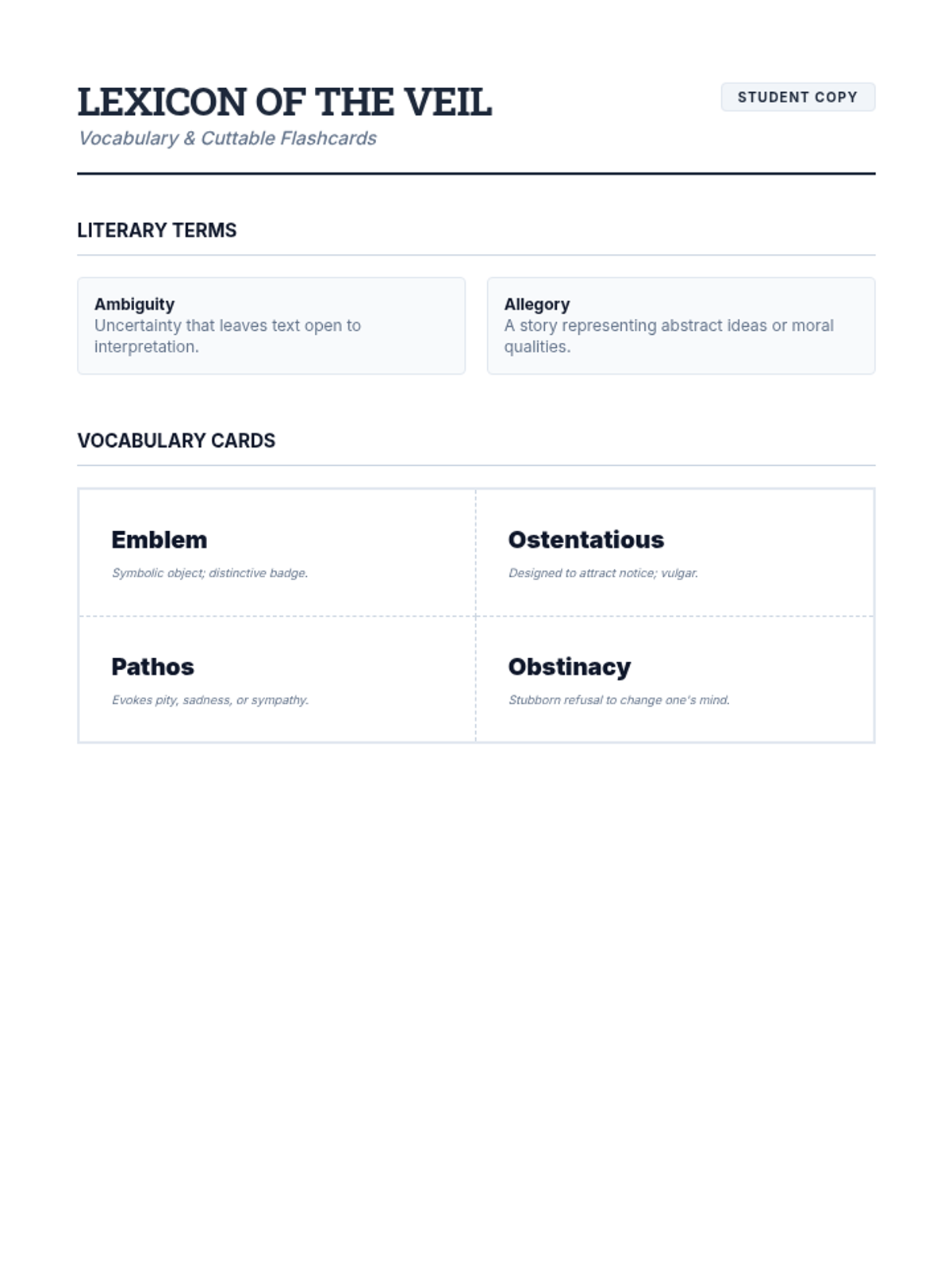
A 4-day intensive study of Nathaniel Hawthorne's 'The Minister's Black Veil,' focusing on literary analysis, theme development, and argumentative writing through the lens of Dark Romanticism and Puritan values. Students explore the ambiguity of symbols and the complexities of human guilt while mastering appositive phrases and constructing high-quality academic responses.
A comprehensive unit on the subjunctive mood, focusing on formal suggestions, demands, and wishes in high-level academic and professional communication. Students engage in simulations and formal writing to master complex grammatical structures.
A high-level grammar and rhetoric sequence for 9th-grade advanced students, focusing on negative inversion, cleft sentences, and emphatic structures to enhance persuasive writing and speaking.
A high-school level sequence exploring the nuances of the passive voice in academic and journalistic contexts, focusing on agentless passives, impersonal structures, and causative forms to enhance objectivity.
A 12th-grade ELA unit that moves beyond simple grammar to explore active and passive voice as tools for rhetorical strategy, agency, and bias. Students analyze political rhetoric, scientific writing, and media bias to master the art of voice.
A journalism-themed grammar unit where 11th-grade students act as copy editors. The sequence focuses on subject-verb agreement in professional media contexts, from breaking news tickers to headline syntax and interview transcripts.
A high-school level sequence that treats subject-verb agreement as a tool for rhetorical precision and professional credibility rather than just a set of rules. Students progress from analyzing real-world errors to mastering complex syntax and systematic editing.
A comprehensive writing sequence for 12th-grade students focused on mastering active and passive voice. Students move from basic identification using the 'zombie test' to advanced rhetorical analysis of accountability and final application in high-stakes college admissions essays.
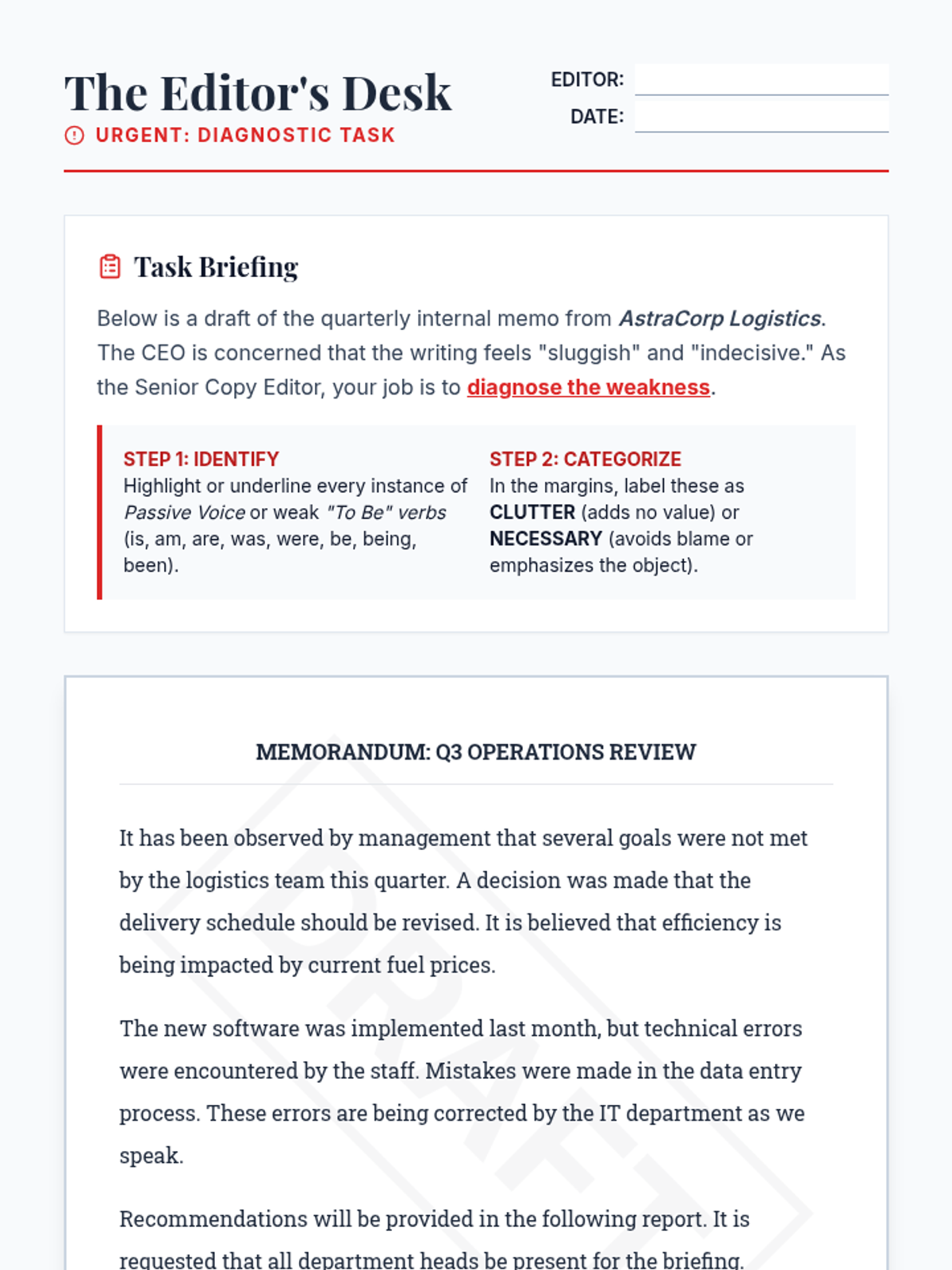
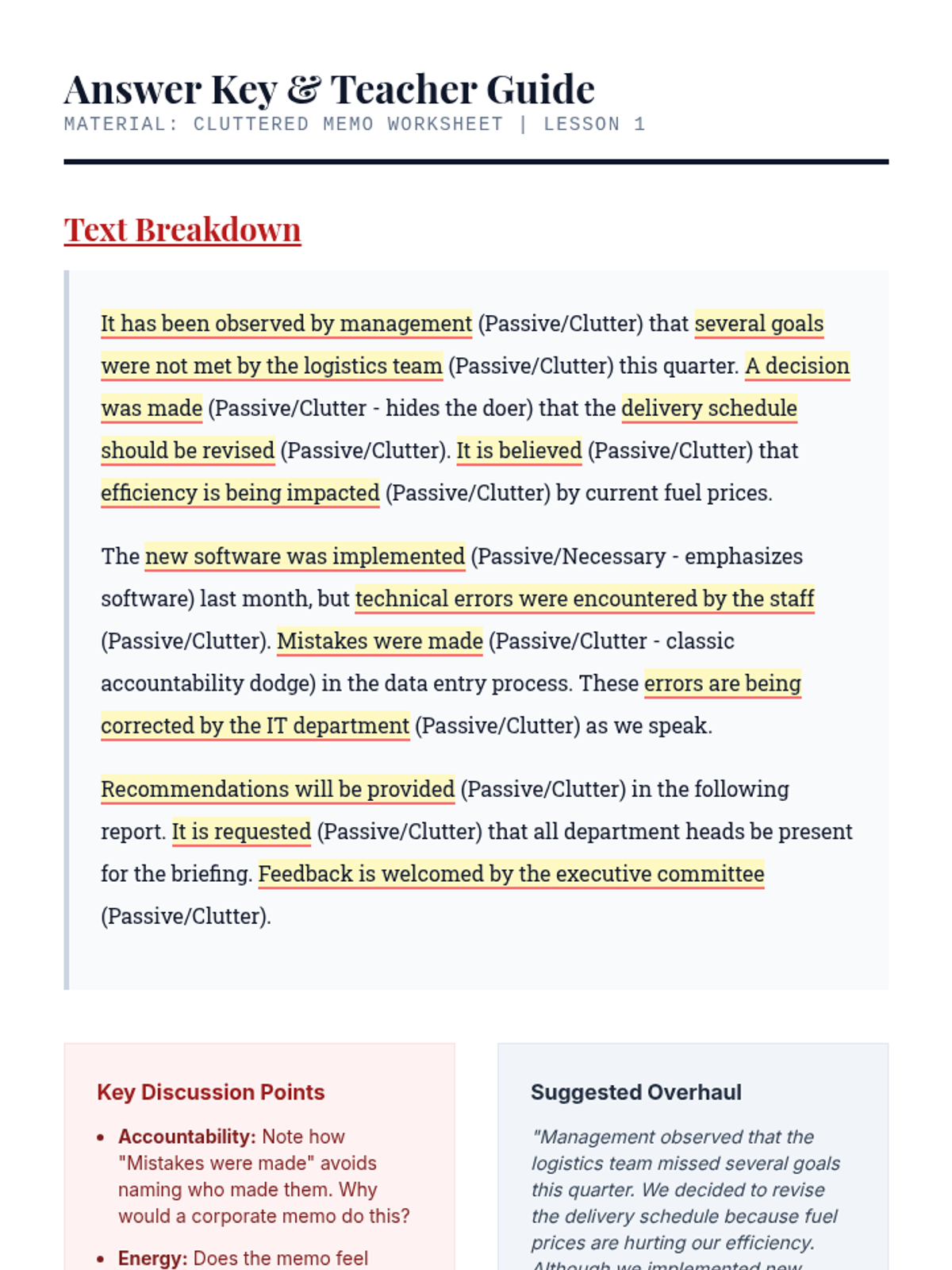
A professional editing simulation where students act as copy editors to master active and passive voice. This sequence focuses on clarity, vigor, and professional impact in non-fiction, resumes, and technical writing.
A professional simulation where students act as copy editors for a publishing house, focusing on identifying and correcting pronoun-antecedent errors across various genres. The sequence emphasizes the economic and professional value of grammatical precision.
This sequence explores the rhetorical impact of ambiguous pronouns in high-stakes contexts like law and technical writing. Students progress from identifying vague 'broad references' to constructing a portfolio of precise, bulletproof technical revisions.
This sequence explores the evolution of pronouns and antecedents, specifically focusing on the singular 'they' and gender-neutral language. Students analyze historical usage, compare modern style guides, and debate the tension between prescriptive and descriptive grammar.
A comprehensive 11th-grade English Language Arts sequence focusing on advanced pronoun-antecedent agreement in complex syntax, collective nouns, and compound subjects. Students move from diagnostic analysis to mastery-level application in academic writing.
A high-energy, gamified sequence focusing on complex pronoun mechanics, including relative pronouns, intensive pronouns, and the who/whom distinction through logic puzzles and competitive challenges.
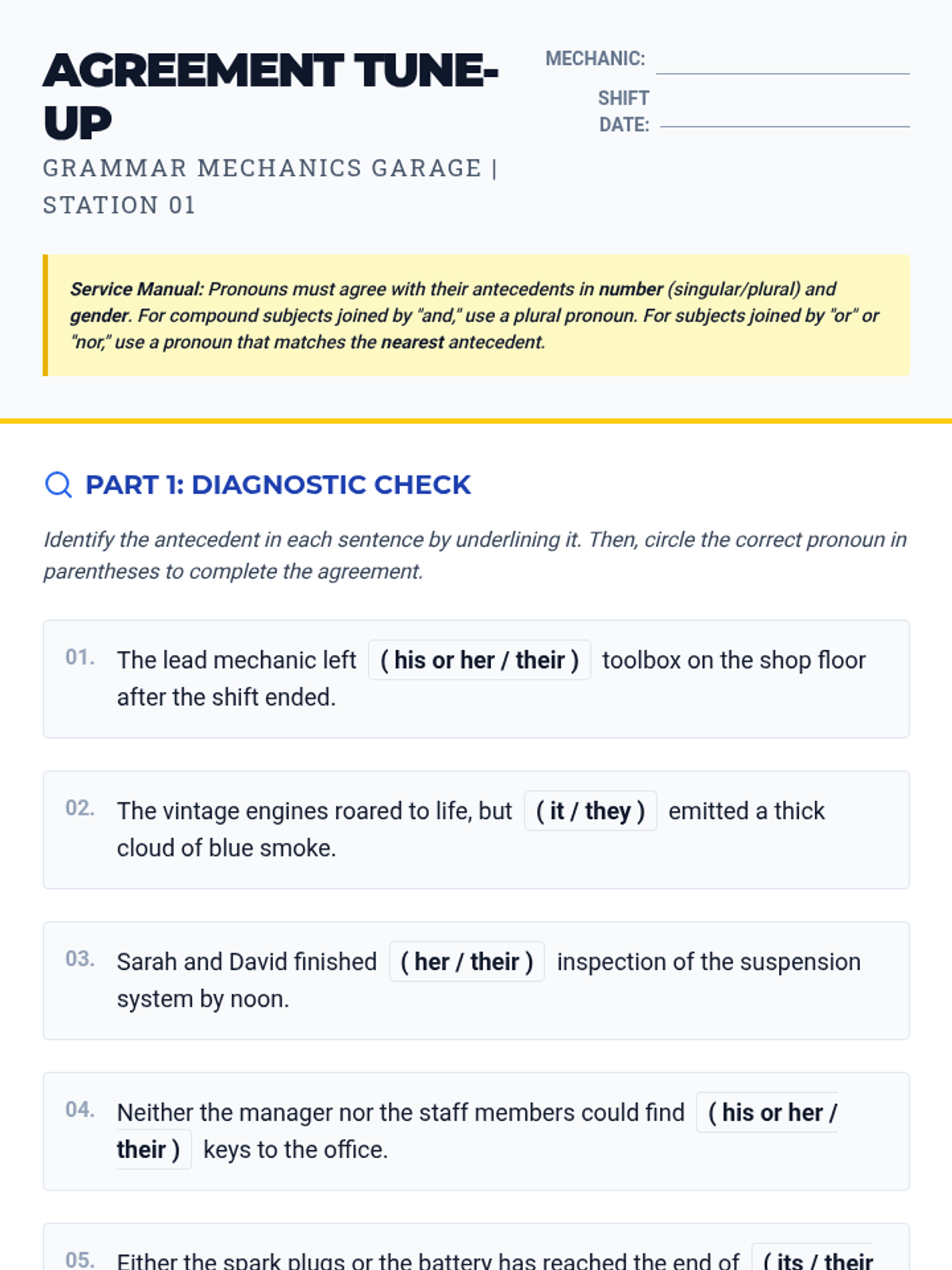
A comprehensive 9th-grade grammar unit focusing on pronoun-antecedent agreement. Students move from basic number/gender matching to complex indefinite pronouns, collective nouns, and point-of-view consistency through a 'Grammar Mechanics' theme.
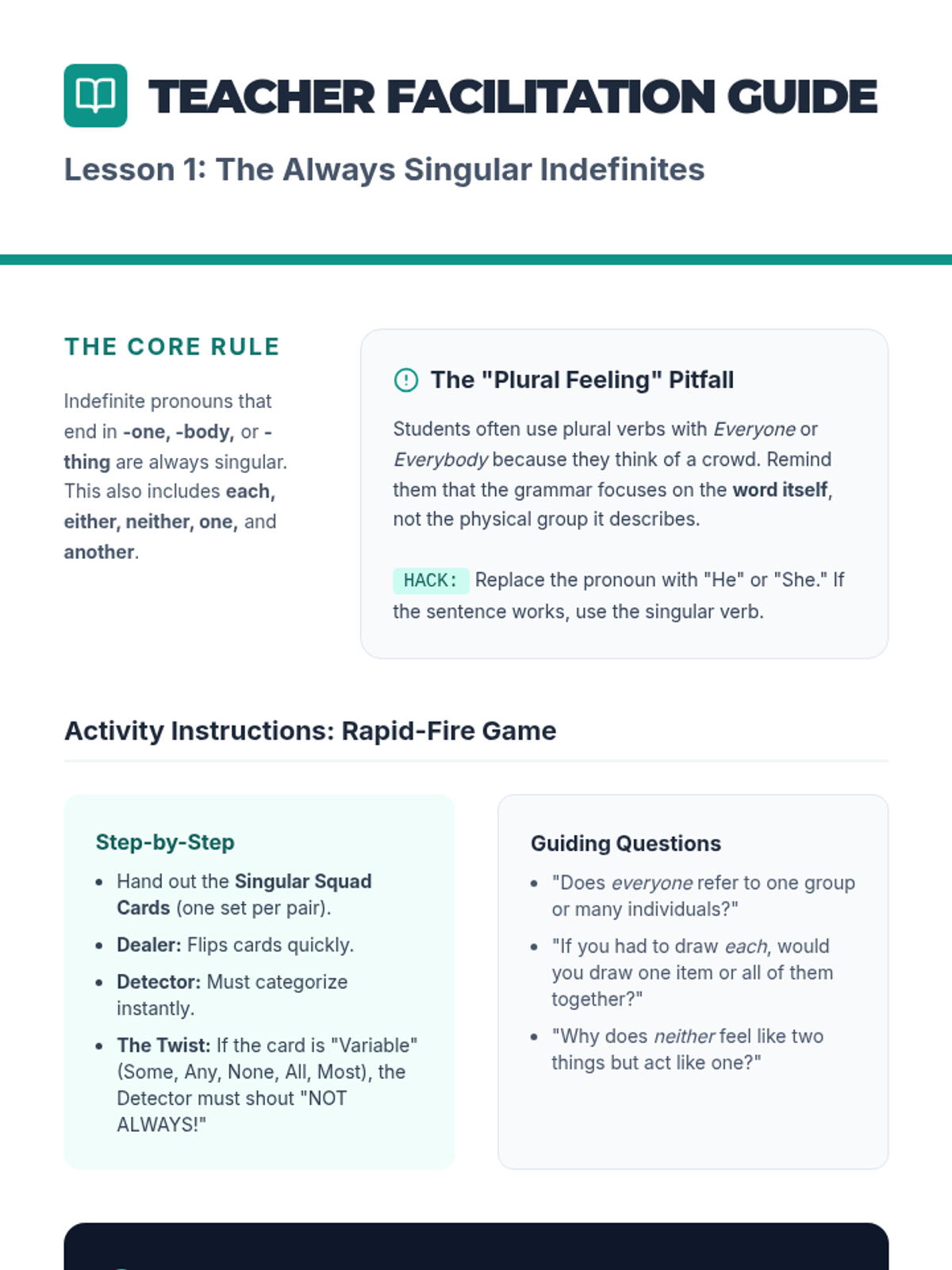
This sequence explores the nuances of subject-verb agreement with indefinite pronouns, variable subjects (SANAM), adjective clauses, and verbal phrases (gerunds and infinitives). Students progress from memorizing singular categories to applying logical linguistic rules in complex sentence structures.
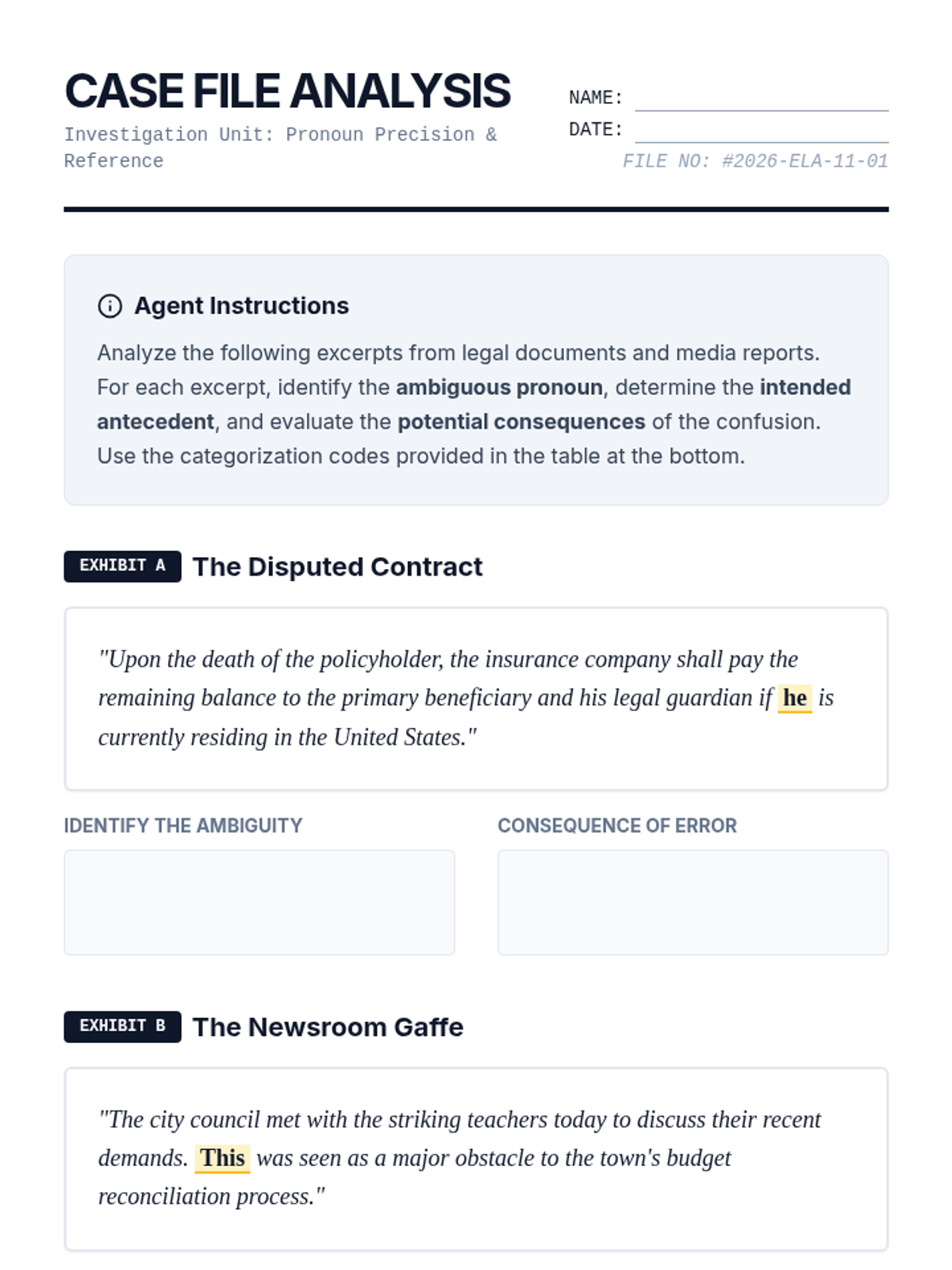
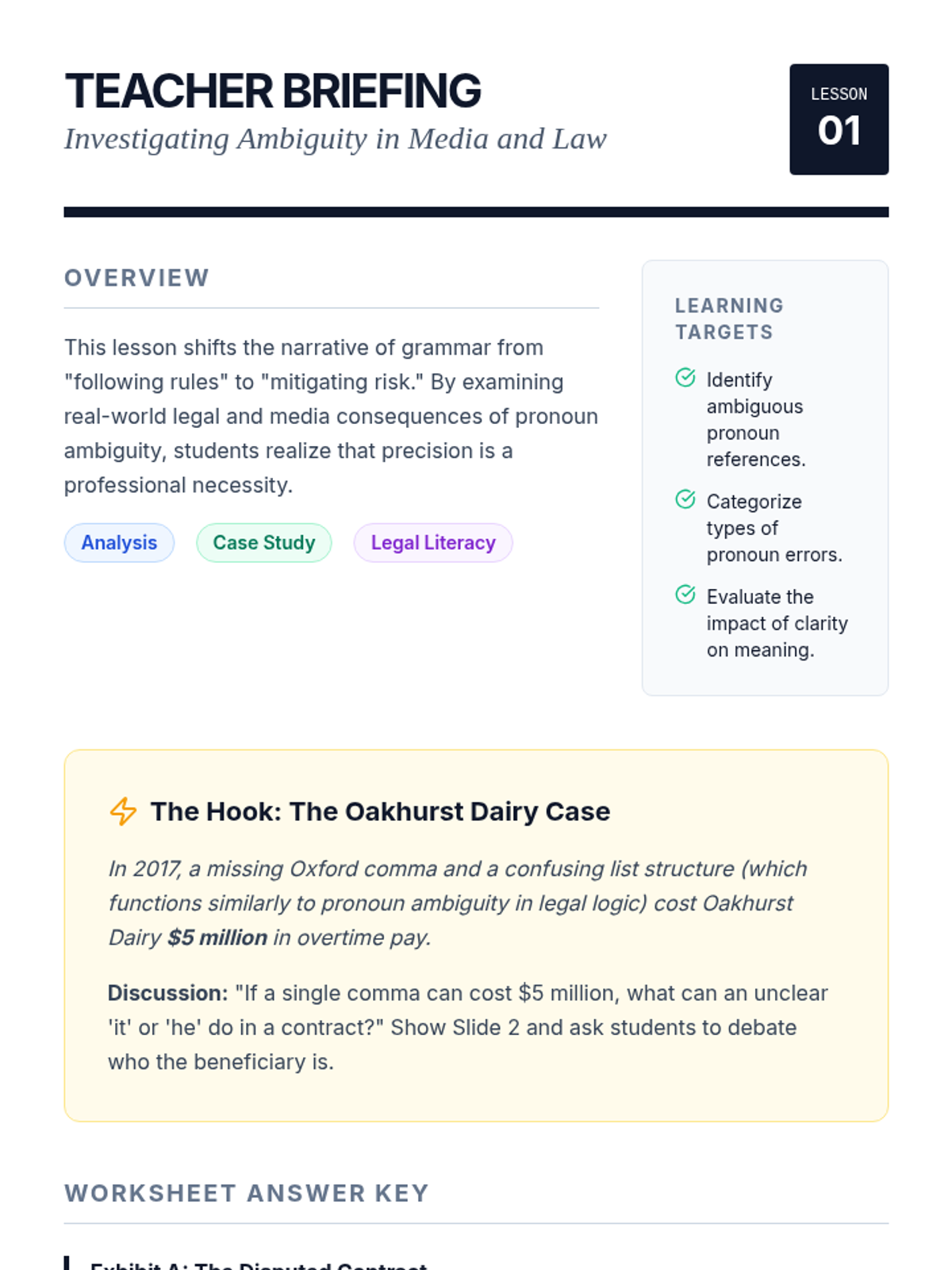
An inquiry-based exploration of pronoun precision in legal, professional, and rhetorical contexts. Students analyze how pronoun ambiguity can lead to significant real-world consequences, from legal disputes to loss of rhetorical power.
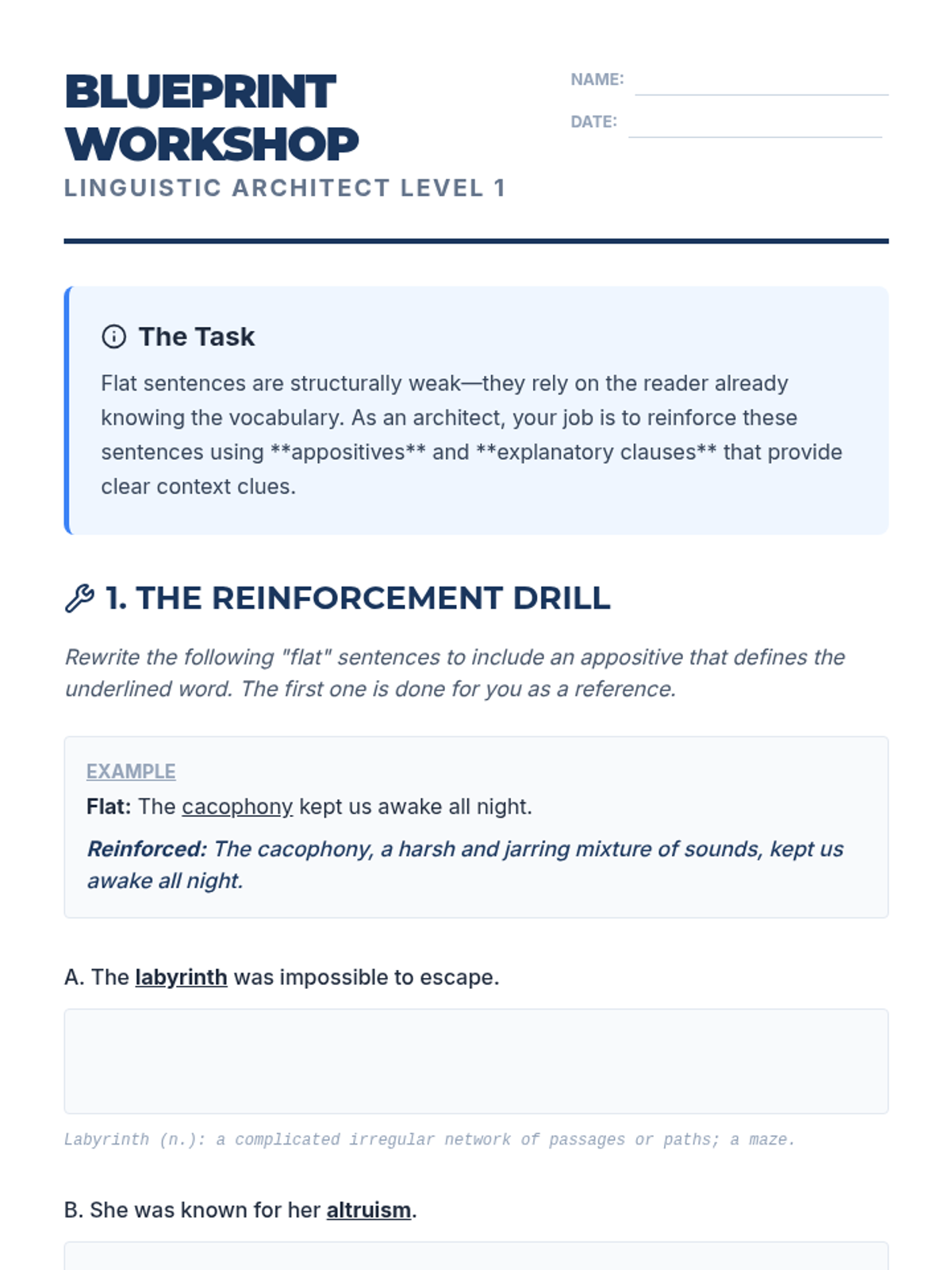
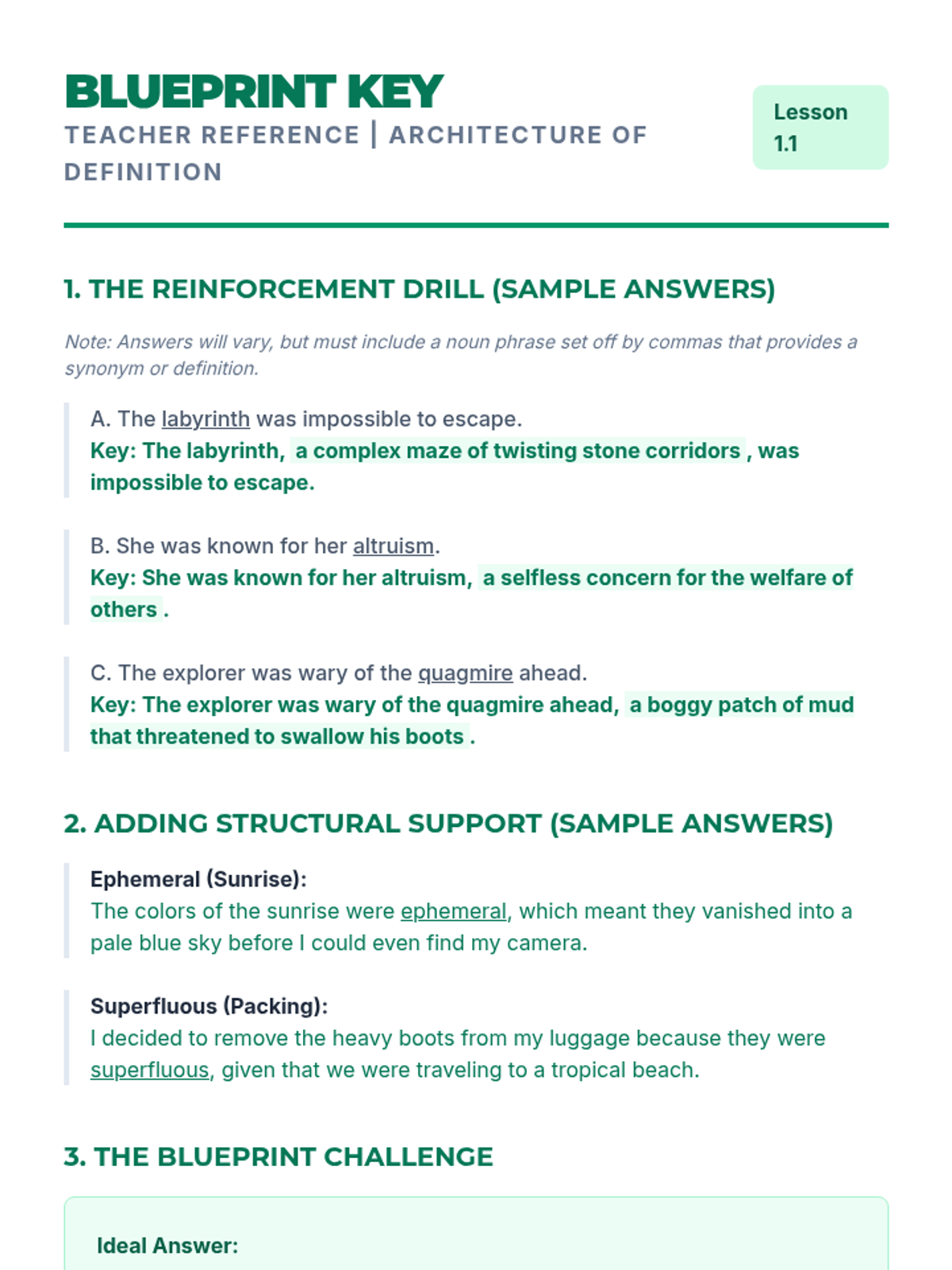
A writing-centered approach to context clues where students act as 'linguistic architects' to construct sentences that define difficult vocabulary through appositives, examples, and restatement.
A comprehensive 11th-grade advanced reading sequence focused on technical literacy, data synthesis, and professional communication. Students simulate the role of research analysts to master complex academic texts and synthesize conflicting information.
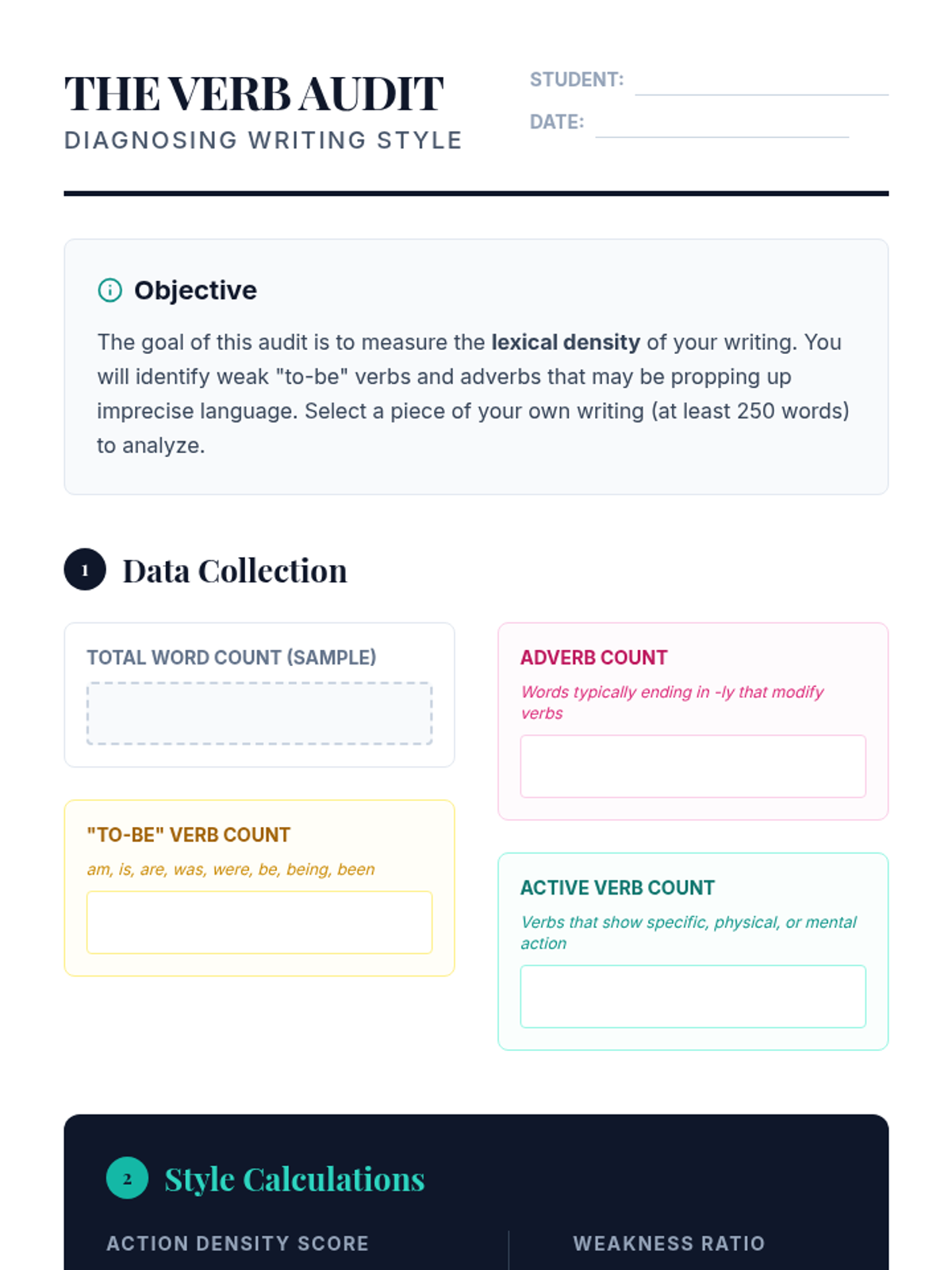
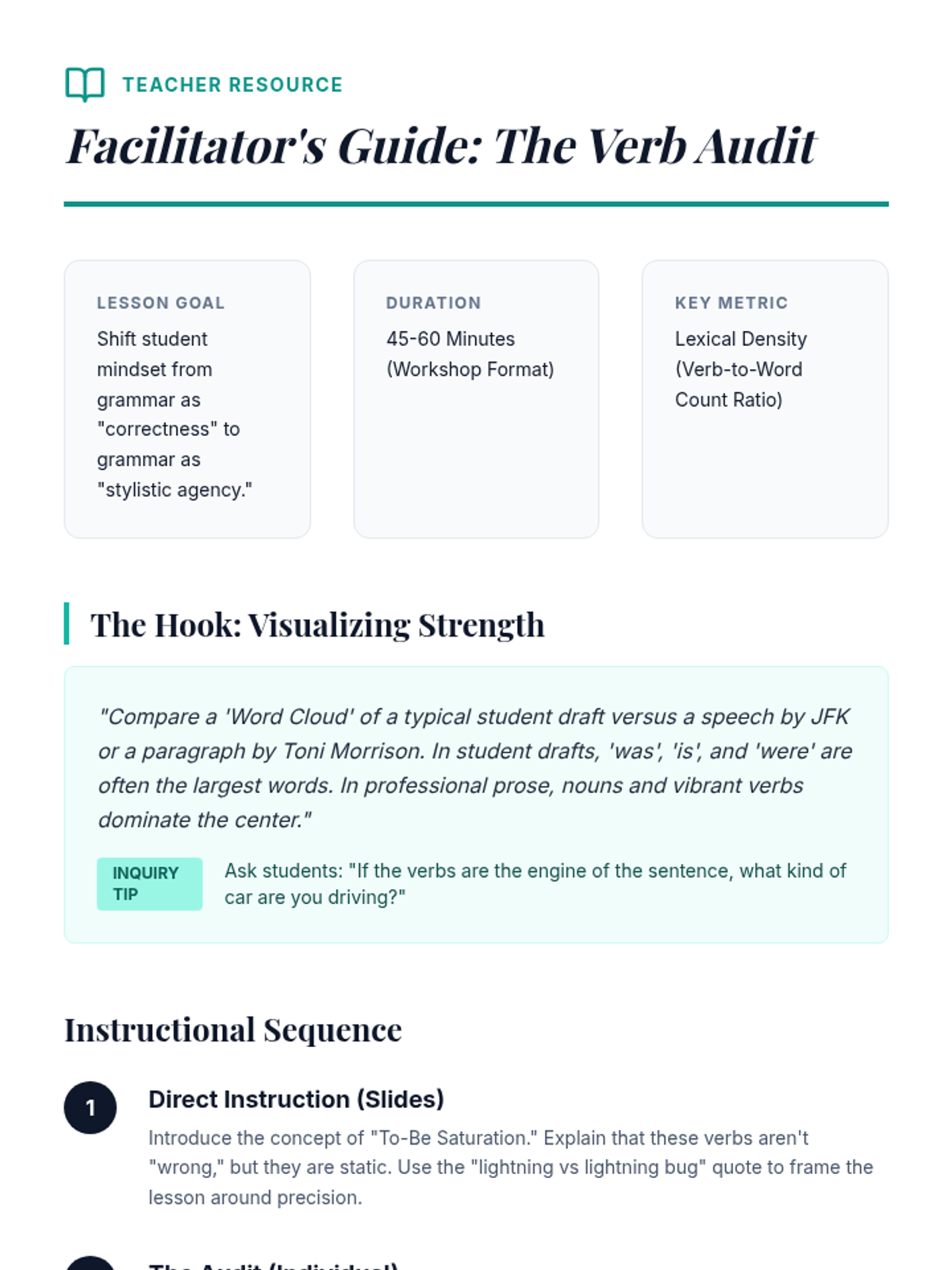
A 12th-grade ELA sequence focused on the stylistic power of verbs. Students move from auditing their own writing for weak verbs to mastering the use of precise, metaphorical, and academic verbs to enhance clarity and tone.
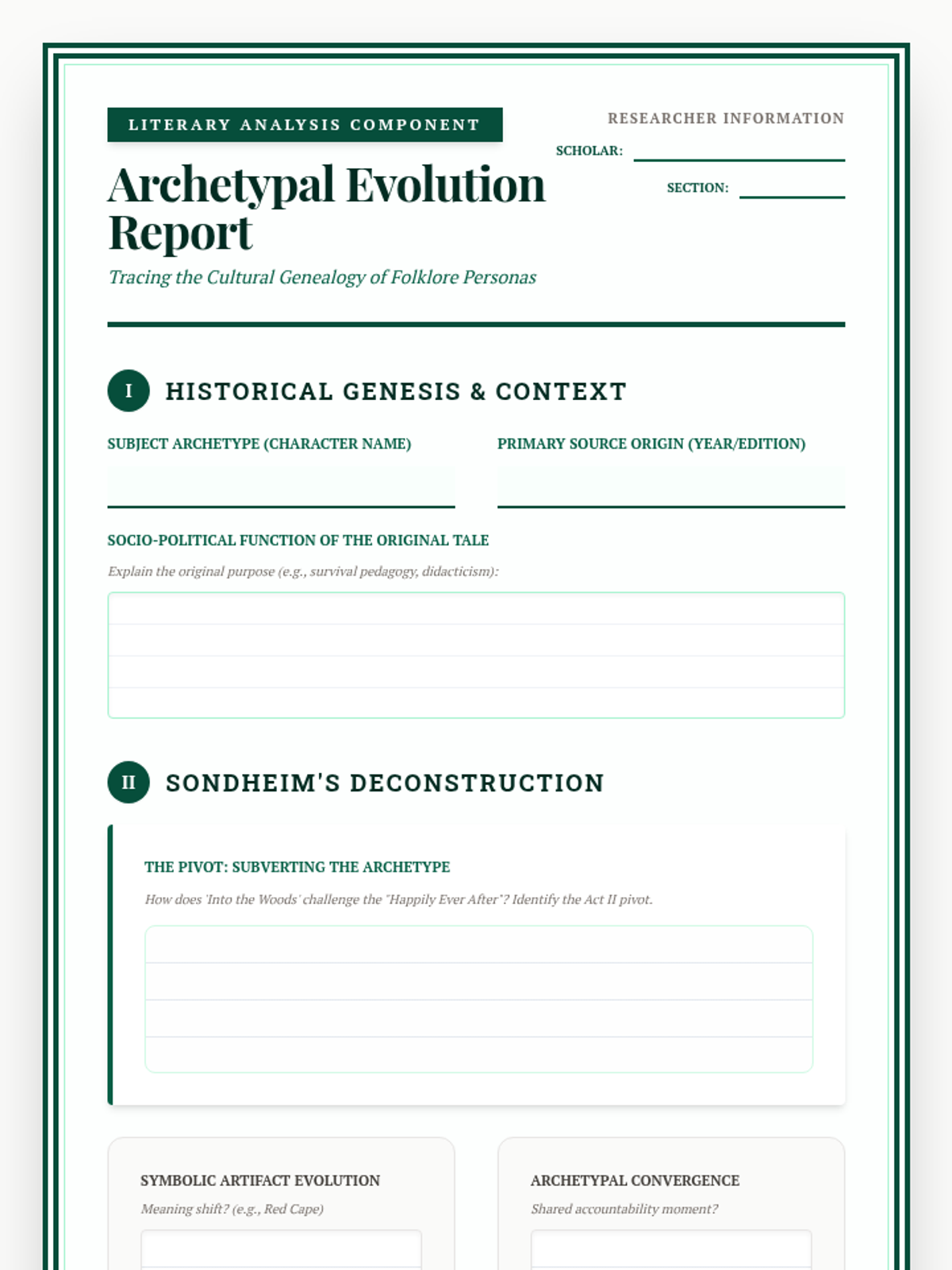
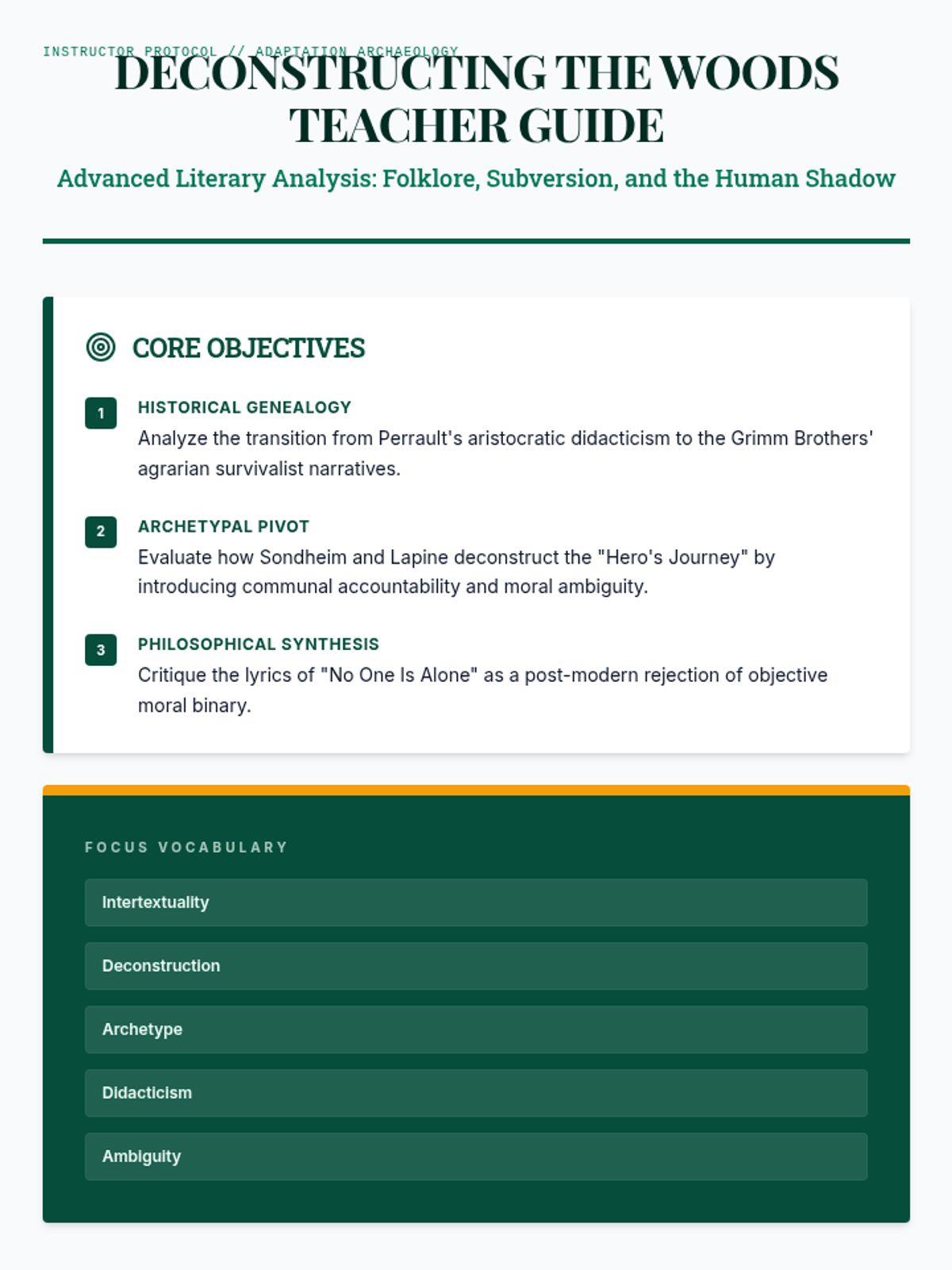
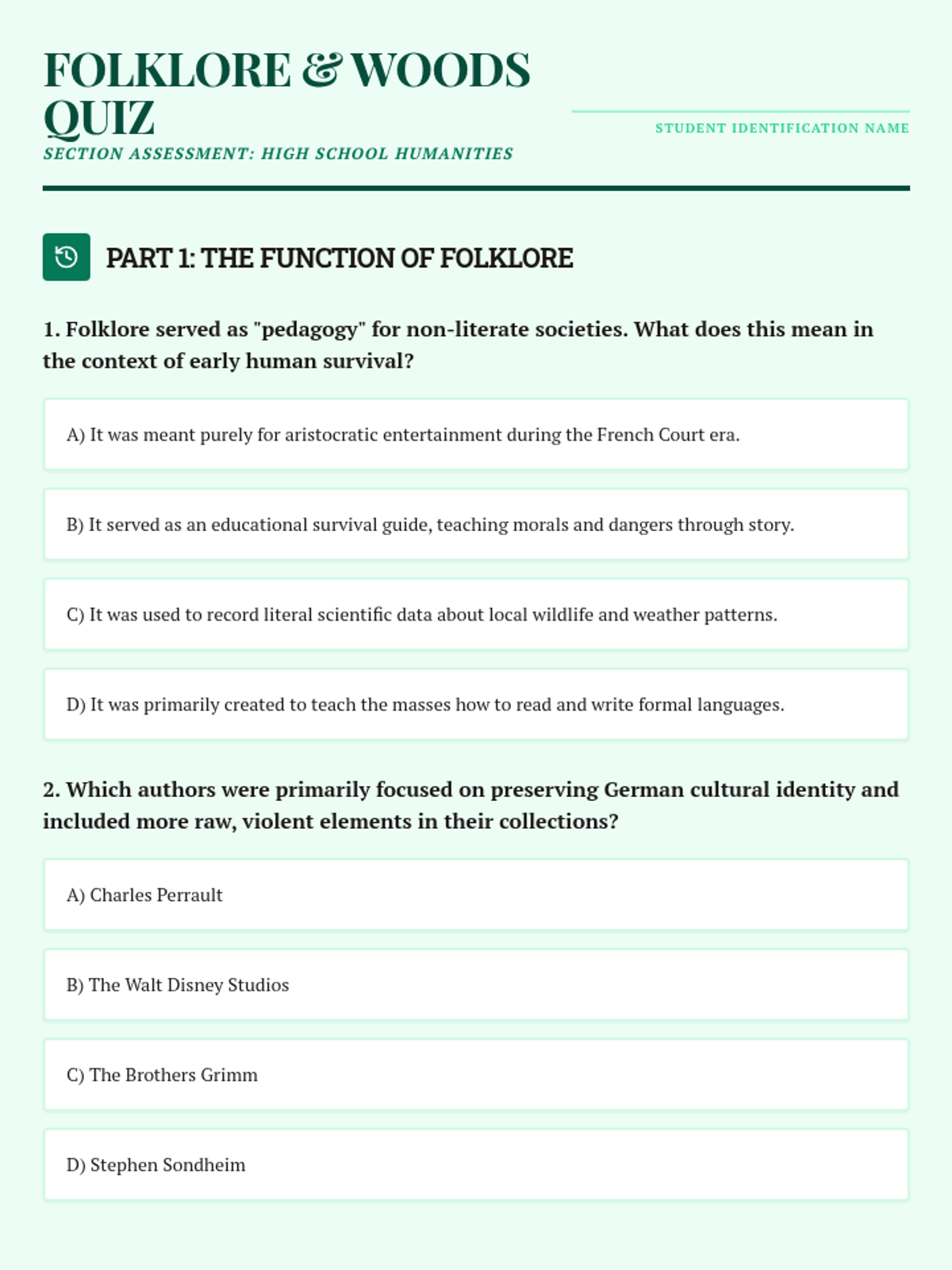
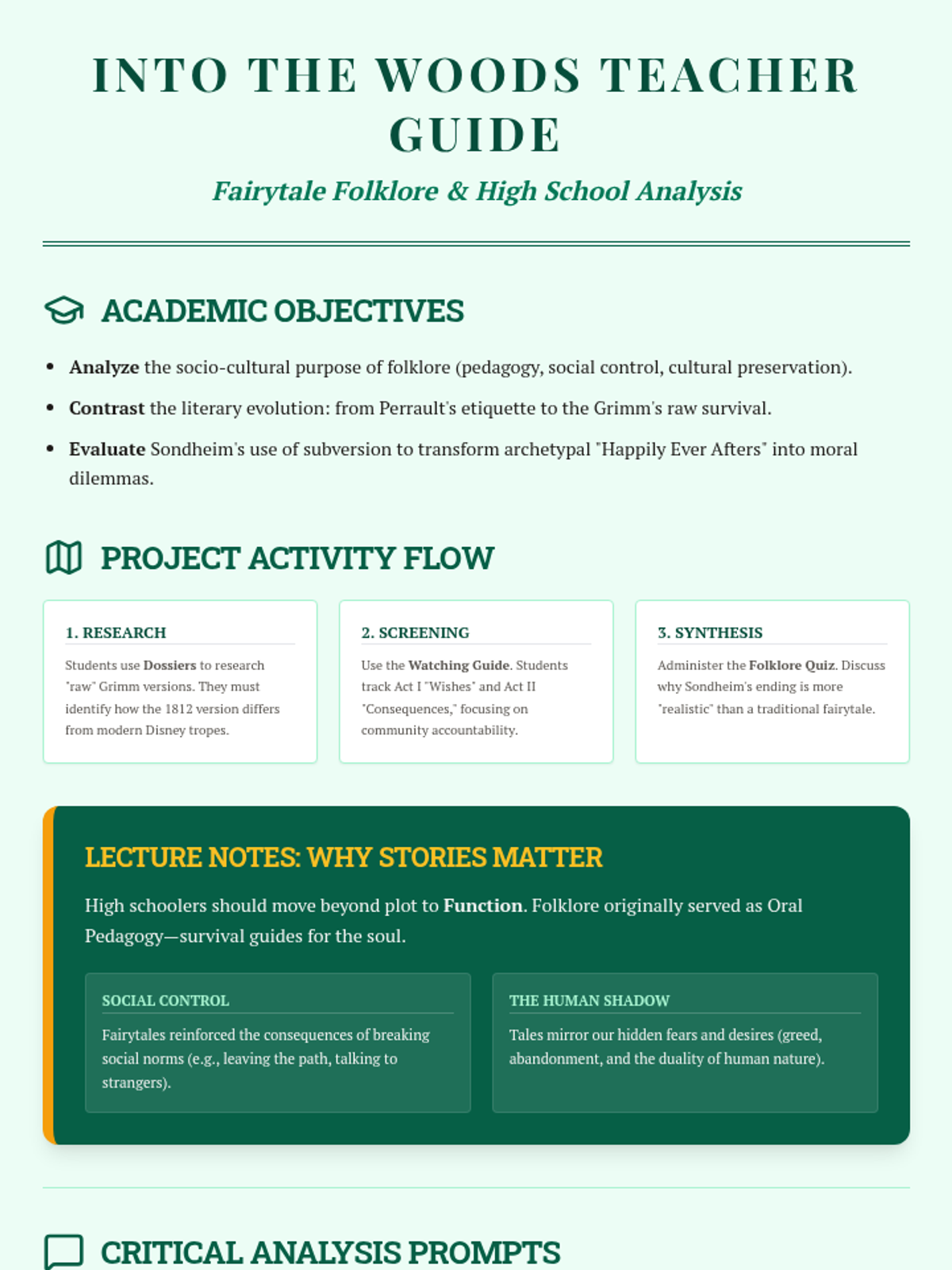
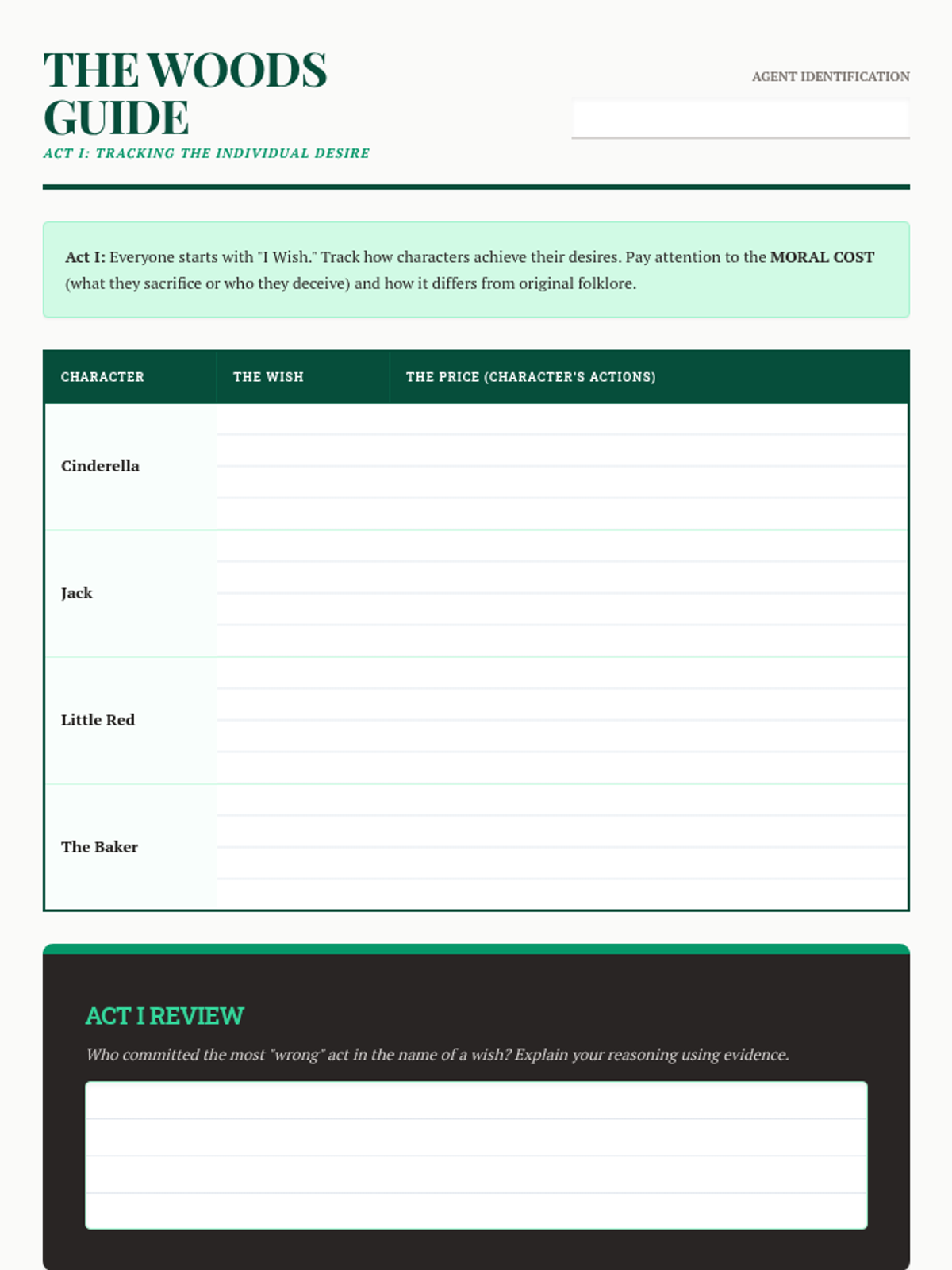
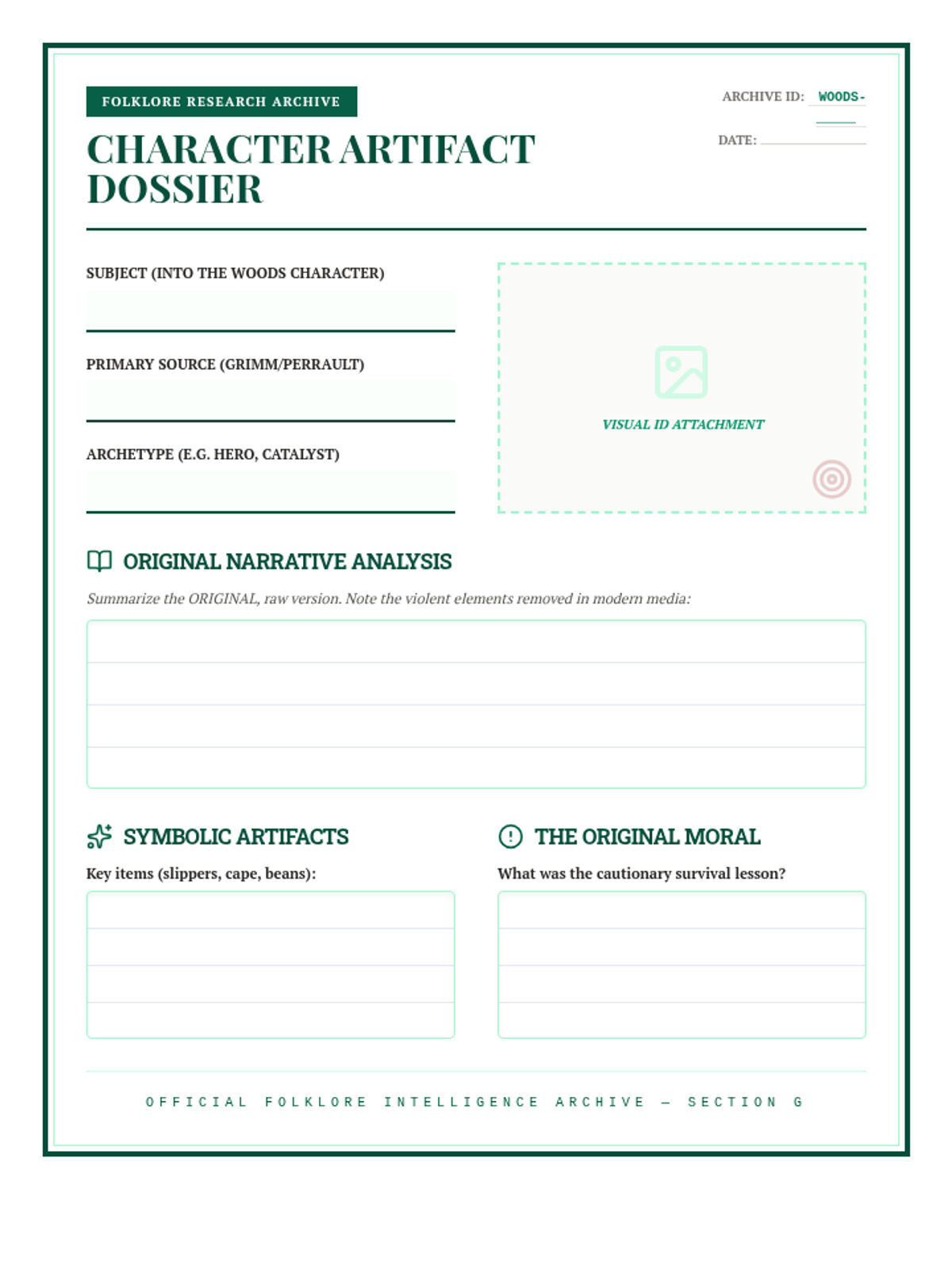
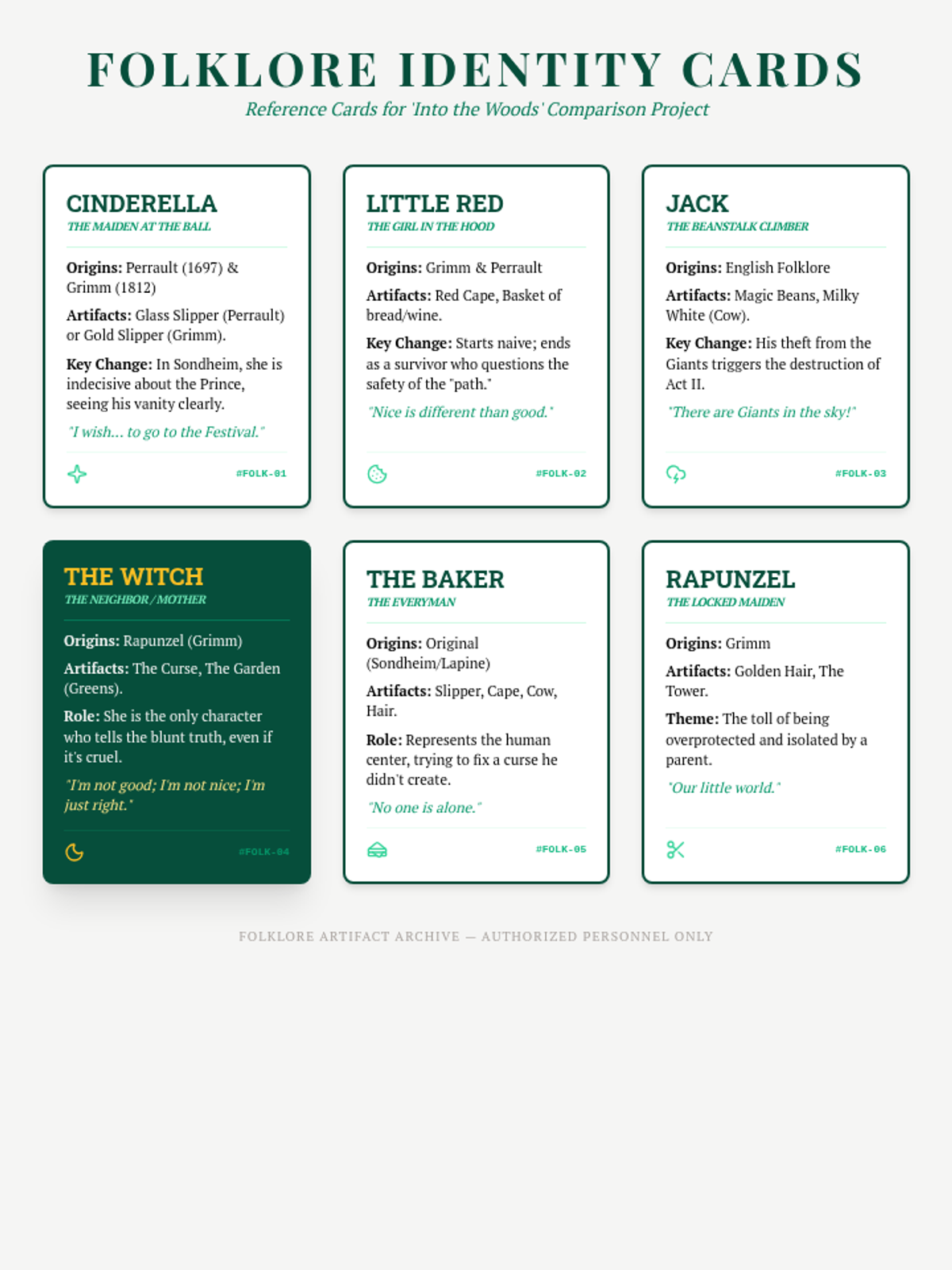
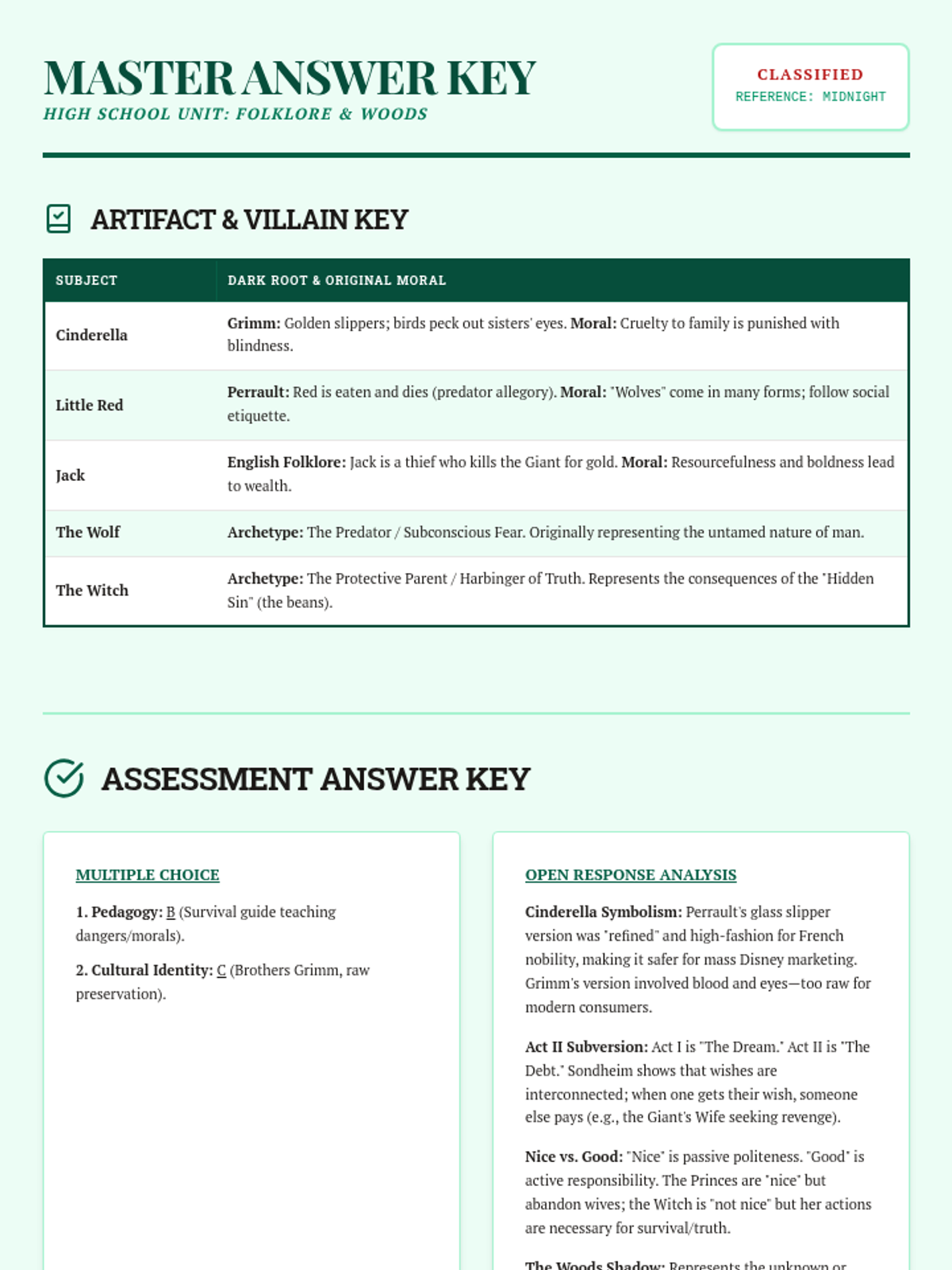
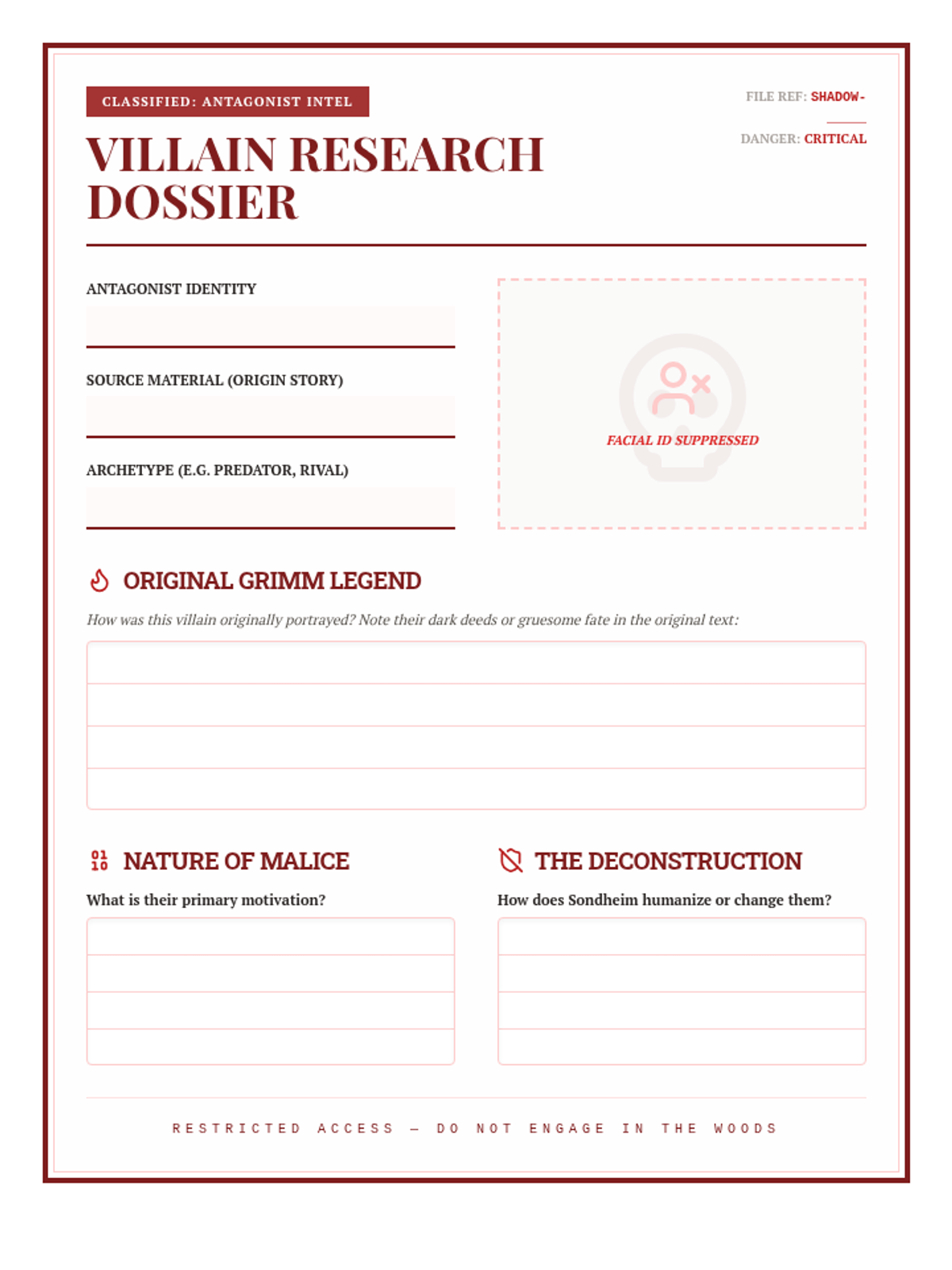
An advanced literary sequence for high school sophomores exploring archetypal evolution, intertextuality, and the deconstruction of folklore across Victorian literature and modern musical theater. Students analyze the socio-cultural shifts that transform classic legends into modern subversive narratives.
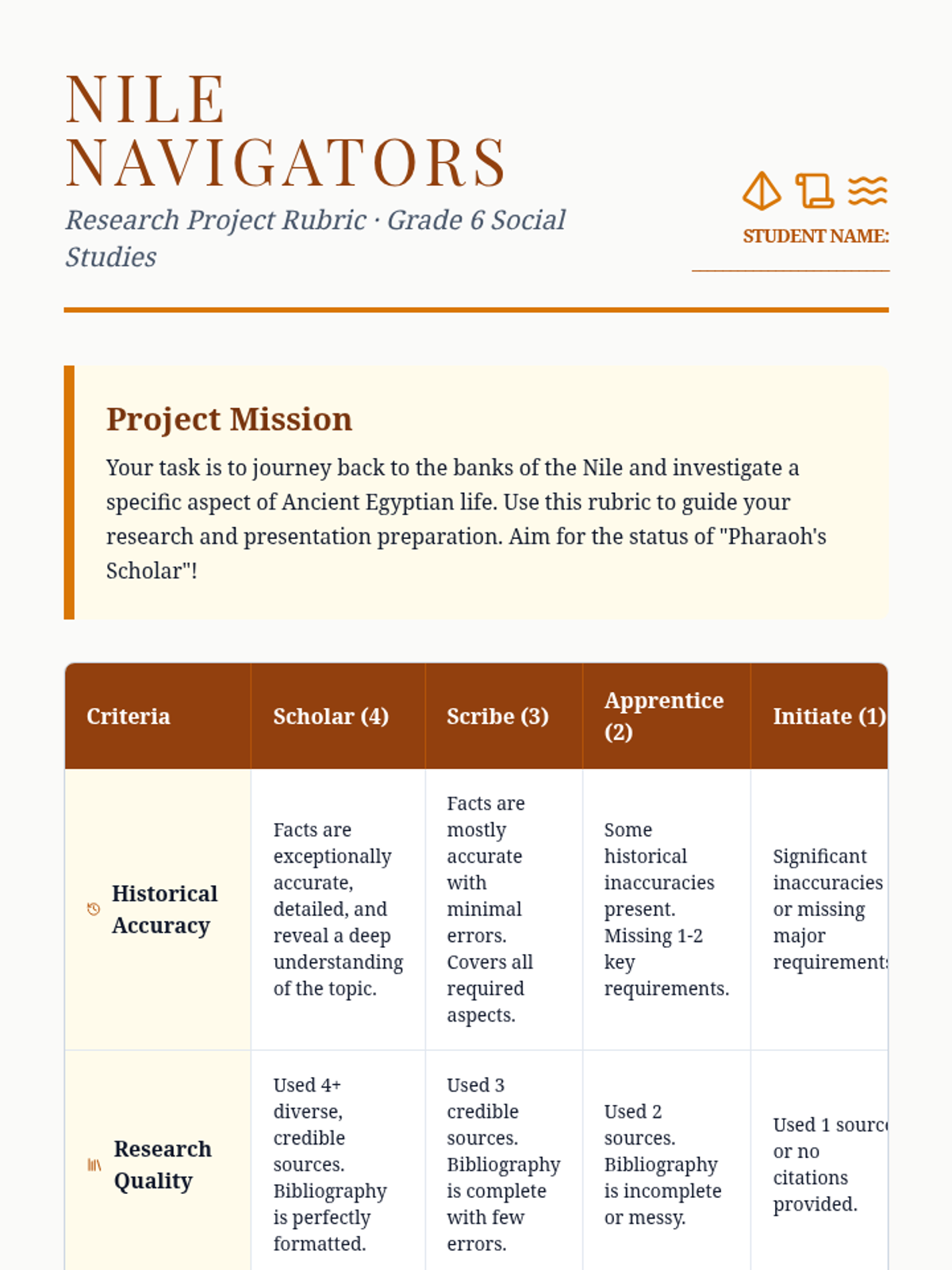
A collection of diverse educational resources across multiple grade levels and subjects, including social studies projects, science safety, early literacy, and writing assessment.
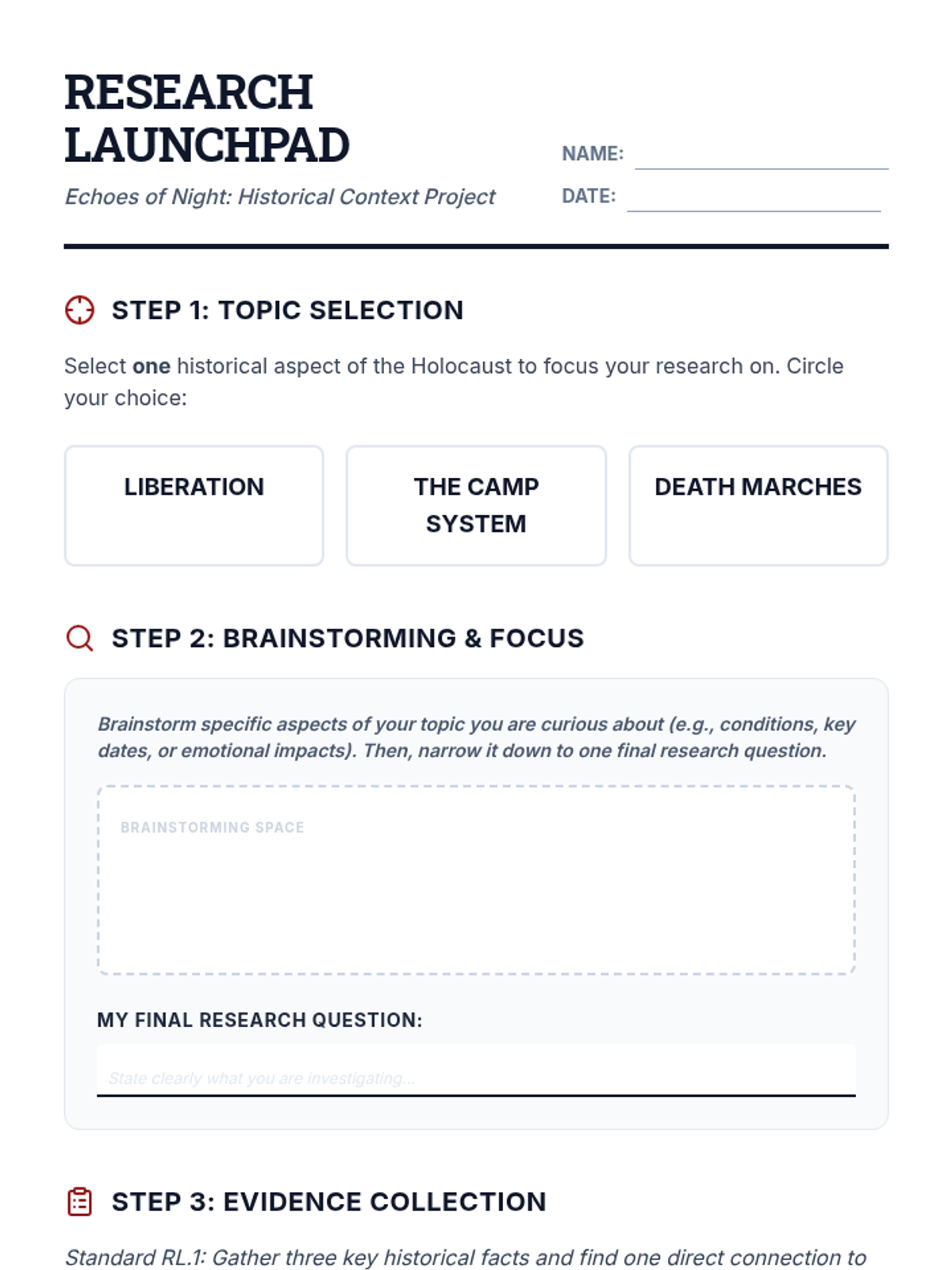
A 3-day research unit focused on the historical context of Night by Elie Wiesel, specifically covering liberation, concentration camps, and death marches, concluding with student presentations.
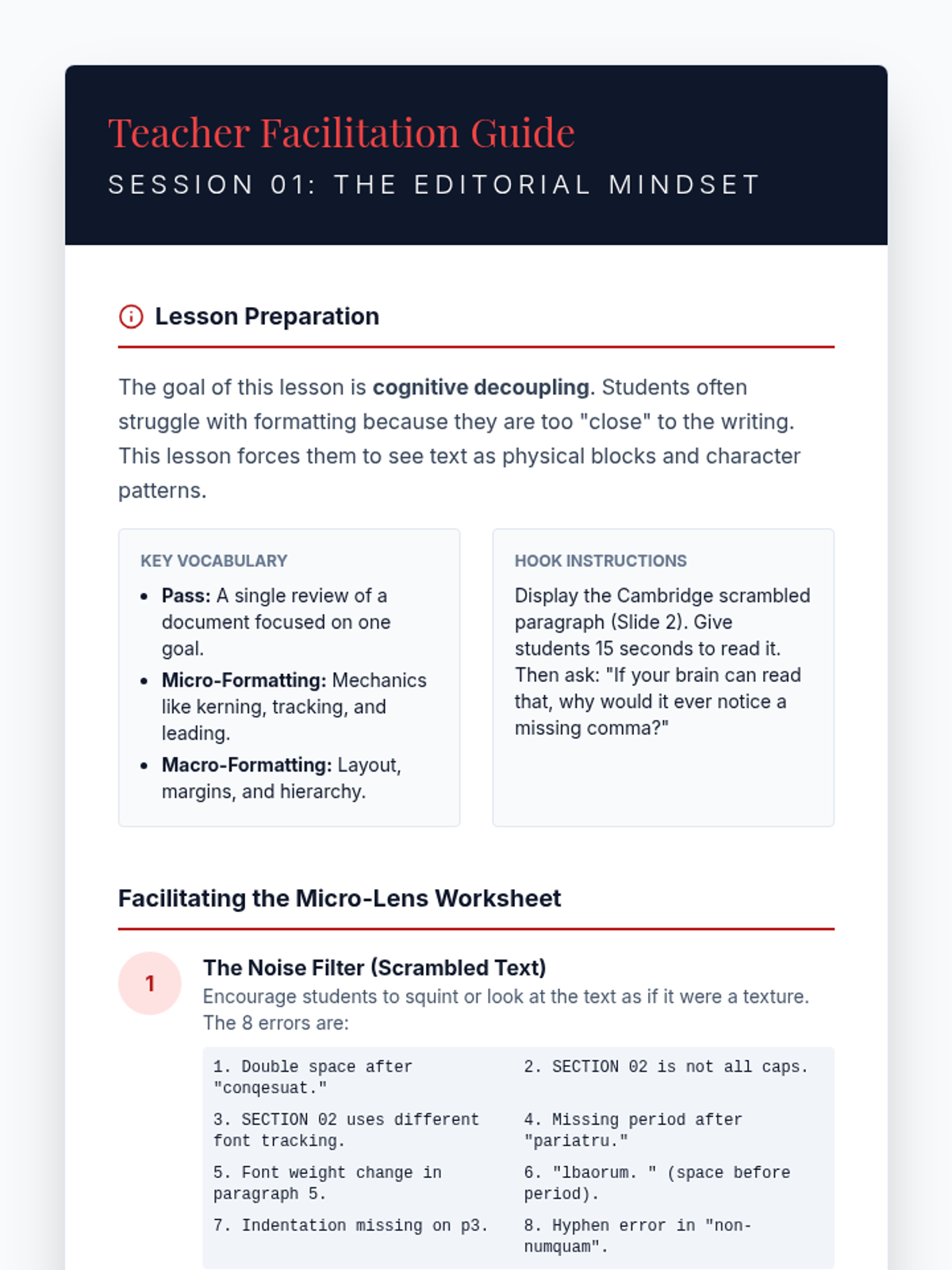
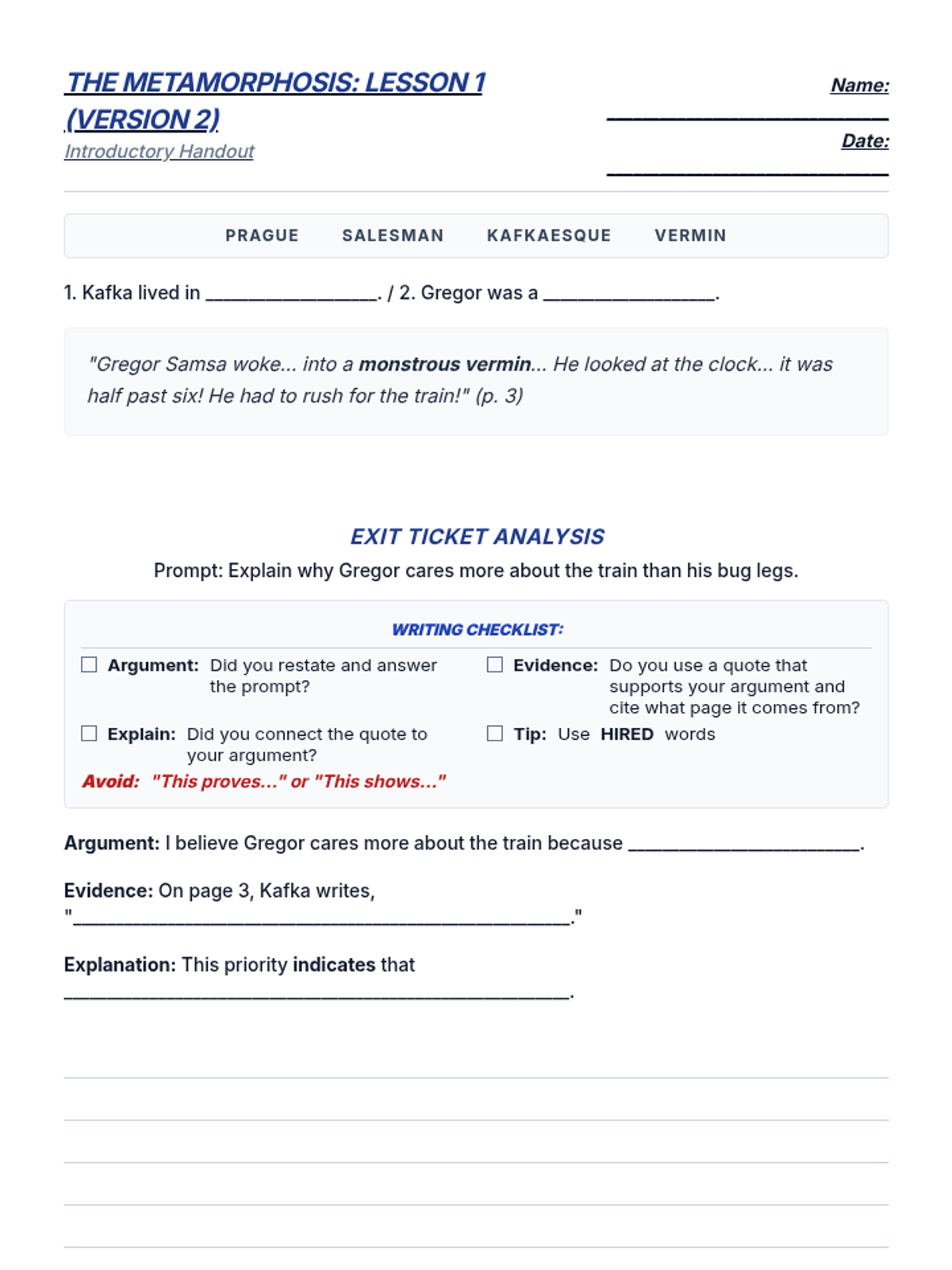
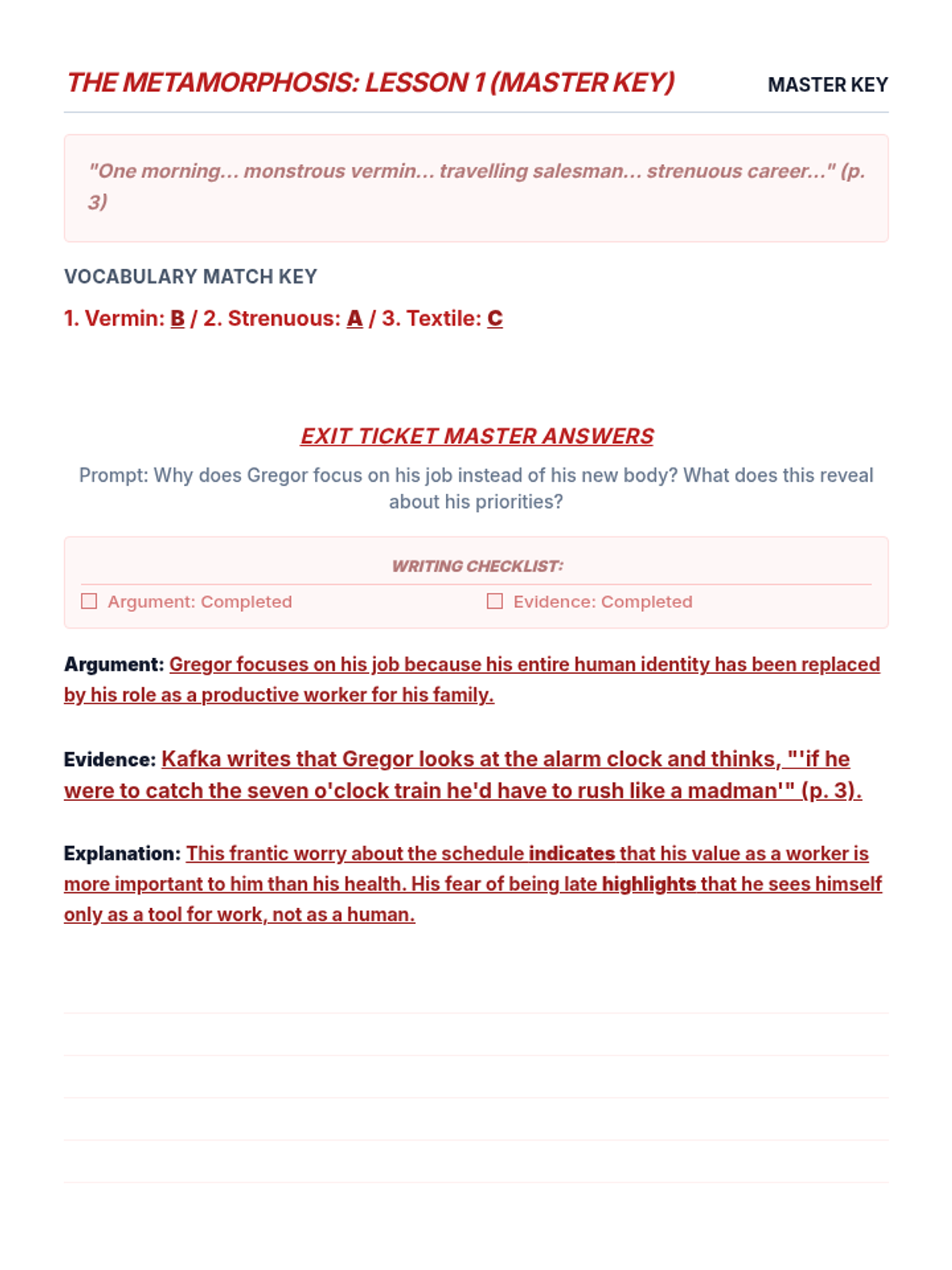
A week-long introductory unit on Franz Kafka's 'The Metamorphosis', focusing on Chapter 1 and foundational grammar skills.
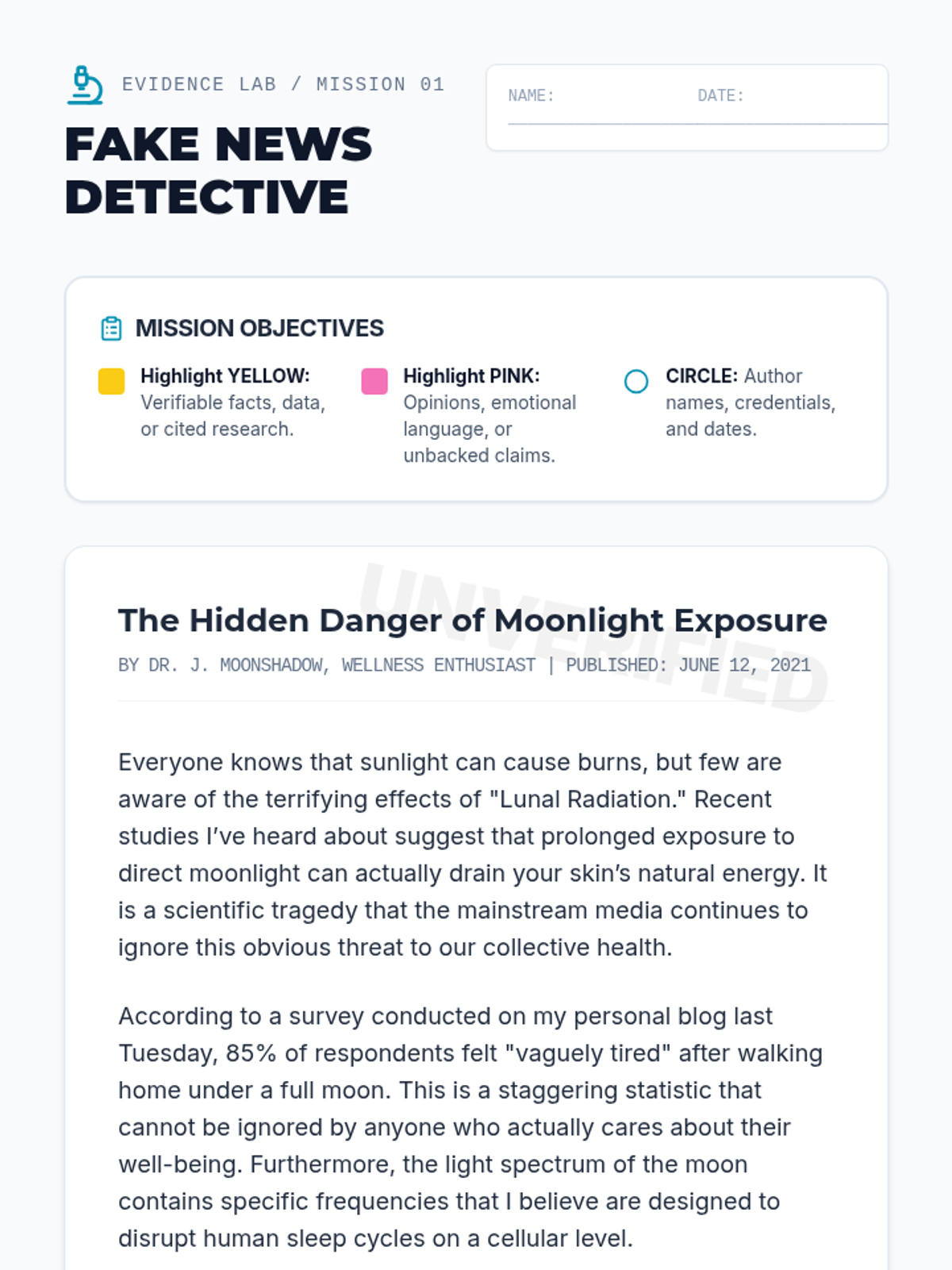
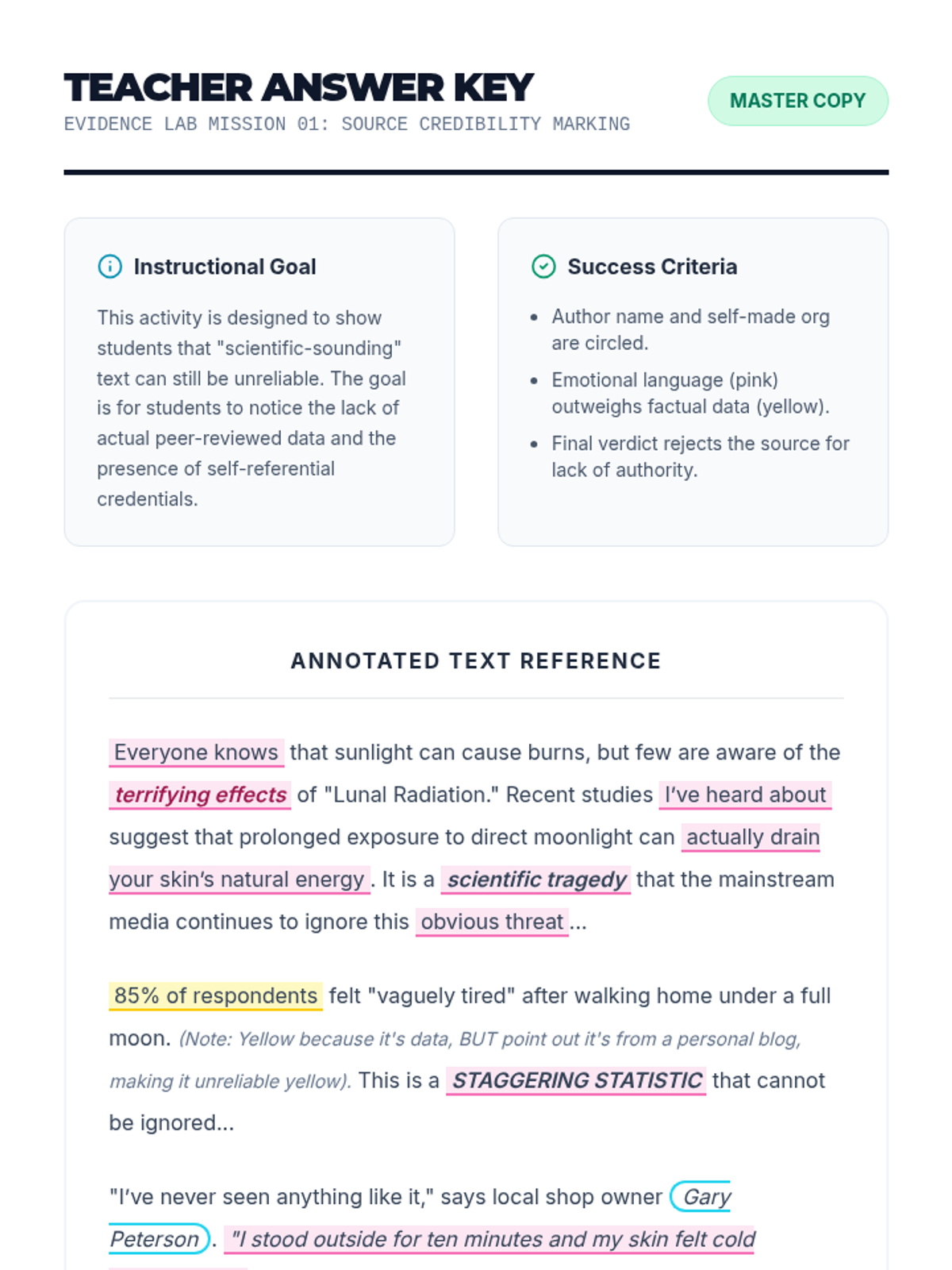
A comprehensive 11th-grade sequence focused on advanced annotation and highlighting techniques for research synthesis. Students progress from evaluating single-source credibility to cross-referencing multiple perspectives and drafting a literature review using a synthesis matrix.
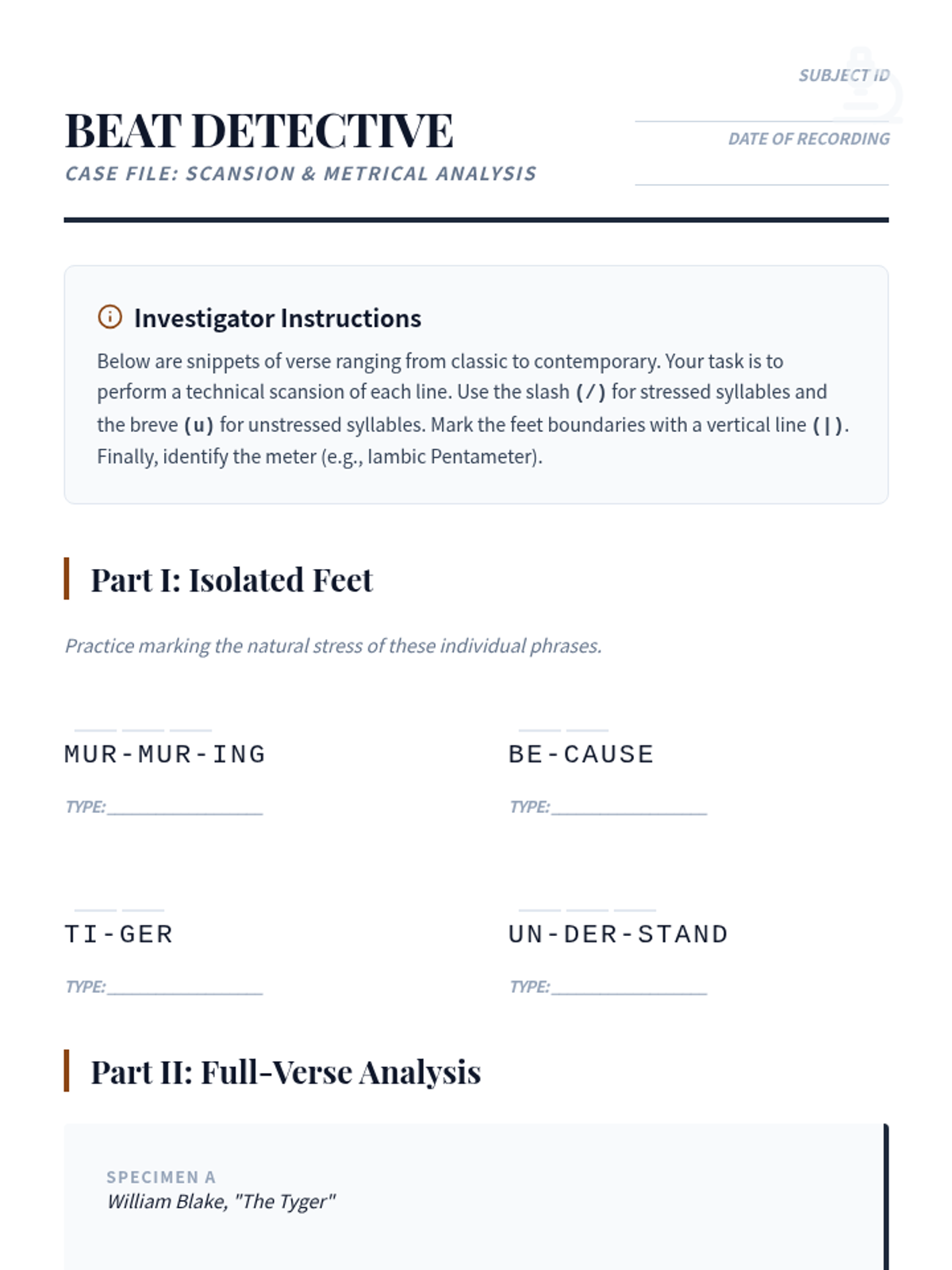
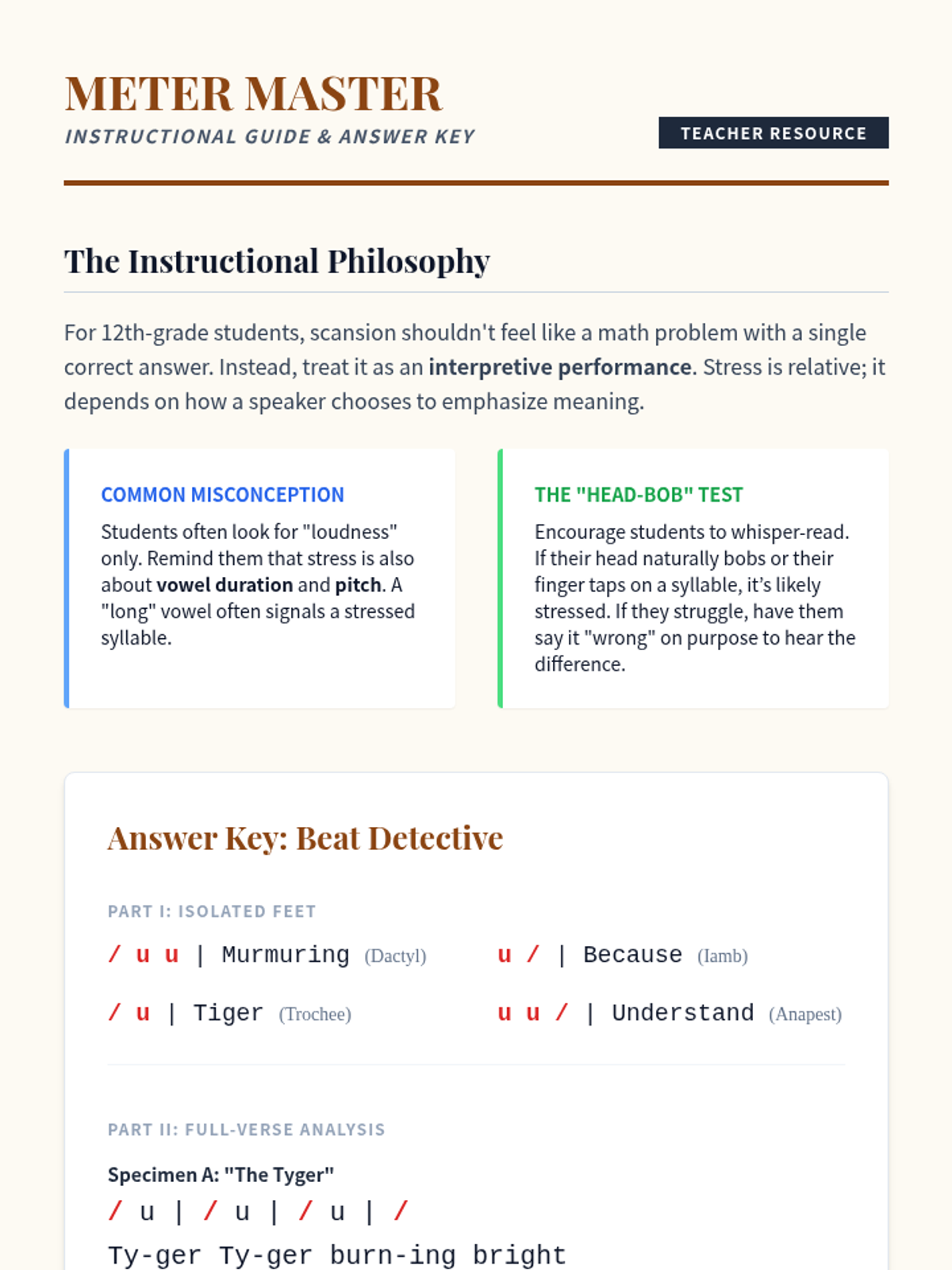
A high-level exploration of prosody and sound mechanics for 12th-grade students, focusing on how the auditory elements of poetry—meter, phonemes, and rhyme—subconsciously influence emotional and thematic reception.
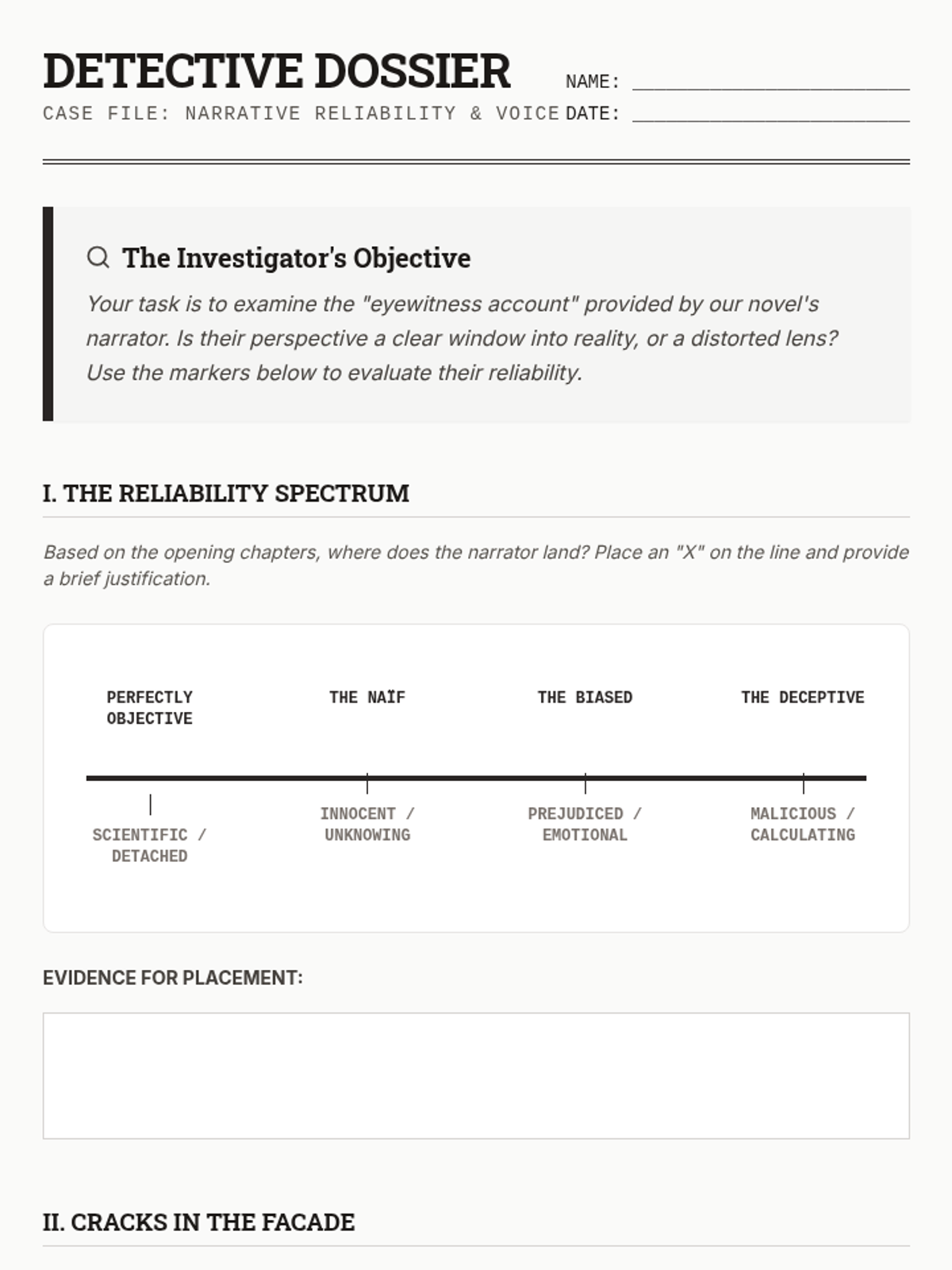
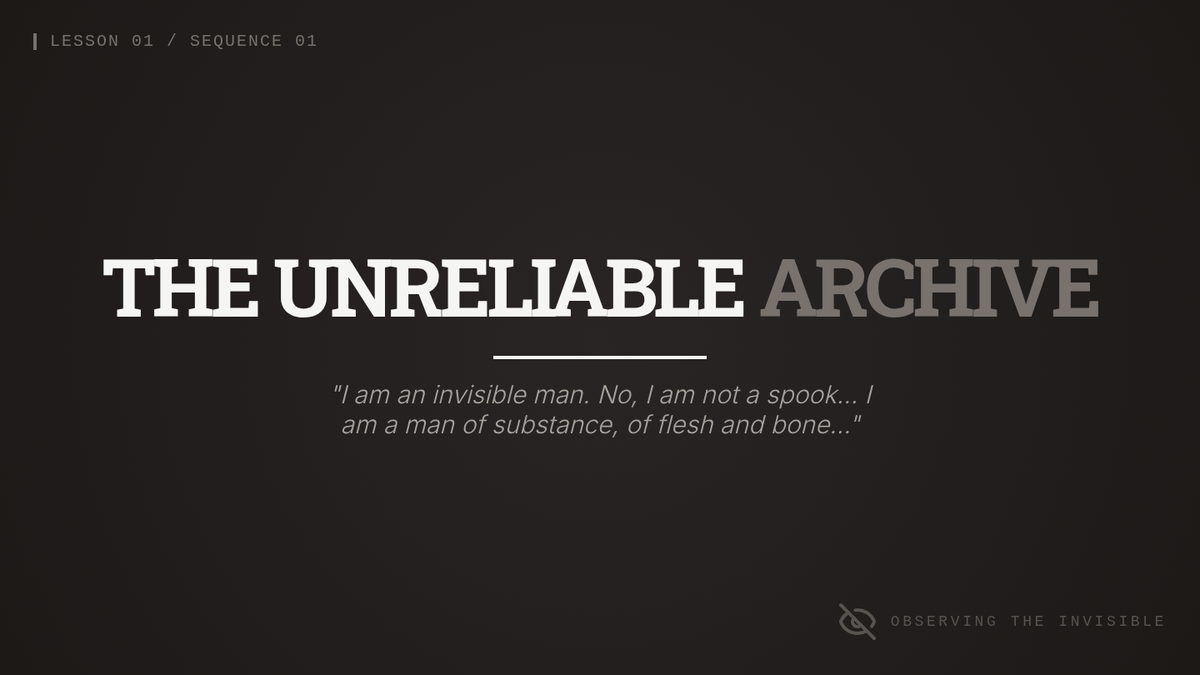
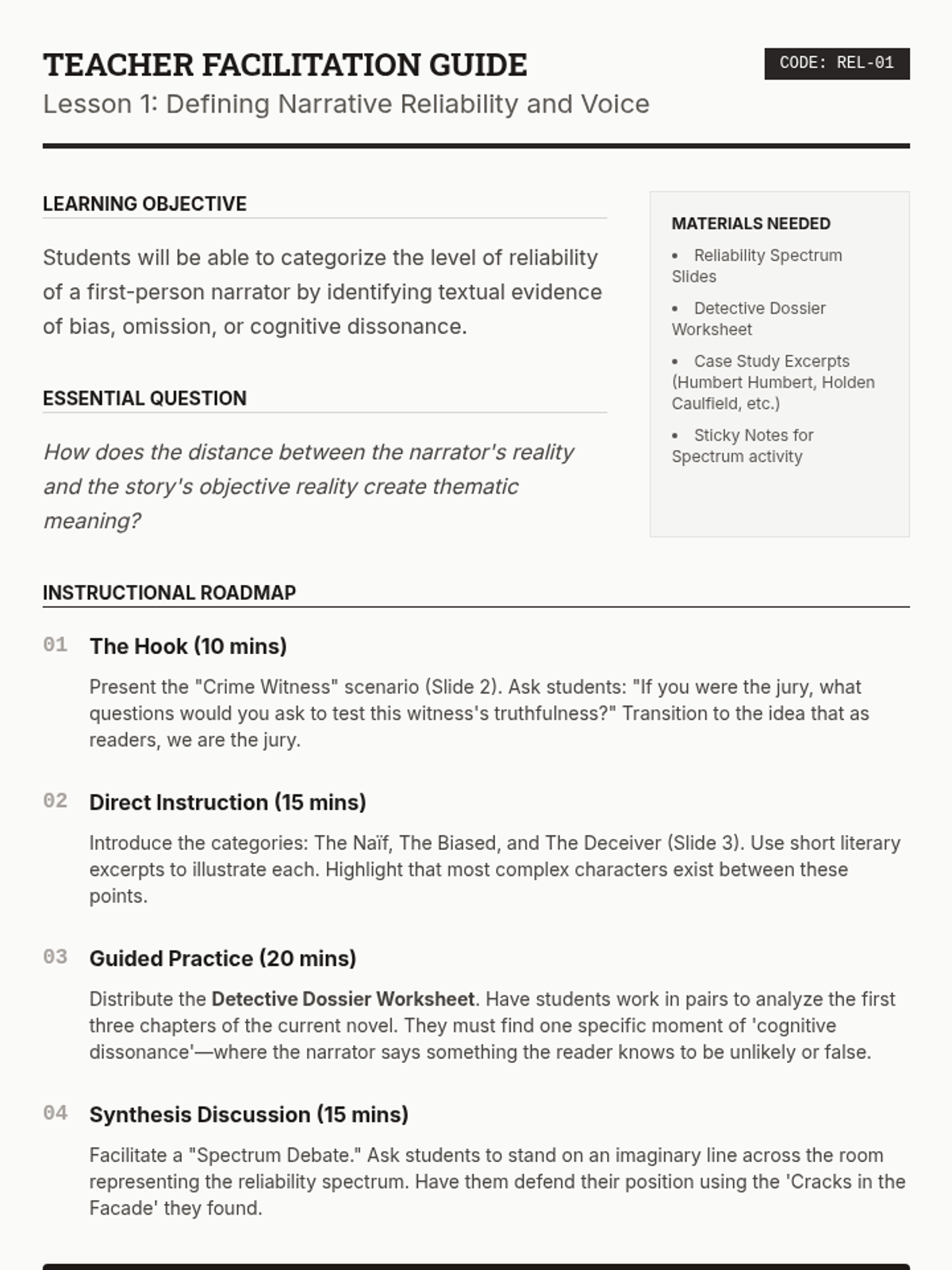
A comprehensive 12th-grade ELA sequence focused on narrative reliability and complex structures. Students explore unreliable narrators, non-linear timelines, stream of consciousness, and the power of omission to prepare for a final structural analysis essay.
A comprehensive 9-week study of Franz Kafka's 'Metamorphosis', focusing on argumentative writing through textual evidence and narrative expansion. The sequence utilizes graphic organizers, visual scaffolding, and increased opportunities to respond to deepen student engagement with the surrealist text.
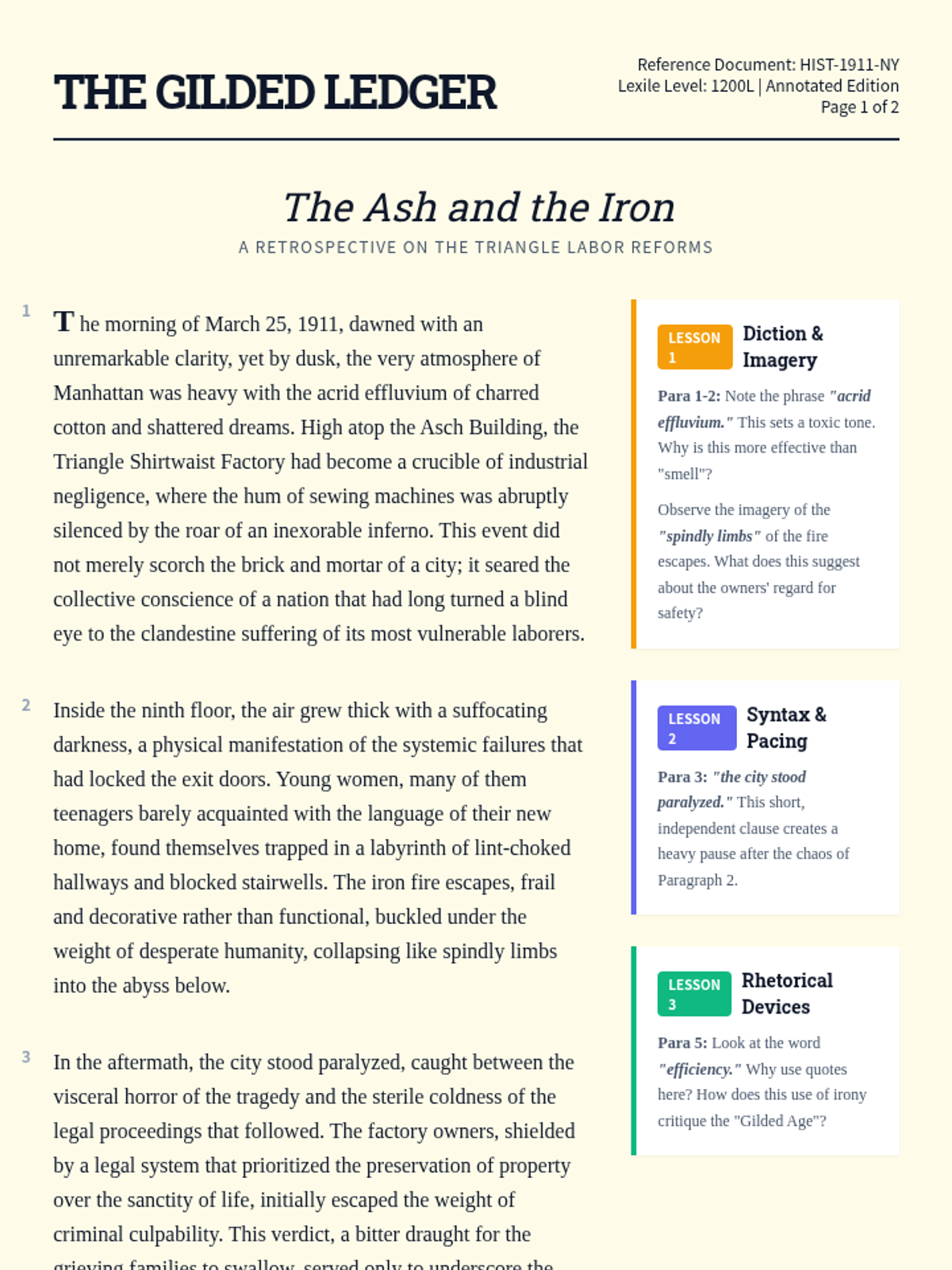
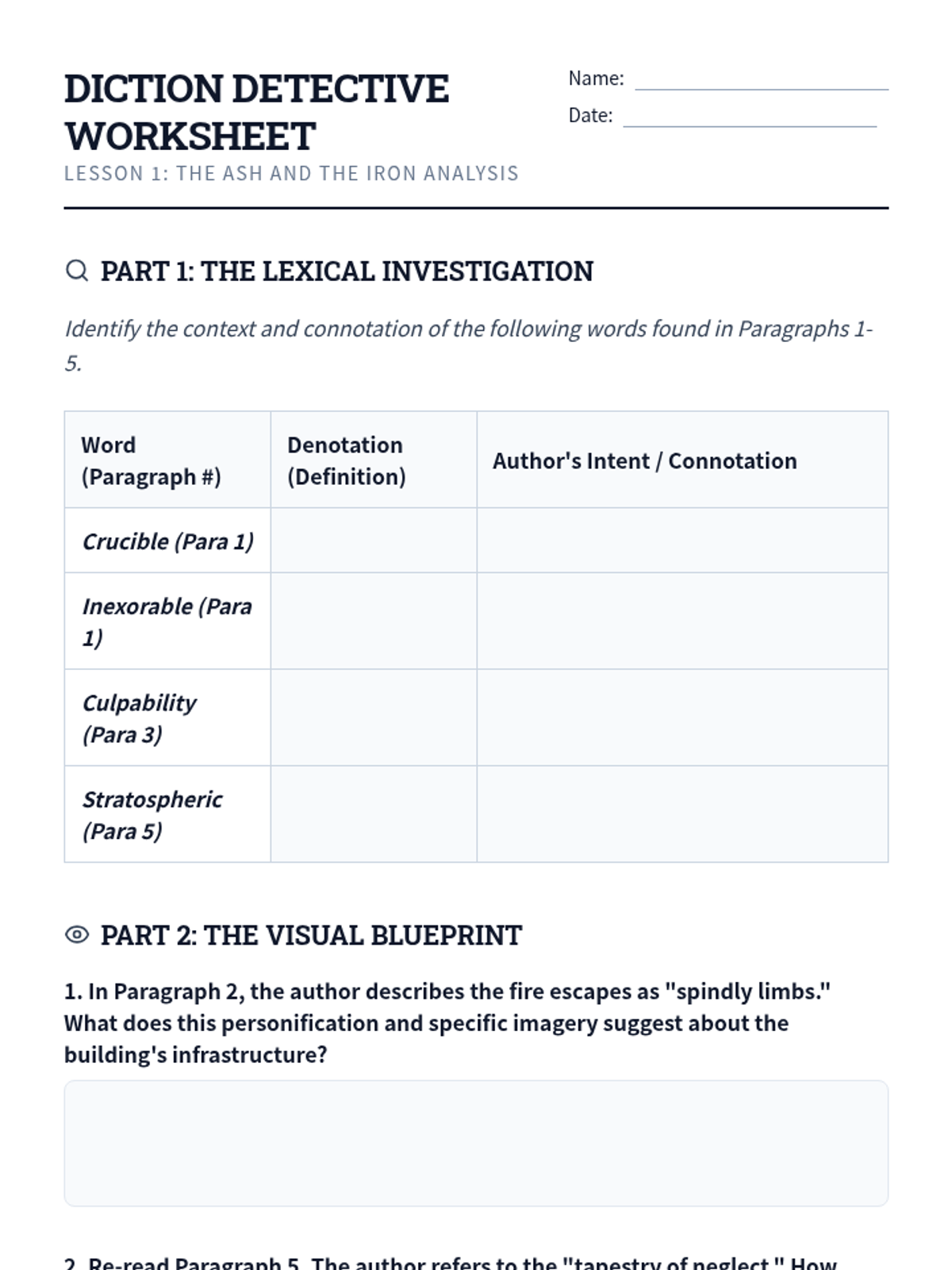
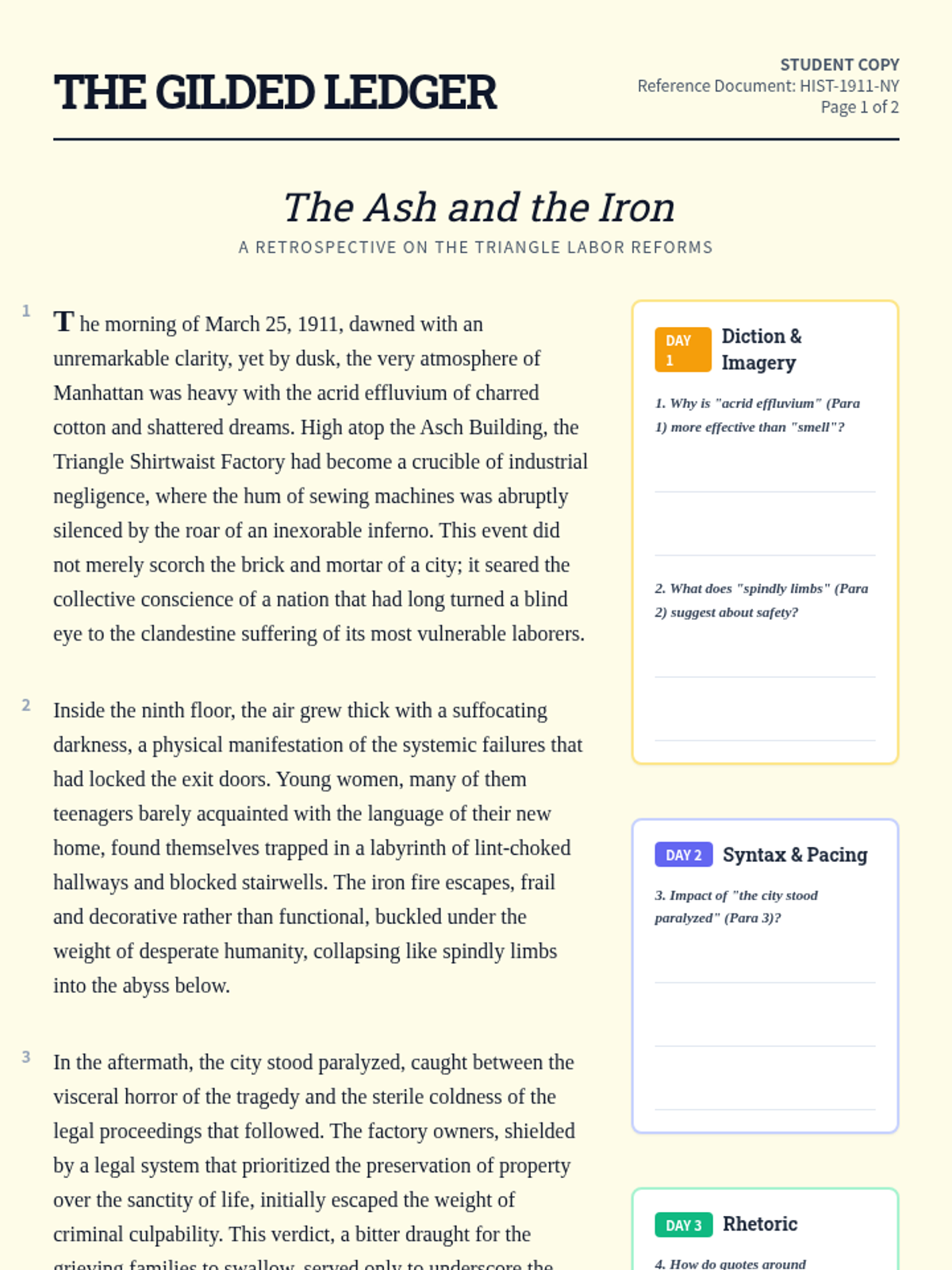
A 4-day intensive study of a complex historical text focused on Author's Purpose and Craft, specifically designed for English 1 and 2 STAAR EOC preparation. Students analyze diction, imagery, syntax, and rhetorical devices within a 1200-Lexile historical narrative.
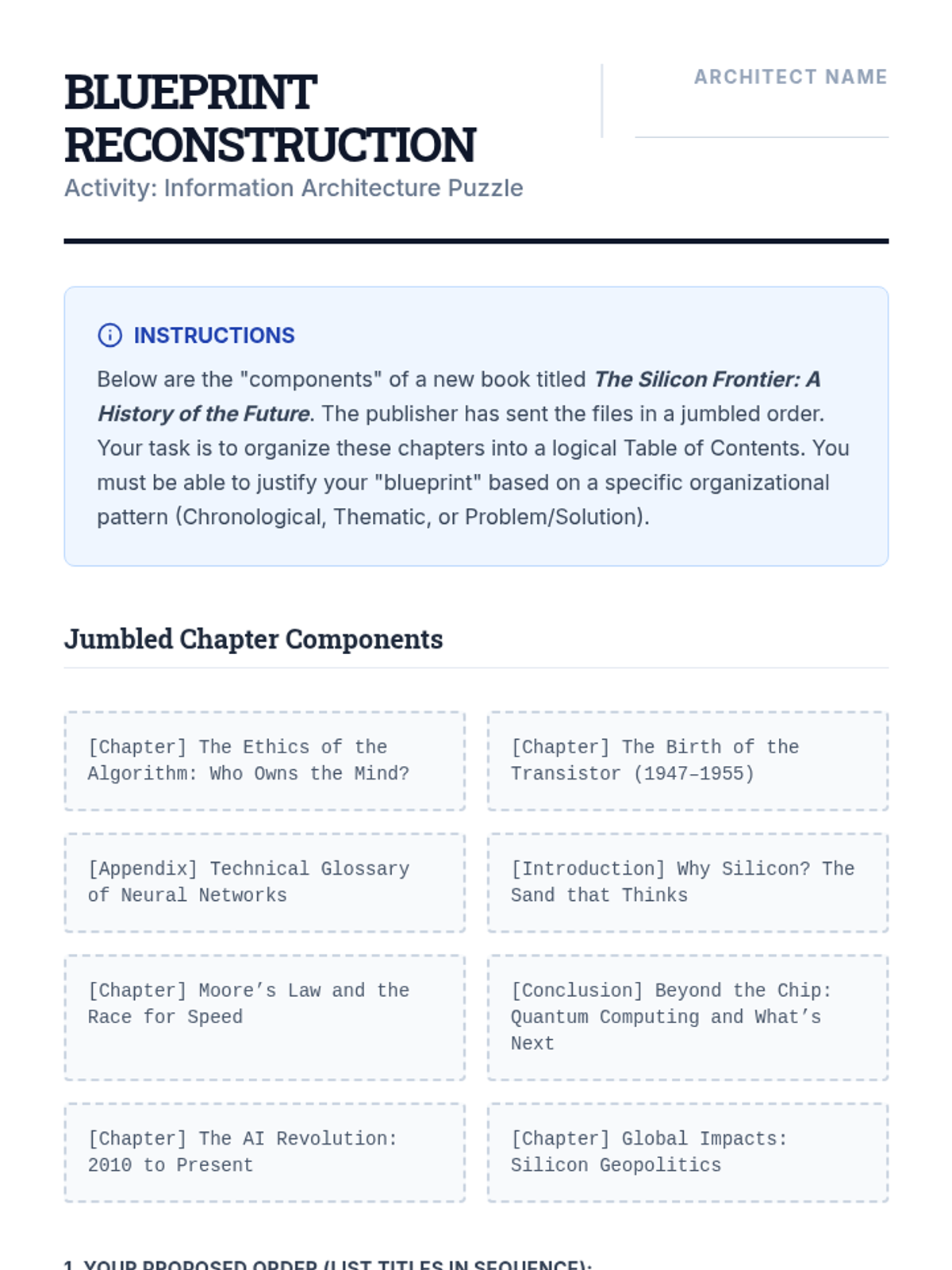
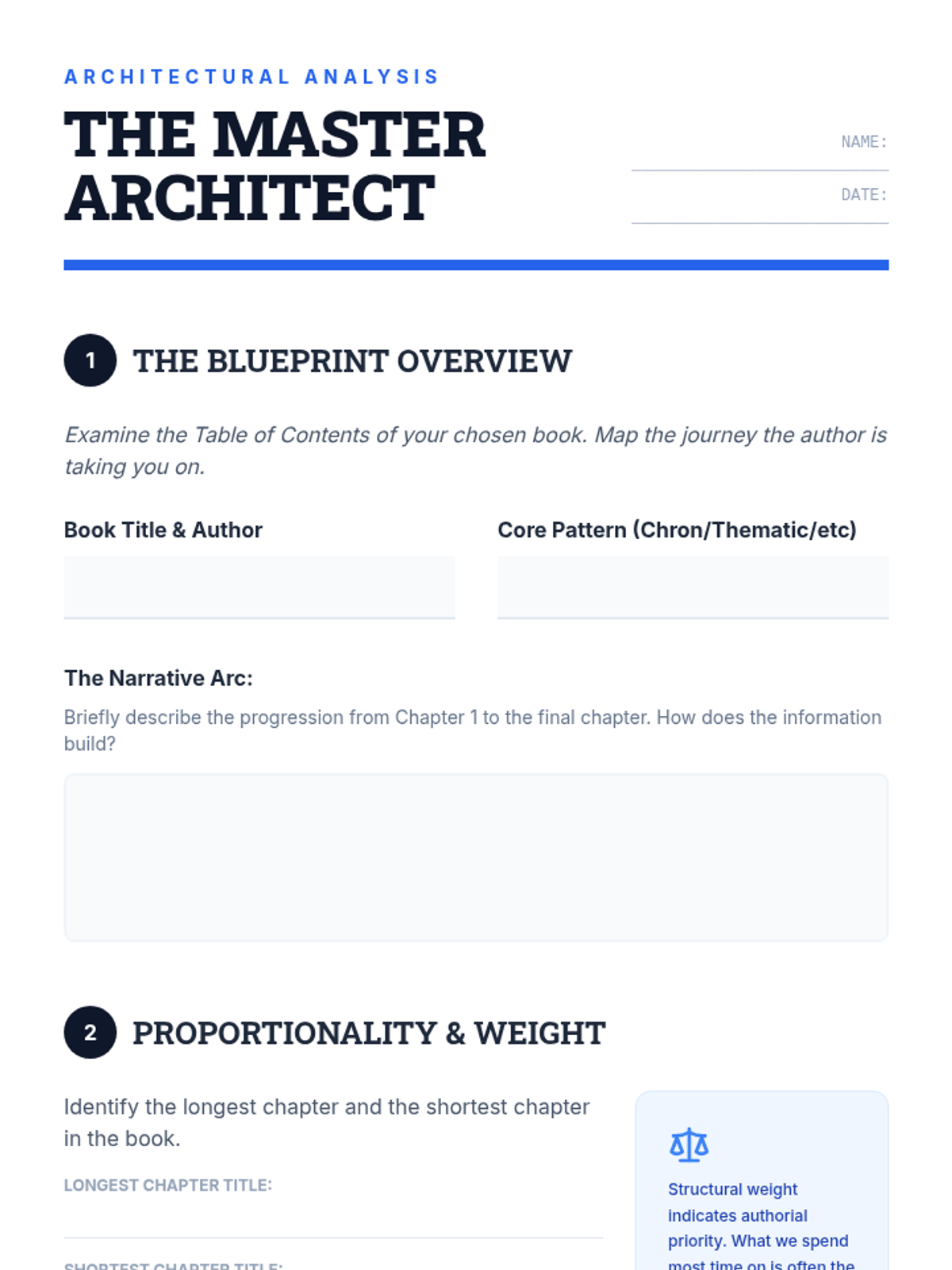
This sequence explores the technical and structural organization of nonfiction texts. Students act as professional editors, analyzing table of contents, paratextual features like footnotes, data visualizations, and syntactic complexity to understand how information architecture influences readability and impact.
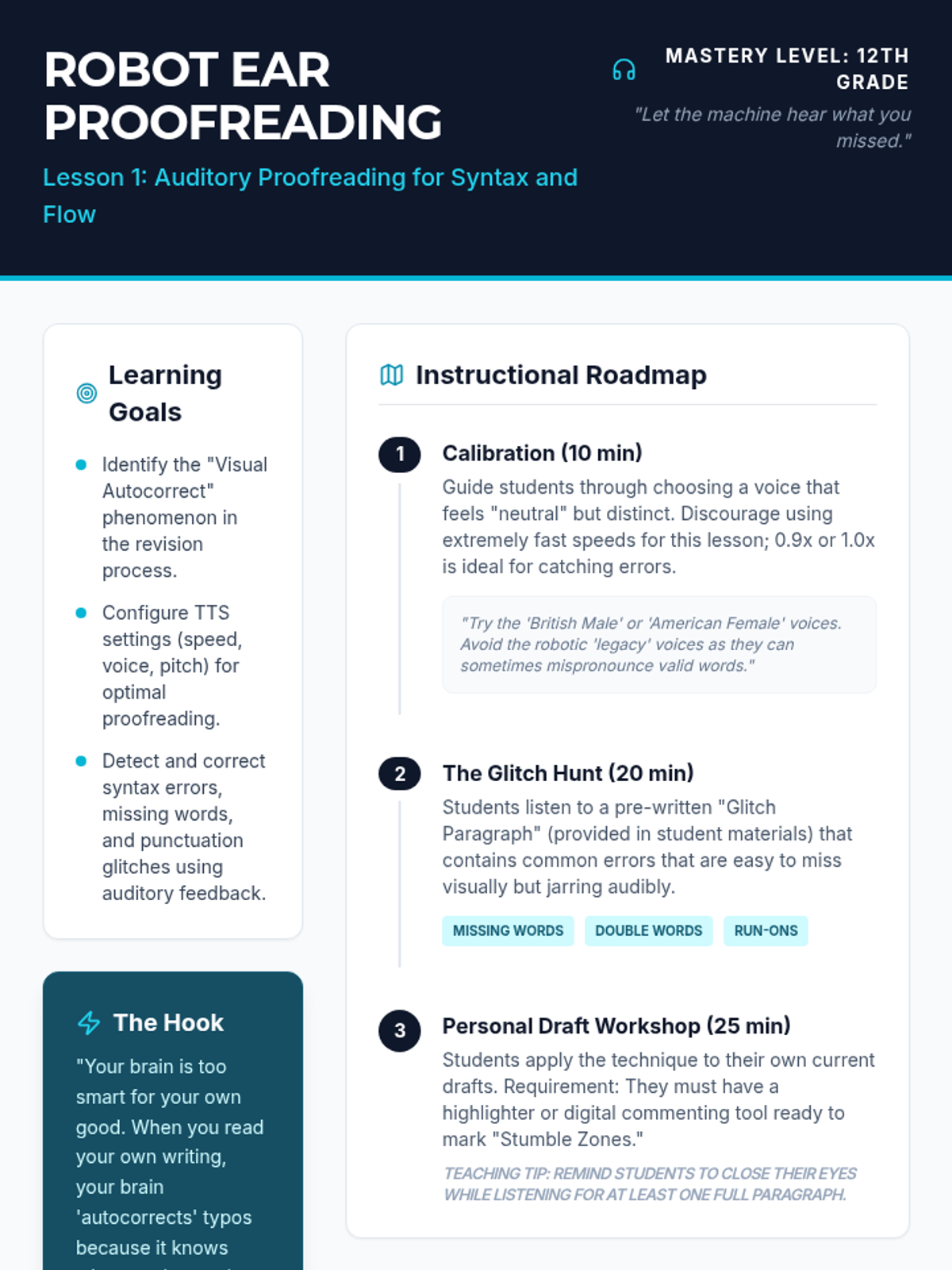
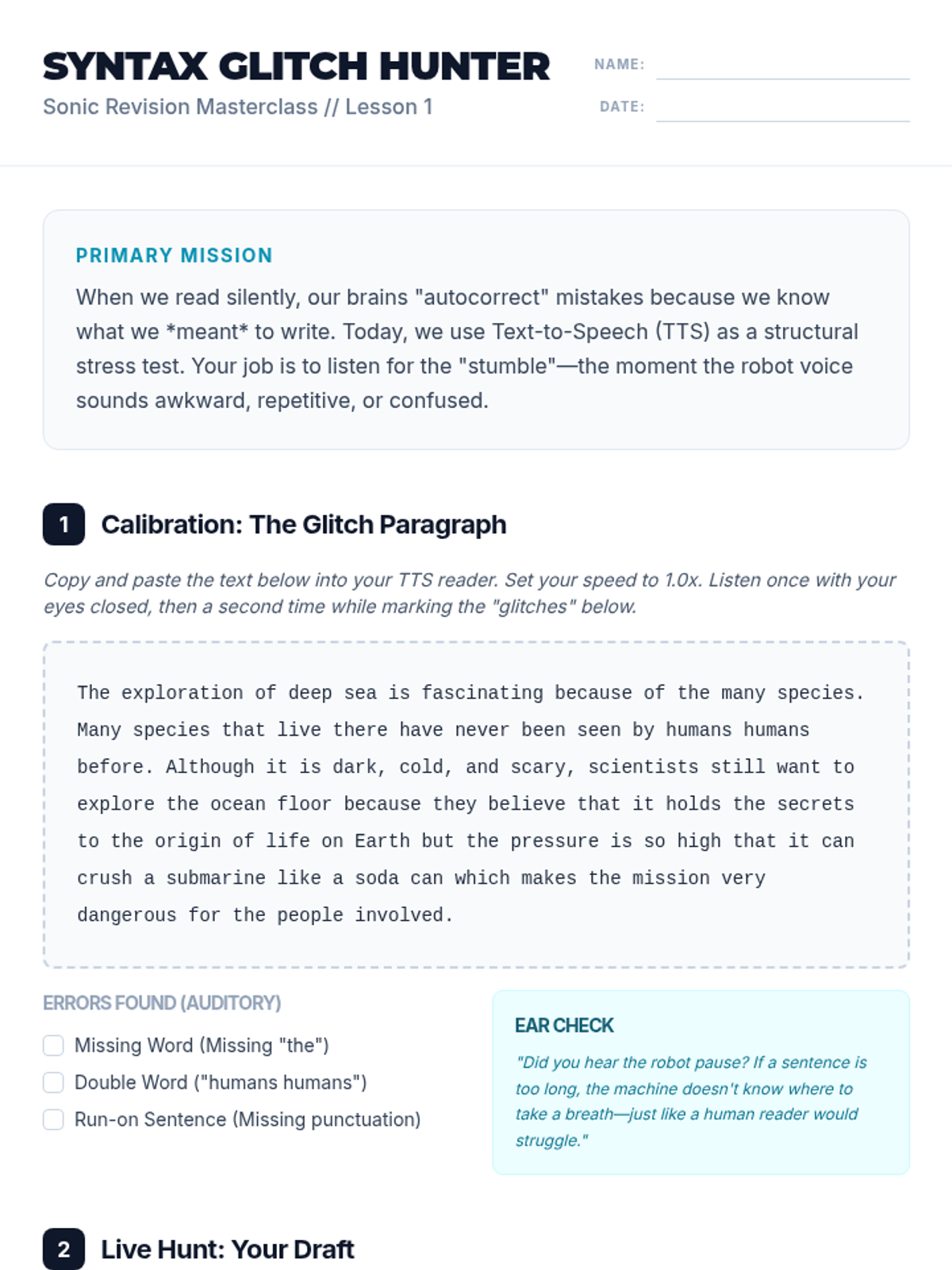
A 12th-grade sequence exploring the transformative power of Text-to-Speech (TTS) as a tool for writing revision, rhetorical analysis, and research management. Students move from basic error detection to analyzing the rhythm of their own persuasive prose.
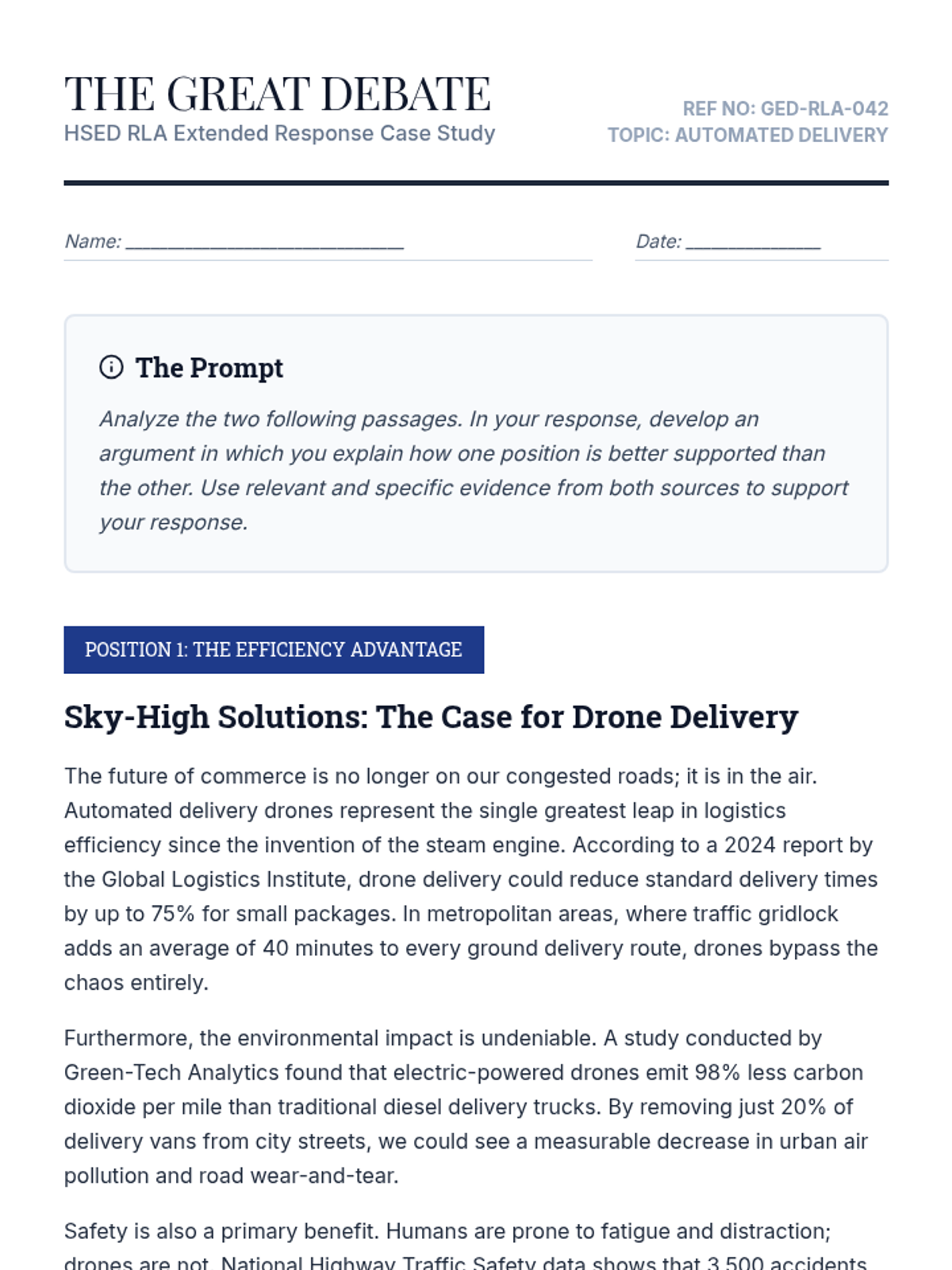
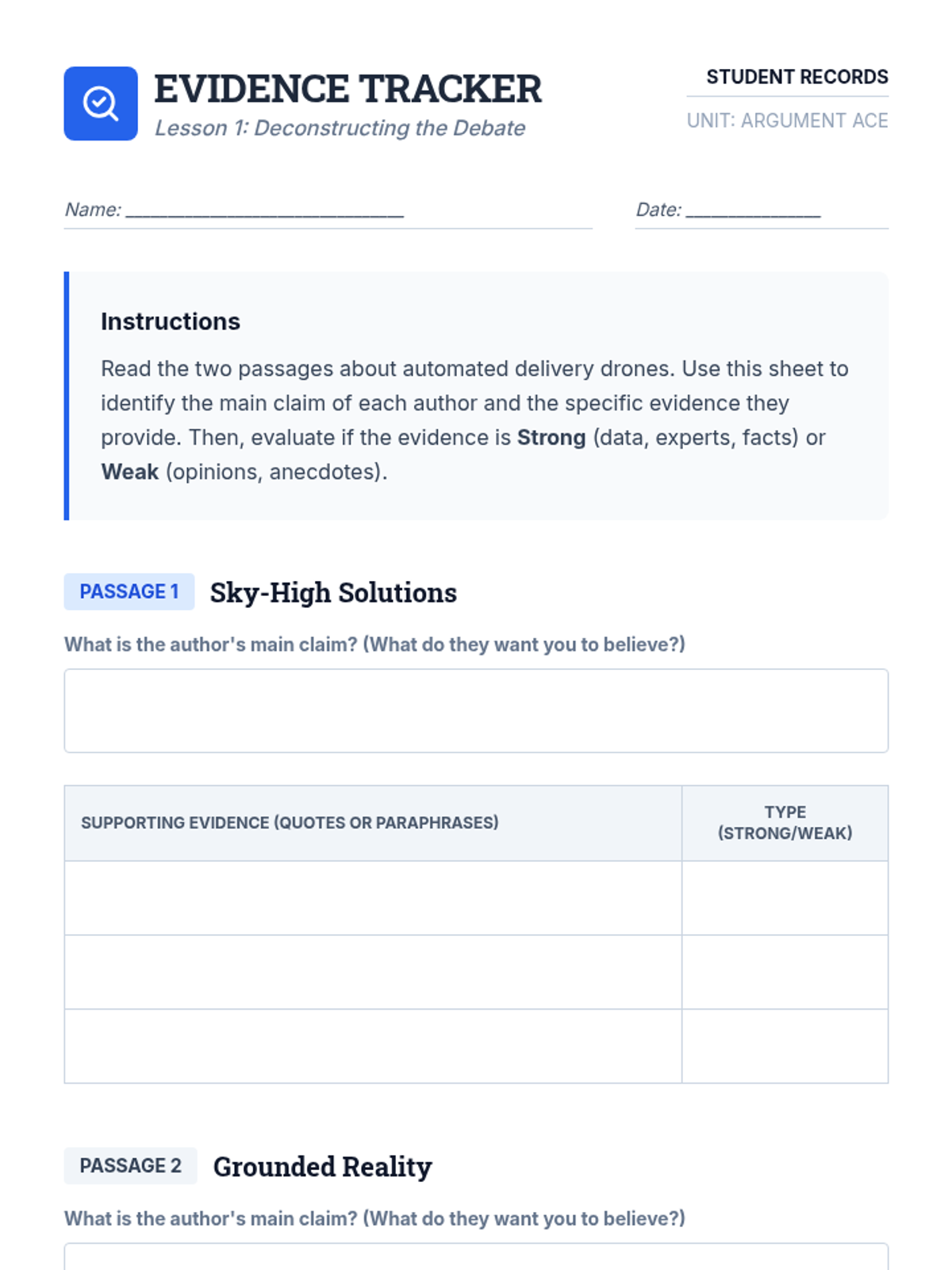
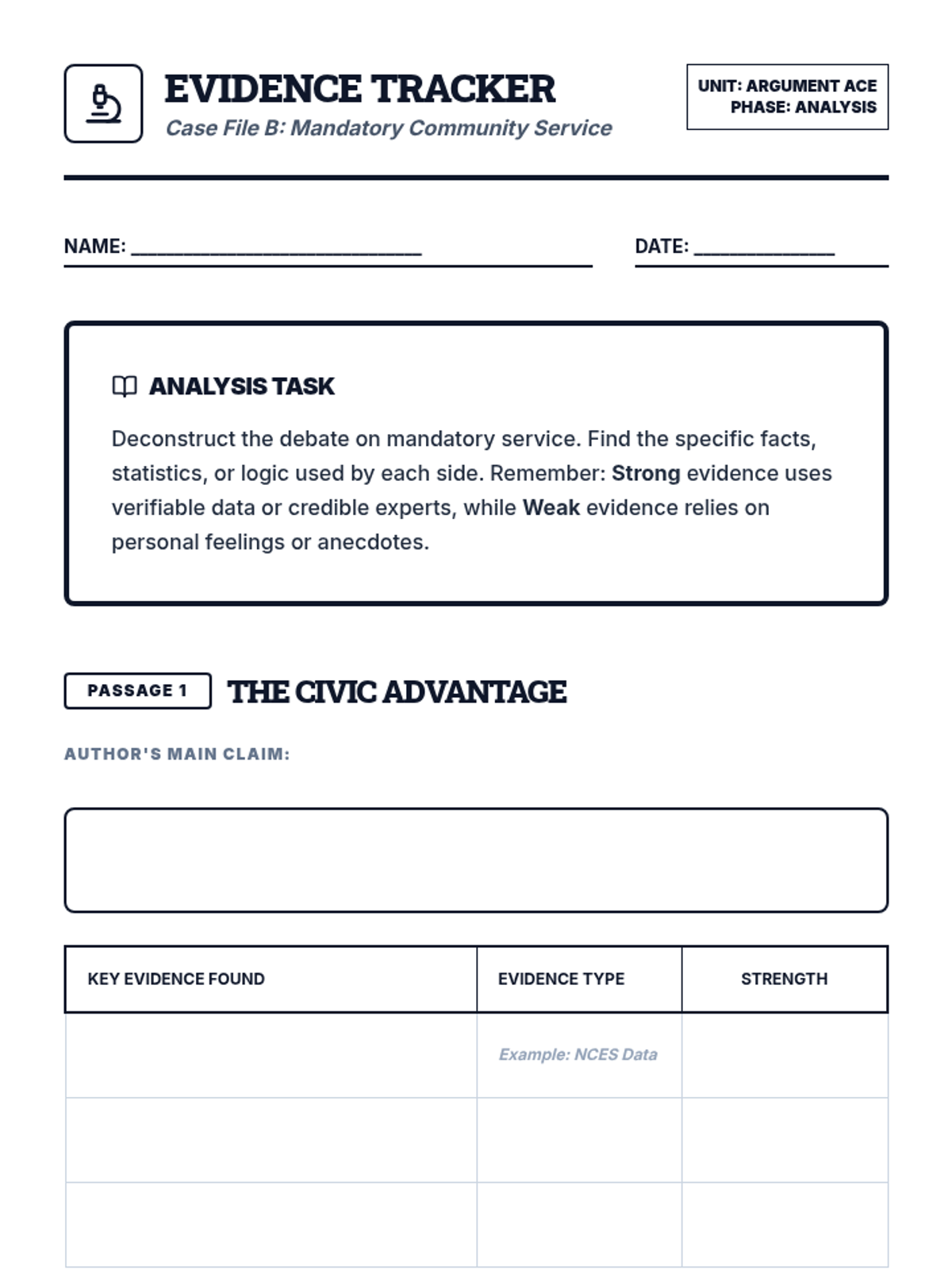
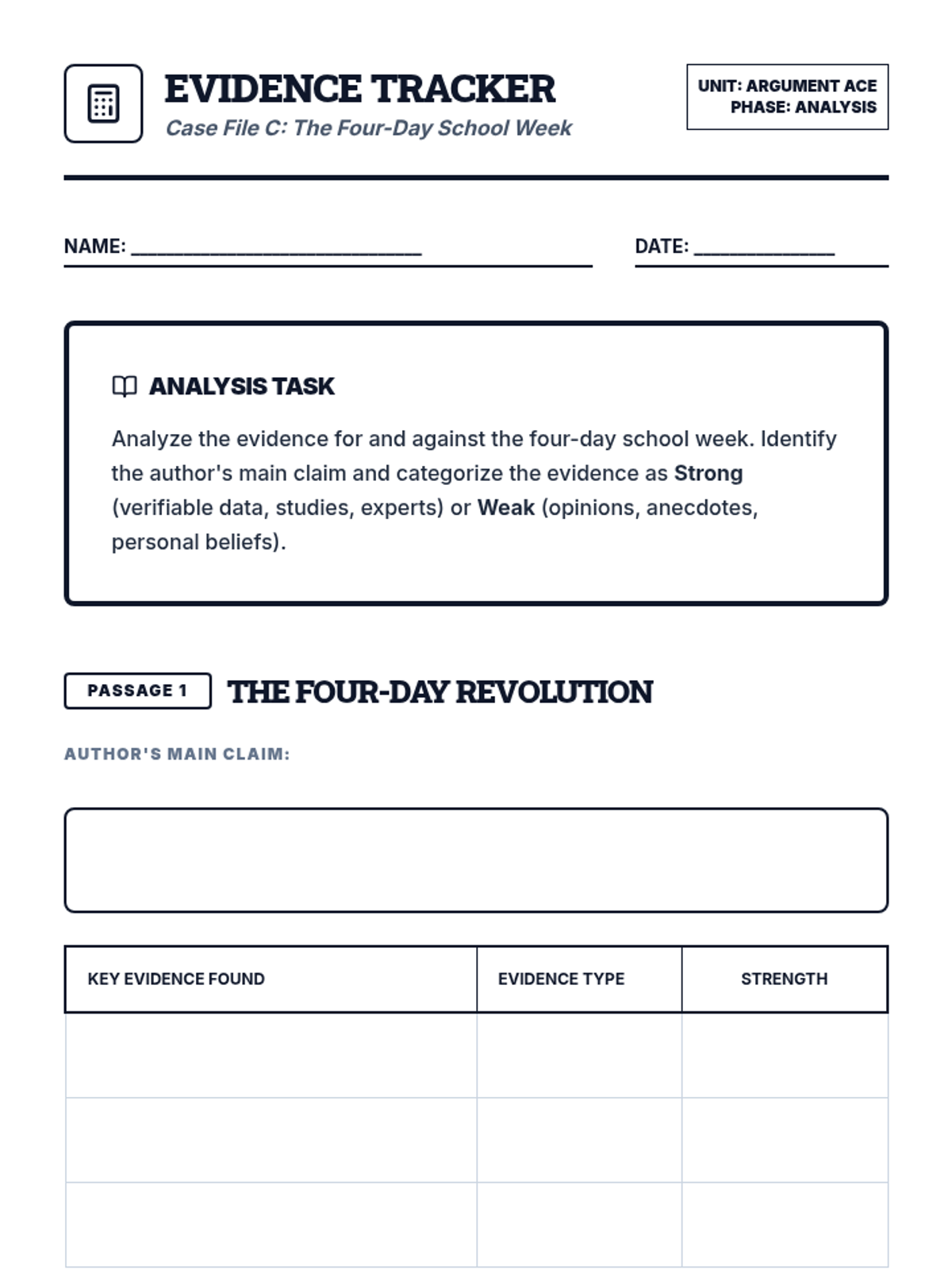
A comprehensive 3-lesson unit designed to prepare HSED/GED students for the RLA Extended Response by teaching them how to analyze opposing arguments, evaluate evidence, and craft a high-scoring argumentative essay.