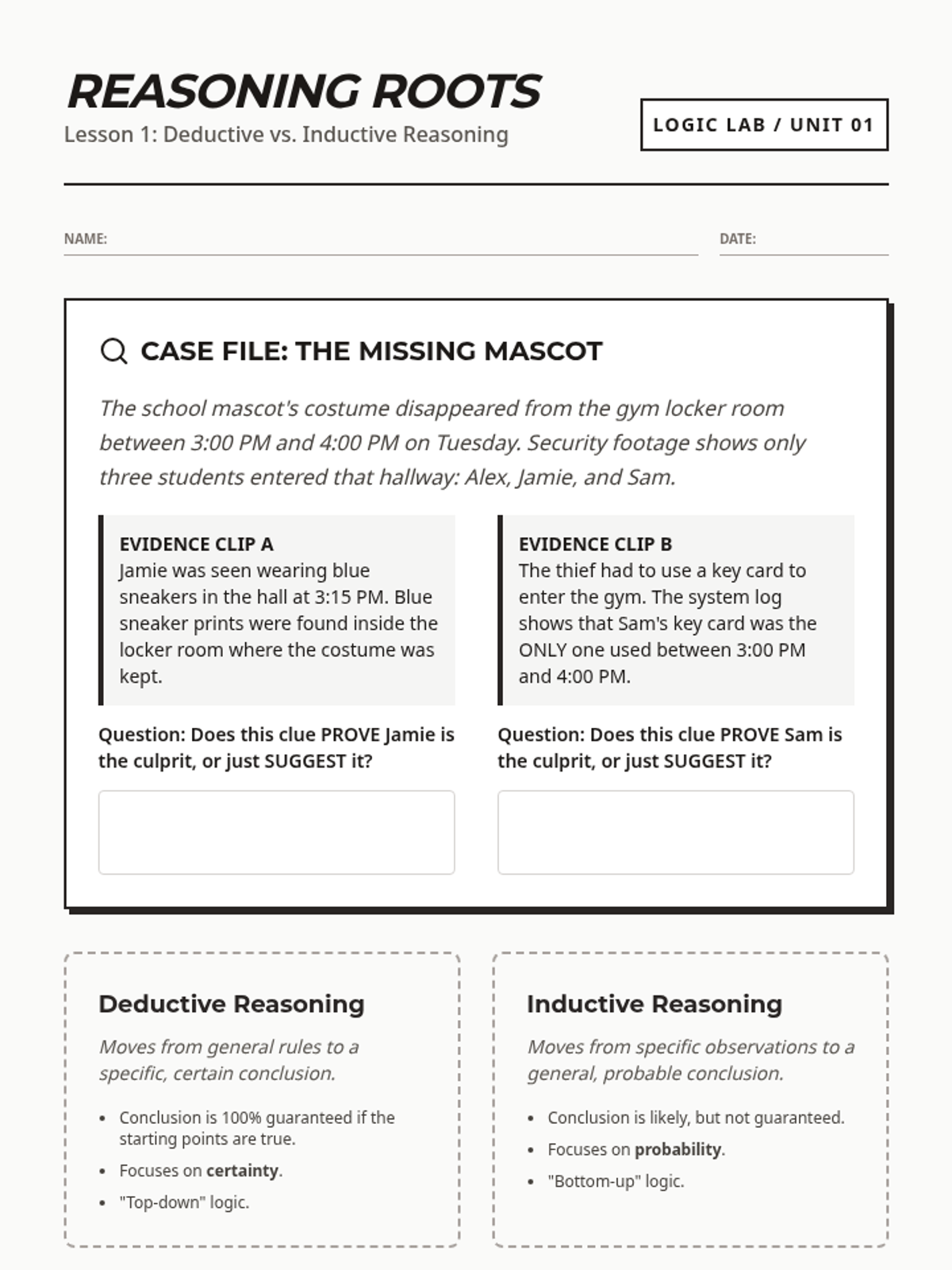
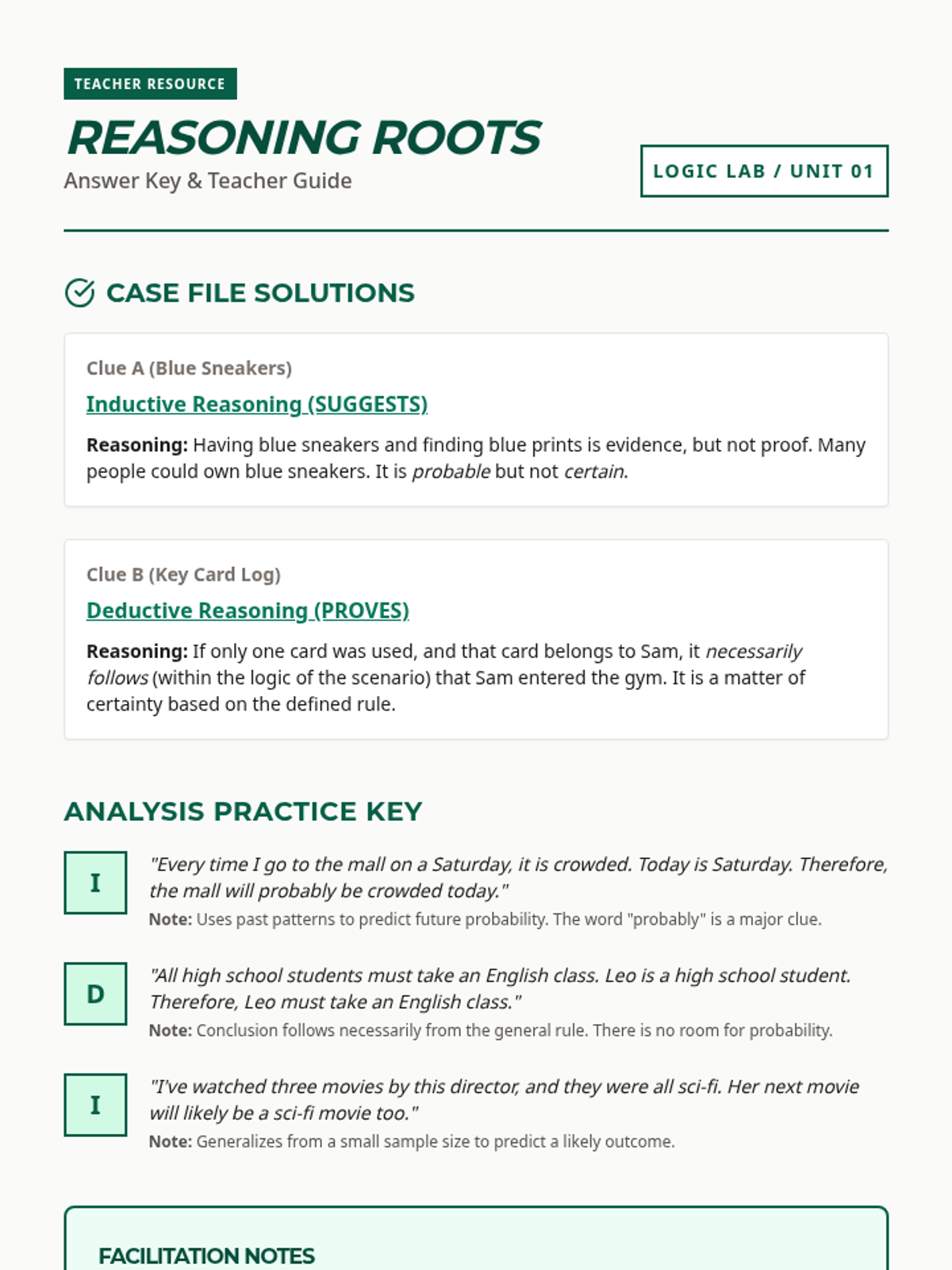
Syllogisms, deductive validity, and the principles of inductive probability for evaluating evidence-based claims. Targets common logical fallacies and the construction of sound, persuasive arguments.
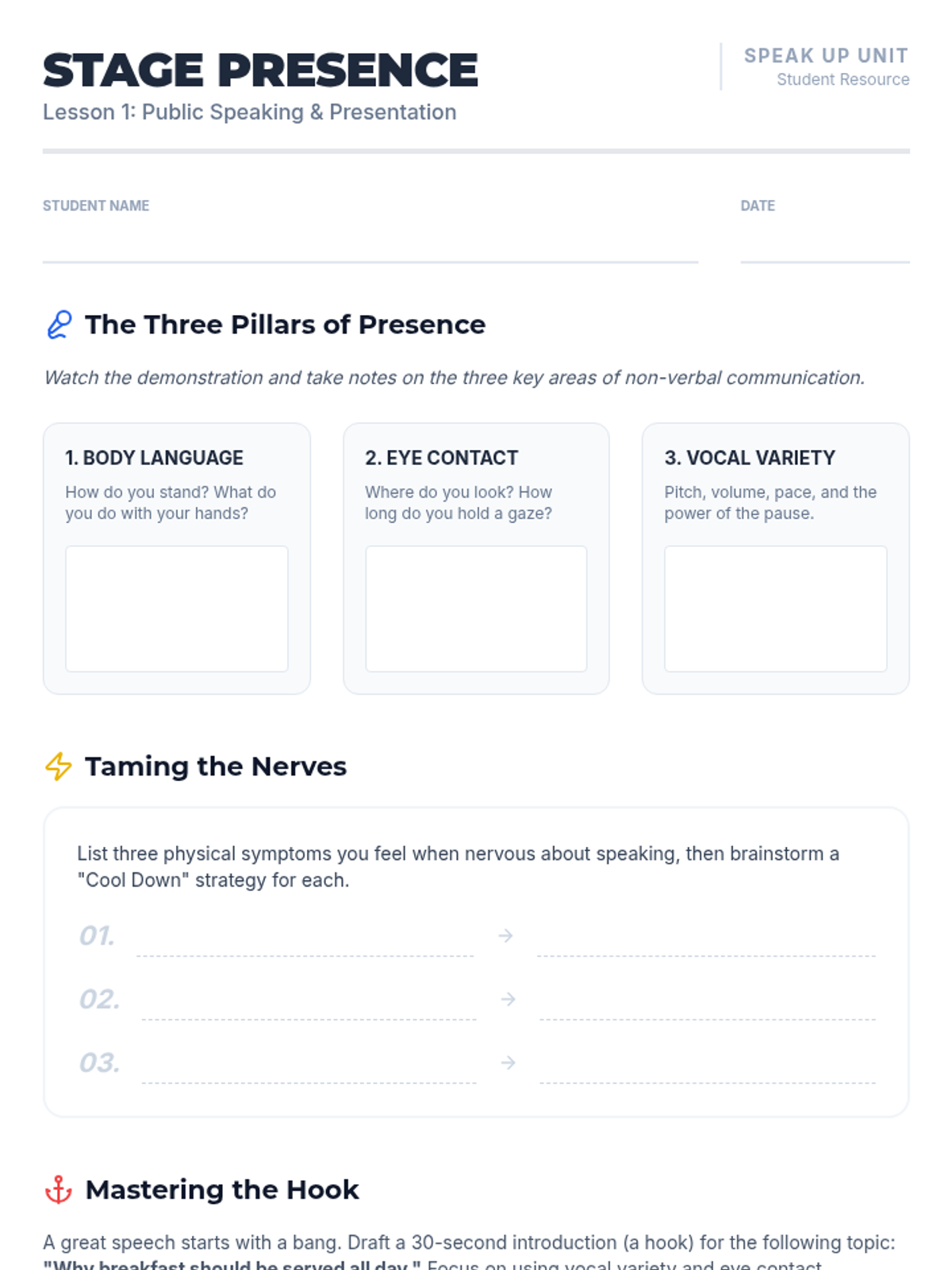
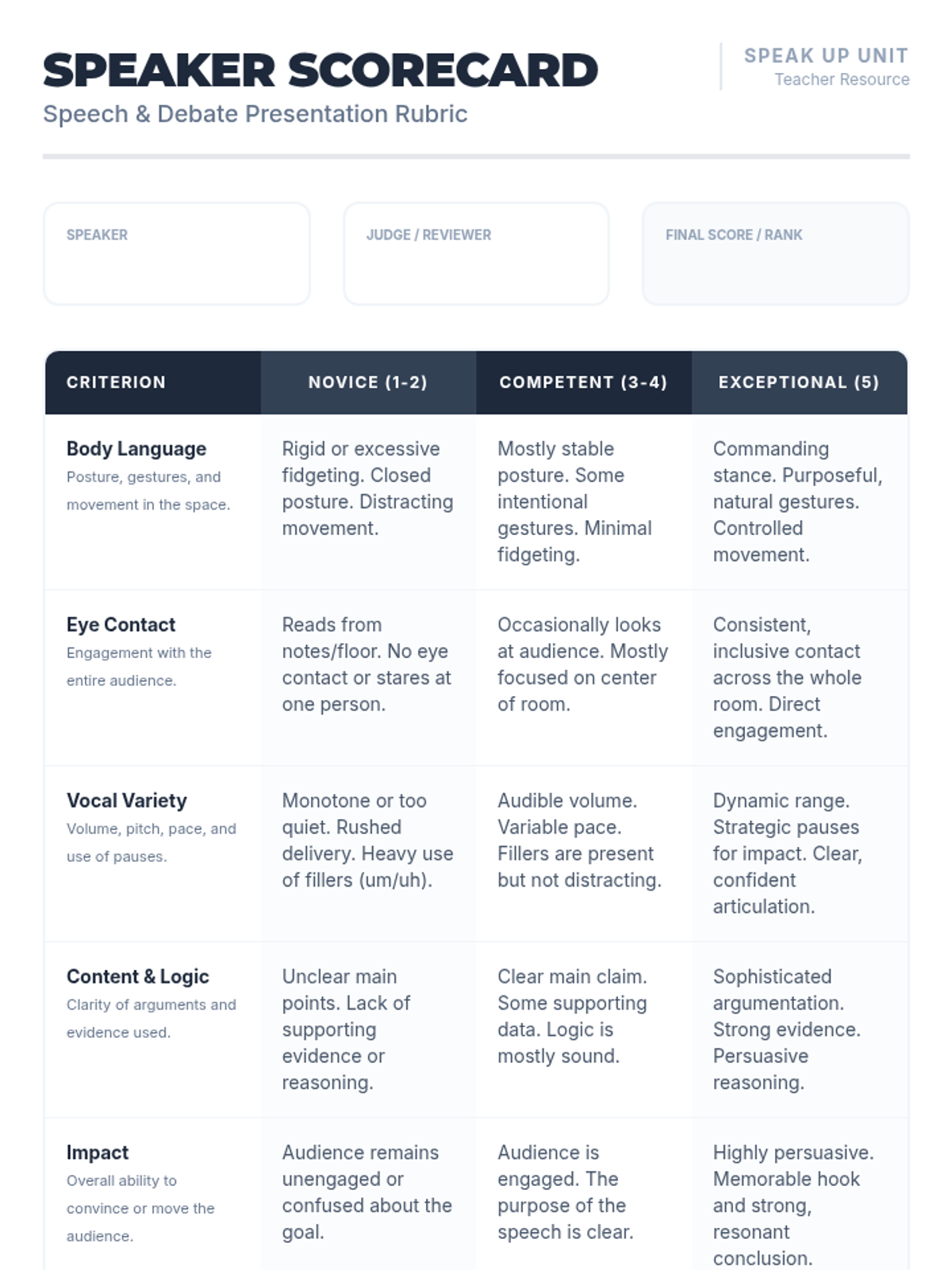
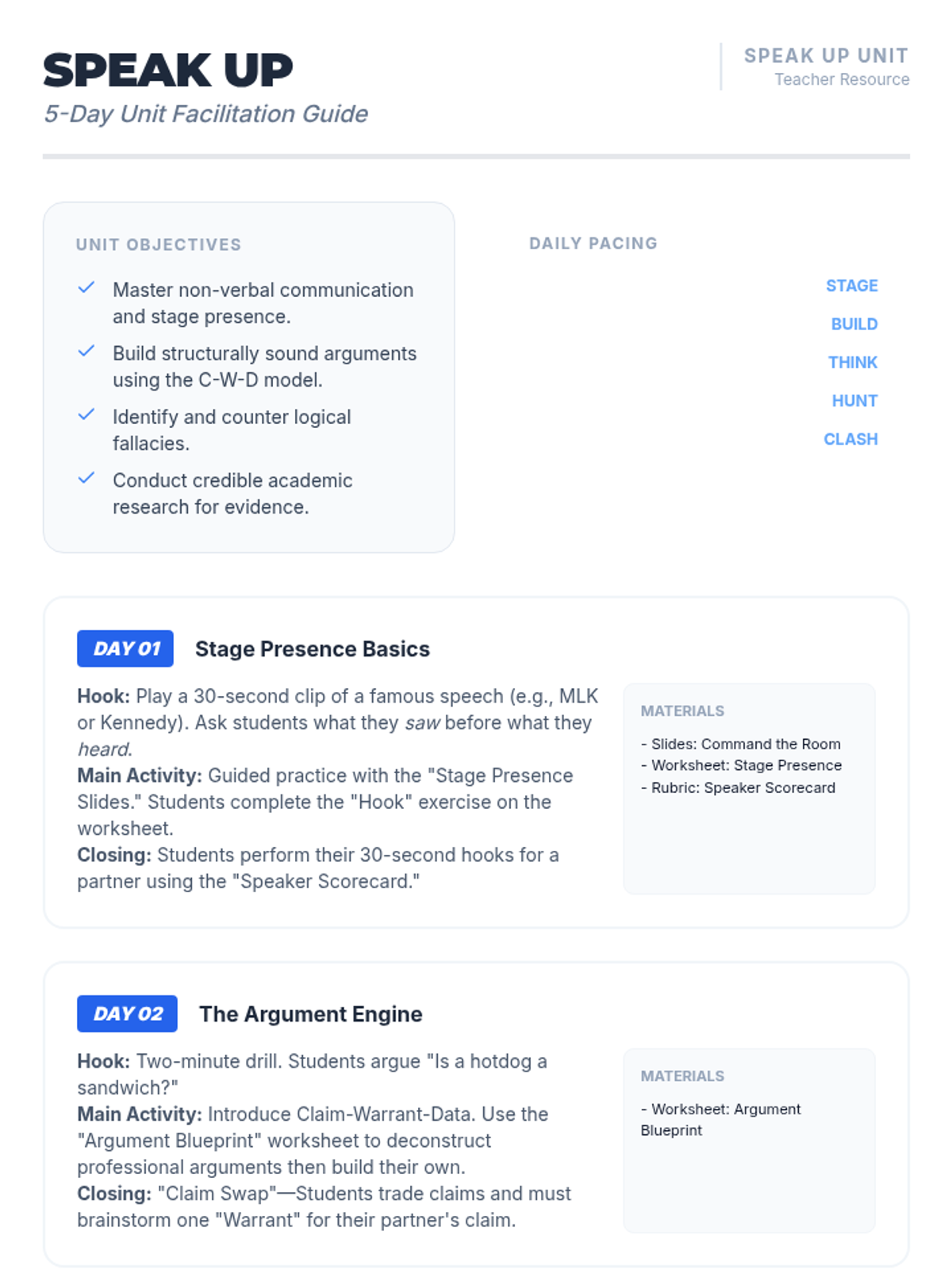
A comprehensive 5-day introductory unit on speech and debate, covering public speaking, argumentation, logic, research, and competitive formats.
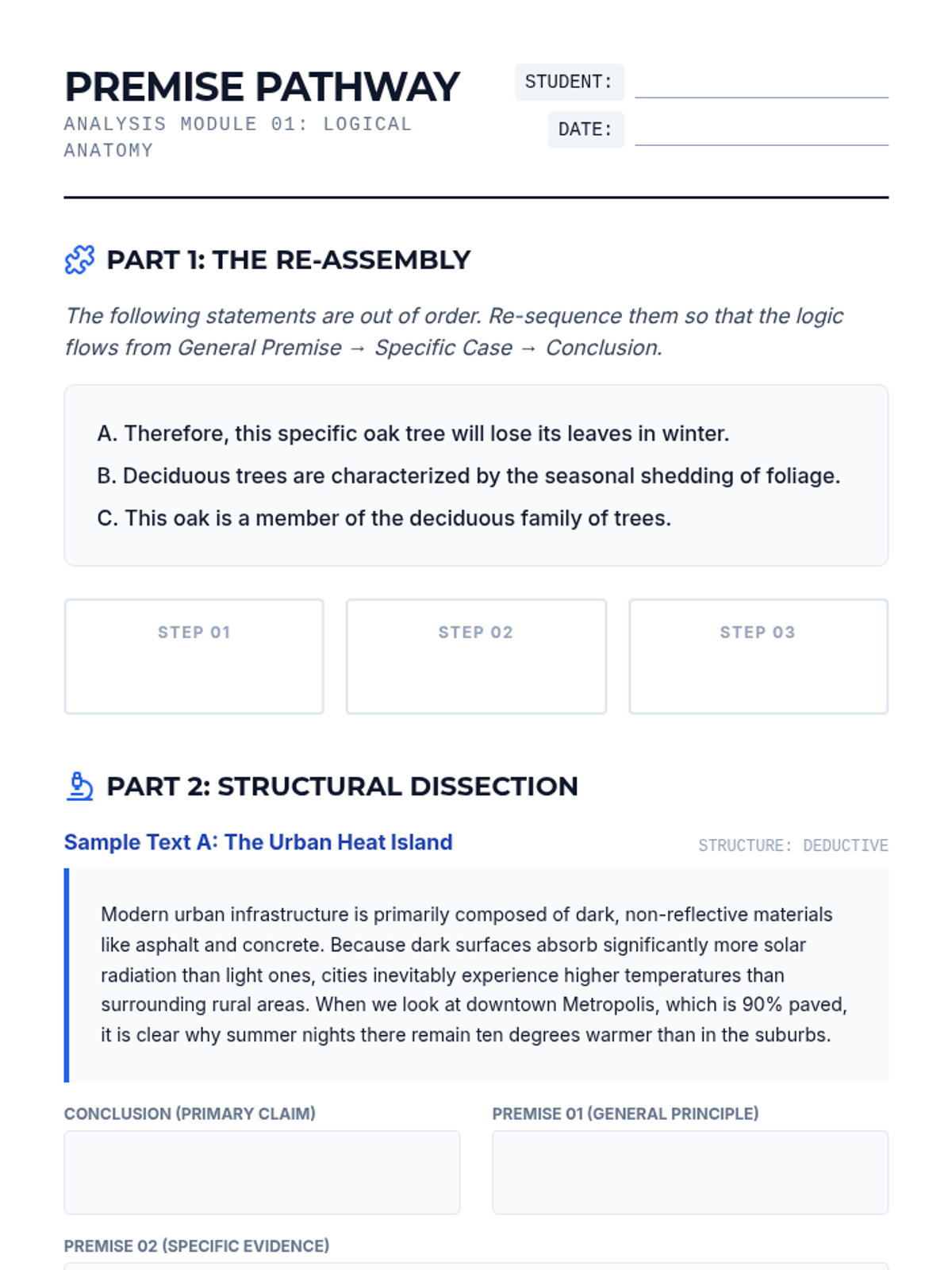
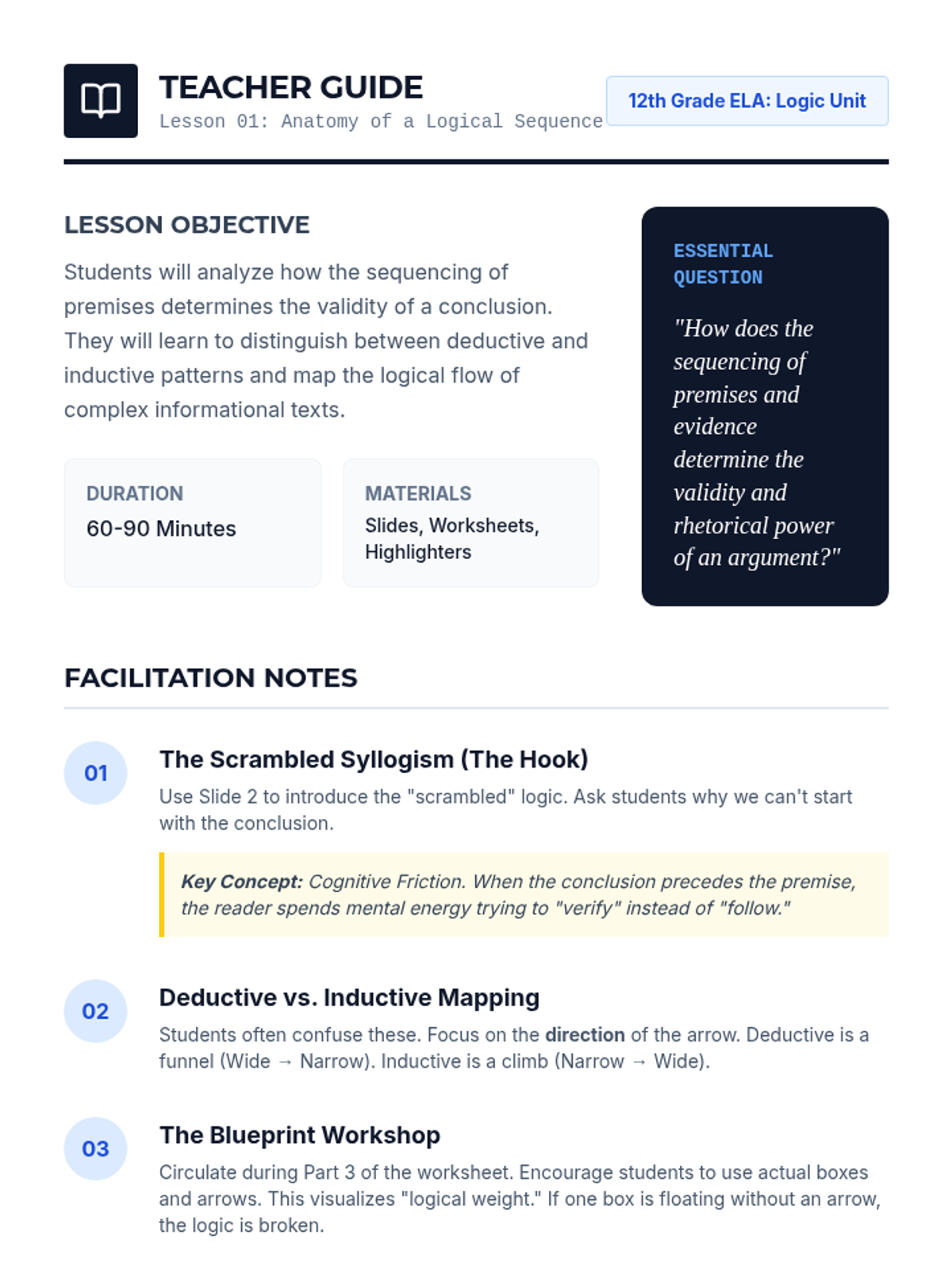
A 12th-grade ELA unit focused on the logical sequencing of ideas within dense informational texts and complex arguments. Students analyze how the ordering of premises and evidence determines the validity and rhetorical impact of a text.
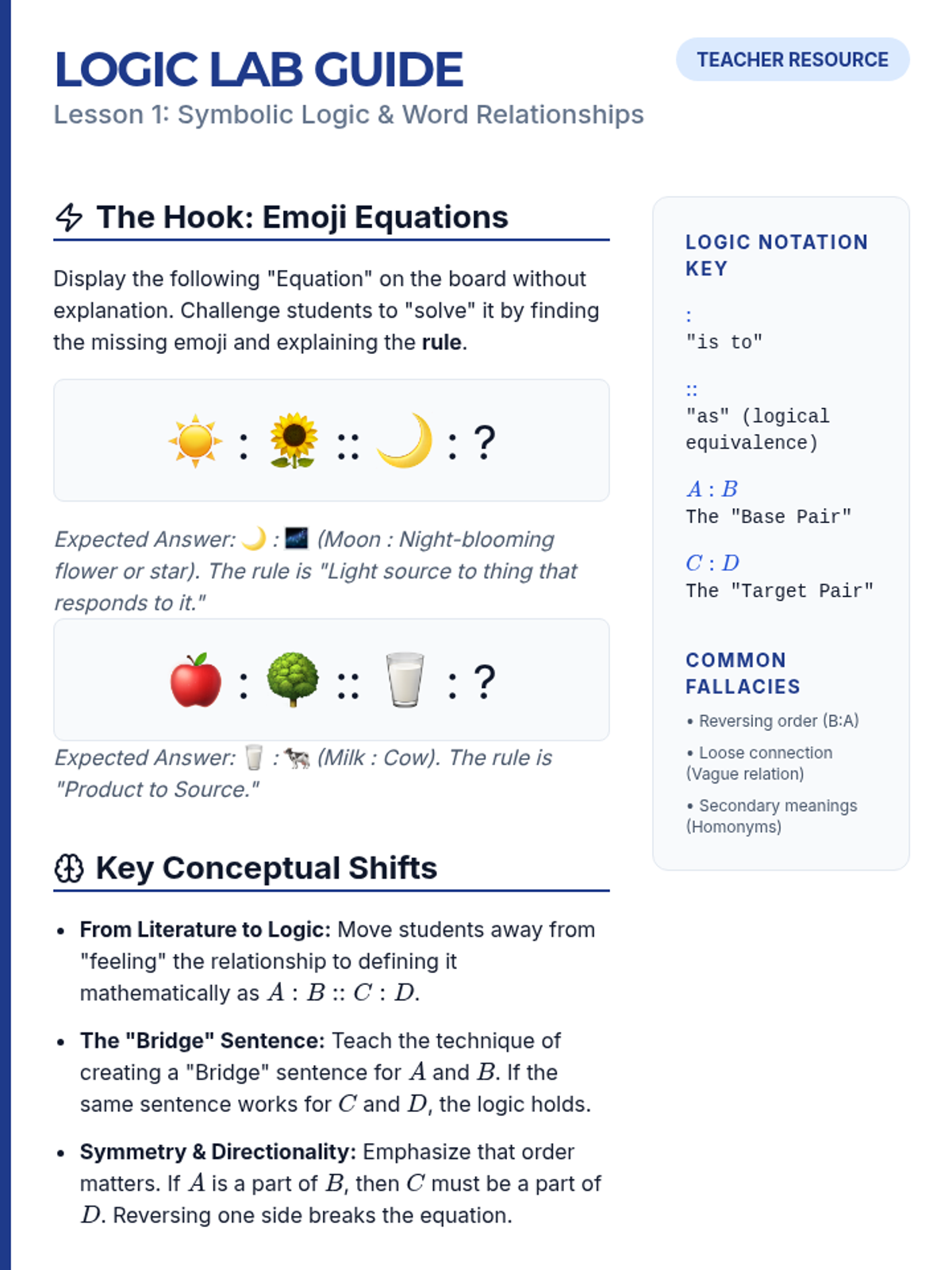
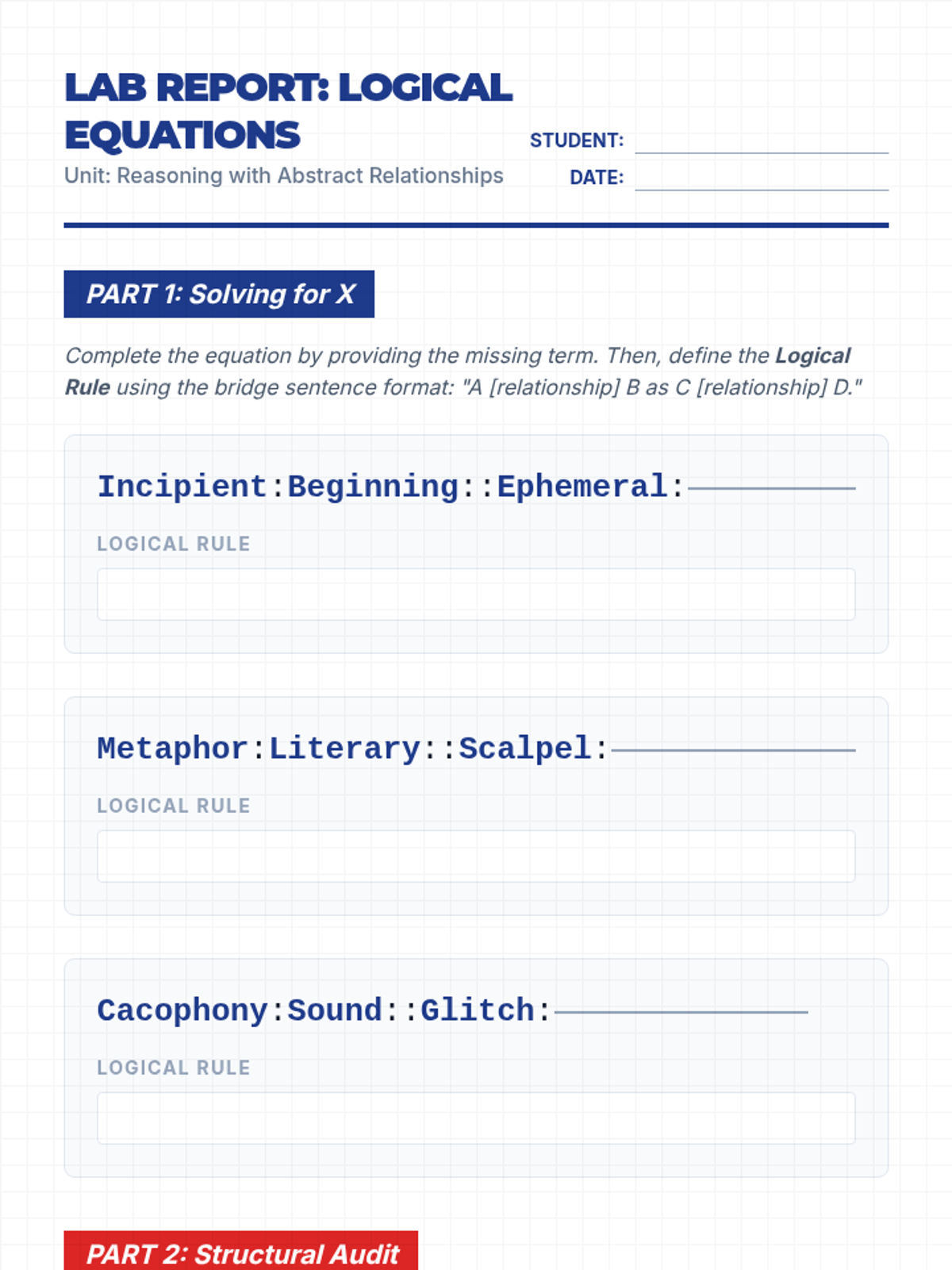
A high-level bridging of English Language Arts and formal logic, focusing on the structural patterns of reasoning through analogies. Students move from basic symbolic notation to complex deductive puzzles, treating language with mathematical precision.
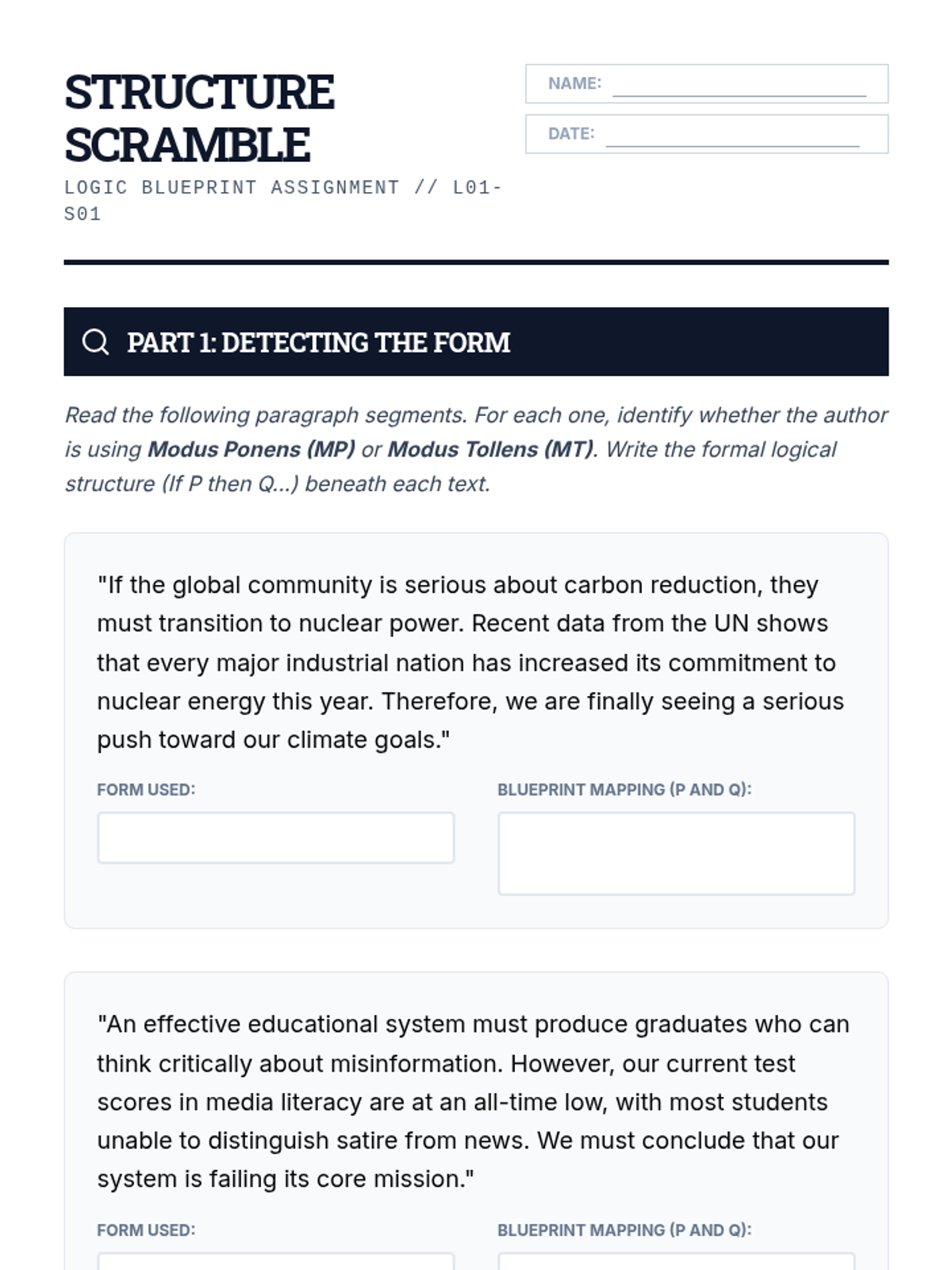
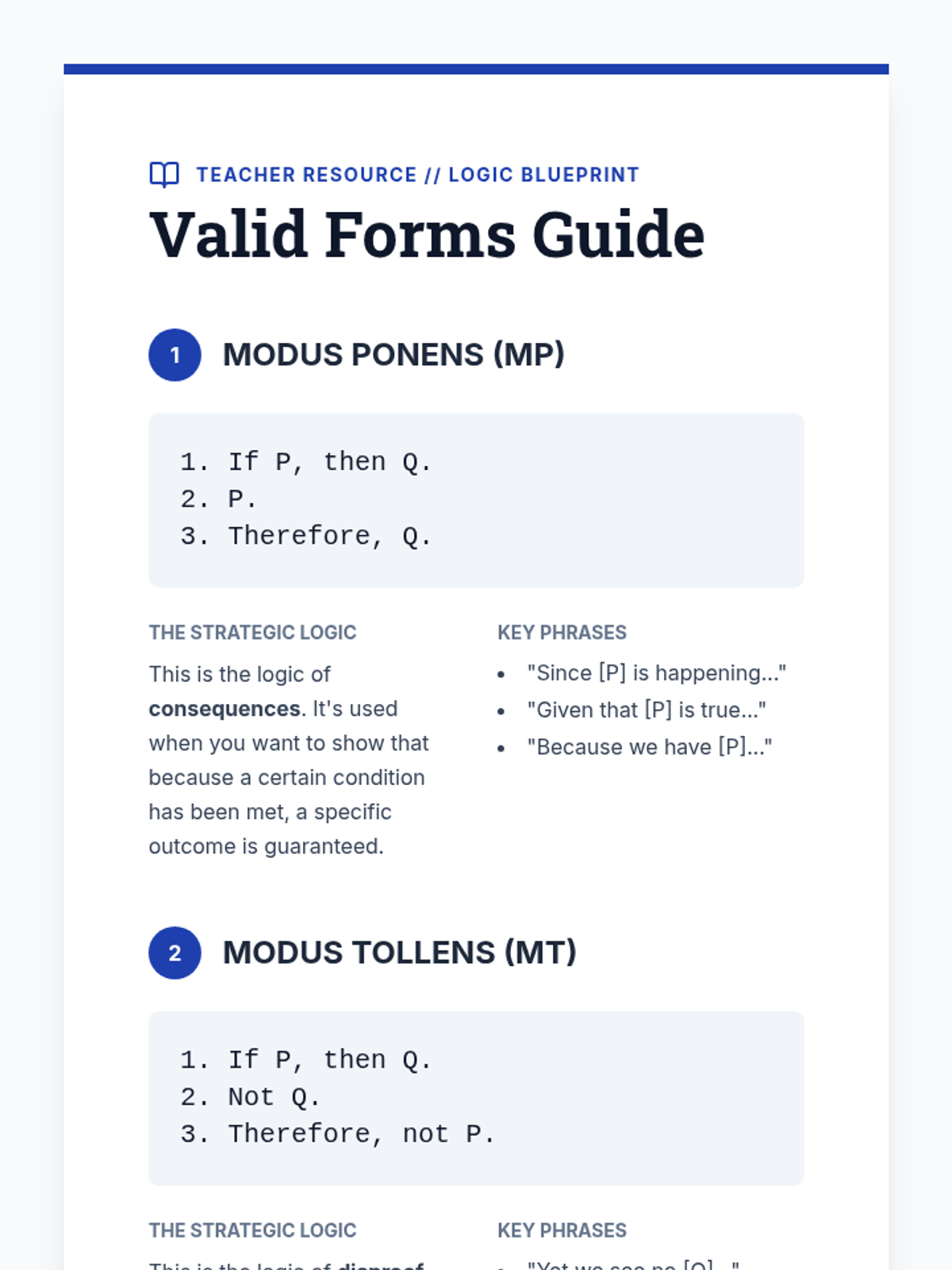
A 9th-grade English Language Arts sequence that bridges formal logic with argumentative writing. Students learn to use valid argument forms like Modus Ponens, Modus Tollens, and Hypothetical Syllogisms as structural blueprints for high-quality, undeniable writing.
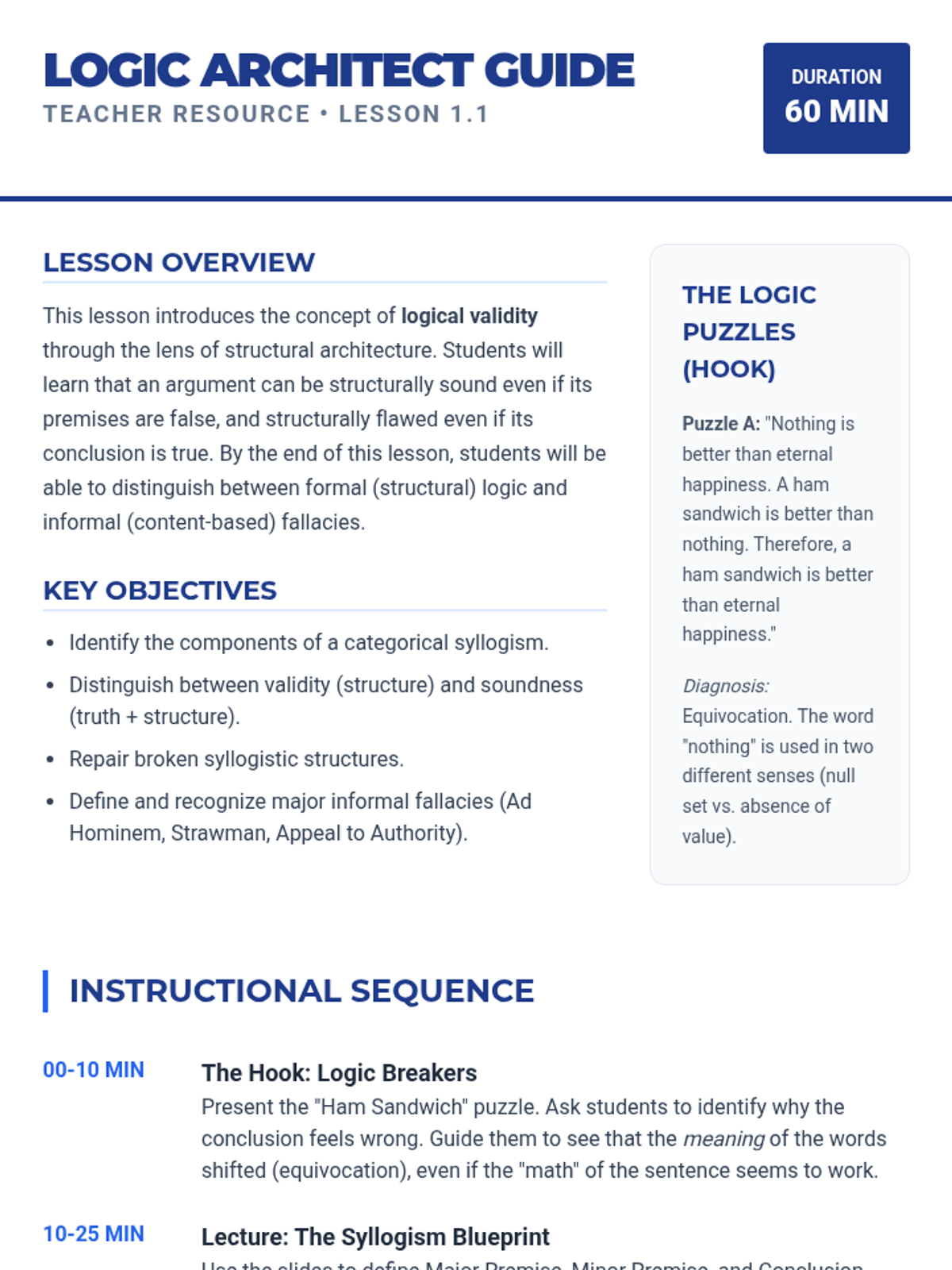
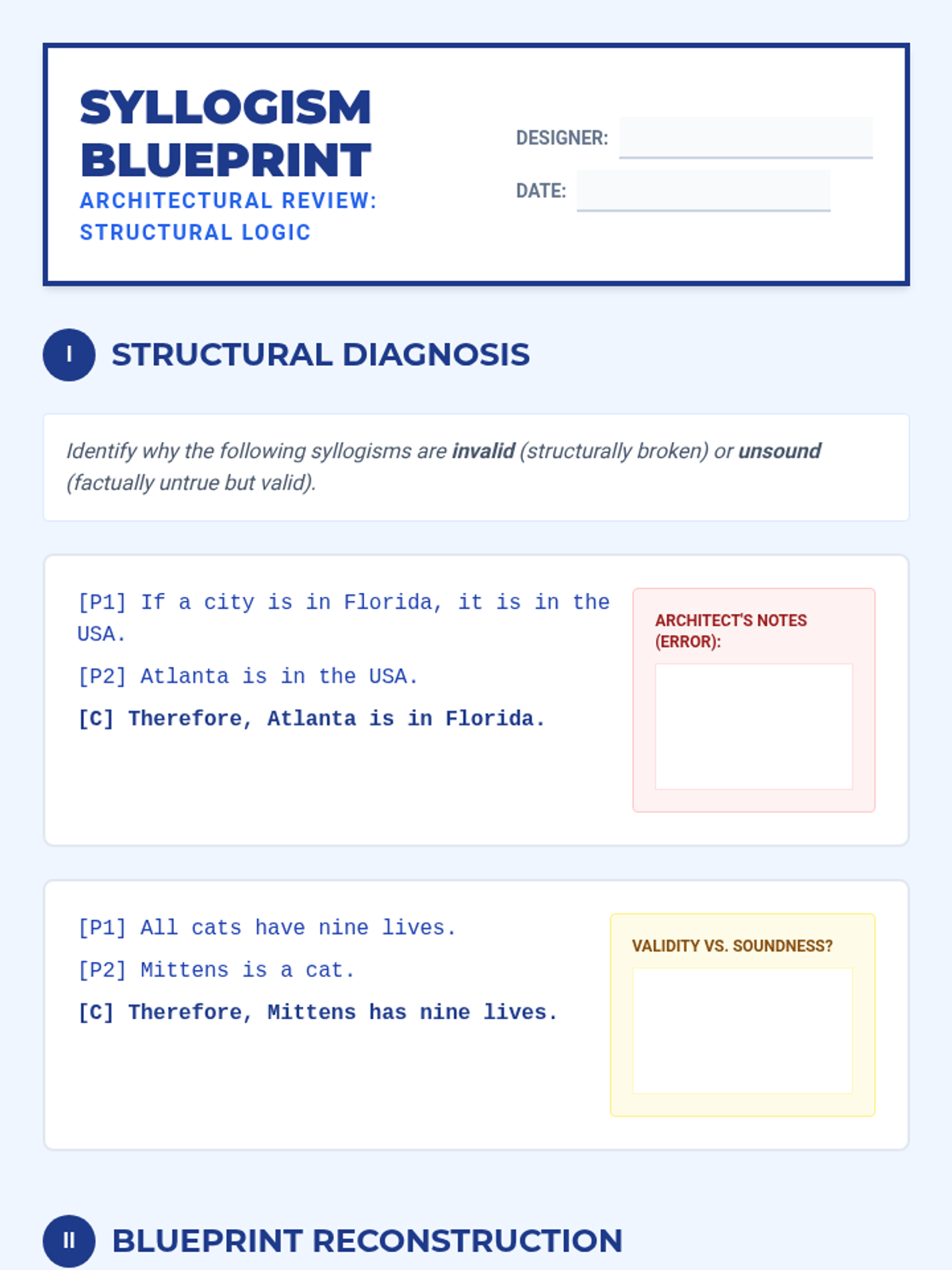
A foundational sequence for 9th-grade students on the structures of deductive reasoning, focusing on categorical syllogisms, validity, and soundness to enhance critical thinking and analytical writing.
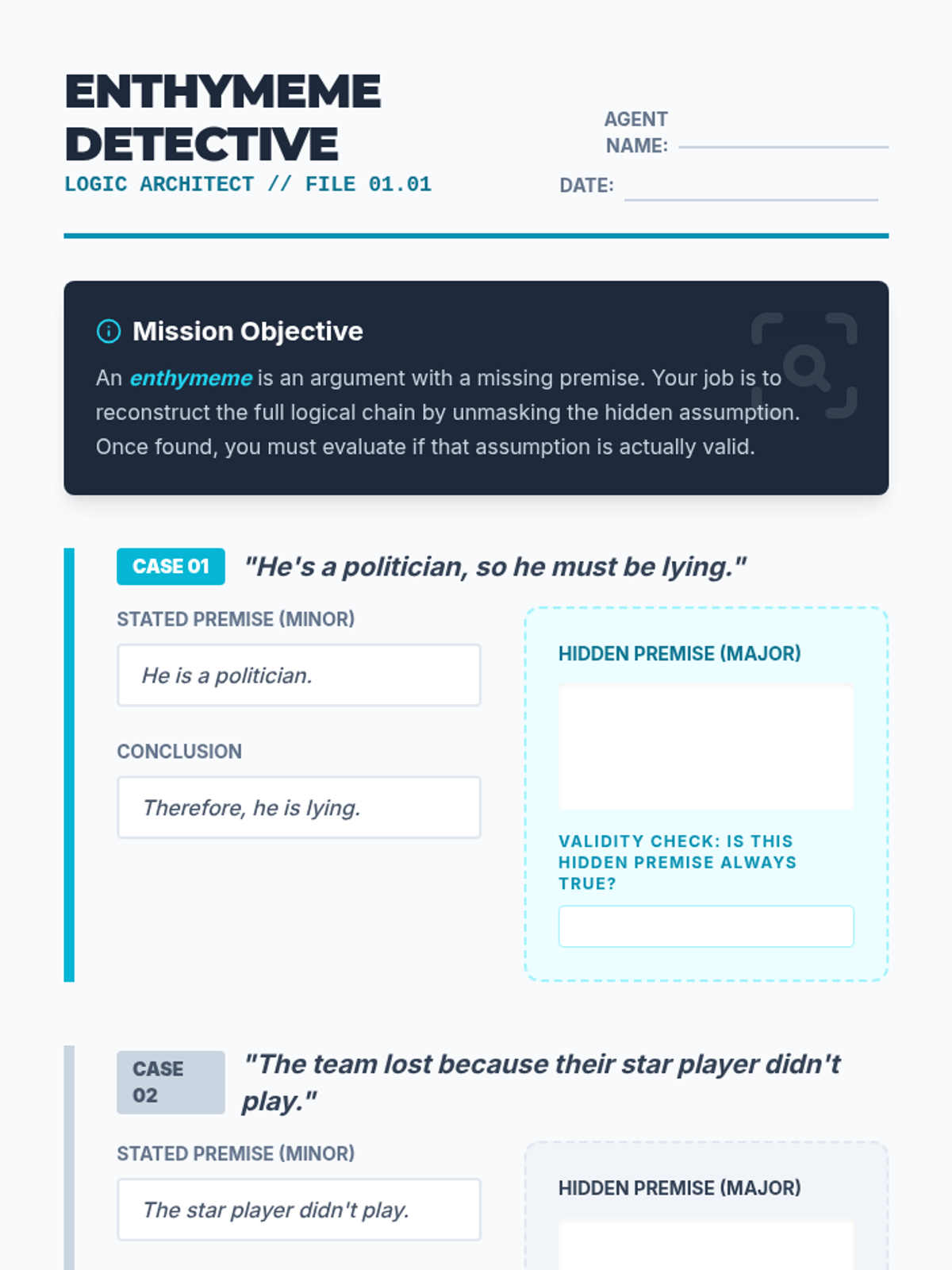
A high-level ELA unit for 11th graders that bridges formal logic and argumentative writing. Students move from identifying hidden premises (enthymemes) to constructing complex essays built on valid deductive frameworks like Modus Ponens and Modus Tollens.
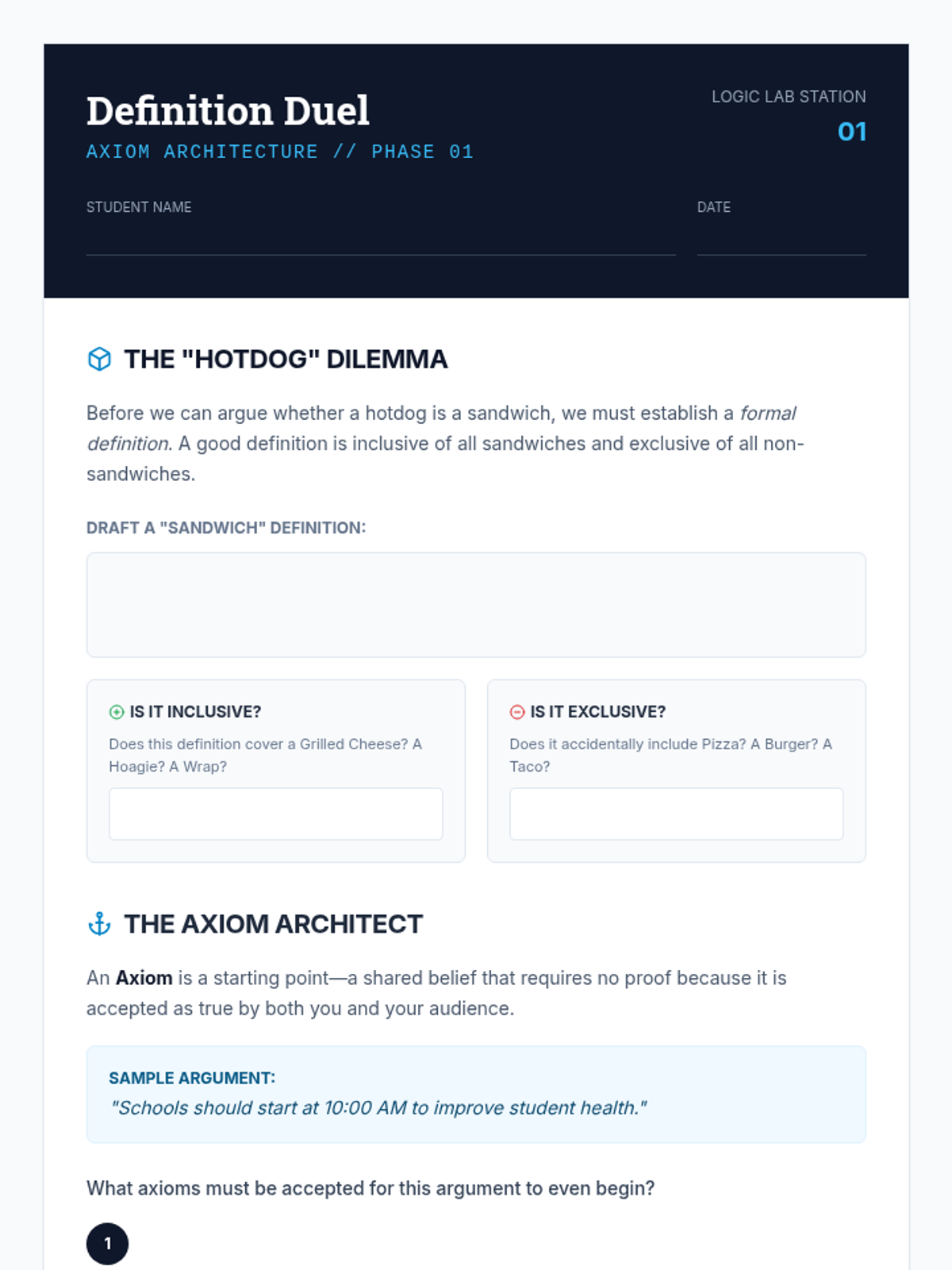
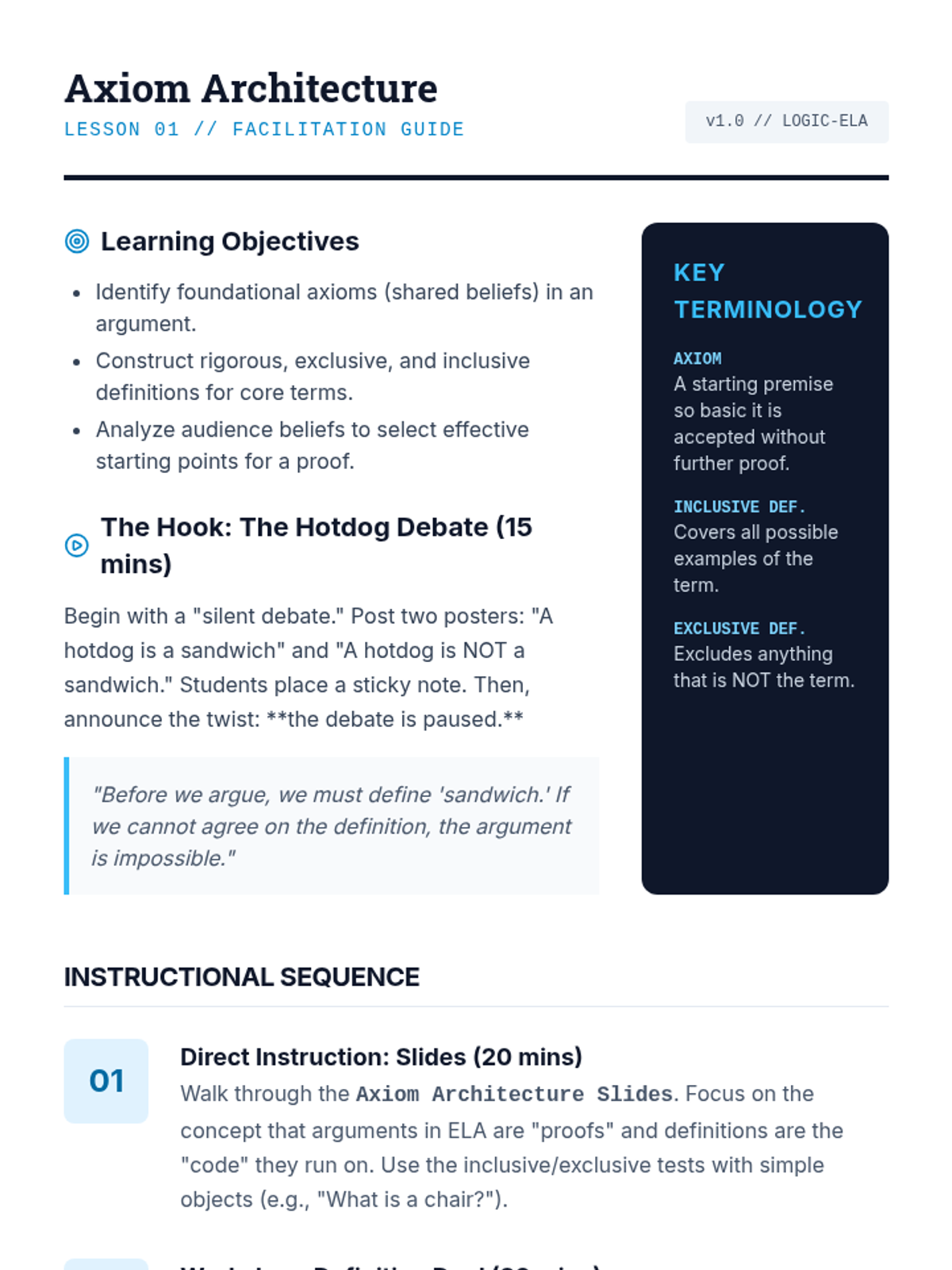
A high-school ELA sequence that treats argumentative writing like geometric proofs, focusing on formal logic structures like axioms, modus ponens, and proofs by contradiction to build unassailable positions.
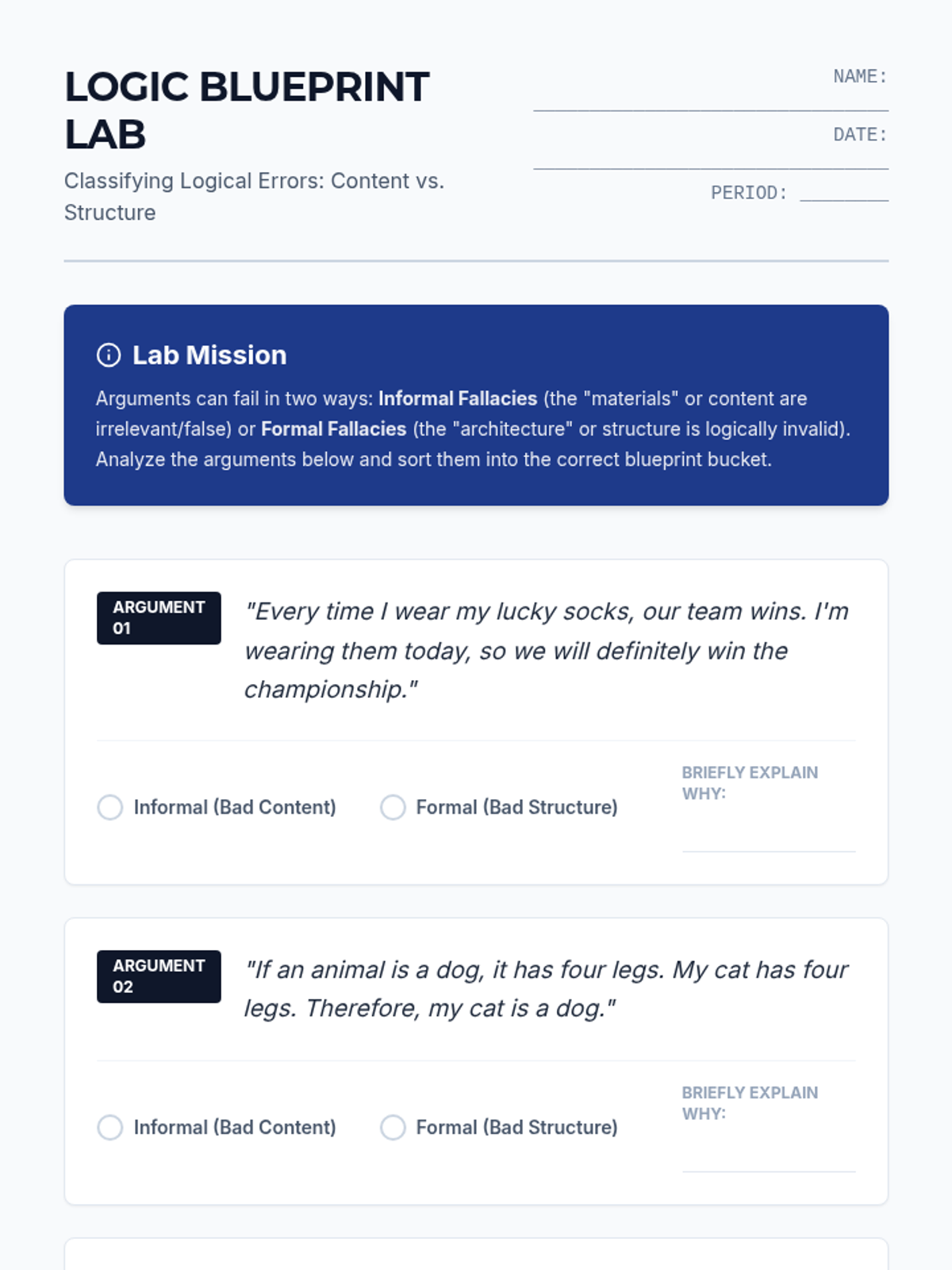
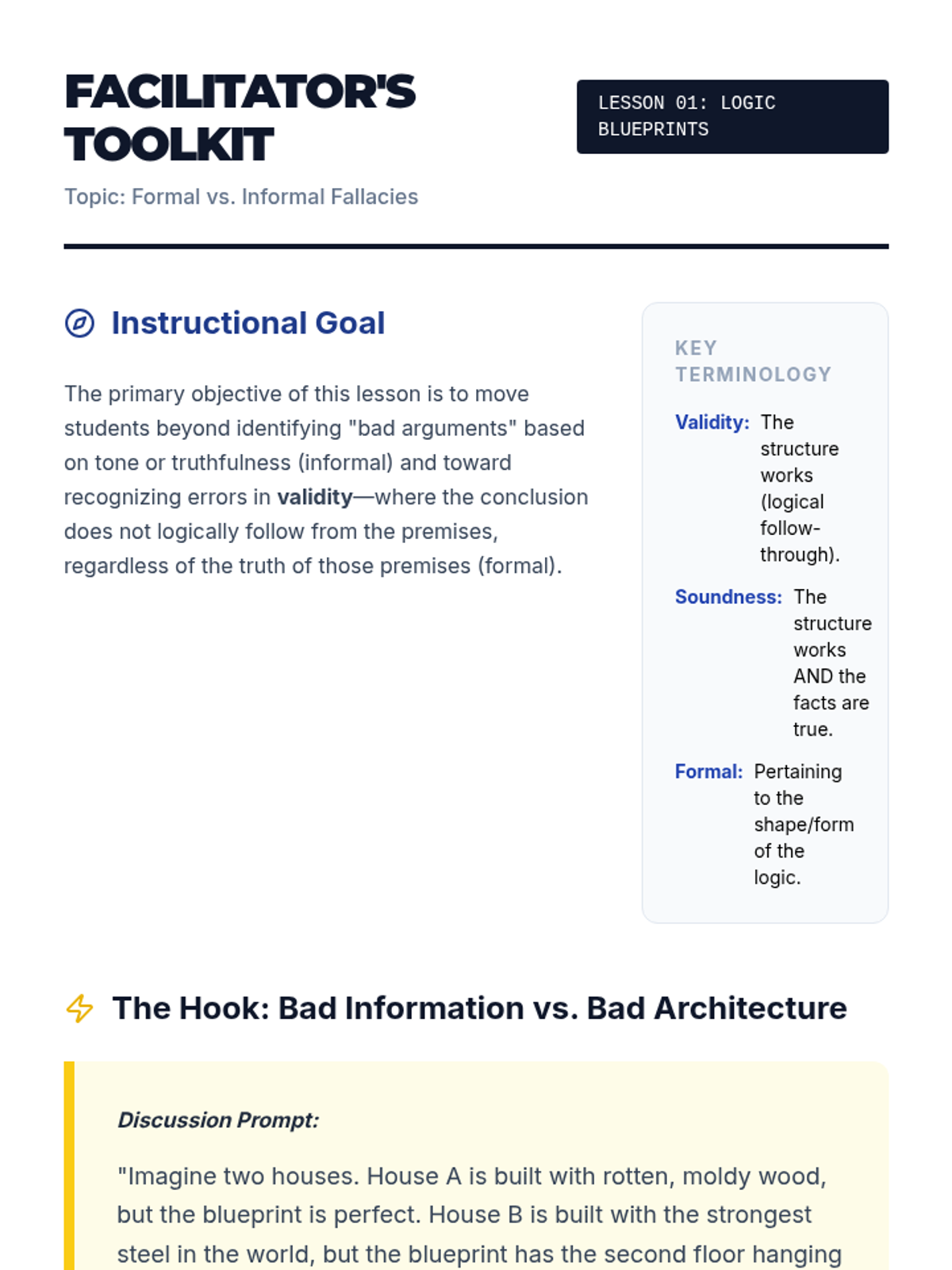
A high school ELA sequence focused on identifying structural errors in reasoning. Students learn to distinguish between informal fallacies (content-based) and formal fallacies (structure-based), specifically mastering affirming the consequent, denying the antecedent, and the undistributed middle.
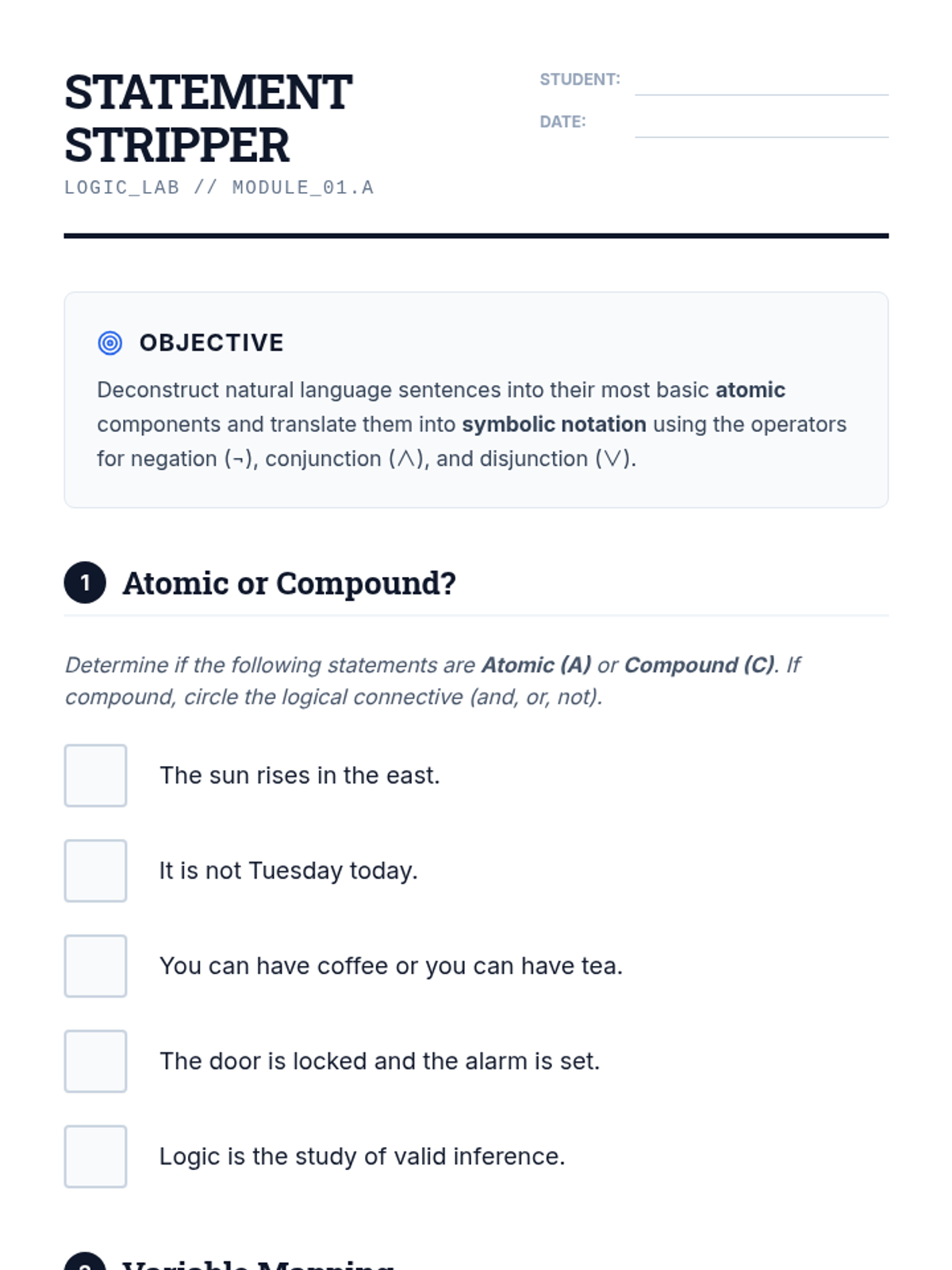
A high school ELA sequence on formal logic, teaching students to translate natural language into symbolic notation and evaluate logical consistency through truth tables. Students progress from basic connectives to analyzing complex rhetorical arguments for tautologies and contradictions.
A comprehensive sequence for 12th-grade students that bridges the gap between identifying logical fallacies and constructing sound, formally valid arguments. Students move from the technical structures of formal logic to drafting and delivering speeches that have been 'stress-tested' for rhetorical integrity.
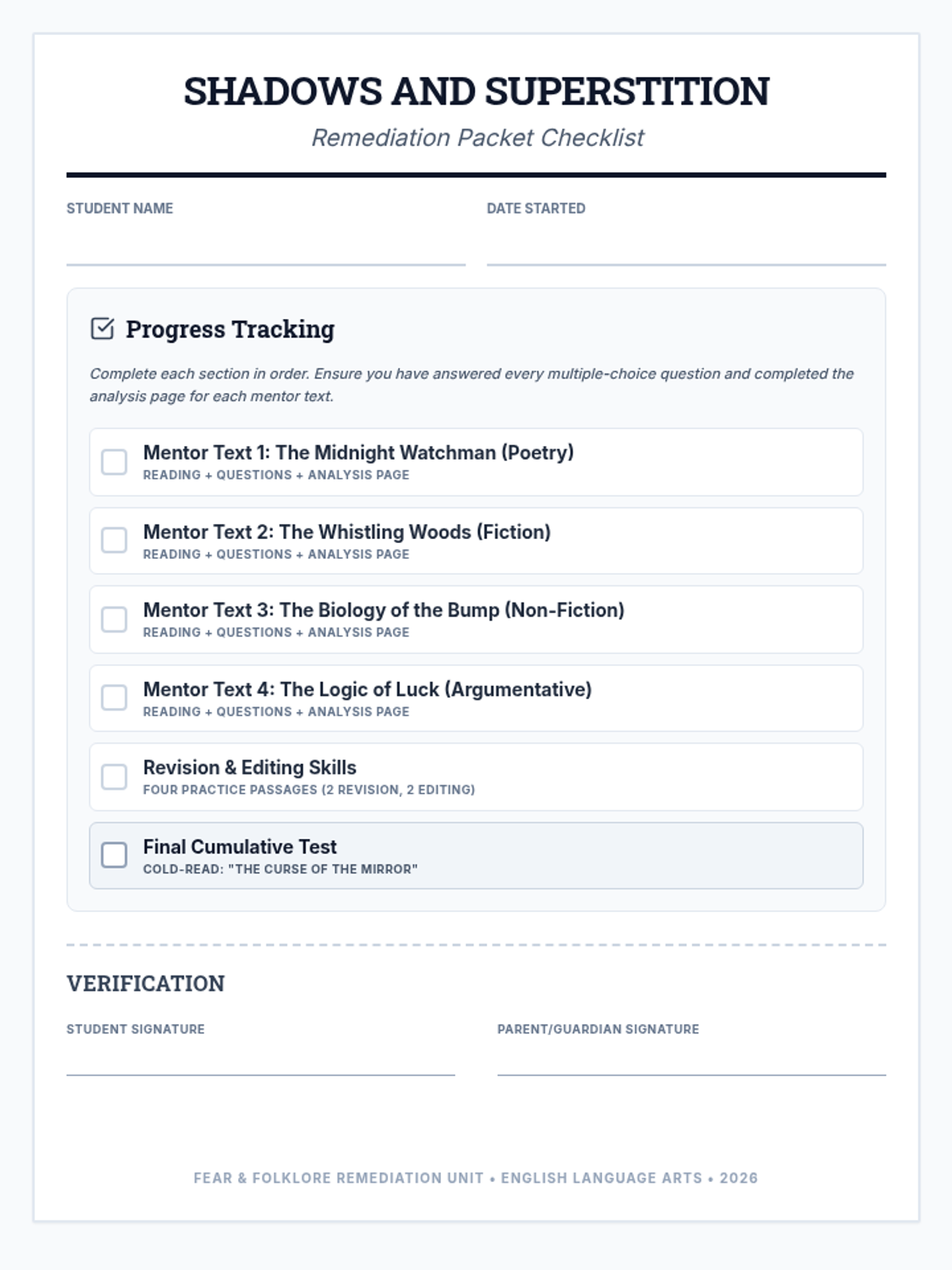
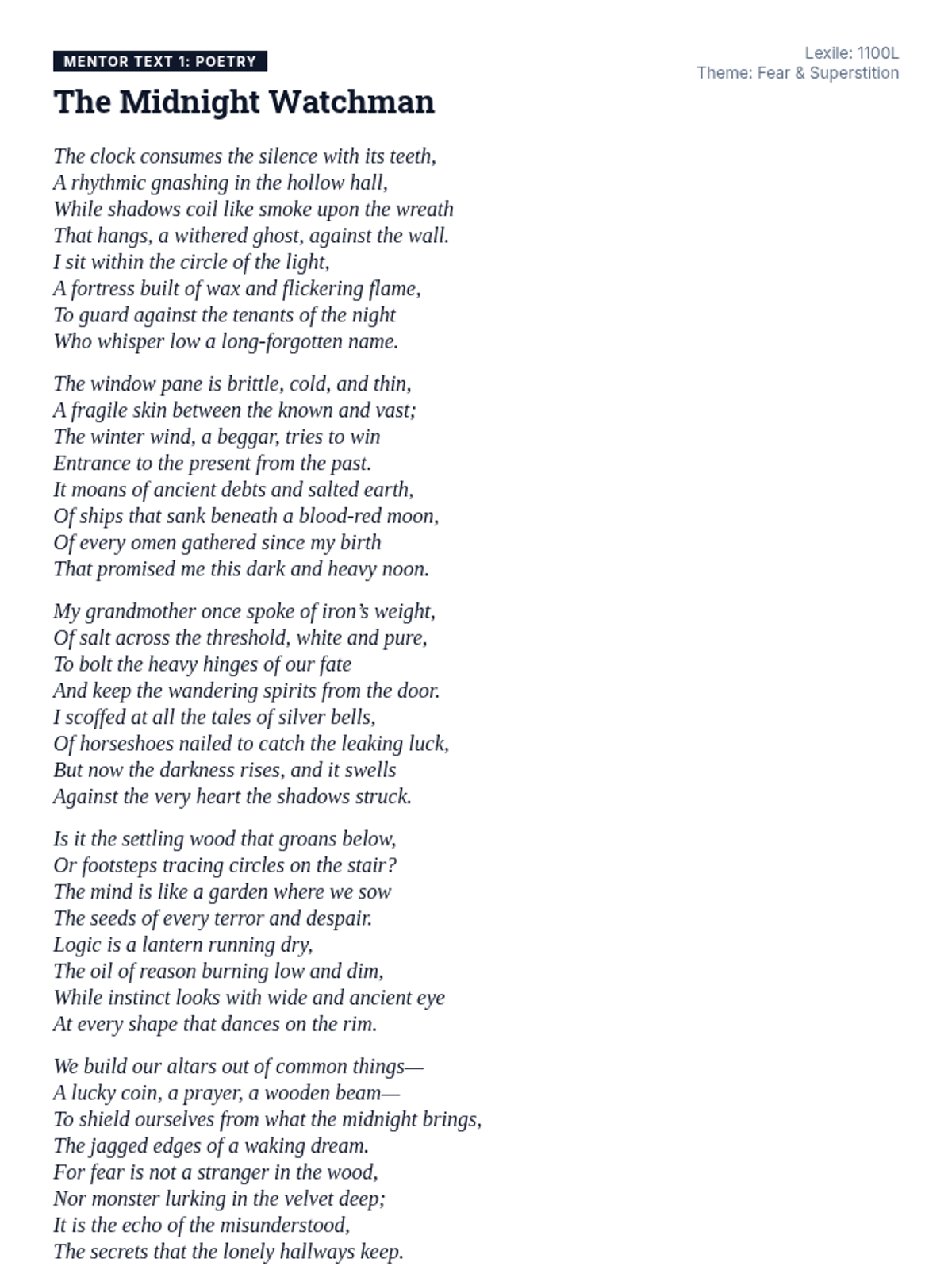
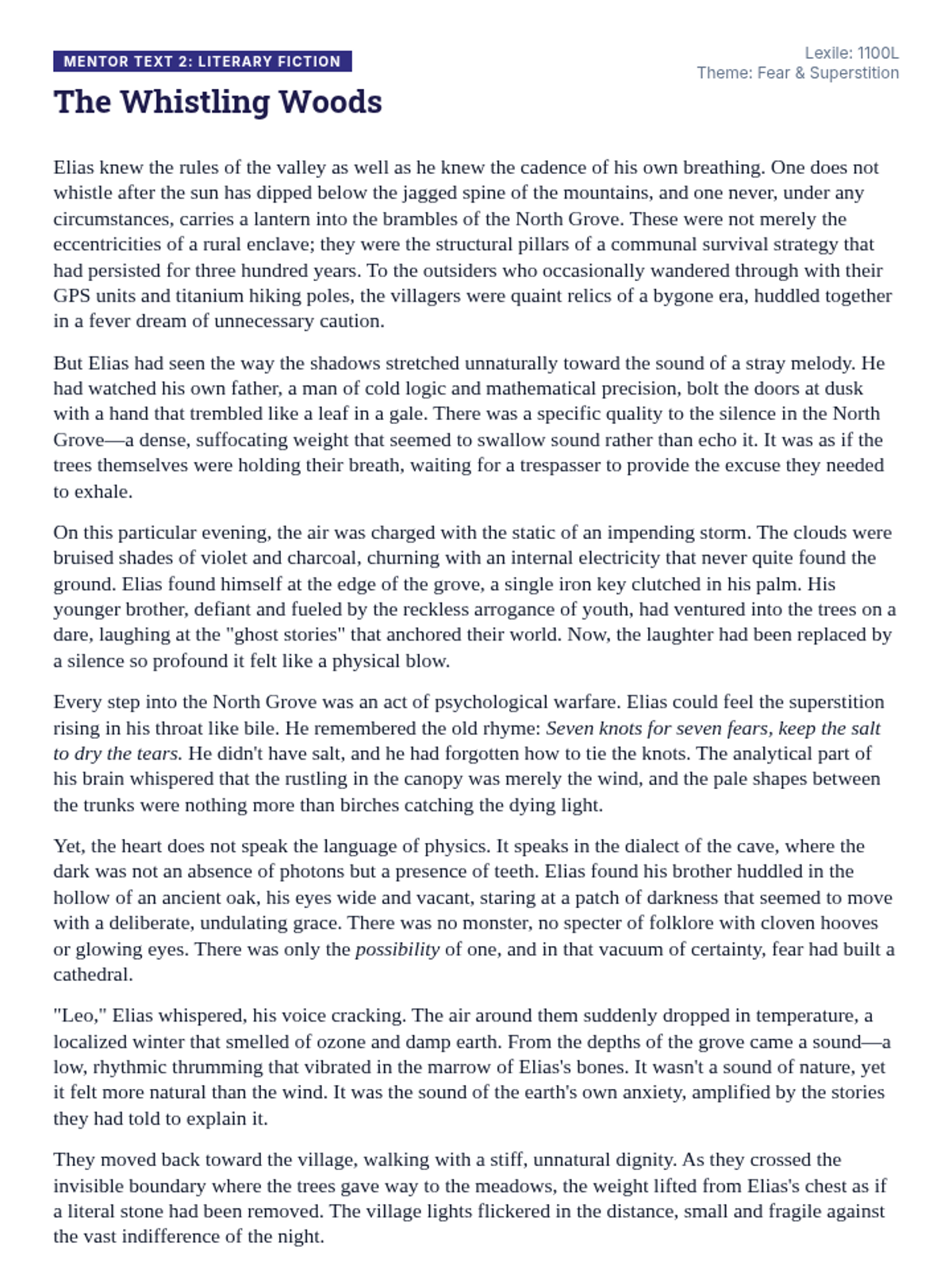
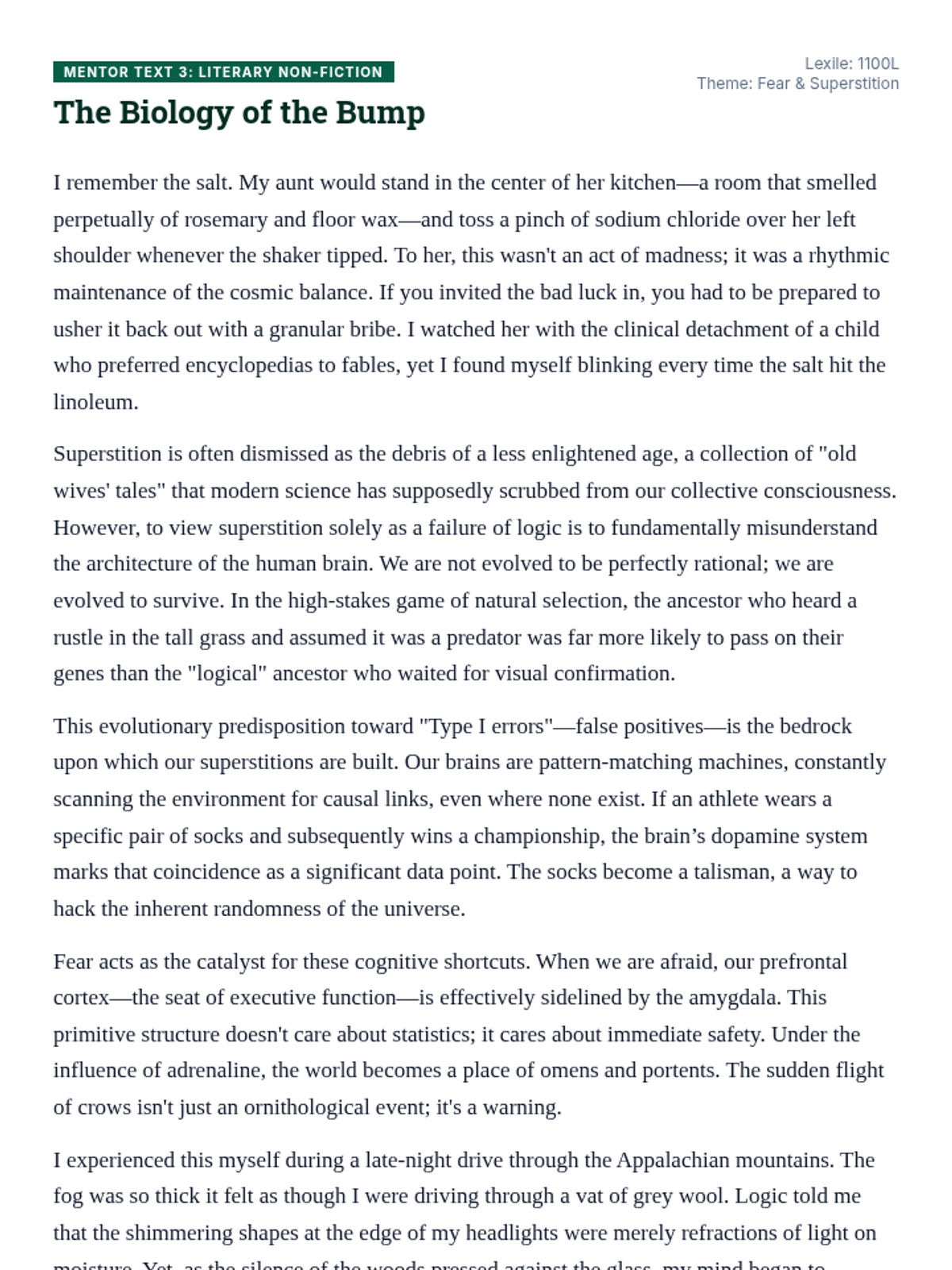
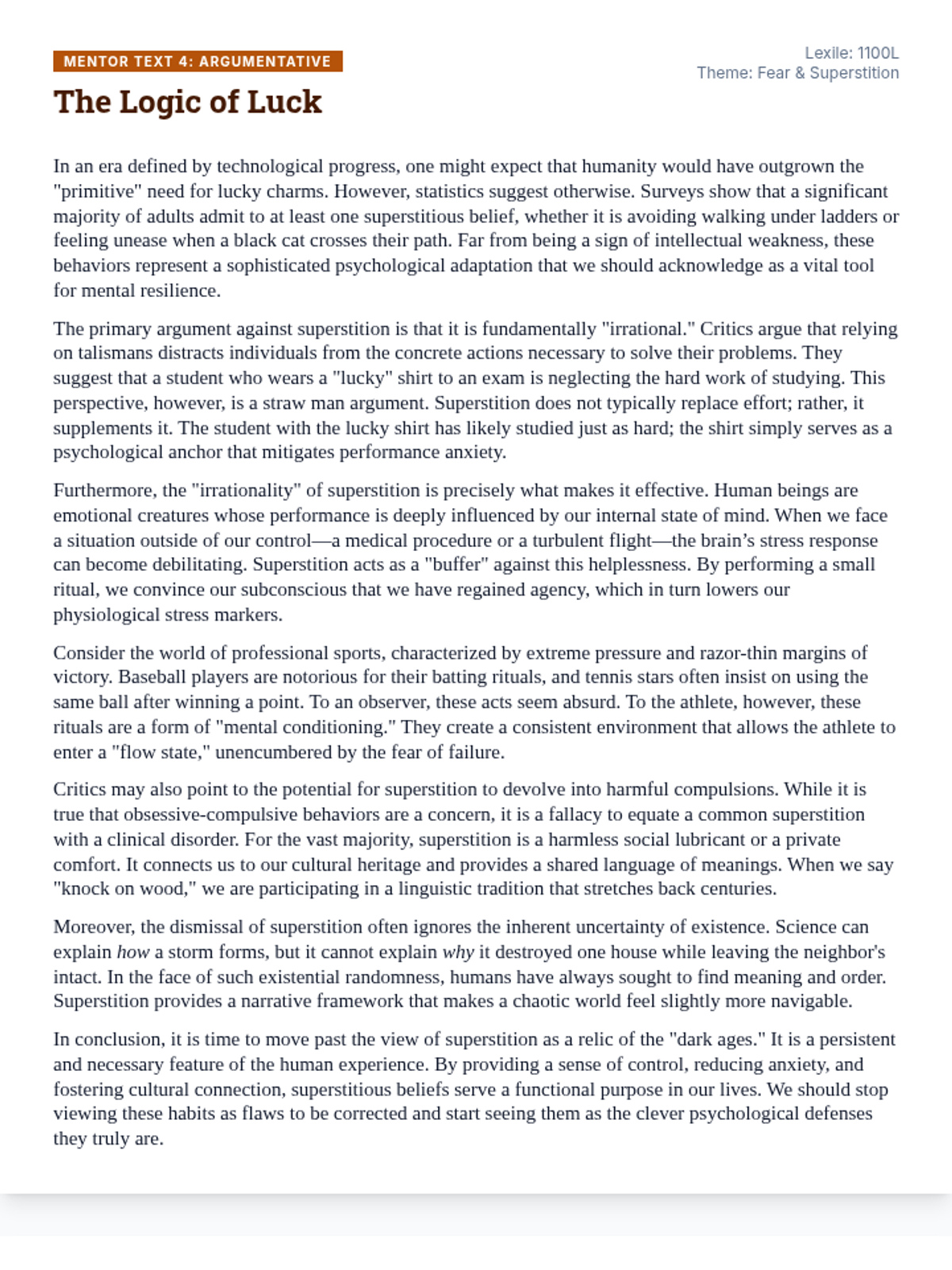
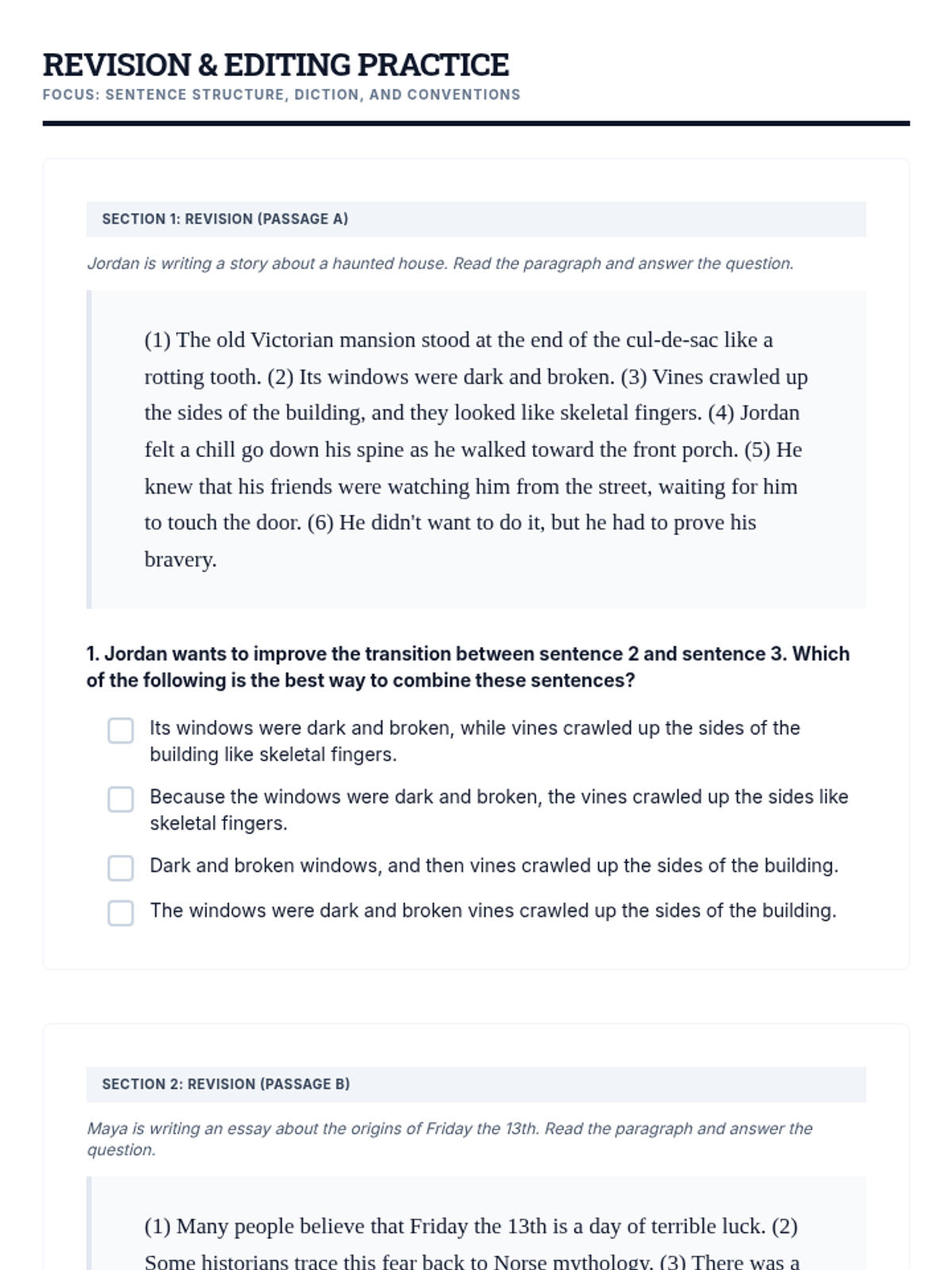
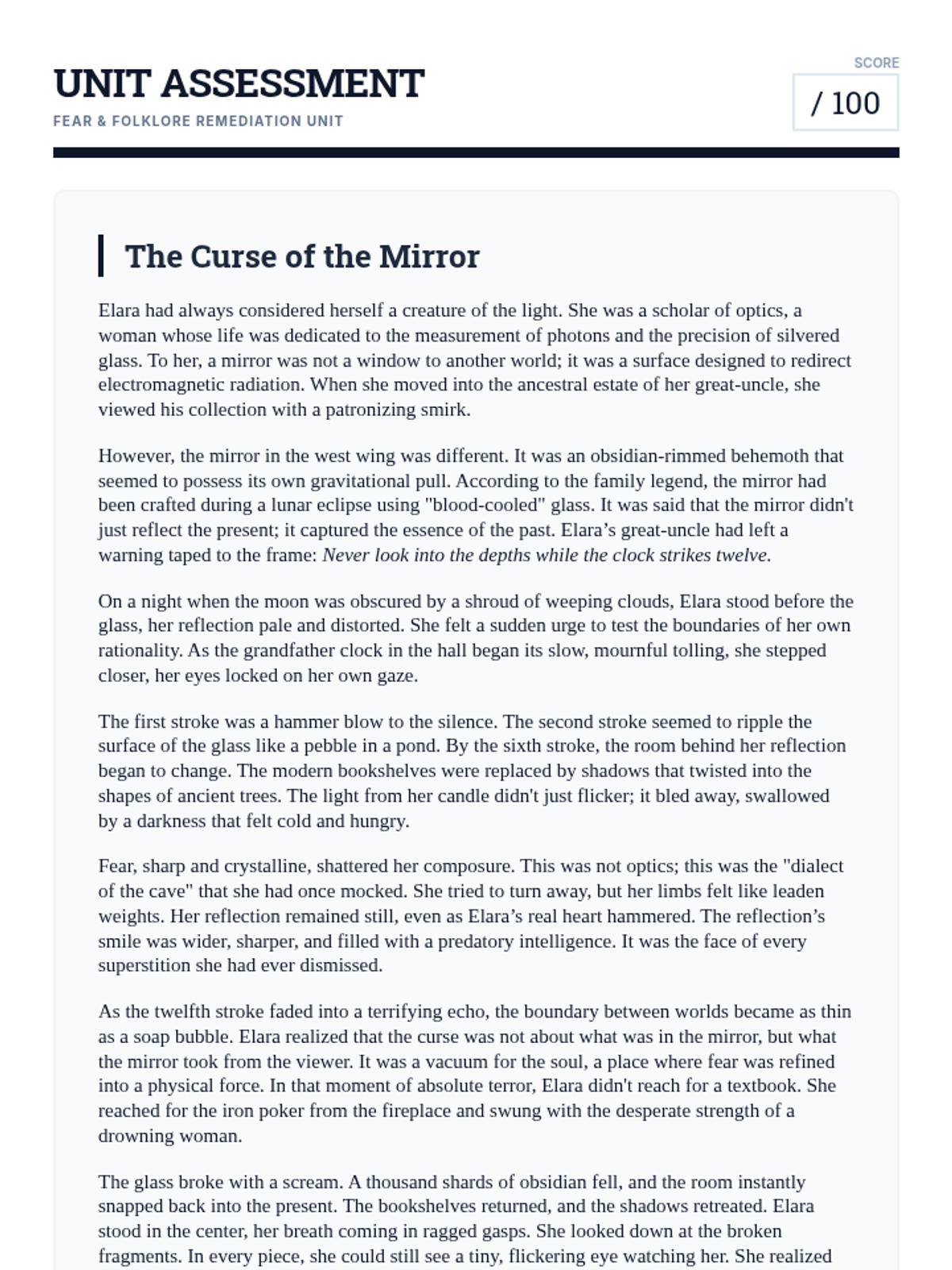
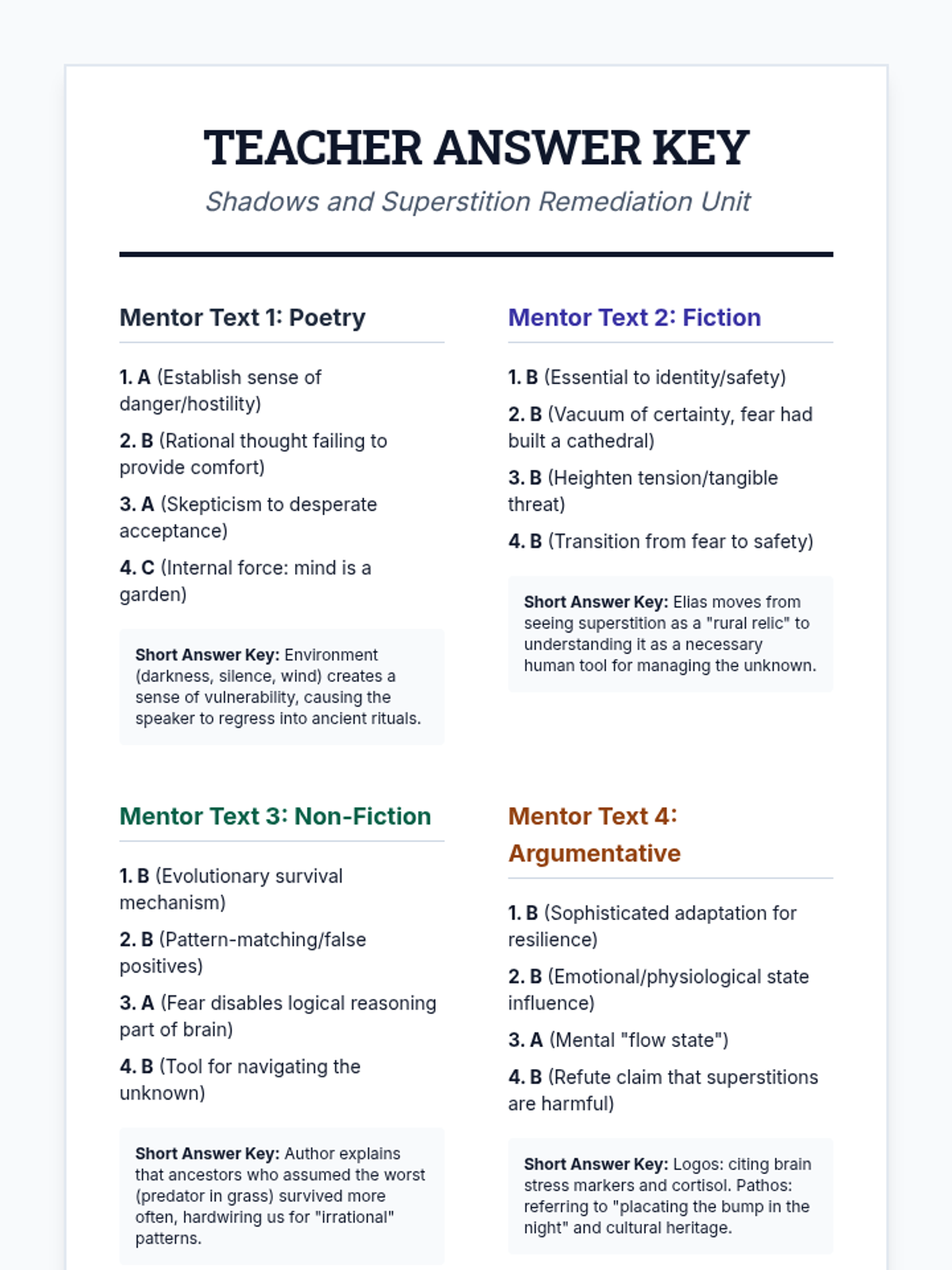
A comprehensive remediation unit exploring the psychological and cultural roots of fear and superstition through multiple genres. Students analyze figurative language, argumentative structures, and use evidence to support inferences.
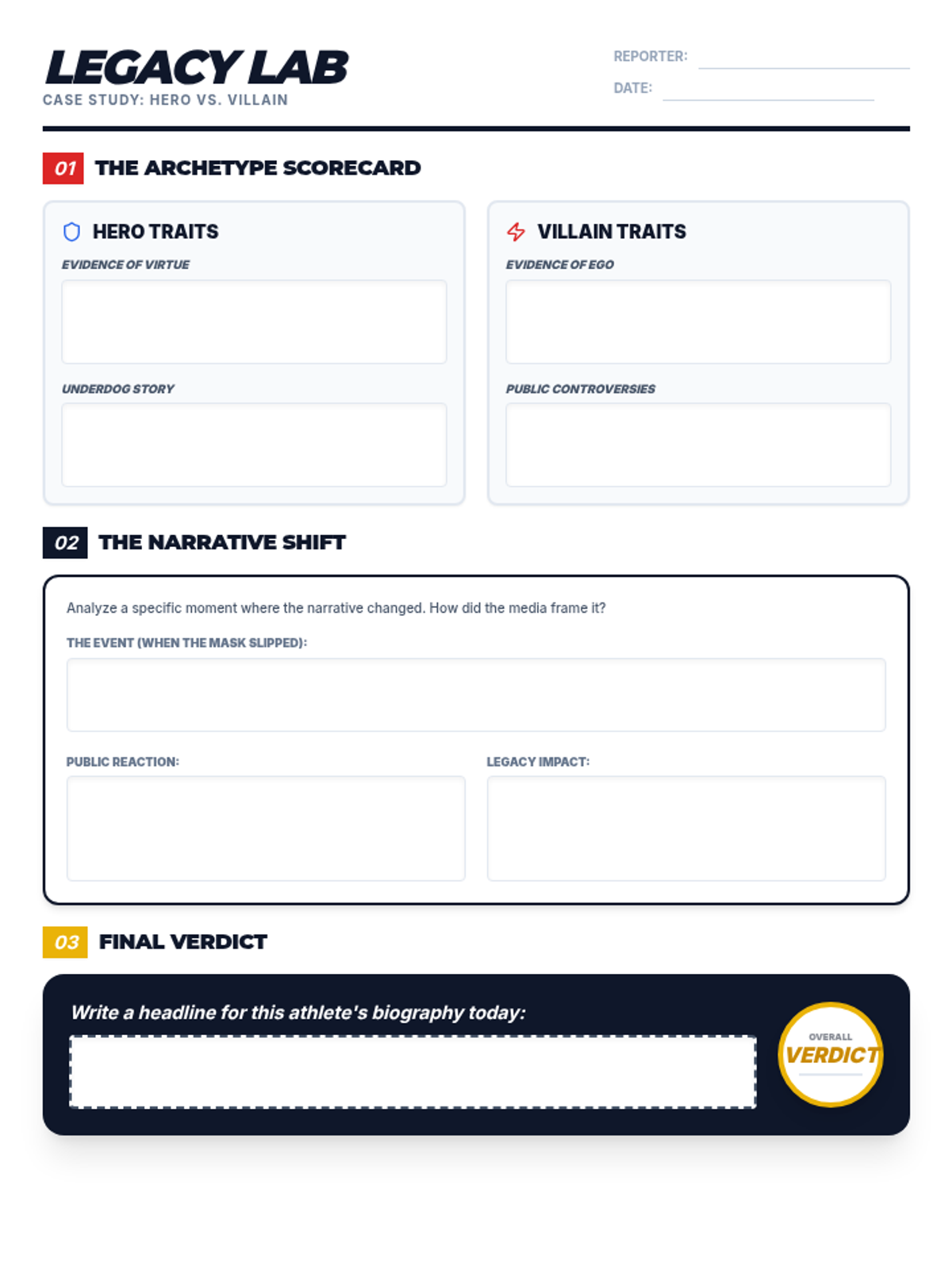
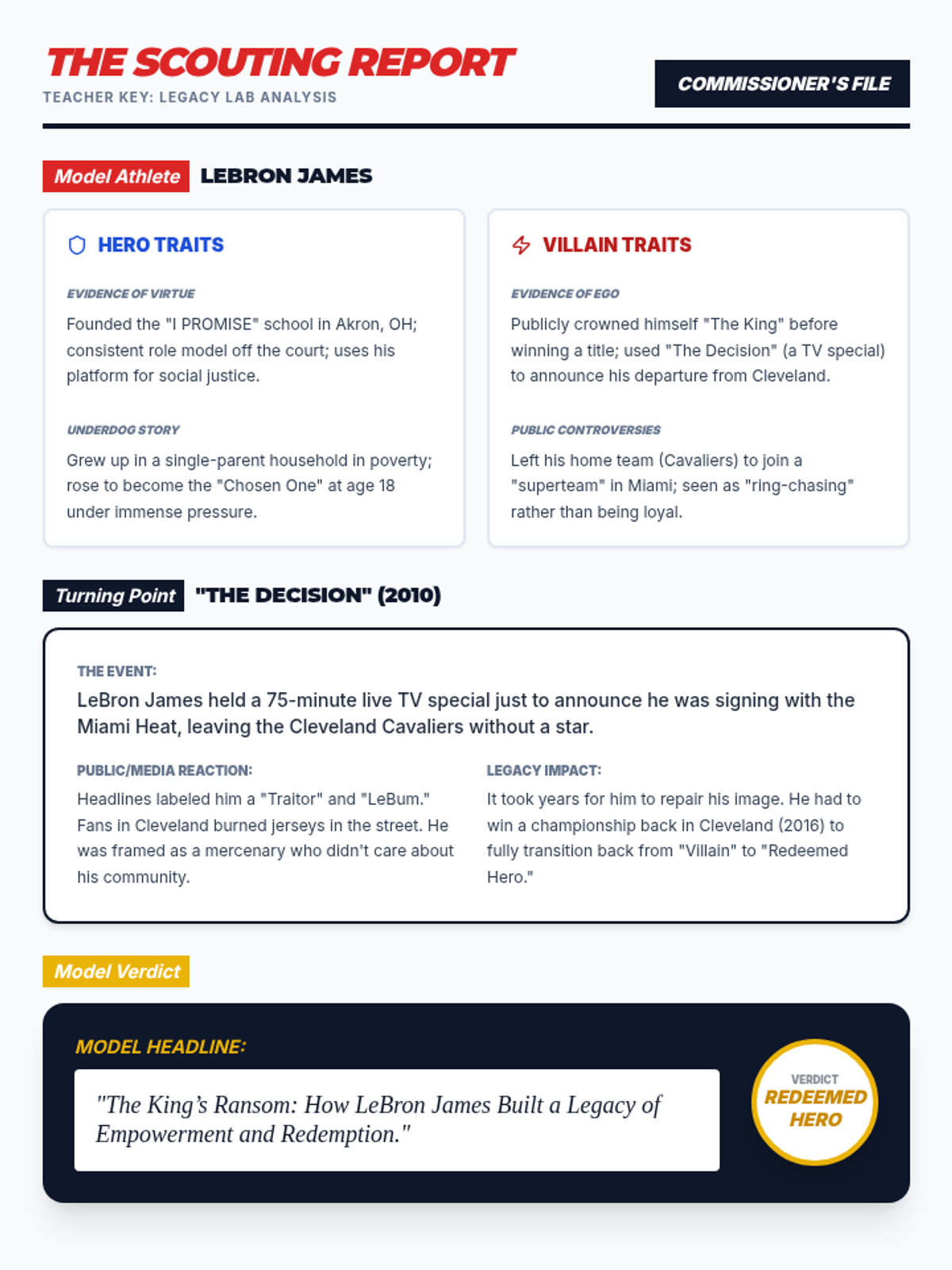
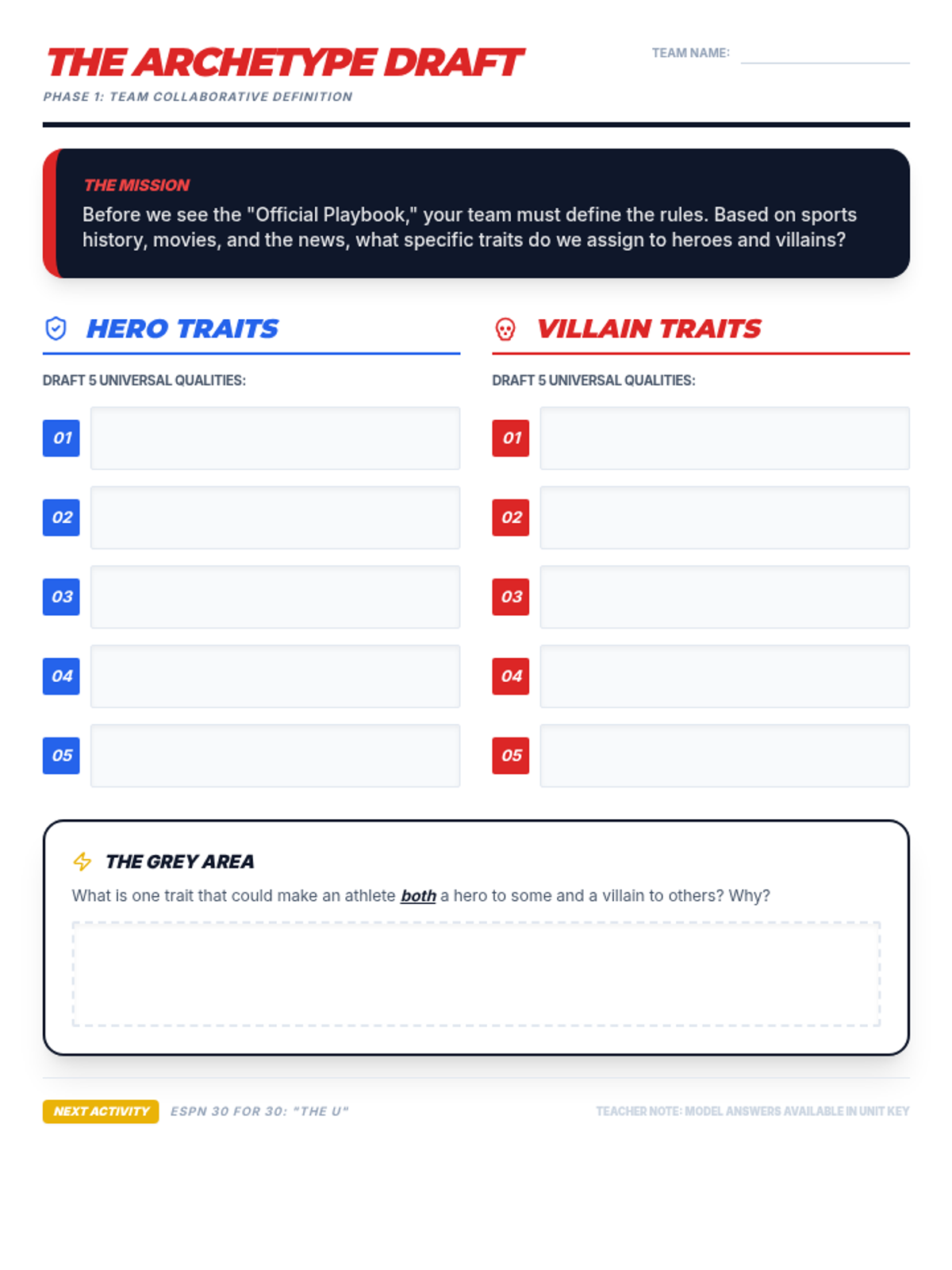
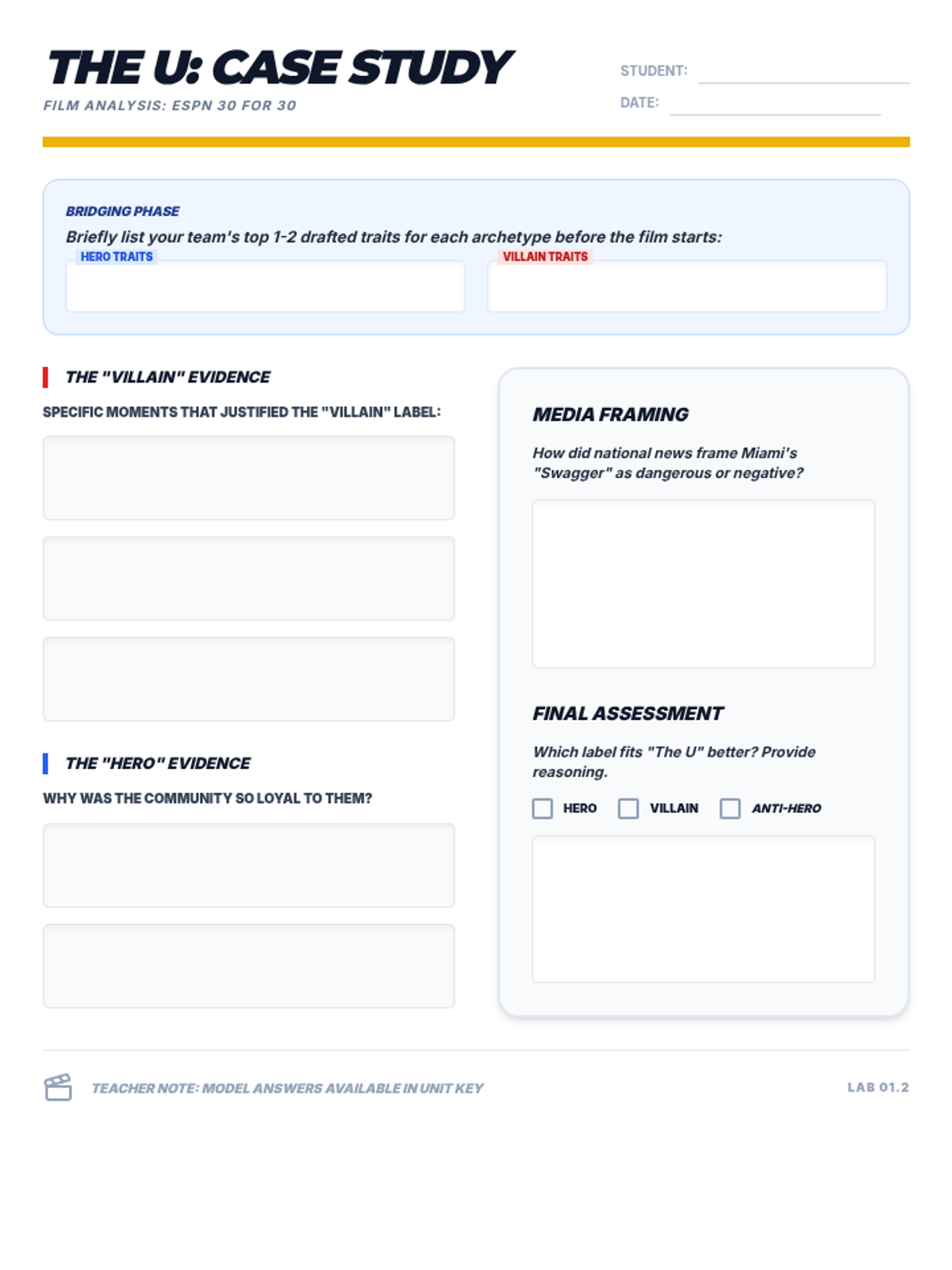
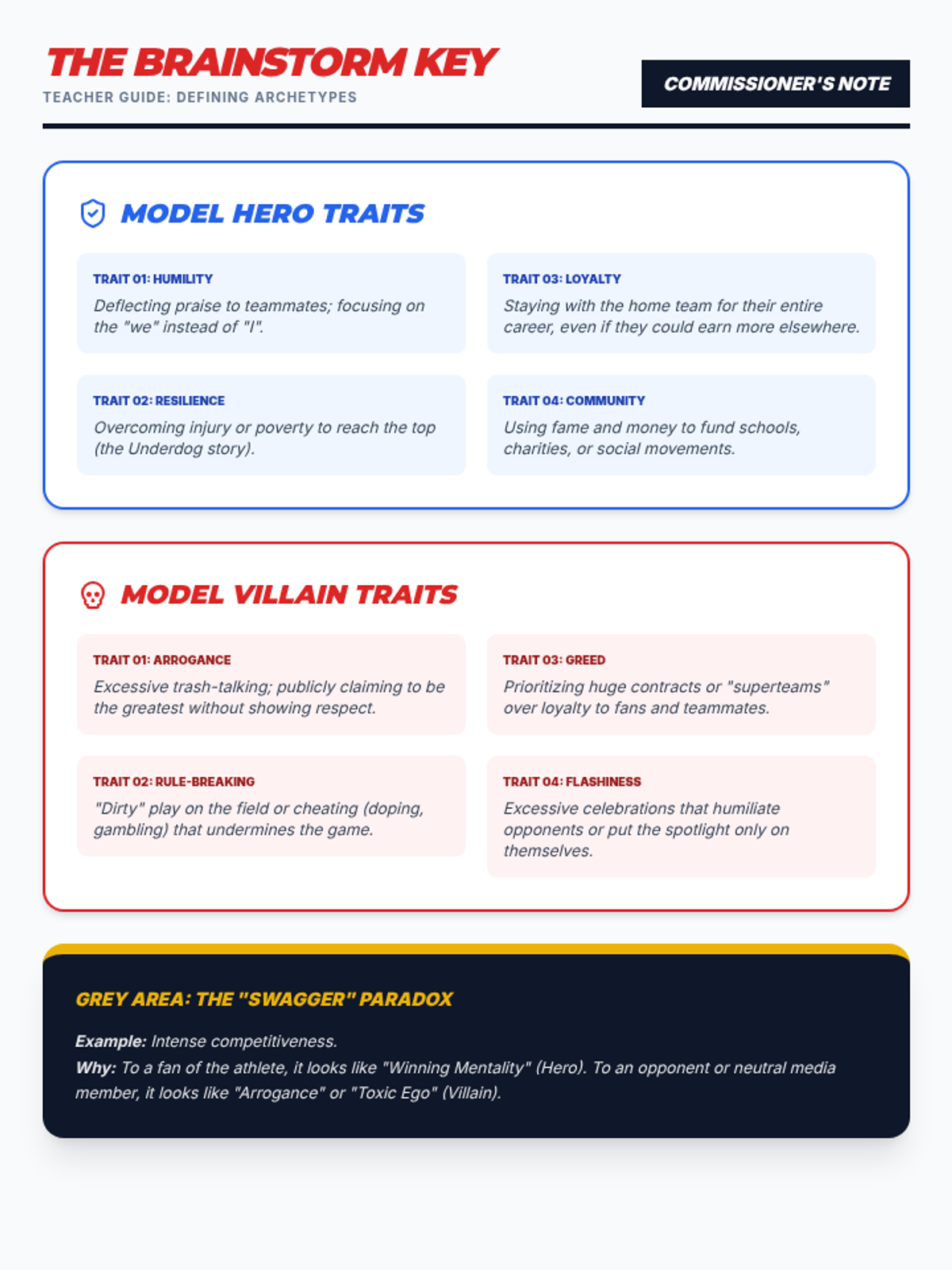
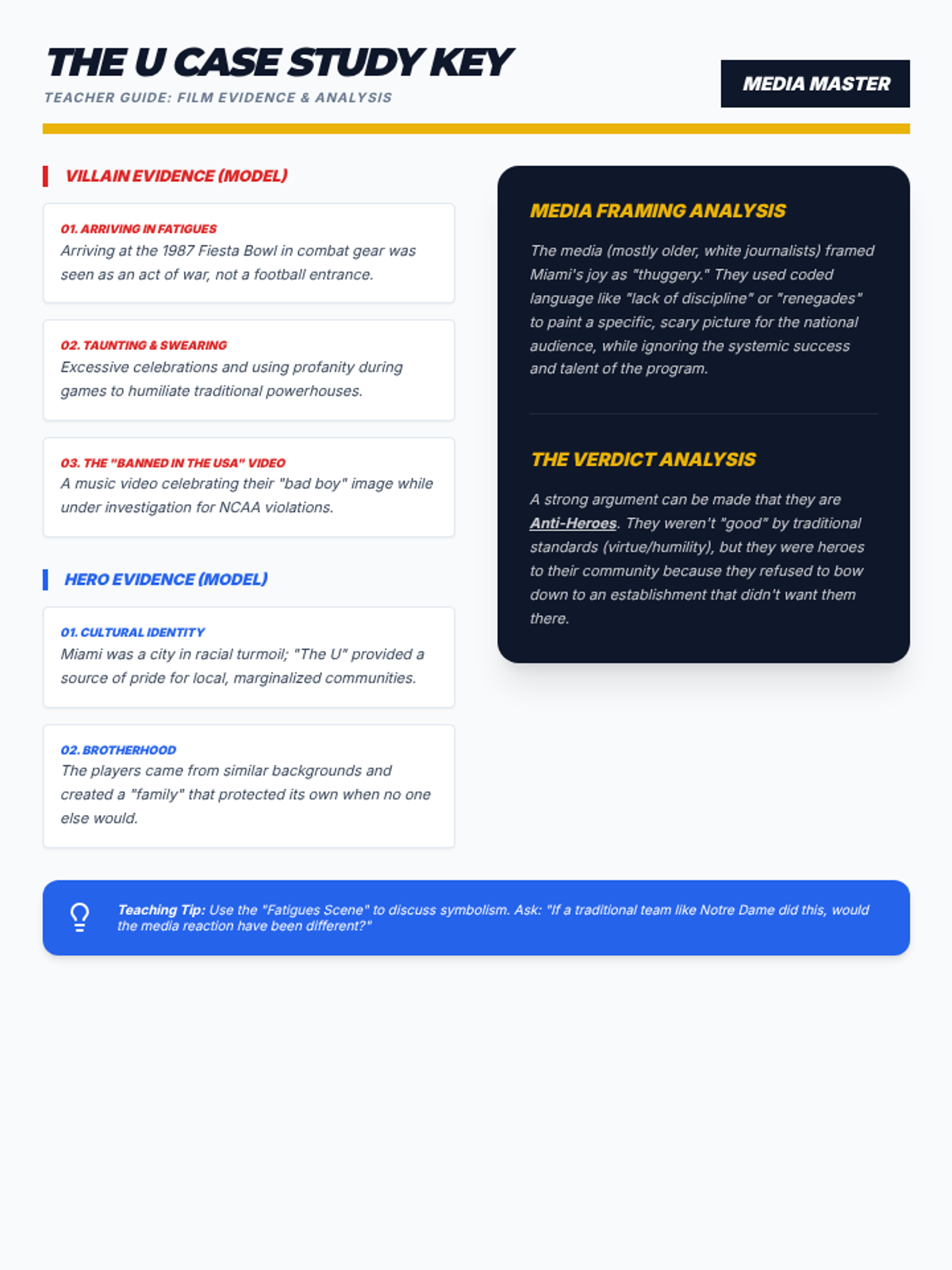
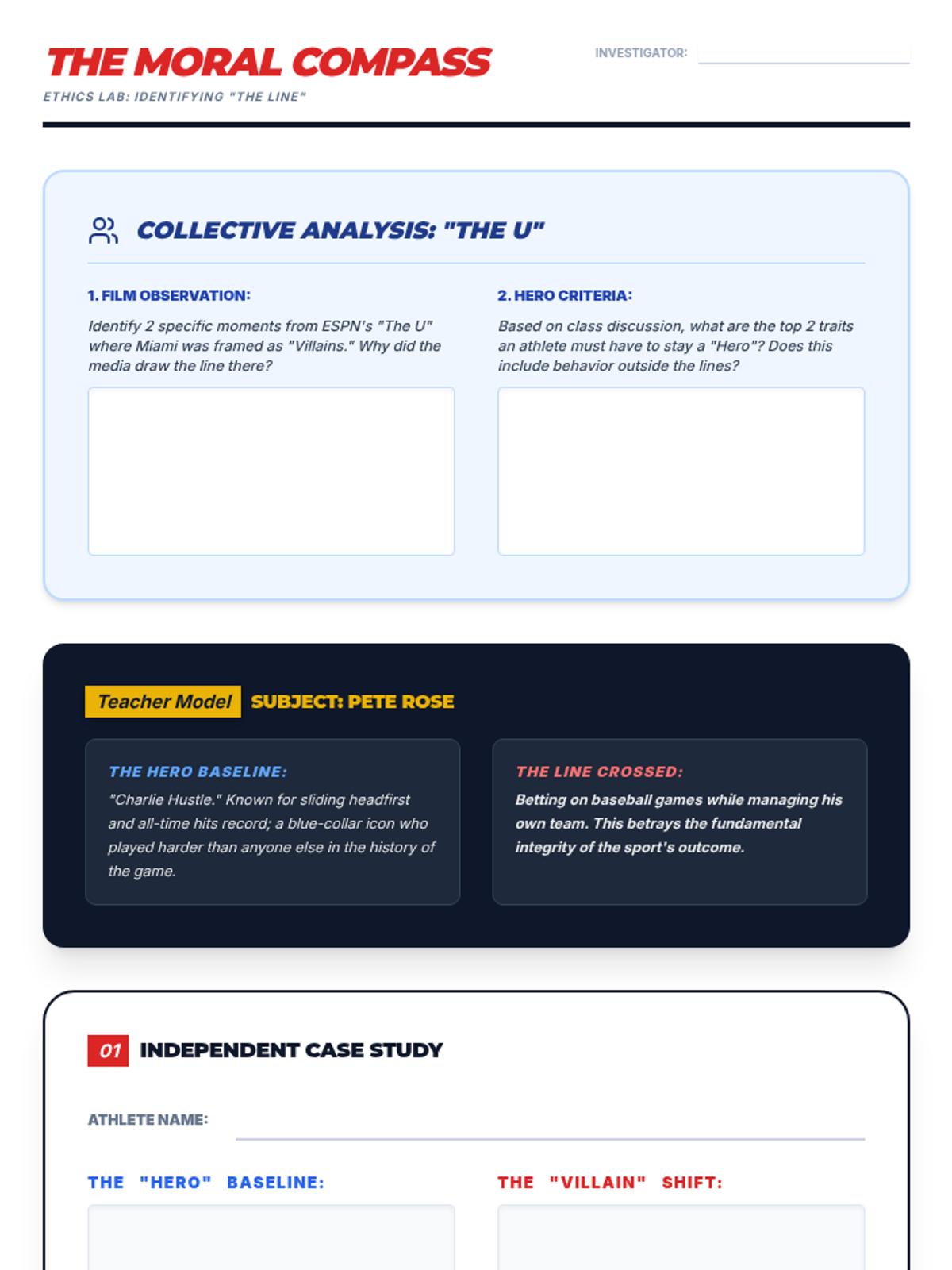
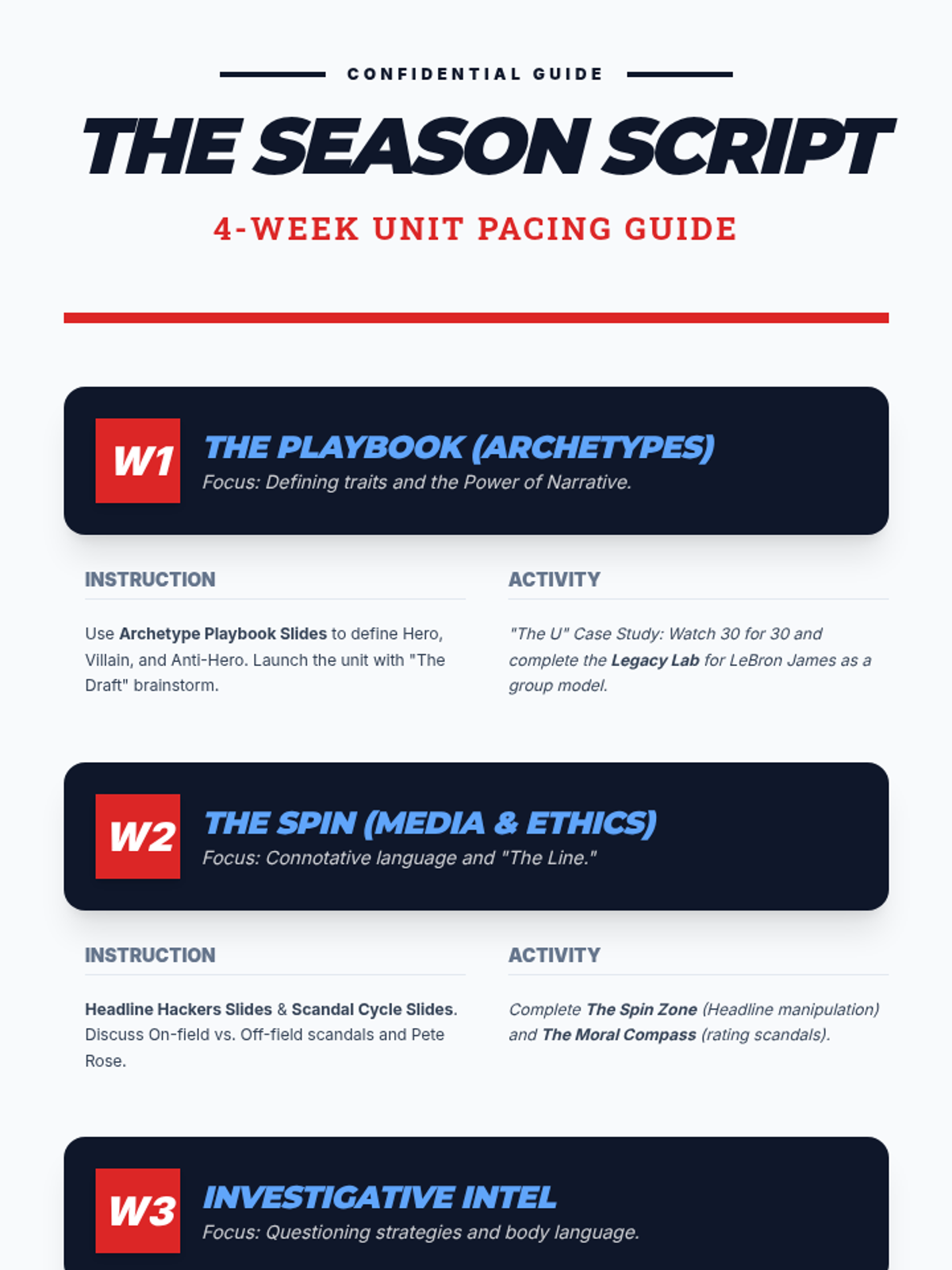
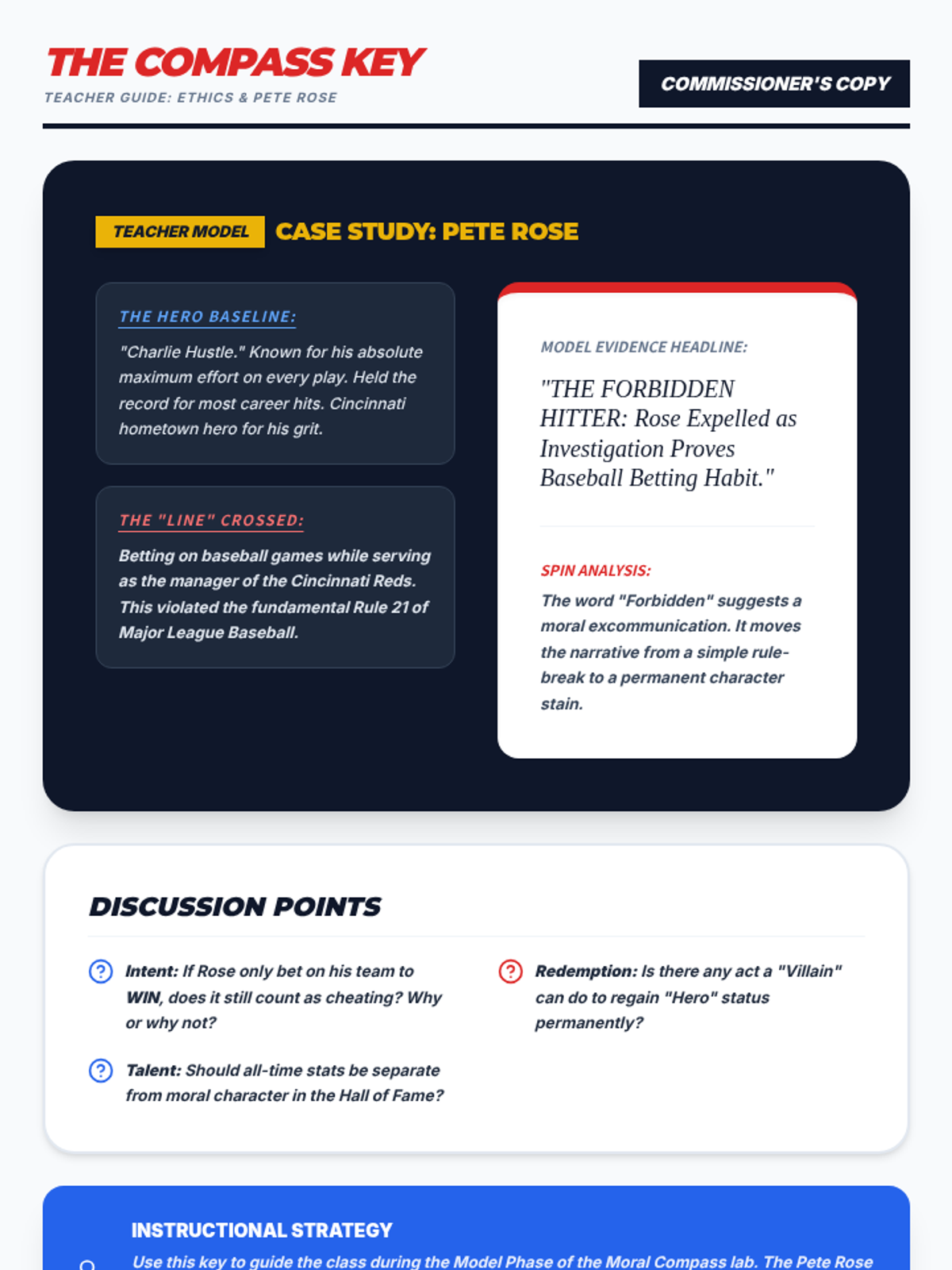
A 4-week unit exploring the construction of heroism and villainy in sports through media analysis, persuasive writing, and investigative interview techniques. Students will analyze how public perception is shaped and ultimately create their own investigative podcast script.
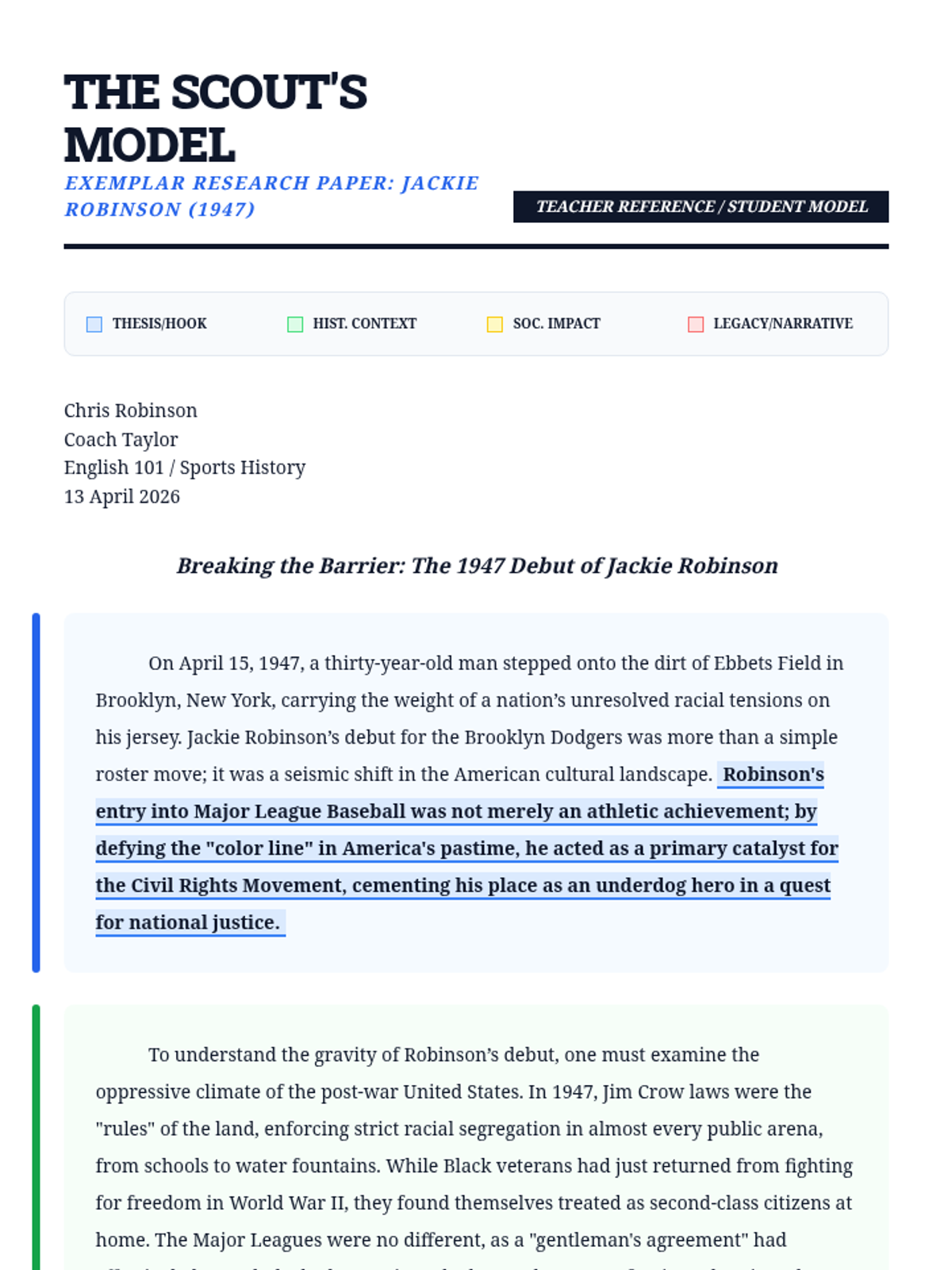
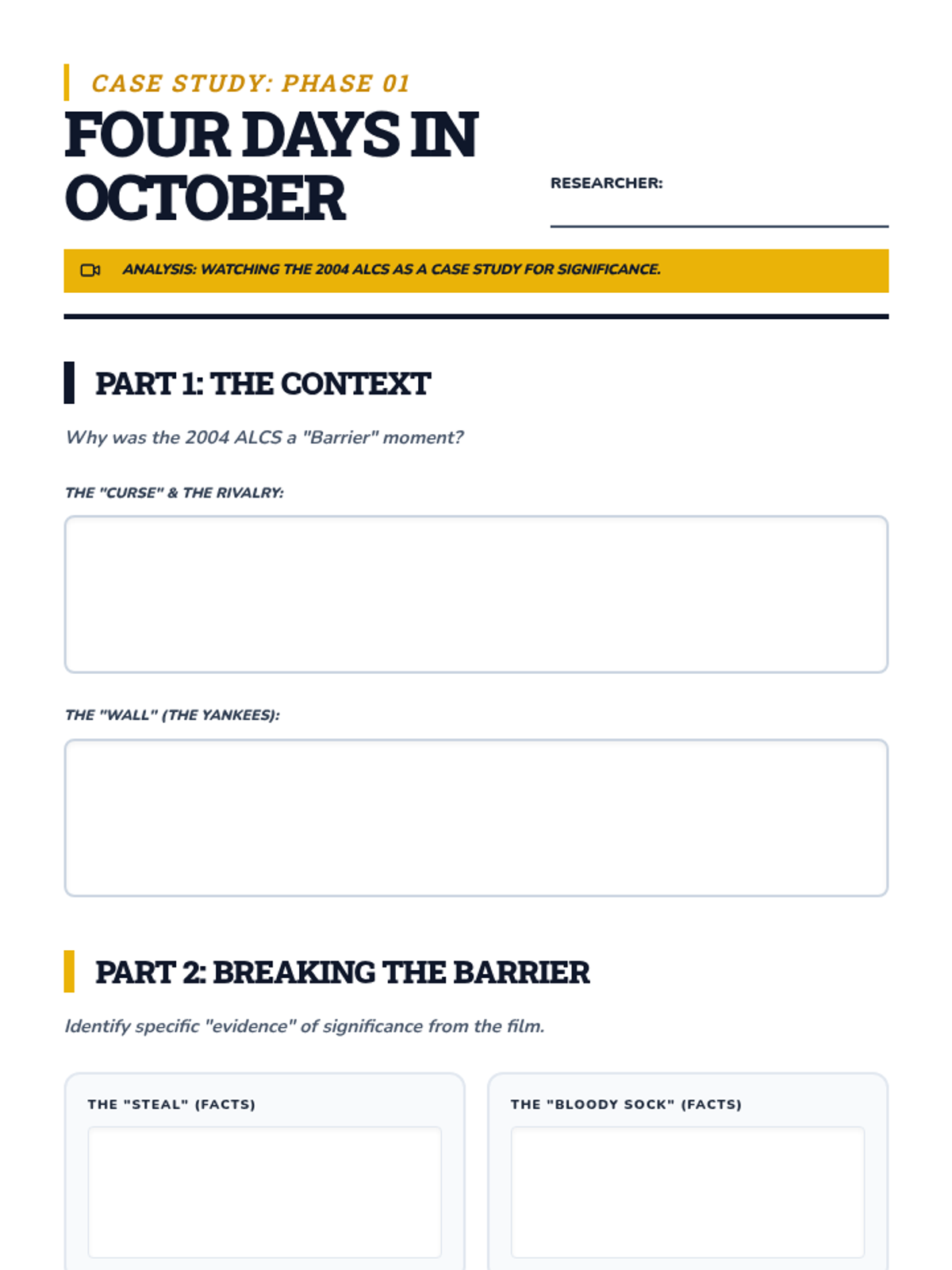
A 5-week research unit that scaffolds the process paragraph-by-paragraph. Students define significance, analyze the 'Four Days in October' case study, and turn in each paragraph separately, focusing on historical context, systemic barriers, and societal impact with a dedicated lesson on counterarguments.
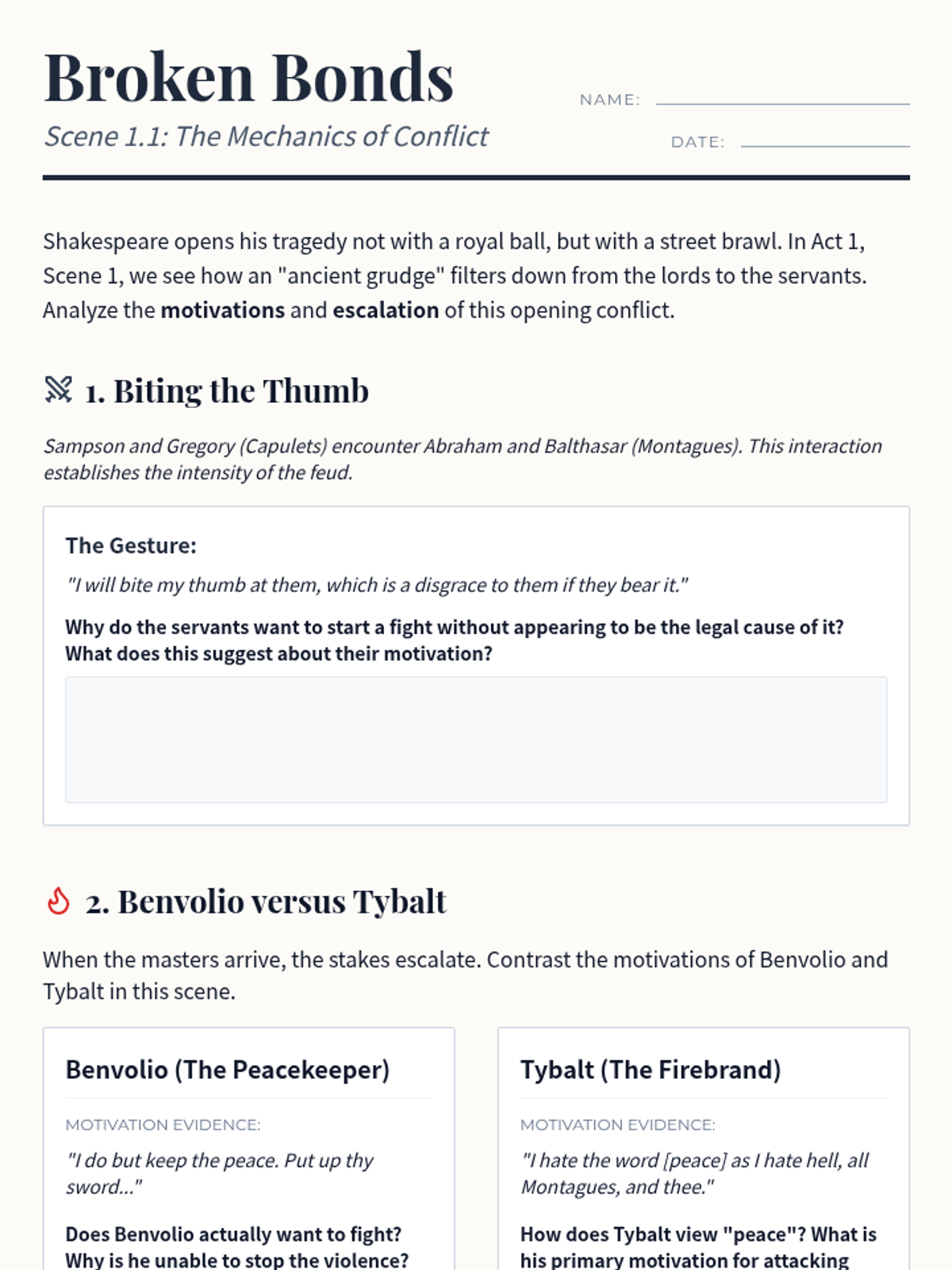
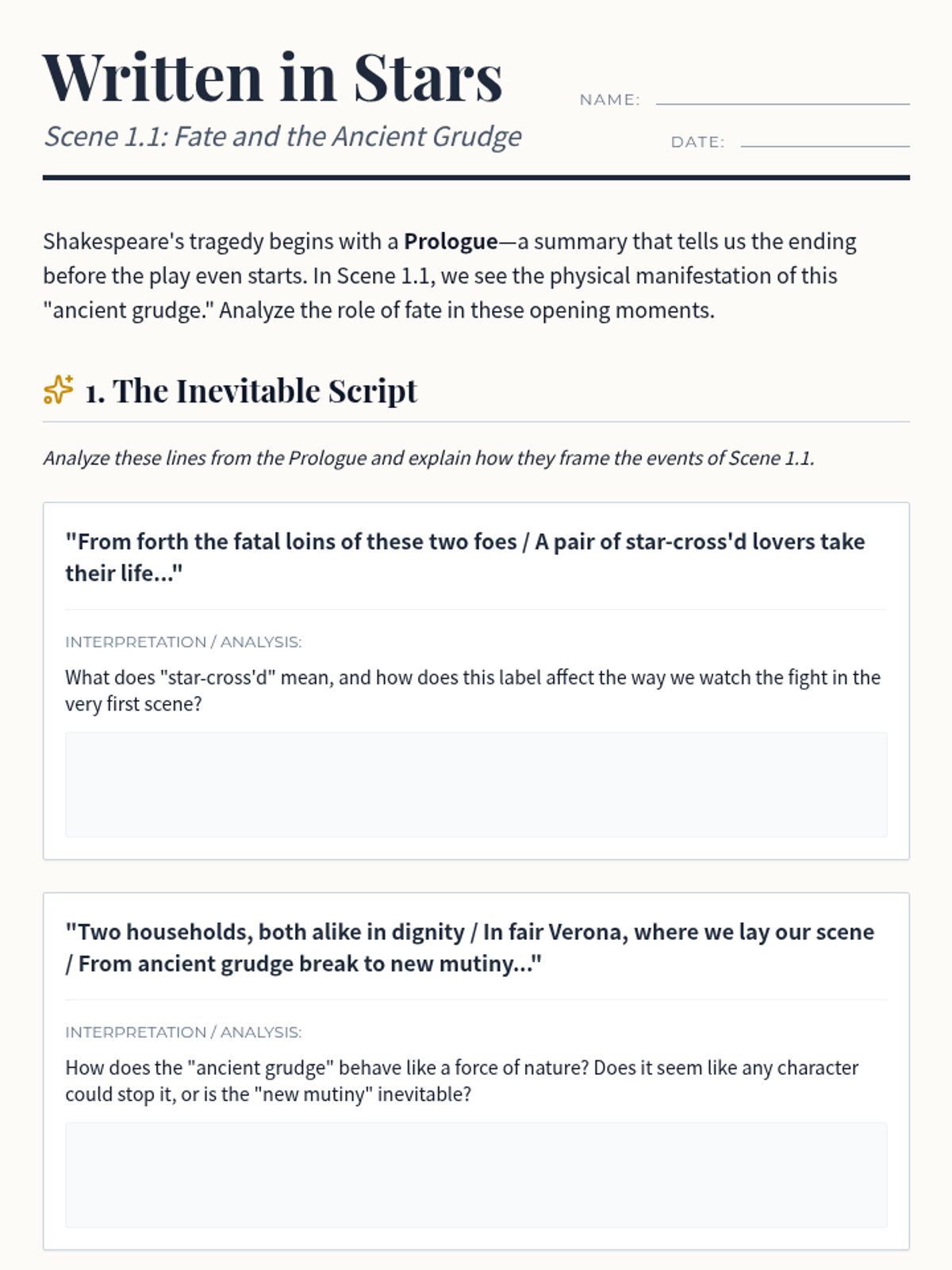
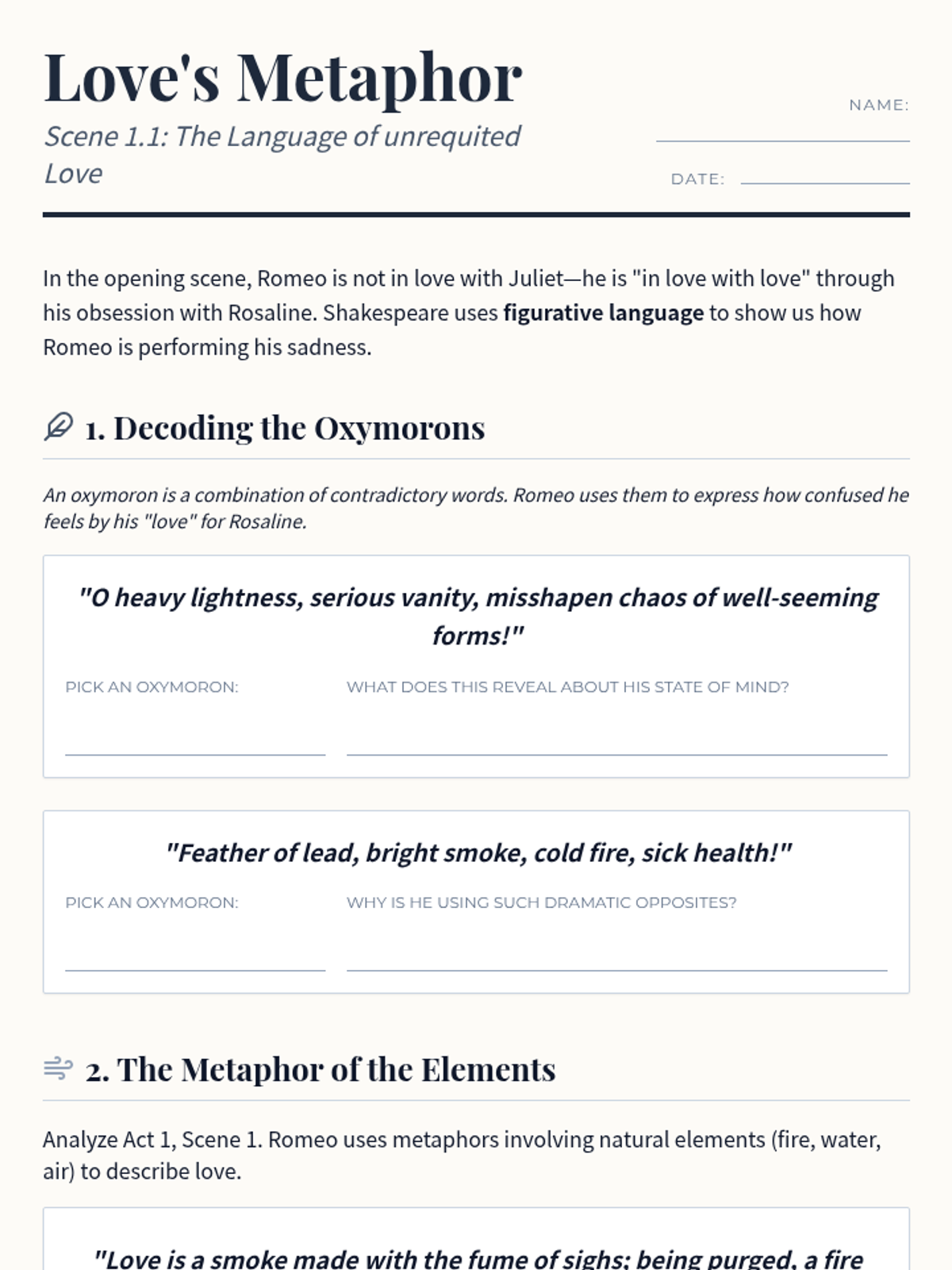
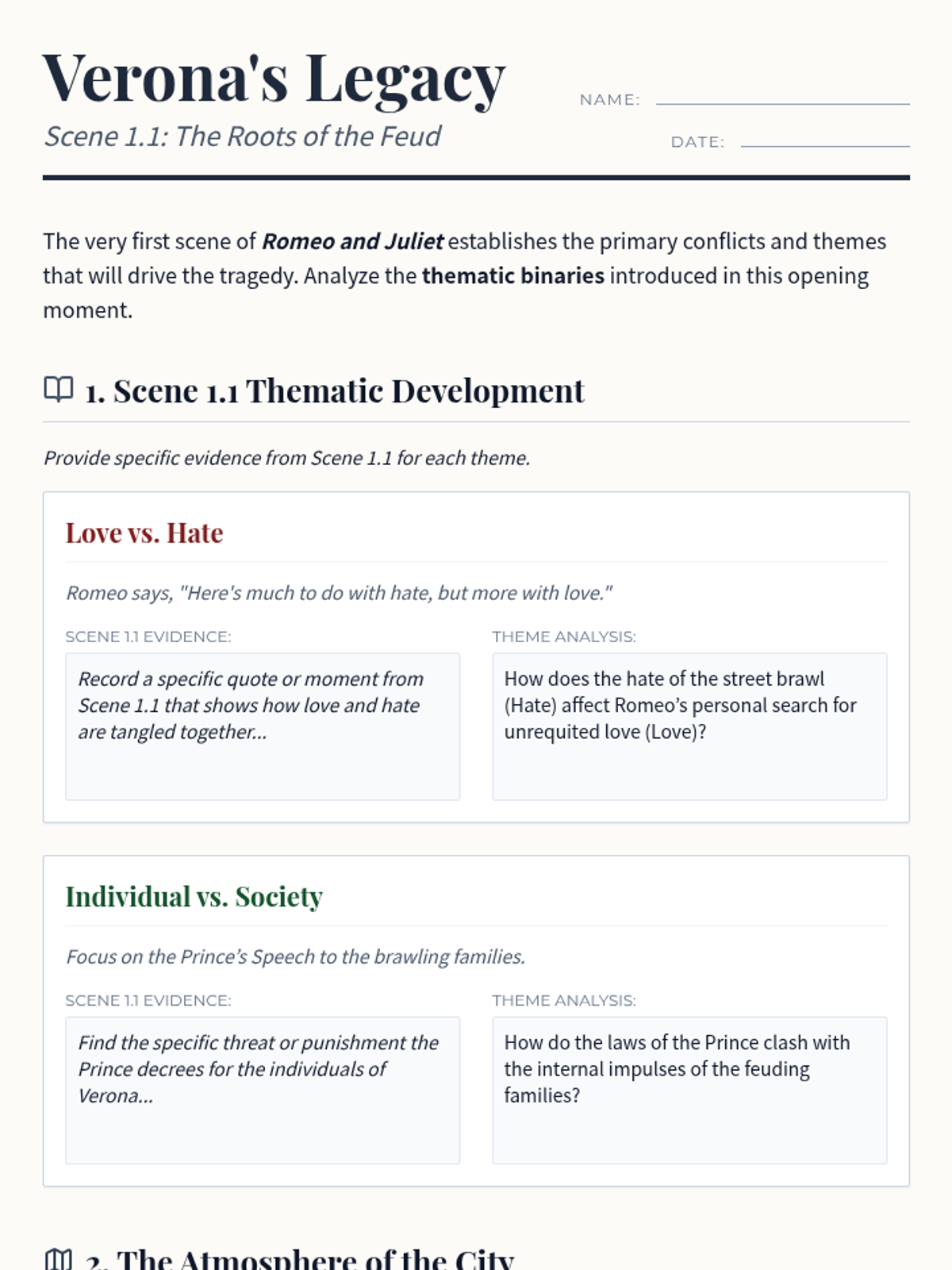
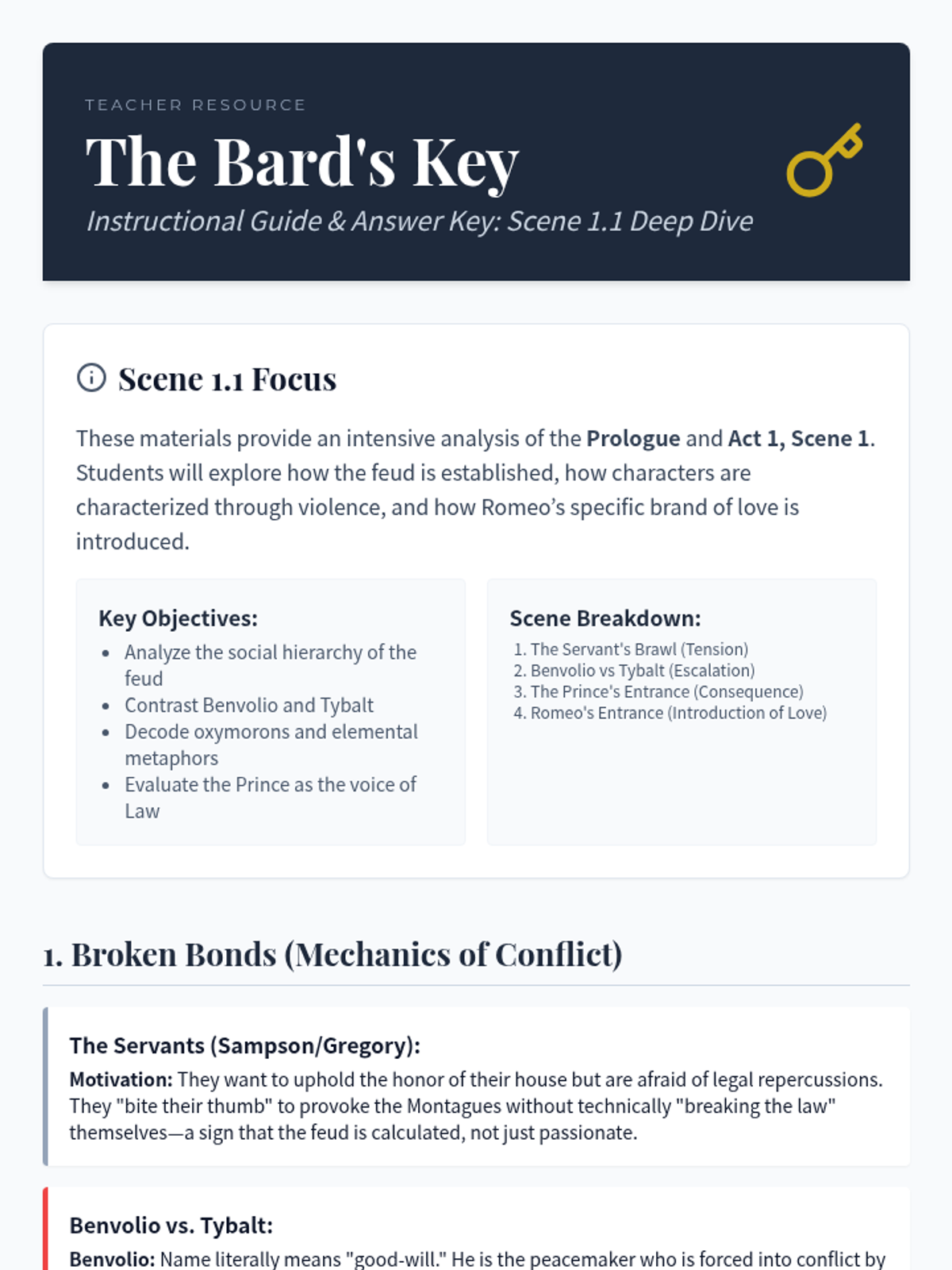
A comprehensive deep-dive into Shakespeare's Romeo and Juliet, focusing on Act 1. Students will analyze character dynamics, the tension between destiny and choice, and the rich poetic language of the play across individual scenes.
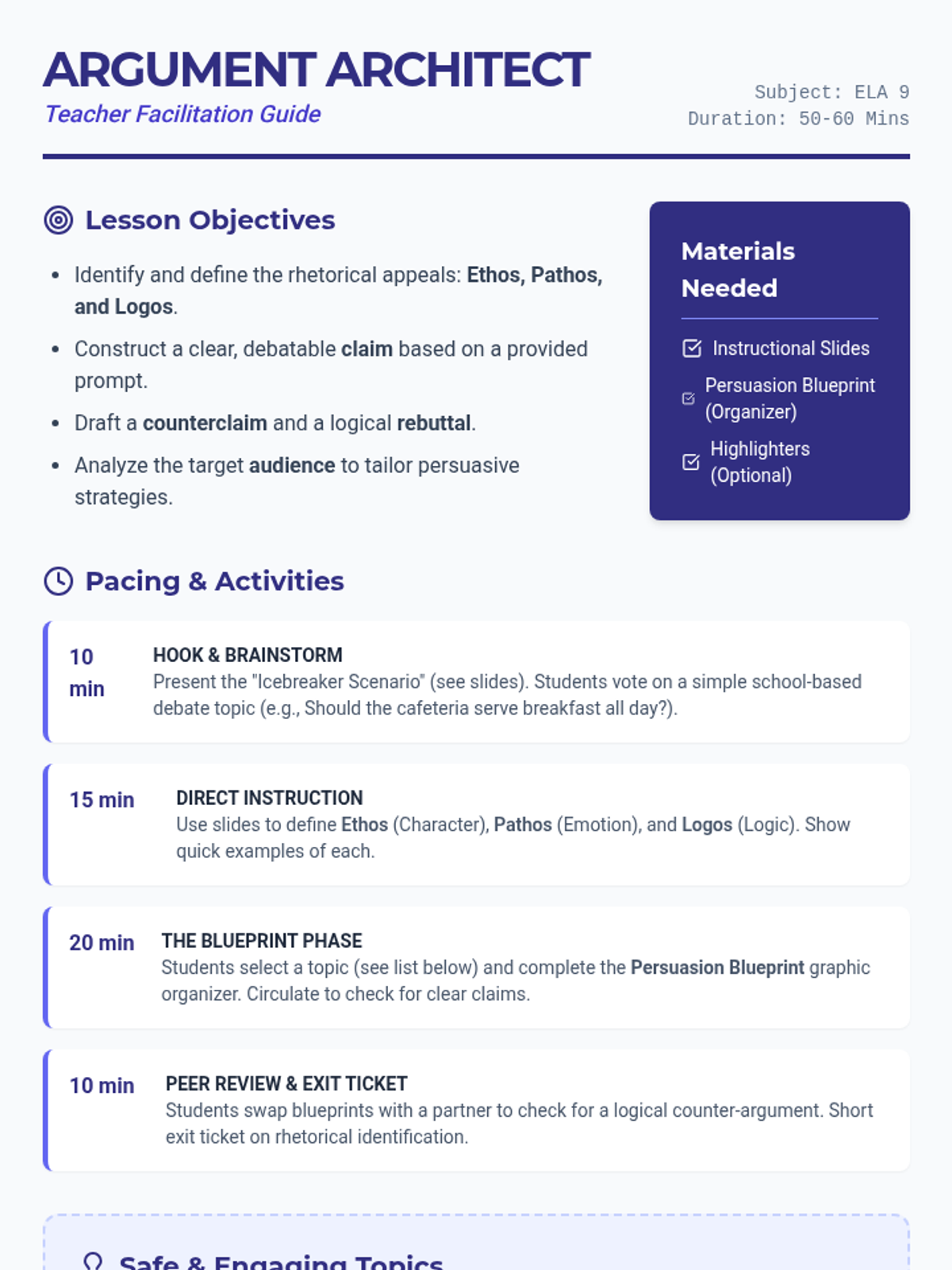
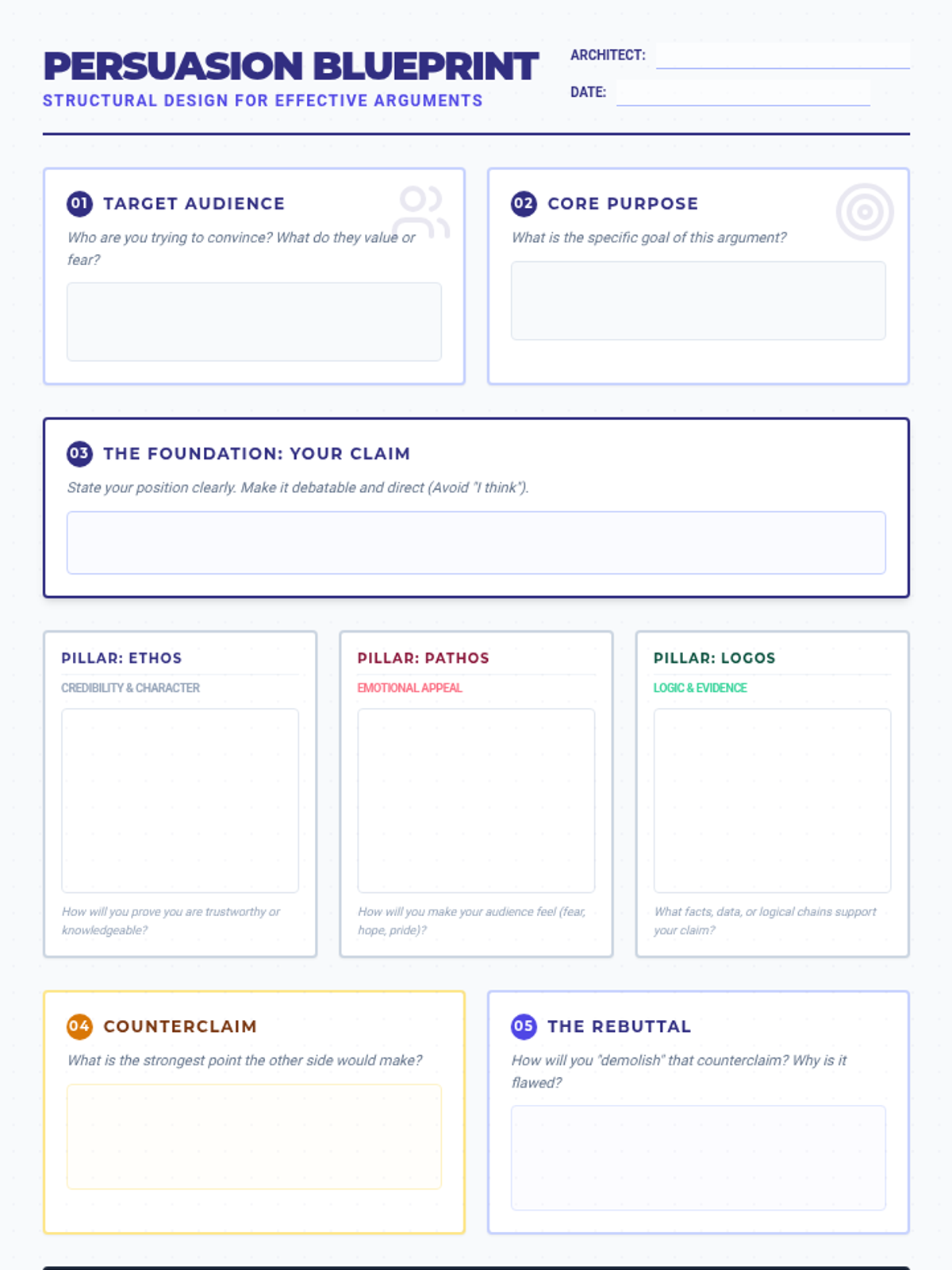
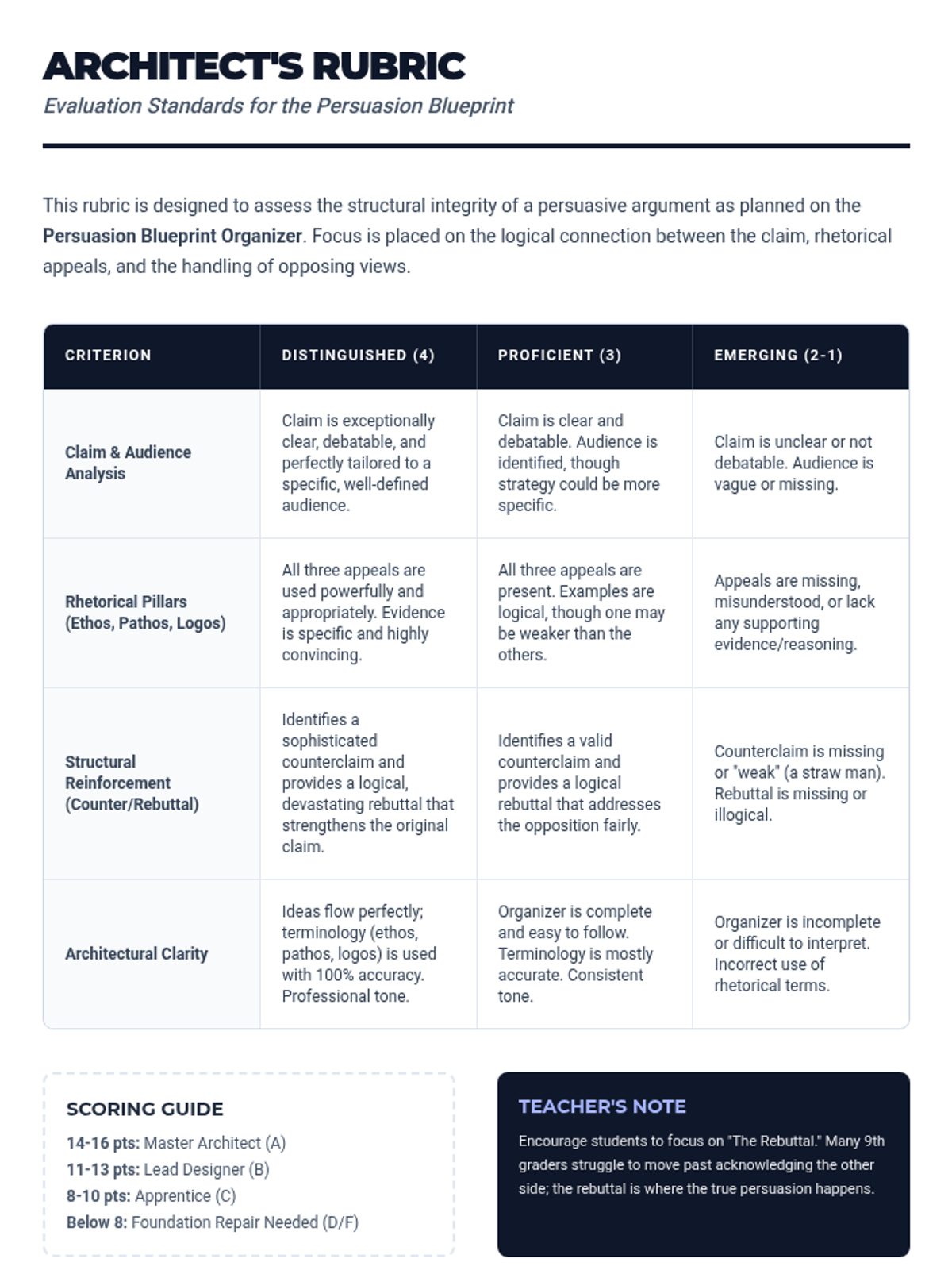
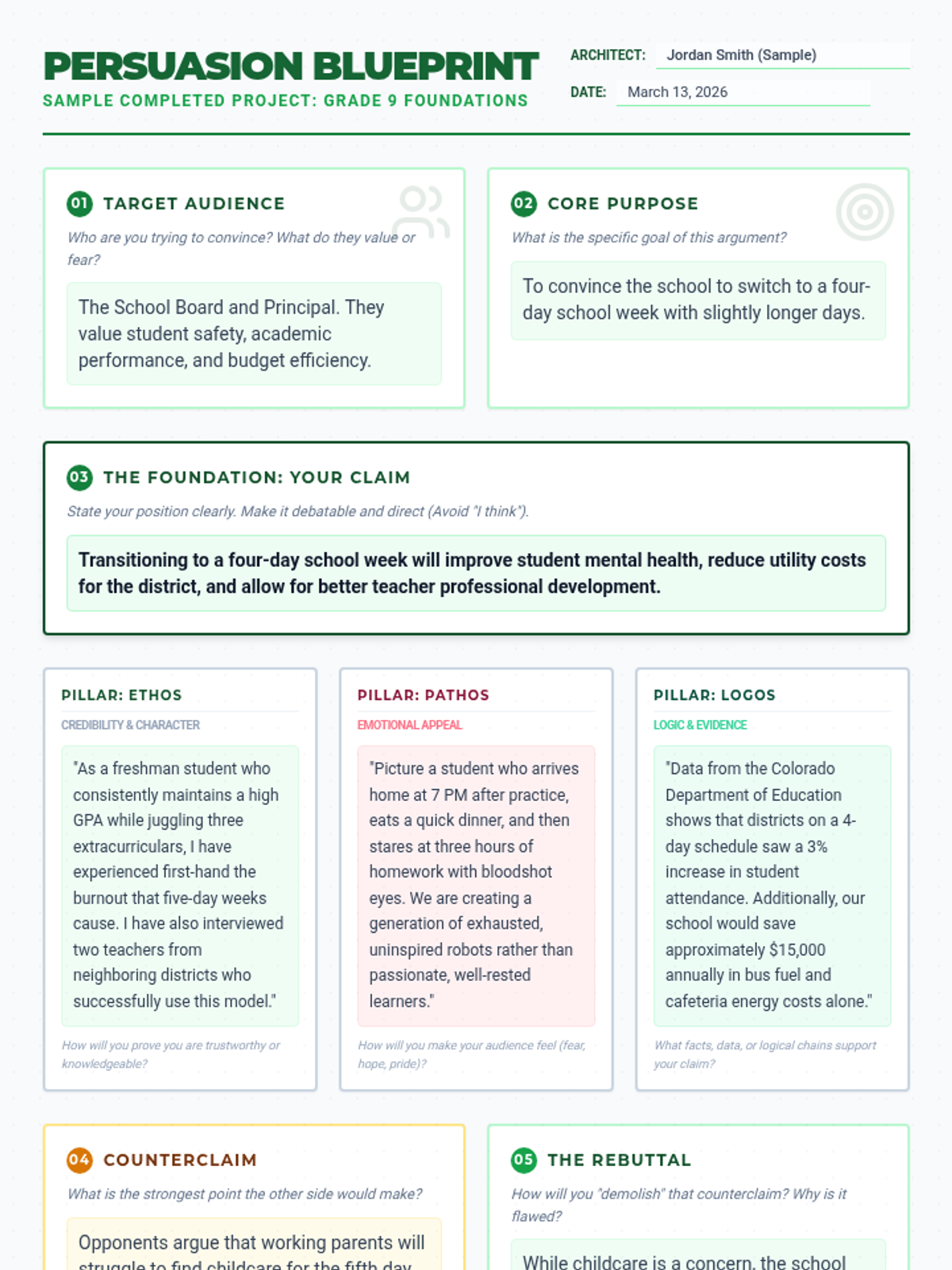
A scaffolded progression of persuasive writing mastery, moving from 9th-grade foundations of Ethos, Pathos, and Logos to 11th-grade advanced rhetorical strategies including Kairos and logical fallacy analysis.
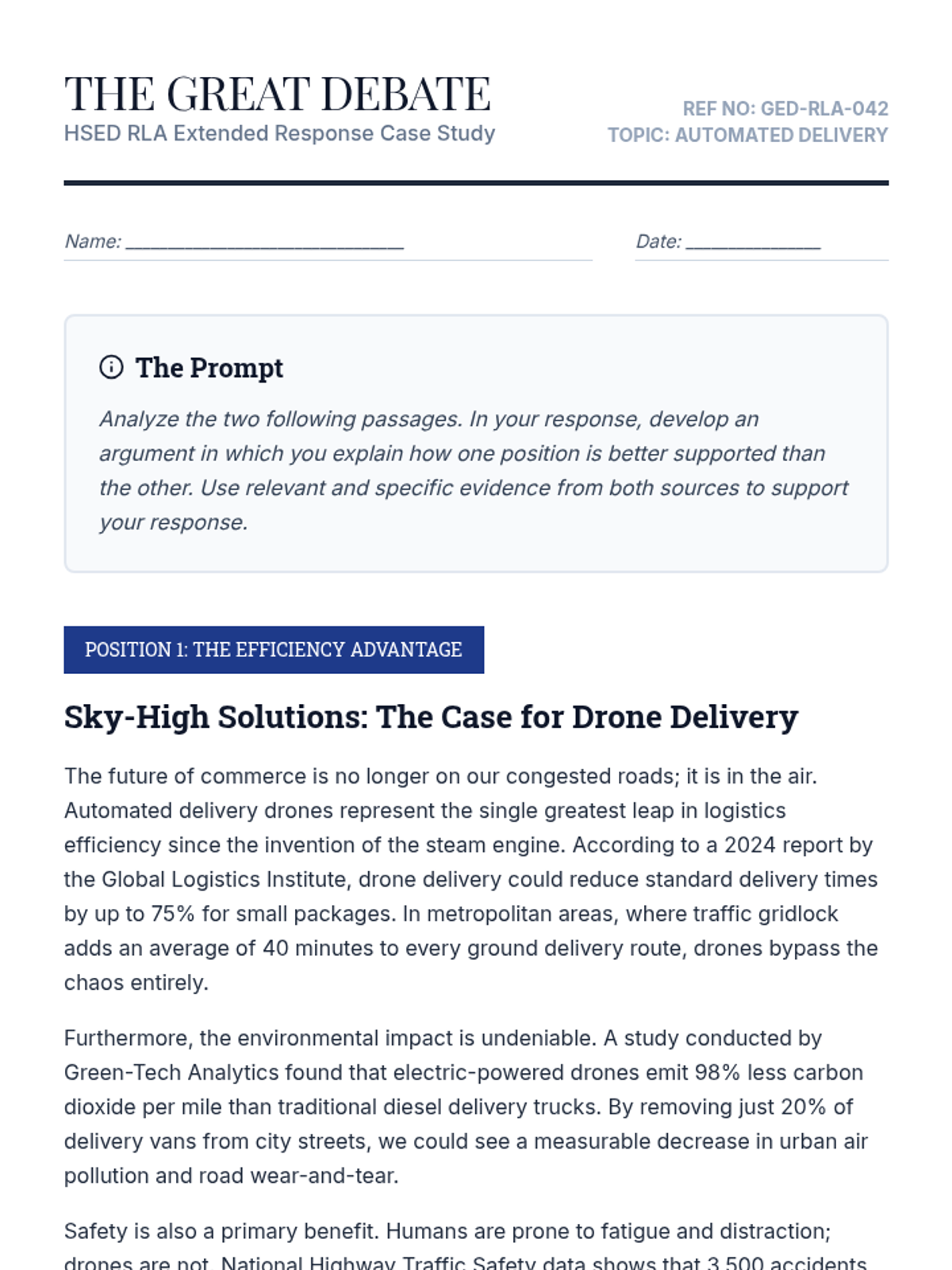
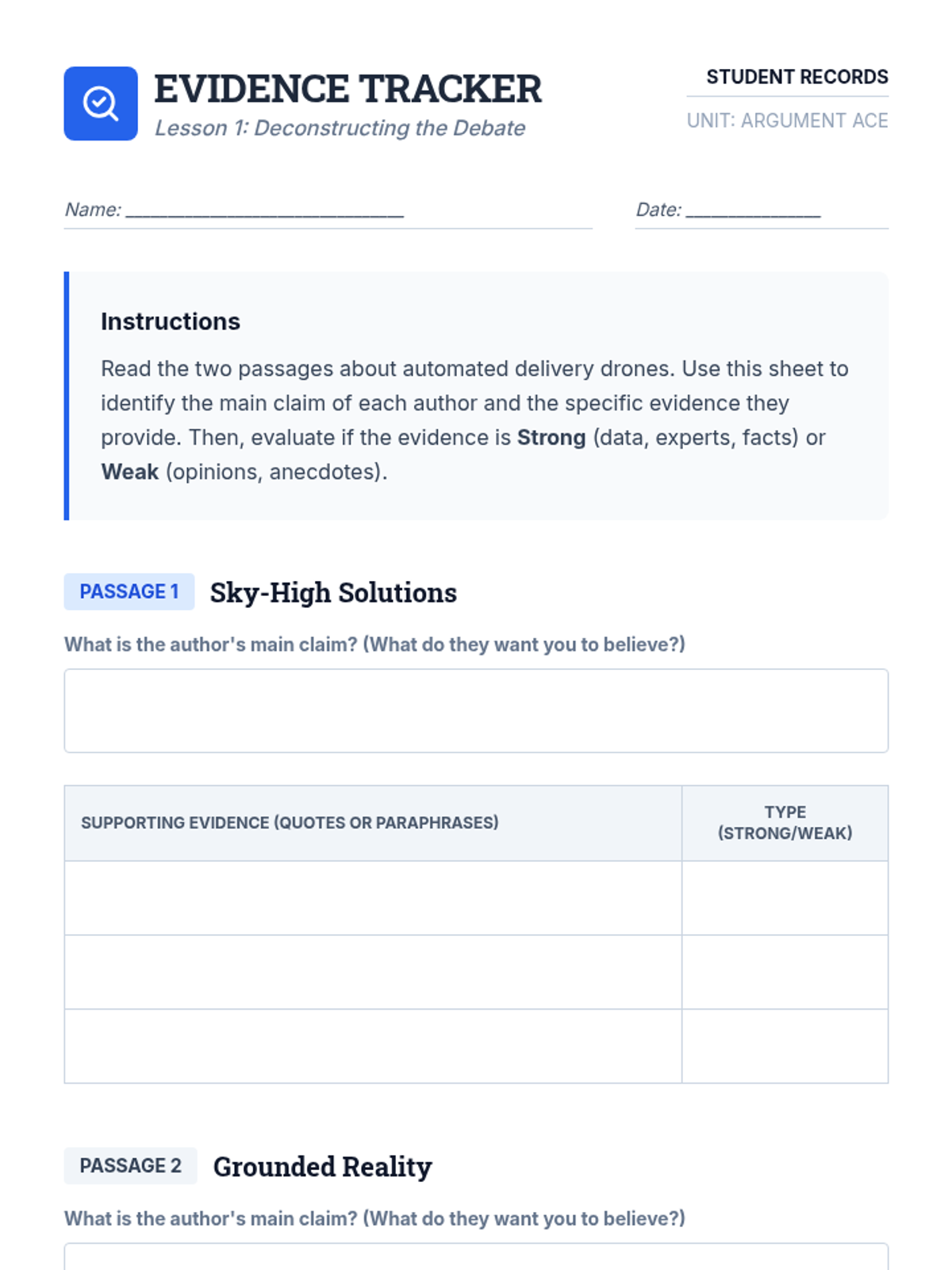
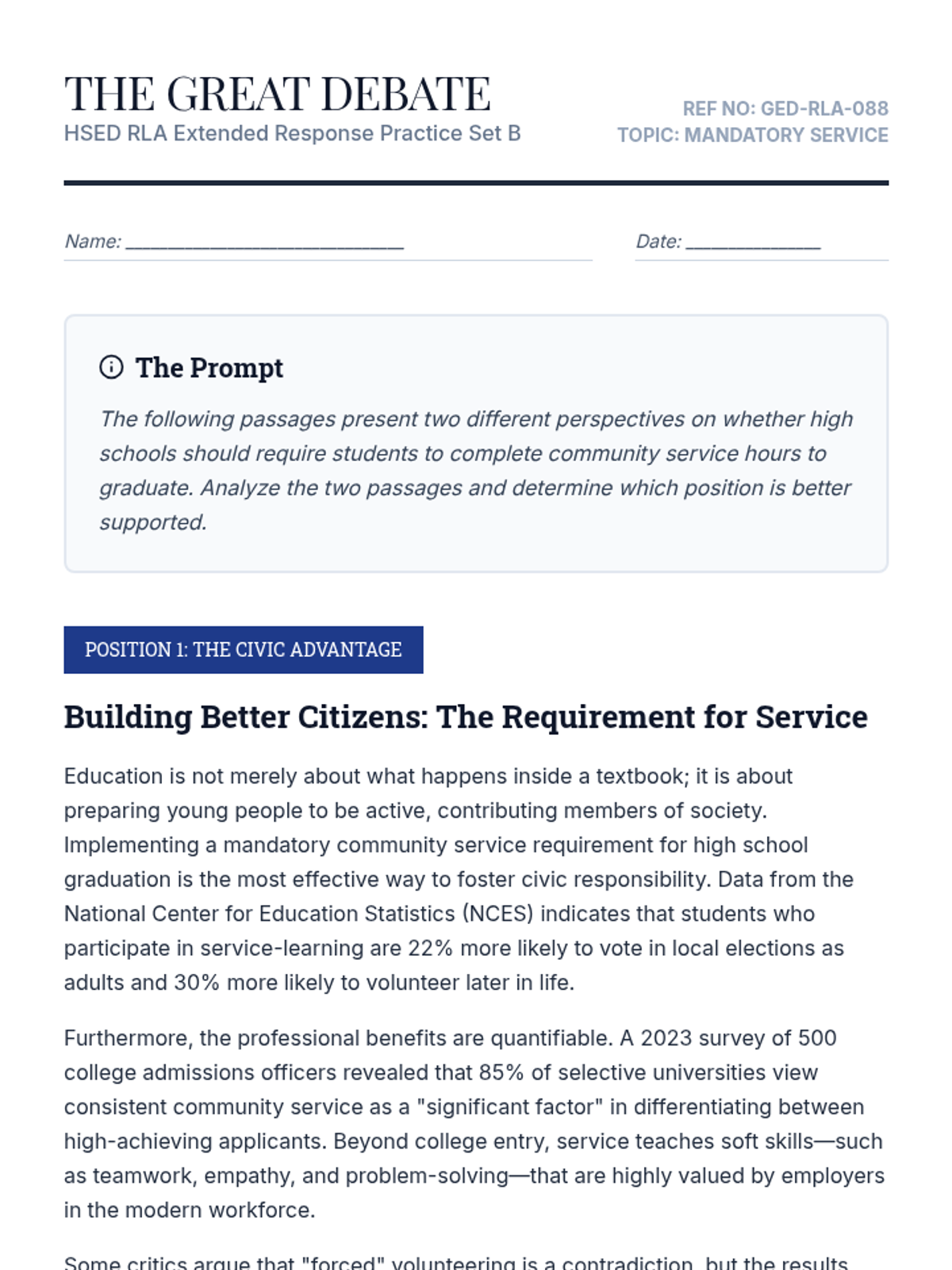
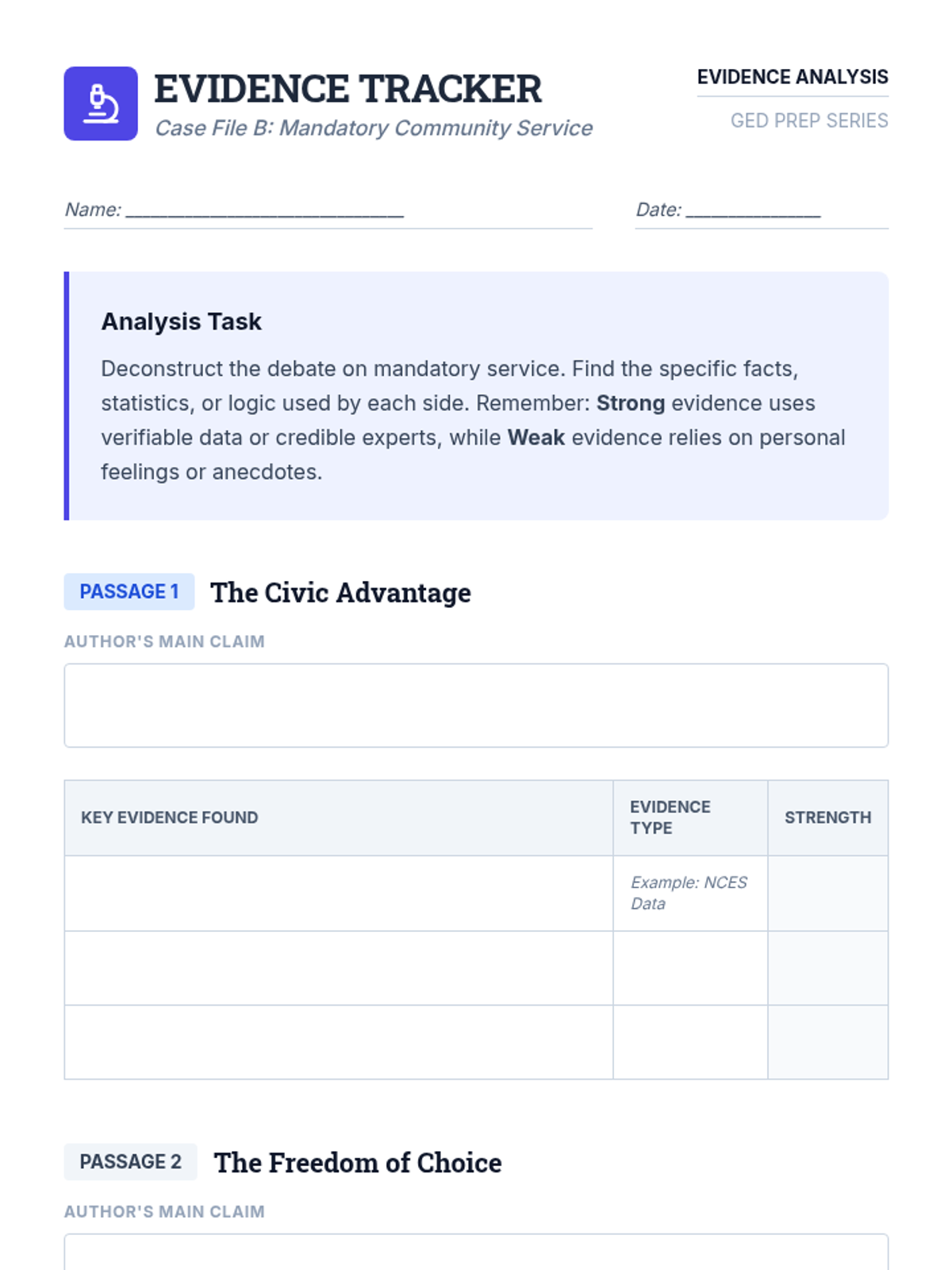
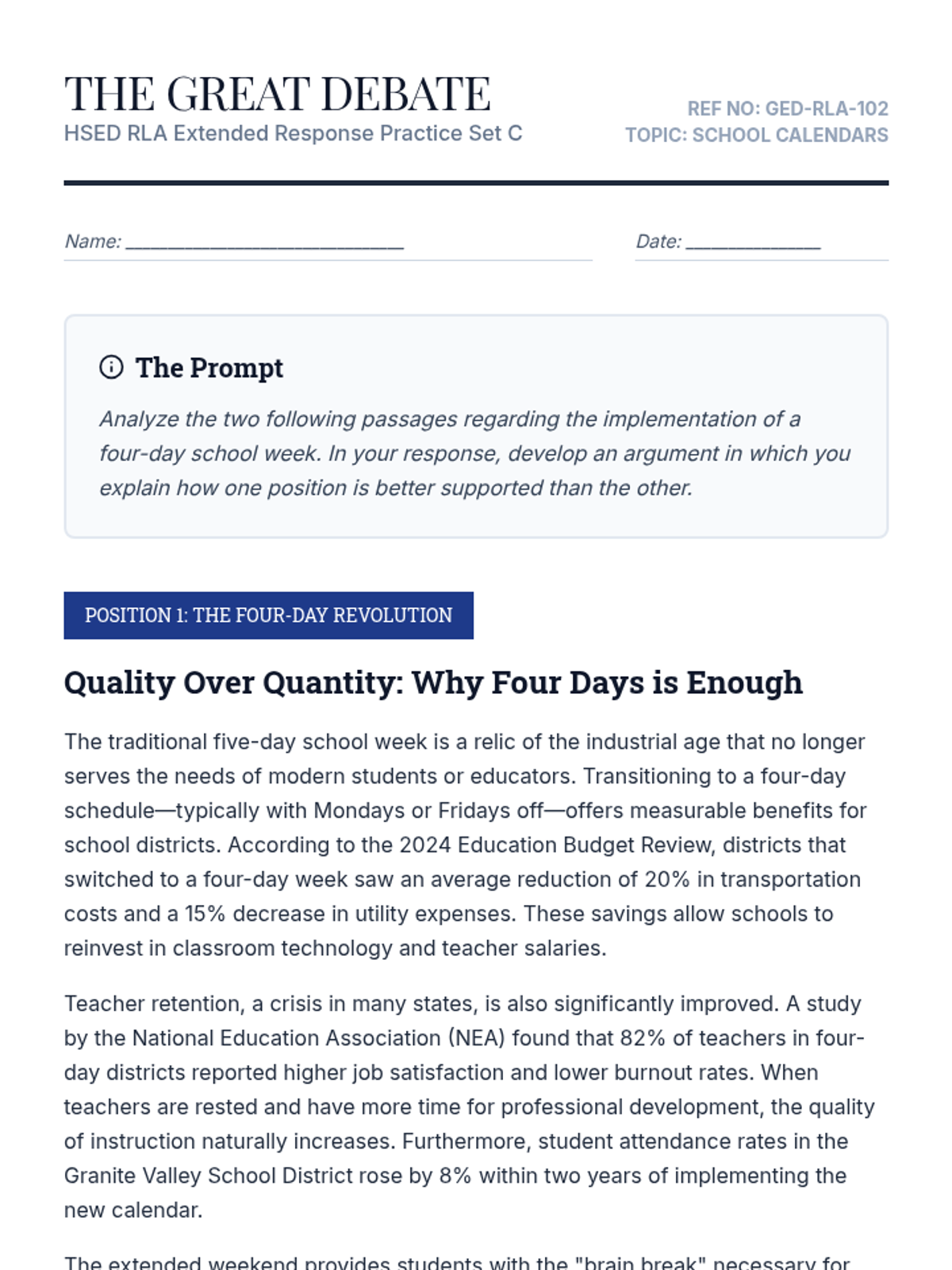
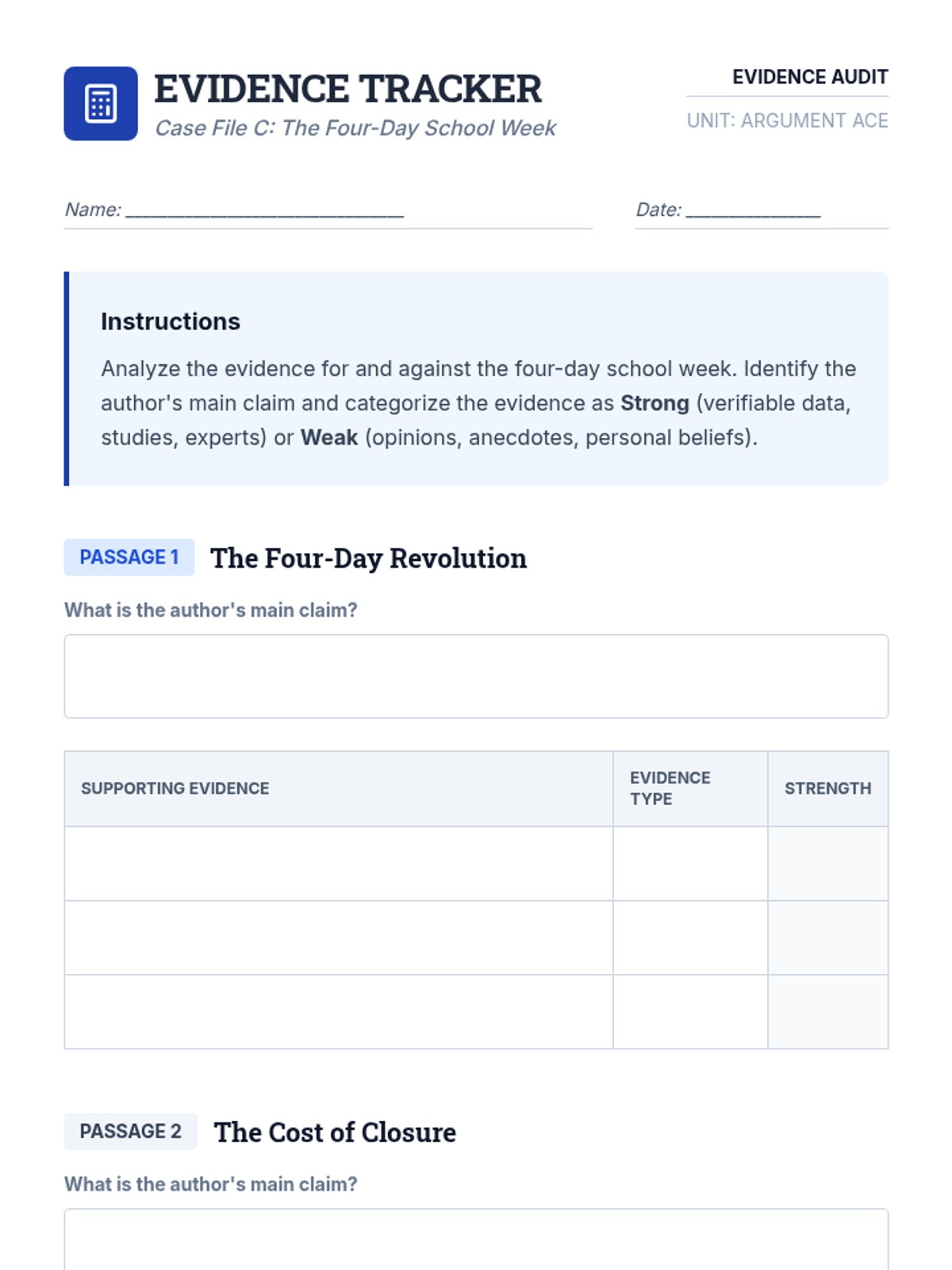
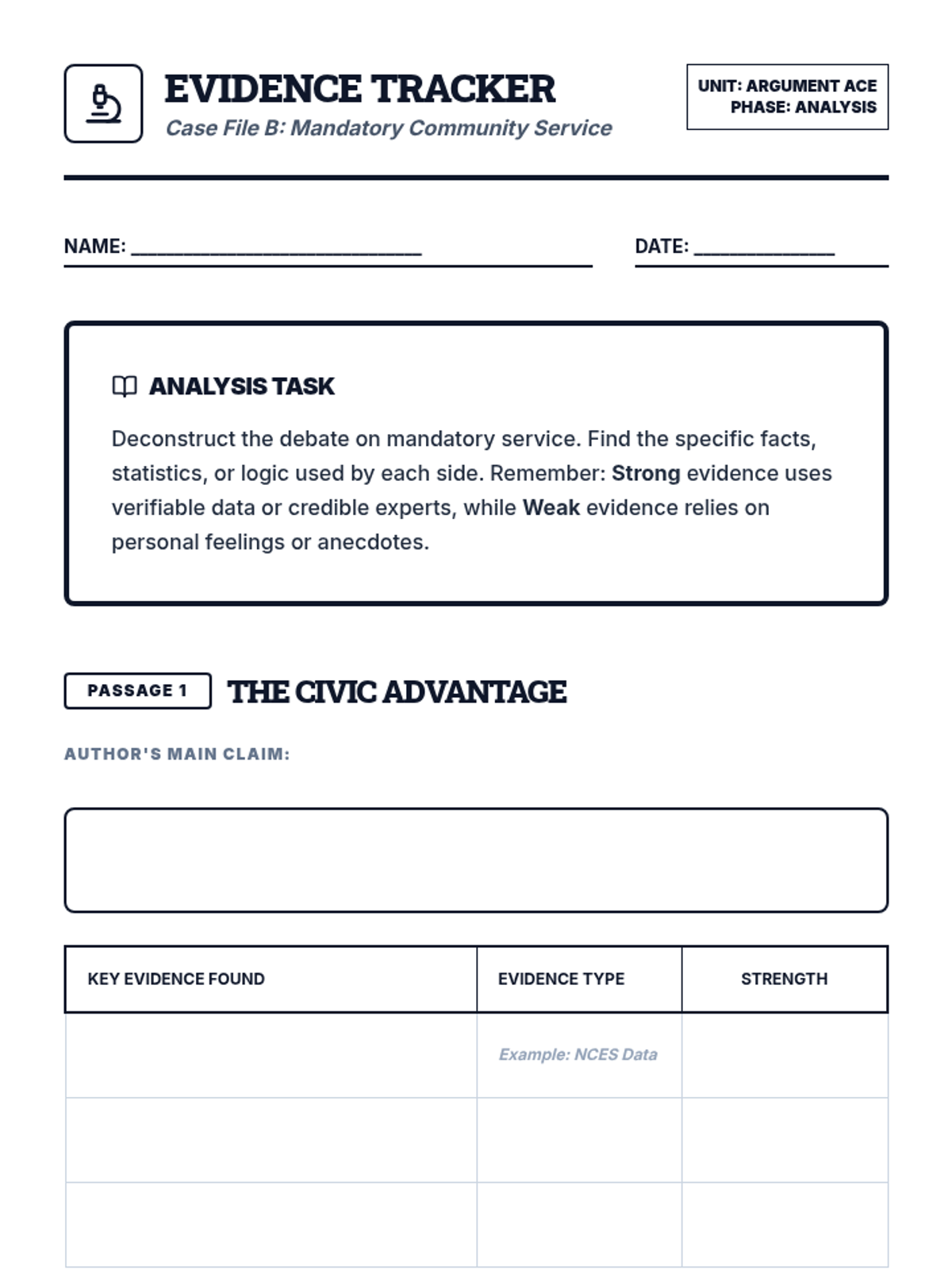
A comprehensive 3-lesson unit designed to prepare HSED/GED students for the RLA Extended Response by teaching them how to analyze opposing arguments, evaluate evidence, and craft a high-scoring argumentative essay.
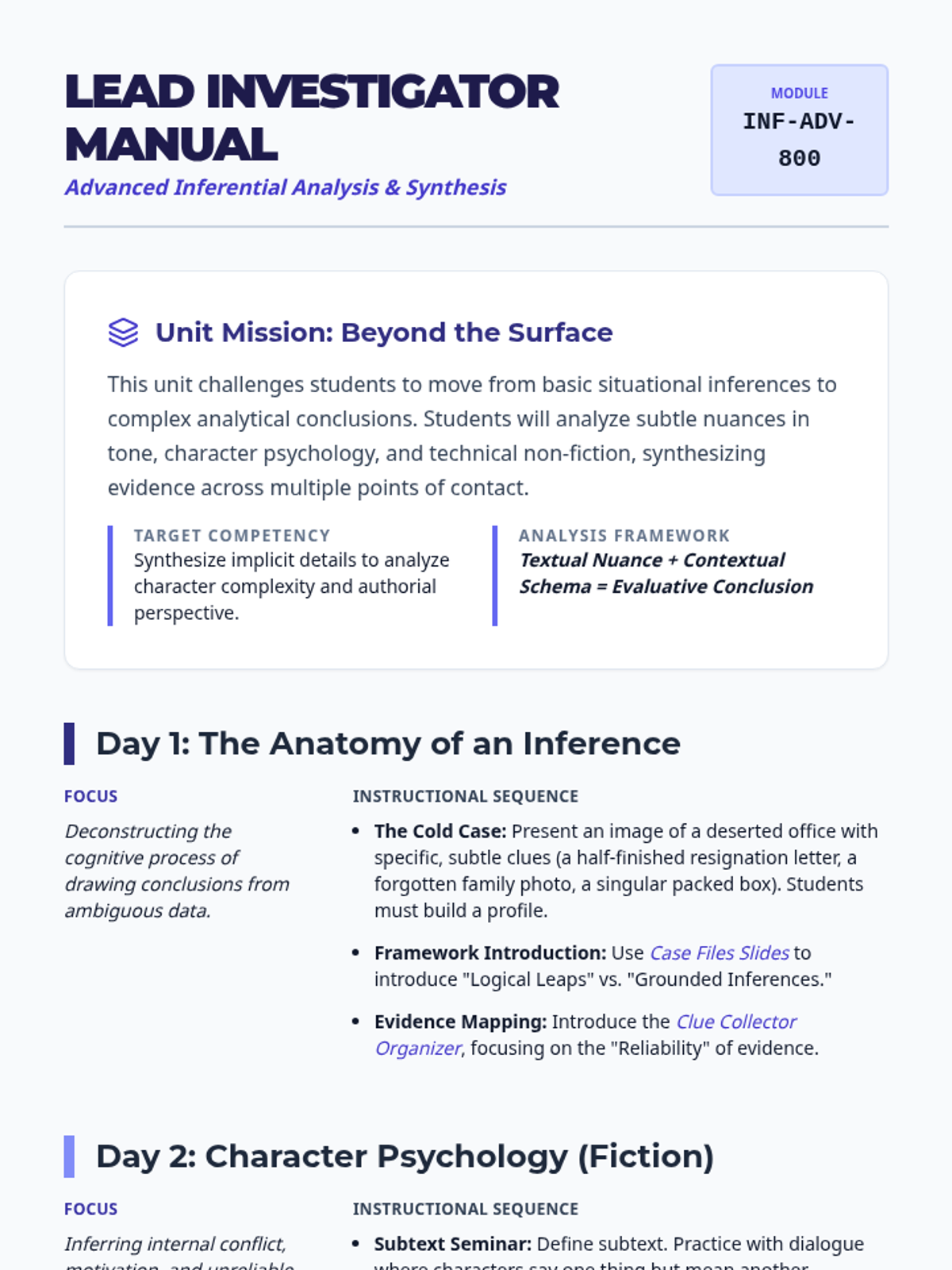
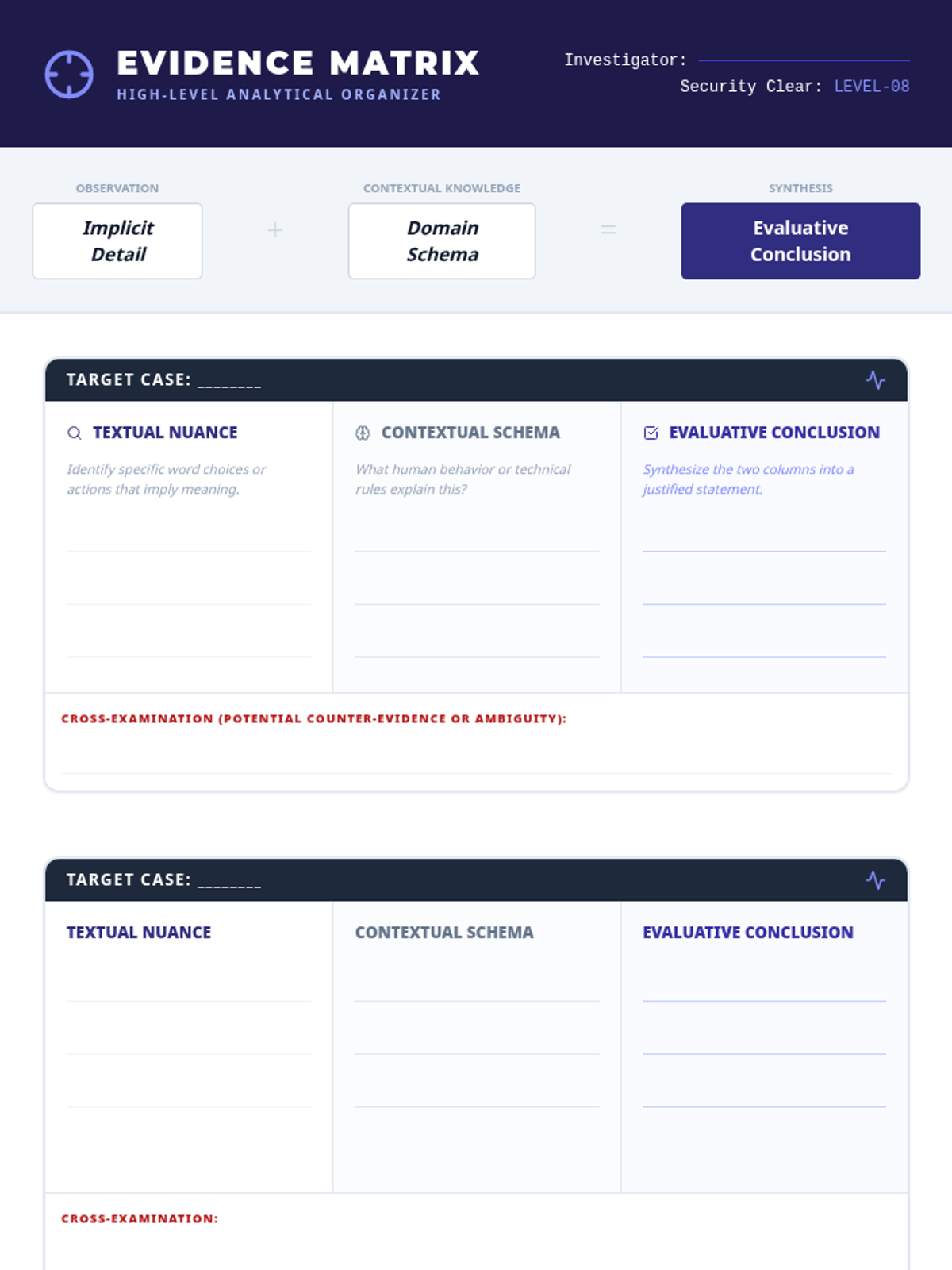
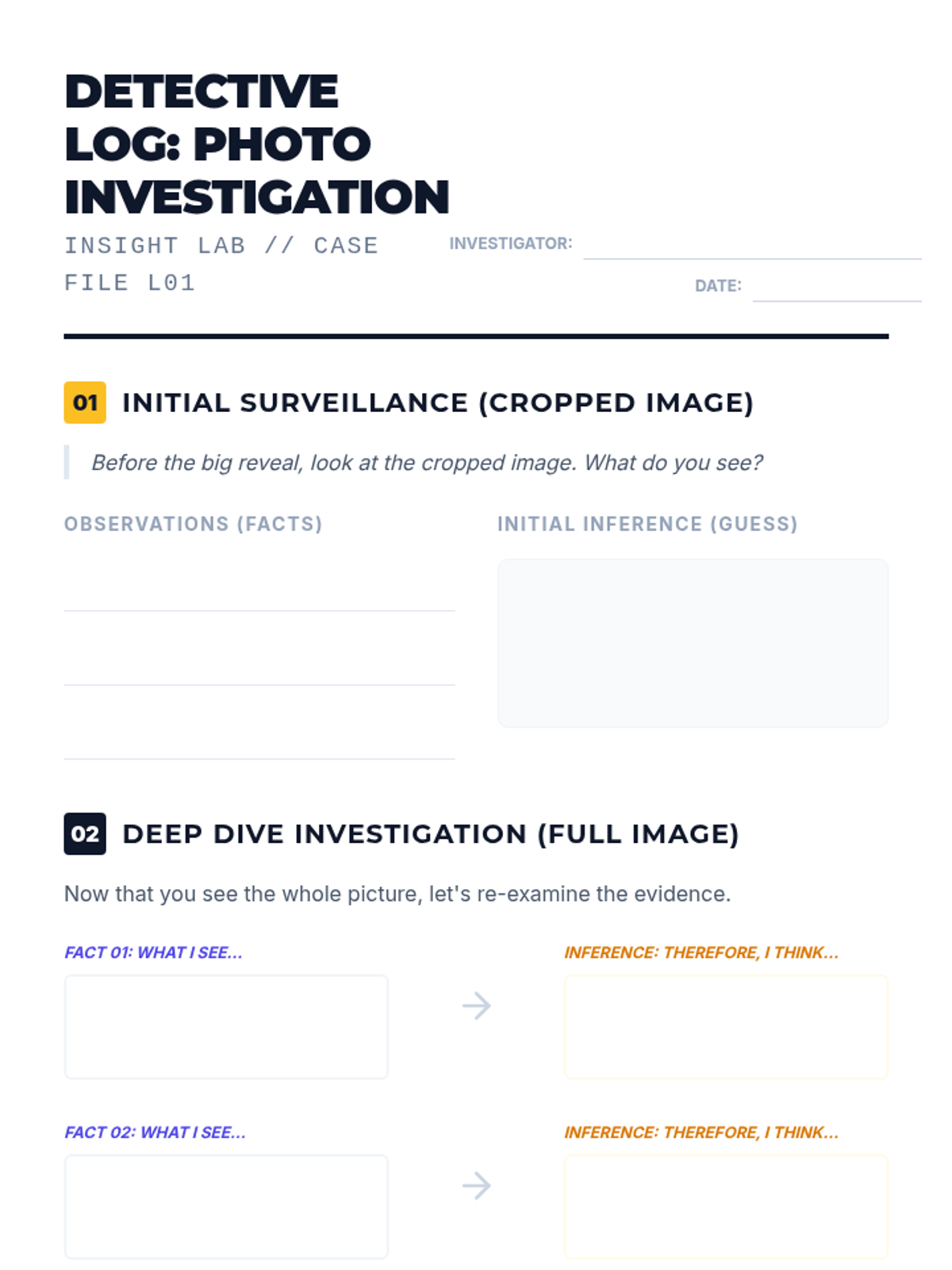
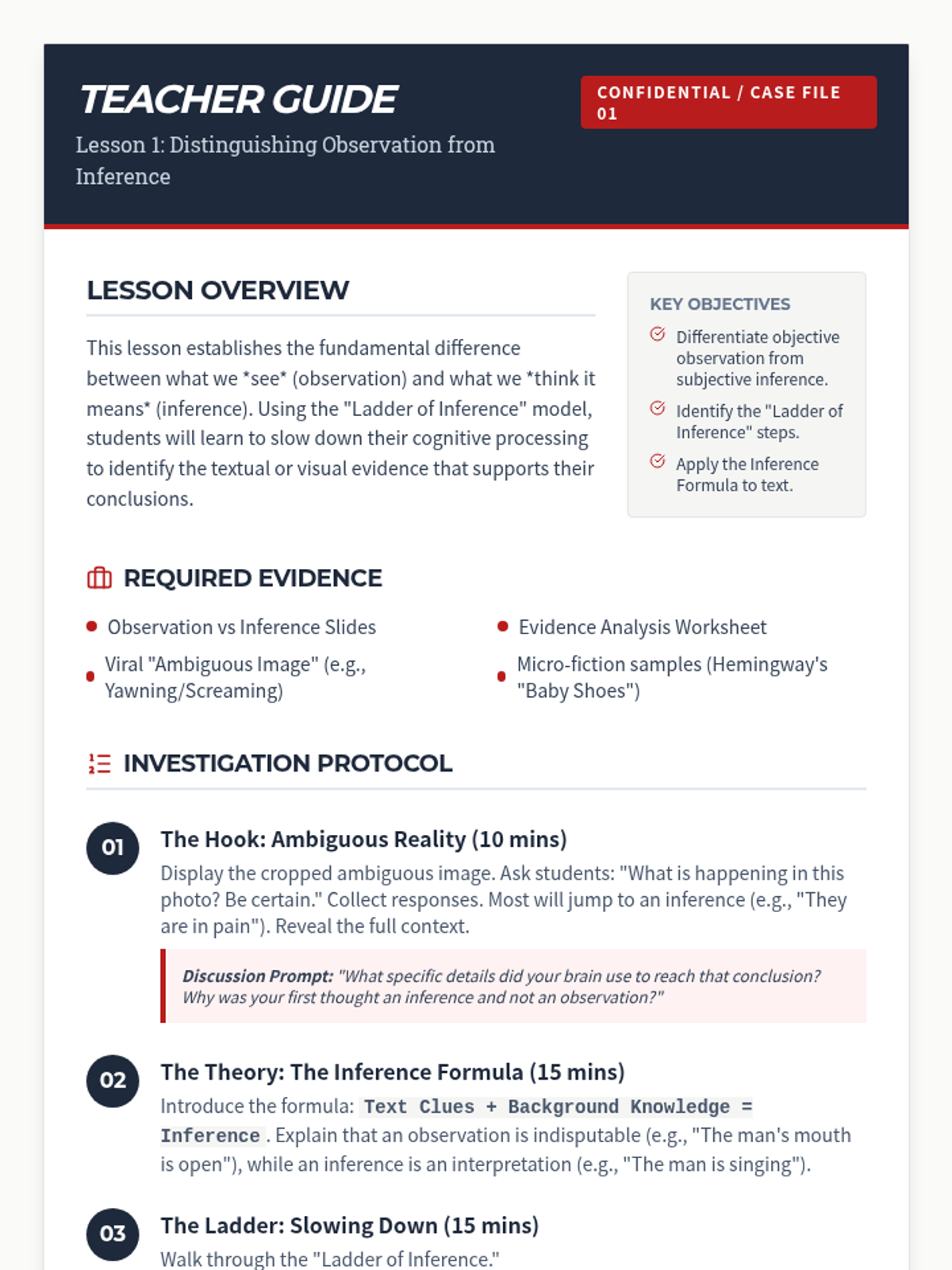
A comprehensive multi-day unit on drawing conclusions and making inferences using a detective-themed 'investigation' approach. Students learn to combine text evidence with background knowledge to solve 'cases' in both fiction and non-fiction texts.
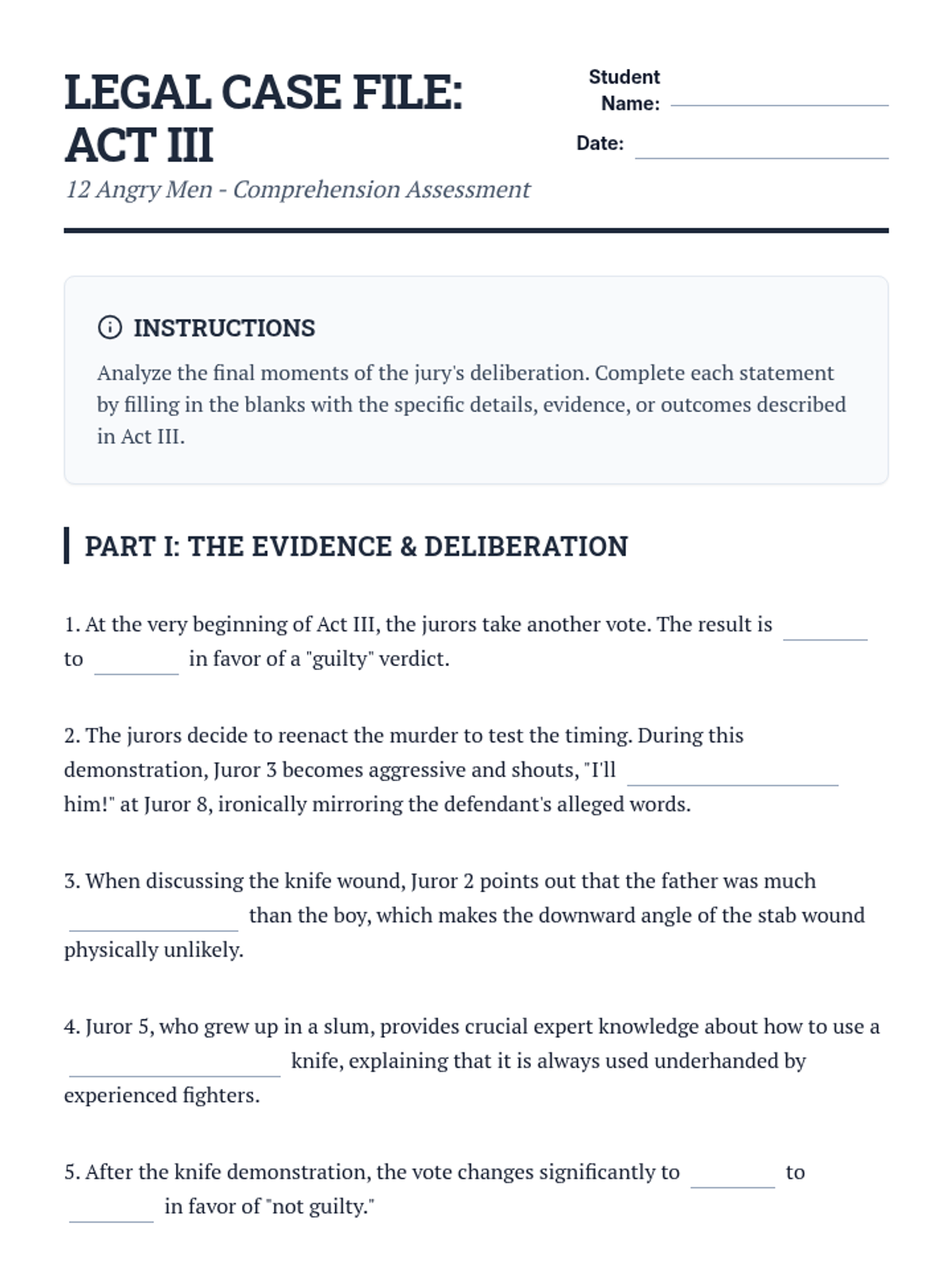
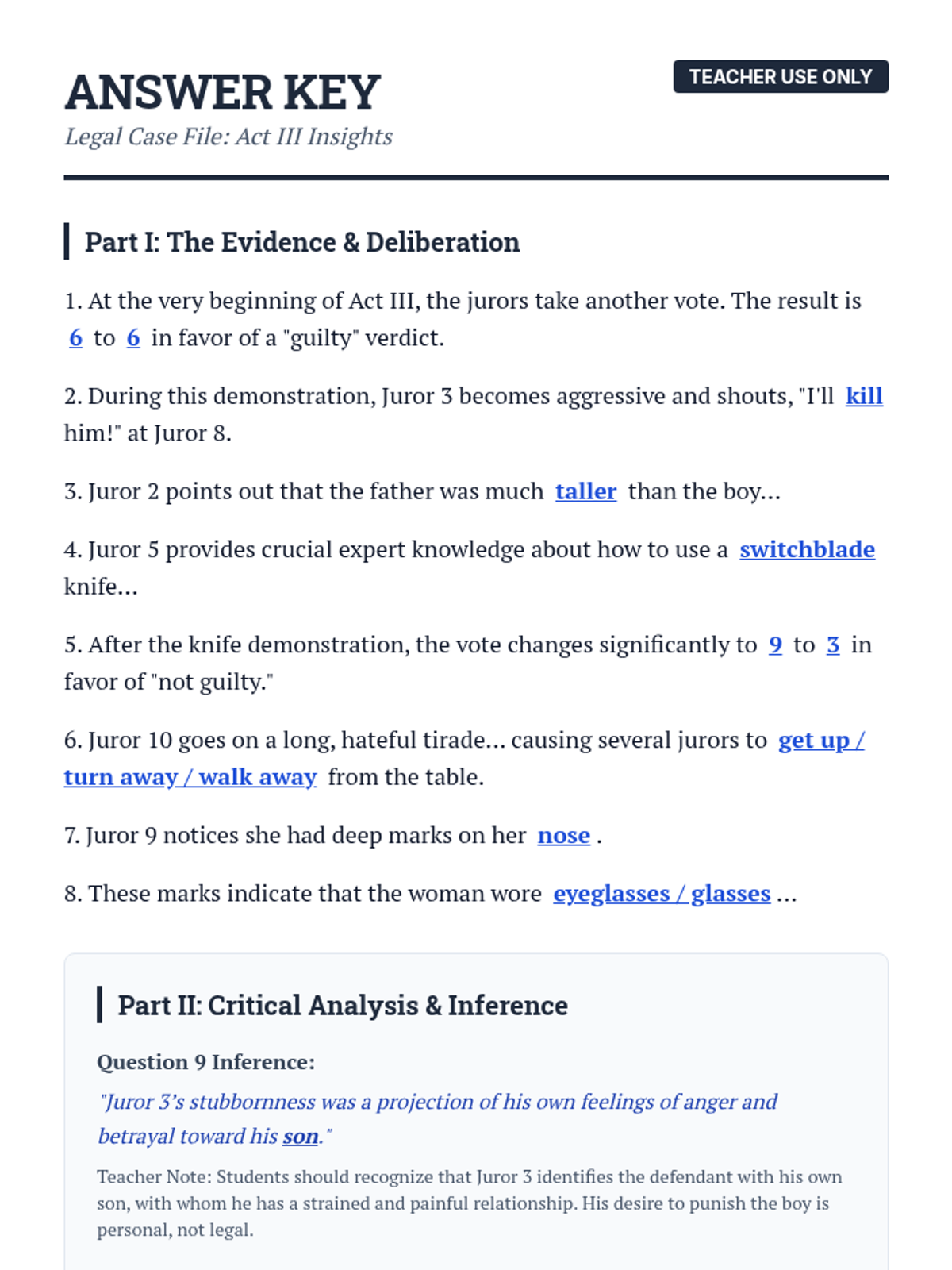
A comprehensive study of Act III of 12 Angry Men, focusing on the final shifts in juror opinions, the debunking of the final witnesses, and the themes of prejudice and reasonable doubt.
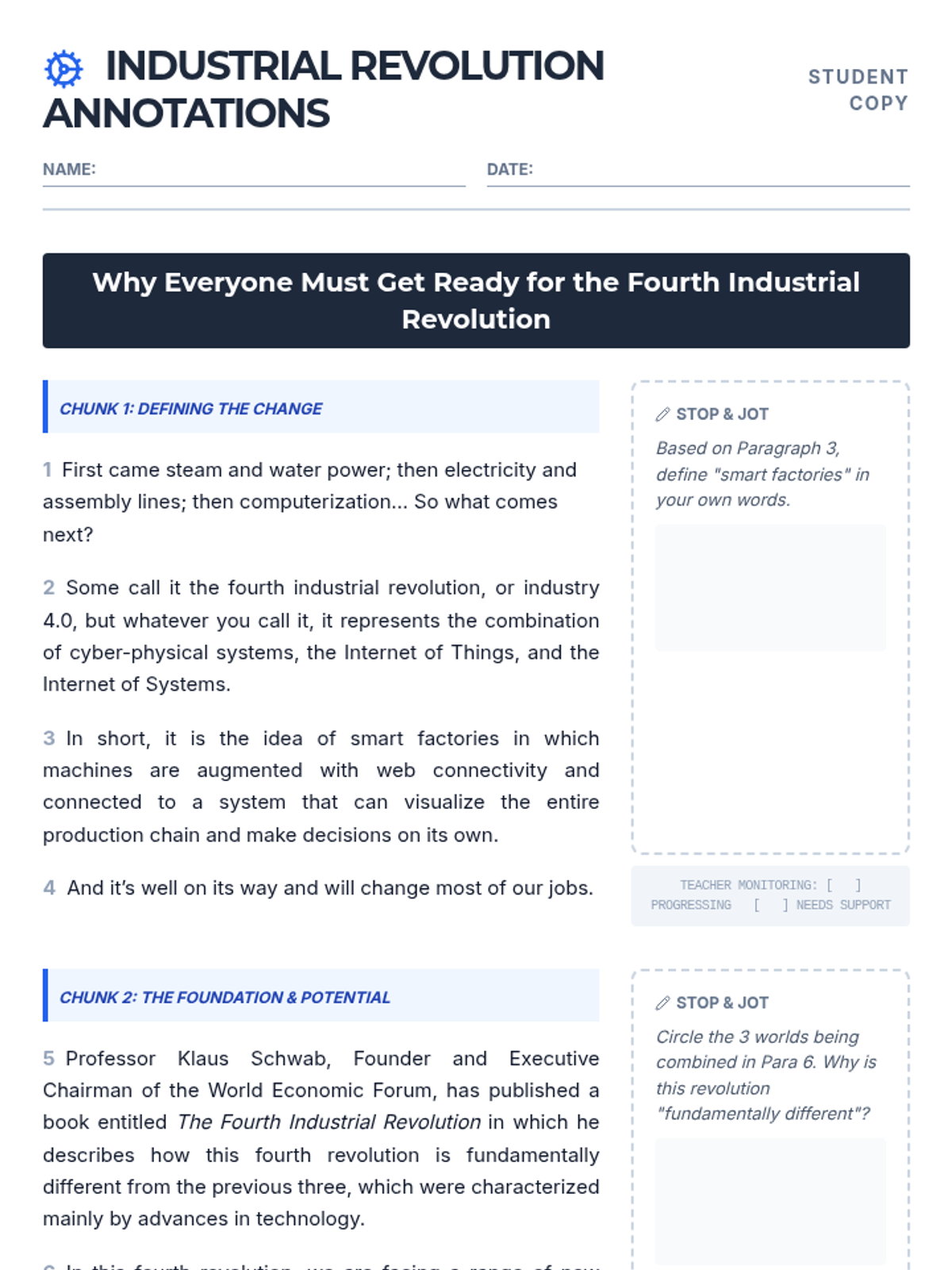
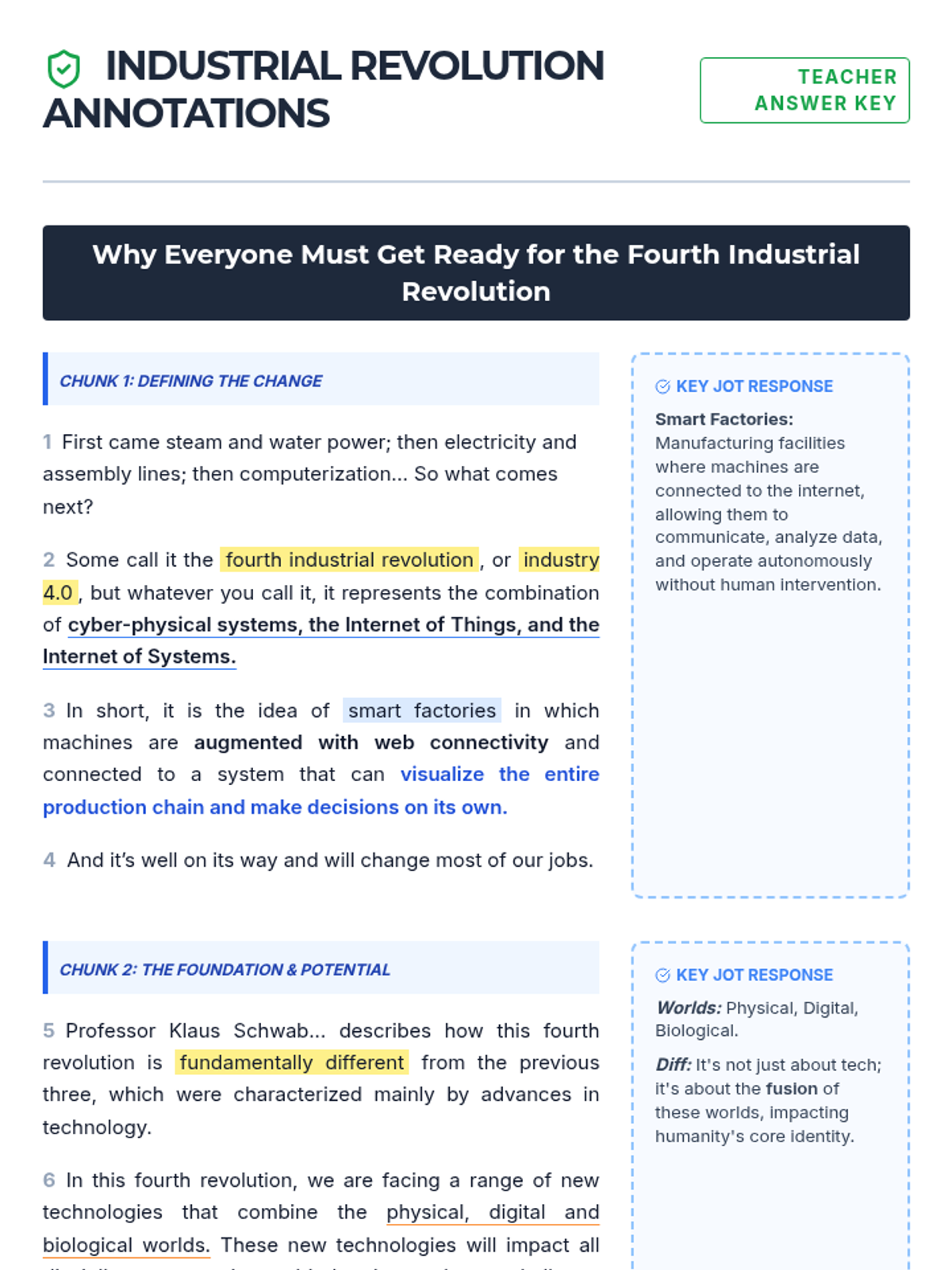
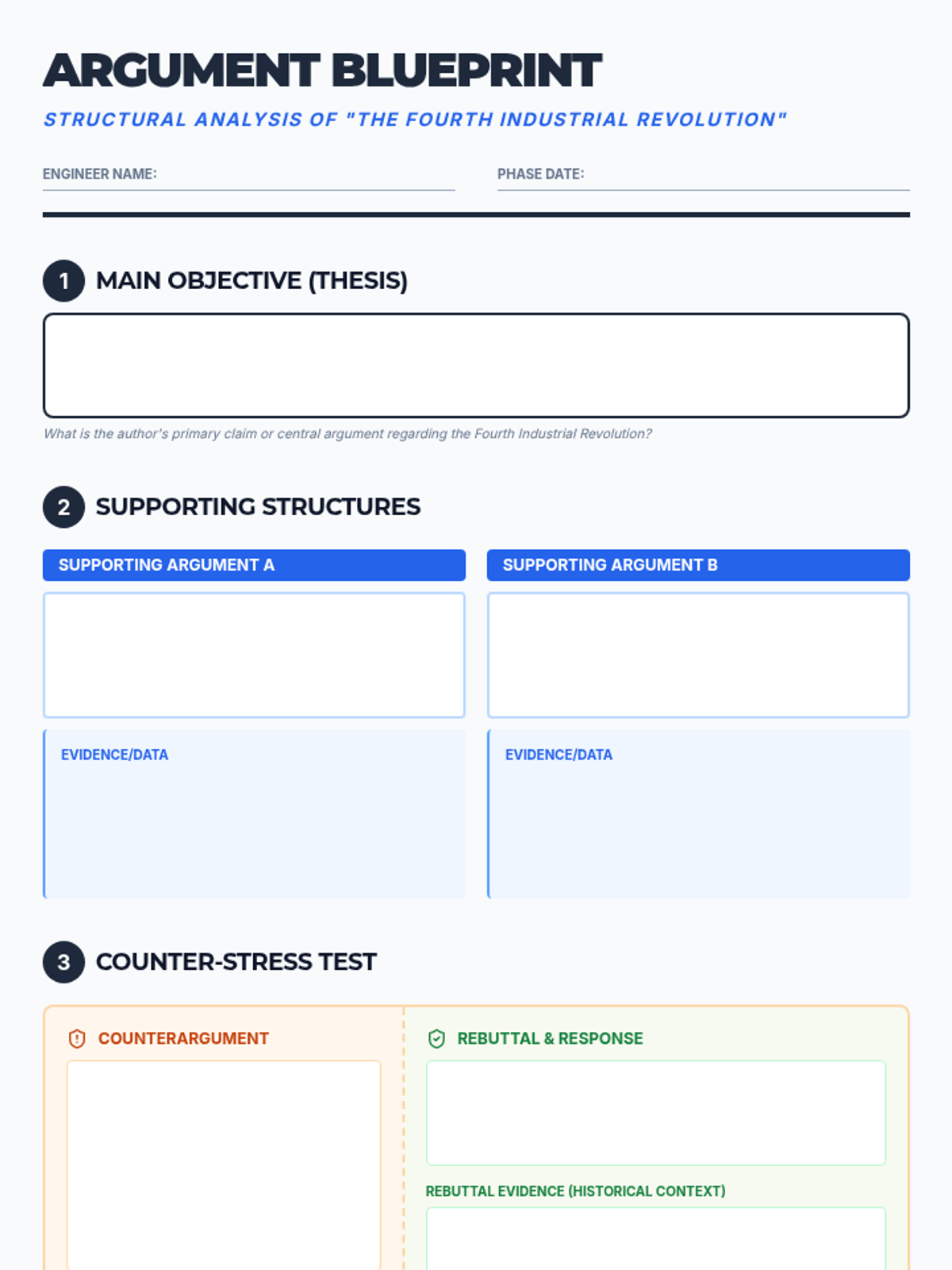
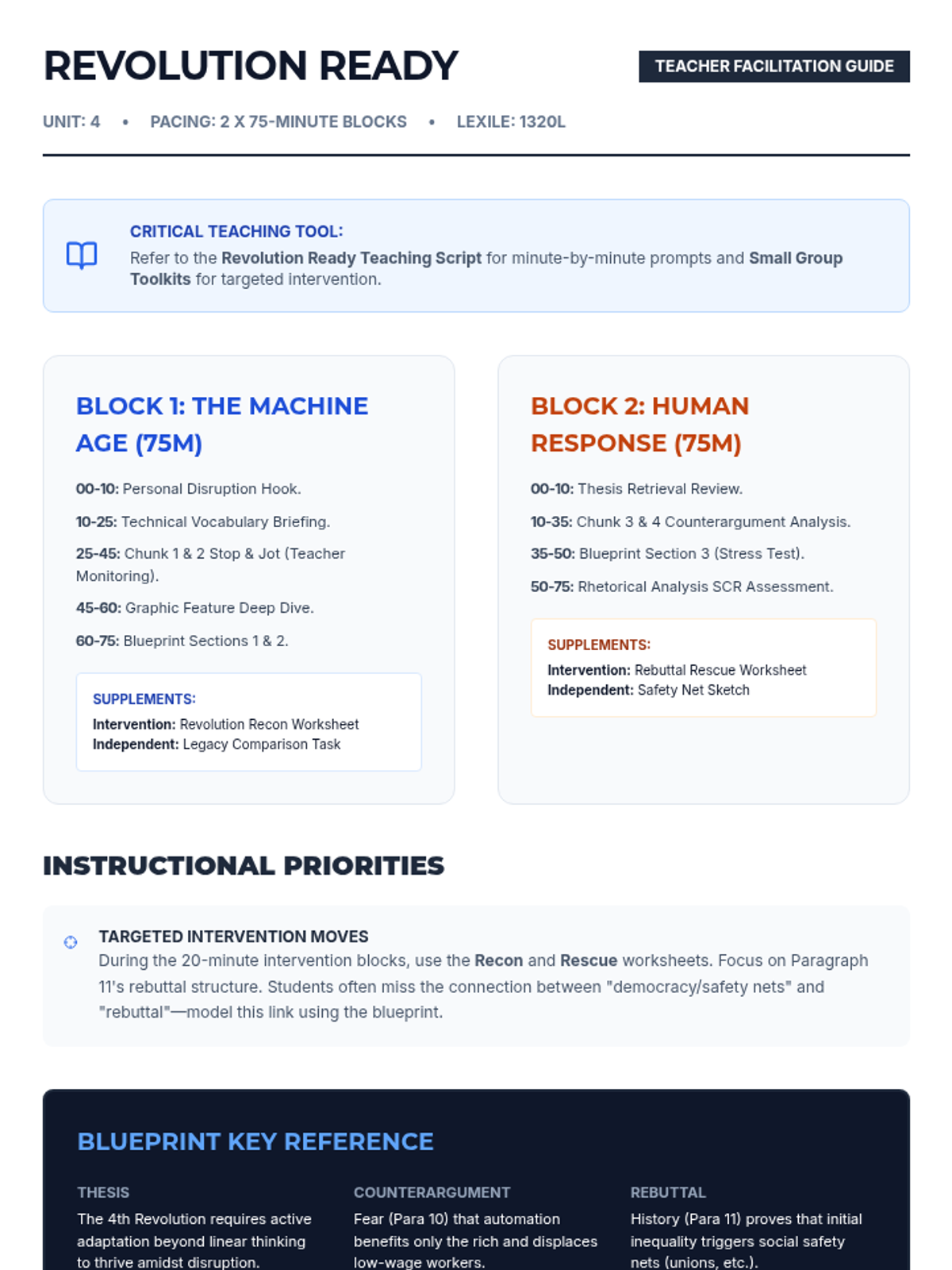
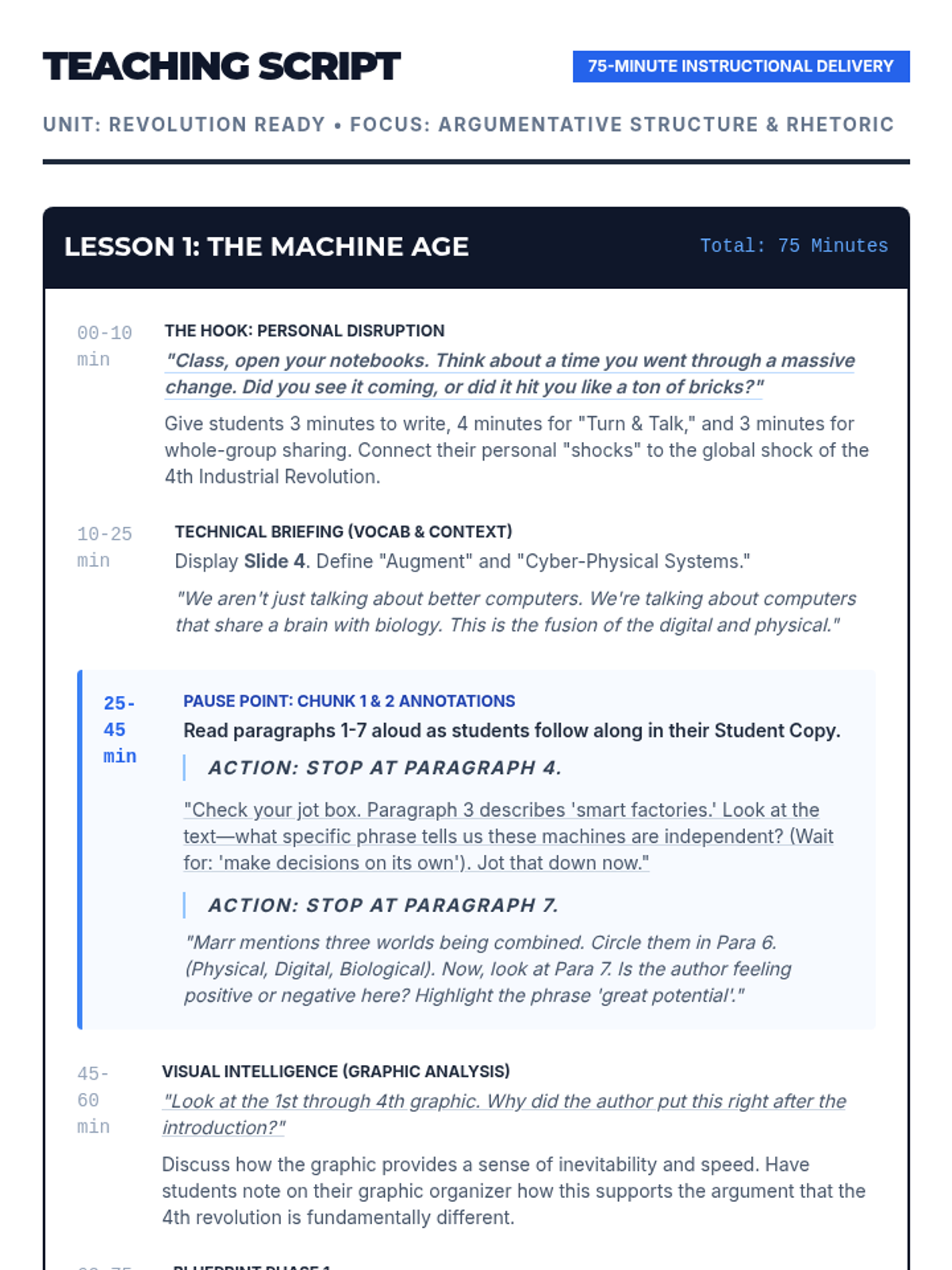
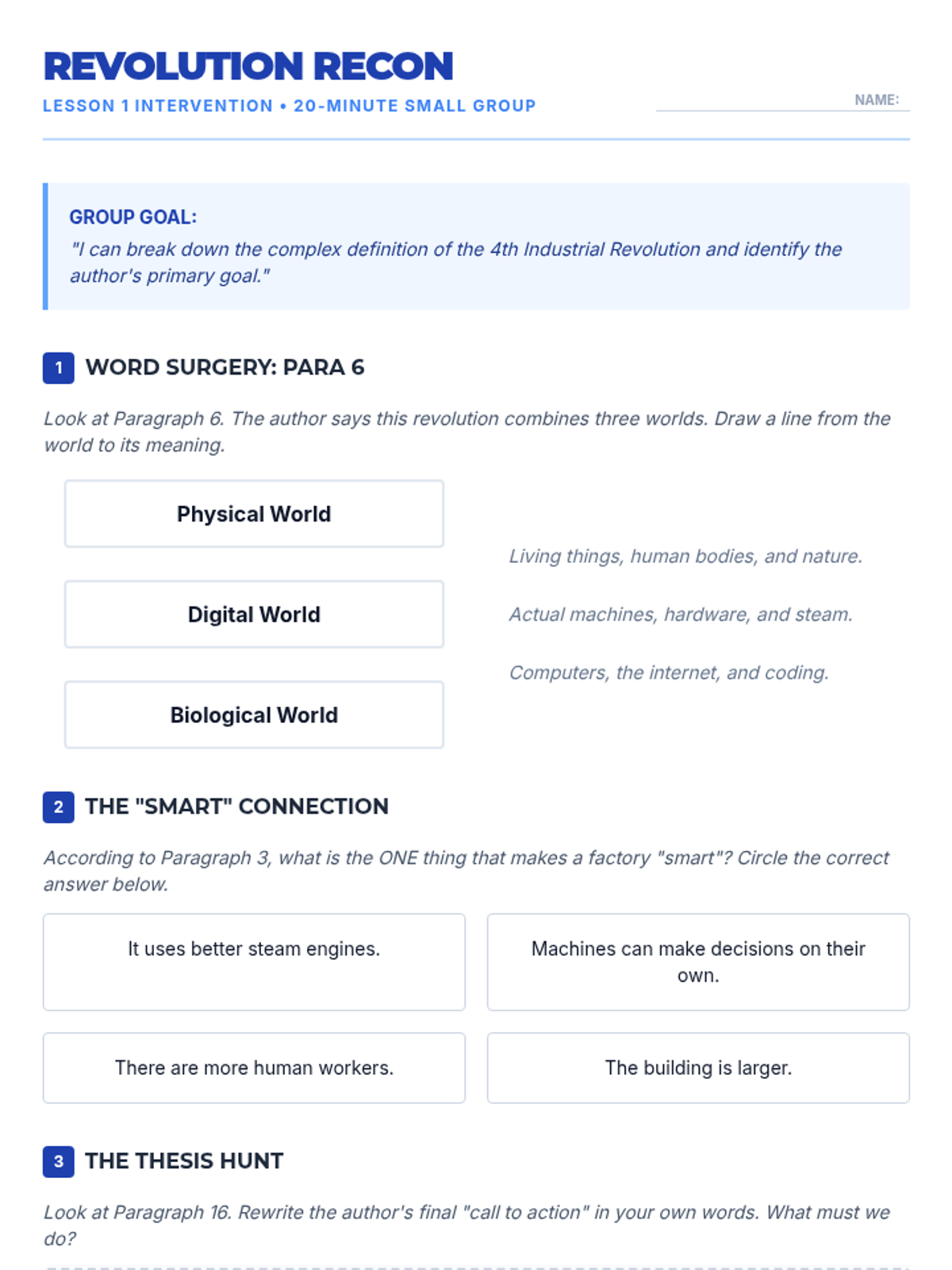
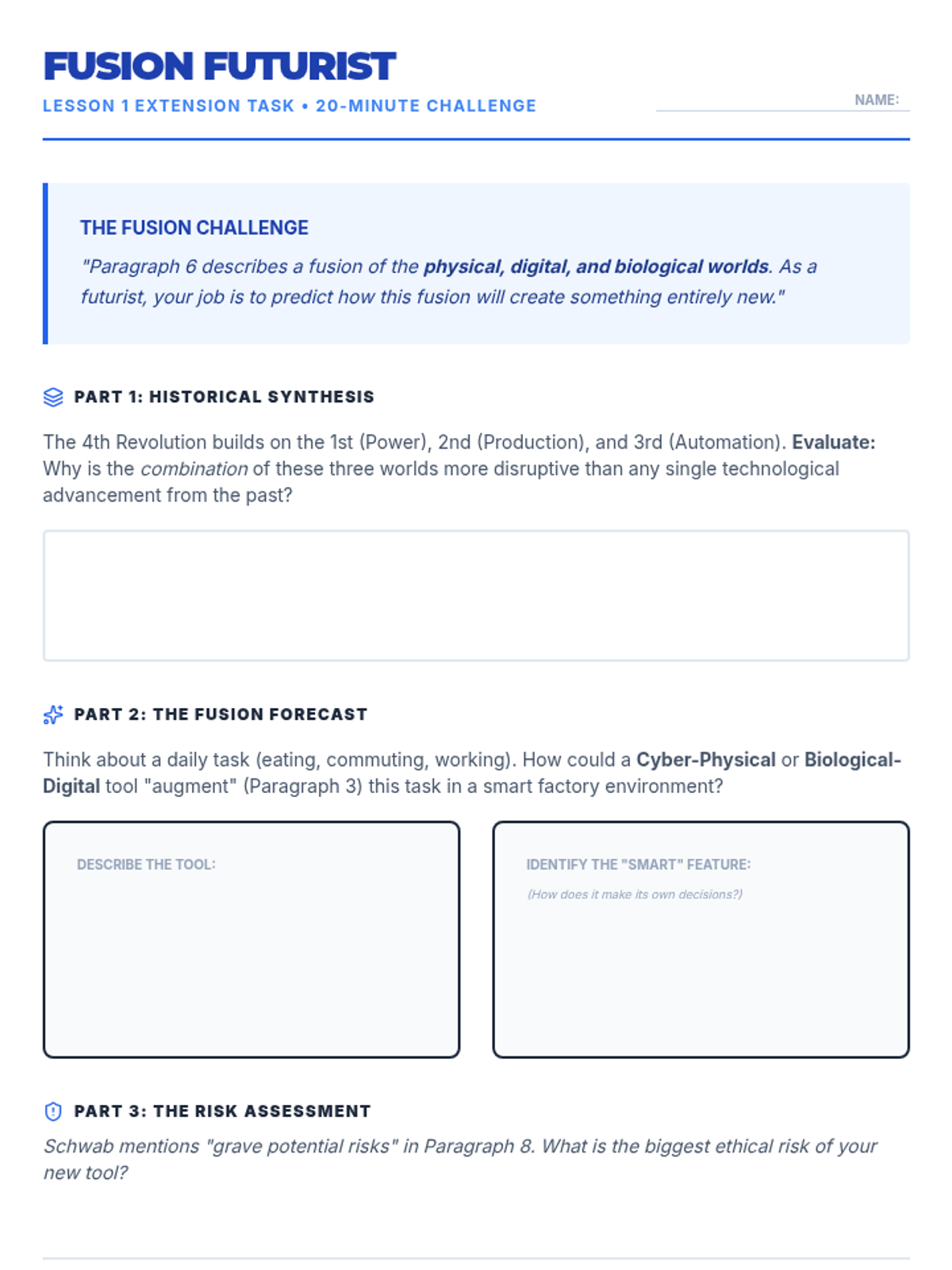
A two-lesson unit focused on analyzing argumentative structures and multimodal features in the text 'Why Everyone Must Get Ready for the Fourth Industrial Revolution.' Students will explore thesis development, evidence, counterarguments, and the impact of graphic features.
A scaffolded sequence for 12th-grade students that uses visual media to build inference and prediction skills, eventually transitioning from photography and film to complex text analysis.
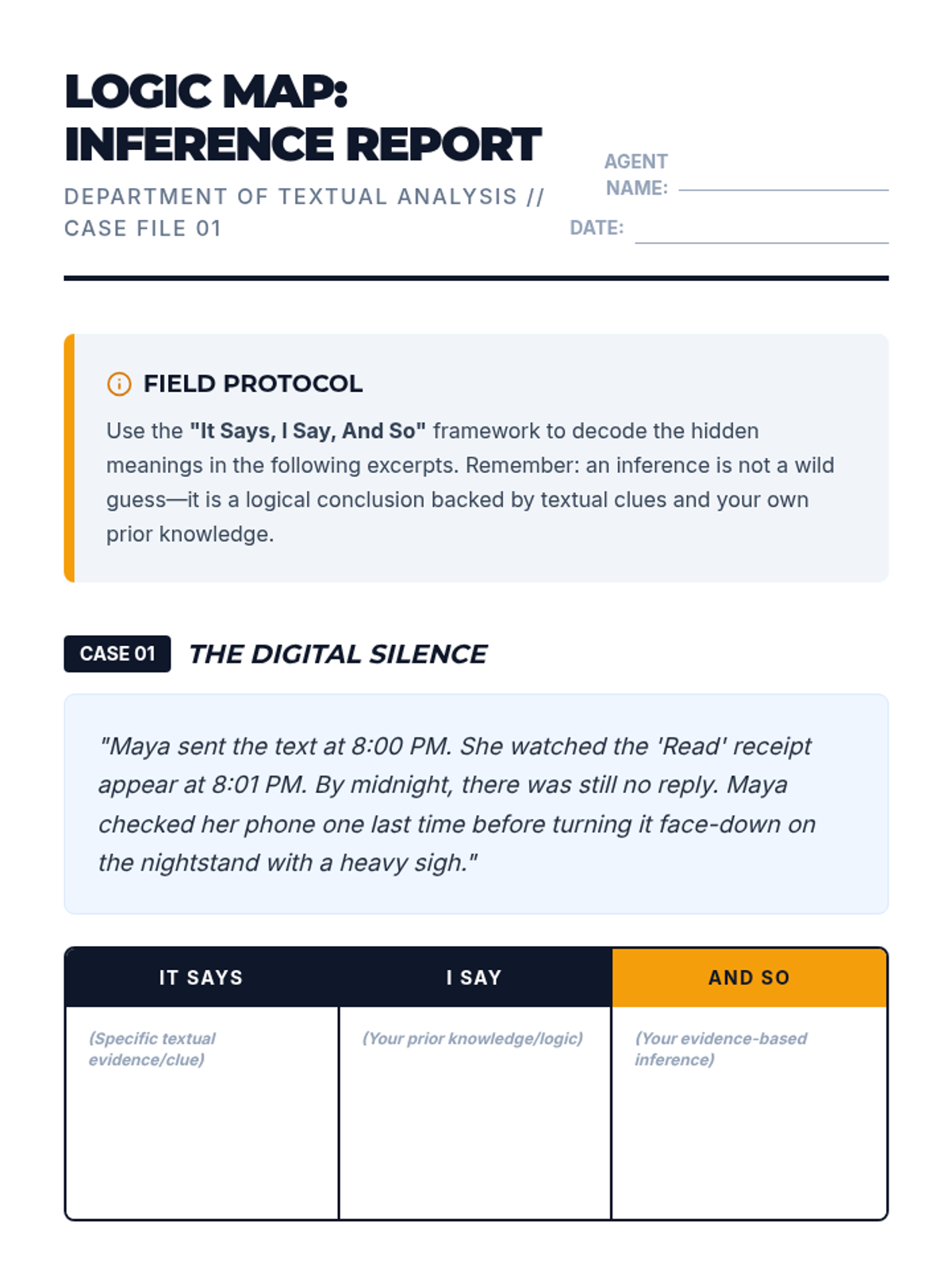
A scaffolded sequence for 12th-grade academic support students to master predictions and inferences. Using the 'It Says, I Say, And So' framework, students progress from basic textual clues to complex analysis of character motivation, authorial bias, and persuasive structure.
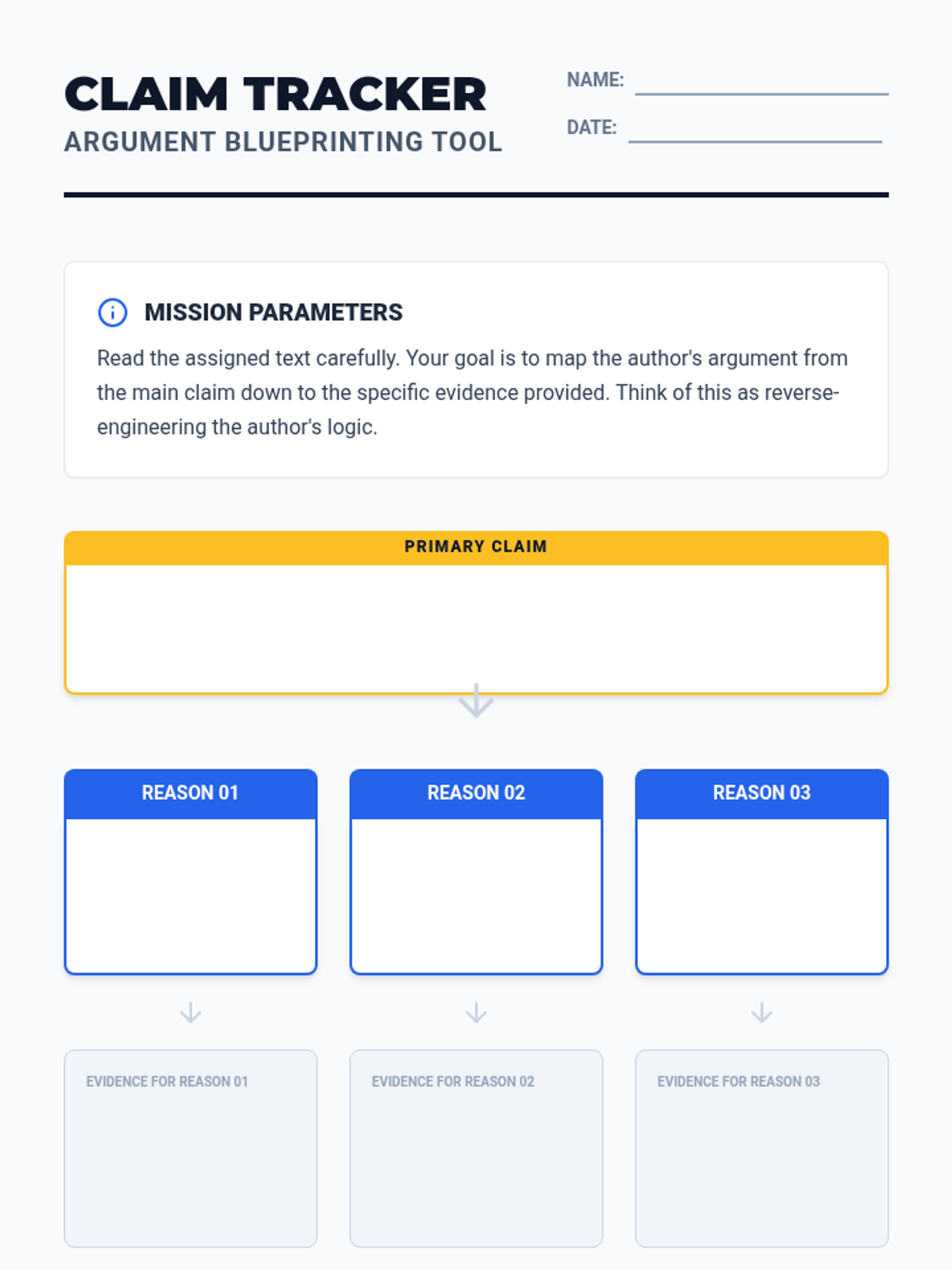
Students investigate how authors build persuasive arguments in nonfiction texts. They learn to trace claims, distinguish between facts and opinions, evaluate the sufficiency of evidence, and detect bias to determine the credibility of a text.
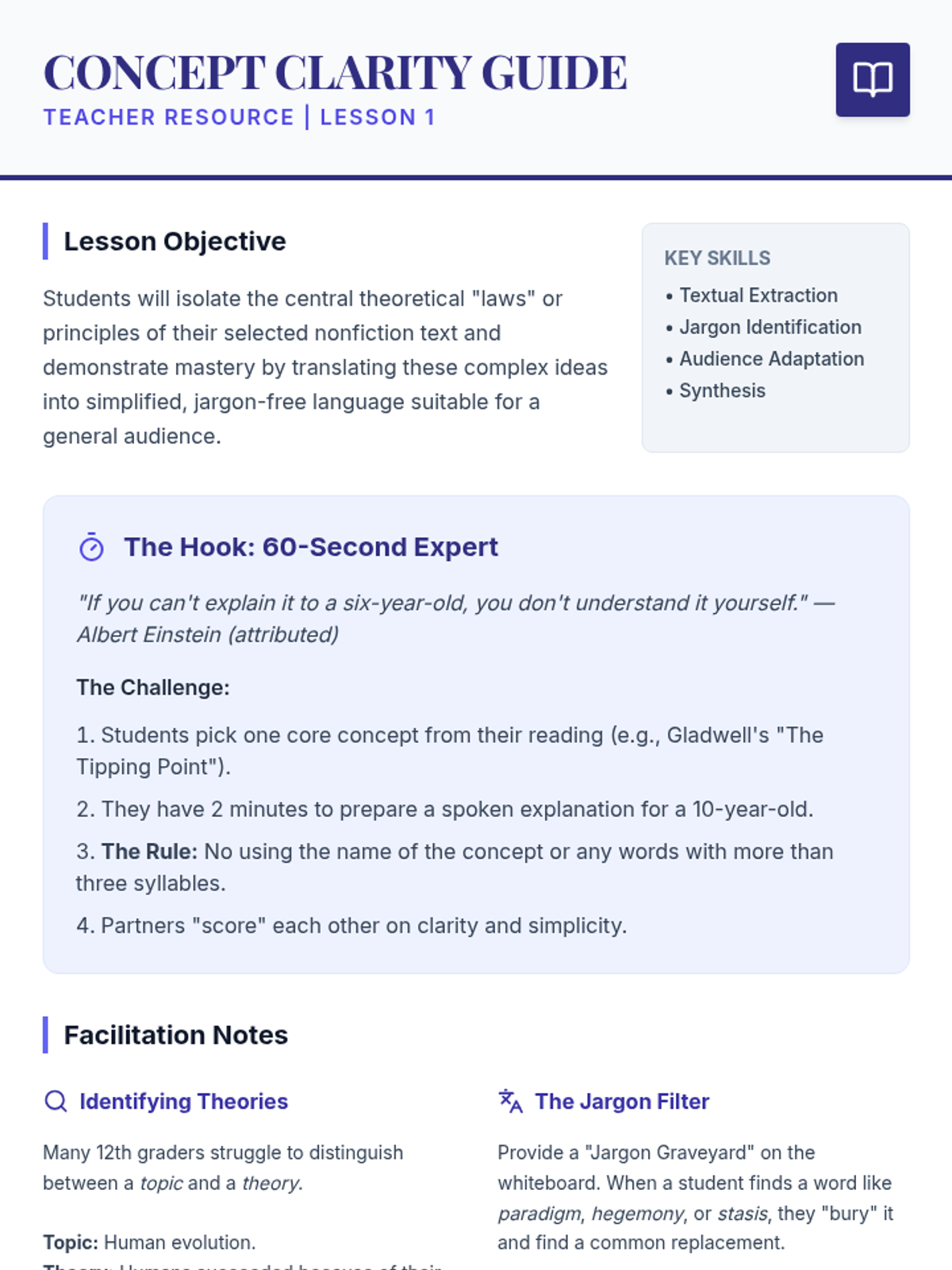
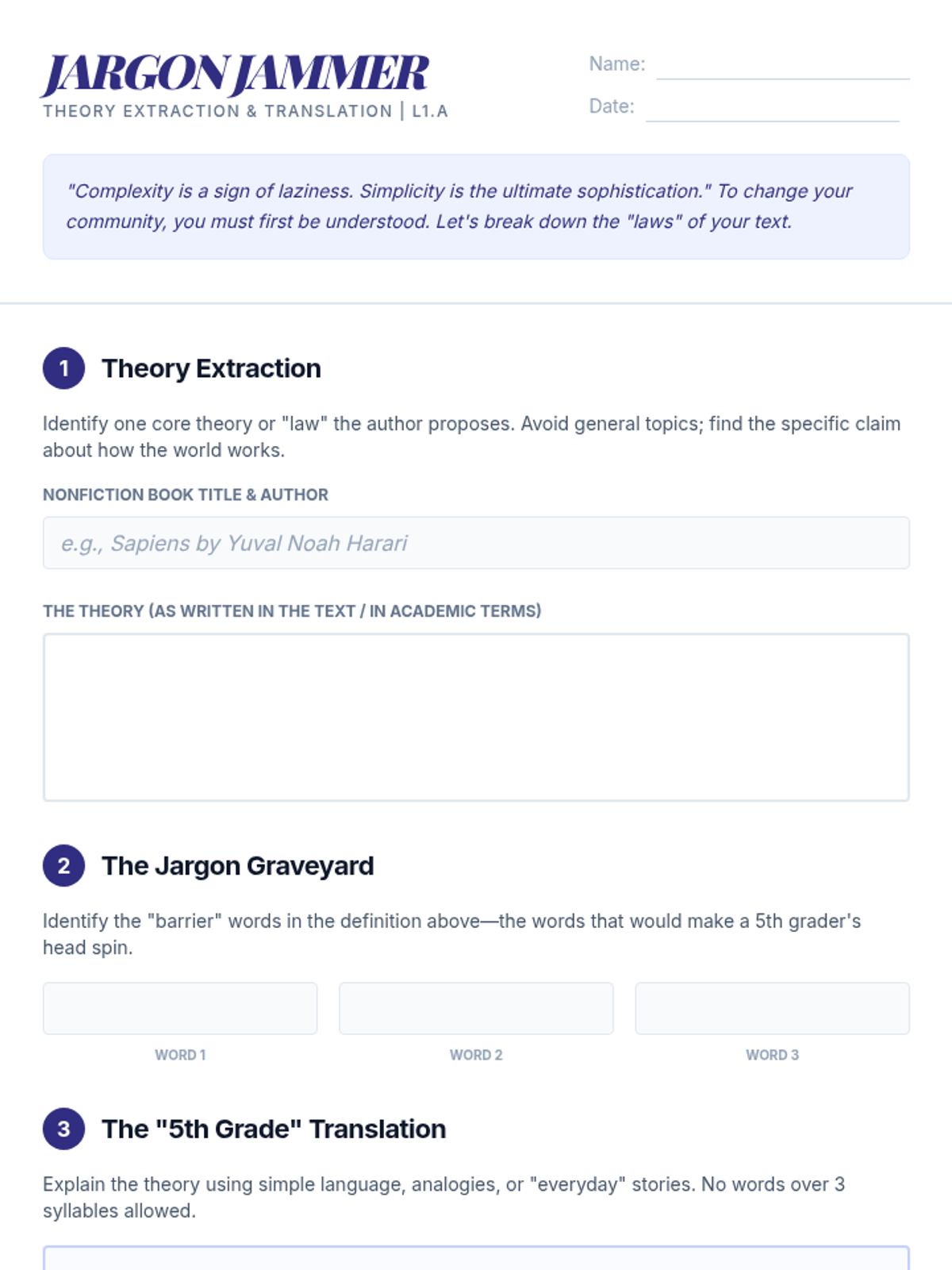
A project-based unit where 12th-grade students analyze theoretical concepts from complex nonfiction texts and apply them to solve real-world community issues through primary research and strategic proposals.
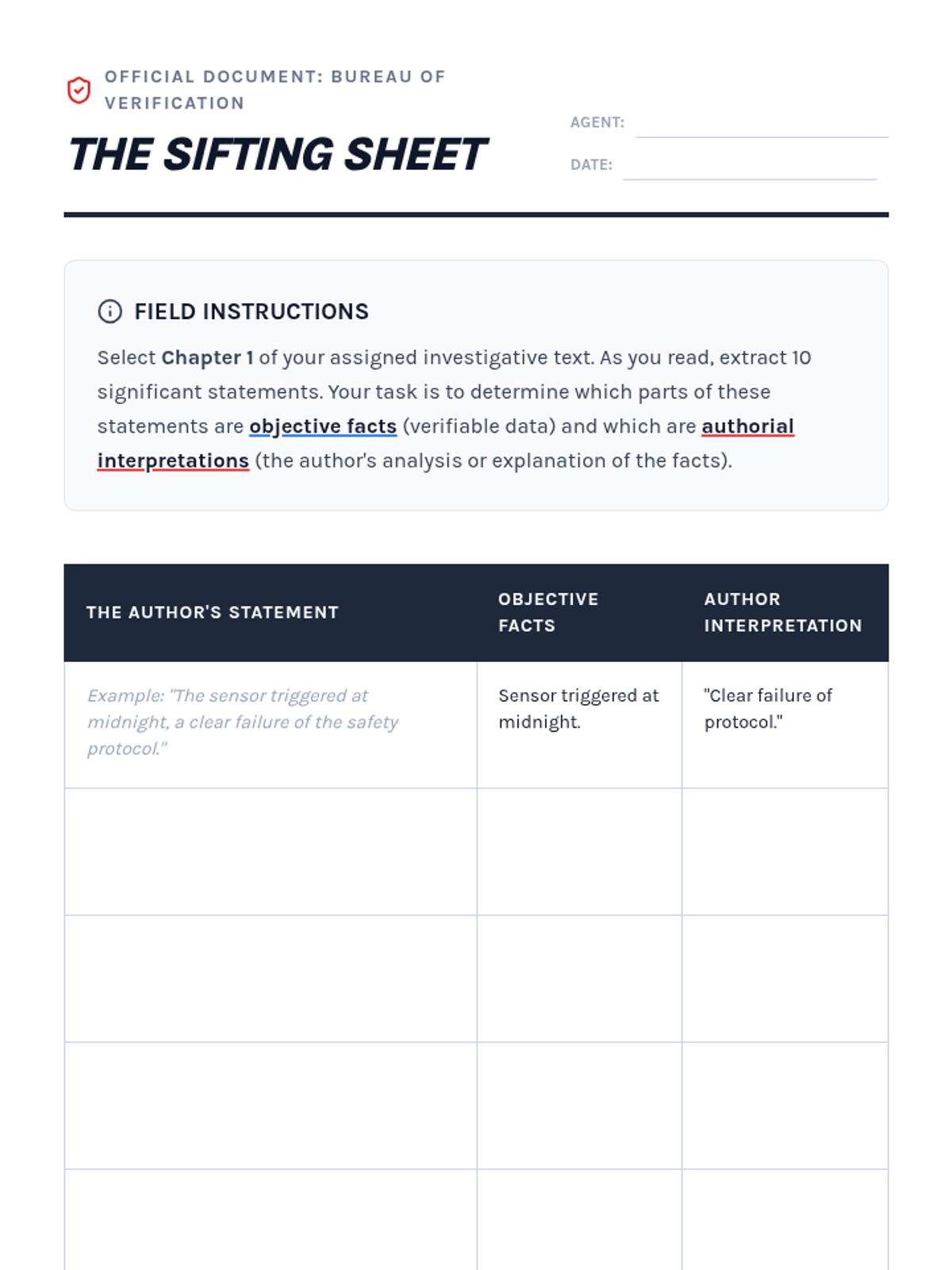
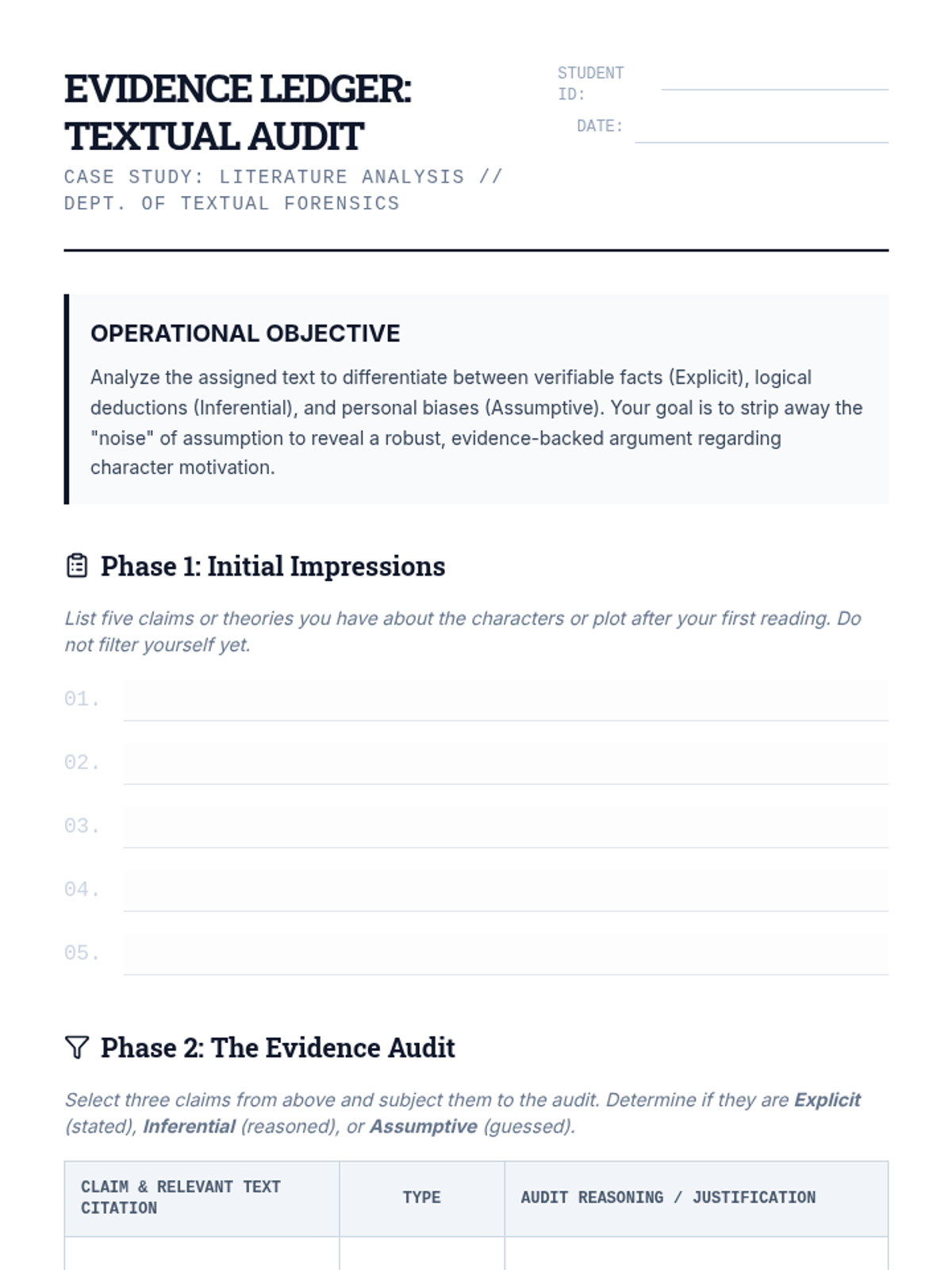
A 10th-grade ELA sequence focused on critical reading and source evaluation in investigative nonfiction. Students learn to separate fact from interpretation, verify citations, and conduct comprehensive validity audits.
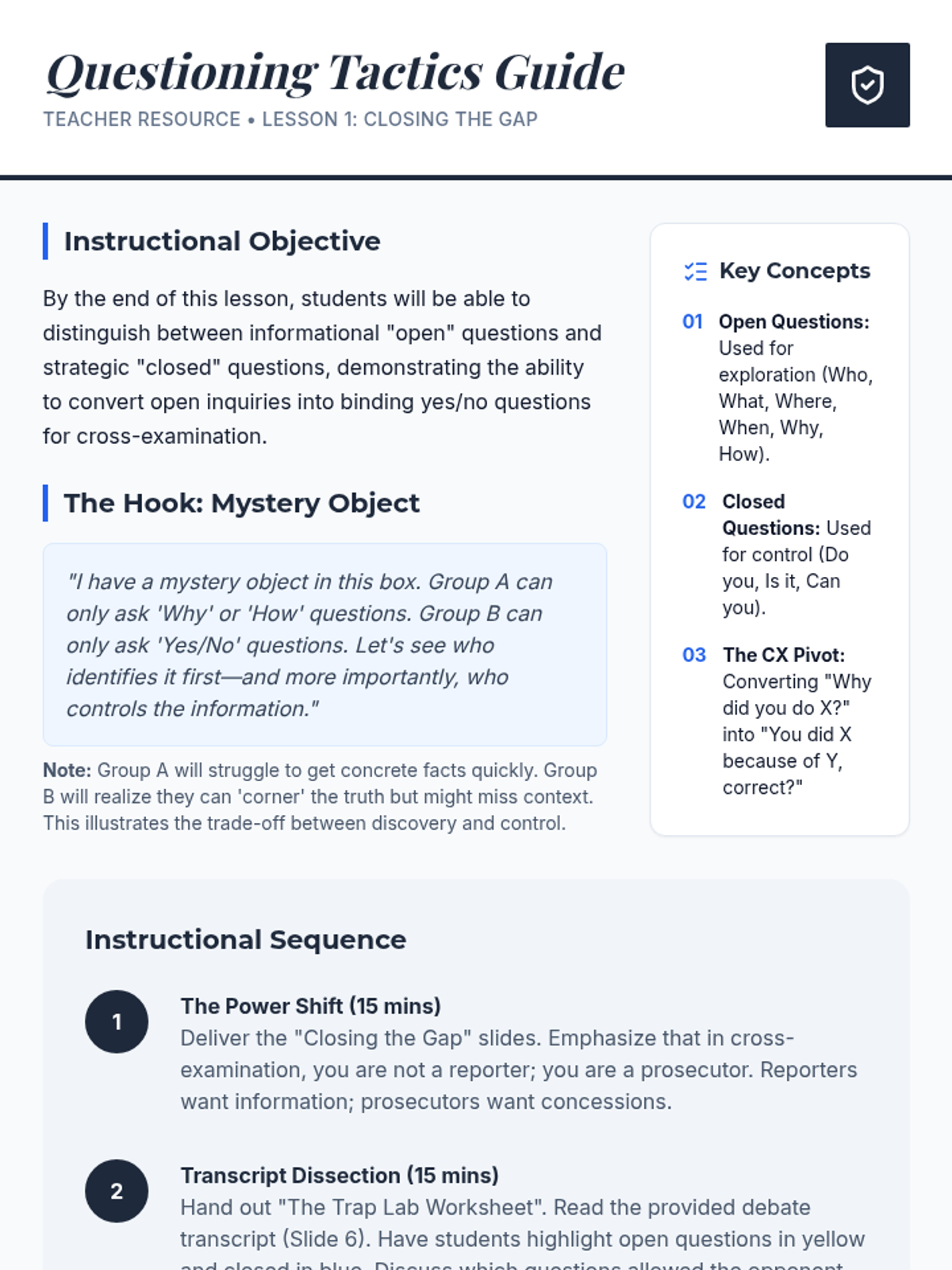
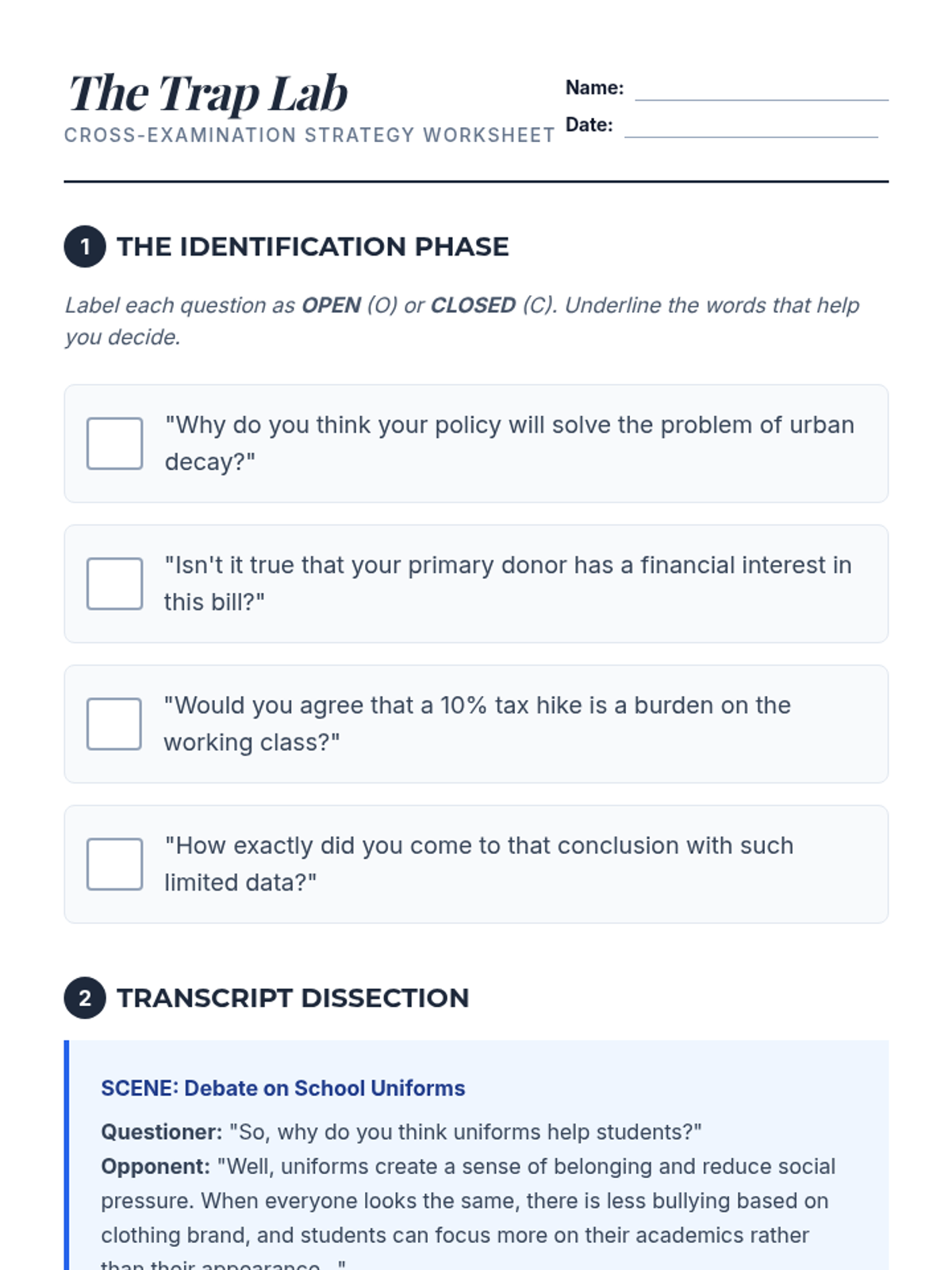
This 9th-grade ELA sequence focuses on the mechanics of strategic questioning in debate. Students progress from basic question types to complex 'lines of questioning' designed to deconstruct arguments and expose evidentiary weaknesses through active listening and logical traps.
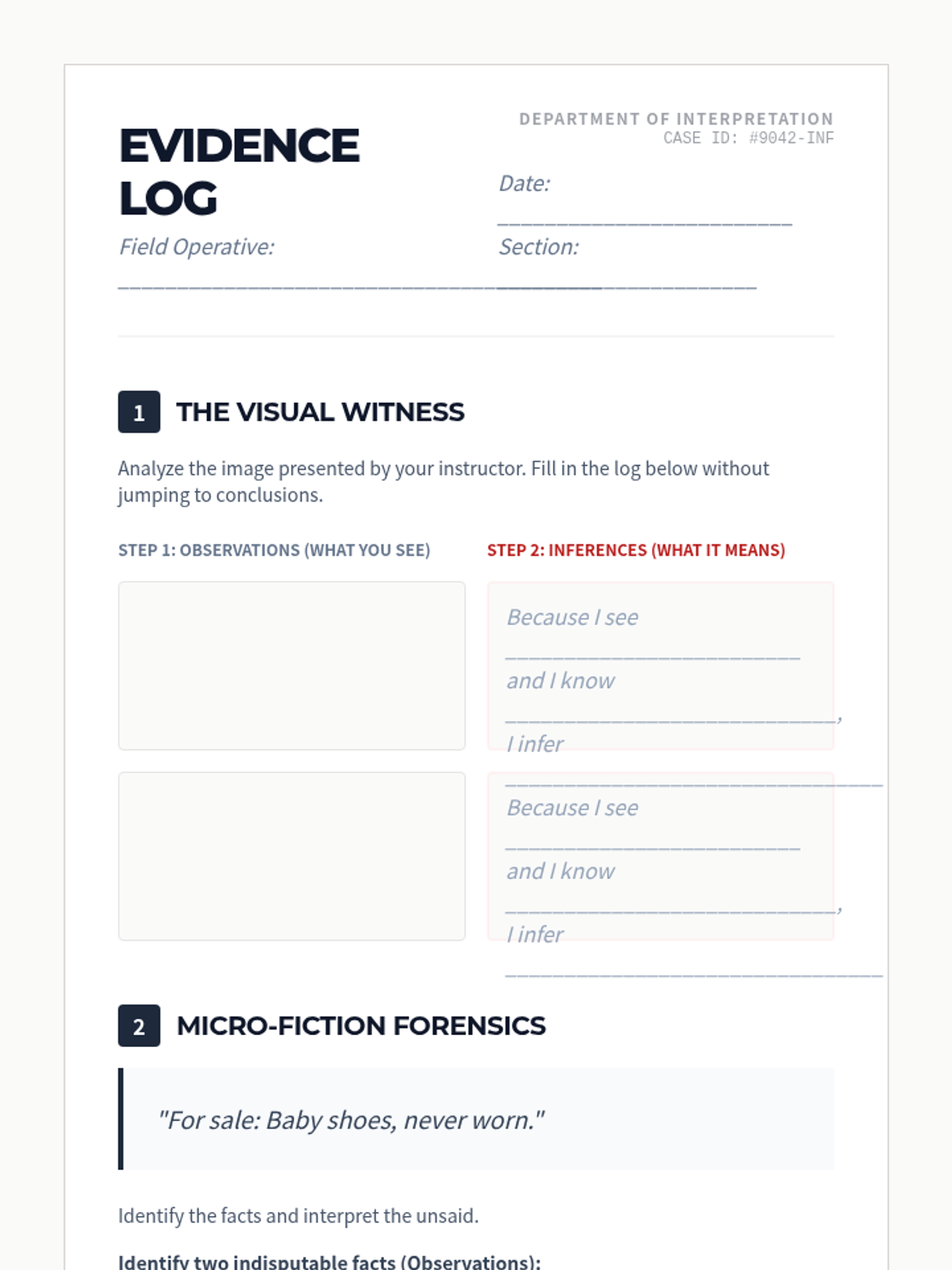
A foundational workshop for 9th-grade students to master the mechanics of inference. Students move from simple visual analysis to complex literary interpretation, using the formula 'Text Clues + Background Knowledge = Inference' to decode character motivations, setting atmosphere, and unreliable narrators.
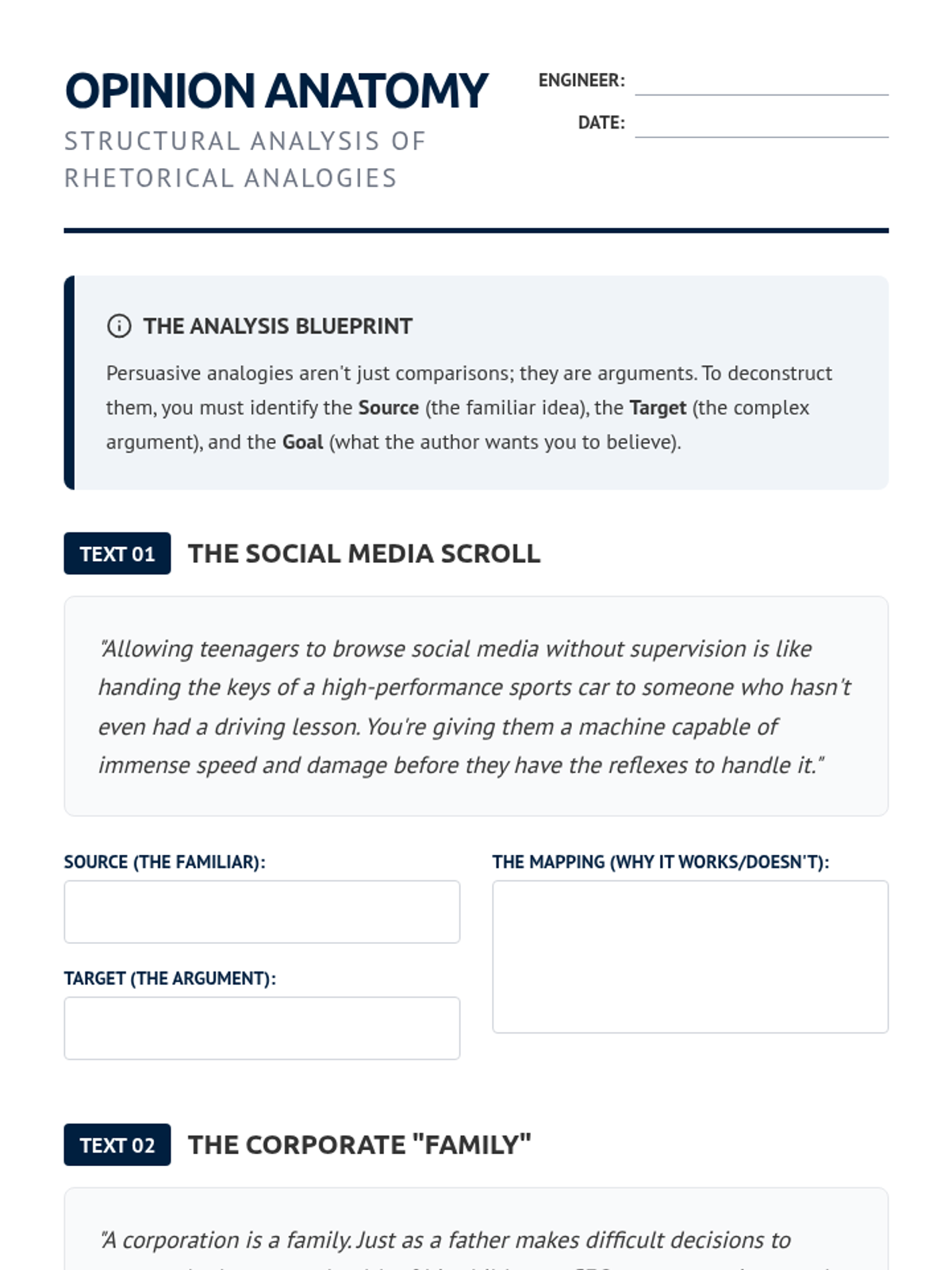
This sequence explores analogies as rhetorical devices in persuasive writing and speech, teaching students to analyze, evaluate, and craft powerful comparisons for argumentation.
A high-level literary analysis sequence for 12th-grade students focused on moving from basic thematic identification to constructing complex, evidence-based arguments using subtext, motif, and narrator reliability.
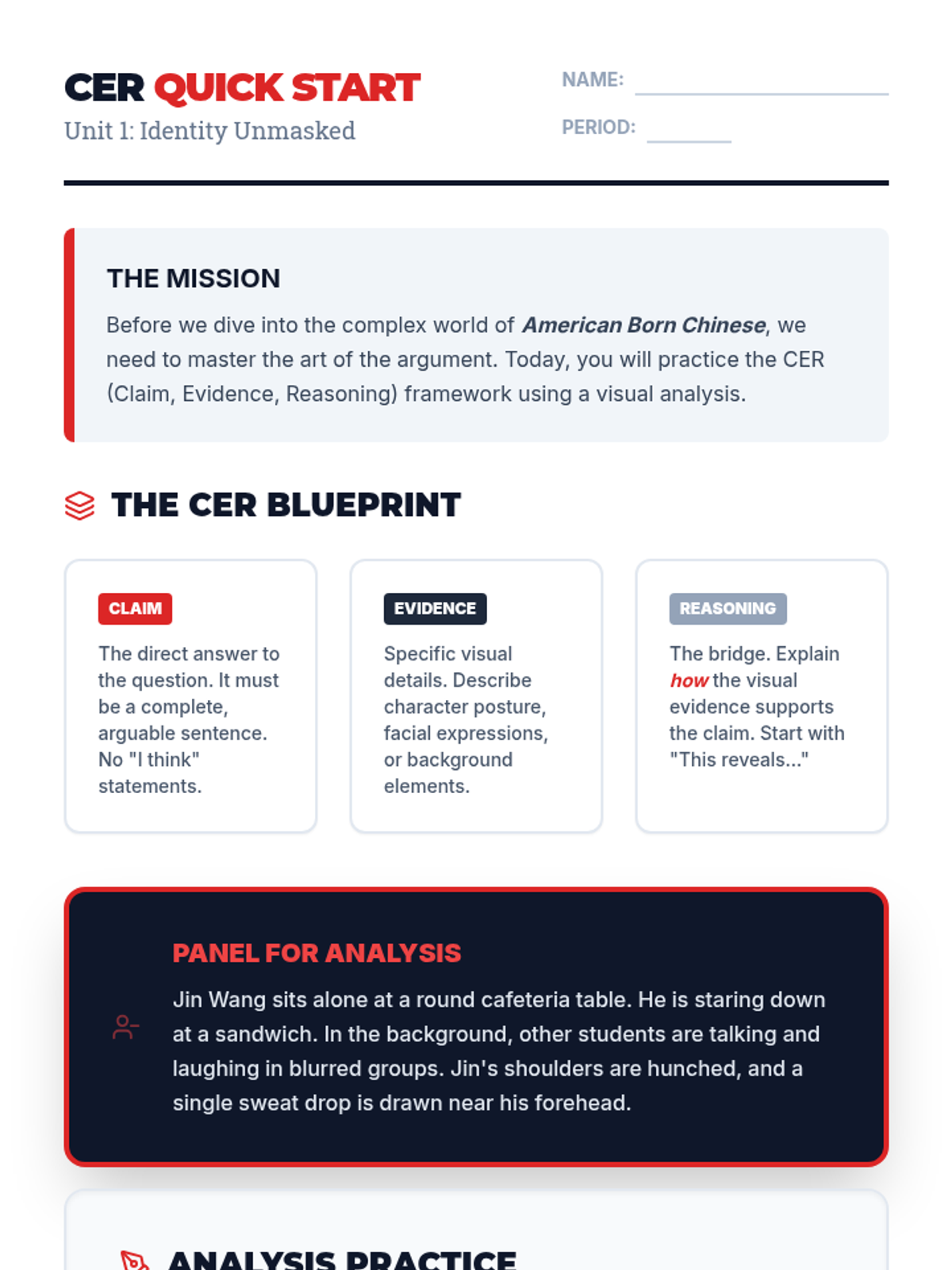
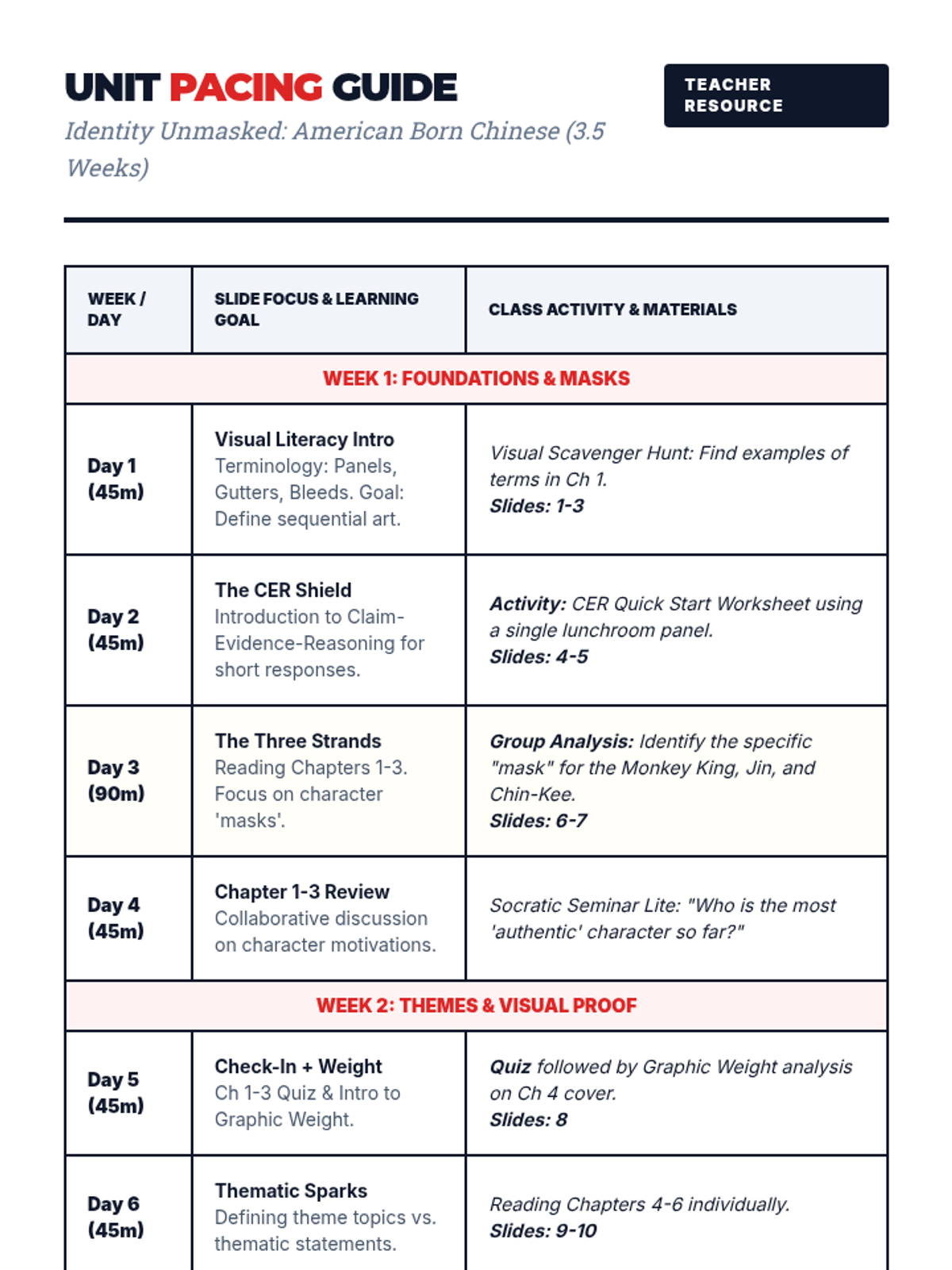
A comprehensive 3.5-week unit on Gene Luen Yang's 'American Born Chinese', focusing on Claim-Evidence-Reasoning (CER), graphic novel image analysis, and thematic development, culminating in a Cultural Identity Project.
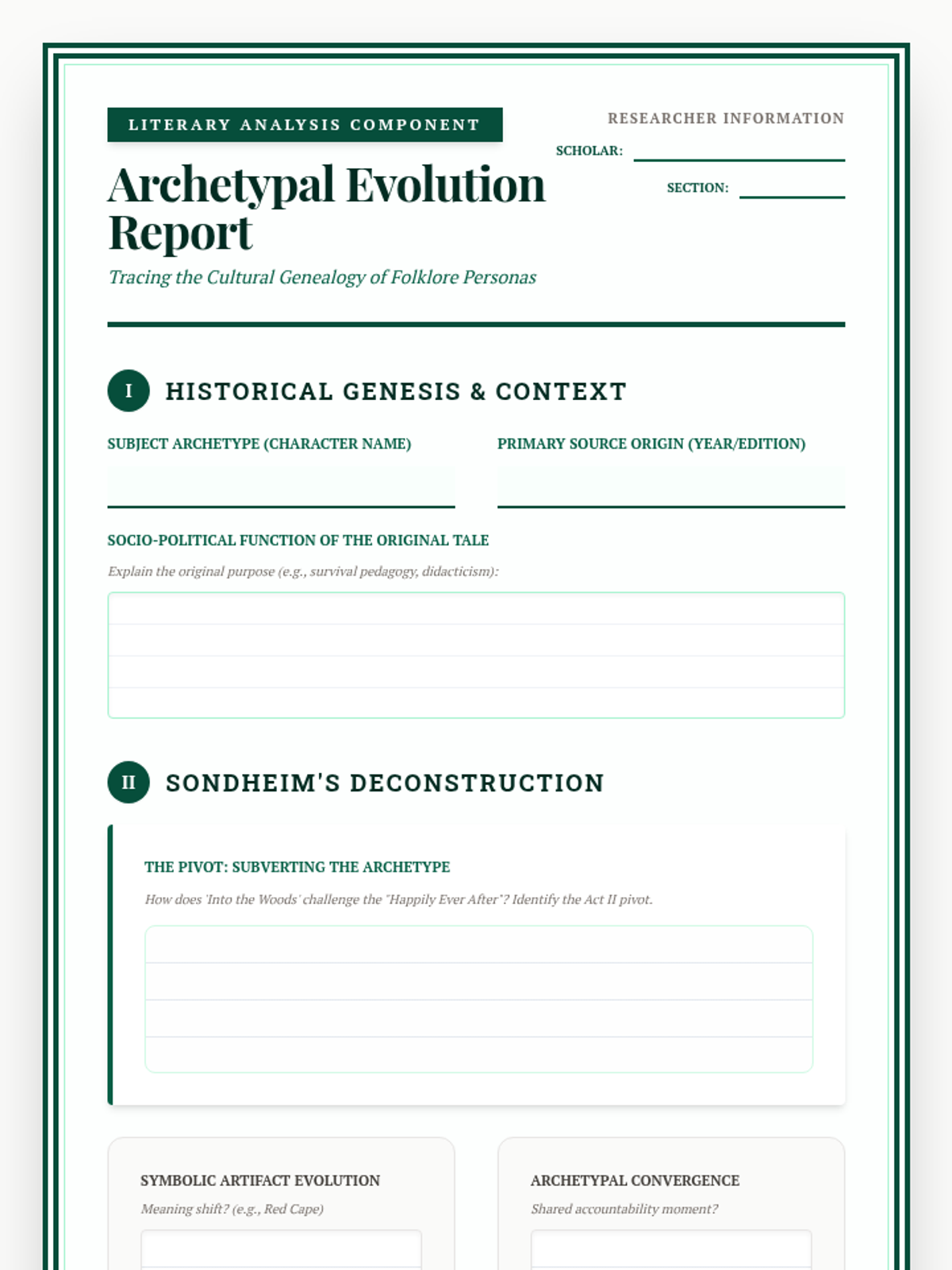
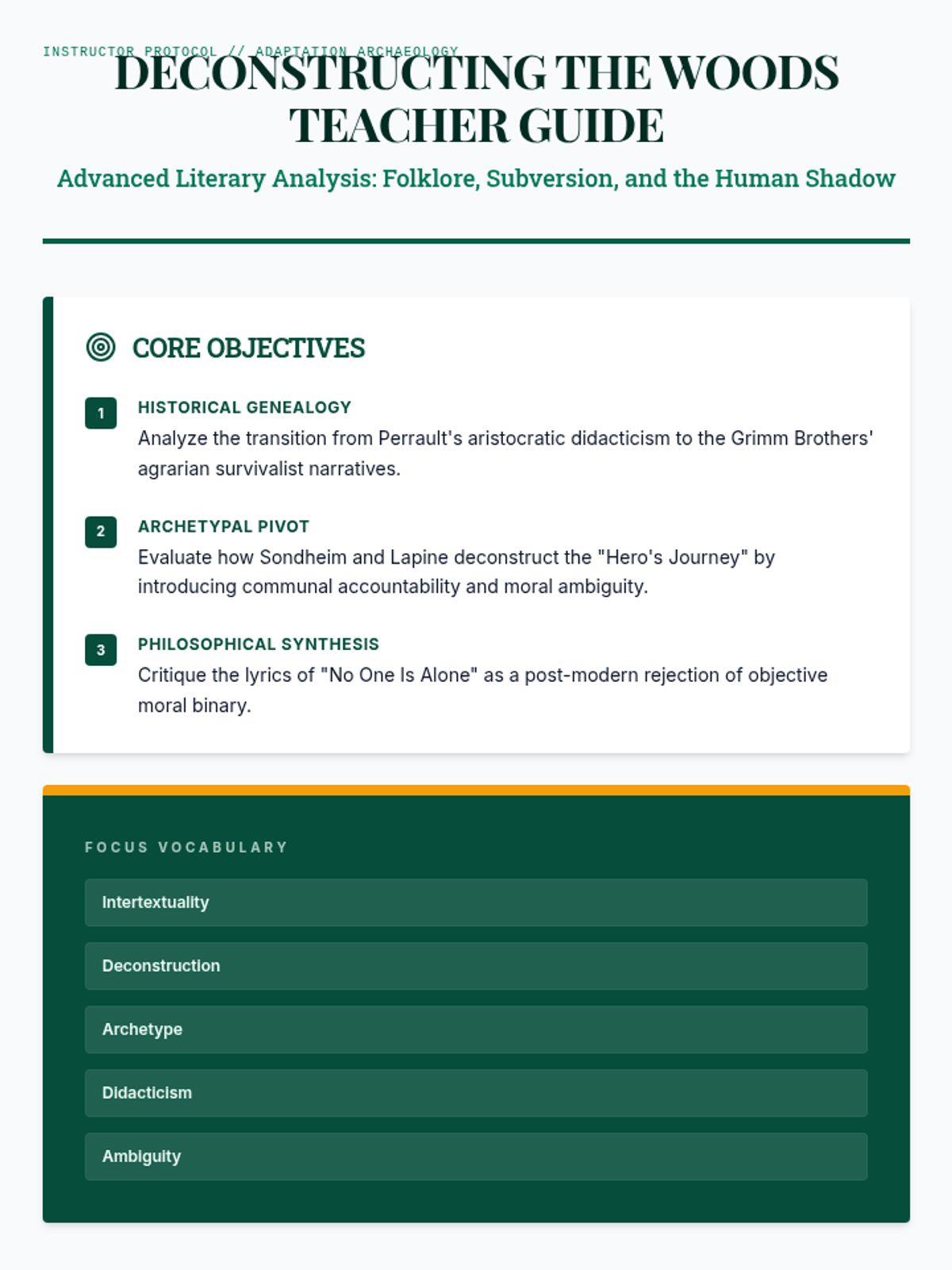
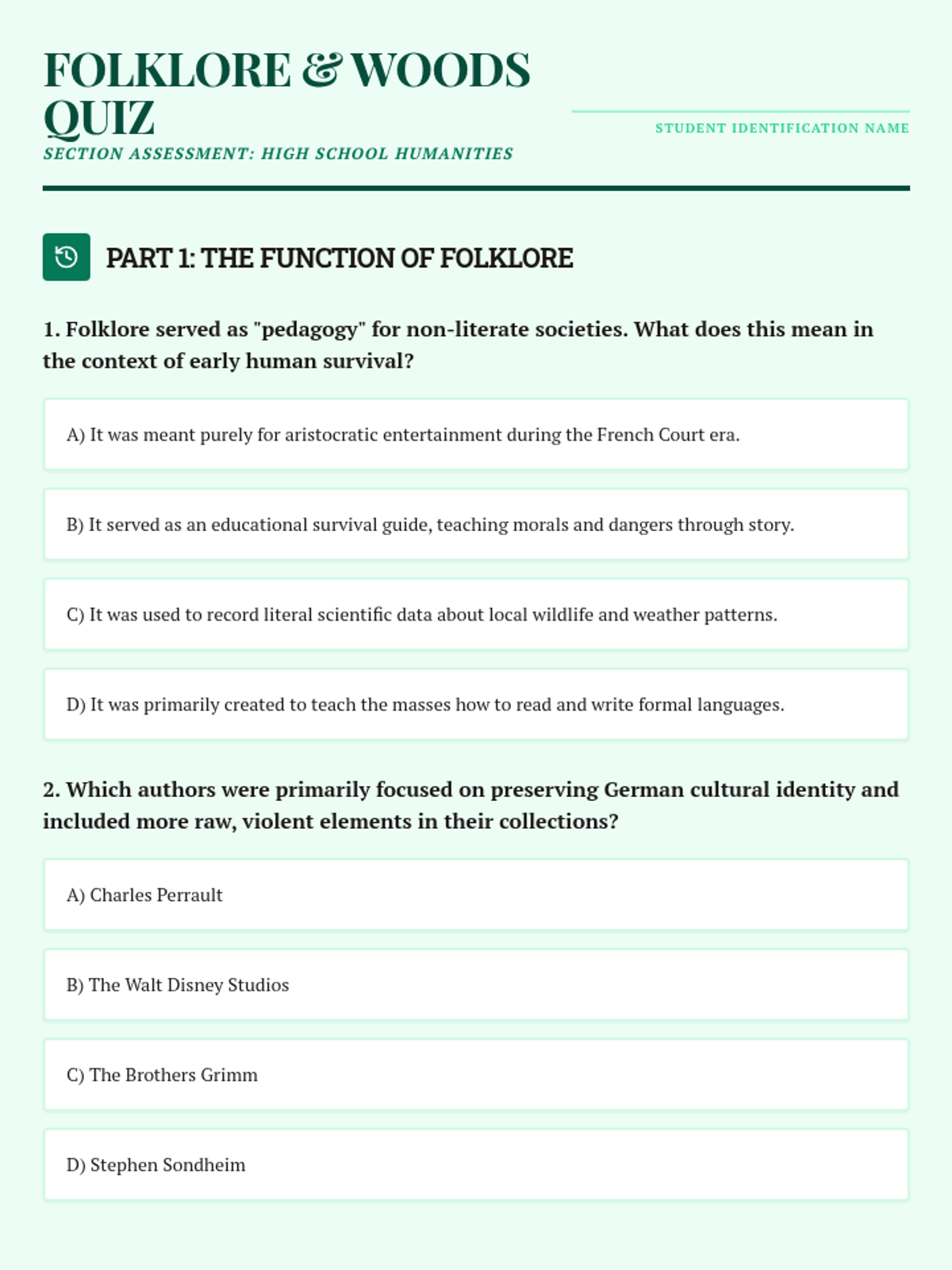
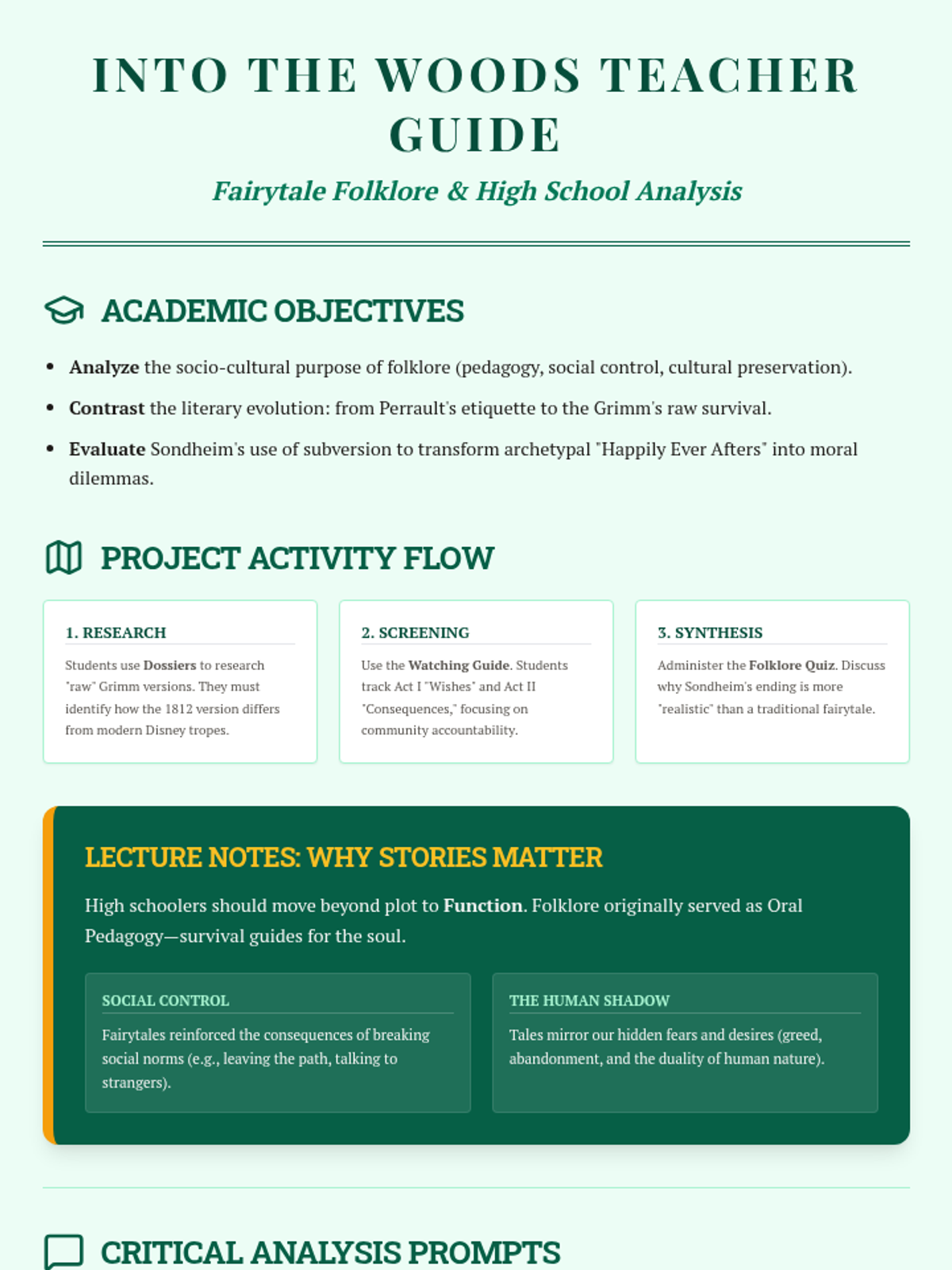
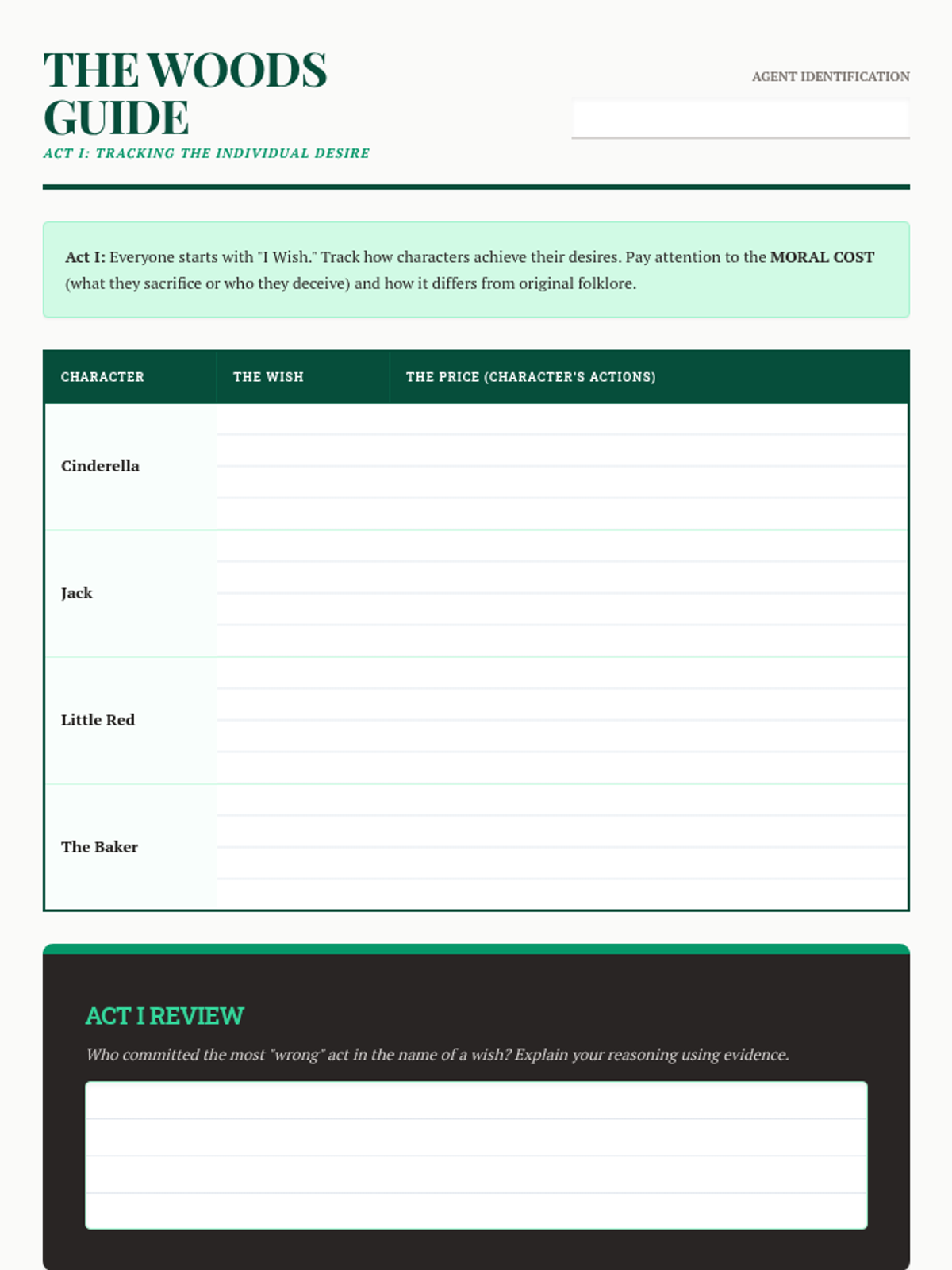
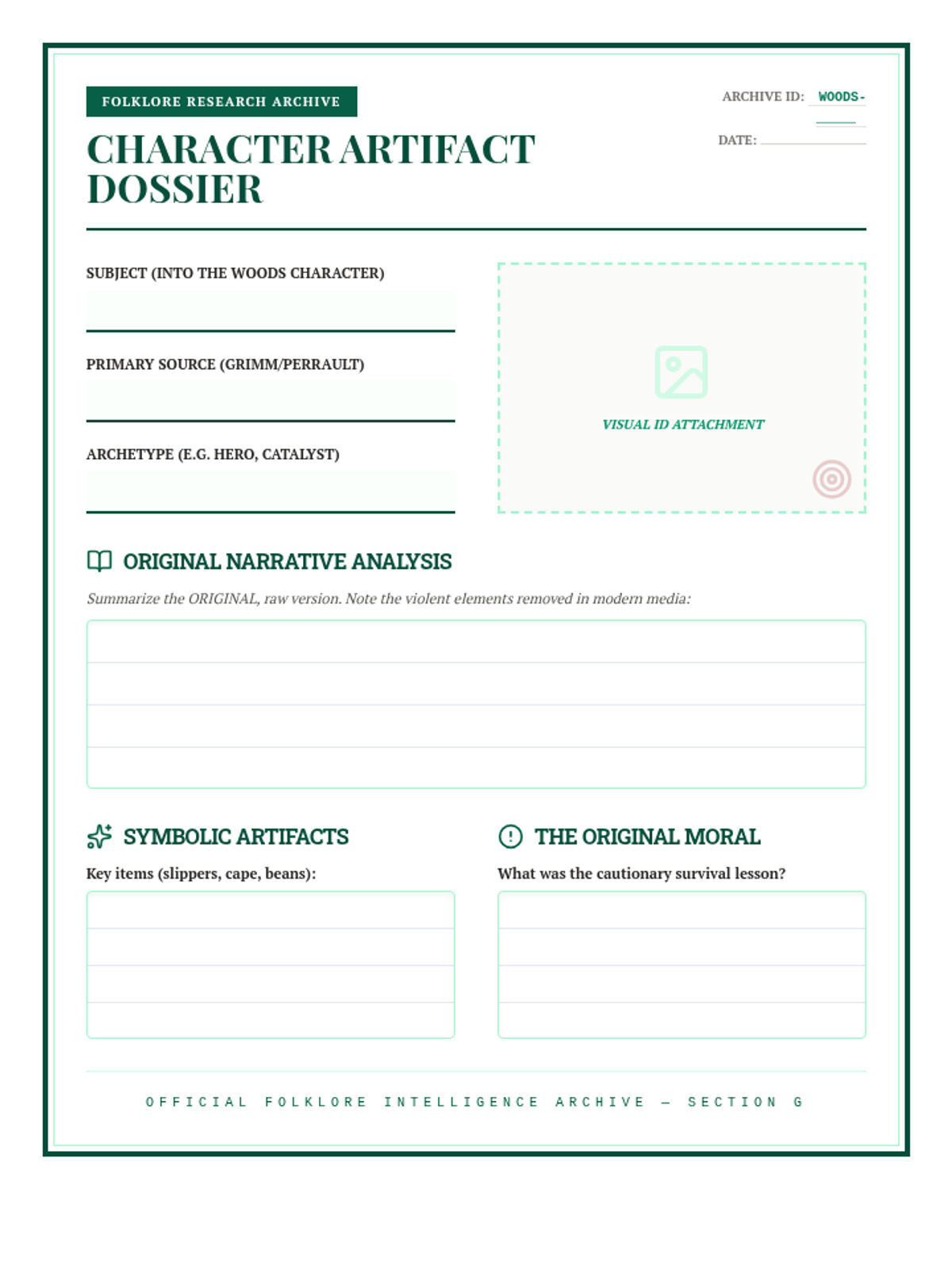
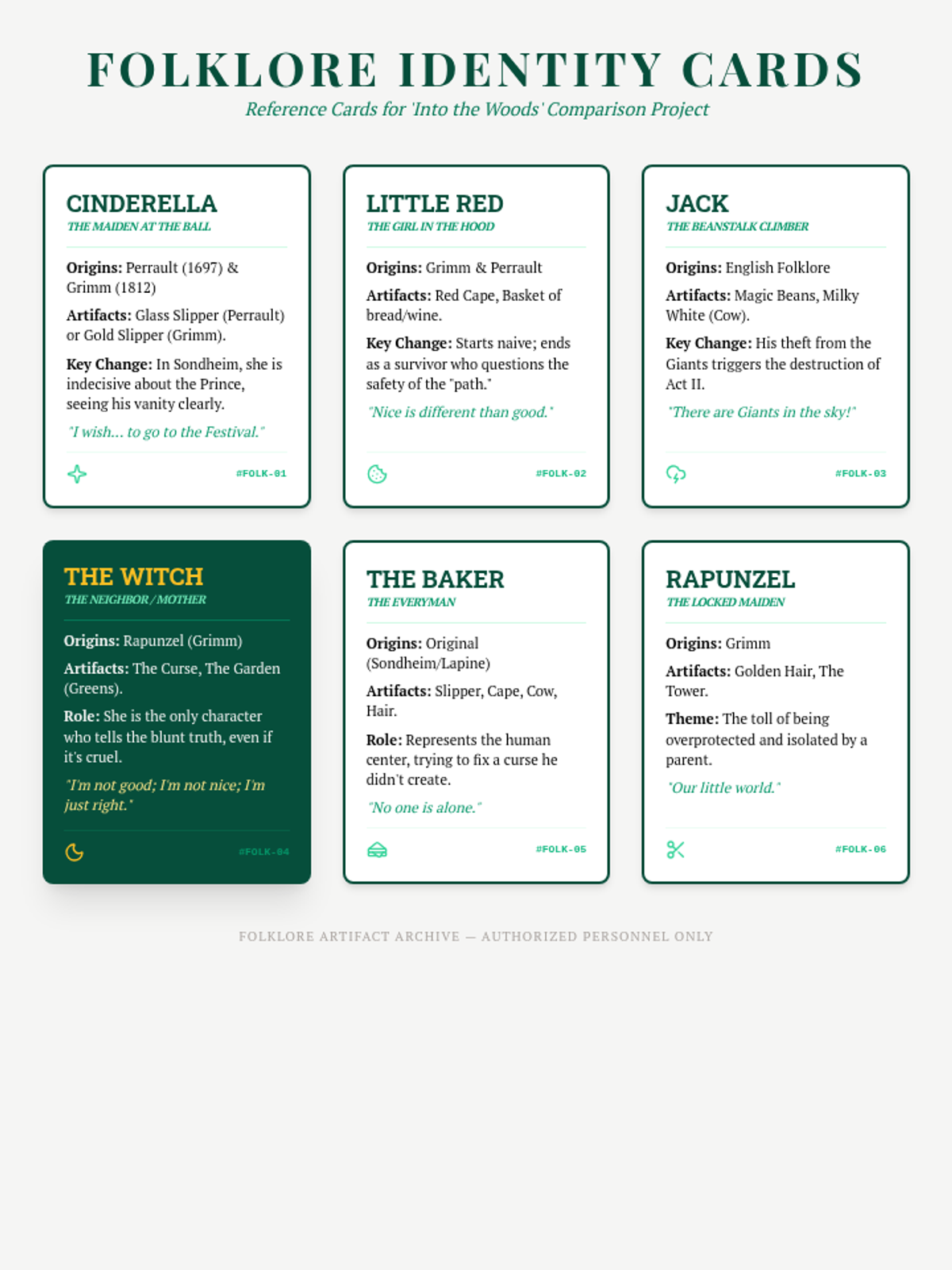
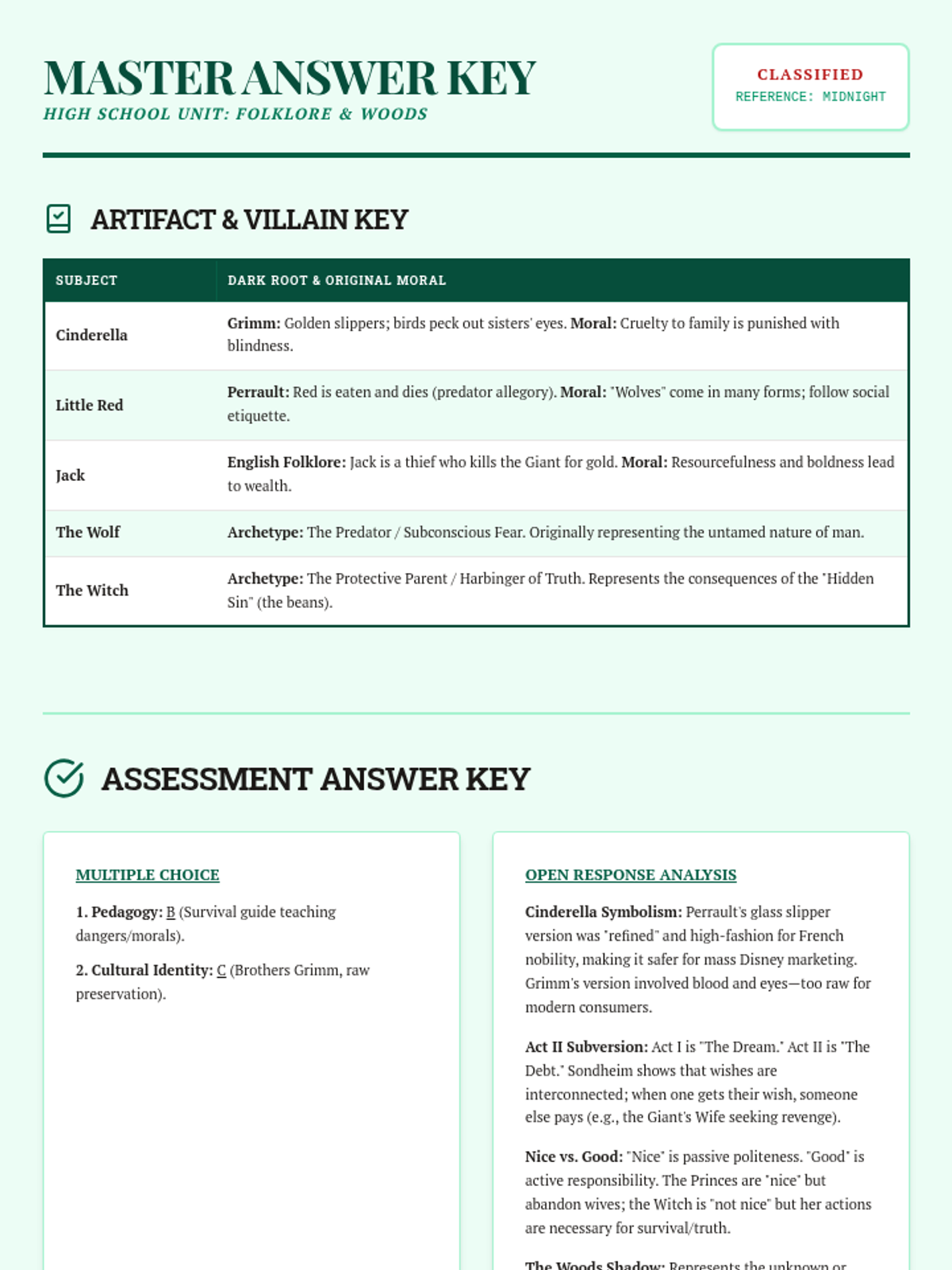
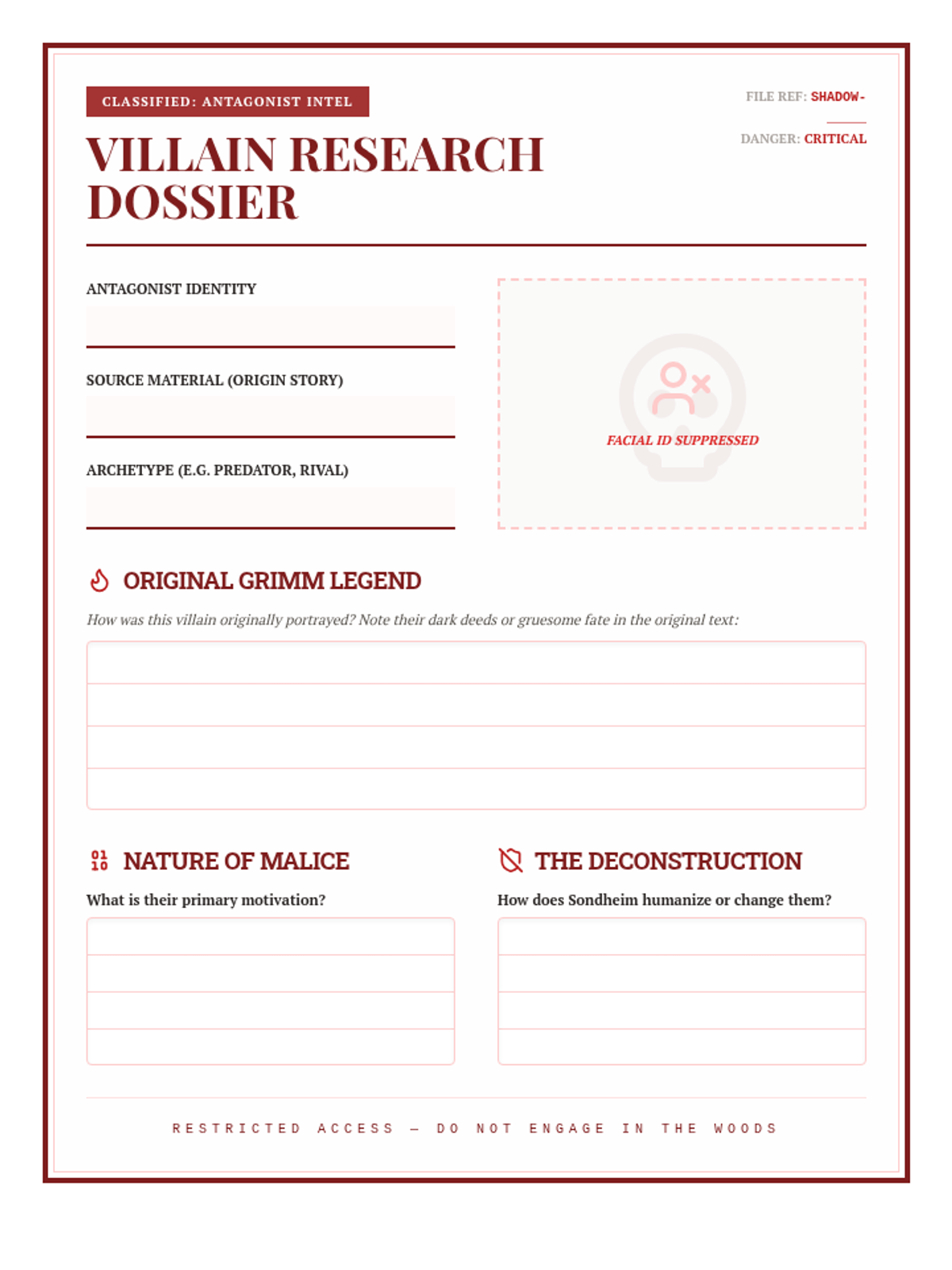
An advanced literary sequence for high school sophomores exploring archetypal evolution, intertextuality, and the deconstruction of folklore across Victorian literature and modern musical theater. Students analyze the socio-cultural shifts that transform classic legends into modern subversive narratives.
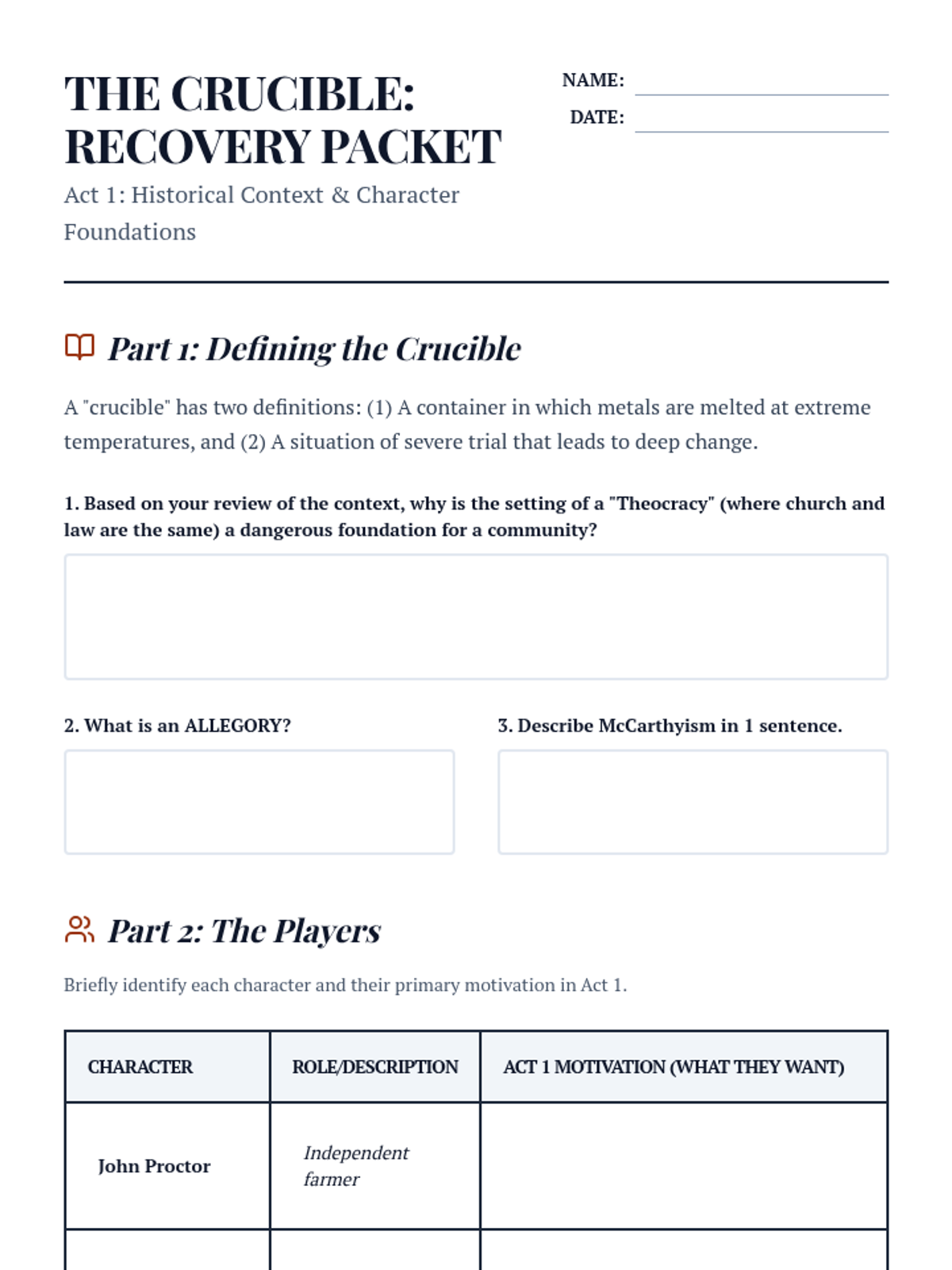
A comprehensive makeup unit for Arthur Miller's 'The Crucible', designed for high school students to complete independently. It covers historical context, character analysis, and thematic depth across all four acts.
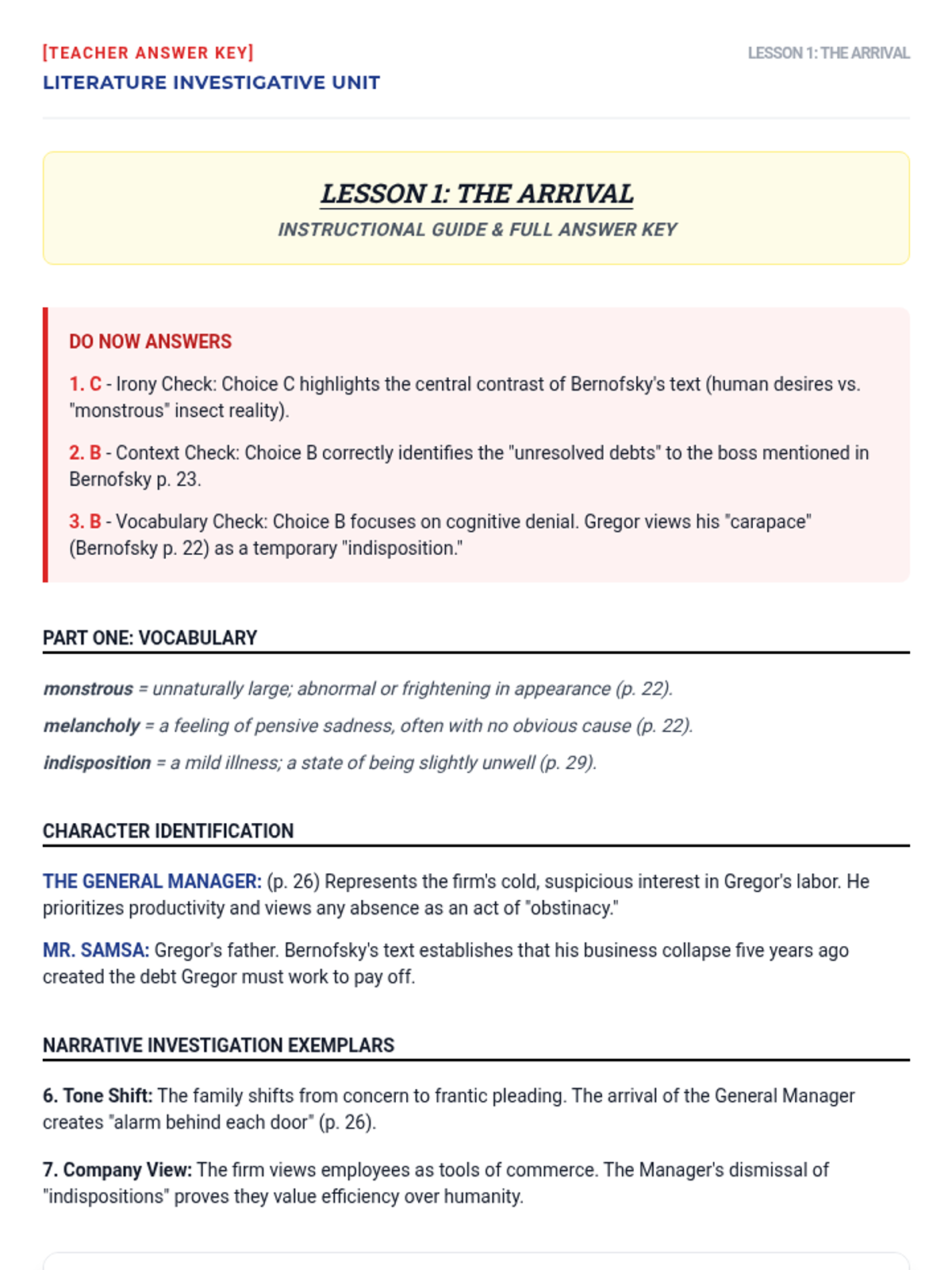
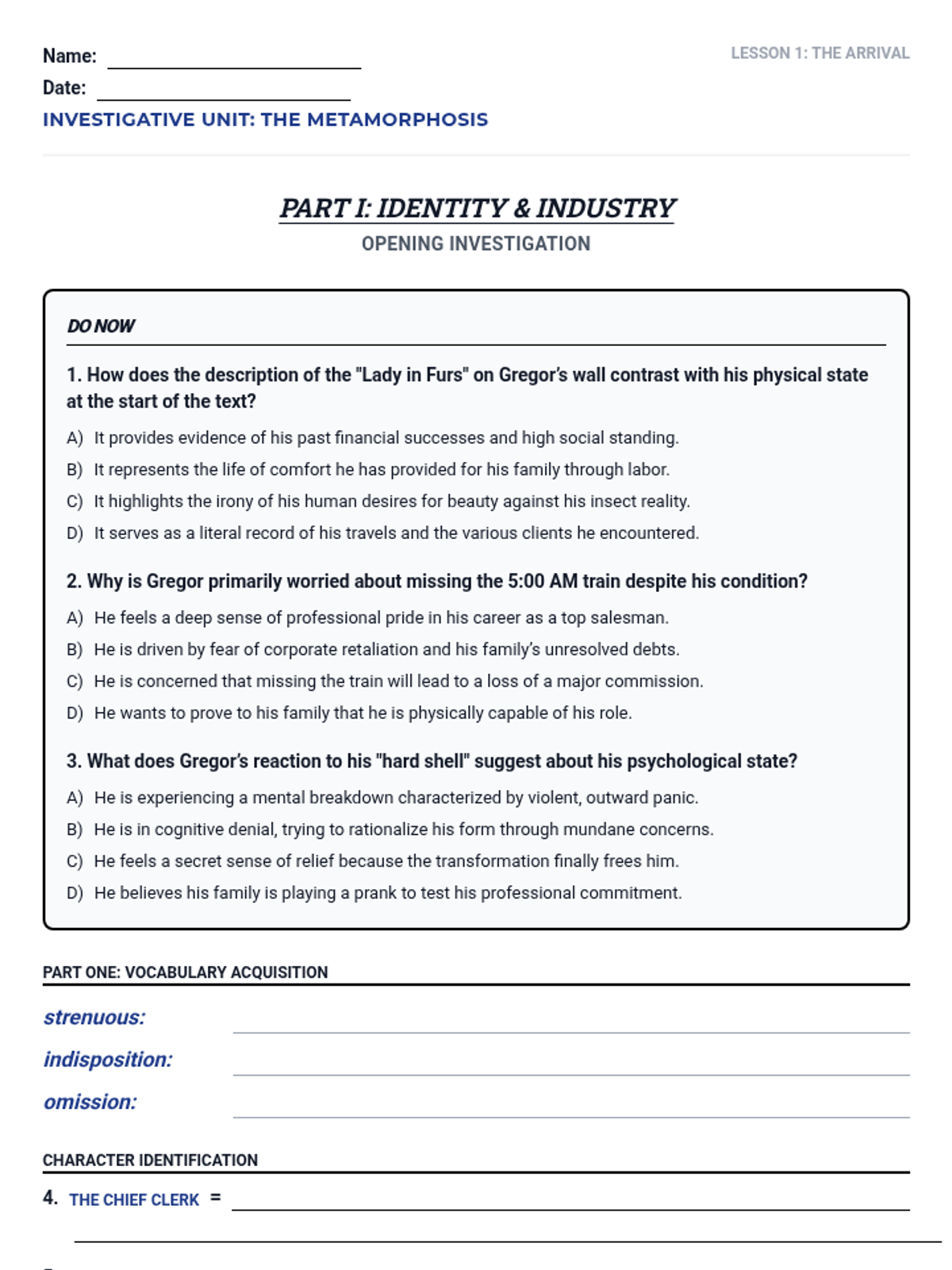
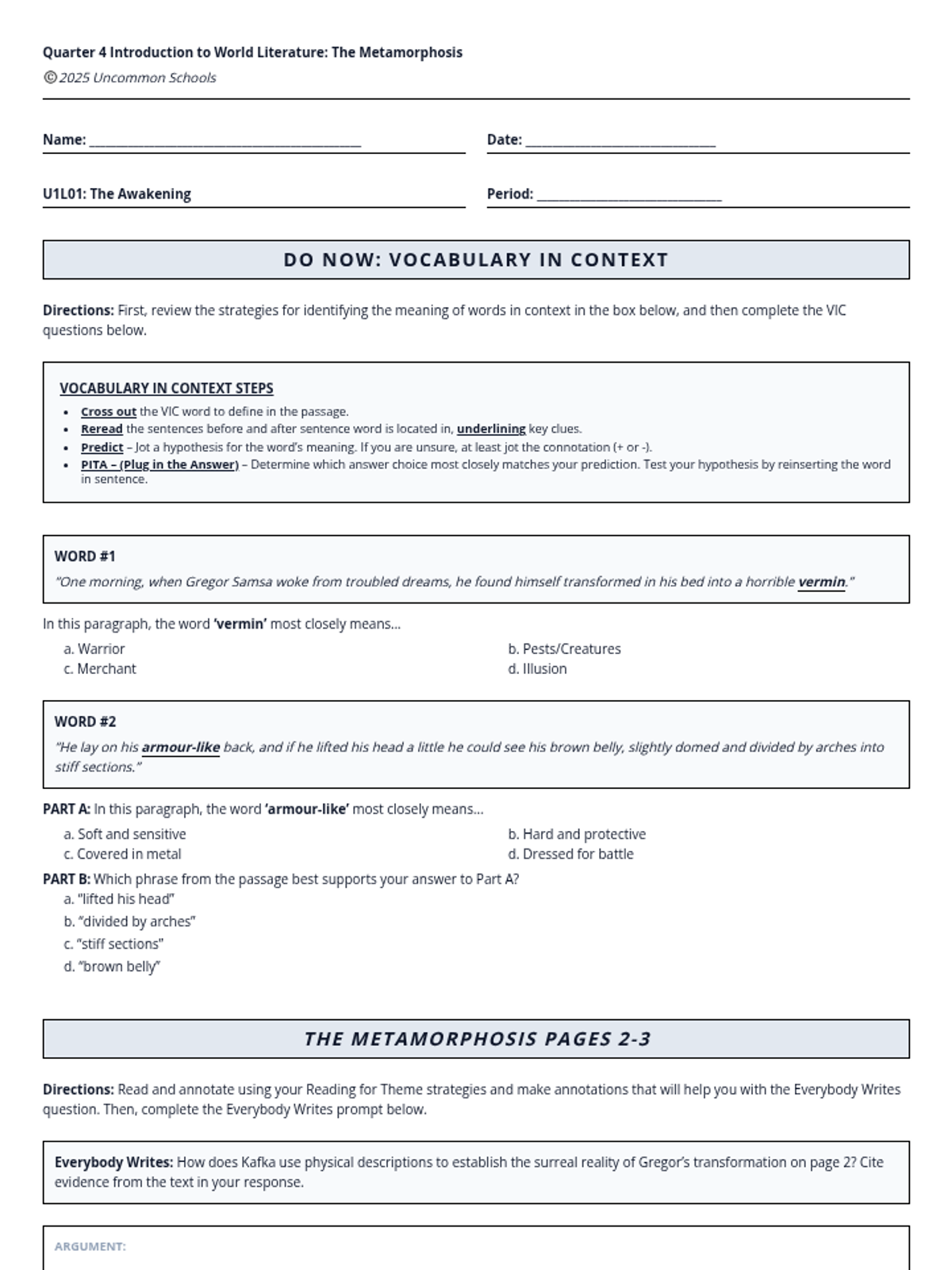
An intensive investigative unit on Franz Kafka's *The Metamorphosis* following the North Star/Uncommon Schools instructional model. The unit focuses on the thematic intersection of labor, identity, and dehumanization. Students analyze Gregor's alienation from his family and society through a structured rigorous framework including vocabulary acquisition, character identification, and thematic synthesis.
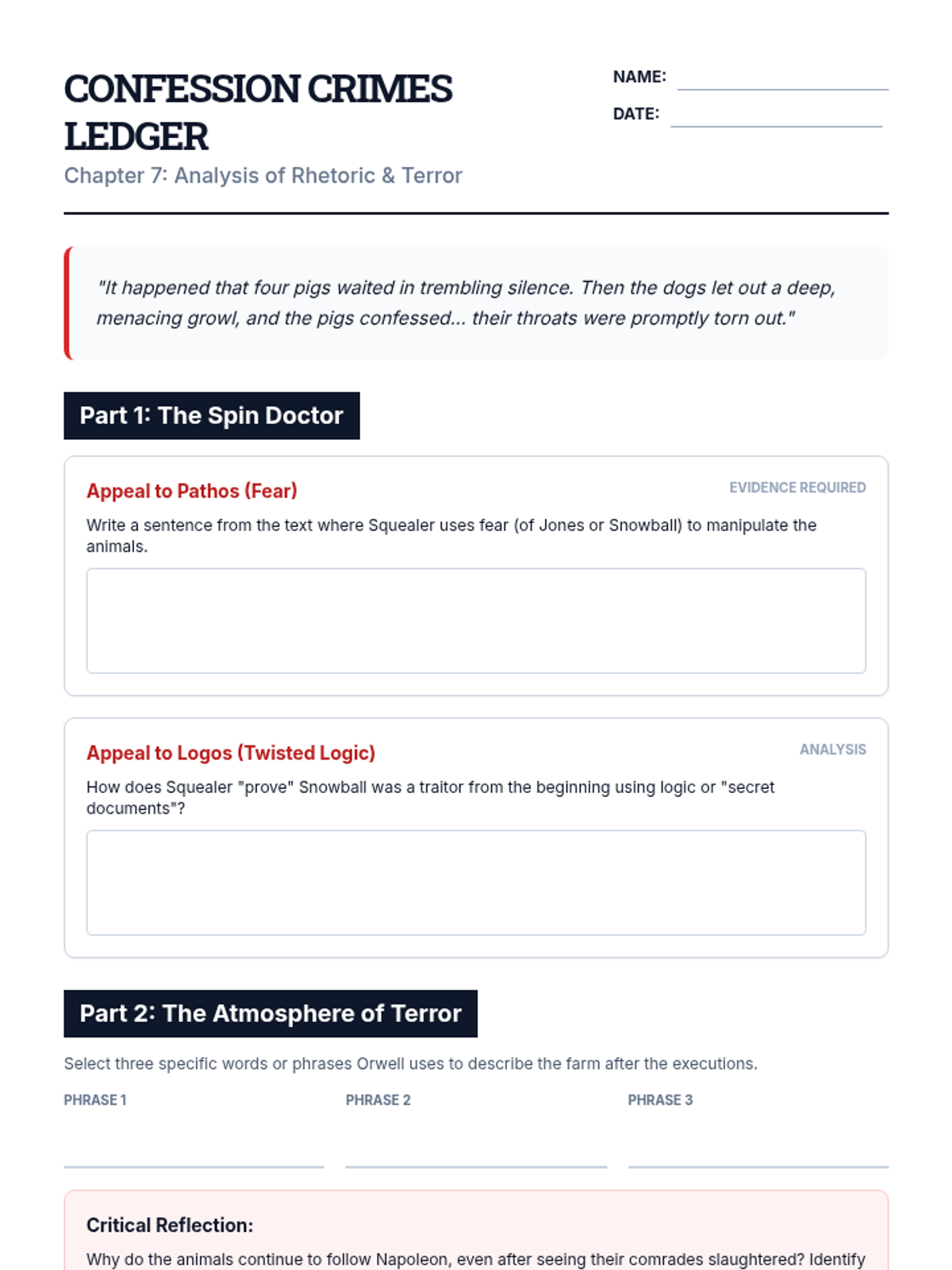
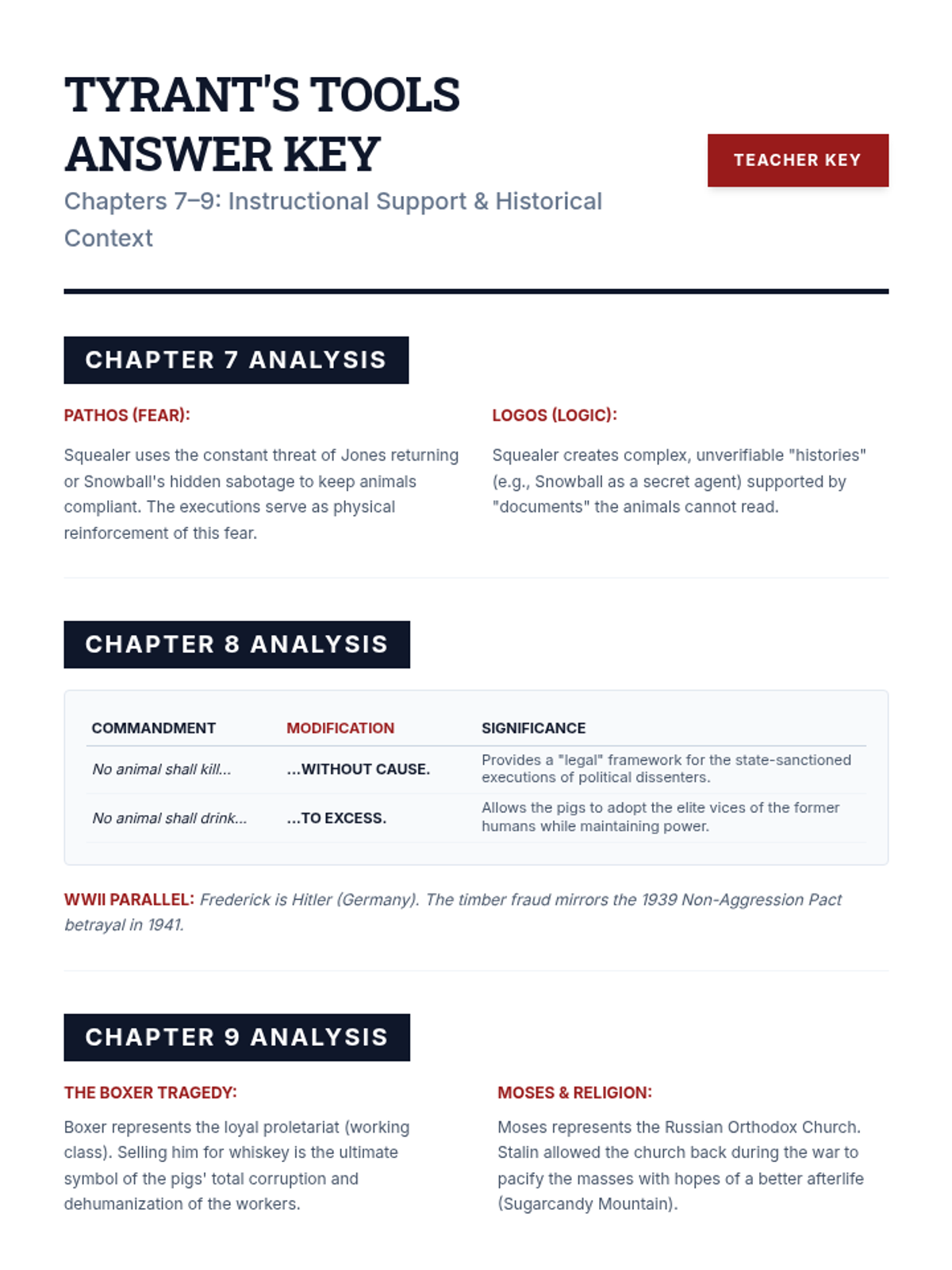
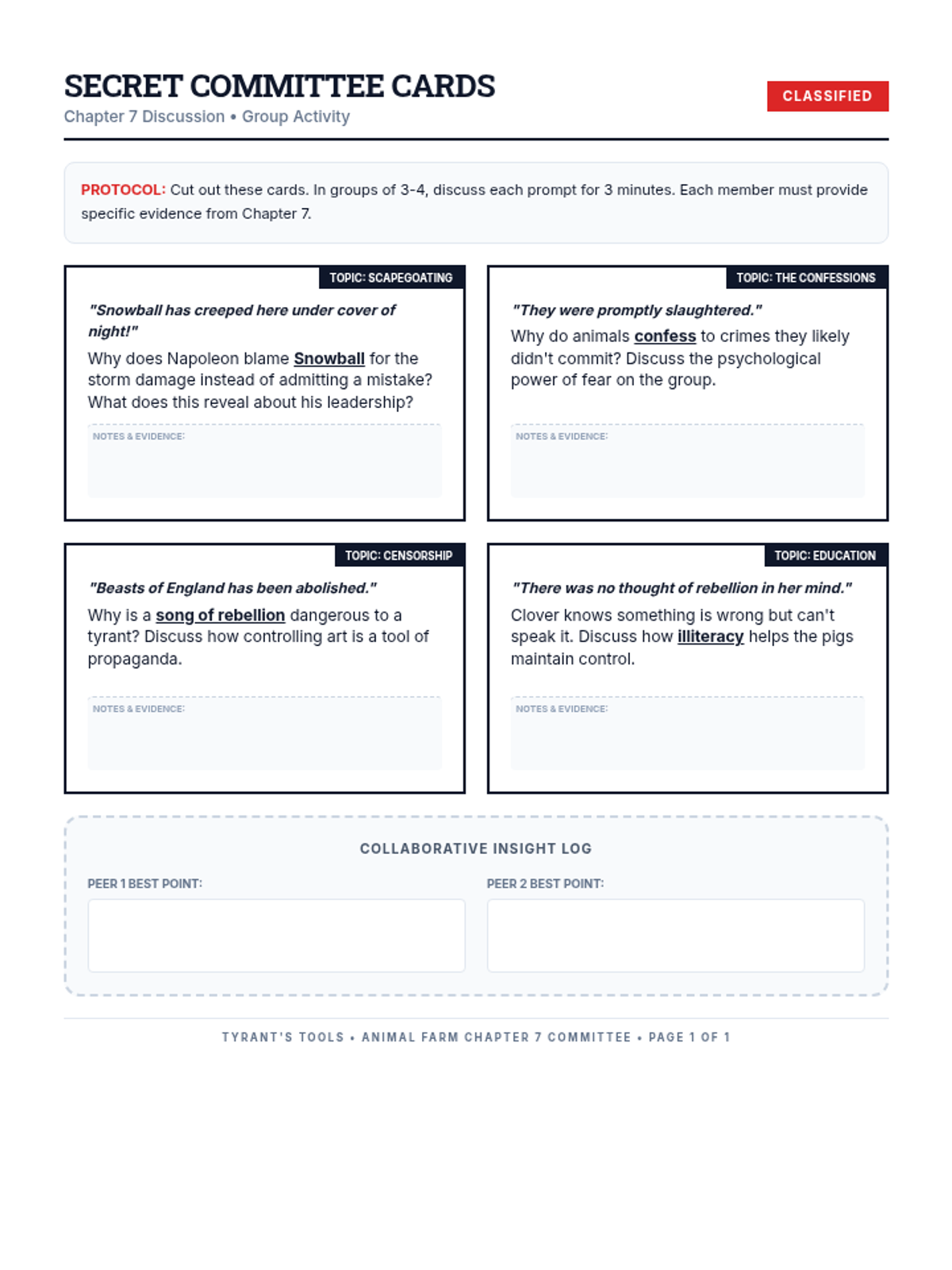
A deep dive into the final chapters of George Orwell's *Animal Farm*, focusing on the psychological and rhetorical tools of tyranny. Students analyze the transition from revolution to totalitarianism through the lens of rhetorical appeals, propaganda, and allegorical parallels to the Russian Revolution.
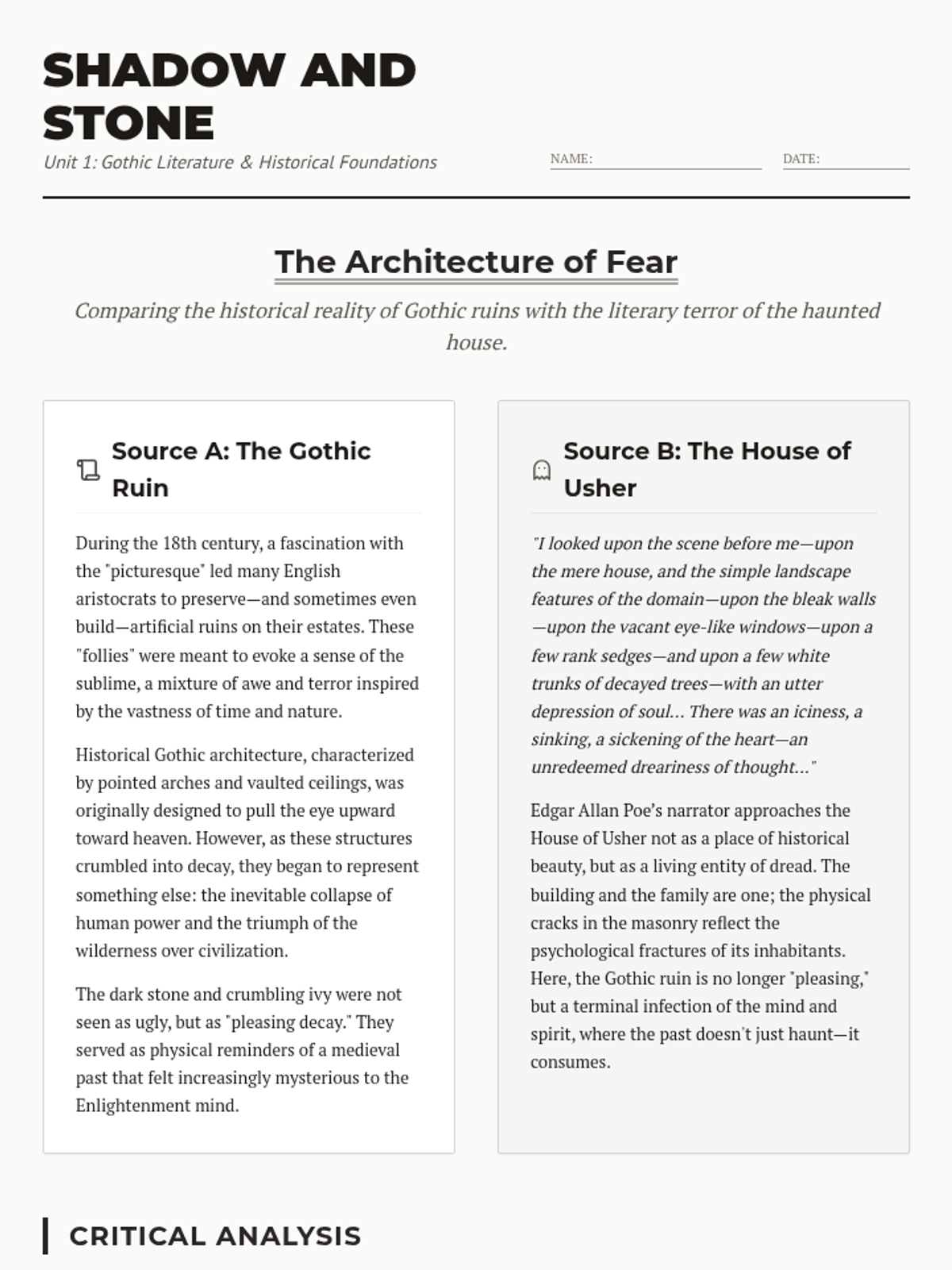
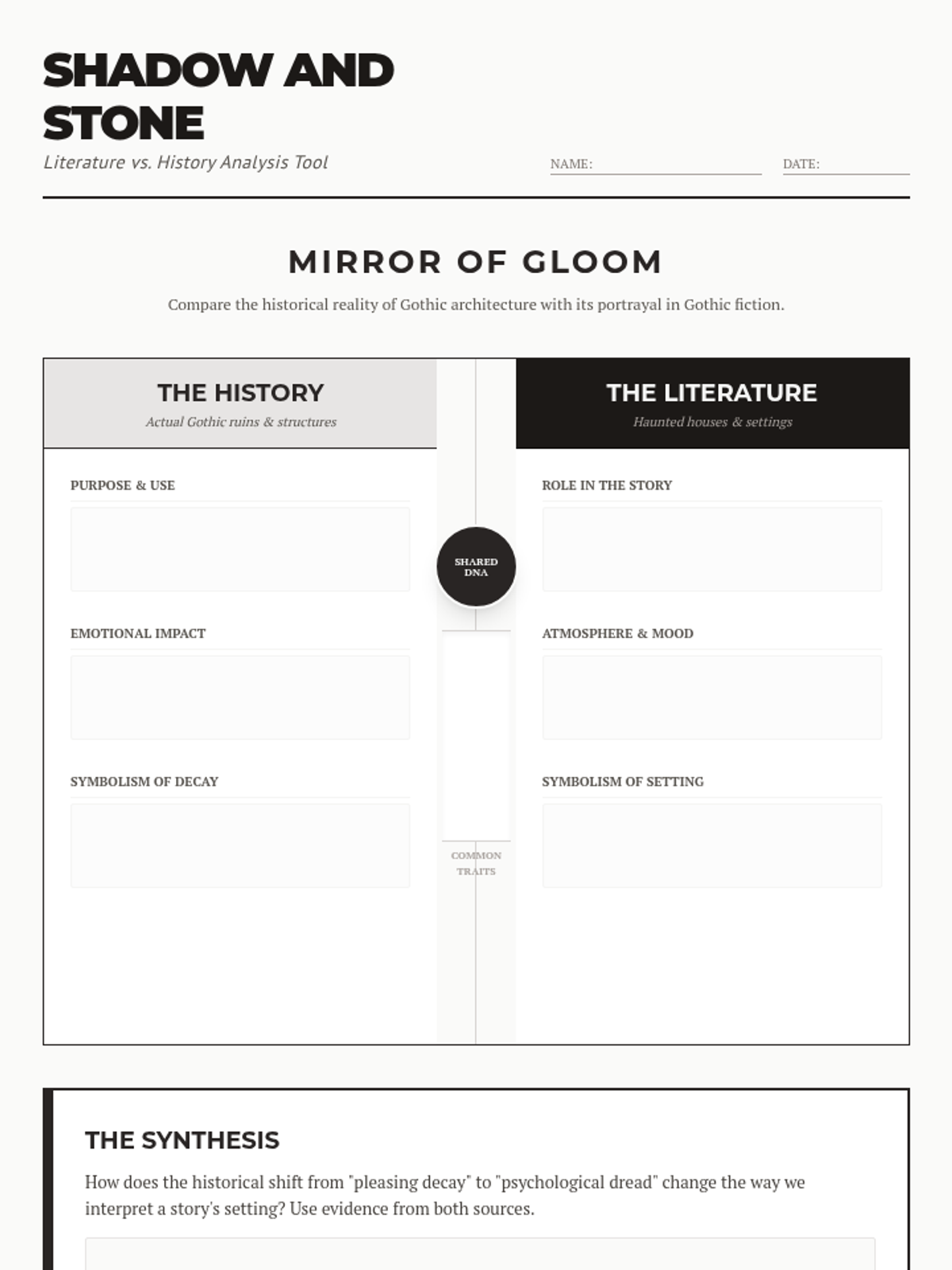
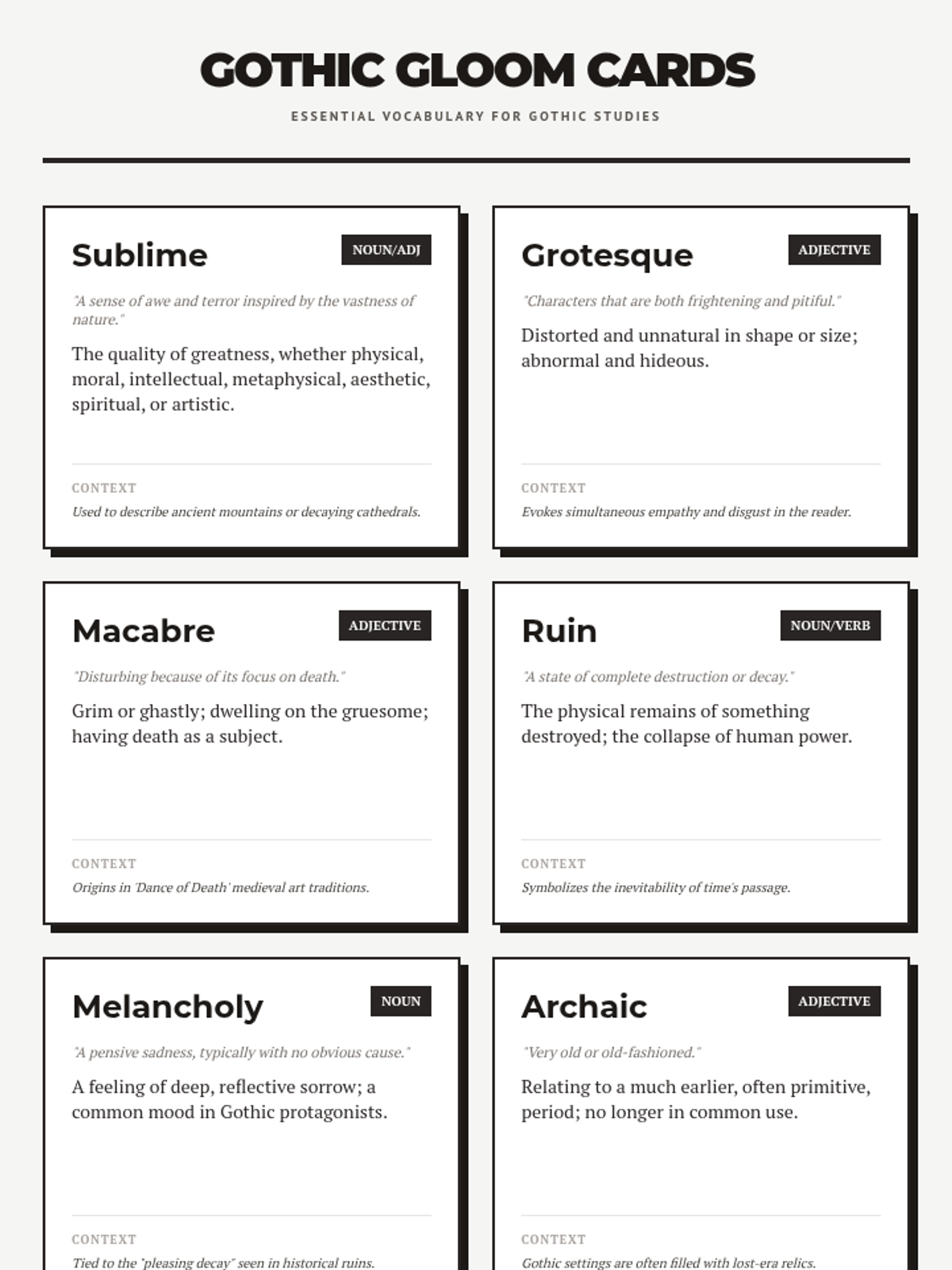
A comprehensive English Language Arts unit exploring the evolution of voice through four distinct eras: Gothic shadows, Civil Rights rhetoric, contemporary poetry, and Shakespearean drama. Students analyze how history shapes literature and how literature reflects human experience across time.
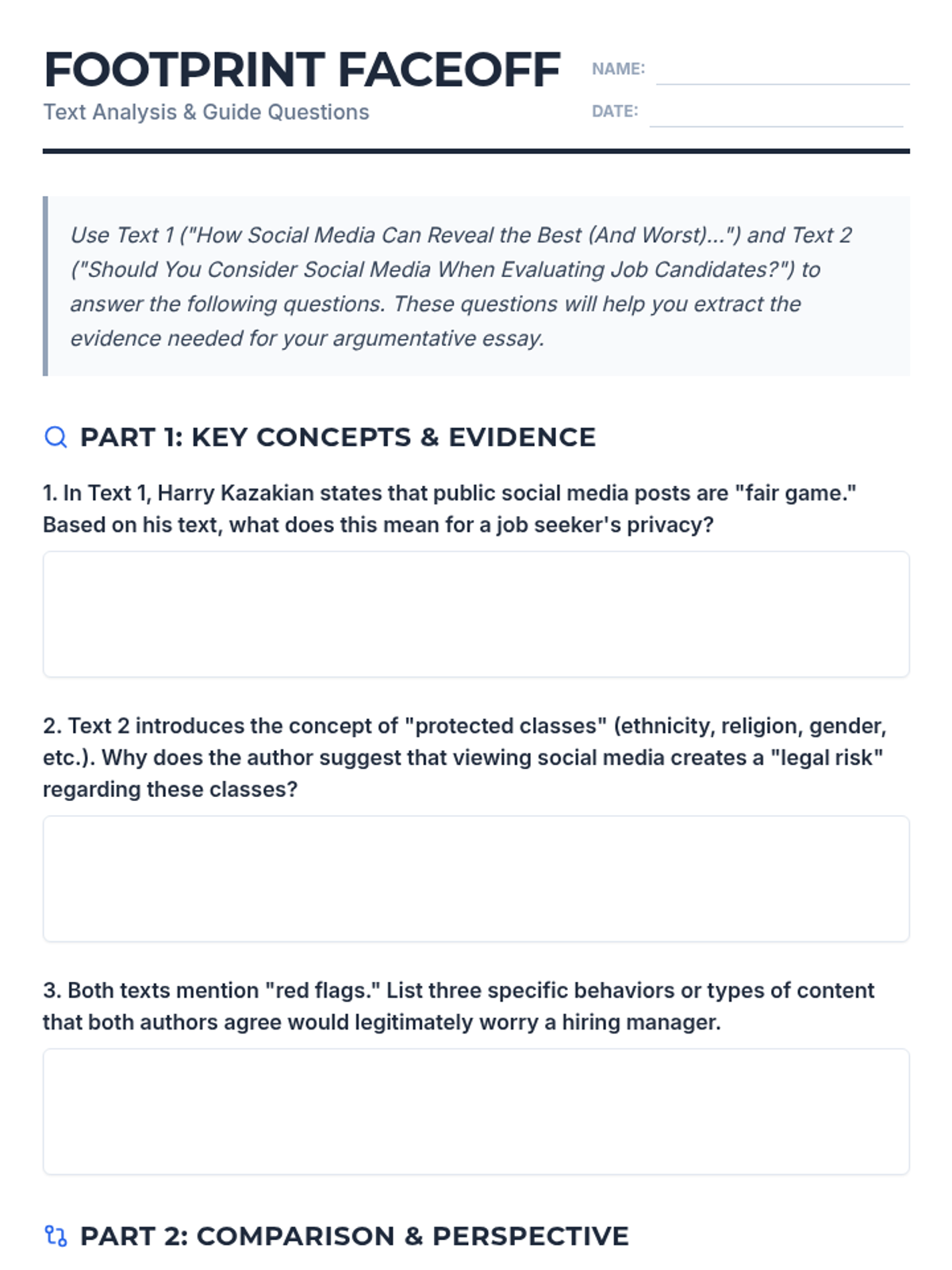
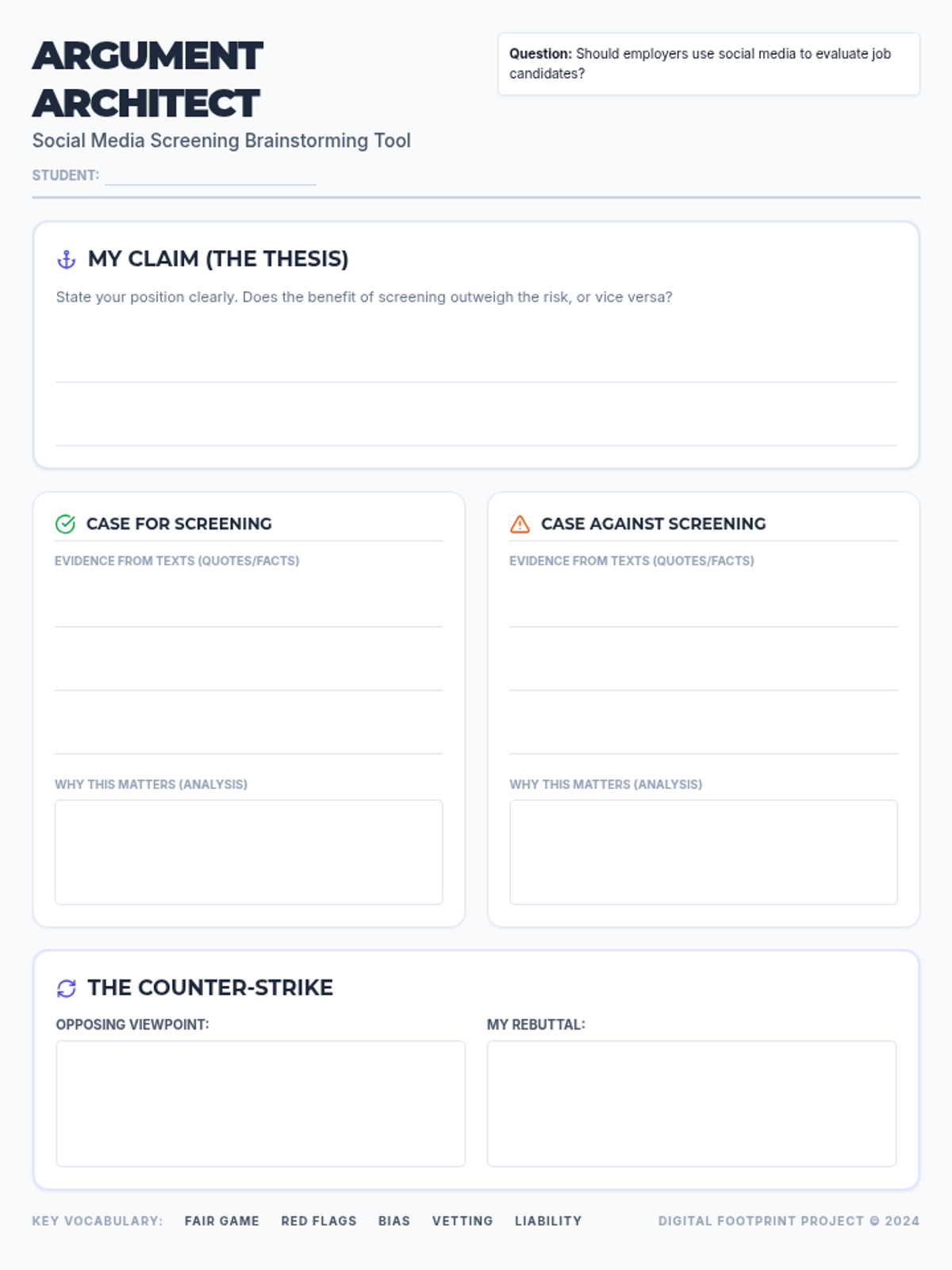
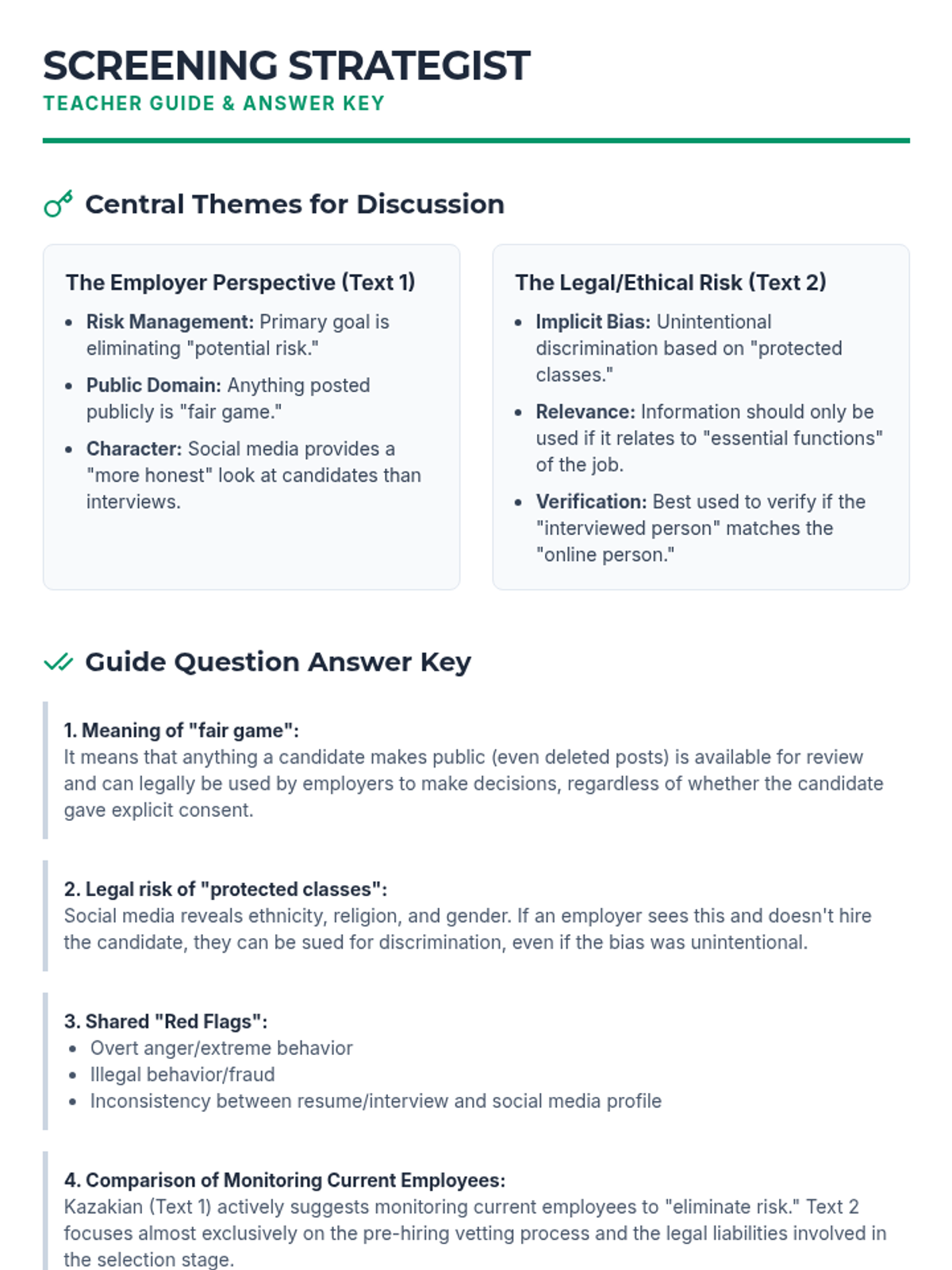
A comprehensive lesson sequence exploring the ethical and legal implications of social media screening in the hiring process, based on real-world perspectives.
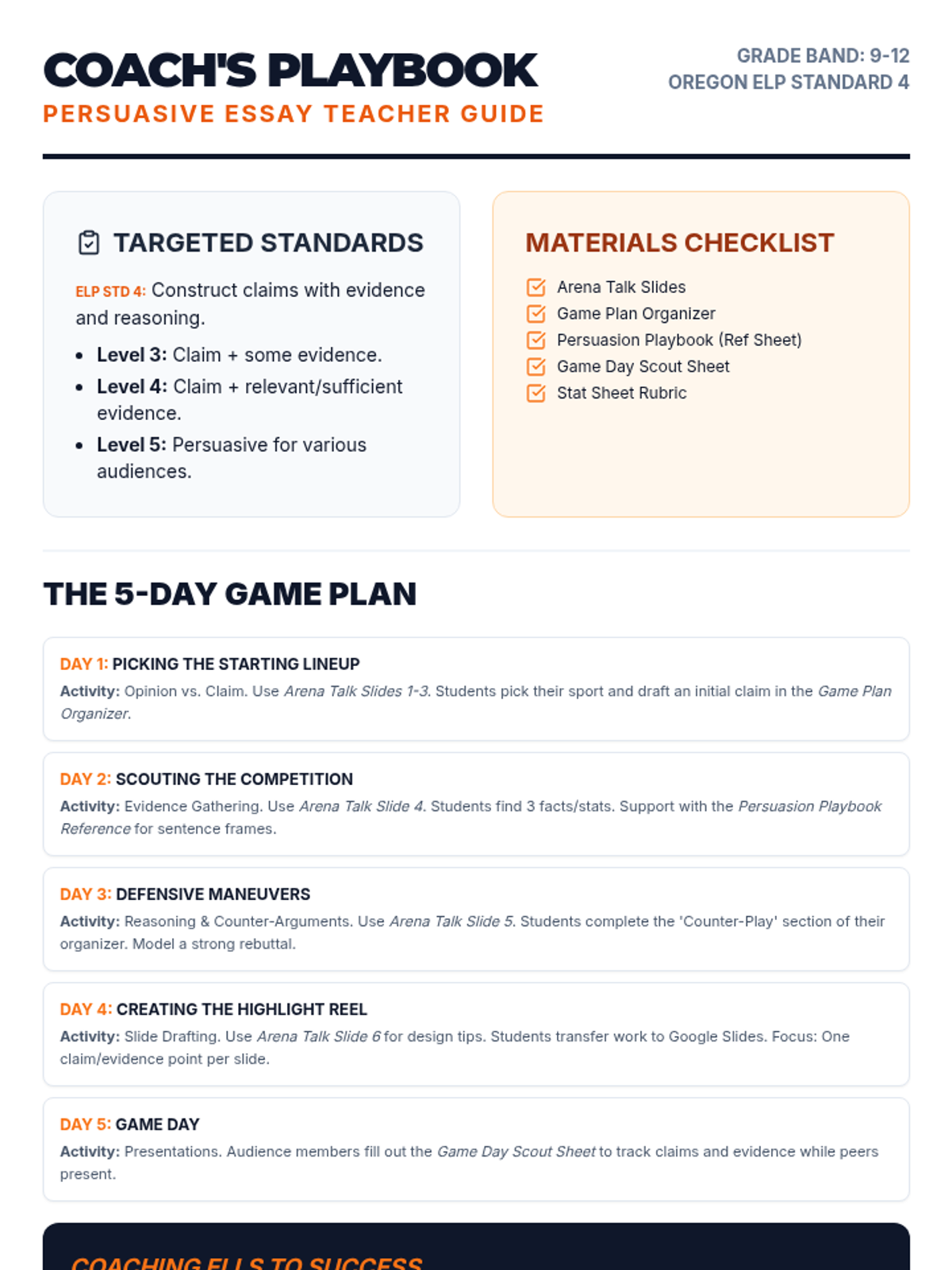
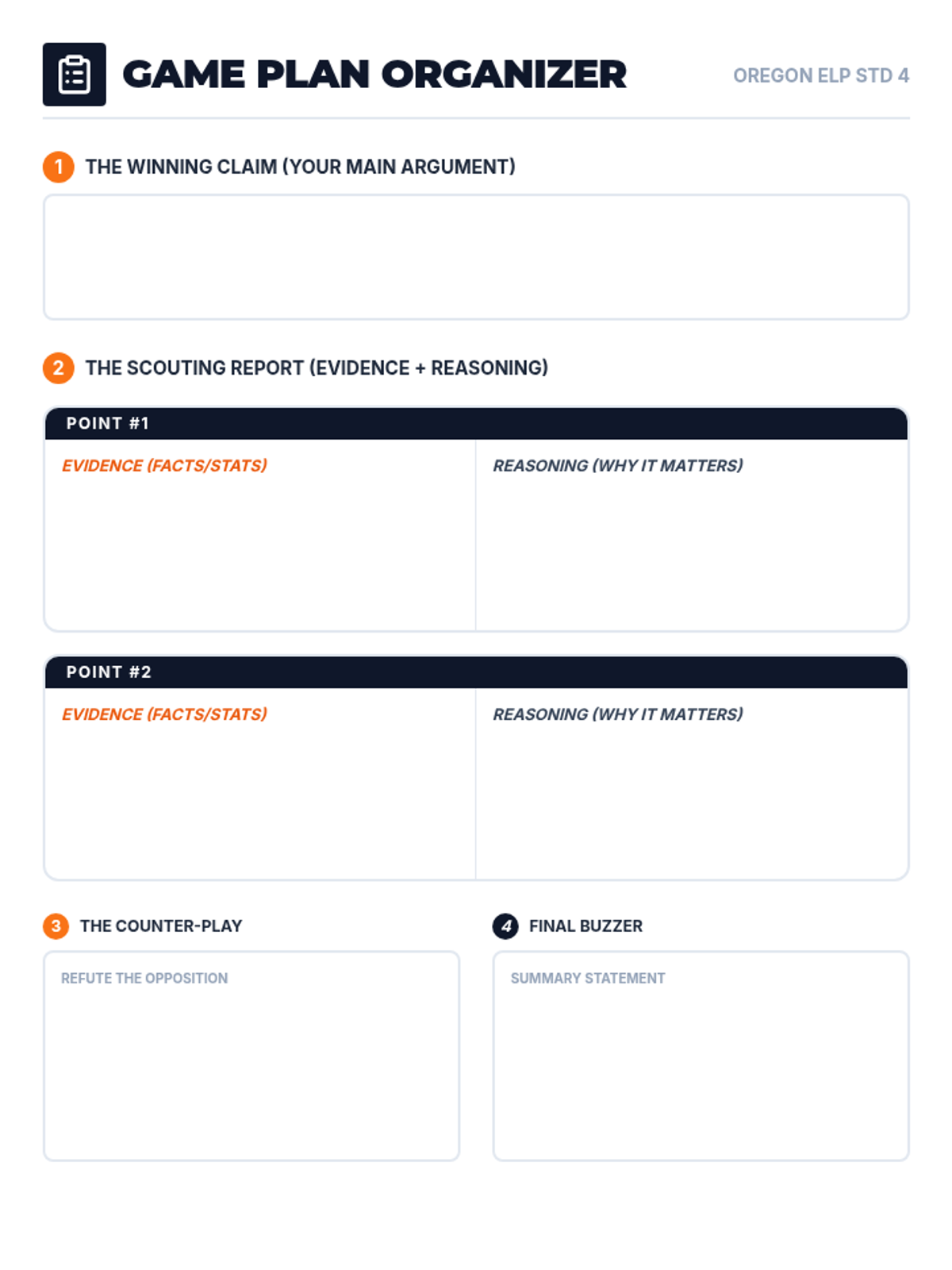
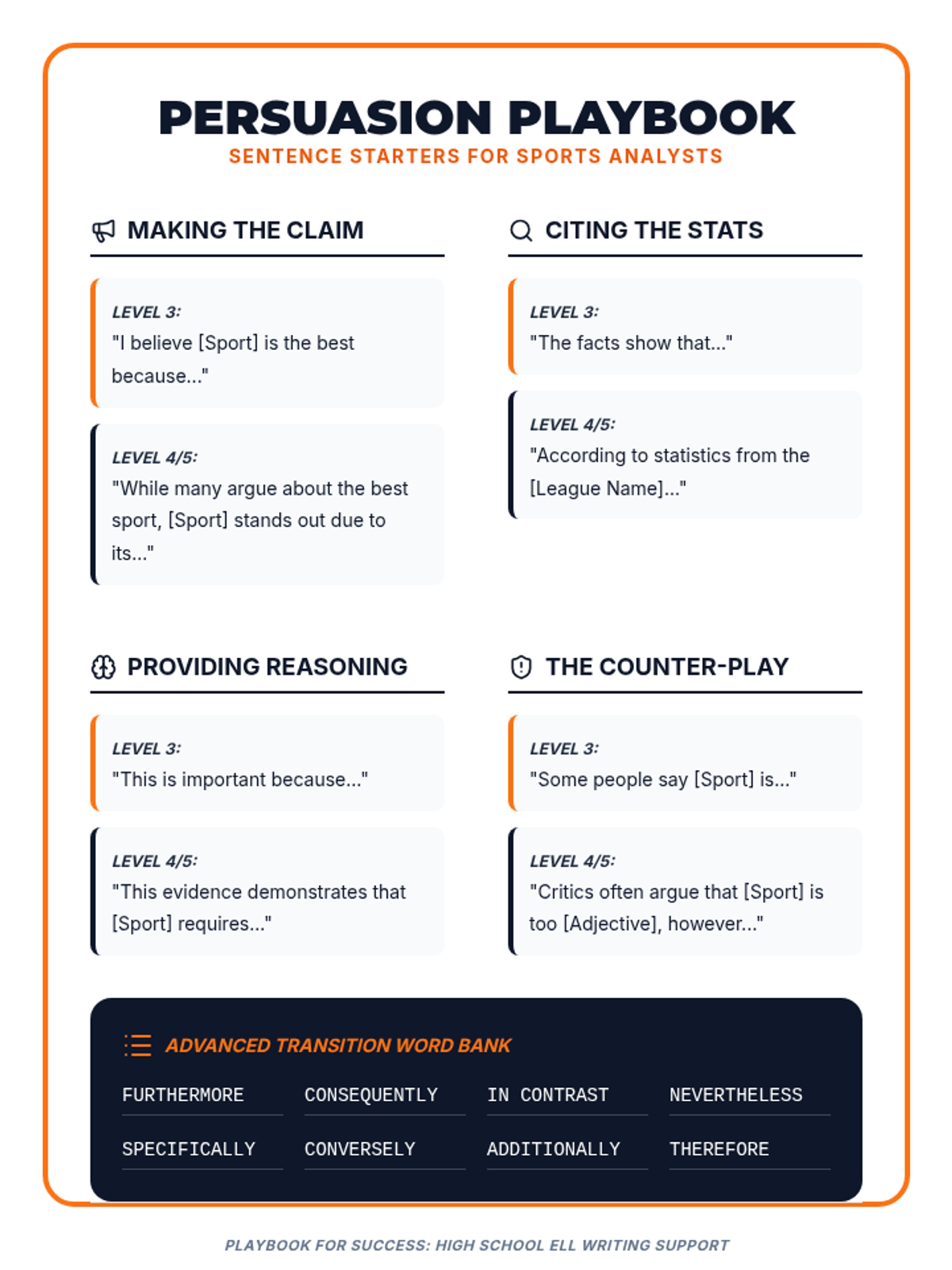
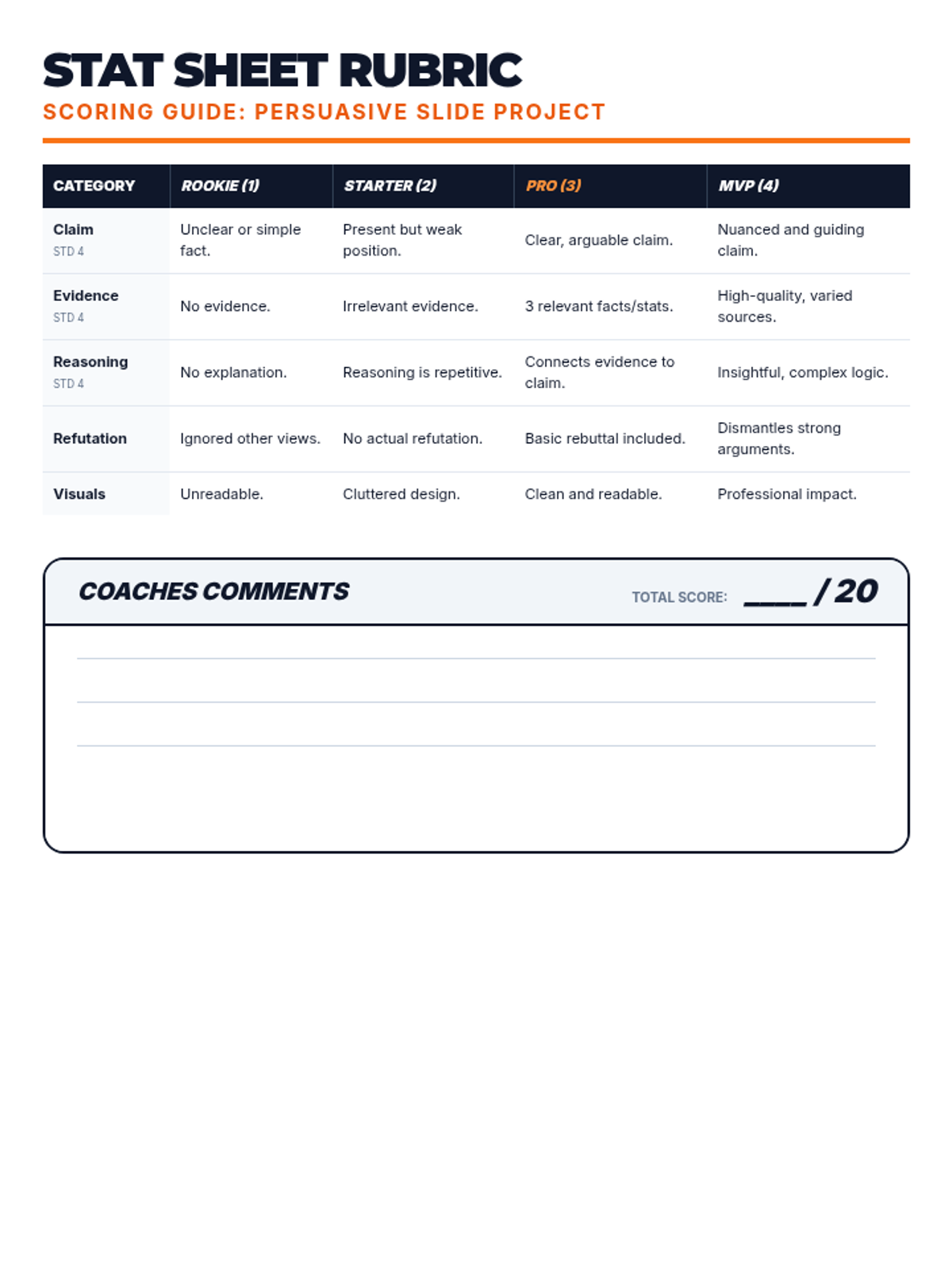
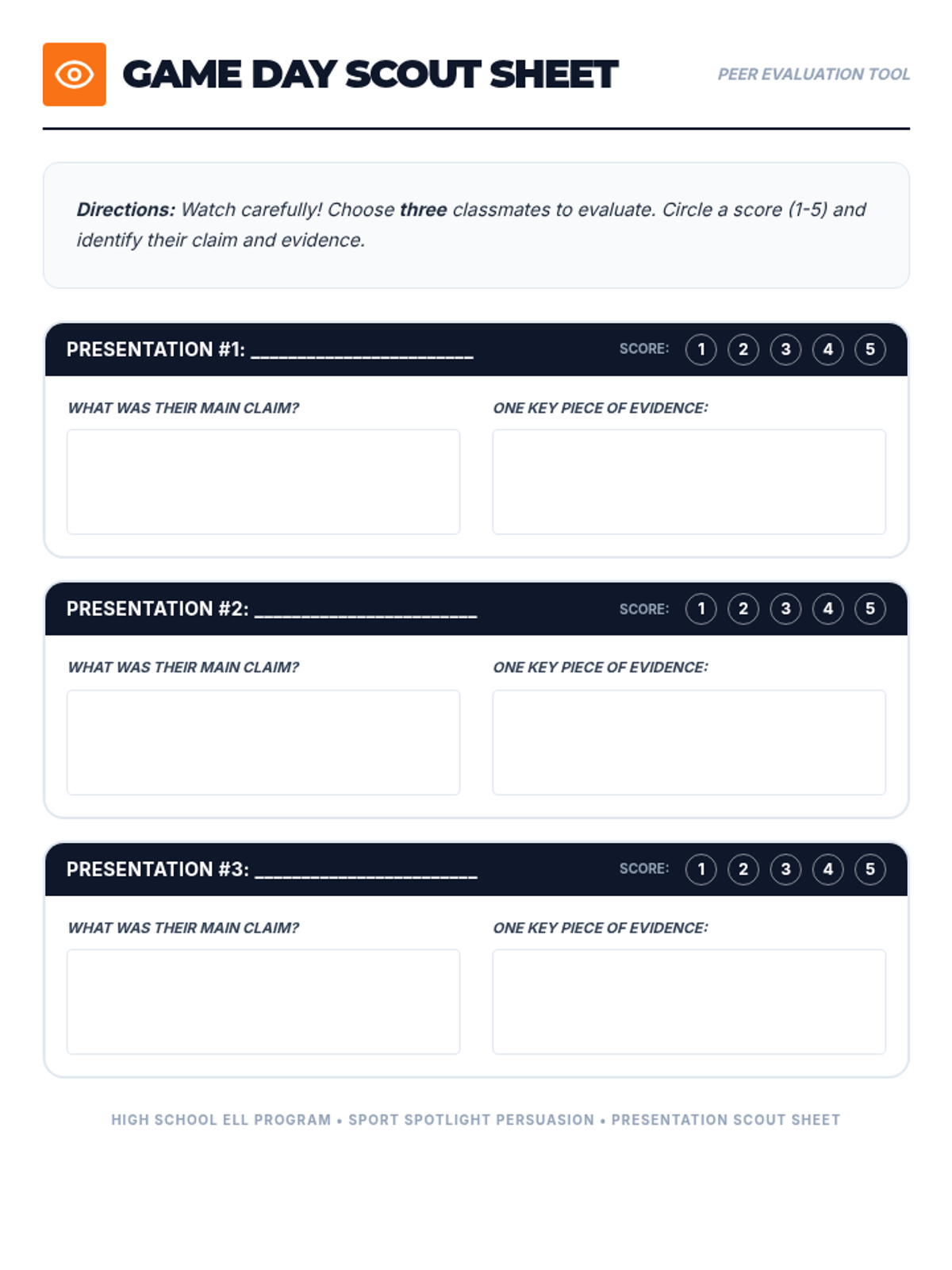
A high-energy 5-day unit for high school ELLs focused on constructing persuasive arguments about their favorite sports. Students move from drafting strong claims to presenting a visual slide deck, aligned with Oregon ELP Standard 4.
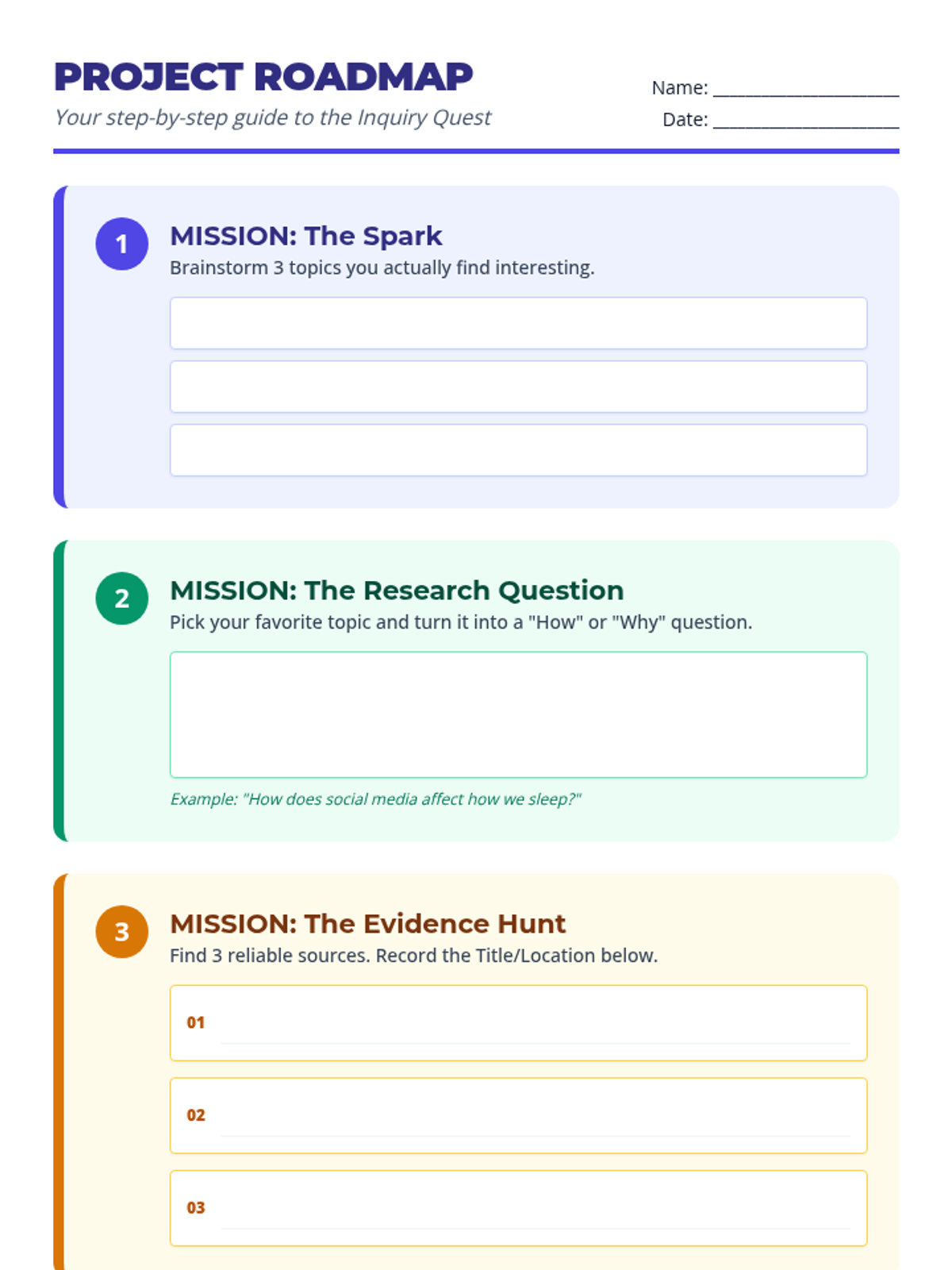
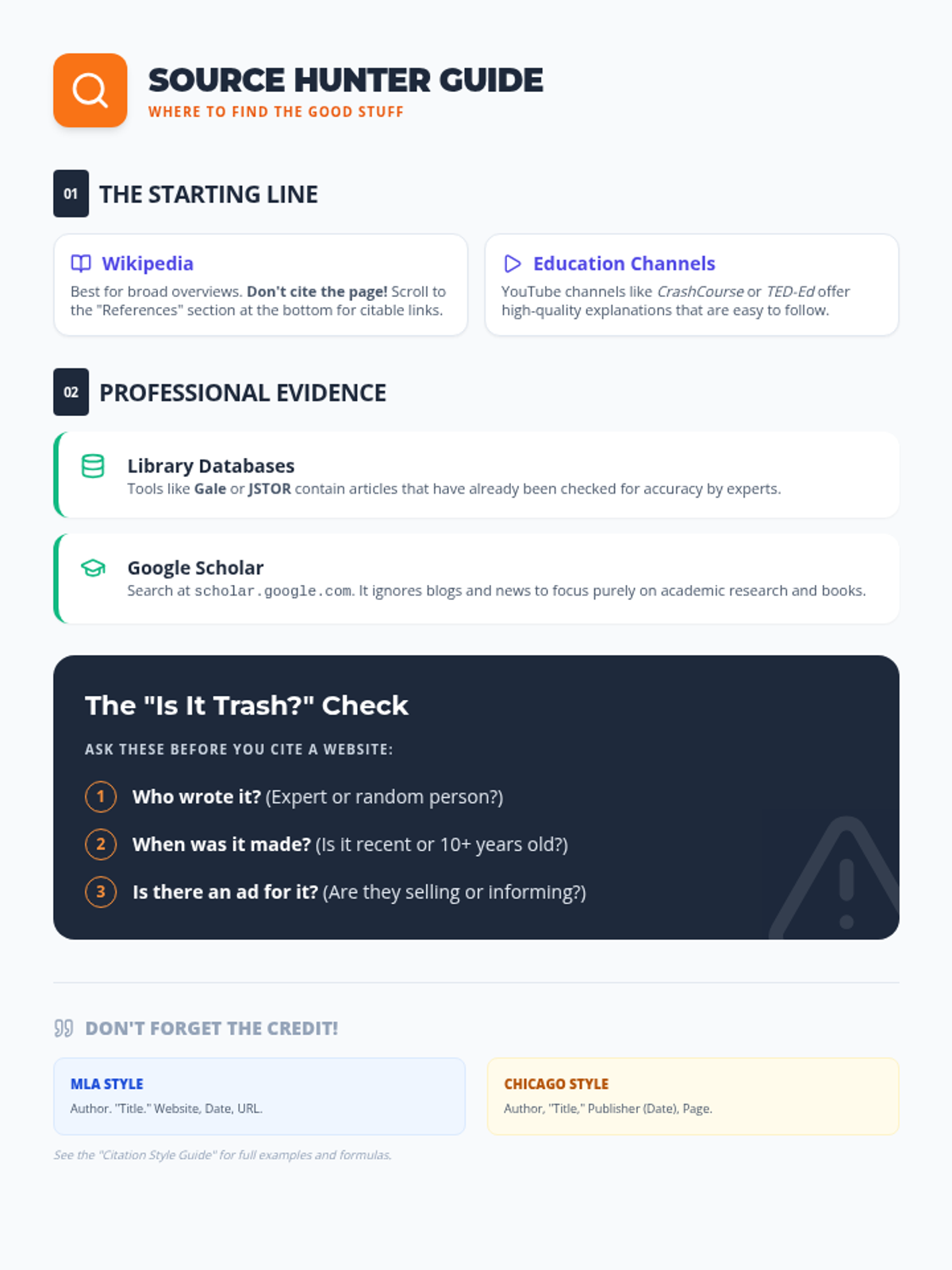
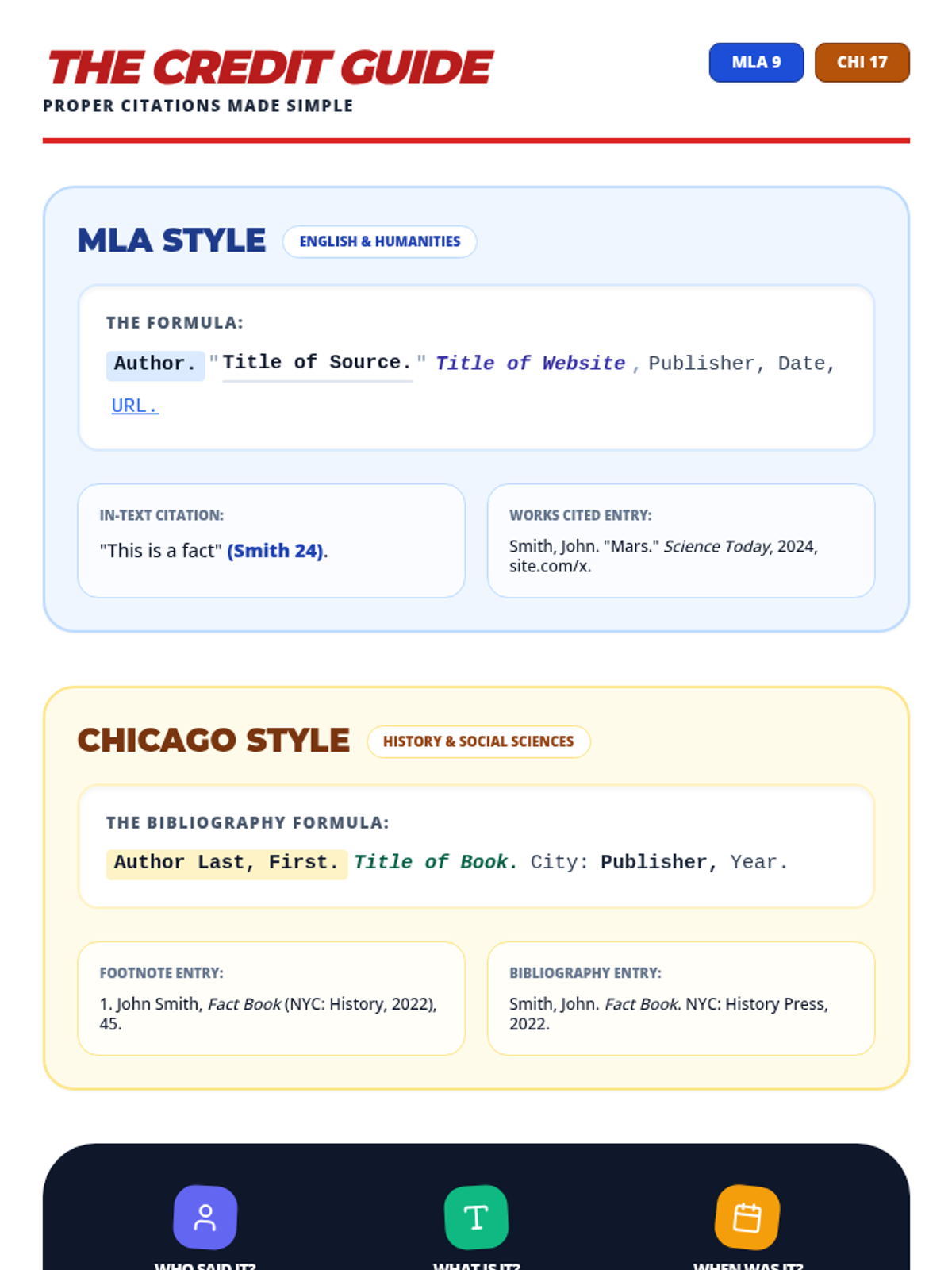
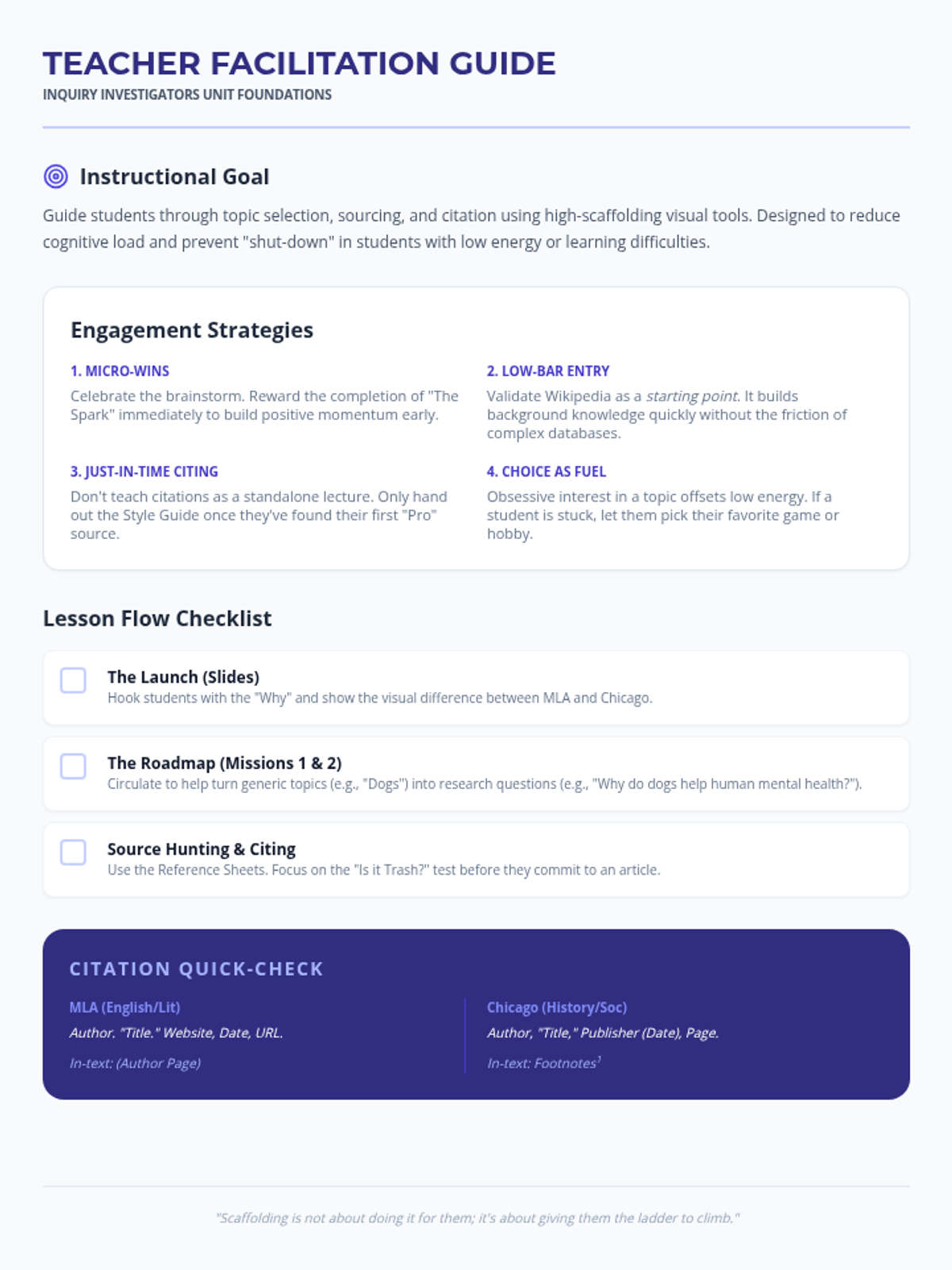
A comprehensive research project framework designed for high school students who need high scaffolding and clear visual guidance. This unit breaks down the intimidating process of research into manageable 'missions' with a focus on sourcing and dual-style citation (MLA/Chicago).
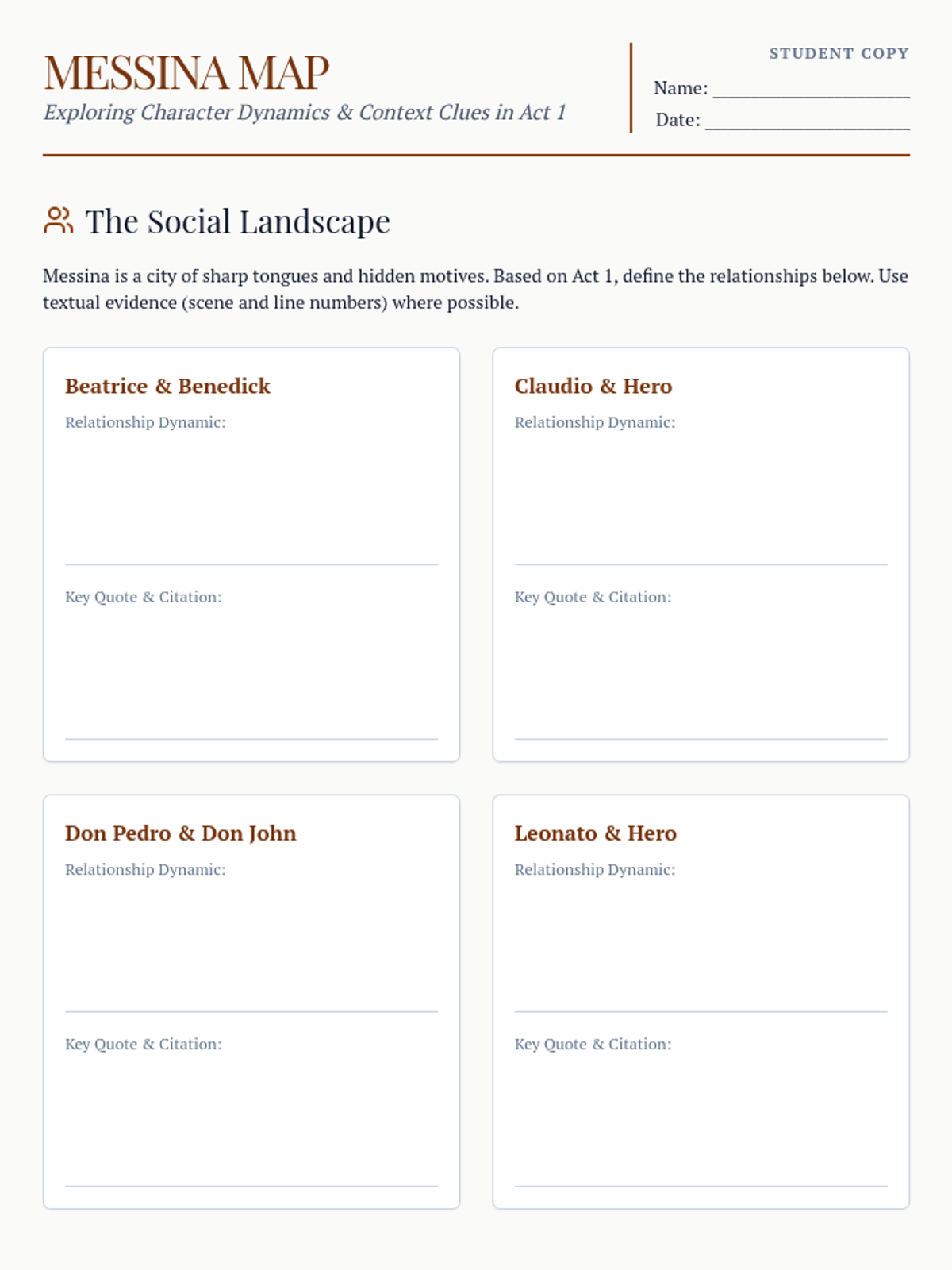
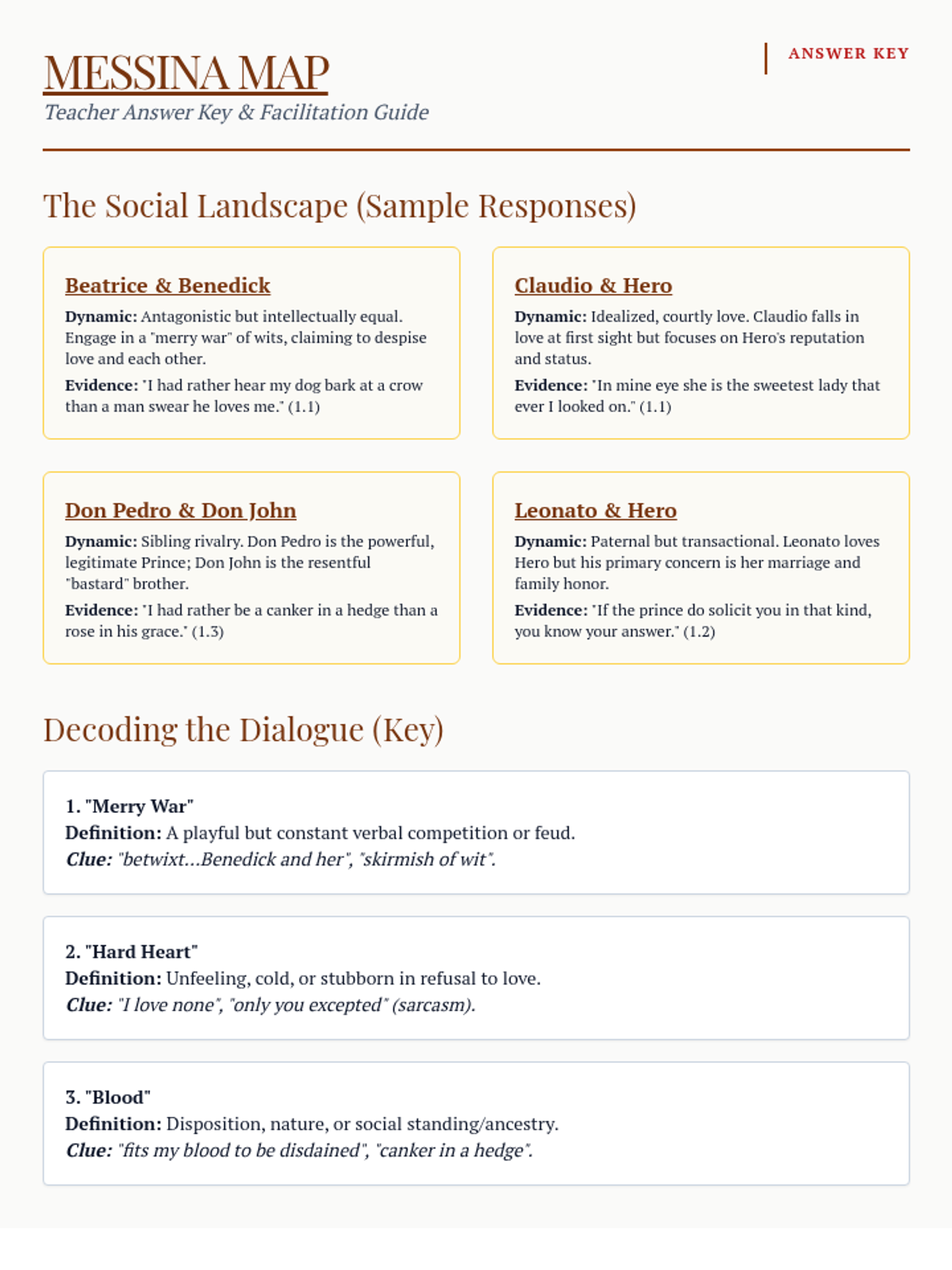
A comprehensive unit on Shakespeare's Much Ado About Nothing, exploring wit, rhetoric, and the social constructs of the Renaissance. Students will analyze figurative language, develop arguments, and synthesize historical research with textual evidence.
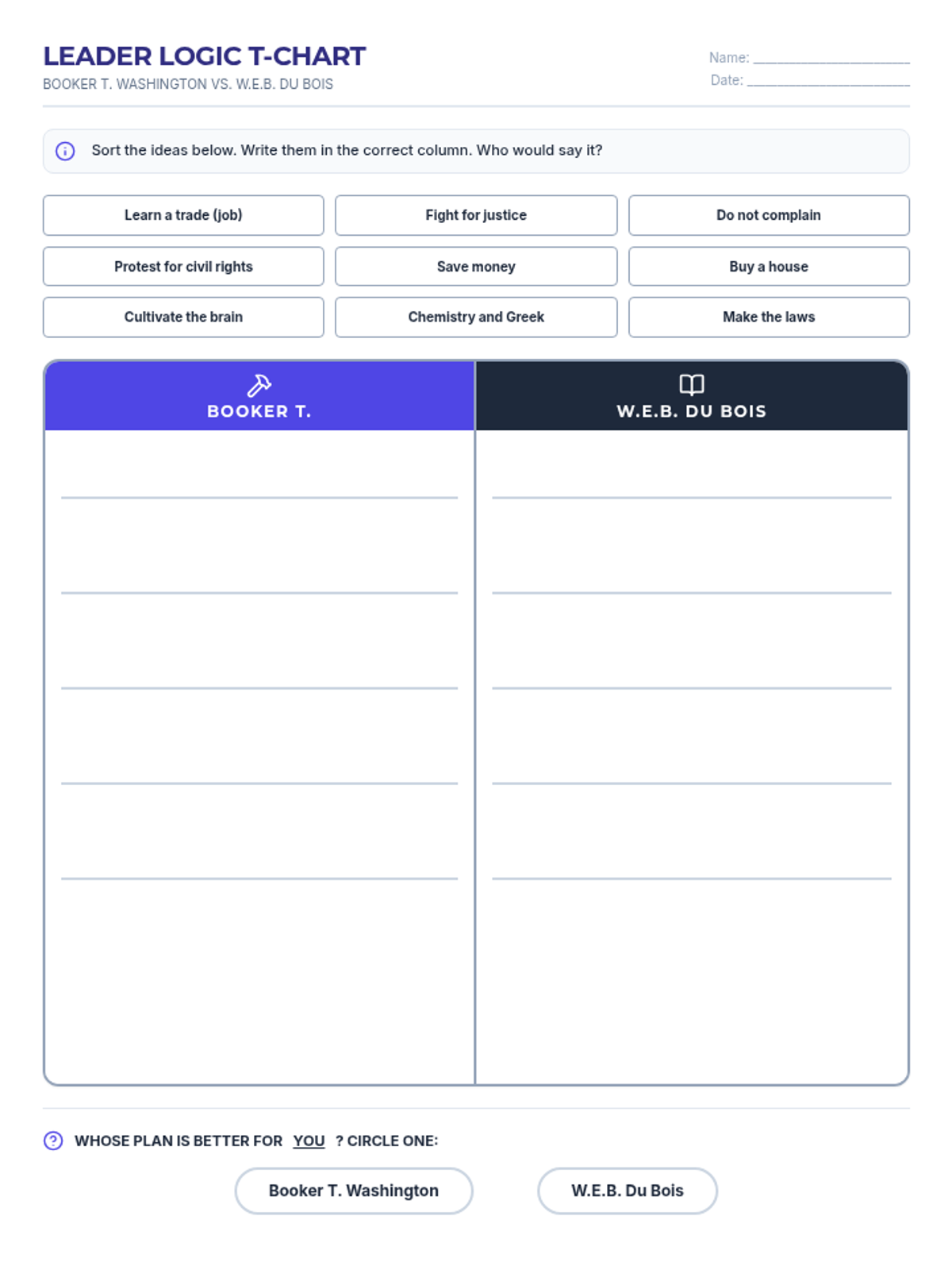
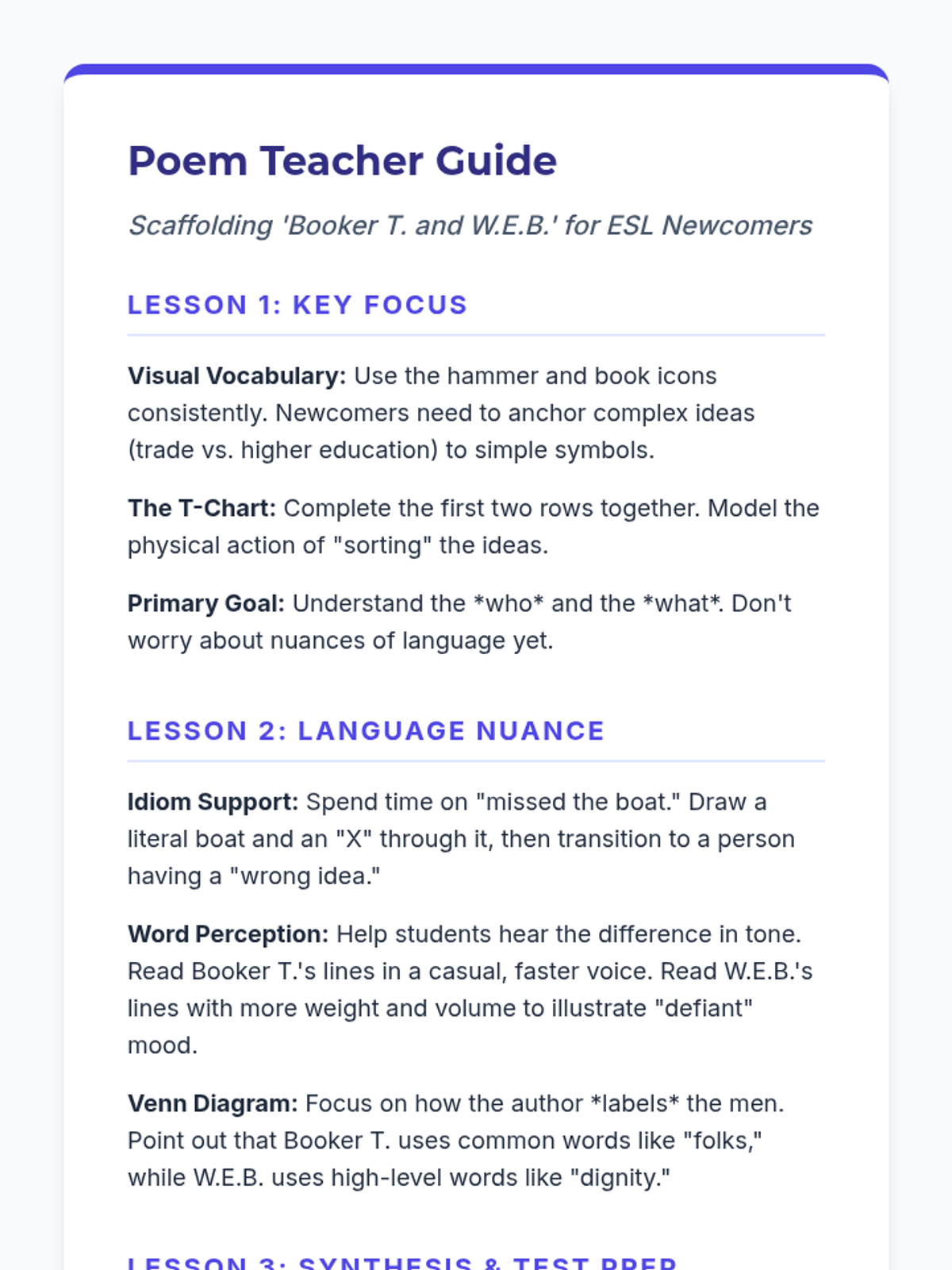
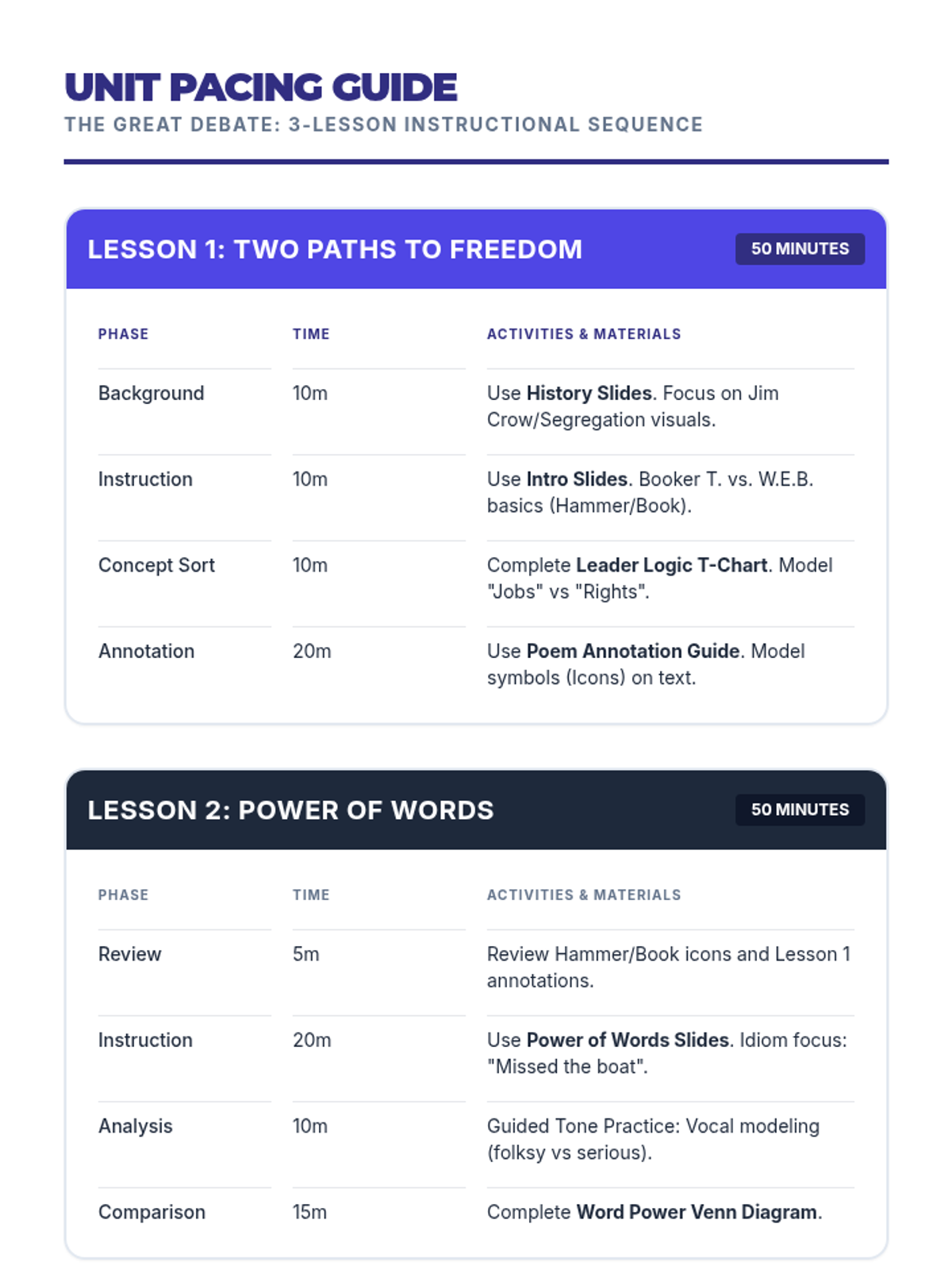
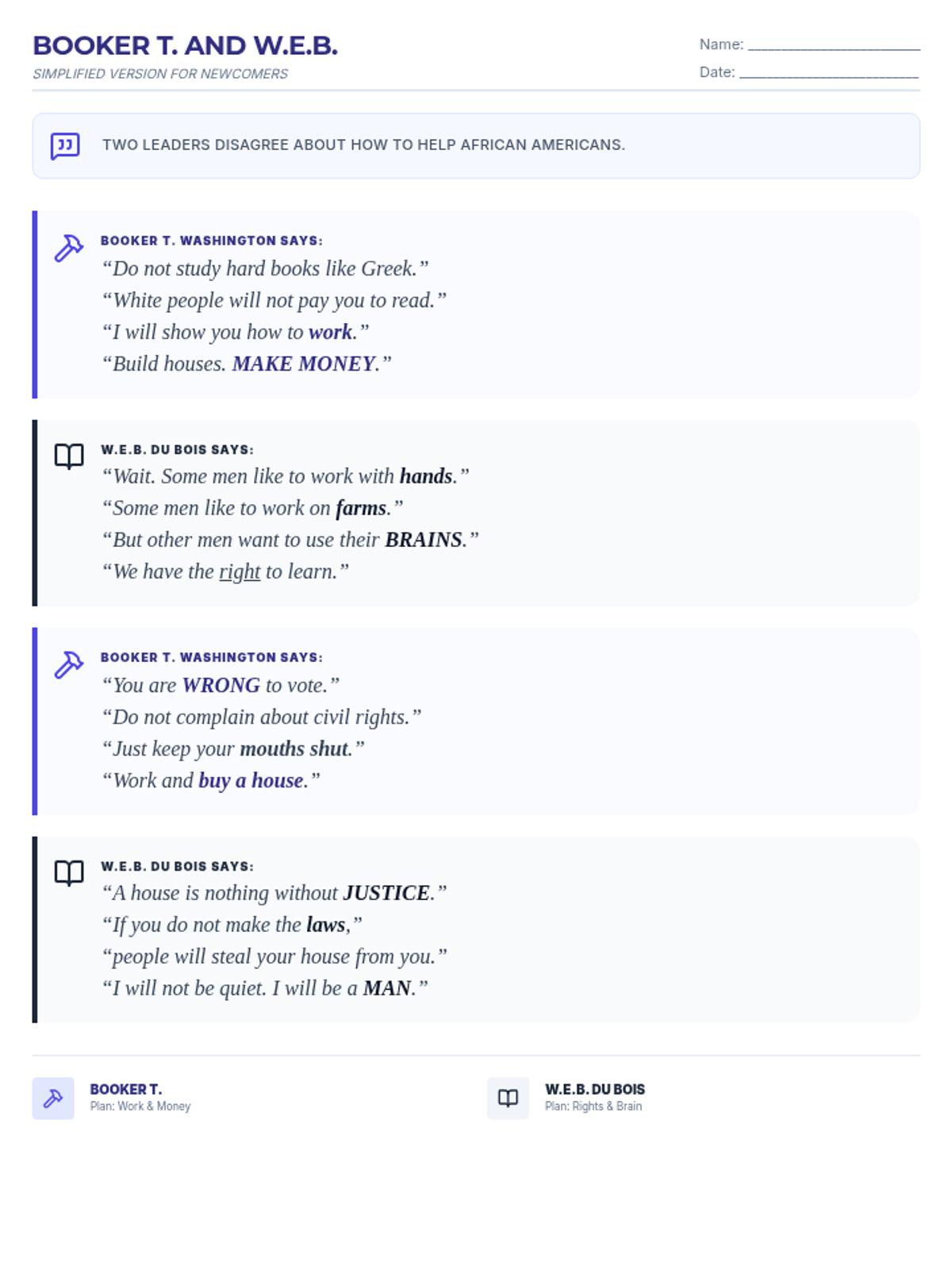
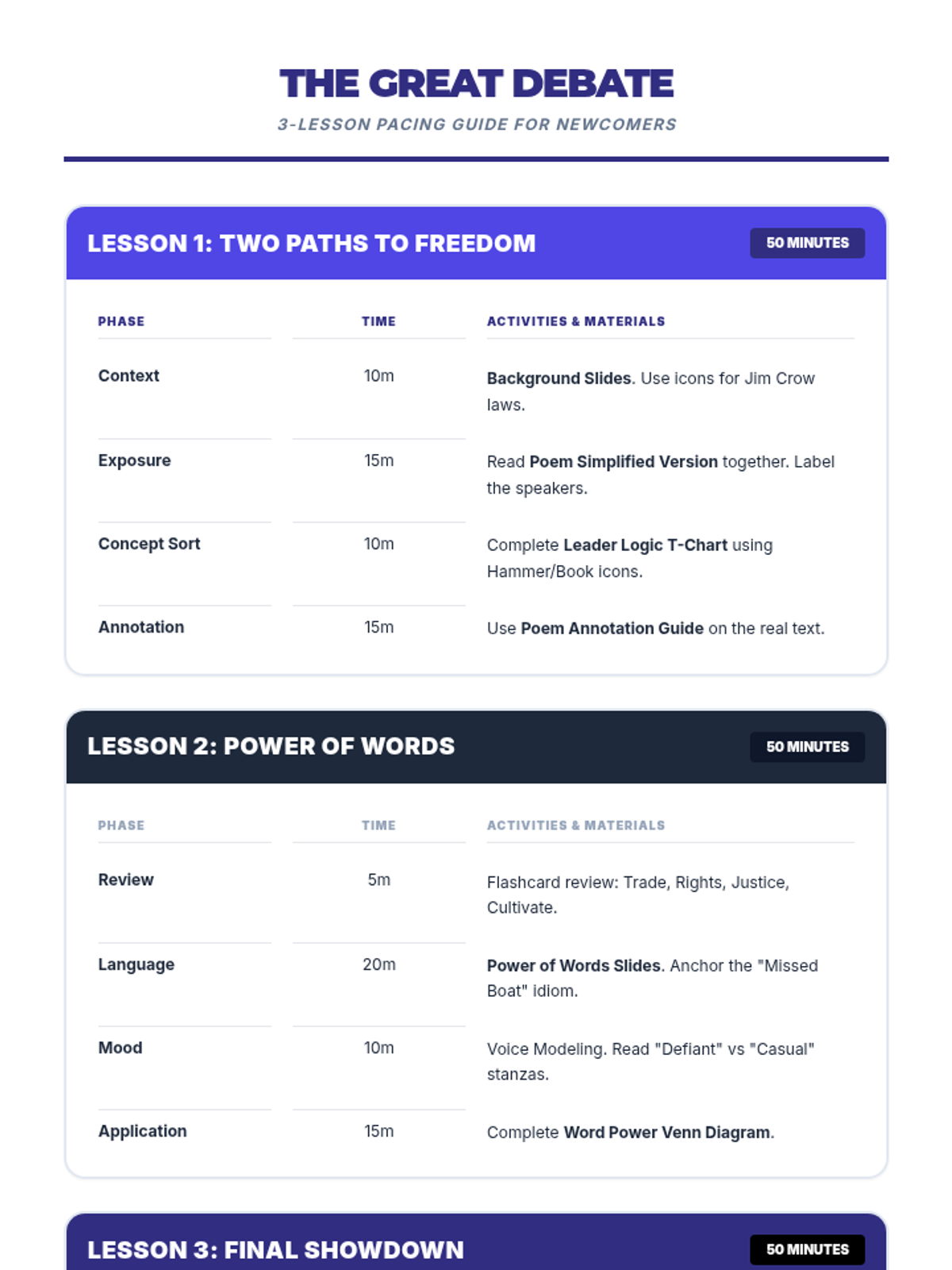
A three-lesson unit designed for ESL newcomers with minimal English proficiency, focusing on Dudley Randall's poem 'Booker T. and W.E.B.' and preparing them for a standardized assessment on author's purpose and language.
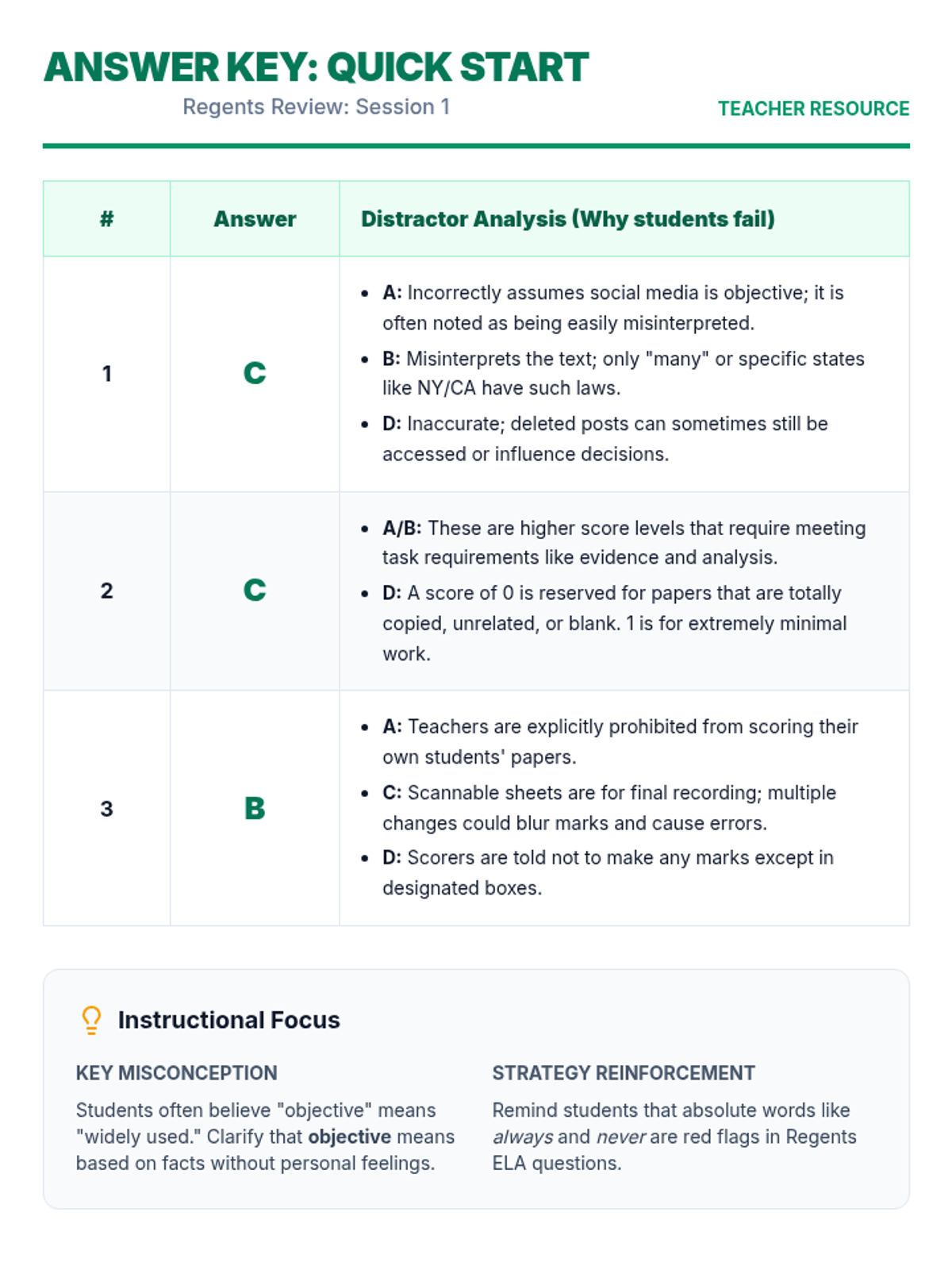
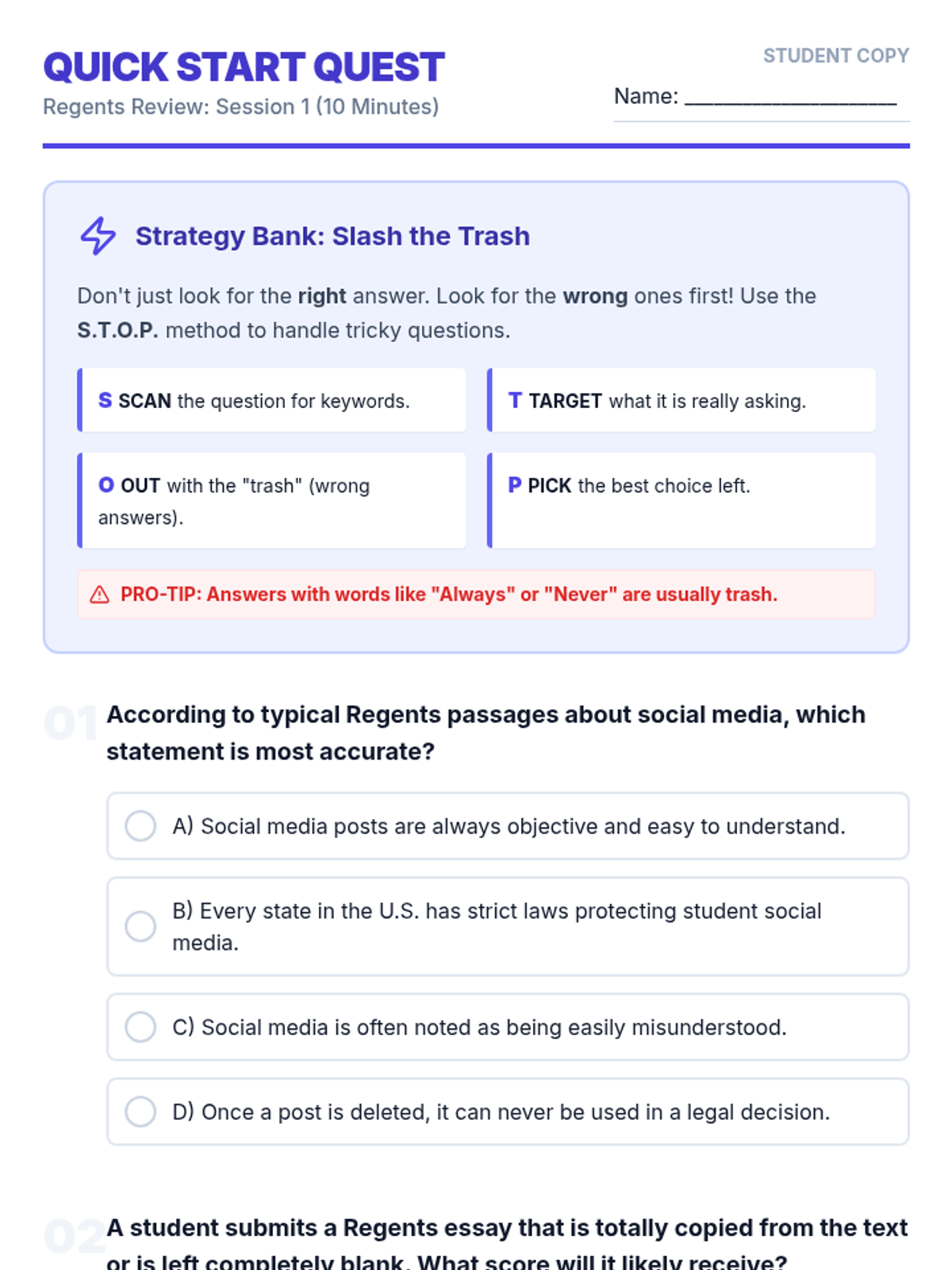
A comprehensive 6-lesson spiraling review sequence designed to prepare students for the ELA Regents exam through 10-minute daily practice sessions. Each lesson focuses on specific exam sets and high-impact test-taking strategies.
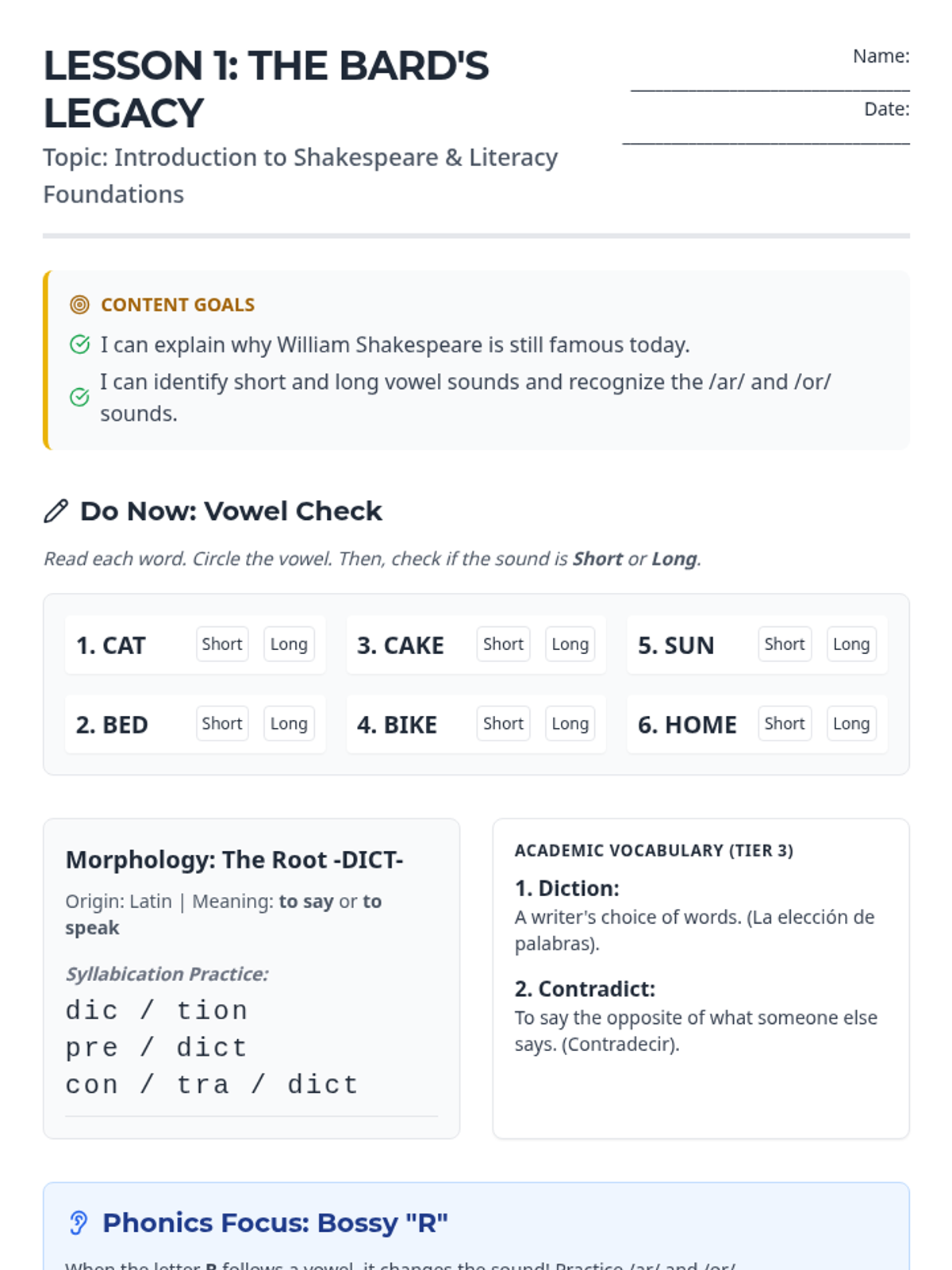
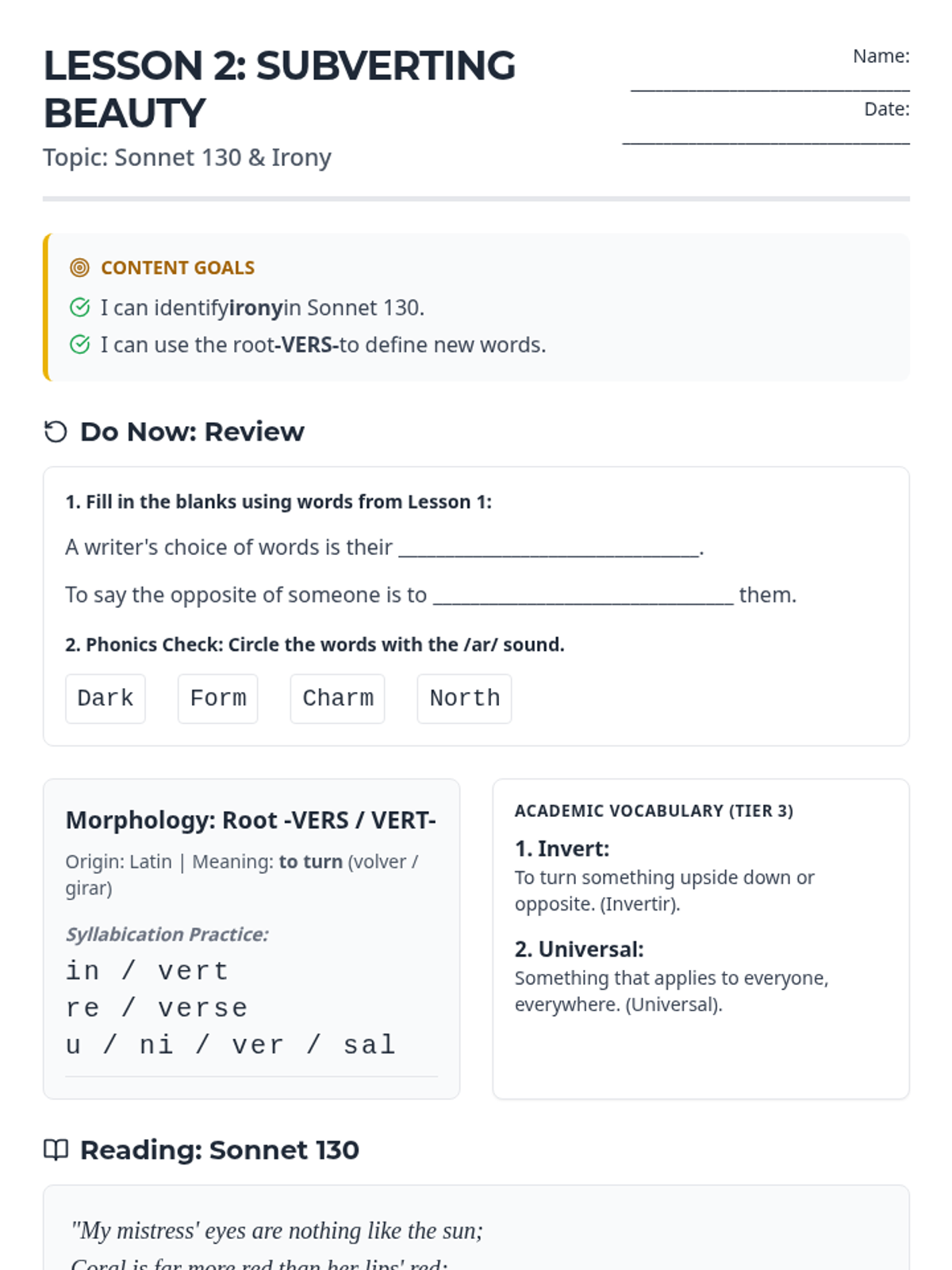
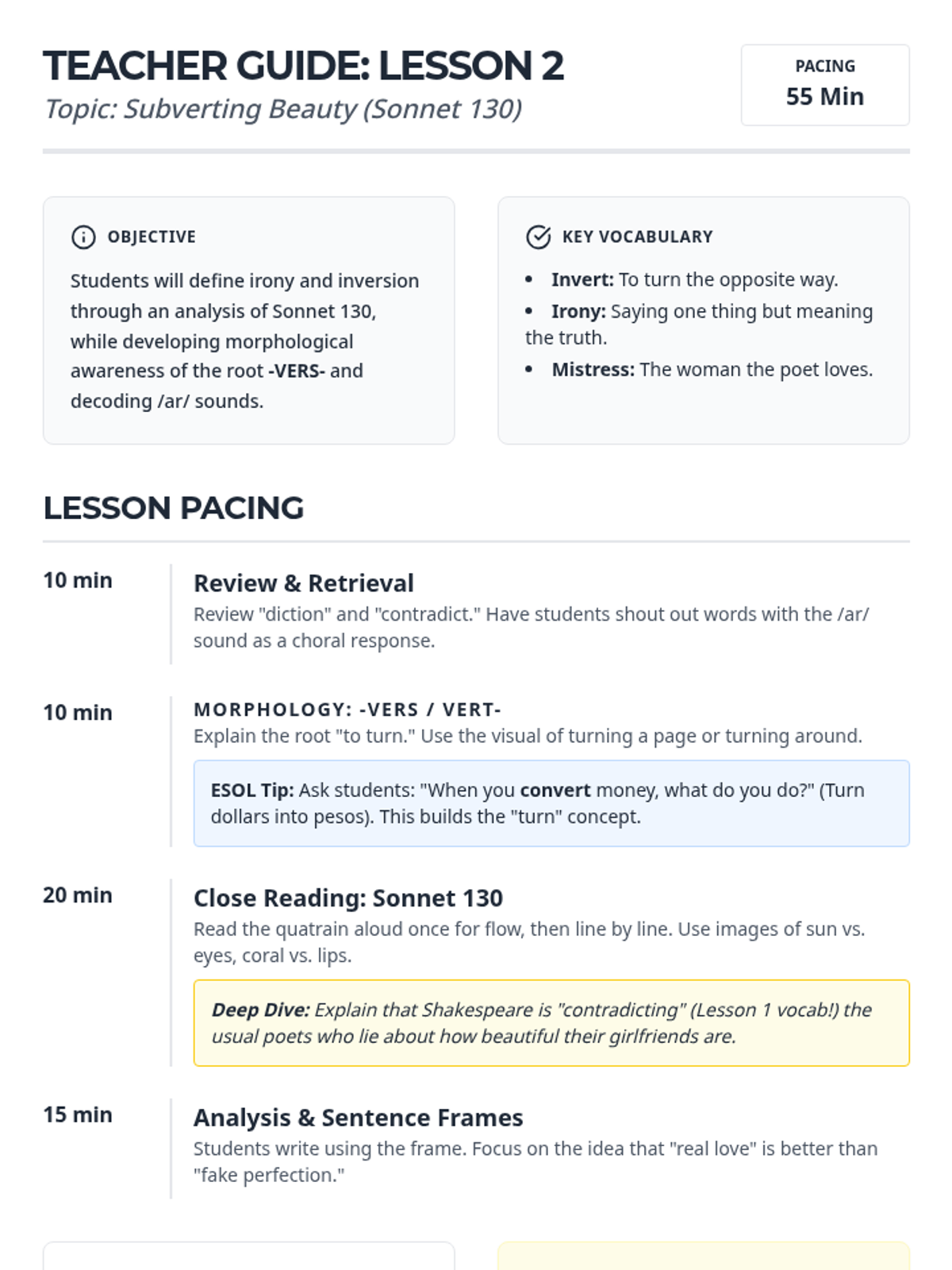
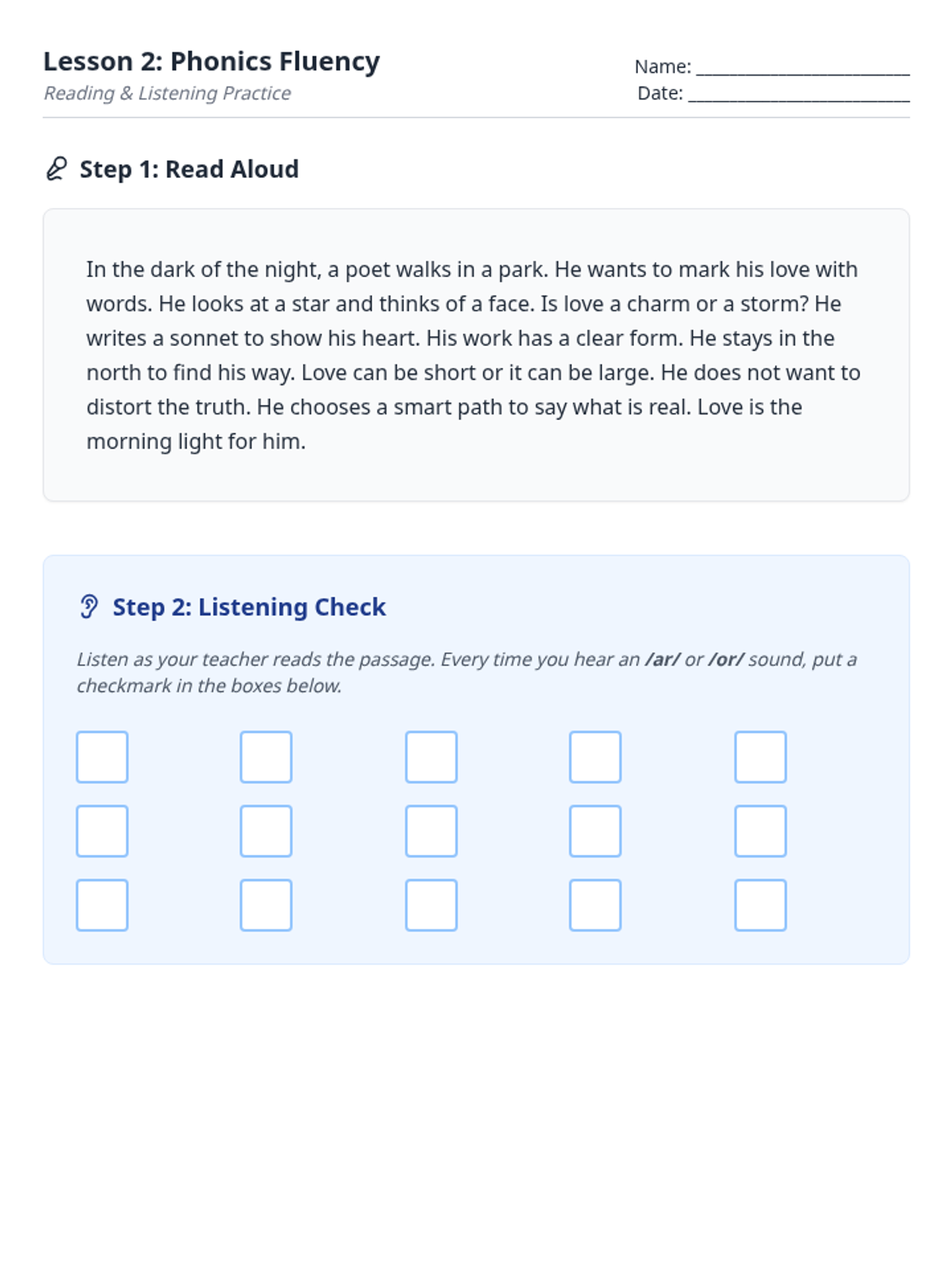
A 10-lesson thematic unit for 9th-grade ESOL students focusing on Shakespeare's Macbeth, integrating systemic language instruction, morphology, and phonics (R-controlled vowels) with high-school level analysis.
A comprehensive 9-week study of Franz Kafka's 'Metamorphosis', focusing on argumentative writing through textual evidence and narrative expansion. The sequence utilizes graphic organizers, visual scaffolding, and increased opportunities to respond to deepen student engagement with the surrealist text.
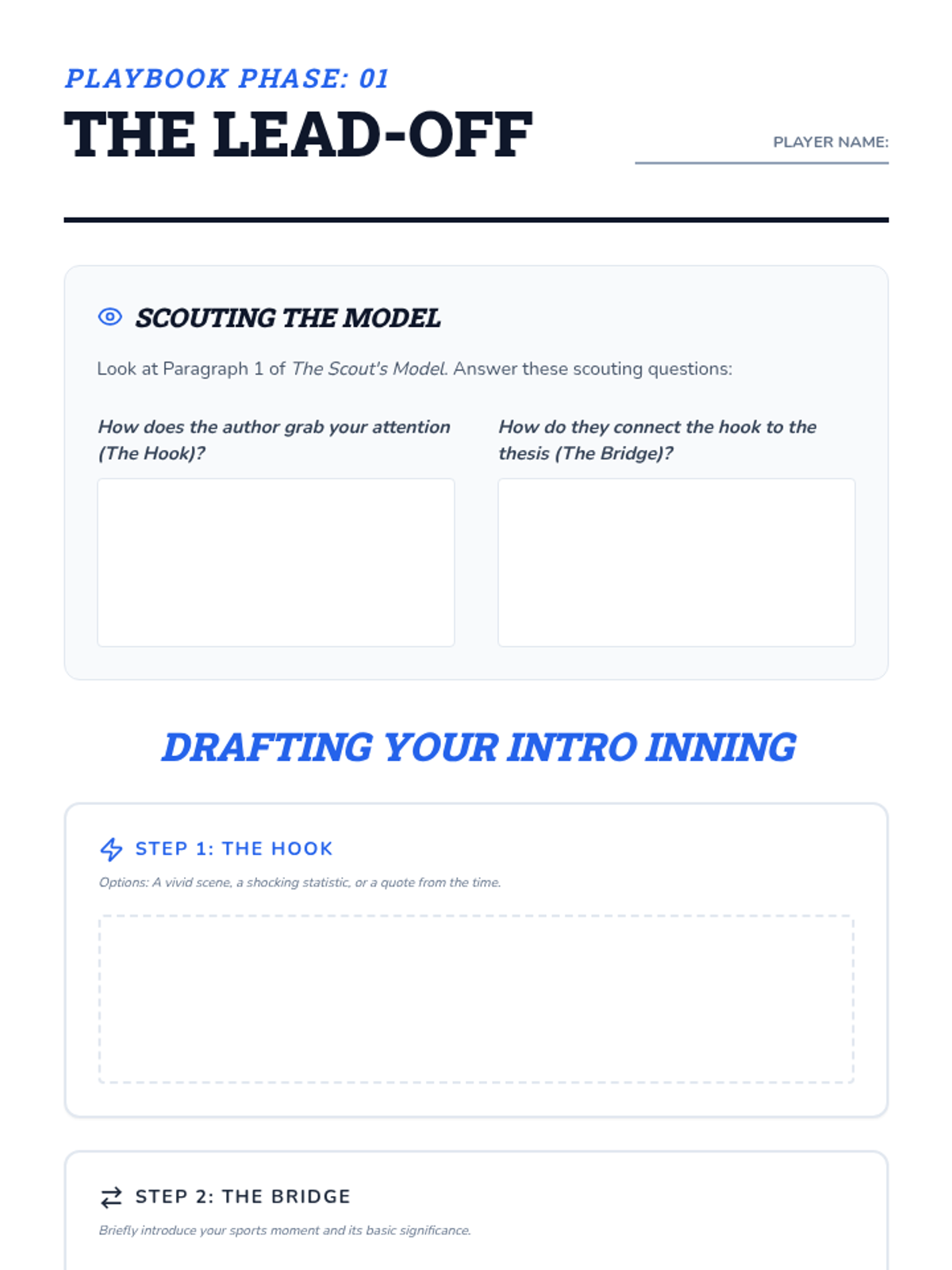
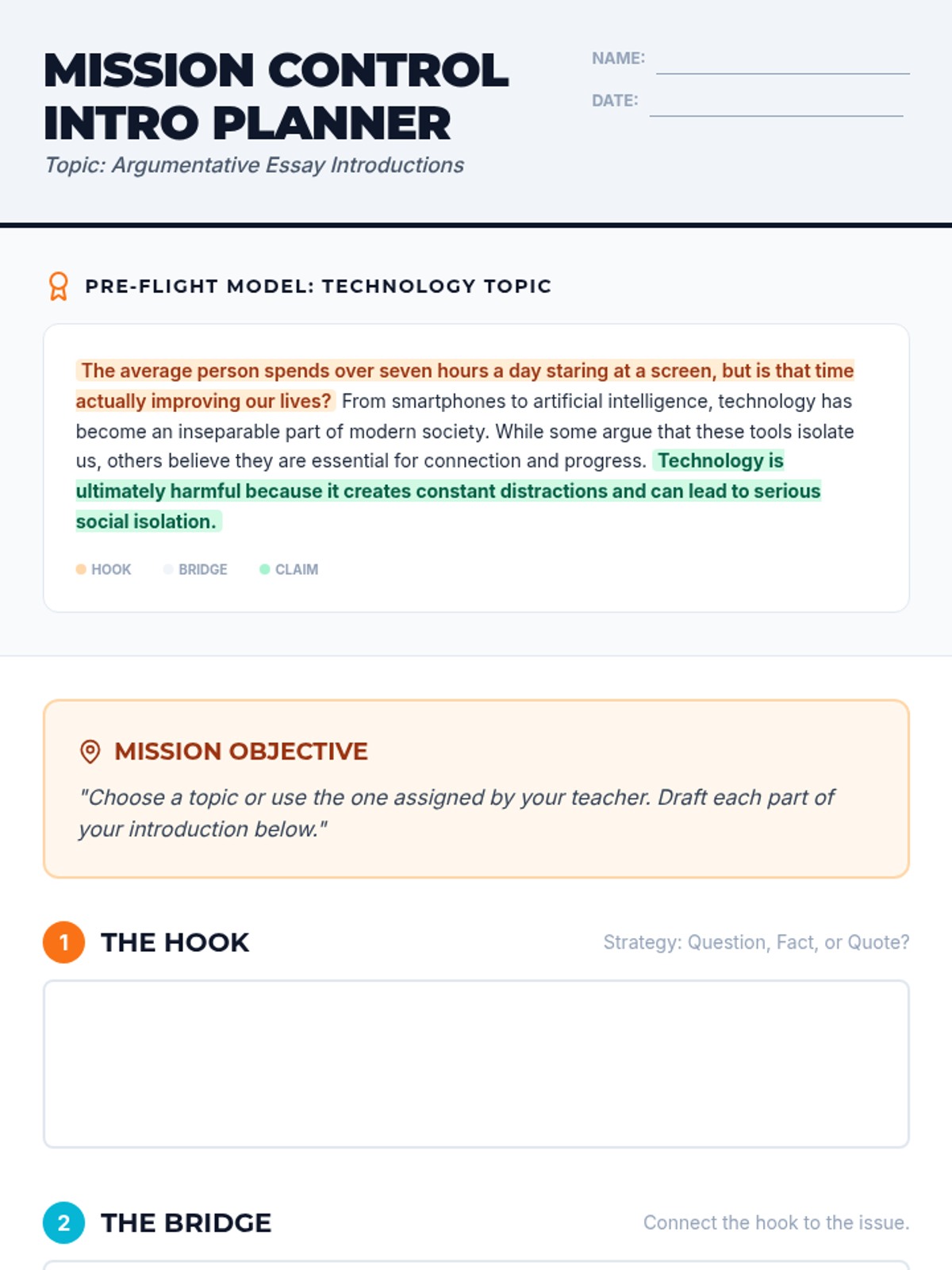
A comprehensive sequence of lessons designed to guide students through the entire process of writing a persuasive argumentative essay, from the initial launch (introduction) to the final landing (conclusion).
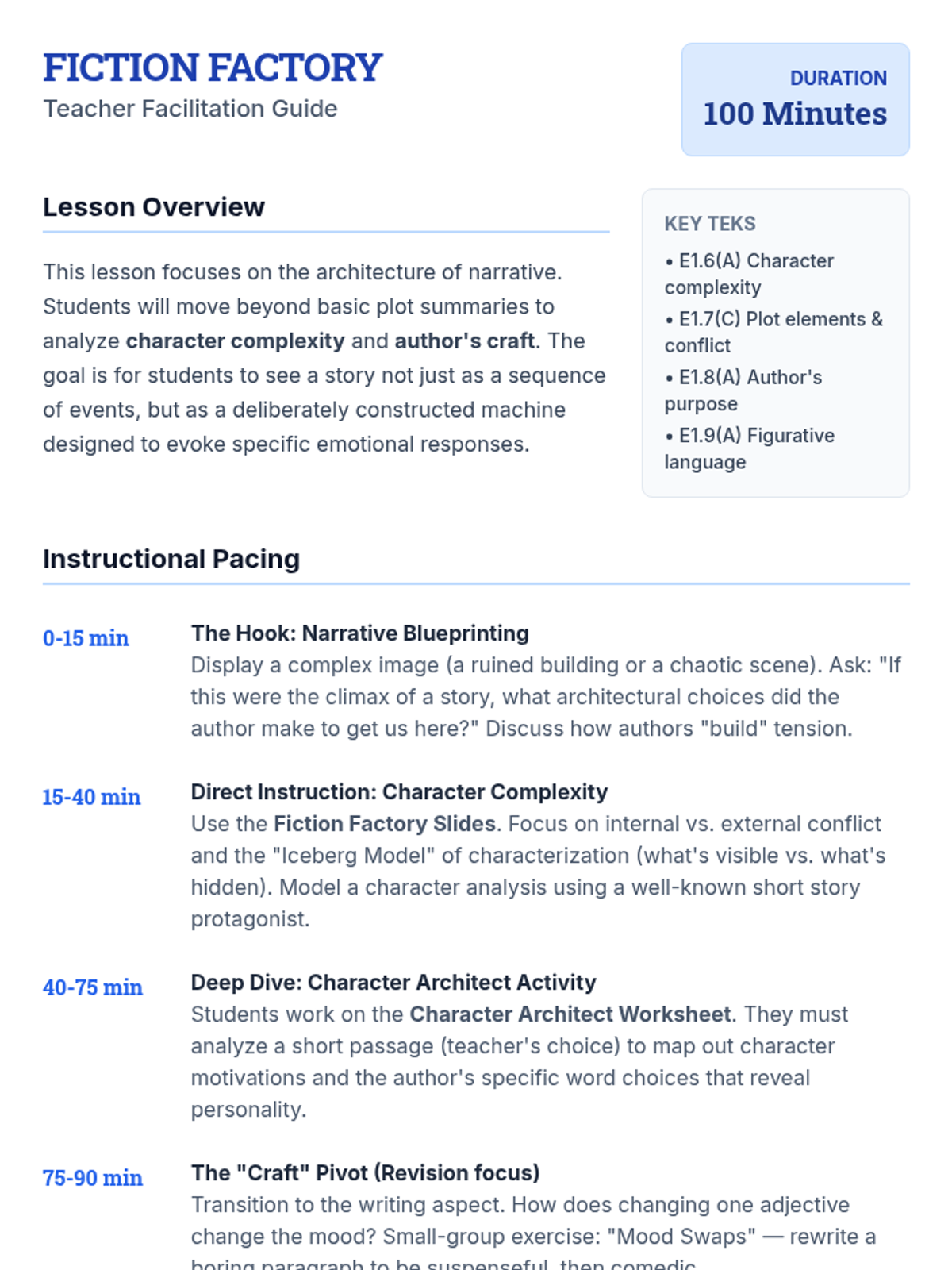
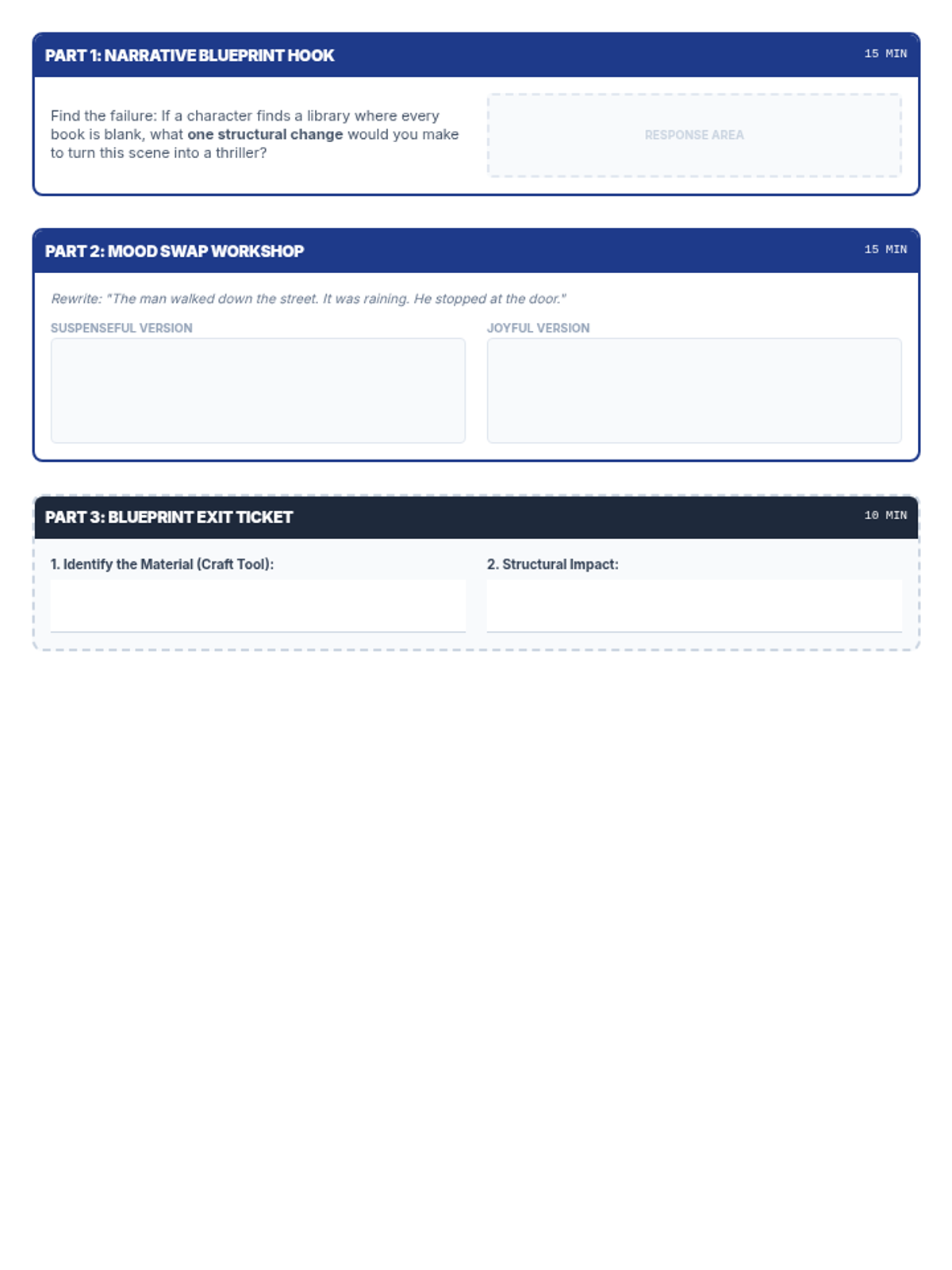
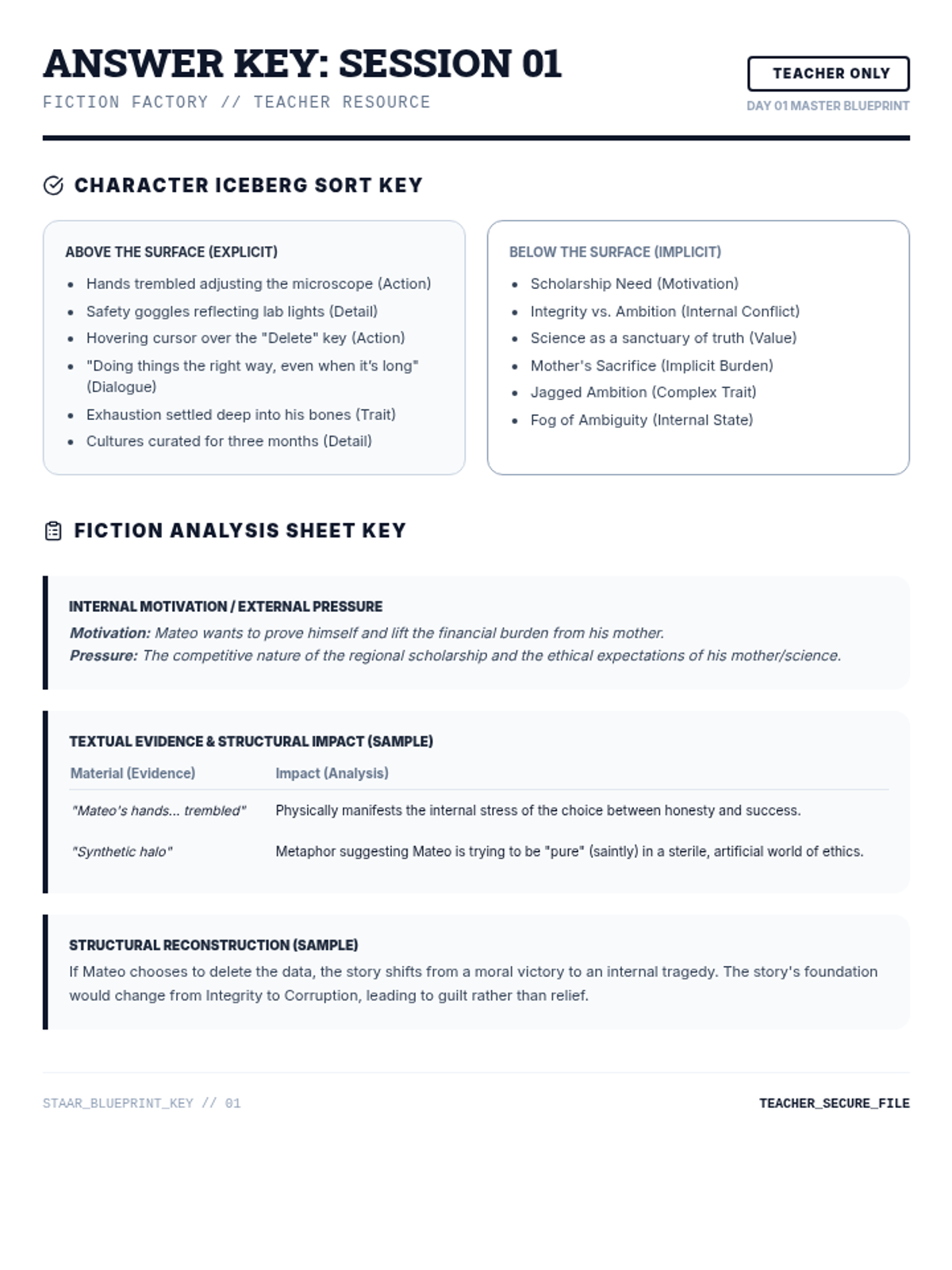
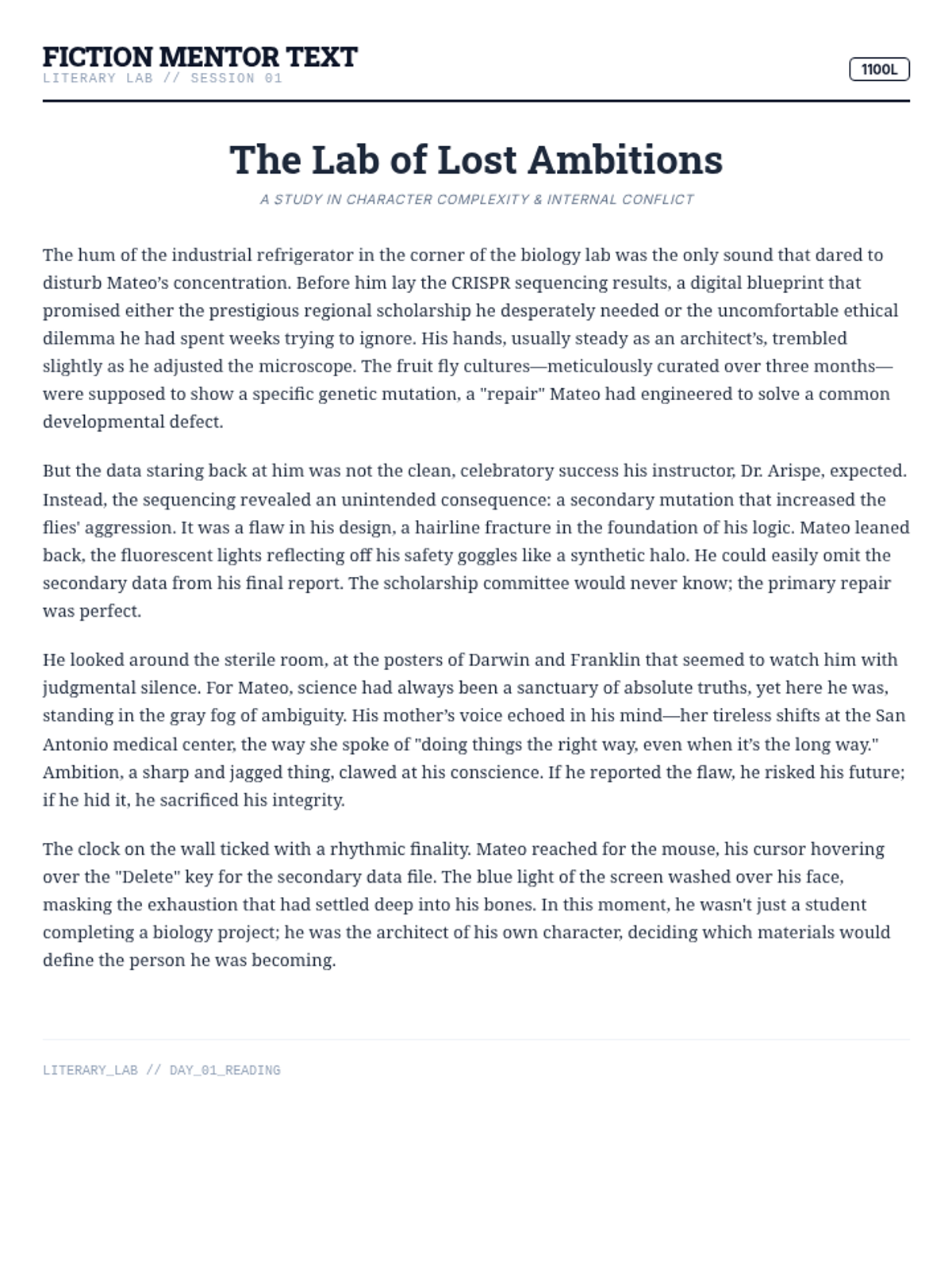
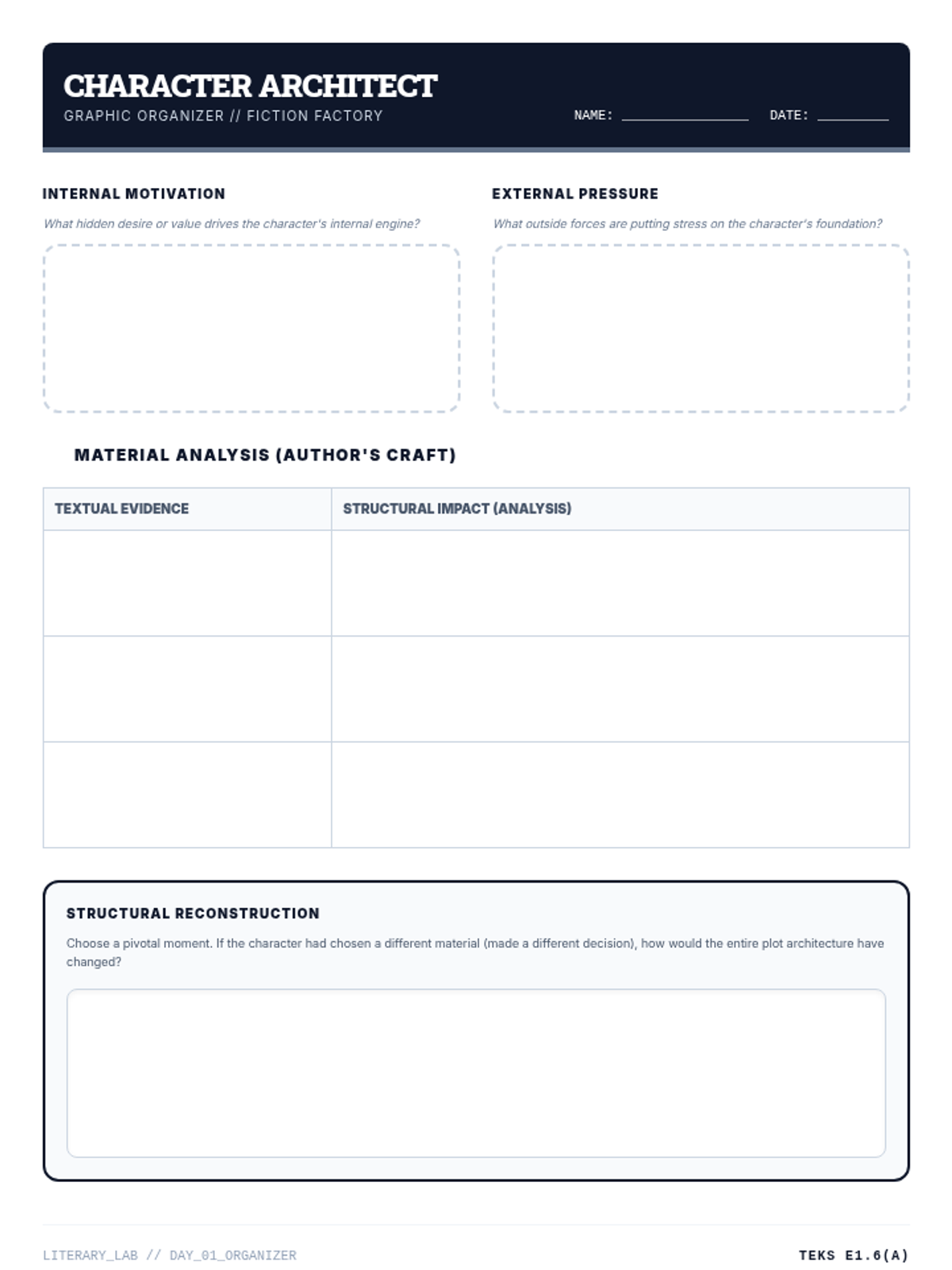
A 3-day intensive deep dive into the core skills of STAAR English I, focusing on Fiction, Informational, and Argumentative genres through the lens of 'The Architect's Blueprint.' Students analyze how authors construct meaning and apply those structures to their own writing.