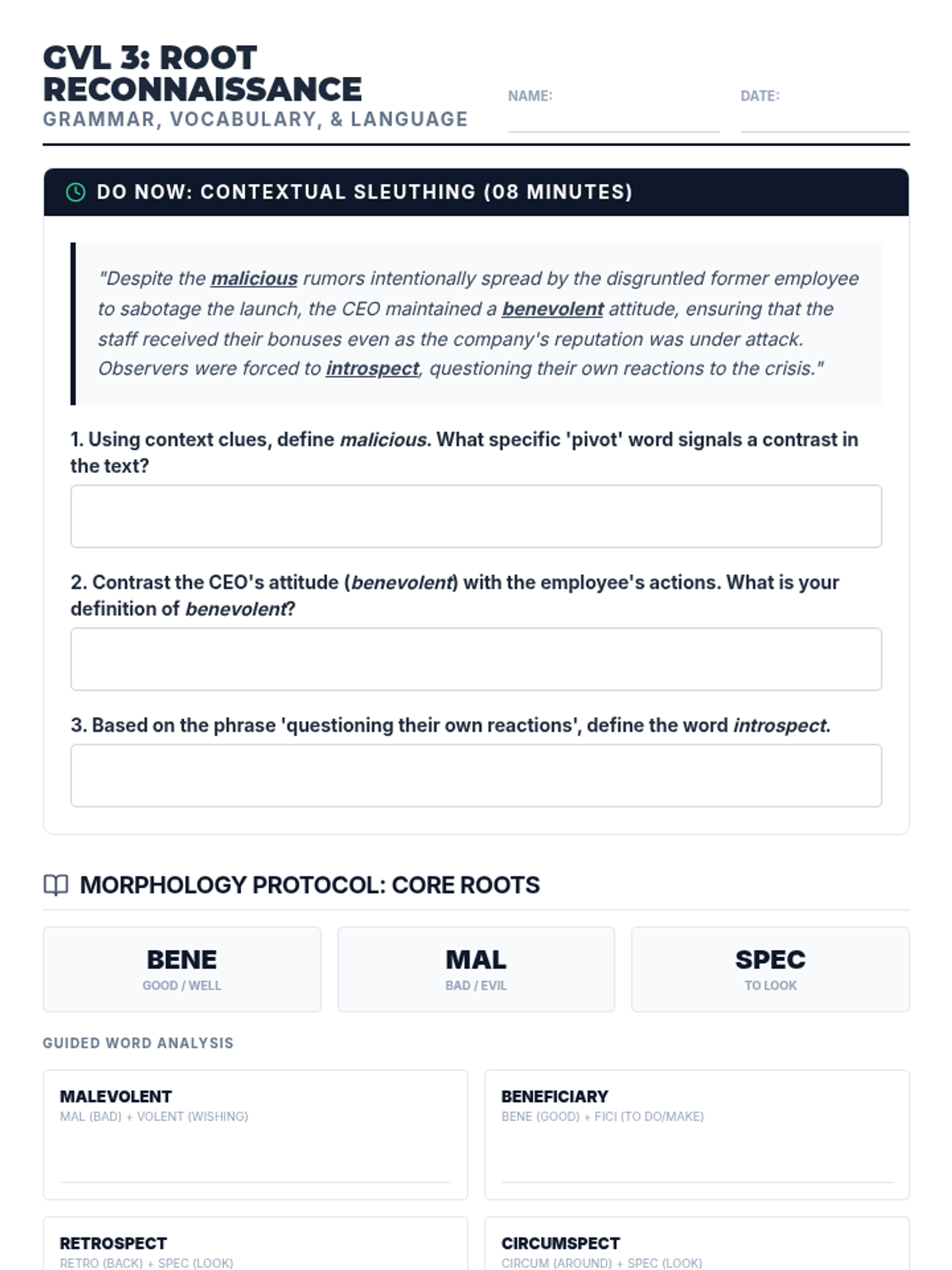
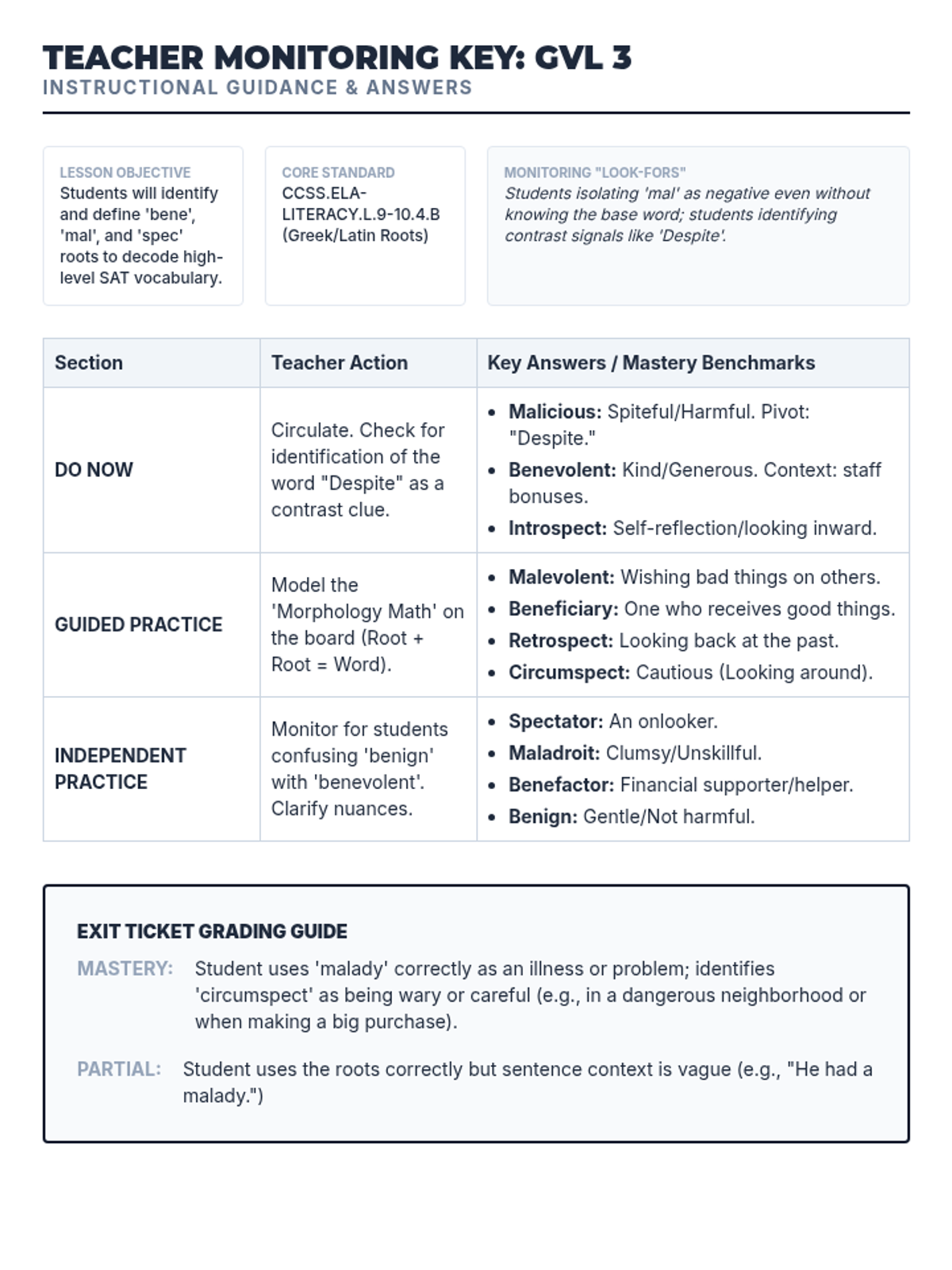
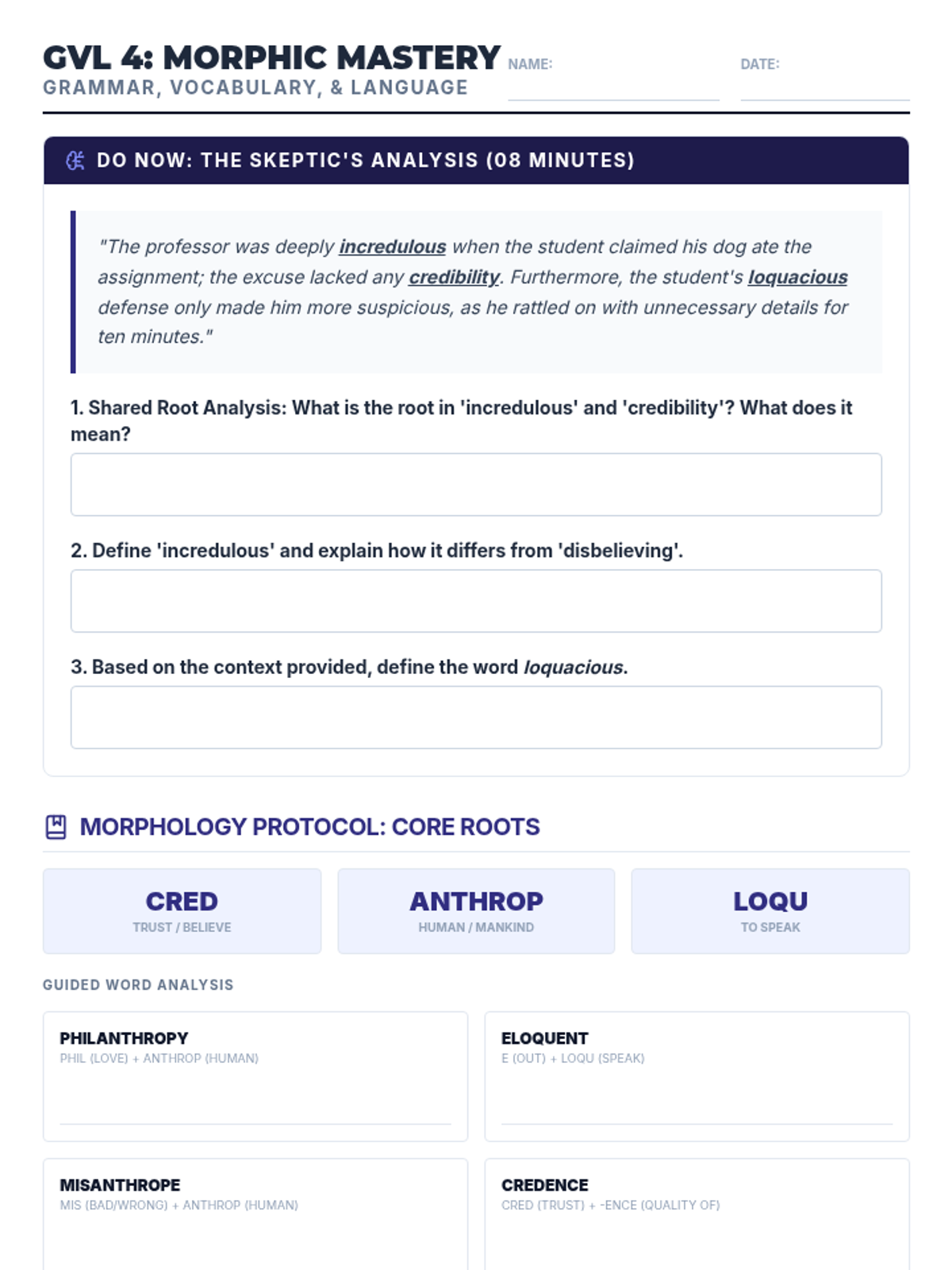
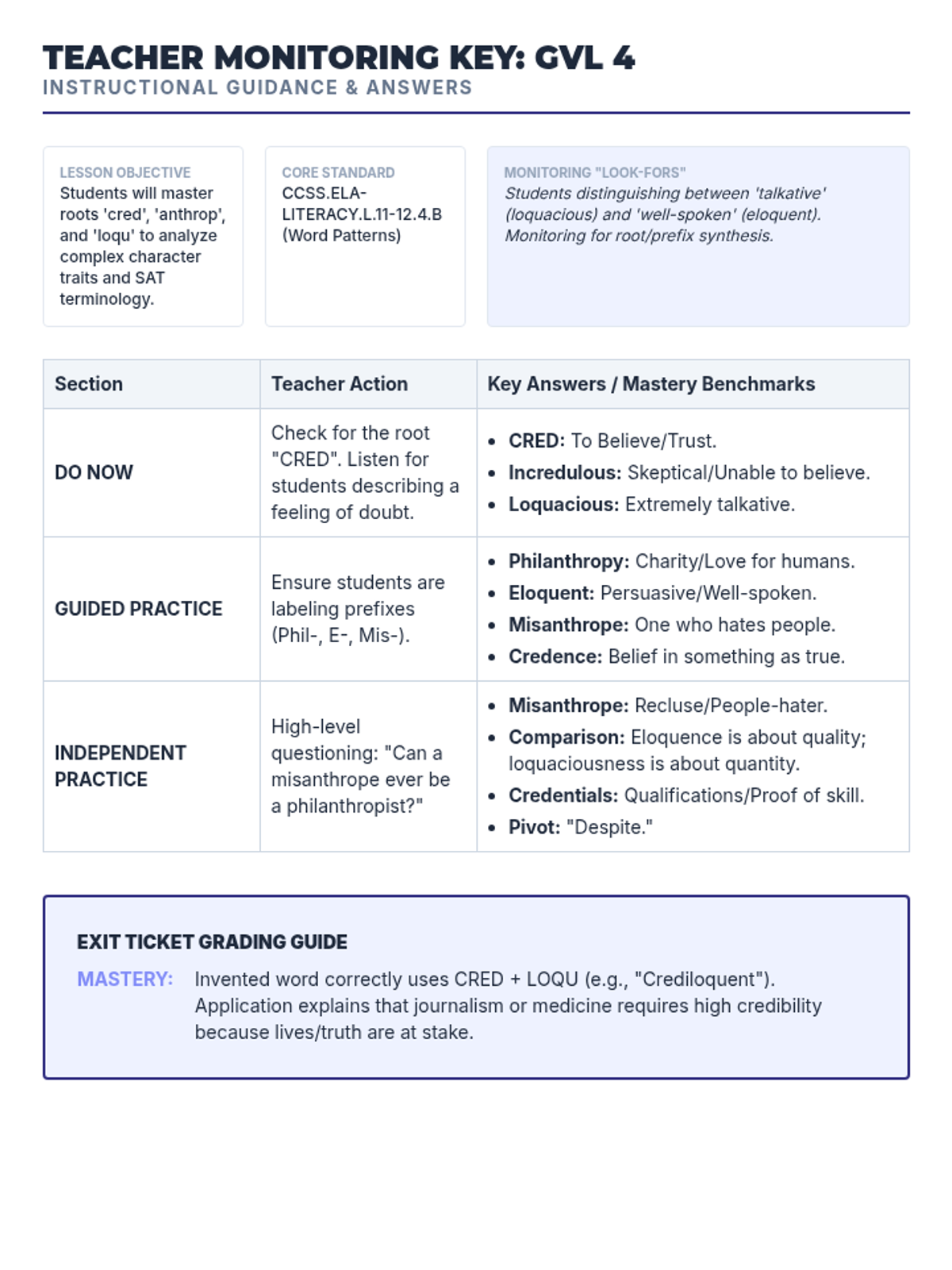
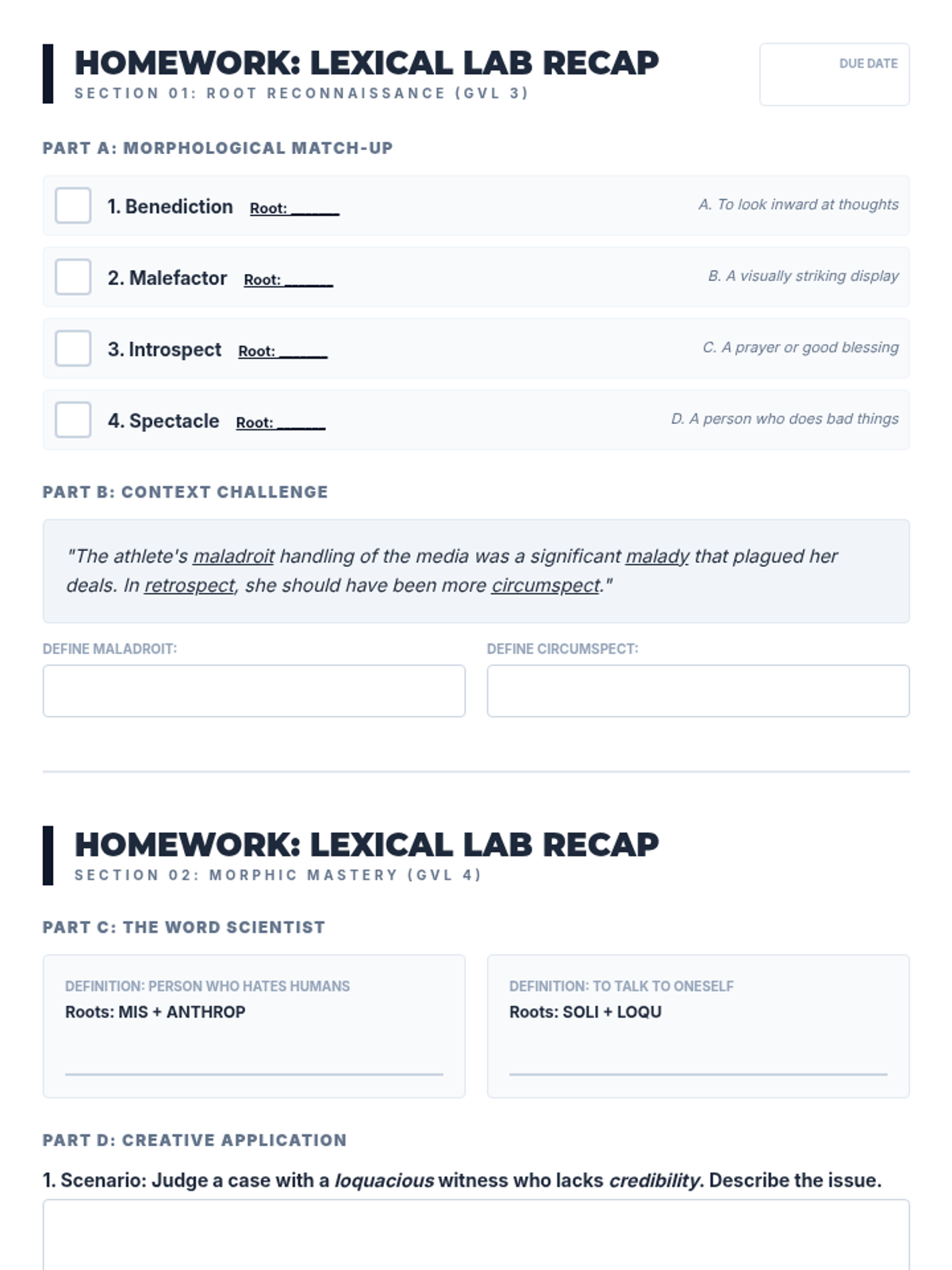
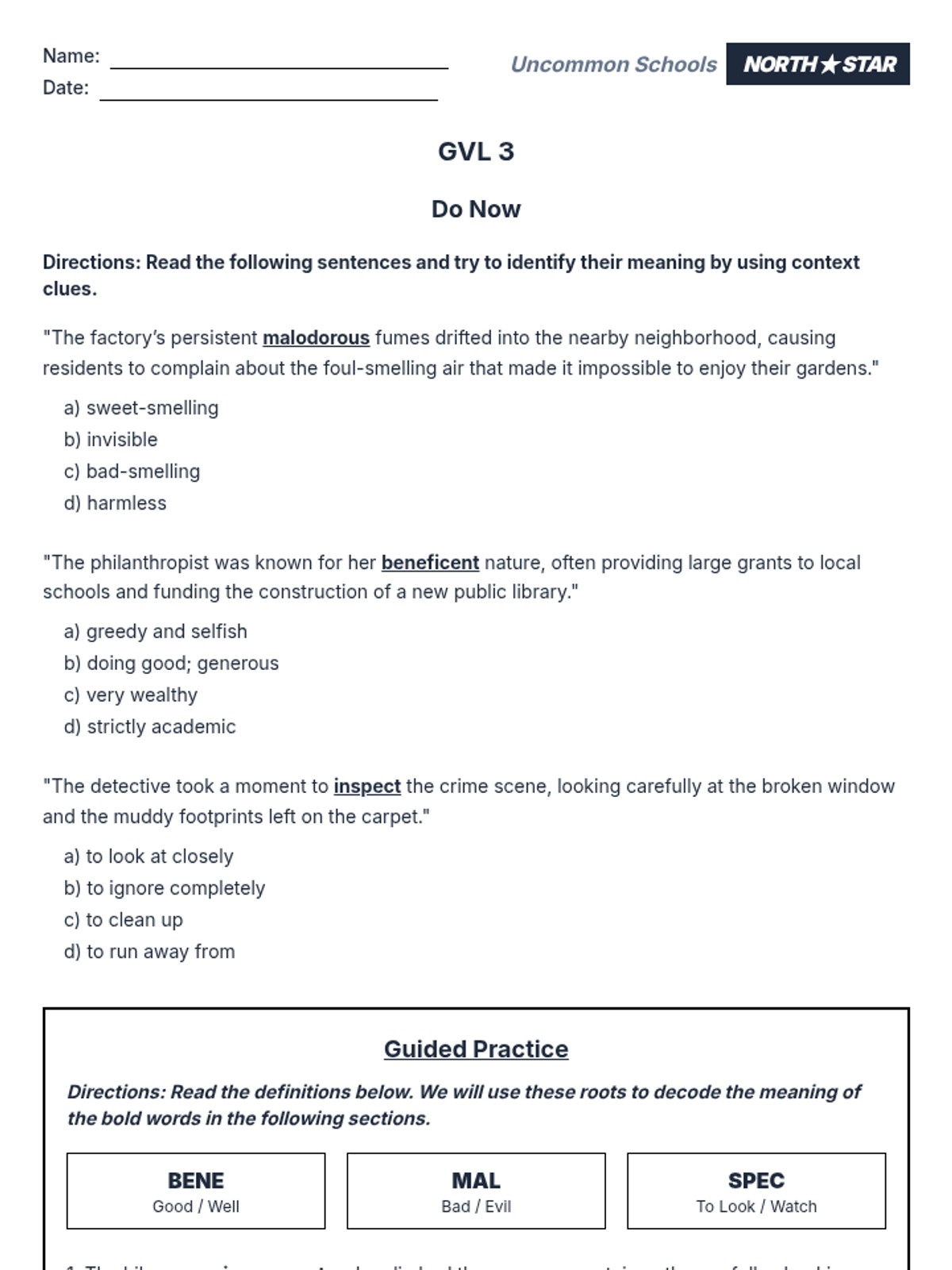
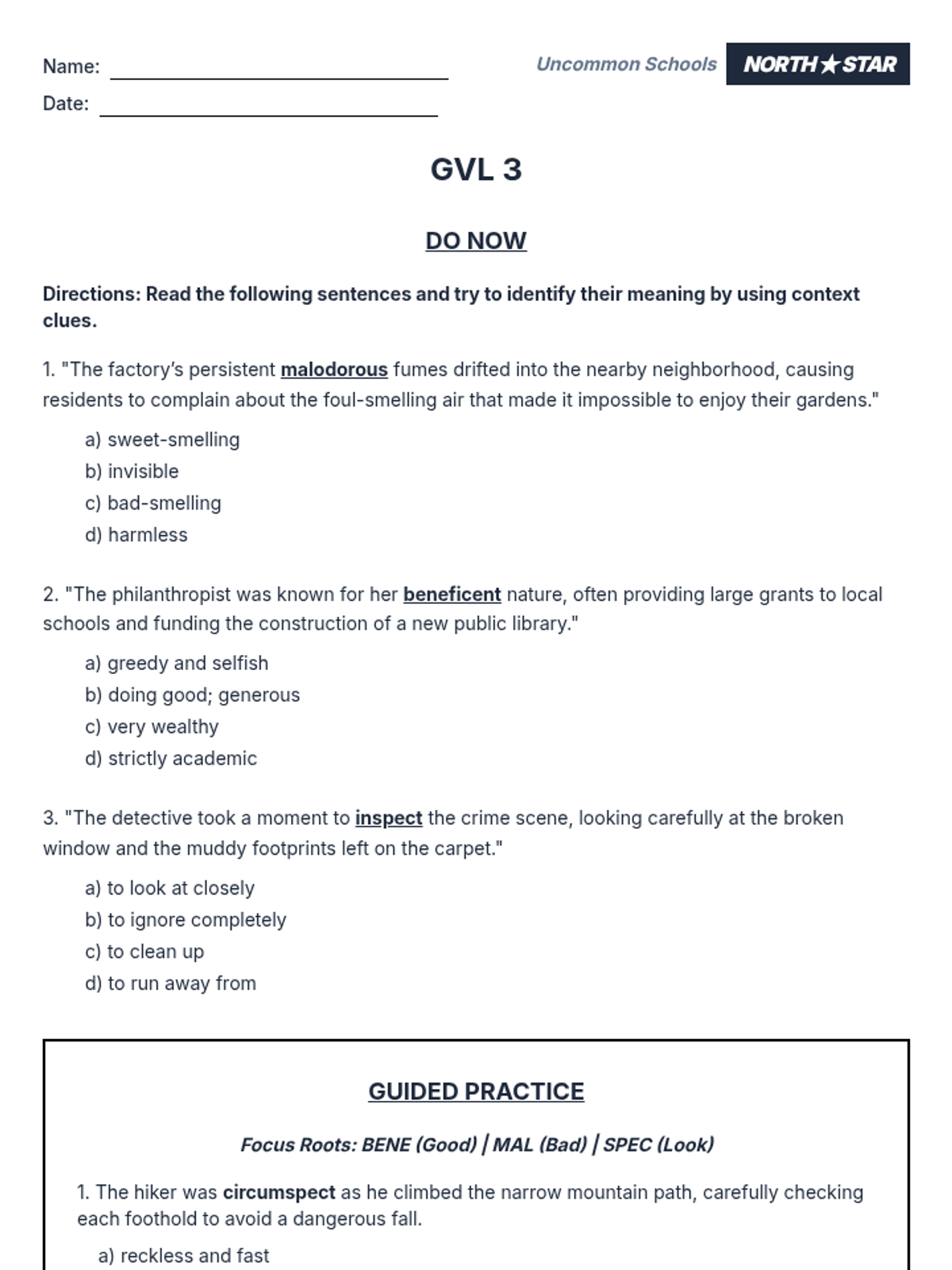
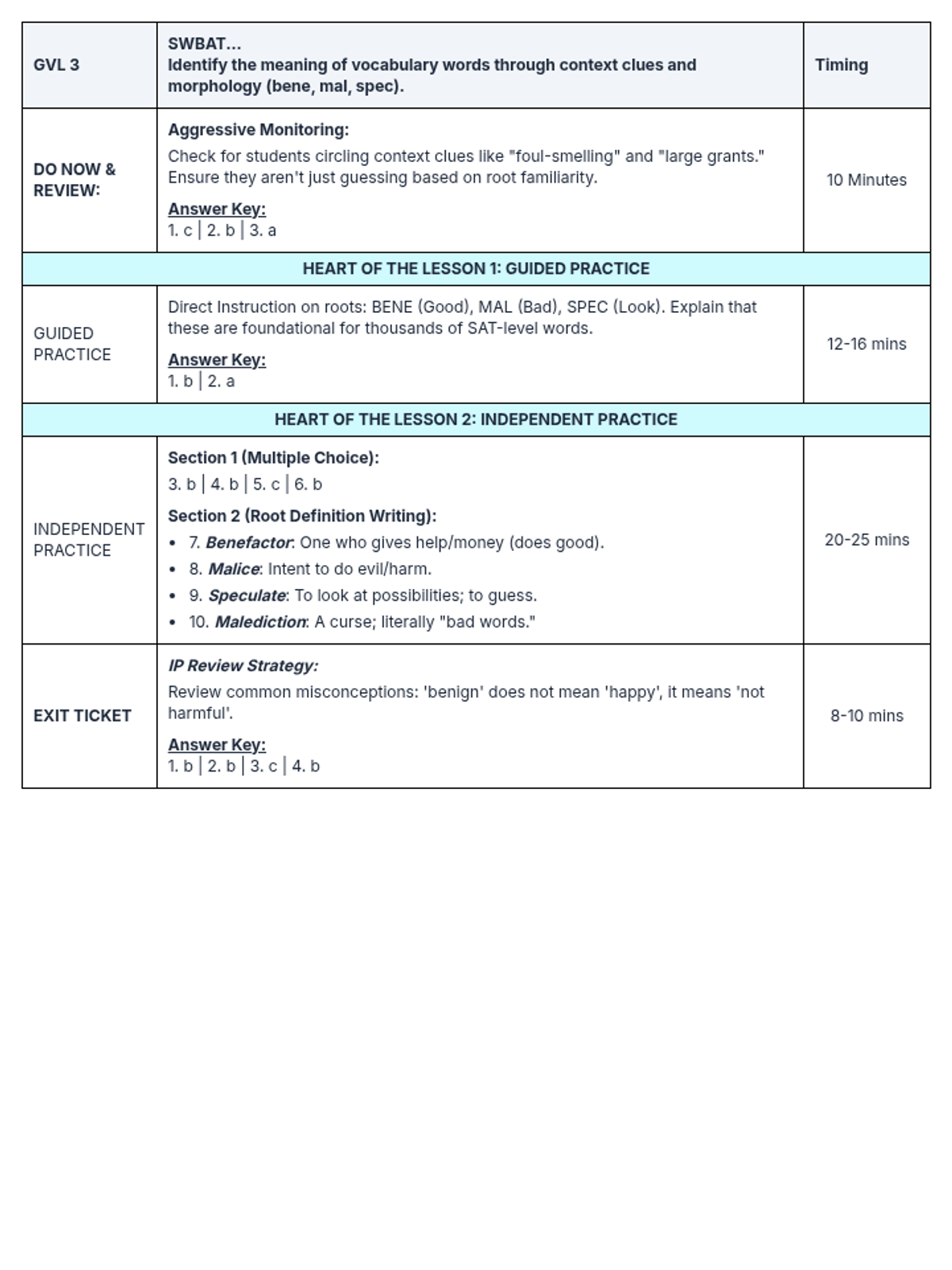
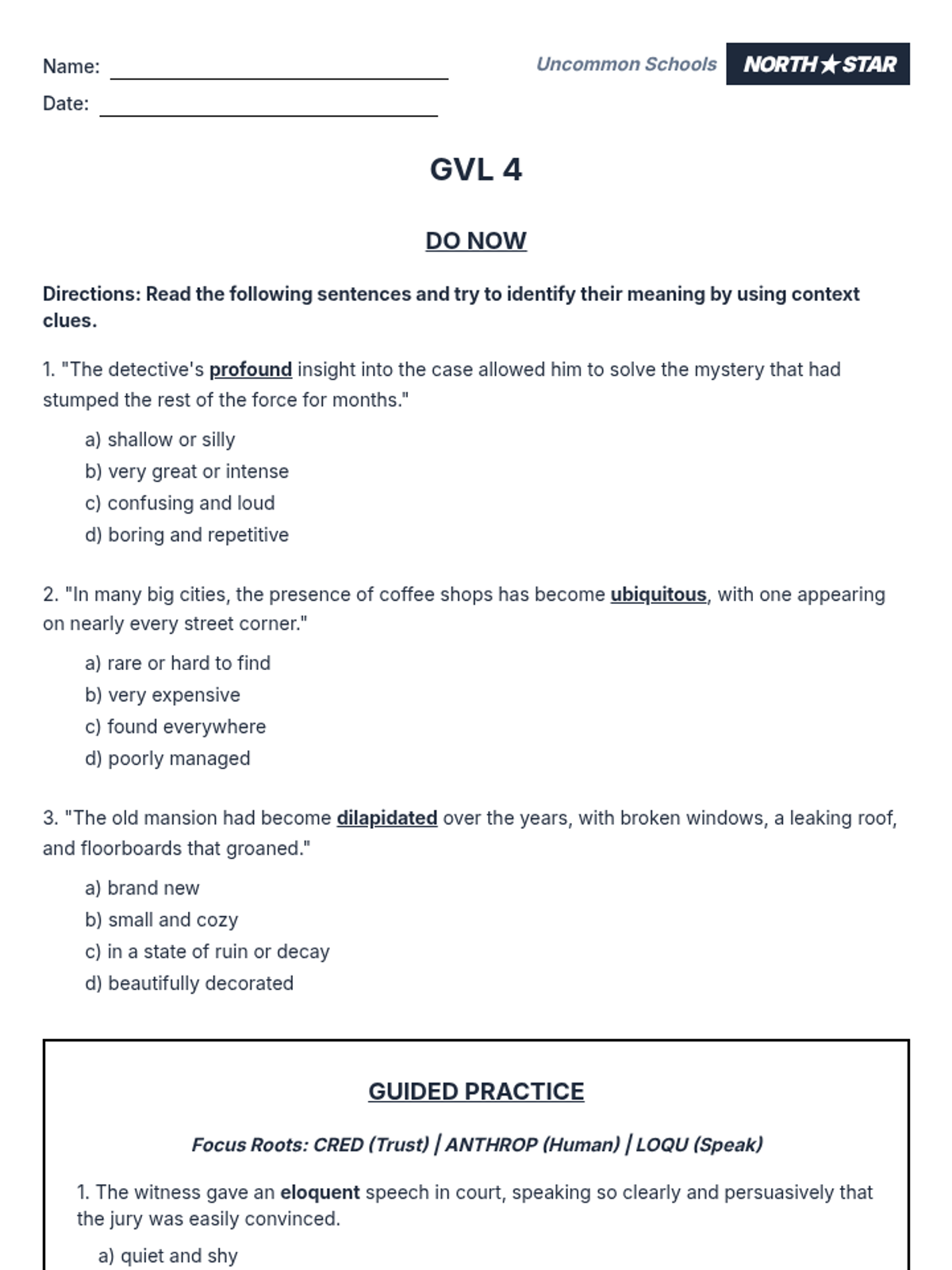
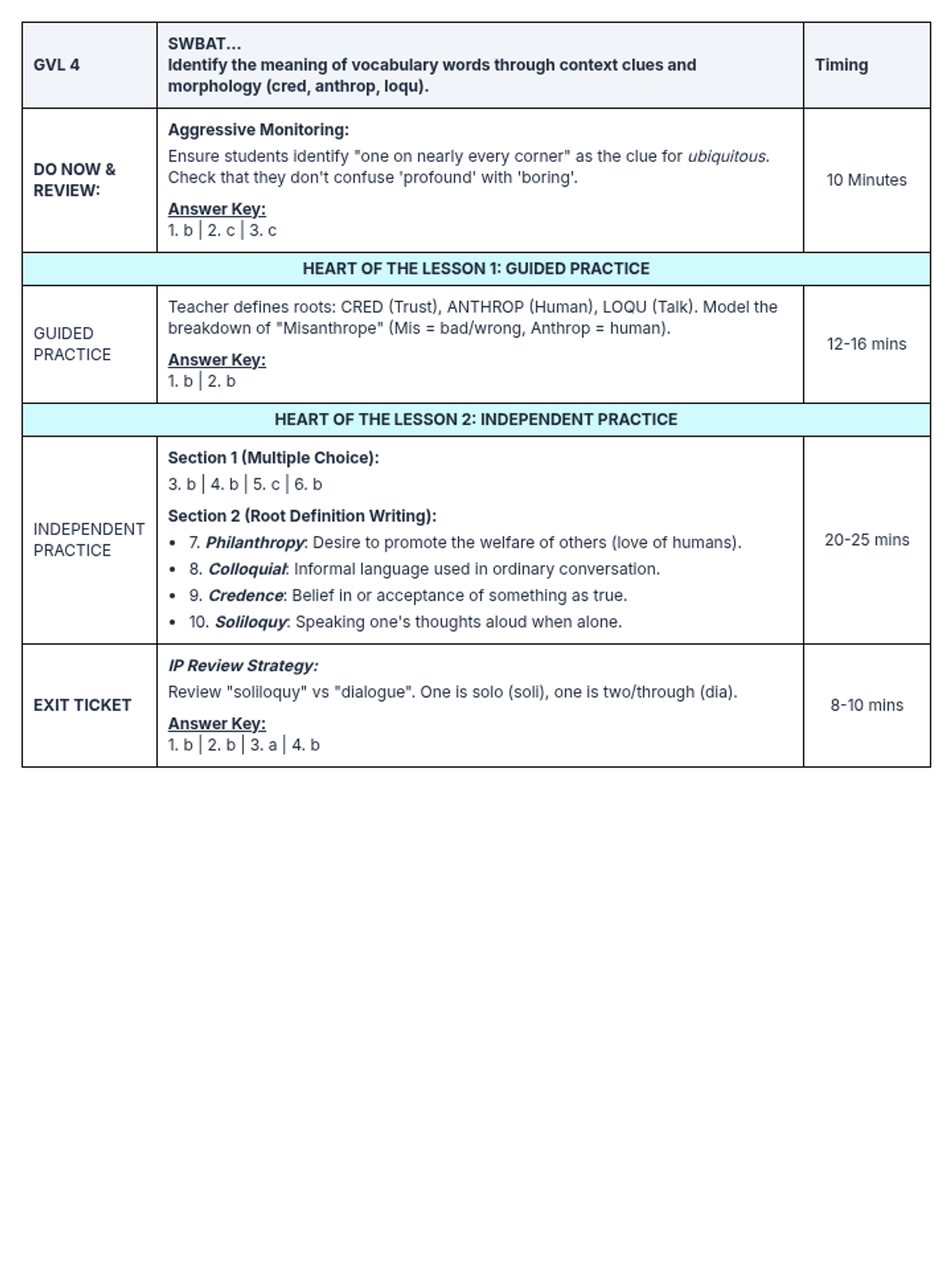
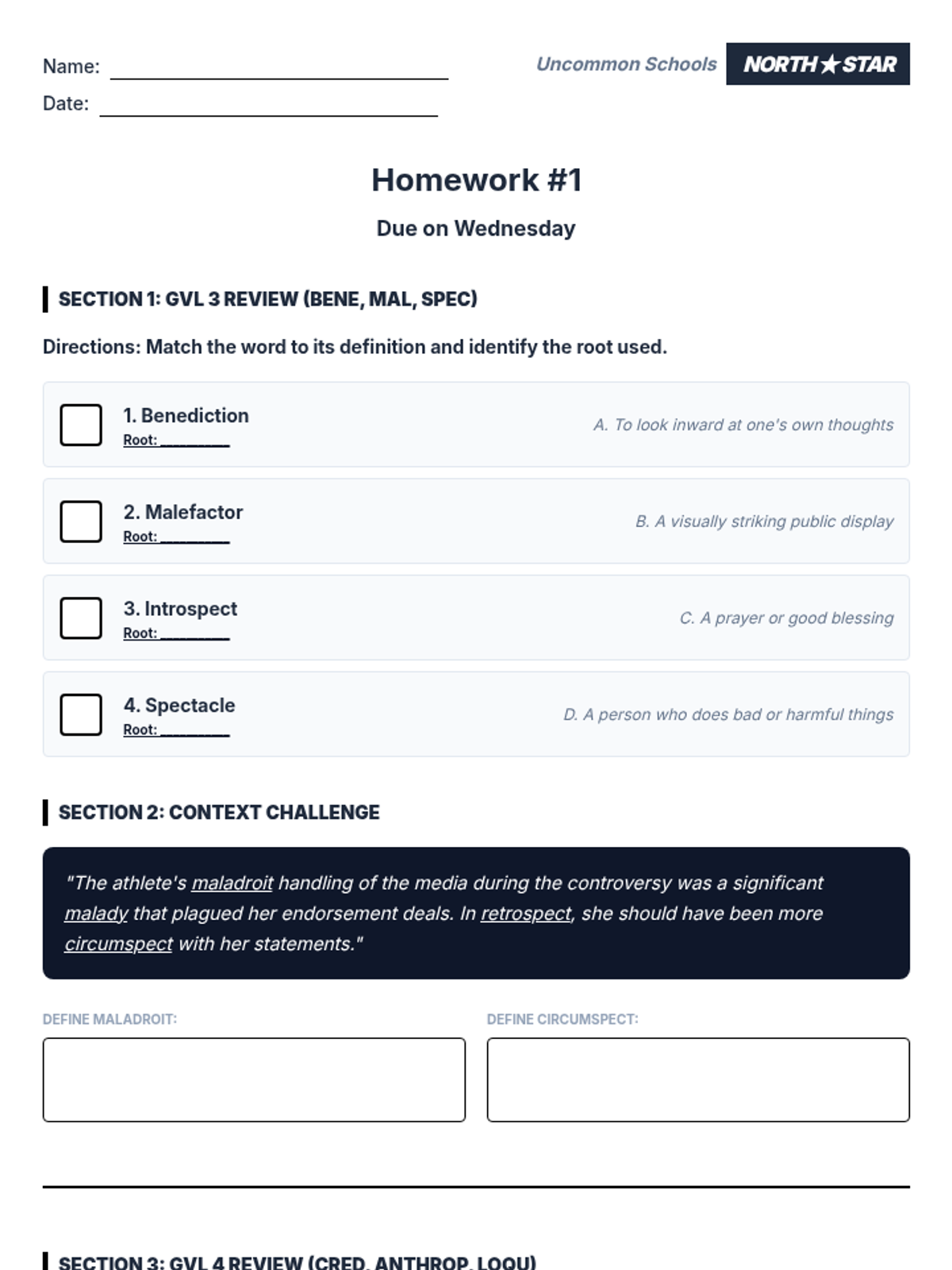
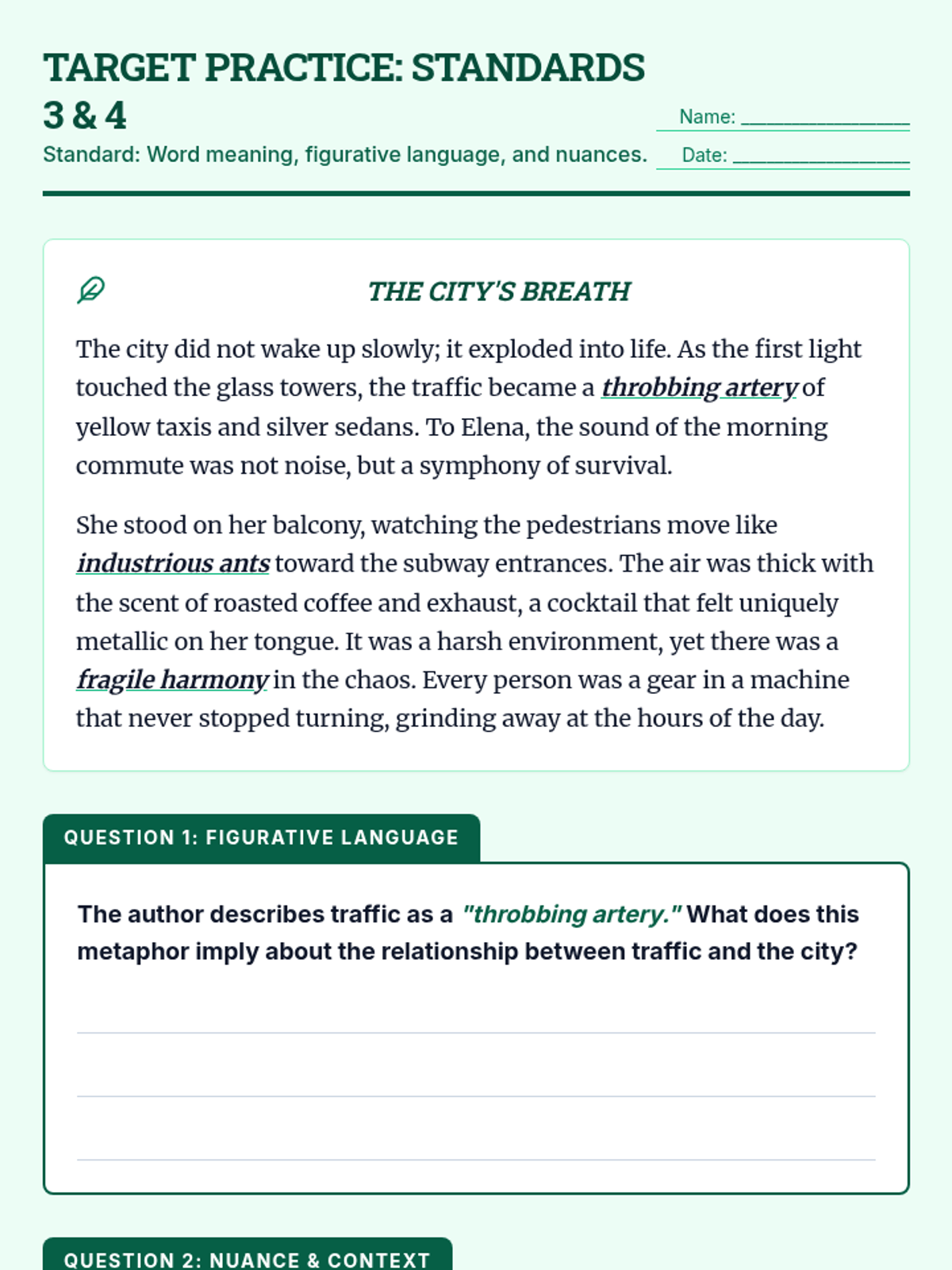
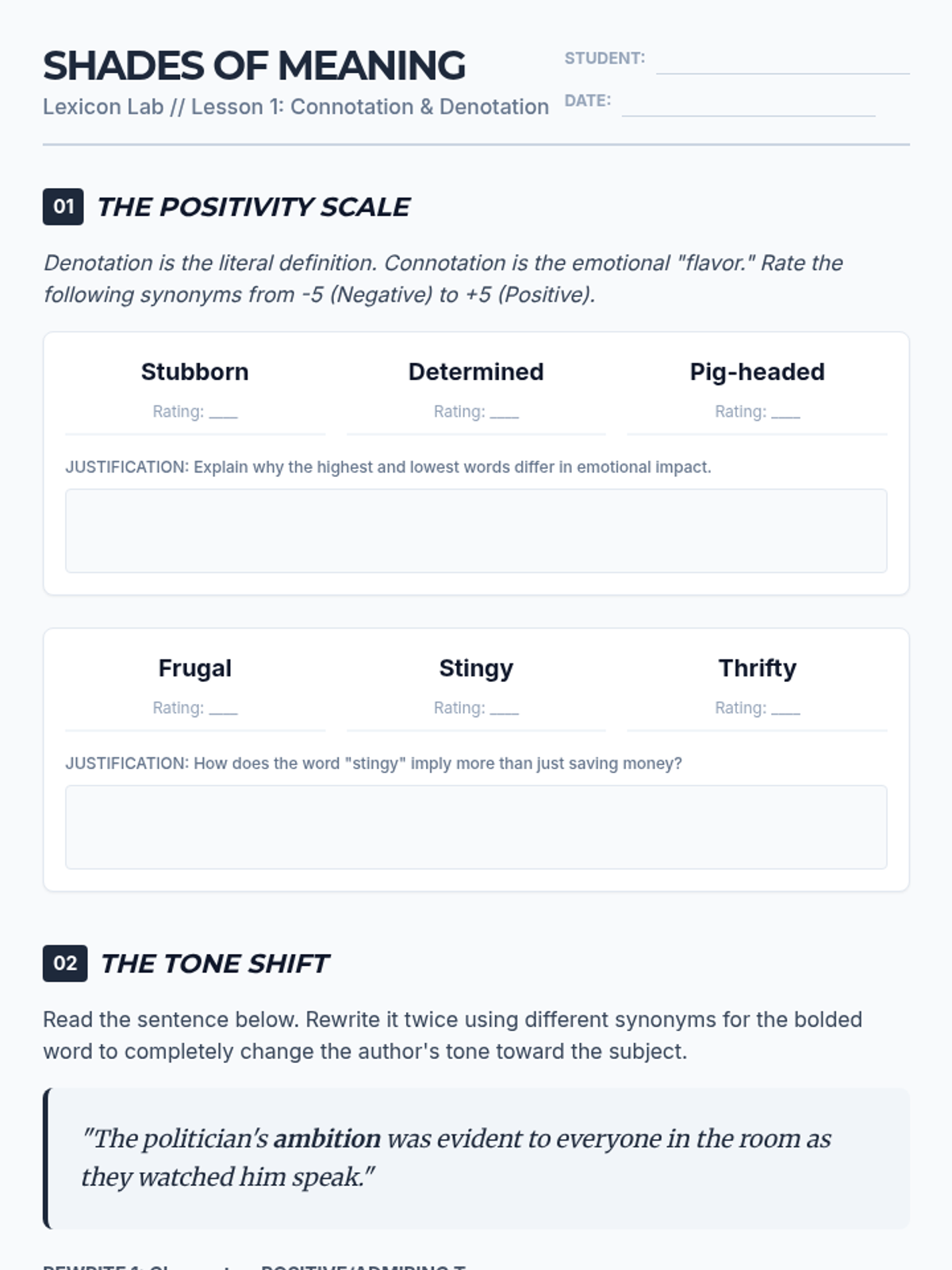
Builds word mastery through parts of speech, Greek and Latin roots, and morphological analysis of prefixes and suffixes. Develops nuanced comprehension using context clues, shades of meaning, and idiomatic expressions.
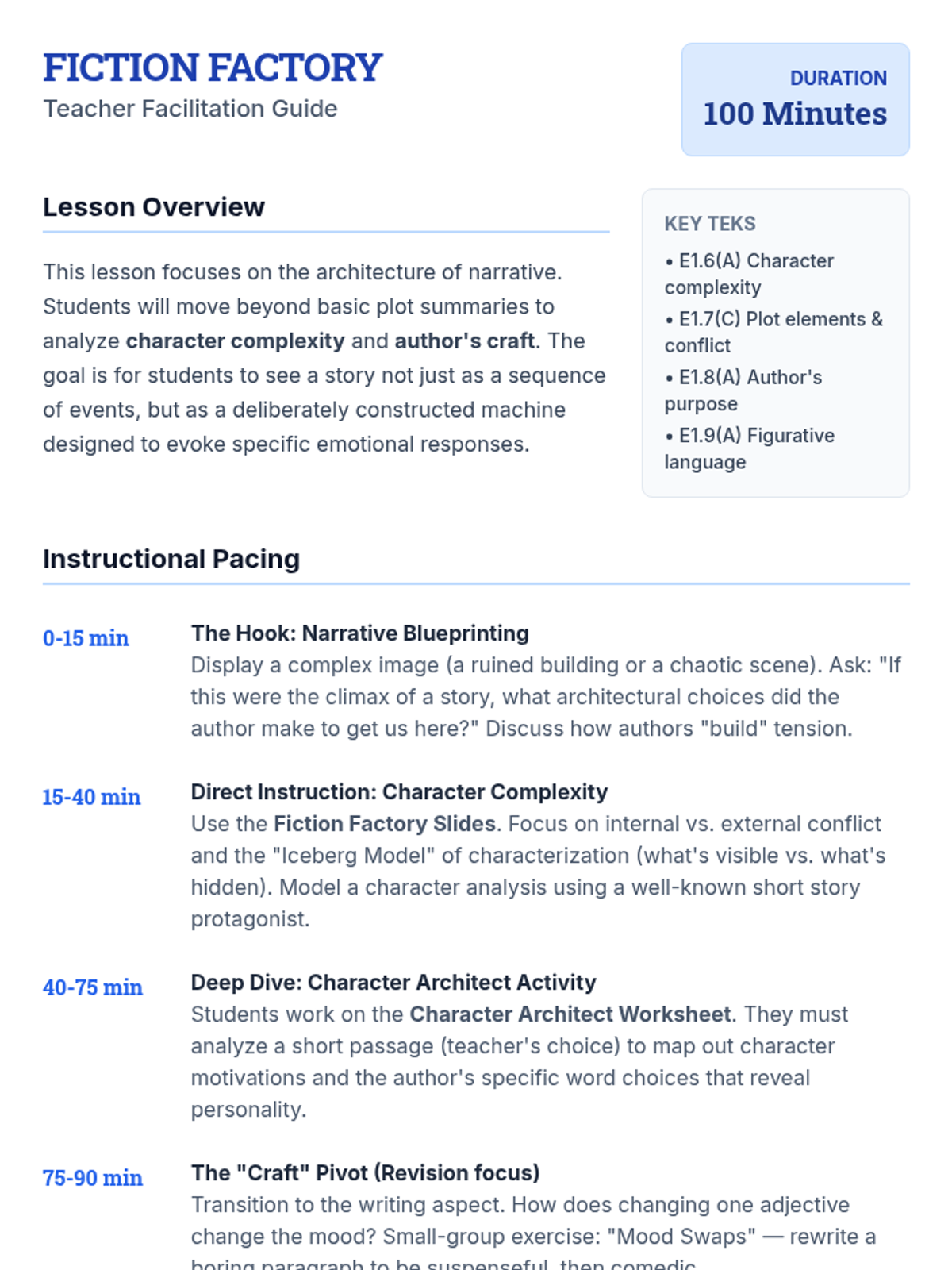
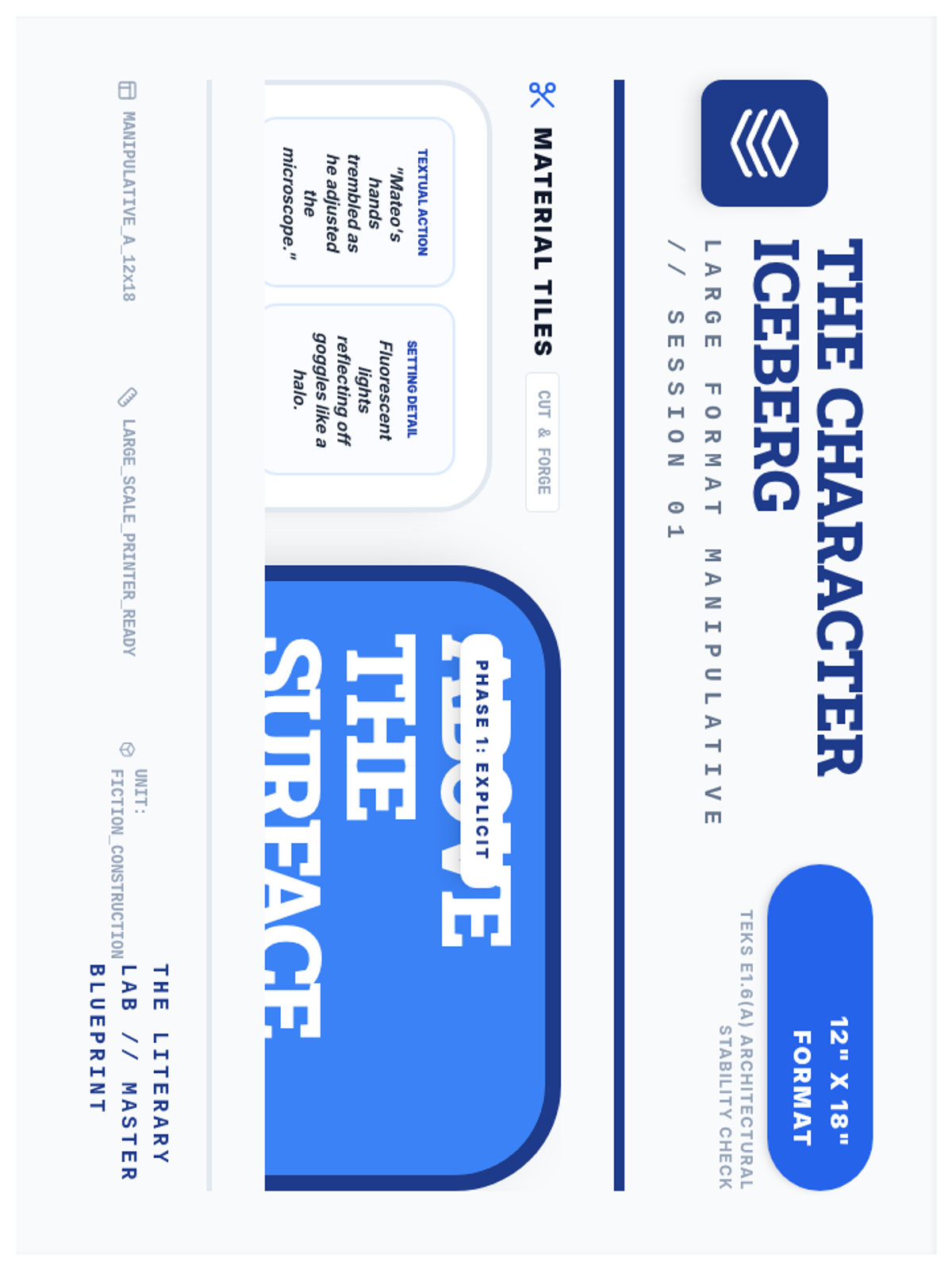
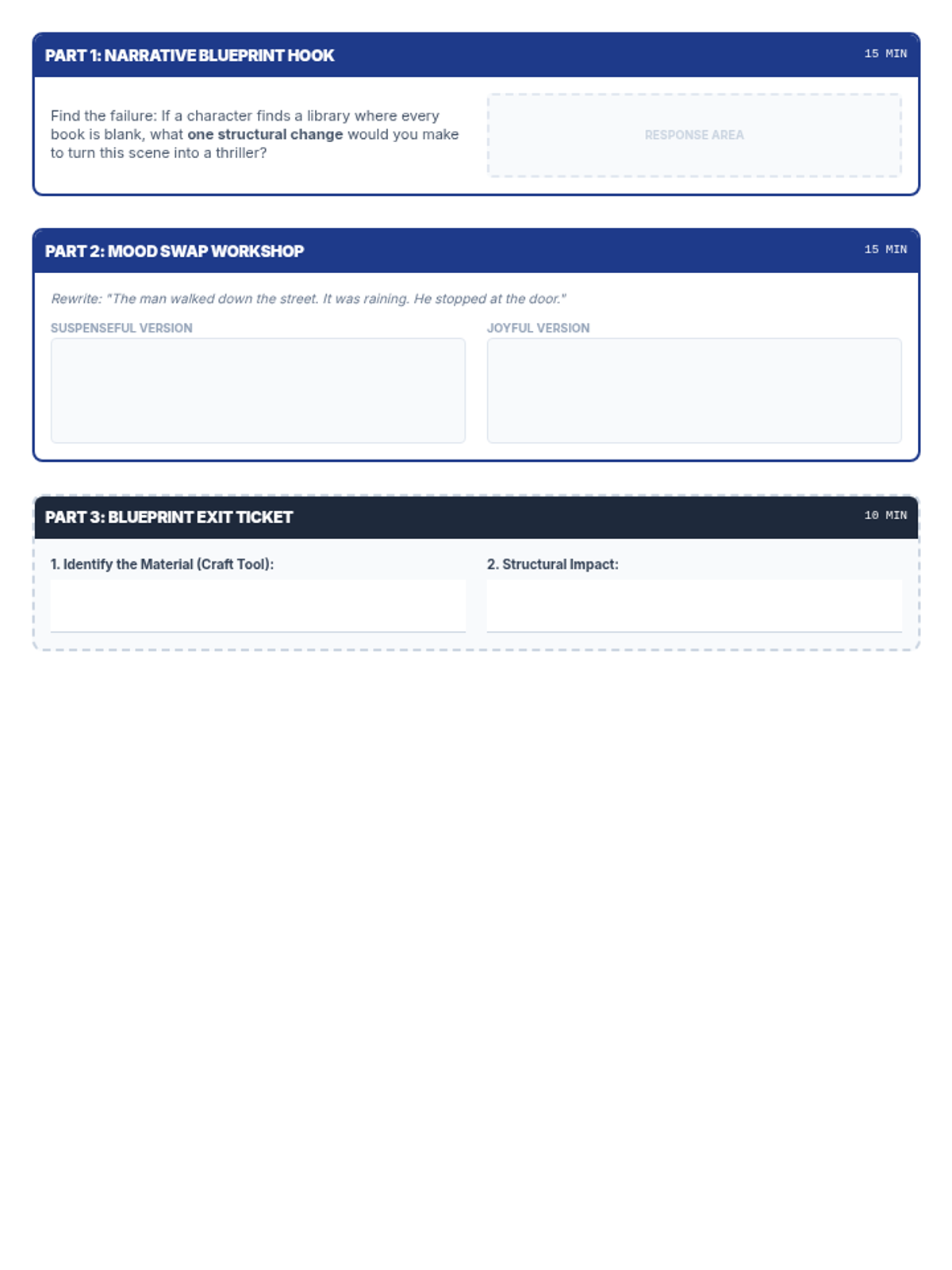
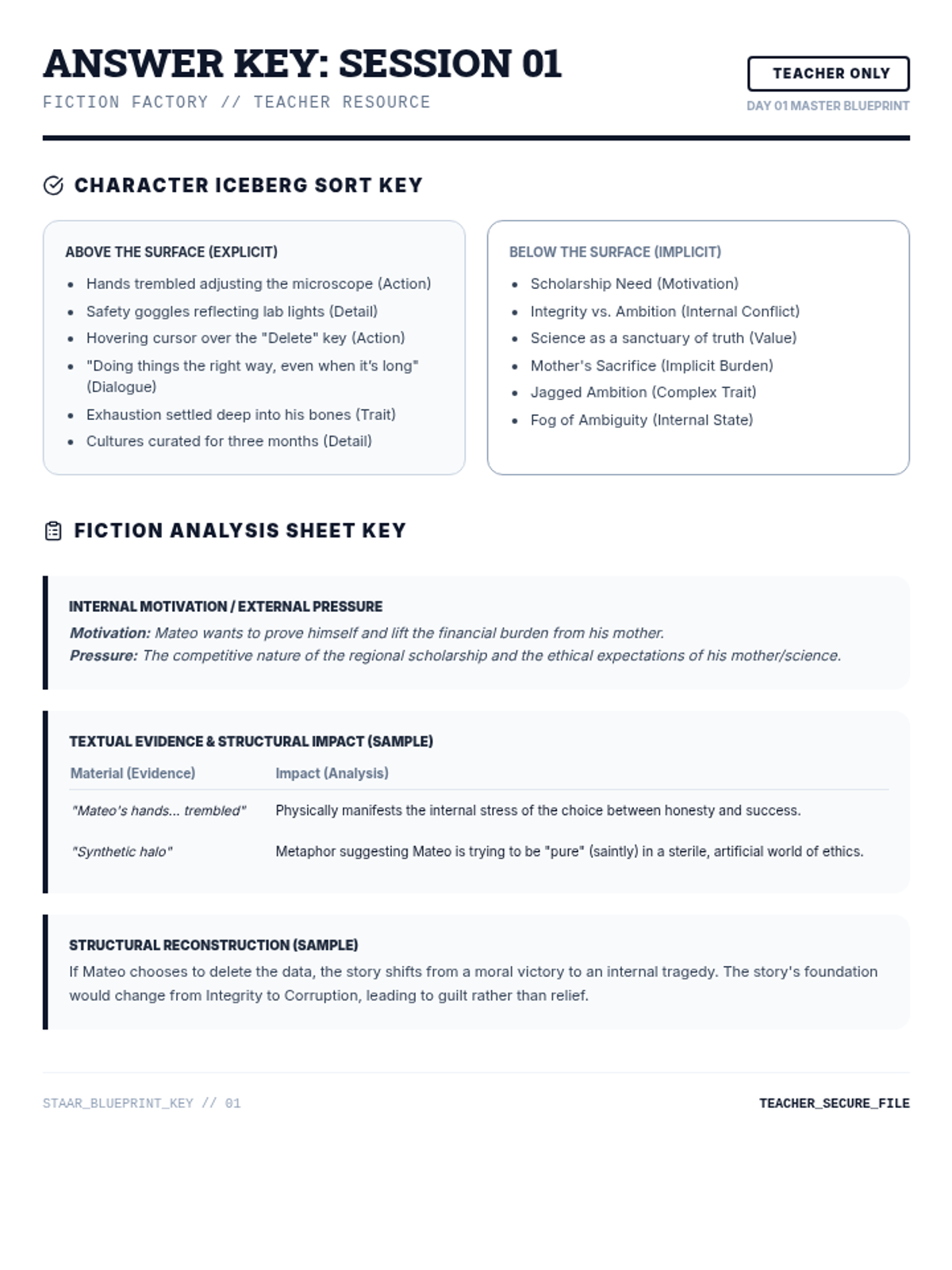
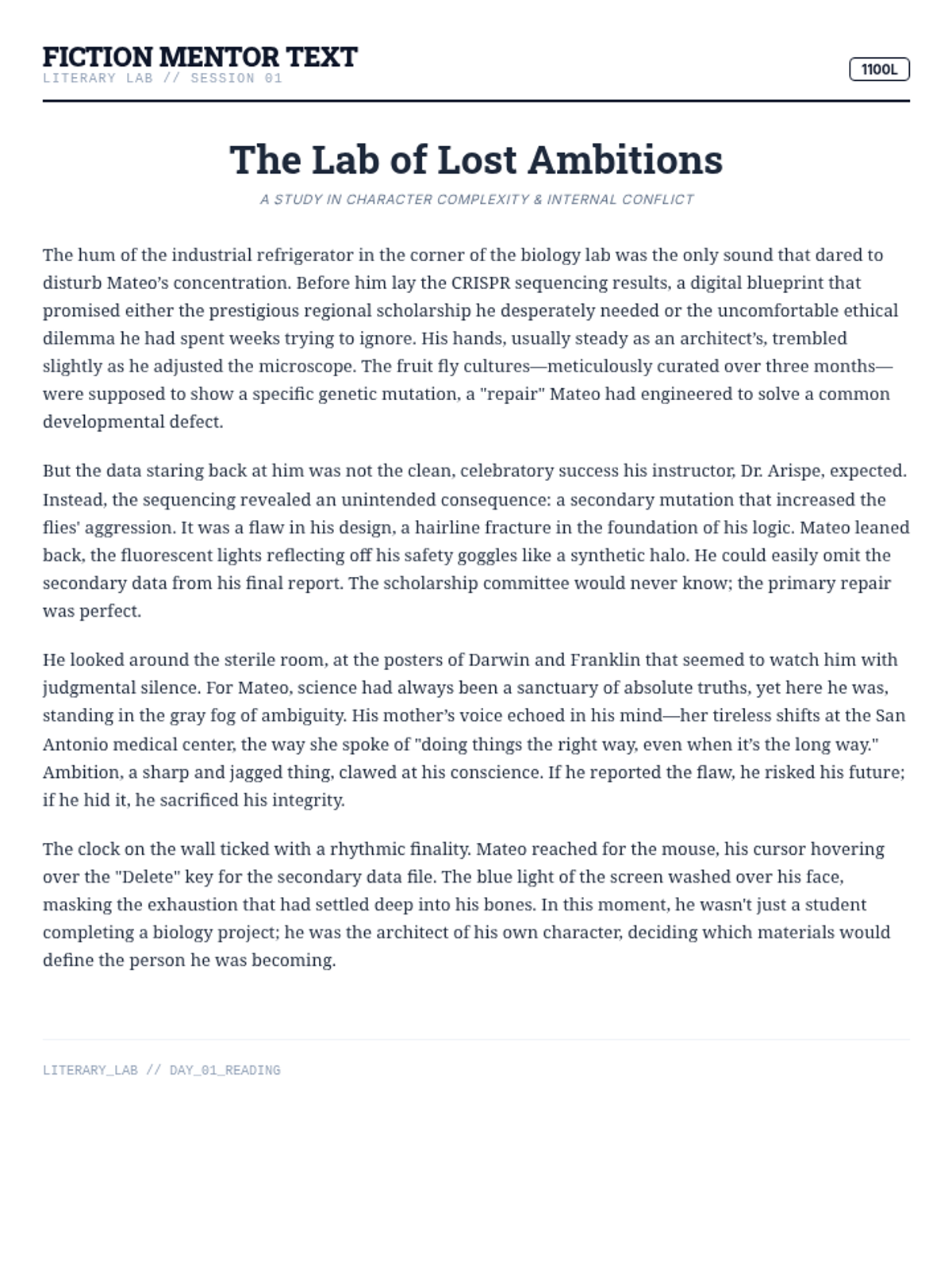
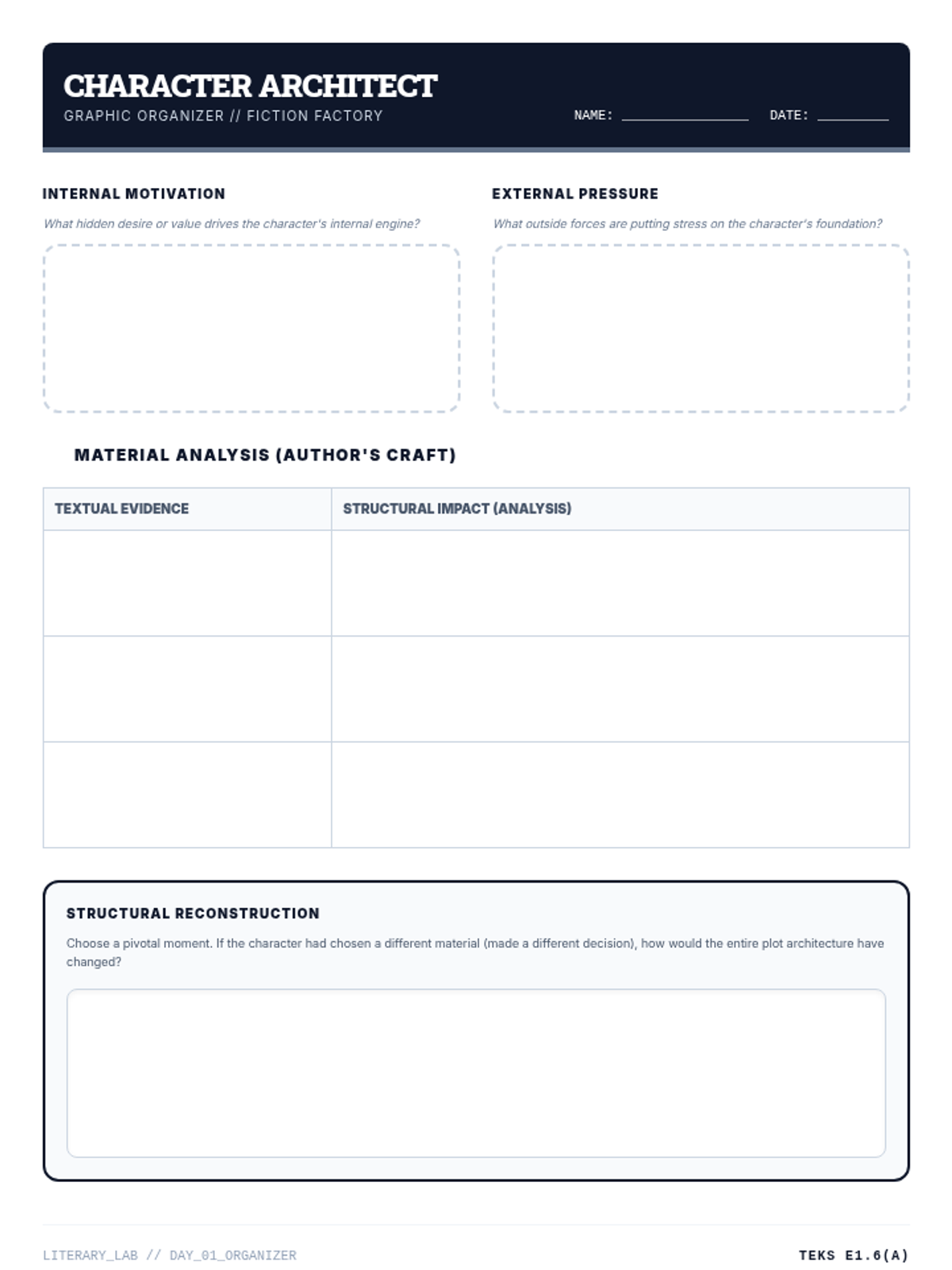
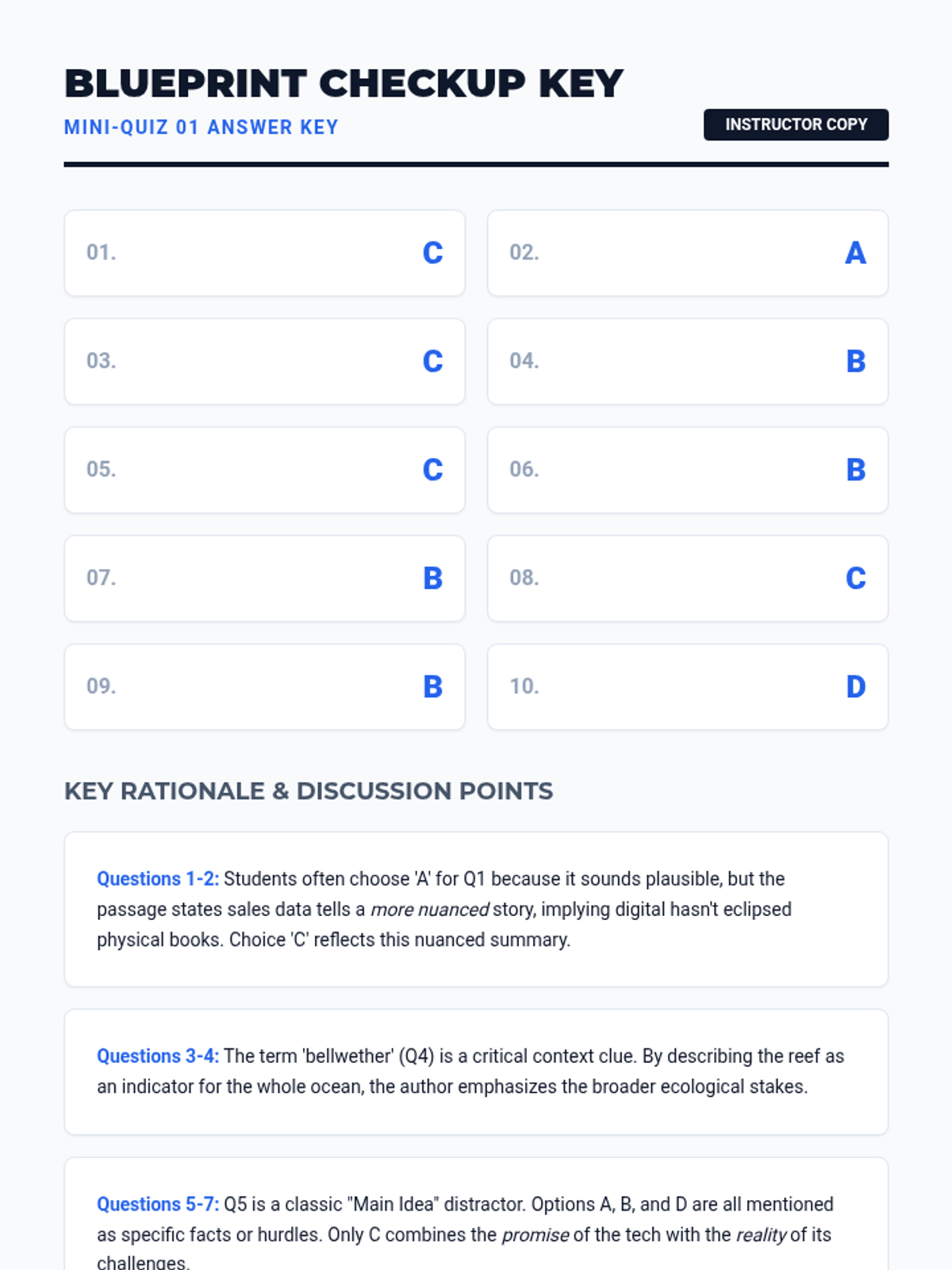
A 3-day intensive deep dive into the core skills of STAAR English I, focusing on Fiction, Informational, and Argumentative genres through the lens of 'The Architect's Blueprint.' Students analyze how authors construct meaning and apply those structures to their own writing.
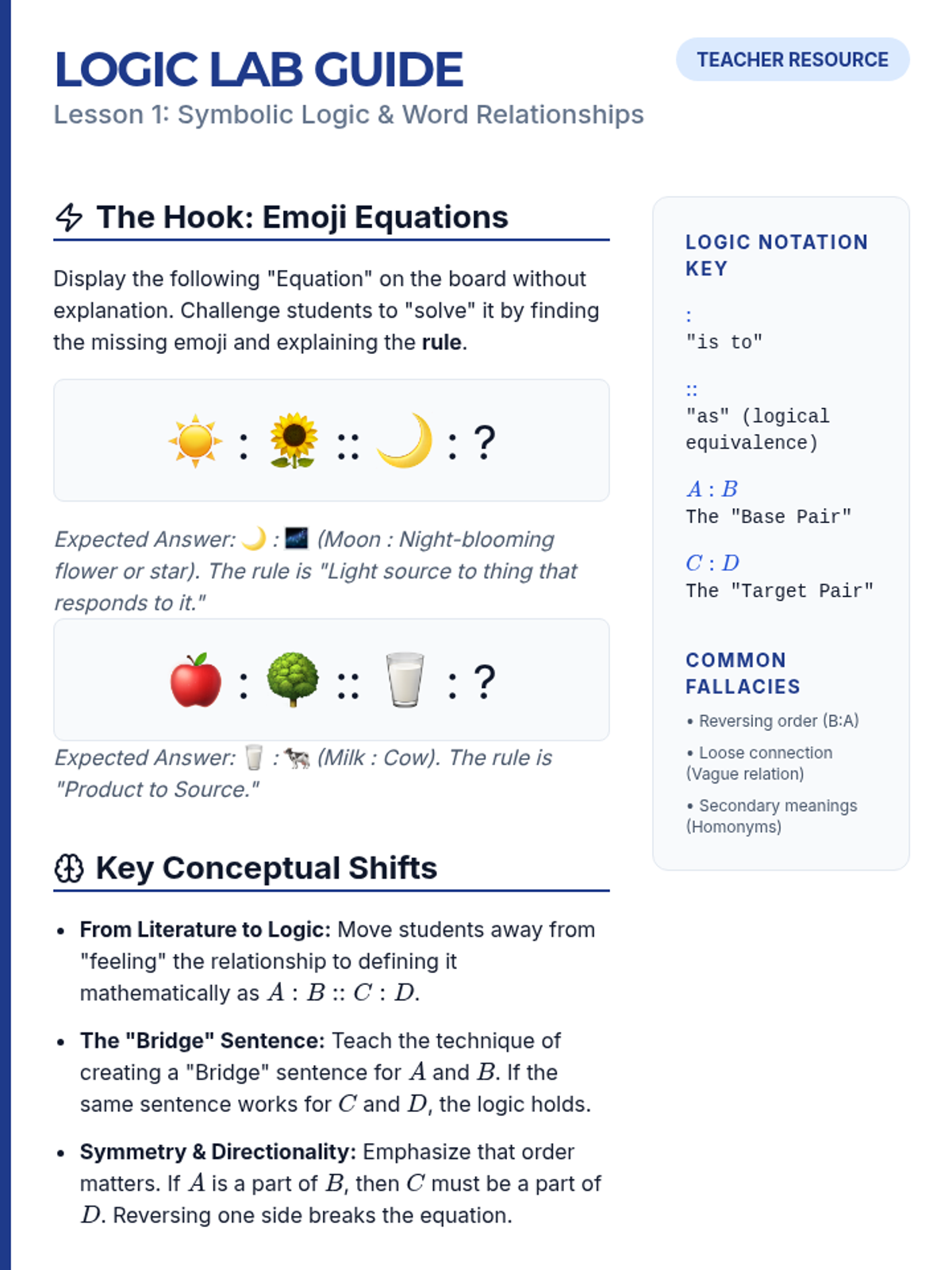
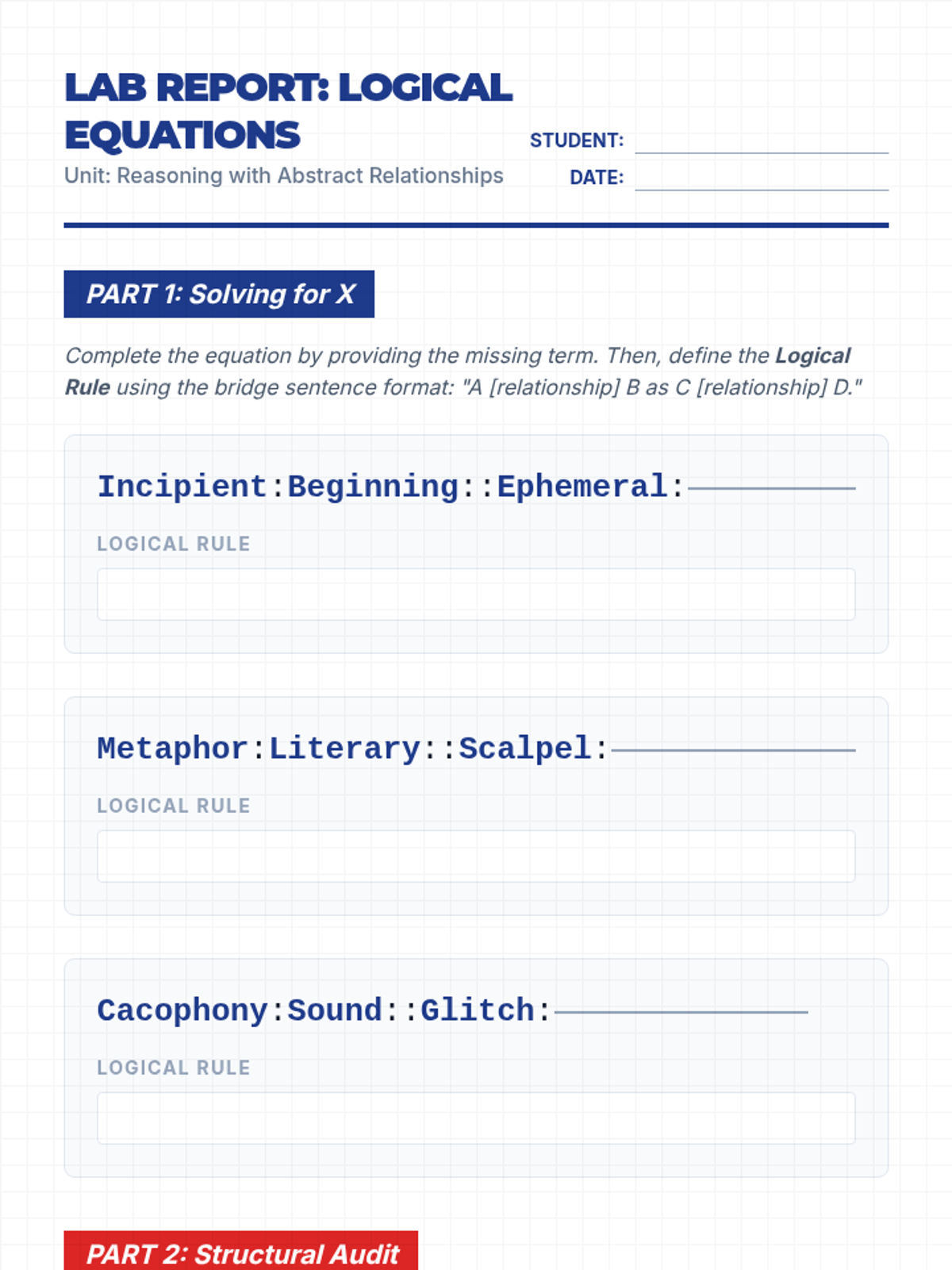
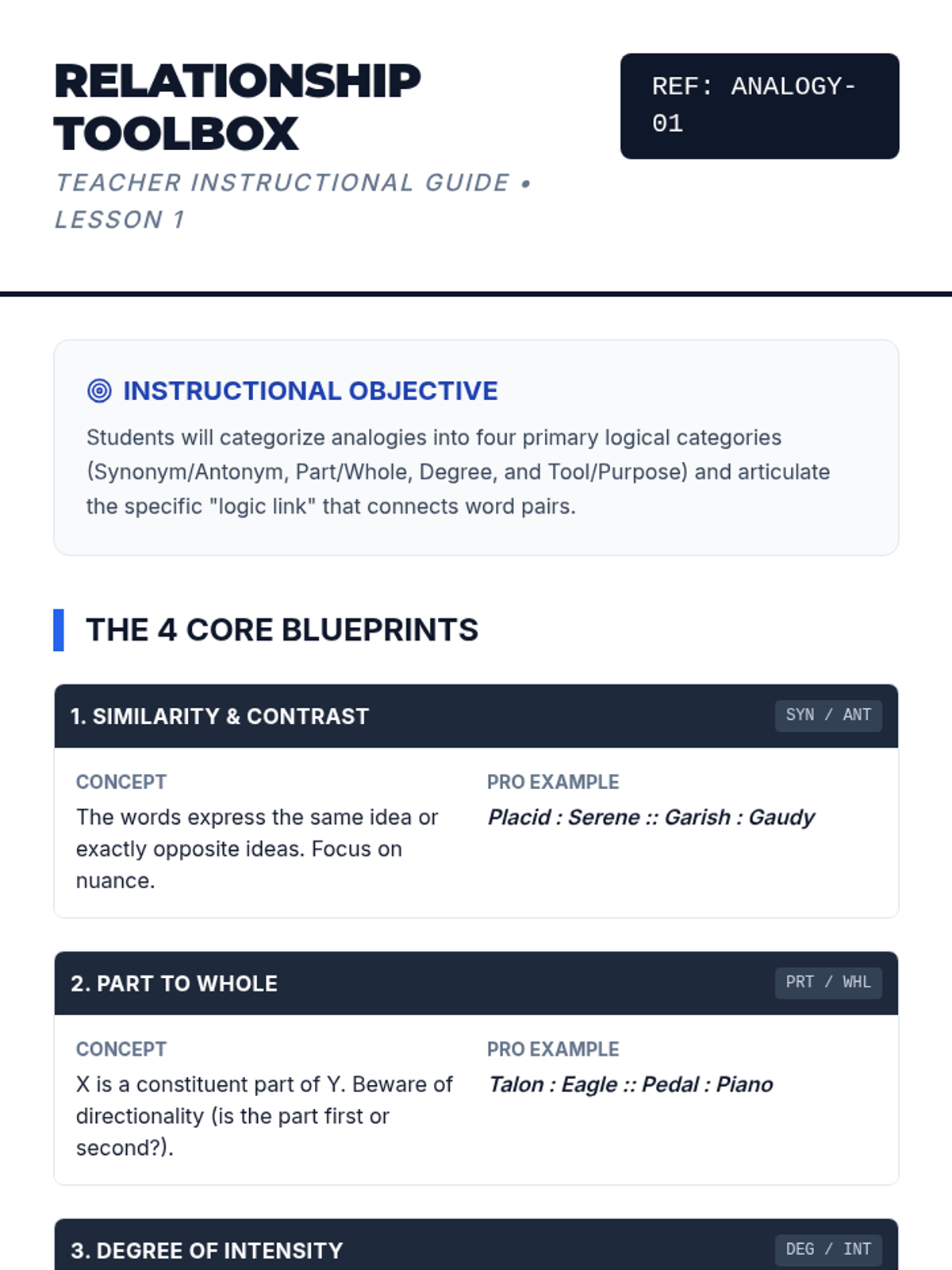
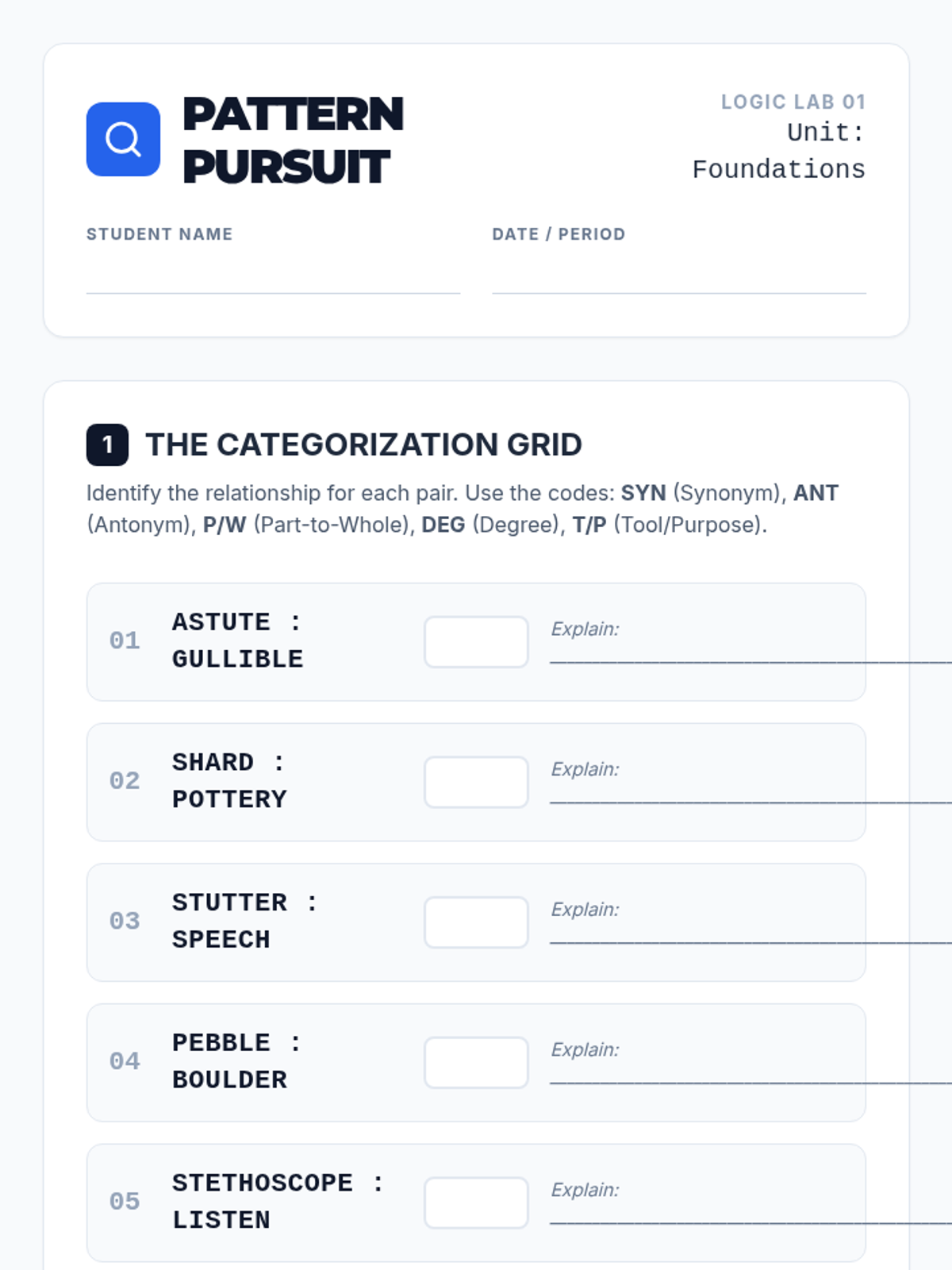
A high-level bridging of English Language Arts and formal logic, focusing on the structural patterns of reasoning through analogies. Students move from basic symbolic notation to complex deductive puzzles, treating language with mathematical precision.
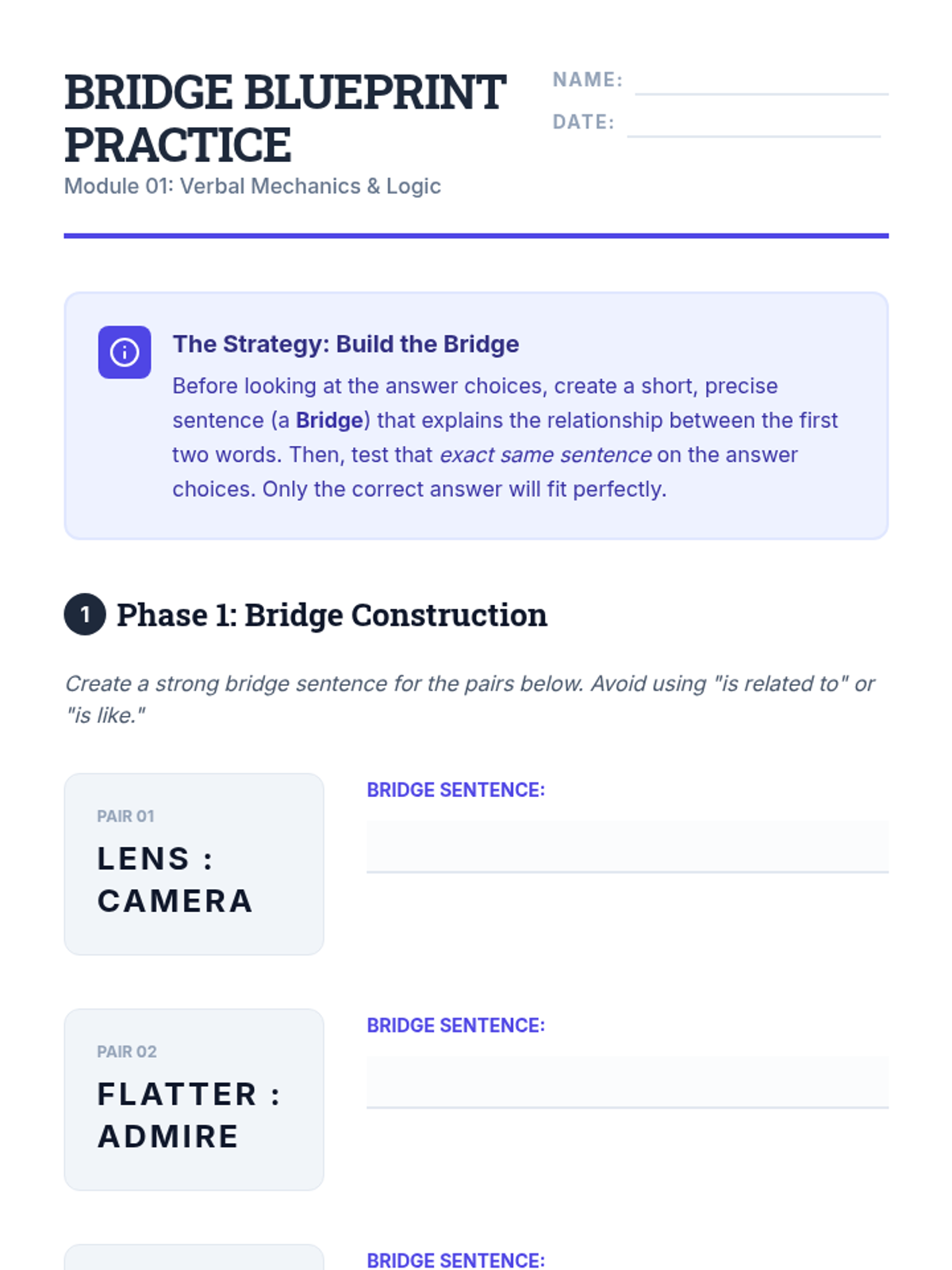
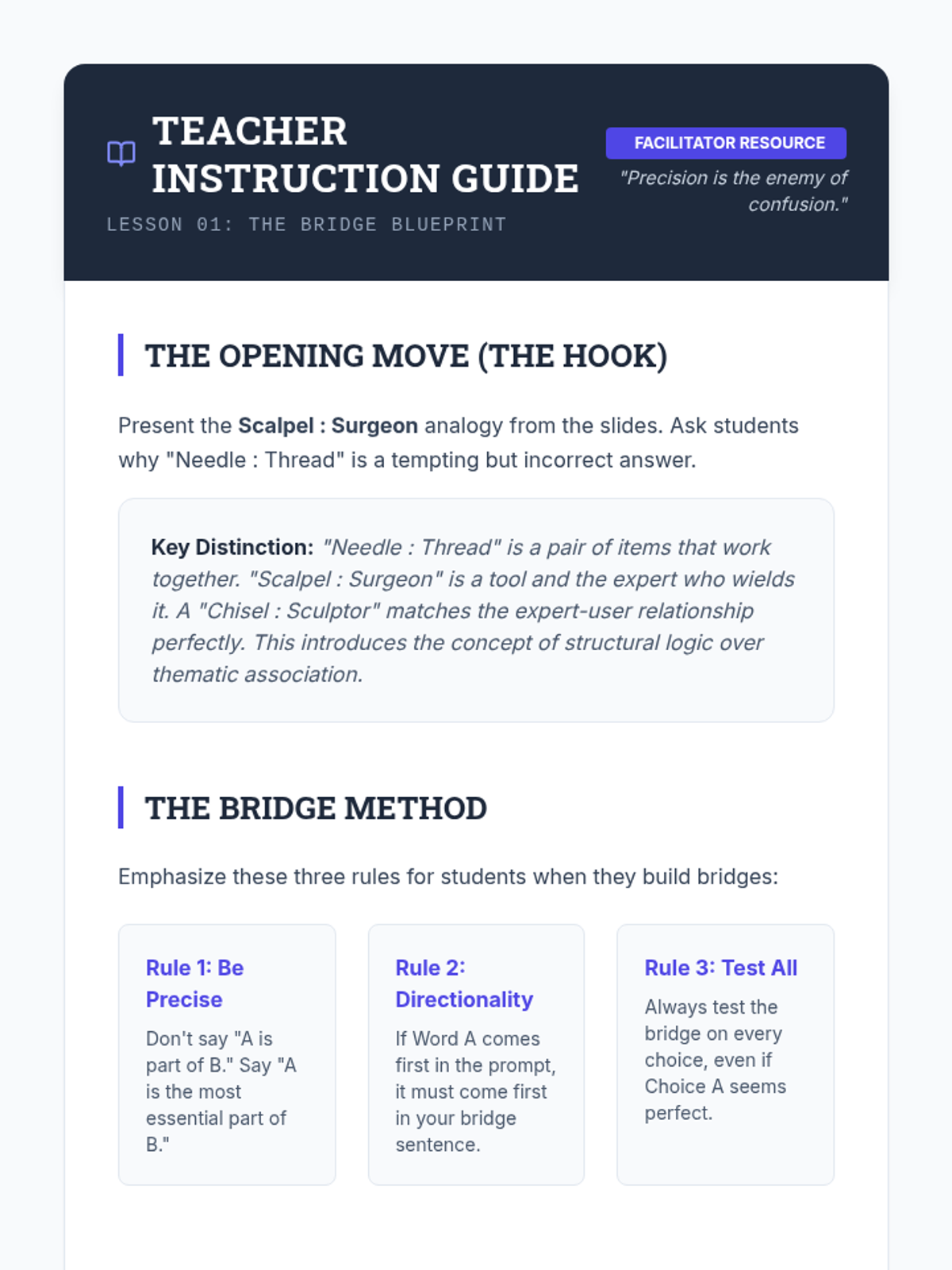
A high-level sequence for 11th-grade students focusing on the mechanics of solving verbal analogies through bridge sentences, degree analysis, abstract associations, and test-taking strategies. Students will develop the ability to decode complex vocabulary relationships using systematic logical frameworks.
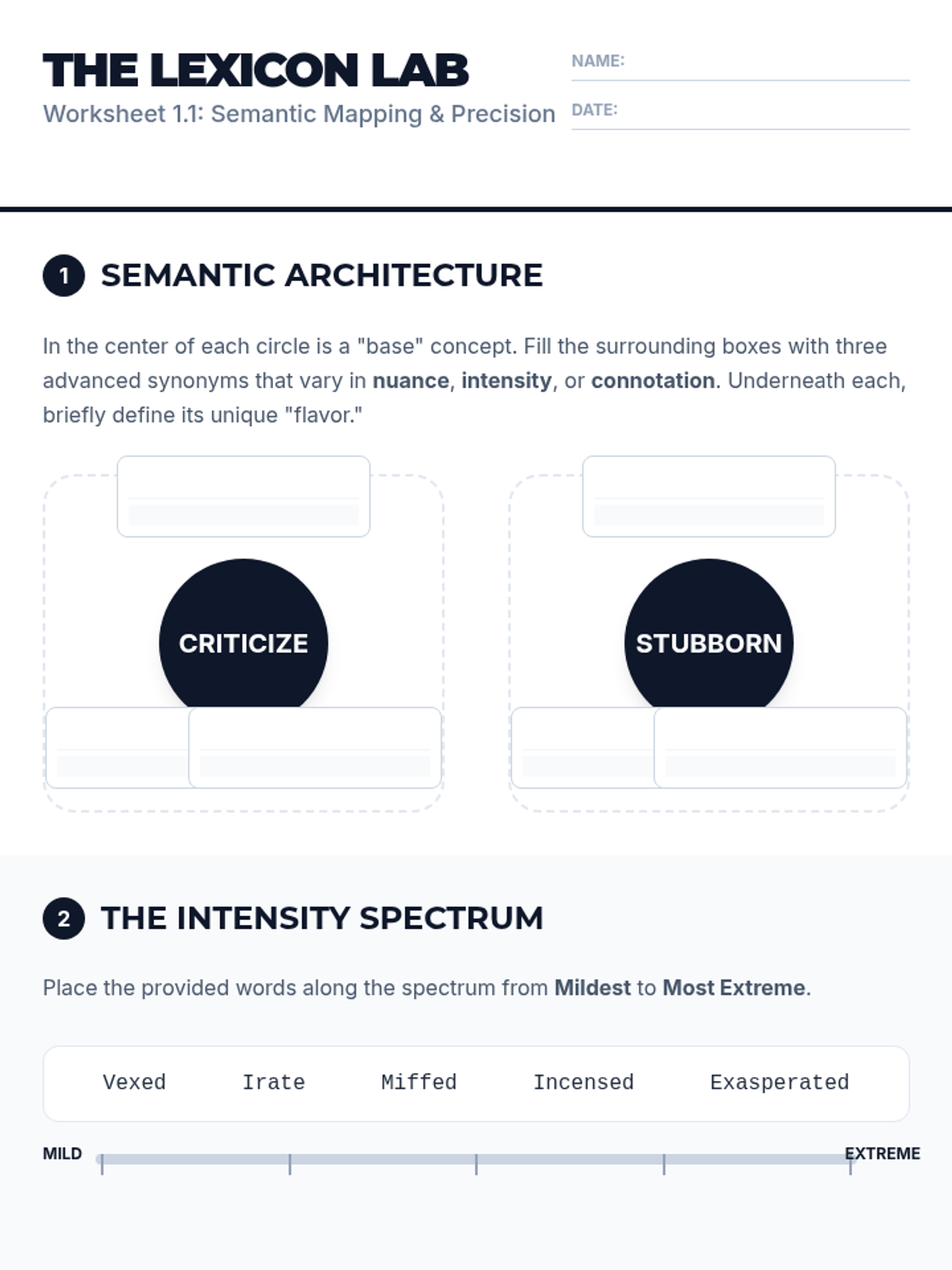
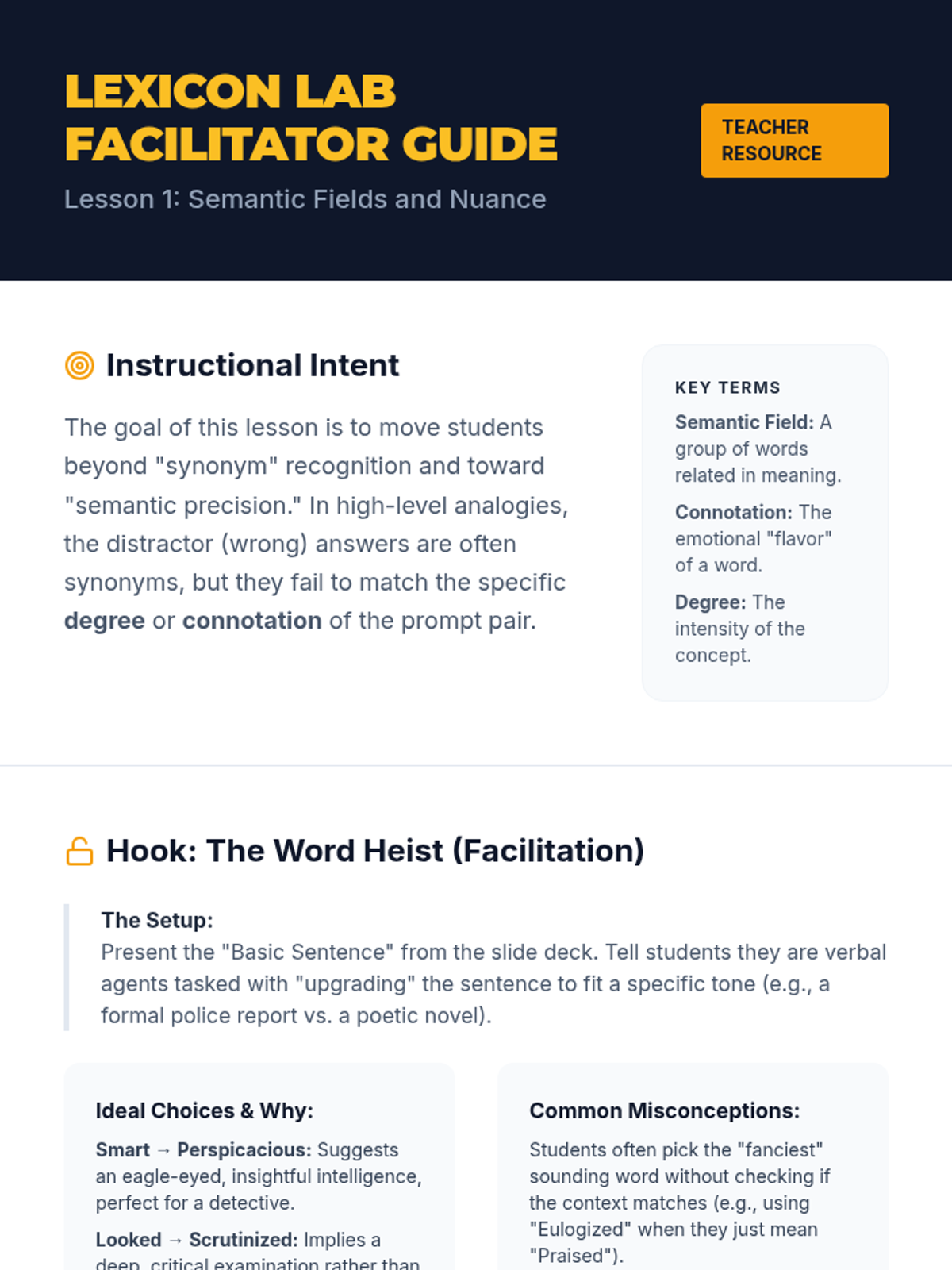
A high-level vocabulary sequence for 12th graders focusing on the semantic precision and logical reasoning required for complex analogies. Students progress from concrete semantic fields to abstract etymological decoding and timed mastery, culminating in a student-led design tournament.
A rigorous exploration of verbal analogies for 12th-grade students, focusing on the logical relationships between words, the precision of bridge sentences, and the nuances of degree and classification. This sequence prepares students for advanced verbal reasoning and standardized testing.
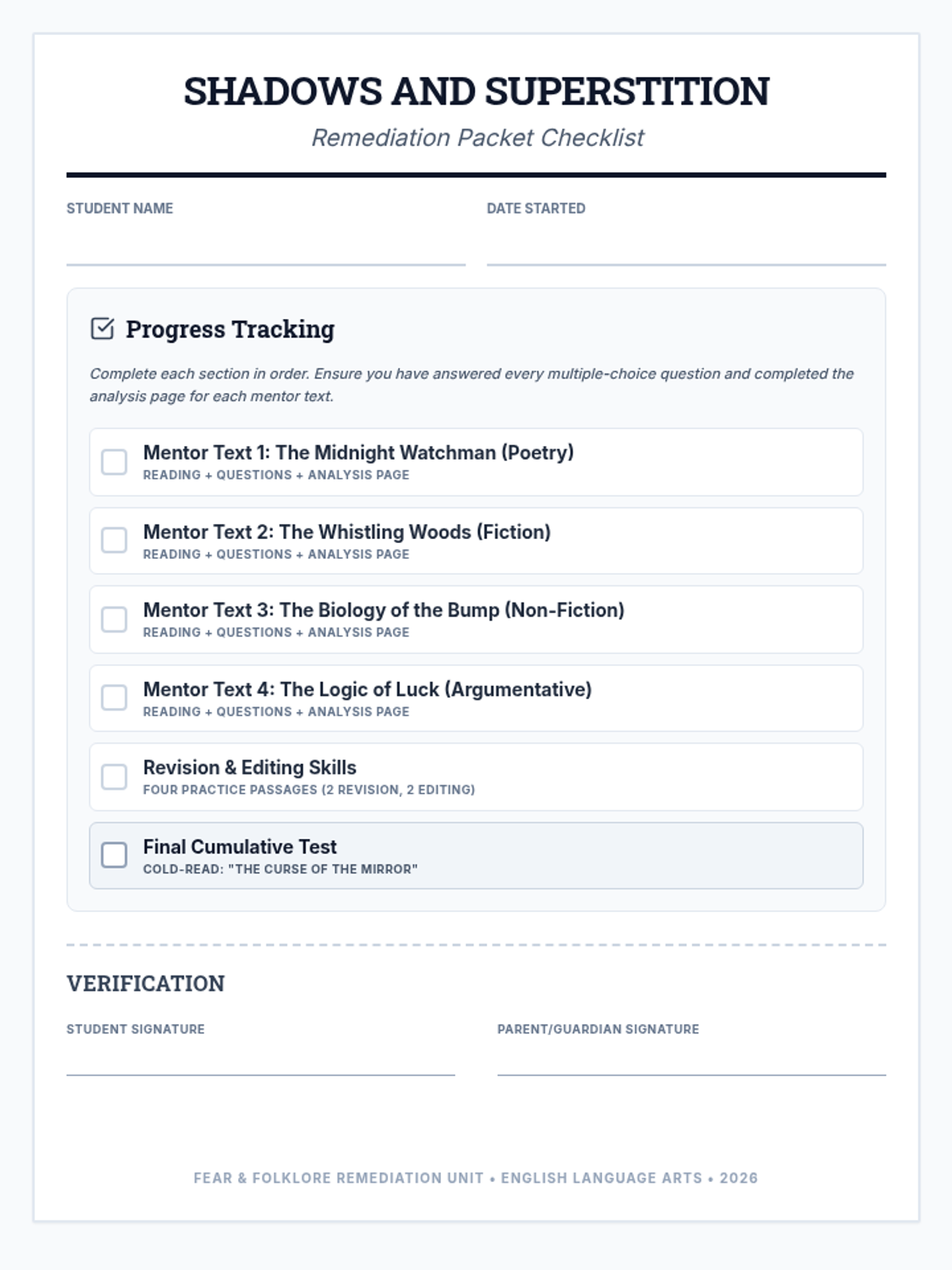
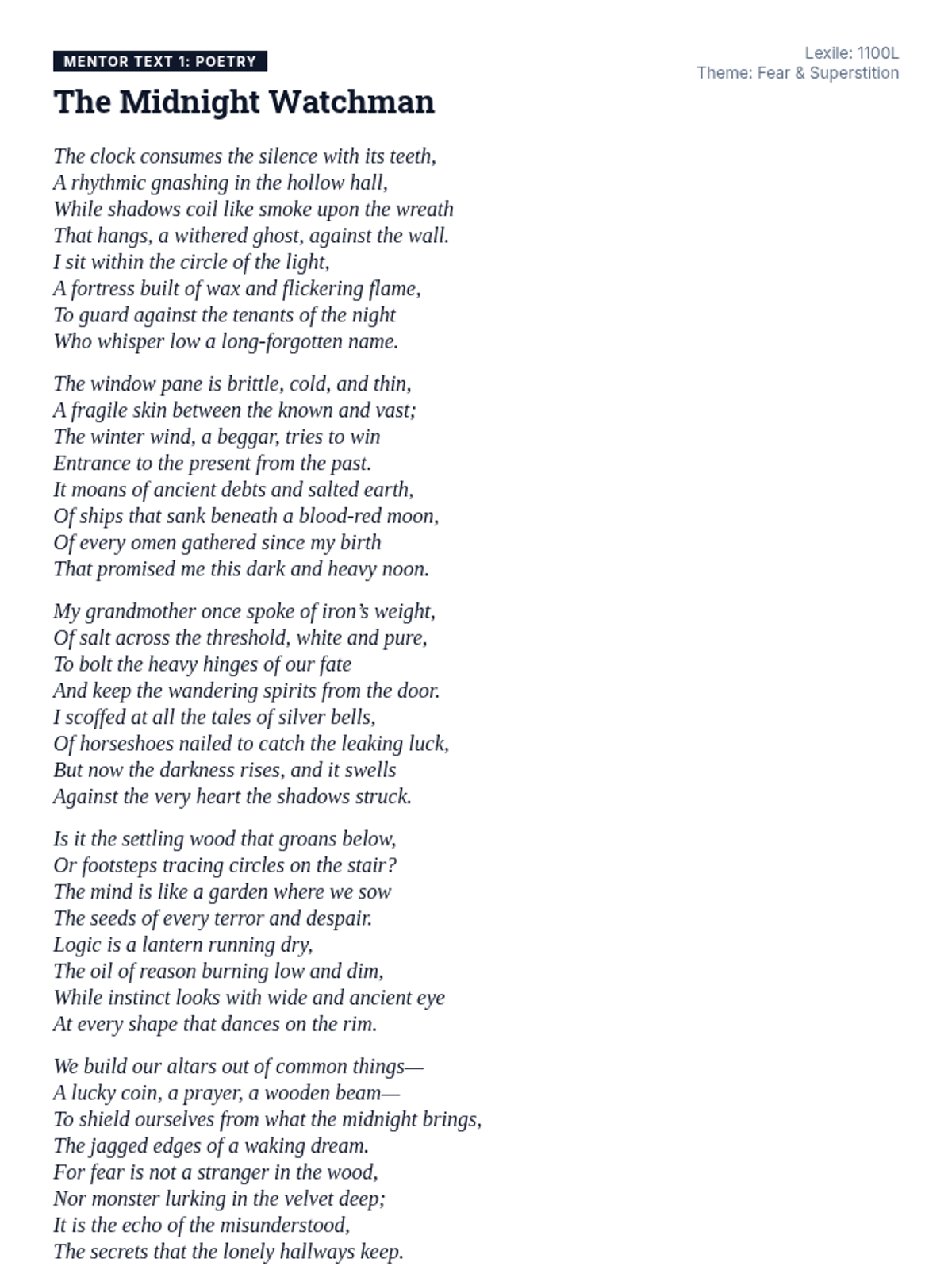
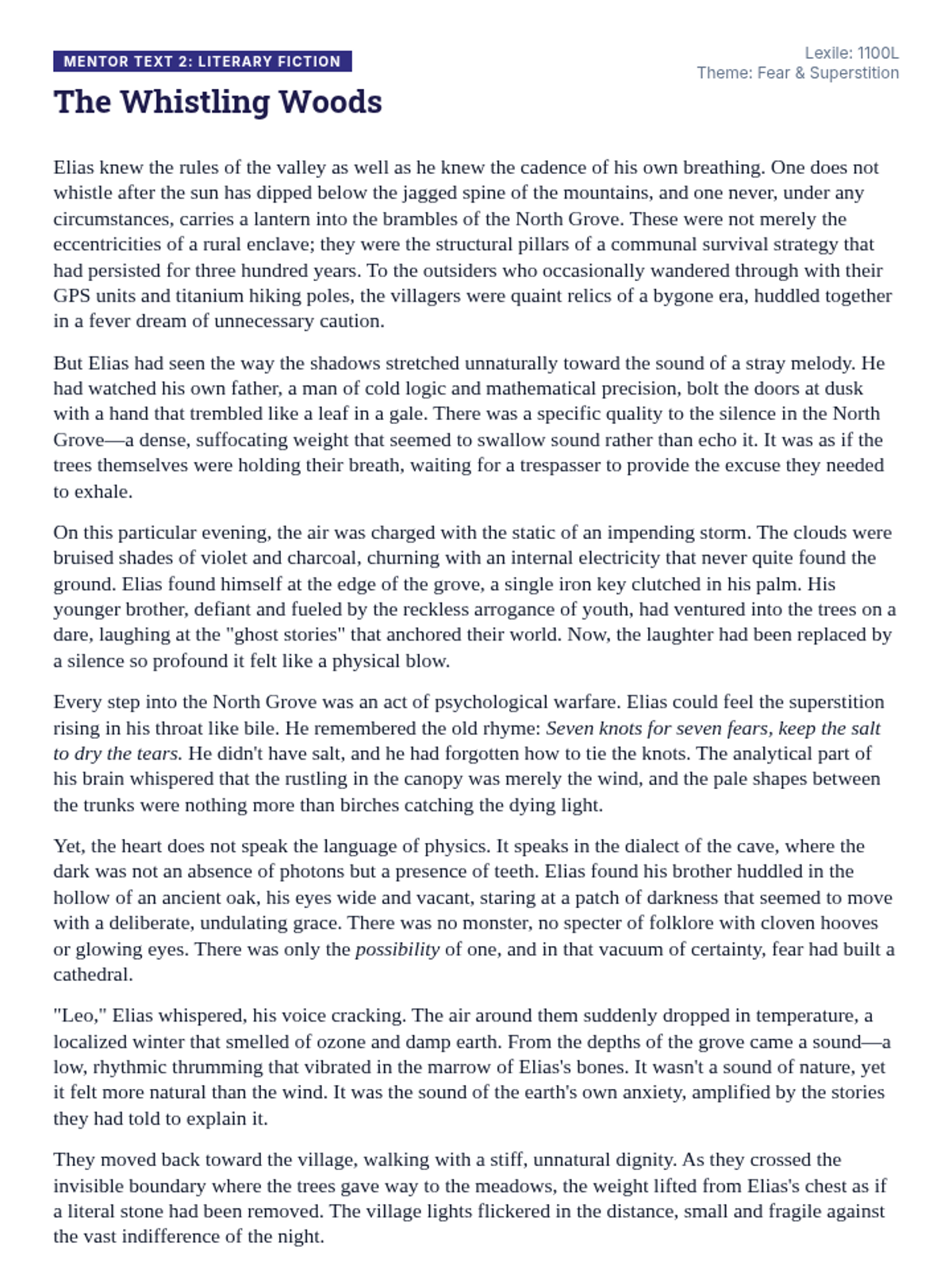
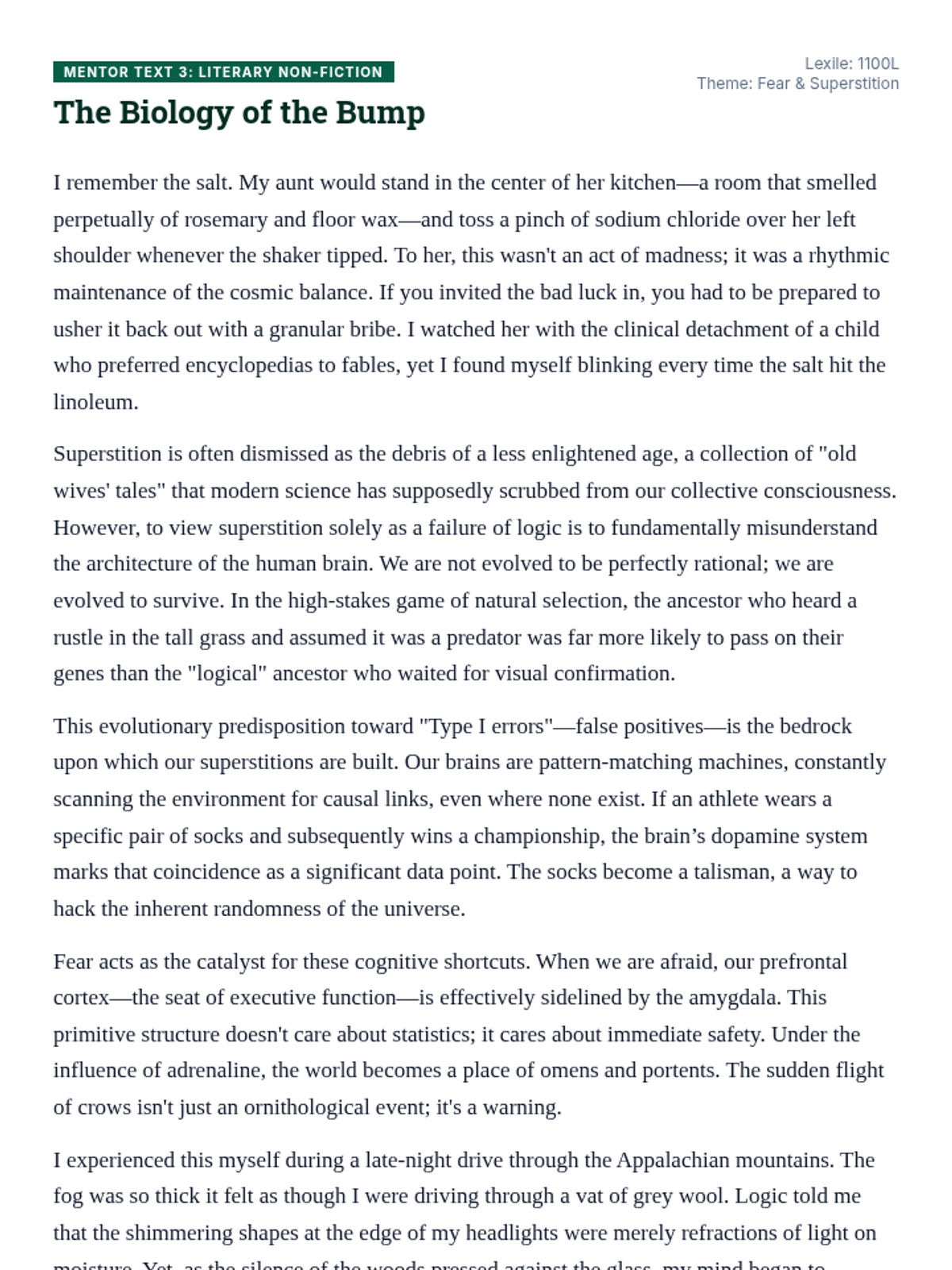
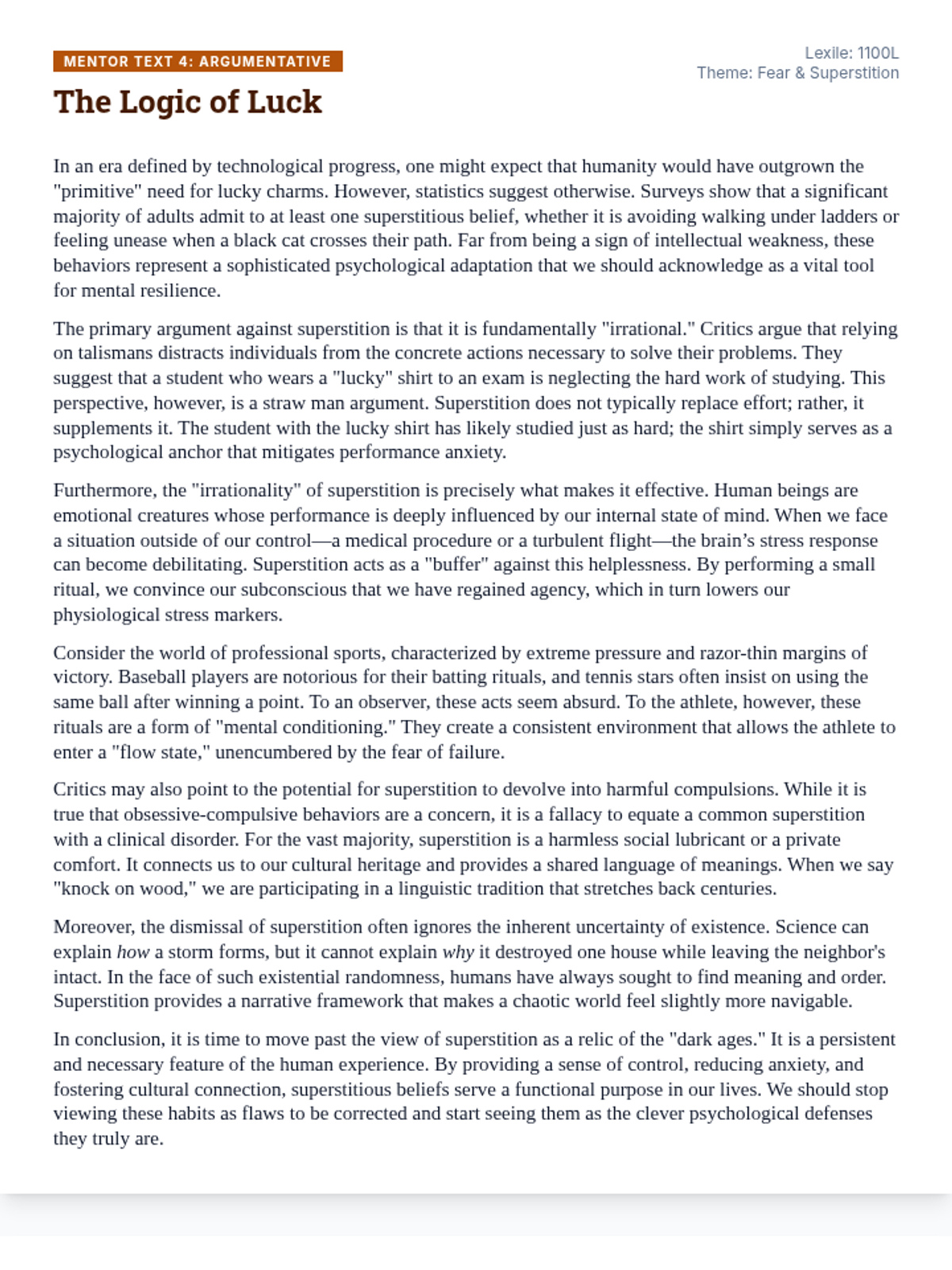
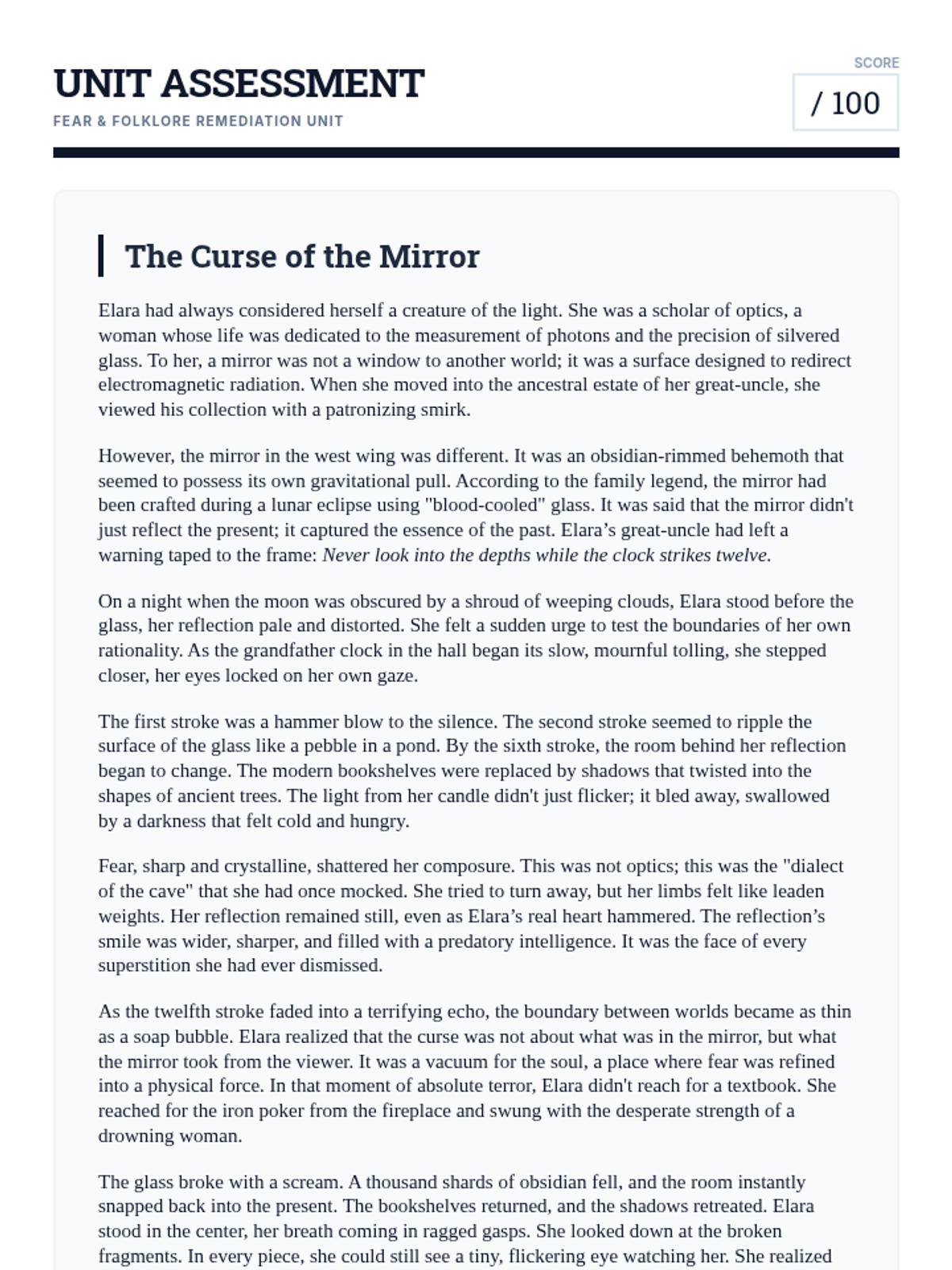
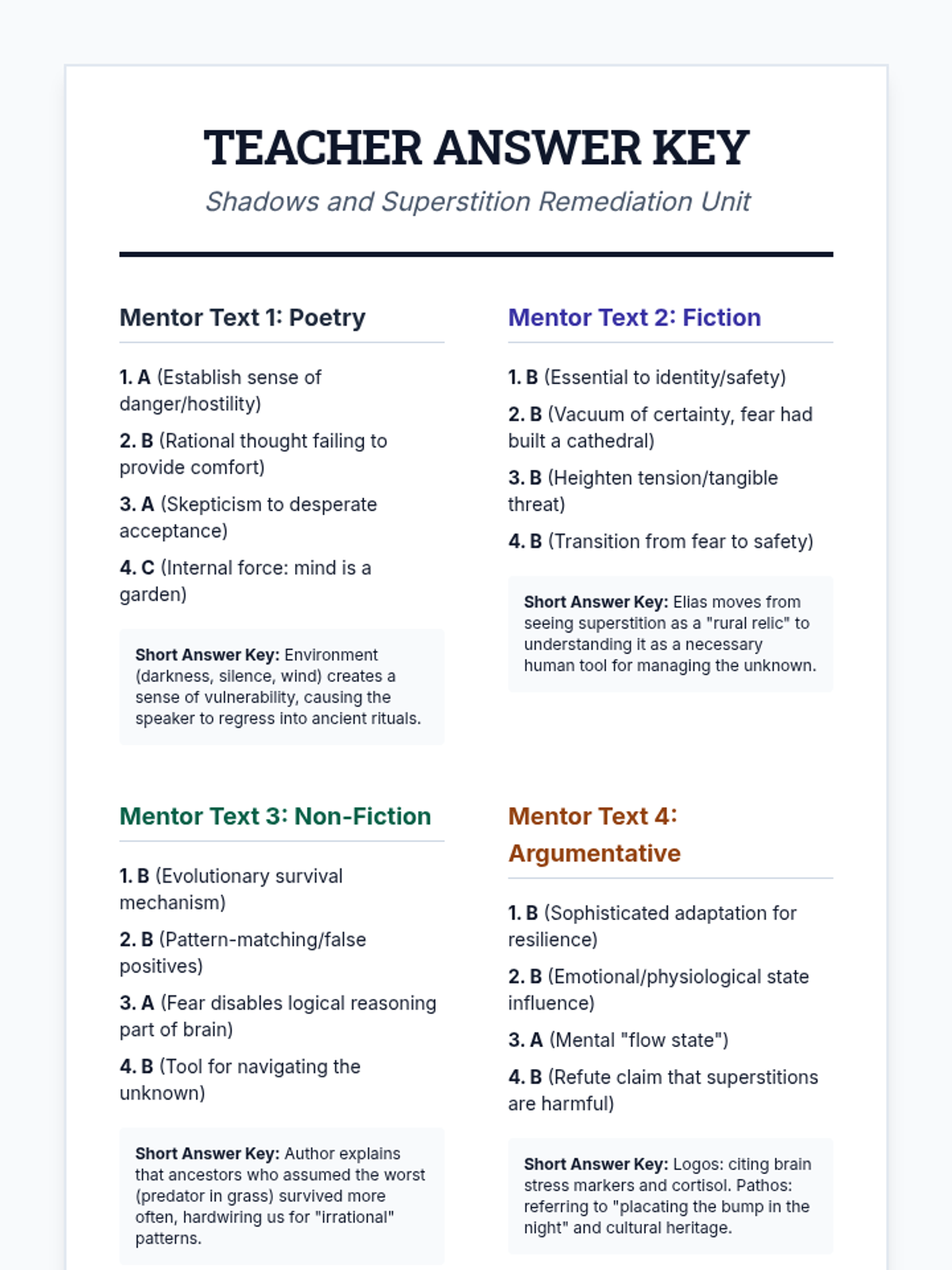
A comprehensive remediation unit exploring the psychological and cultural roots of fear and superstition through multiple genres. Students analyze figurative language, argumentative structures, and use evidence to support inferences.
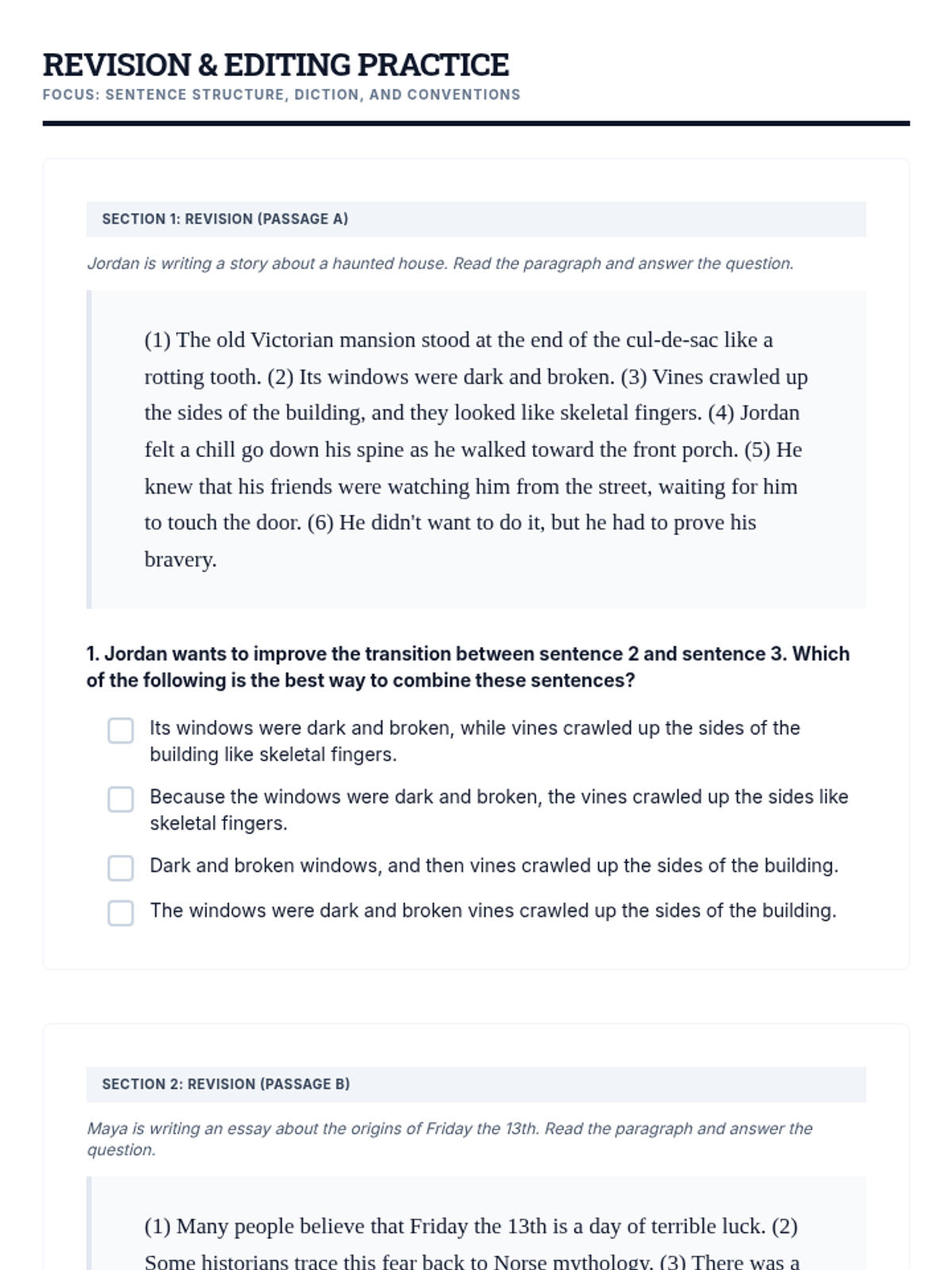
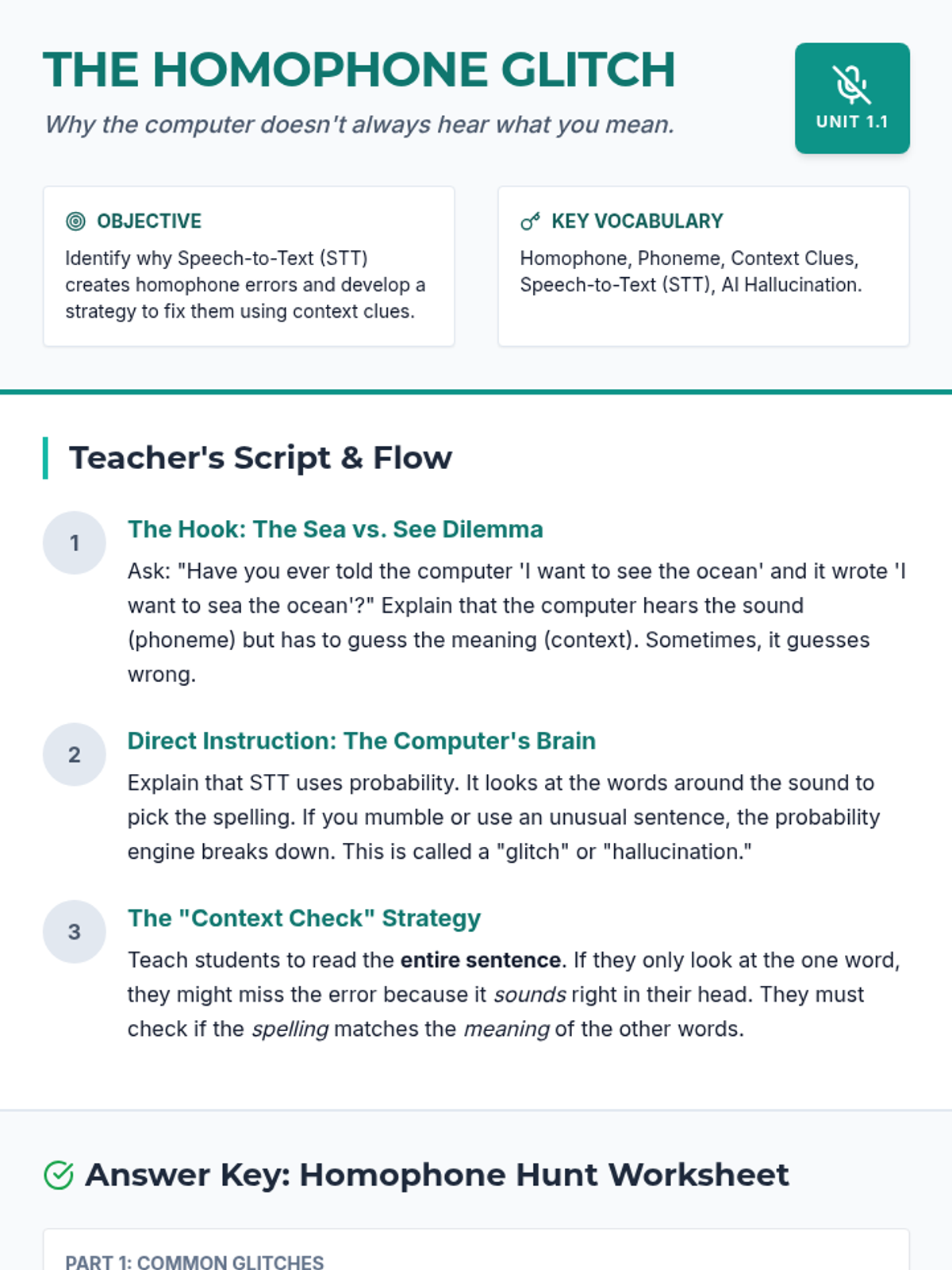
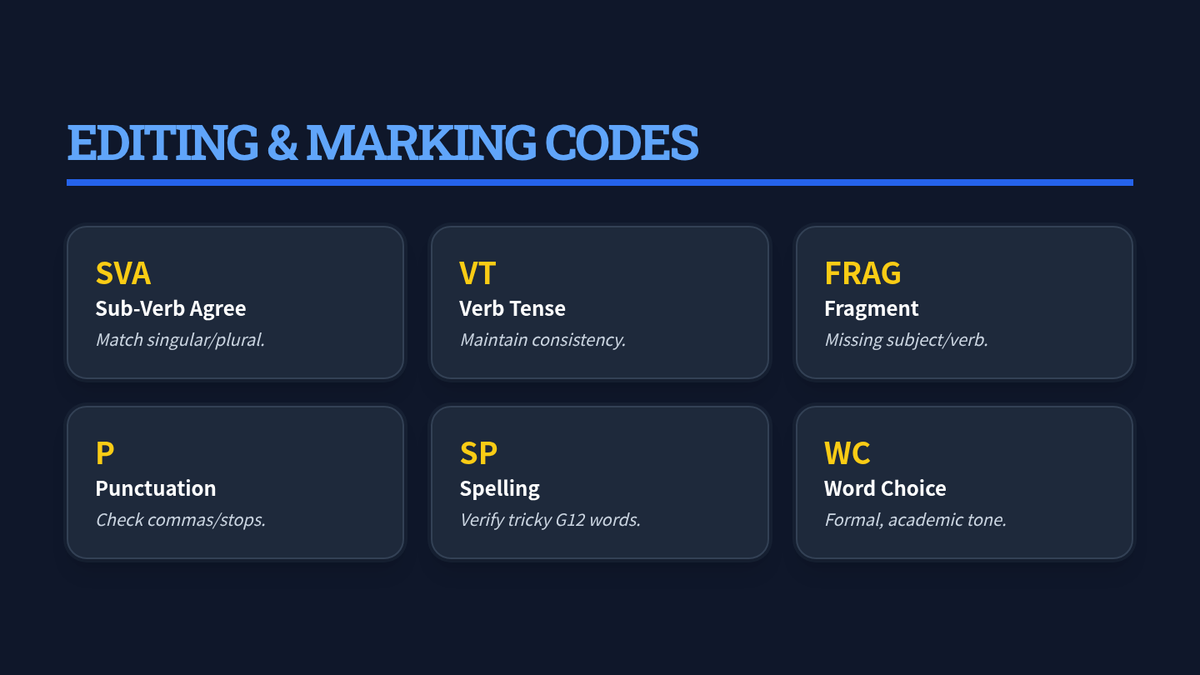
A sequence focused on the critical revision workflow for students using speech-to-text technology. Students learn to identify and fix common errors like homophone confusion, run-on sentences, and informal tone to turn raw dictation into polished academic writing.
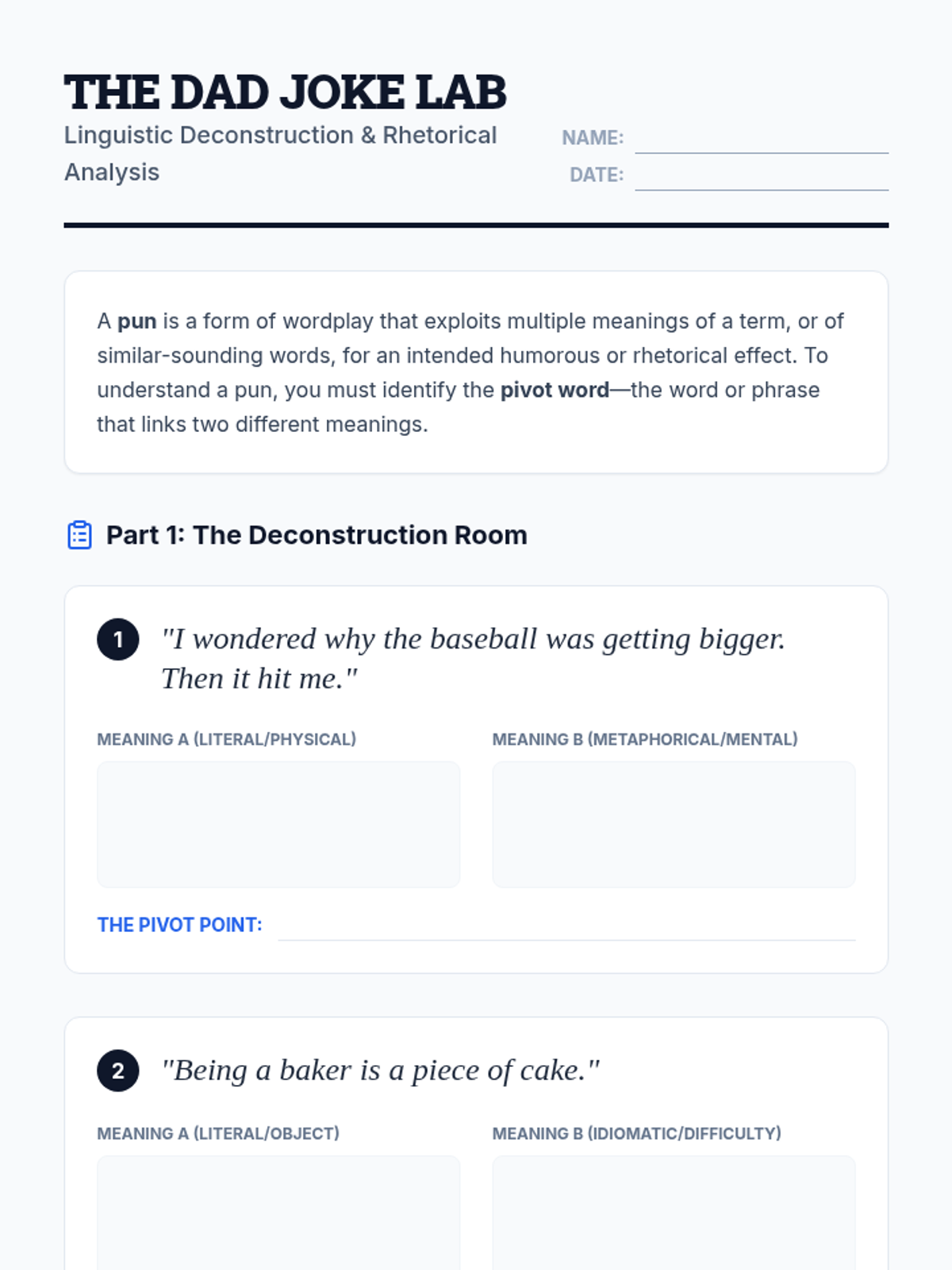
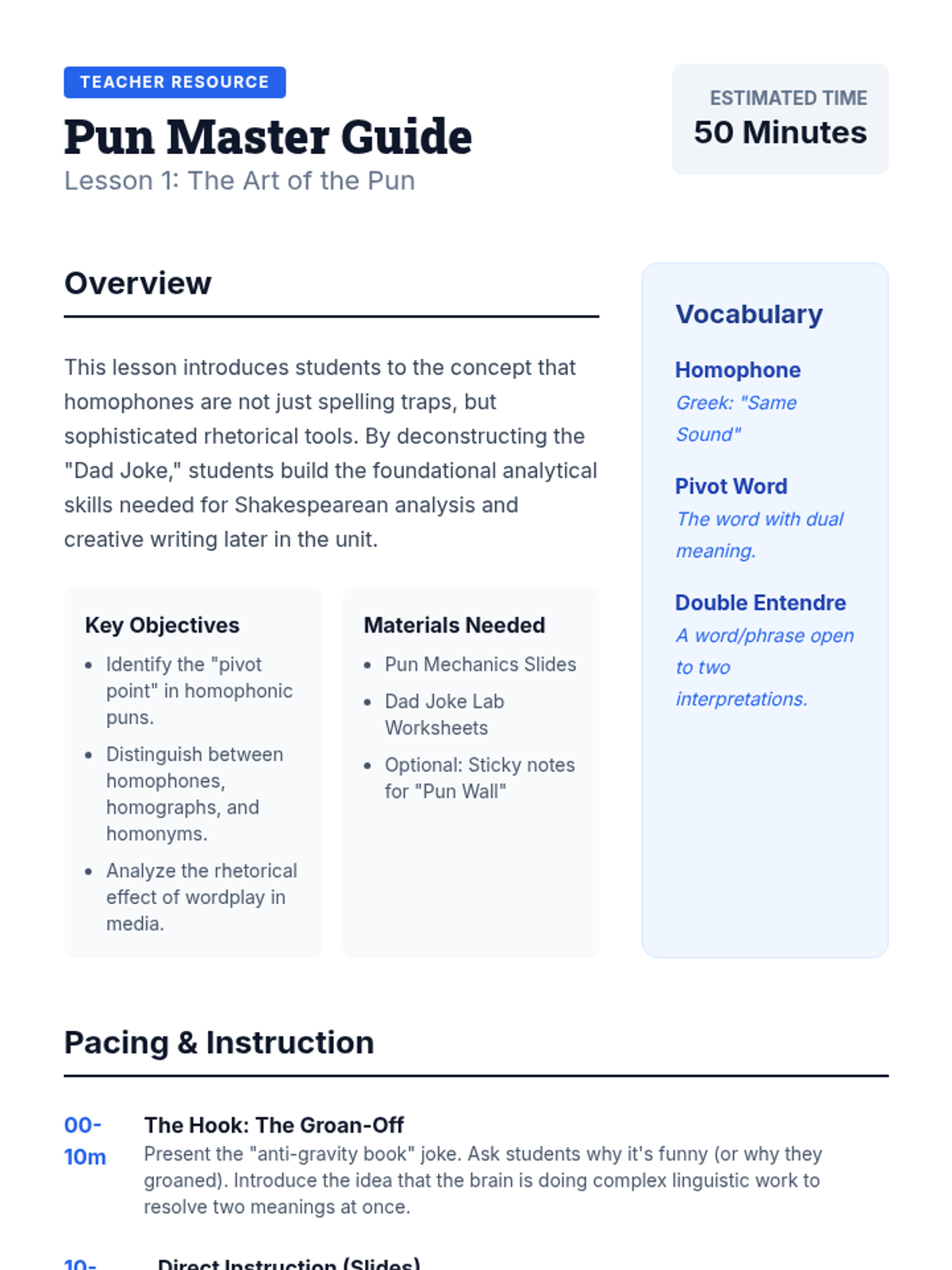
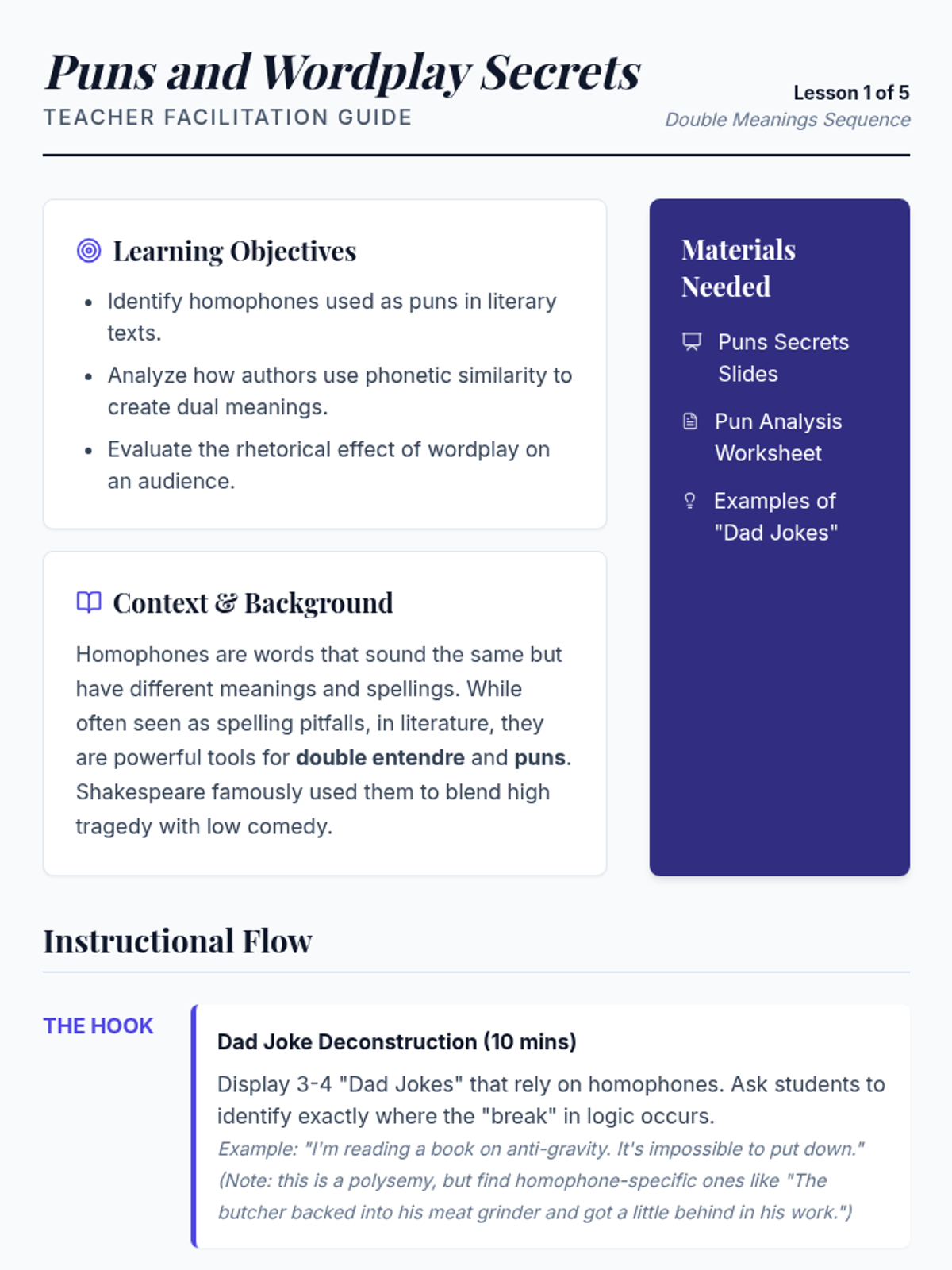
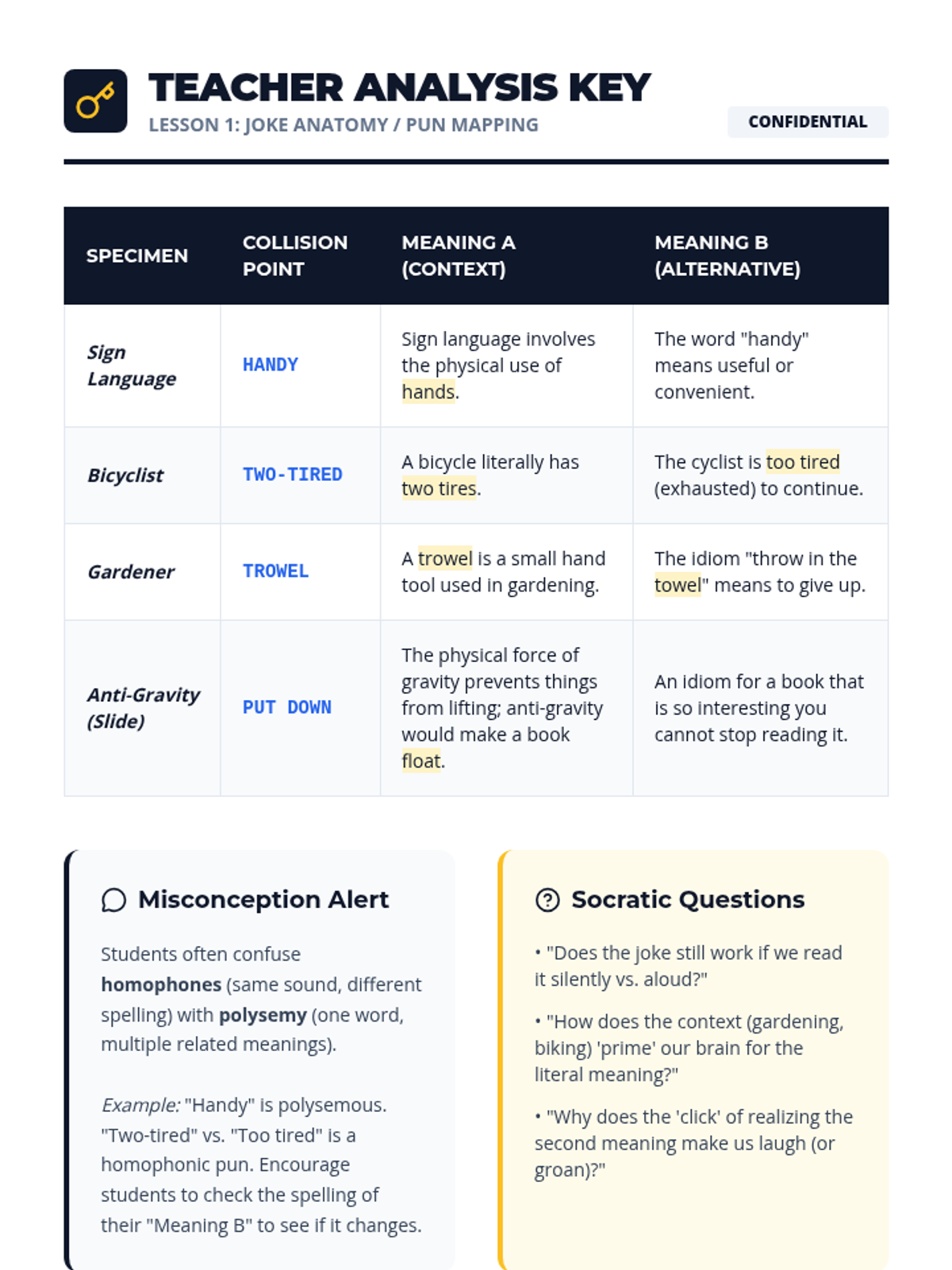
A project-based unit exploring the rhetorical and creative power of homophones. Students analyze puns, Shakespearean wit, and media headlines before crafting their own homophone-centric creative writing.
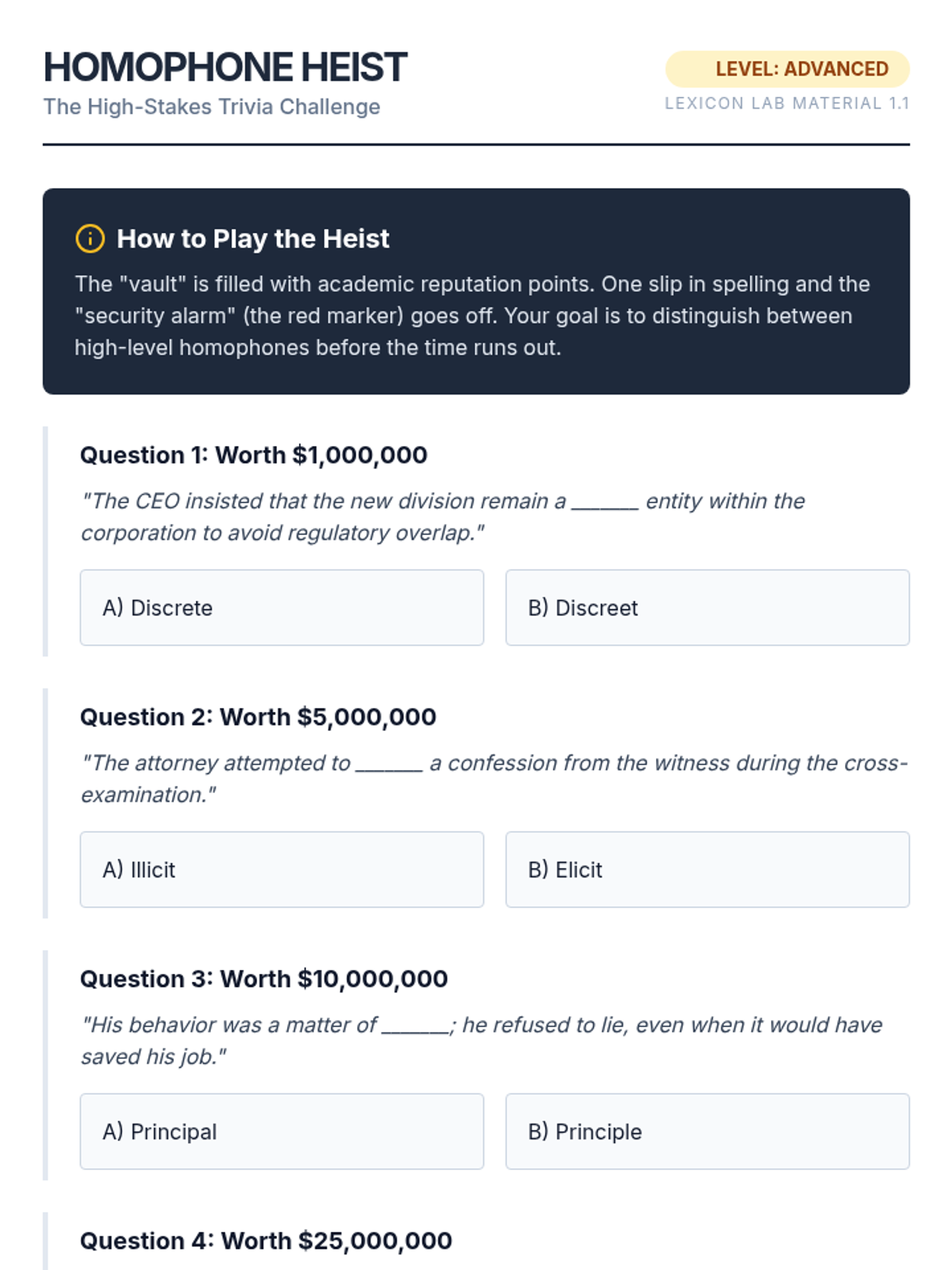
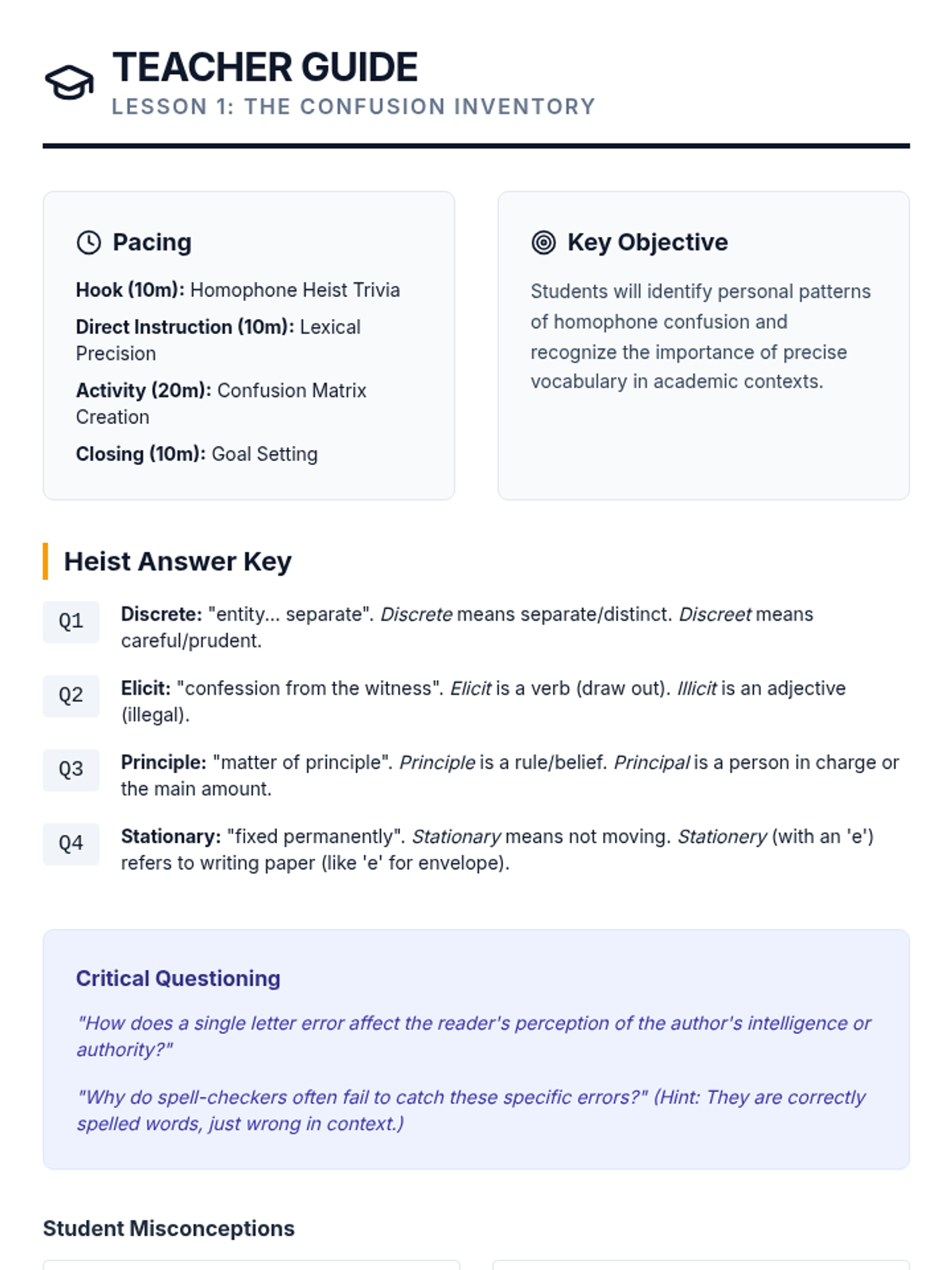
This mastery-based sequence for 9th-grade students focuses on advanced academic homophones (Tier 2 and 3) such as elicit/illicit, discrete/discreet, and affect/effect. Students progress from self-assessment to contextual analysis and final proficiency, bridging the gap between vocabulary acquisition and precise academic writing.
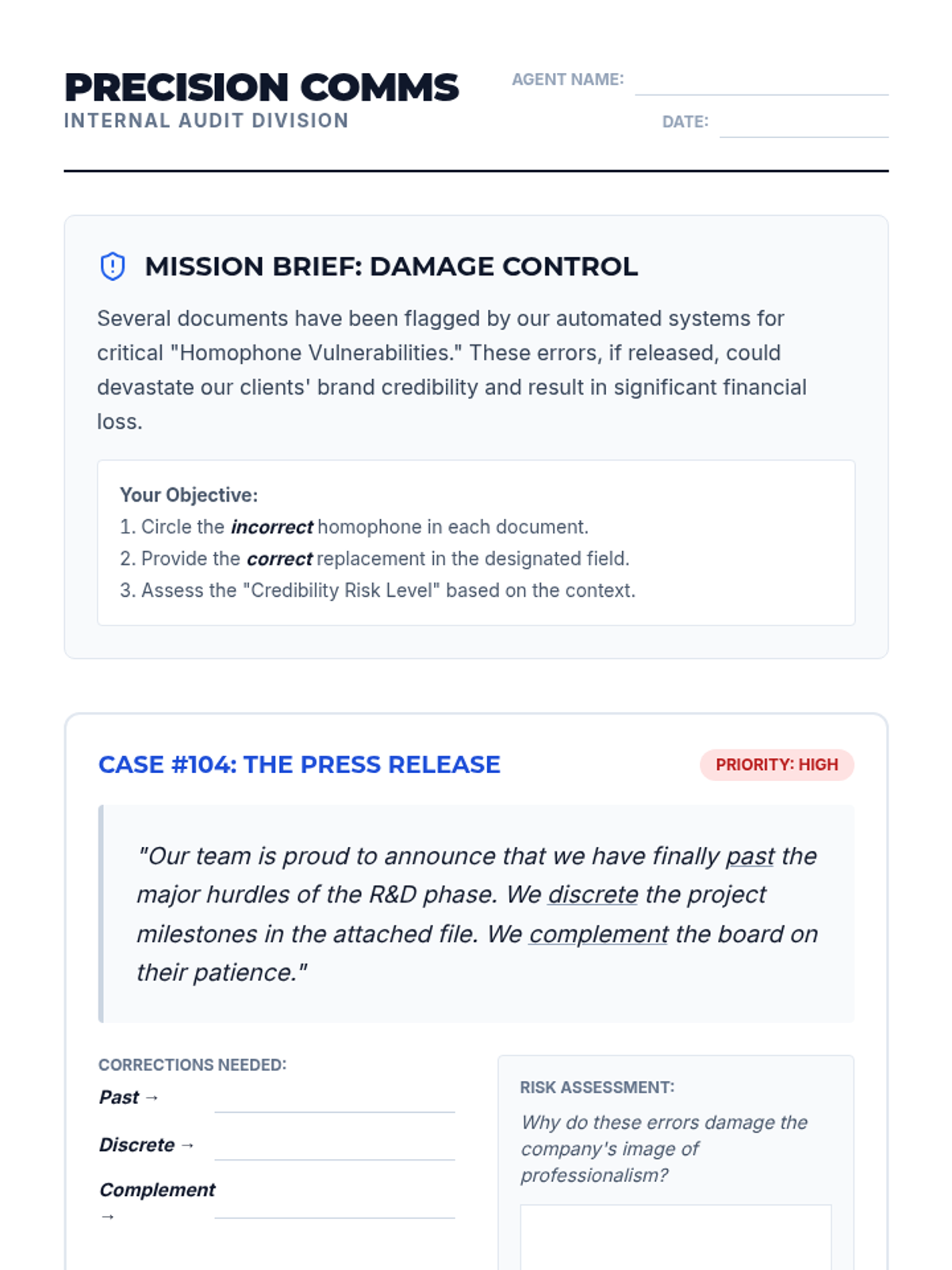
A simulation-based sequence where students act as communications professionals, exploring the real-world impact of homophone accuracy in business and digital environments. Students master common homophones while developing professional writing skills and audience awareness.
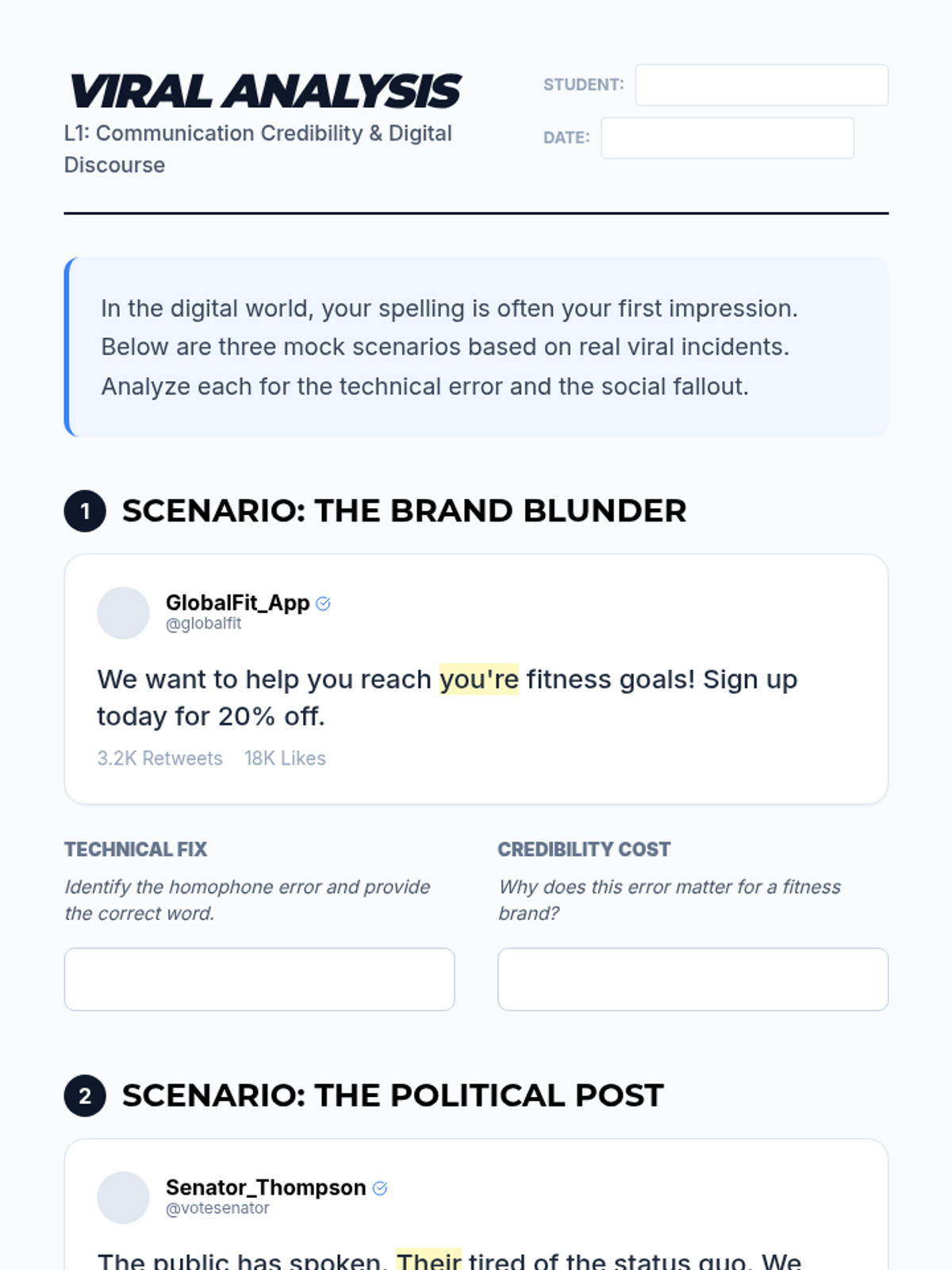
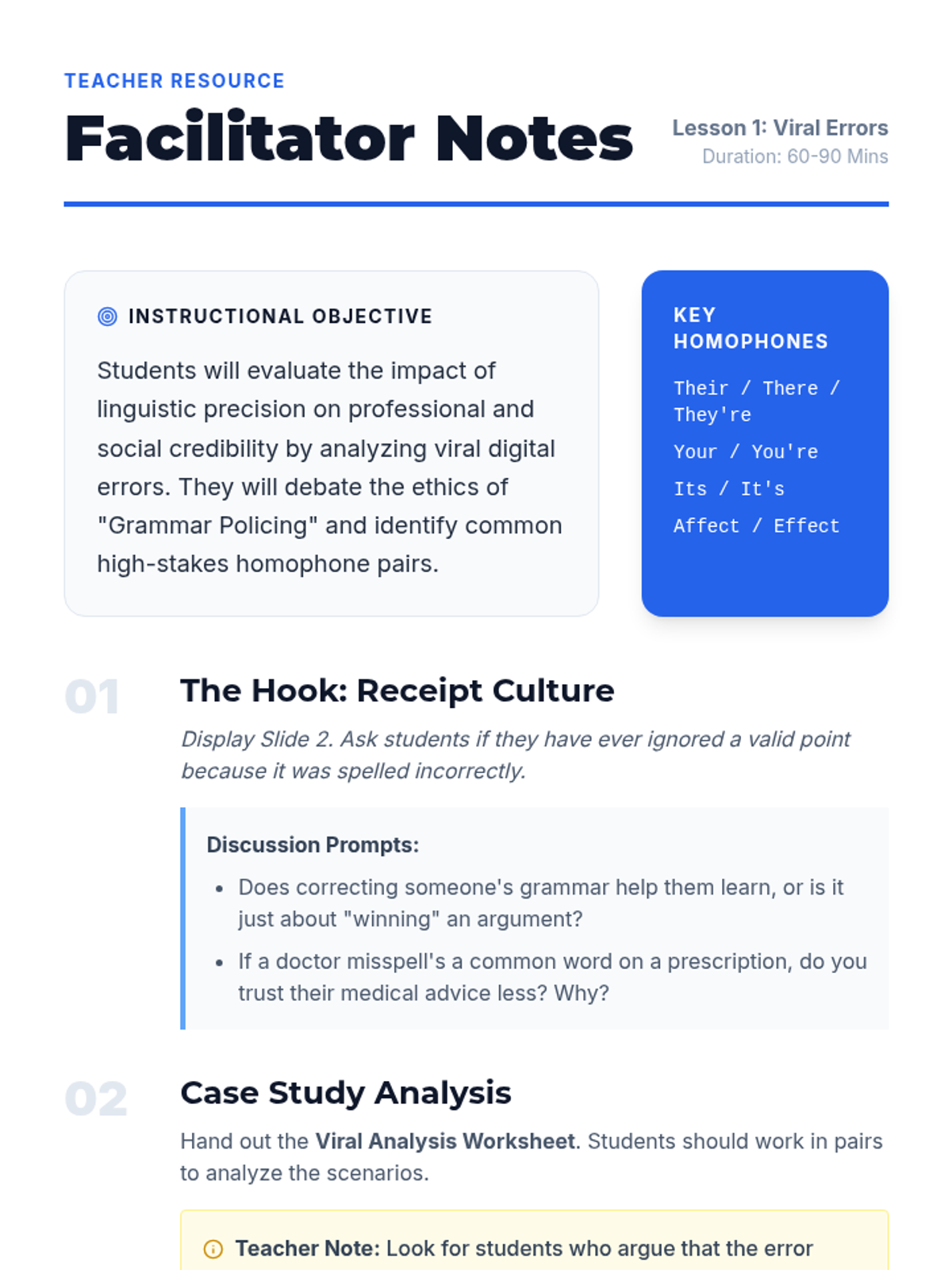
A 12th-grade sequence exploring the social, psychological, and linguistic implications of homophone errors in the digital age, focusing on credibility and the evolution of language.
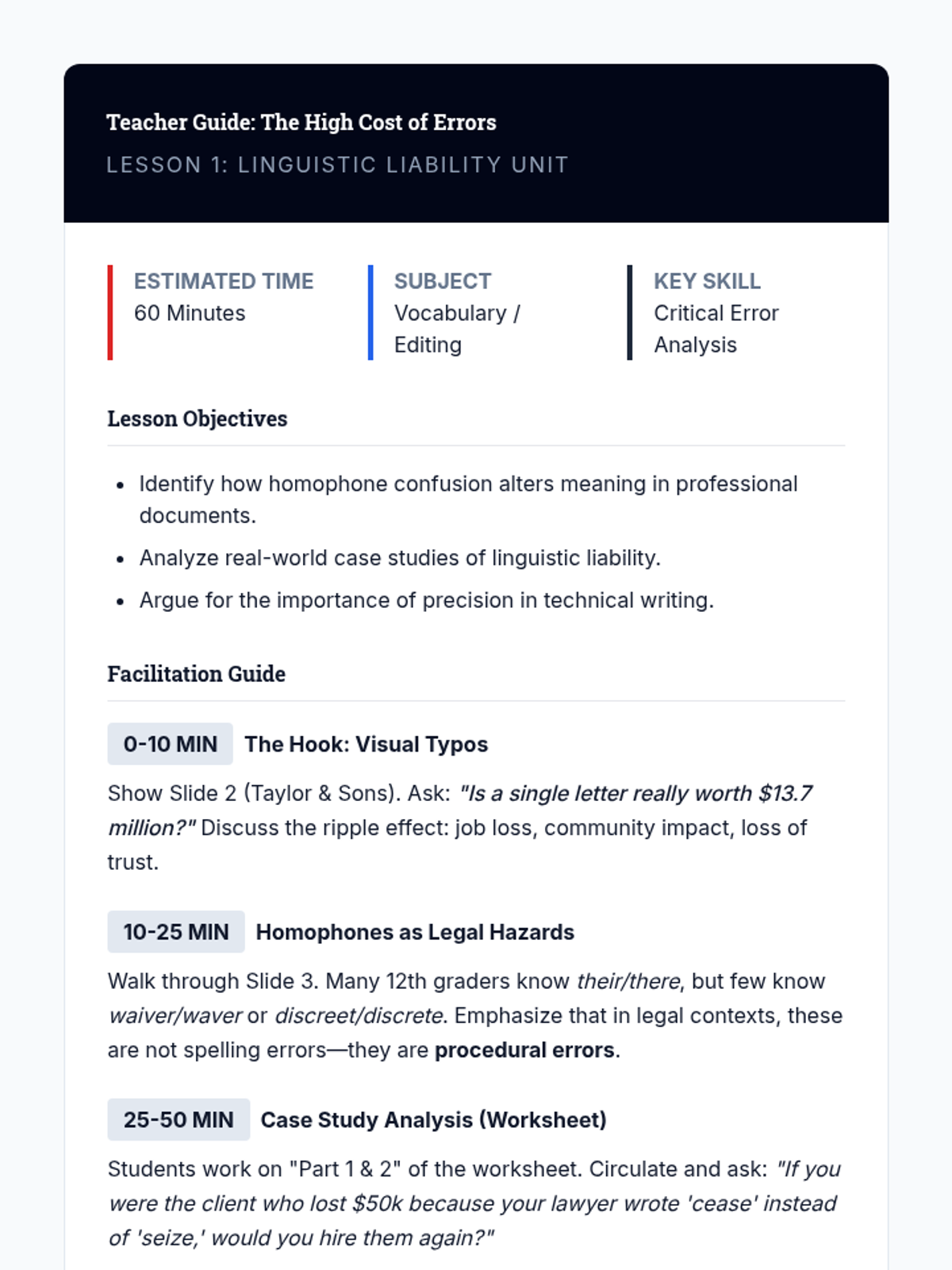
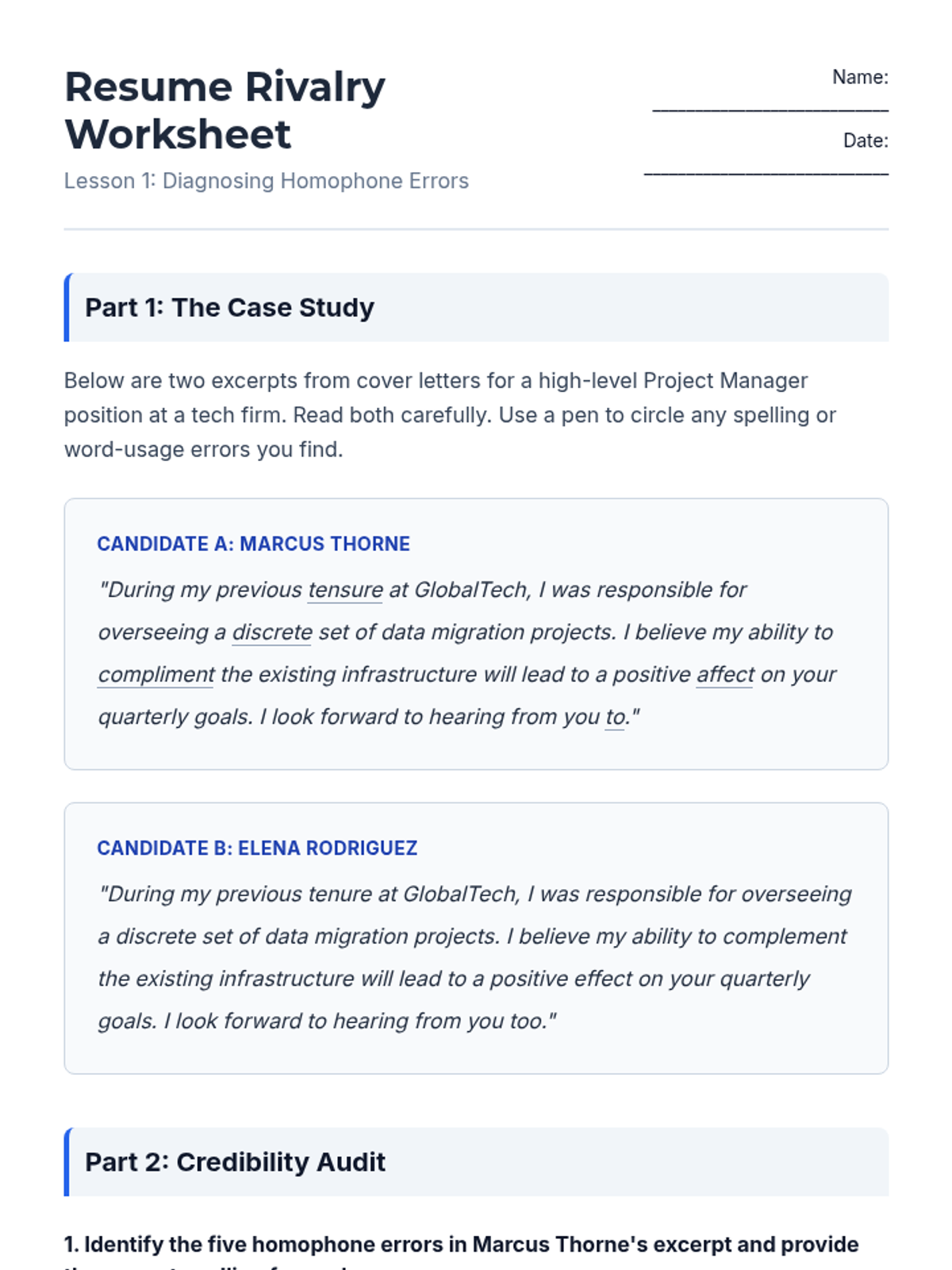
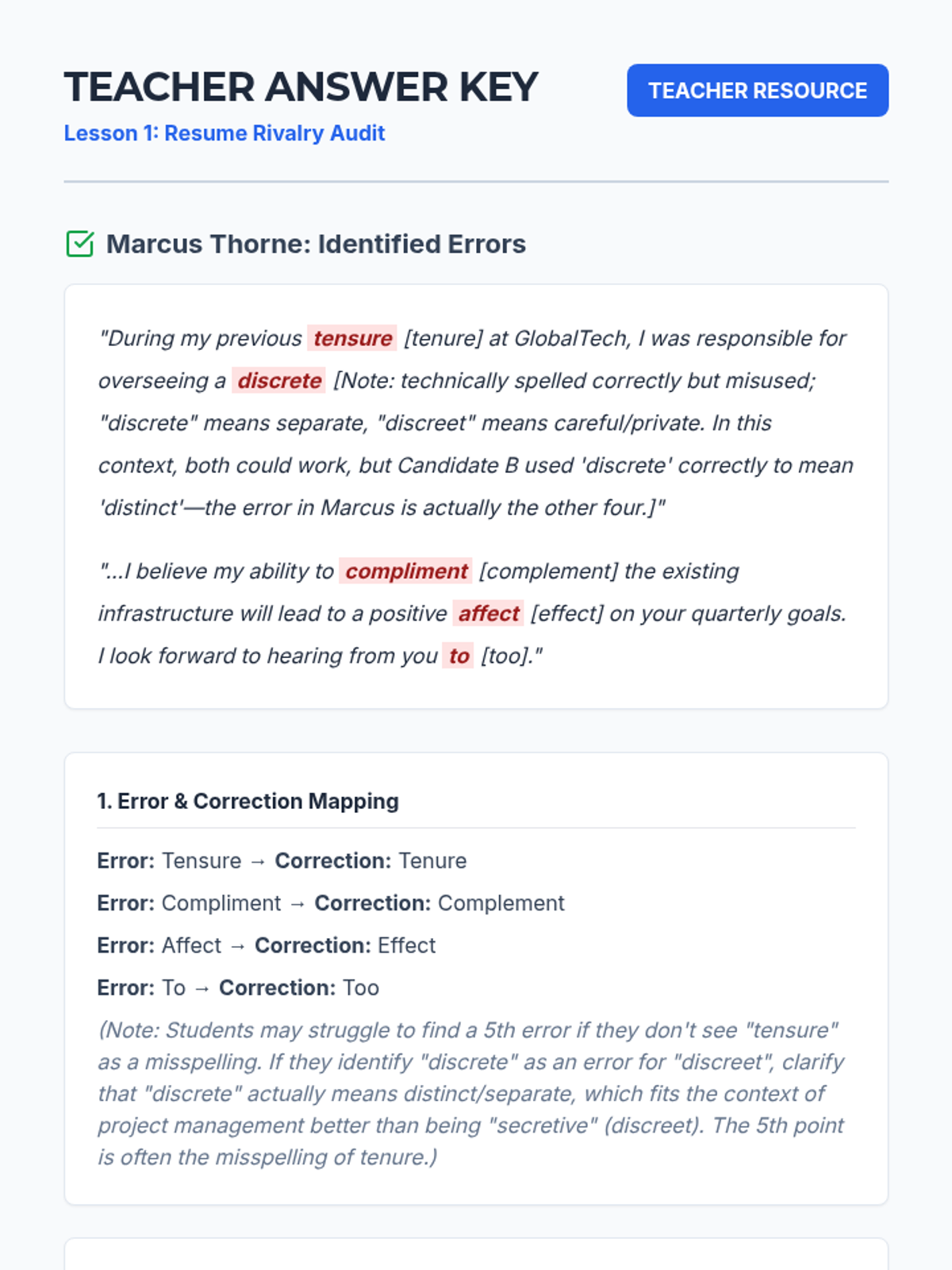
This sequence addresses the critical role of linguistic precision in professional and technical writing, focusing on how homophone errors can undermine credibility. Students transition from identifying common errors to mastering complex, workplace-specific homophone pairs, culminating in a simulated editorial workshop.
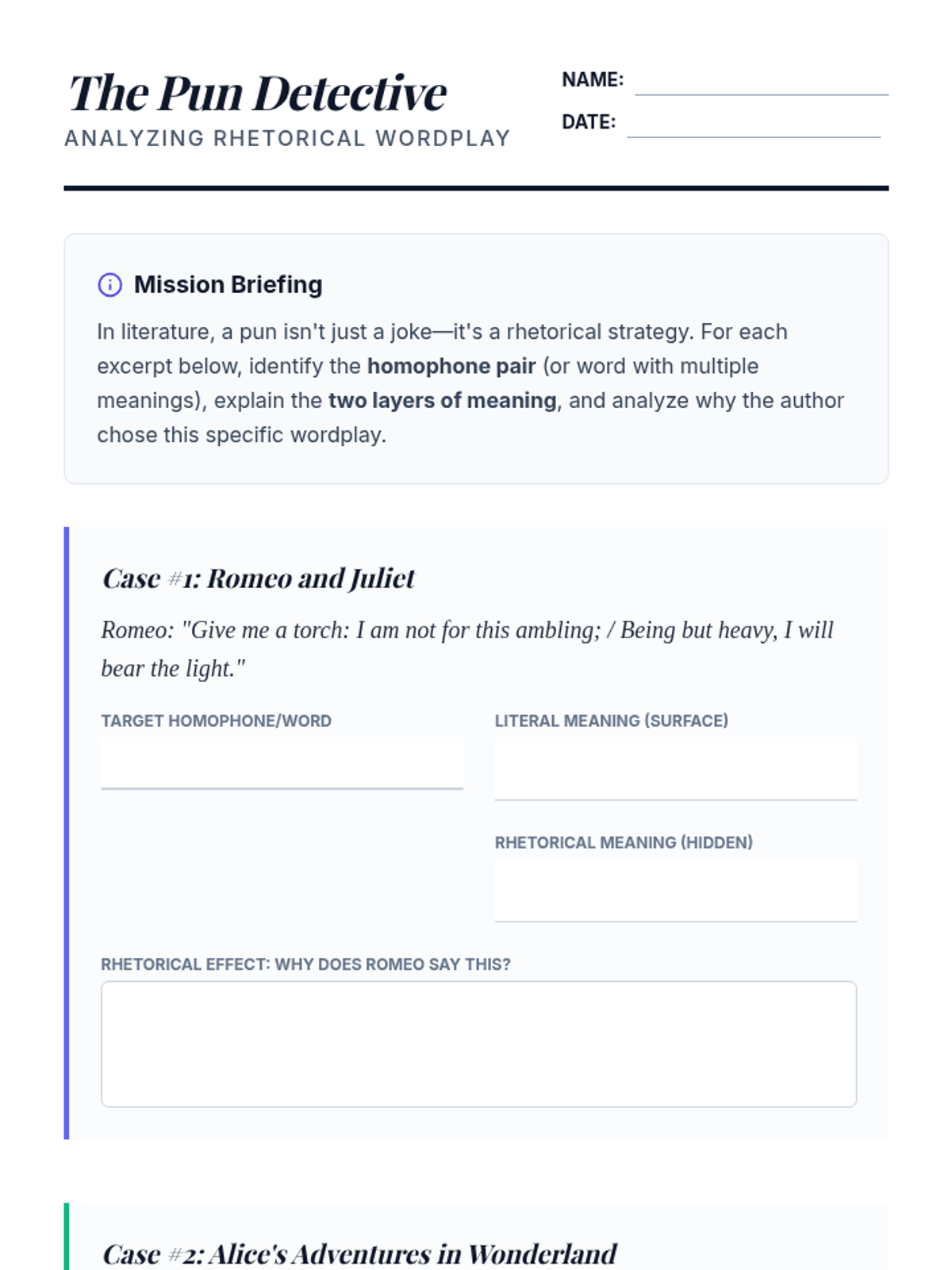
This sequence explores the intentional use of homophones in literature and rhetoric. Students move from identifying accidental errors to appreciating deliberate wordplay, puns, and double entendres in complex texts like Shakespeare and modern satire.
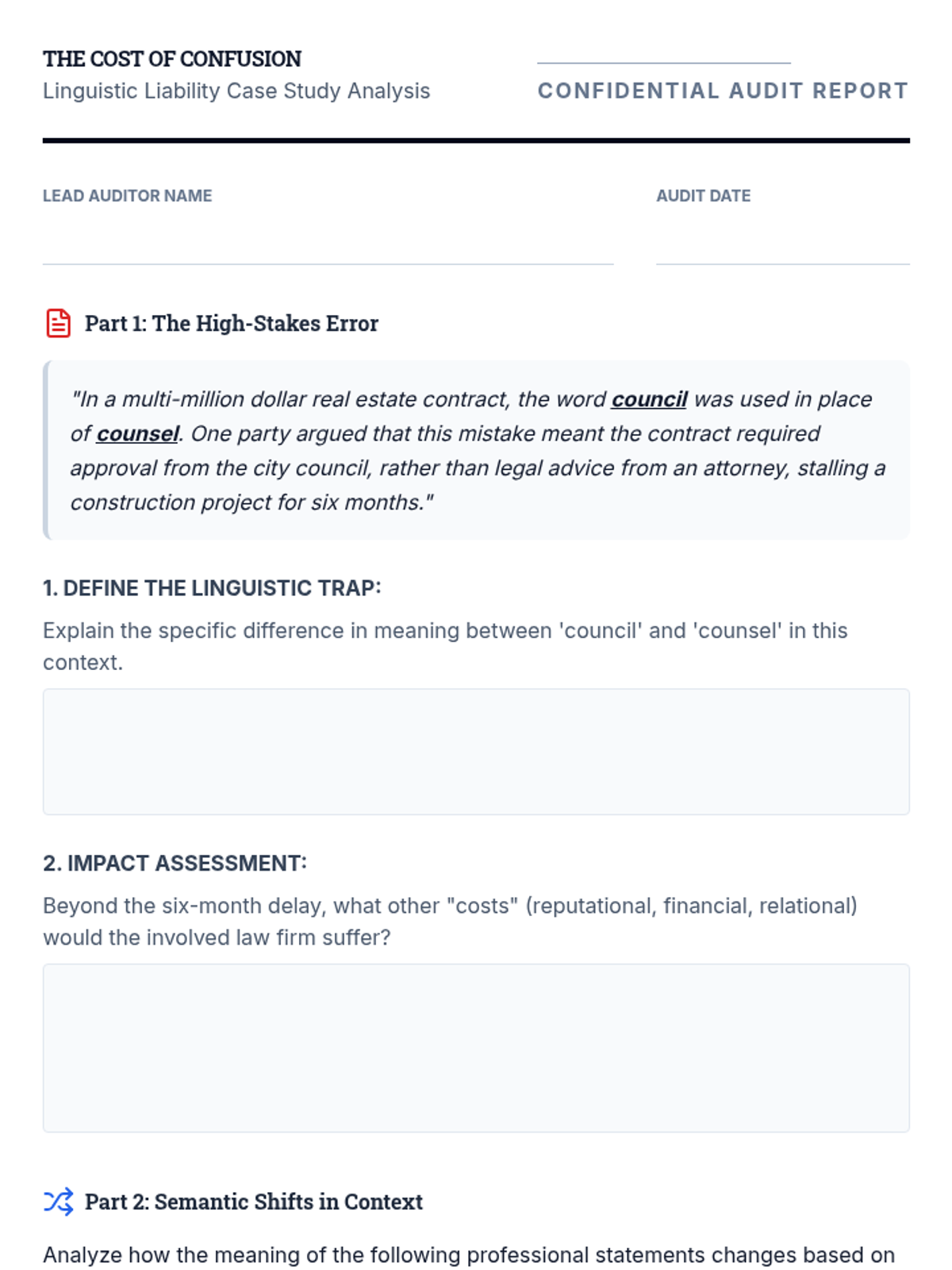
This sequence focuses on the advanced application of homophones within professional and formal writing contexts. Students move beyond basic spelling to analyze how linguistic precision impacts credibility, authority, and meaning in high-stakes environments like law, government, and corporate communication.
This sequence explores the creative and rhetorical power of homophones, moving beyond mere error correction to intentional usage in wordplay and puns. Students examine how homophones function in literature, advertising, and humor to create double meanings.
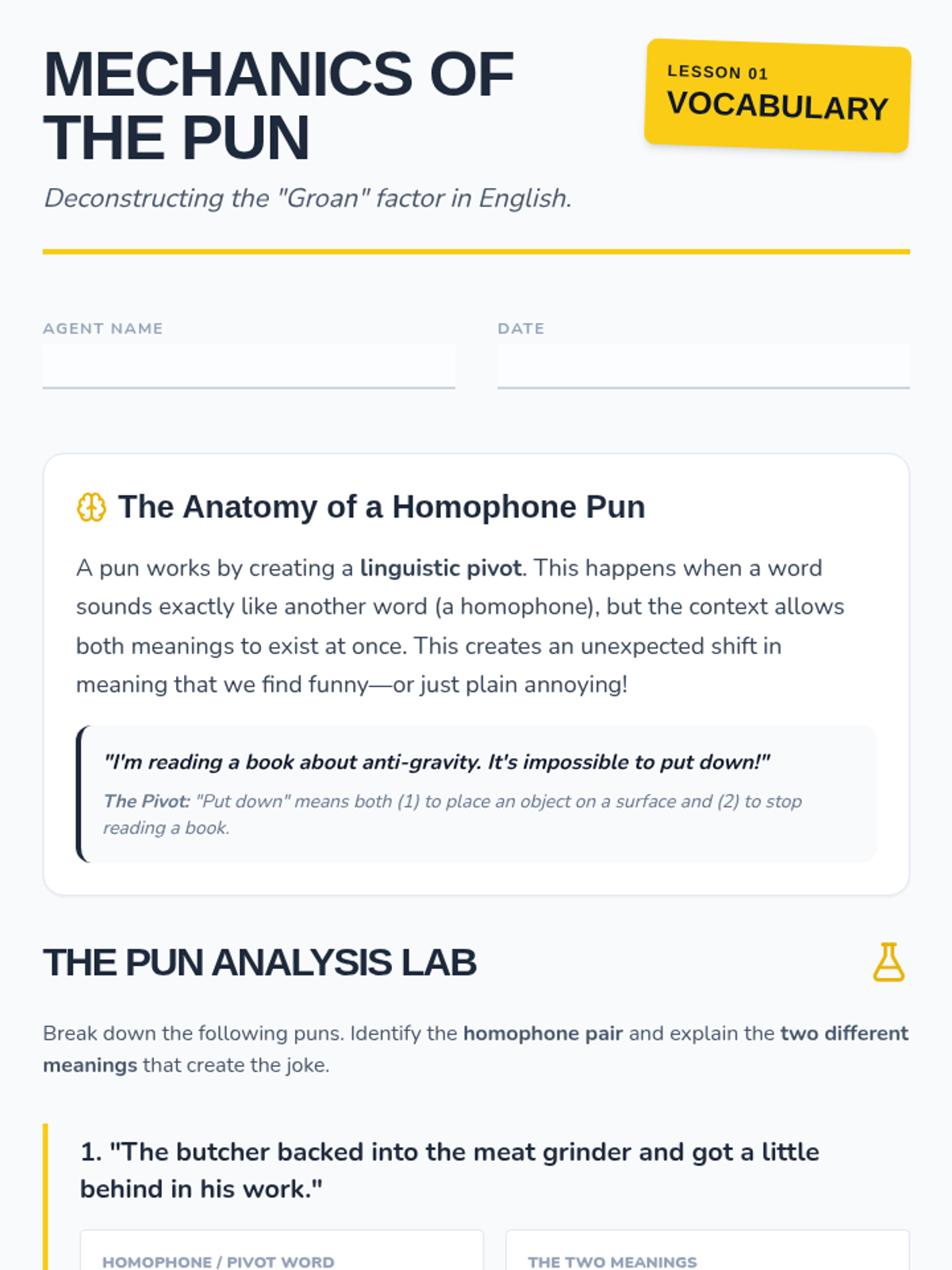
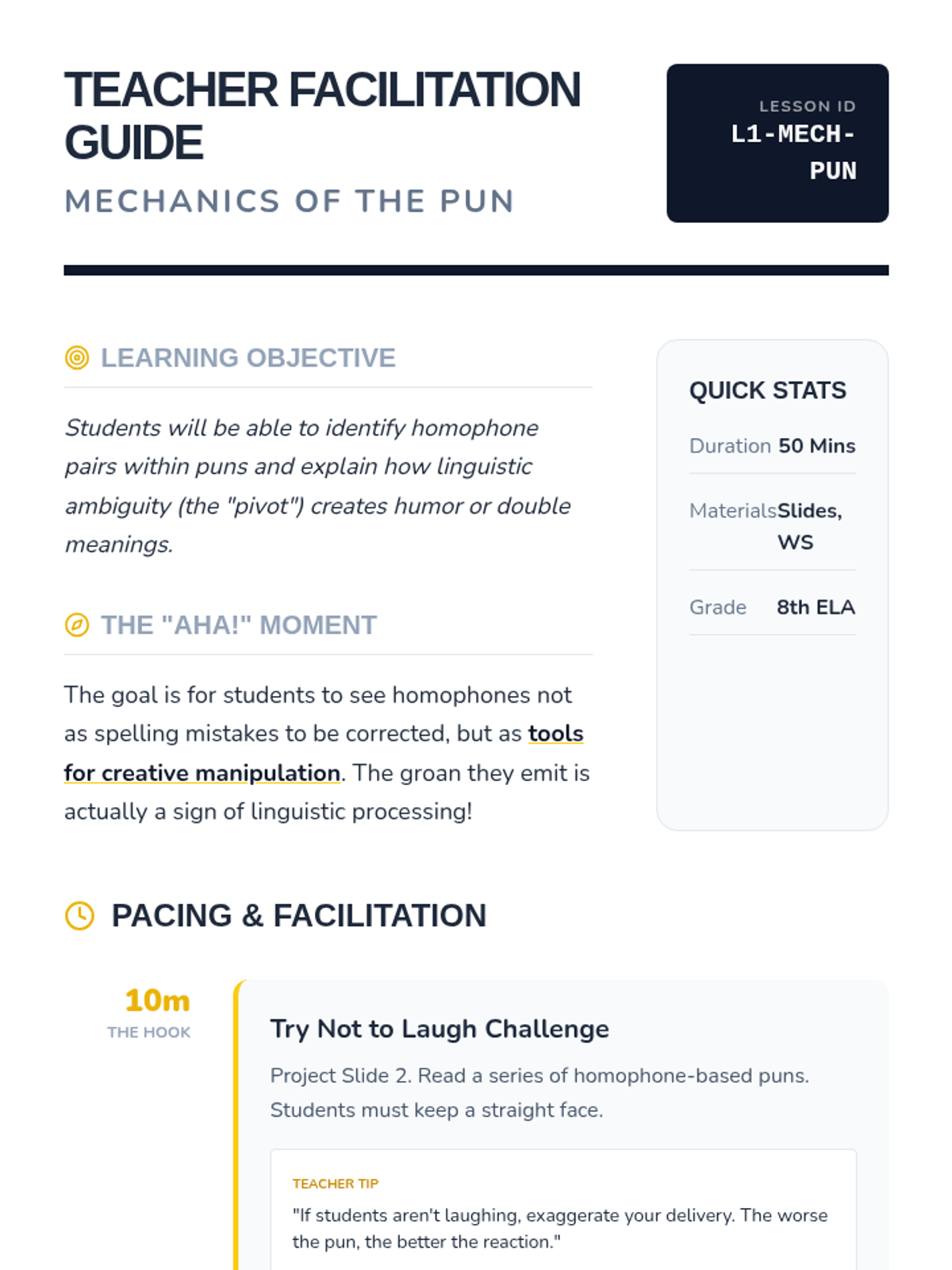
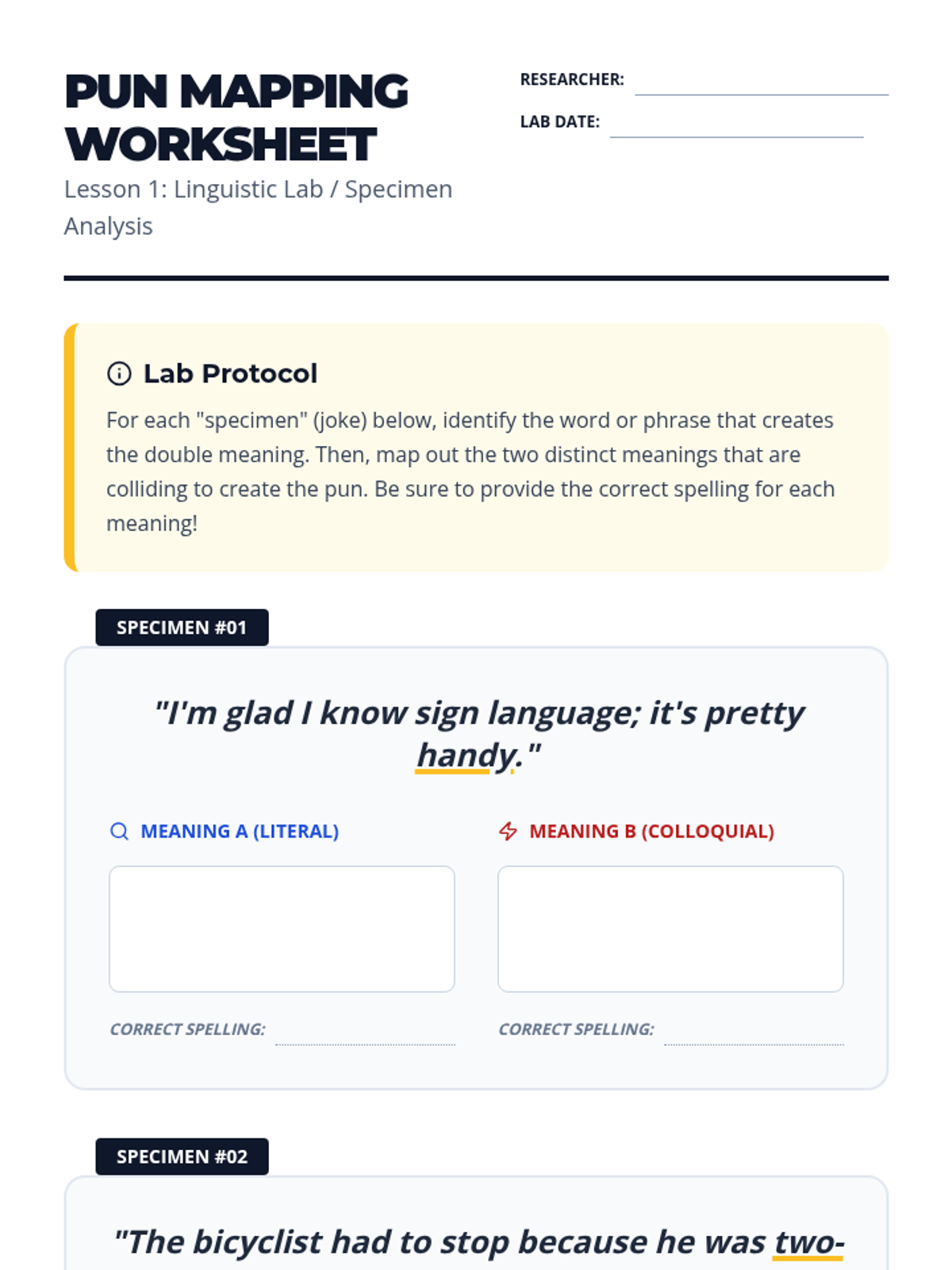
This sequence explores homophones and homonyms through the lens of humor and creative writing. Students move from analyzing simple puns to deconstructing literary wordplay in works by Shakespeare and Lewis Carroll, ultimately creating their own ambiguity-driven performances.
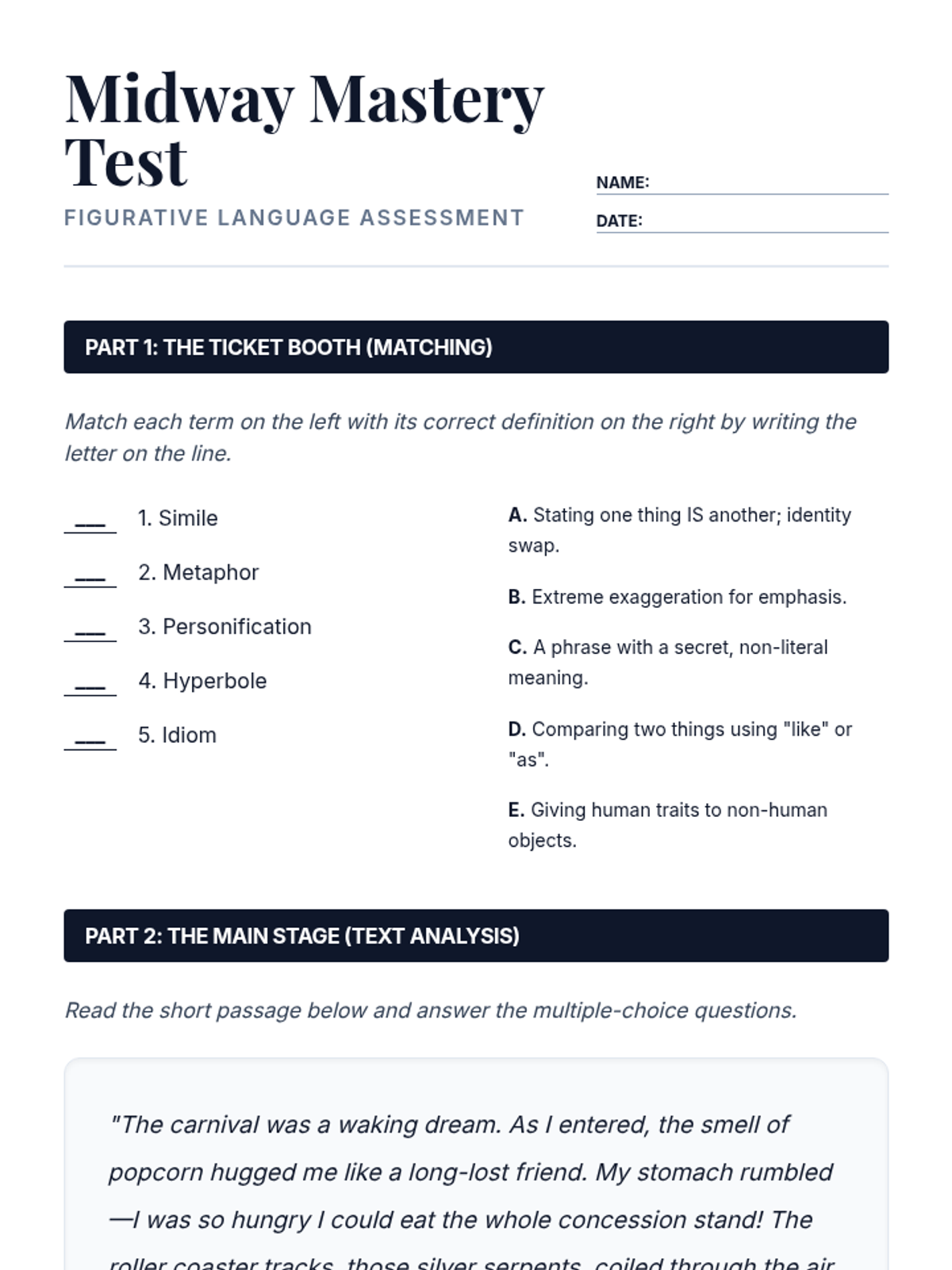
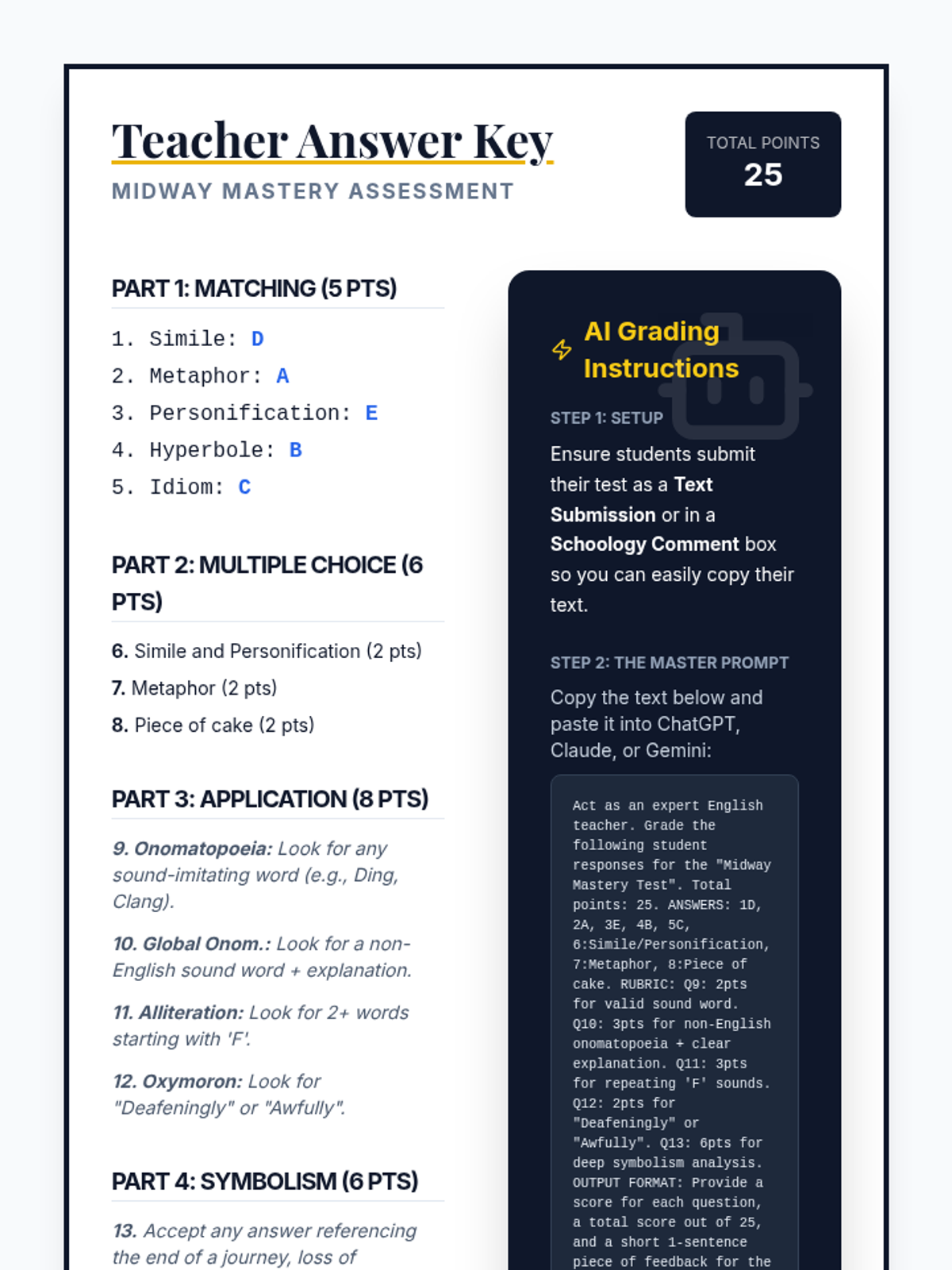
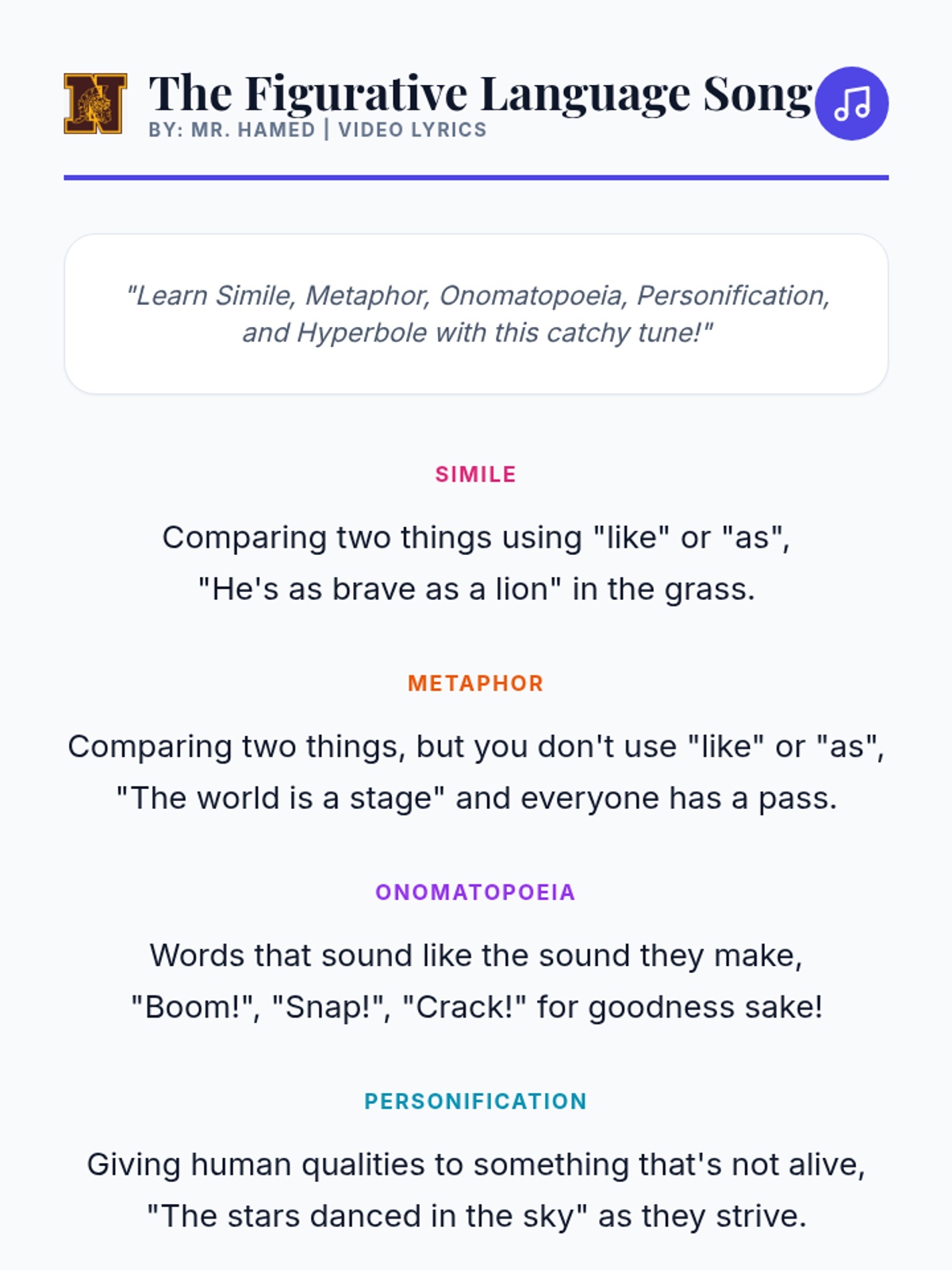
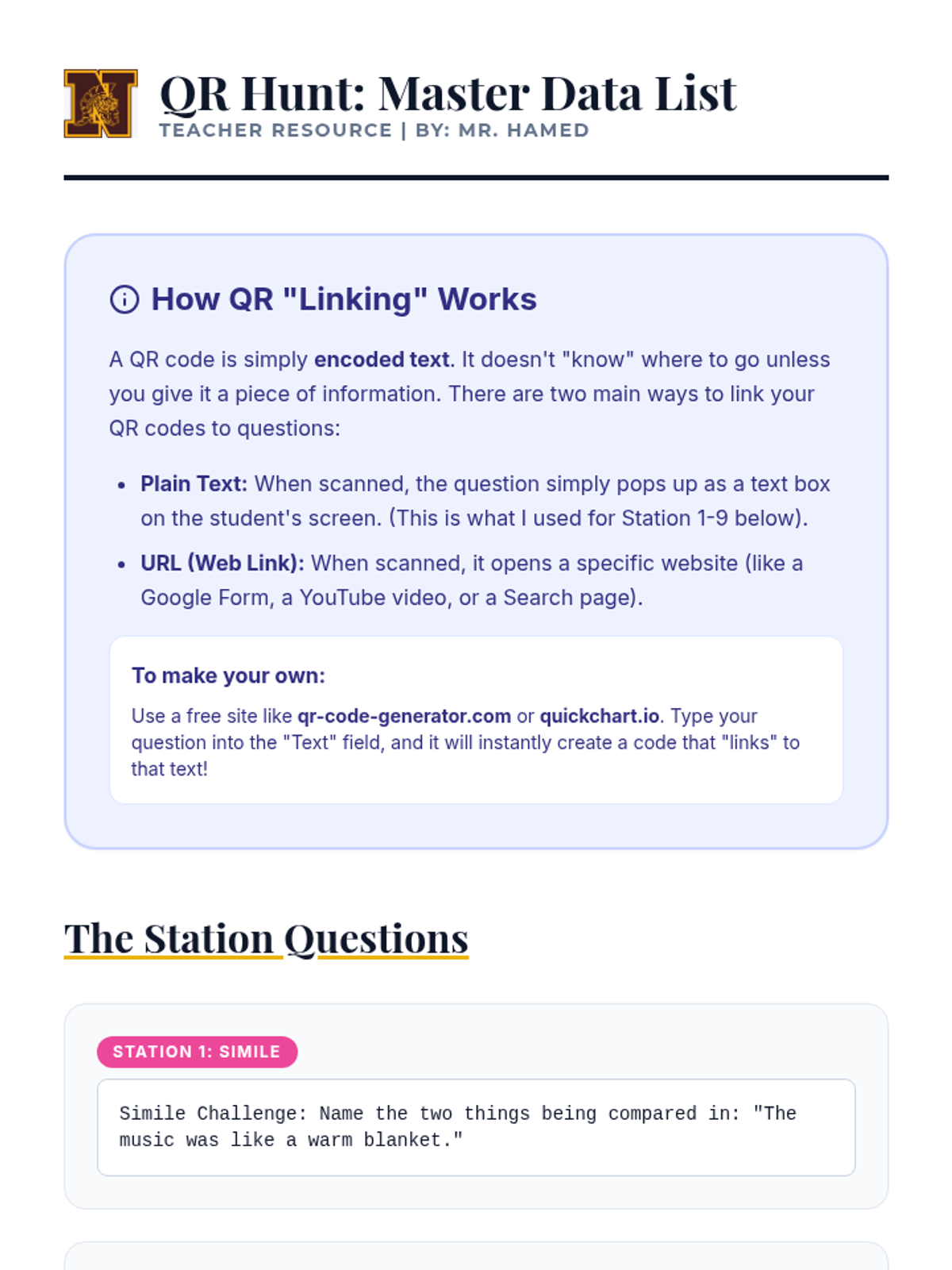
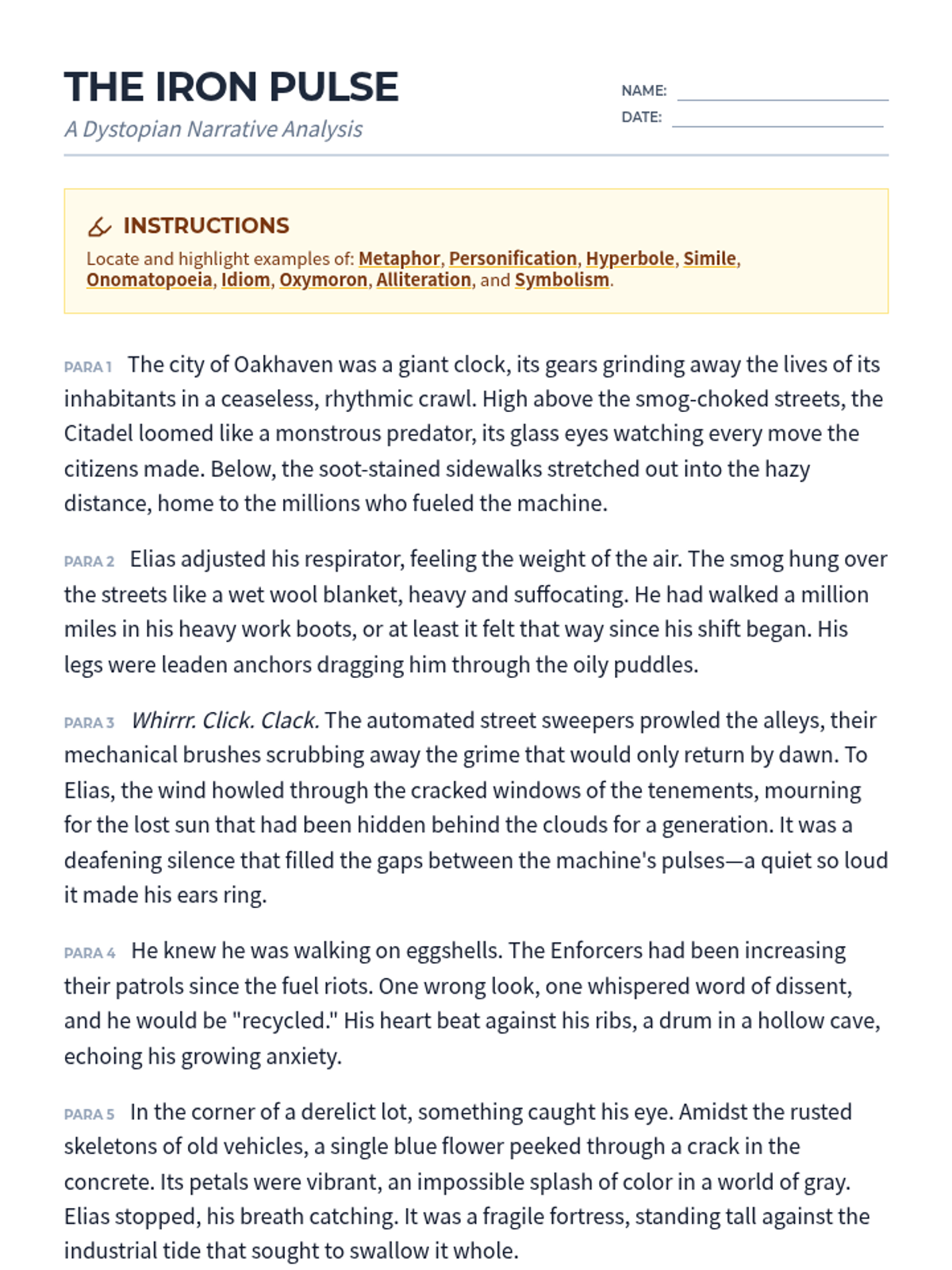
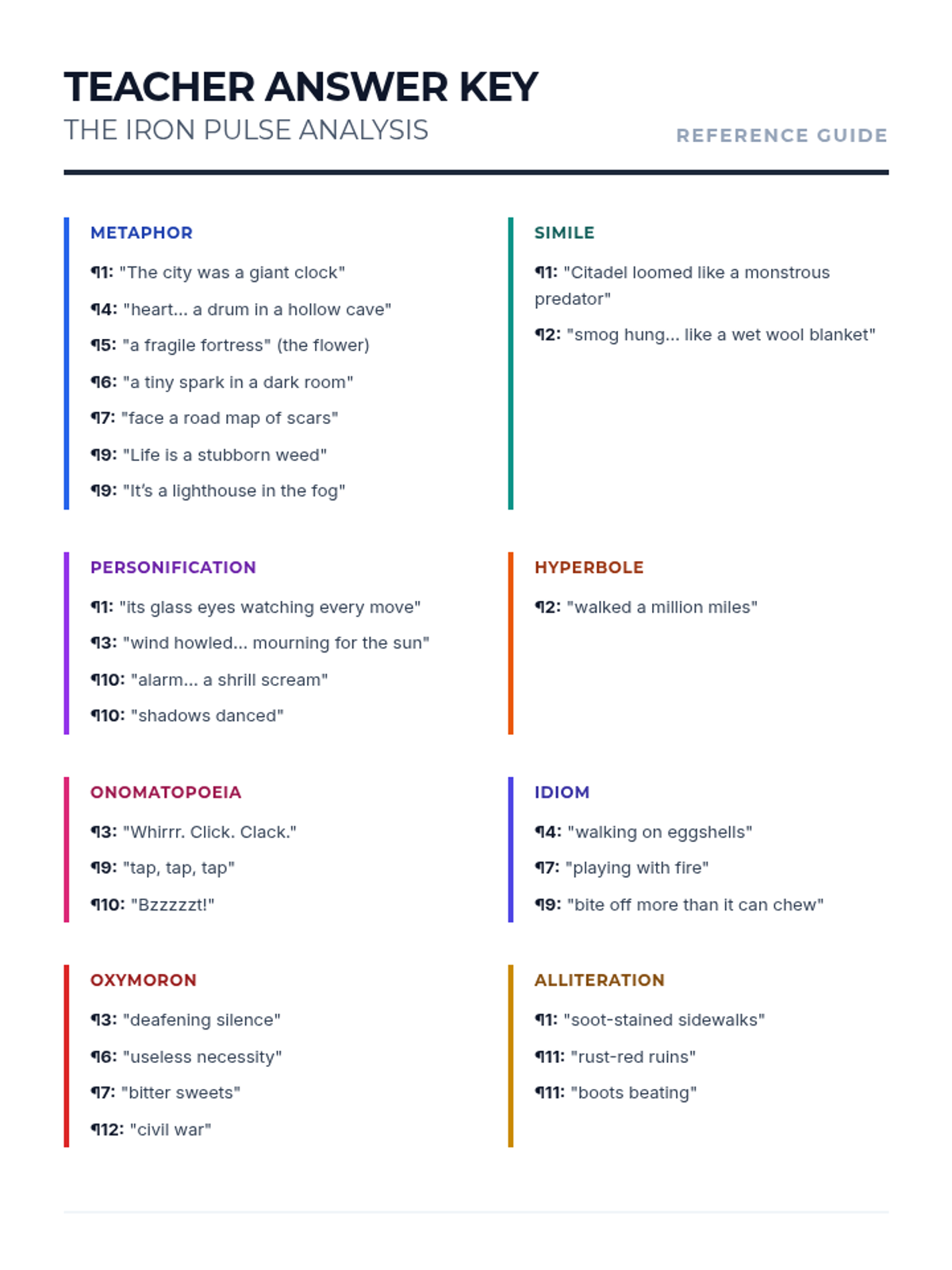
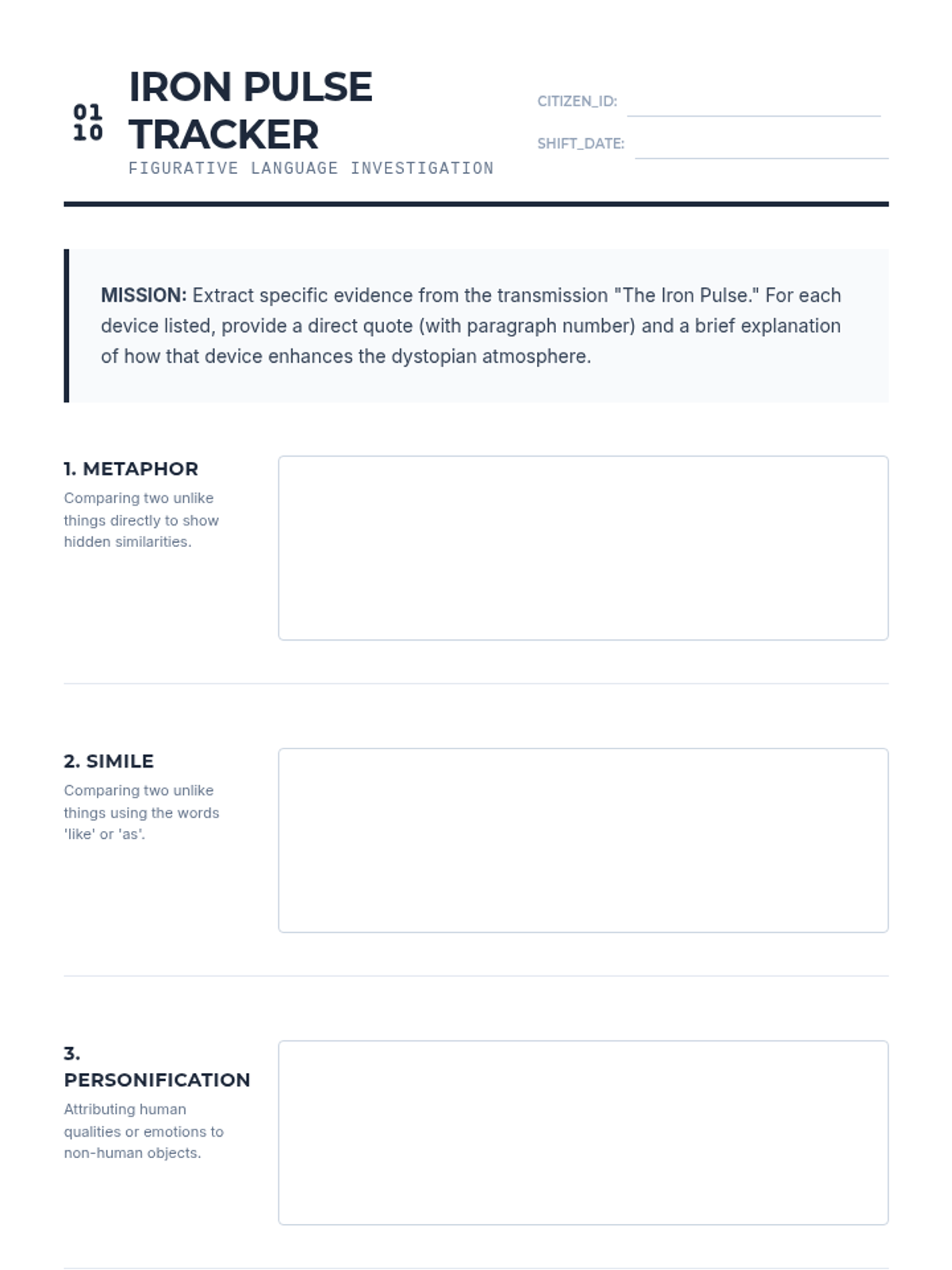
A comprehensive unit on figurative language set in the whimsical world of a Cosmic Carnival, covering nine key literary devices through interactive slides, a QR code scavenger hunt, and a rigorous mastery assessment.
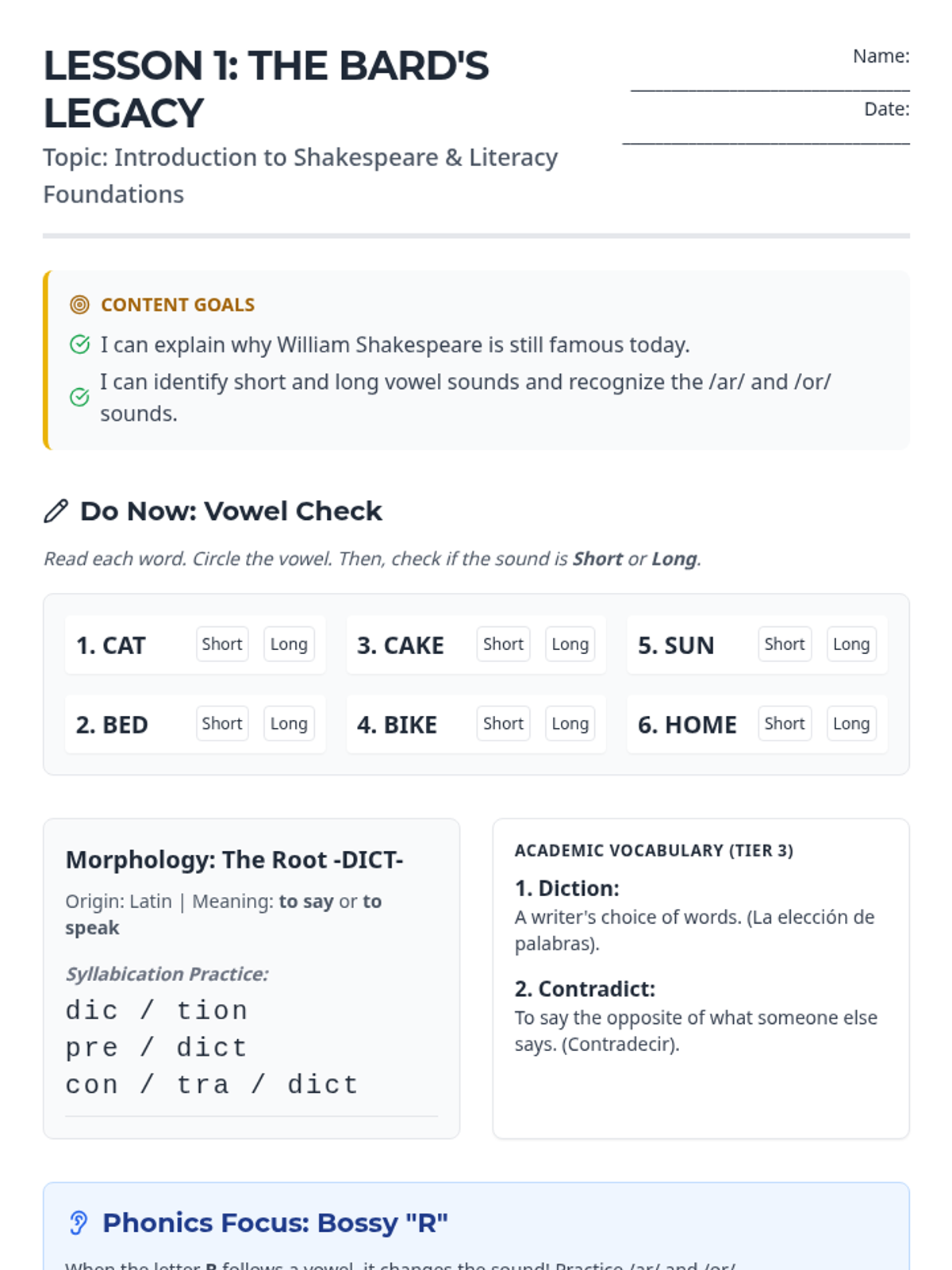
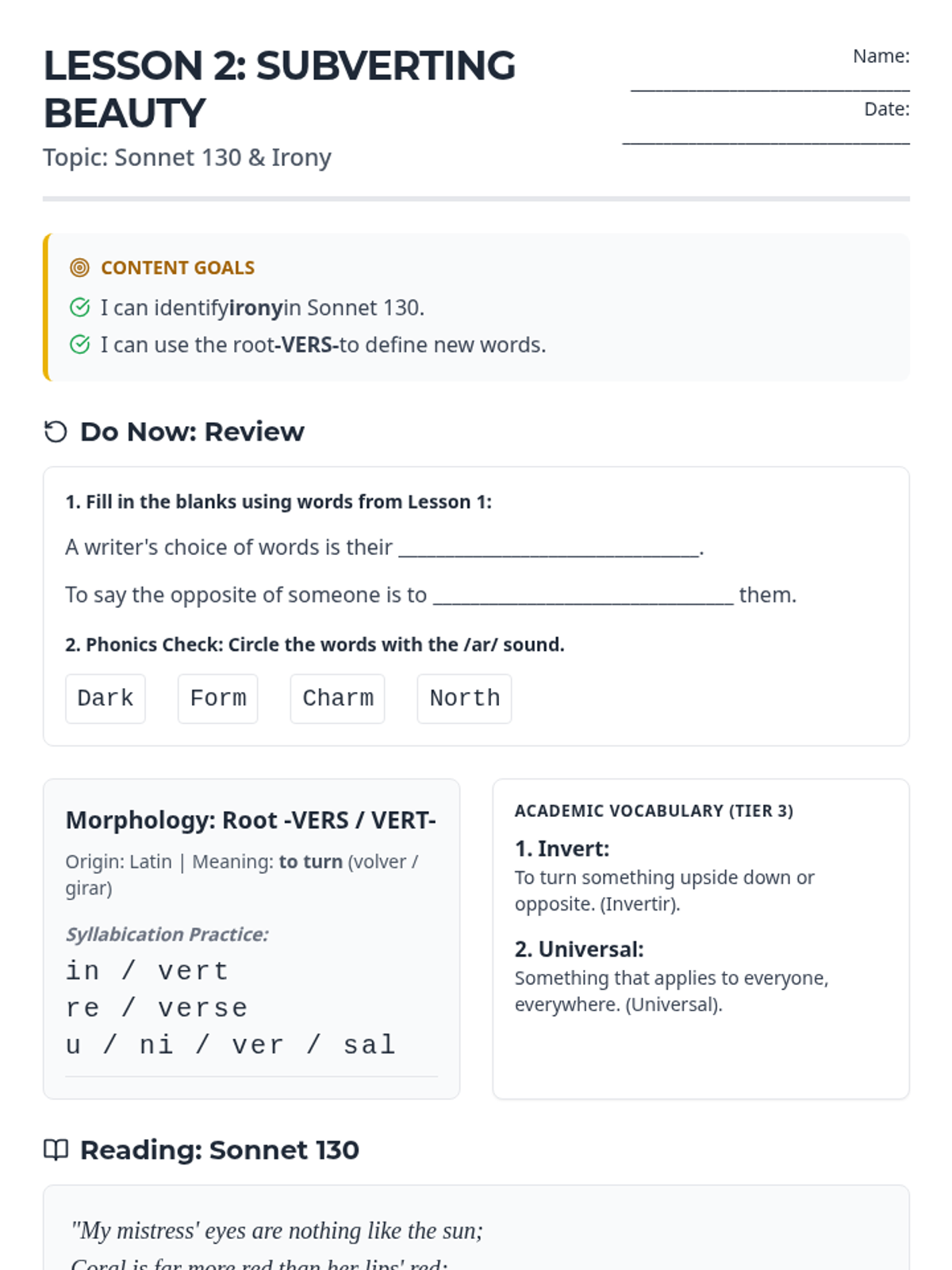
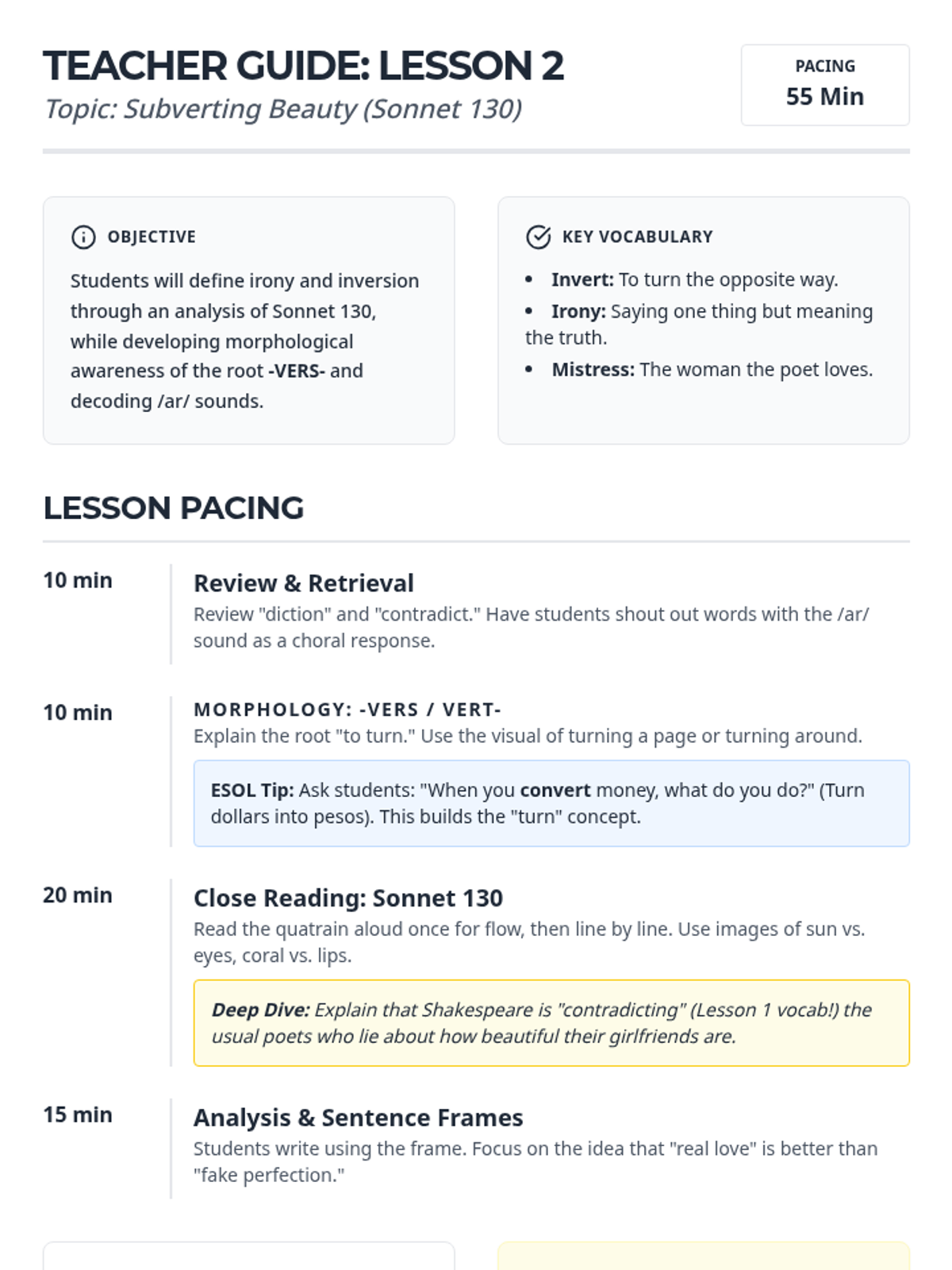
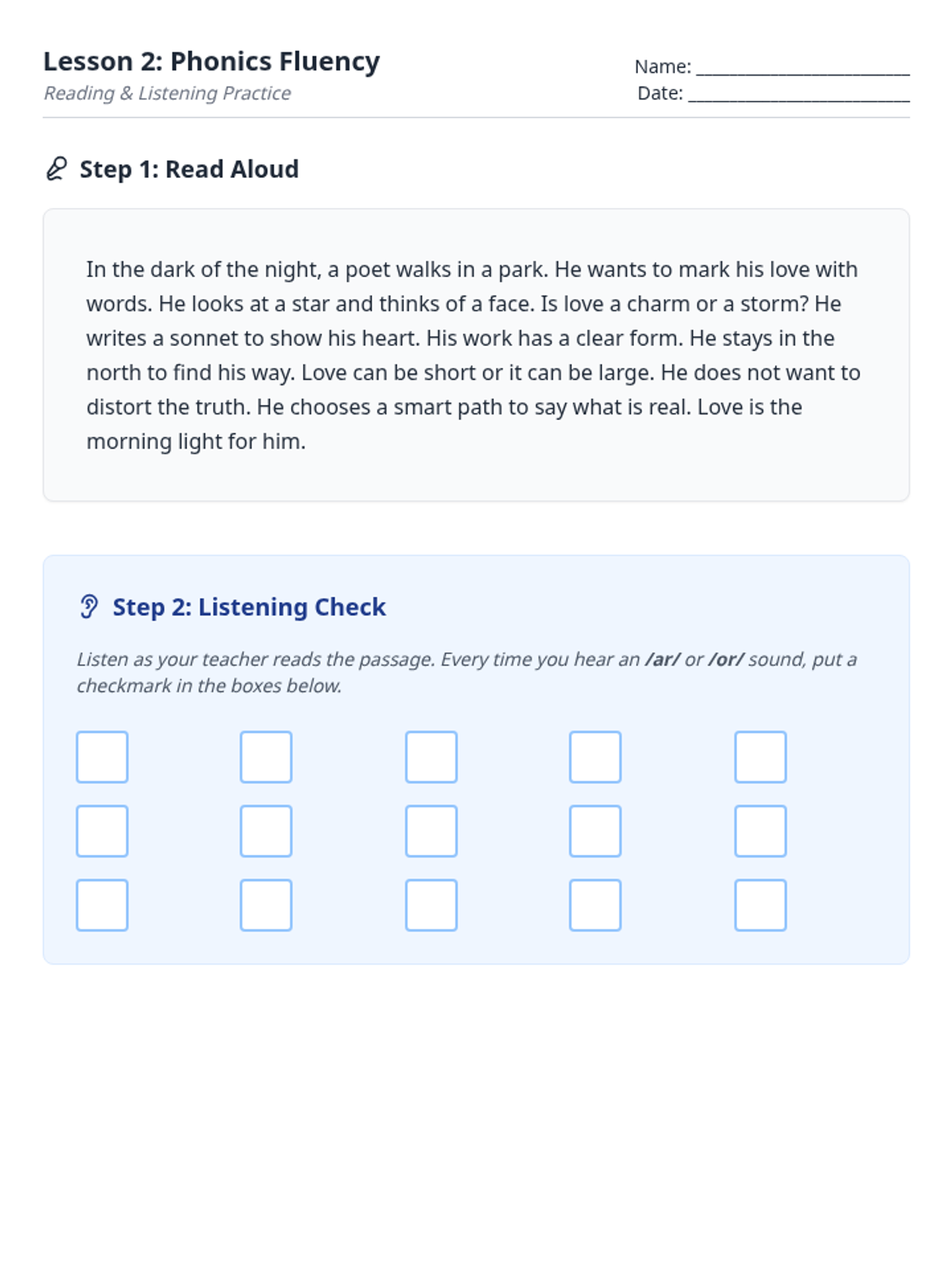
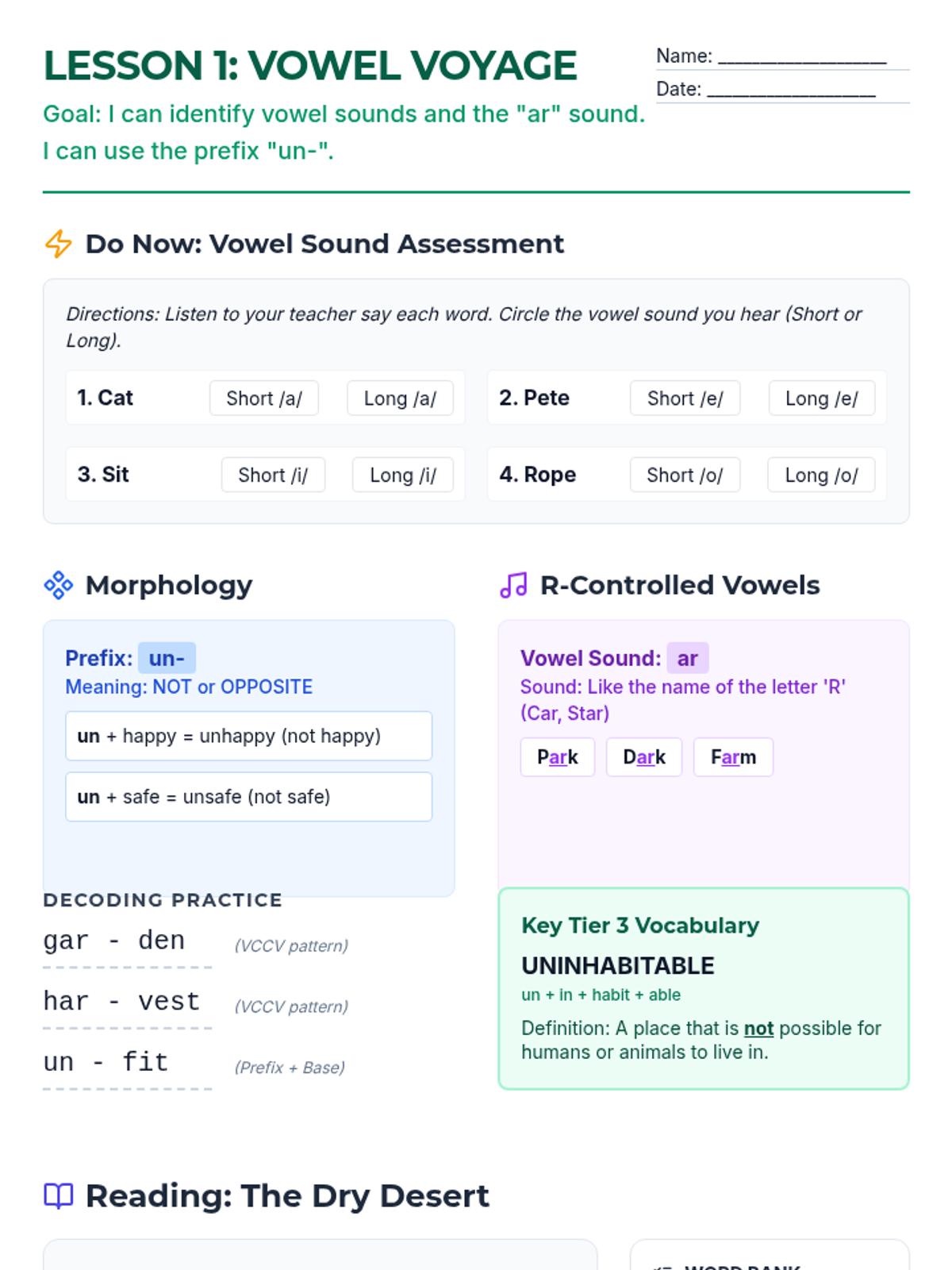
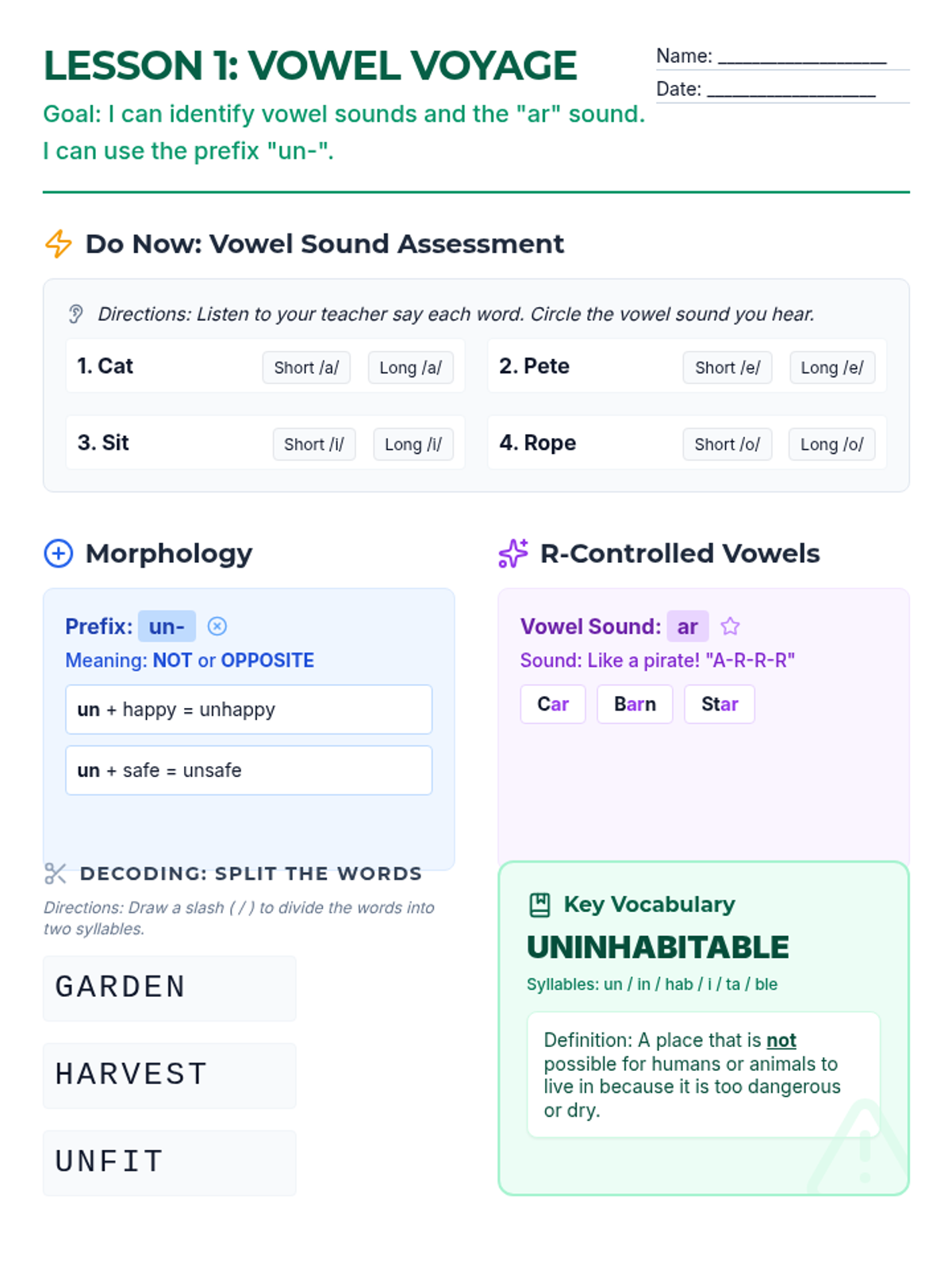
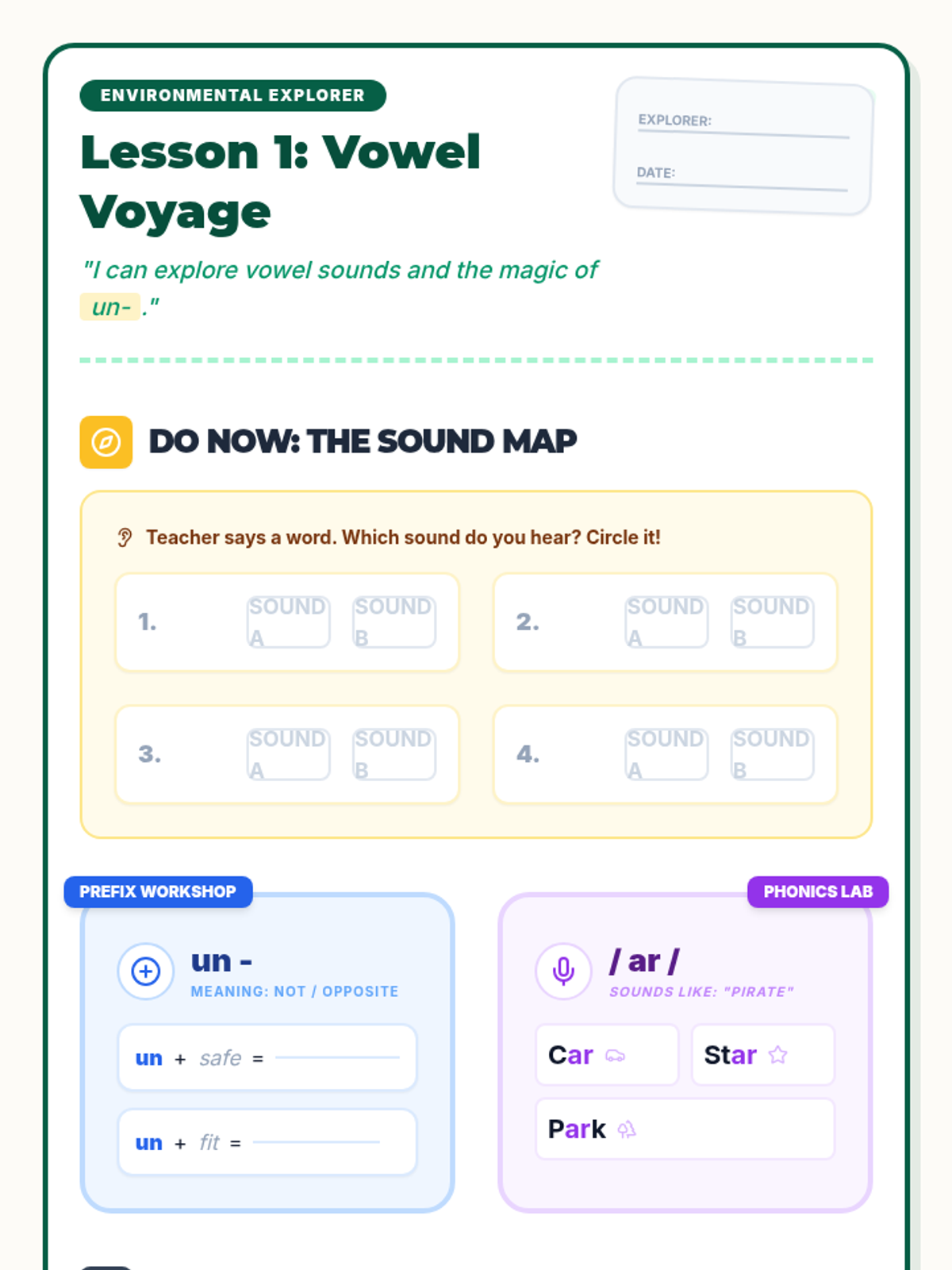
A 10-lesson thematic unit for 9th-grade ESOL students focusing on Shakespeare's Macbeth, integrating systemic language instruction, morphology, and phonics (R-controlled vowels) with high-school level analysis.
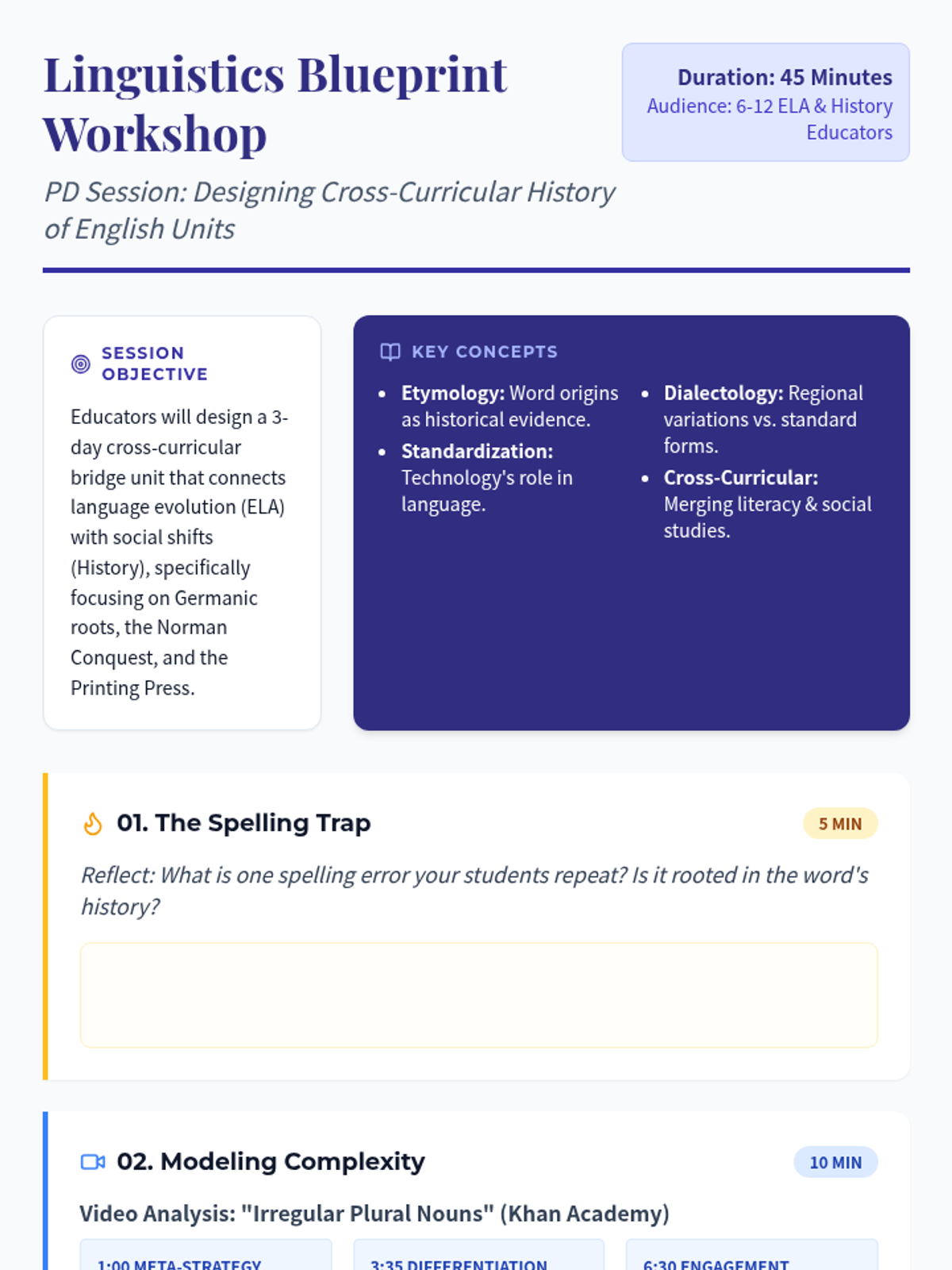
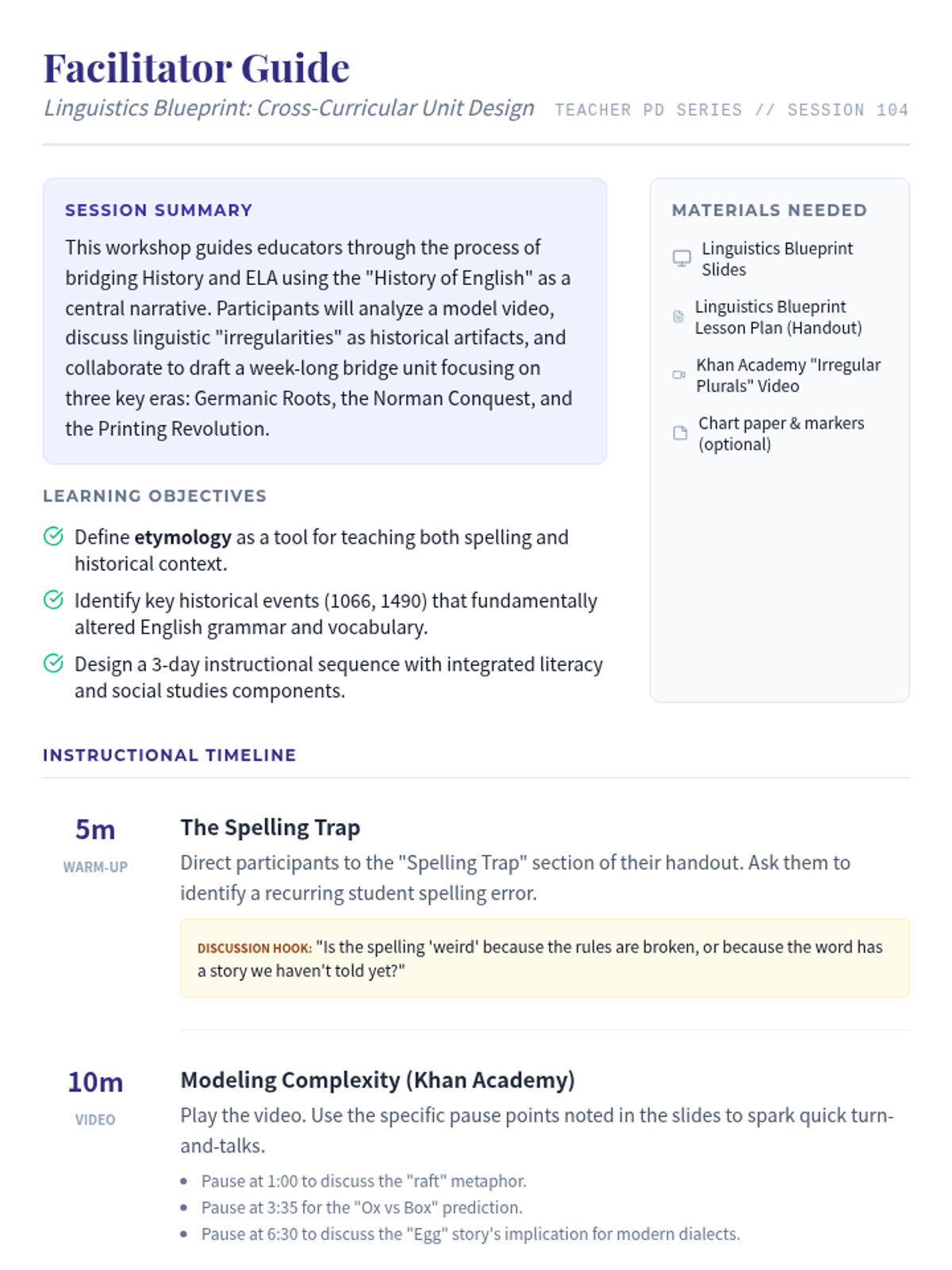
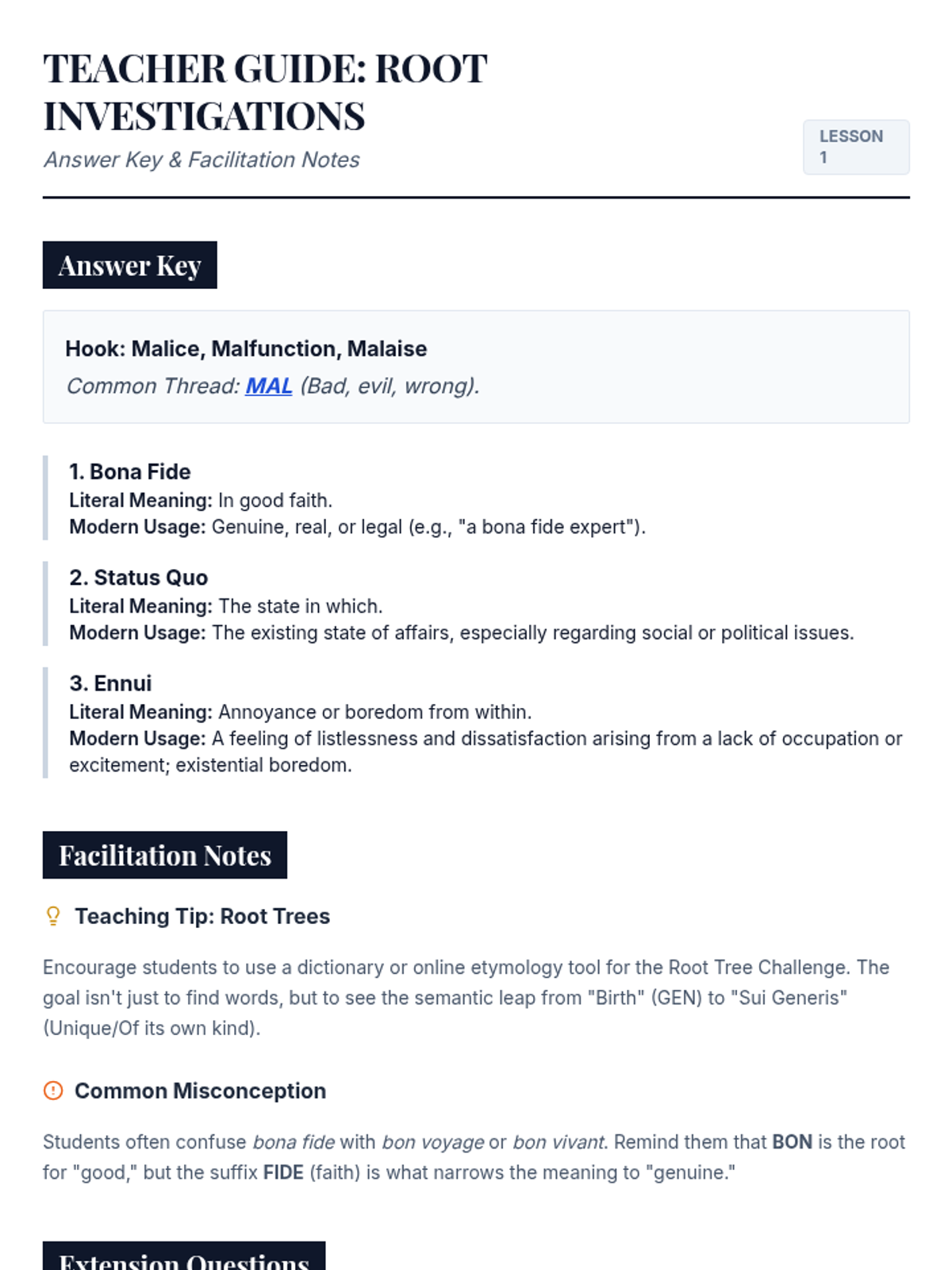
A curriculum development sequence focused on helping teachers bridge ELA and History through linguistics and etymology.
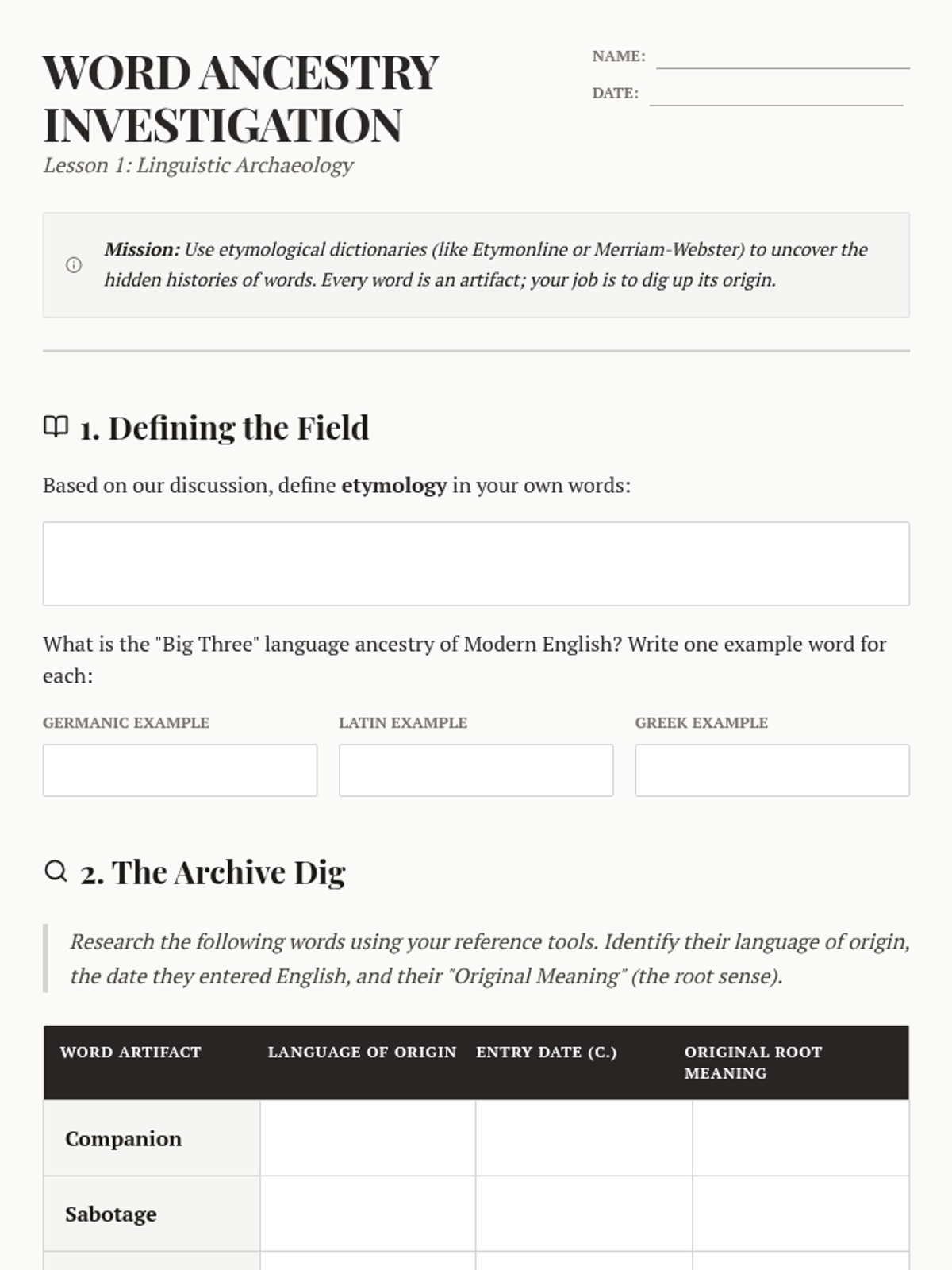
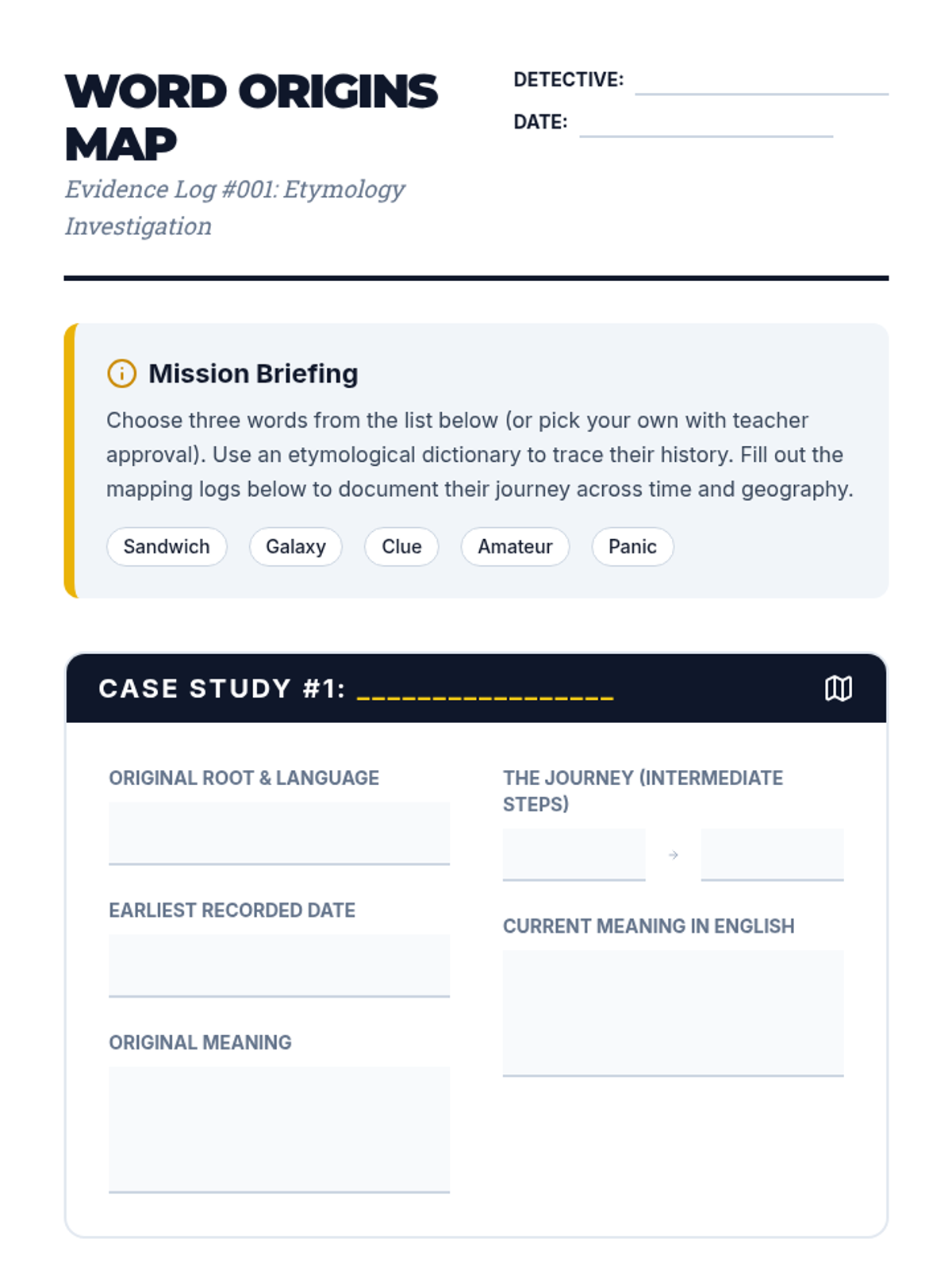
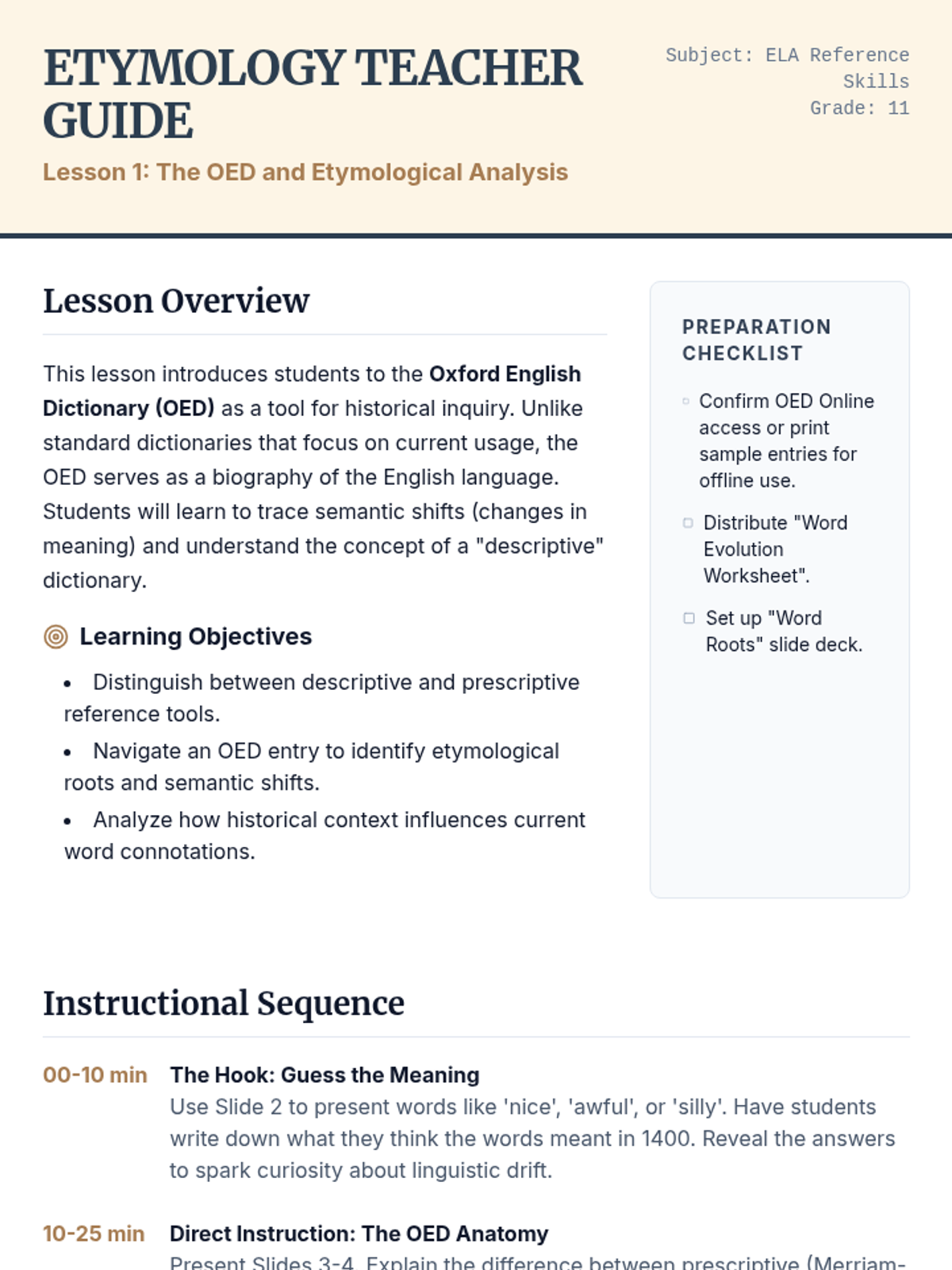
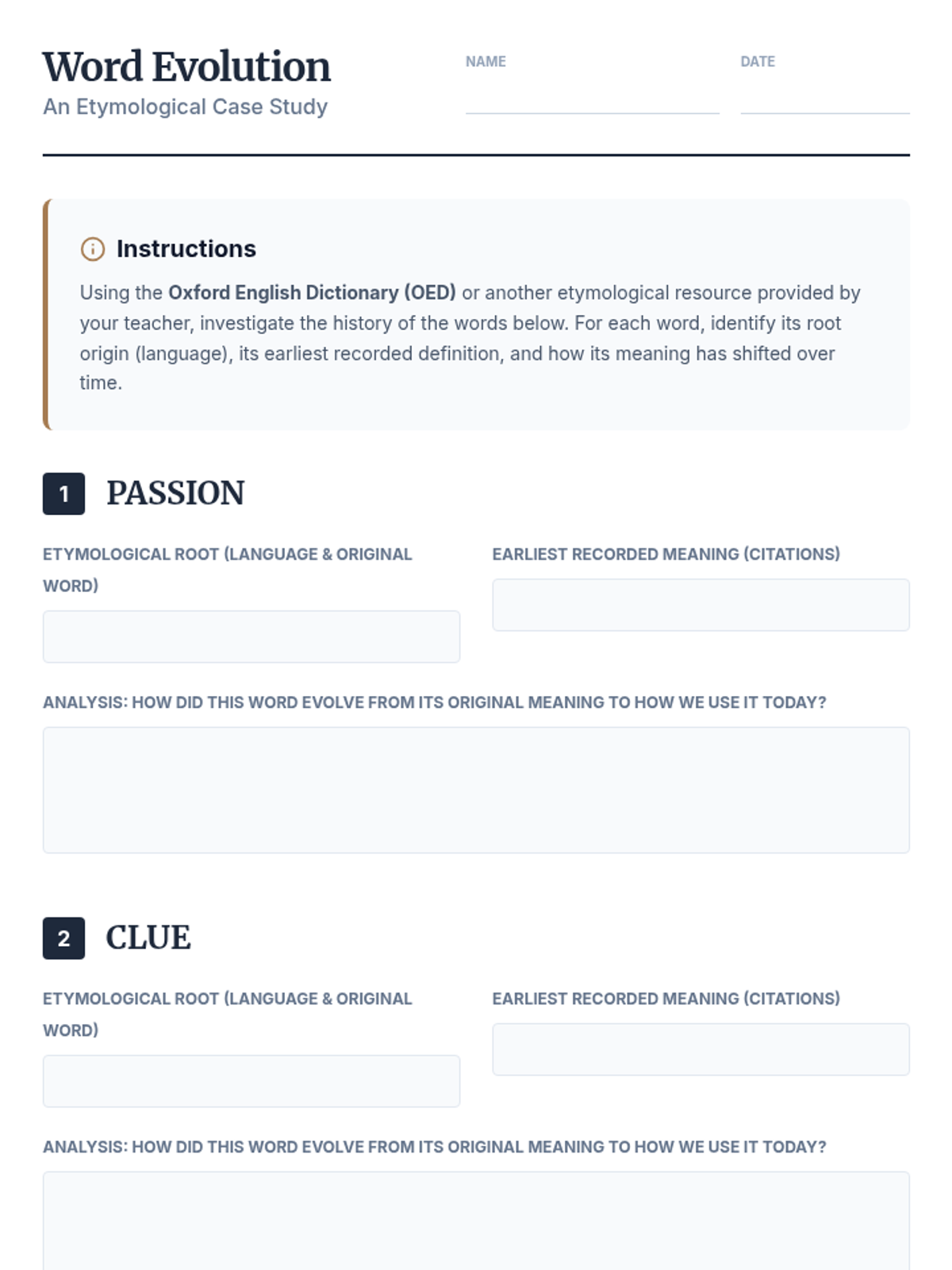
This inquiry-driven sequence focuses on etymology as a reference skill, teaching students to trace word origins to understand language evolution and historical context. Students move from decoding individual roots to analyzing how historical events shape the English lexicon, culminating in a 'word biography' project.
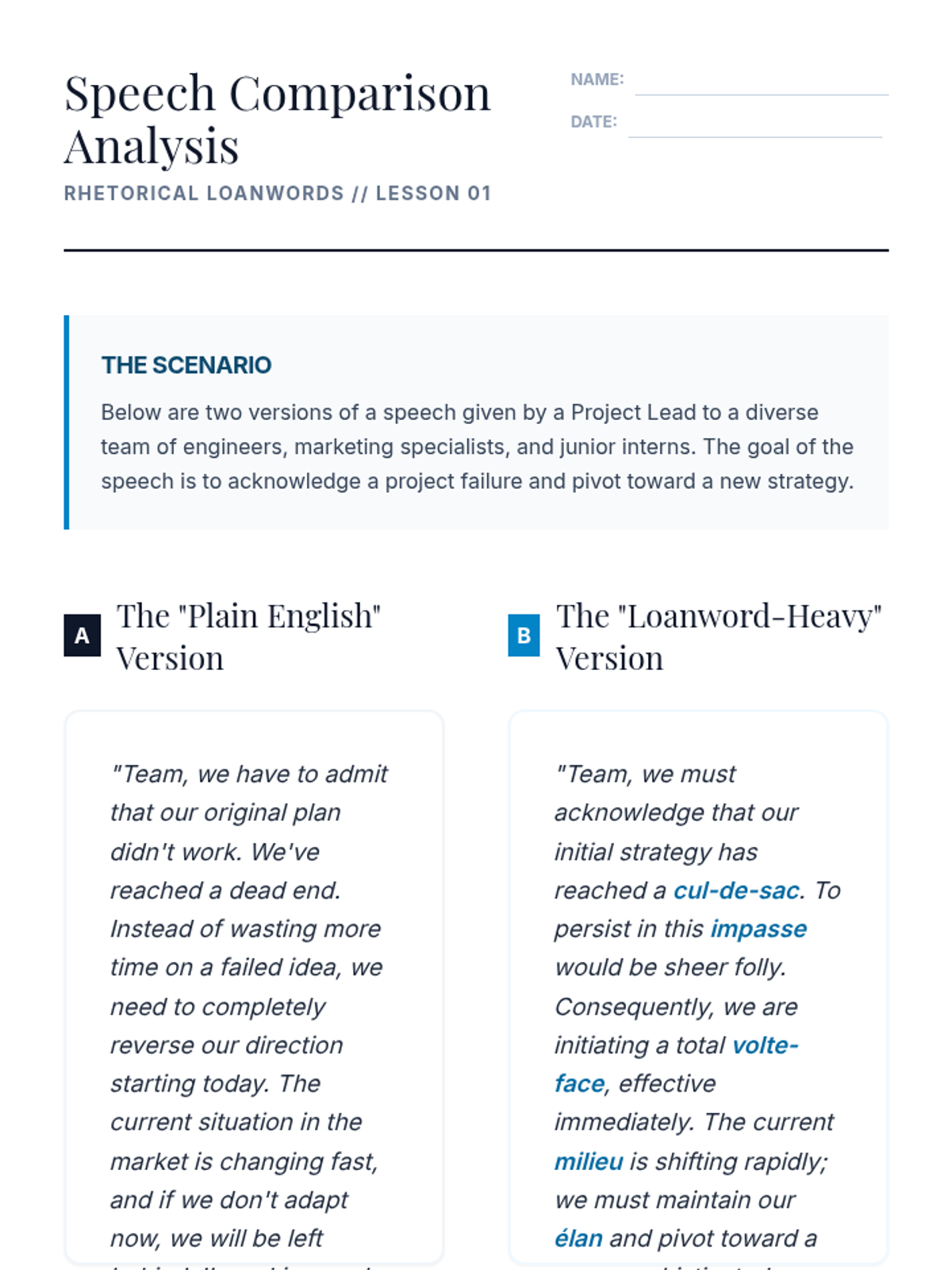
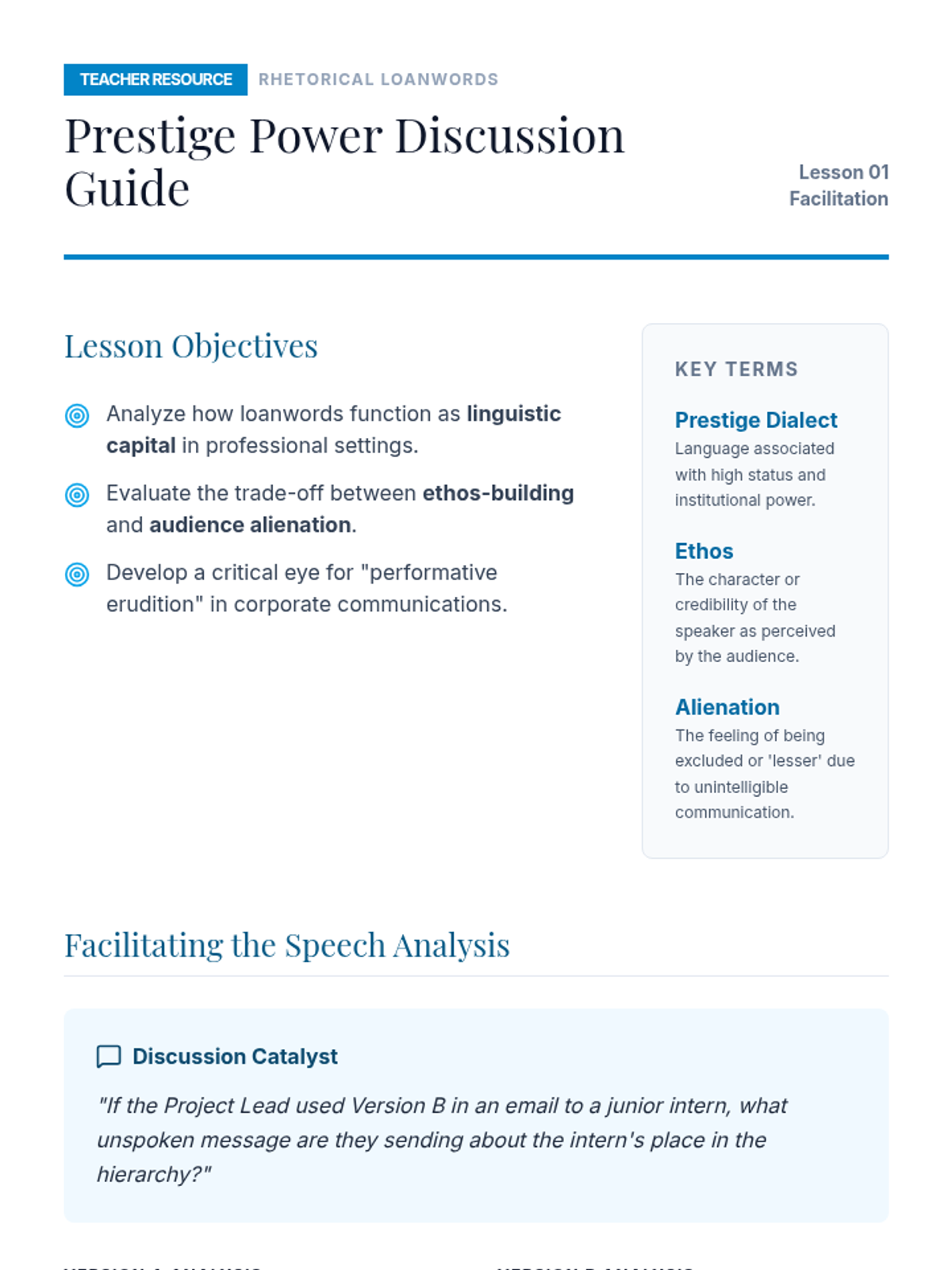
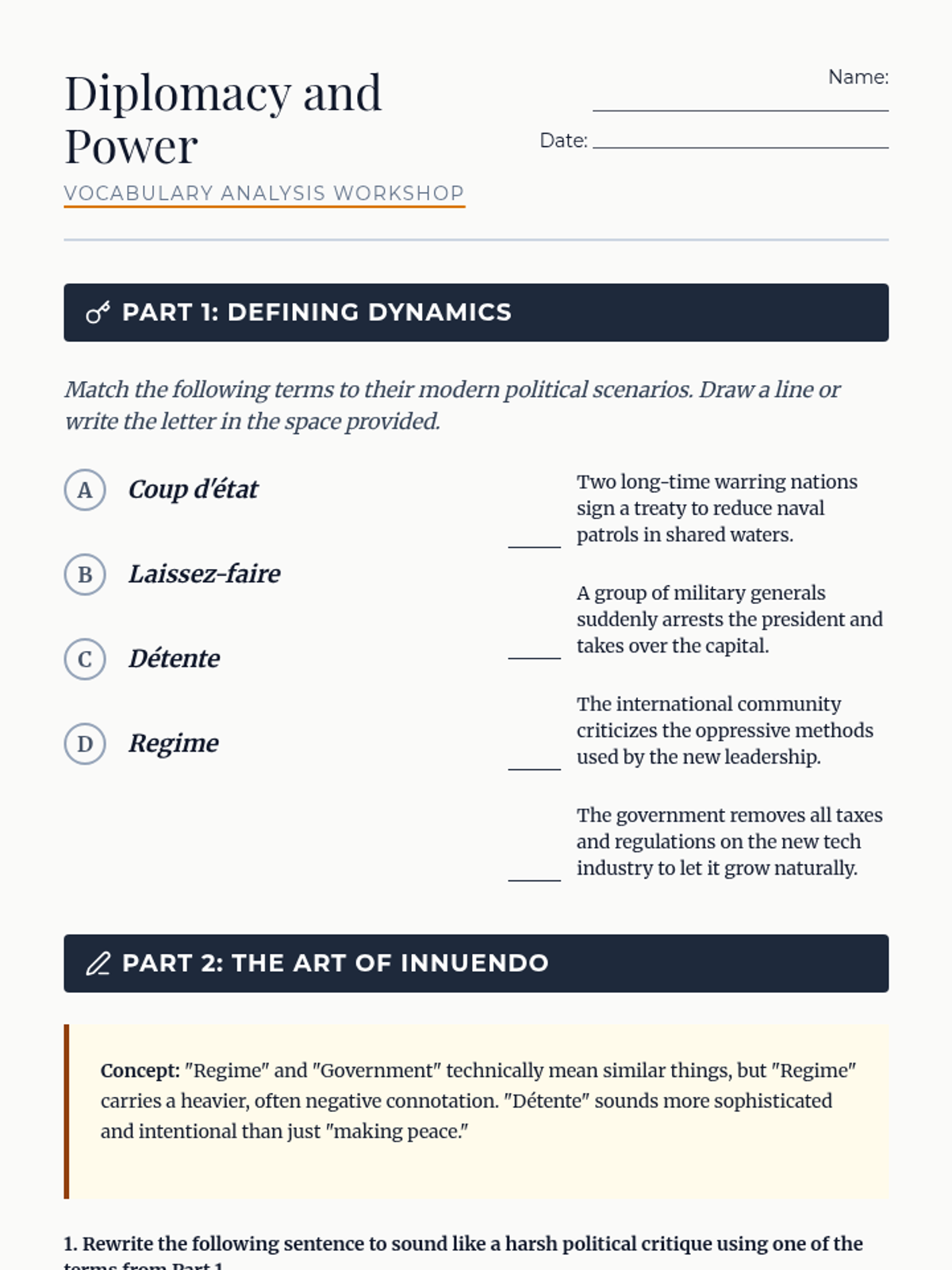
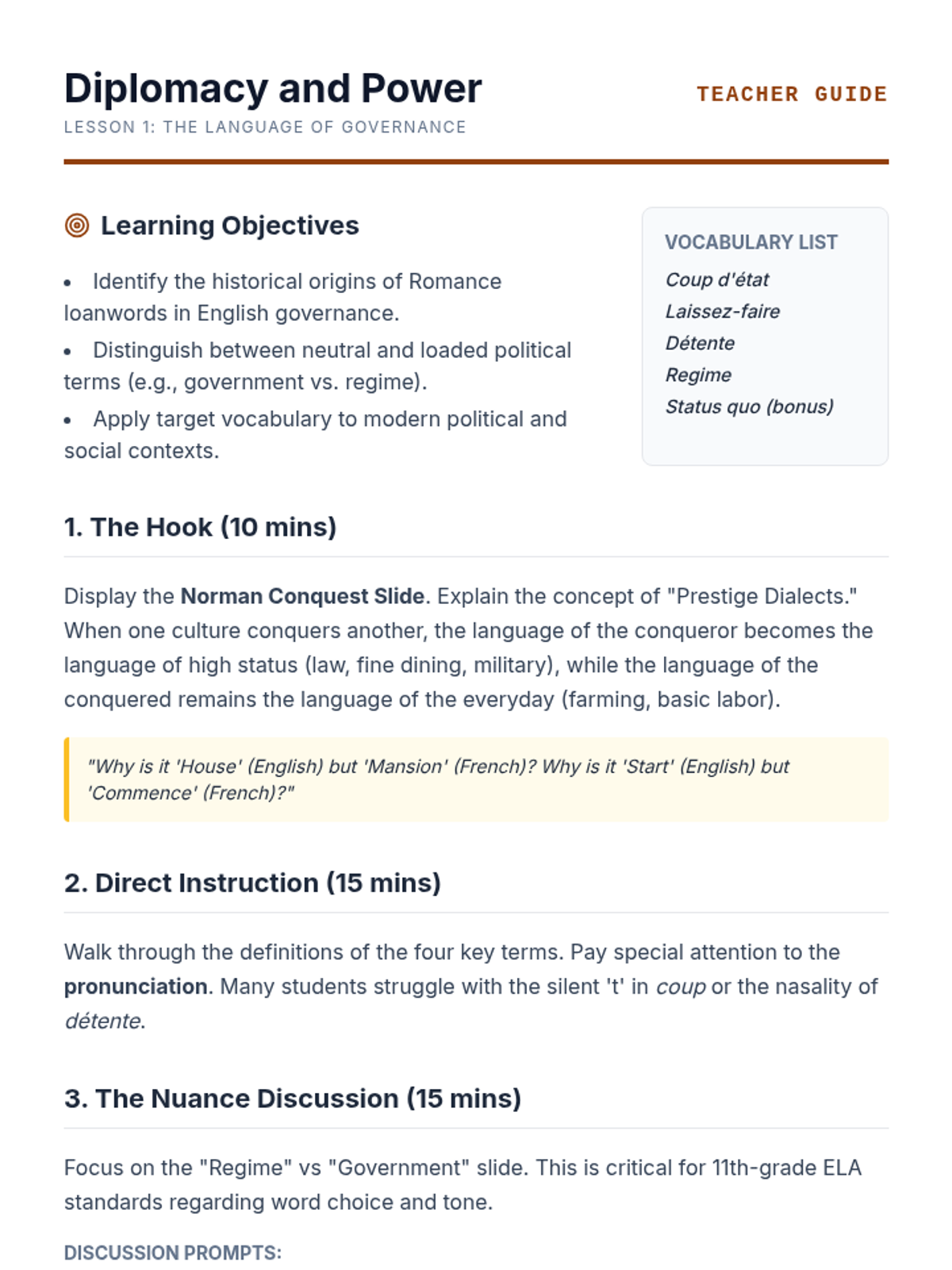
An advanced rhetorical study of foreign words and expressions in professional and literary contexts, focusing on the tension between prestige and alienation. Students move from technical mechanics and common misuses to analyzing code-switching in literature and designing corporate style policies.
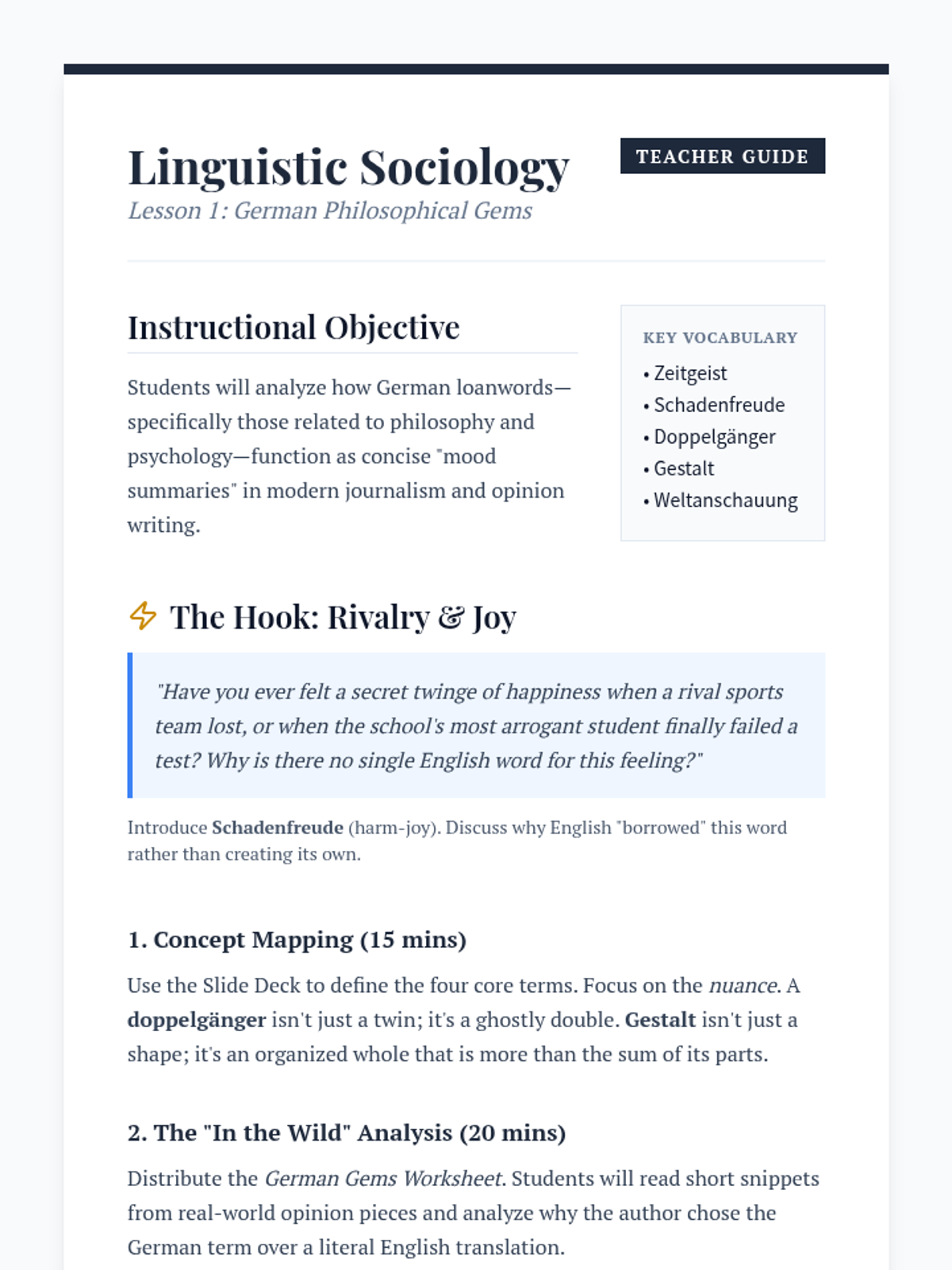
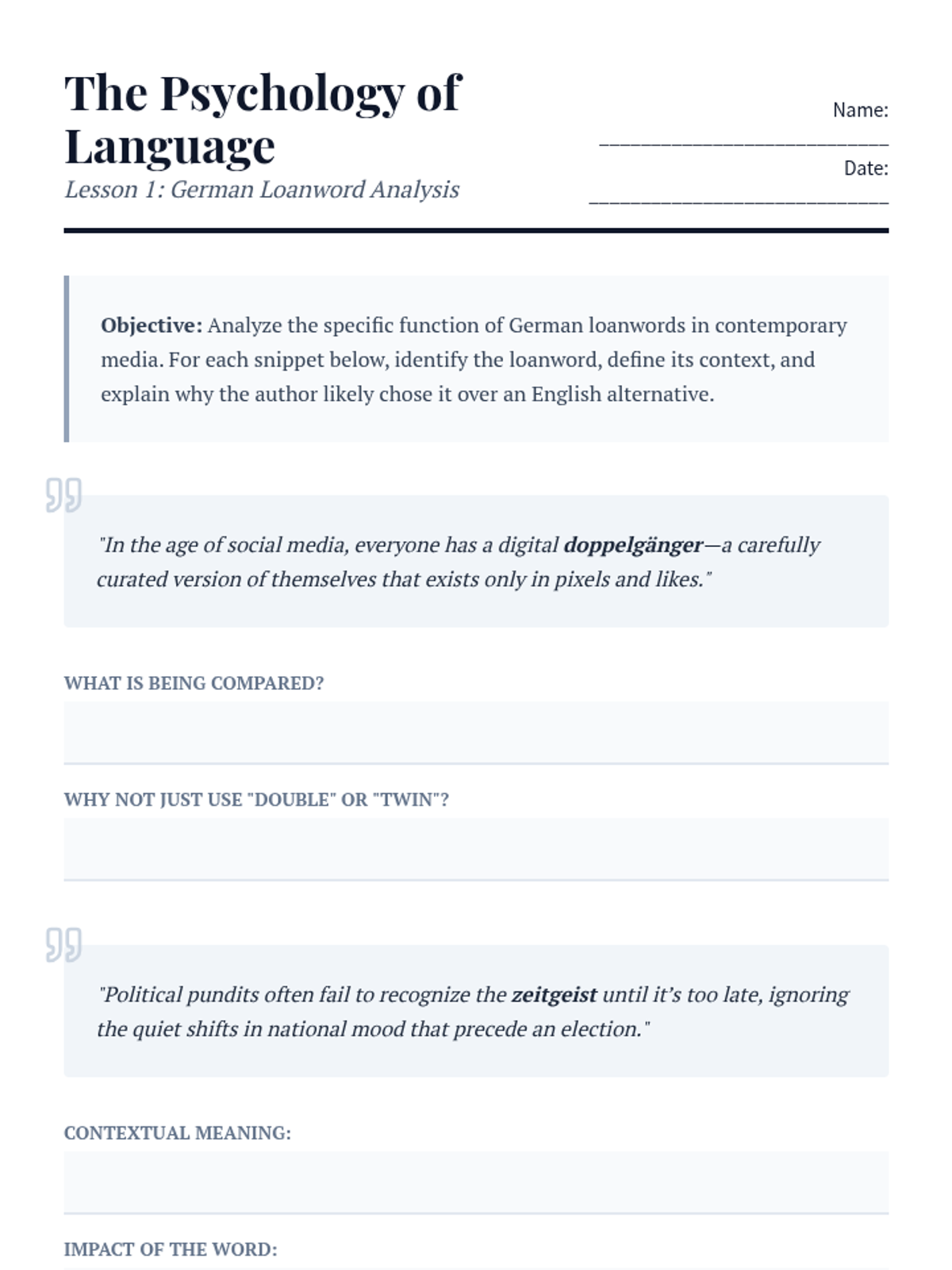
An 11th-grade ELA sequence exploring the sociological impact of foreign loanwords in modern media. Students analyze etymology, cultural context, and media usage of expressions from German, Spanish, Yiddish, and more to understand how language reflects societal moods.
A high-energy, grade 11 vocabulary sequence focused on the mastery of foreign loanwords and expressions common in academic and standardized testing contexts. Students move from morphological analysis to active usage through gamified challenges and systematic practice.
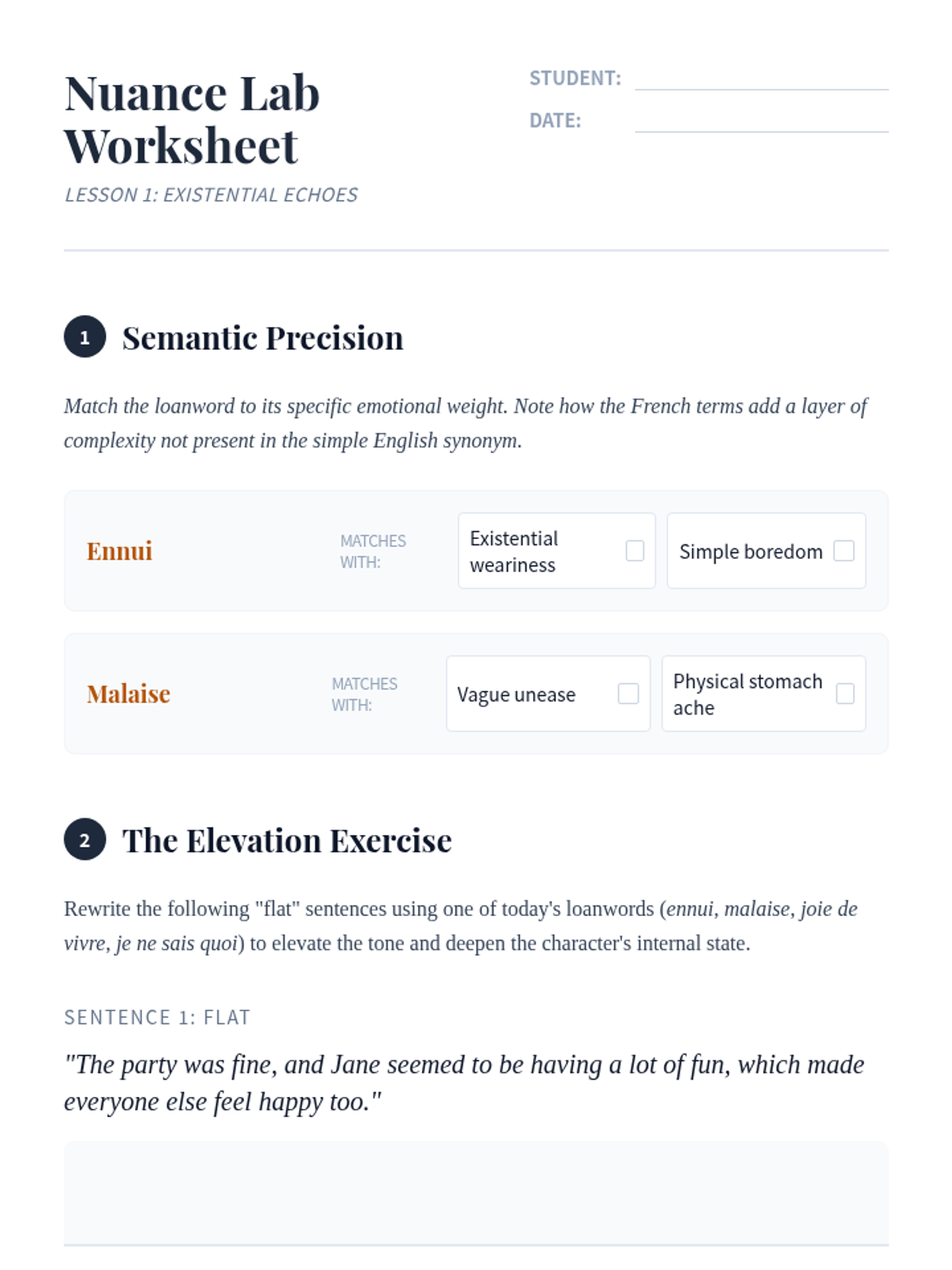
A high school ELA sequence exploring French loanwords and their impact on tone, mood, and sophistication. Students analyze historical, cultural, and literary contexts to expand their descriptive vocabulary.
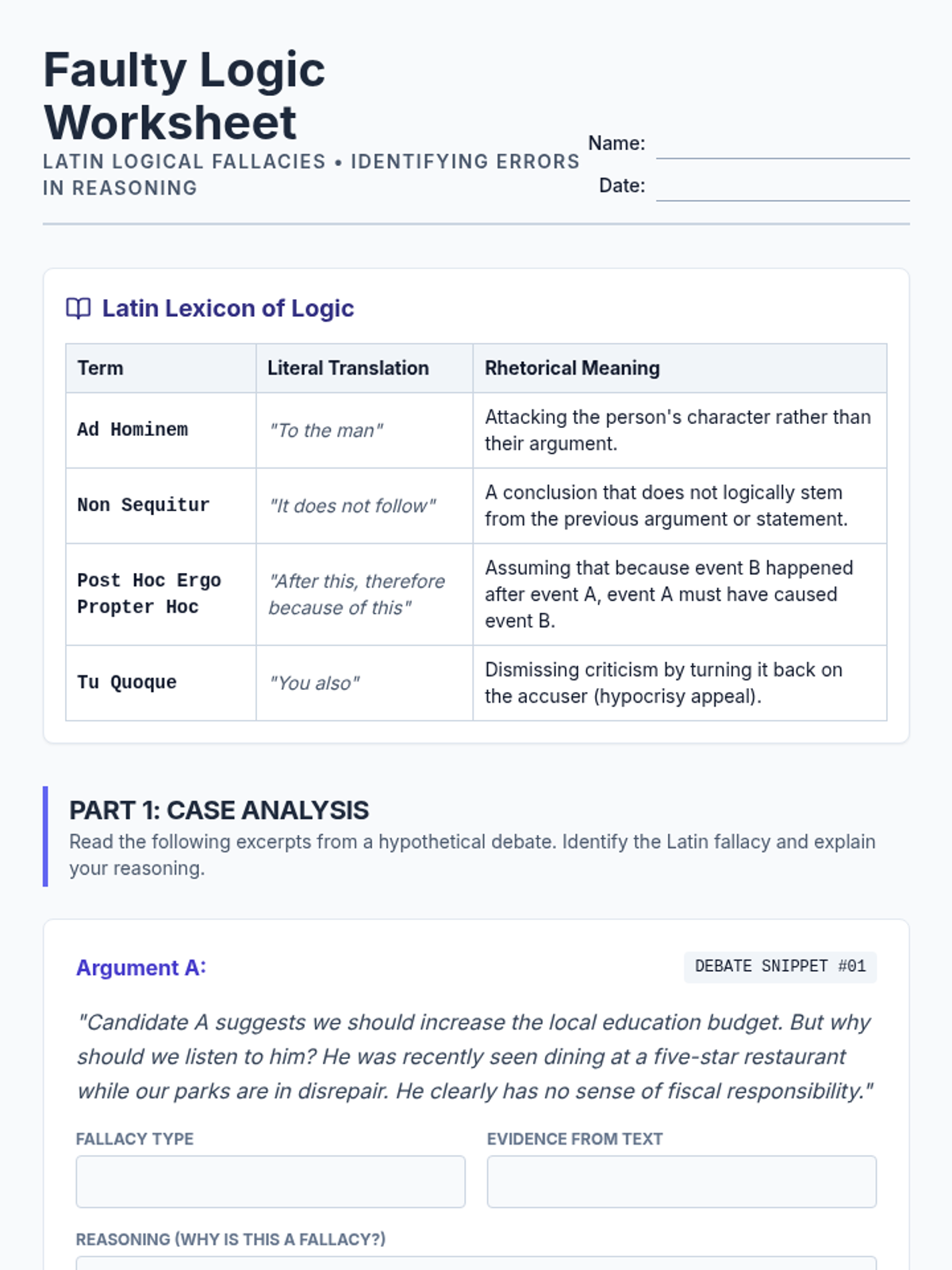
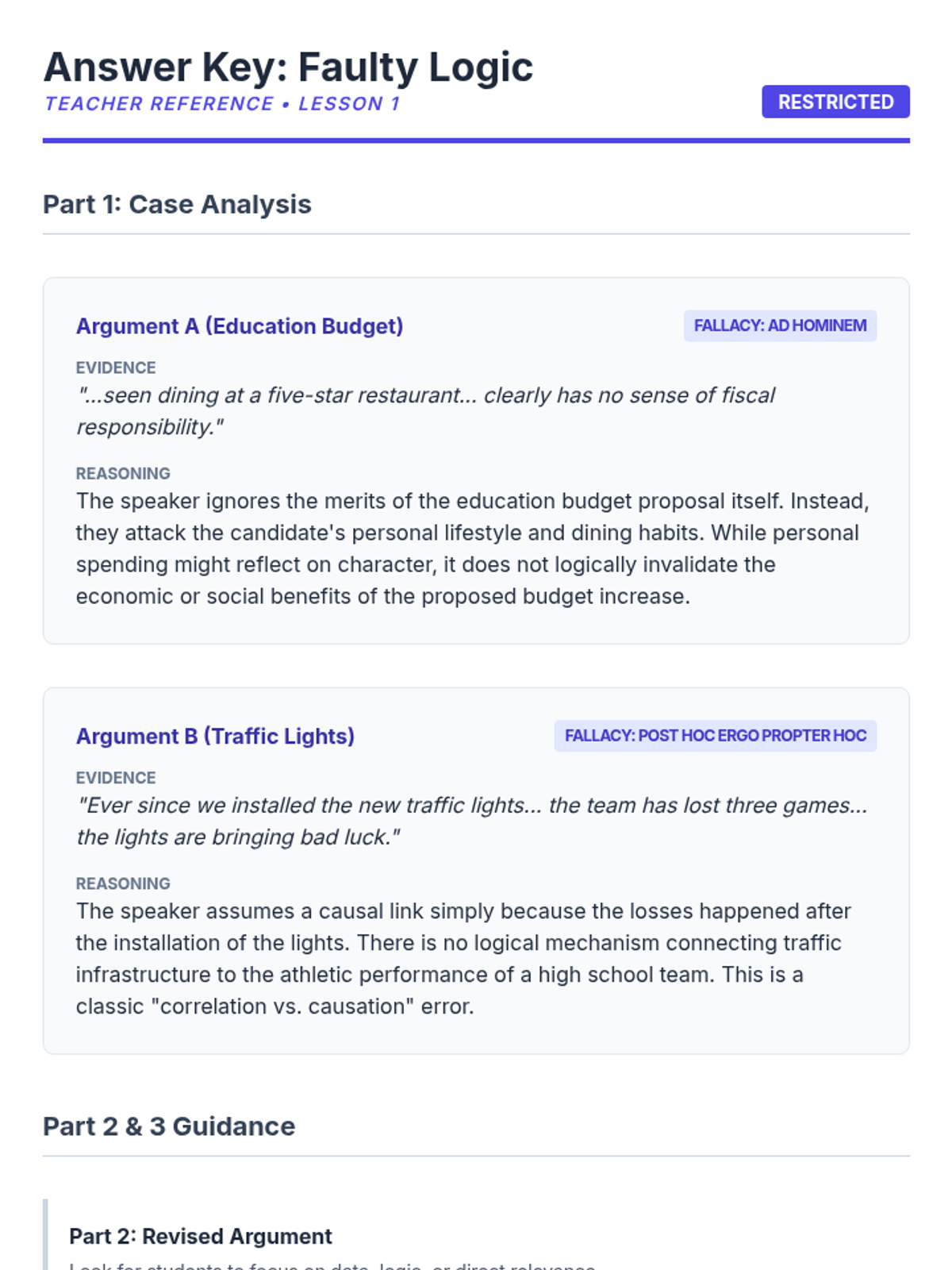
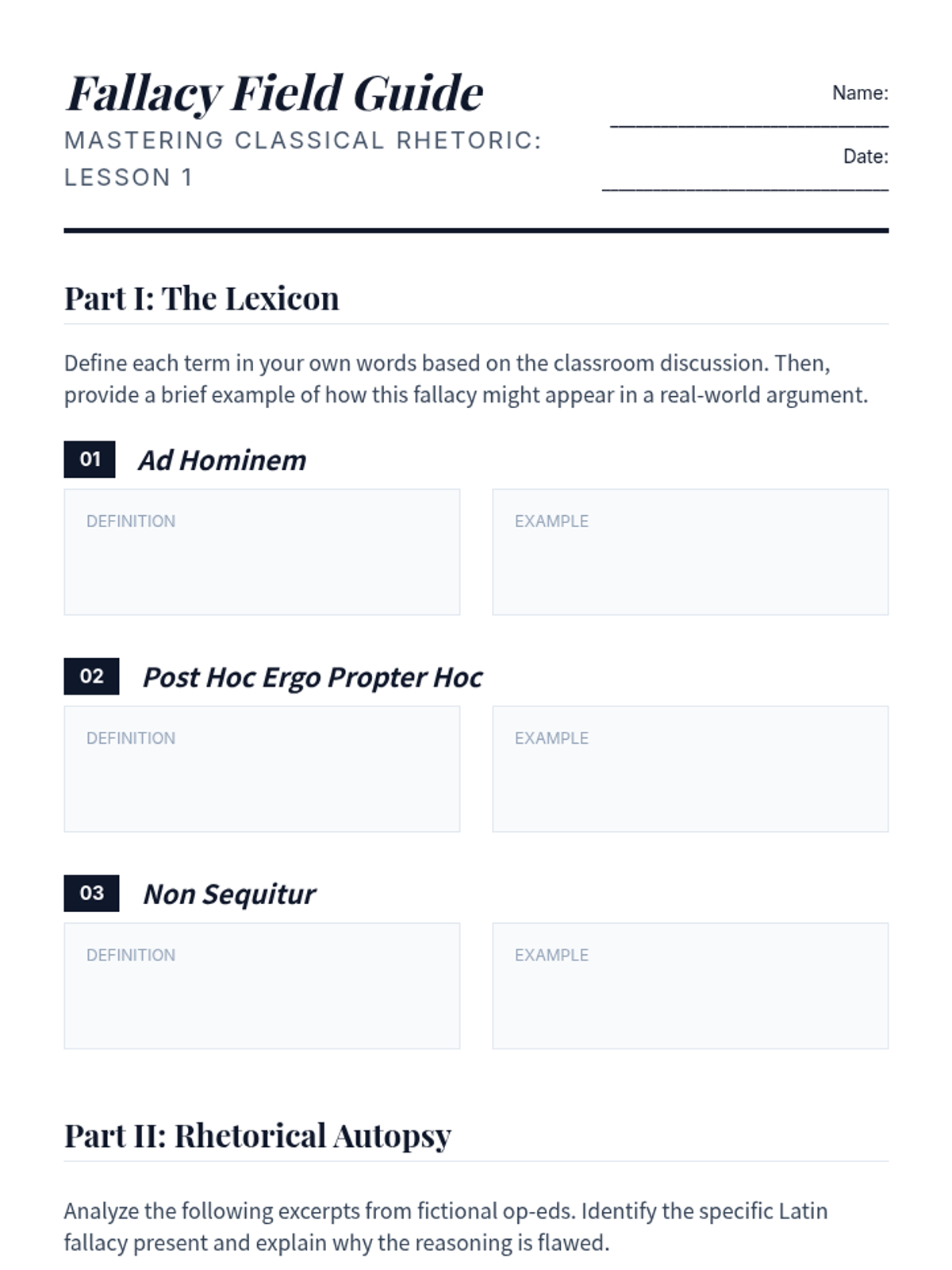
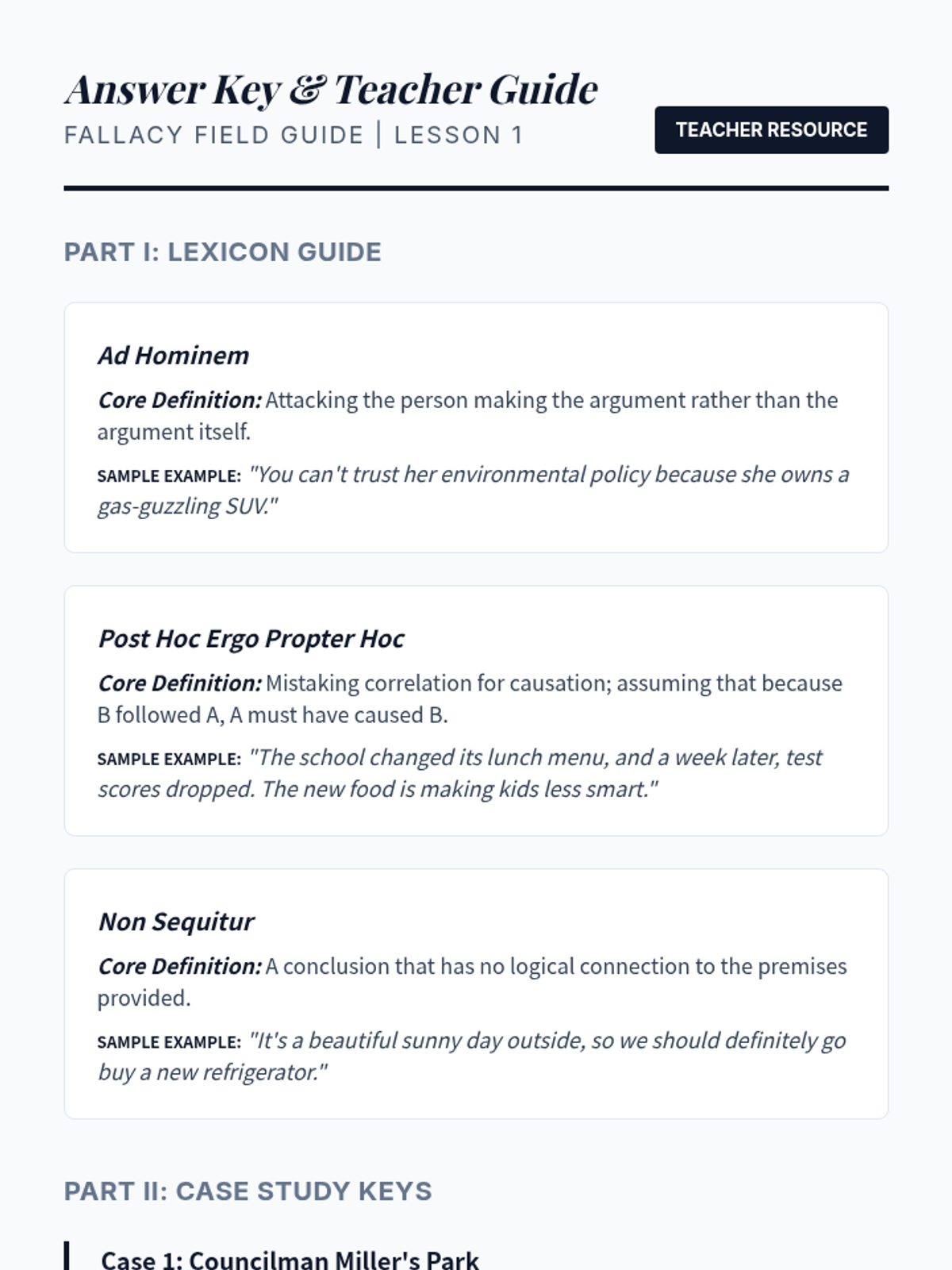
This high school ELA sequence explores Latin terminology in rhetoric, law, and academia. Students move from identifying logical fallacies to applying legal concepts and scholarly abbreviations, culminating in a persuasive project that leverages classical authority for modern argumentation.
A sophisticated exploration of French loanwords in English, focusing on their use in art, literature, and social critique to provide students with the vocabulary of cultural criticism.
This sequence immerses students in the scholarly and rhetorical traditions that shape formal academic discourse, focusing on Latin and Greek expressions prevalent in university-level writing and debate. Students will analyze how terms like 'ad hominem,' 'non sequitur,' and 'status quo' function as shorthand for complex logical concepts, culminating in a Socratic seminar.
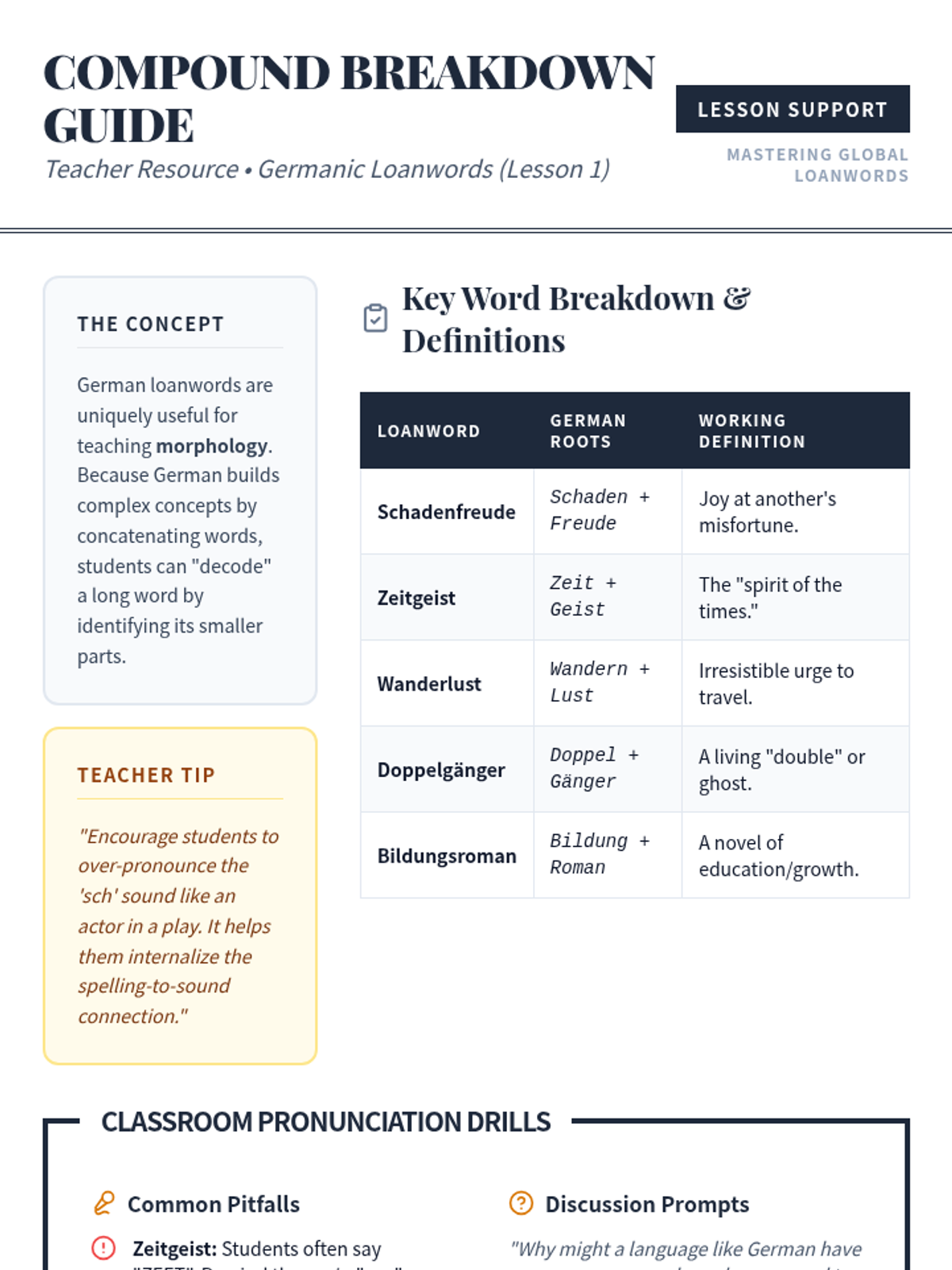
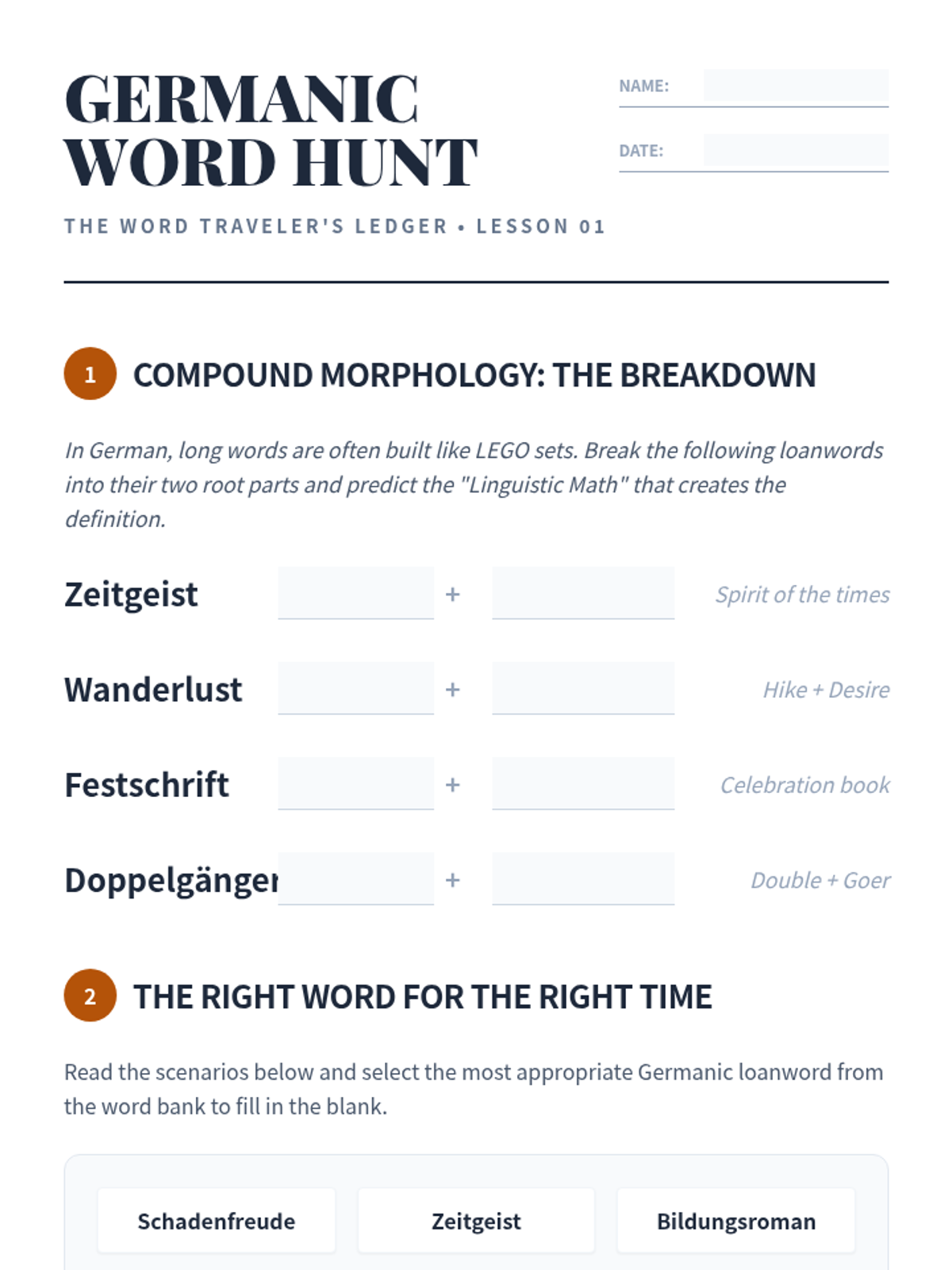
This sequence explores loanwords from German, Spanish, Italian, and Yiddish, focusing on their cultural origins, tricky orthography, and precise meanings. Students will engage in morphological analysis, categorization, and inquiry-based research to master these linguistic imports.
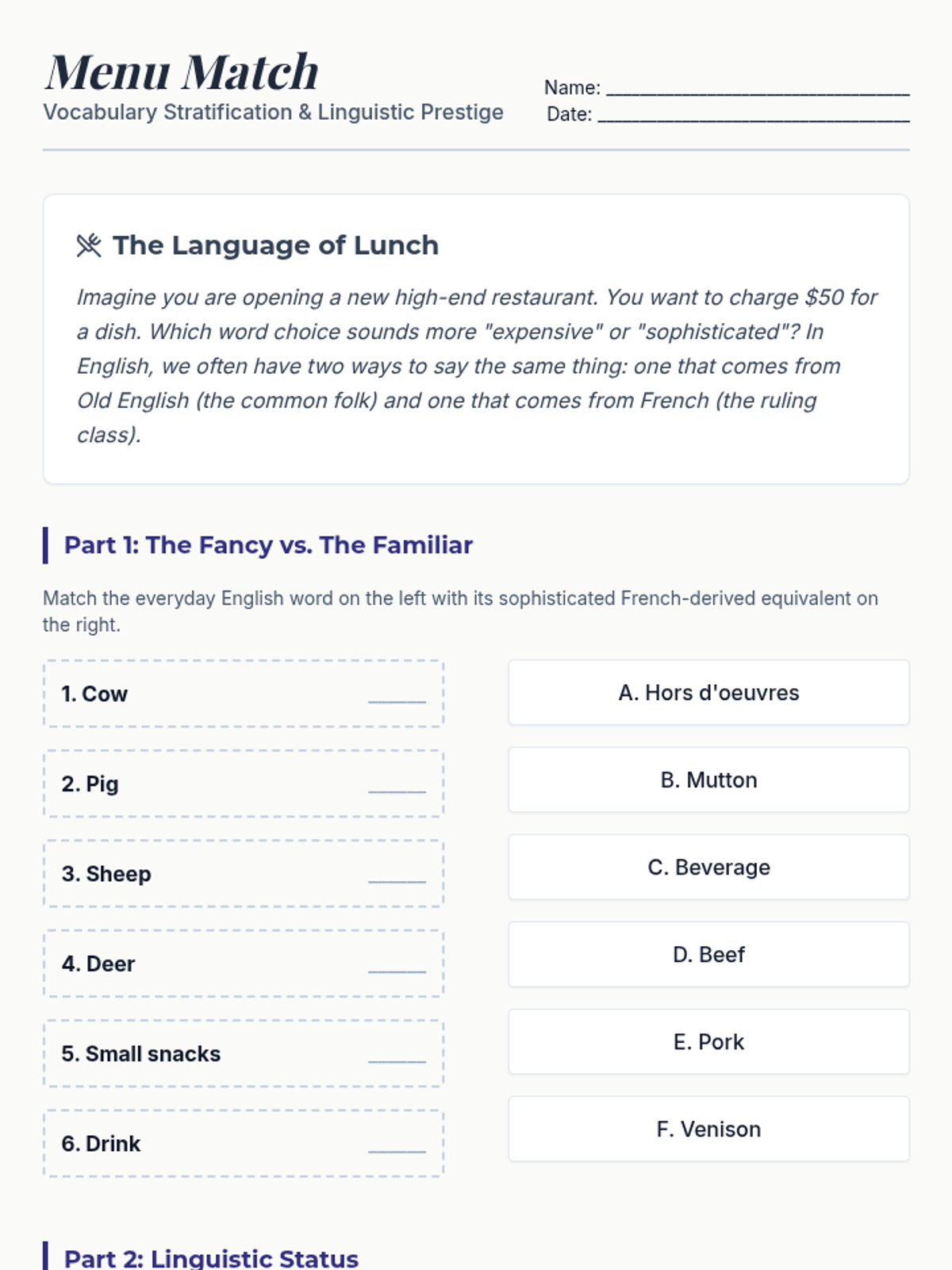
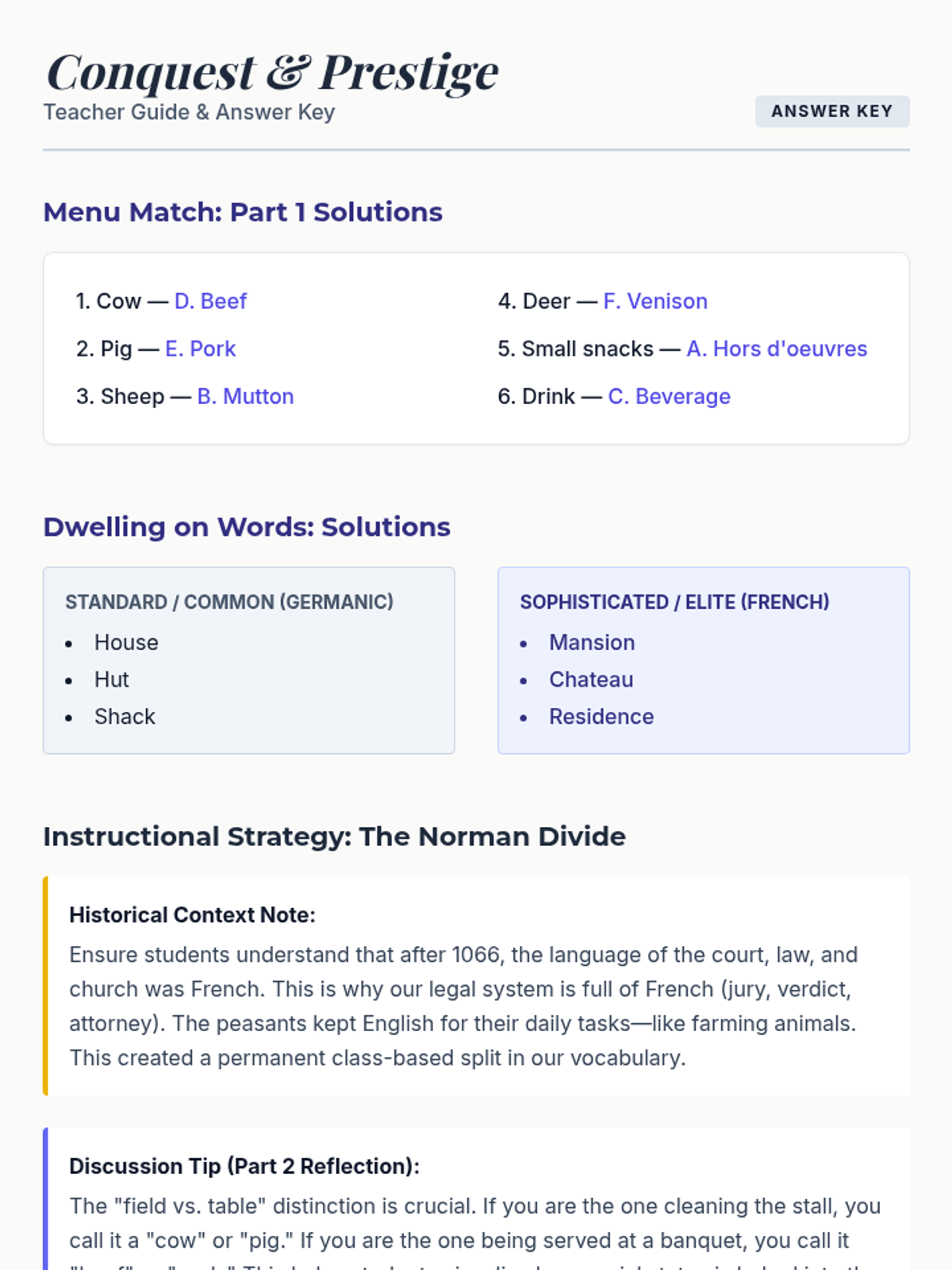
This sequence explores the heavy influence of the French language on English, specifically regarding words that describe tone, art, social etiquette, and nuance. Students will investigate why English speakers often revert to French loanwords to capture specific feelings or concepts that English lacks single words for (le mot juste). The learning journey moves from historical context to literary analysis, helping students appreciate connotation and cultural prestige in language.
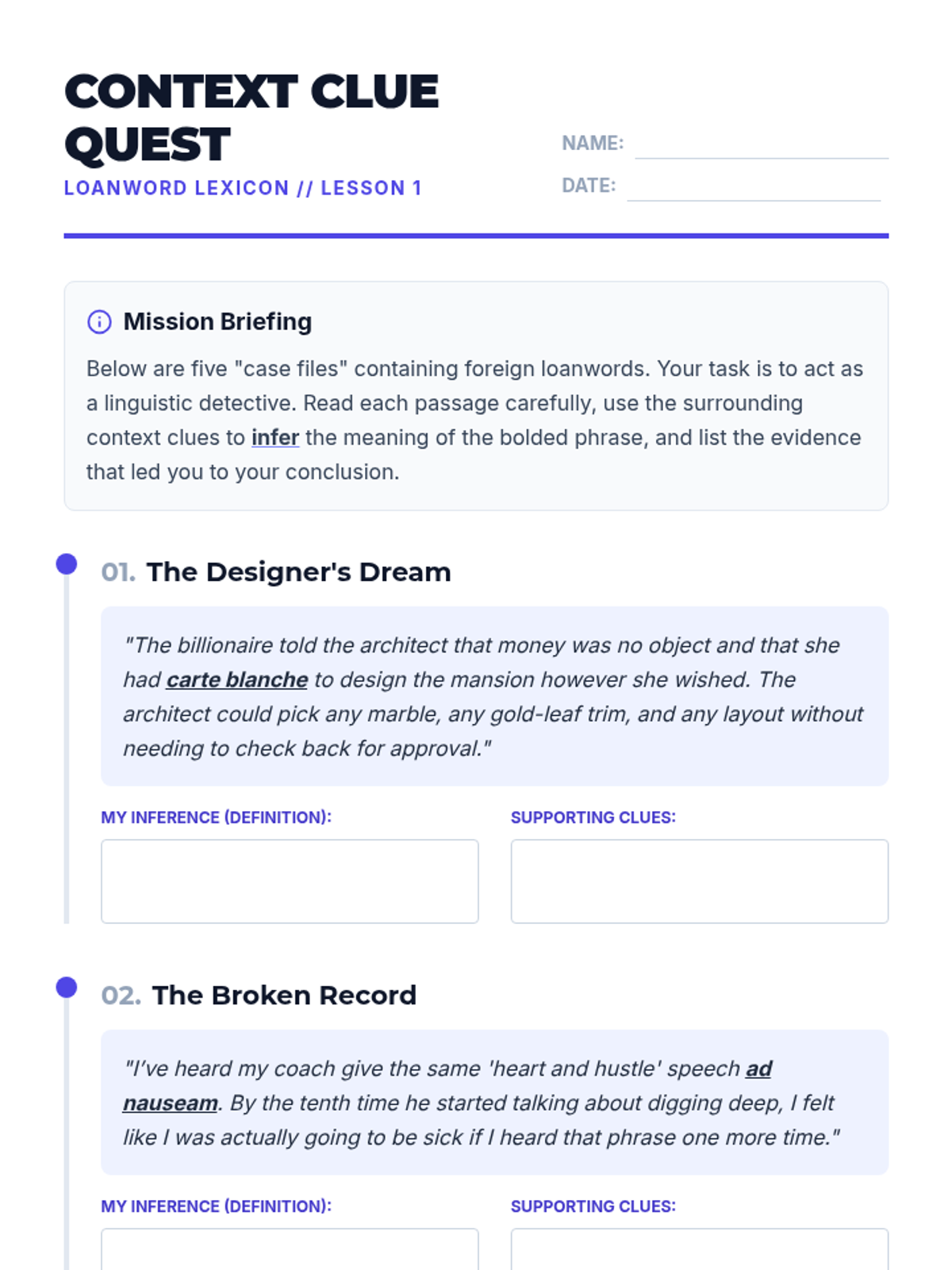
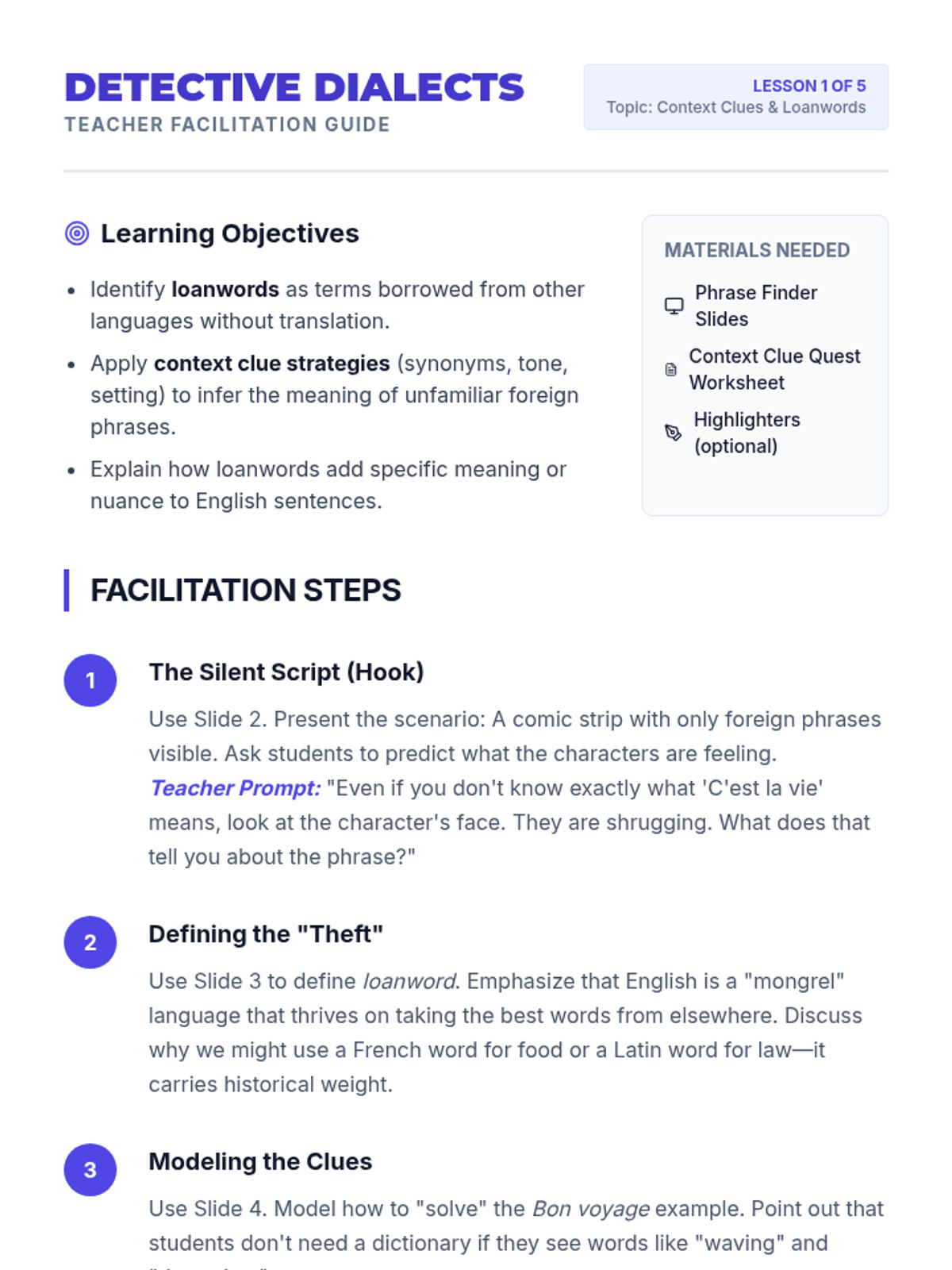
This sequence explores the rhetorical power and nuance of foreign phrases in English, moving from context-clue inference to stylistic application in creative writing. Students will analyze how words like 'carpe diem' and 'déjà vu' add layers of meaning that standard English translations often lack.
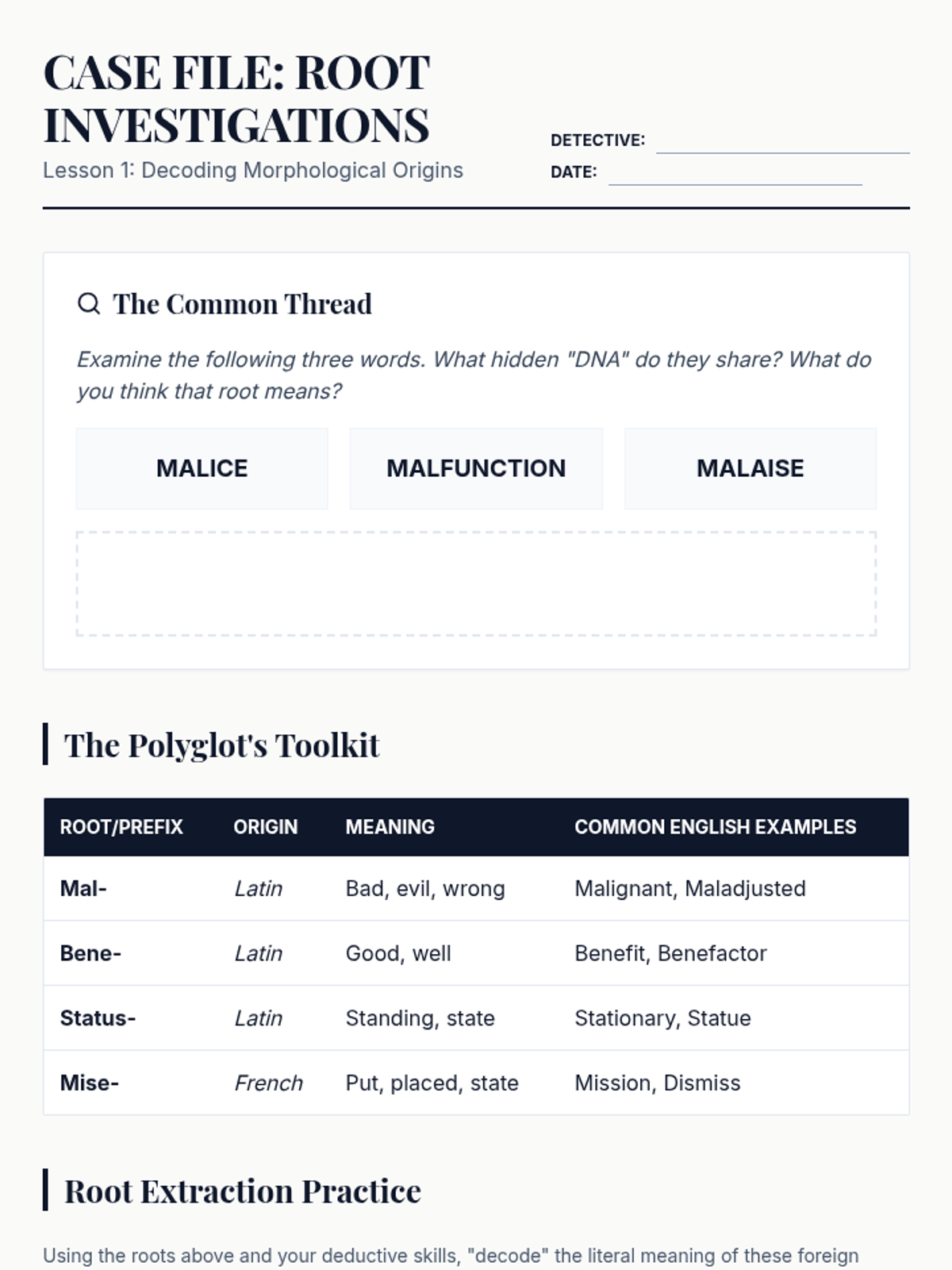
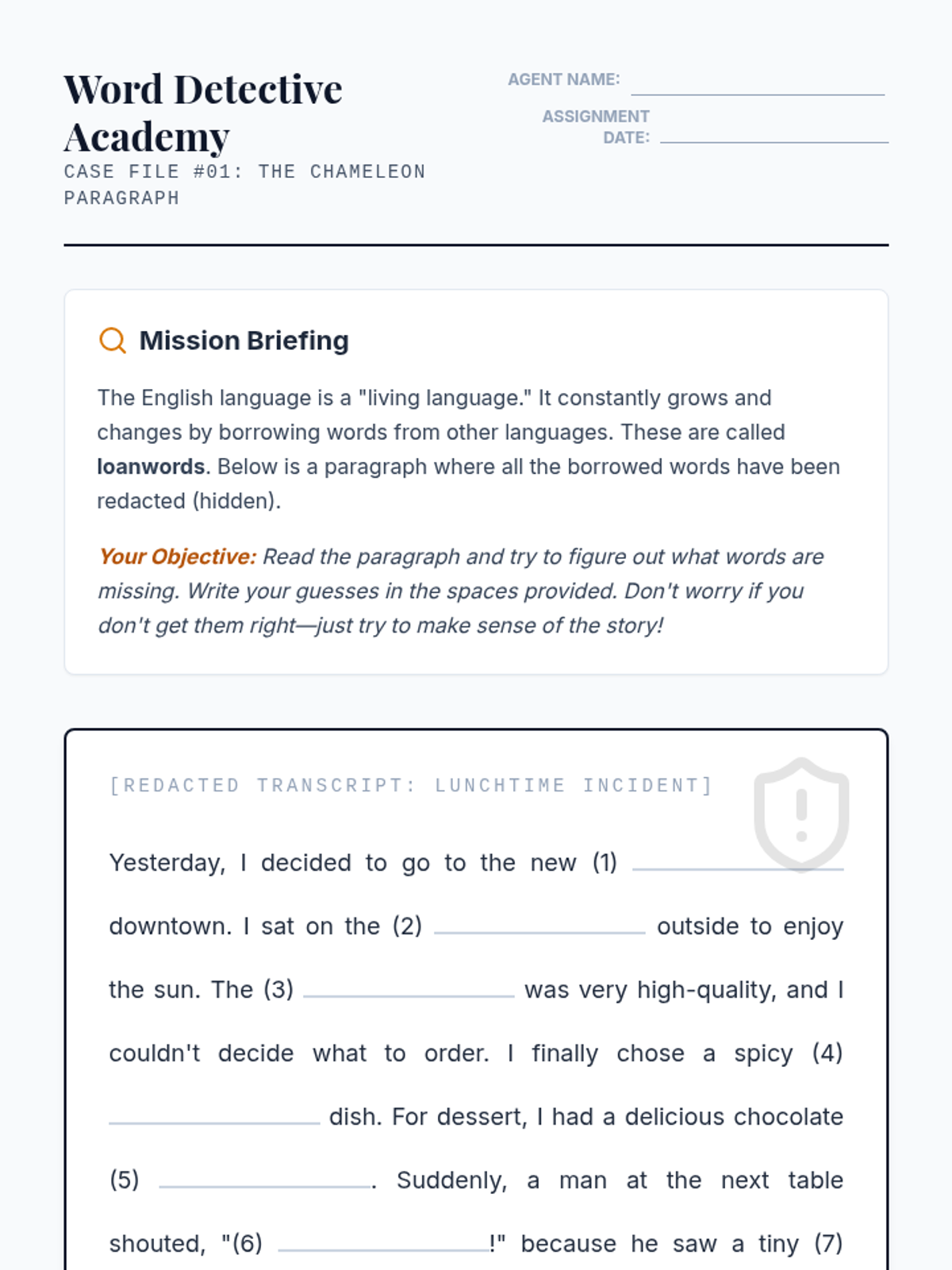
Students act as linguistic detectives to uncover why English adopted specific terms from Latin, French, and Spanish. The sequence moves from understanding etymology to mastering high-frequency loanwords and identifying linguistic roots using research tools.
Students become linguistic historians, investigating the etymology, cultural origins, and evolution of advanced English vocabulary through research and creative projects.
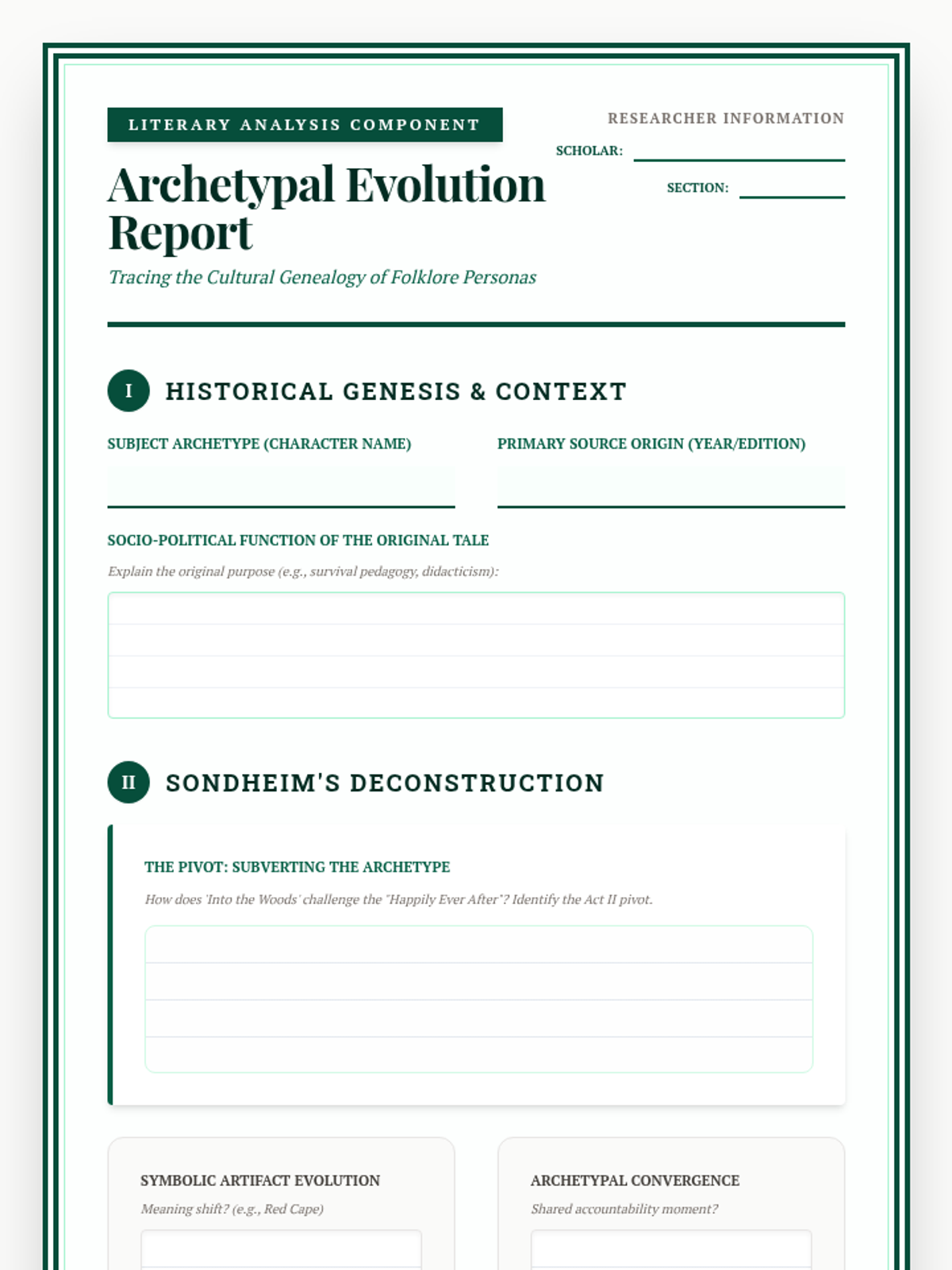
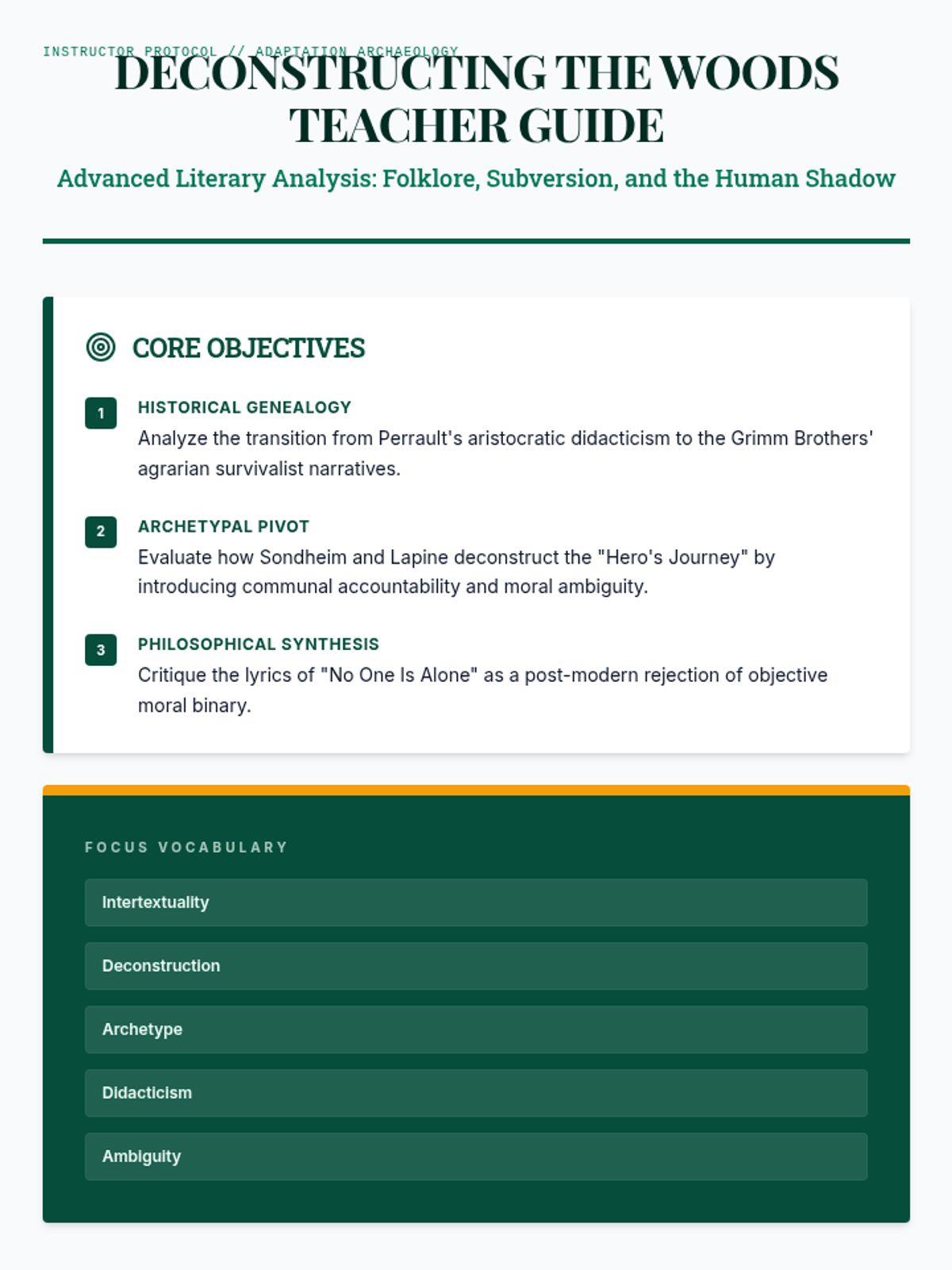
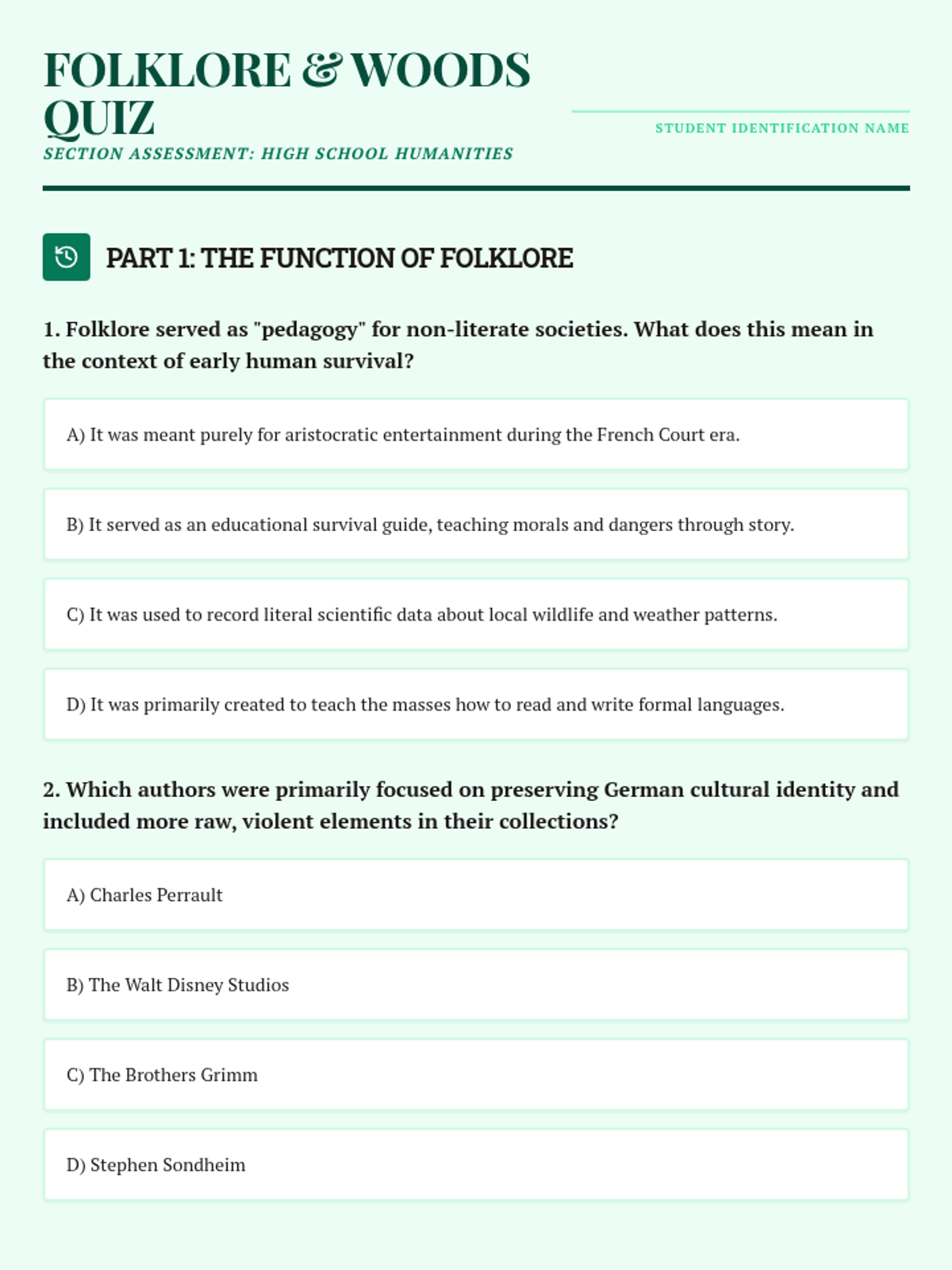
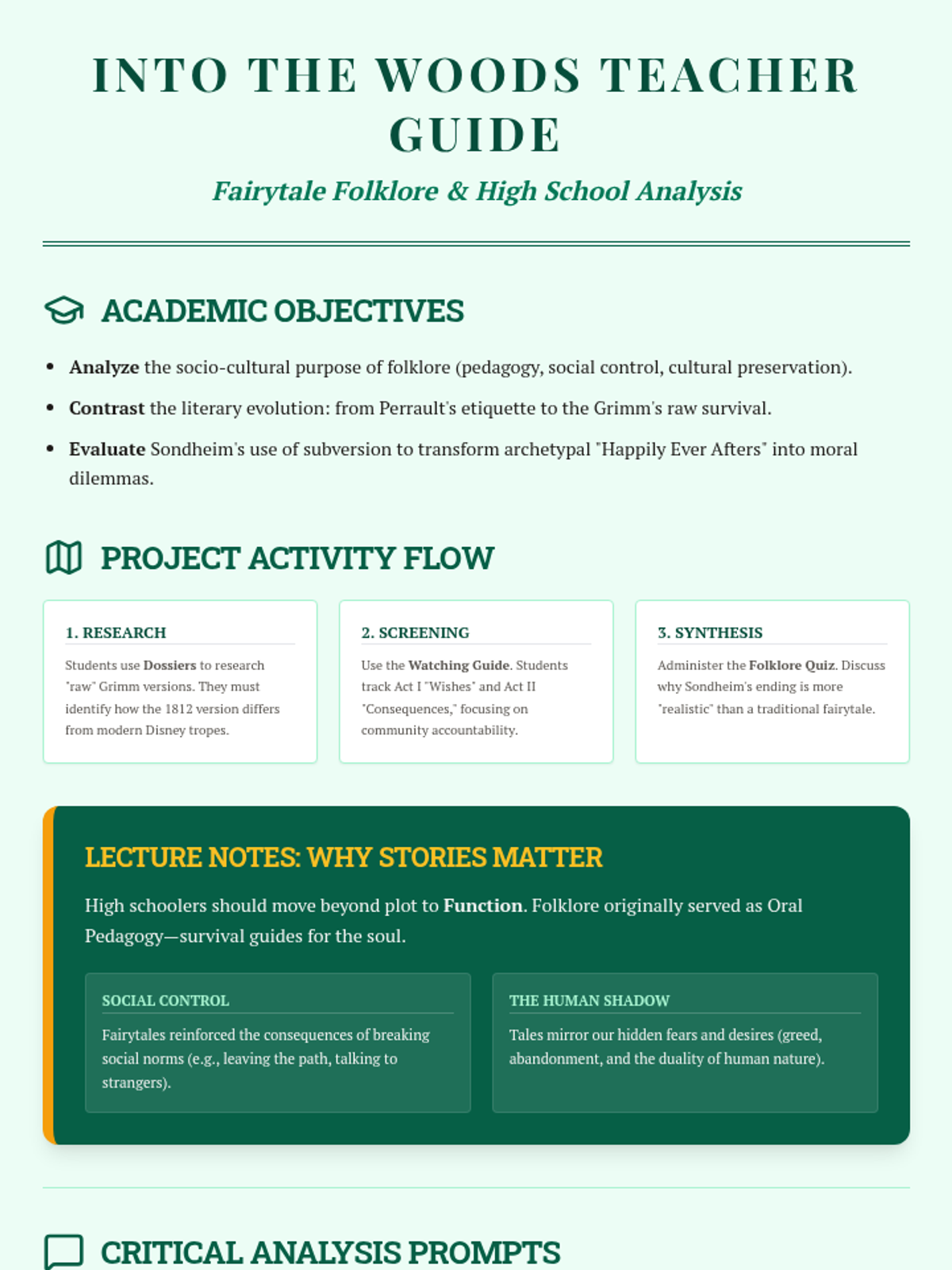
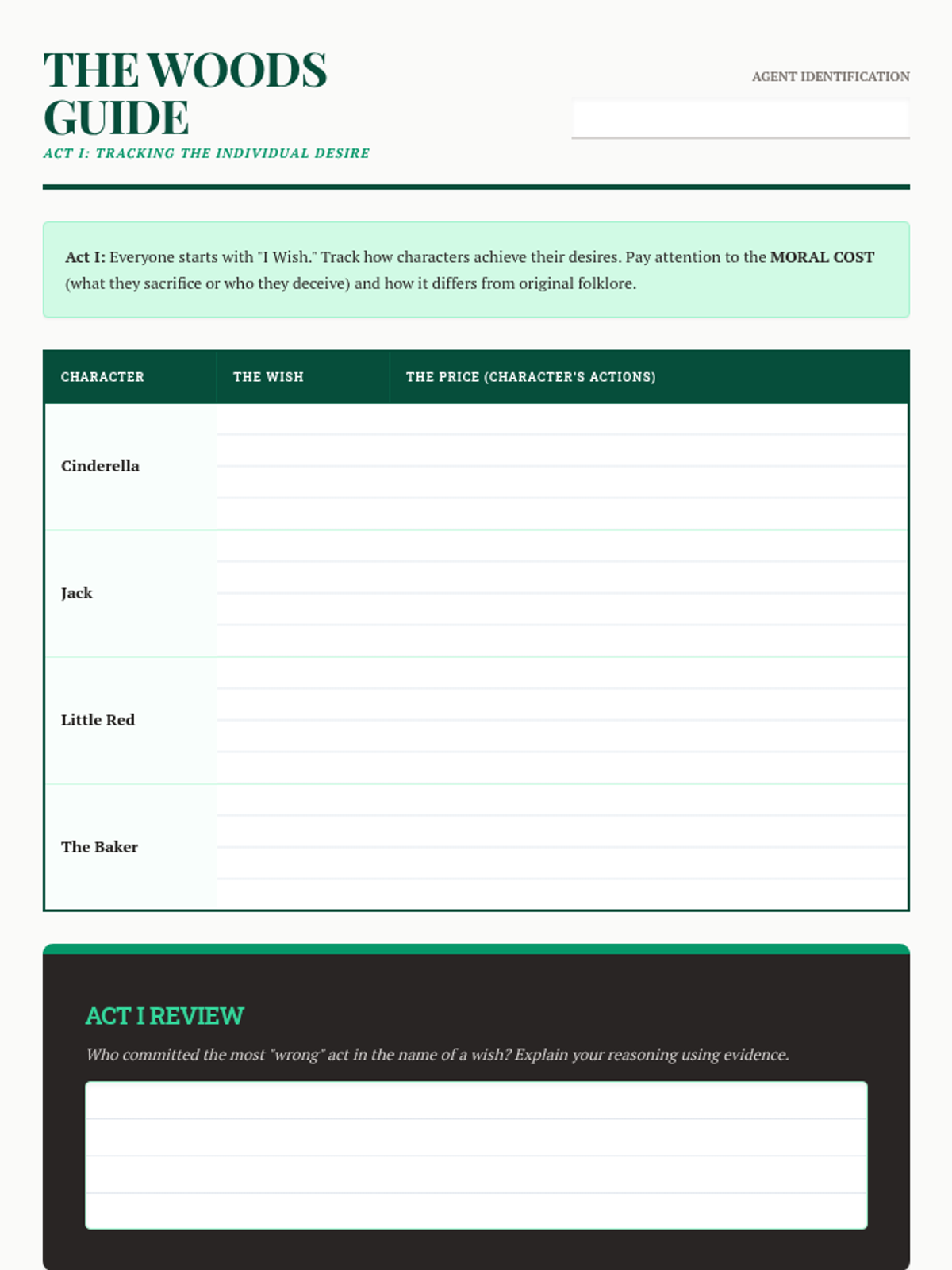
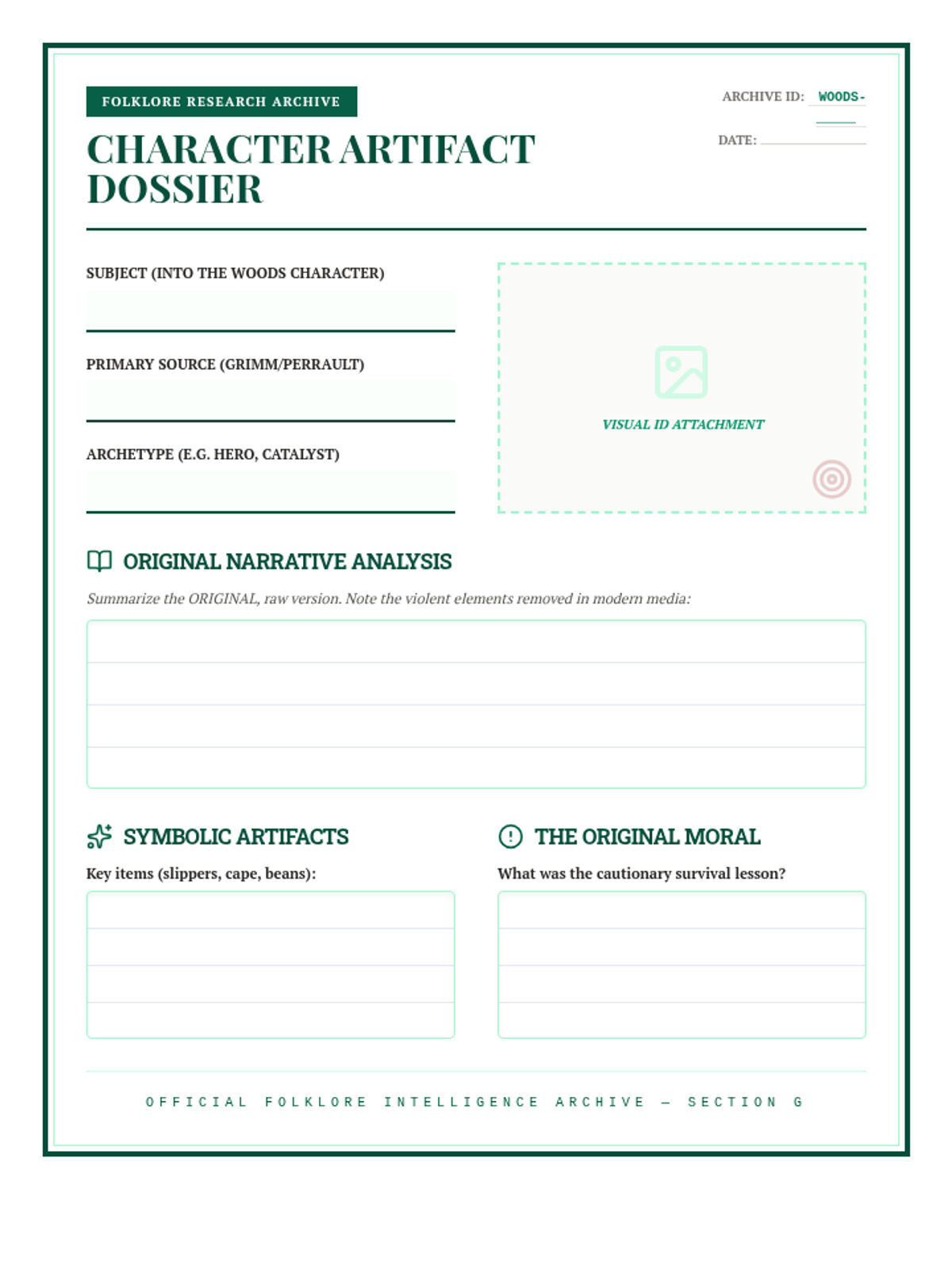
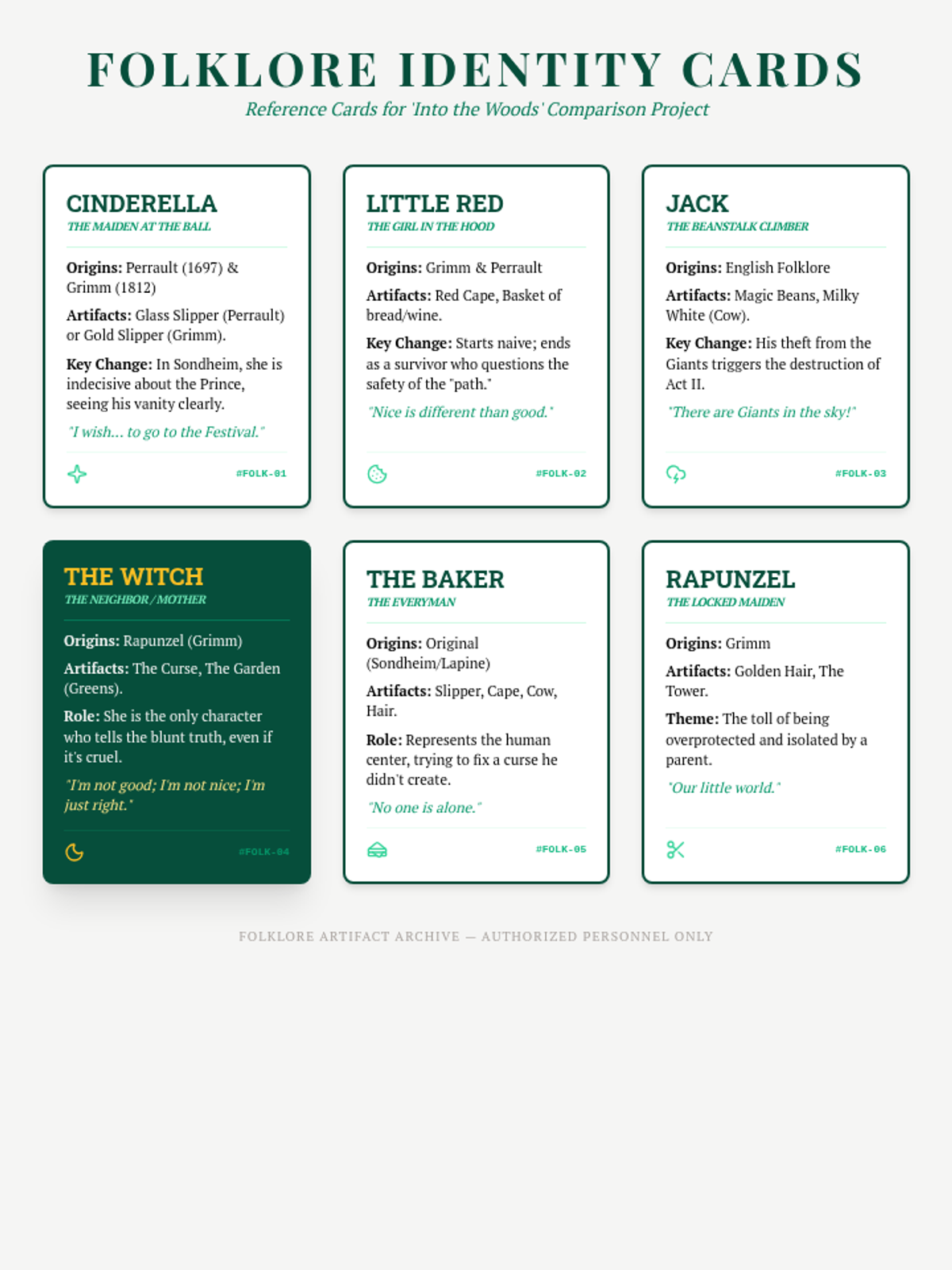
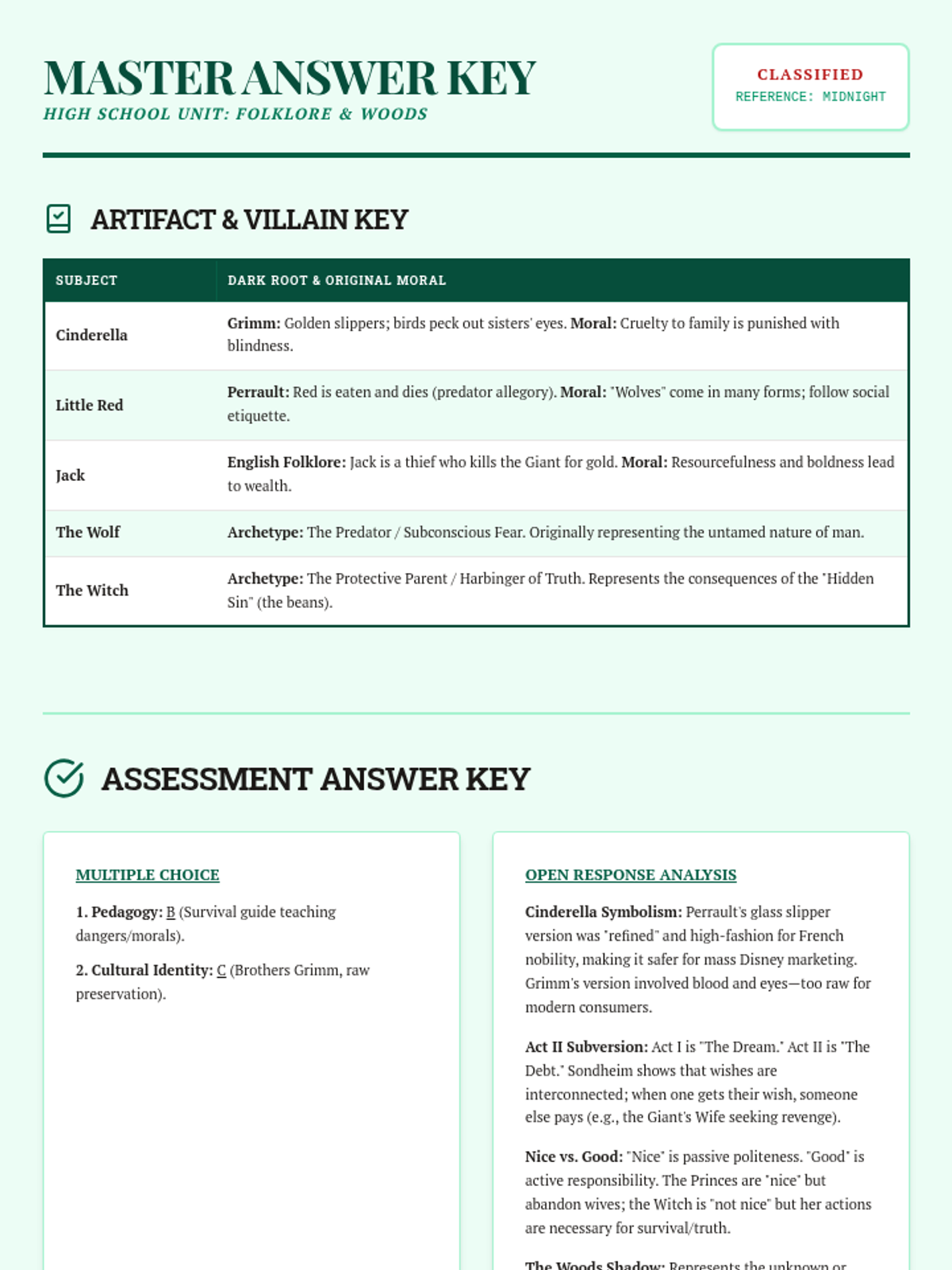
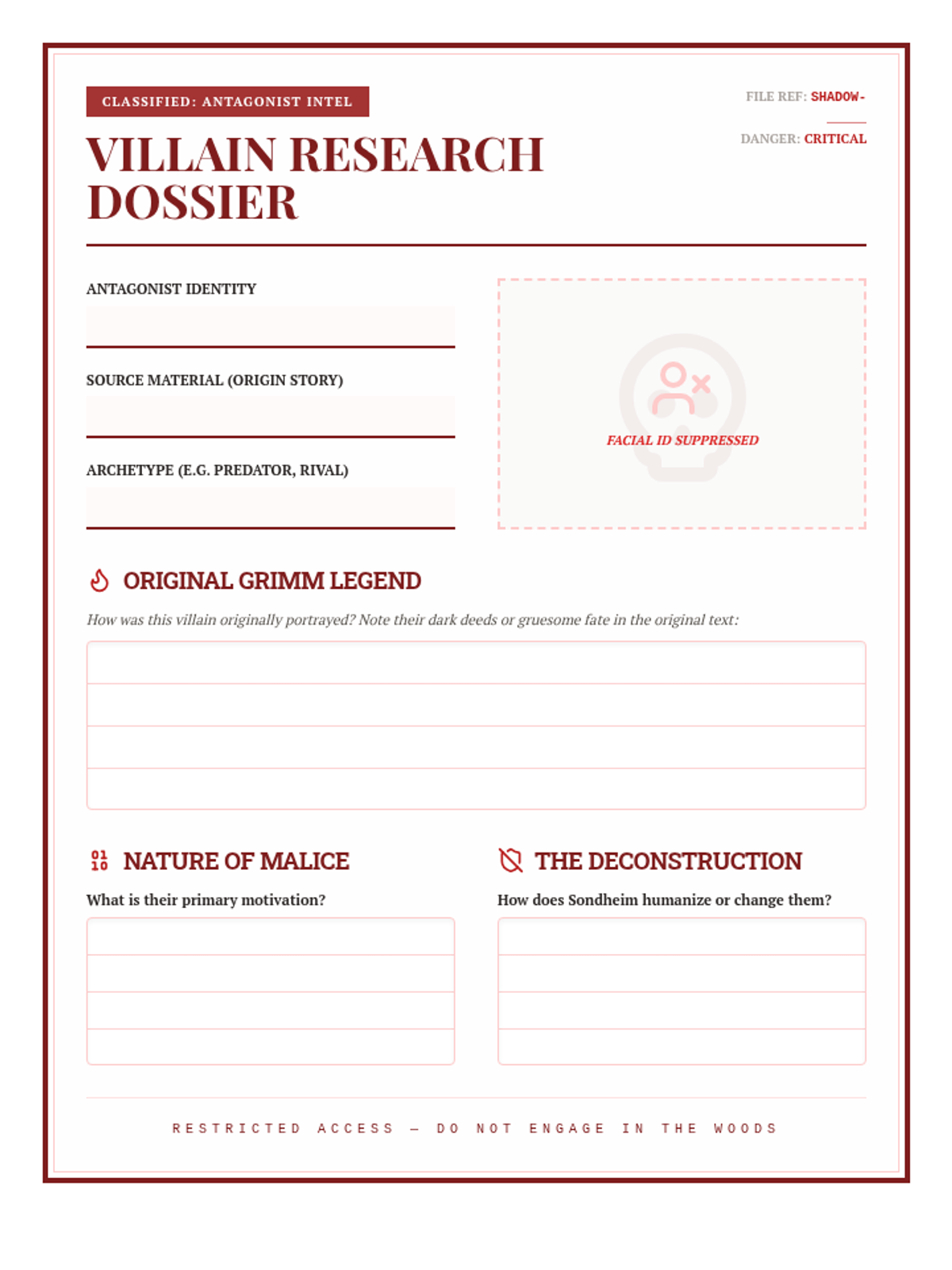
An advanced literary sequence for high school sophomores exploring archetypal evolution, intertextuality, and the deconstruction of folklore across Victorian literature and modern musical theater. Students analyze the socio-cultural shifts that transform classic legends into modern subversive narratives.
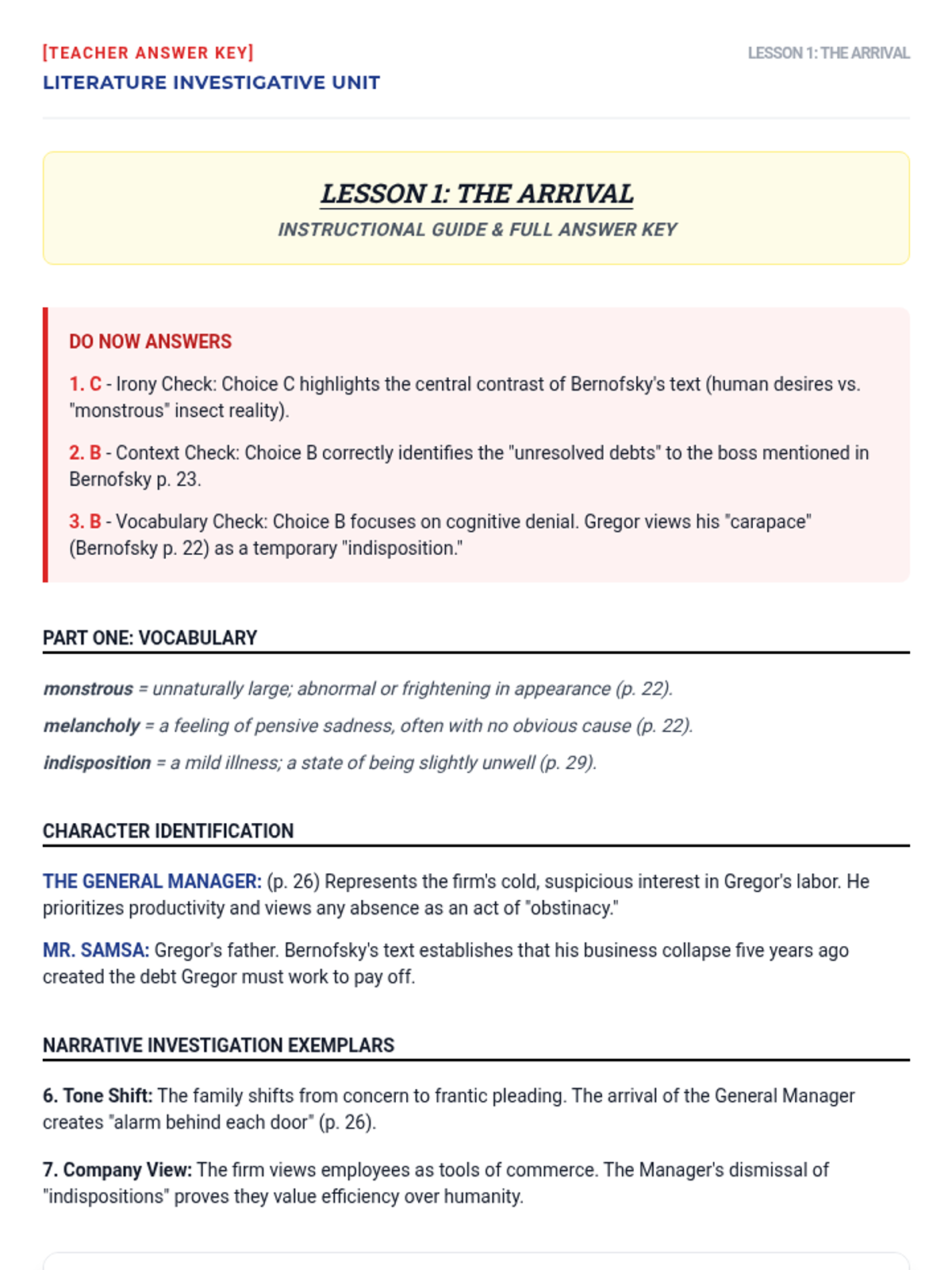
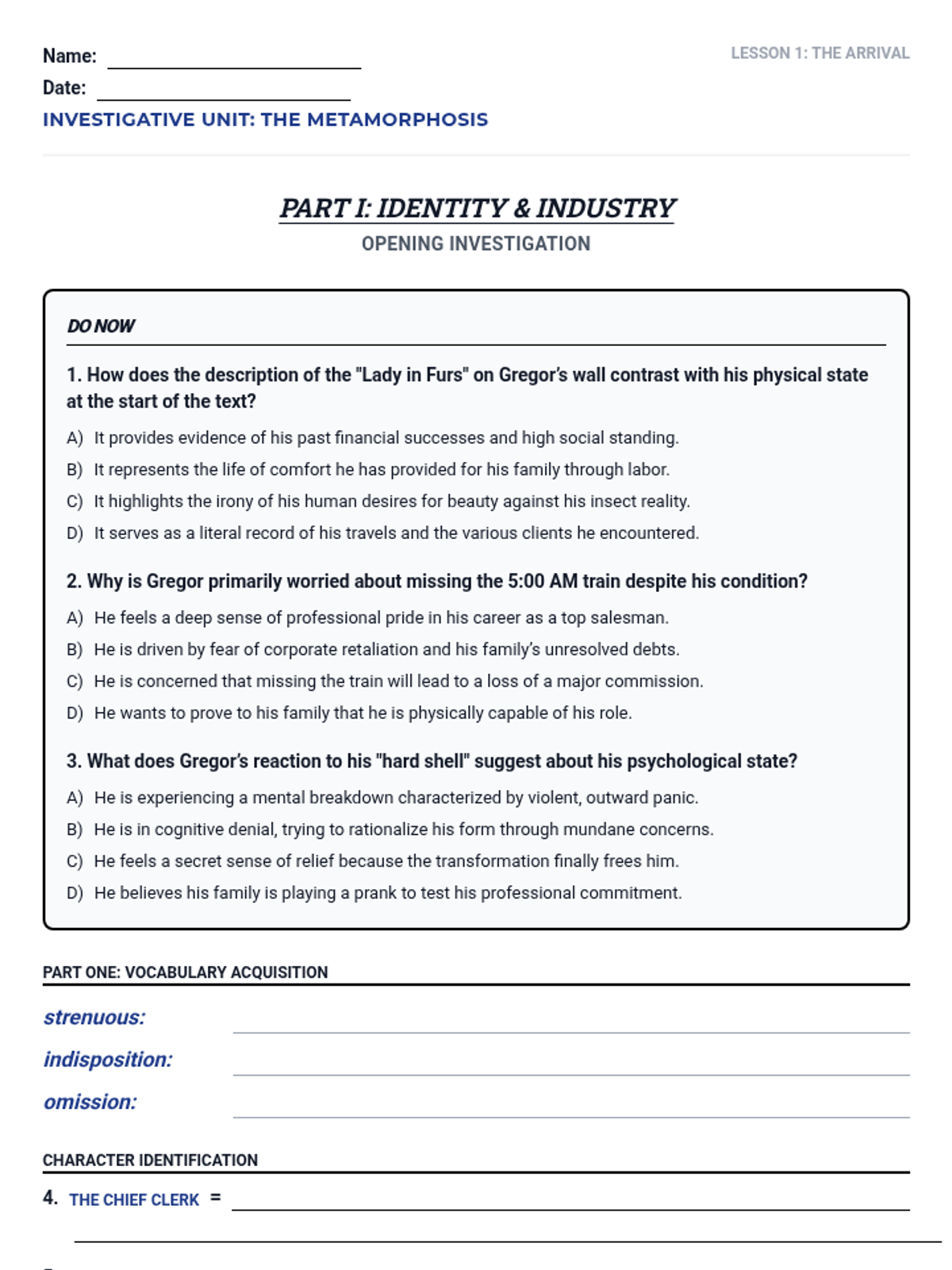
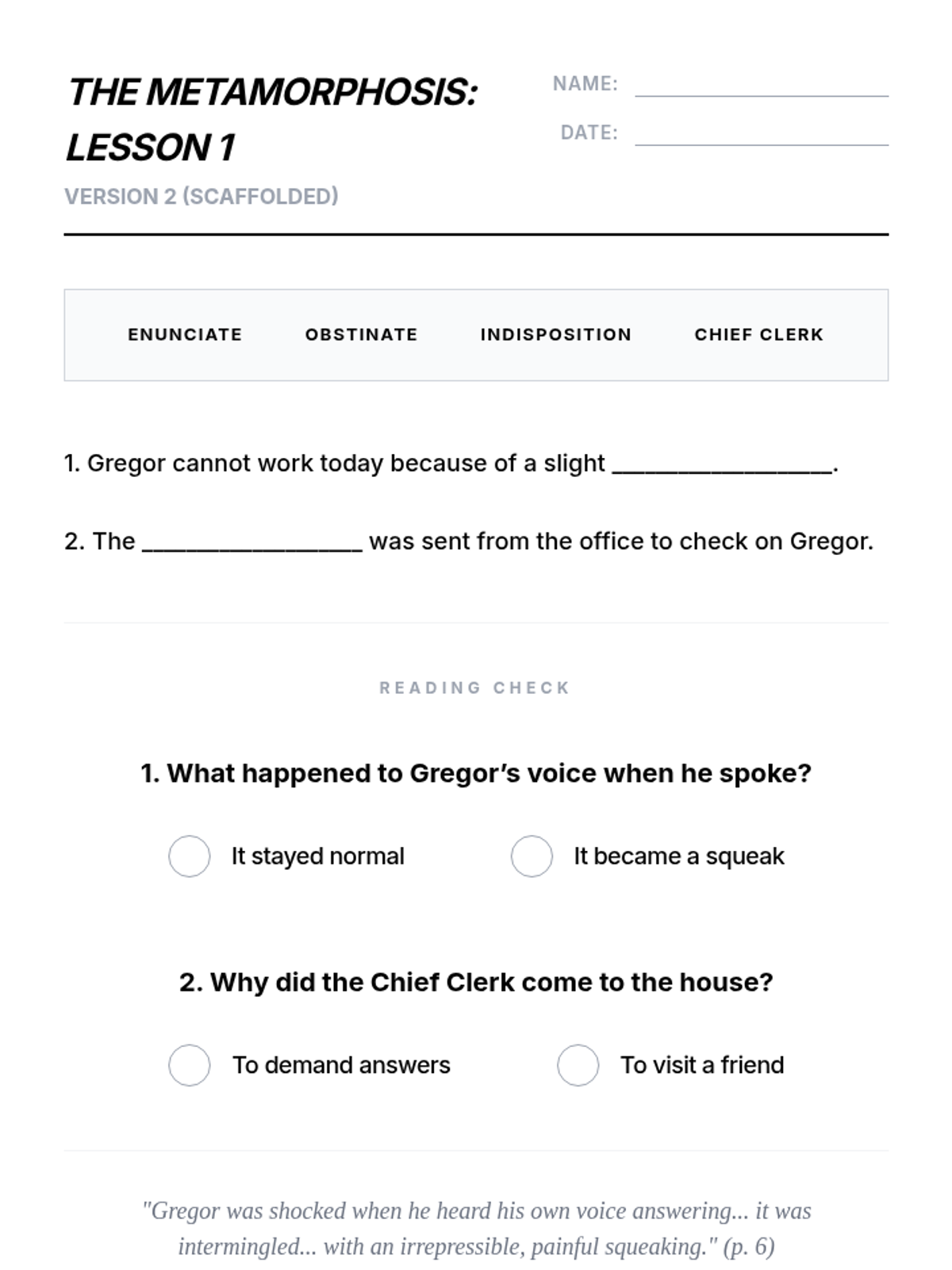
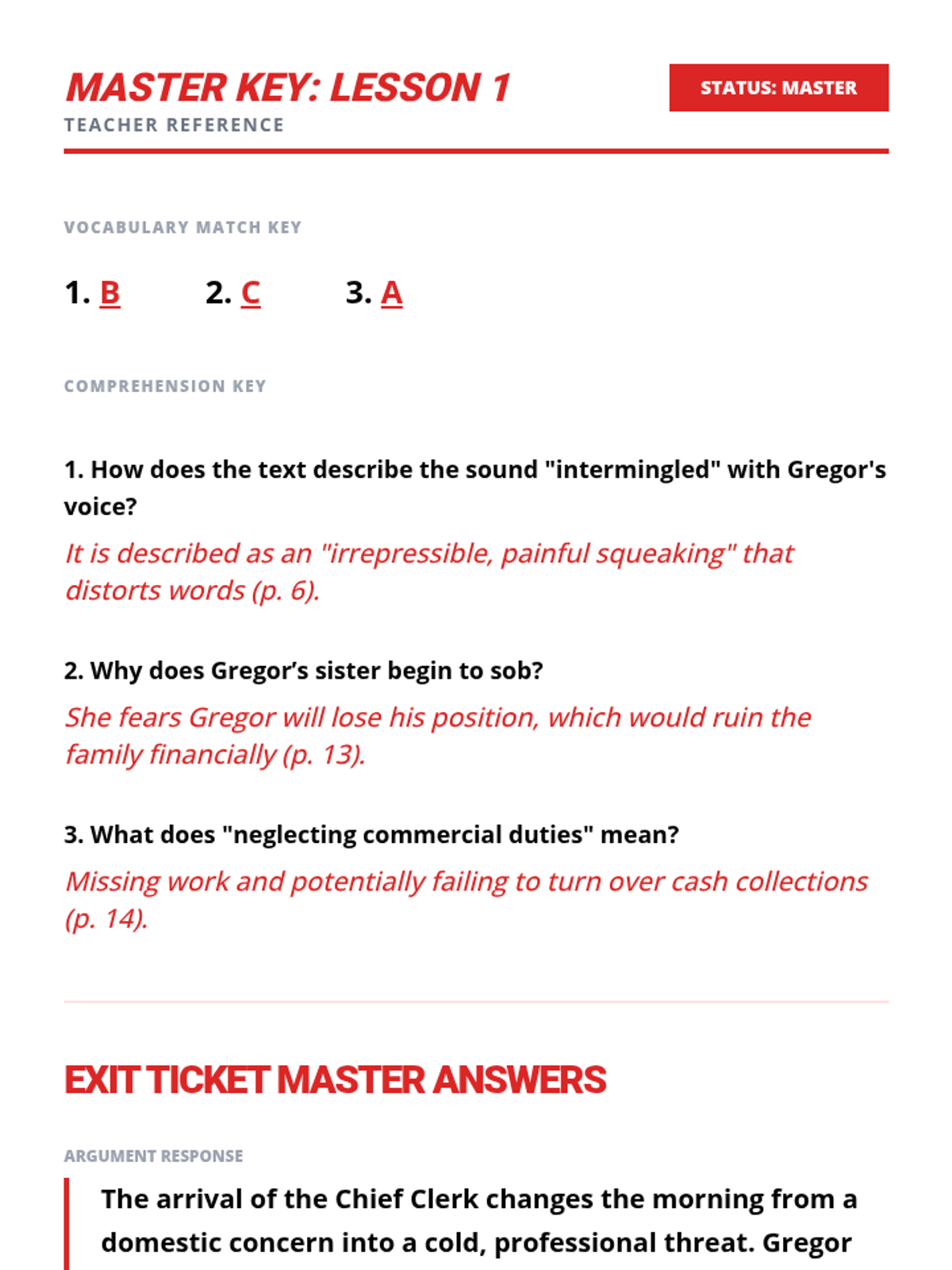
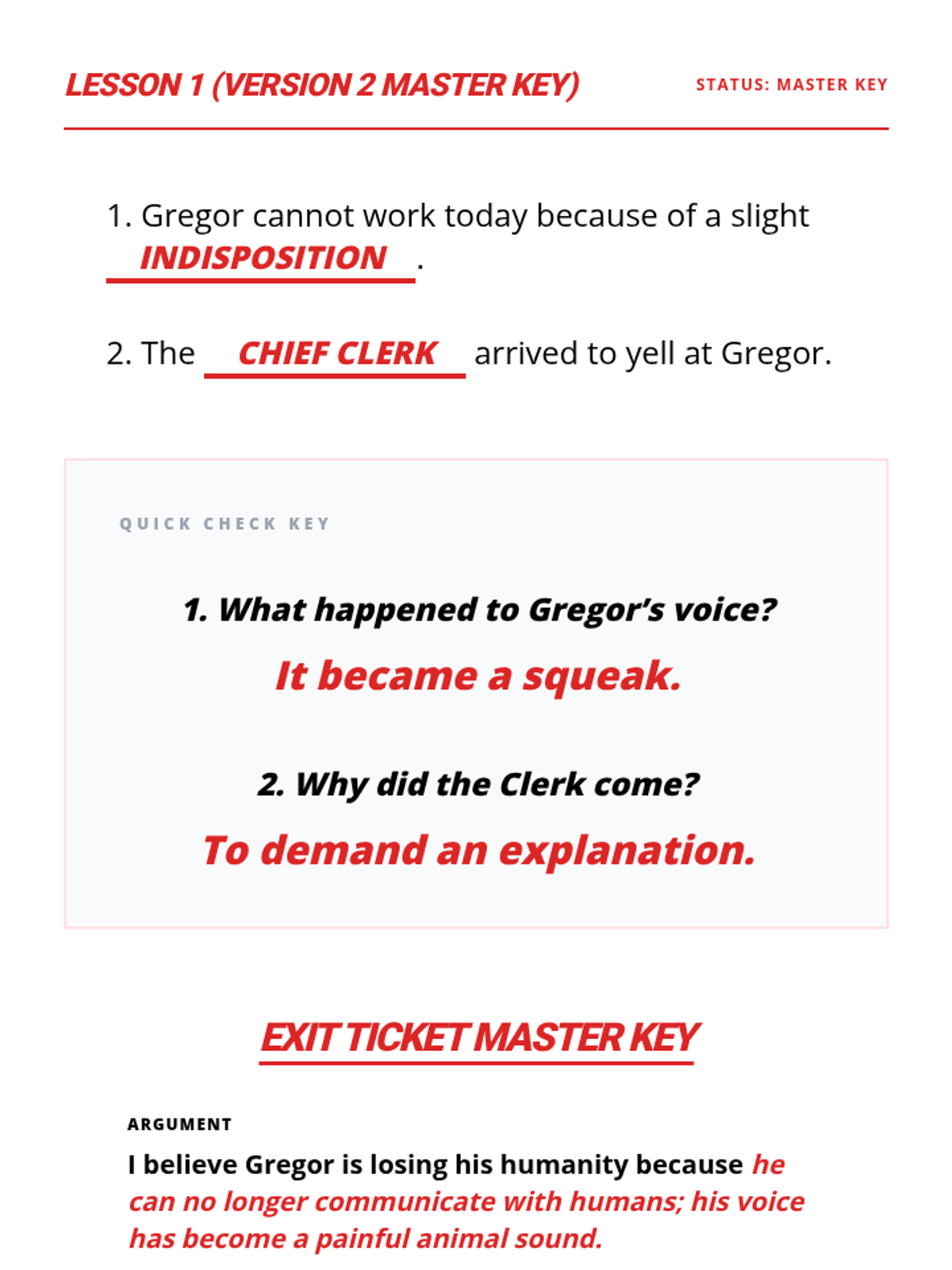
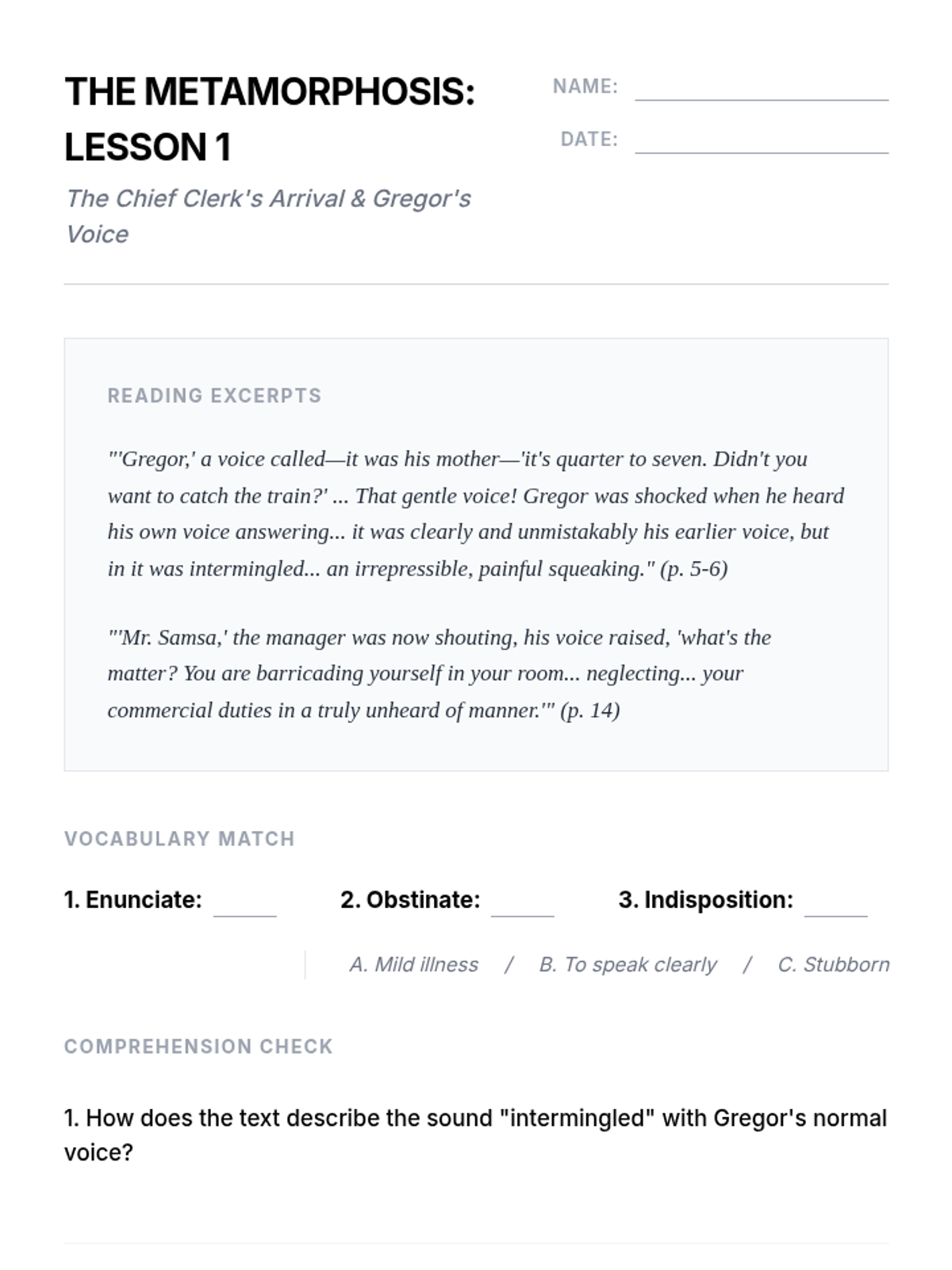
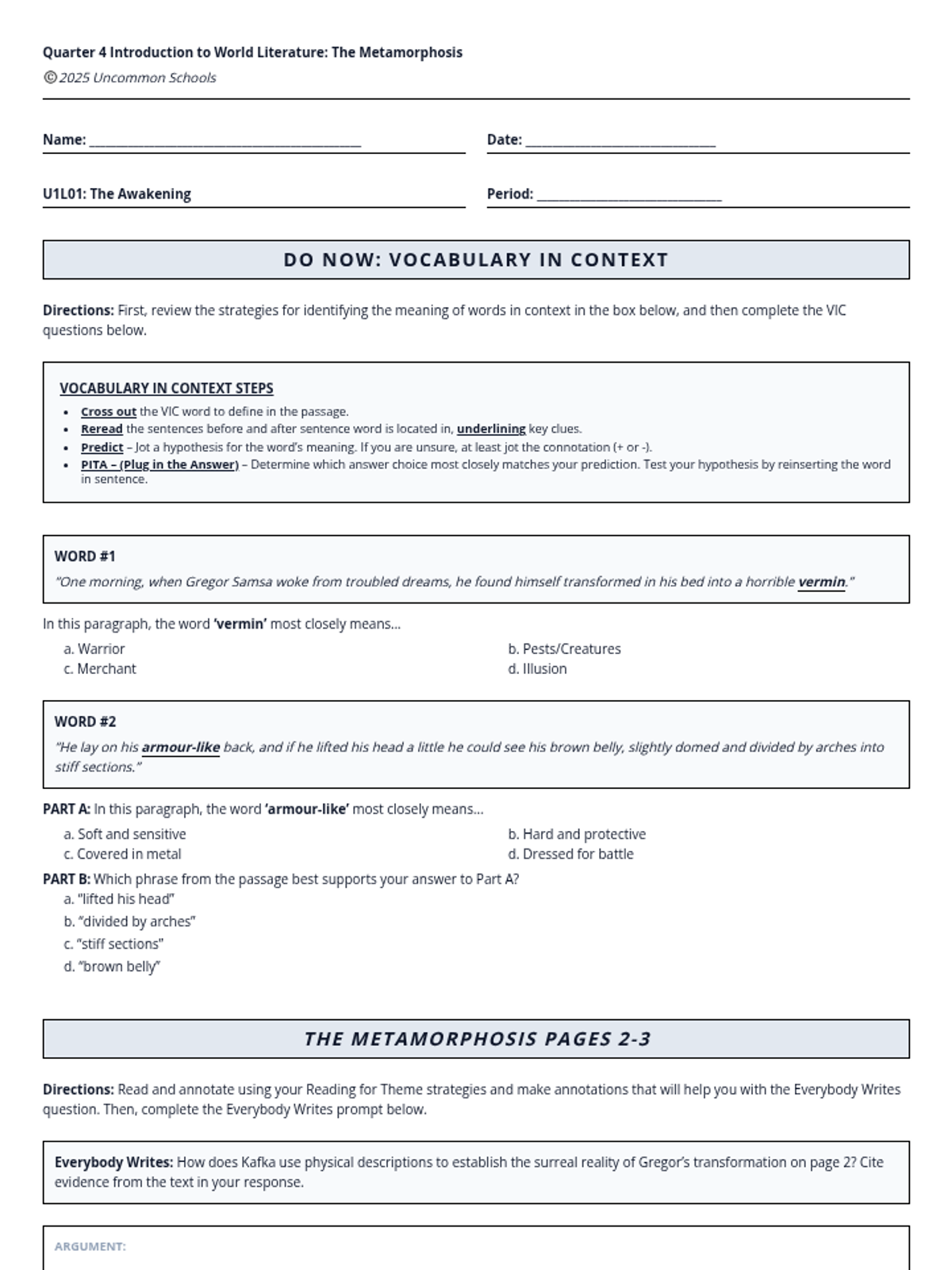
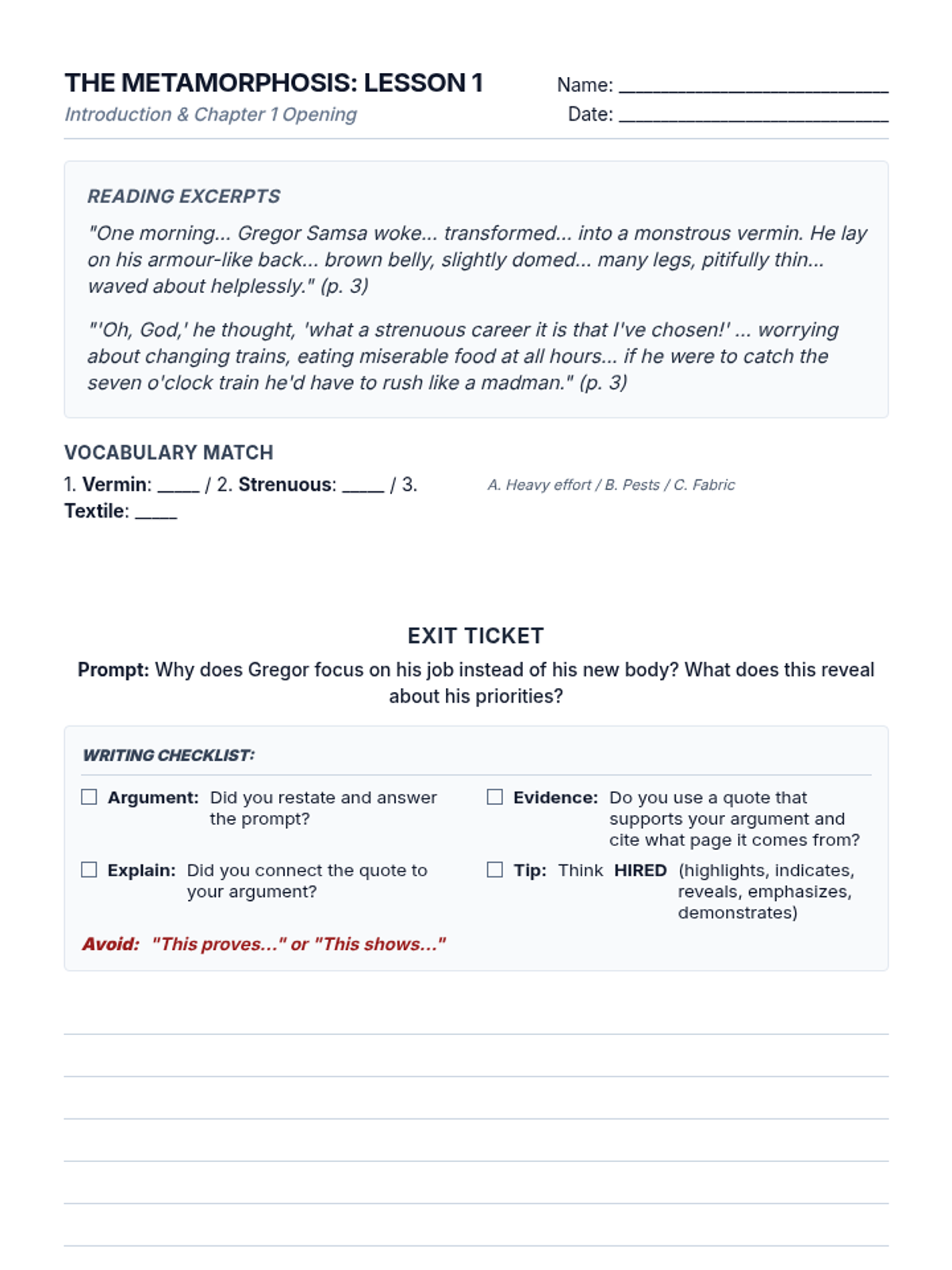
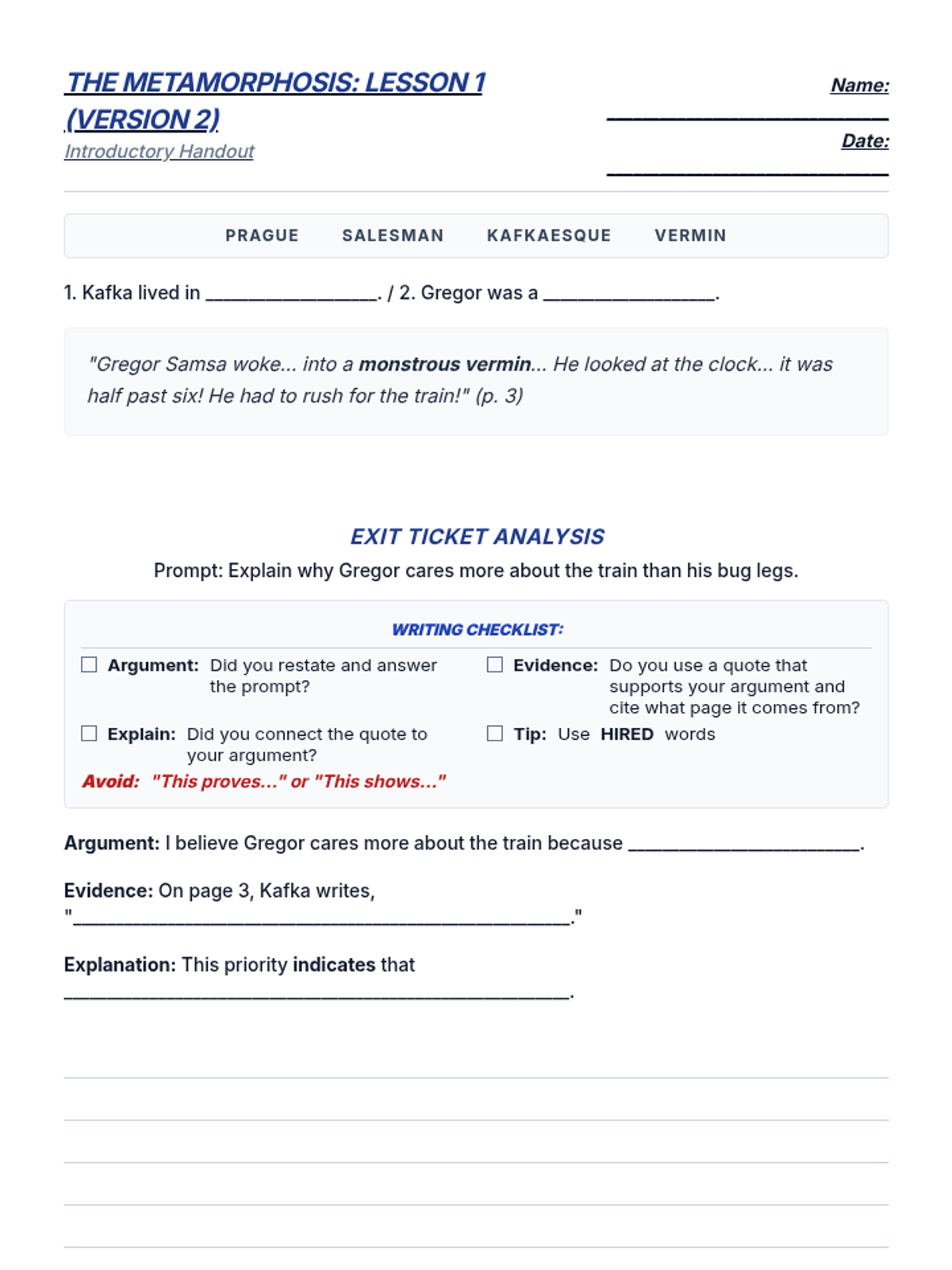
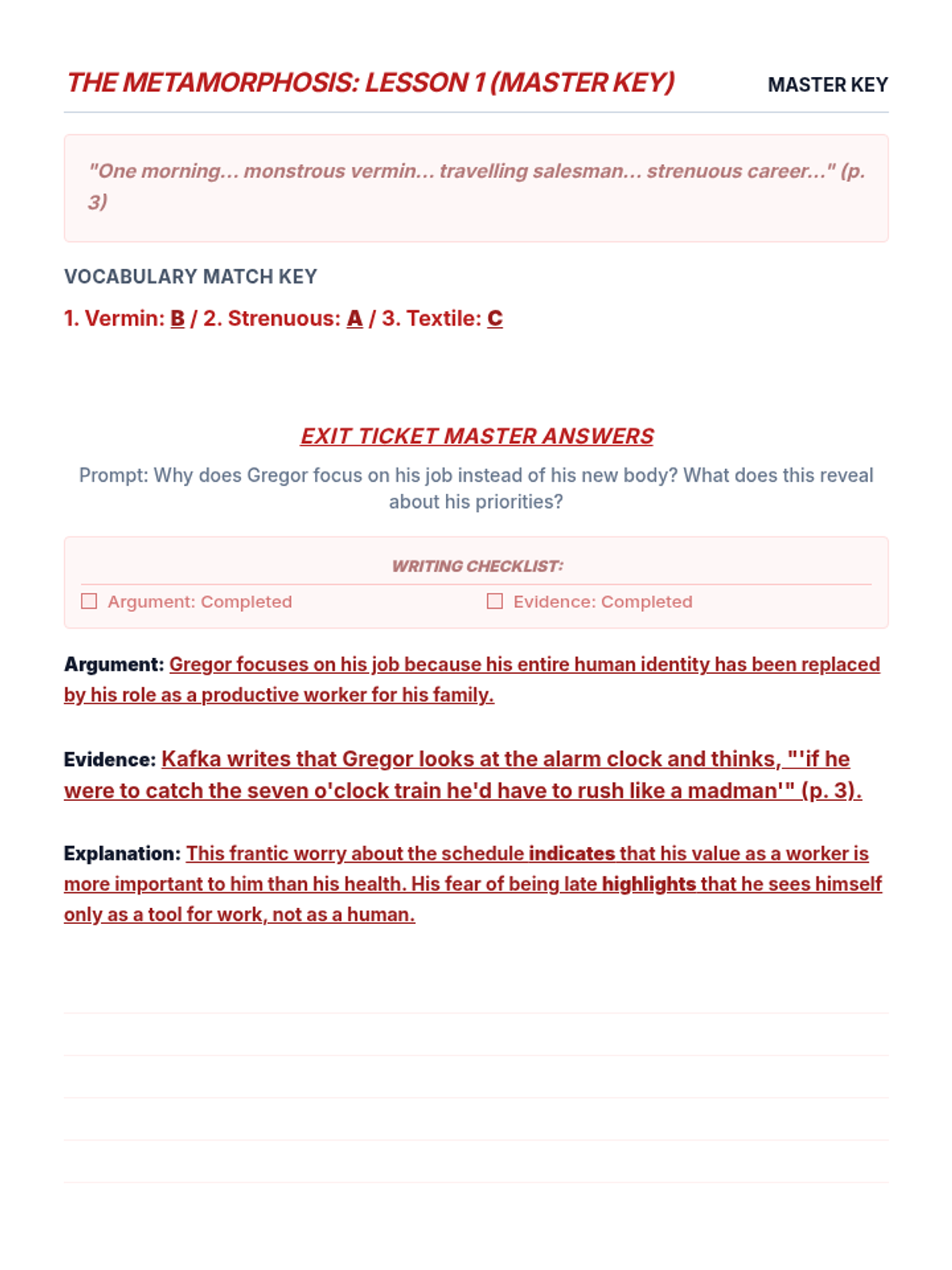
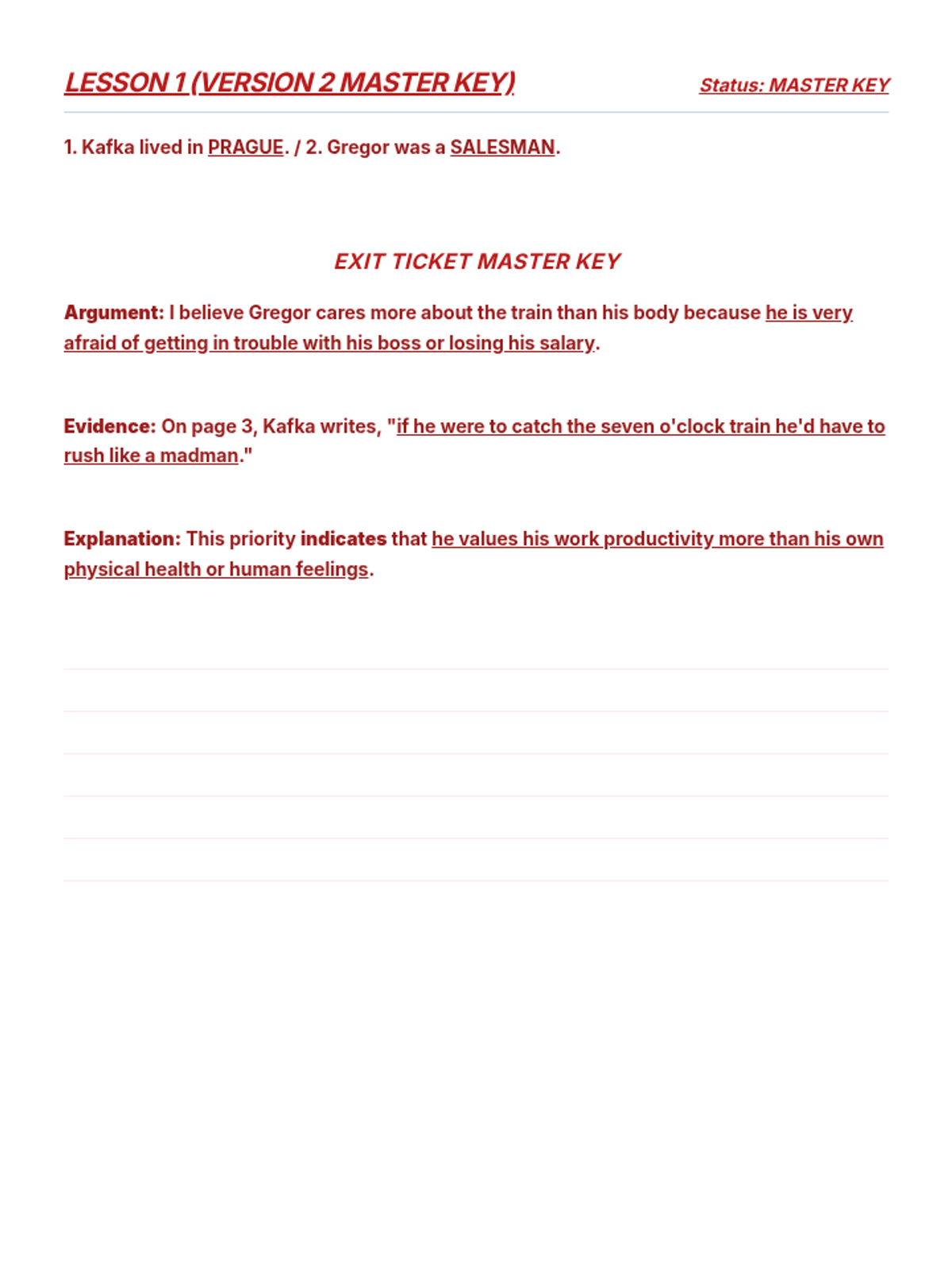
An intensive investigative unit on Franz Kafka's *The Metamorphosis* following the North Star/Uncommon Schools instructional model. The unit focuses on the thematic intersection of labor, identity, and dehumanization. Students analyze Gregor's alienation from his family and society through a structured rigorous framework including vocabulary acquisition, character identification, and thematic synthesis.
A collection of diverse instructional units designed to build both literary analysis skills and practical life knowledge, preparing students for complex texts and real-world challenges.
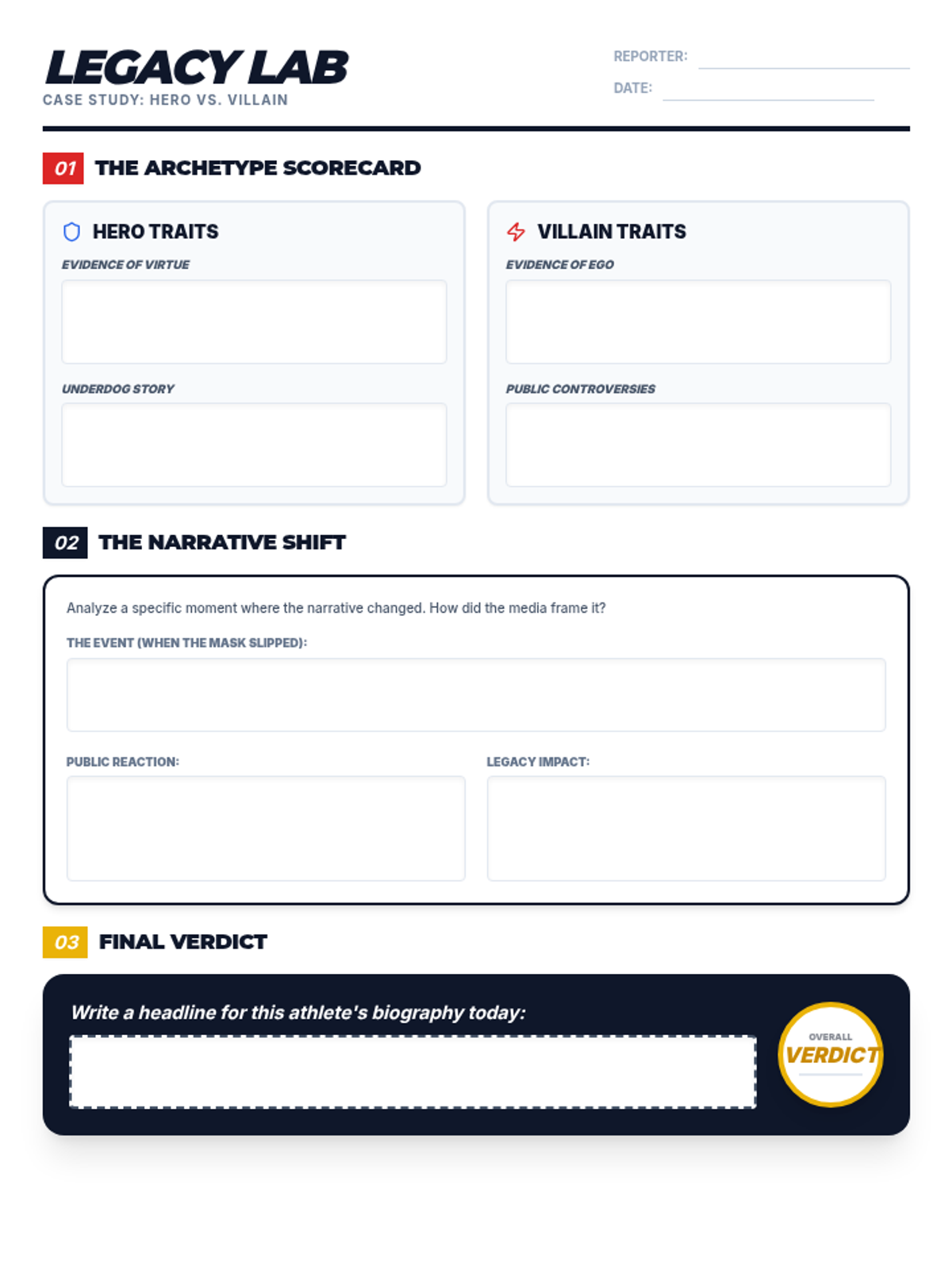
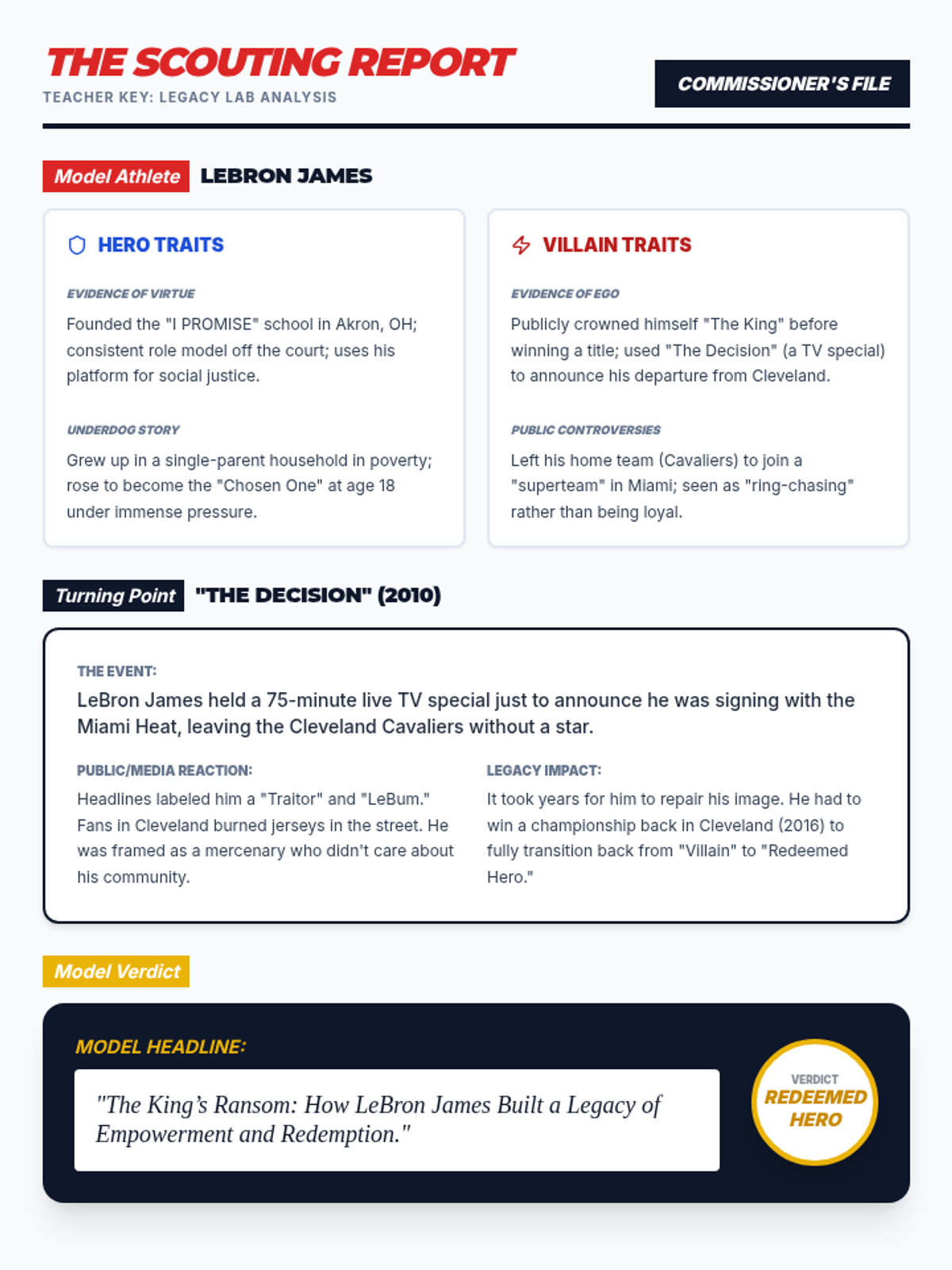
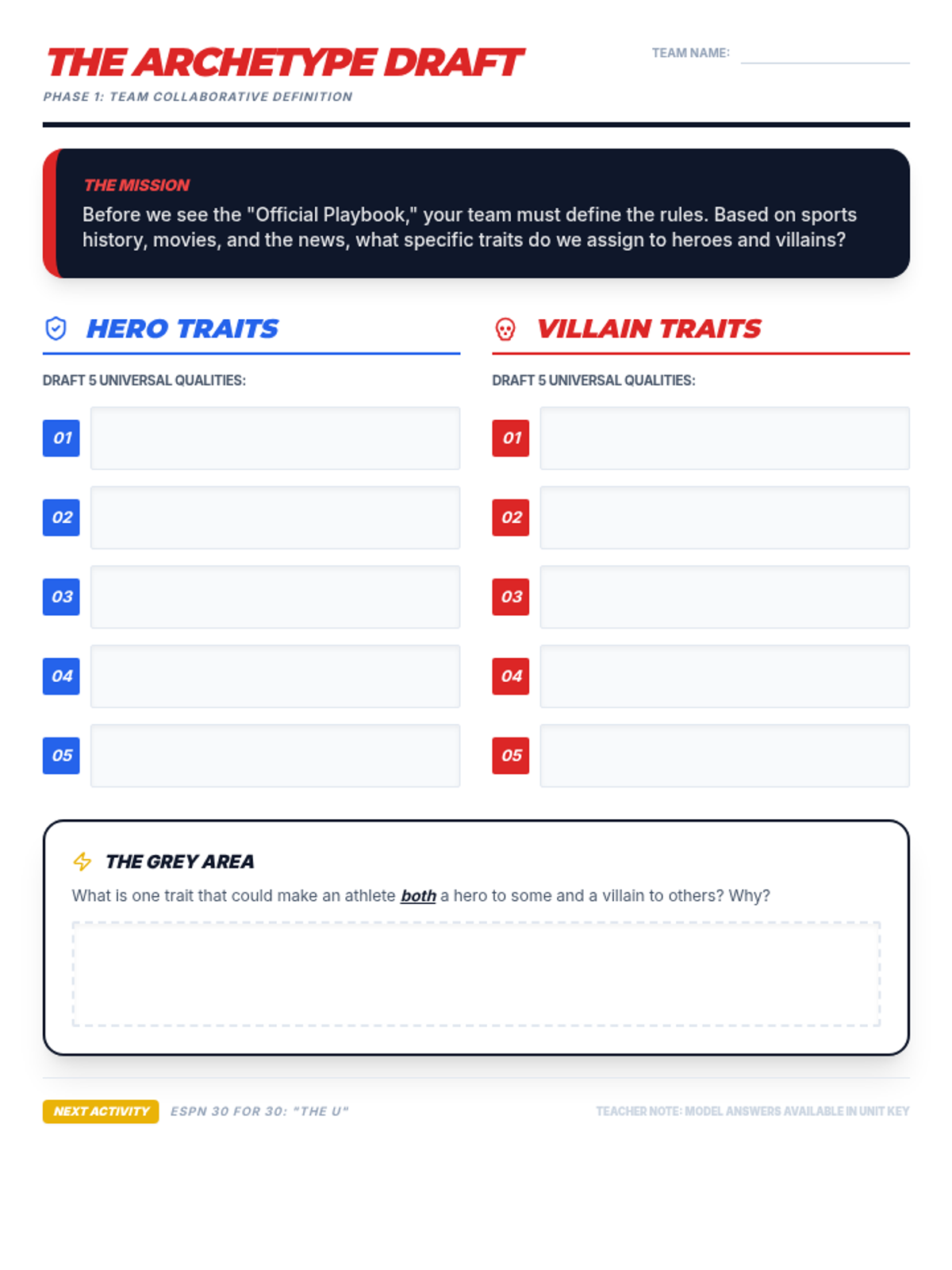
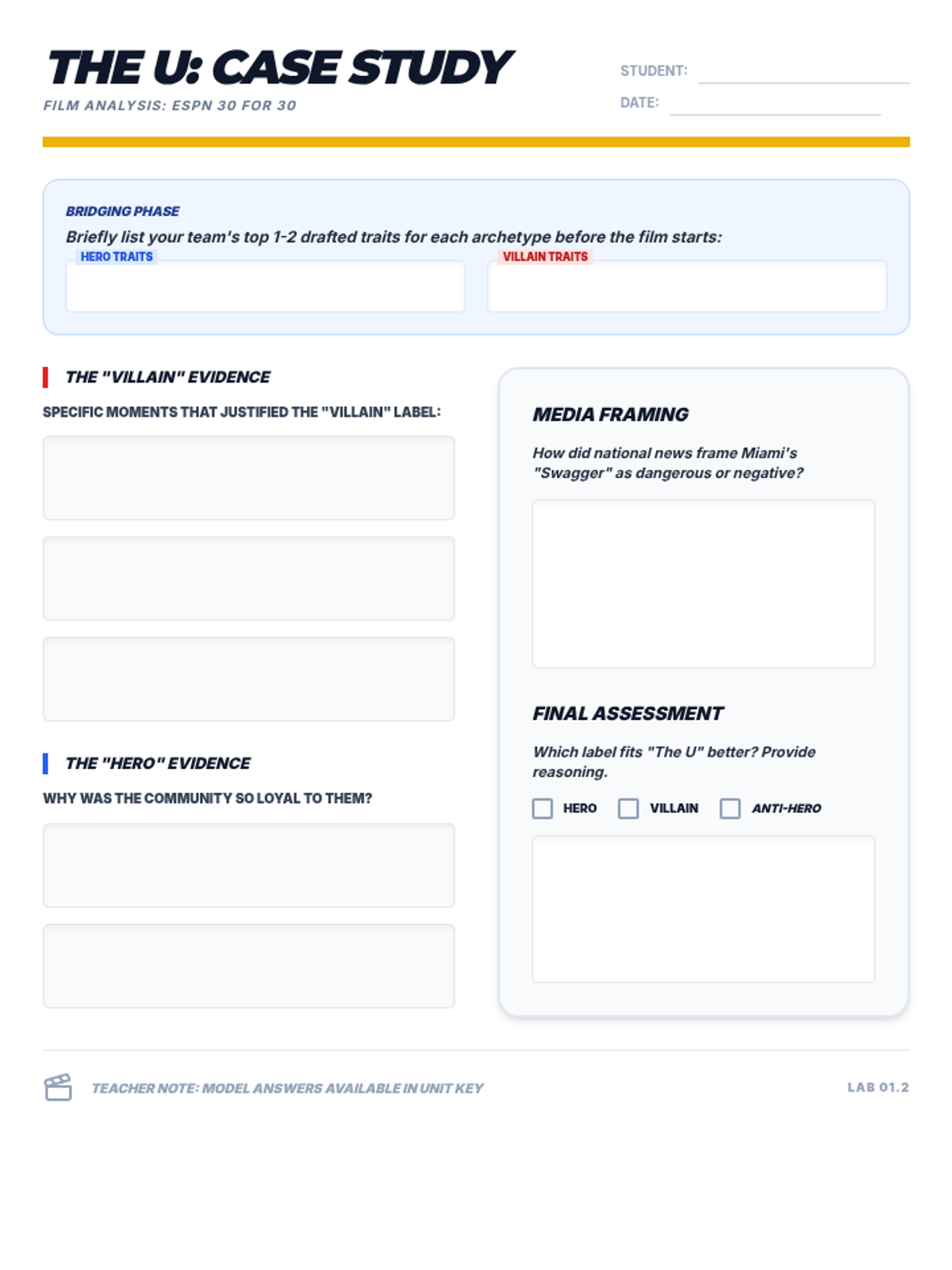
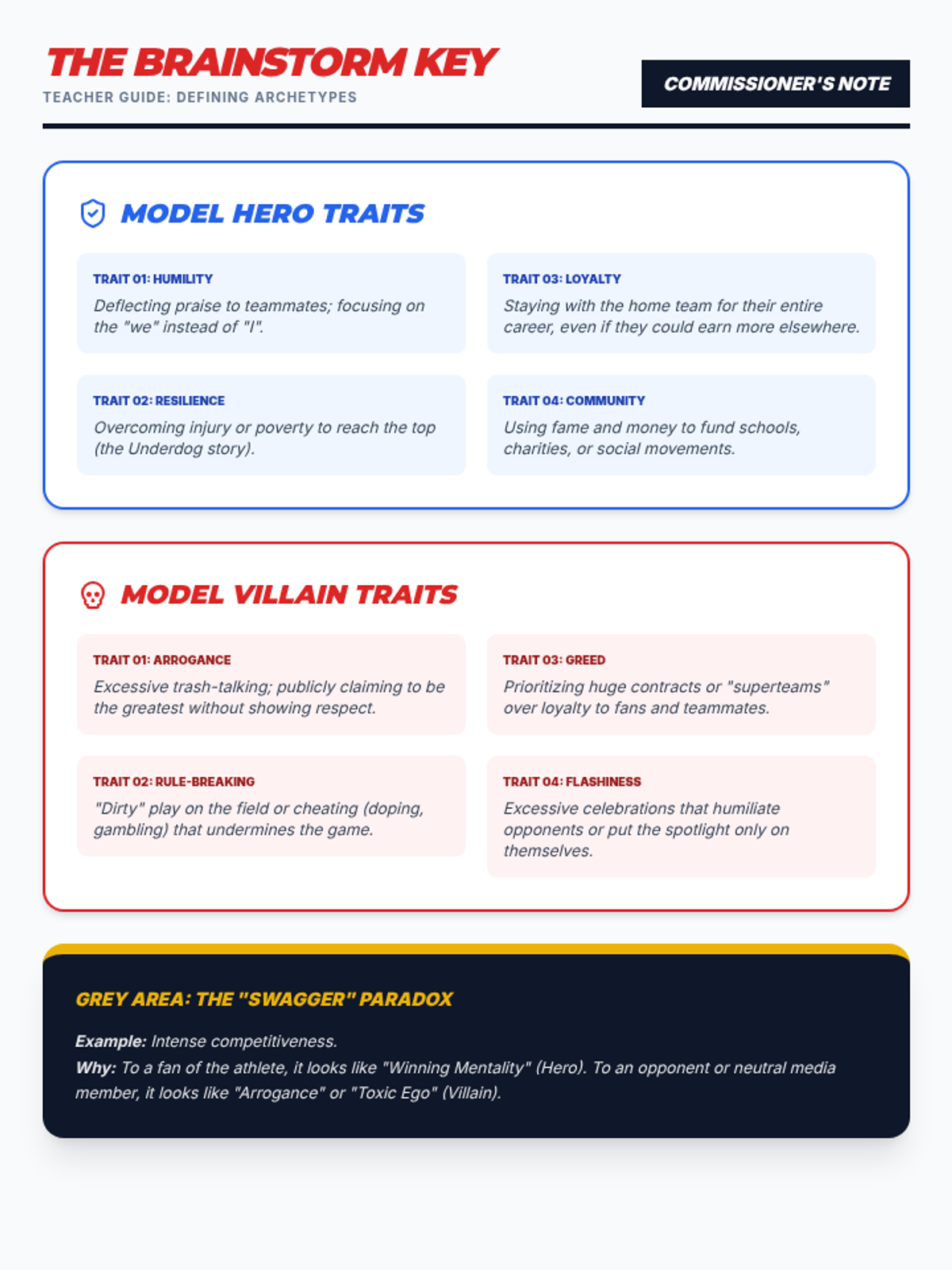
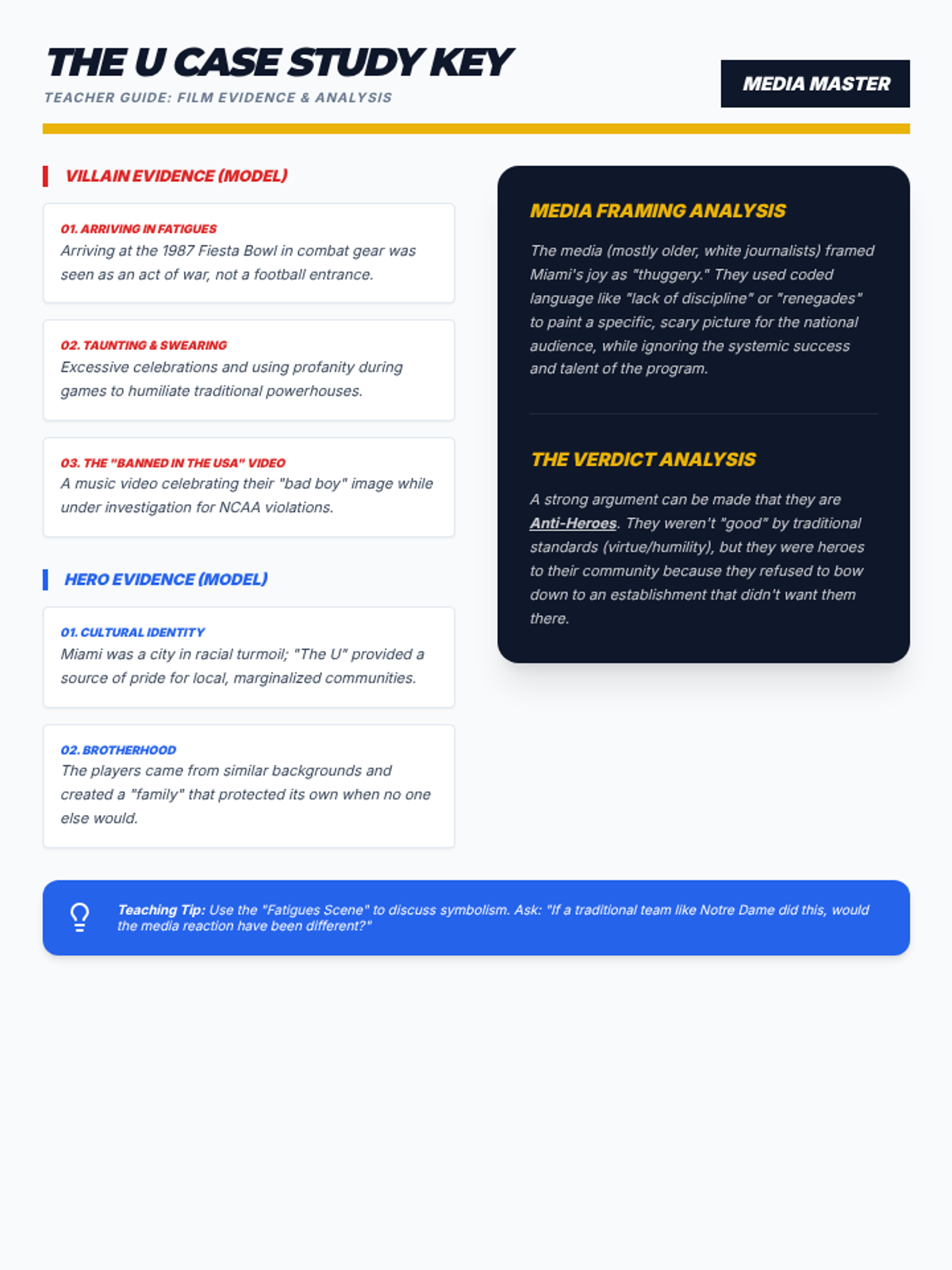
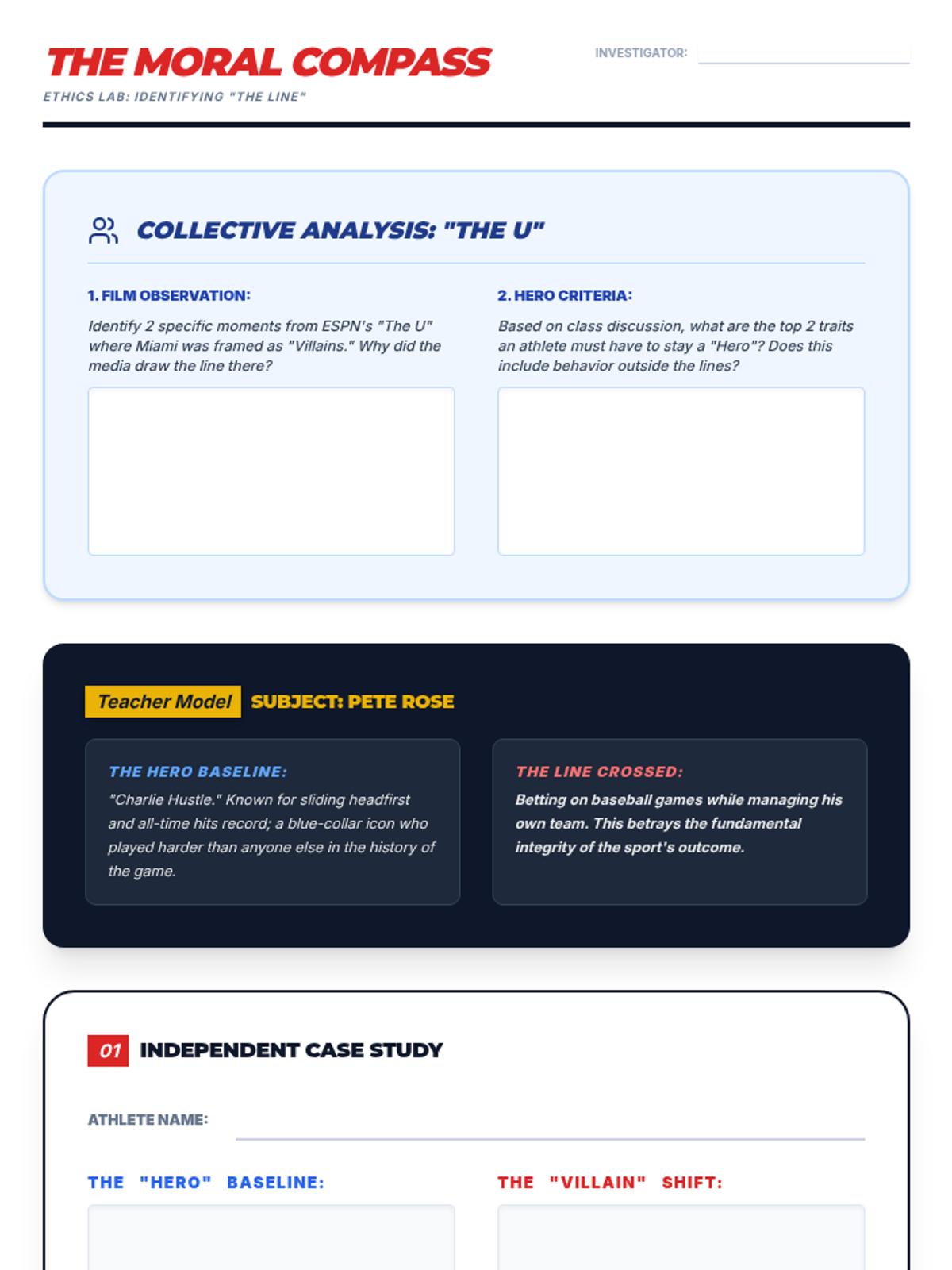
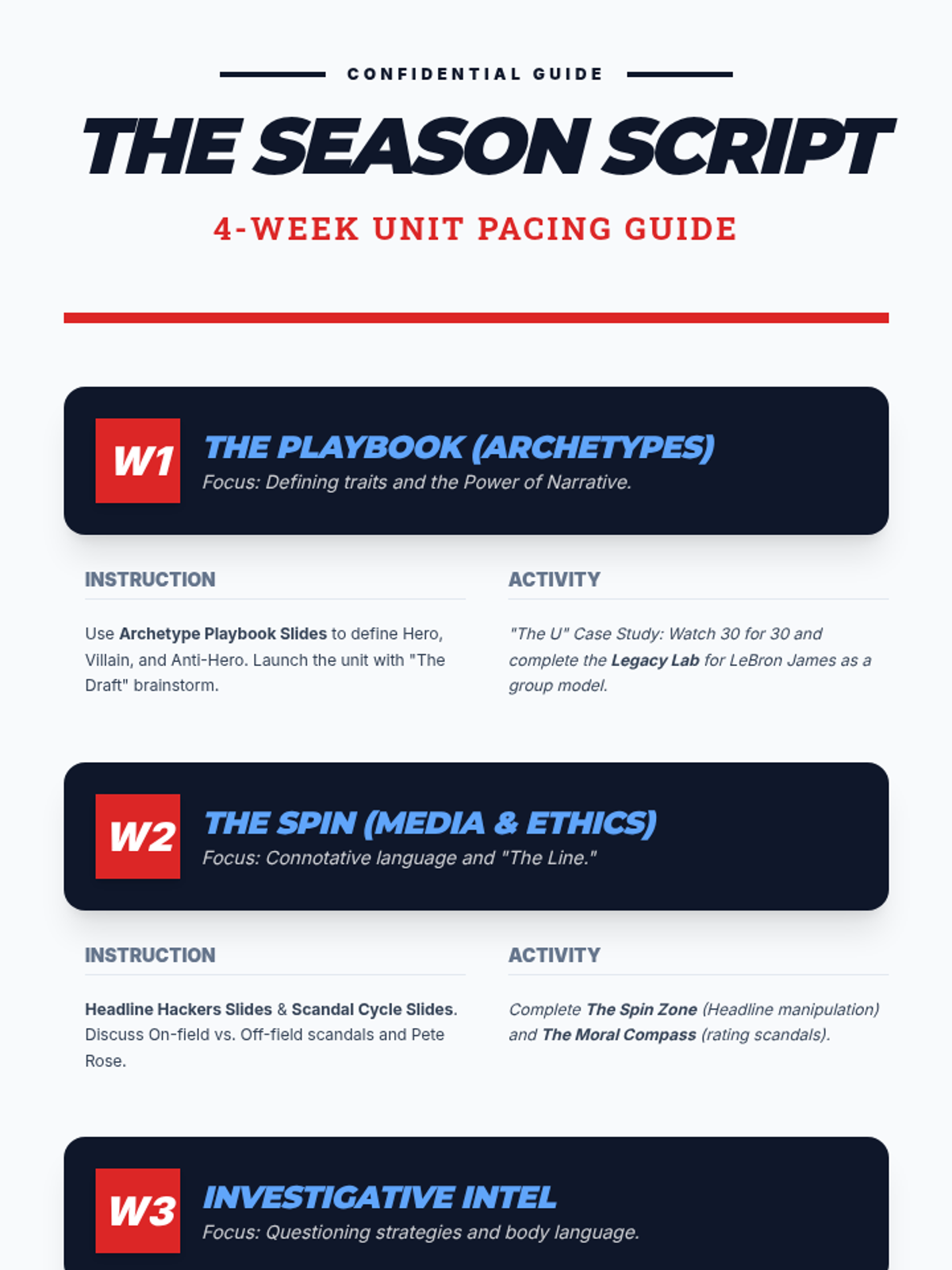
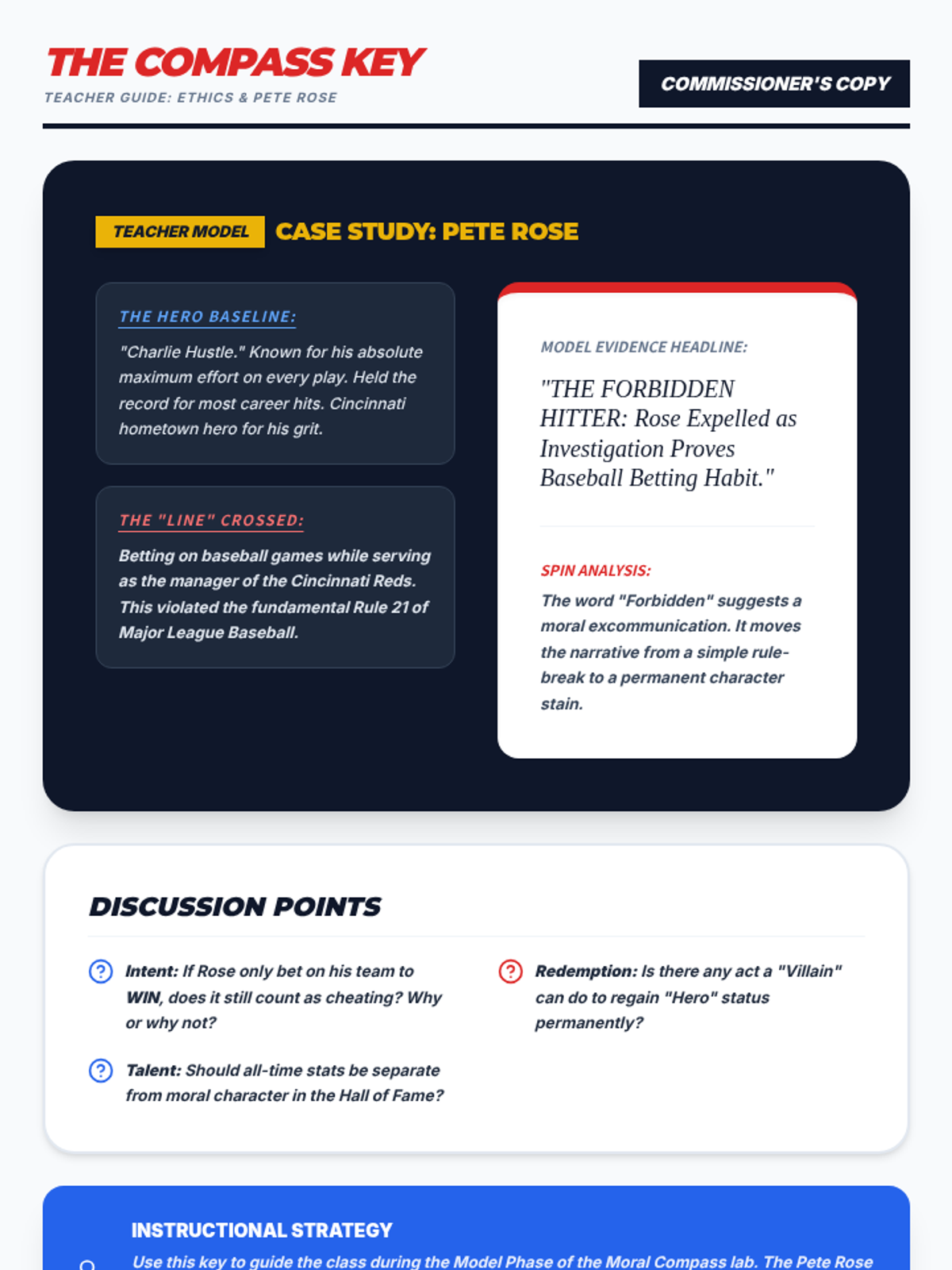
A 4-week unit exploring the construction of heroism and villainy in sports through media analysis, persuasive writing, and investigative interview techniques. Students will analyze how public perception is shaped and ultimately create their own investigative podcast script.
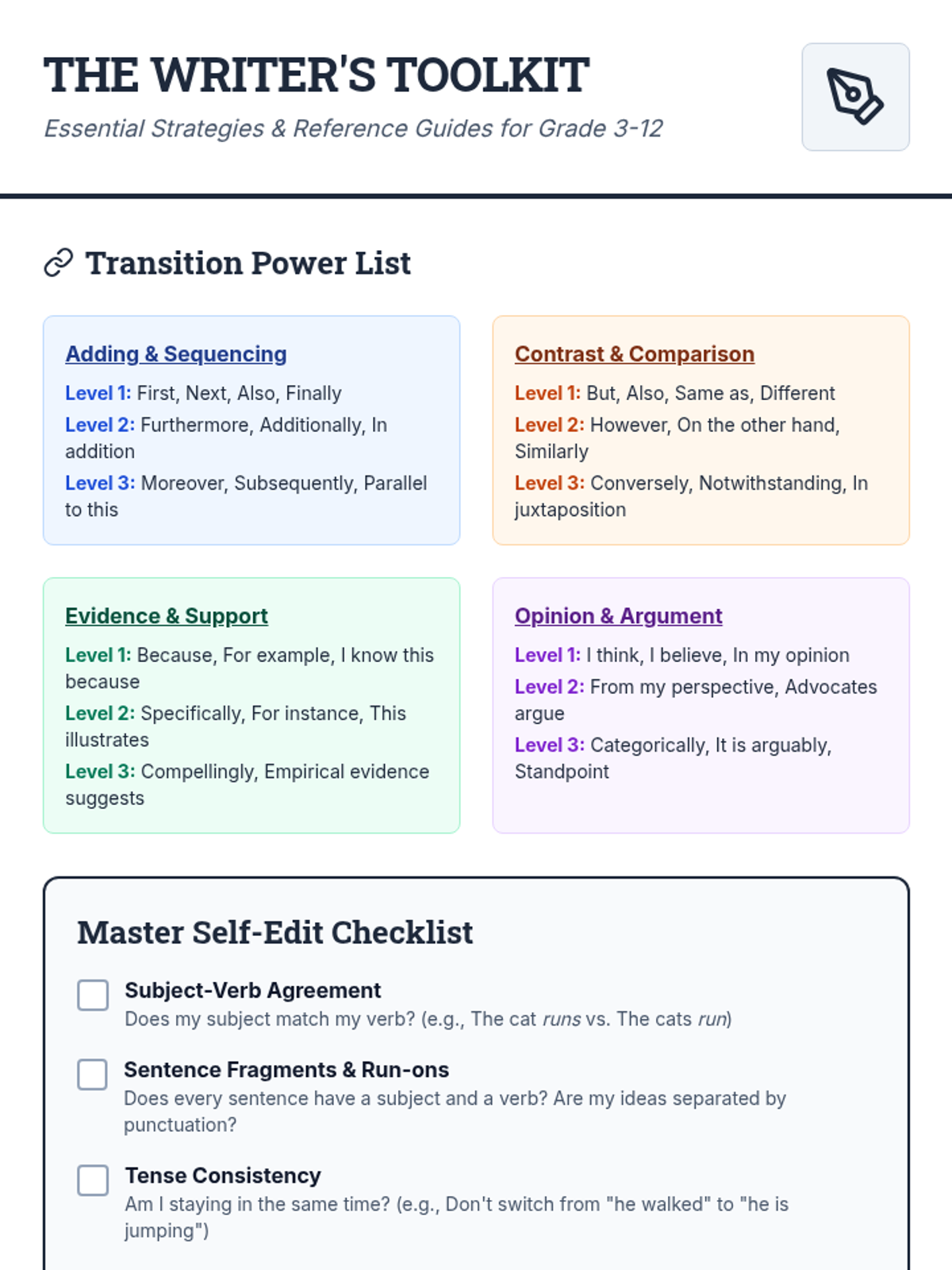
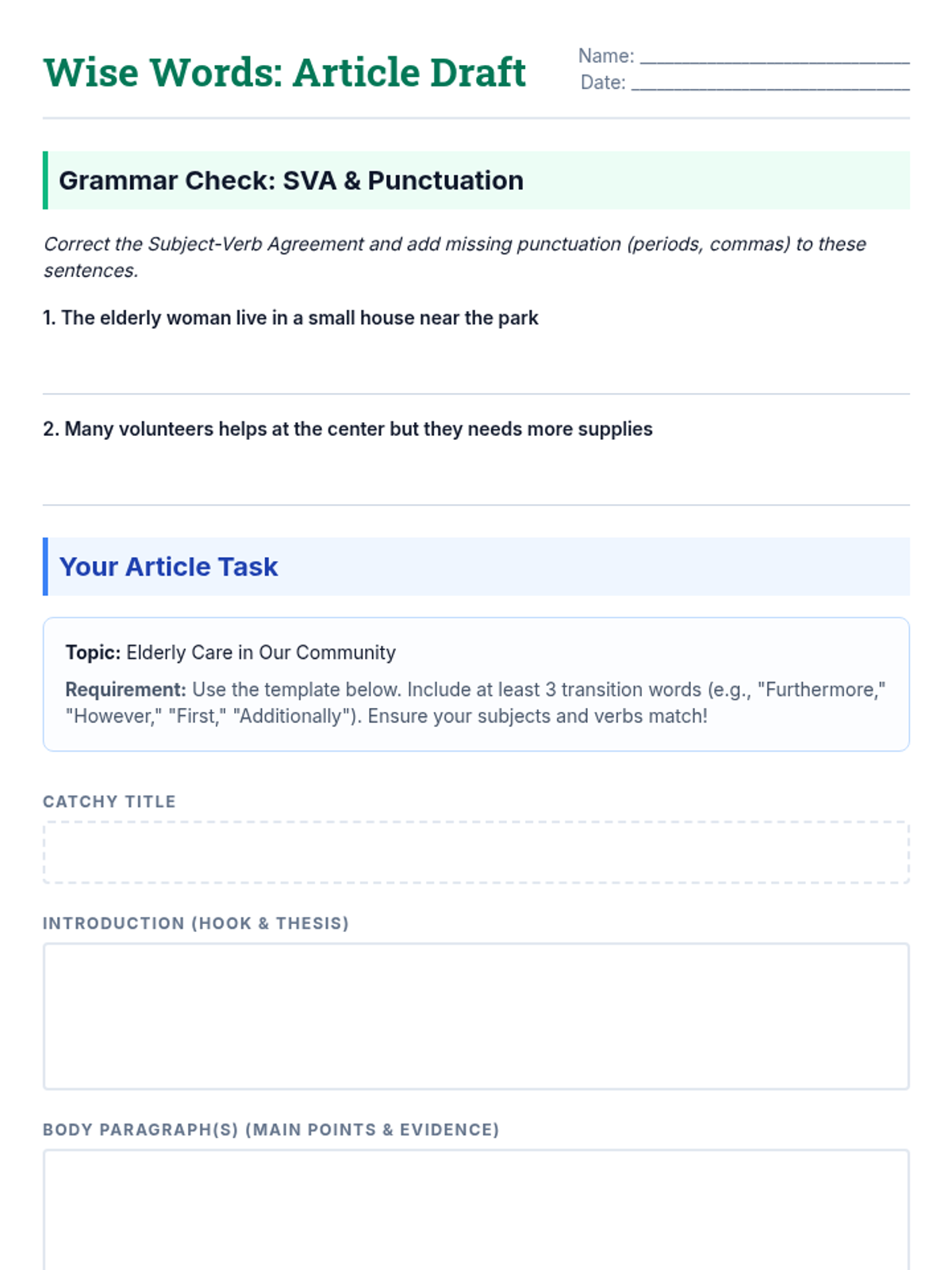
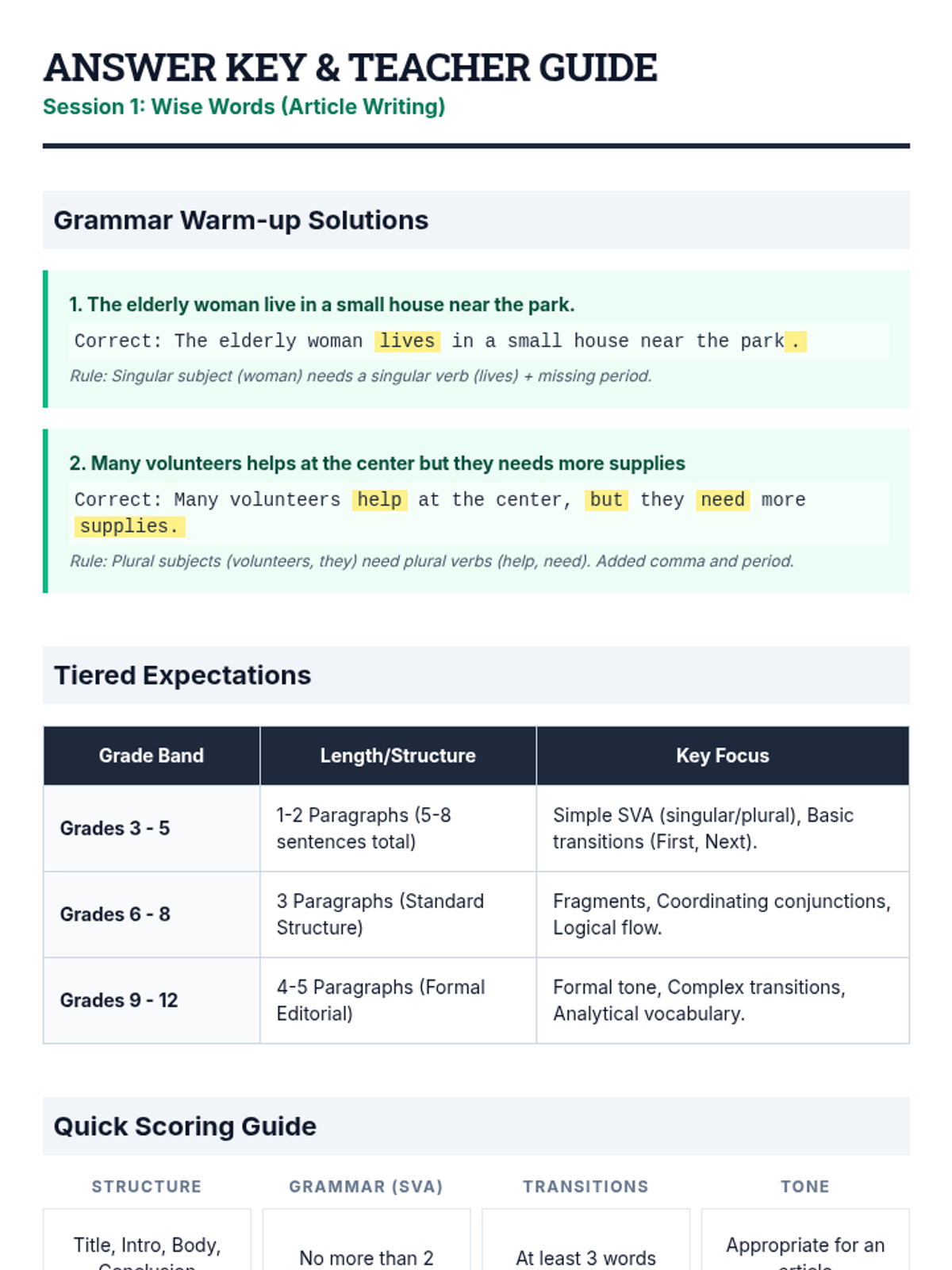
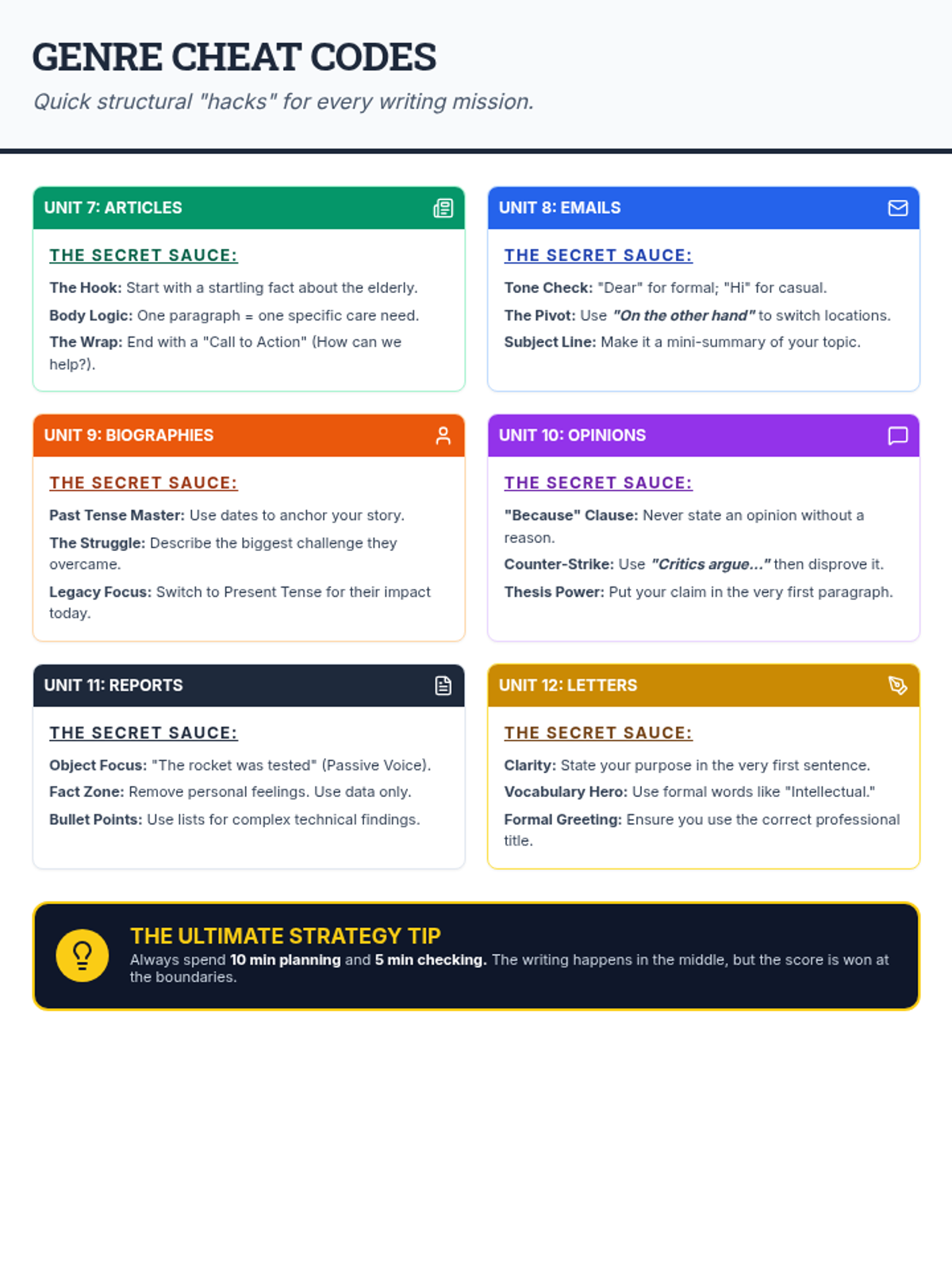
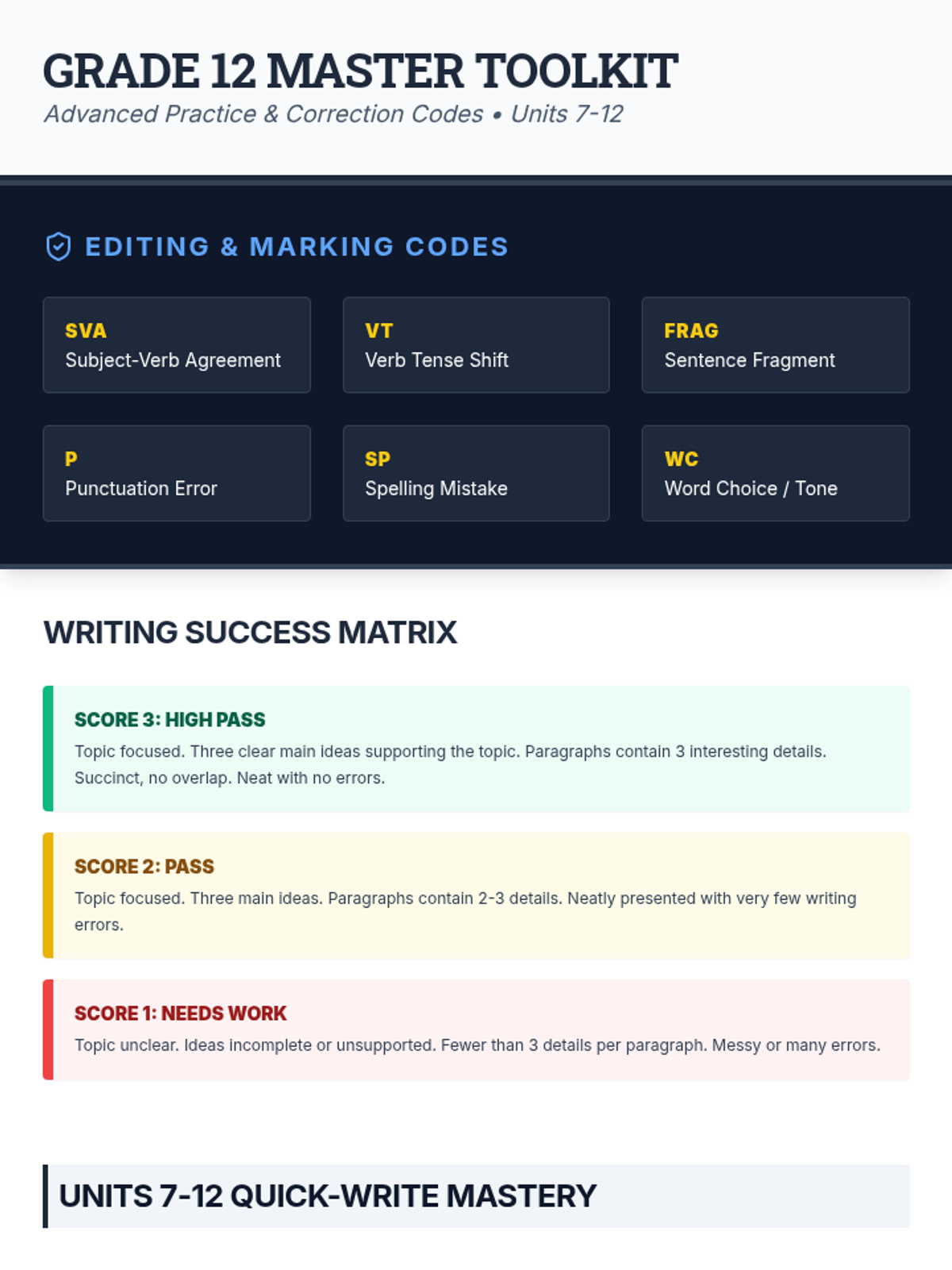
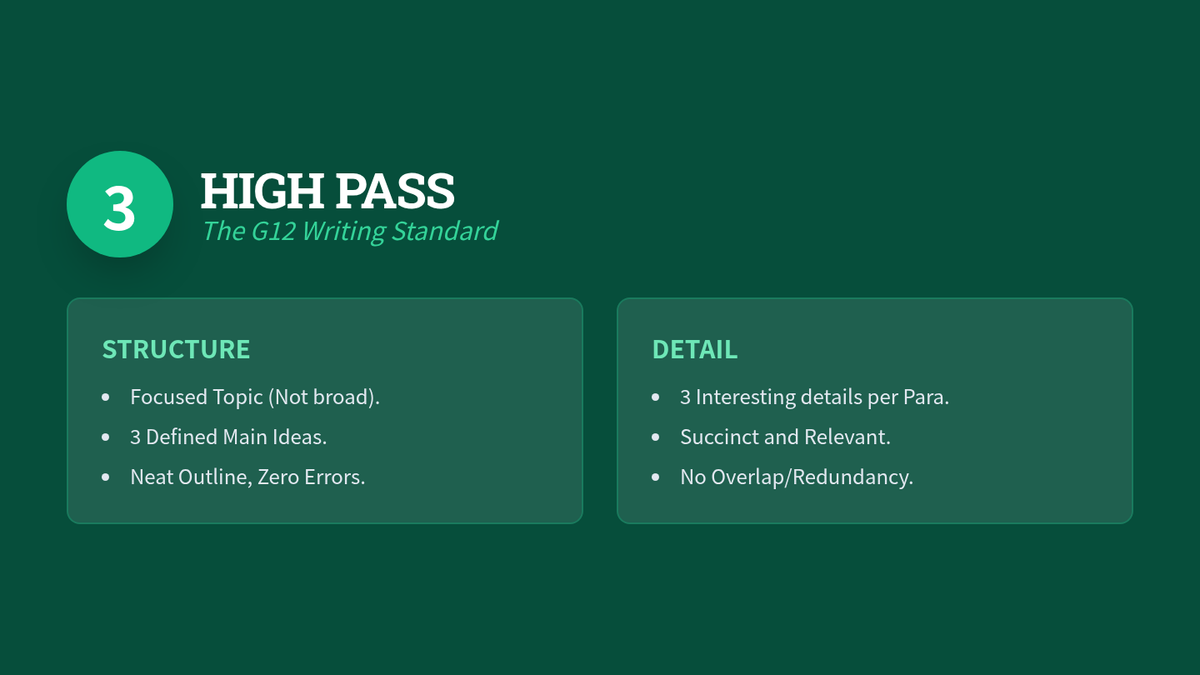
A comprehensive writing program for grades 3-12 focused on sentence and paragraph composition across six different genres, culminating in exam preparation and final assessments. The curriculum balances grammar foundations with creative and formal writing structures.
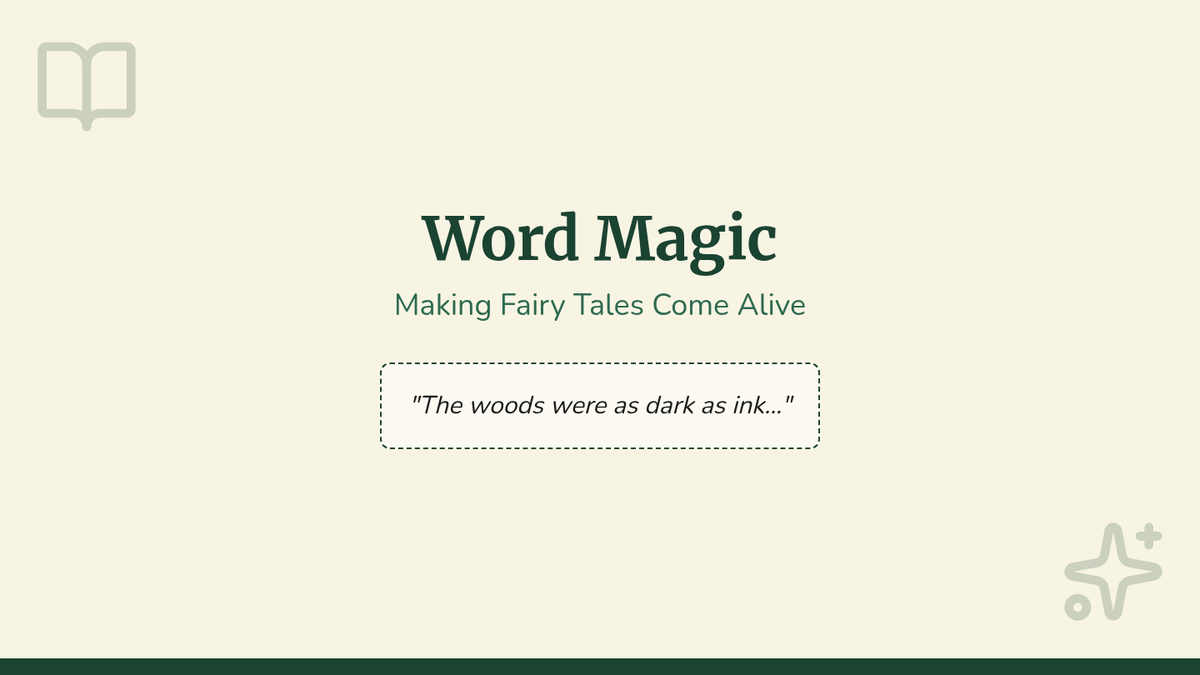
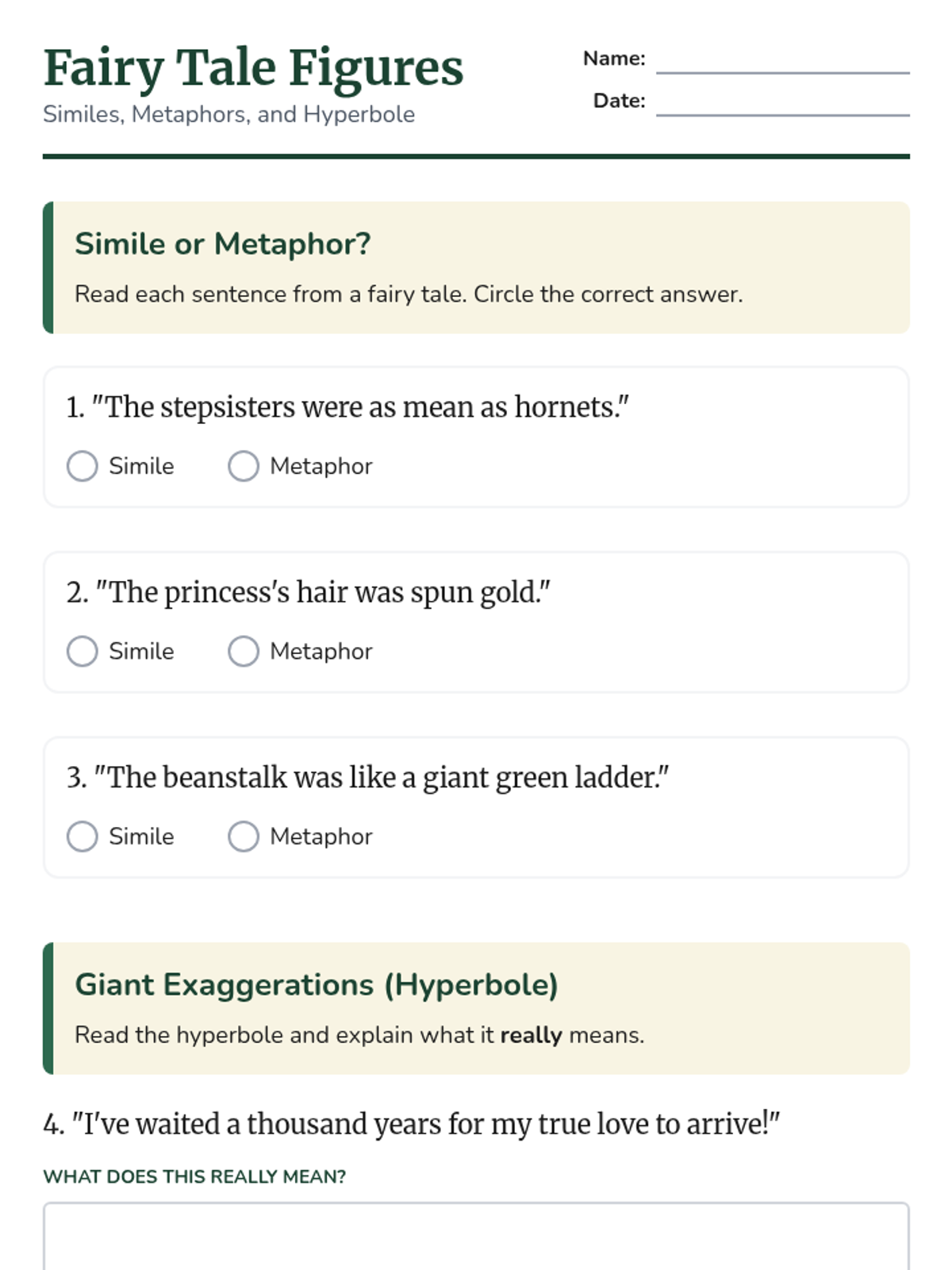
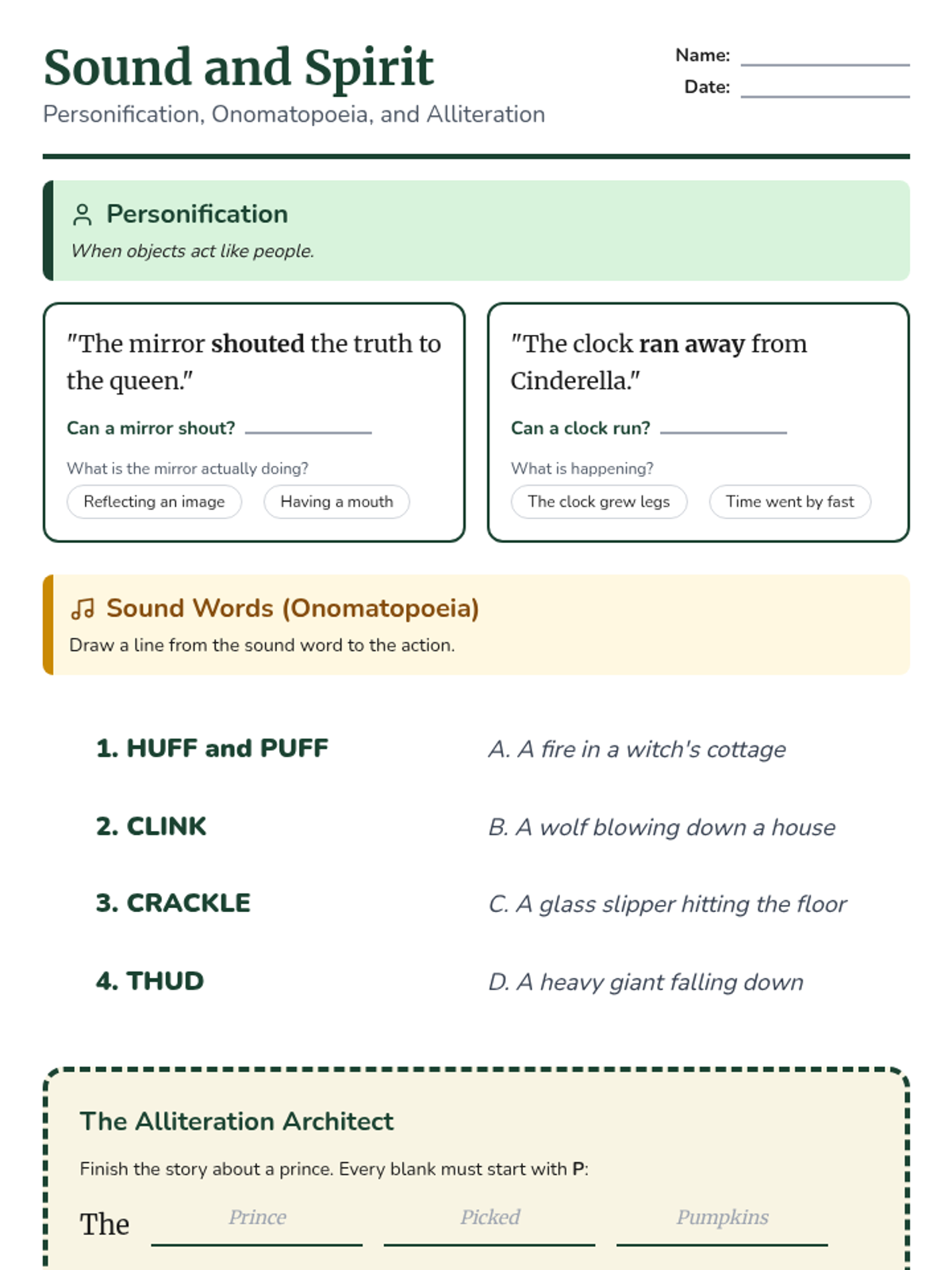
A 10-day unit exploring figurative language and parallel plots using fairy tales, specifically designed for high school students with learning disabilities reading at a 3rd-5th grade level. The unit uses a 'Twisted Threads' theme with a vintage storybook aesthetic.
A literary analysis unit focusing on how structure and perspective shape the theme of resilience across poetry and short stories.
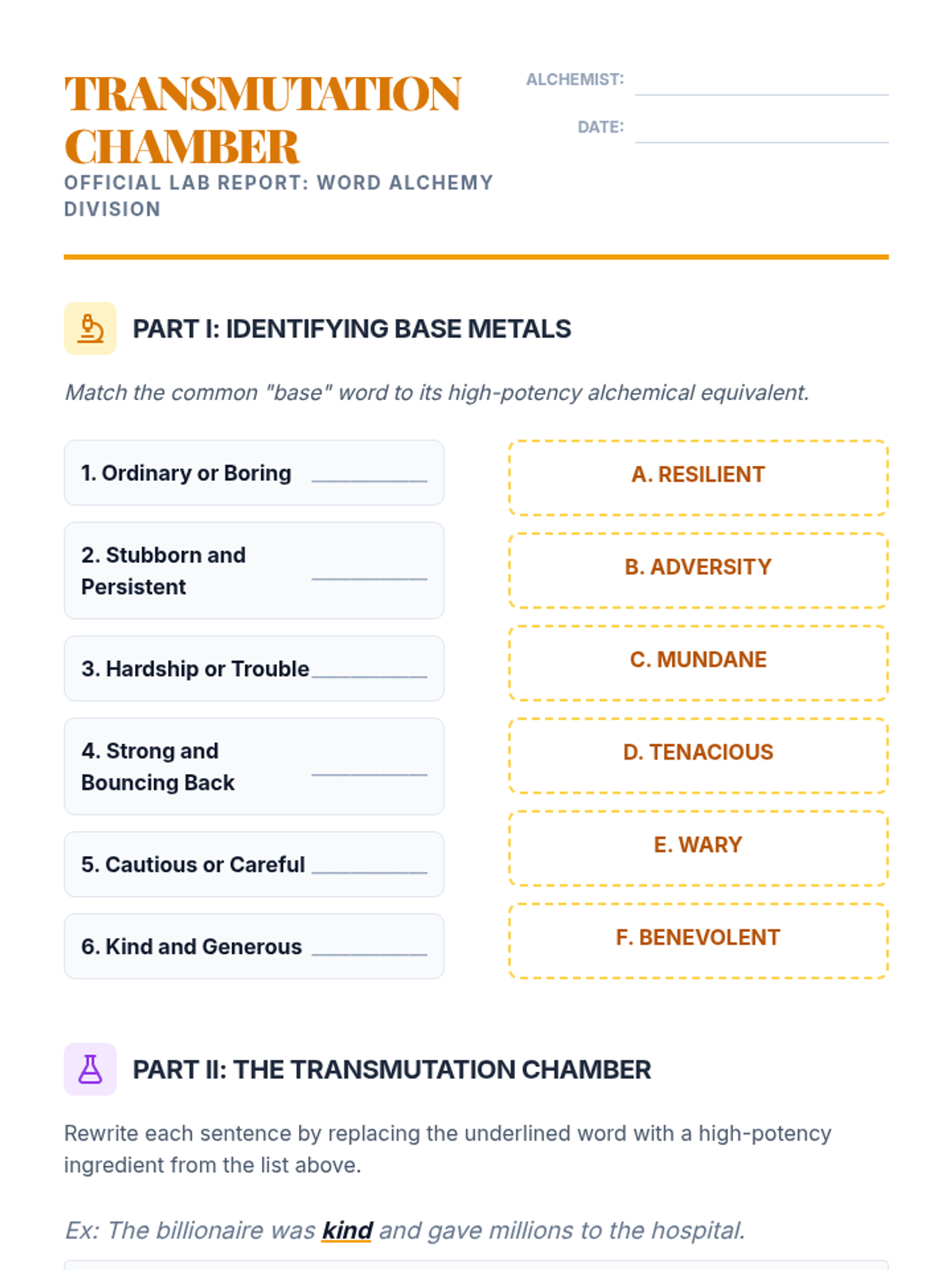
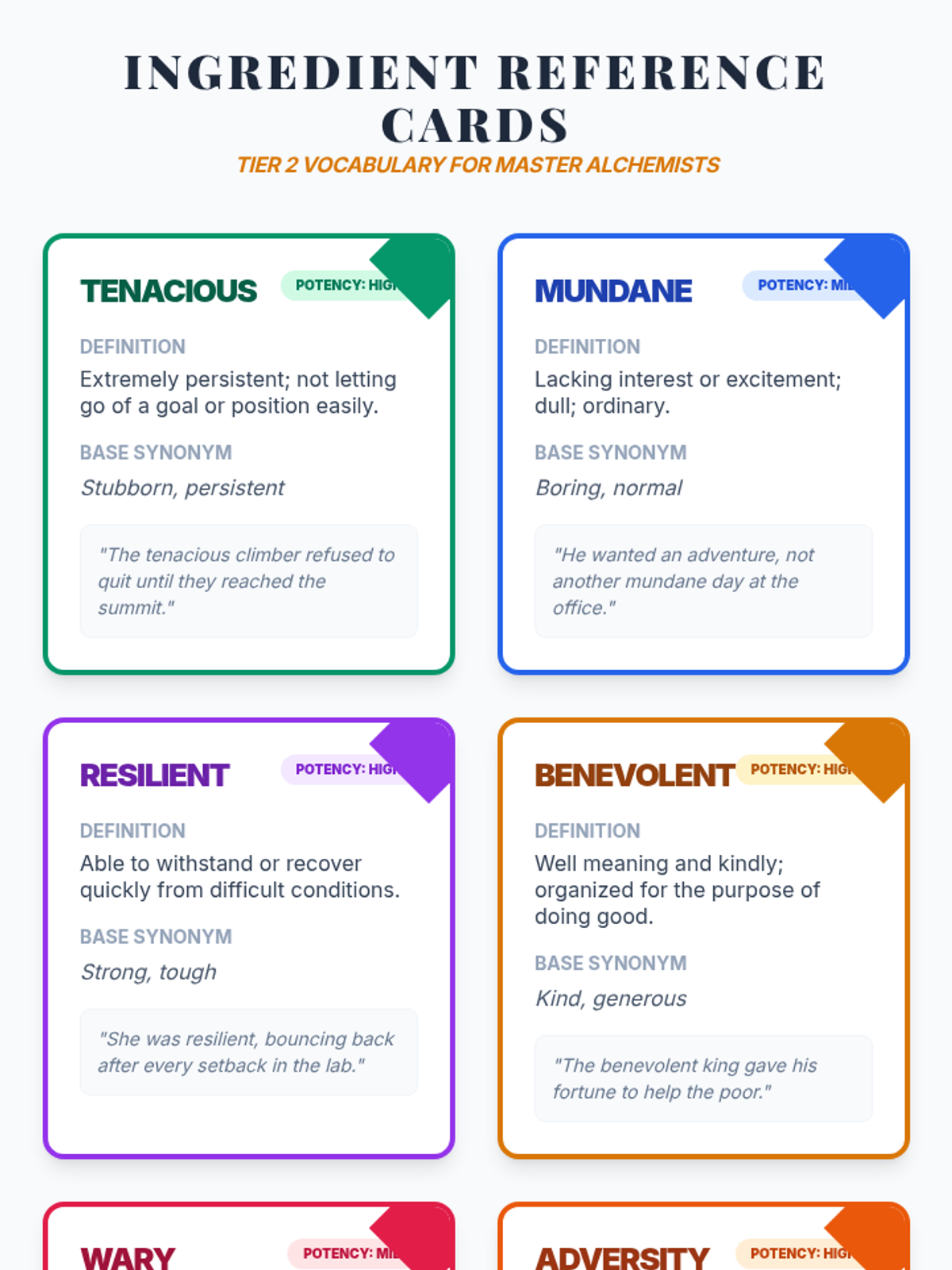
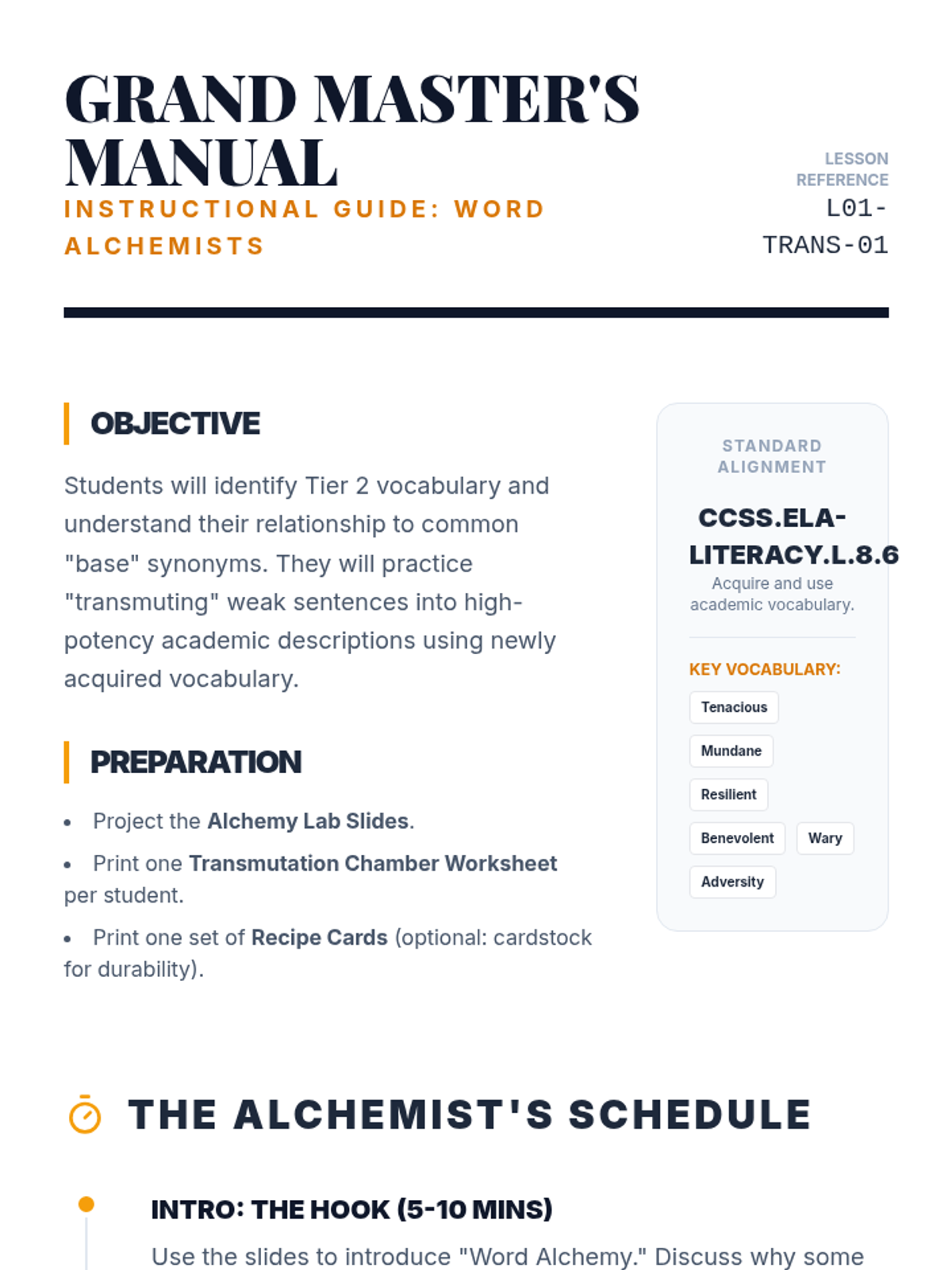
A vocabulary-building journey where students master academic language by framing word acquisition as magical alchemy and linguistic experimentation.
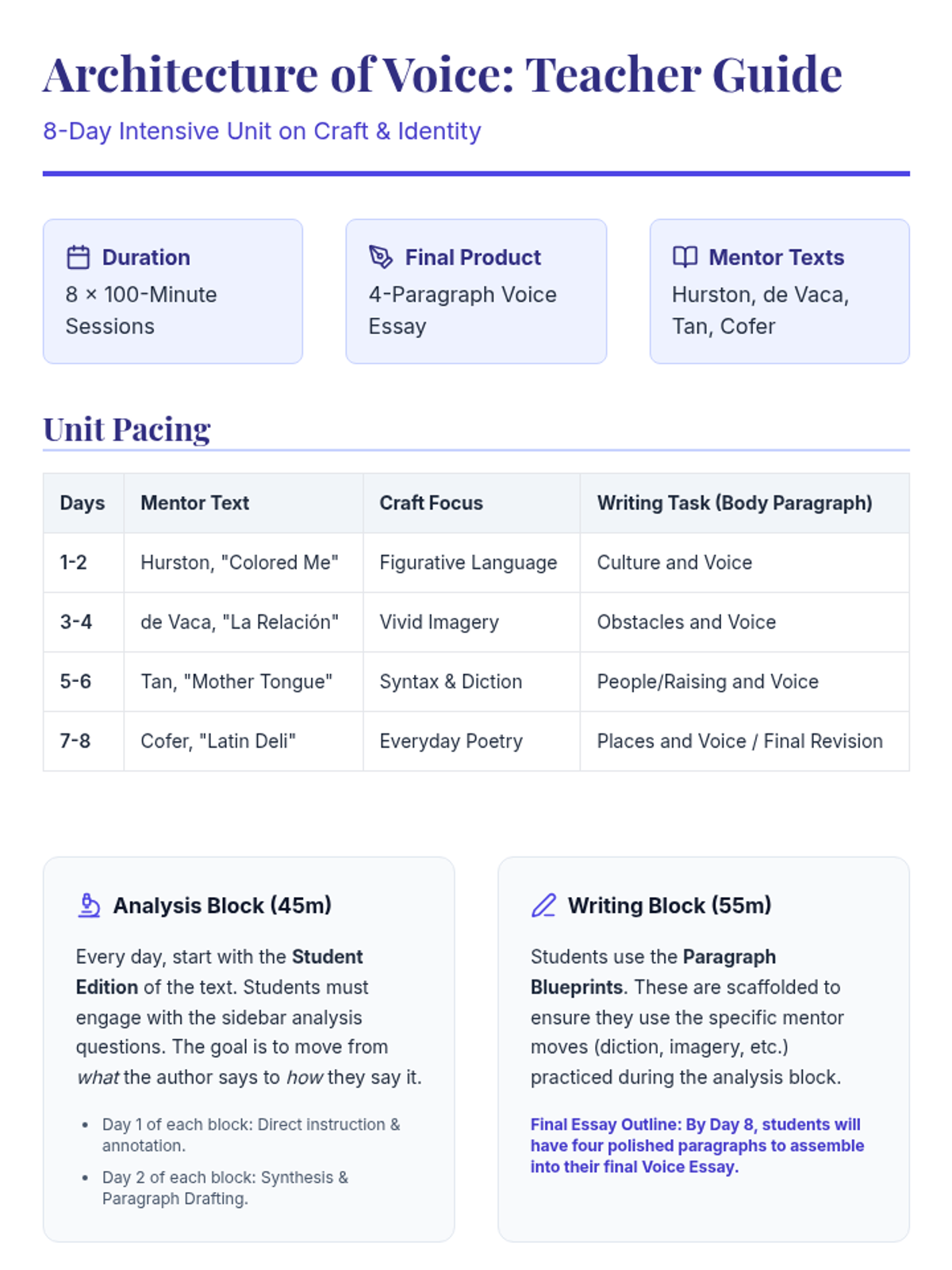
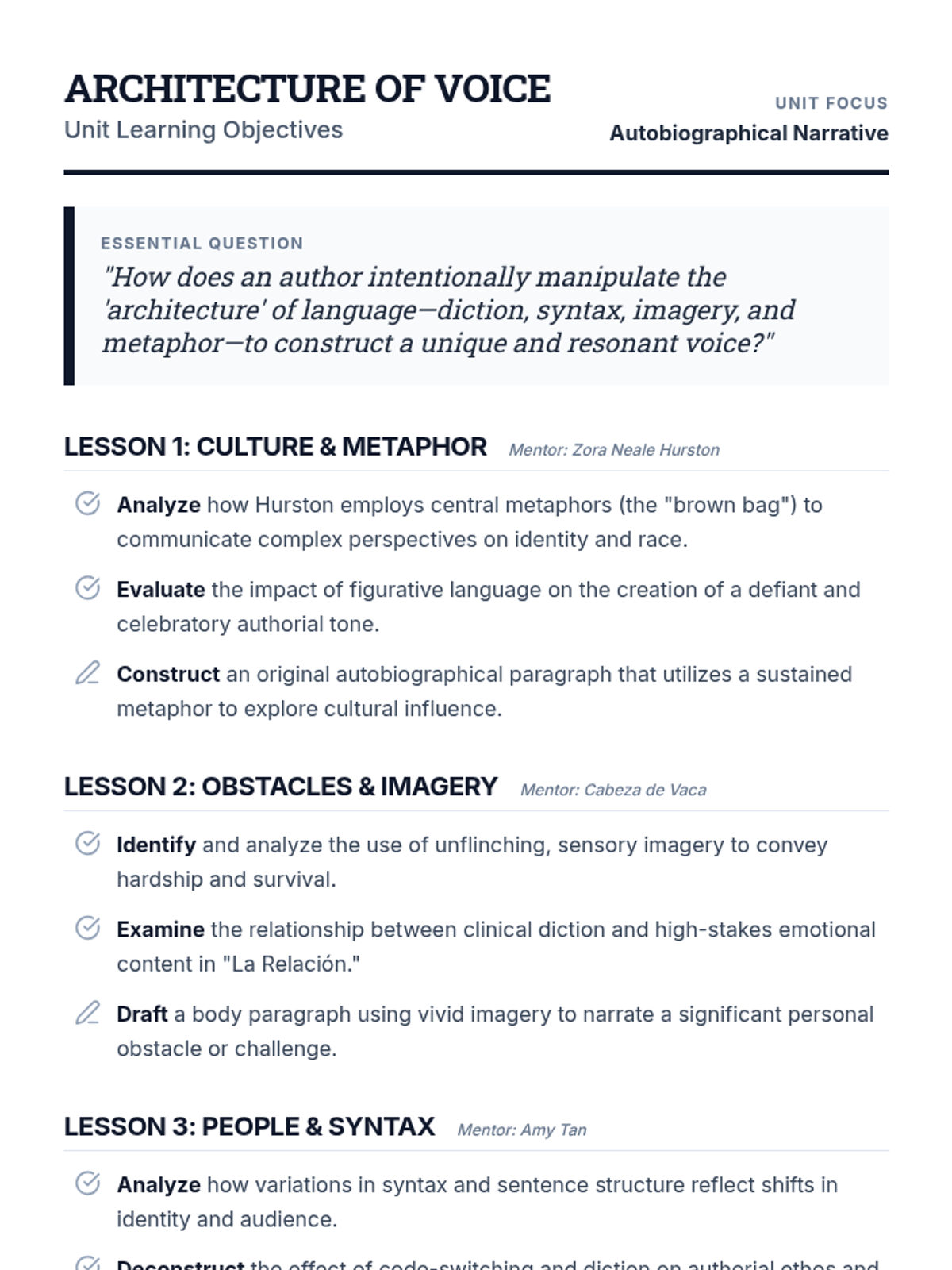
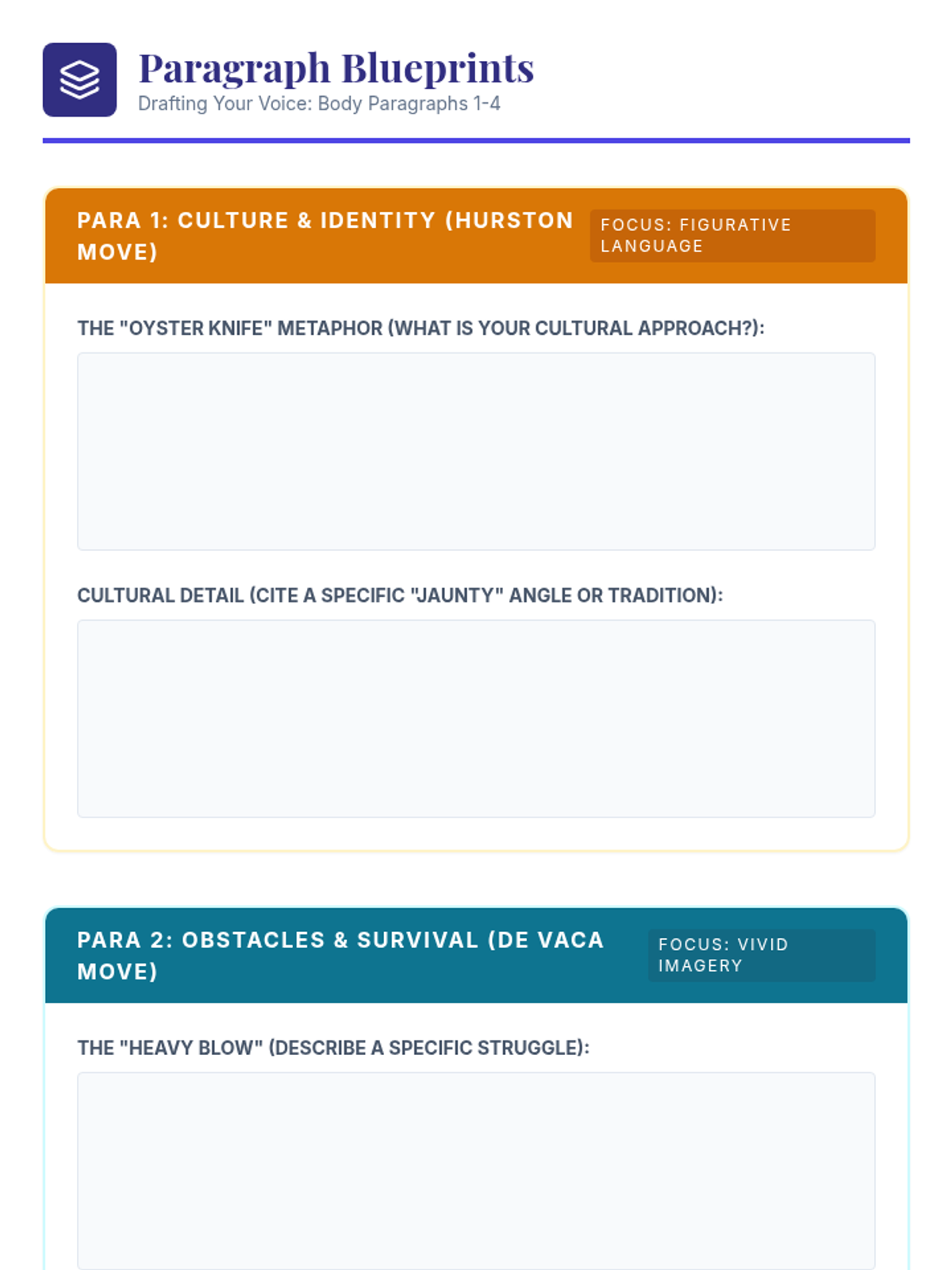
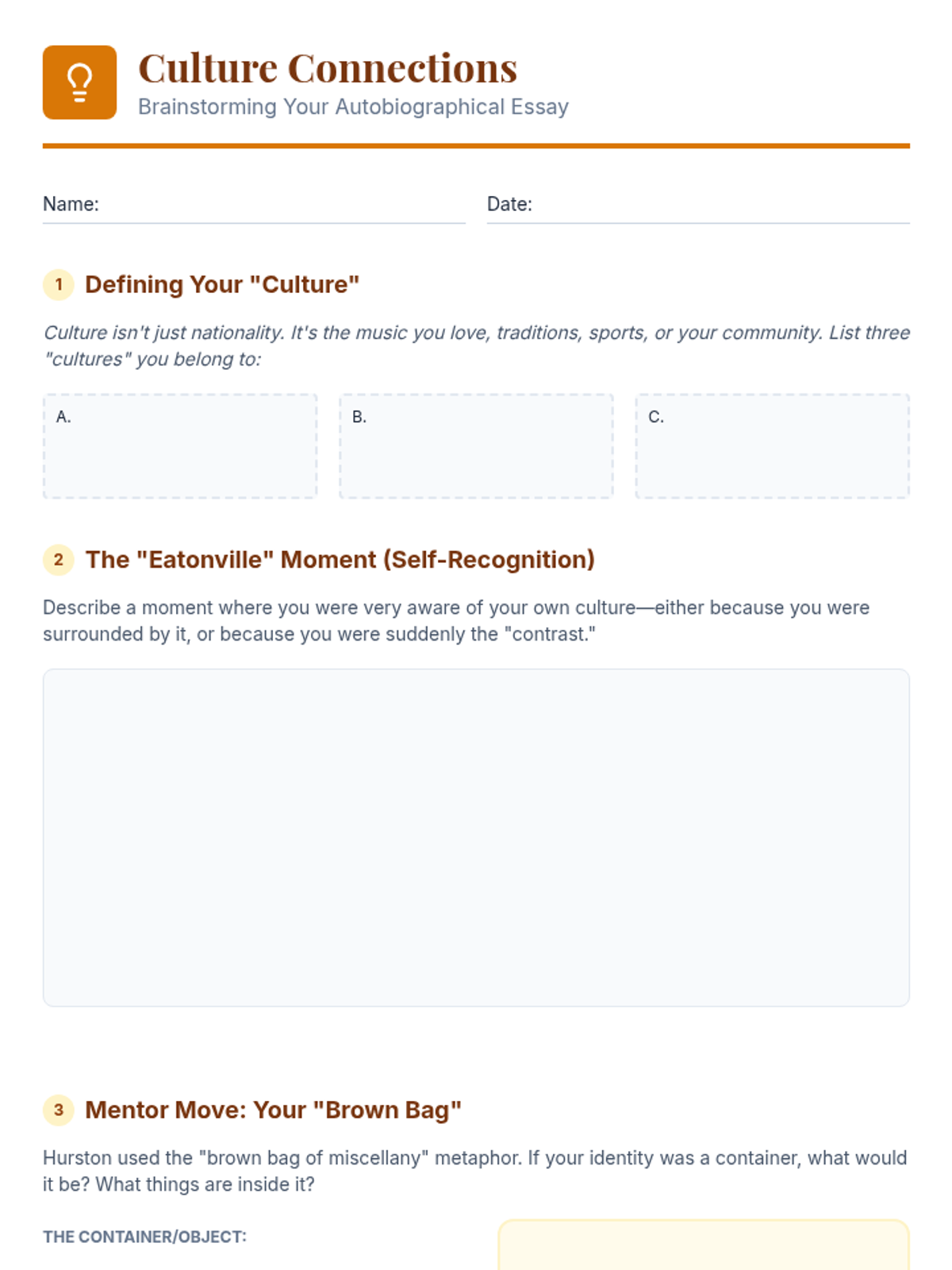
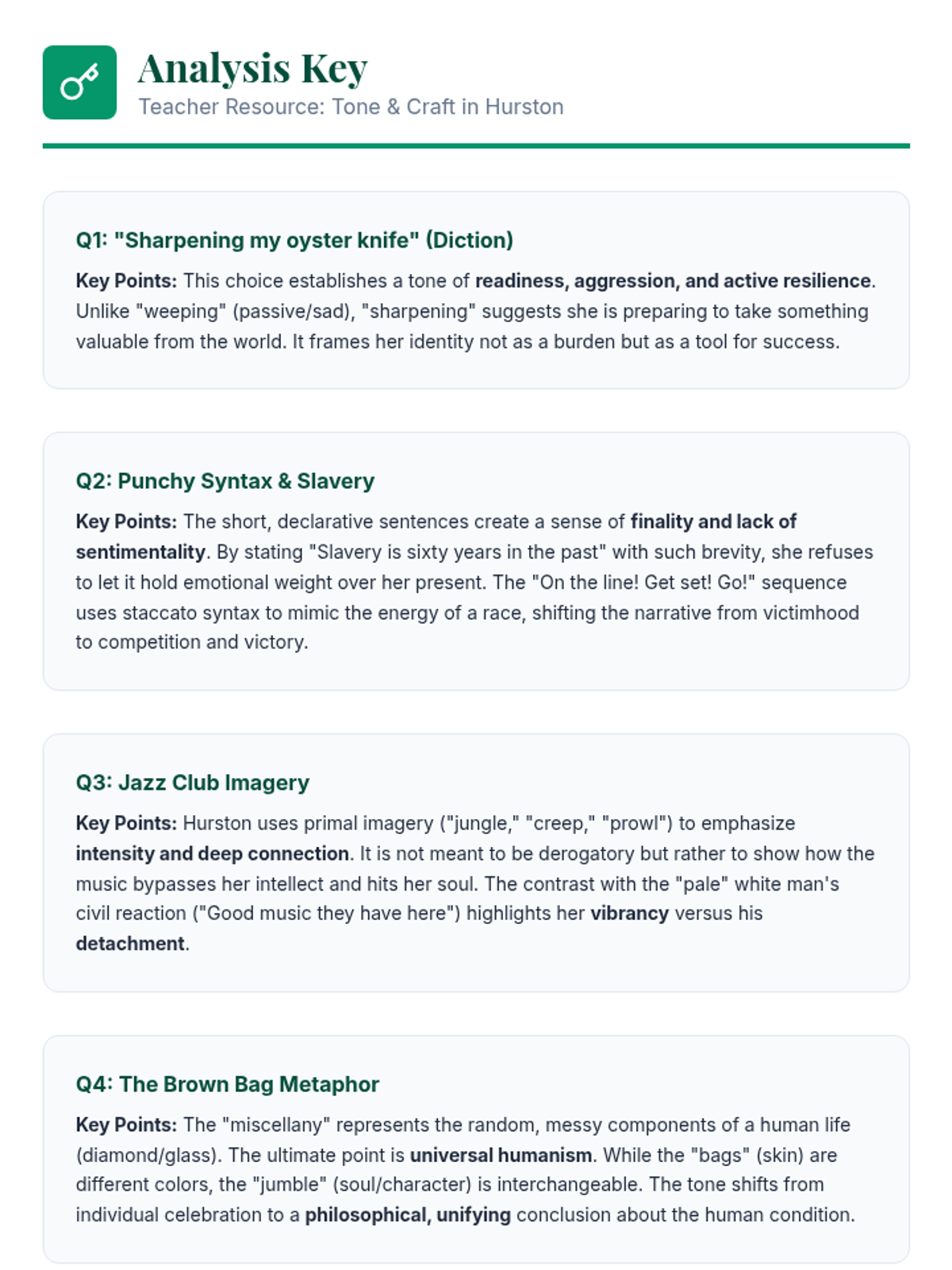
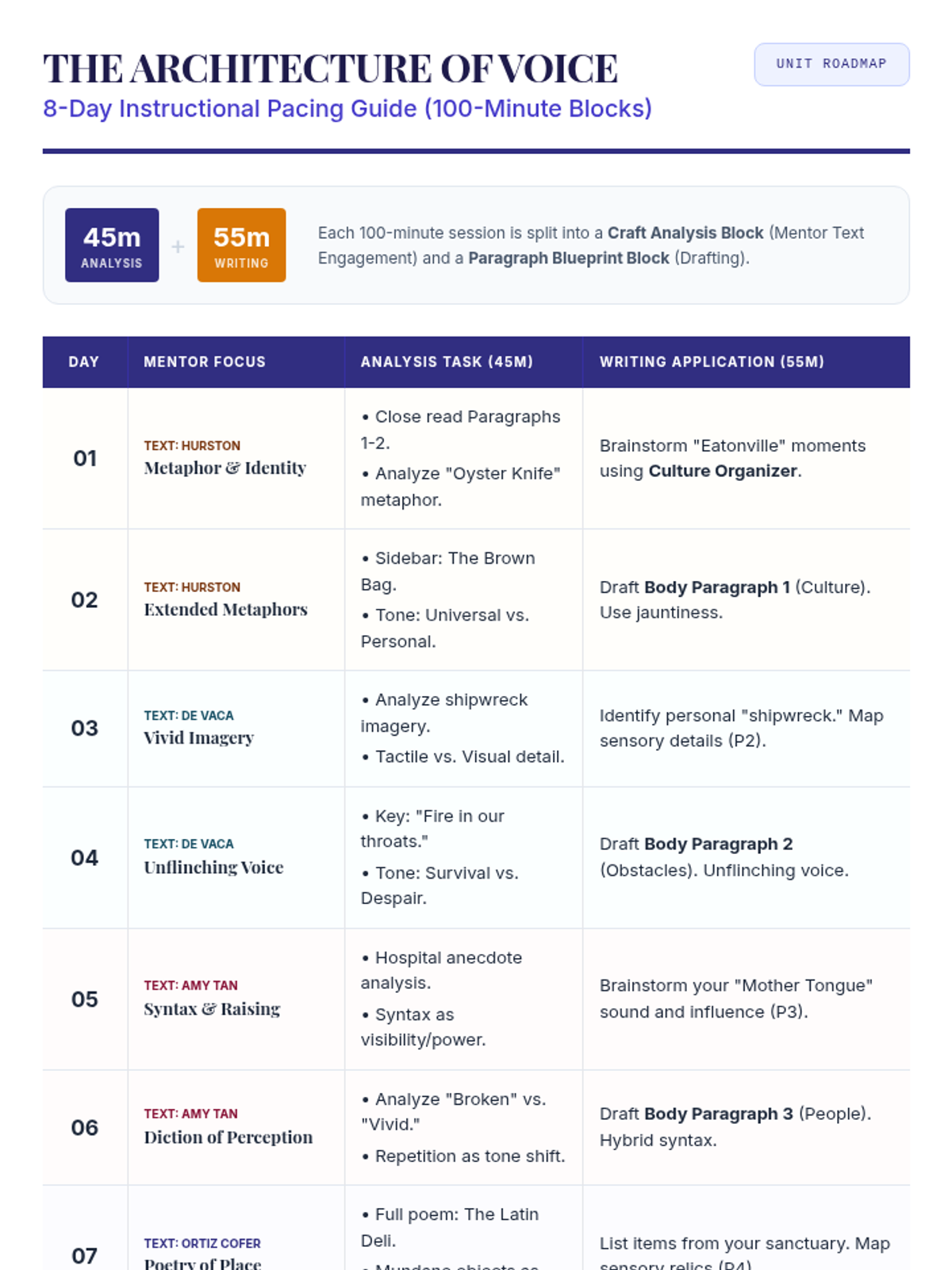
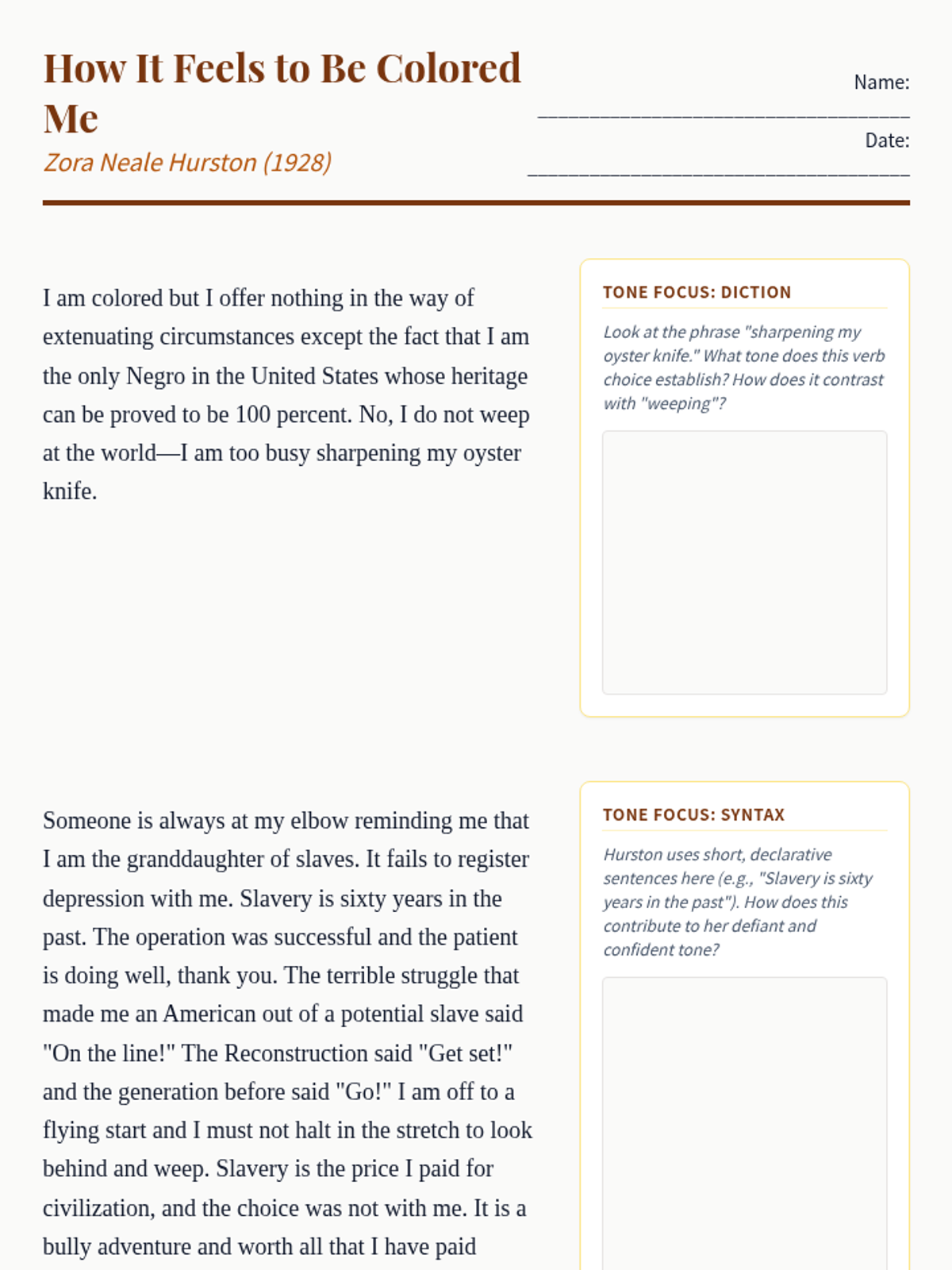
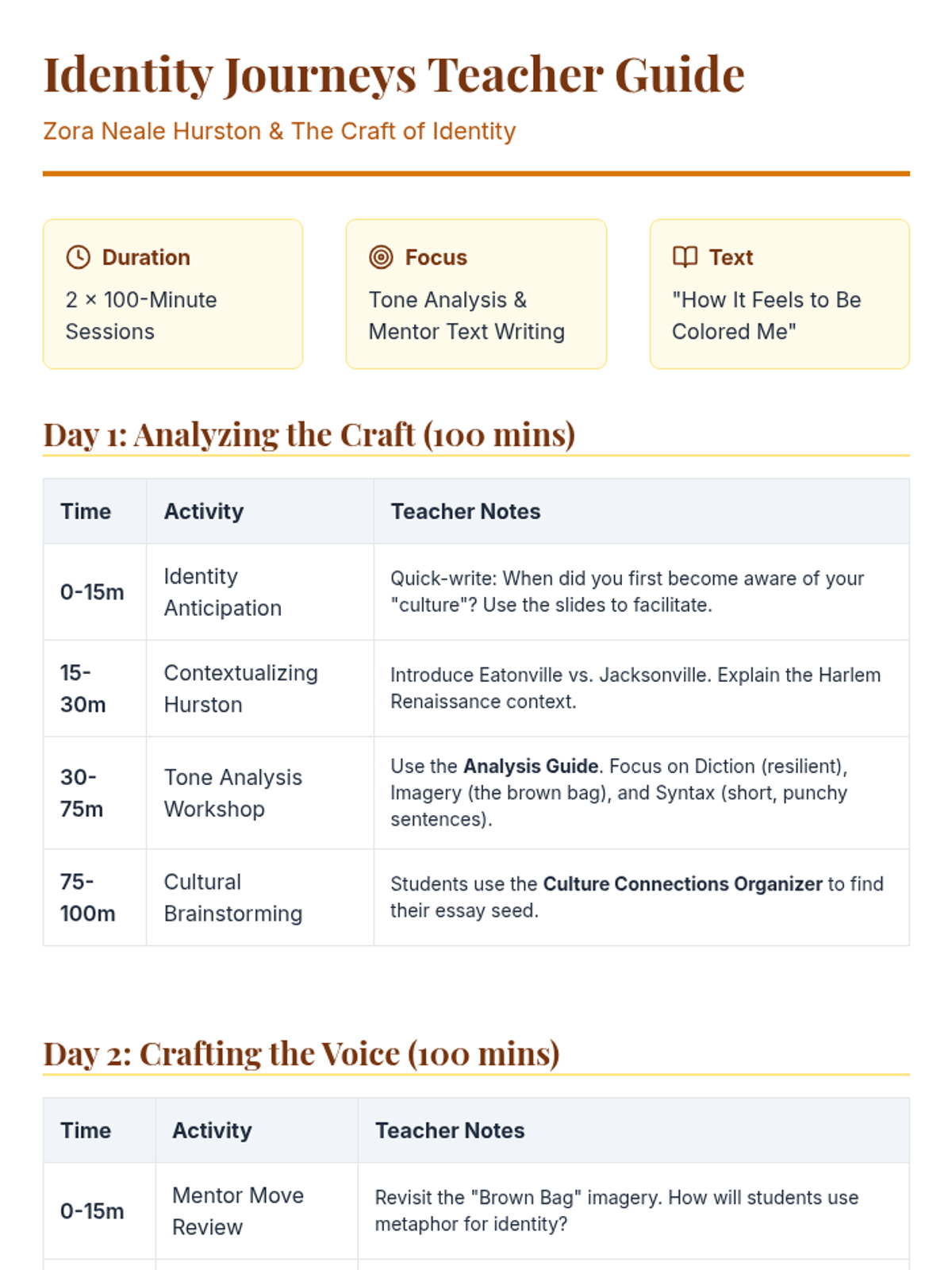
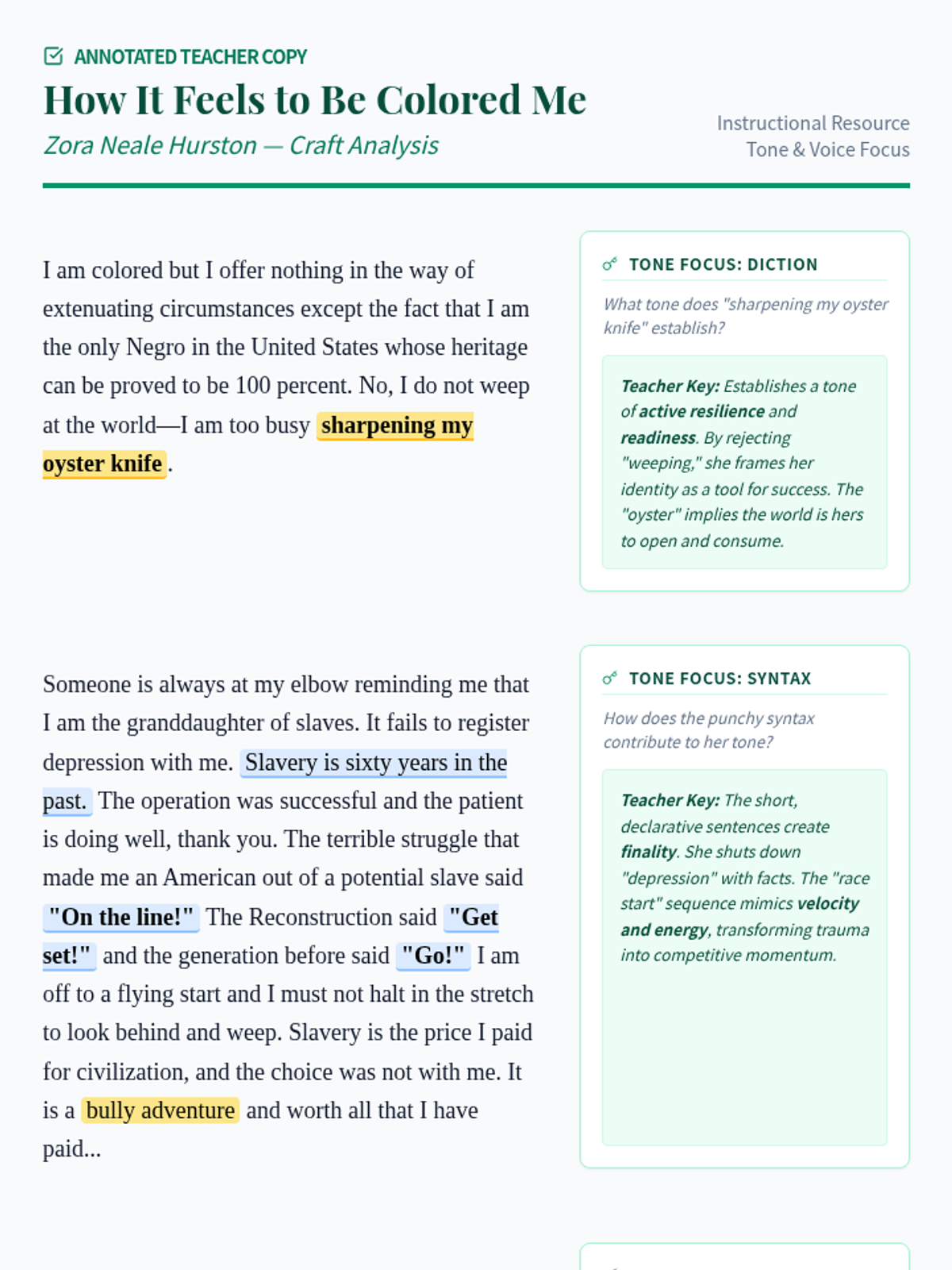
An 8-day intensive unit titled 'The Architecture of Voice.' Students analyze four diverse mentor texts—Hurston, de Vaca, Tan, and Cofer—to understand how craft elements like figurative language, imagery, syntax, and diction shape an author's tone and perspective. For each text, students produce a structured paragraph, culminating in a comprehensive autobiographical essay that explores the various forces (culture, challenges, people, and places) that have shaped their own voices.
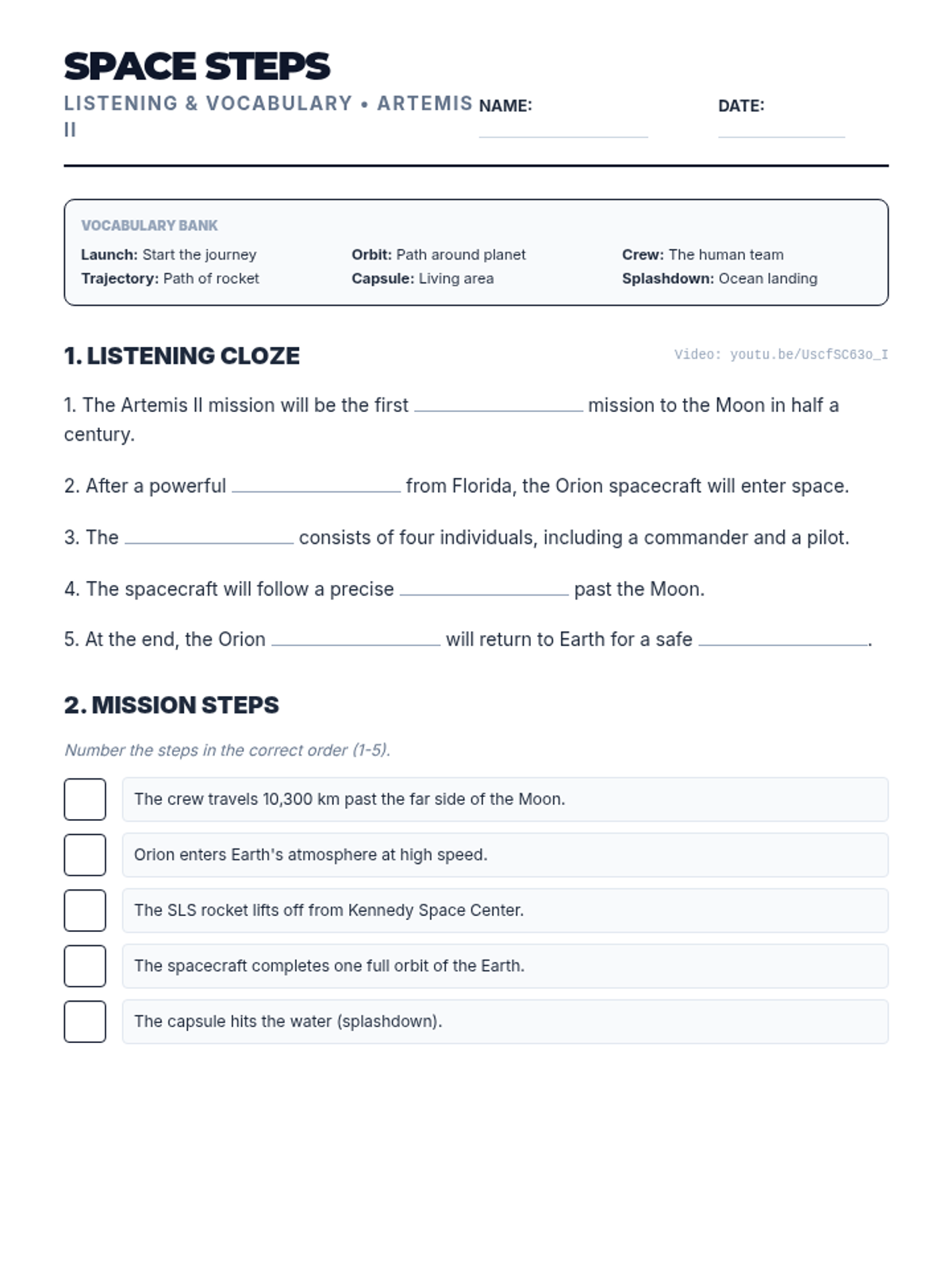
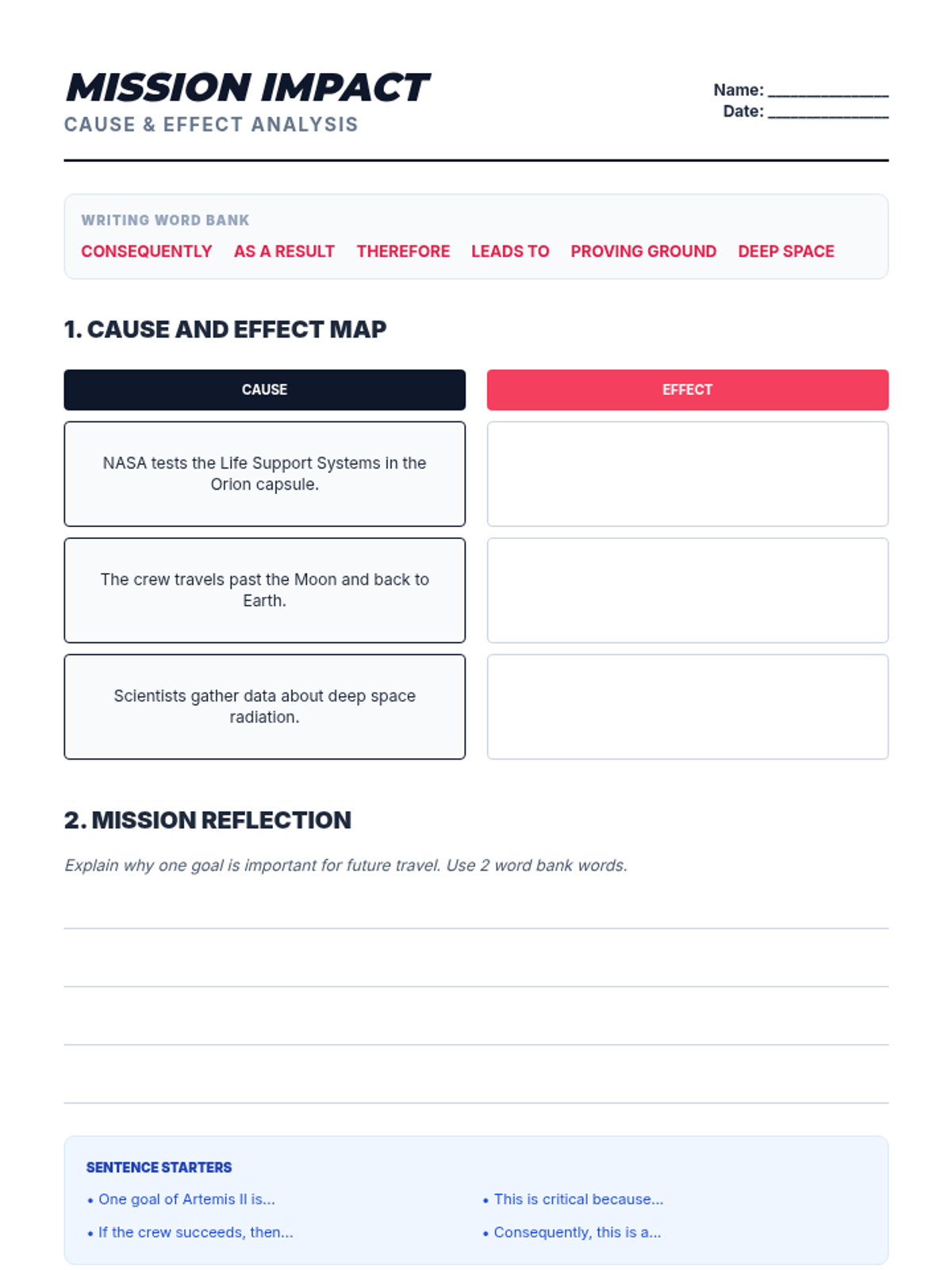
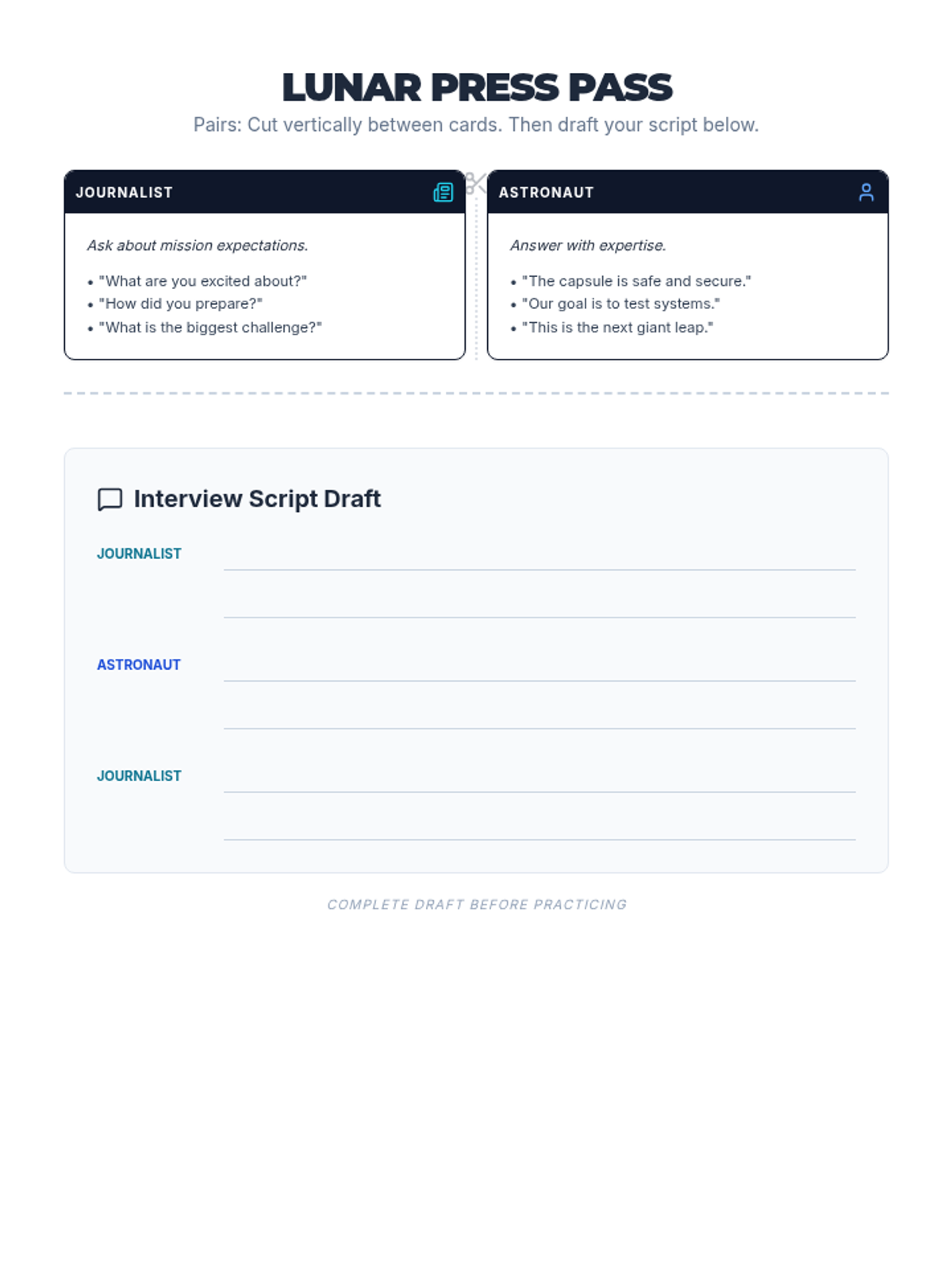
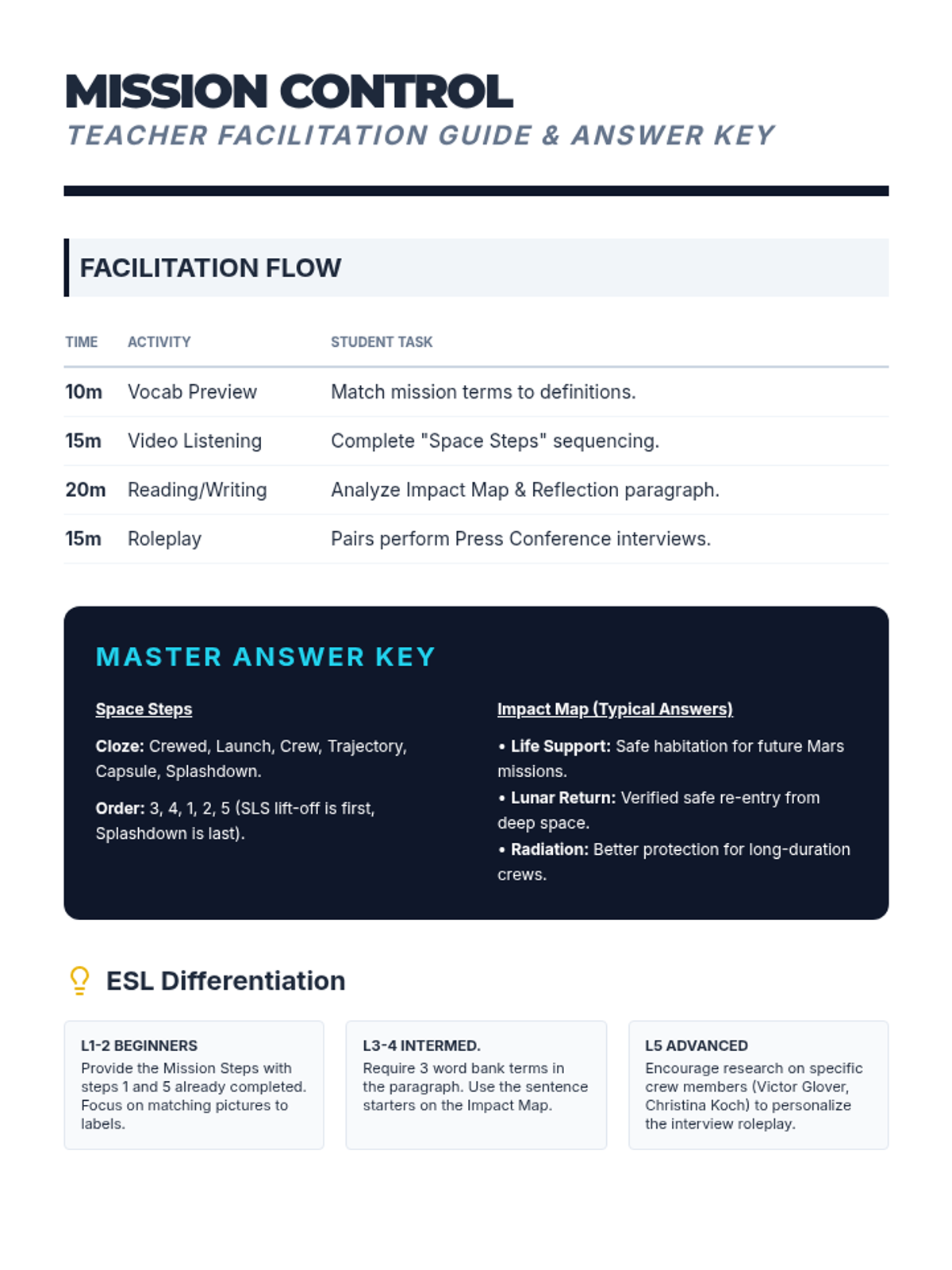
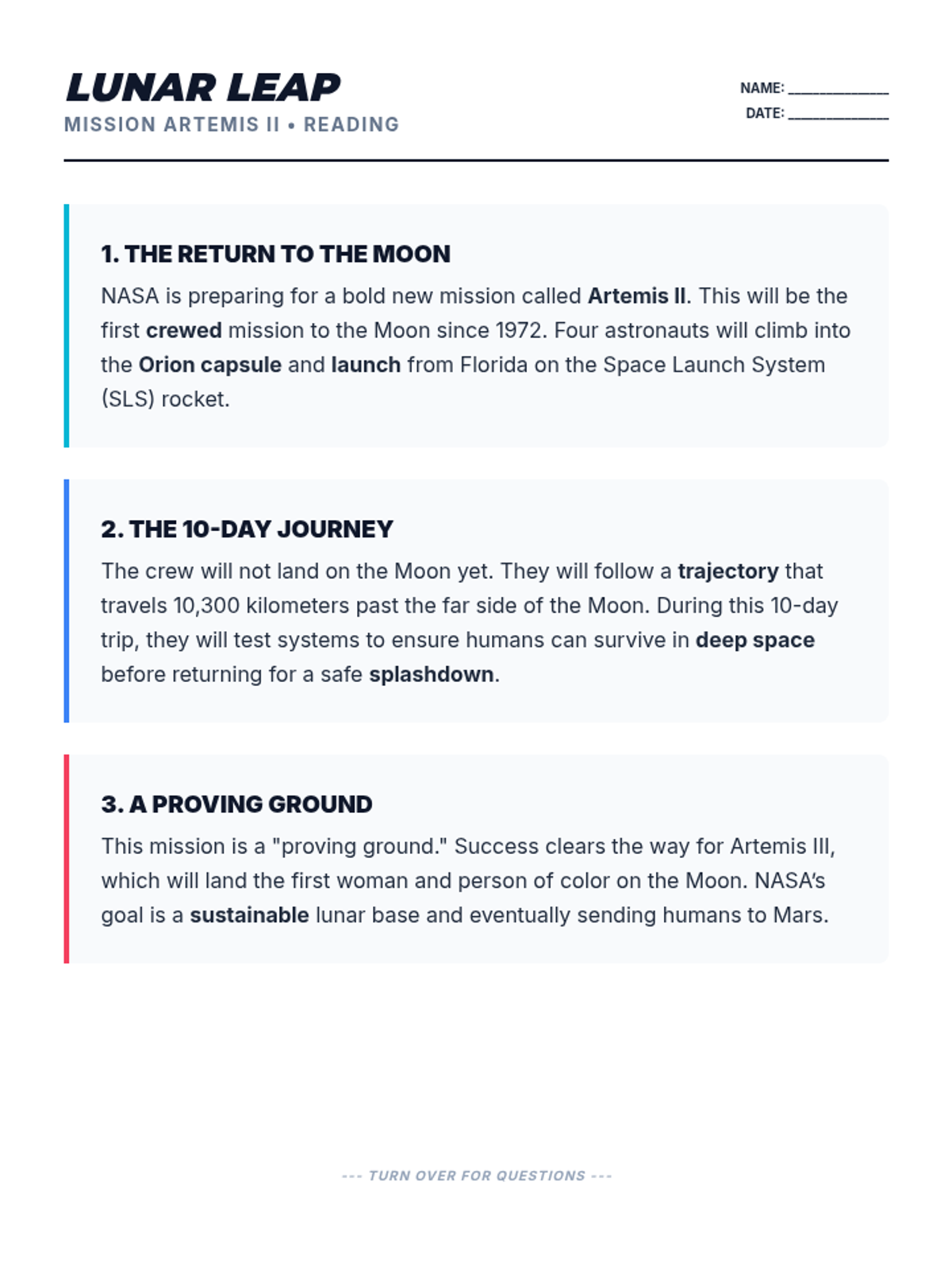
A comprehensive ESL resource pack for 9-12th graders focused on the Artemis II mission. This sequence covers reading, writing, listening, and speaking skills through space exploration content.
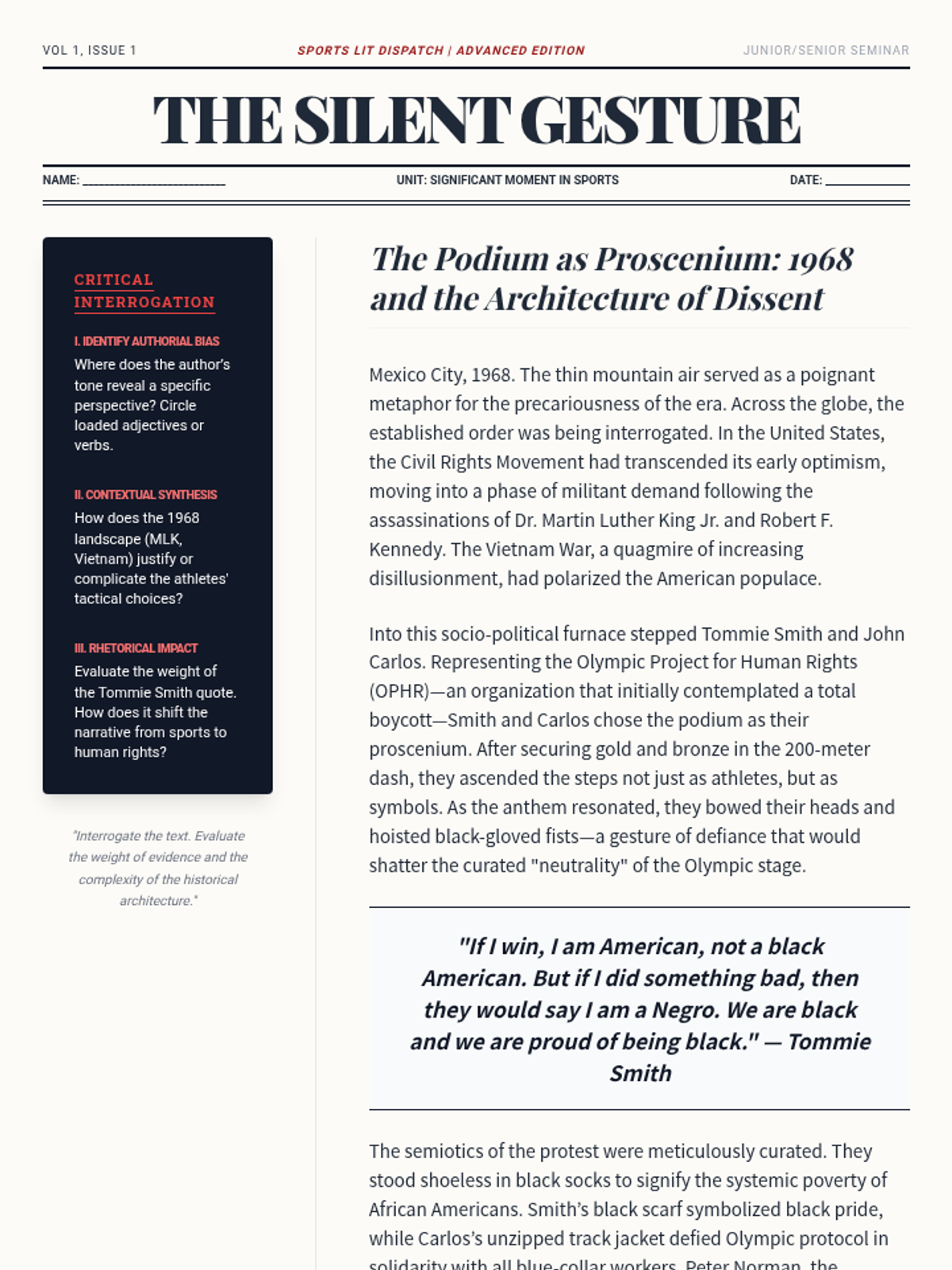
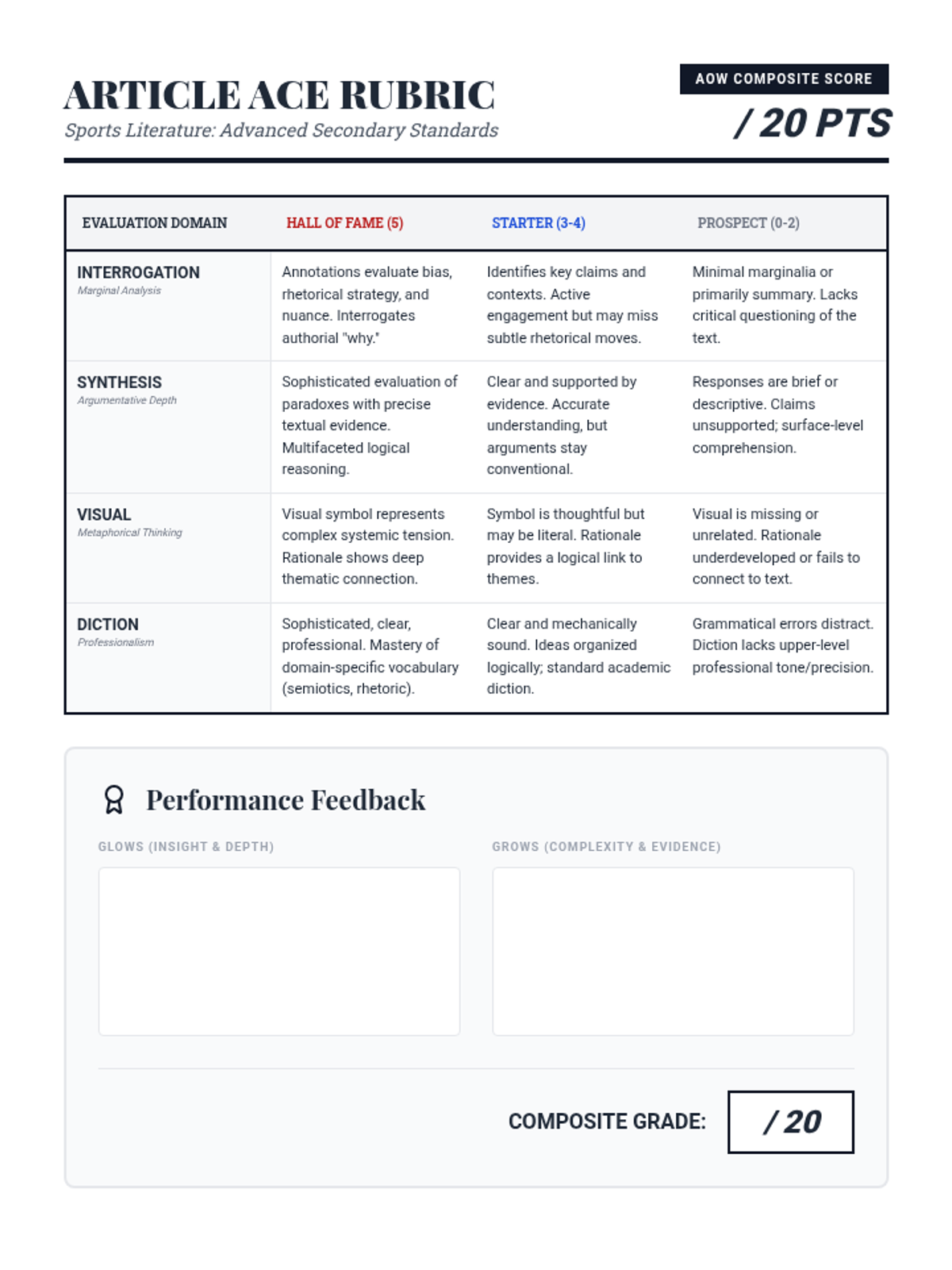
A collection of "Article of the Week" resources for a Sports Literature course, connecting current and historical sports journalism to key thematic units.
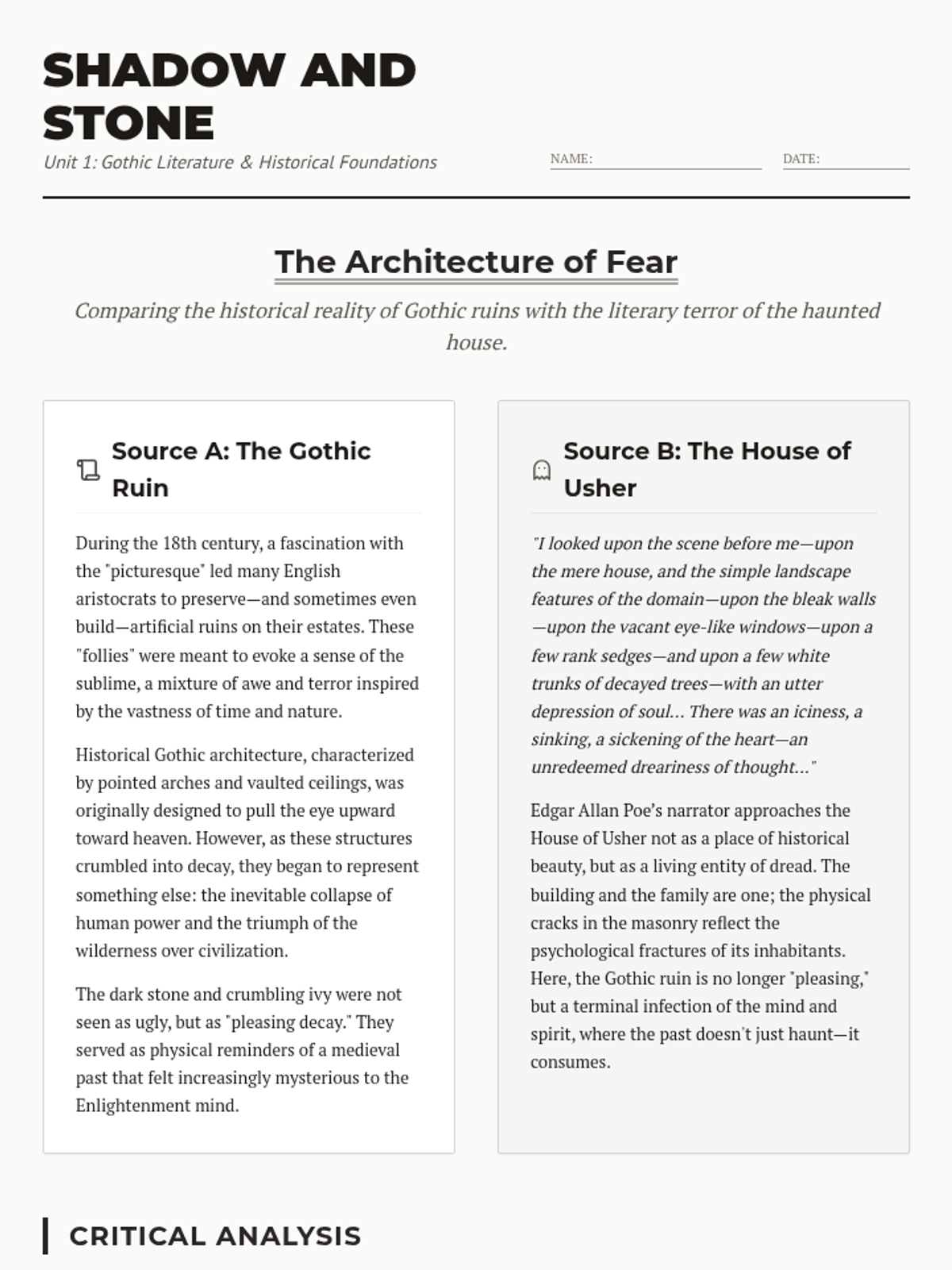
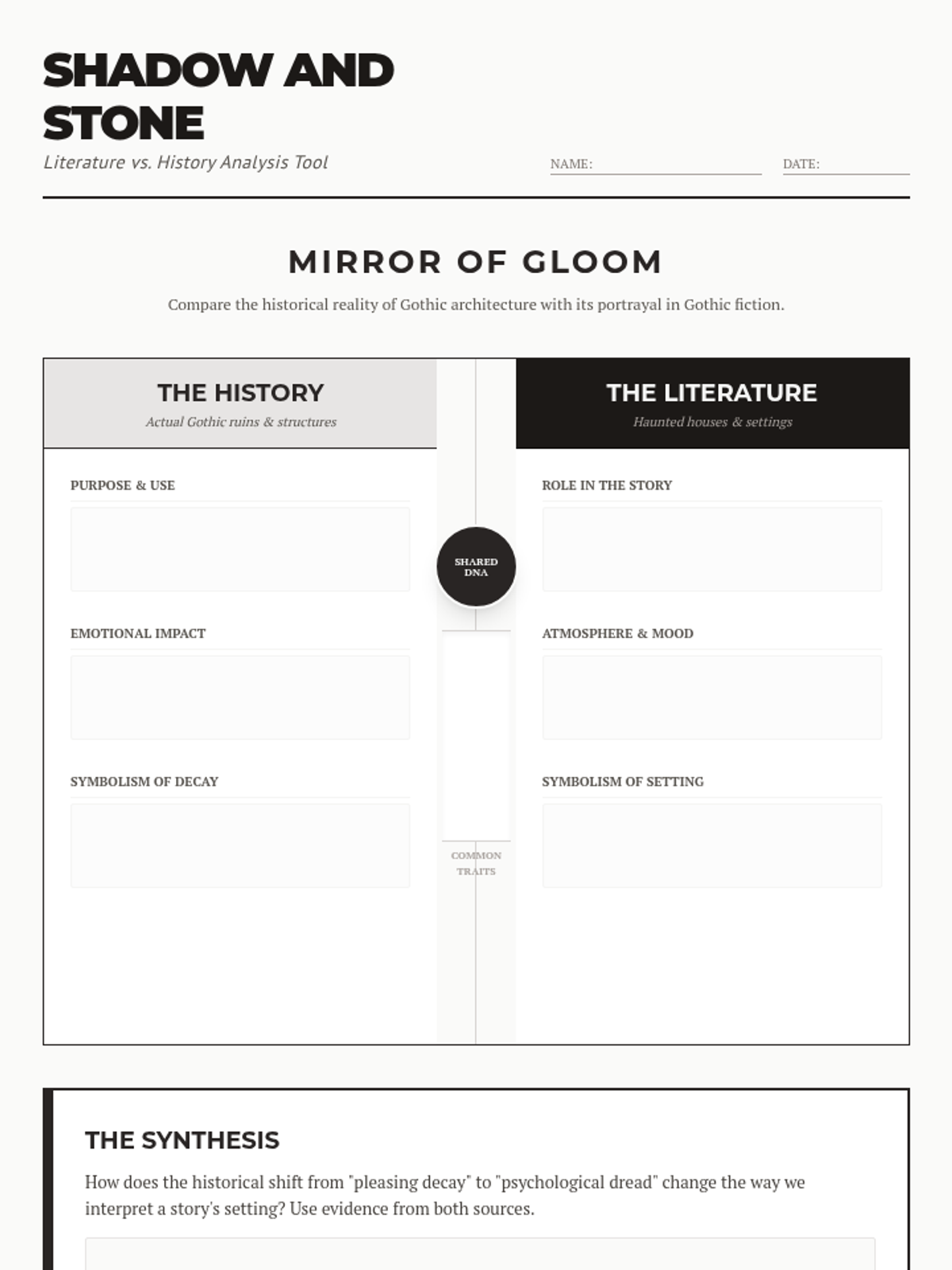
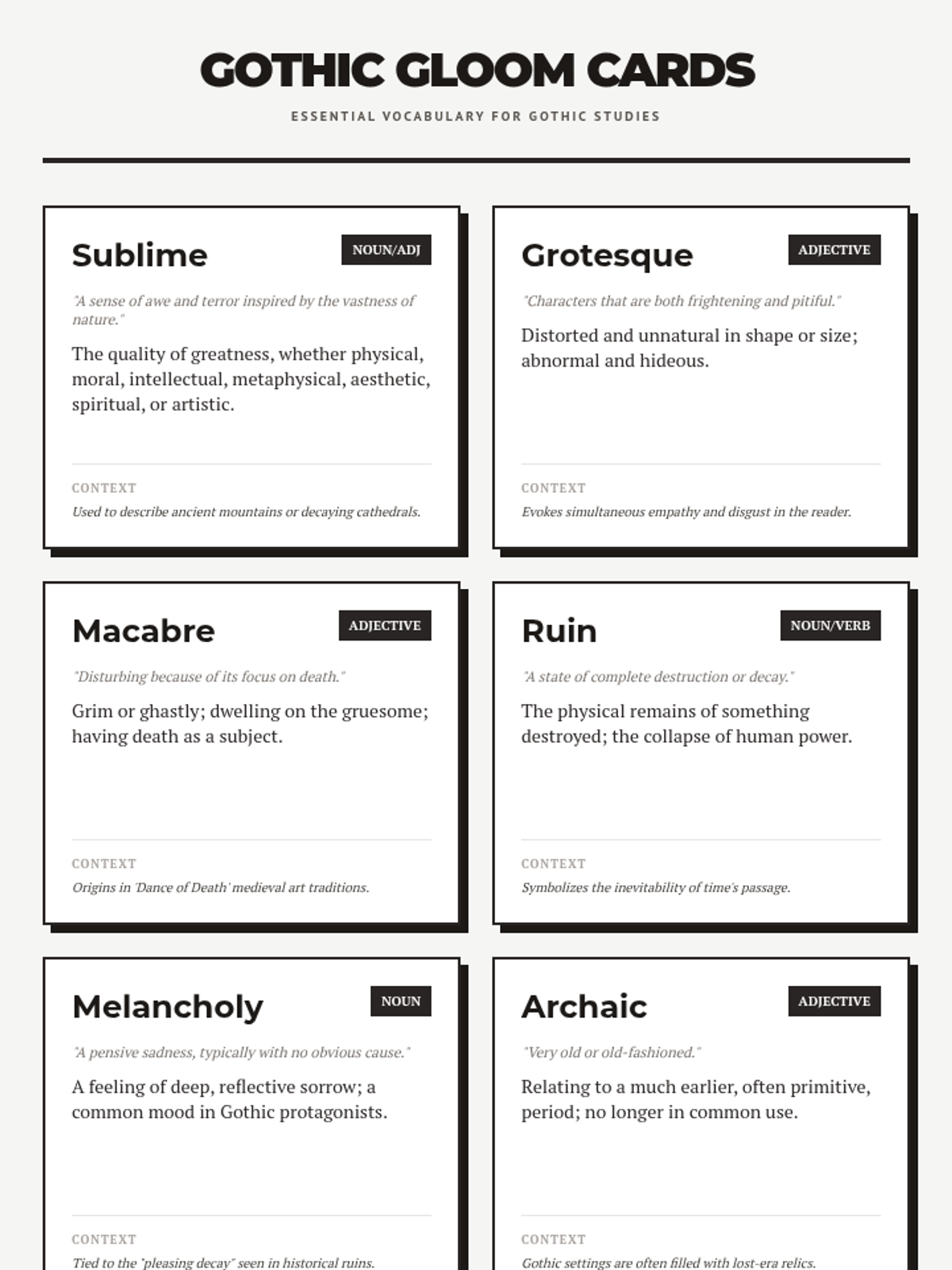
A comprehensive English Language Arts unit exploring the evolution of voice through four distinct eras: Gothic shadows, Civil Rights rhetoric, contemporary poetry, and Shakespearean drama. Students analyze how history shapes literature and how literature reflects human experience across time.
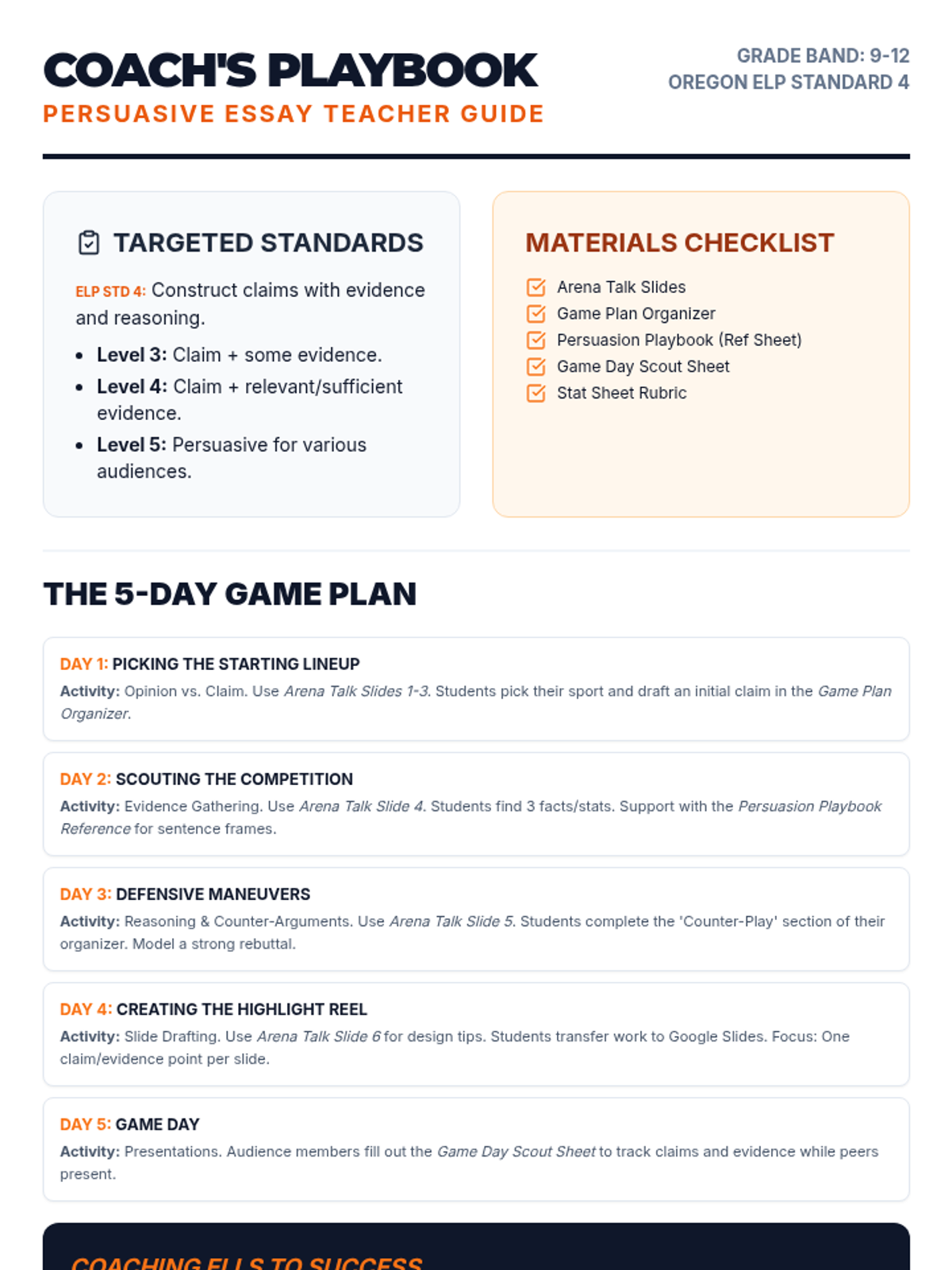
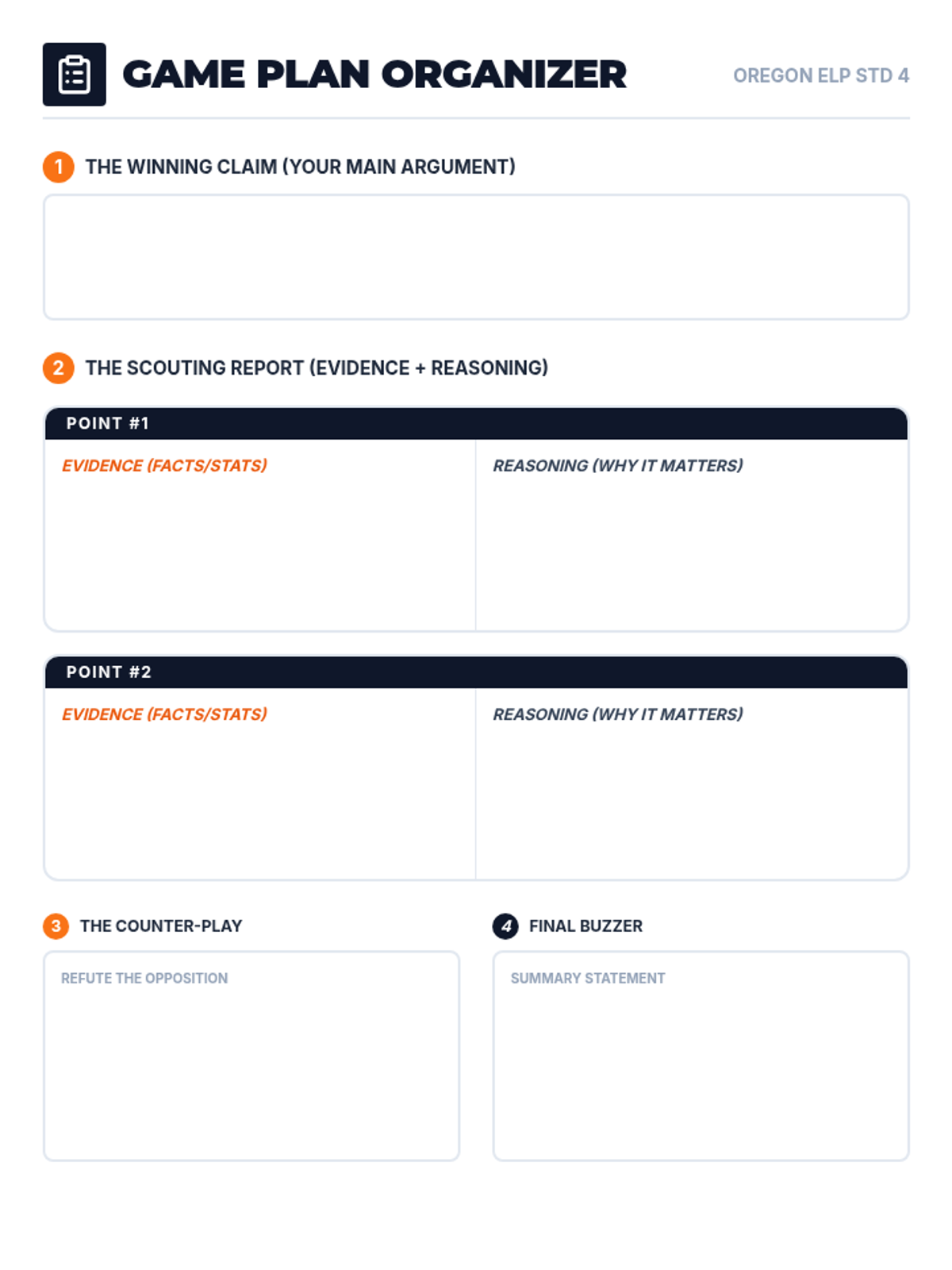
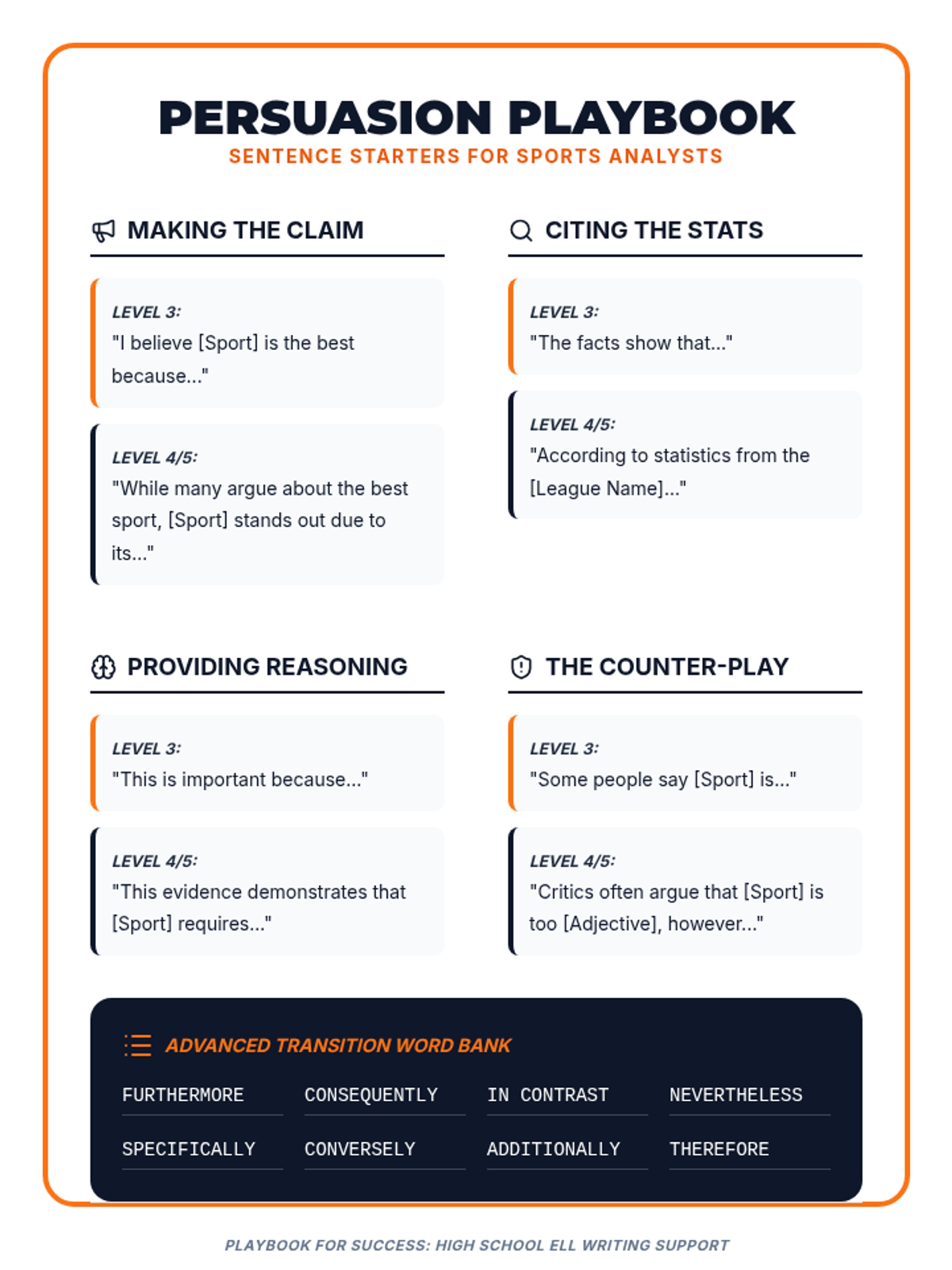
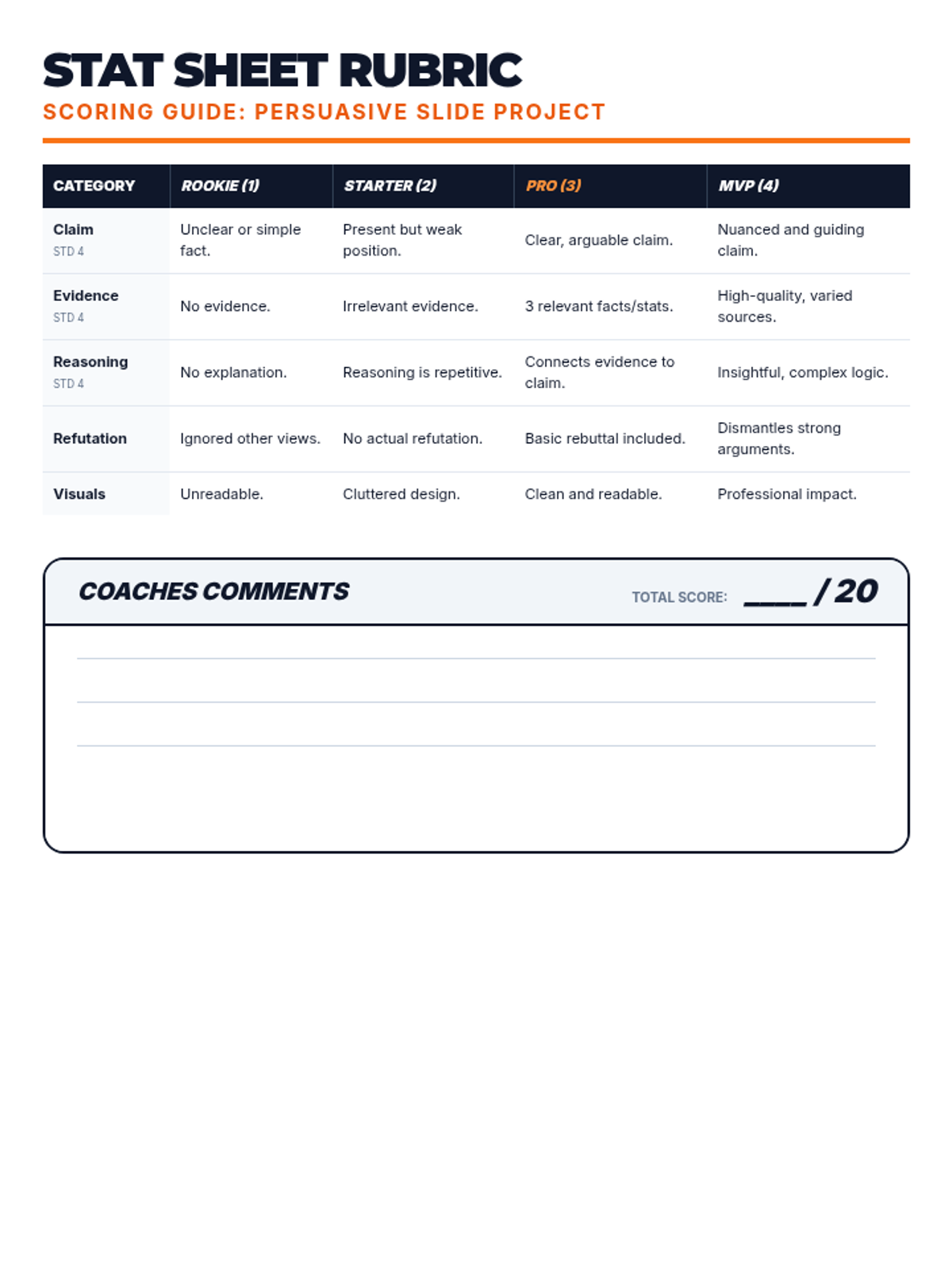
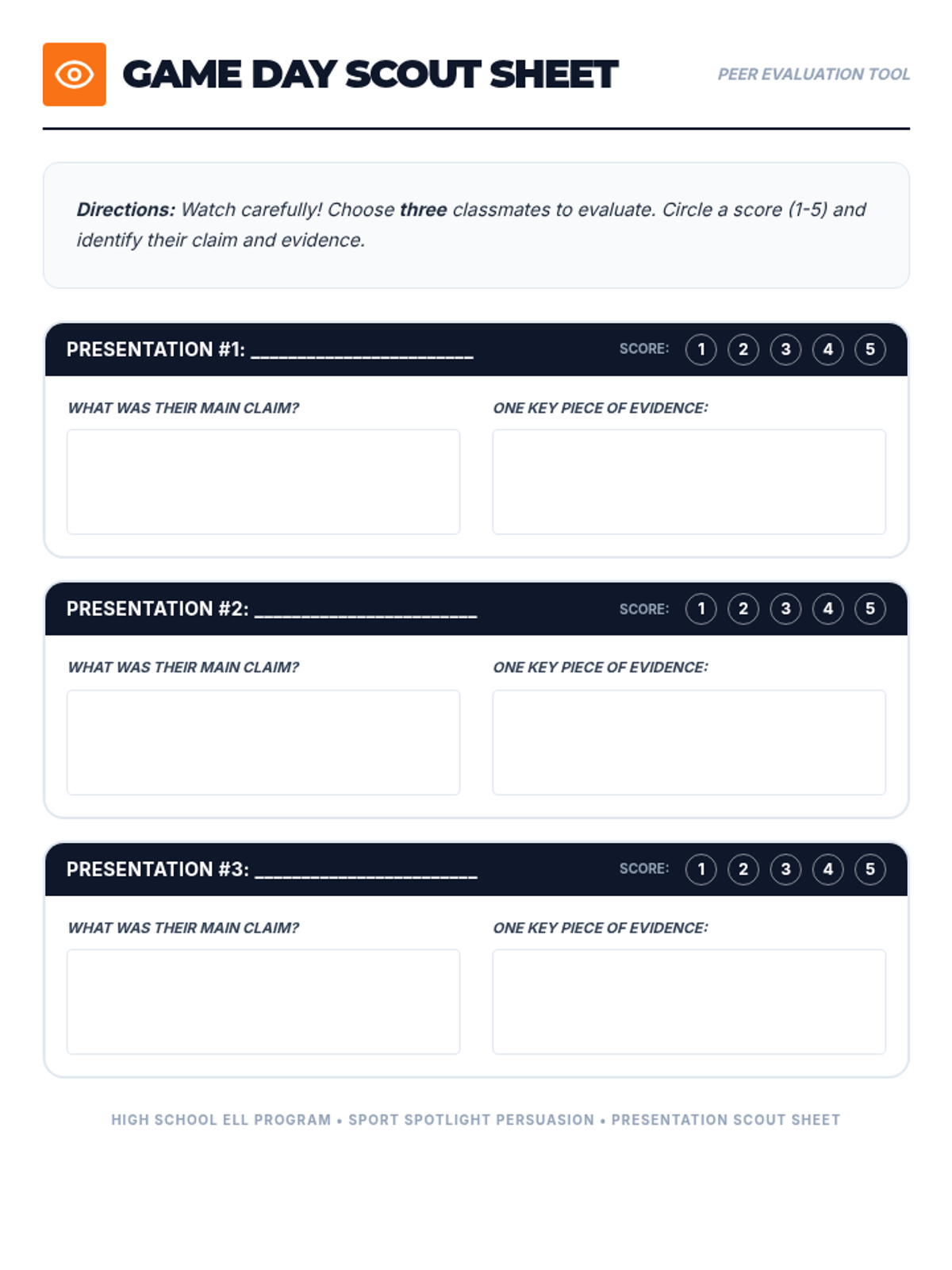
A high-energy 5-day unit for high school ELLs focused on constructing persuasive arguments about their favorite sports. Students move from drafting strong claims to presenting a visual slide deck, aligned with Oregon ELP Standard 4.
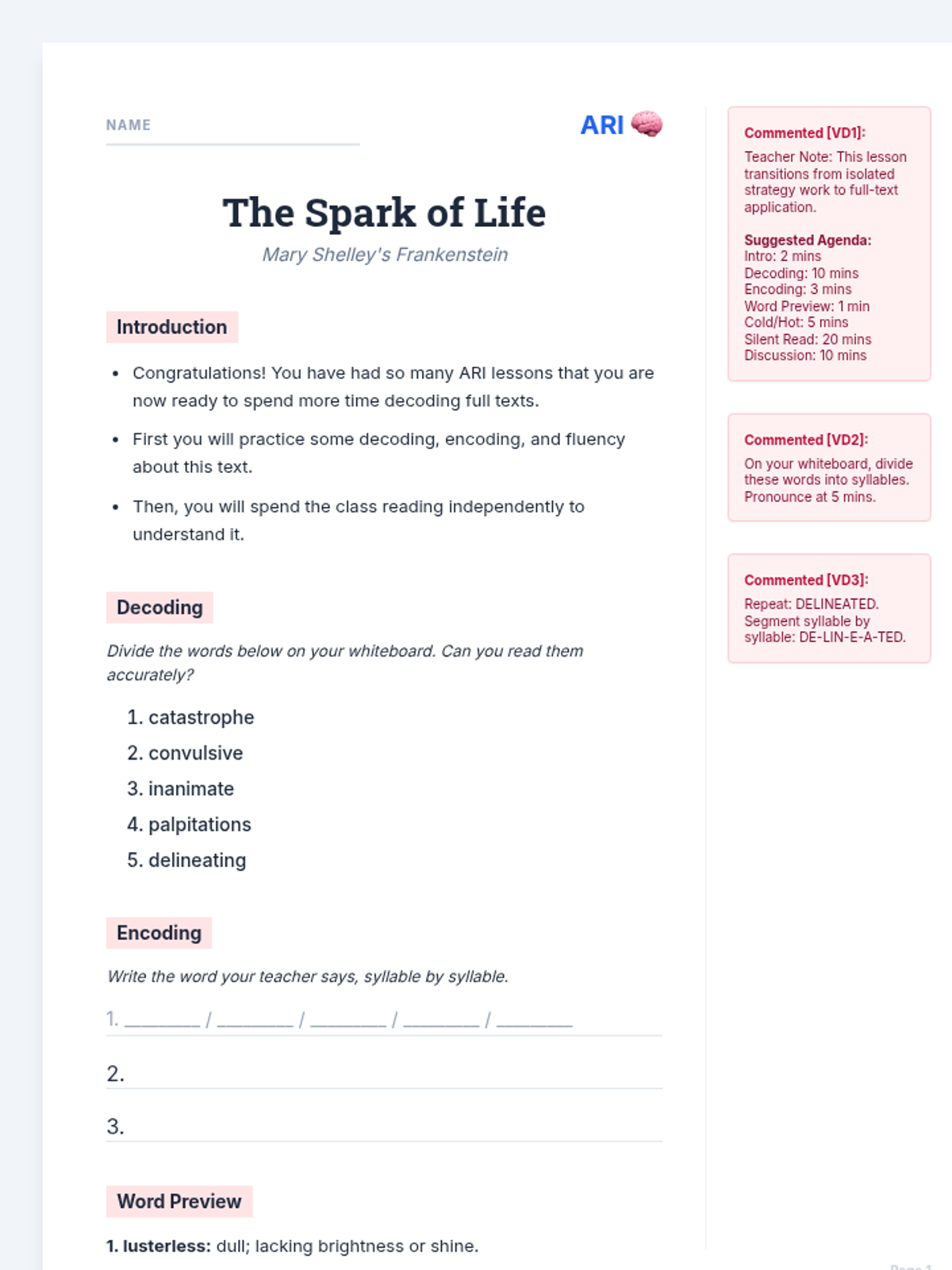
A series of deep-dive literacy lessons focusing on decoding, fluency, and reading comprehension using classic and contemporary literature. Each lesson follows the ARI (Accelerated Reading Intervention) strategy model.
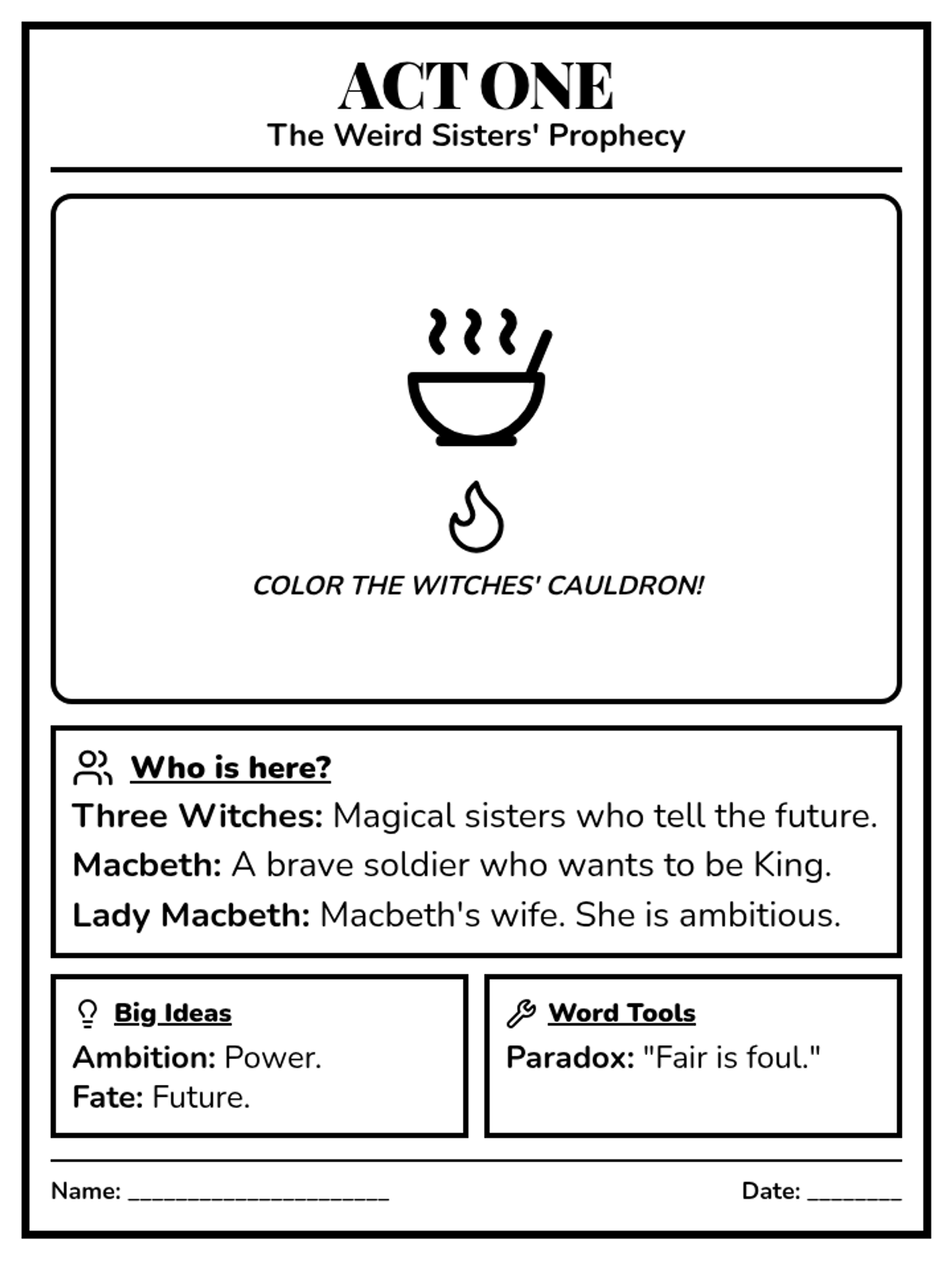
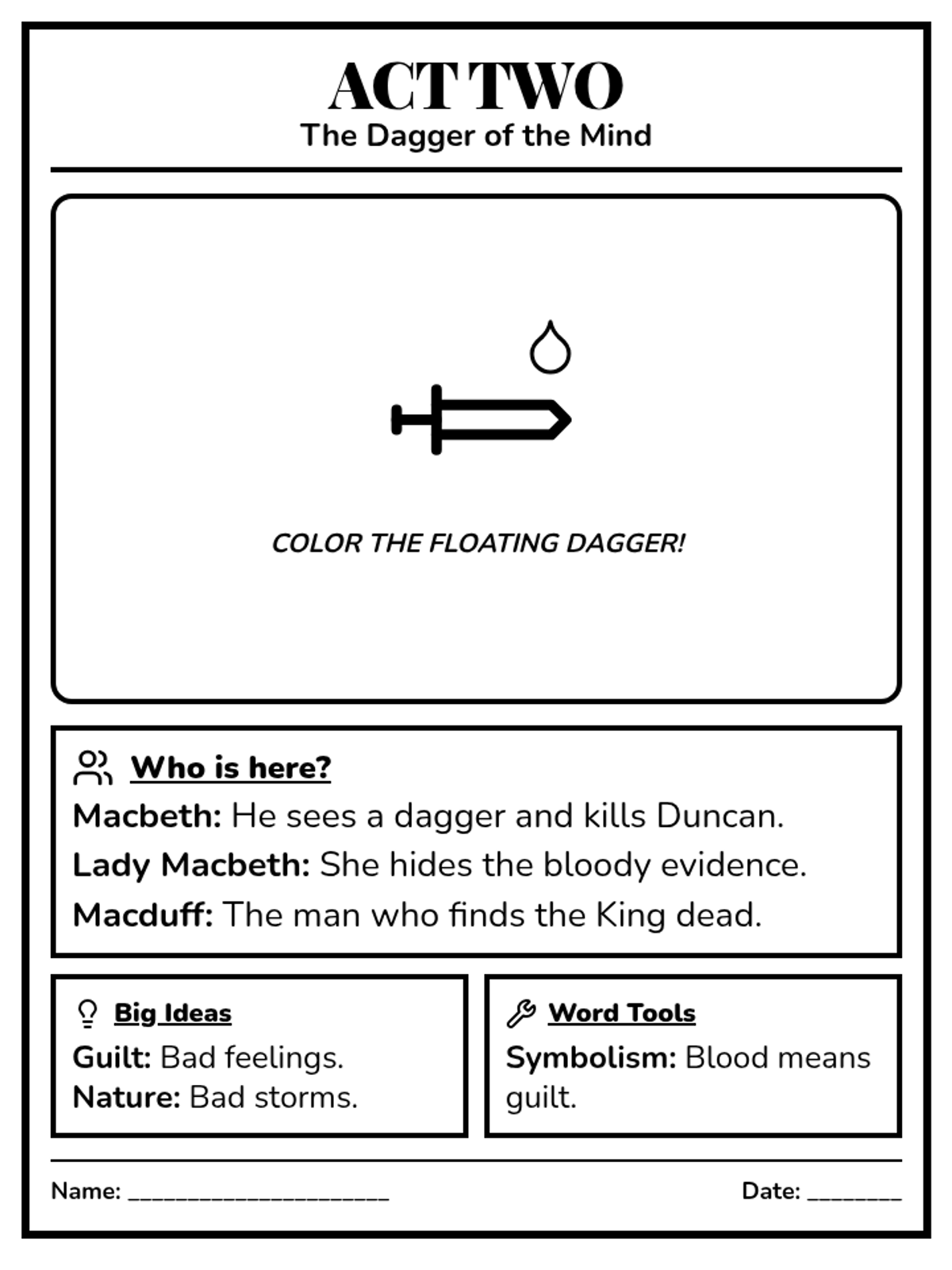
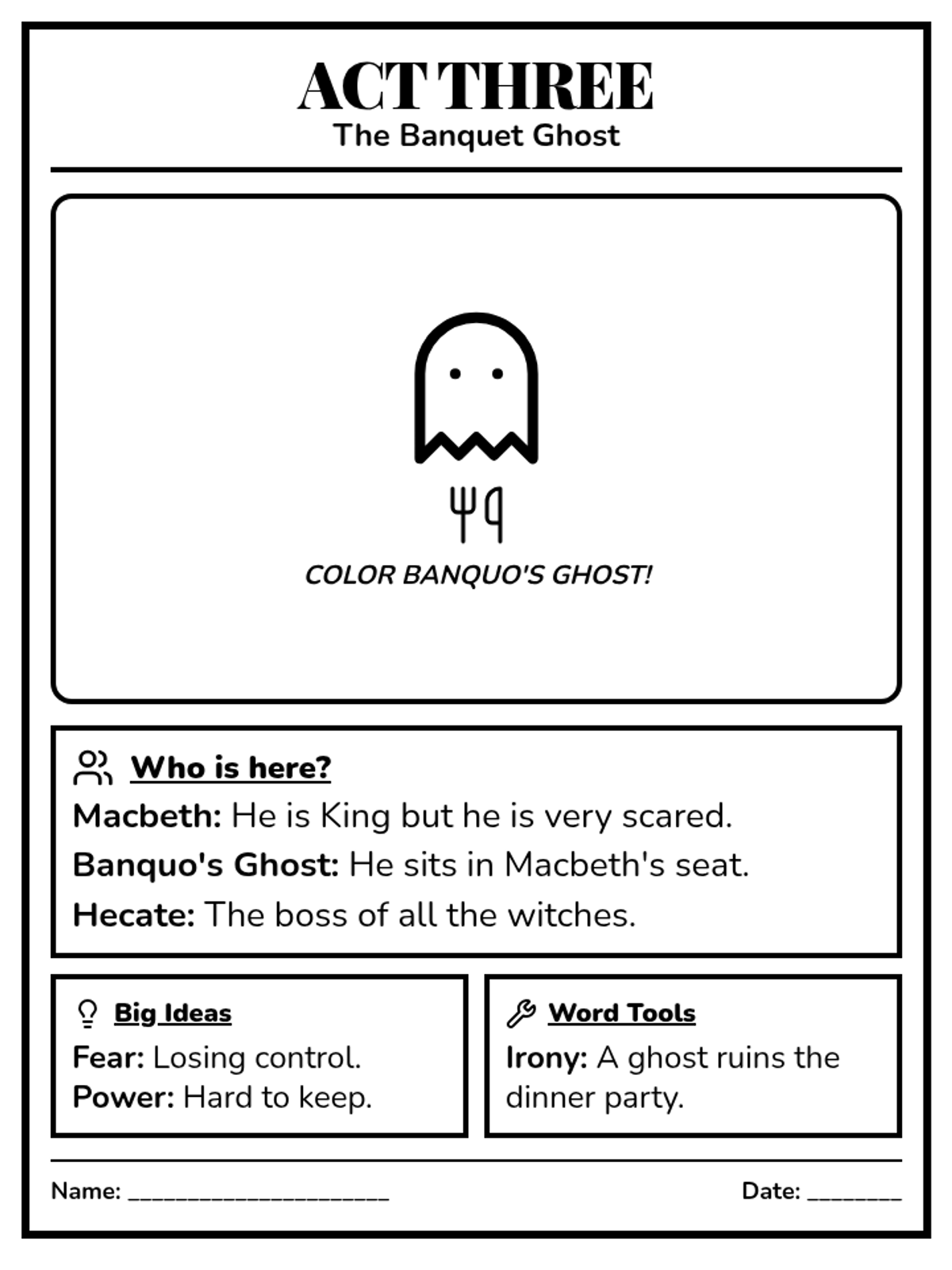
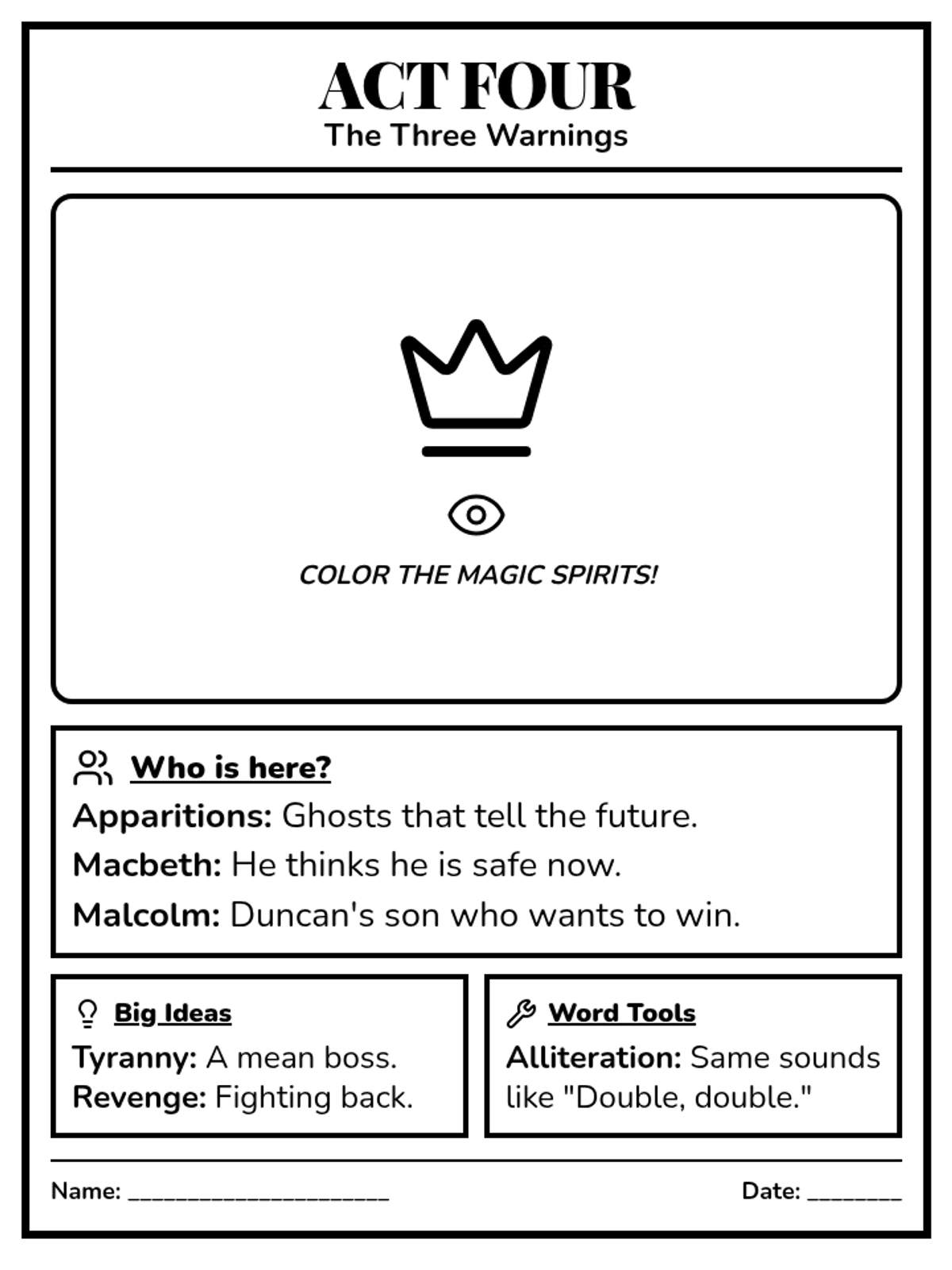
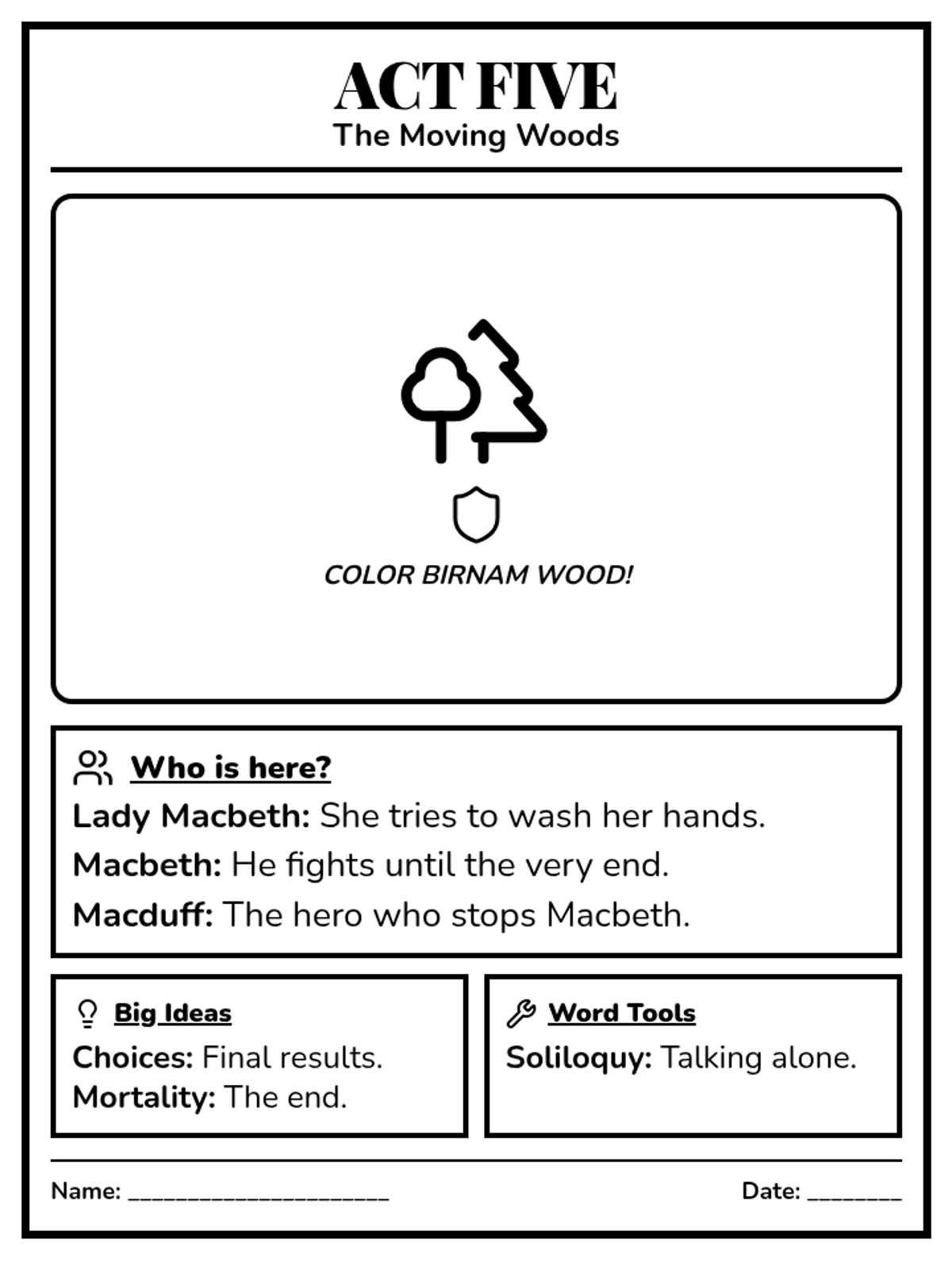
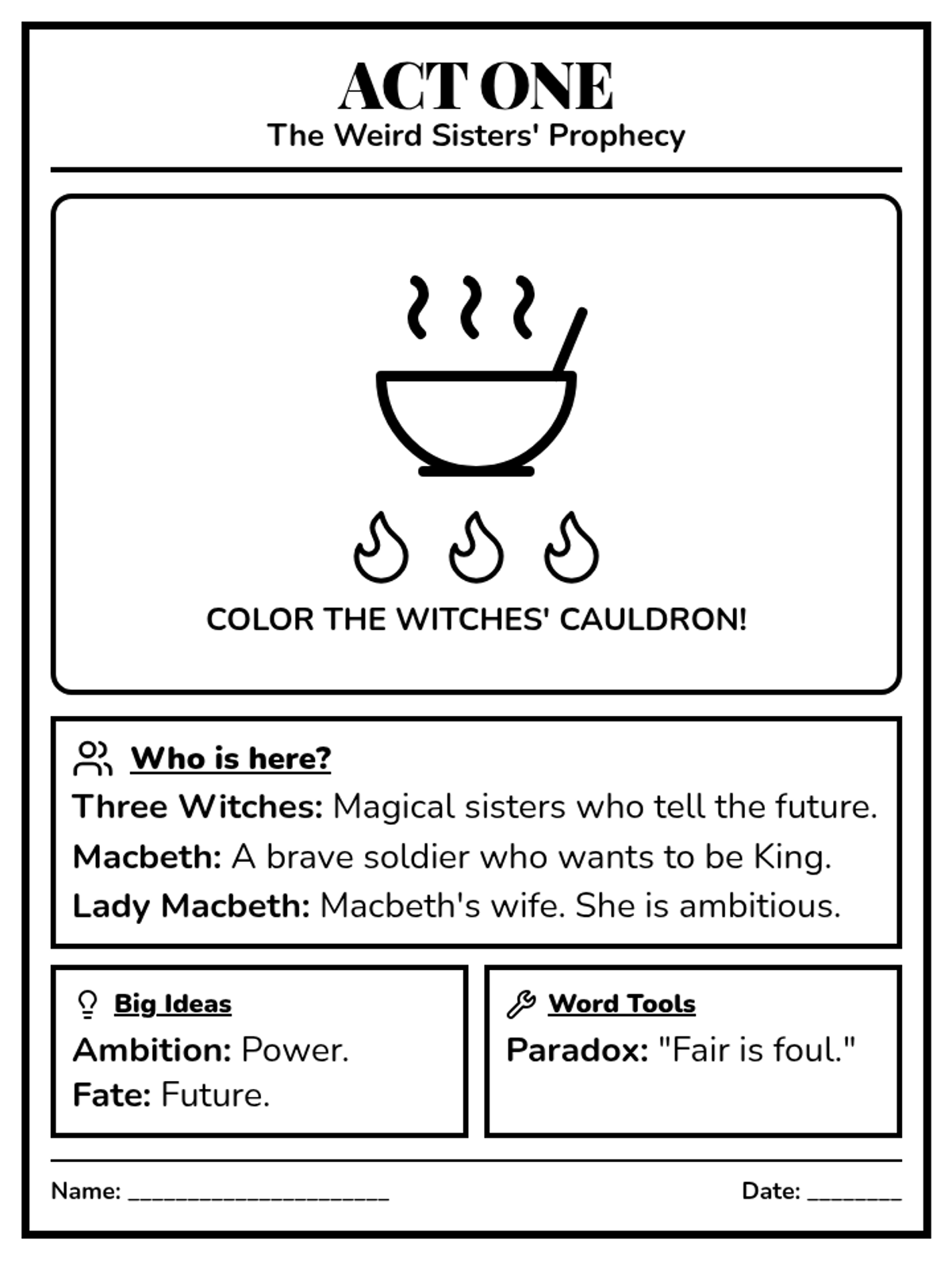
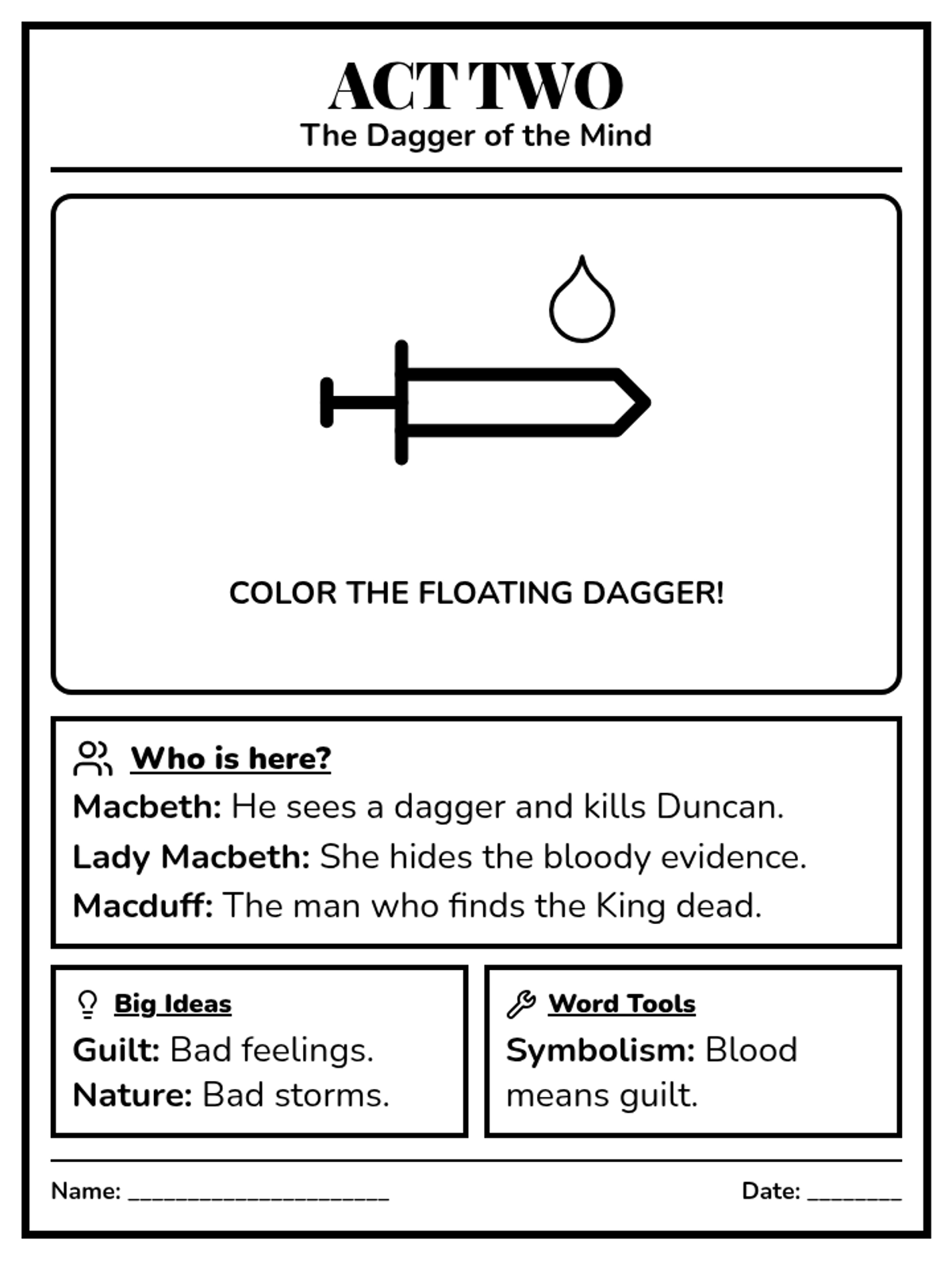
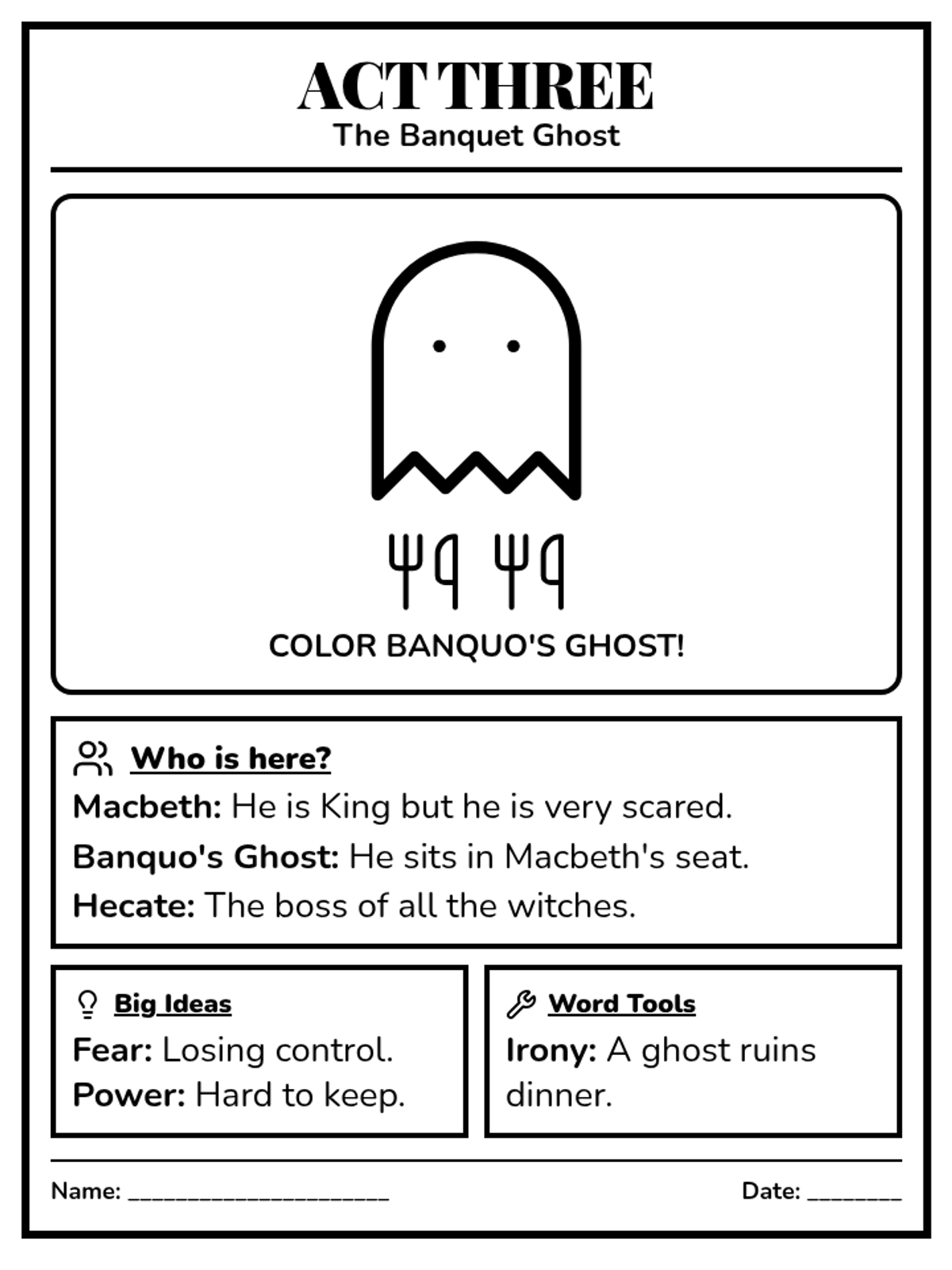
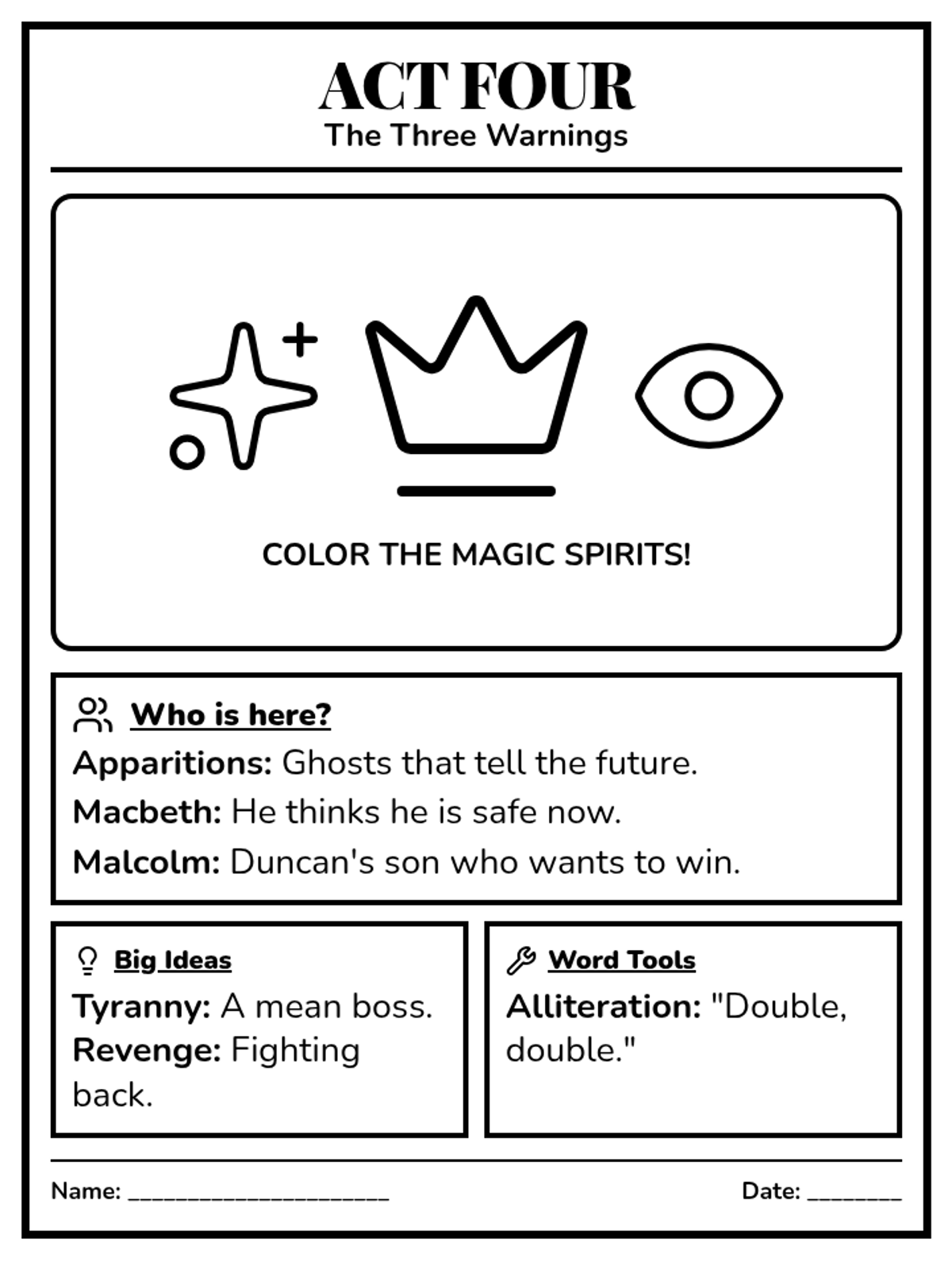
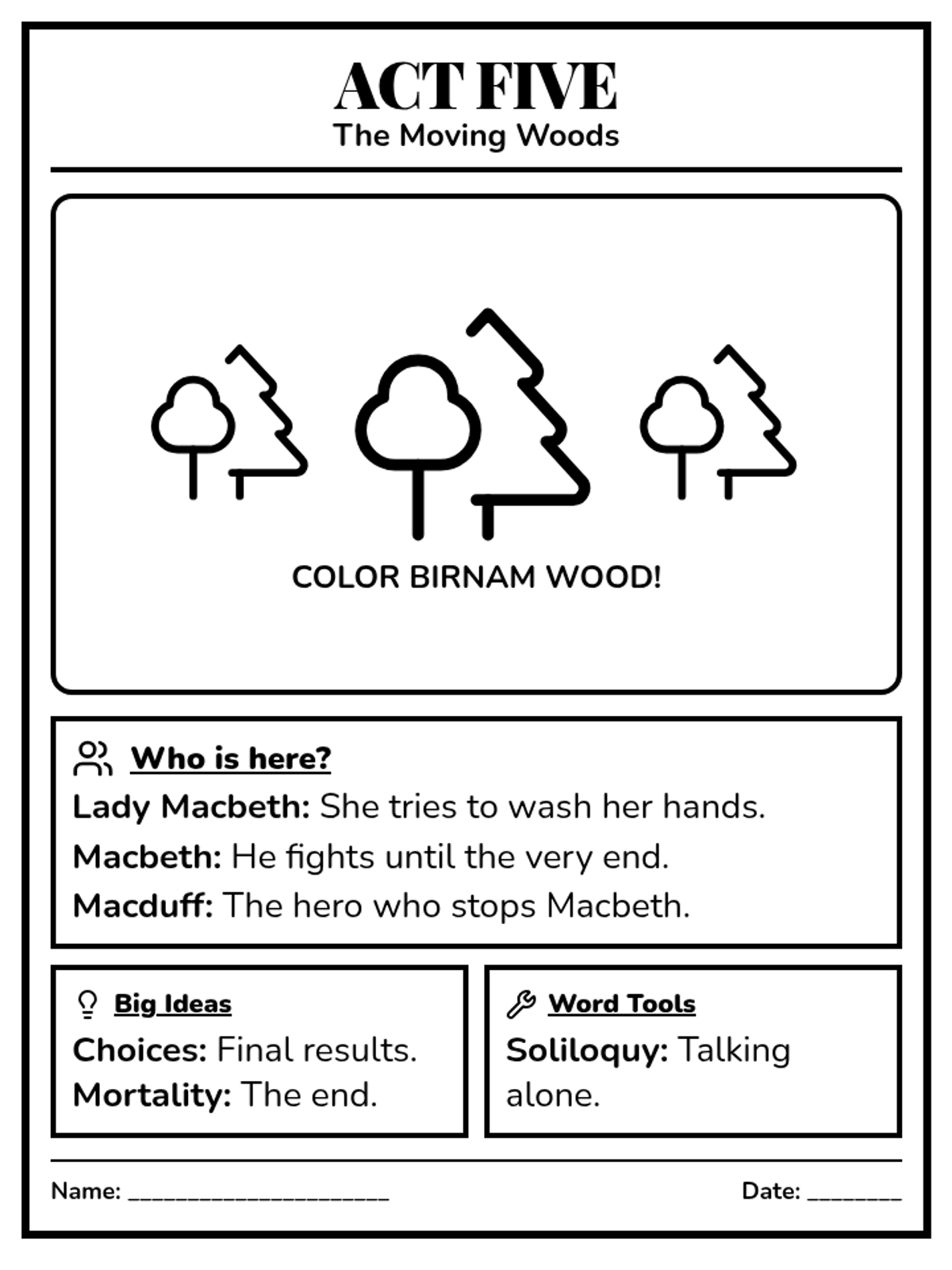
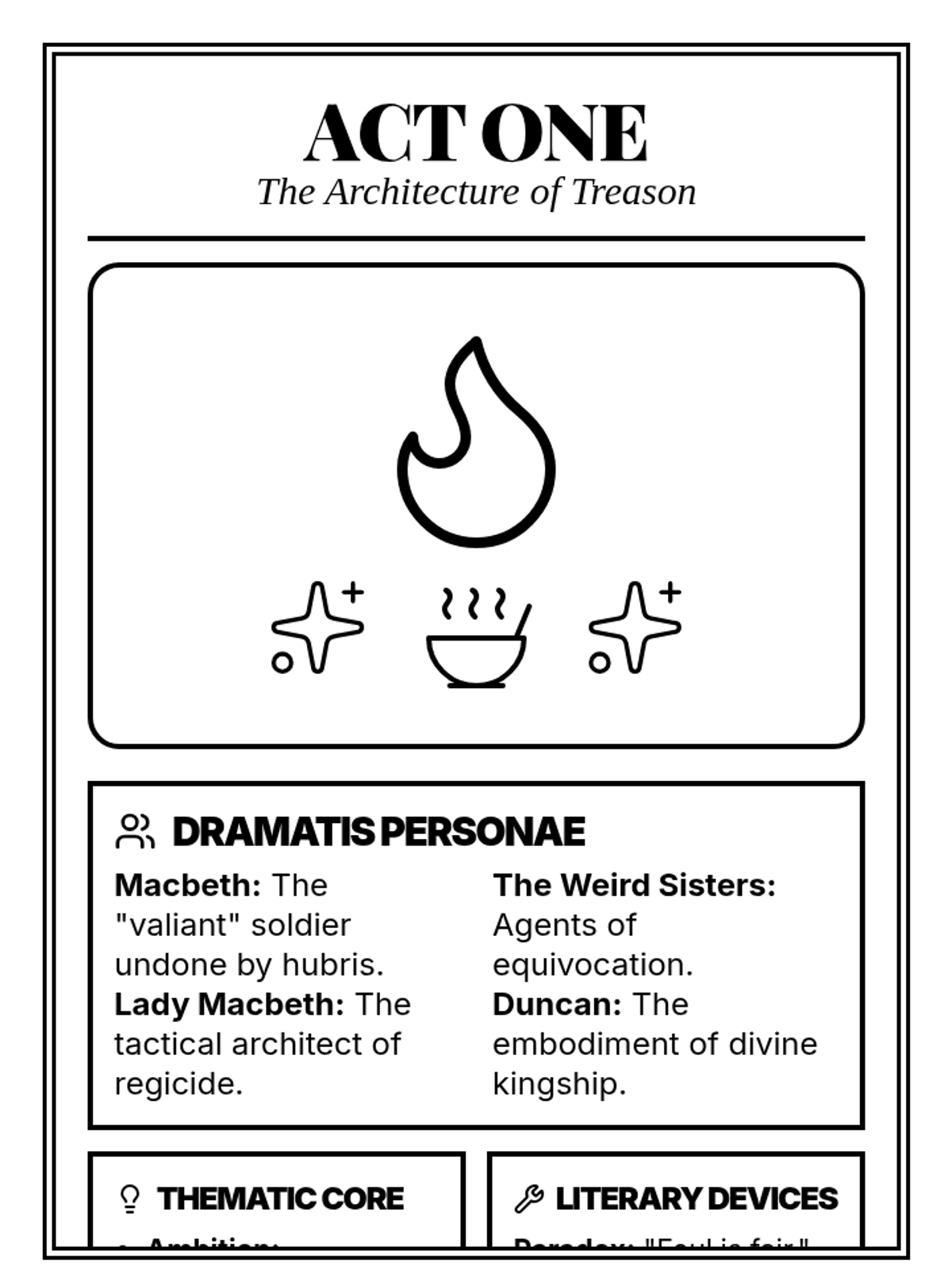
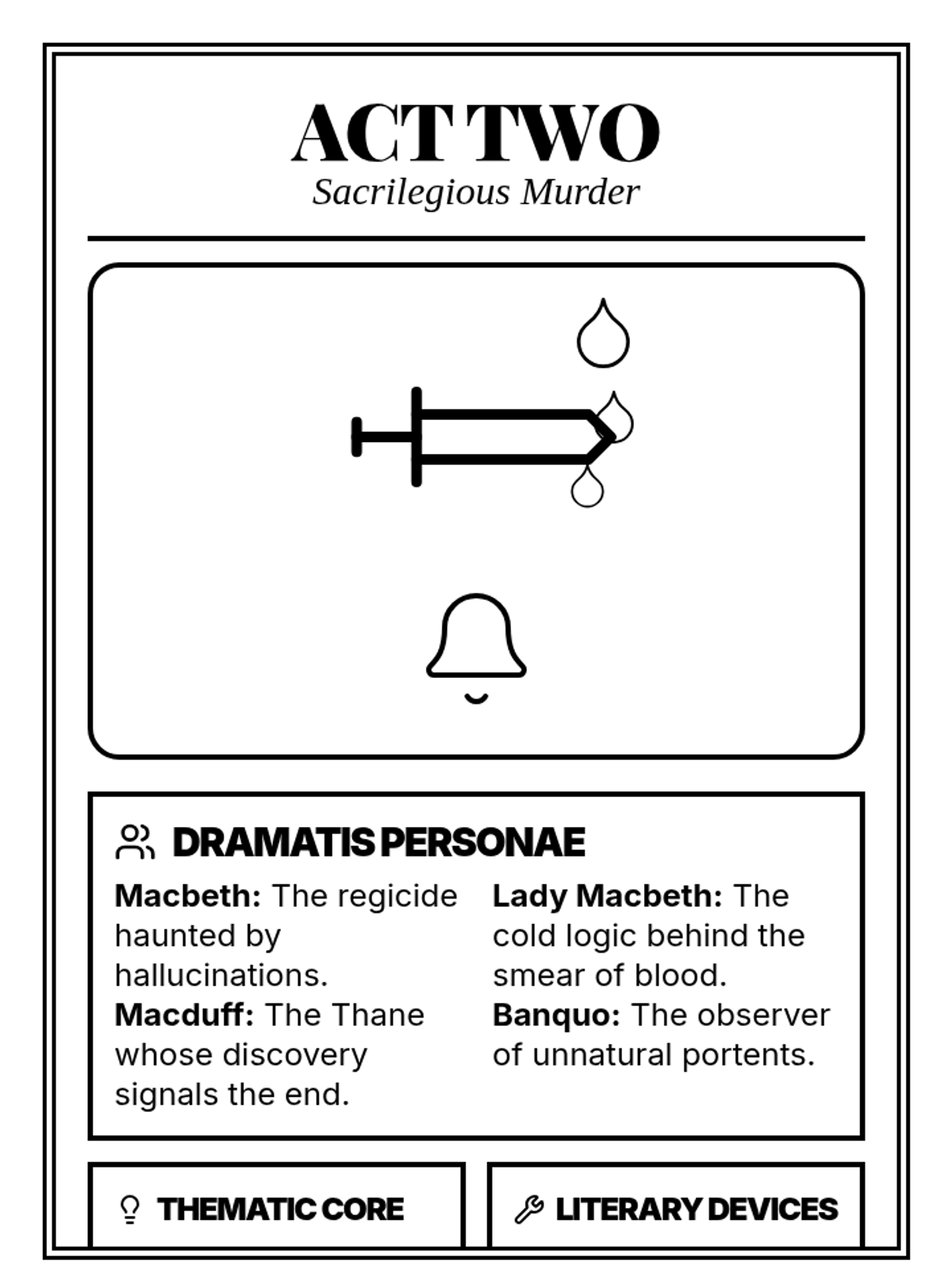
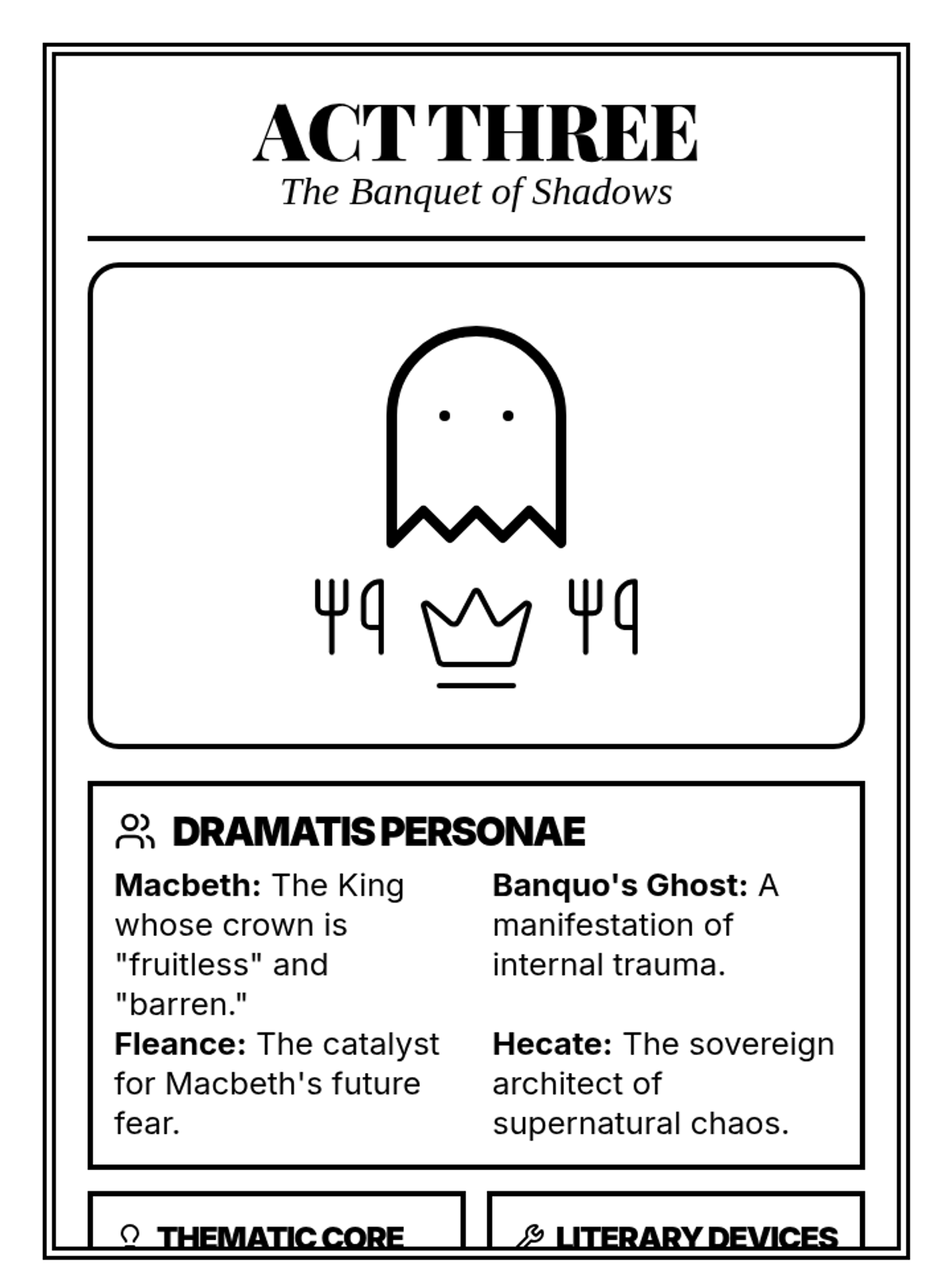
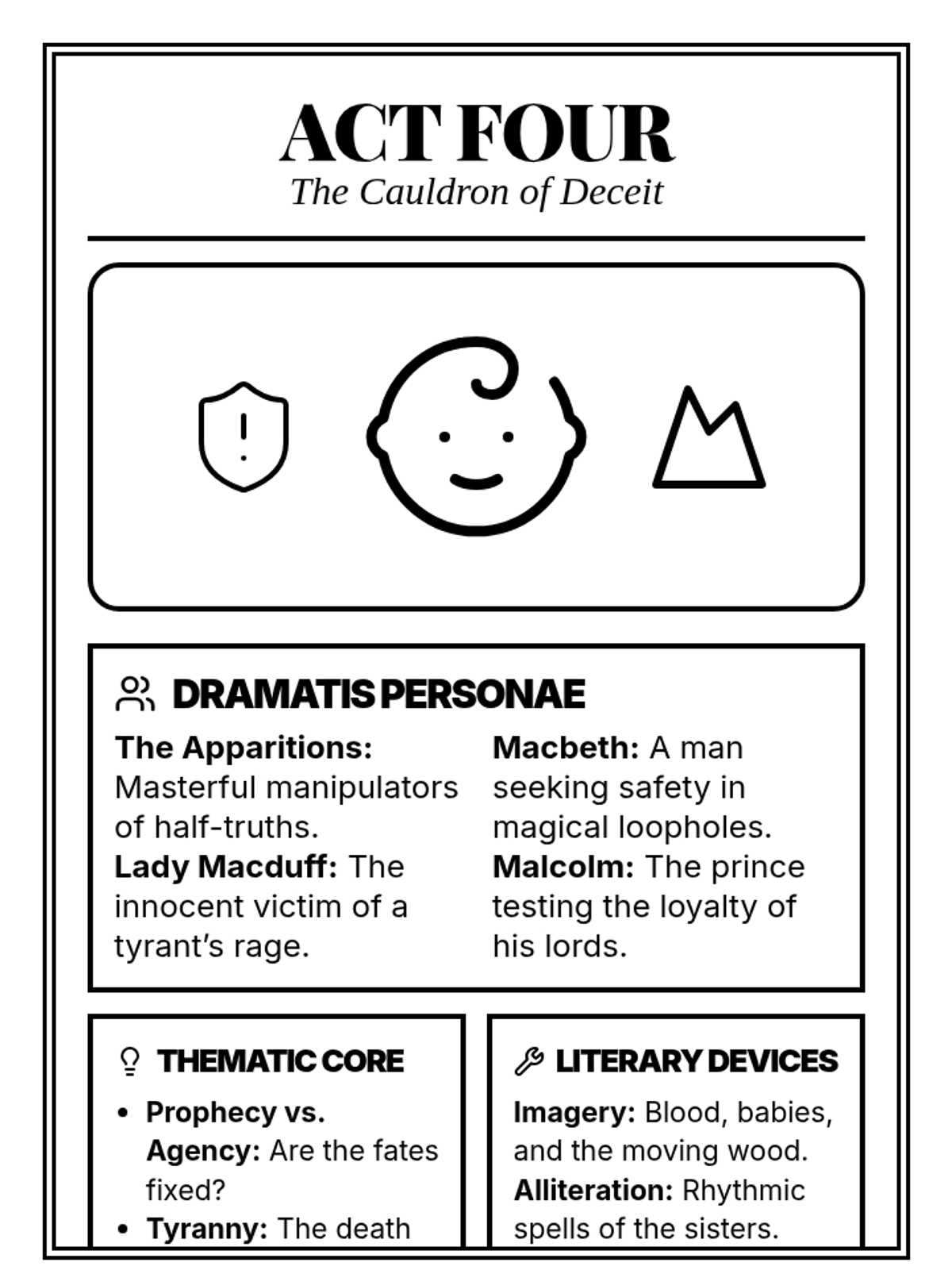
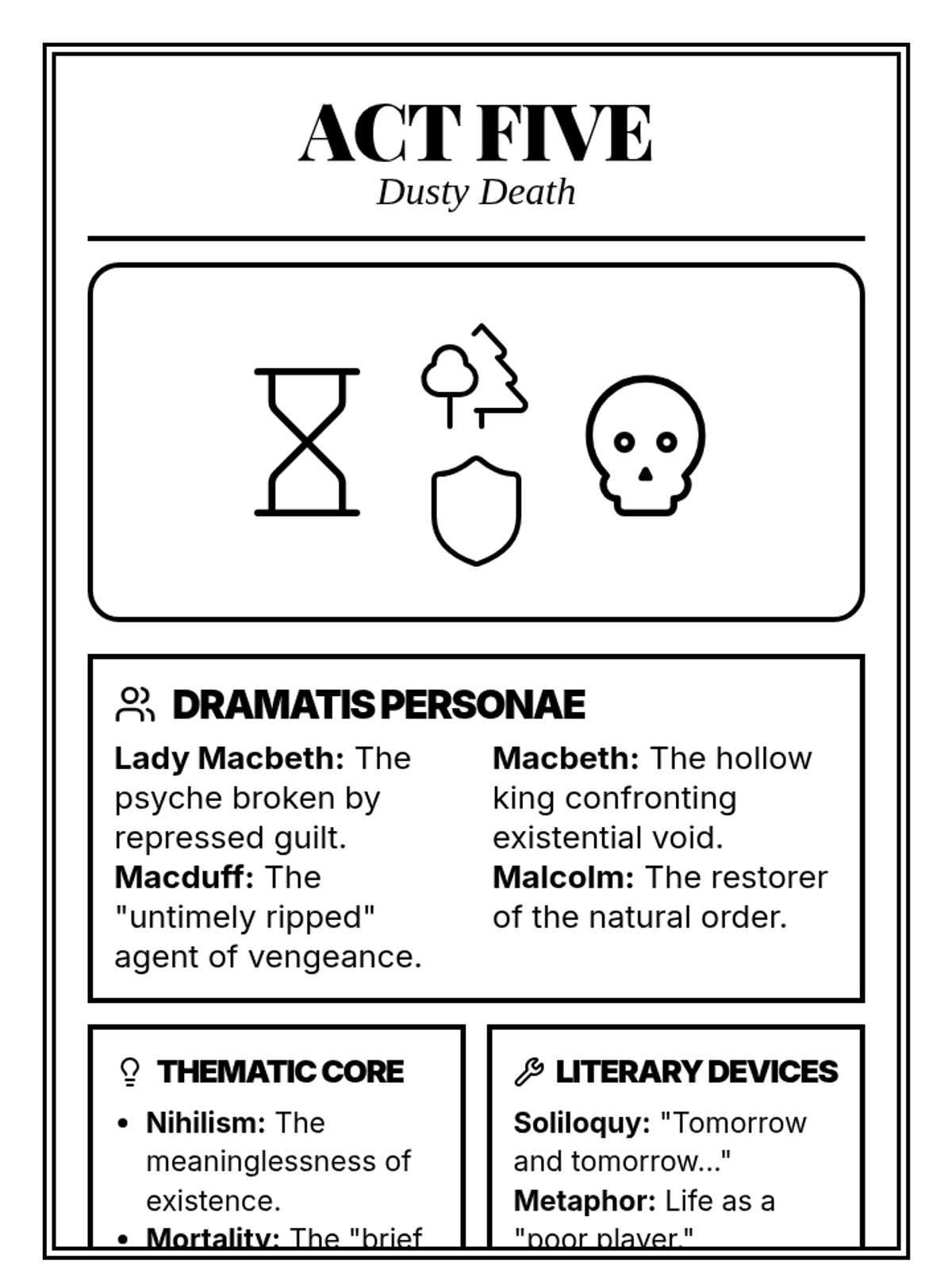
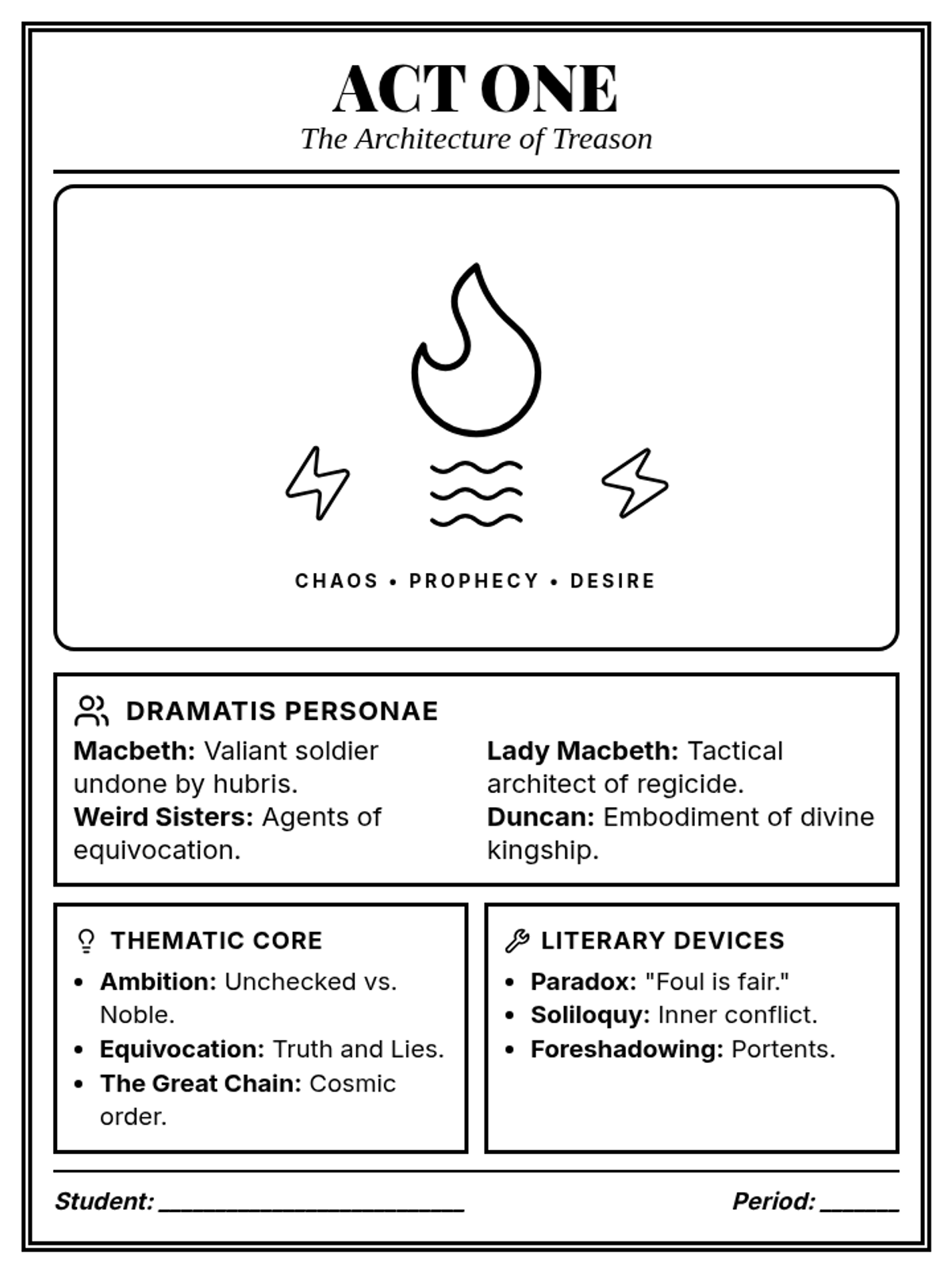
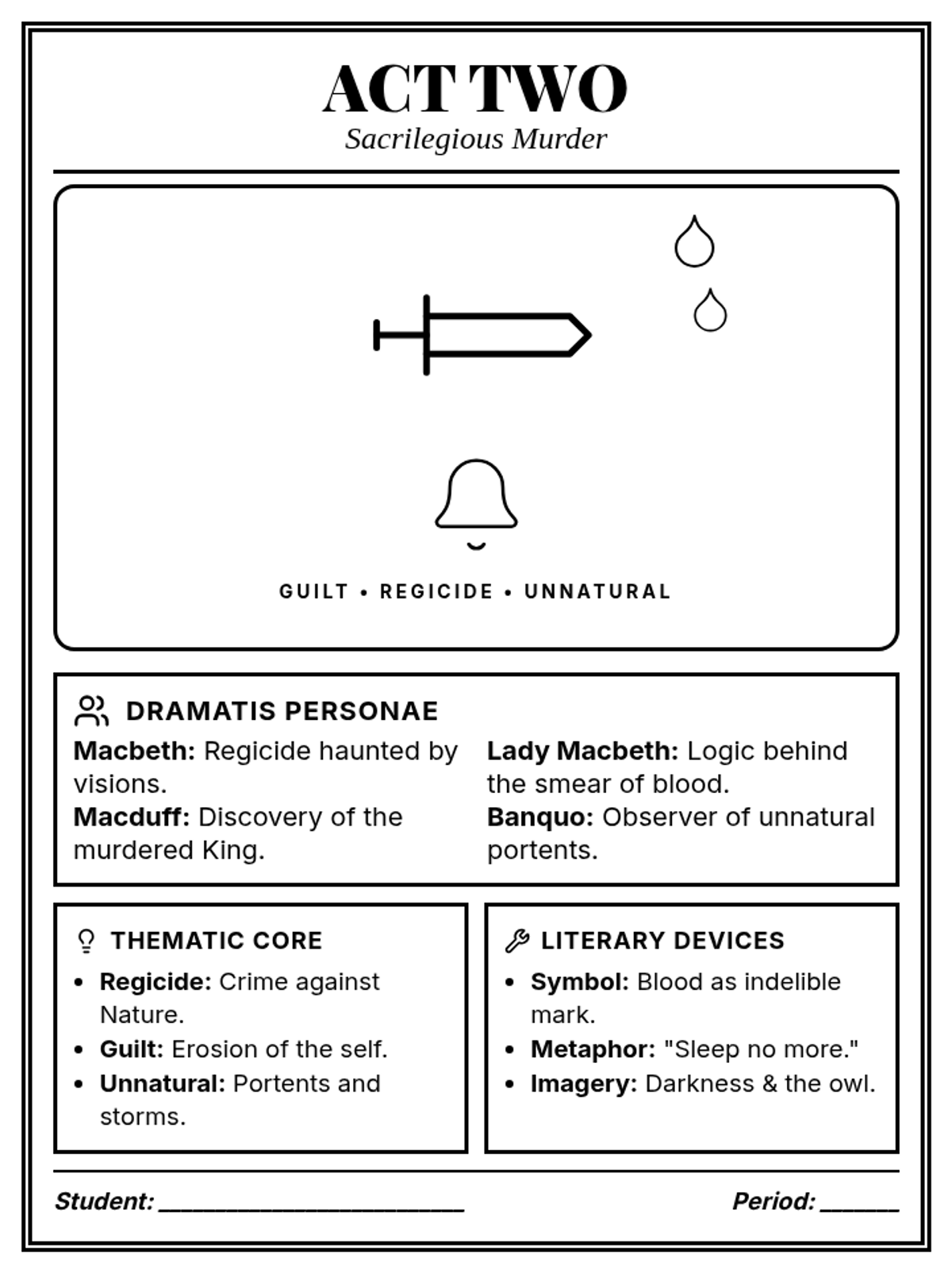
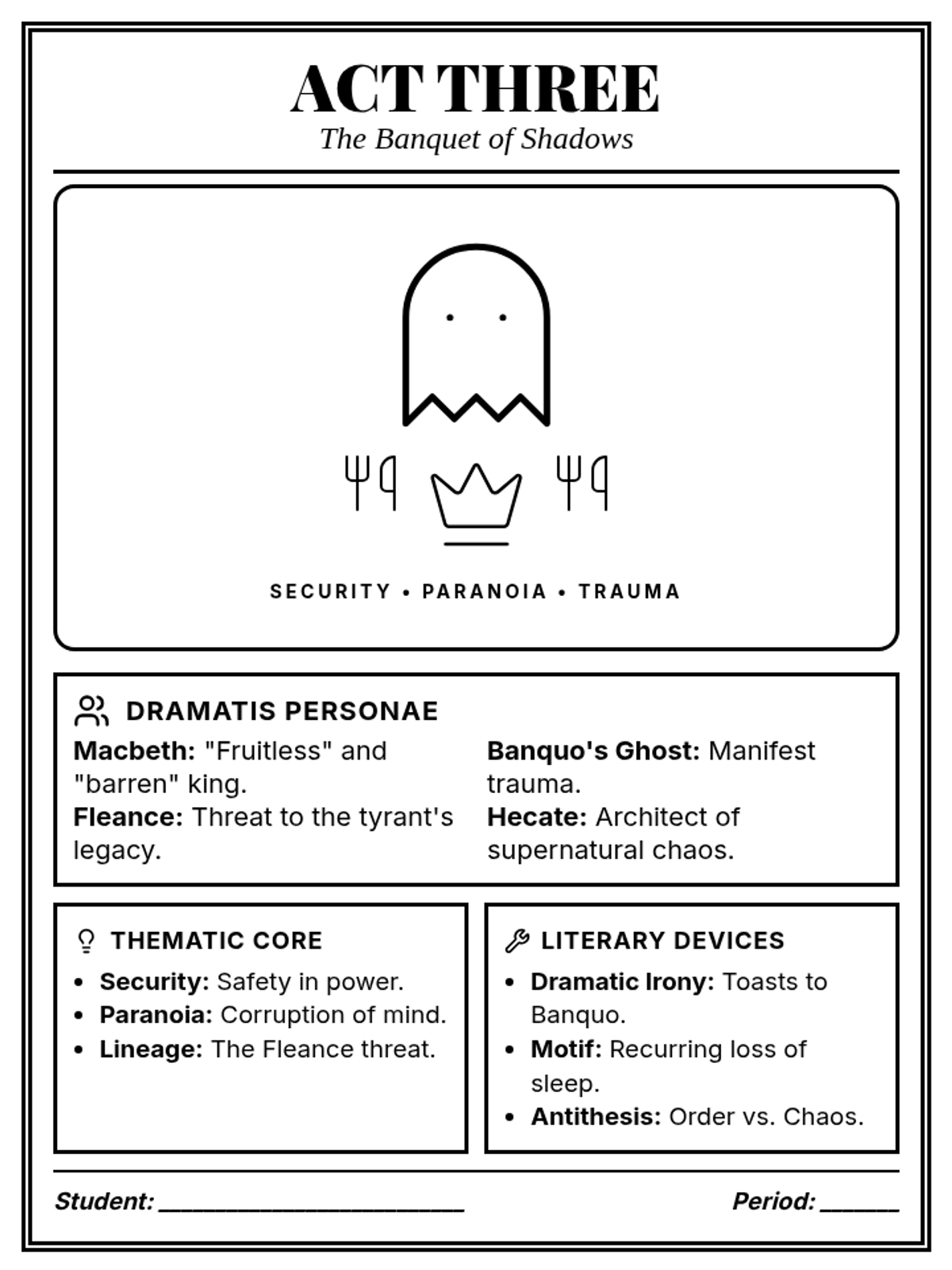
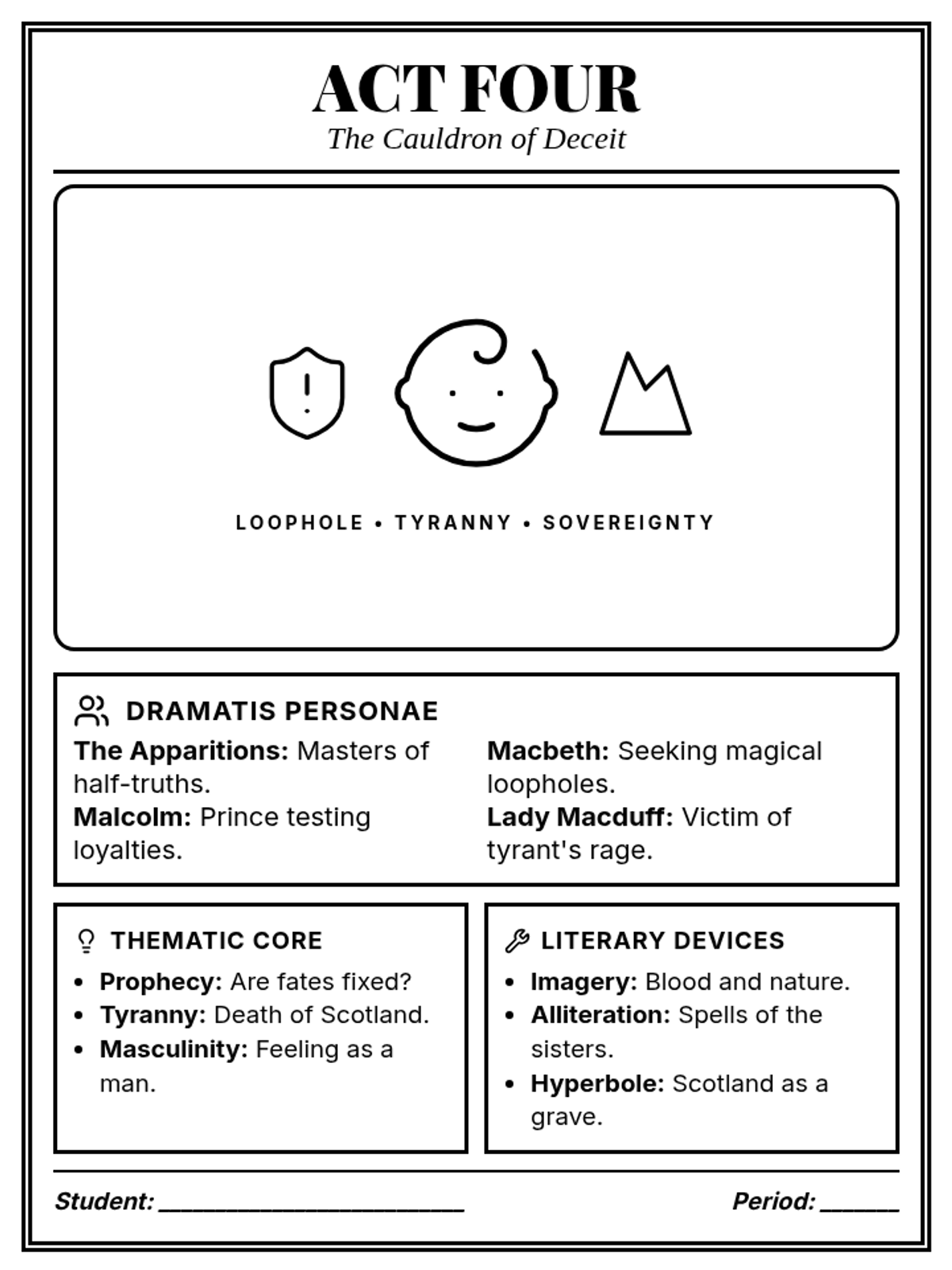
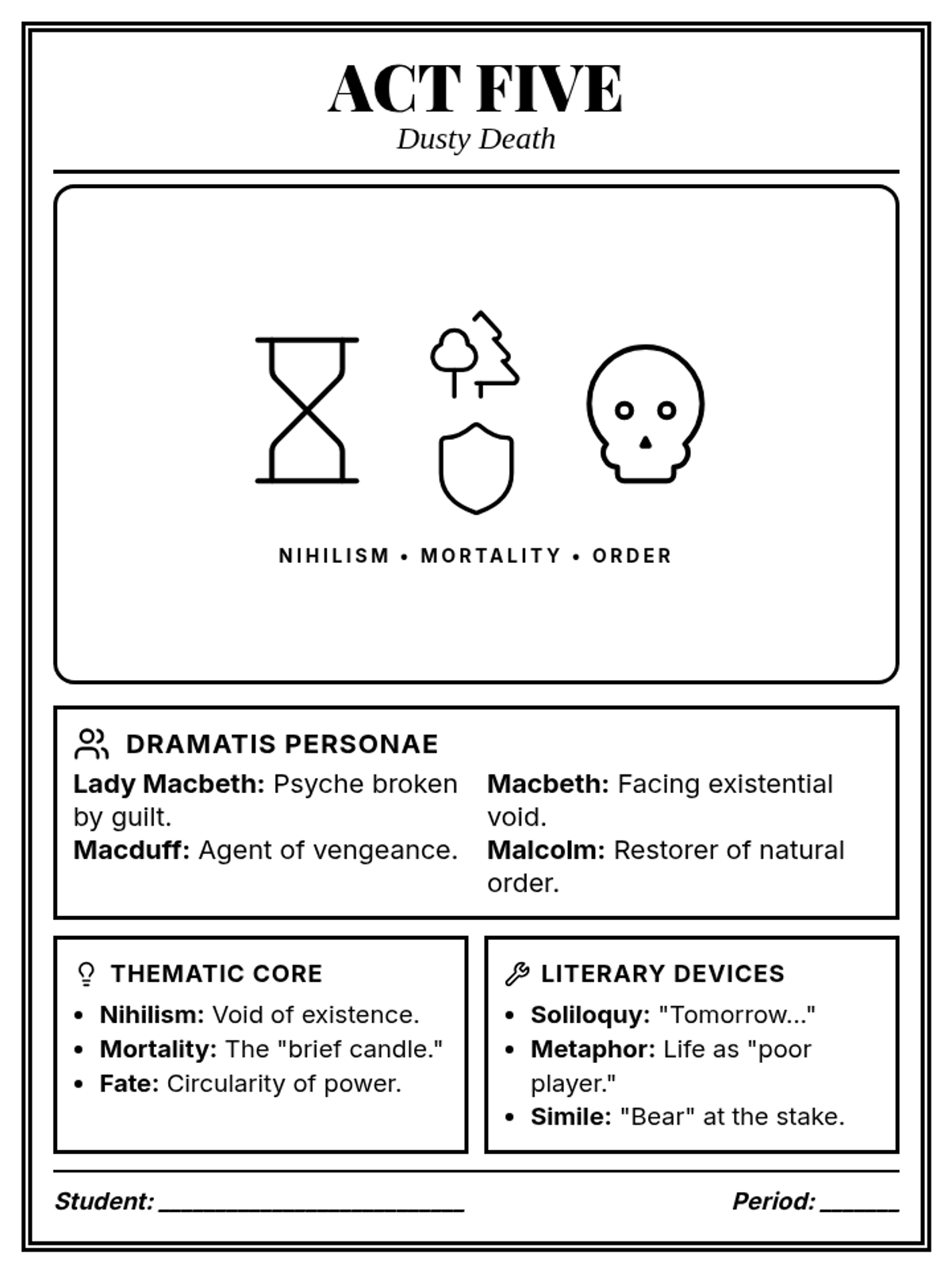
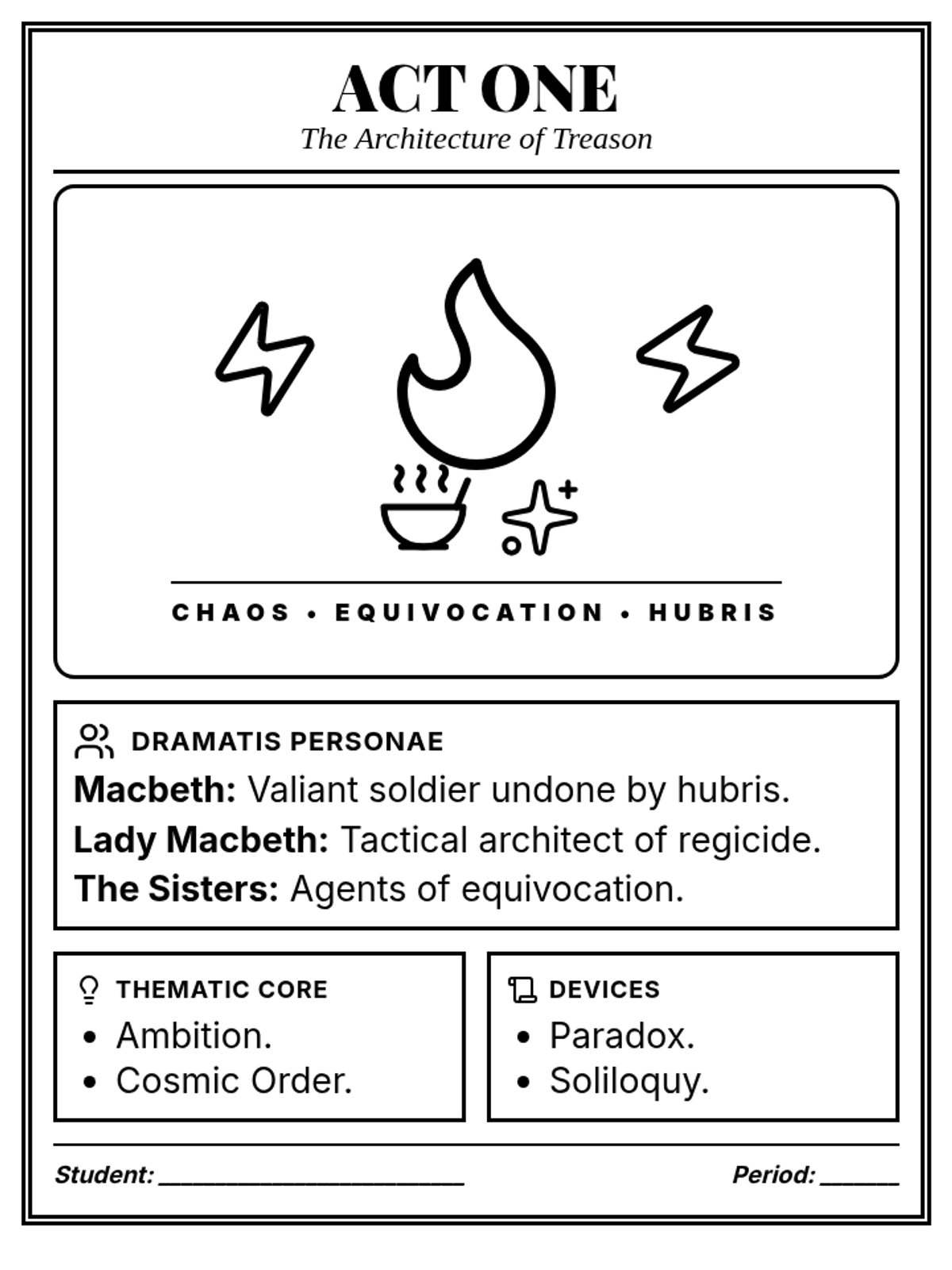
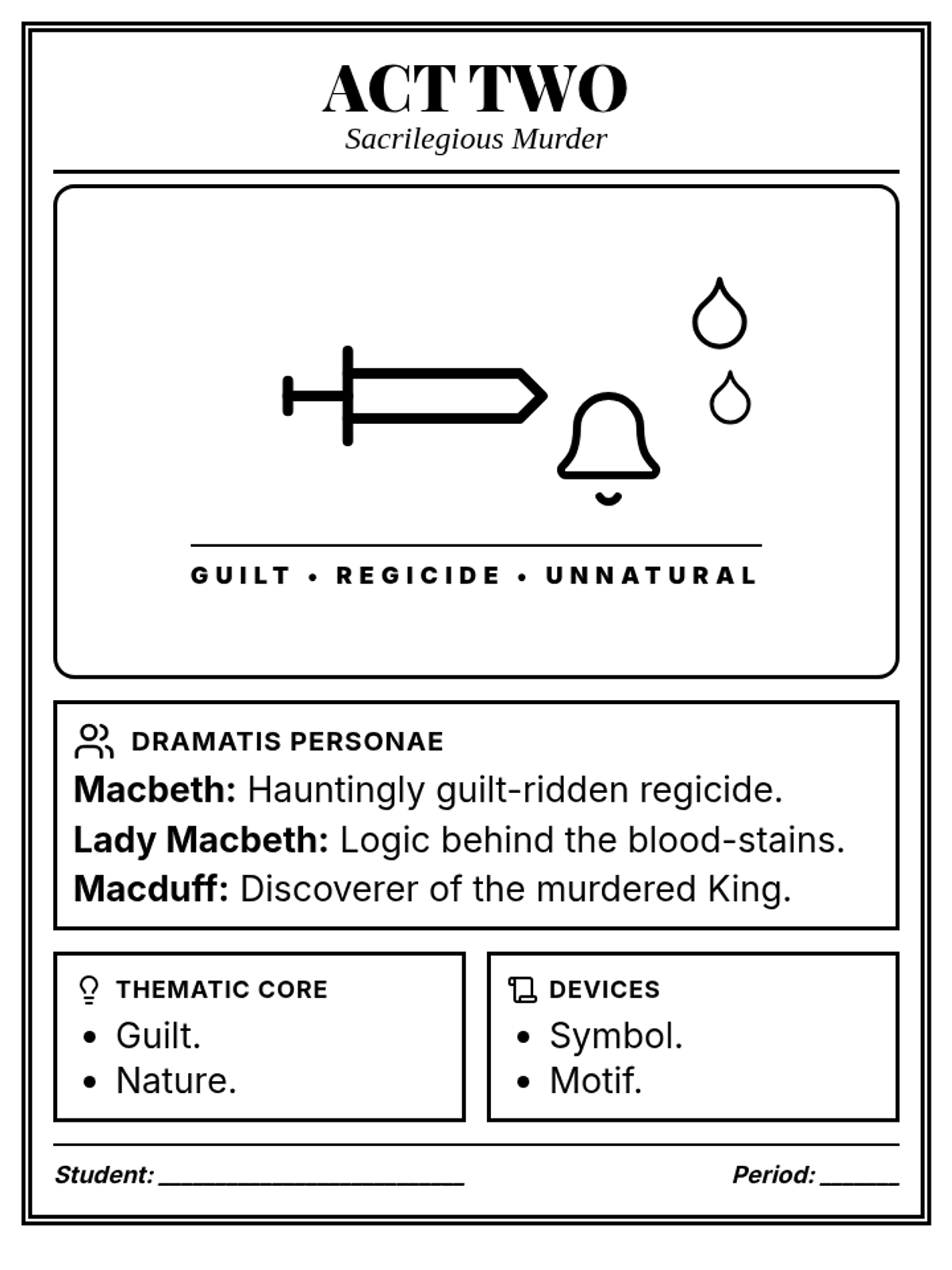
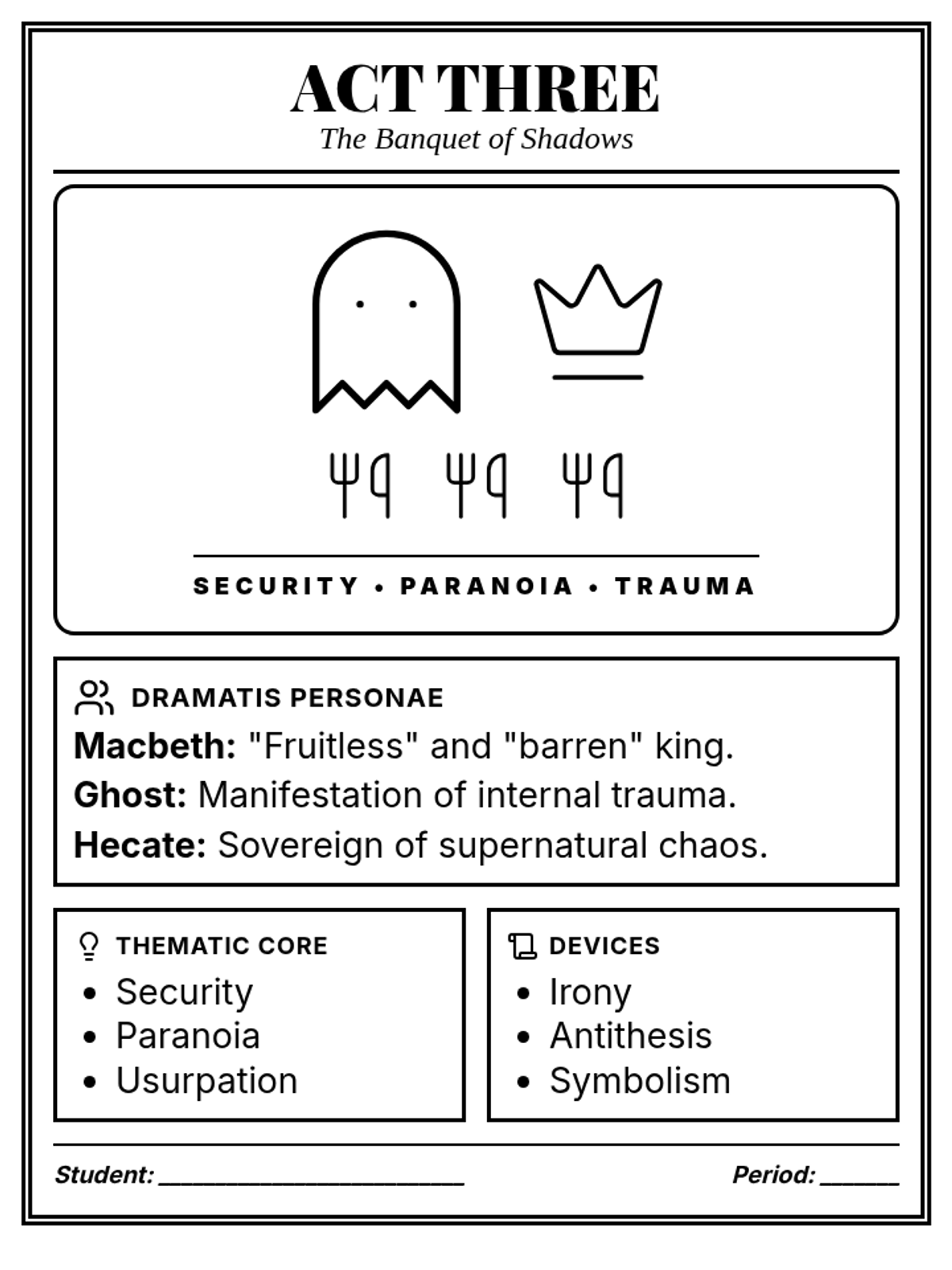
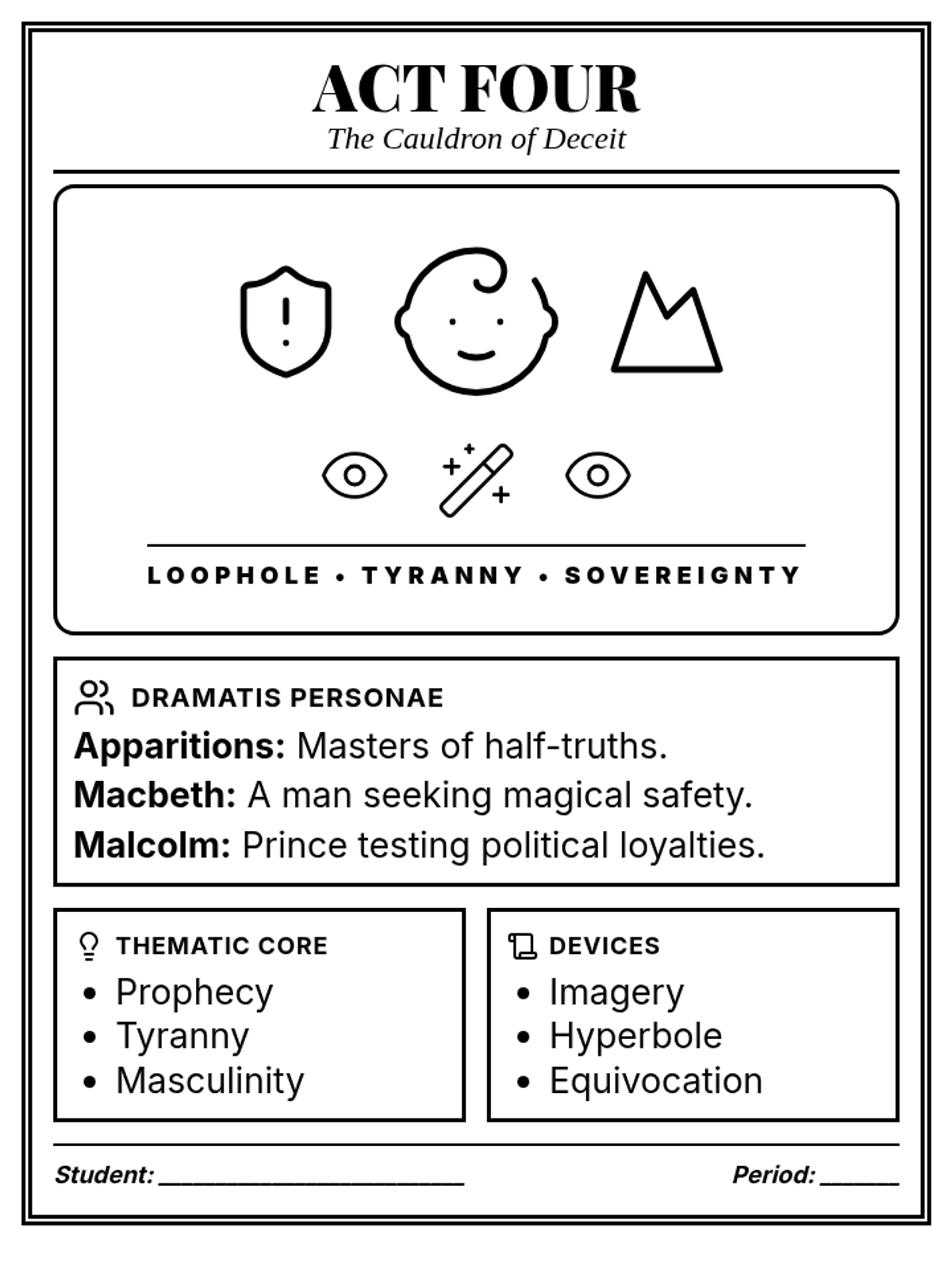
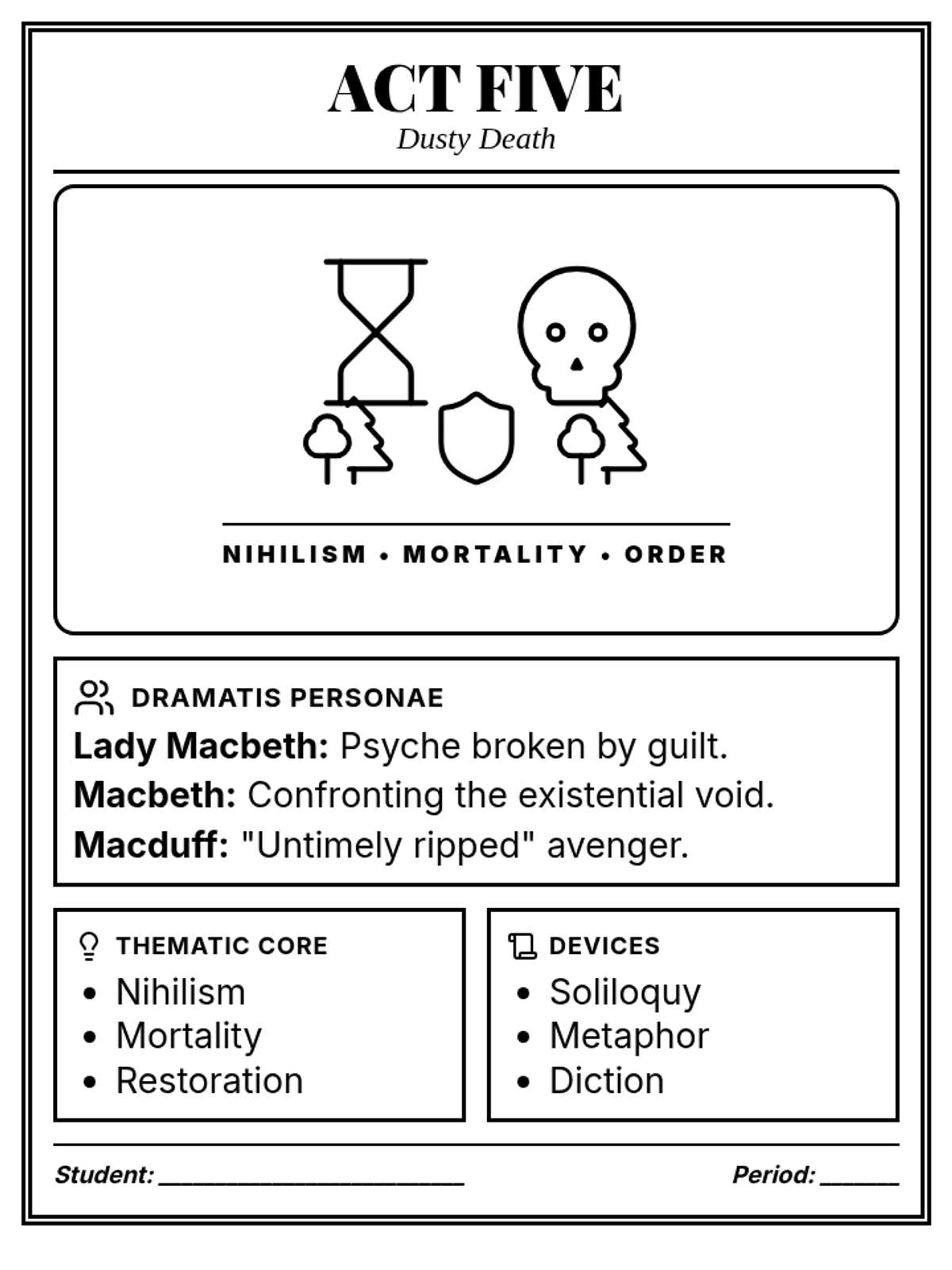
A collection of coloring-style cover pages for each act of Shakespeare's Macbeth, featuring simplified language, large print, and idea banks for characters, themes, and literary devices.
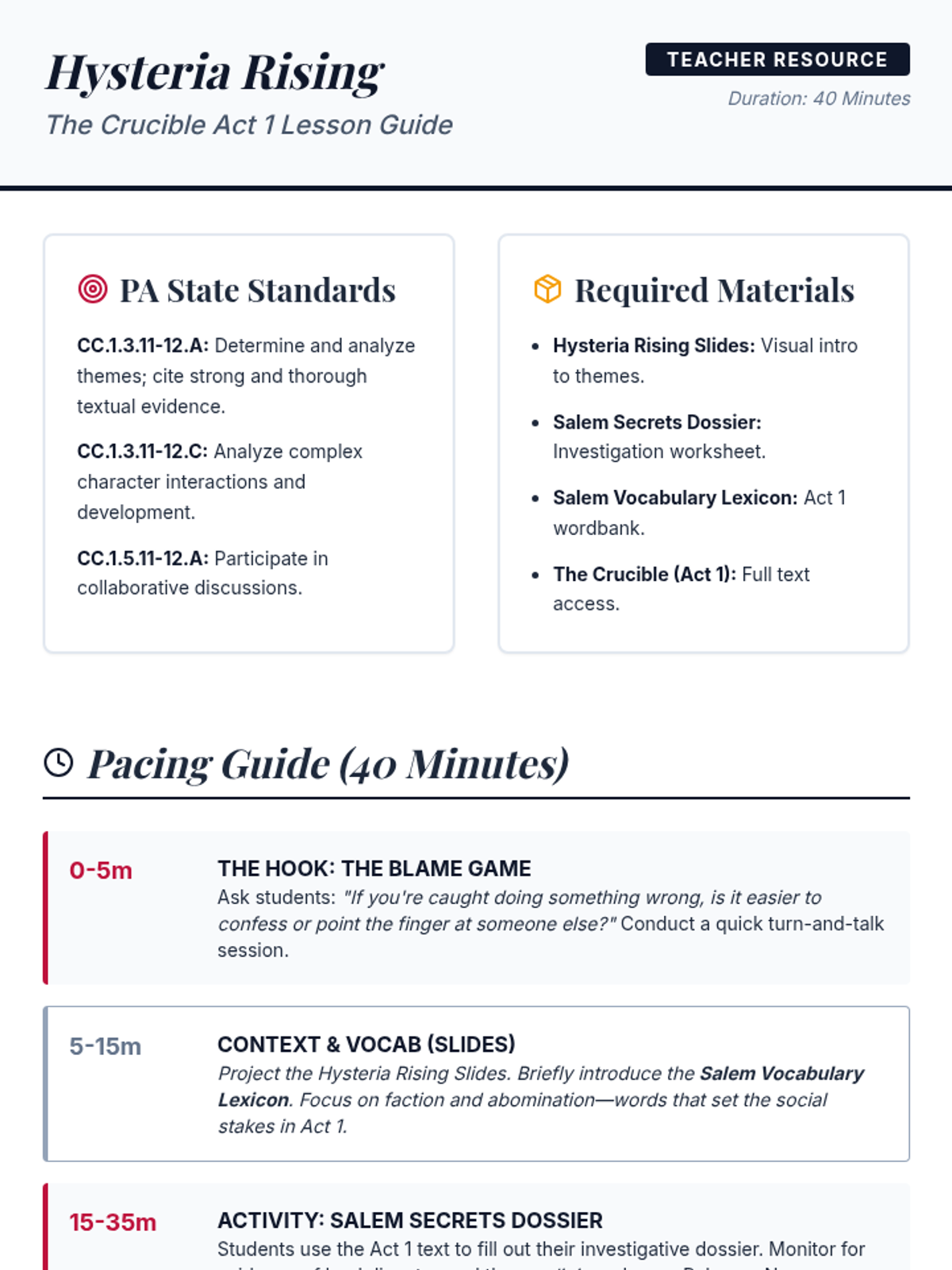
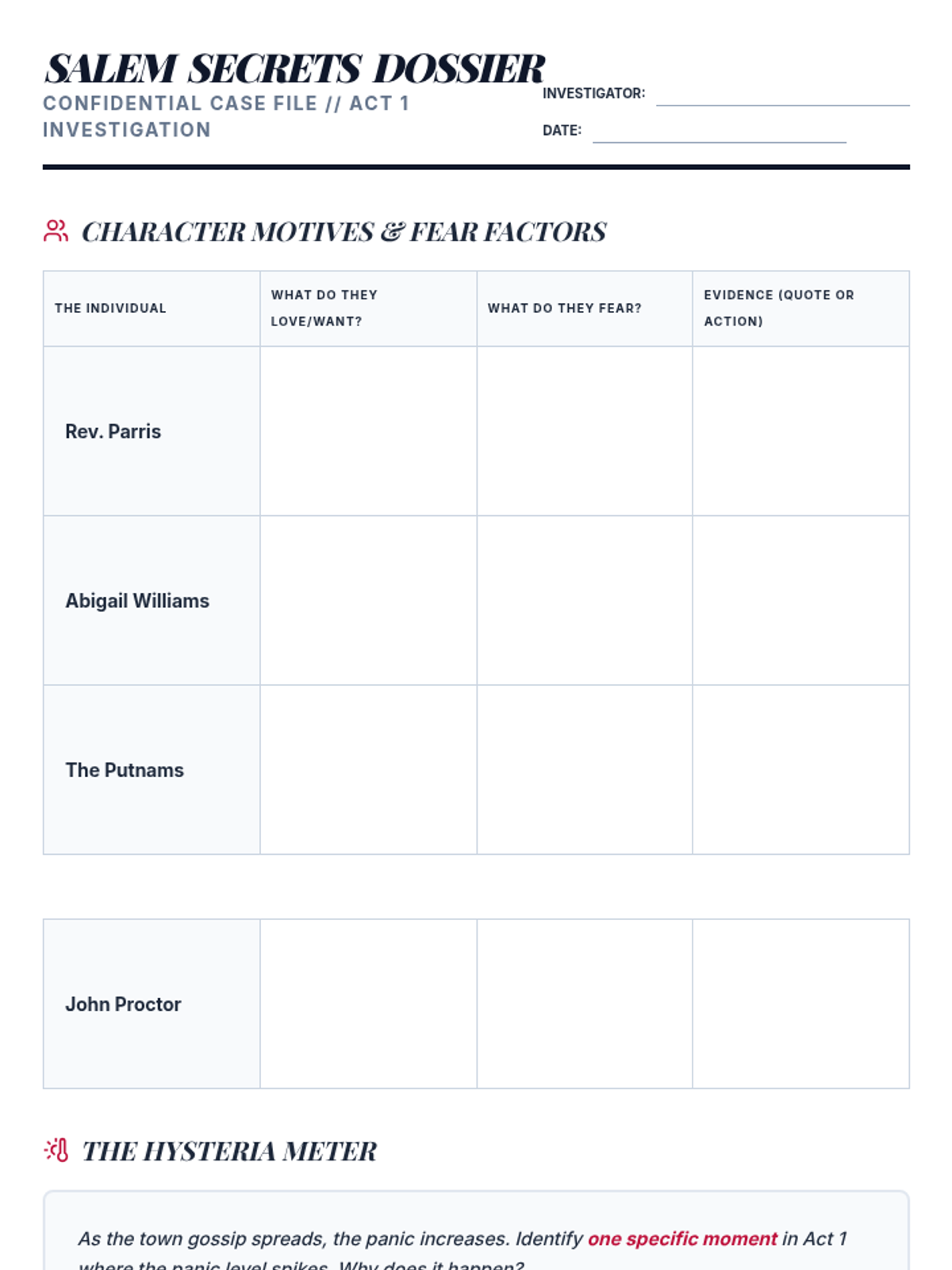
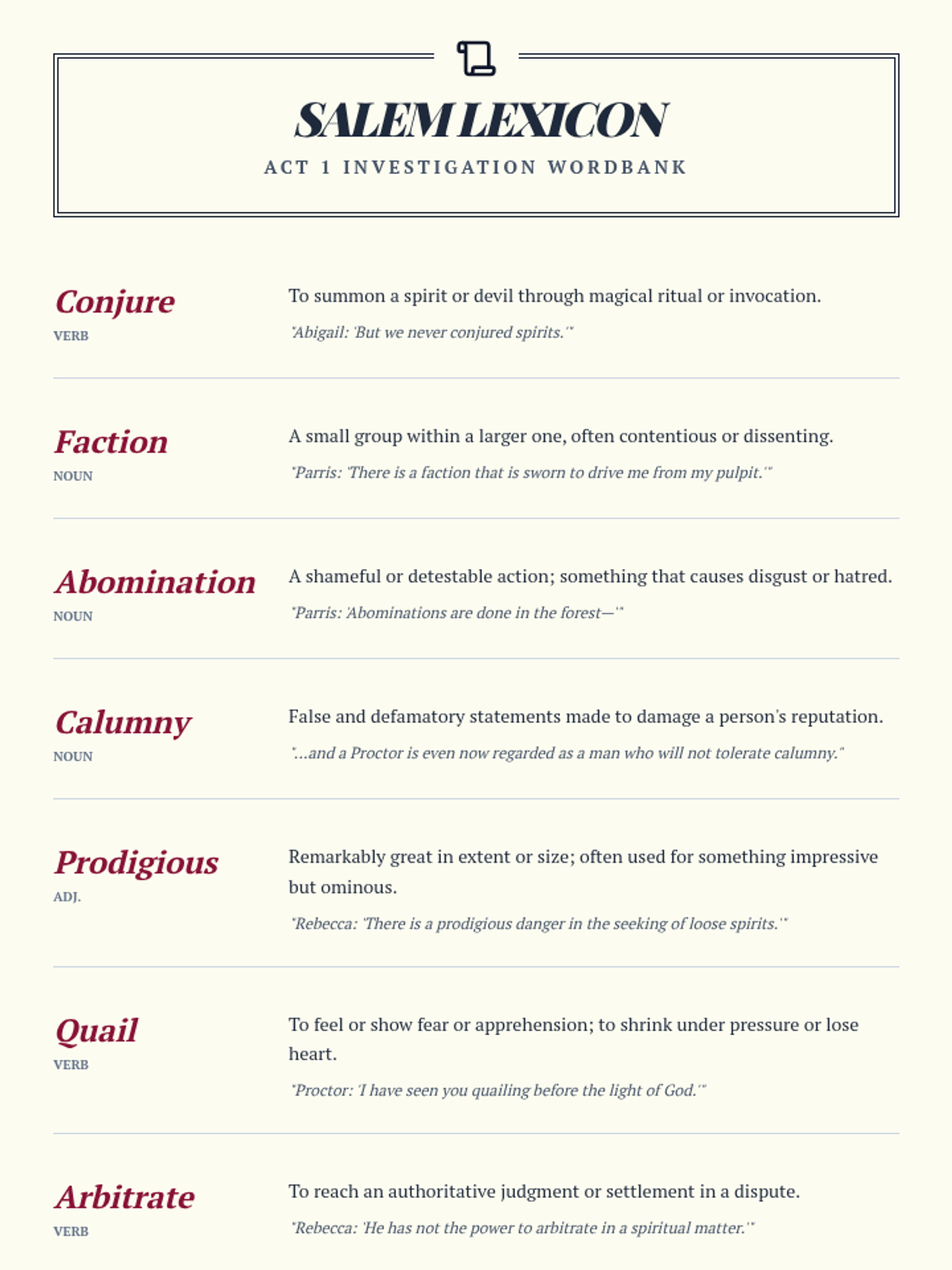
A deep dive into Act 1 of Arthur Miller's The Crucible, focusing on the social dynamics of Salem, the power of hysteria, and character motivations through a 'Salem Shadows' investigative lens.
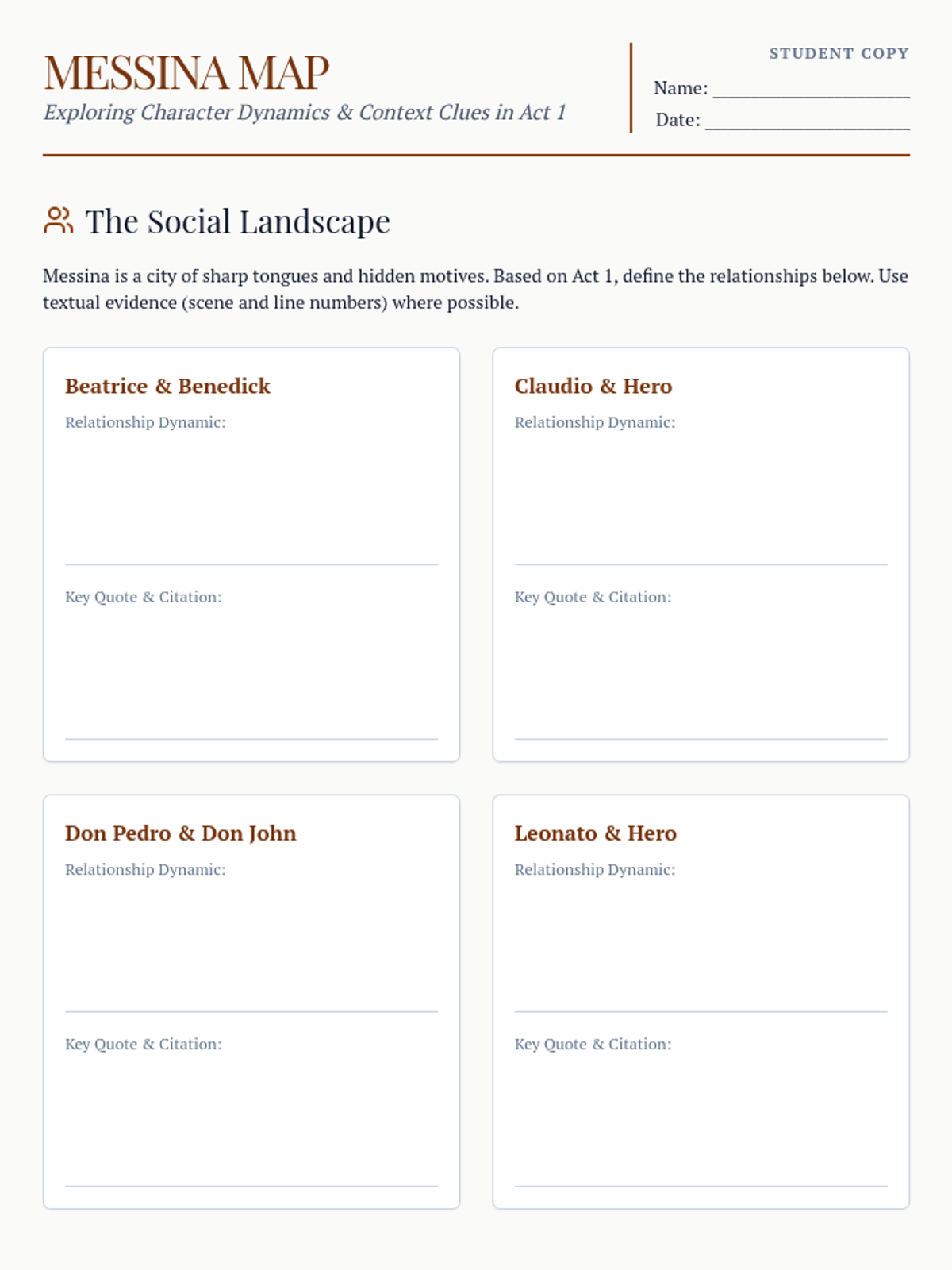
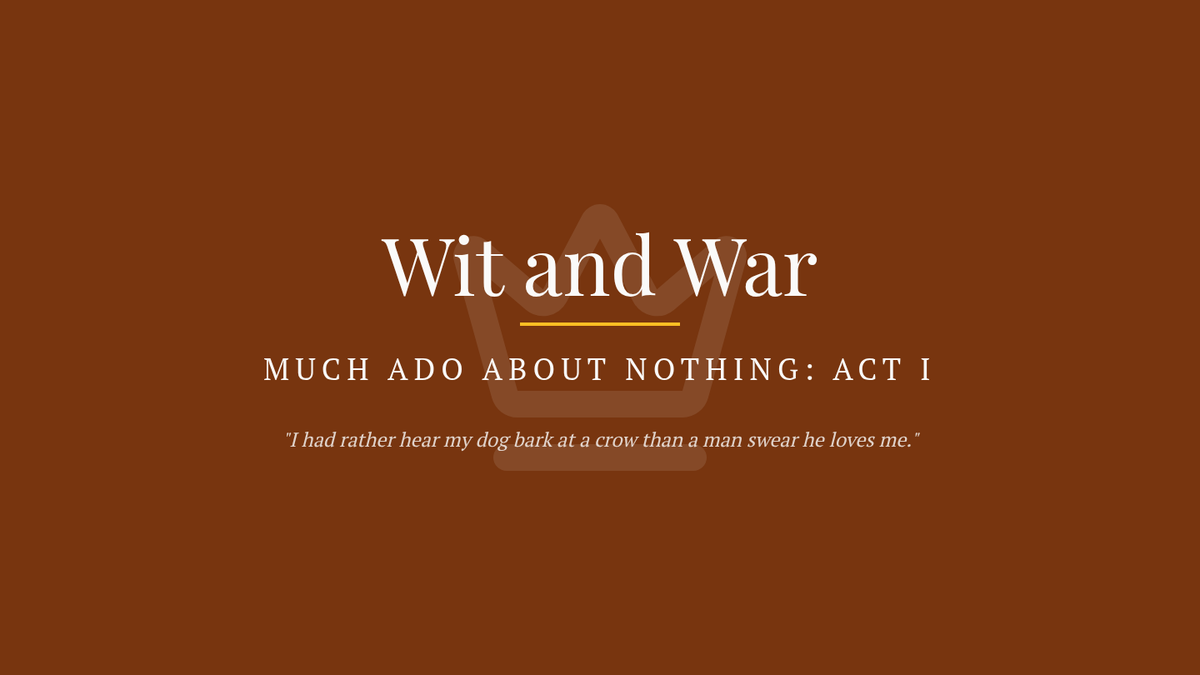
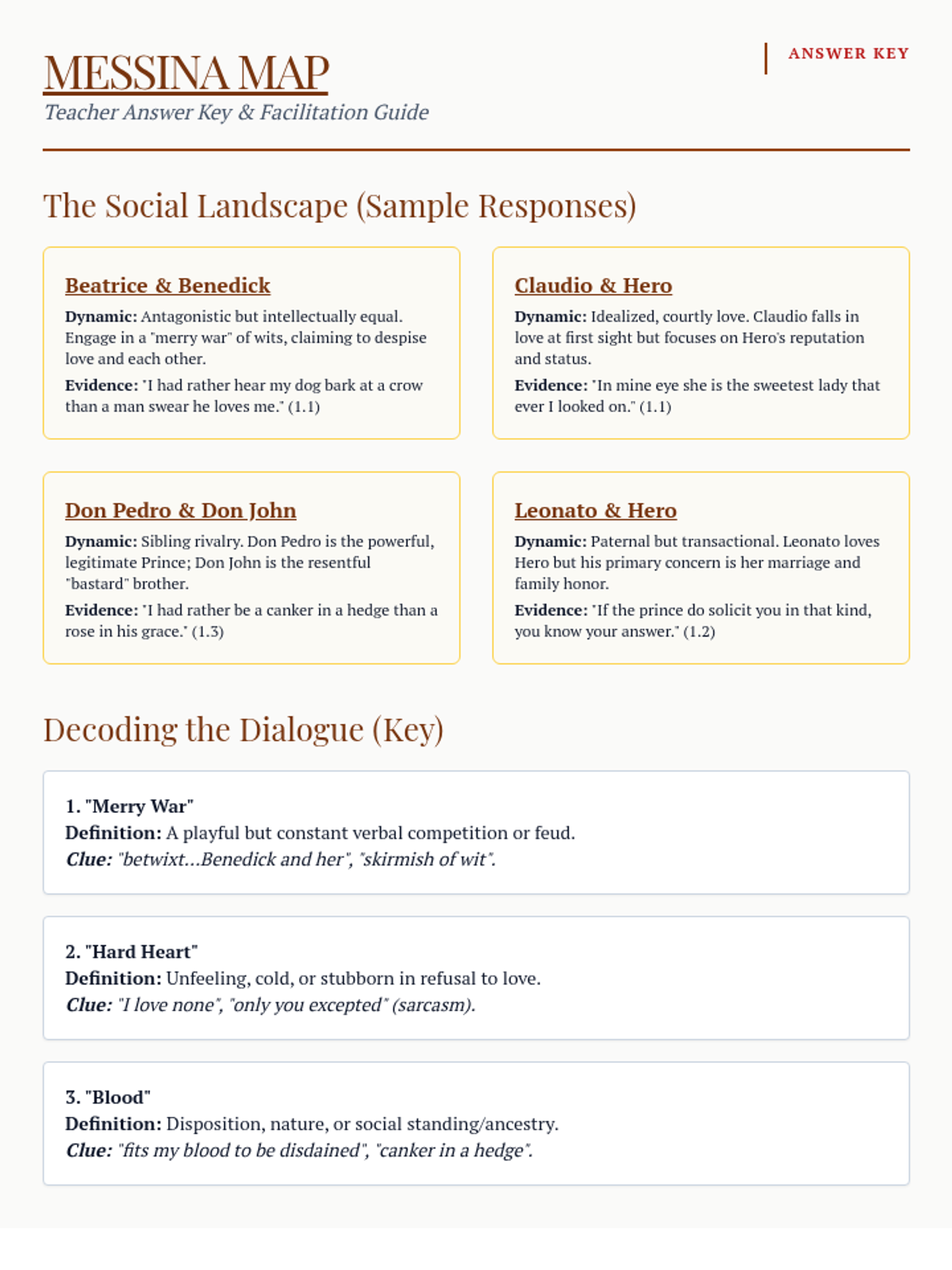
A comprehensive unit on Shakespeare's Much Ado About Nothing, exploring wit, rhetoric, and the social constructs of the Renaissance. Students will analyze figurative language, develop arguments, and synthesize historical research with textual evidence.
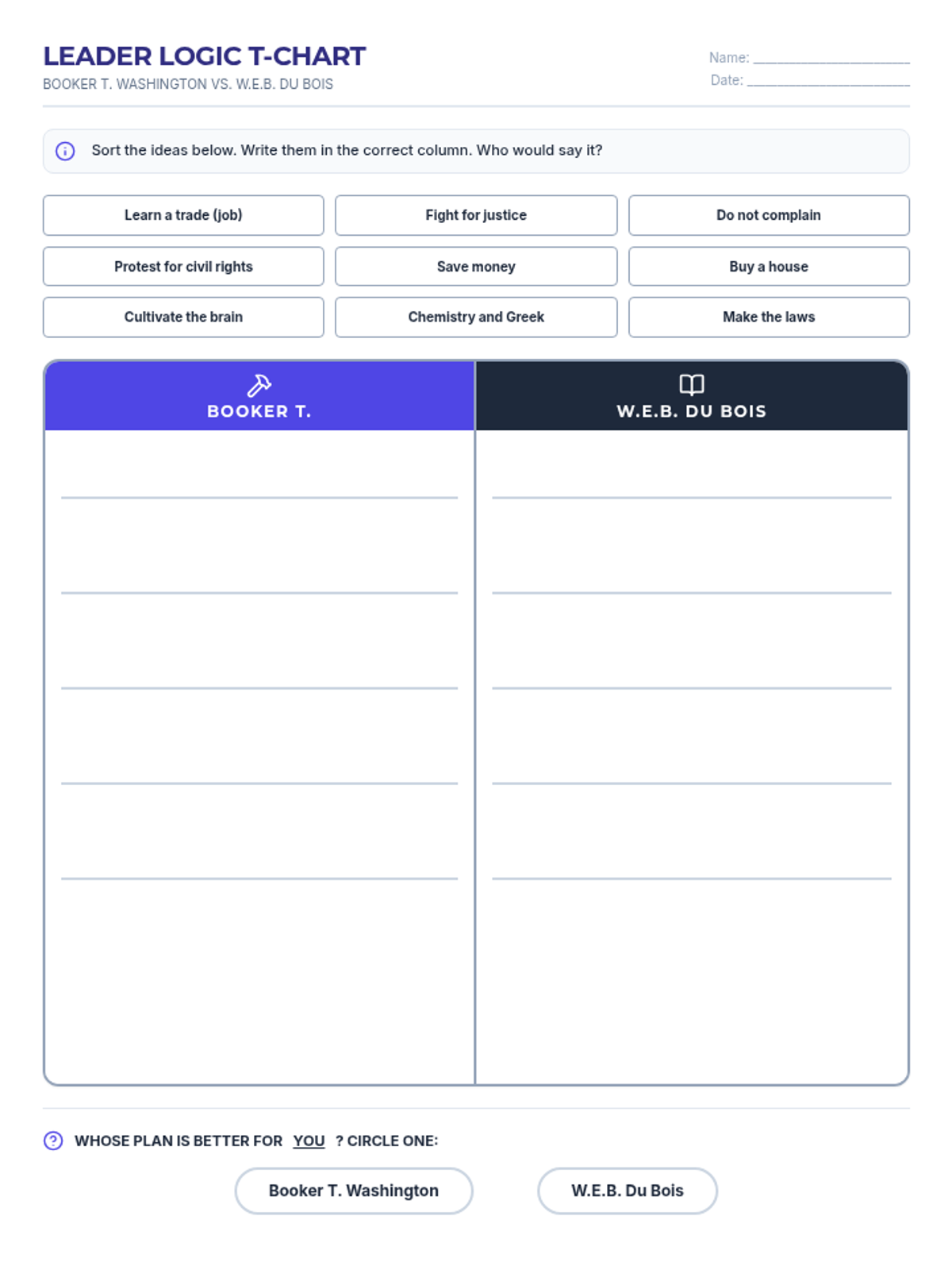
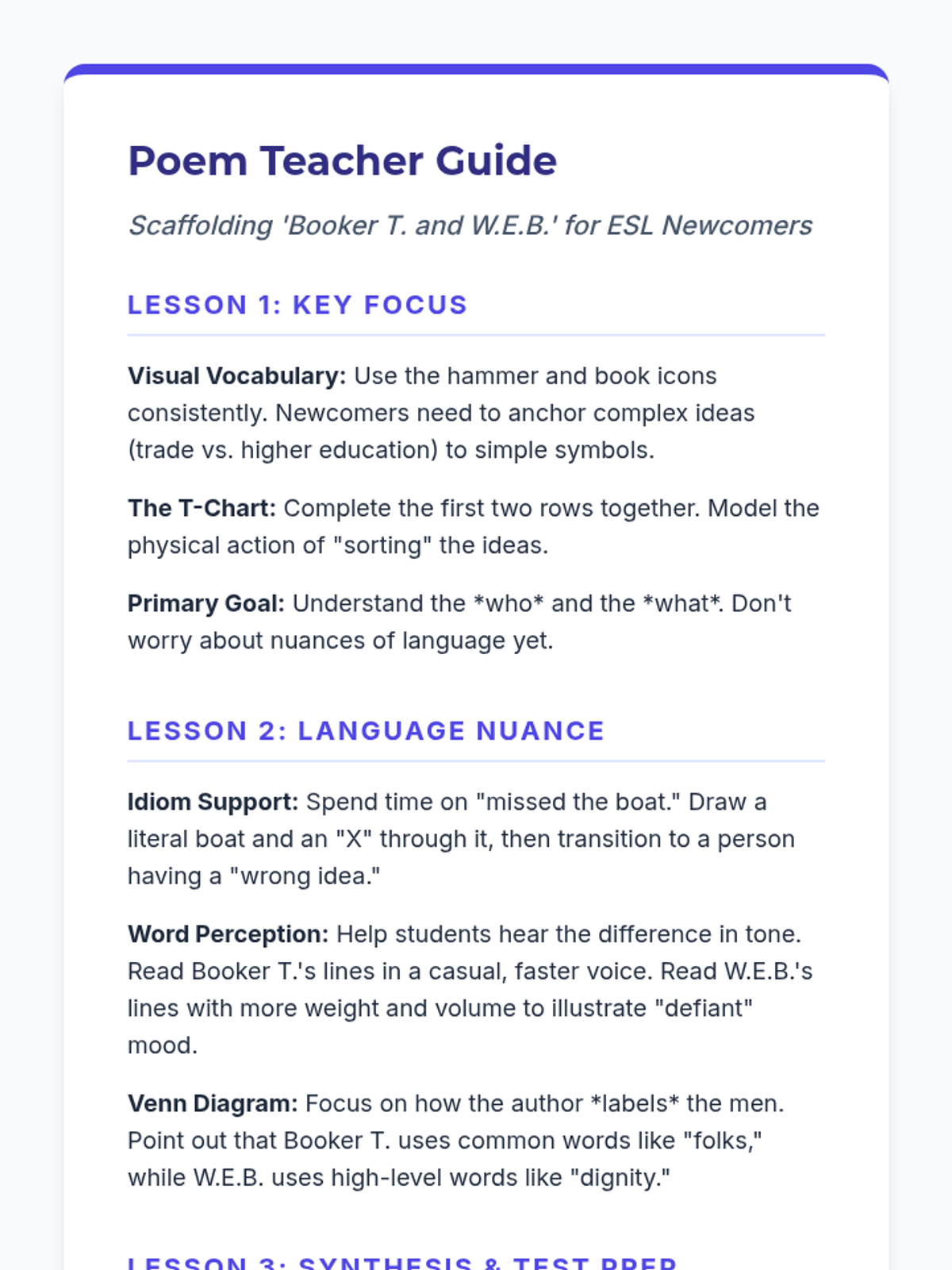
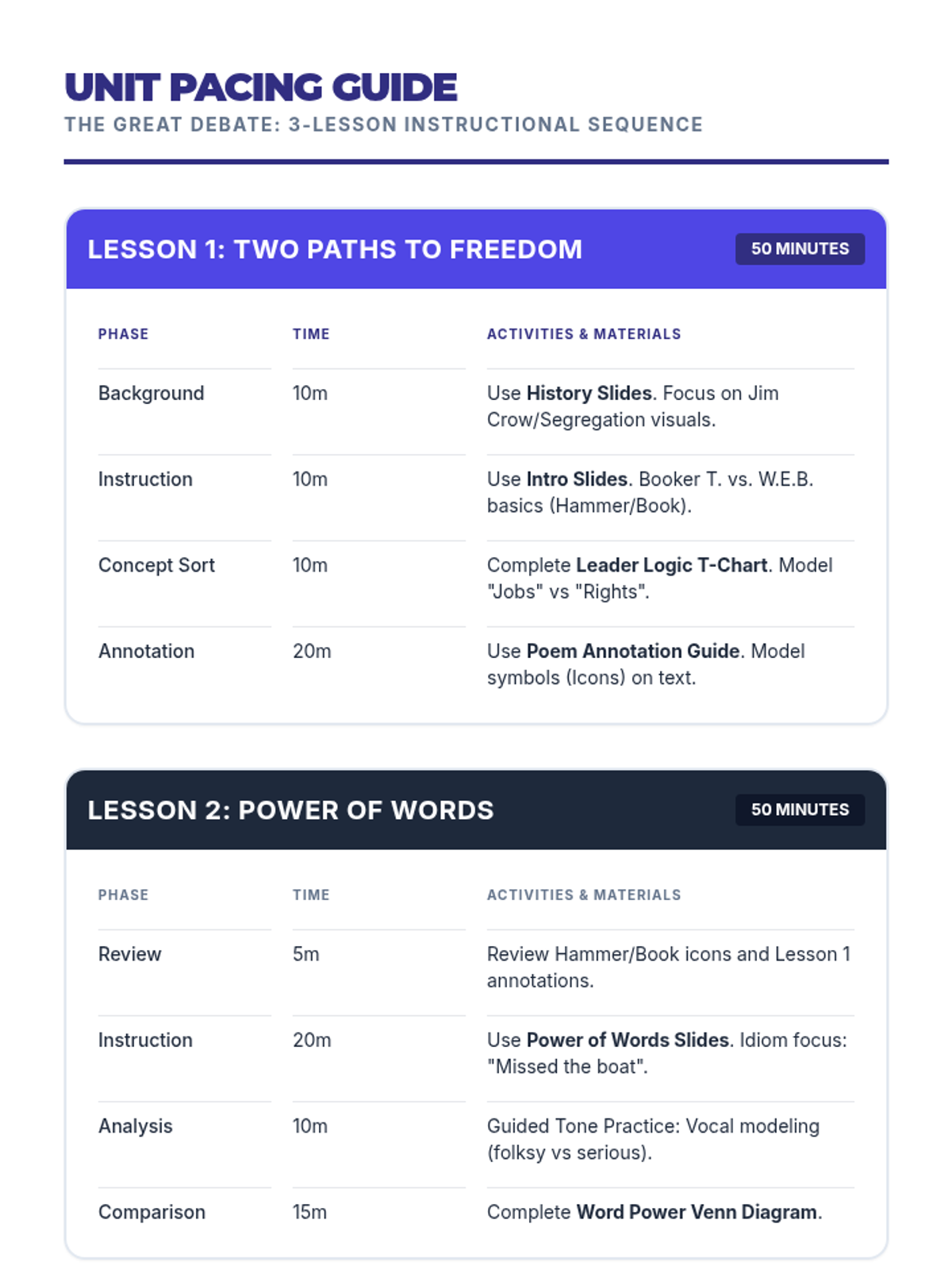
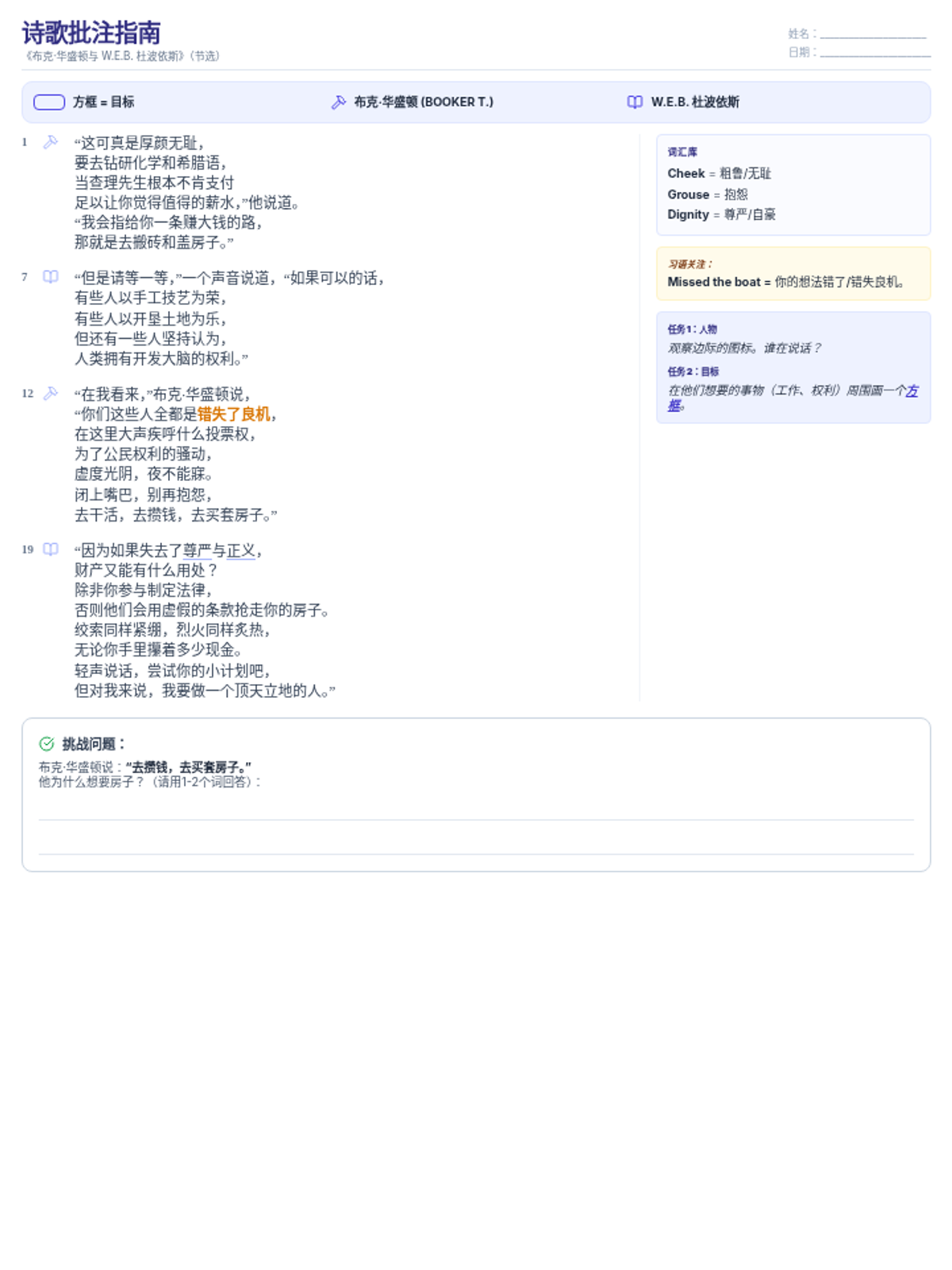
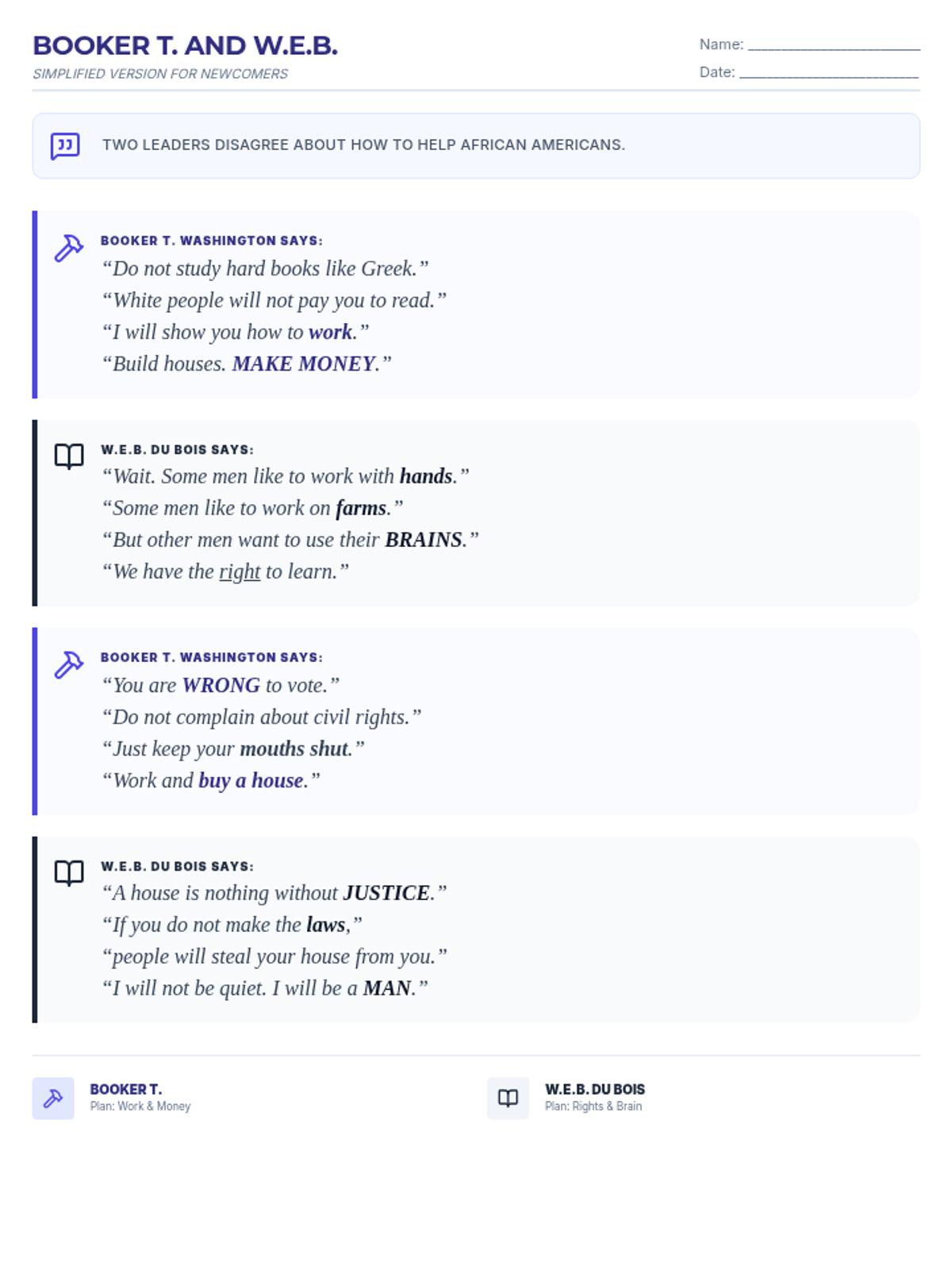
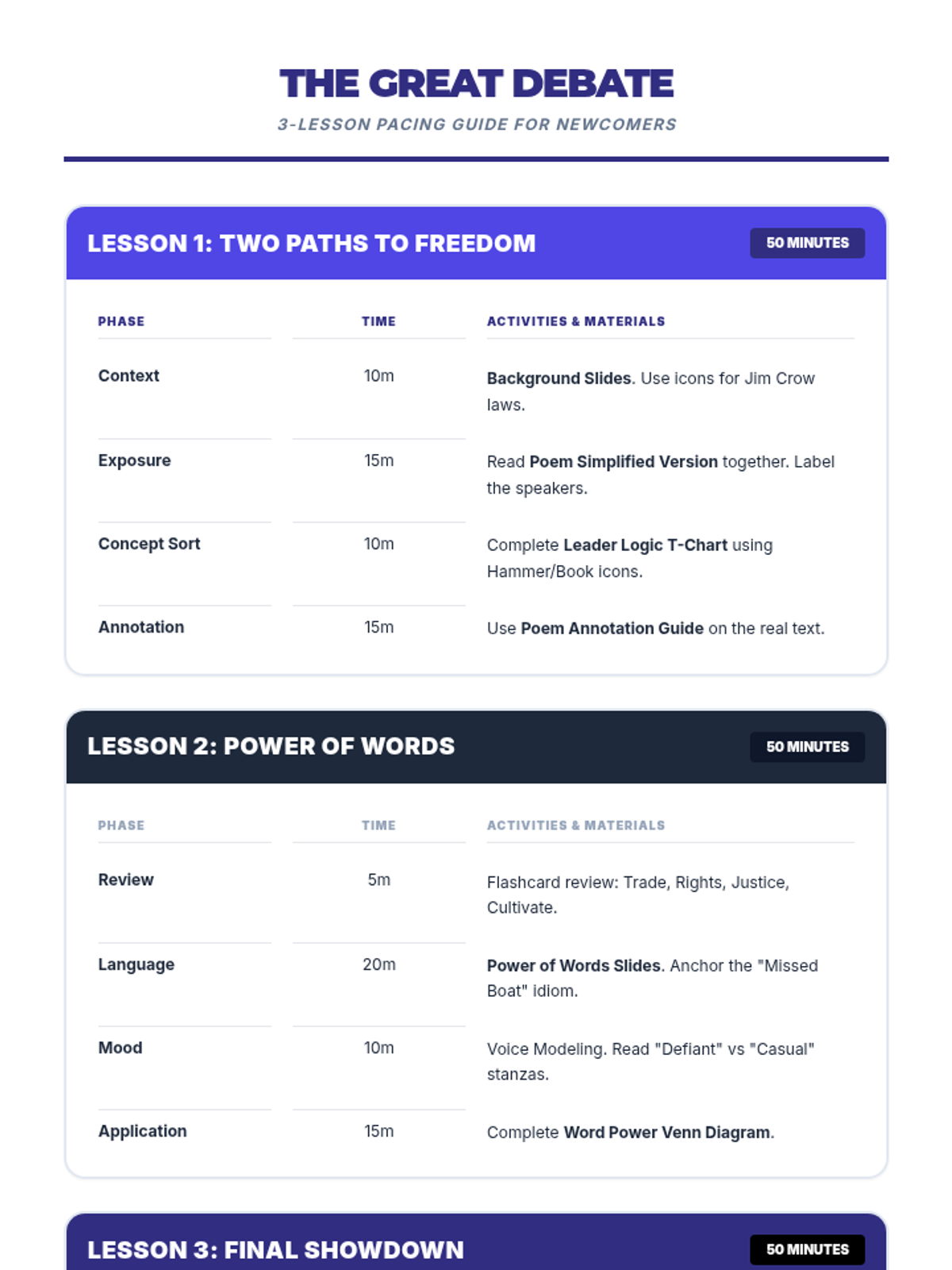
A three-lesson unit designed for ESL newcomers with minimal English proficiency, focusing on Dudley Randall's poem 'Booker T. and W.E.B.' and preparing them for a standardized assessment on author's purpose and language.
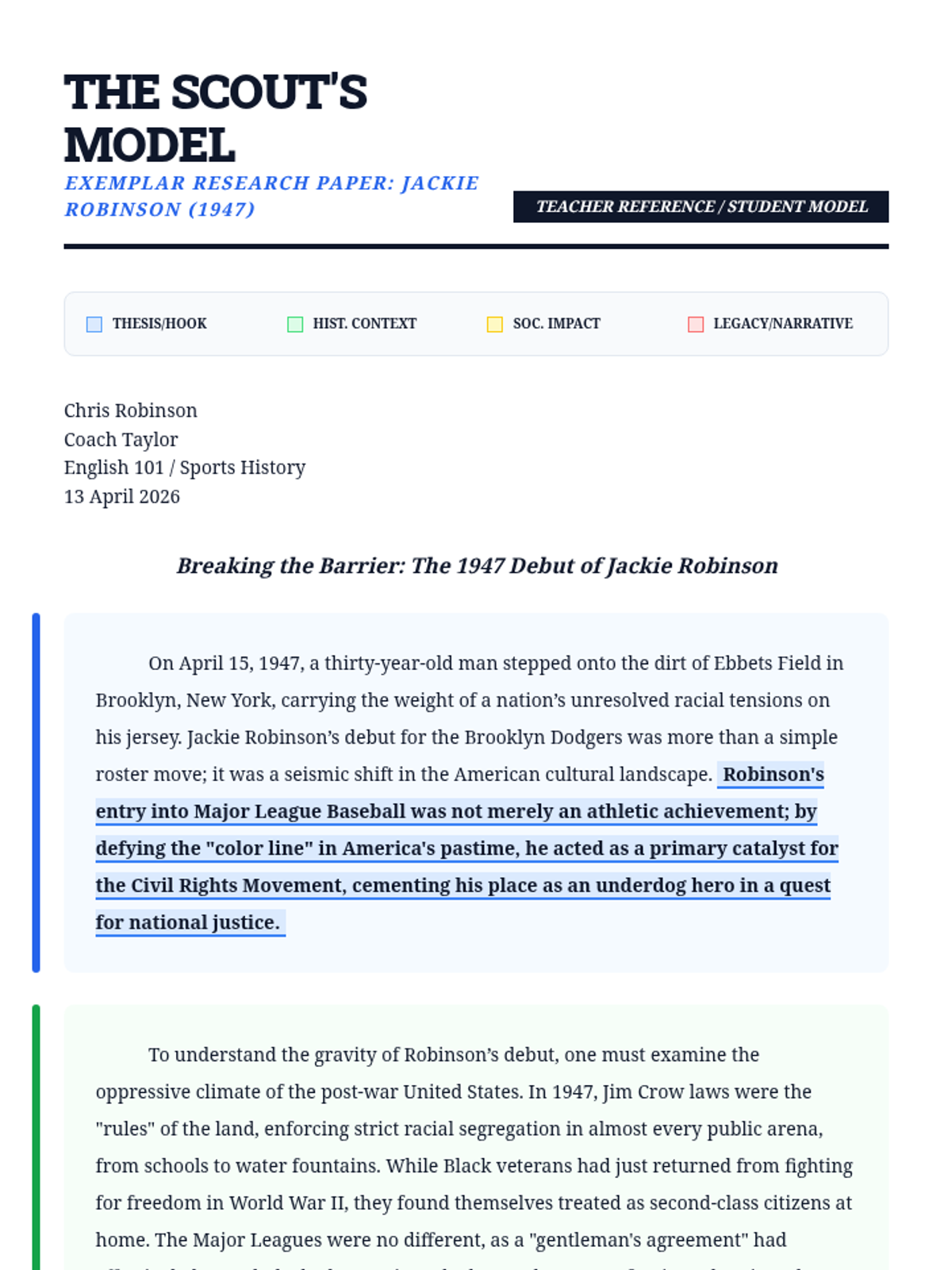
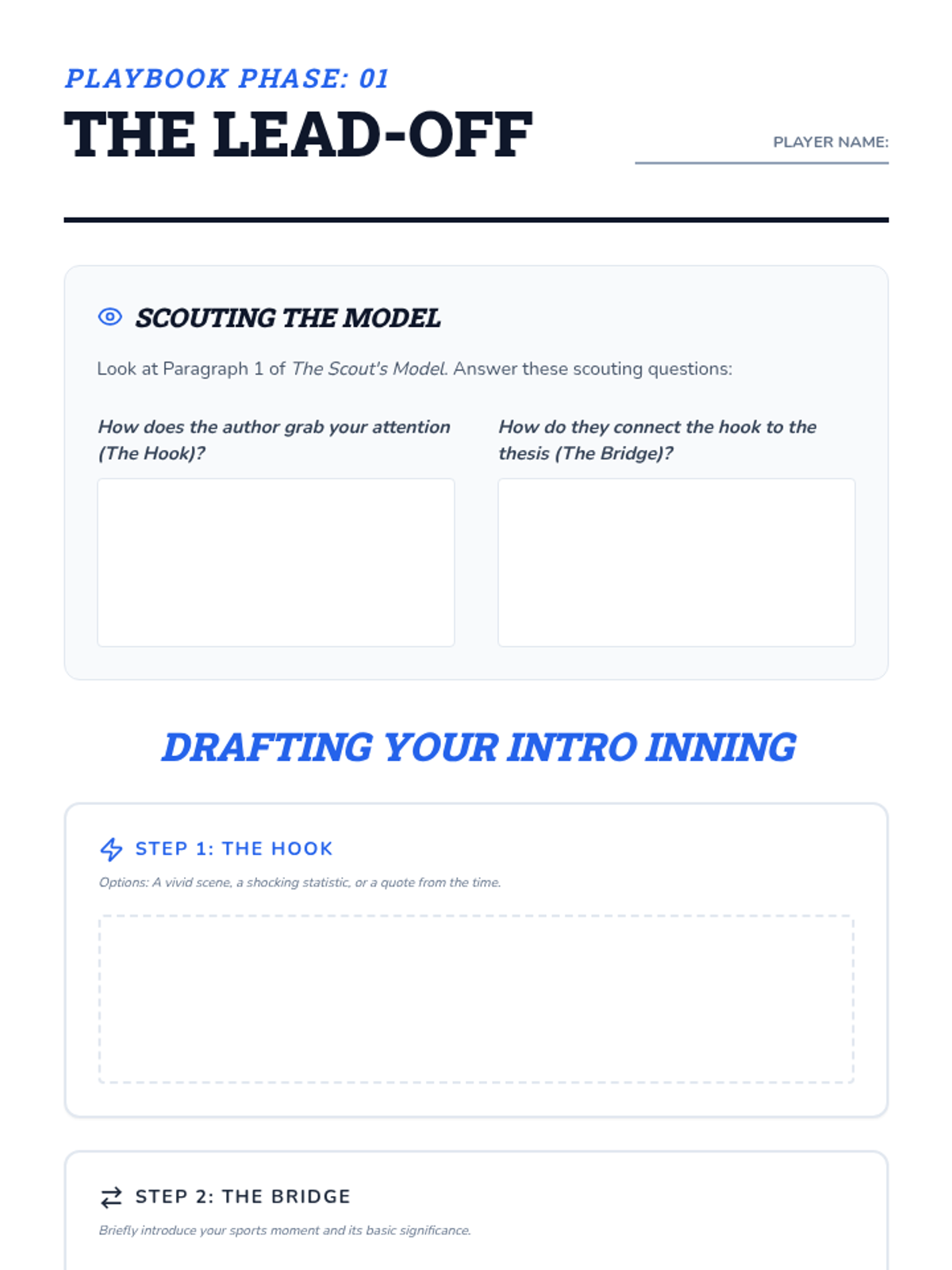
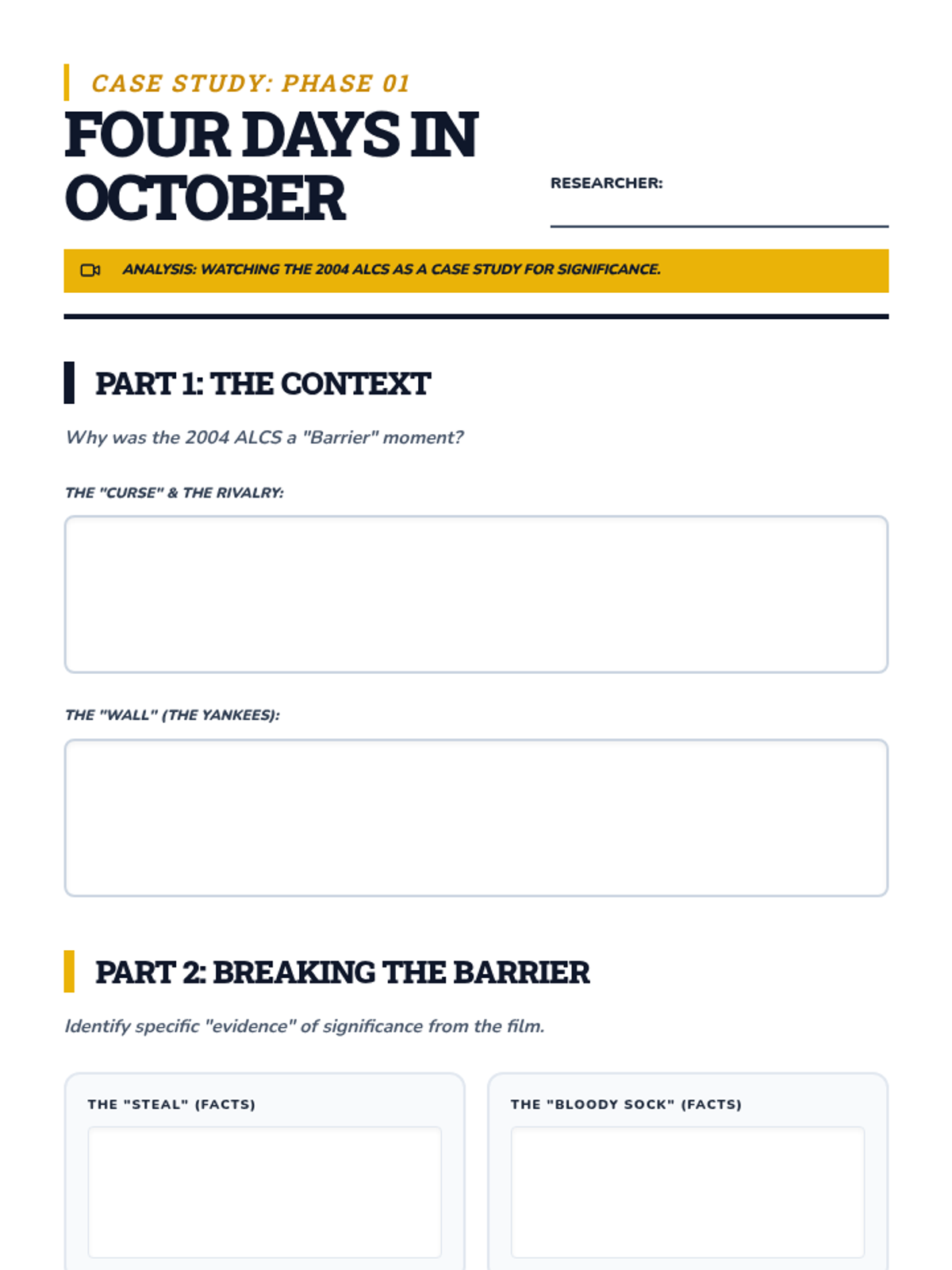
A 5-week research unit that scaffolds the process paragraph-by-paragraph. Students define significance, analyze the 'Four Days in October' case study, and turn in each paragraph separately, focusing on historical context, systemic barriers, and societal impact with a dedicated lesson on counterarguments.
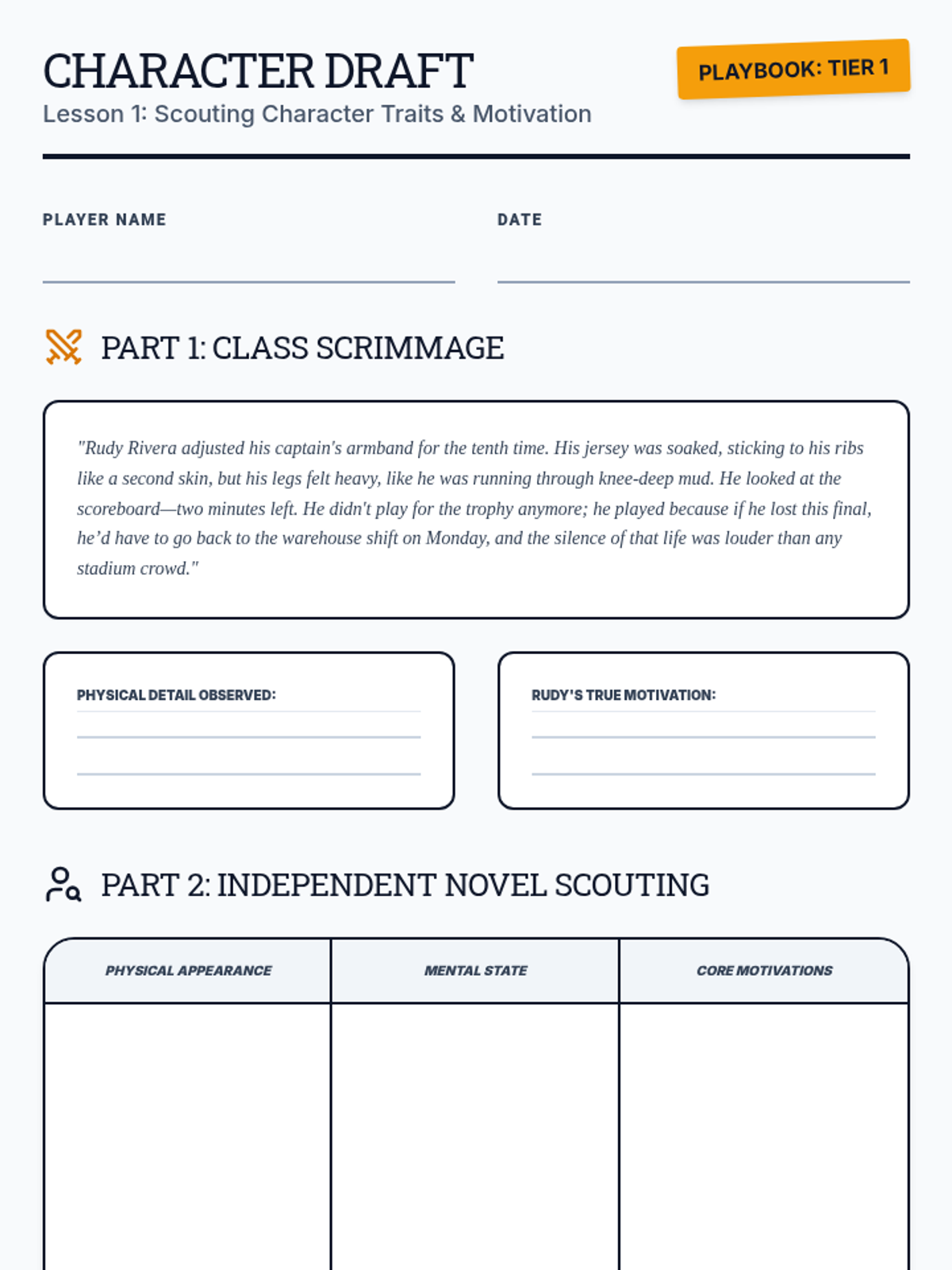
A 4-week series of mini-lessons for Sports Literature designed to support students through an independent novel project. The sequence covers characterization, symbolism, theme analysis, and media literacy through the lens of sports narratives.
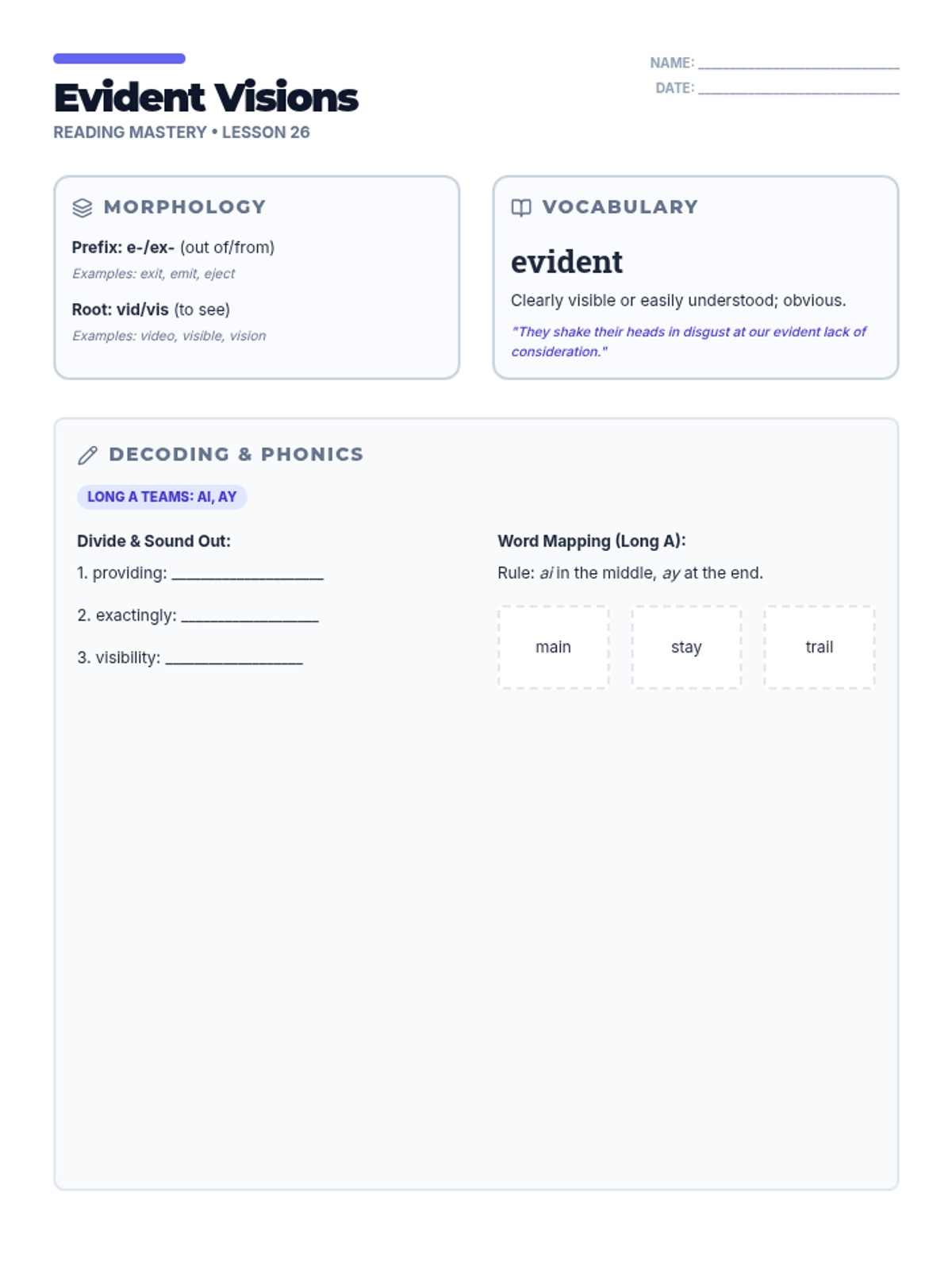
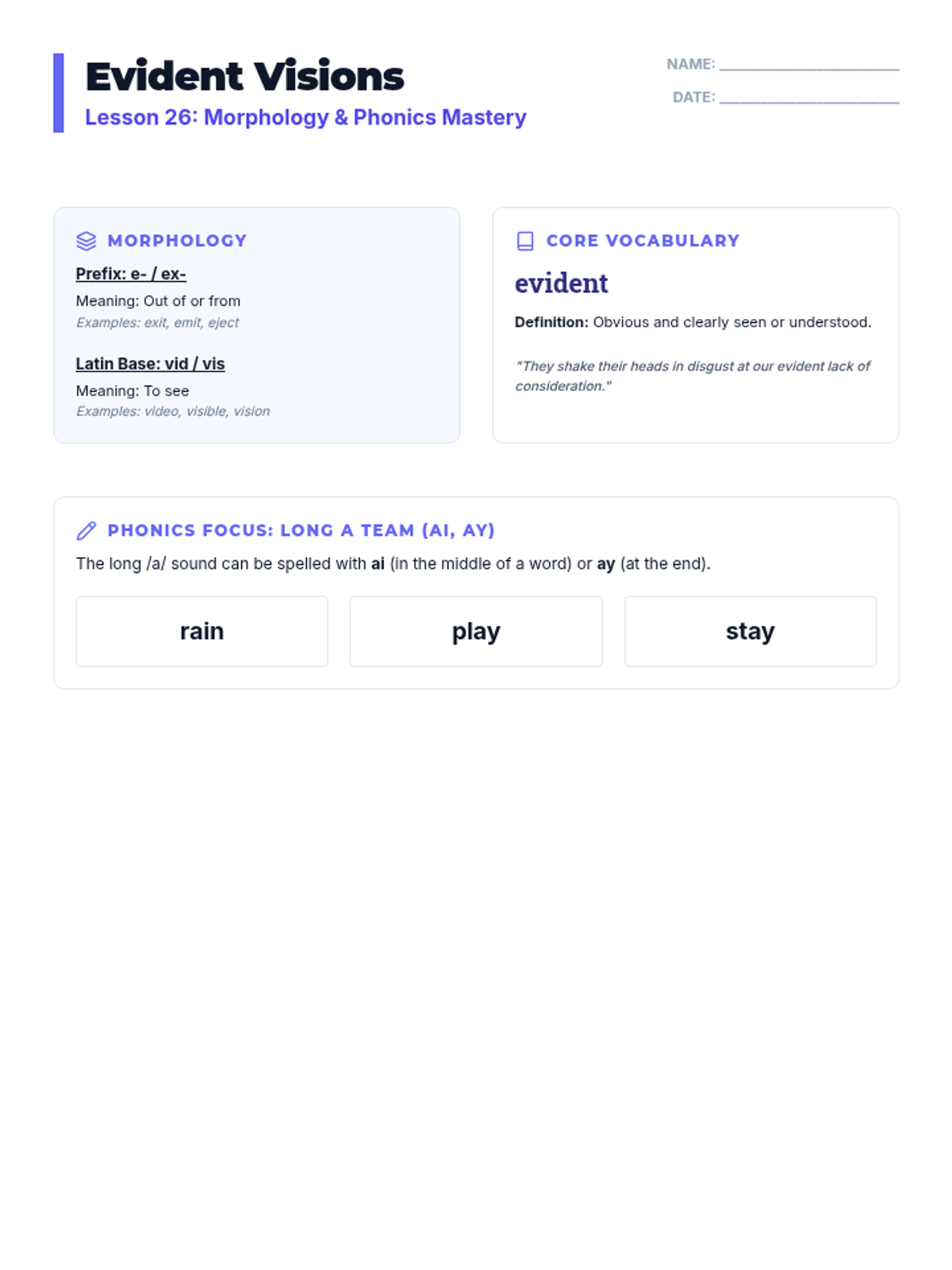
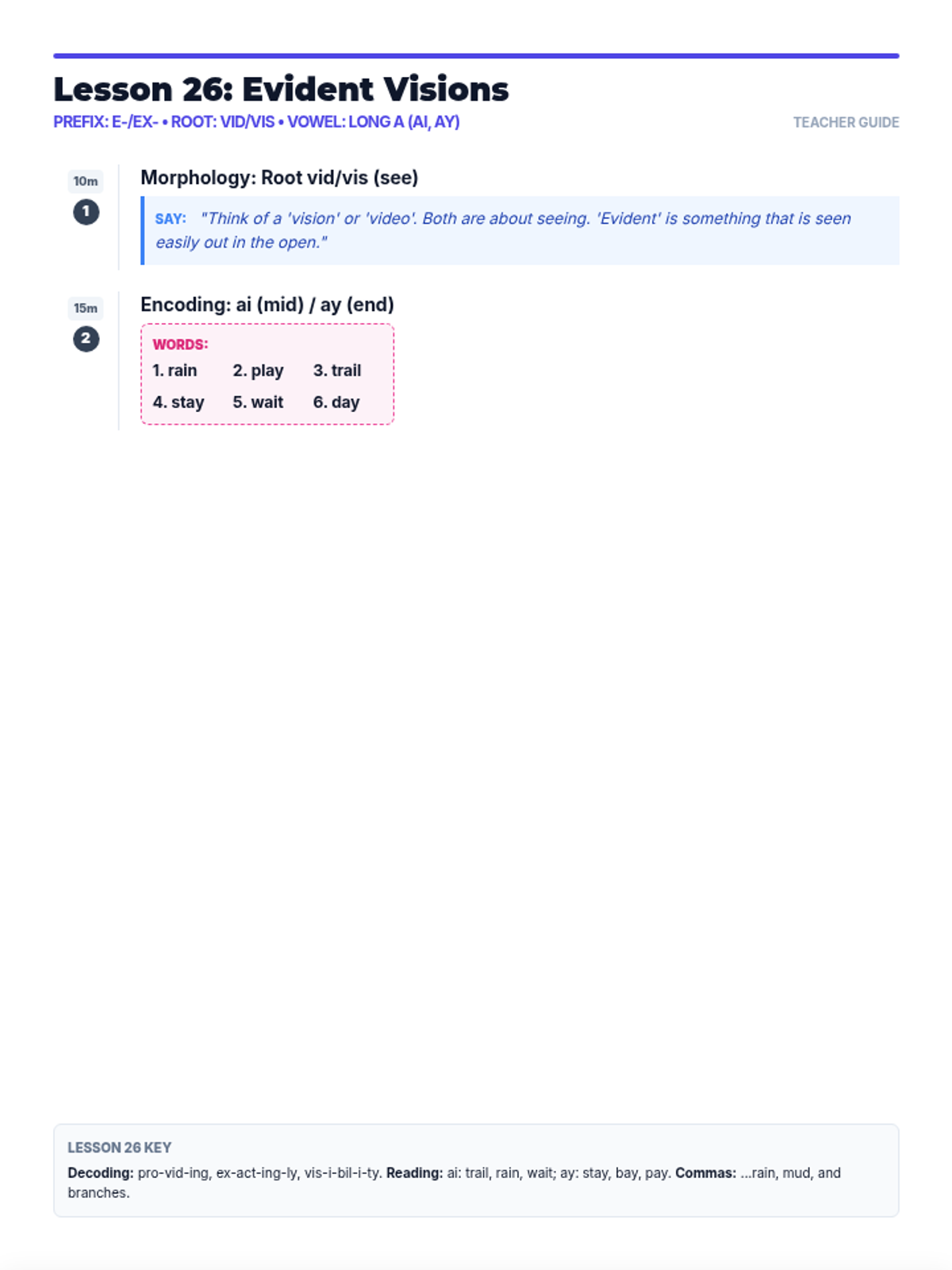
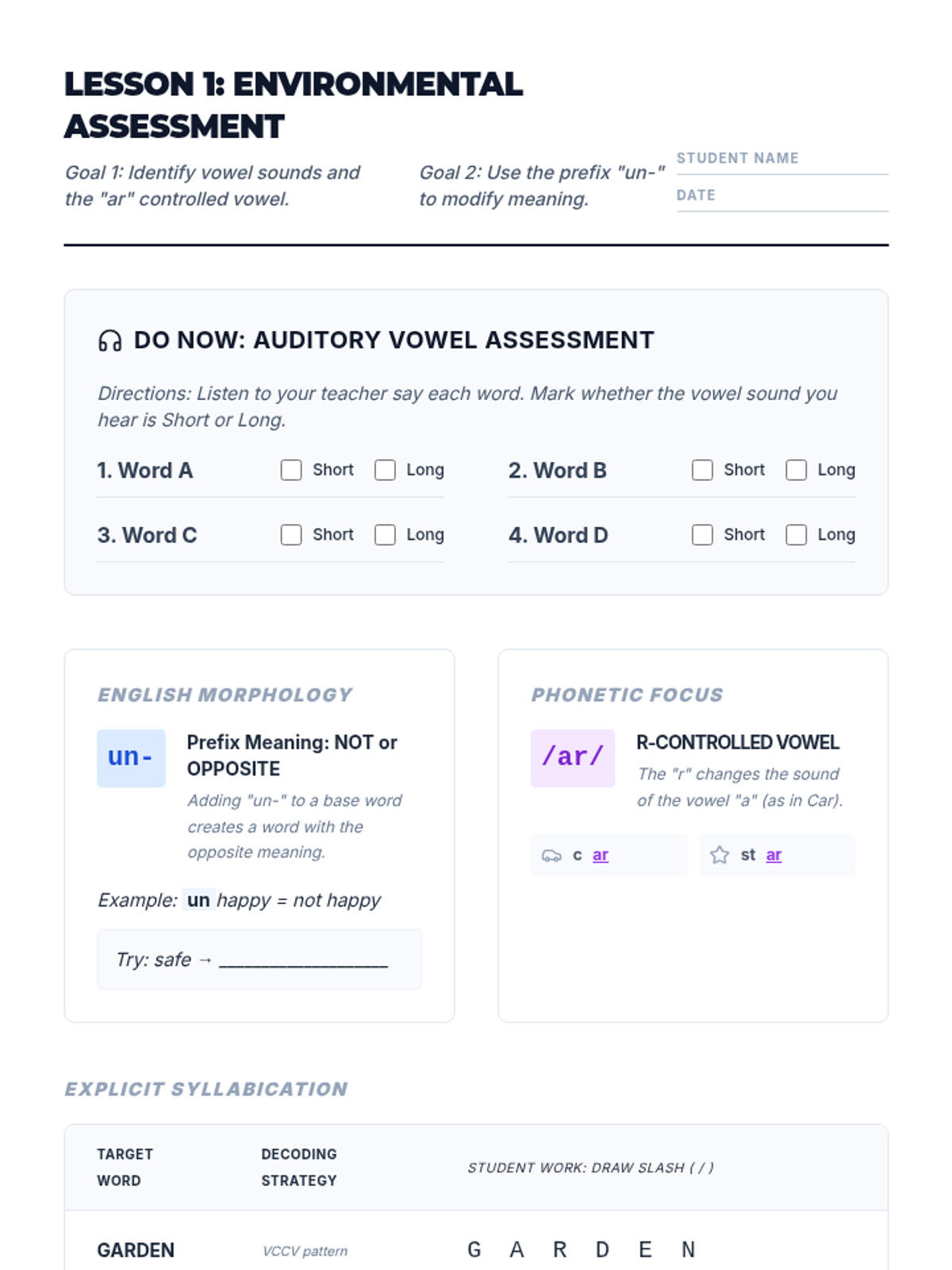
A comprehensive literacy intervention sequence for high school TESOL students (Lessons 16-25) focused on morphology, academic vocabulary, systematic decoding, and vowel mastery.
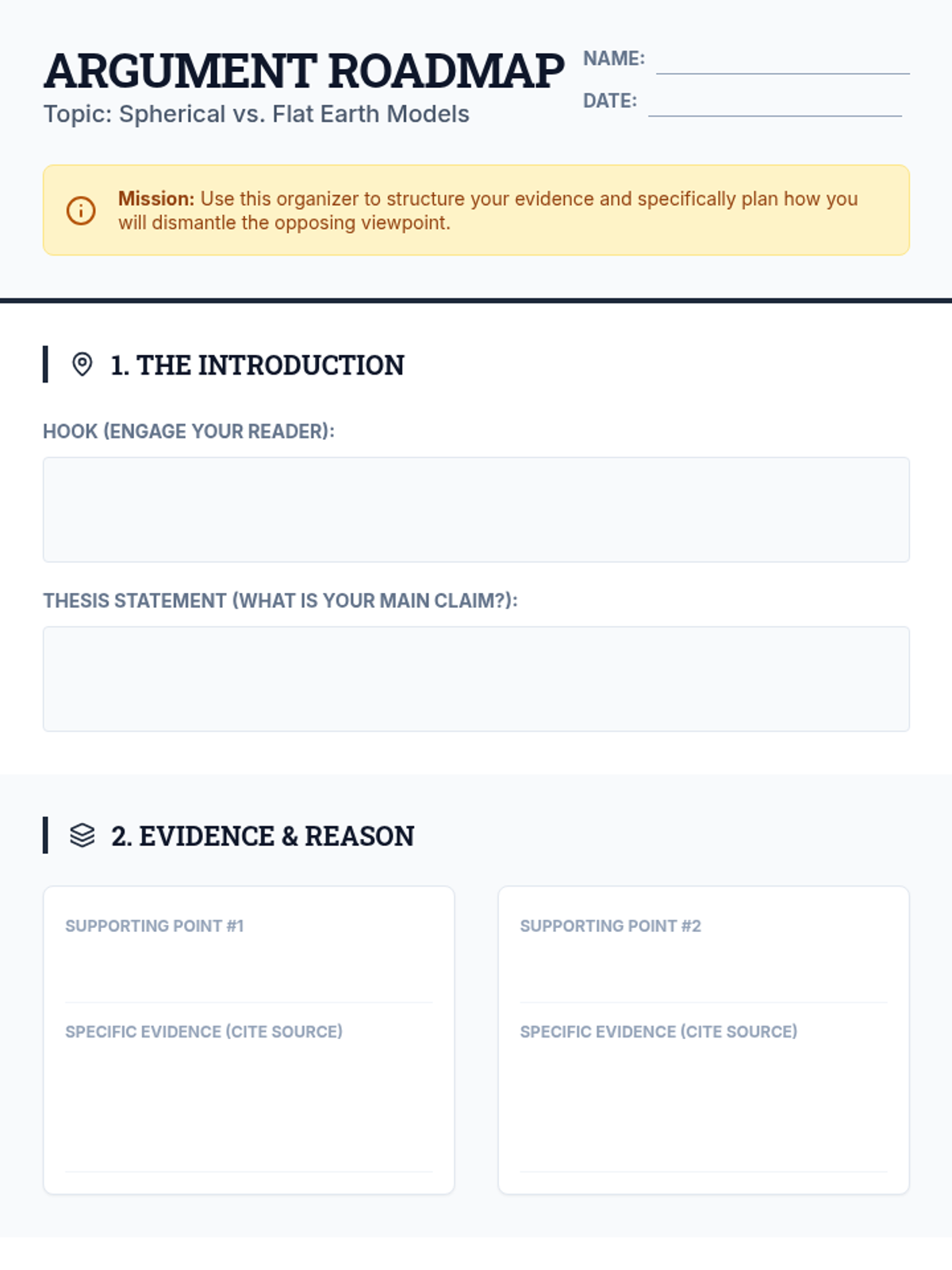
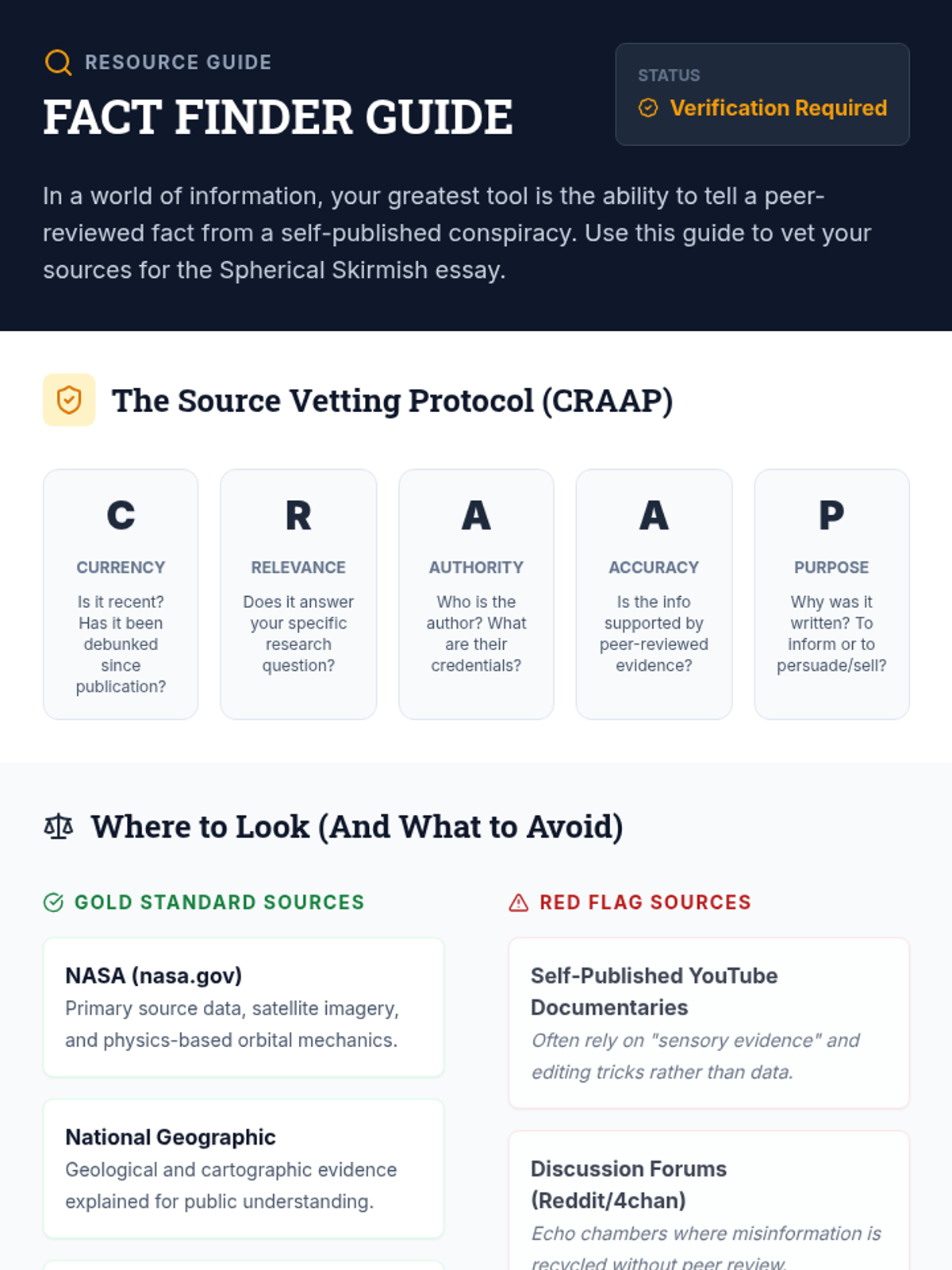
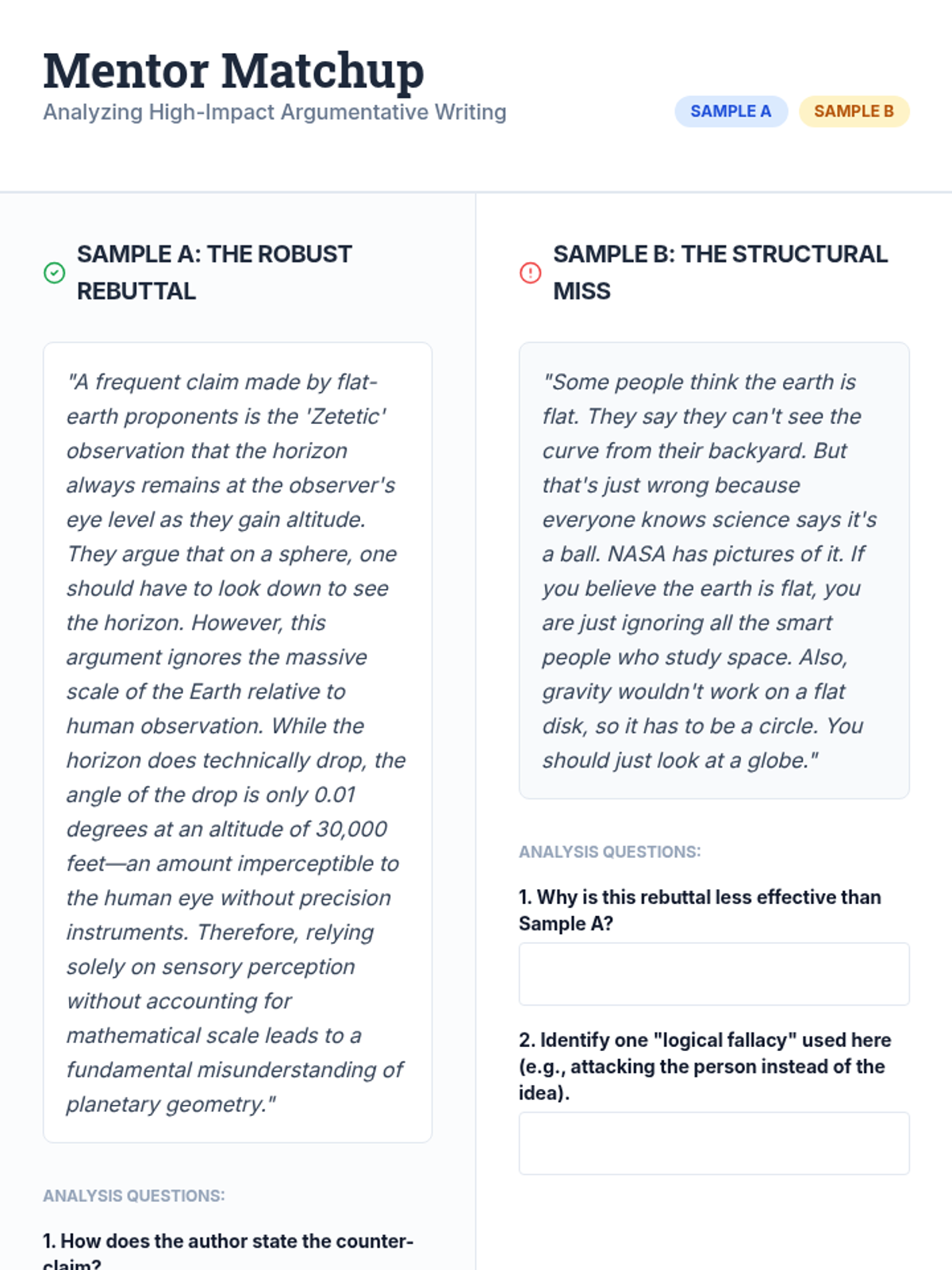
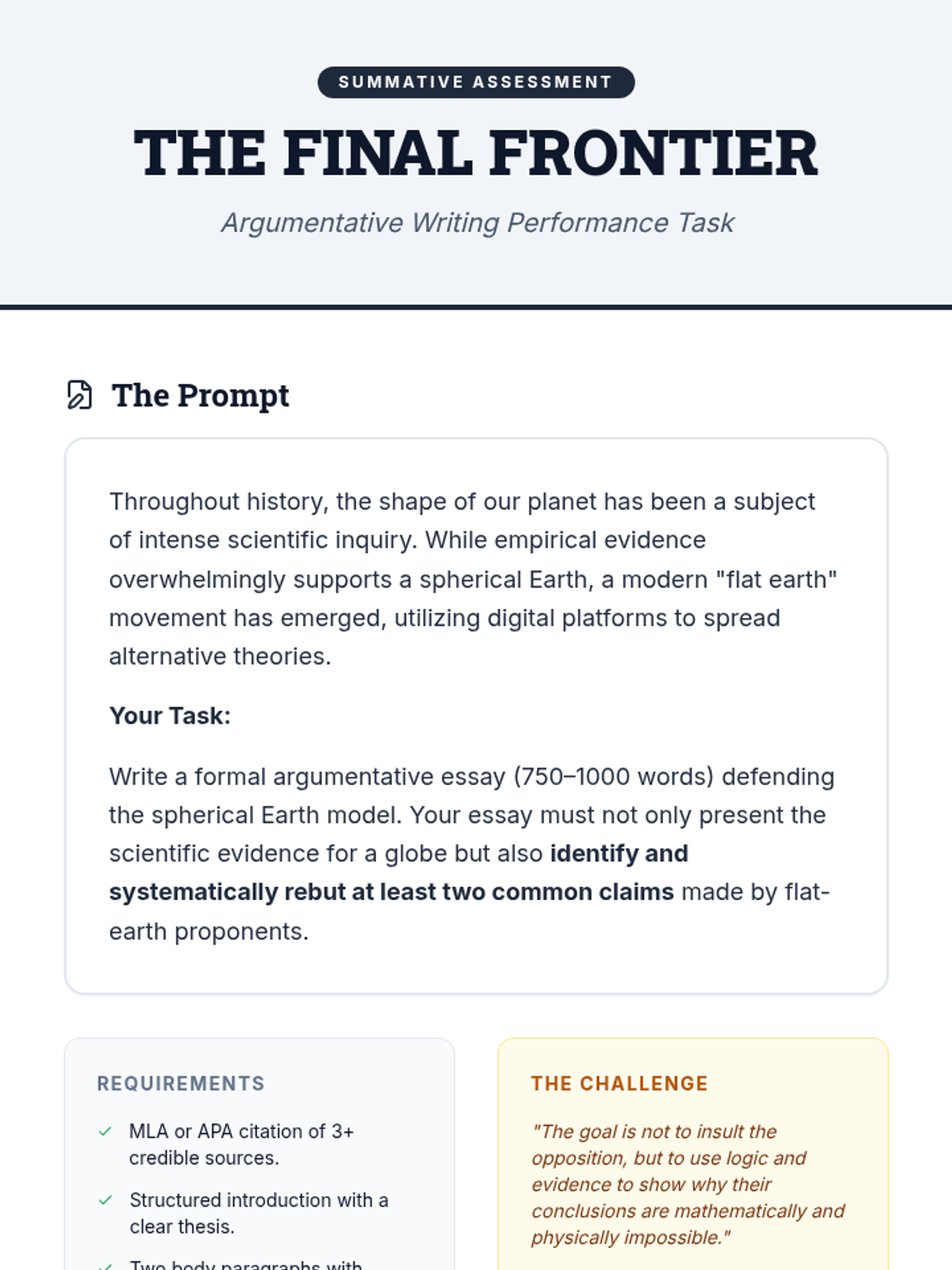
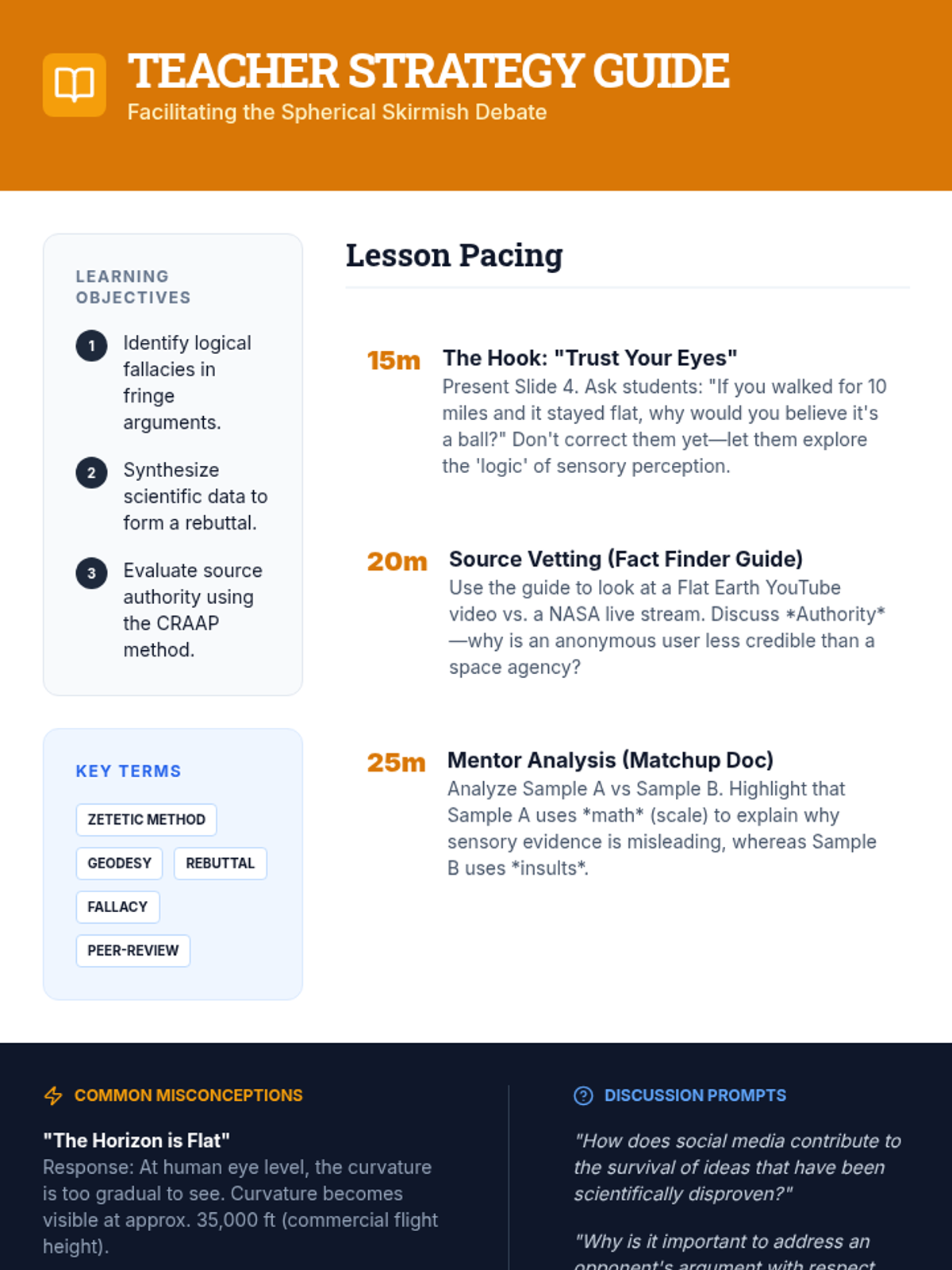
A comprehensive unit focused on mastering argumentative writing through the lens of the flat earth vs. round earth debate, emphasizing evidence-based reasoning and rebuttal techniques.
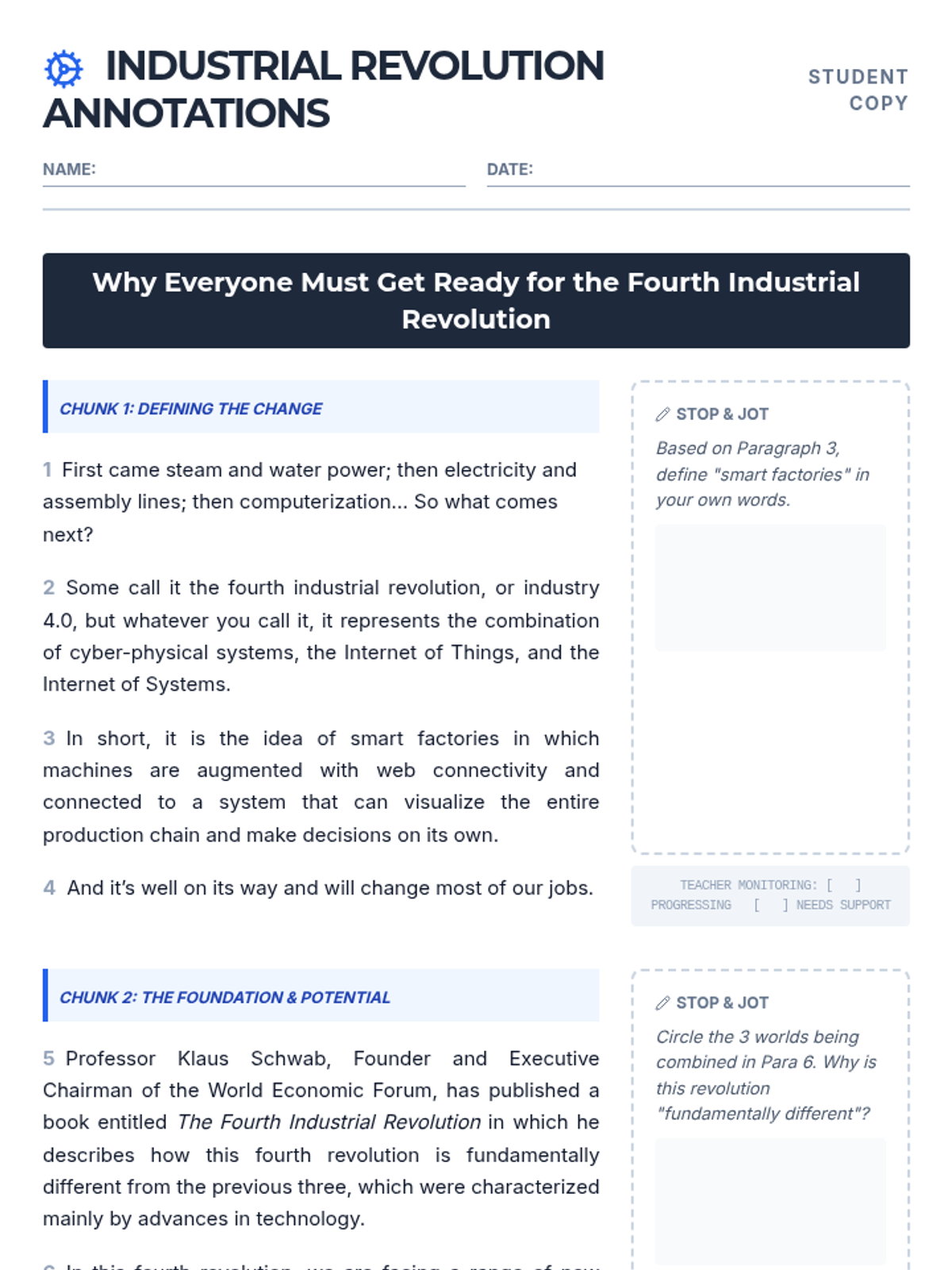
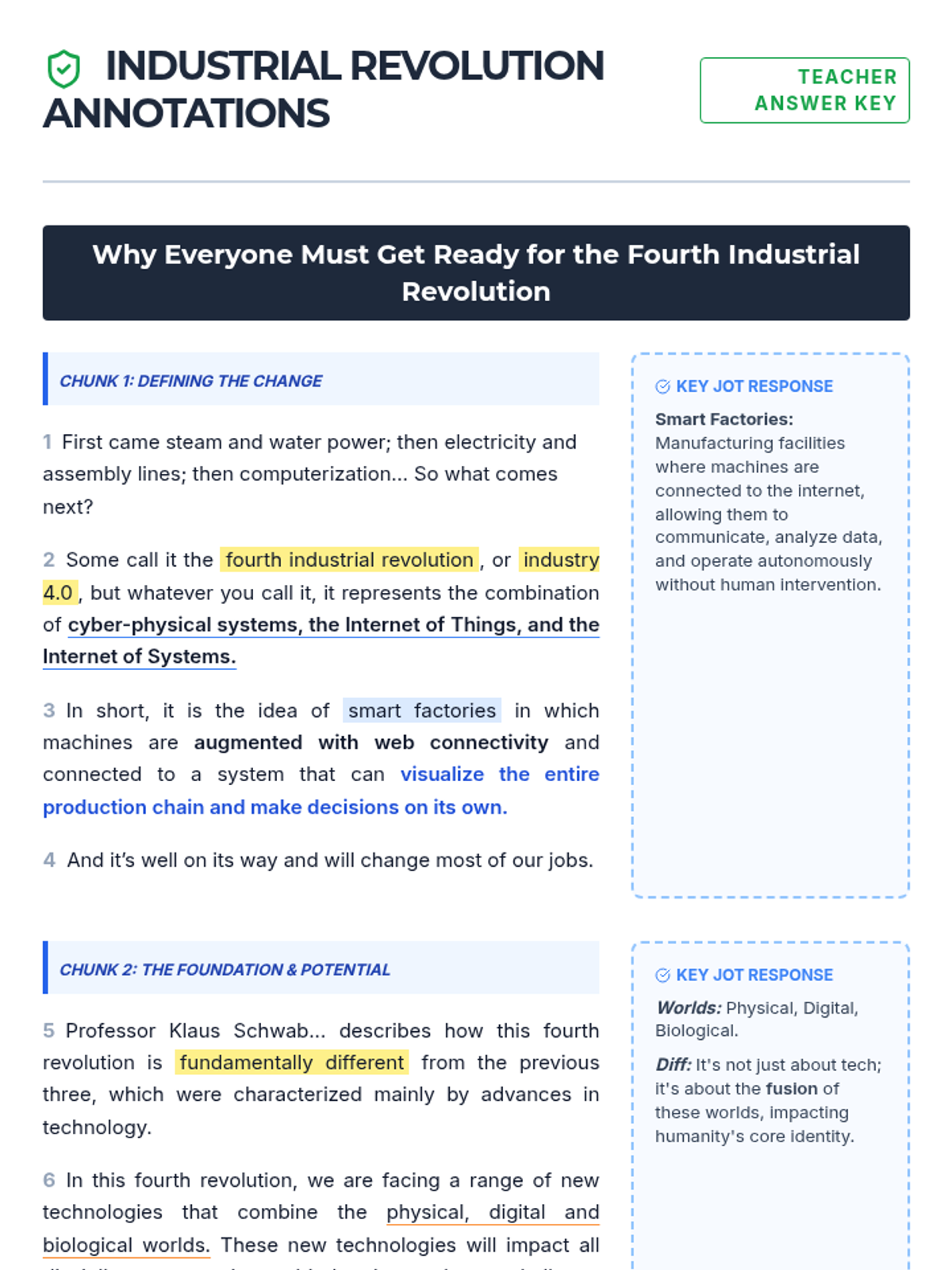
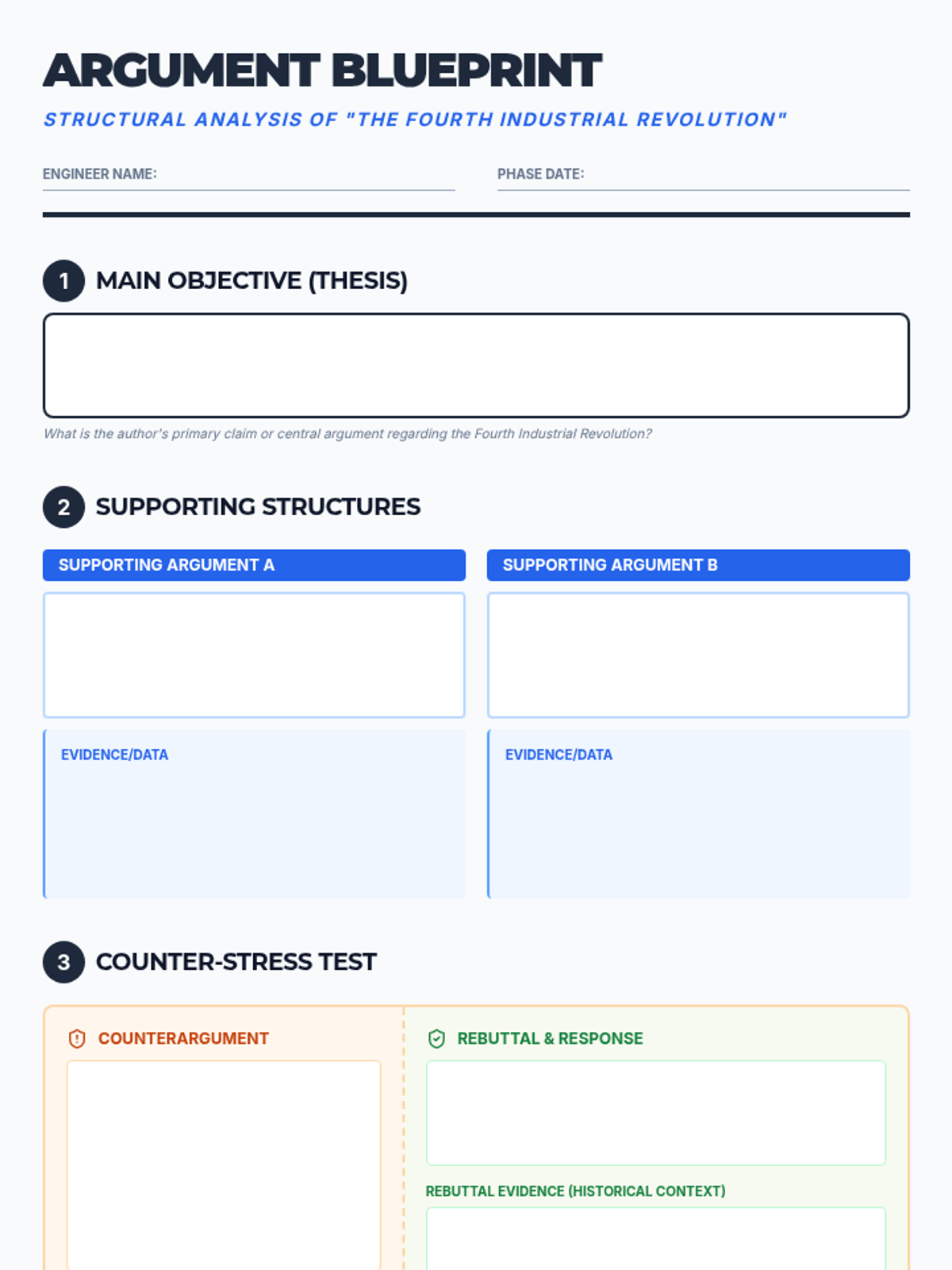
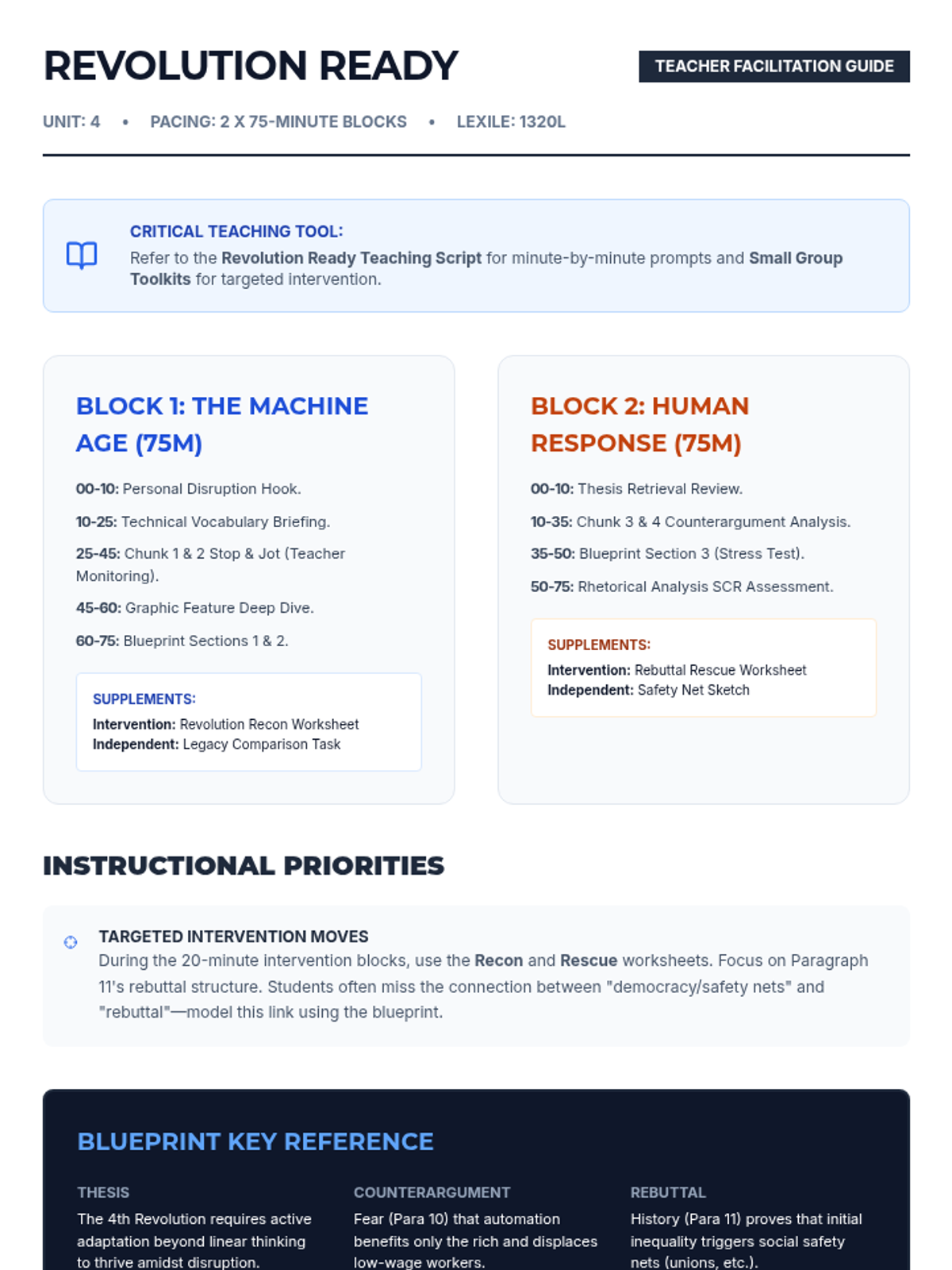
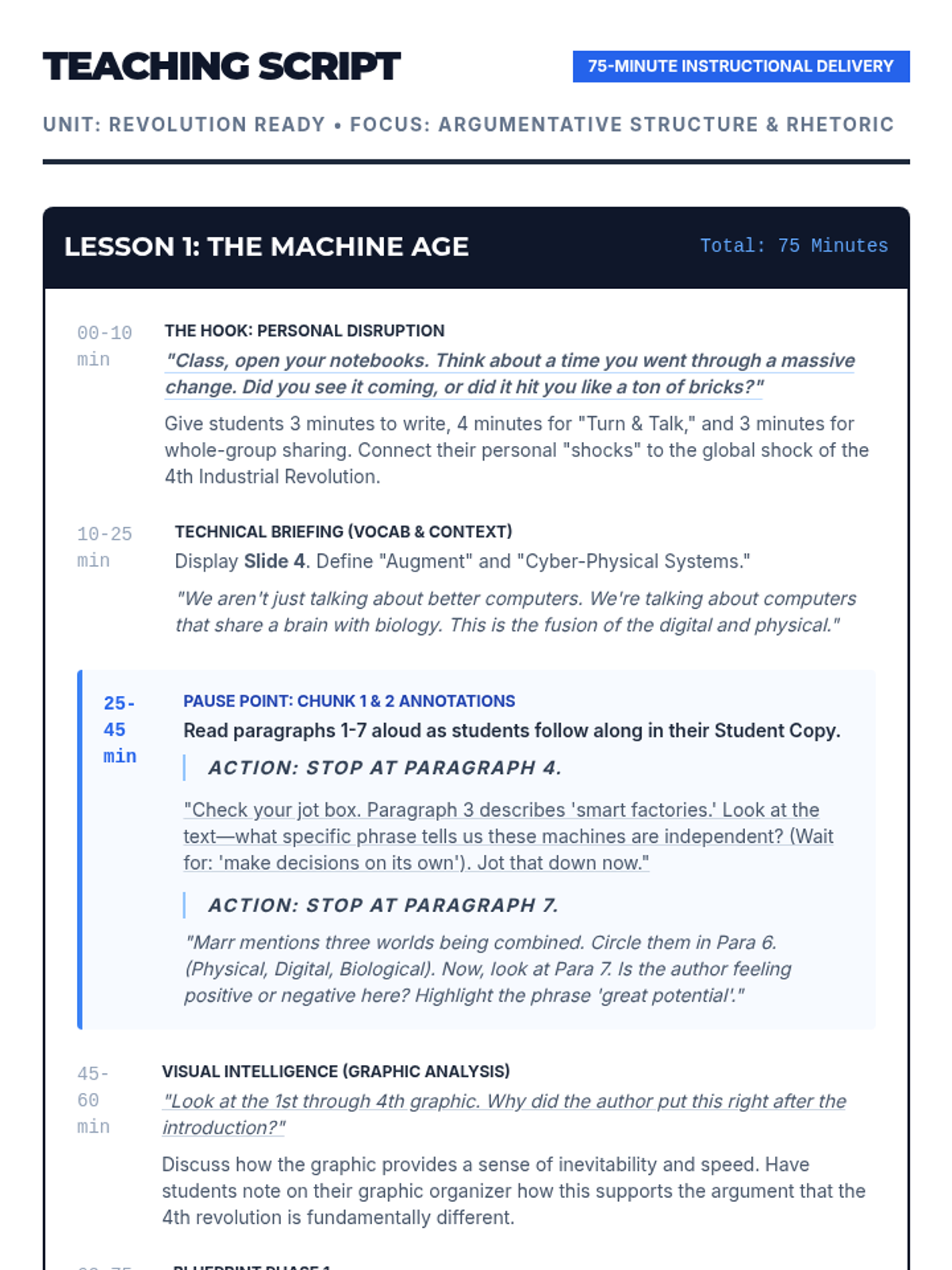
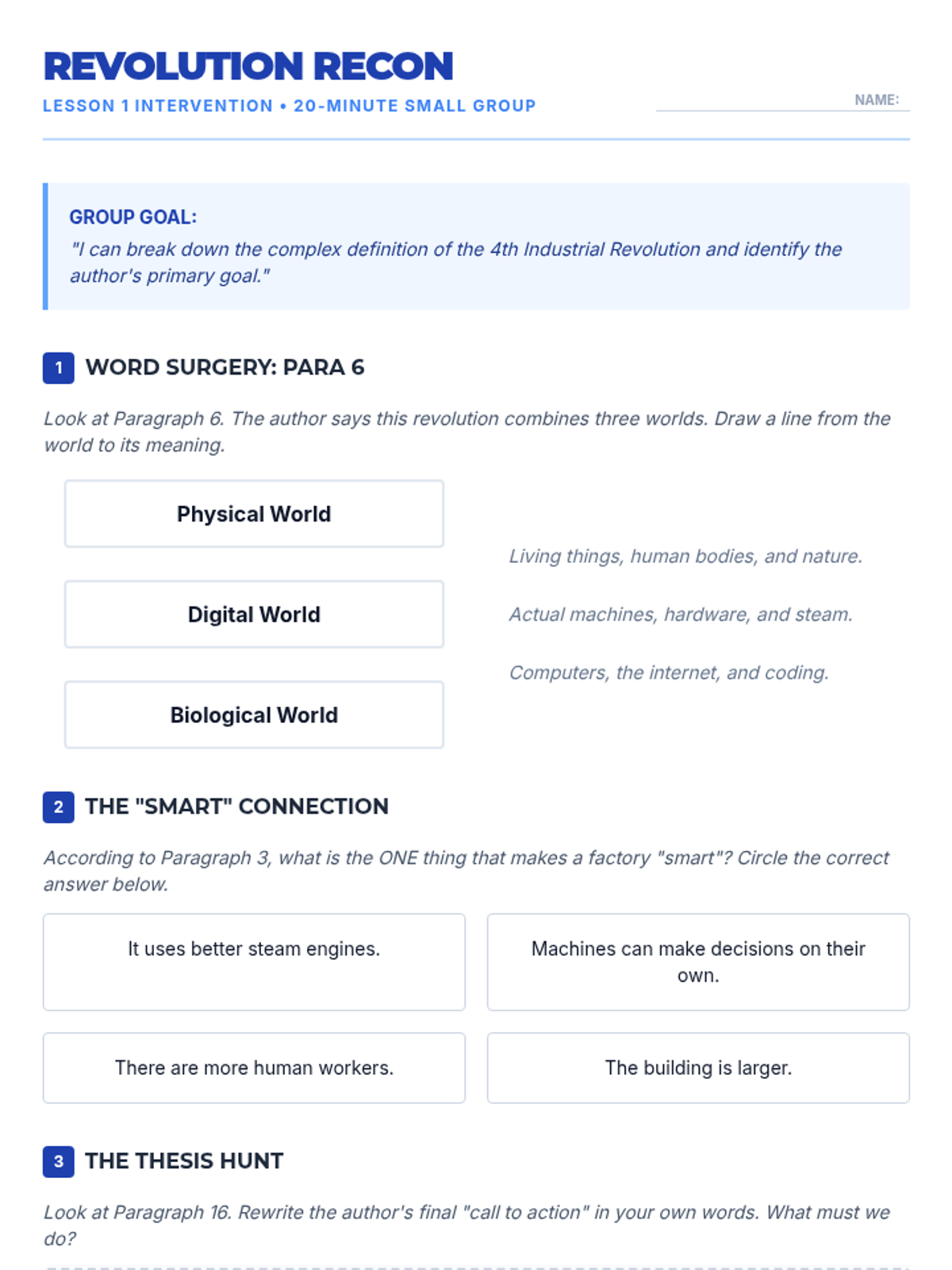
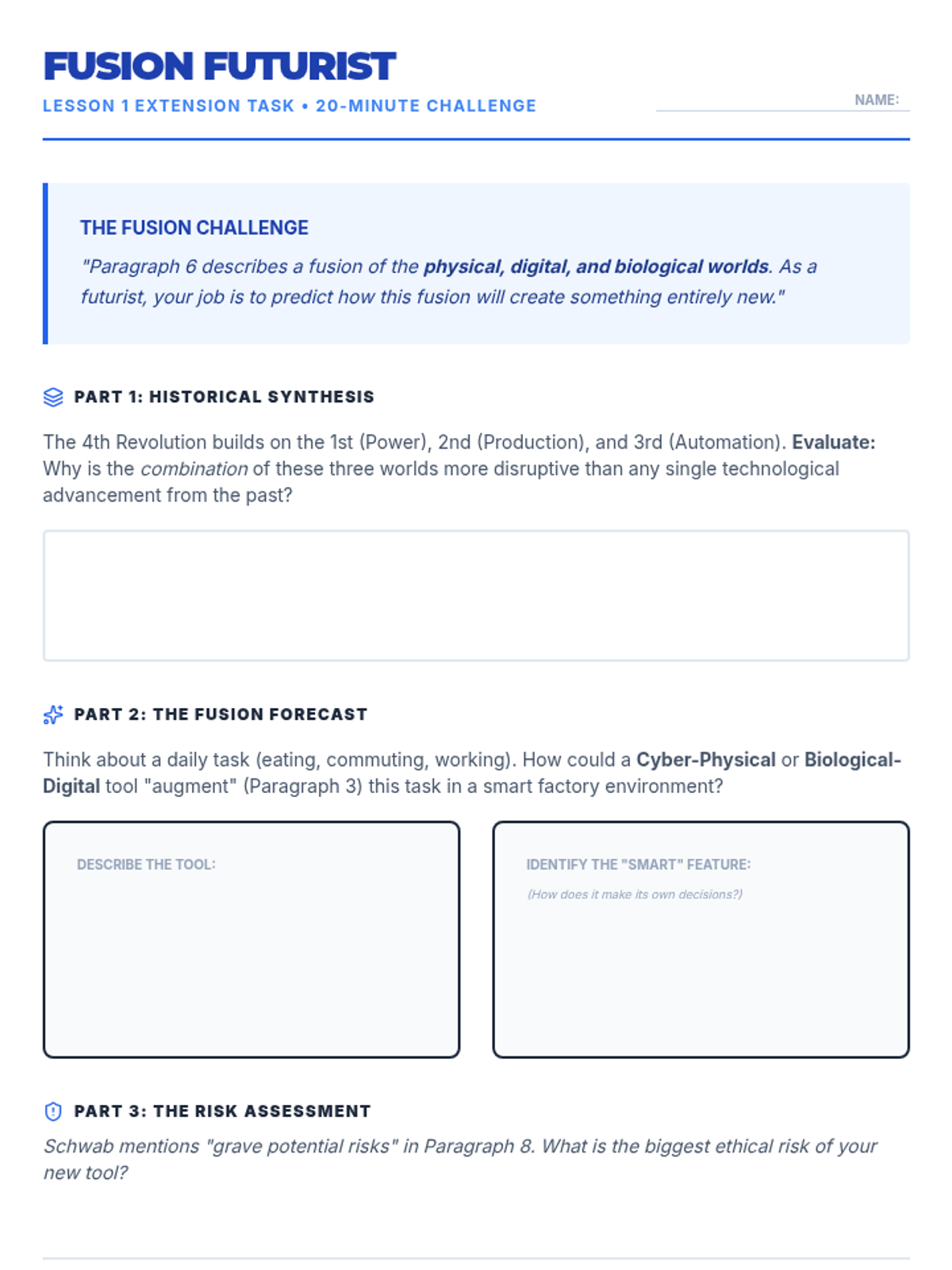
A two-lesson unit focused on analyzing argumentative structures and multimodal features in the text 'Why Everyone Must Get Ready for the Fourth Industrial Revolution.' Students will explore thesis development, evidence, counterarguments, and the impact of graphic features.
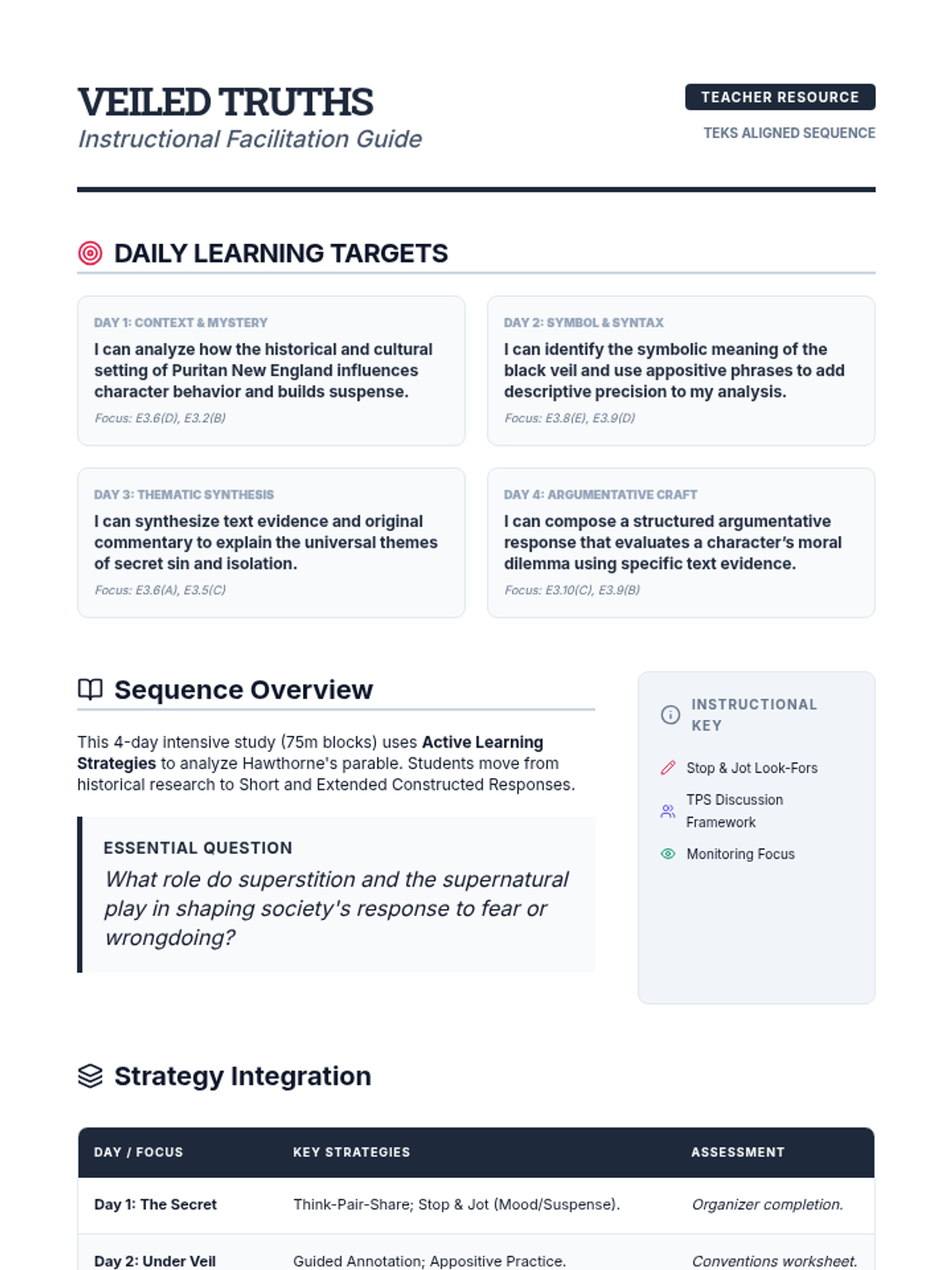
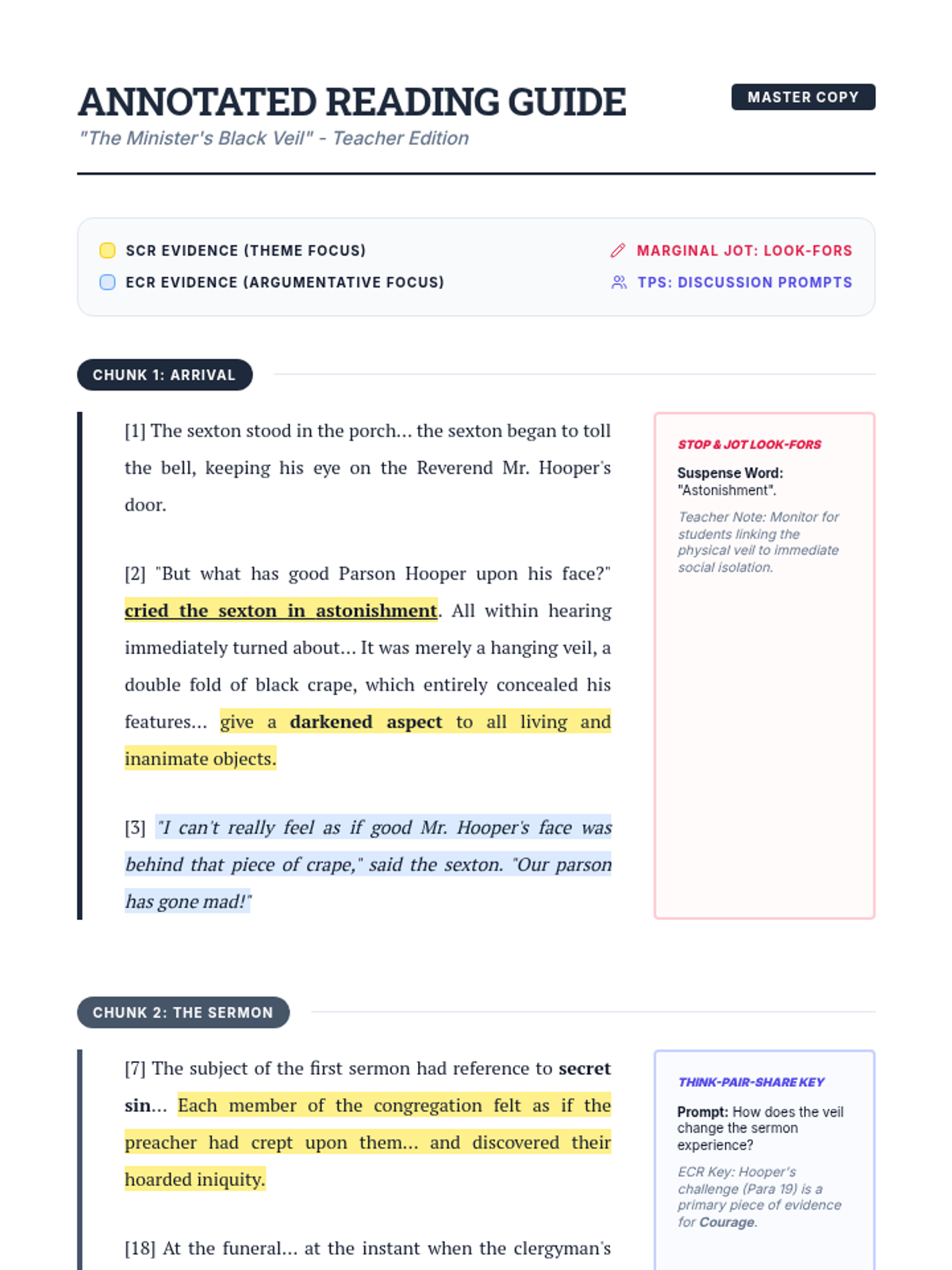
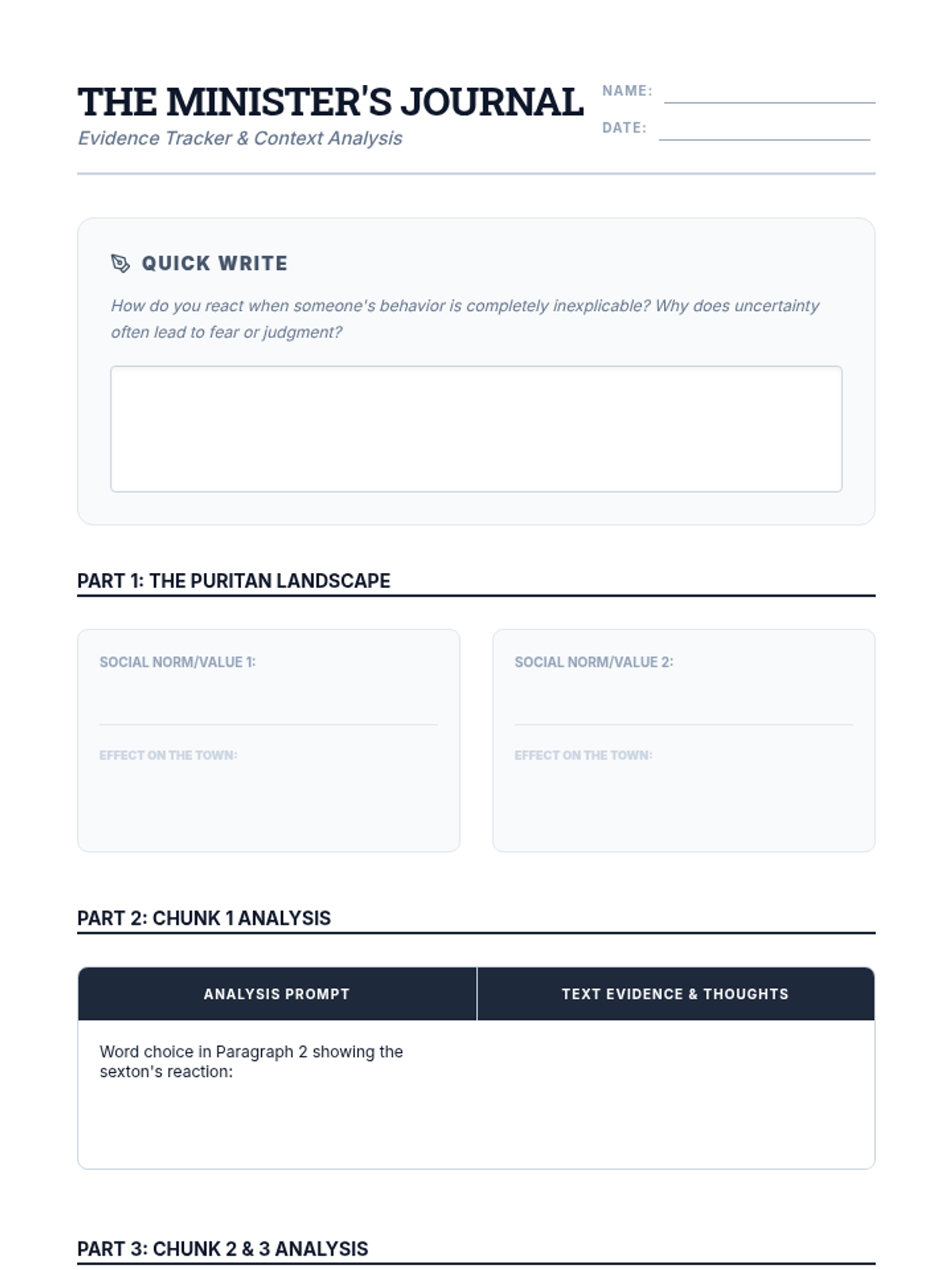
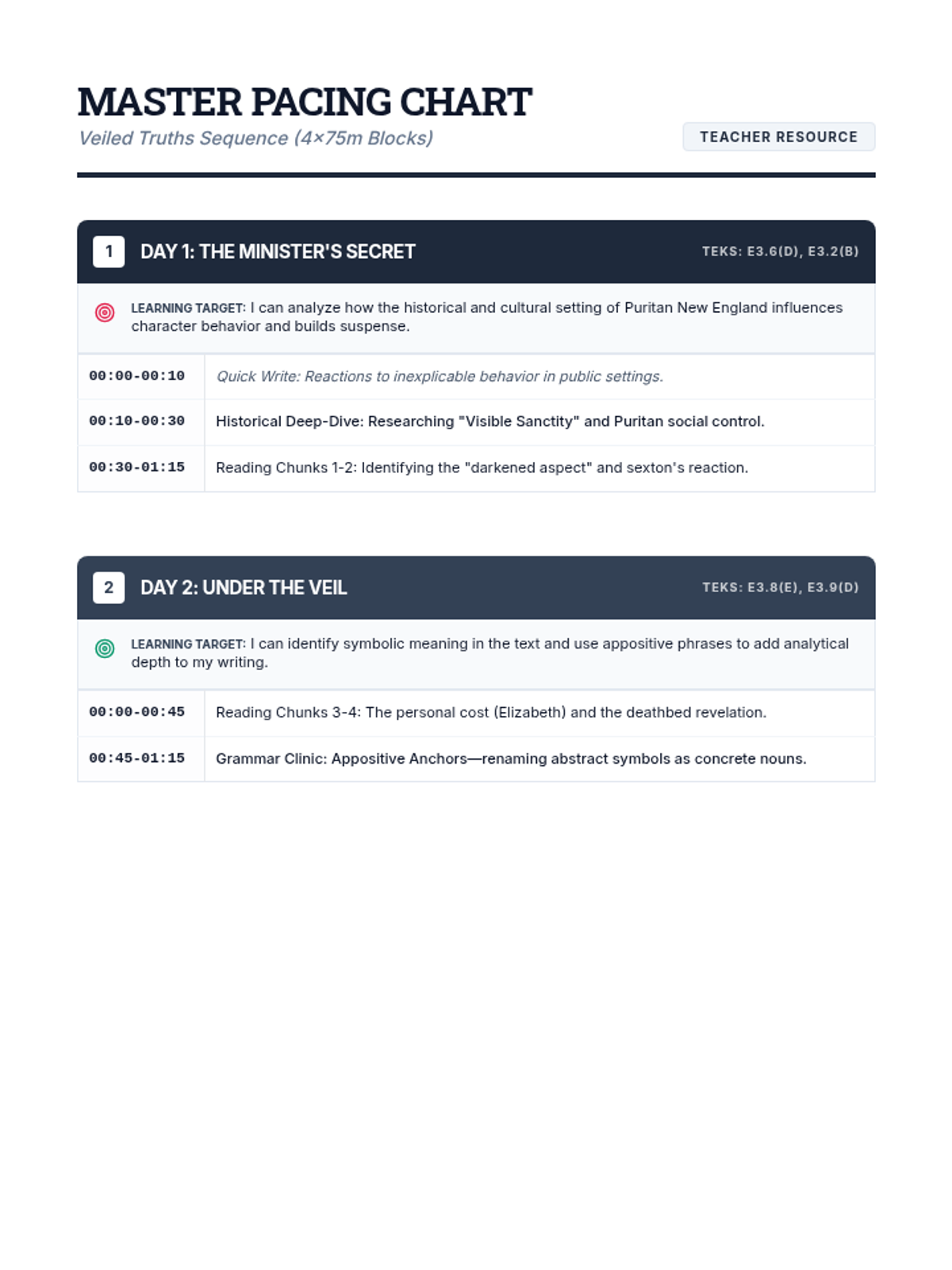
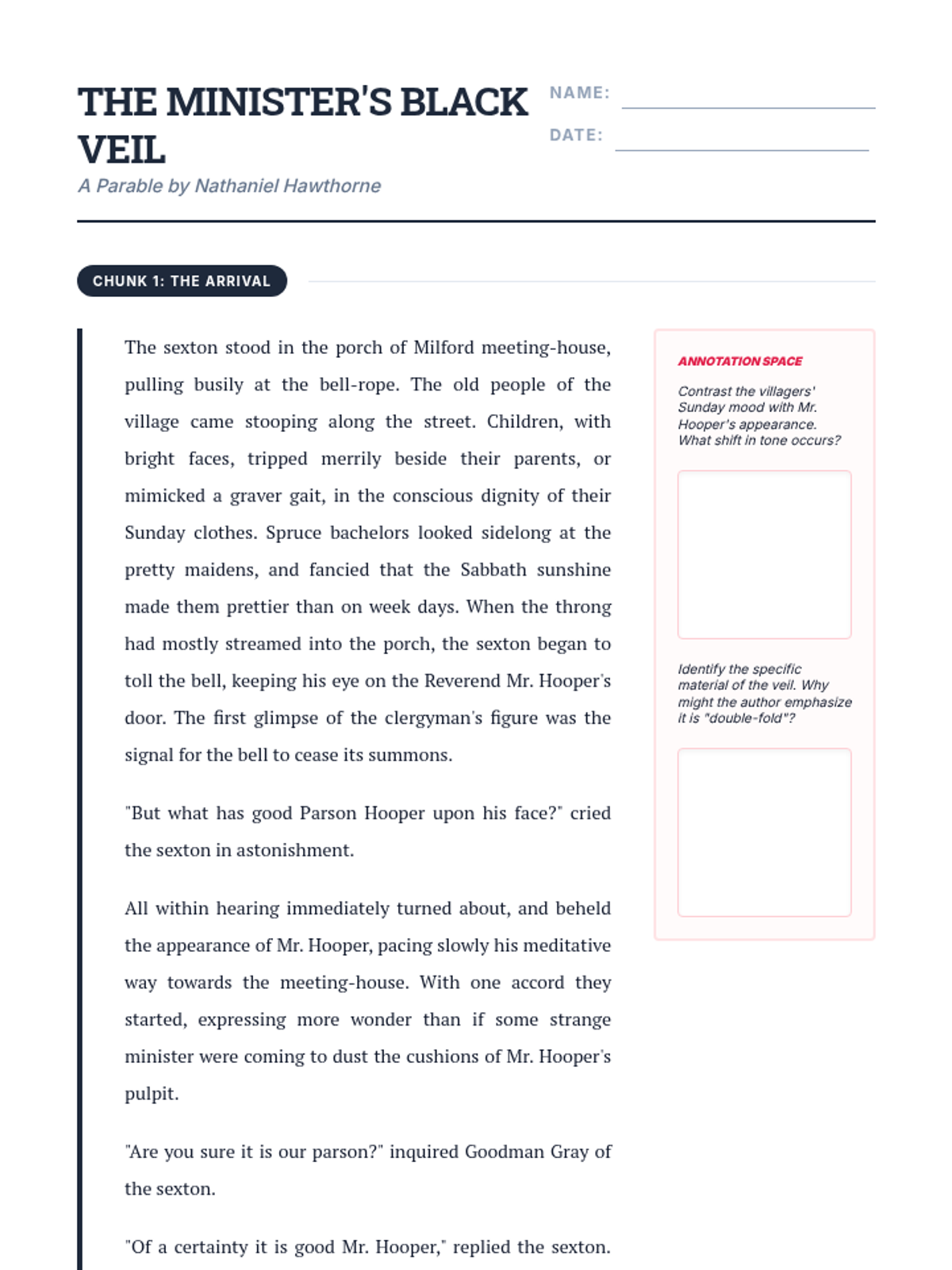
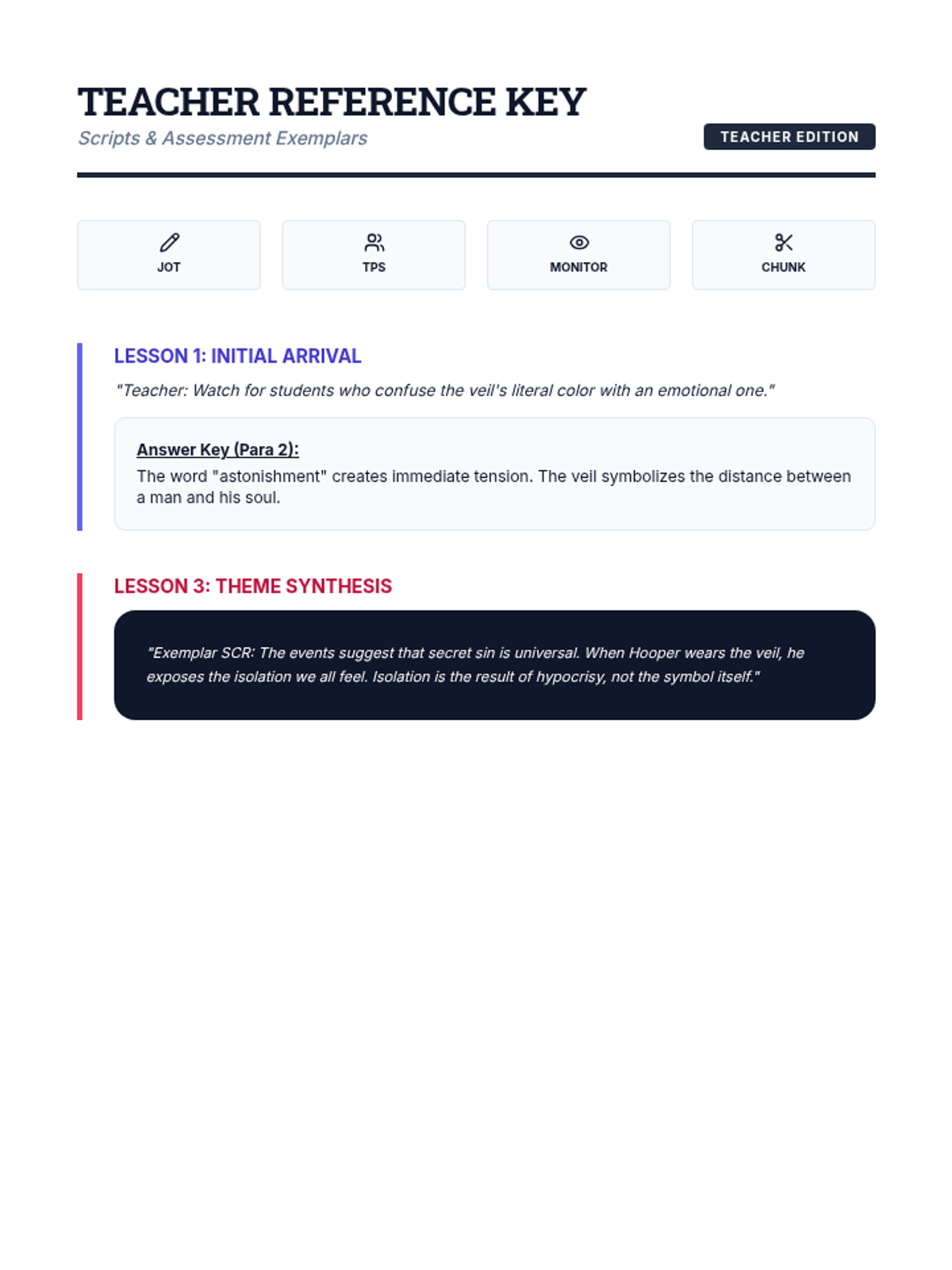
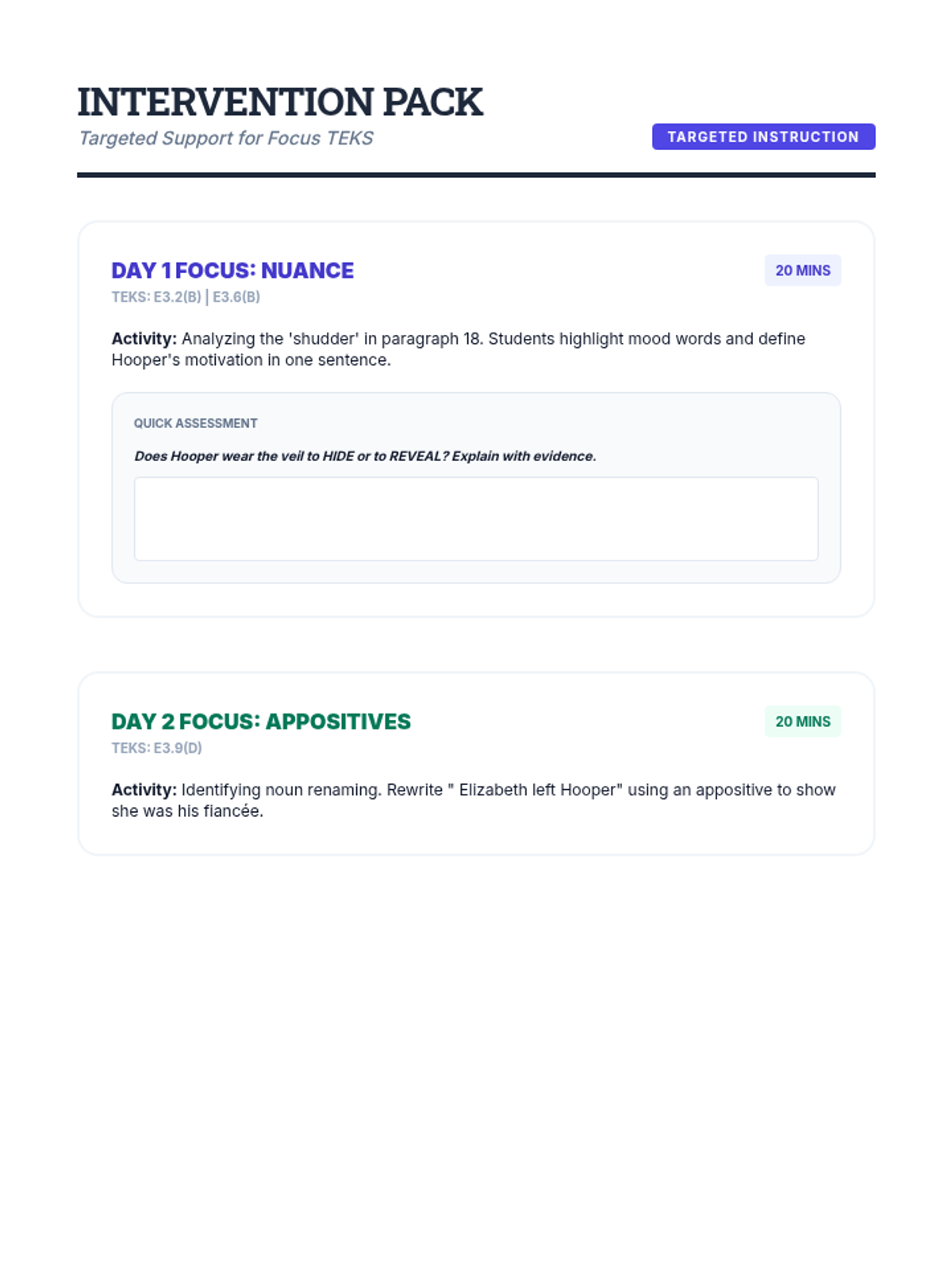
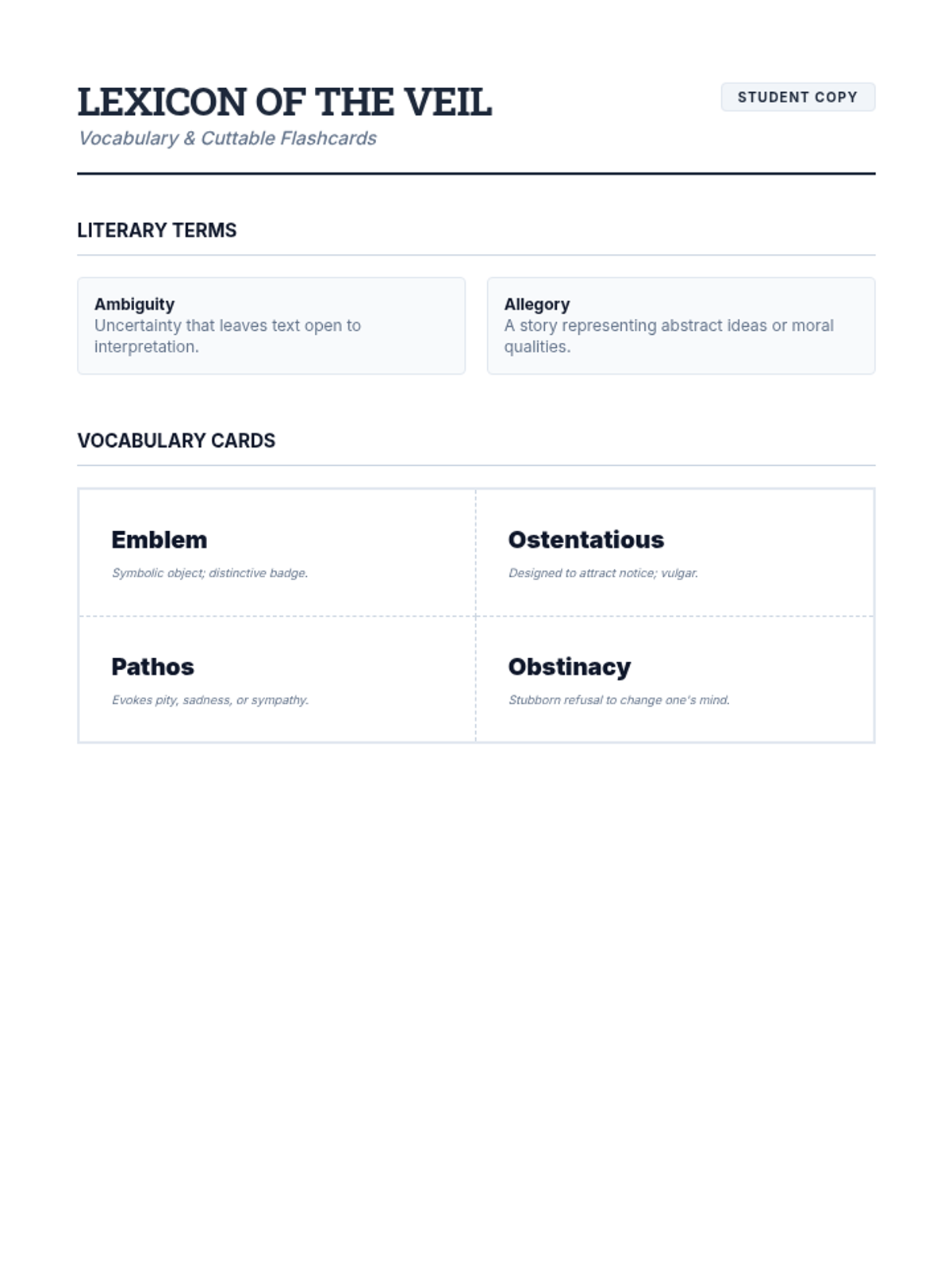
A 4-day intensive study of Nathaniel Hawthorne's 'The Minister's Black Veil,' focusing on literary analysis, theme development, and argumentative writing through the lens of Dark Romanticism and Puritan values. Students explore the ambiguity of symbols and the complexities of human guilt while mastering appositive phrases and constructing high-quality academic responses.
This sequence explores the nuances of language through lexicography, etymology, and specialized reference materials, moving from historical word analysis to intentional stylistic choices in writing.
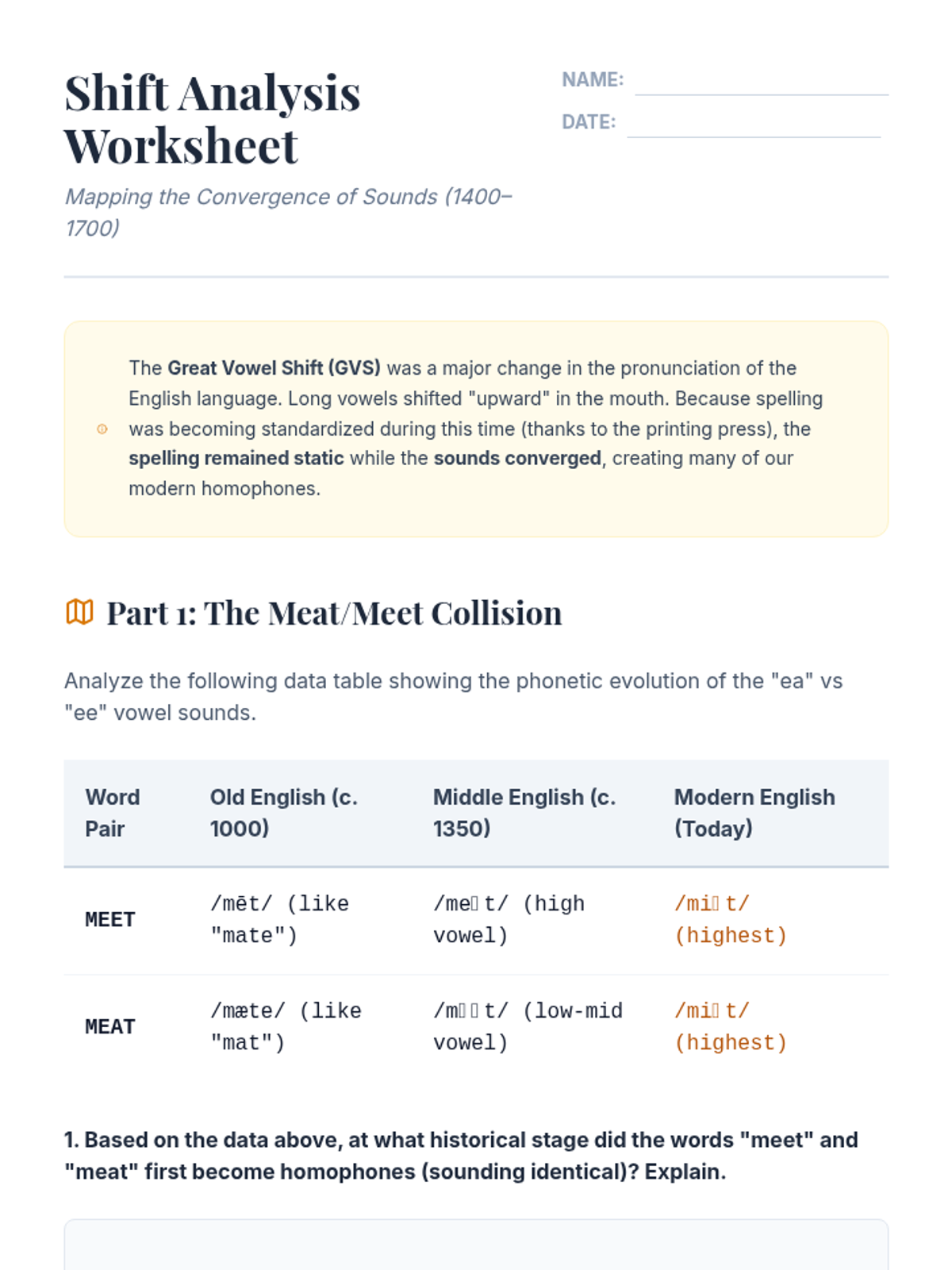
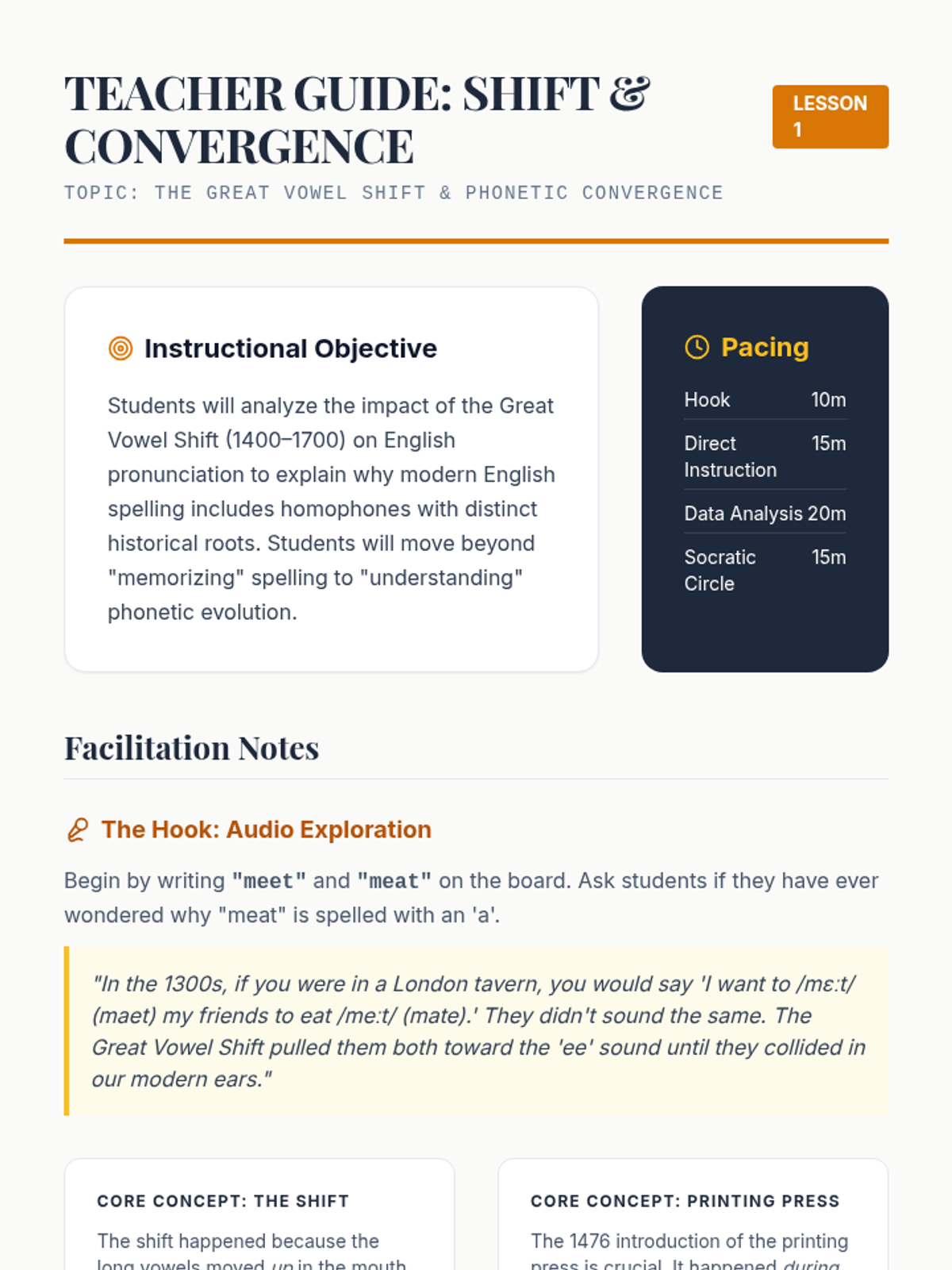
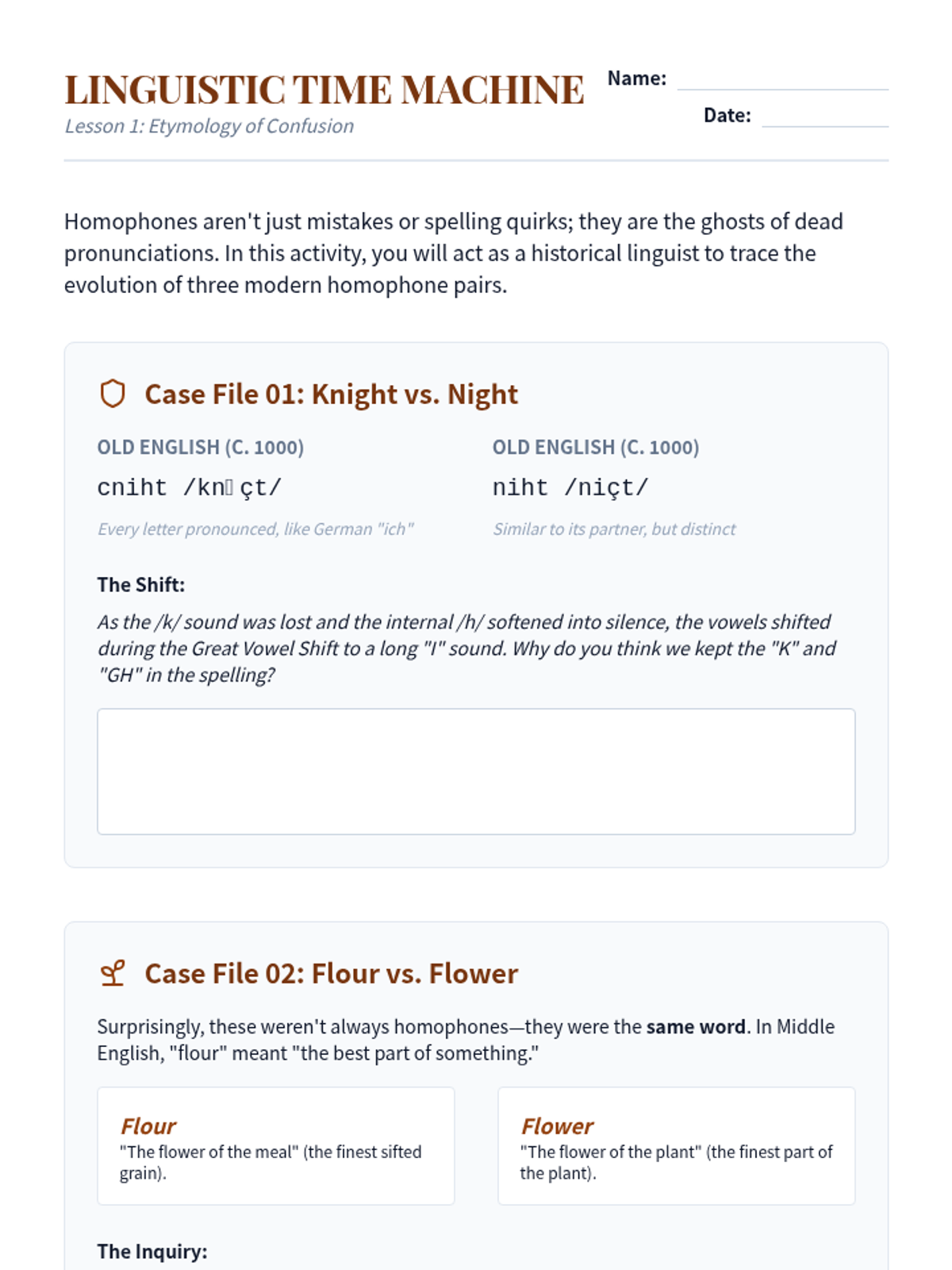
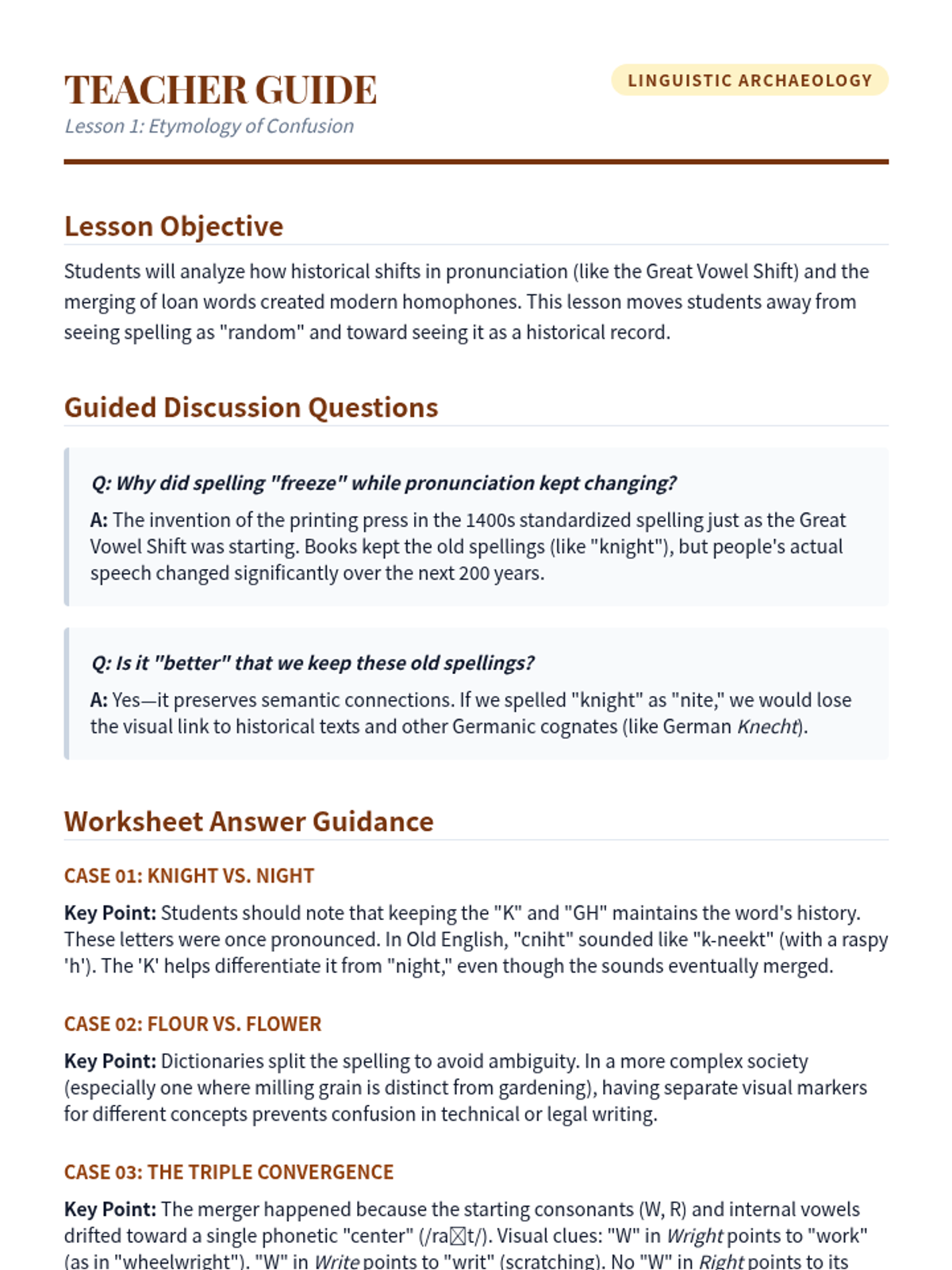
A high-school level exploration of the historical and linguistic roots of English homophones. Students investigate the Great Vowel Shift, etymological origins, and phonetic evolution to understand why modern English spelling diverges from its pronunciation.
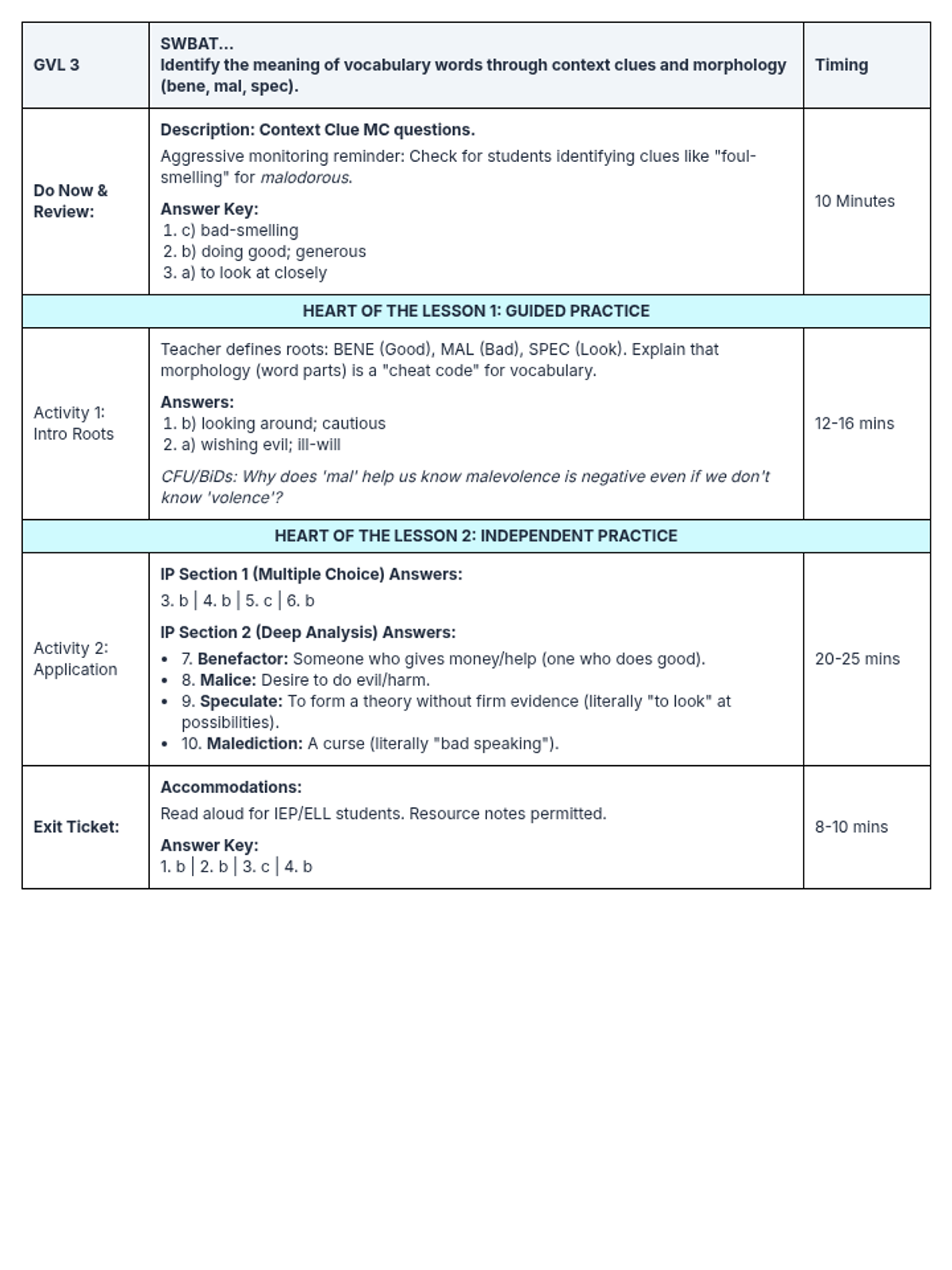
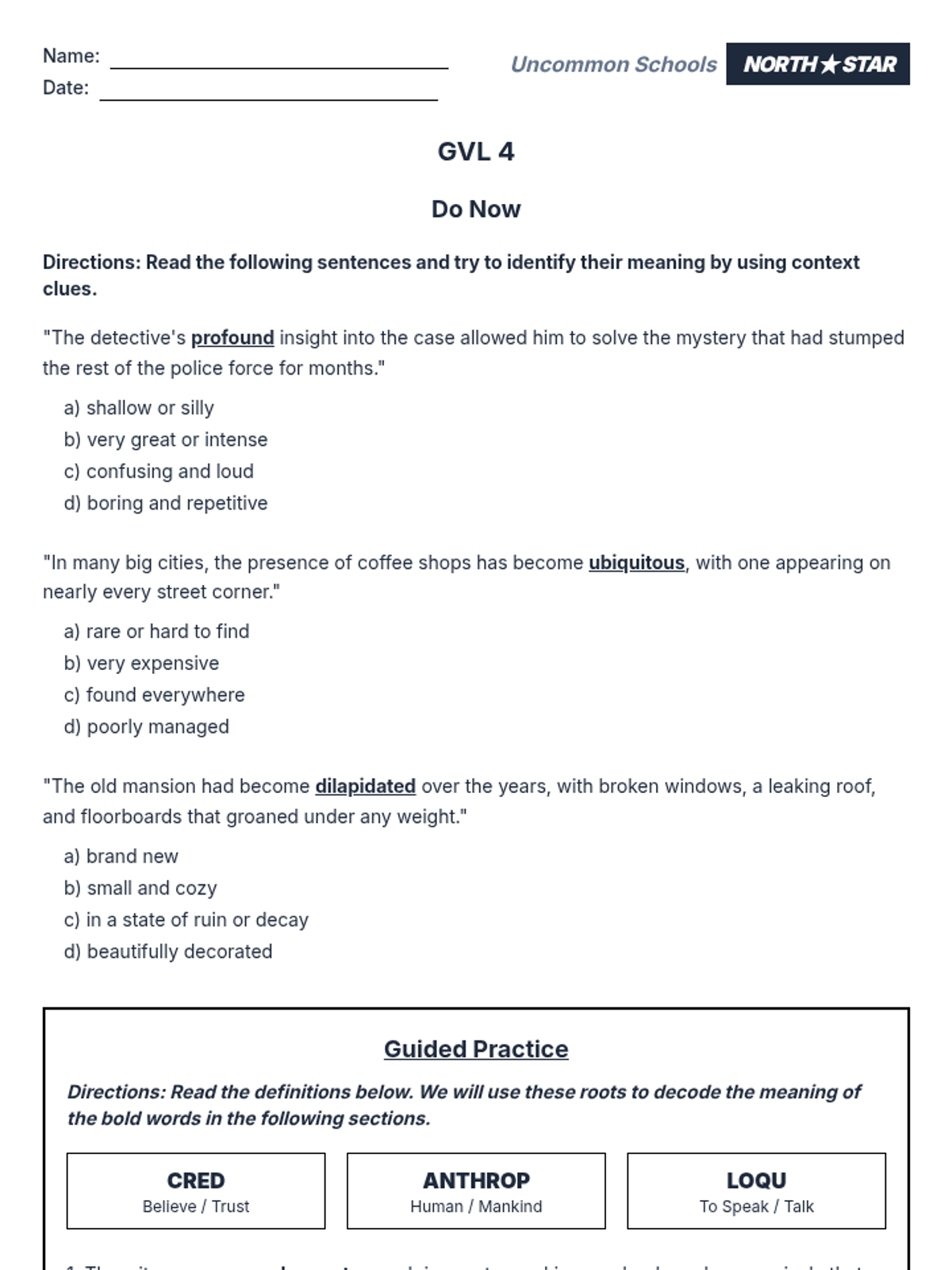
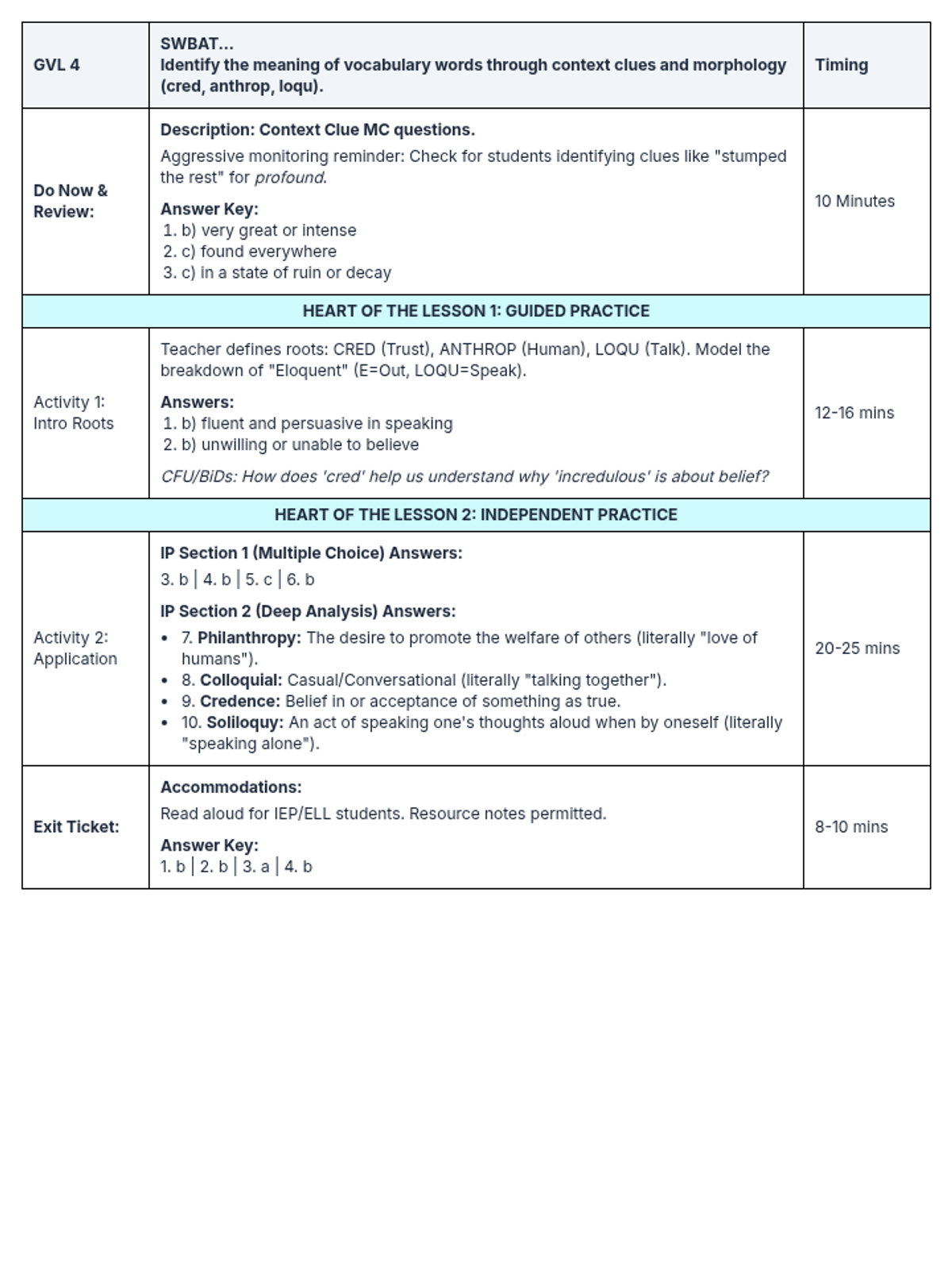
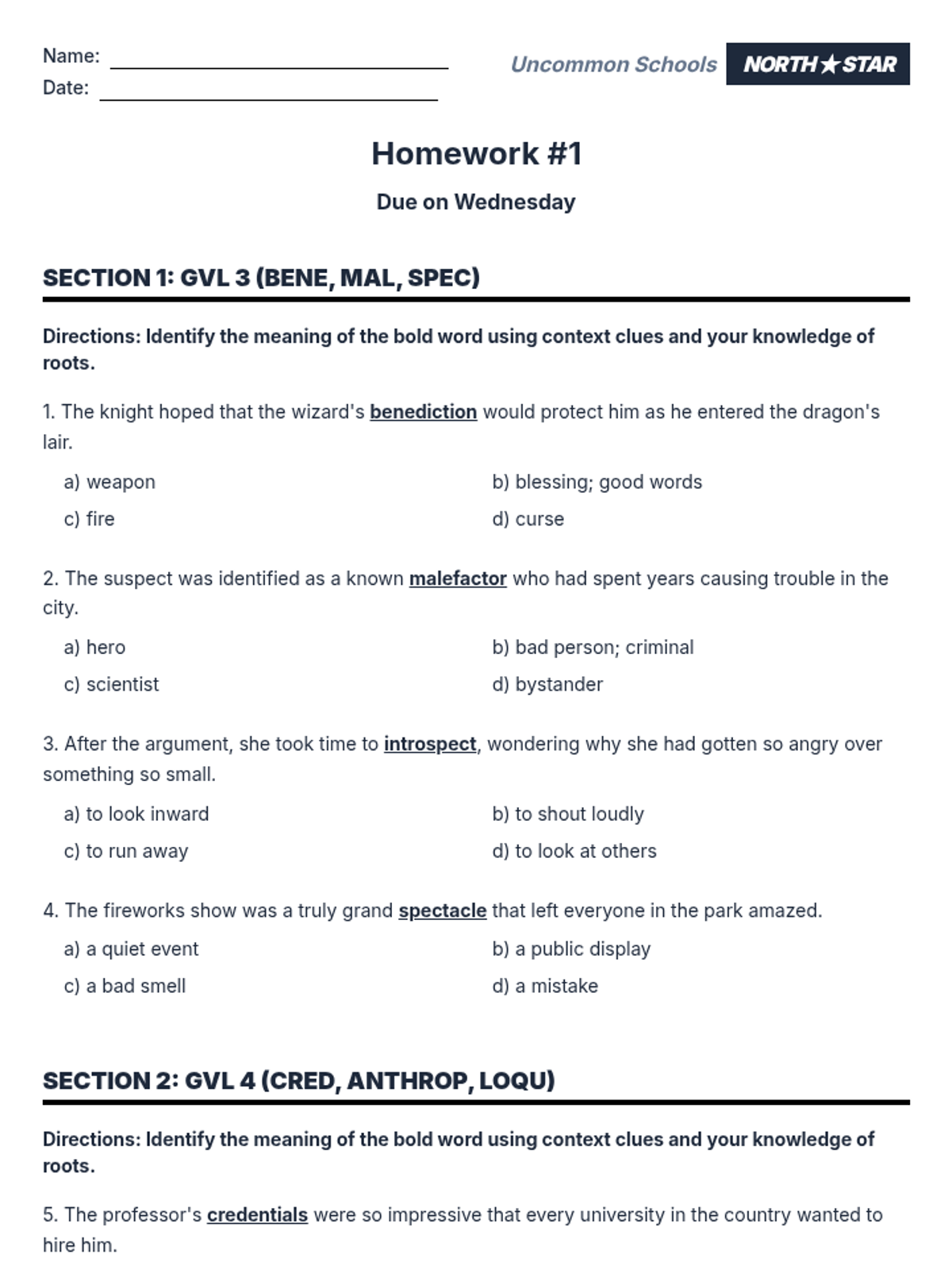
A comprehensive vocabulary series for high school students focusing on Latin and Greek roots and context clue strategies.
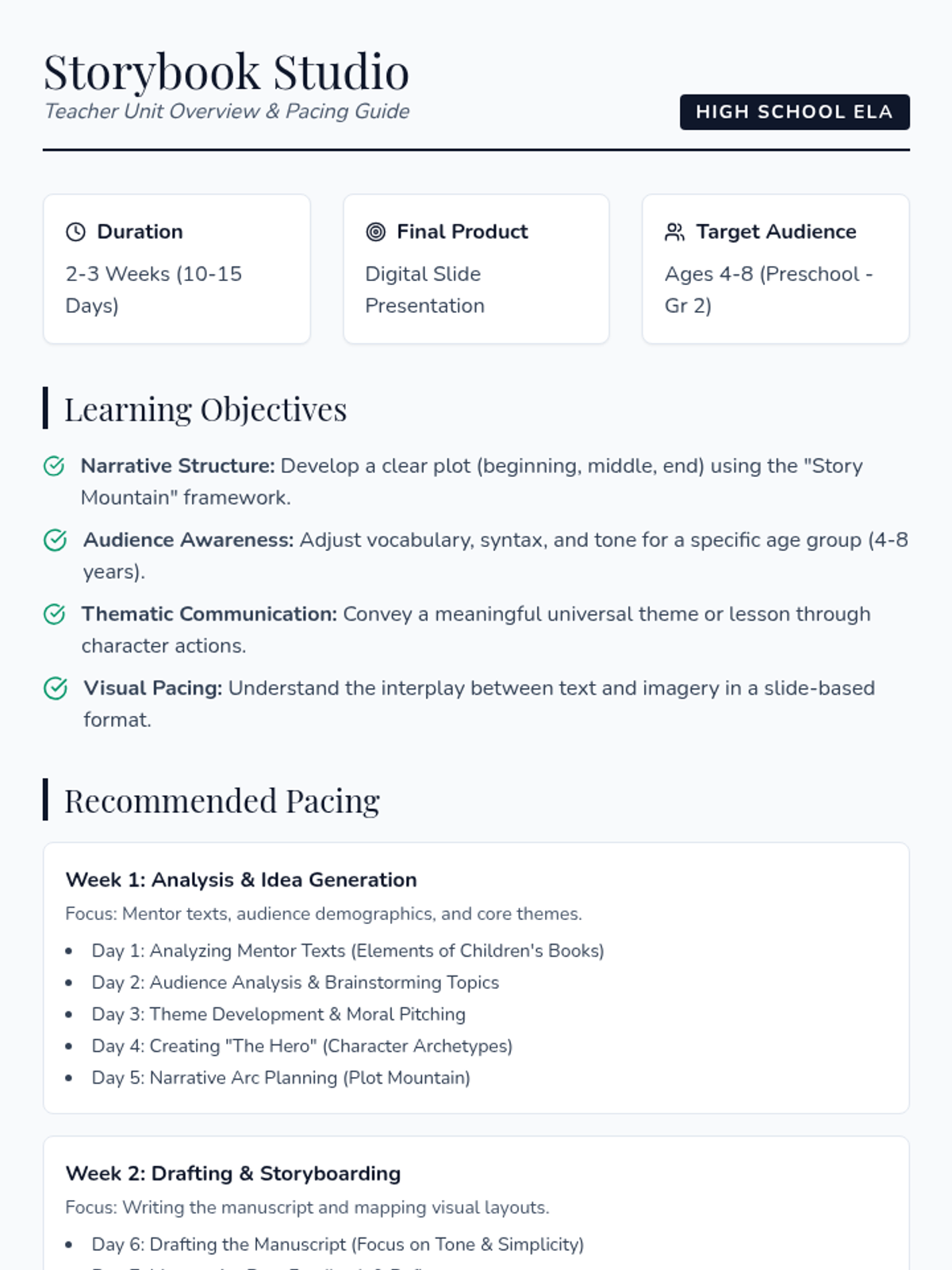
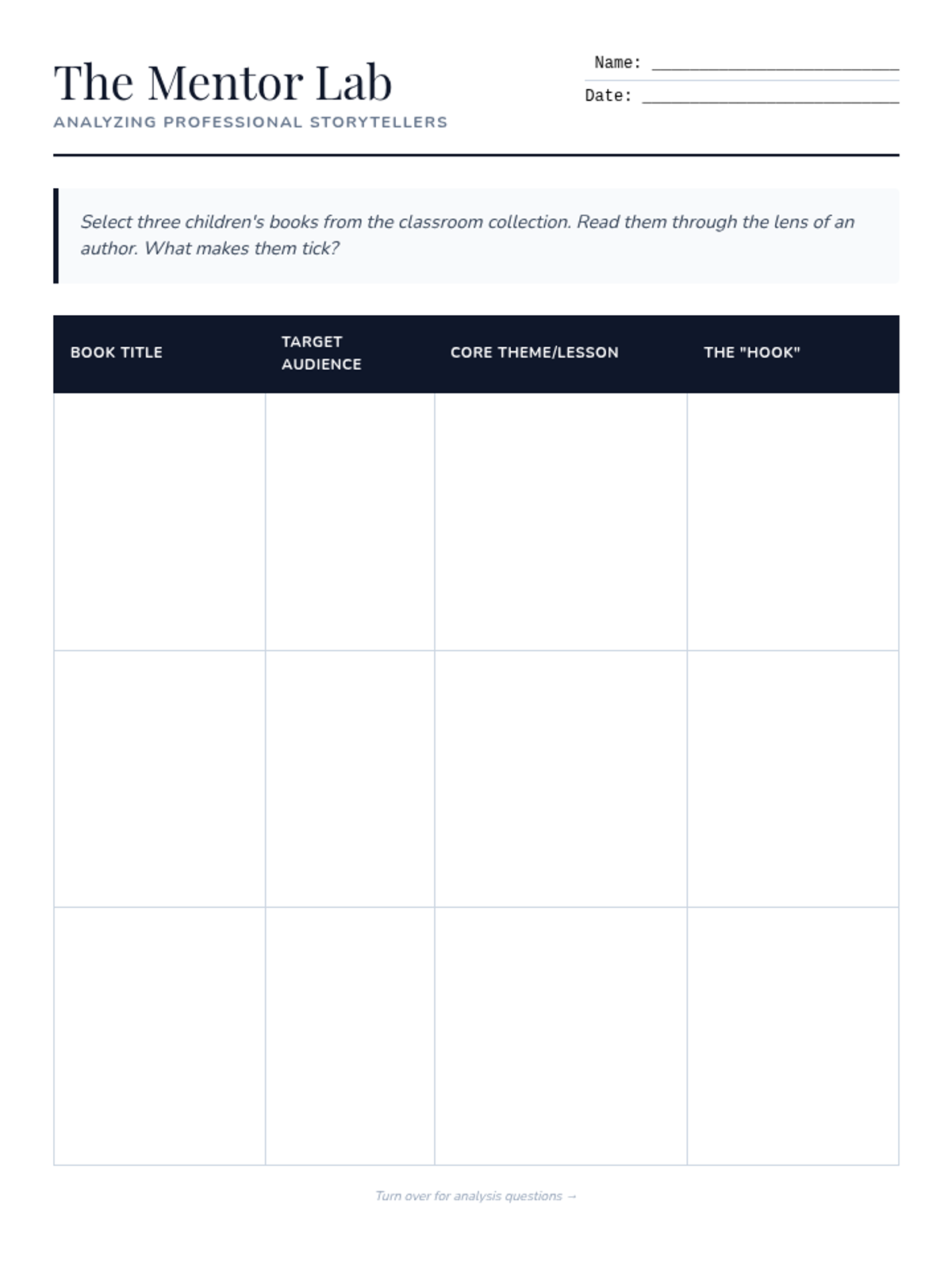
A comprehensive high school unit where students analyze, plan, and create original children's books in digital slide format. The unit focuses on audience-appropriate language, character development, thematic depth, and clear plot structures.
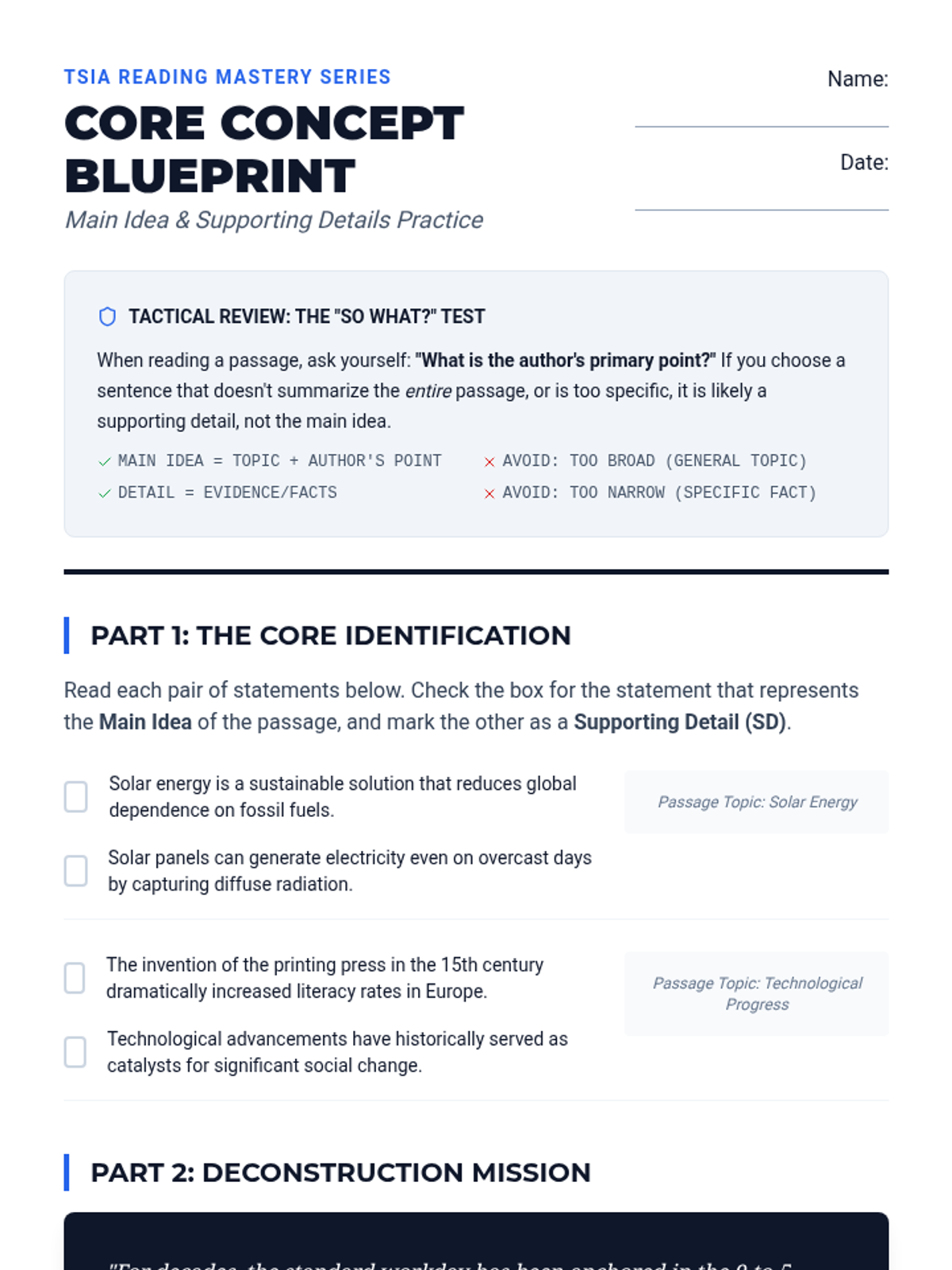
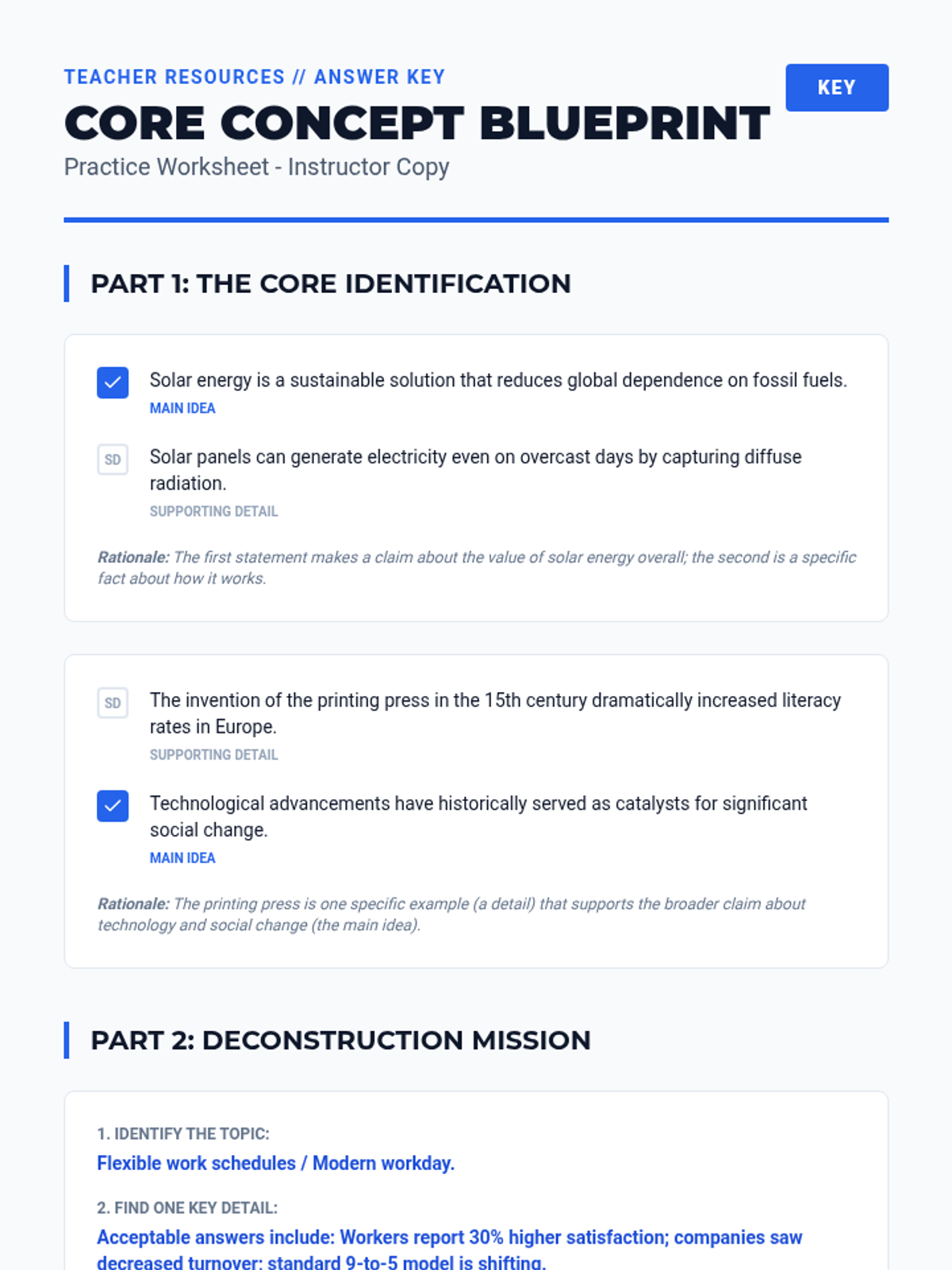
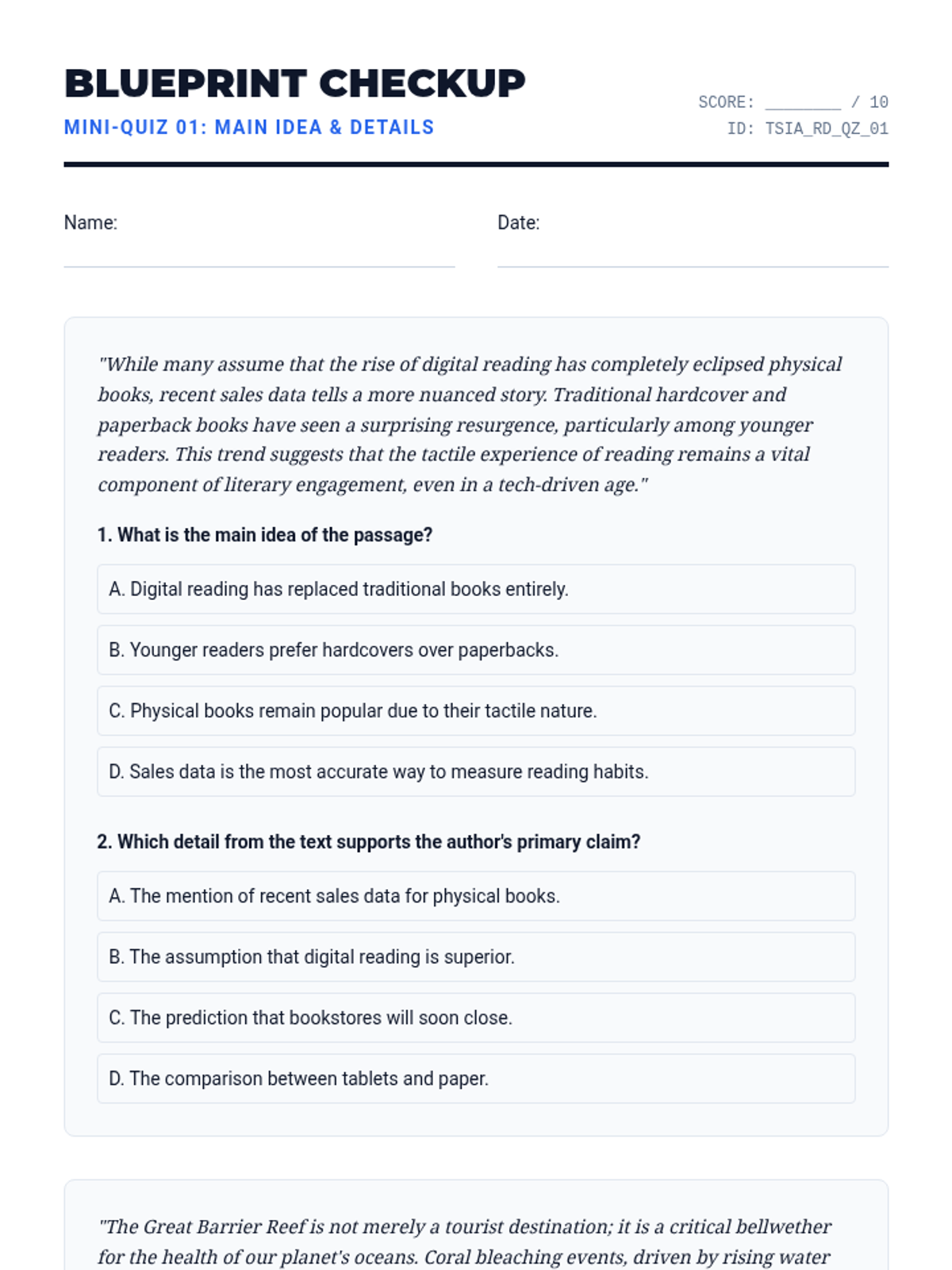
A comprehensive prep sequence for the TSIA Reading exam, focusing on main ideas, vocabulary, inference, and literary analysis. Each lesson provides review materials, practice problems, and assessment tools.
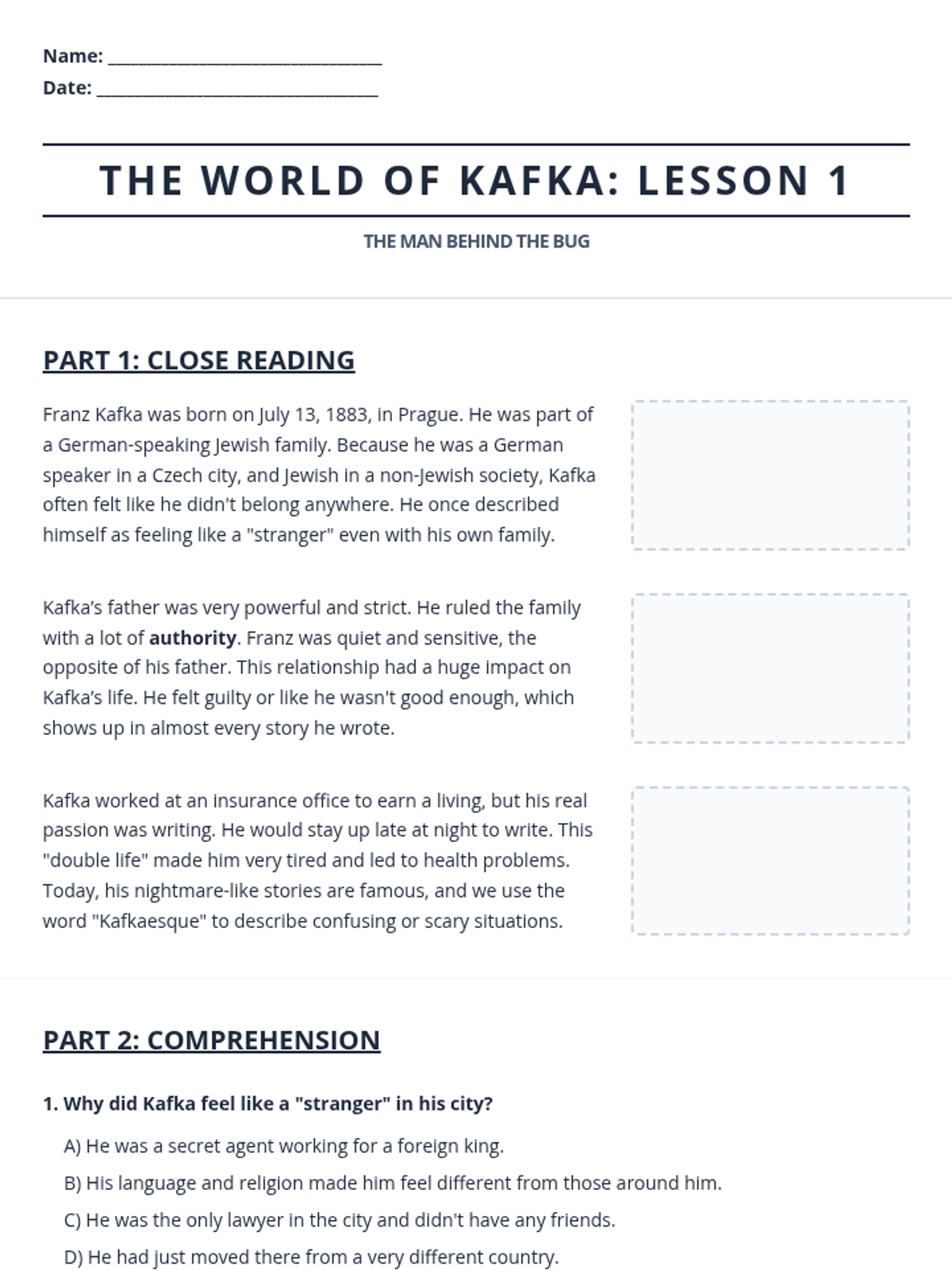
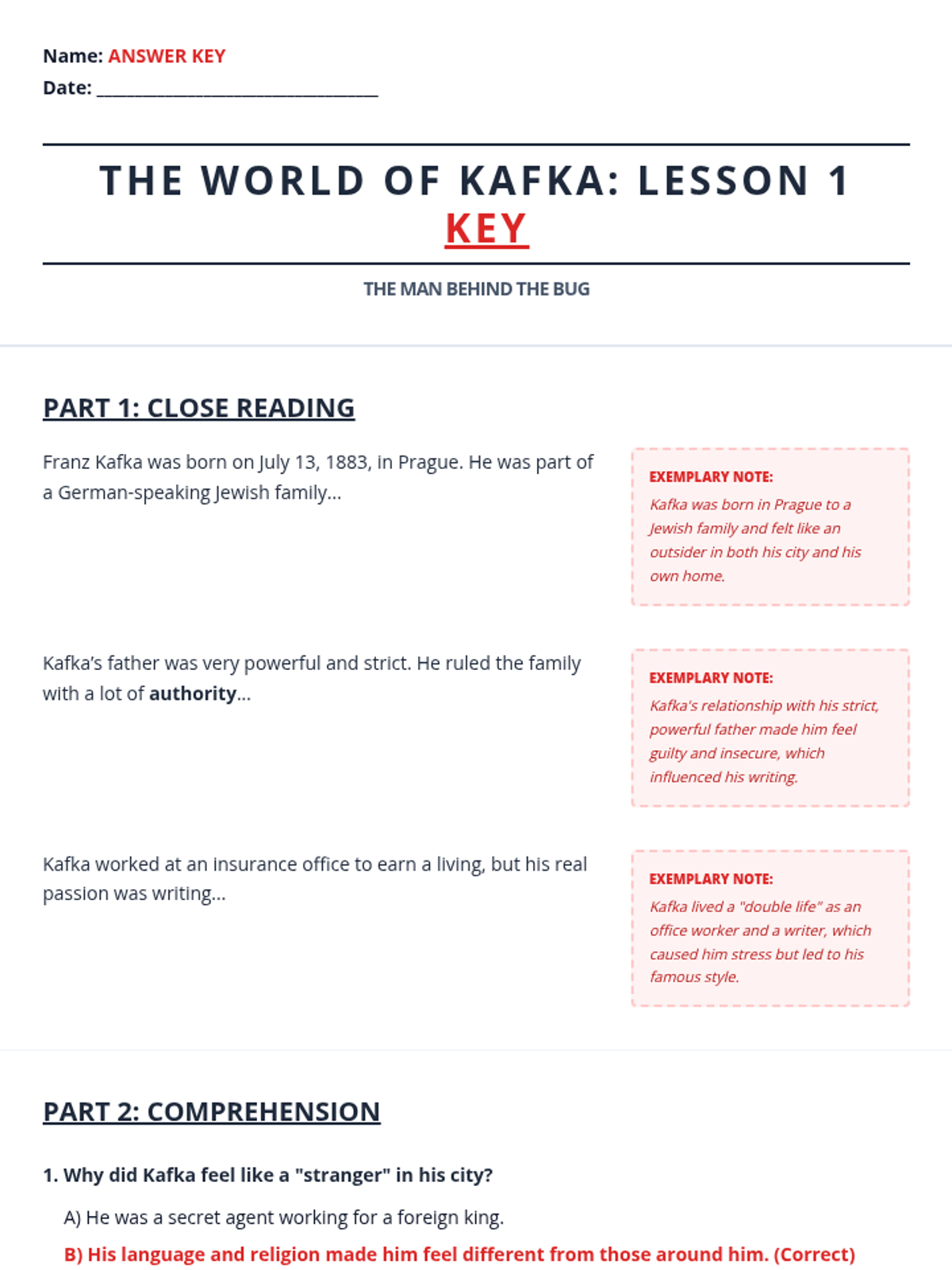
An eight-lesson unit on Franz Kafka and Section I of The Metamorphosis. Lessons 1-4 cover Kafka's biography, historical context, literary style, and major themes. Lessons 5-8 focus on a close reading of Section I. Includes a final compiled Unit Homework assignment.
A complete unit for the second part of Chapter 1 of The Metamorphosis, covering reading analysis, grammar skills (commas), and thematic exploration of authority.
A comprehensive 9-week study of Franz Kafka's 'Metamorphosis', focusing on argumentative writing through textual evidence and narrative expansion. The sequence utilizes graphic organizers, visual scaffolding, and increased opportunities to respond to deepen student engagement with the surrealist text.
A week-long introductory unit on Franz Kafka's 'The Metamorphosis', focusing on Chapter 1 and foundational grammar skills.
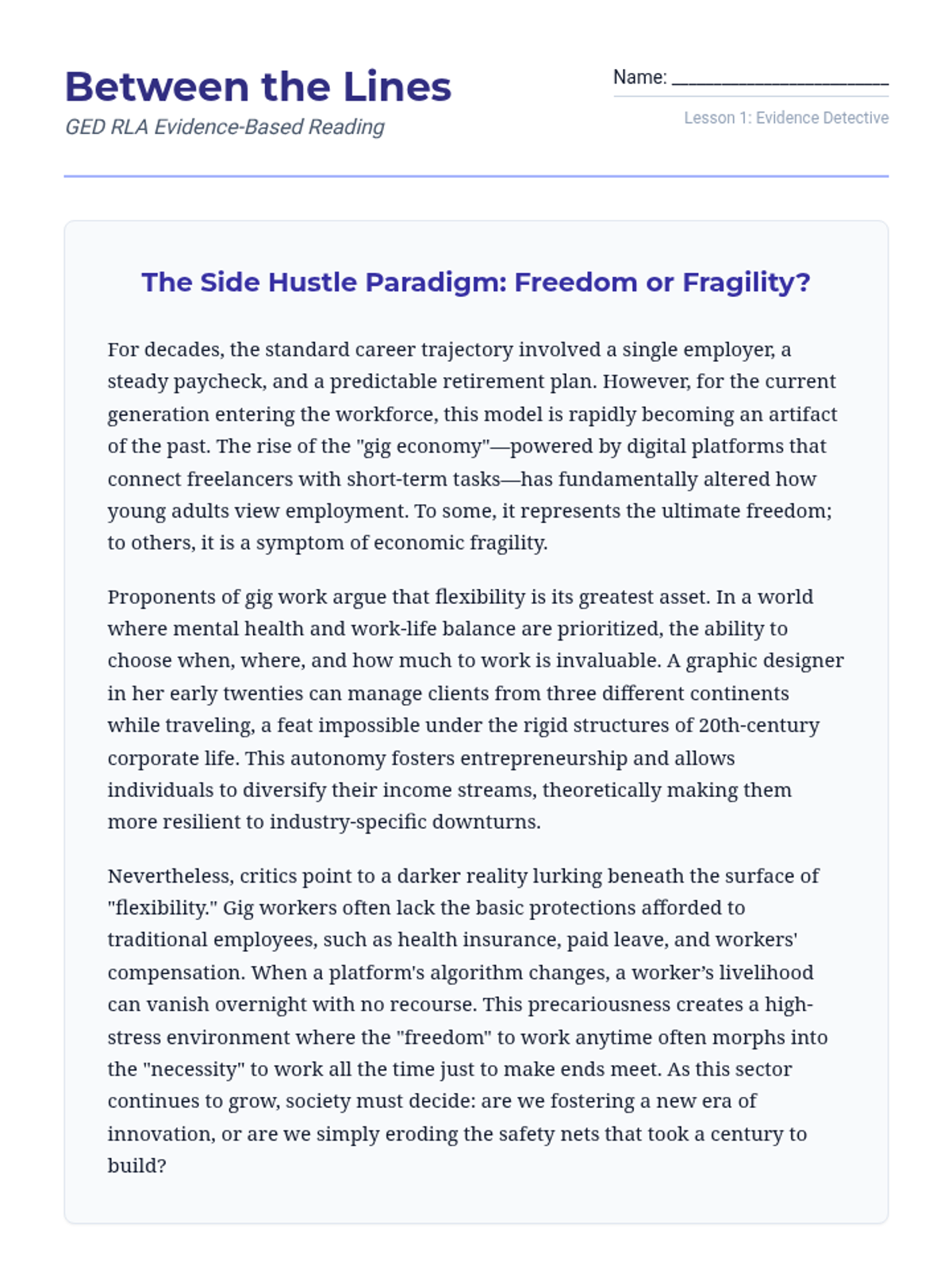
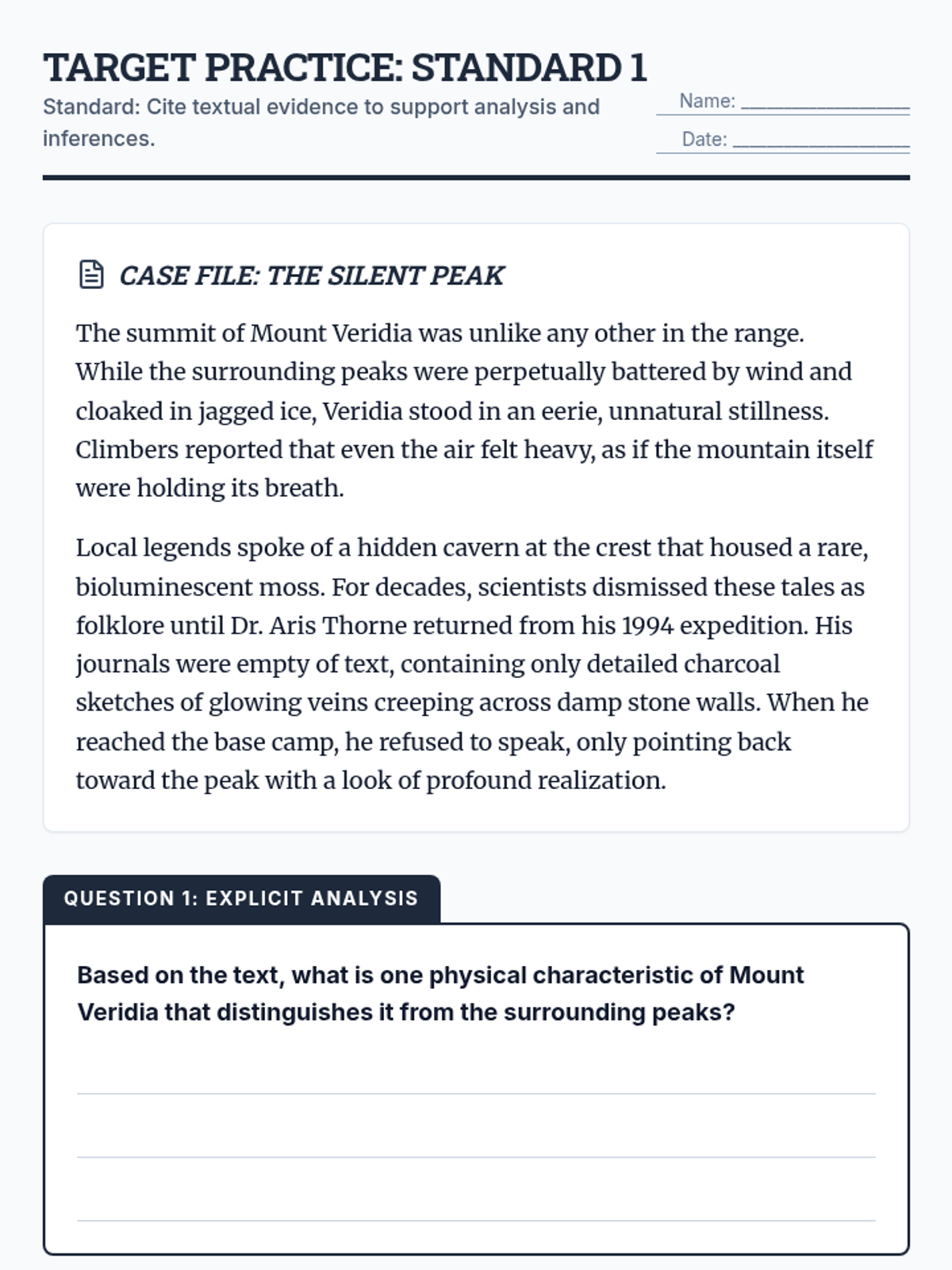
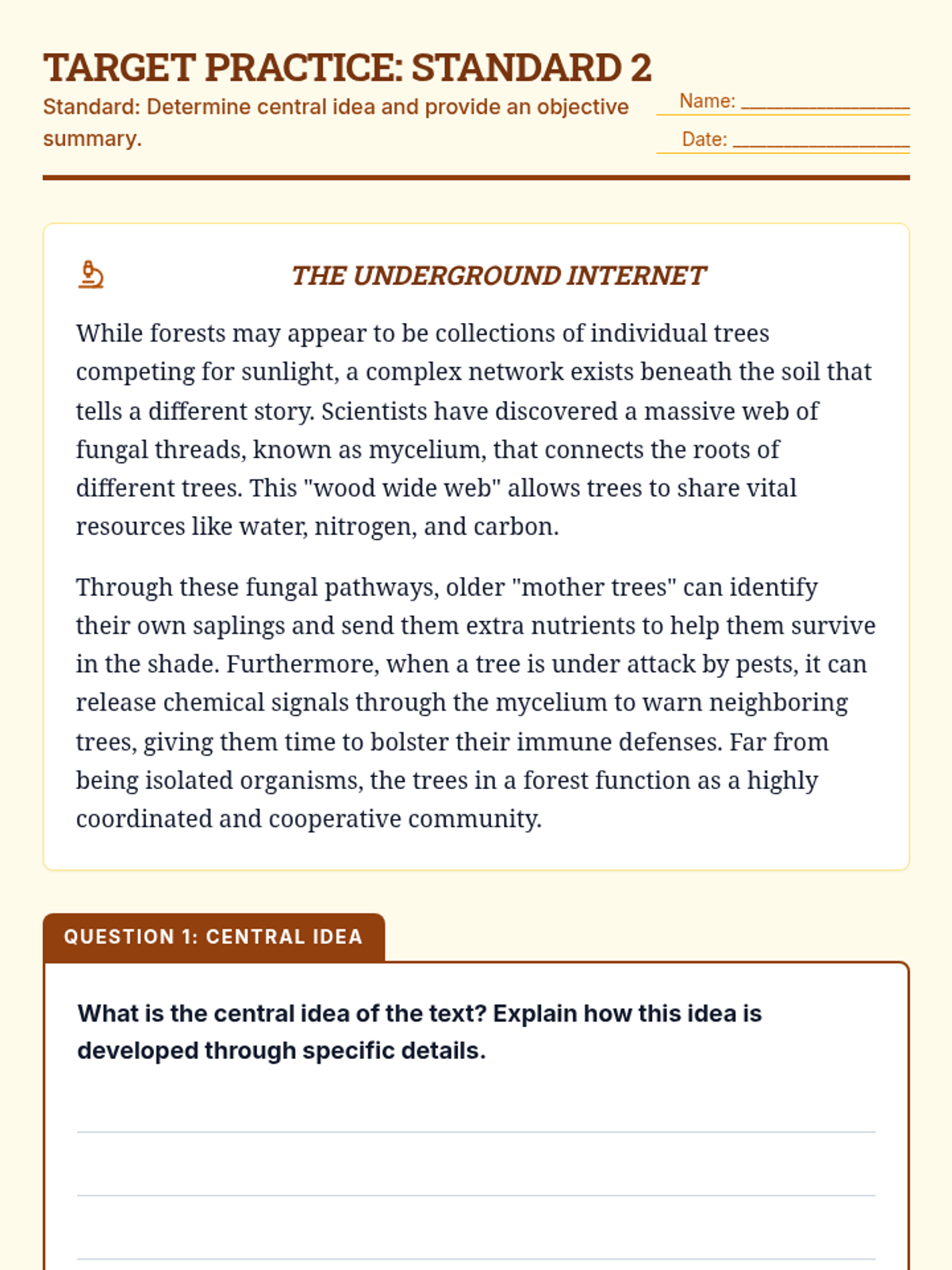
An intensive GED RLA preparation sequence tailored for learners aged 16-24, focusing on evidence-based reading, argumentative writing, and essential grammar mechanics for the Extended Response.
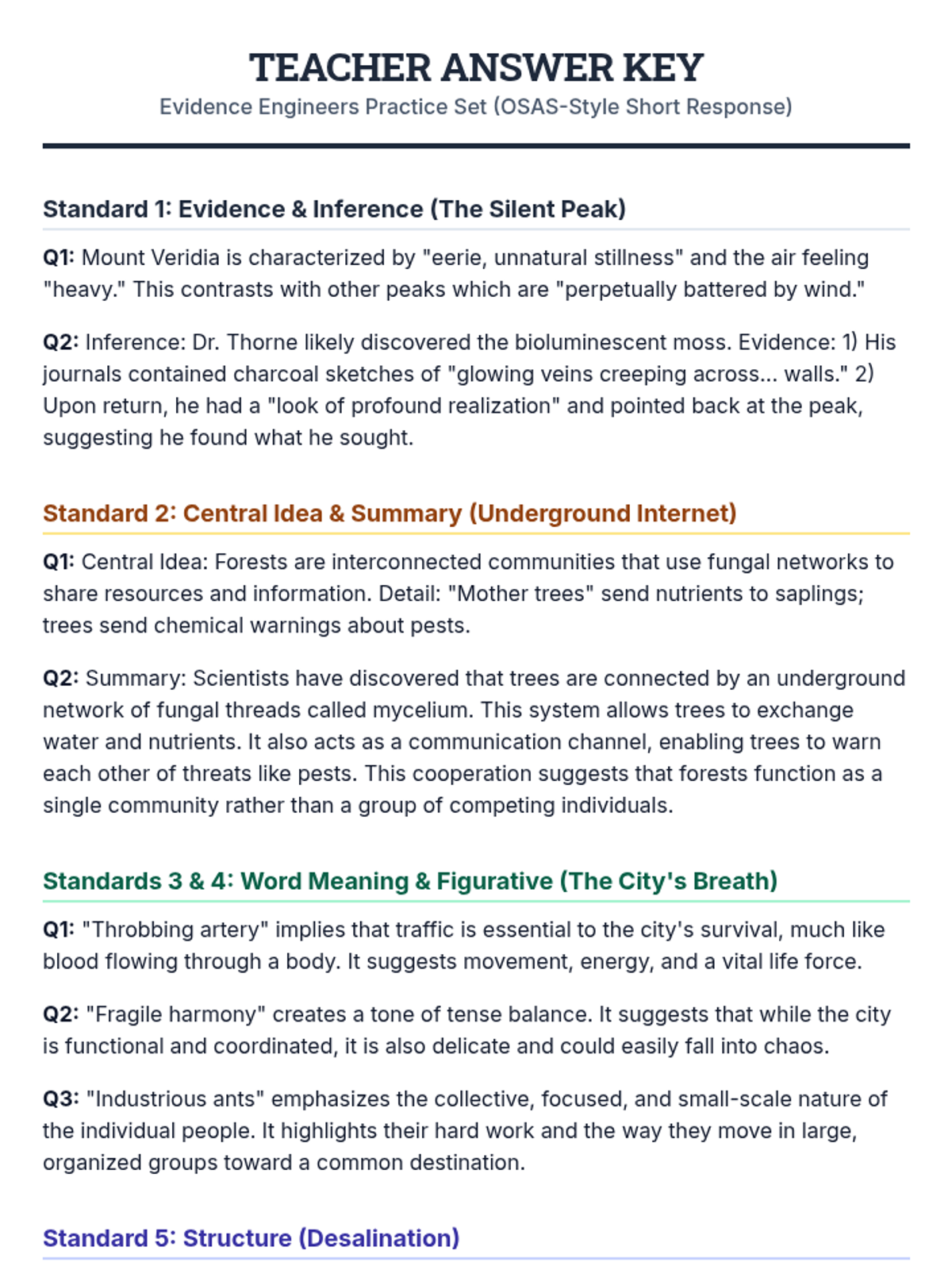
A multi-tiered ELA practice sequence designed to master OSAS-style short response questions across a range of informational and literary standards.
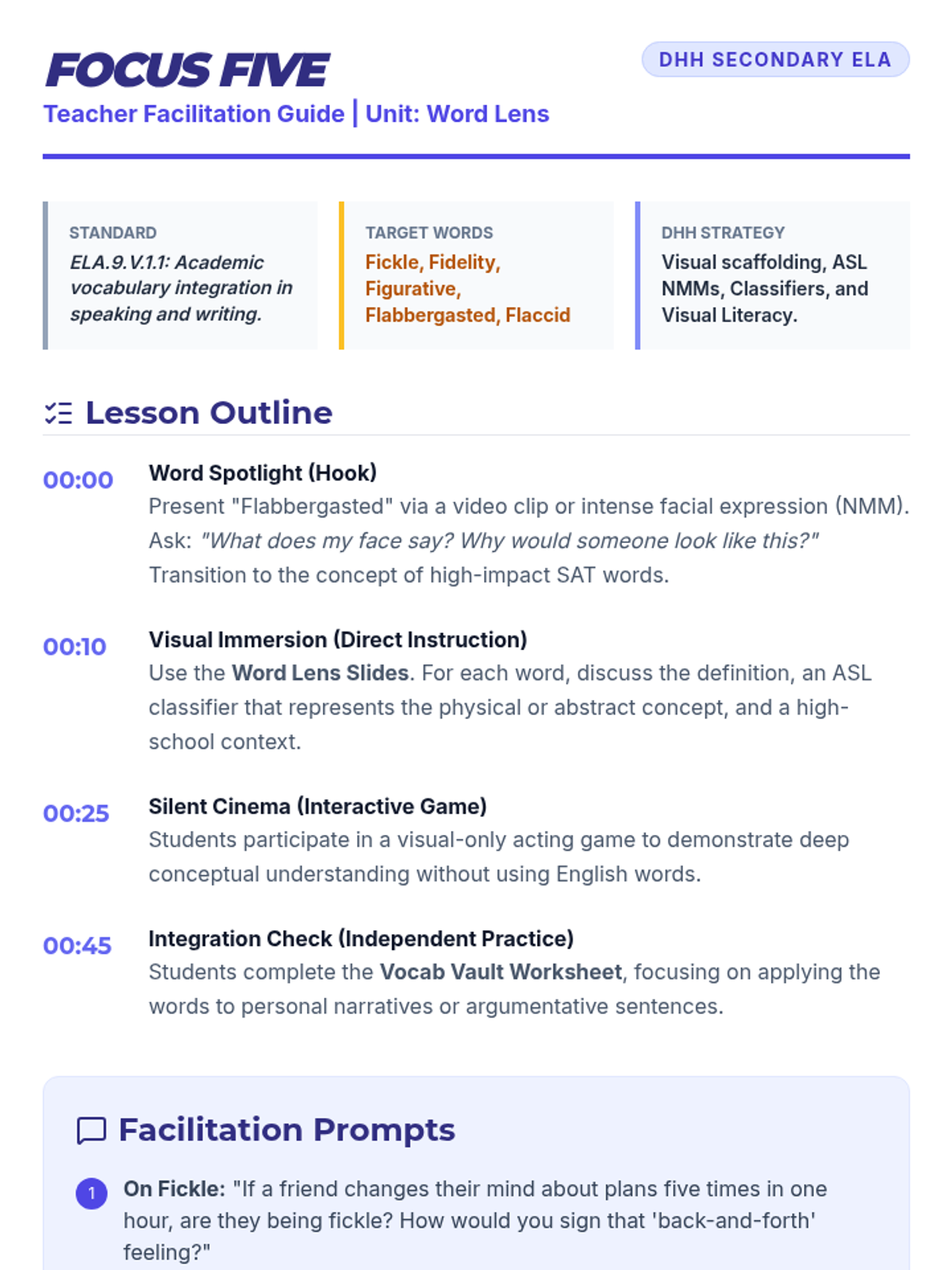
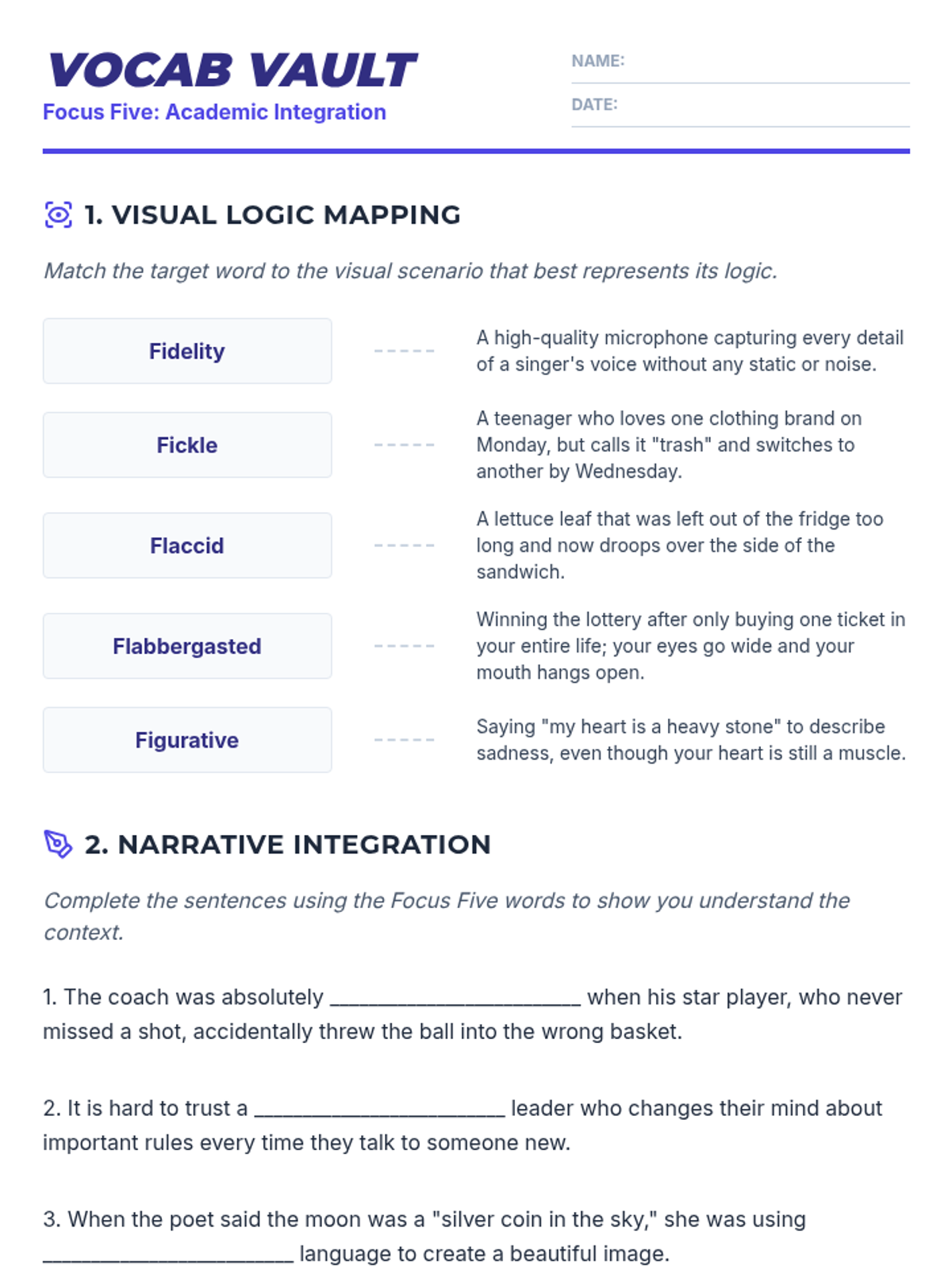
A series of high-school level vocabulary lessons designed for Deaf and Hard of Hearing students, emphasizing visual literacy, ASL connections, and academic integration.
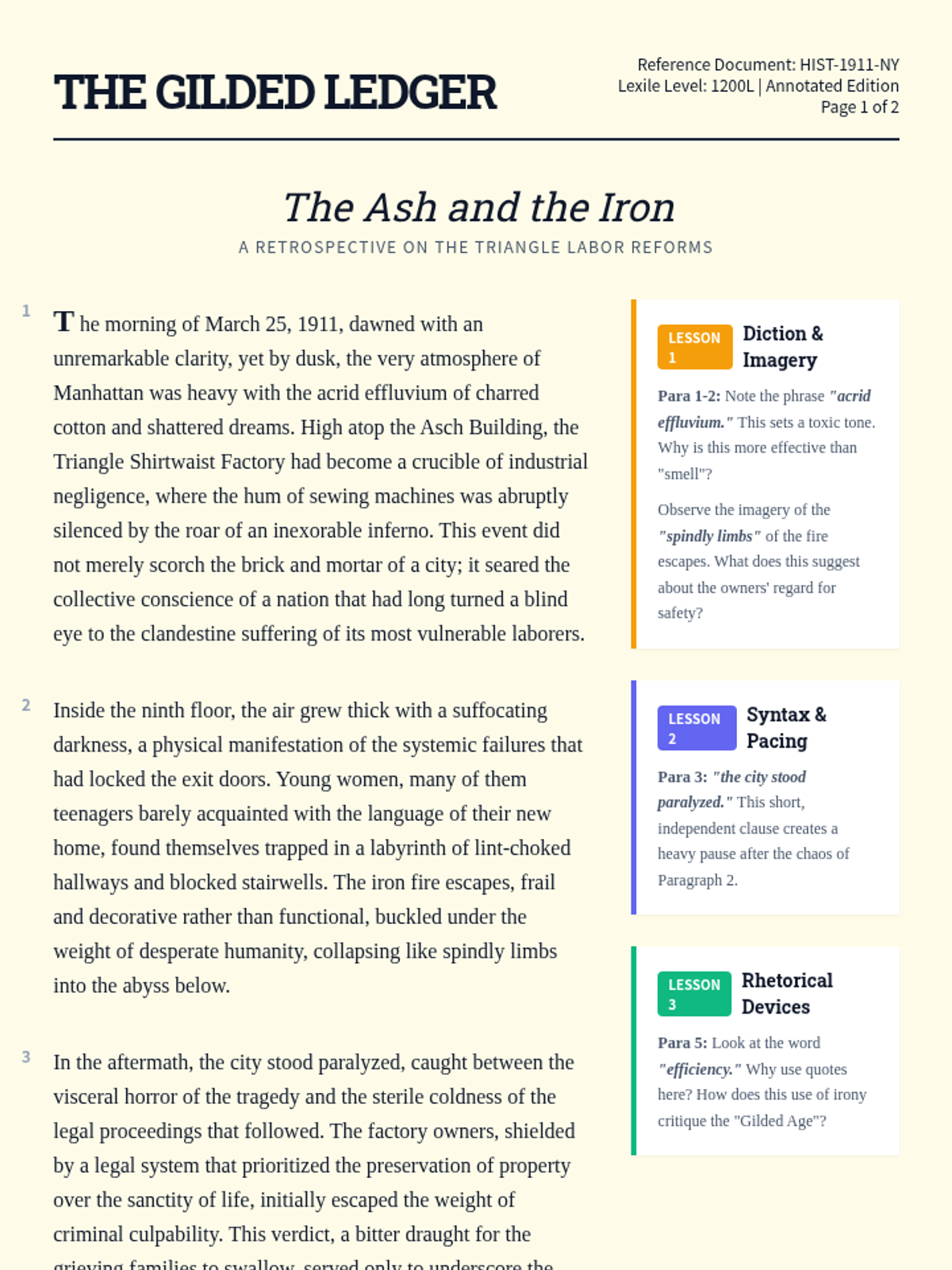
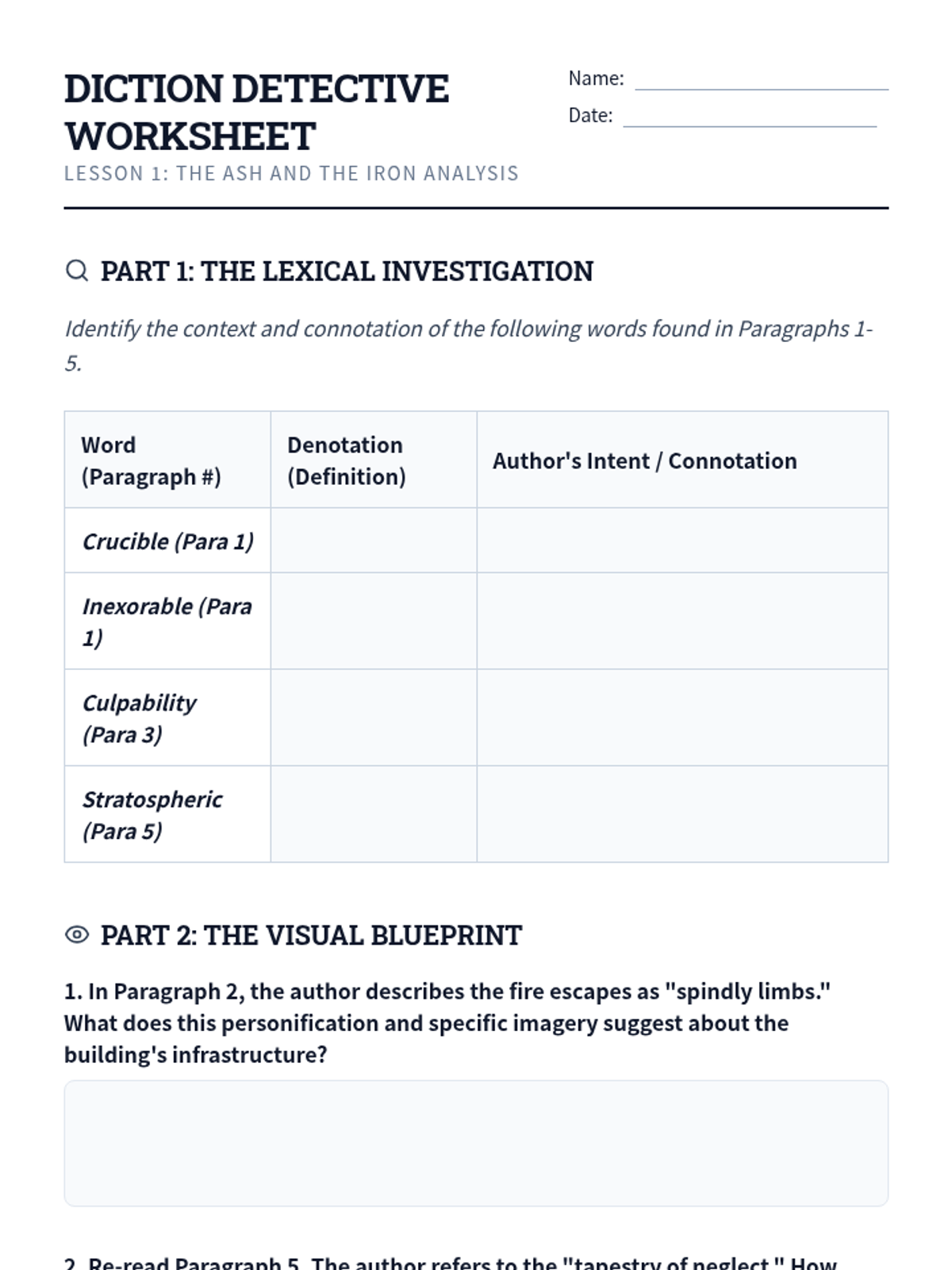
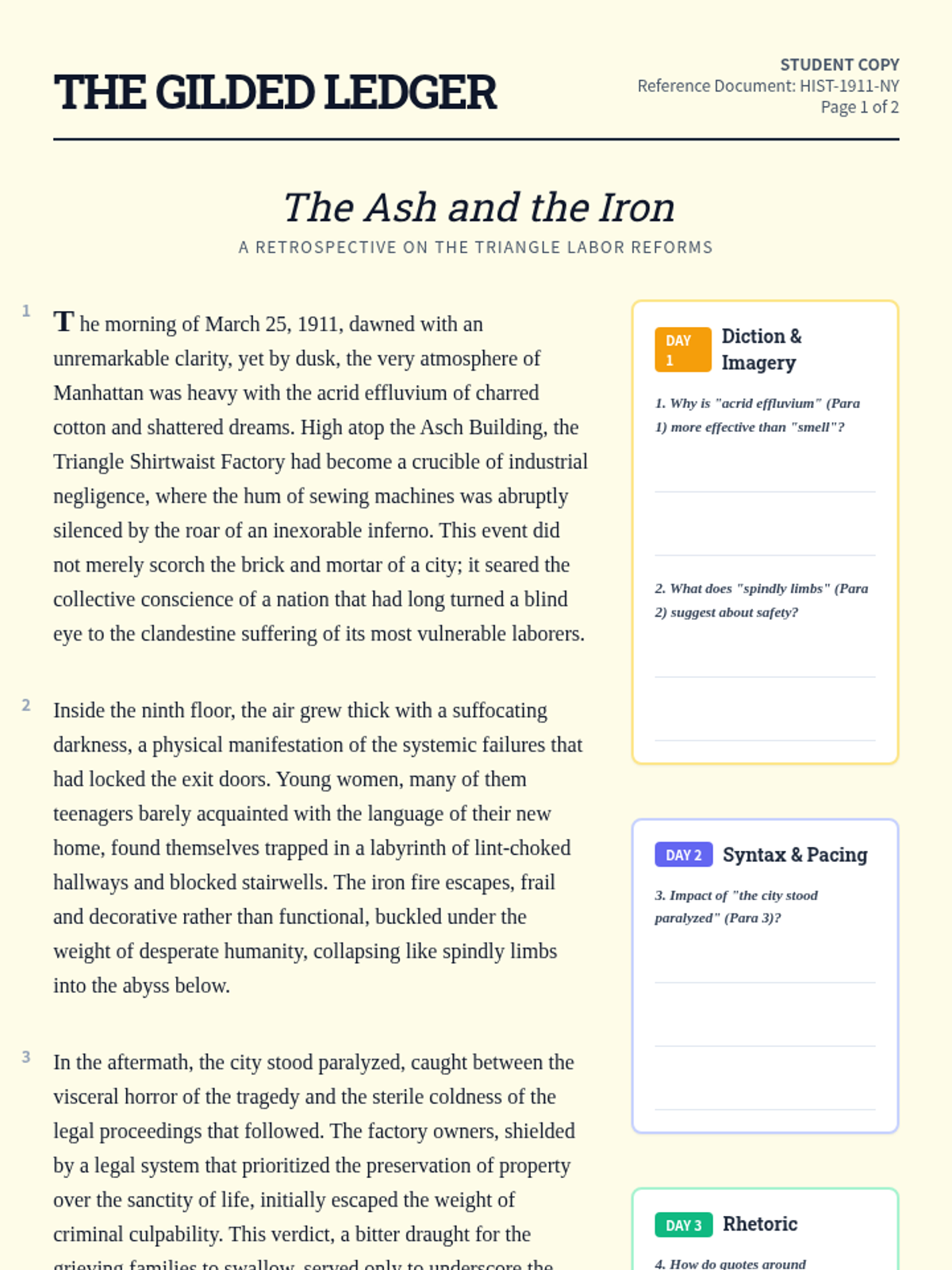
A 4-day intensive study of a complex historical text focused on Author's Purpose and Craft, specifically designed for English 1 and 2 STAAR EOC preparation. Students analyze diction, imagery, syntax, and rhetorical devices within a 1200-Lexile historical narrative.
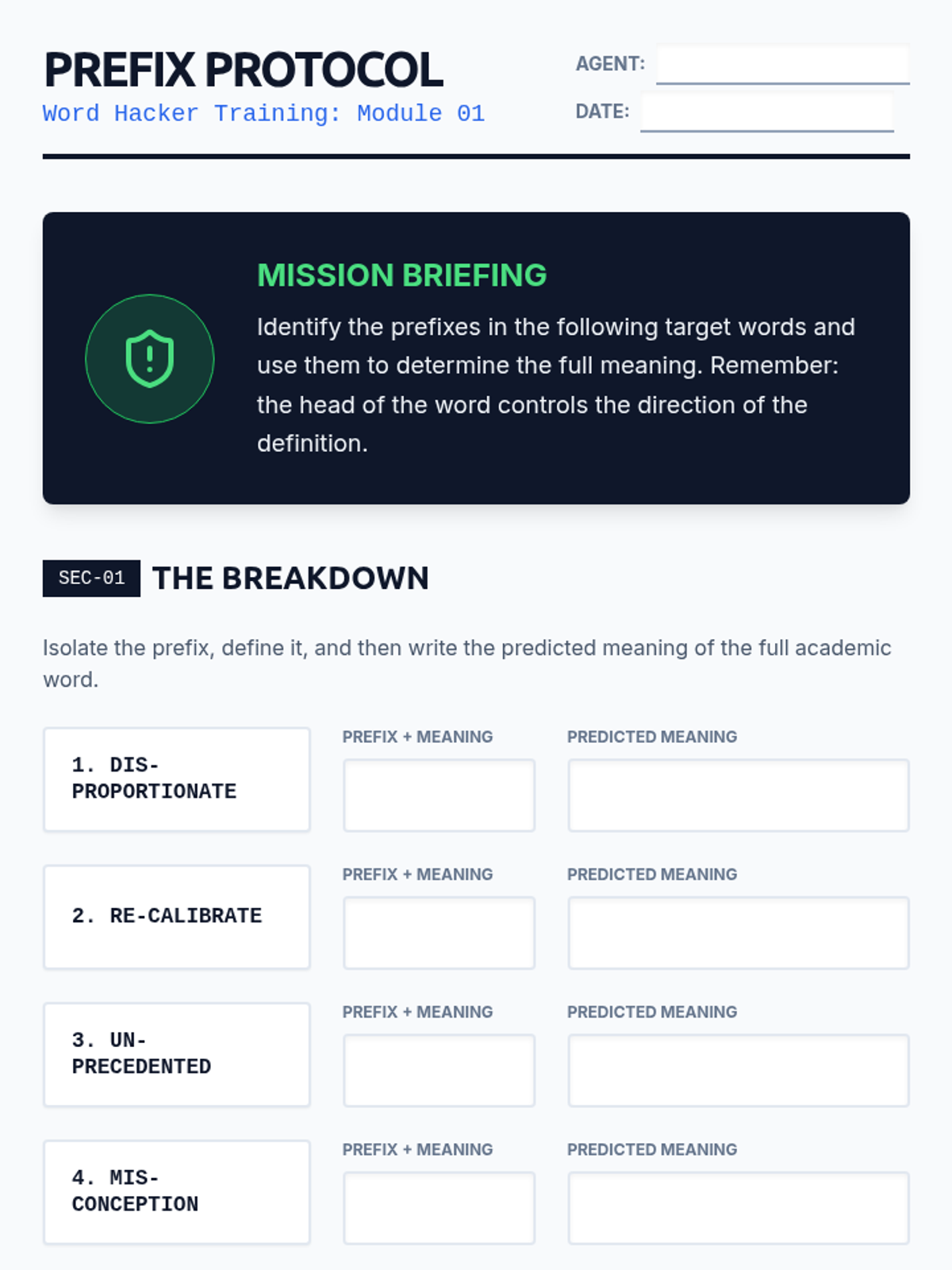
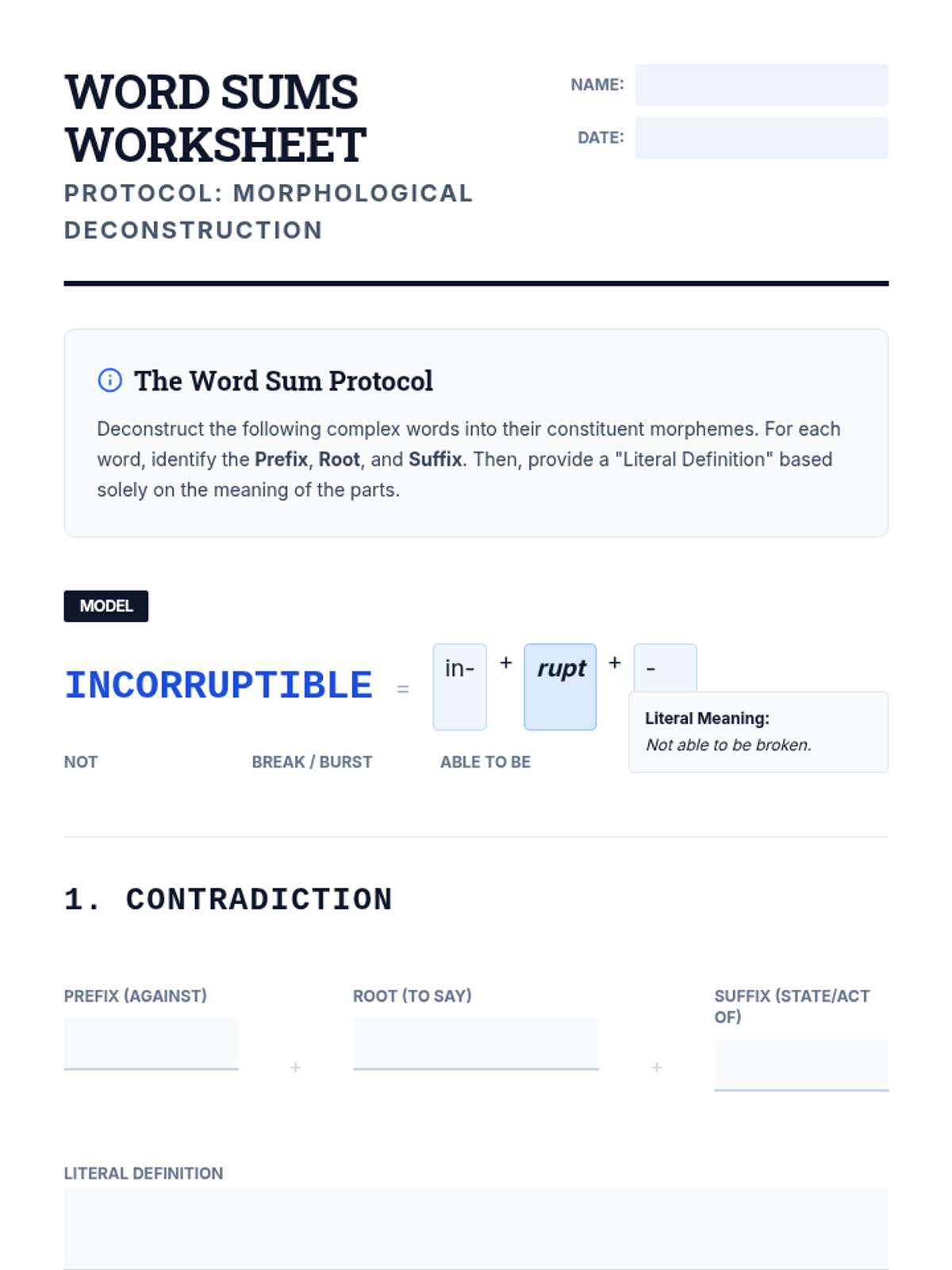
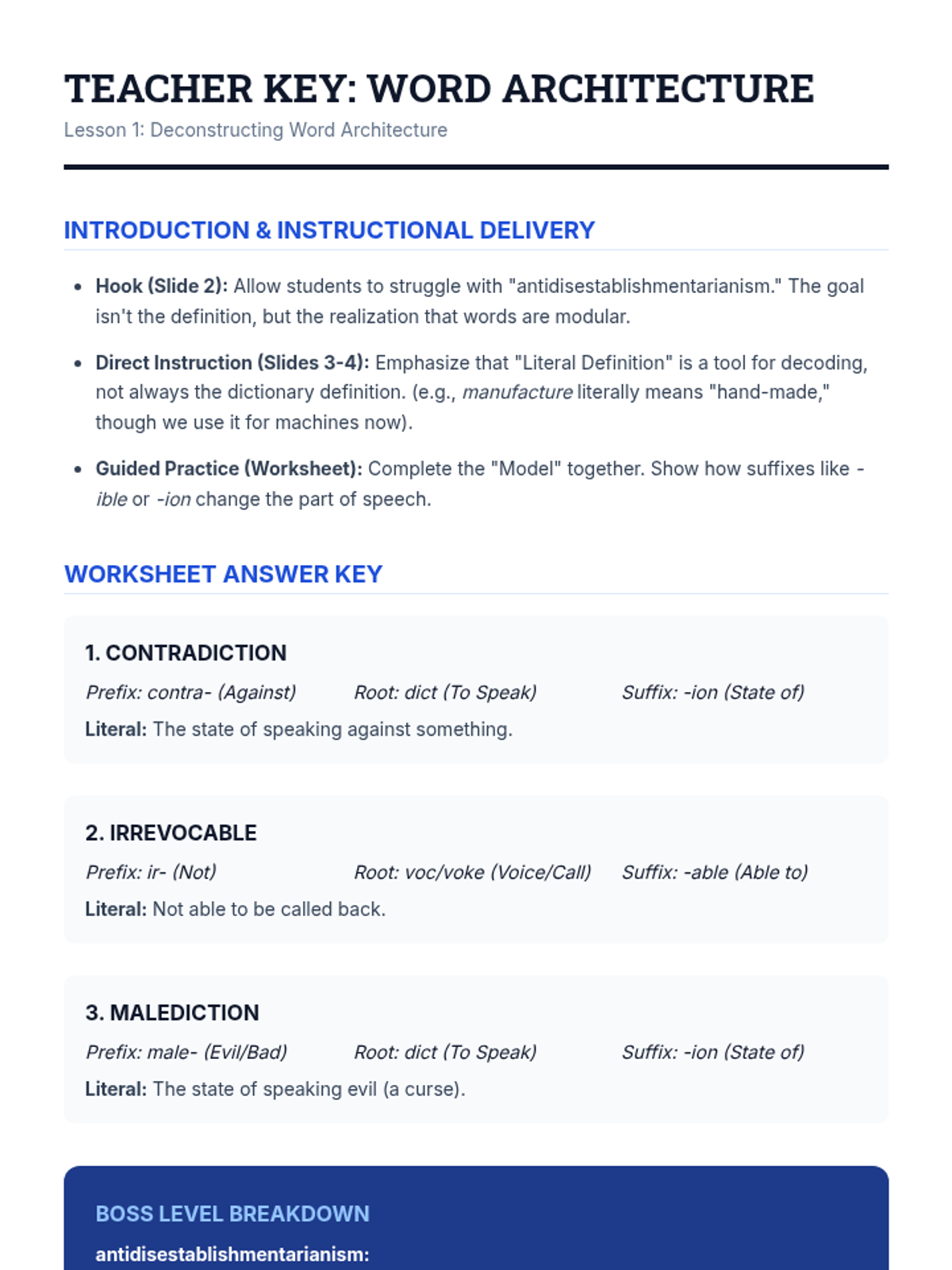
A 5-part series focusing on high-frequency Greek and Latin roots, prefixes, and suffixes using a "word hacking" theme to help students decode academic vocabulary.
A comprehensive 20-lesson ESOL sequence designed for 9th grade ELL students. The curriculum focuses on systematic language acquisition through environmental themes, covering morphology, phonics, Tier 3 vocabulary, and structured writing across genres. Includes a cumulative review and final assessment.
A high-level linguistics course for 12th-grade students focusing on the etymology and morphological structure of homophones to improve spelling and vocabulary acquisition. Students move from understanding historical sound shifts to using Latin and Greek roots to logically differentiate between words that sound identical.
This high-school unit moves beyond rote memorization into the structural analysis of language through morphology and etymology, focusing on high-utility Greek and Latin roots found in rhetoric, science, and law.
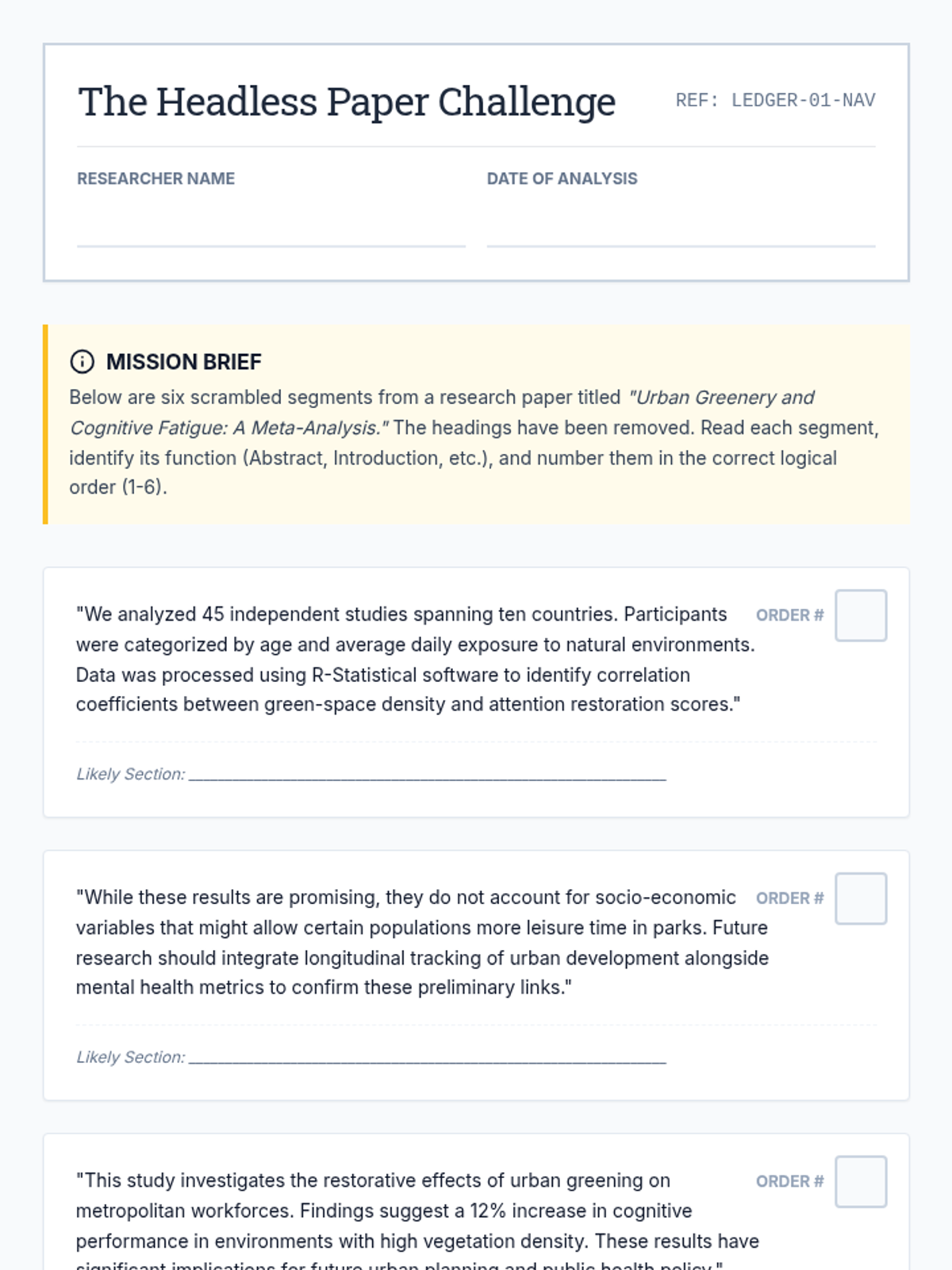
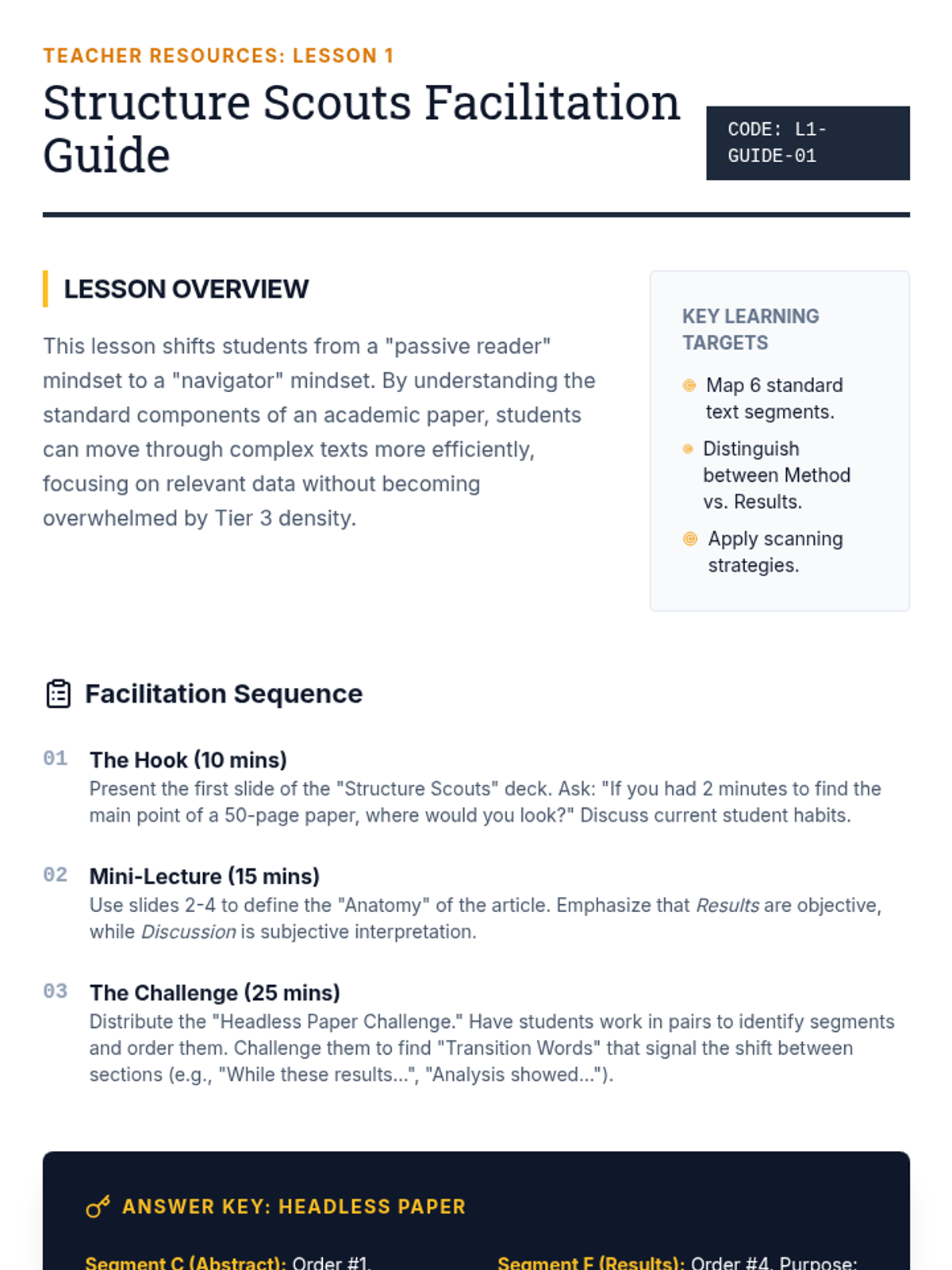
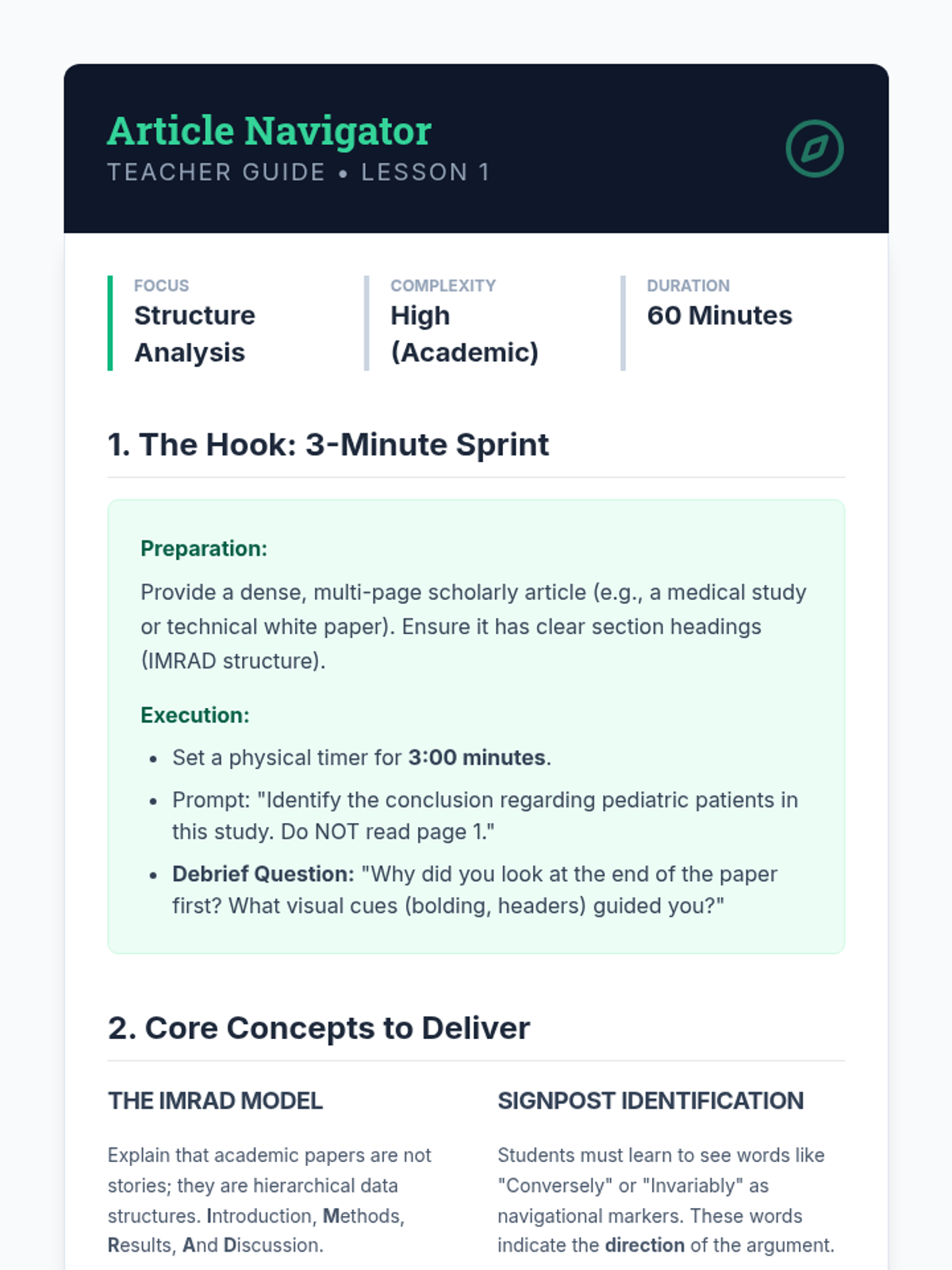
A comprehensive sequence for 10th-grade ELL students focused on deconstructing, analyzing, and synthesizing academic and technical texts. Students will move from identifying basic structures to evaluating logical consistency and producing formal abstracts.
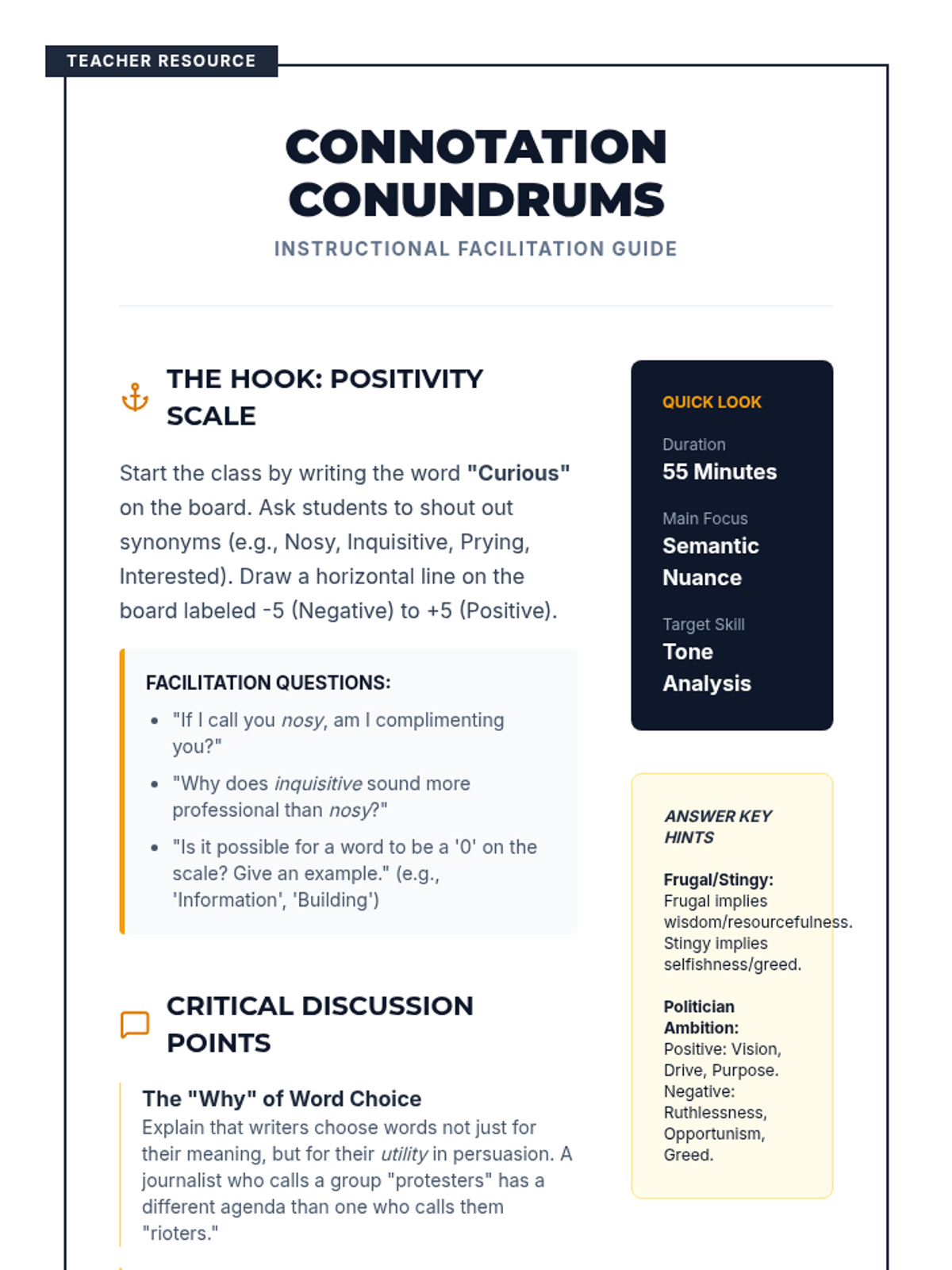
A high-school level sequence exploring the nuances of English vocabulary through connotation, etymology, and context, preparing students for advanced reading and SAT/ACT comprehension.
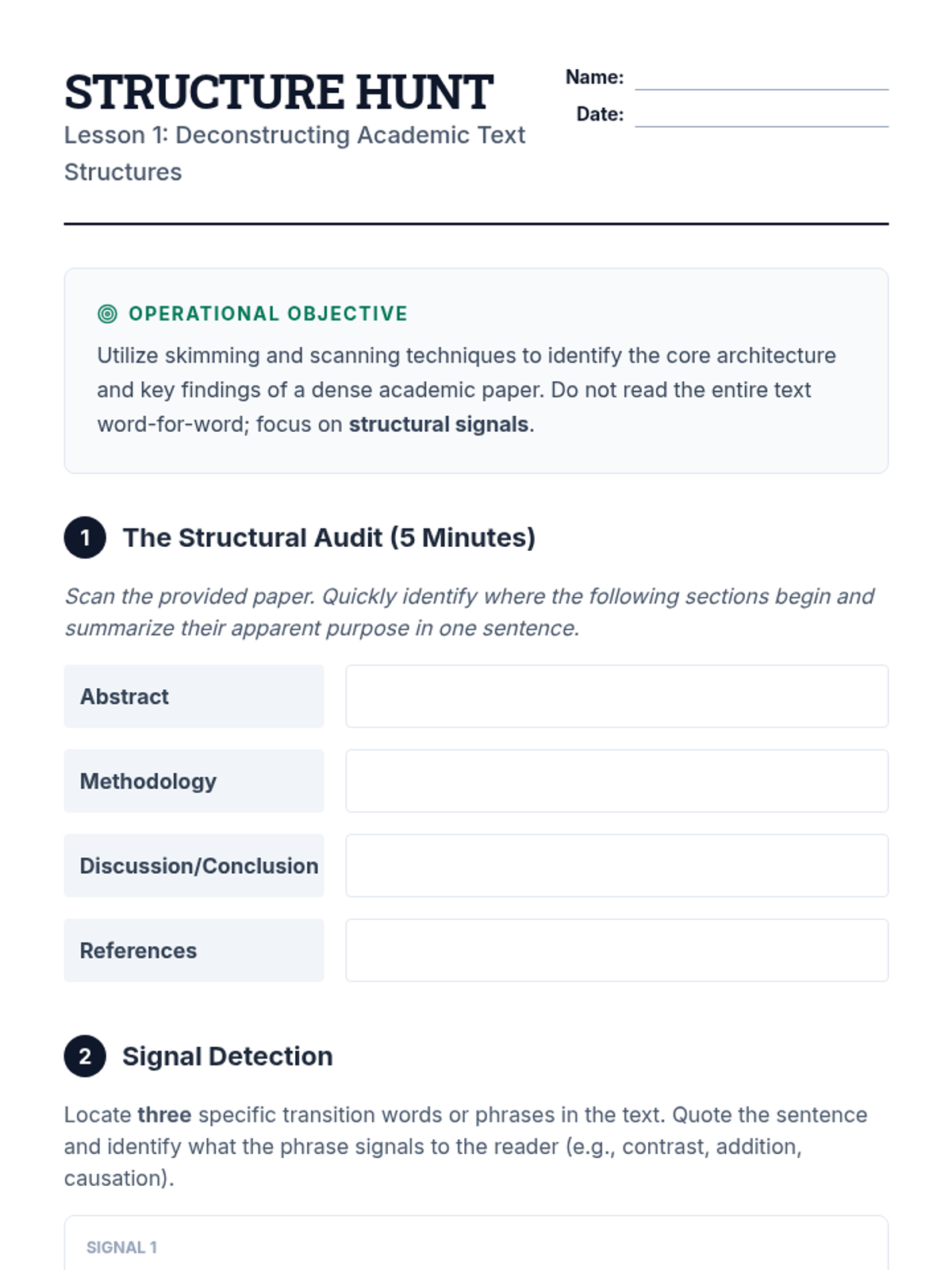
A high-level reading sequence for 12th-grade students focusing on the deconstruction, analysis, and synthesis of complex academic and technical texts to prepare for university-level research.
A comprehensive 11th-grade advanced reading sequence focused on technical literacy, data synthesis, and professional communication. Students simulate the role of research analysts to master complex academic texts and synthesize conflicting information.
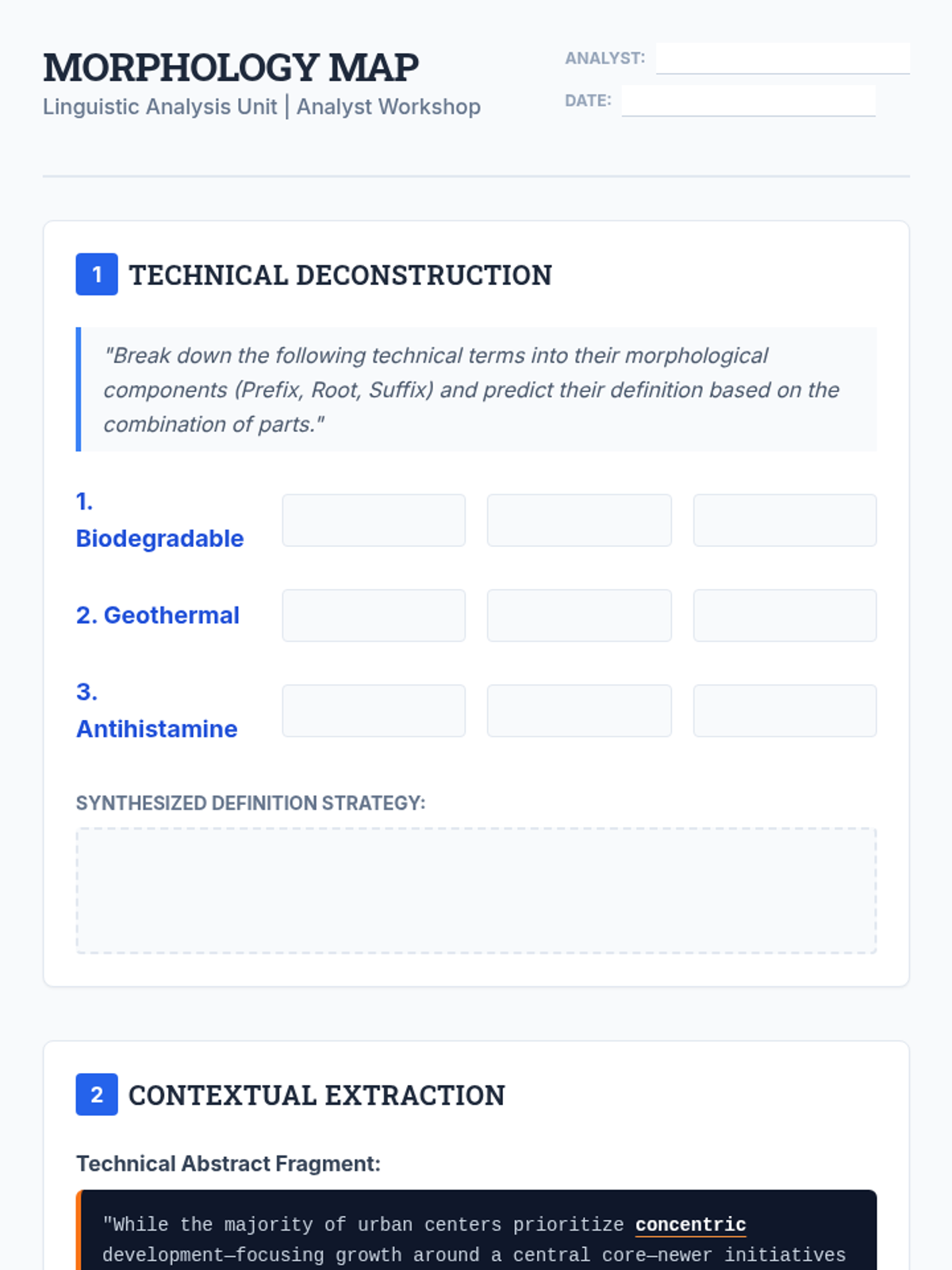
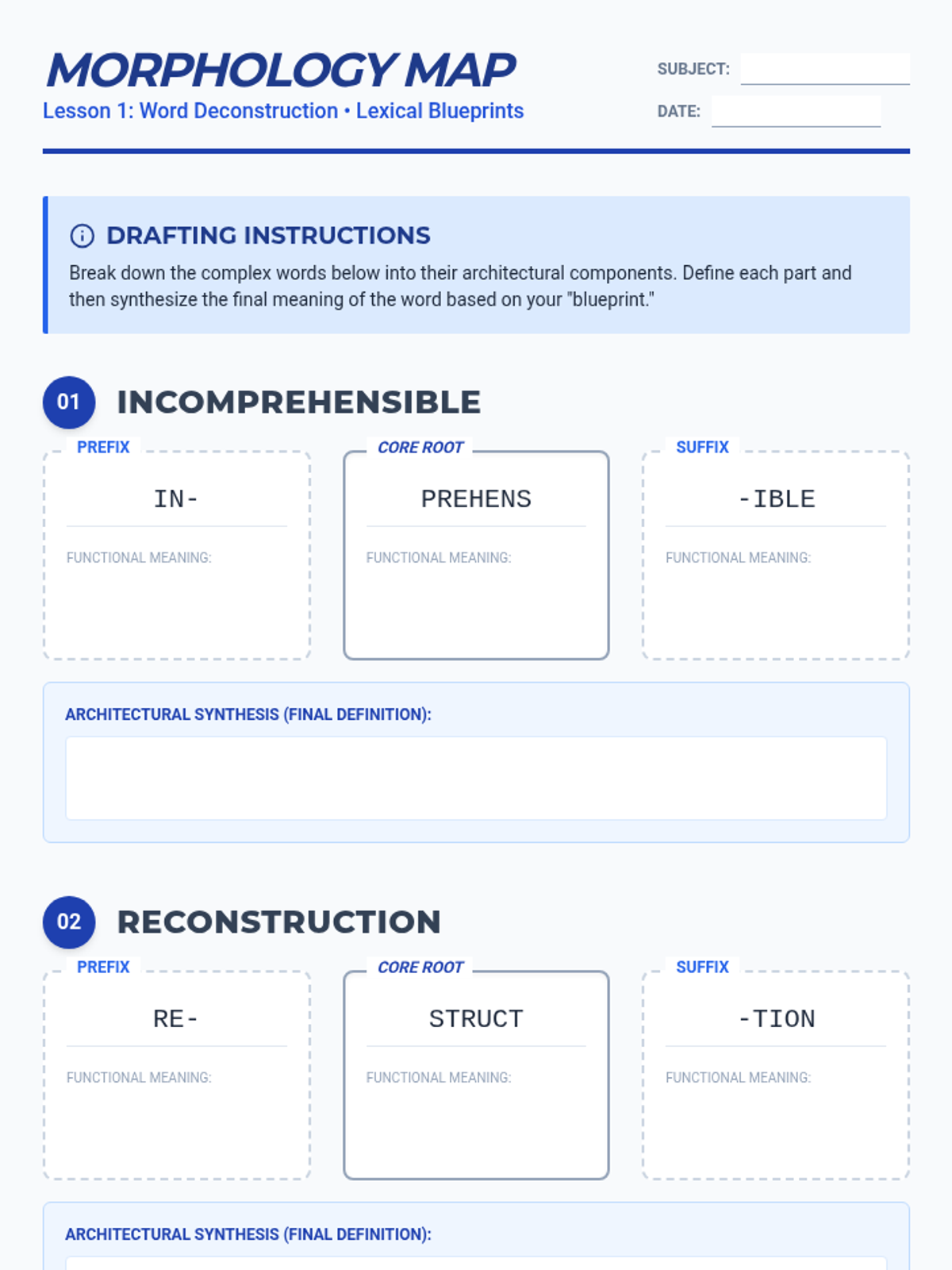
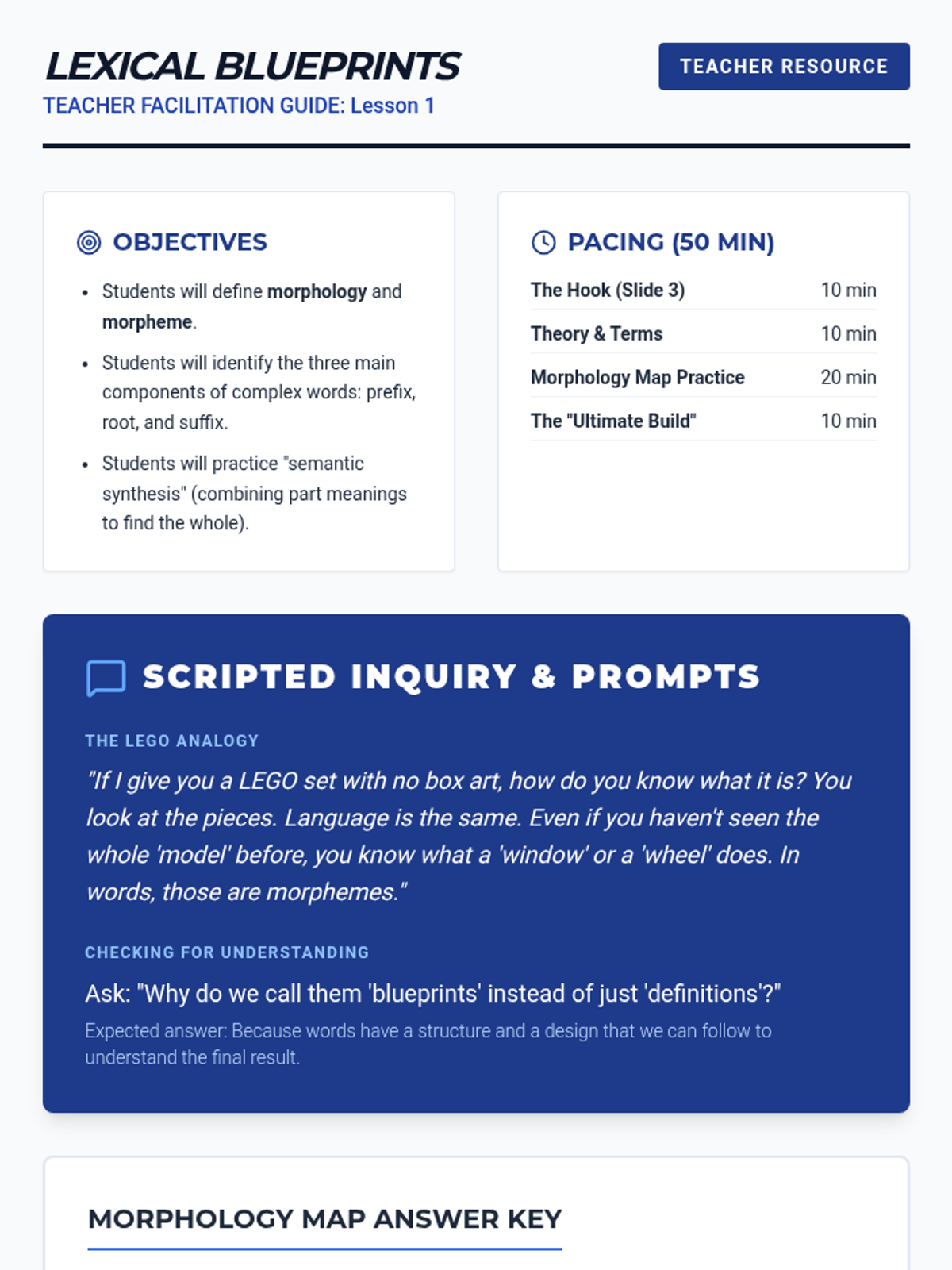
A comprehensive 9th-grade sequence focused on decoding advanced academic vocabulary through the study of Greek and Latin morphology. Students move from basic morpheme identification to complex semantic synthesis, equipping them with tools for independent reading of technical and professional texts.