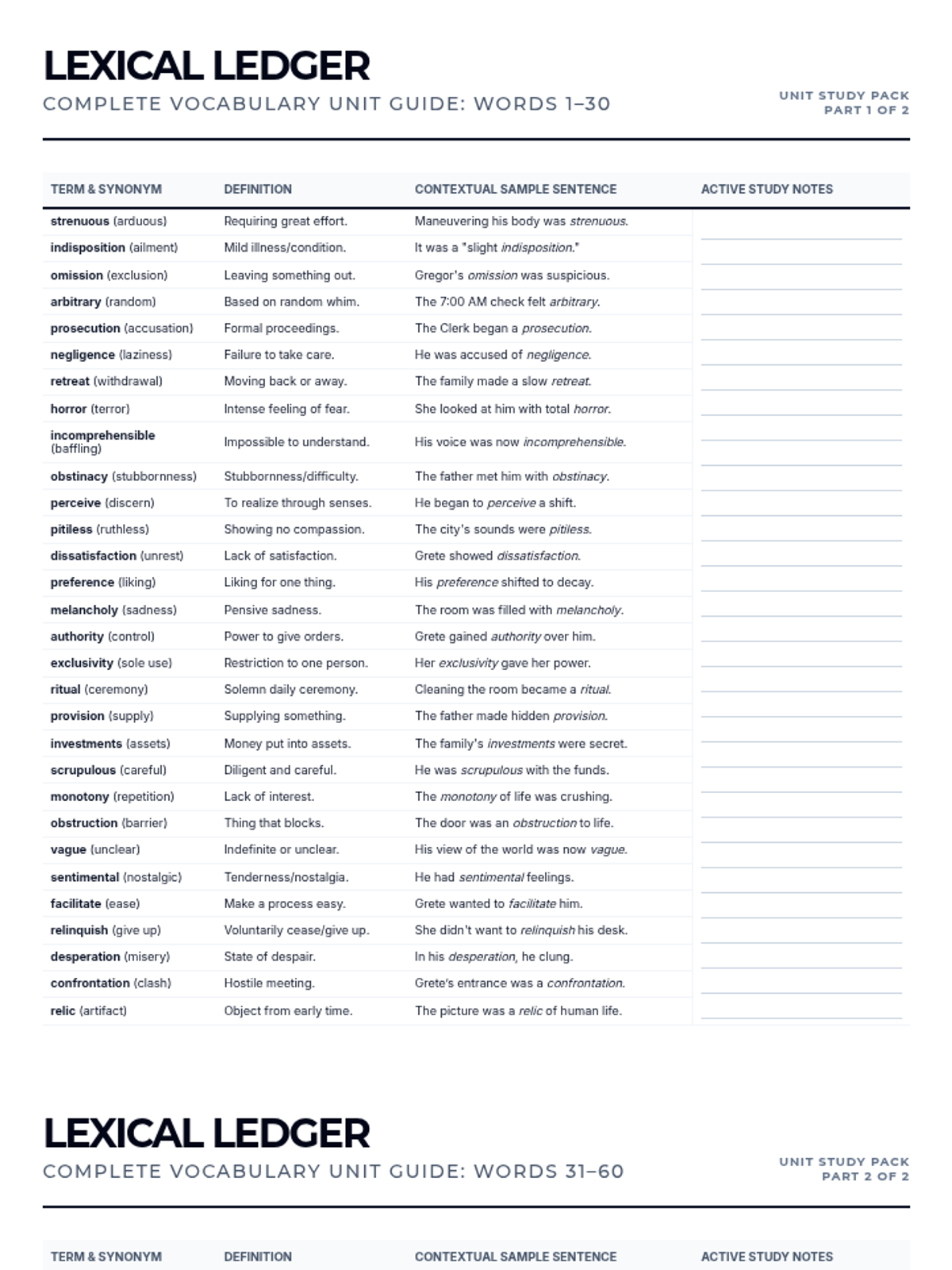
Builds word mastery through parts of speech, Greek and Latin roots, and morphological analysis of prefixes and suffixes. Develops nuanced comprehension using context clues, shades of meaning, and idiomatic expressions.
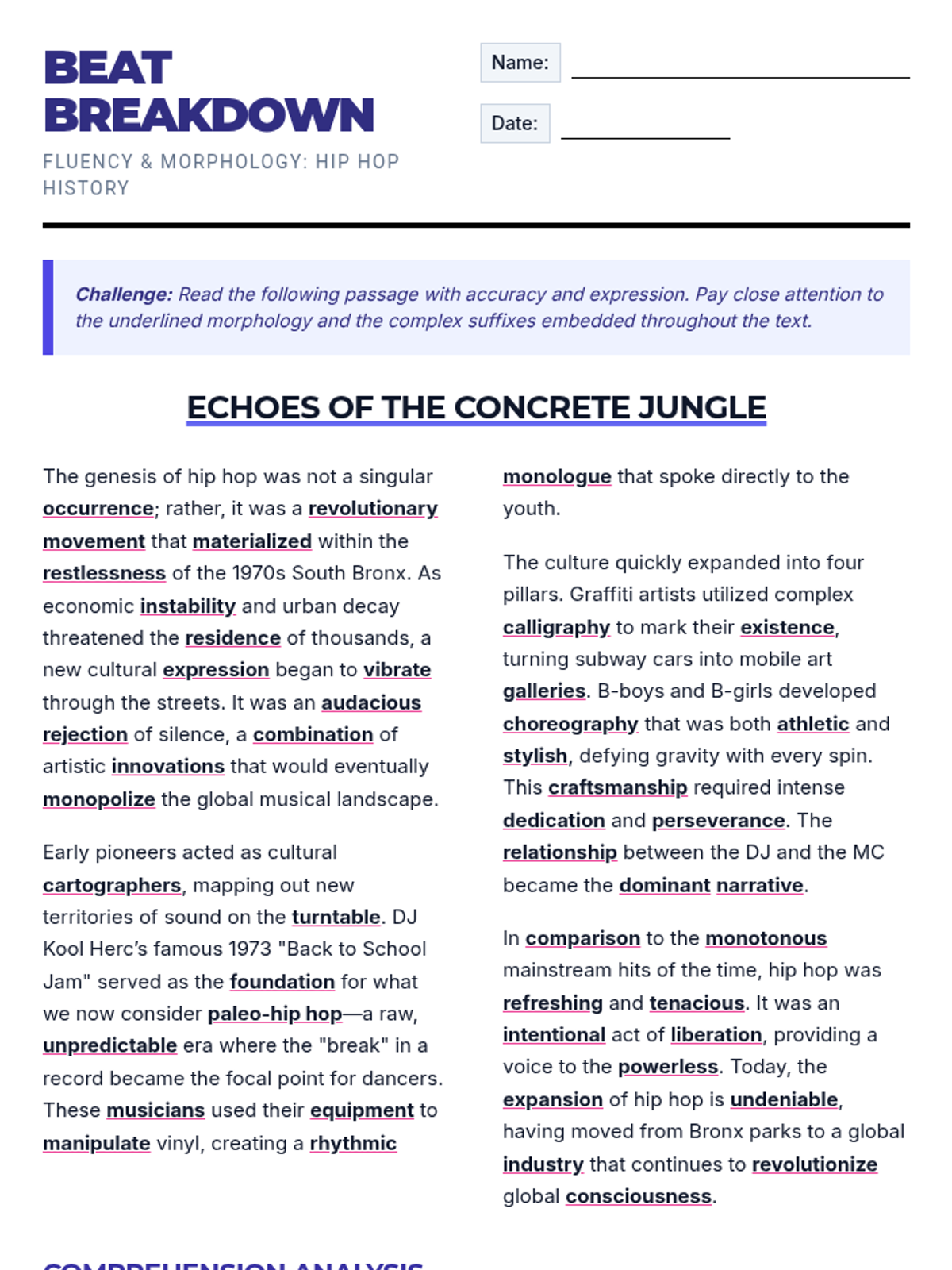
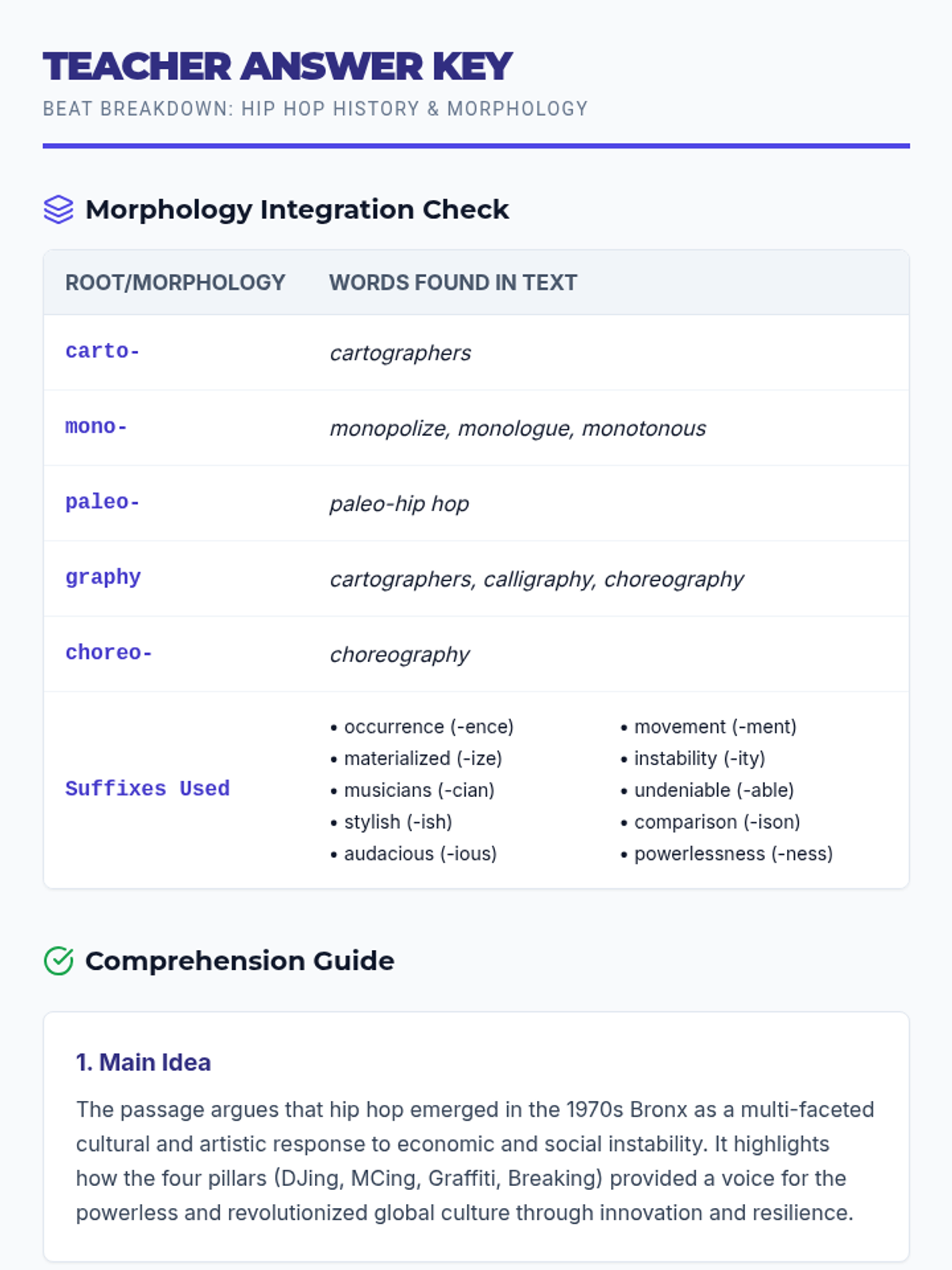
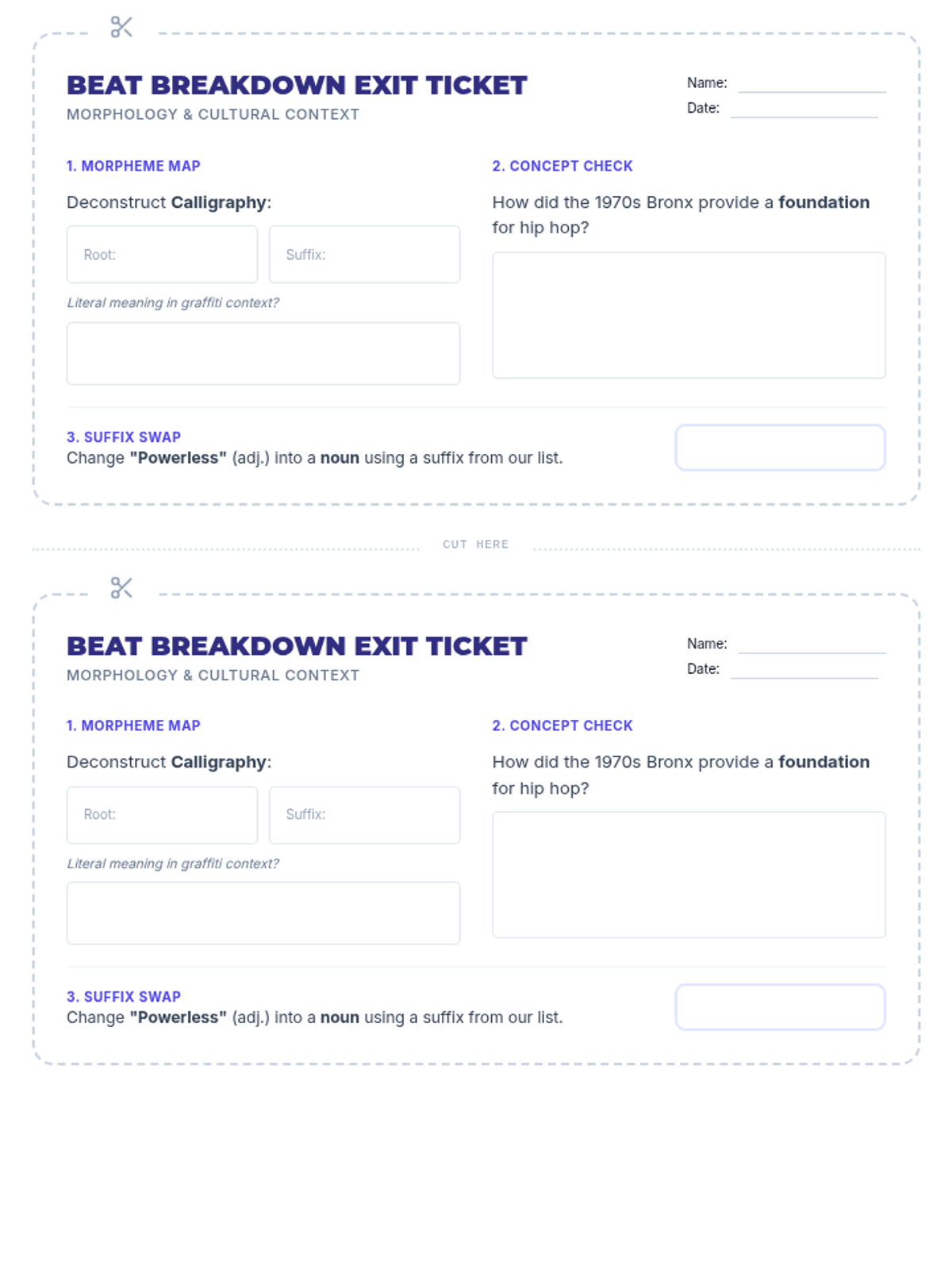
A morphology-focused lesson exploring the history and cultural impact of Hip Hop through a challenging fluency passage and vocabulary analysis. Students will identify and analyze complex suffixes and Greek/Latin roots within the context of urban culture.
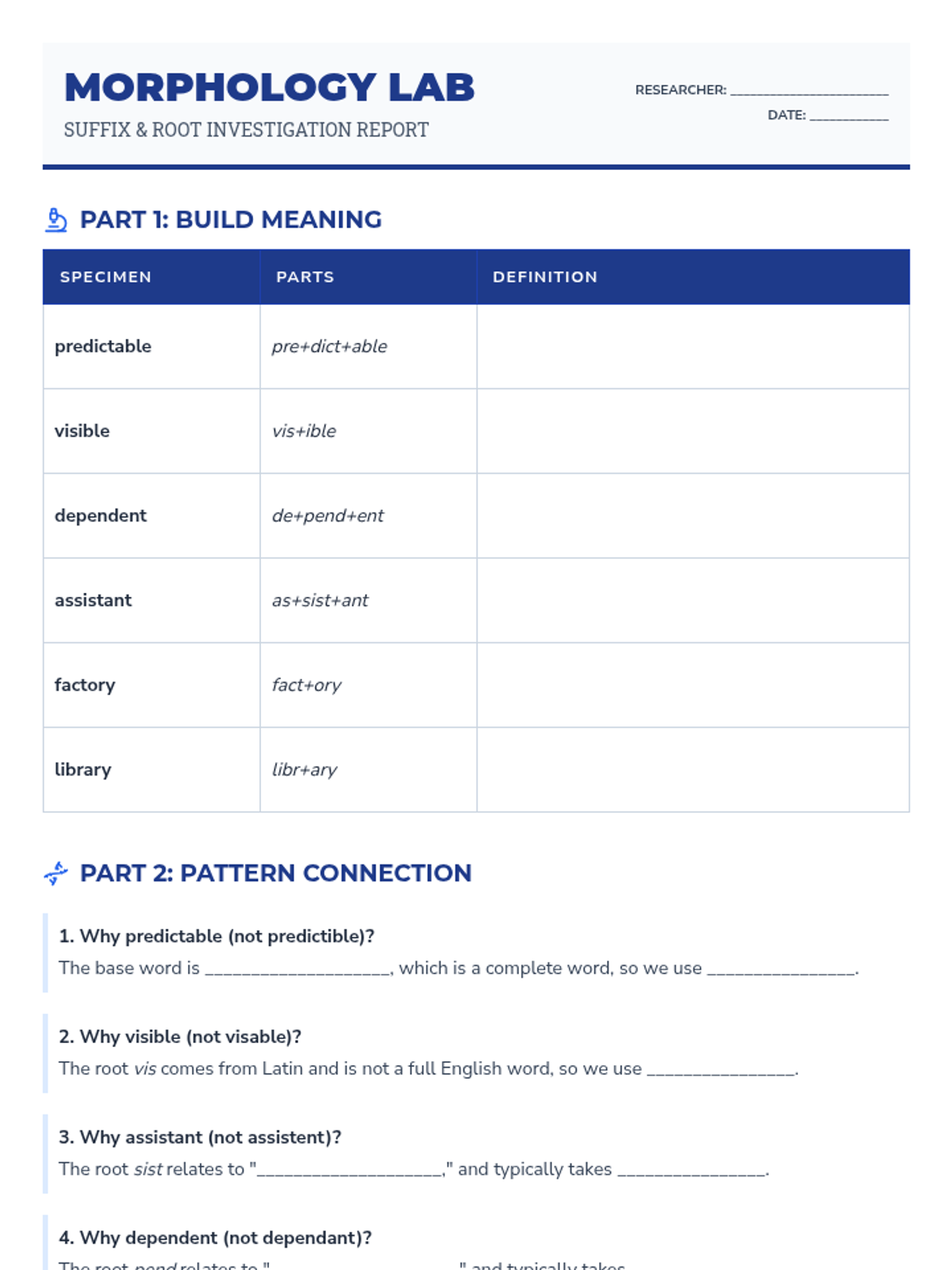
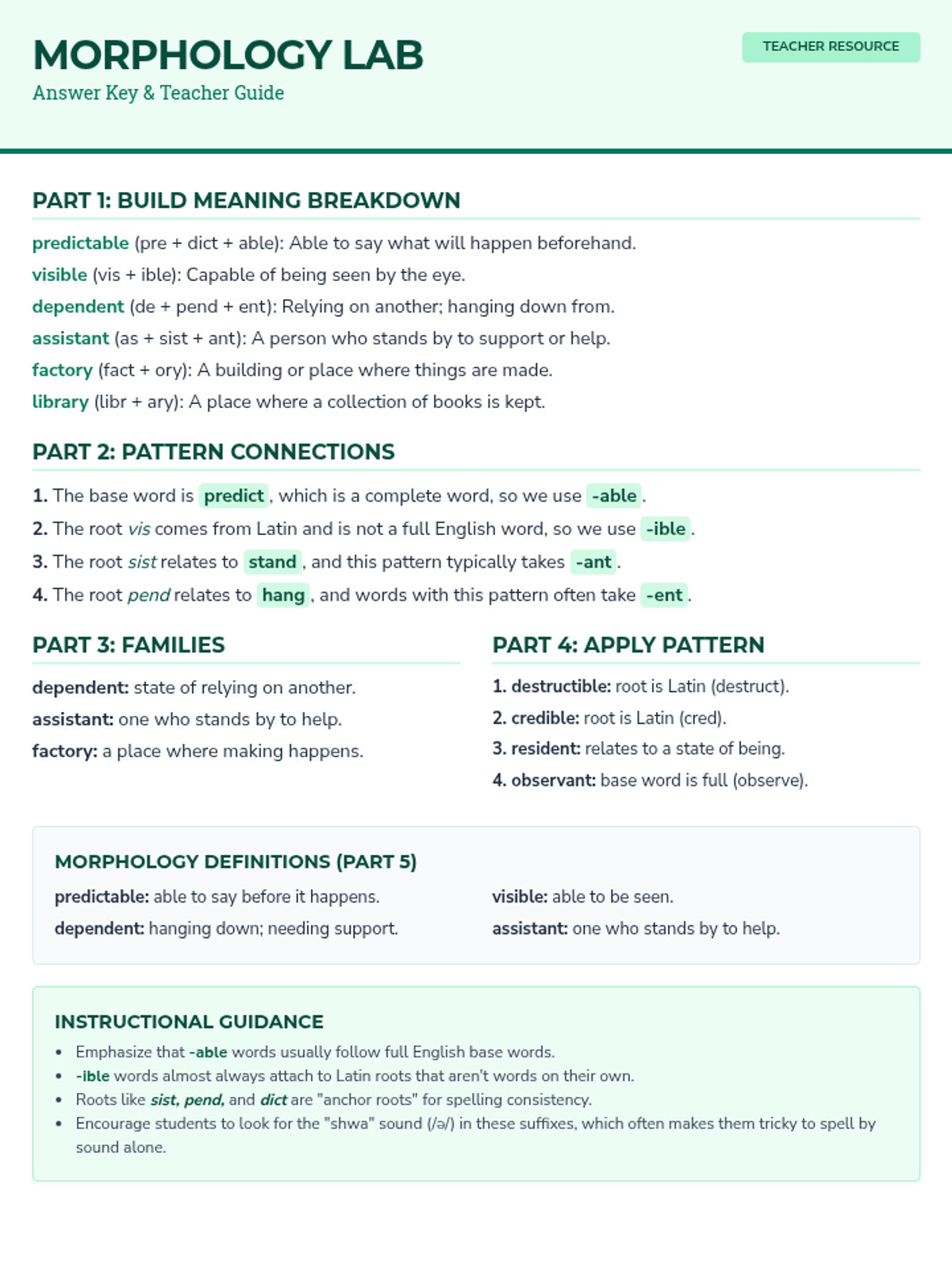
A deep dive into morphology and common word endings (-able, -ible, -ary, -ery, -ory, -ant, -ent), focusing on how Latin roots and base words determine spelling patterns.
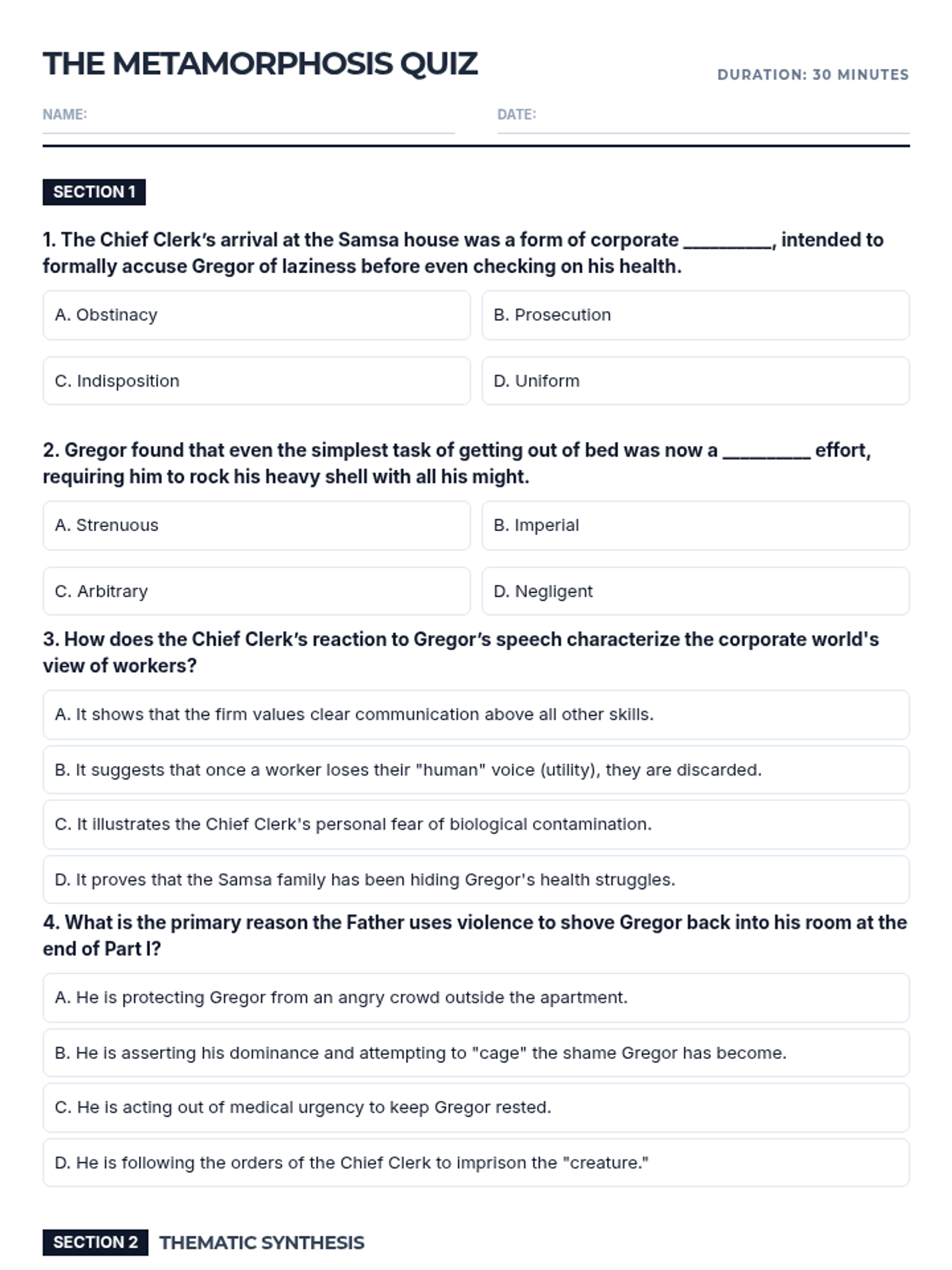
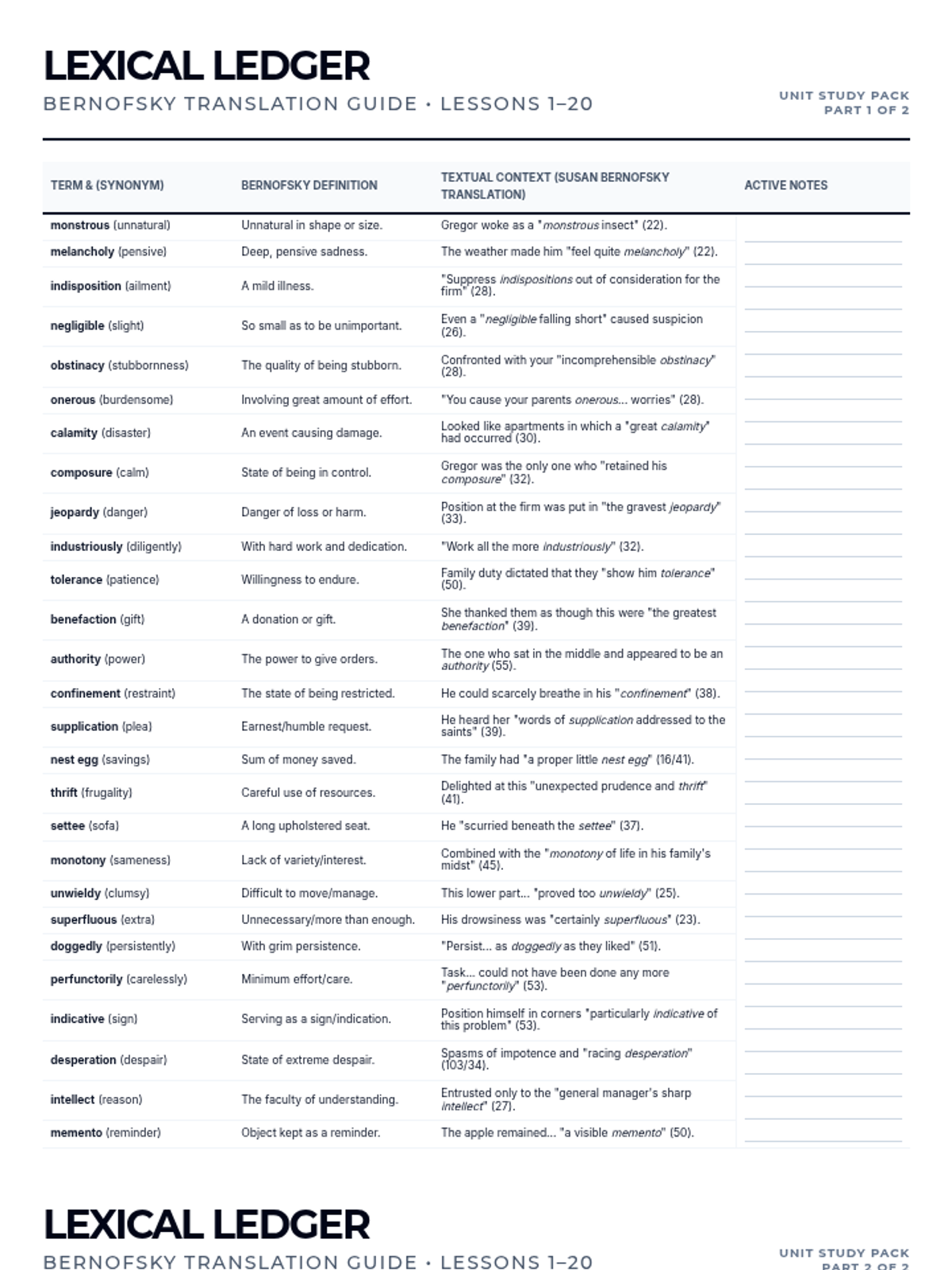
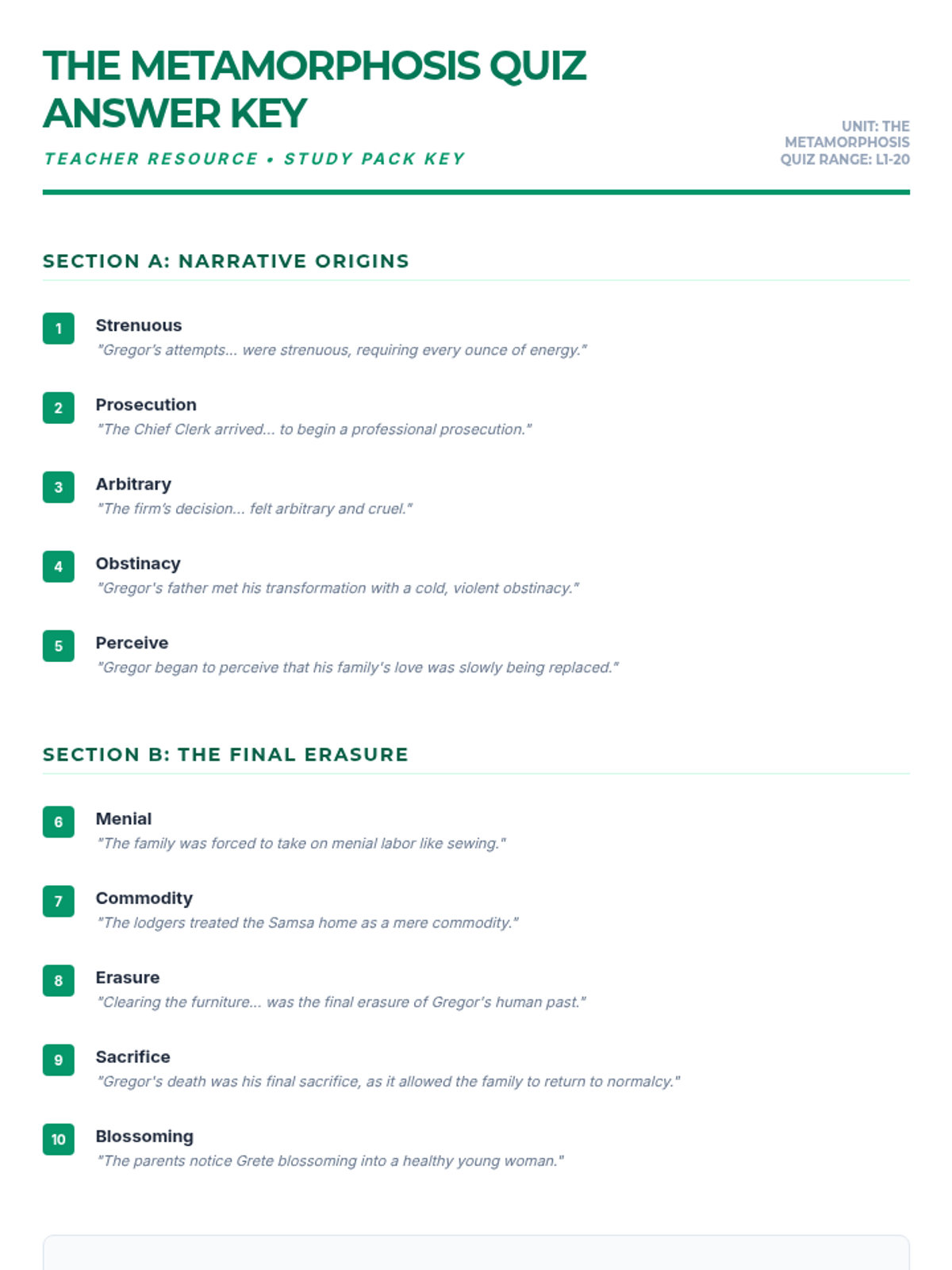
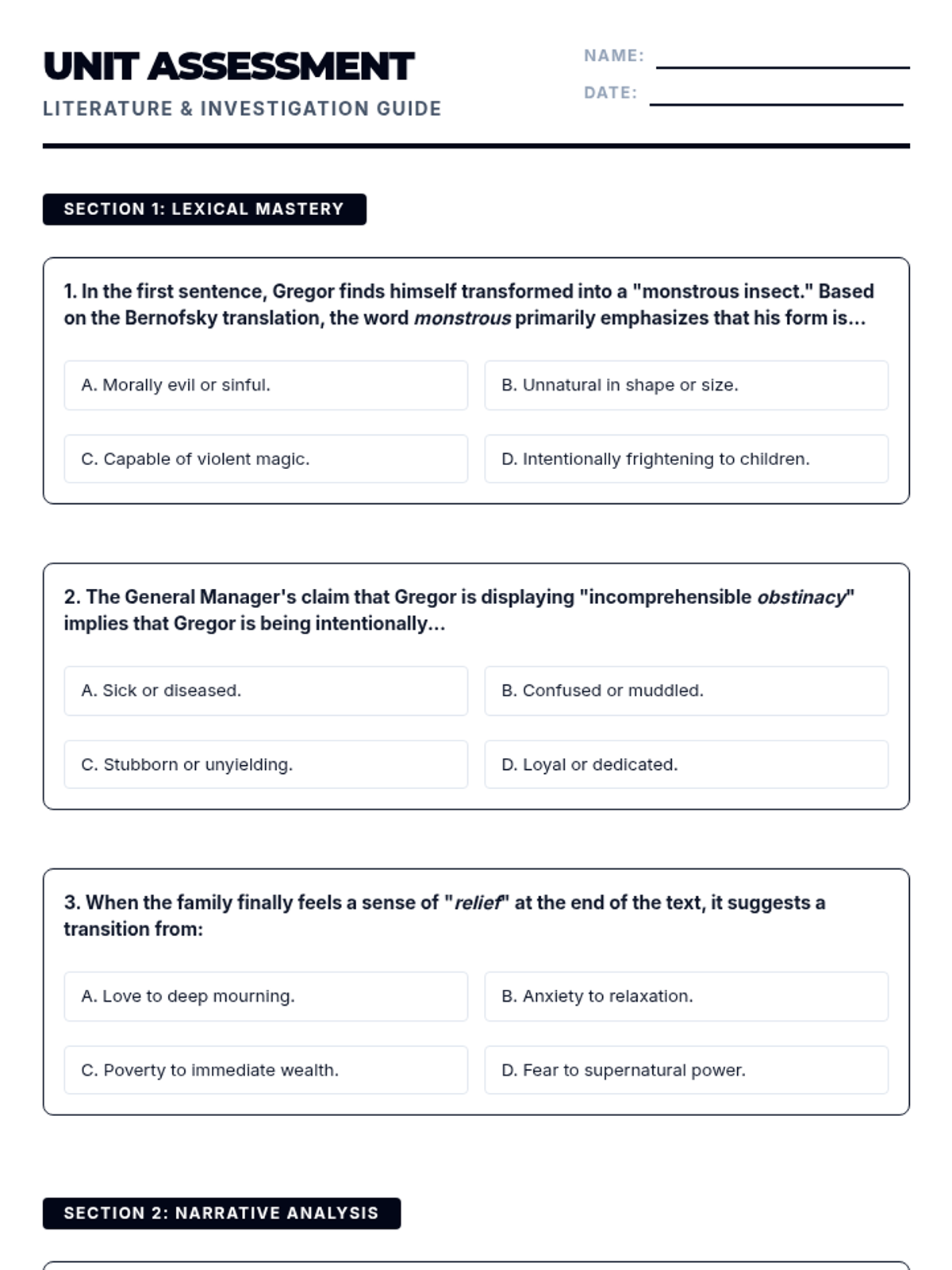
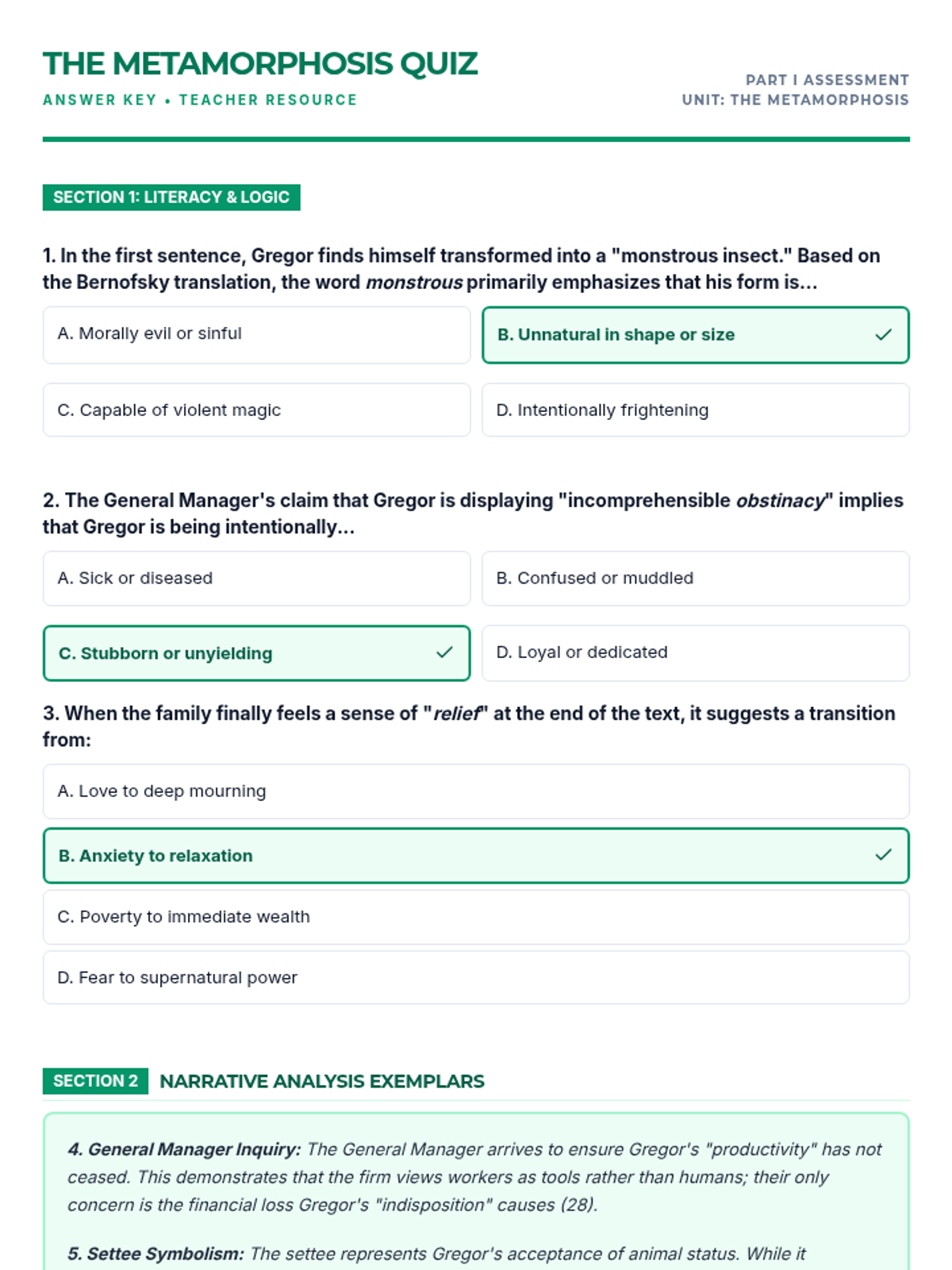
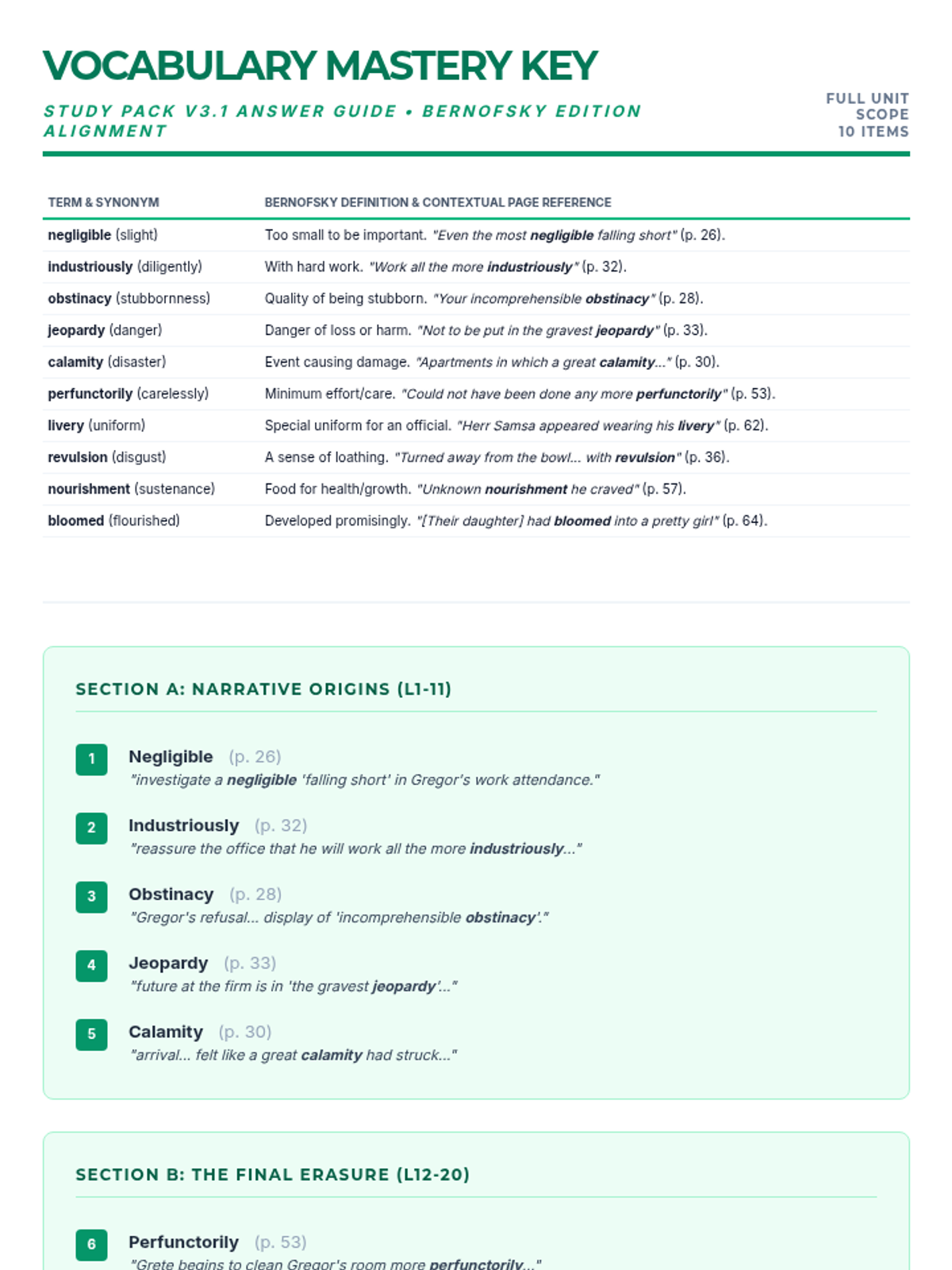
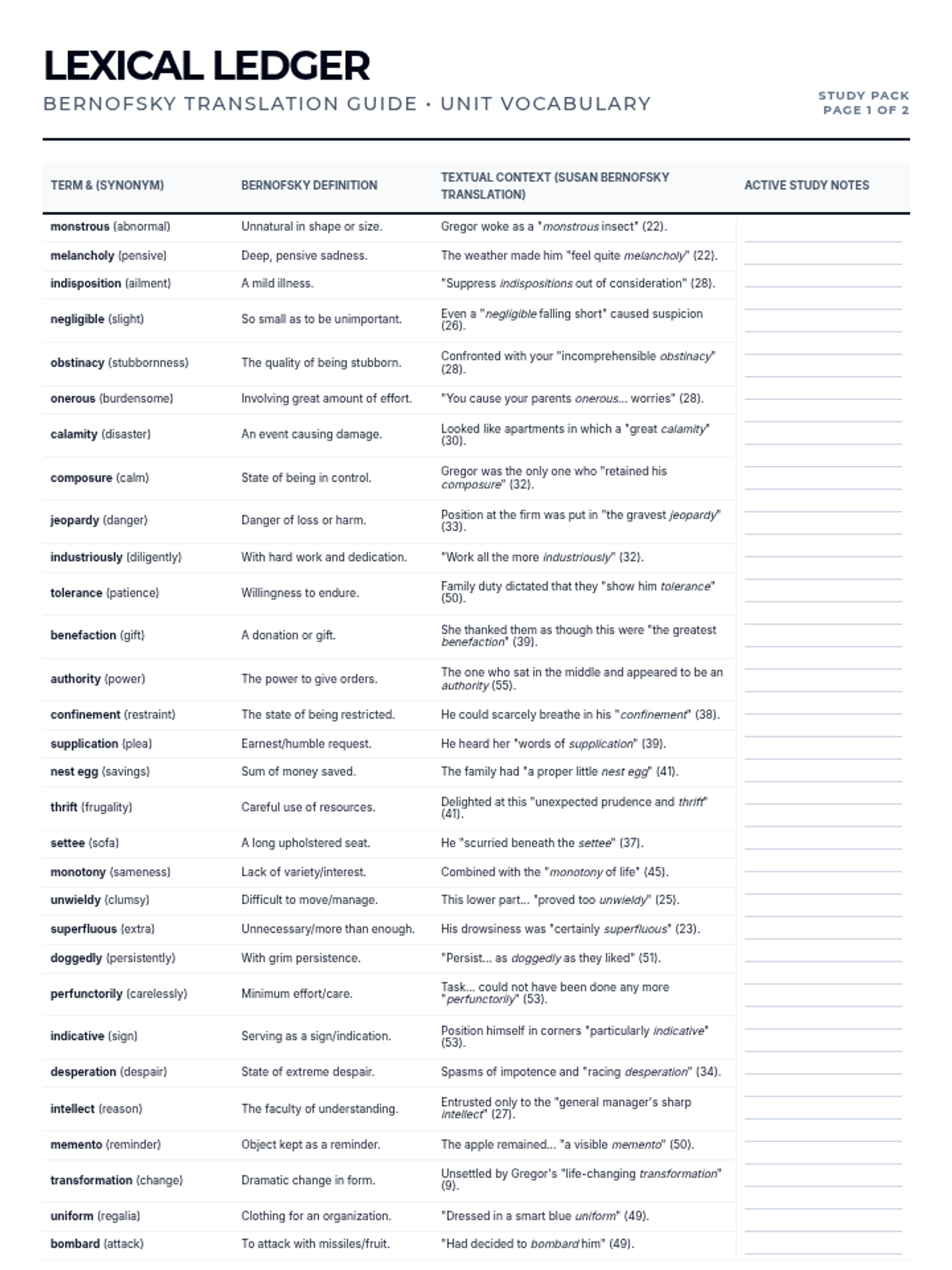
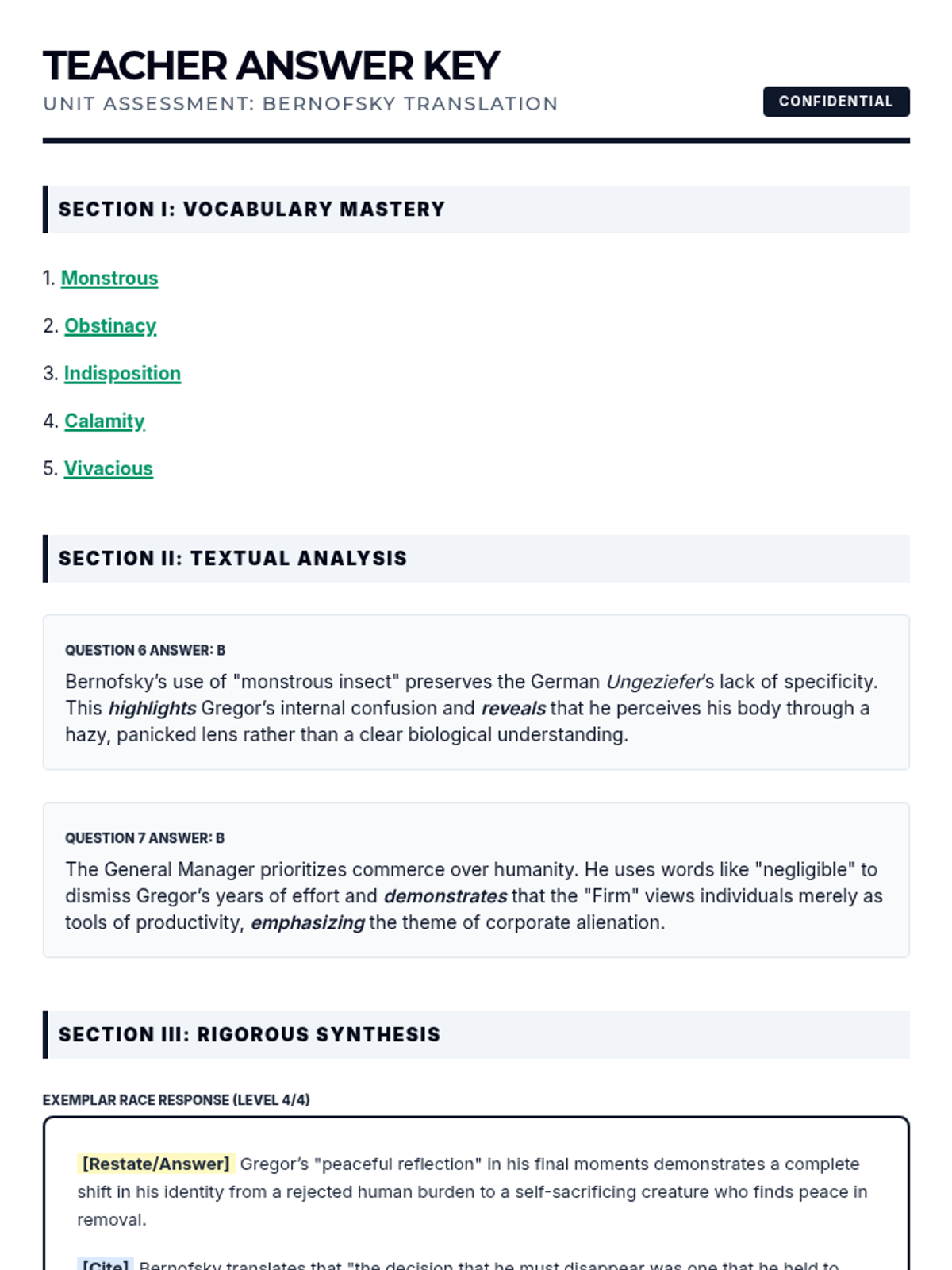
A summative assessment for the first third of the novel. Evaluates student mastery of vocabulary from Lessons 1-11, character motivation, and the central theme of corporate alienation through a mix of multiple choice, short answer, and a rigorous RACE response.
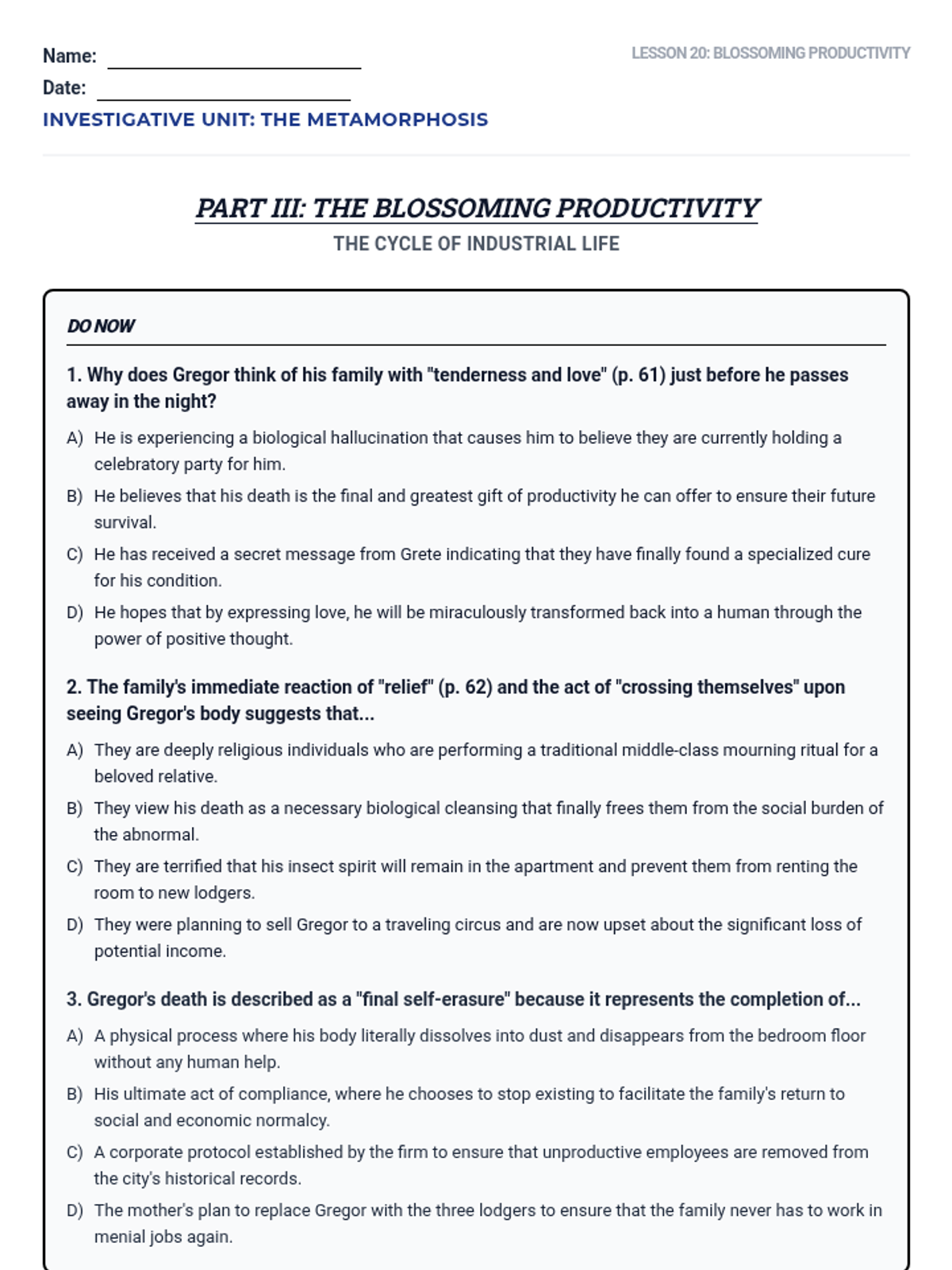
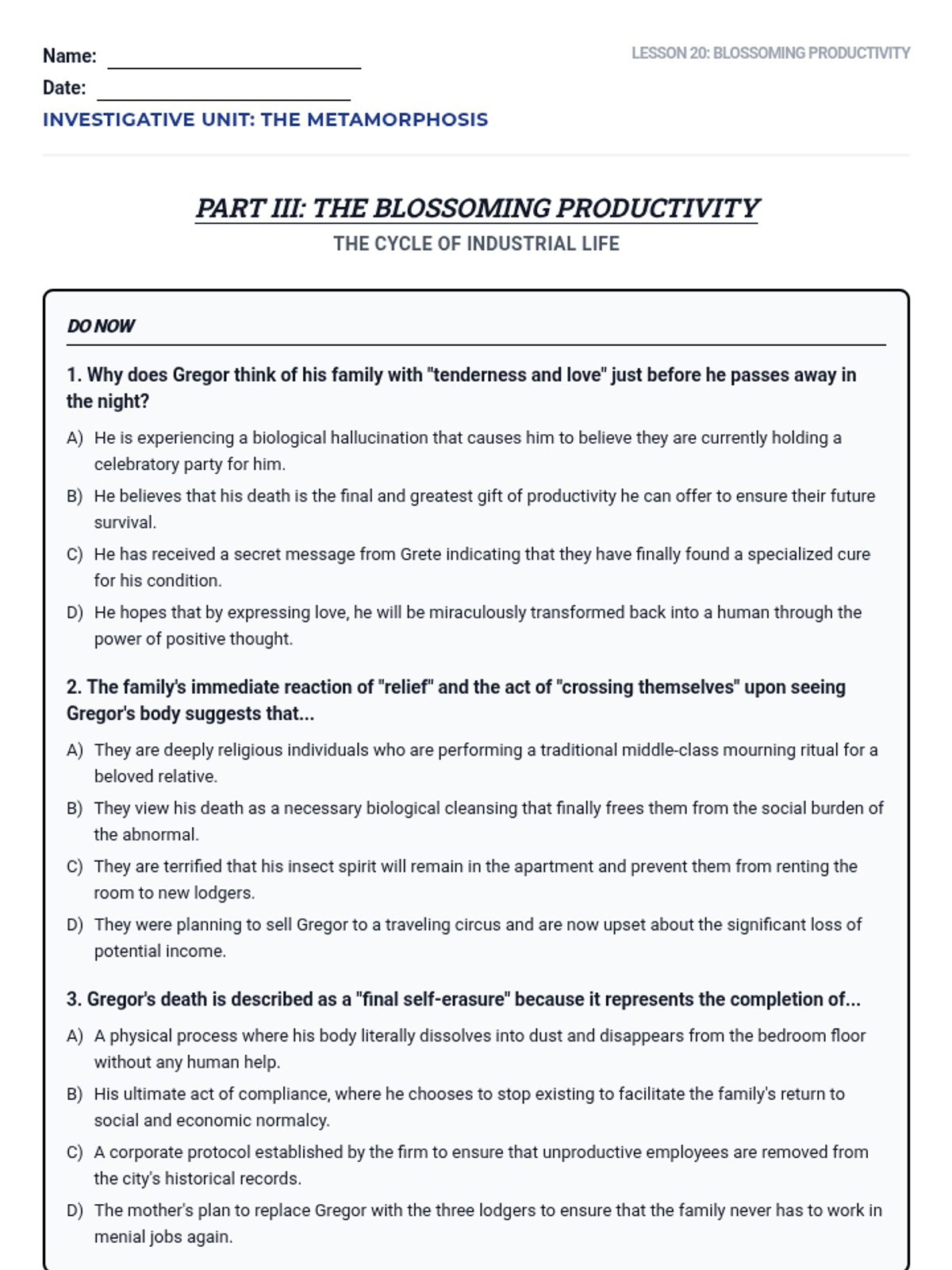
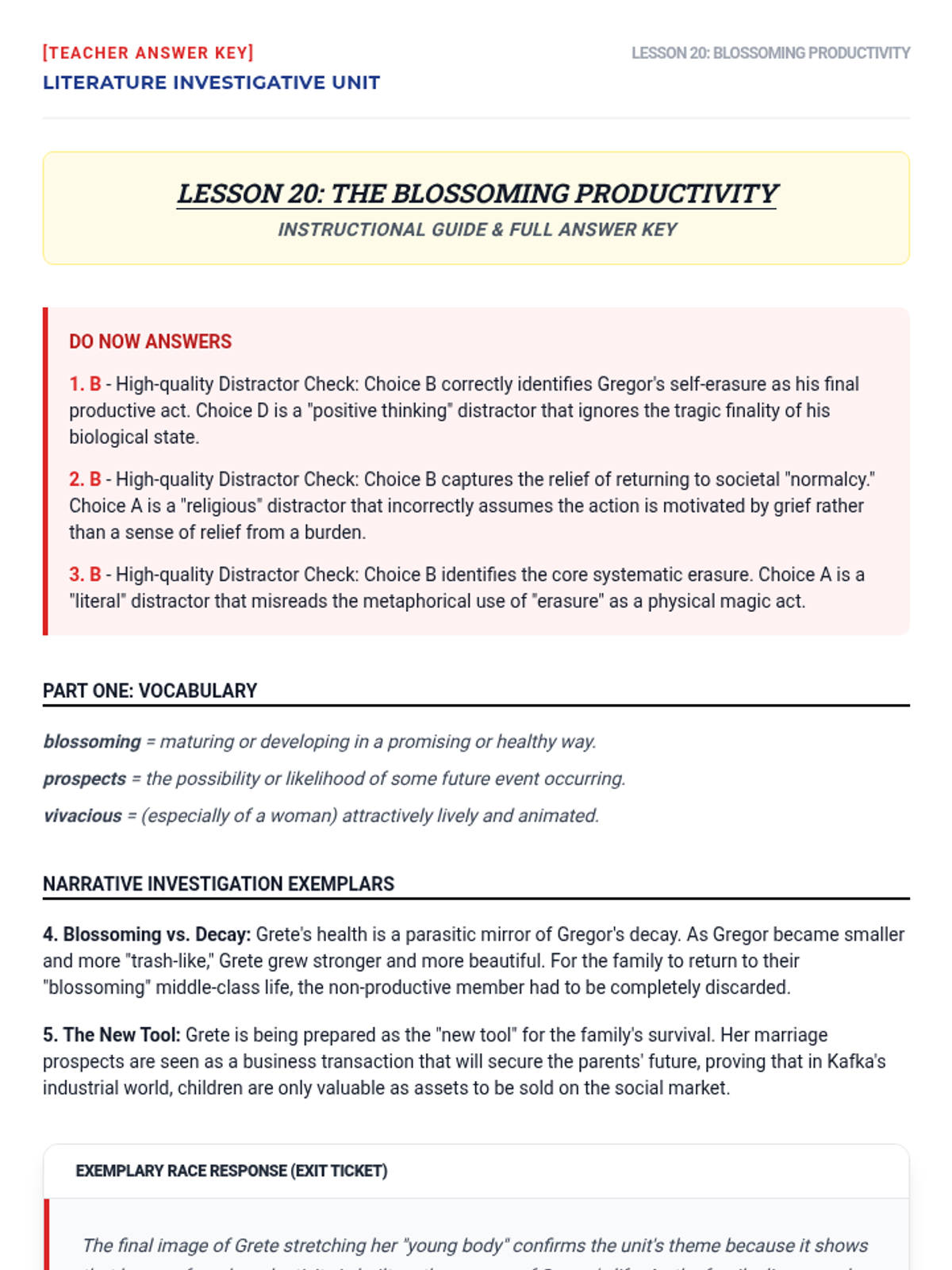
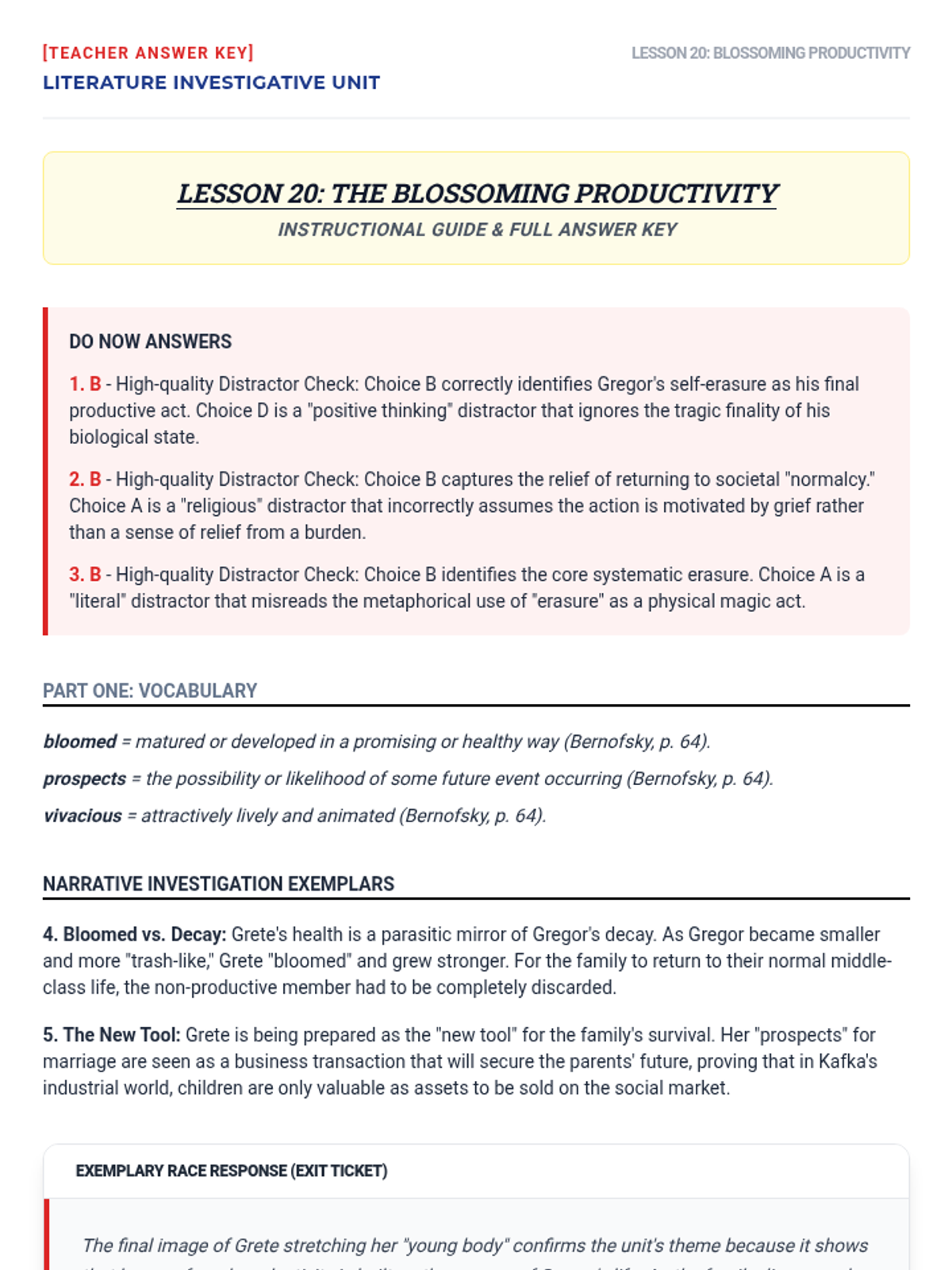
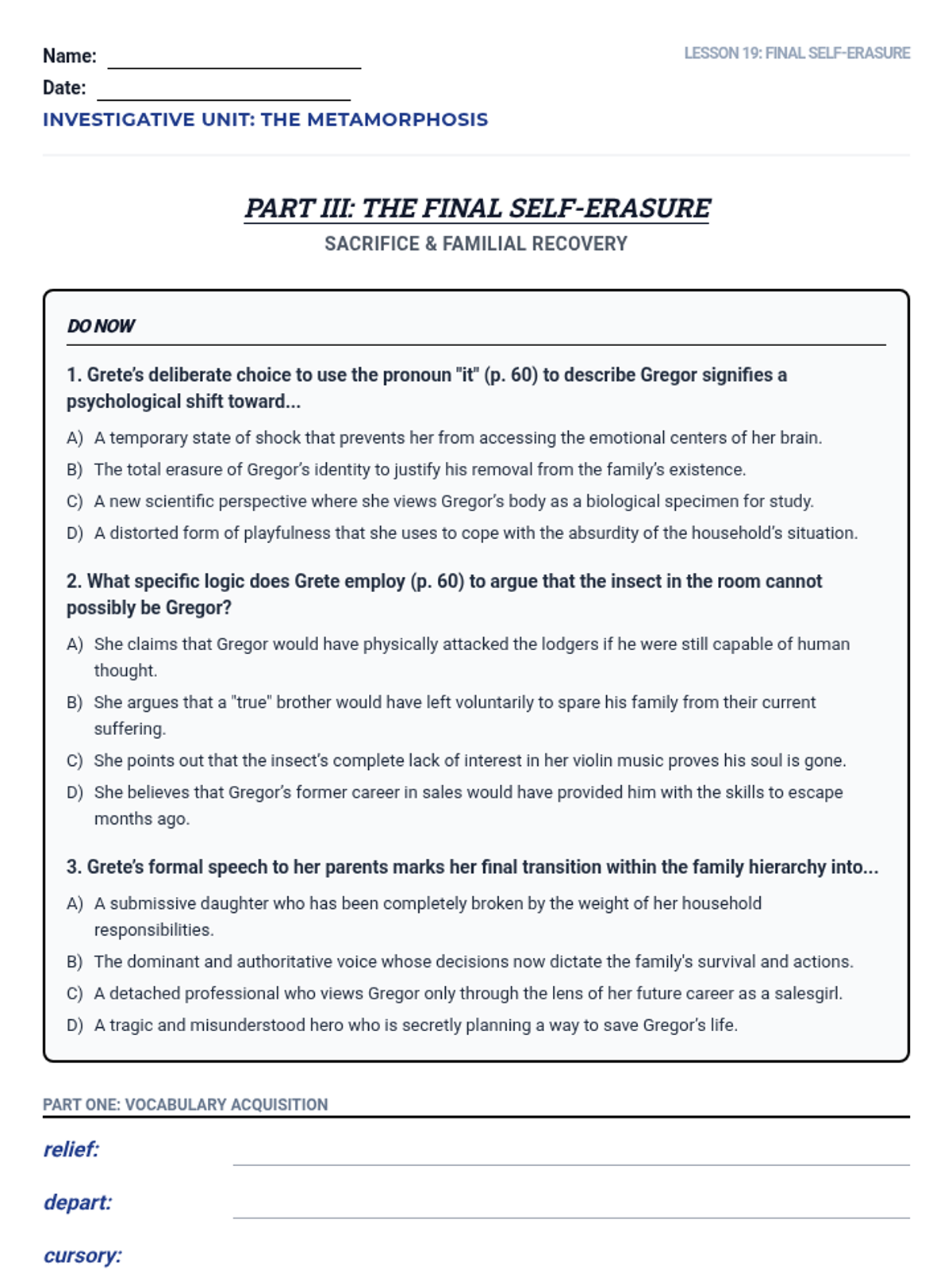
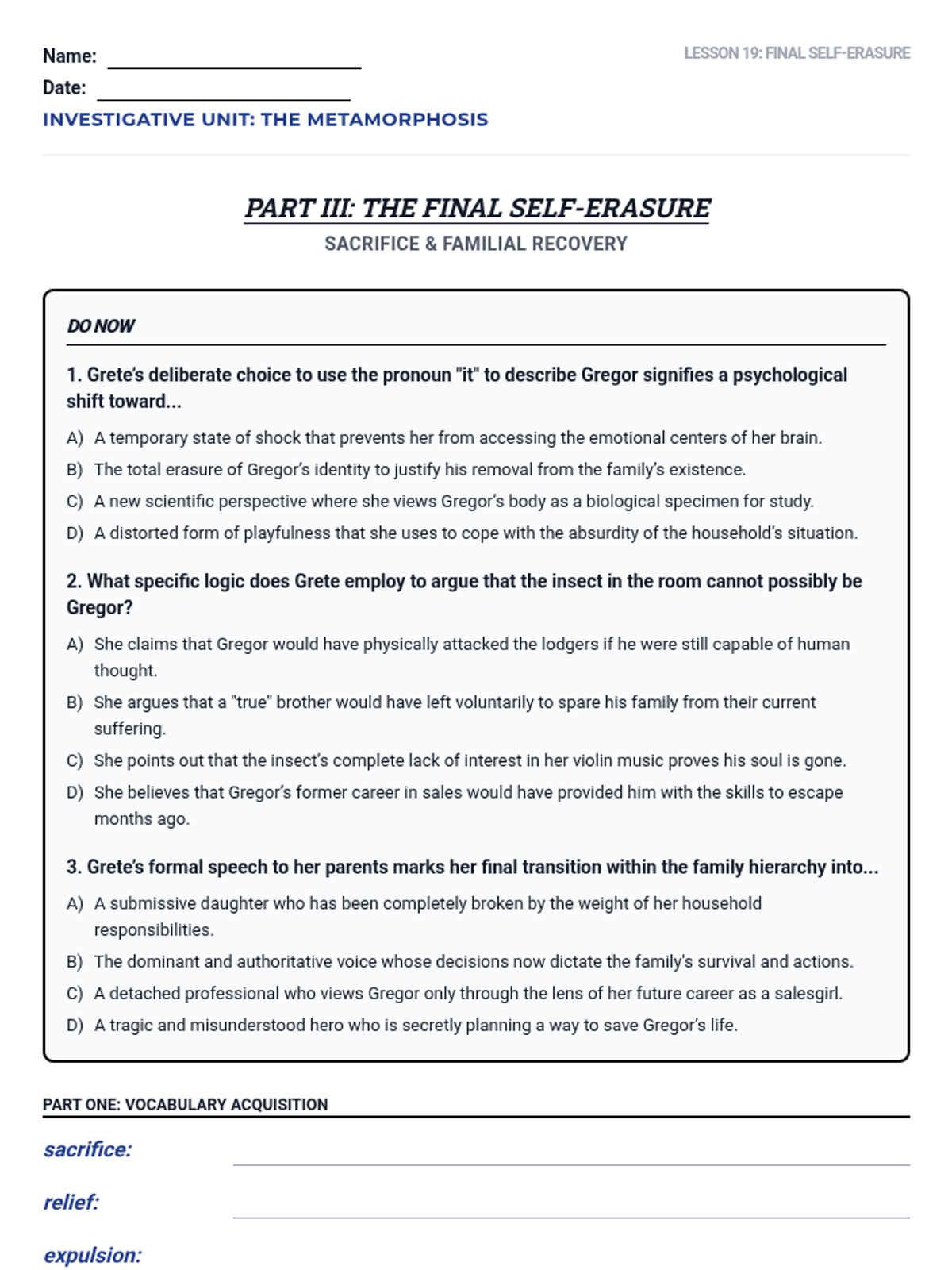
The family's recovery and the transition to a new source of productivity (Grete). Synthesis of the unit's themes.
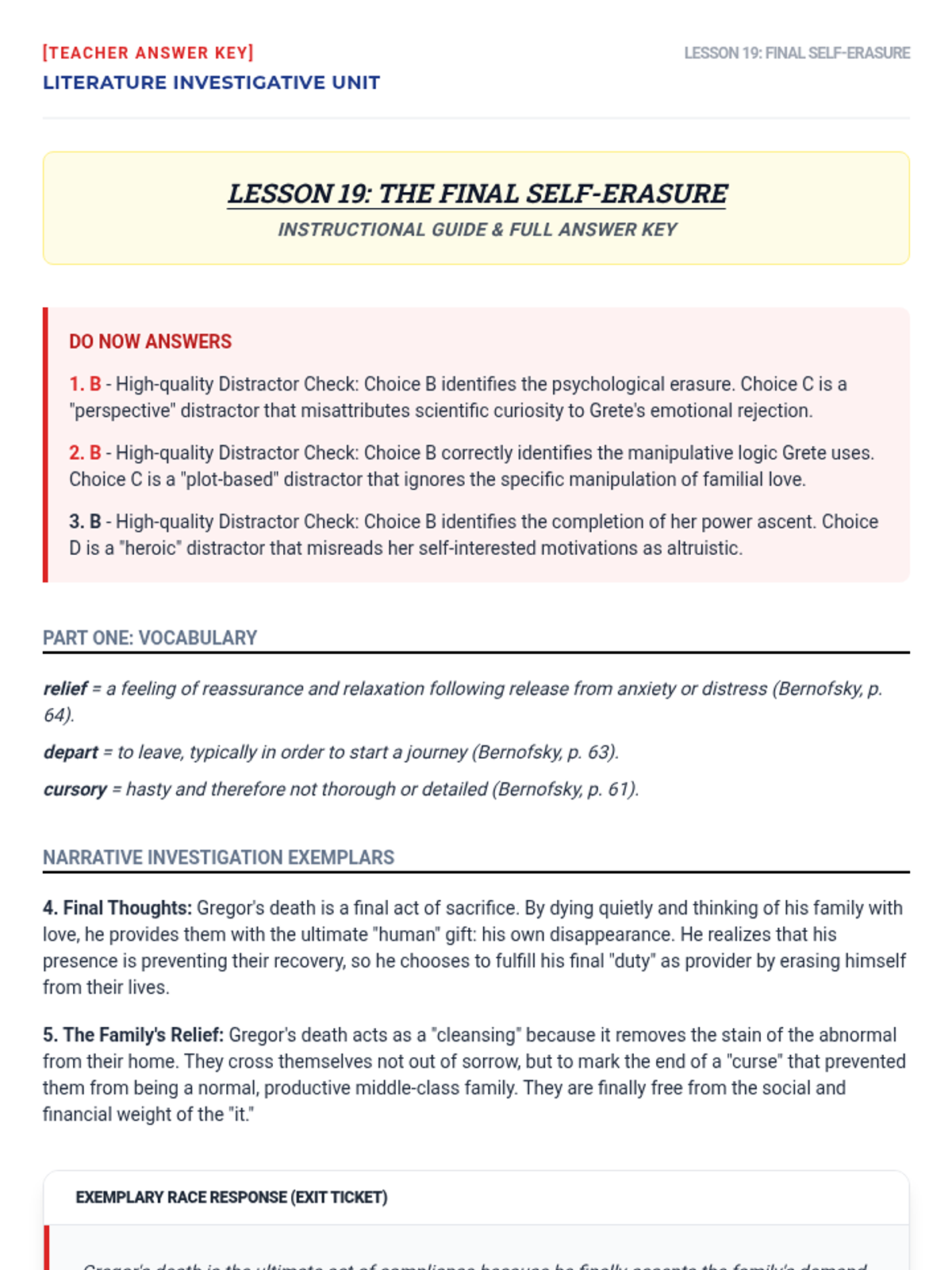
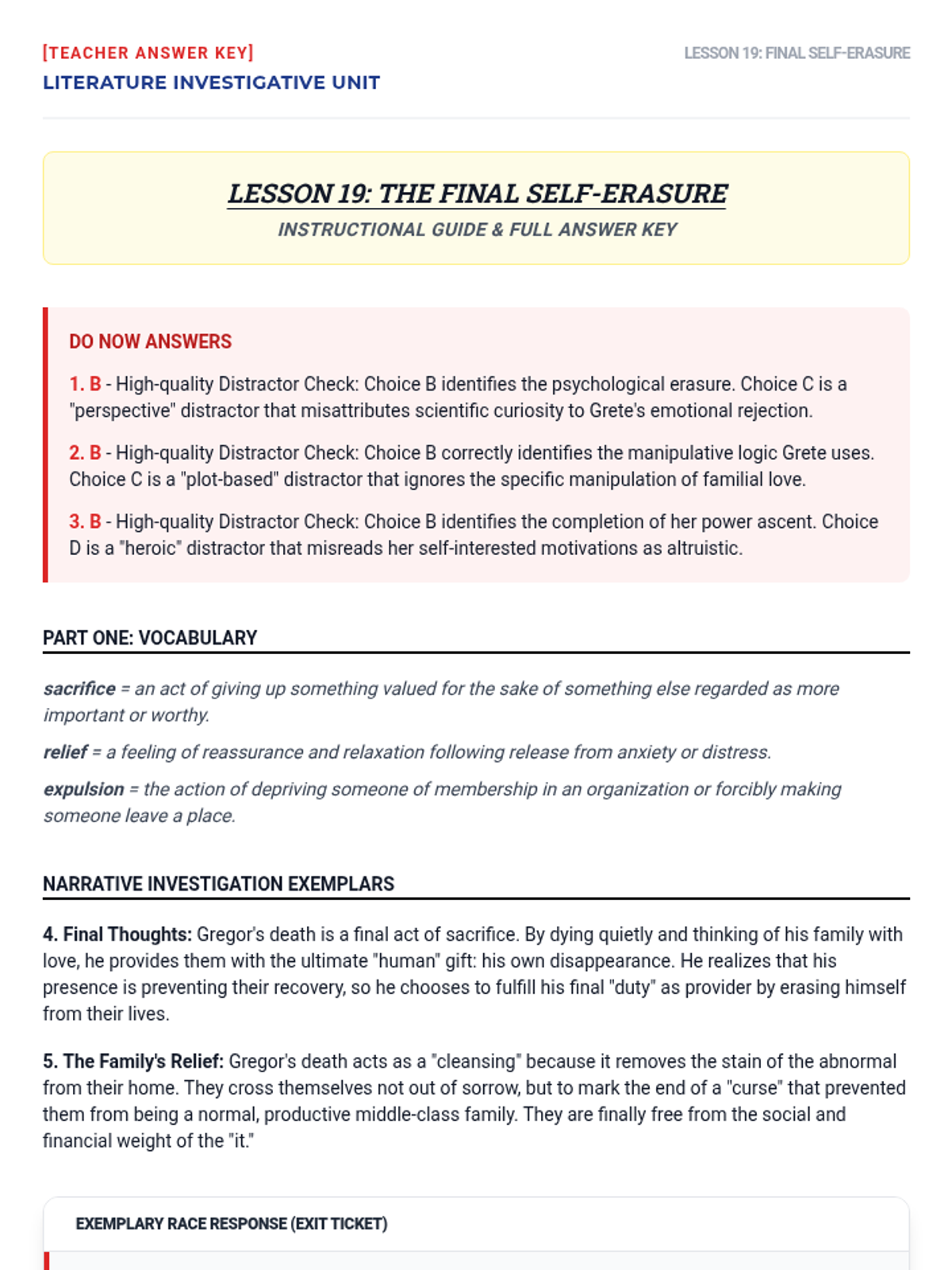
Gregor's death and self-sacrifice. Analysis of the relief of the family and the 'cleansing' of the home.
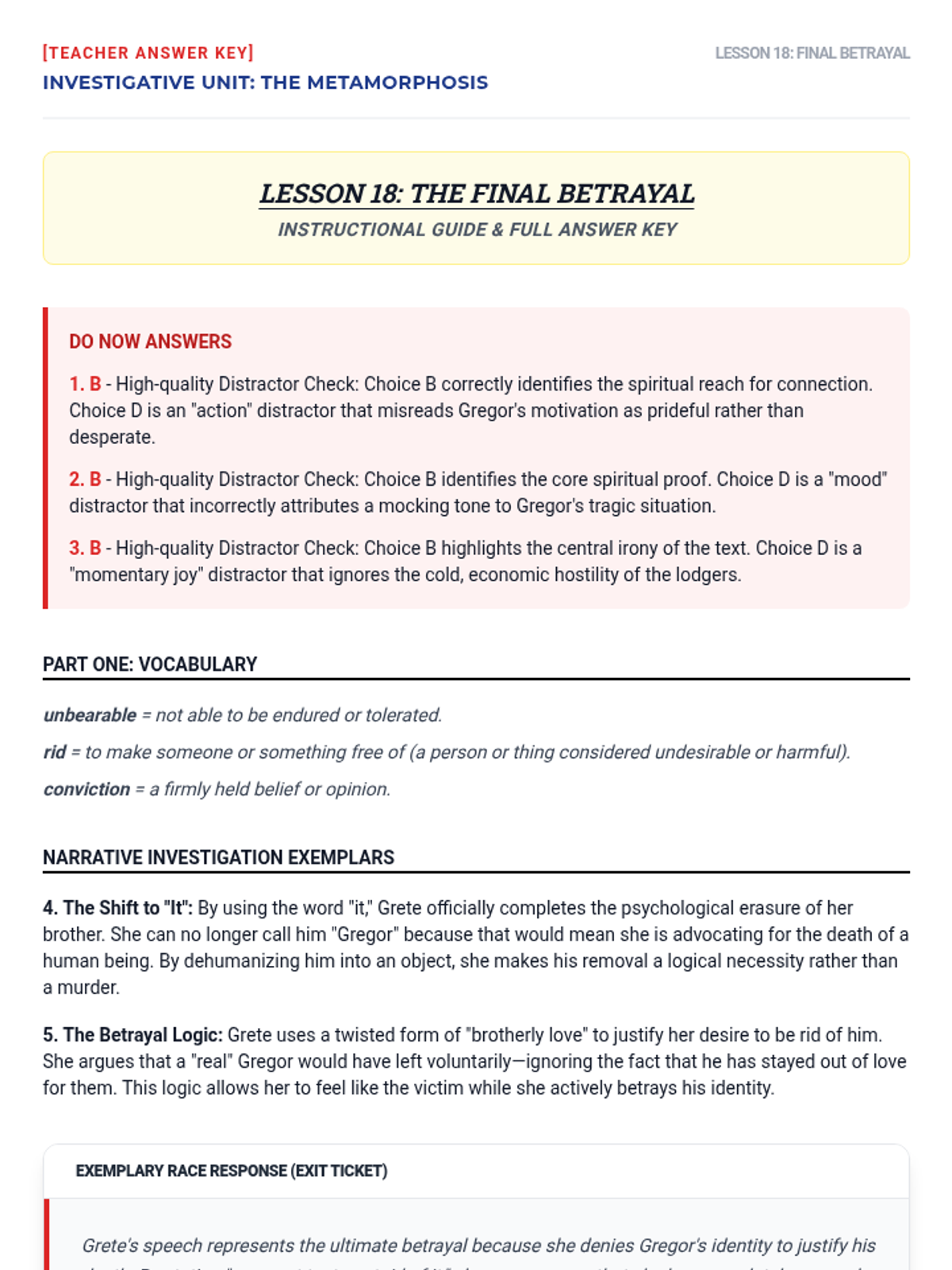
Grete's formal rejection of Gregor's identity. Analysis of the shift from sibling love to the necessity of his removal.
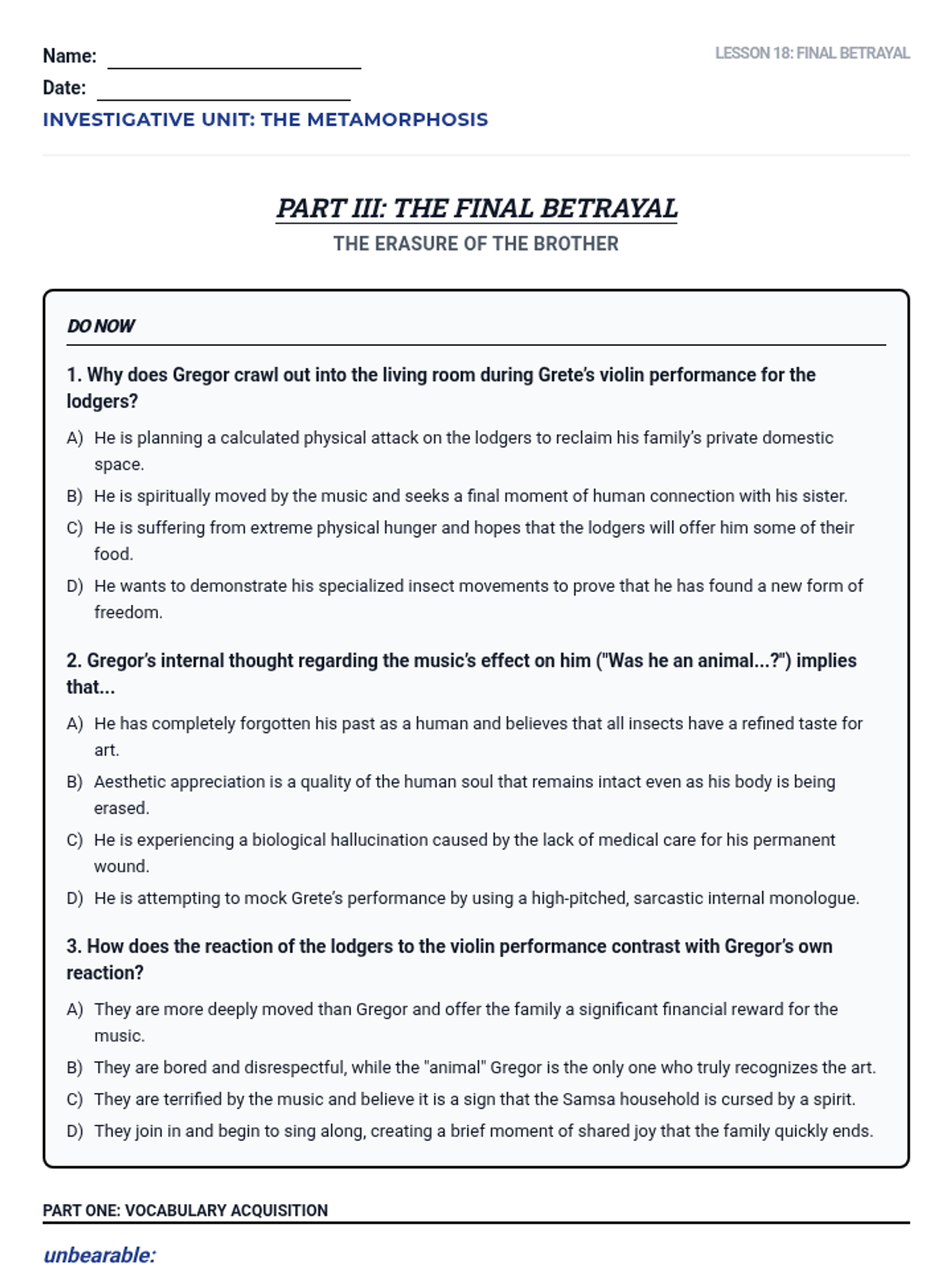
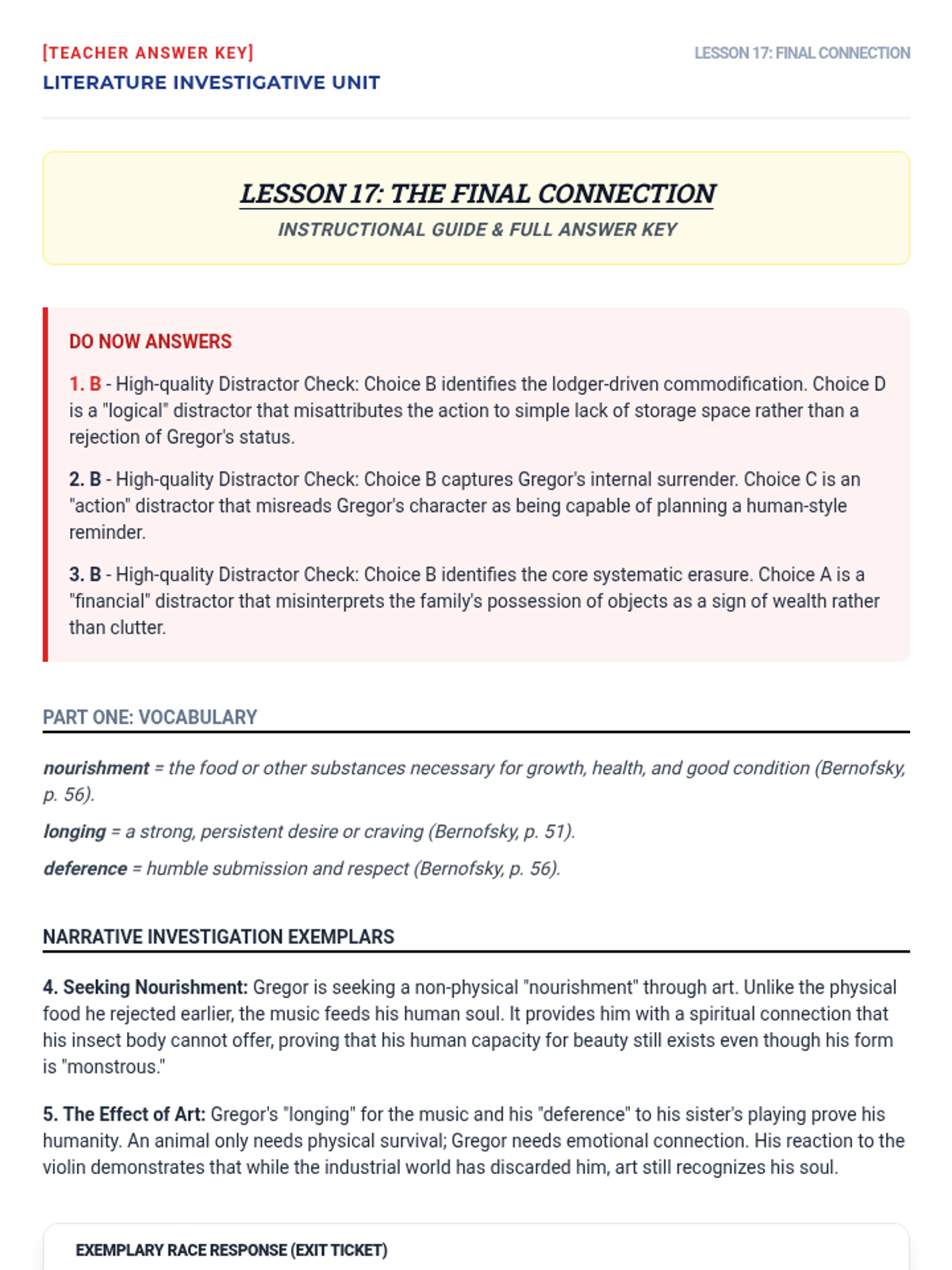
Gregor's reaction to Grete's violin performance. Themes of art, human connection, and the final reach for his human spirit.
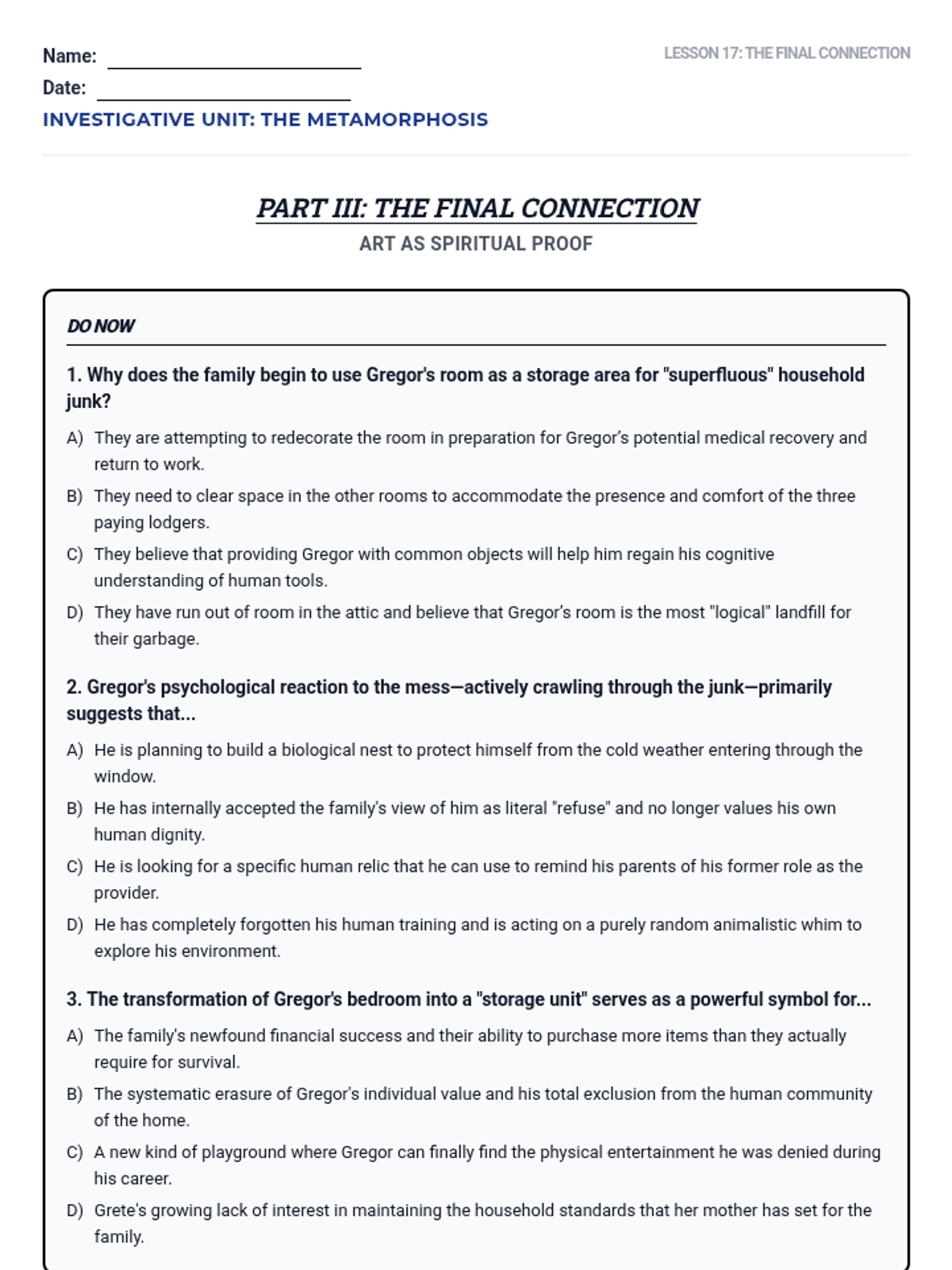
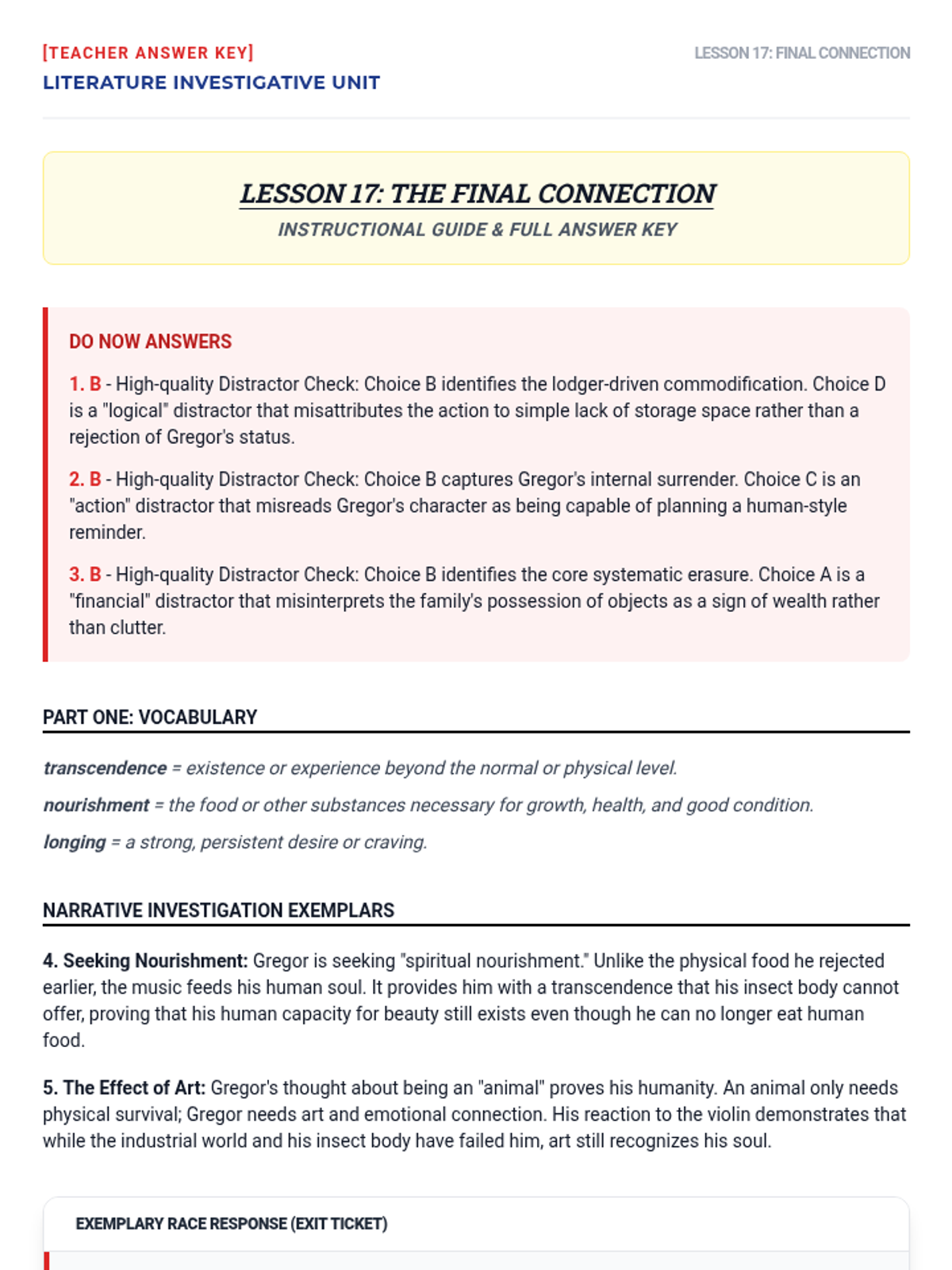
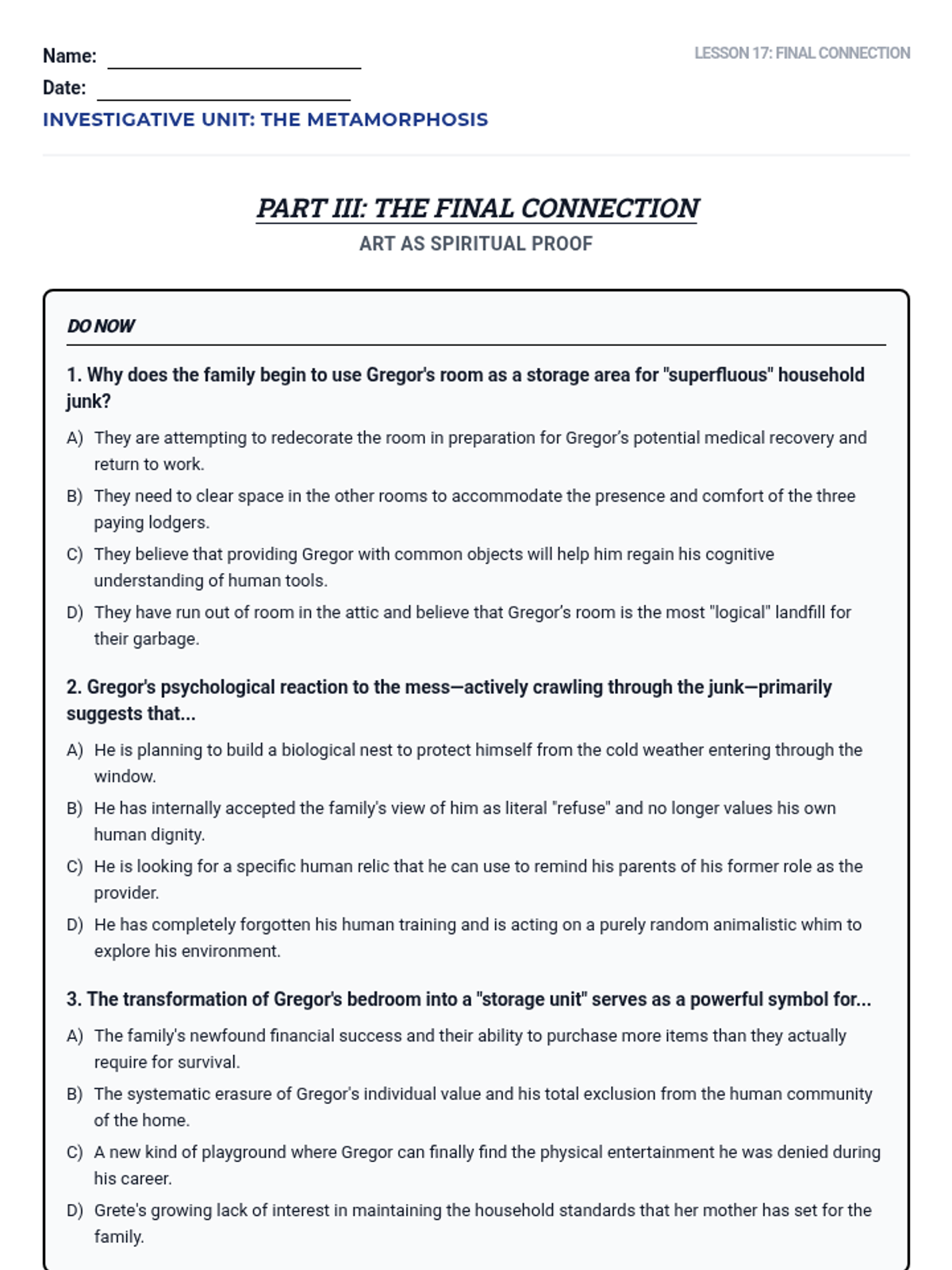
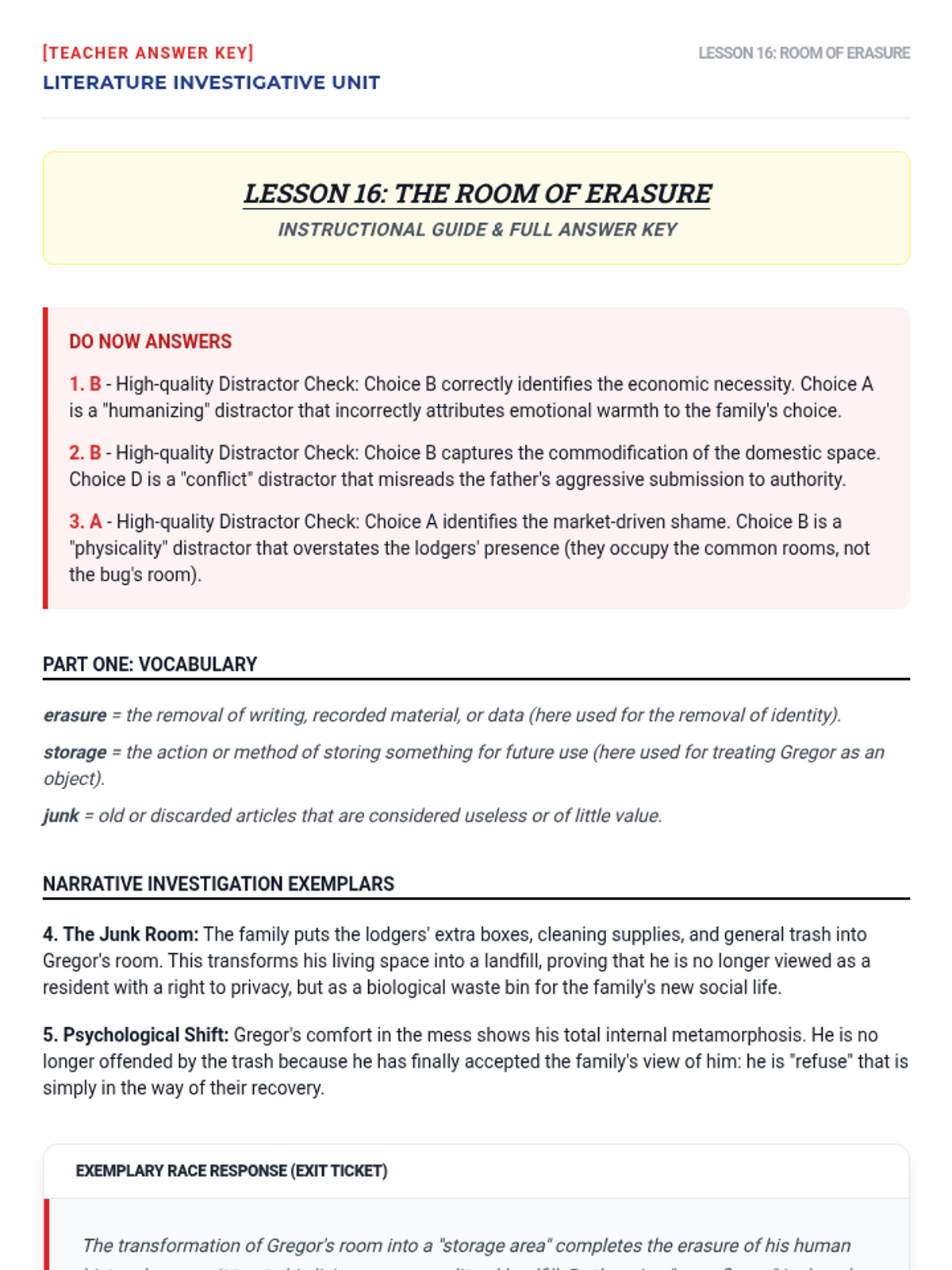
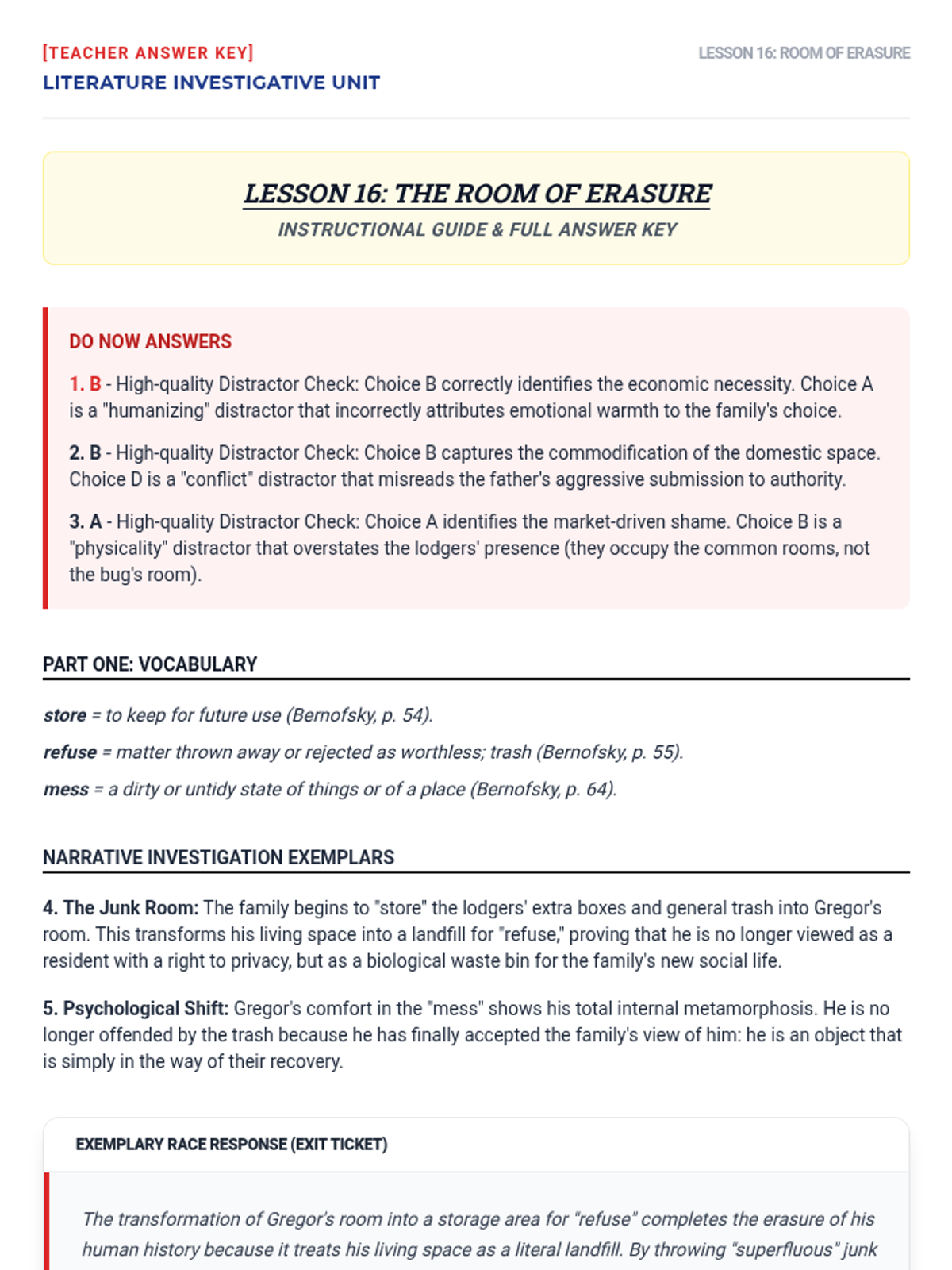
Gregor's room becomes a storage area for trash. Analysis of the complete erasure of his human space and history.
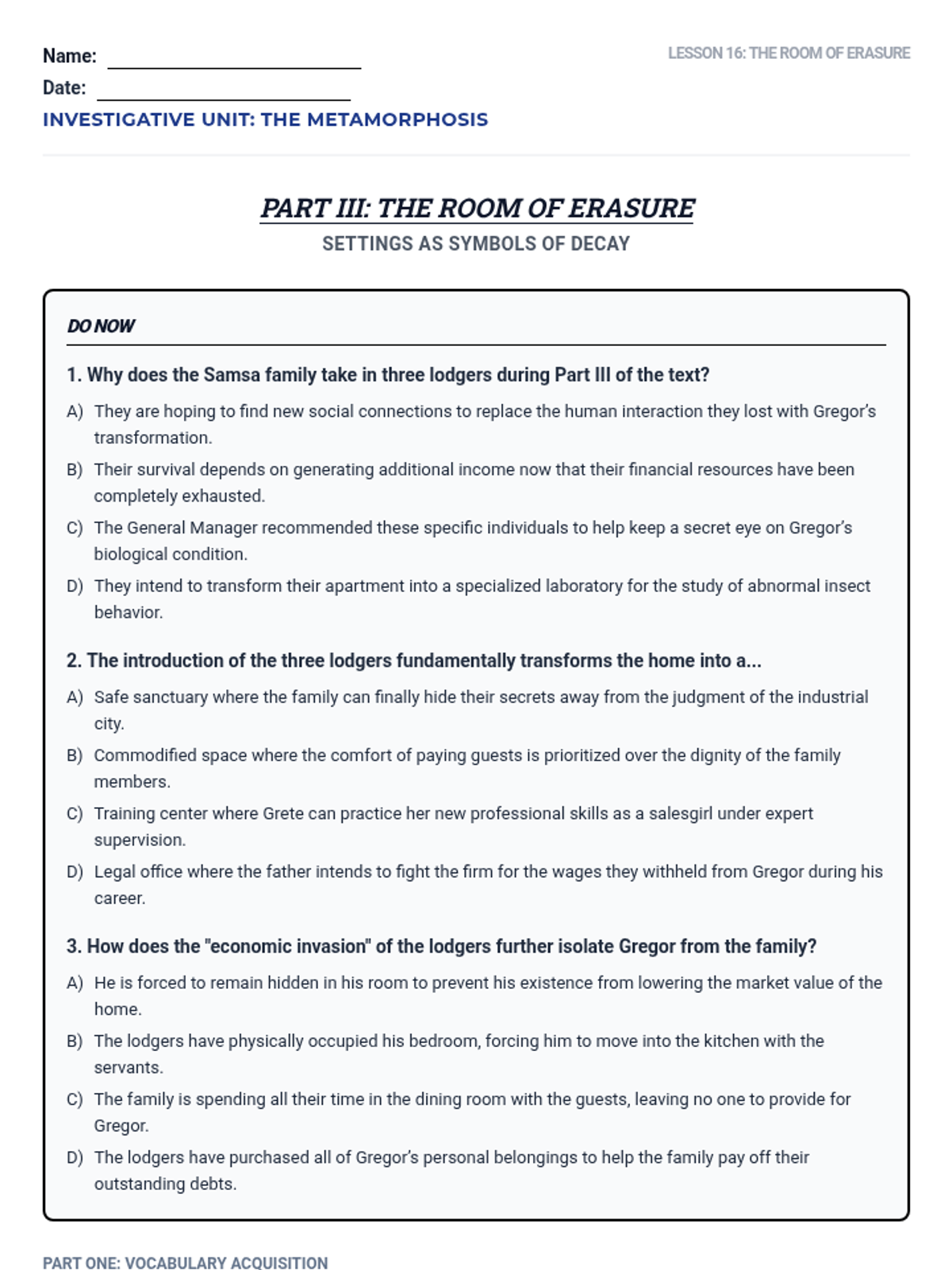
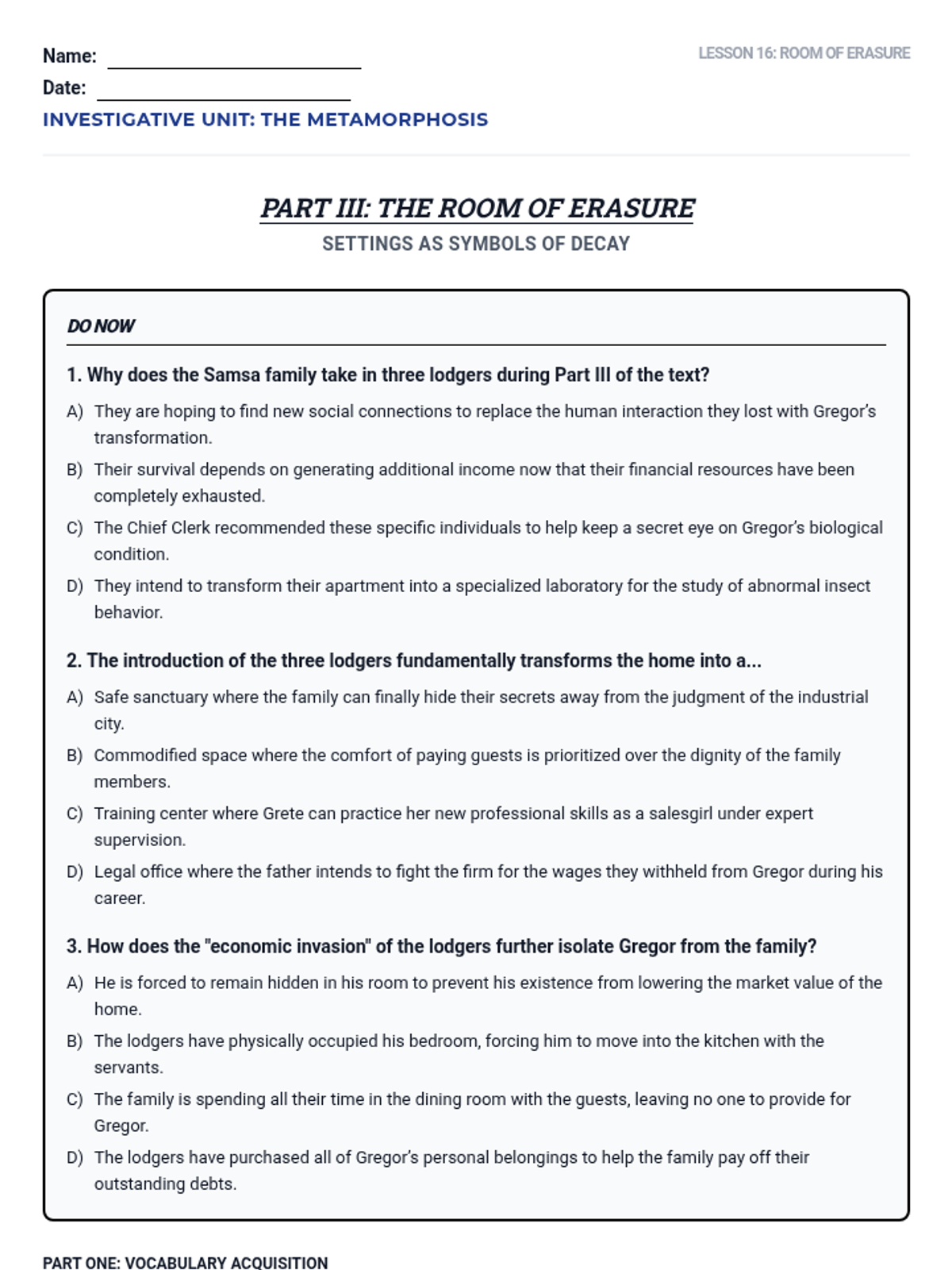
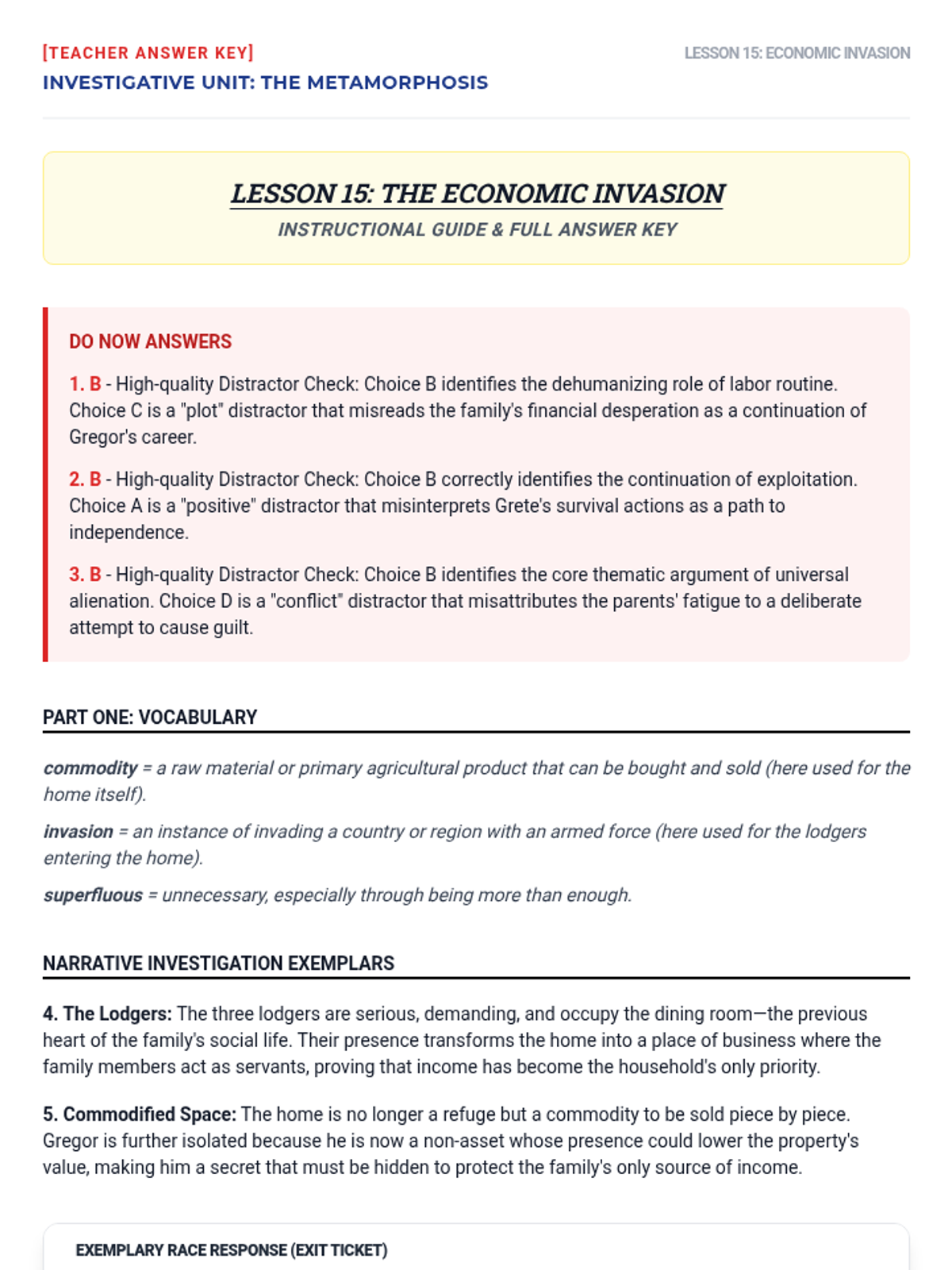
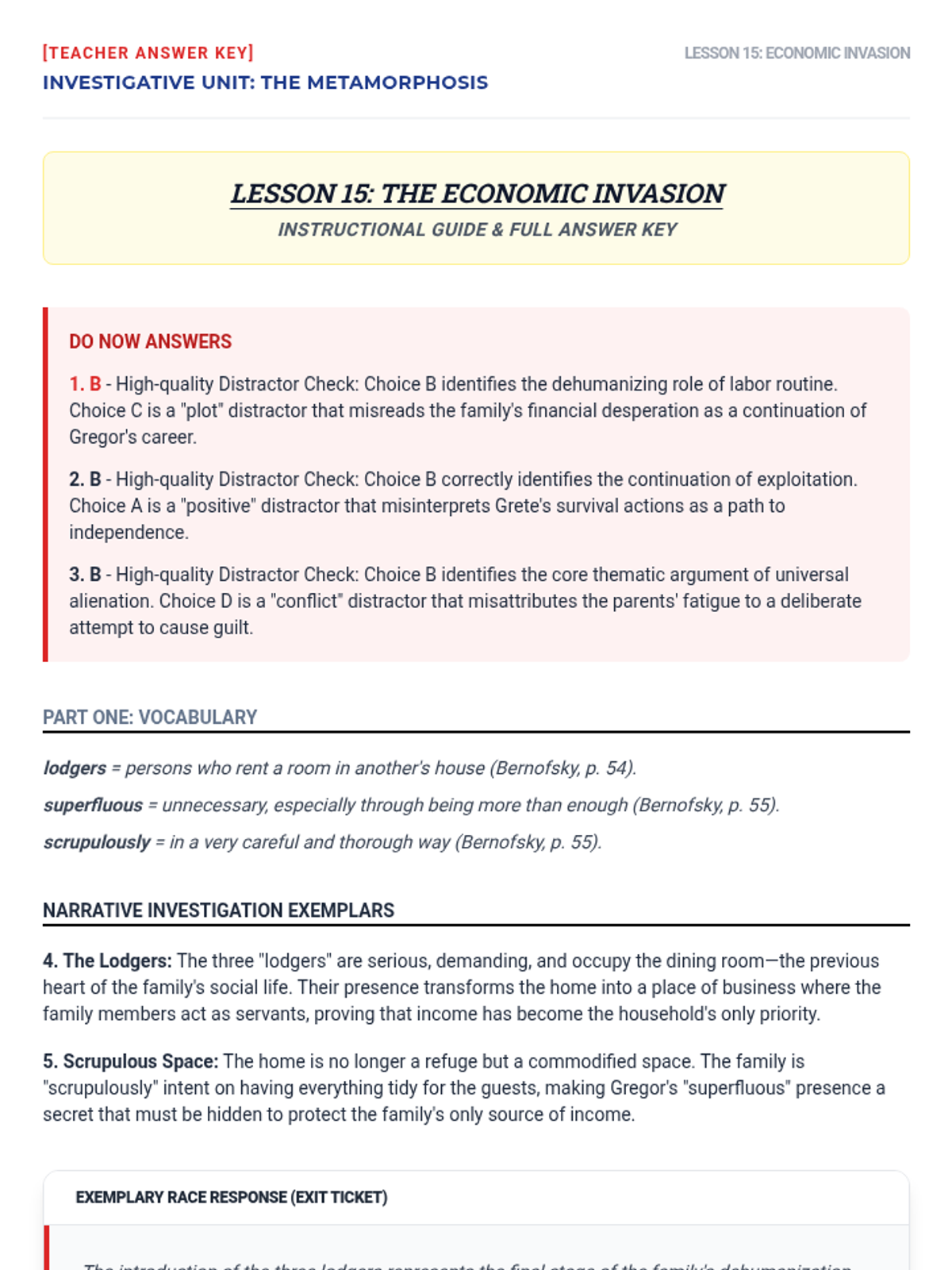
The introduction of the three lodgers. Analysis of the home as a commodified space and Gregor's further displacement.
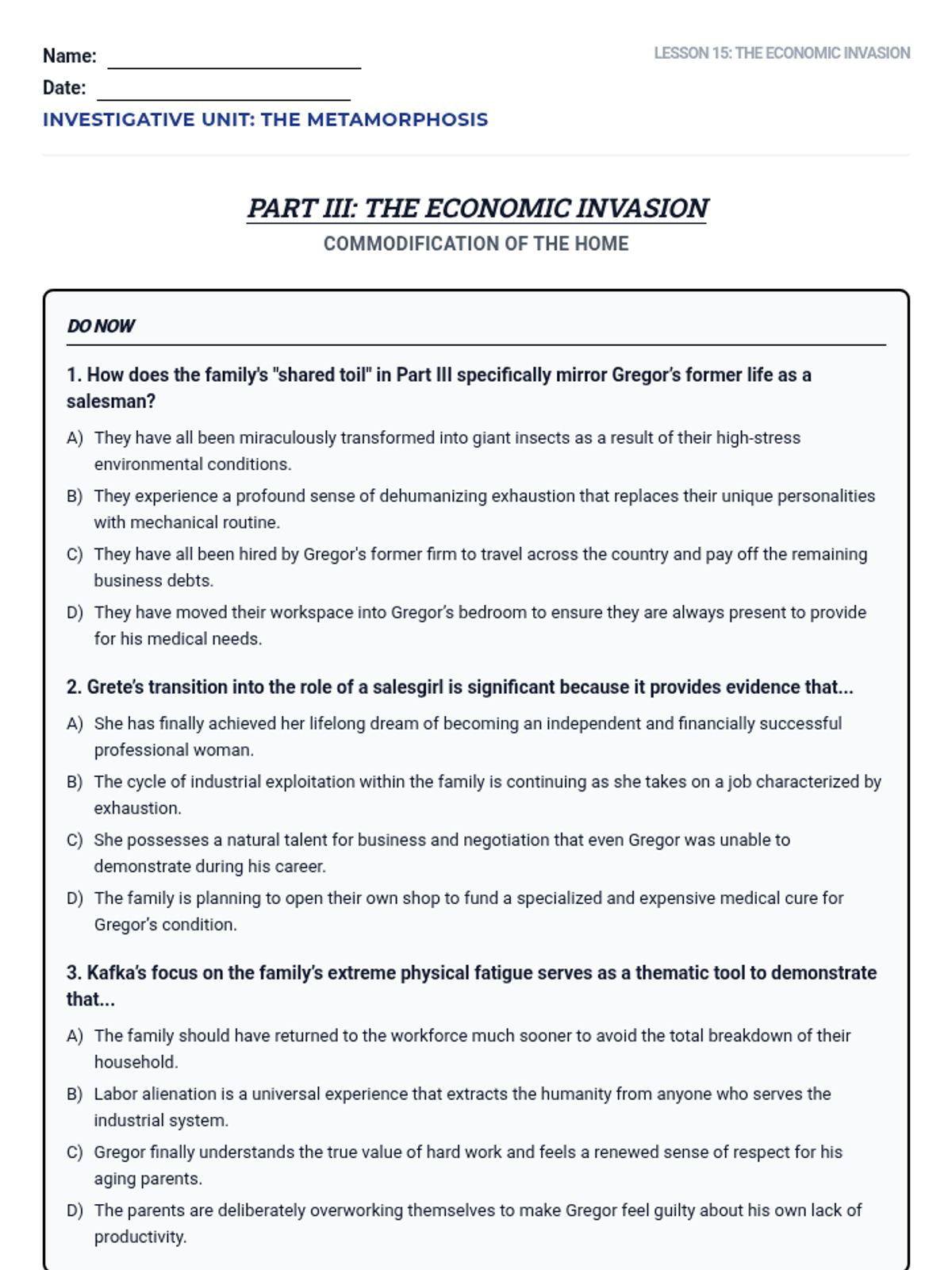
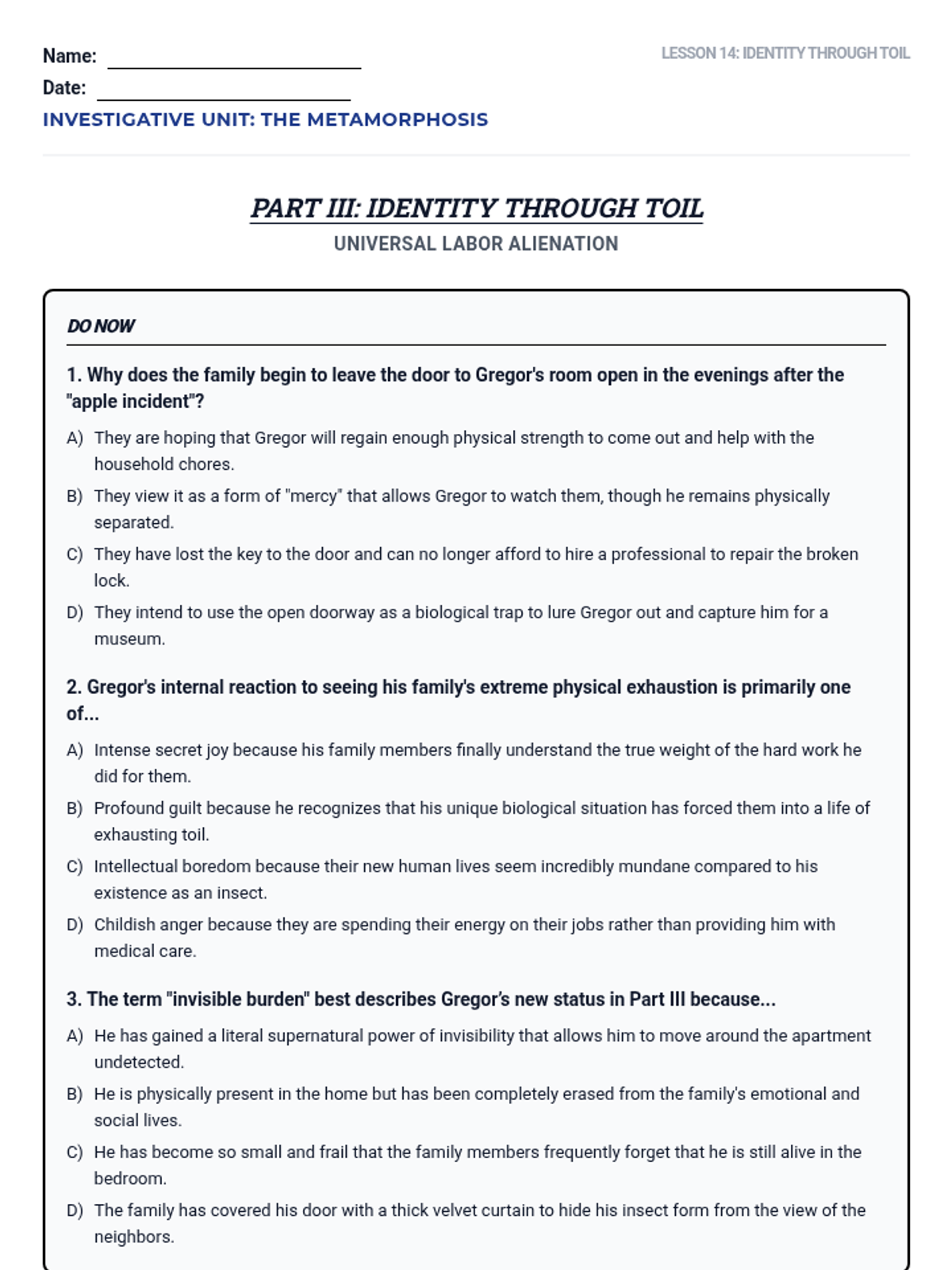
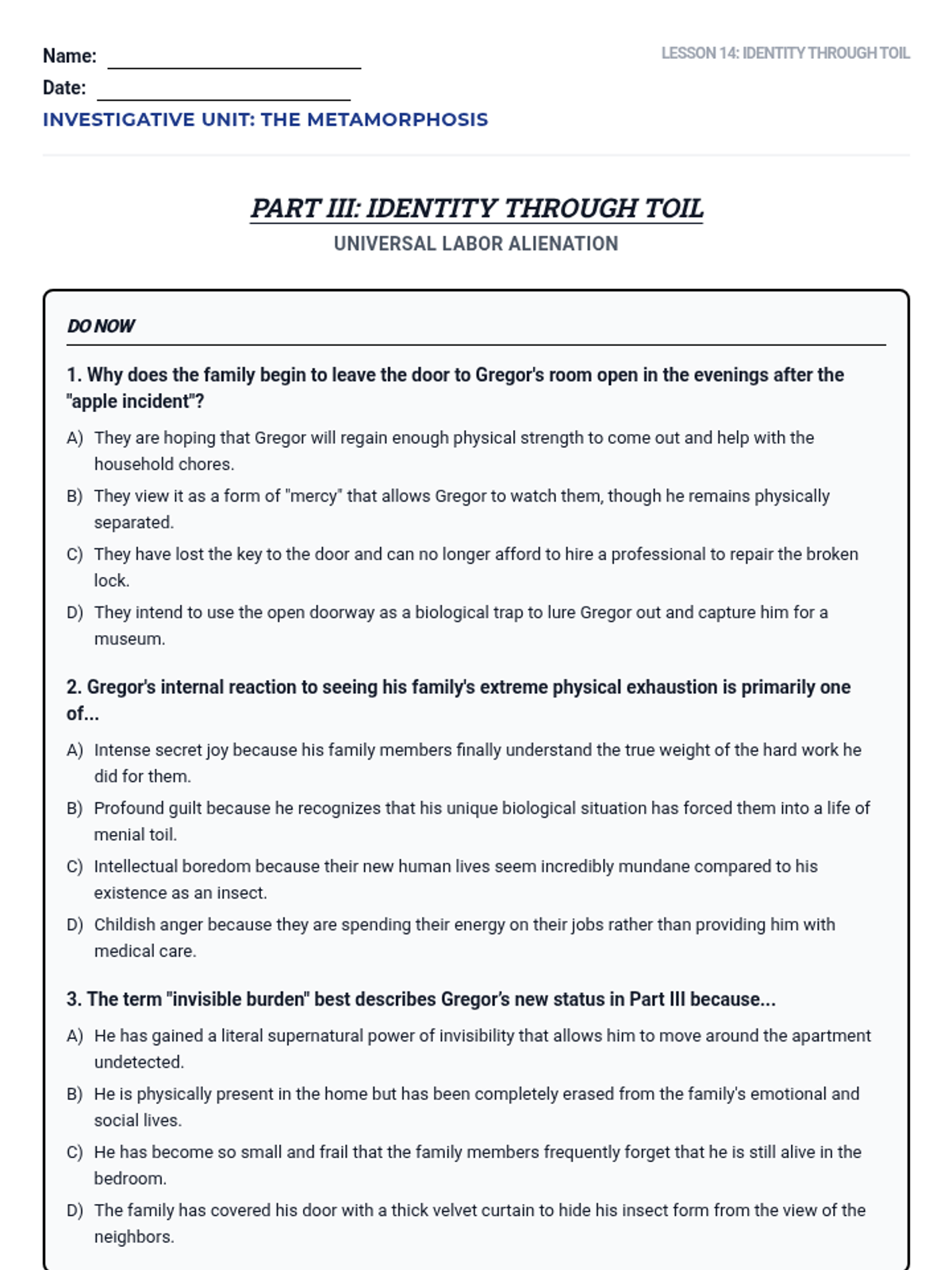
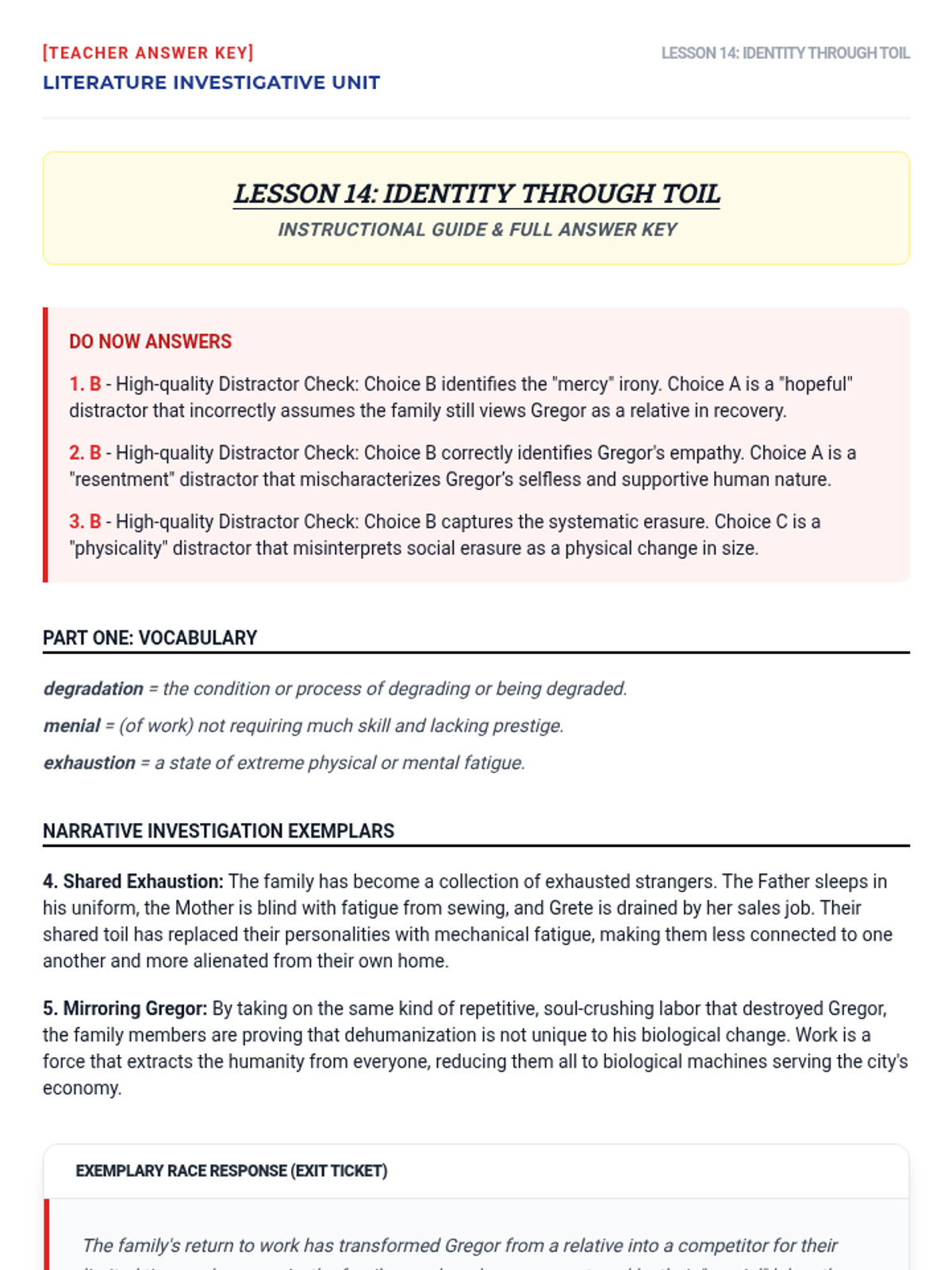
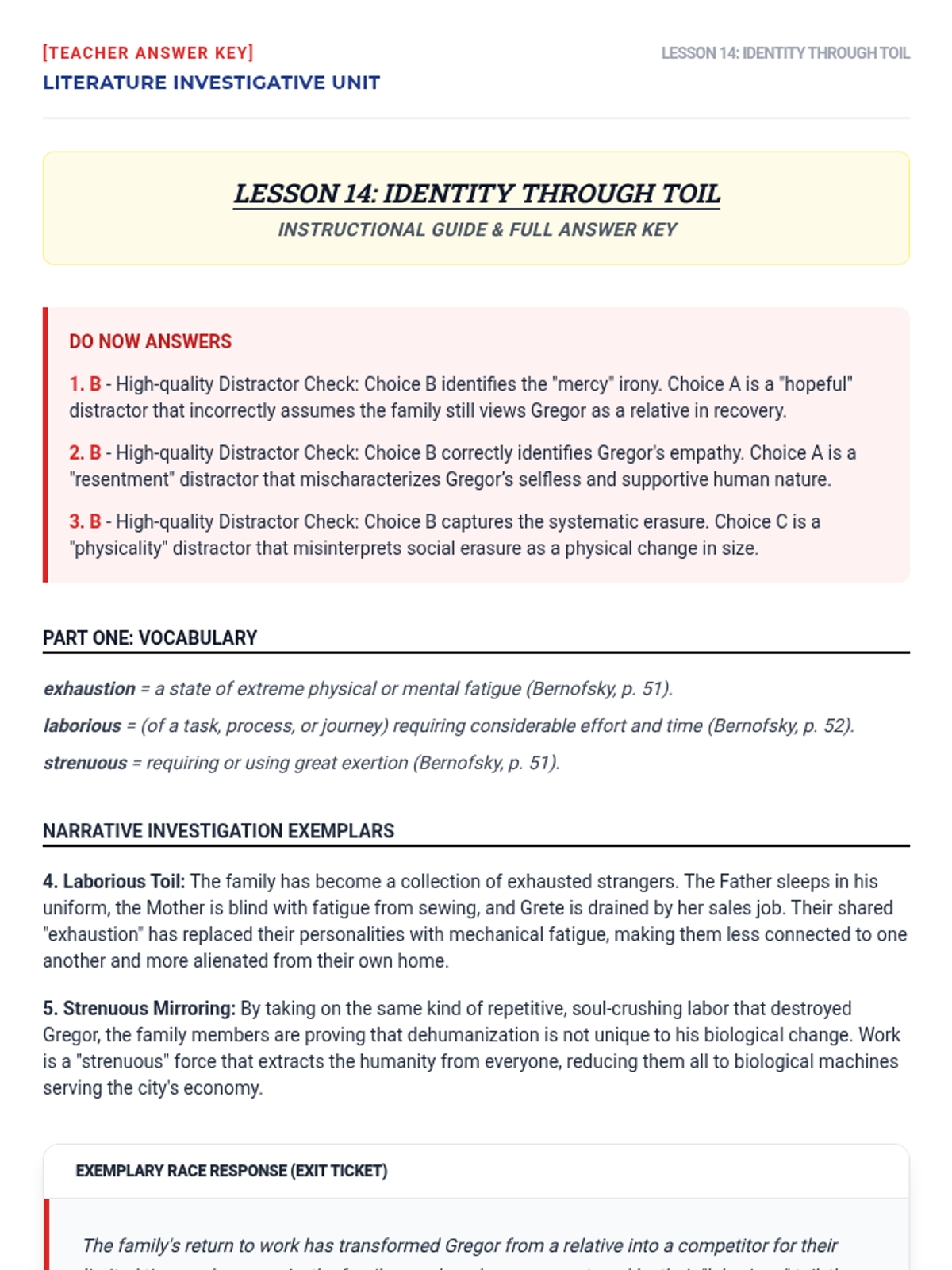
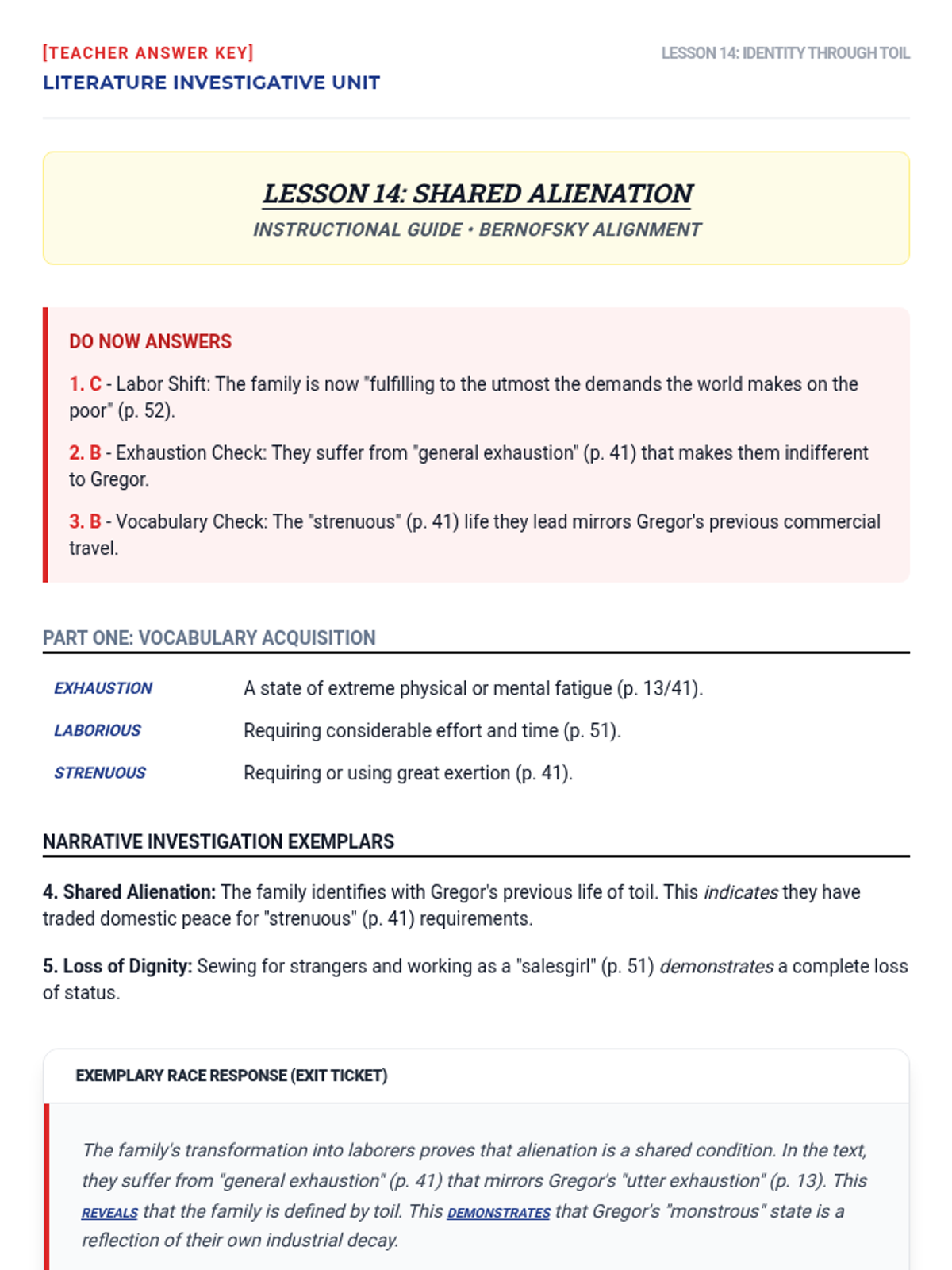
Analysis of the family taking on menial labor. Themes of exhaustion, loss of dignity, and the shared alienation of the working class.
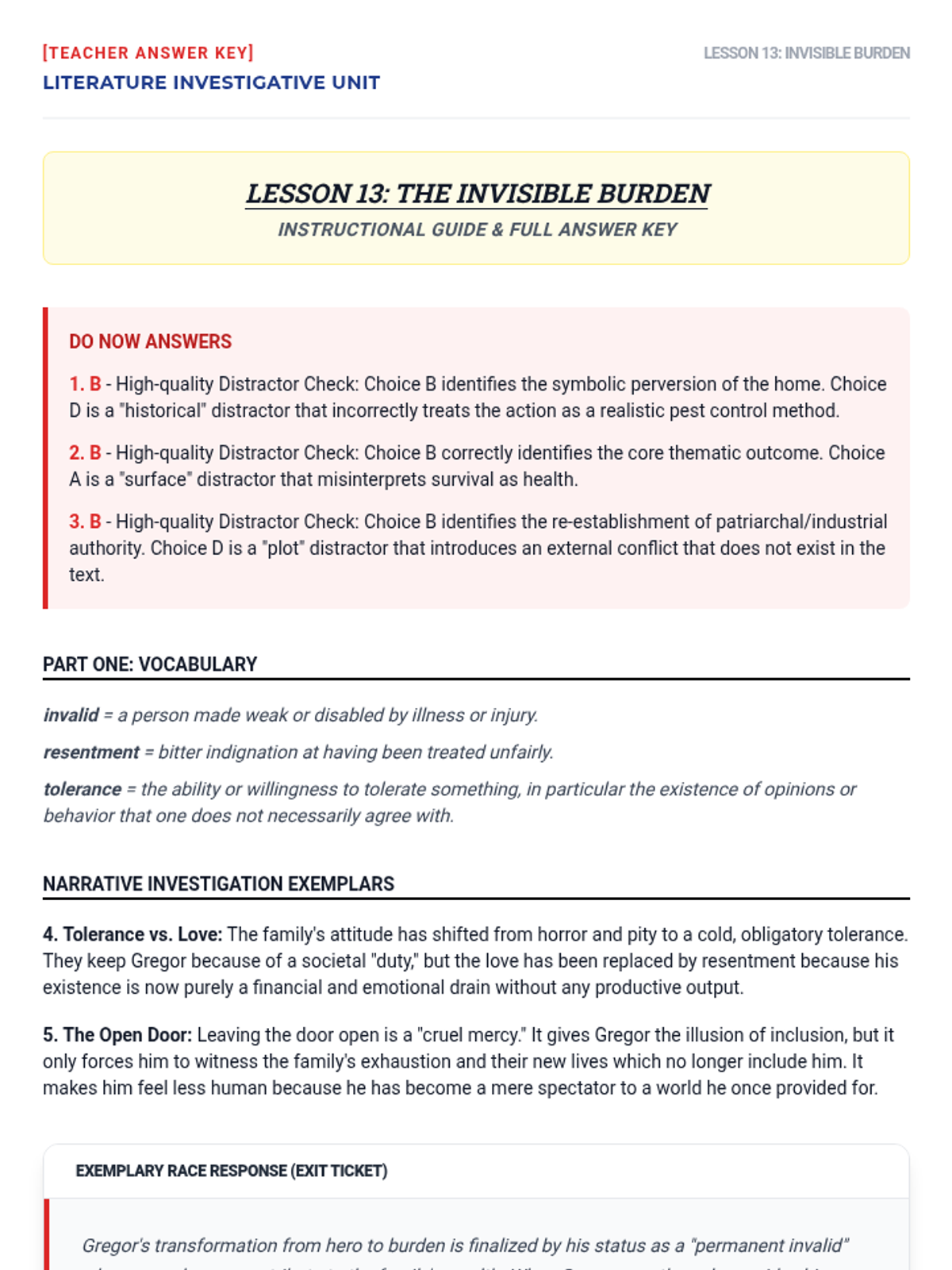
Gregor as a permanent invalid. Analysis of the family's growing resentment and the physical reminder of his non-productive status.
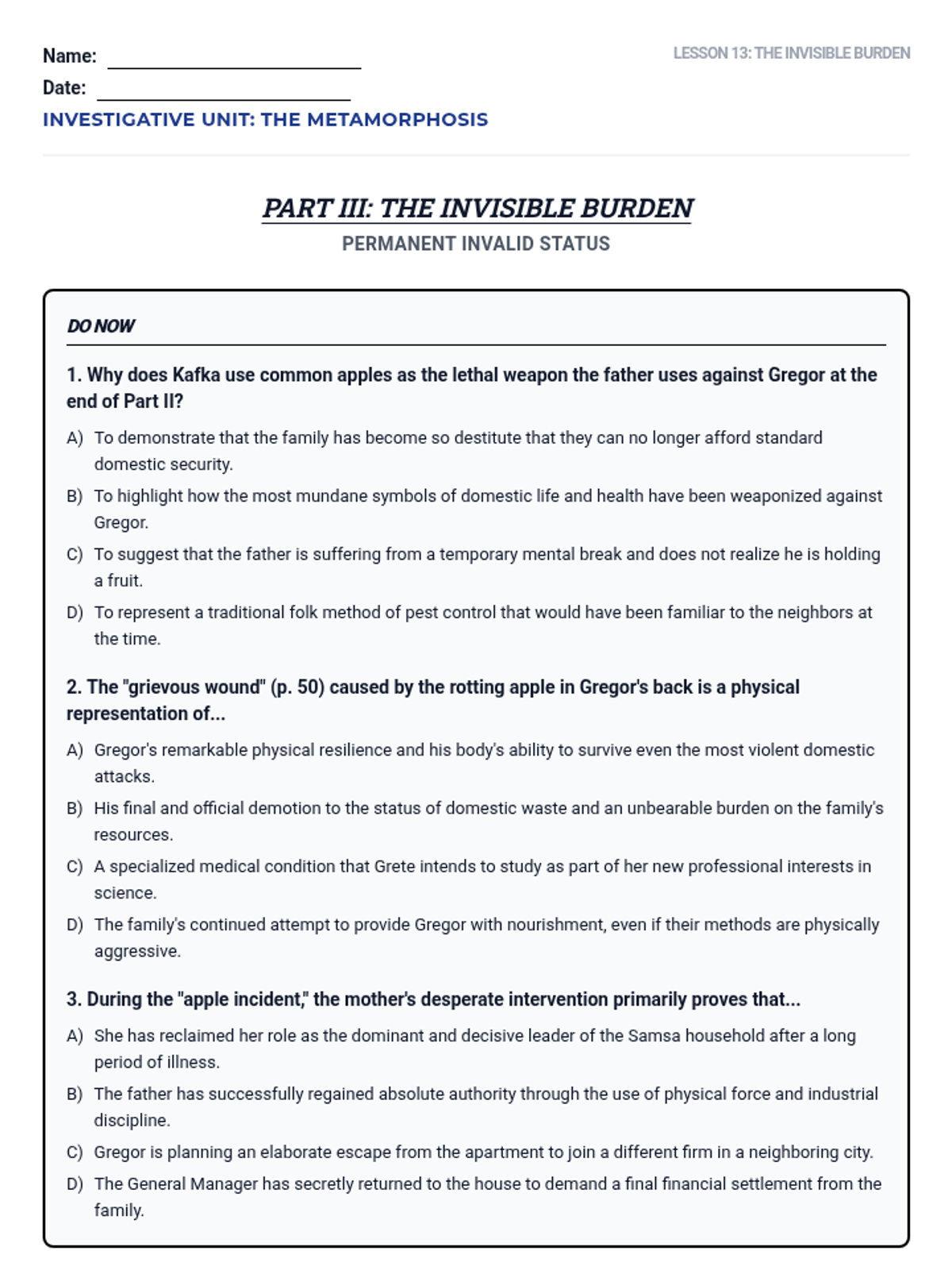
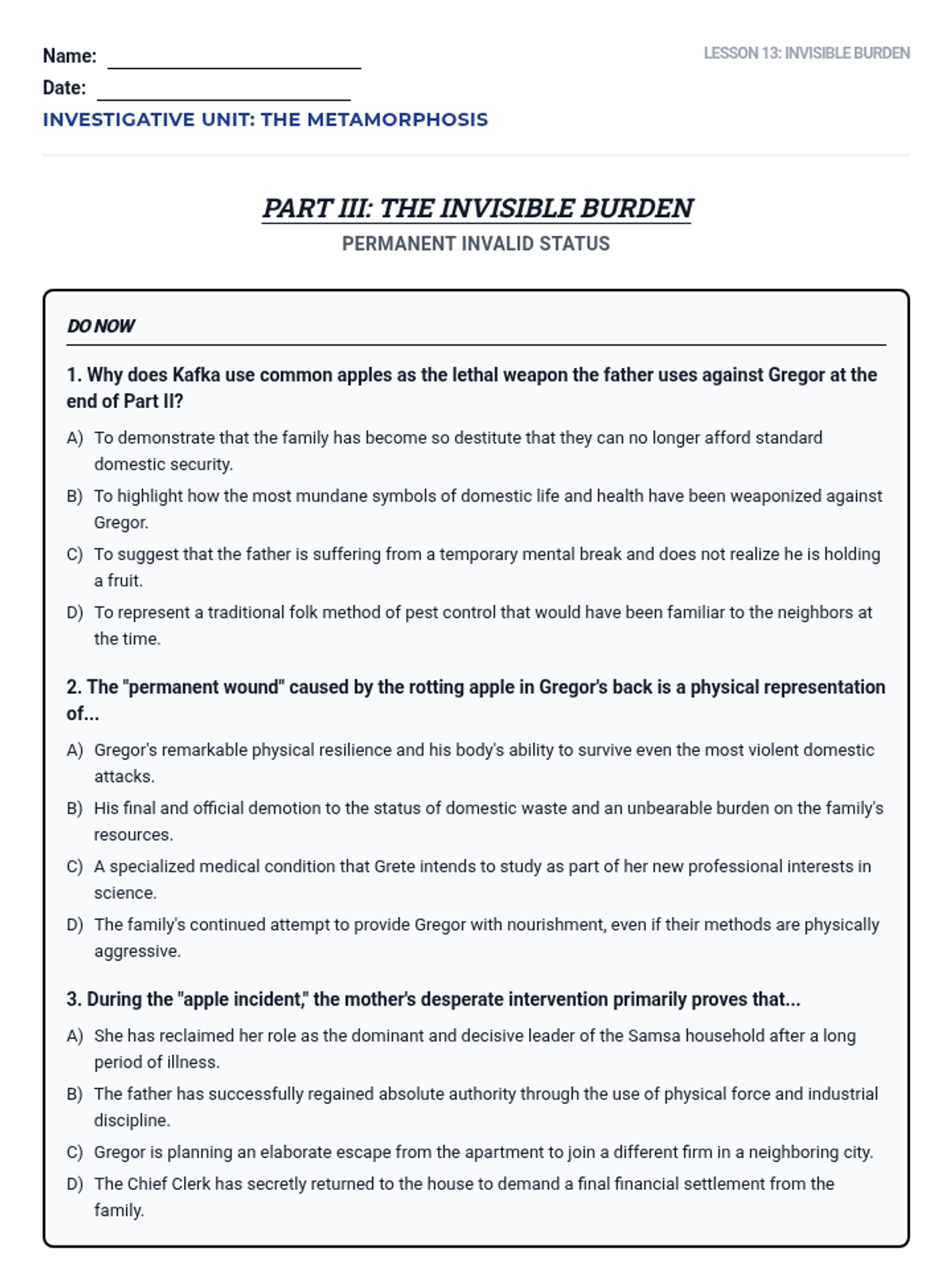
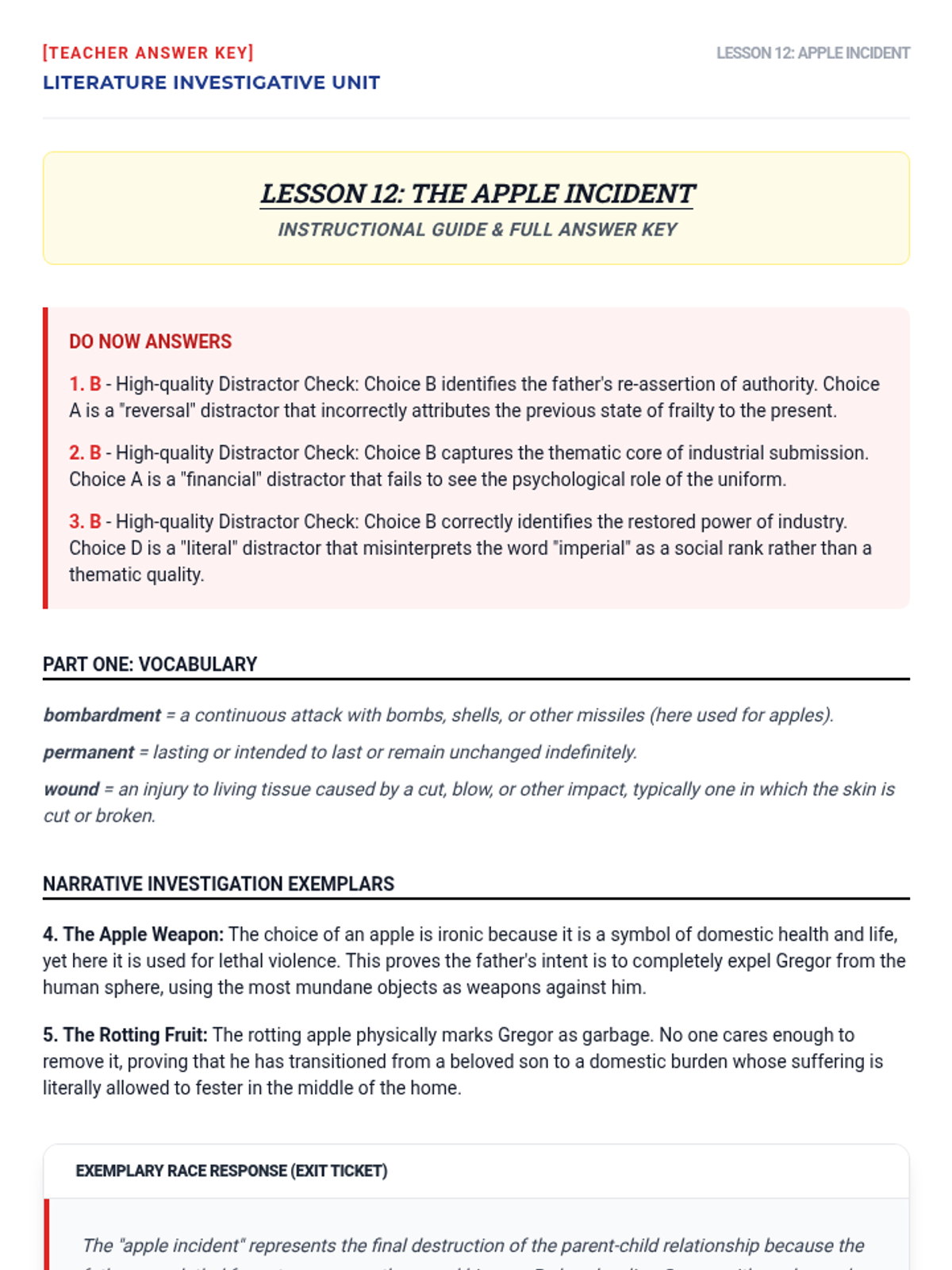
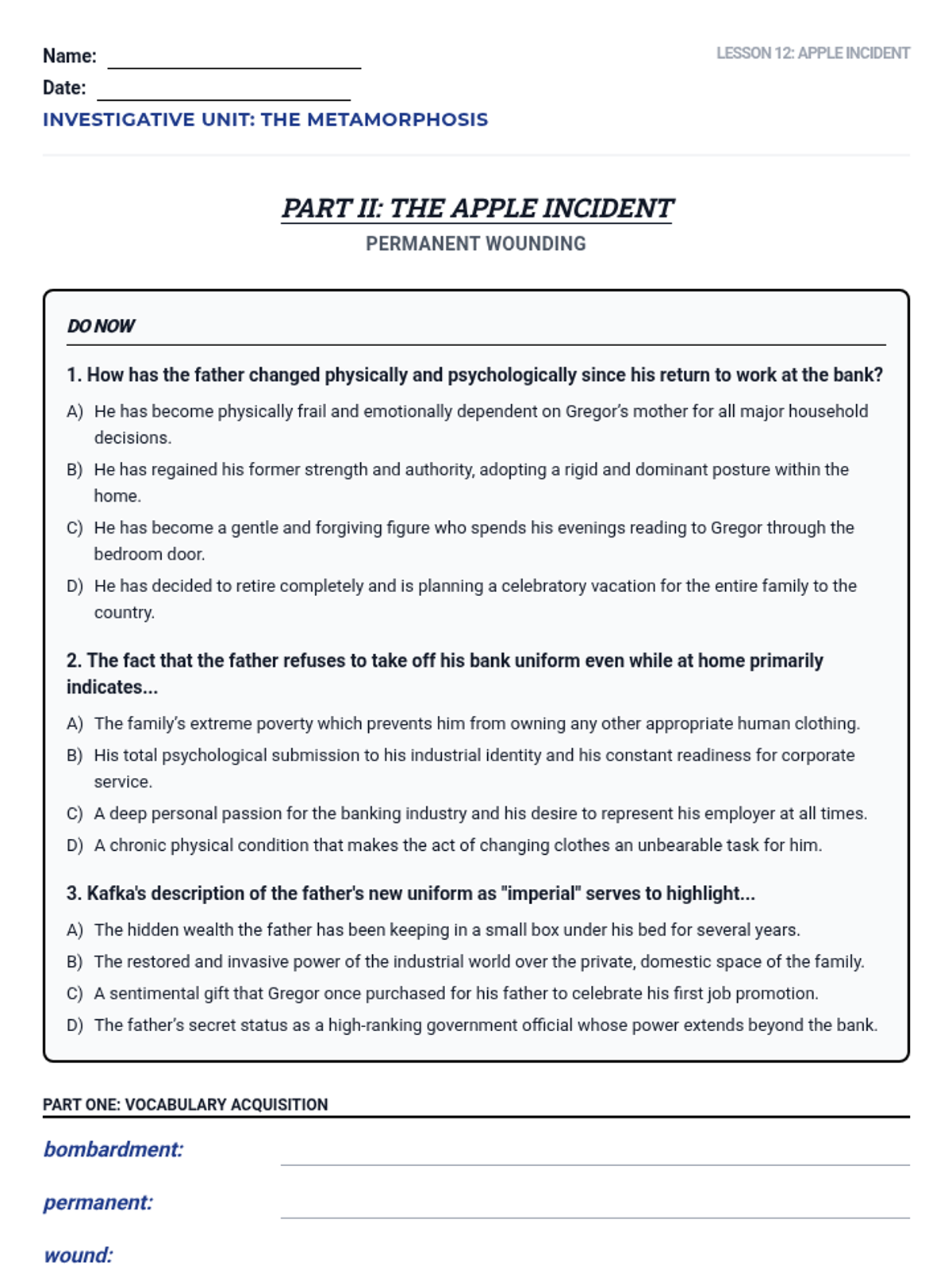
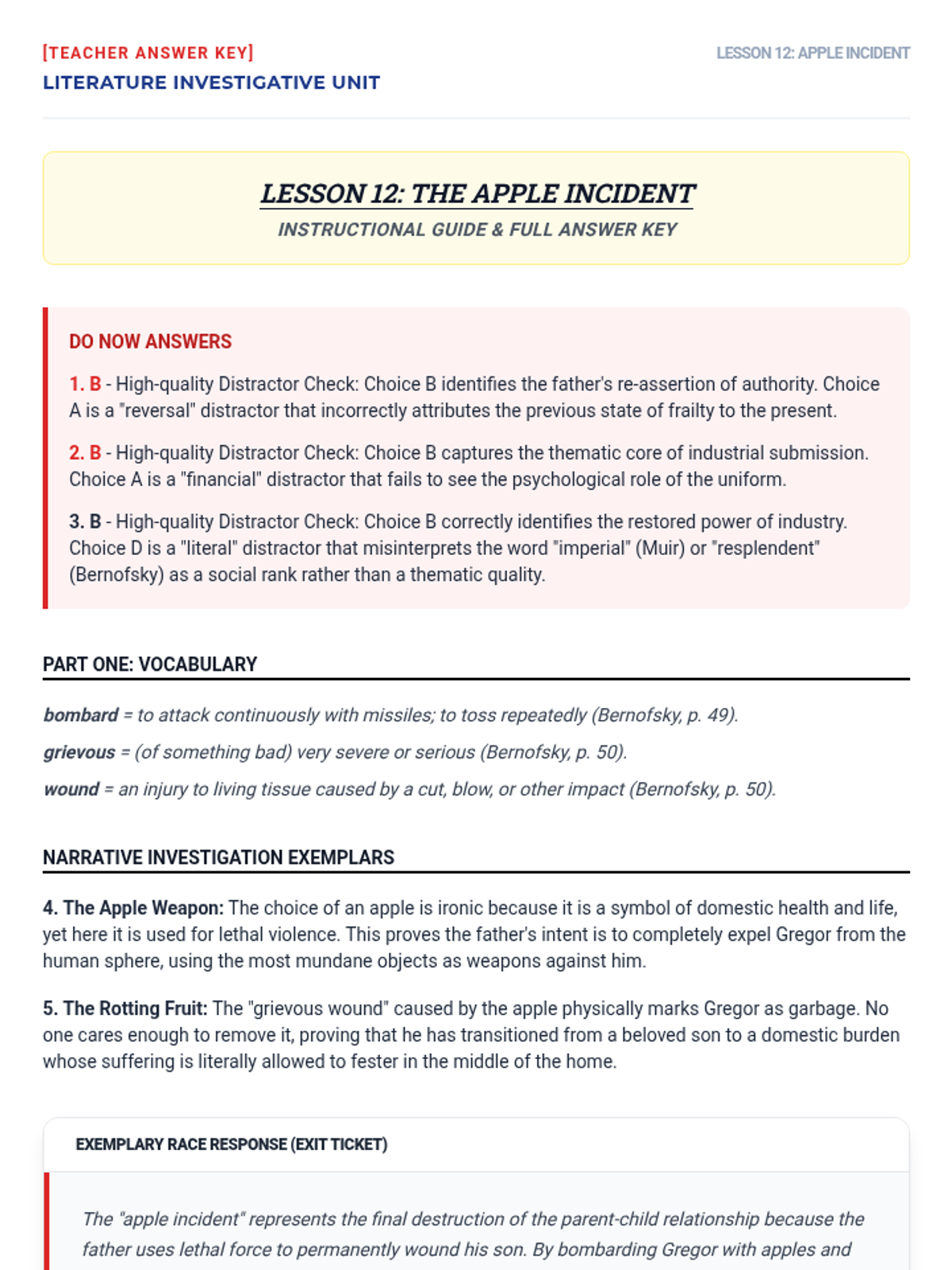
The father's violent attack with apples. Analysis of the apple as a symbol of permanent wounding and the transition from son to 'burden'.
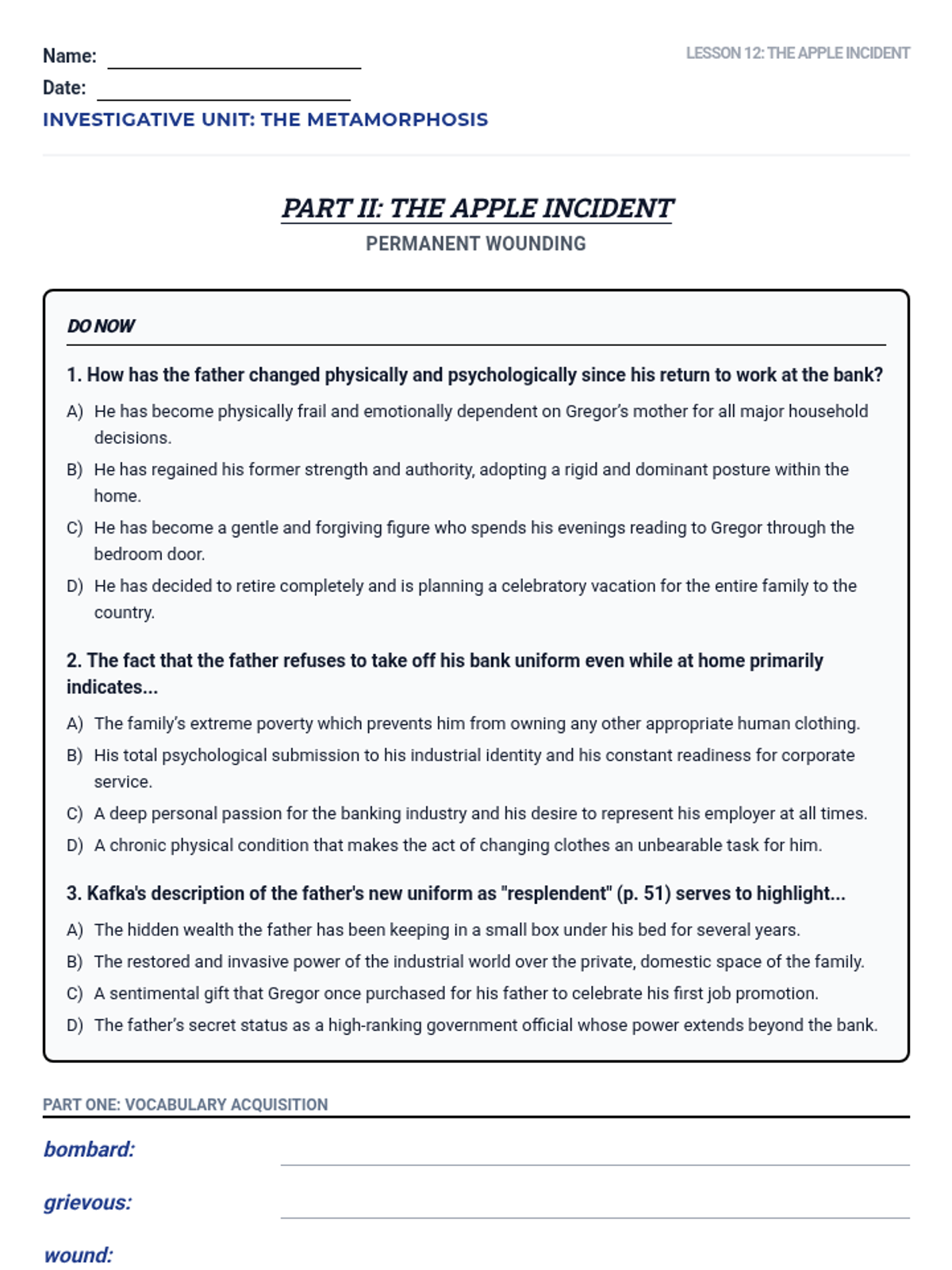
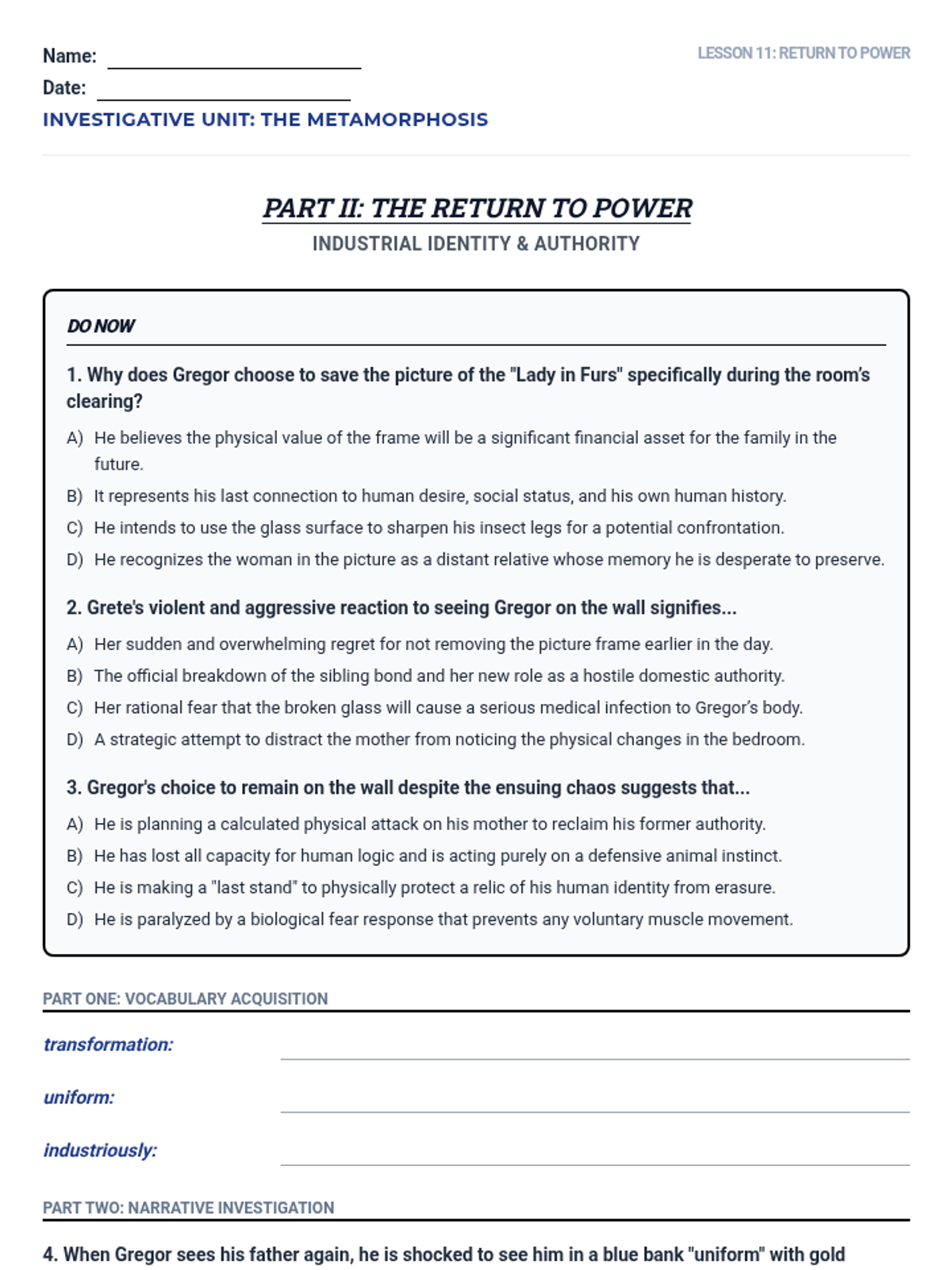
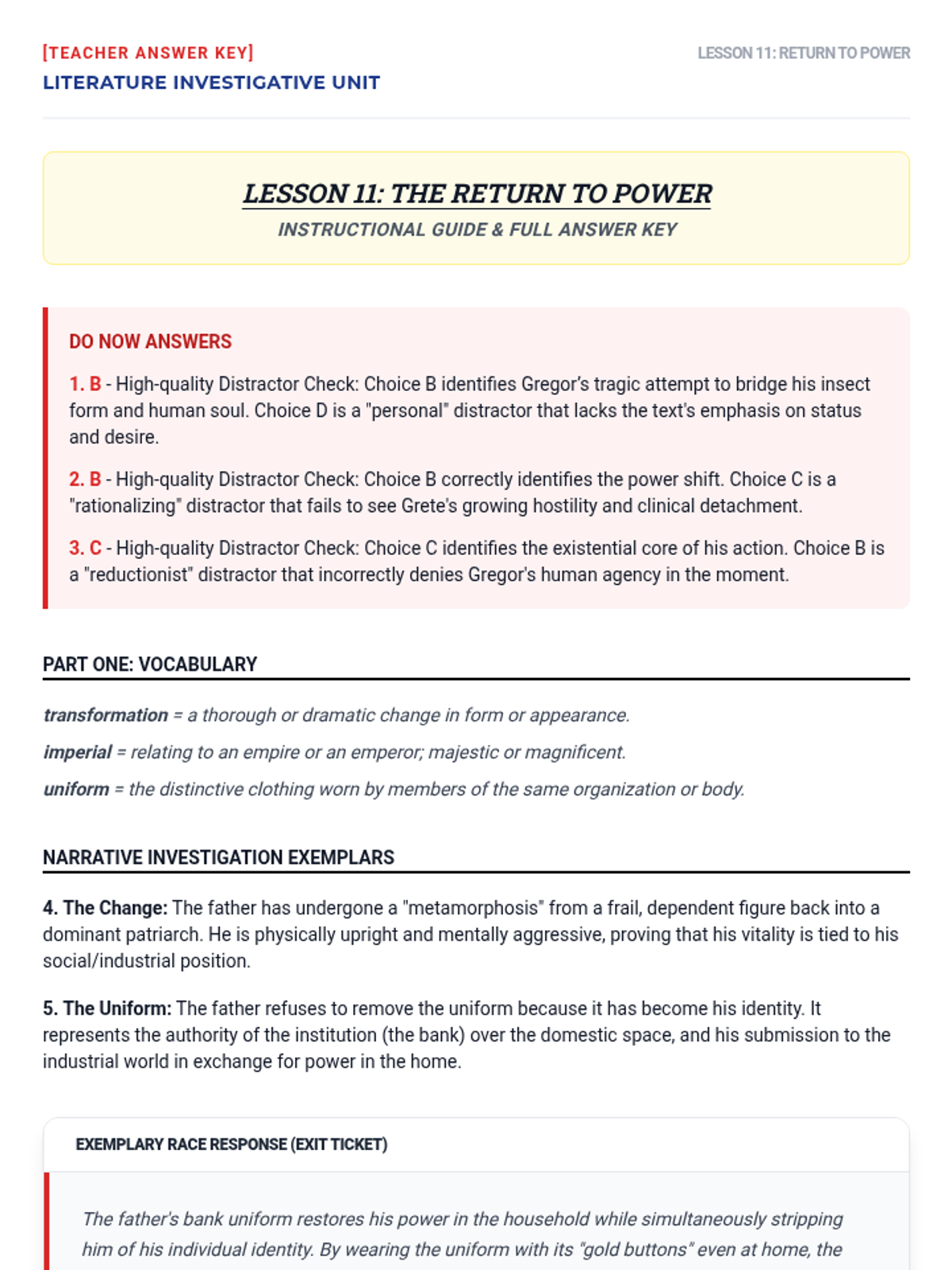
Analysis of the father's return to work and his transformation through the bank uniform. Themes of restored authority and industrial identity.
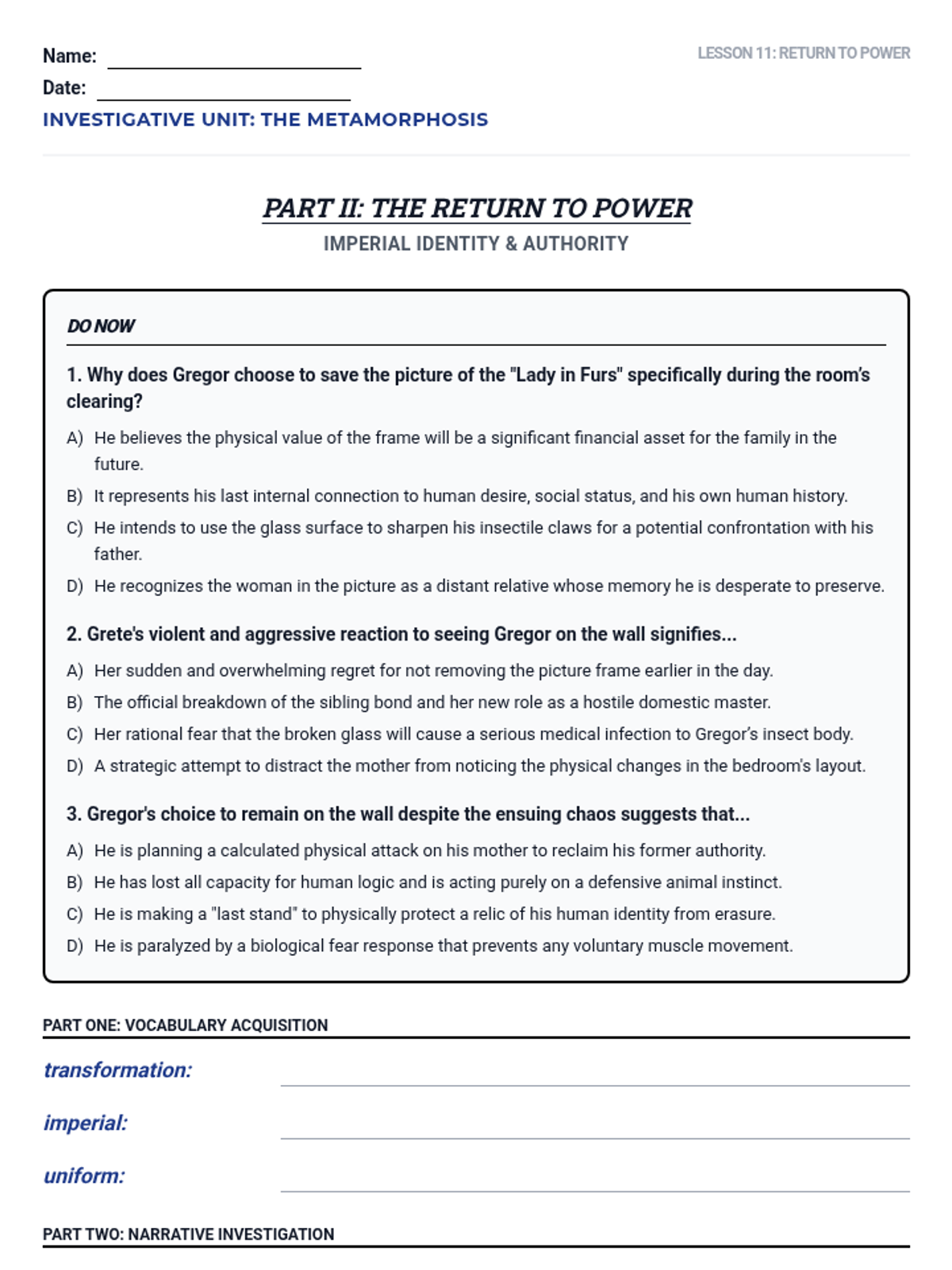
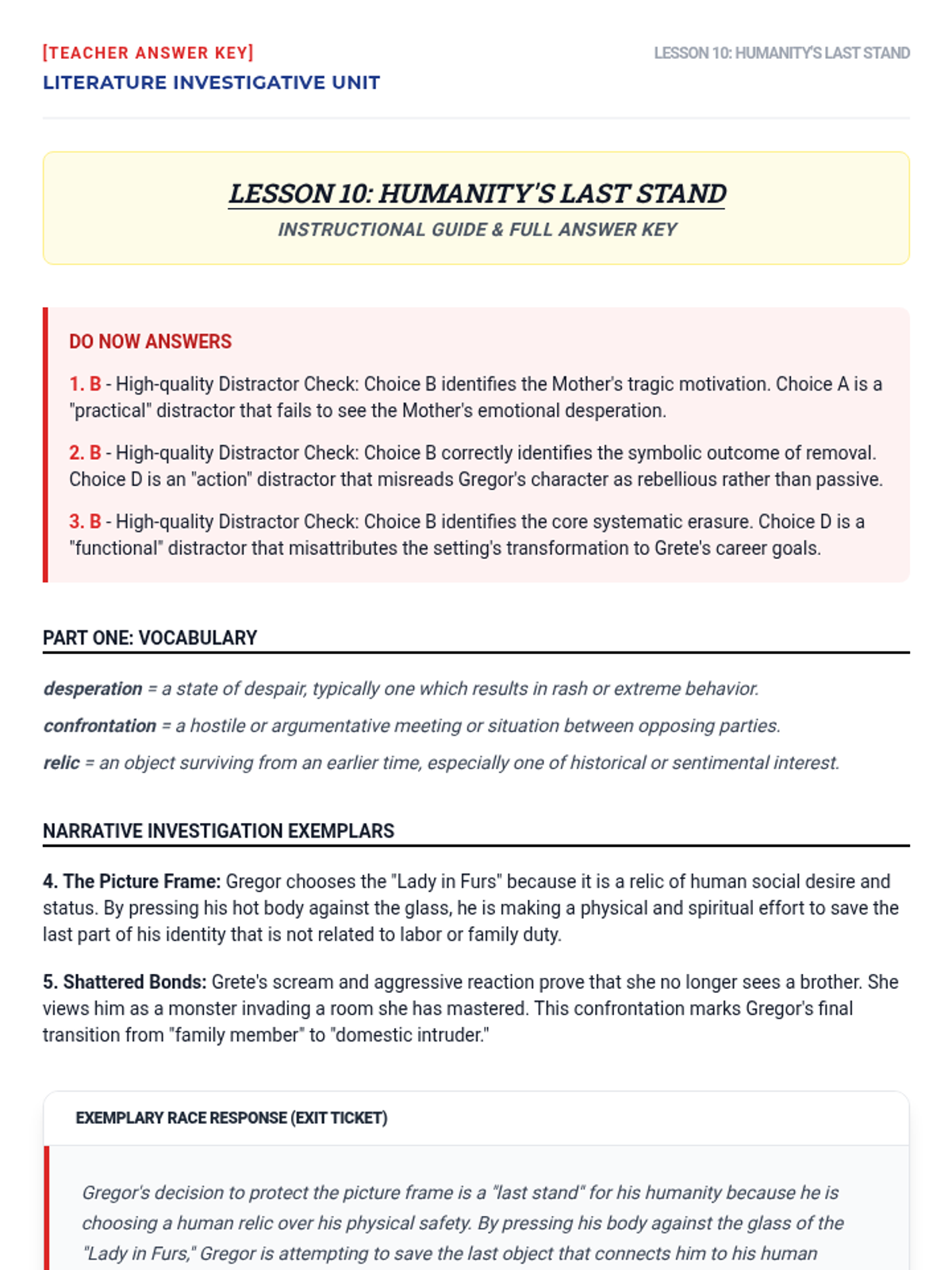
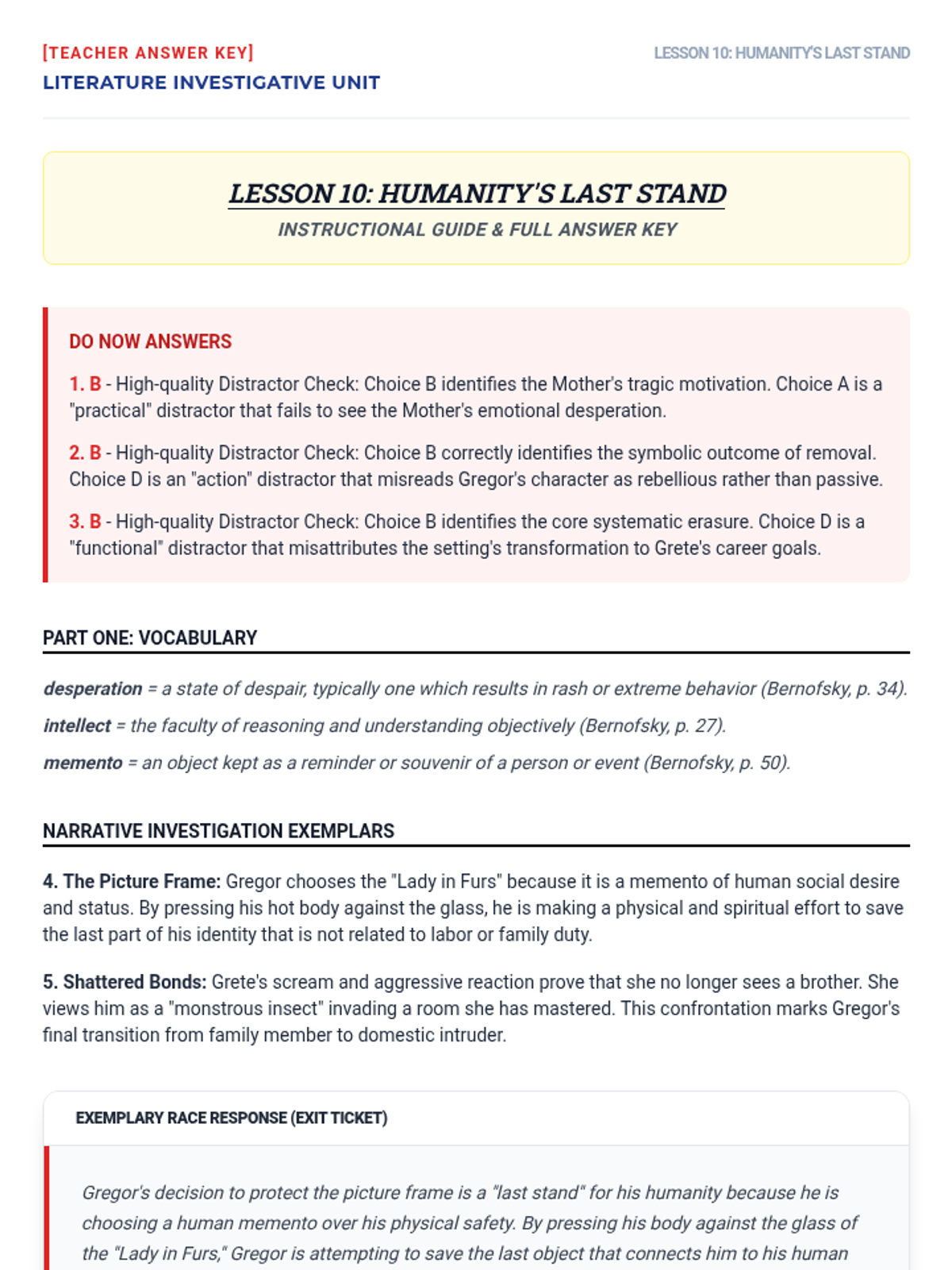
Gregor's desperate attempt to save his human identity by protecting the picture frame. Focus on the direct confrontation with Grete.
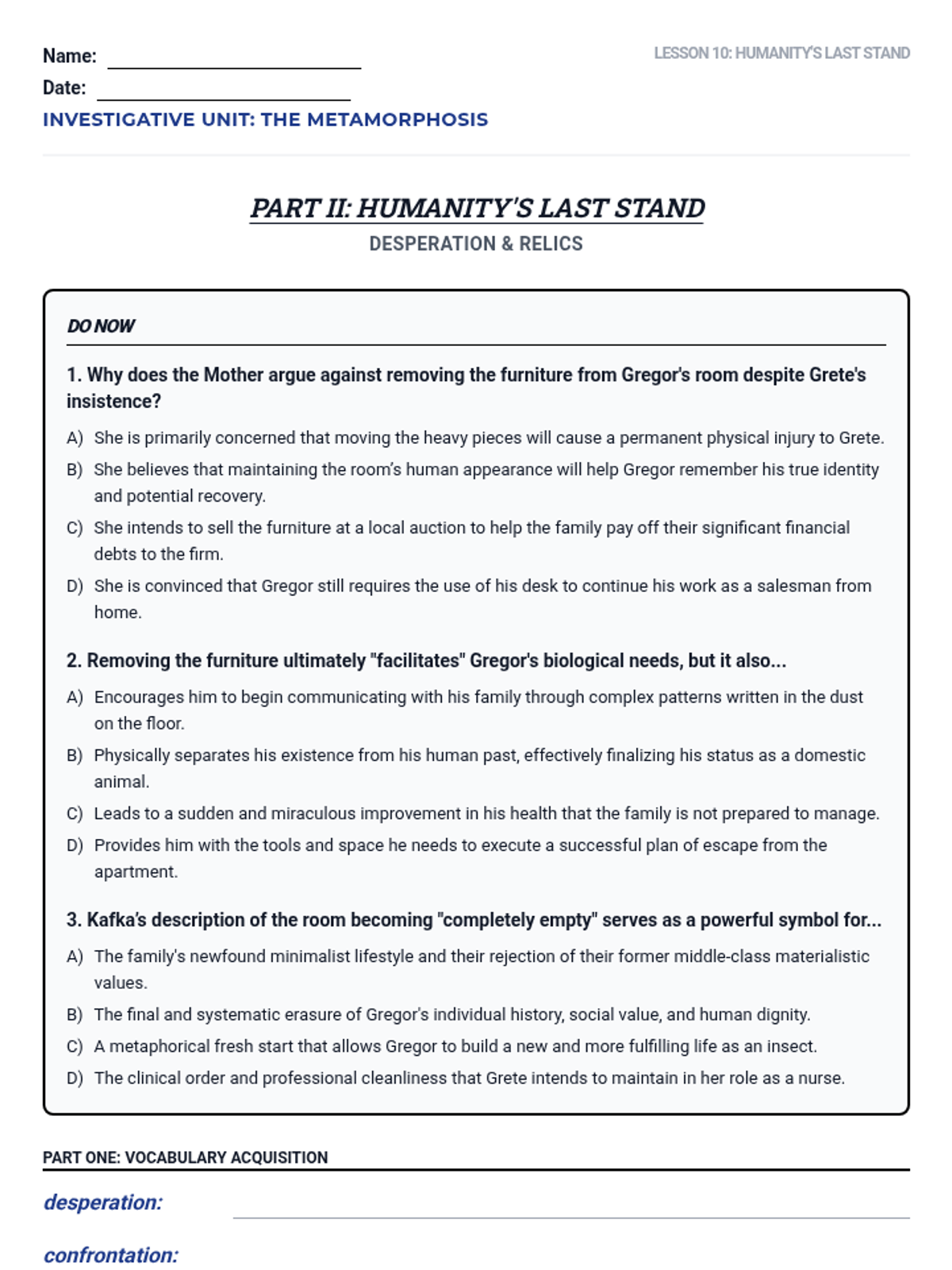
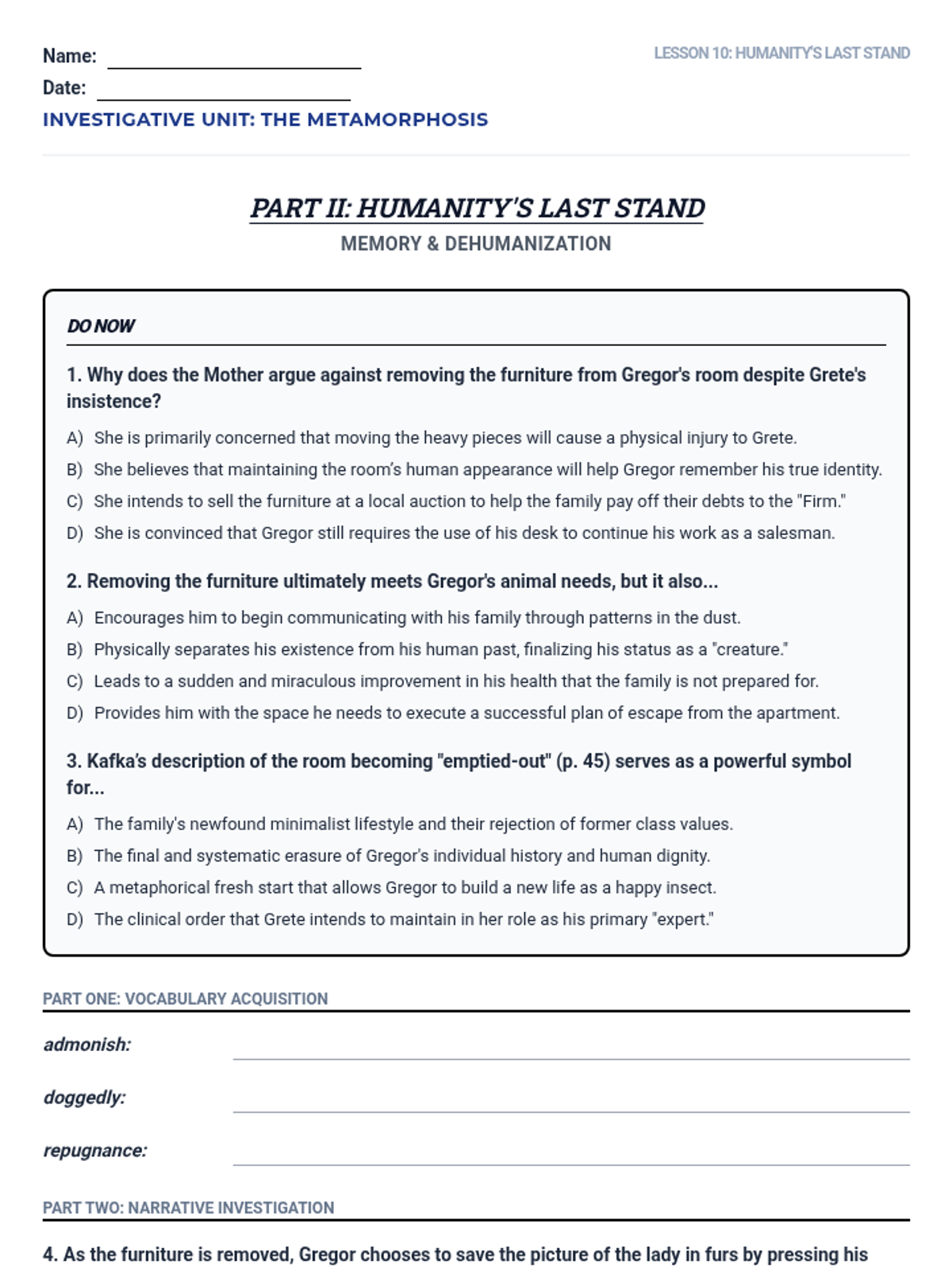
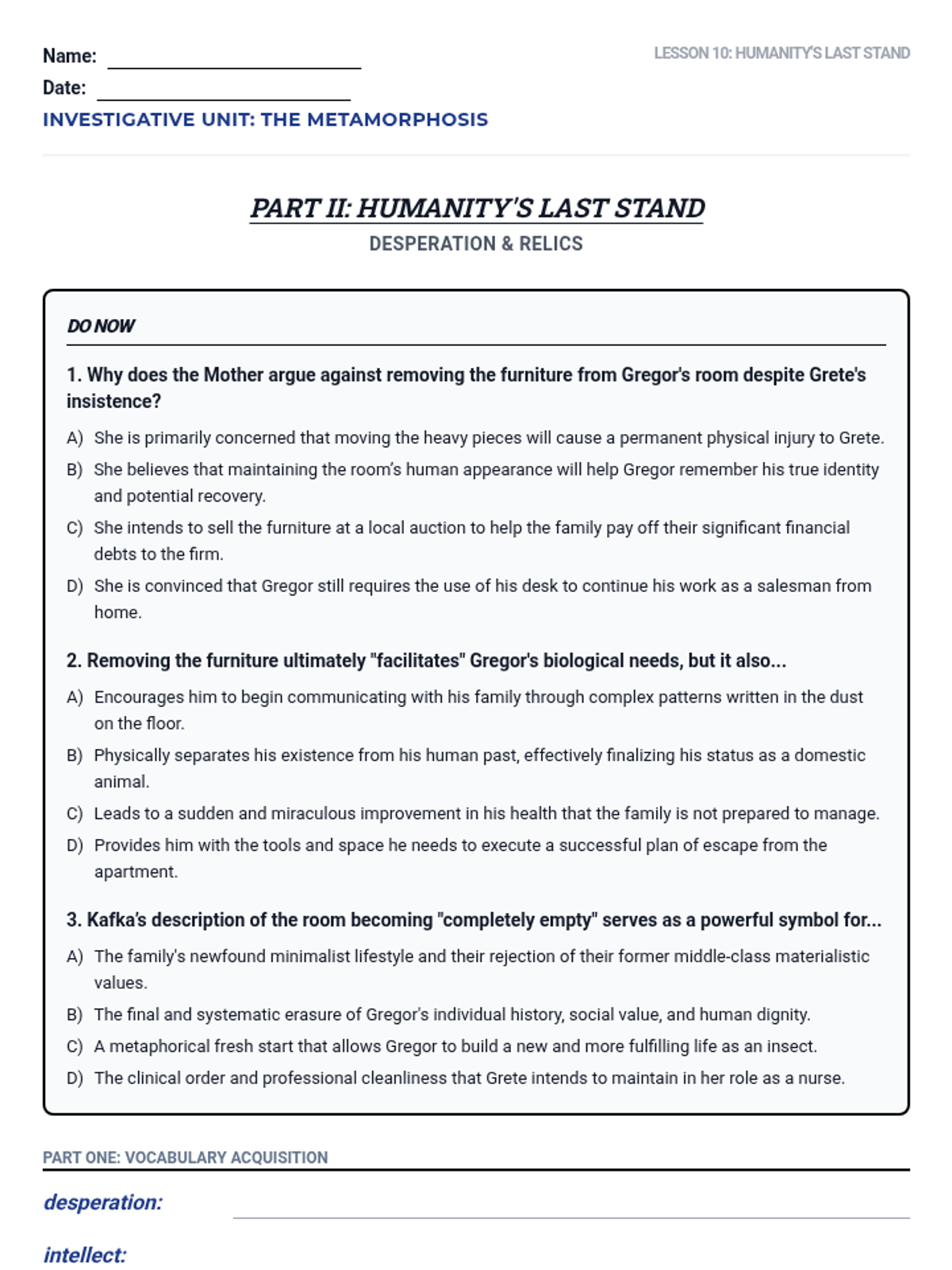
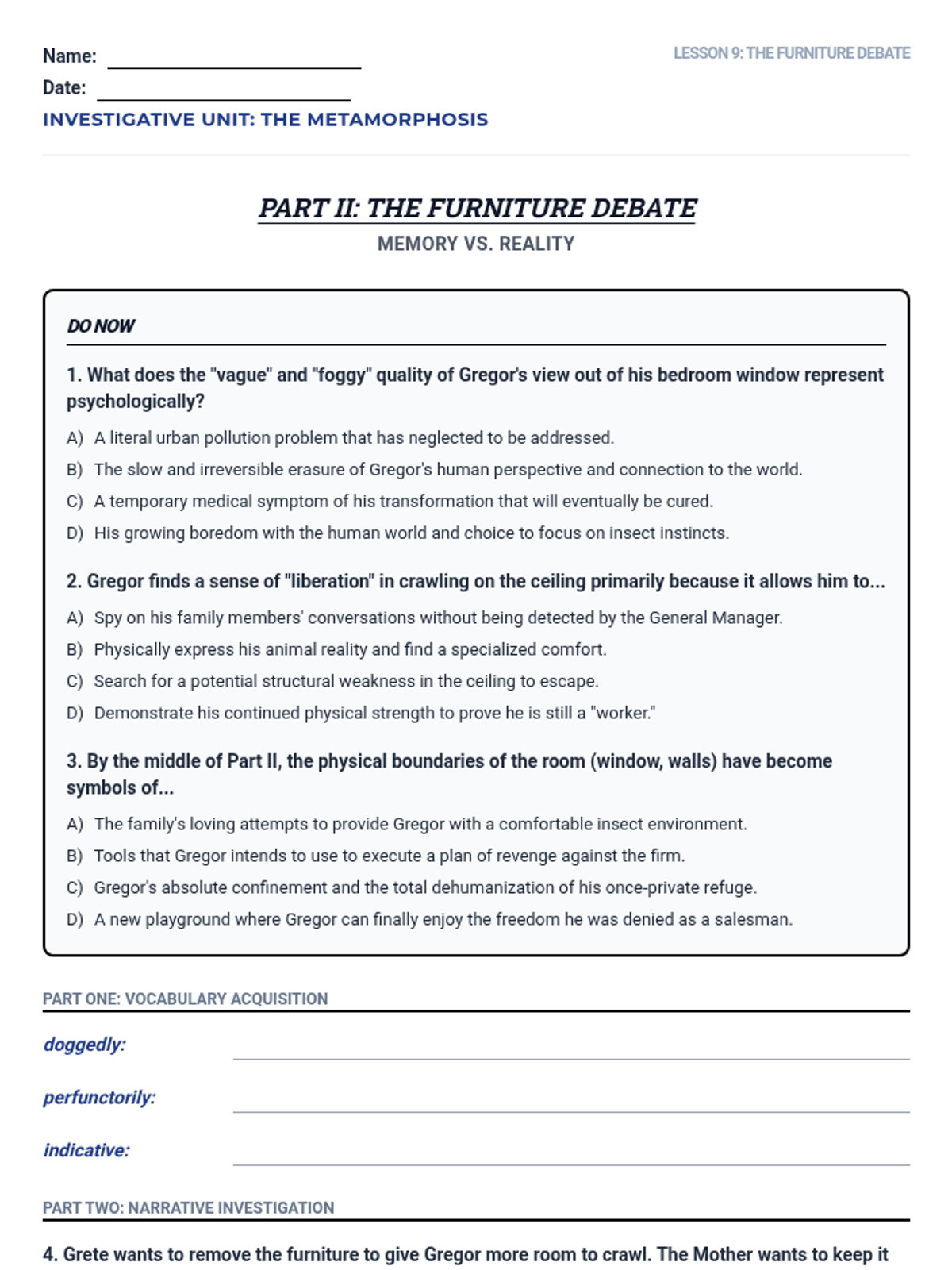
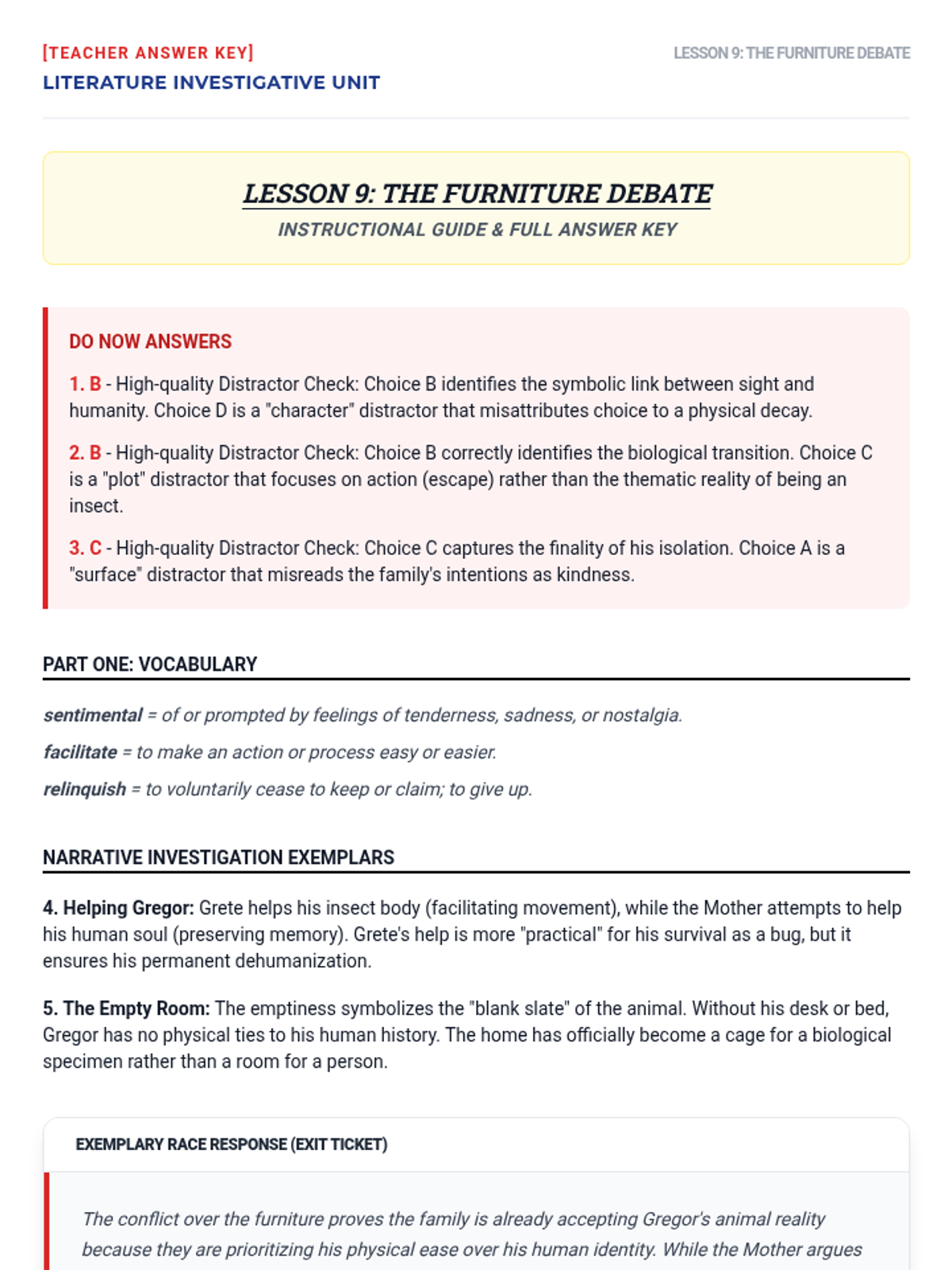
The conflict between Grete and the Mother over removing Gregor's furniture. Themes of preserving human memory vs. accepting animal reality.
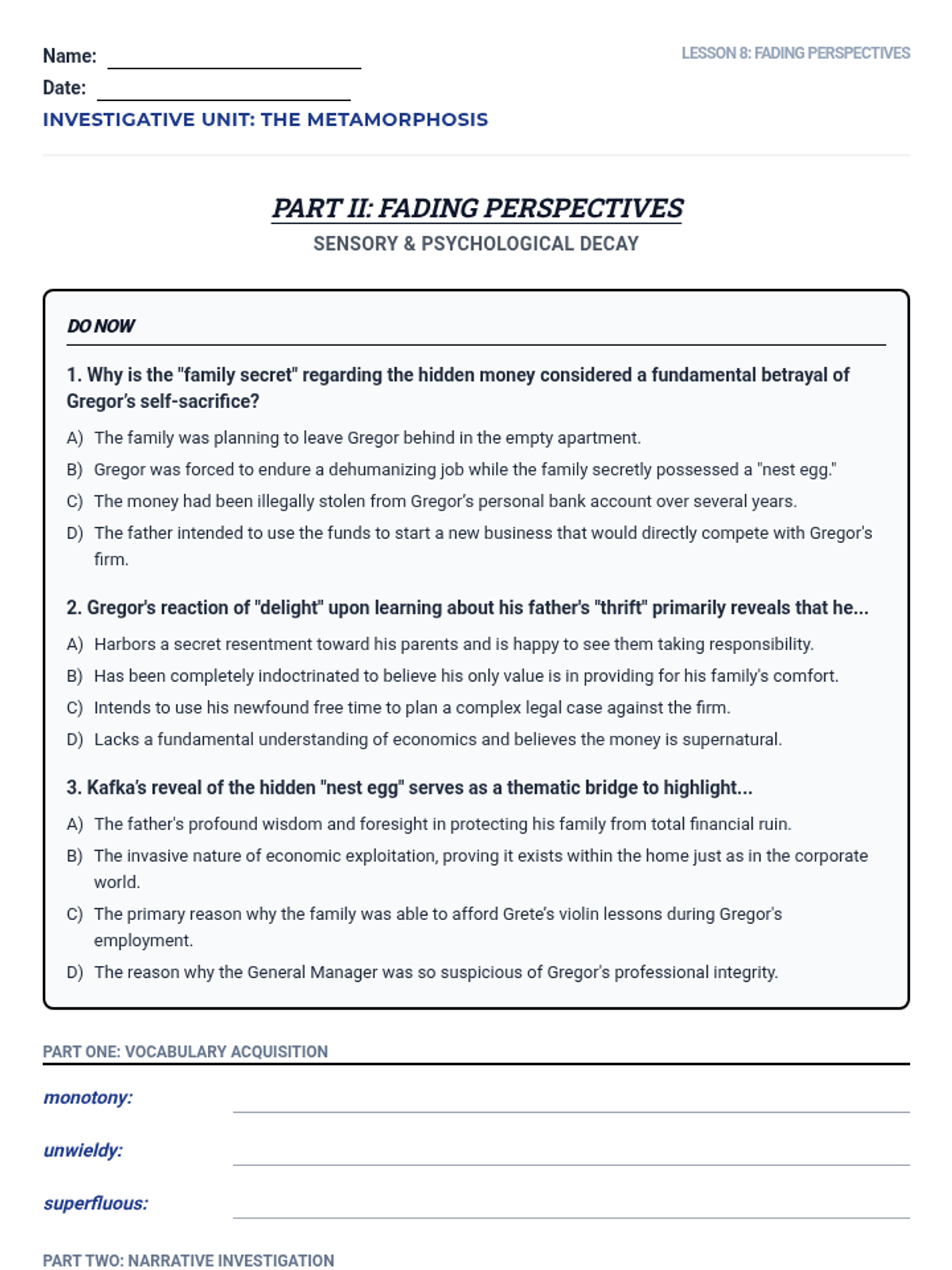
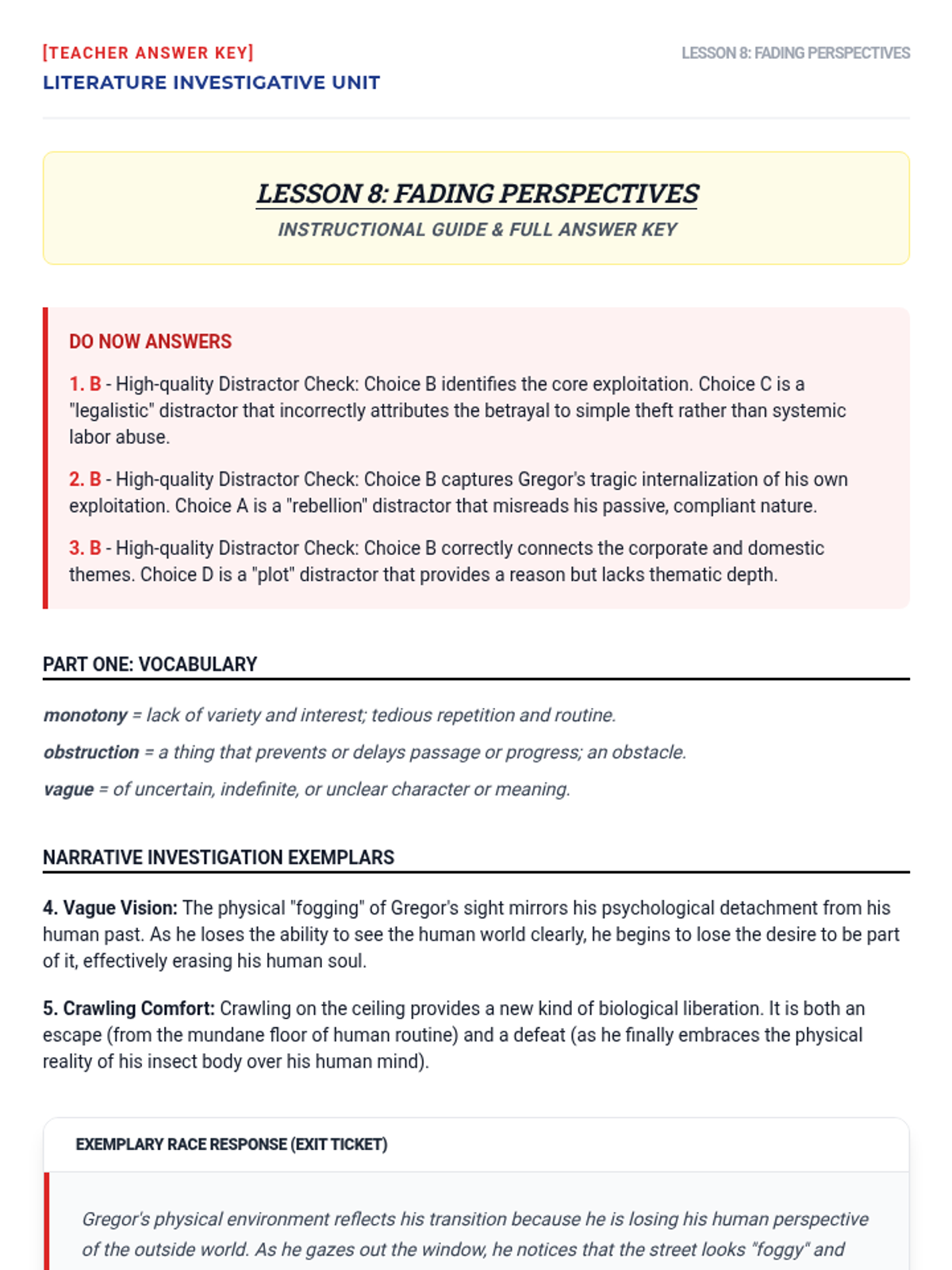
Students analyze Gregor's fading perception of the human world through his window view and his growing physical comfort in animalistic behaviors.
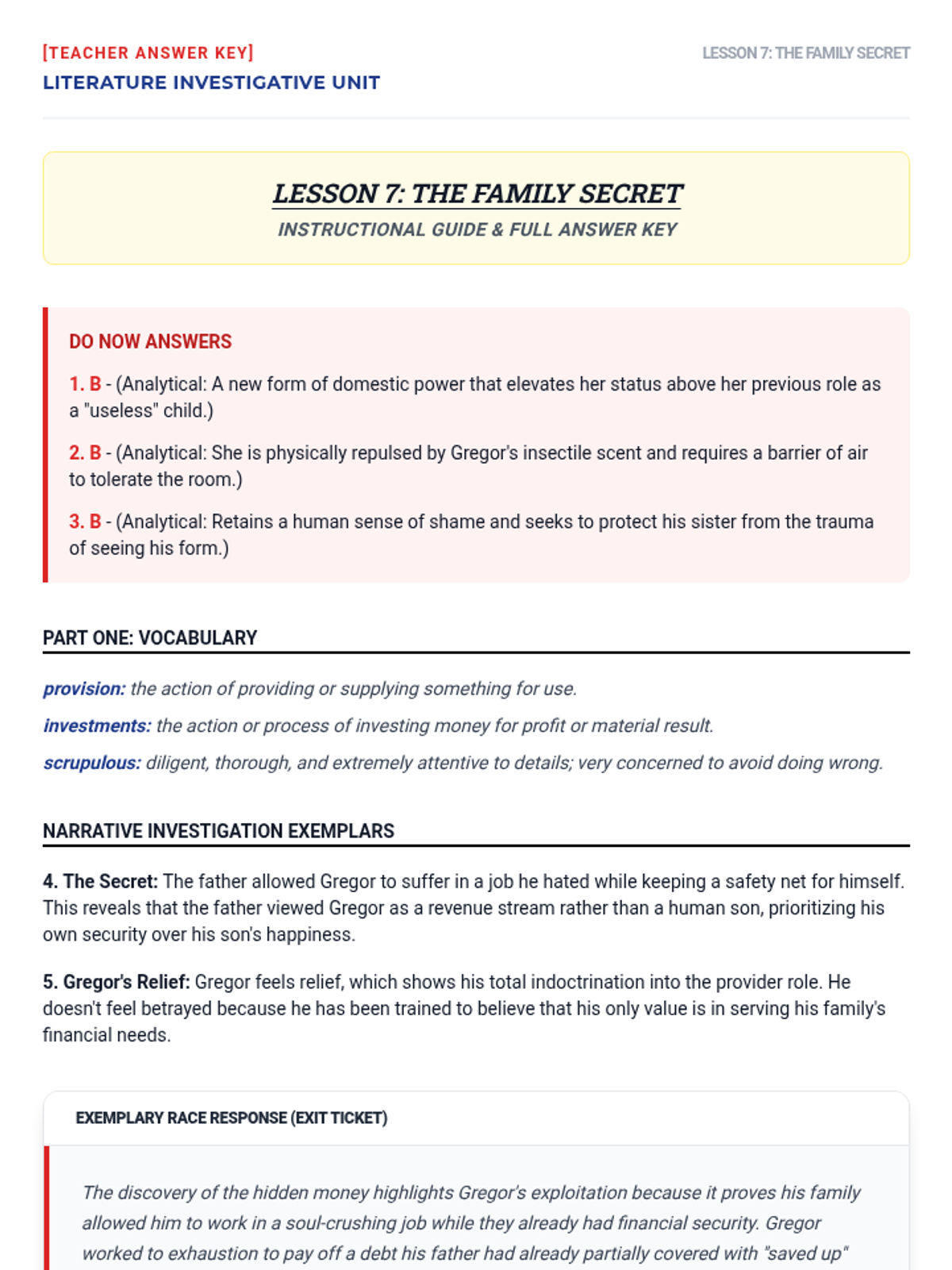
Analysis of the father's hidden financial assets and the betrayal of Gregor's role as the sole provider. Themes of economic exploitation.
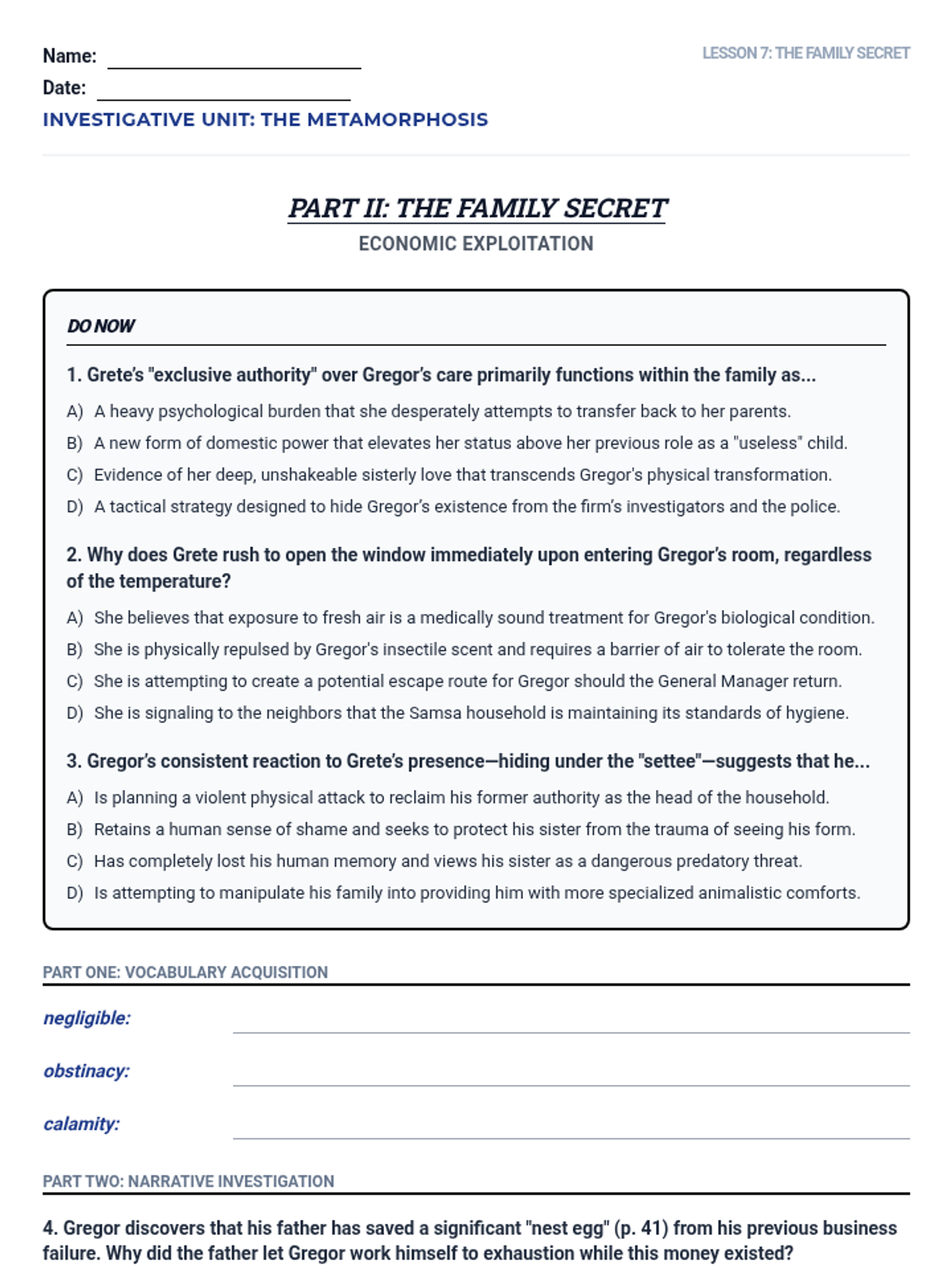
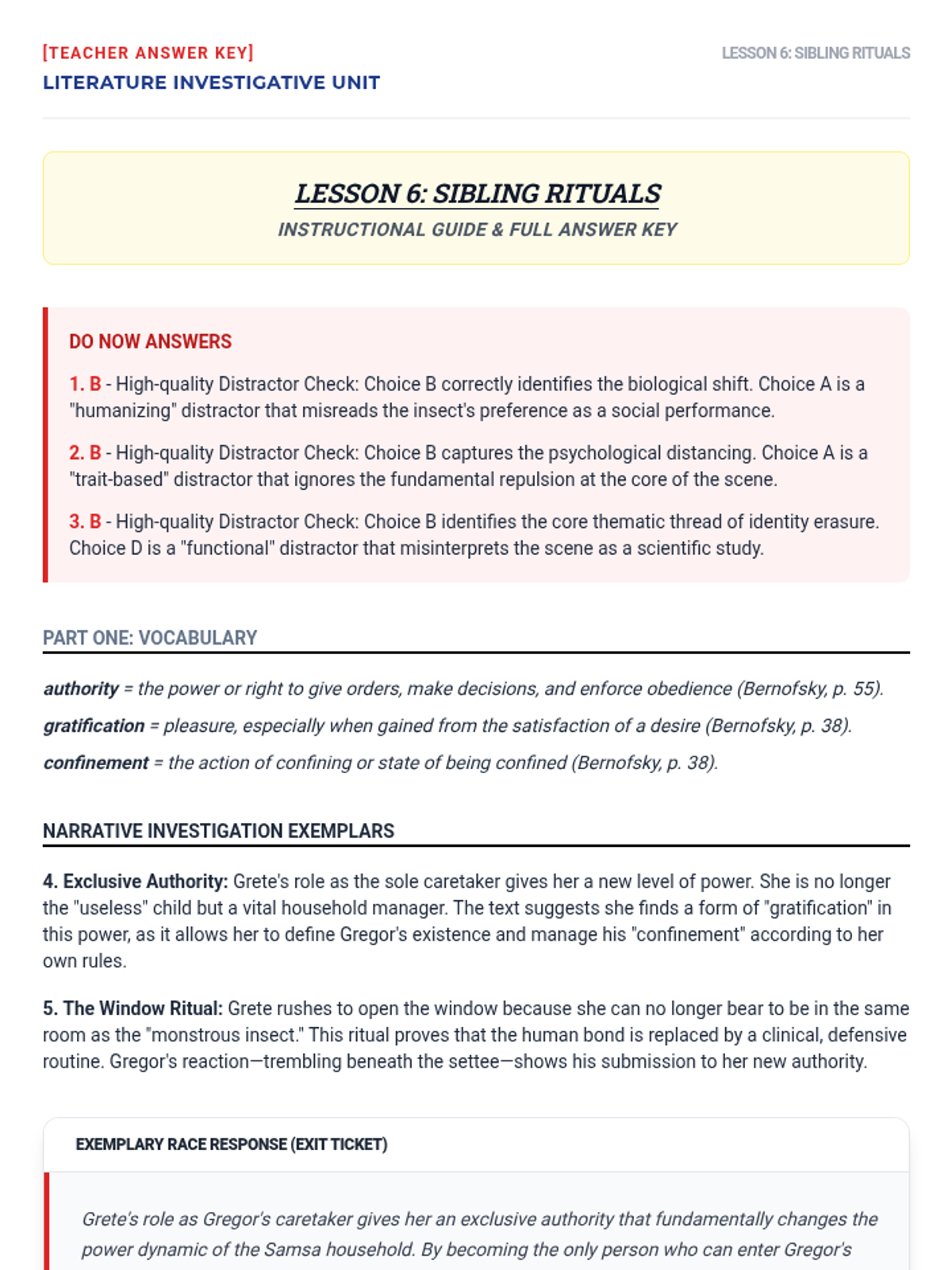
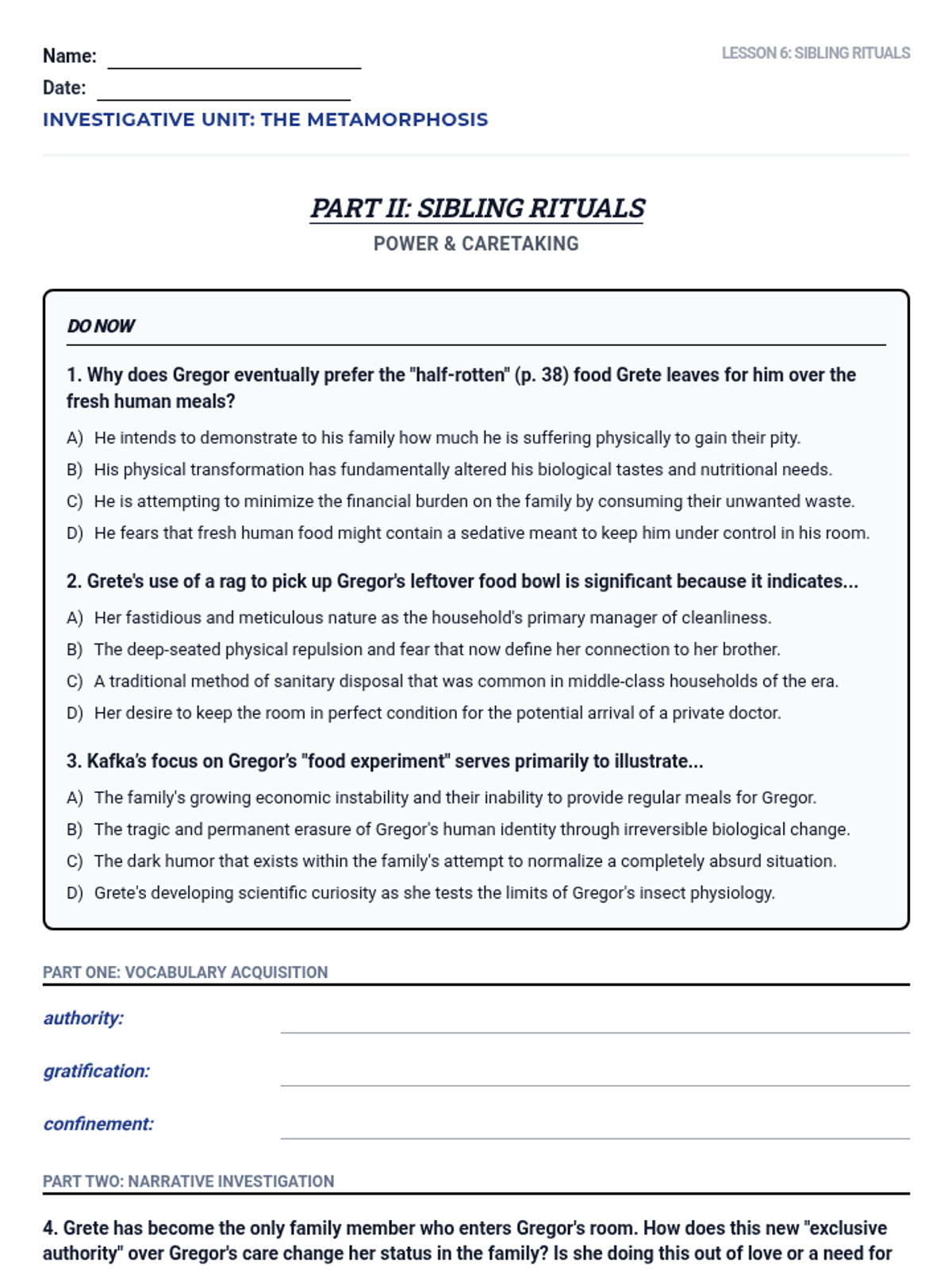
Students examine the changing power dynamic between Gregor and Grete, focusing on her new ritualistic authority as his sole caretaker.
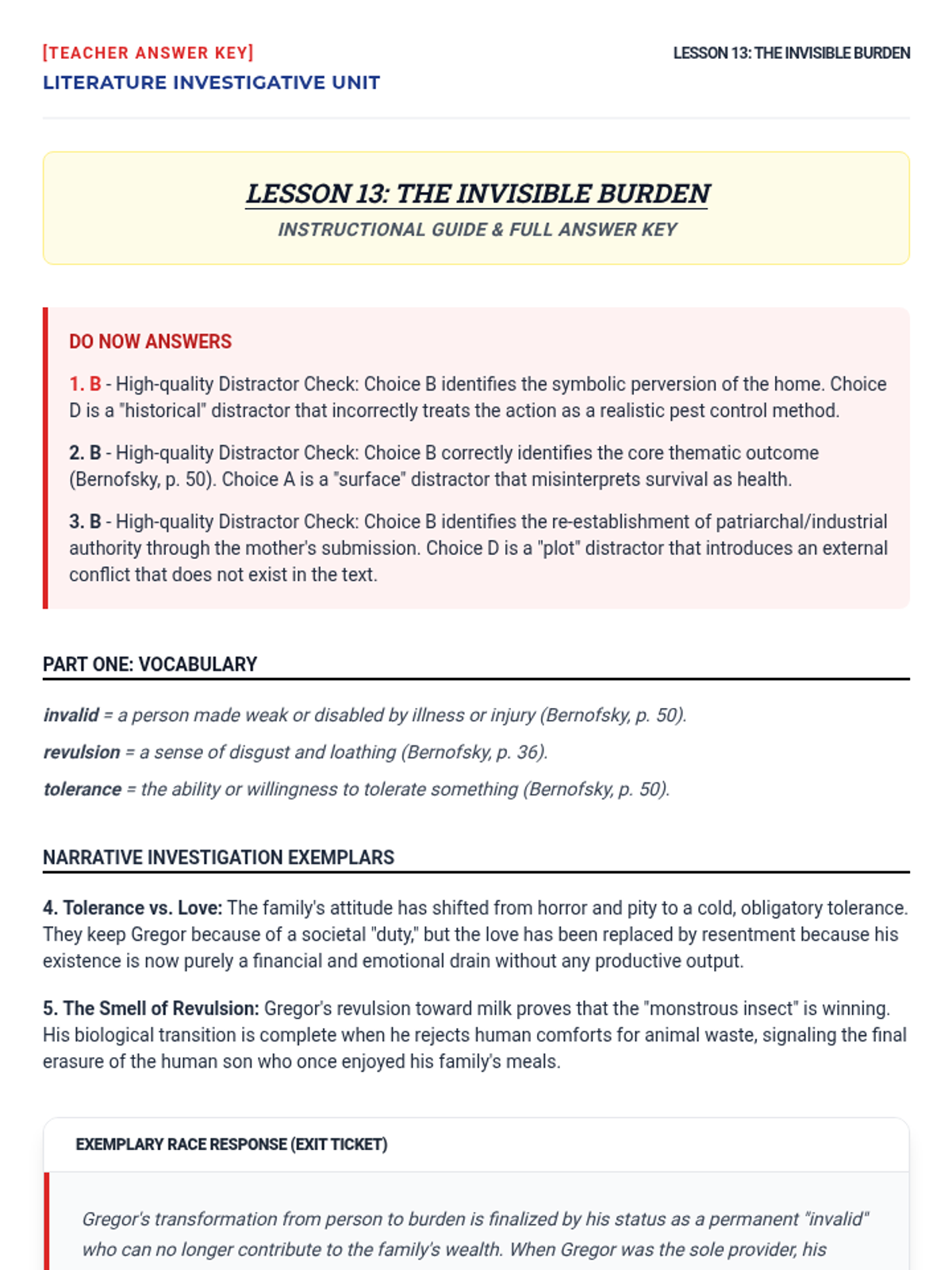
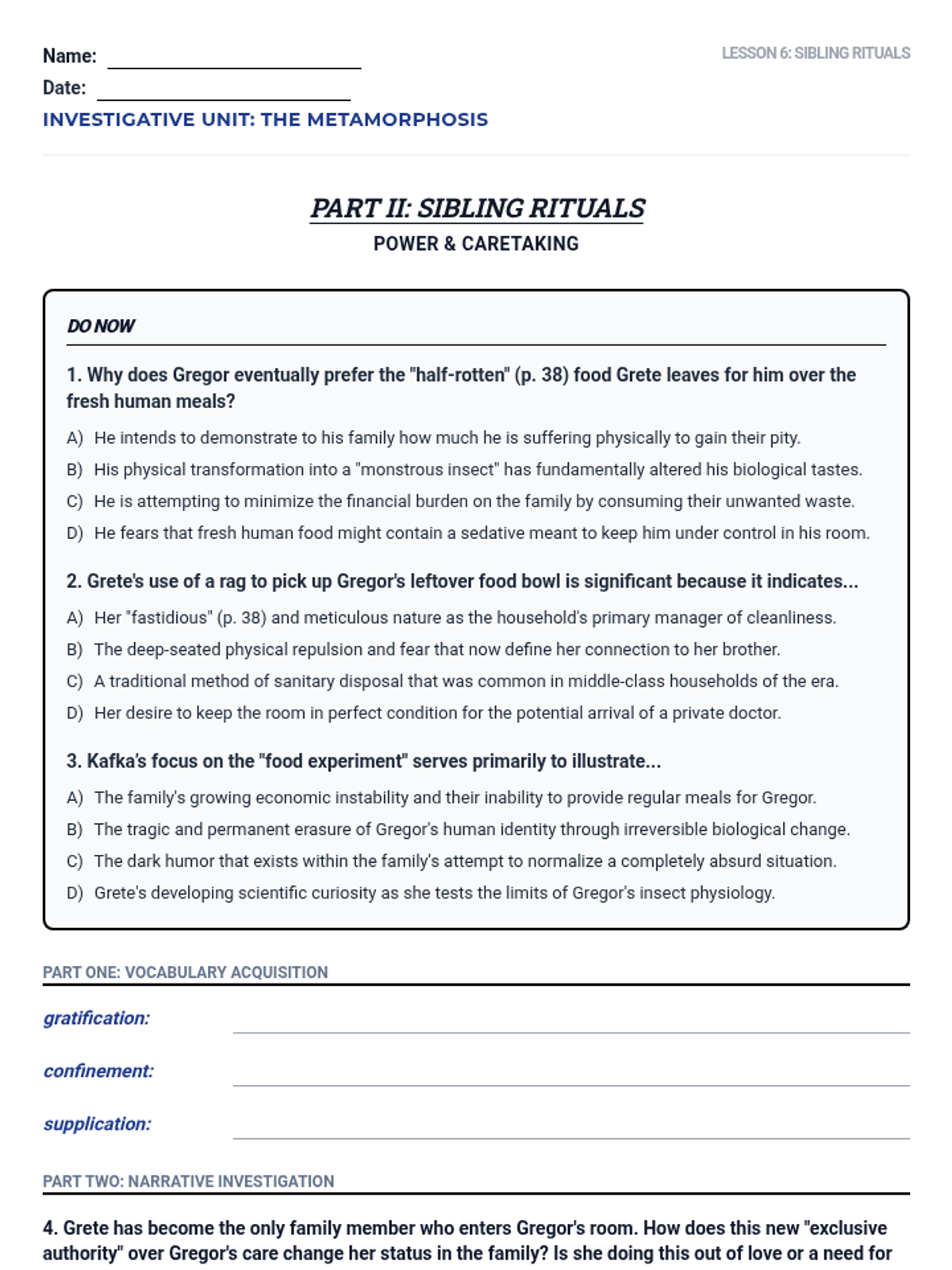
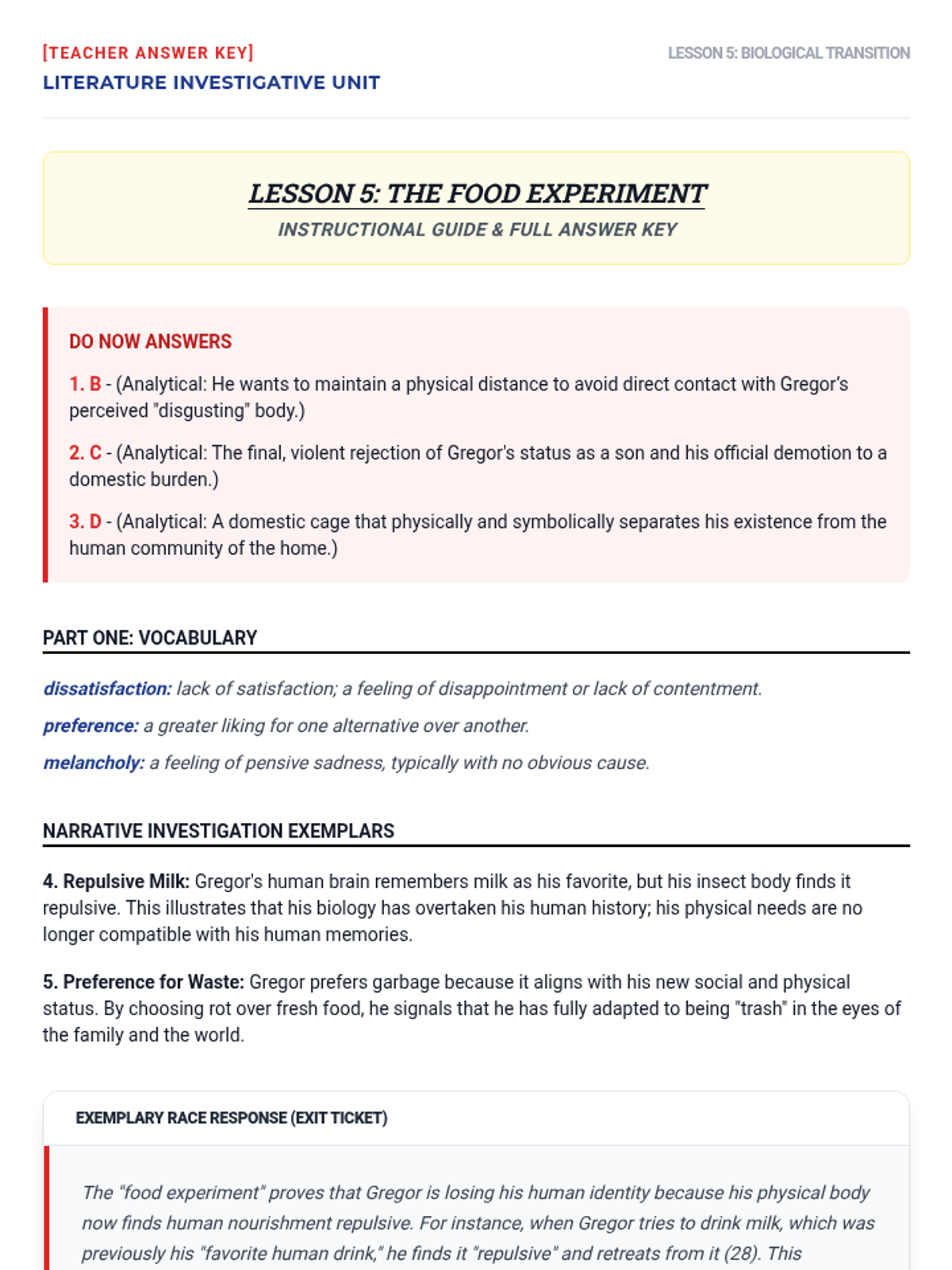
Part II begins with Gregor's physical transition, focusing on his change in taste and the shift from human food to animal waste as a symbol of dehumanization.
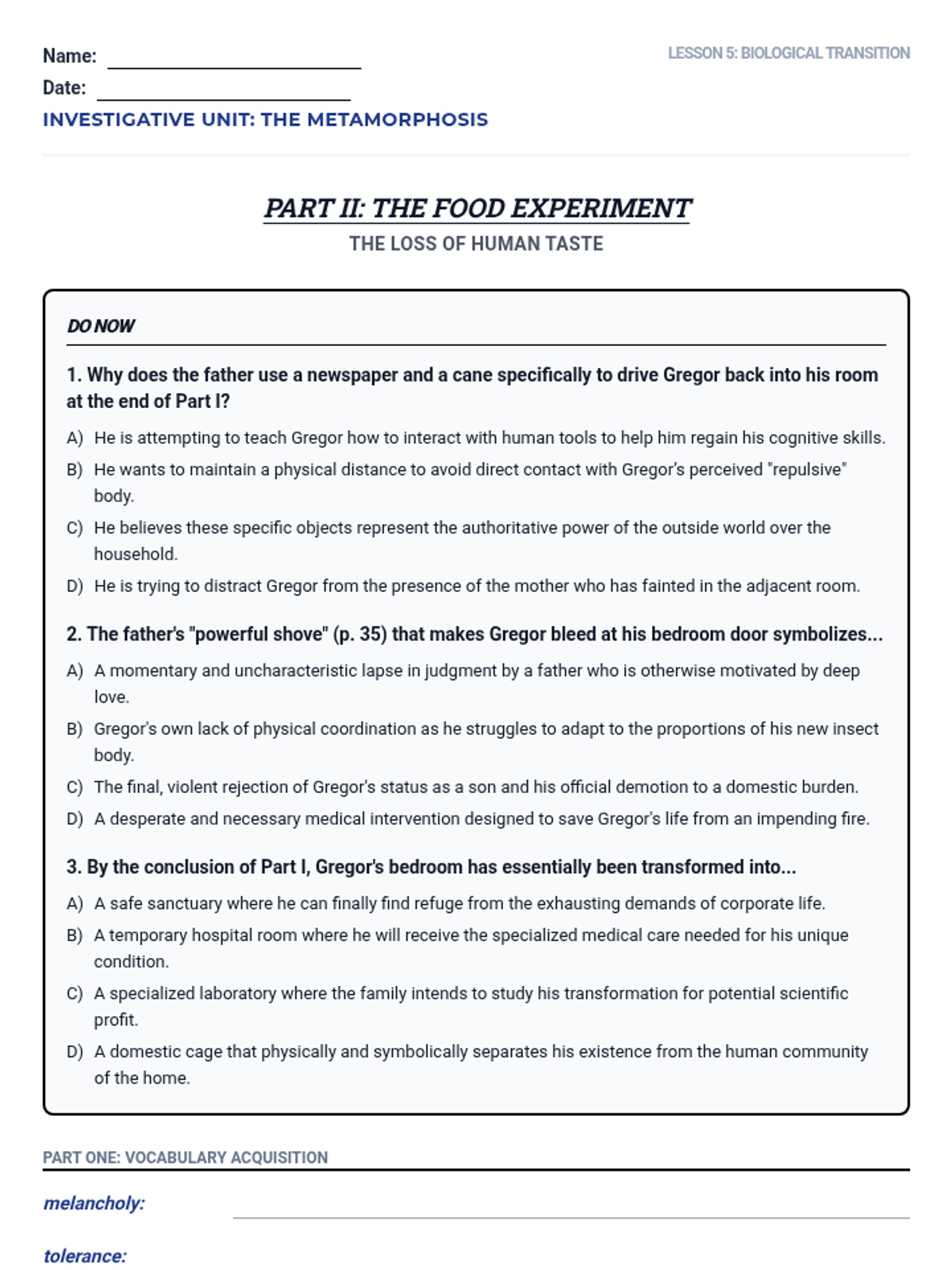
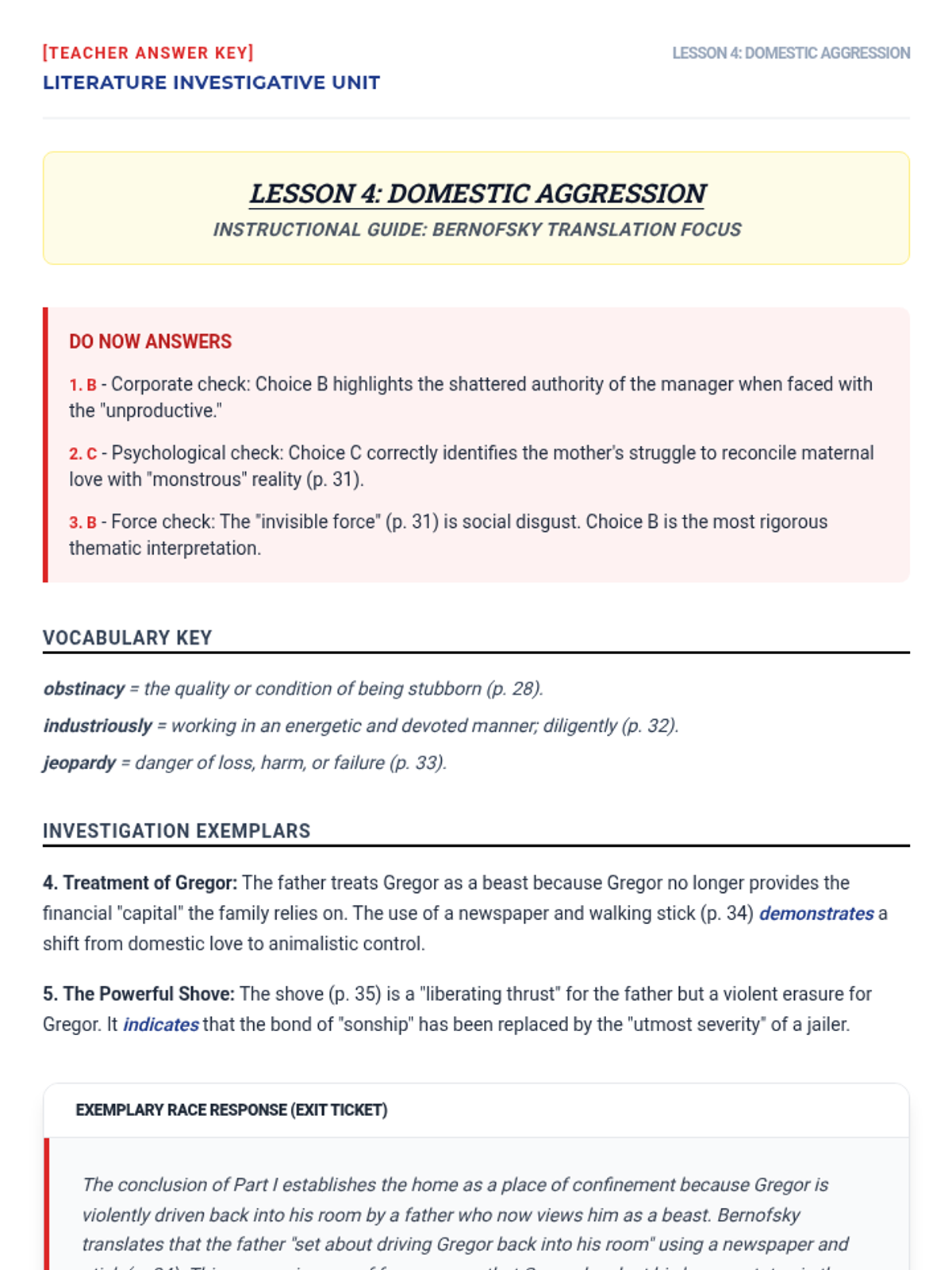
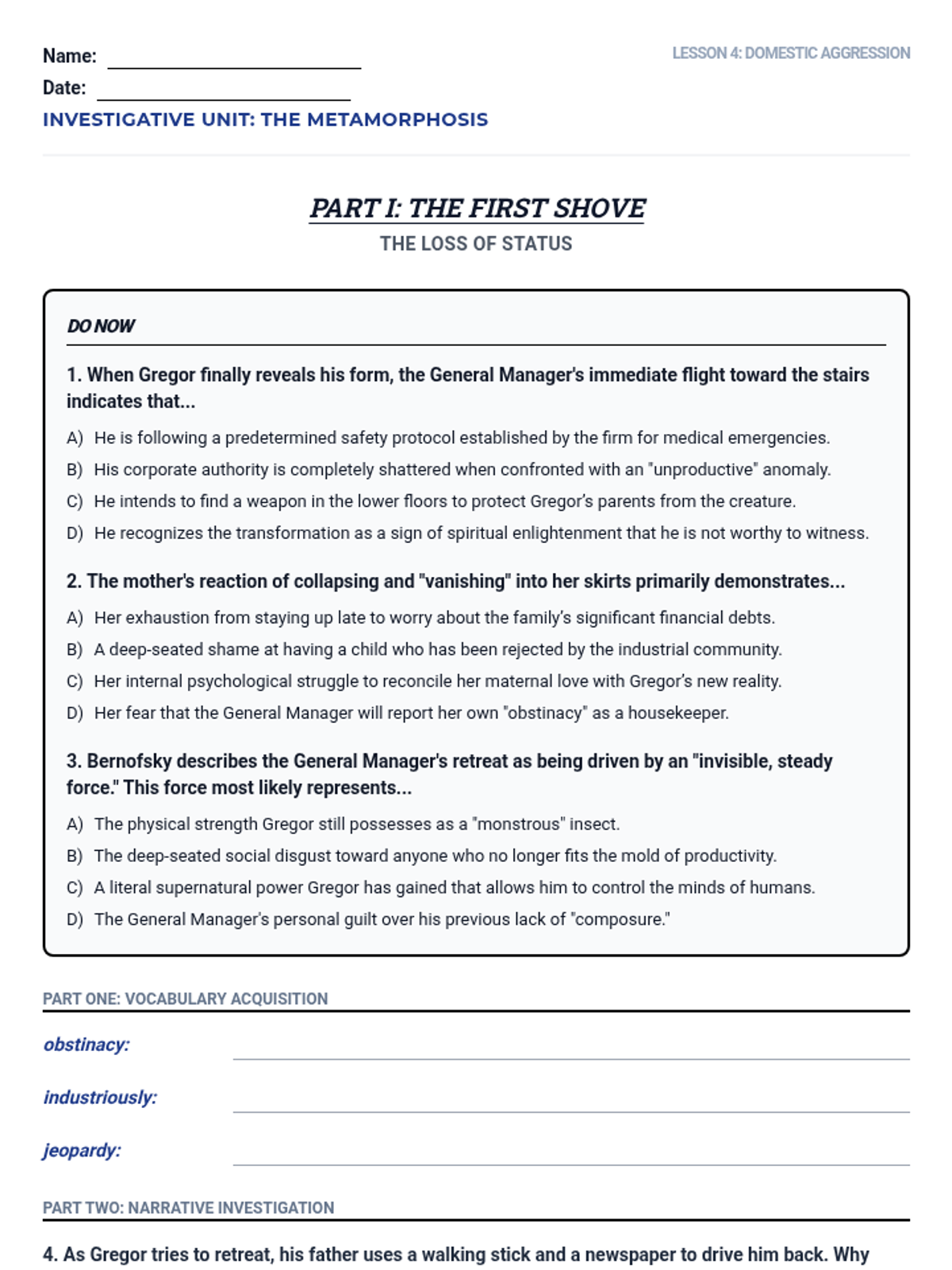
Students analyze the violent conclusion to Part I, focusing on the father's use of force to cage Gregor. Themes of domestic aggression and the loss of familial status.
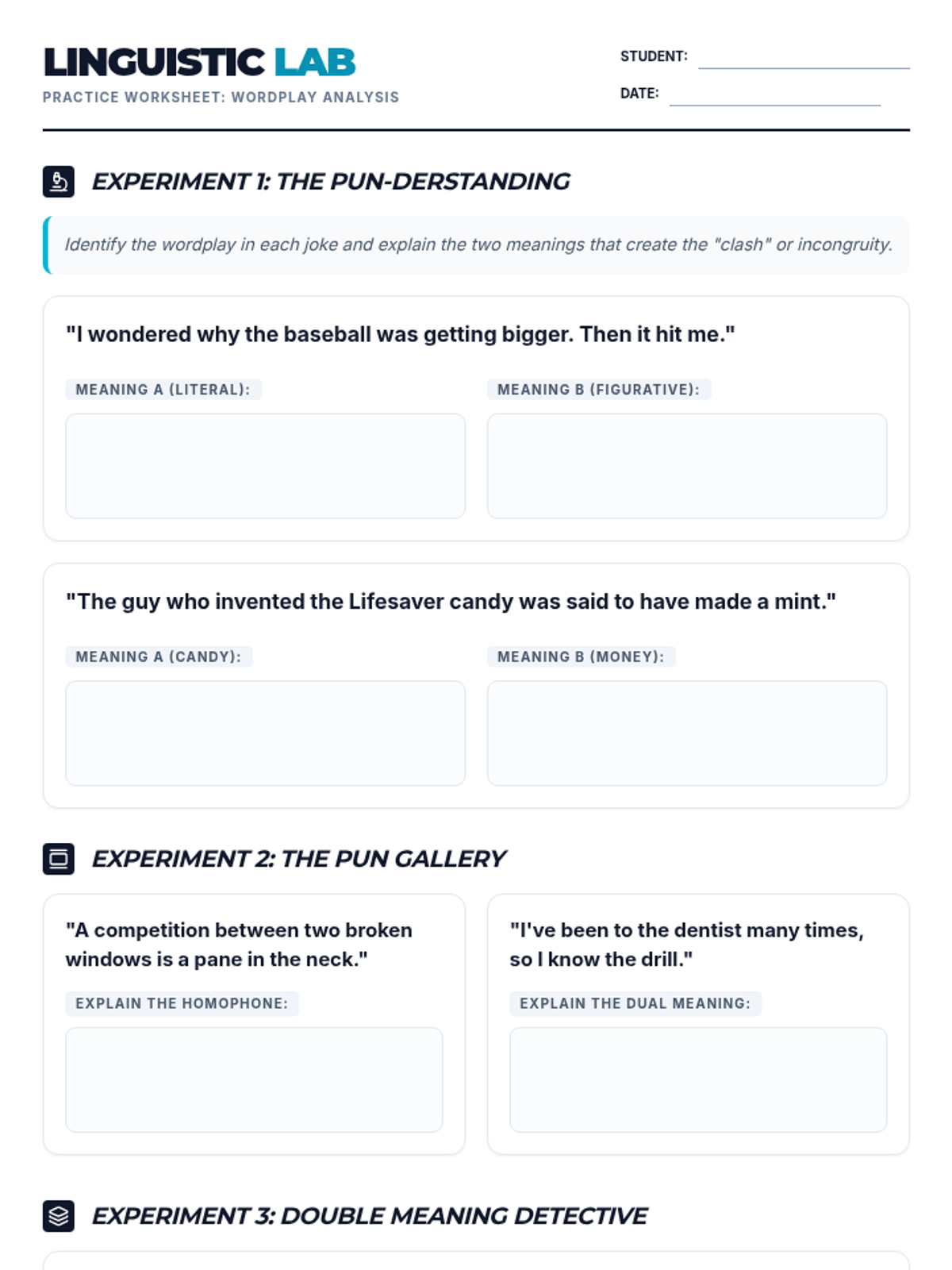
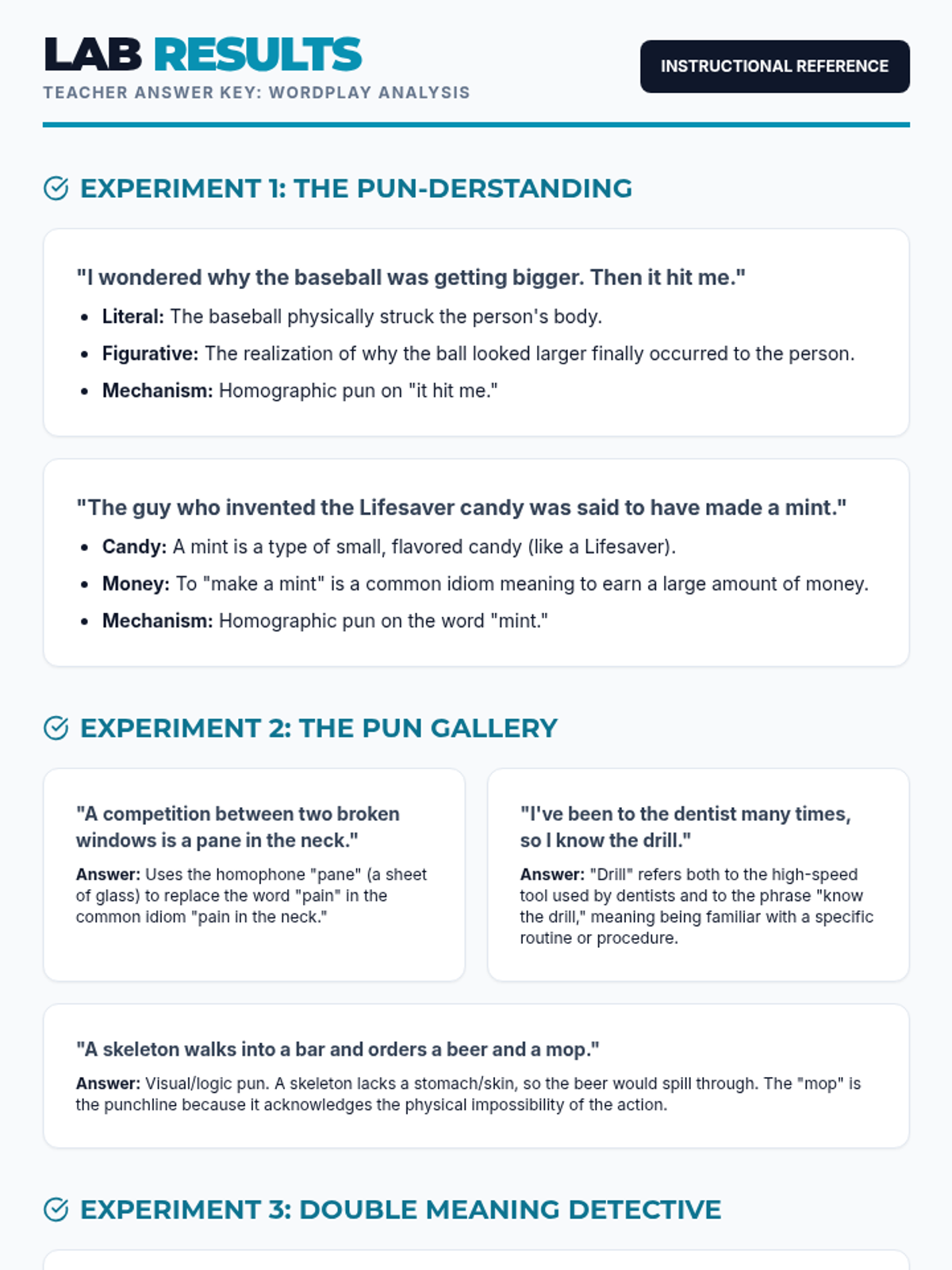
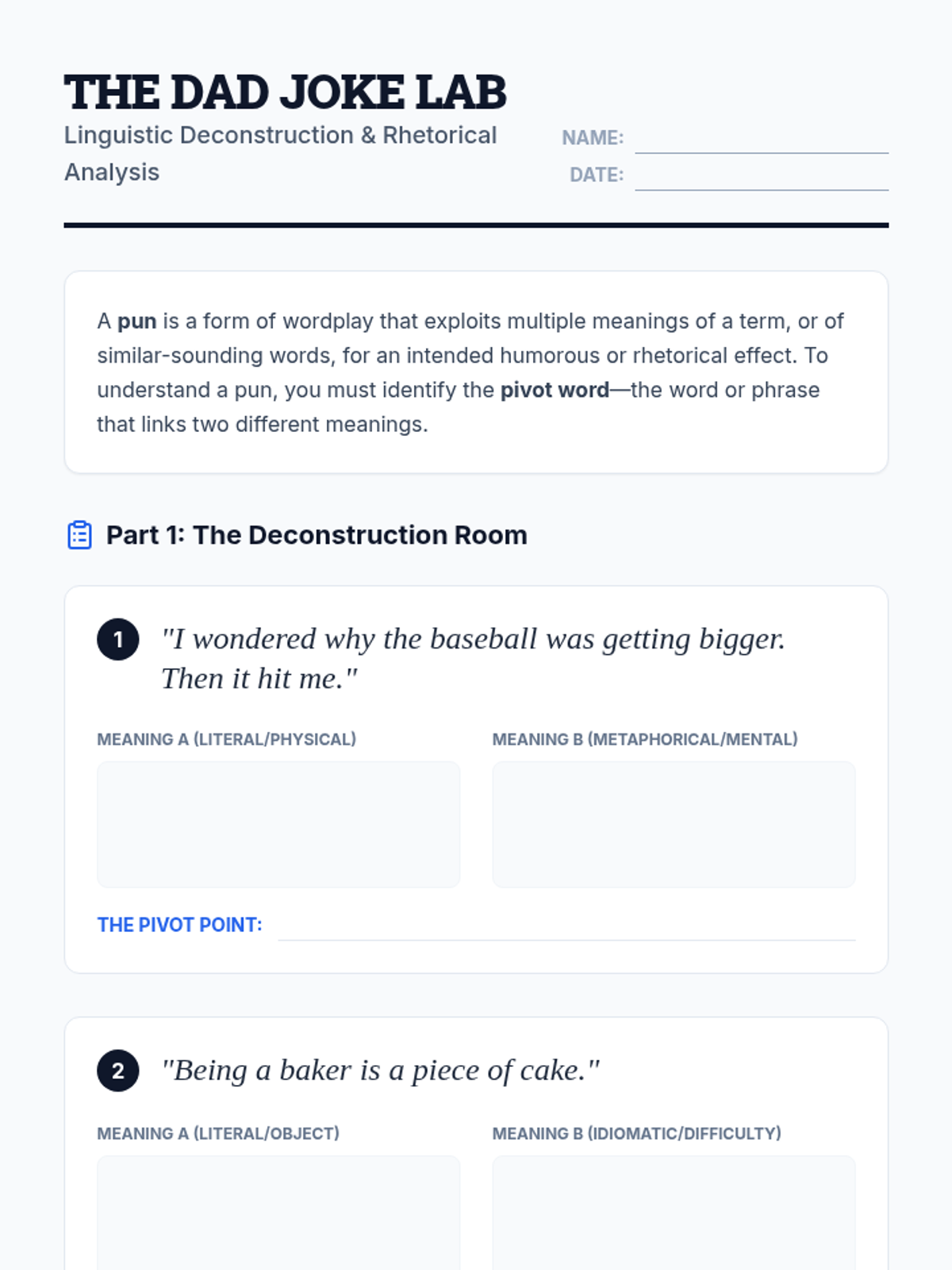
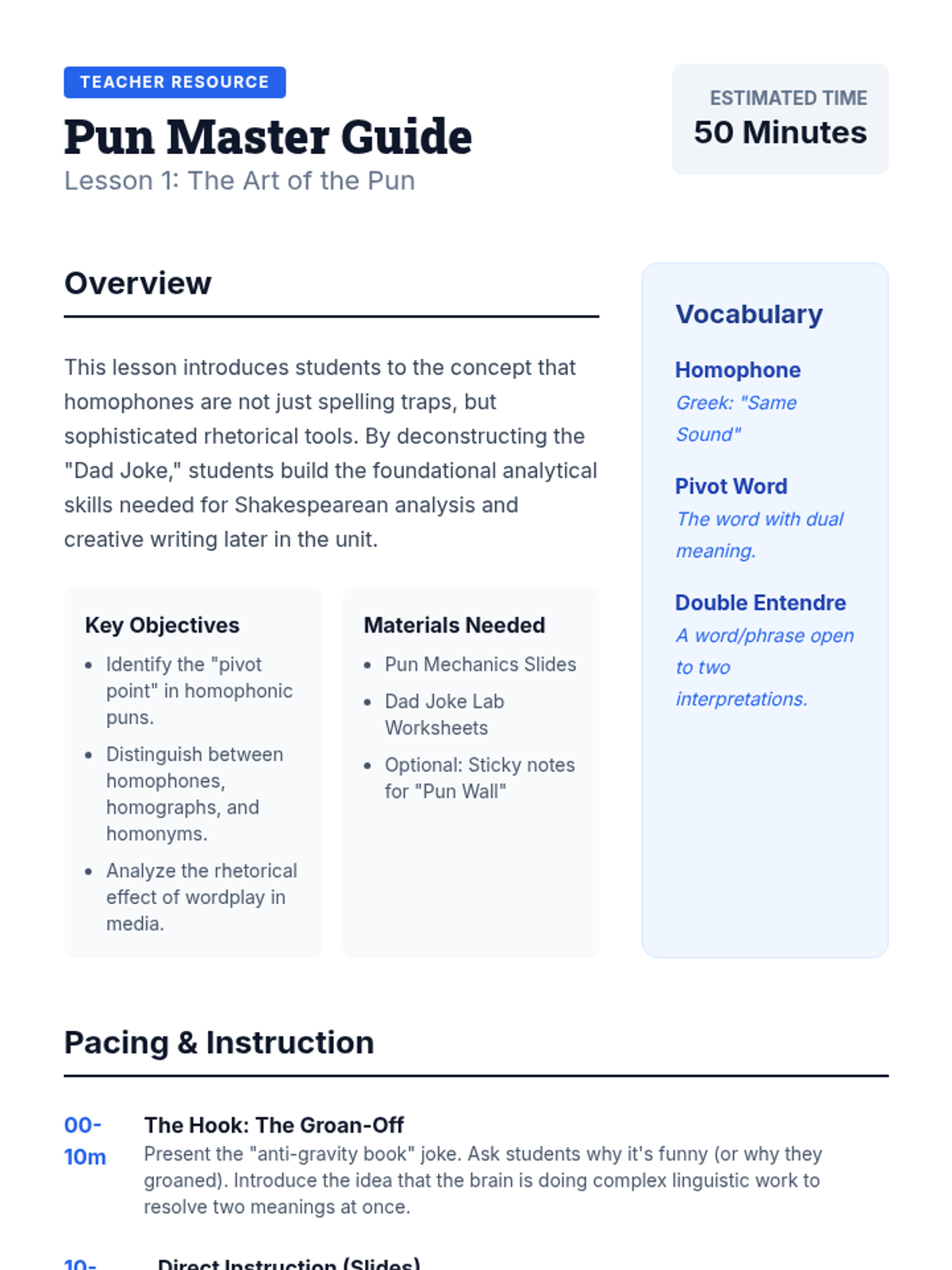
A high-school level exploration of puns, idioms, and double-meanings, focusing on the linguistic mechanisms that create humor. Students learn to deconstruct wordplay using the incongruity theory of humor.
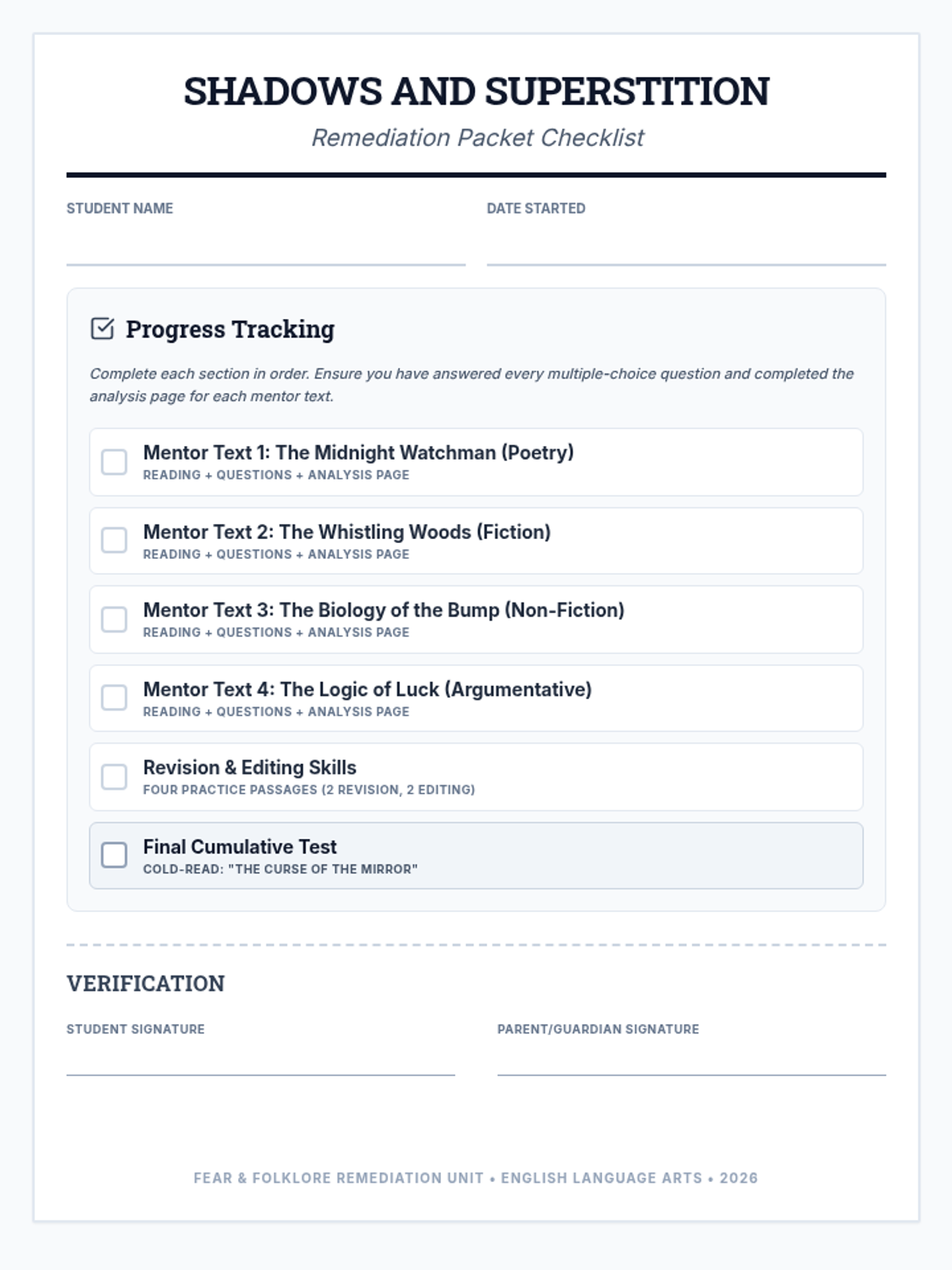
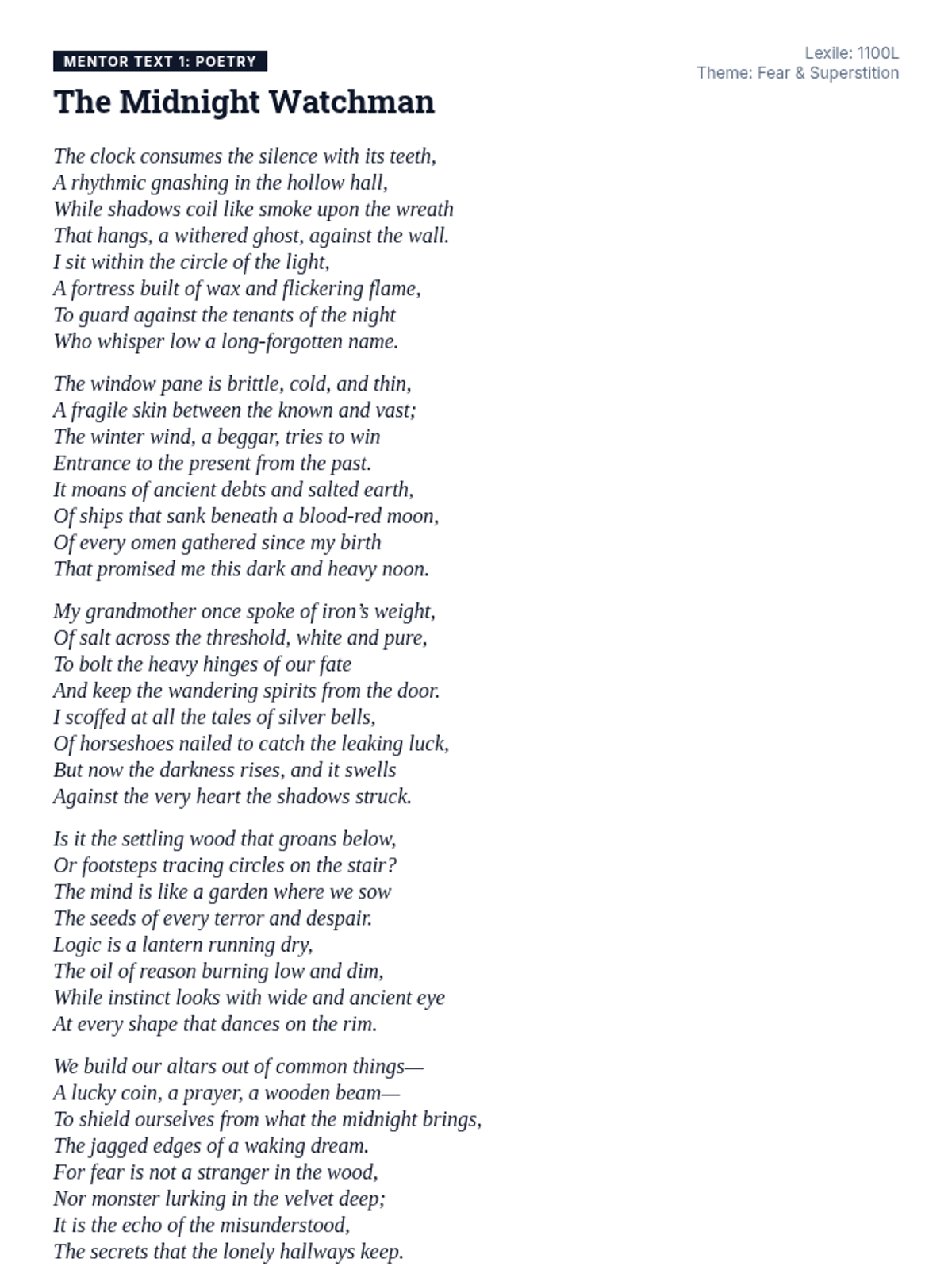
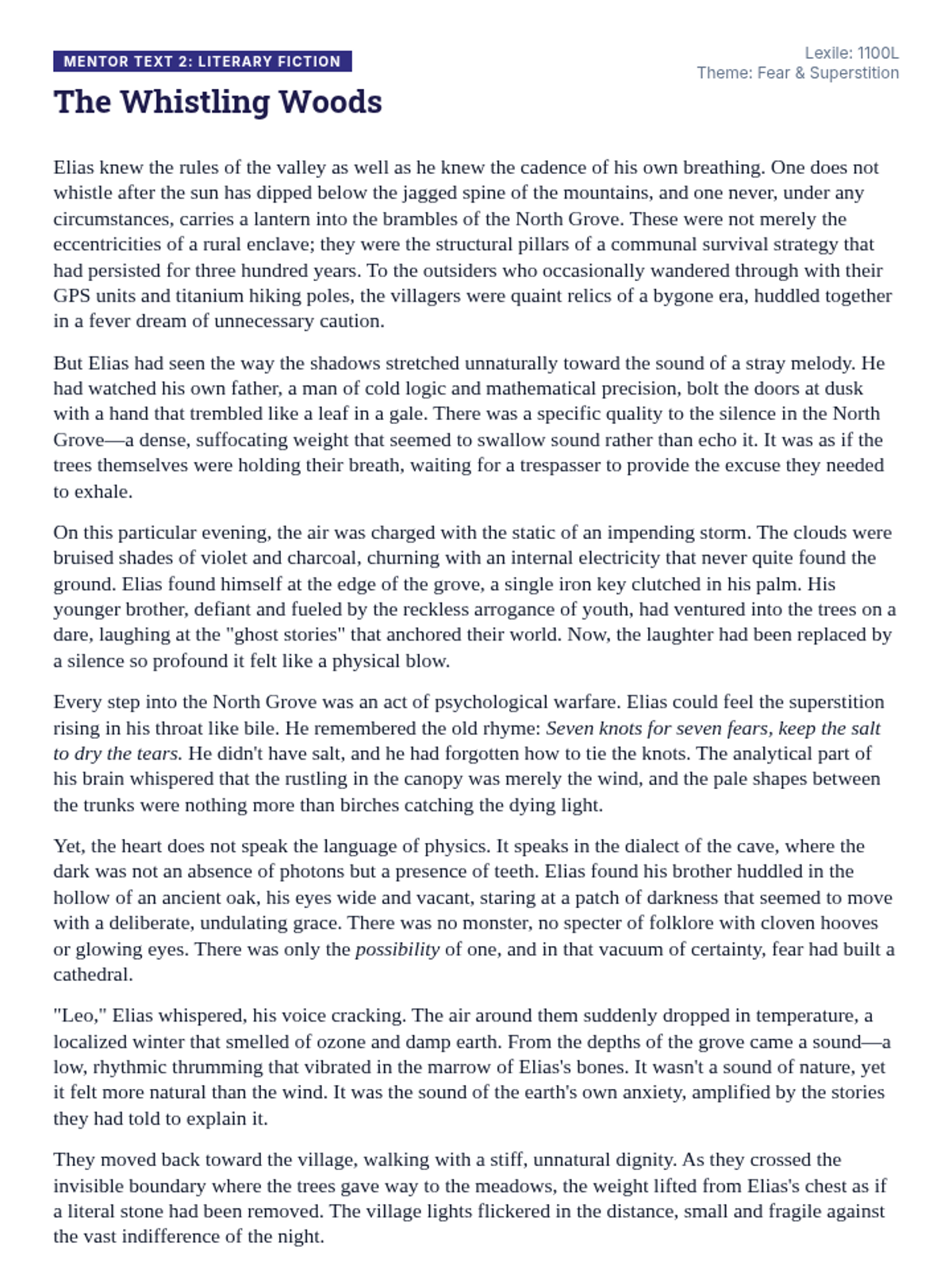
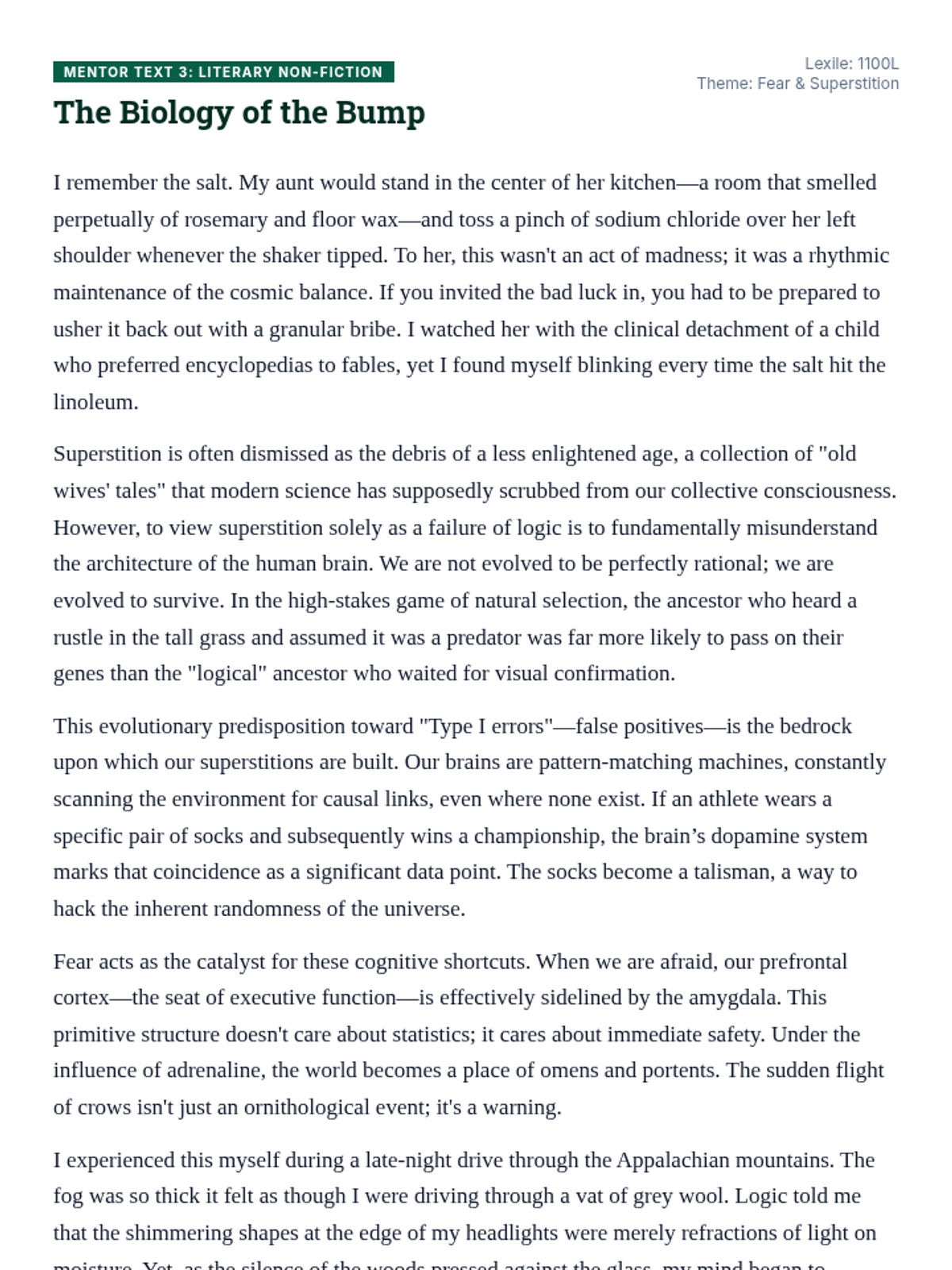
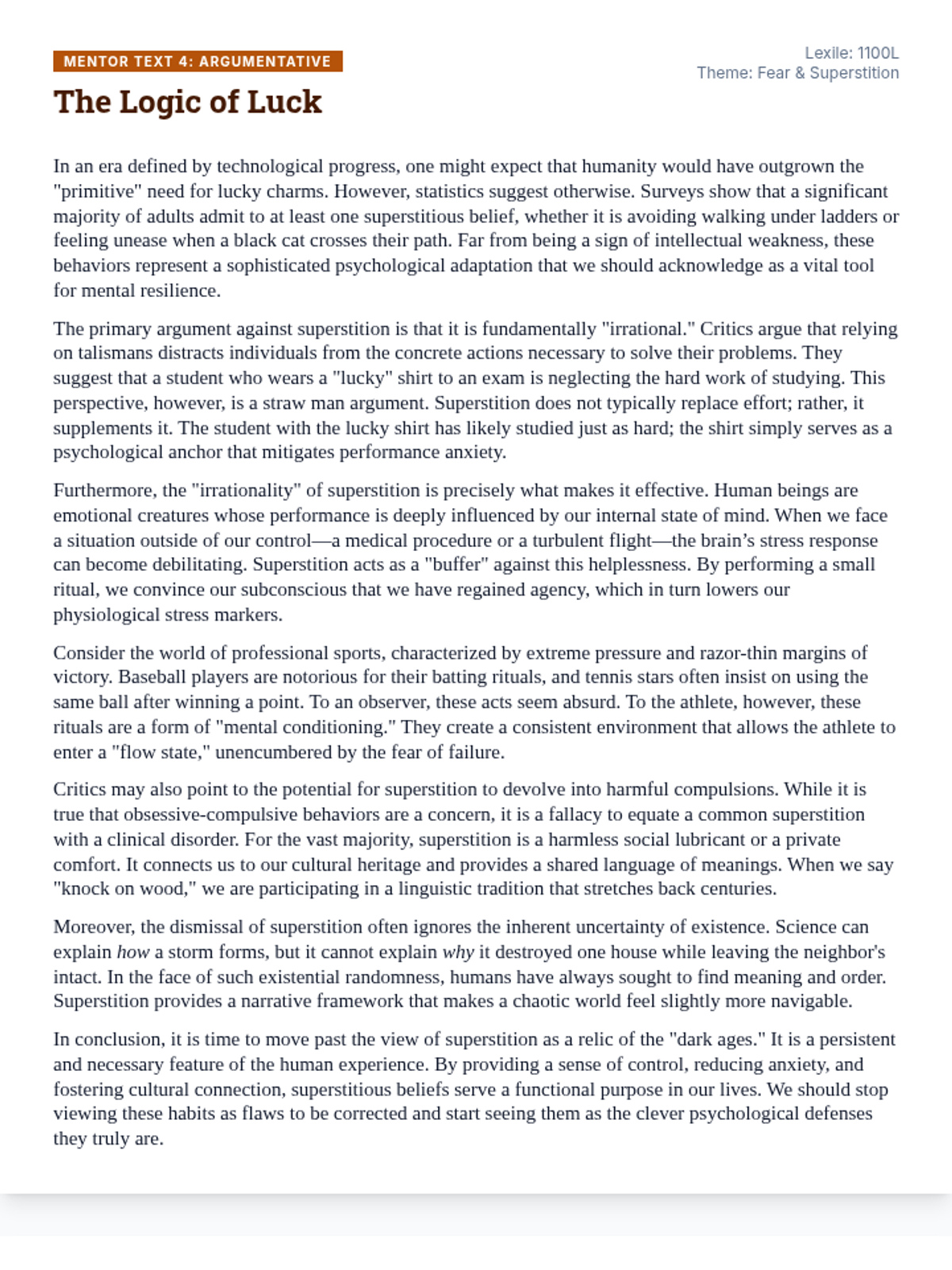
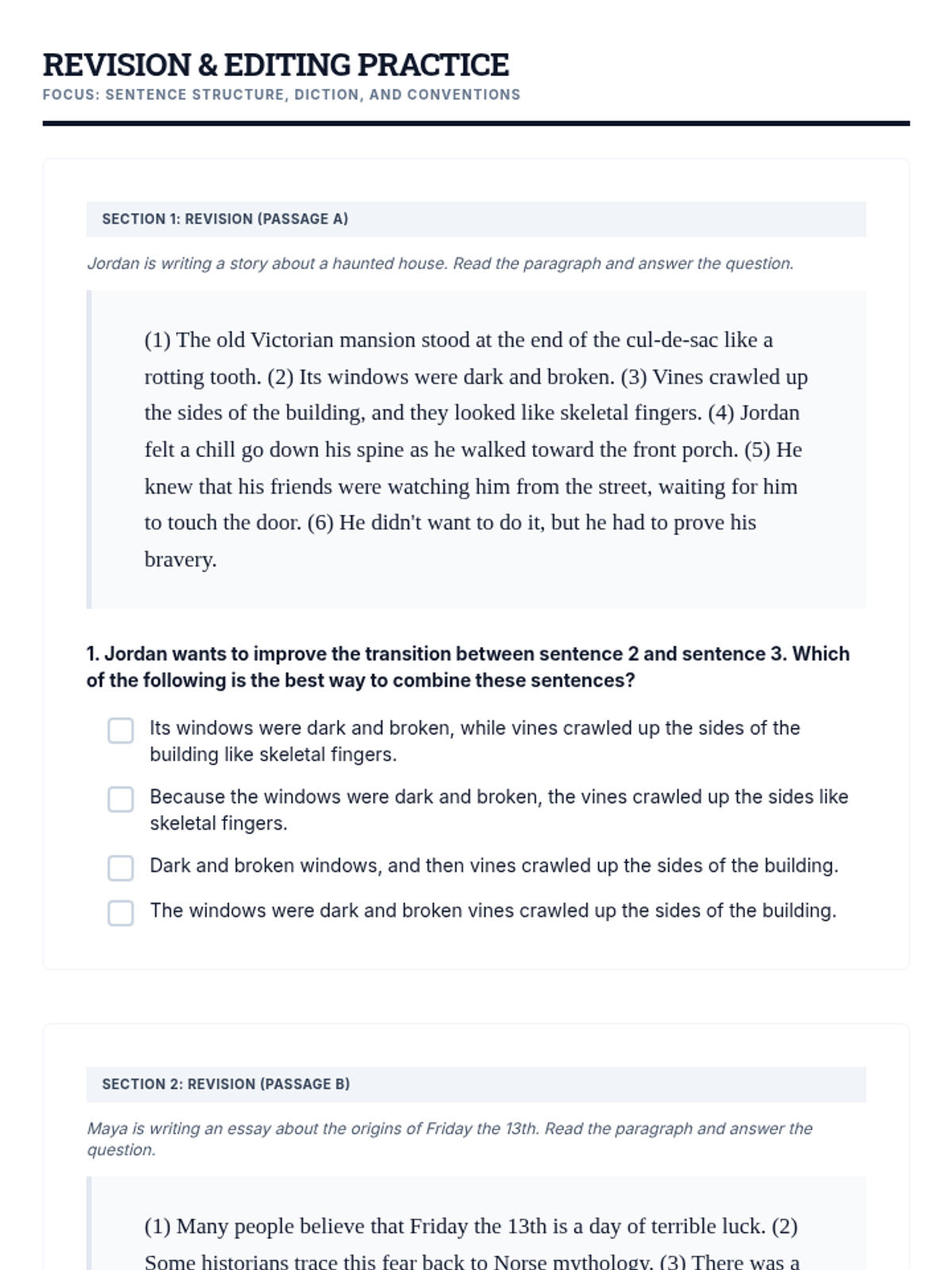
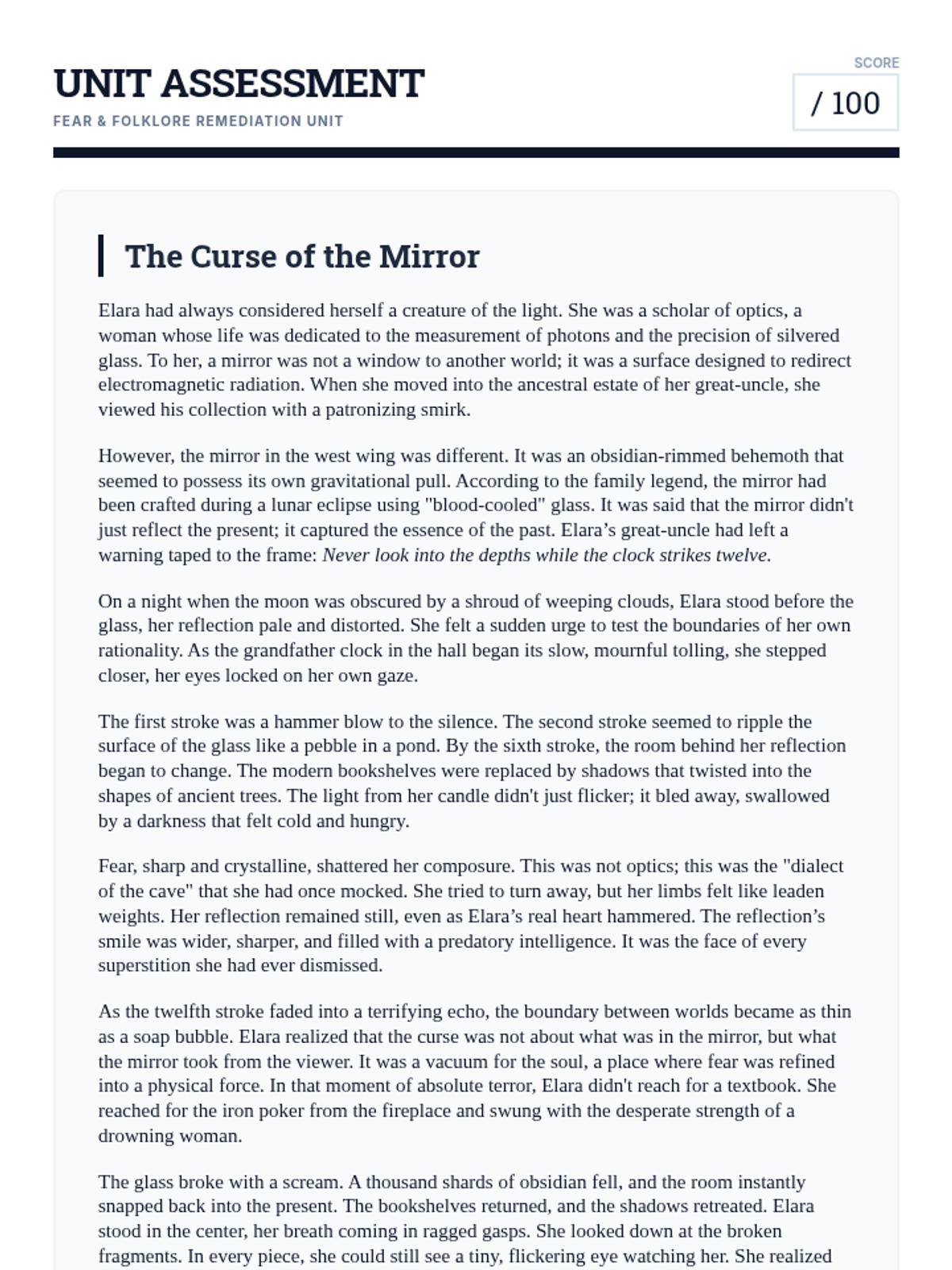
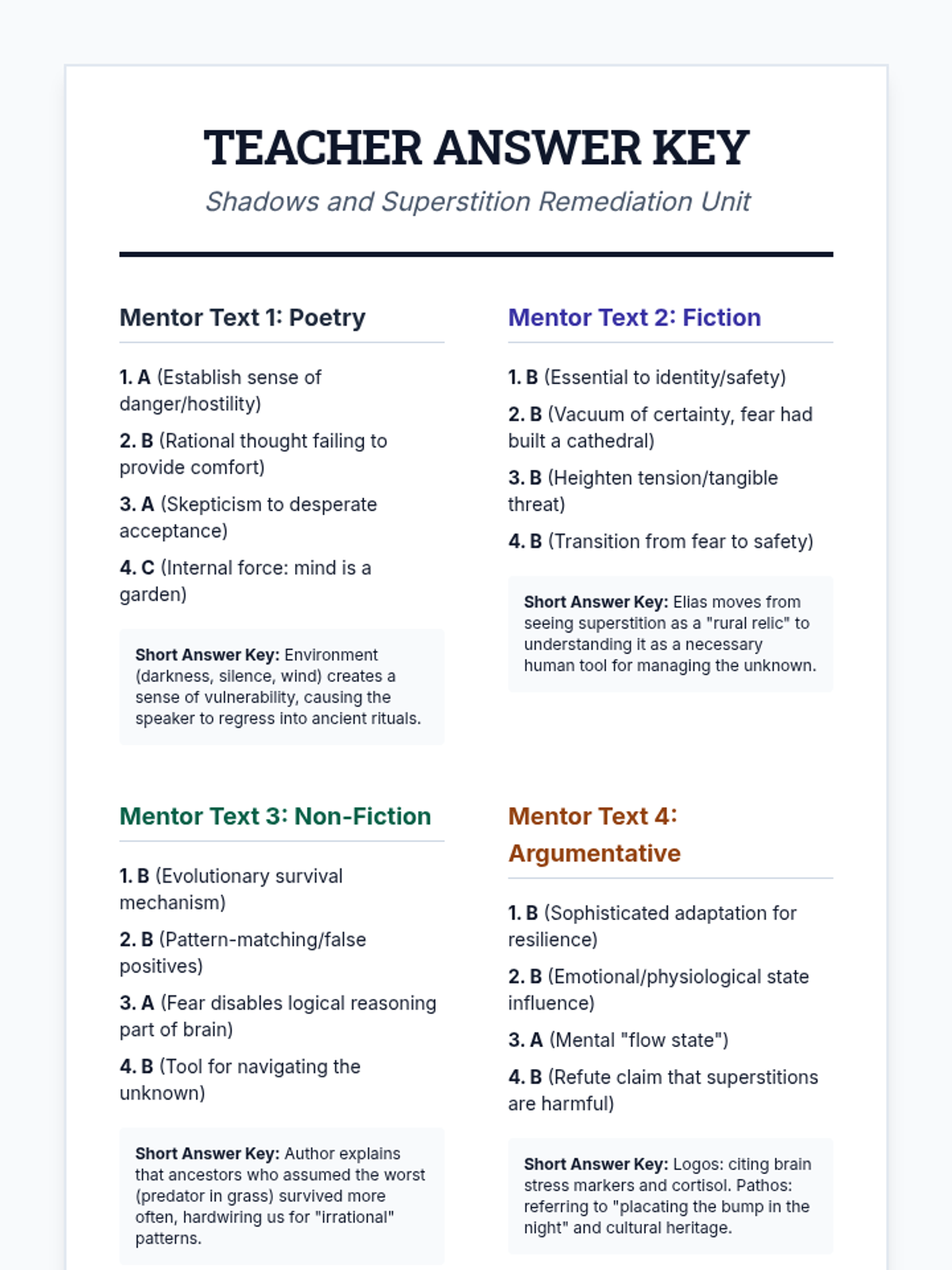
This lesson provides intensive remediation on core literacy skills using high-interest texts centered on fear and superstition. It includes mentor texts in four genres, revision and editing practice, and a final cold-read assessment.
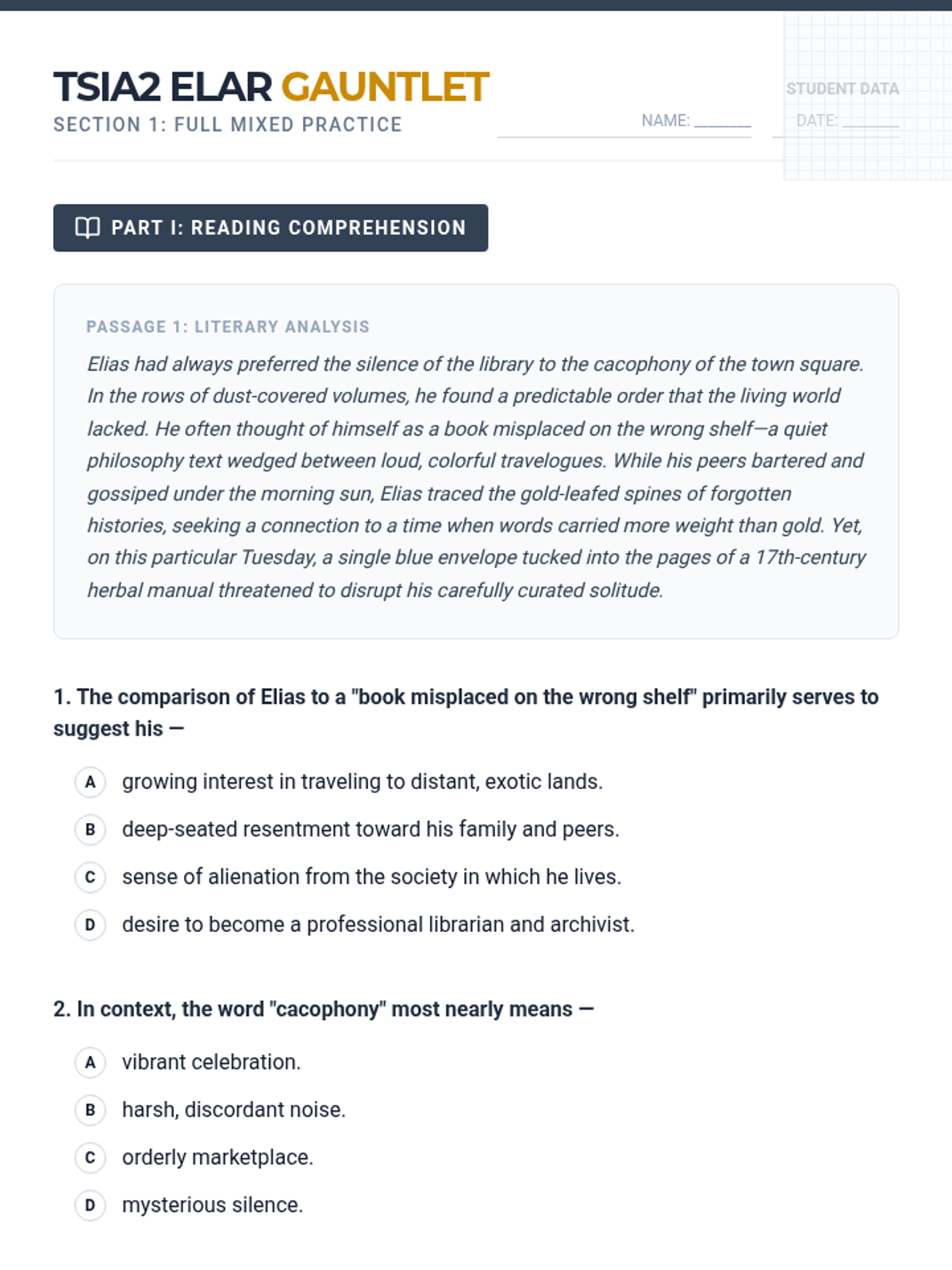
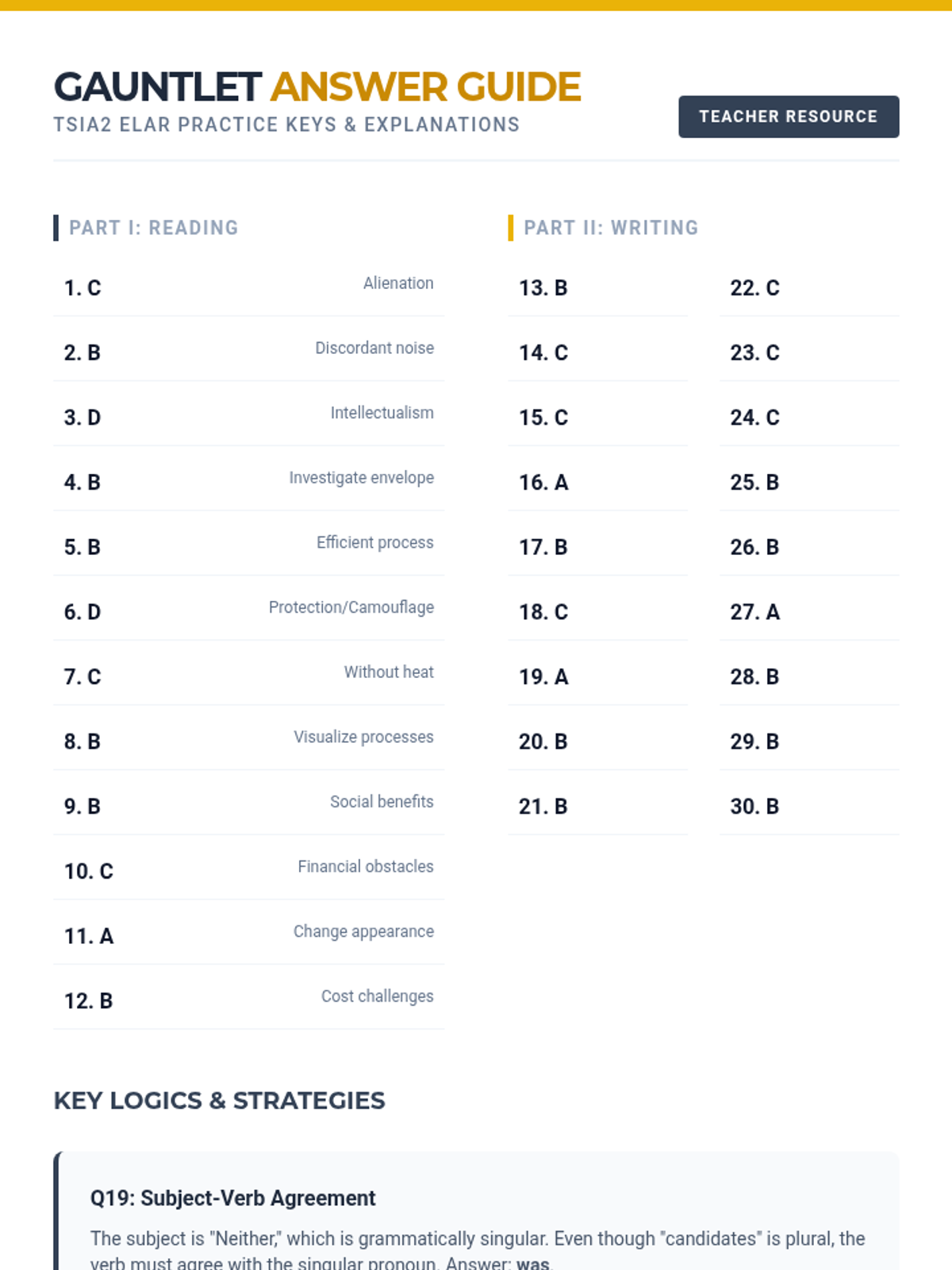
A comprehensive prep lesson for the TSIA2 ELAR section, covering reading comprehension, text analysis, and sentence-level writing skills. Includes a high-impact review presentation and a full 30-question practice exam with answer key.
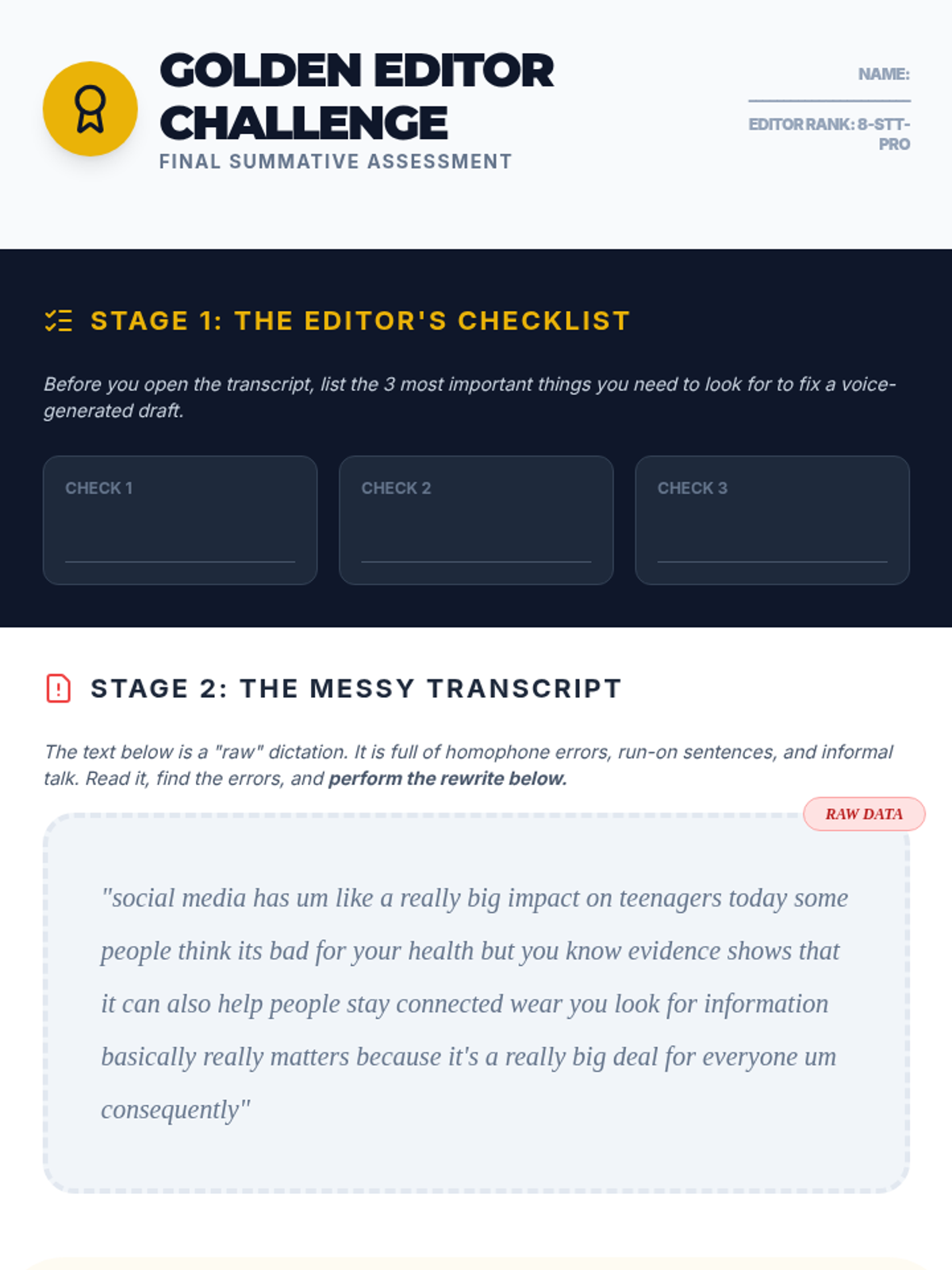
A summative assessment where students apply all editing skills to a messy, error-ridden transcript to produce a final, polished piece of writing.
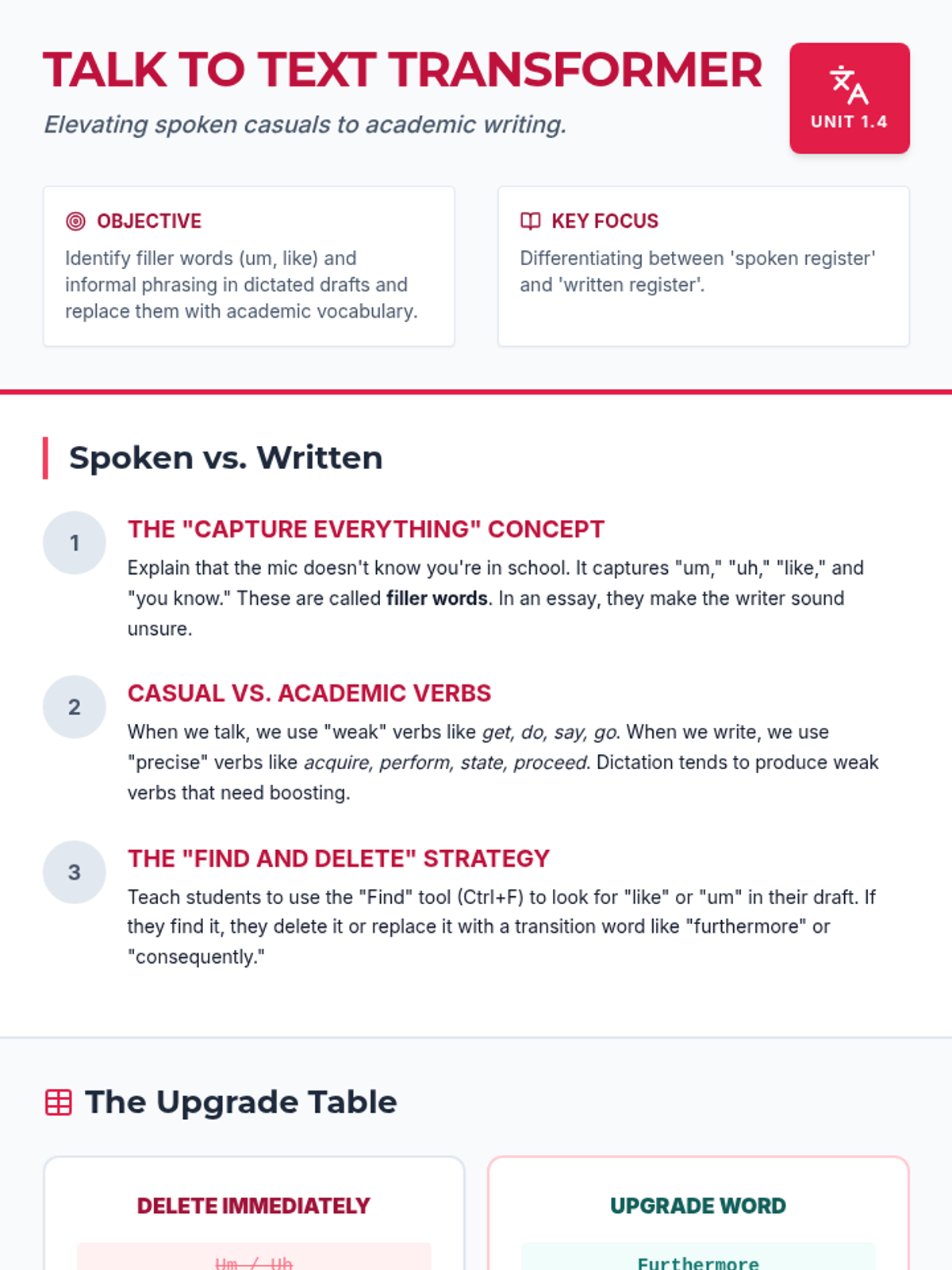
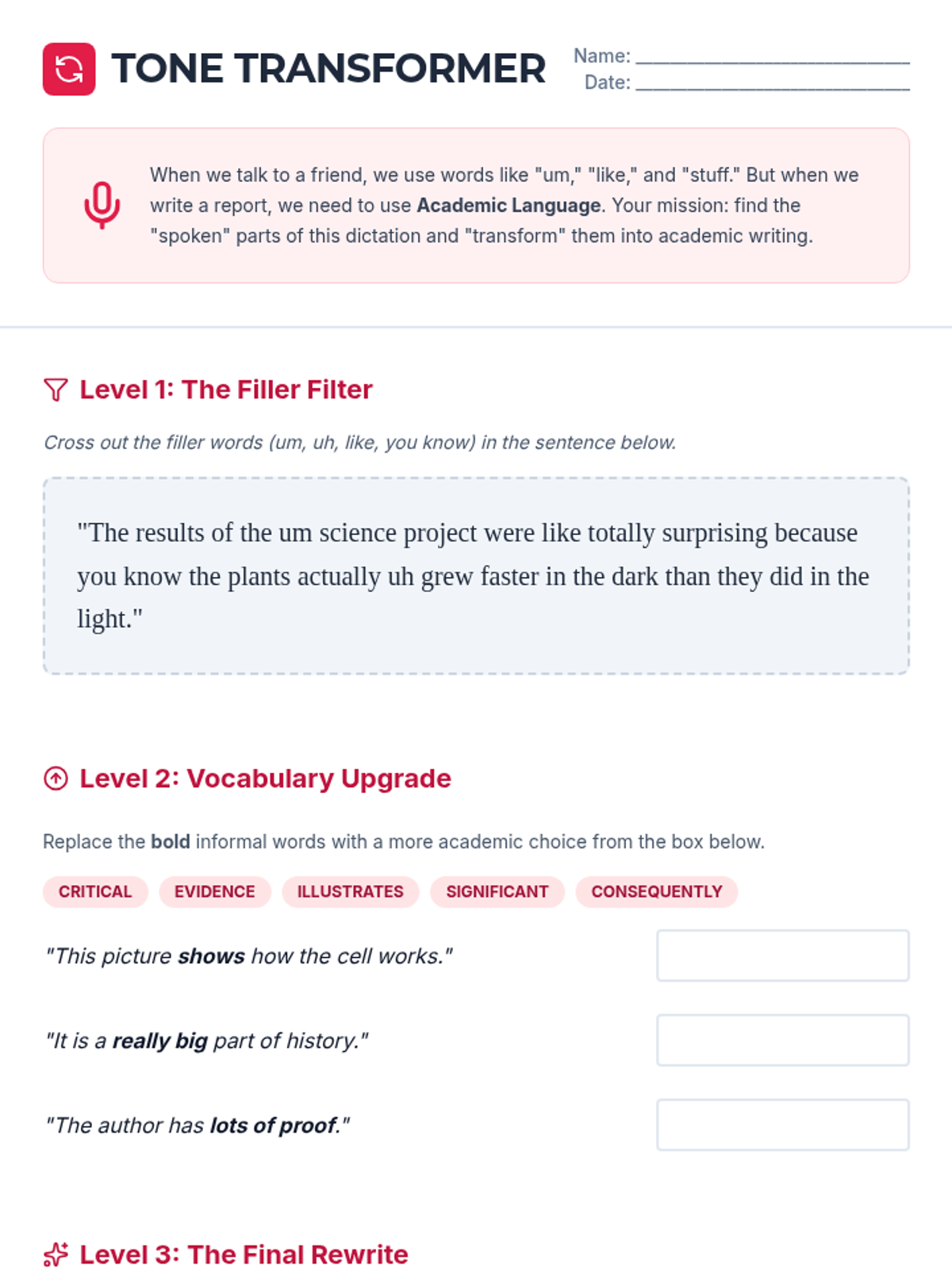
Teaches students to bridge the gap between spoken casual language and formal academic writing by identifying filler words and elevating vocabulary in their dictated drafts.
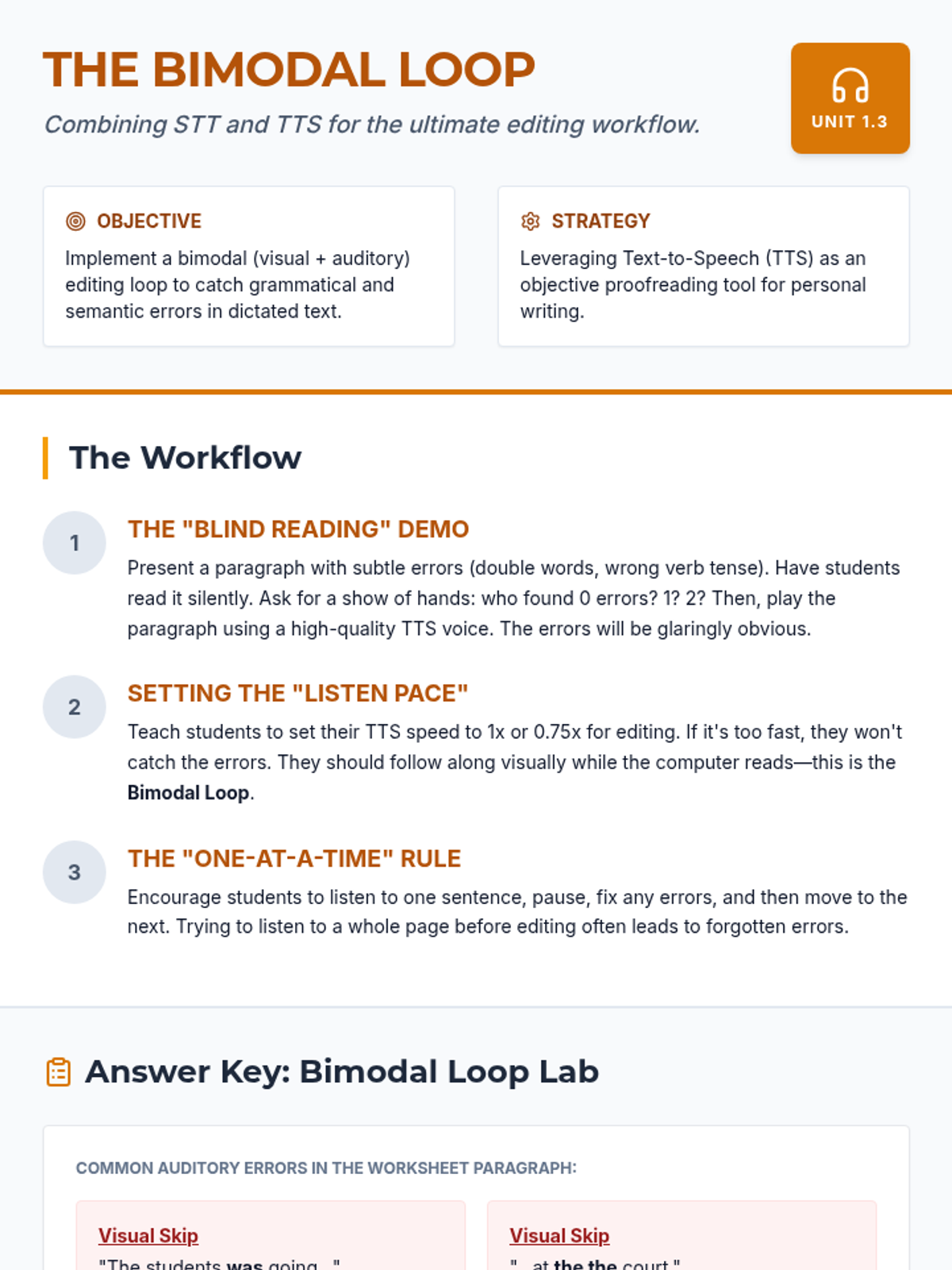
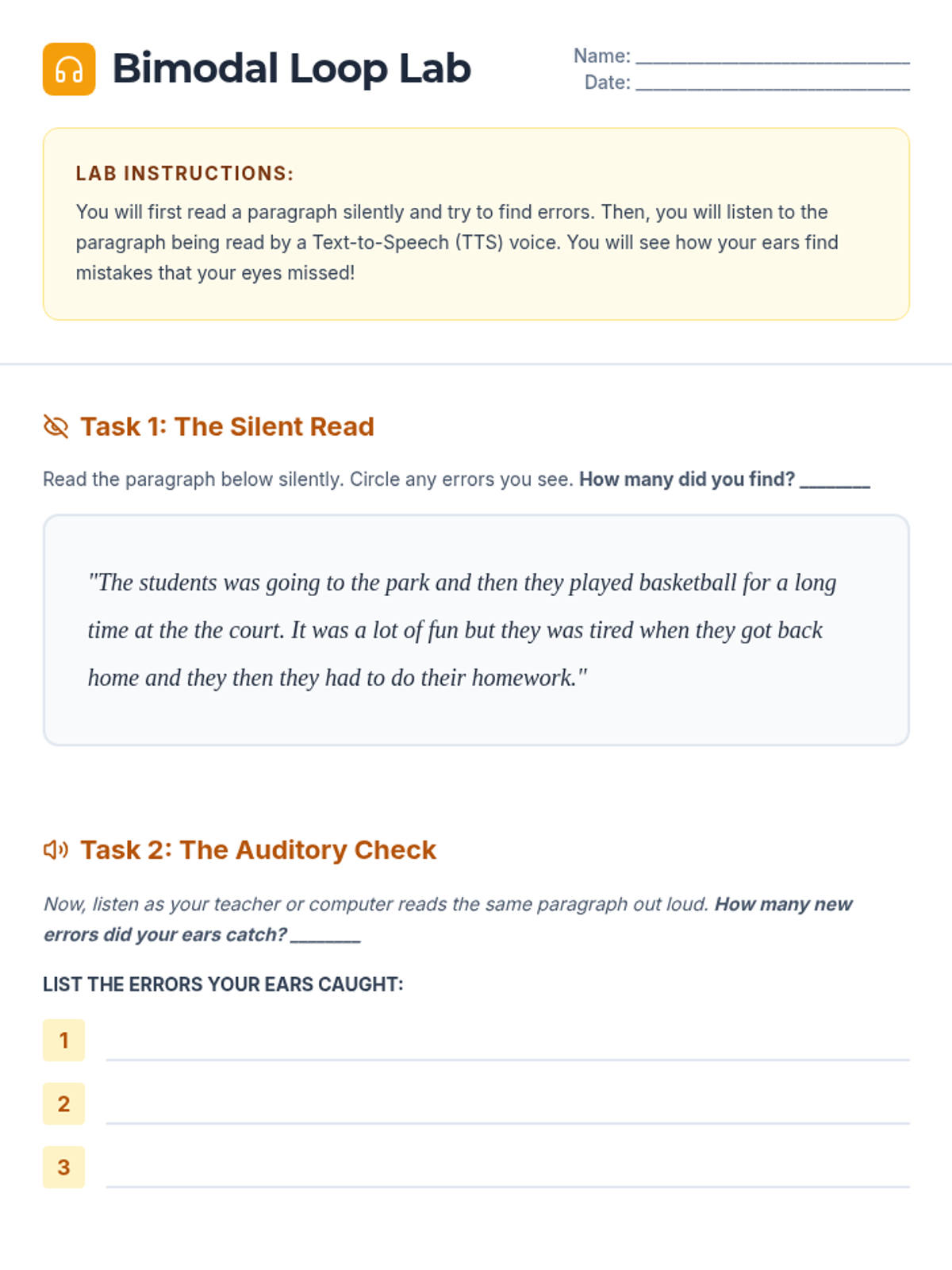
Introduces the bimodal loop of using text-to-speech technology to listen to dictated work, leveraging auditory processing to catch errors that are easily missed during visual proofreading.
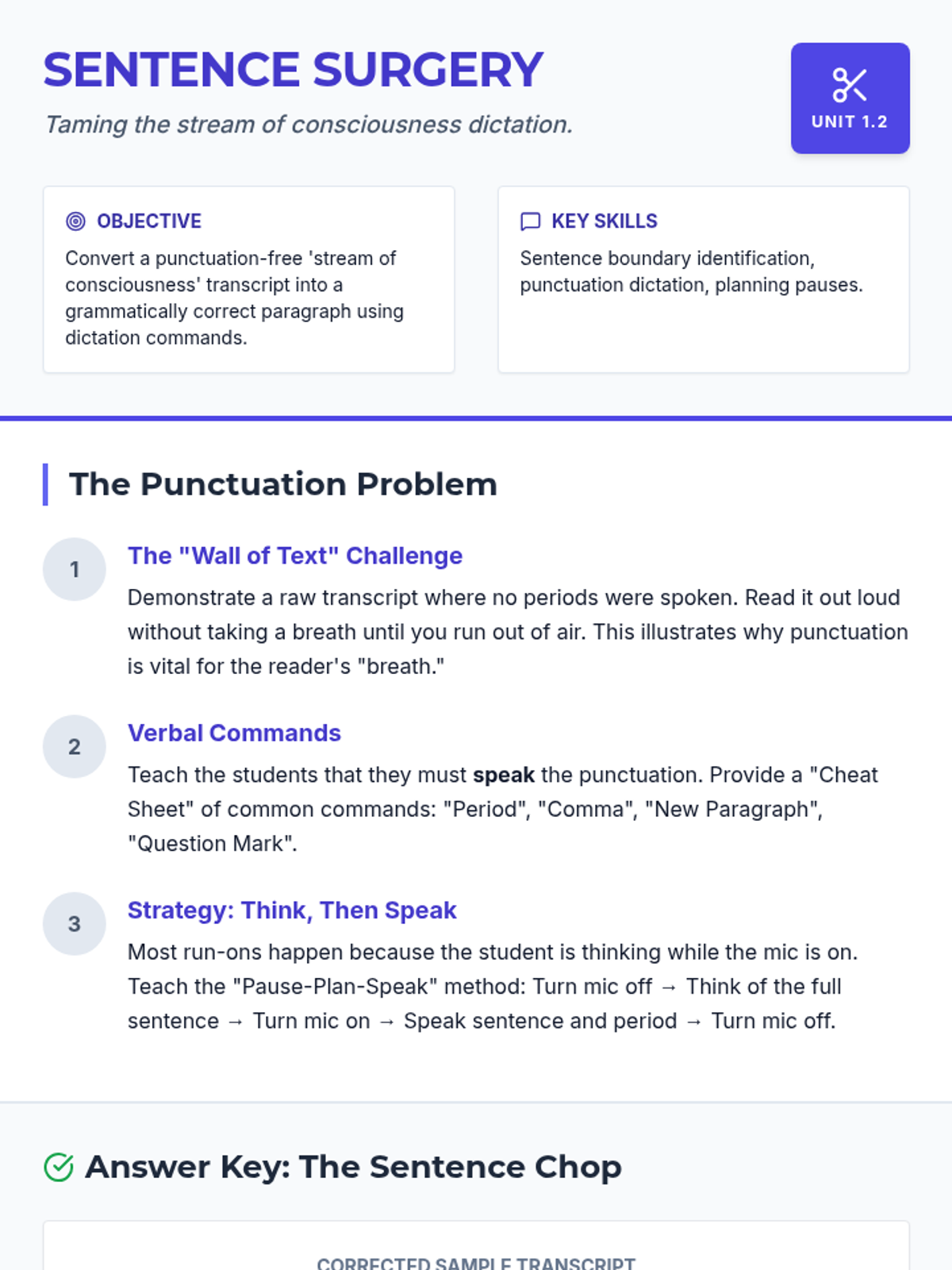
Focuses on the structural issues of dictated text, specifically the lack of punctuation and the tendency for run-on sentences, teaching students to impose order on 'stream of consciousness' transcripts.
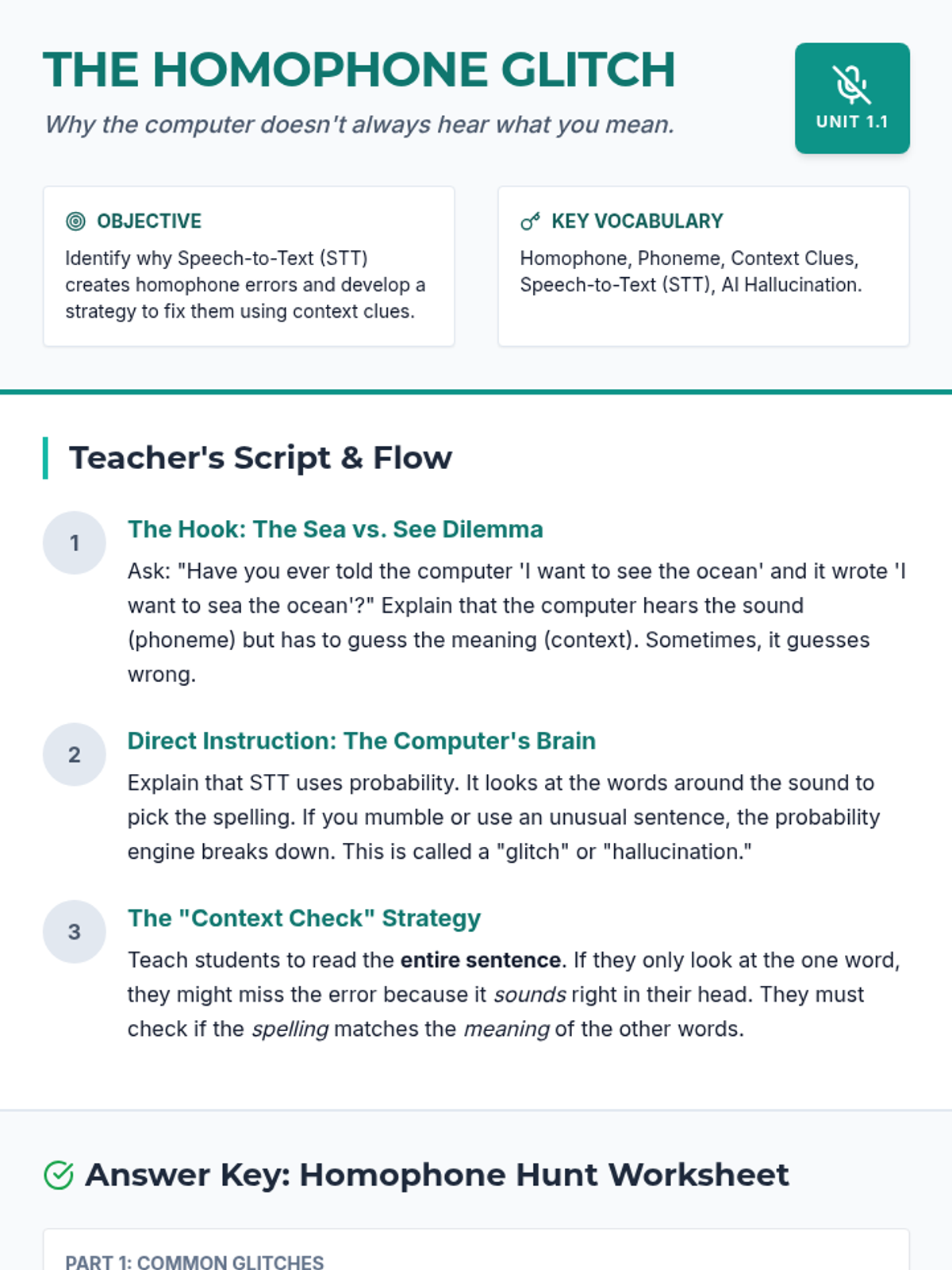
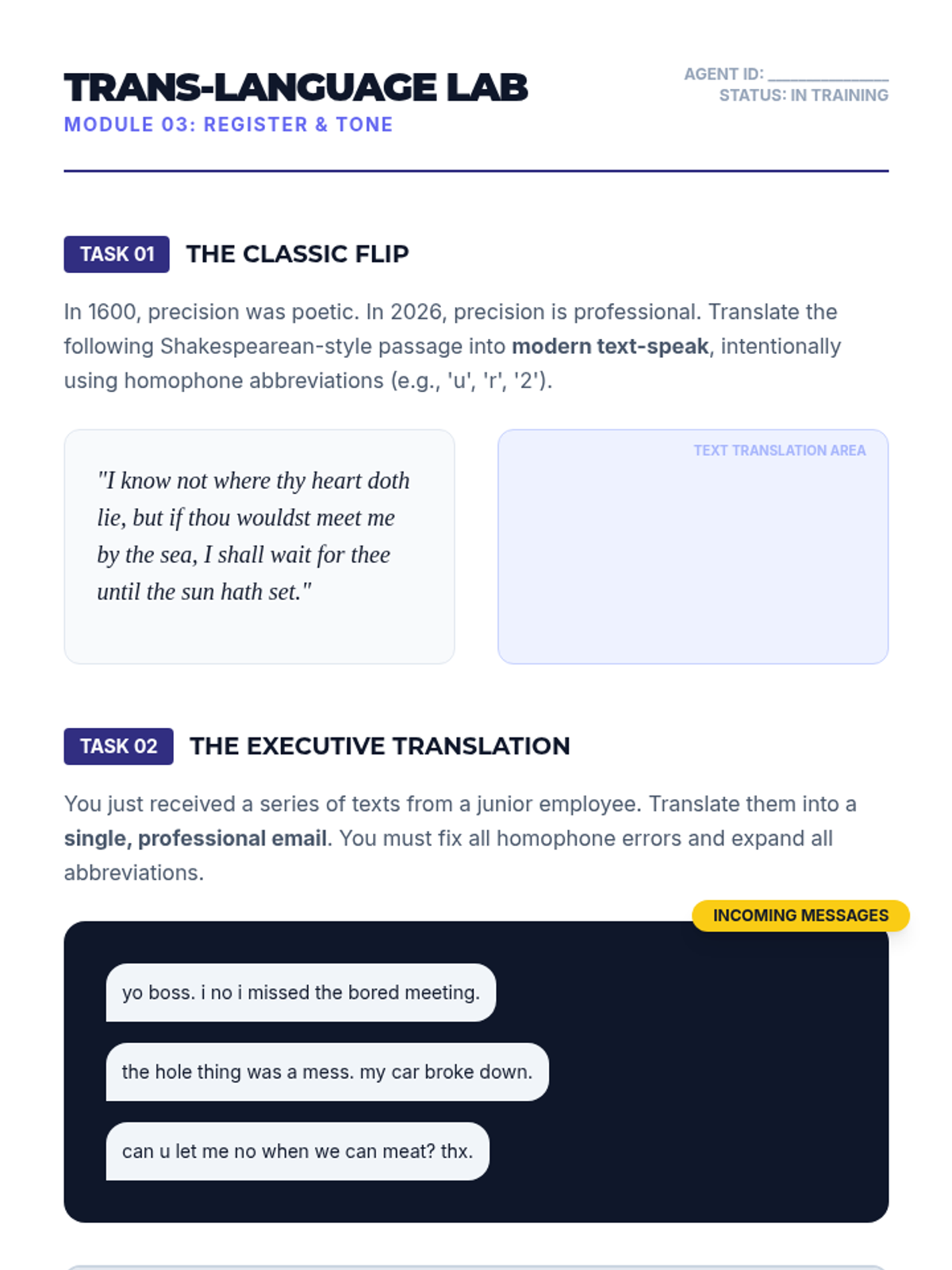
Explores why speech-to-text software confuses homophones and teaches students how to use context clues to identify and fix these common errors.
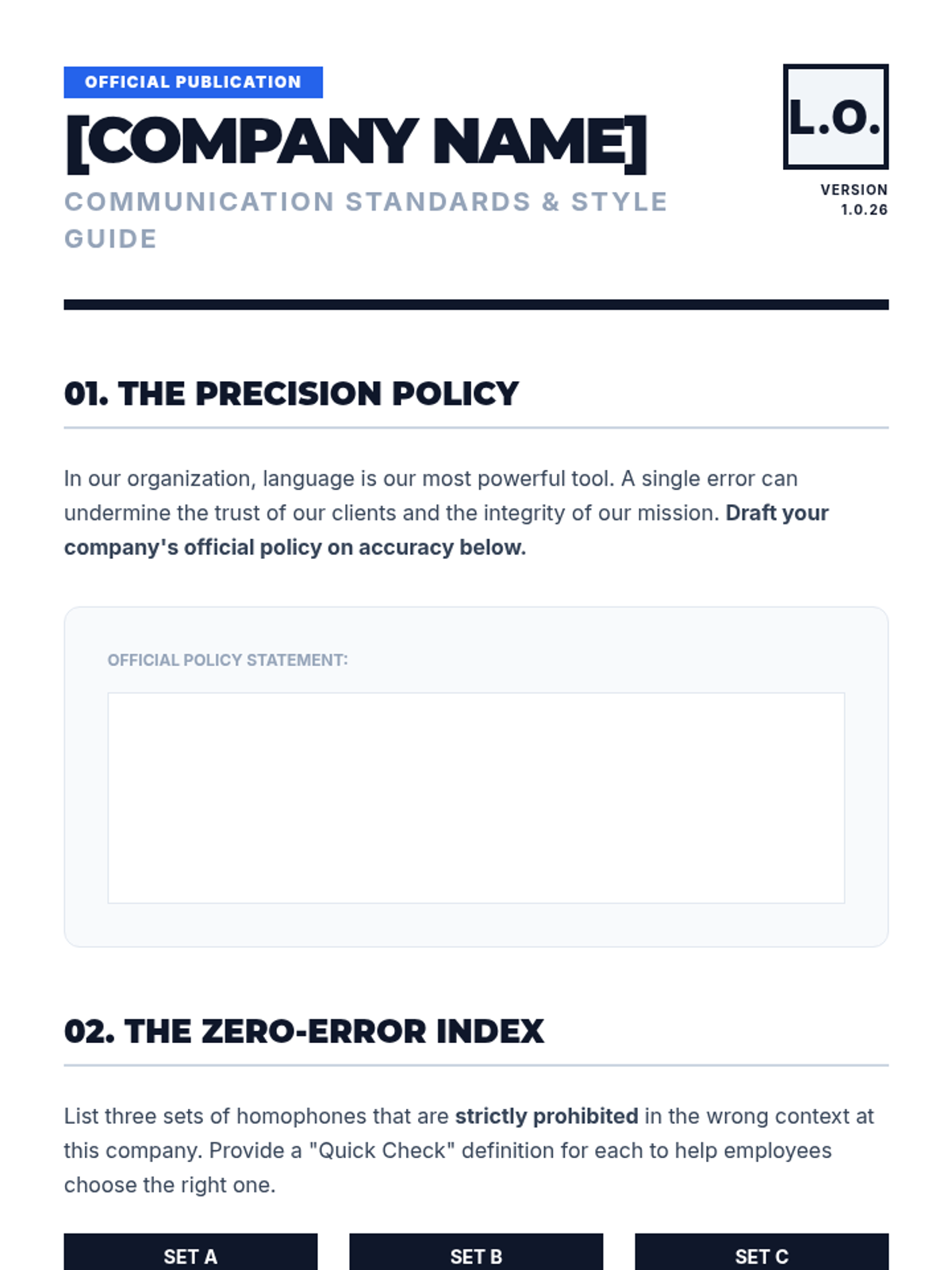
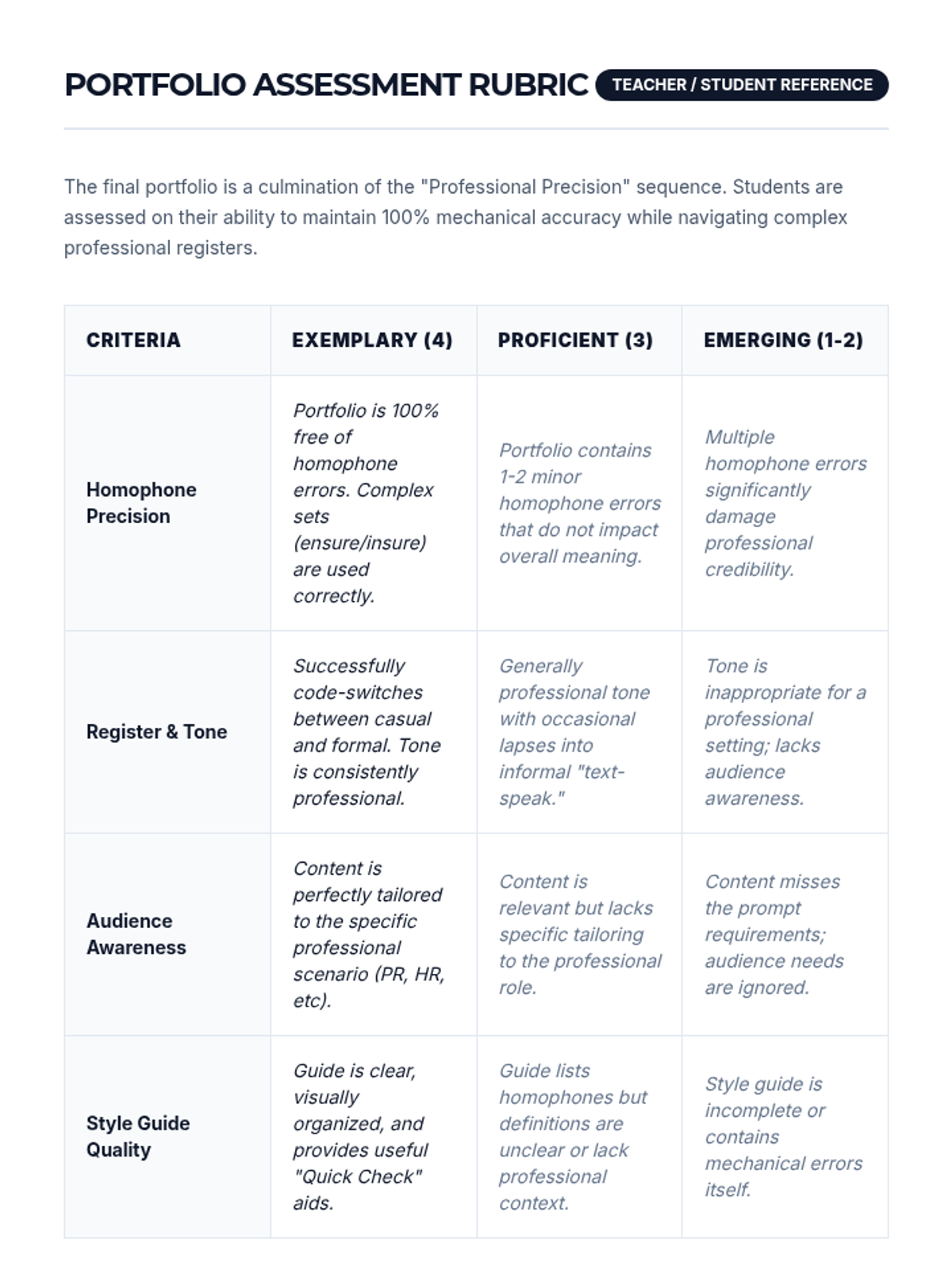
Students finalize a professional portfolio of documents and create a 'Company Style Guide' to standardize communication standards, demonstrating mastery of homophone precision.
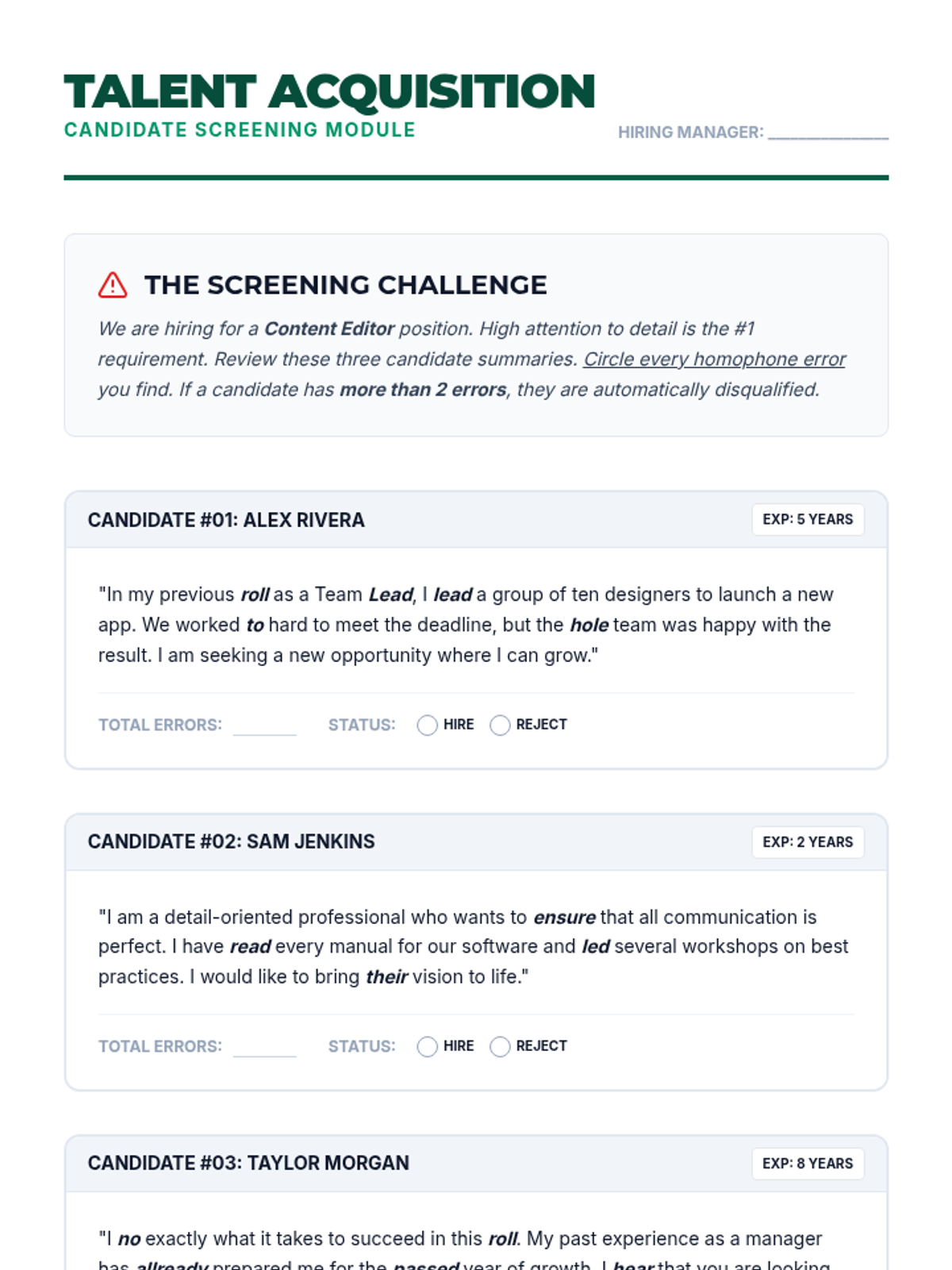
Students act as hiring managers to review resumes, identifying how subtle homophone errors function as gatekeeping mechanisms in the professional world.
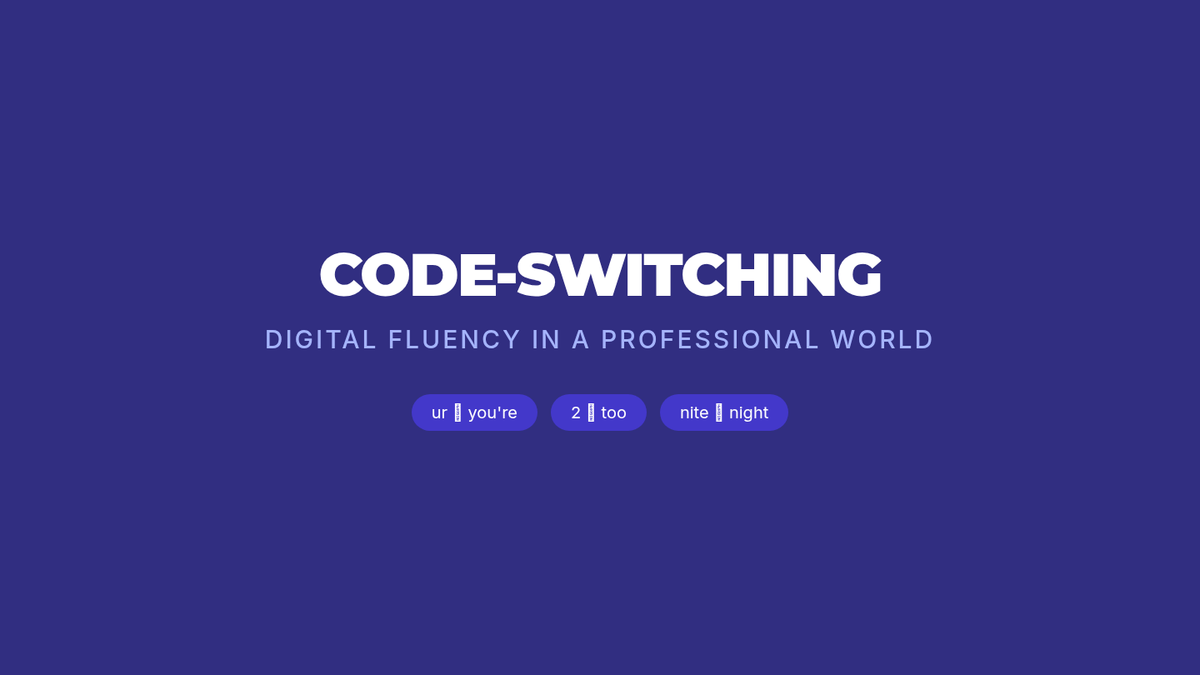
Students analyze the differences between casual digital communication and formal technical writing, learning to code-switch effectively for different audiences.
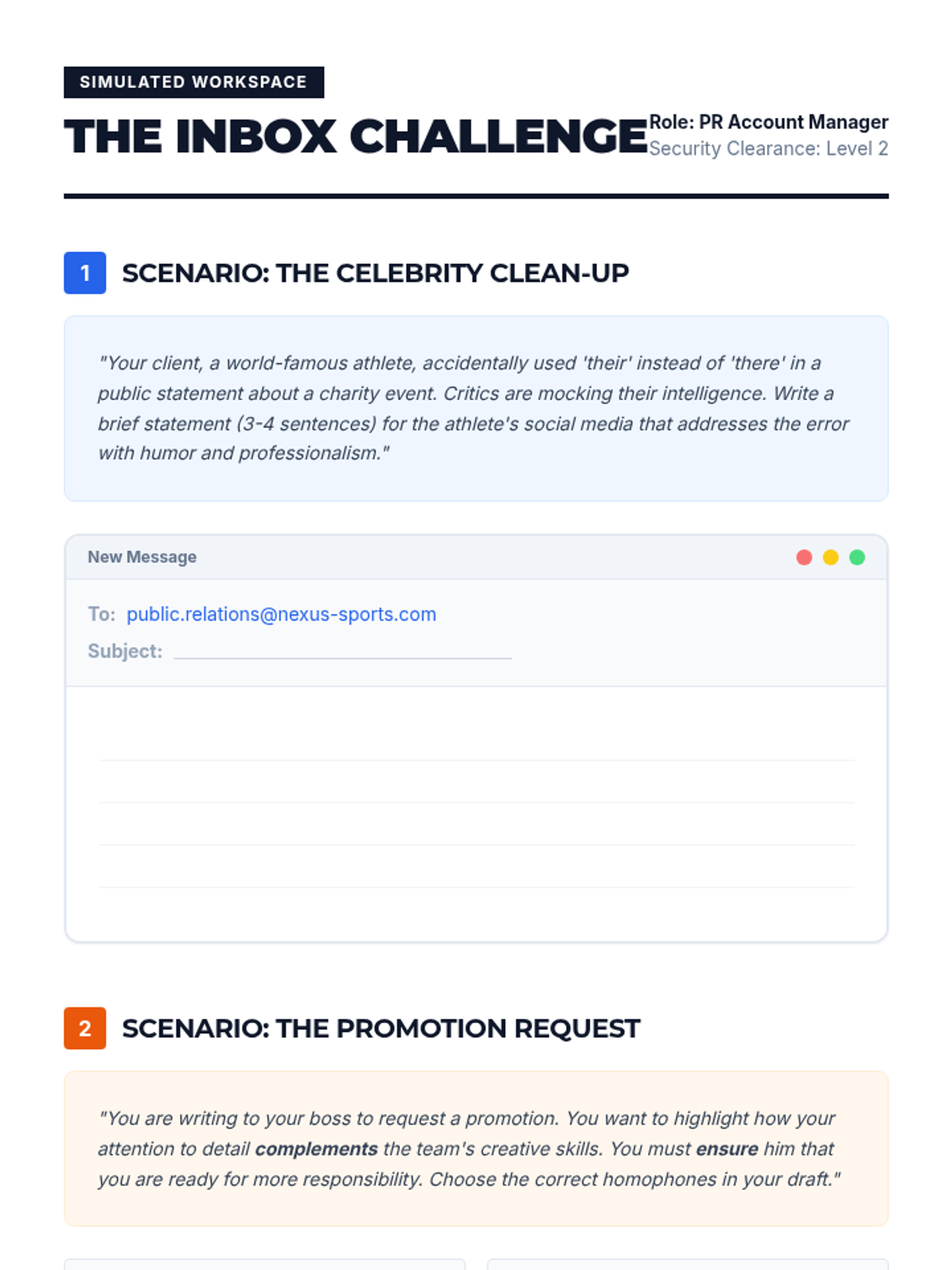
Students draft high-stakes professional emails and master homophones like ensure/insure/assure and complement/compliment in a business context.
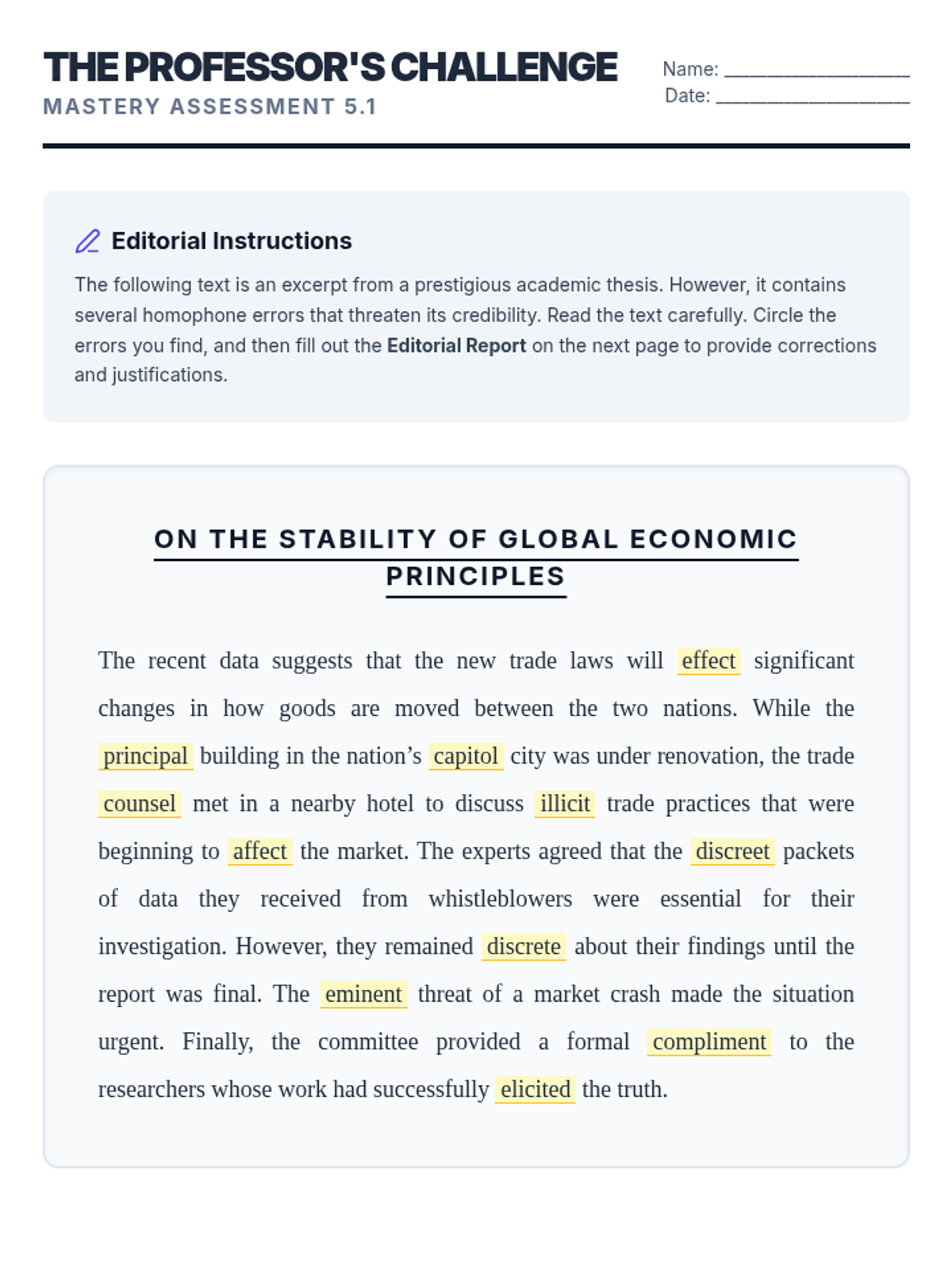
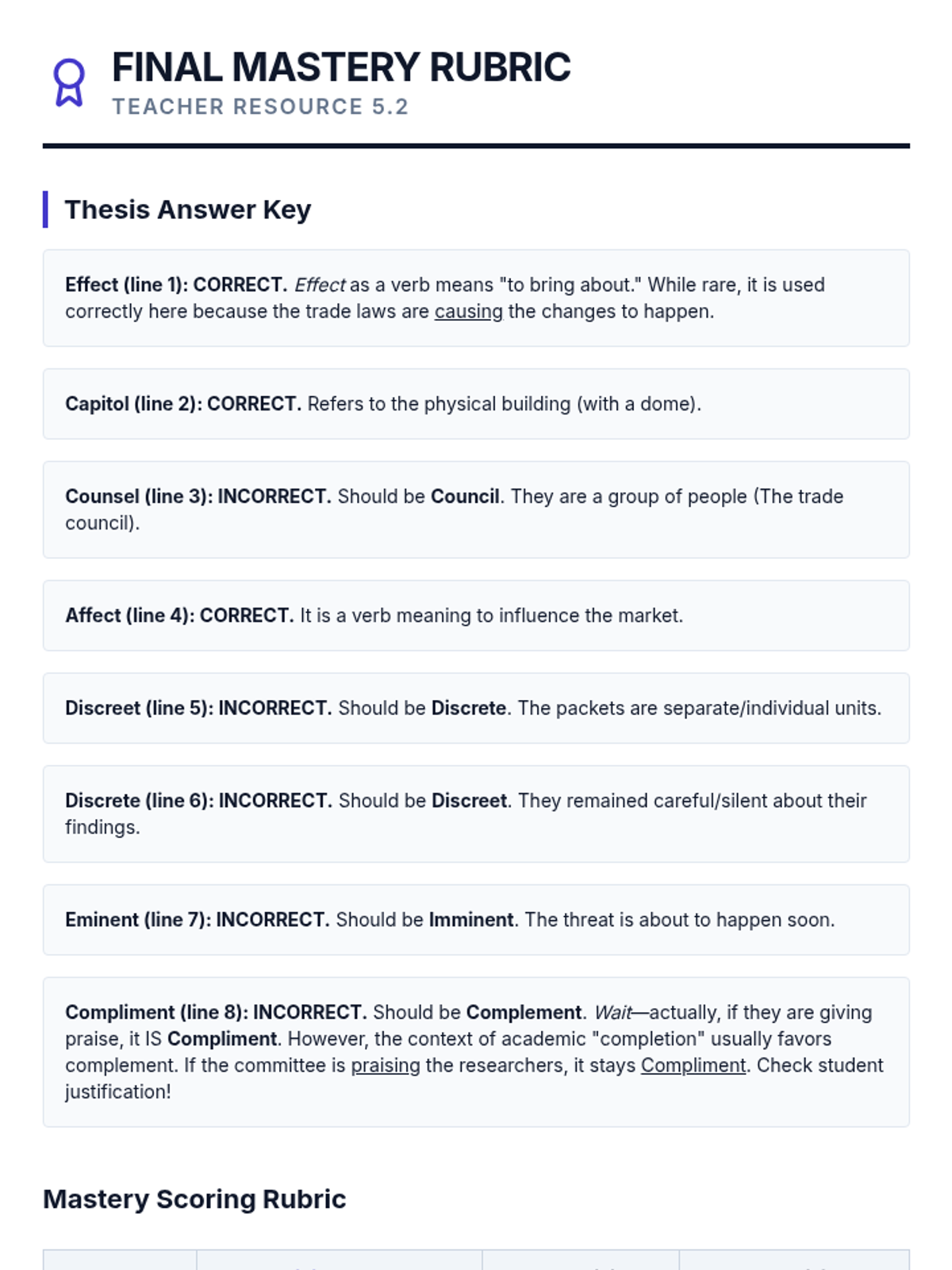
A final assessment where students 'grade' a fictional doctoral thesis, correcting homophone errors and justifying their changes with grammatical evidence.
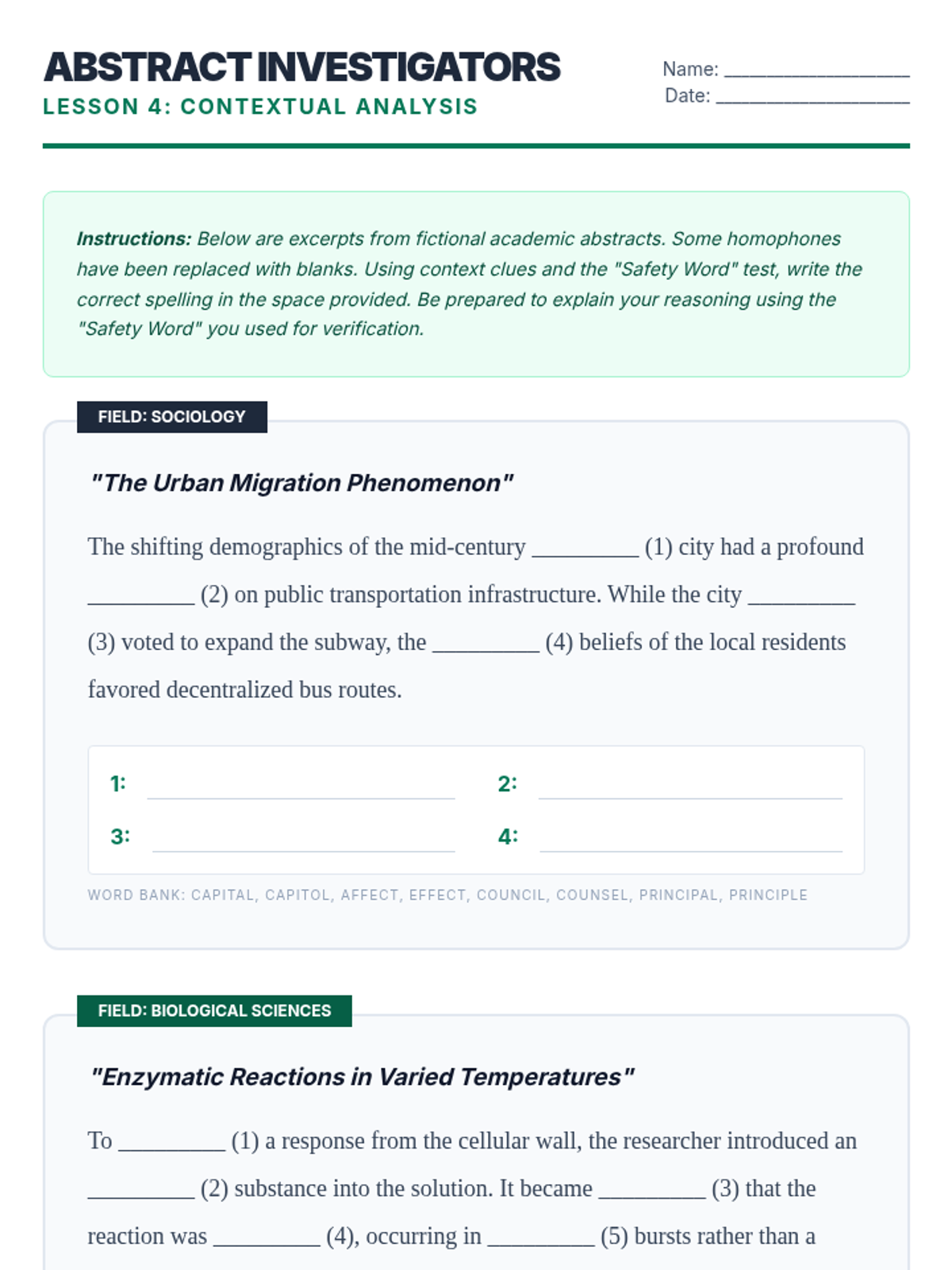
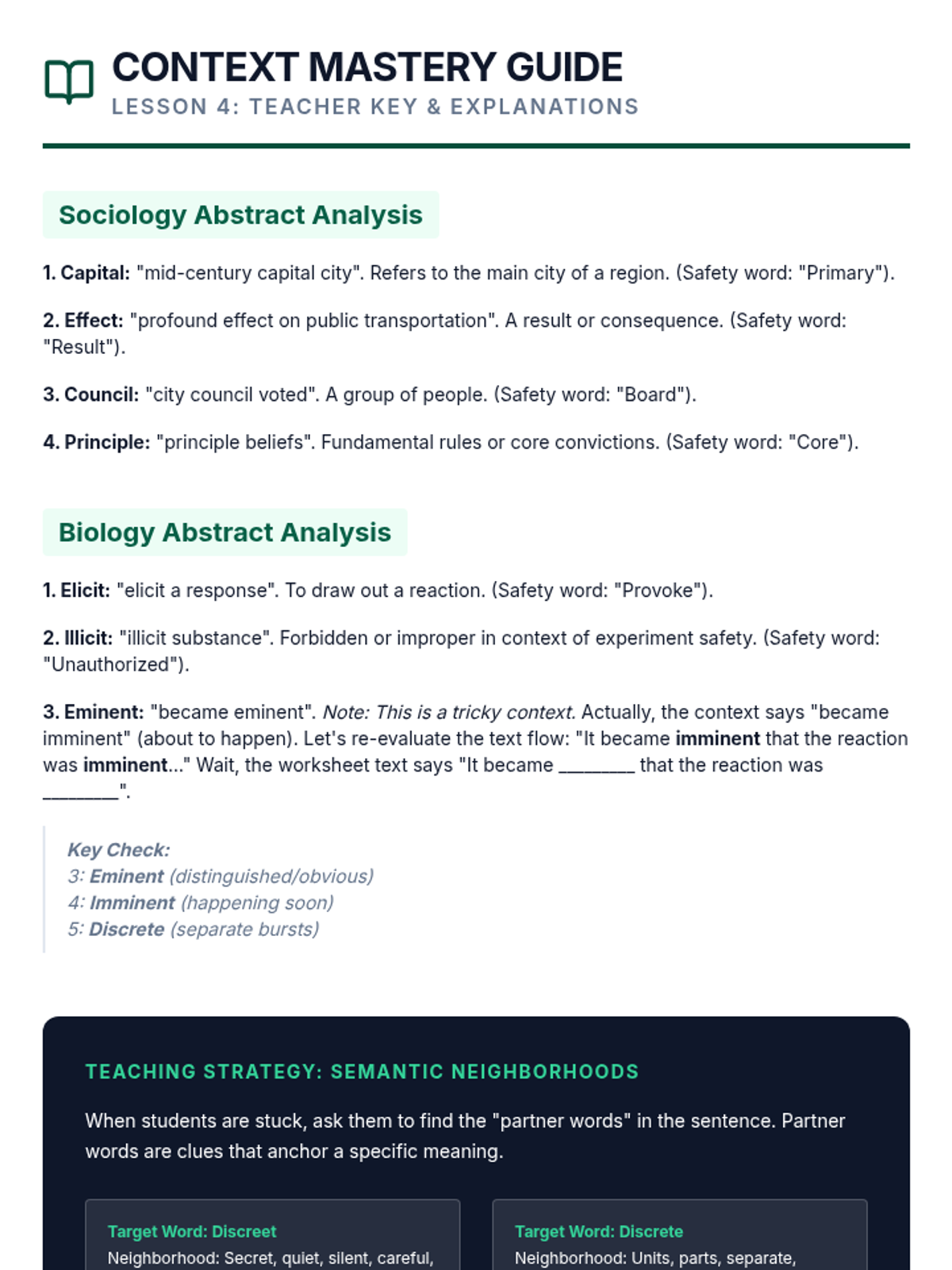
Students practice identifying and correctly spelling homophones within complex academic texts and abstracts. The lesson emphasizes using context clues for lexical precision.
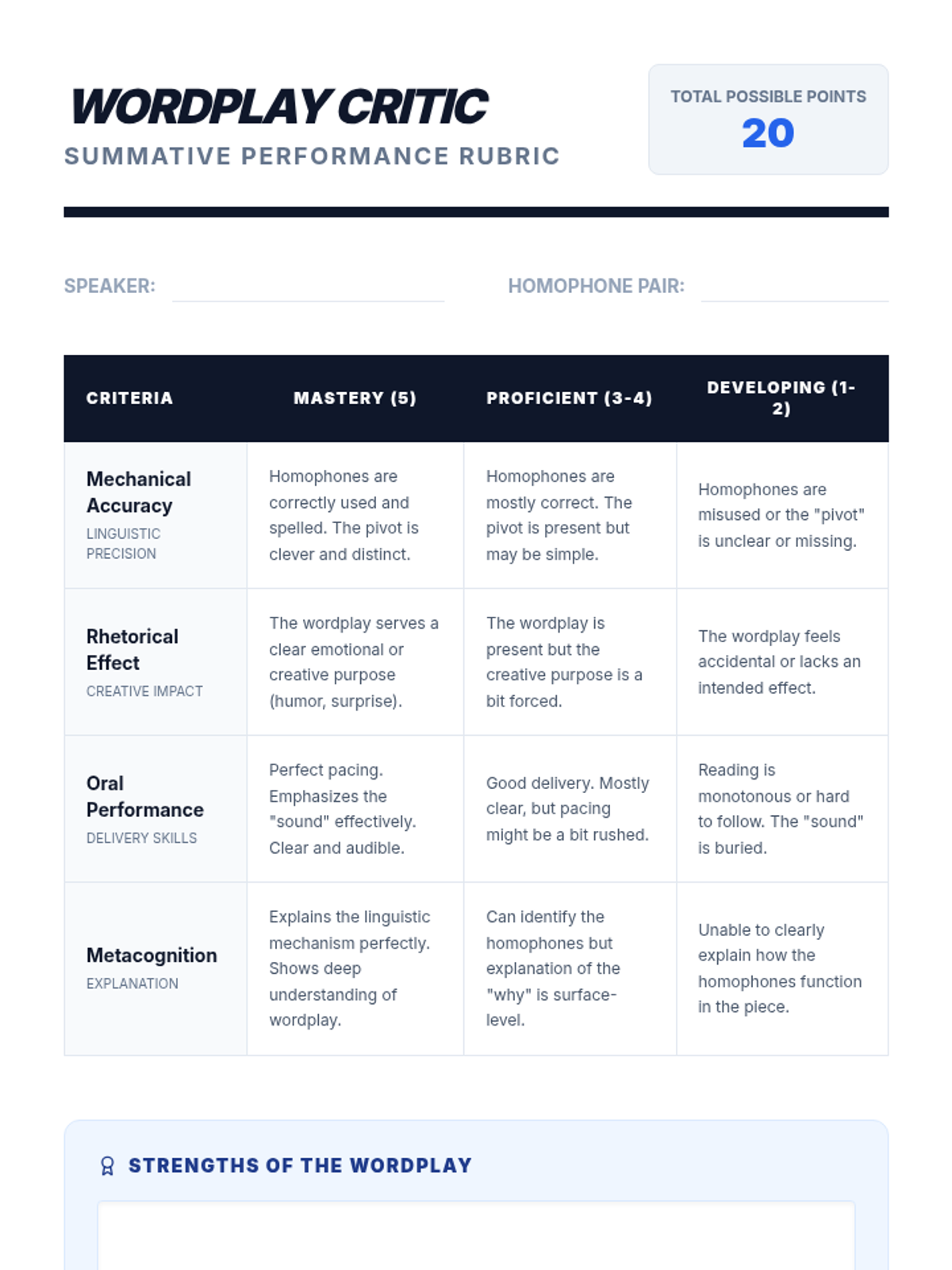
Students perform their creative writing and explain the linguistic mechanics behind their wordplay.
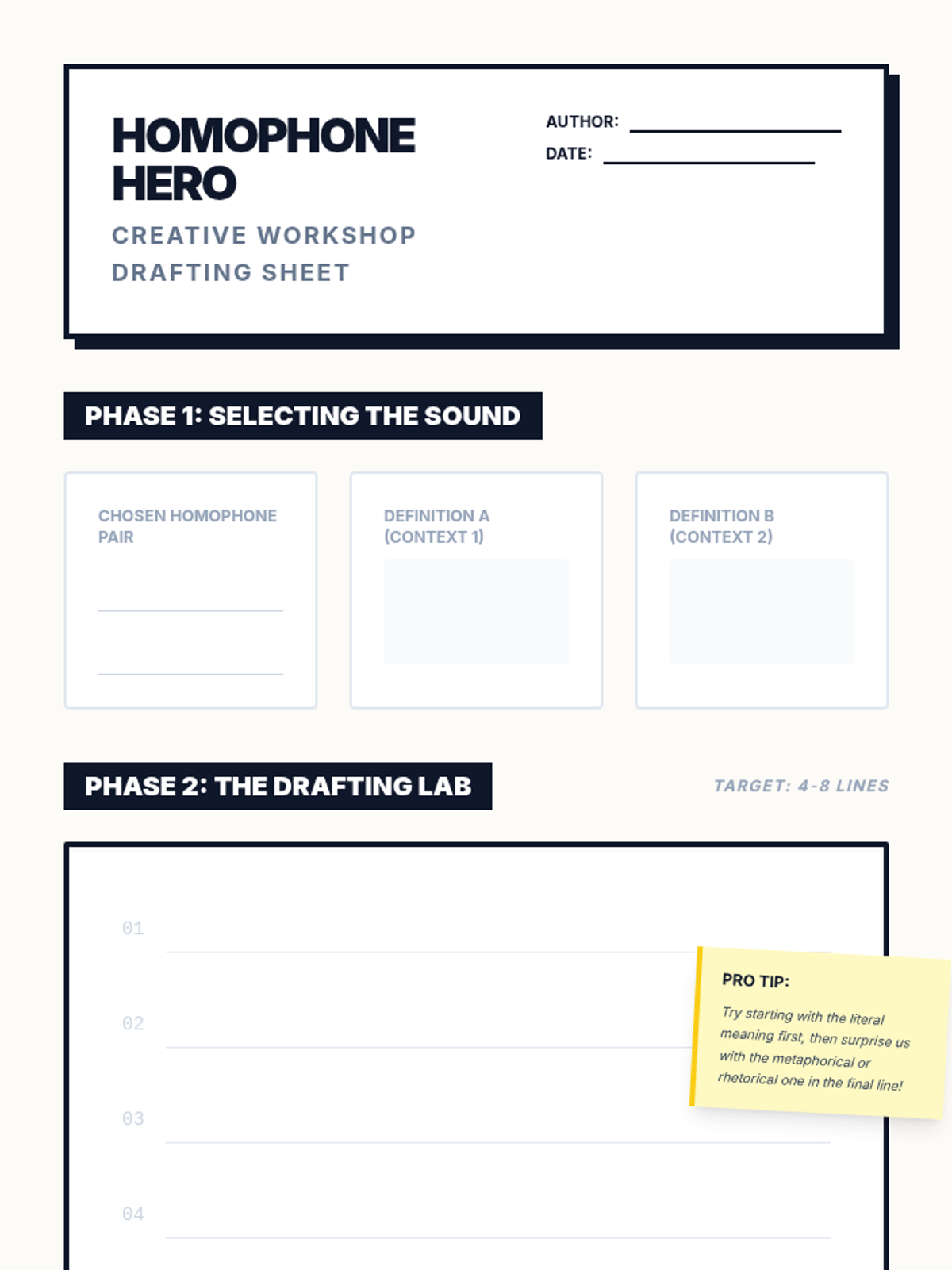
A workshop-style lesson where students draft creative pieces that pivot on homophonic wordplay.
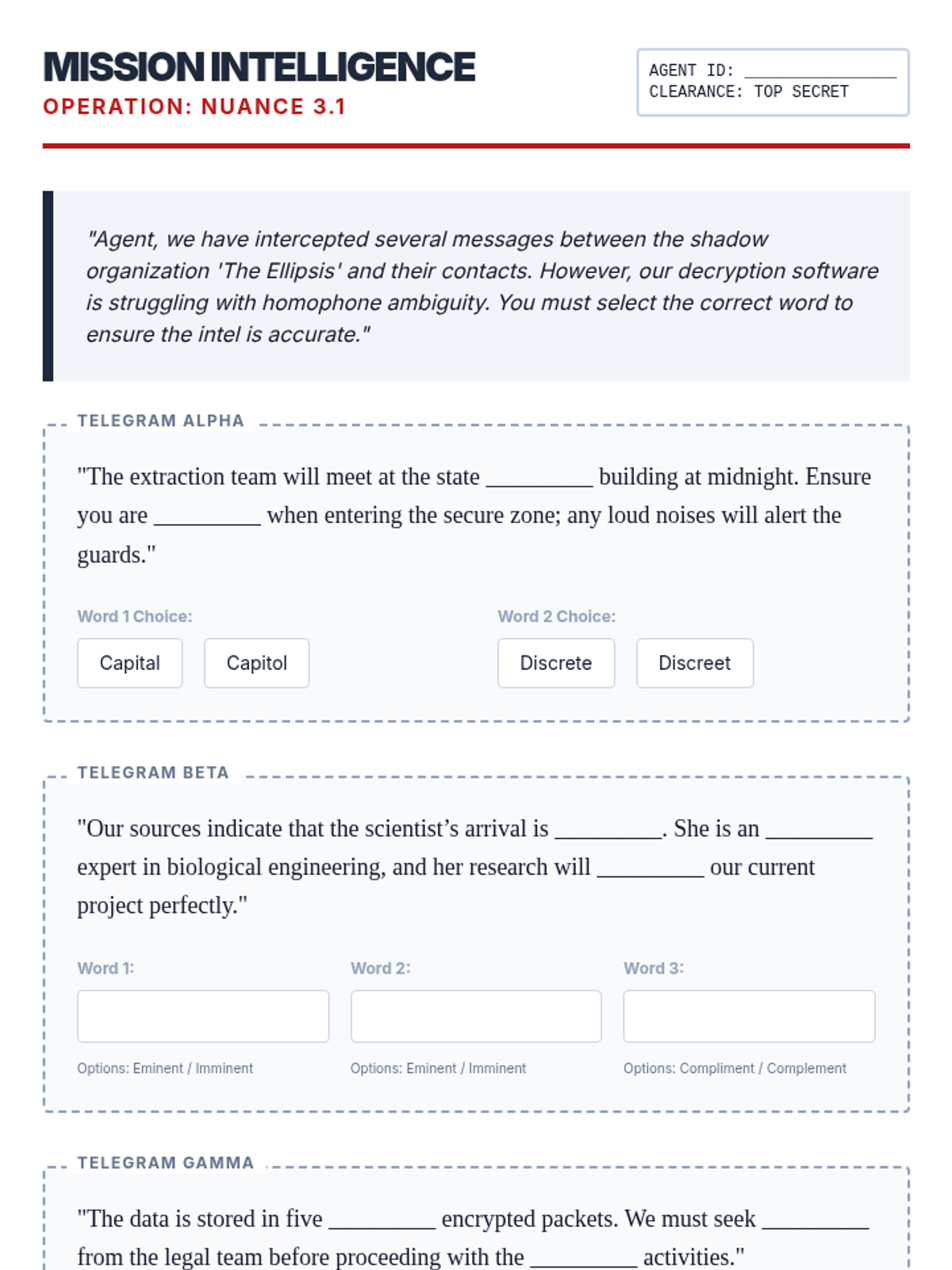
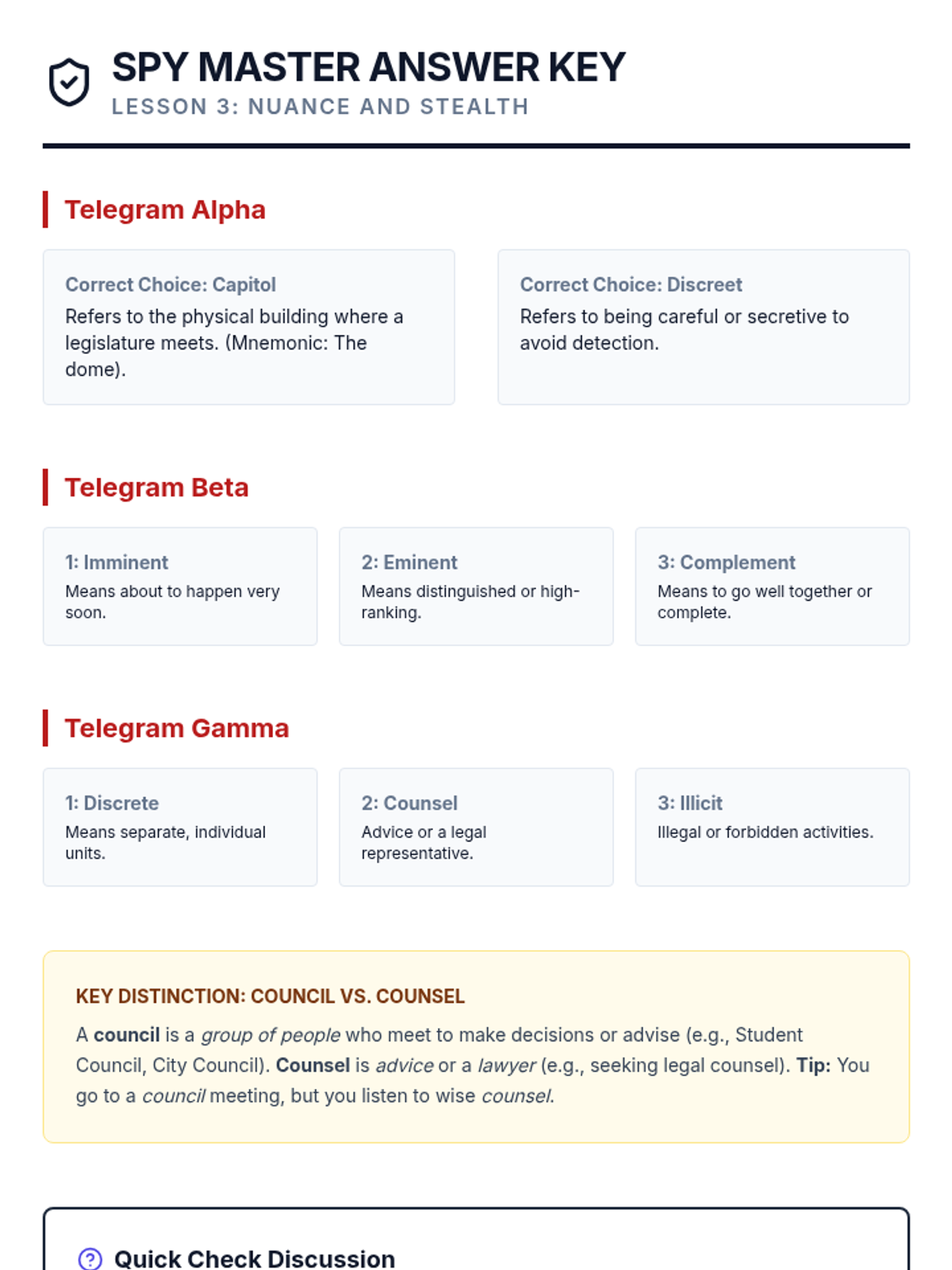
Focuses on pairs like discrete/discreet and capital/capitol through a 'Spy Mission' scenario. Students practice differentiating between words with subtle spelling and meaning variations.
Exploring intentional vs. unintentional ambiguity in headlines and advertisements through the lens of homophones.
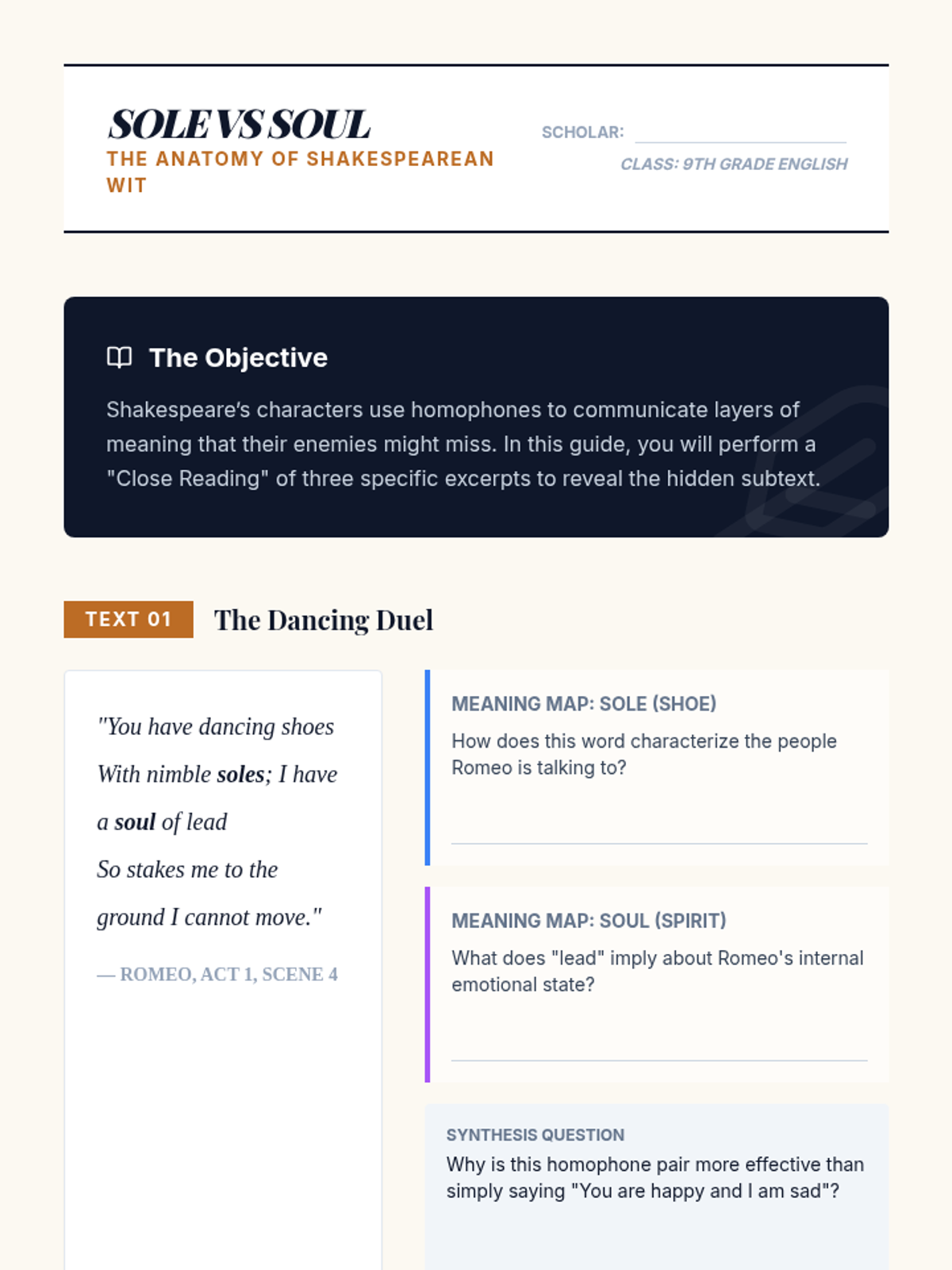
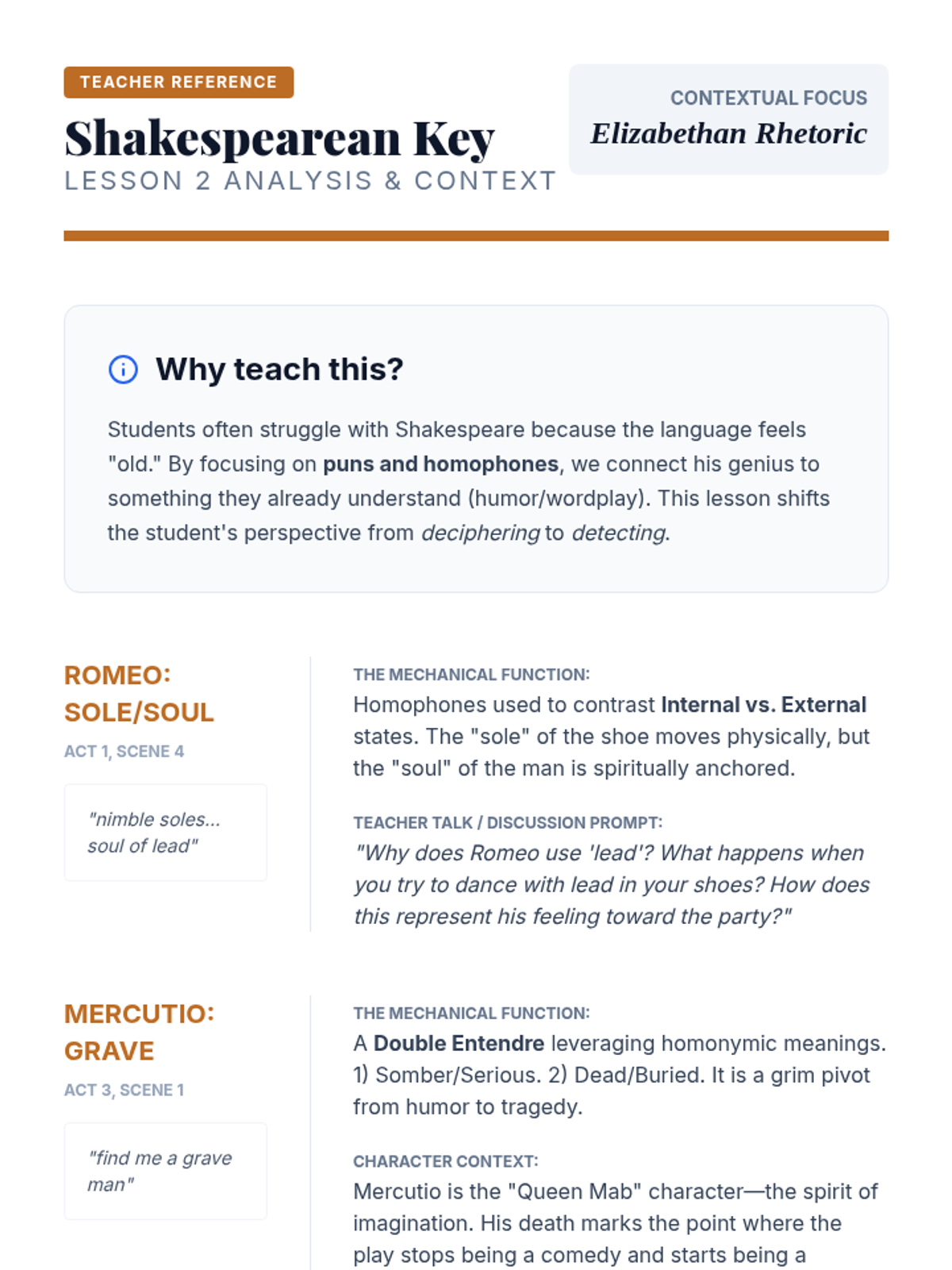
Students analyze how Shakespeare uses homophones to create layers of meaning and character depth in his plays.
Students deconstruct puns to understand how they rely on homophones to function, analyzing examples from advertising and humor.
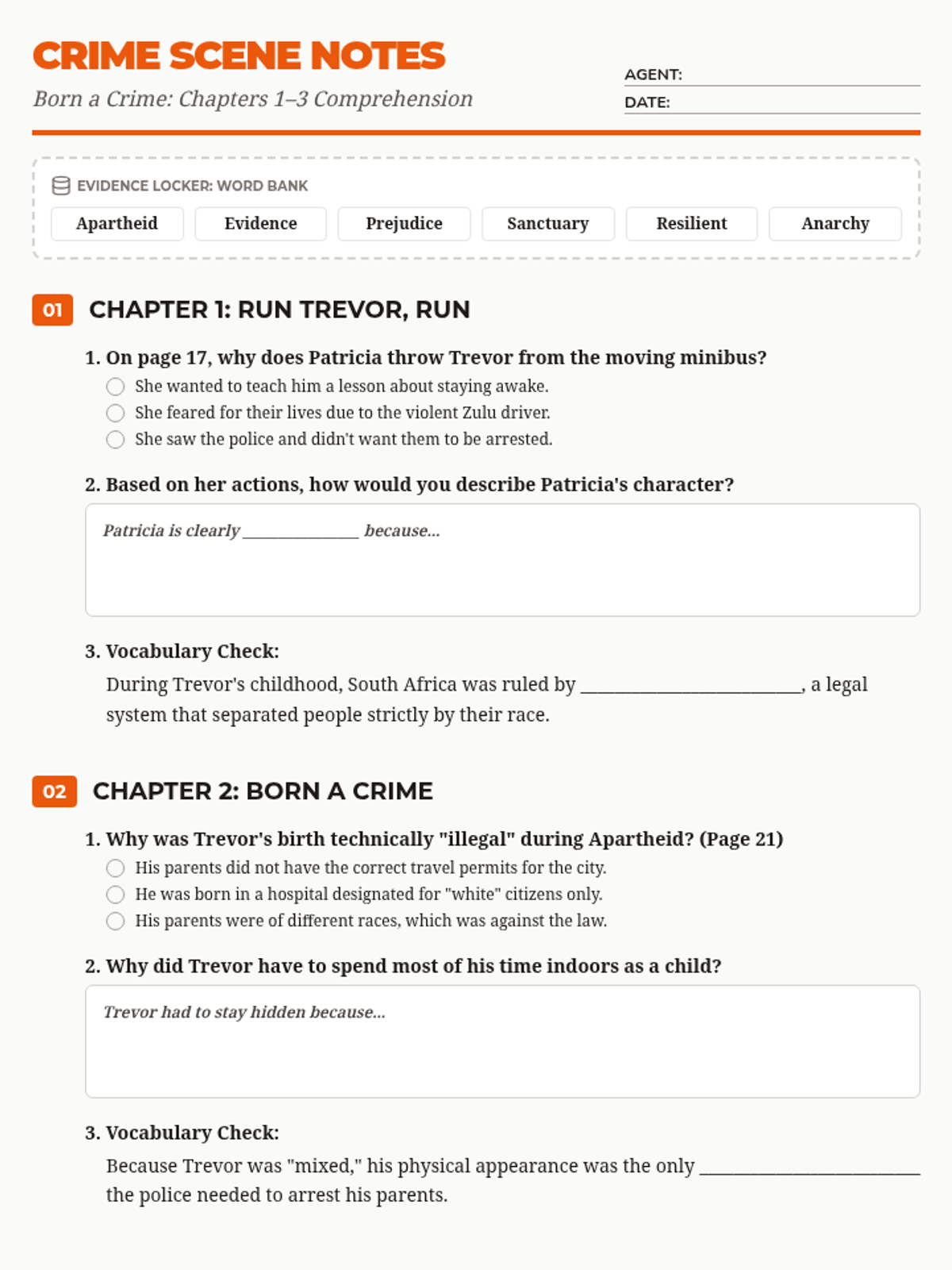
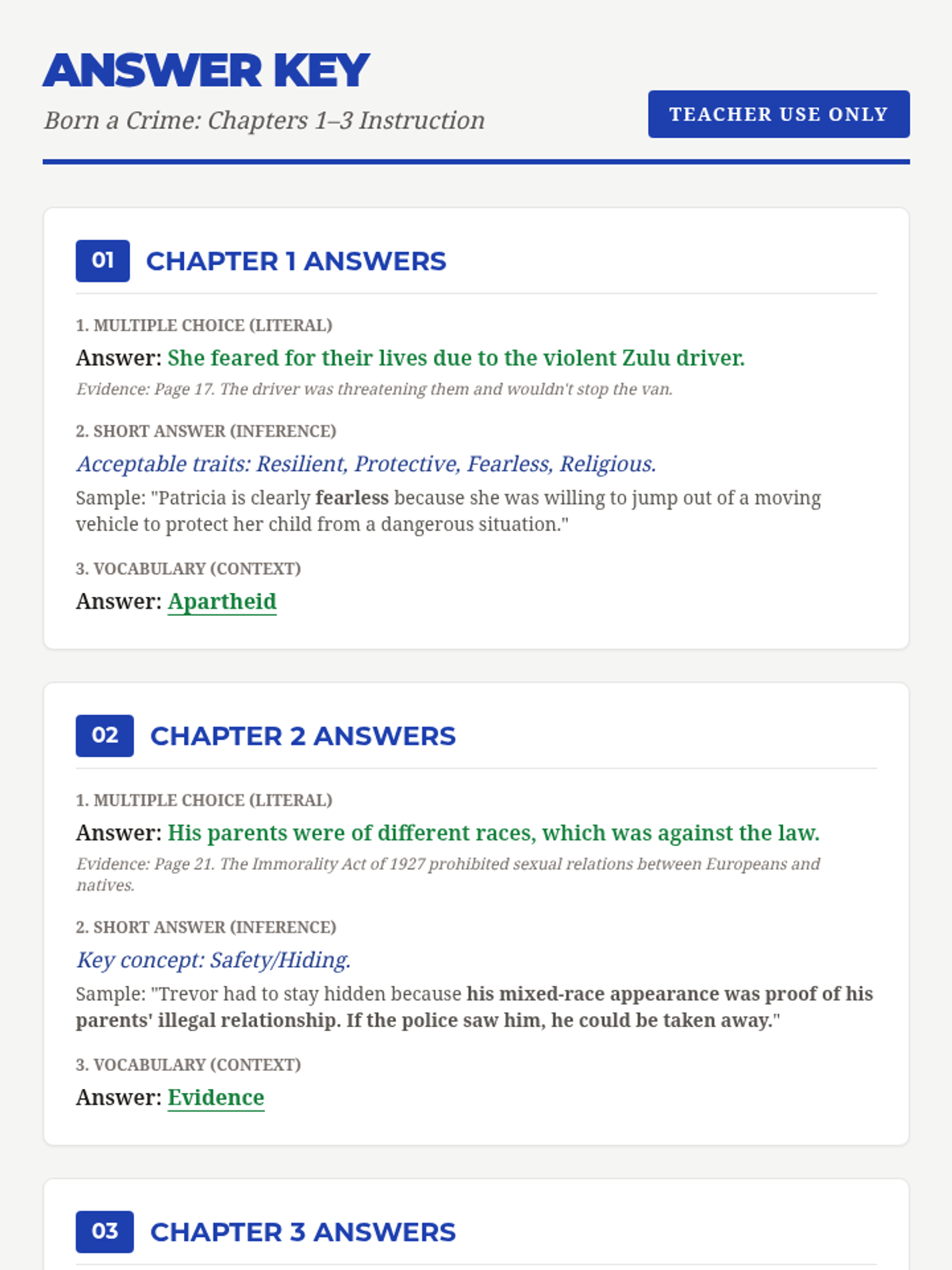
This lesson explores the first three chapters of Trevor Noah's 'Born a Crime', focusing on the historical context of Apartheid, character development of Trevor and Patricia, and the power of language and identity.
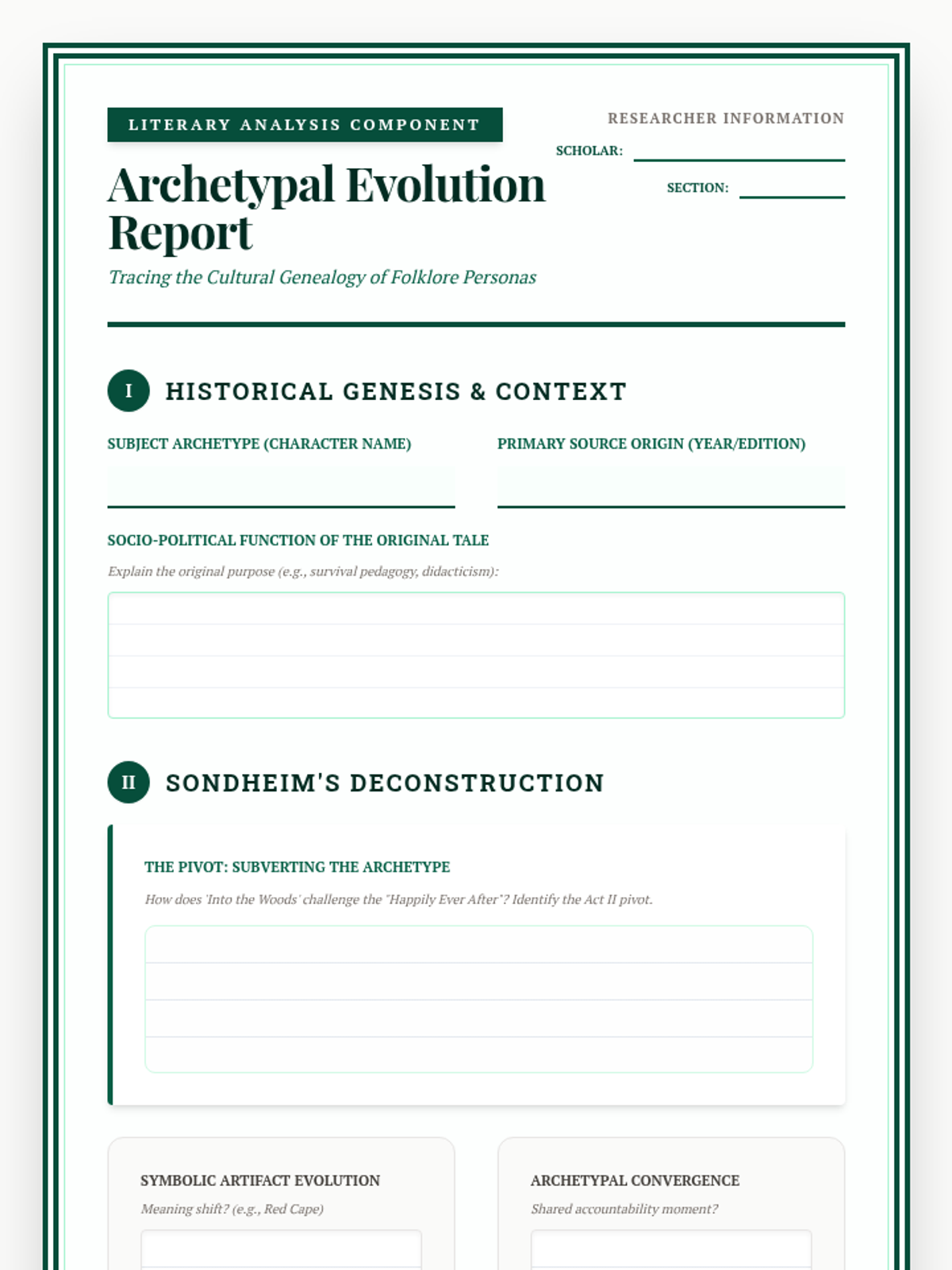
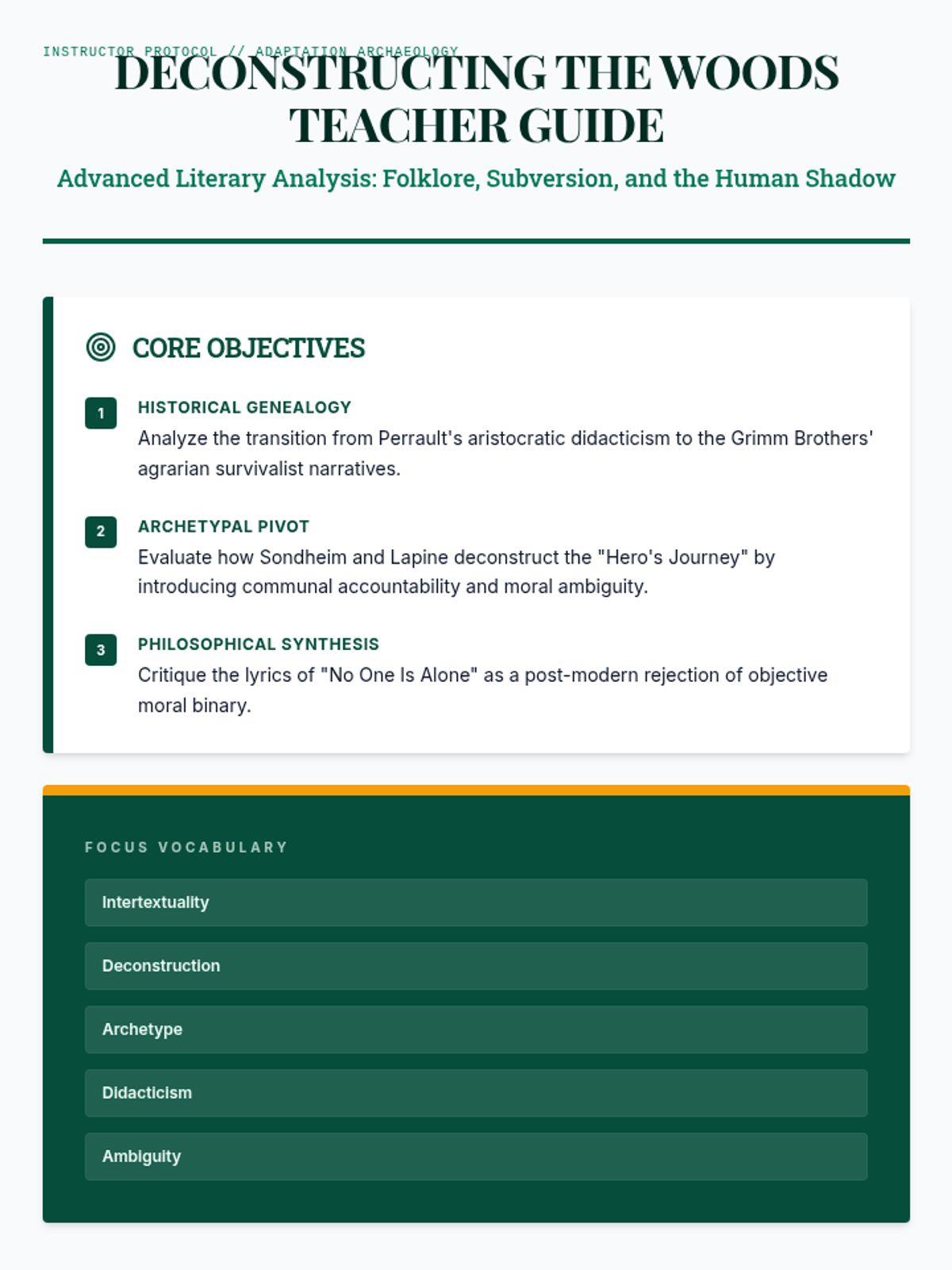
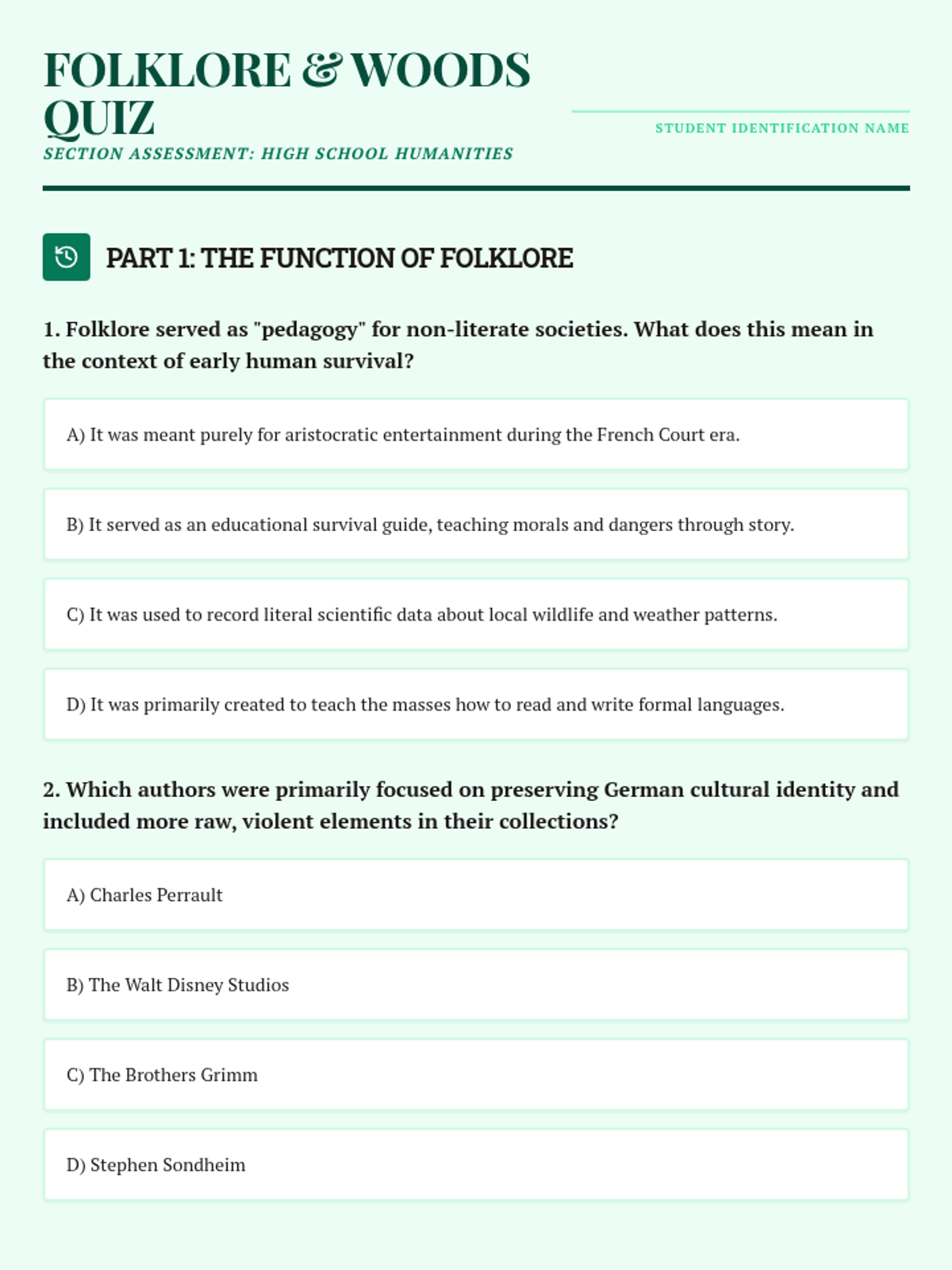
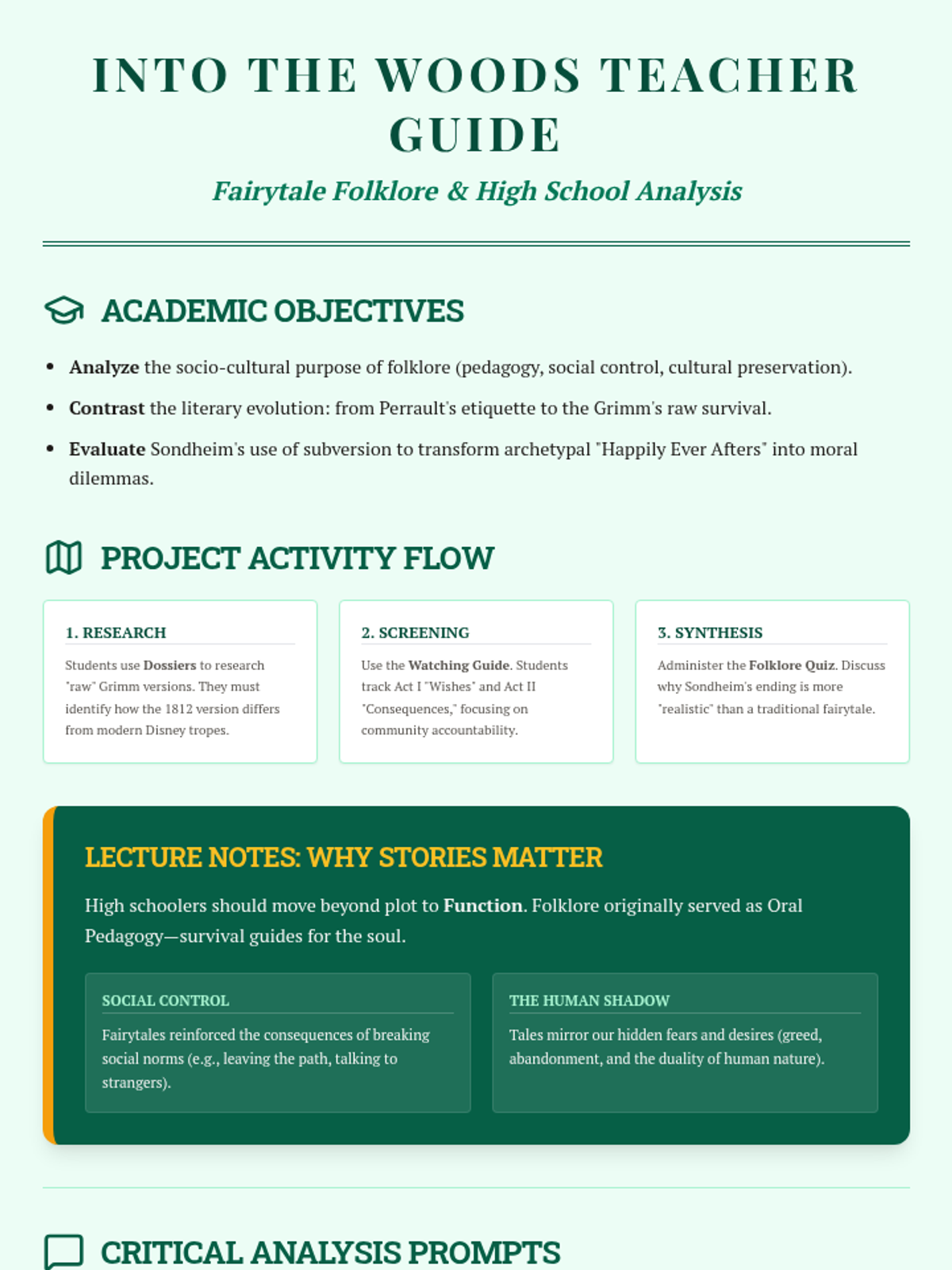
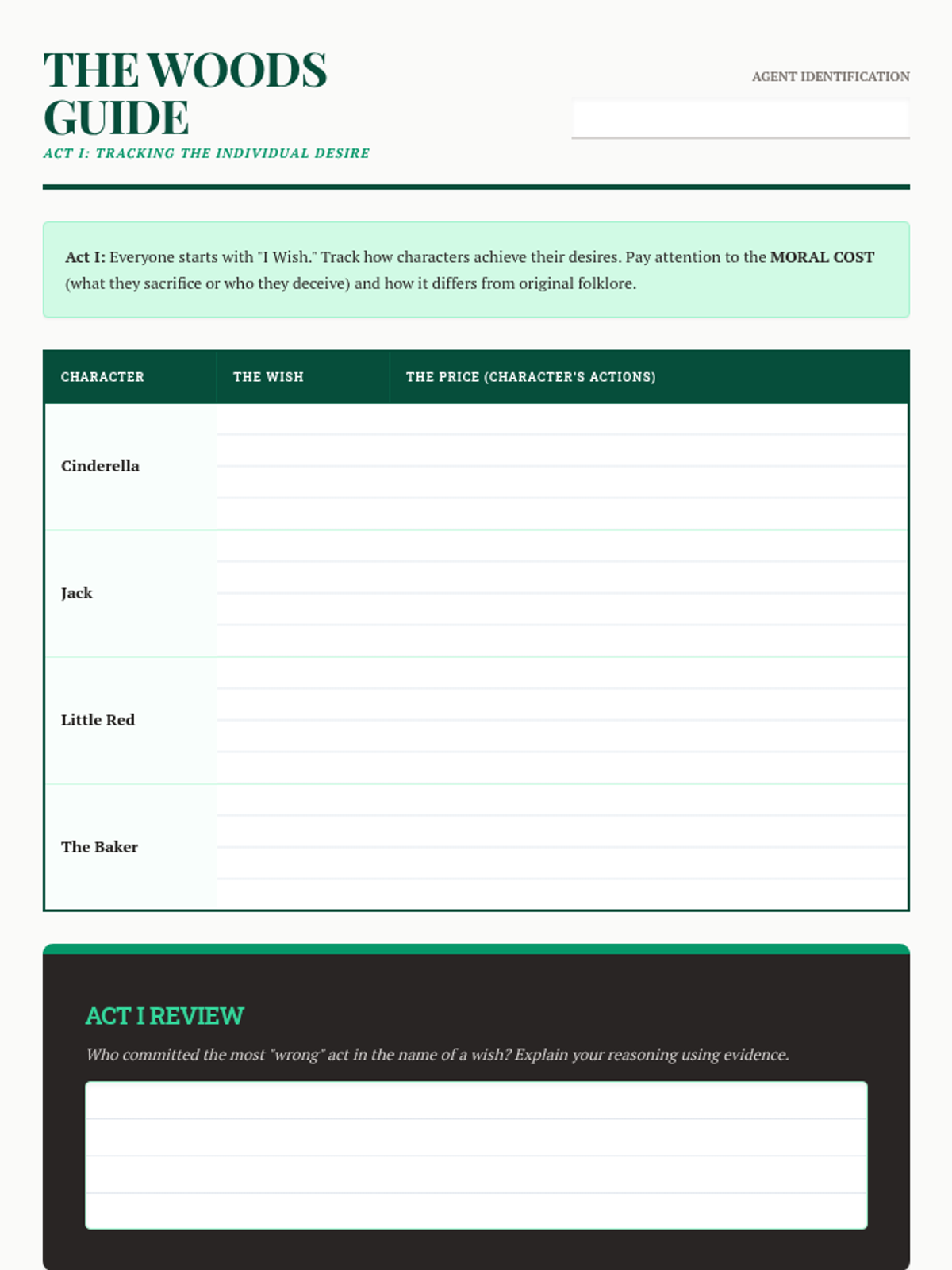
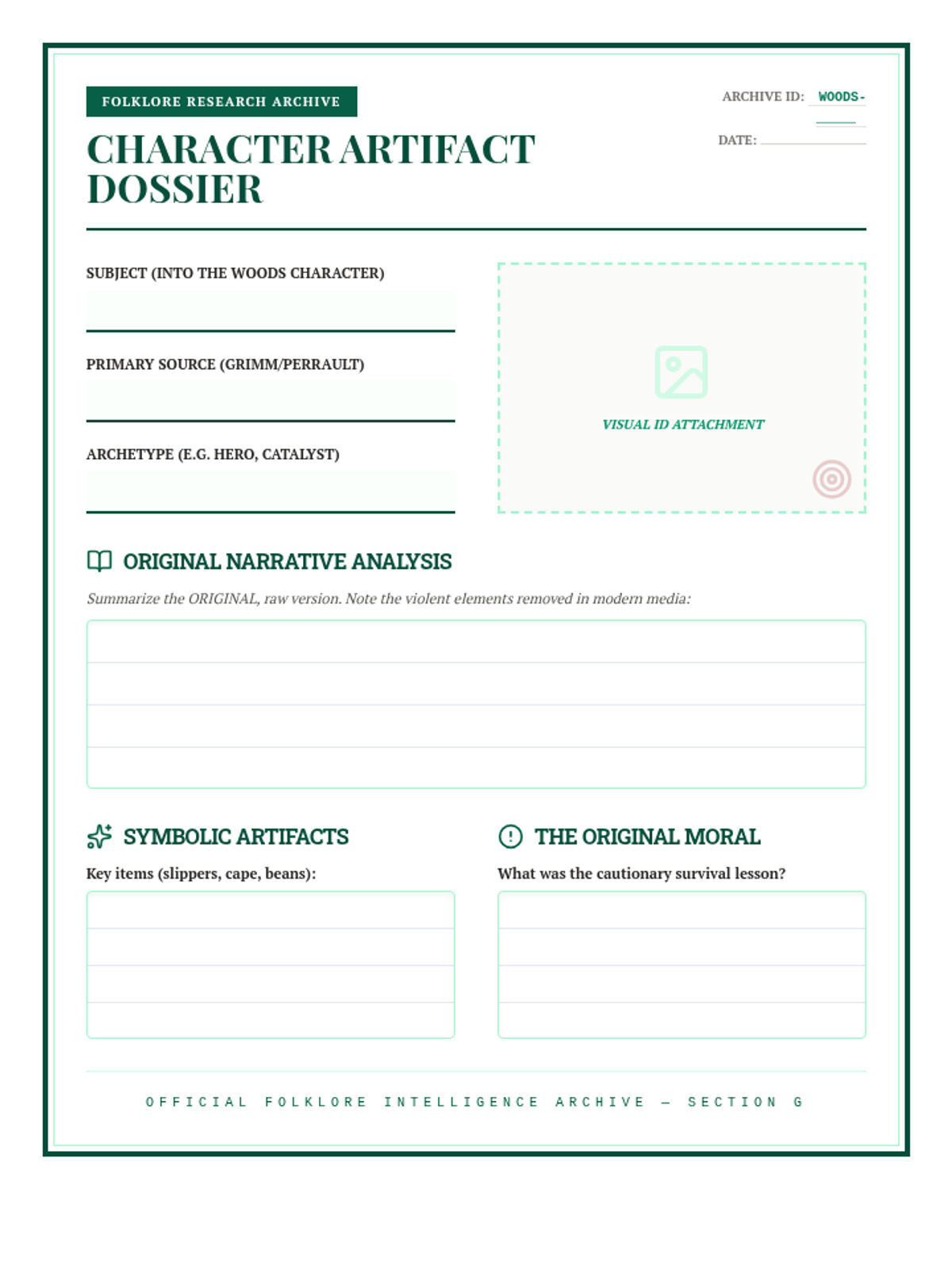
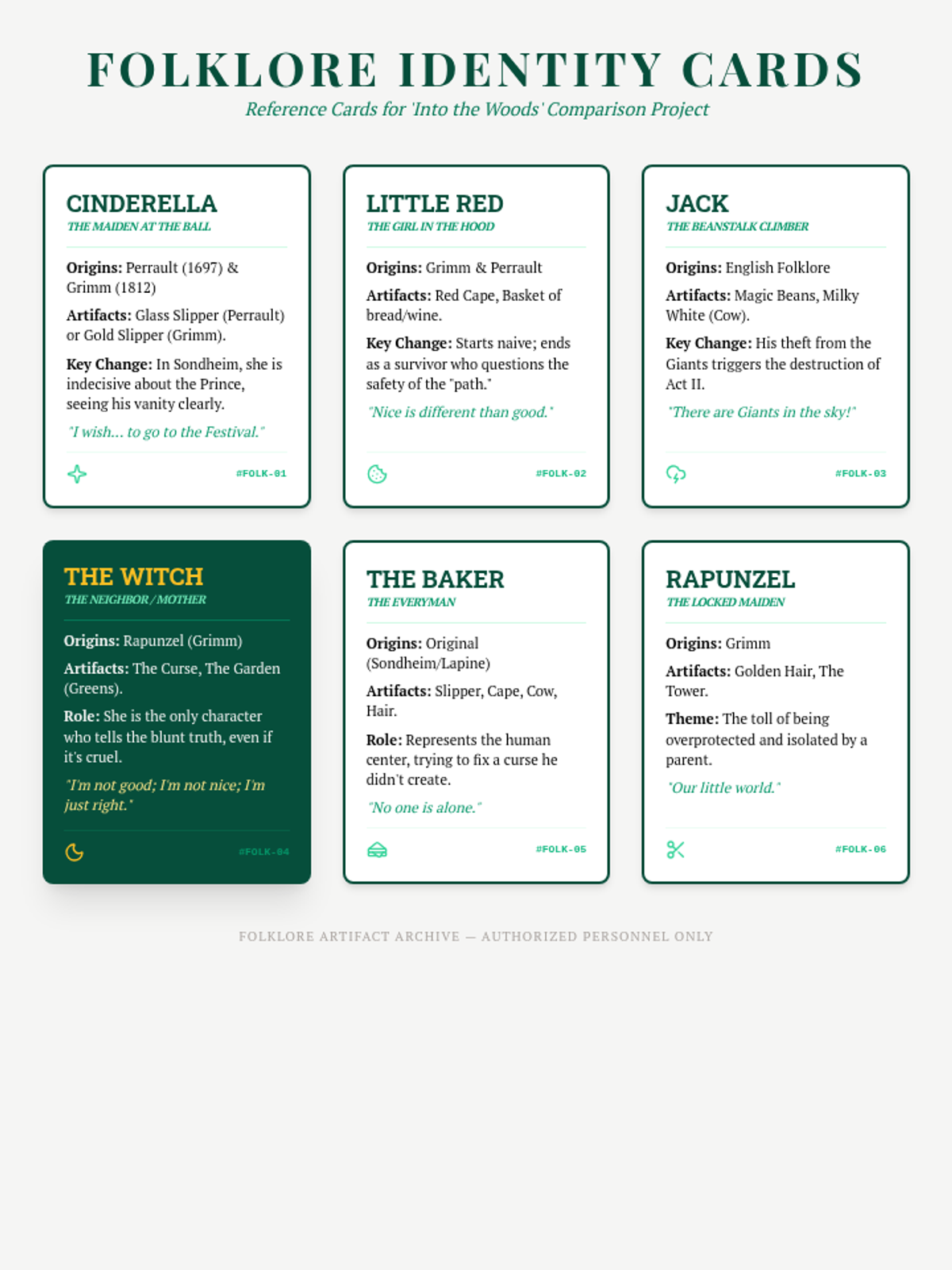
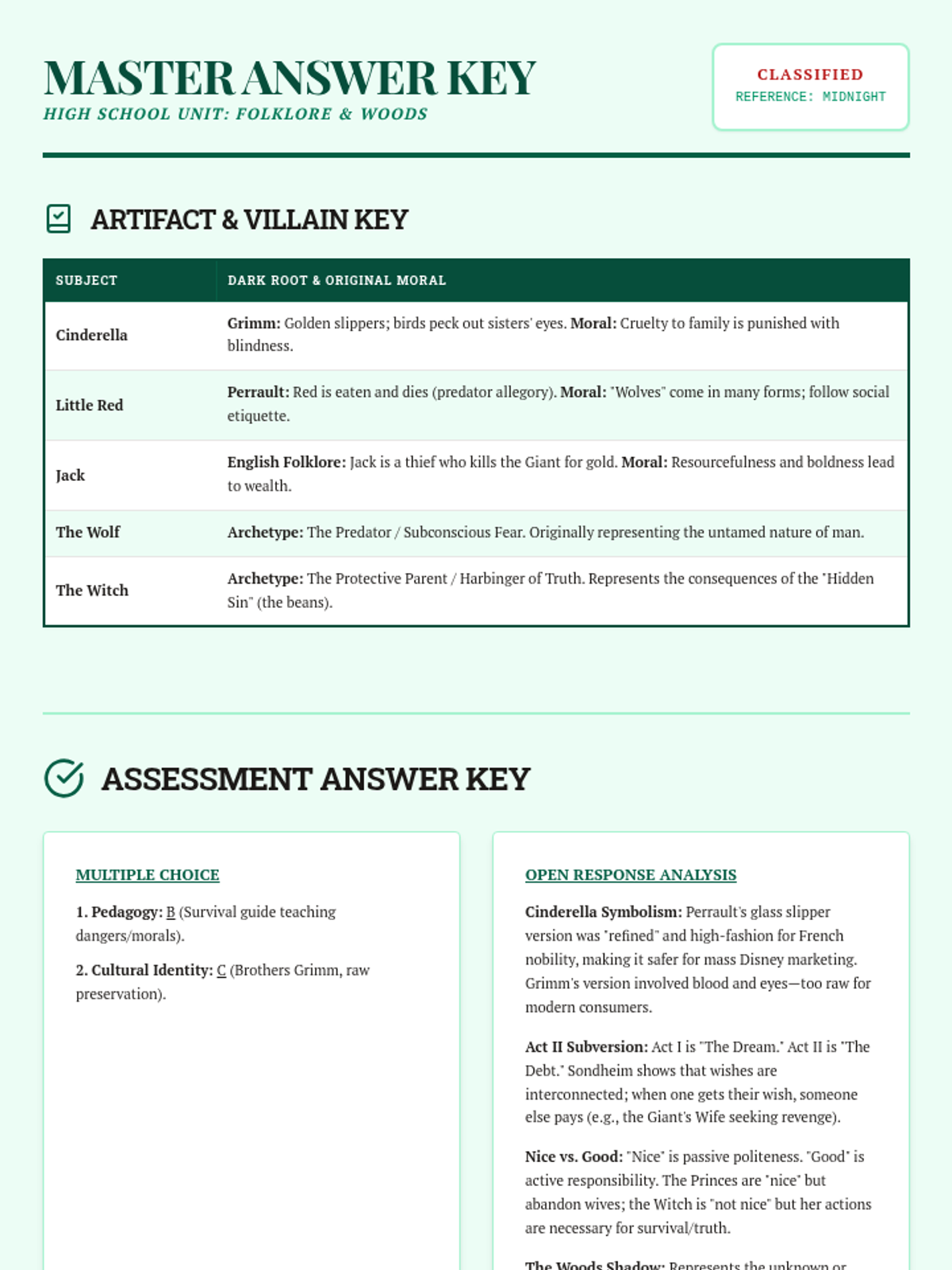
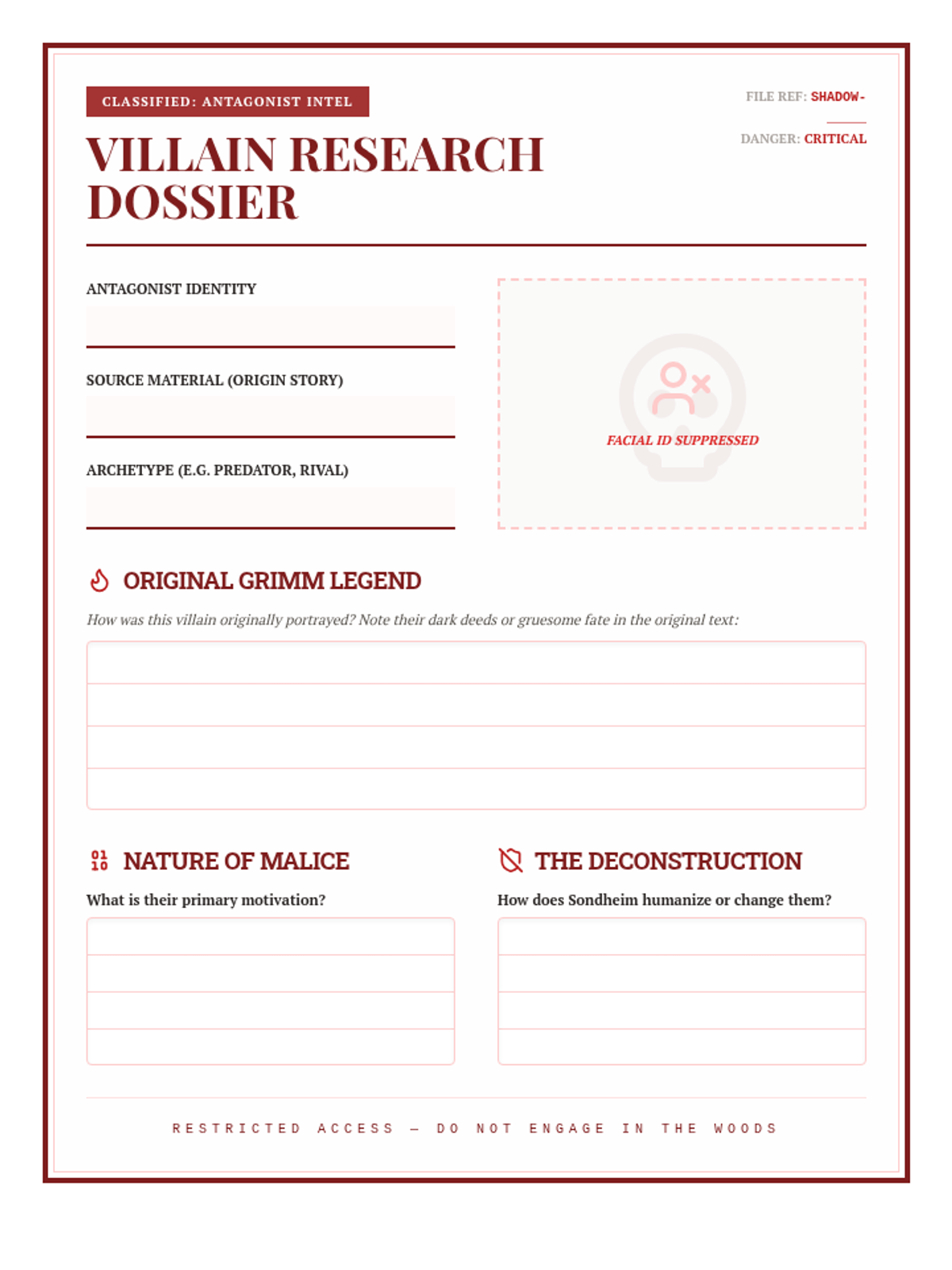
An advanced analysis of fairytale folklore that explores the socio-cultural evolution of classic tales and analyzes their deconstruction in Stephen Sondheim's 'Into the Woods'. Students evaluate themes of communal accountability and the moral ambiguity of 'Happily Ever After'.
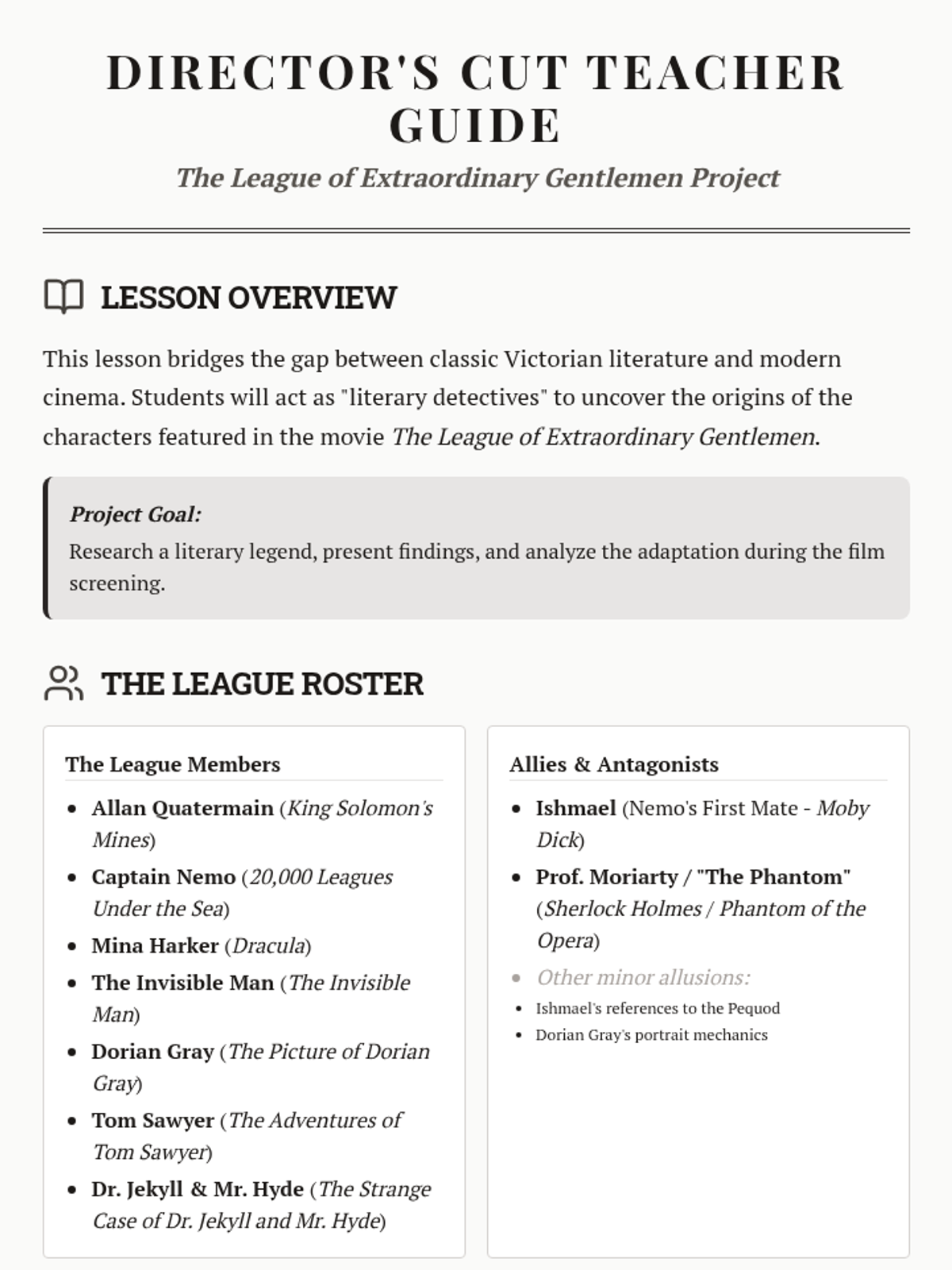
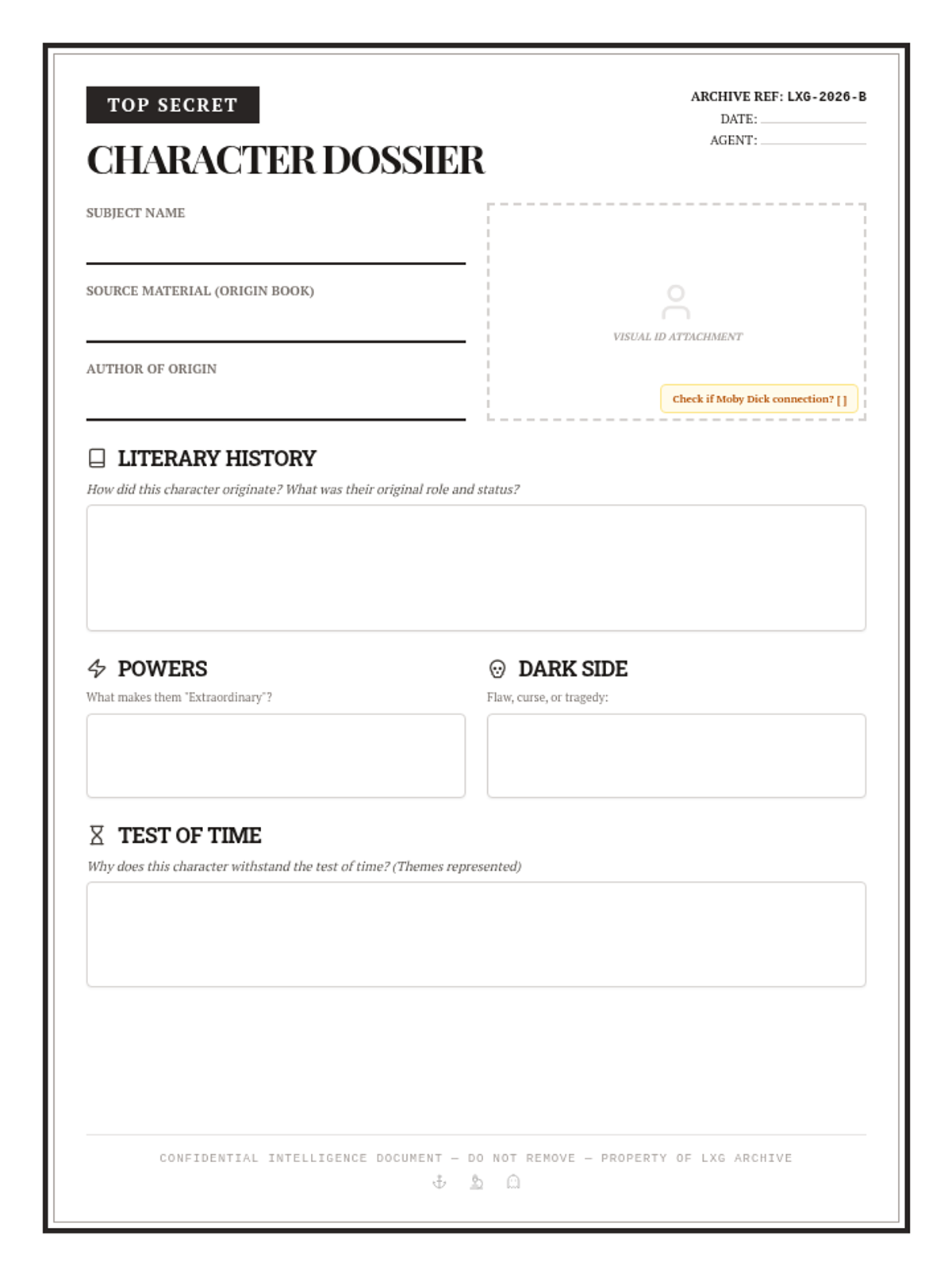
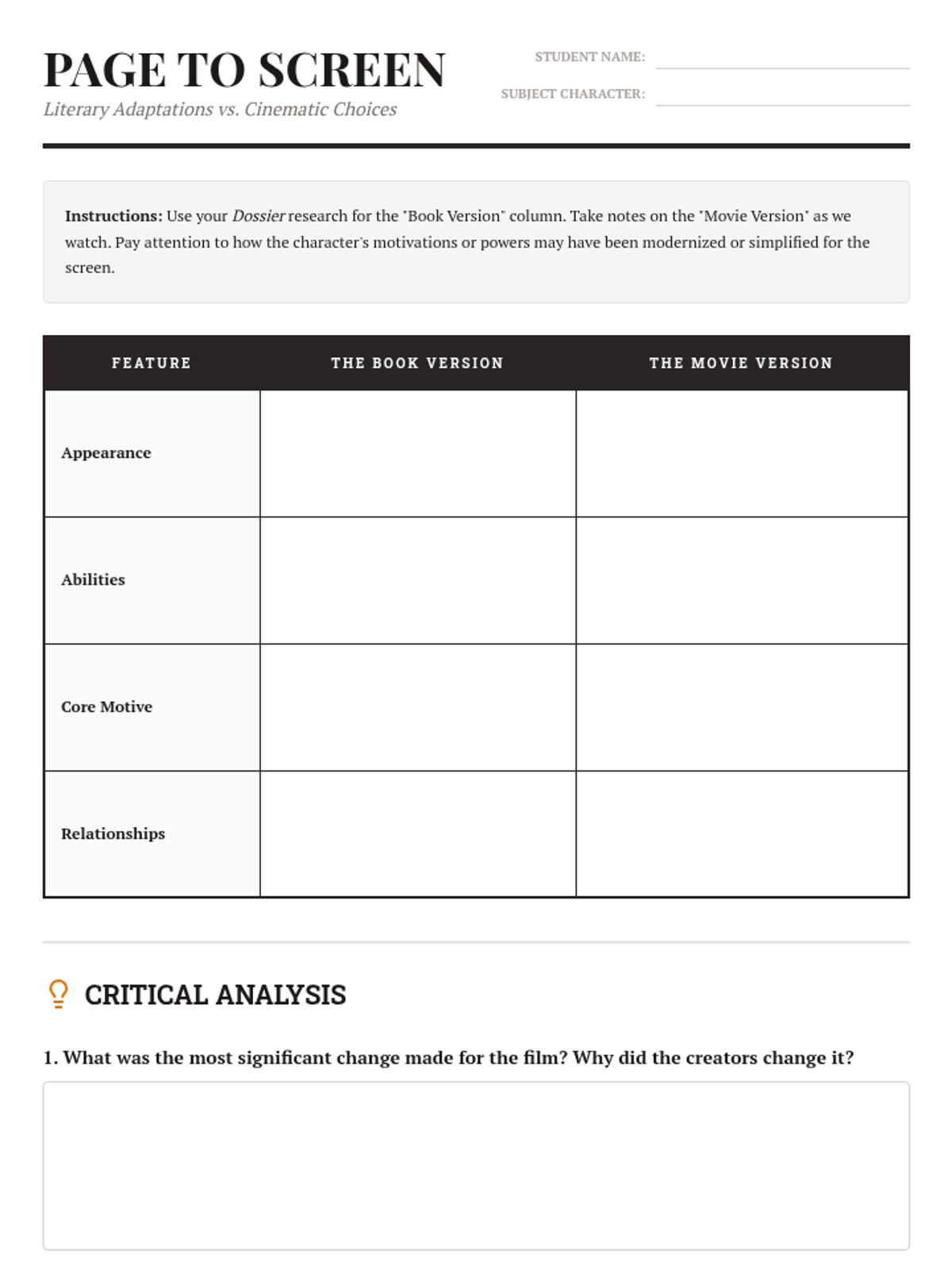
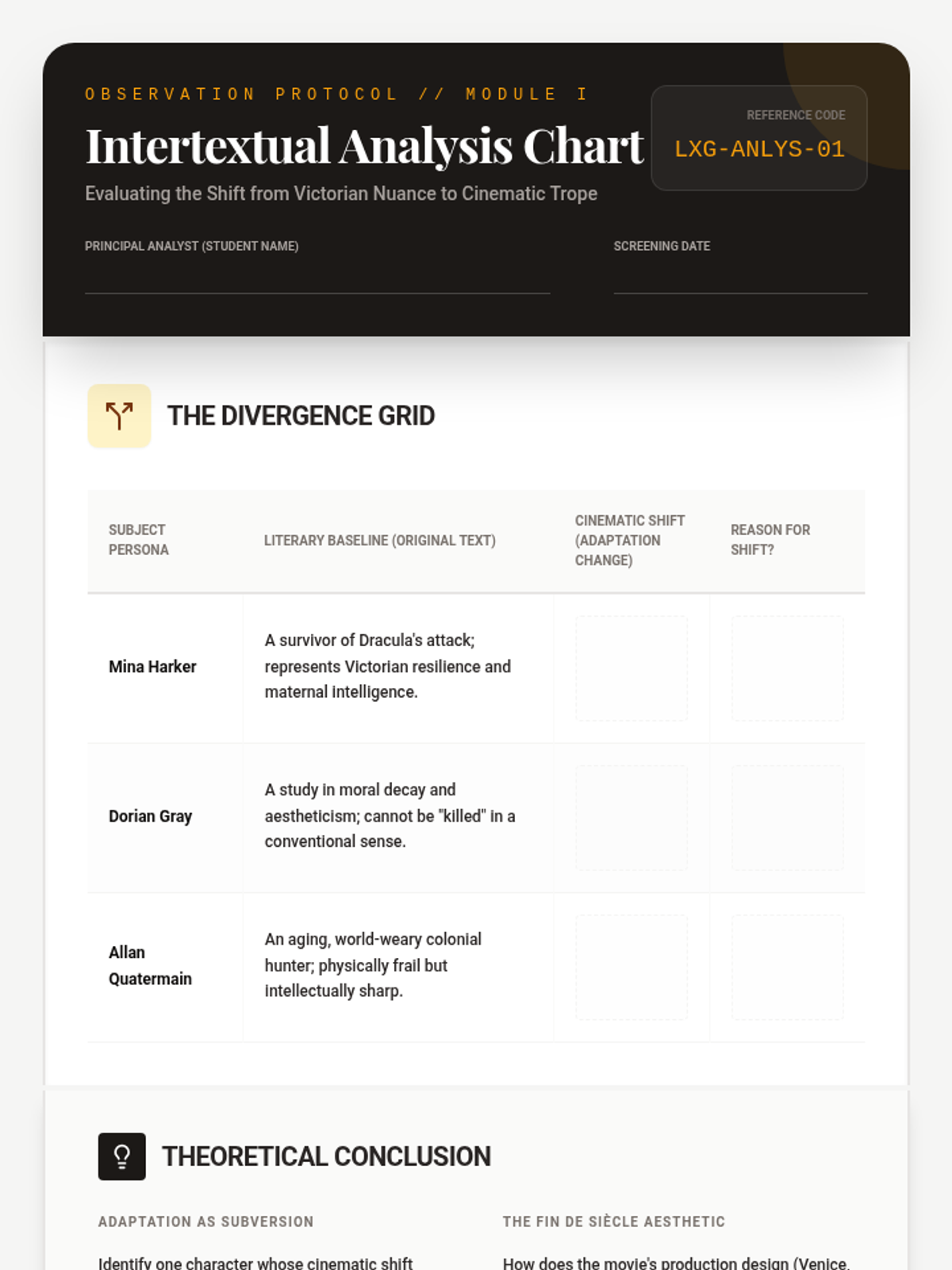
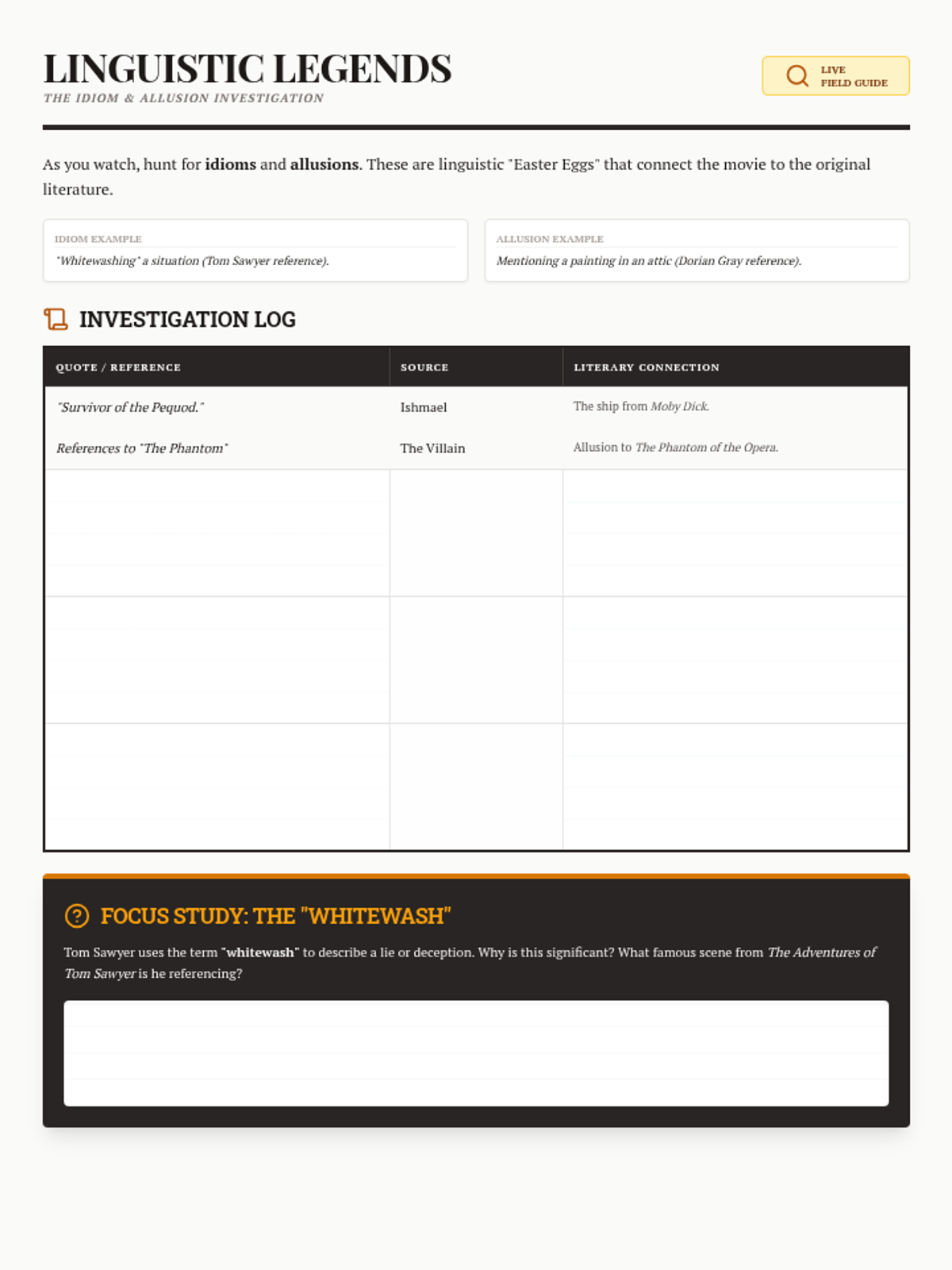
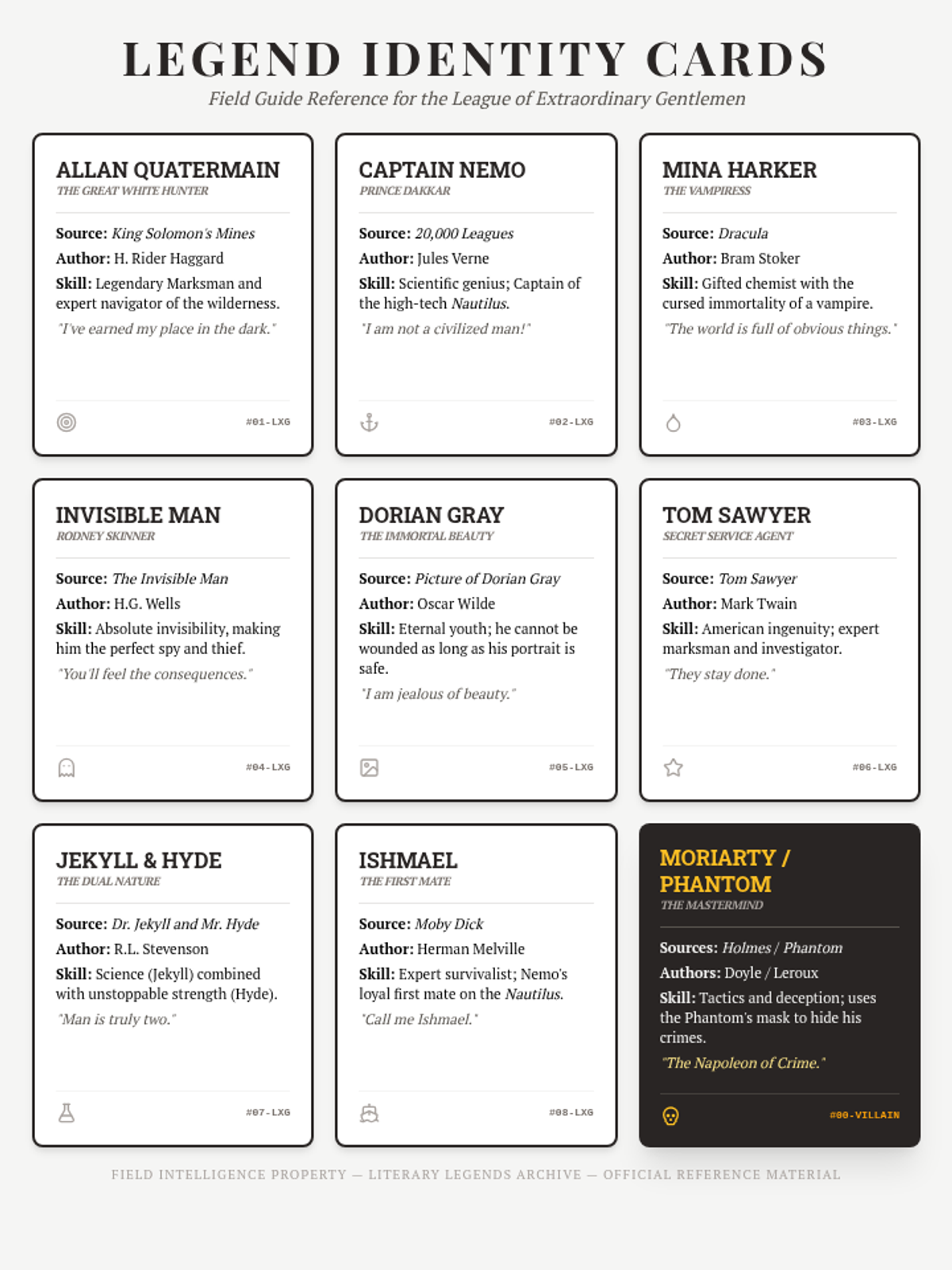
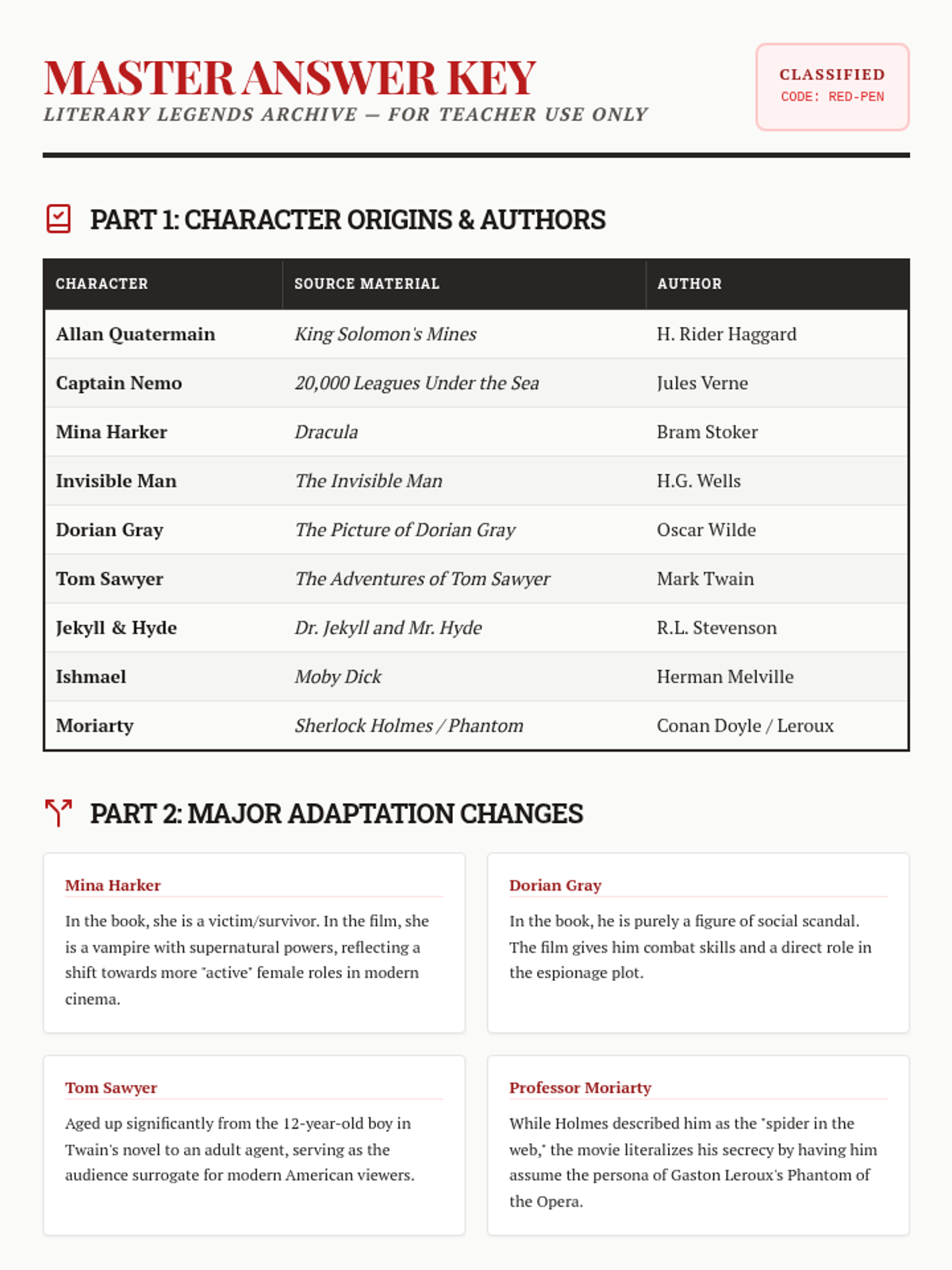
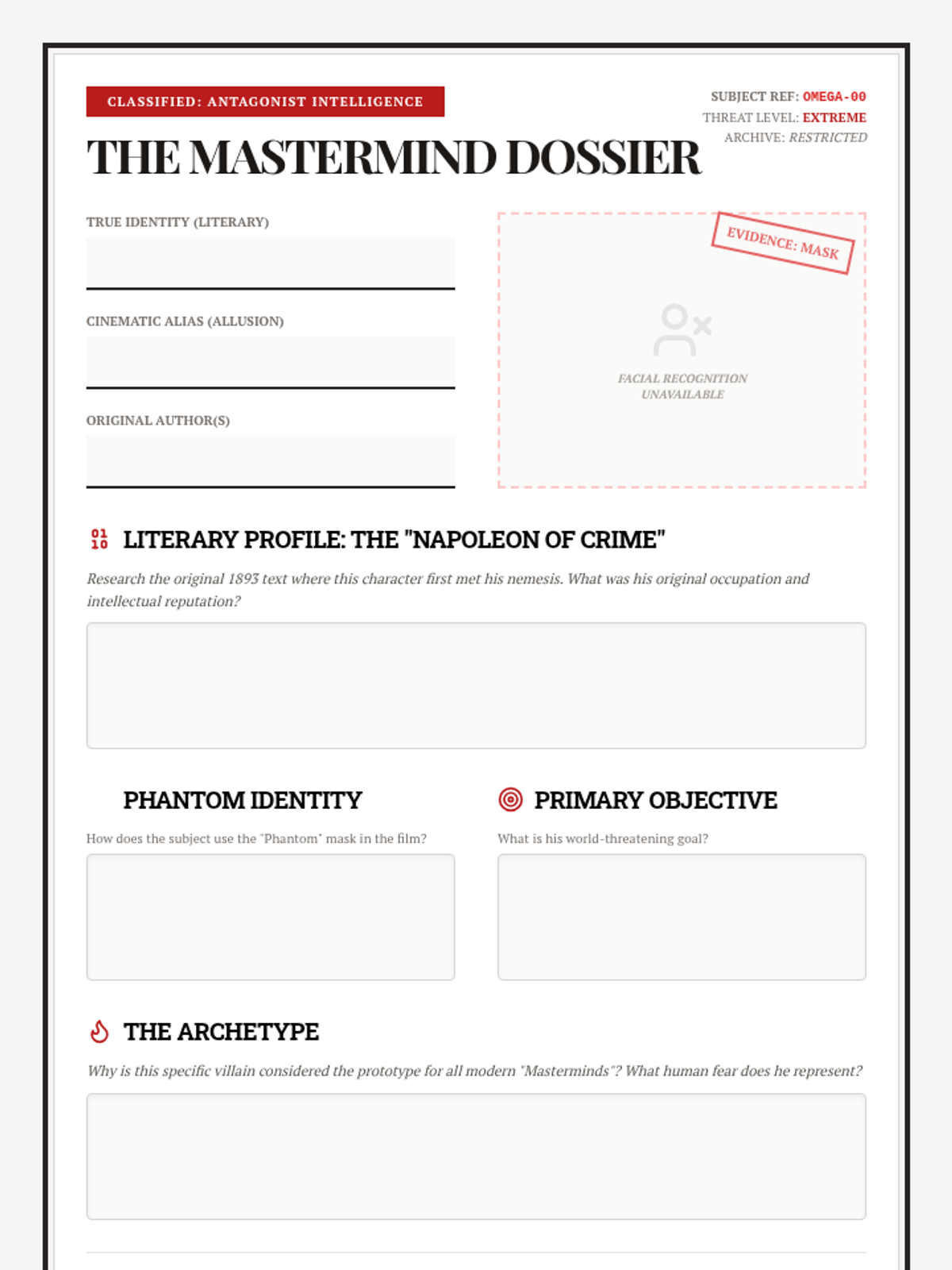
A rigorous exploration of fin-de-siècle literature and post-modern intertextuality. Students analyze the literary origins of Victorian icons in 'The League of Extraordinary Gentlemen' and evaluate the socio-cultural shifts in their cinematic adaptation.
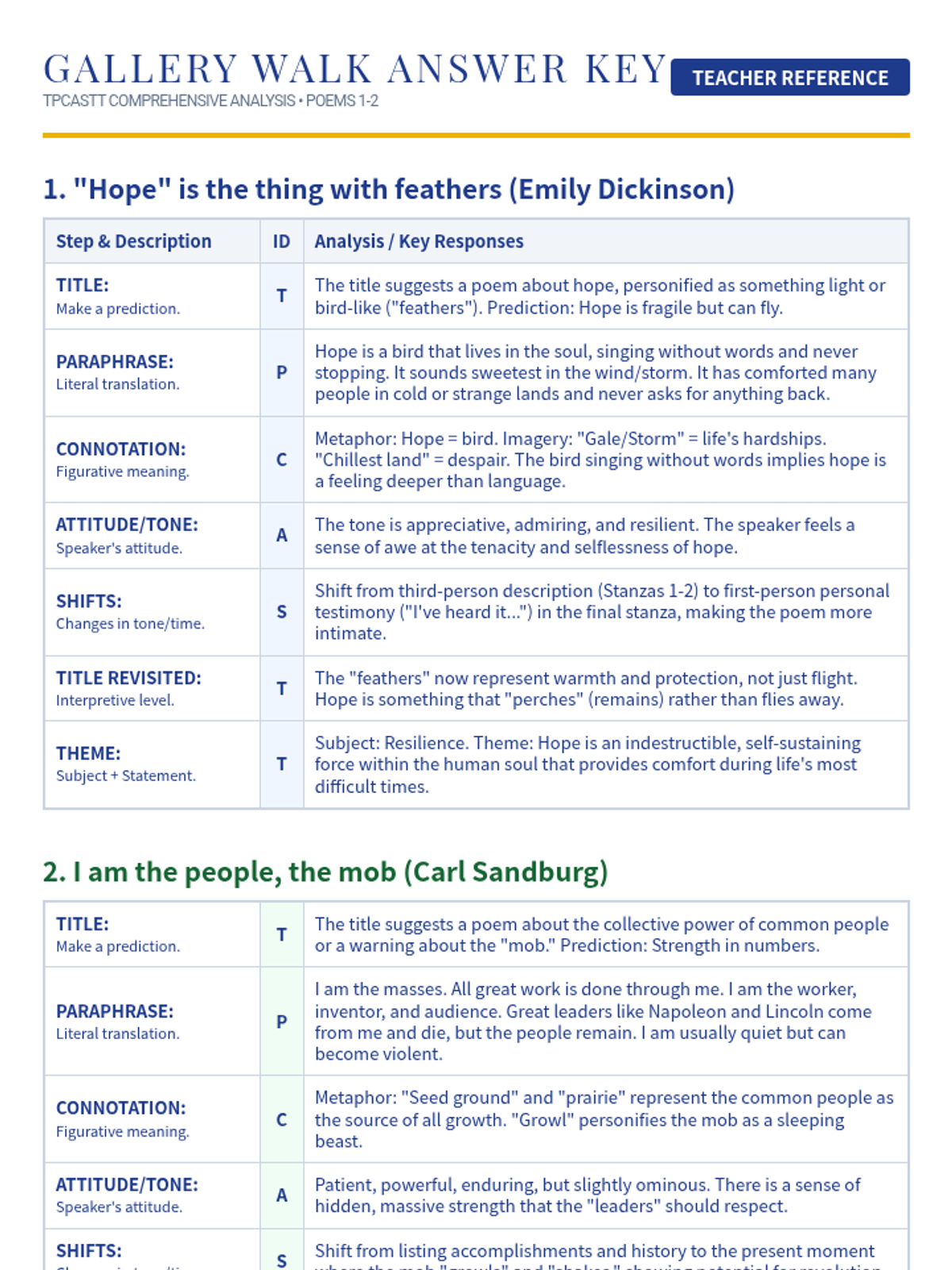
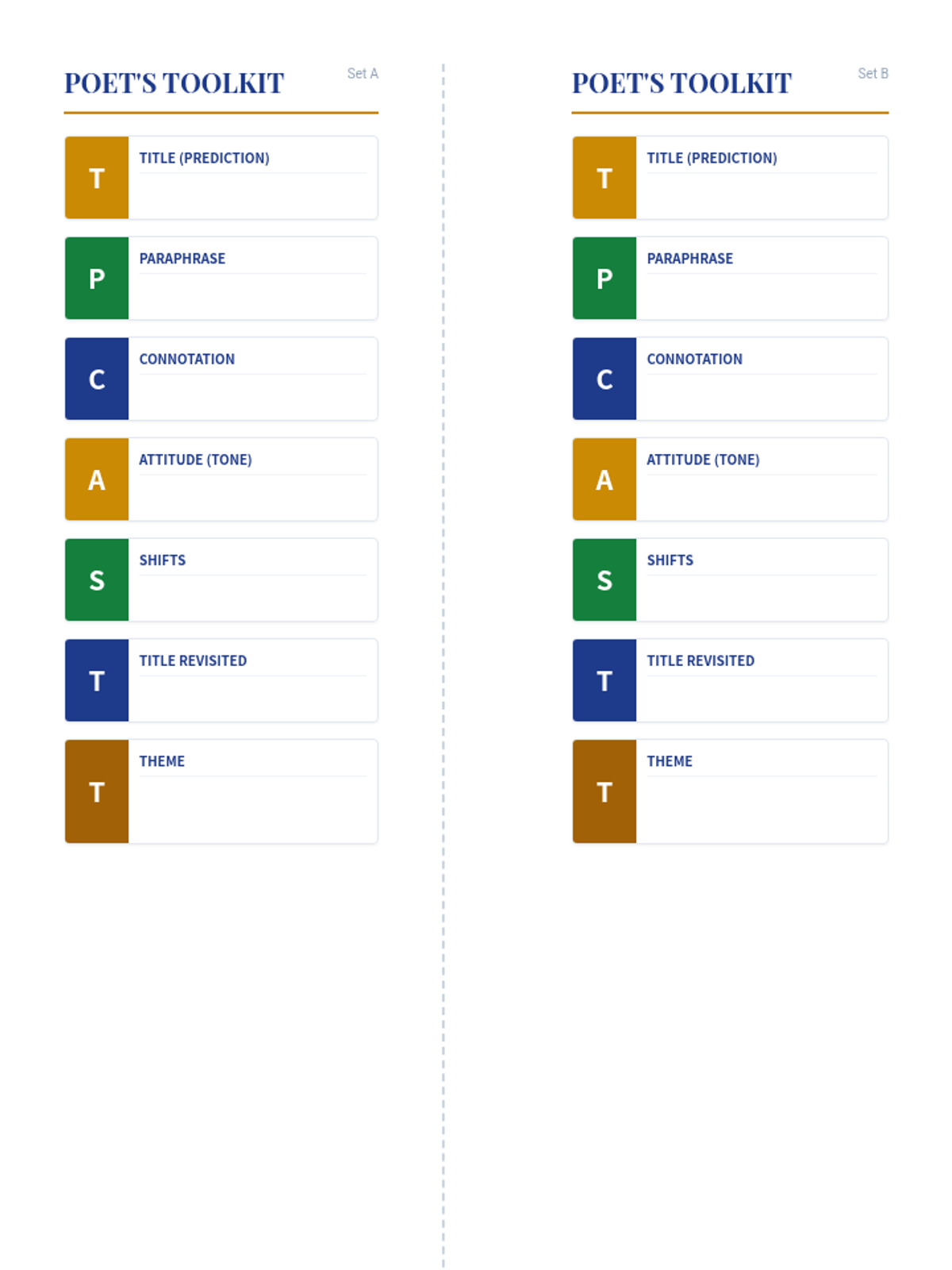
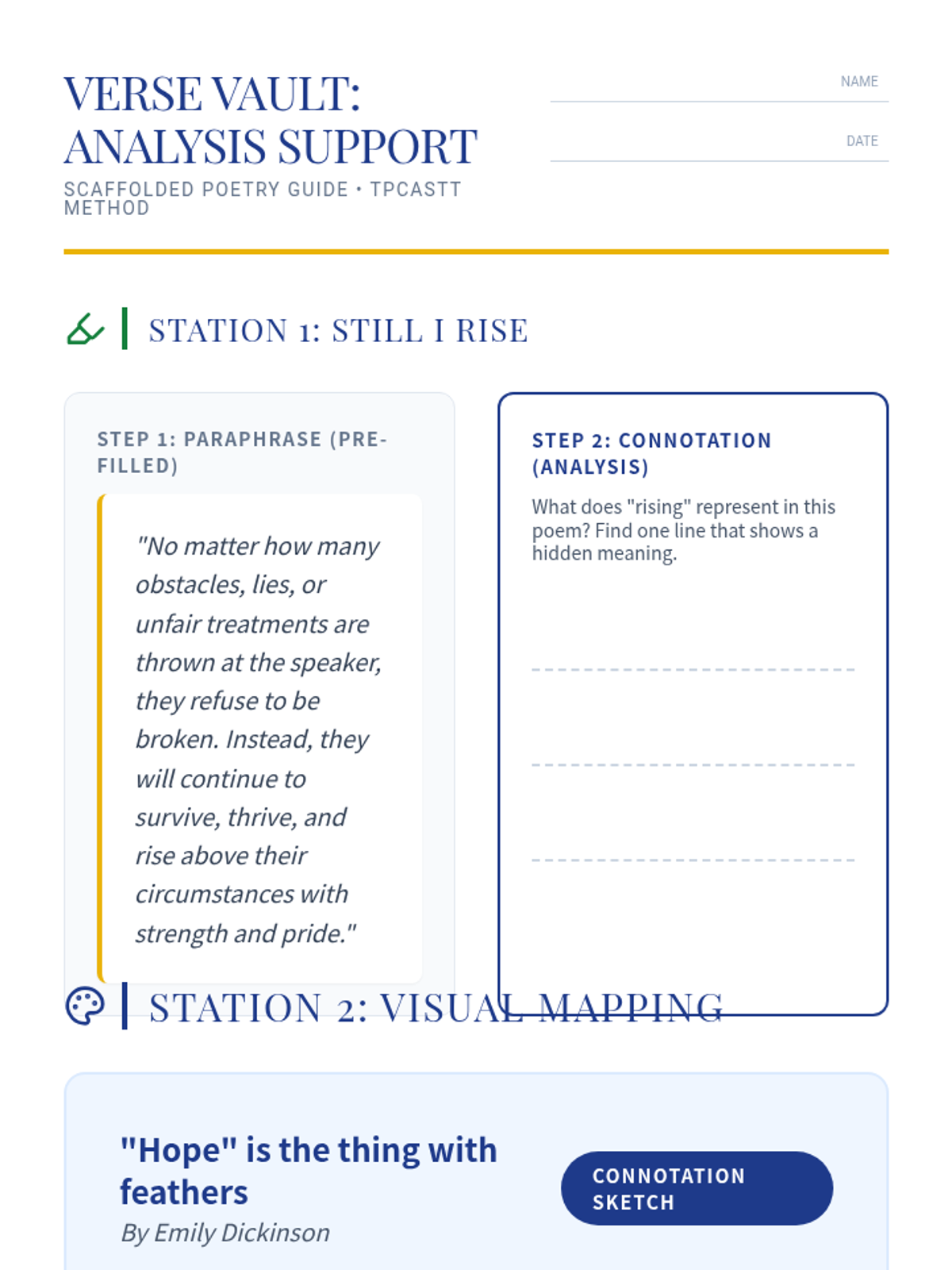
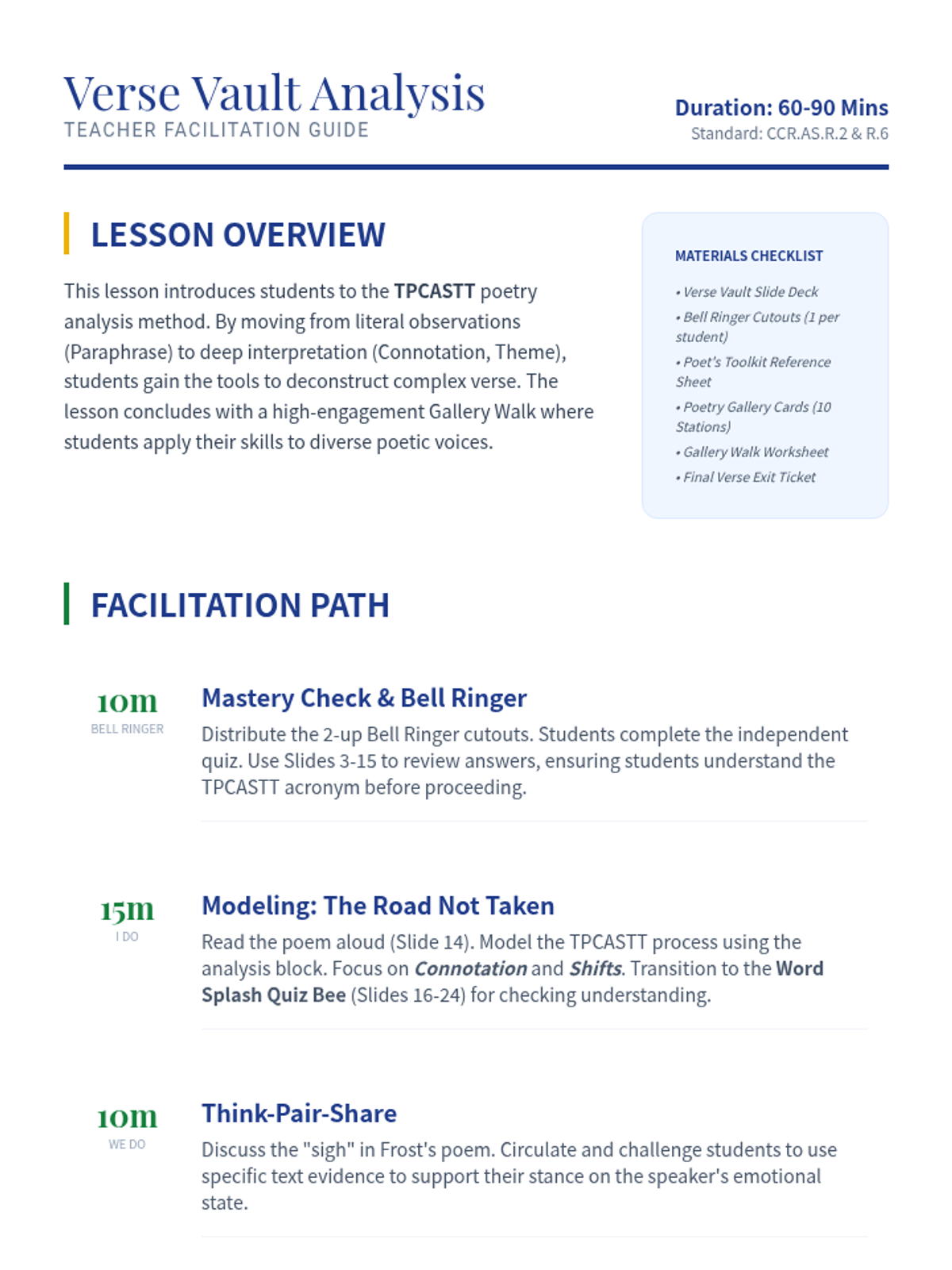
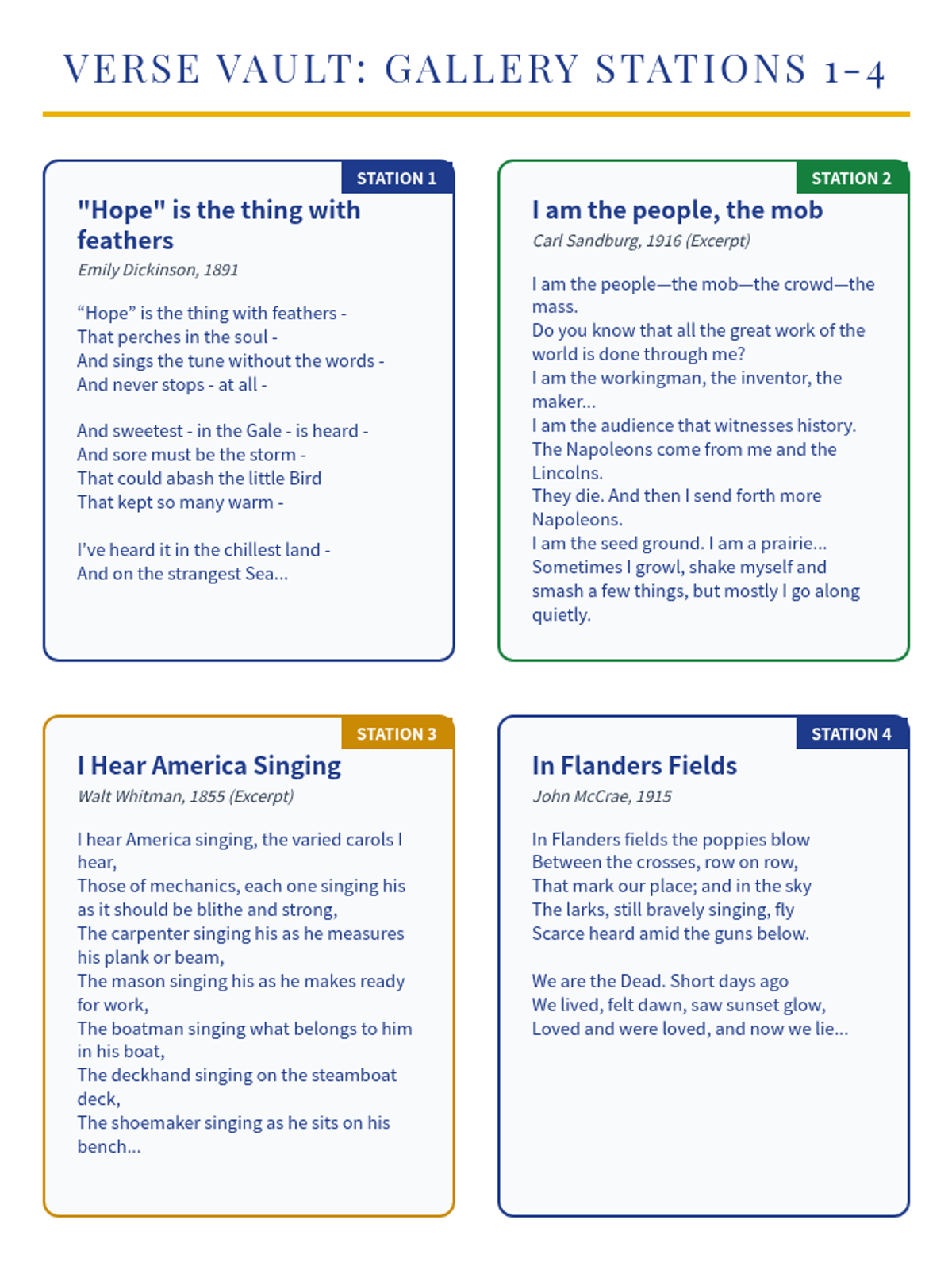
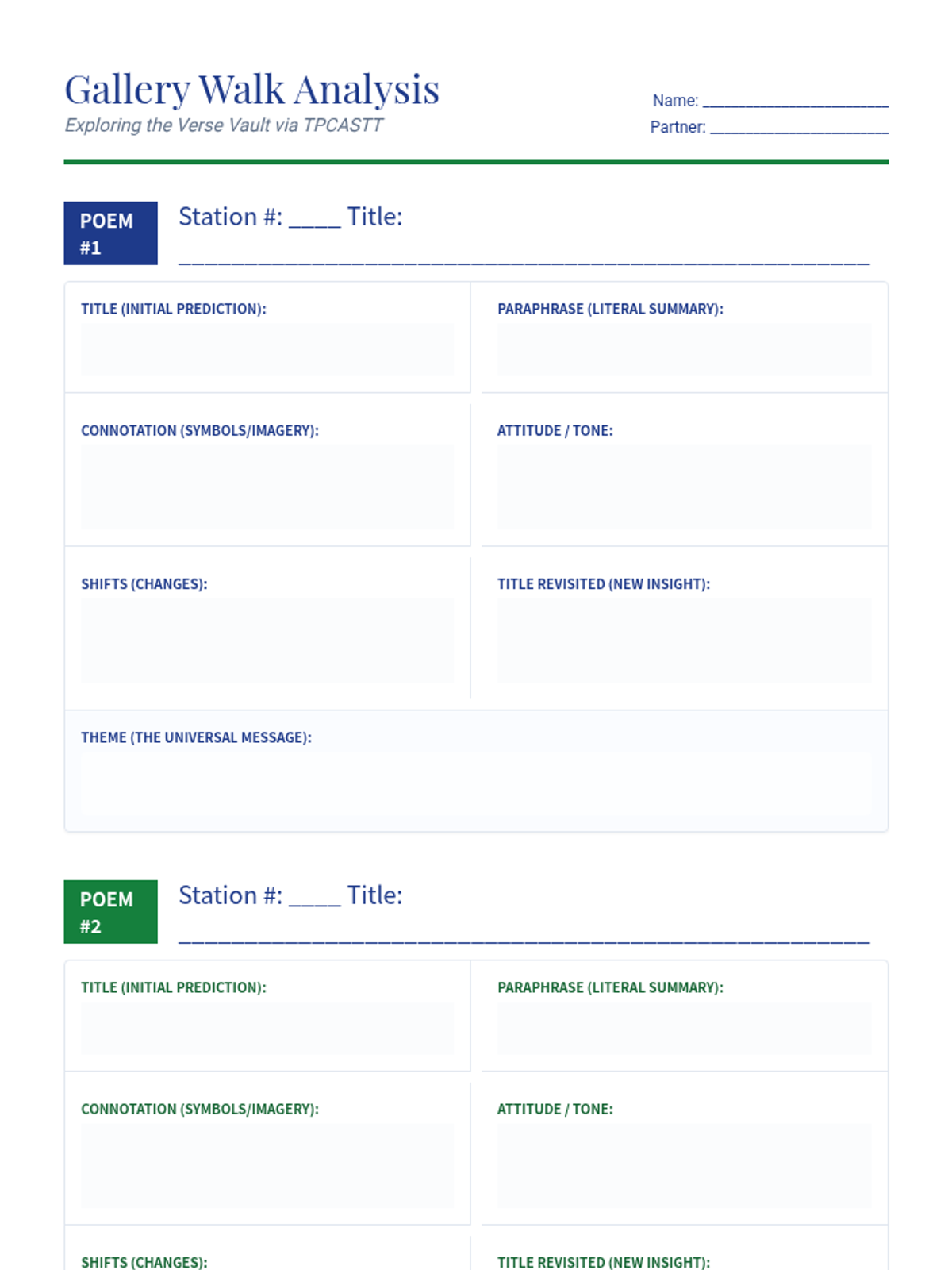
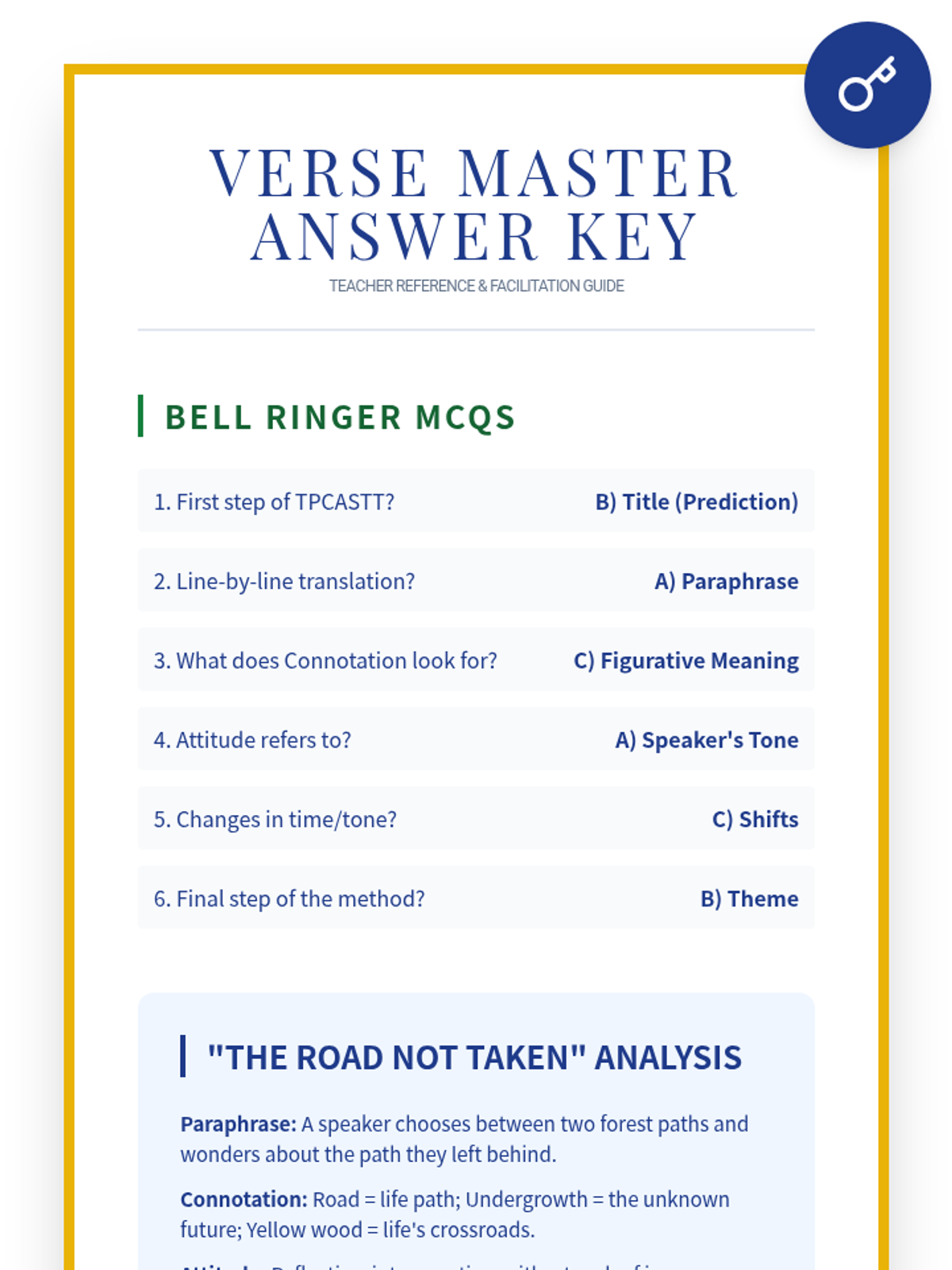
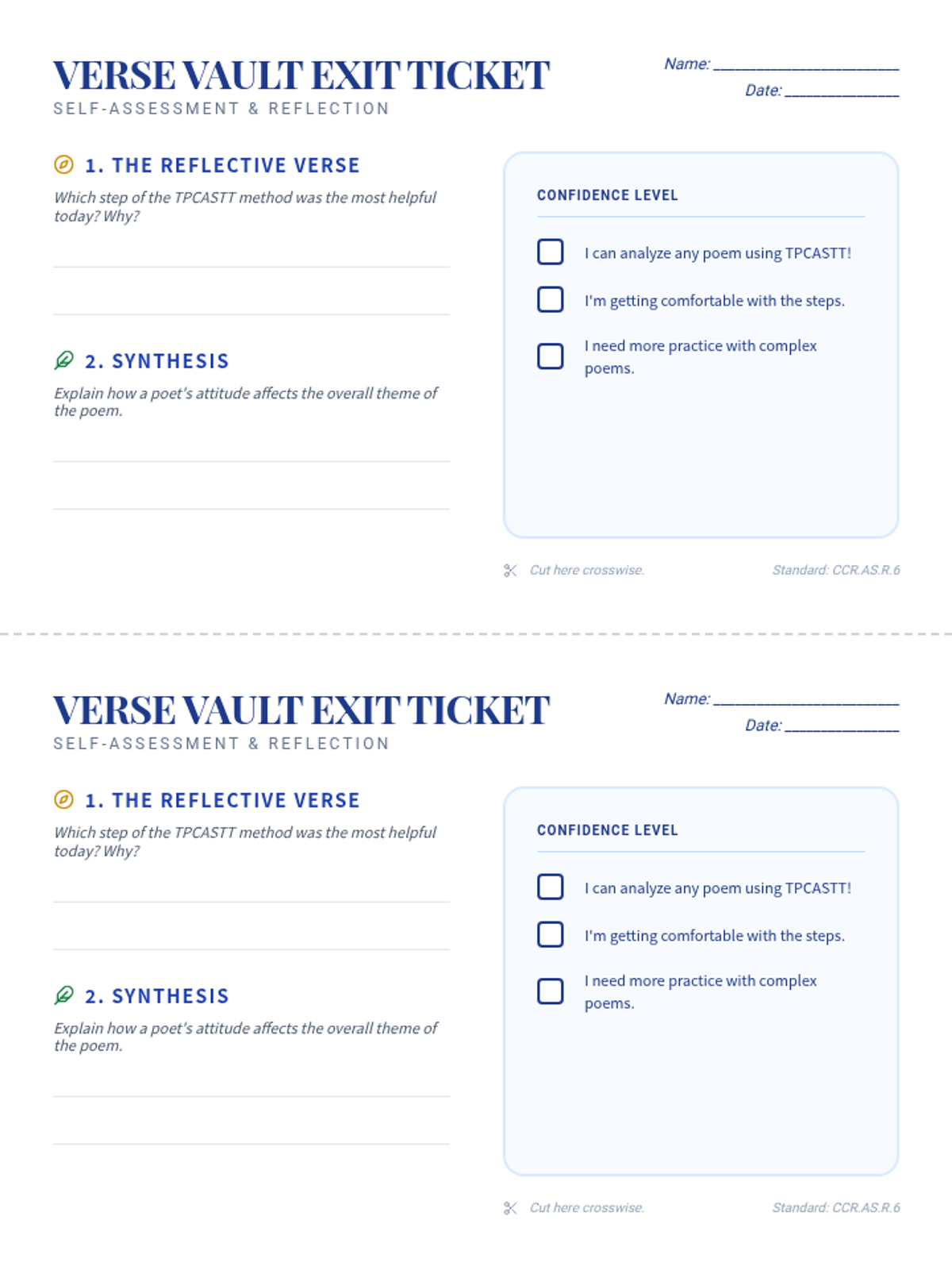
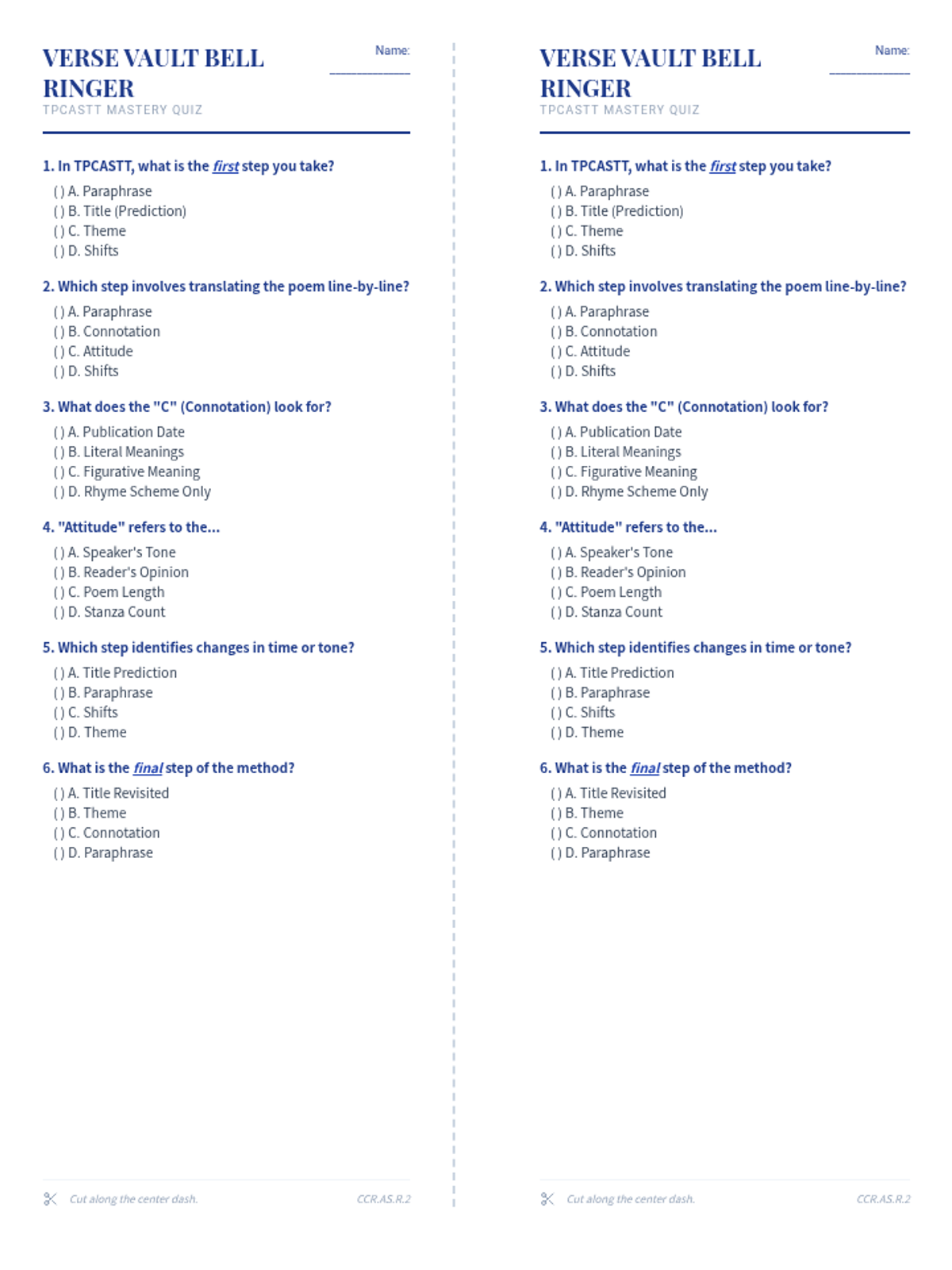
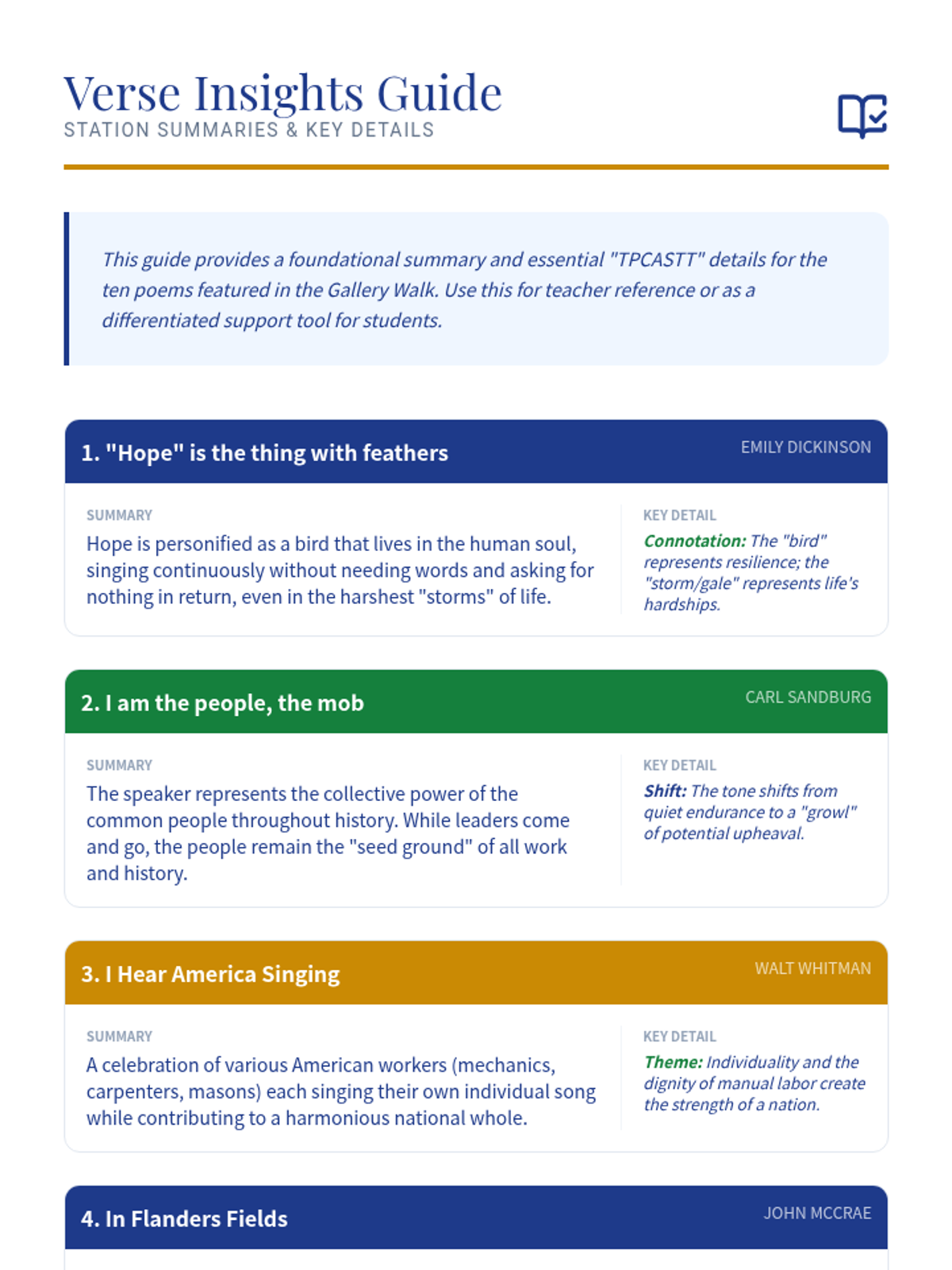
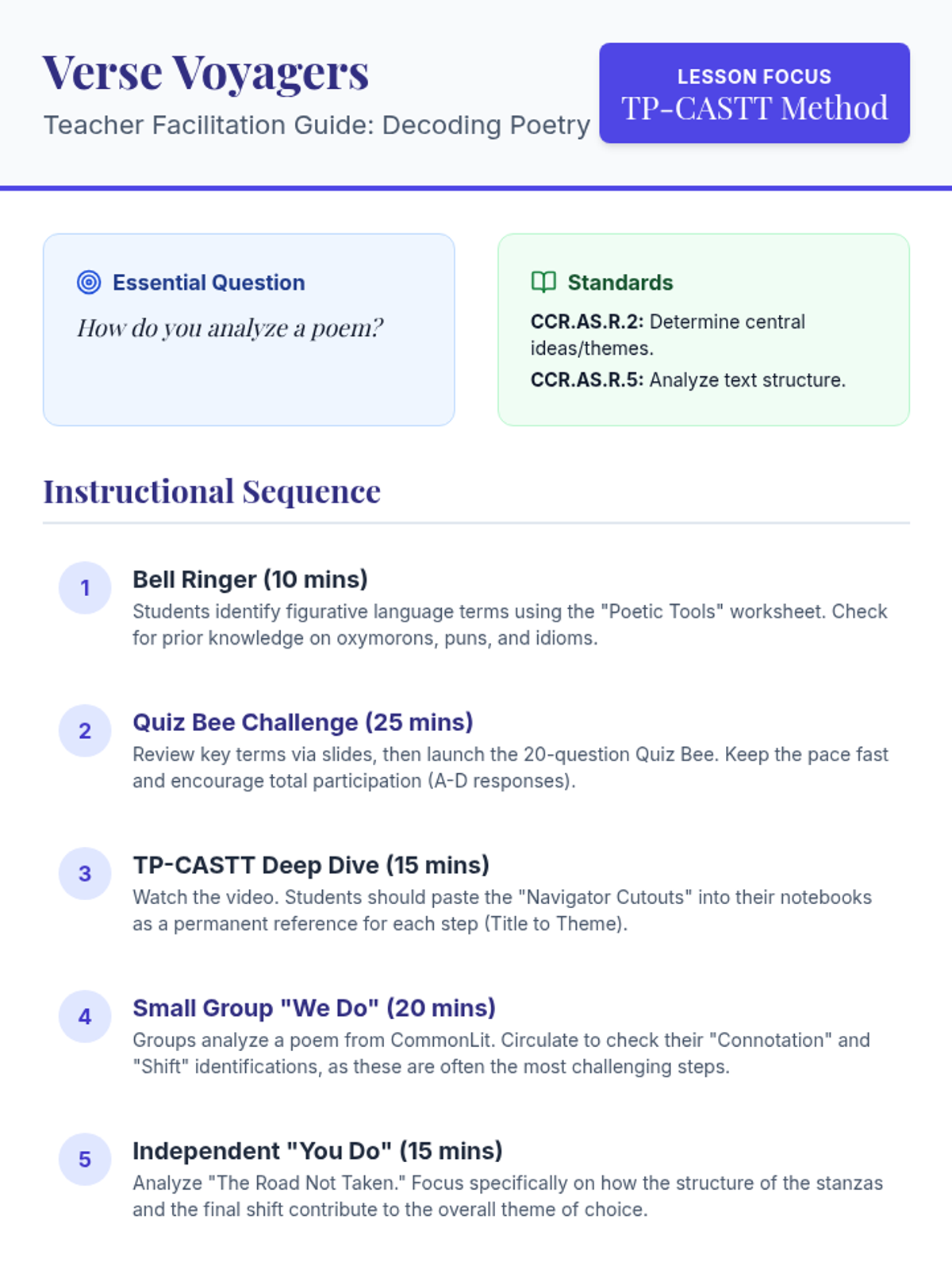
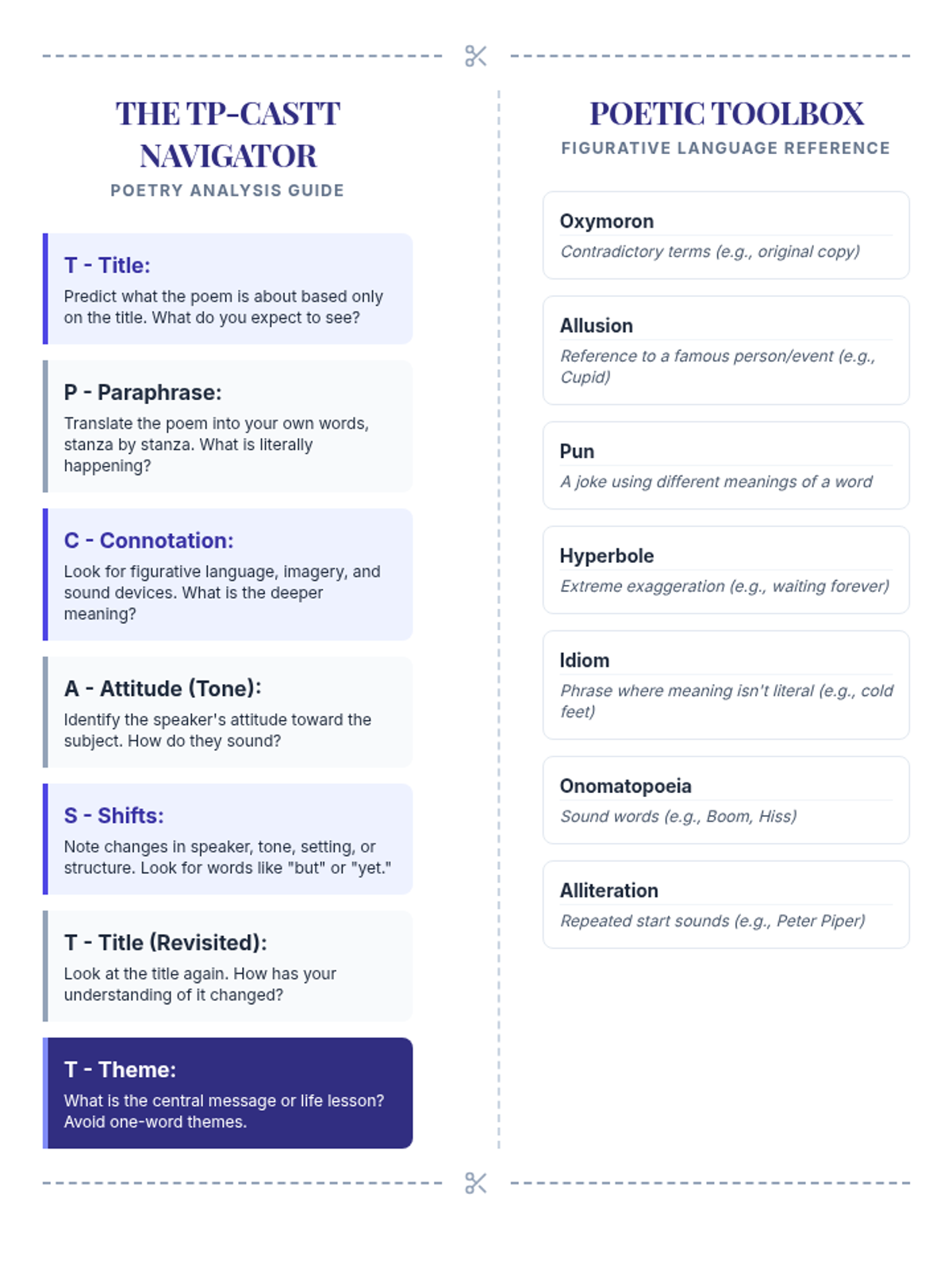
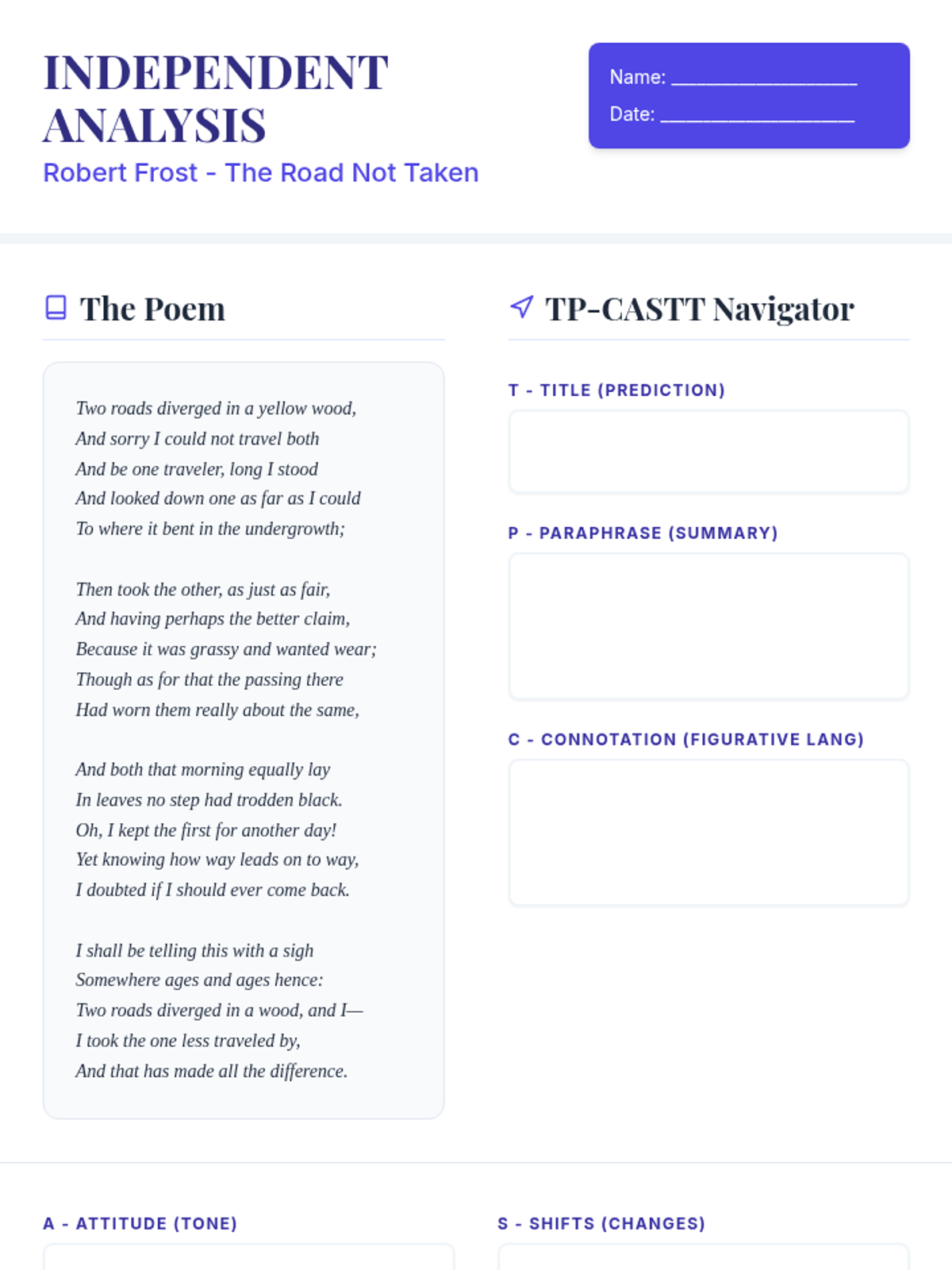
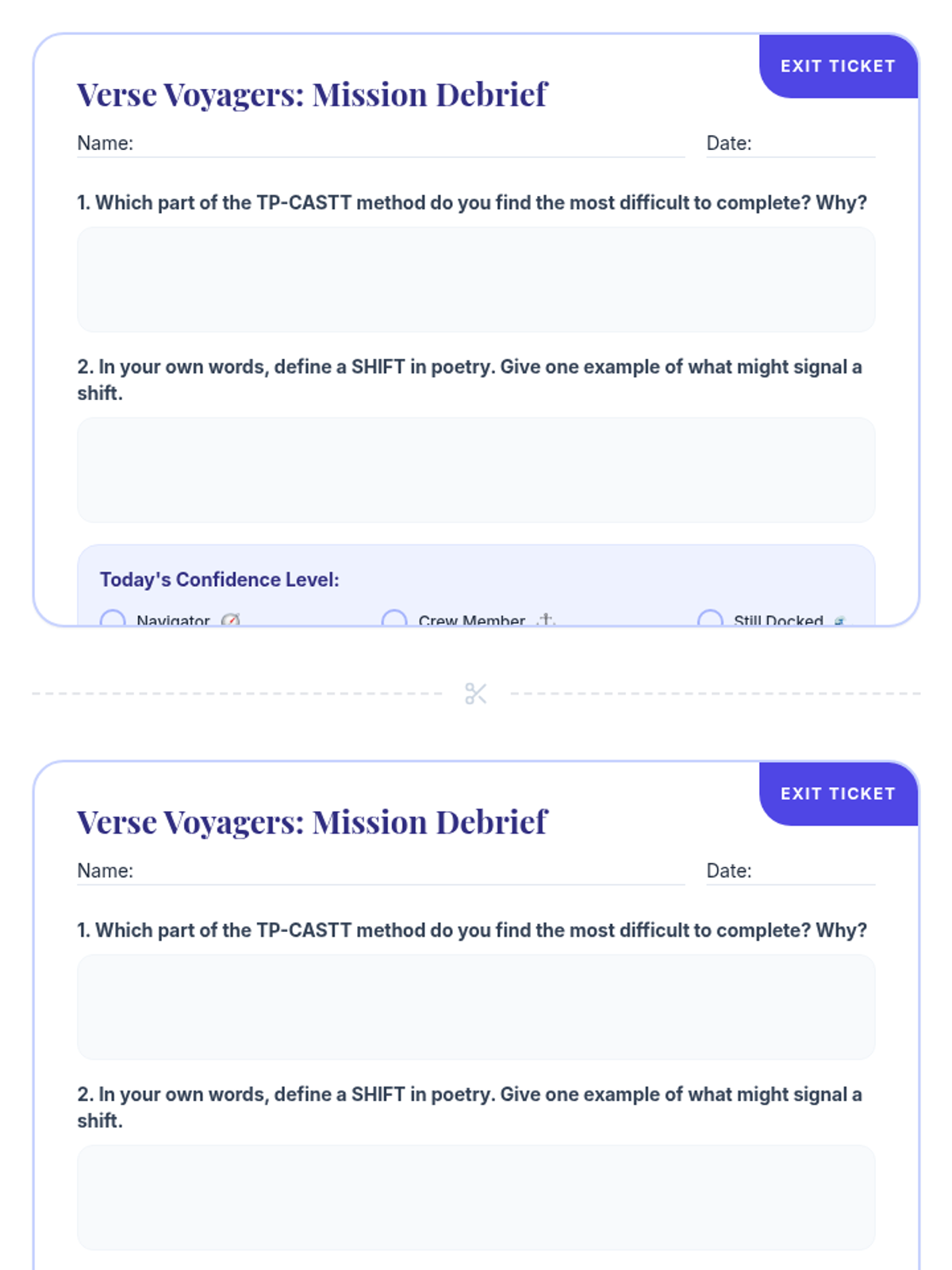
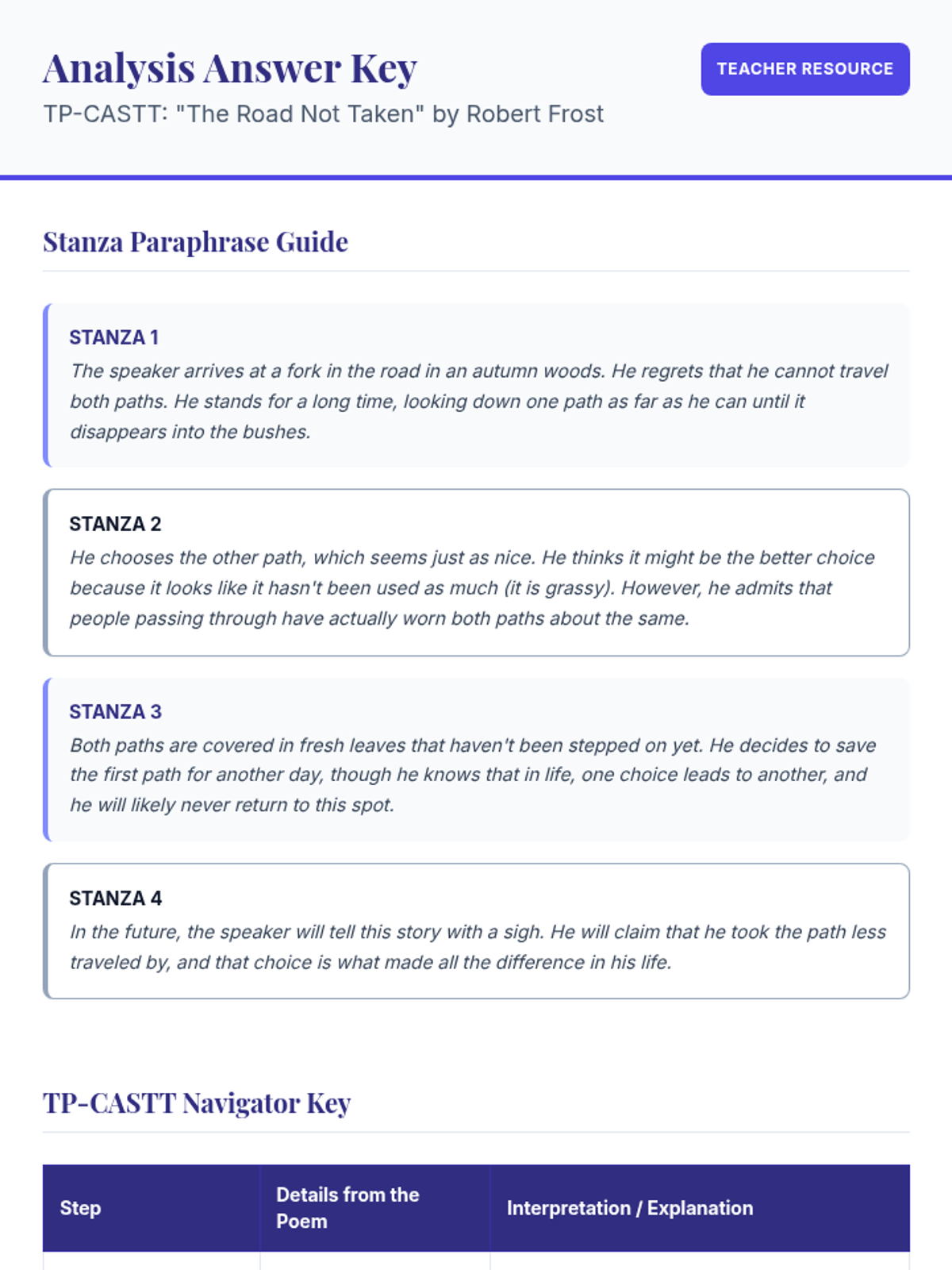
A comprehensive lesson on analyzing poetry using the TPCASTT method, featuring a deep dive into Robert Frost's 'The Road Not Taken' and a gallery walk of diverse poems.
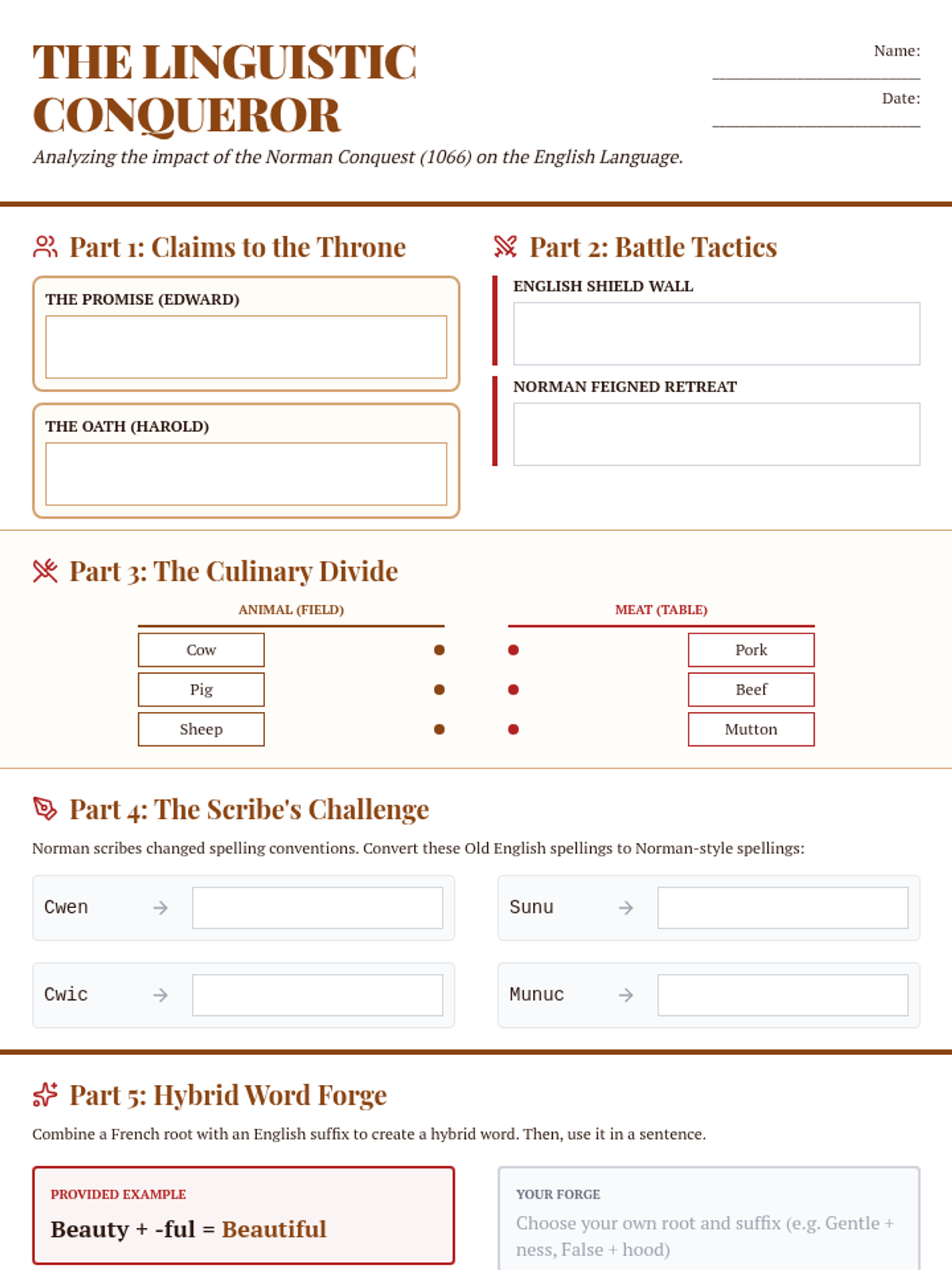
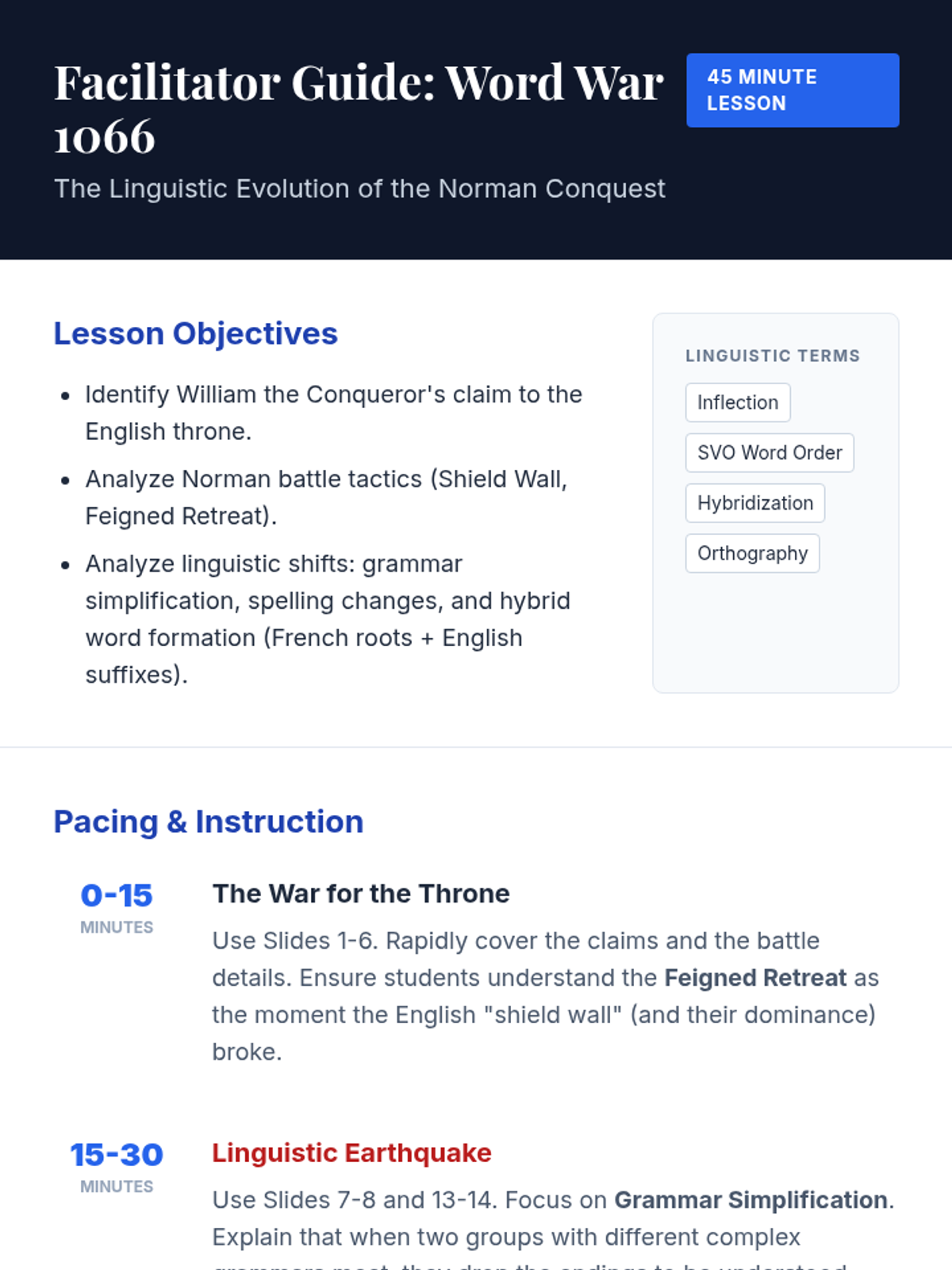
A lesson exploring the Battle of Hastings and its profound impact on the English language, tracing how the Norman Conquest introduced French vocabulary and transformed Old English into the ancestor of modern English.
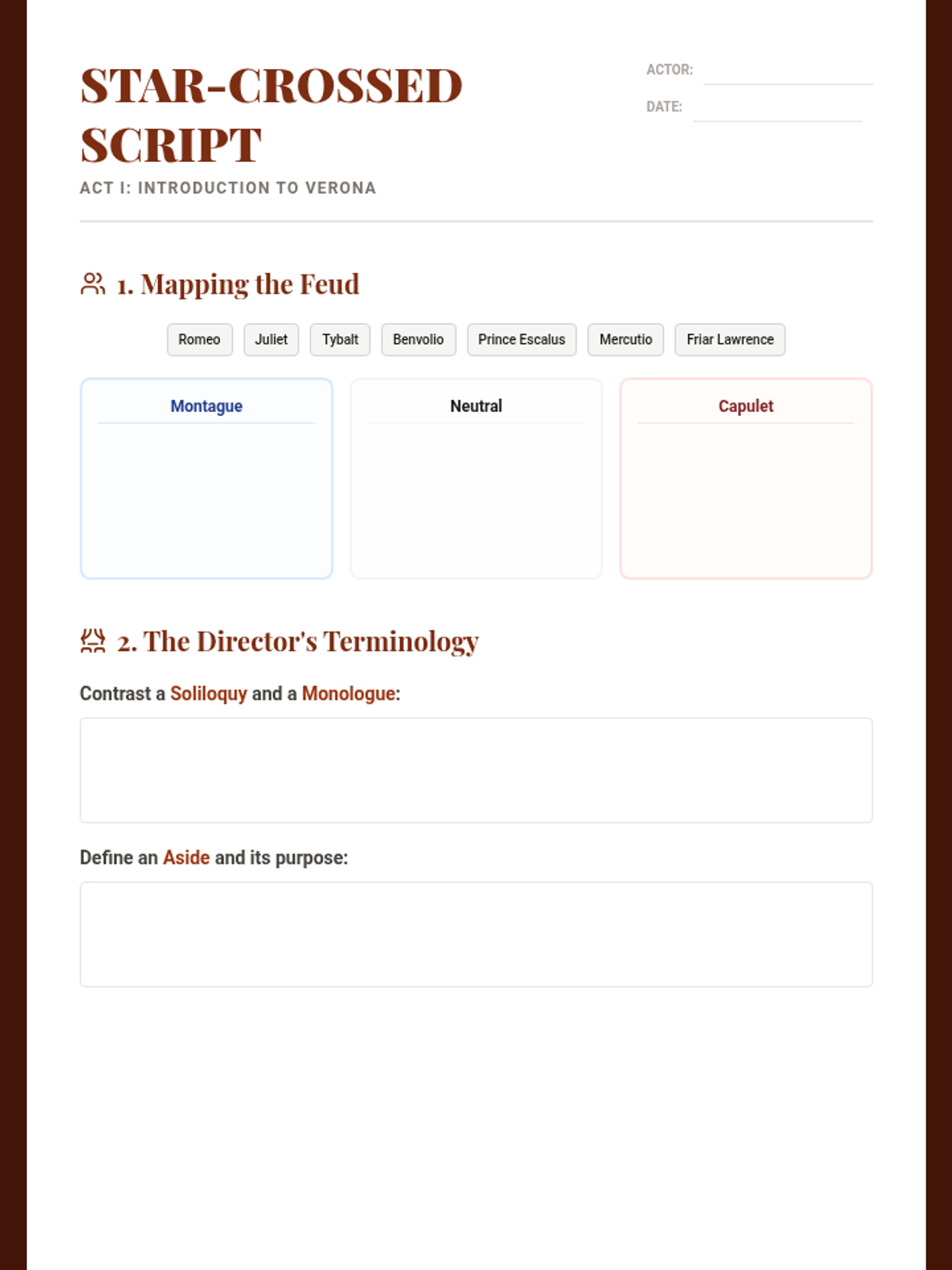
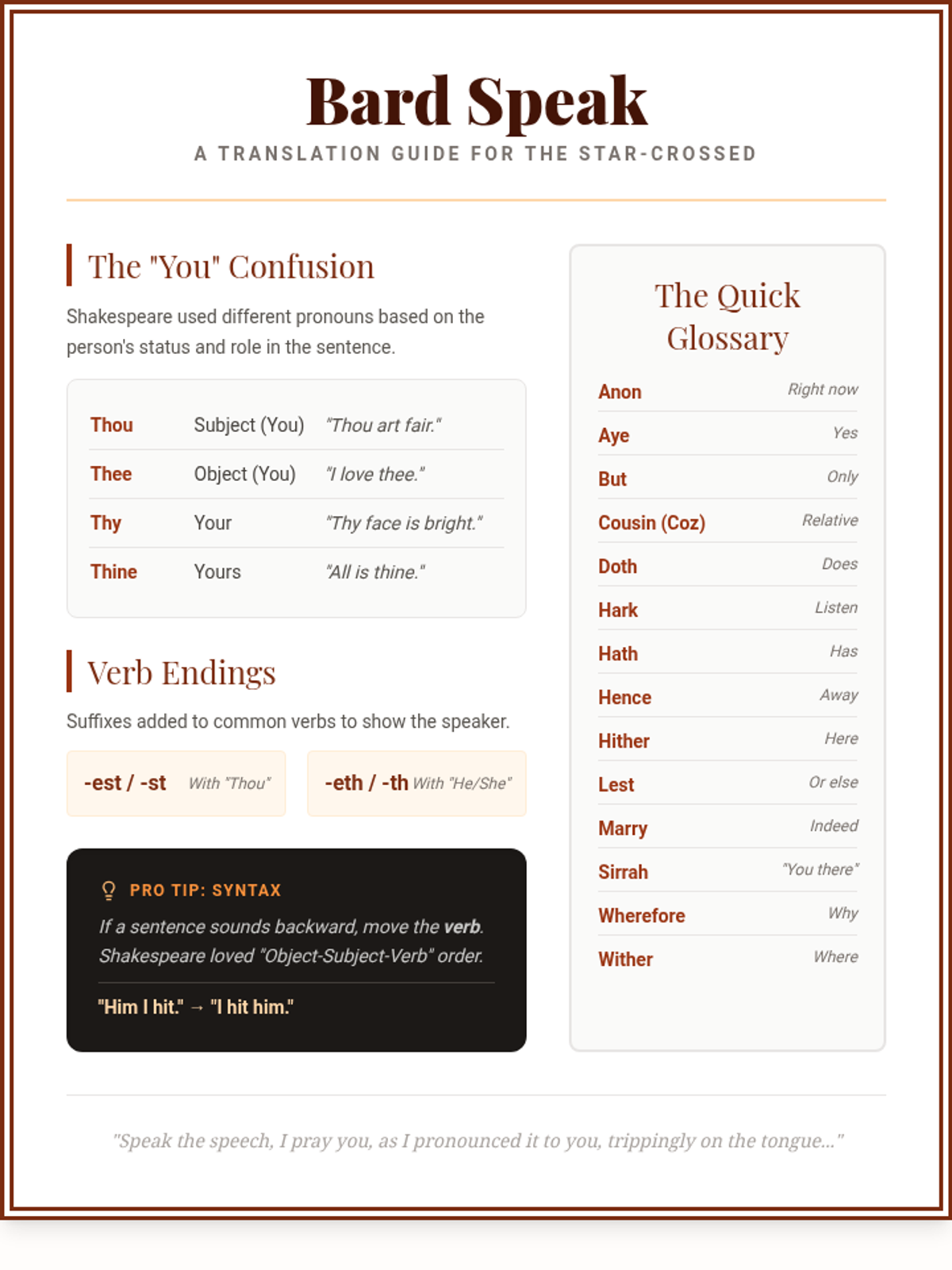
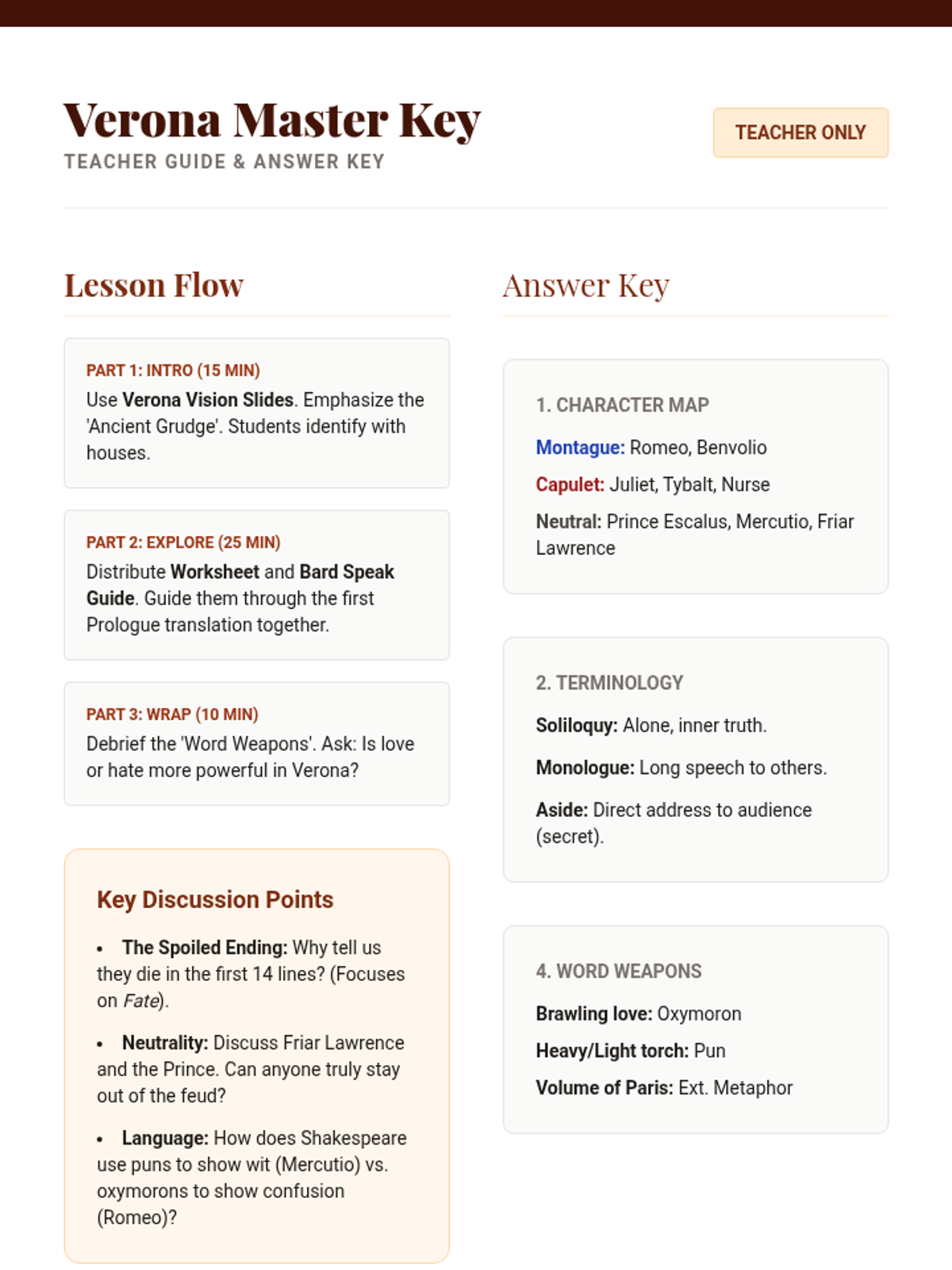
An introductory lesson to Romeo and Juliet covering the foundational elements of plot, character dynamics, and themes, alongside practical exercises in translation and identifying literary devices.
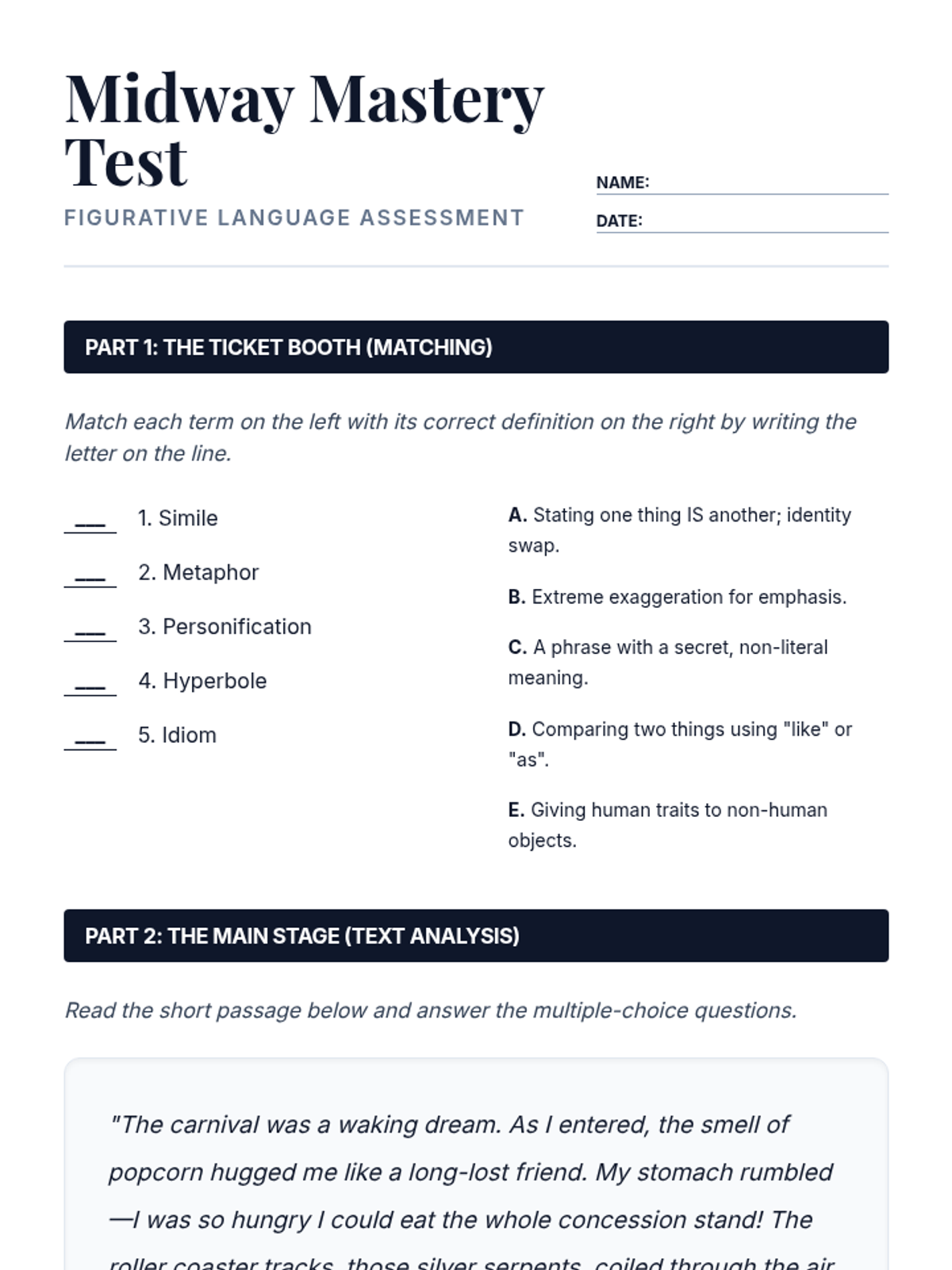
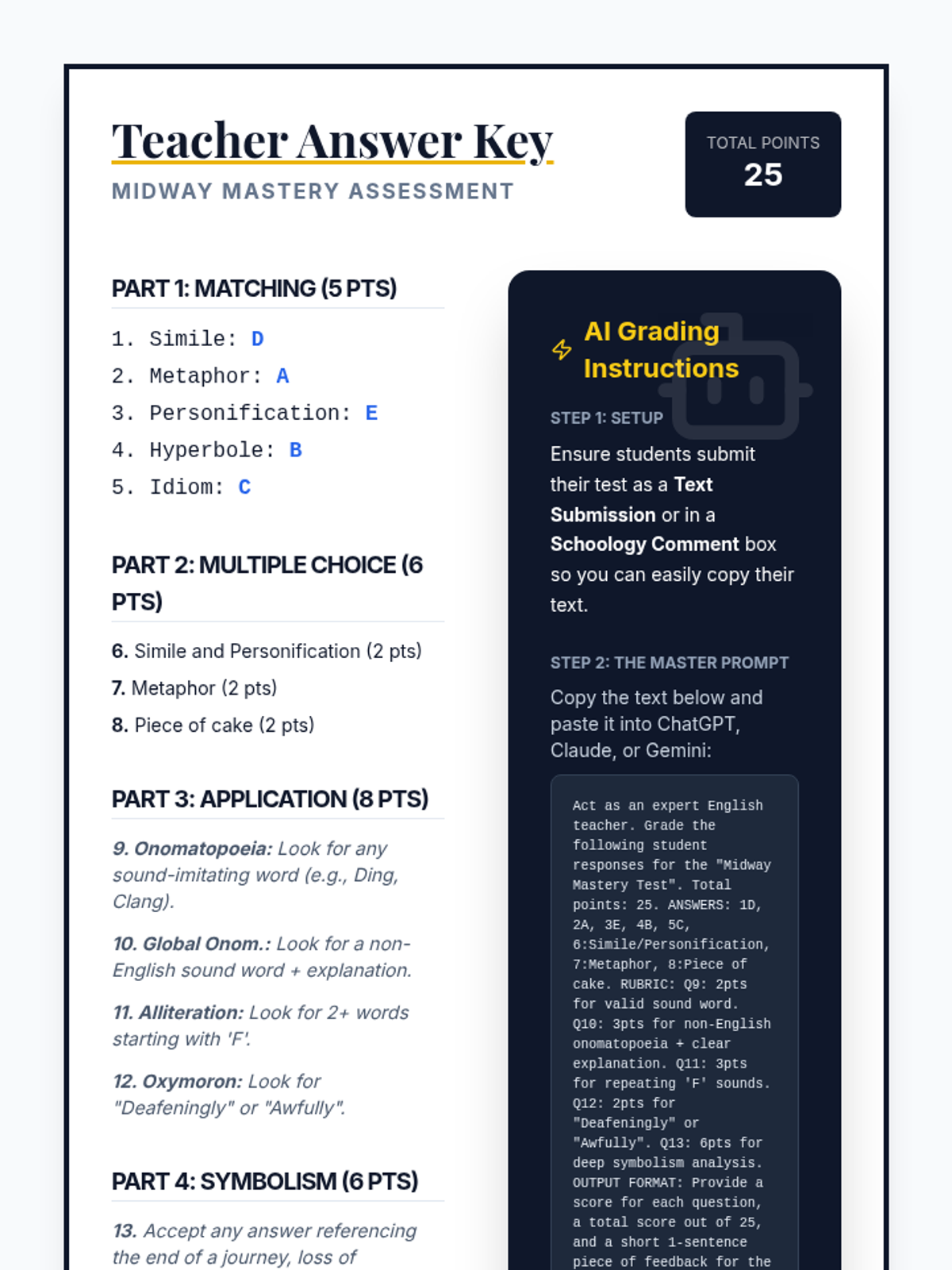
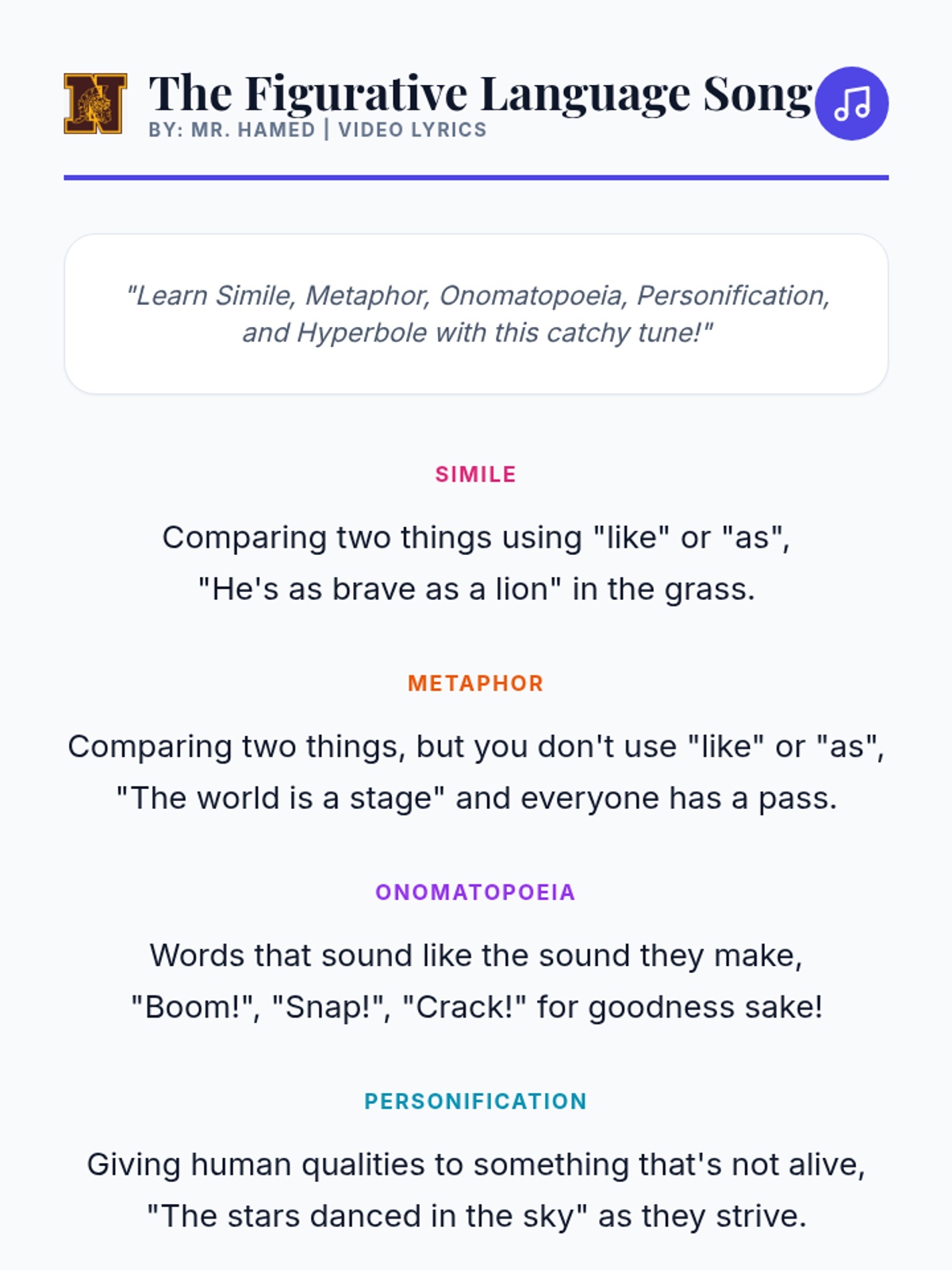
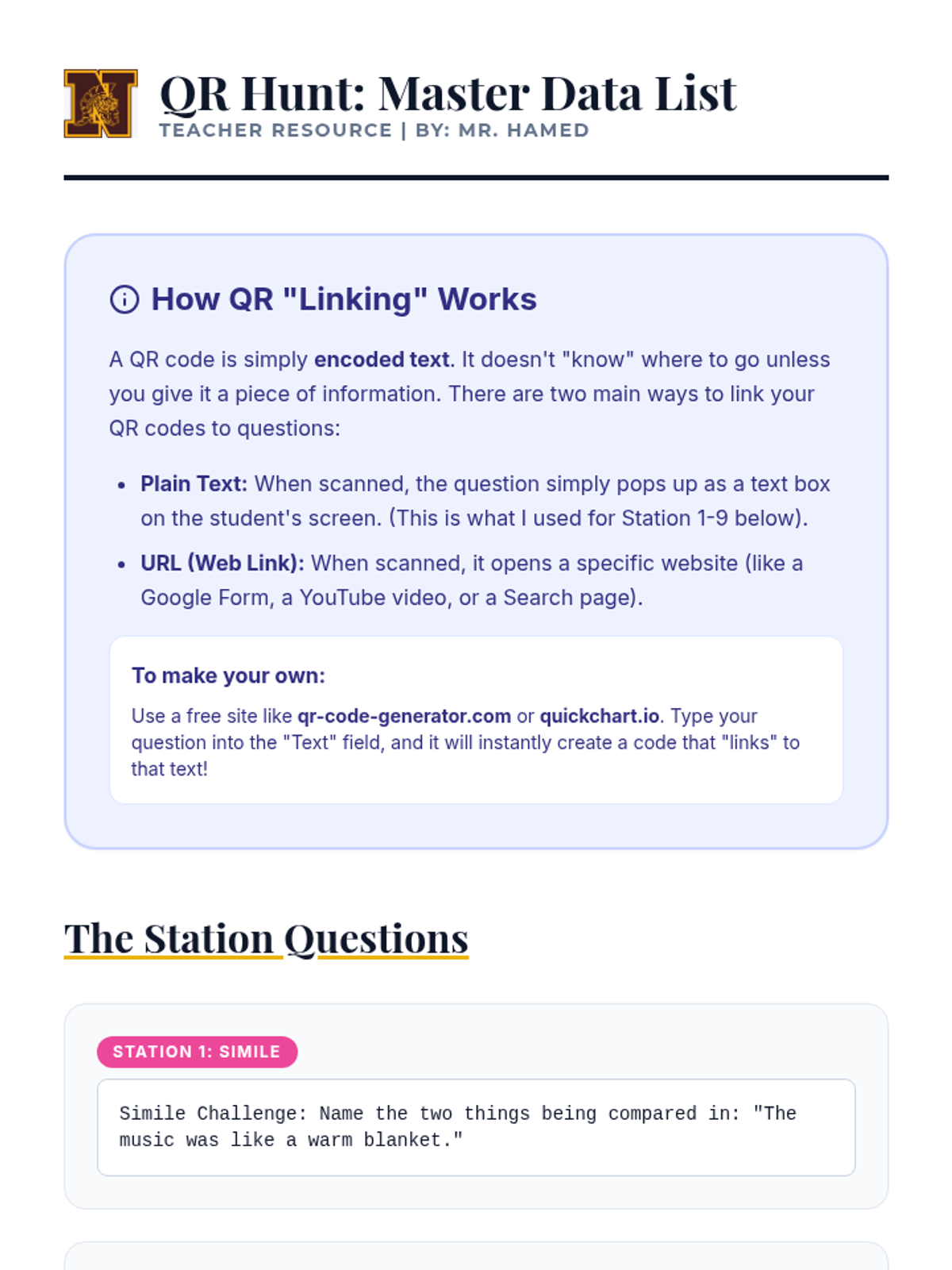
A complete lesson covering similes, metaphors, idioms, personification, hyperbole, onomatopoeia, alliteration, oxymoron, and symbolism through direct instruction and guided practice.
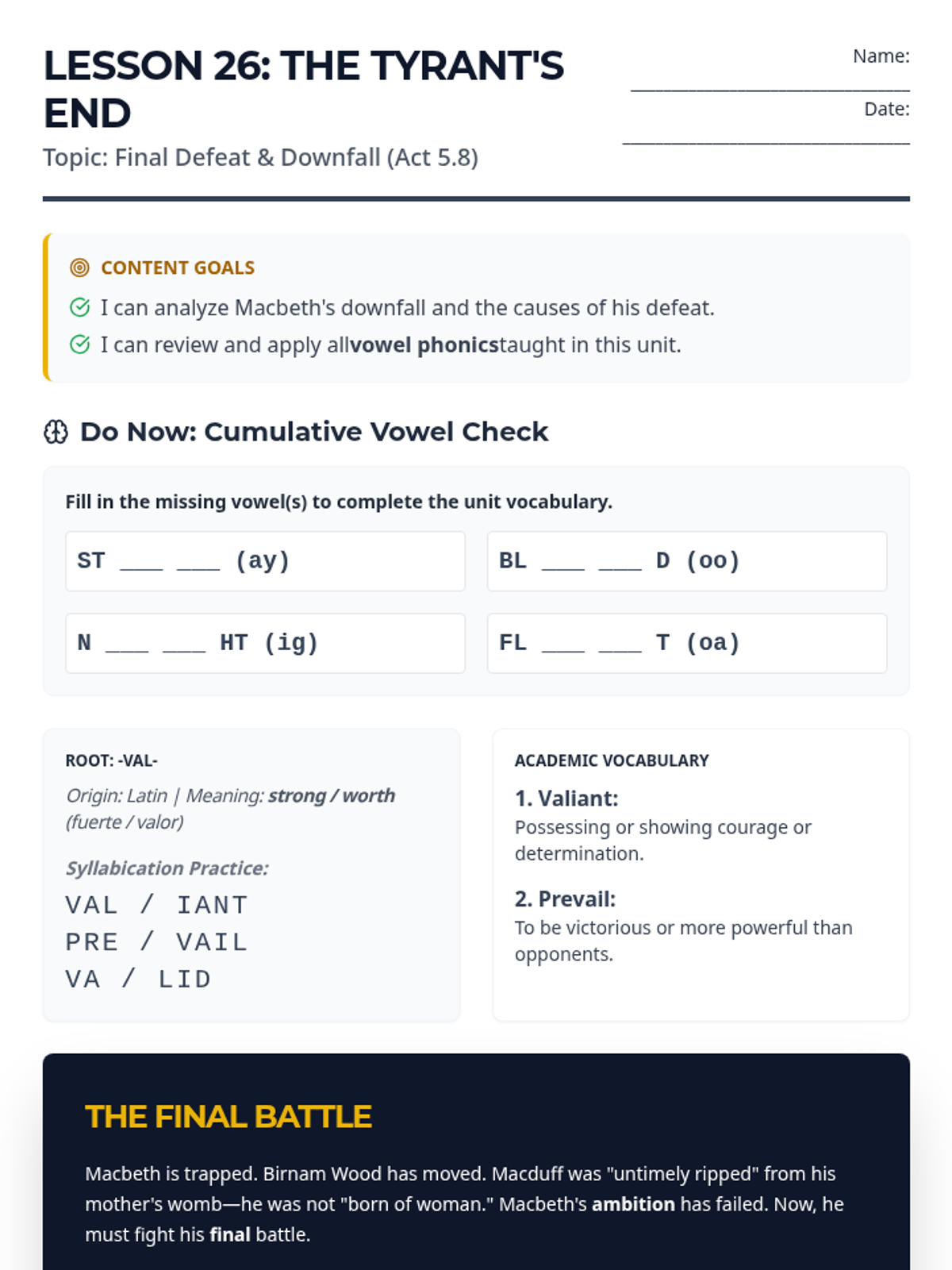
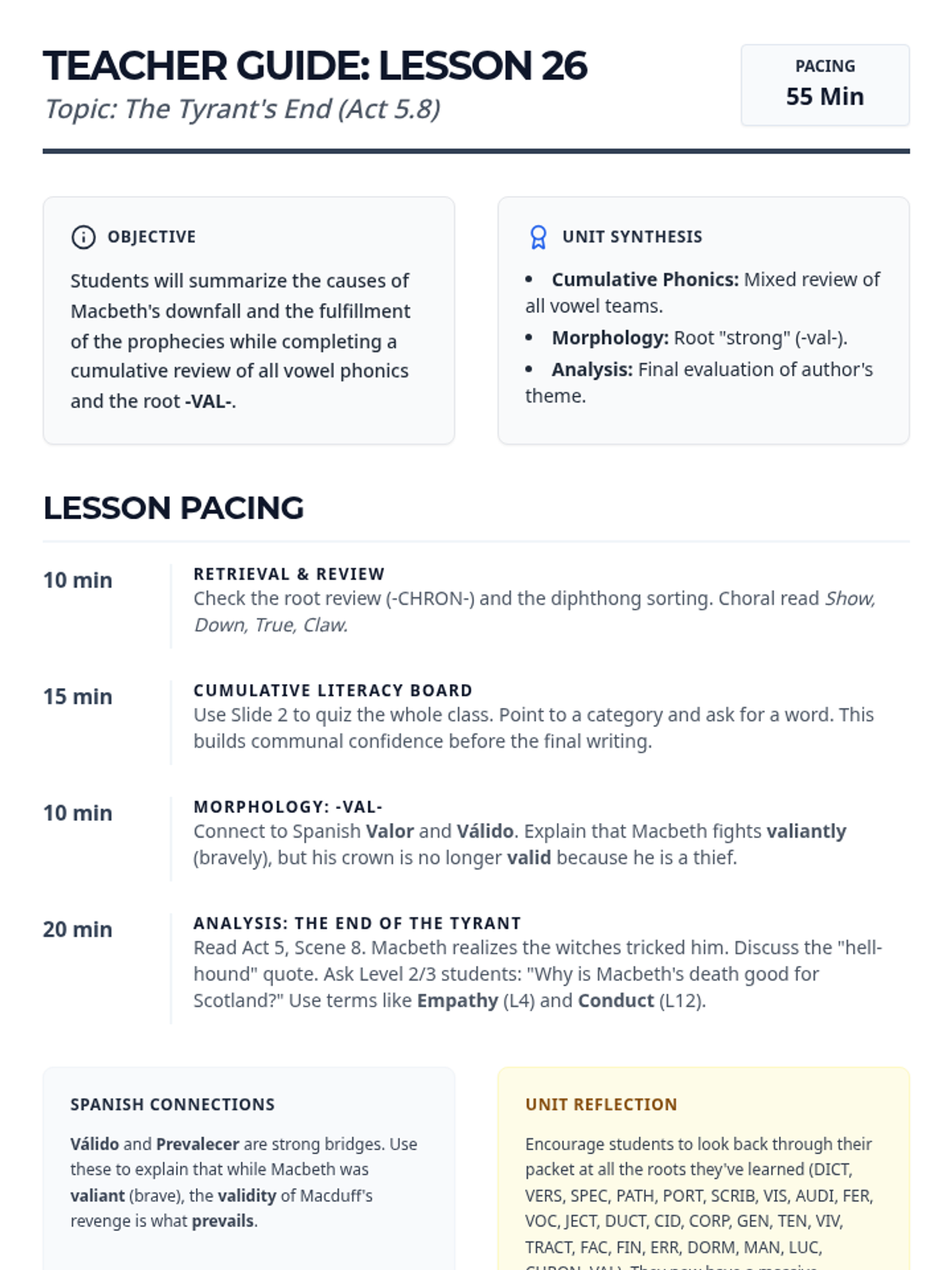
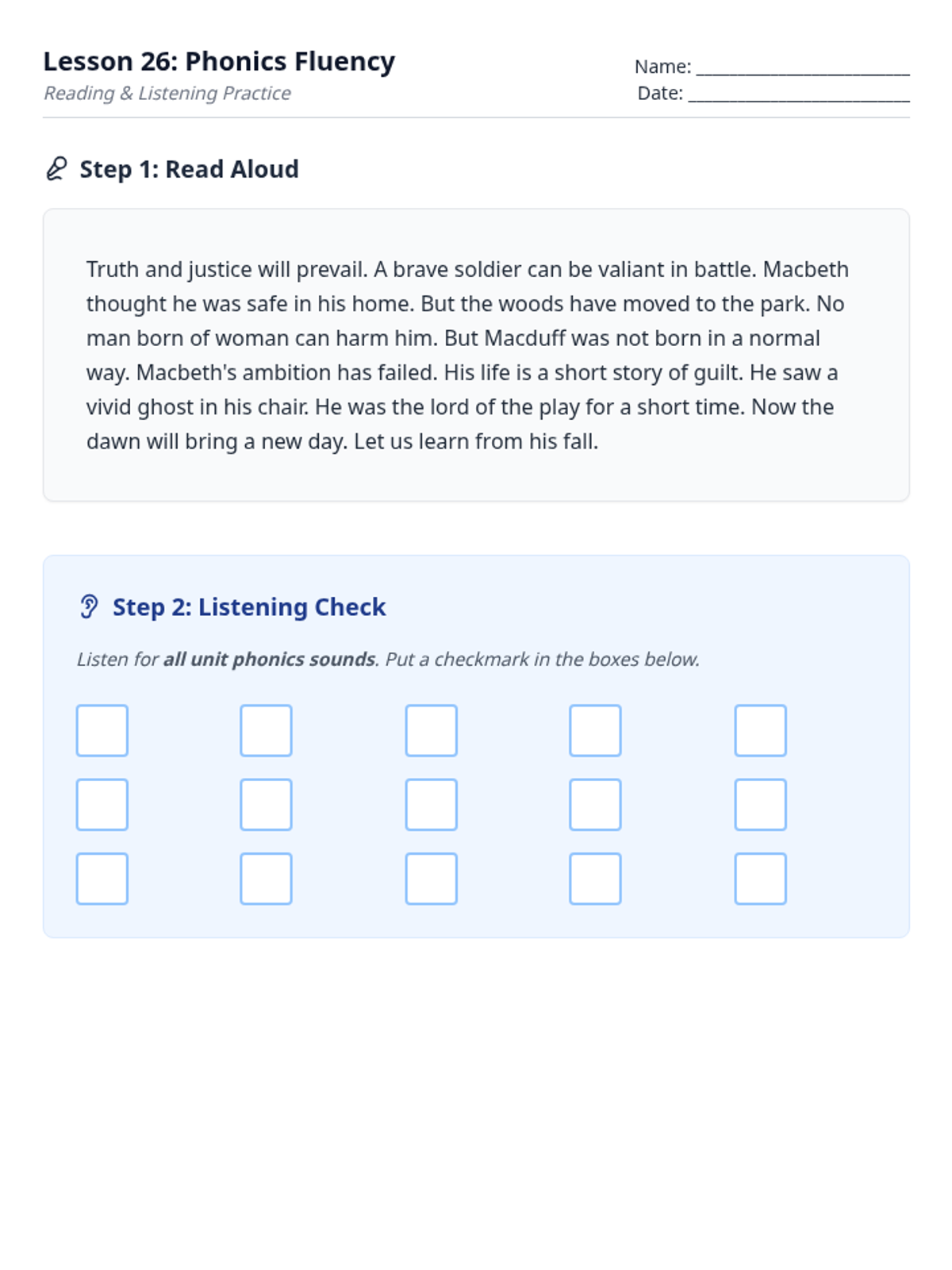
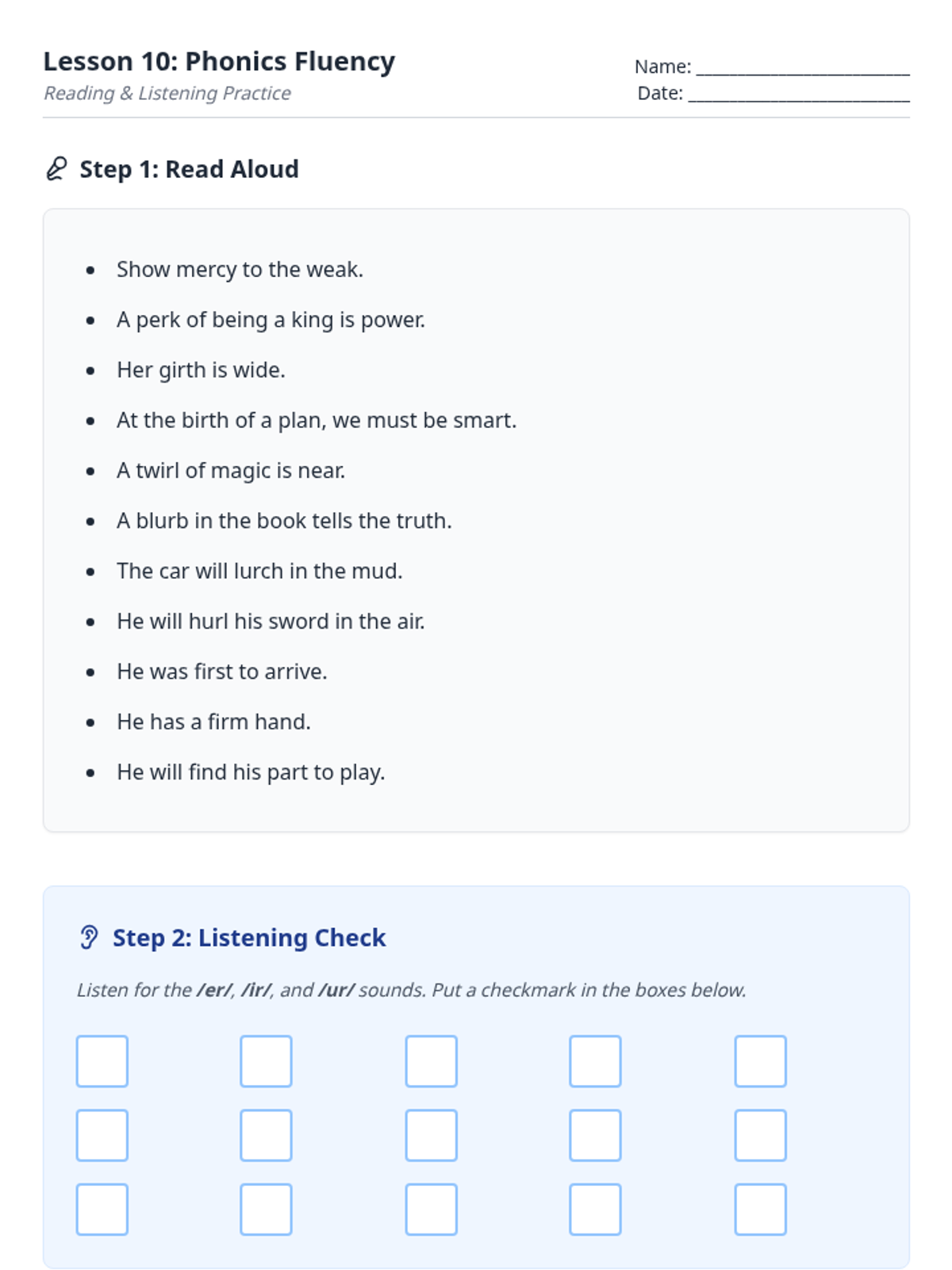
An evaluation of Macbeth's downfall and final defeat, featuring the root 'val' and a cumulative vowel phonics review.
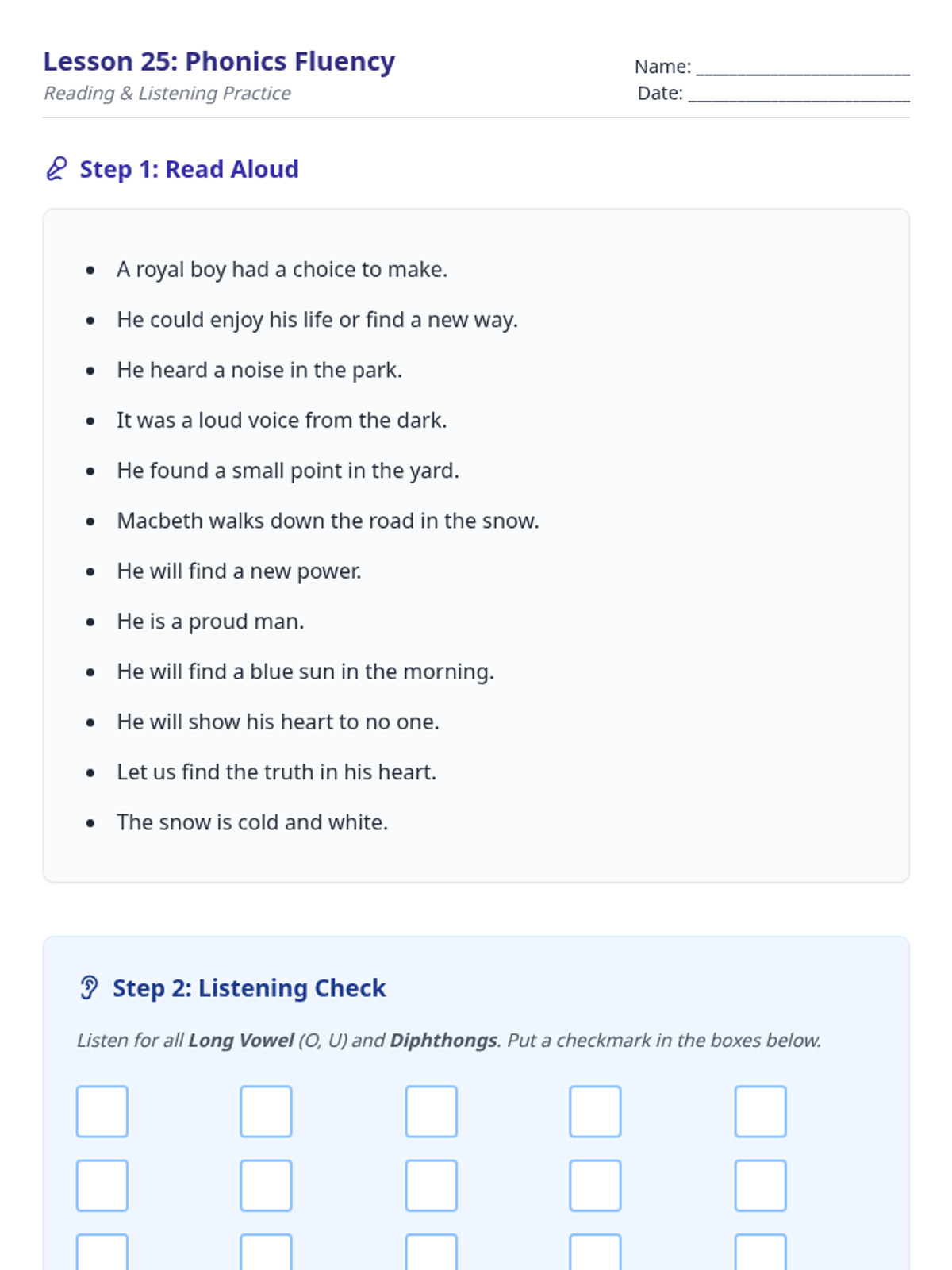
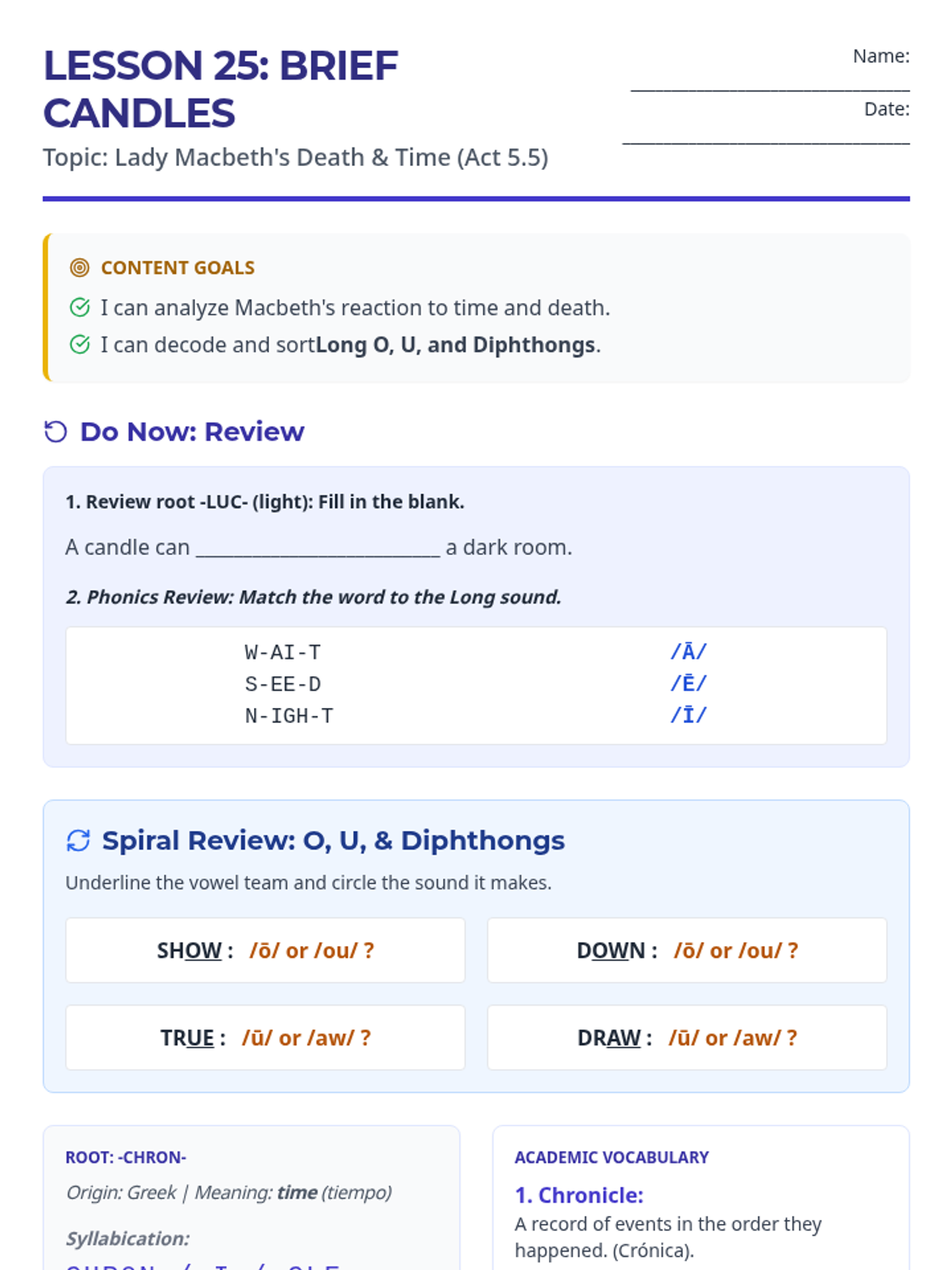
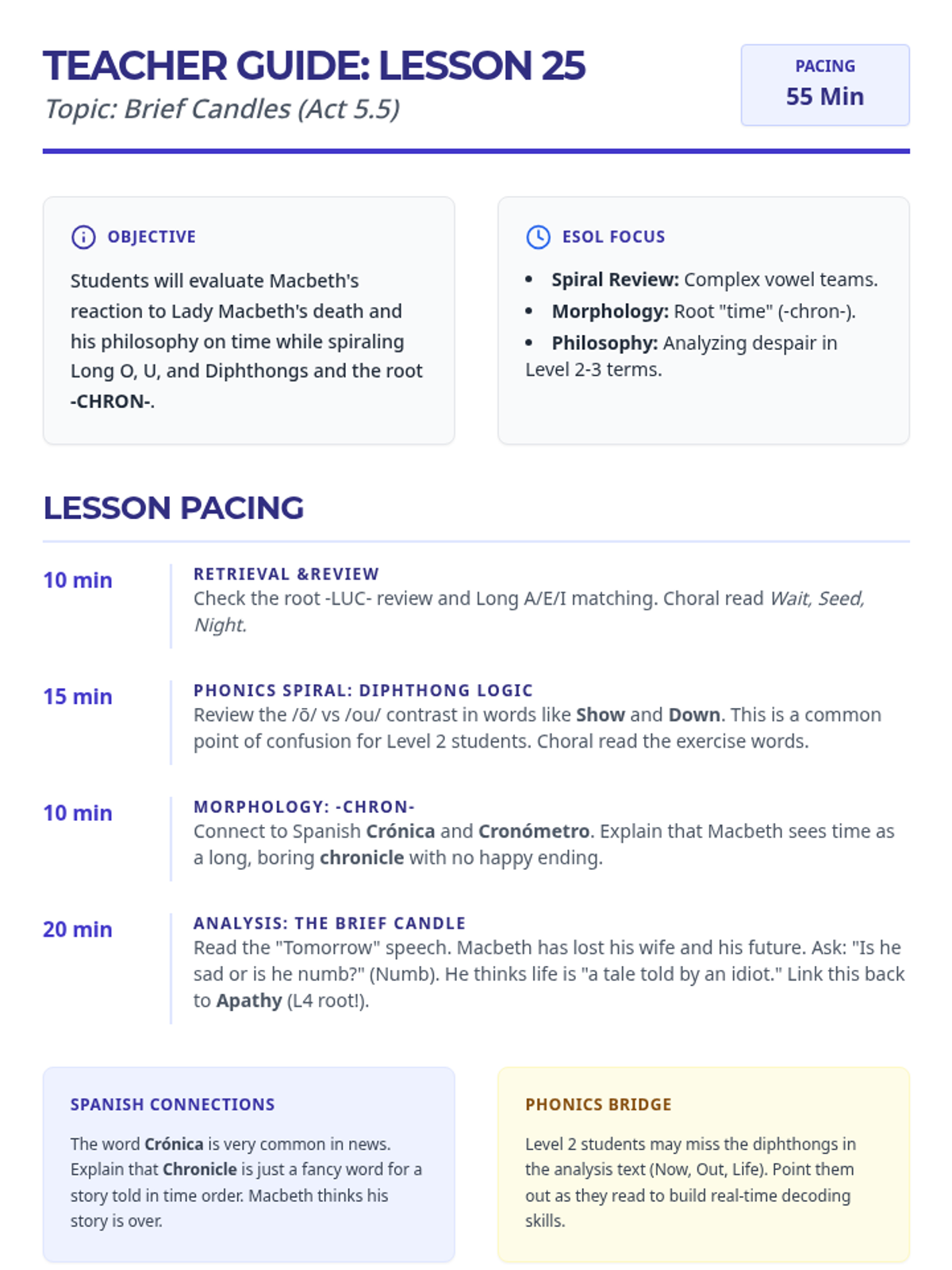
An analysis of Macbeth's 'Tomorrow' soliloquy and his reaction to Lady Macbeth's death, featuring the root 'chron' and a spiral review of Long O, U, and Diphthongs.
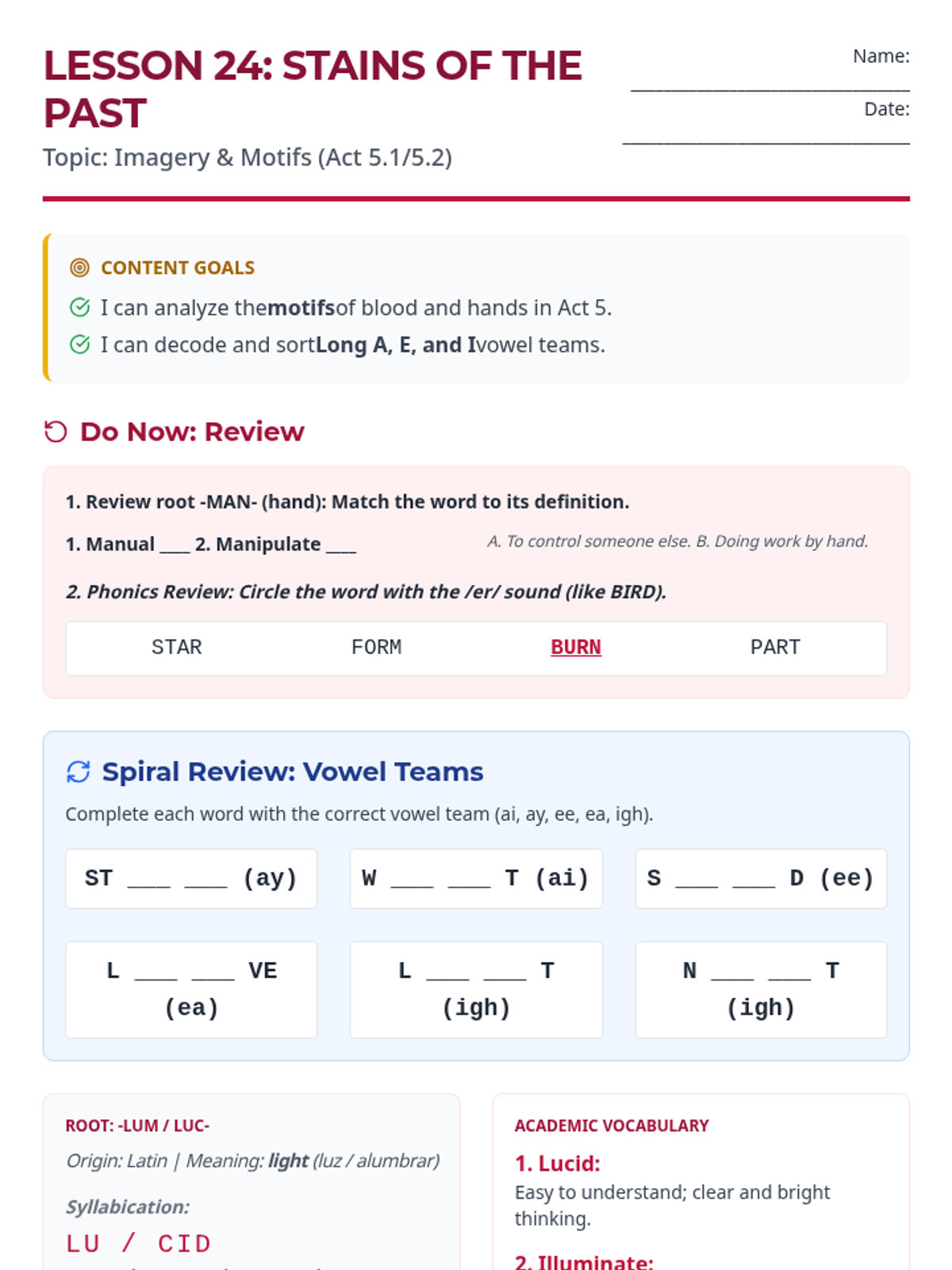
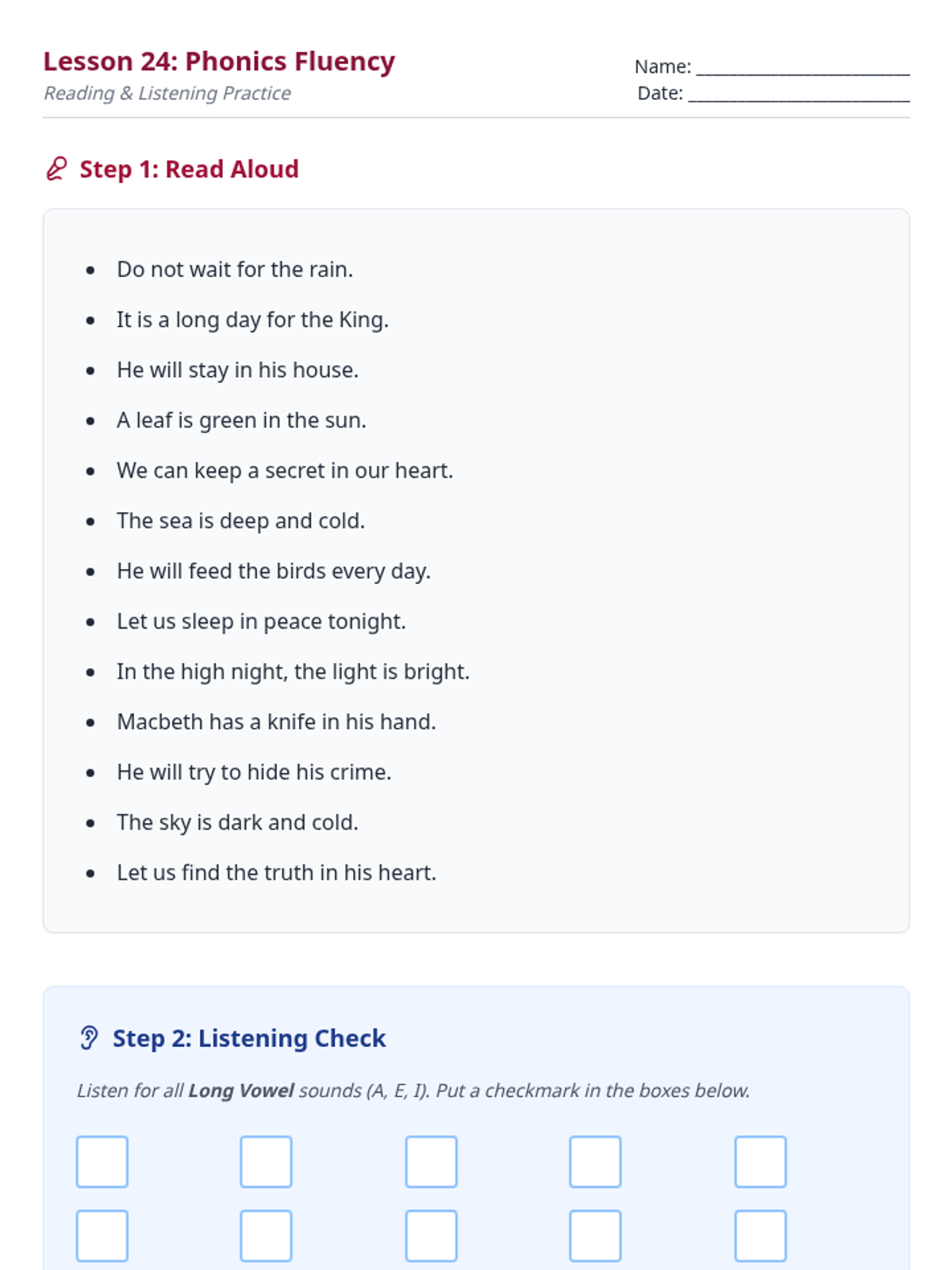
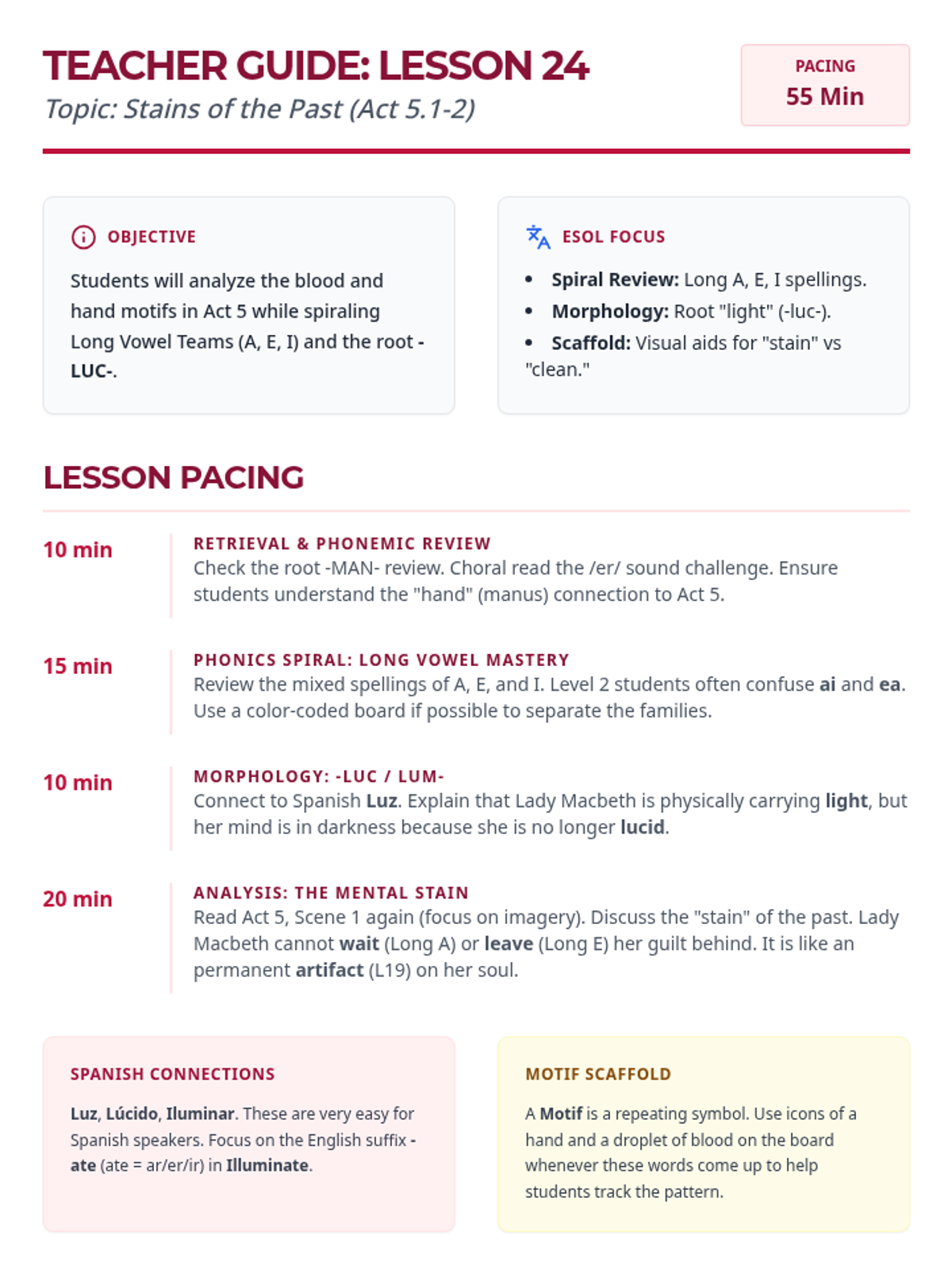
An exploration of imagery and motifs in Act 5, focusing on the root 'luc' and a spiral review of Long A, E, and I vowel teams.
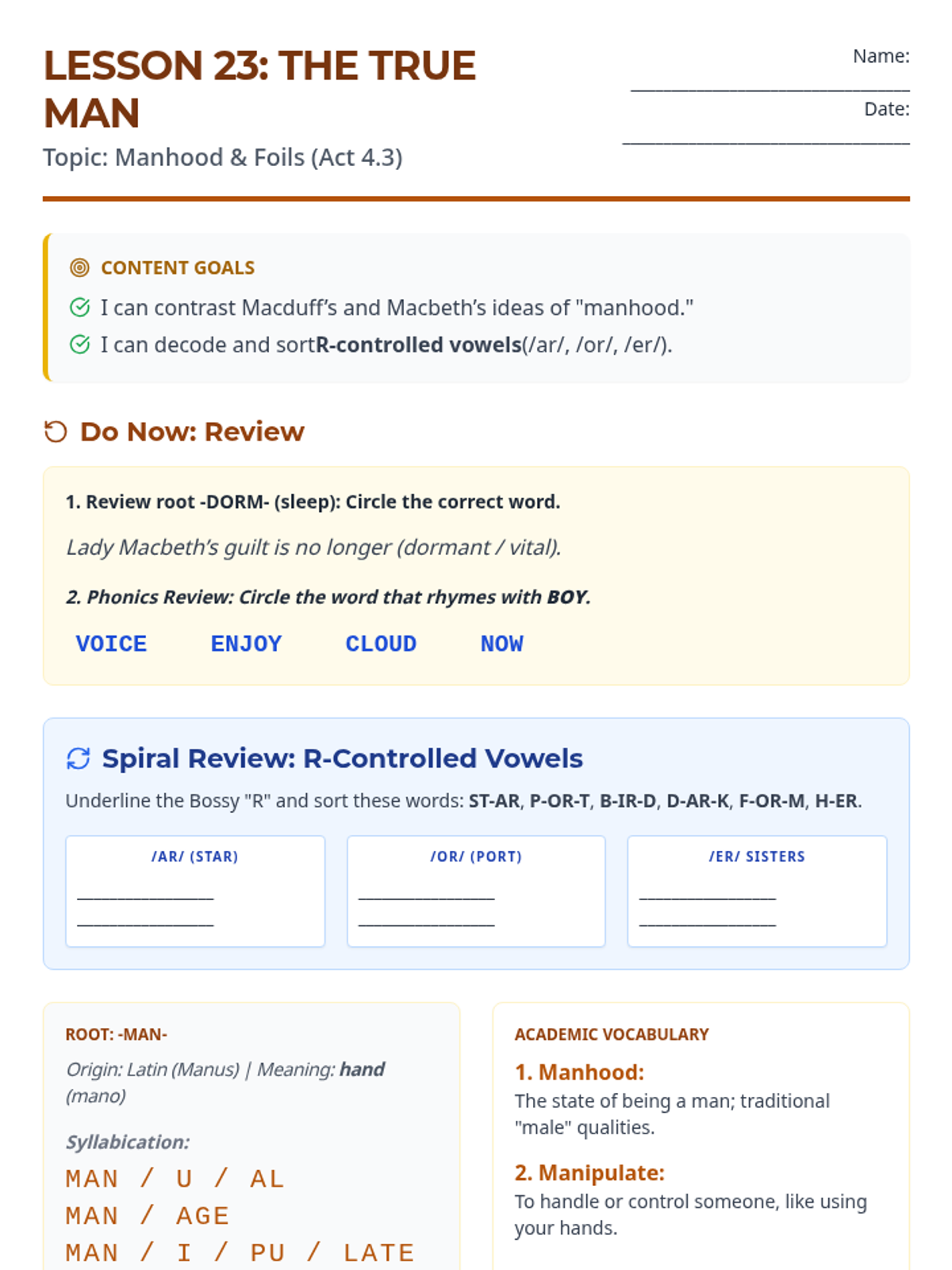
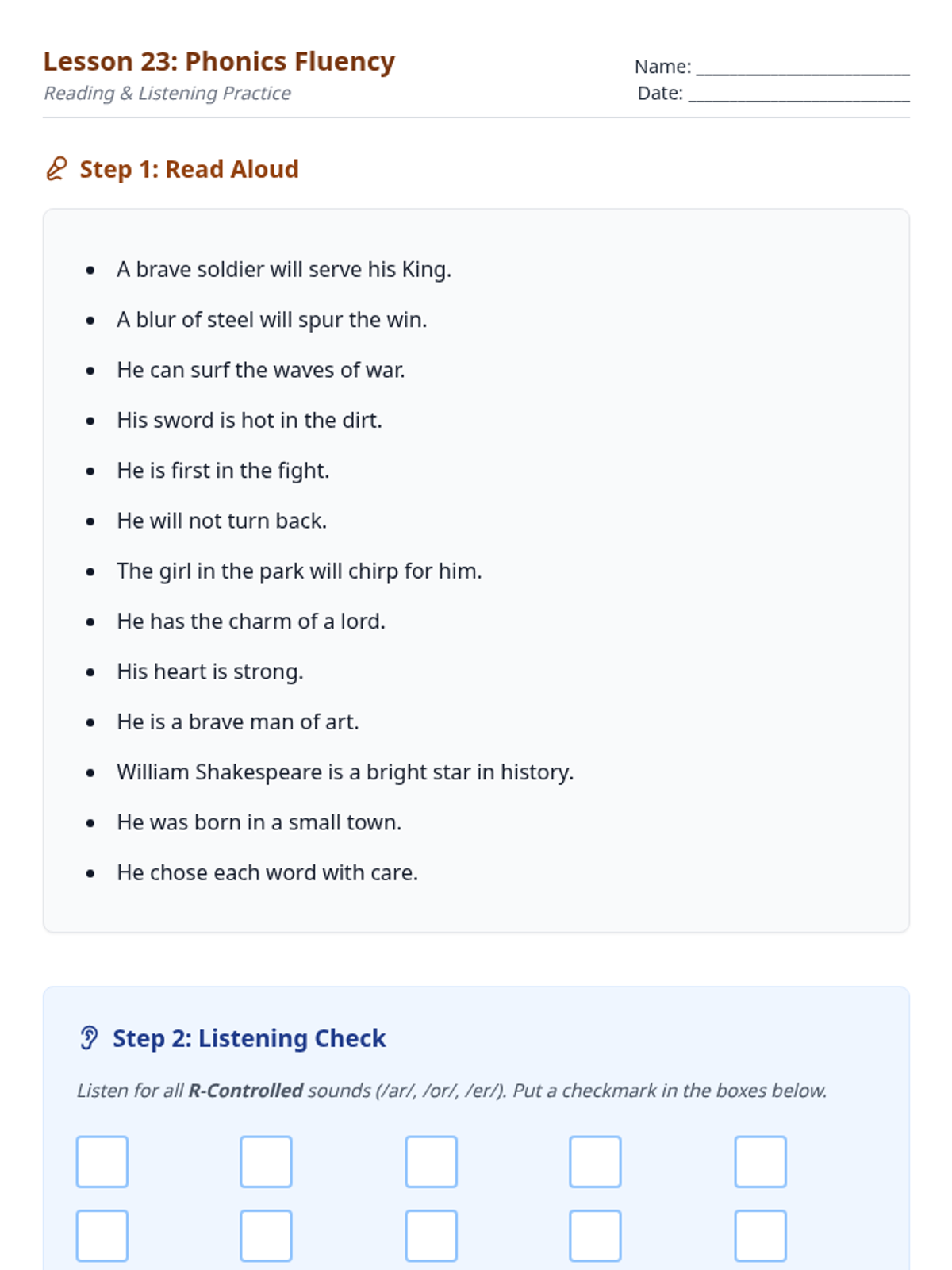
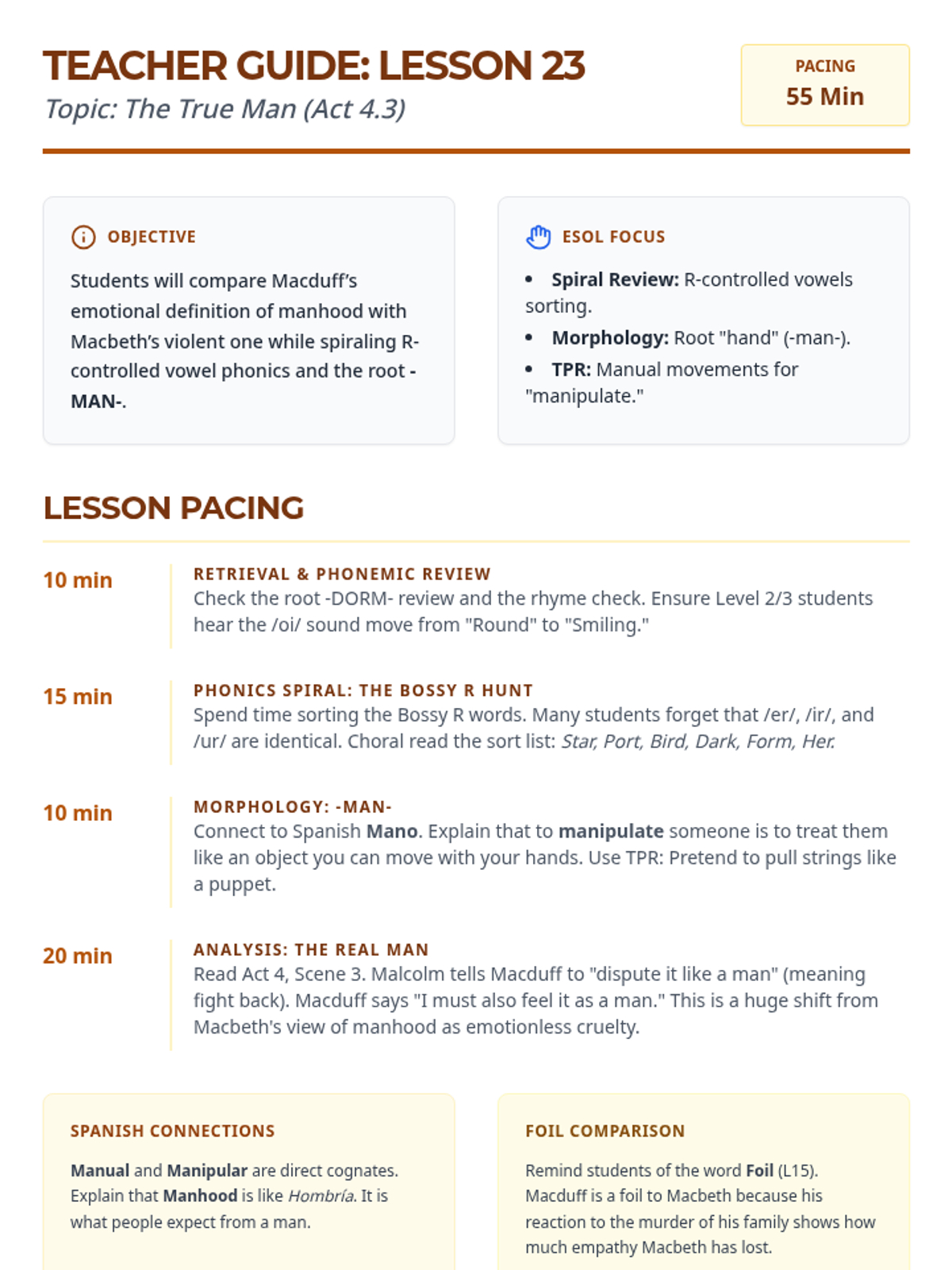
An analysis of Macduff's definition of manhood as a foil to Macbeth, featuring the root 'man' and a spiral review of R-controlled vowels.
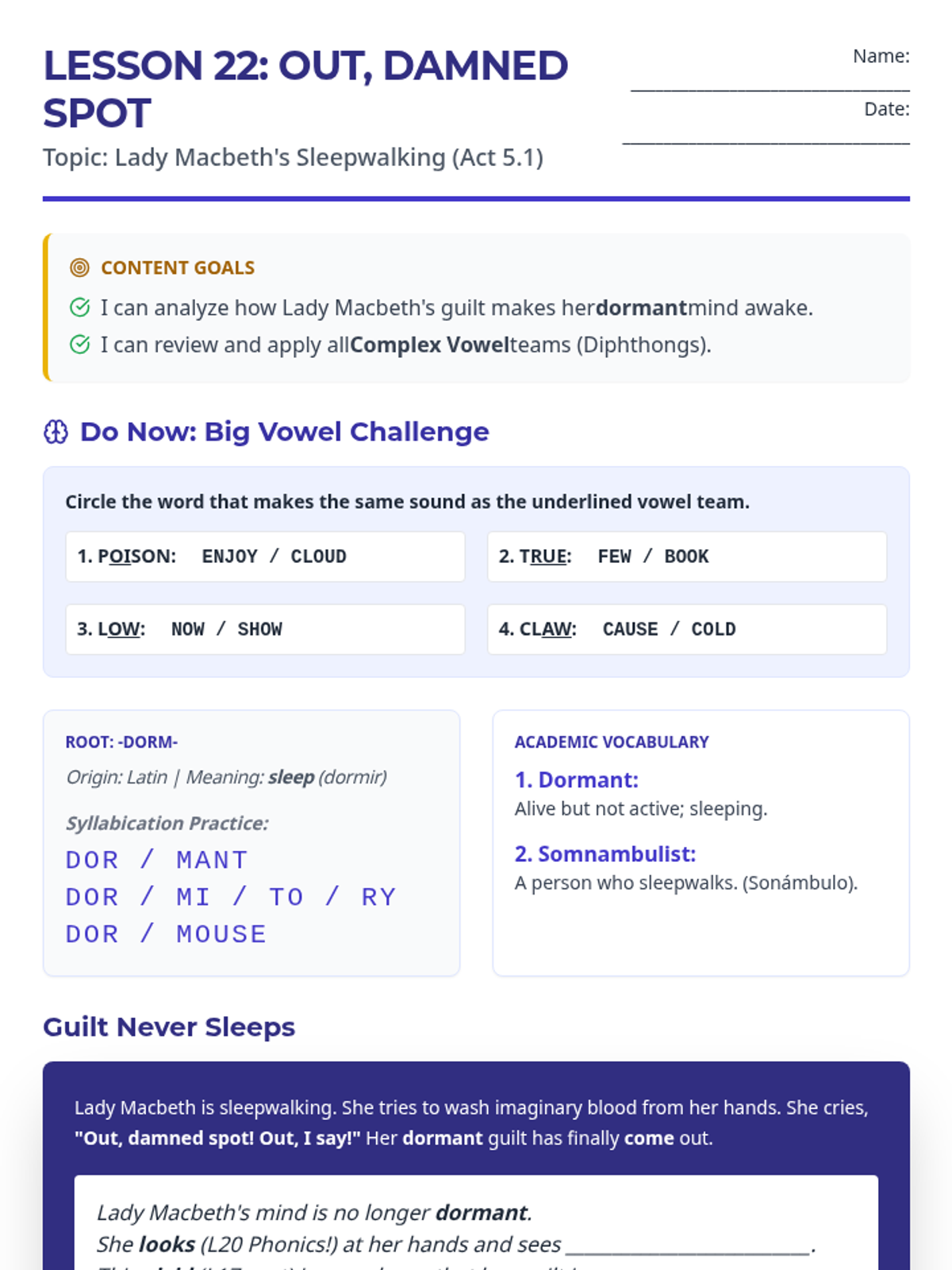
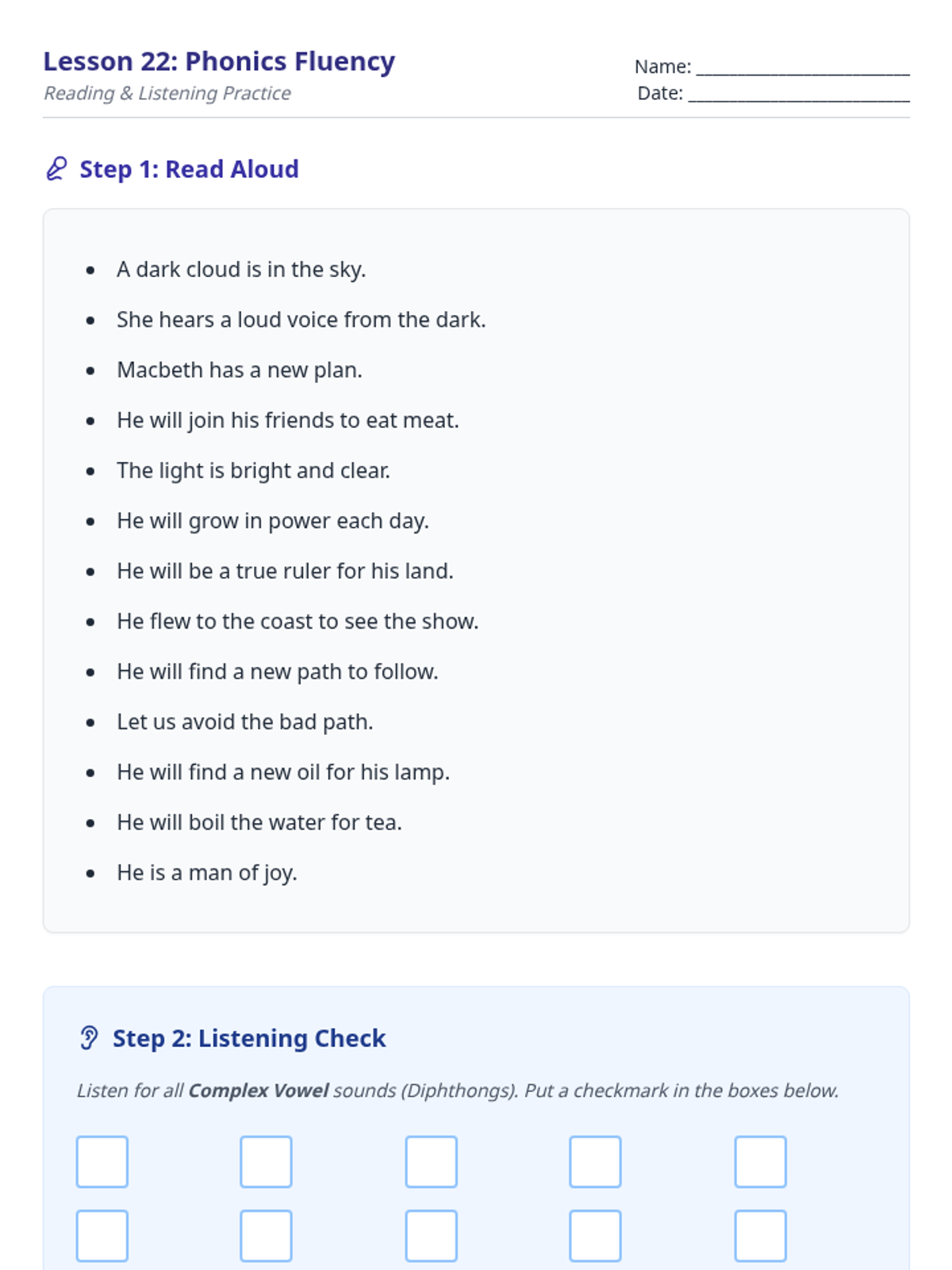
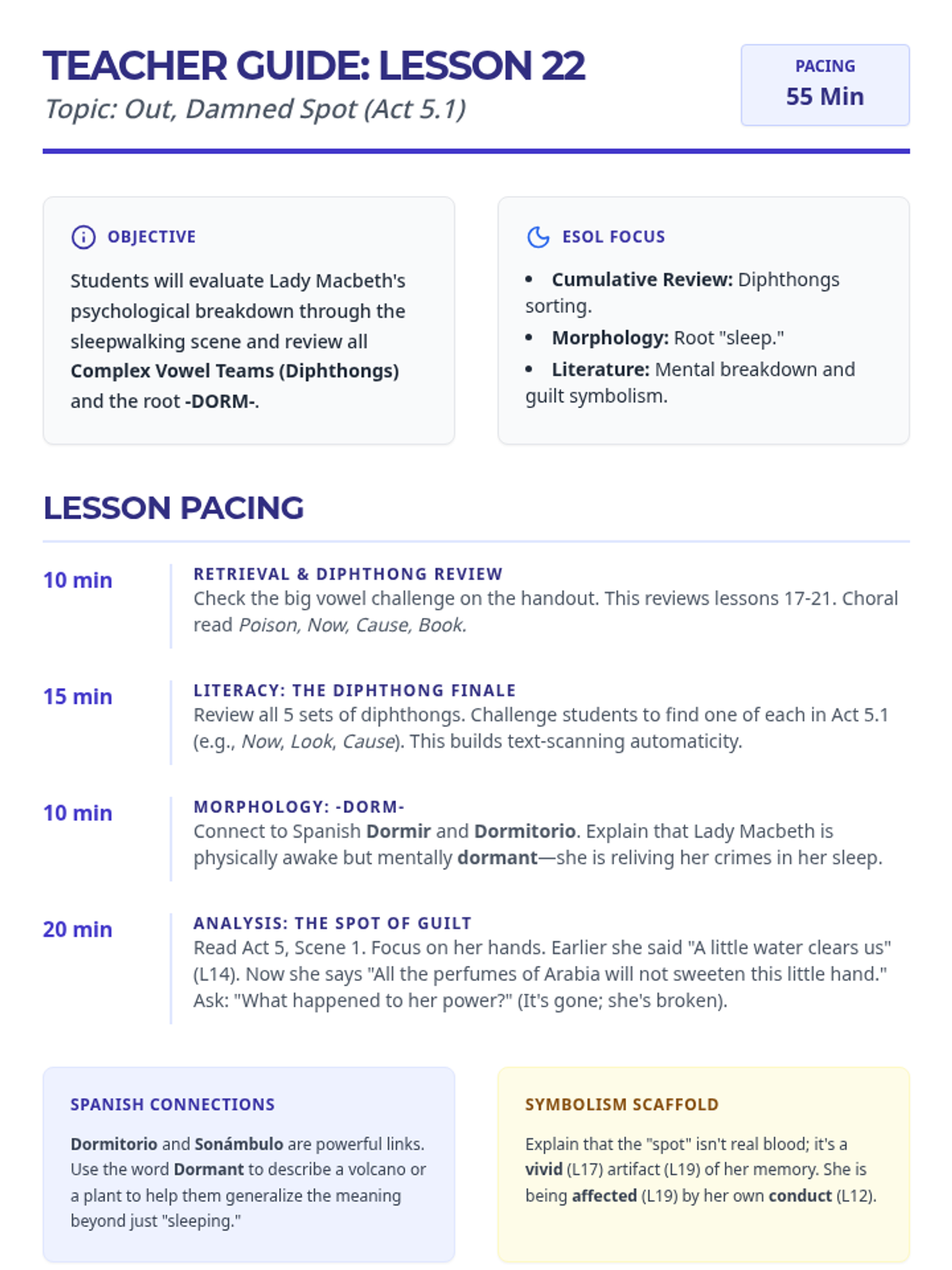
A thematic study of Lady Macbeth's psychological breakdown in Act 5, Scene 1, with a review of diphthongs and the root 'dorm'.
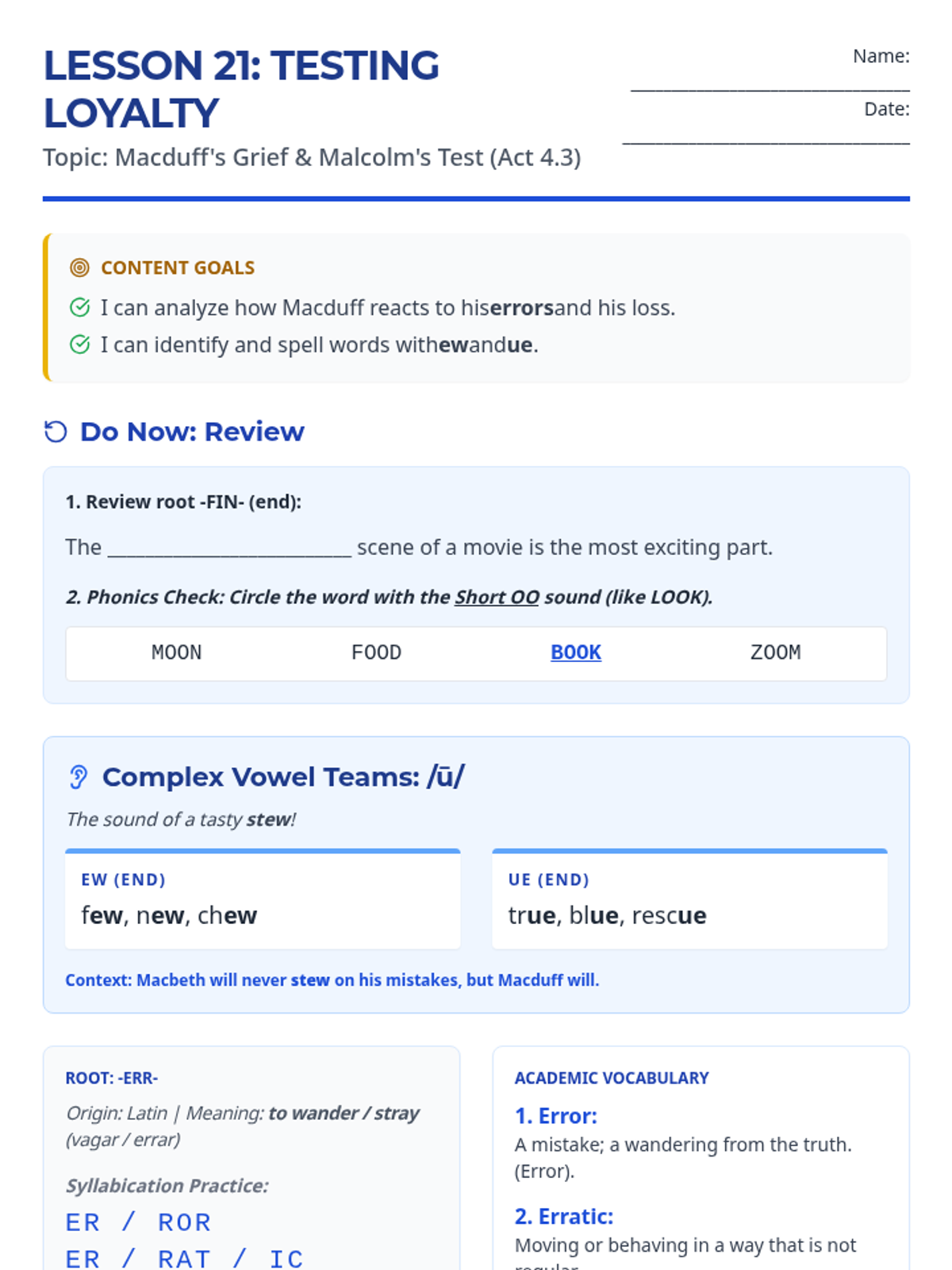
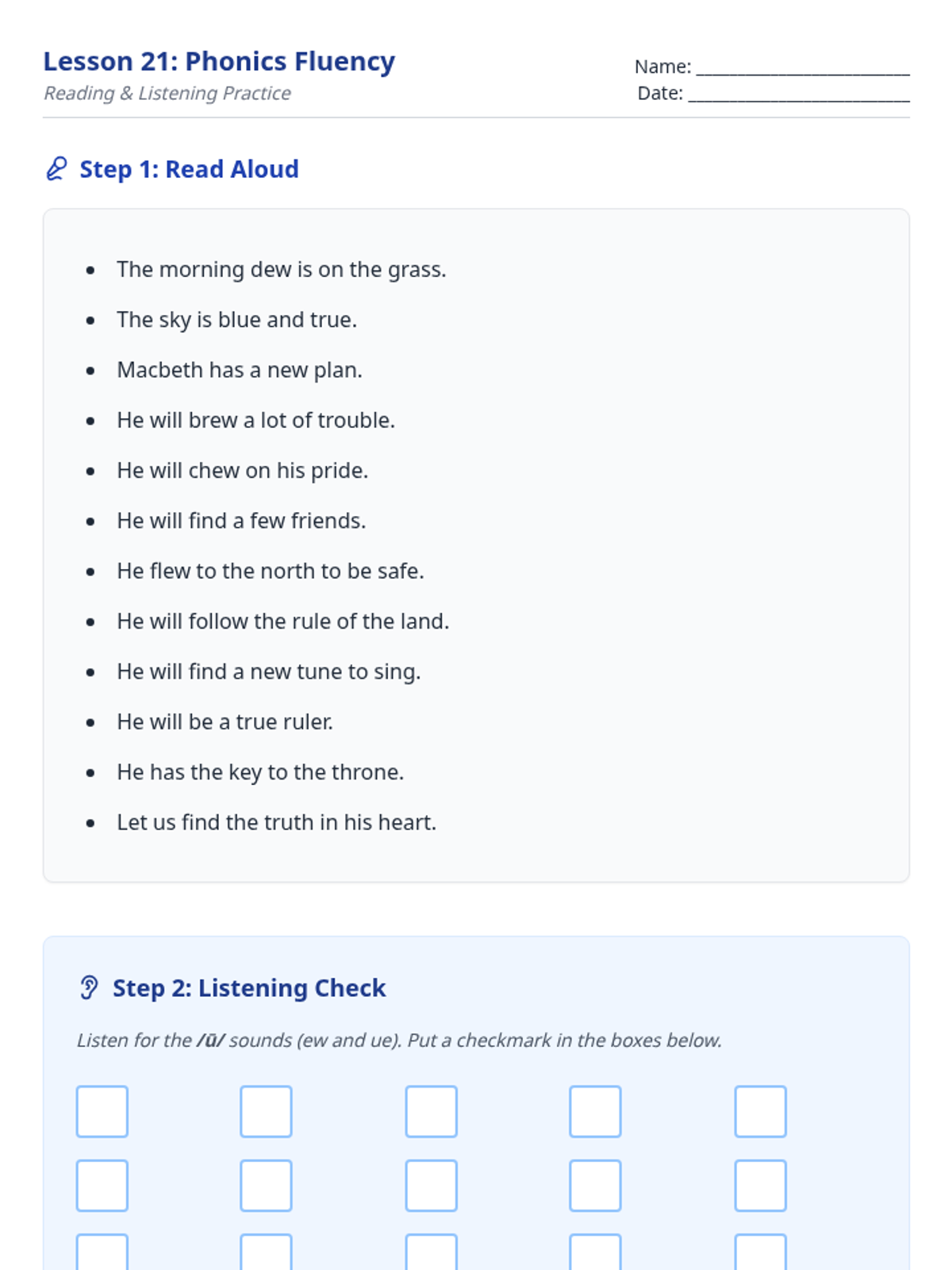
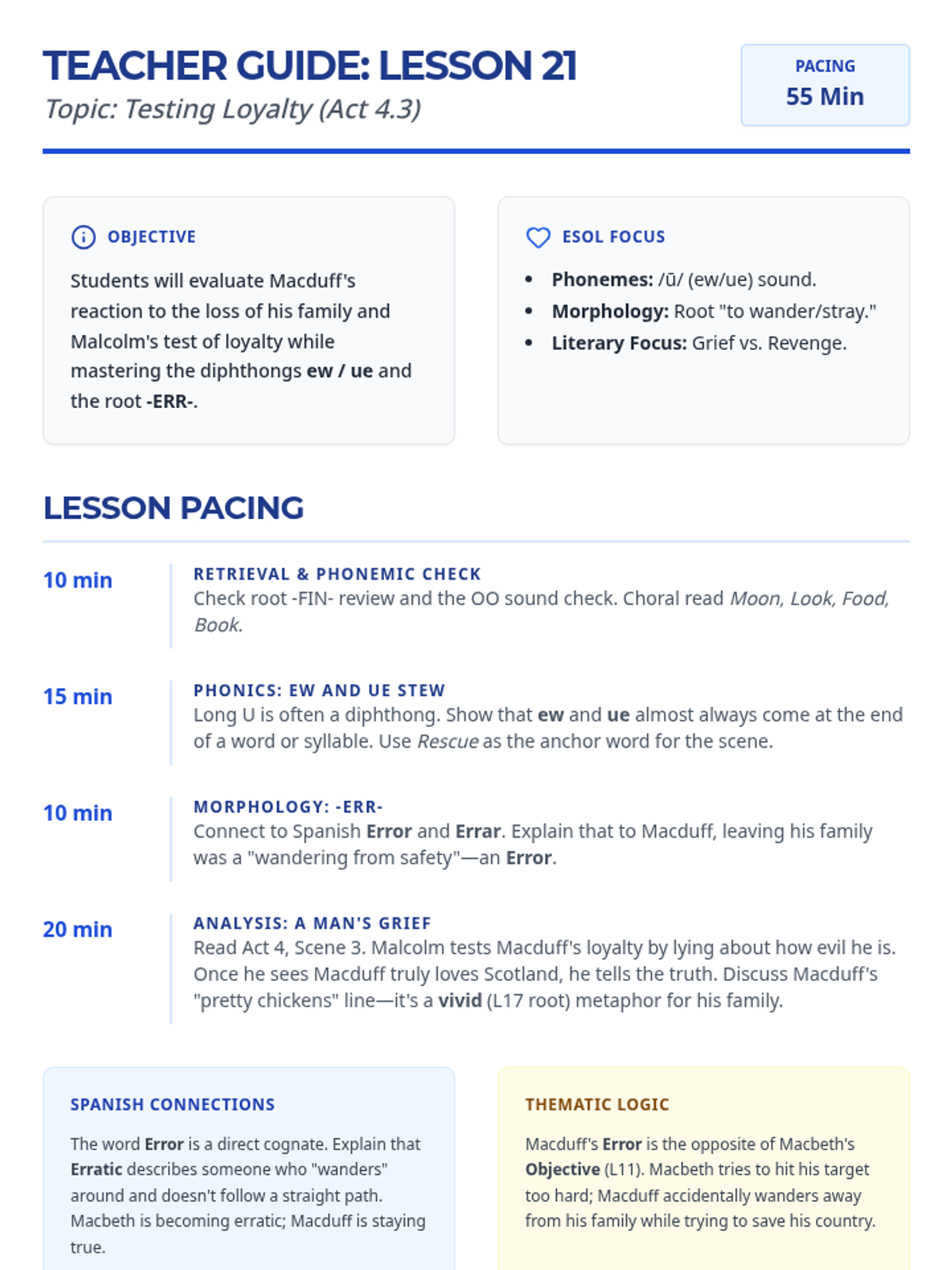
An evaluation of loyalty and Macduff's grief in Act 4, Scene 3, featuring the root 'err' and diphthongs 'ew/ue'.
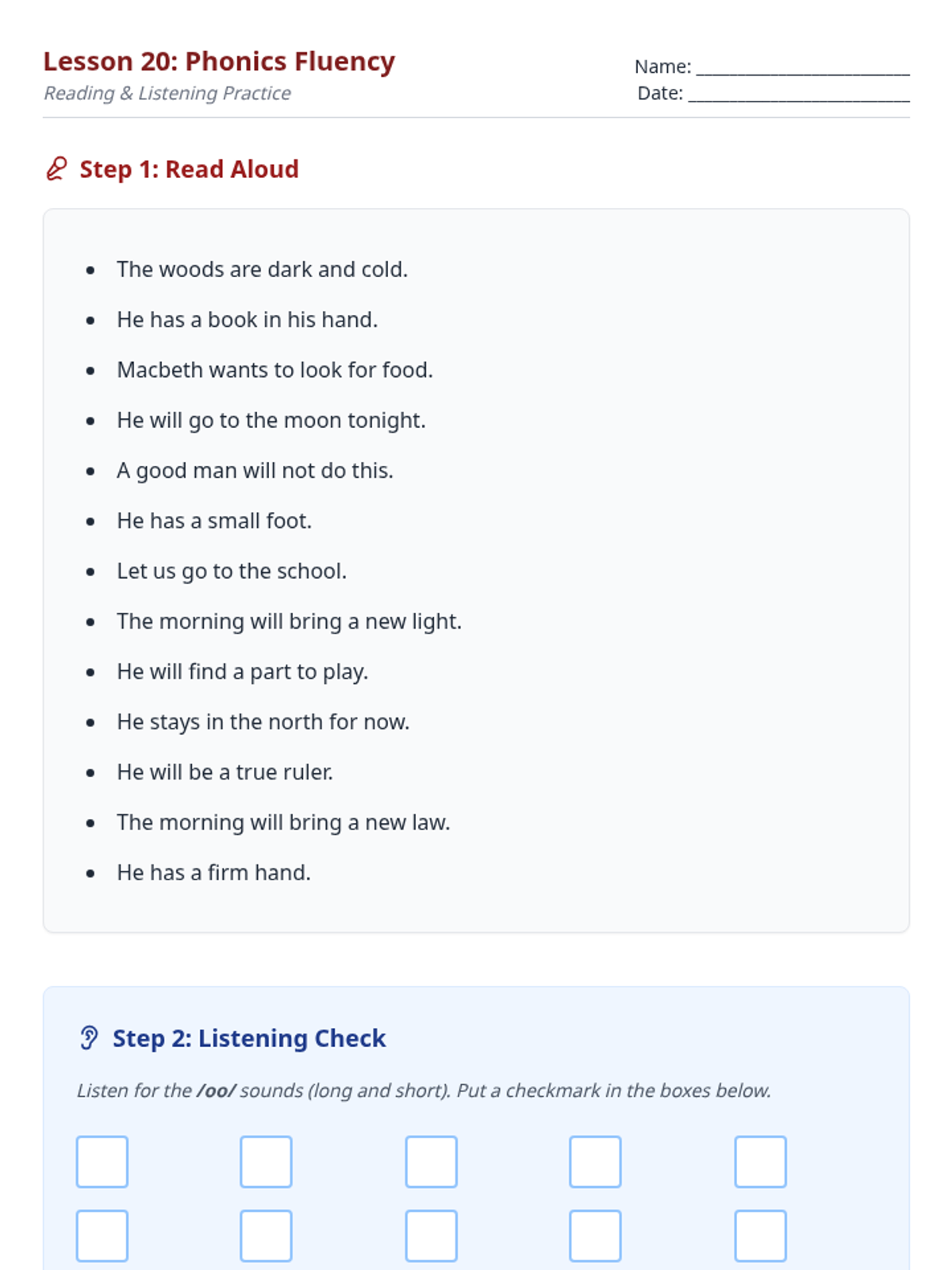
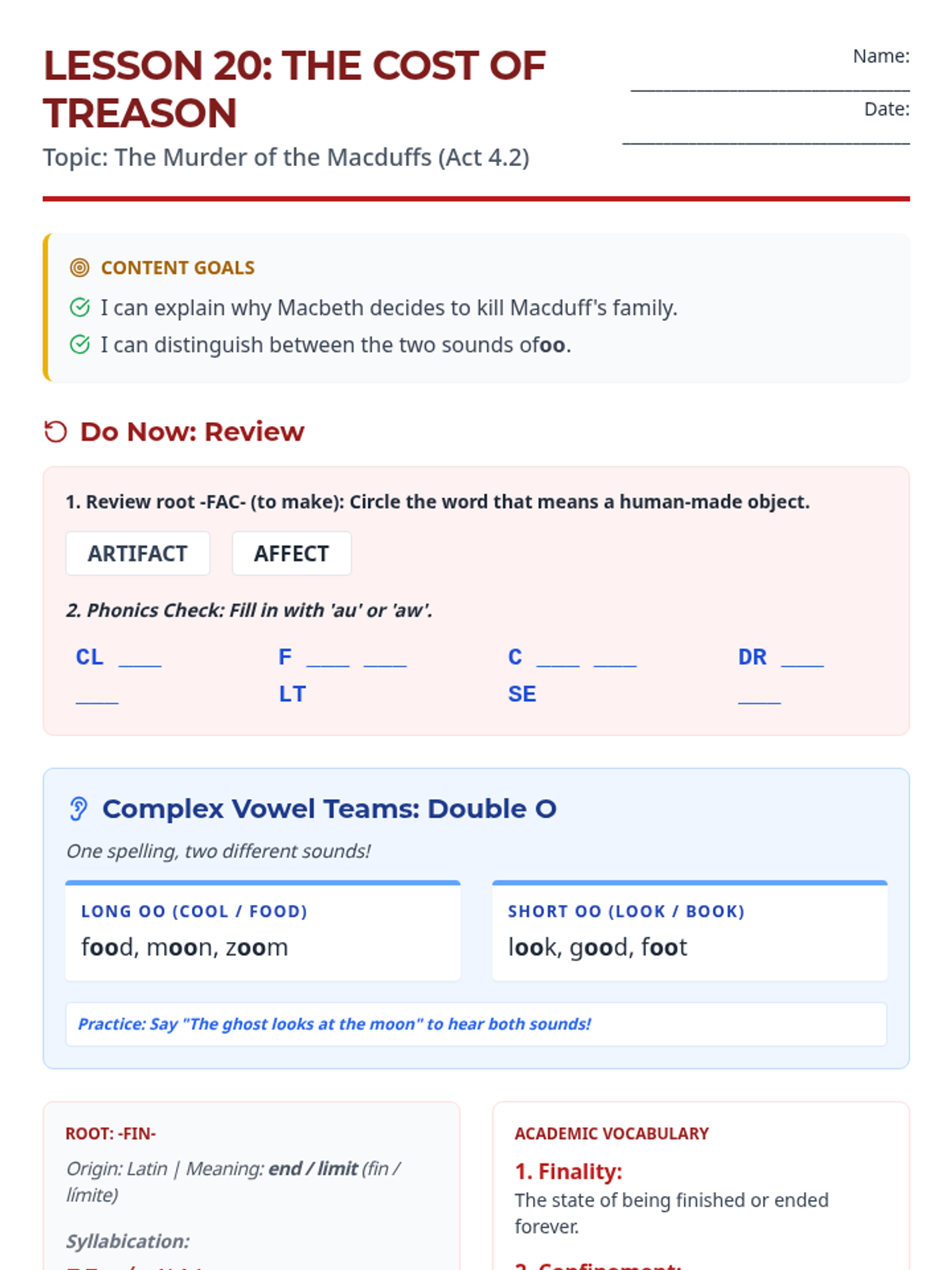
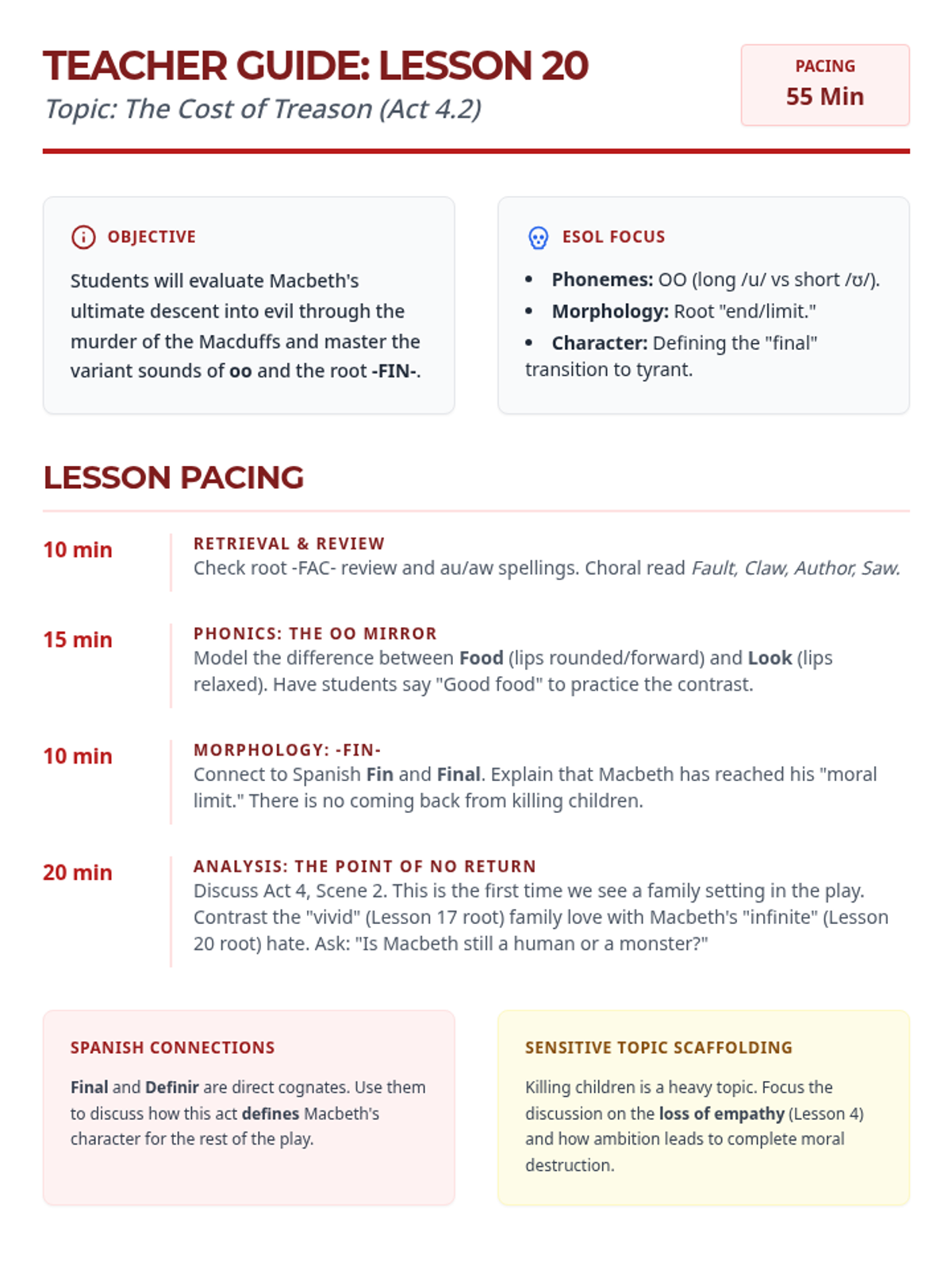
An analysis of the murder of Lady Macduff and her son in Act 4, Scene 2, focusing on the root 'fin' and the variant sounds of 'oo'.
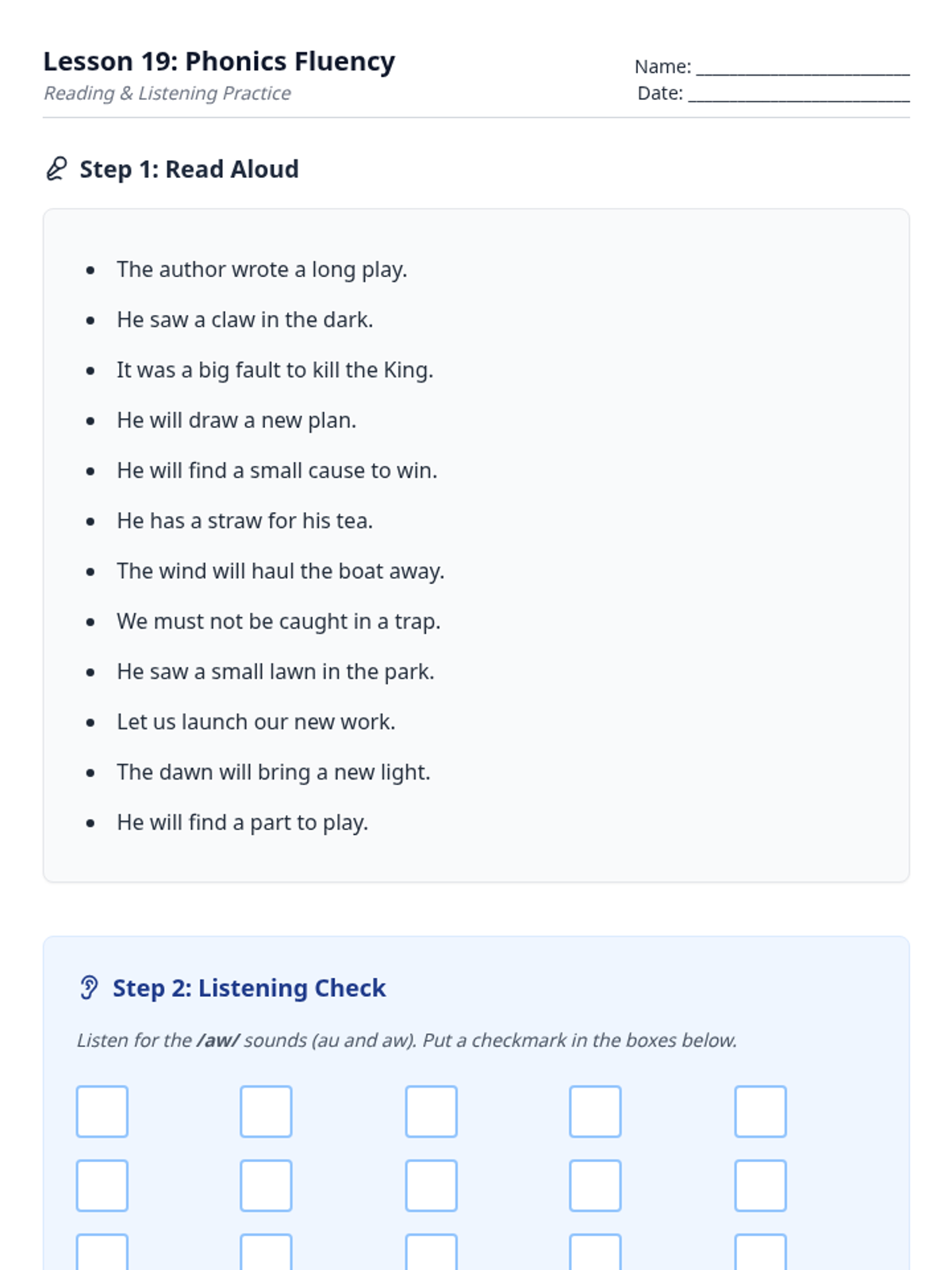
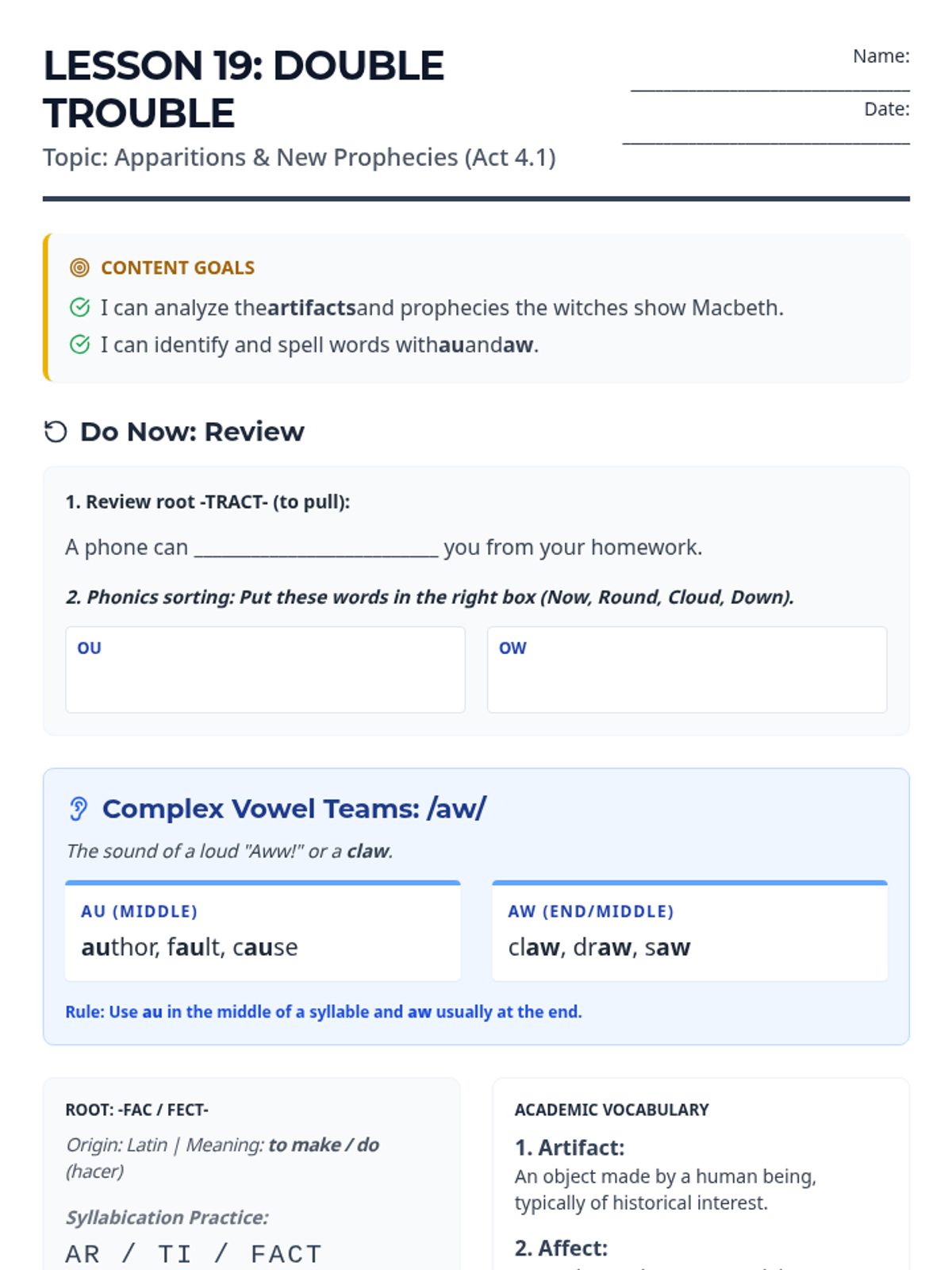
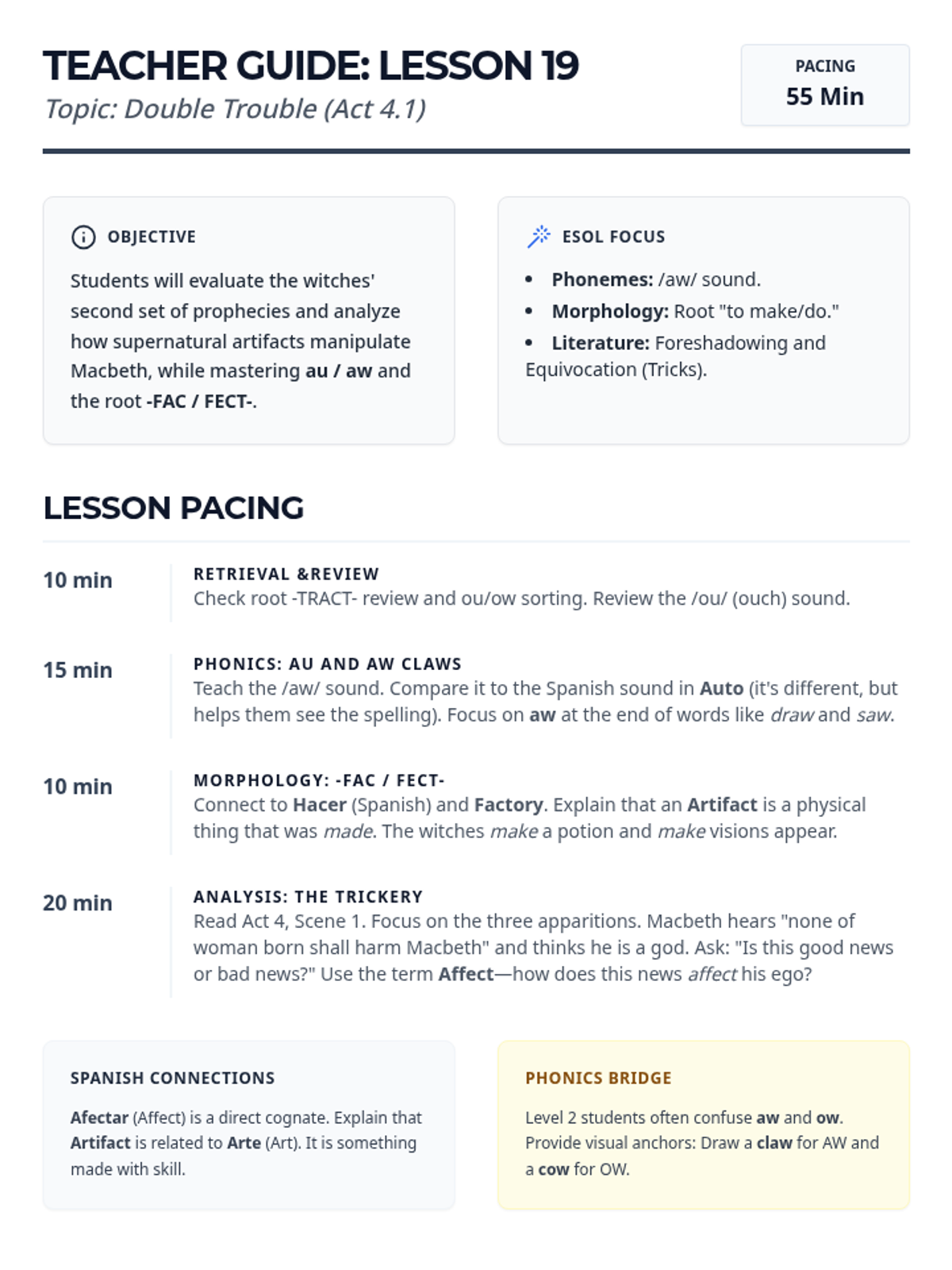
A study of the second set of prophecies in Act 4, Scene 1, exploring the root 'fac/fect' and diphthongs 'au/aw'.
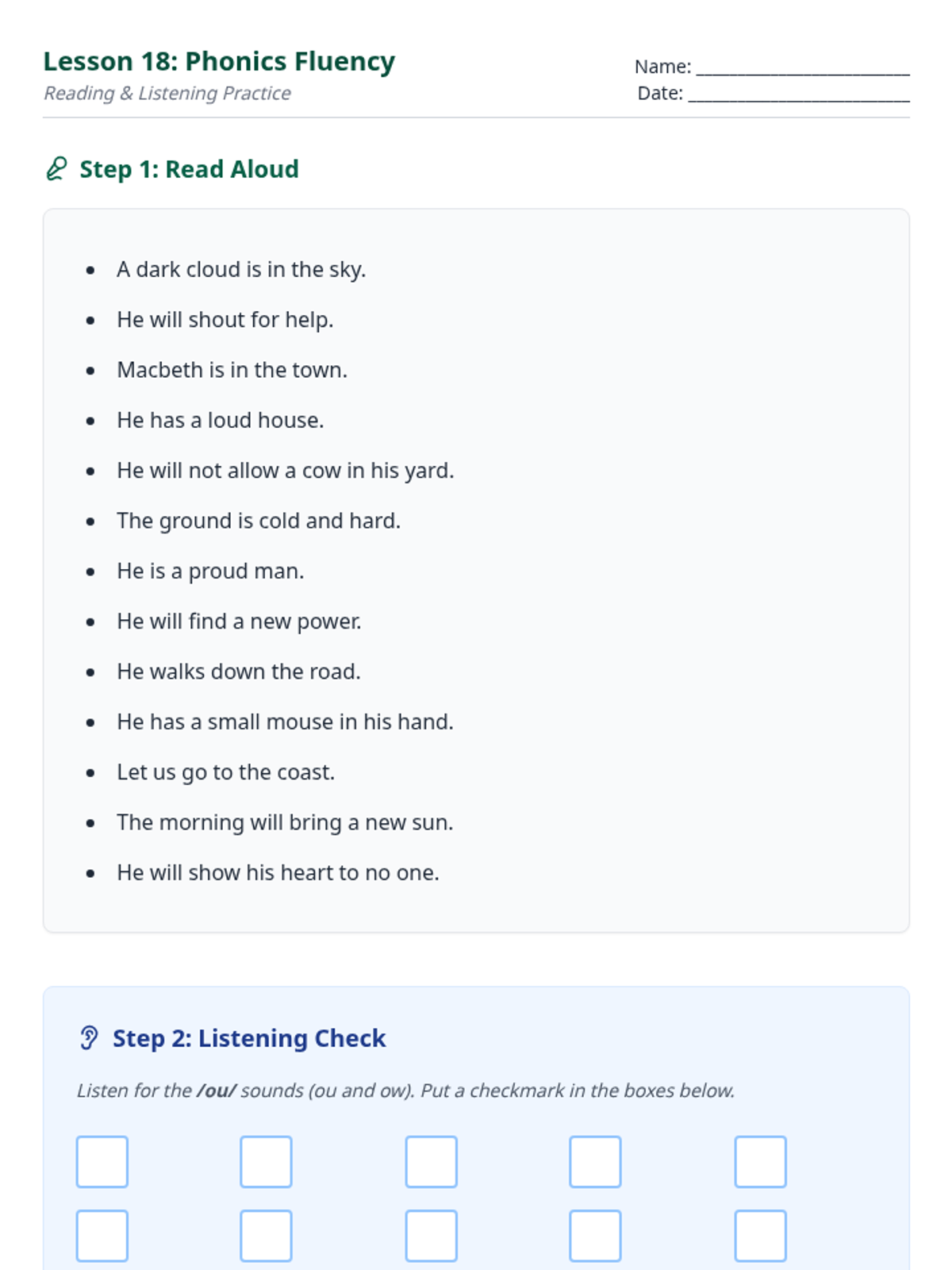
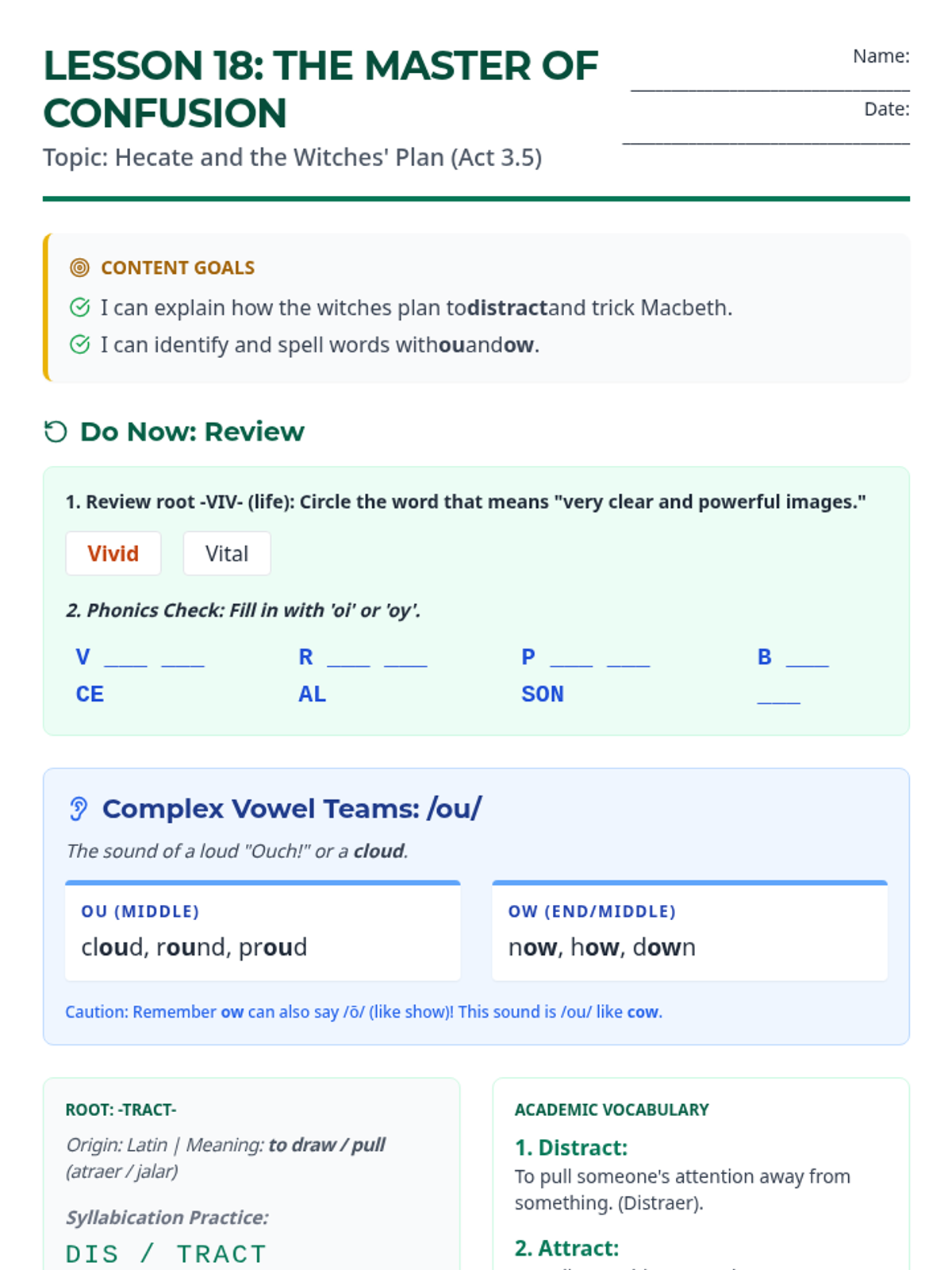
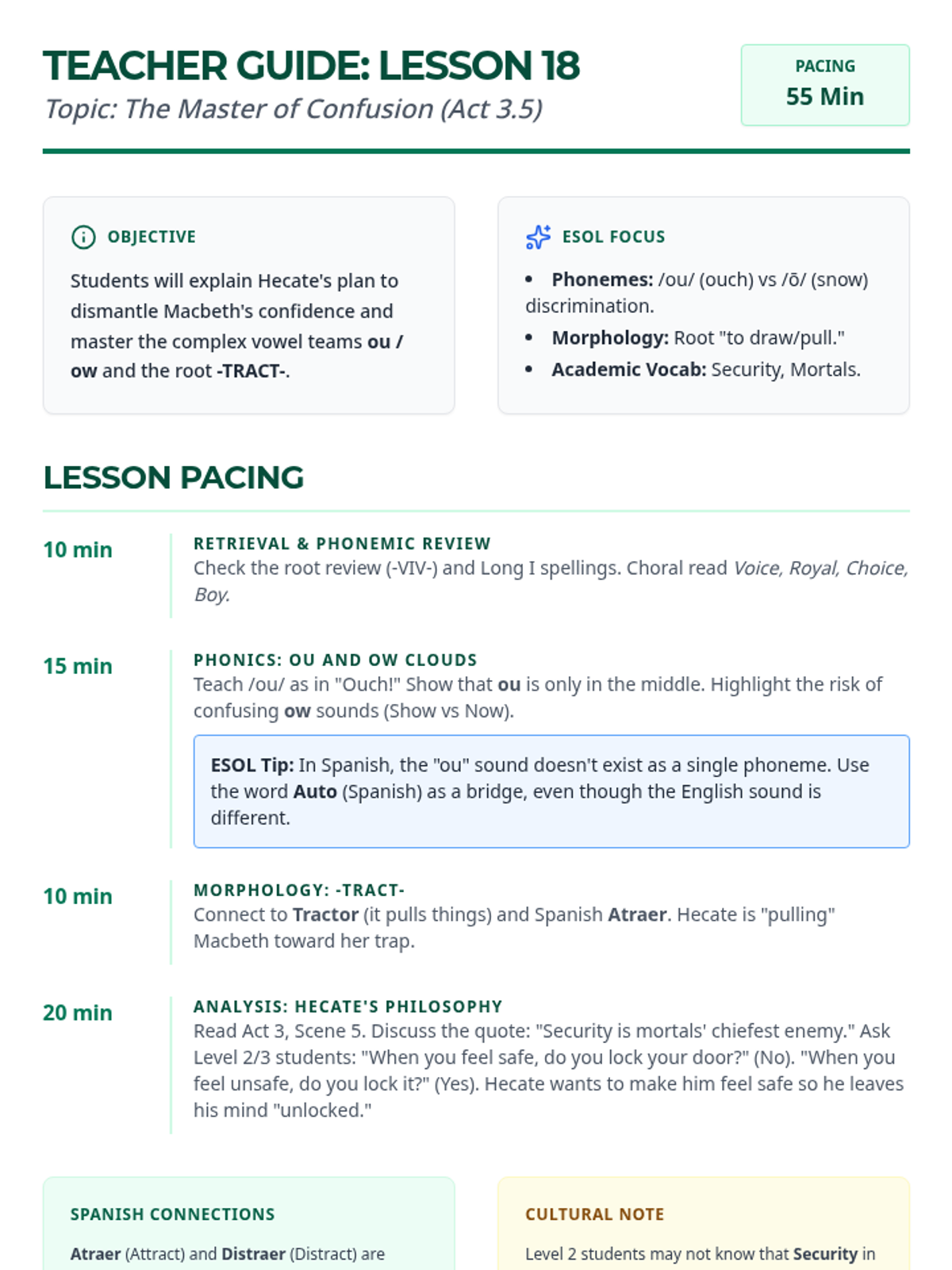
An exploration of the Witches' further influence and Hecate's introduction in Act 3, Scenes 5-6, featuring the root 'tract' and diphthongs 'ou/ow'.
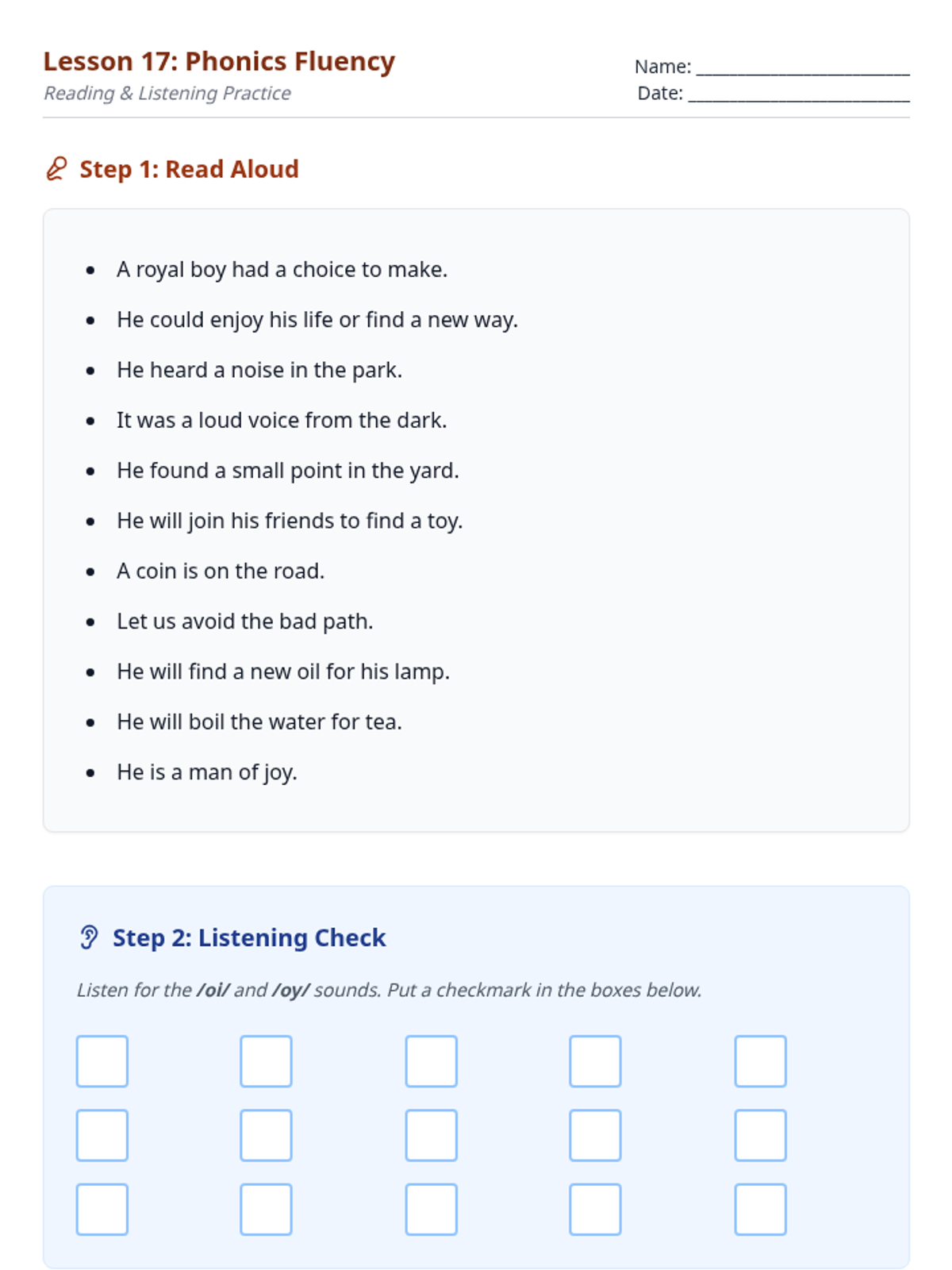
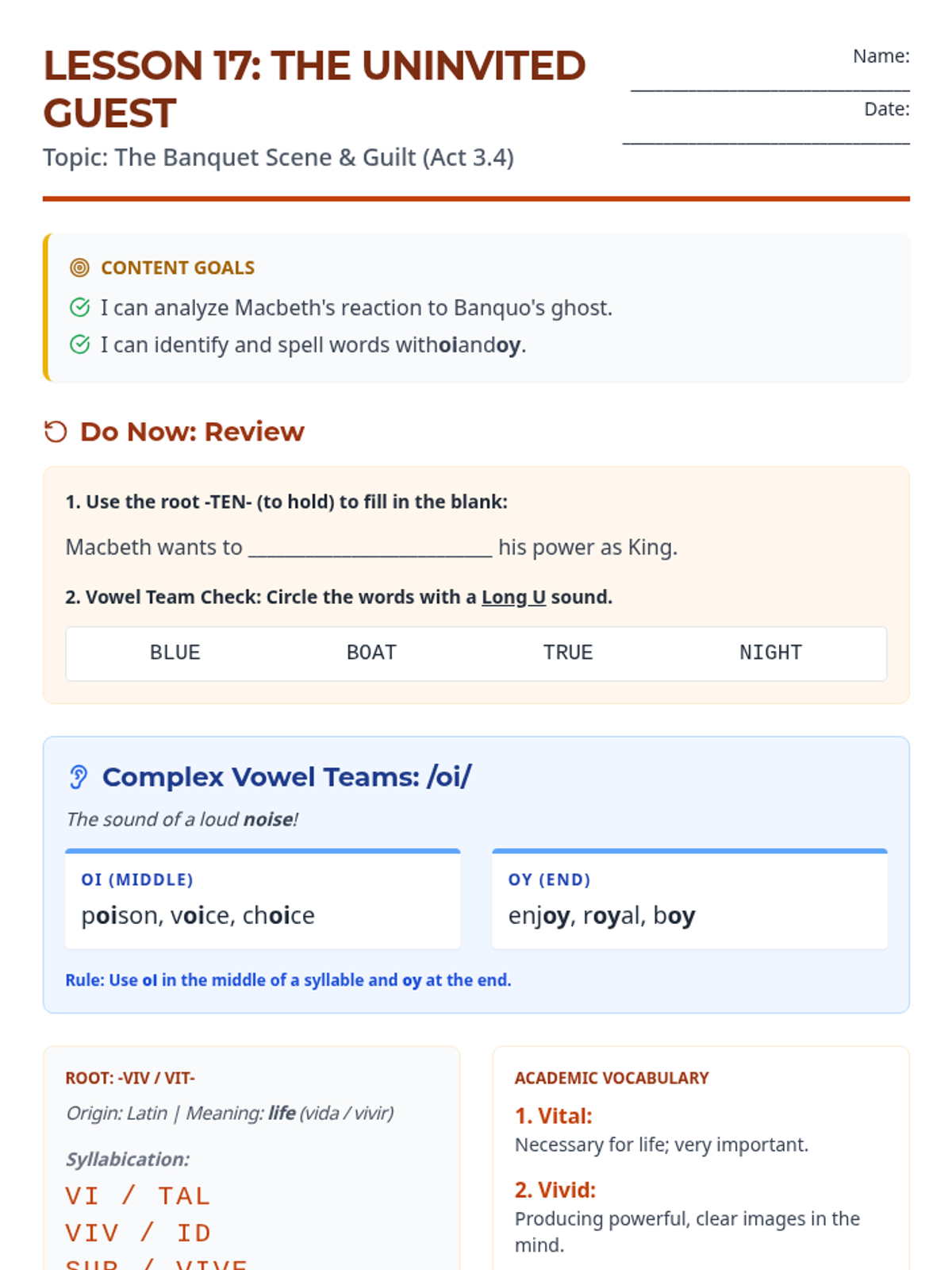
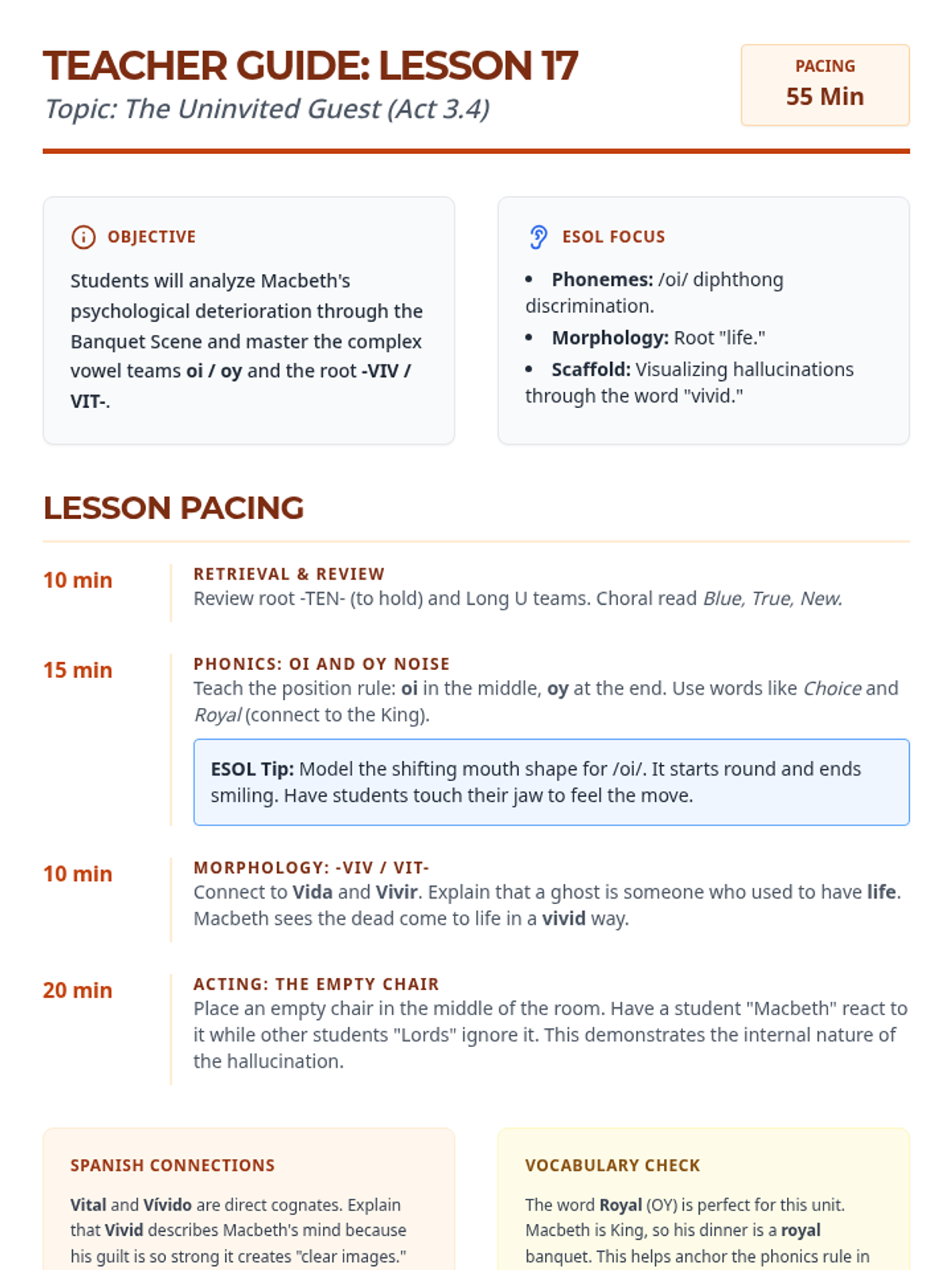
An analysis of the Banquet Scene in Act 3, Scene 4, where Macbeth sees Banquo's ghost, focusing on the root 'viv' and diphthongs 'oi/oy'.
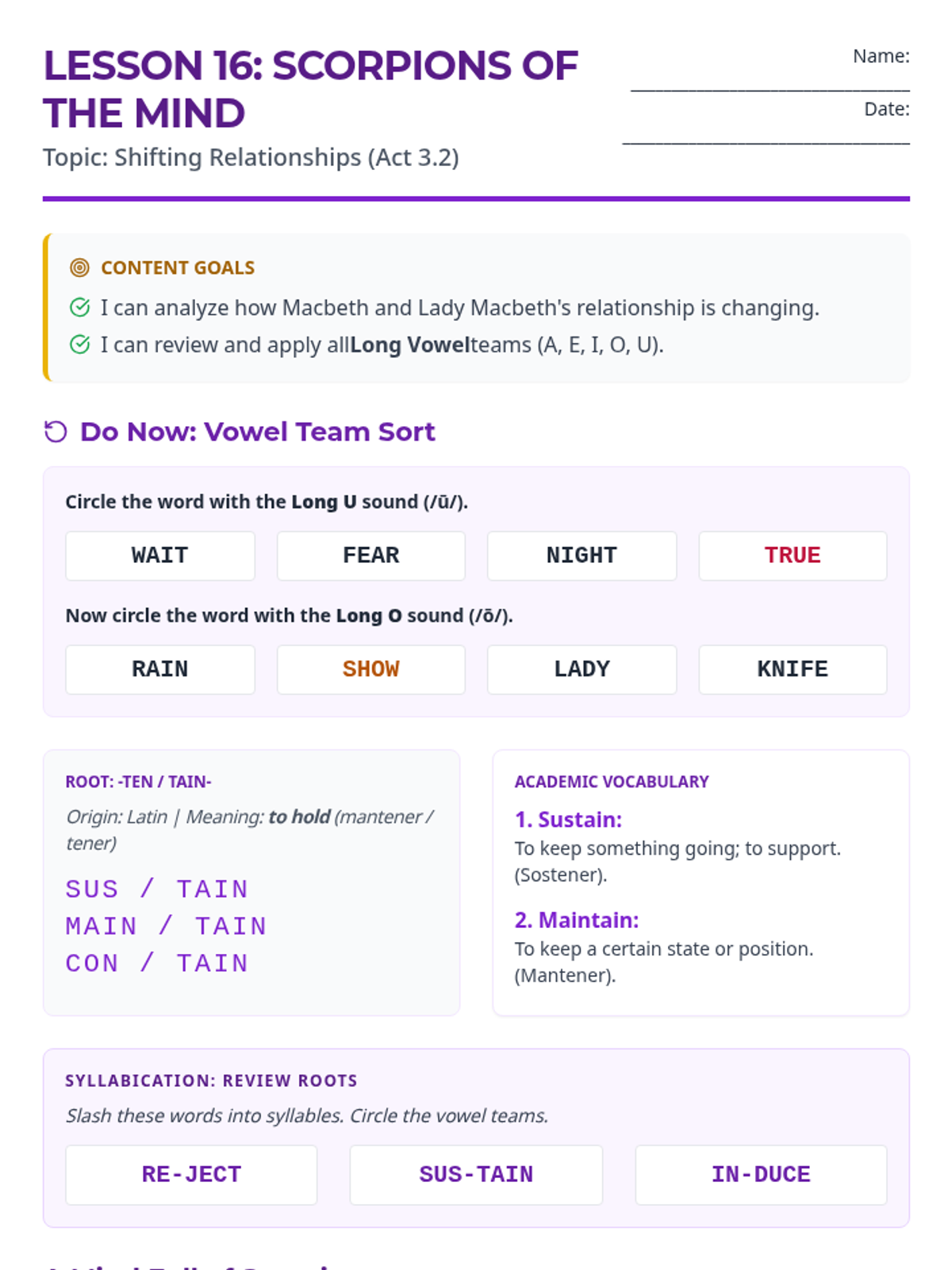
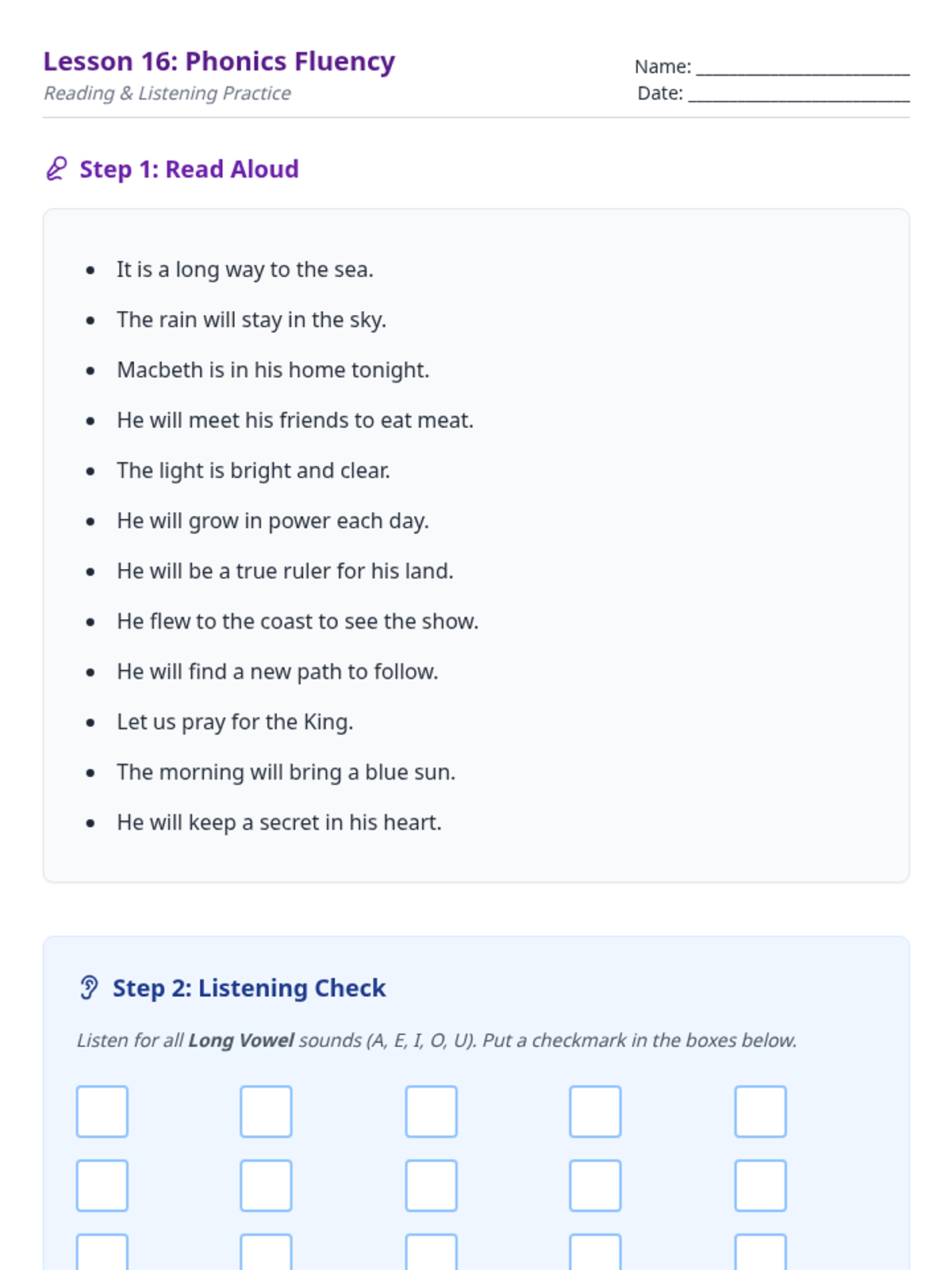
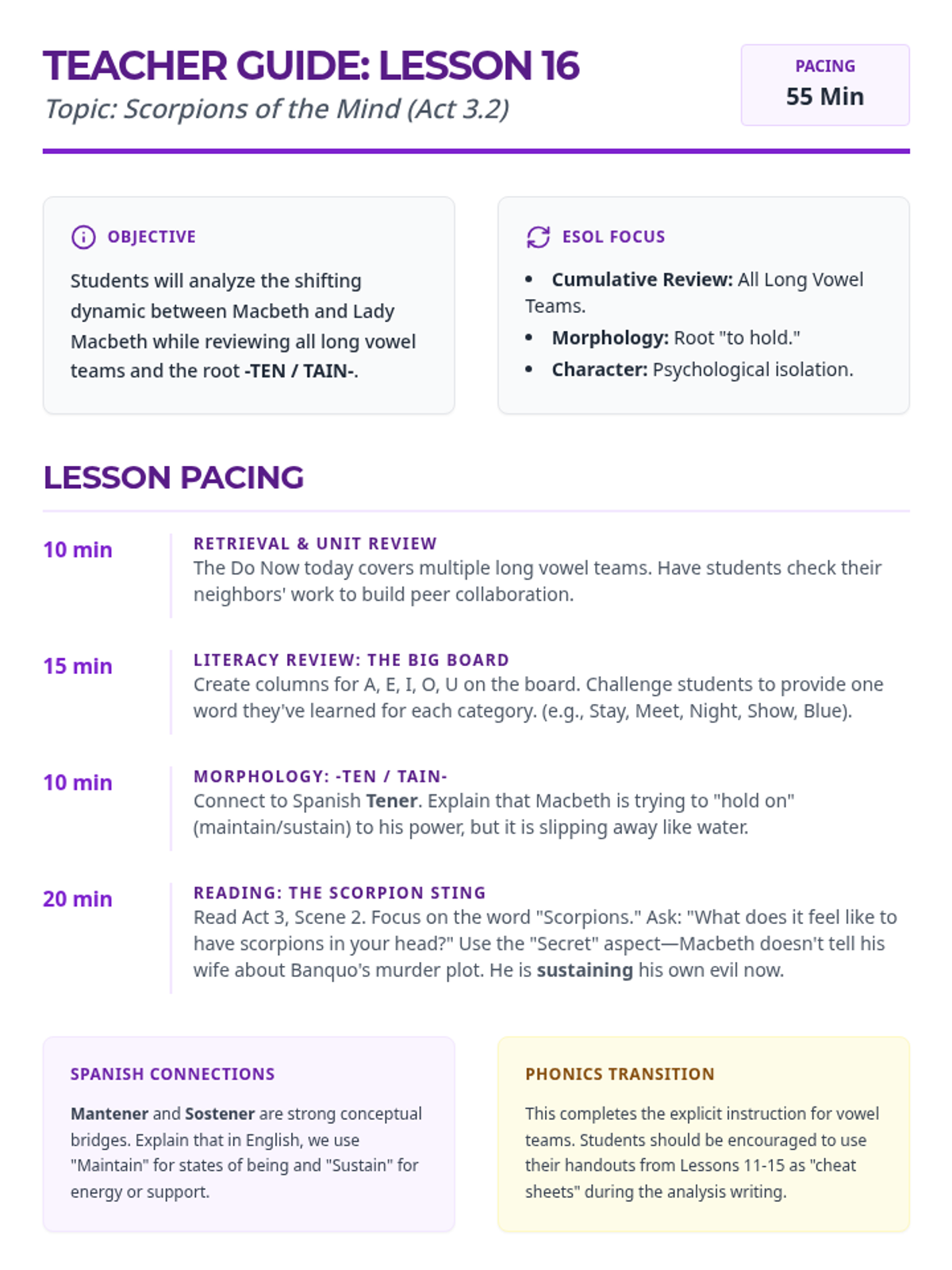
An exploration of the shifting relationship between Macbeth and Lady Macbeth in Act 3, Scene 2, with a cumulative review of vowel teams and the root 'ten/tain'.
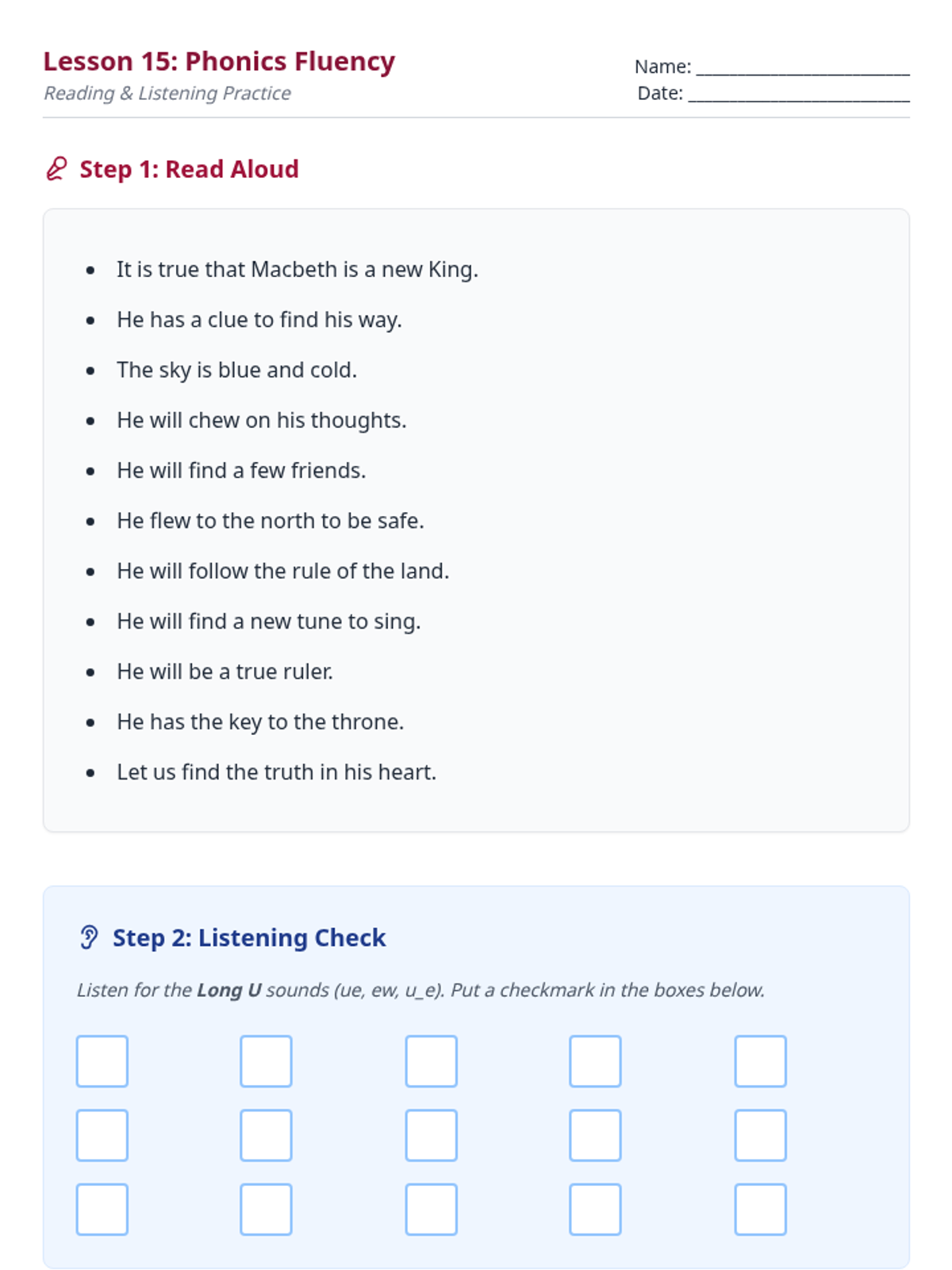
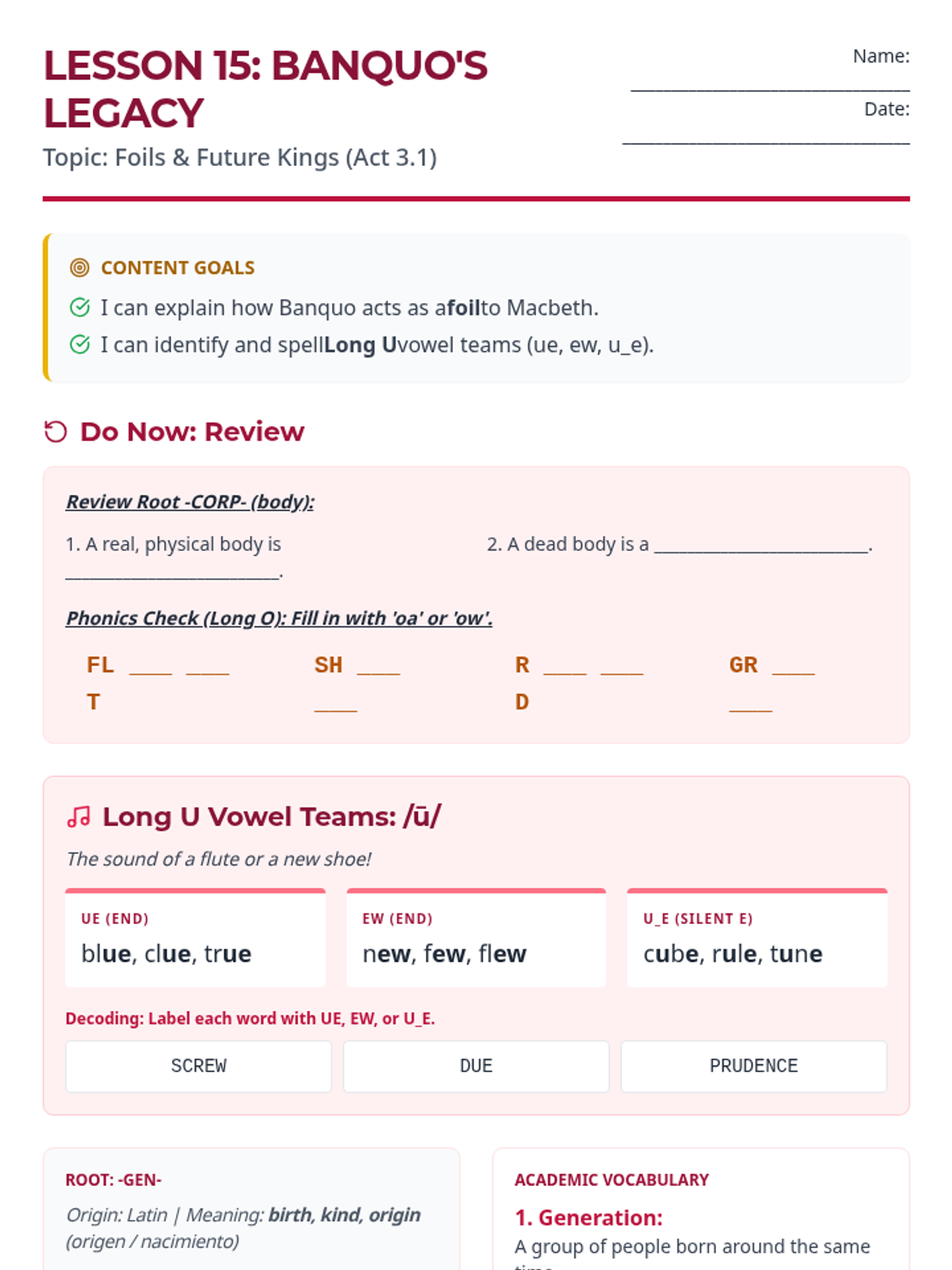
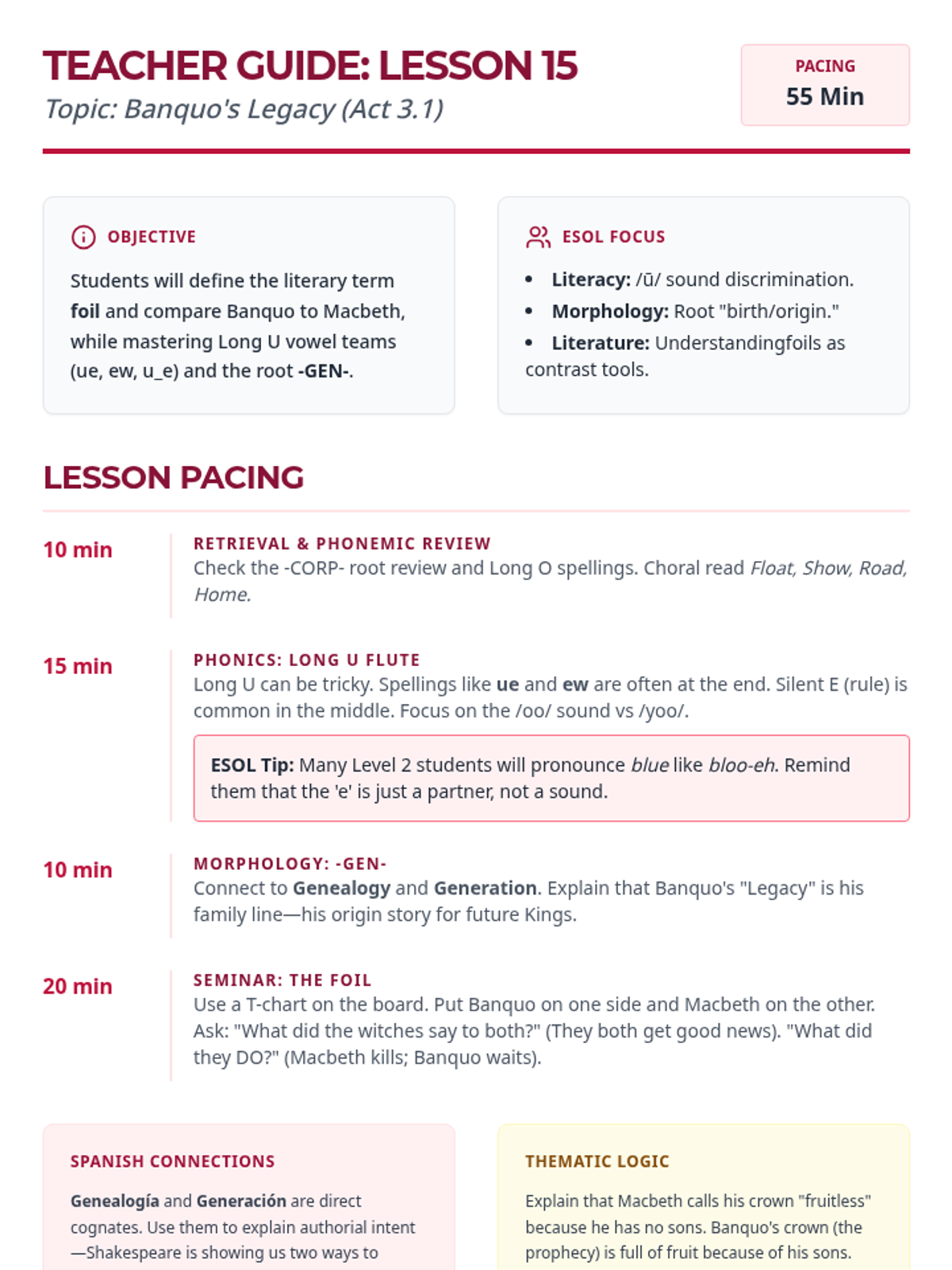
A guided seminar on Banquo as a foil to Macbeth in Act 3, Scene 1, featuring the root 'gen' and Long U vowel teams (ue, ew, u_e).
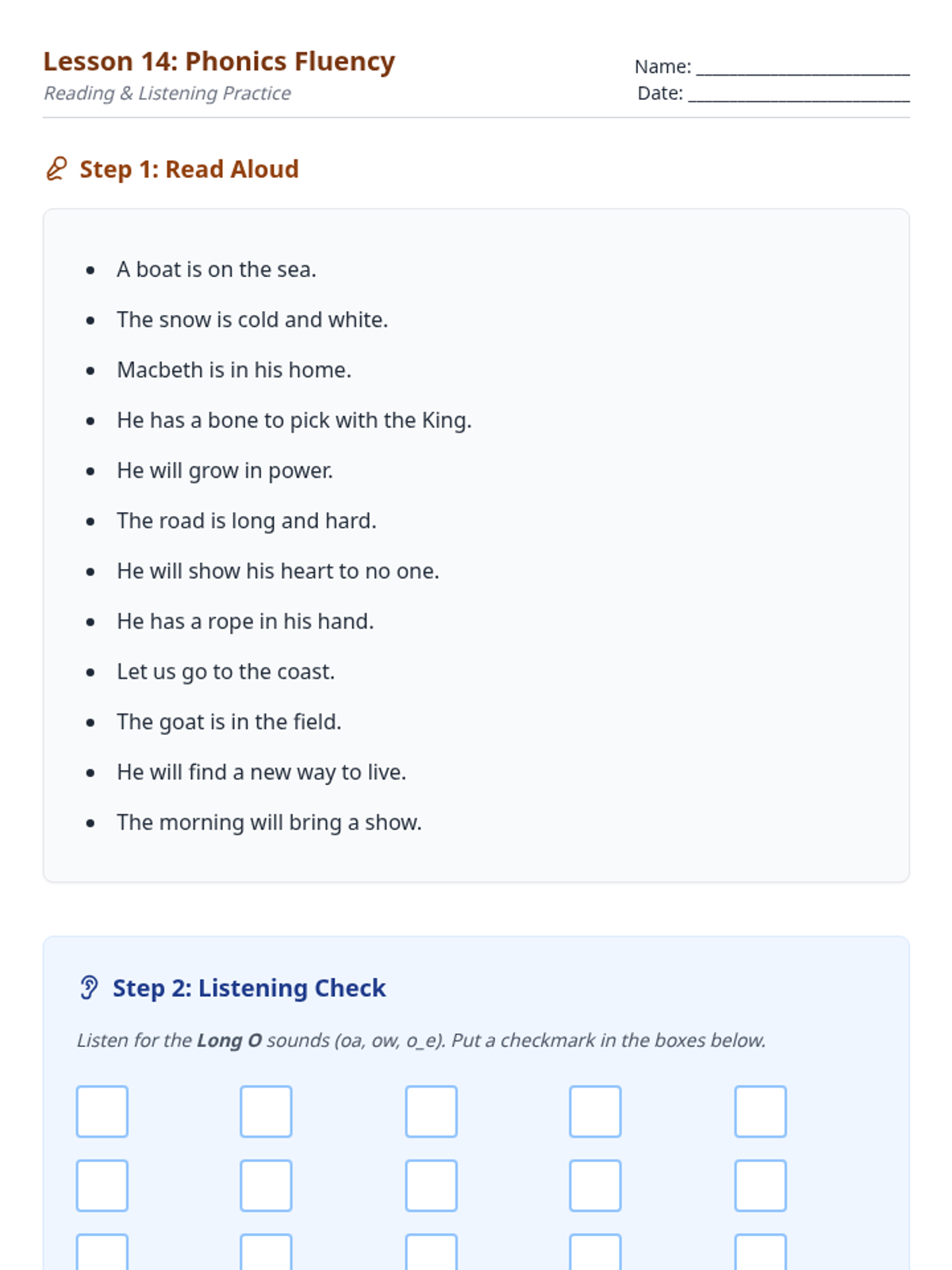
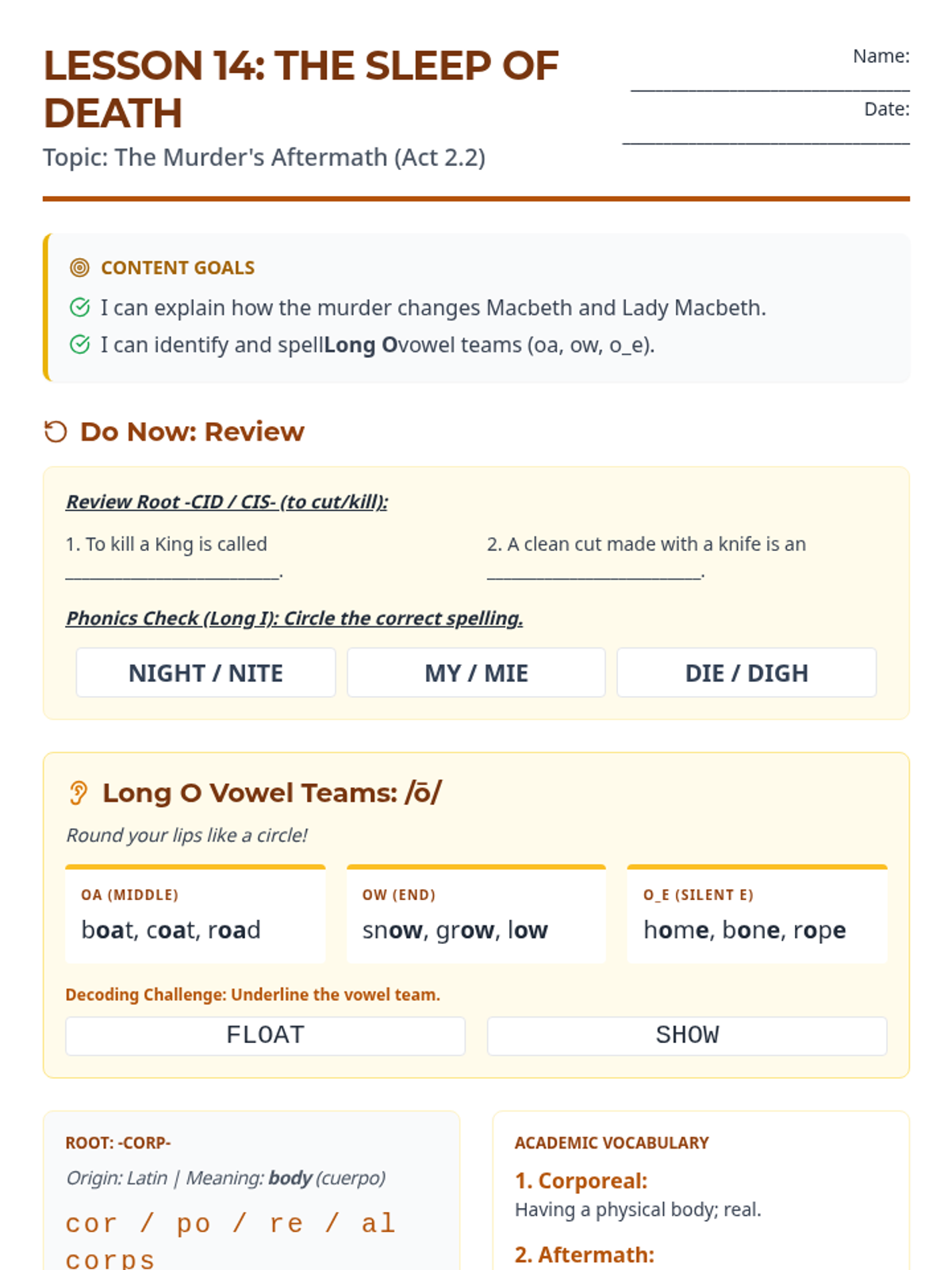
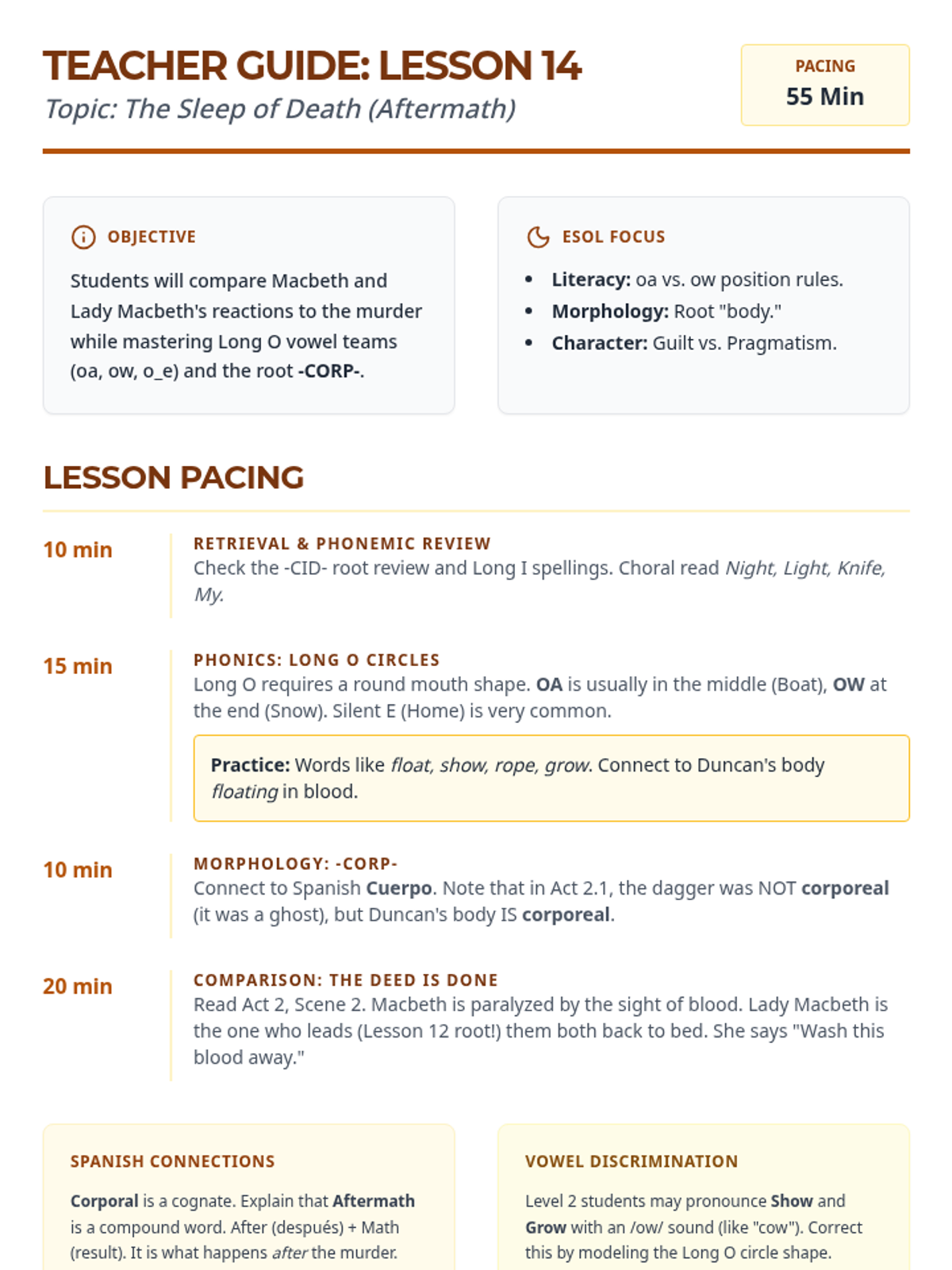
An analysis of the aftermath of Duncan's murder in Act 2, Scene 2, focusing on the root 'corp' and Long O vowel teams (oa, ow, o_e).
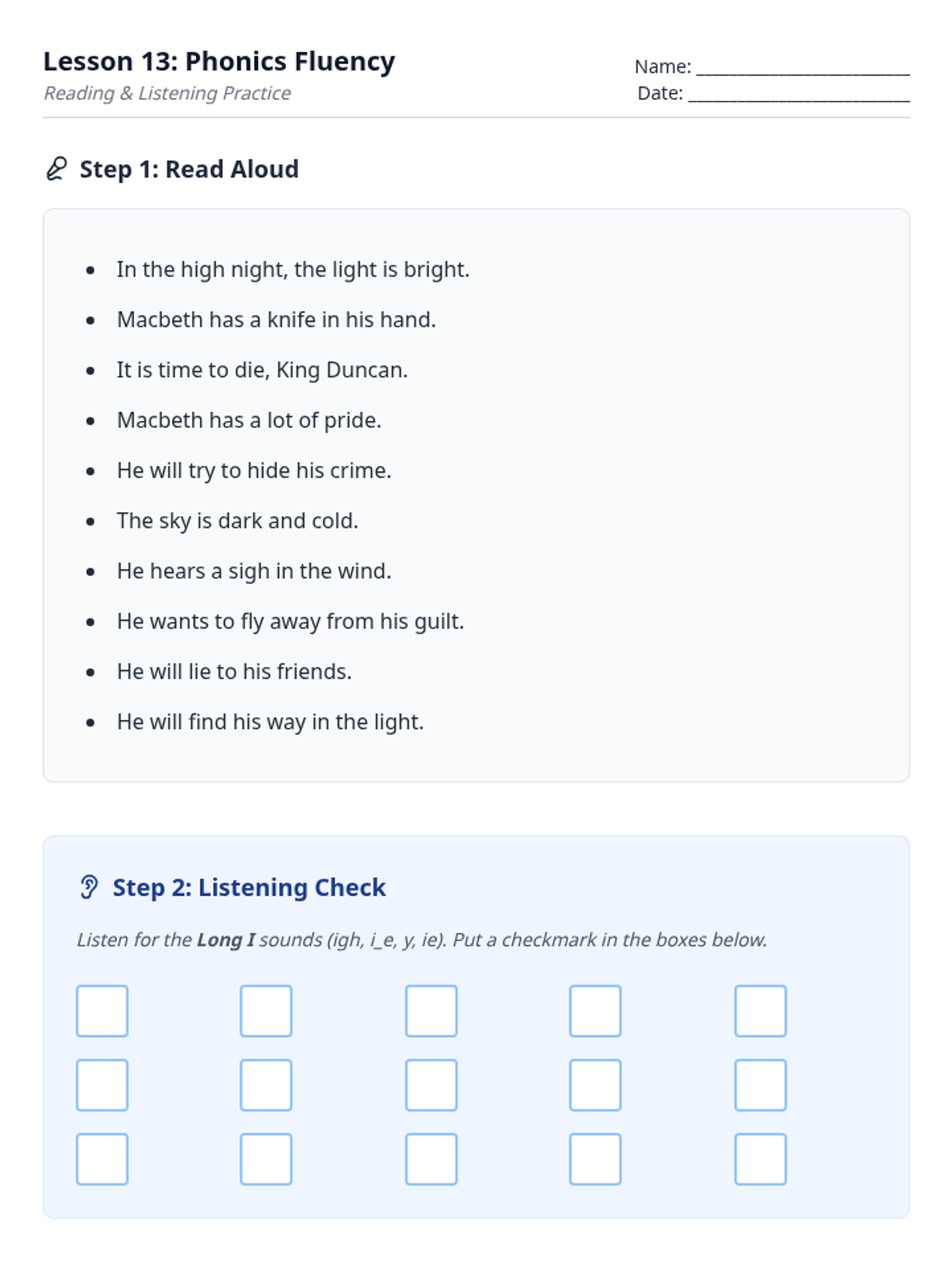
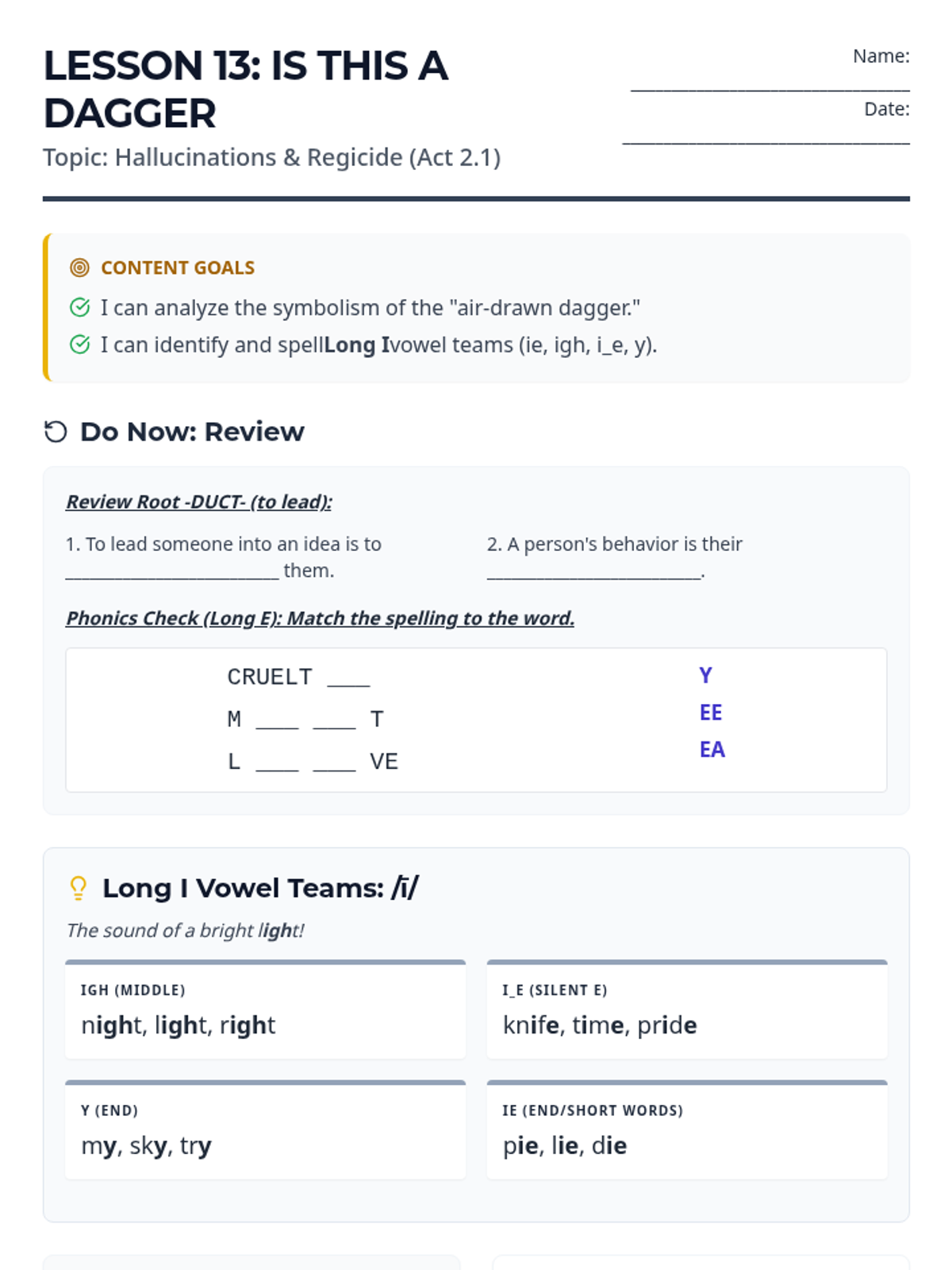
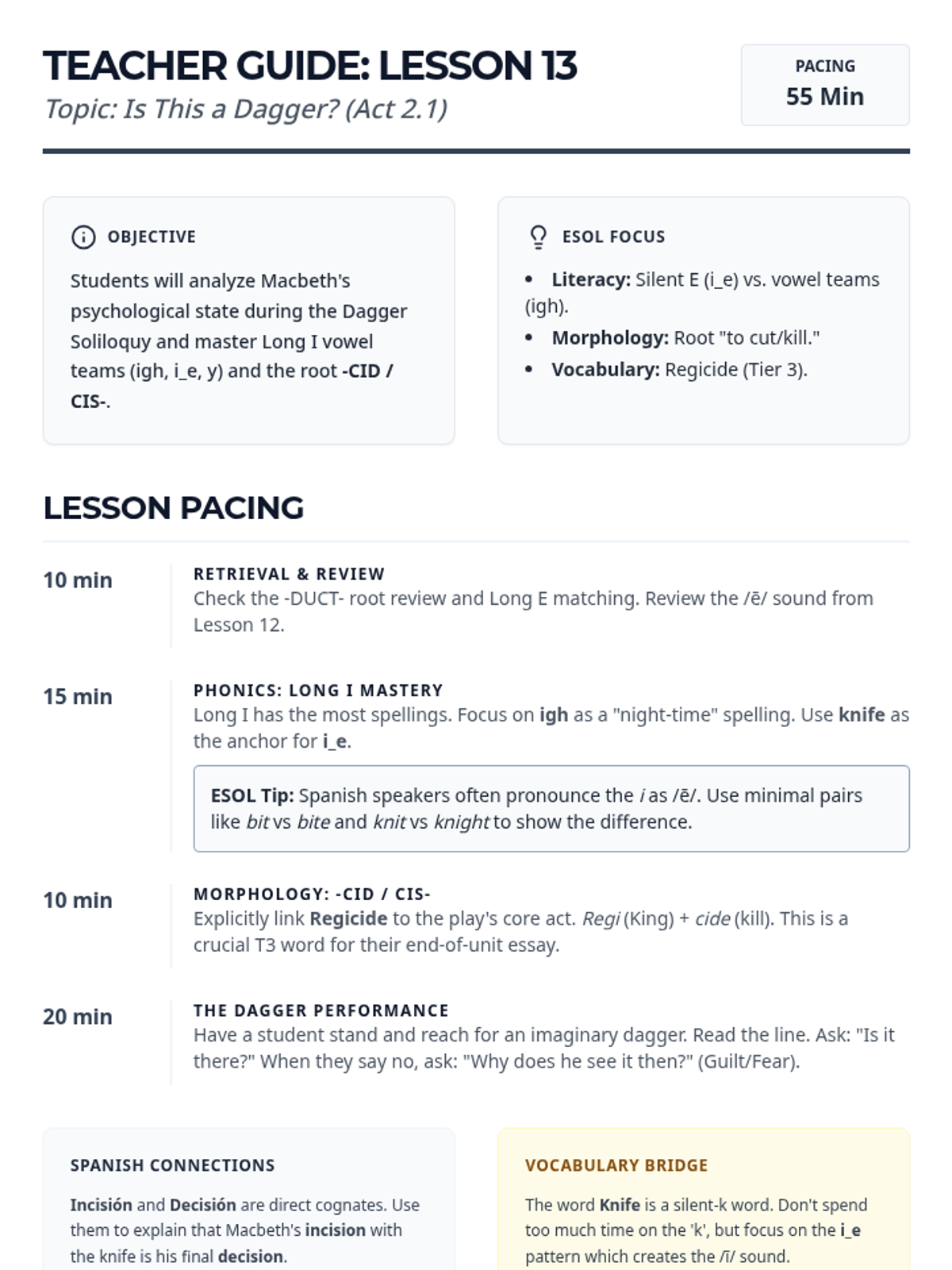
A study of the Dagger Soliloquy in Act 2, Scene 1, exploring the root 'cid/cis' and Long I vowel teams (igh, i_e, y).
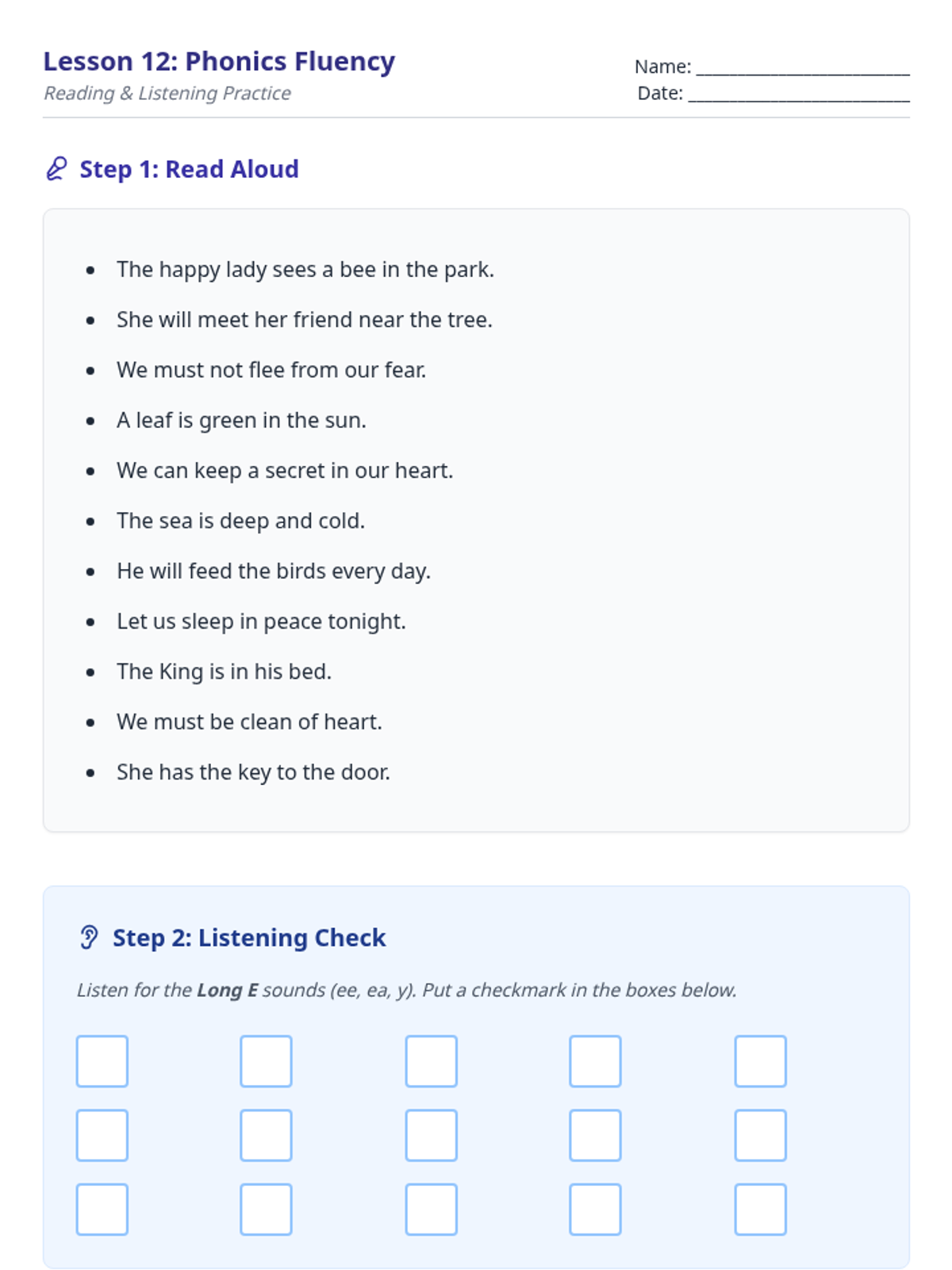
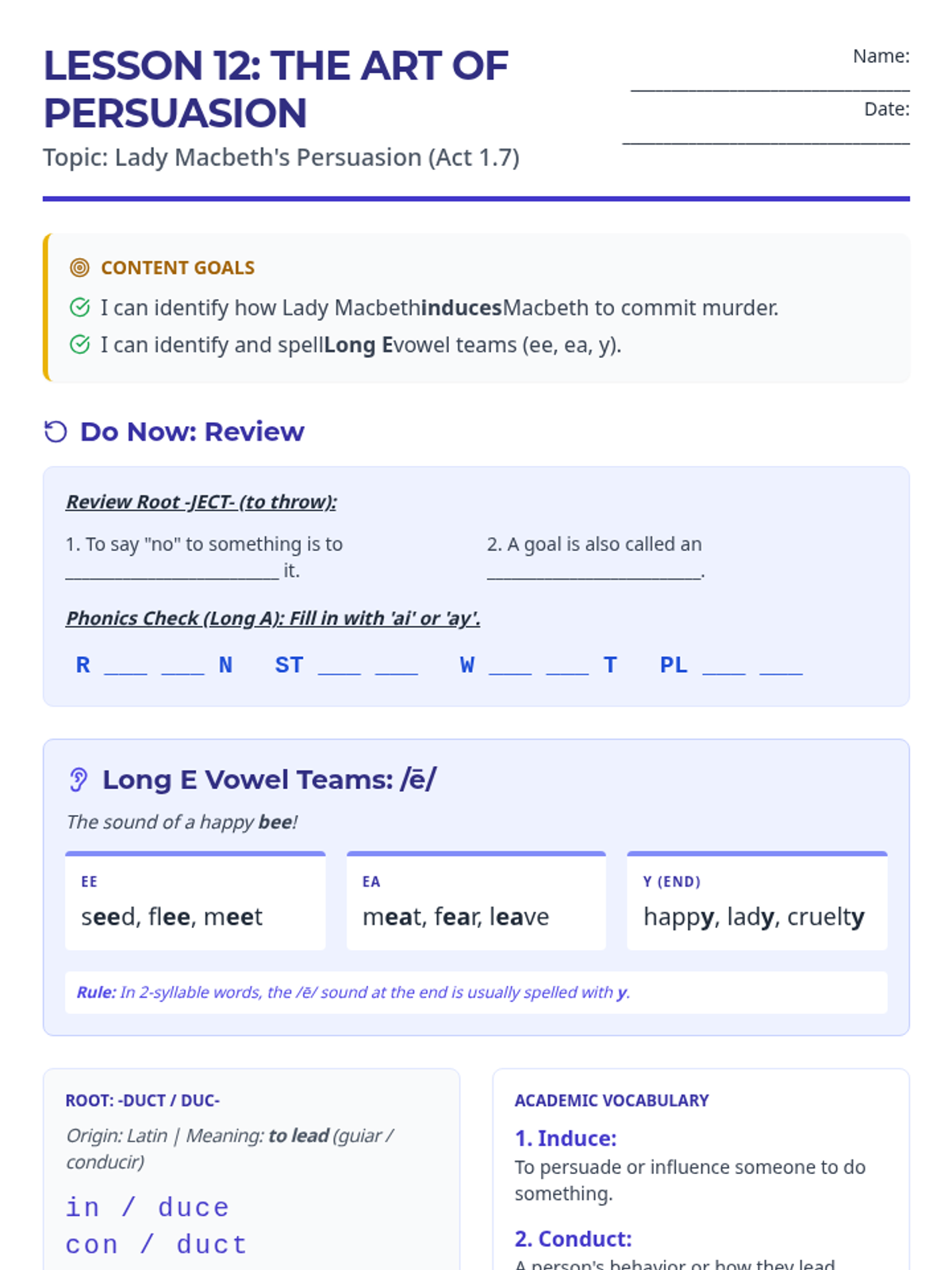
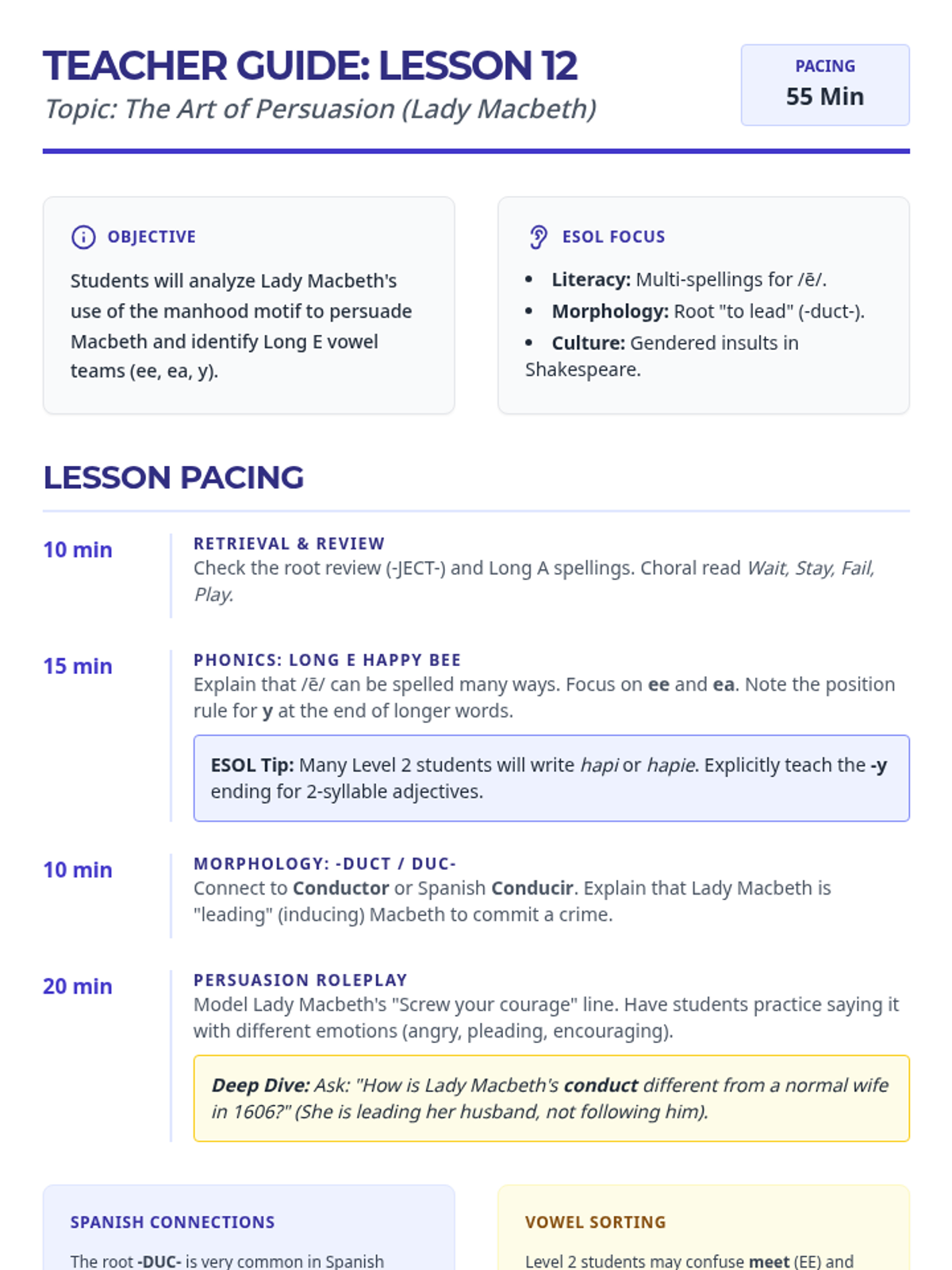
An analysis of Lady Macbeth's use of the manhood motif to persuade Macbeth in Act 1, Scene 7, featuring the root 'duct' and Long E vowel teams (ee, ea, y).
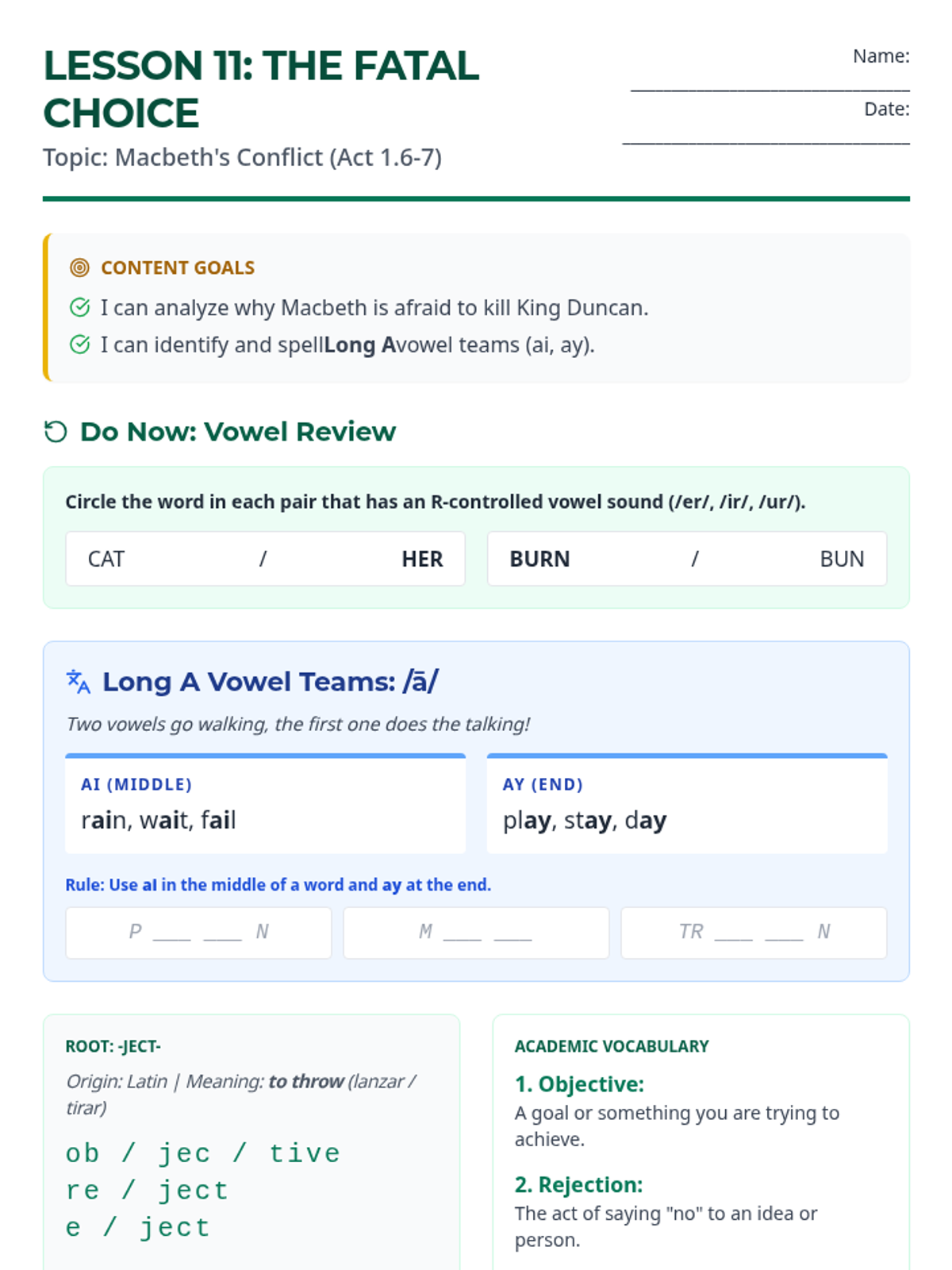
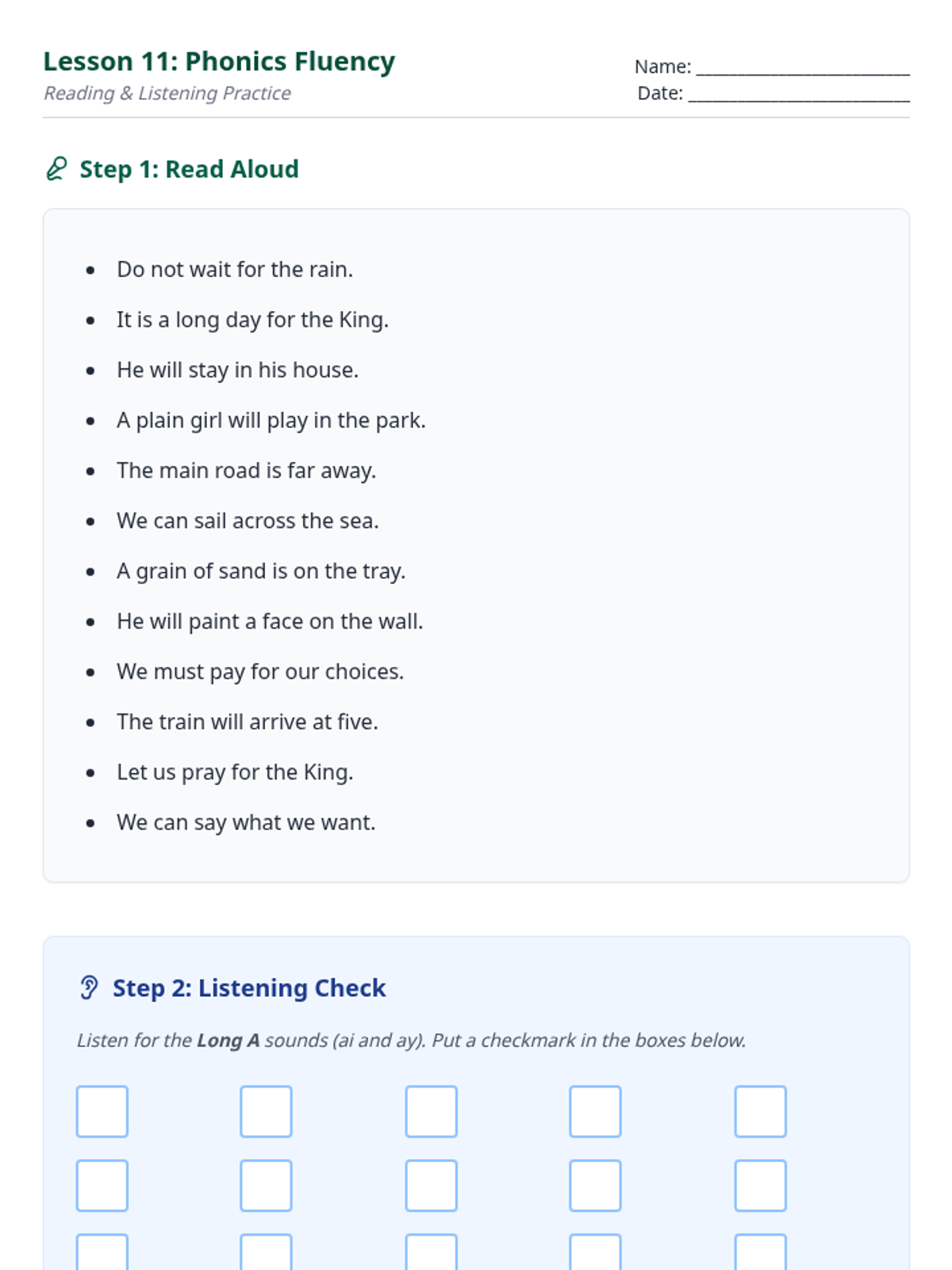
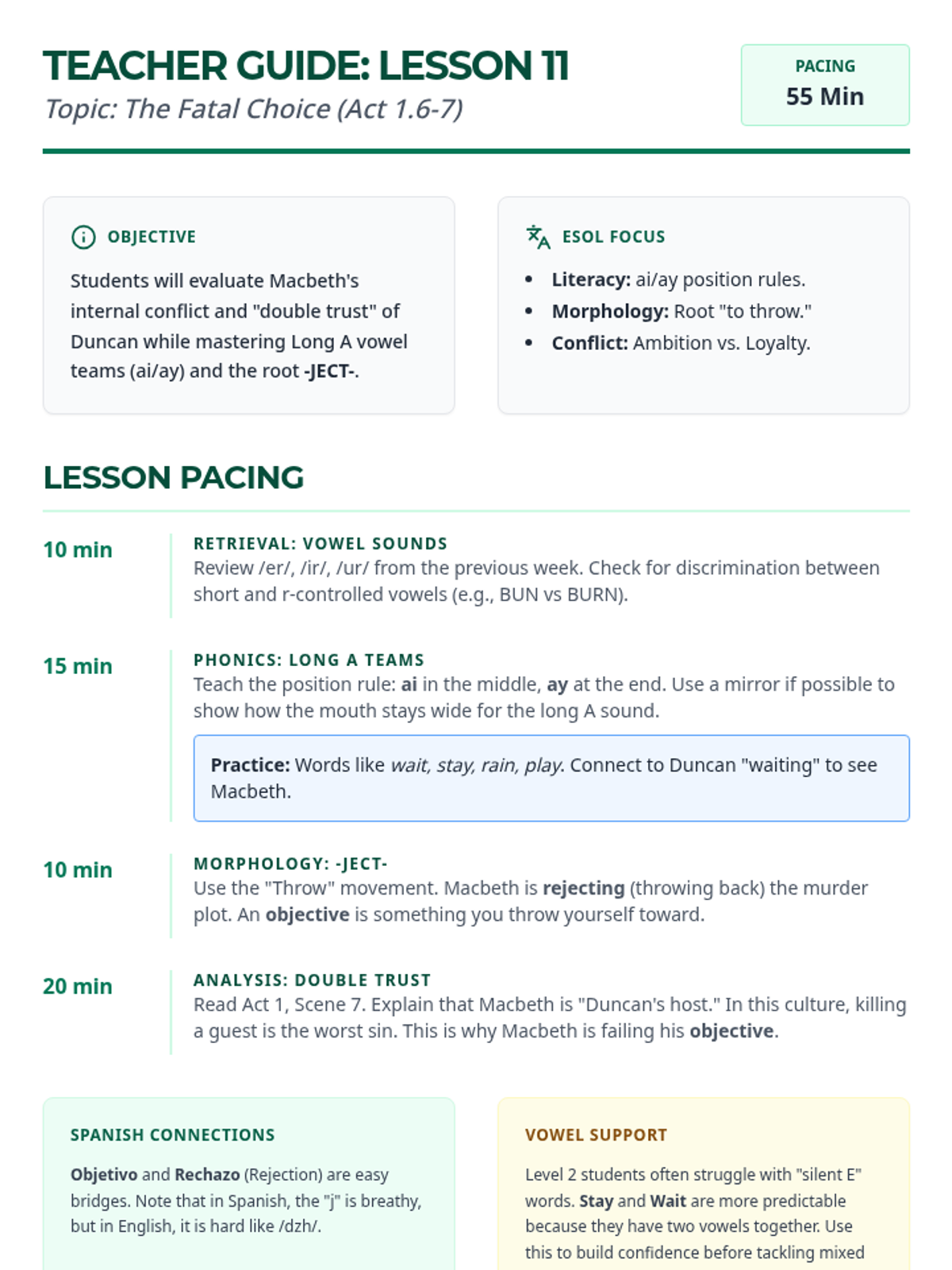
An evaluation of Macbeth's internal conflict in Act 1, Scenes 6-7, focusing on the root 'ject' and Long A vowel teams (ai, ay).
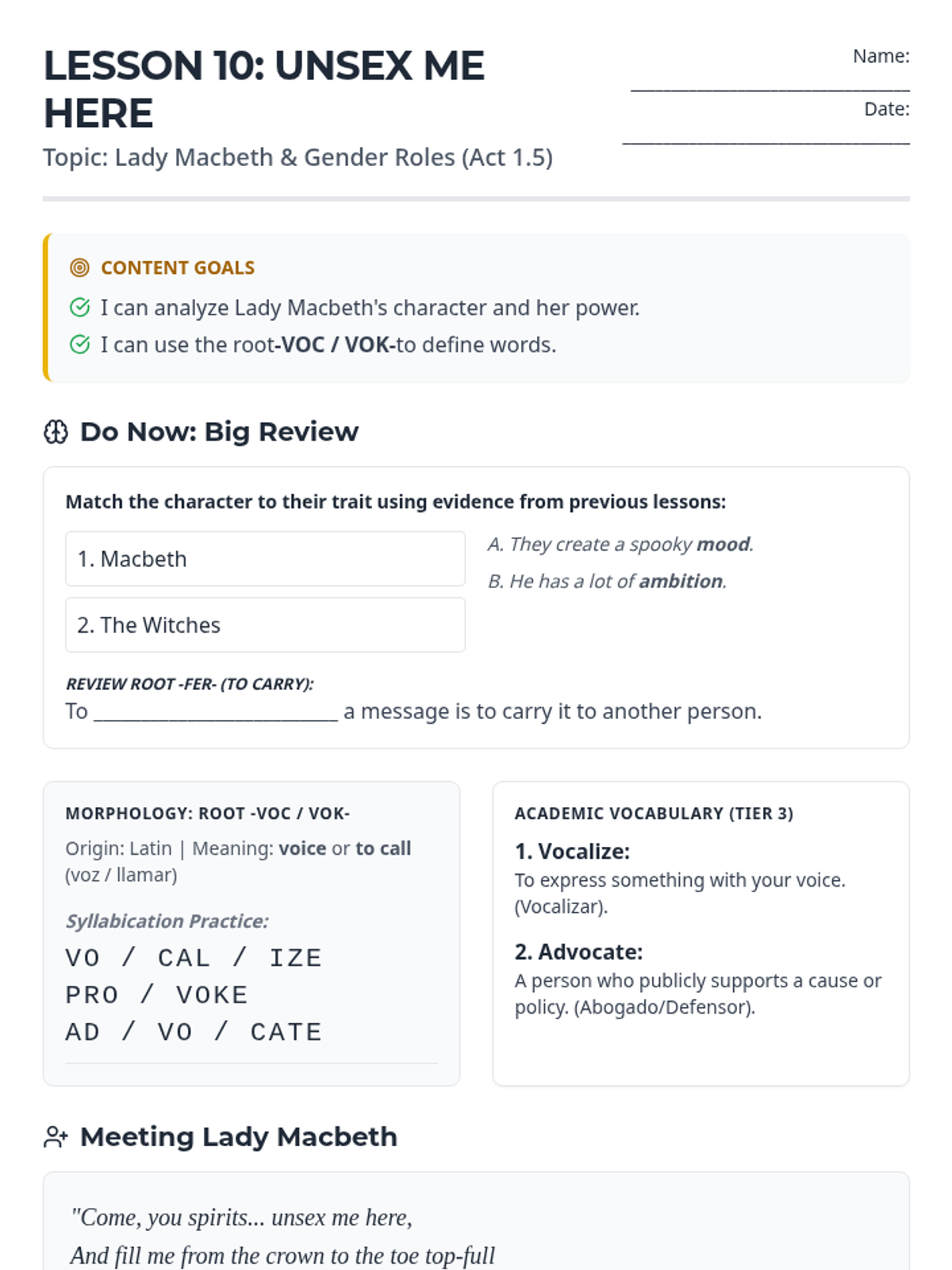
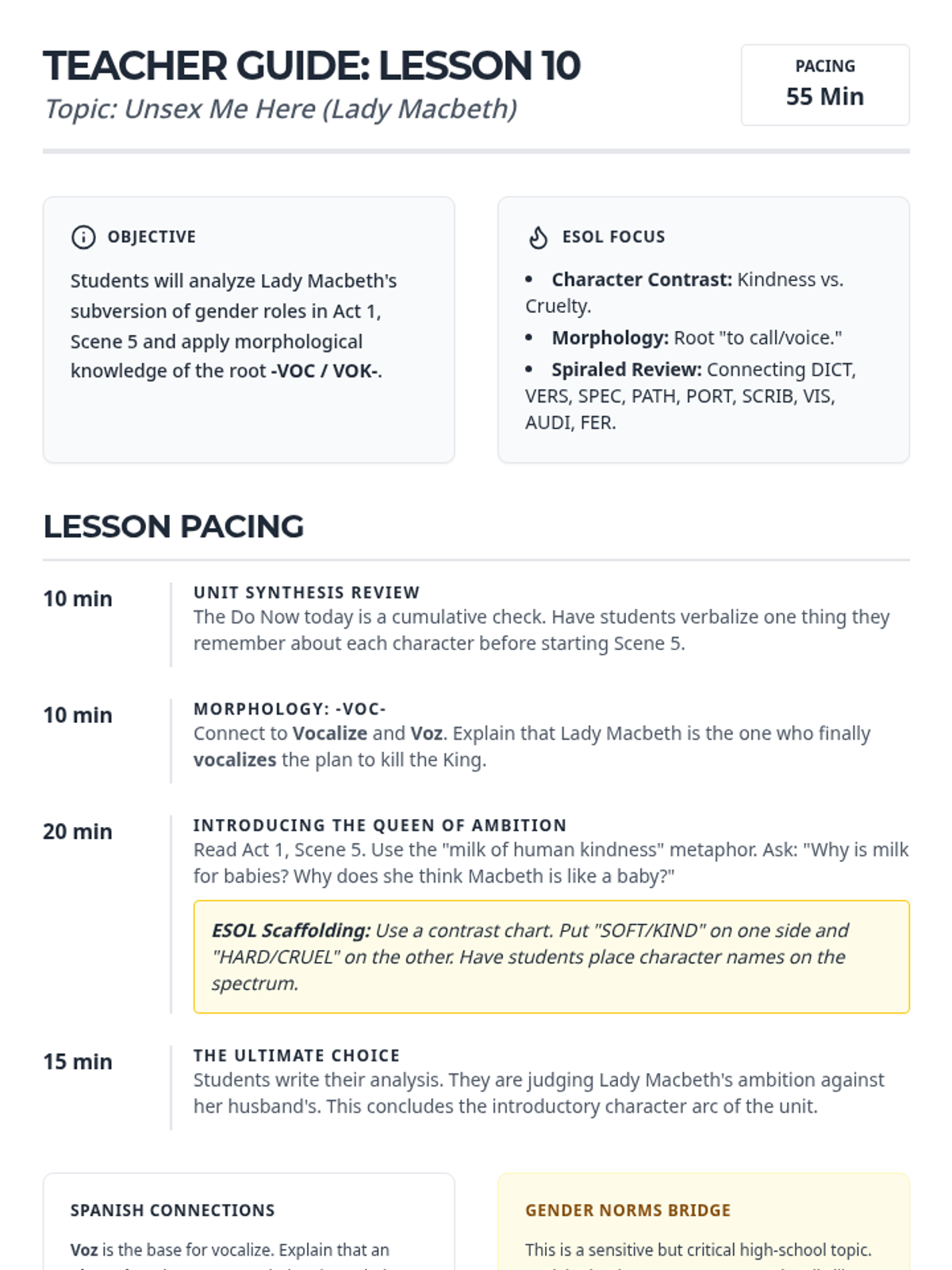
An introduction to Lady Macbeth in Act 1, Scene 5, exploring her characterization and gender roles through the Latin root 'voc'.
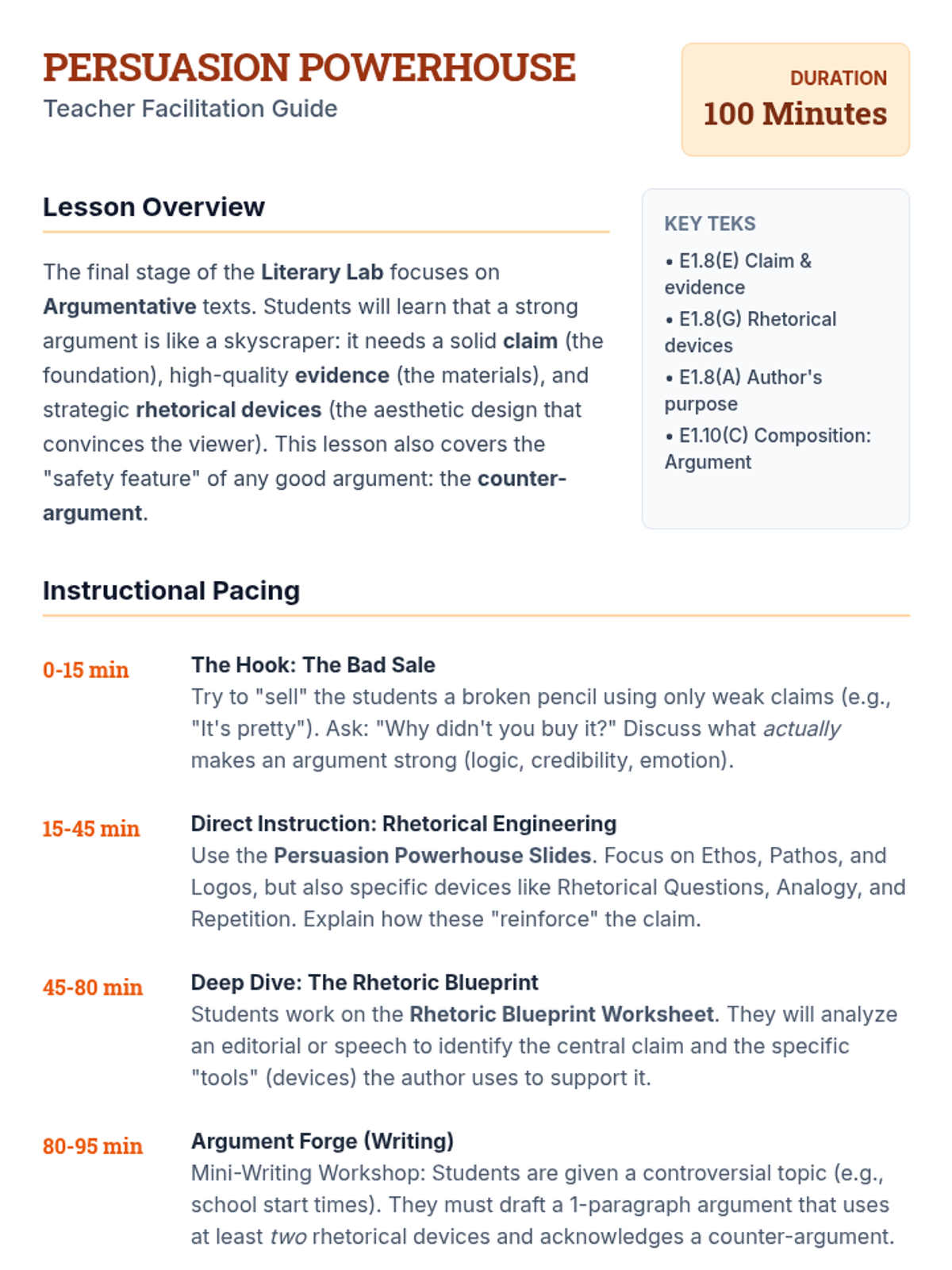
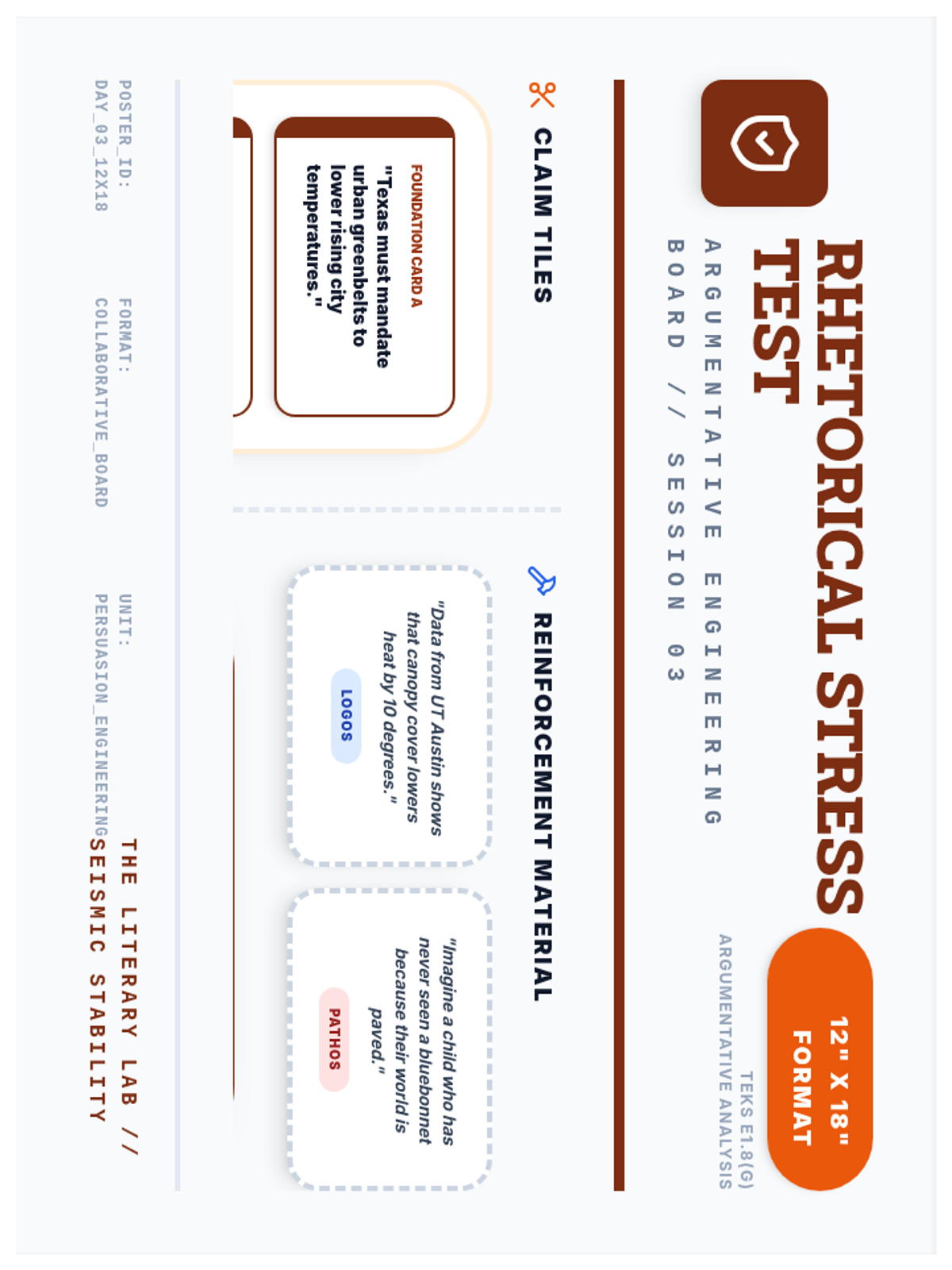
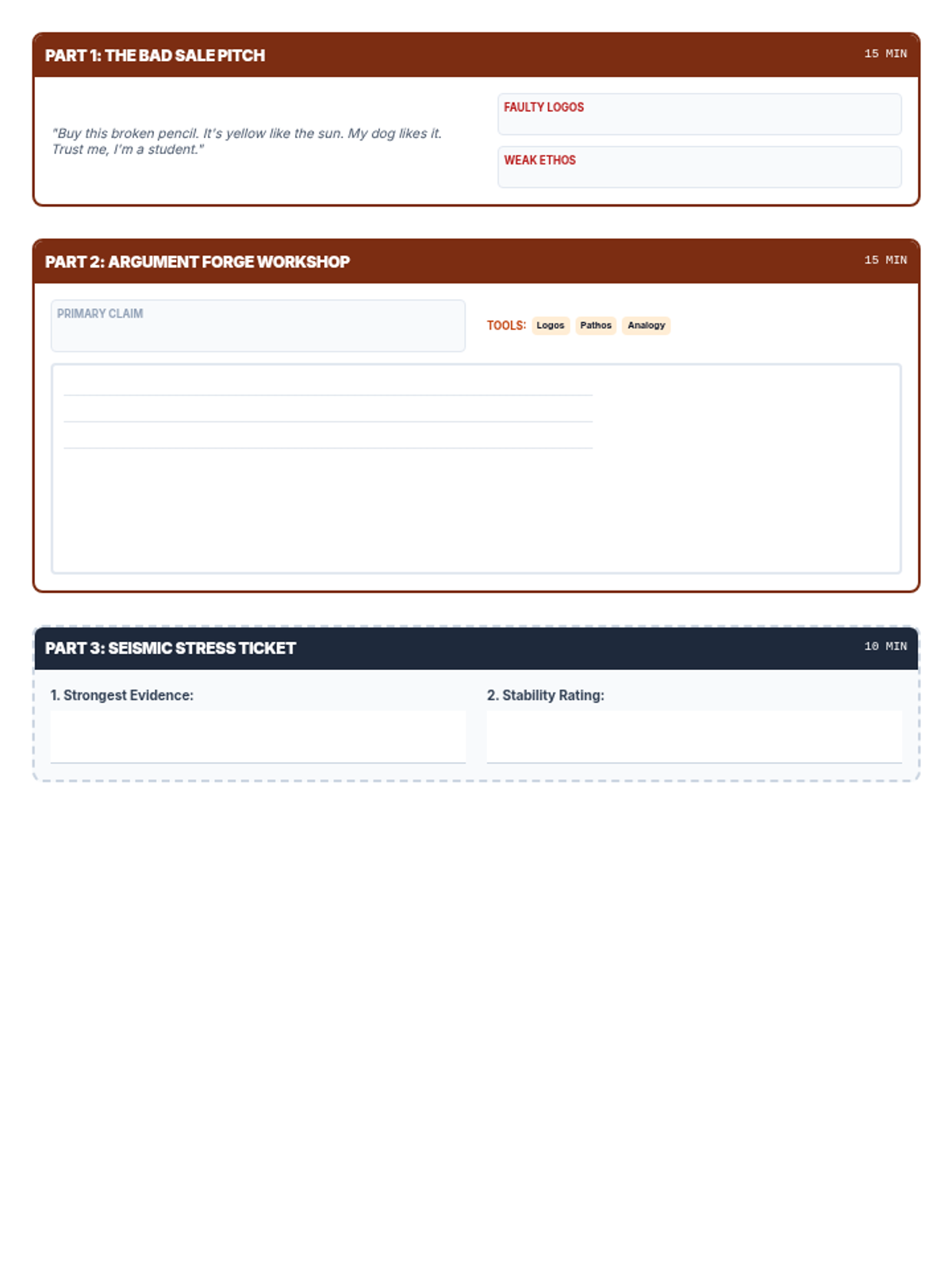
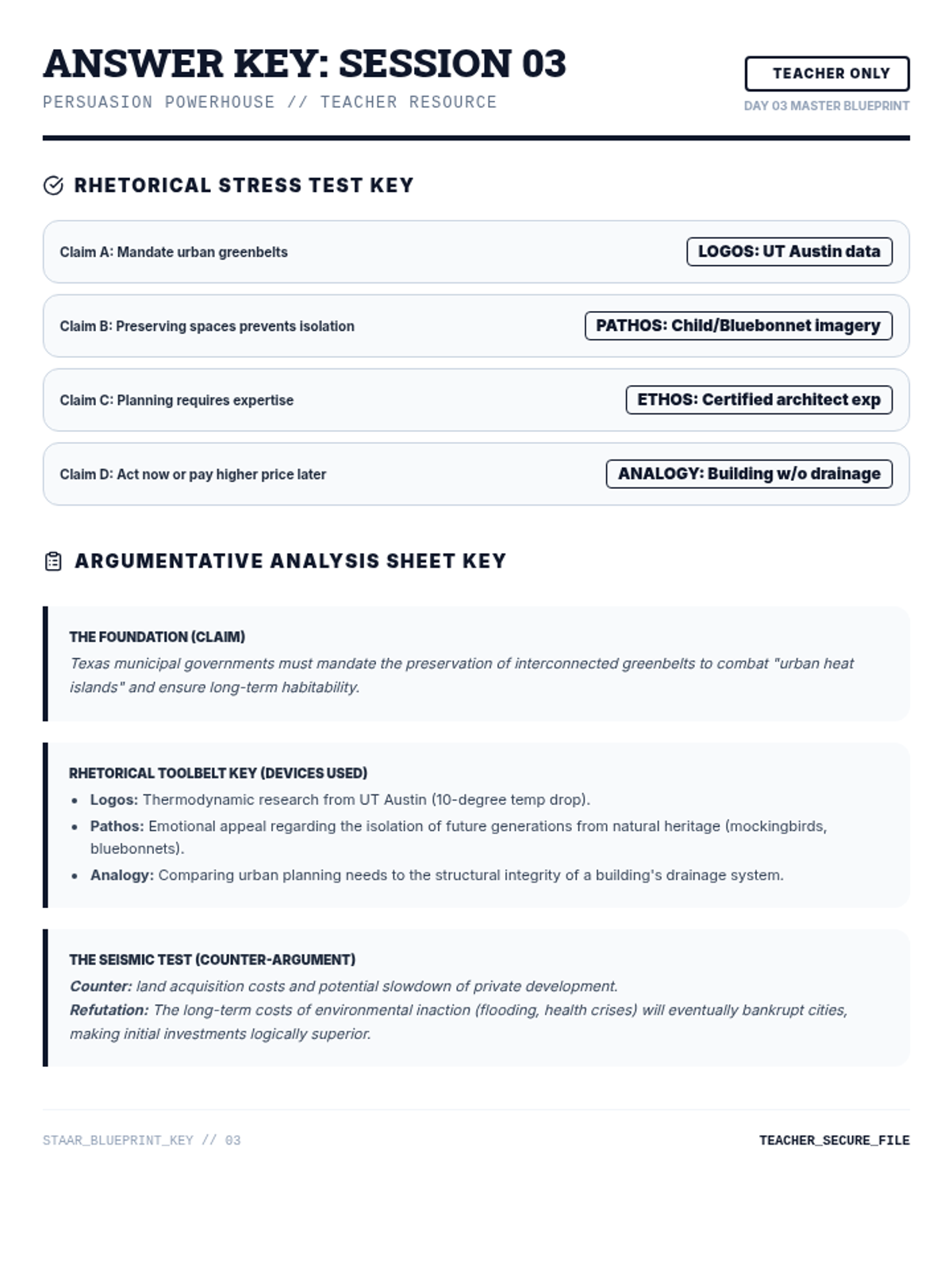
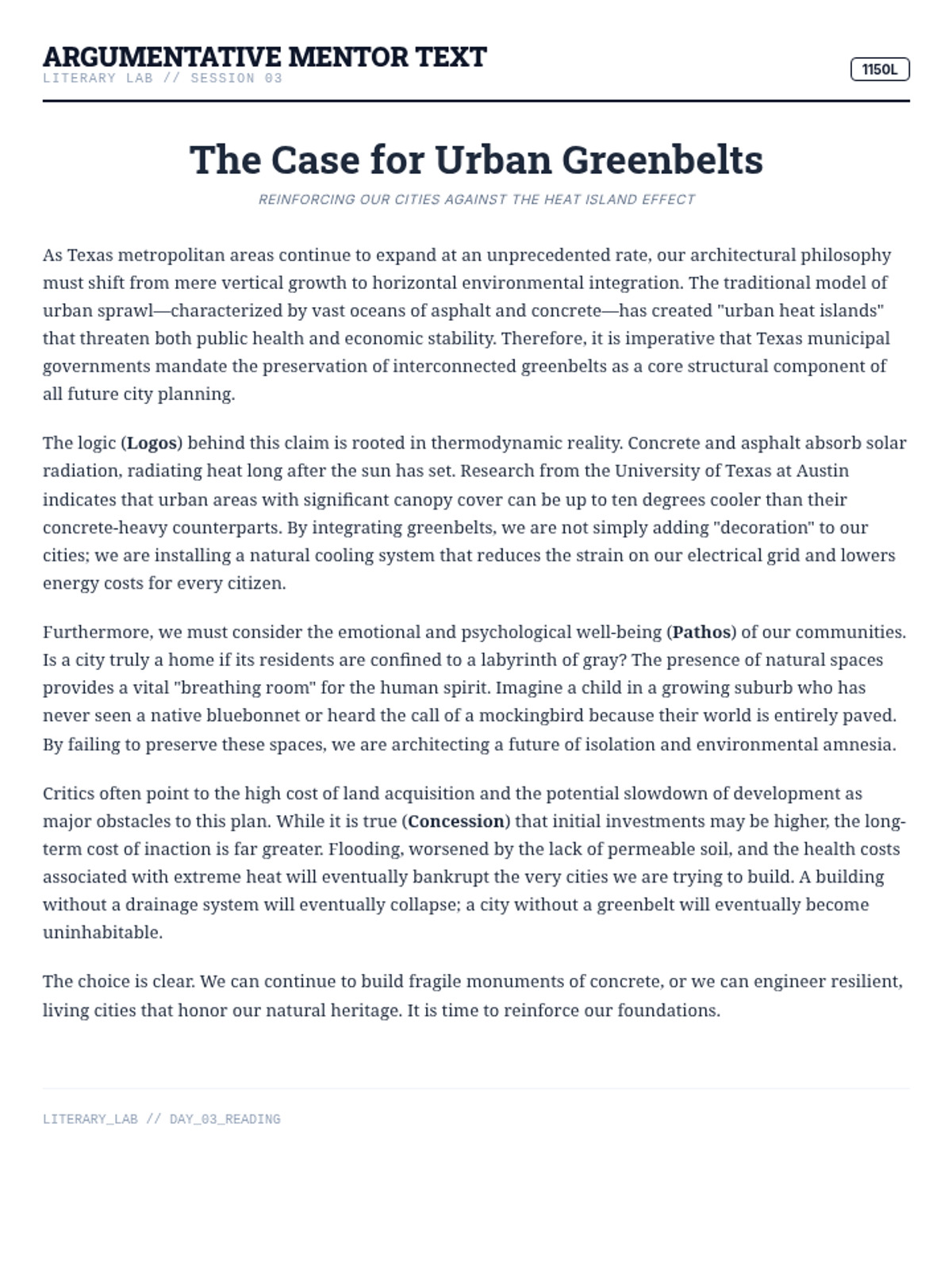
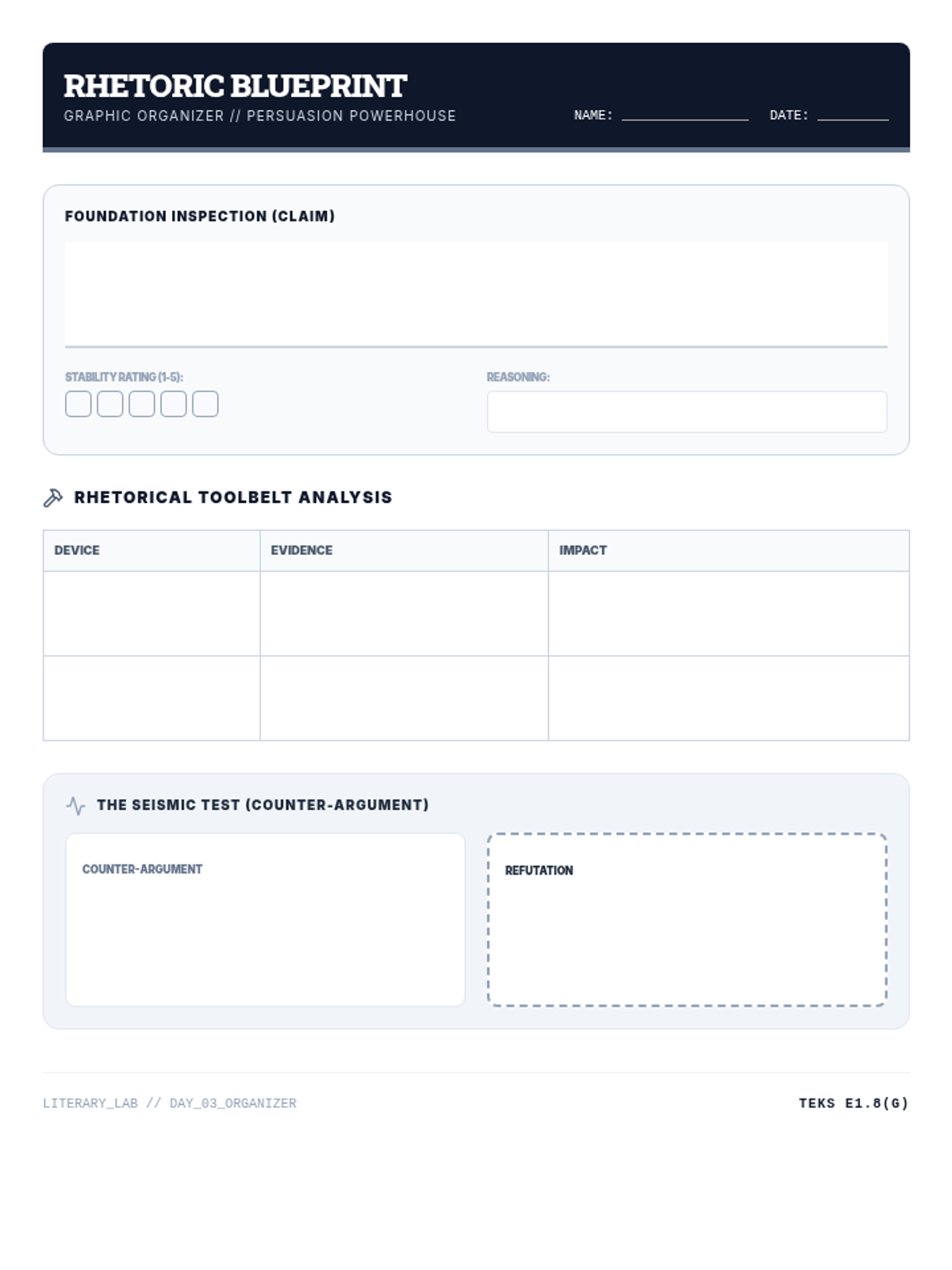
Deconstructs the components of a powerful argument, focusing on claim development, rhetorical devices, and the strategic use of evidence and counter-arguments.
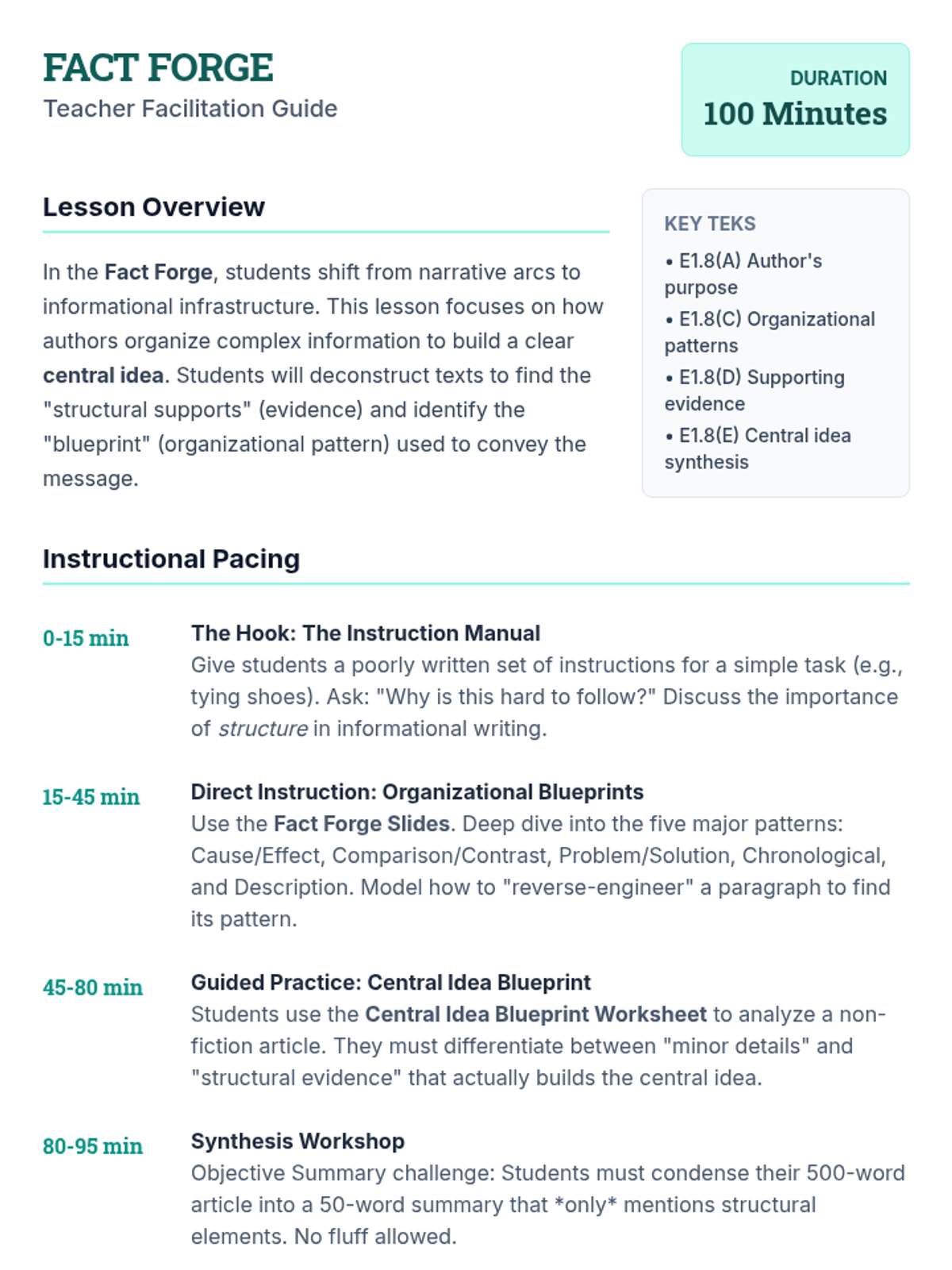
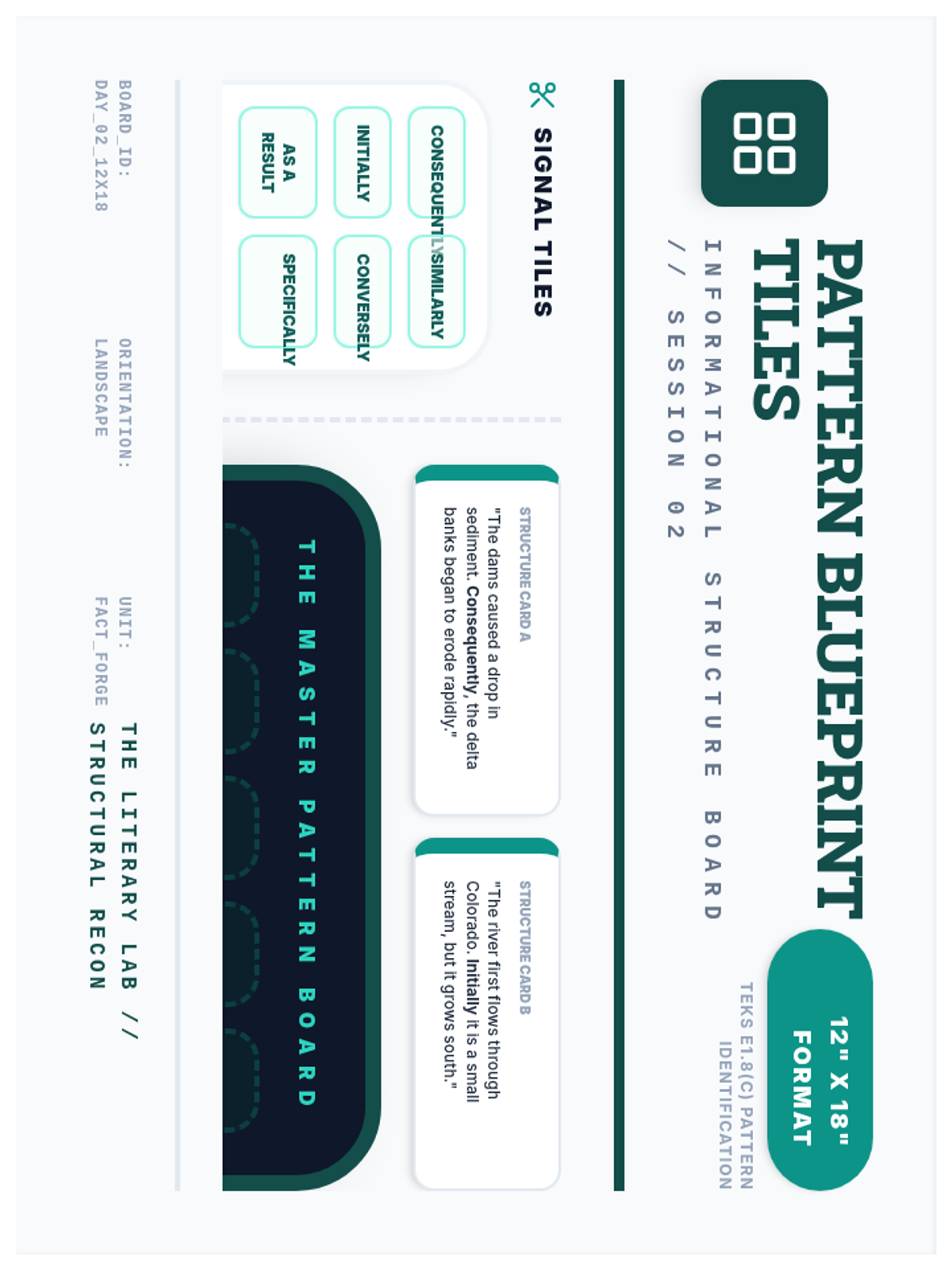
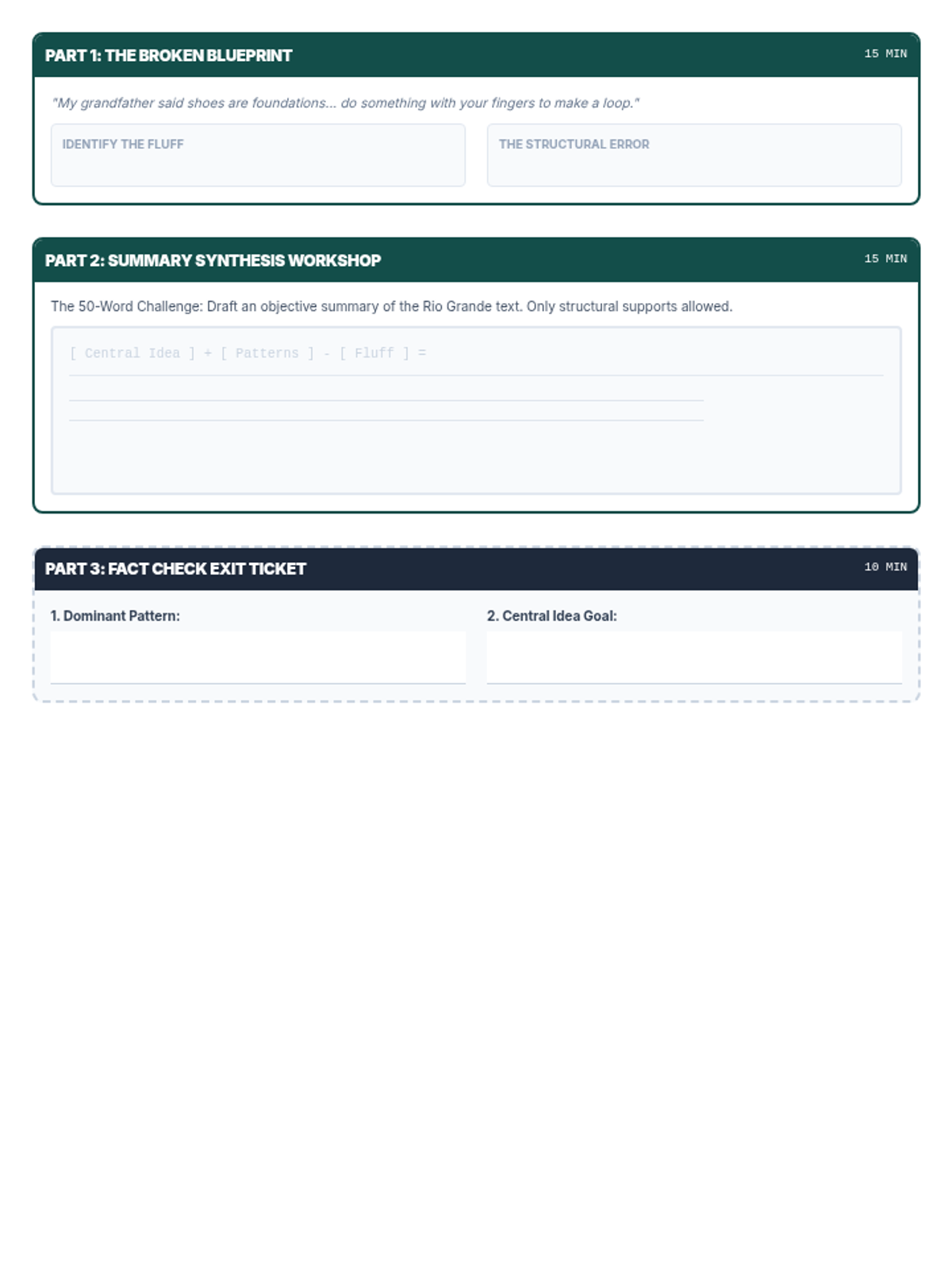
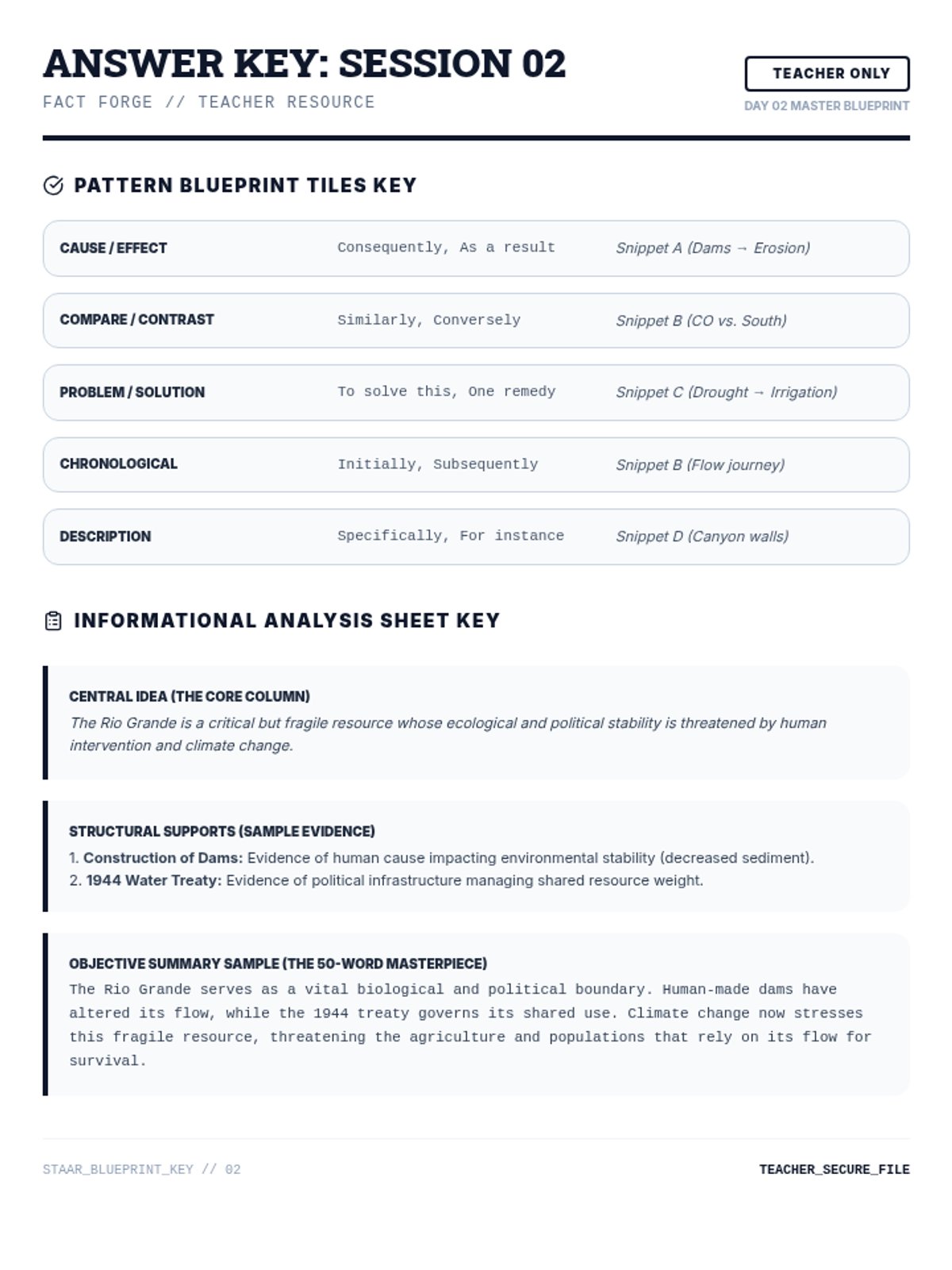
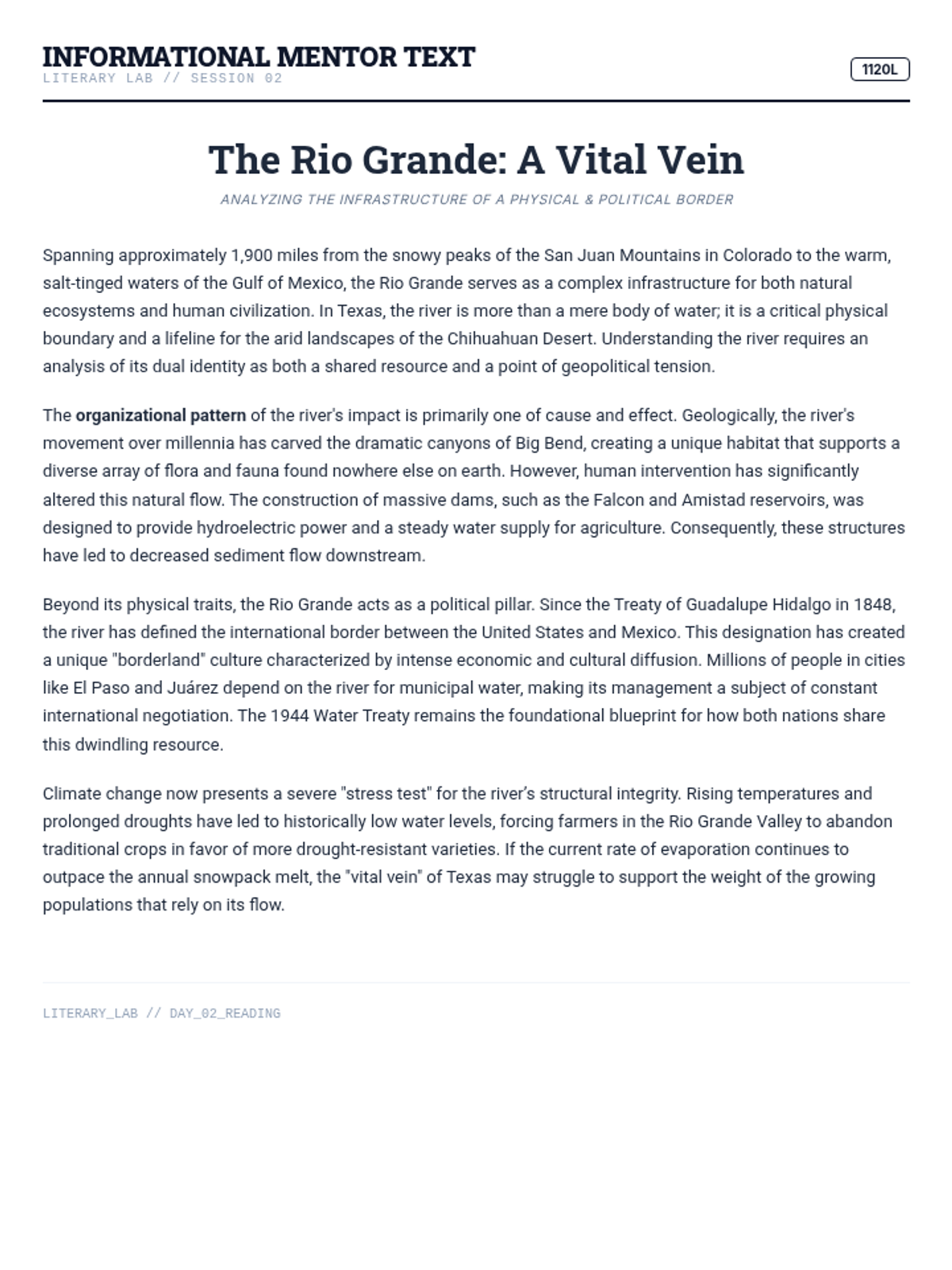
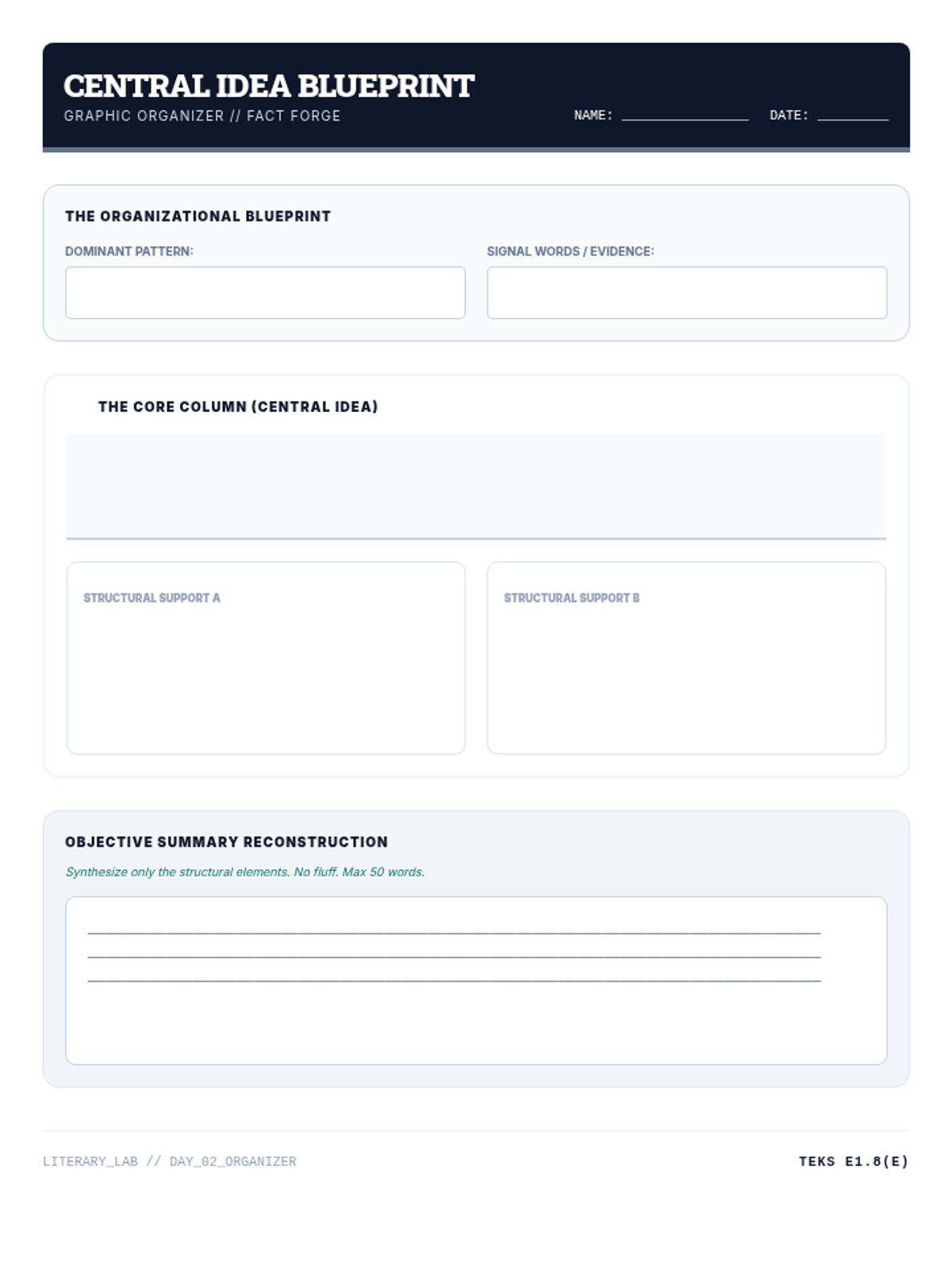
Explores informational texts by analyzing organizational patterns, central ideas, and how authors use specific evidence to build complex explanations.
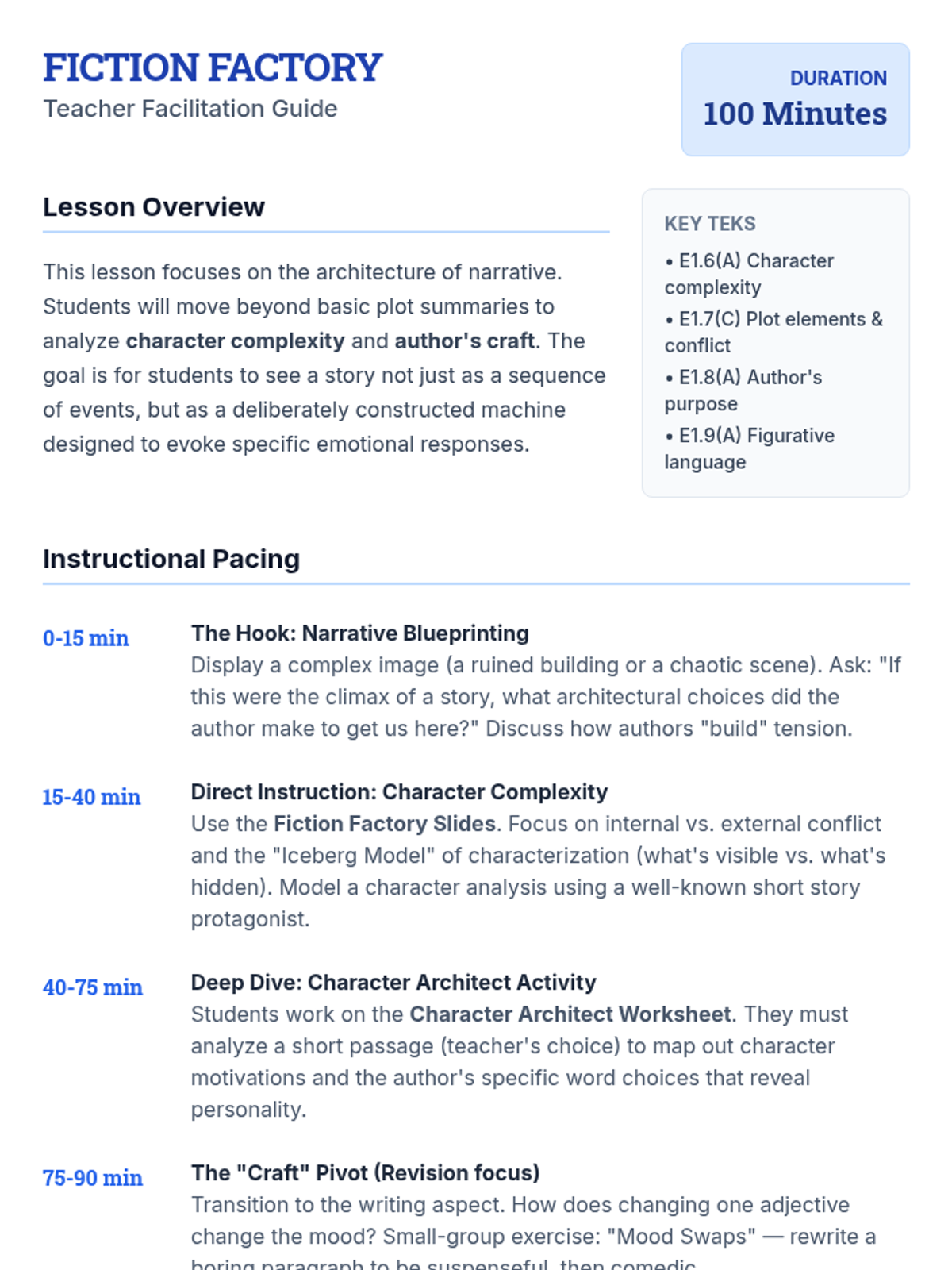
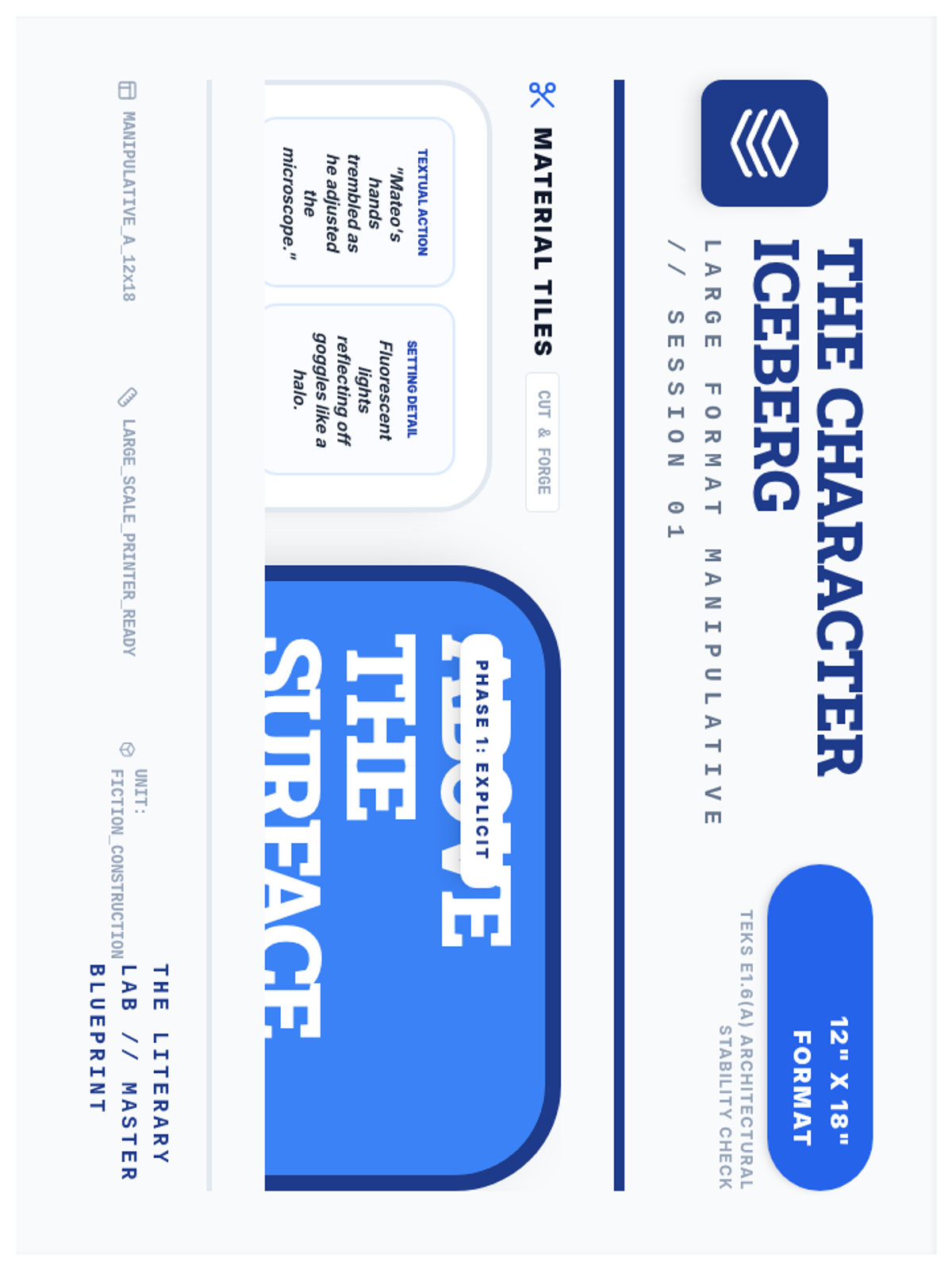
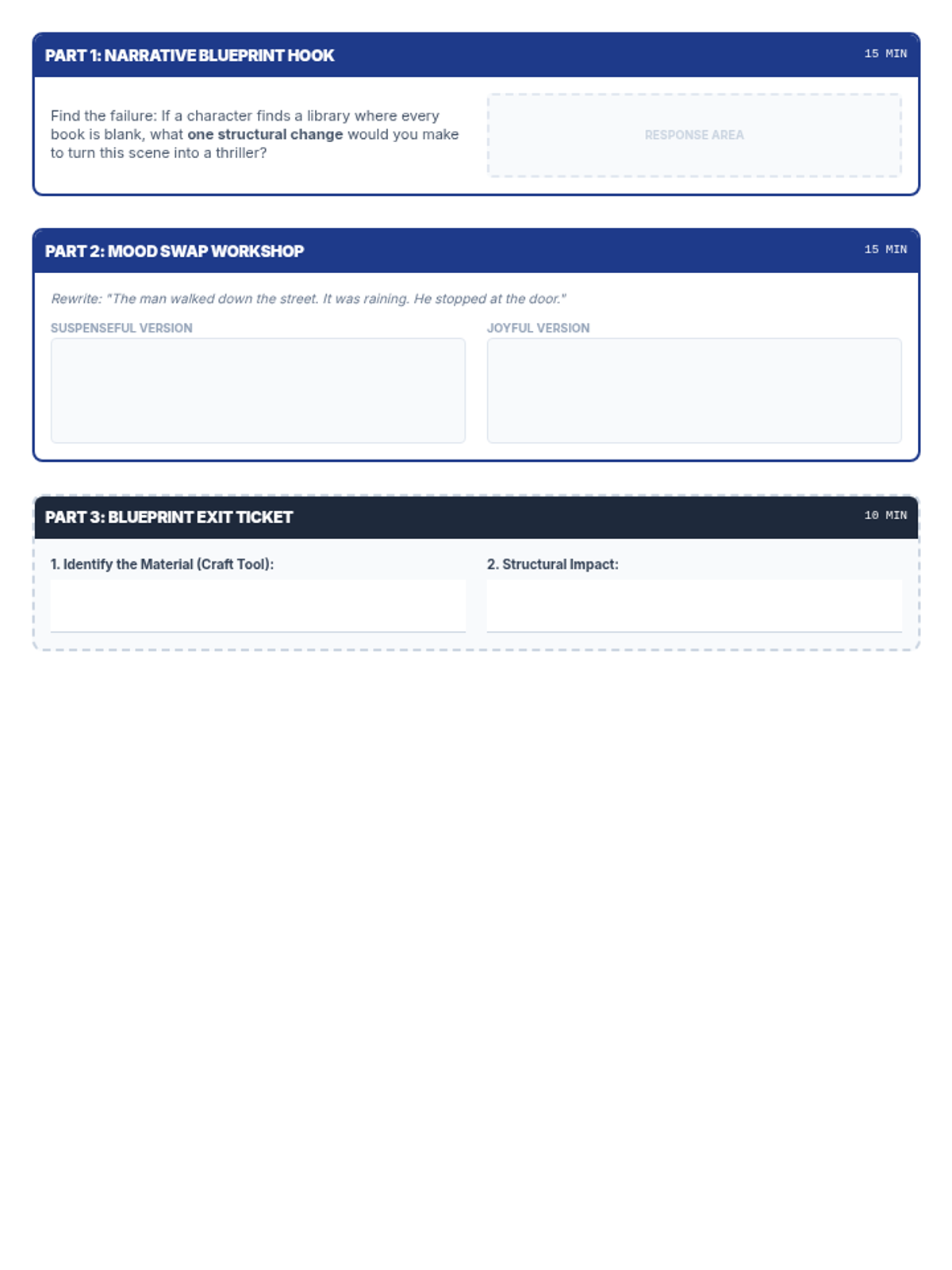
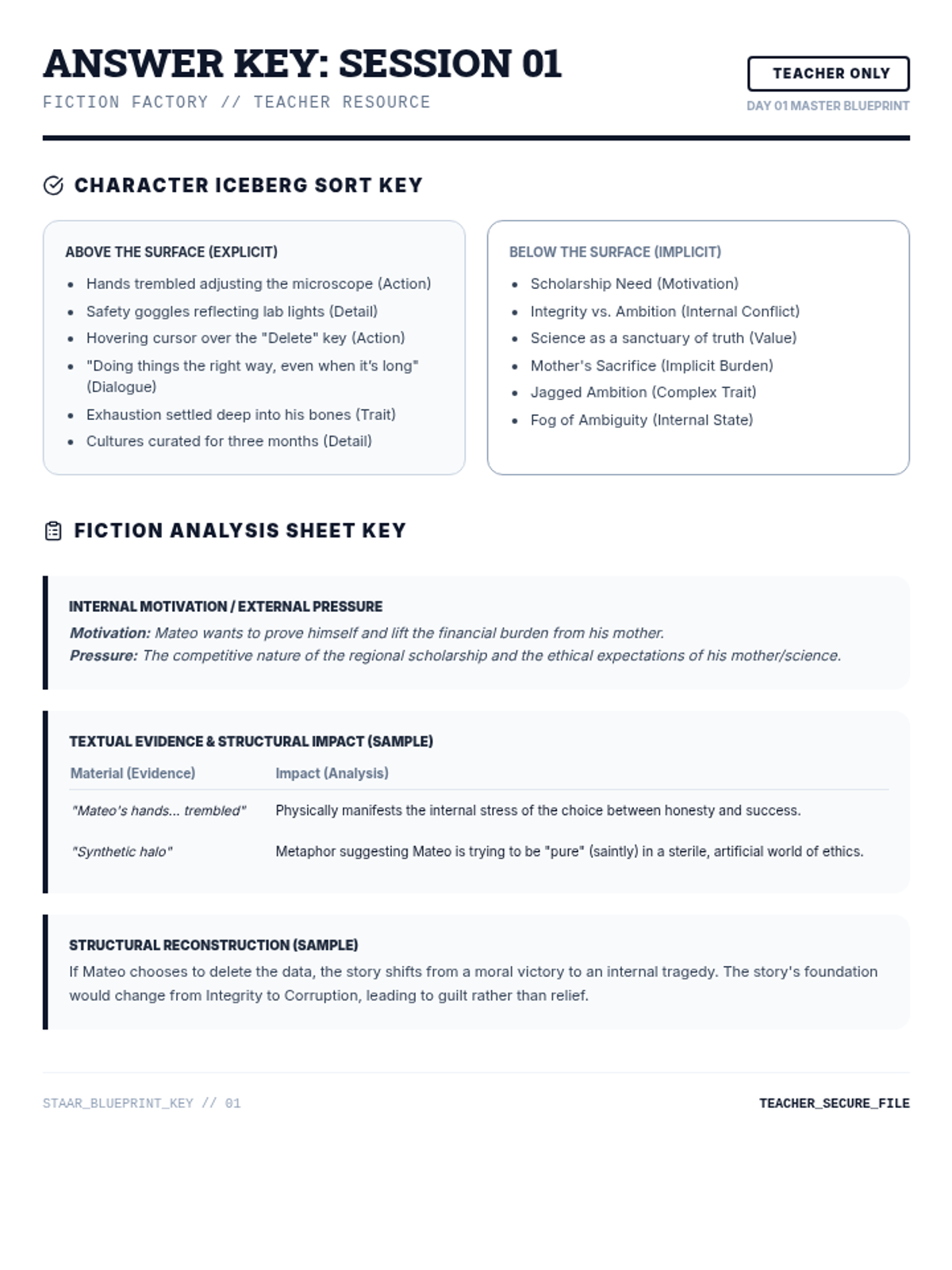
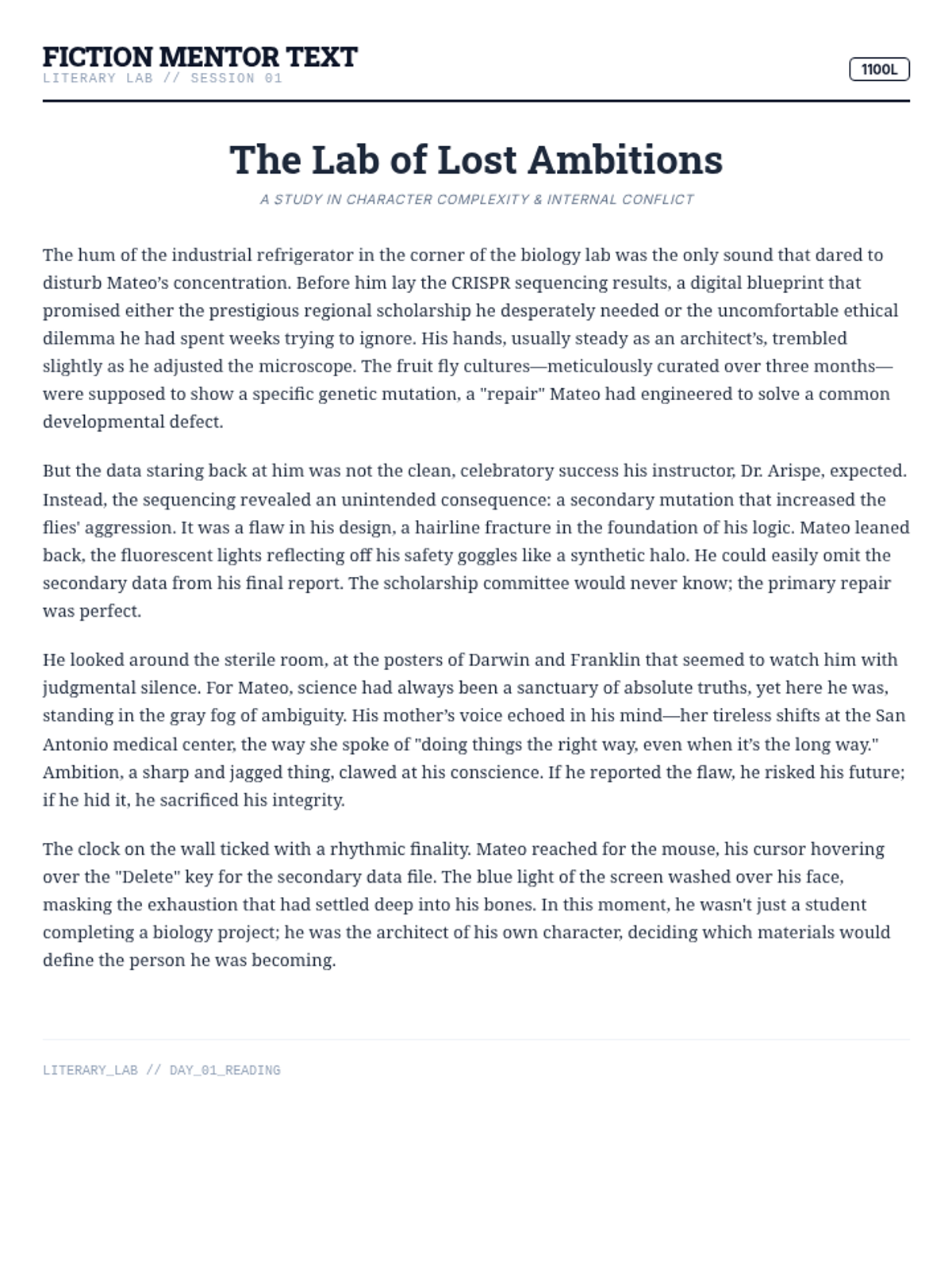
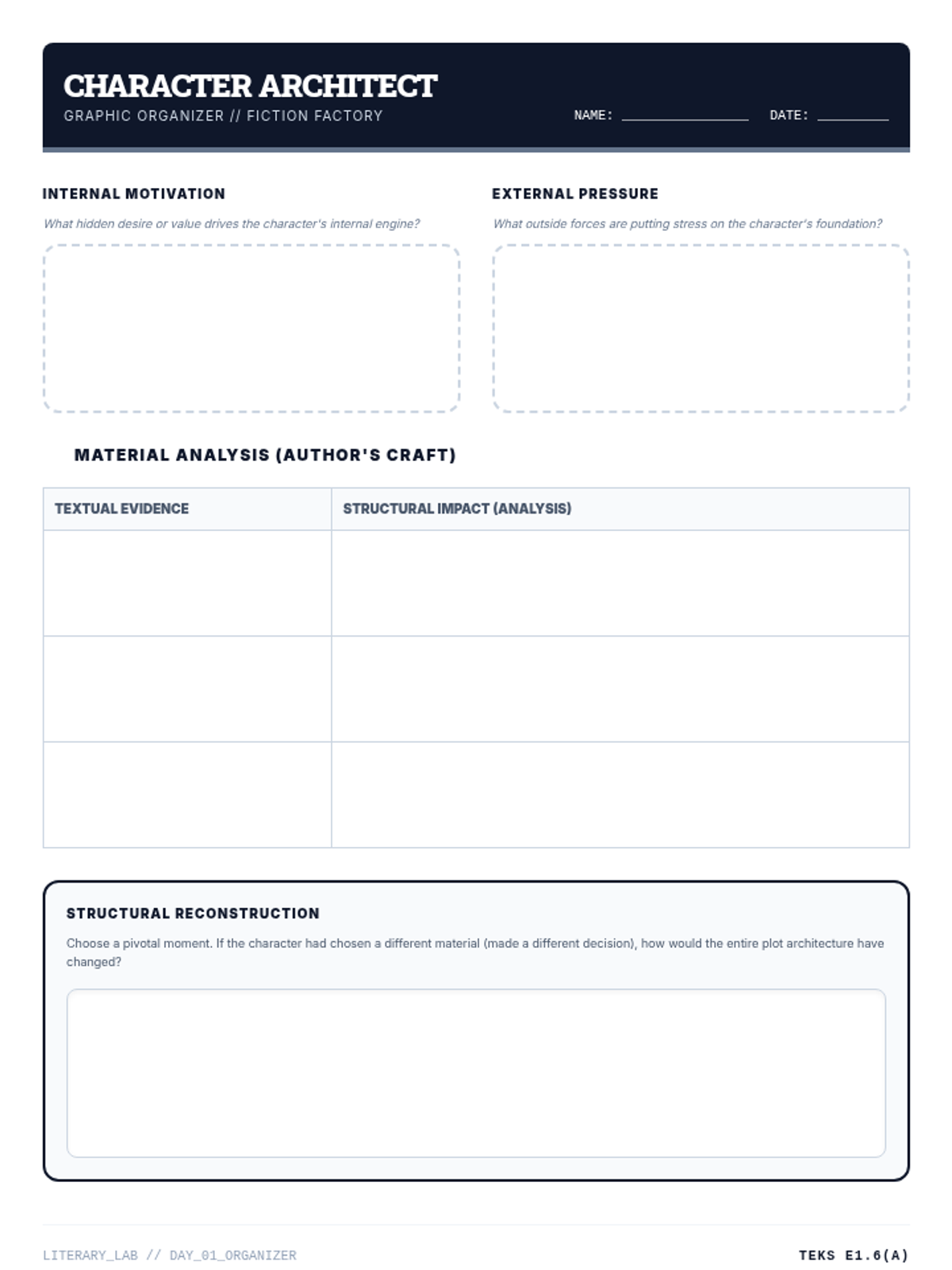
Focuses on the structural elements of fiction, specifically character complexity, plot architecture, and the impact of author's craft on mood and tone.
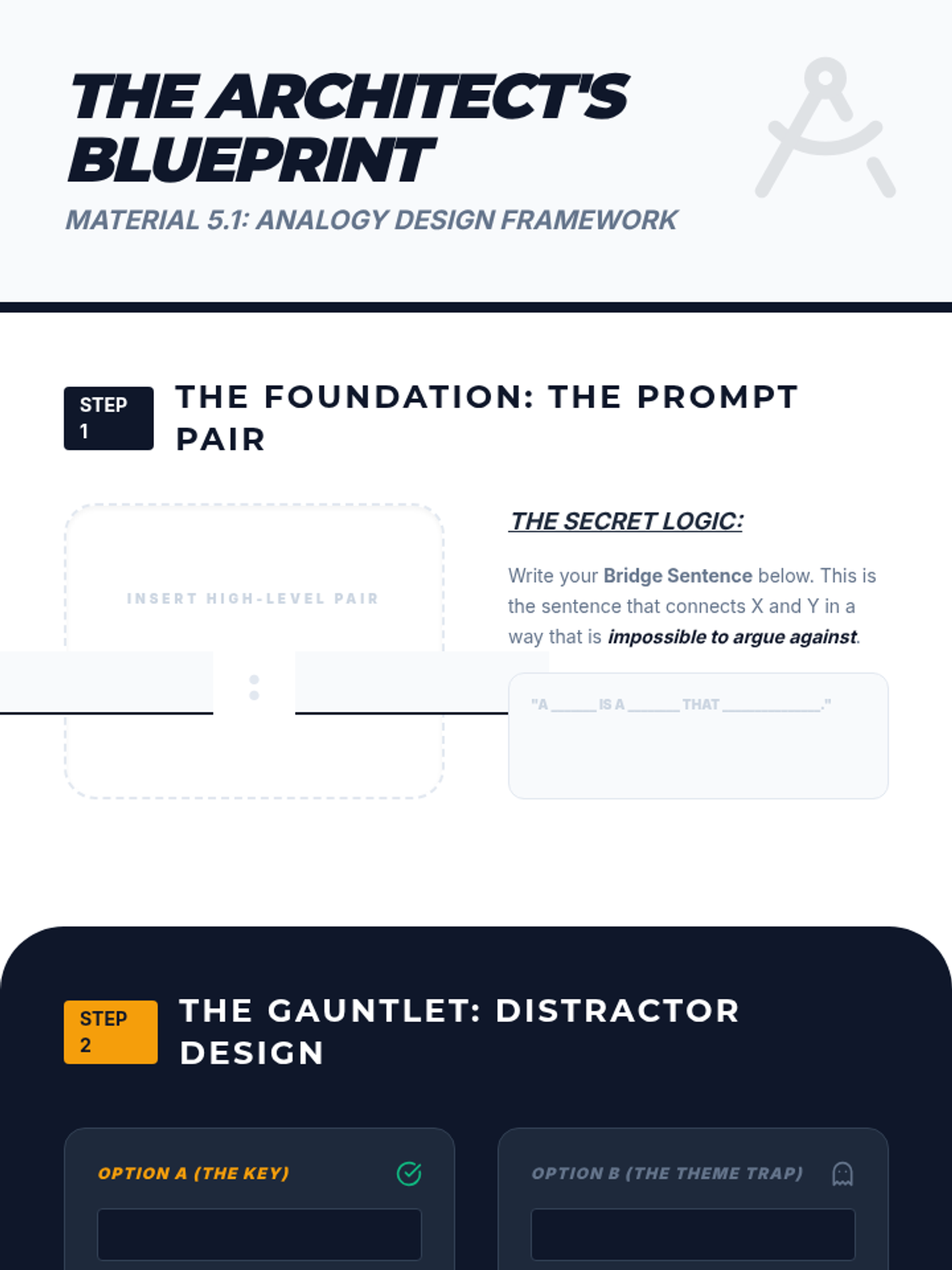
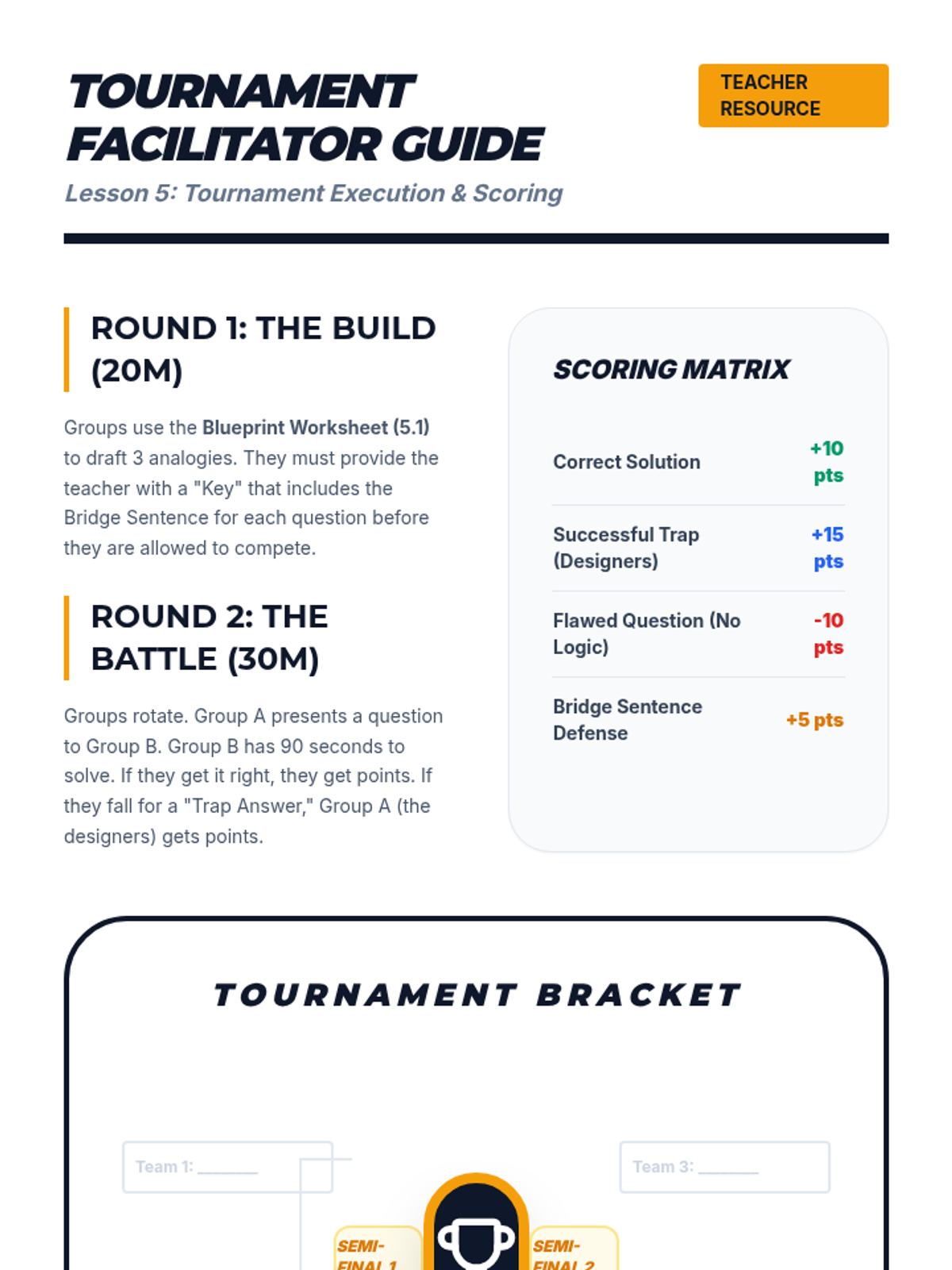
Students transition from solvers to creators, designing difficult analogy questions with distractors. The class participates in a tournament using student-generated questions.
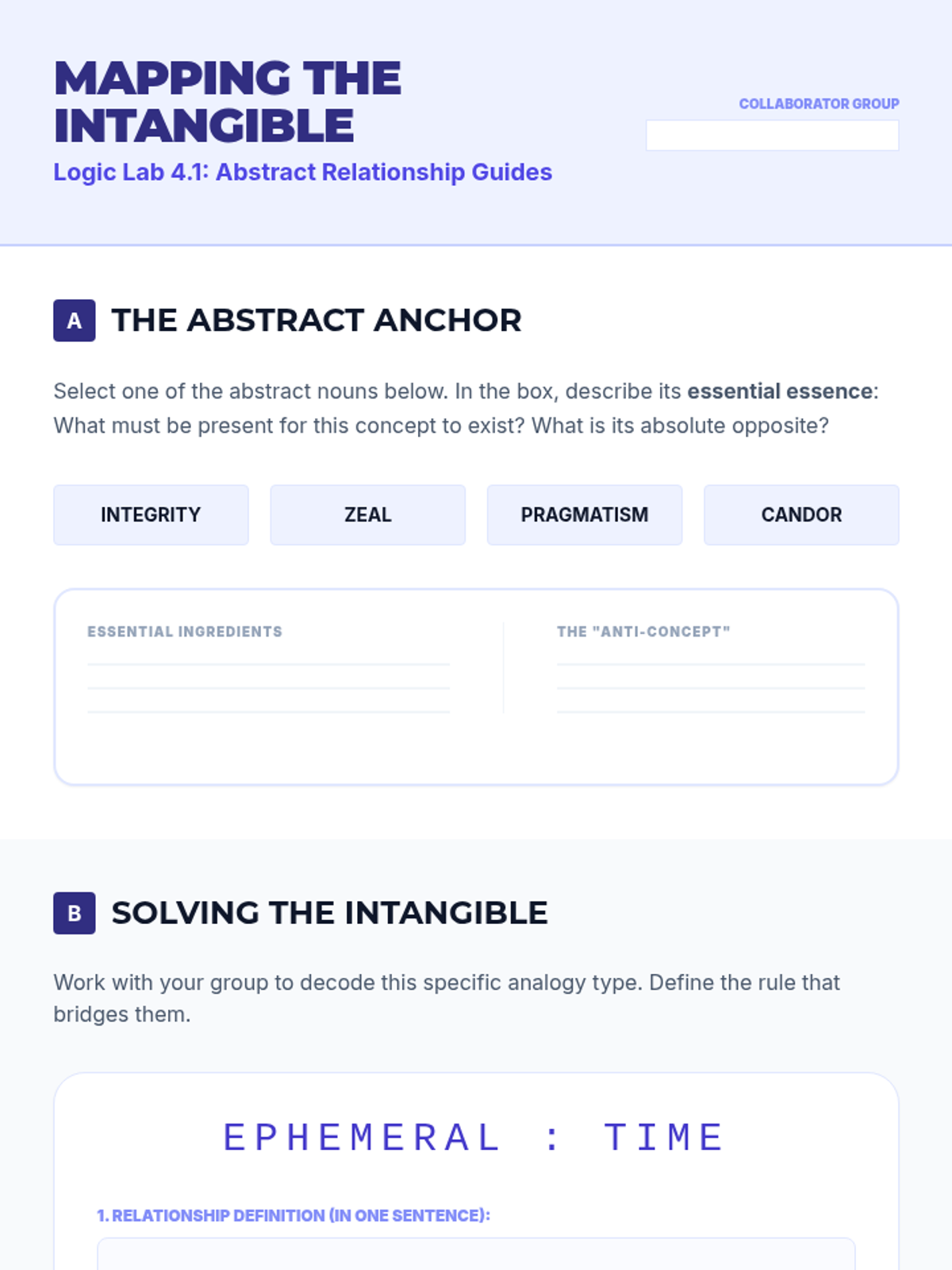
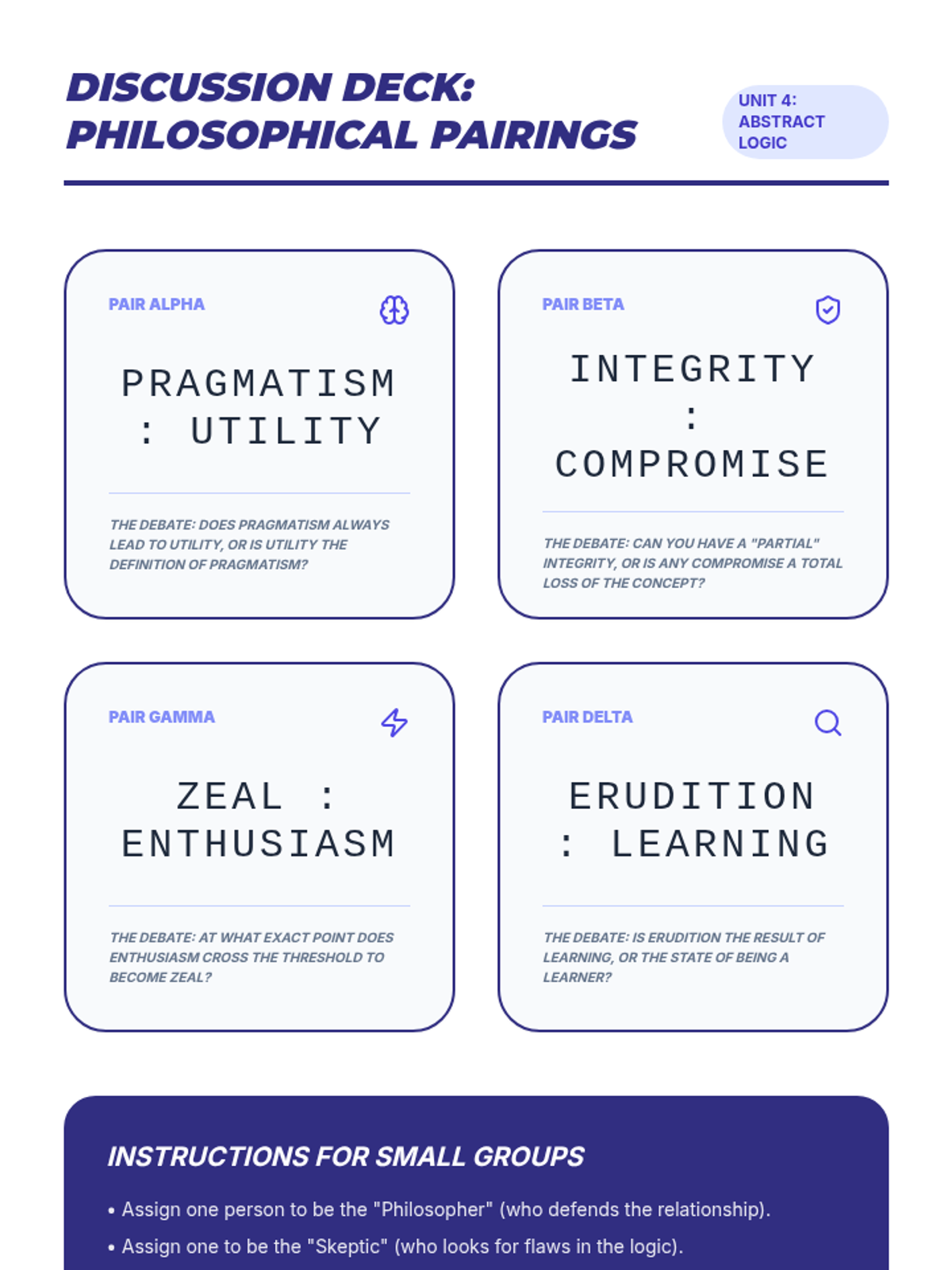
Students tackle the most difficult category: abstract concepts and intangible relationships. They discuss how to define relationships between ideas and create guides for solving these types.
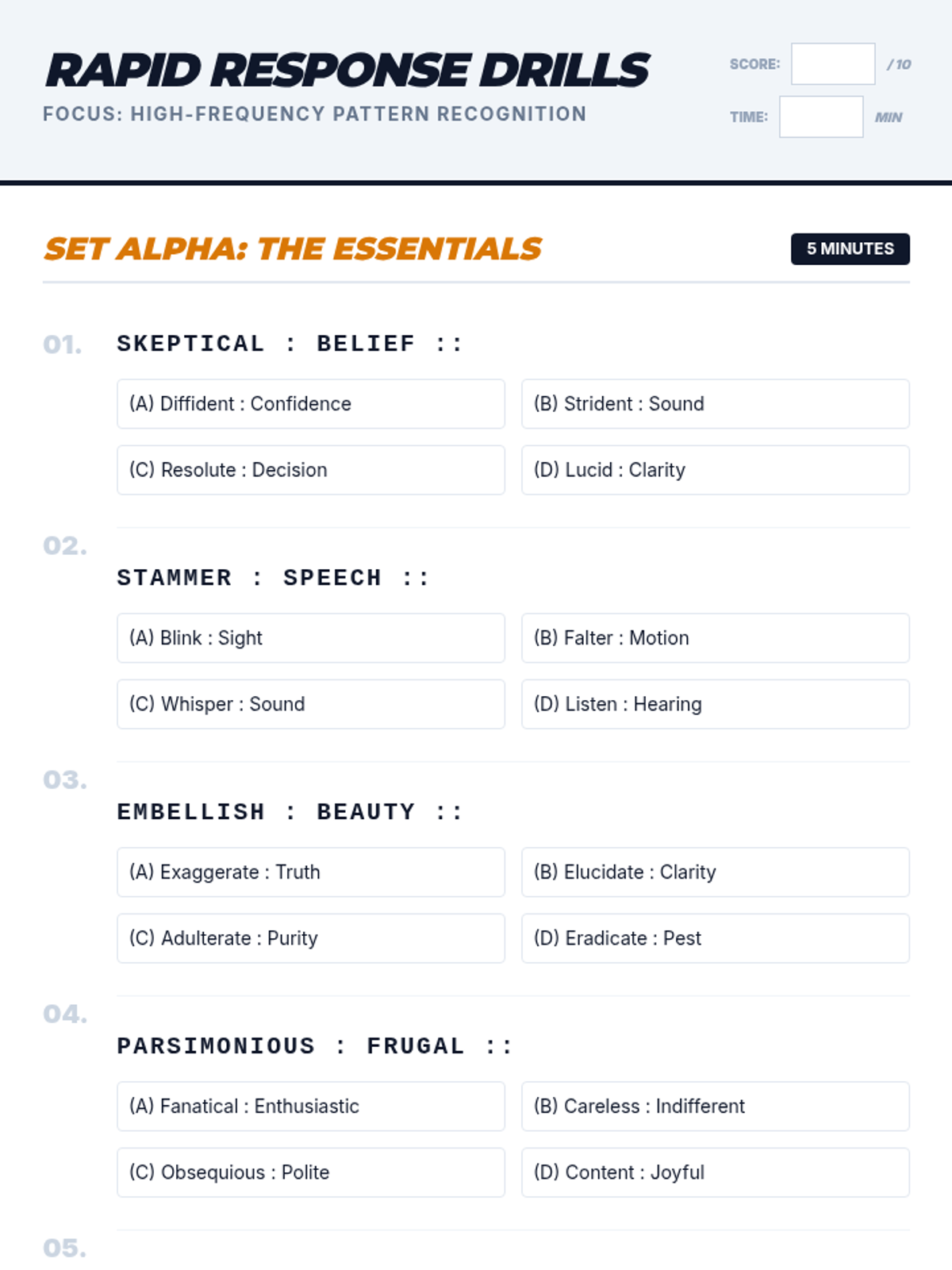
Class engages in timed drills to recognize common analogy patterns, focusing on rapid cognitive processing and accuracy rate tracking to simulate testing conditions.
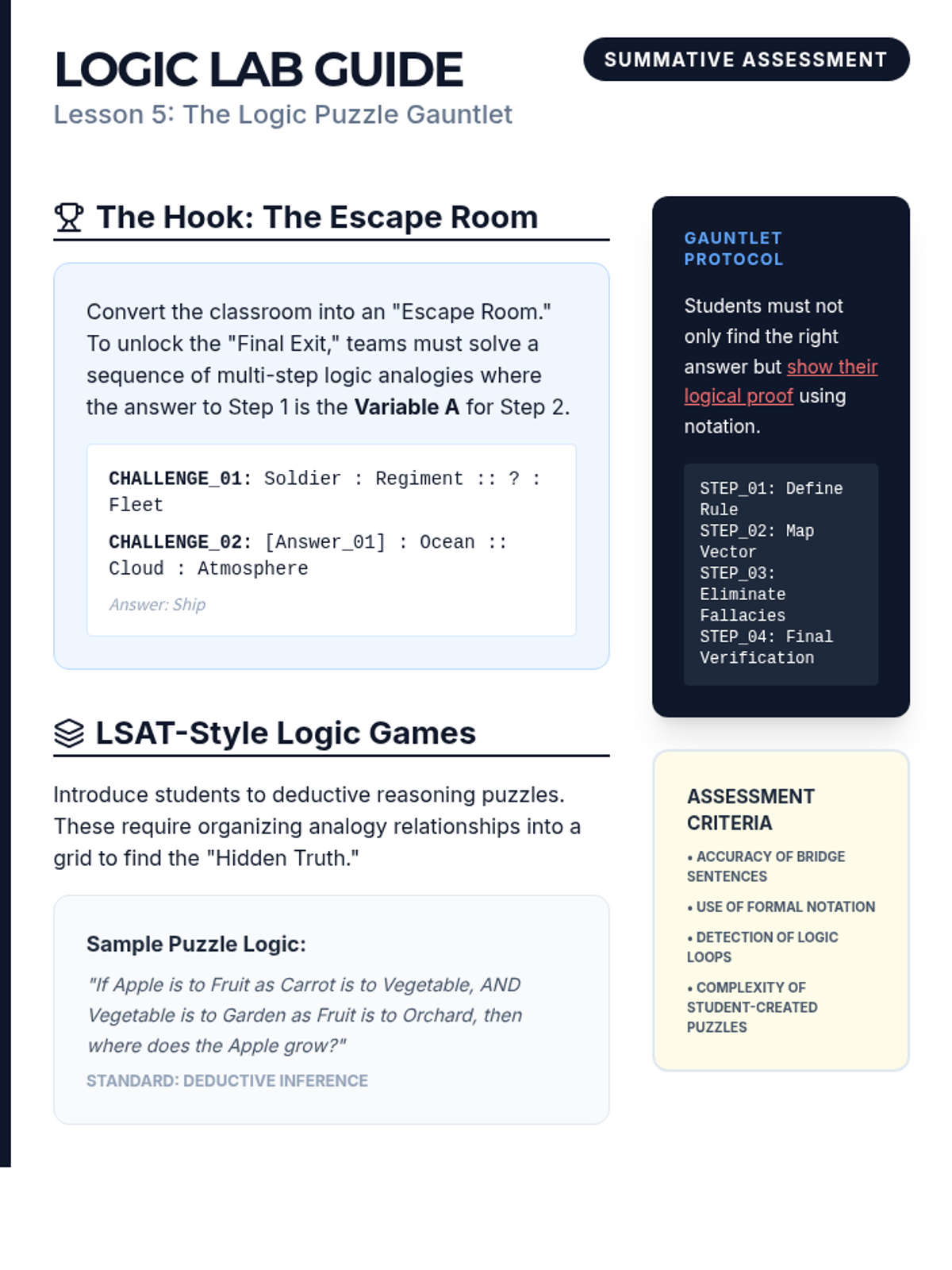
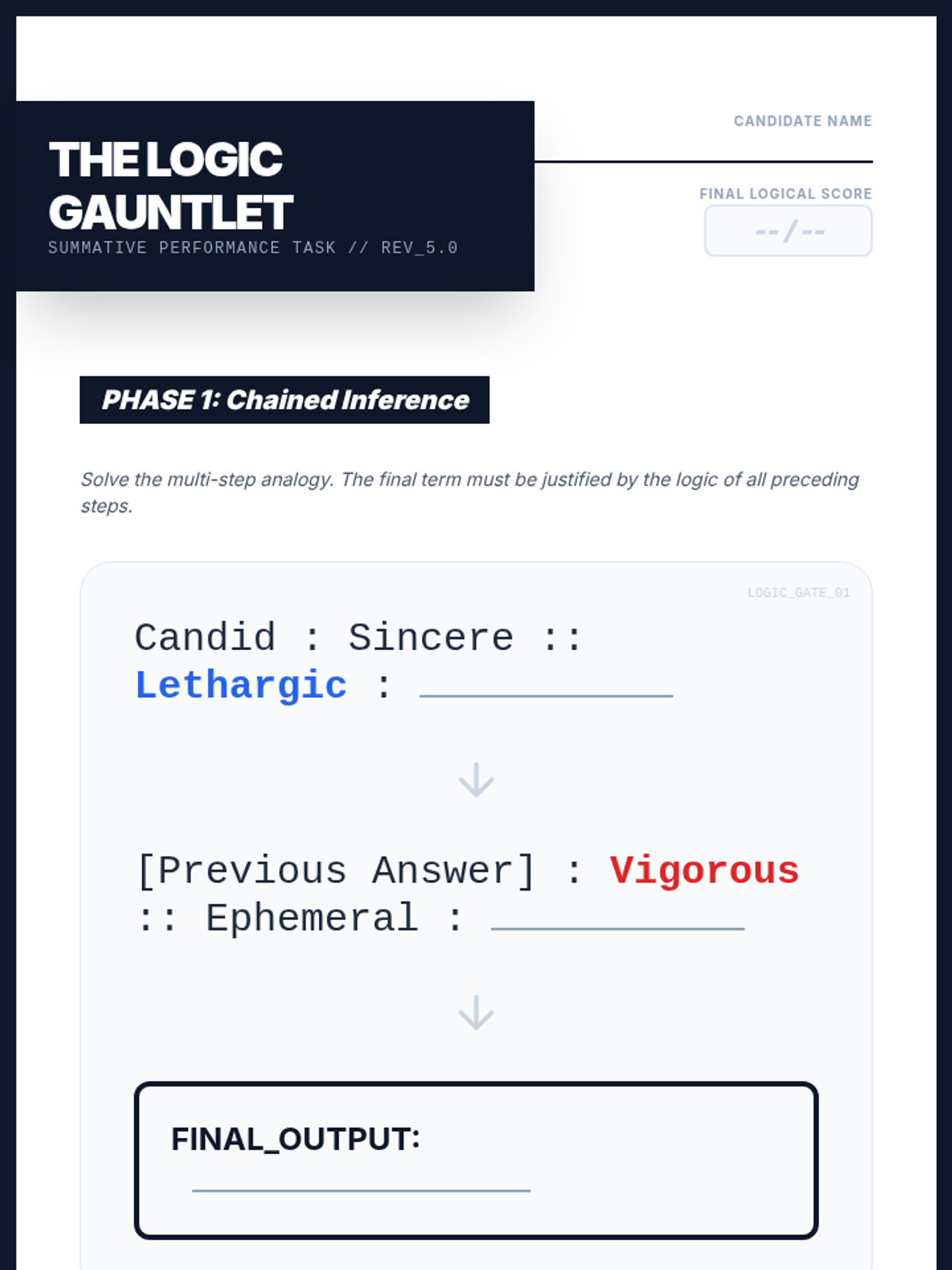
A summative assessment where students solve and create multi-step logic puzzles and LSAT-style games based on verbal analogies.
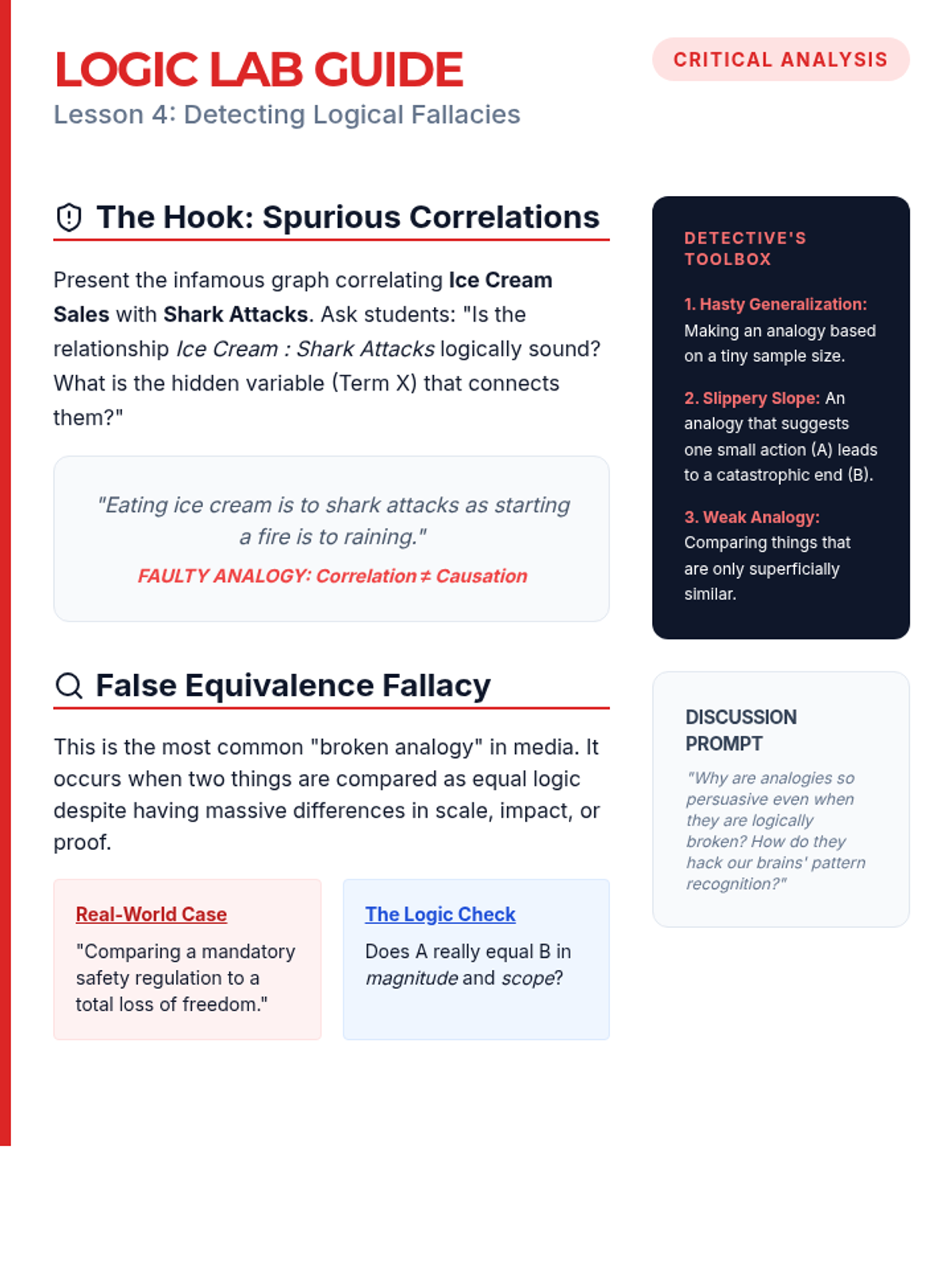
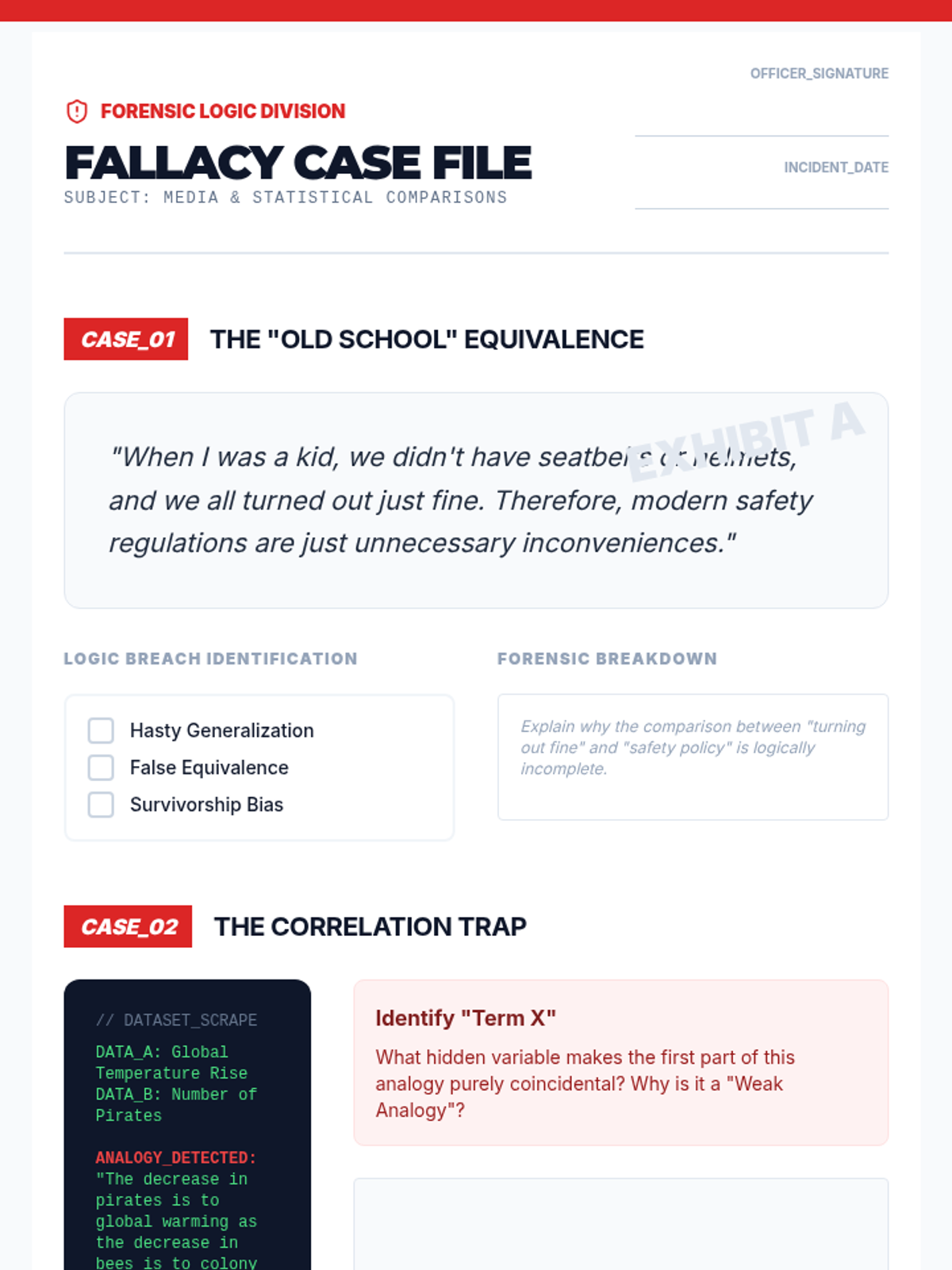
Investigates false equivalence and other logical fallacies in real-world data and media, applying analogy skills to information literacy.
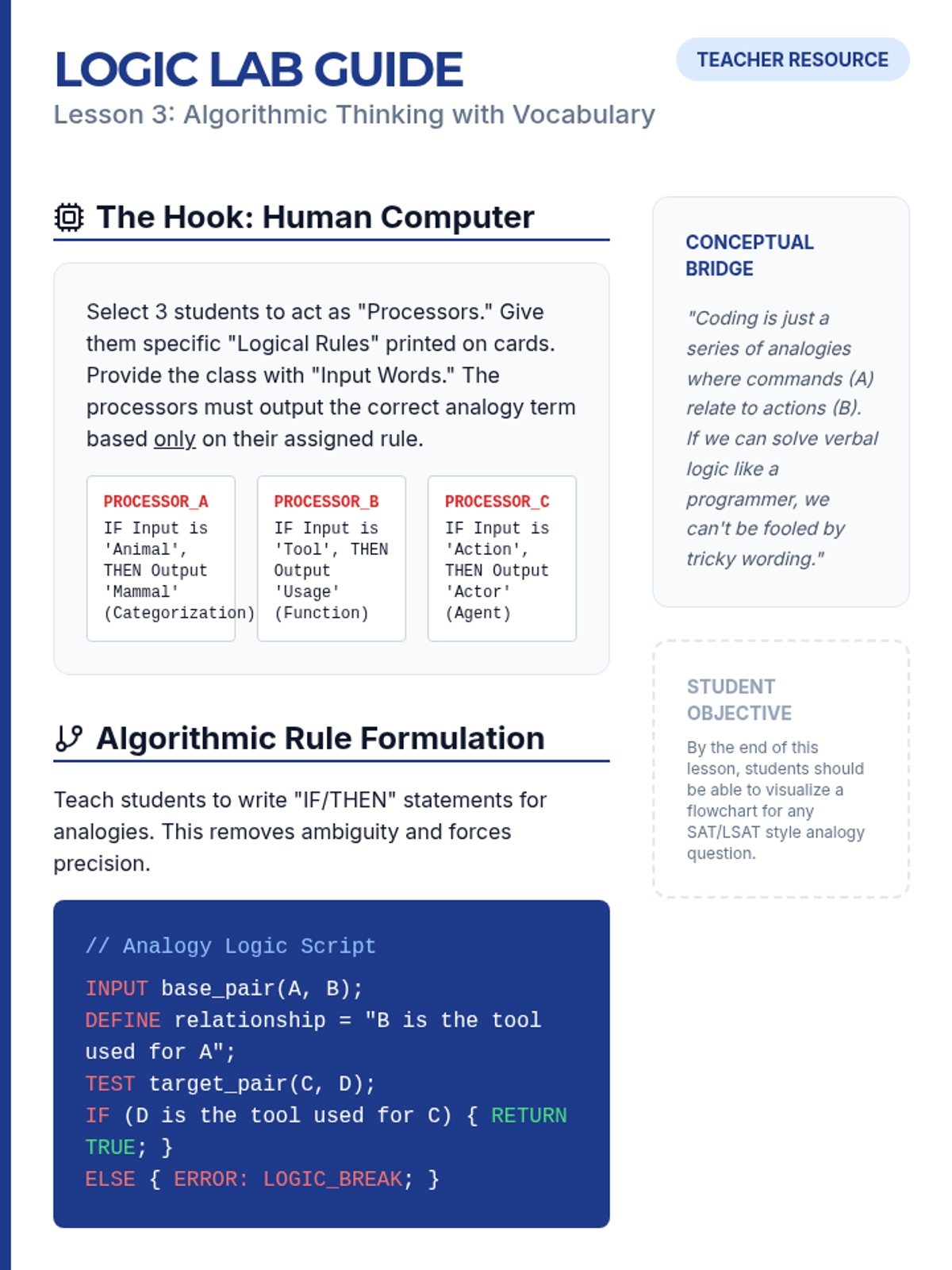
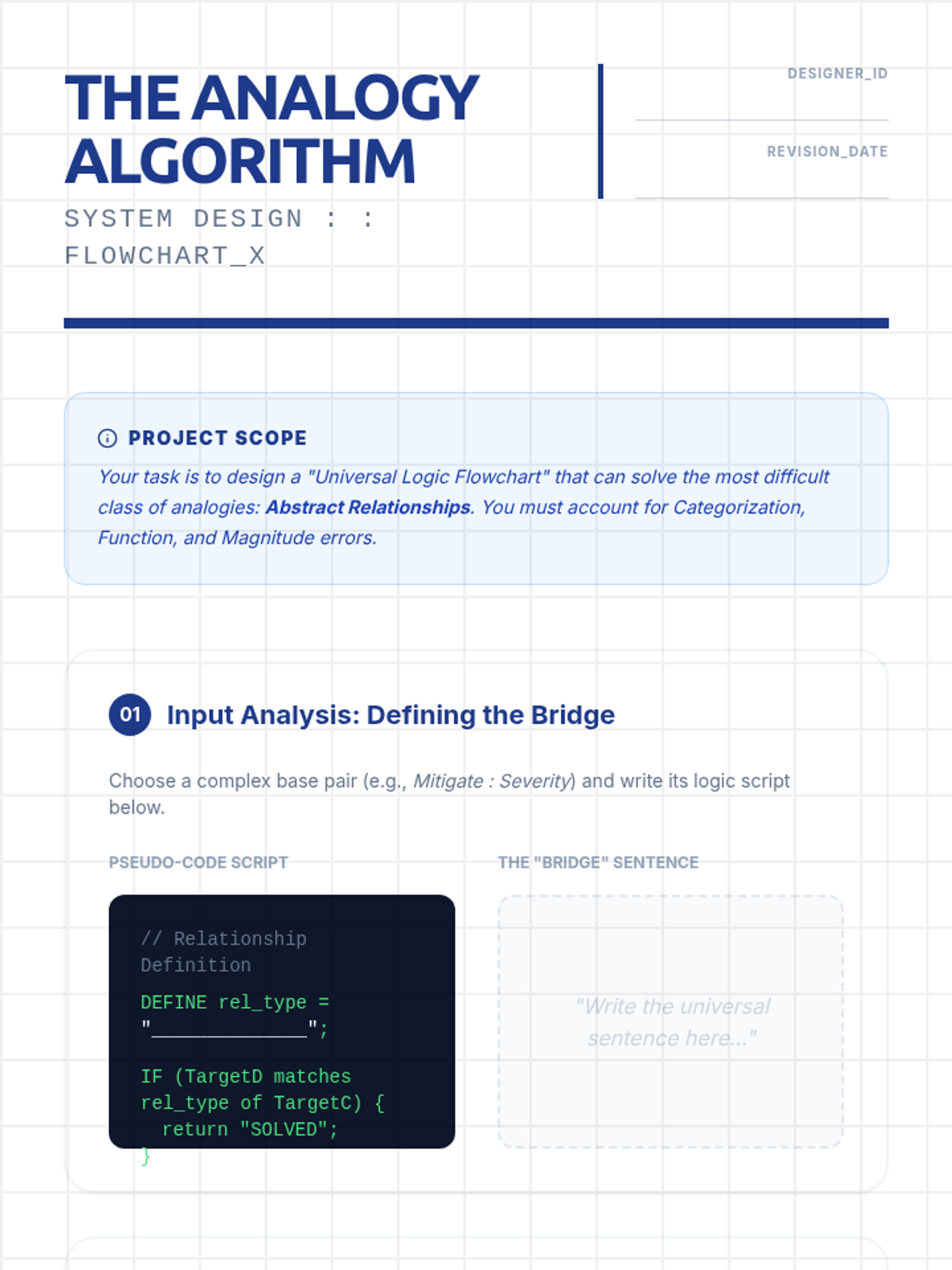
Connects coding concepts to linguistics by having students design flowcharts and 'rules' to solve for unknown terms in complex analogies.
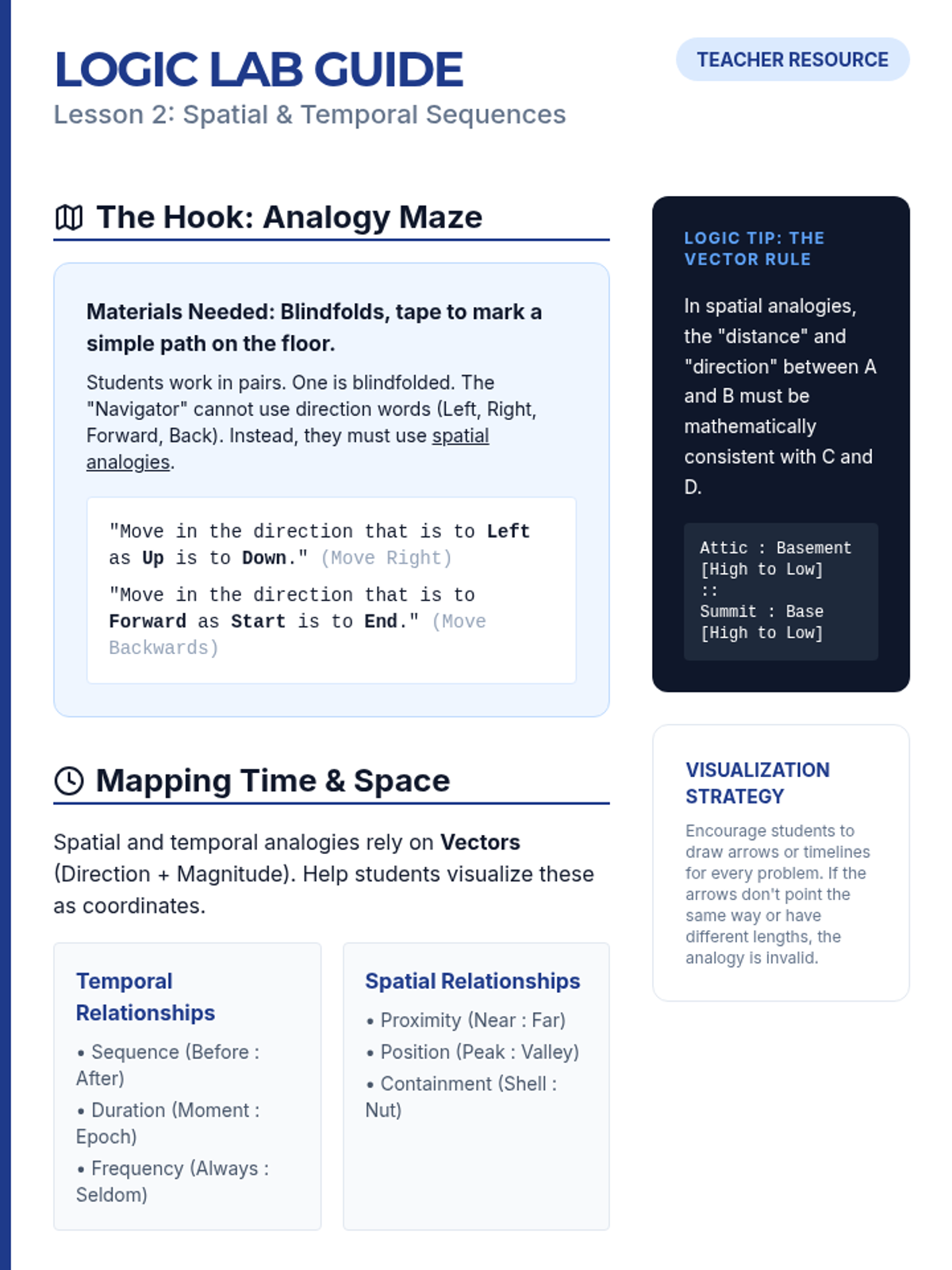
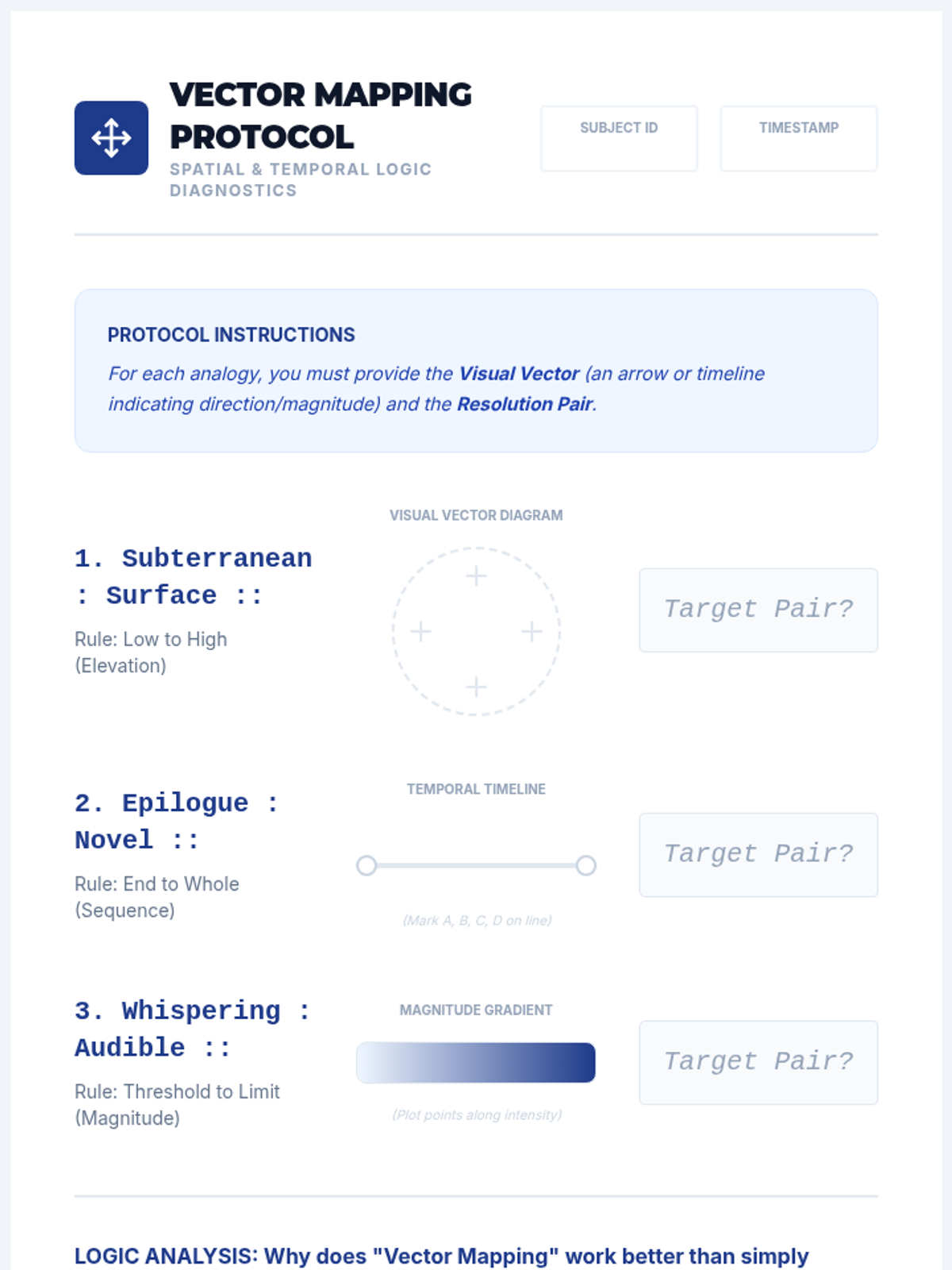
Explores analogies through the lens of space and time, using diagramming to visualize movement between terms and sequences.
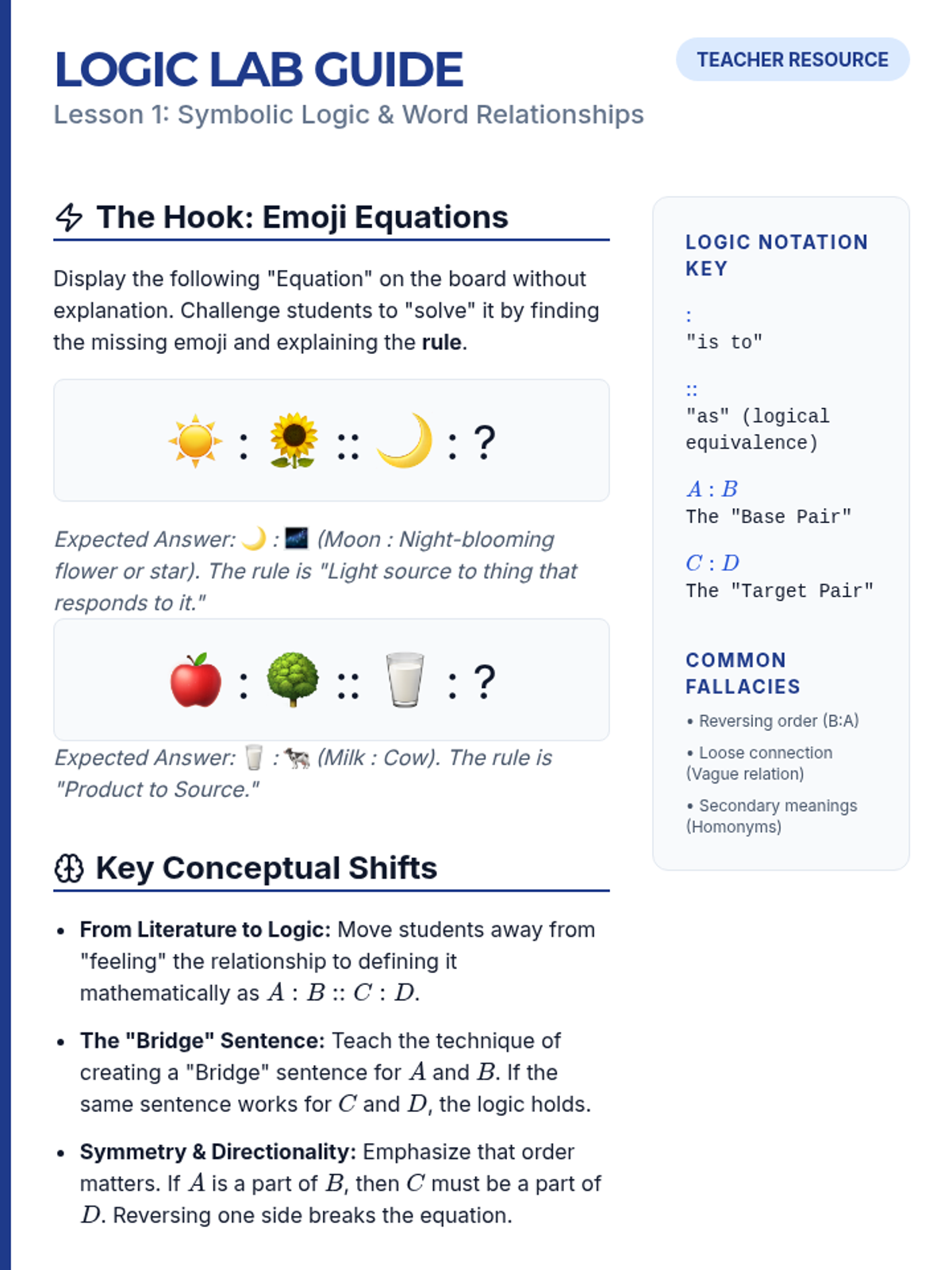
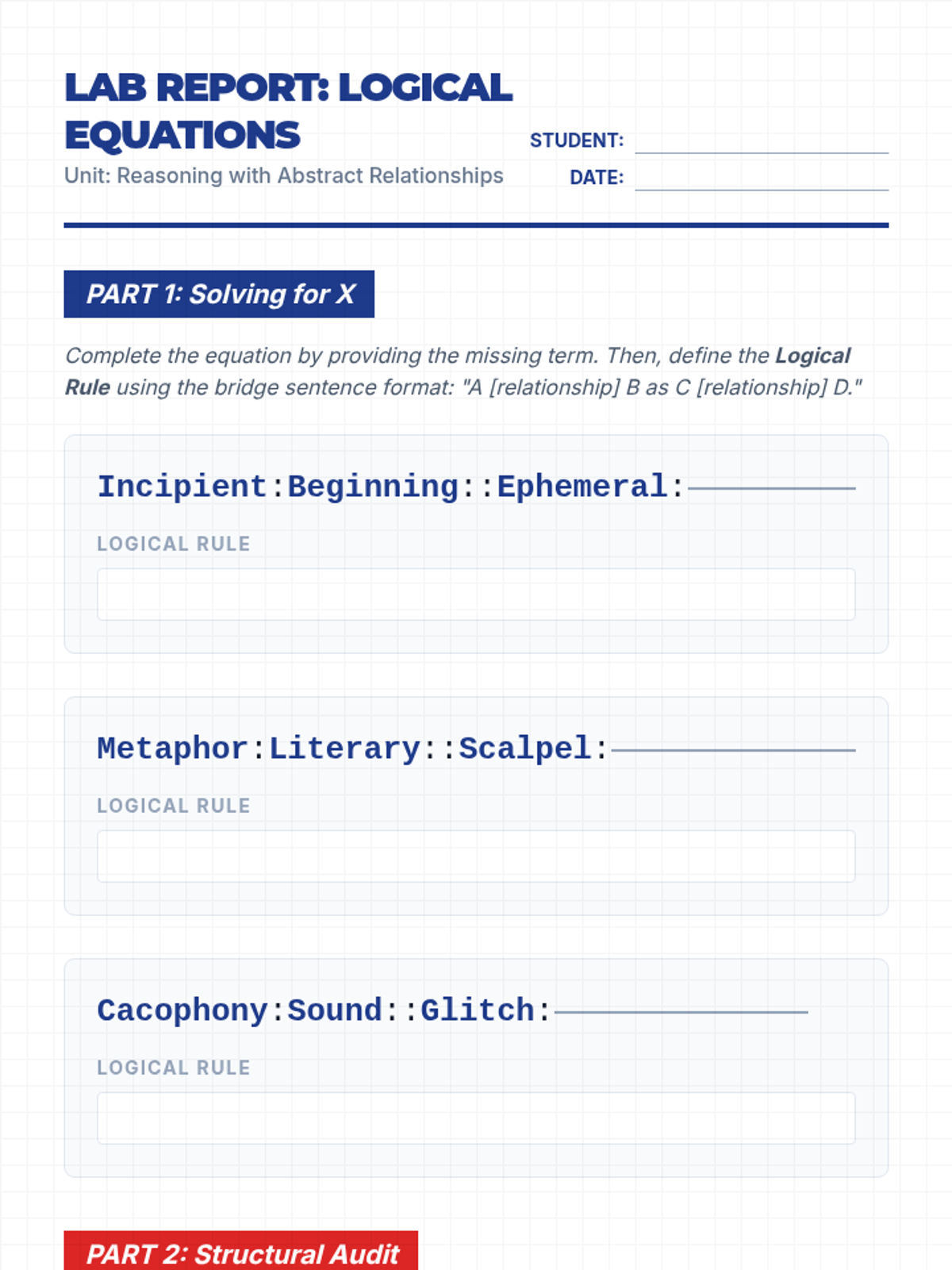
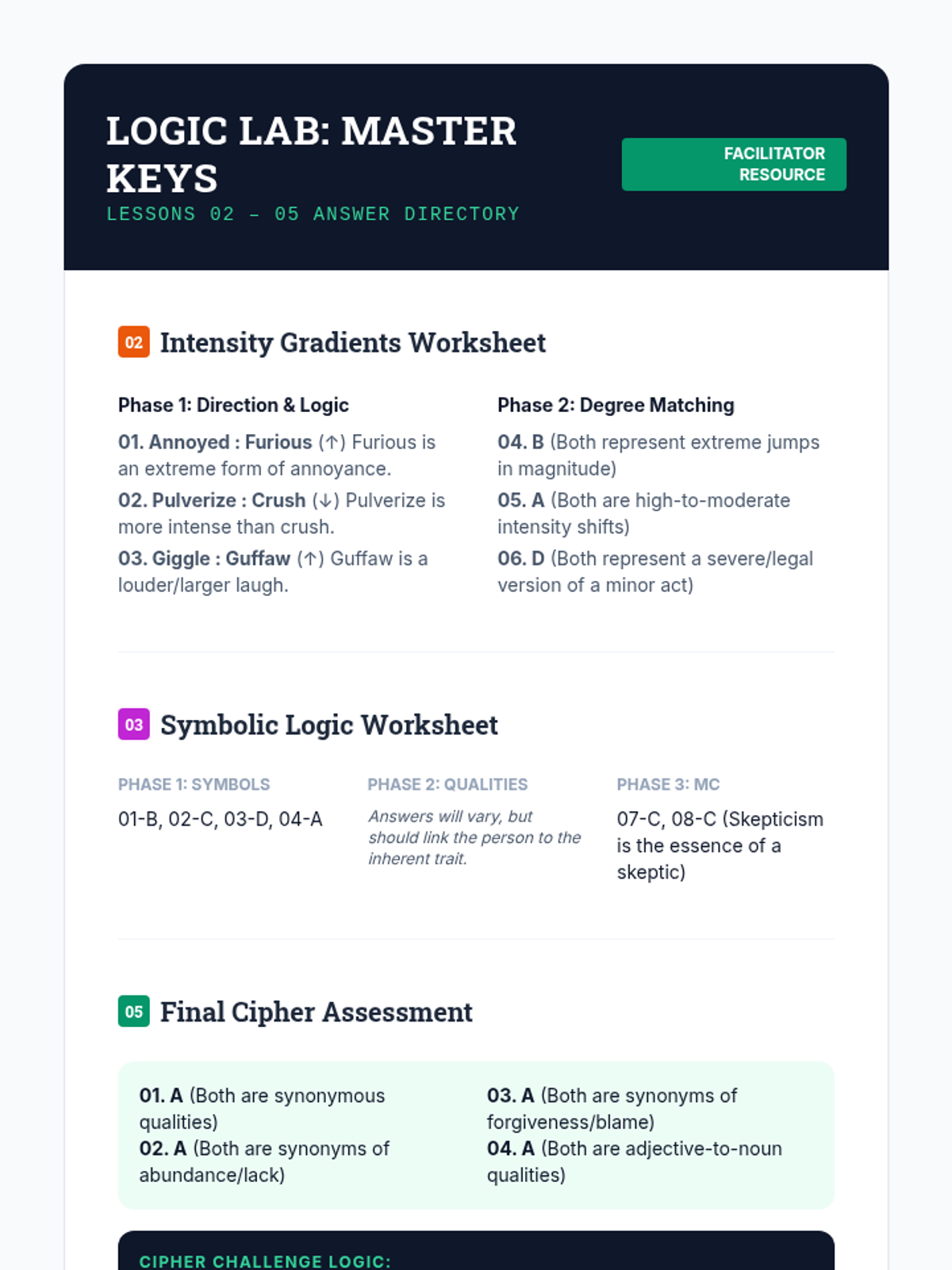
Introduces formal logic notation (A:B :: C:D) and maps word relationships onto these structures, emphasizing the importance of order and symmetry in verbal reasoning.
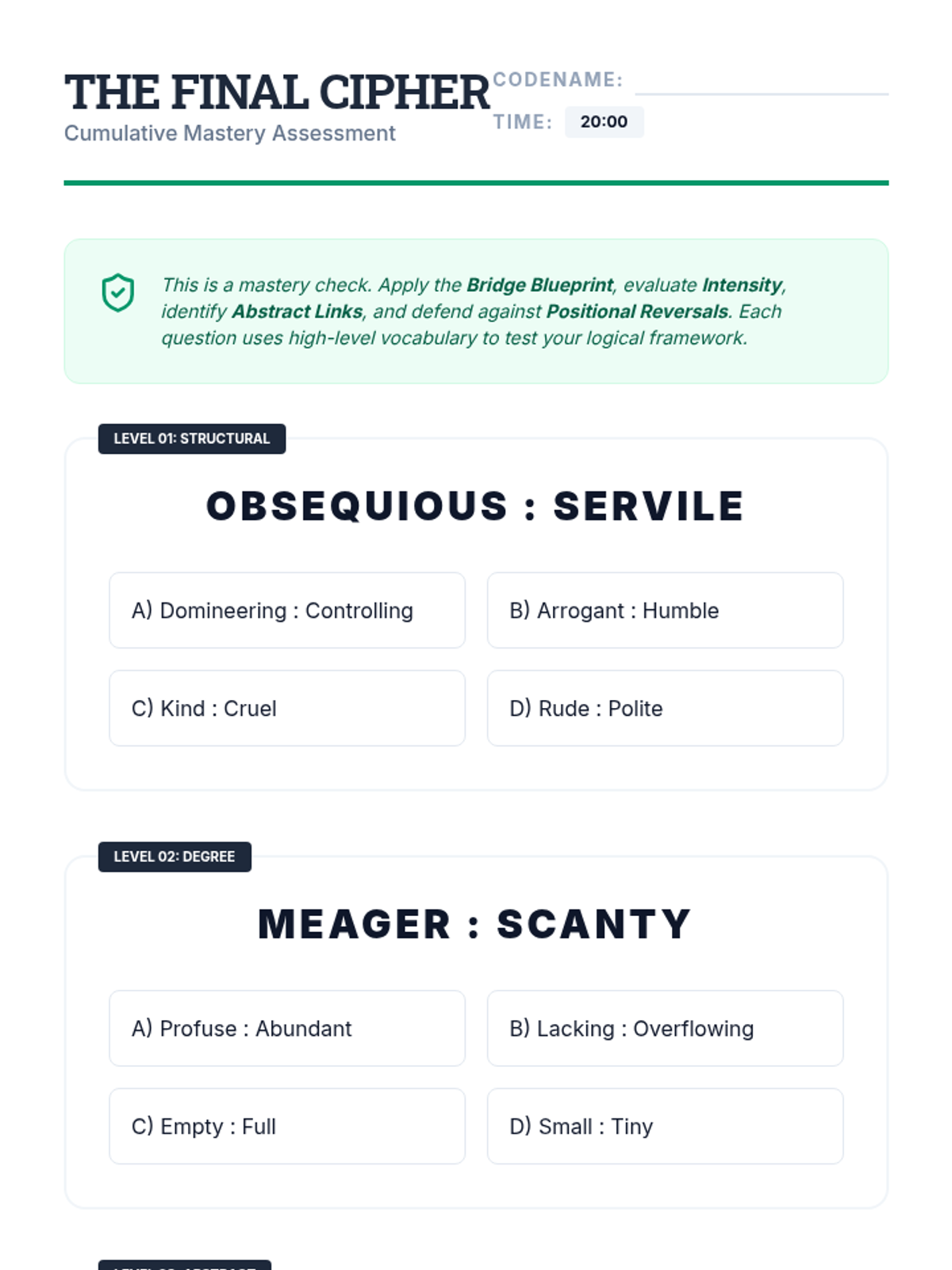
A culminating lesson applying logic strategies to high-level vocabulary, concluding with a timed mastery assessment.
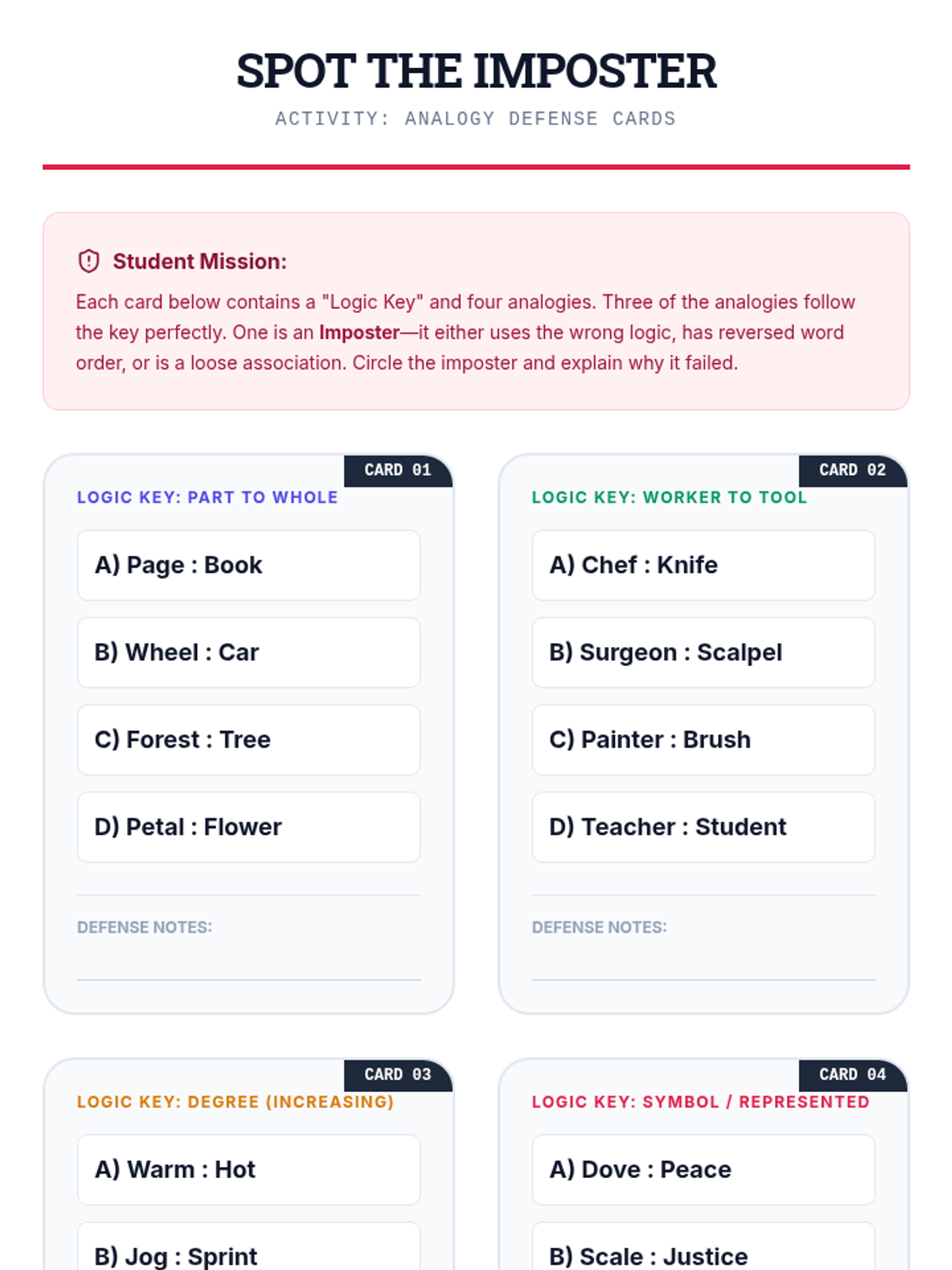
Teaches students to identify logical fallacies and common distractor traps in analogy questions, such as positional reversal and loose association.
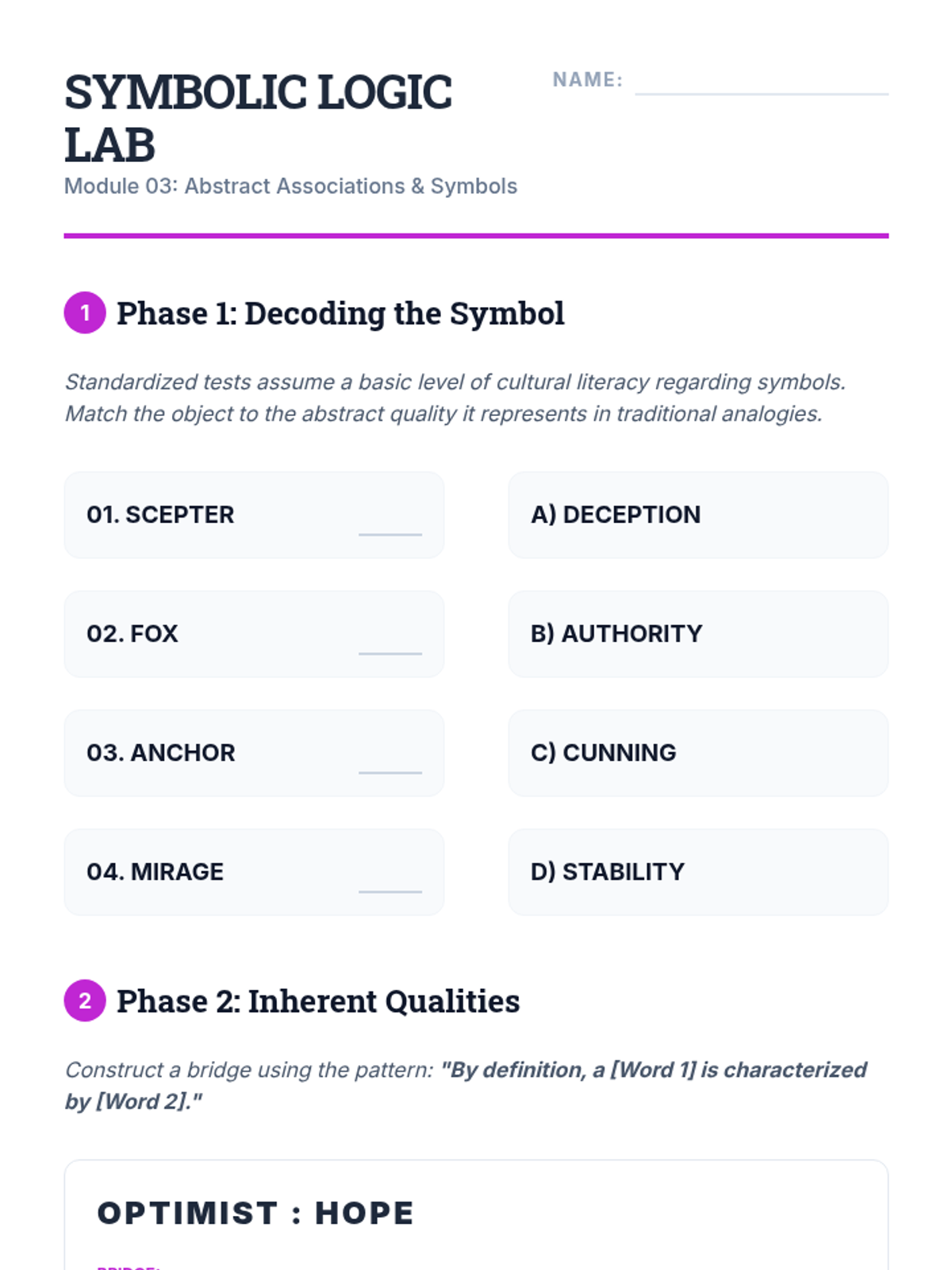
Focuses on abstract nouns, cultural symbols, and defining characteristics that represent non-physical relationships.
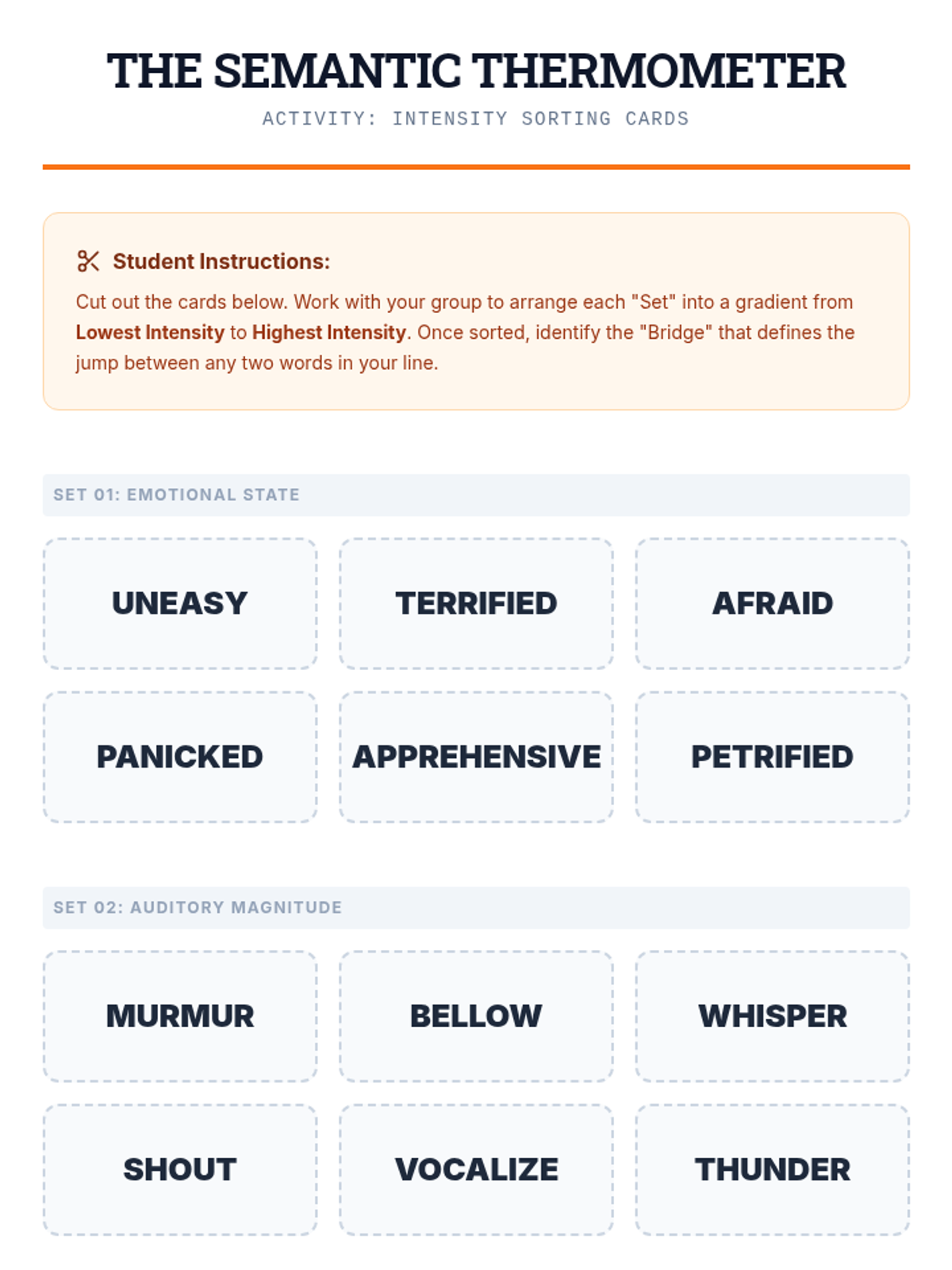
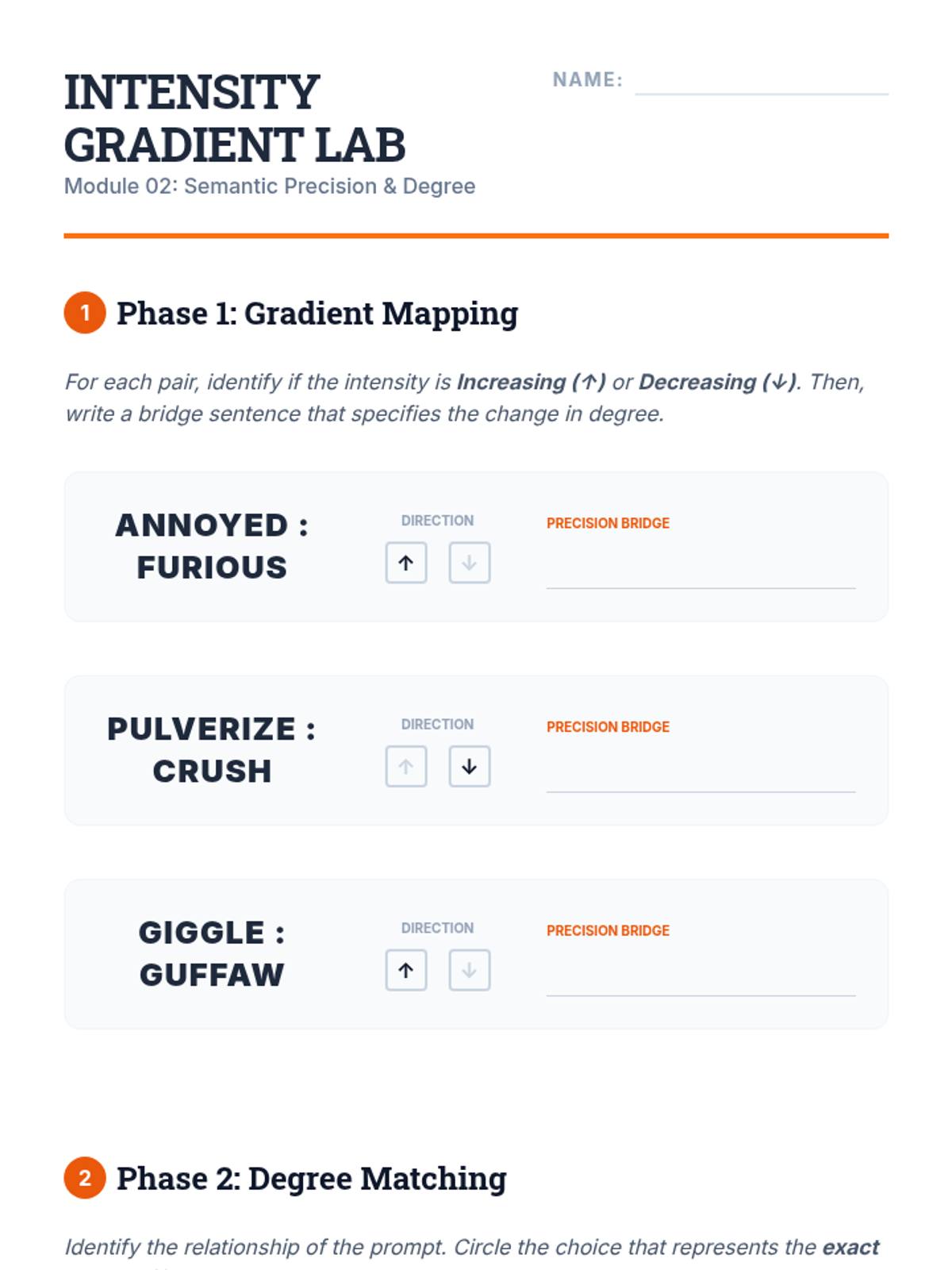
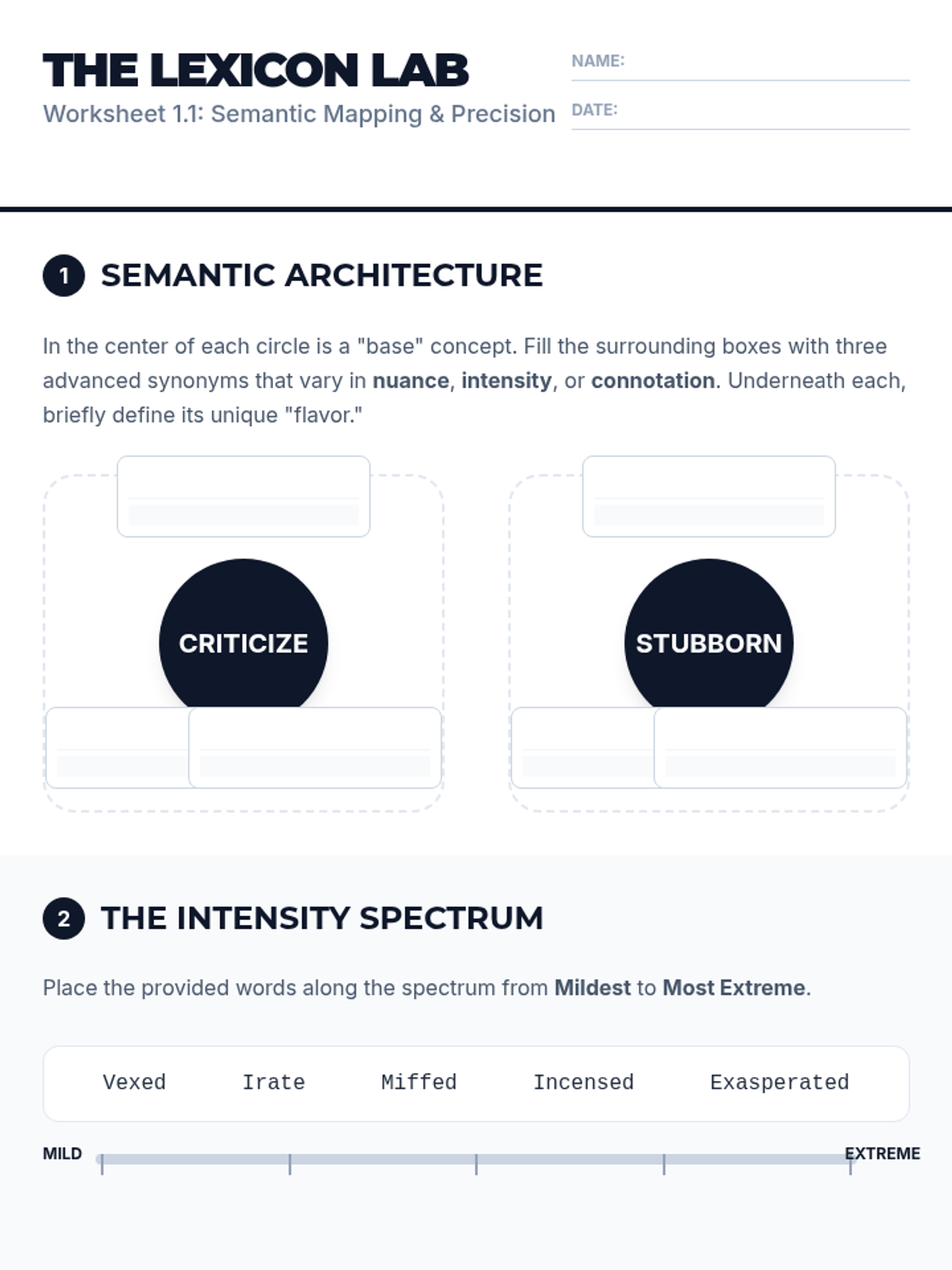
Explores synonymous relationships that differ by magnitude or intensity, using a 'thermometer' model to visualize semantic gradients.
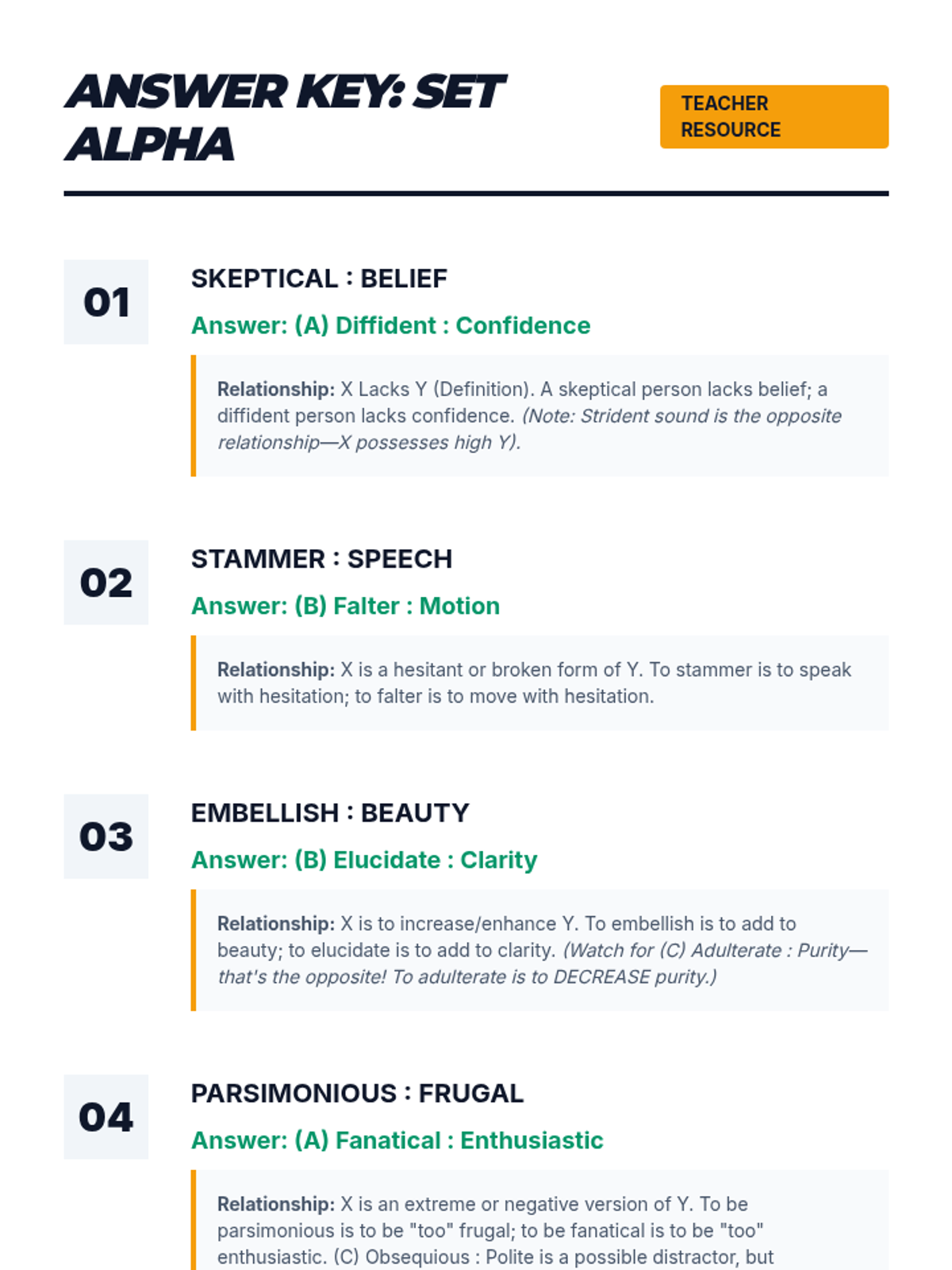
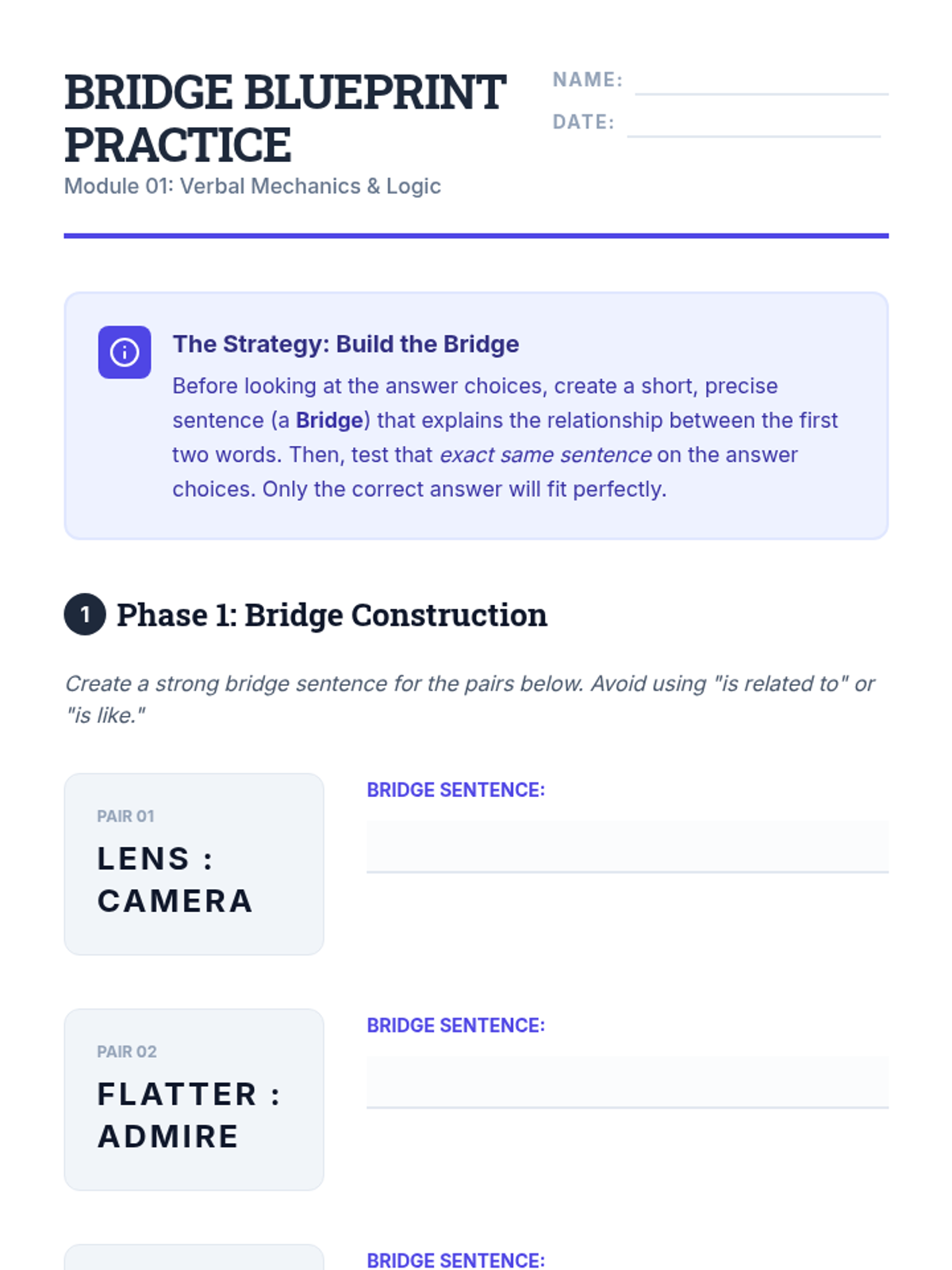
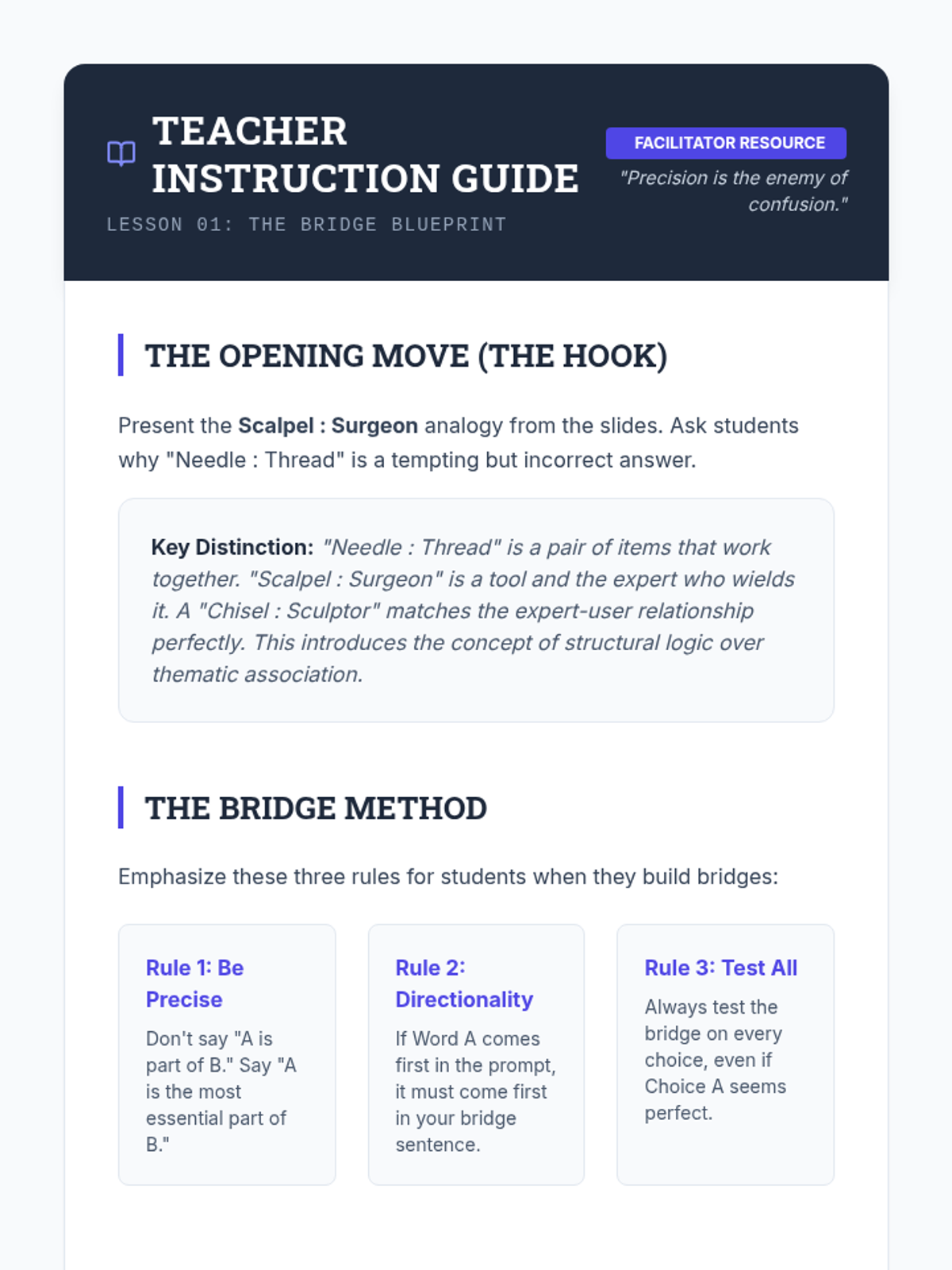
Introduces the foundational 'Bridge Sentence' strategy for solving analogies by creating a definitive logical link between word pairs.
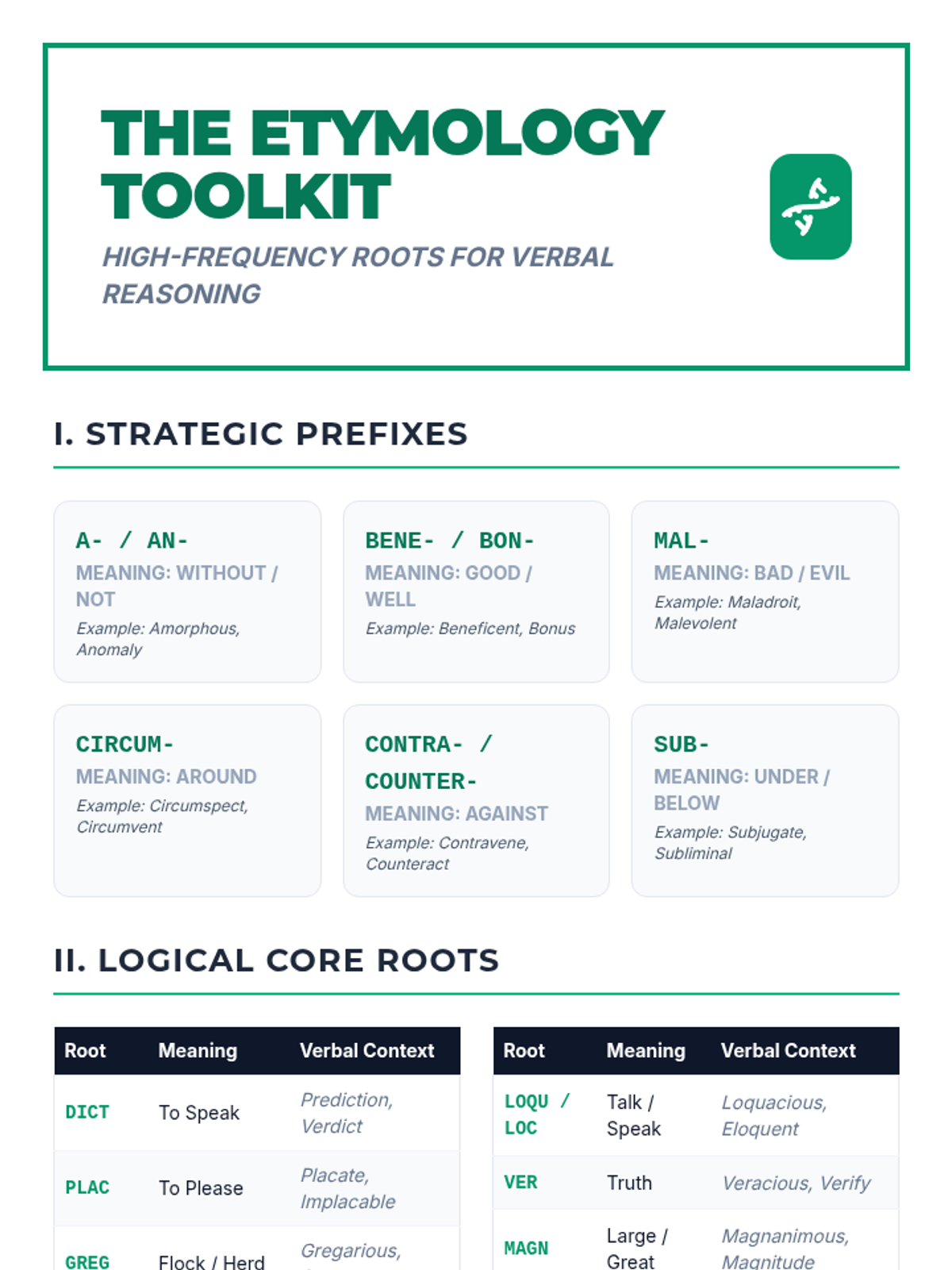
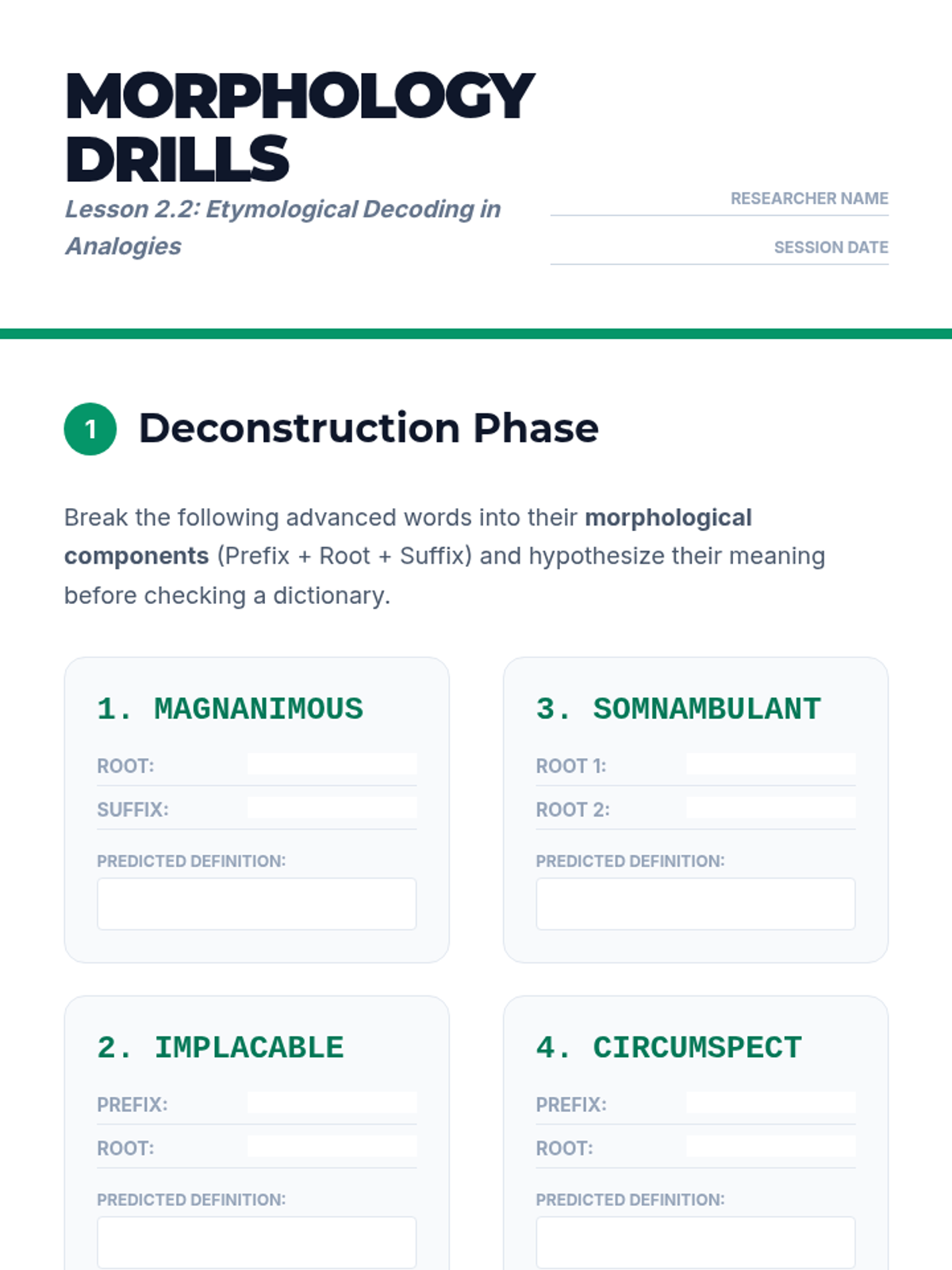
Students use etymology to decode unfamiliar words within analogy problems, learning to identify relationships based on shared roots, prefixes, and suffixes as a problem-solving tool.
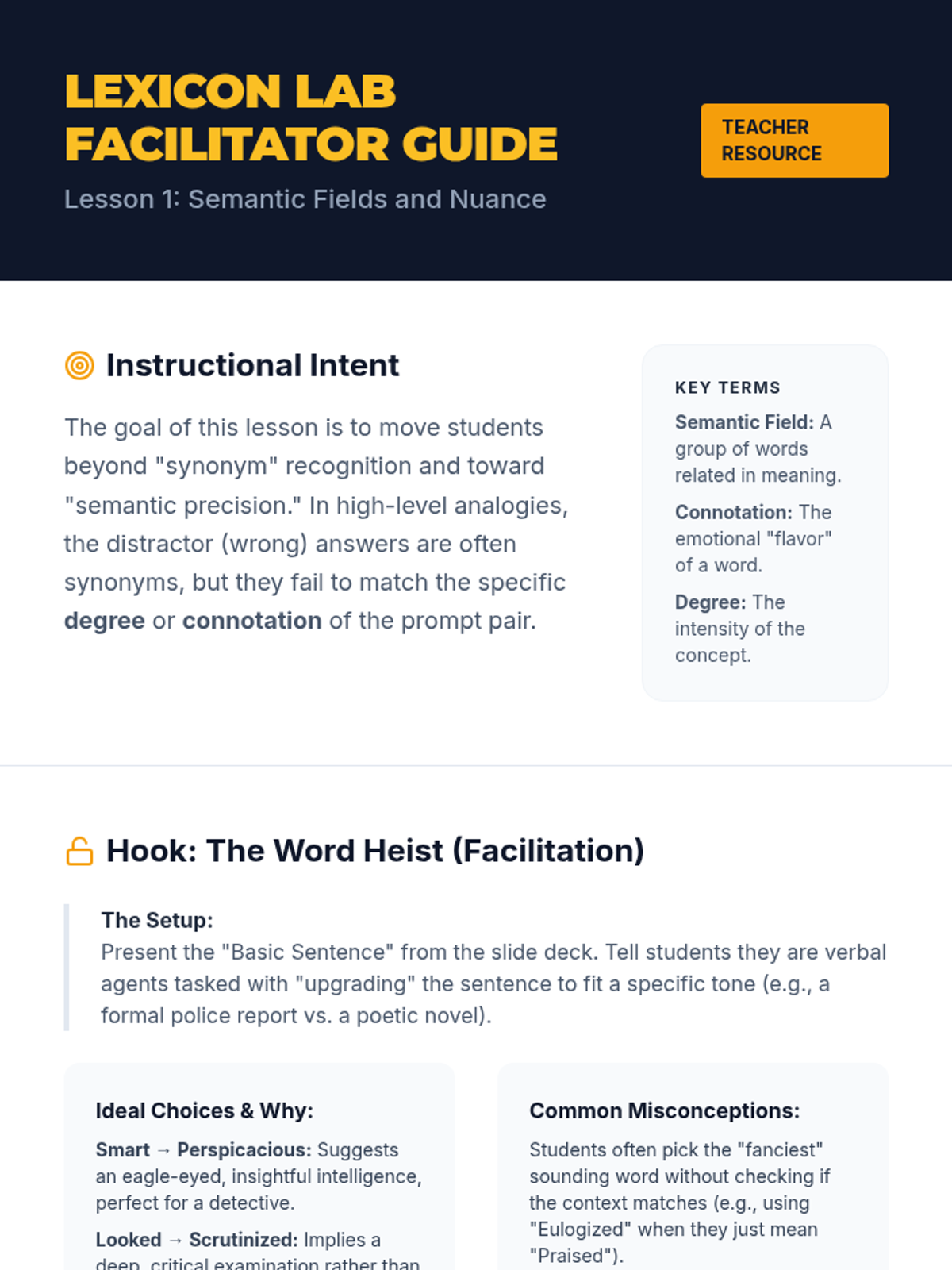
Students explore clusters of advanced vocabulary words that share similar meanings but differ in usage or connotation, building semantic maps to prepare for precision-based analogies.
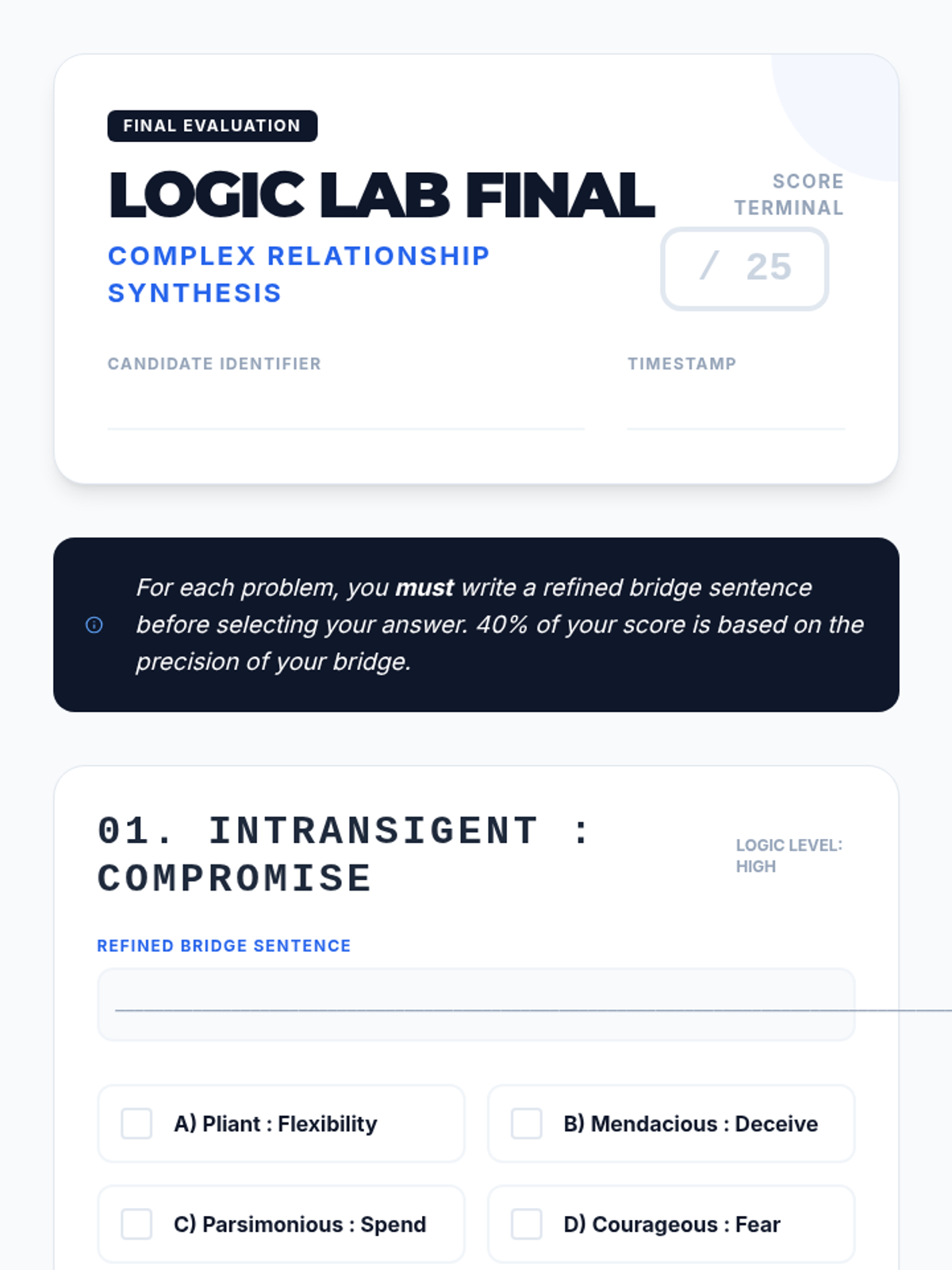
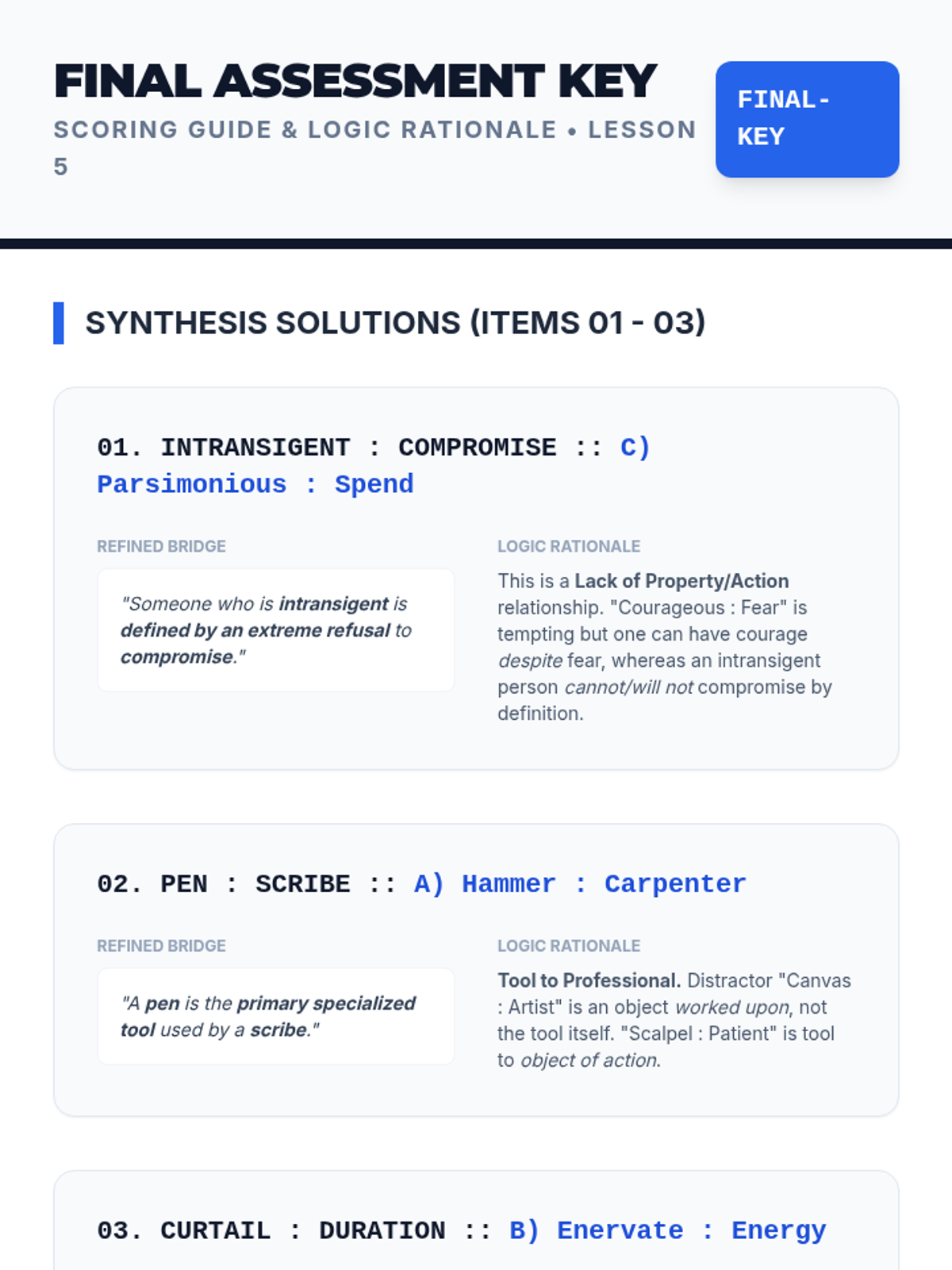
A culminating lesson where students tackle multi-layered analogies, synthesizing all previous skills to solve high-difficulty problems.
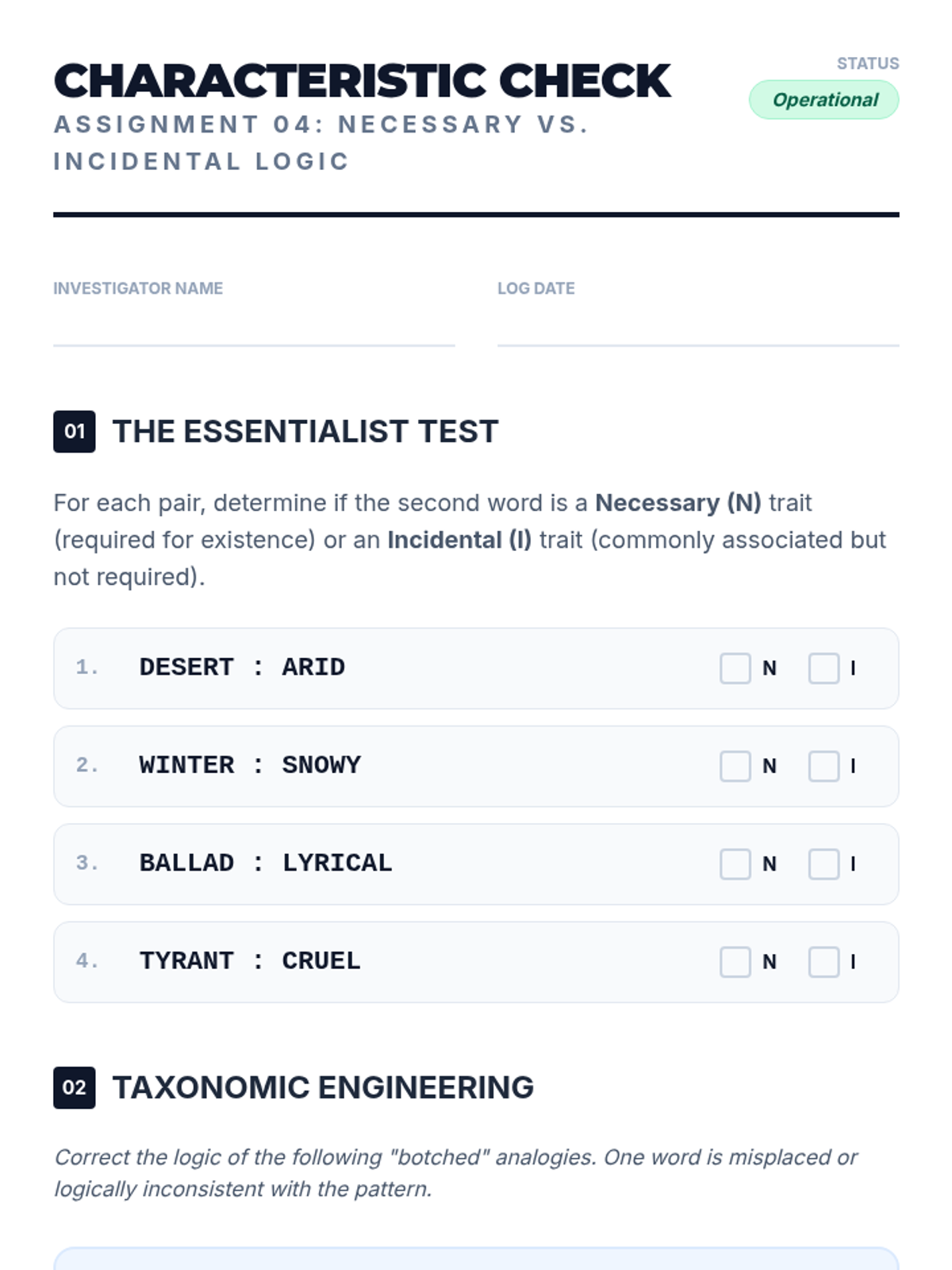
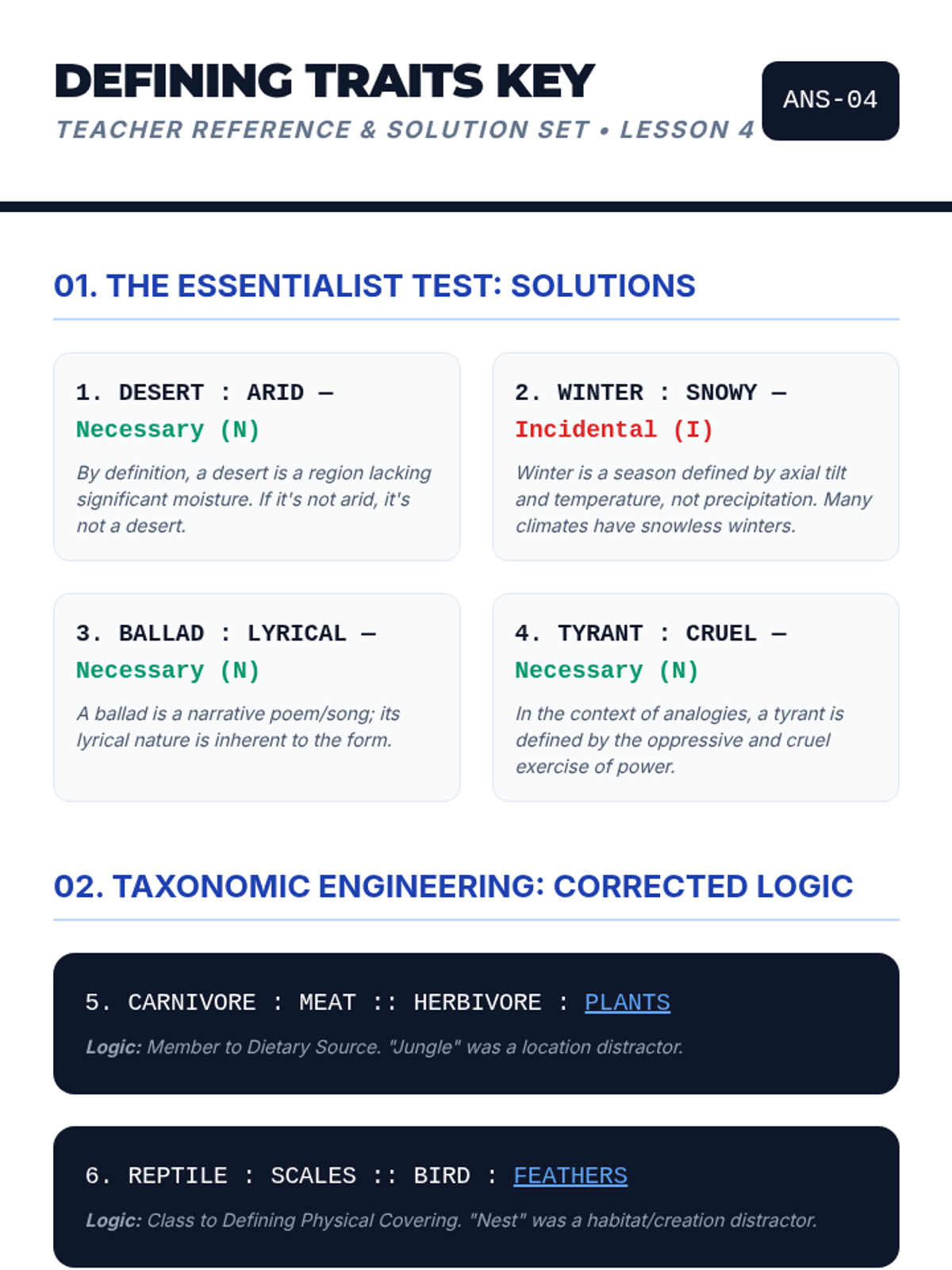
Focuses on 'type of' and 'defining characteristic' relationships, helping students distinguish between necessary and incidental traits.
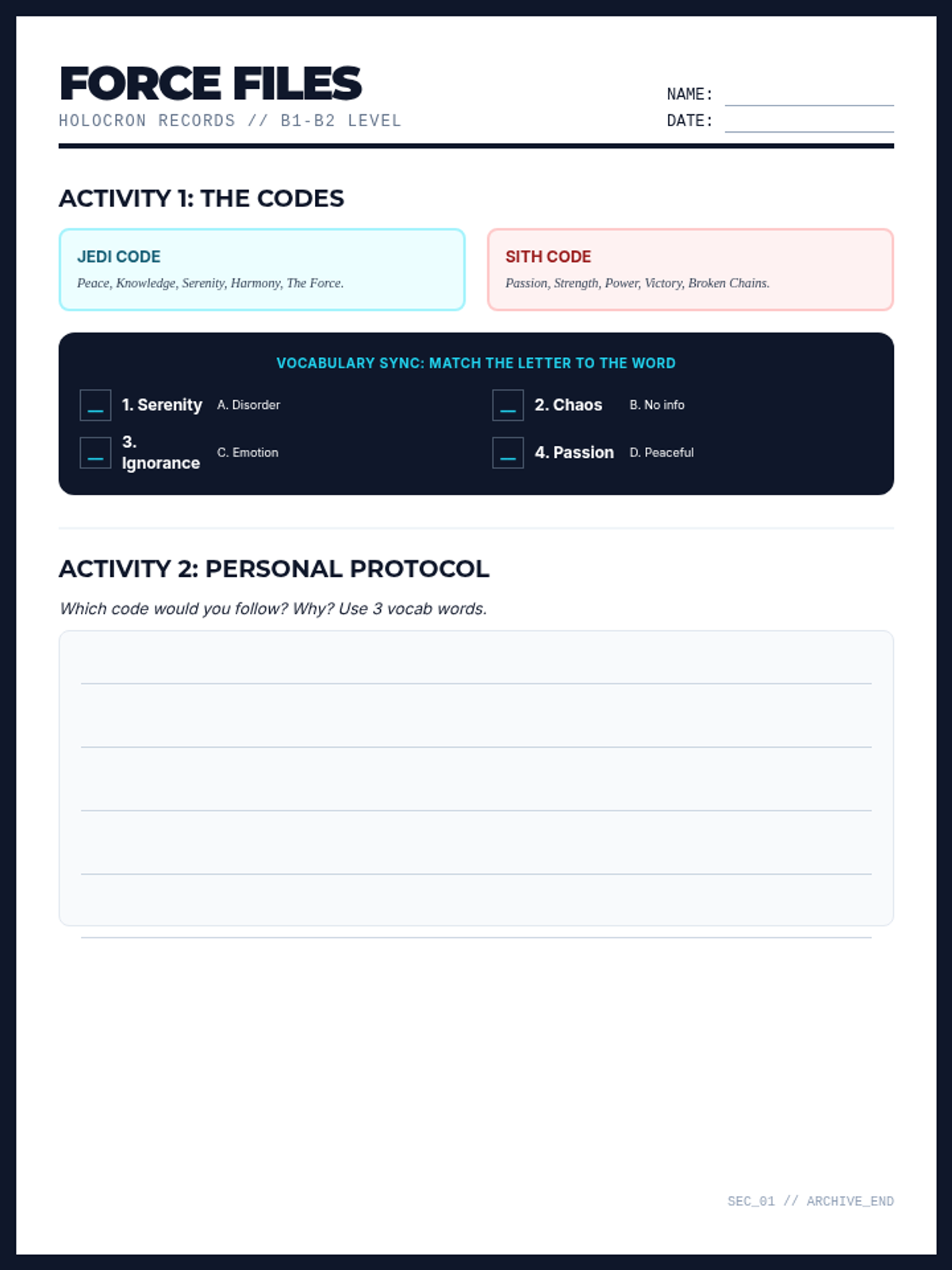
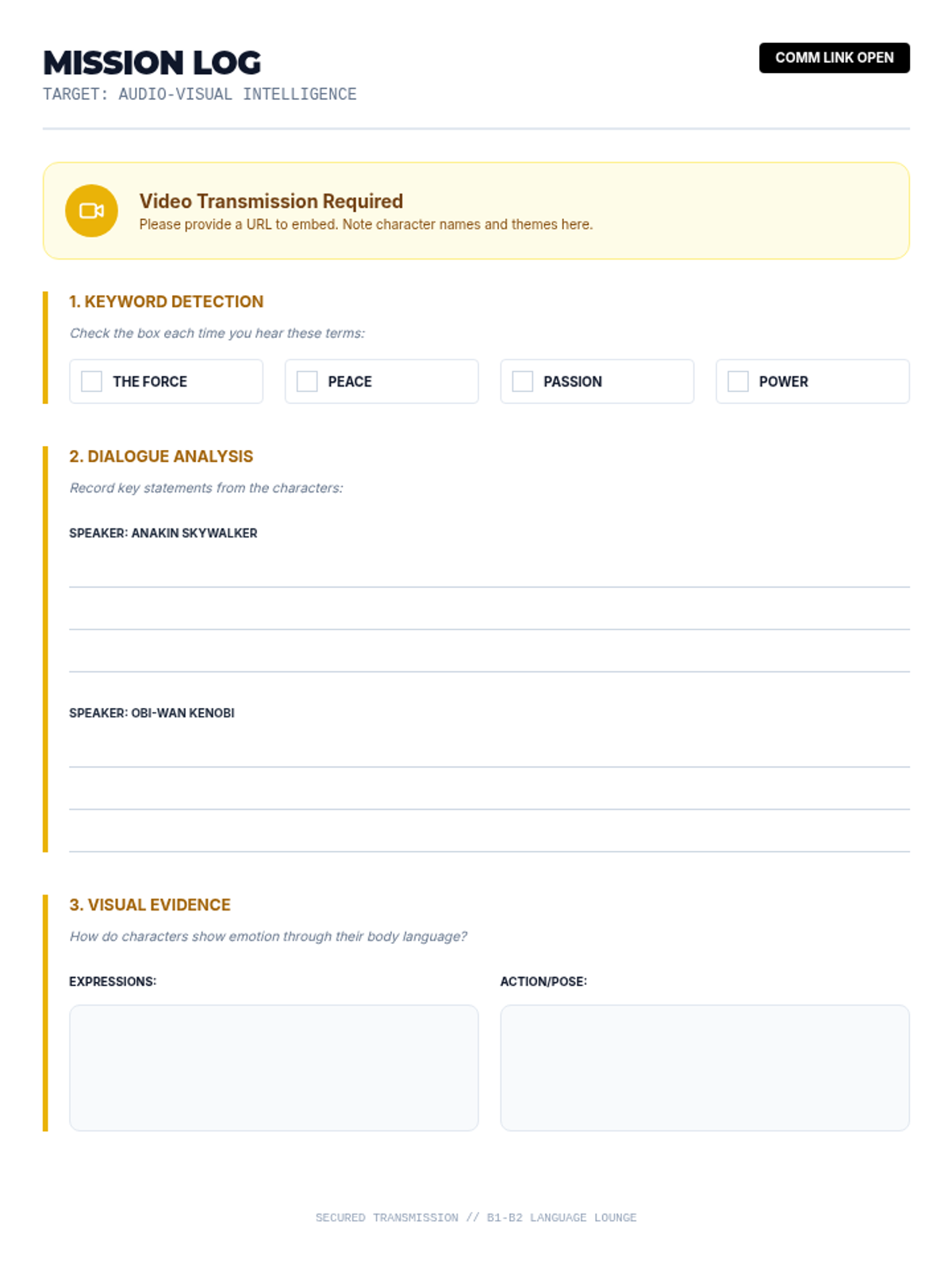
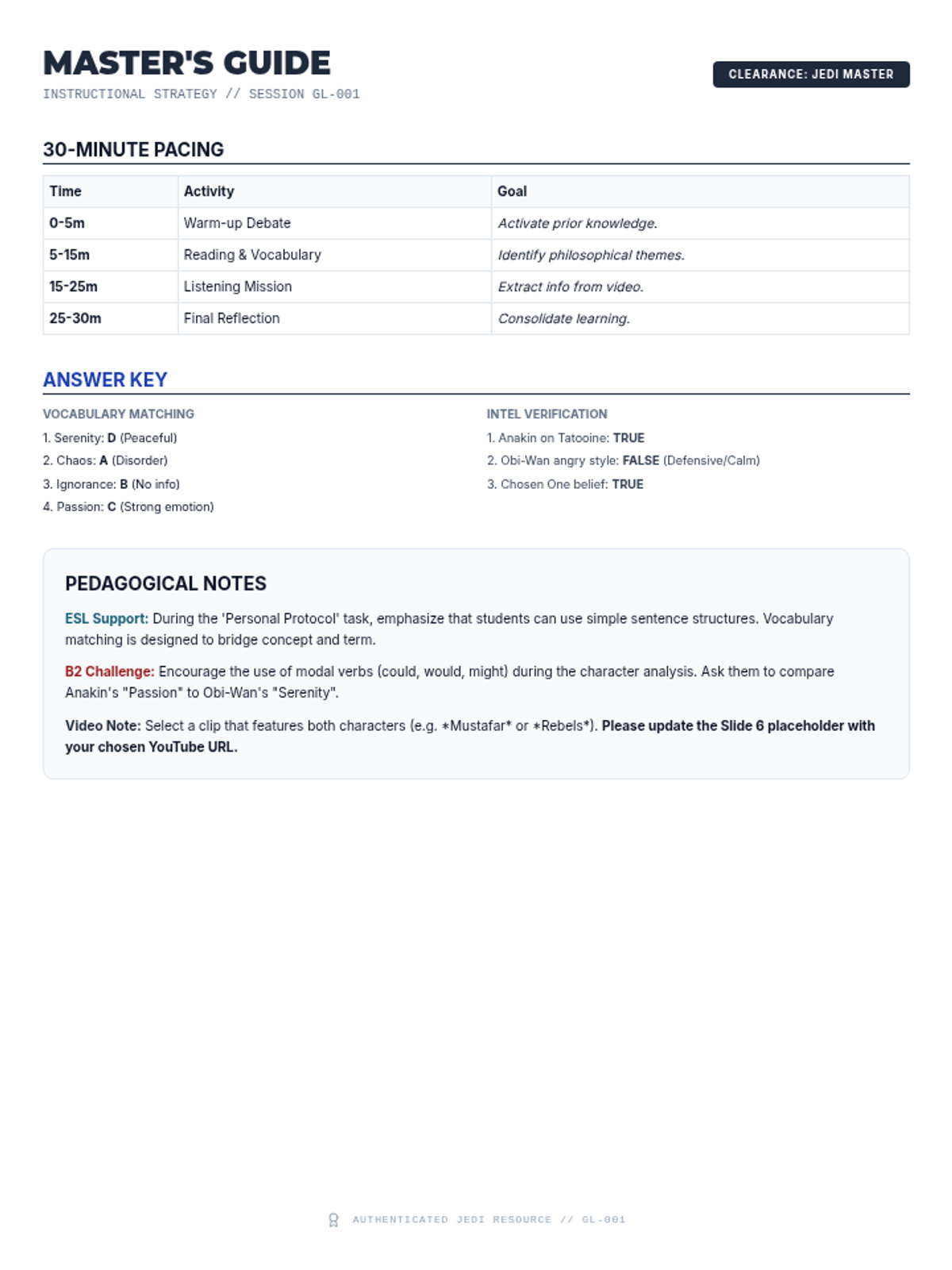
An immersive ESL lesson for B1/B2 levels exploring the philosophy and history of Star Wars characters through the lens of the Jedi and Sith Codes. Students will practice all four language domains in a 30-minute 'Language Lounge' format.
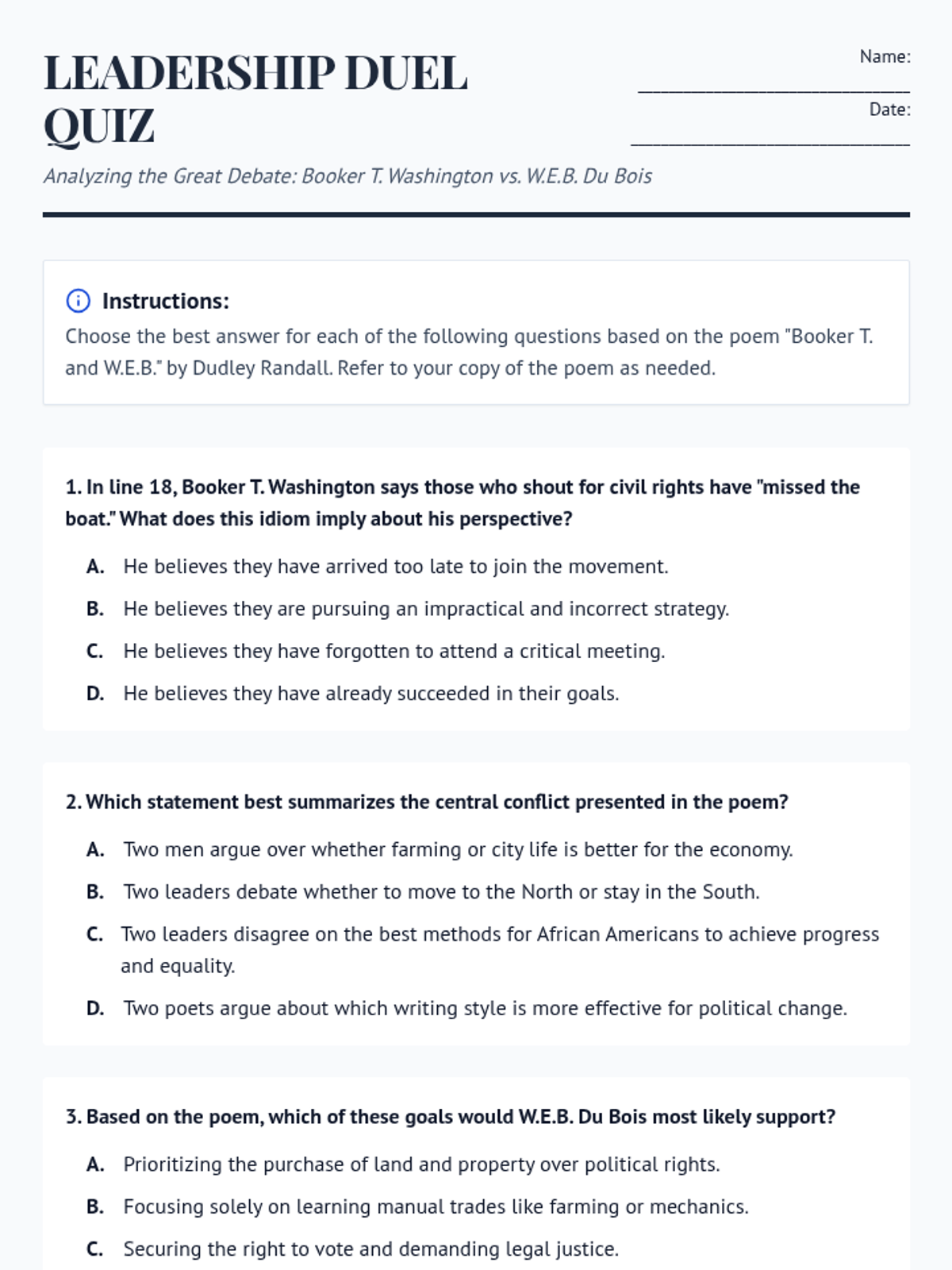
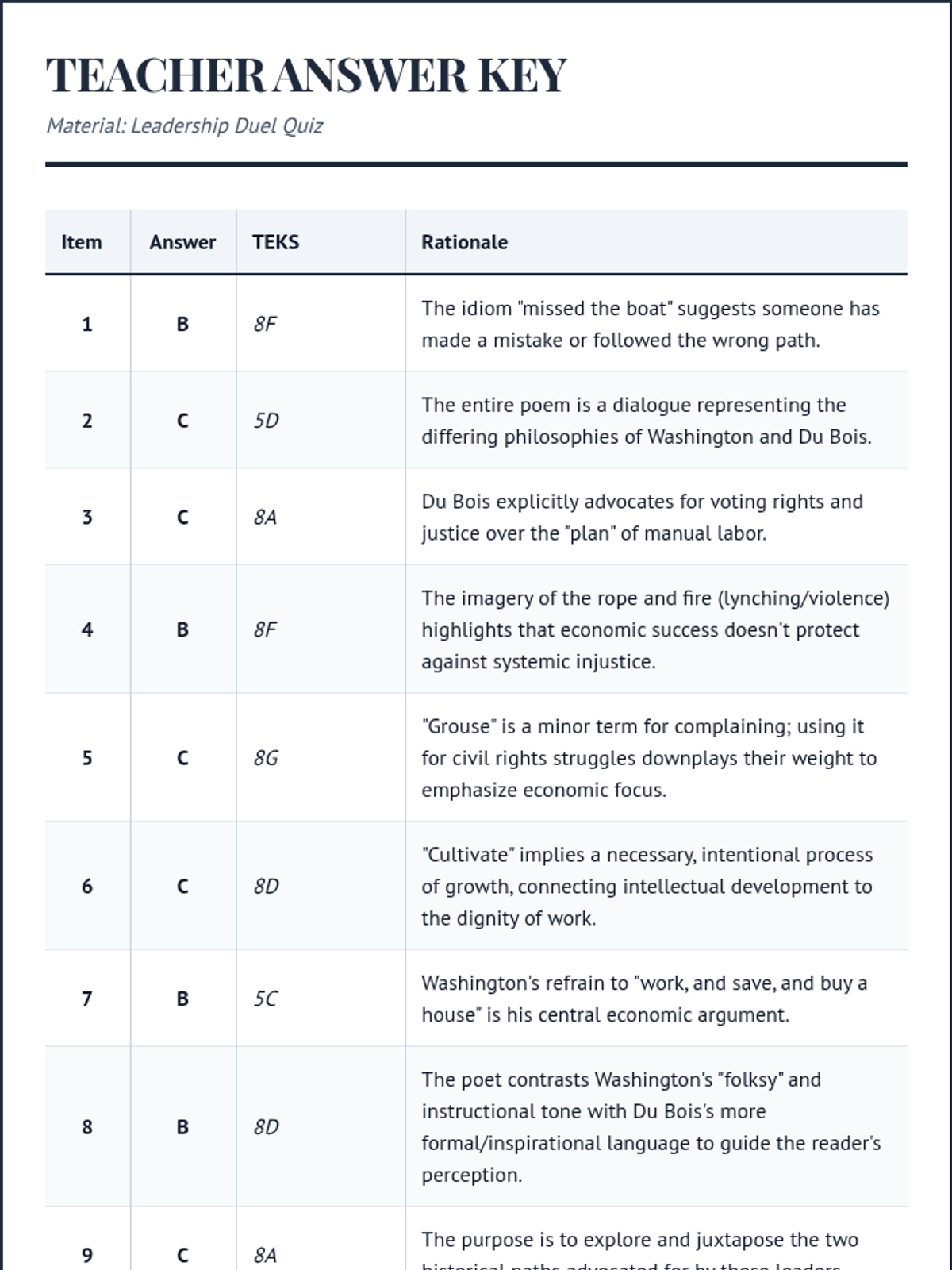
A remediation lesson focused on analyzing Dudley Randall's poem 'Booker T. and W.E.B.' through comparing historical perspectives, analyzing figurative language, and identifying authorial intent.
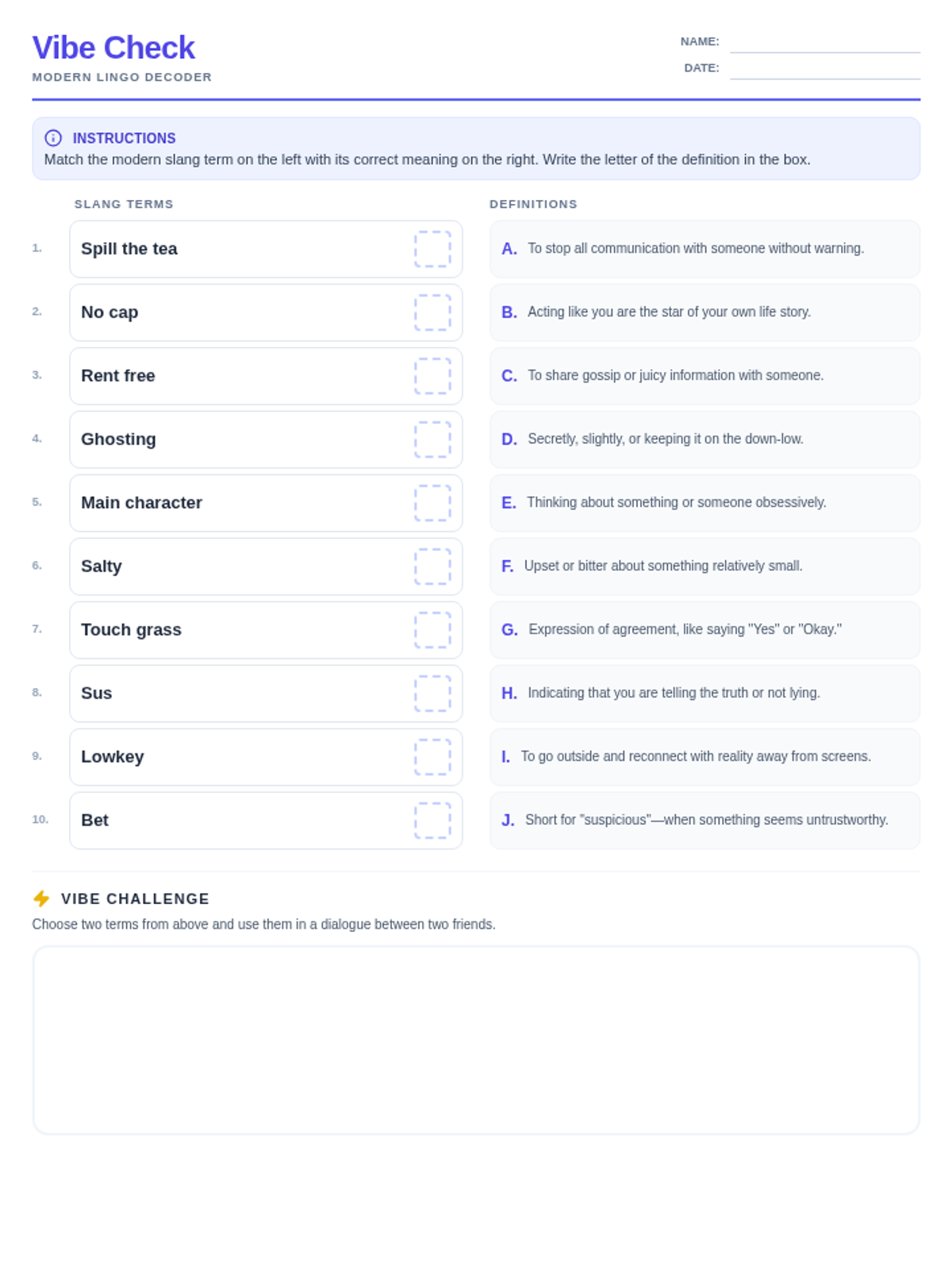
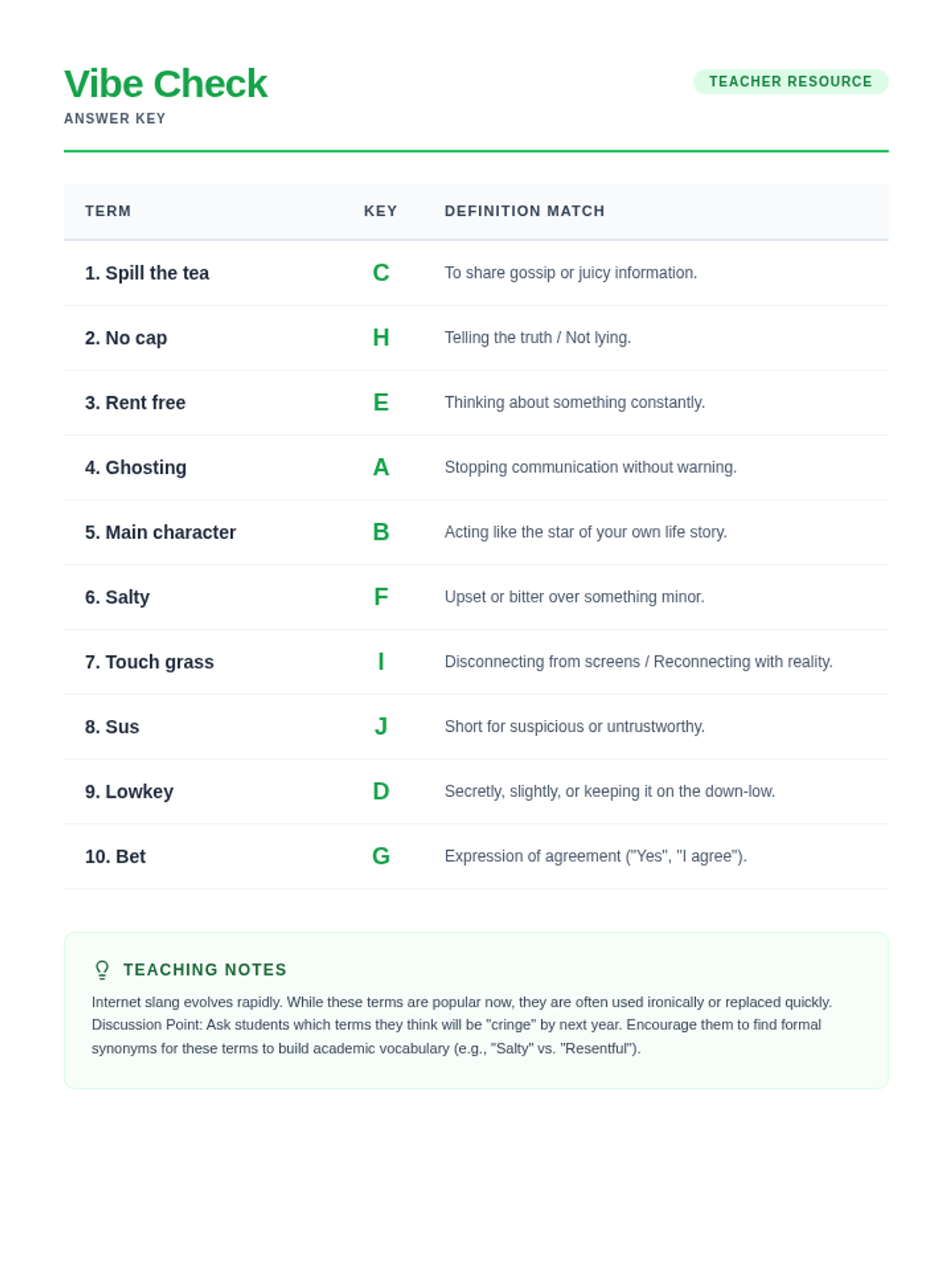
A guide to understanding and using modern teen slang and contemporary idioms in everyday conversation.
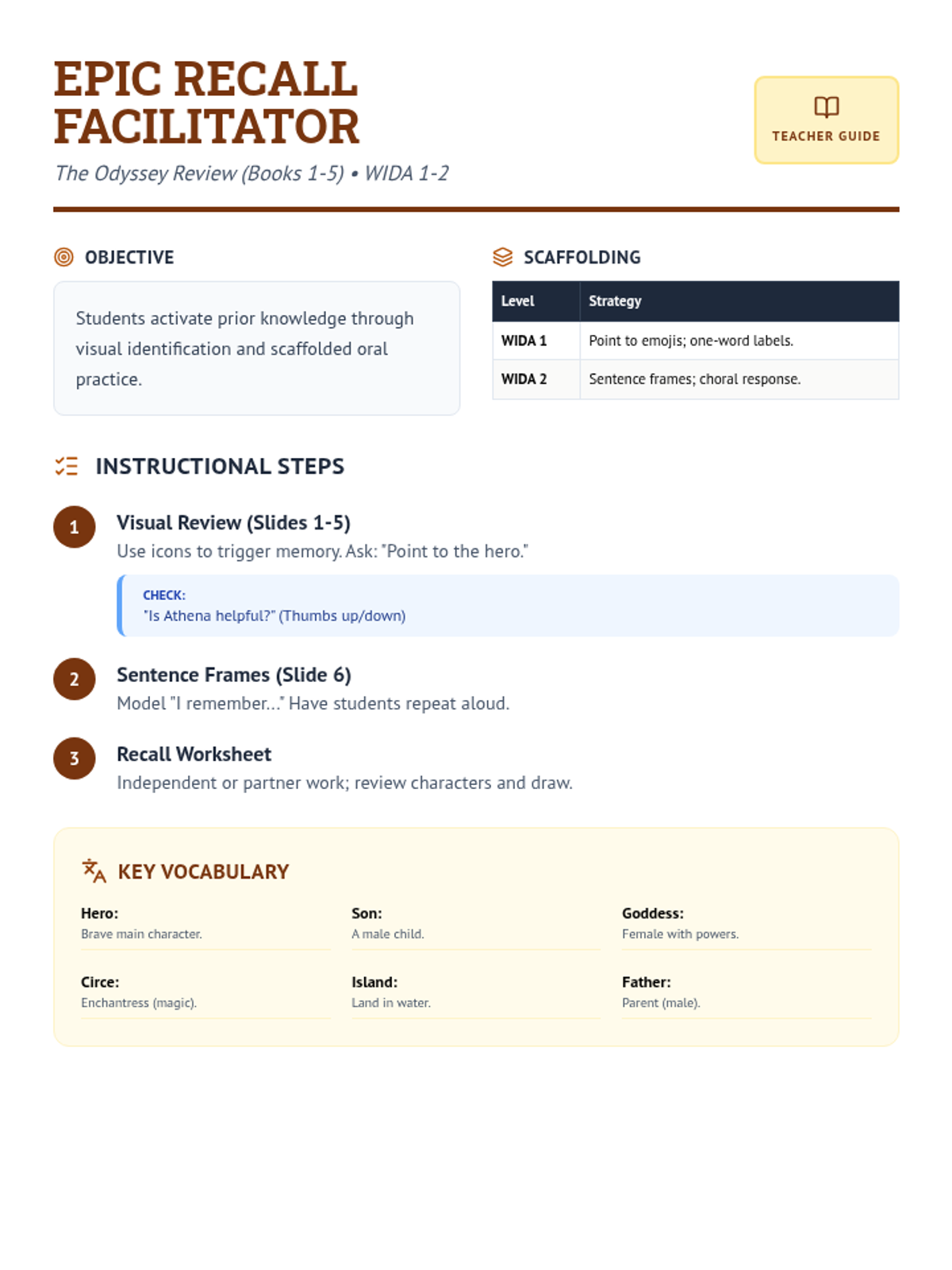
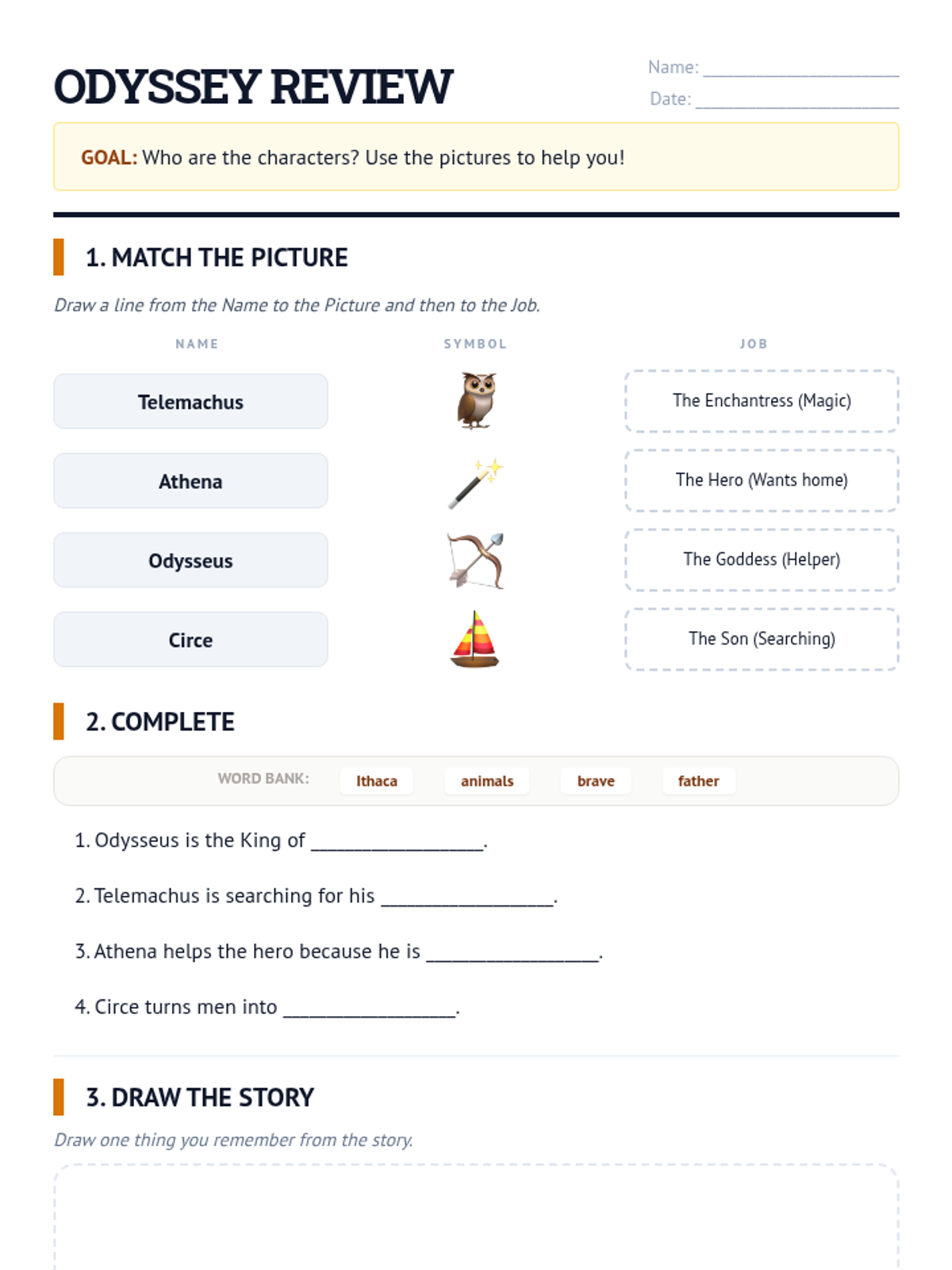
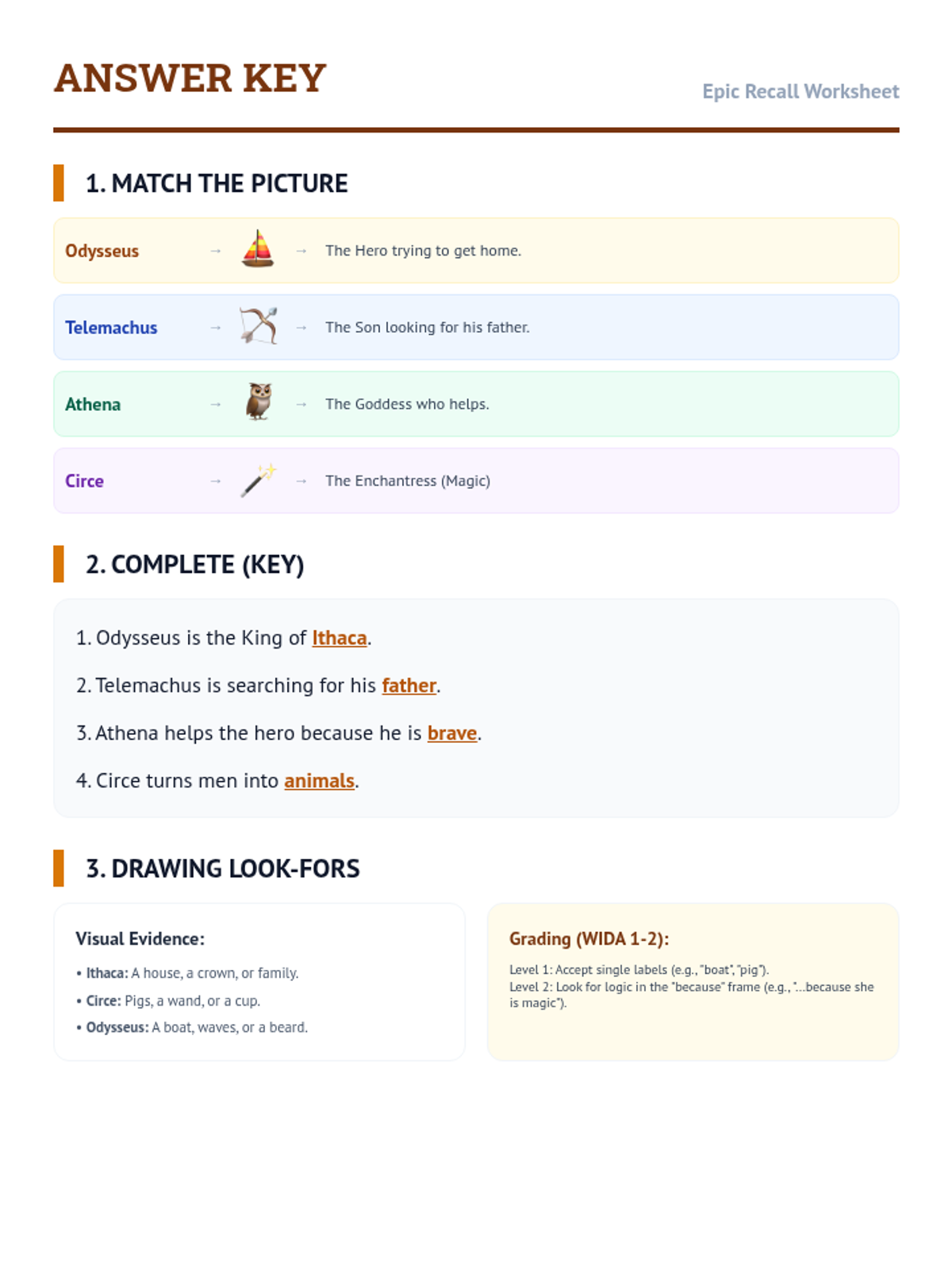
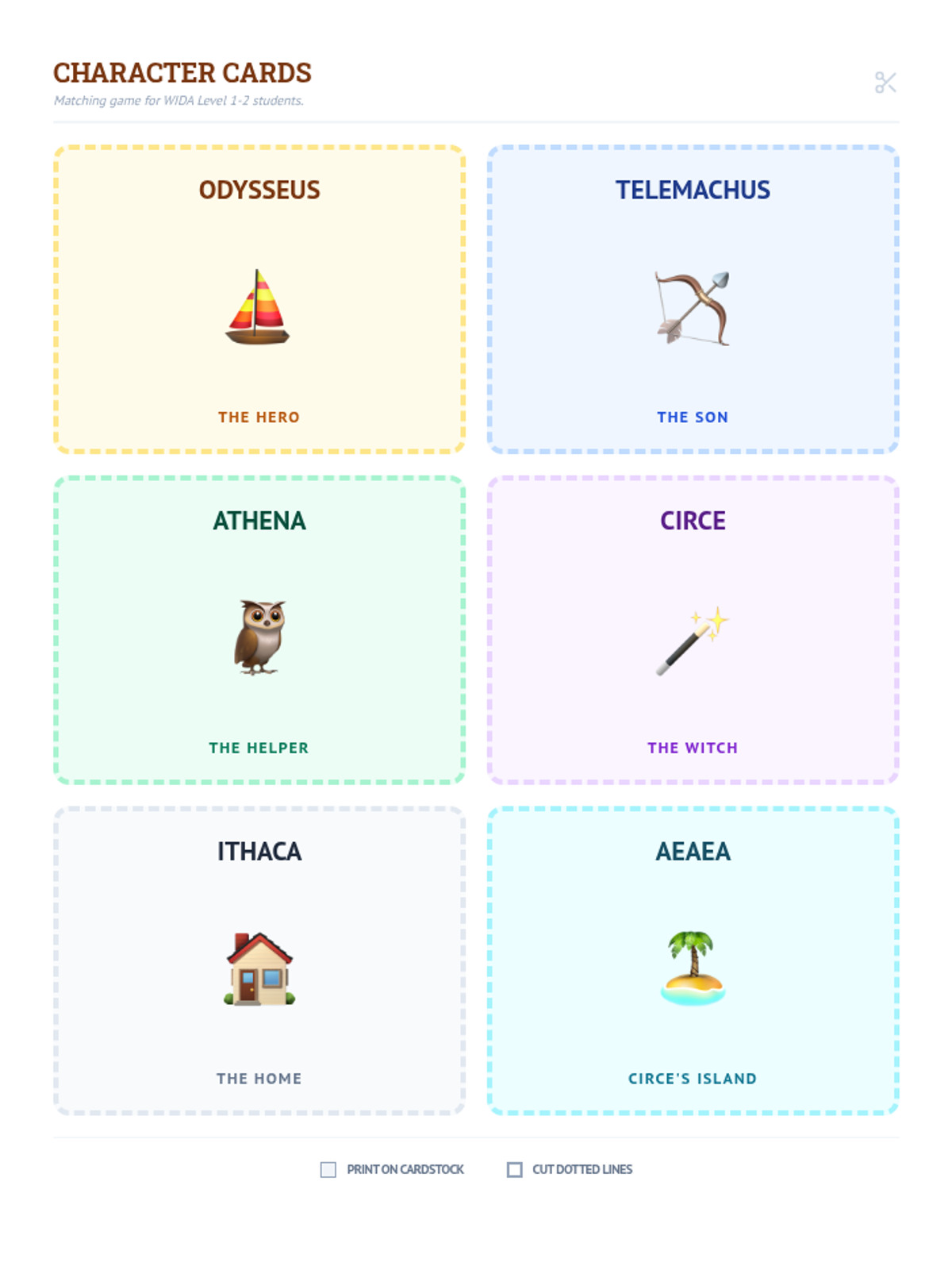
A review lesson for ELL students focused on recalling key characters and events from Books 1-5 of The Odyssey after a school break.
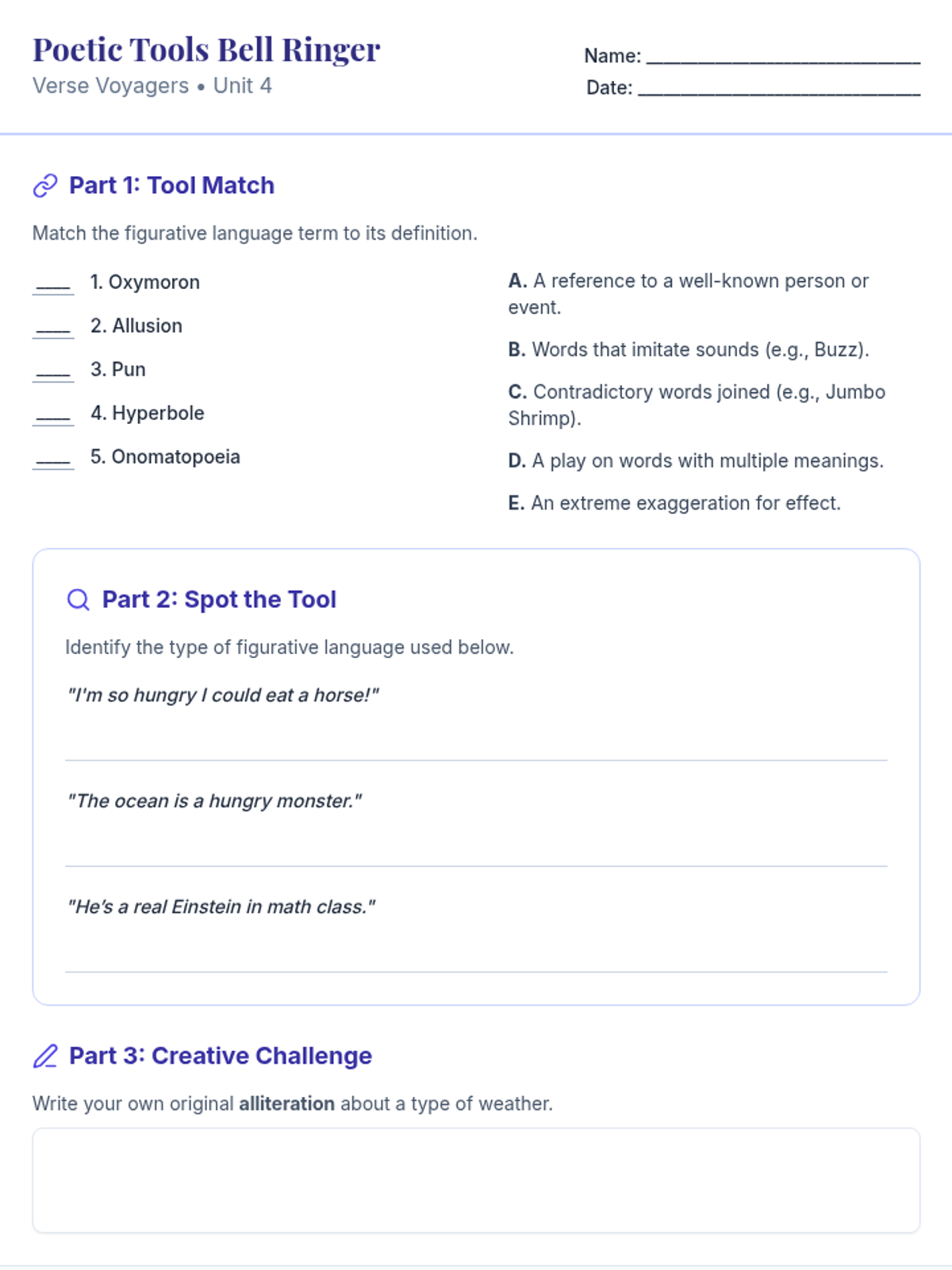
A comprehensive poetry analysis lesson focusing on the TP-CASTT method and figurative language, featuring a gamified 'Quiz Bee' and deep analysis of 'The Road Not Taken'.